



















Bringing You the Wonder of Yesterday – Today

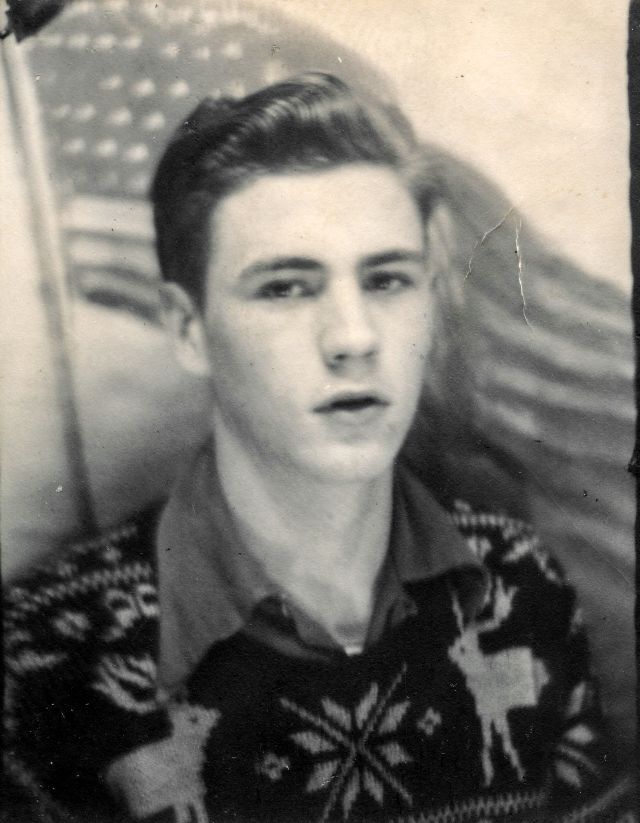
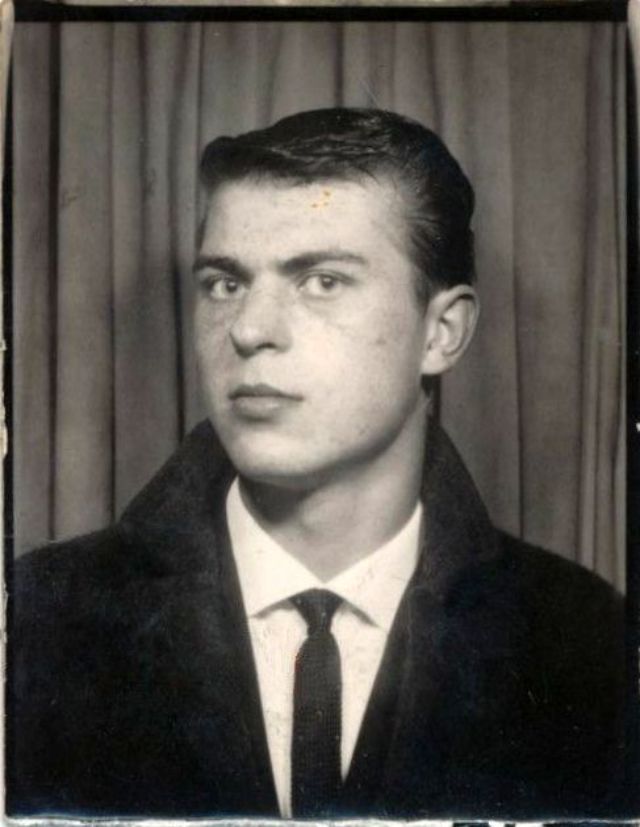
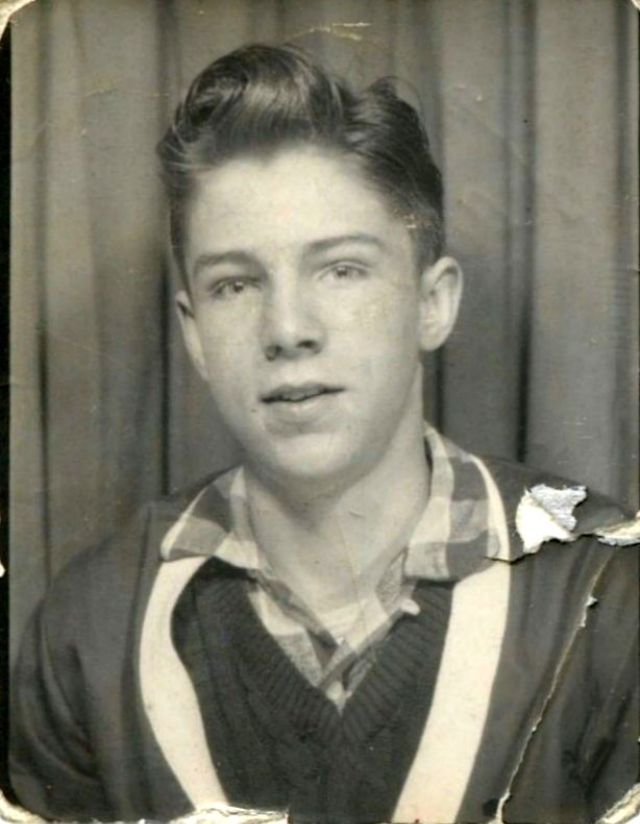
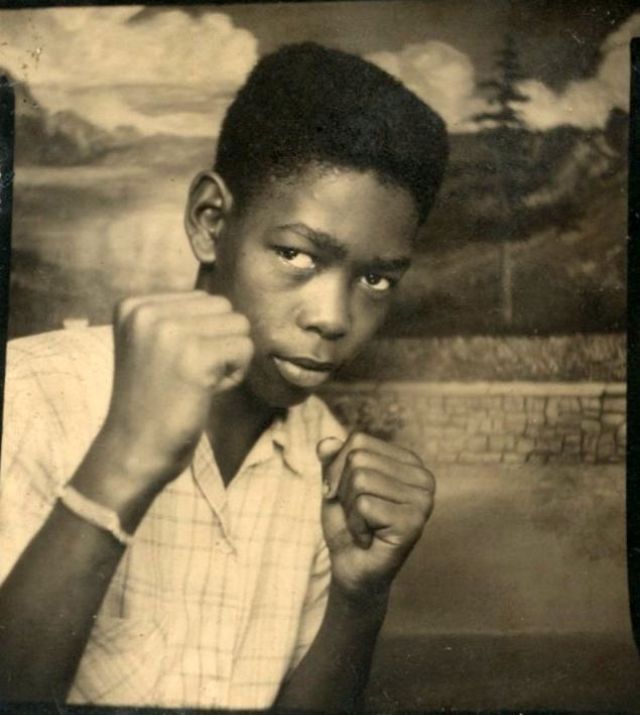
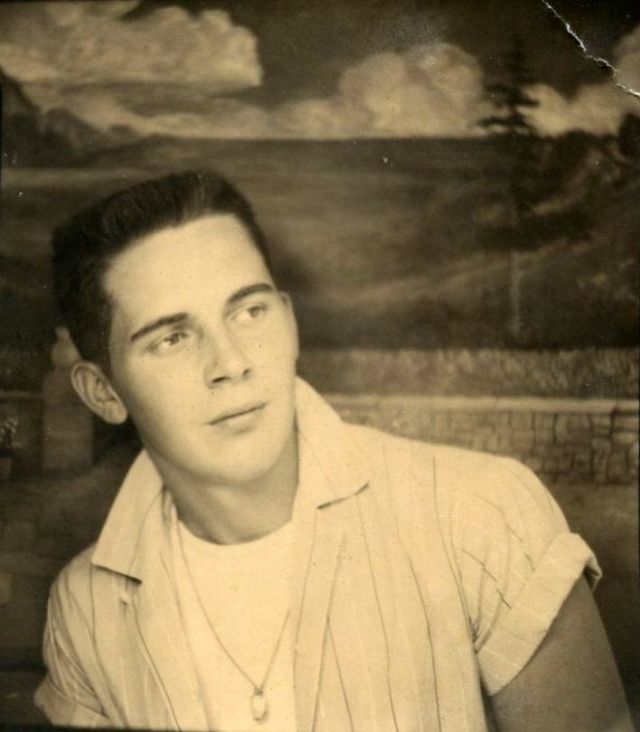
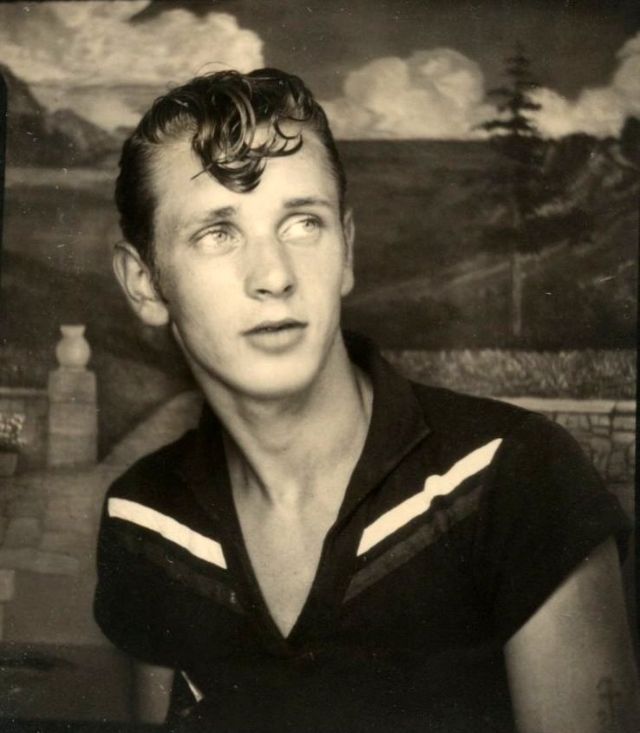
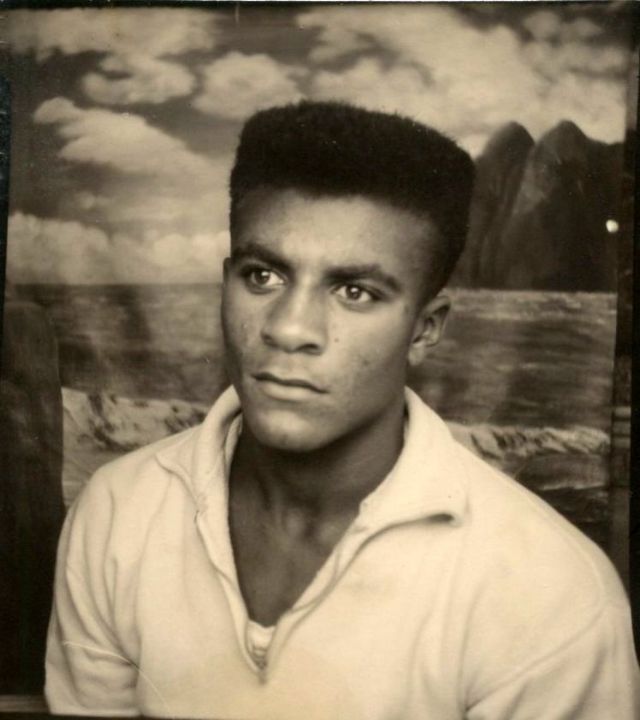
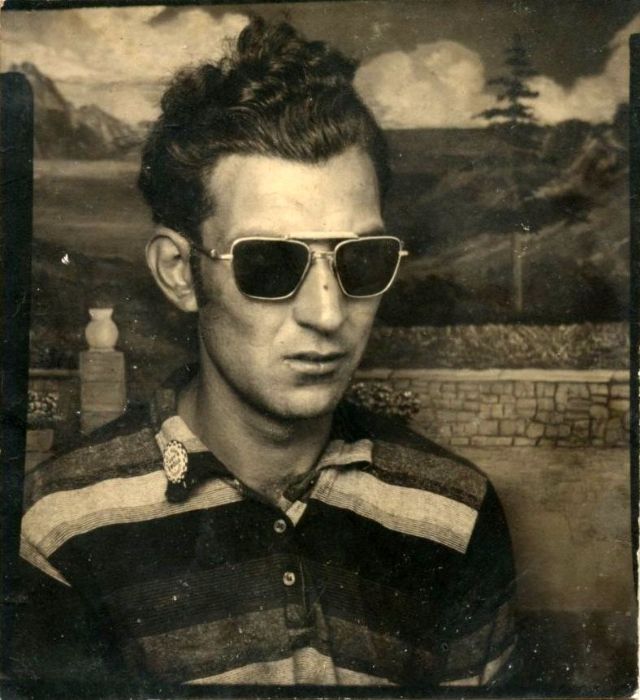
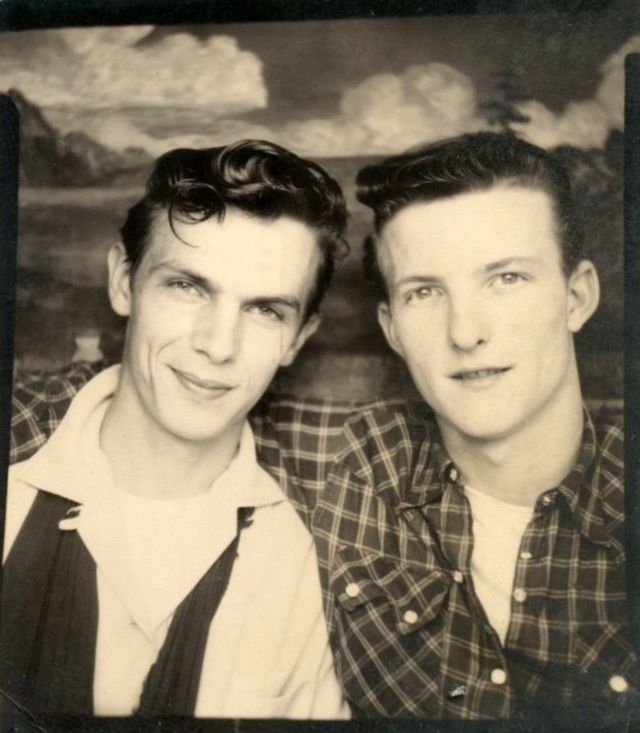
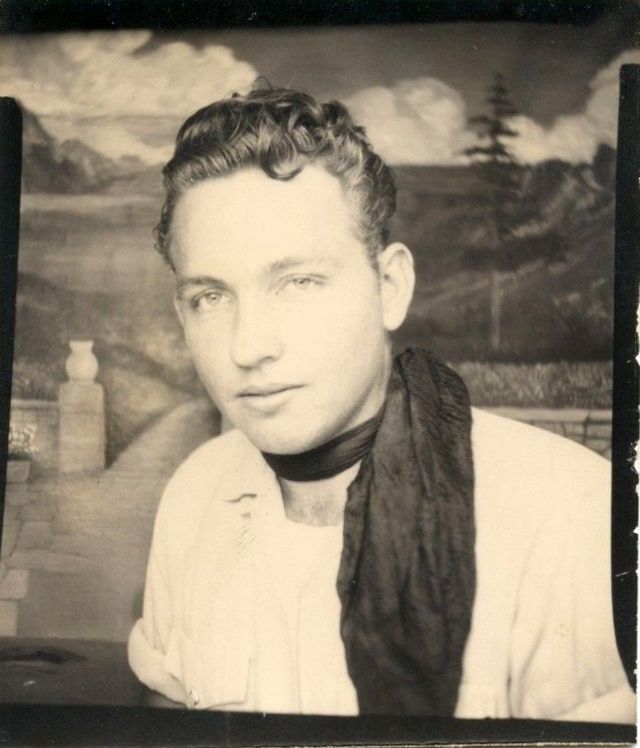
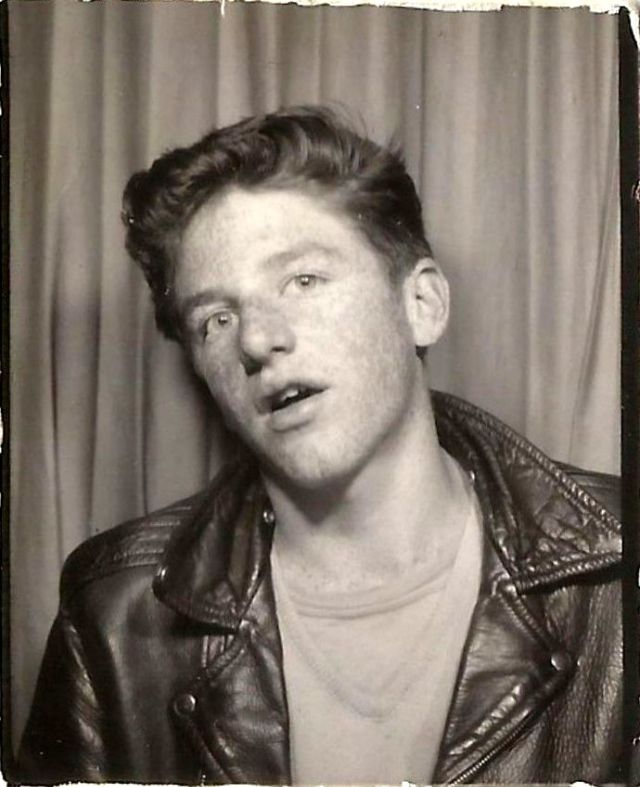
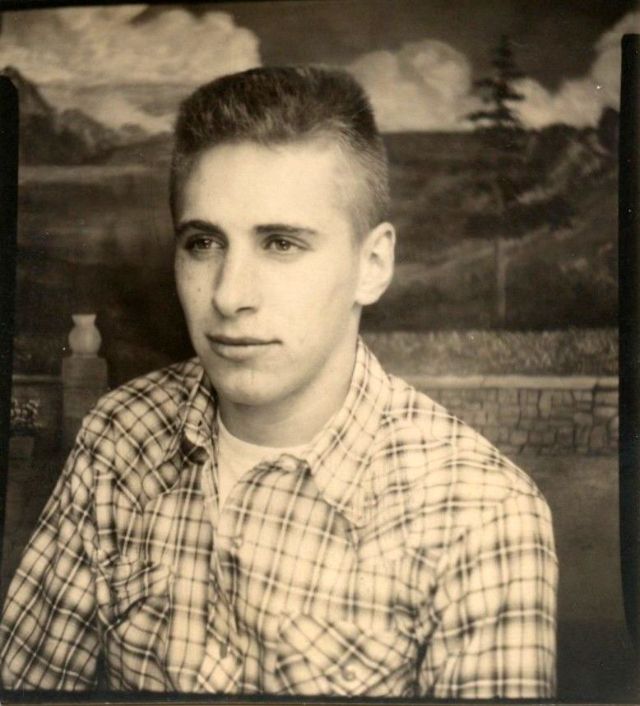
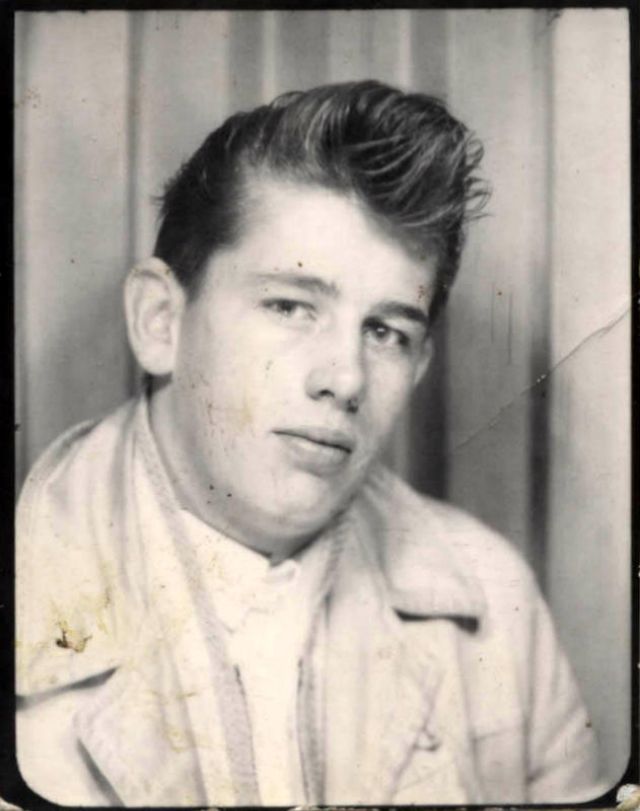
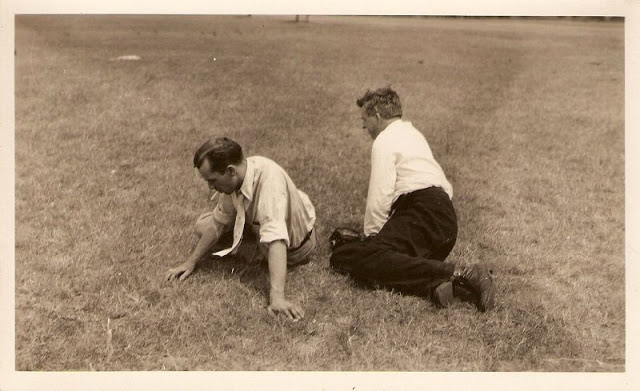
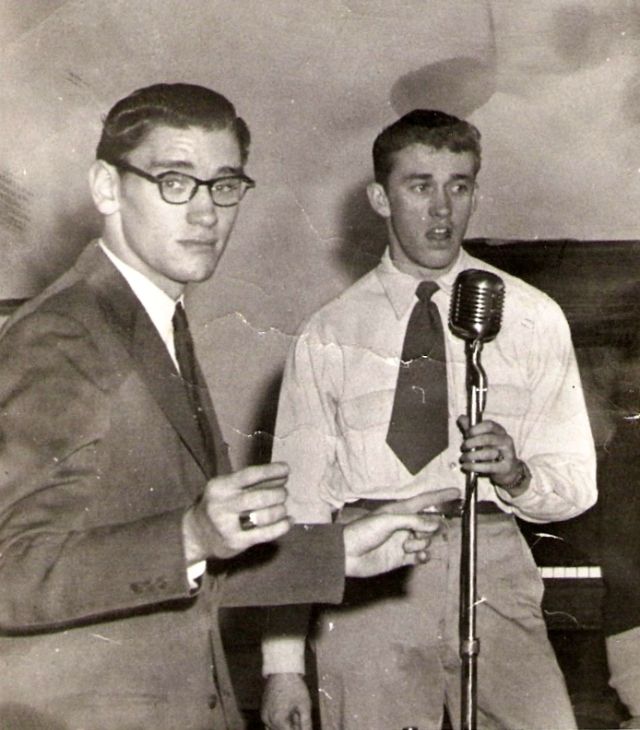
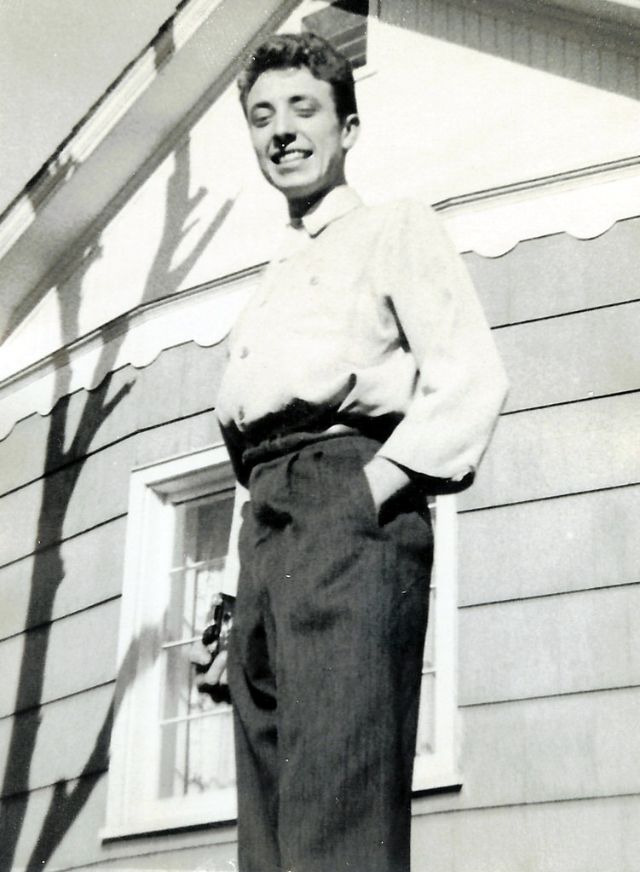
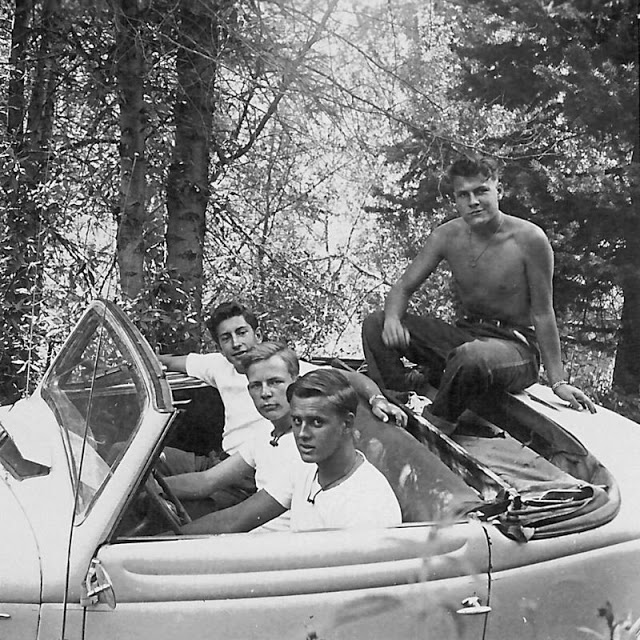
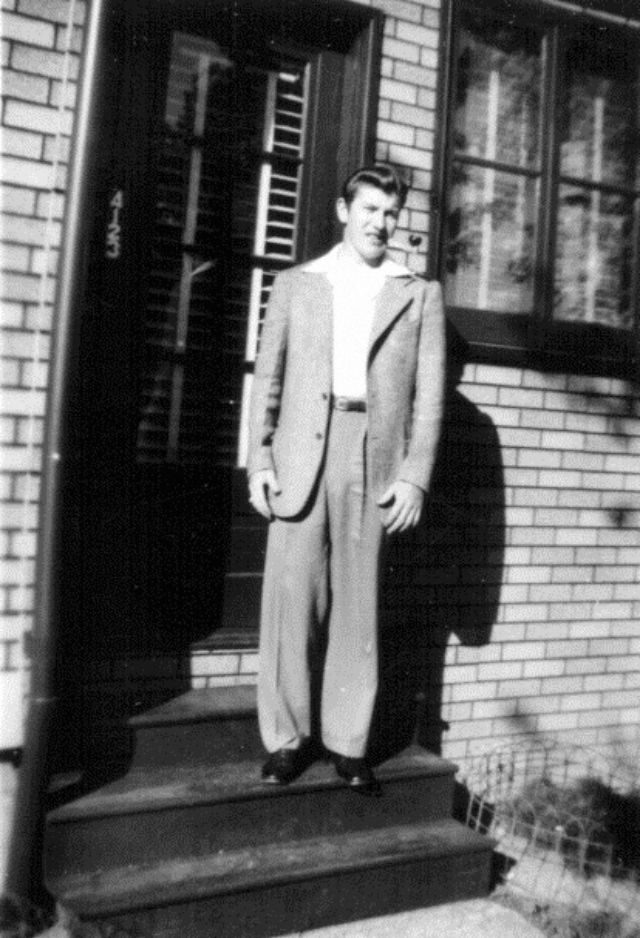
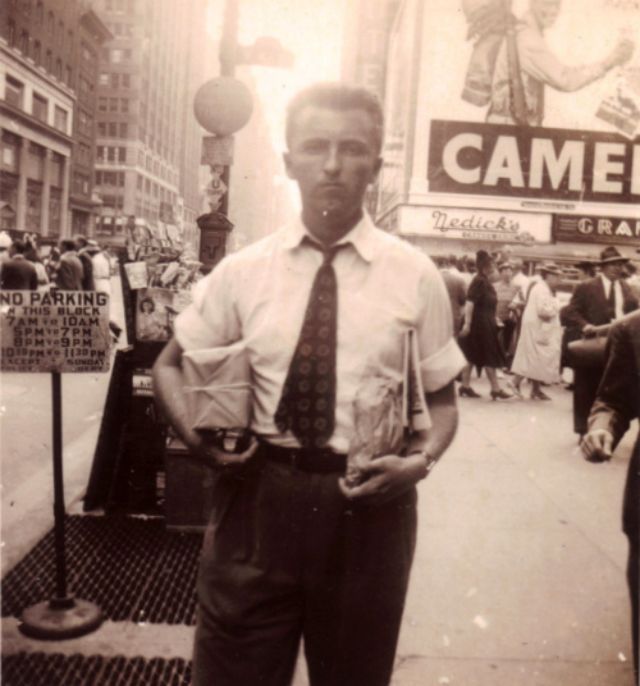
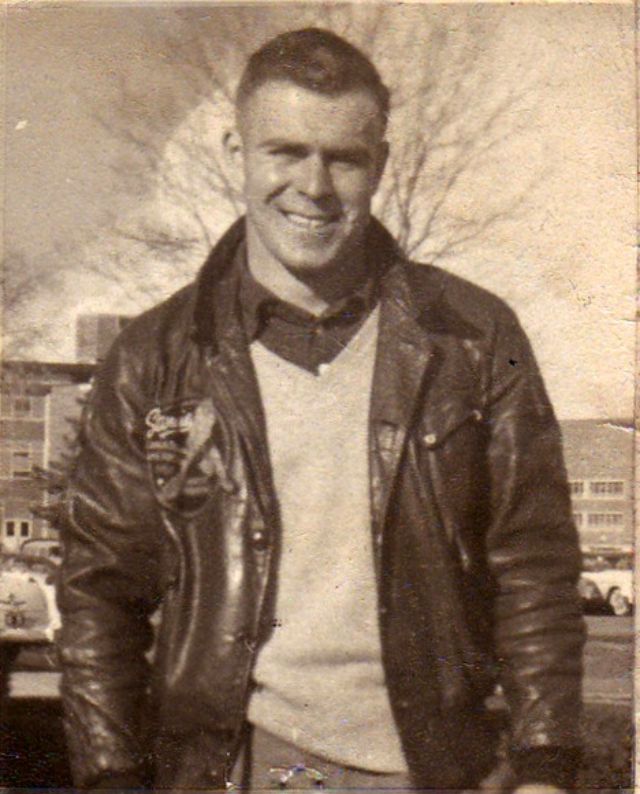
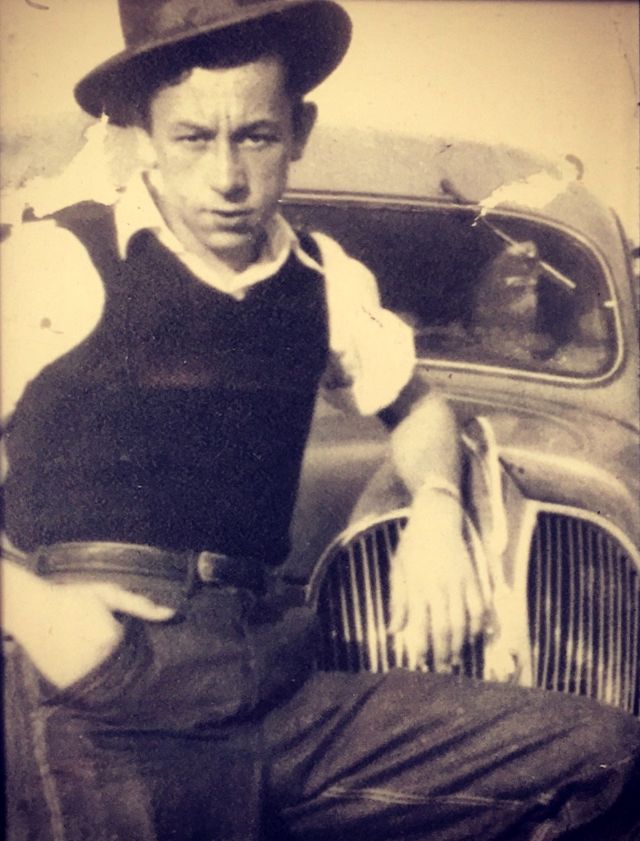
The 1950s were a transformative time in American pop culture. With the creation of rock and roll, growing popularity of jazz music, and the so-called Golden Age of Television, 1950s men’s hairstyles were influenced by the likes of Elvis Presley, James Dean, Marlon Brando, Frank Sinatra, and Cary Grant.
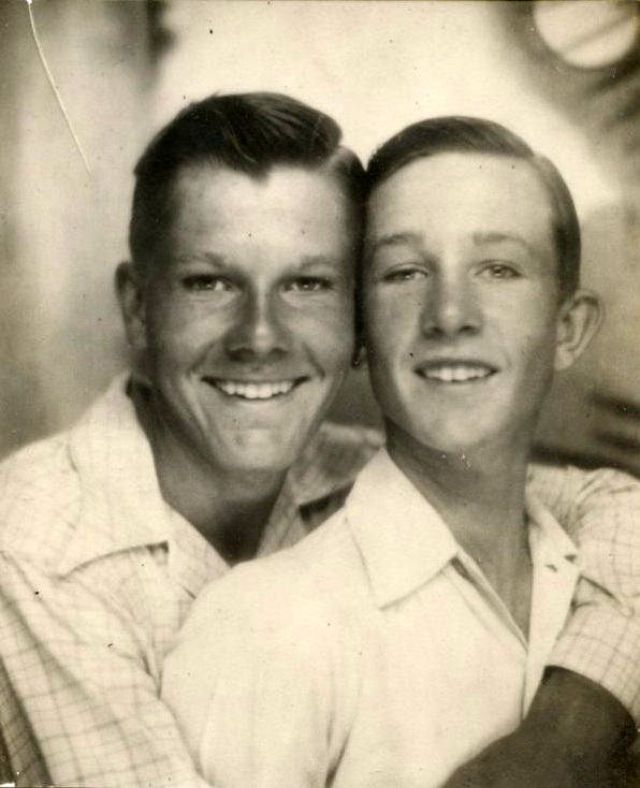
The regular haircut, side-parted with tapered back and sides, was considered a clean cut fashion and preferred by parents and school authorities in the United States. The crew cut, flattop and ivy league were also popular, particularly among high school and college students.
These cool pictures that show what men’s hairstyles looked like in the 1950s.















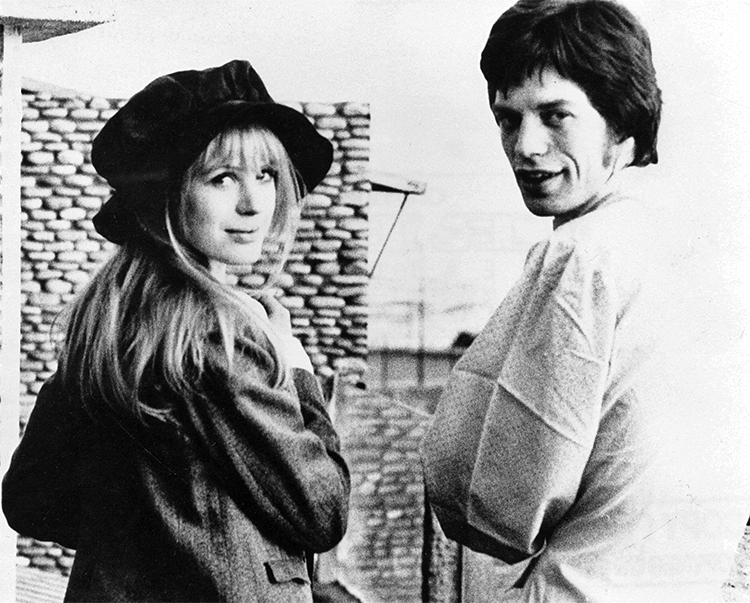
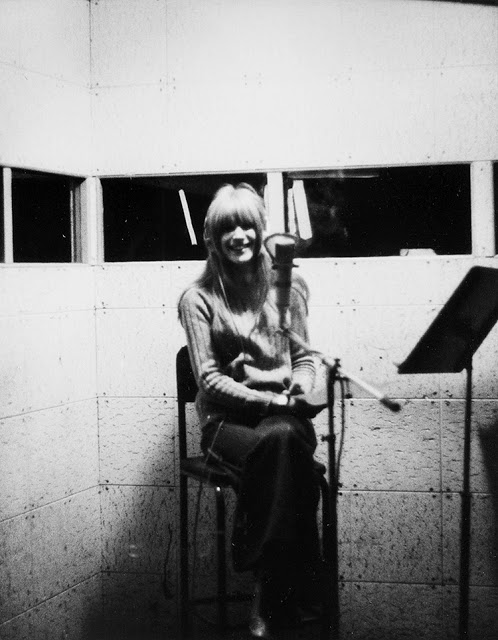
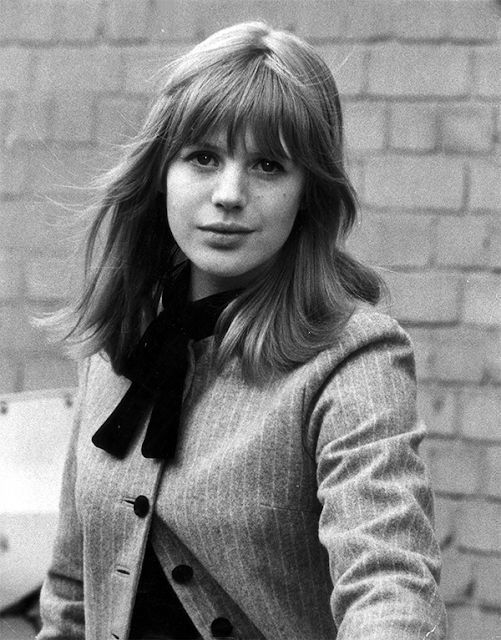
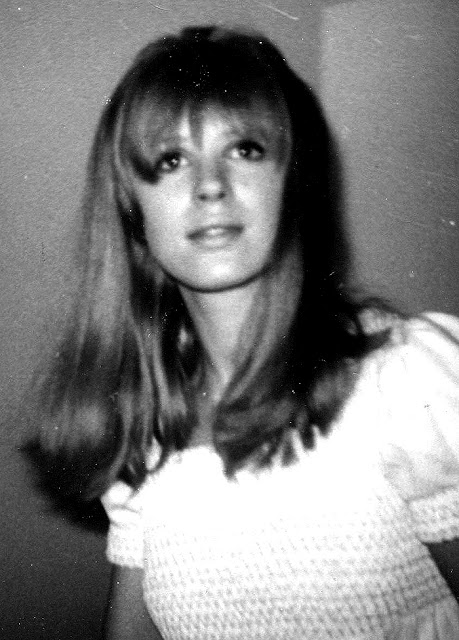
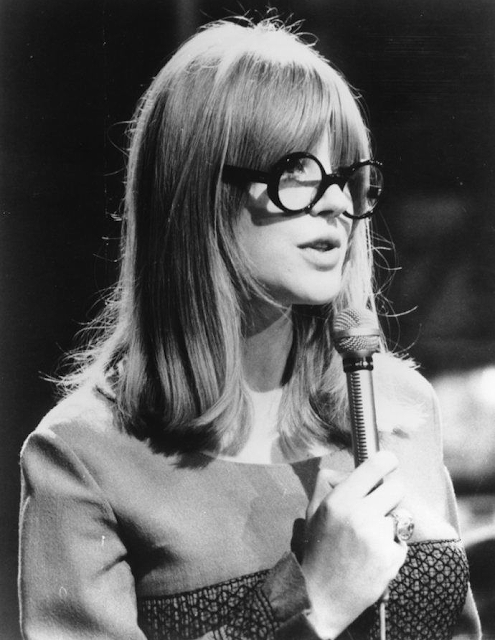
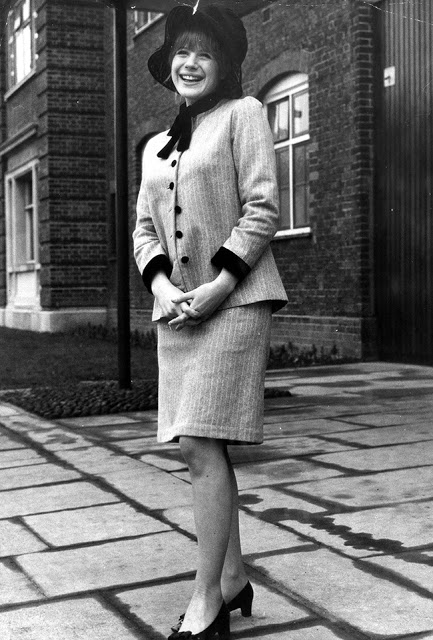
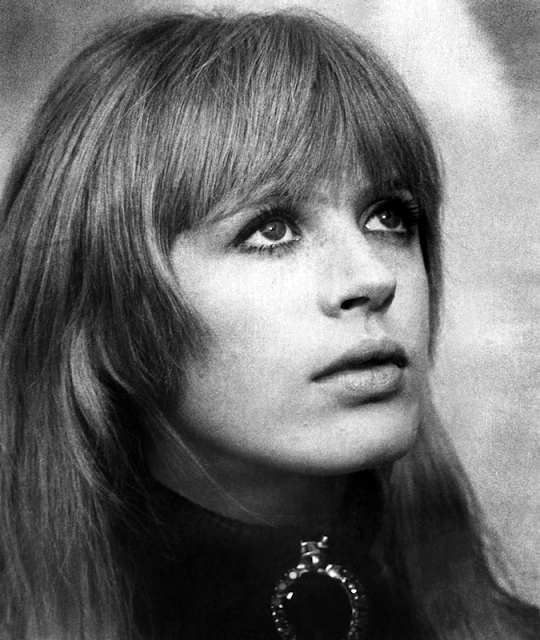
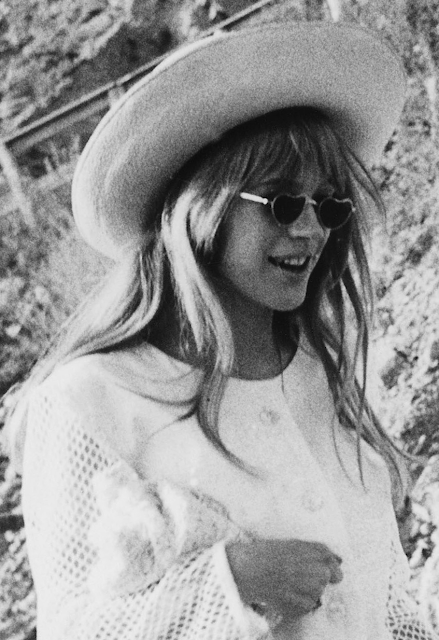
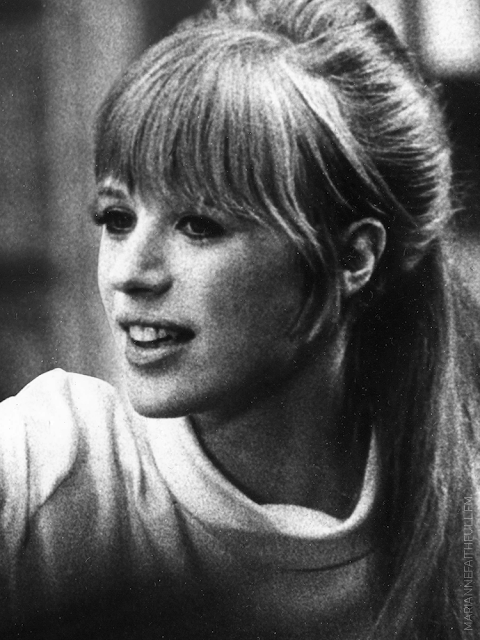
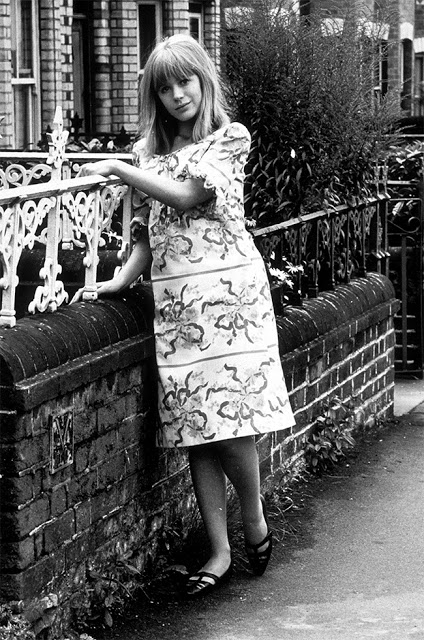
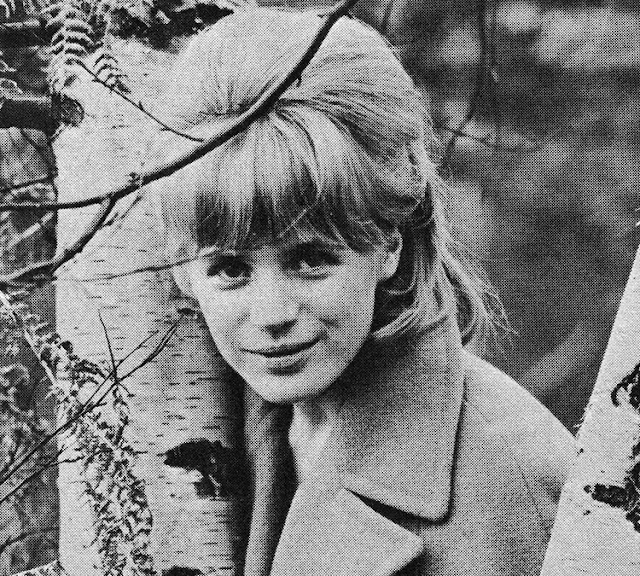
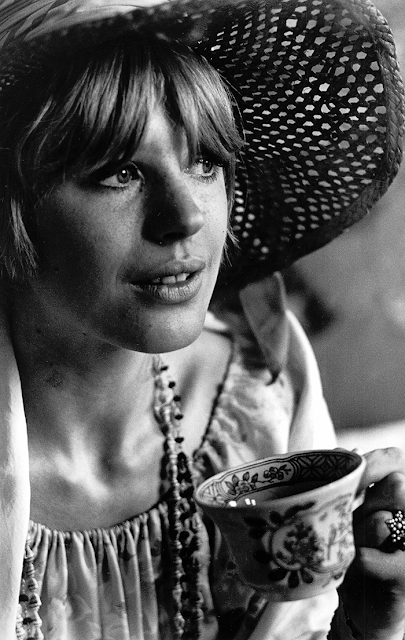
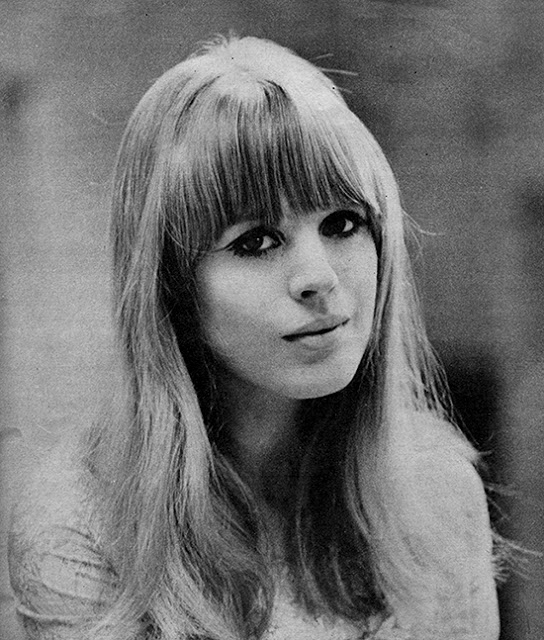
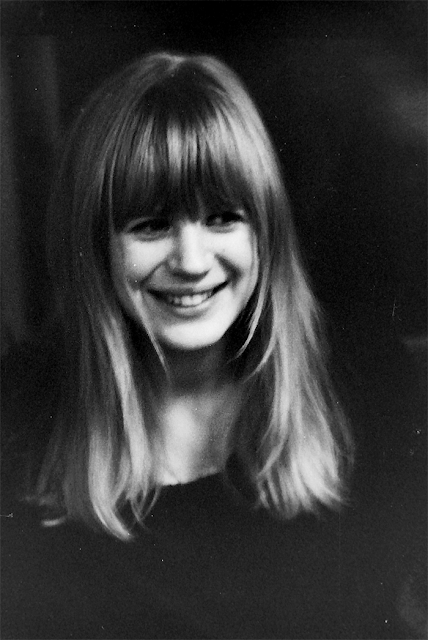
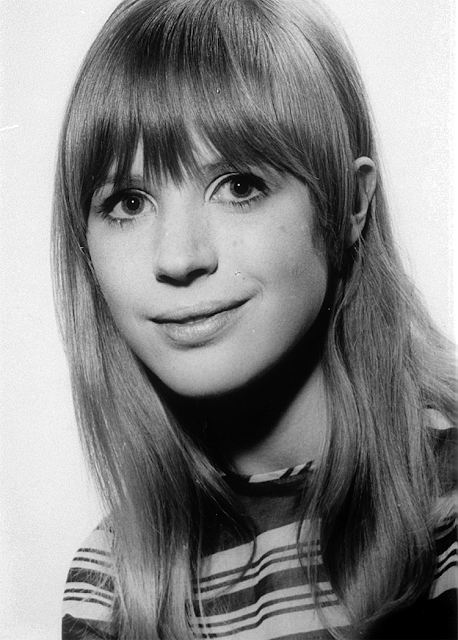
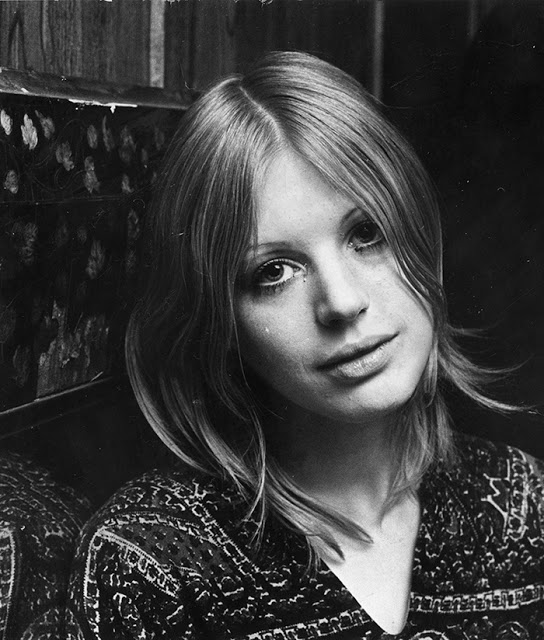
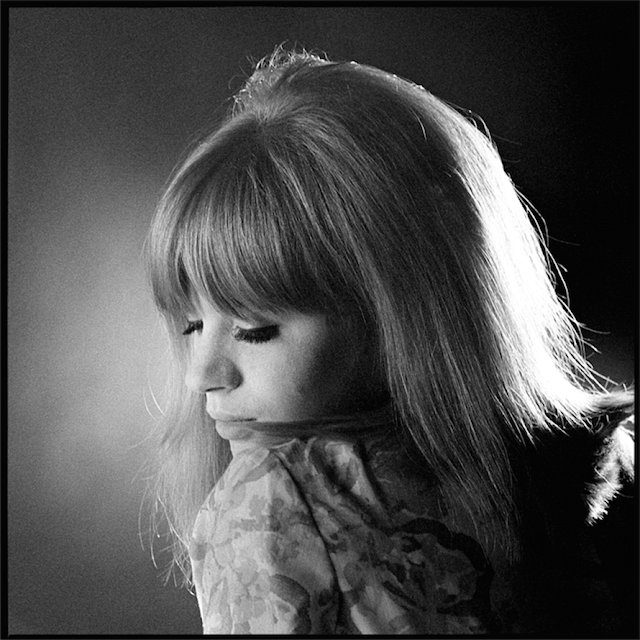
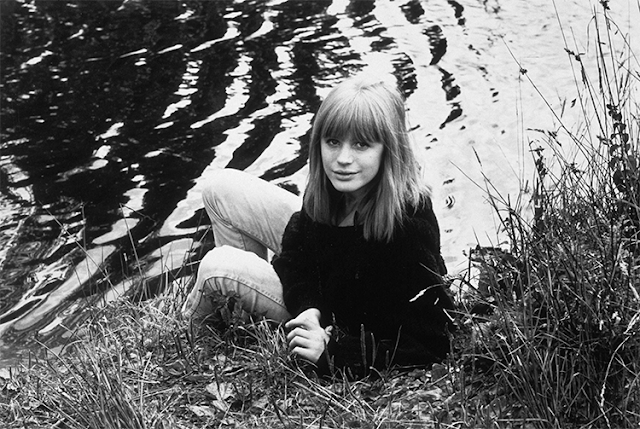
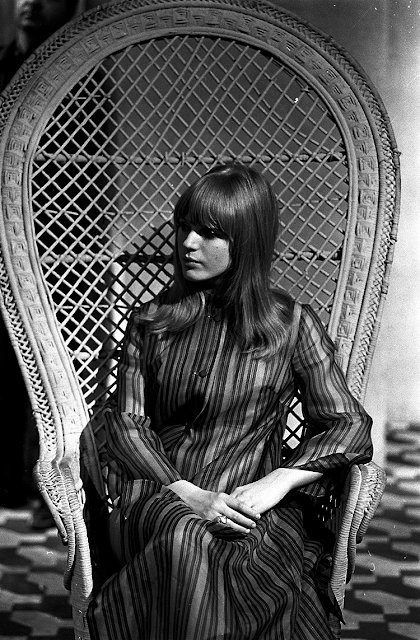
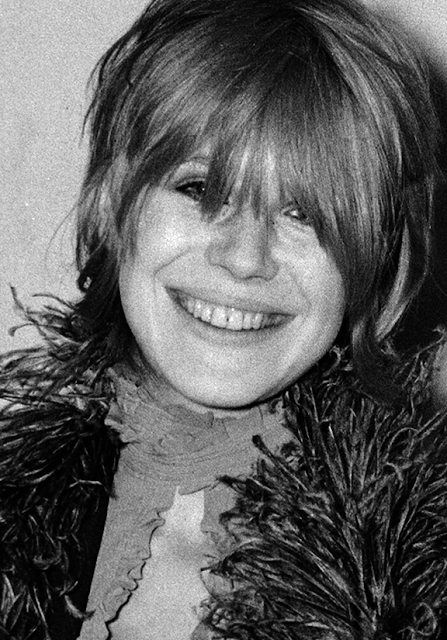
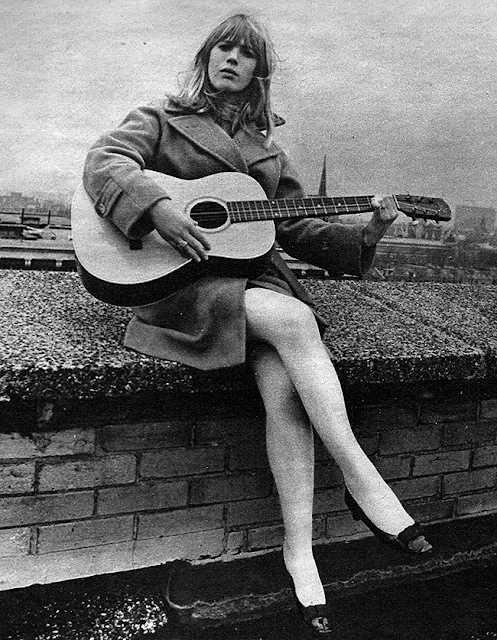
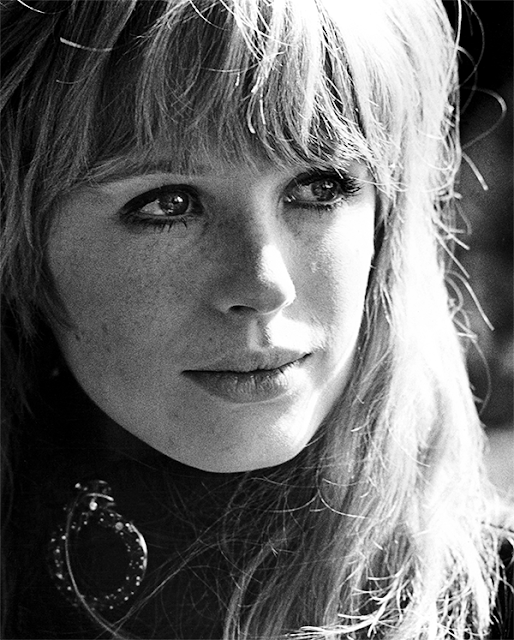
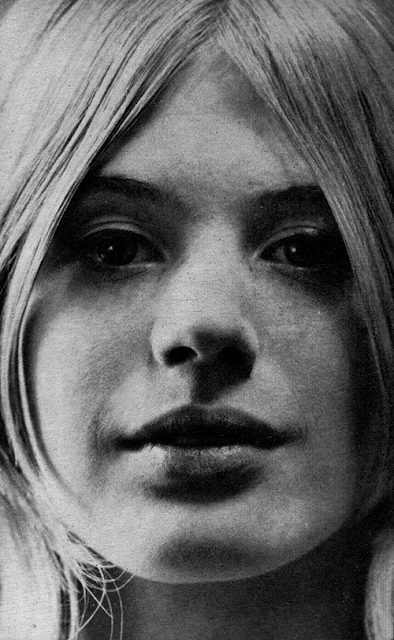
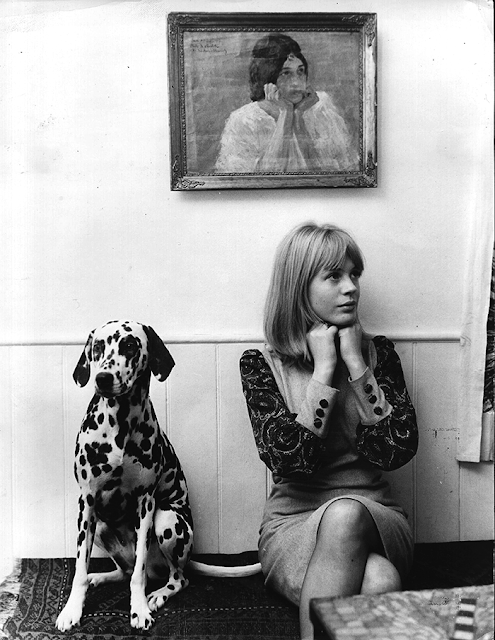
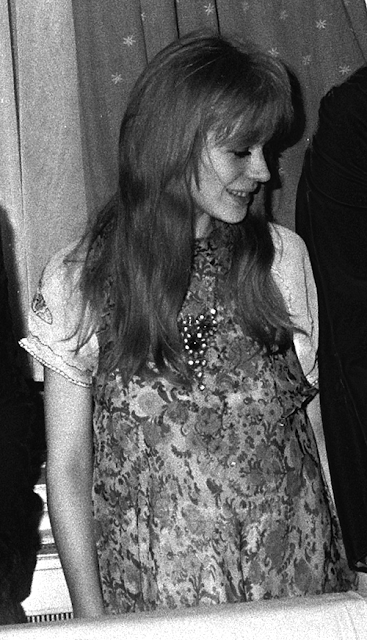
Marianne Evelyn Gabriel Faithfull (born 29 December 1946) is an English singer, songwriter, and actress. She achieved popularity in the 1960s with the release of her hit single “As Tears Go By” and became one of the lead female artists during the British Invasion in the United States.
Born in Hampstead, London, Faithfull began her career in 1964 after attending a Rolling Stones party, where she was discovered by Andrew Loog Oldham. Her debut album Marianne Faithfull (1965) (released simultaneously with her album Come My Way) was a commercial success followed by a number of albums on Decca Records. From 1966 to 1970, she had a highly publicised romantic relationship with Mick Jagger. Her popularity was further enhanced by her film roles, such as those in I’ll Never Forget What’s’isname (1967), The Girl on a Motorcycle (1968), and Hamlet (1969). However, her popularity was overshadowed by personal problems in the 1970s. During that time she was anorexic, homeless, and a heroin addict.
Noted for her distinctive voice, Faithfull’s previously melodic and higher-registered vocals (which were prevalent throughout her career in the 1960s) were affected by severe laryngitis, coupled with persistent drug abuse during the 1970s, permanently altering her voice, leaving it raspy, cracked and lower in pitch. This new sound was praised as “whisky soaked” by some critics and seen as having helped to capture the raw emotions expressed in Faithfull’s music.
After a long commercial absence, Faithfull made a comeback with the 1979 release of her critically acclaimed album Broken English. The album was a commercial success and marked a resurgence of her musical career. Broken English earned Faithfull a nomination for the Grammy Award for Best Female Rock Vocal Performance and is often regarded as her “definitive recording”. She followed this with a series of albums, including Dangerous Acquaintances (1981), A Child’s Adventure (1983), and Strange Weather (1987). Faithfull also wrote three books about her life: Faithfull: An Autobiography (1994), Memories, Dreams & Reflections (2007), and Marianne Faithfull: A Life on Record (2014).
Faithfull is listed on VH1’s “100 Greatest Women of Rock and Roll” list. She received the World Lifetime Achievement Award at the 2009 Women’s World Awards and was made a Commandeur of the Ordre des Arts et des Lettres by the government of France.


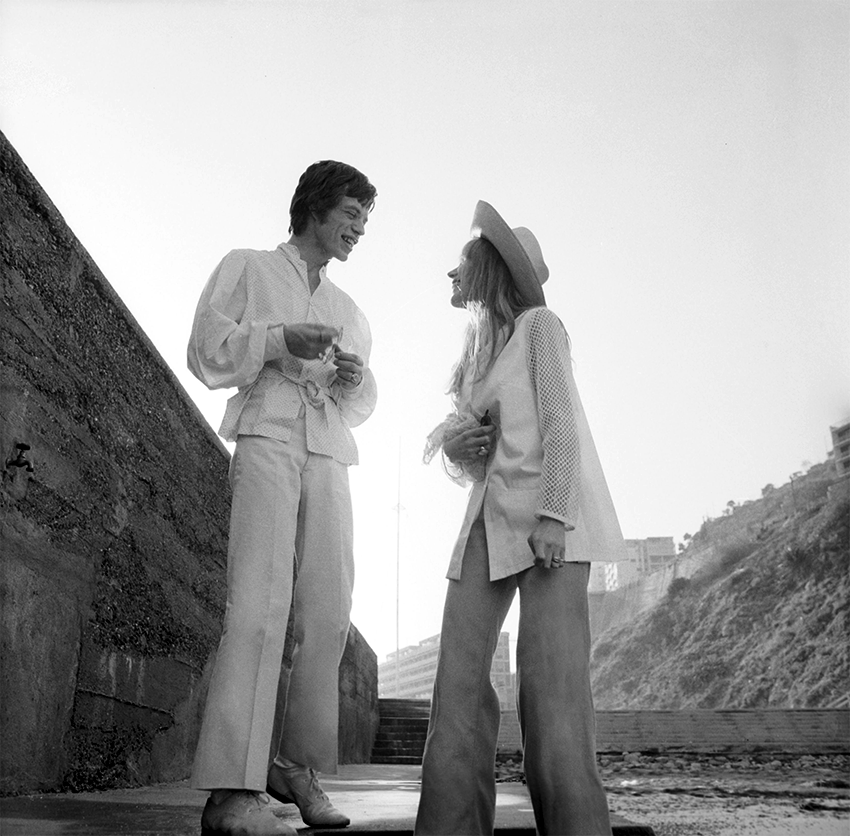


















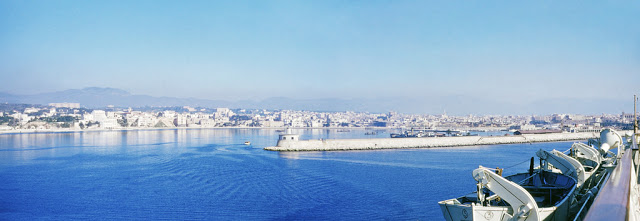
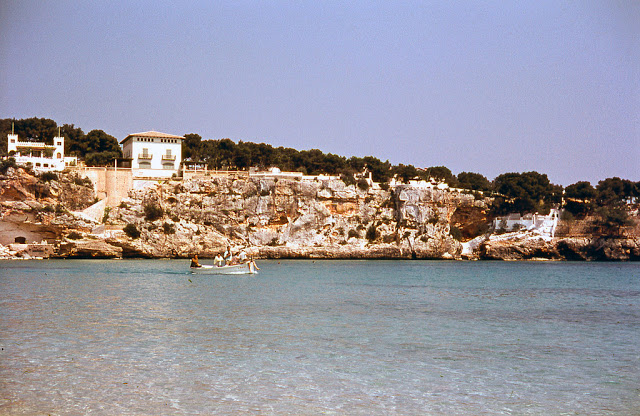
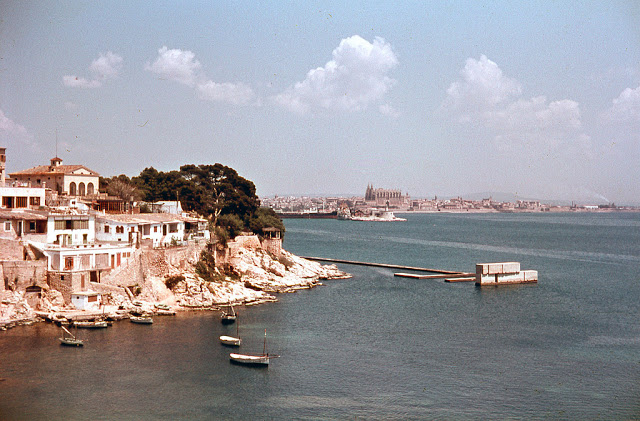
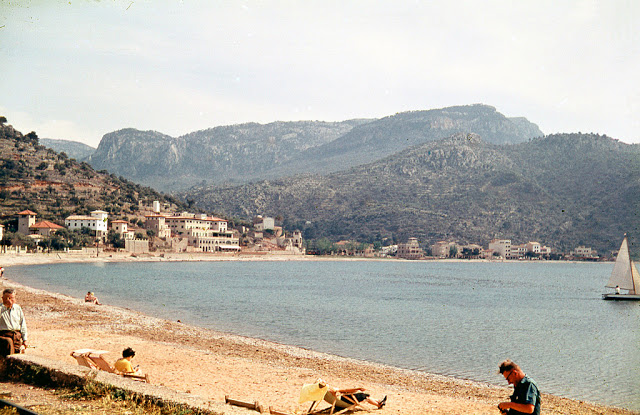
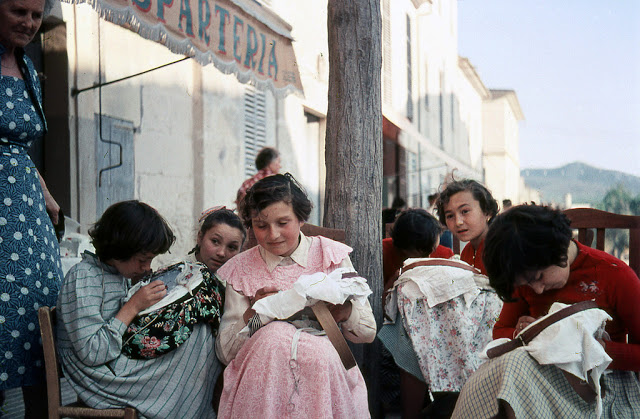
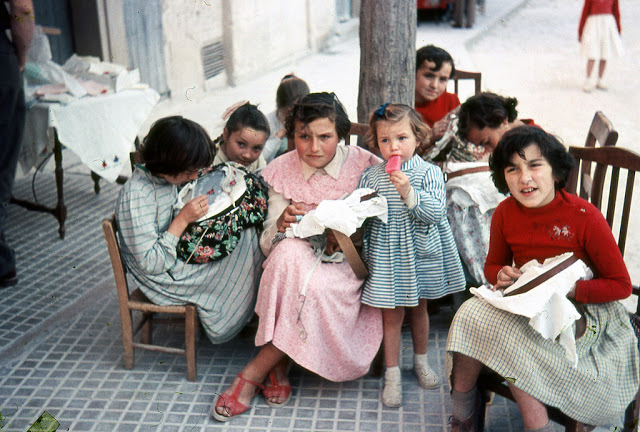
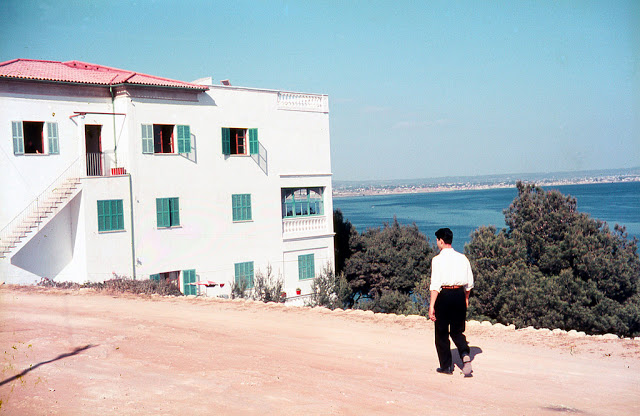
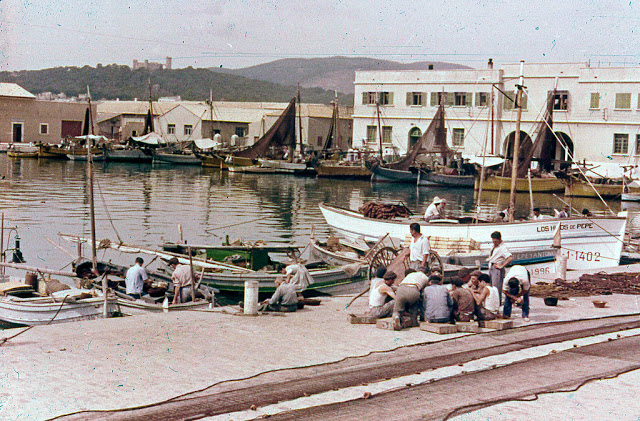
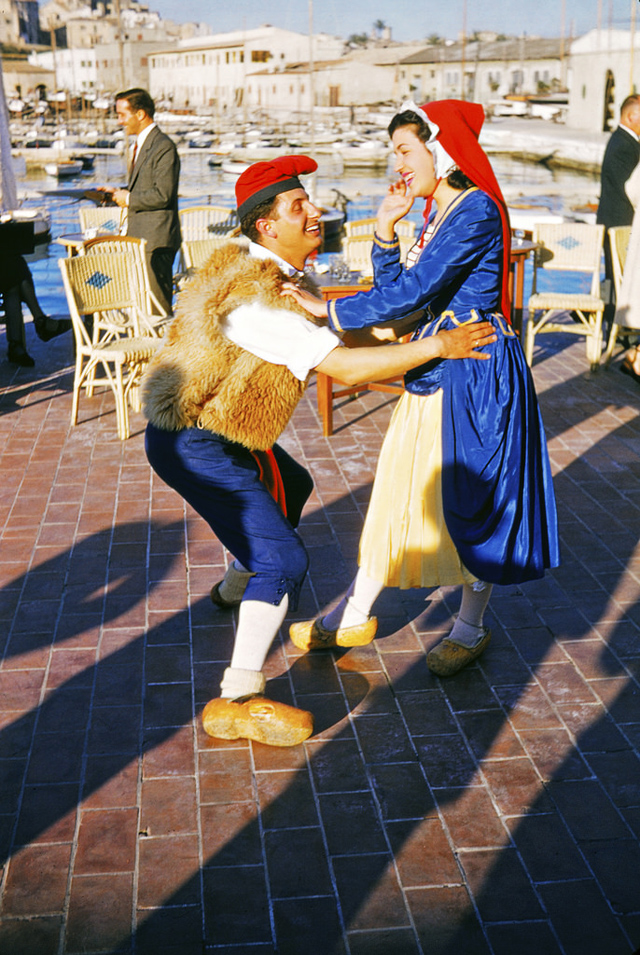
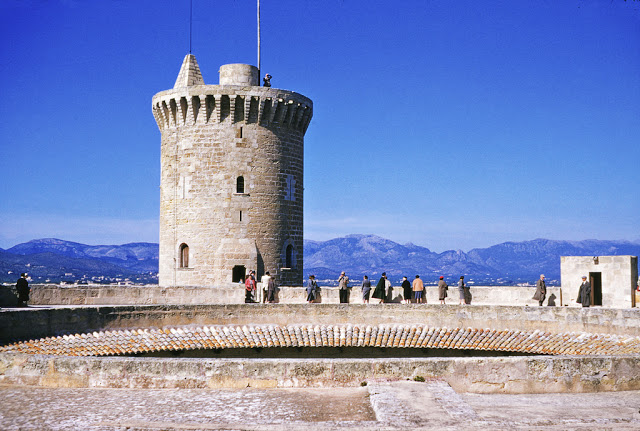
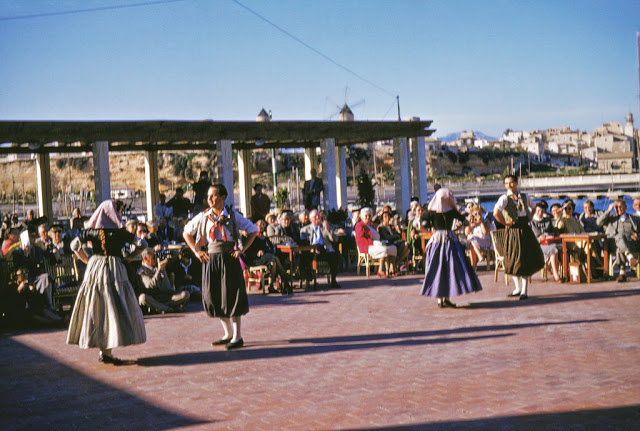
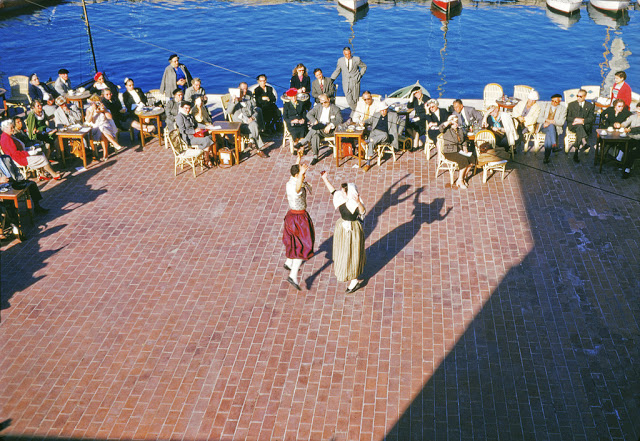
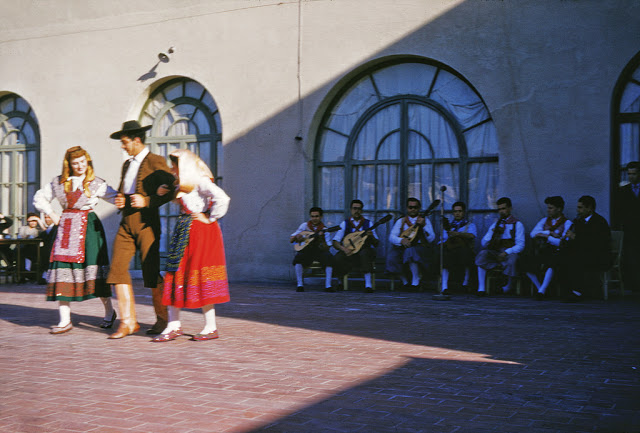
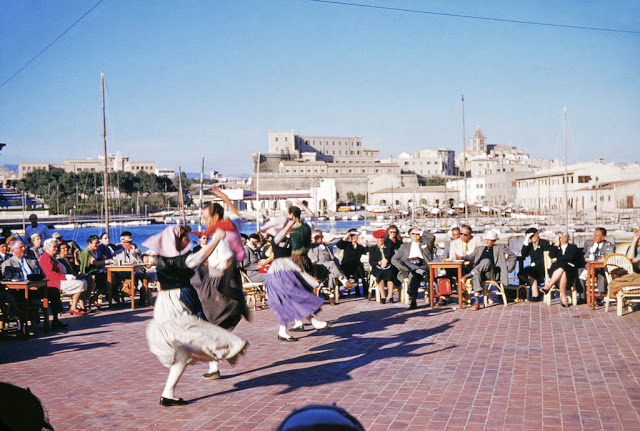
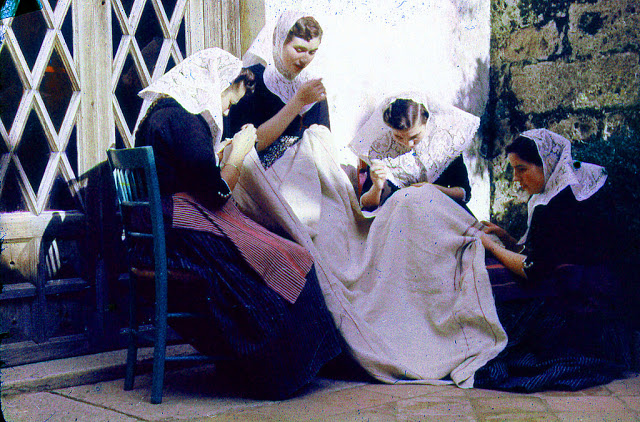
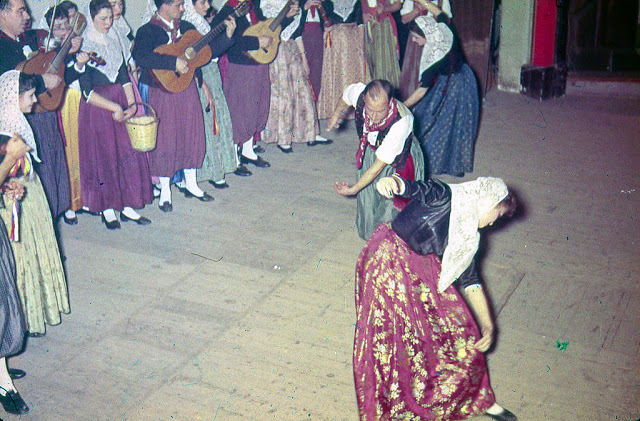
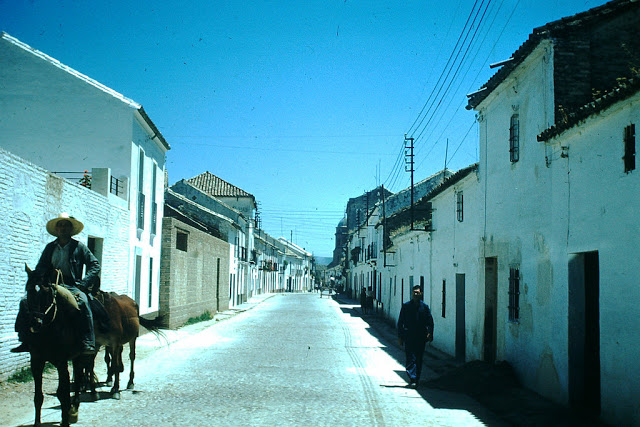
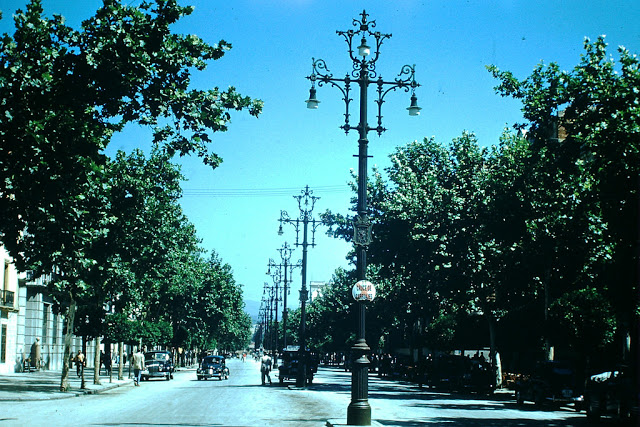
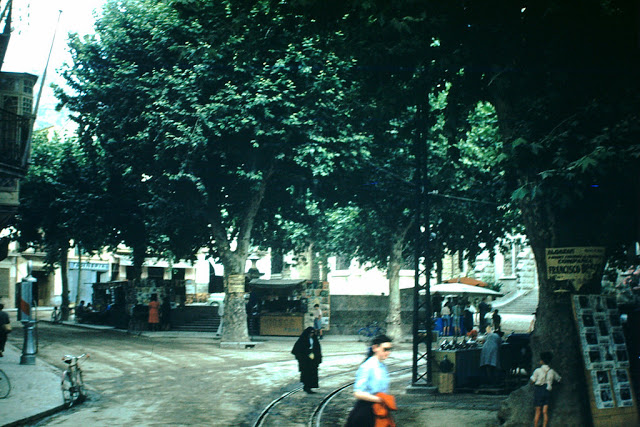
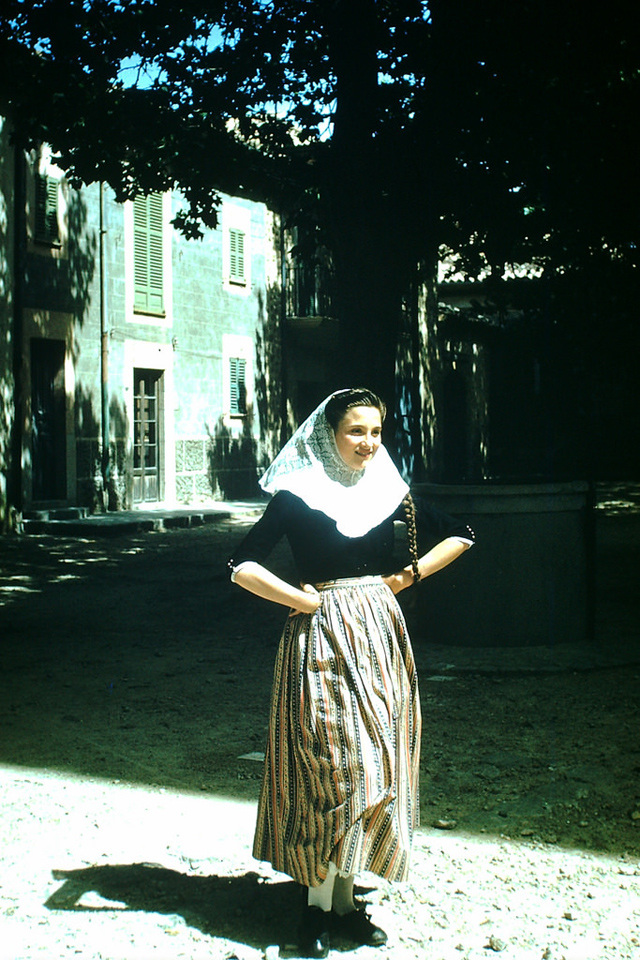
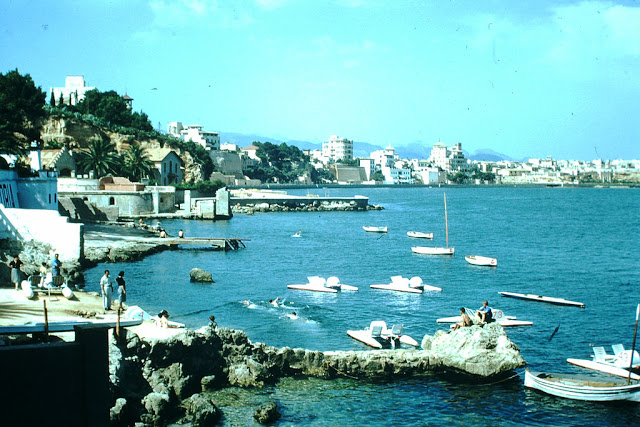
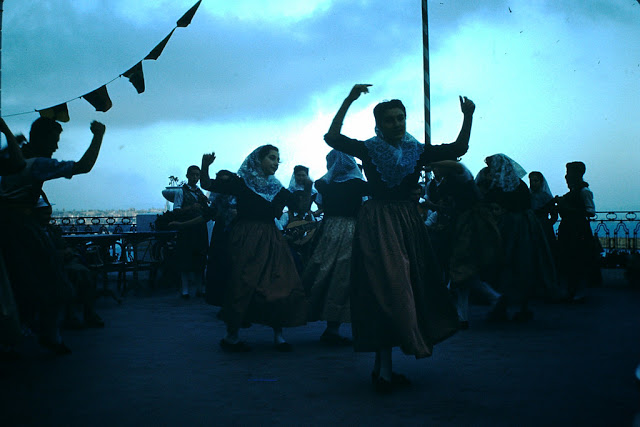
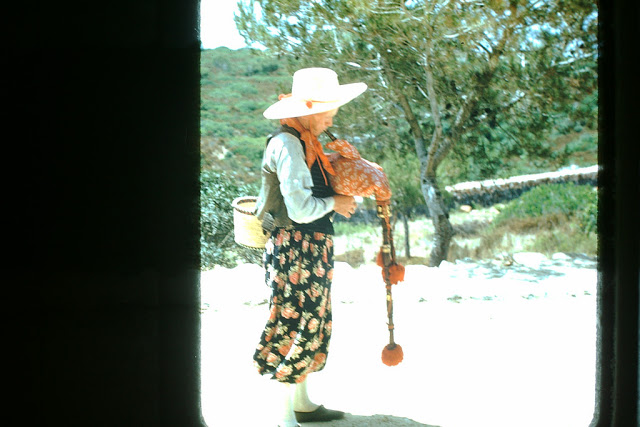
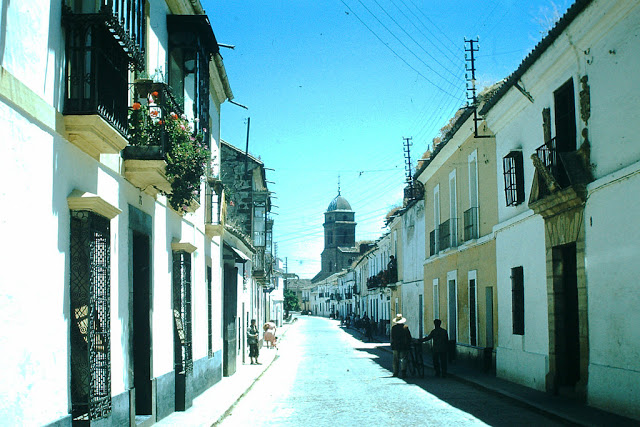
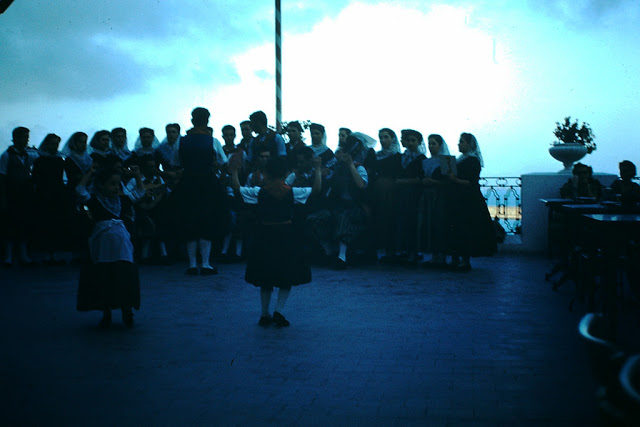
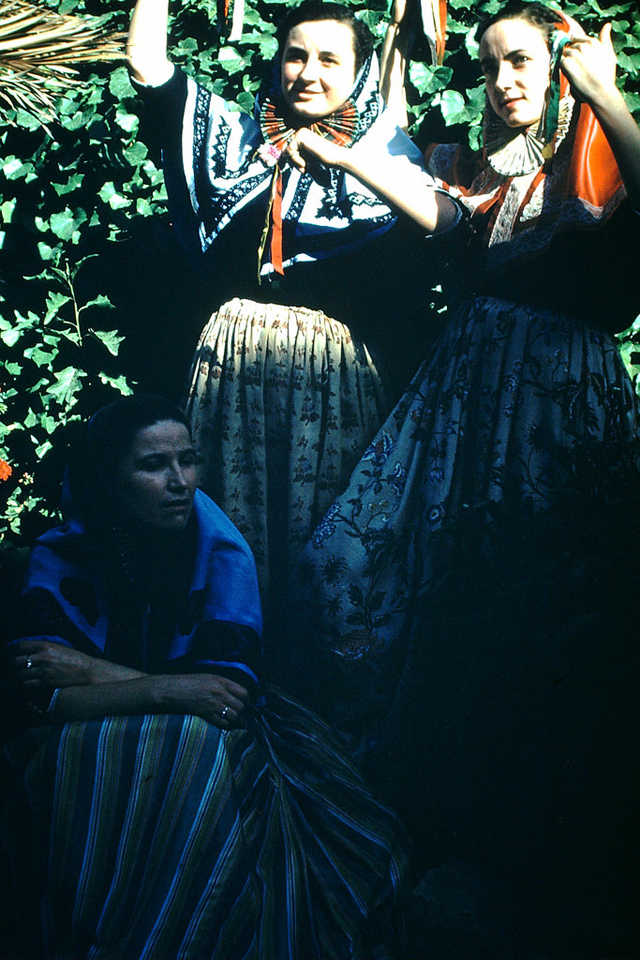
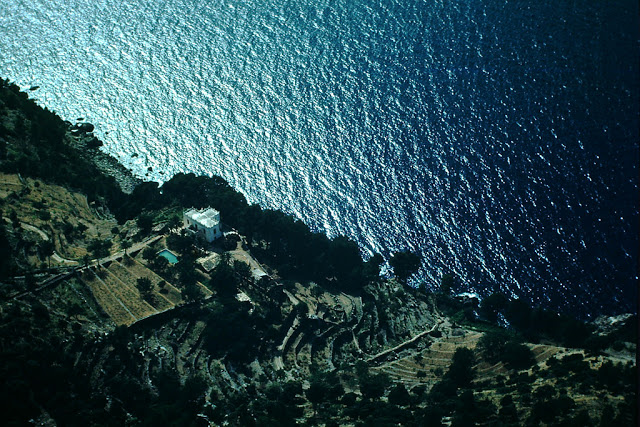
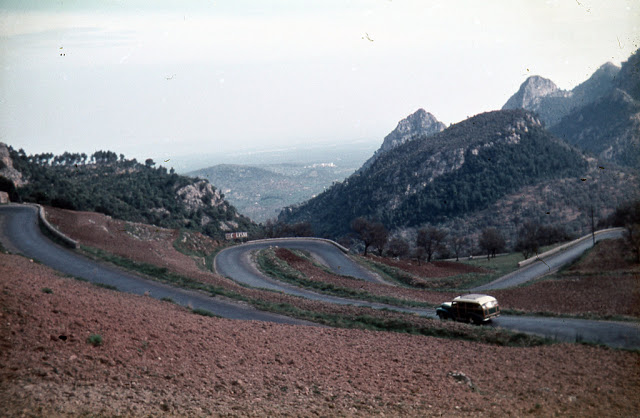
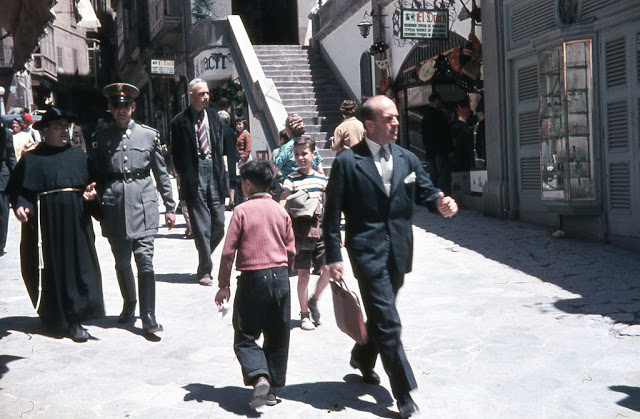
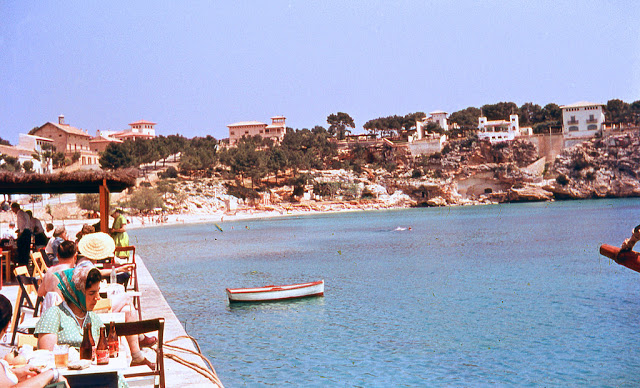
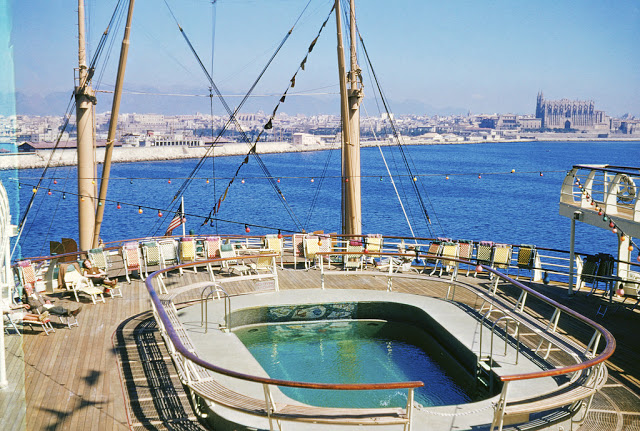
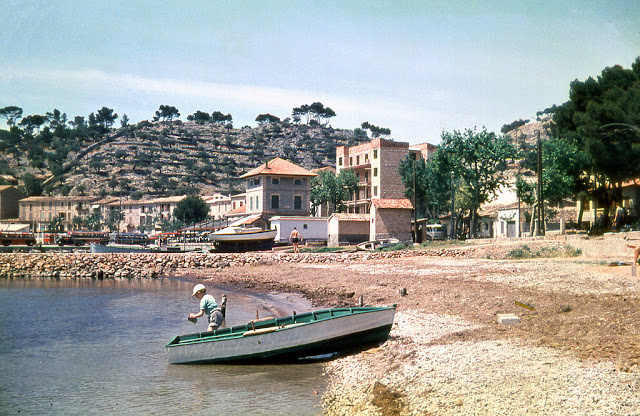
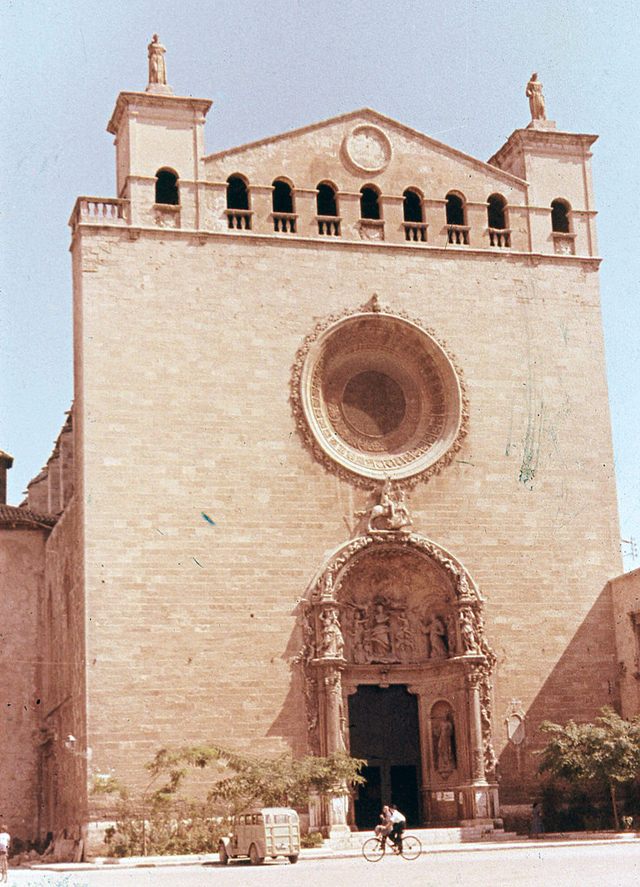
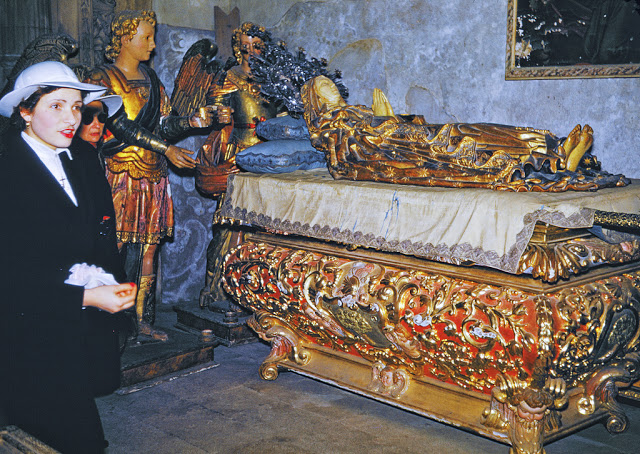
Here is a beautiful collection of color vintage photos that shows Mallorca, the largest island in the Balearic Islands archipelago, also a part of Spain located in the Mediterranean in the 1950s.





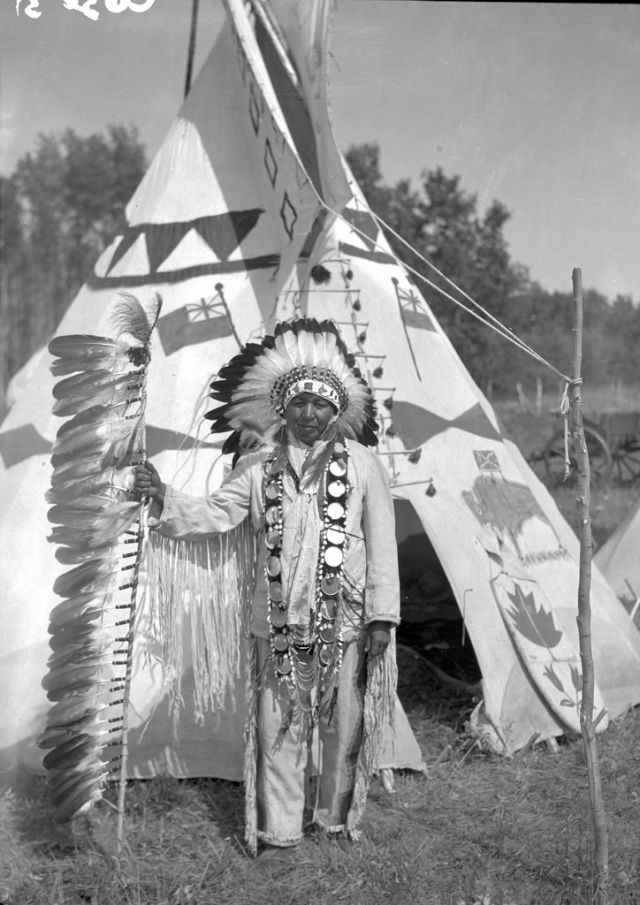
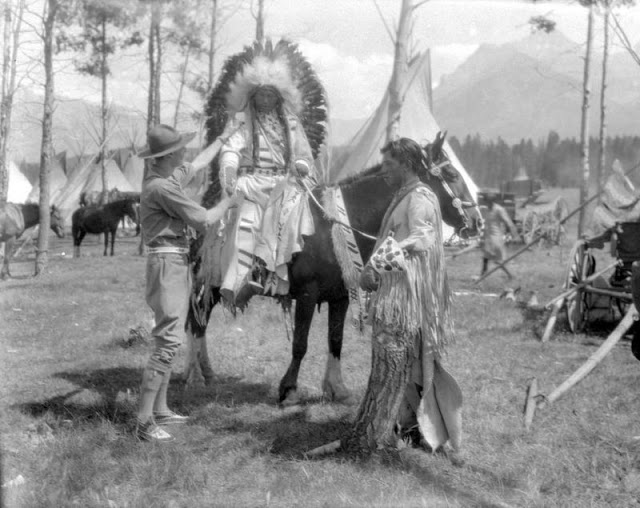
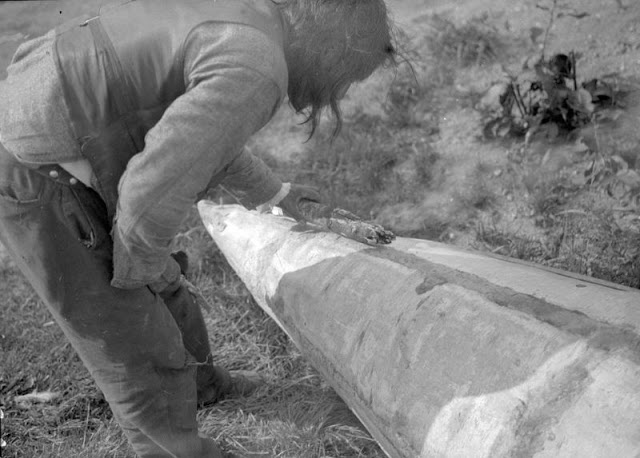
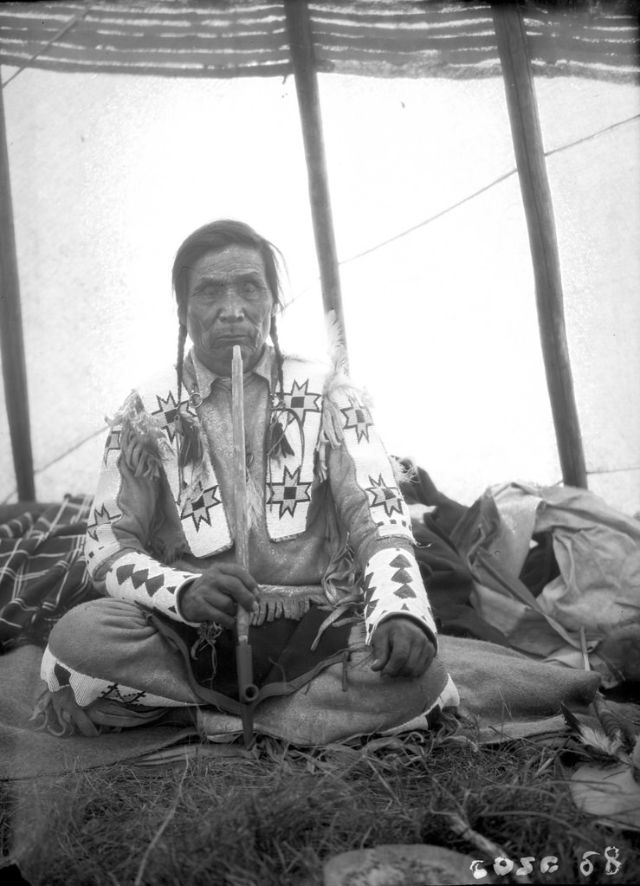
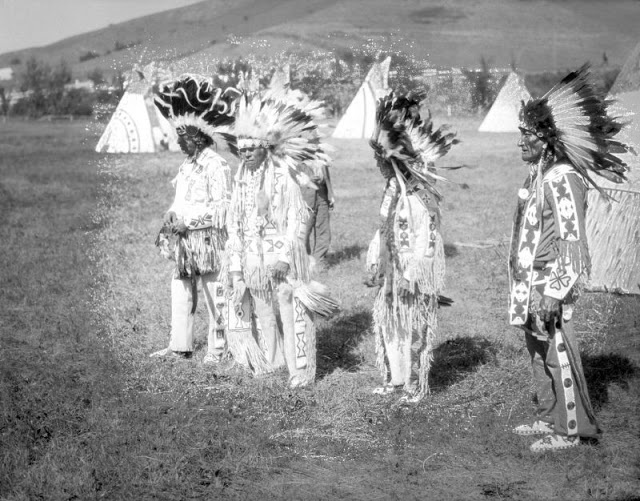
Between 1928 and 1934, the French-American anthropologist, artist, and writer Paul Coze (1903-1974) made four trips across western Canada collecting ethnographic objects for the Musée d’Ethnographie (Trocadero) in Paris and the Heye Foundation in New York.
An ardent admirer of Native American cultures, Coze helped organize the Cercle Wakanda, a group of Parisian “Indian hobbyists” who staged theatrical productions on Aboriginal themes. He also assembled a substantial private collection of ethnographic material from the Canadian Plains and Subarctic.
These photos from Provincial Archives of Alberta that he shot documenting everyday life of Native Americans in Western Canada in the early 1930s.

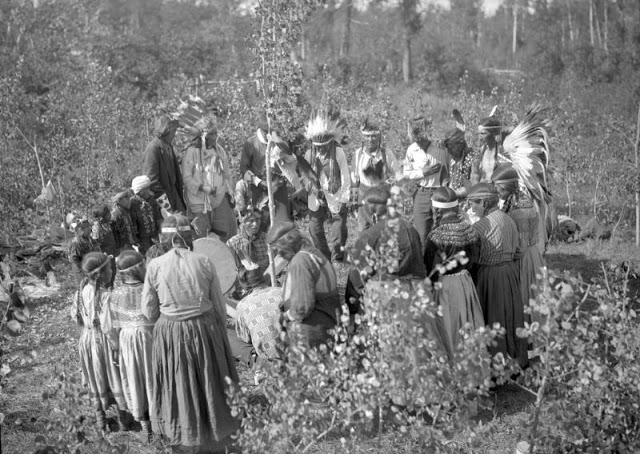
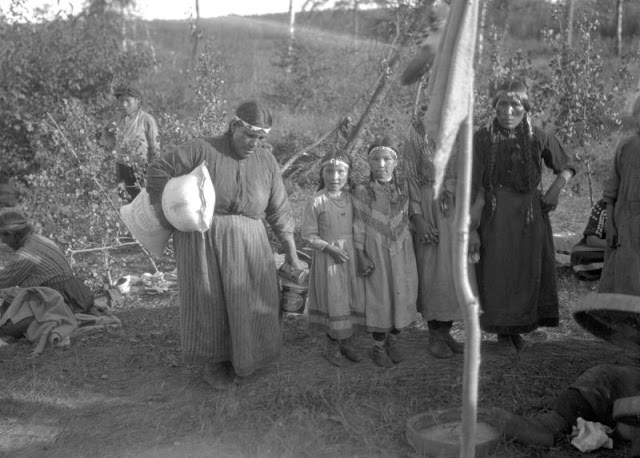


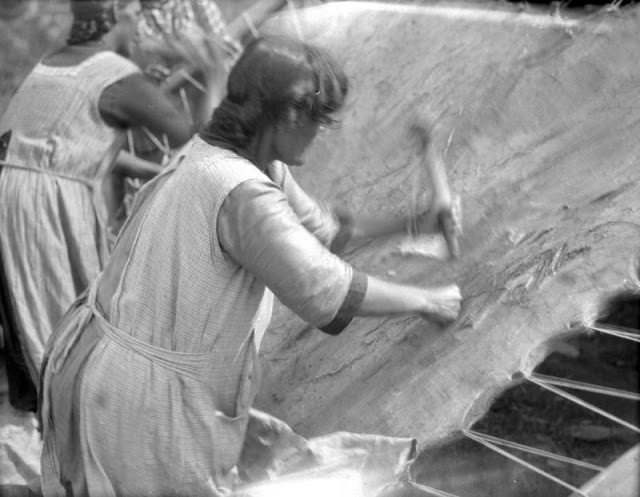
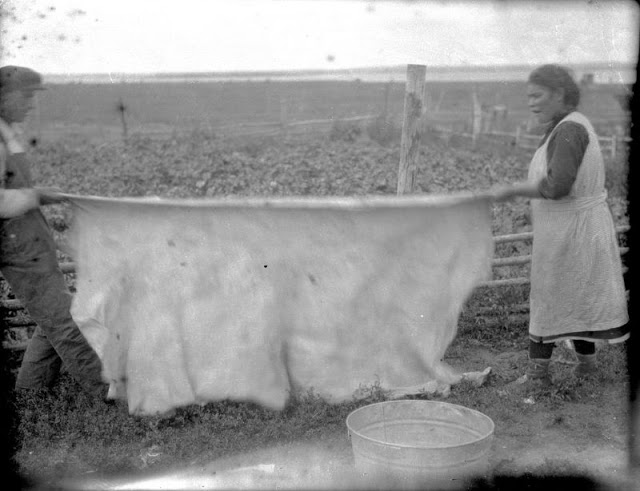
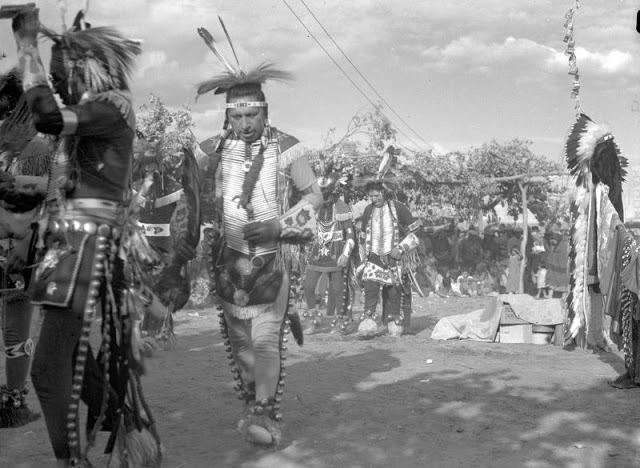
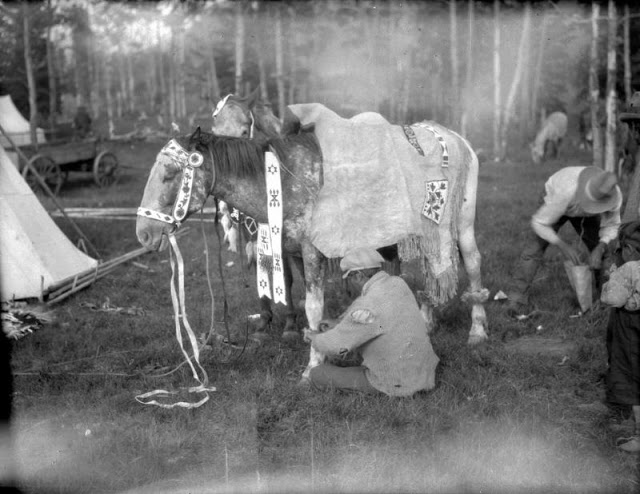

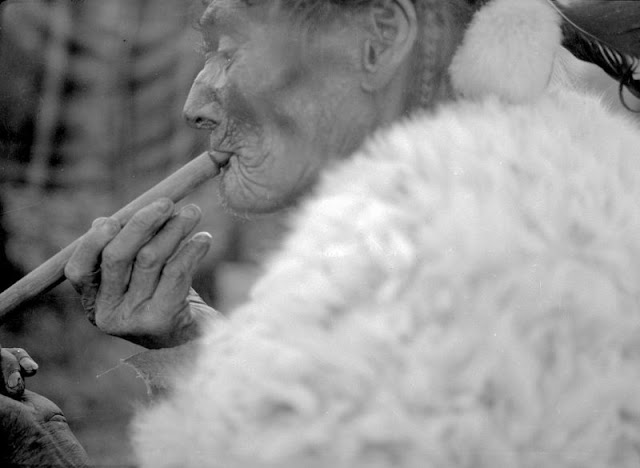
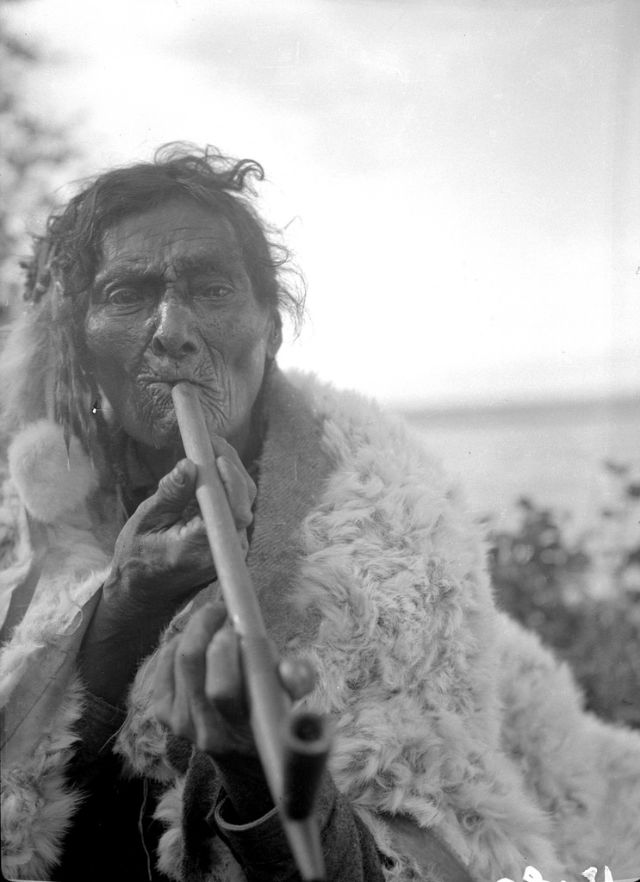
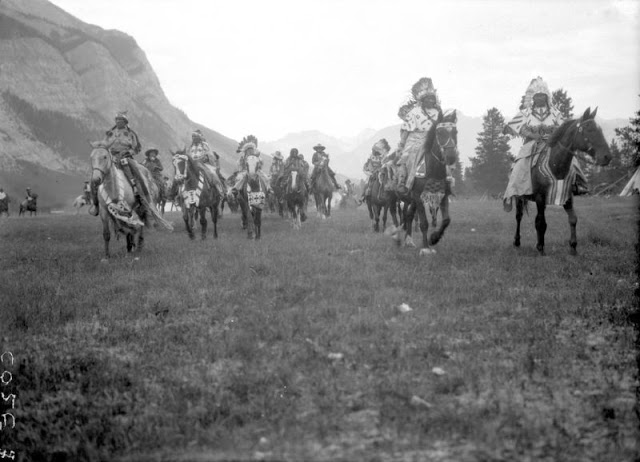





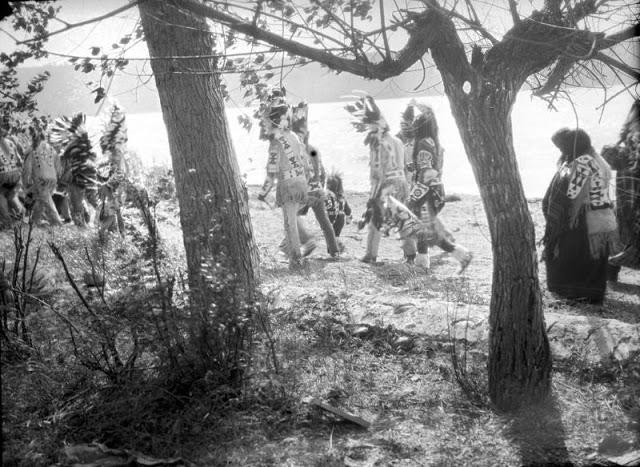
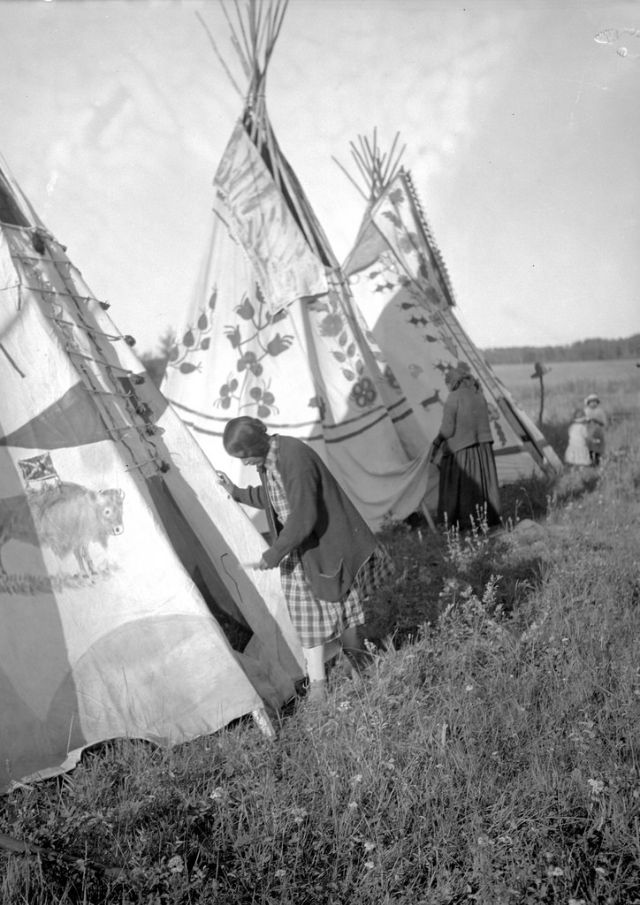
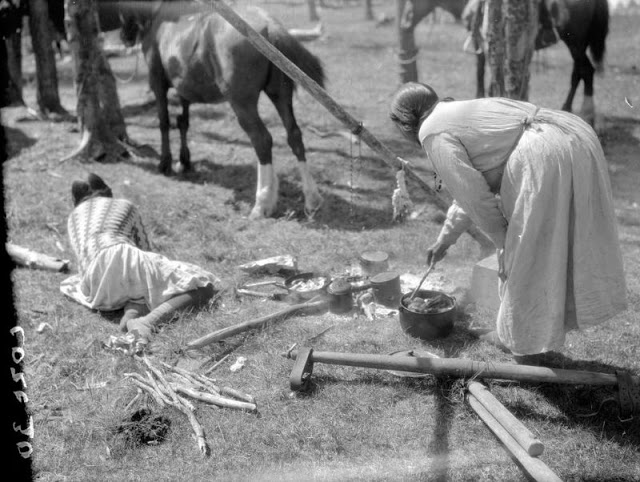
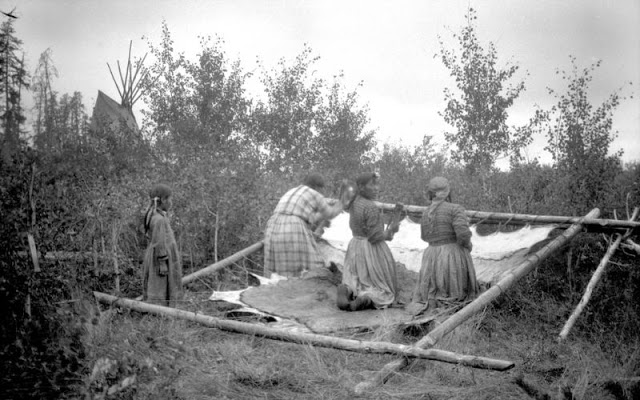


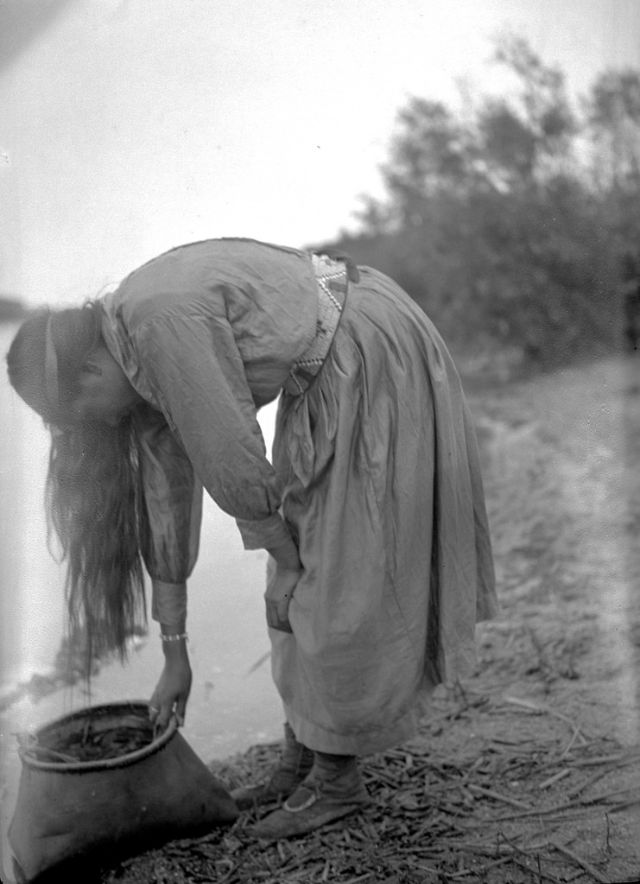


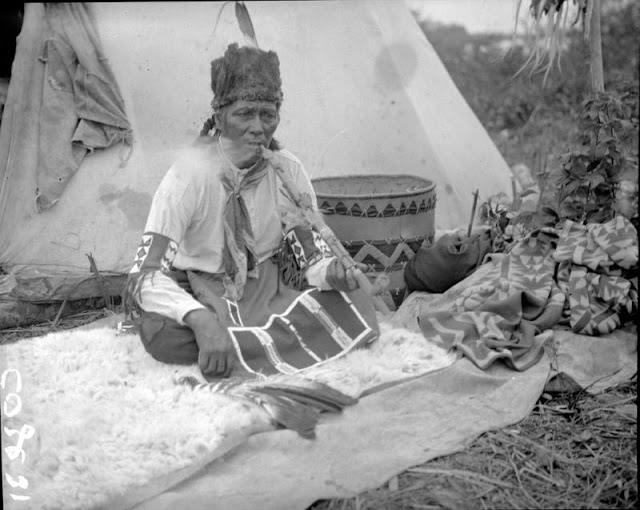
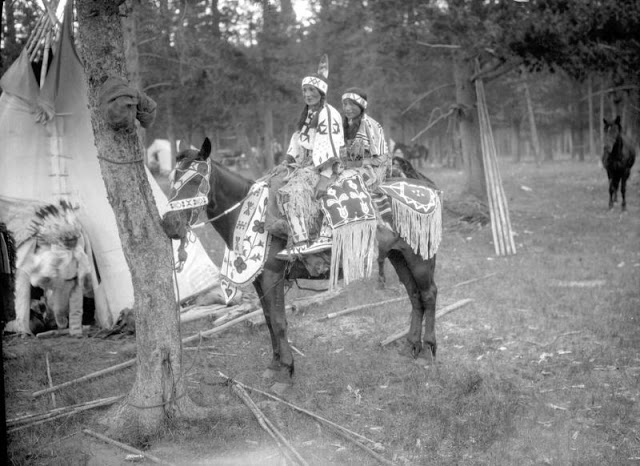

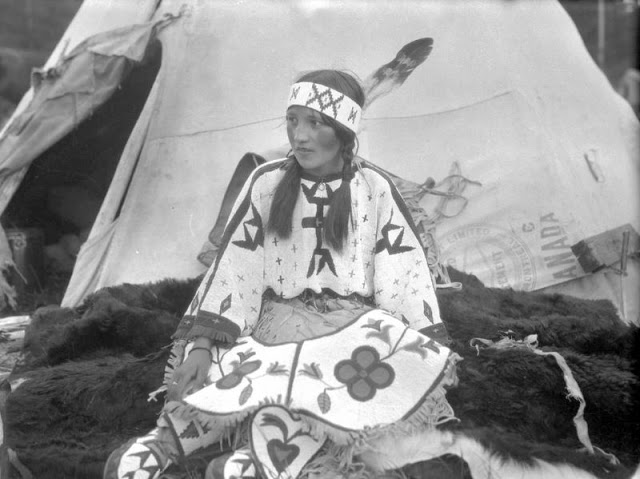


(Photos by Paul Coze via Provincial Archives of Alberta)

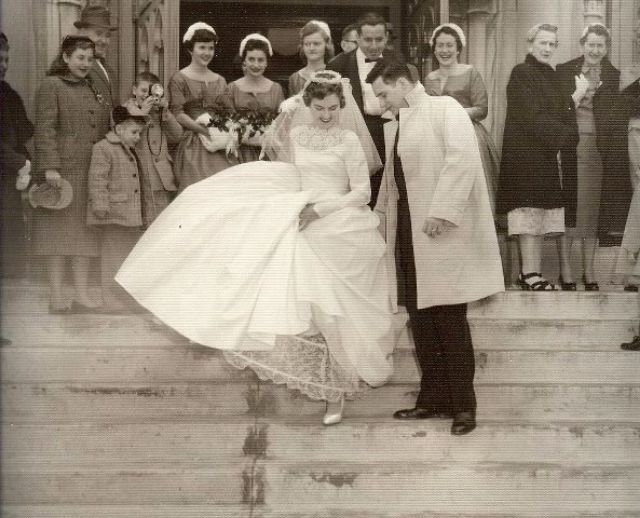

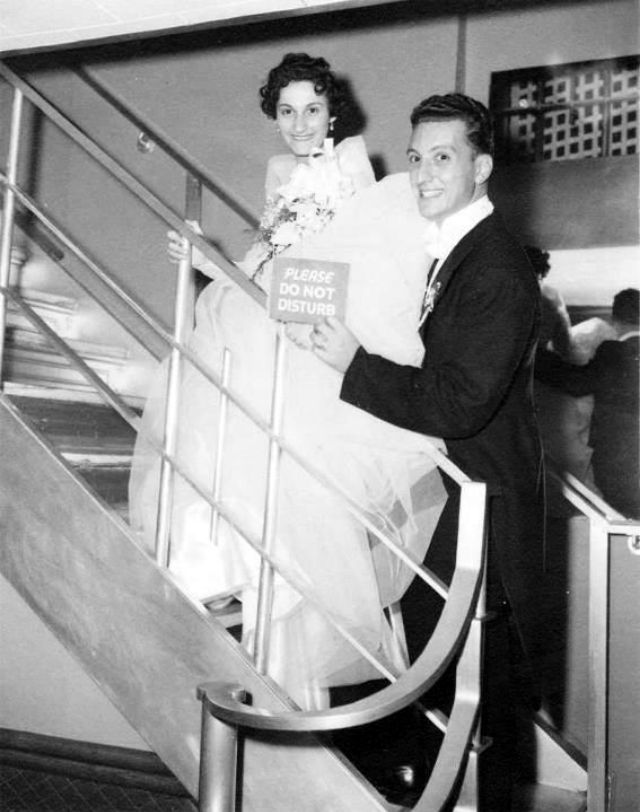

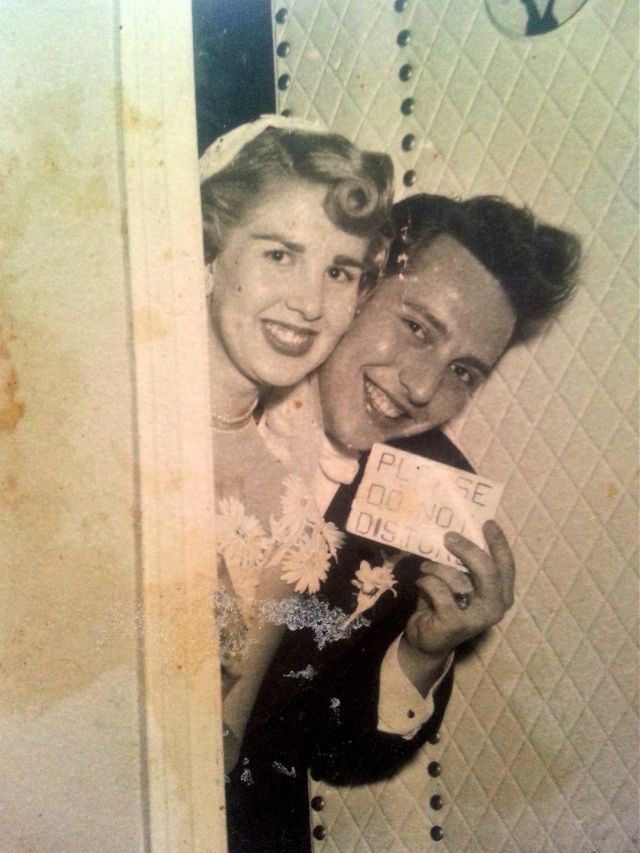

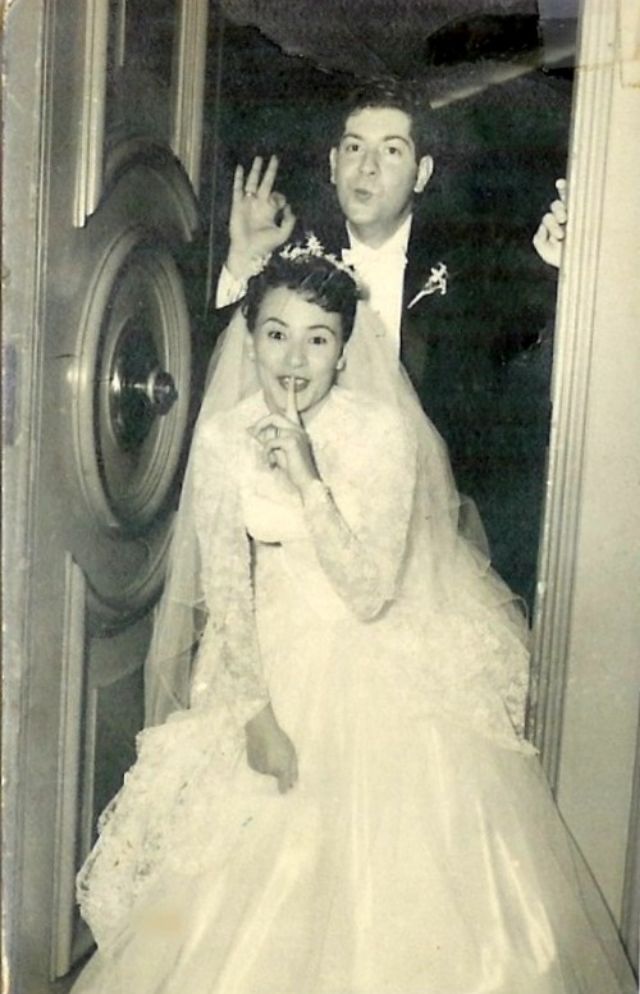












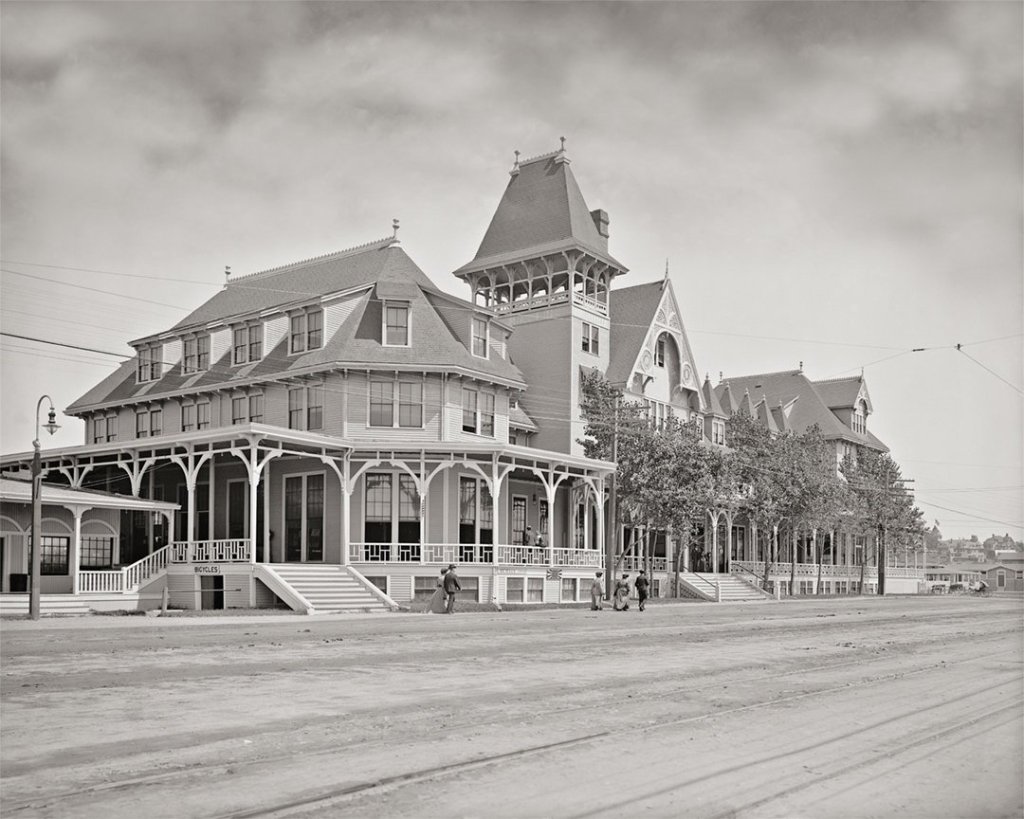
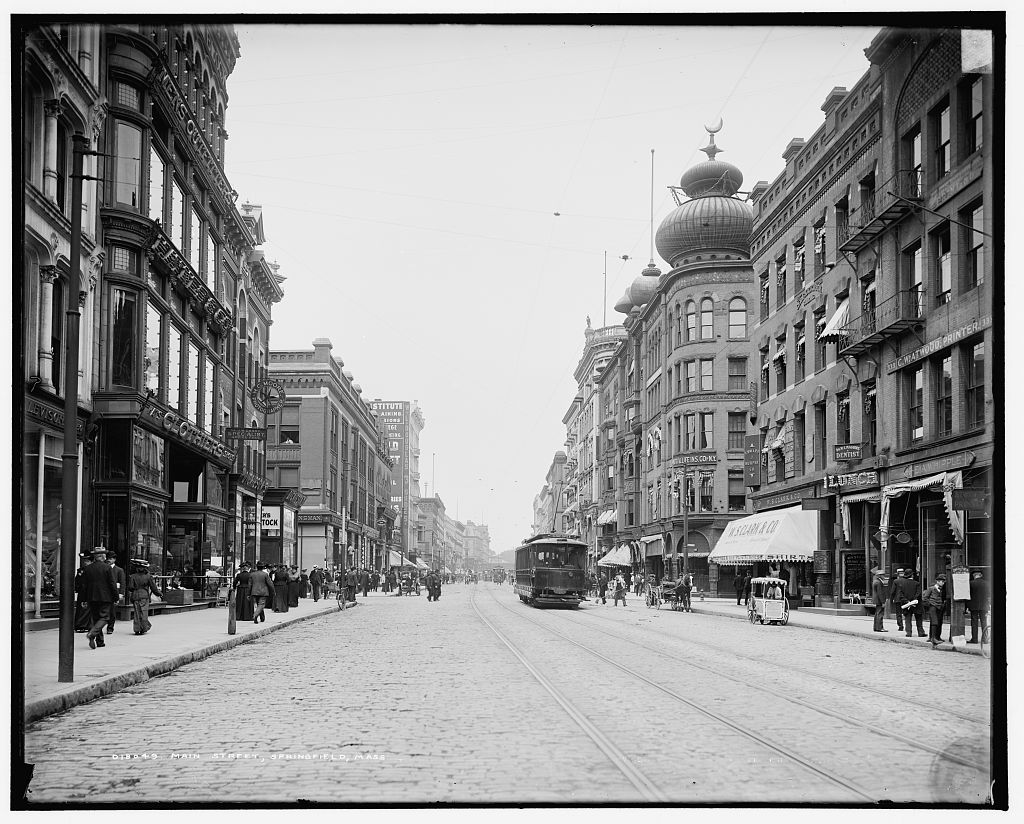
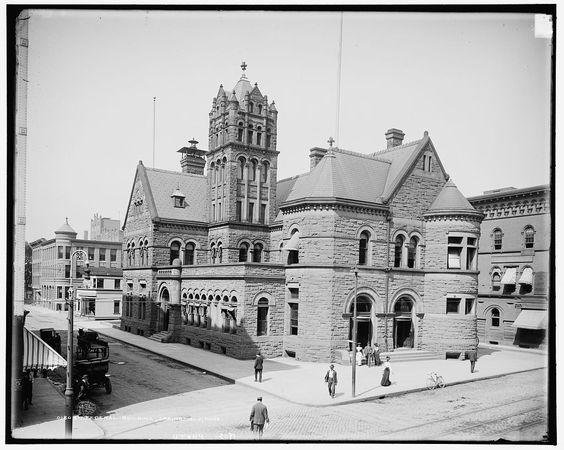
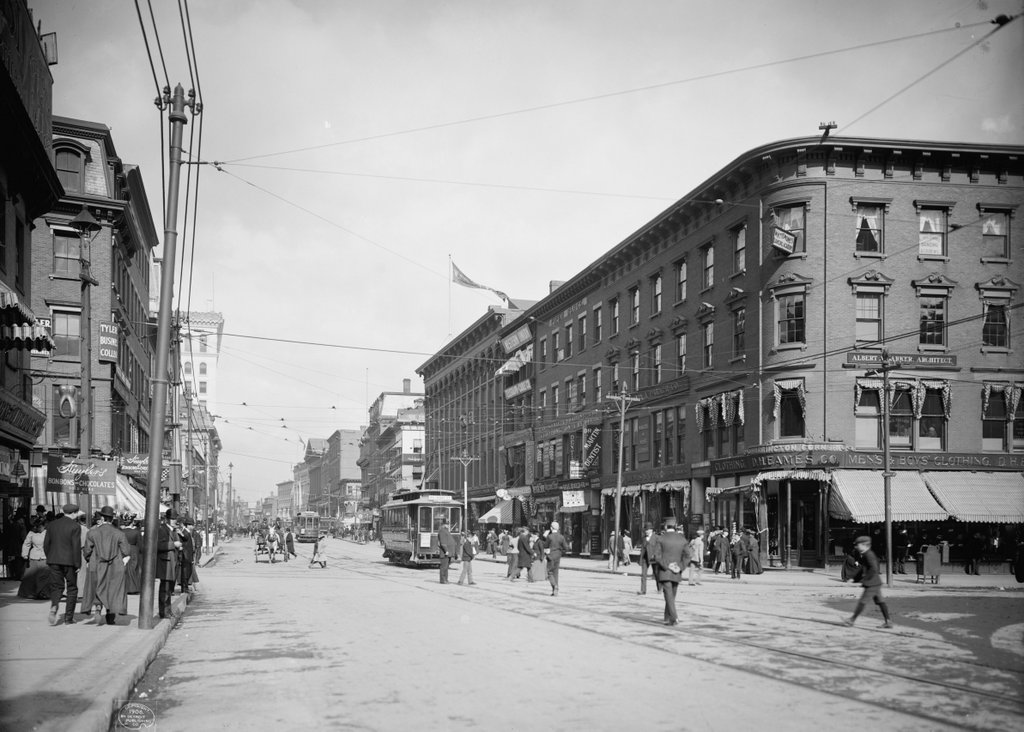
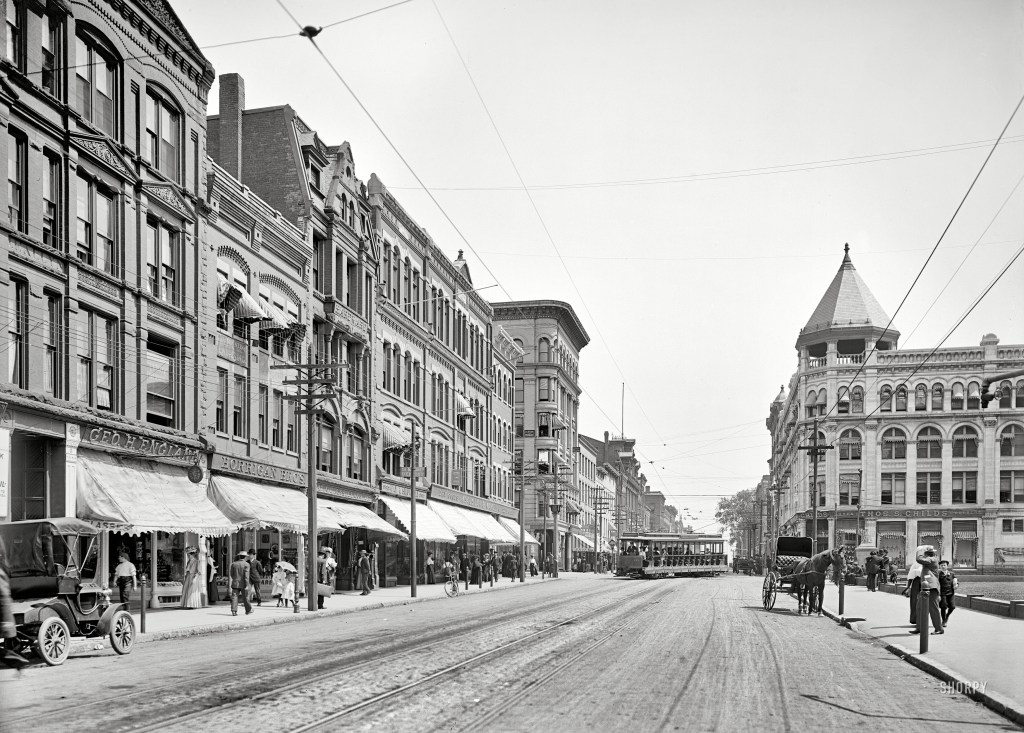
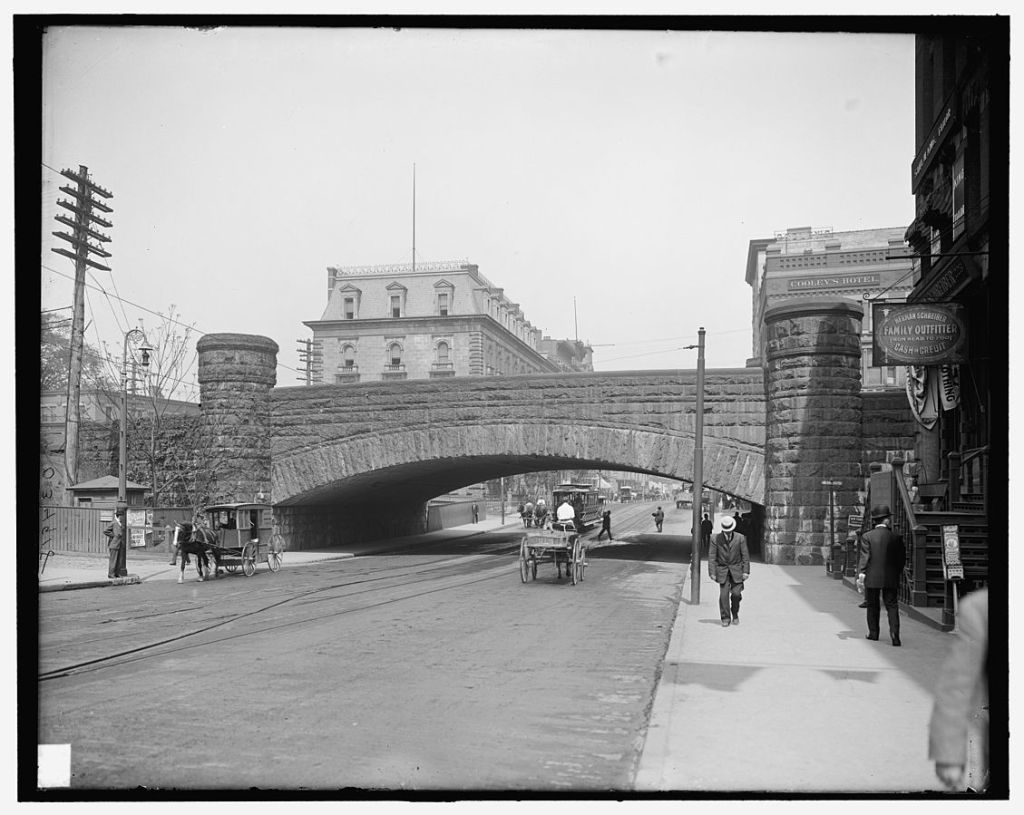
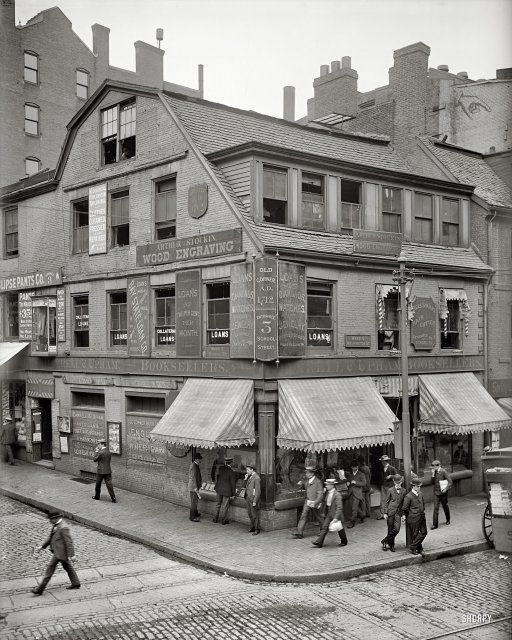
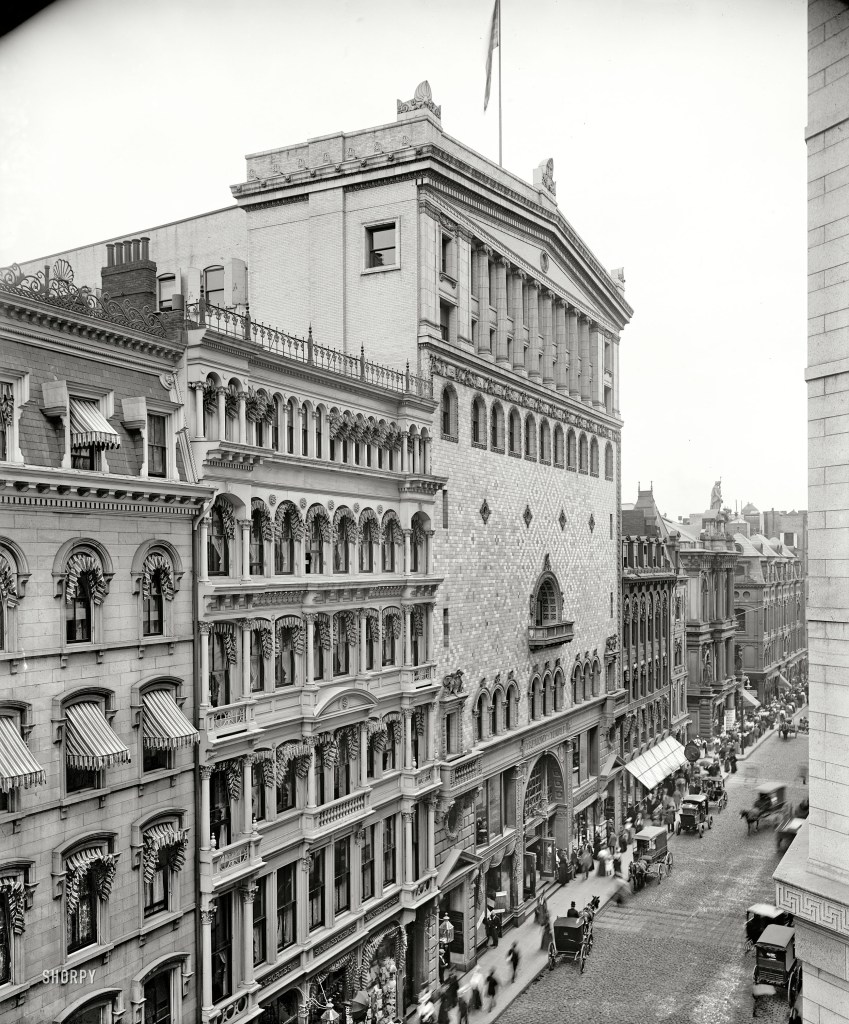
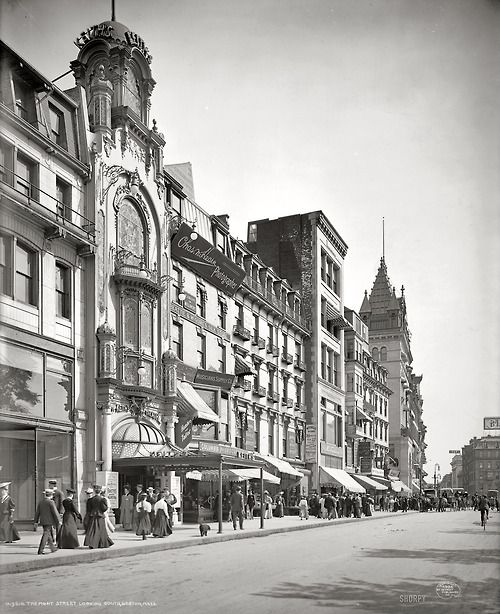
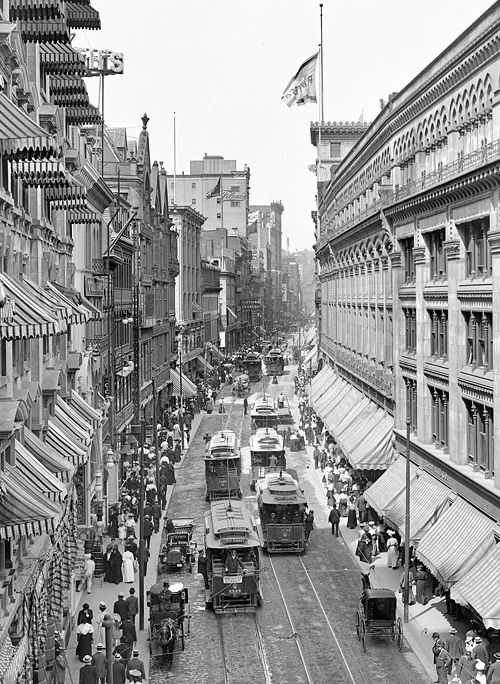
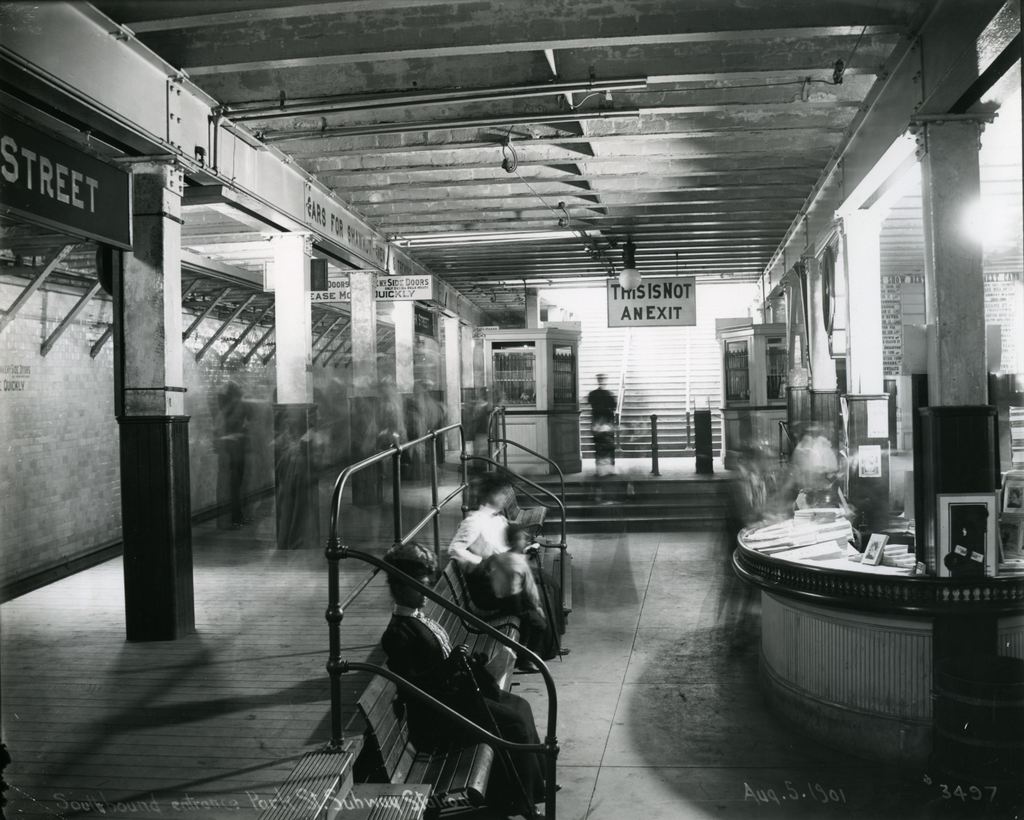
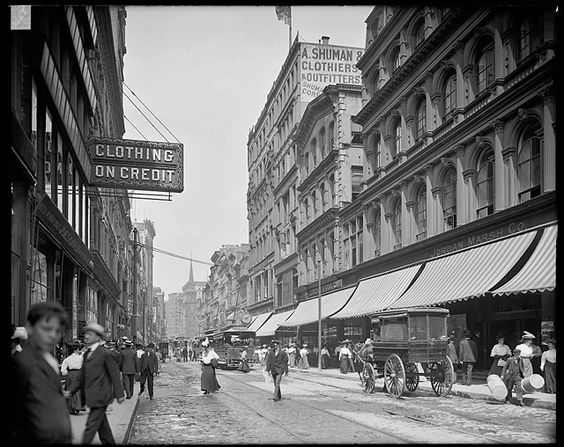
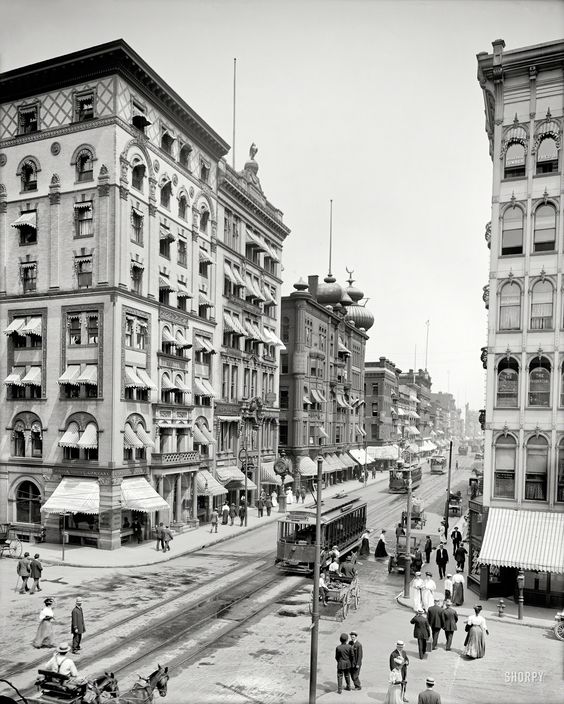
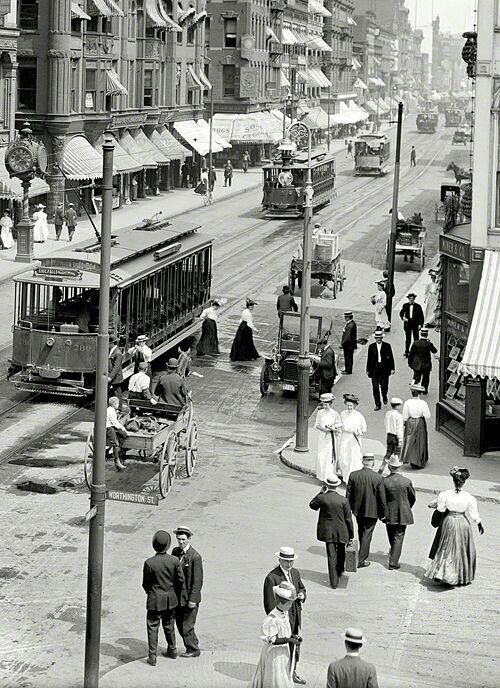
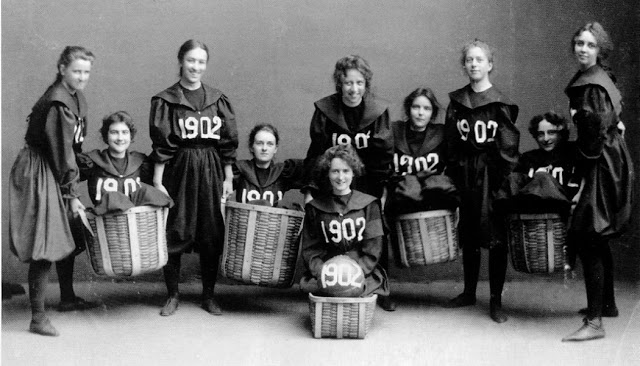
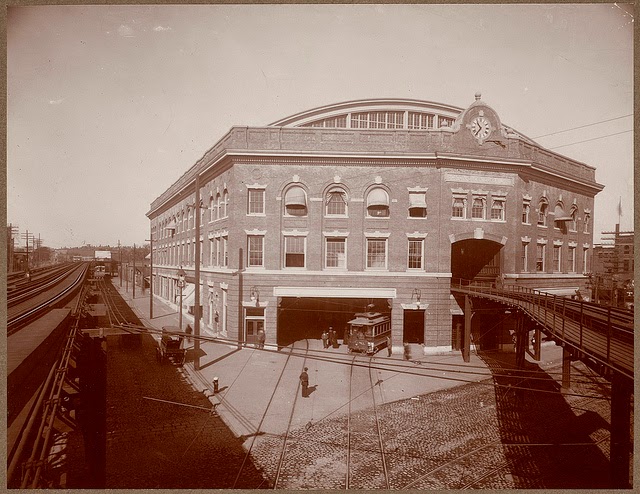
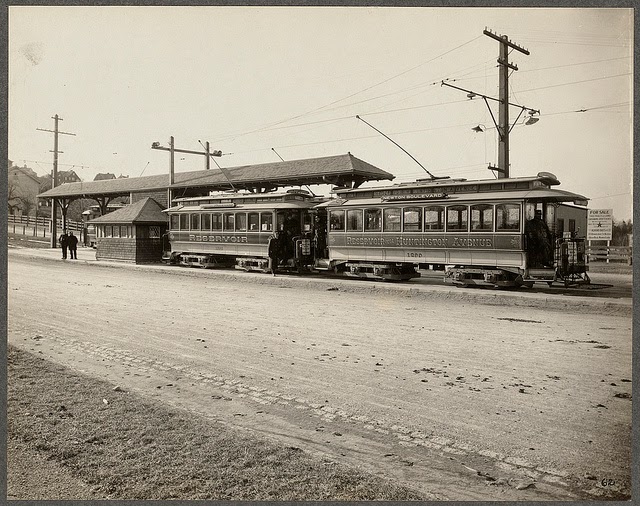
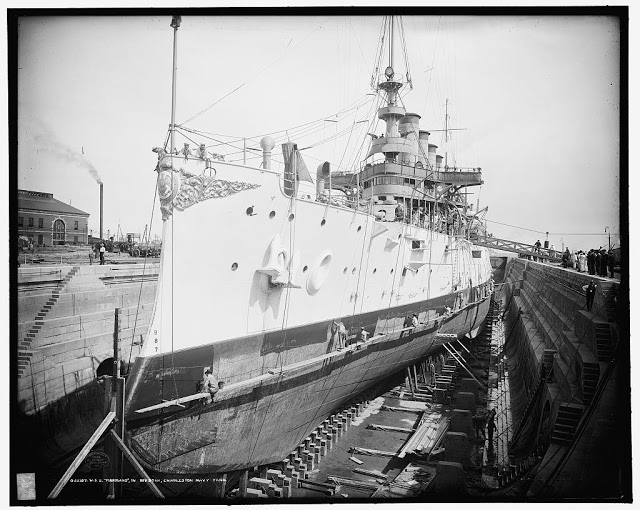
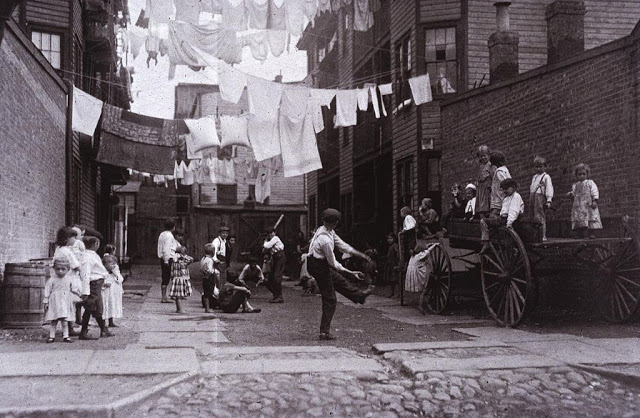
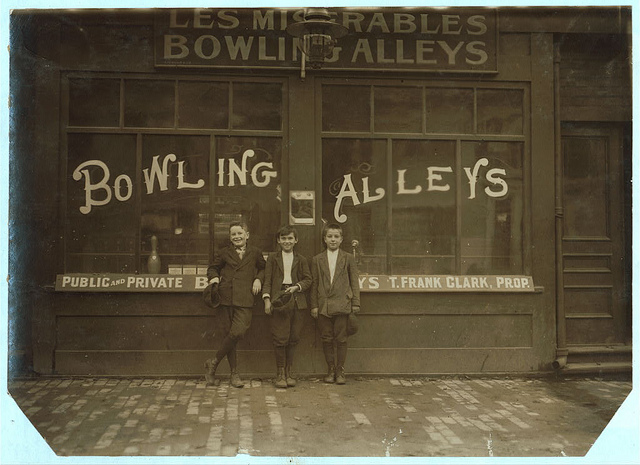
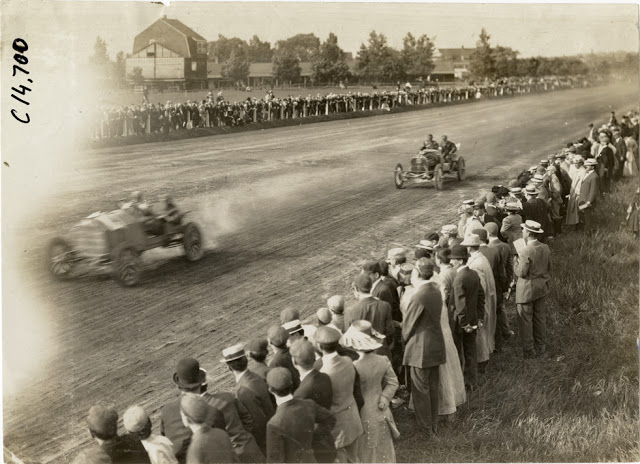
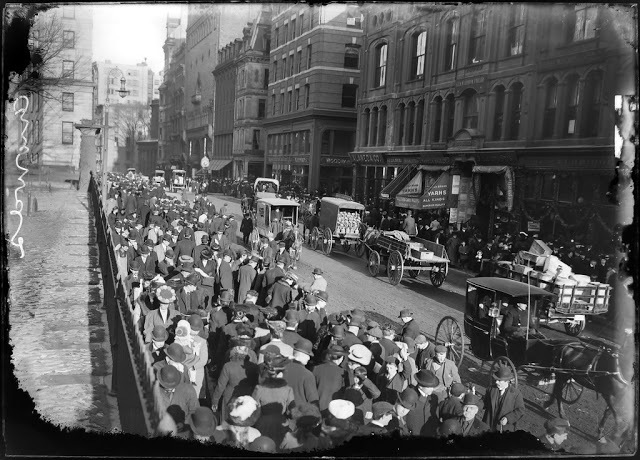
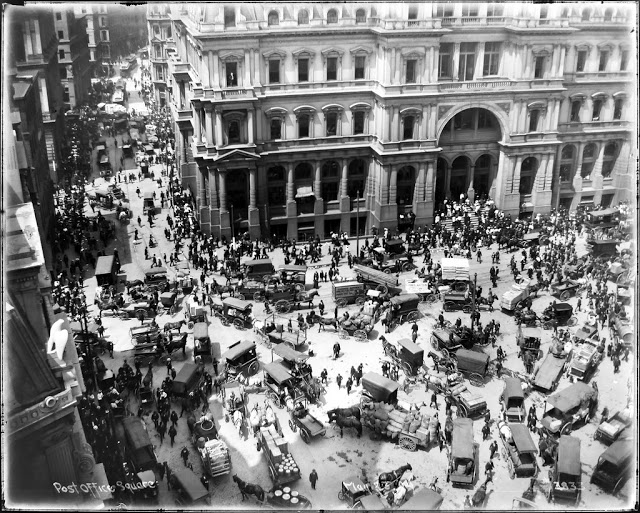
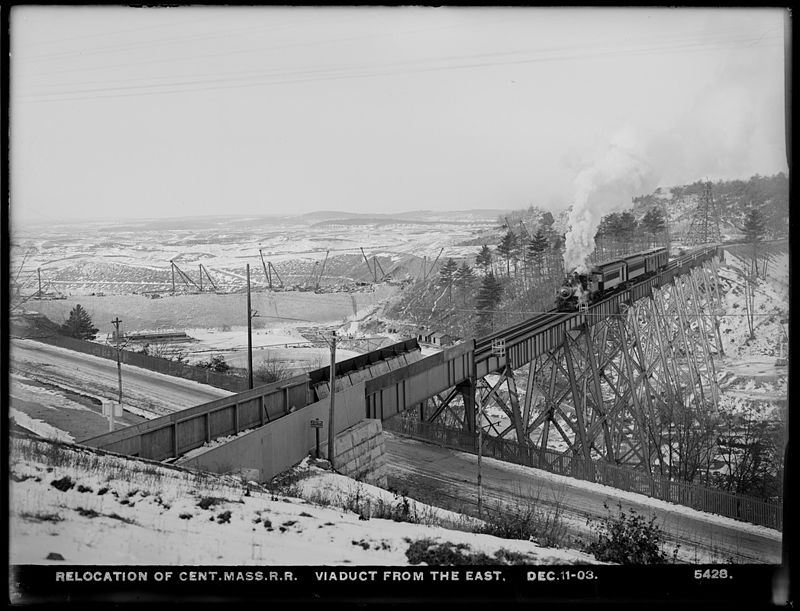
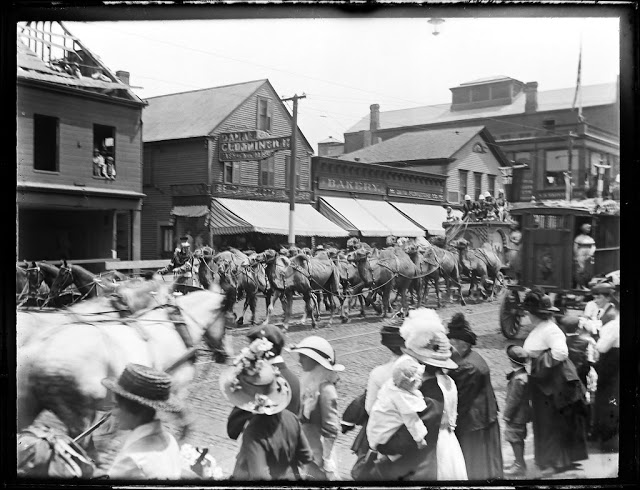
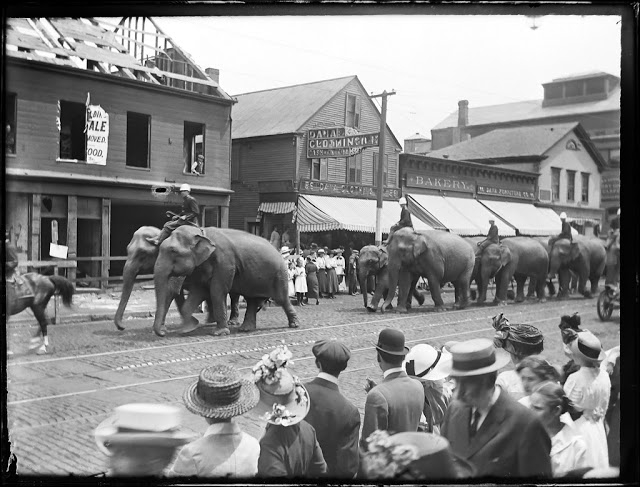
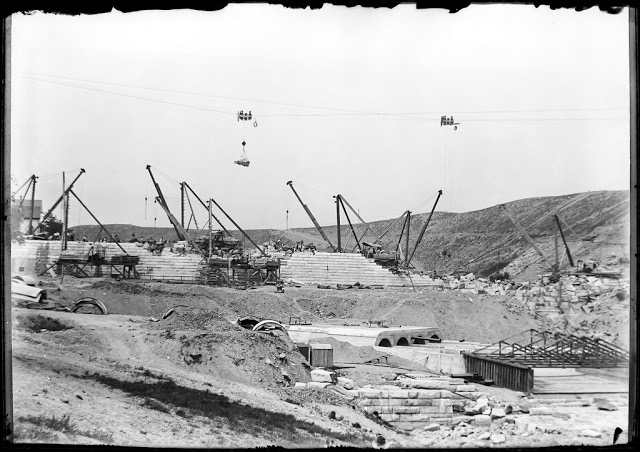
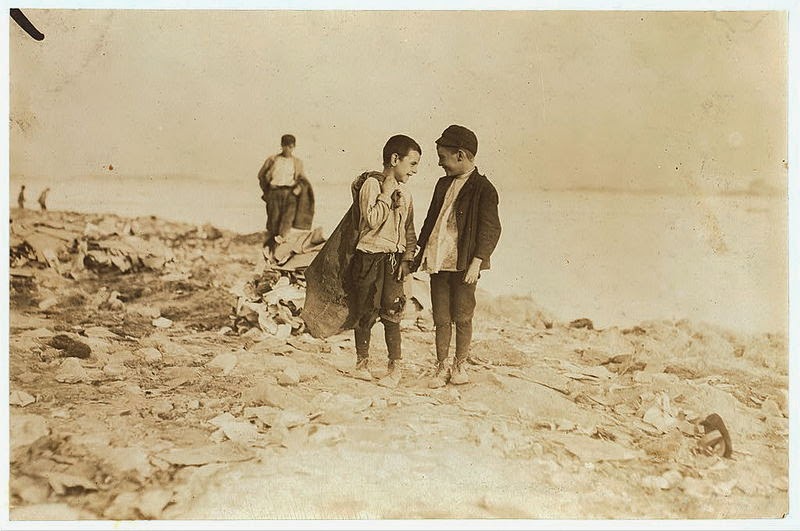
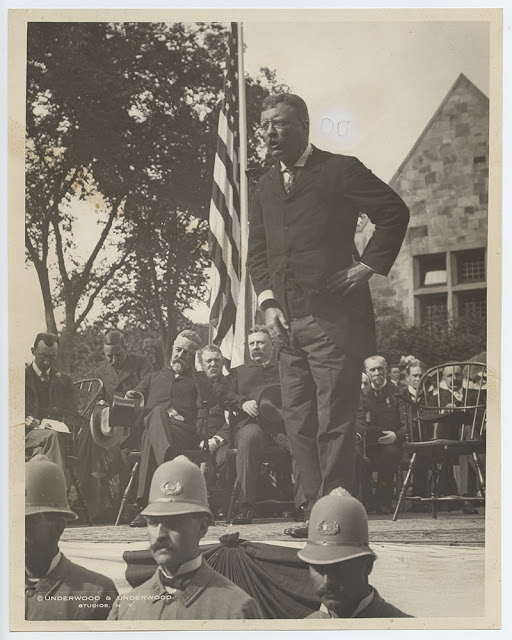
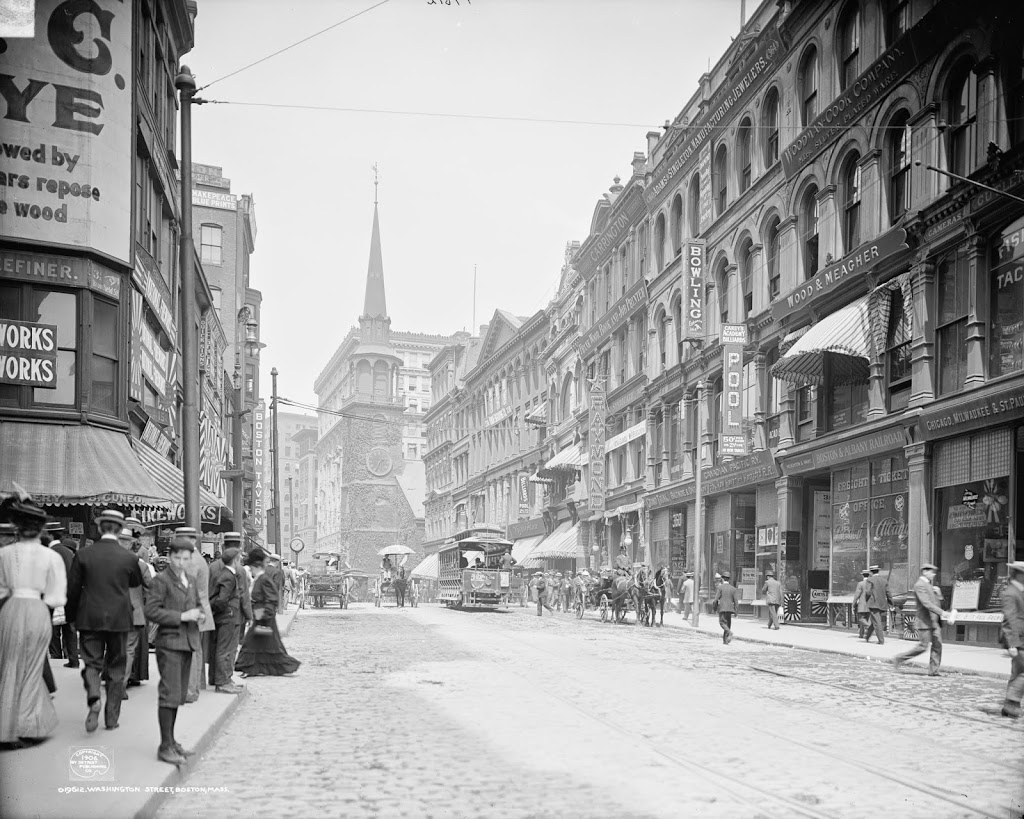
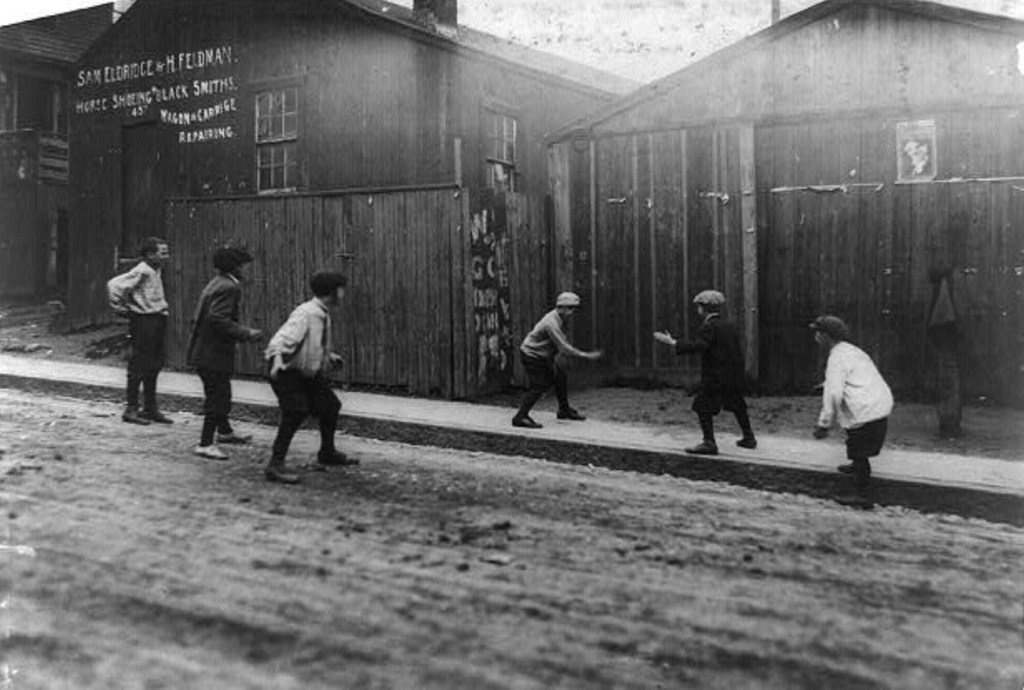
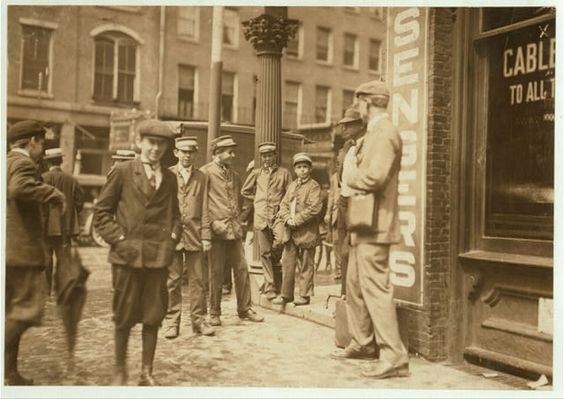
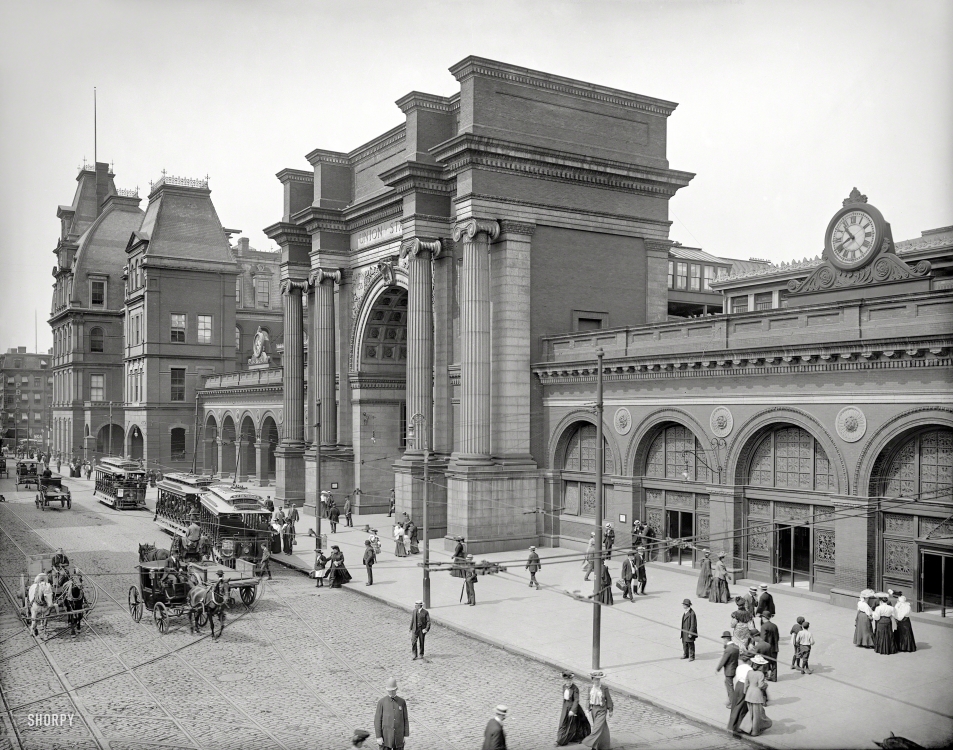
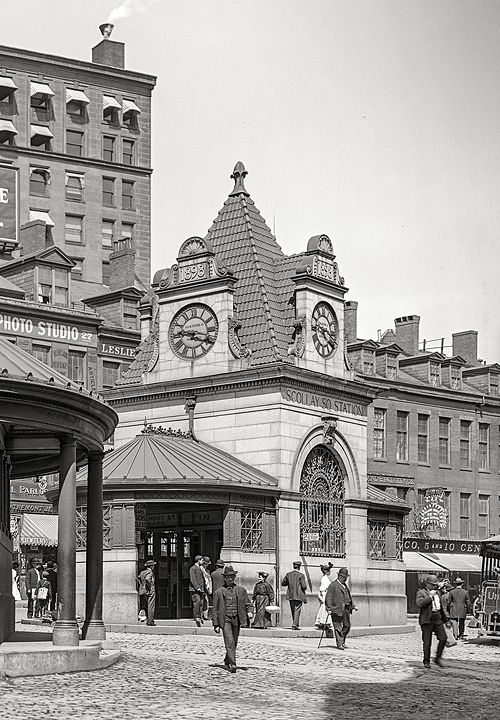
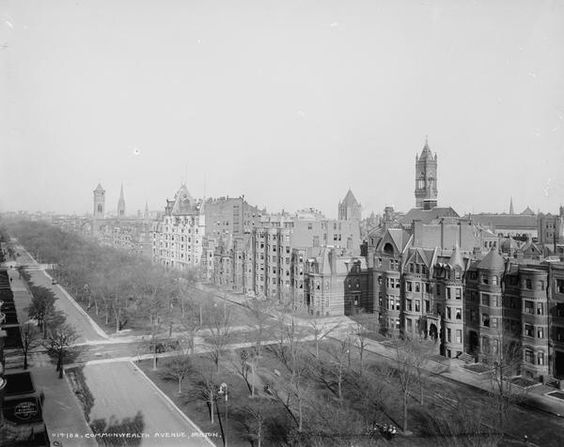
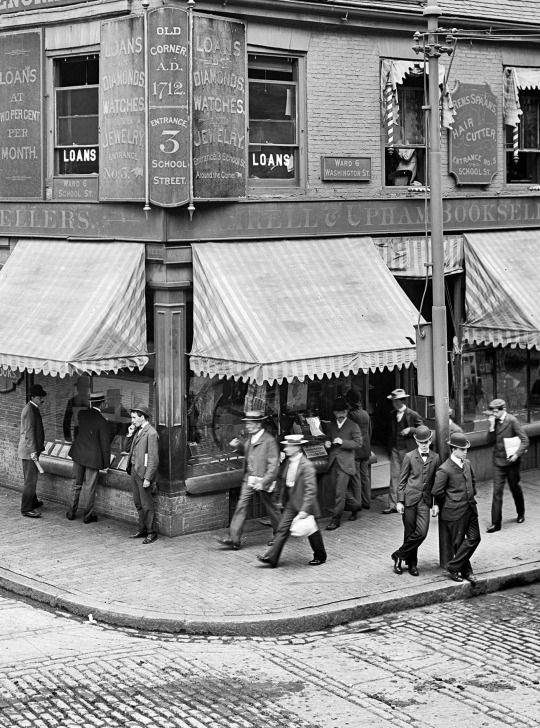
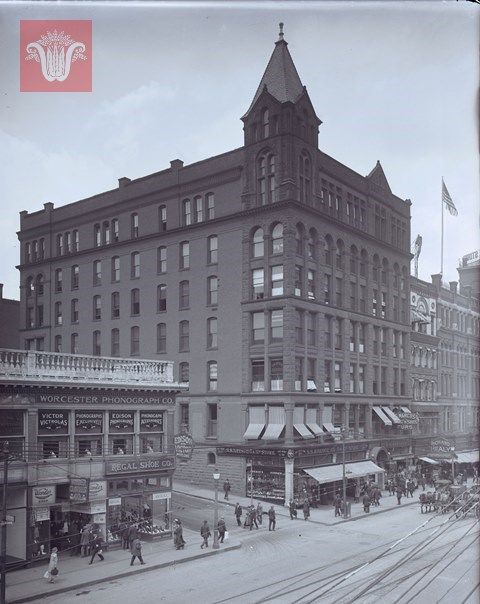
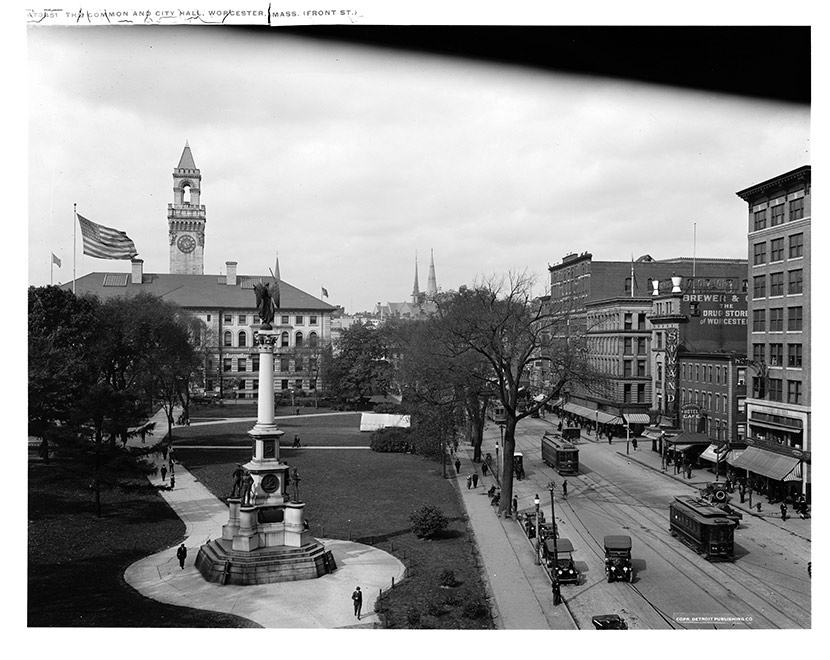
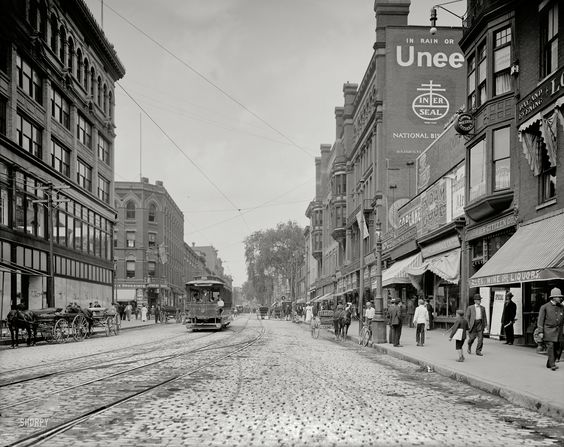
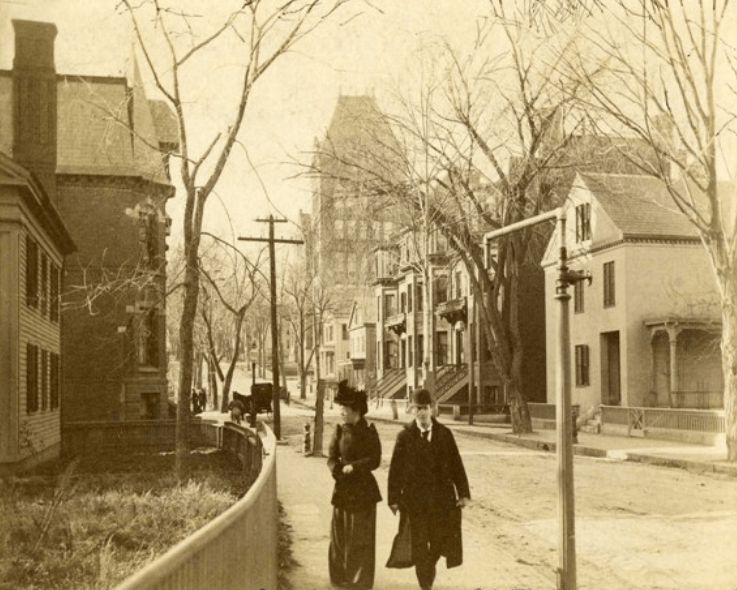
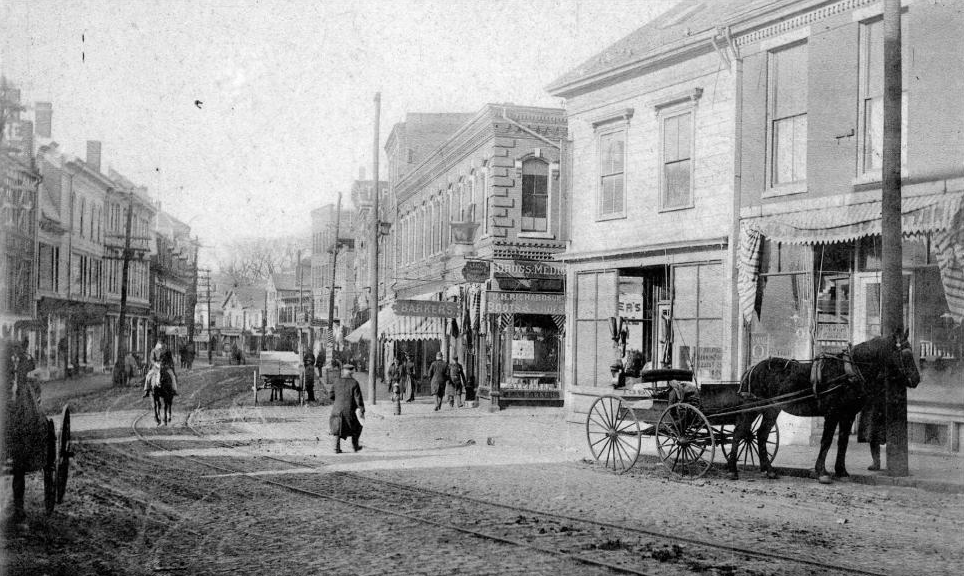
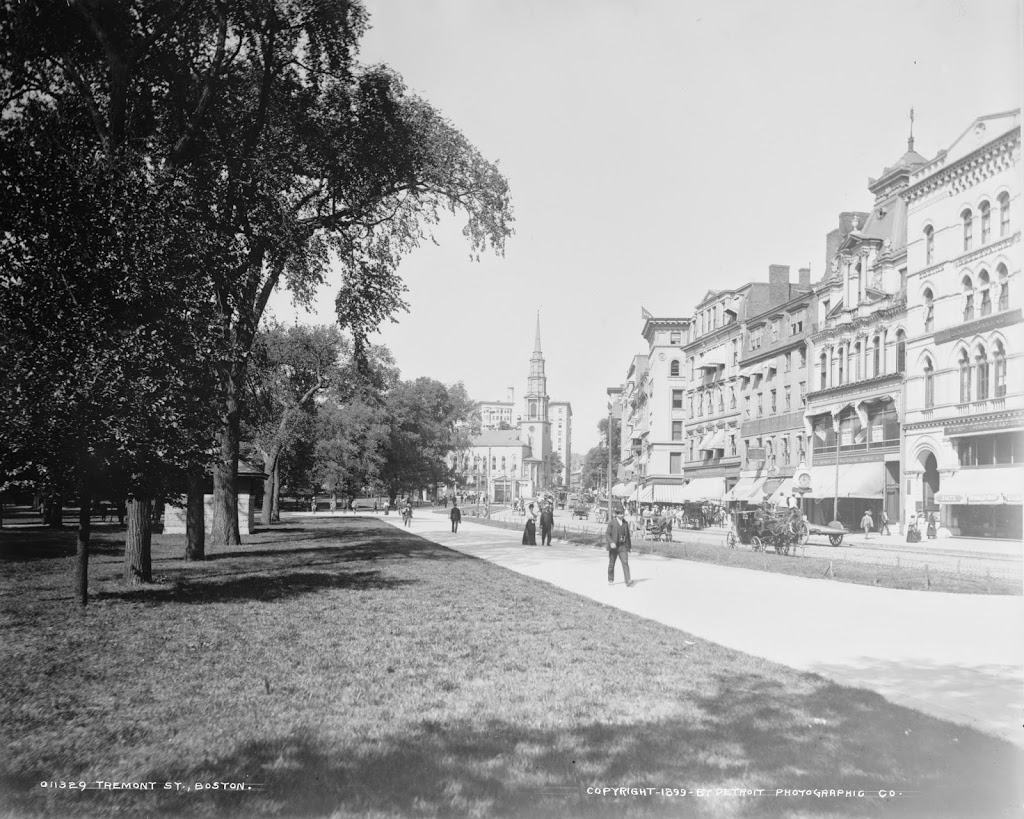
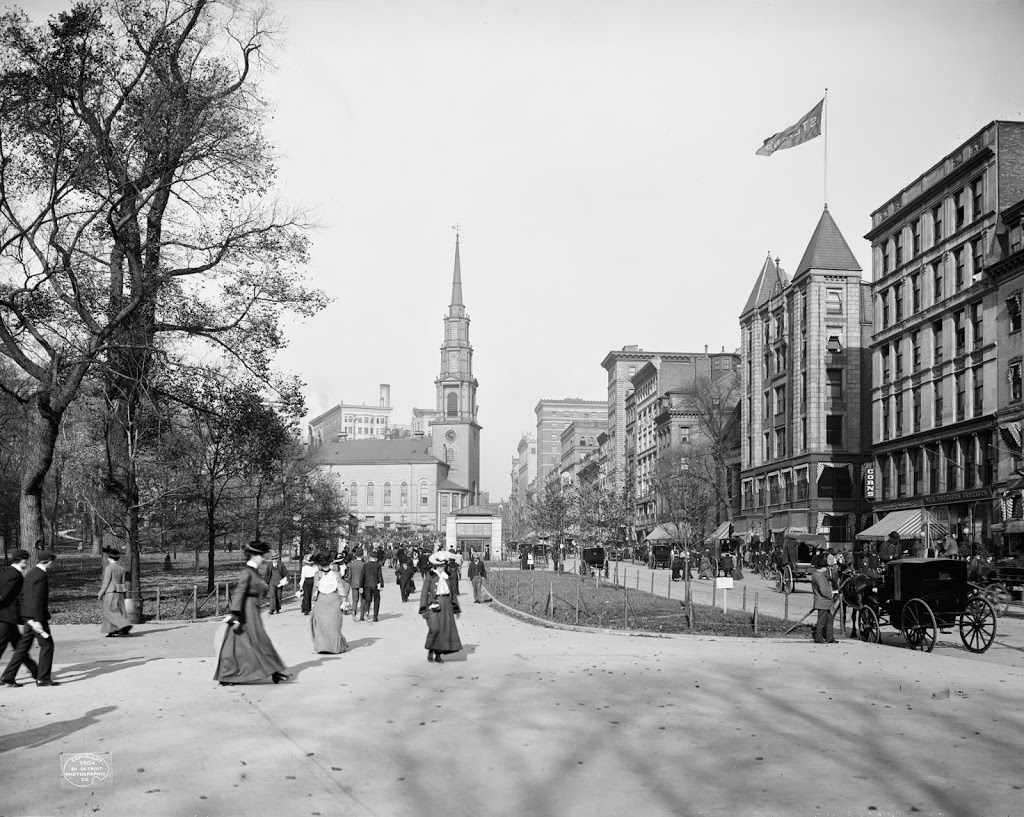
Massachusetts was an amazing place in the early 20th century. From bustling cities to quiet rural communities and even historic landmarks, these vintage photos show just how different life in this state was in the early 1900s.

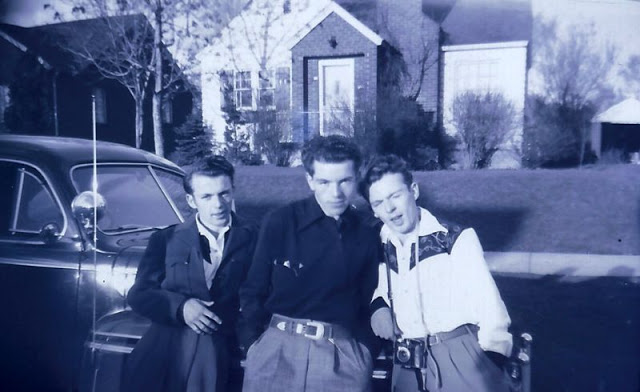
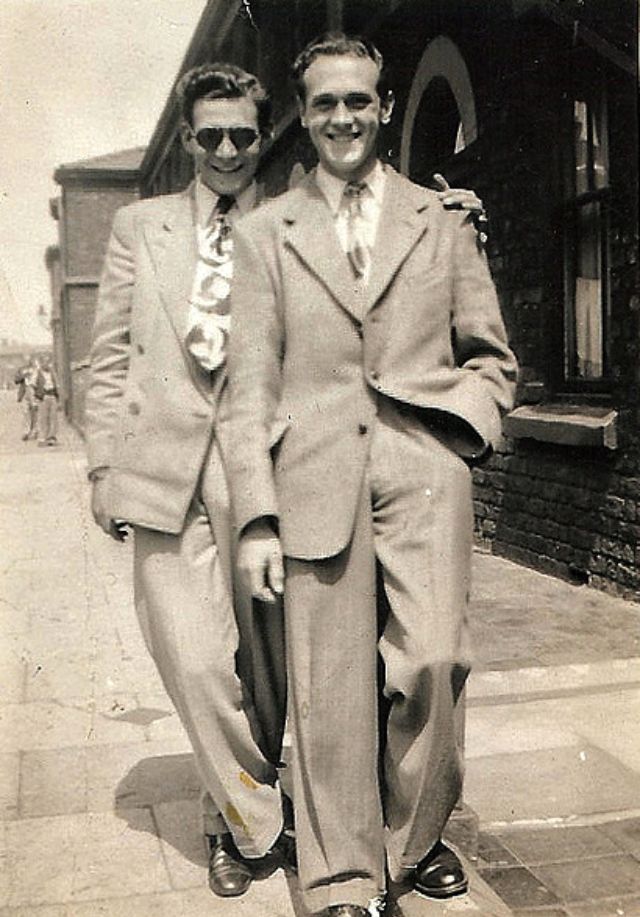
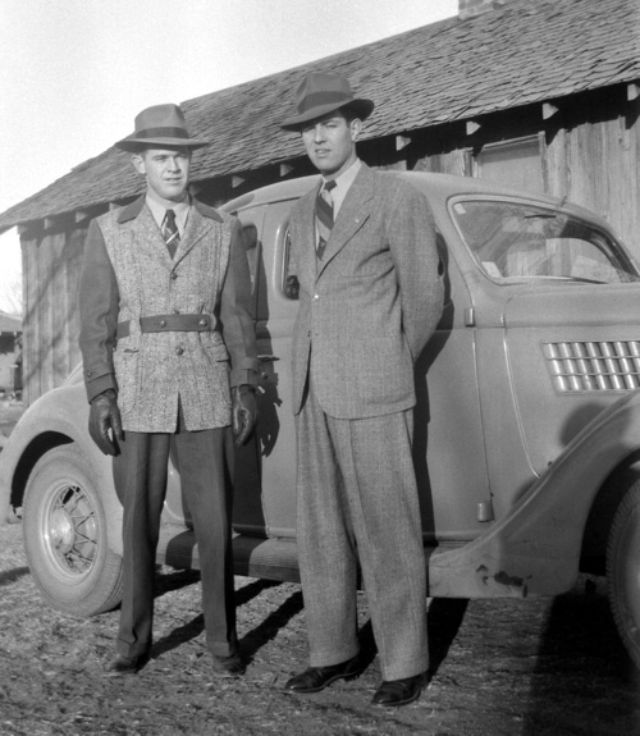
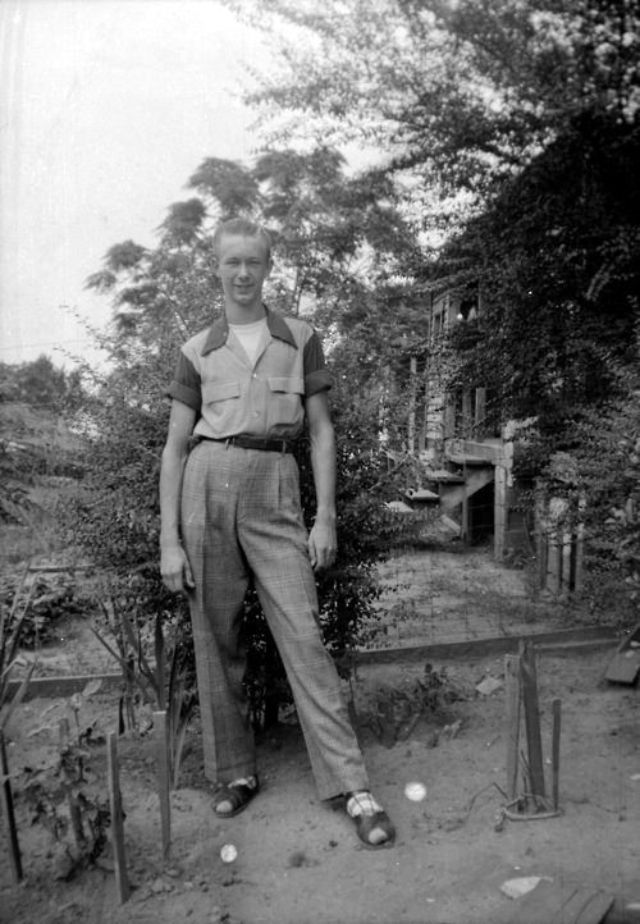
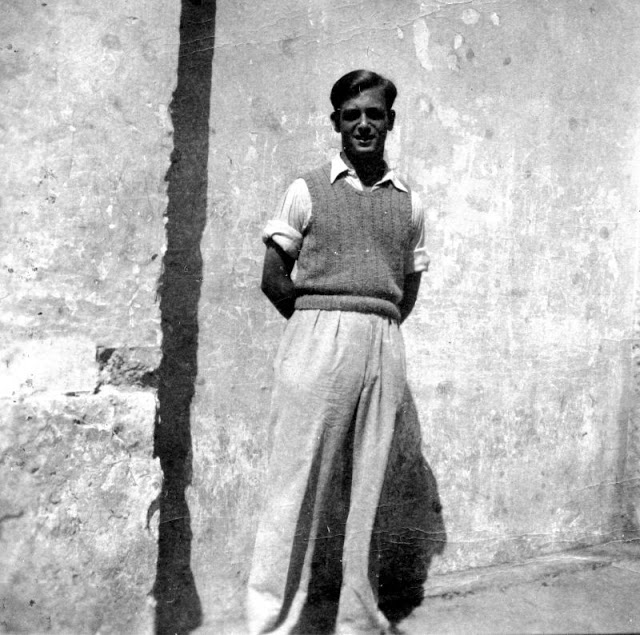
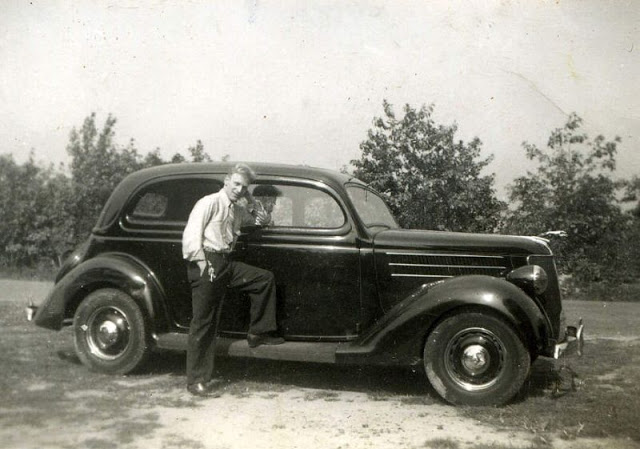
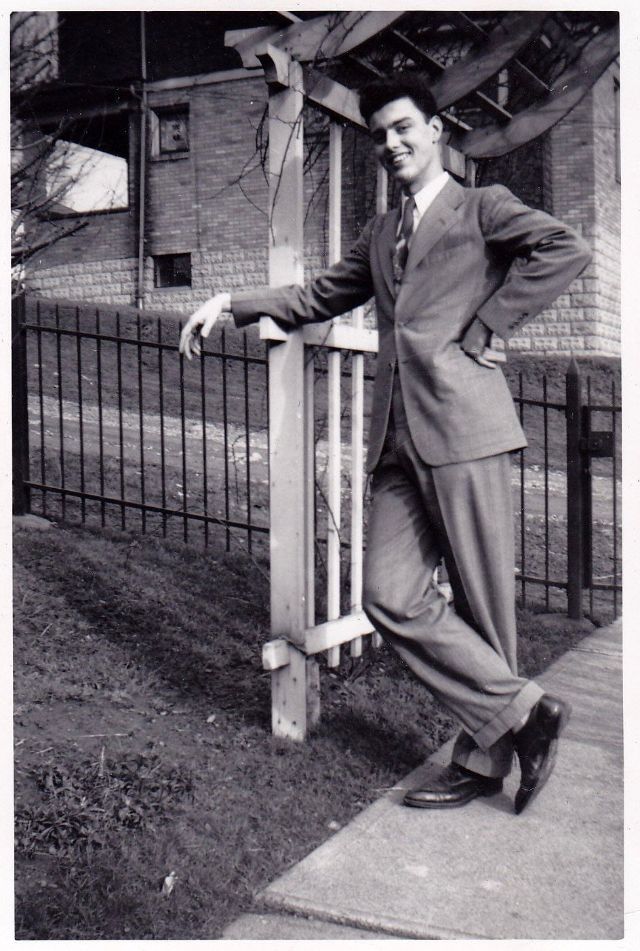
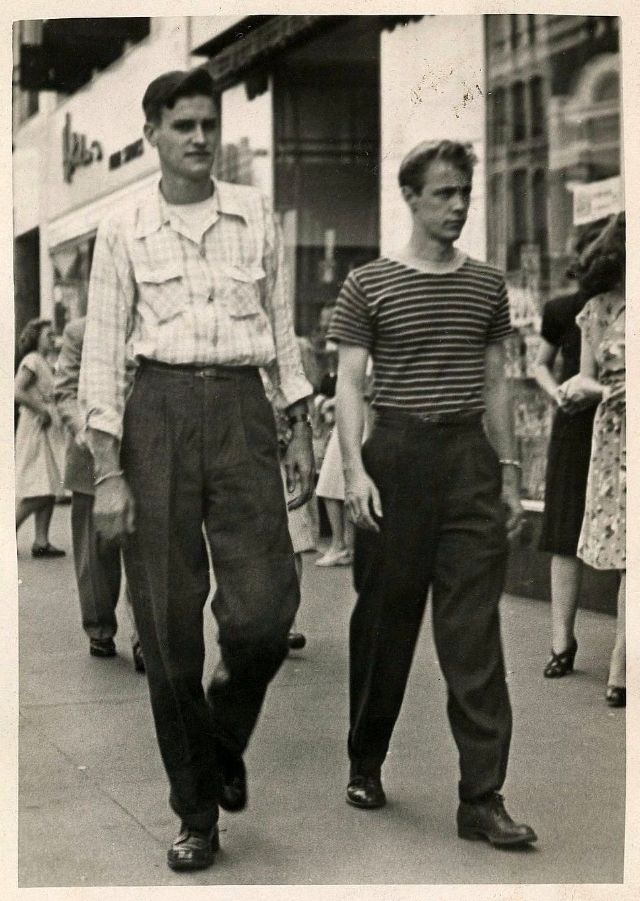
Men’s fashion in the 1940s enjoyed what some may consider its last great hurrah in true gentlemanly style and elegance. It was an era that initially began with practical styles due to the Second World War starting in 1939 and ending in 1945. Once the war was over, the end of strict rationing was celebrated by fashion becoming more extravagant and stylish.
Men’s suits lost their vest, pocket flaps and trouser cuffs. Since the majority of men were out fighting the war, those who remained at home wanted to appear as austere as possible. All clothes became basic which led to the male wardrobe becoming much more simple and plain, with such a shortage of fabric the level of detail on men’s clothes became simple if not almost nonexistent.


















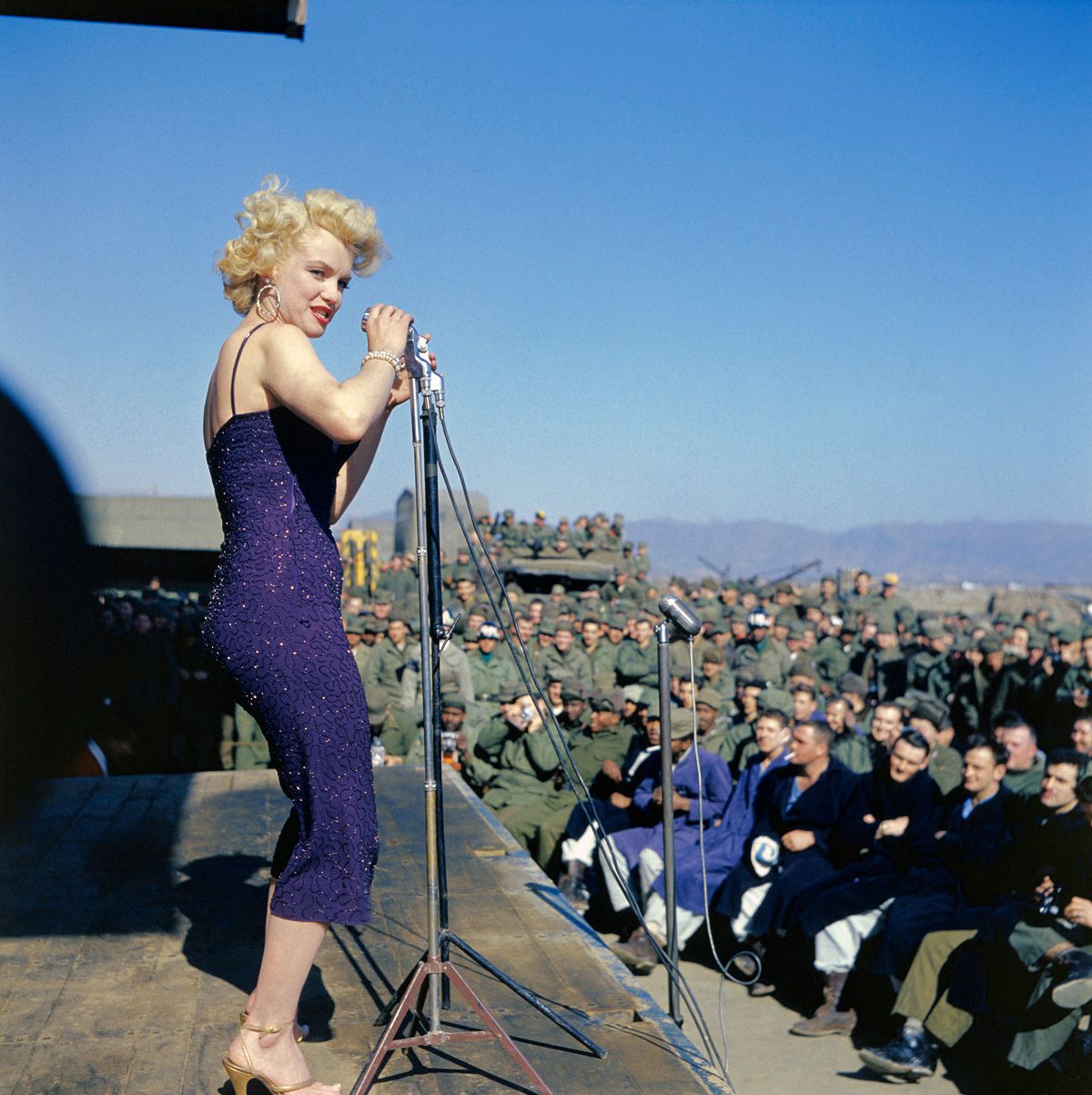
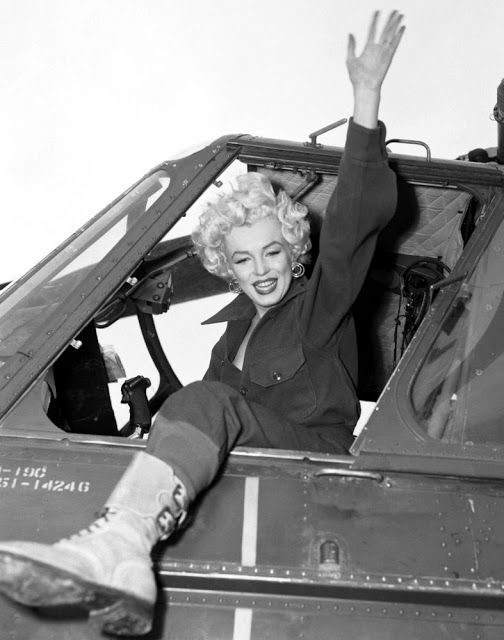
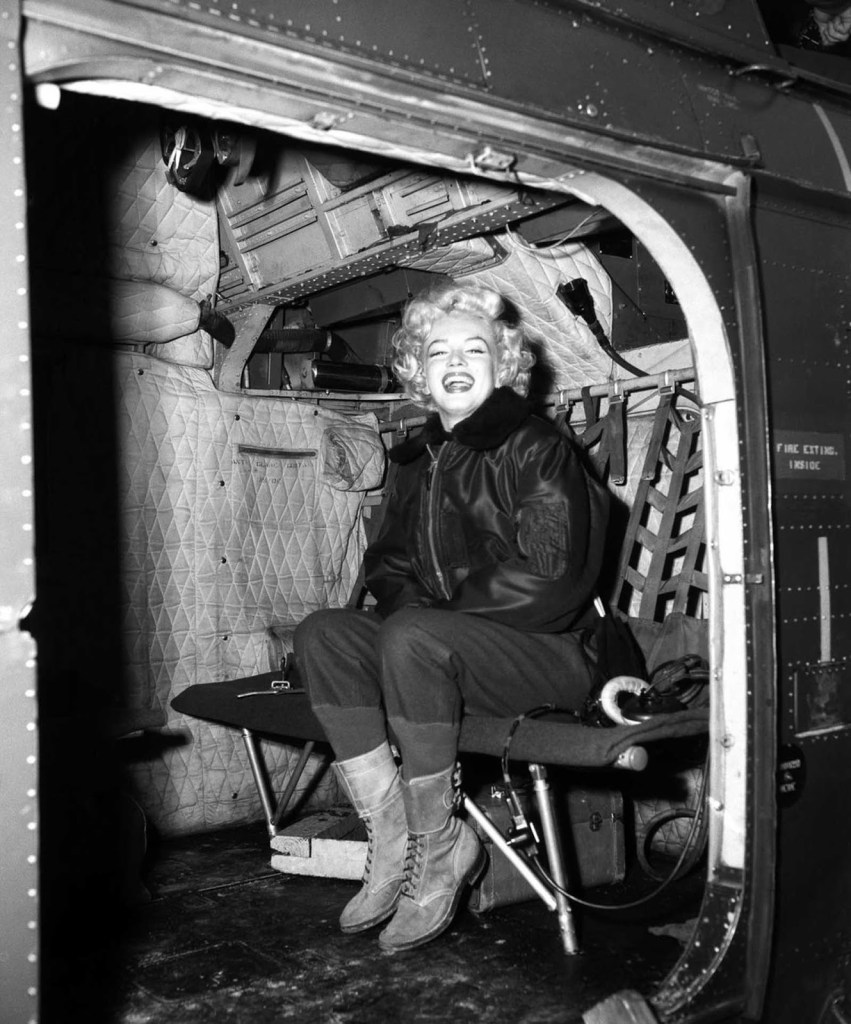
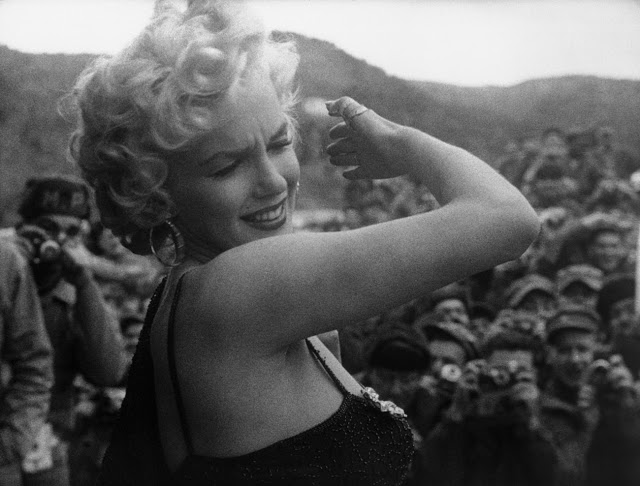
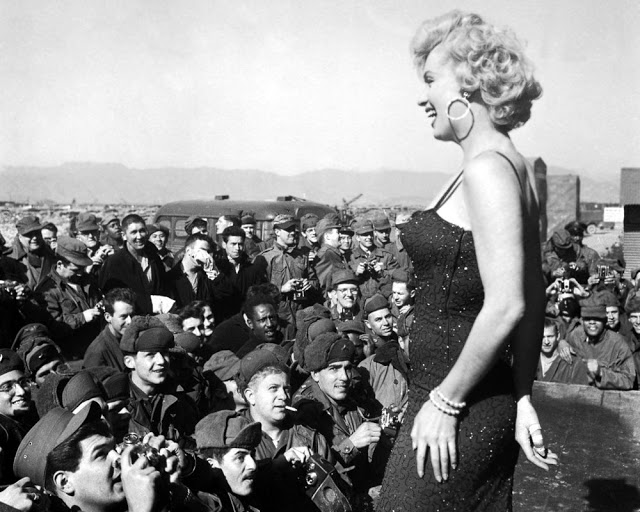
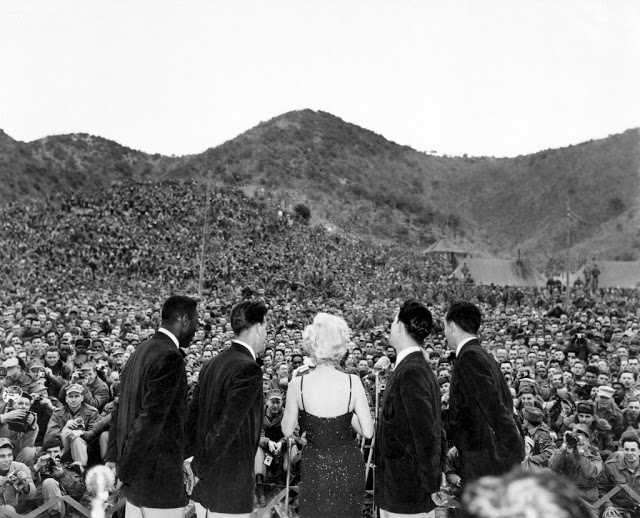
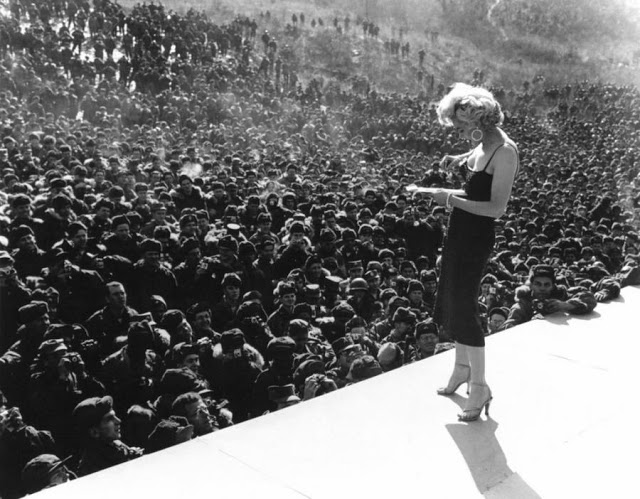
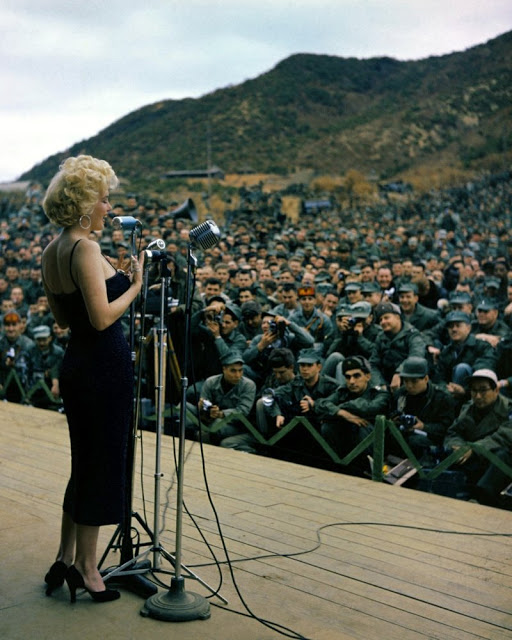
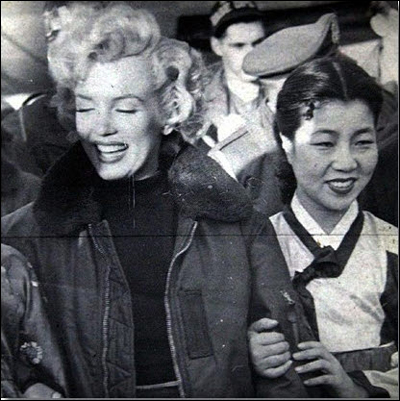
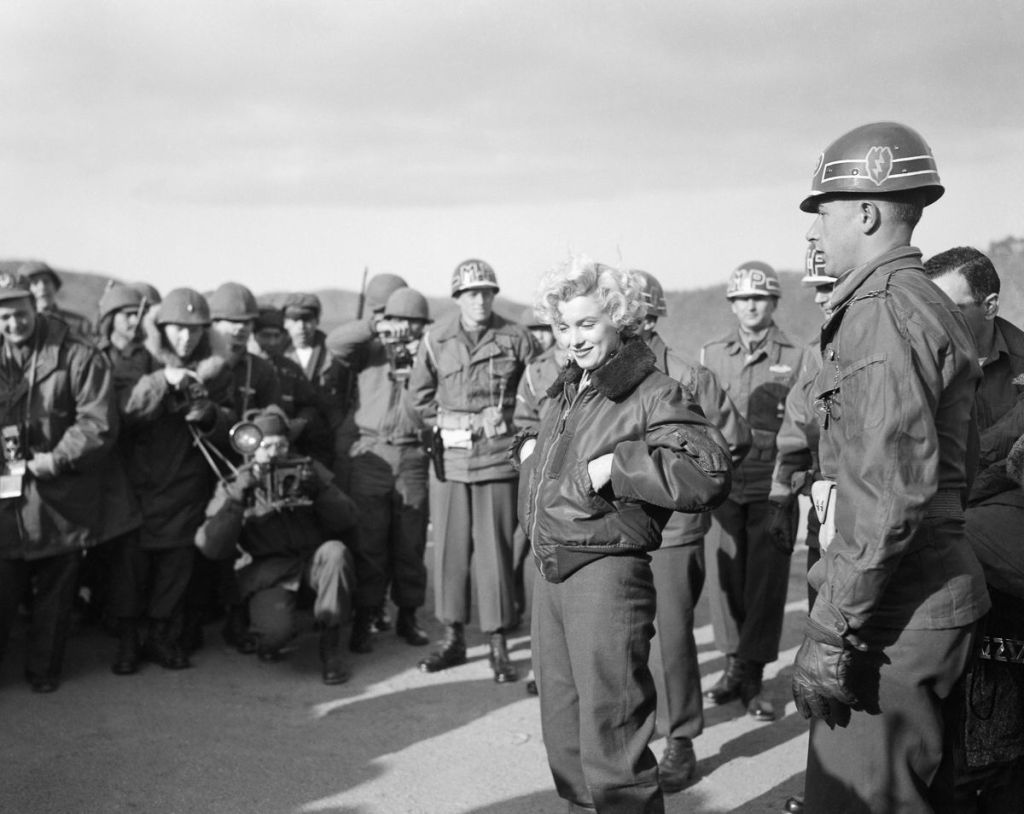
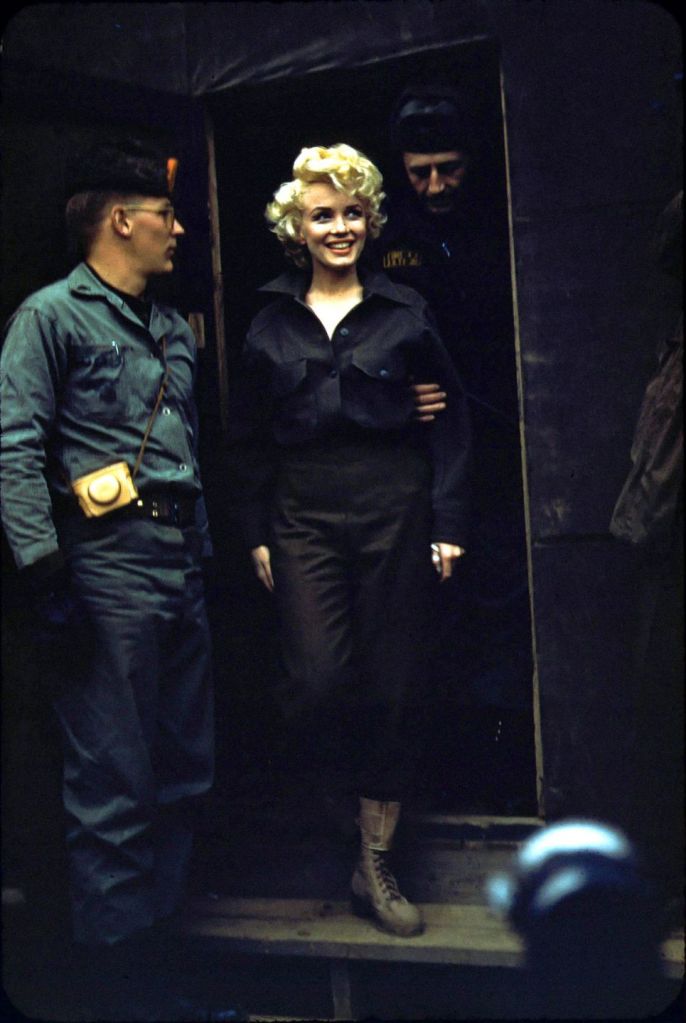
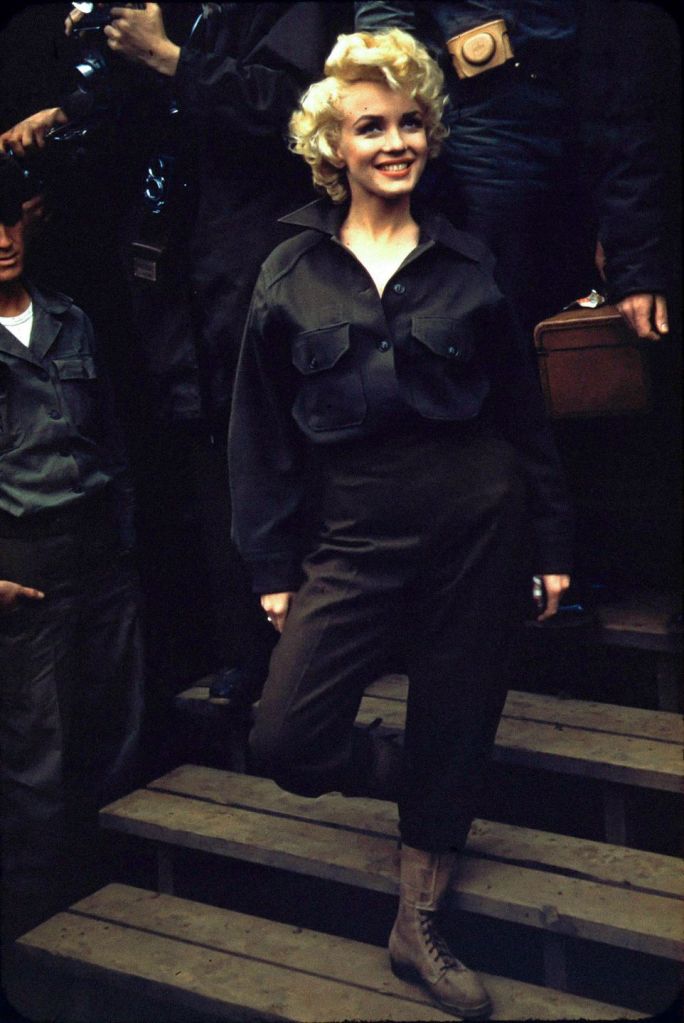
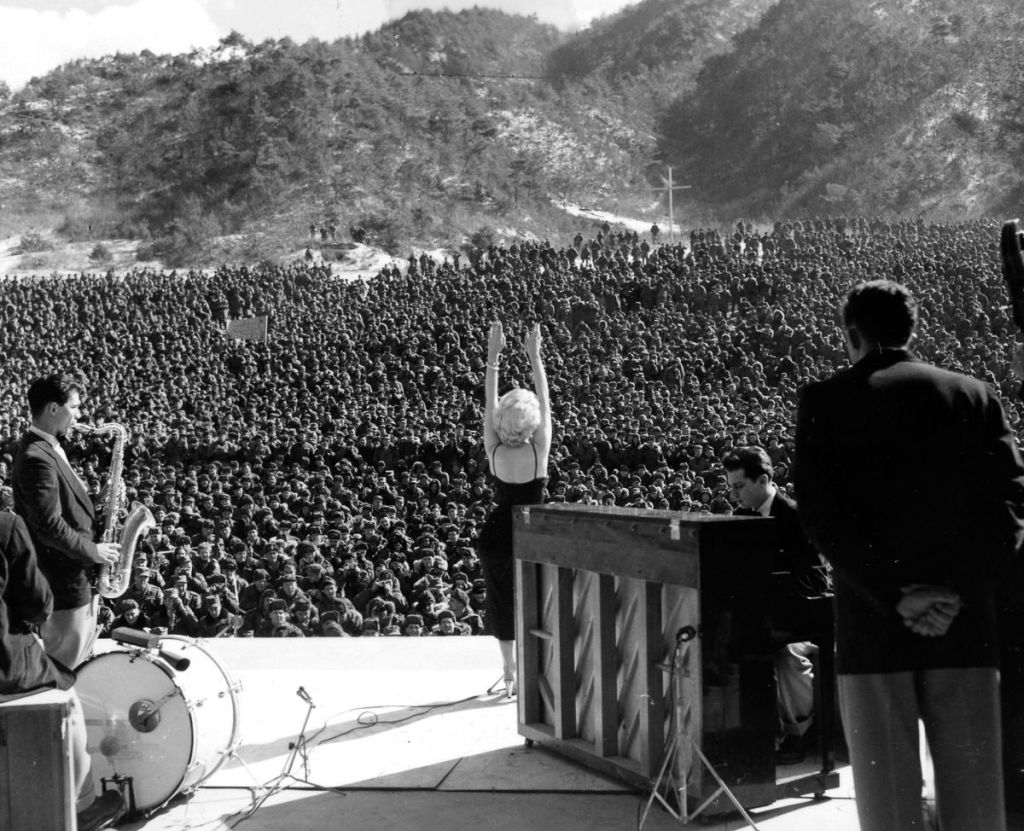
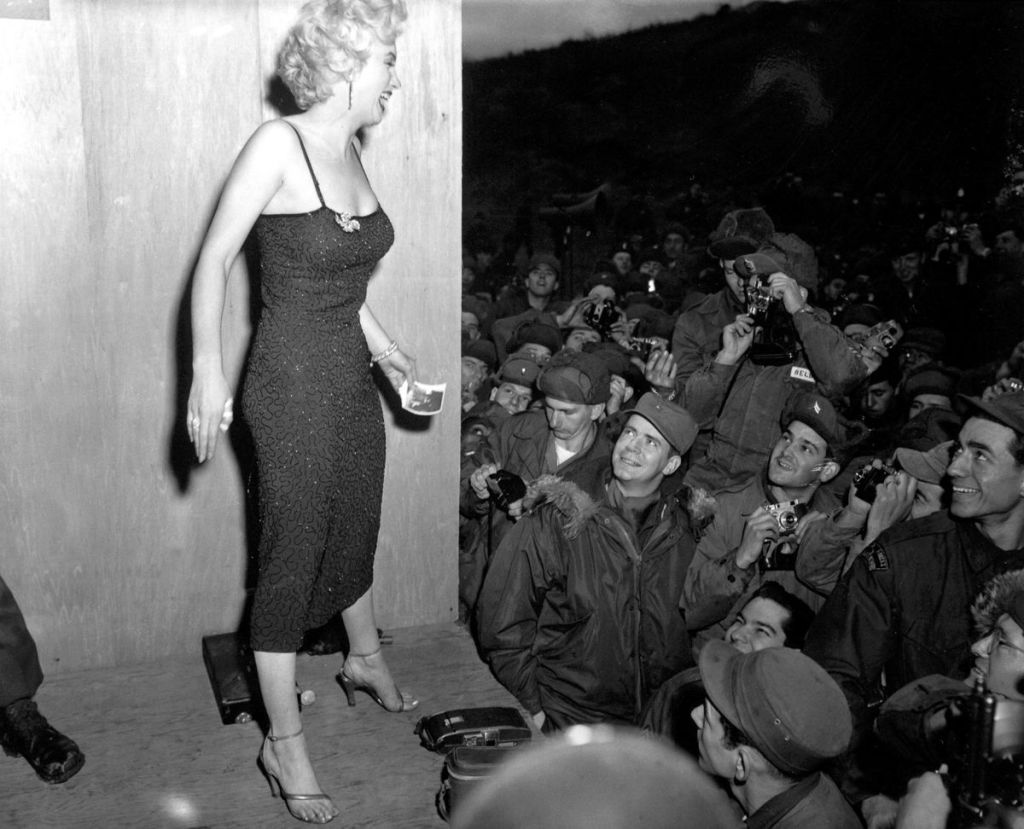
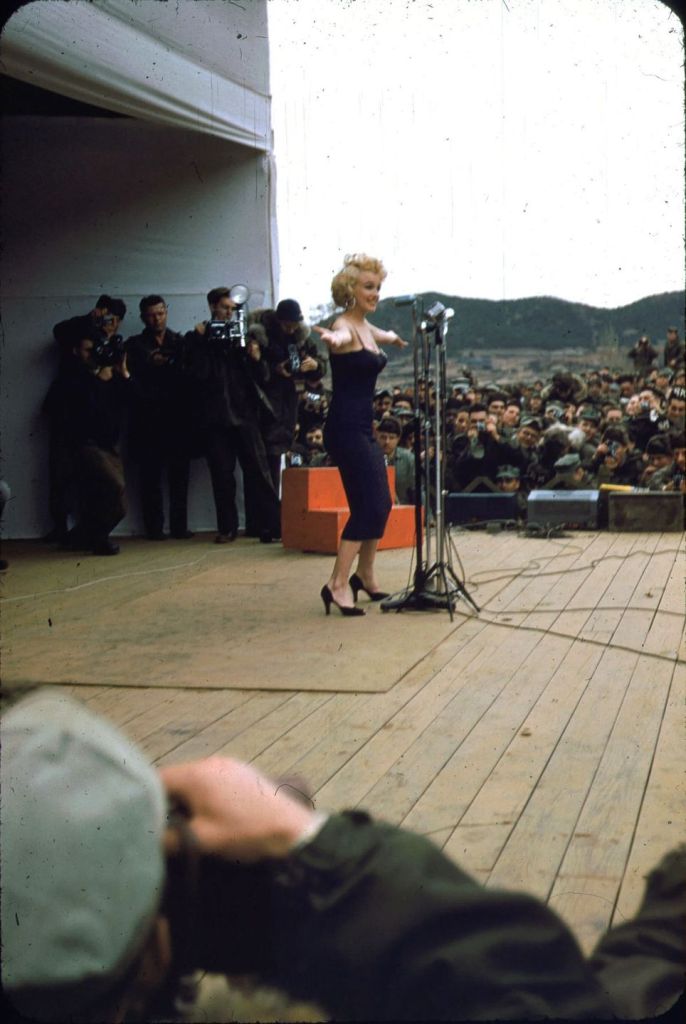
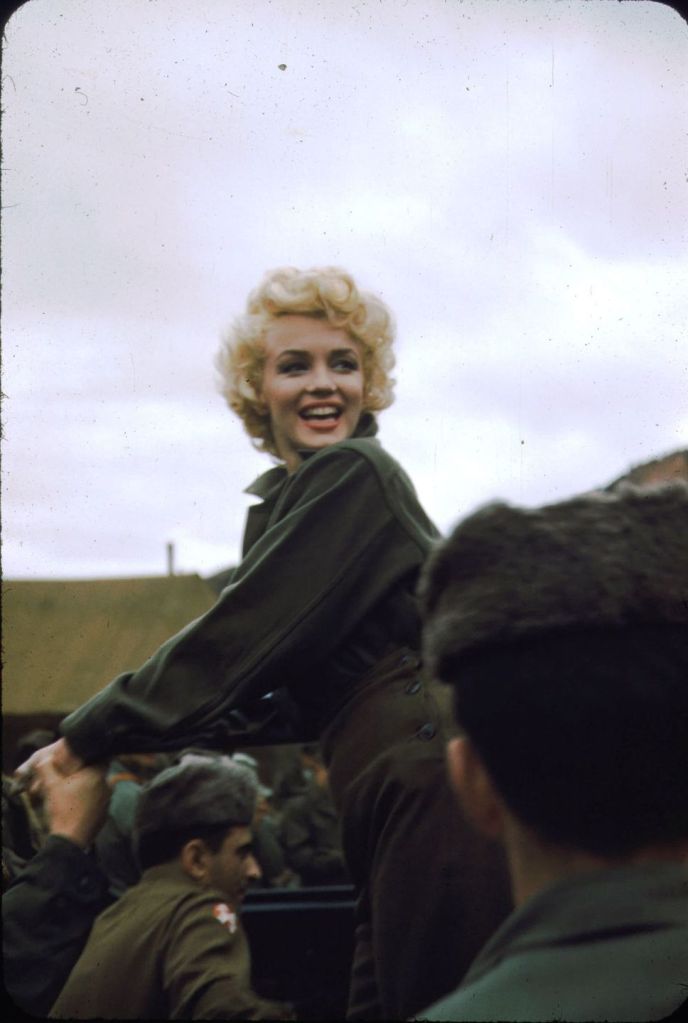
Marilyn Monroe and Joe DiMaggio were on their honeymoon in Tokyo, Japan in February of 1954 when Marilyn received an invitation from General John E. Hull’s Far East command to entertain the U.S. troops stationed in war torn Korea. After a little thought and discussion with her husband she said yes. It should be said though that Joe objected to her going to Korea at that time as he feared for her safety. The armistice had just been signed in July of 1953 and she was going to do some of her shows very close to the front lines which was still a very dangerous place at that time, but she said it was ”the least she could do.”
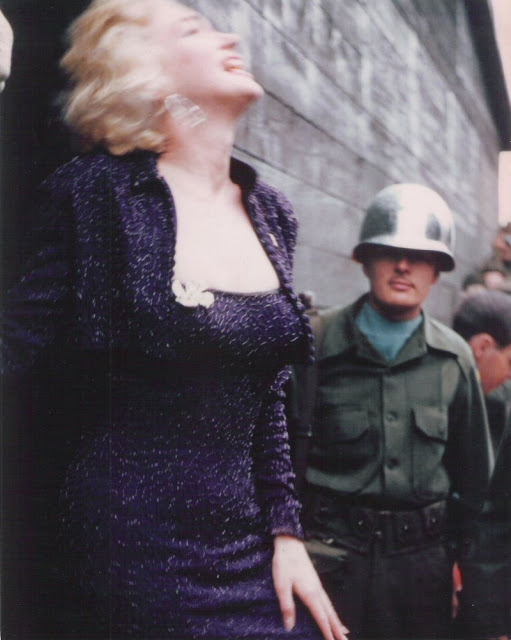
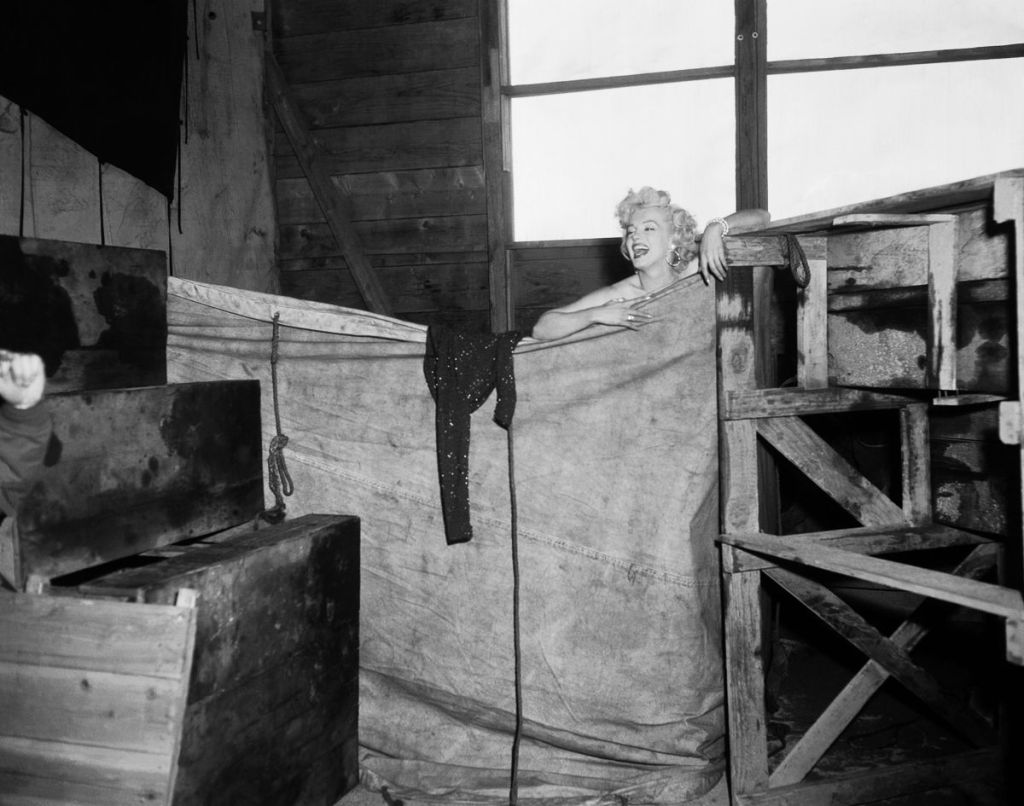
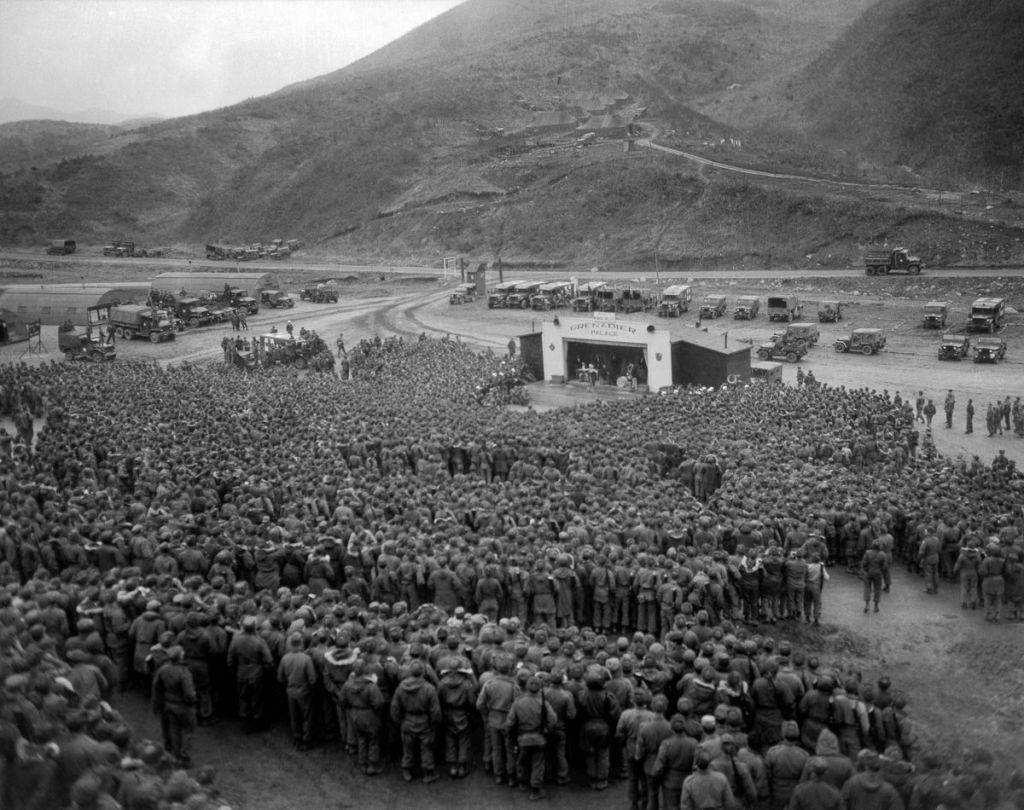
Her whirlwind tour consisted of ten shows in four days in sub-zero temperatures. Wearing nothing but a skin tight, low cut, plum colored sequined gown, she wowed the troops with her singing, dancing, and banter. Everywhere she went she was greeted with warmth and appreciation. One Army Corps of Engineers officer said of Marilyn, “Of all the performers who came to us in Korea-and there were a half a dozen or so-she was the best…
It was bitter cold, but she was in no hurry to leave. Marilyn was a great entertainer. She made thousands of GI’s feel like she really cared.” Marilyn performed with a band made up of eleven servicemen called Anything Goes. Her pianist, Albert Guastafeste was taken aback by how down to earth and modest she was. He was quoted as saying,”Someone ought to go up to her and tell her she is Marilyn Monroe. She doesn’t seem to realize it. When you make a goof she tells you she’s sorry. When she goofs, she apologizes to me!”
During her tour she also visited hospitals in Japan where wounded servicemen lay, stopping to talk, shaking hands, signing autographs, posing with all that asked for pictures. Even though she was totally exhausted from the tour and caught a mild case of pneumonia, she later told her friend Amy Greene that the Korea tour was one of the highlights of her entire career.









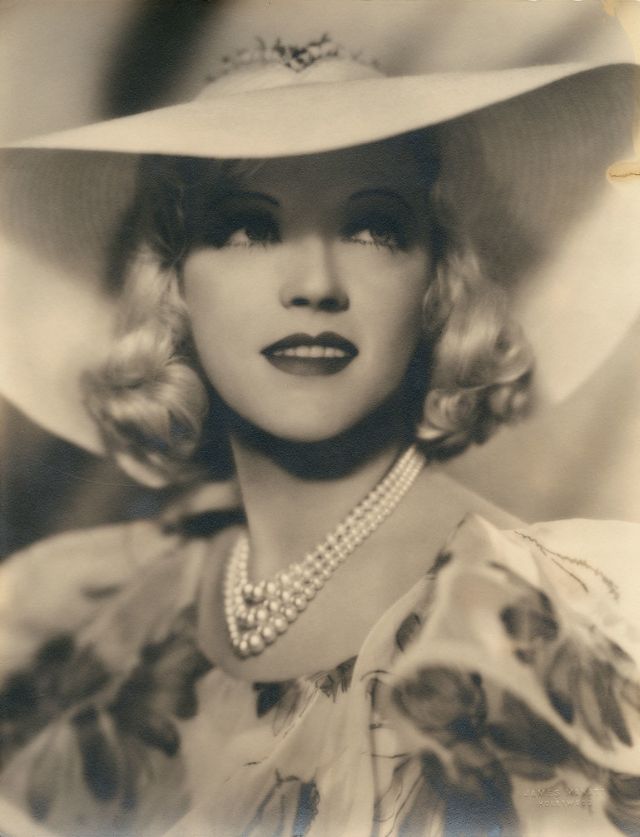
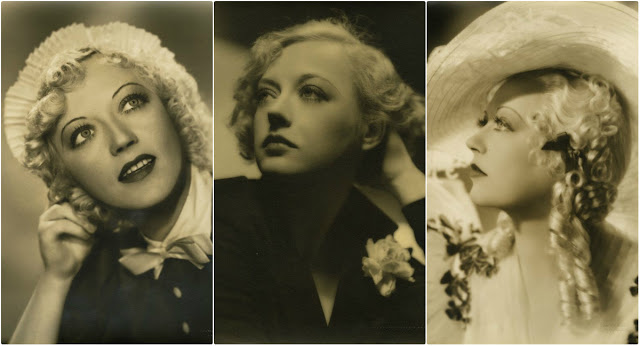
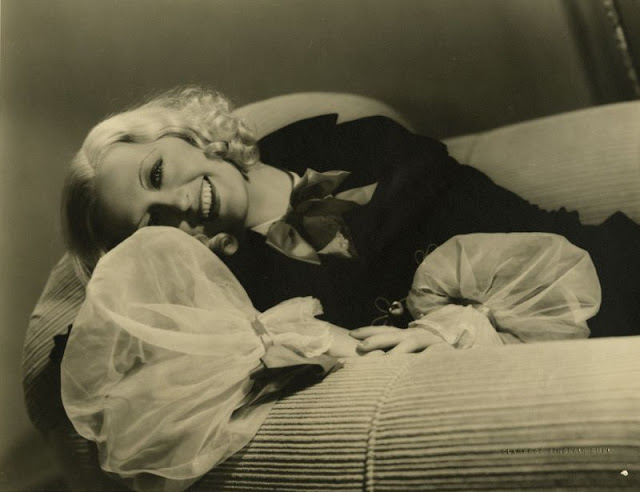
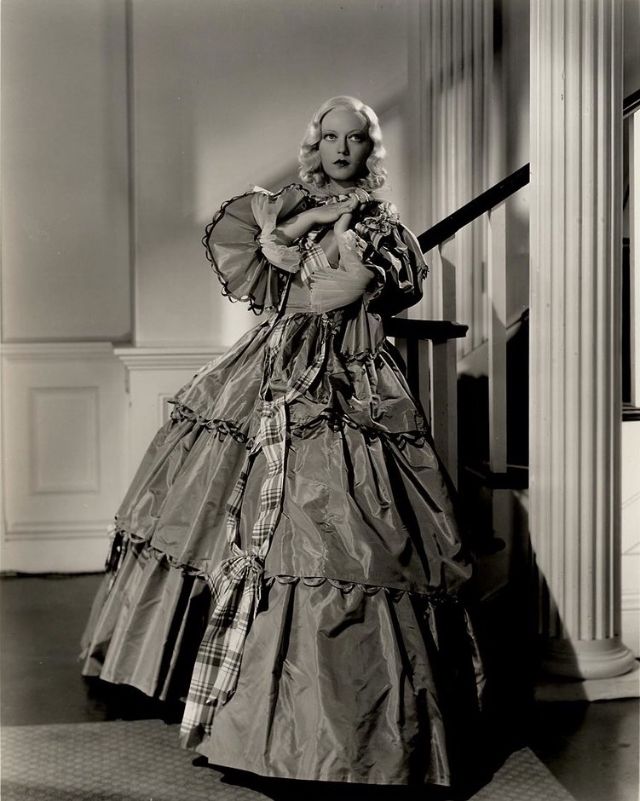
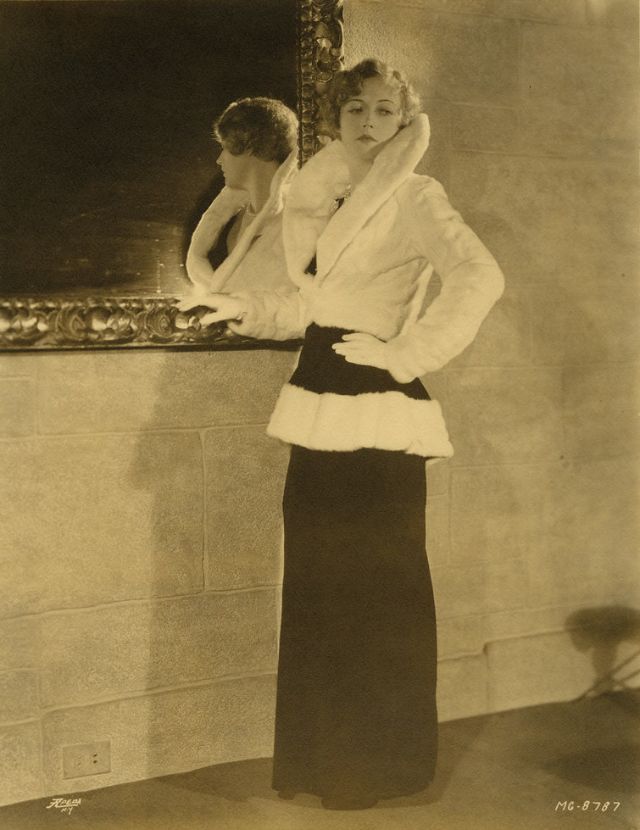
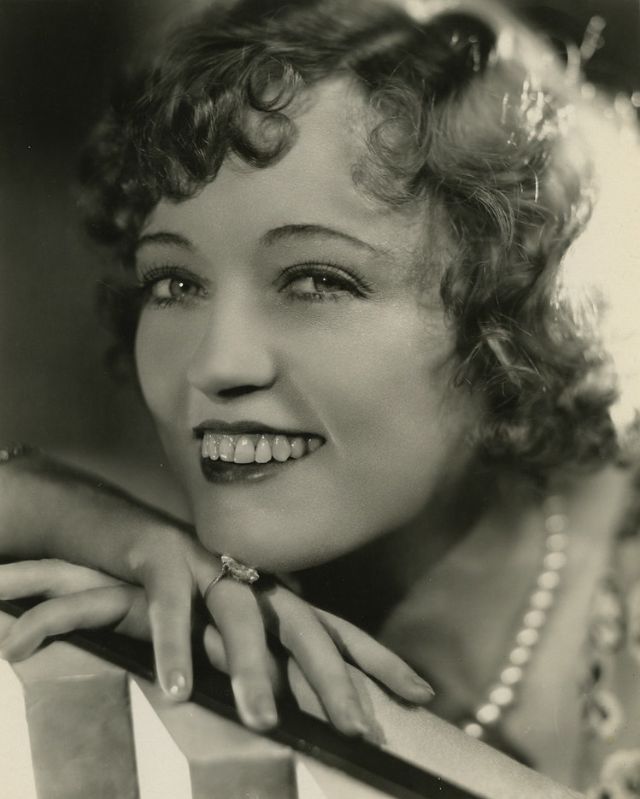
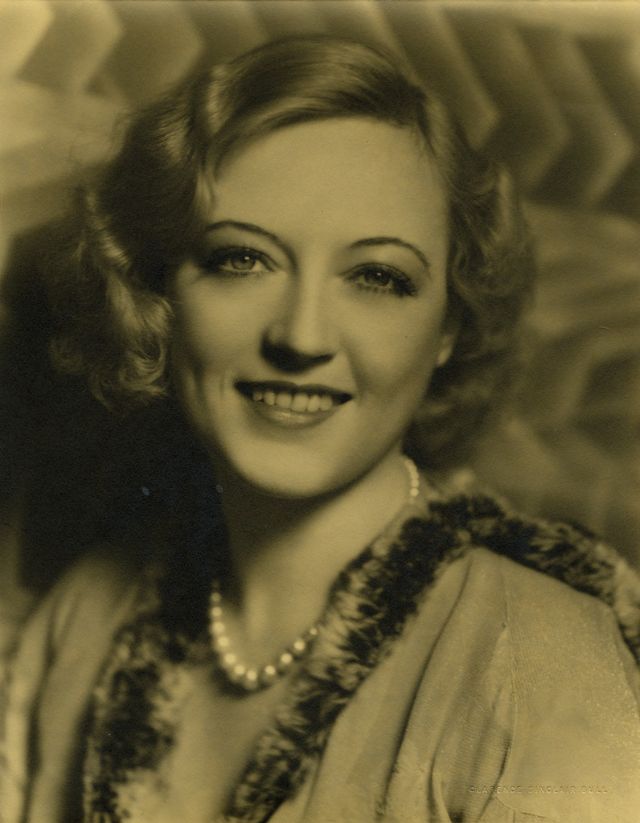
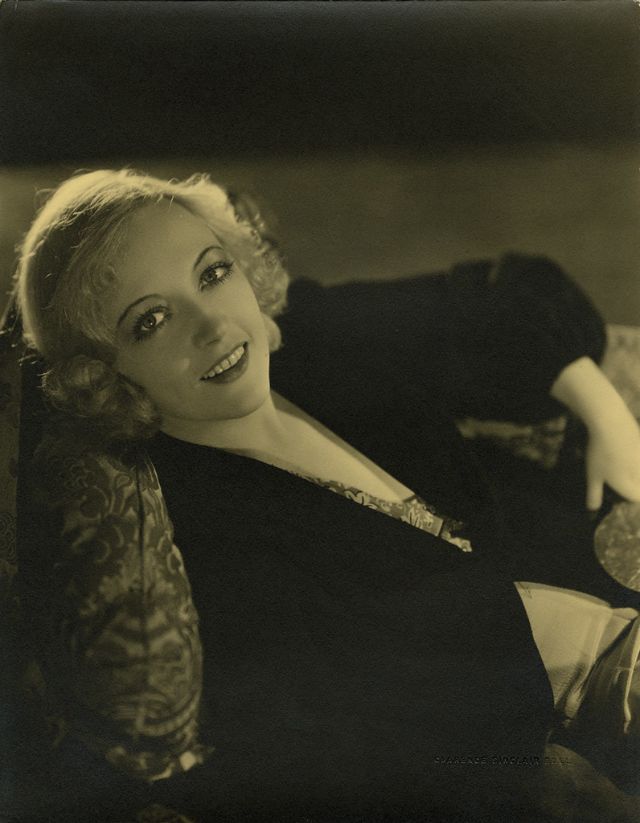
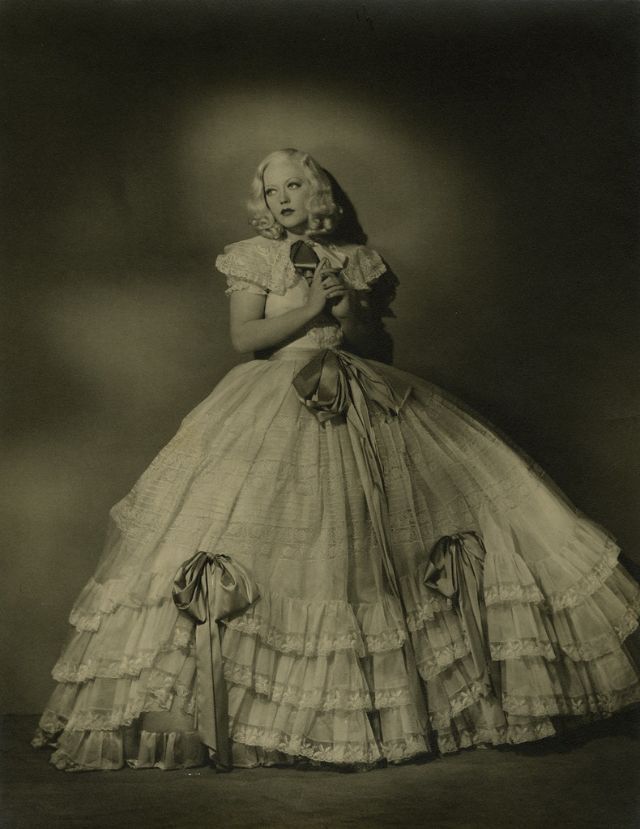
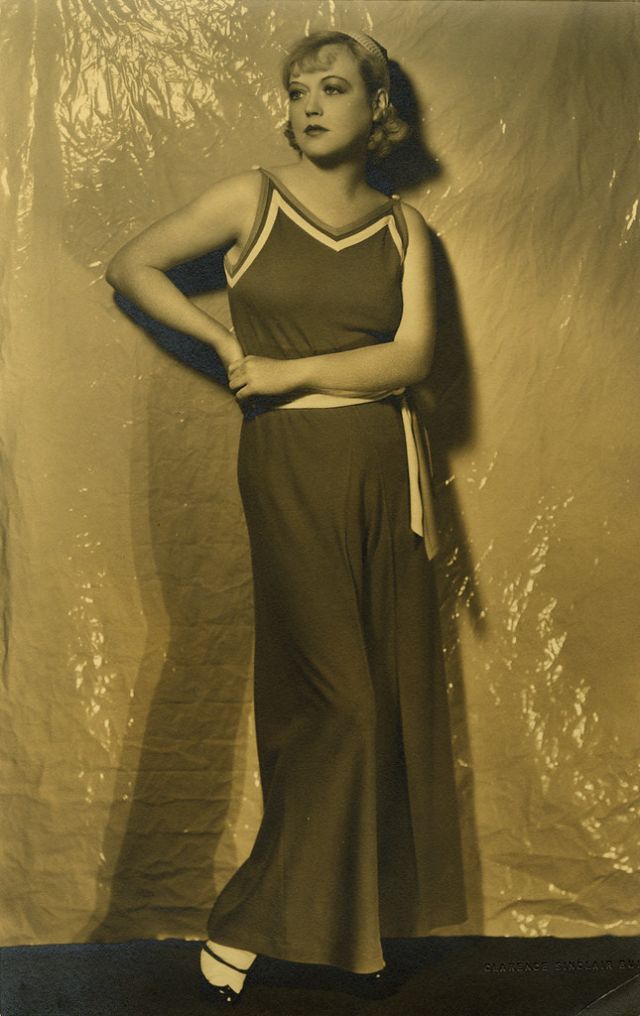
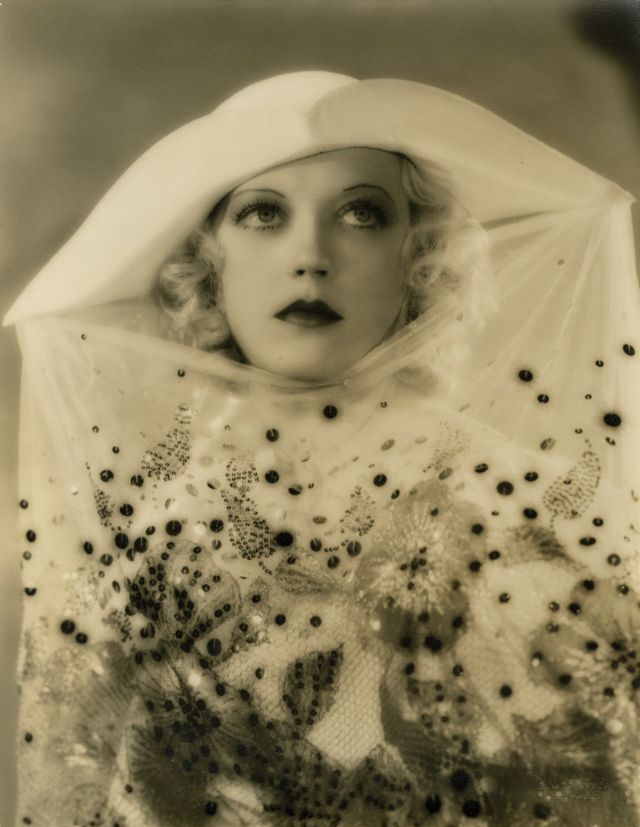
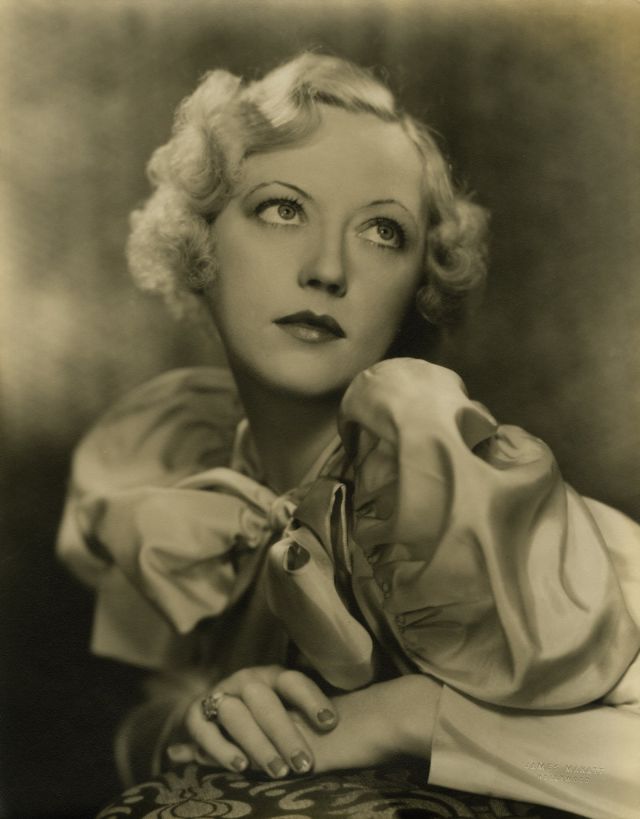
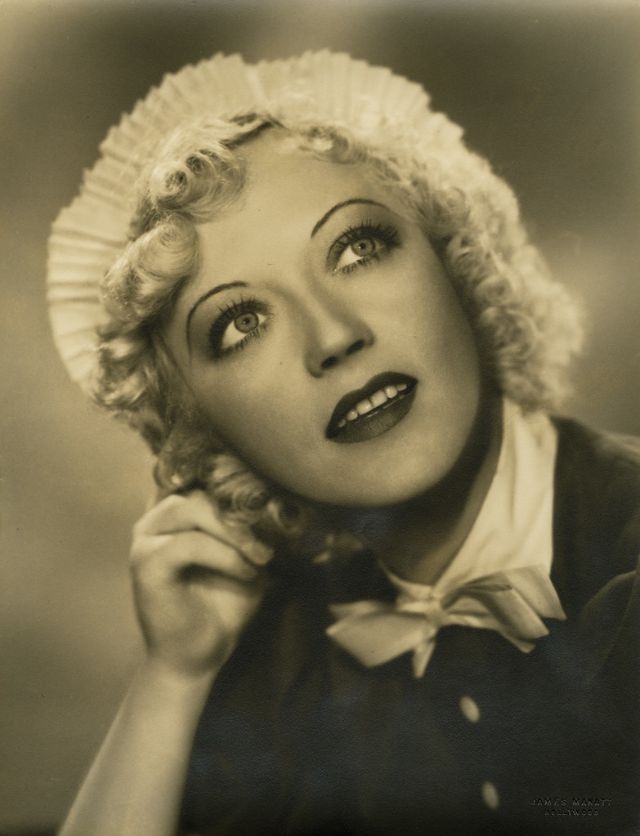
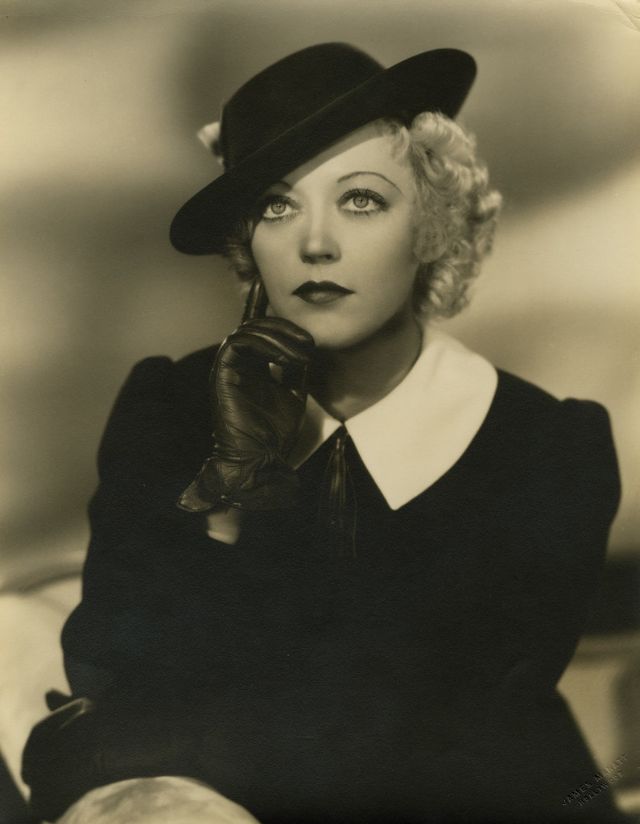
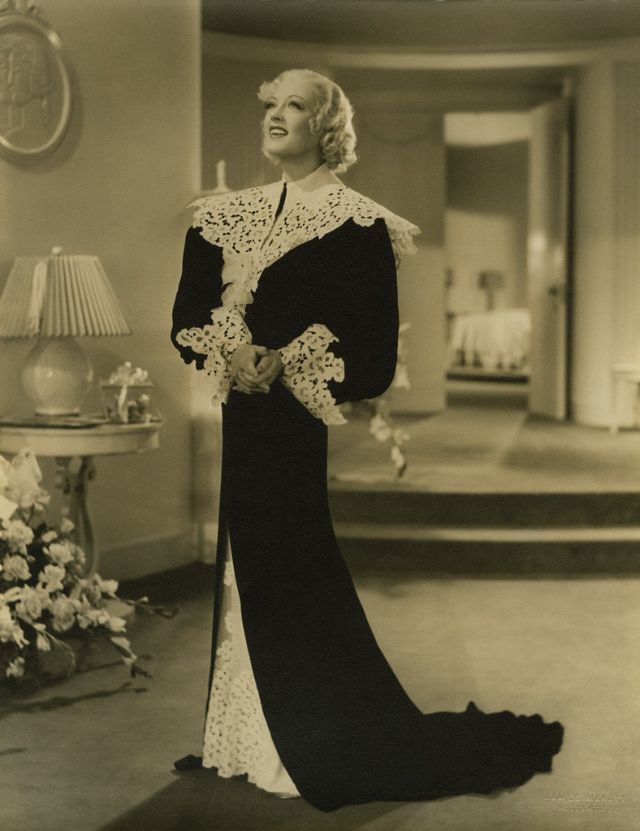
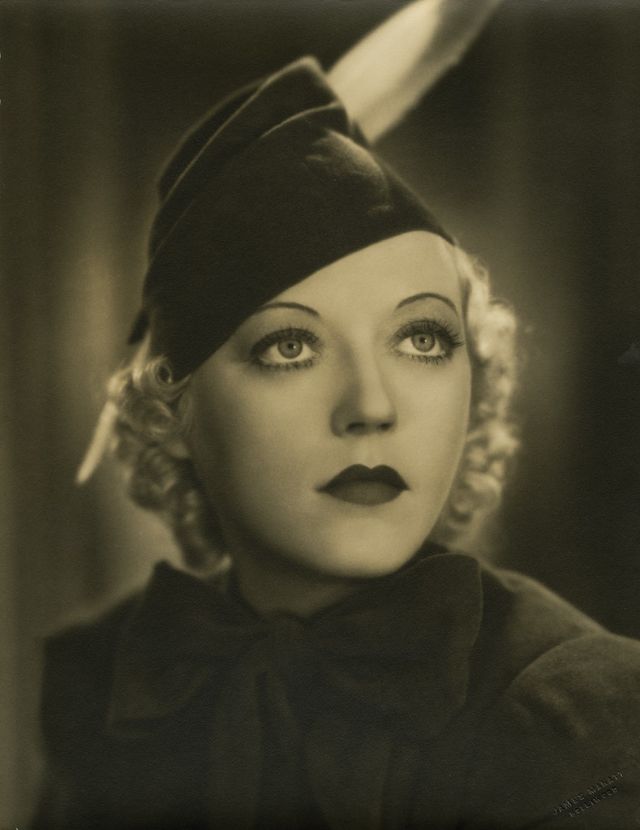
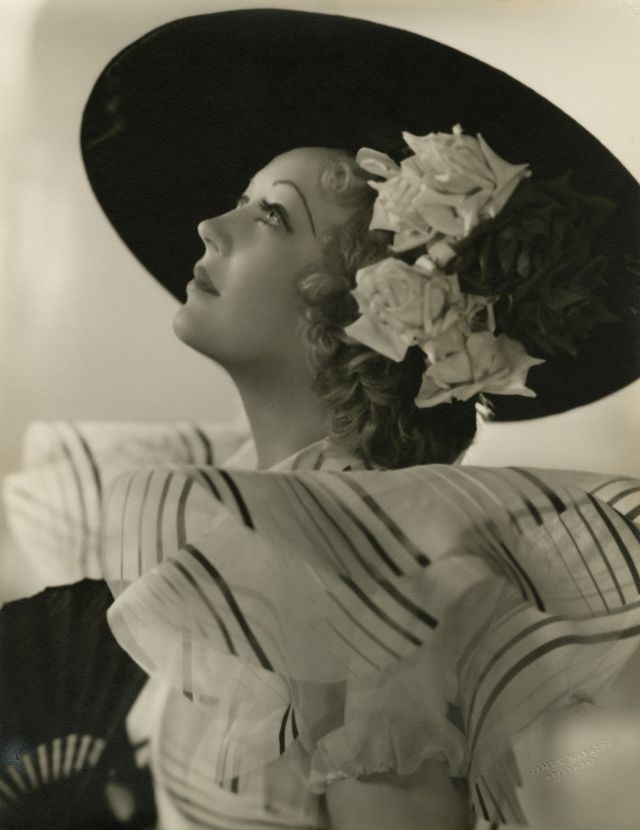
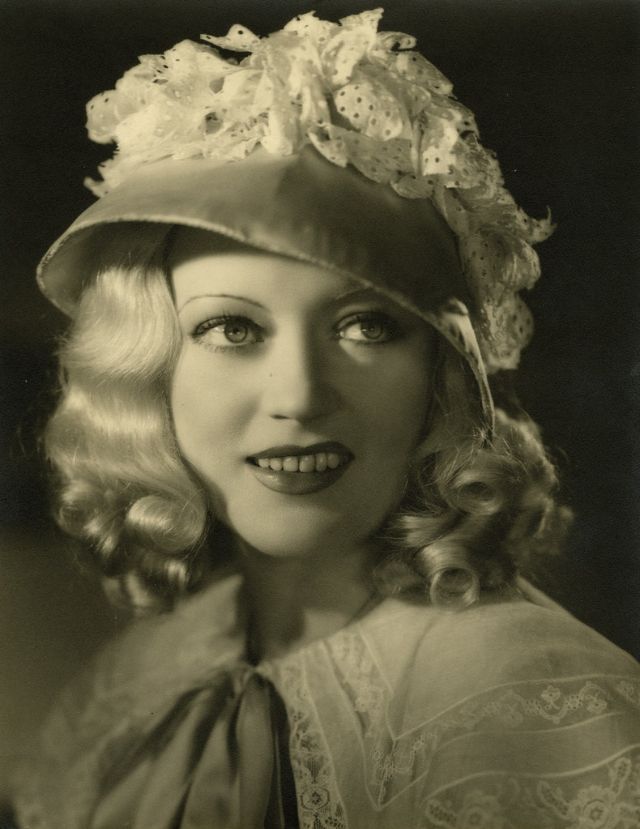
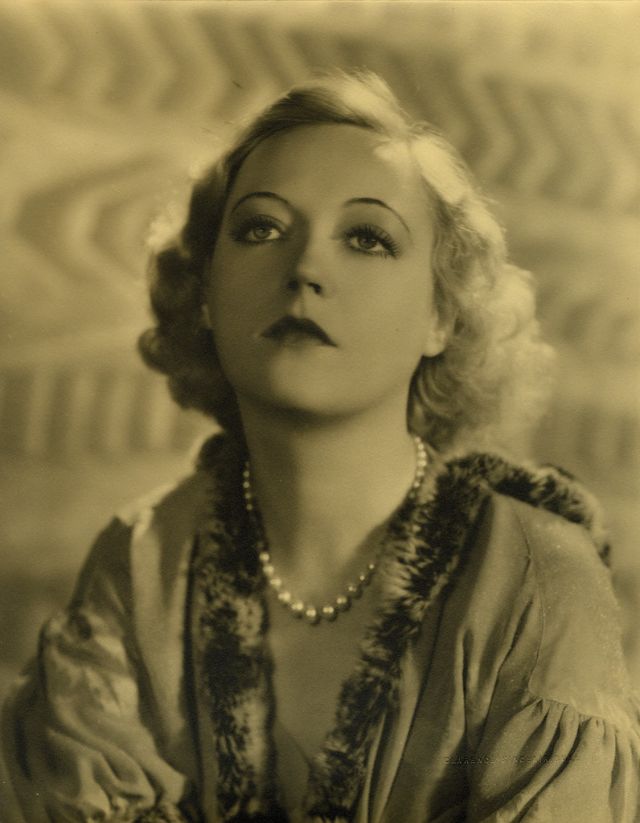
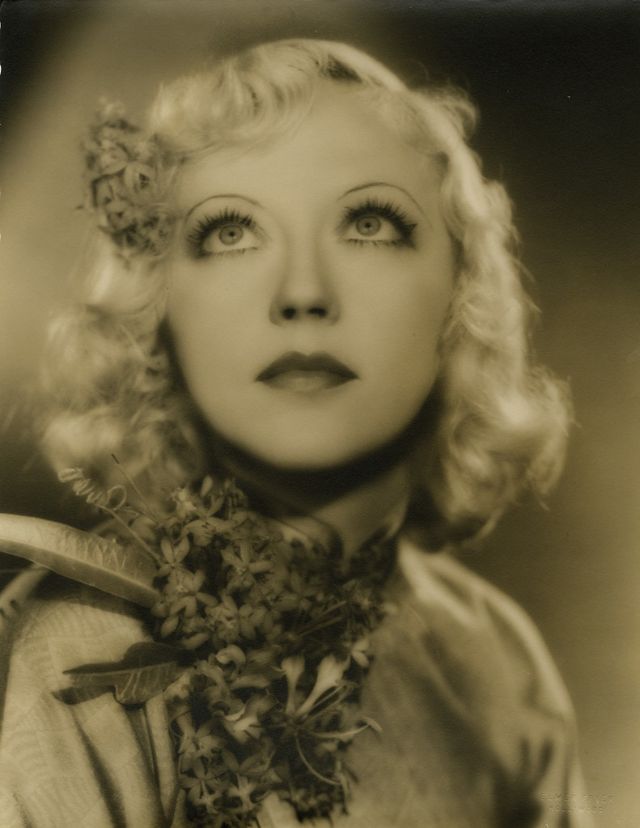
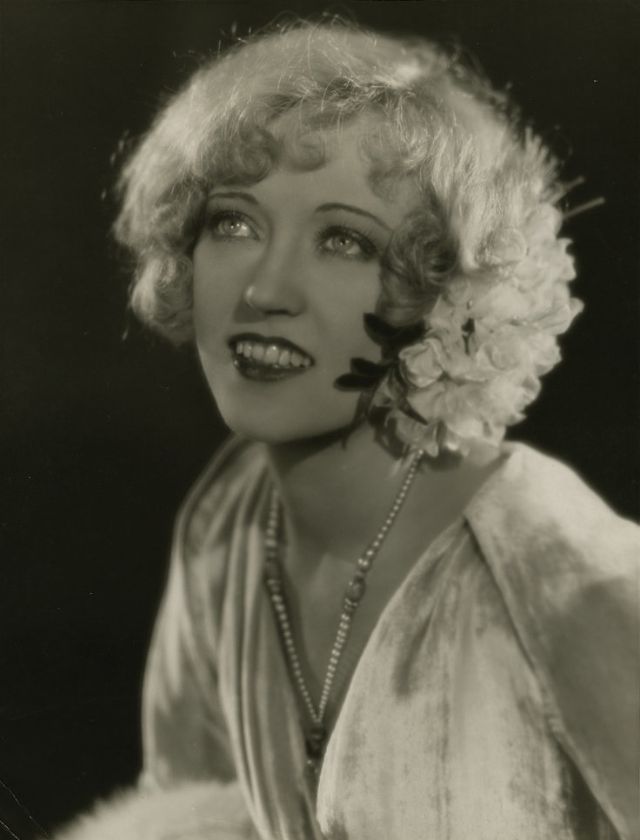
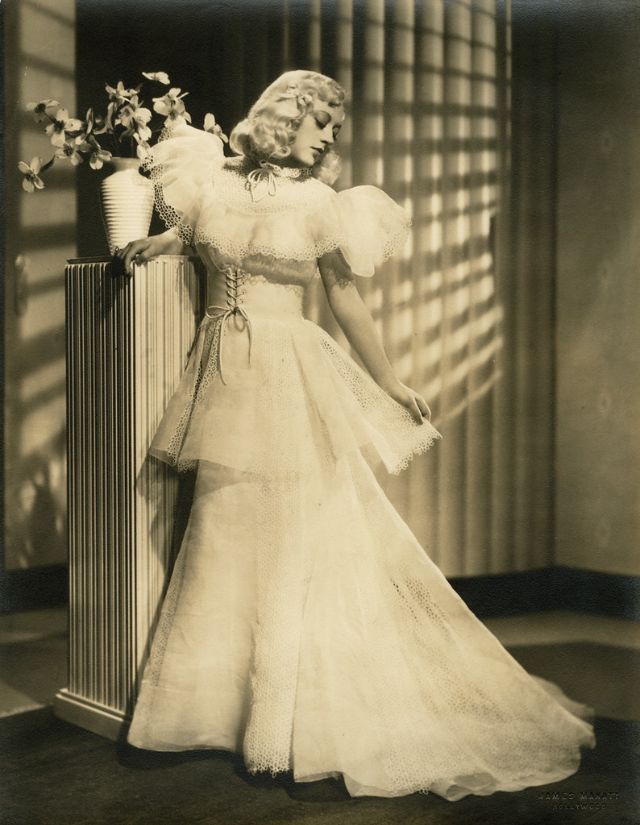
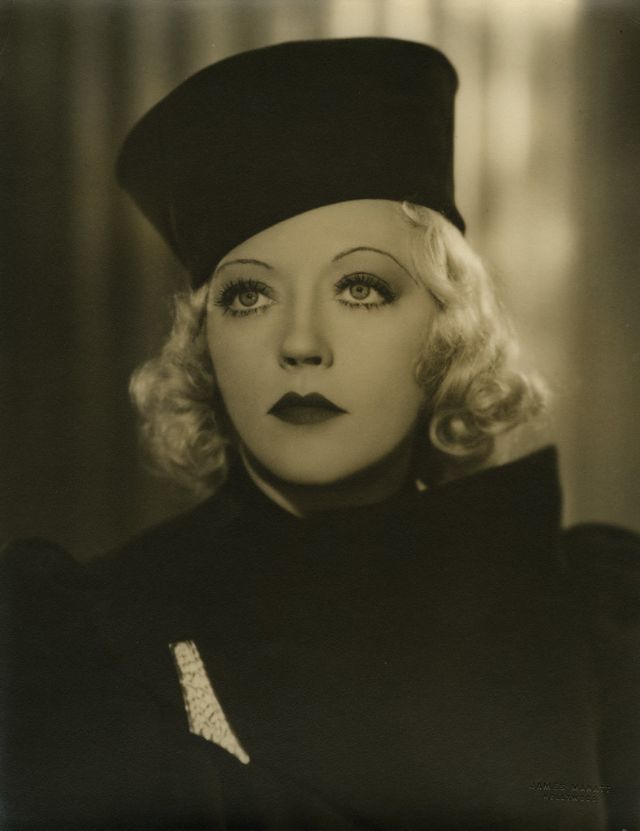
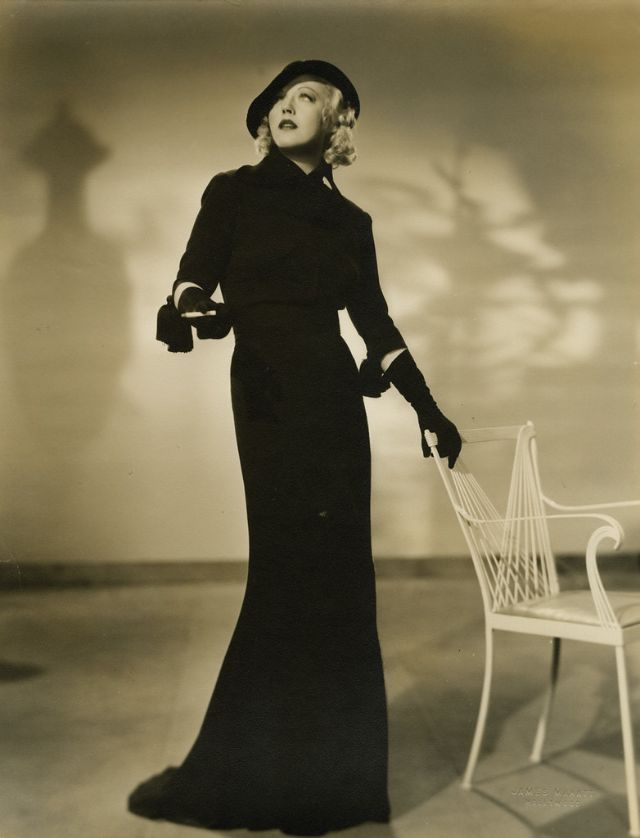
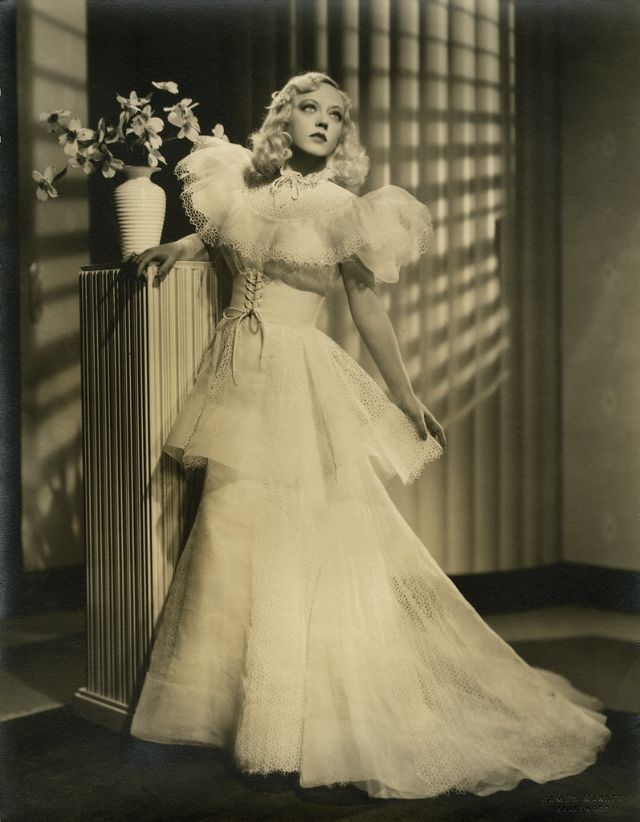
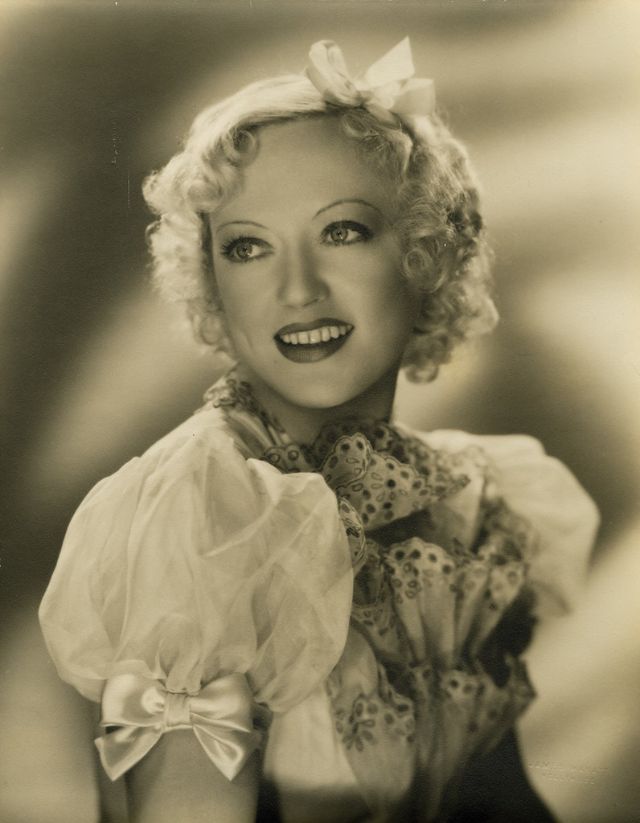
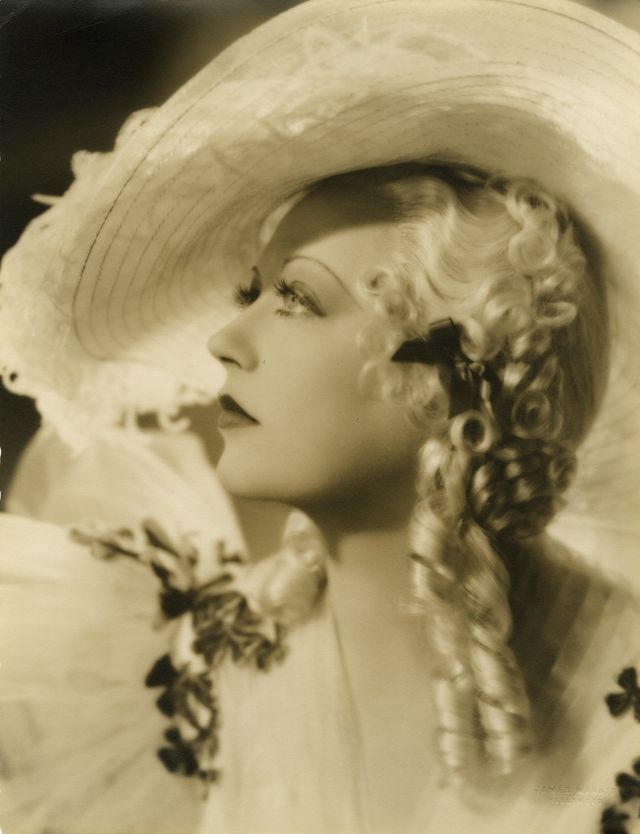
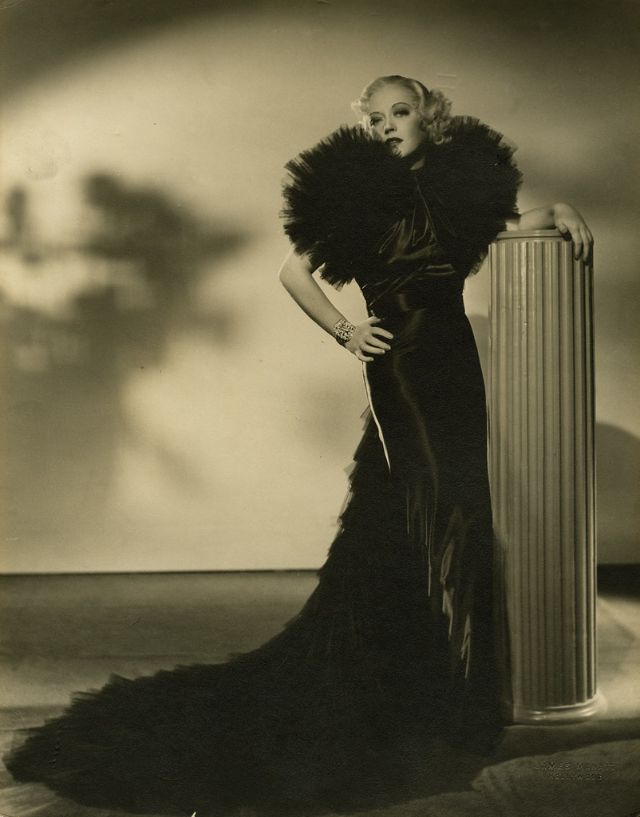
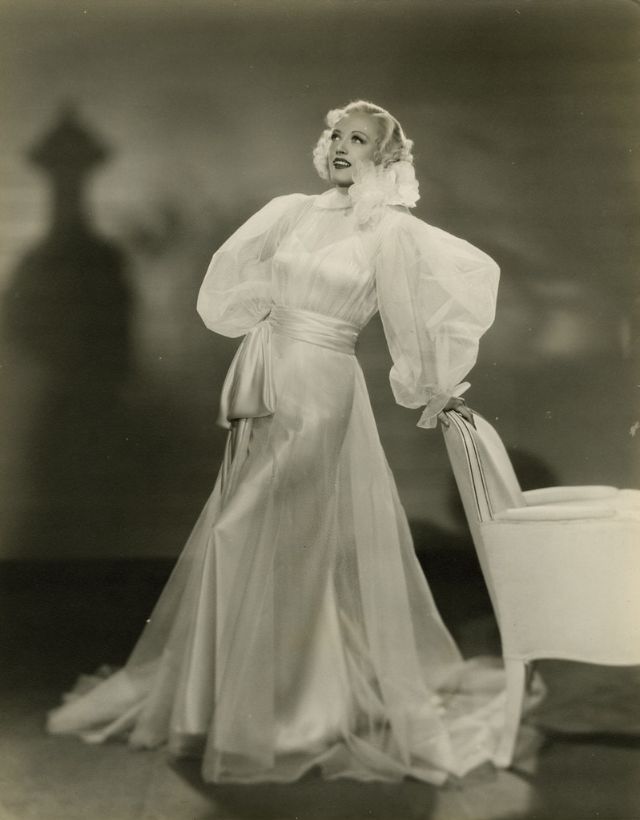
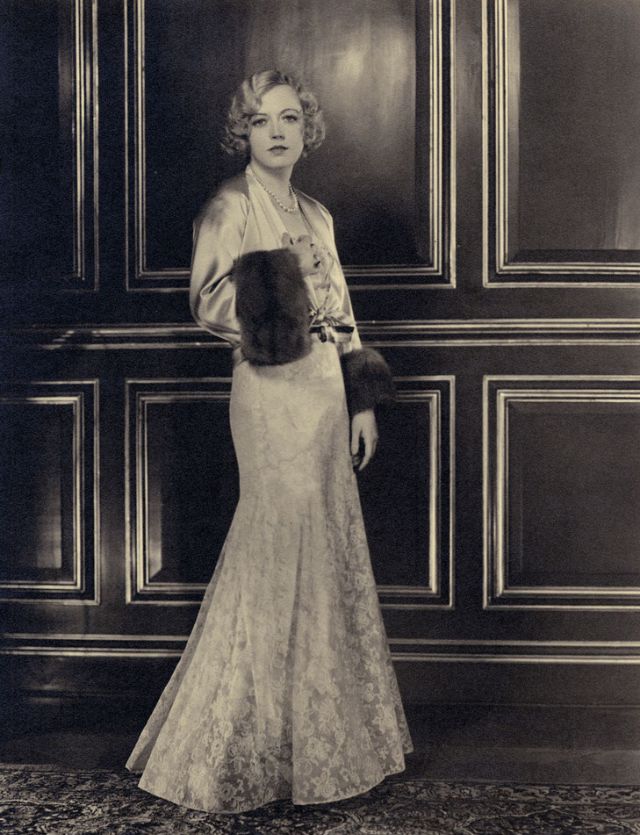
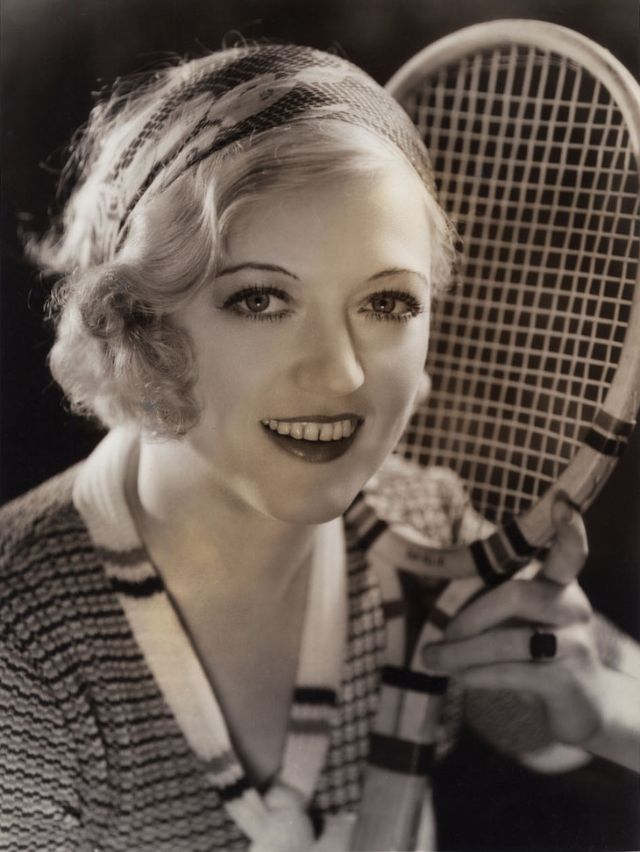
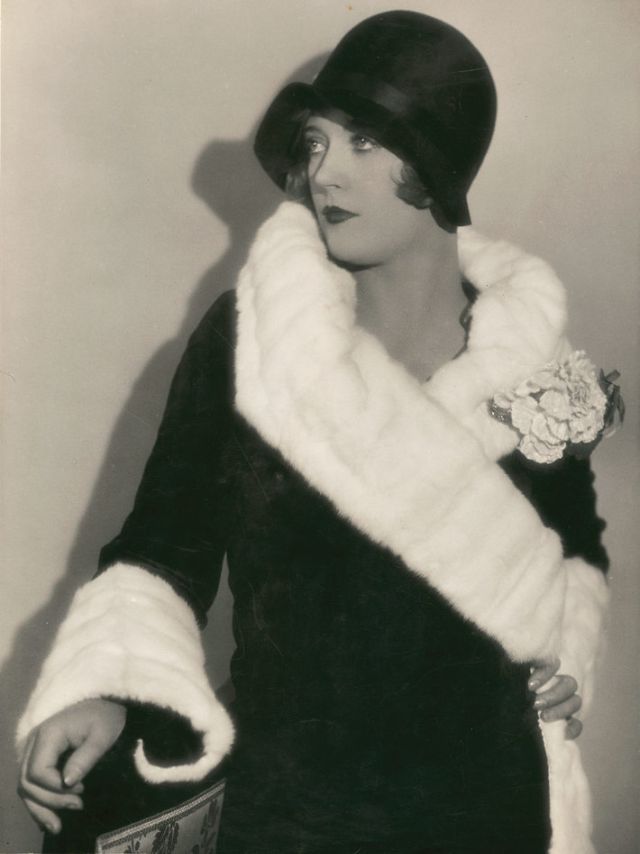
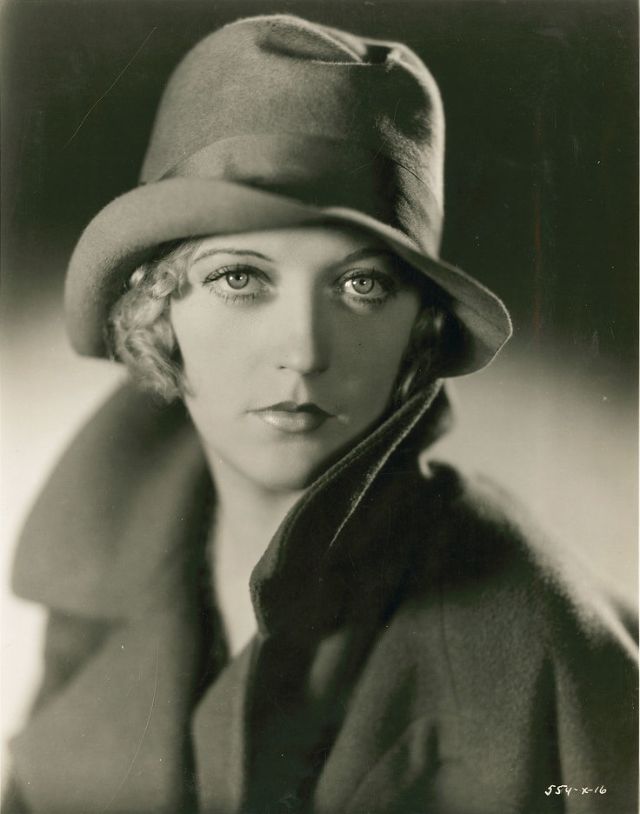
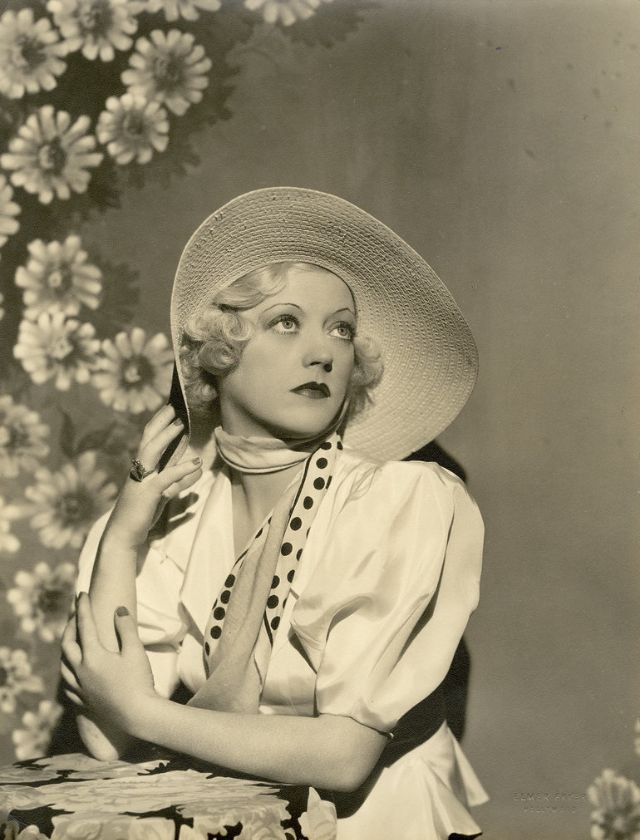
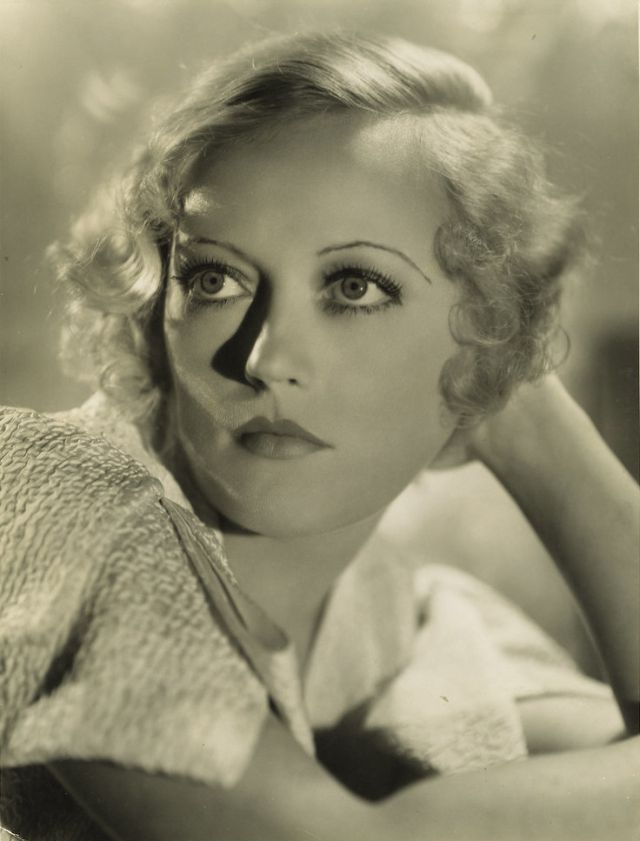
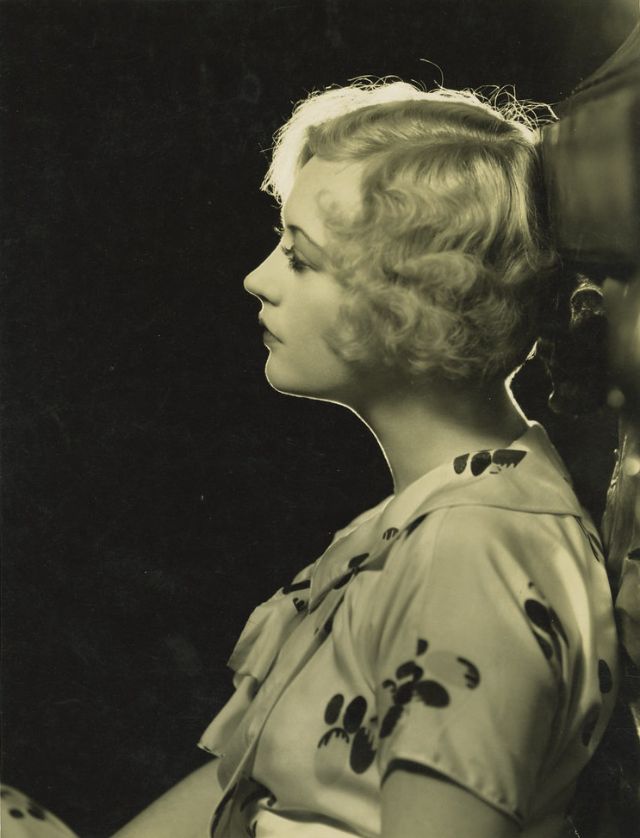
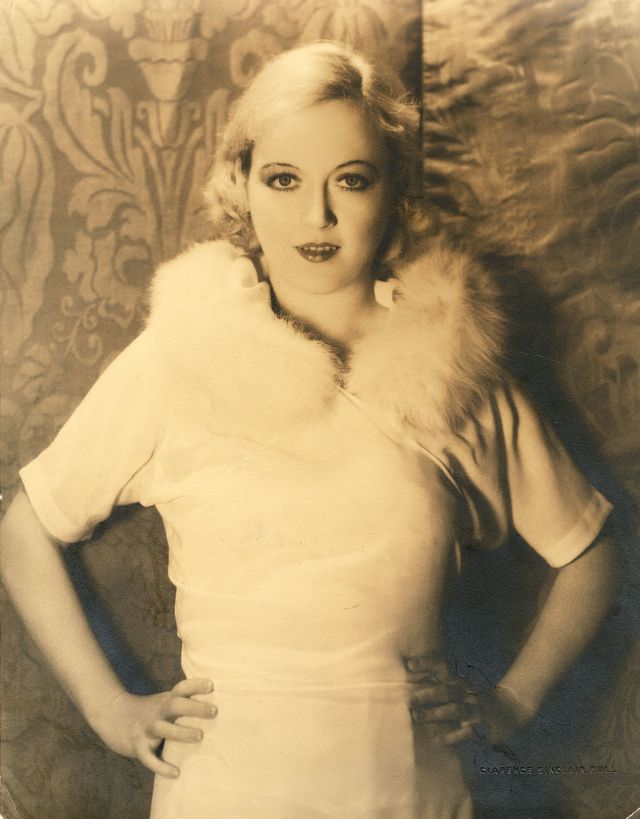
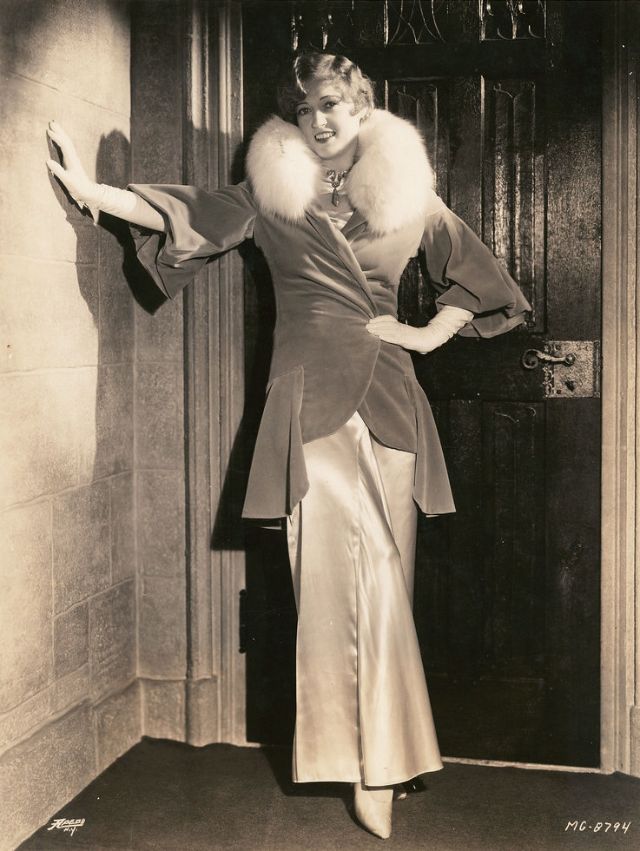
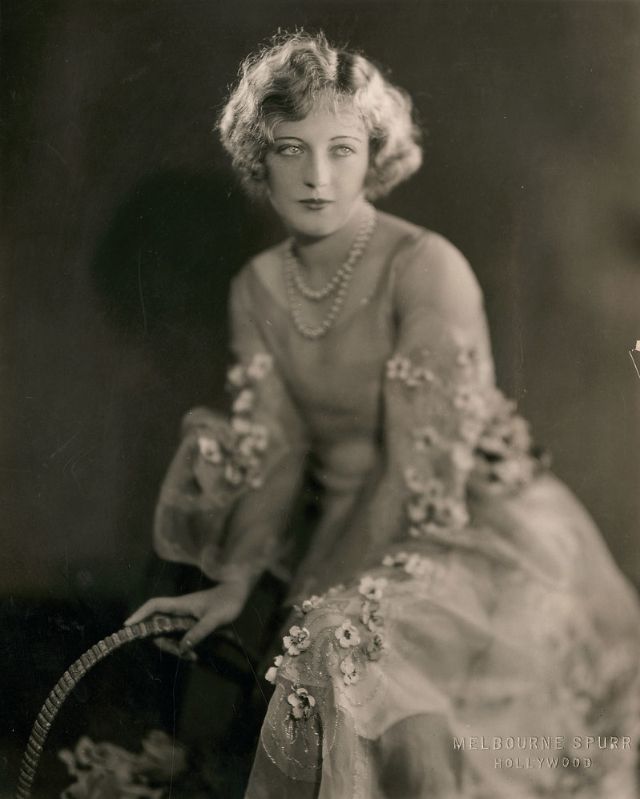
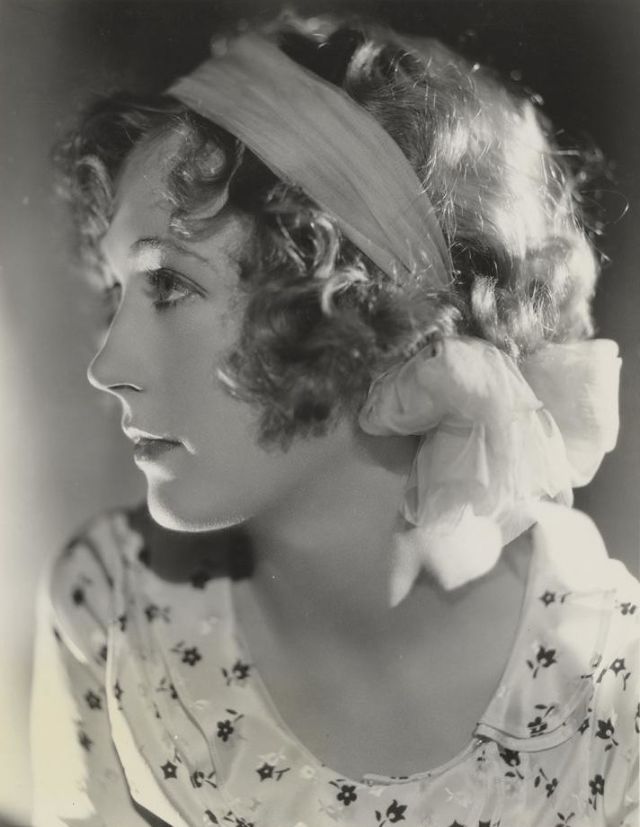
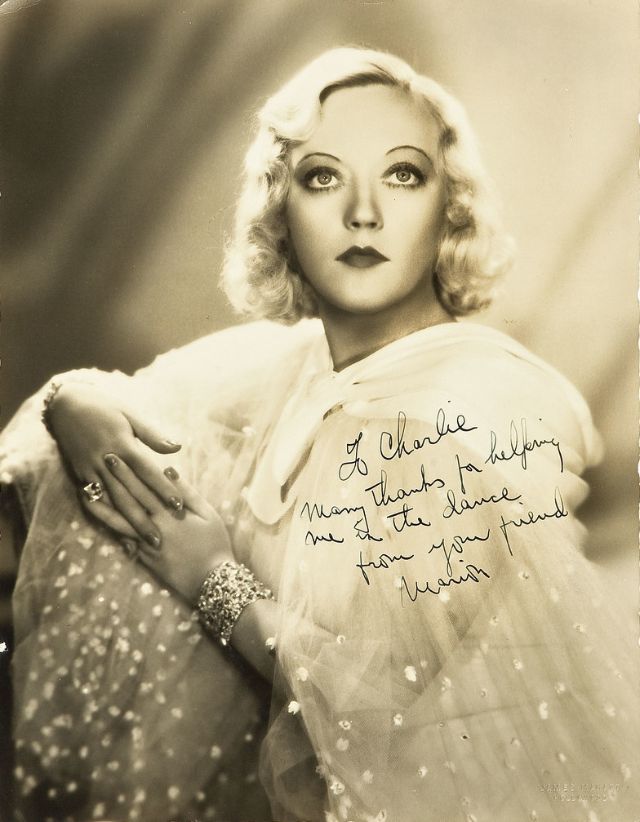
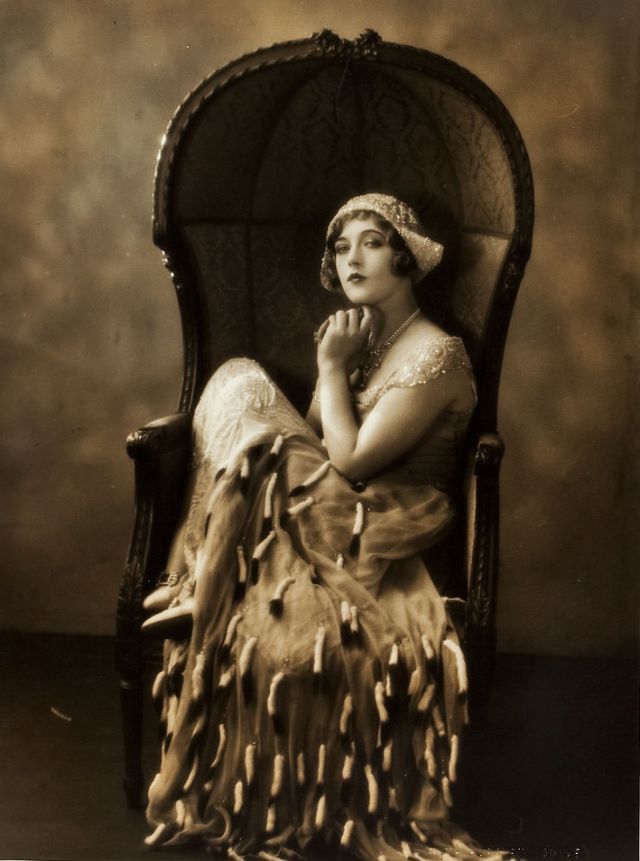
Marion Cecilia Davies (born Marion Cecilia Douras;[a] January 3, 1897 – September 22, 1961) was an American actress, producer, screenwriter, and philanthropist. Educated in a religious convent, Davies fled the school to pursue a career as a chorus girl. As a teenager, she appeared in several Broadway musicals and one film, Runaway Romany (1917). She soon became a featured performer in the Ziegfeld Follies. While performing in the 1916 Follies, the nineteen-year-old Marion met the fifty-three-year-old newspaper tycoon, William Randolph Hearst, and became his mistress. Hearst took over management of Davies’ career and promoted her as a motion picture actress. Hearst financed Davies’ pictures and promoted her career extensively in his newspapers and Hearst newsreels. He founded Cosmopolitan Pictures to produce her films. By 1924, Davies was the number one female box office star in Hollywood because of the popularity of When Knighthood Was in Flower and Little Old New York, which were among the biggest box-office hits of their respective years. During the zenith of the Jazz Age, Davies became renowned as the hostess of lavish soirees for Hollywood actors and political elites. However, in 1924, her name became linked with scandal when film producer Thomas Ince died at a party aboard Hearst’s yacht.
Following the decline of her film career during the Great Depression, Davies struggled with alcoholism. She retired from the screen in 1937 to devote herself to an ailing Hearst and charitable work. In Hearst’s declining years, Davies remained his steadfast companion until his death in 1951. Eleven weeks after Hearst’s death, she married sea captain Horace Brown. Their marriage lasted until Davies’ death at 64 from malignant osteomyelitis (bone cancer) of the jaw in 1961.
By the time of her death, her popular association with the character of Susan Alexander Kane in the film Citizen Kane (1941) already overshadowed Davies’ legacy as a talented actress. The title character’s second wife—an untalented singer whom he tries to promote—was widely assumed to be based upon Davies. However, many commentators, including writer-director Orson Welles, defended Davies’ record as a gifted actress and comedienne to whom Hearst’s patronage did more harm than good. In his final years, Welles attempted to correct the widespread misconceptions the film had created about Davies’ popularity and talents as an actress.