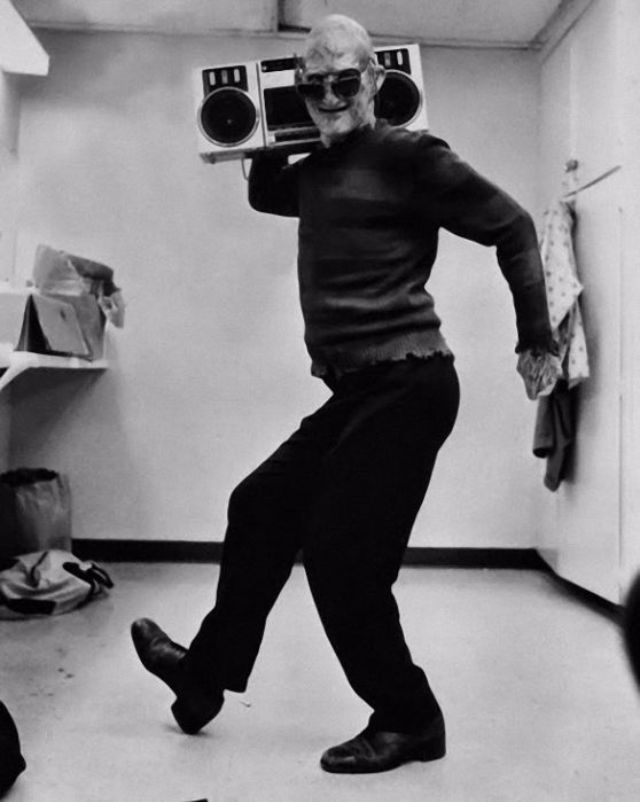
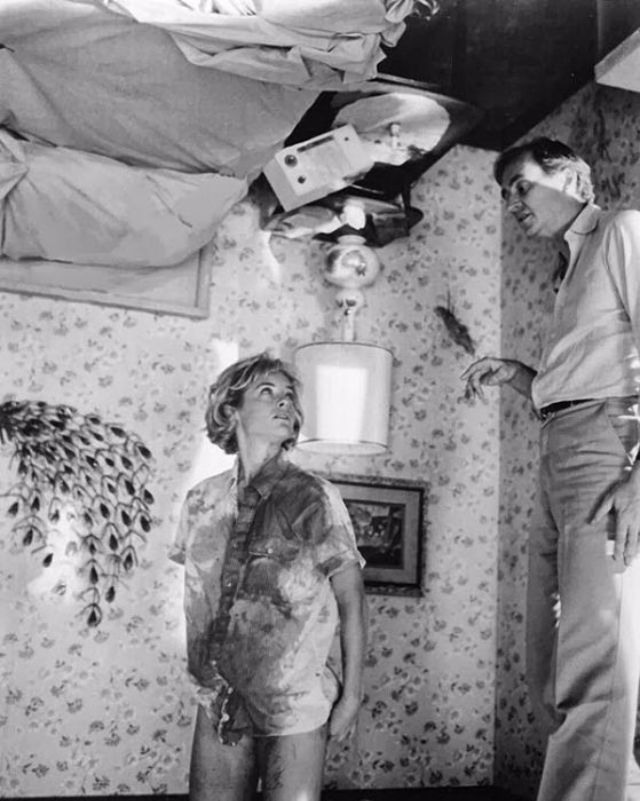
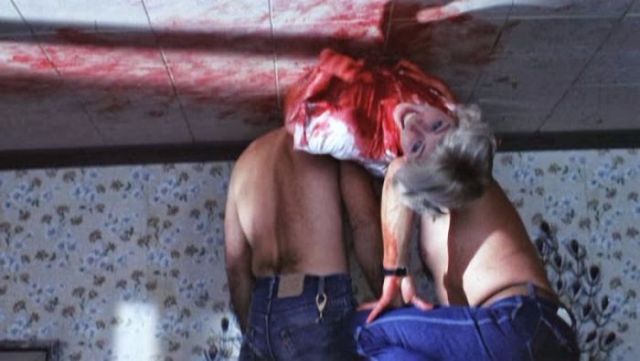
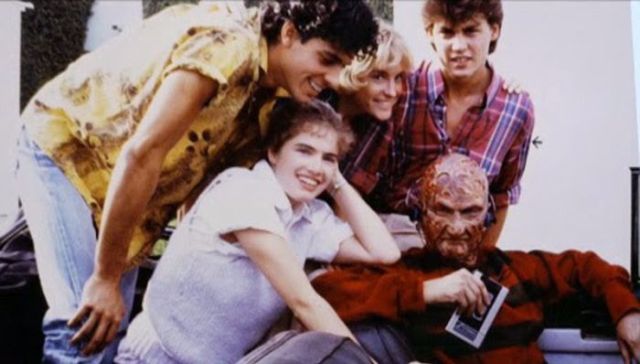
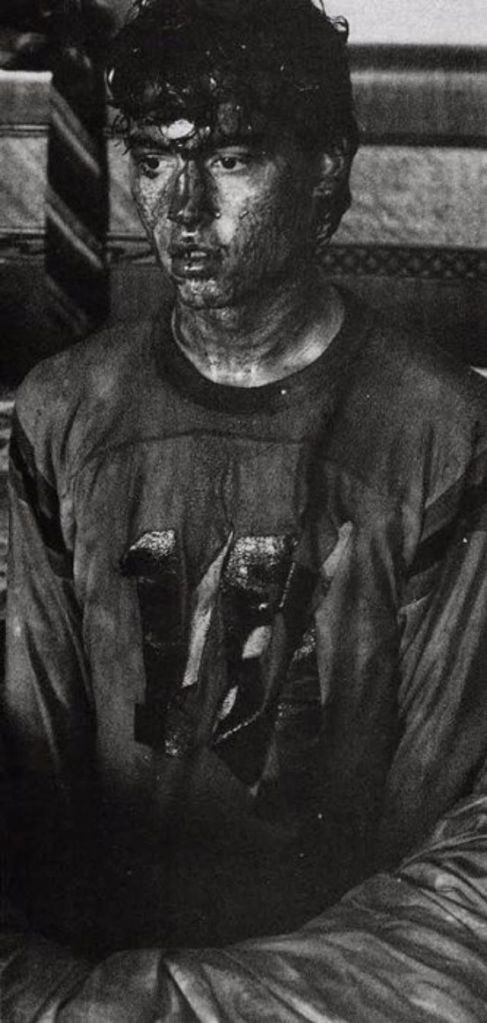
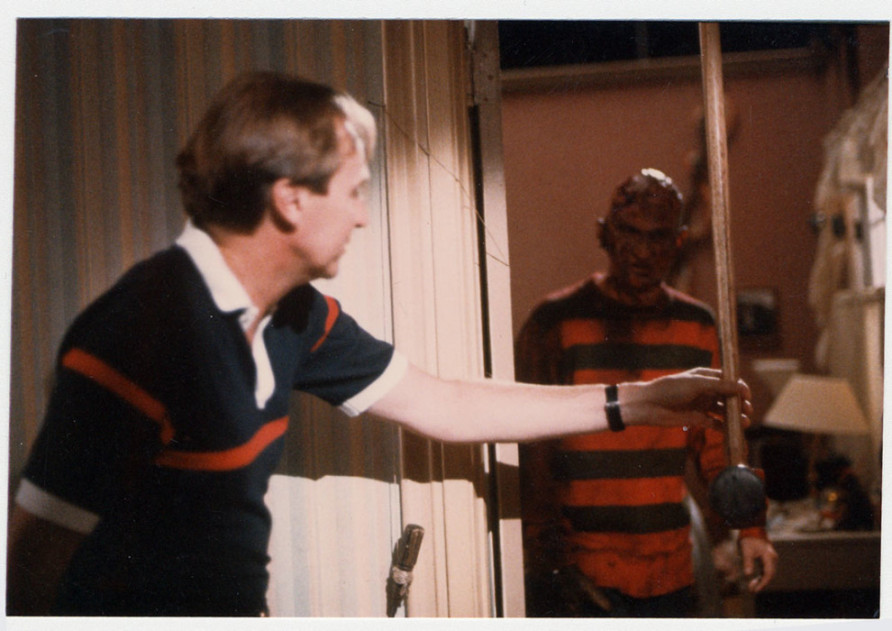
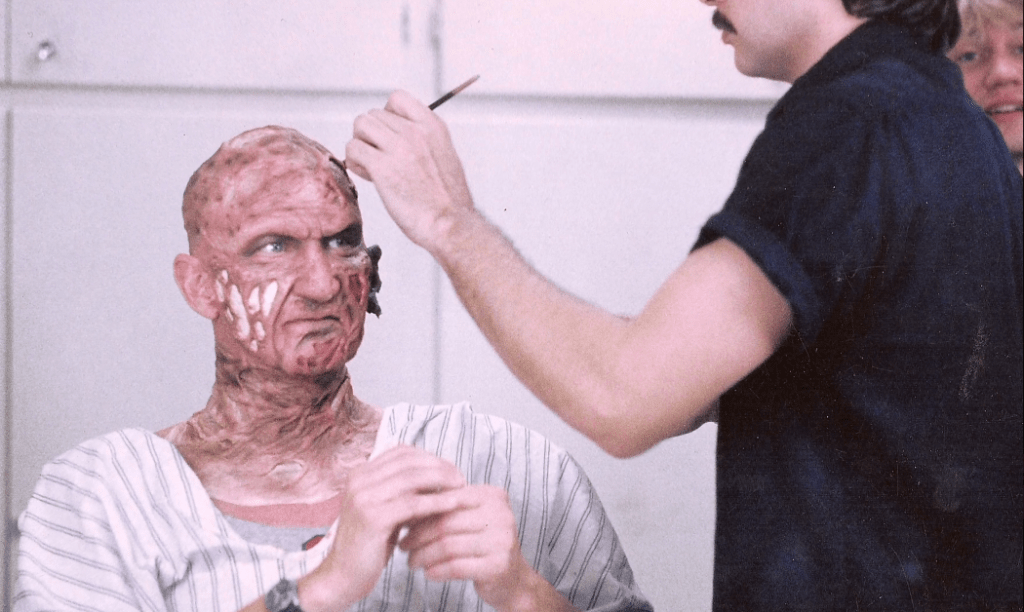
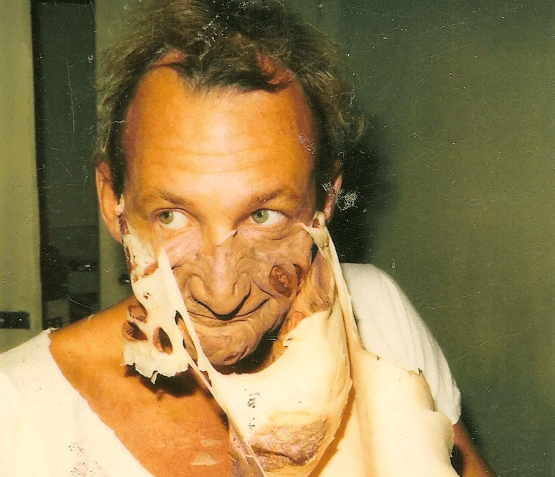
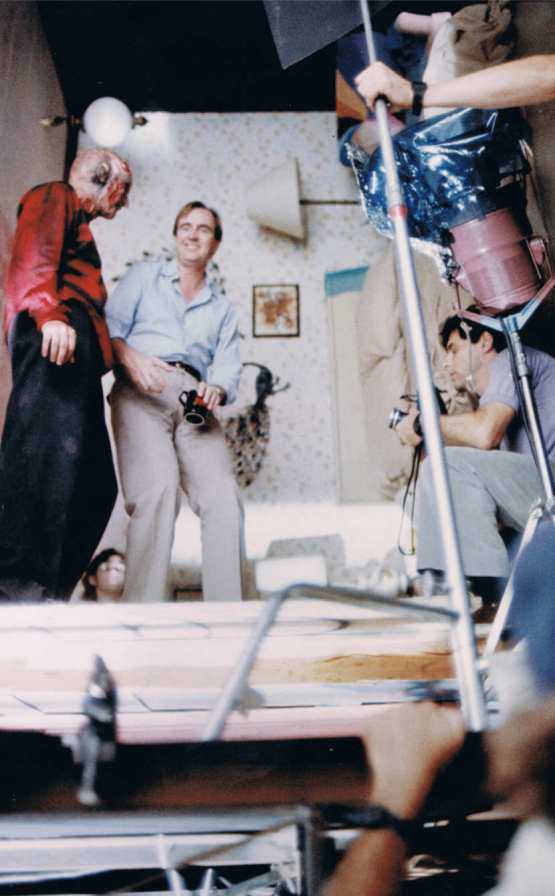
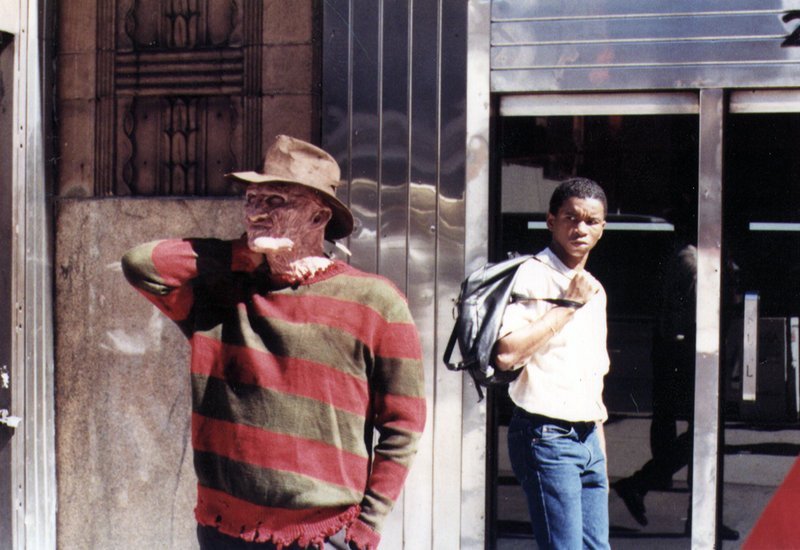
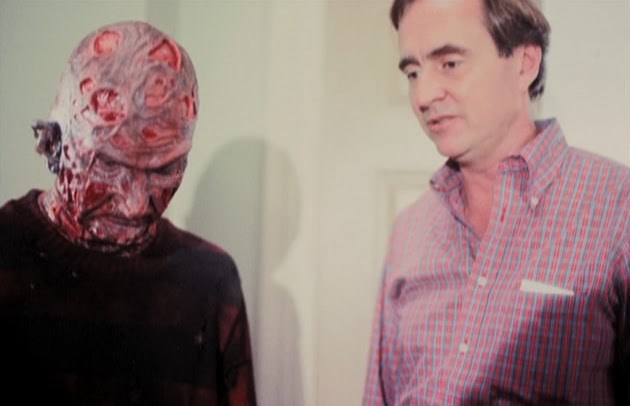
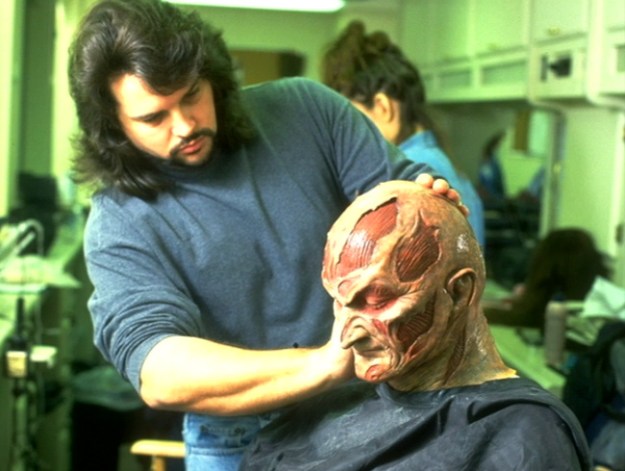
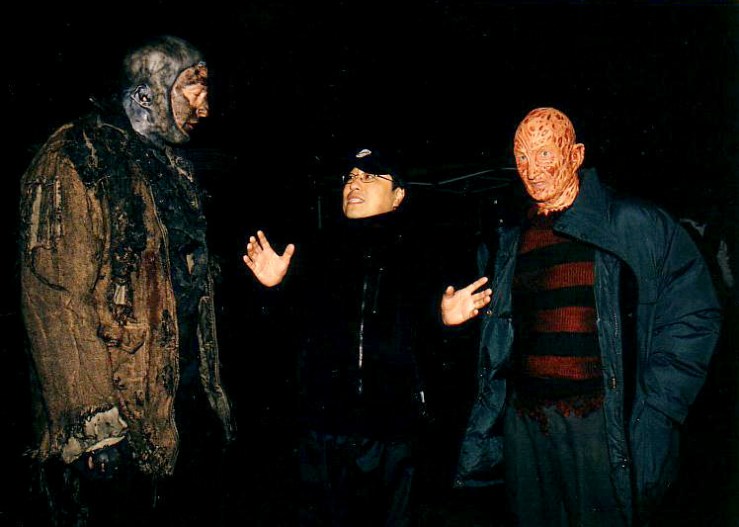
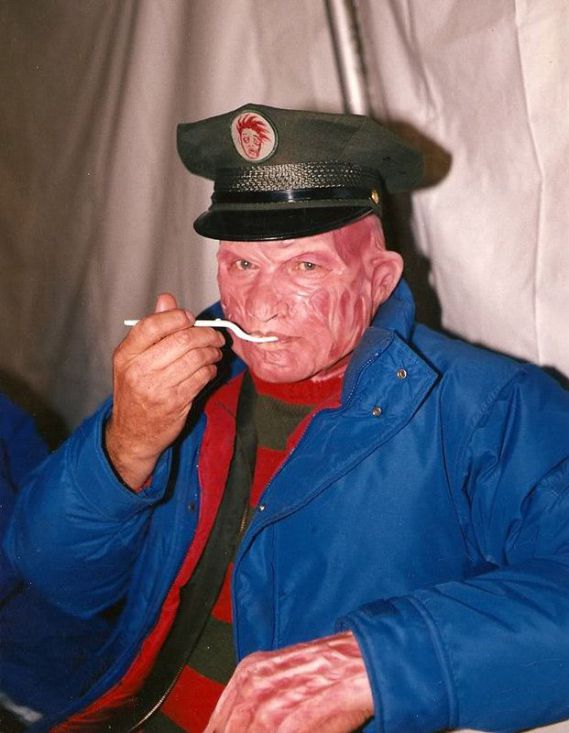
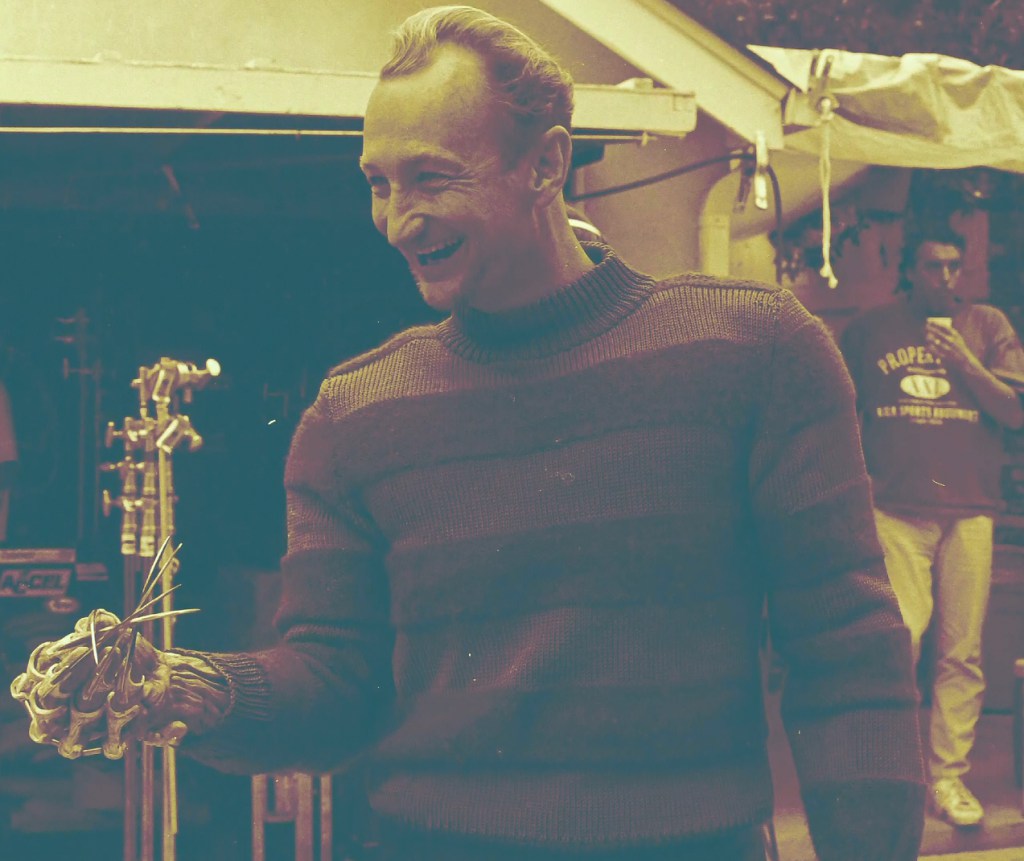
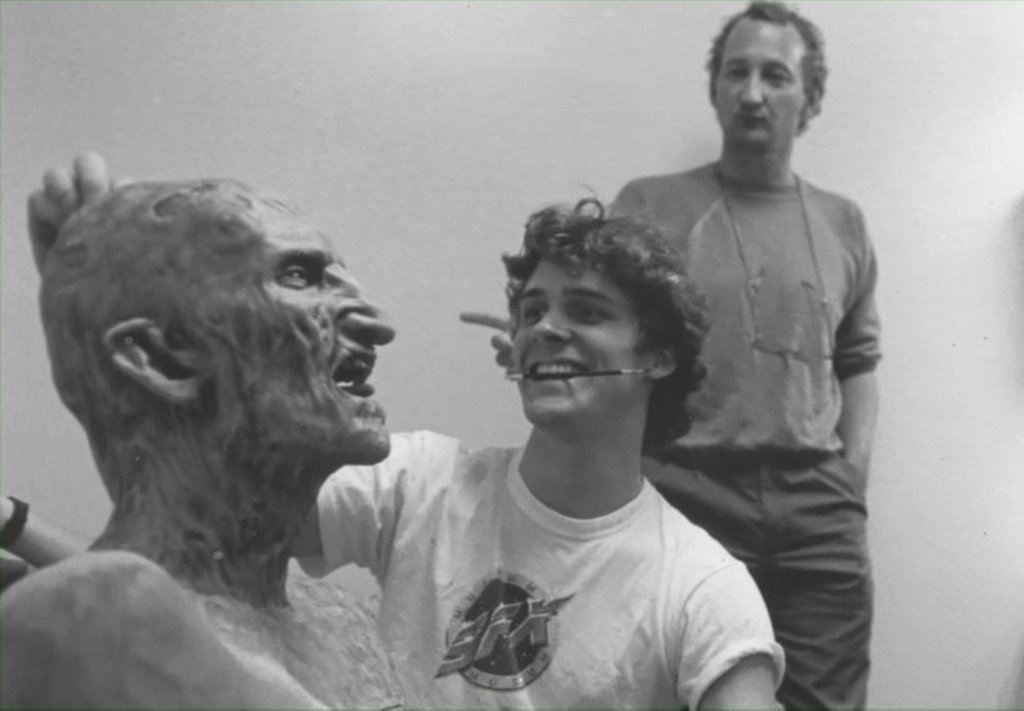
A Nightmare on Elm Street is a 1984 American slasher film written and directed by Wes Craven. The film stars Heather Langenkamp, John Saxon, Ronee Blakley, Amanda Wyss, Jsu Garcia, Robert Englund, and Johnny Depp in his feature film debut. Set in the fictional Midwestern town of Springwood, Ohio, the plot revolves around several teenagers who are stalked and killed in their dreams (and thus killed in reality) by Freddy Krueger. The teenagers are unaware of the cause of this strange phenomenon, but their parents hold a dark secret from long ago.
The film is credited with carrying on many tropes found in low-budget horror films of the 1970s and 1980s, originating in John Carpenter’s 1978 horror film Halloween, including the morality play that revolves around sexual promiscuity in teenagers resulting in their eventual death, leading to the term “slasher film”.
A Nightmare on Elm Street contains many biographical elements, taking inspiration from director Wes Craven’s childhood. The basis of the film was inspired by several newspaper articles printed in the LA Times in the 1970s on a group of Khmer refugees, who, after fleeing to the United States from the results of American bombing in Cambodia, were suffering disturbing nightmares, after which they refused to sleep.
A Nightmare on Elm Street (1984)
Credit: New Line Cinema/Courtesy Neal Peters Collection
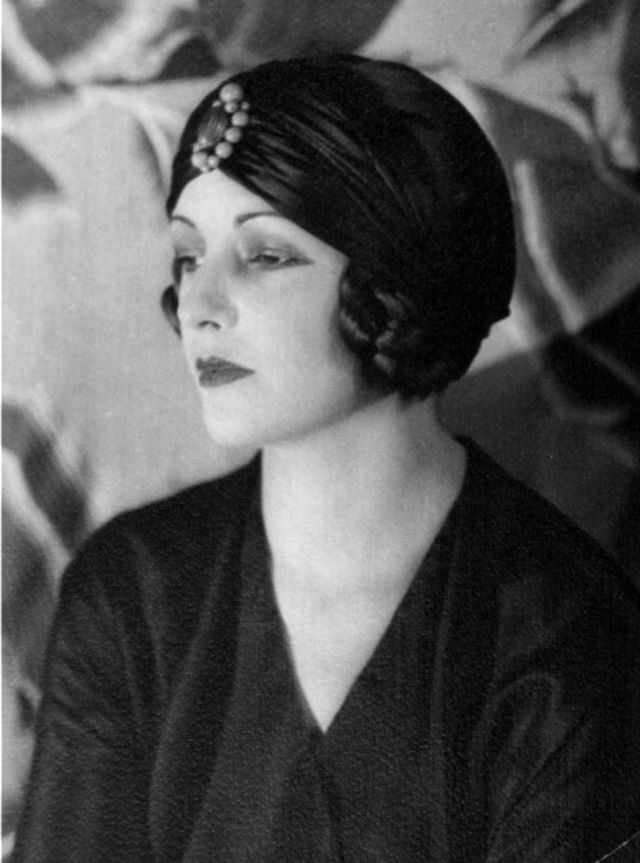
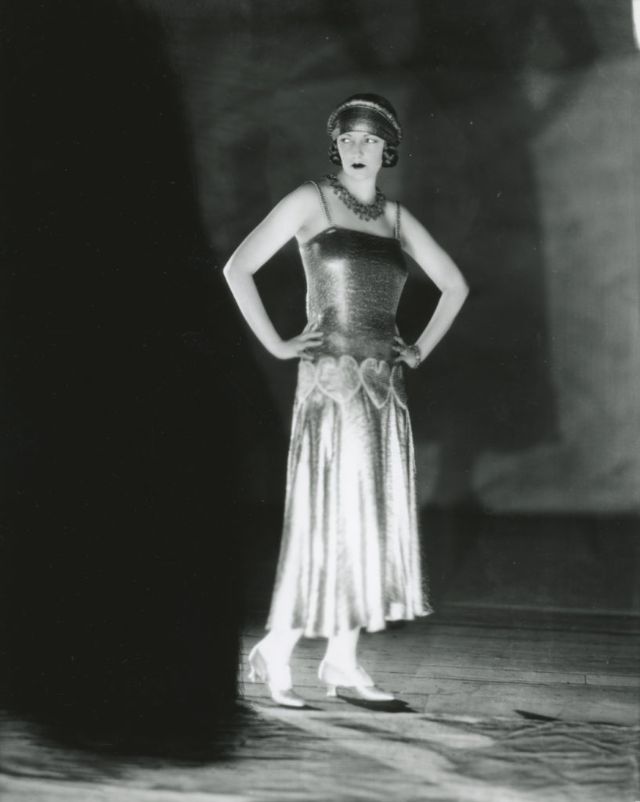
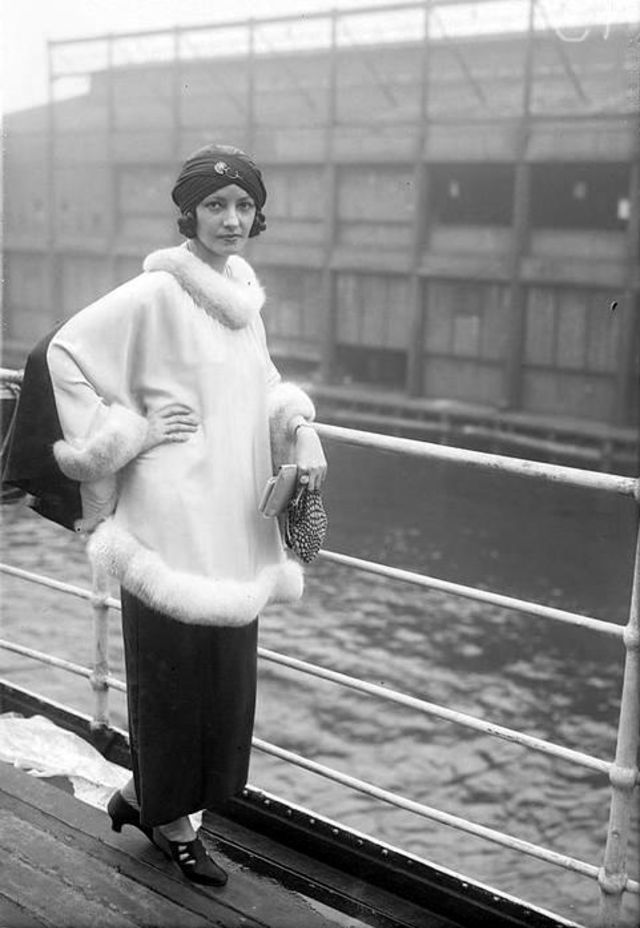
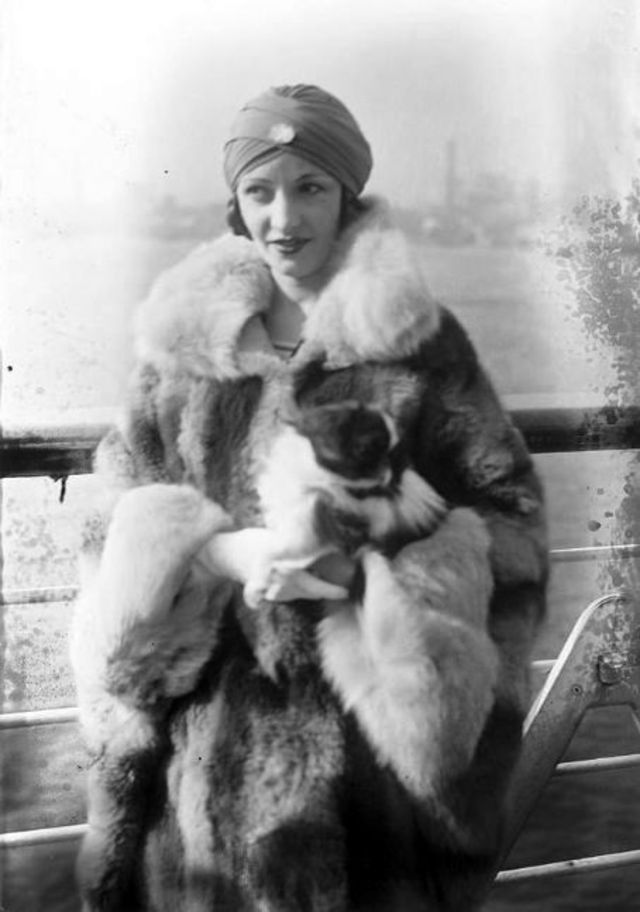
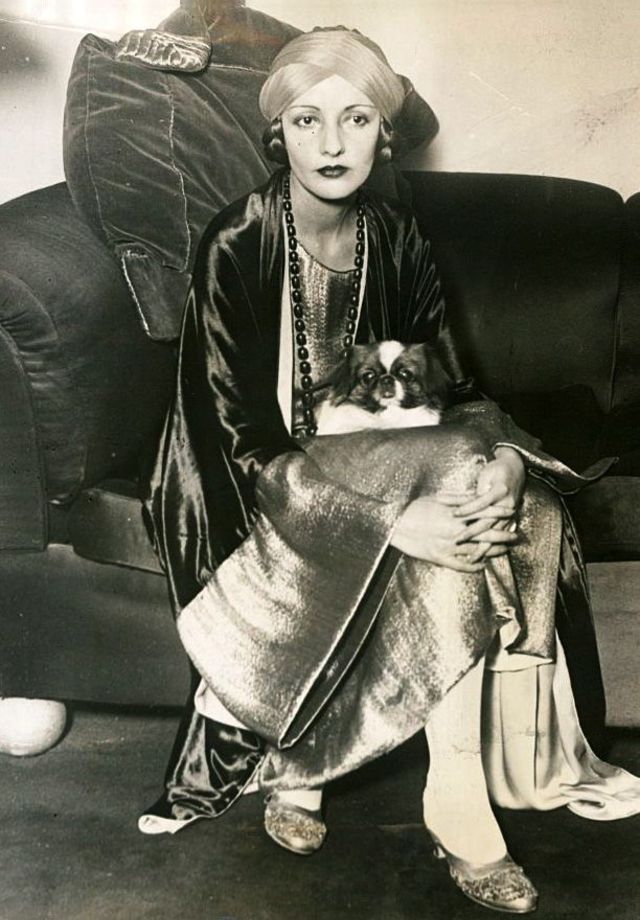
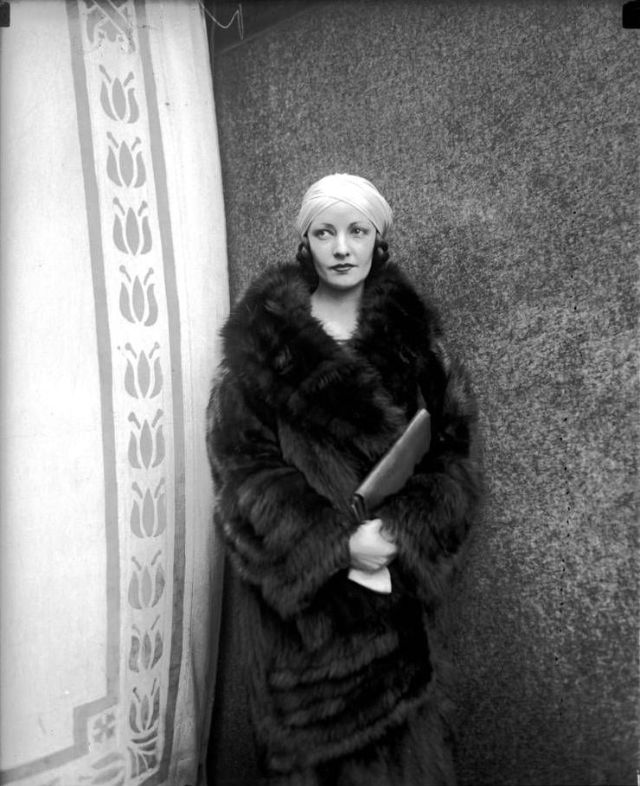
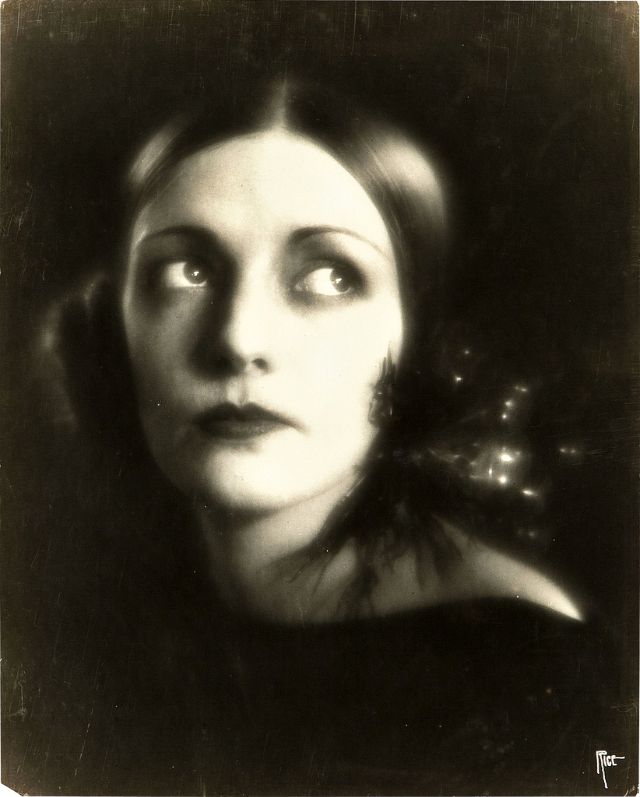
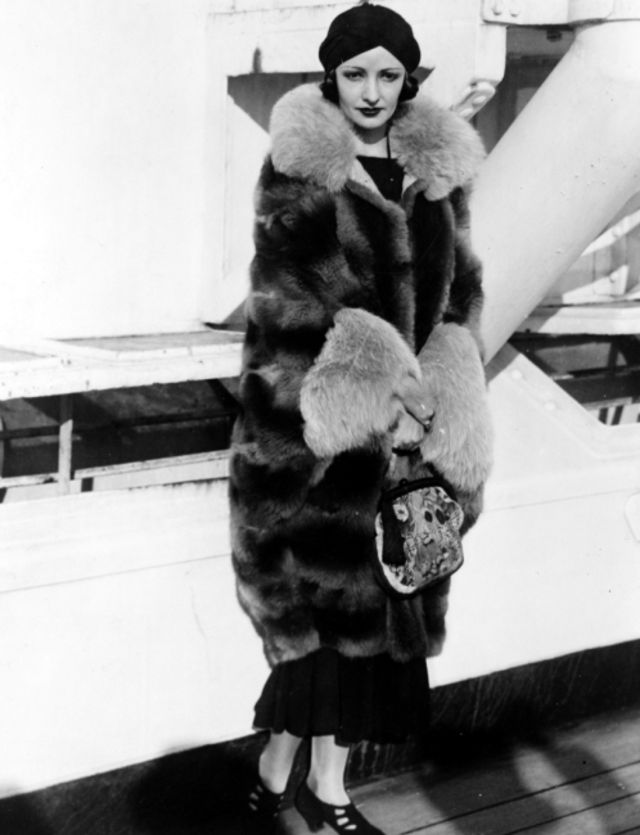
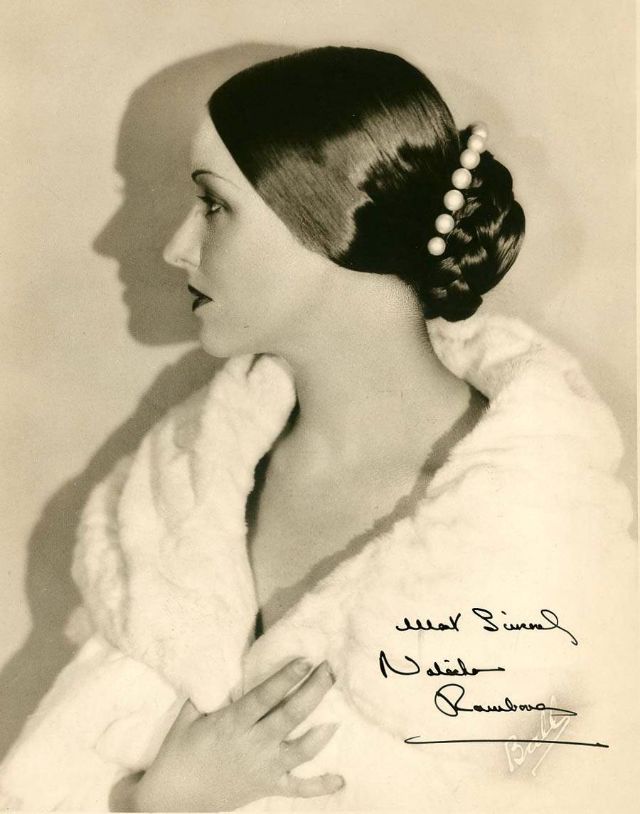
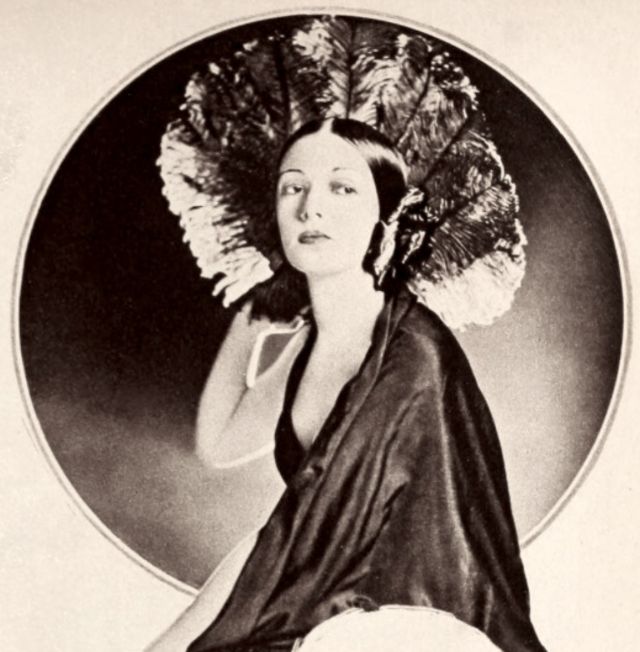
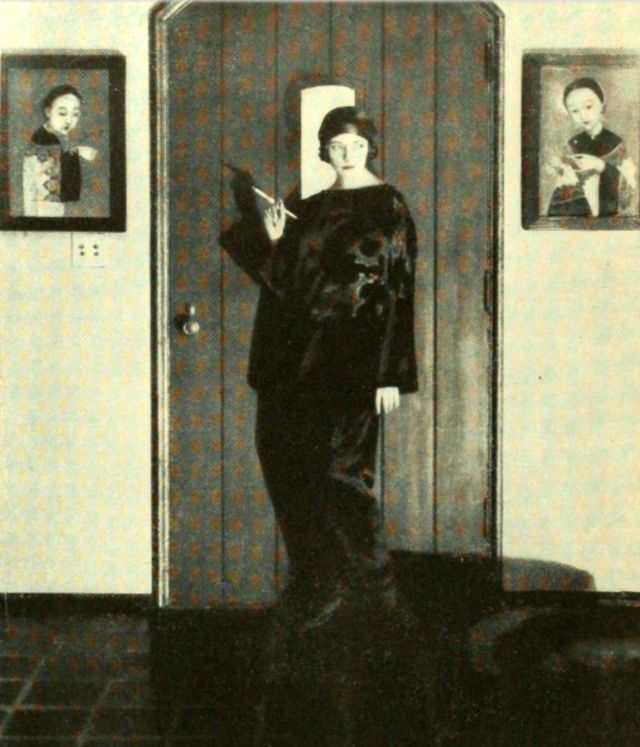
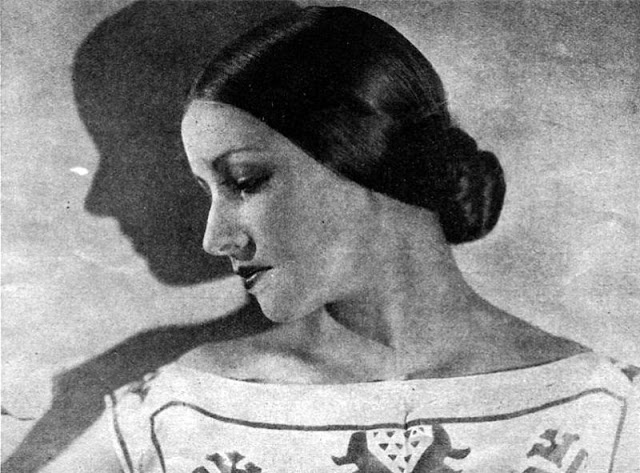
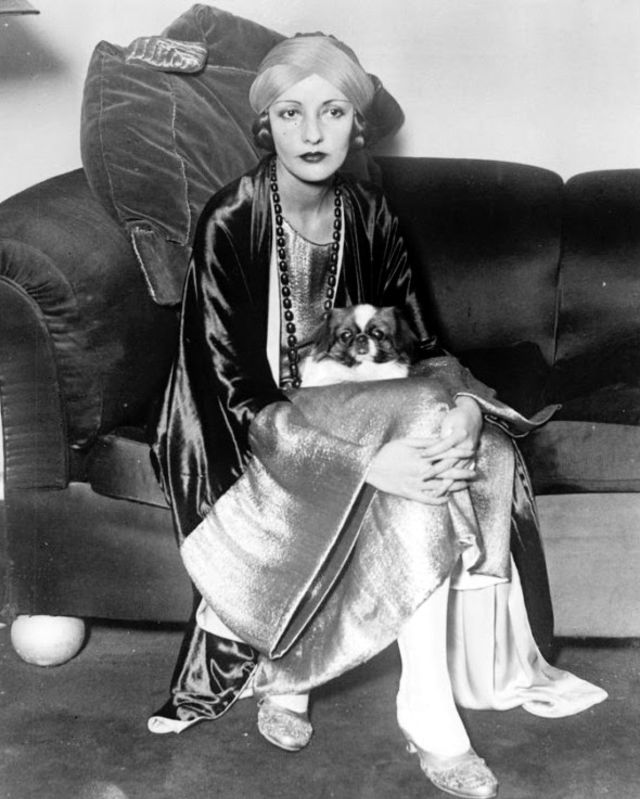
Natacha Rambova (born Winifred Kimball Shaughnessy; January 19, 1897 – June 5, 1966) was an American film costume designer, set designer, and occasional actress who was active in Hollywood in the 1920s. In her later life, she abandoned design to pursue other interests, specifically Egyptology, a subject on which she became a published scholar in the 1950s.
Rambova was born into a prominent family in Salt Lake City who were members of The Church of Jesus Christ of Latter-day Saints. She was raised in San Francisco and educated in England before beginning her career as a dancer, performing under Russian ballet choreographer Theodore Kosloff in New York City. She relocated to Los Angeles at age 19, where she became an established costume designer for Hollywood film productions. It was there she became acquainted with actor Rudolph Valentino, with whom she had a two-year marriage from 1923 to 1925. Rambova’s association with Valentino afforded her a widespread celebrity typically afforded to actors. Although they shared many interests such as art, poetry and spiritualism, his colleagues felt that she exercised too much control over his work and blamed her for several expensive career flops.
After divorcing Valentino in 1925, Rambova operated her own clothing store in Manhattan before moving to Europe and marrying the aristocrat Álvaro de Urzáiz in 1932. It was during this time that she visited Egypt and developed a fascination with the country that remained for the rest of her life. Rambova spent her later years studying Egyptology and earned two Mellon Grants to travel there and study Egyptian symbols and belief systems. She served as the editor of the first three volumes of Egyptian Religious Texts and Representations (1954–7) by Alexandre Piankoff, also contributing a chapter on symbology in the third volume. She died in 1966 in California of a heart attack while working on a manuscript examining patterns within the texts in the Pyramid of Unas.
Rambova has been noted by fashion and art historians for her unique costume designs that drew on and synthesized a variety of influences, as well as her dedication to historical accuracy in crafting them. Academics have also cited her interpretive contributions to the field of Egyptology as significant. In popular culture, Rambova has been depicted in several films and television series, figuring significantly in the Valentino biopics The Legend of Valentino (1975), in which she was portrayed by Yvette Mimieux, and Ken Russell’s Valentino (1977) by Michelle Phillips. She was also featured in a fictionalized narrative in the network series American Horror Story: Hotel (2015), portrayed by Alexandra Daddario.
World War I or the First World War, often abbreviated as WWI or WW1, was a global war originating in Europe that lasted from 28 July 1914 to 11 November 1918. Contemporaneously known as the Great War, the World War, and “the war to end all wars”, it led to the mobilisation of more than 70 million military personnel, including 60 million Europeans, making it one of the largest wars in history, and also one of the deadliest conflicts in history, with an estimated 8.5 million combatant deaths and 13 million civilian deaths as a direct result of the war. Resulting genocides and the related 1918 Spanish flu pandemic caused another 17–100 million deaths worldwide, including an estimated 2.64 million Spanish flu deaths in Europe and as many as 675,000 in the United States.
On 28 June 1914, Gavrilo Princip, a Bosnian Serb Yugoslav nationalist and member of the Serbian Black Hand military society, assassinated the Austro-Hungarian heir Archduke Franz Ferdinand in Sarajevo, leading to the July Crisis. In response, Austria-Hungary issued an ultimatum to Serbia on 23 July. Serbia’s reply failed to satisfy the Austrians, and the two moved to a war footing. A network of interlocking alliances enlarged the crisis from a bilateral issue in the Balkans to one involving most of Europe. By July 1914, the great powers of Europe were divided into two coalitions: the Triple Entente, consisting of France, Russia, and Britain; and the preestablished Triple Alliance of Germany, Austria-Hungary, and Italy. The Triple Alliance was only defensive in nature, allowing Italy to stay out of the war until 26 April 1915, when it joined the Allied Powers after its relations with Austria-Hungary deteriorated. Russia felt it necessary to back Serbia, and approved partial mobilisation after Austria-Hungary shelled the Serbian capital of Belgrade, which was a few kilometres from the border, on 28 July 1914. Full Russian mobilisation was announced on the evening of 30 July; the following day, Austria-Hungary and Germany did the same, while Germany demanded Russia demobilise within twelve hours. When Russia failed to comply, Germany declared war on Russia on 1 August 1914 in support of Austria-Hungary, the latter following suit on 6 August 1914. France ordered full mobilisation in support of Russia on 2 August 1914. In the end, World War I would see the continent of Europe split into two major opposing alliances; the Allied Powers, primarily composed of the United Kingdom of Great Britain and Ireland, the United States, France, the Russian Empire, Italy, Japan, Portugal, Greece, Serbia and Montenegro; and the Central Powers, primarily composed of the German Empire, the Austro-Hungarian Empire, the Ottoman Empire and Bulgaria.
Germany’s strategy for a war on two fronts against France and Russia was to rapidly concentrate the bulk of its army in the West to defeat France within 6 weeks, then shift forces to the East before Russia could fully mobilise; this was later known as the Schlieffen Plan. On 2 August, Germany demanded free passage through Belgium, an essential element in achieving a quick victory over France. When this was refused, German forces invaded Belgium on 3 August and declared war on France the same day; the Belgian government invoked the 1839 Treaty of London and, in compliance with its obligations under this treaty, Britain declared war on Germany on 4 August. On 12 August, Britain and France also declared war on Austria-Hungary; on 23 August, Japan sided with Britain, seizing German possessions in China and the Pacific. In November 1914, the Ottoman Empire entered the war on the side of Austria-Hungary and Germany, opening fronts in the Caucasus, Mesopotamia, and the Sinai Peninsula. The war was fought in (and drew upon) each power’s colonial empire also, spreading the conflict to Africa and across the globe.
The German advance into France was halted at the Battle of the Marne and by the end of 1914, the Western Front settled into a war of attrition, marked by a long series of trench lines that changed little until 1917 (the Eastern Front, by contrast, was marked by much greater exchanges of territory). In 1915, Italy joined the Allied Powers and opened a front in the Alps. Bulgaria joined the Central Powers in 1915 and Greece joined the Allies in 1917, expanding the war in the Balkans. The United States initially remained neutral, though even while neutral it became an important supplier of war materiel to the Allies. Eventually, after the sinking of American merchant ships by German submarines, the declaration by Germany that its navy would resume unrestricted attacks on neutral shipping, and the revelation that Germany was trying to incite Mexico to initiate war against the United States, the U.S. declared war on Germany on 6 April 1917. Trained American forces did not begin arriving at the front in large numbers until mid-1918, but the American Expeditionary Force ultimately reached some two million troops.
Though Serbia was defeated in 1915, and Romania joined the Allied Powers in 1916, only to be defeated in 1917, none of the great powers were knocked out of the war until 1918. The 1917 February Revolution in Russia replaced the Monarchy with the Provisional Government, but continuing discontent with the cost of the war led to the October Revolution, the creation of the Soviet Socialist Republic, and the signing of the Treaty of Brest-Litovsk by the new government in March 1918, ending Russia’s involvement in the war. Germany now controlled much of eastern Europe and transferred large numbers of combat troops to the Western Front. Using new tactics, the German March 1918 Offensive was initially successful. The Allies fell back and held. The last of the German reserves were exhausted as 10,000 fresh American troops arrived every day. The Allies drove the Germans back in their Hundred Days Offensive, a continual series of attacks to which the Germans had no countermove. One by one, the Central Powers quit: first Bulgaria (September 29), then the Ottoman Empire (October 31) and the Austro-Hungarian Empire (November 3). With its allies defeated, revolution at home, and the military no longer willing to fight, Kaiser Wilhelm abdicated on 9 November and Germany signed an armistice on 11 November 1918, ending the war.
World War I was a significant turning point in the political, cultural, economic, and social climate of the world. The war and its immediate aftermath sparked numerous revolutions and uprisings. The Big Four (Britain, France, the United States, and Italy) imposed their terms on the defeated powers in a series of treaties agreed at the 1919 Paris Peace Conference, the most well known being the Treaty of Versailles with Germany. Ultimately, as a result of the war, the Austro-Hungarian, German, Ottoman, and Russian Empires ceased to exist, and numerous new states were created from their remains. However, despite the conclusive Allied victory (and the creation of the League of Nations during the peace conference, intended to prevent future wars), a second world war followed just over twenty years later. (Wikipedia)
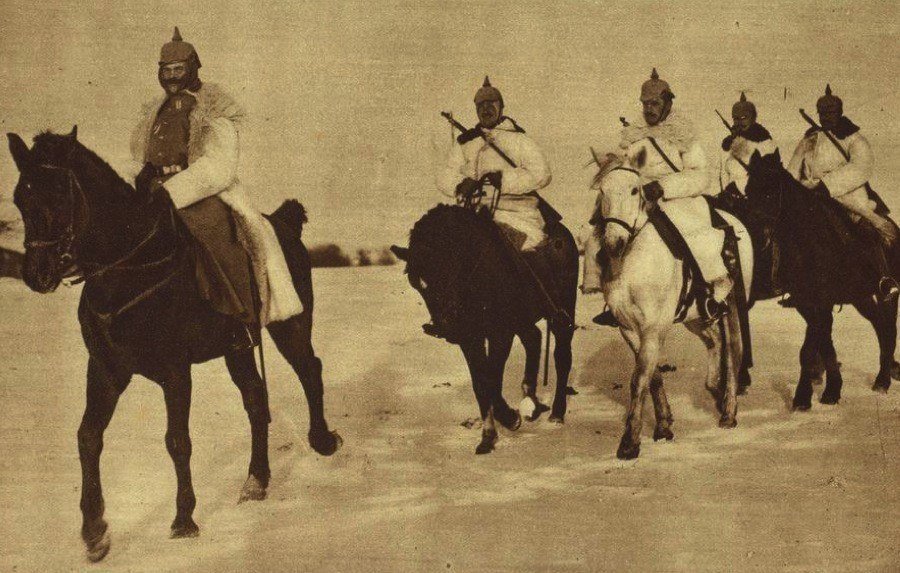
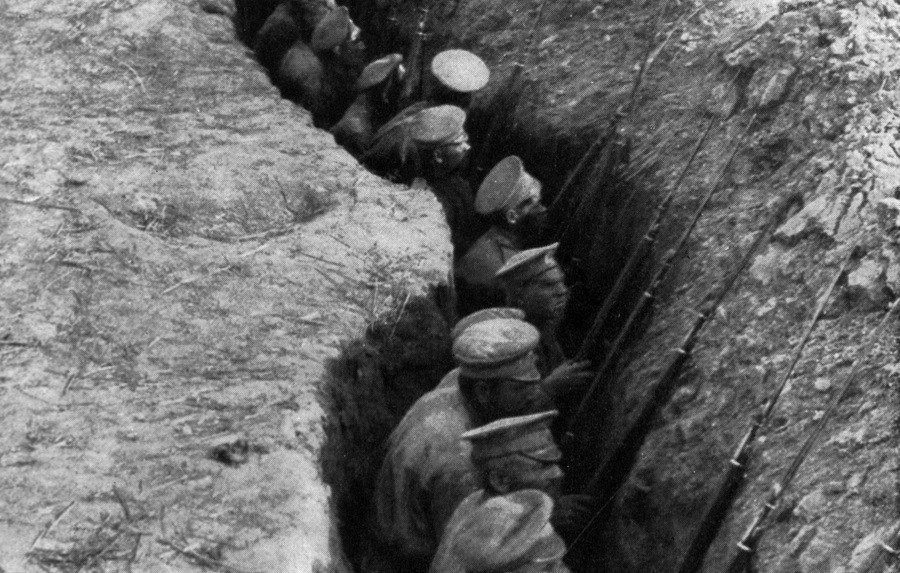
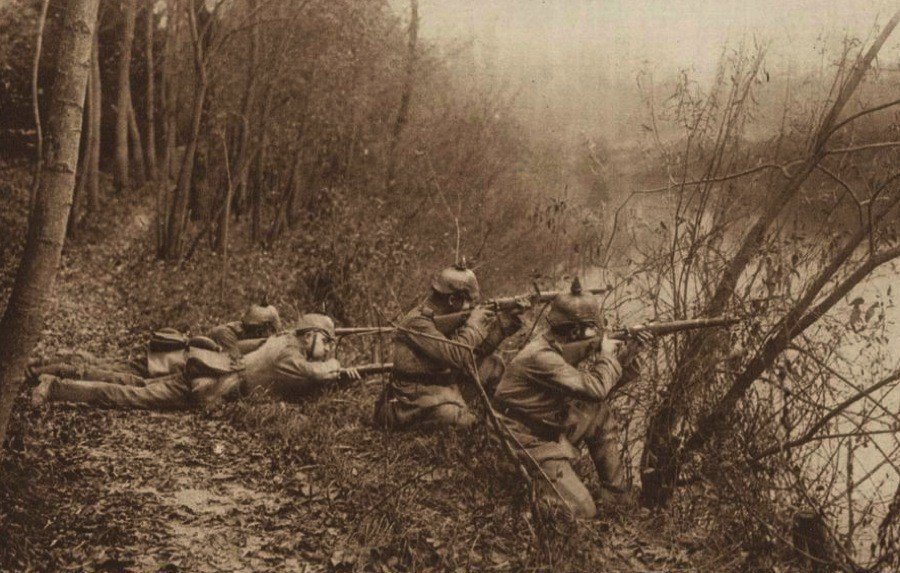
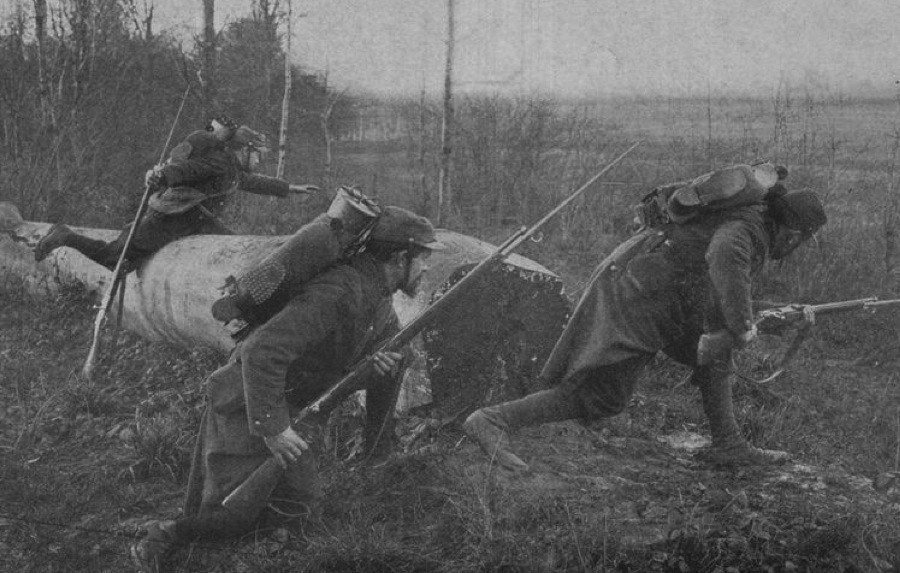
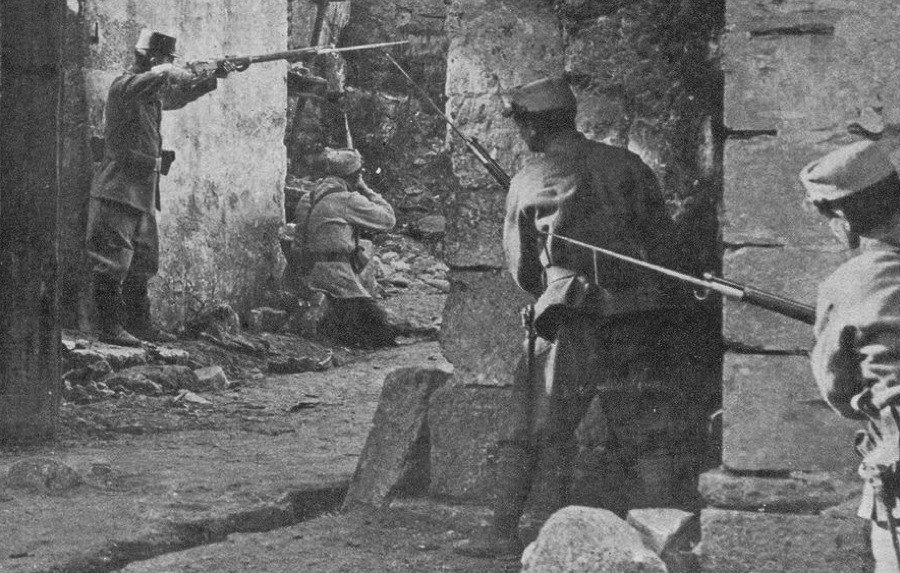
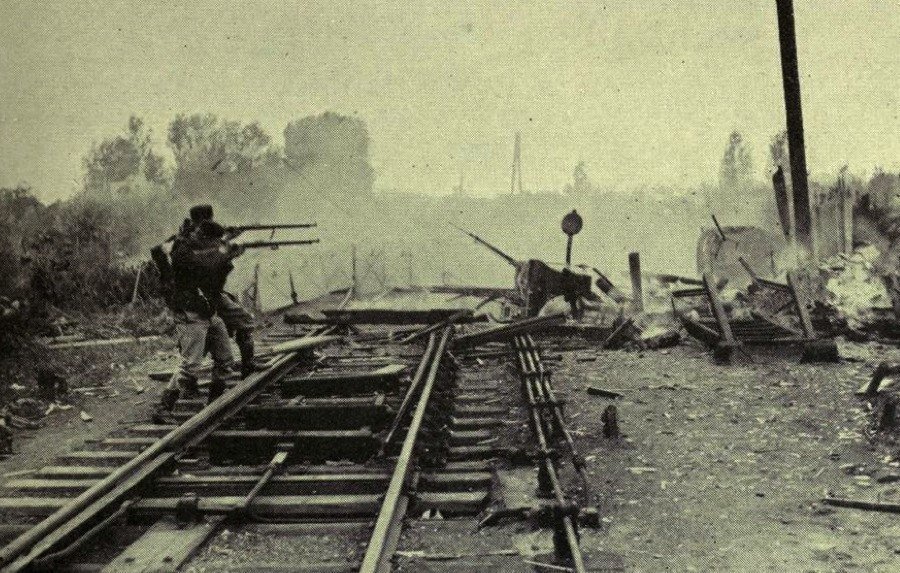
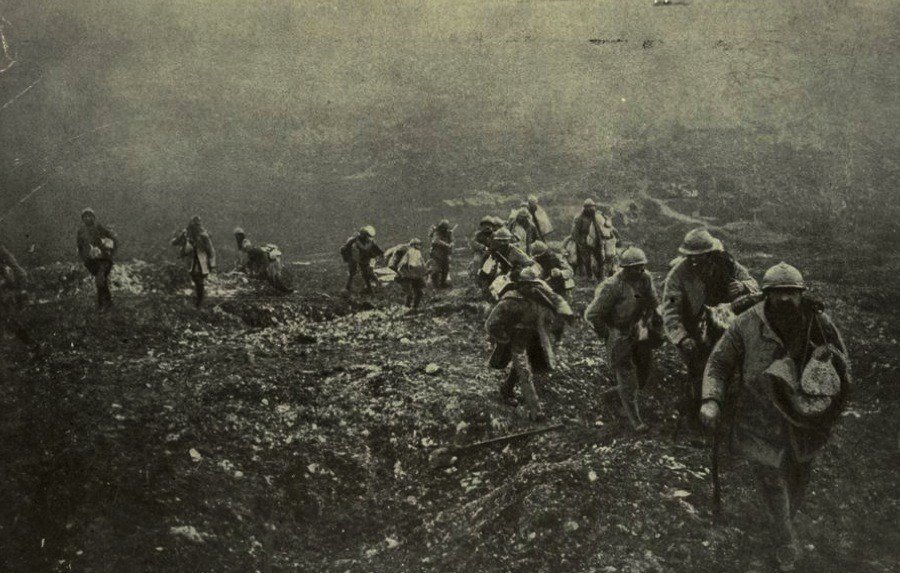
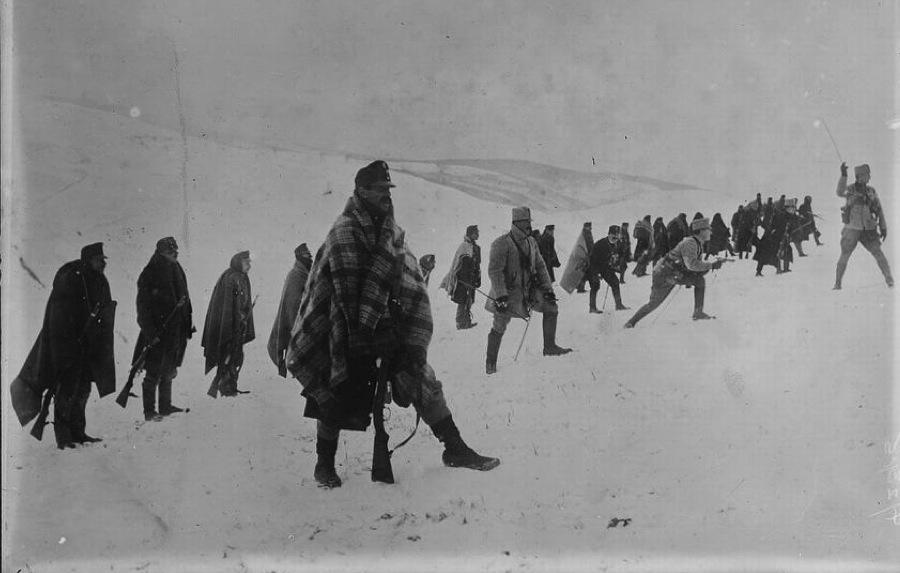
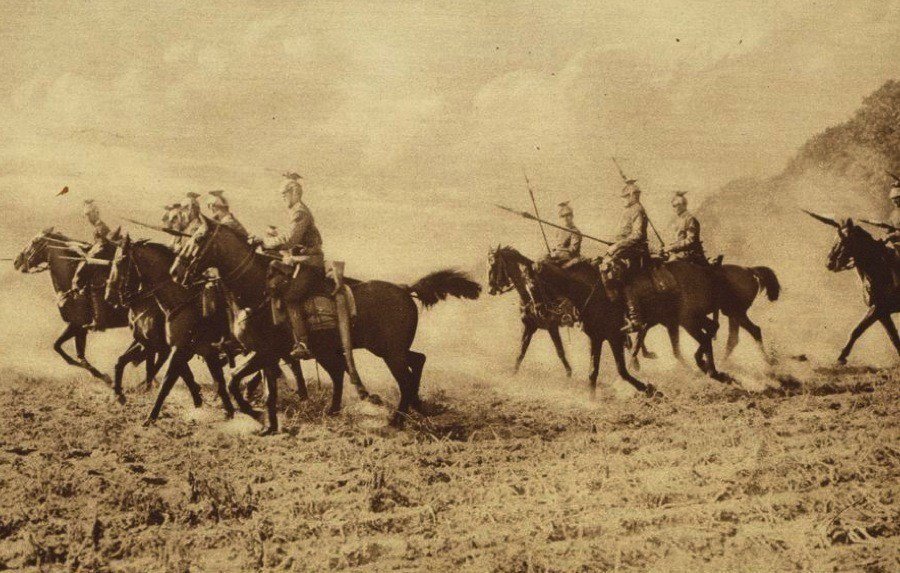
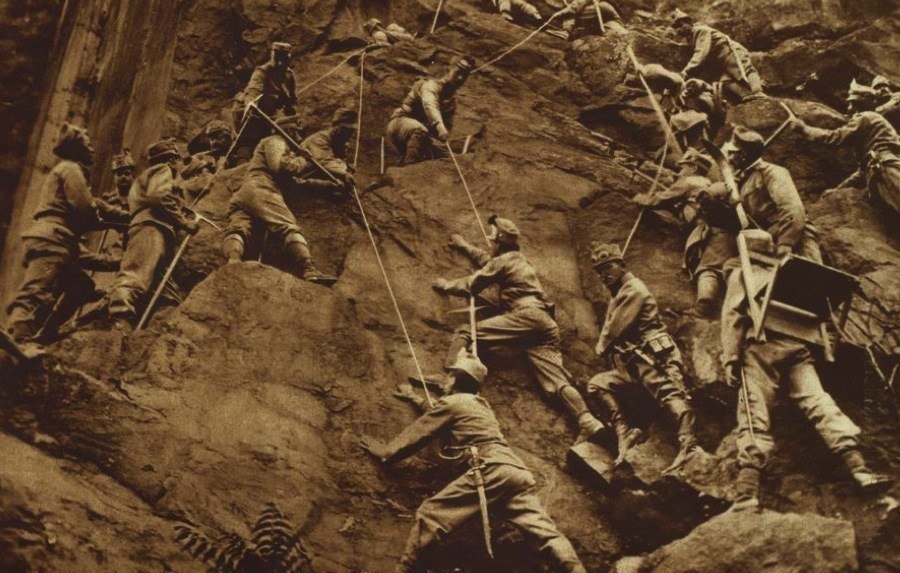
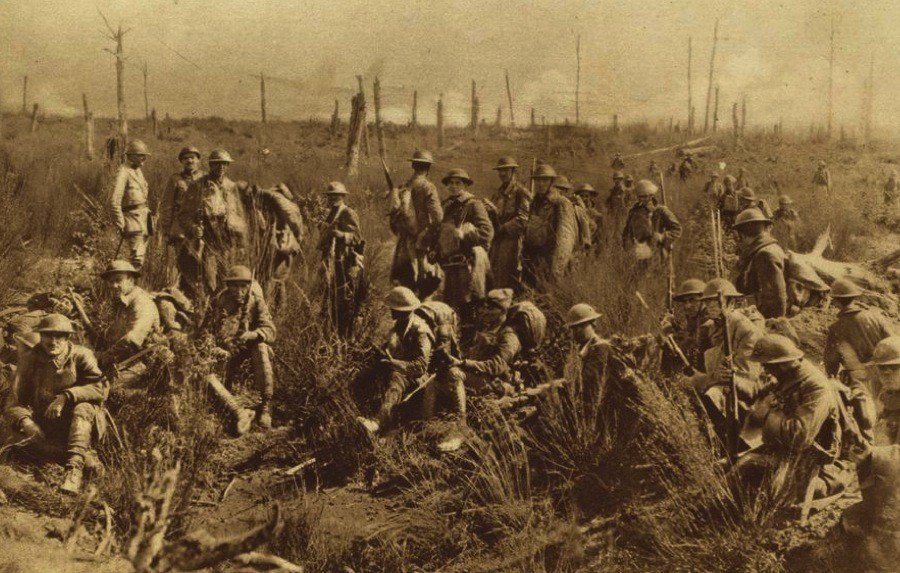
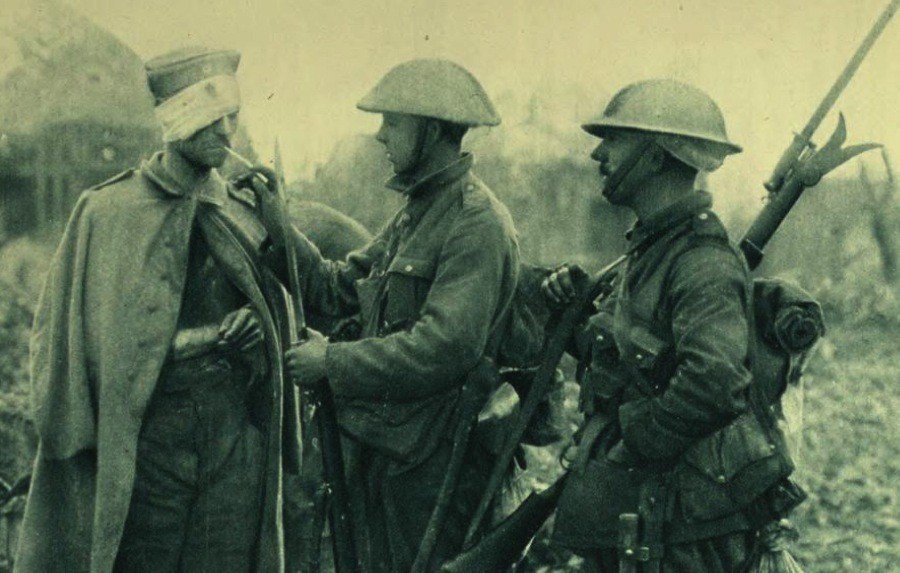
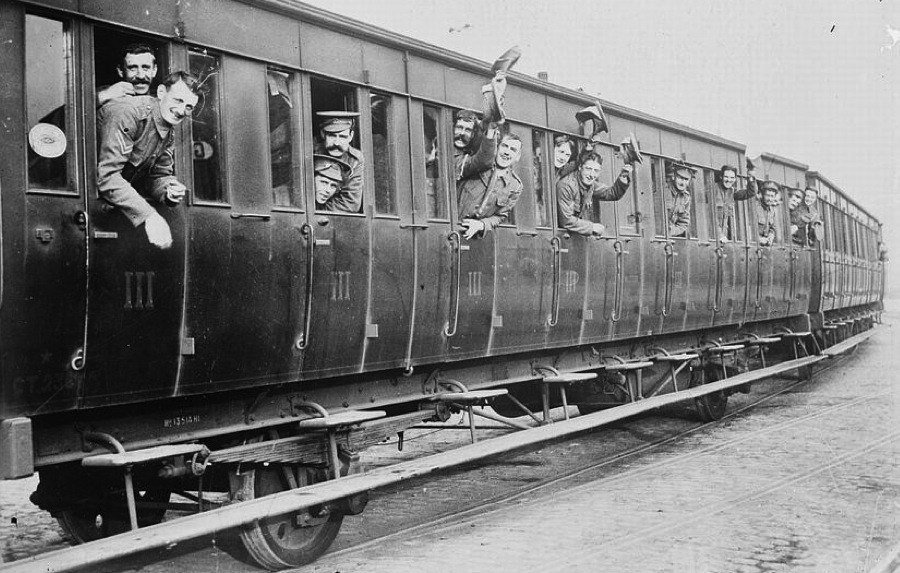
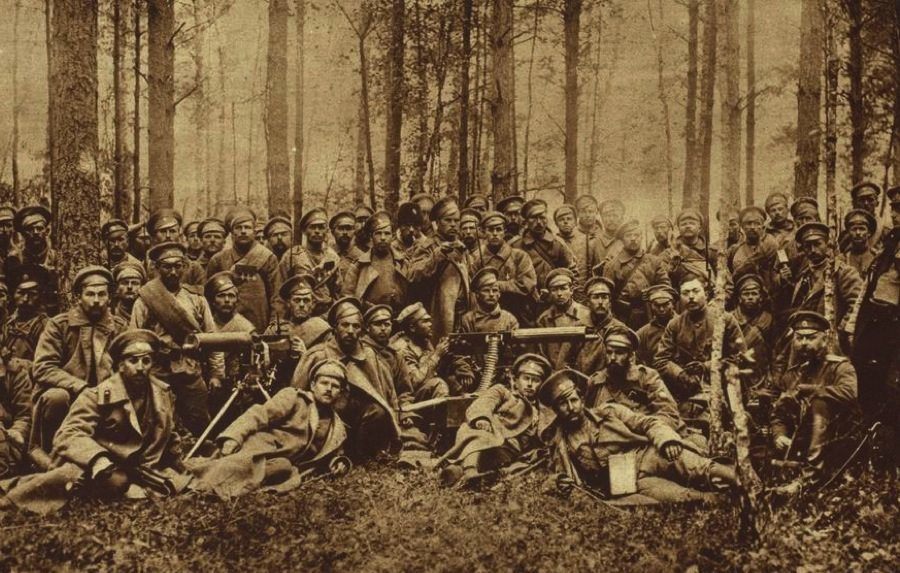
Austrian prisoners pose for a picture in Russia in 1915.Austro-Hungarian soldiers cross the Carpathian Mountains in Eastern Europe.German horsemen wearing heavy coats ride in Russia.Soldiers from The Royal Irish Rifles pose for a picture at the beginning of the 1916 Battle of the Somme, one of the war’s largest battles.Russian soldiers hunker down in a rearguard trench anticipating a German attack.German troops rest after a battle in eastern Prussia in 1914.Serbian riflemen stand ready in a hilltop trench.German troops smoke and read during a break in the fighting.A film crew captures the action on the Western Front in 1917.German soldiers fight on the banks of the Aisne River in northern France.French soldiers, wary of German fire nearby, cross a field near Arras, France, in 1915.French troops fight their way through a village in northeastern France in 1916.Belgian soldiers advance across the rubble.French infantry are on the march near Le Mort Homme.Bulgarian soldiers take fire from the Serbians as they cross a field.Austrian troops pause during their march across the Carpathian Mountains.Austrian soldiers execute unarmed Jugo-Slav prisoners.German cavalry ride through a field carrying spears.Soldiers from India rest along the road to Contalmaison in northern France.Austrian soldiers climb up a cliff.American soldiers pause for a rest in a smoldering field.An Italian sniper takes aim.British soldiers share a cigarette with a wounded German prisoner.British troops ride through France by train.Blinded by tear gas at the Battle of Estaires in 1918, these British troops stand in line at a medical station outside of Béthune, France.Two Scottish soldiers smile for the camera in 1915.In the face of defeat at the hands of the Germans, Russian troops throw down their rifles in Warsaw in 1917.Two British soldiers carry holly to cheer up their comrades during Christmas.Austrian soldiers gather around a railroad car and entertain themselves.A group of Russian infantrymen pose for a photo.In 1918, this photograph of a British officer standing in a trench was published in the New York Times.The Battle of Somme as seen from the trenches.
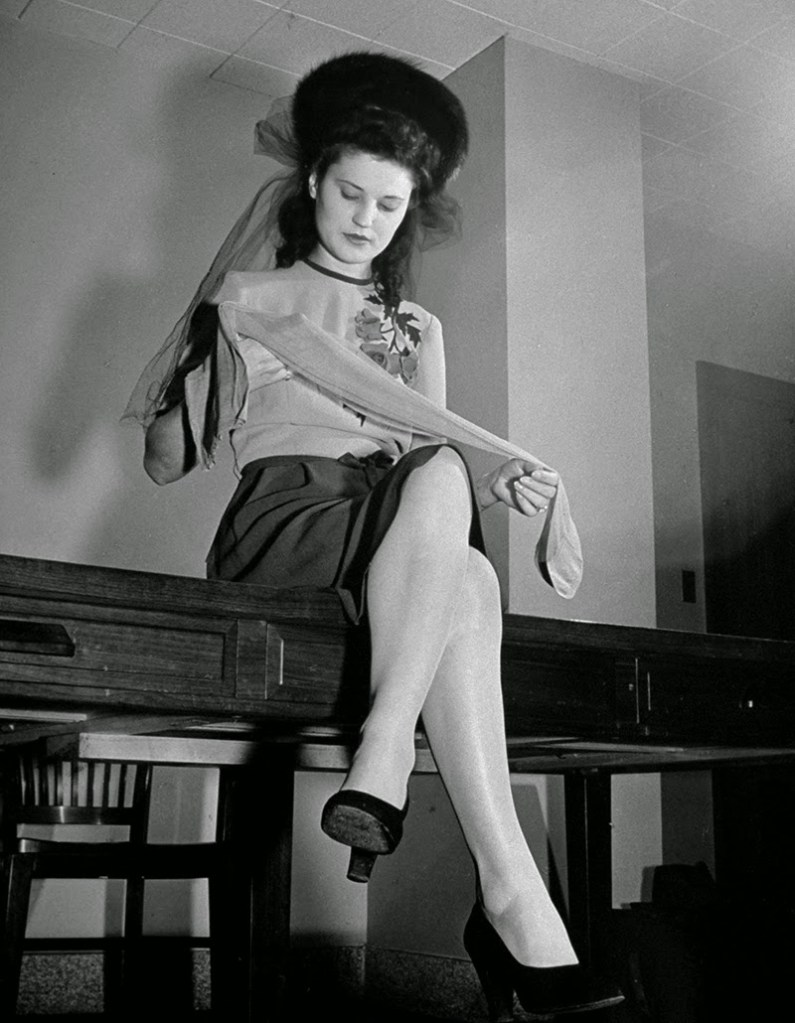
Before the 1920s, stockings, if worn, were worn for warmth. In the 1920s, as hemlines of dresses rose, people began to wear stockings to cover the exposed legs. These stockings were sheer, first made of silk or rayon (then known as “artificial silk”), and after 1940 of nylon.
The introduction of nylon in 1939 by chemical company DuPont began a high demand for stockings in the United States with up to 4 million pairs being purchased in one day. Nylon stockings were cheap, durable, and sheer compared to their cotton and silk counterparts.
When America entered World War II on December 11, 1941, DuPont ceased production of nylon stockings and retooled their factories to produce parachutes, airplane cords, and rope. This led to a mass shortage and creation of a black market for stockings. At the end of the war DuPont announced that the company would return to producing stockings but could not meet demand. This led to a series of disturbances in American stores labeled the nylon riots until DuPont was able to ramp up production.
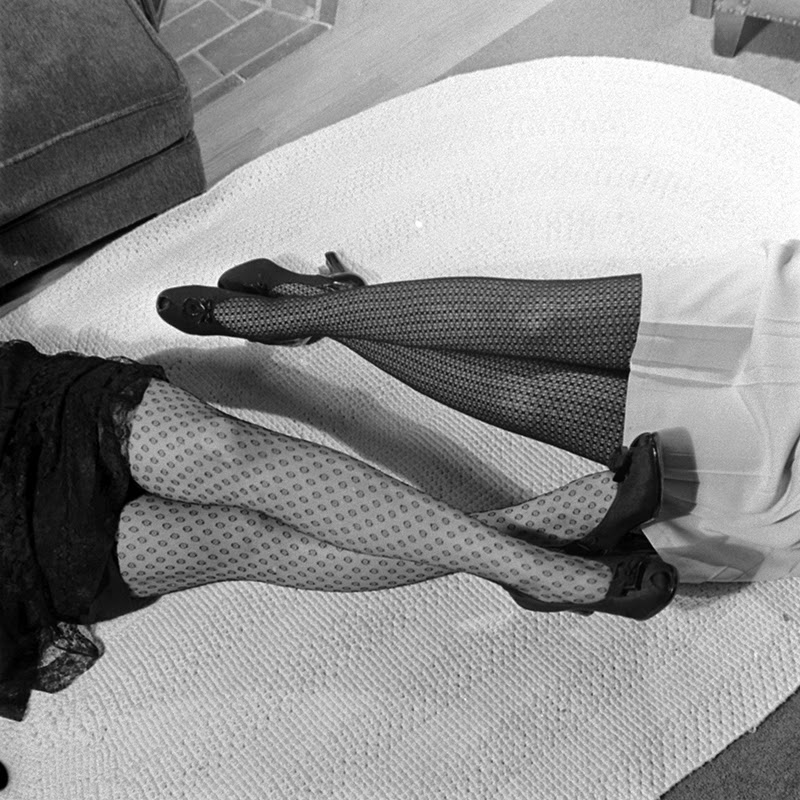
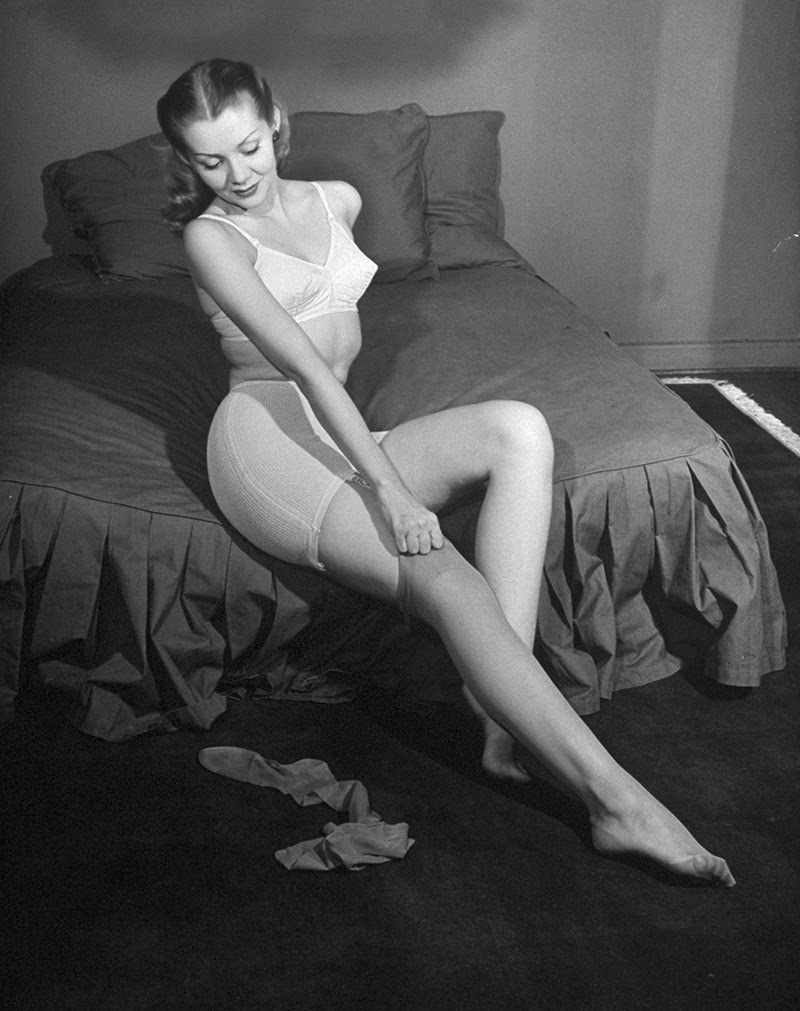
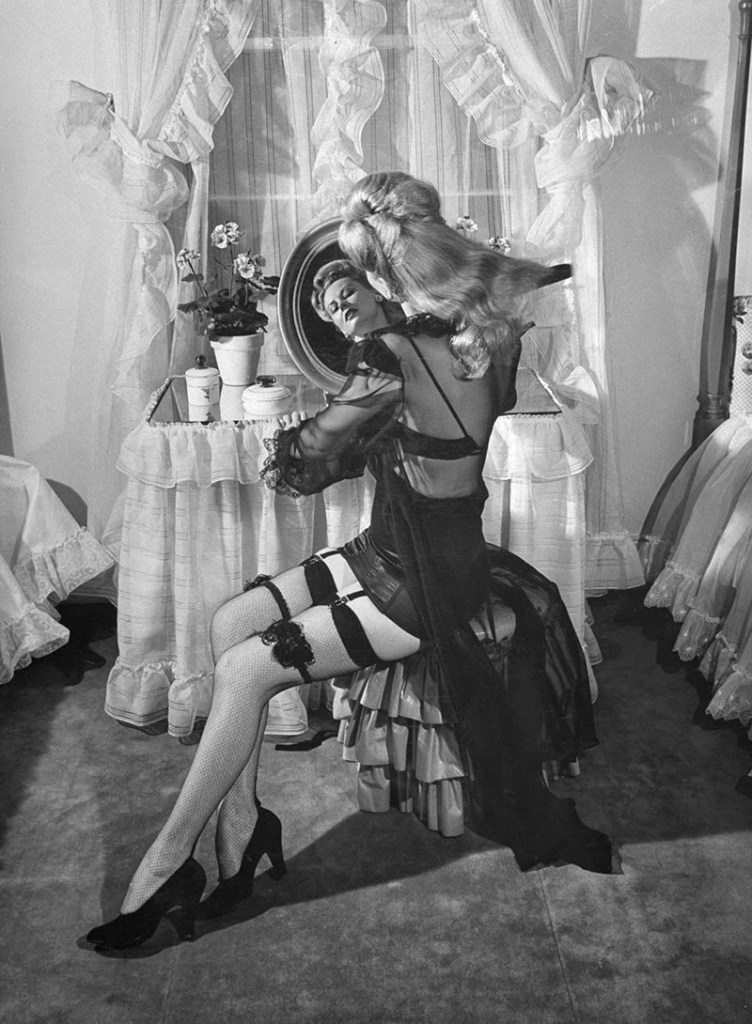
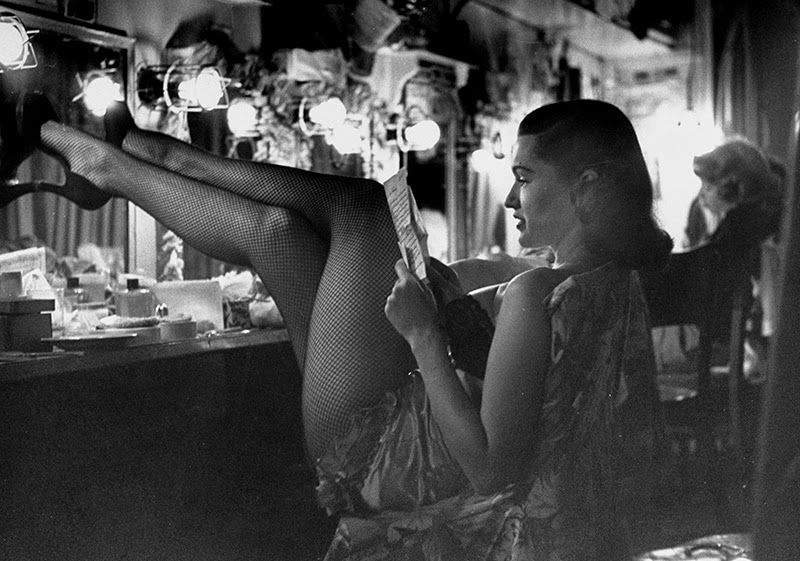
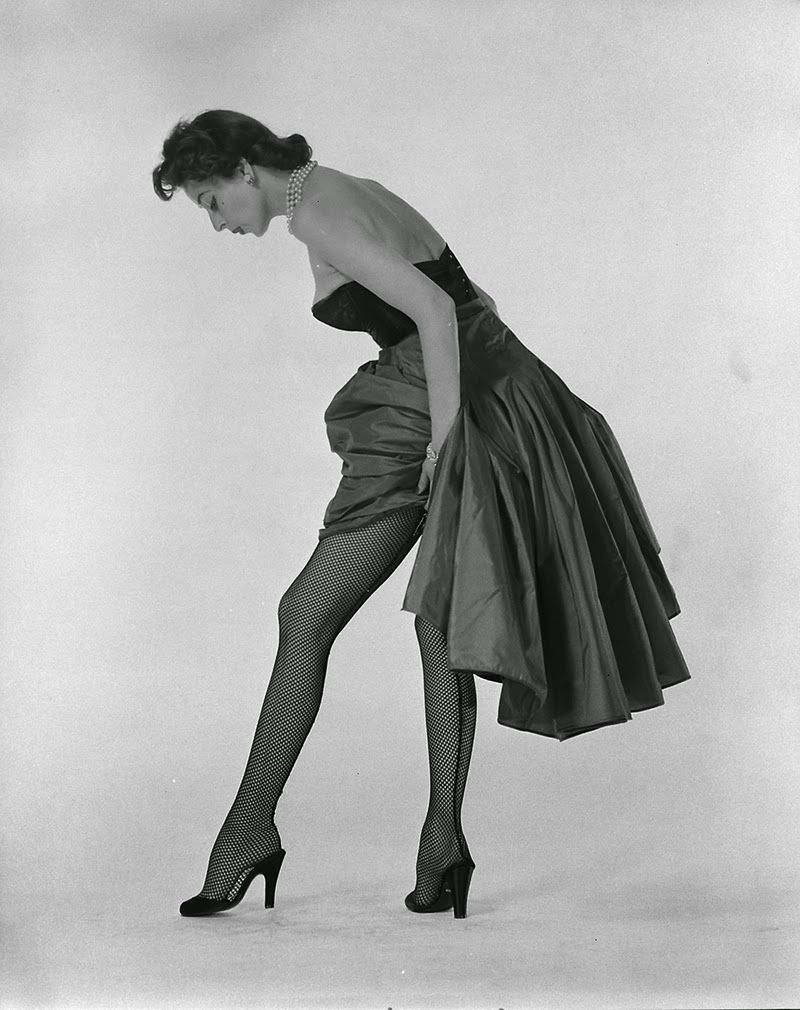
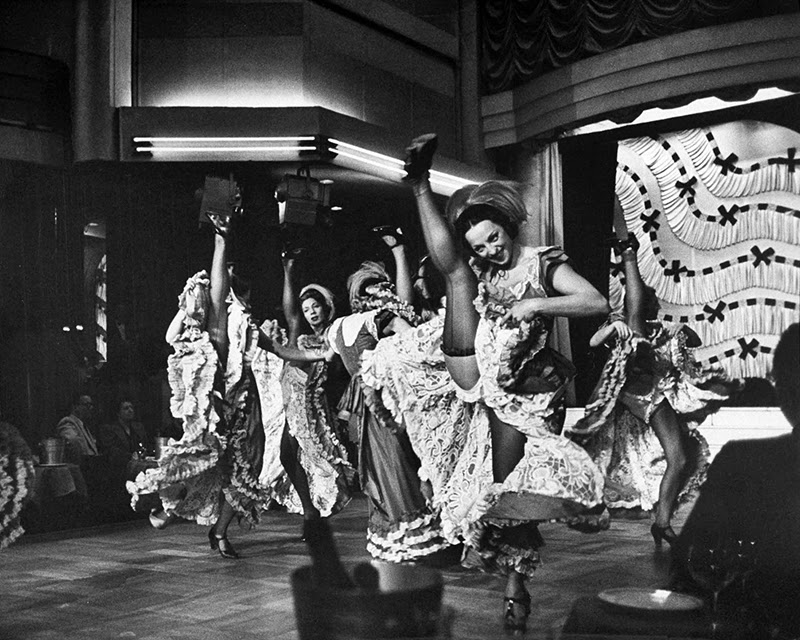
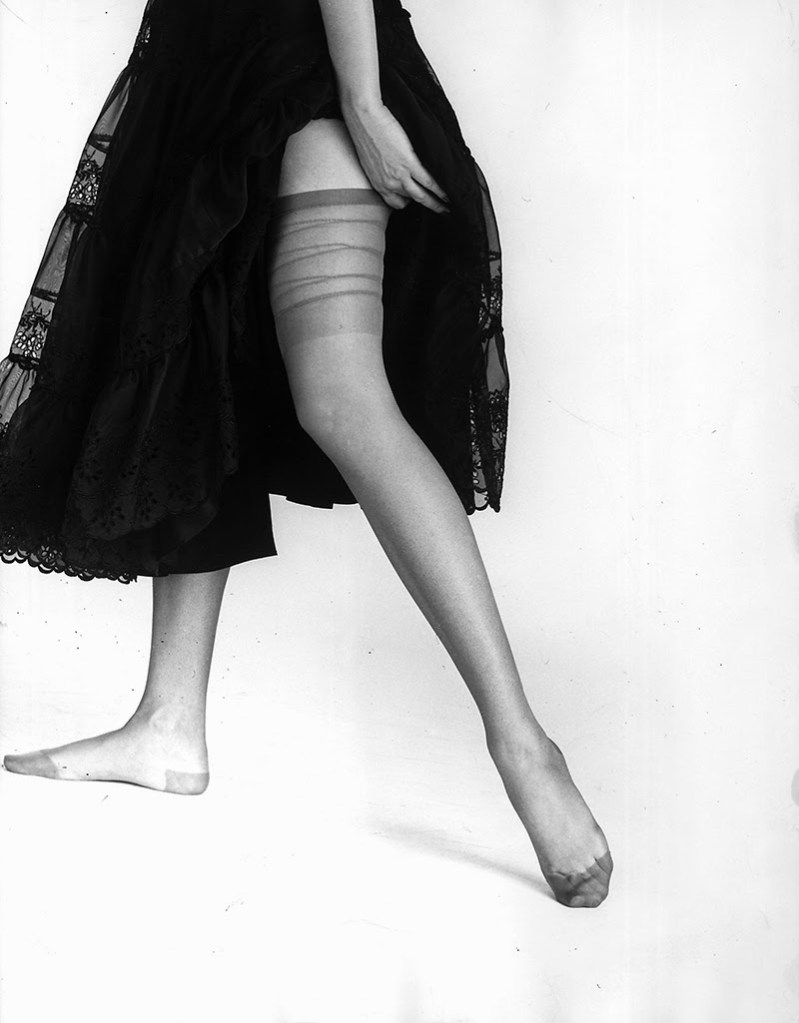
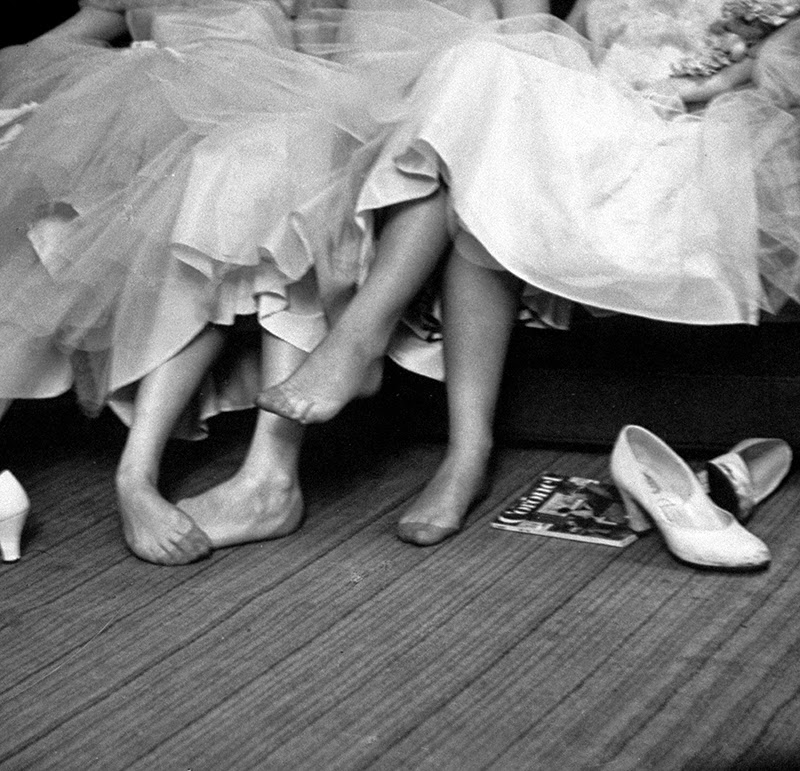
Woman inspecting her nylon stockings, 1942.A model wearing “hotsies,” wool-lined silk faille girdle and bra, 1942.“Curtain” stockings, 1943.“Curtain” stockings, 1943.Nylon stockings, 1945.Model wearing black stockings, fitted dress coat, fur trimmed hat and fur muff, adjusting garter, 1946.Model with stockings, 1948.Lace stockings with panels that run to mid-calf and enhance slim ankles, 1948Chorus girl Linda Lombard, resting her legs after a tough night on stage, 1949.Model wearing black nylon hose permanently attached to high heeled satin mules by Herbert Levine, 1950.Dancer Mary Ellen Terry talking with her legs up in telephone booth, 1952.Cancan dancers flinging up their legs while they dance in Paris, 1952.Model wearing new stay-up stocking with elastic cord spiraling around thigh, 1954.Teenage girls resting feet at a formal dance, 1954.Stockings and garters, 1954.
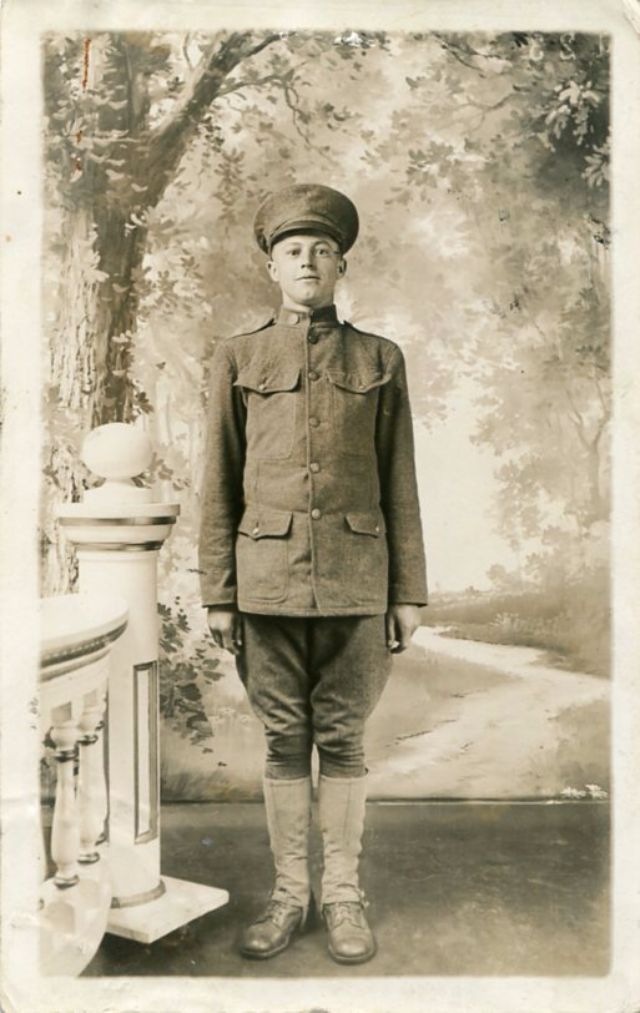
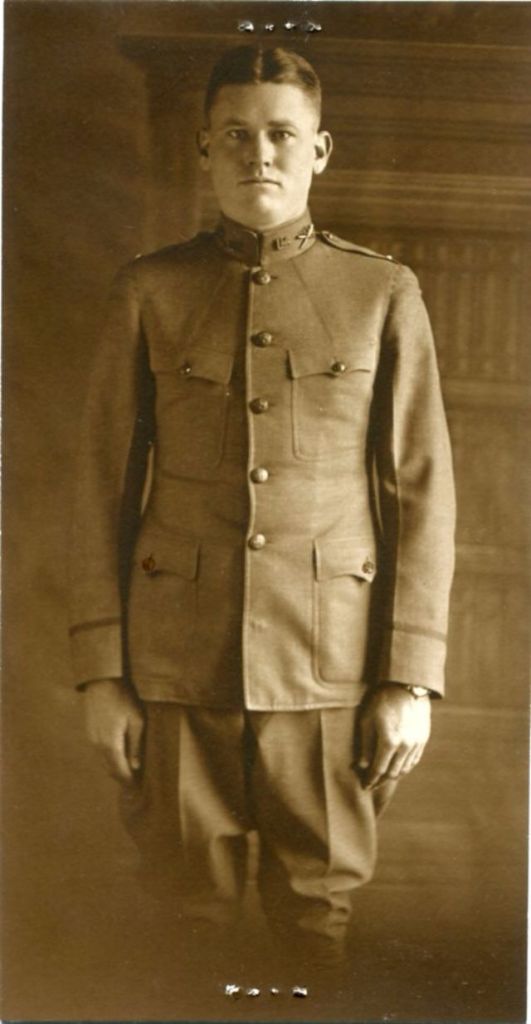
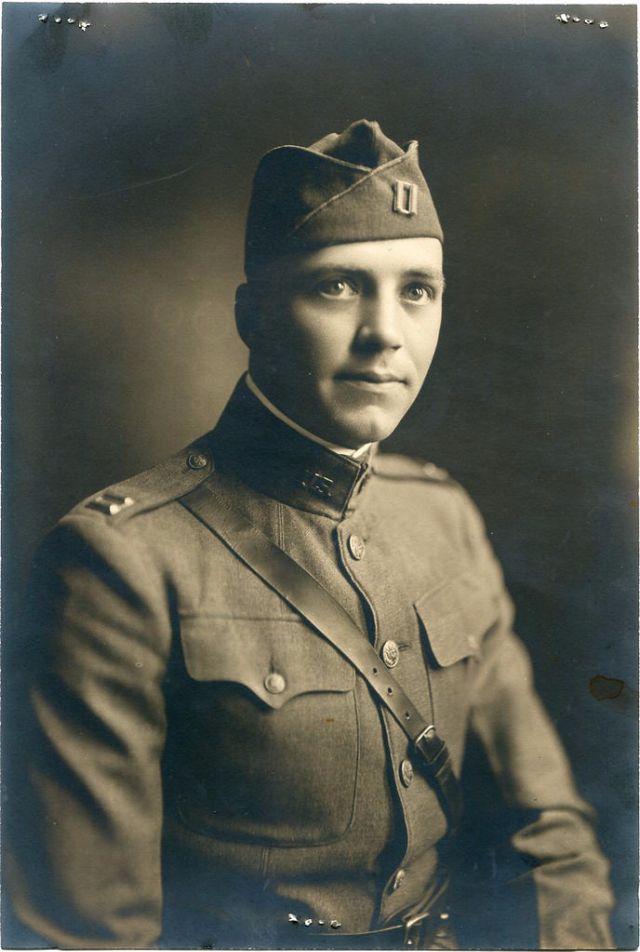
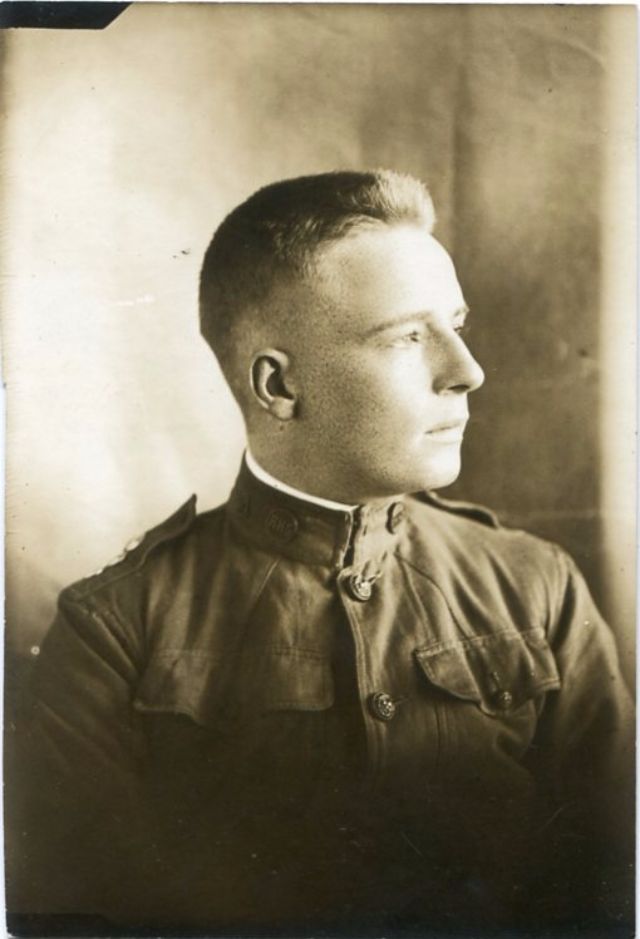
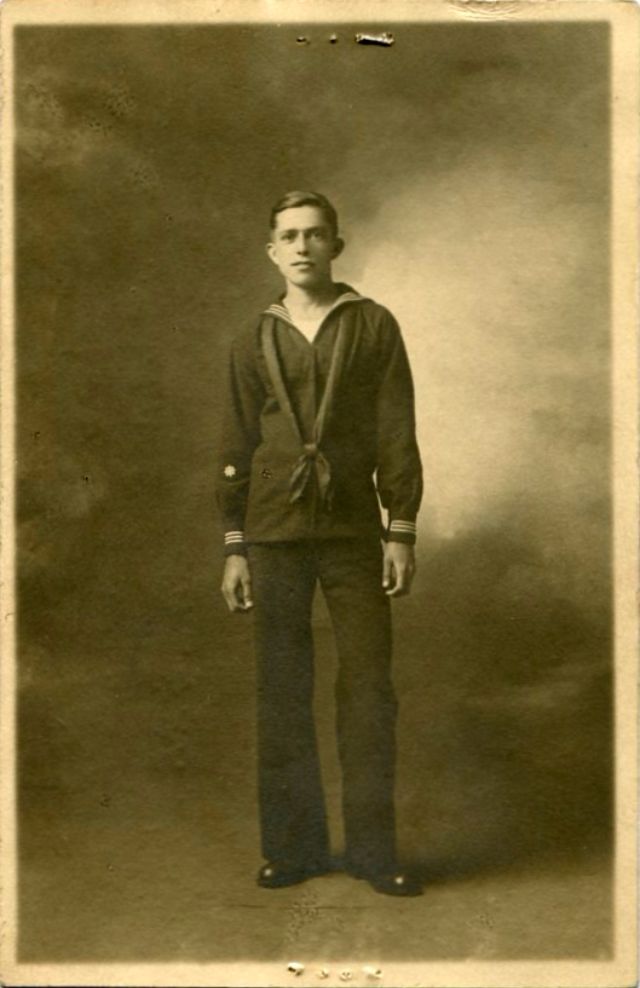
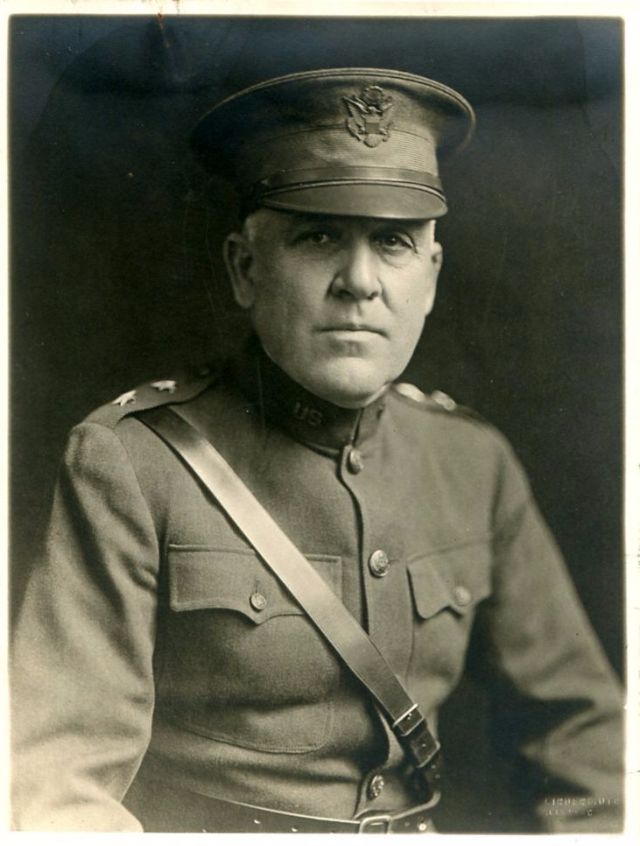
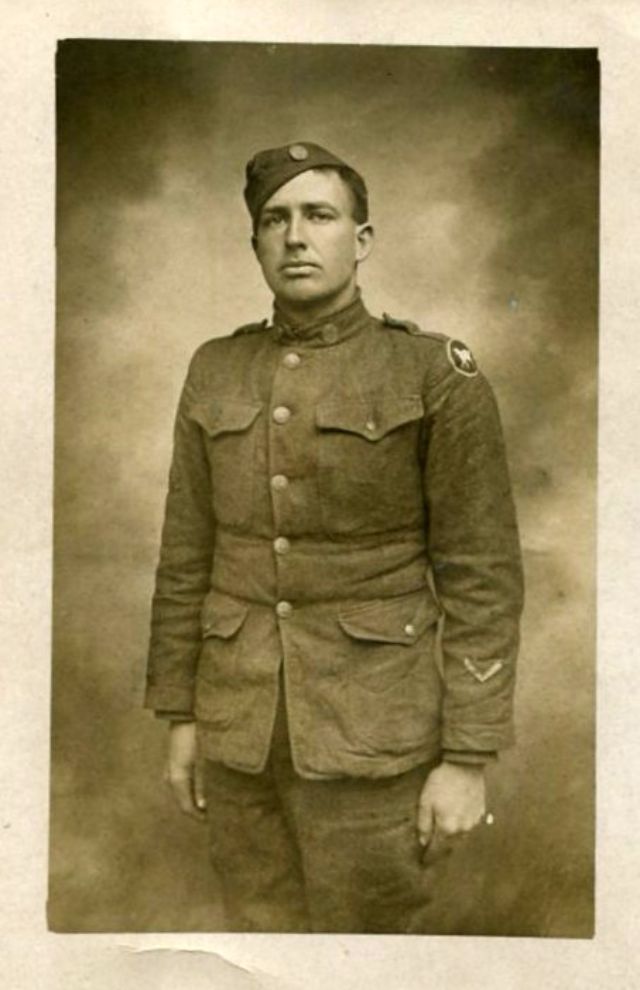
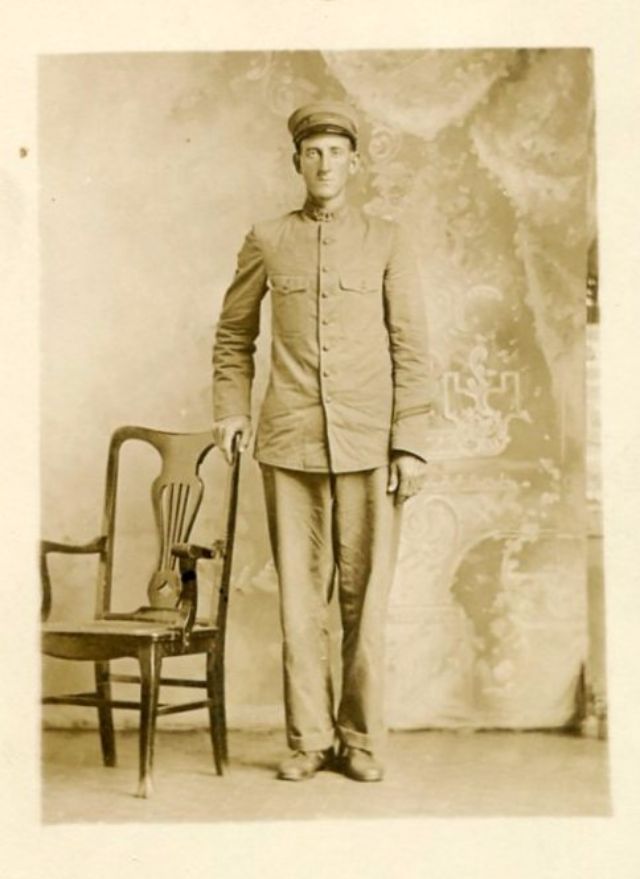
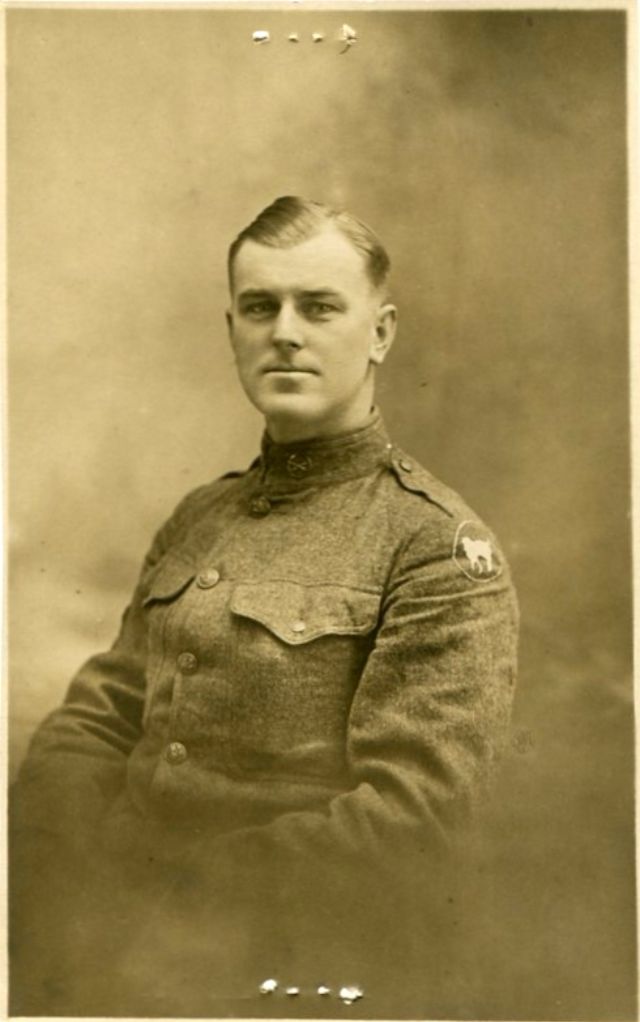
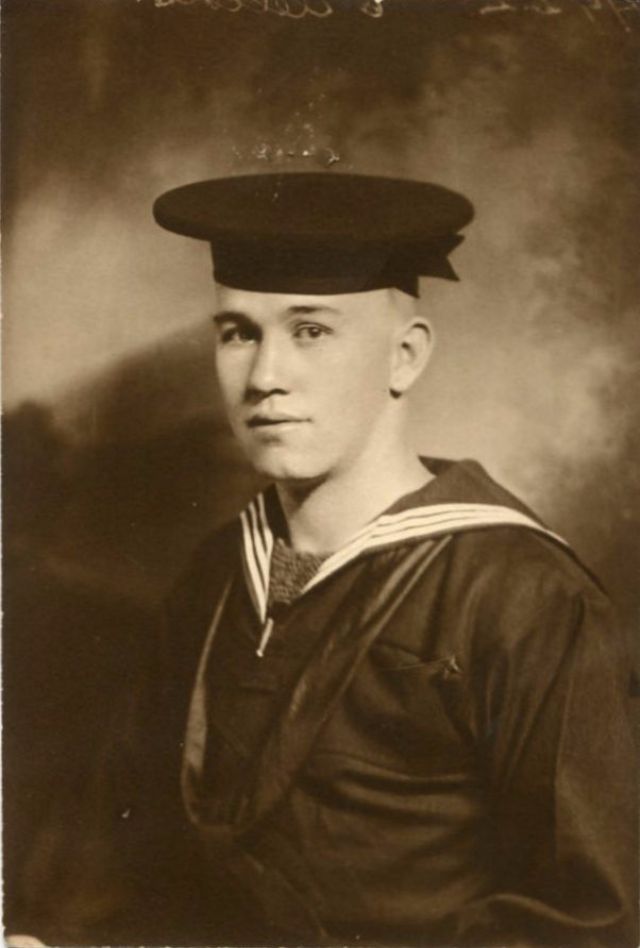
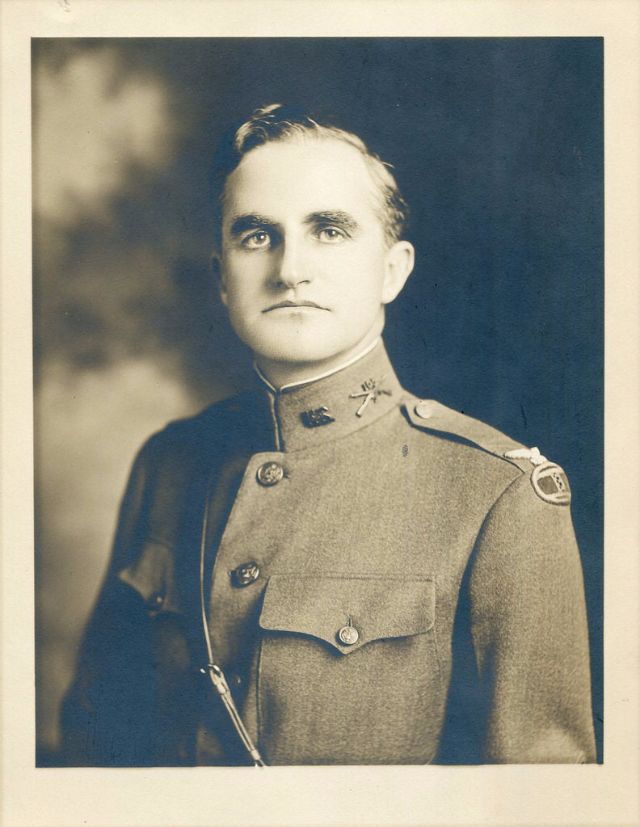
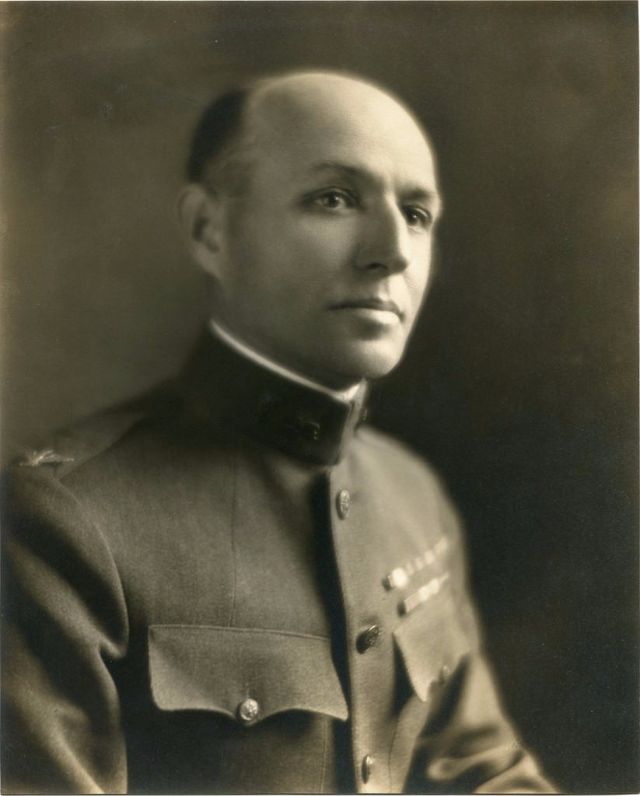
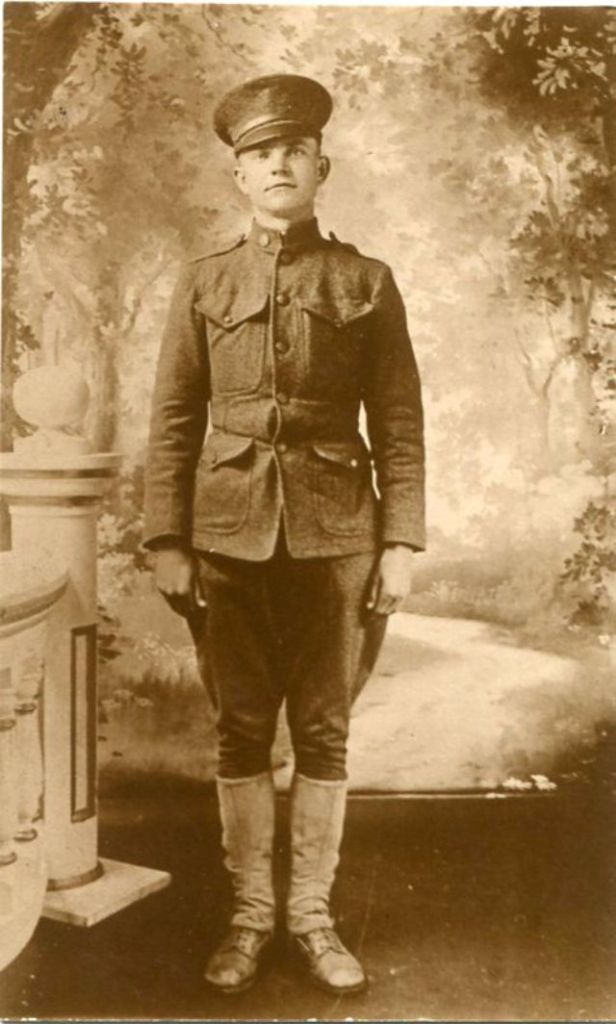
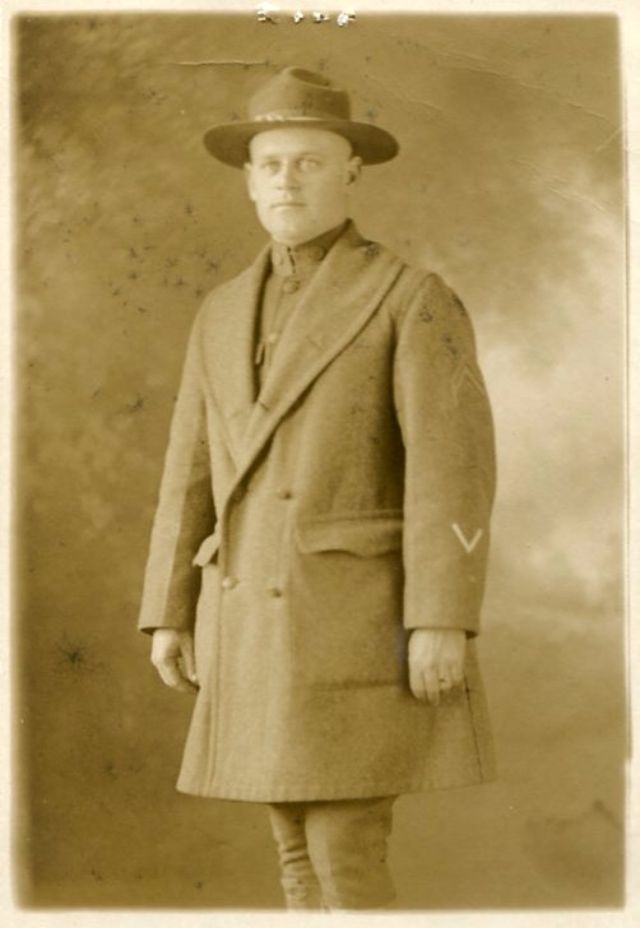
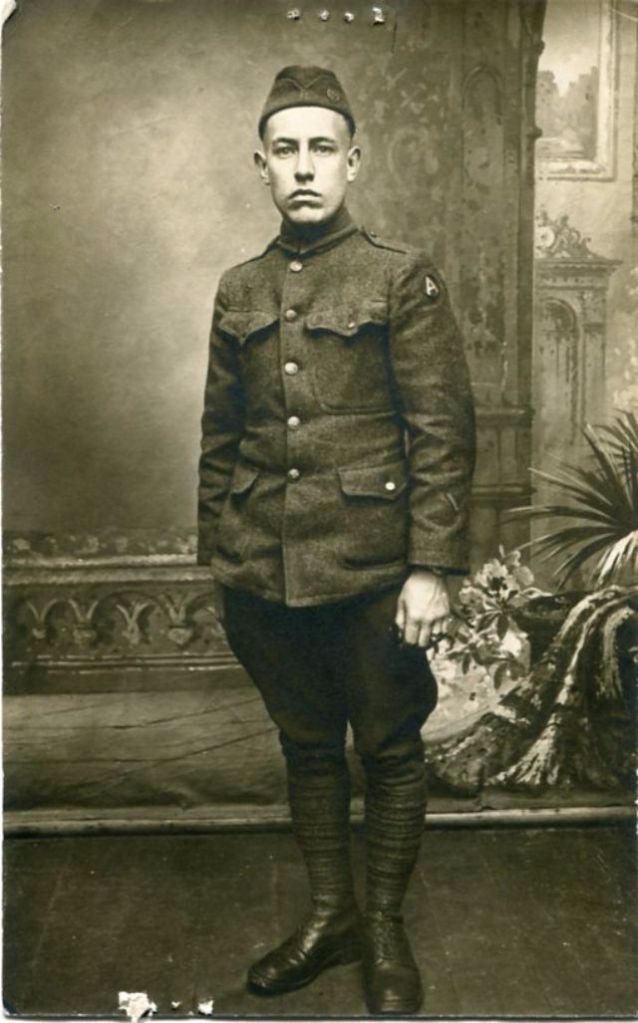
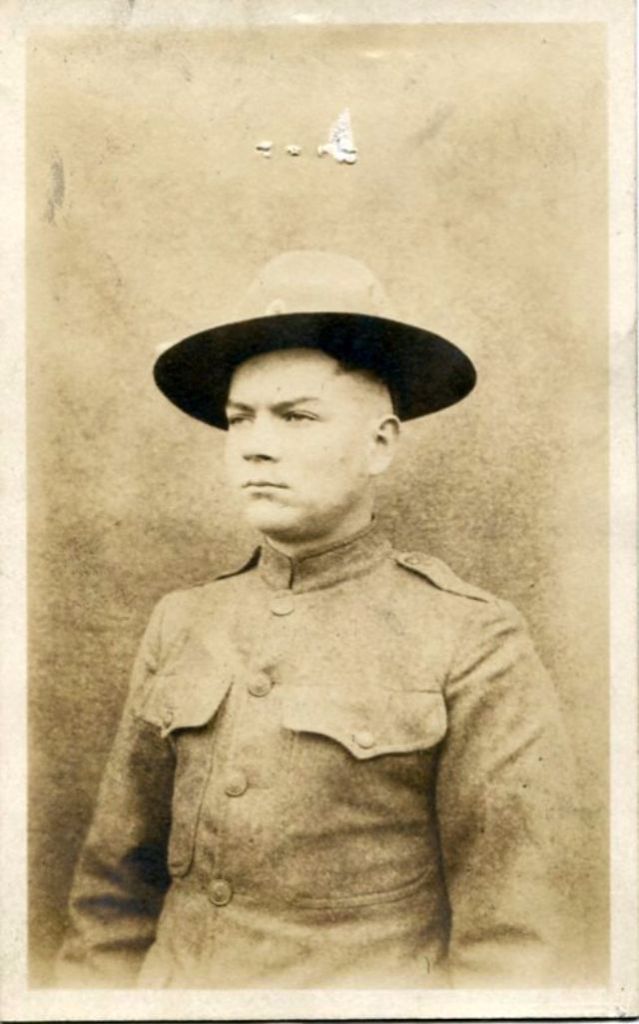
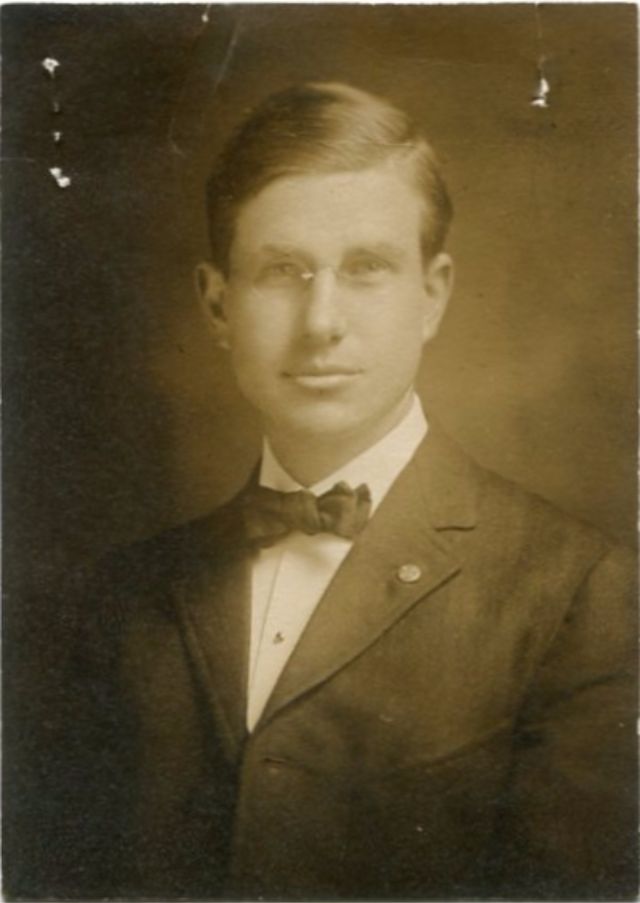
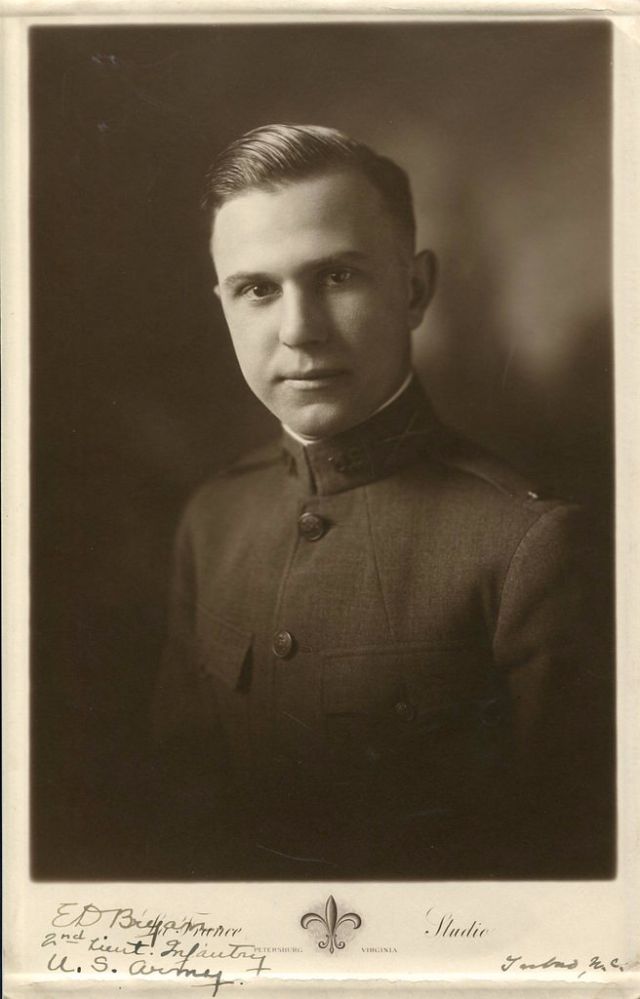
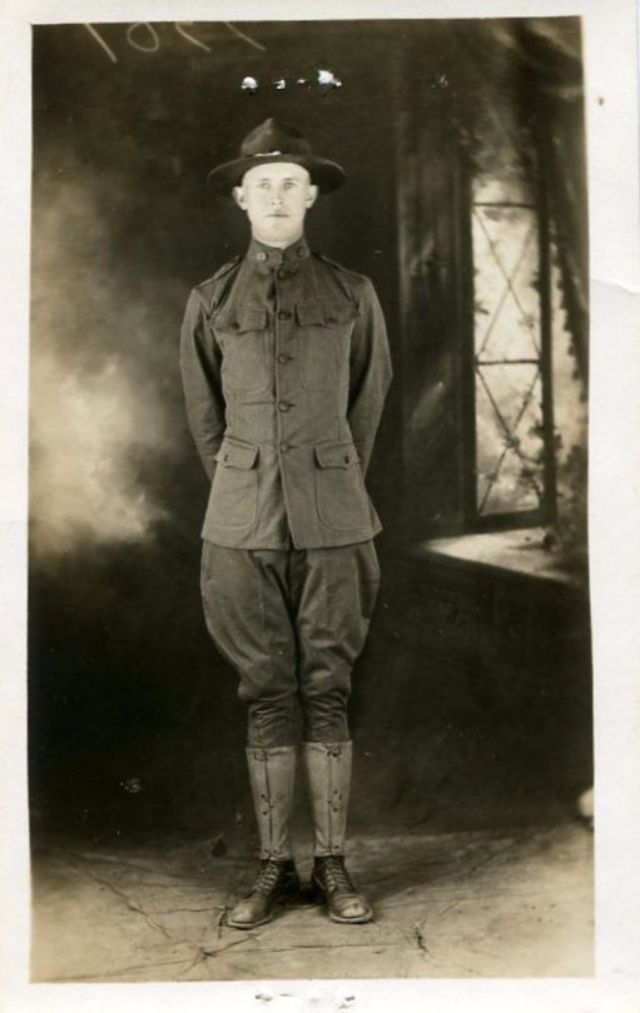
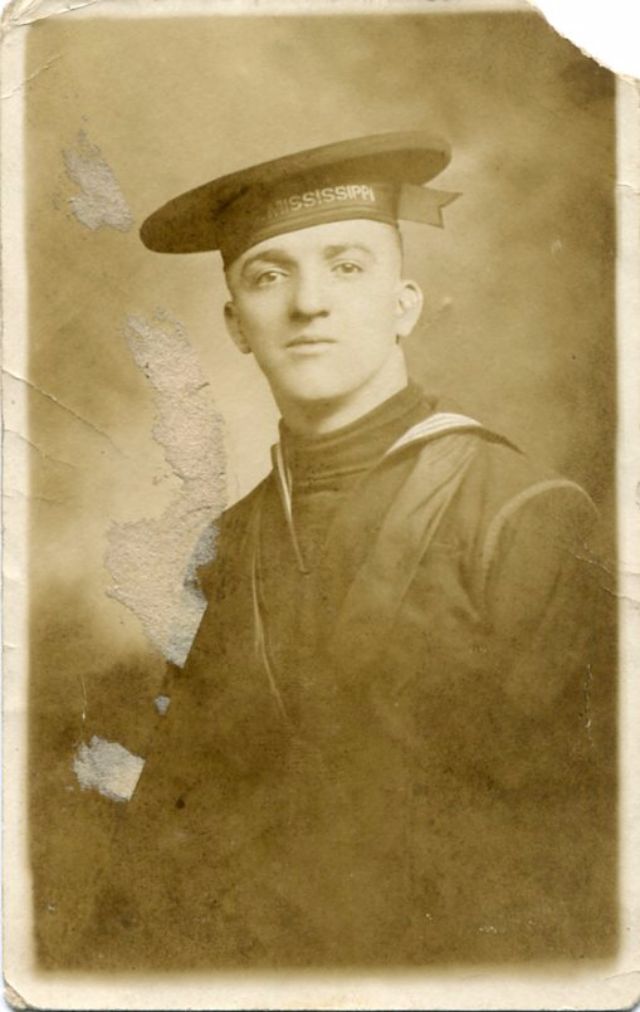
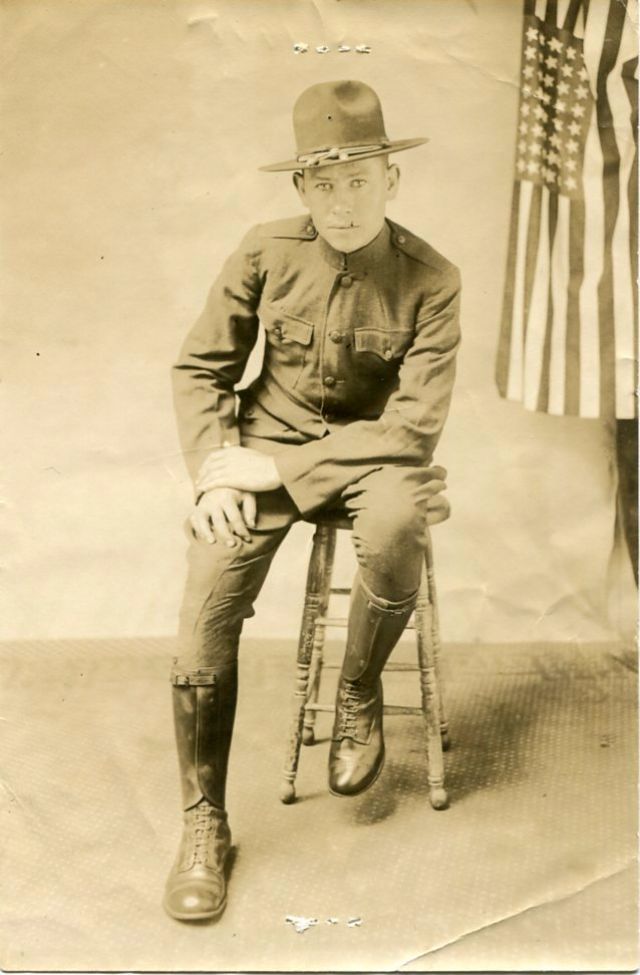
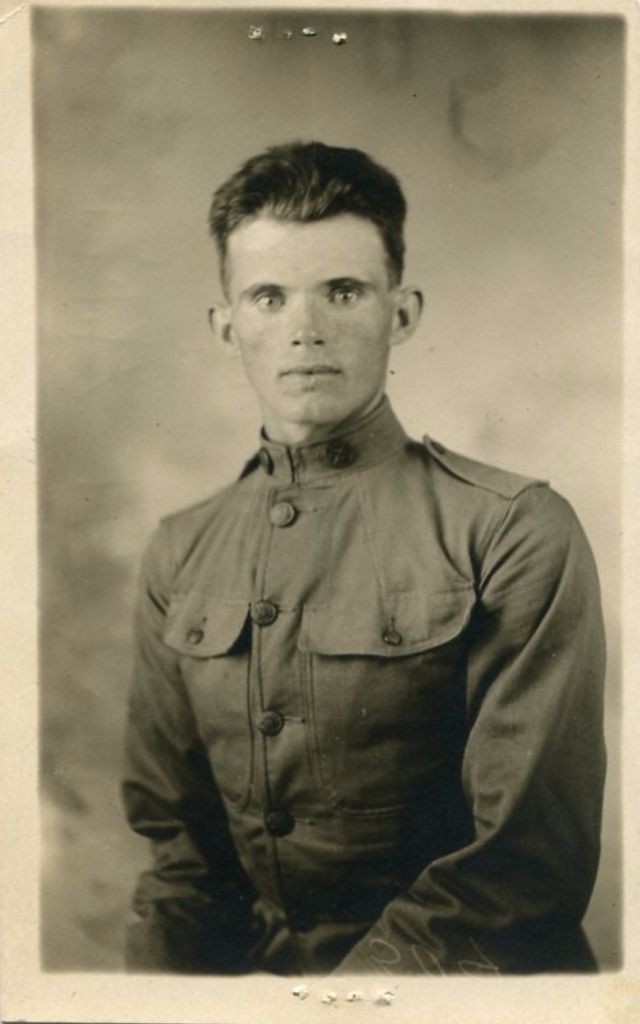
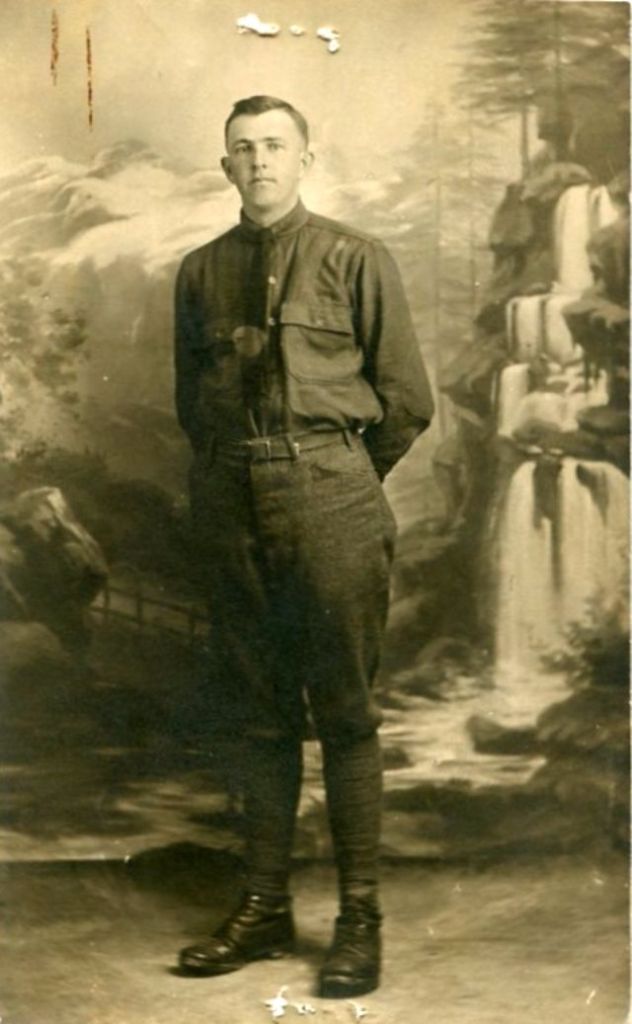
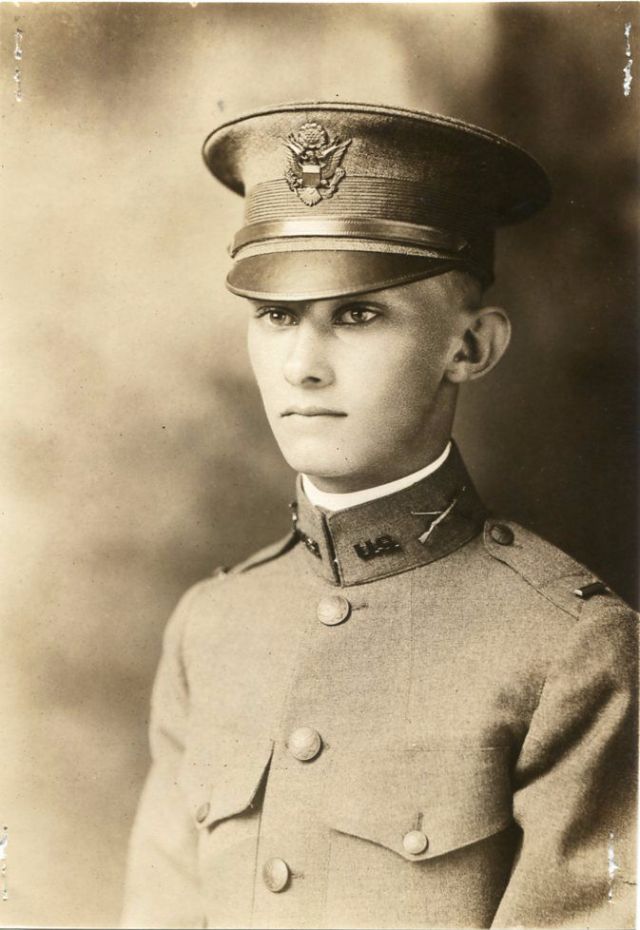
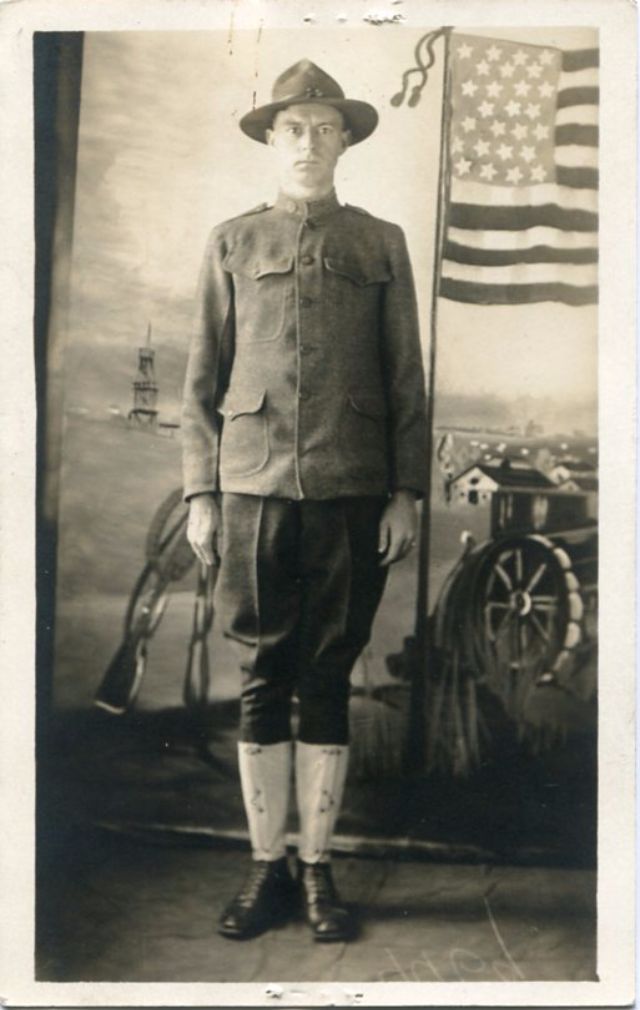
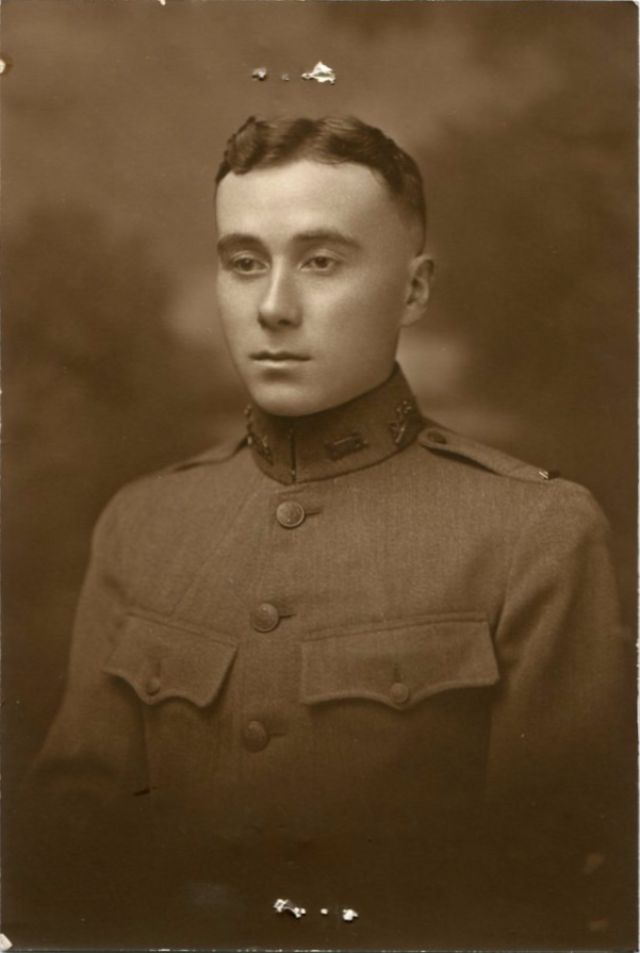
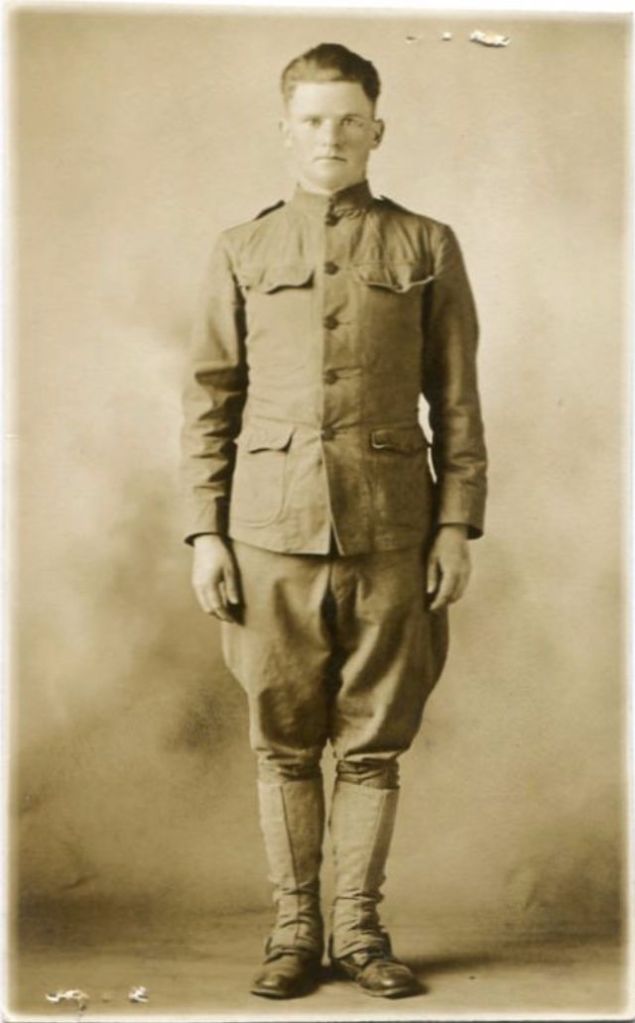
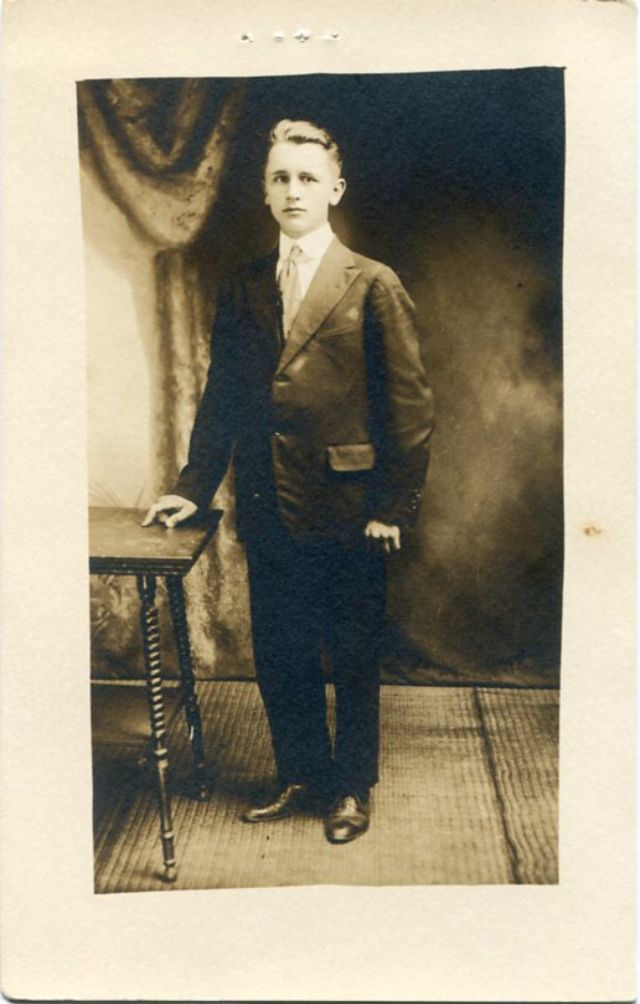
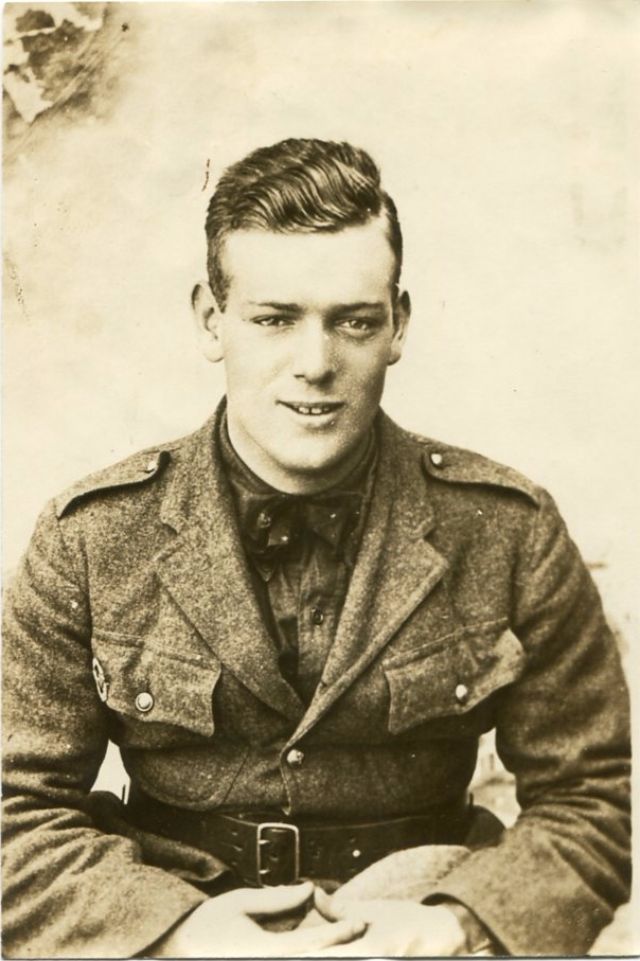
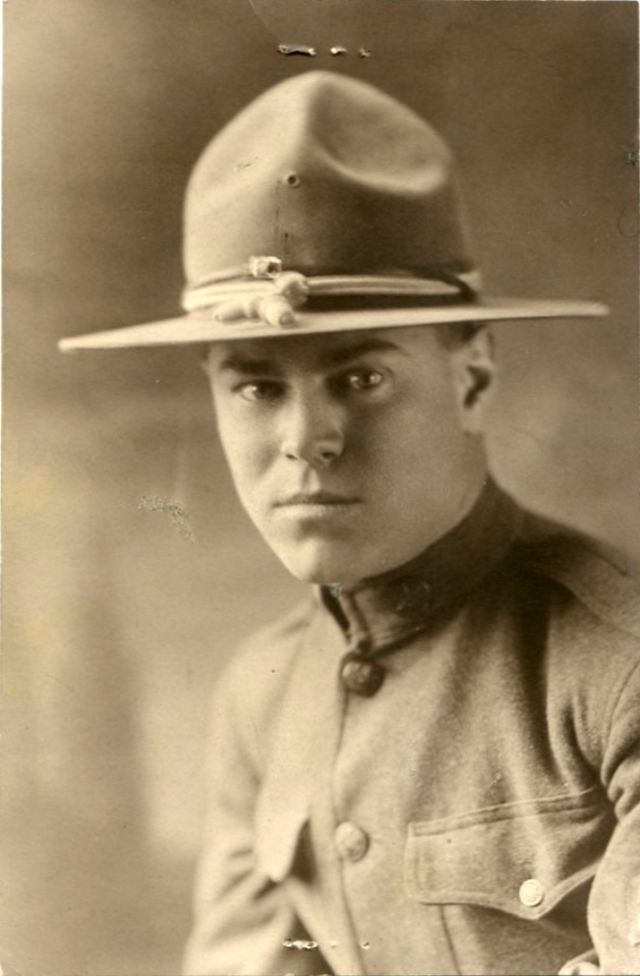
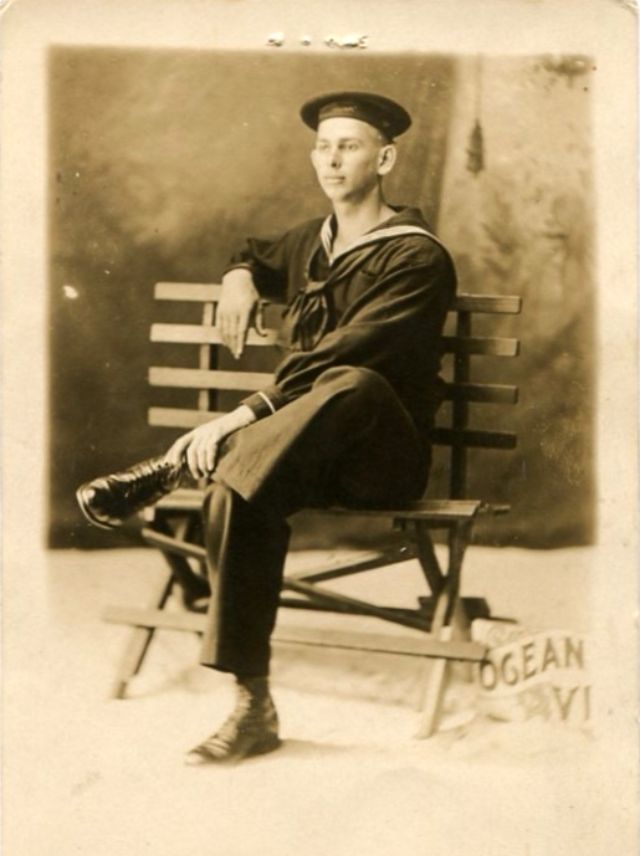
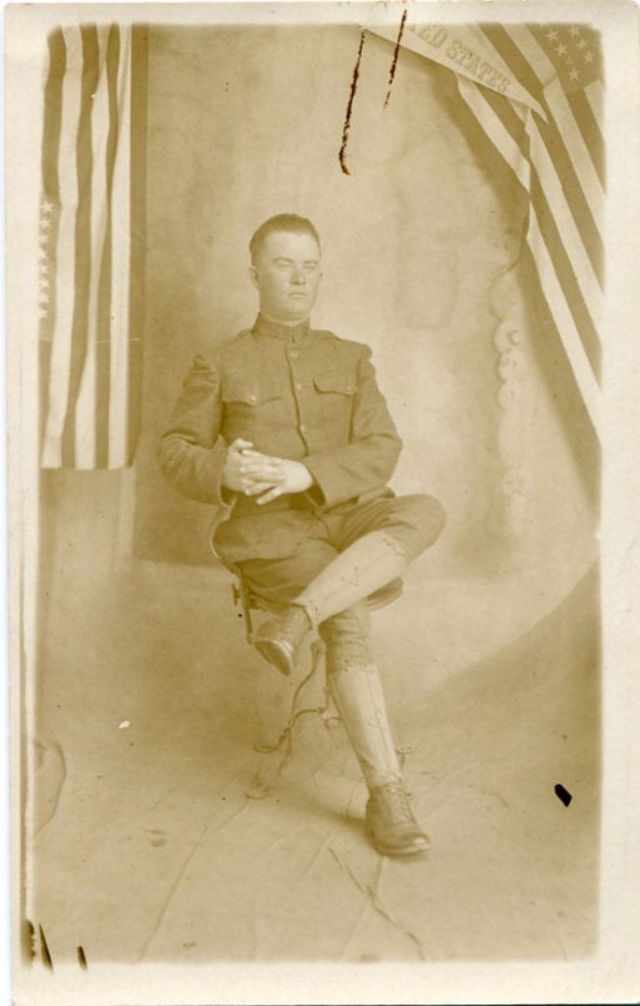
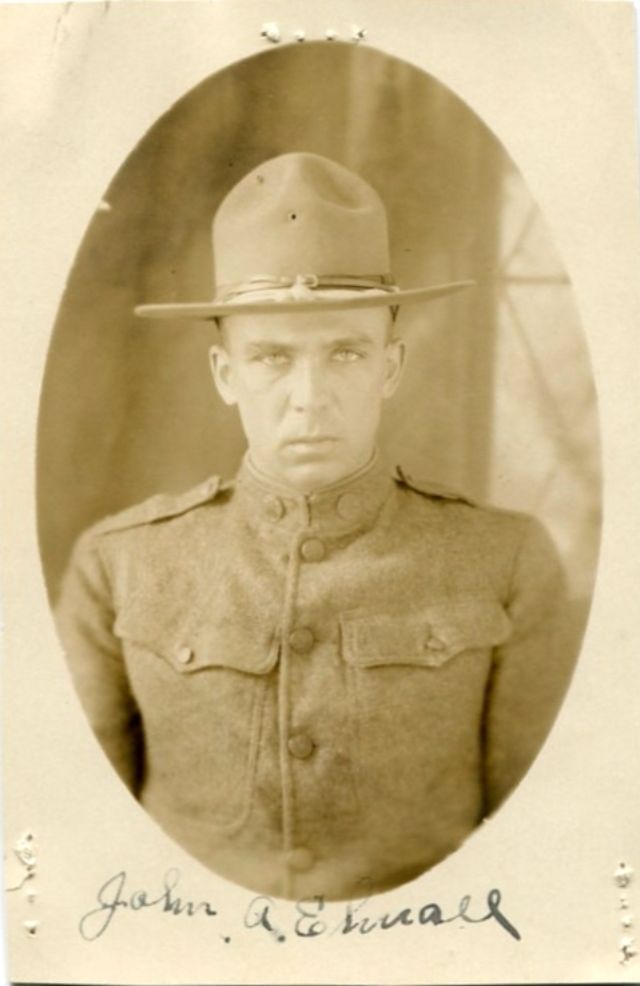
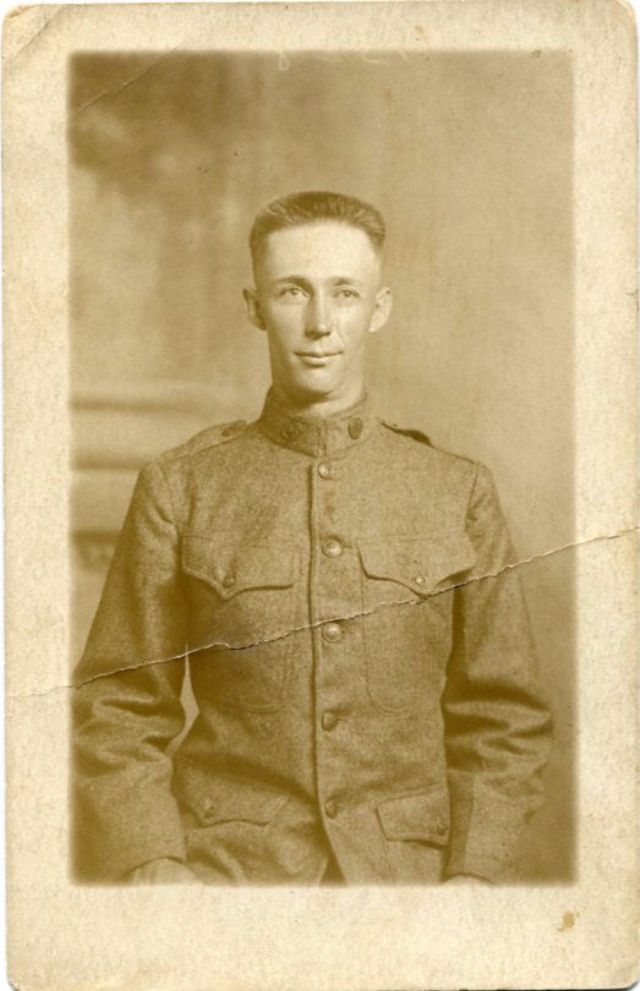
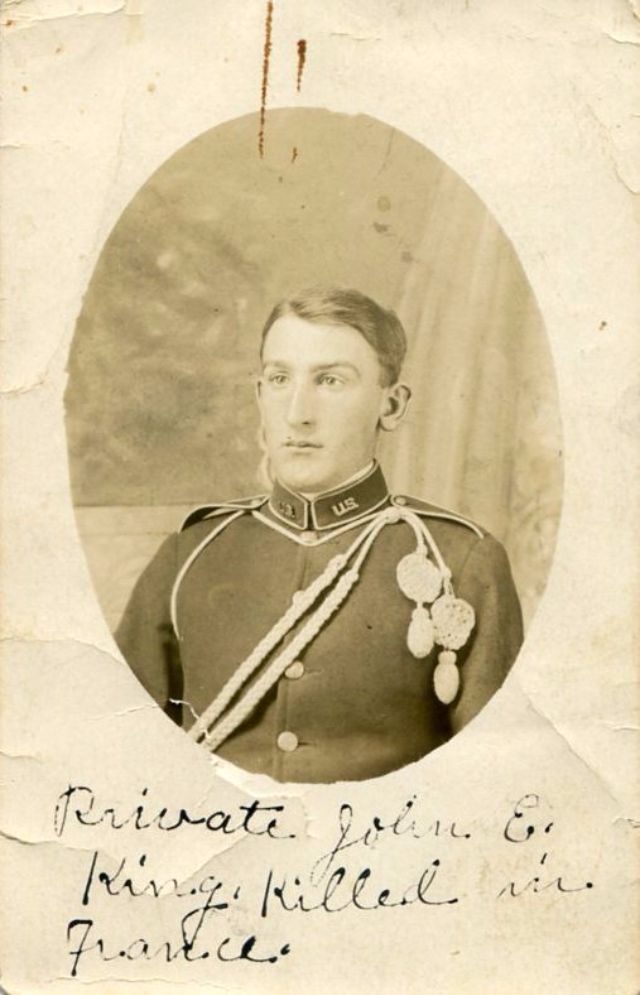
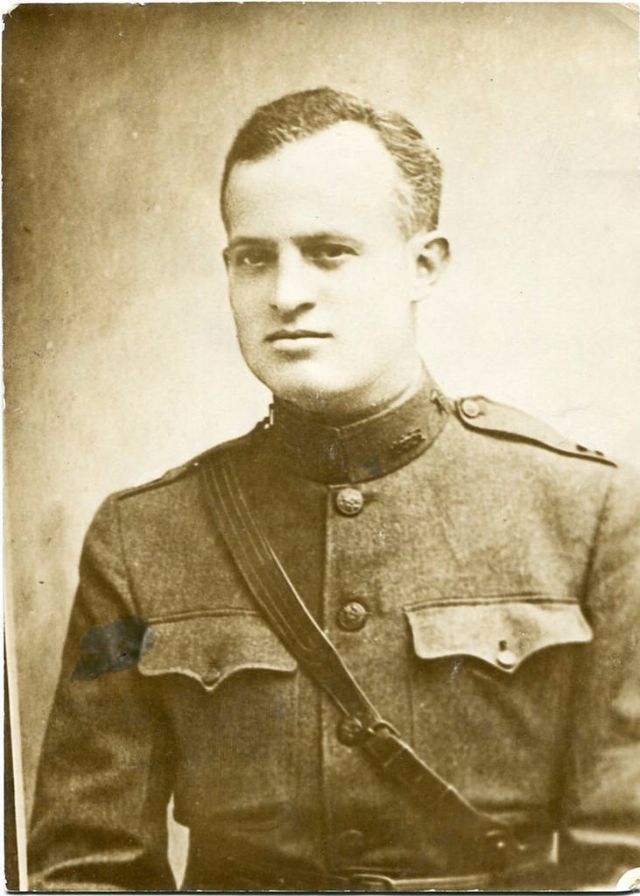
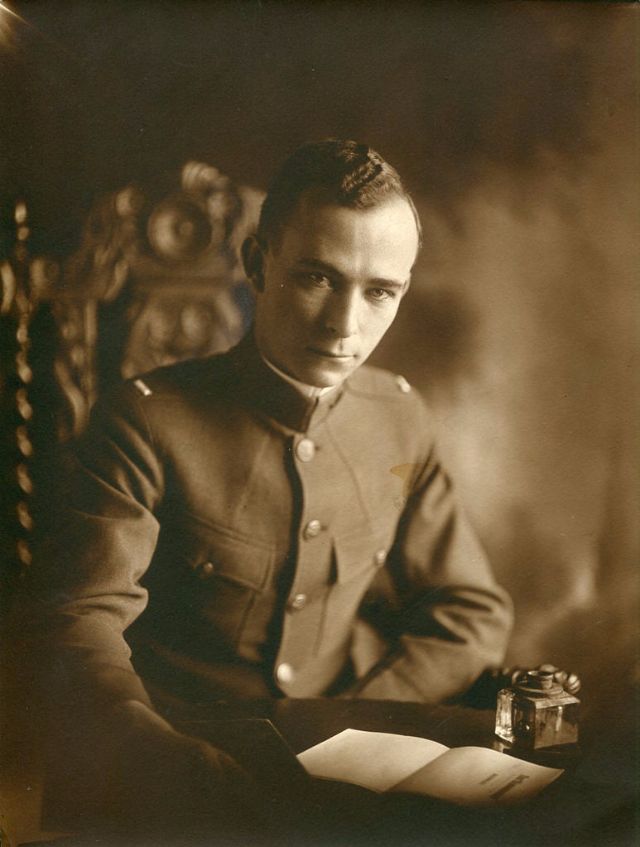
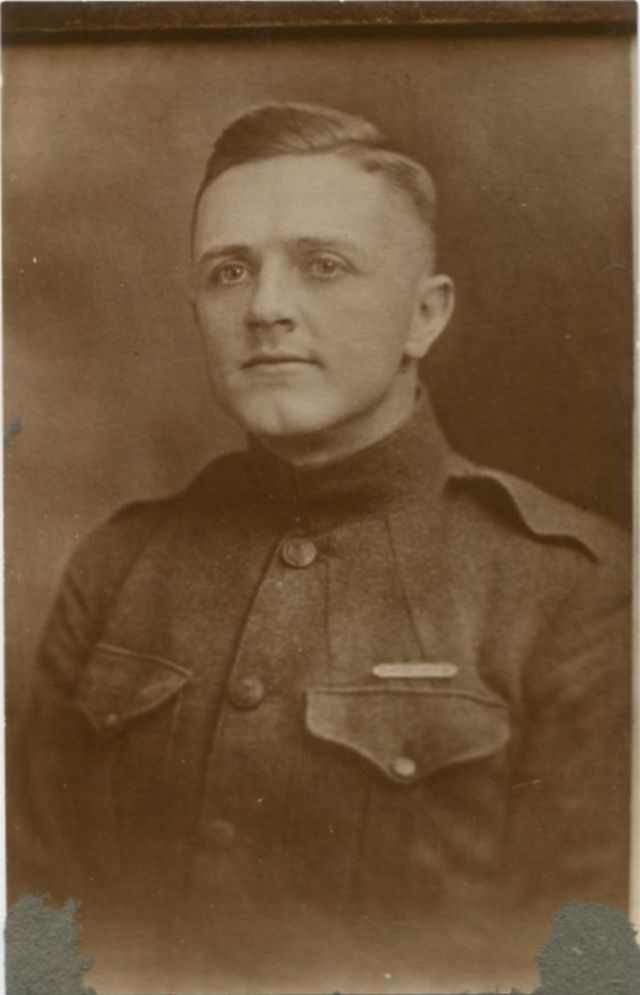
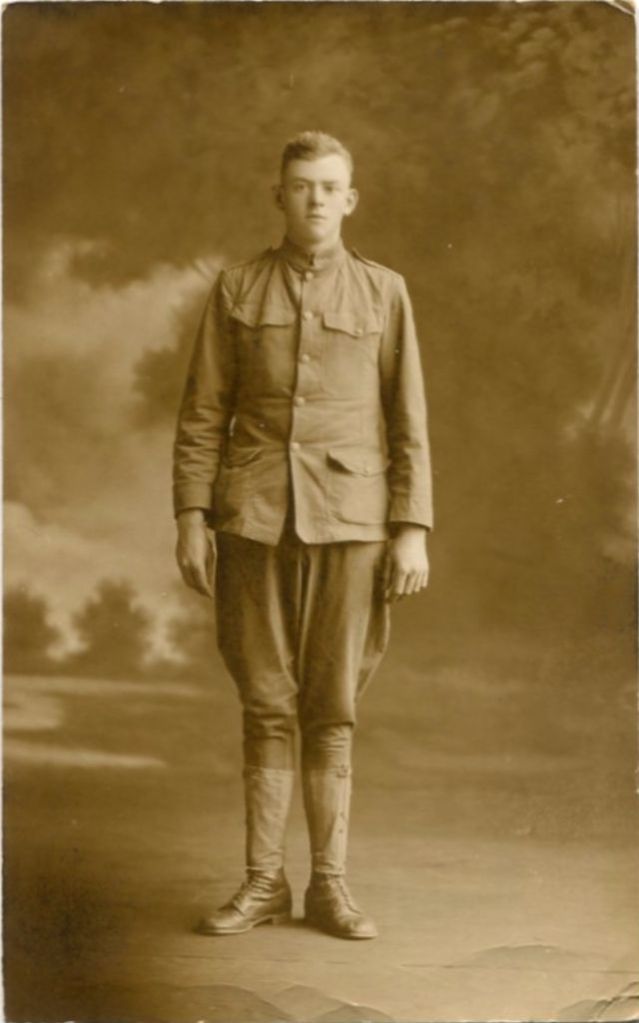
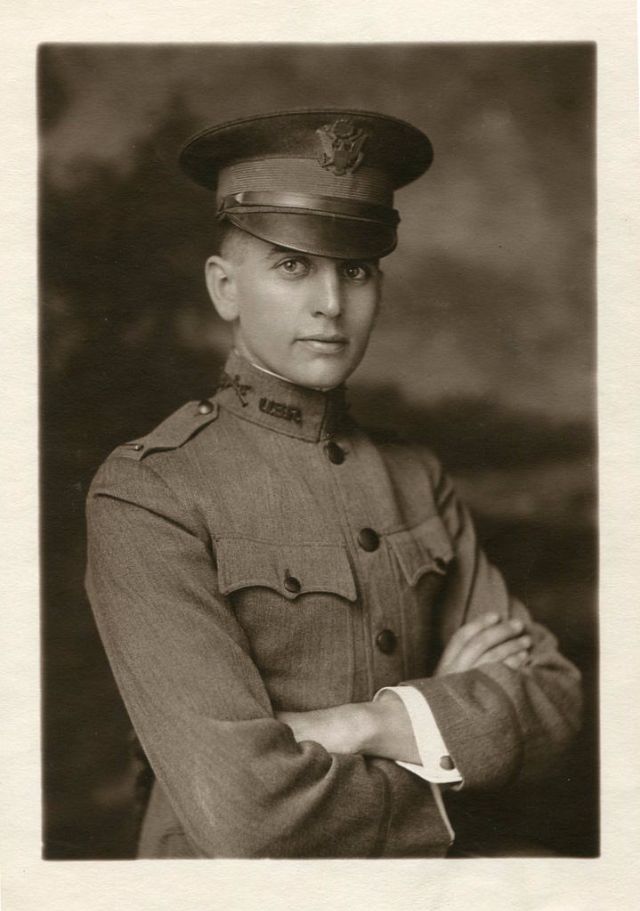
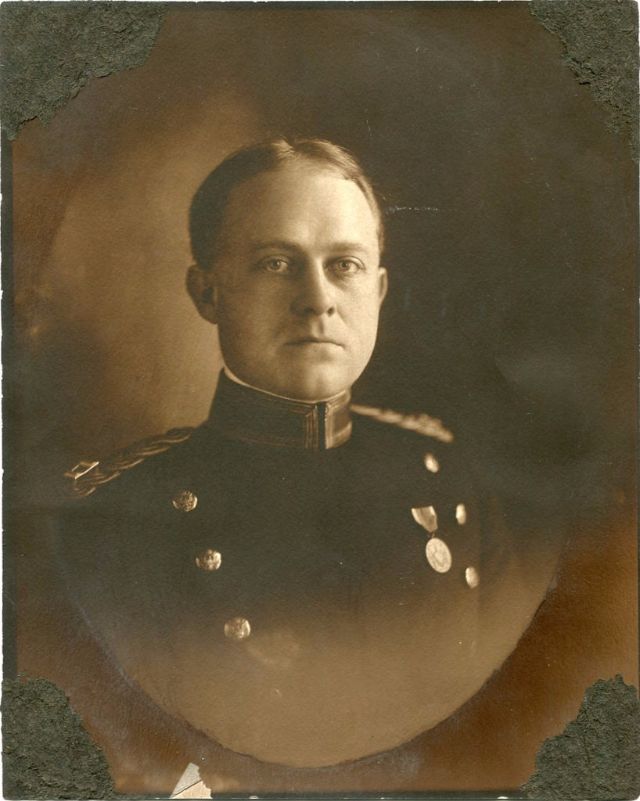
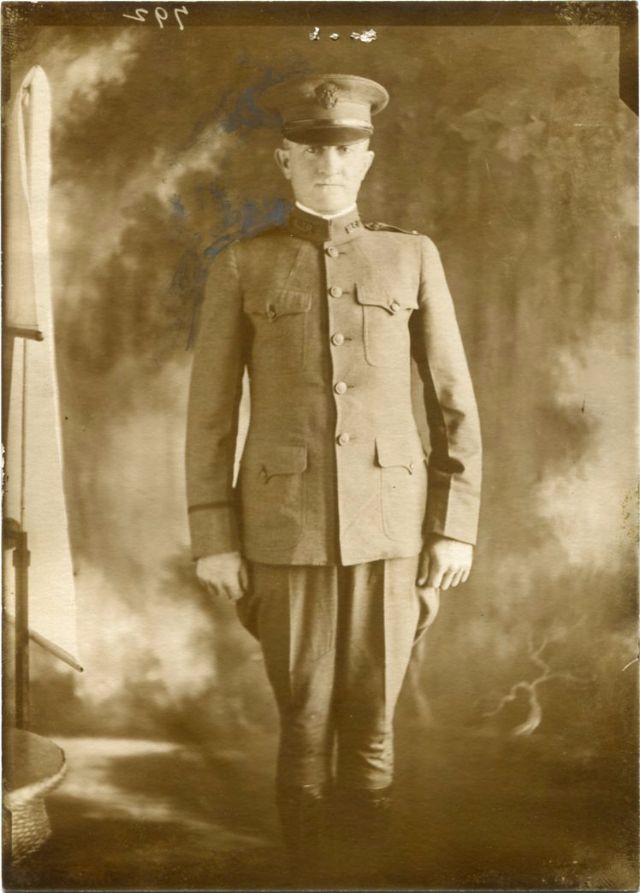
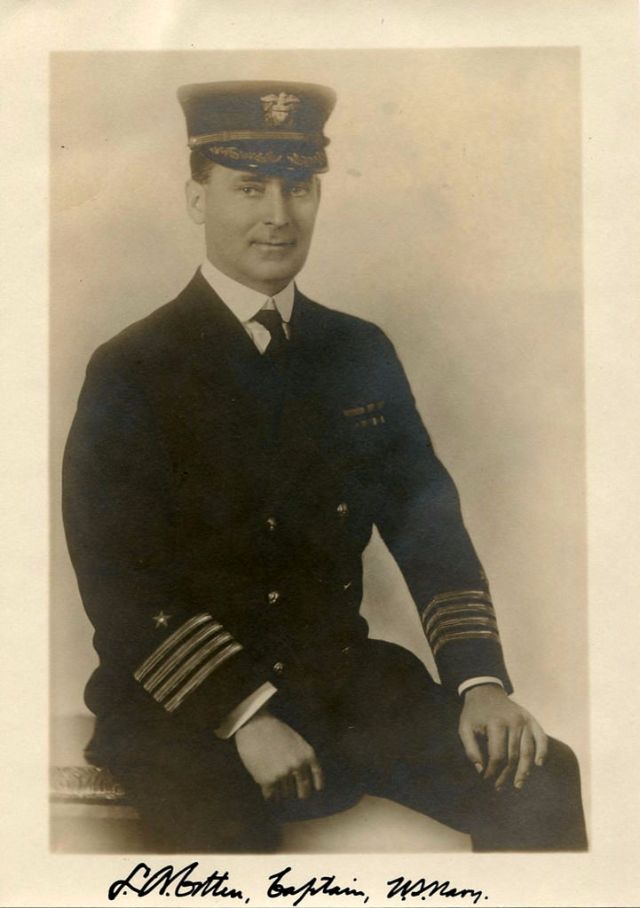
Nearly 100 years ago, thousands of North Carolina men shipped out to Europe to serve in the Great War. The photographs in this album are from the collection Warren County Compiled Individual Military Service Records (WWI 92) in the WWI Papers of the Military Collection at the State Archives of North Carolina.
The collection is composed of compiled military service record forms and photographs documenting the World War I service of 108 Warren and Halifax Counties, N.C., military service individuals. The majority of the collection documents men from Warren County. The collection also includes materials for men from Halifax County, N.C., who had been serving in the Warren County unit of the North Carolina National Guard—Company H, 3rd Infantry—which was converted into Company H, 120th Infantry, 30th Division, under federal U.S. Army service during WWI. The collection was compiled by W. Brodie Jones, the volunteer War Records Collector for Warren County, N.C., on behalf of the North Carolina Historical Commission during WWI.
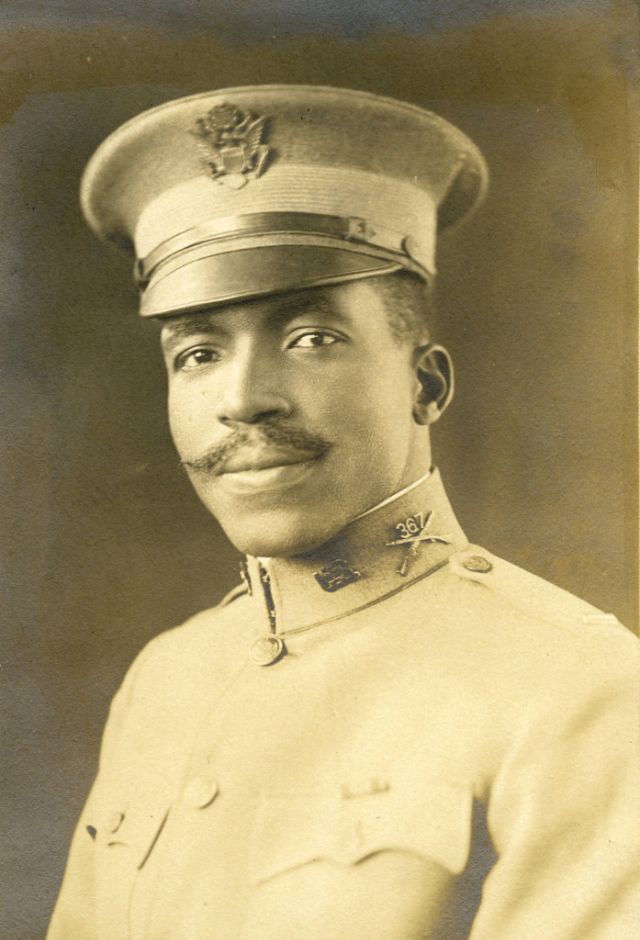
This collection contains the largest set of North Carolina African Americans’ WWI portraits in the Military Collection. Many of these images were recently identified and had been unknown as representing black soldiers.
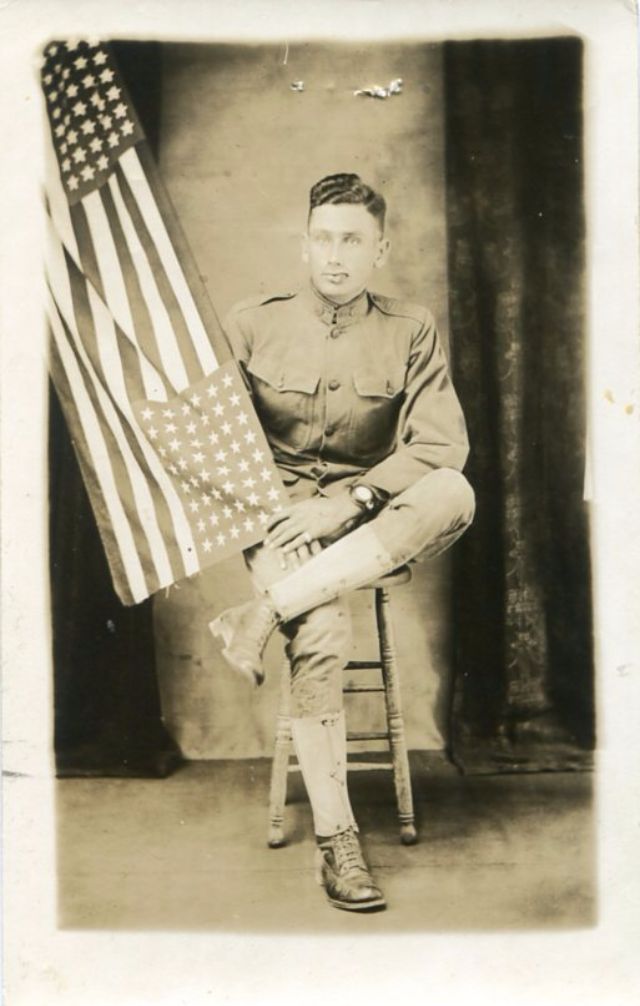
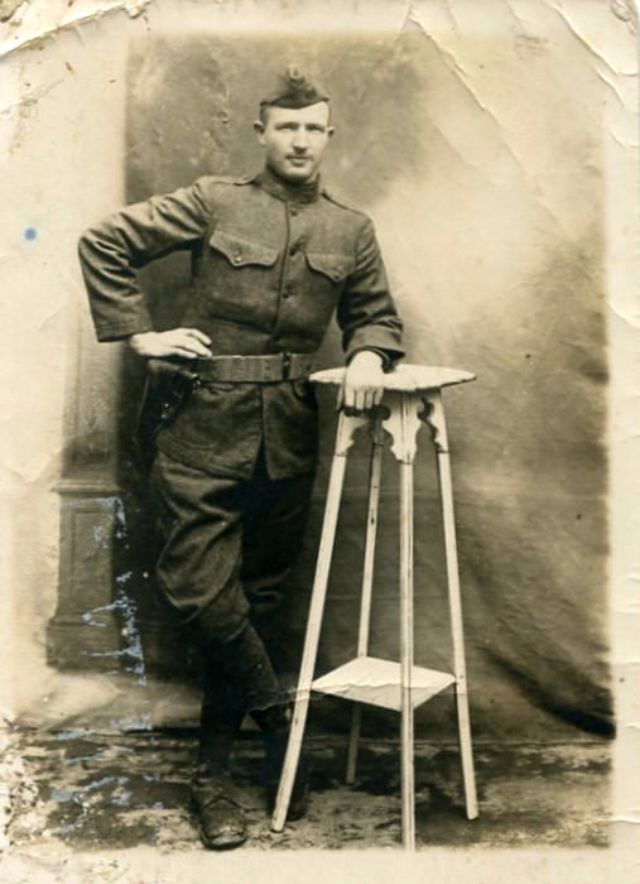
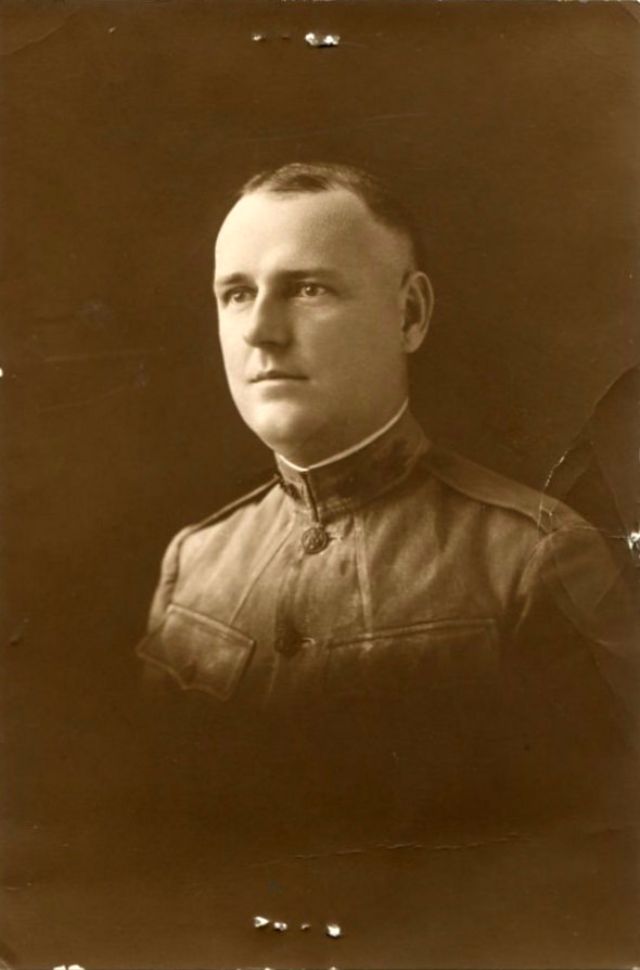
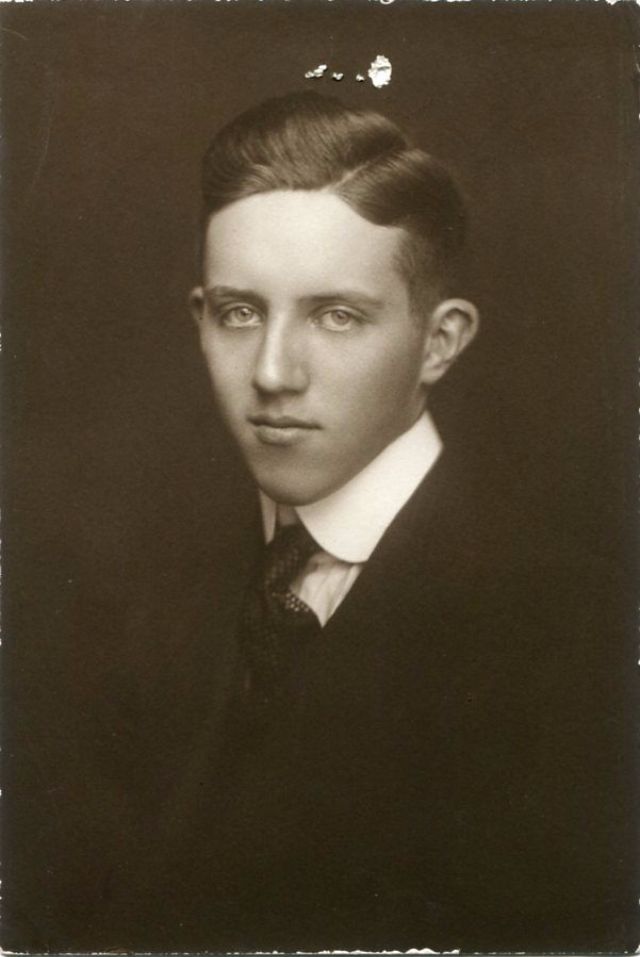
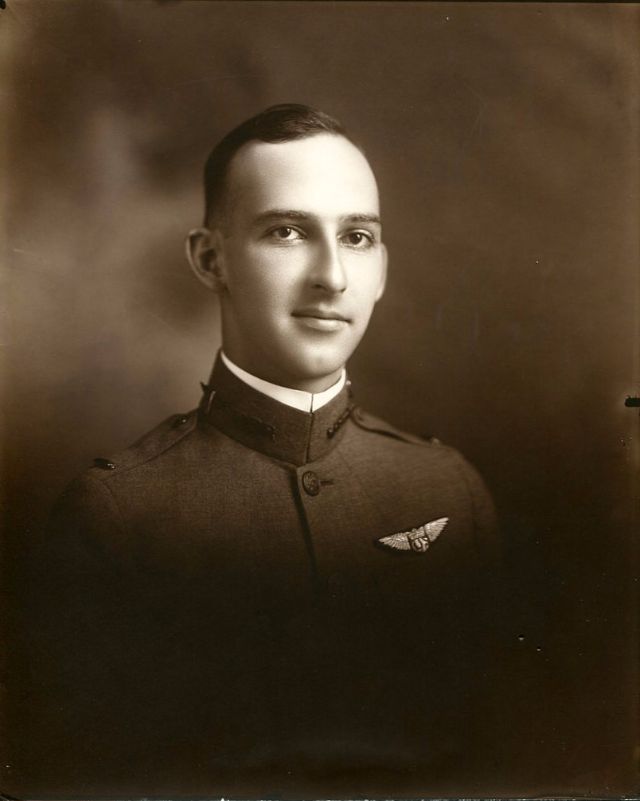
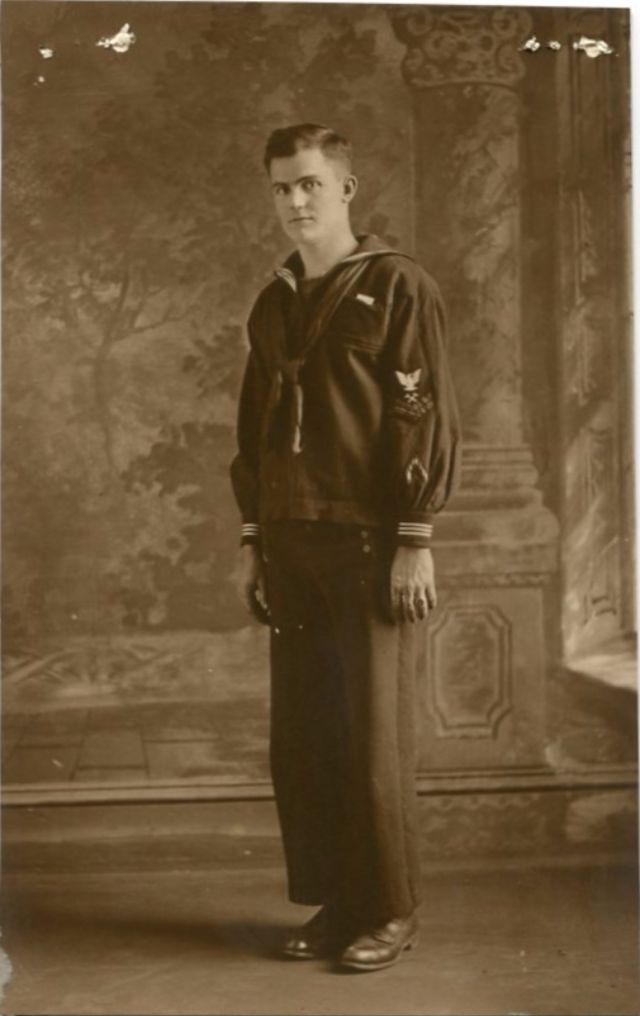
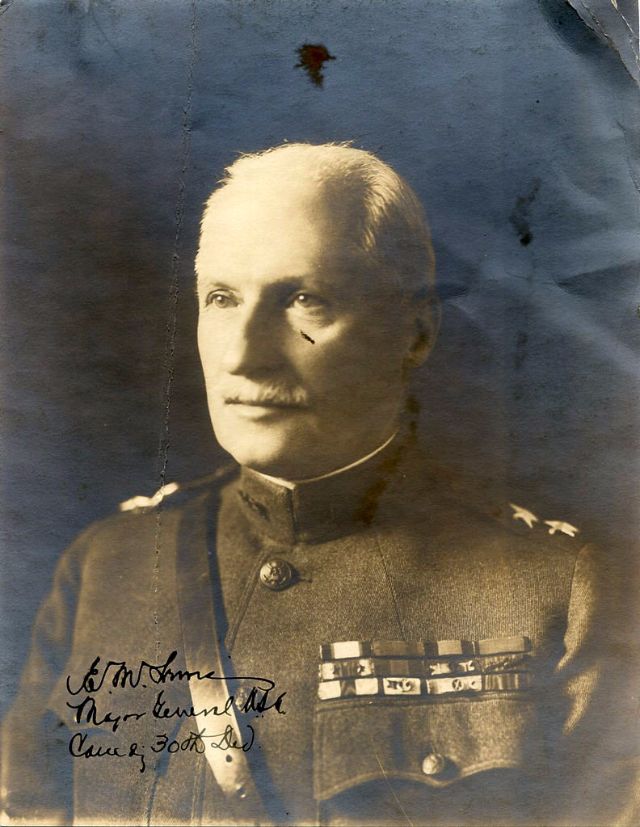
Bert R. Blythe of Tarboro, N.C., sitting in a chair in his Army uniform, holding onto the corner of an American flag, served in the 156th Depot Brigade and Company M, 321st Infantry.Brady N. Burleyson of Albemarle, N.C in his U.S. Army uniform, leaning against a stand, served in 322nd Infantry, 81st Division.Burnwell C. Jackson from Kinston, N.C., wearing his U.S. Army uniform, was killed on July 20, 1918, in Soissons, France, after being shot by a machine gun three times.Capt. Wallace Whitfield Riddick Sr., of West Raleigh, N.C., served as a U.S. Army engineer with the 105th Engineers and the 115th Field Artillery, 30th Division, in France.Captain Frank S. Spruill from Rocky Mount, N.C., wearing his U.S. Army uniform, served as a Captain in Company B, 52nd Infantry, 6th Division.Captain Thomas Park, served in the U.S. Army during World War I.Charles E. Hughes from Elizabeth City, N.C., wearing his U.S. Navy uniform, joined the U.S. Navy when he was just 16 years old in April 1917.Charles J. Bailey, wearing his full U.S. Army uniform and hat, served as Major General of the 81st Division.Chester Noah from Surry County, N.C. in his U.S. Army uniform., served in Company E, 321st Infantry, 81st Division.Clarence E. Midgett of Rodanthe, N.C., served as a Surfman as the U.S. Coast Guard at Station 179.Clifton Pittman, seated and wearing his U.S. Army uniform, served in the 81st Division.Clyde Cockerham from Surry County, N.C, served in the U.S. Navy as a Seaman 2nd Class.Colonel Holmes B. Springs, wearing his U.S. Army uniform, served as an officer in the 30th Division, in command of many North Carolinians.Colonel Paul C. Hutton from Goldsboro, N.C., served in U.S. Army Medical Department.Corp. William S. Gardner from Duplin County, N.C. in his U.S. Army uniform, served in Company G, 16th Infantry, 1st Division, died on July 29, 1918, in France.Corporal Kinchen C. Knight, of Whitakers, N.C., served in Company B of the 321 Infantry of the U.S. Army during World War I.David K. Merritt of Raleigh, N.C., wearing his U.S. Army uniform, served in Company L, 5th Pioneer Infantry, and in Company F, 56th Pioneer Infantry.Dewey A. Williams of Stanly County, N.C. in his Army uniform, served in the 38th Infantry, 3rd Division, was killed in action in France on July 18, 1918.Edgar H. Bain of Goldsboro, N.C., wearing a suit and bow tie, served in the 119th Infantry, 30th Division.Edward D. Bryan of Tarboro, N.C., served as Second Lieutenant with the 155 Depot Brigade, U.S. Army.Edward L. Pitt of Wilson County, N.C., wearing his U.S. Army uniform and campaign hat, with a hand-painted backdrop, served in the 156th Depot Brigade.Edward Theodore Quigley in the U.S. Navy uniform, served aboard the U.S. Navy battleship USS Mississippi.Elmus E. Baker of Tarboro, N.C. in his Army uniform with an American flag in the background, served in Co. B, 322nd Infantry, and 317th Ambulance Company, in France.G. M. O’Neil seated in a chair, wearing his U.S. Navy uniform and hat, served as a Fireman First Class in the U.S. Navy.Grady C. Stone of Surry County, N.C., served in the U.S. Army in the 156th Depot Brigade, and in Company K, 324th Infantry, 81st Division.Harvey R. Harris from Vance County, N.C., wearing his U.S. Army uniform, posing in front of a hand-painted backdrop, served in Company L, 321st Infantry, 81st Division.Haywood Maurice Taylor of Tarboro, N.C., wearing his U.S. Army uniform and officer’s hat, served on the home front as a 2nd Lieutenant.Henry G. Simpson from Wake Forest, N.C. in front of a hand-painted backdrop, served in the Headquarters Company, 316th Field Artillery, 81st Division.Howard L. Strohl, wearing his U.S. Army uniform, served in the 109th Machine Gun Battalion, 28th Division, was killed in action in Fismes, France, on August 8, 1918.Isaac G. Wilson of Trenton, N.C., wearing his Army uniform, served in Company E, 321st Infantry, 81st Division, and Company K, 119th Infantry, 30th Division.J. Leslie Stillman from Cherokee County, N.C., dressed in a suit and tie, served in Company G, 119th Infantry,30th Division, was killed from shrapnel in Belgium on July 26, 1918.James H. Baugham of Washington, N.C., wearing a heavy wool military coat over his military uniform, served as an aviator with the Lafayette Escadrille, and died in combat on July 2, 1918.James H. Graham, wearing his U.S. Army uniform and campaign hat, served in Company J, 127th Infantry, 32nd Division, was killed in action in Europe on August 6, 1918.James Hodges from Tarboro, N.C., seated on a bench, wearing his U.S. Navy uniform, served on the U.S. Navy battleship USS Alabama (BB-8).Jesse M. Avery from Harnett County, N.C., seated wearing his U.S. Army uniform, with American flags draped in the background, served in Company M, 119th Infantry, 30th Division.John A. Elmore from Selma, N.C. in his U.S. Army uniform and campaign hat, served in the 322nd Infantry, 81st Division.John Burt Exum Jr. from Wayne County, N.C., wearing his U.S. Army uniform, served during much of World War I in a Motor Battalion in Company D, 306th Ammunition Train, 81st Division.John E. King from Asheboro, N.C., wearing his dress Army uniform, served in two companies within the 18th Infantry, was killed in France on June 2, 1918.John E. Ray Jr., of Raleigh, N.C., wearing his U.S. Army uniform, served in the Medical Corps, 119th Infantry, 30th Division, was killed in combat on October 5, 1918.John N. Harrell of Raleigh, N.C., wearing his U.S. Army infantry uniform, served as captain in the U.S. Army Quartermaster Corps during World War I.John T. Ring from Kernersville, N.C., served as a Corporal in 97th Company, 6th Marine Regiment, U.S. Marine Corps, was killed in action from shrapnel on July 19, 1918, at Tigny, France.Joseph D. Boushall of Raleigh, N.C., wearing his Army Air Service uniform, served in the Army Air Service, primarily stationed at Eberts Field in Arkansas.Joseph Edward Stephenson of Halifax, N.C, volunteered at age 19 for the U.S. Navy, serving as a pipe fitter on ships.Joseph H. Johnston of Chapel Hill, N.C., served in the 322nd Infantry, 81st Division, U.S. Army.Joseph J. Mackey Jr. of Raleigh, N.C., in his U.S. Army uniform.Joseph L. Orr from Matthews, N.C., wearing his Marine Corps uniform, served in the 5th Marine Regiment, and was killed in action in Europe on June 9, 1918.Leland Brown from Northampton County, N.C., wearing his U.S. Army uniform, served in Company F, 306th Engineers, 81st Division.Lt. Buxton White from Elizabeth City, N.C., wearing his Army uniform and hat, served in the 2nd Anti-Aircraft Machine Gun Battalion.Lt. Col. Hugh H. Broadhurst from Goldsboro, N.C., wearing his dress Army uniform and medals, served as Provost Marshall for the 2nd Division.Lt. Frank M. Thompson of Raleigh, N.C., served in the 6th Infantry, 15th Machine Gun Battalion, 5th Division, was killed by machine gun fire at St. Mihiel, France in September 1918.Lt. Thomas J. Bullock from Henderson, N.C., served in the 367th Infantry, U.S. Army, died in action at the Second Battle of the Marne in France on September 2, 1918.Lyman A. Cotton of Salisbury, N.C., seated and wearing his U.S. Navy uniform, organized and commanded a flotilla of U.S. subchasers in the English Channel in 1918.Major General Edward M. Lewis in his decorated U.S. Army uniform, commanded American troops with the 30th Division in World War I.
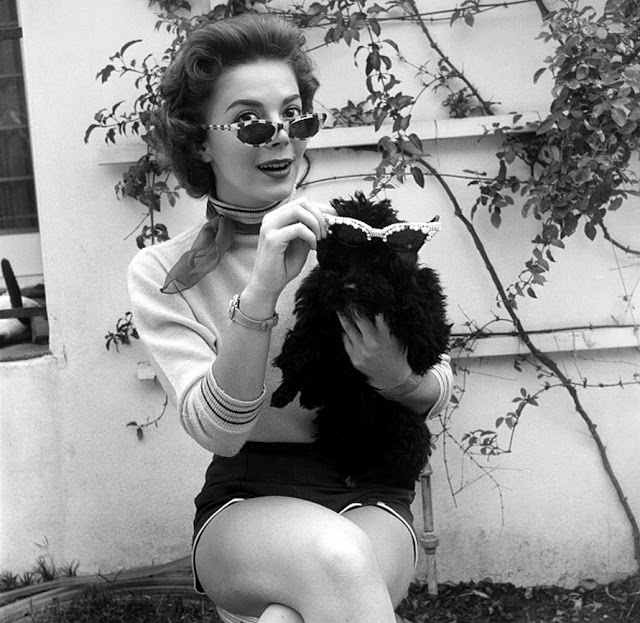
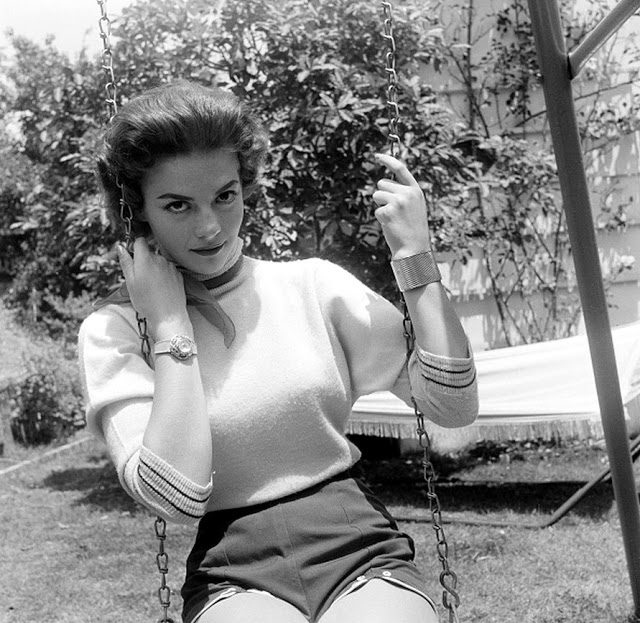
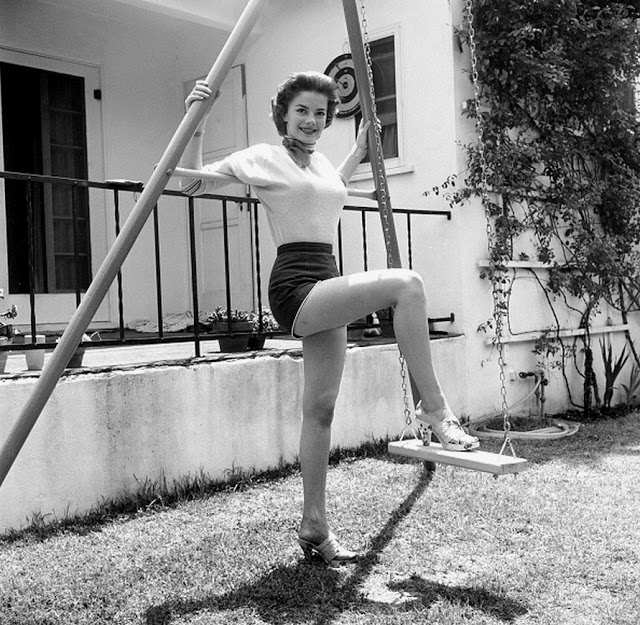
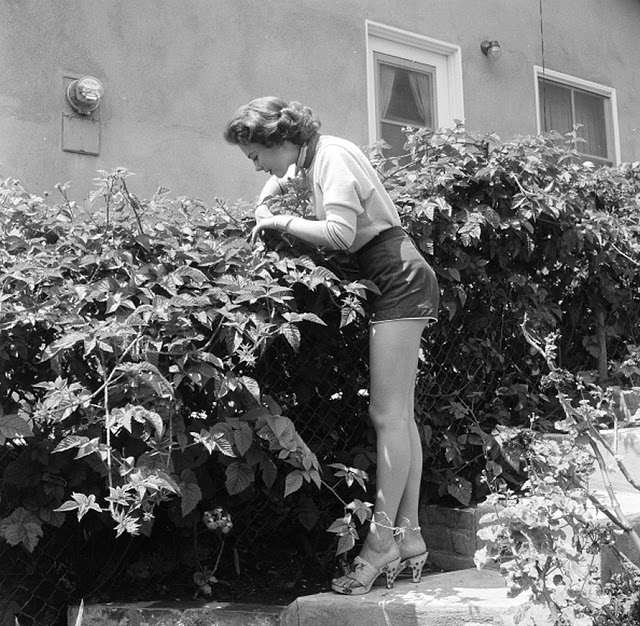
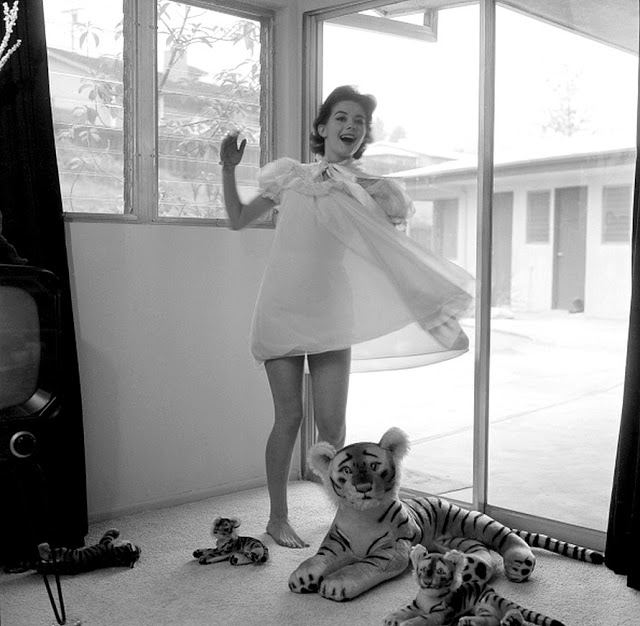
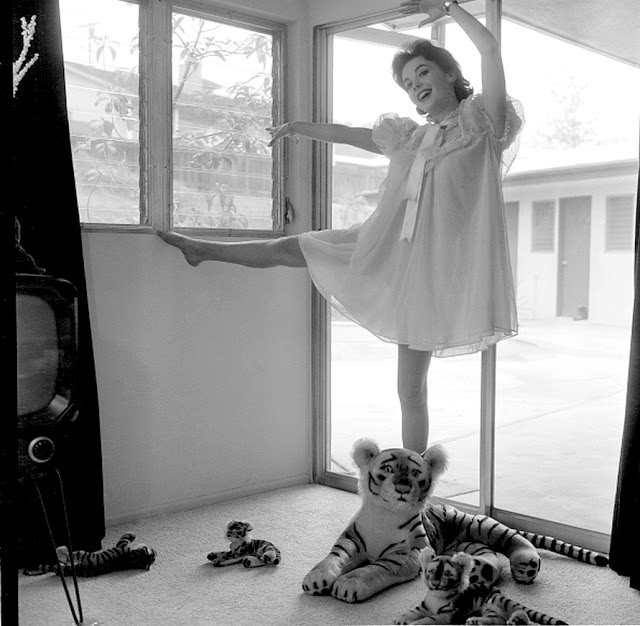
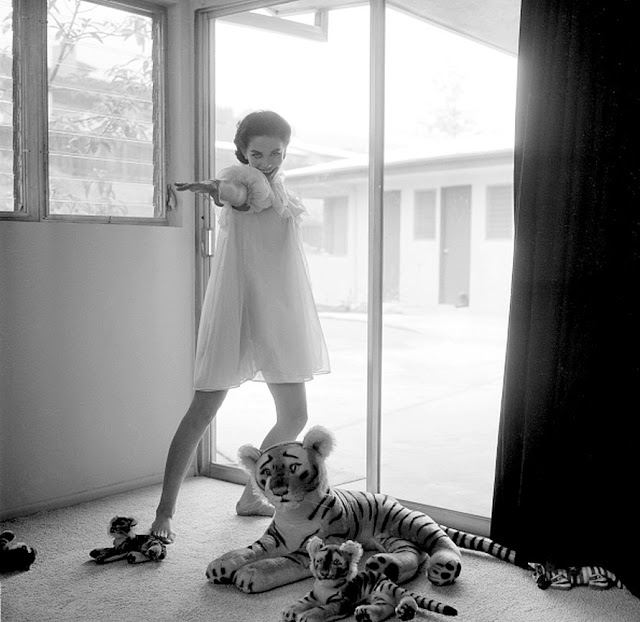
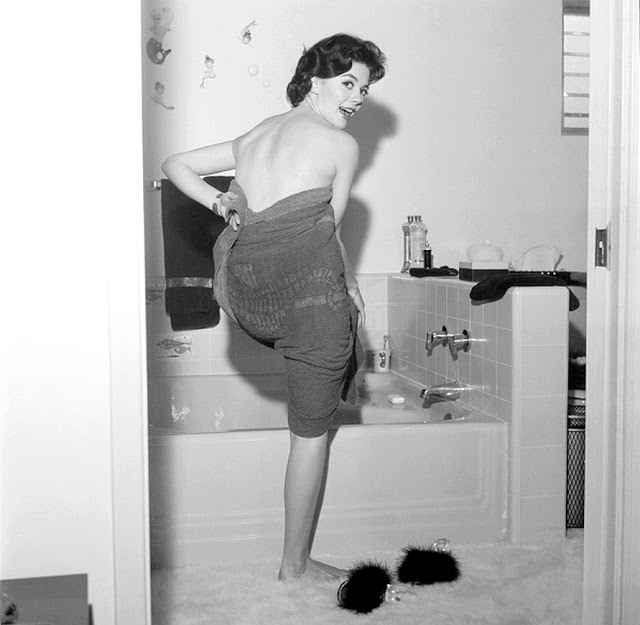
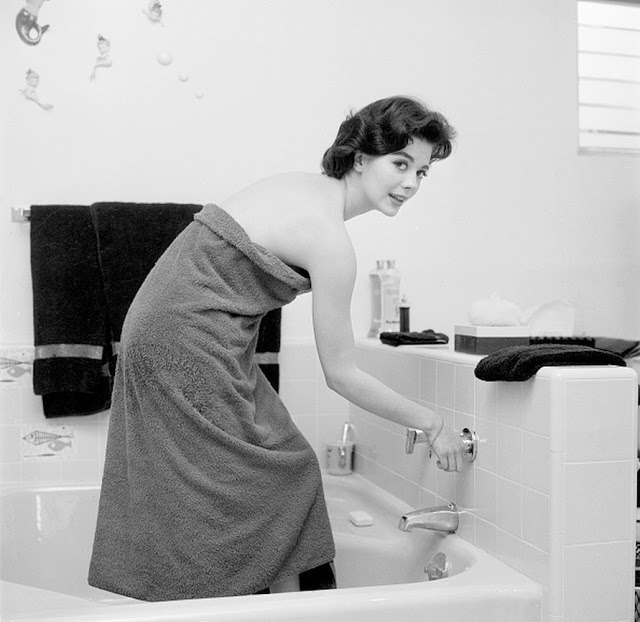
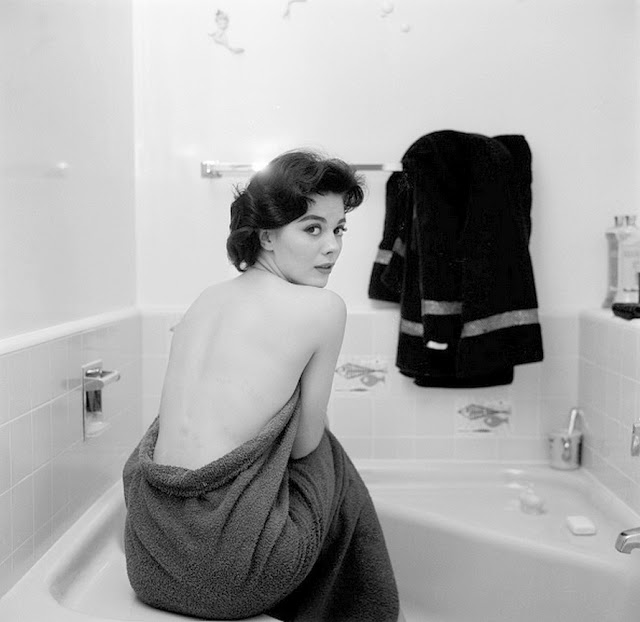
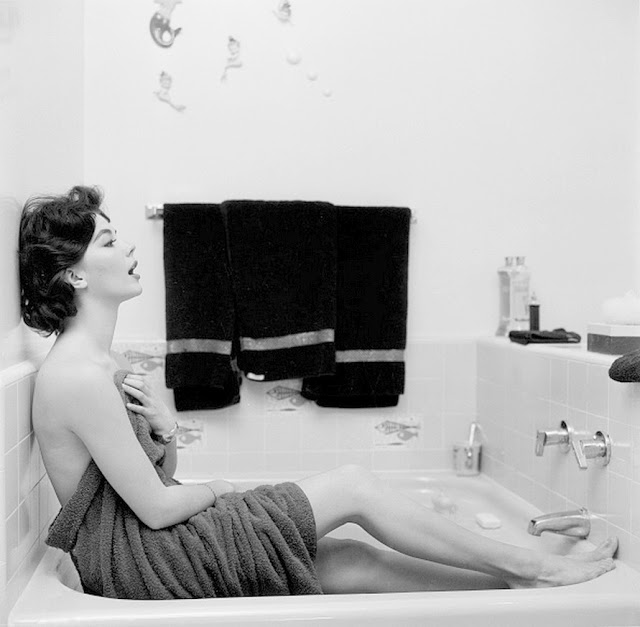
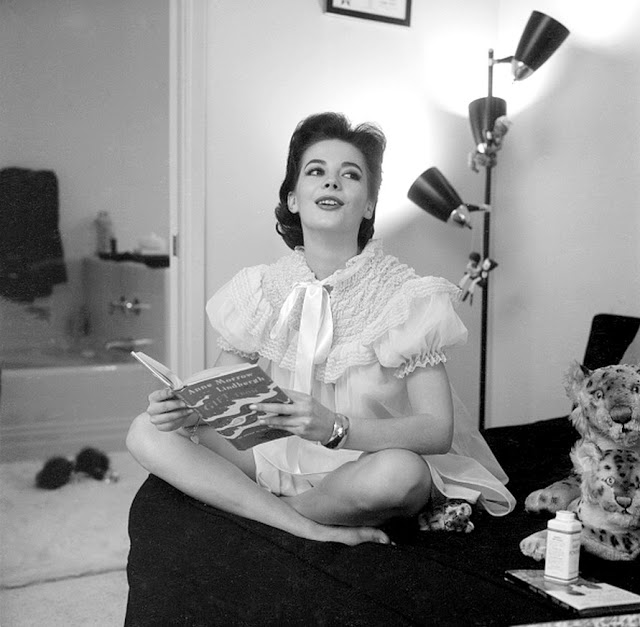
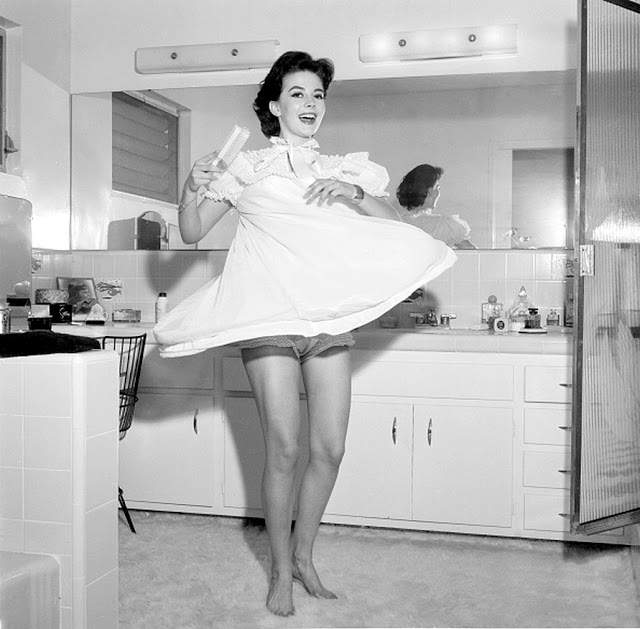
Natalie Wood (born Natalia Nikolaevna Zakharenko; July 20, 1938 – November 29, 1981) was an American actress who began her career in film as a child actor and successfully transitioned to young adult roles. She was the recipient of four Golden Globes, and three Academy Award nominations.
Born in San Francisco to Russian immigrant parents, Wood began her acting career at age 4 and was given a co-starring role at age 8 in Miracle on 34th Street (1947). As a teenager, she earned a nomination for the Academy Award for Best Supporting Actress for her performance in Rebel Without a Cause (1955), followed by a role in John Ford’s The Searchers (1956). Wood starred in the musical films West Side Story (1961) and Gypsy (1962), and she received nominations for the Academy Award for Best Actress for her performances in Splendor in the Grass (1961) and Love with the Proper Stranger (1963). Her career continued with films such as Sex and the Single Girl (1964), Inside Daisy Clover (1964), and Bob & Carol & Ted & Alice (1969).
During the 1970s, Wood began a hiatus from film and had a child with husband Robert Wagner, whom she had previously married and divorced. Wagner and Wood remarried after she divorced her second husband. She acted in only two feature films throughout the decade, but appeared slightly more often in television productions, including a remake of the film From Here to Eternity (1979) for which she received a Golden Globe Award. Wood’s films represented a “coming of age” for her and for Hollywood films in general. Critics have suggested that her cinematic career represents a portrait of modern American womanhood in transition, as she was one of the few to take both child roles and those of middle-aged characters.
Wood drowned off Santa Catalina Island on November 29, 1981, at age 43, during a holiday break from the production of Brainstorm (1983) with Christopher Walken. The events surrounding her death have been the subject of conflicting witness statements, prompting the Los Angeles County Sheriff’s Department, under the instruction of the coroner’s office, to list her cause of death as “drowning and other undetermined factors” in 2012. In 2018, Wagner was named as a person of interest in the ongoing investigation into Wood’s death.
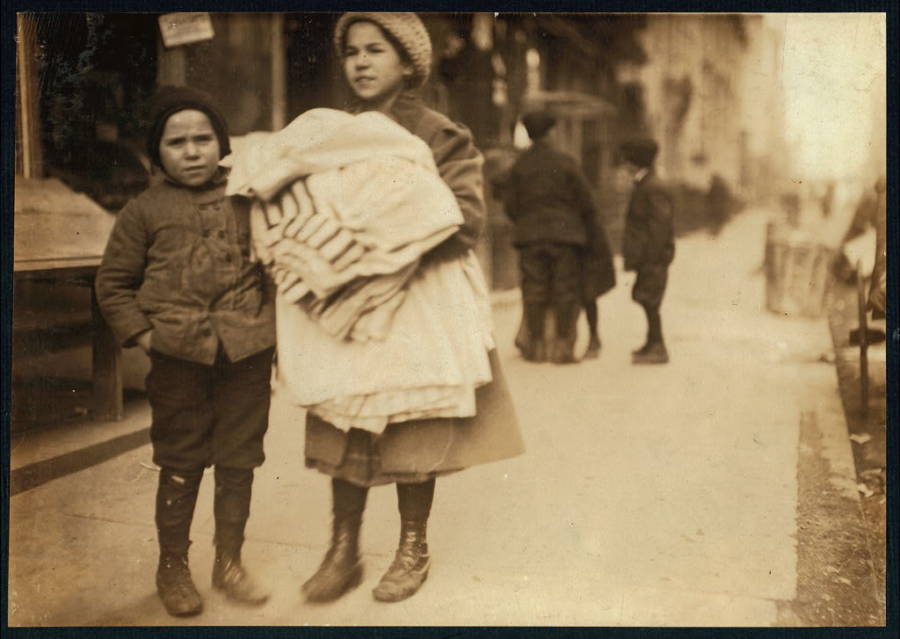
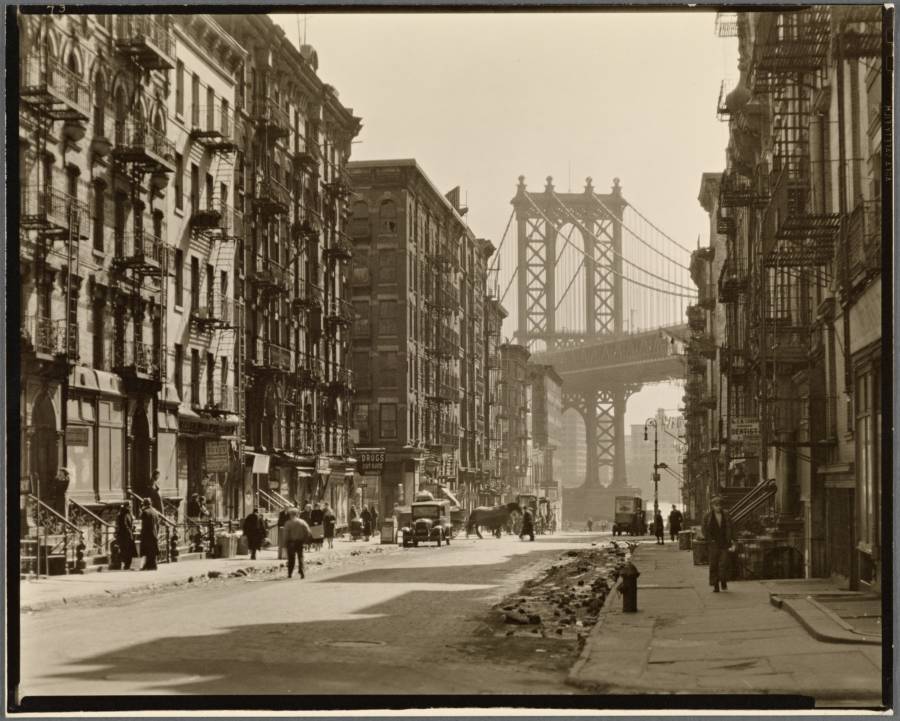
“Bandit’s Roost,” a notorious hangout for the criminal element at 59 Mulberry Street in Little Italy, 1888. At the time, the area was among the most impoverished and crime-ridden in the entire city.
Subscribe to get access
Read more of this content when you subscribe today.
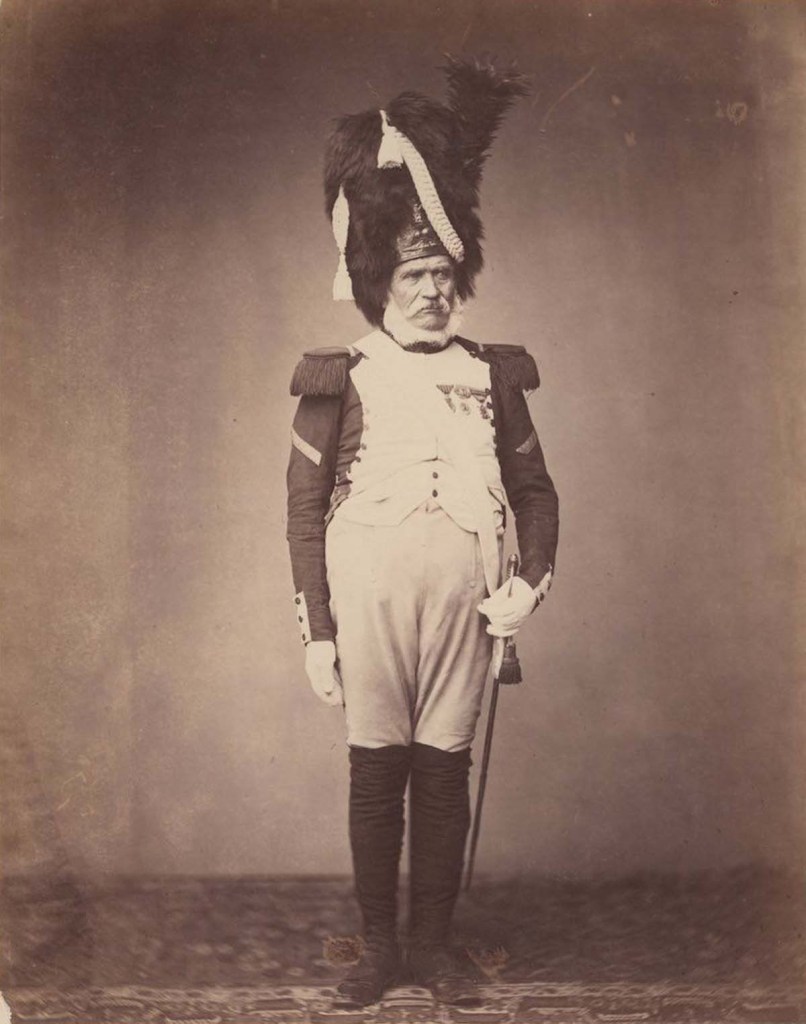
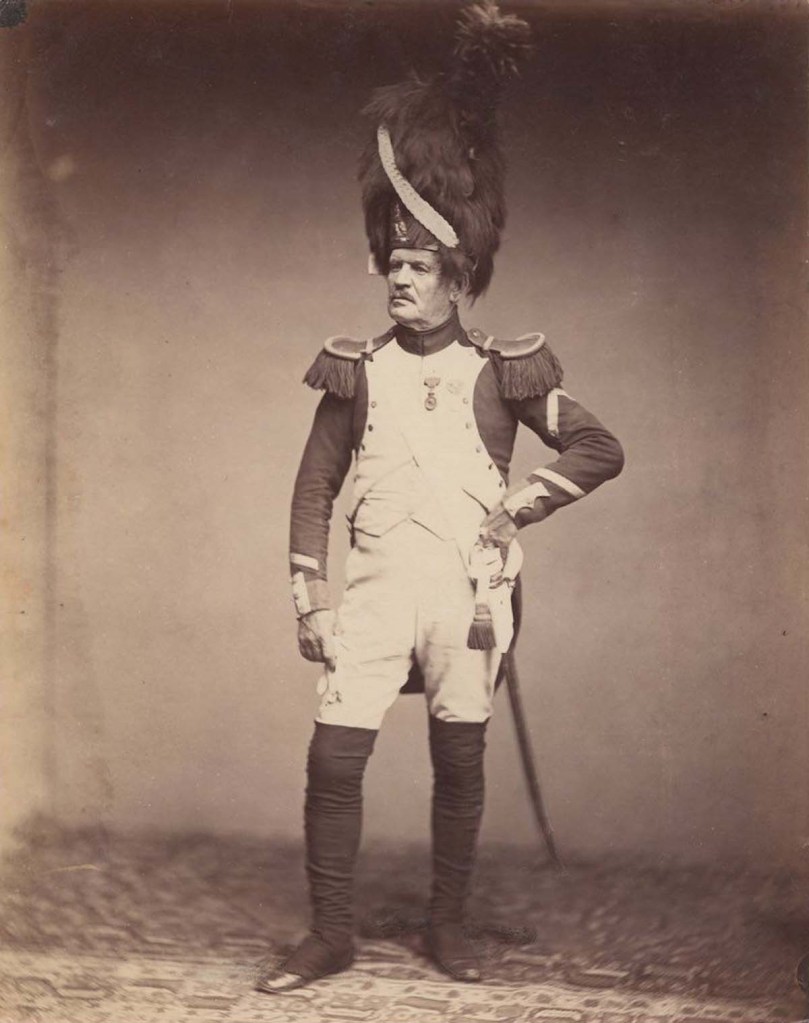
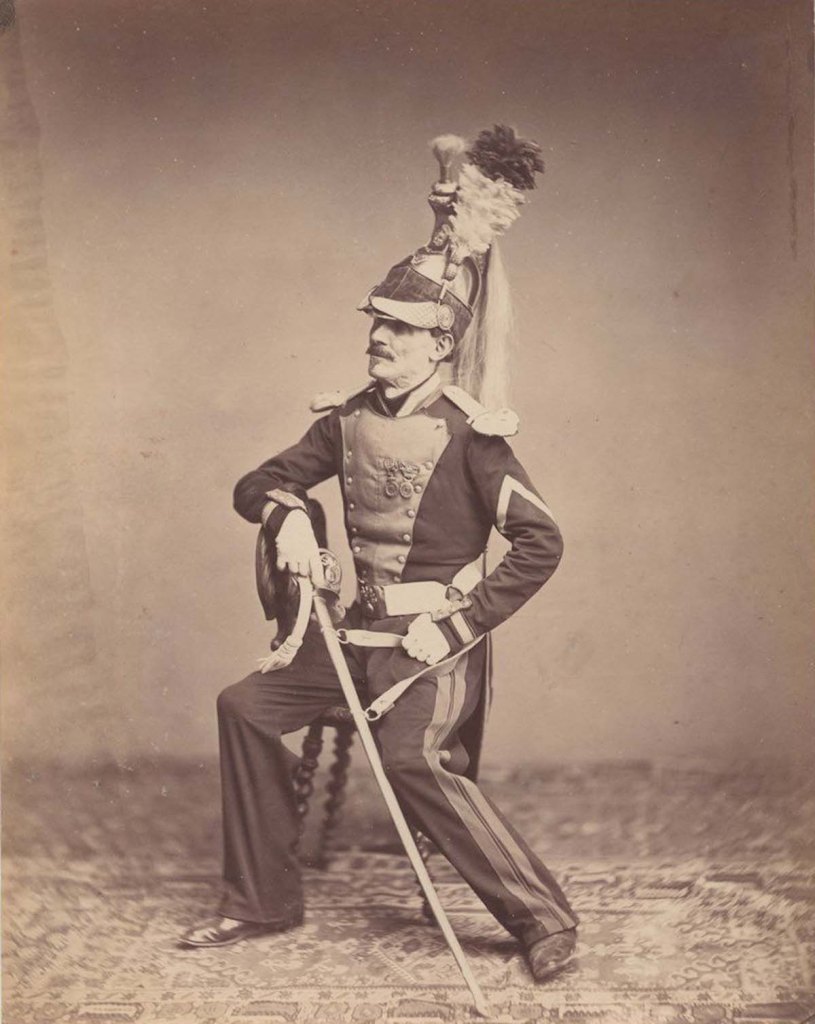
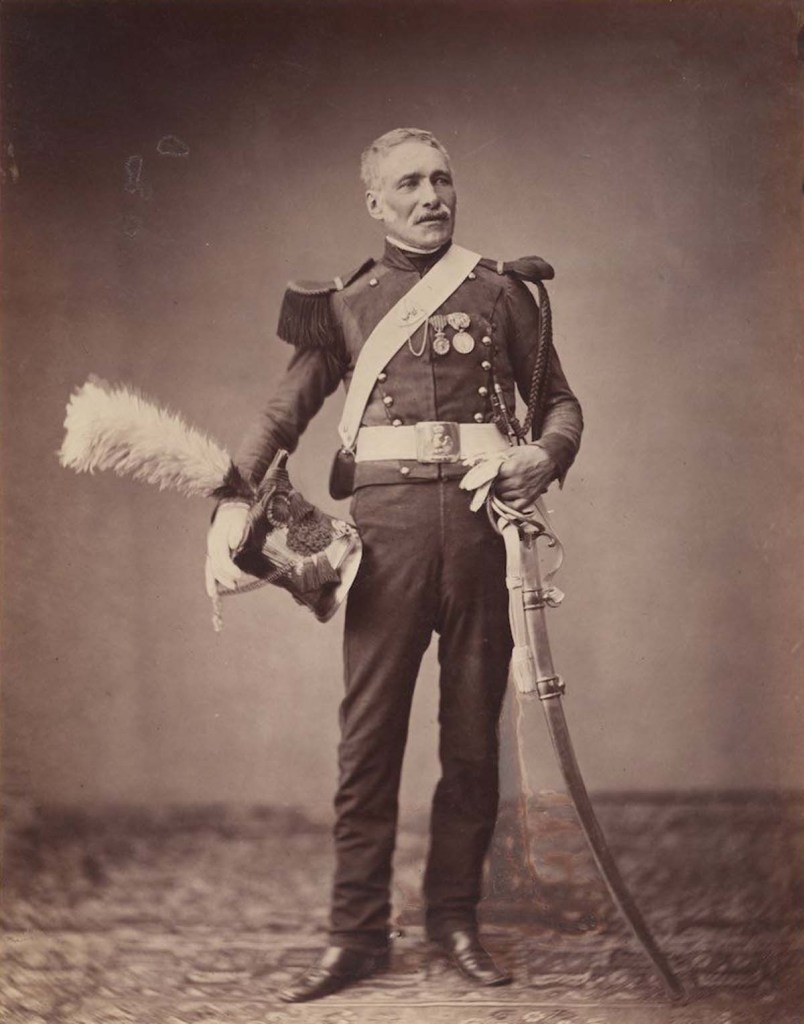
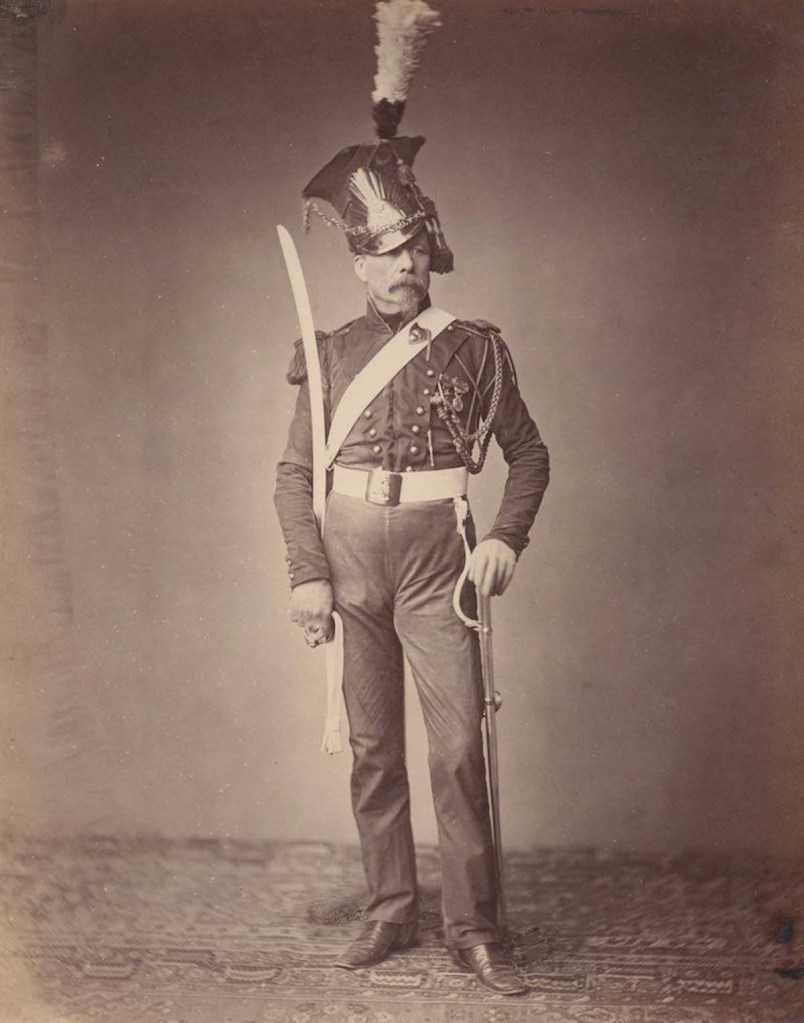
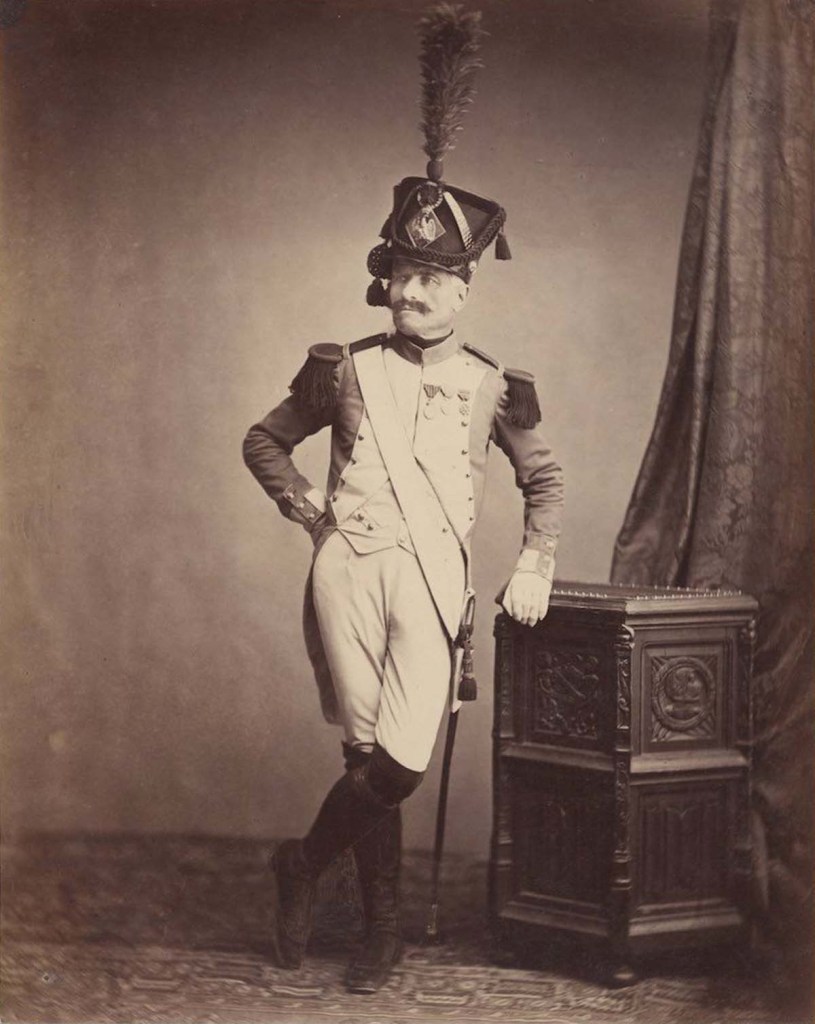
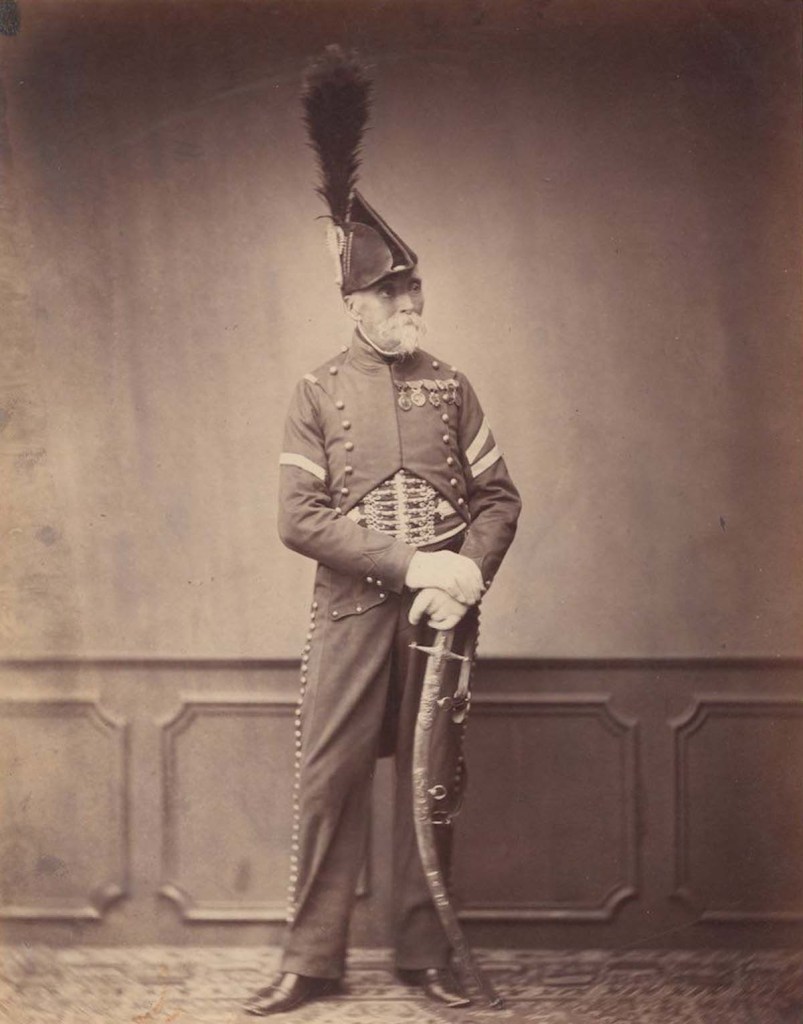
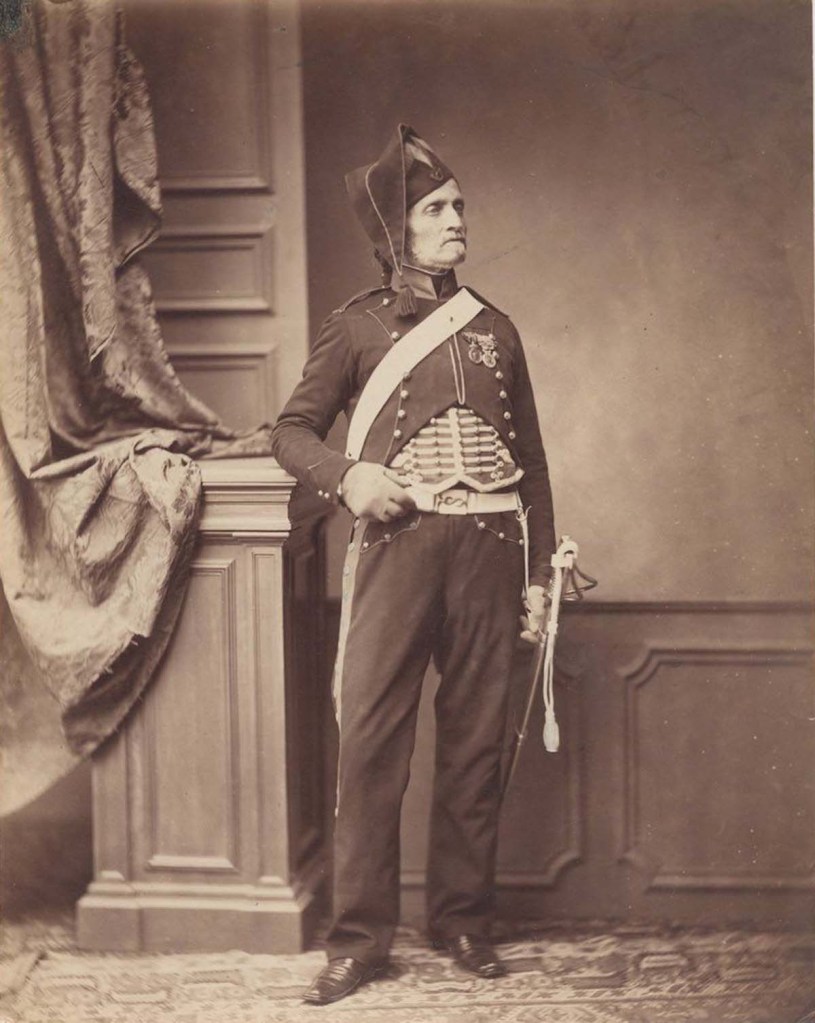
These remarkable photographs provide probably the only surviving images of veterans of the Grande Armée and the Guard actually wearing their original uniforms and insignia, although some of the uniforms have obviously been recut by tailors of the 1850’s. All the men — at this time in their 70s and 80s — are wearing the Saint Helena medals, issued in August 1857 to all veterans of the wars of the Revolution and the Empire.
The men were well into old age when the pictures were taken, and some were clearly struggling to stay still for the length of the camera’s exposure (hence the blurring on some of the pictures). But they all look impressive in their uniforms complete with epaulettes, medals, sashes and plumes.
The date of the event – May 5, 1858 – provides the reason why these men were in Paris for that was the anniversary of the death of Napoleon and every year on that date veterans gathered in the capital, as the Times of London in May 1855 noted: “The base and railings of the column of the Place Vendôme appear this day decked out with the annual offerings to the memory of the man whose statue adorns the summit. The display of garlands of immortelles, and other tributes of the kind, is greater than usual… the old soldiers of the Empire performed their usual homage yesterday at the same place”. On the same day, a funeral service was held in the chapel of the Invalides attended by Prince Jerome and other dignitaries. The entire personnel of the Invalides as well as soldiers of the First Empire were present.
Napoleon’s armies conquered much of Europe but French dominion collapsed rapidly after the disastrous invasion of Russia in 1812. The wars revolutionized European armies and played out on an unprecedented scale, mainly owing to the application of modern mass conscription. The Napoleonic wars resulted in the dissolution of the Holy Roman Empire and sowed the seeds of nationalism that led to the consolidations of Germany and Italy later in the century. The global Spanish Empire began to unravel as French occupation of Spain weakened Spain’s hold over its colonies, providing an opening for nationalist revolutions in Spanish America. As a result of the Napoleonic wars and the losses of the other great powers, the British Empire became the foremost world power for the next century.
Historians have debated for centuries how Napoleon Bonaparte managed to turn the same men who once overthrew a king in the name of liberté, égalité and fraternité into a formidable fighting force devoted to an emperor. But that’s precisely what he did. As he swept through Italy, Spain and Egypt, his army grew rapidly and not just with French troops. Polish, German, Dutch and Italian soldiers took up arms under Napoleon’s banner. In 1805, in a French village facing the English Channel, Napoleon christened his massive multinational army the Grande Armée.
Originally, the diminutive despot from Corsica planned to use the force to invade Britain but that ultimately never happened. Instead, he directed his force to take out some of his continental rivals. The Grande Armée destroyed the Holy Roman Empire at Austerlitz. After it forced the Austrians into submission following the Battle of Wagram in 1809, the Grande Armée set out for Napoleon’s disastrous campaign in Russia. As it marched towards Moscow in 1812, its ranks swelled to over a half million troops. As it retreated, it was reduced to less than 120,000.
Napoleon and the Grande Armée were finally defeated in 1815 during the Battle of Waterloo. And though Napoleon was ignominiously exiled to Elba, he, and his army, continued to be revered by the French. On the anniversary of his death, May 5th, veterans of the Napoleonic wars would pay homage to the Emperor by marching in full uniform through Paris’ Place Vendôme.
In 1858, someone took portraits of the veterans using that newfangled technology called photography. The men were well into old age when the pictures were taken, and some were clearly struggling to stay still for the length of the camera’s exposure. But they all look impressive in their uniforms complete with epaulettes, medals, sashes and plumes. You can see some of the images below.
Grenadier Burg of the 24th Regiment of the Guard of 1815.Monsieur Maire of the 7th Hussars circa 1809-1815.Monsieur Loria of the 24th Mounted Chasseur Regiment and a Chevalier of the Legion of Honour, who appears to have lost his right eye.Quartermaster Sergeant Delignon in the uniform of a Mounted Chasseur of the Guard.Sergeant Taria in the uniform of the Grenadiere de la Garde of 1809-1815.Monsieur Ducel, a Mameluke de la Garde.Monsieur Mauban of the 8th Dragoon Regiment of 1815.Monsieur Lefebre, a sergeant in the 2nd Regiment of Engineers in 1815.Pictured in his grand hussar uniform is Monsieur Moret of the 2nd Regiment, 1814-1815.Monsiuer Dreuse of the 2nd Light Horse Lancers of the Guard.Monsieur Verlinde of the 2nd Lancers.Monsieur Vitry of the Departmental Guard.Monsieur Dupont who was fourier for the 1st Hussar.Quartermaster Fabry of the 1st Hussars.Monsieur Schmit of the 2nd Mounted Chasseur Regiment.
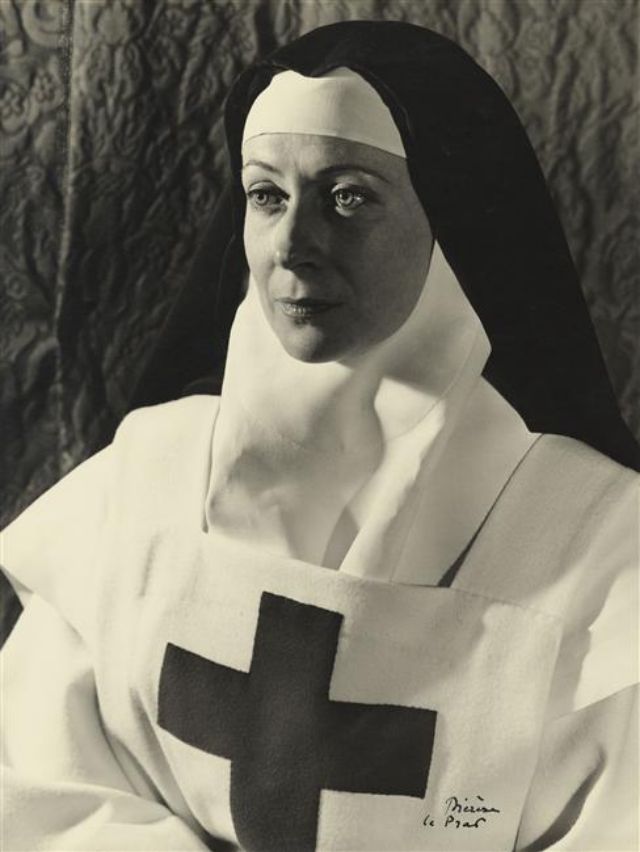
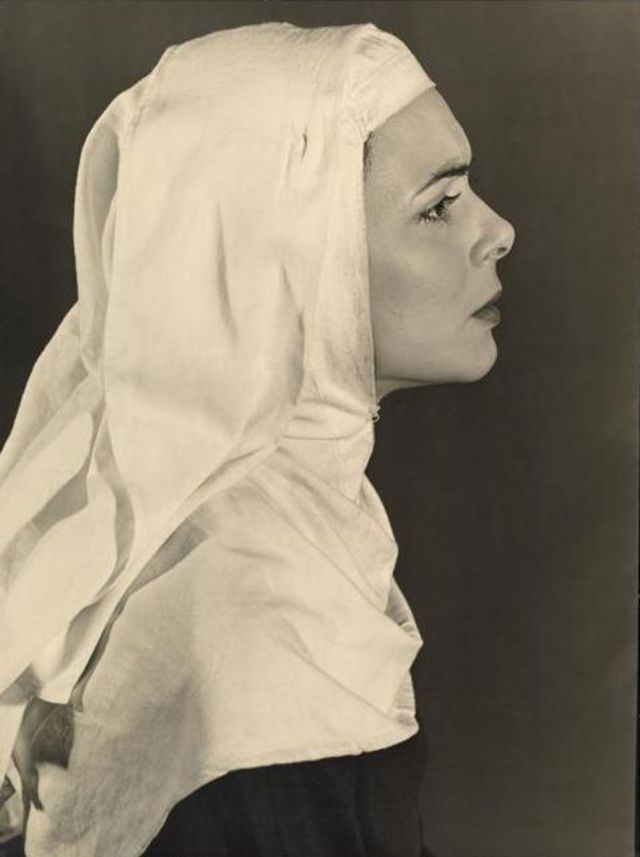
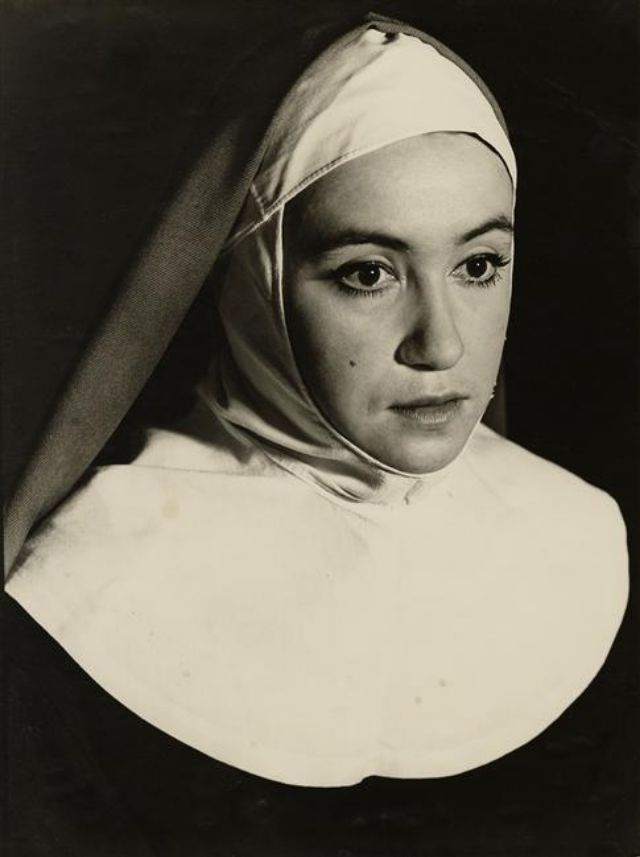
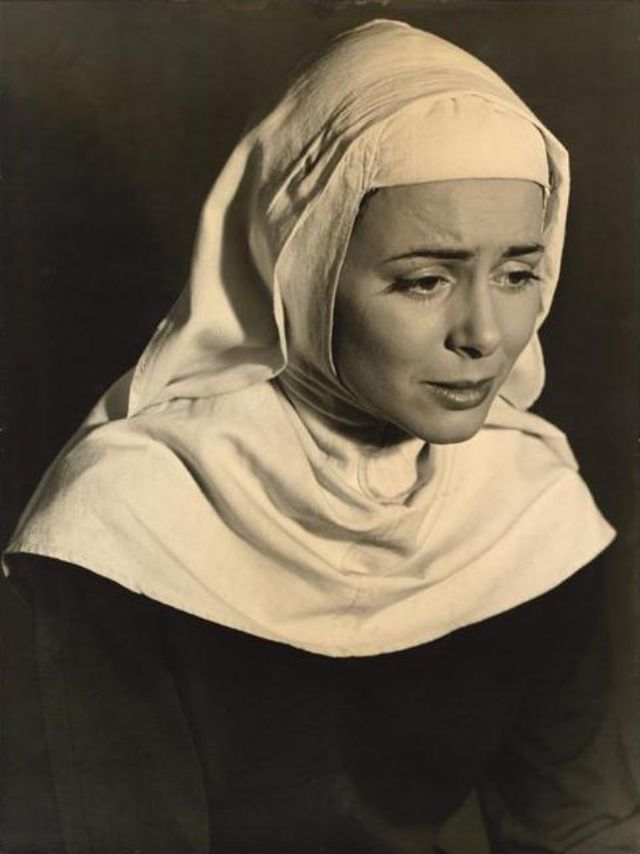
Though brought up in a family mostly interested in scientific studies, French photographer Thérèse Le Prat, born Thérèse Cahen in 1895 in Pantin, was taught literature and music.
When she divorced the publisher Guillaume Le Prat in the early 1930s, he offered her a really good camera, and she started photography. Thanks to her dawning talent and to her knowledge of several languages, she was employed by the Compagnie des Messageries maritimes as a reporter, mainly in Asia, Oceania and Africa.
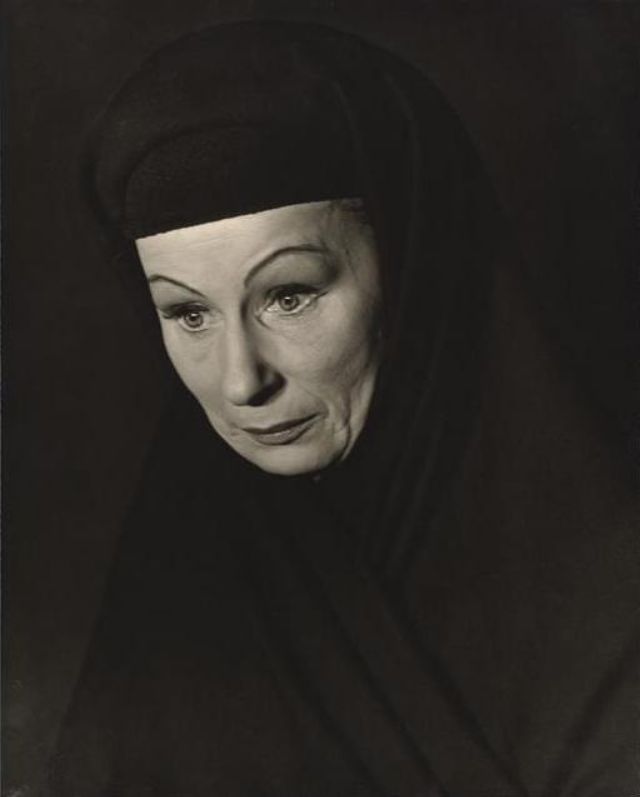
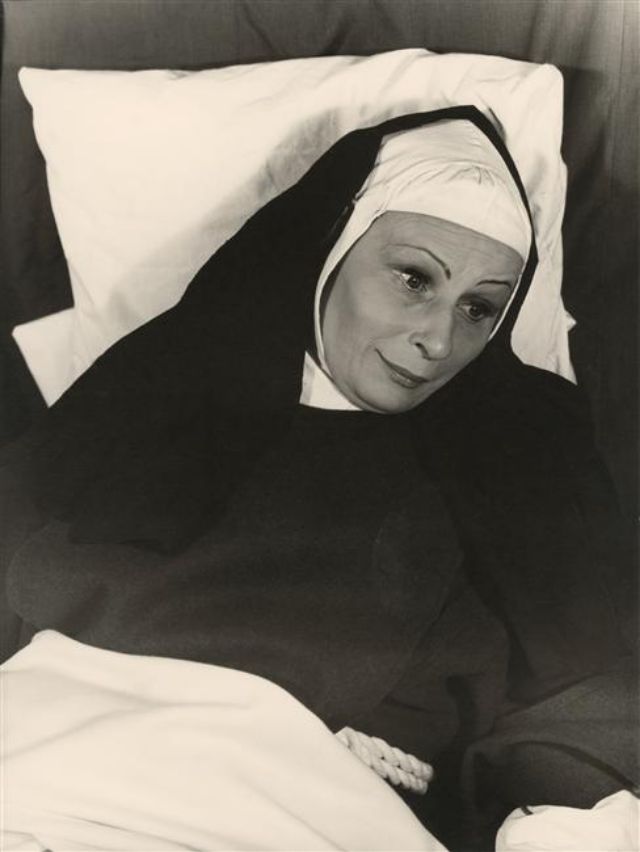
After experimenting with landscape and portrait photography, Thérèse Le Prat concentrated on photographing faces. At first, she was photographing stage actors. But then her work turned more abstract – she had actors perform for her camera, at first with masks, then with makeup alone. In exploring the face, Thérèse Le Prat looked to reveal extremes of human depth and emotion. And she added words to the mix: her later books include both prose and poetry to push the exploration further.
She continued her most expressionistic work with diverse faces until her death, after which the photographs were published in En Votre Gravité, Visages (1966).