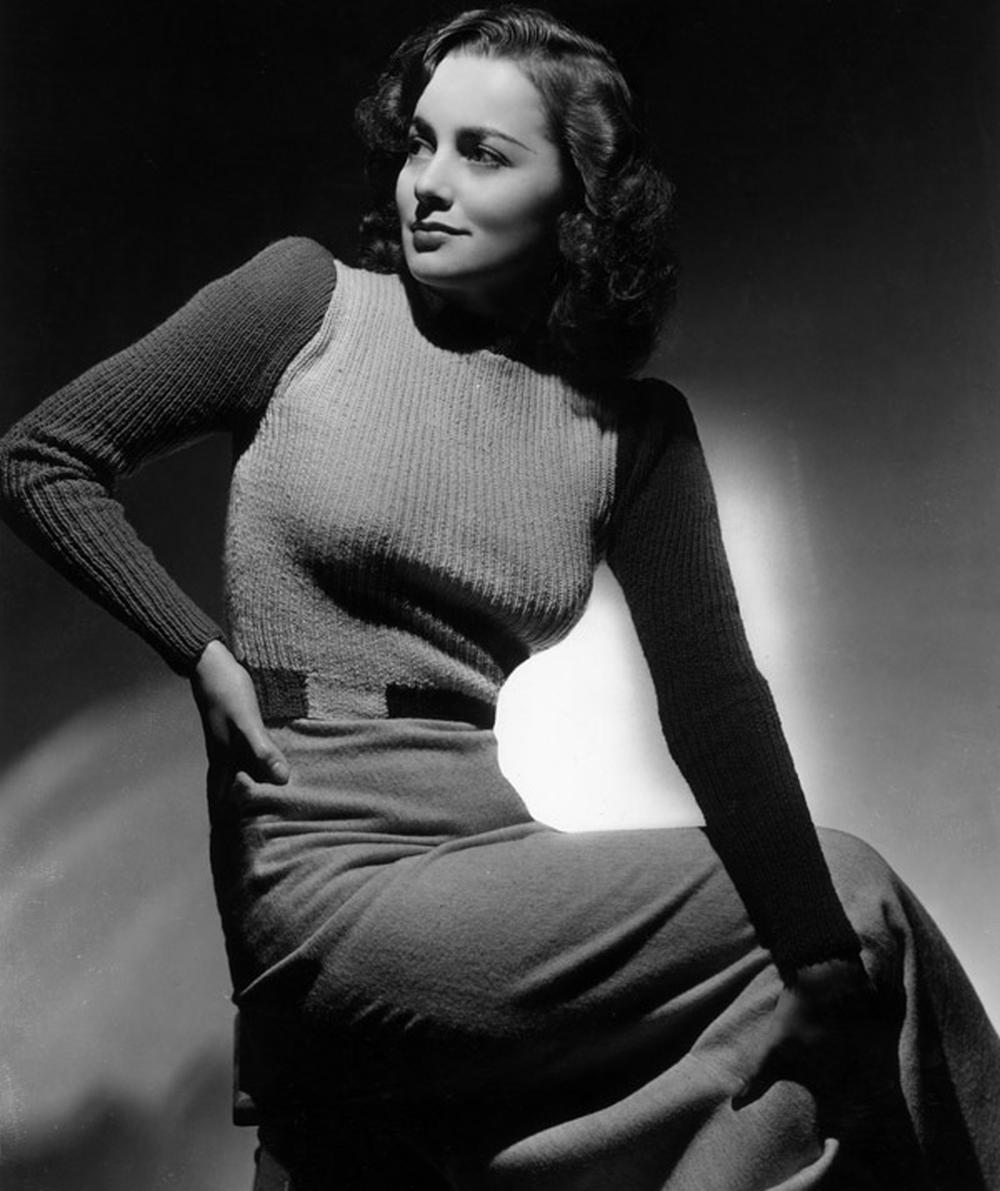
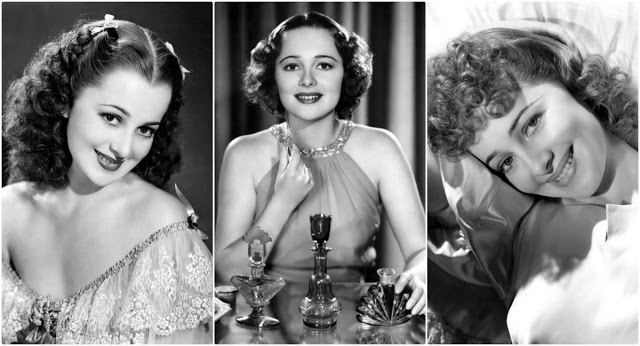
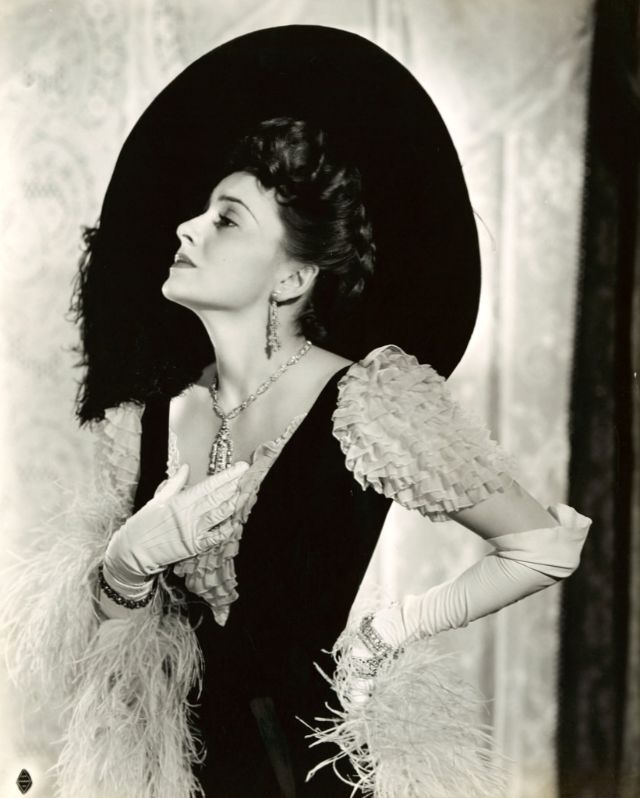
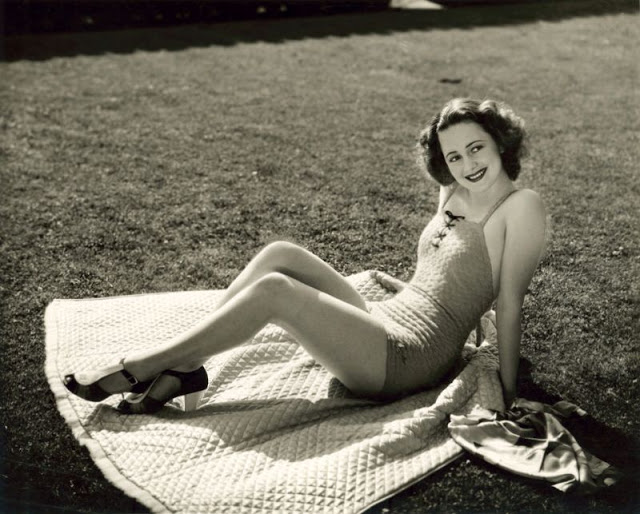
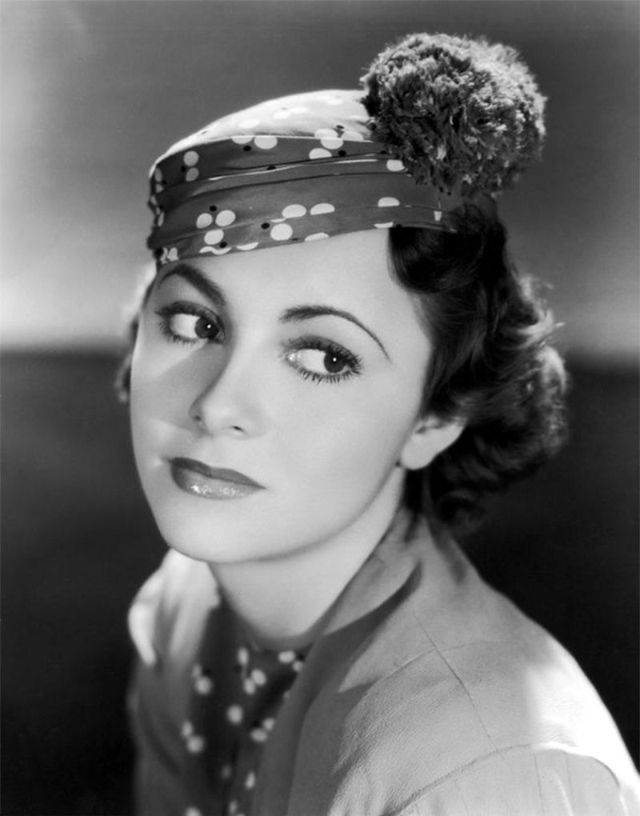
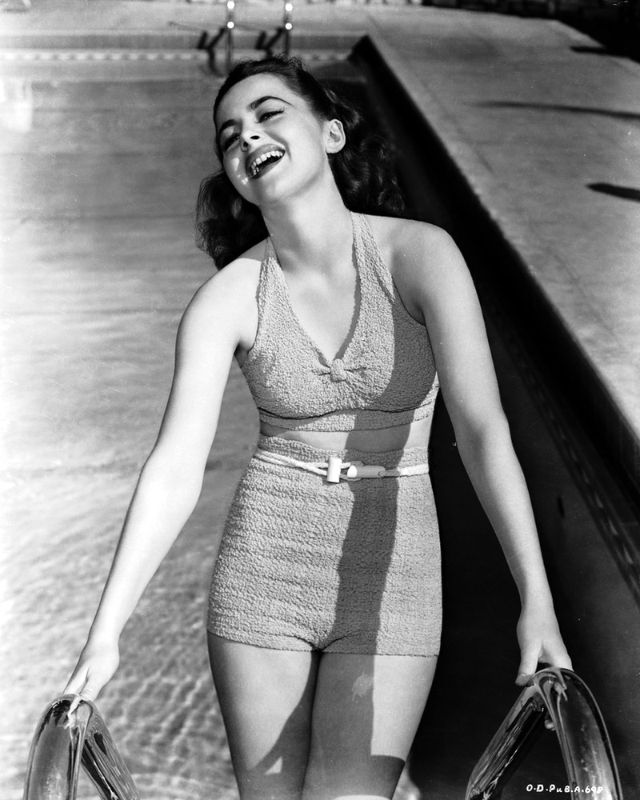
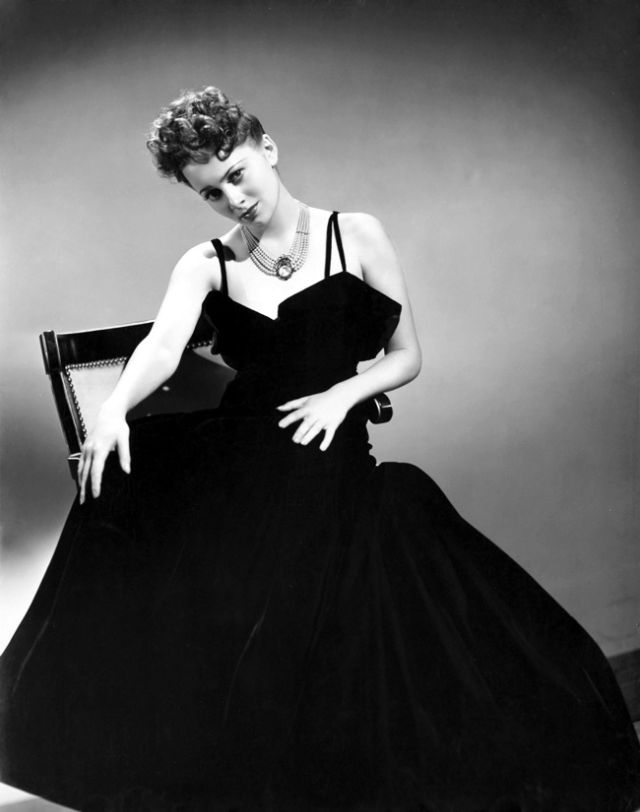
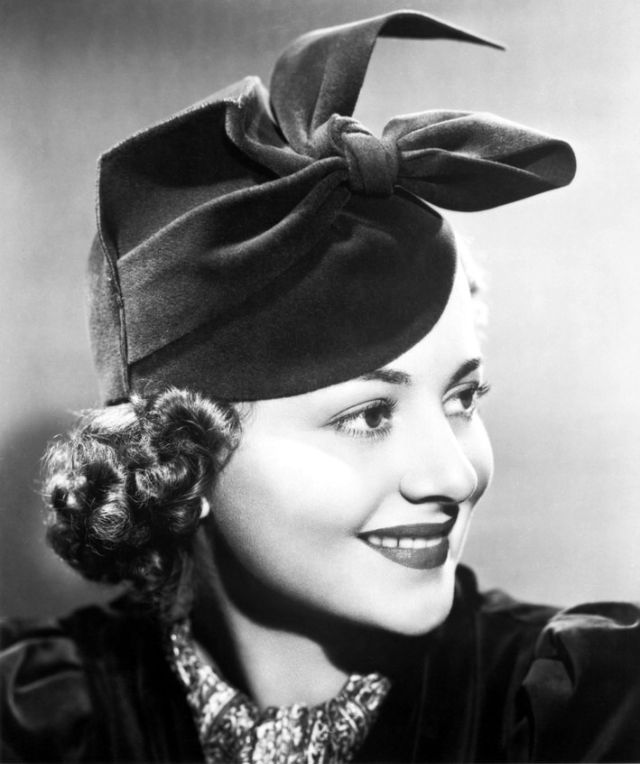
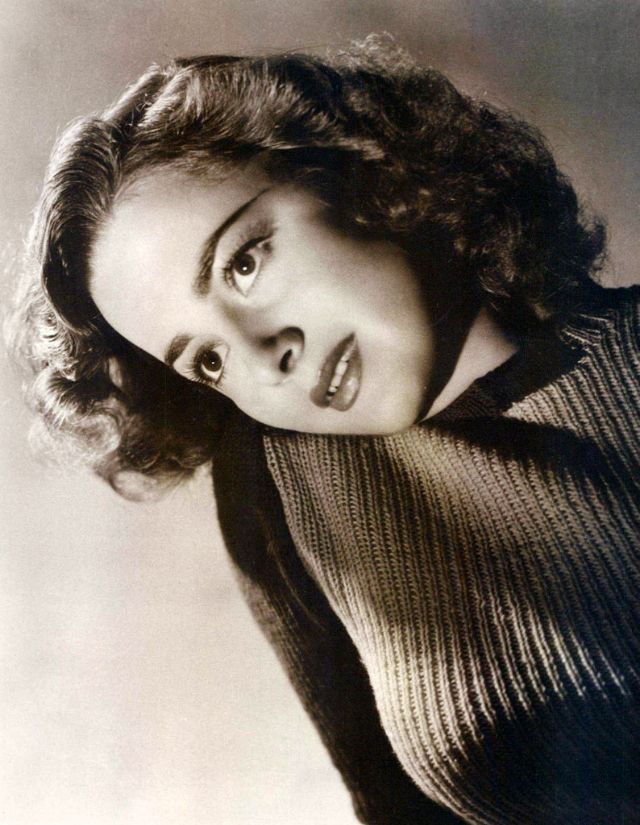
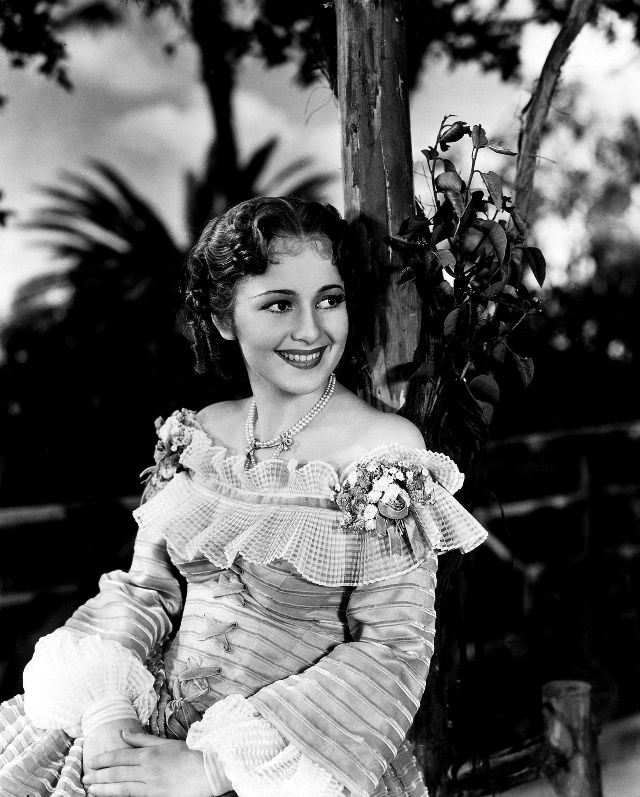
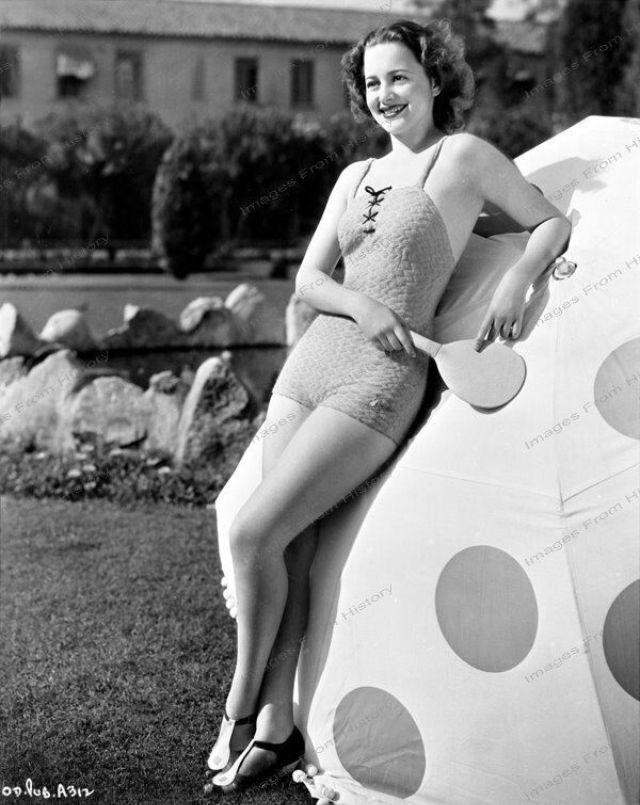
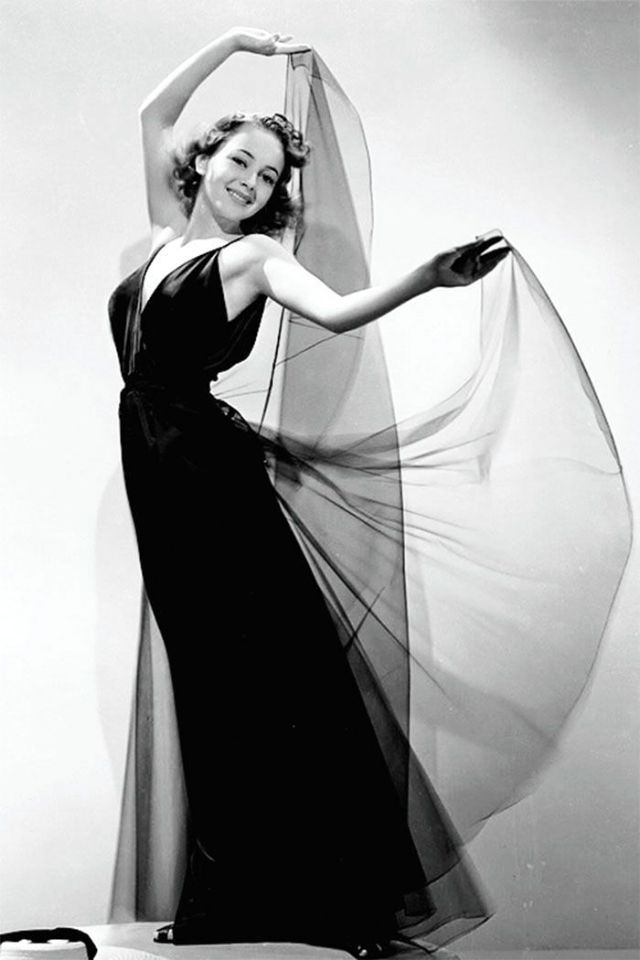
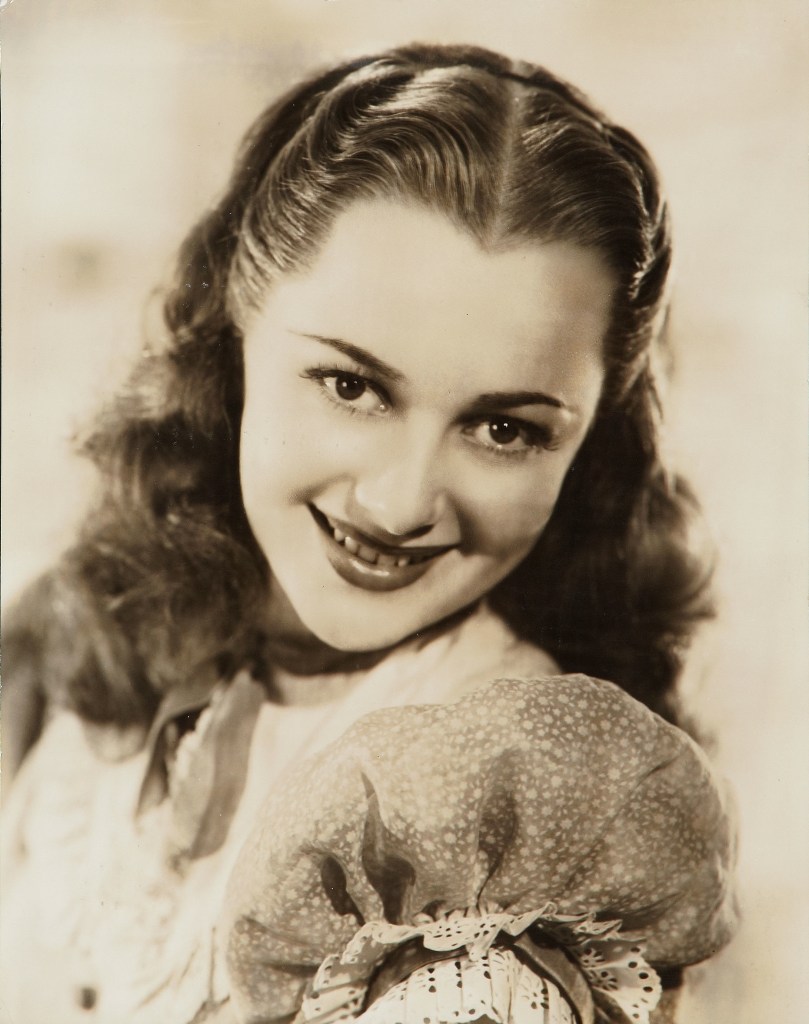
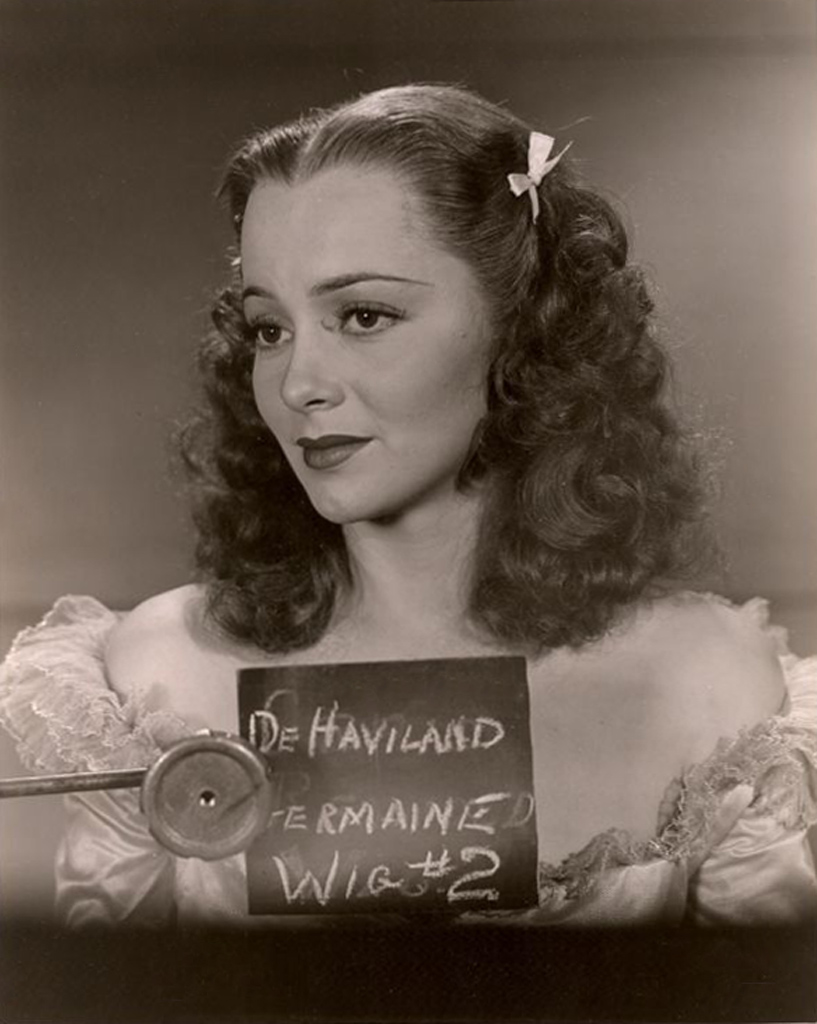
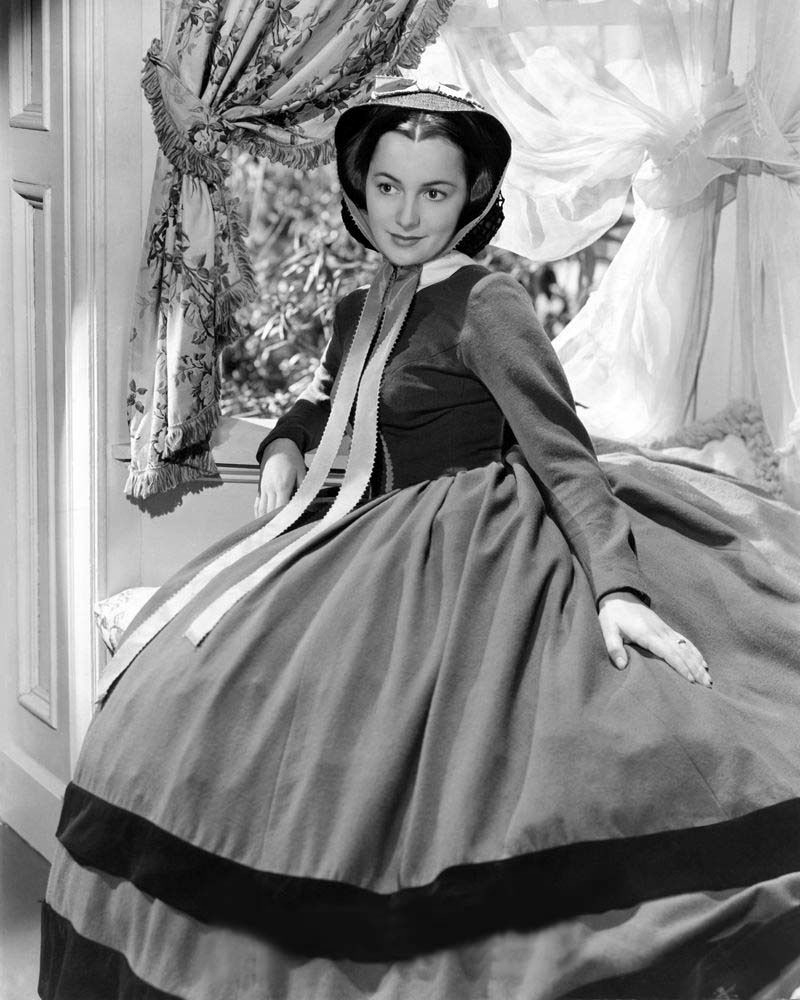
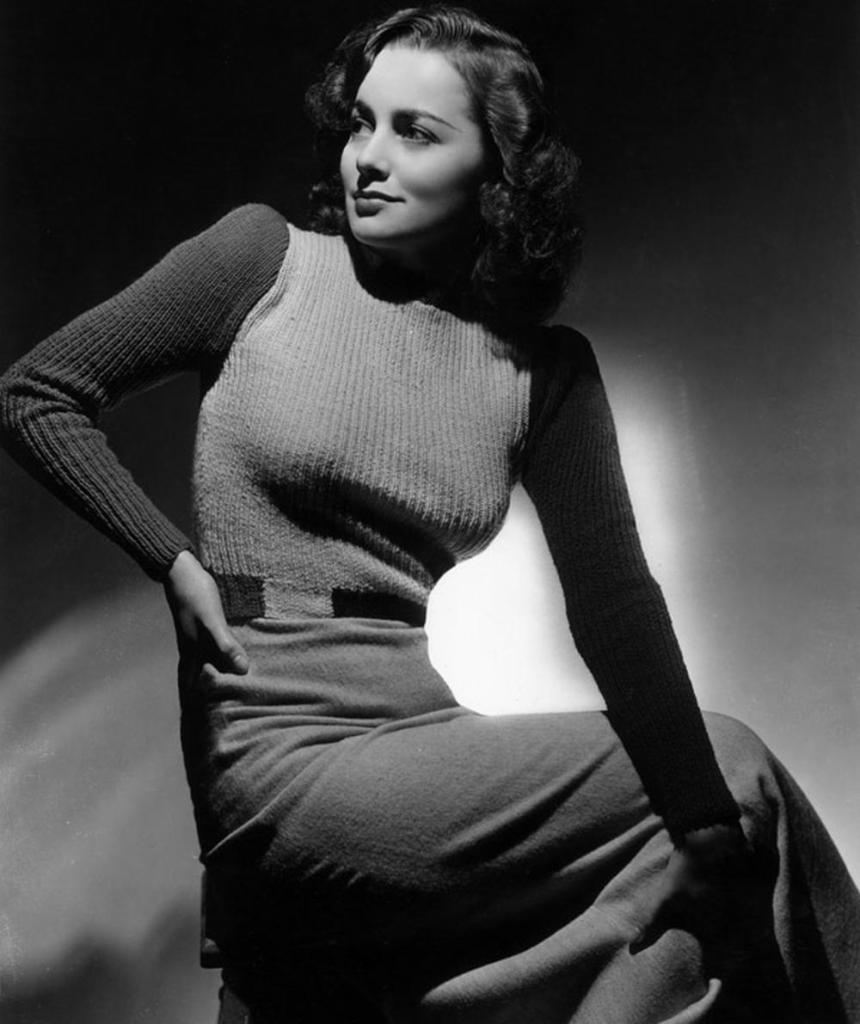
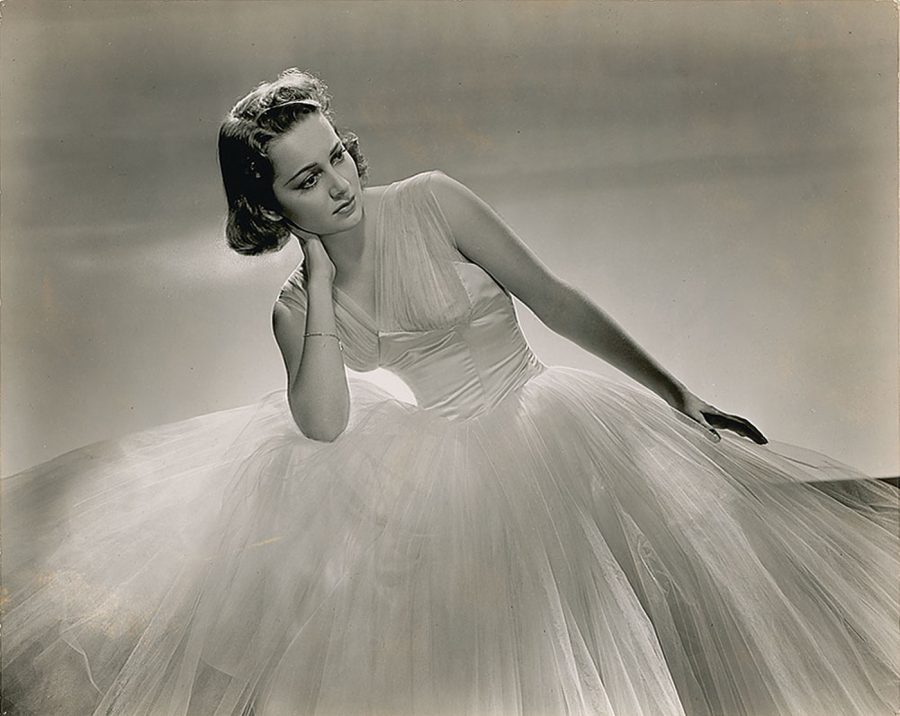
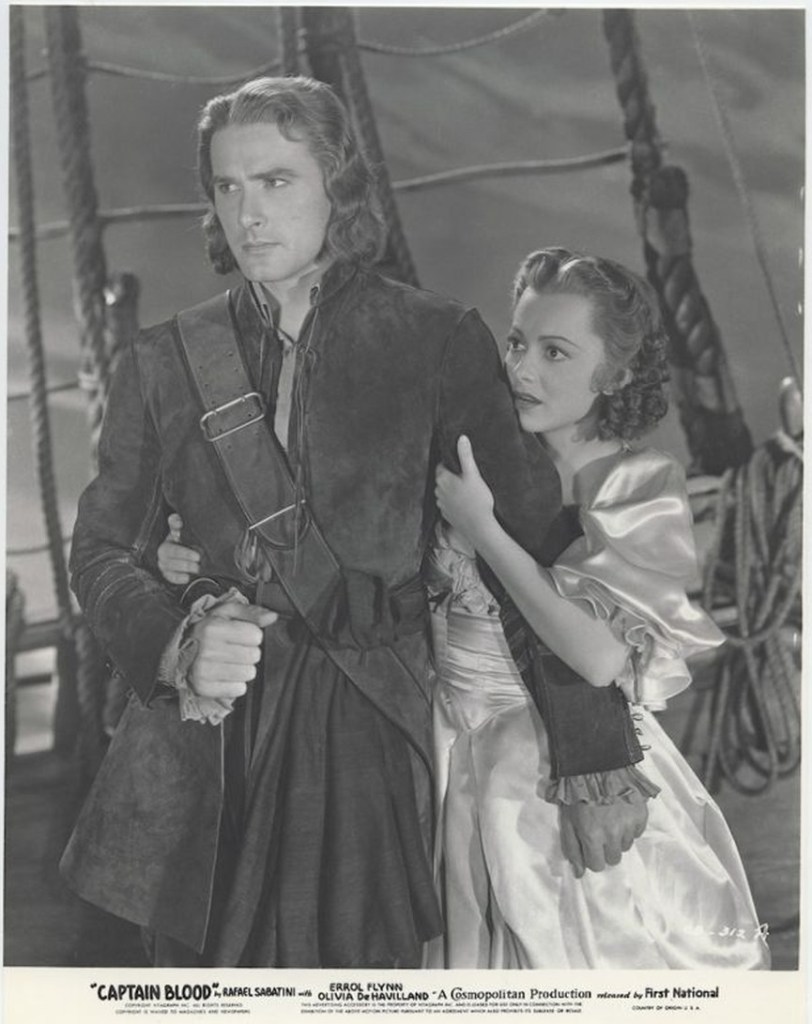
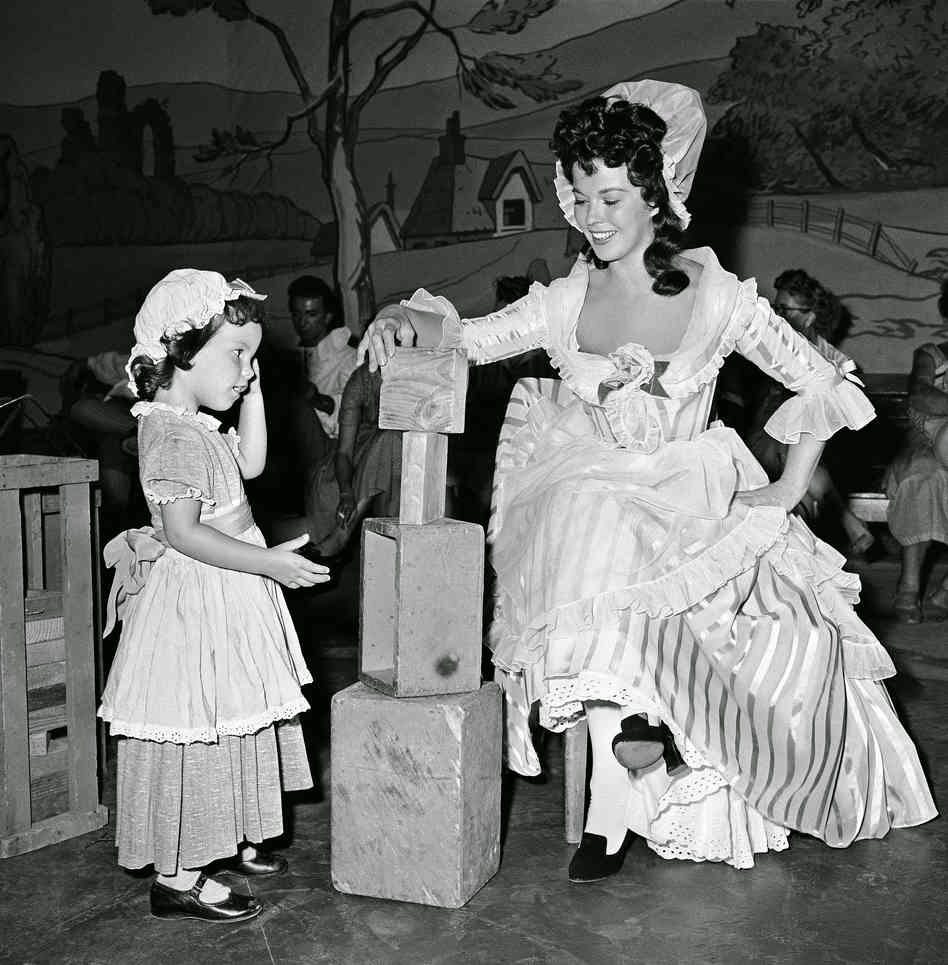
Dame Olivia Mary de Havilland DBE (July 1, 1916 – July 26, 2020) was a British-American actress. The major works of her cinematic career spanned from 1935 to 1988. She appeared in 49 feature films and was one of the leading actors of her time. She was the oldest living and earliest surviving Academy Award winner until her death in 2020 and was widely considered as being the last surviving major-star from the Golden Age of Hollywood cinema. Her younger sister was Oscar-winning actress, Joan Fontaine.
De Havilland first came to prominence with Errol Flynn as a screen couple in adventure films such as Captain Blood (1935) and The Adventures of Robin Hood (1938). One of her best-known roles is that of Melanie Hamilton in Gone with the Wind (1939), for which she received her first of five Oscar nominations, the only one for Best Supporting Actress. De Havilland departed from ingénue roles in the 1940s and later distinguished herself for performances in Hold Back the Dawn (1941), To Each His Own (1946), The Snake Pit (1948), and The Heiress (1949), receiving nominations for Best Actress for each and winning for To Each His Own and The Heiress. She was also successful in work on stage and television. De Havilland lived in Paris from the 1950s and received honors such as the National Medal of the Arts, the Légion d’honneur, and the appointment to Dame Commander of the Order of the British Empire.
In addition to her film career, de Havilland continued her work in the theatre, appearing three times on Broadway, in Romeo and Juliet (1951), Candida (1952), and A Gift of Time (1962). She also worked in television, appearing in the successful miniseries Roots: The Next Generations (1979) and Anastasia: The Mystery of Anna (1986), for which she received a Primetime Emmy Award nomination and won the Golden Globe Award for Best Supporting Actress in a Television Movie or Series. During her film career, de Havilland also collected two New York Film Critics Circle Awards, the National Board of Review Award for Best Actress, and the Venice Film Festival Volpi Cup. For her contributions to the motion picture industry, she received a star on the Hollywood Walk of Fame. She and her sister remain the only siblings to have won major acting Academy Awards.
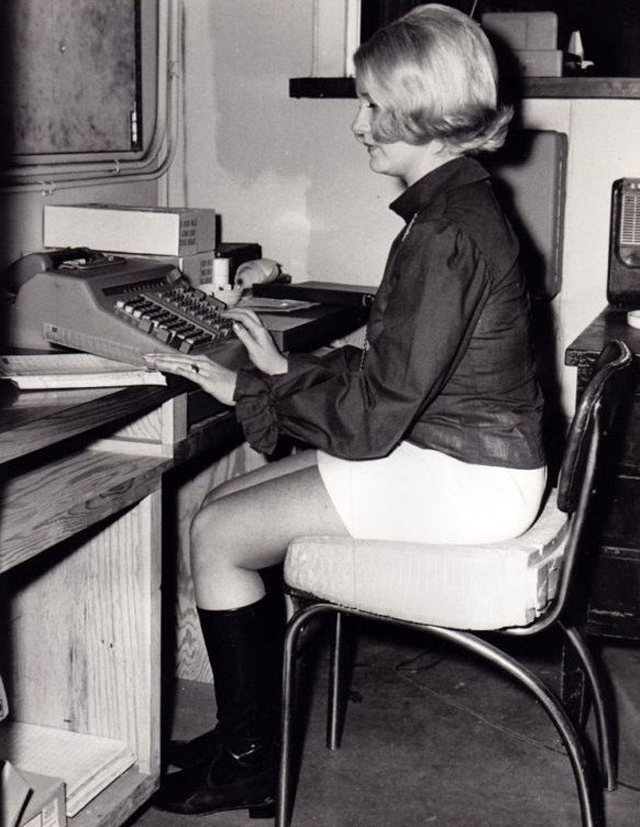
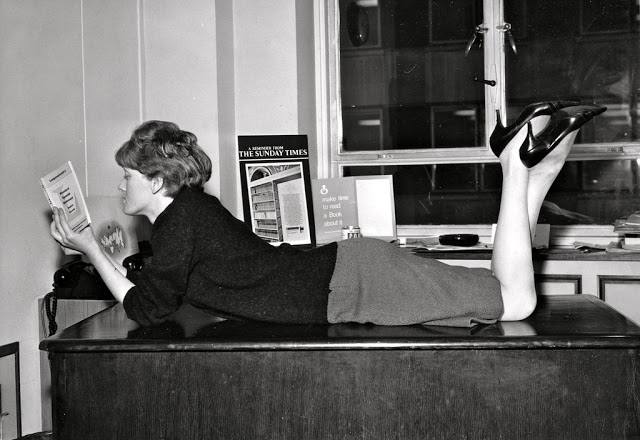
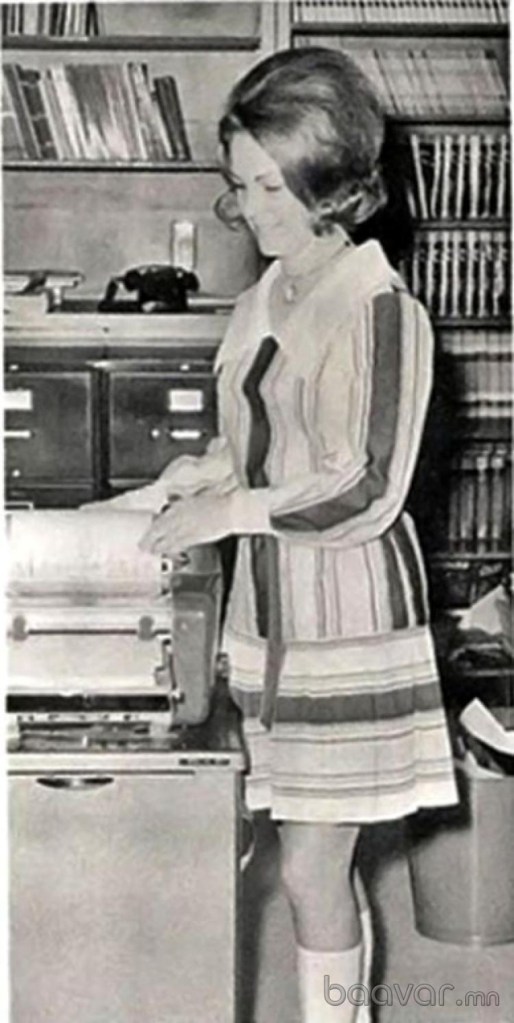
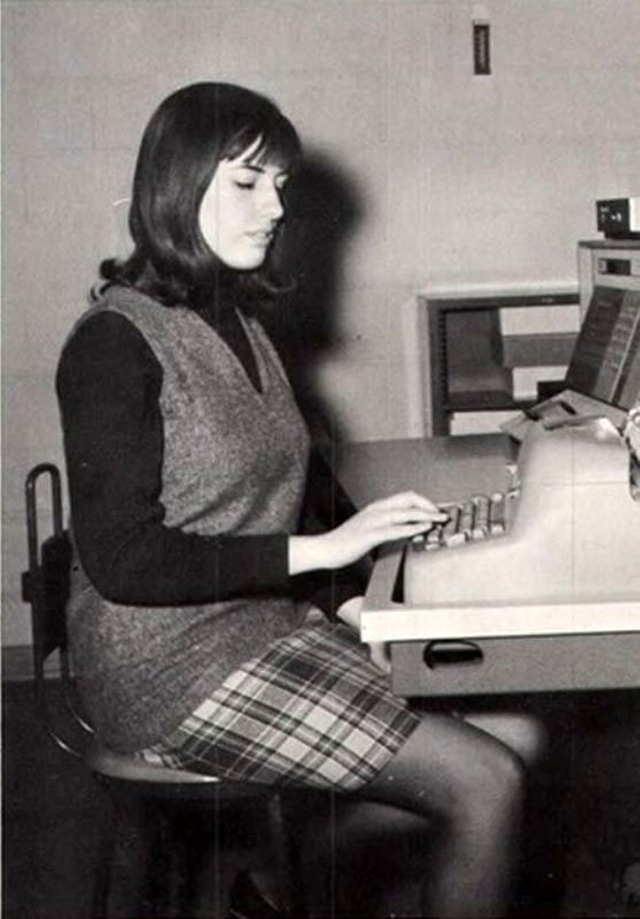
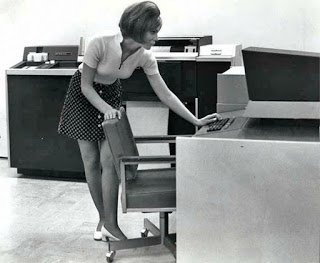
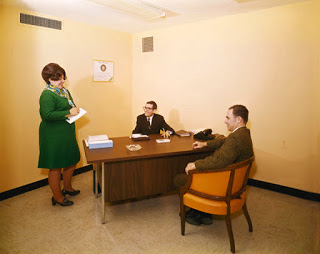
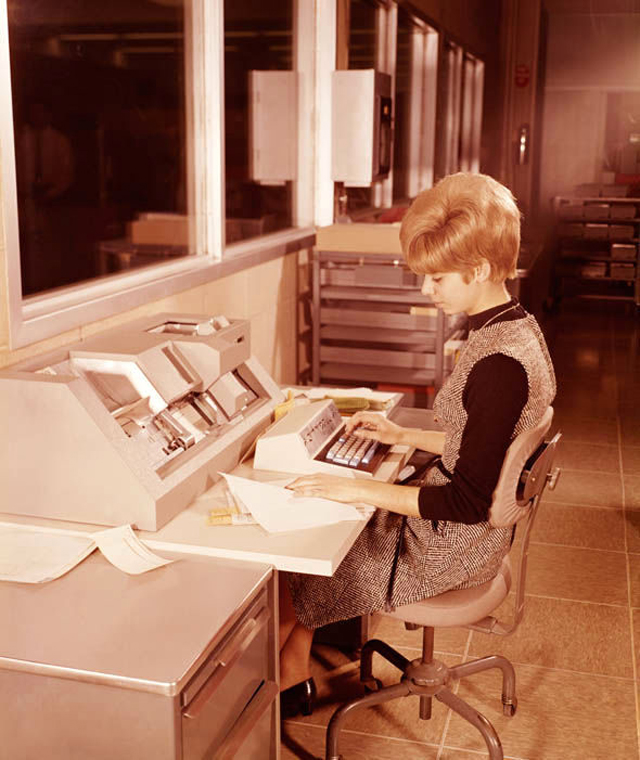
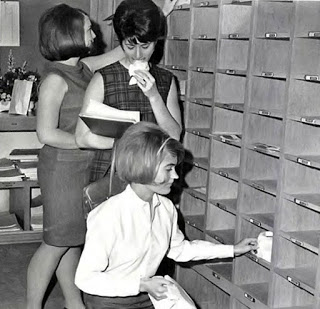
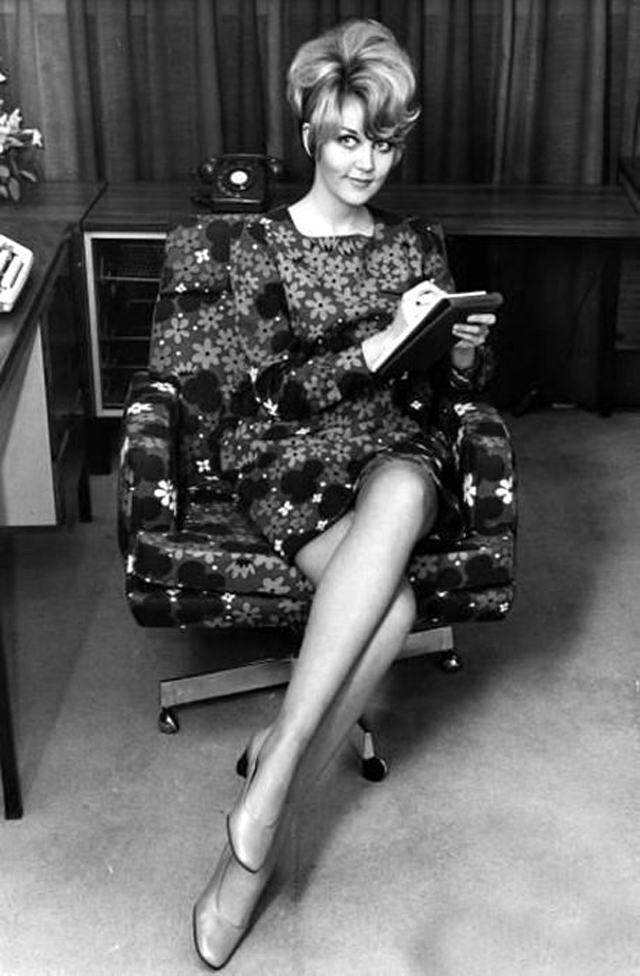
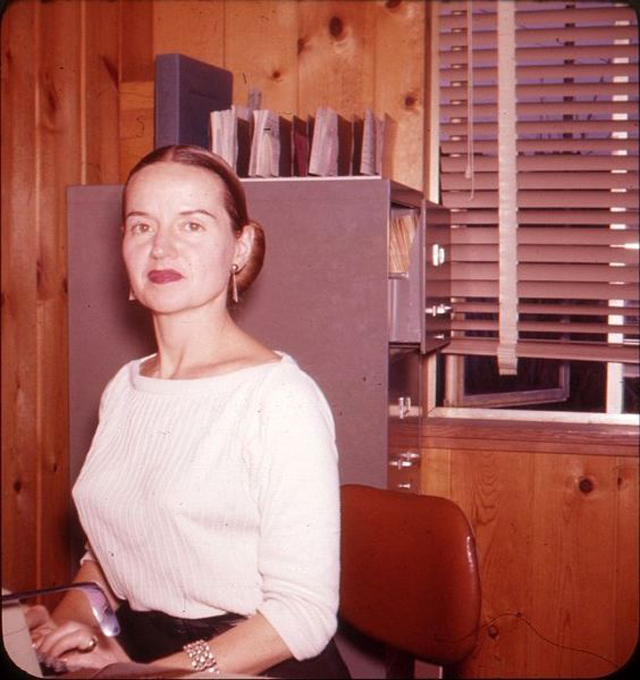
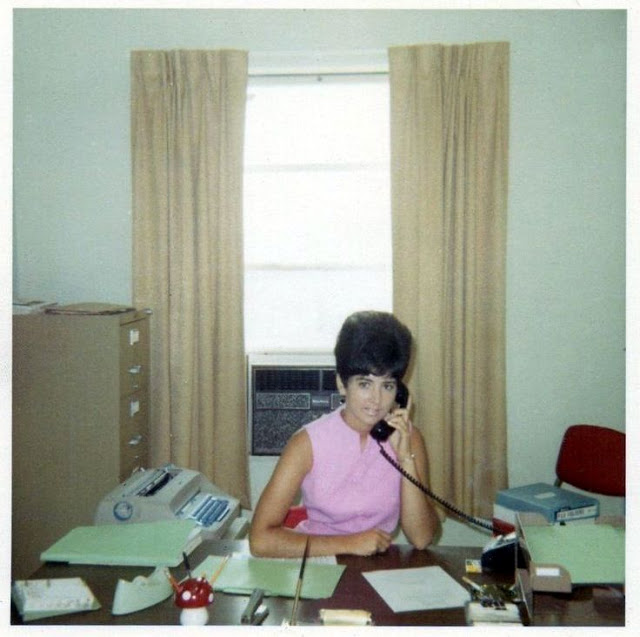
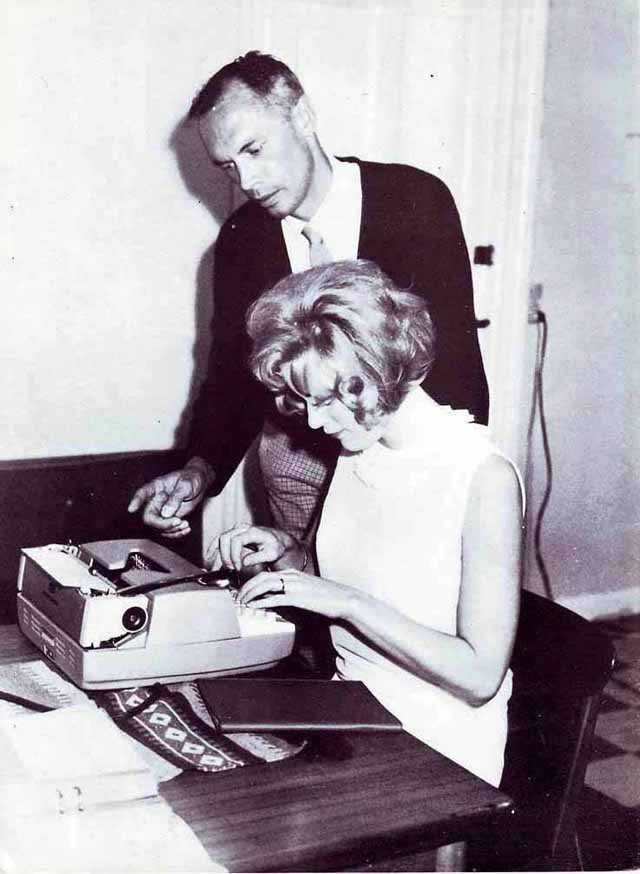
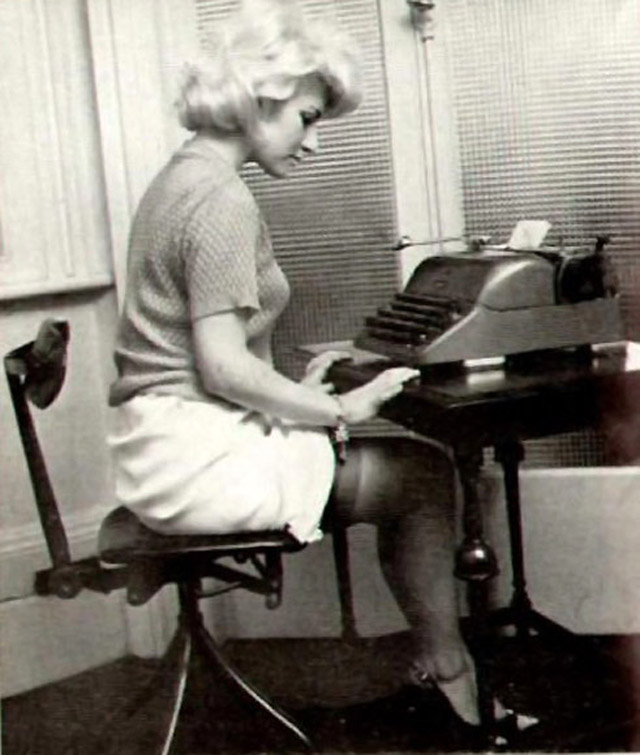
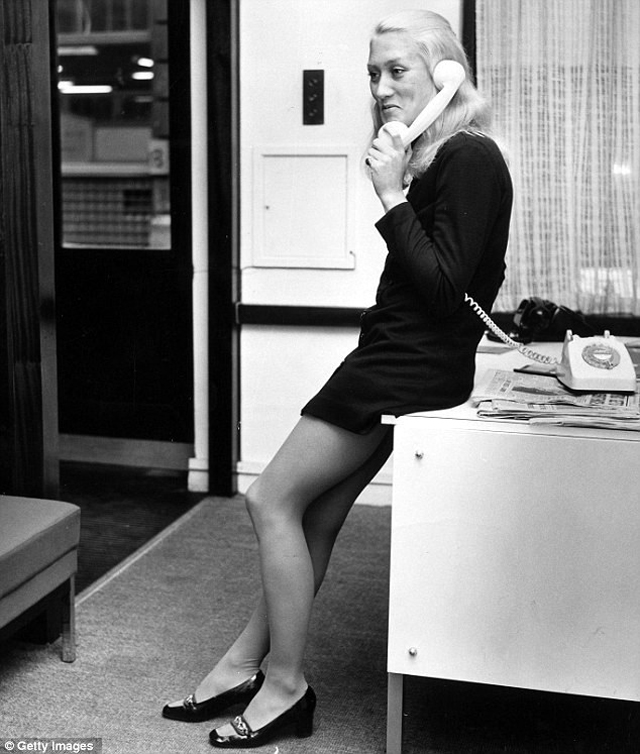
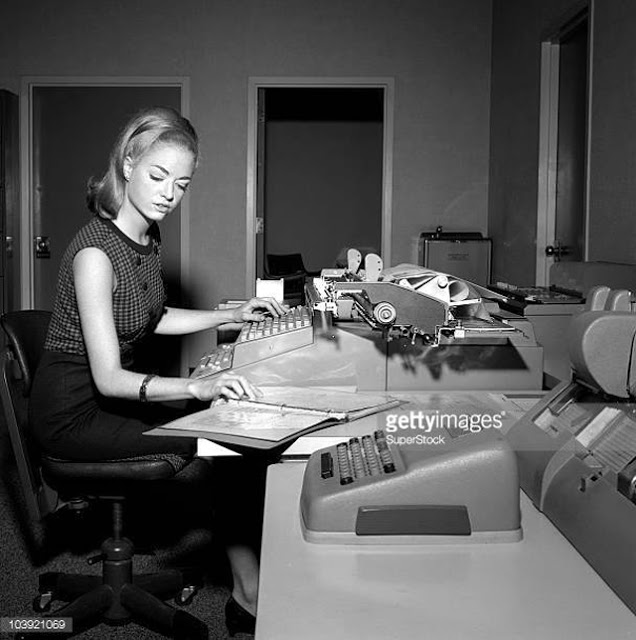
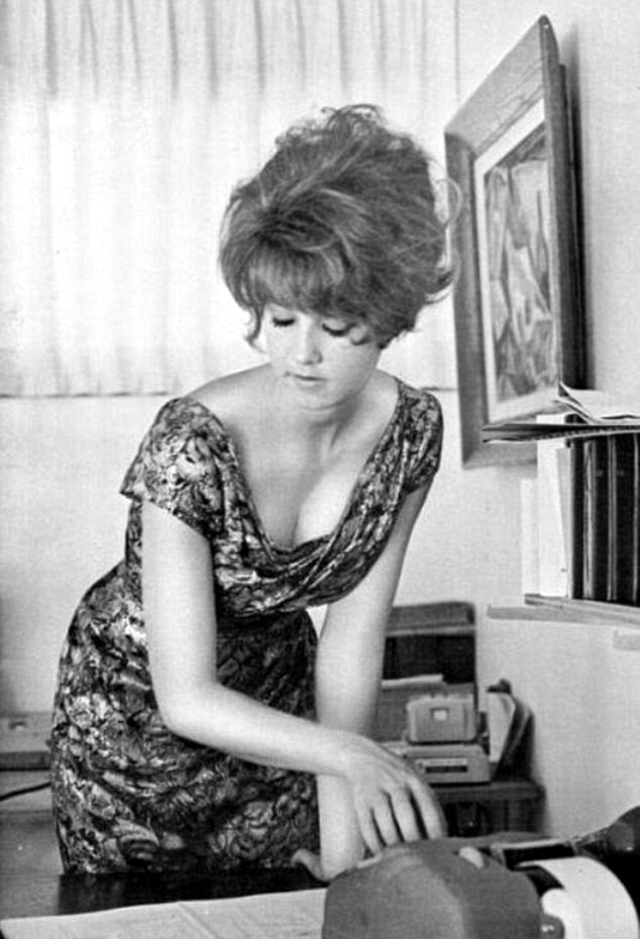
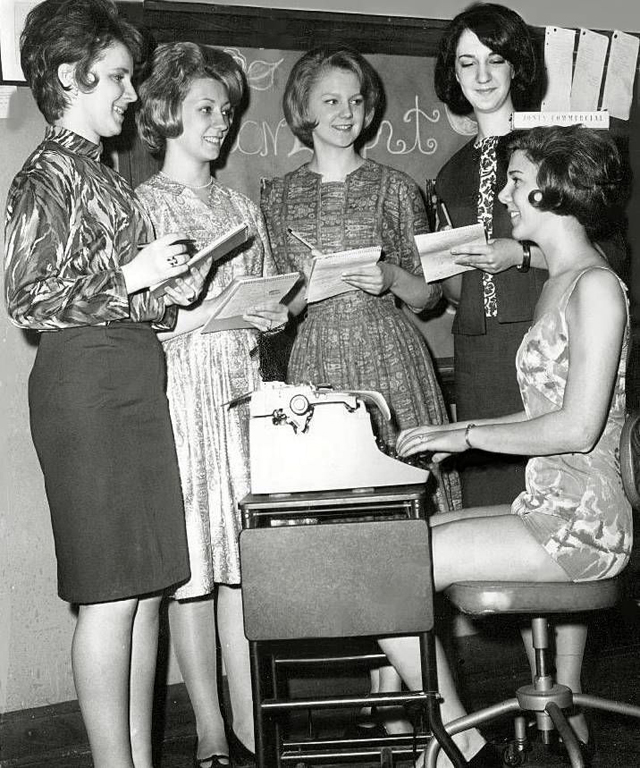
The office of the 1950s and ‘60s was, in many ways, the embodiment of the American dream; it allowed for a comfortable salary, an independent lifestyle, and room for advancement.
In the 1960s, the number one job for American women was the secretarial occupation. The most common job for American women today is still the same. According to the U.S. Census, 96% of the approximately 4 million people who identify themselves today as secretaries (or something similar) are women.
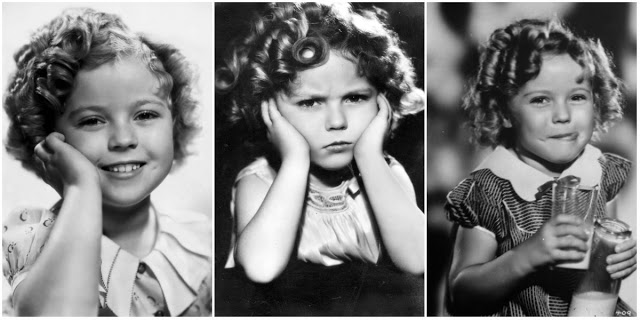
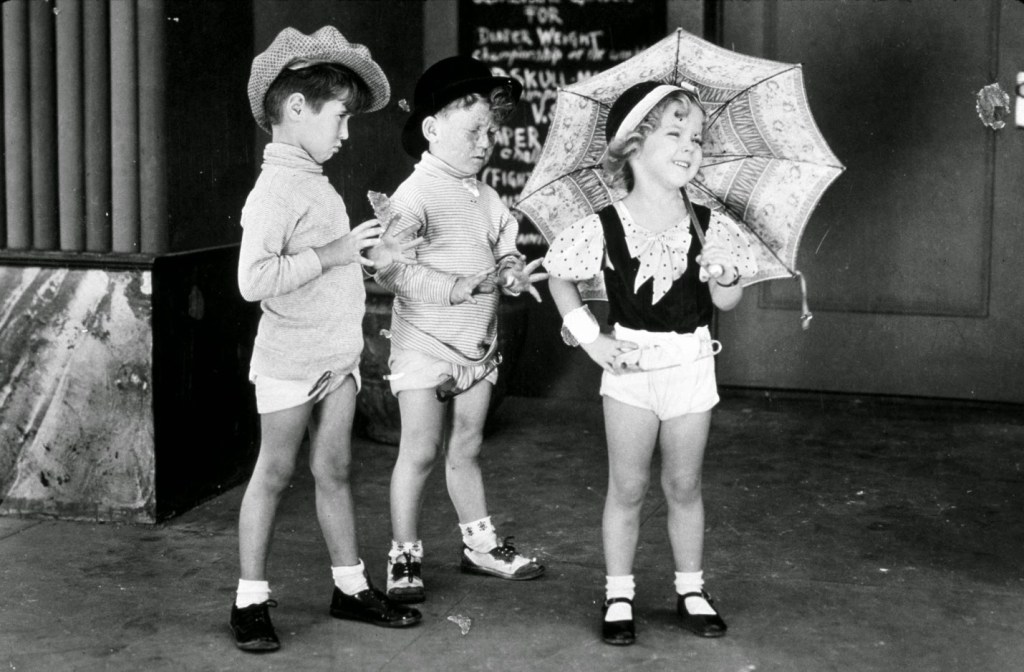
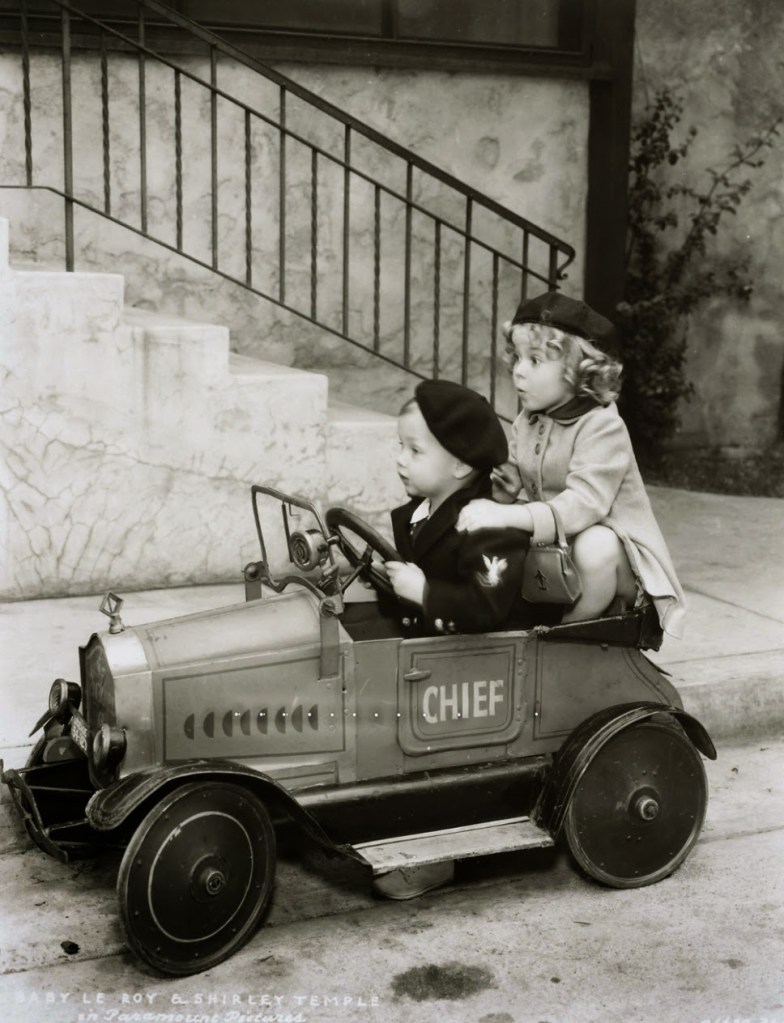
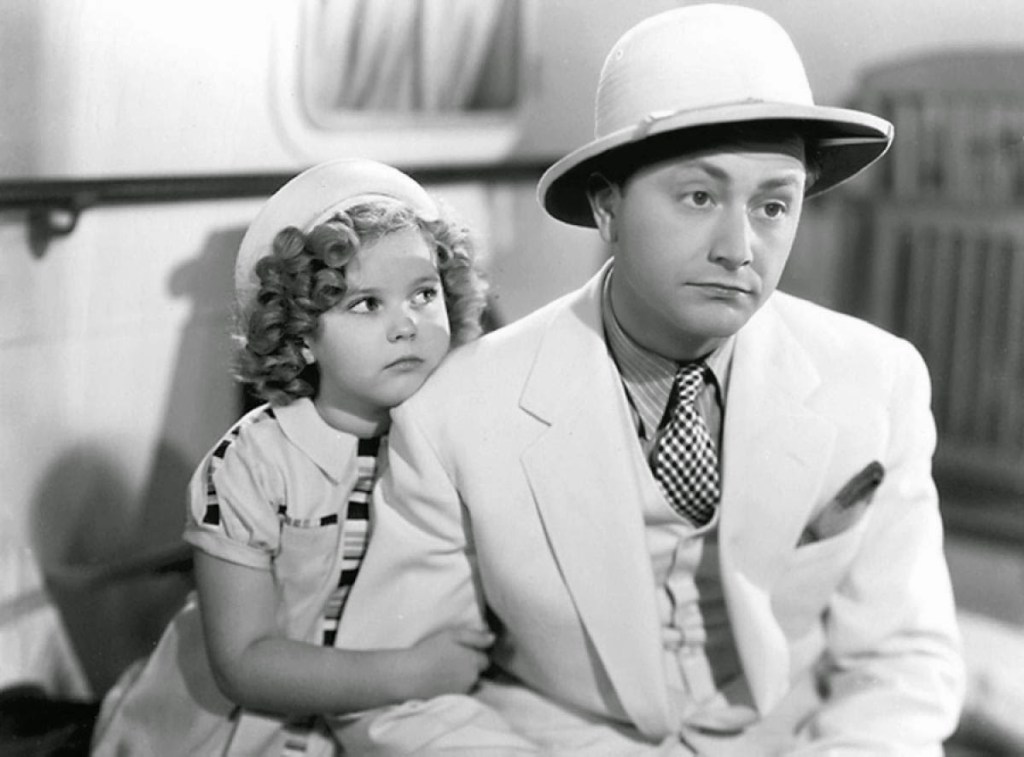
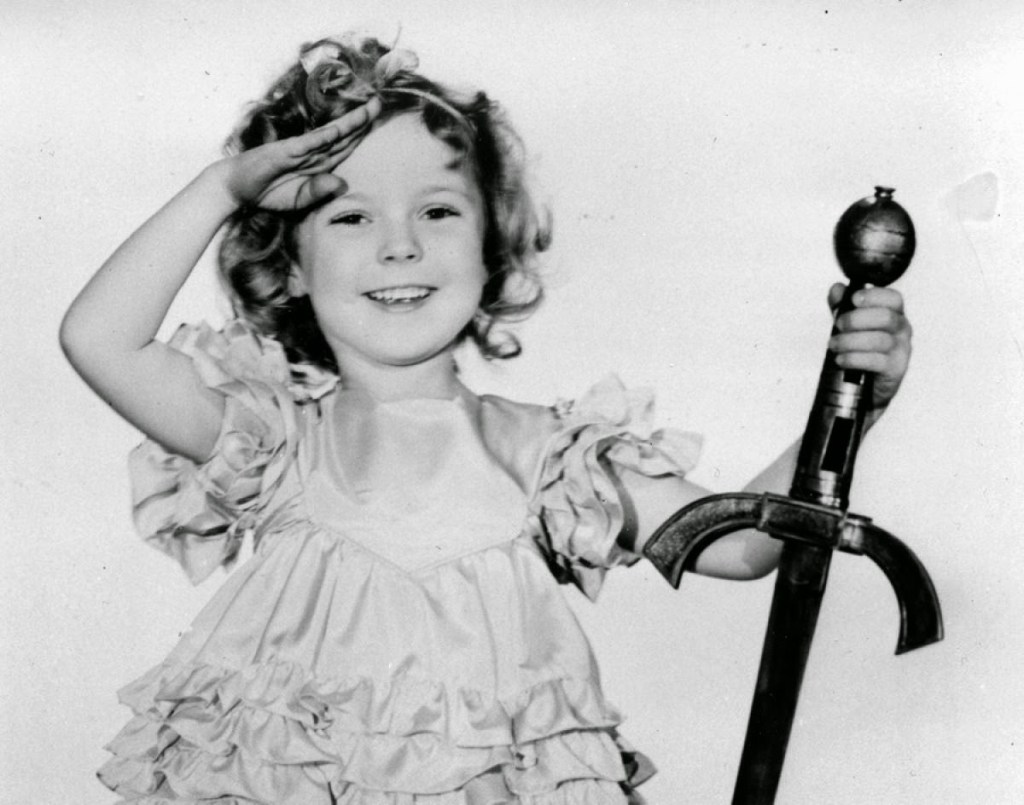
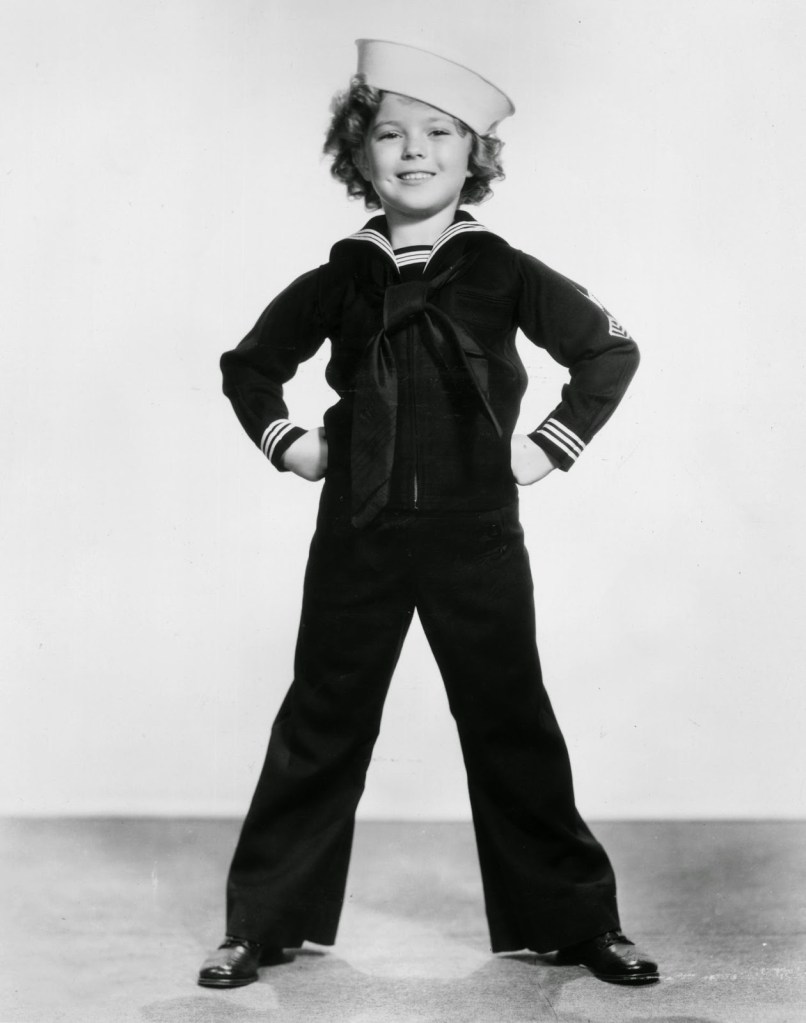
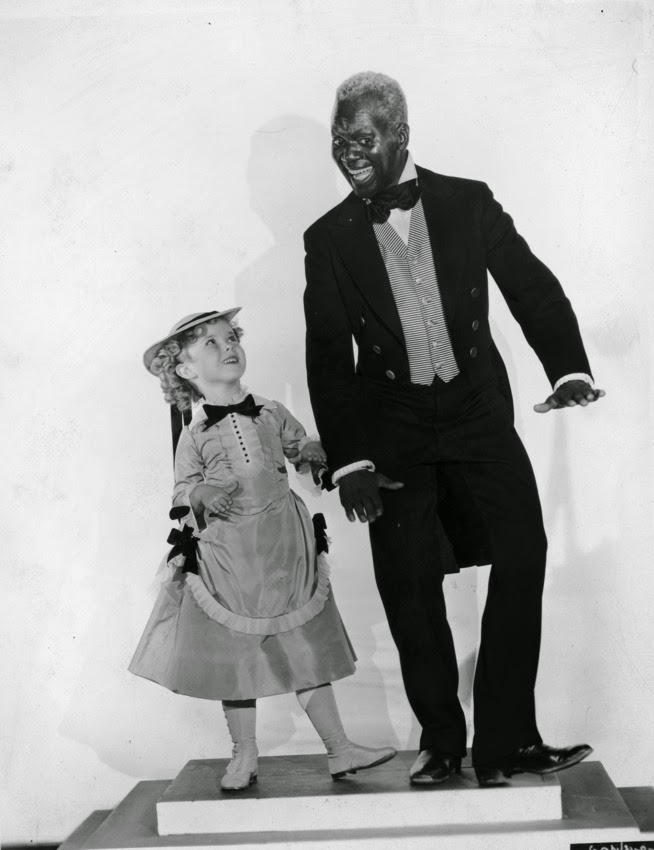
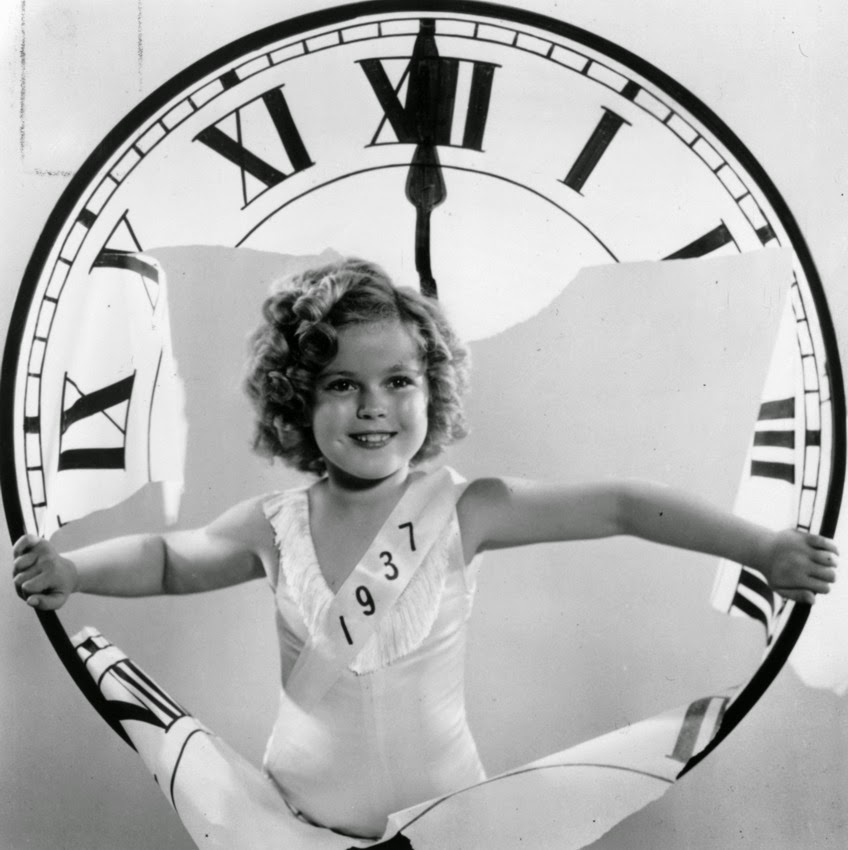
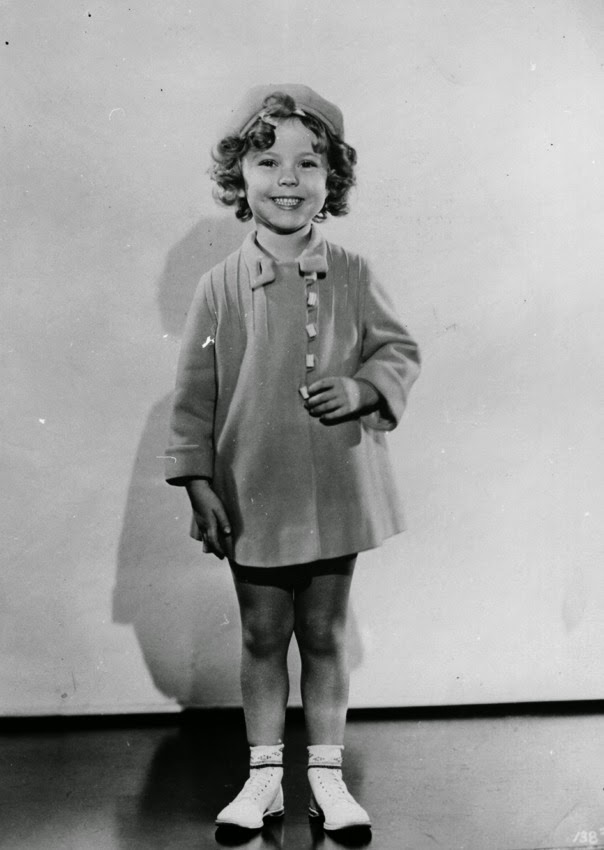
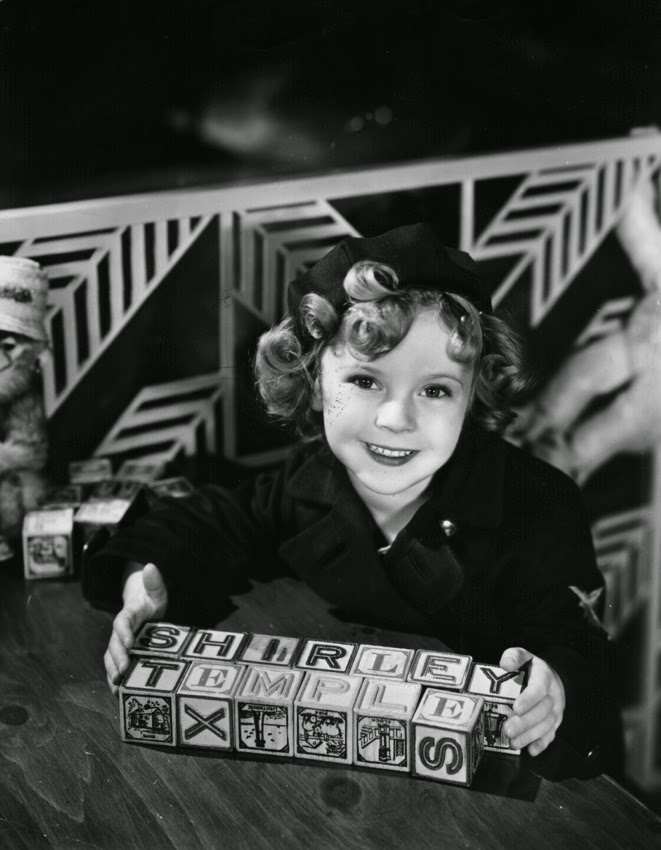
Shirley Temple Black (1928-2014) was an American film and television actress, singer, dancer and public servant, most famous as a child star in the 1930s.
Temple began her film career in 1932 at the age of three. In 1934, she found international fame in Bright Eyes, a feature film designed specifically for her talents. She received a special Juvenile Academy Award in February 1935 for her outstanding contribution as a juvenile performer to motion pictures during 1934, and film hits such as Curly Top and Heidi followed year after year during the mid-to-late 1930s.
Licensed merchandise that capitalized on her wholesome image included dolls, dishes and clothing. Her box office popularity waned as she reached adolescence. She appeared in a few films of varying quality in her mid-to-late teens, and retired completely from films in 1950 at the age of 22. She was the top box-office draw in Hollywood for four years in a row (1935–38) in a Motion Picture Herald poll.
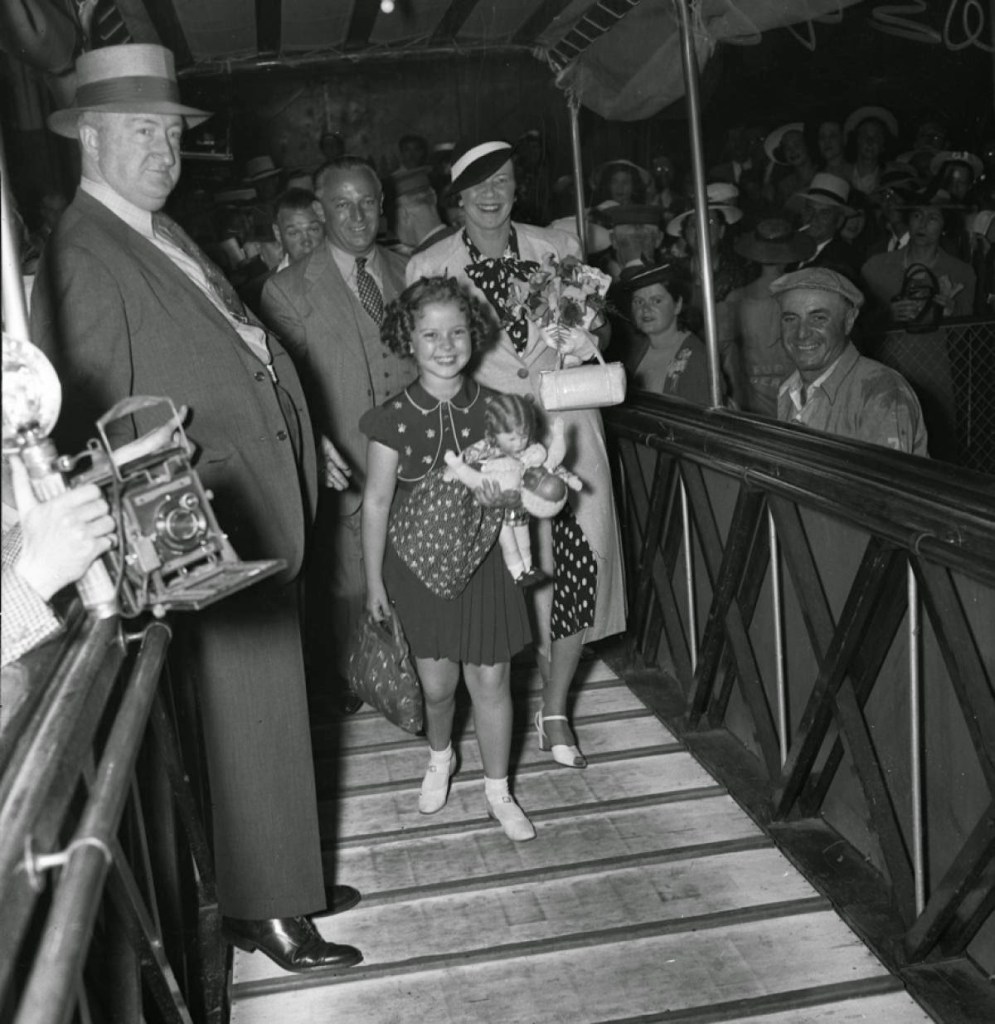
Below, we present a collection of 36 cute black and white photos of Shirley Temple when she was a child in the 1930s.
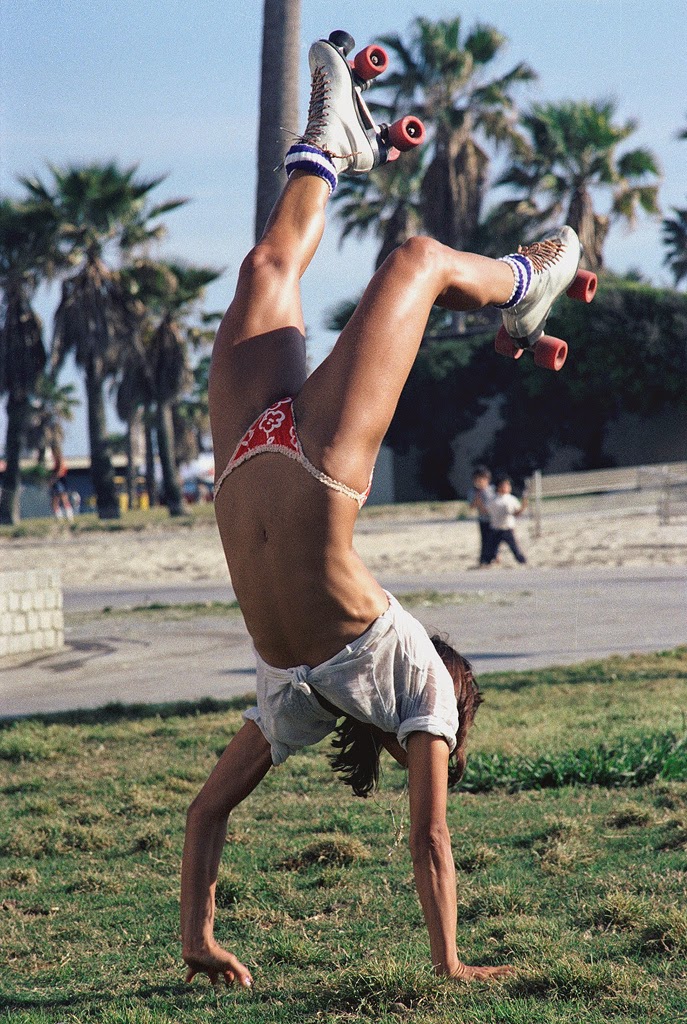
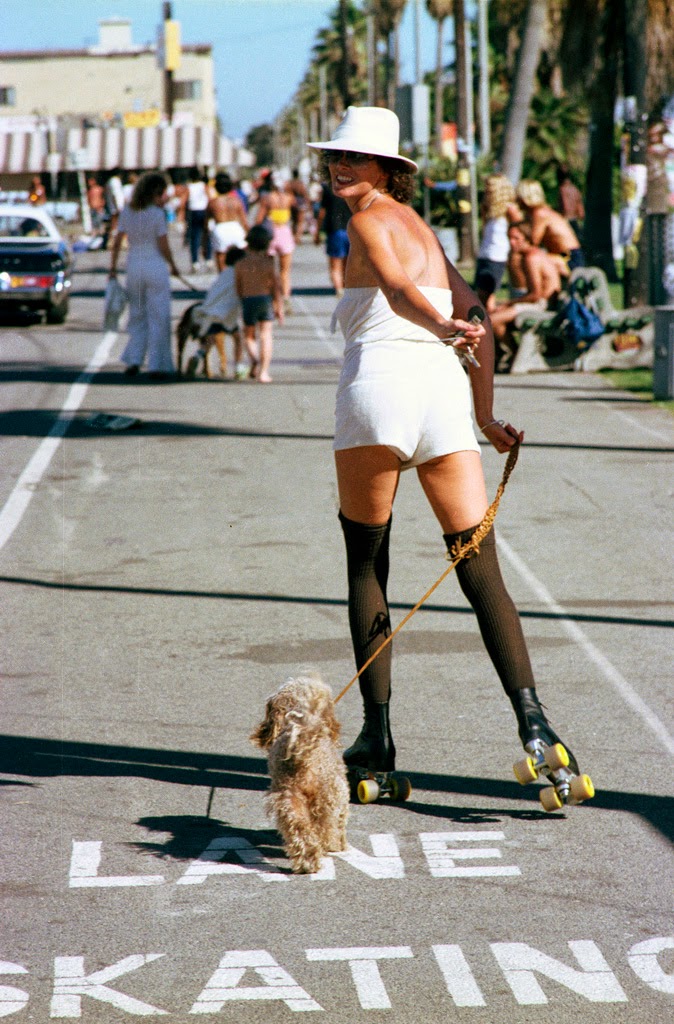
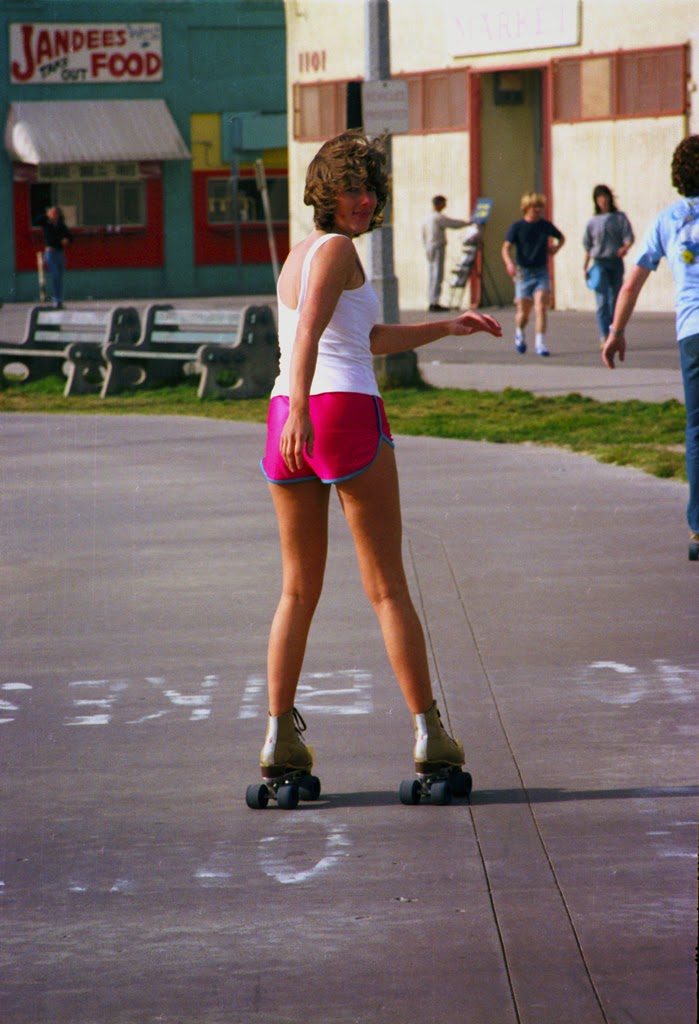
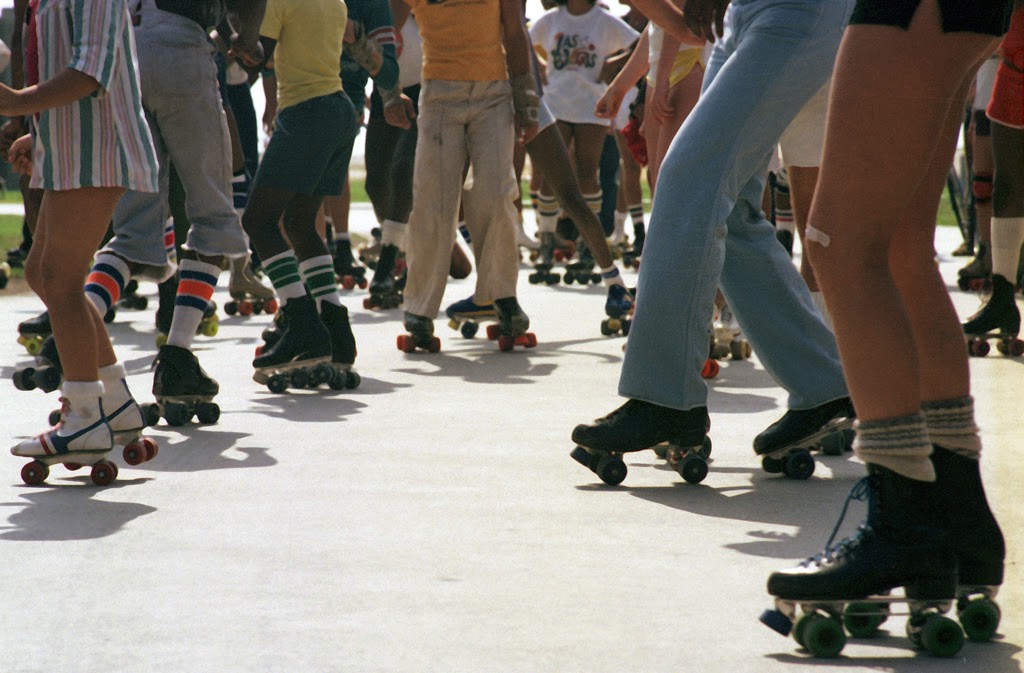
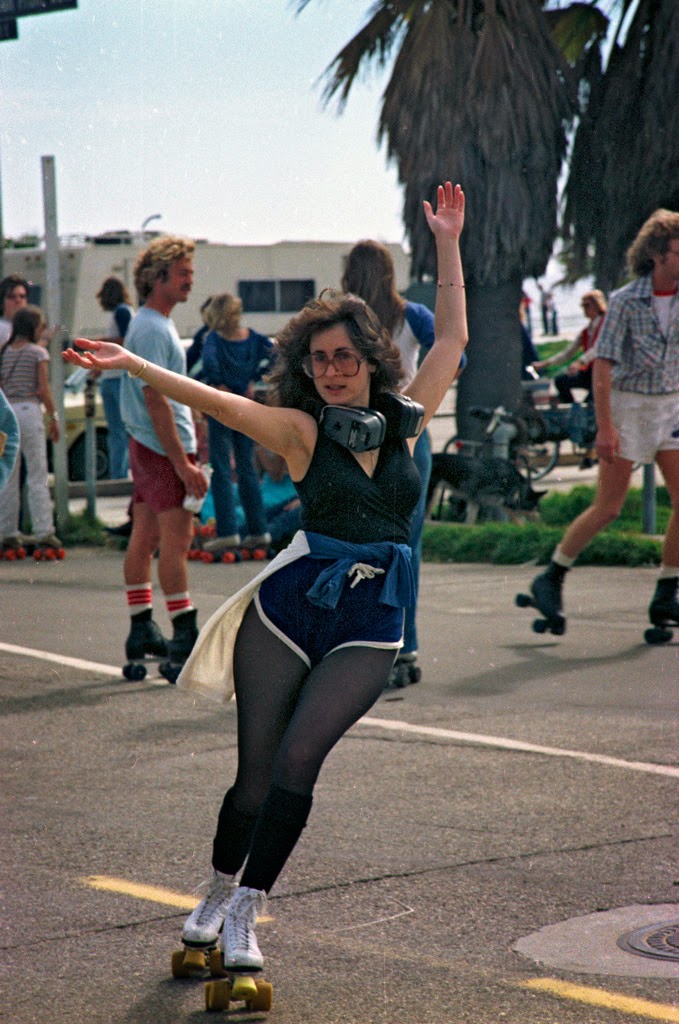
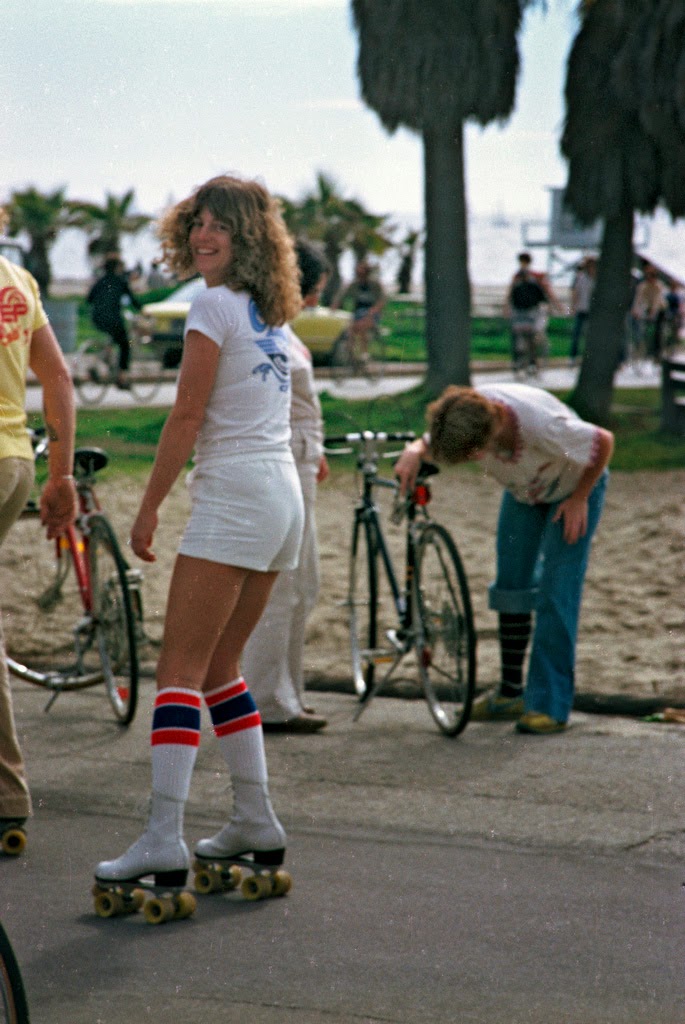
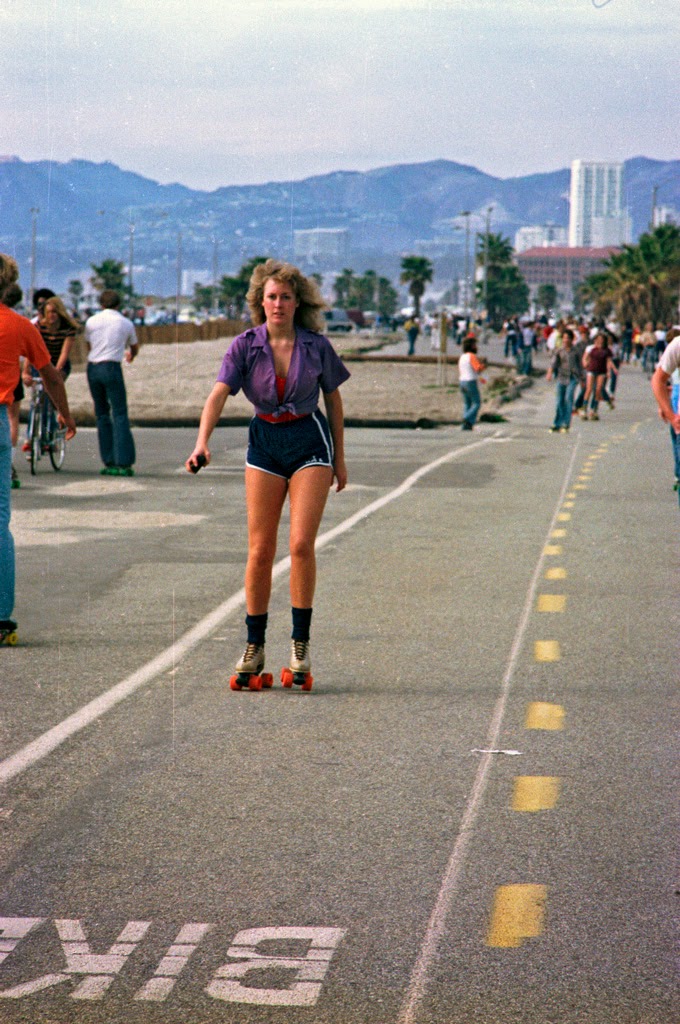
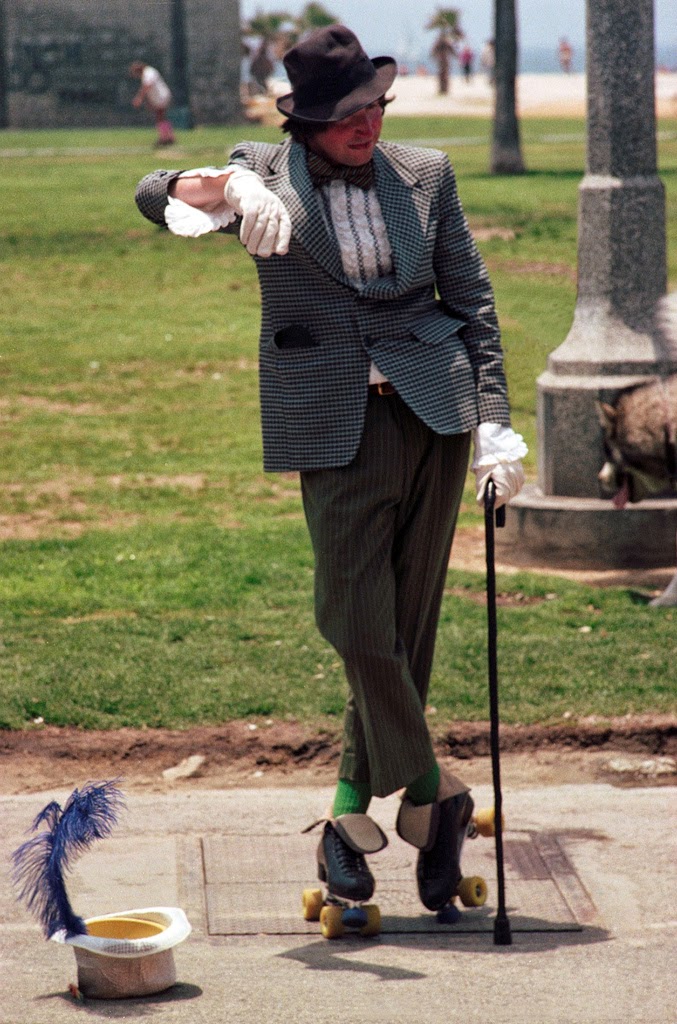
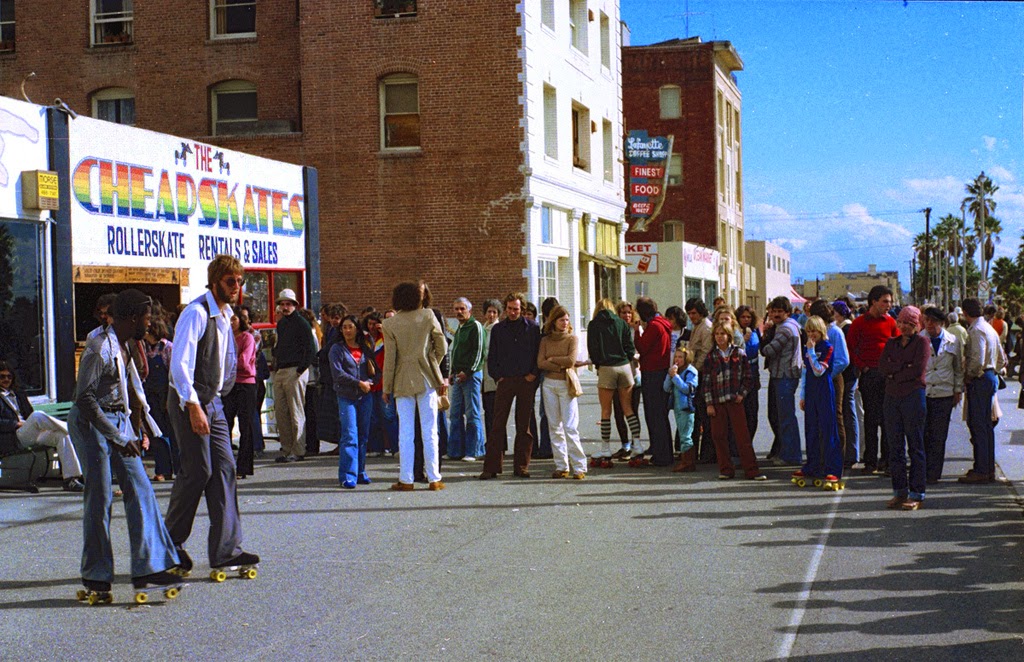
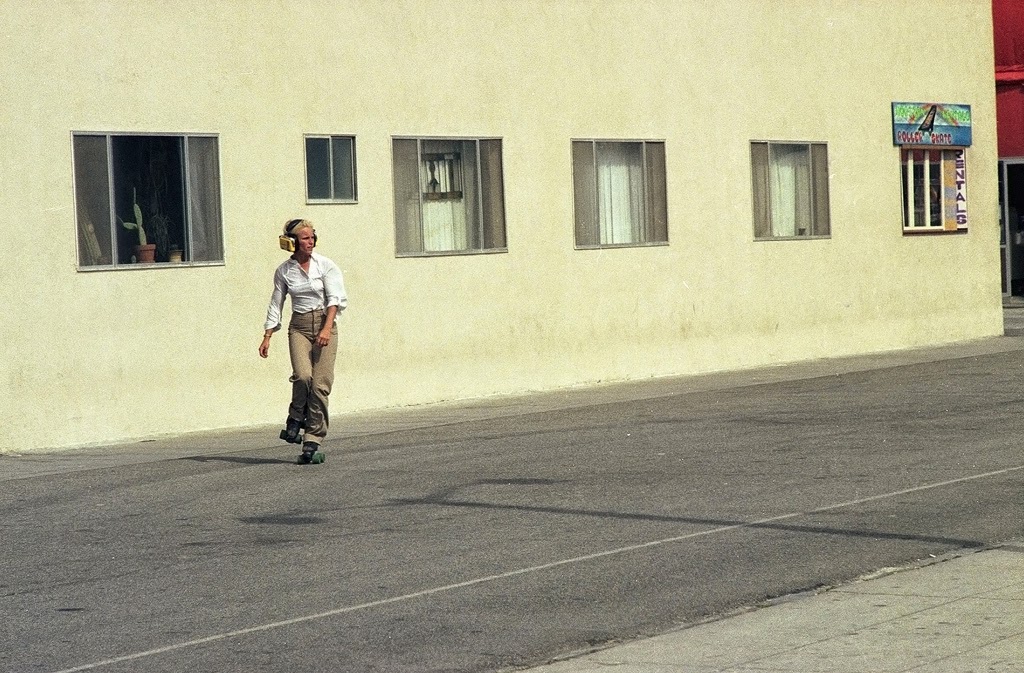
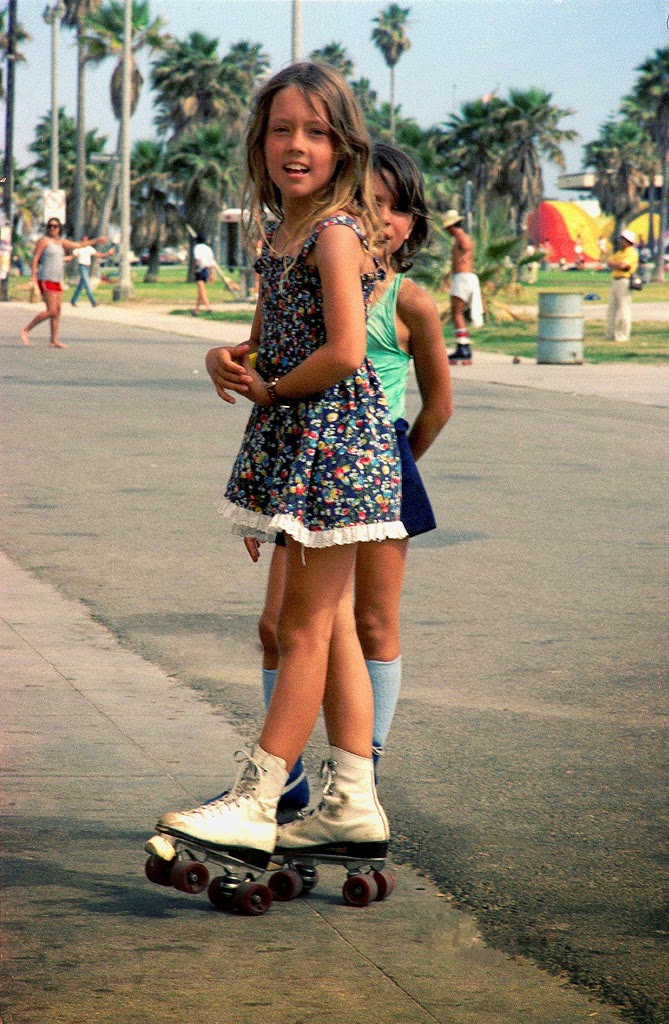
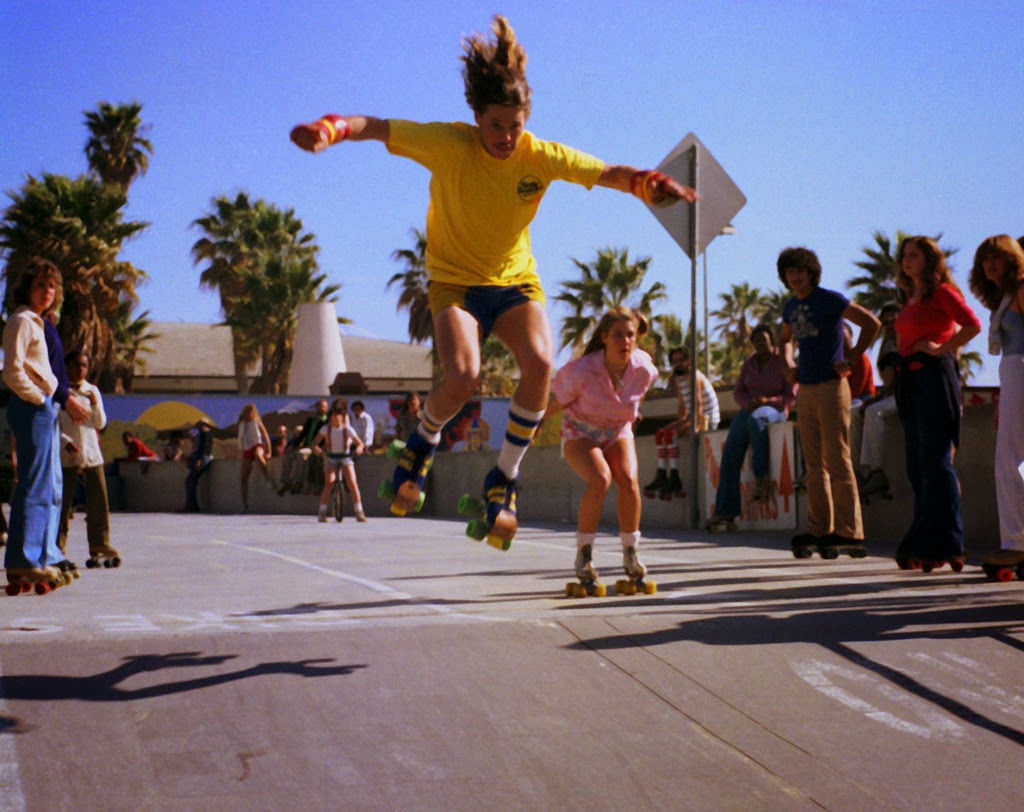
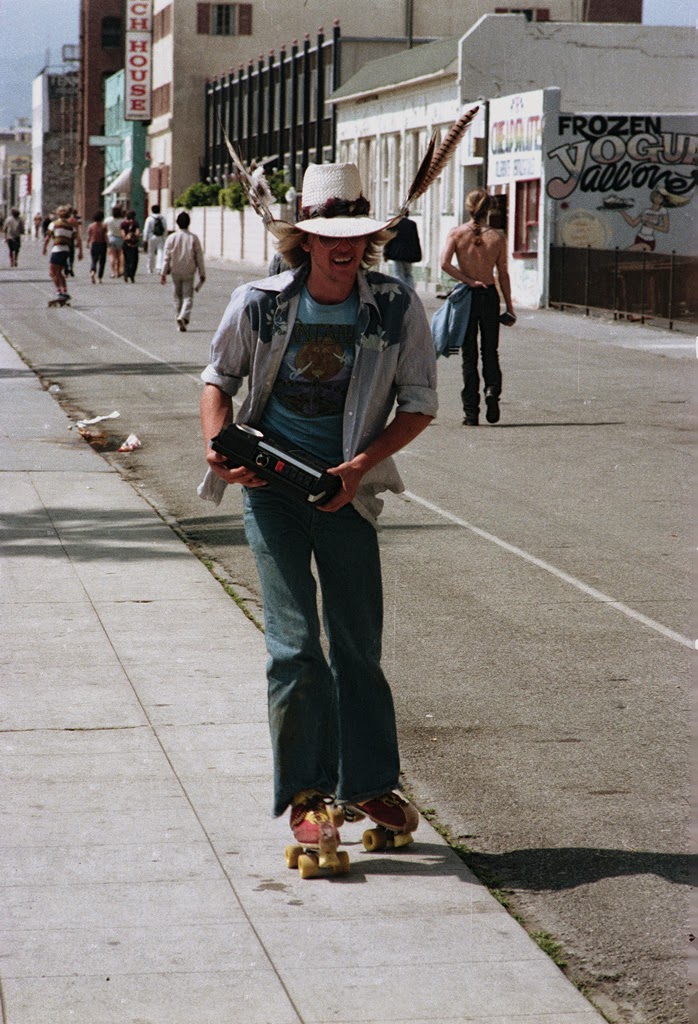
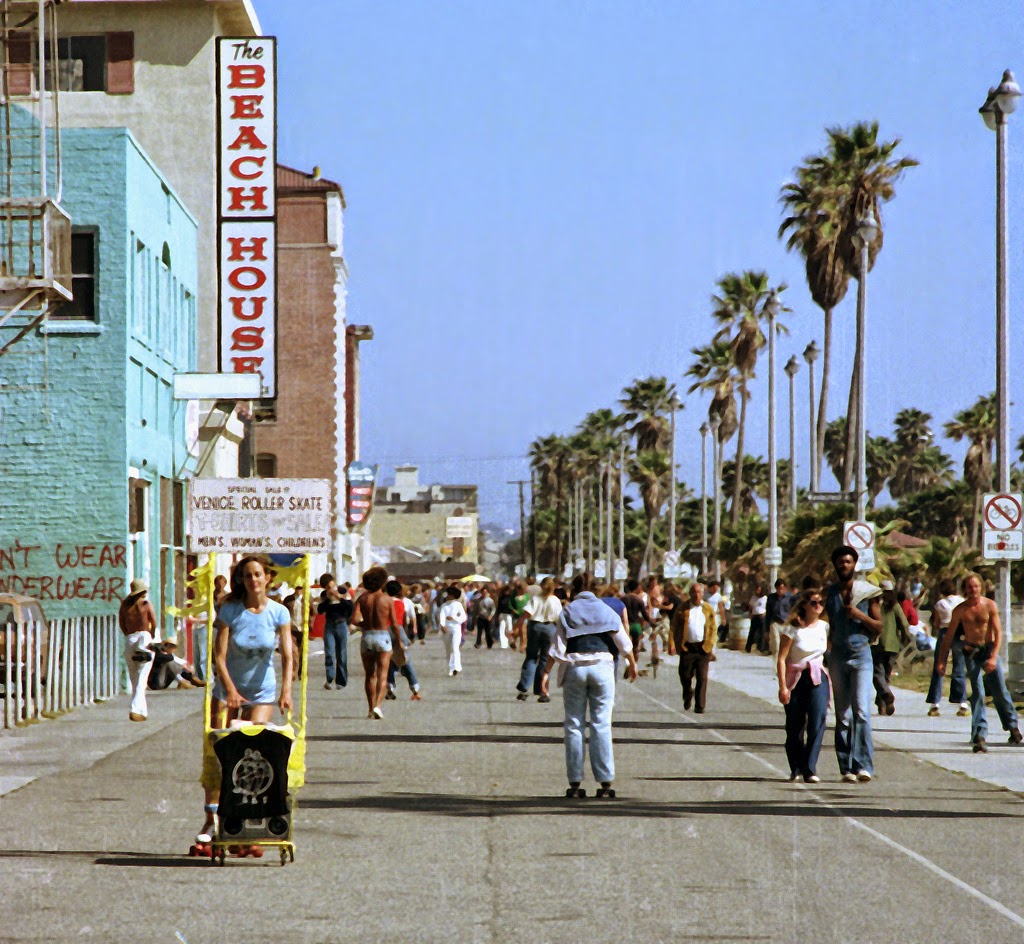
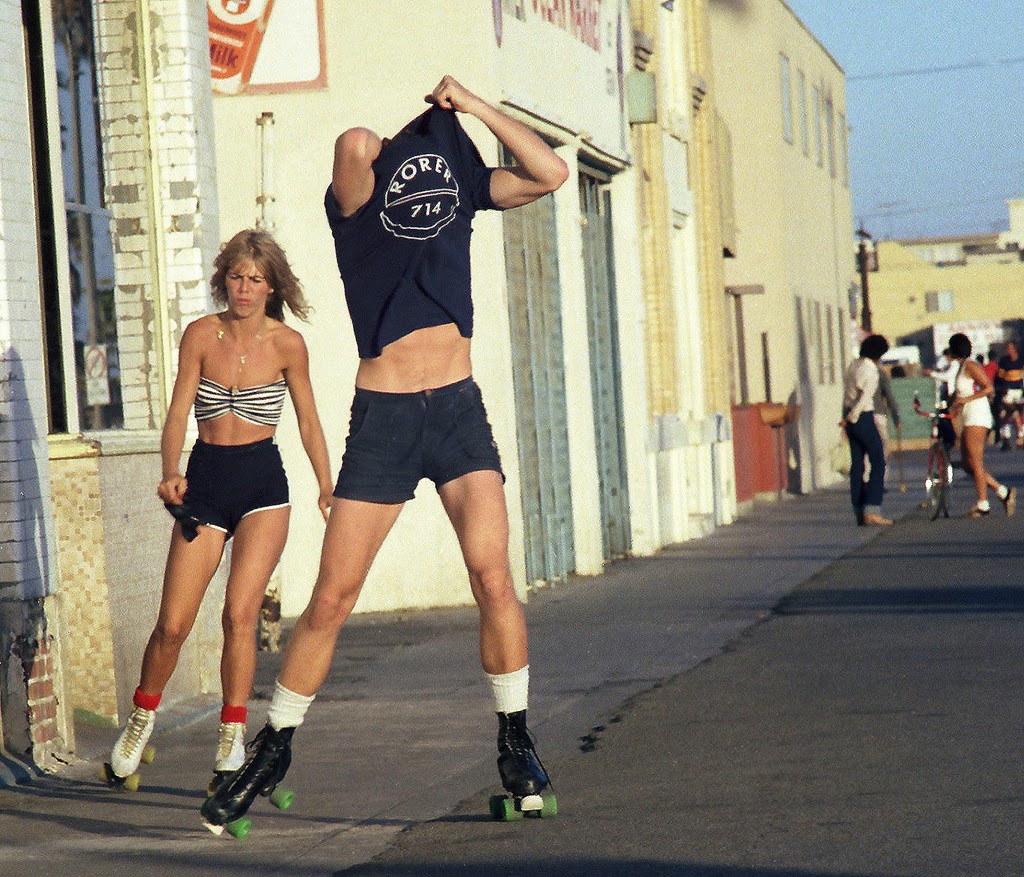
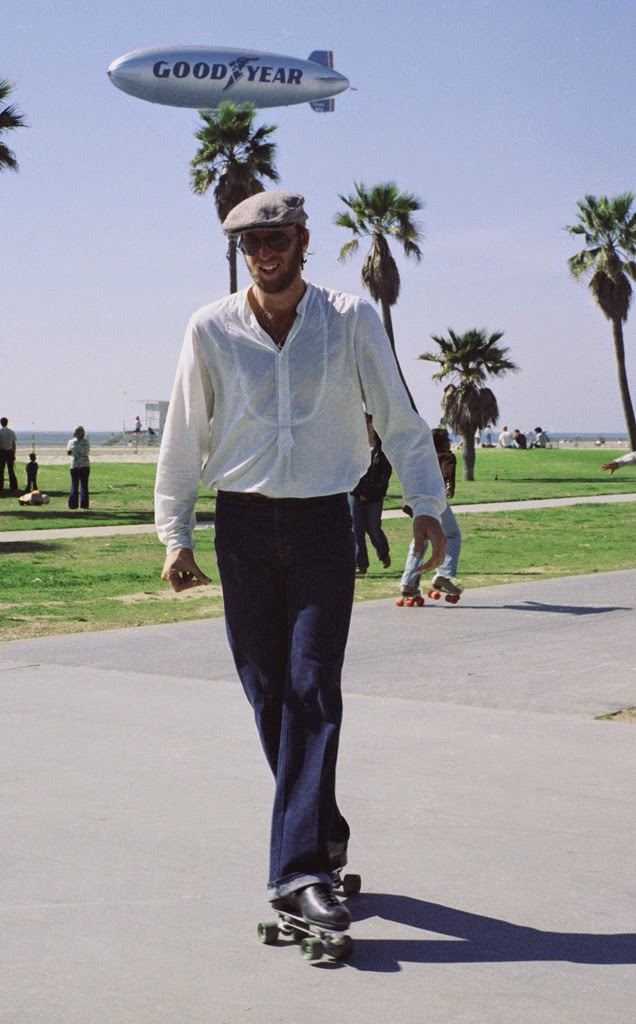
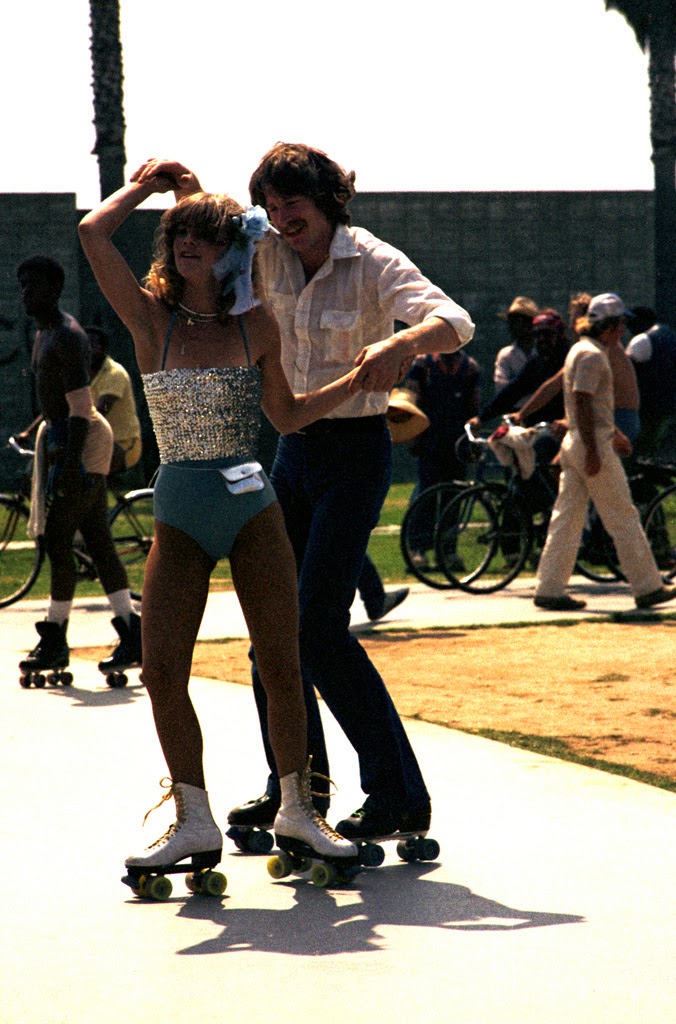
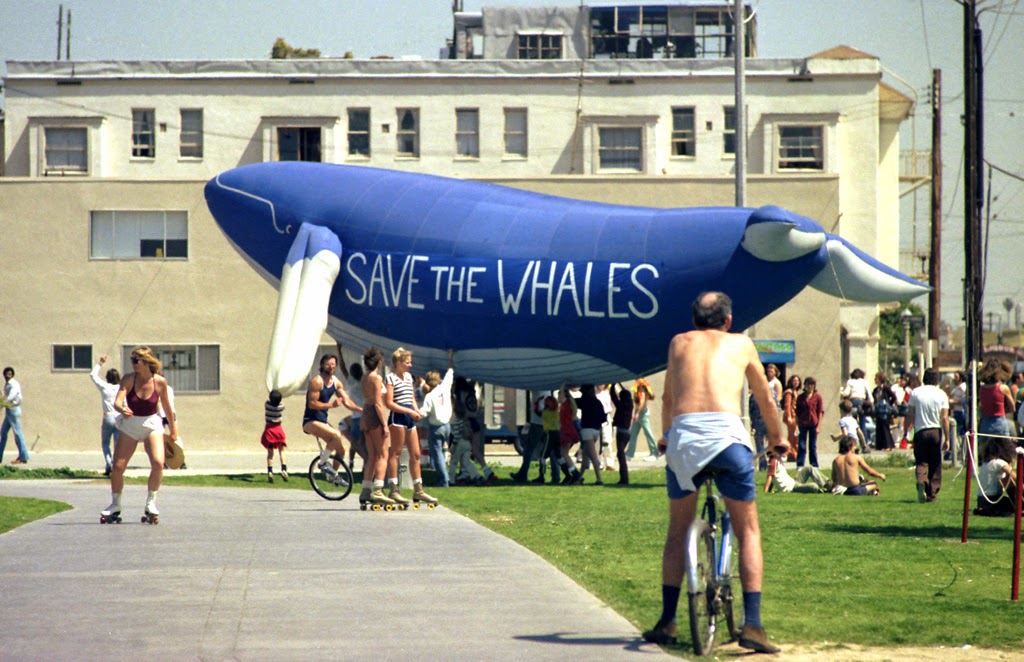
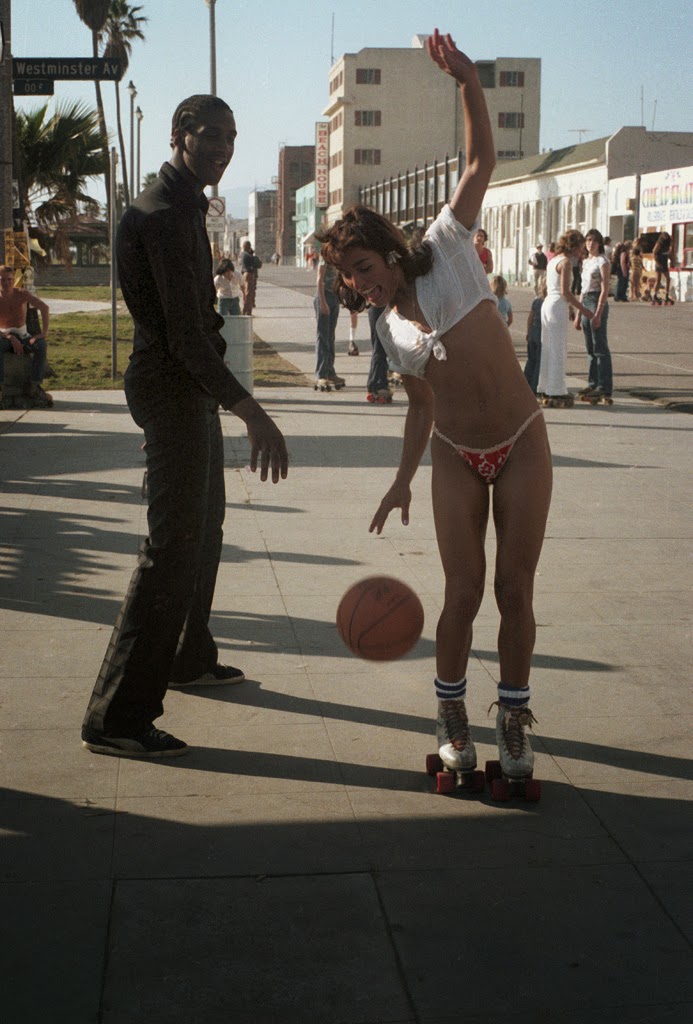
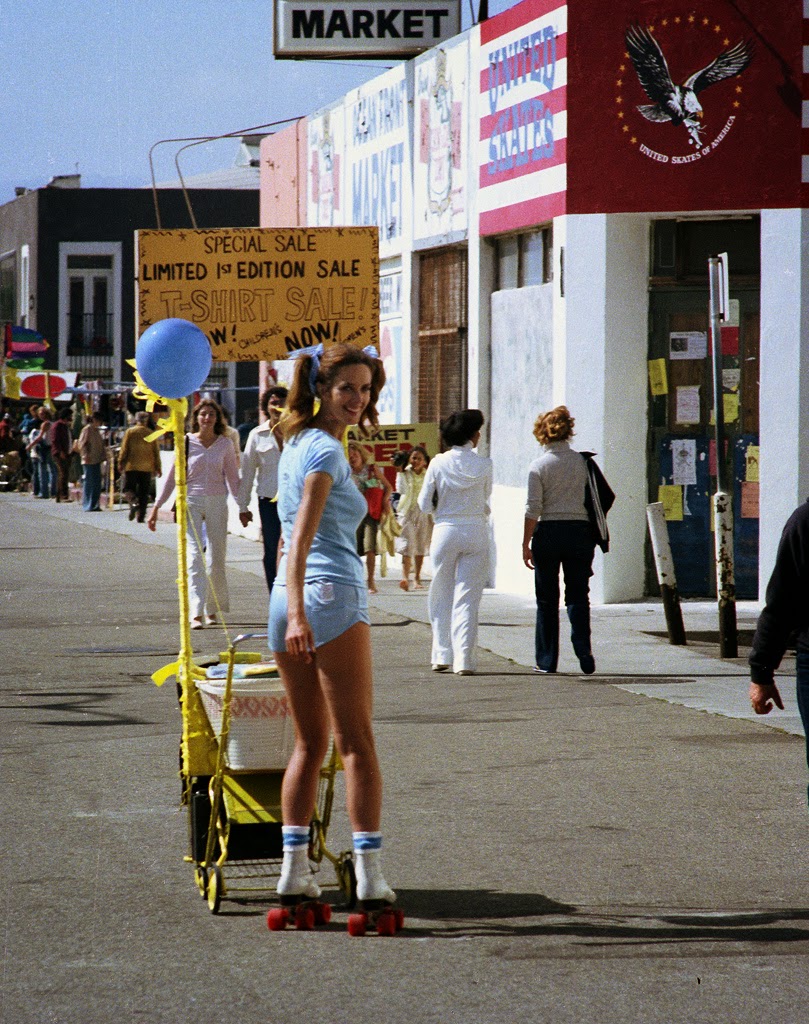
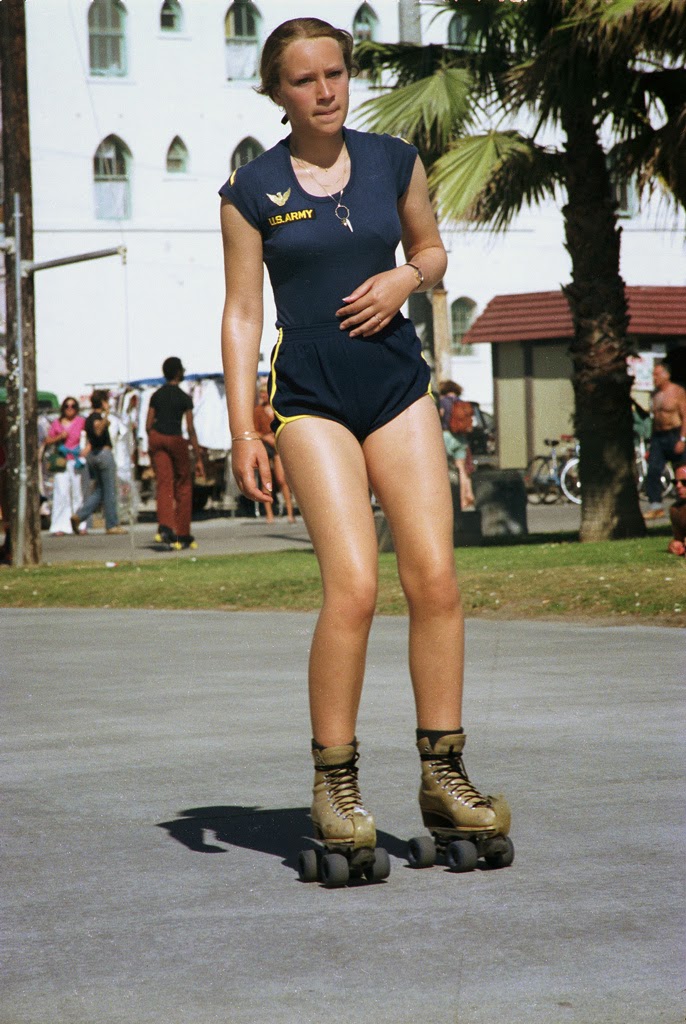
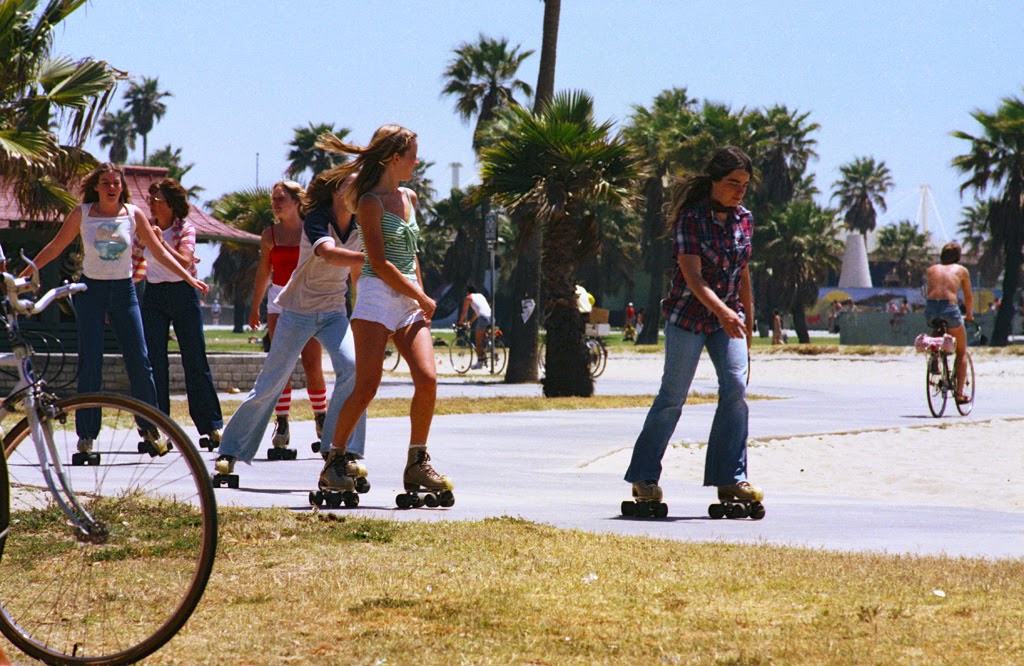
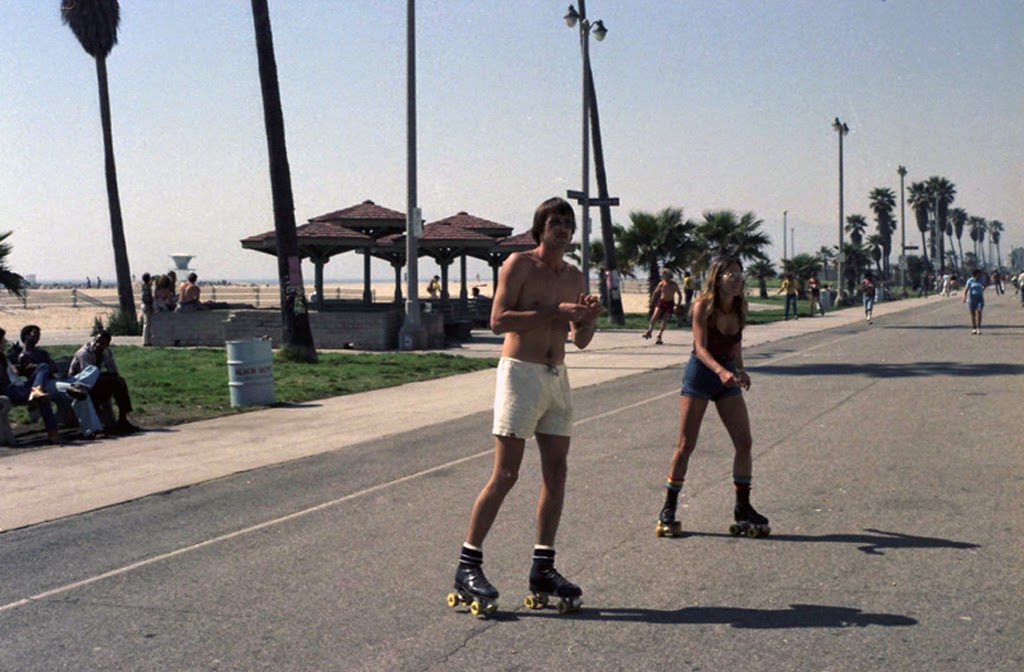
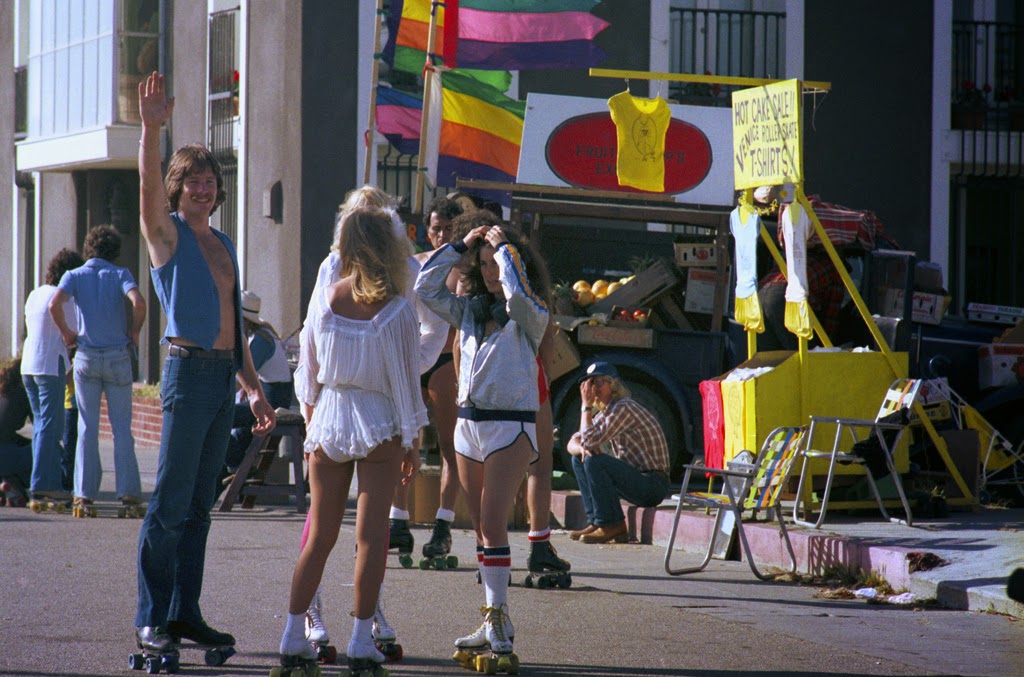
Roller skating has and always will be an all-time favorite activity to do while visiting Venice Beach. Here’s a collection of 34 interesting vintage photographs of roller skater girls skating at Ocean Front Walk, California in 1979.
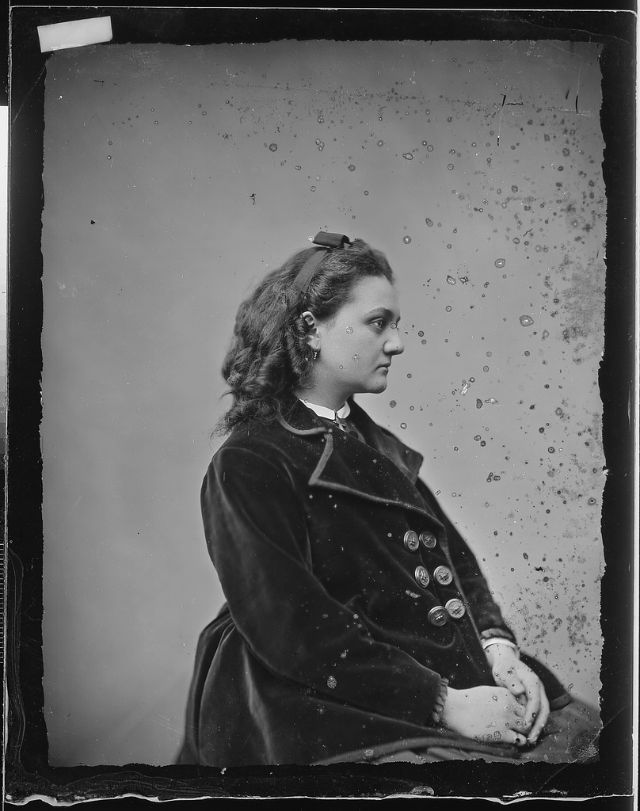
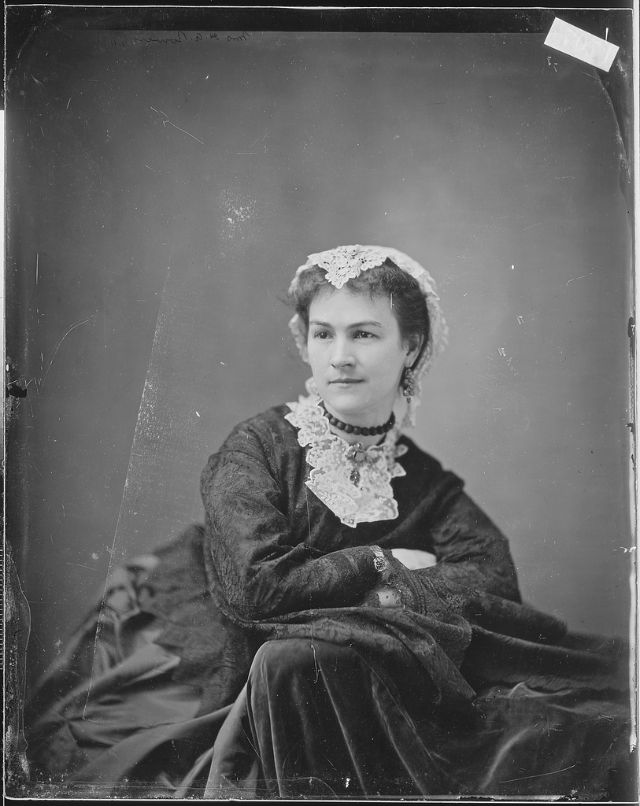
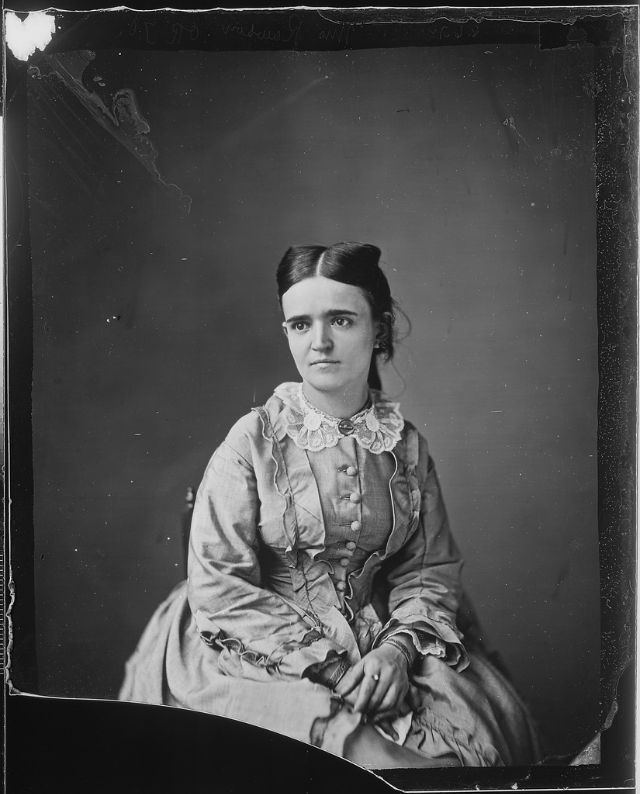
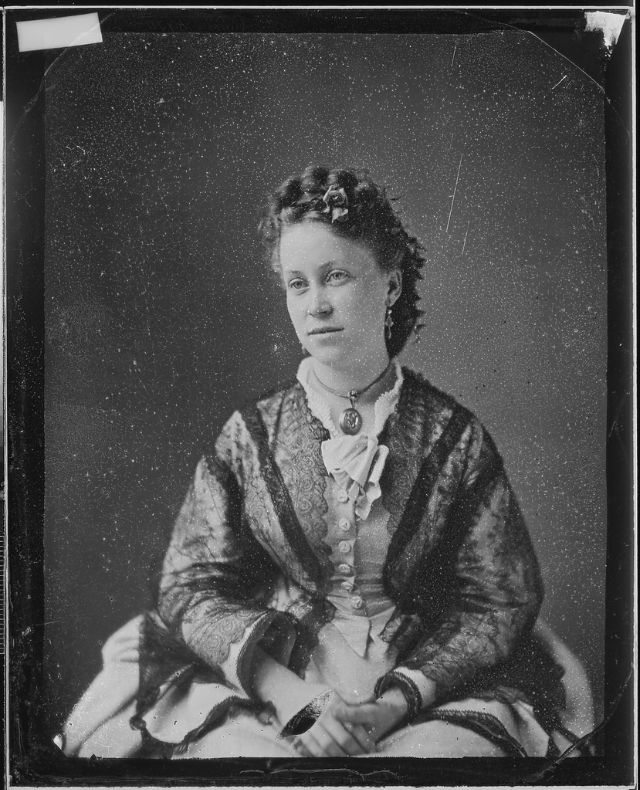
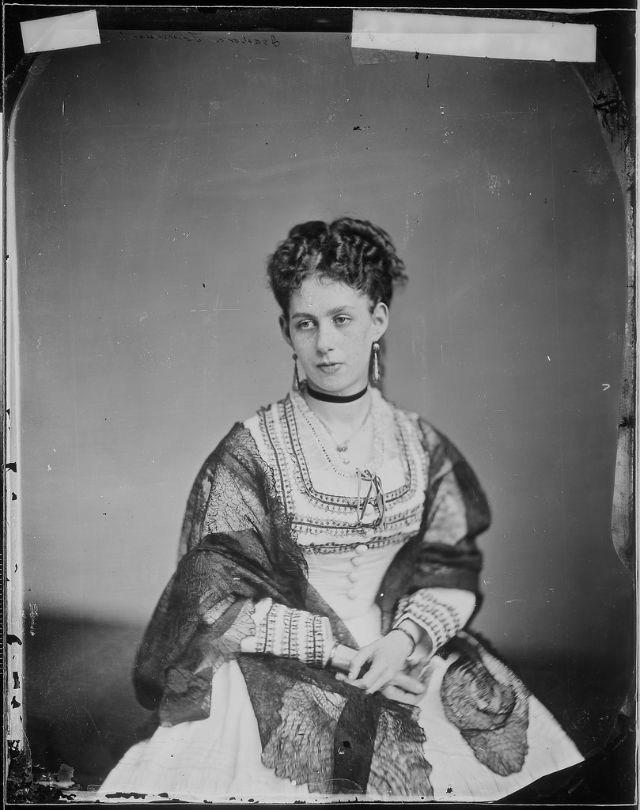
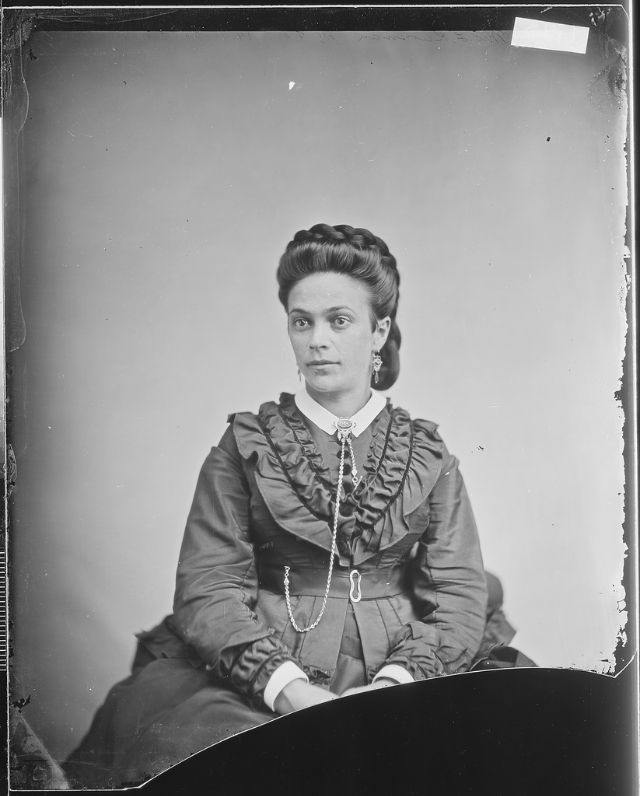
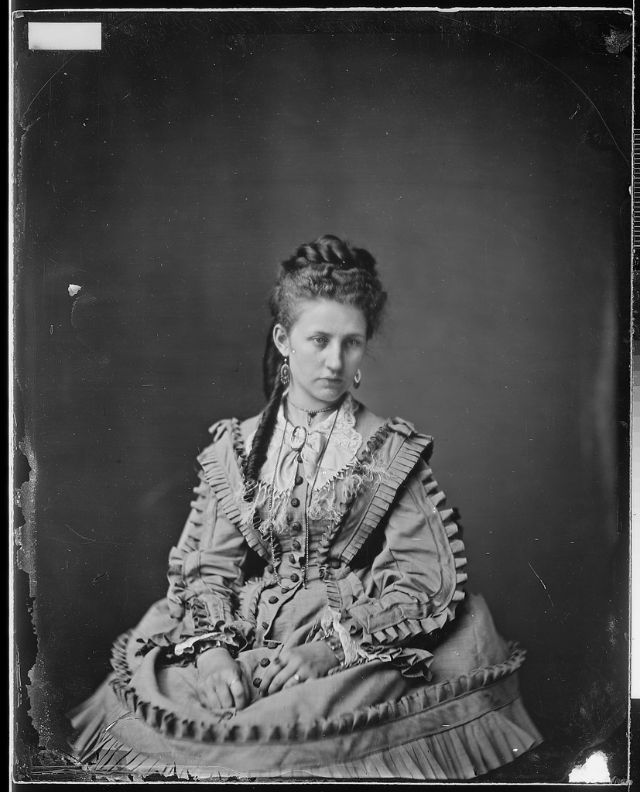
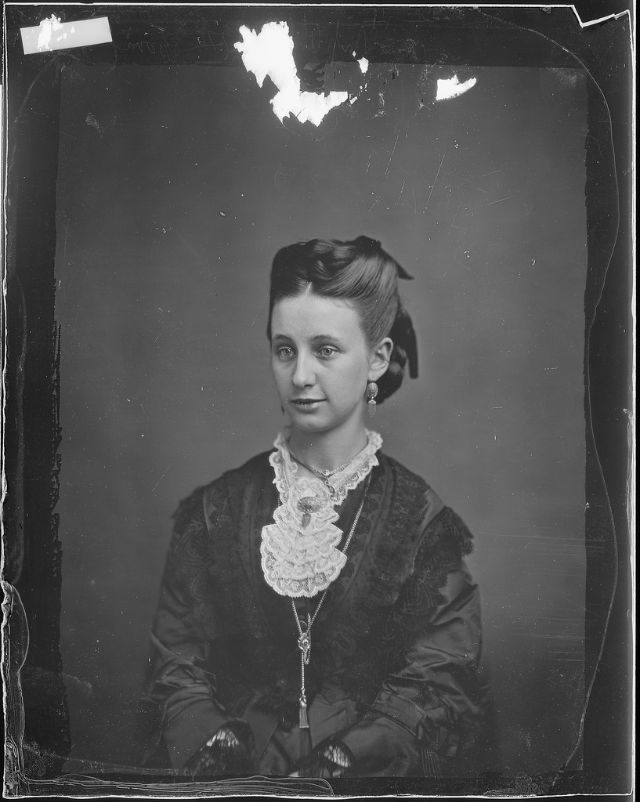
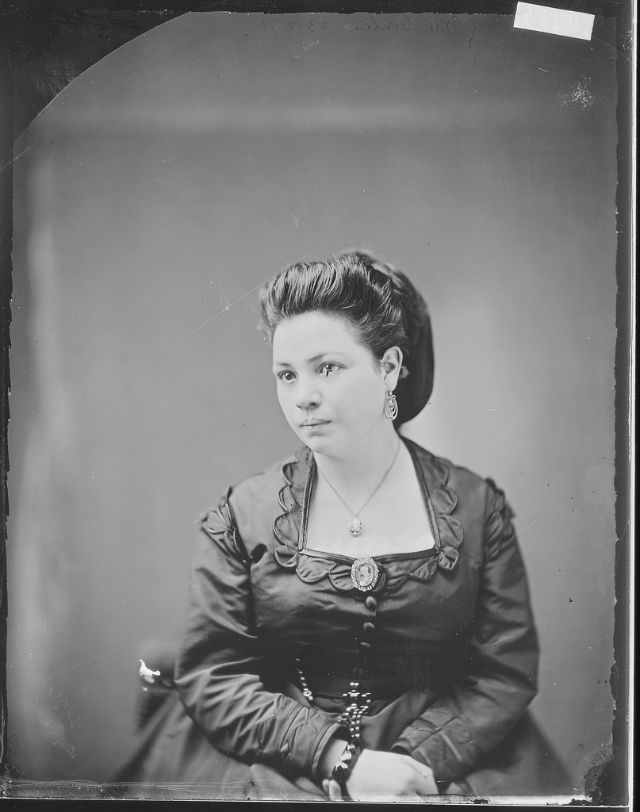
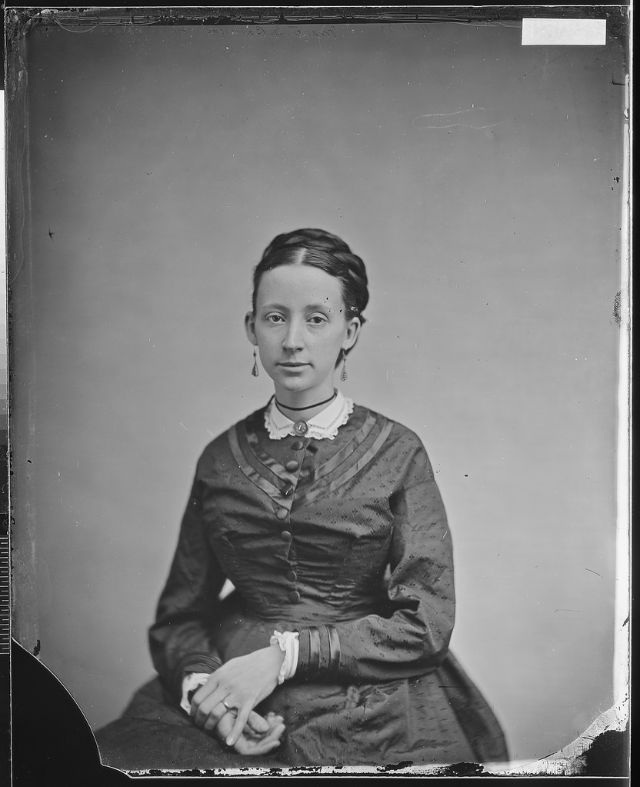
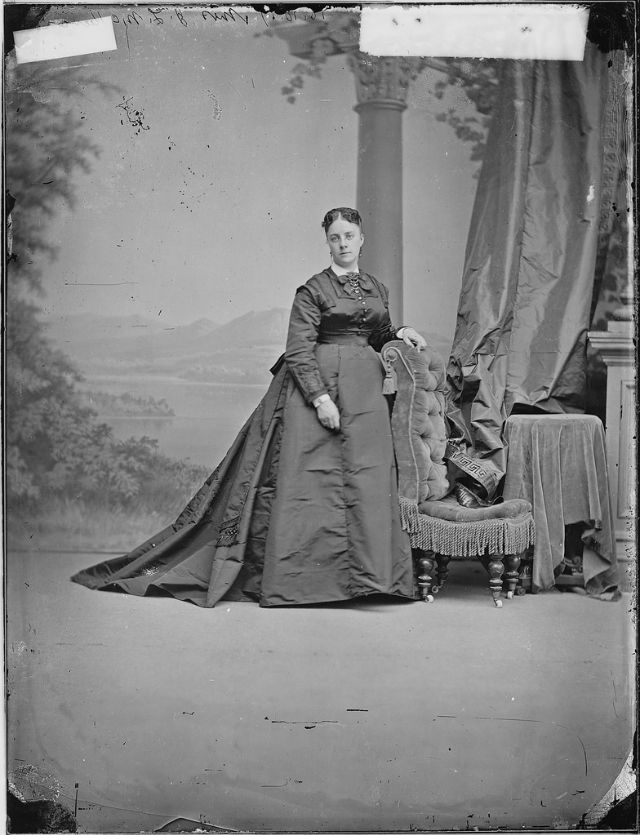
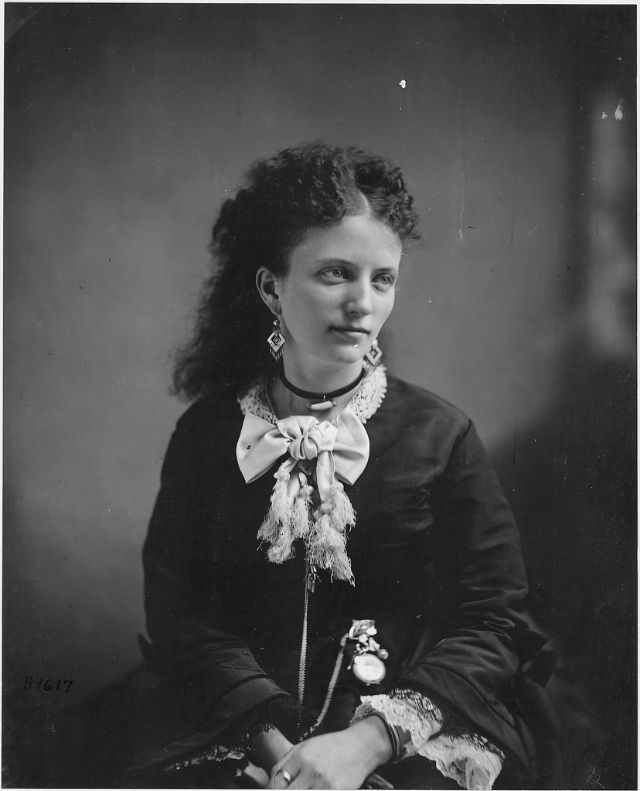
Mathew Brady (1823-1896) was one of the most prolific photographers of the nineteenth century, creating a visual documentation of the Civil War period (1860-1865).
During the Civil War, Brady and his associates traveled throughout the eastern part of the country, capturing the effects of the War through photographs of people, towns, and battlefields. Additionally, Brady kept studios in Washington, DC and New York City, where many influential politicians and war heroes sat for portraits.
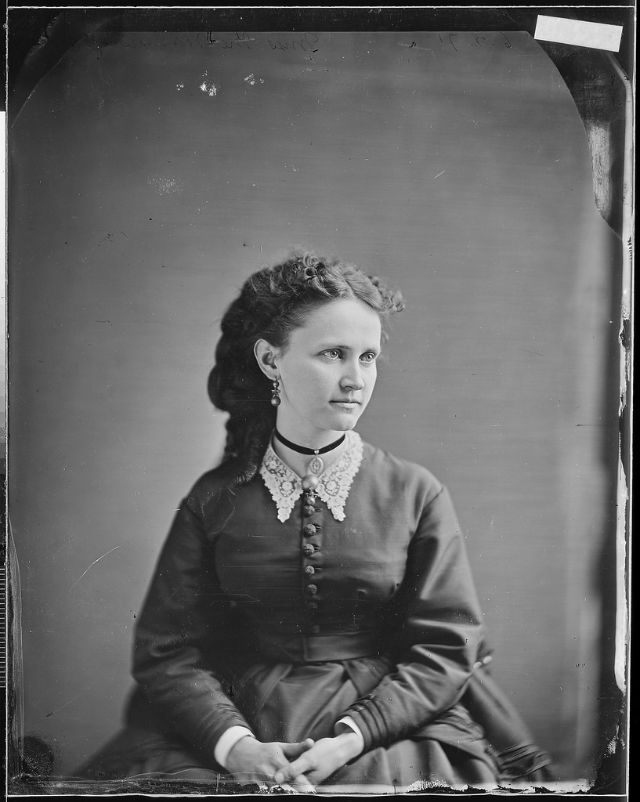
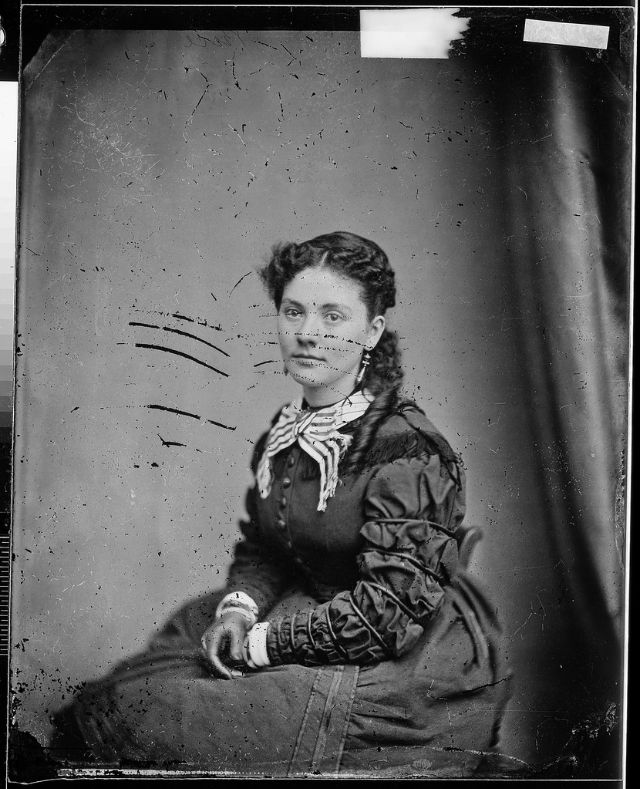
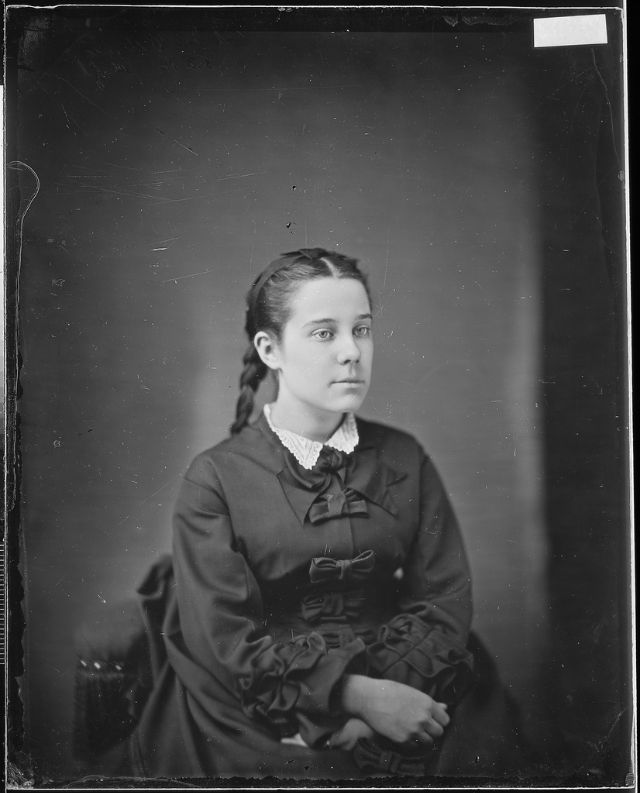
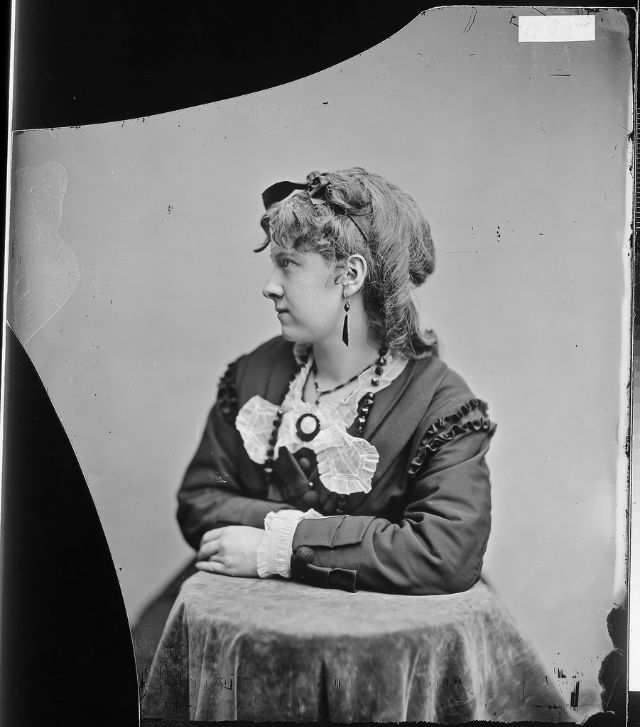
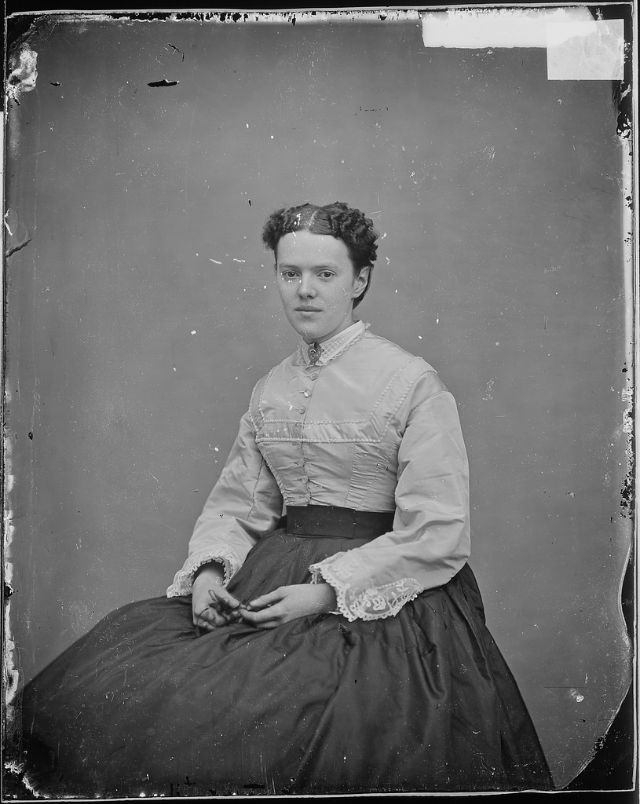
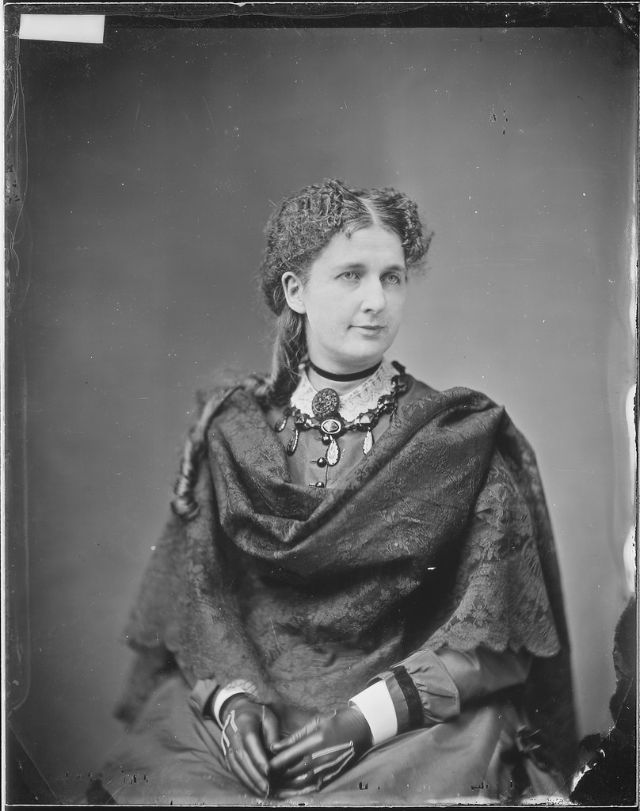
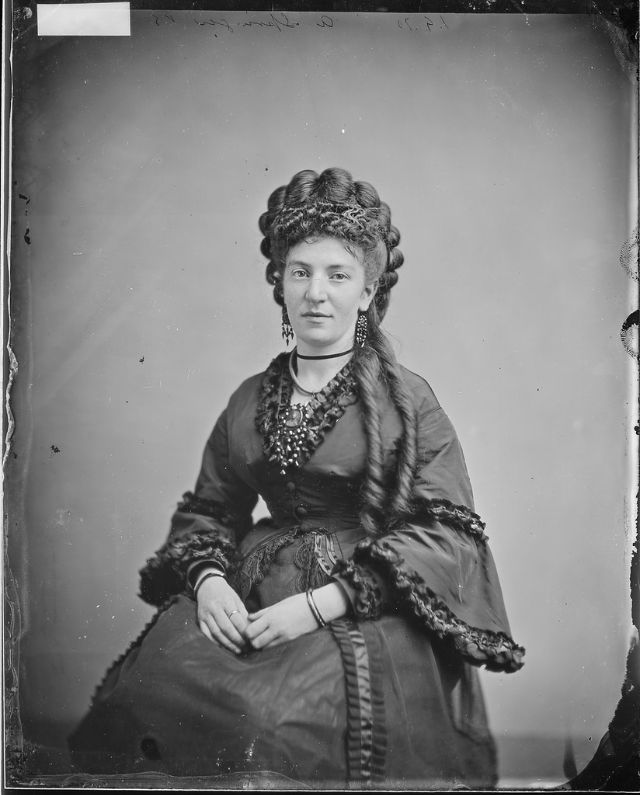
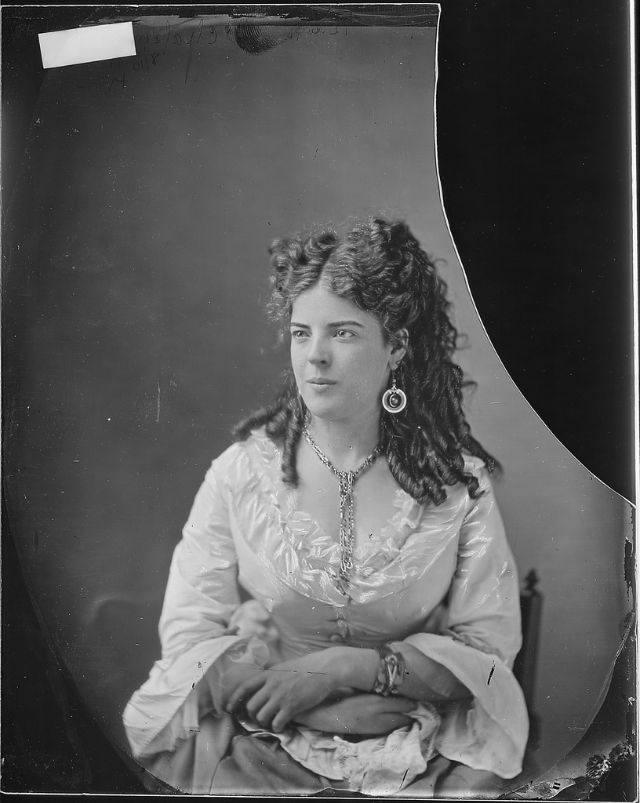
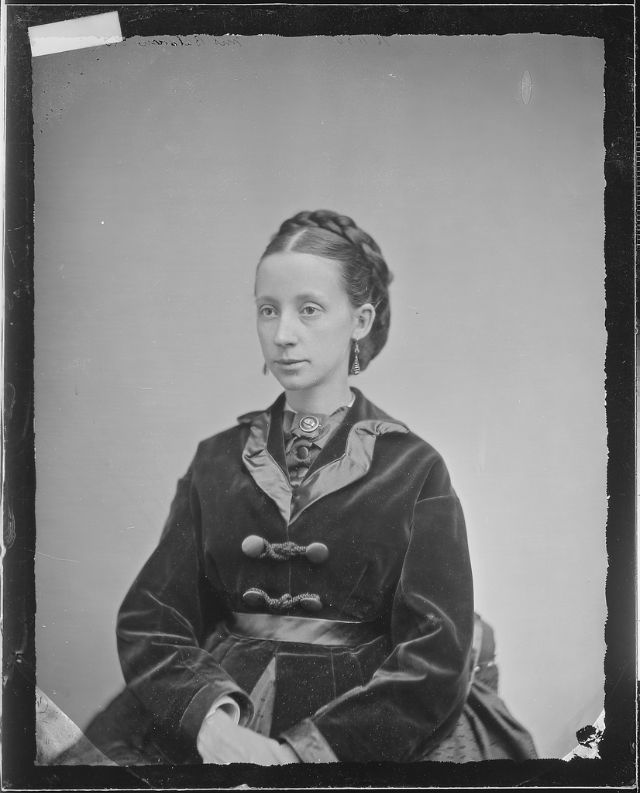
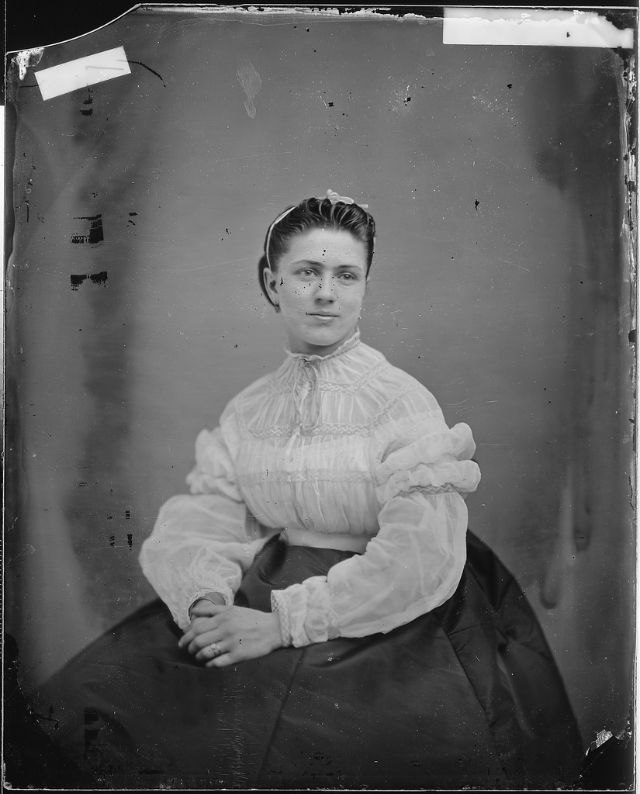
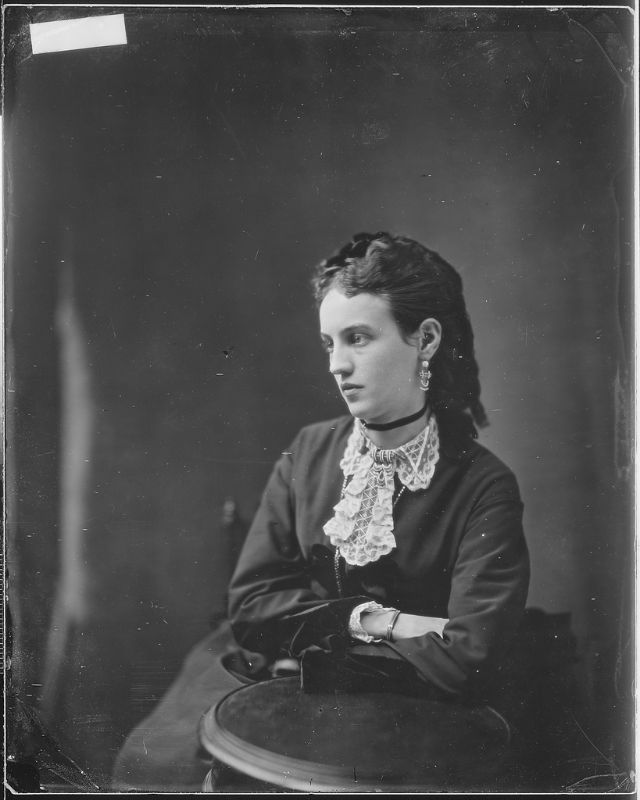
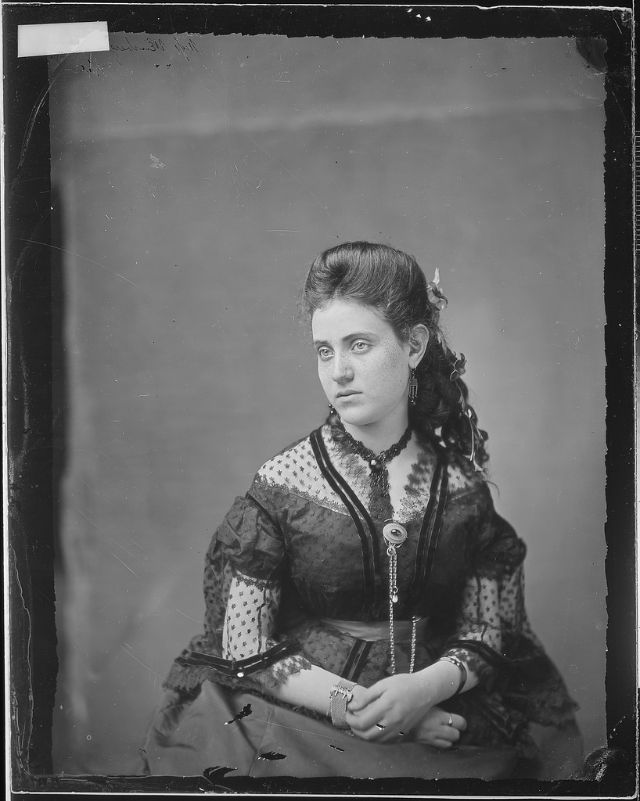
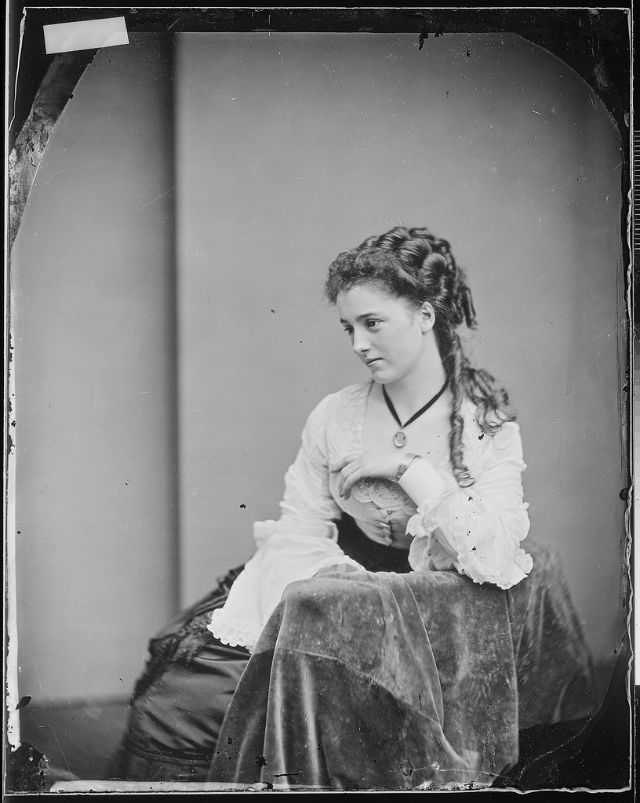
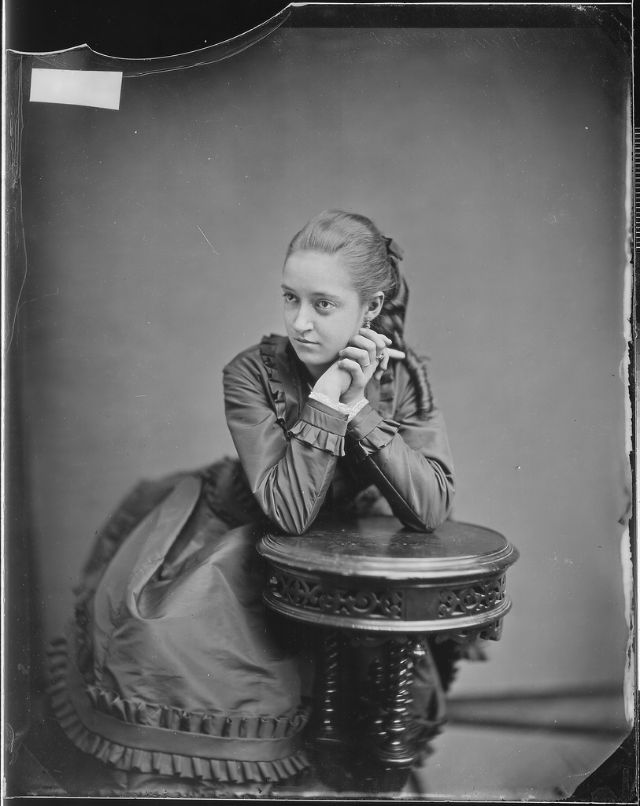
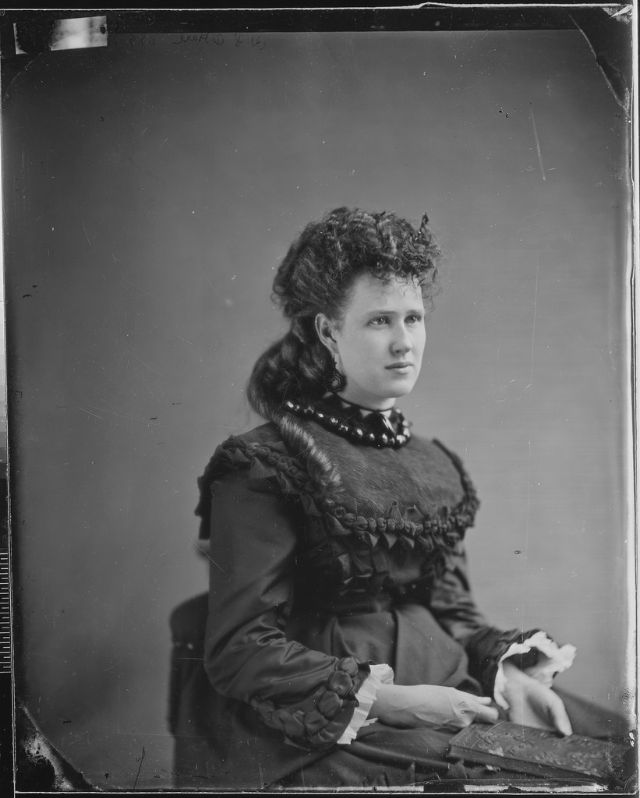
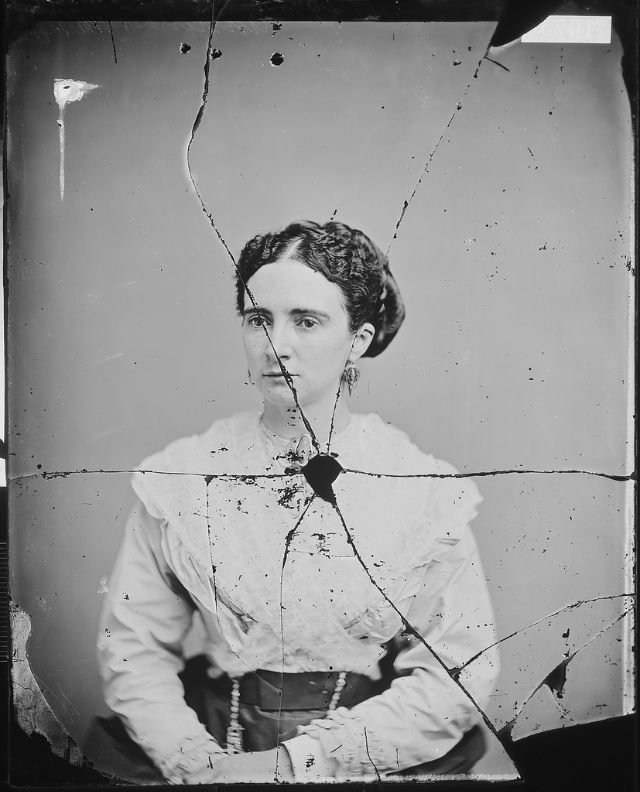
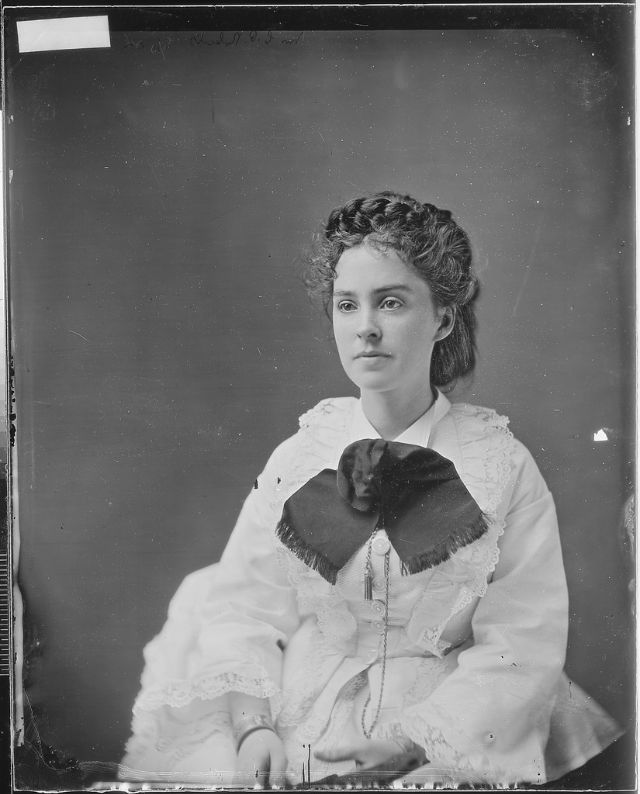
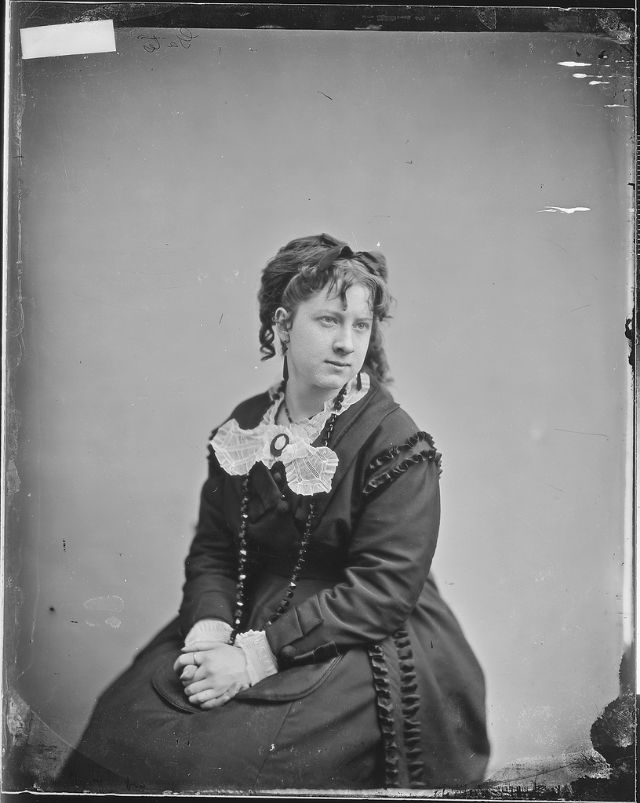
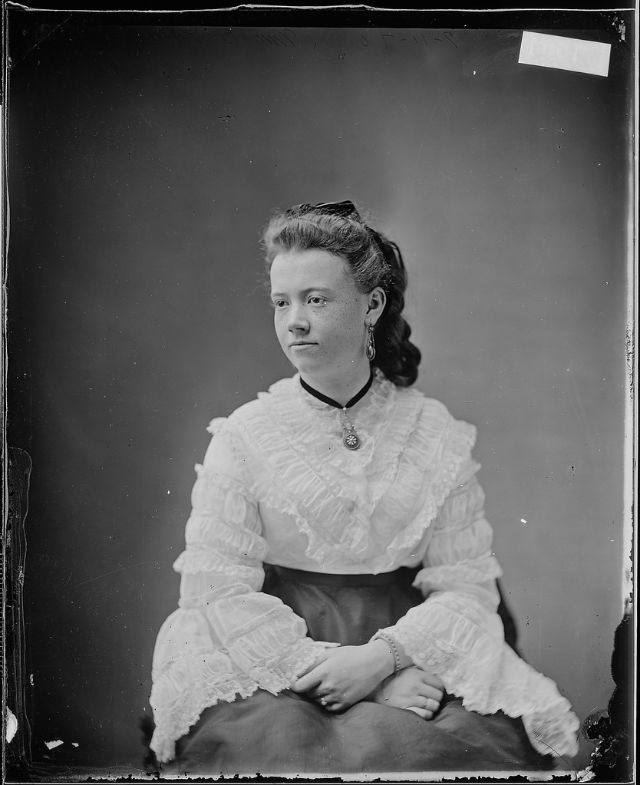
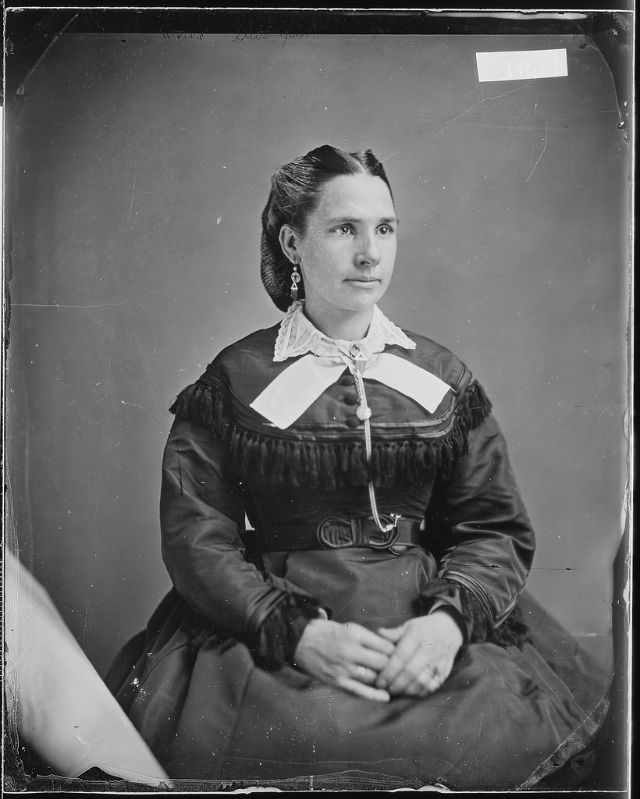
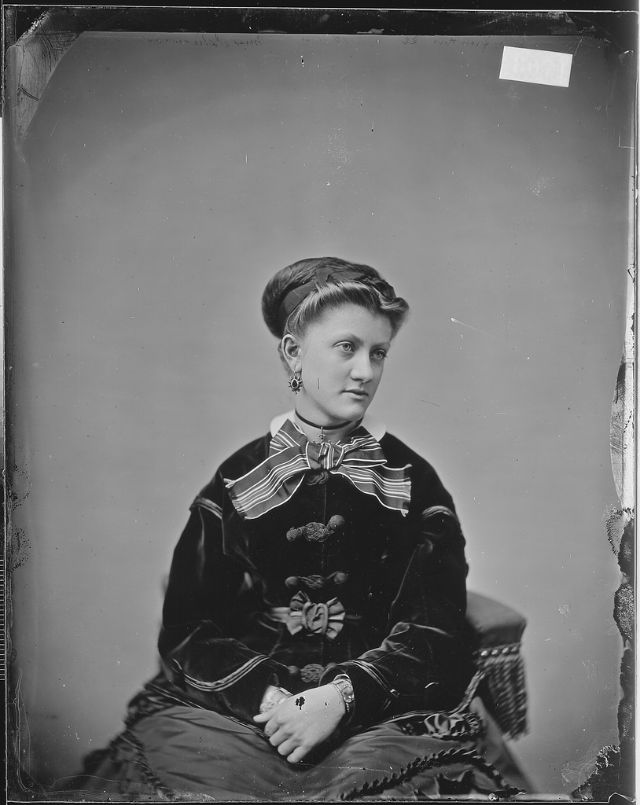
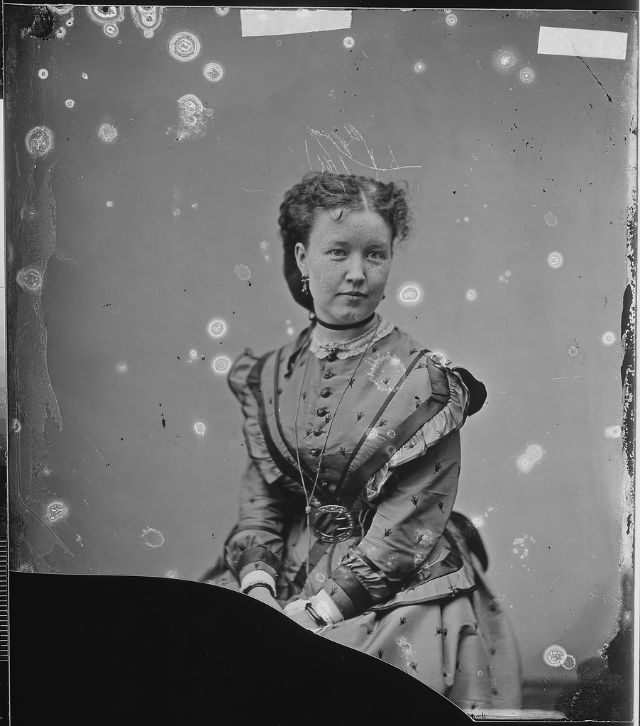
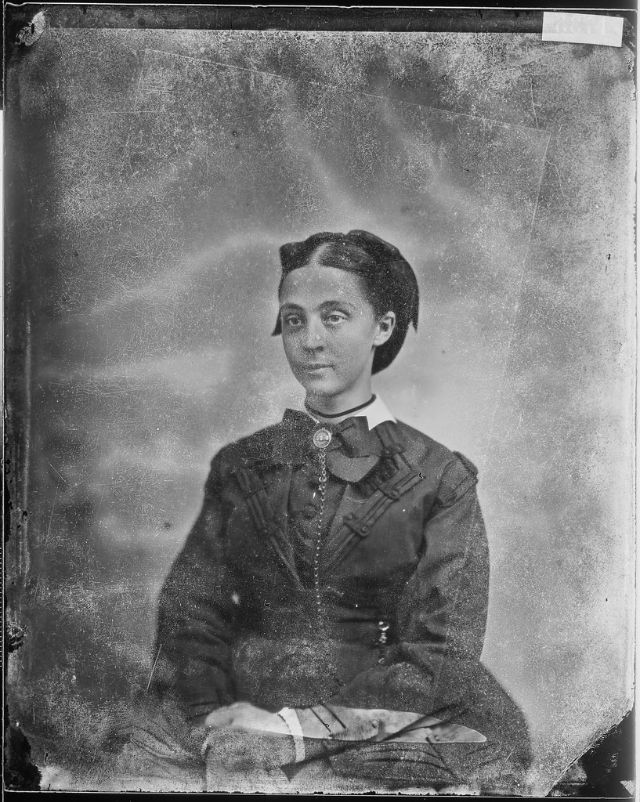
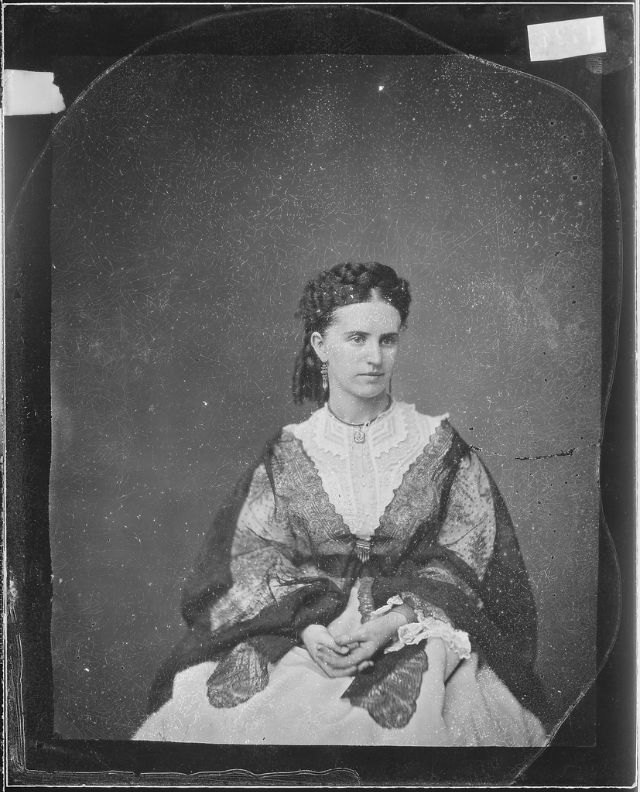
Mathew Brady photographed many subjects in the time of the Civil War, including various portraits of women.
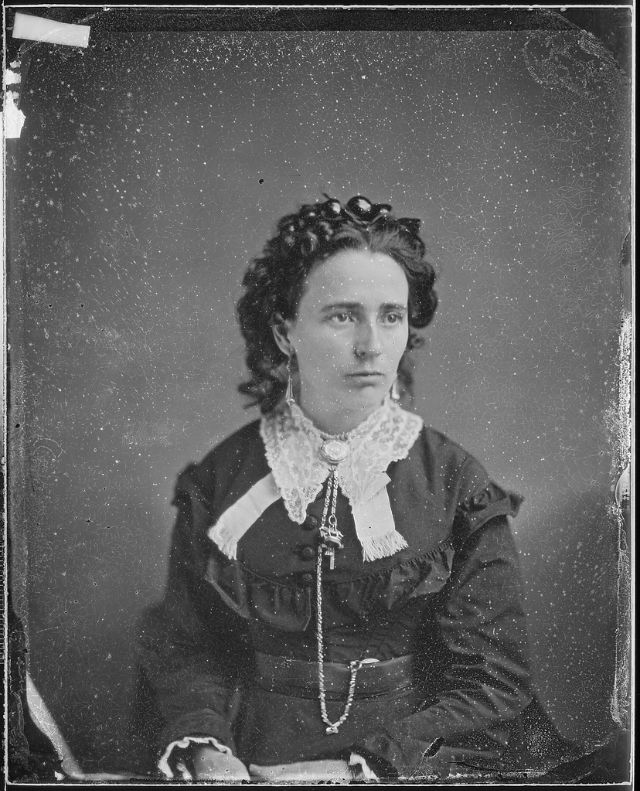
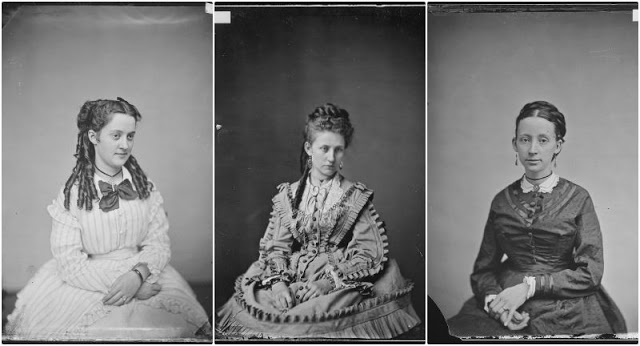
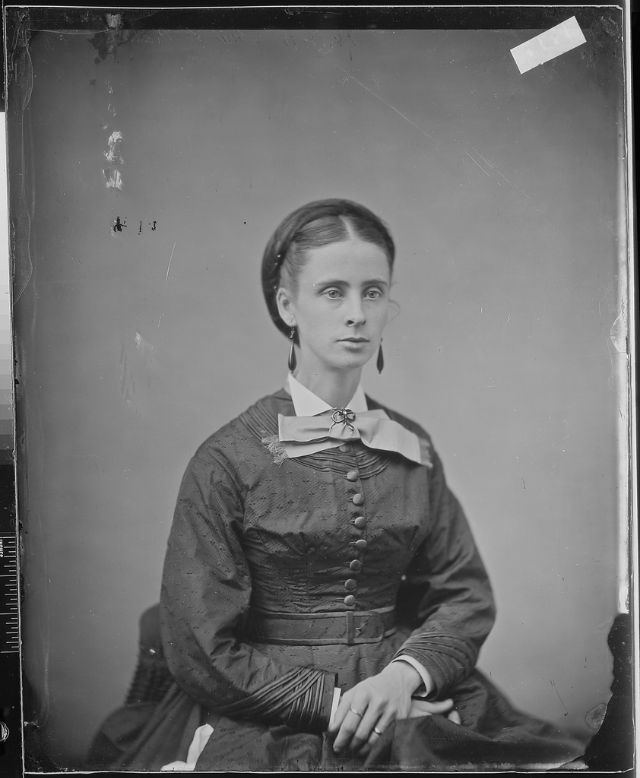
The U.S. National Archives has digitized over 6,000 images from the series Mathew Brady Photographs of Civil War-Era Personalities and Scenes, and here are some young ladies from the collection that he shot around 1863.
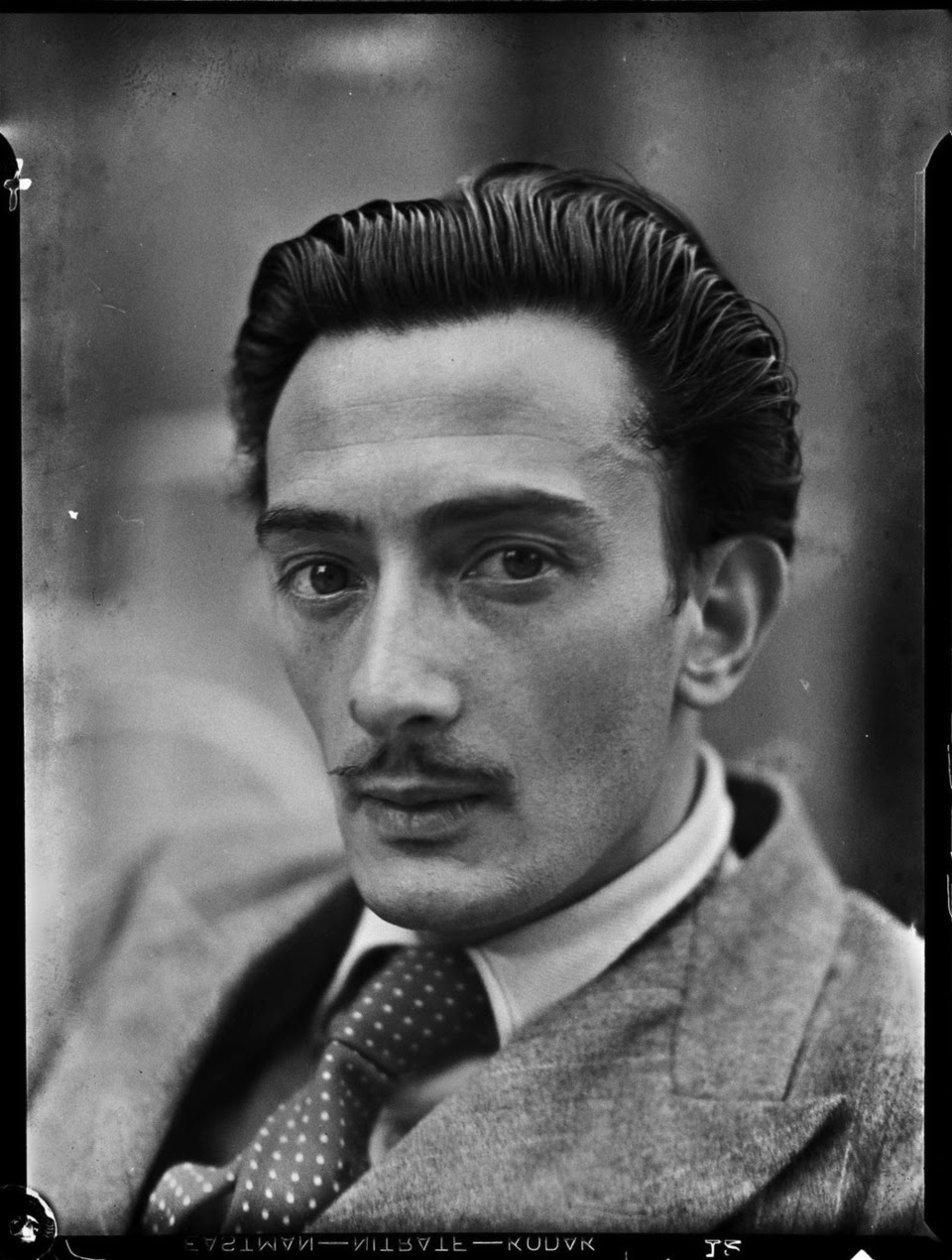
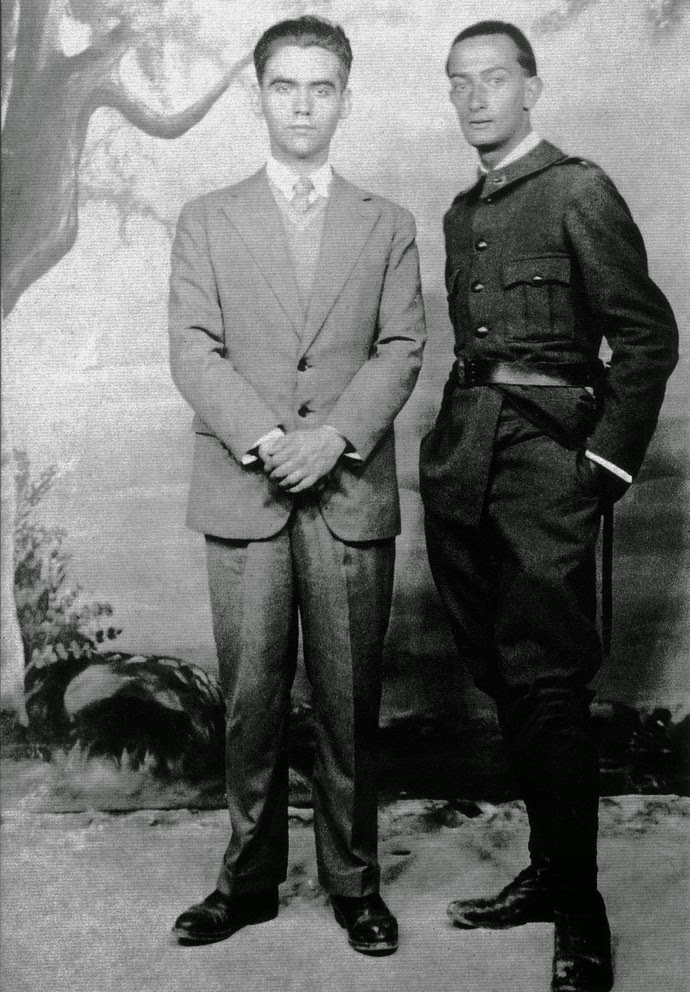
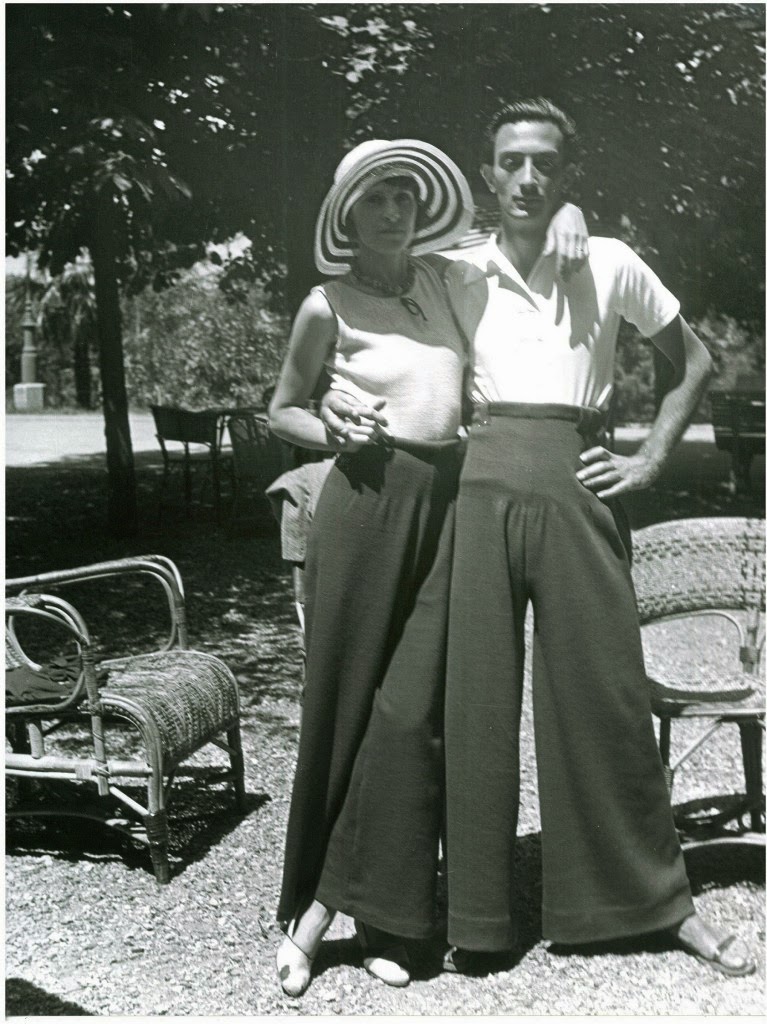
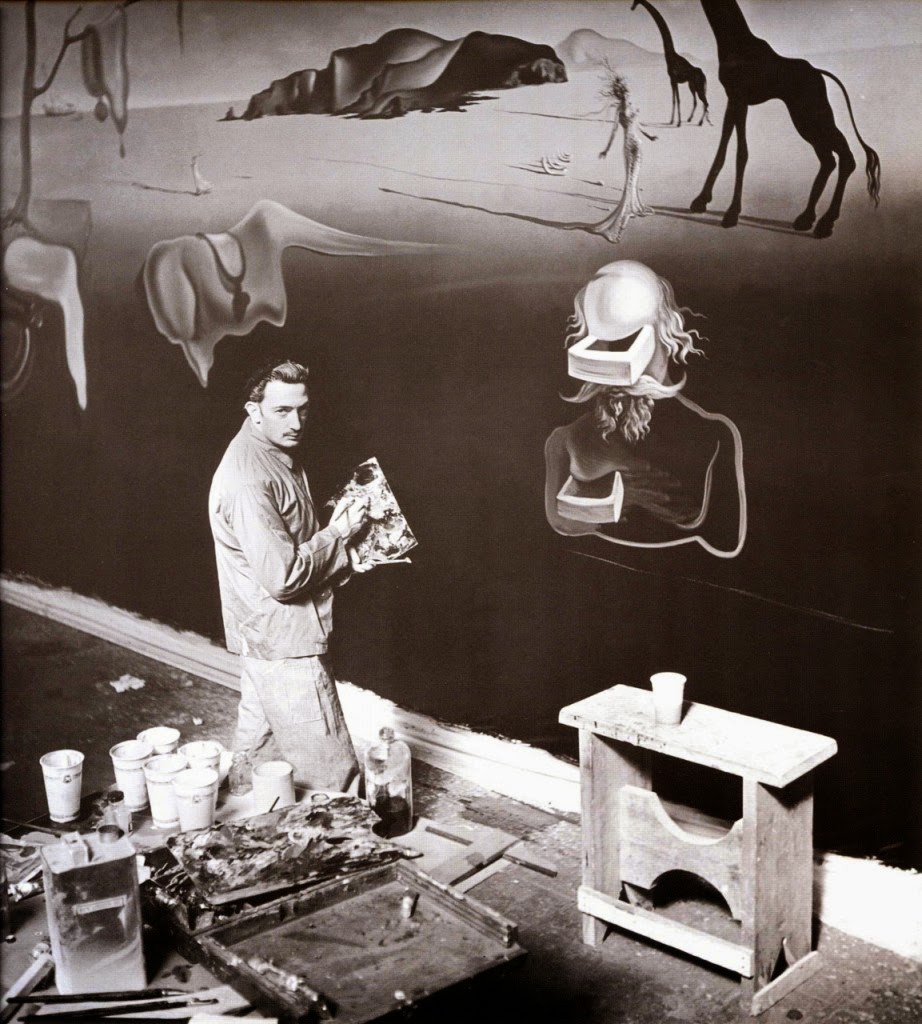
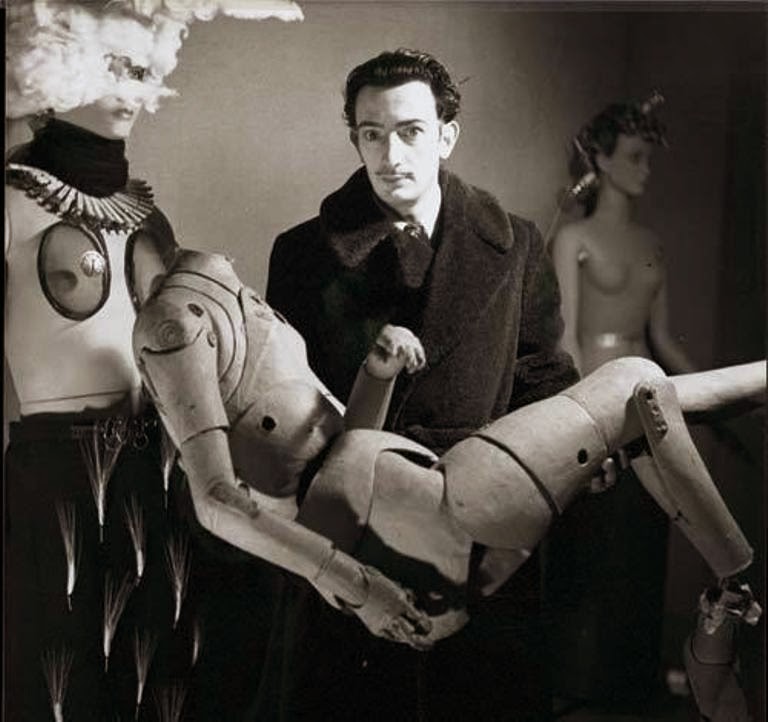
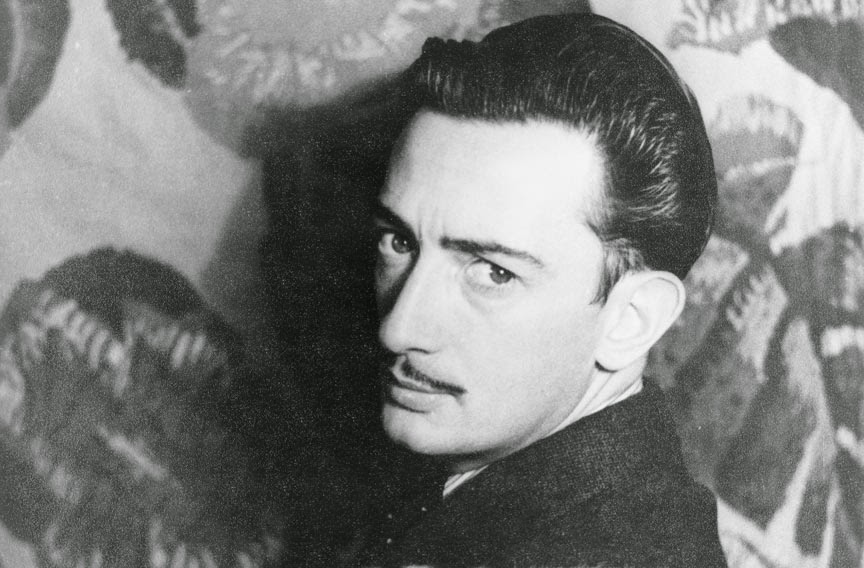
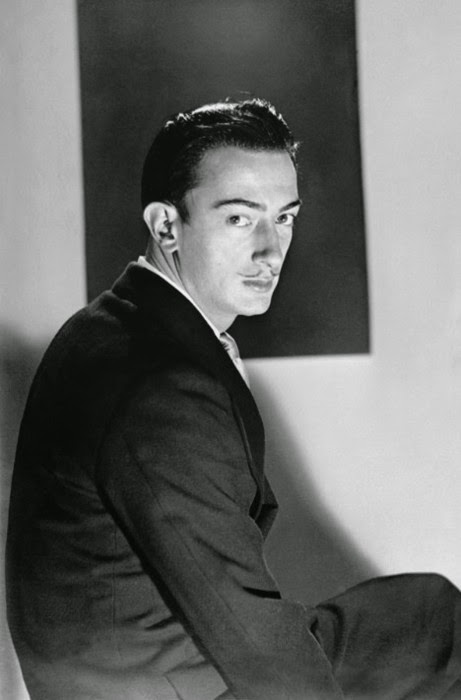
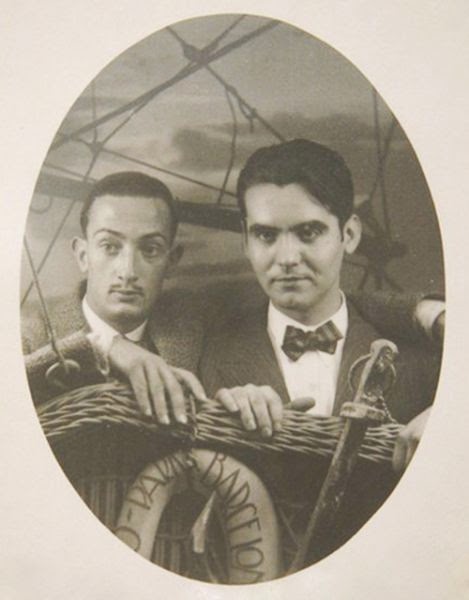
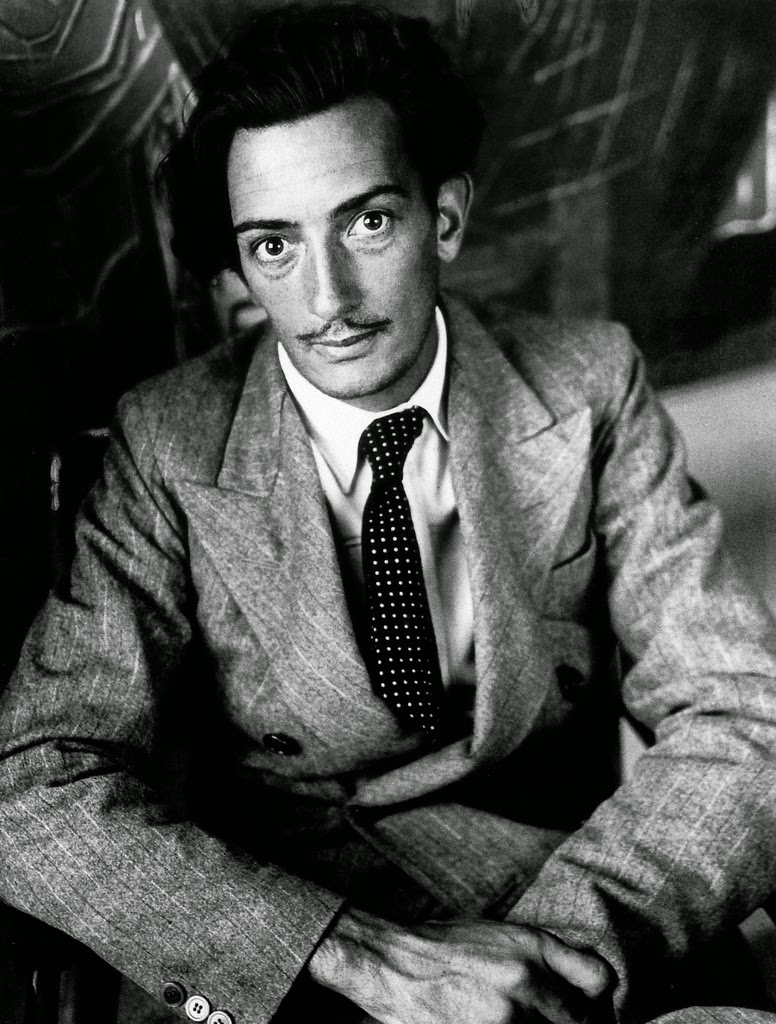
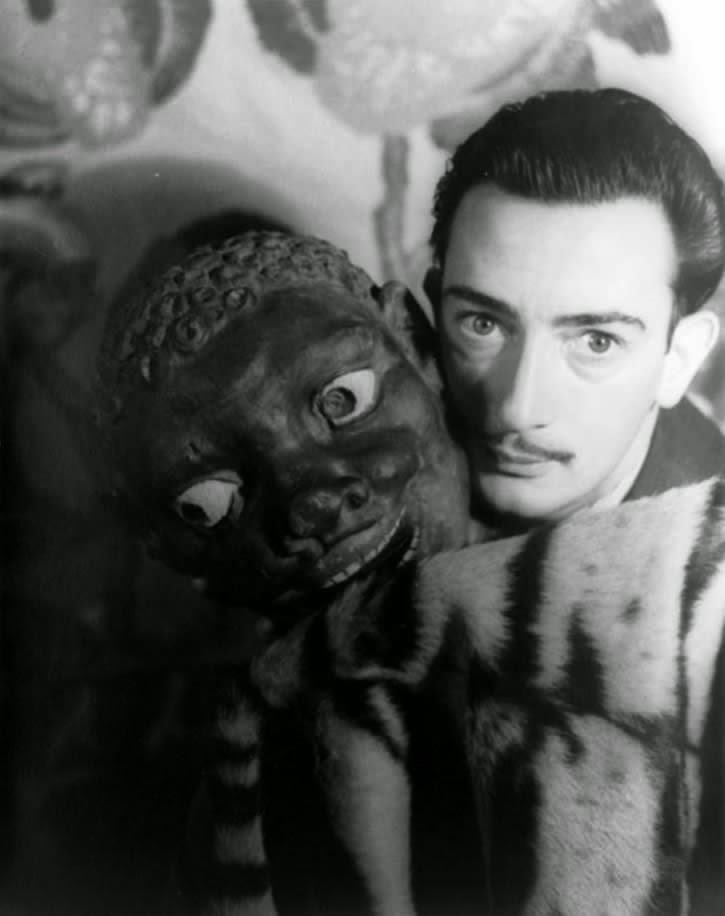
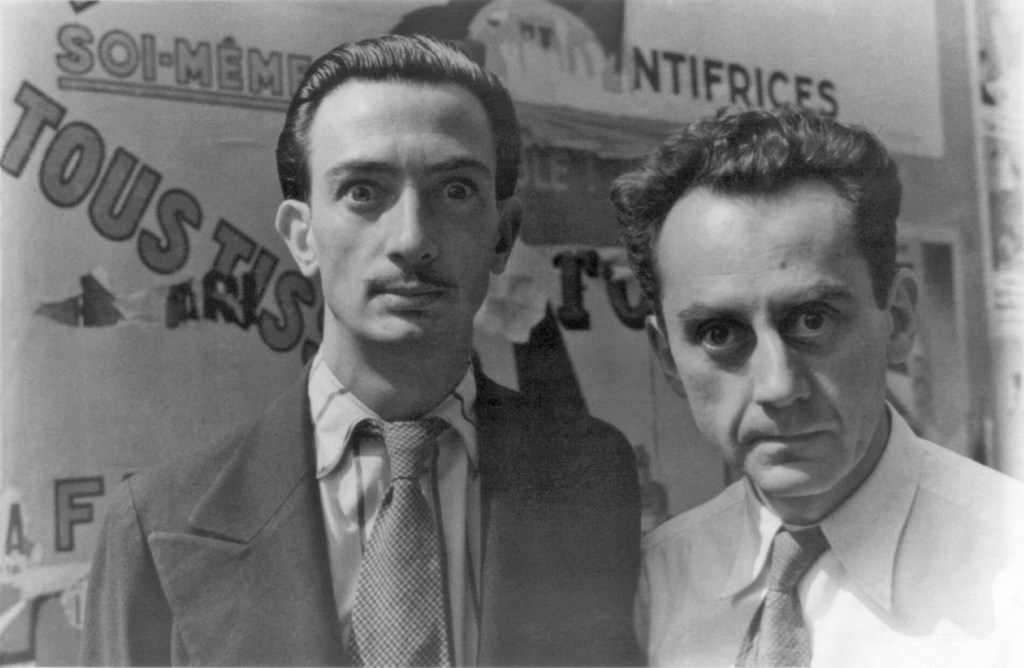
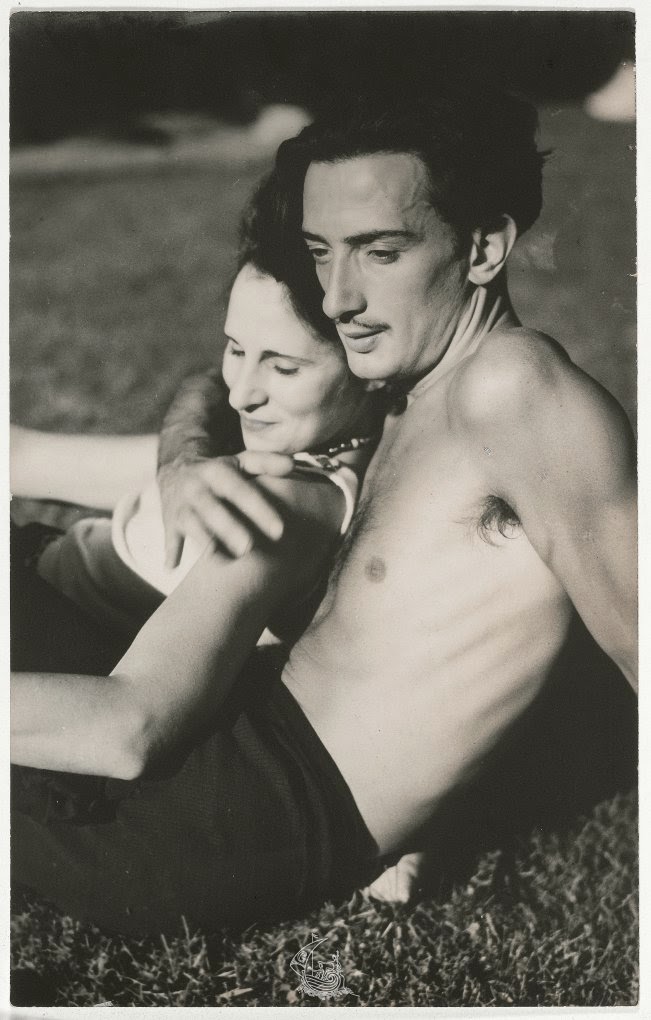
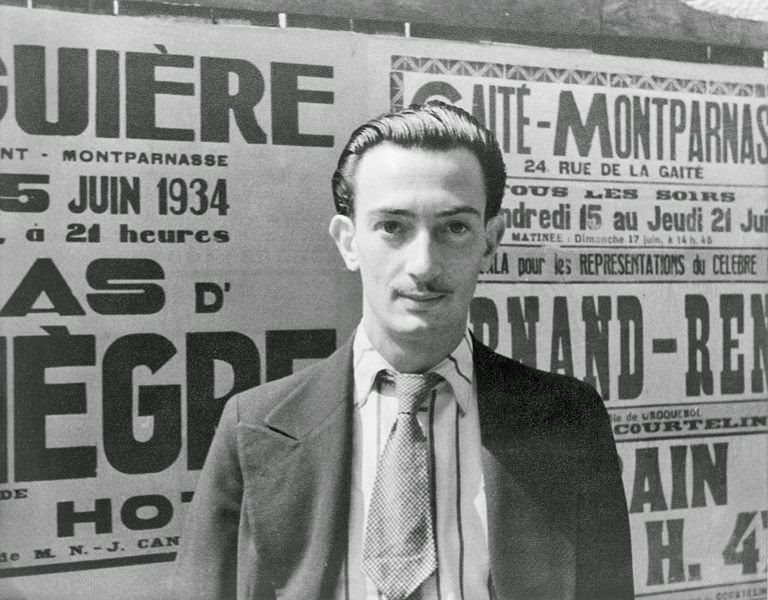
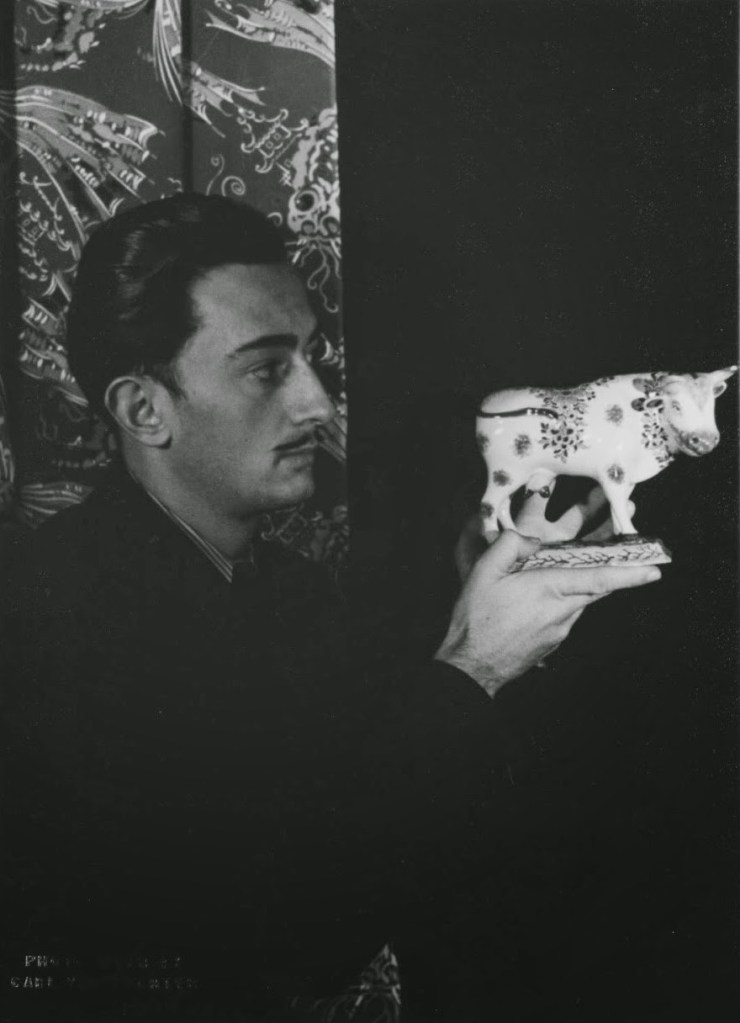
Salvador Dali is the most famous of the Surrealist artists. His ability to shock and entertain made his paintings popular to many people. Many of today’s artists have been inspired by Dali’s work.
Salvador began drawing and painting while he was still young. He painted outdoor scenes such as sailboats and houses. He also painted portraits. Even as a teenager he experimented with modern painting styles such as Impressionism. When he turned seventeen he moved to Madrid, Spain to study at the Academy of Fine Arts.
In 1931 Salvador Dali painted what would become his most famous painting and perhaps the most famous painting of the Surrealist movement. It is titled The Persistence of Memory. The scene is a normal looking desert landscape, but it is covered with melting watches.
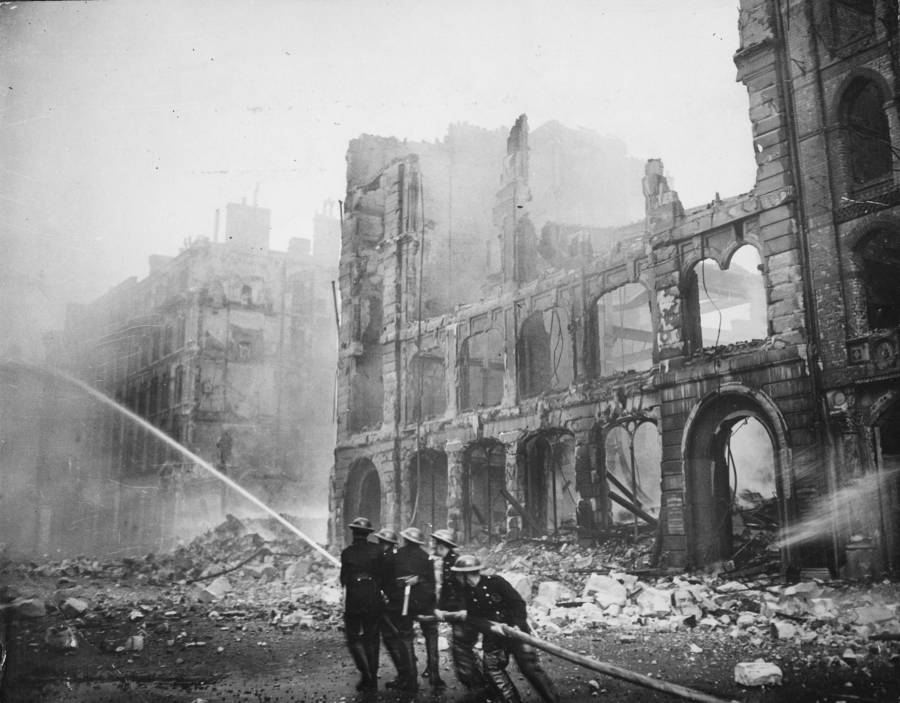
The Blitz was a German bombing campaign against the United Kingdom in 1940 and 1941, during the Second World War. The term was first used by the British press and originated from the term “Blitzkrieg”, the German word for ‘lightning war’.
The Germans conducted mass air attacks against industrial targets, towns, and cities, beginning with raids on London towards the end of the Battle of Britain in 1940 (a battle for daylight air superiority between the Luftwaffe and the Royal Air Force over the United Kingdom). By September 1940, the Luftwaffe had lost the Battle of Britain and the German air fleets (Luftflotten) were ordered to attack London, to draw RAF Fighter Command into a battle of annihilation. Adolf Hitler and Reichsmarschall Hermann Göring, commander-in-chief of the Luftwaffe, ordered the new policy on 6 September 1940. From 7 September 1940, London was systematically bombed by the Luftwaffe for 56 of the following 57 days and nights. Most notable was a large daylight attack against London on 15 September.
The Luftwaffe gradually decreased daylight operations in favour of night attacks to evade attacks by the RAF, and the Blitz became a night bombing campaign after October 1940. The Luftwaffe attacked the main Atlantic seaport of Liverpool in the Liverpool Blitz. The North Sea port of Hull, a convenient and easily found target or secondary target for bombers unable to locate their primary targets, suffered the Hull Blitz. The port cities of Bristol, Cardiff, Portsmouth, Plymouth, Southampton, Swansea, Belfast, and Glasgow were also bombed, as were the industrial centres of Birmingham, Coventry, Manchester and Sheffield. More than 40,000 civilians were killed by Luftwaffe bombing during the war, almost half of them in the capital, where more than a million houses were destroyed or damaged.
In early July 1940, the German High Command began planning Operation Barbarossa, the invasion of the Soviet Union. Bombing failed to demoralise the British into surrender or do much damage to the war economy; eight months of bombing never seriously hampered British war production, which continued to increase. The greatest effect was to force the British to disperse the production of aircraft and spare parts. British wartime studies concluded that cities generally took 10 to 15 days to recover when hit severely, but exceptions like Birmingham took three months.
The German air offensive failed because the Luftwaffe High Command (Oberkommando der Luftwaffe, OKL) did not develop a methodical strategy for destroying British war industry. Poor intelligence about British industry and economic efficiency led to OKL concentrating on tactics rather than strategy. The bombing effort was diluted by attacks against several sets of industries instead of constant pressure on the most vital.
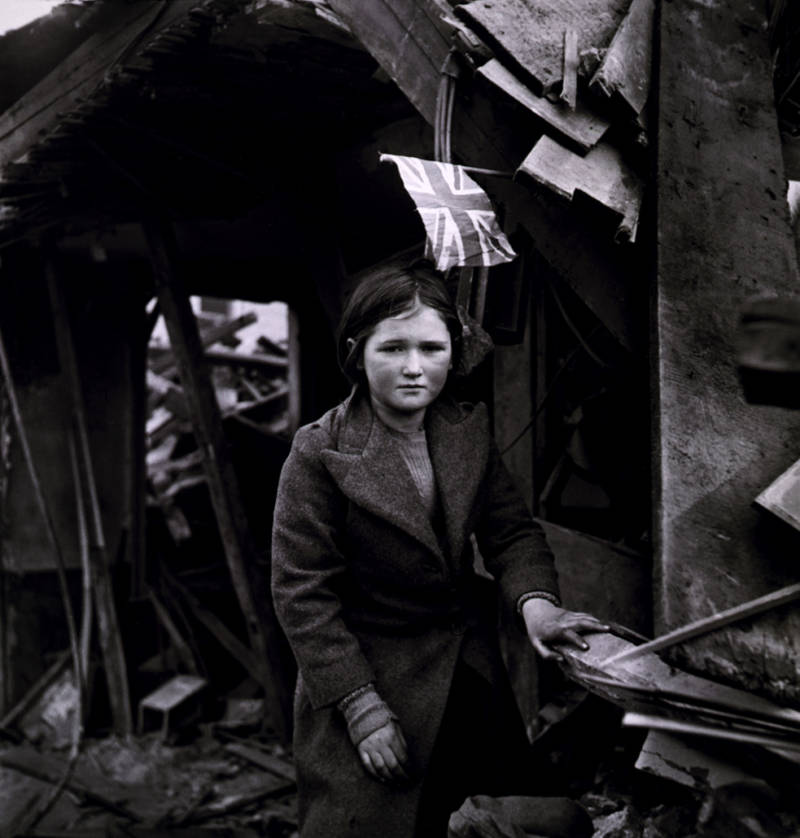
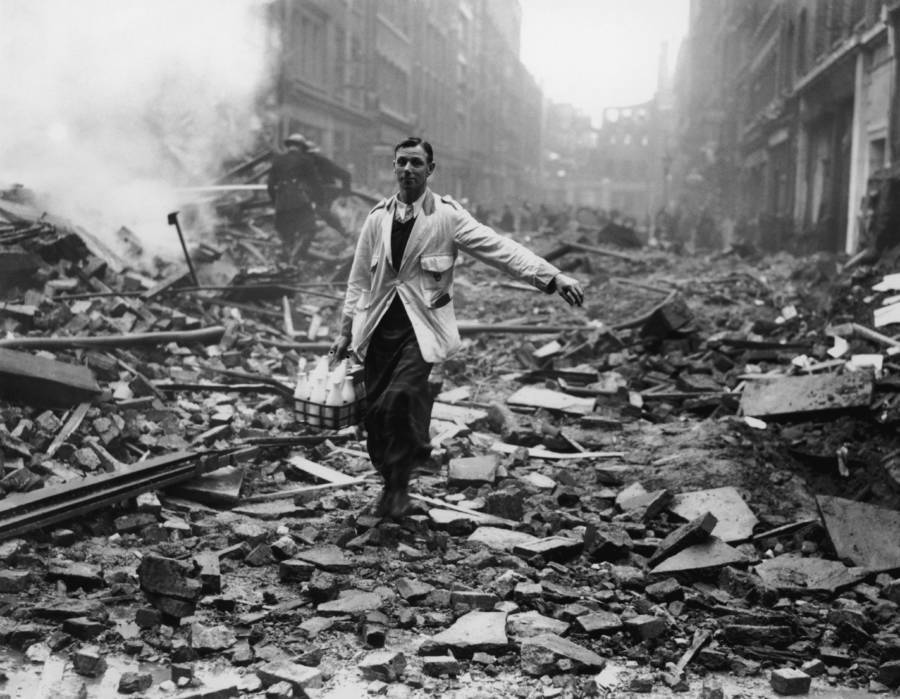
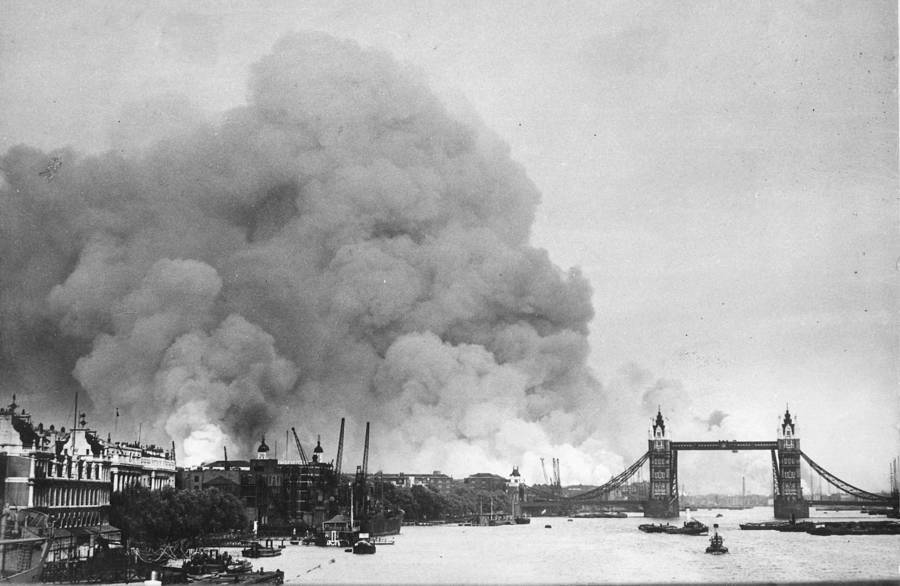
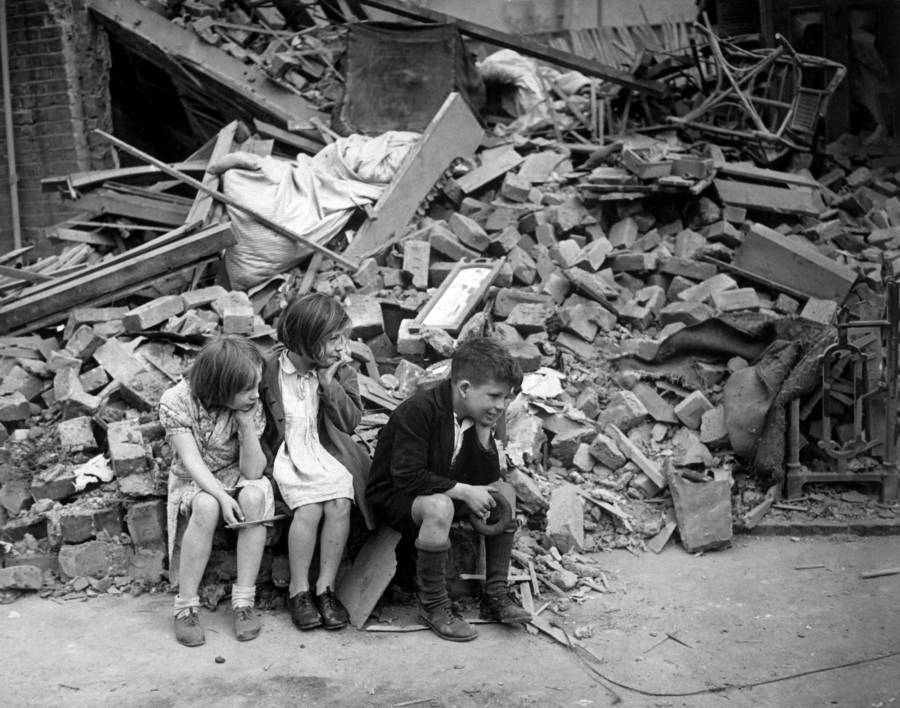
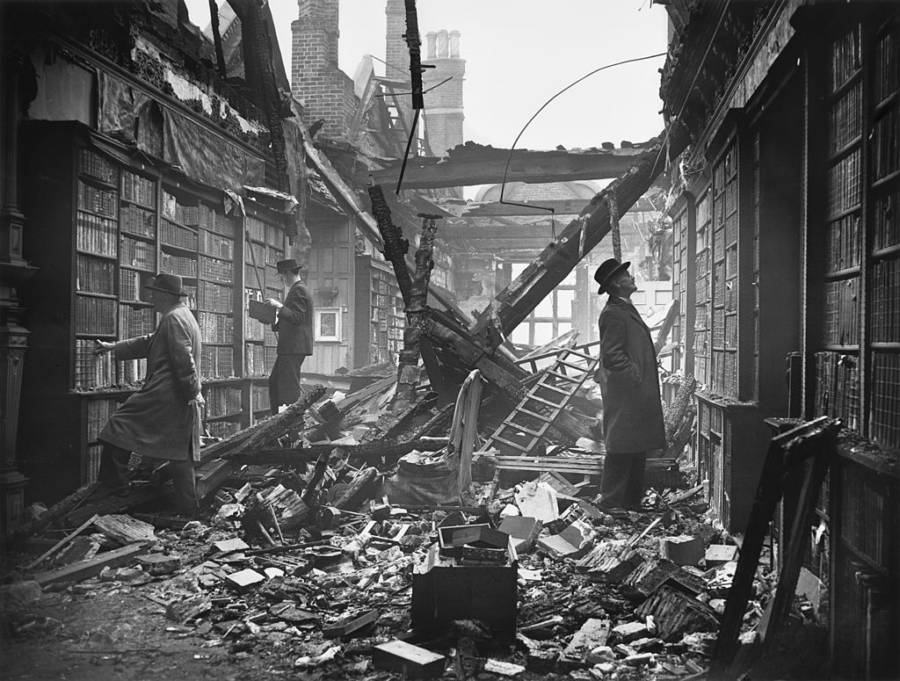
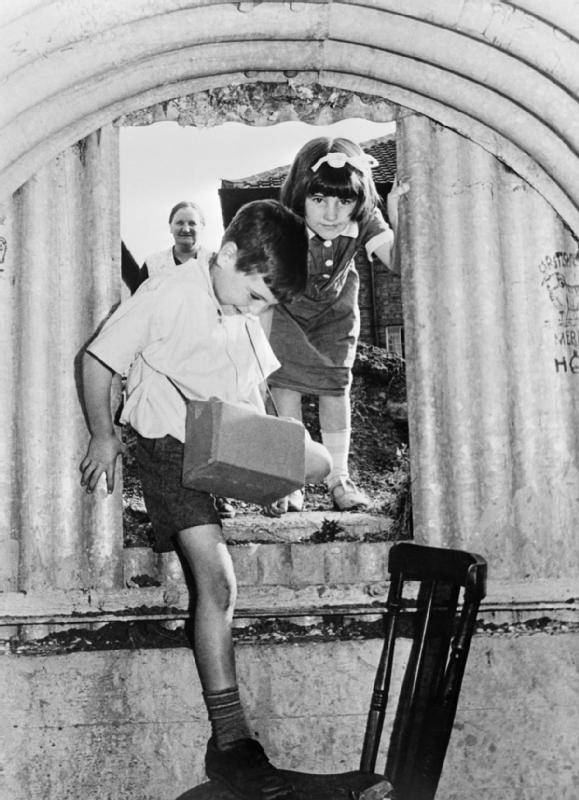
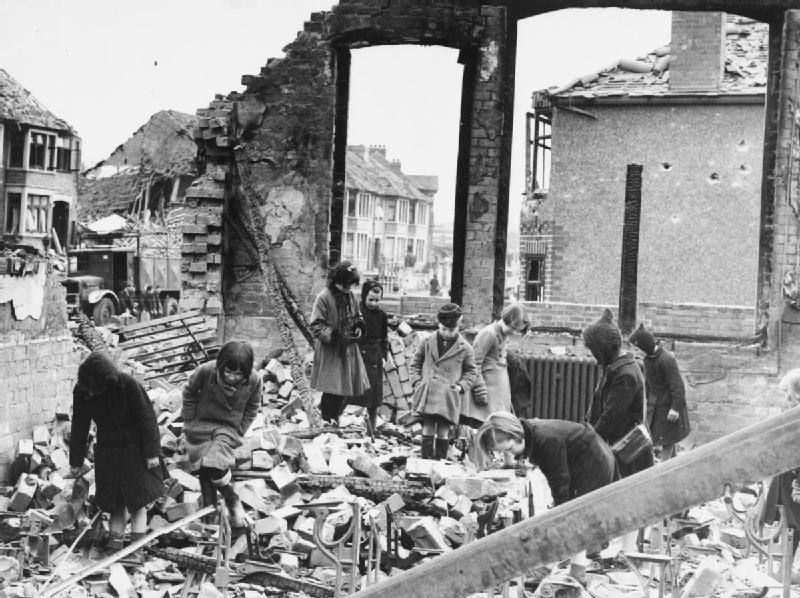
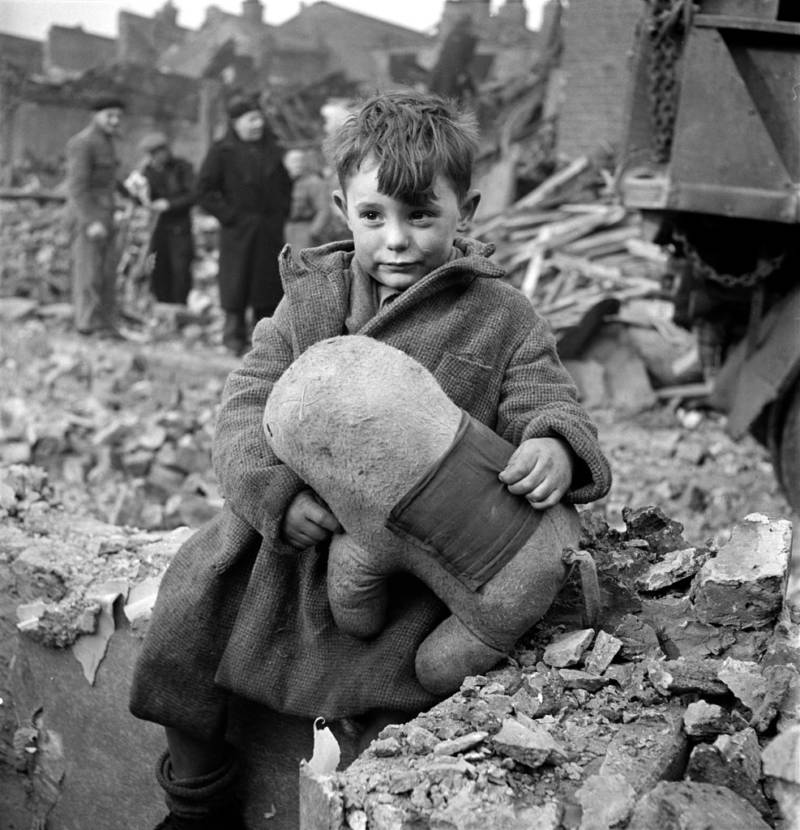
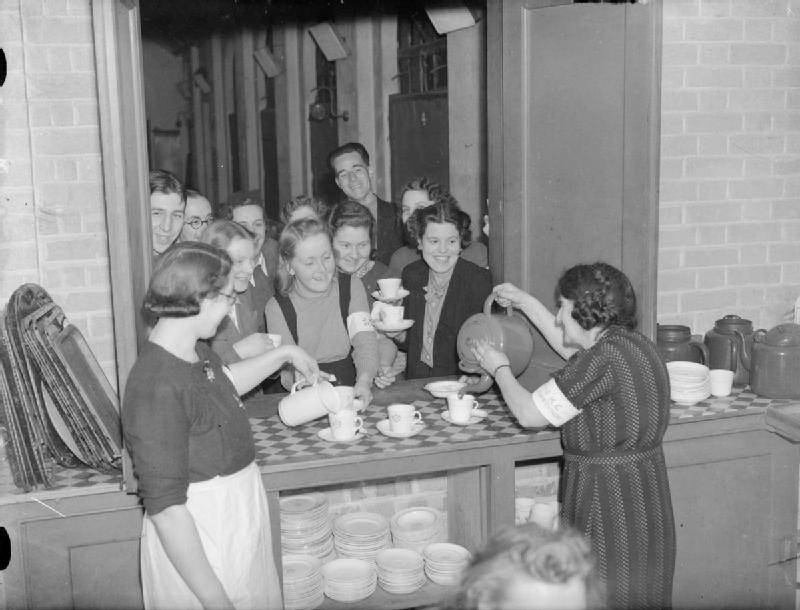
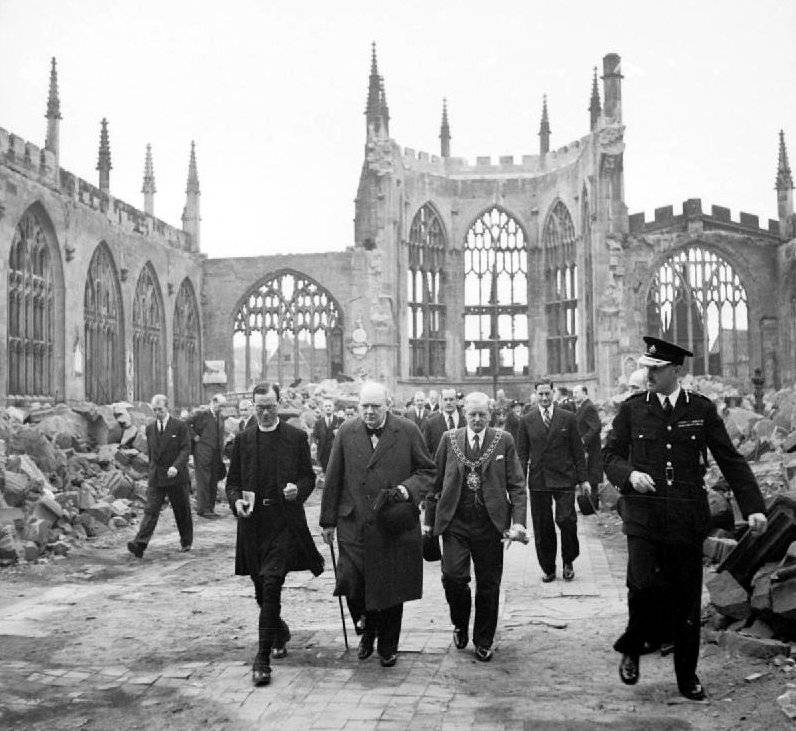
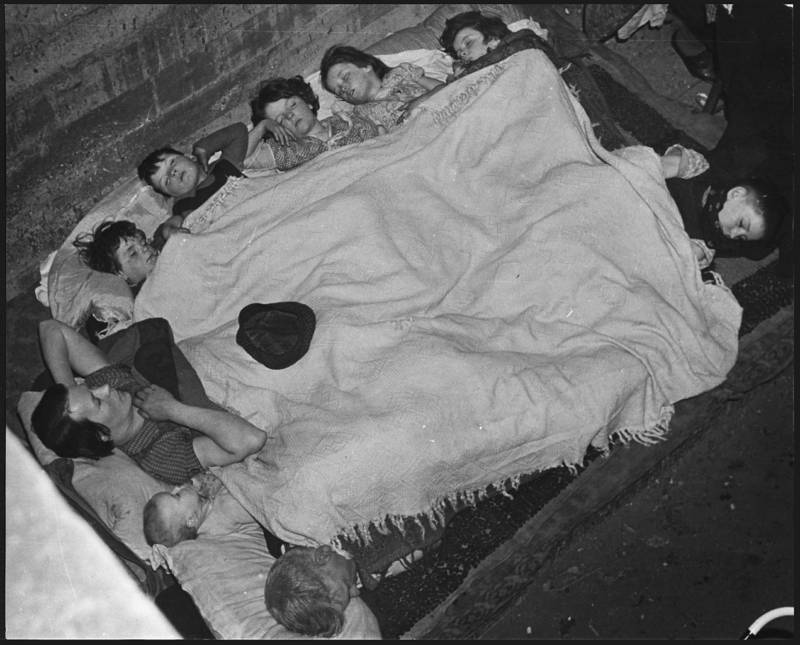
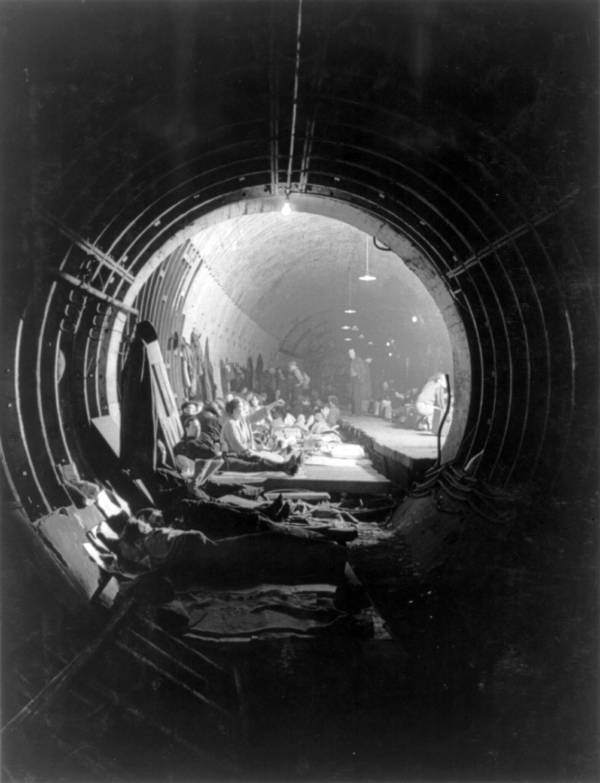
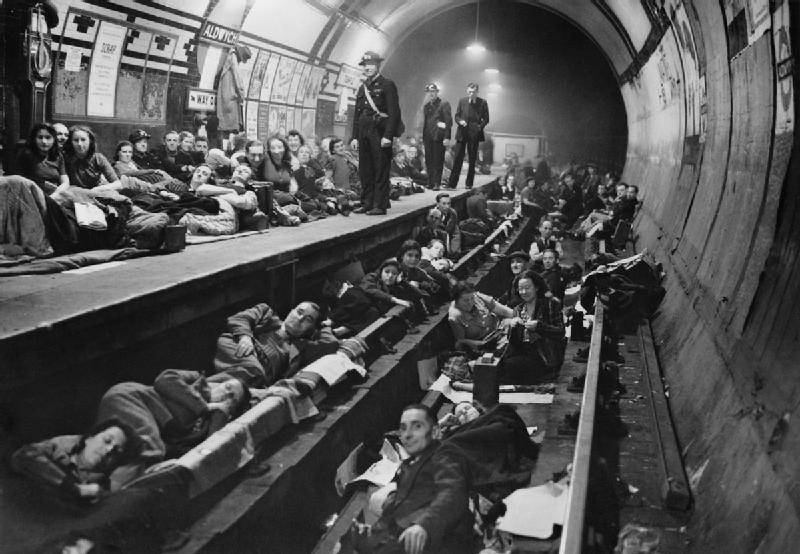
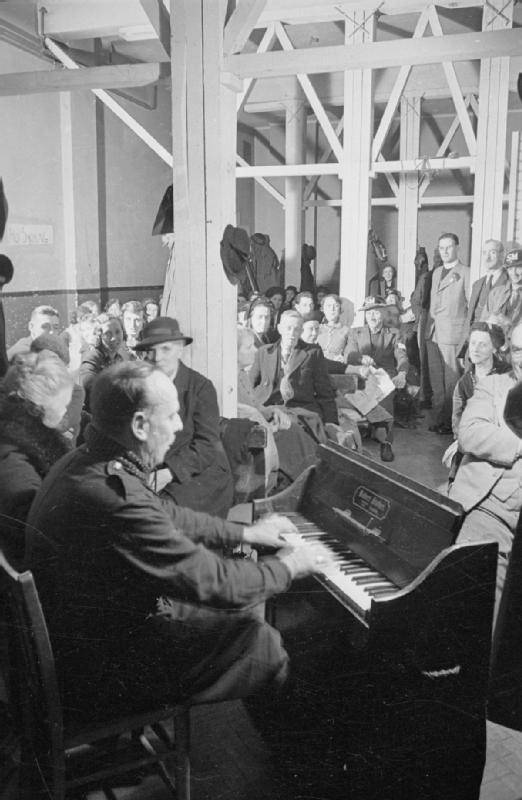
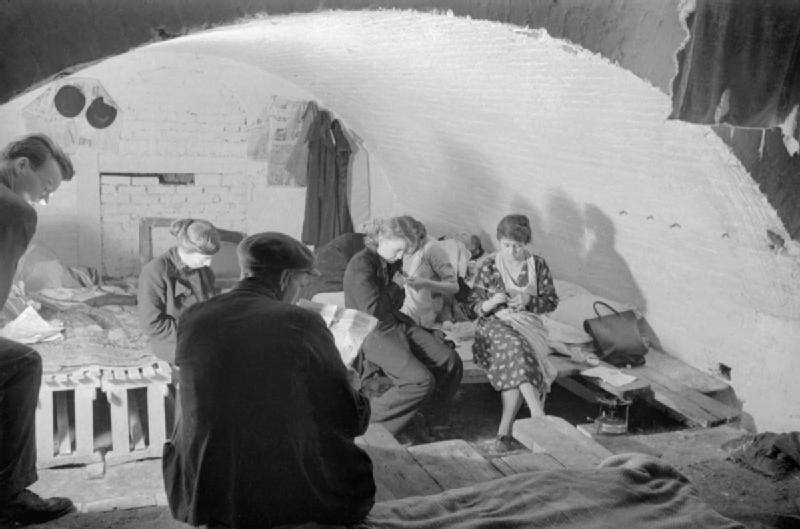
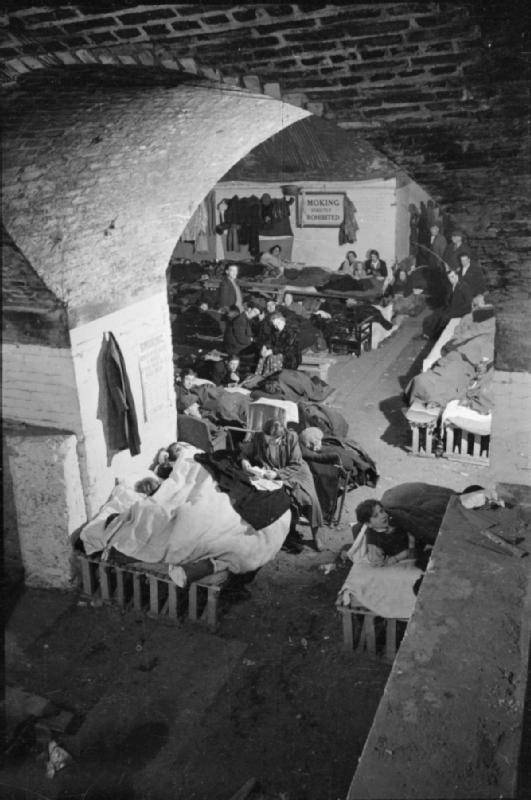
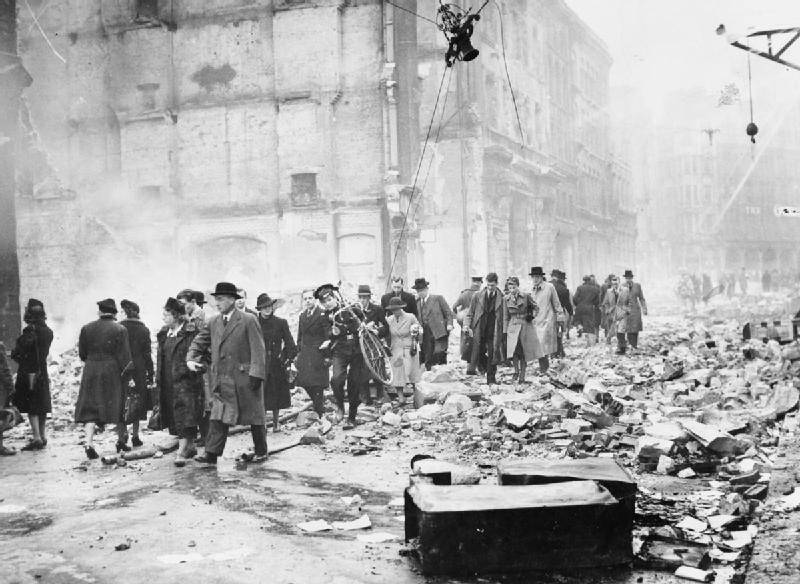
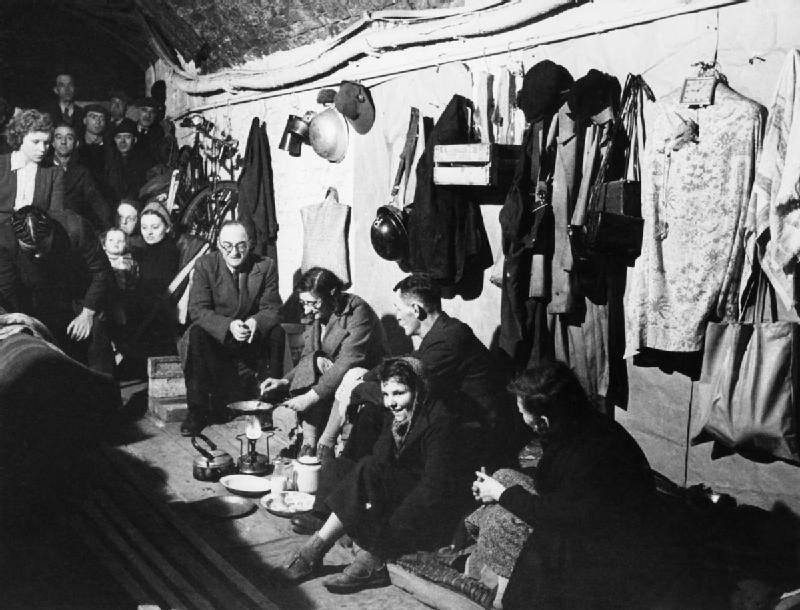
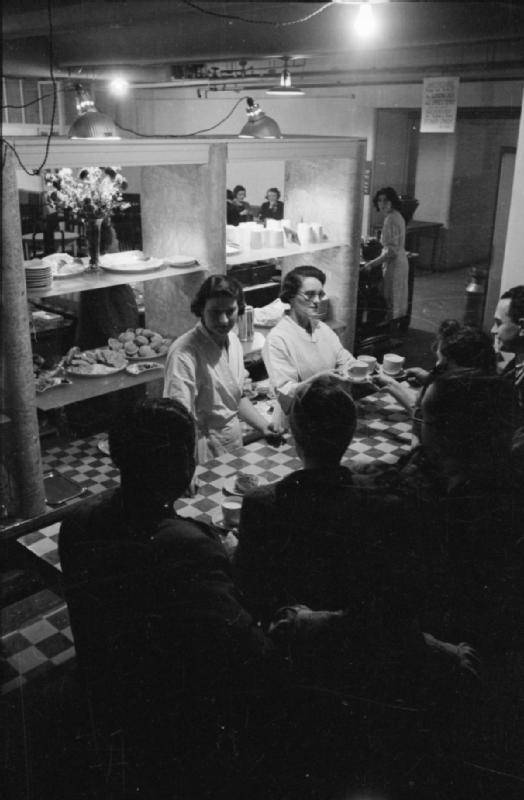
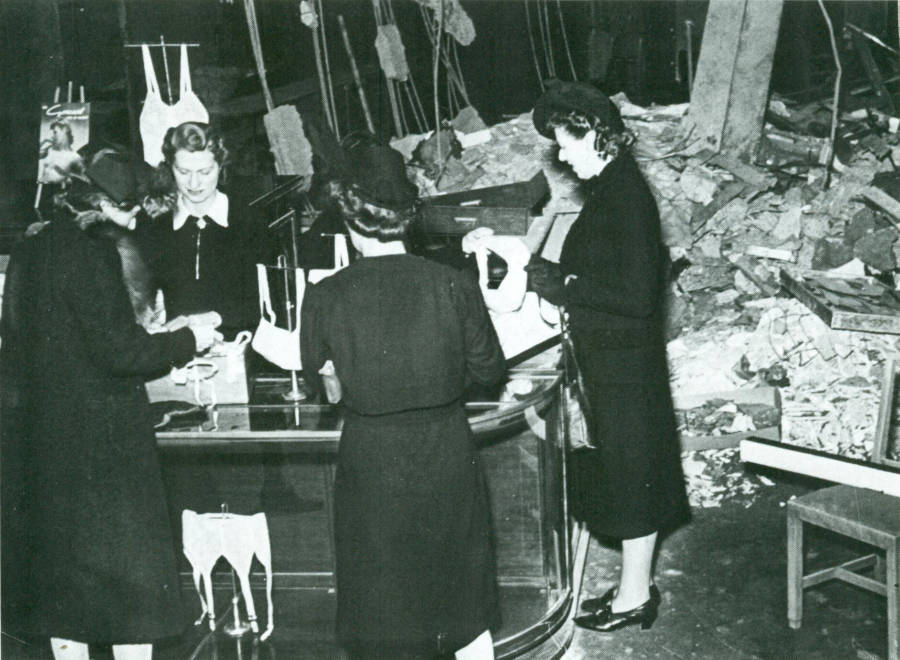
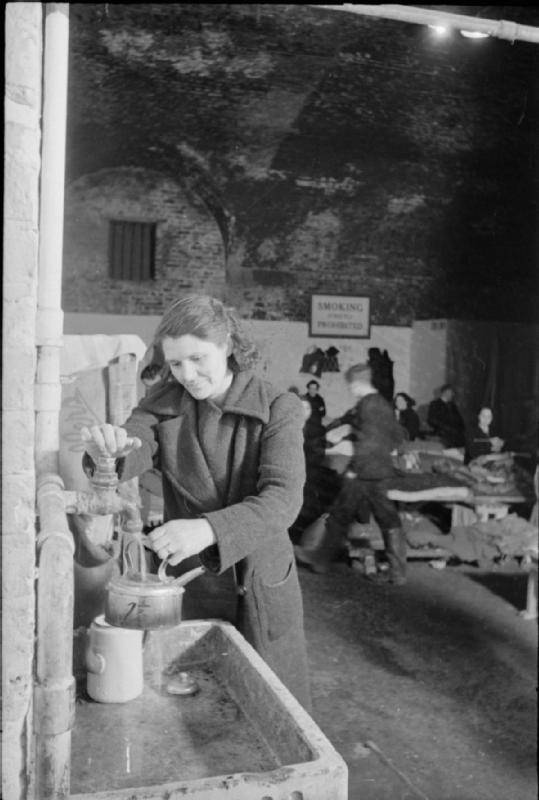
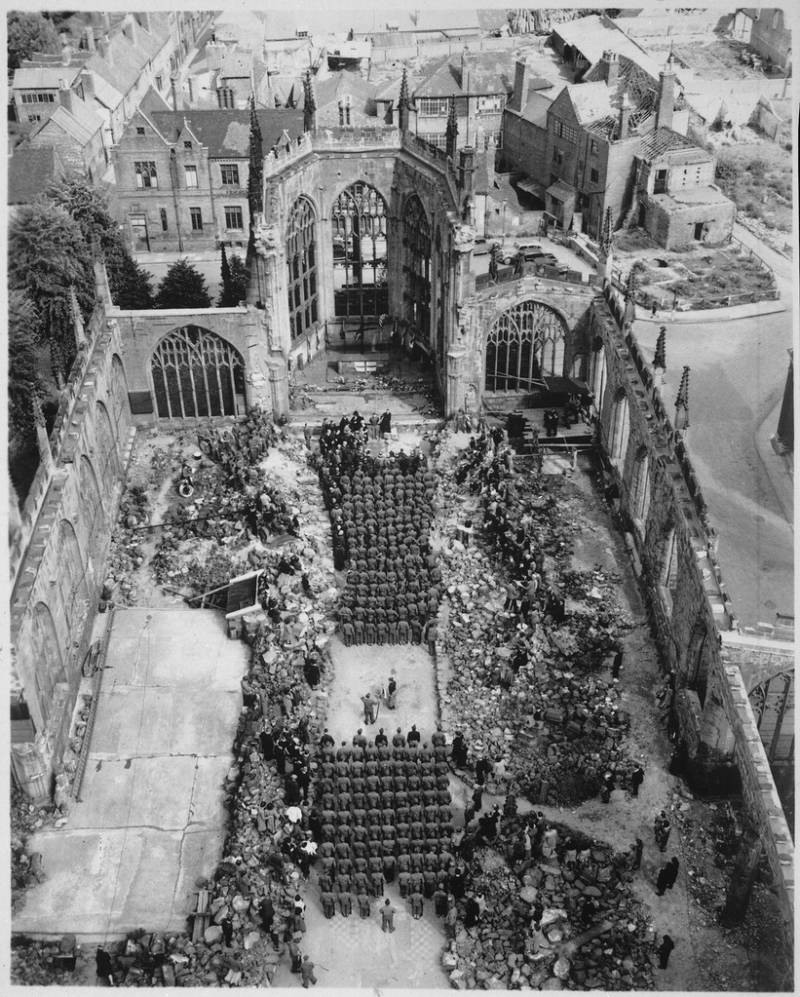
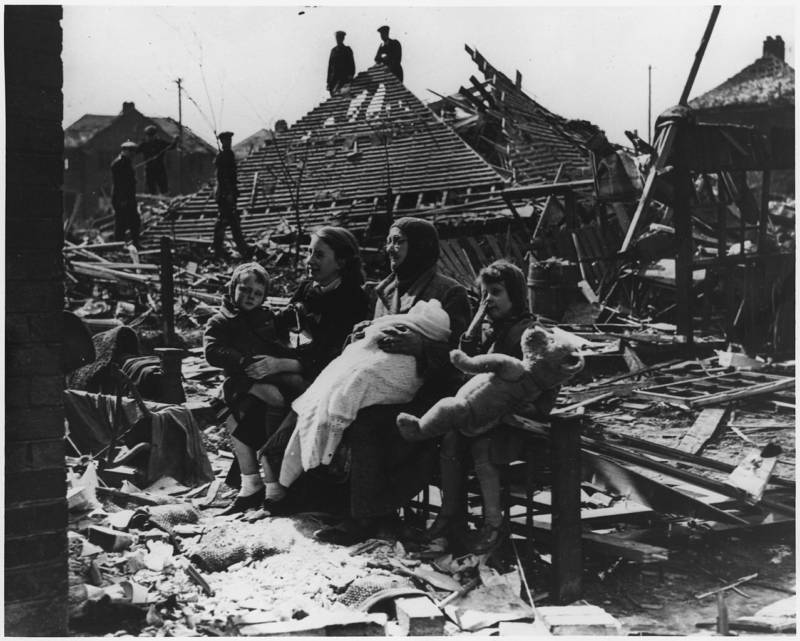
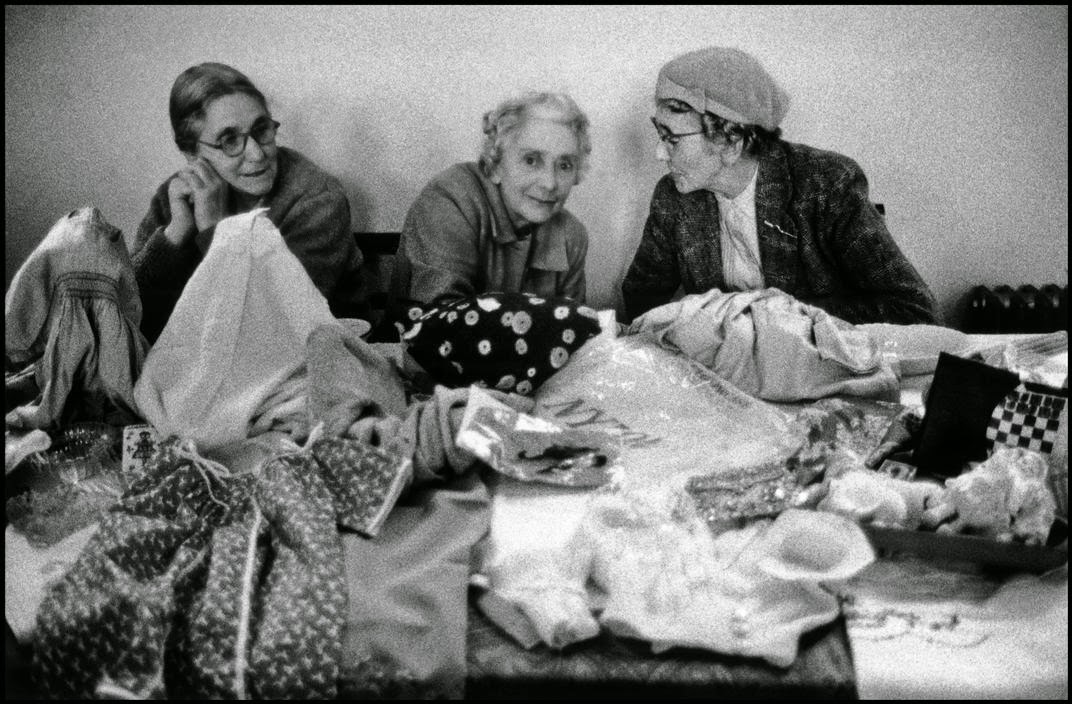
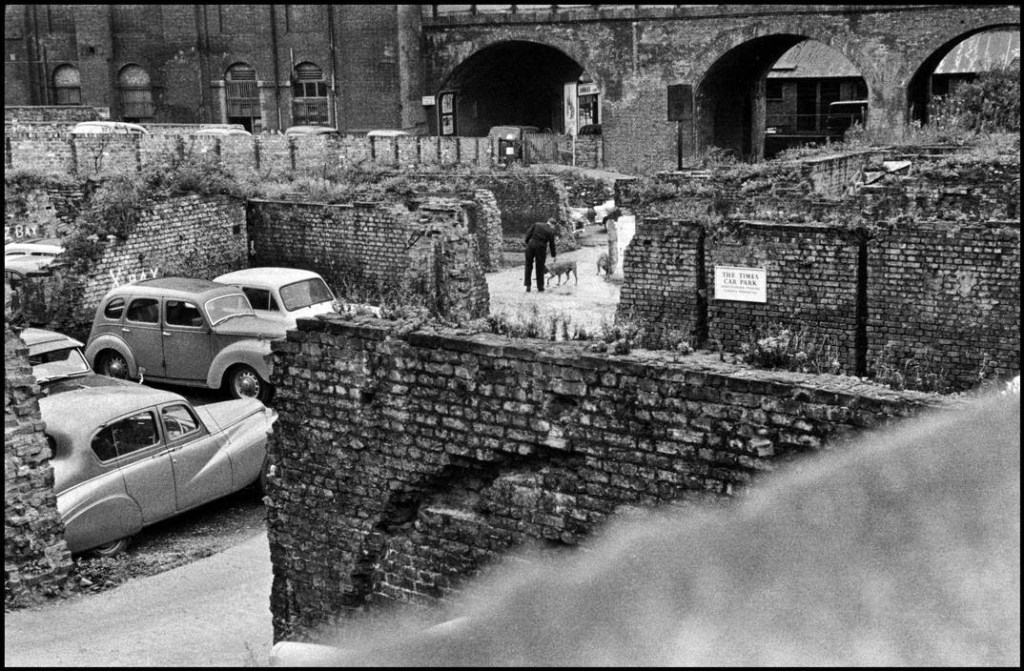
A milkman makes his deliveries through the ruins of the city. London. October 9, 1940.In the aftermath of a bombing, smoke billows up behind the River Thames. London. September 7, 1940.A group of children sit on the rubble of what was once their home. London. September 1940.Workers at the National Archives take a break from dodging bombs to play cricket while wearing gas masks. London. Circa 1940-1941.Men browse the books among the ruins of the Holland House library shortly after it was destroyed by a bombing. London. October 23, 1940Two children make their way into a bomb shelter. The boy is carrying a box with a gas mask inside. London. June or August 1940.City life carries on in the ruins of London. Circa 1940-1941.Children sit in front of a bomb shelter and try on new shoes donated by an American charity. London. 1941.Children search for their books amid the ruins of their school. Coventry. April 10, 1941.Two women smile happily as they scavenge what they can from the debris of their homes. London. 1940.A young boy sits in the ruins of his home with a stuffed animal on his lap. London. 1941Volunteers pour tea in an air raid shelter under a church. London. 1940.Winston Churchill walks through the ruins of Coventry Cathedral. September 28, 1941.A large family huddles together under a single blanket. London. Circa 1940-1945.The wrecked shell of a bus shows what would’ve happened to anyone who stayed above ground through the bombings. Coventry. November 1940.Inside the London subway system, which has been converted into an air raid shelter. London. 1940-1941.A tight squeeze of bunk beds inside of a bomb shelter. London. 1940.Londoners rest on the tracks of the subway system, waiting out another bombing. London. 1940.A man in a bomb shelter hidden under a church plays piano to keep people’s spirits high. London. 1940.Civilians in a bomb shelter knit and read the paper to pass the time while their homes are destroyed by German bombs. London. November 1940.Underneath railway arches, Londoners waiting out a bombing raid settle into their makeshift mattresses and get ready for a long night. London. November 1940.Firefighters struggle to put out the blazes left in the wake of a bombing. London. 1941.The people of London make their way back above ground and go about their days, passing through the devastated ruins of their city. London. Circa 1940-1941.Civilians watch calmly as the British Army runs a practice exercise for shooting down attacking bombers. London. August 1939.A line of bunk beds sit in the London subway system. London. Circa 1940-1945.A woman cooks a meal inside of the London subway system, waiting for the bombings to end. November 1940.A young woman puts on the gramophone, letting a little music drown out the sounds of the falling bombs. London. 1940.A restaurant stays open through the bombings by selling food in the basement. London. 1940.Nurses in an air raid shelter give a woman first aid care. London. 1940.A group of women knit and chat their way through the bombings while a man sets up a clock to add a little color to the dreary white of the bomb shelter. London. 1940.A shop stays open, treating their destroyed walls as nothing but a small hiccup in everyday business. London. Circa 1940-1945.Underground, a woman fills up a kettle for tea. London. 1940.Boys in a basement shelter play a game of cards to pass the time. London. 1940.A young girl stands in the ruins of her home, the Union Jack waving above her head. London. January 1945.A Mother’s Day service, held in the broken hull of Coventry Cathedral. May 13, 1945A family sits outside of their ruined home while the men behind them sift through the rubble.London. Circa 1940-1941.