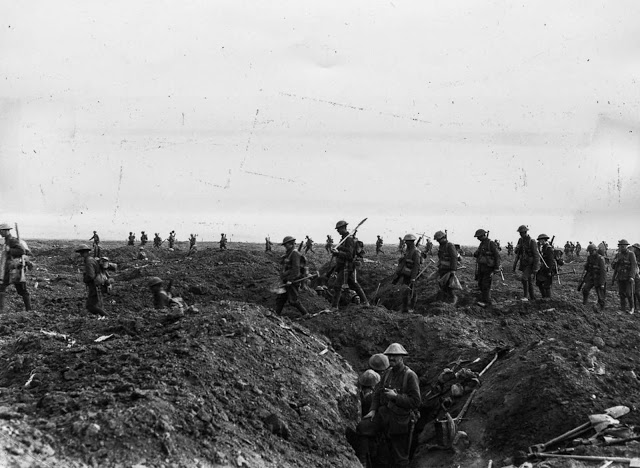
The Battle of the Somme, also known as the Somme Offensive, was one of the largest battles of the First World War. Fought between July 1 and November 1, 1916 near the Somme River in France, it was also one of the bloodiest military battles in history. On the first day alone, the British suffered more than 57,000 casualties, and by the end of the campaign the Allies and Central Powers would lose more than 1.5 million men.
The Somme campaign in 1916 was the first great offensive of World War I for the British, and it produced a more critical British attitude toward the war. During and after the Somme, the British army started a real improvement in tactics. Also, the French attacked at the Somme and achieved greater advances on July 1 than the British did, with far fewer casualties.
But it is the losses that are most remembered. The first day of the Somme offensive, July 1, 1916, resulted in 57,470 British casualties, greater than the total combined British casualties in the Crimean, Boer, and Korean wars. In contrast, the French, with fewer divisions, suffered only around 2,000 casualties. By the time the offensive ended in November, the British had suffered around 420,000 casualties, and the French about 200,000. German casualty numbers are controversial, but may be about 465,000.
How did this happen? In early 1916, the French proposed a joint Franco-British offensive astride the river Somme. Because of Verdun, the British army assumed the major role of the Somme offensive. Hence, on July 1, 1916, the British army attacked north of the Somme with fourteen infantry divisions, while the French attacked astride and south of the Somme with five divisions. In defense, the German army deployed seven divisions. The British attack was planned by Douglas Haig and Henry Rawlinson, GOC Fourth Army. The two differed about the depth of the offensive and the length of the bombardment, so the adopted plan was an awkward mixture.
The artillery was the key to the offensive, but it did not have the ability to cut all the wire, destroy deep German trenches, knock out all enemy guns, or provide a useful barrage for the infantry attack. And at zero hour on July 1, the artillery shifted away from the German front trenches too quickly and left the infantry exposed. But the French, with Verdun experience, had much more heavy artillery and attacked in rushes, capturing more ground and suffering less.
After July 1, a long stalemate settled in, with the German army digging defenses faster than Allied attacks could take place. Despite small advances, the Somme became a bloody battle of attrition, and Haig has been criticized for prolonging the campaign into winter, especially for the last six weeks. The Somme was an expensive lesson in how not to mount effective attacks, but the German army was also weakened and in February retreated to new, and shorter, defensive lines.
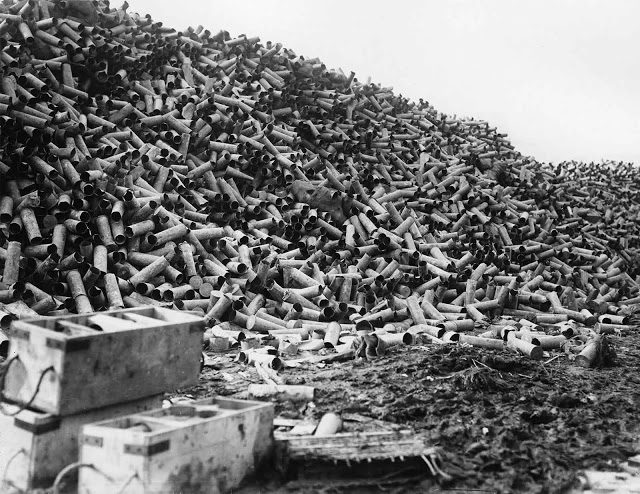
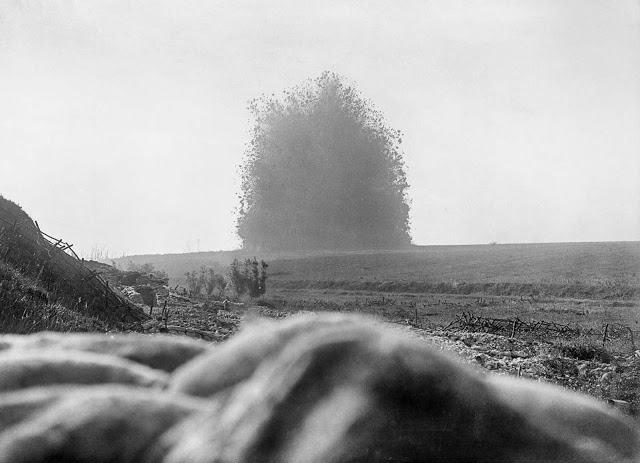
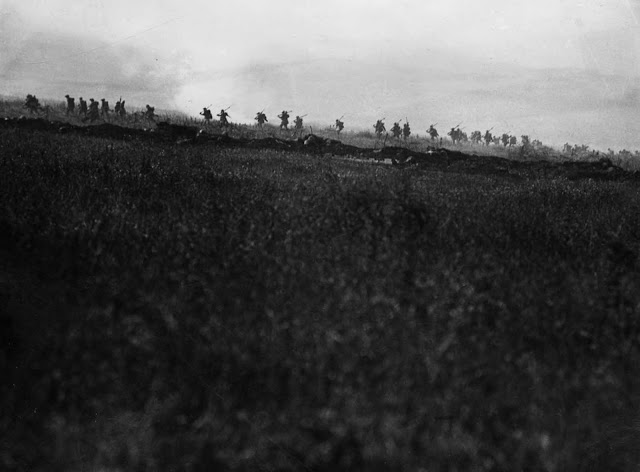
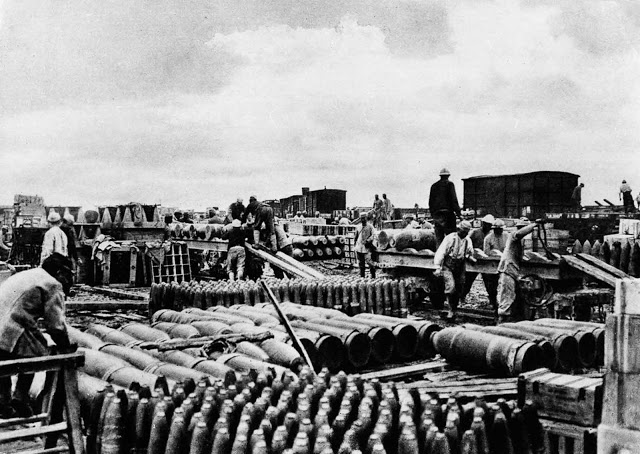
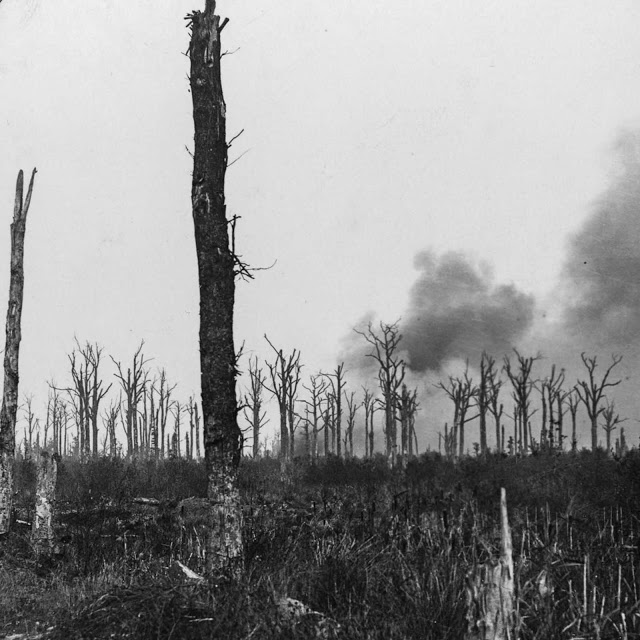
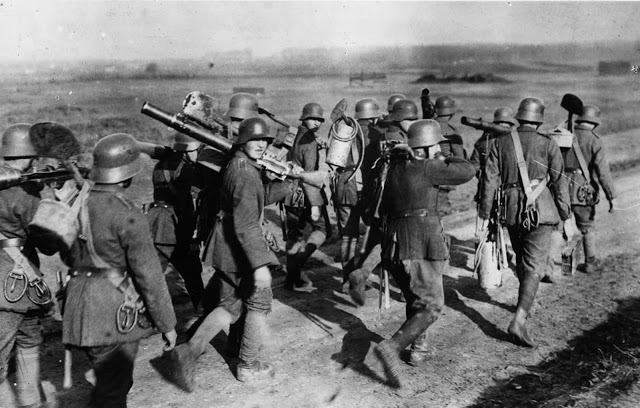
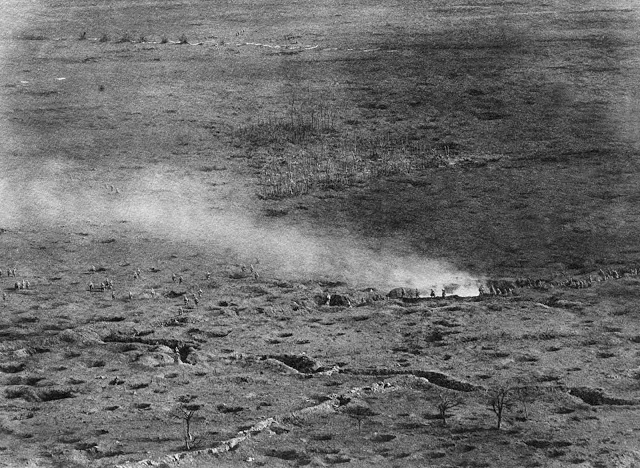
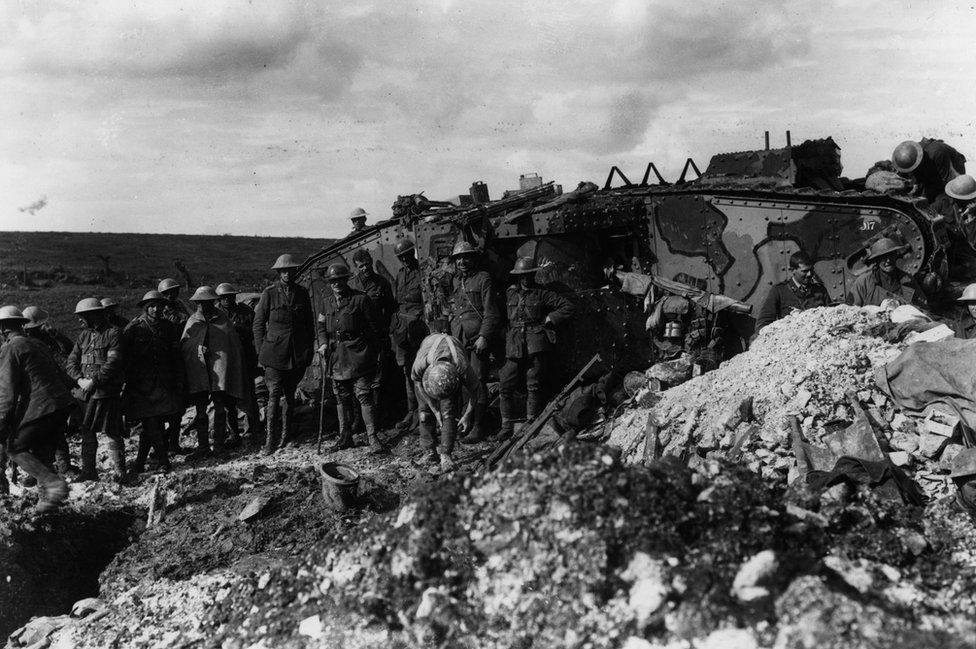
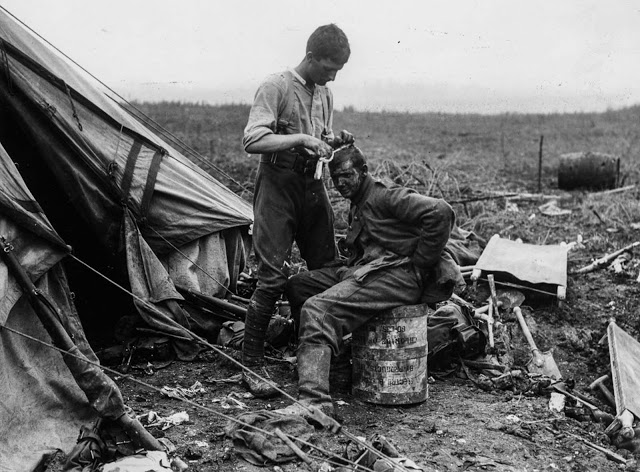
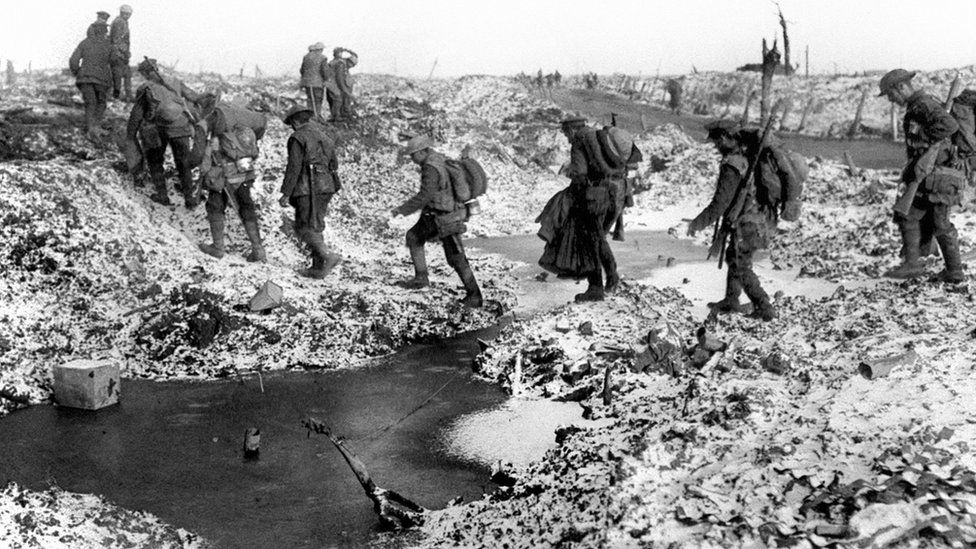
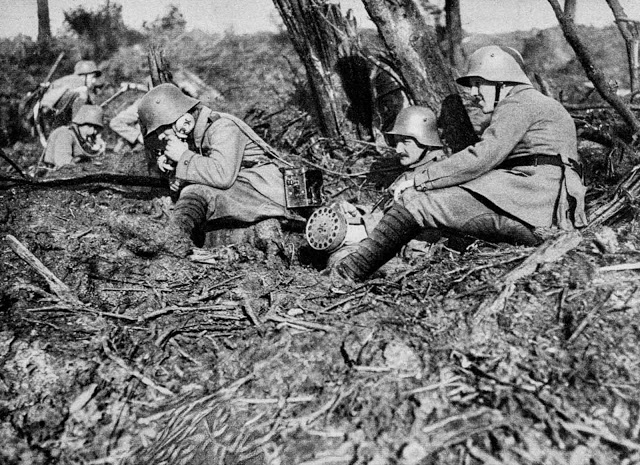
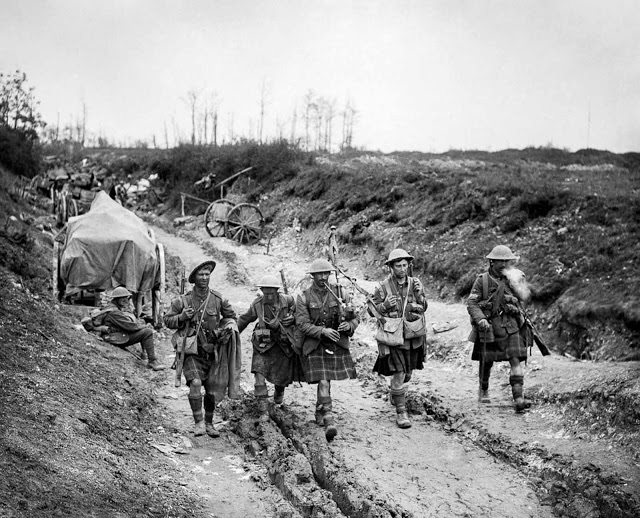
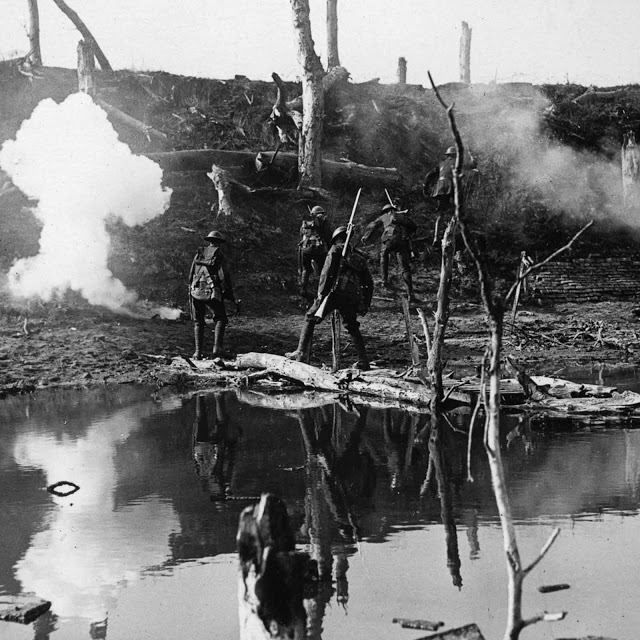
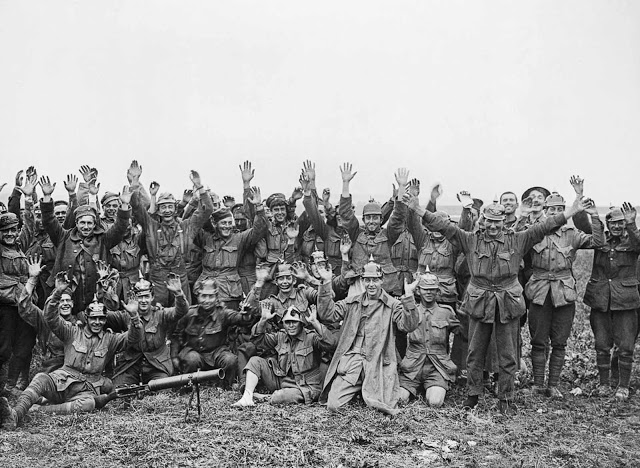
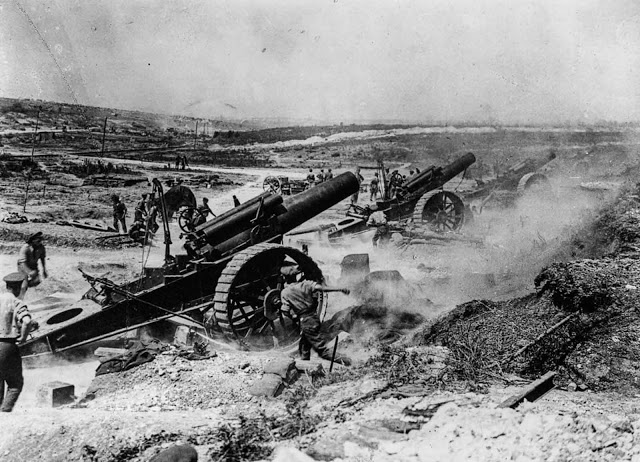
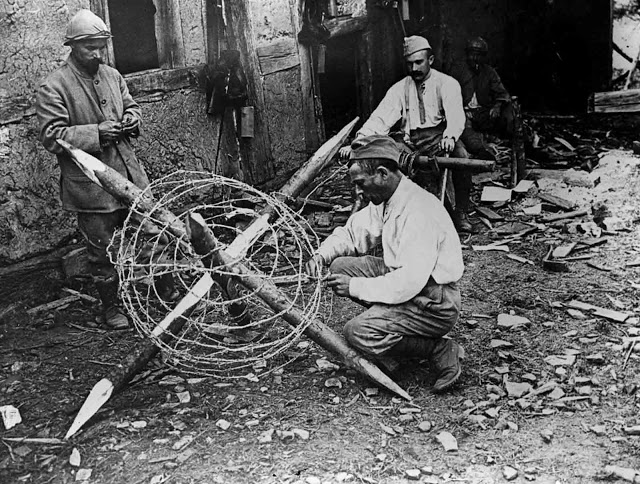
In the week leading up to the battle, over 1.5 million shells were fired.French troops prepare to move on German positions.A 45,000-pound mine (2 ton) under the German front line positions at Hawthorn Redoubt is fired 10 minutes before the assault at Beaumont Hamel on the first day of the Battle of the Somme. The mine left a crater 130 feet (40 m) across and 58 feet (18 m) deep. July 1, 1916.Men of the Royal Irish Rifles rest during the opening hours of the Battle of the Somme. July 1, 1916.British troops go “over the top” in a scene staged for a newsreel film on the battle. 1916.British 34th Division troops advance on the first day of the battle.The British trenches, manned by the 11th battalion, The Cheshire Regiment, near La Boisselle.An artillery depot behind German lines. 1916.Artillery barrages light up the sky during the attack on Beaumont Hamel. July 2, 1916.Wounded British soldiers return from the front lines.Indian cavalry of the British army. 1916.Mametz Wood was the objective of the 38th (Welsh) Division at the Battle of the Somme. The division took 4,000 casualties capturing the wood.German troops carry Lewis gun equipment.Gas-masked men of the British Machine Gun Corps with a Vickers machine gun.An aerial view of a French offensive.A German soldier at the Battle of the Somme, 1916The last Allied push began on 15 September, with the British engaged in the Battle of Flers-Courcelette, which also saw the tank make its debut. German defenders were forced to abandon their positions but there was still no breakthrough.A British soldier dresses the wounds of a German prisoner near Bernafay Wood. July 19, 1916.A French soldier peers over the edge of a trench.Bad weather was turning much of the battlefield into a quagmire. The vermin-ridden trenches were havens for dirt and disease and battle was finally brought to a halt on 18 November.Canadian troops fix bayonets before going over the top to assault German positions.A German field telephonist relays artillery requests from the front lines.A piper of the 7th Seaforth Highlanders leads four men of the 26th Brigade back from the trenches after the attack on Longueval. July 14, 1916.Soldiers cross the river Ancre during the Allied attack on Thiepval Ridge. September, 1916.German prisoners carry British wounded during the assault on Trones Wood.British soldiers advancing under cover of gas and smoke while making a break in the German lines through to Serre and Thiepval. September, 1916.Men of the 1st Anzac Division, some wearing German helmets, pose for the camera after fighting near Pozieres Ridge. July 23, 1916.Men of the Border Regiment rest in shallow dugouts near Thiepval Wood. August, 1916.A 6-inch howitzer is hauled through the mud near Pozieres. September, 1916.The 39th Siege Battery artillery in action in the Fricourt-Mametz Valley. August, 1916.A man builds barbed wire obstacles on the Somme. September, 1916.Reinforcements cross the old German front line during the advance towards Flers. September 15, 1916.A Mark I tank lies ditched north of Bouleaux Wood on the day tanks first went into action.Soldiers gather near a Mark I tank at Flers. September 17, 1916.British soldiers eat hot rations in the Ancre Valley. October, 1916.Horses haul ammunition forward in deep mud along the Lesboeufs Road outside Flers. November, 1916.A German cannon lies buried under uprooted trees in Louage Wood during an Allied offensive. October 10, 1916.A German soldier walks through the ruined streets of Peronne. November, 1916.By mid-September the British were ready to assault the German third line of defences with a new weapon, the tank.Soldiers sit in the trenches of the wood called Des Fermes in the Somme.
Opened on 1 August 1844, the Zoologischer Garten Berlin was the first zoo in Germany. The aquarium opened in 1913. The first animals were donated by Frederick William IV, King of Prussia, from the menagerie and pheasantry of the Tiergarten. The nearby U-Bahn station was opened the same year.
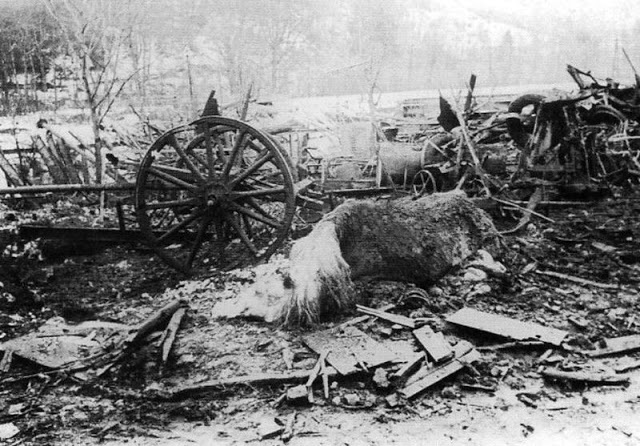
During World War II, the zoo area was hit by Allied bombs for the first time on 8 September 1941. Most damage was done during the bombardments on 22 and 23 November 1943. In less than 15 minutes, 30% of the zoo population was killed on the first day. On the second day the aquarium building was completely destroyed by a direct hit. Of the eight elephants only one survived, the bull Siam. 2-year-old hippo bull Knautschke was saved from the fire in his animal house. Most damage was done during the Battle of Berlin. From 22 April 1945 onwards, the zoo was under constant artillery fire of the Red Army. Heavy fighting took place on the zoo area till 30 April. Because of safety measures, some predators and other dangerous animals were killed by the zoo keepers.
By the end of the war, the zoo was fortified with the Zoo Tower, a huge flak tower that was one of the last remaining areas of Nazi German resistance against the Red Army, with its bunkers and anti-aircraft weapons defending against Allied air forces. At the entrance of the zoo, there was a small underground shelter for zoo visitors and keepers. During the battle, wounded German soldiers were taken care for here by female personnel and the wives of zookeepers. On 30 April, the zoo flak bunker surrendered.
A count on May 31, 1945, revealed only 91 of 3,715 animals had survived, including two lion cubs, two hyenas, Asian bull elephant Siam, hippo bull Knautschke, ten hamadryas baboons, a chimpanzee, and a black stork. After the battle, some animals disappeared or were eaten by Red Army soldiers. Following the zoo’s destruction, it and the associated aquarium was reconstructed on modern principles so as to display the animals in as close to their natural environment as feasible. The success in breeding animals, including some rare species, demonstrates the efficacy of these new methods.
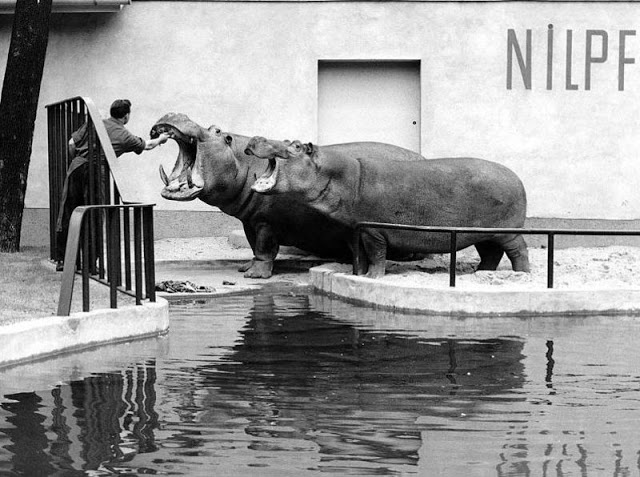
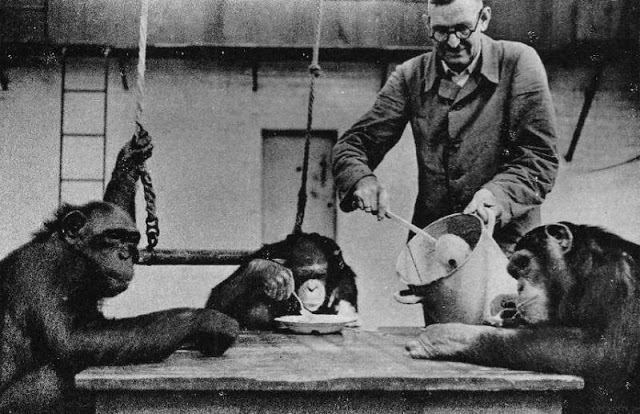
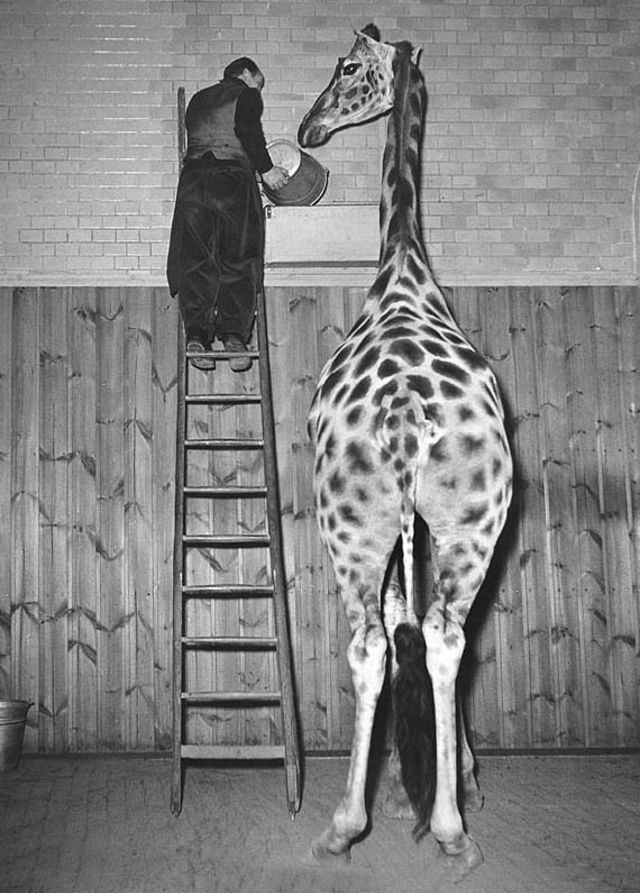
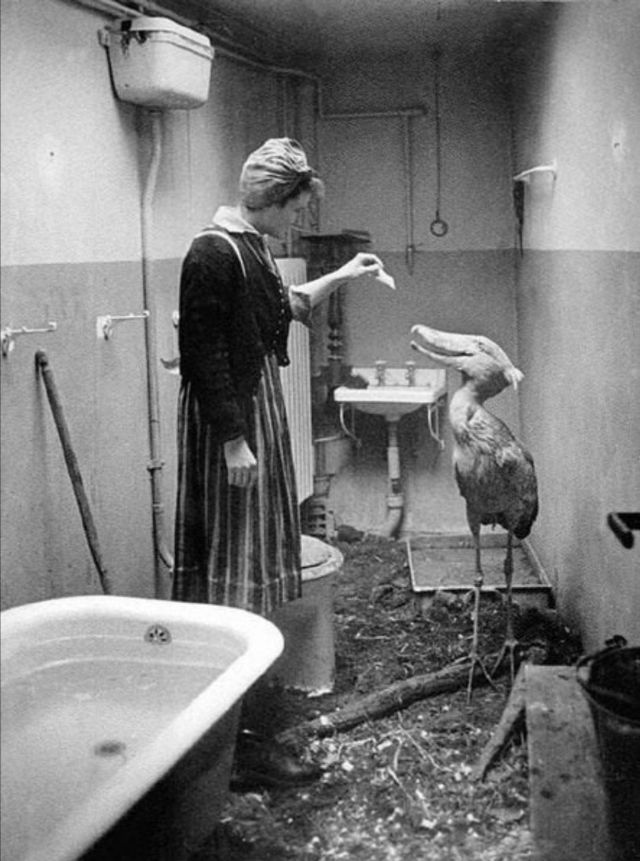
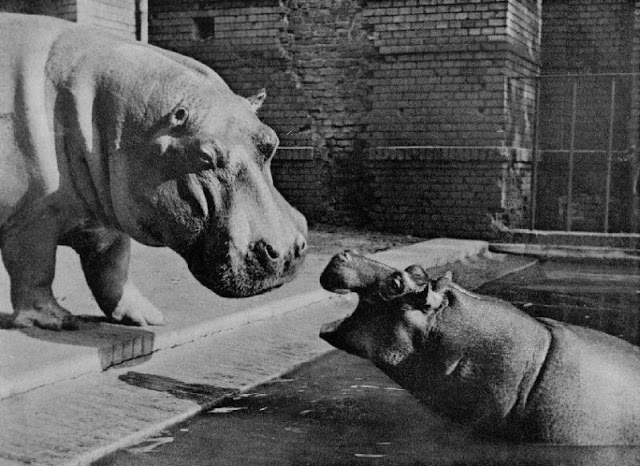
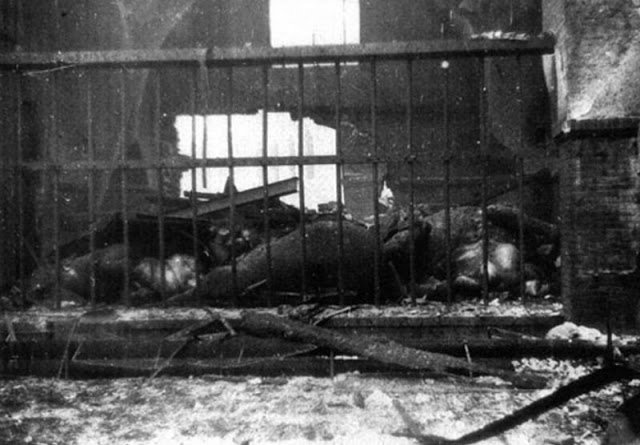
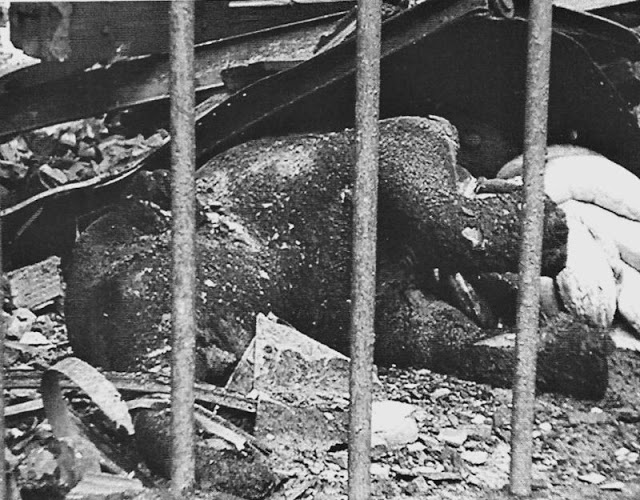
In the middle of the hail of bombs in 1943, hippo “Knautschke” was born in Berlin Zoo and was one of only 91 zoo animals to survive the Second World War. Here he presents himself in May 1957 together with his daughter “Boulette” on the rural part of the grounds of the hippo house, which was newly opened in 1956.Chimpanzees “Titine”, “Lore” and “Susi” were served food at the table in the 1940s.The first zoo giraffes to reach Germany were born in the wild, captured there and transported to Europe. Giraffe “Rike”, however, was born in October 1938 in the Berlin Zoo. She stayed there until she died of lung disease in February 1957.Shoebill stork being cared for after the bombing of the Zoo, 1943.Siam, the elephant before the war.Hippo “Gretl” standing in the damaged Hippo enclosure, 1943.A dead giraffe was killed in the bombings.Postwar photo of hippos “Knautschke” and “Bulette”.Siam the elephant looking through a gate.Group of elephants killed in the bombings.Charred baby elephant after bombing in Berlin 1943, all 7 elephants at the zoo were burned alive.March 3 ,1943 British attack on Berlin Zoo, 3900 animals of the zoo perished.Escaped animals, killed on the streets of Berlin, 1945.Hungry Berliners carve up a horse killed in the shellings, 1945.A wrecked building at the Berlin Zoo, 1943.More ruins at the Zoo, following the November raid.
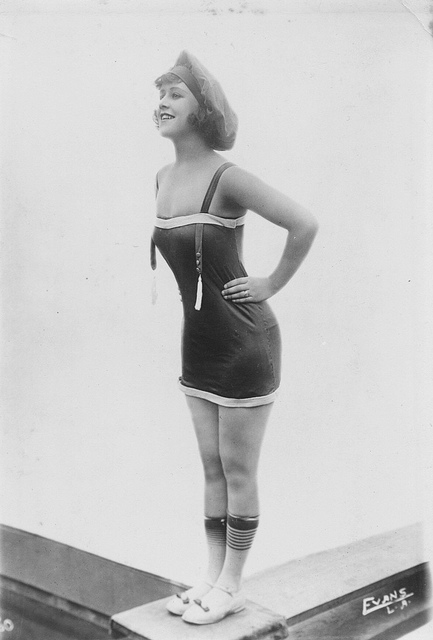
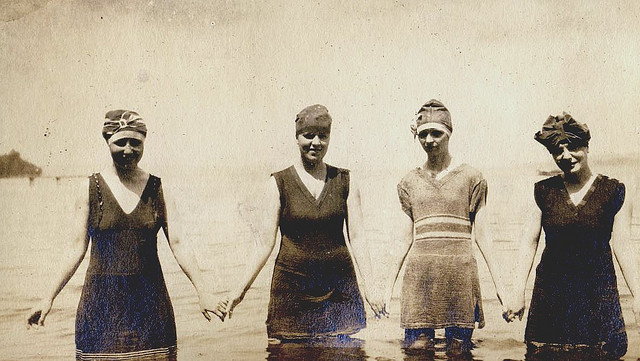
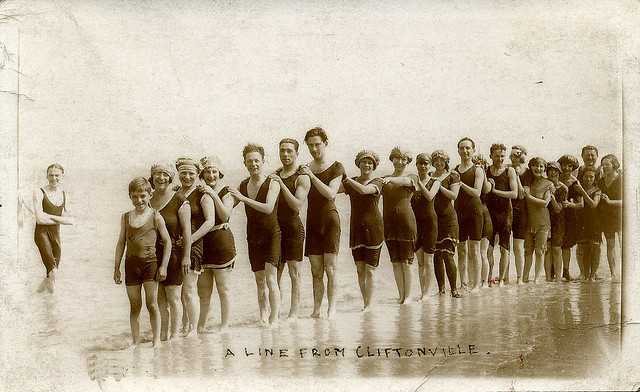
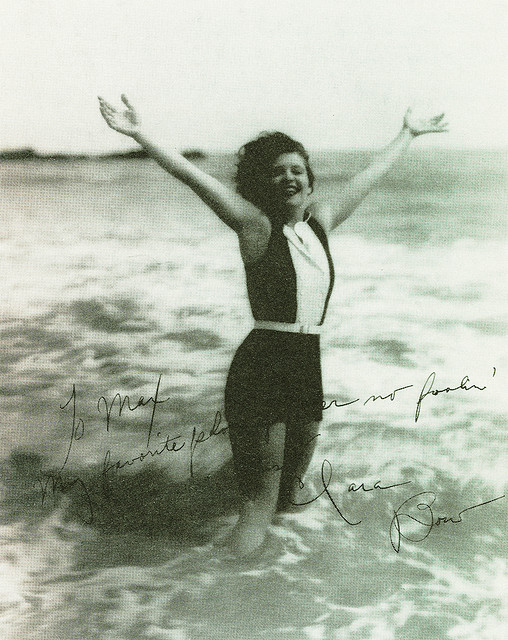
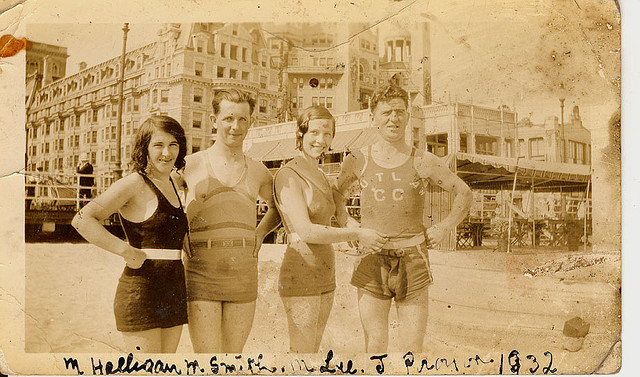
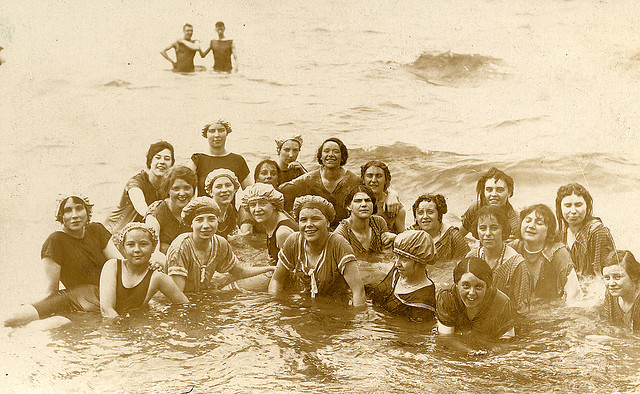
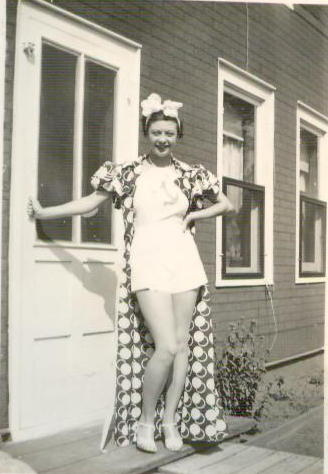
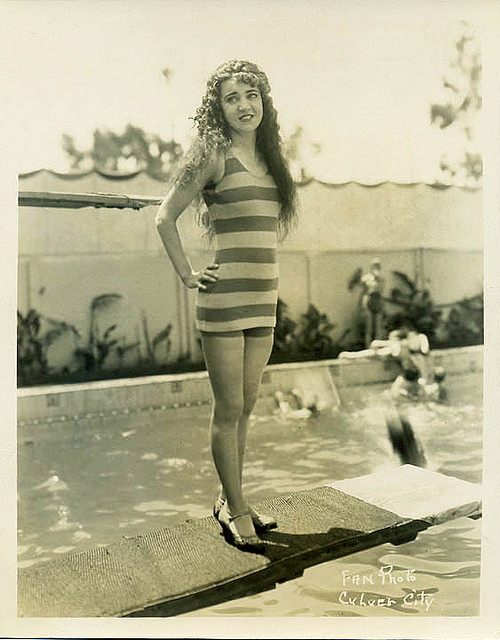
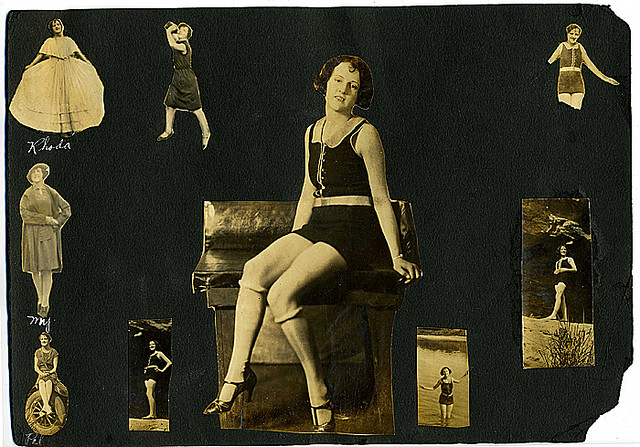
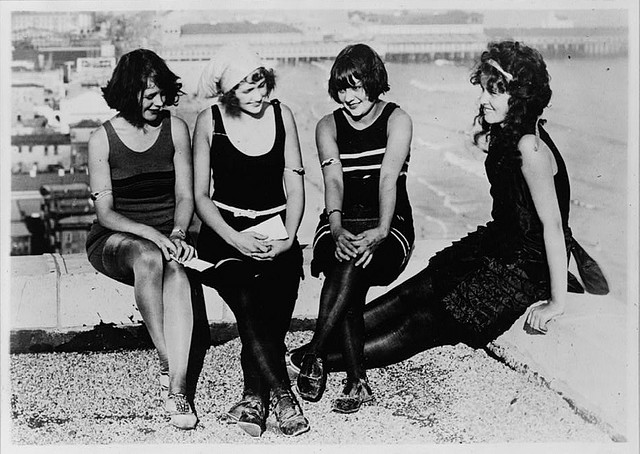
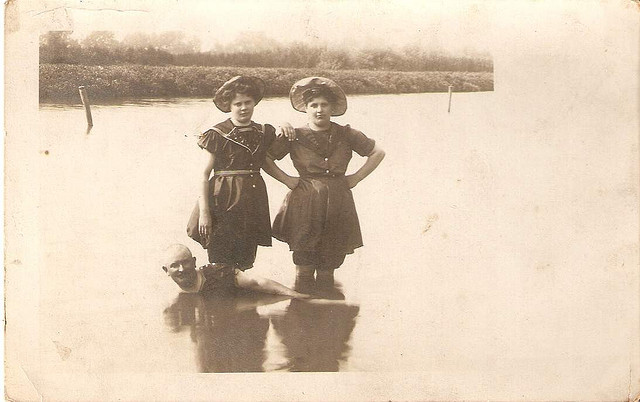
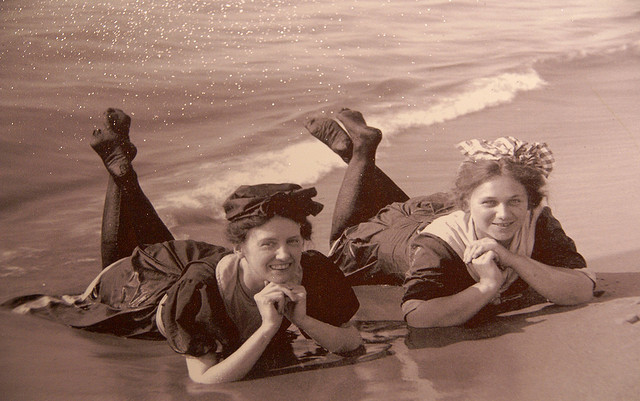
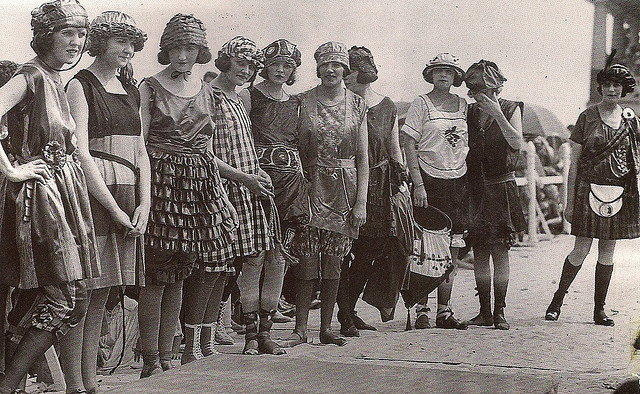
By the end of the 19th century people were flocking to the oceanside beaches for popular seaside activities such as swimming, surf bathing, and diving. The clumsy Victorian-style bathing costumes were becoming burdensome. A need for a new style bathing suits that retained modesty but was free enough to allow the young lady to engage in swimming was obvious.
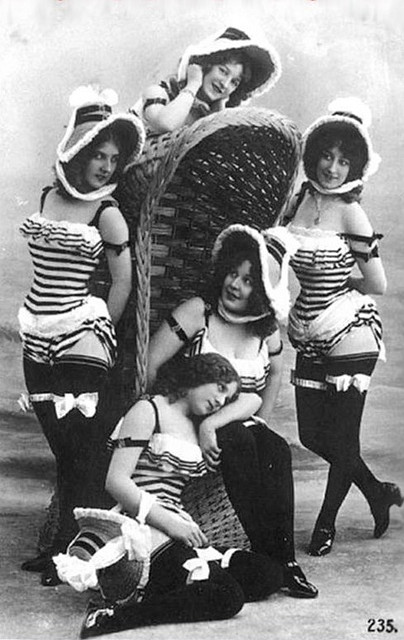
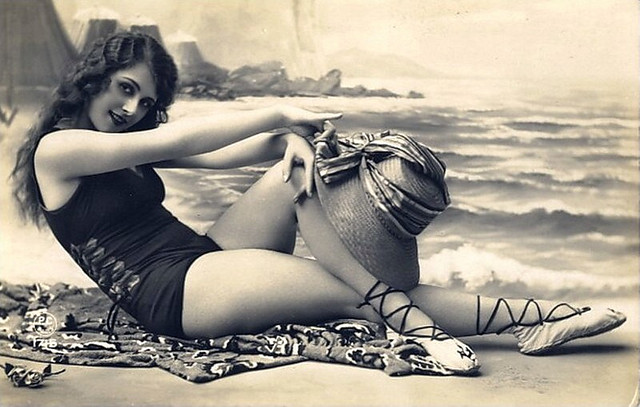
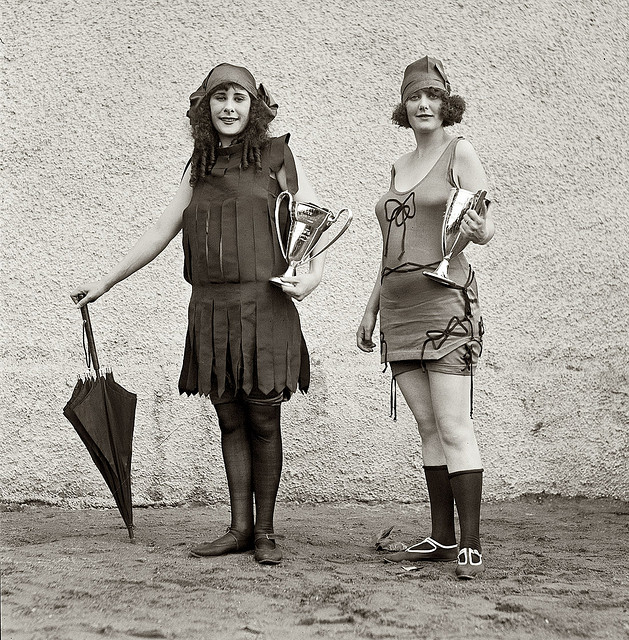
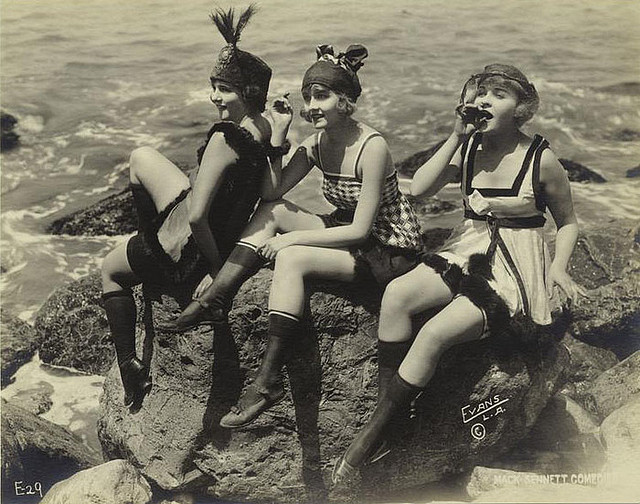
By 1910 bathing suits no longer camouflaged the contours of the female body. The yards of fabric used in Victorian bathing skirts and bloomers were reduced to show a little more of the figure and to allow for exposure to the sun.
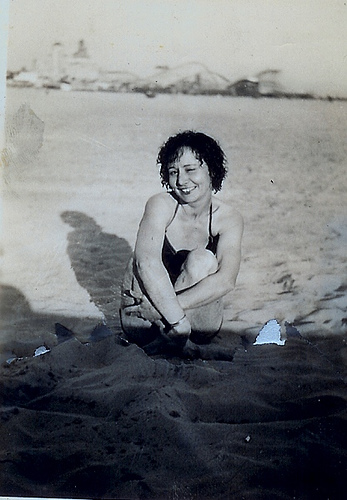
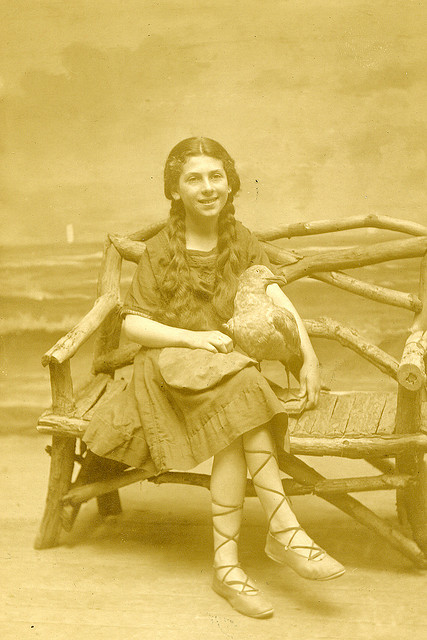
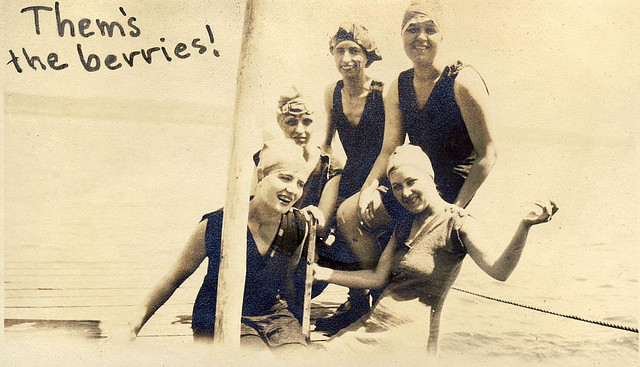
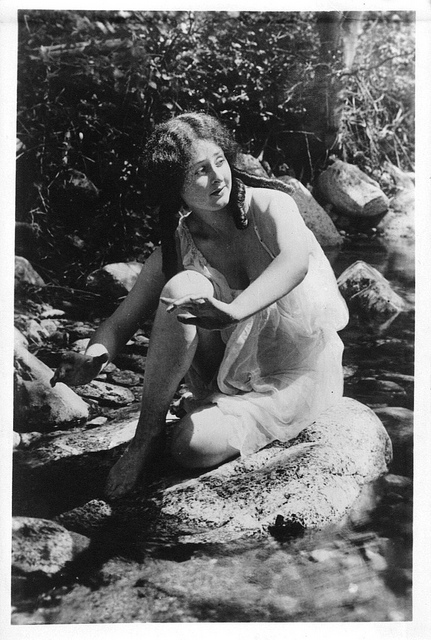
Up until the first decades of the 20th century, the only activity for women in the ocean involved jumping through the waves while holding on to a rope attached to an off-shore buoy. By 1915, women athletes started to share the actual sport of swimming with men and thus began to reduce the amount of heavy fabric used in their billowing swimsuits.
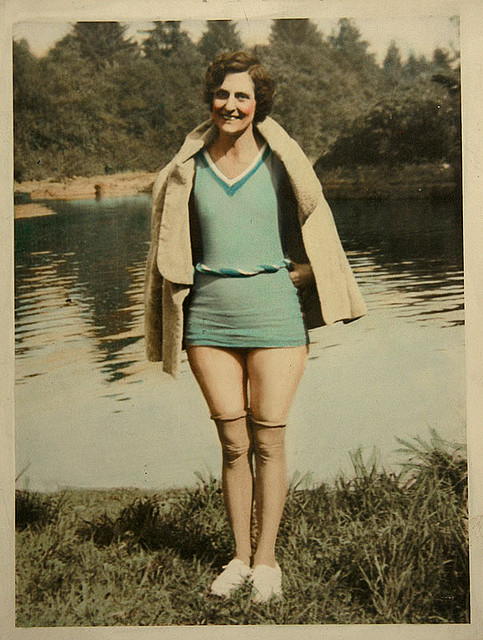
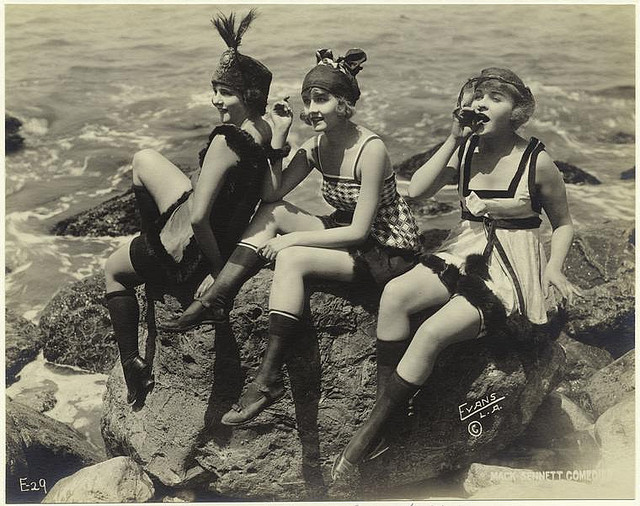
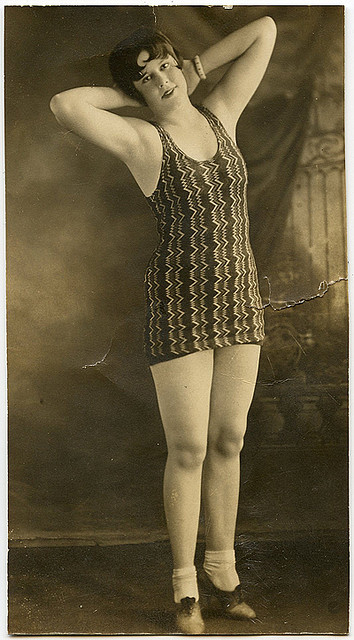
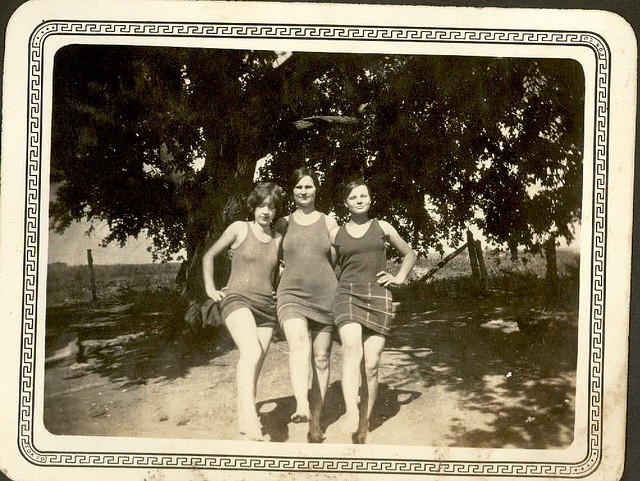
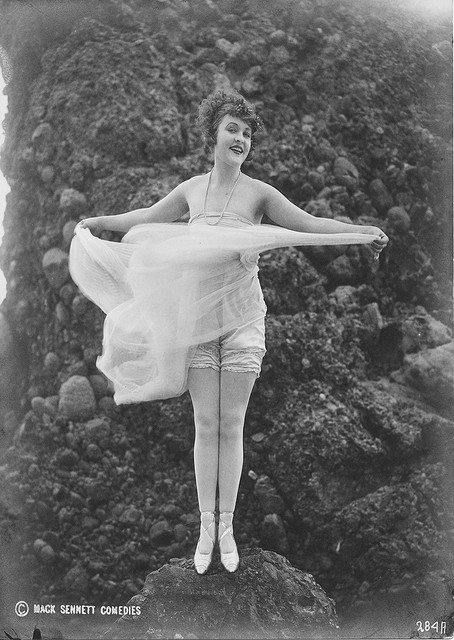
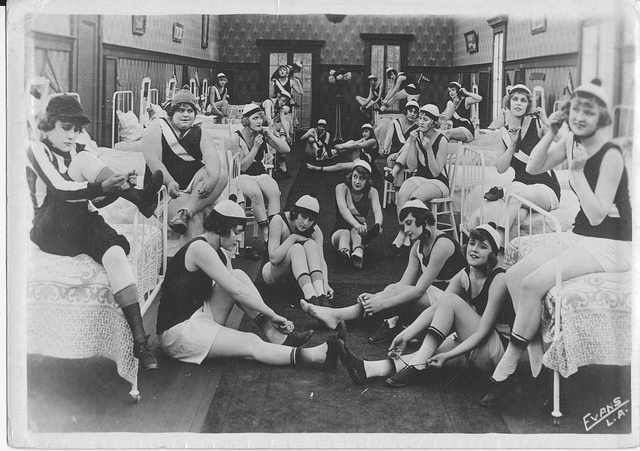
By the early 1920s women’s bathing suits were reduced to a one piece garment with a long top that covered shorts. Though matching stockings were still worn, vintage swimwear began to shrink and more and more flesh was exposed from the bottom of the trunks to the tops of the stockings. By the mid-1920s Vogue magazine was telling its readers that “the newest thing for the sea is a jersey bathing suit as near a maillot as the unwritten law will permit.”
Introduced in 1935 as the first modern color film, Kodachrome was used extensively after World War II by amateur photographers equipped with the new high-quality and low cost 35mm cameras. Americans in Kodachrome 1945-1965 is an unprecedented portrayal of the daily life of the people during these formative years of modern American culture. It is comprised of ninety-five exceptional color photographs made by over ninety unknown American photographers.
These photographs were chosen from many thousands of slides in hundreds of collections. Like folk art in other mediums, this work is characterized by its frankness, honesty, and vigor. Made as memoirs of family and friends, the photographs reveal a free-spirited, intuitive approach, and possess a clarity and unpretentiousness characteristic of this unheralded photographic folk art.
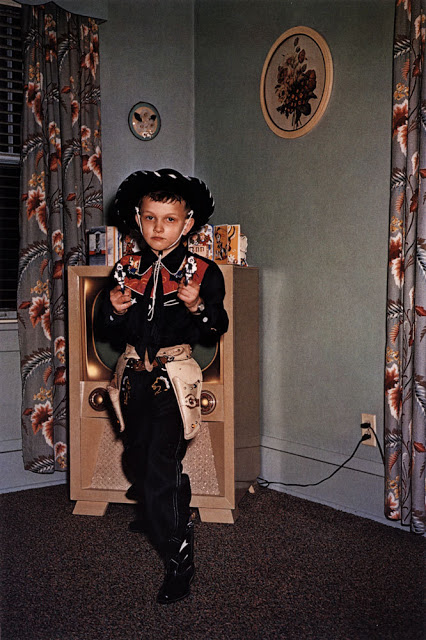
Cowboy Kid, St. Cloud, Minnesota, 1955
Subscribe to continue reading
Become a paid subscriber to get access to the rest of this post and other exclusive content.
The Navy Cross is awarded for valor and heroism while in service with the United States Naval Forces. Since its creation in 1919, there have been over 6,900 recipients to date. On this list of honor, however, only 55 of these recipients have been in the Unites States Coast Guard. 18 of these were awarded for a single action. In September 1918 men from the USS (Formerly USCGC) Seneca risked their lives to save the steamer, Wellington.
United States Revenue Cutter Seneca was first launched in 1908. She was a derelict destroyer. At the time, derelict ships and wrecks were a constant hazard to navigation. The United States was the first nation to produce specialized ships for their removal or destruction. Over her first nine years of service, she patrolled the coast for wrecks. She assisted in rescue operations. She was even a part of the International Ice Patrol, which reported or removed icebergs that drifted into shipping lanes. But when the United States declared war on Germany on 6th April 1917, she was transferred to the Navy.
This opened a new chapter in her career. She was now tasked with protecting convoys in a dangerous war zone. Germany had begun to openly use unrestricted submarine warfare, turning every inch of the Atlantic ocean into a battlefield. Convoys that brought troops, supplies or food to the embattled European Allies were targeted by U-Boats, that silently stalked just below the surface.
By September 1918, Seneca had already completed 25 convoys. Her crew were well seasoned, salty and trusted both their officers and their ship. They had also conducted numerous rescue operations, saving sailors from both the sea and sunken German submarines. These skills would serve them well on their fateful 26th convoy.
US Revenue Cutter Seneca in 1914. She had a long career, serving into the 1930s. She helped protect over 30 convoys during the 1st World War, engaging submarines numerous times.
Convoy OM-99 (outbound from Milford Haven) set out towards Gibraltar on September 16th, 1918. It was routine, the 21 ships steaming steadily, with Seneca keeping an eye on her charges from a safe distance. The crew were continually scanning the surface for a periscope or the tell-tale wake of a torpedo. Although almost every sailor there had done this time and again, nerves were high. They knew that every moment they spent in the open water was another chance for a German to find their position and attack.
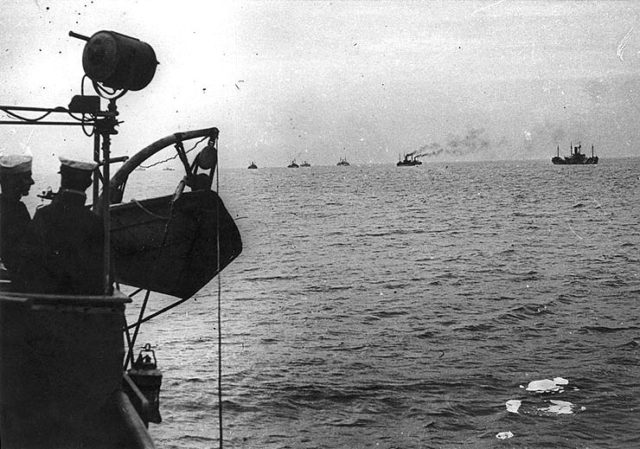
The view from a convoy during WW1. These groups of ships were an essential source of food, ammunition, and equipment for the Allied troops fighting across Europe.
Suddenly their tense silence was broken as a massive explosion rocked the SS Wellington, an English steamer carrying much-needed coal. At 11.30 on September 16th, Seneca set engines full ahead and sped her way through the Atlantic water towards the injured ship. The crew spotted the telltale sign of a submarine and opened up with Seneca’s 3”/50 cannons, lobbing shell after shell at this hidden attacker. As the cutter released a string of depth charges, the sub dove down deep, hiding well below the surface until the convoy had passed.
Even as the threat disappeared, Seneca’s work was just beginning. Coast Guardsmen, even while in Naval service, are lifesavers. Now that the immediate danger was gone, they had to save the distressed seamen onboard Wellington.
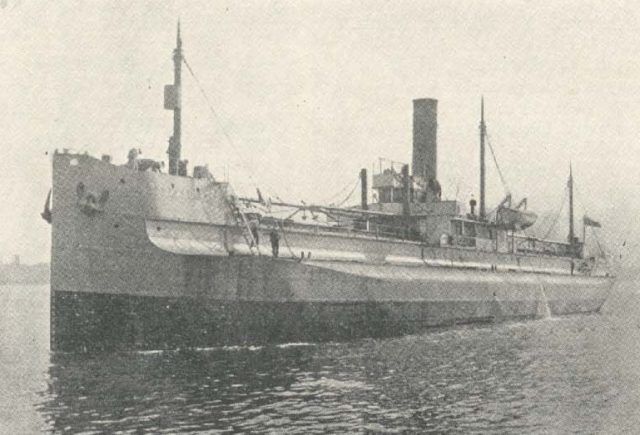
The Turret Chief, a ship very similar in design to the SS Wellington, including her “turret” style hull with a raised central section.
Pulling alongside Wellington, Seneca’s officers assessed the situation. The Wellington’s Master felt his ship could be saved. She was taking on water, but with plugging, patching, and a lot of bravery she could be kept afloat. Unfortunately, his crew disagreed, and many of them left the ship, fleeing to others in the convoy, or to the Seneca.
On board Seneca 1st Lieutenant, Fletcher W. Brown wanted to give the wounded ship a fighting chance and requested his Captain’s permission to organize a boarding party. The Captain agreed. Nearly every member of the Seneca’s crew volunteered to go, but only 19 were selected. They set out in small boats to rescue the stricken ship.
Joining the 11 remaining Wellington crew members, and her Master, the Seneca’s men arrived on board. They immediately set to work. The Wellington’s Master would take charge of navigation and bringing the ship to the nearest port, Brest, on the French coast. Lieutenant Brown handled the rescue and defense of the ship. The Seneca pulled away, at 12.35 to rejoin the convoy, leaving the Wellington alone in sub-infested waters. USS Warrington was dispatched to assist the lone vessel, but was hours away. For the time being Lieutenant Brown had to organize gun crews, dispense ammunition, and keep a sharp lookout for submarines all while ensuring that the pumps and hole patching continued.
U-118, the U-Boat which sank the Wellington was later beached in 1918. Here it is shown on a beach in southern England.
By 12.50 the Wellington began creeping forward again, her engines struggling. Her hold had over 3 feet of water on its deck. Over the next hour they increased their speed to 7.5 knots, a little over 8.5 miles per hour. This progress was remarkable considering the ship’s state. The atmosphere onboard must have buzzed with tension. They were alone, moving slowly, in sub-infested waters. The U-Boat which inflicted the first damage could very well be just below the surface, waiting for its chance to strike again.
Brown knew their situation, at best, was dangerous. He ordered the men to construct lifeboats, in case they should begin to sink. They kept moving forward, but as the day darkened, so too did the weather. The seas grew unsteady; waves came up from the depths in ever increasing size. The ship began to roll, plunging her bow into each oncoming torrent of water. Each time the bow came down, it forced more and more water into her hold.
Brown acted quickly. He attempted to turn the ship and head to France stern first, to prevent any further water from getting onboard. But it was too late. The bow had already become too cumbersome to maneuver, and the ship wouldn’t turn. Brown then ordered all crew to the main deck, except the radio operator and three men on the pumps.
Brown instructed them to begin loading the lifeboat. He and the four remaining men on board would stay until the very last moment. The evacuation went smoothly at first. They began loading into the lifeboat, but one of the Wellington crewmen lost his nerve. He was worried about the boat being smashed against the side of the ship in high seas. He cut the line connecting the two ships and sent himself, and seven other men, adrift in the small lifeboat. They attempted to row back to the steamer but they were not used to rowing, especially not in such conditions. They were forced away by the high seas and strong wind.
Brown was now left on board a sinking ship, with no lifeboats, and 23 men who needed saving. He ordered that they finish constructing the jury-rigged lifeboats which they had started earlier that day.
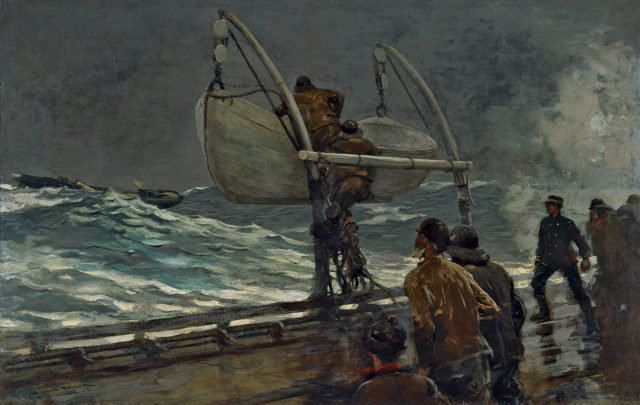
Winslow Homer’s painting “The Signal of Distress” is a good demonstration of launching a lifeboat in rough seas. Even without a sinking ship it can be a dangerous operation, and the thought of being smashed against the hull terrified one English sailor from the Wellington.
Throughout the entire episode the radio operator had been in contact with USS Warrington, which was steaming to their aid. They couldn’t wait any longer; the Wellington began to list, and Brown knew it was now or never. Brown fired flare rockets, in a last ditch attempt to alert the Warrington to their position. As the men were rushing into their hastily made lifeboats, a flare was seen in response! The Warrington was headed towards them.
Brown jumped in the water, searching for anything floating to grab onto. He swam about, ensuring that his men were alive, uninjured, and able to stay afloat. They awaited rescue in the freezing Atlantic water. The Wellington eventually went under, after listing heavily and her boilers exploding. Finally, the Warrington arrived and pulled what men they could find from the ocean.
In all 11 members of Seneca’s boarding party perished, along with 5 members of Wellington’s crew. For their bravery, sacrifice, and dedication to the safety of others, the boarding party members were all awarded the Navy Cross. Acting Machinist William L. Boyce received the Navy Distinguished Service Medal for staying in the engine room until the very end, ensuring that the crew had time to get off the sinking ship.
The attempted Wellington rescue stands as a testament, not only to the Coast Guard’s constant dedication to saving ships in distress but as an example of the comradery of all sailors, who worked to save both their ship and each other.
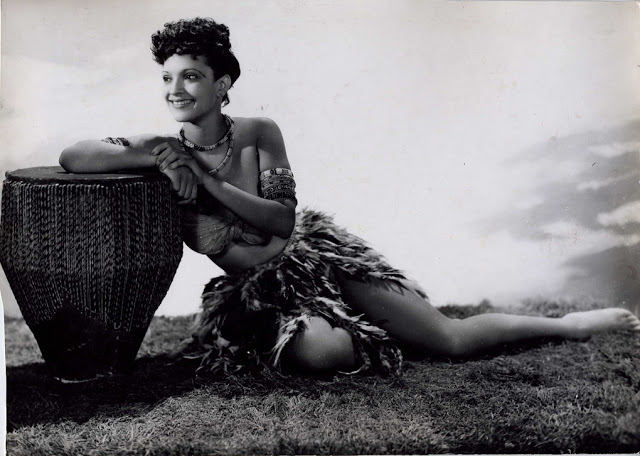
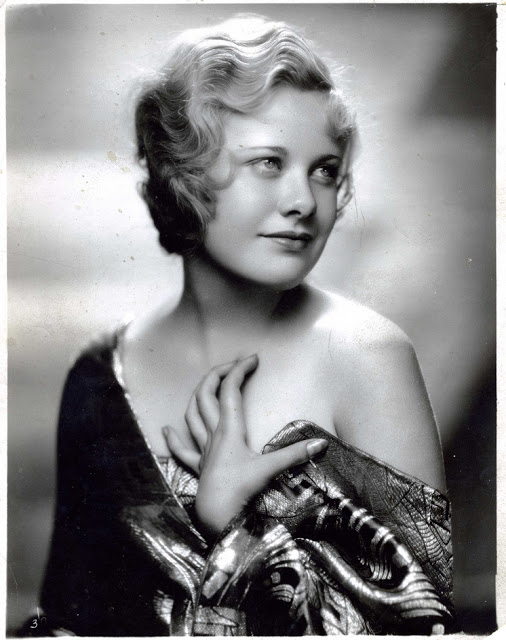
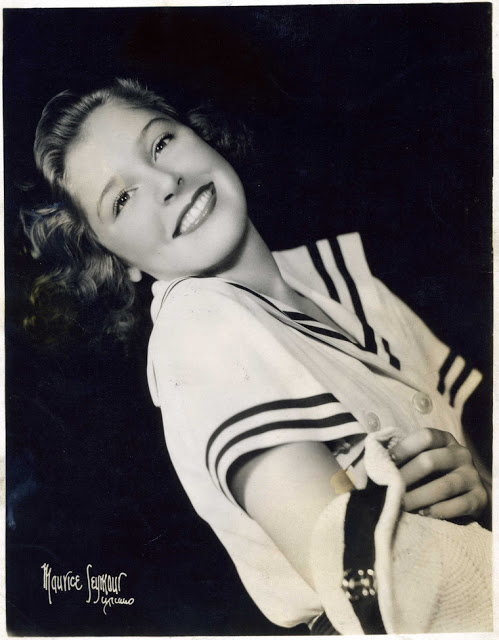
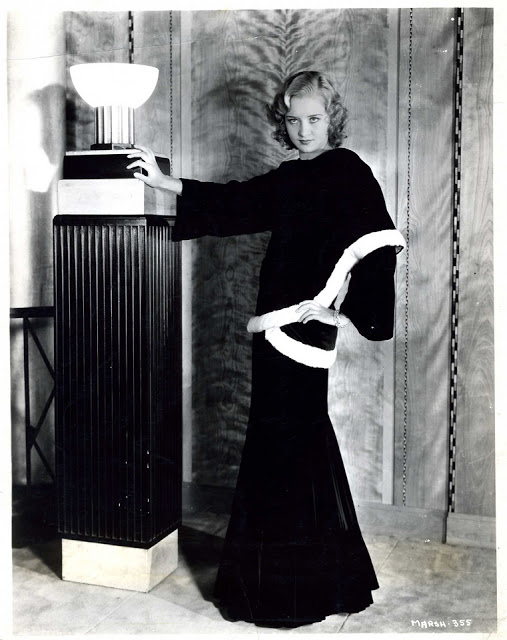
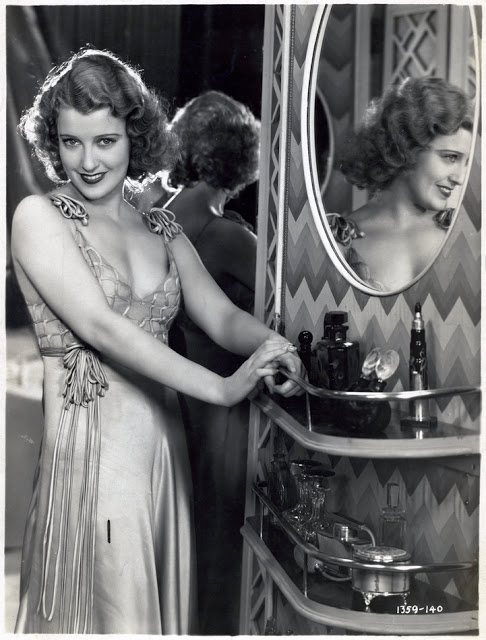
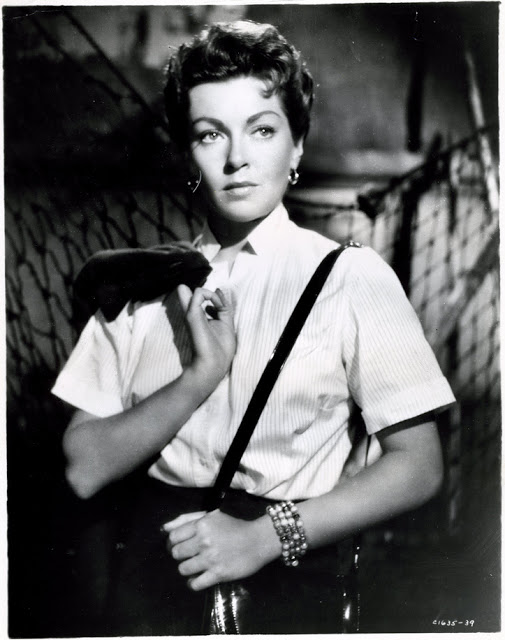
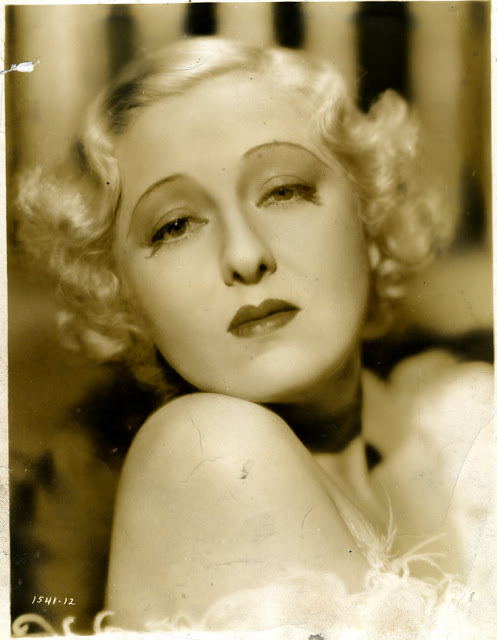
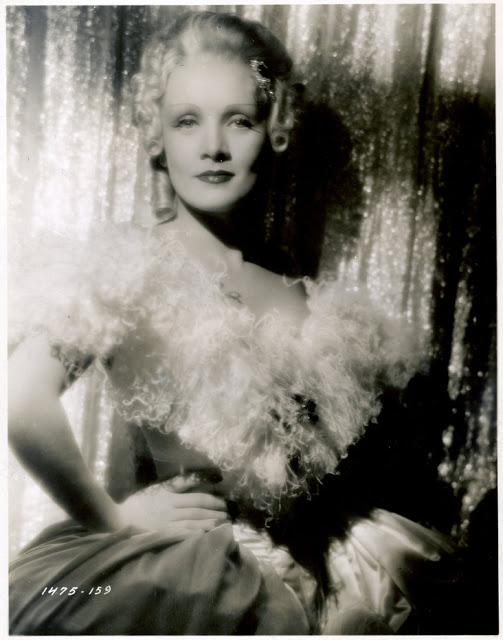
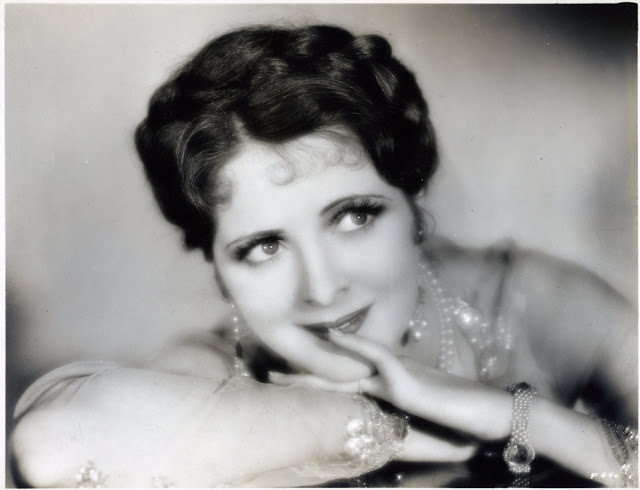
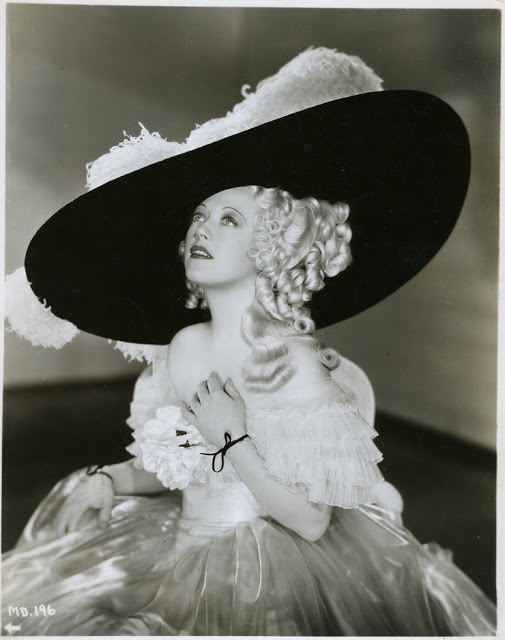
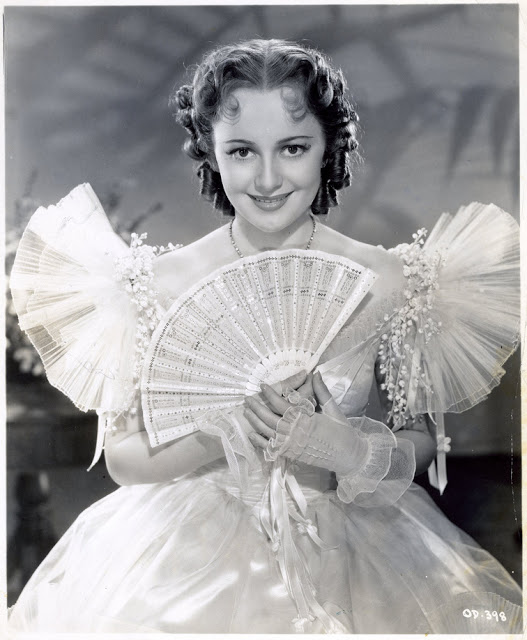
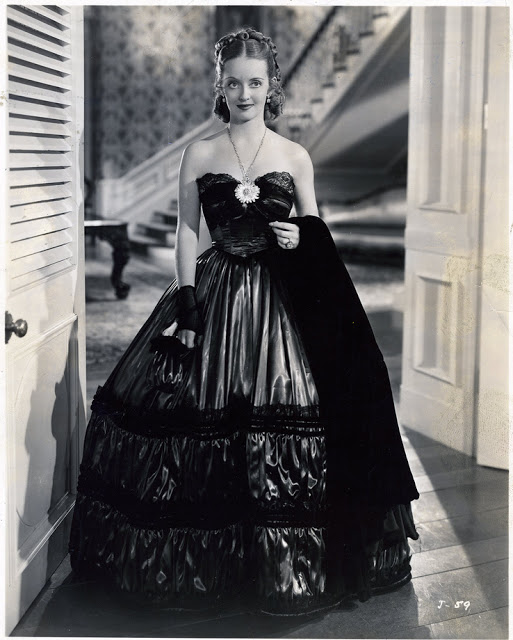
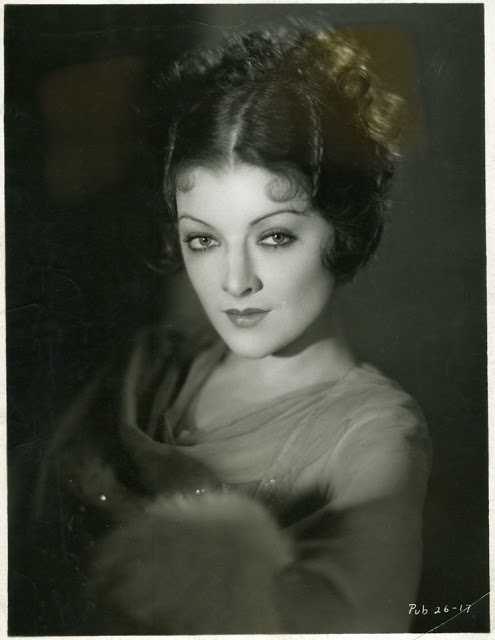
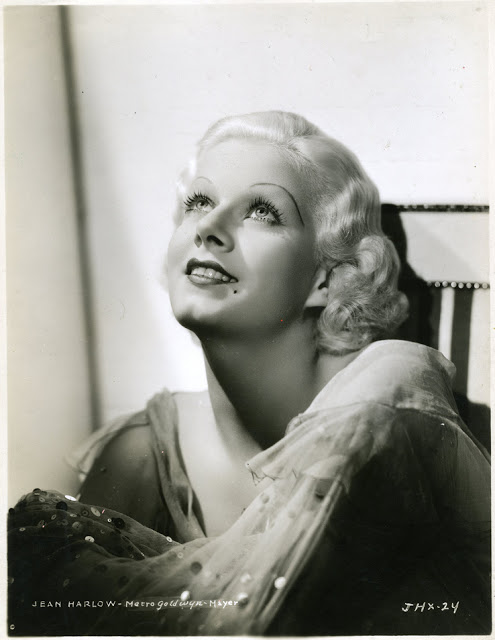
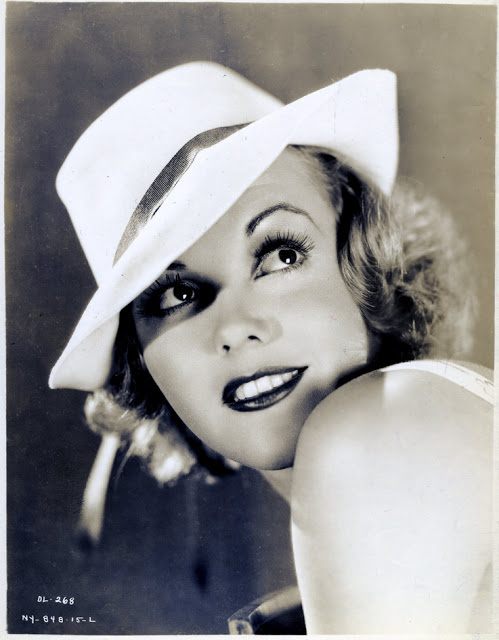
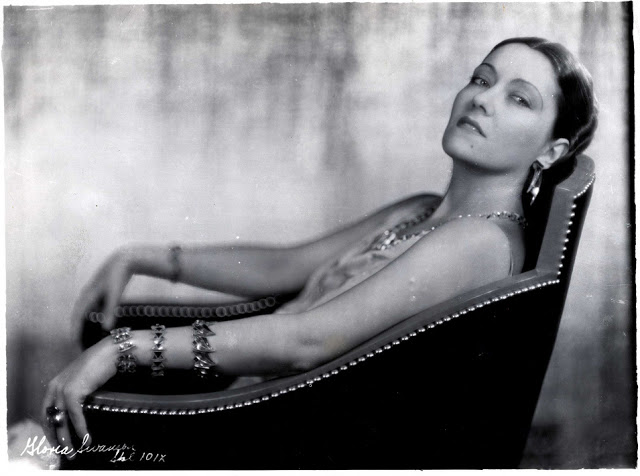
They are not only so beautiful, but also very talented! Here is a small collection of vintage portrait pictures of beautiful American actresses from 1920s to 1940s.
Joan MarshMitzi GreenMarian MarshJeanette MacDonaldLana TurnerPeggy Hopkins JoyceMarlene DietrichCandy ToxtonAnita PageBillie DoveMarion DaviesOlivia de HavillandBette DavisMyrna LoyJean HarlowSusan HaywardDorothy LeeNina Mae McKinneyClara BowGloria Swanson
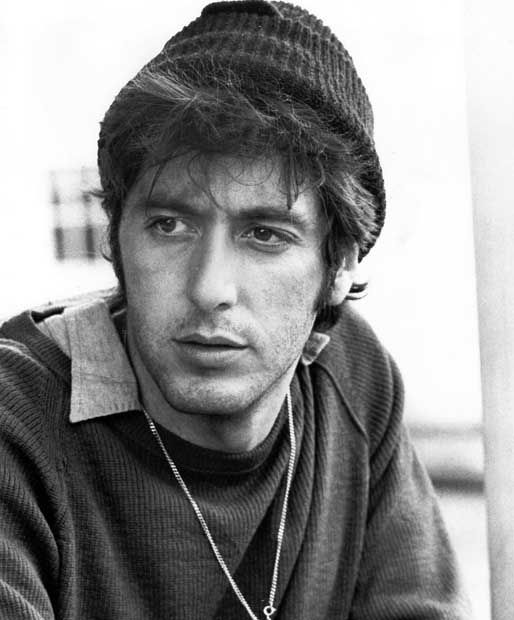
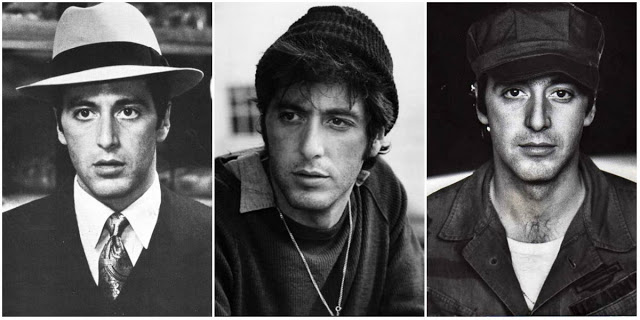
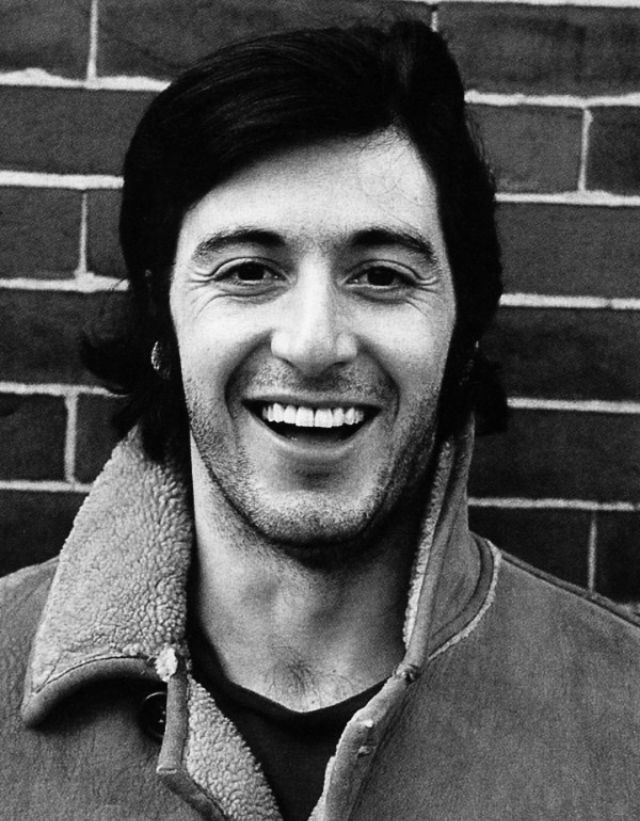
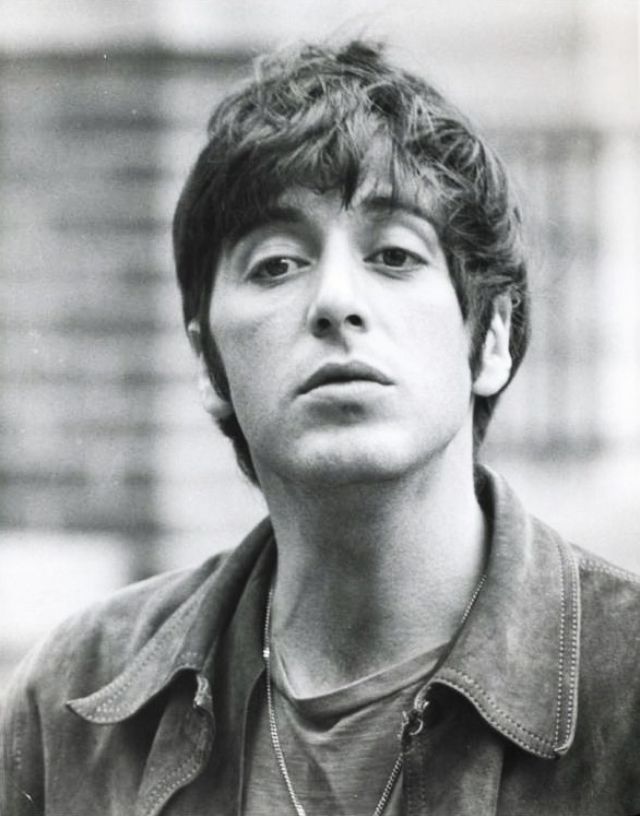
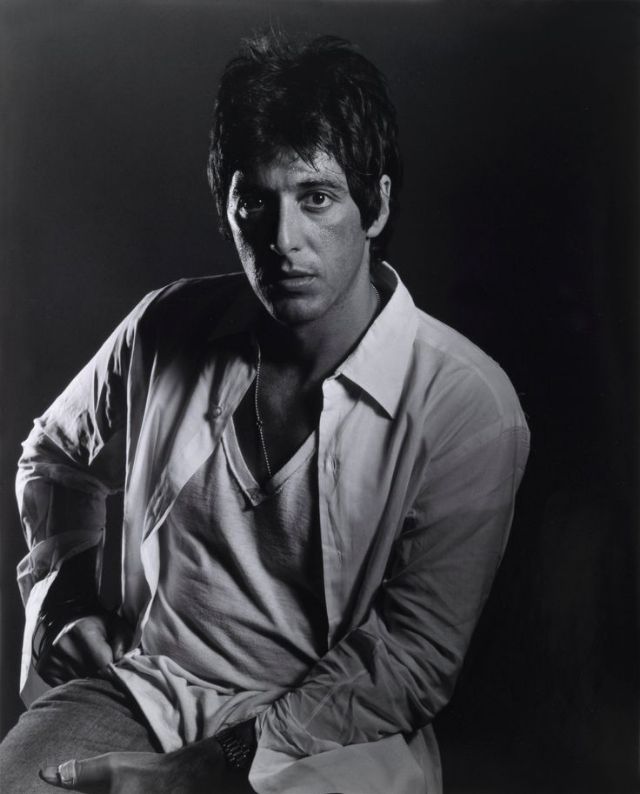
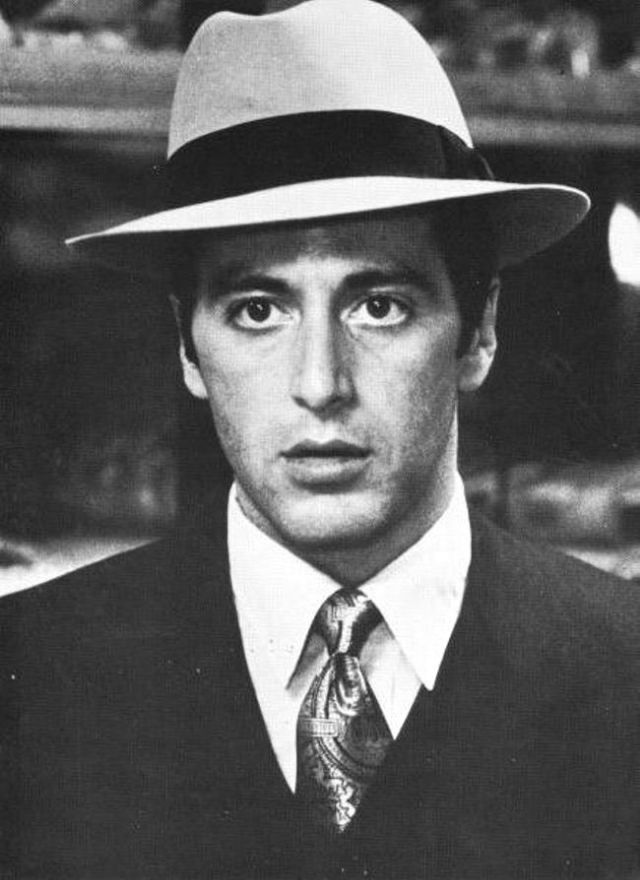
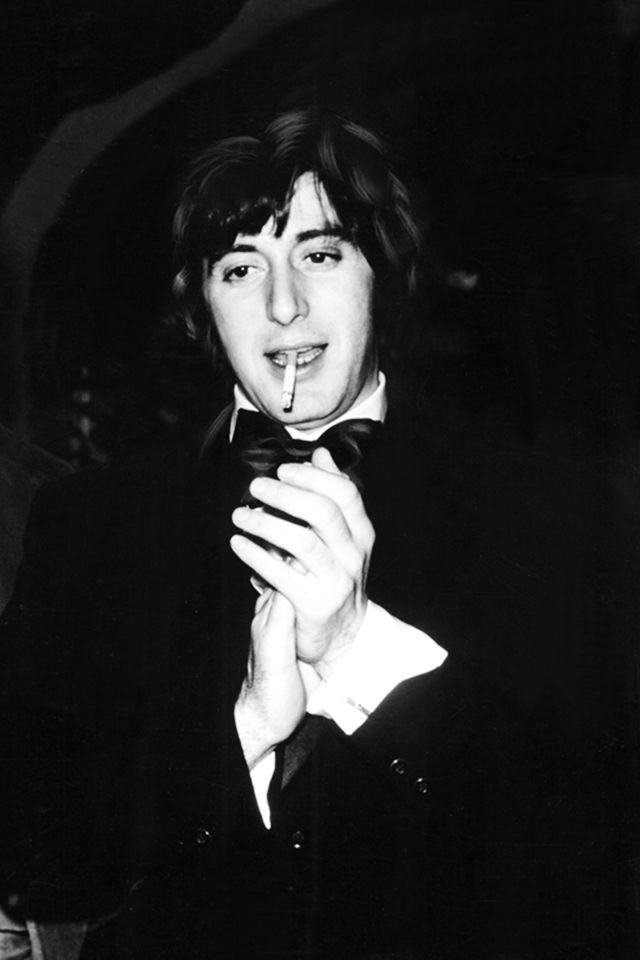
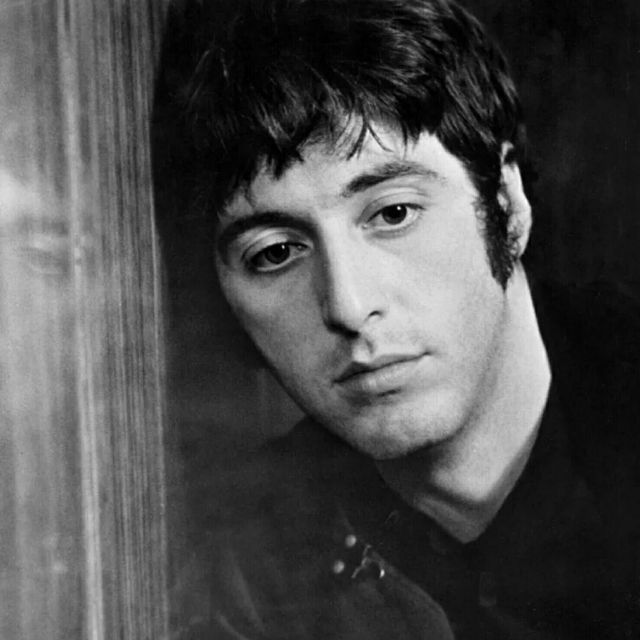
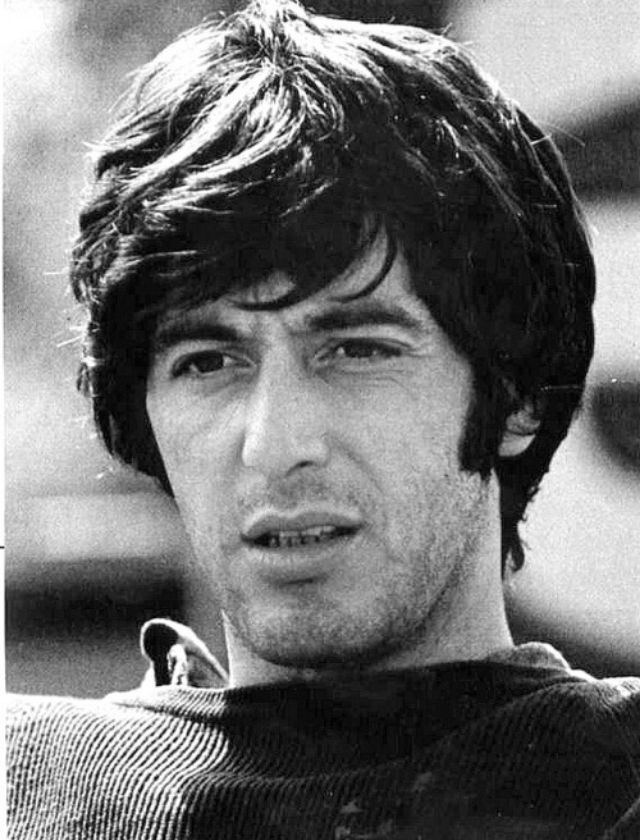
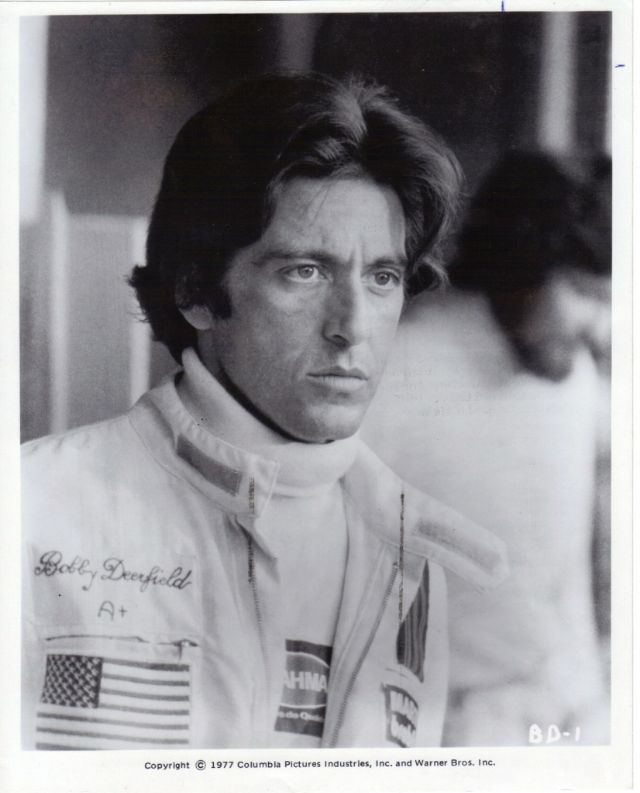
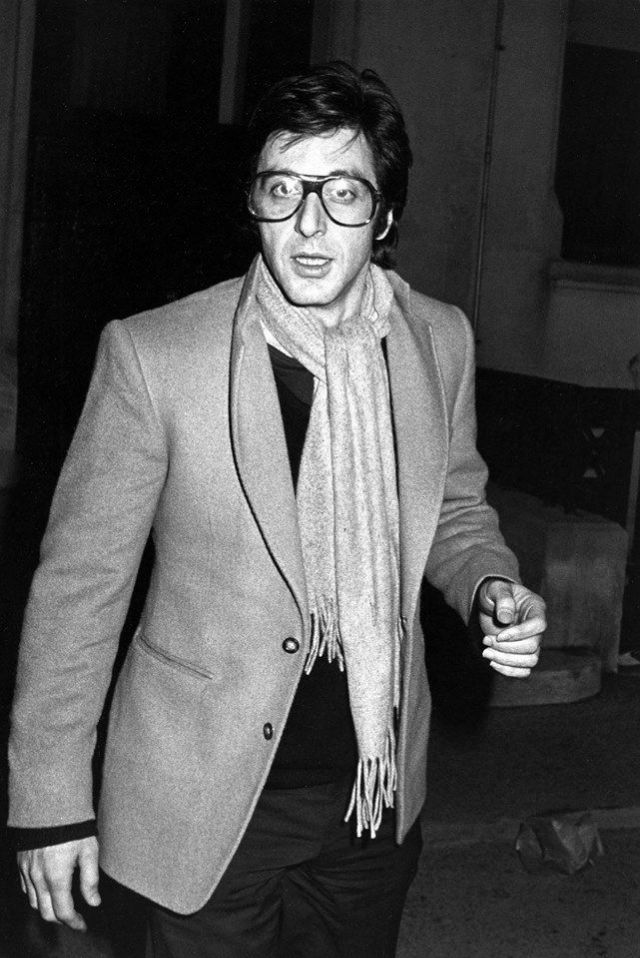
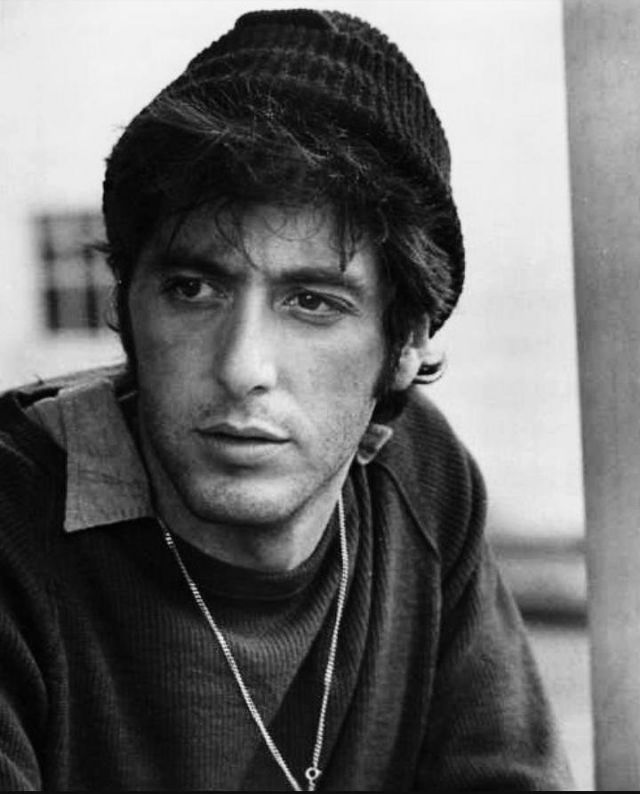
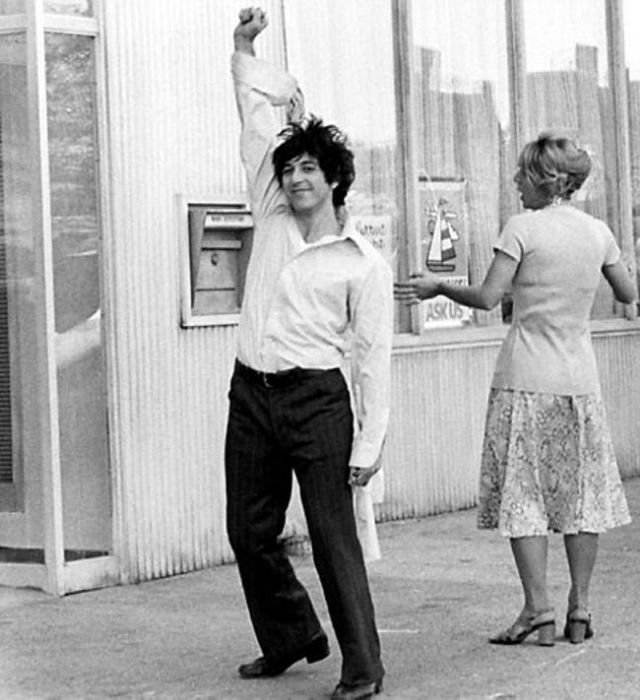
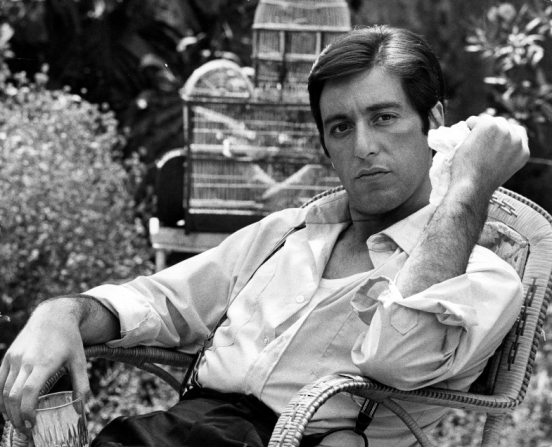
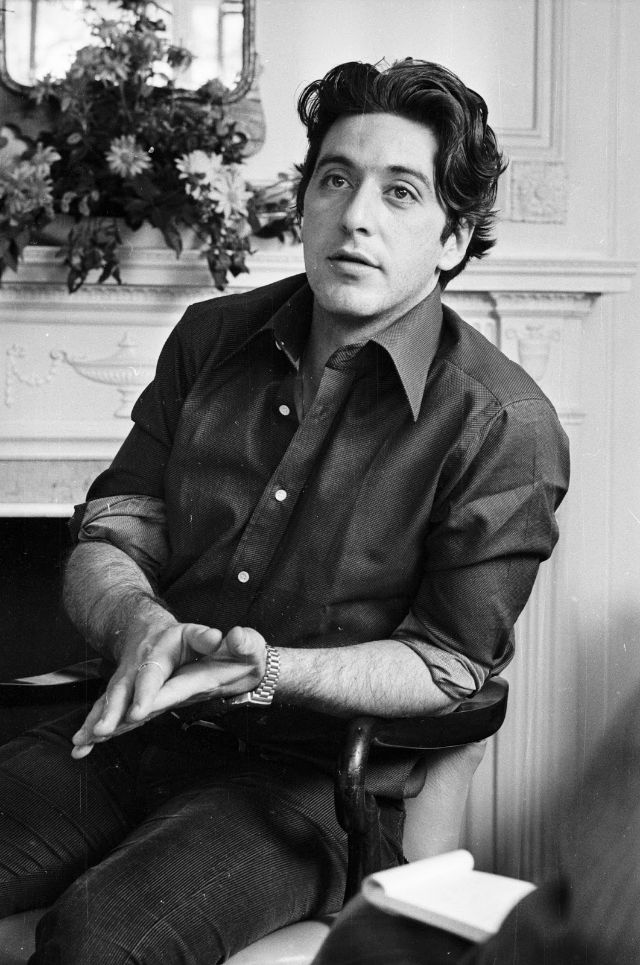
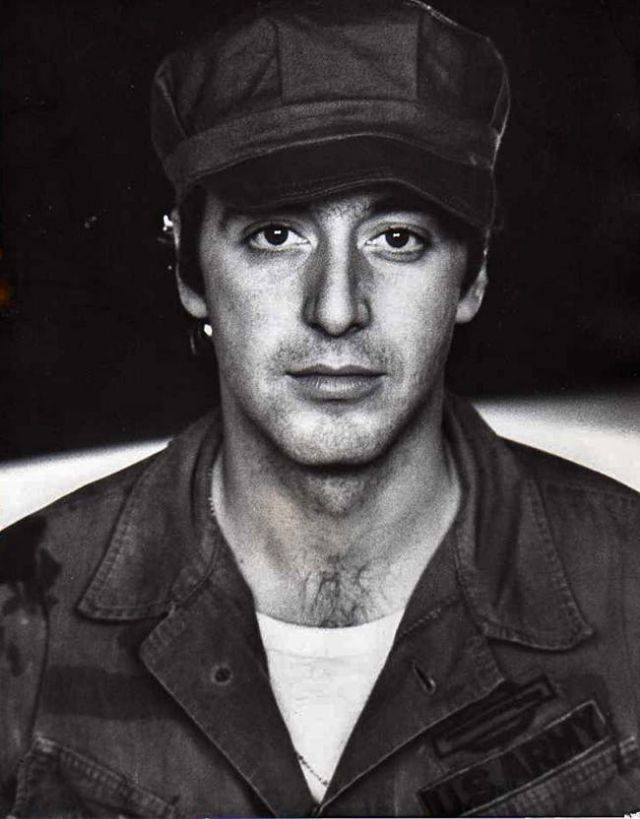
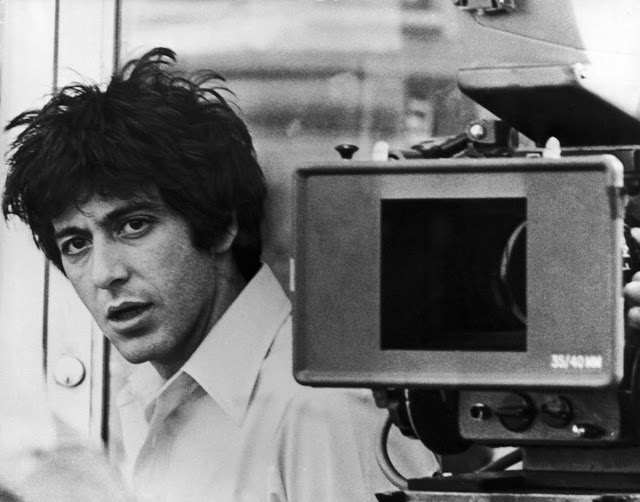
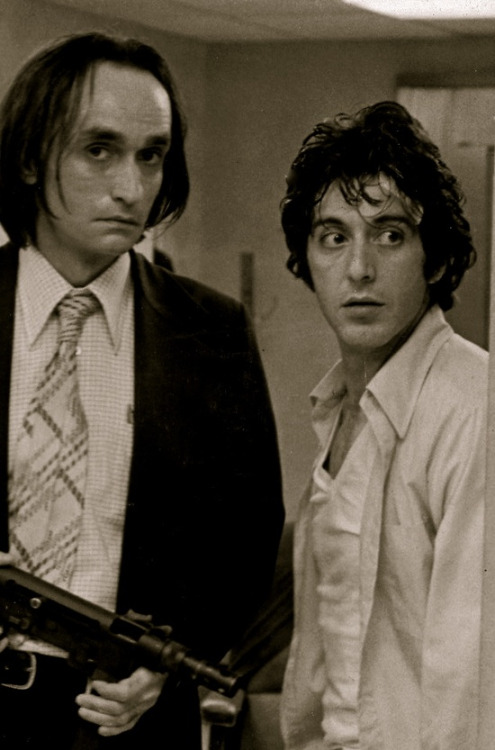
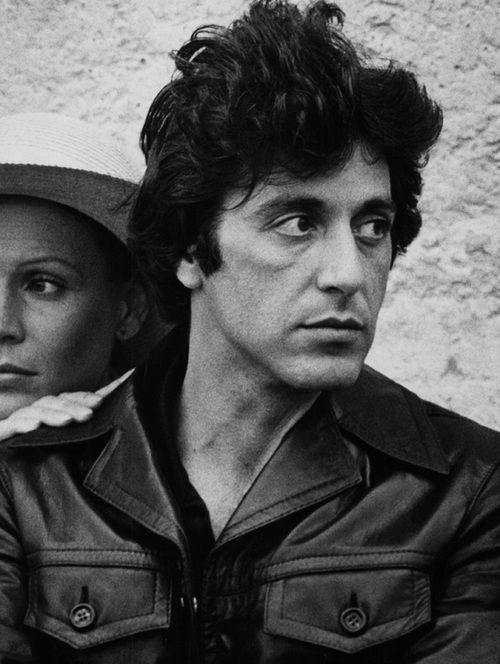
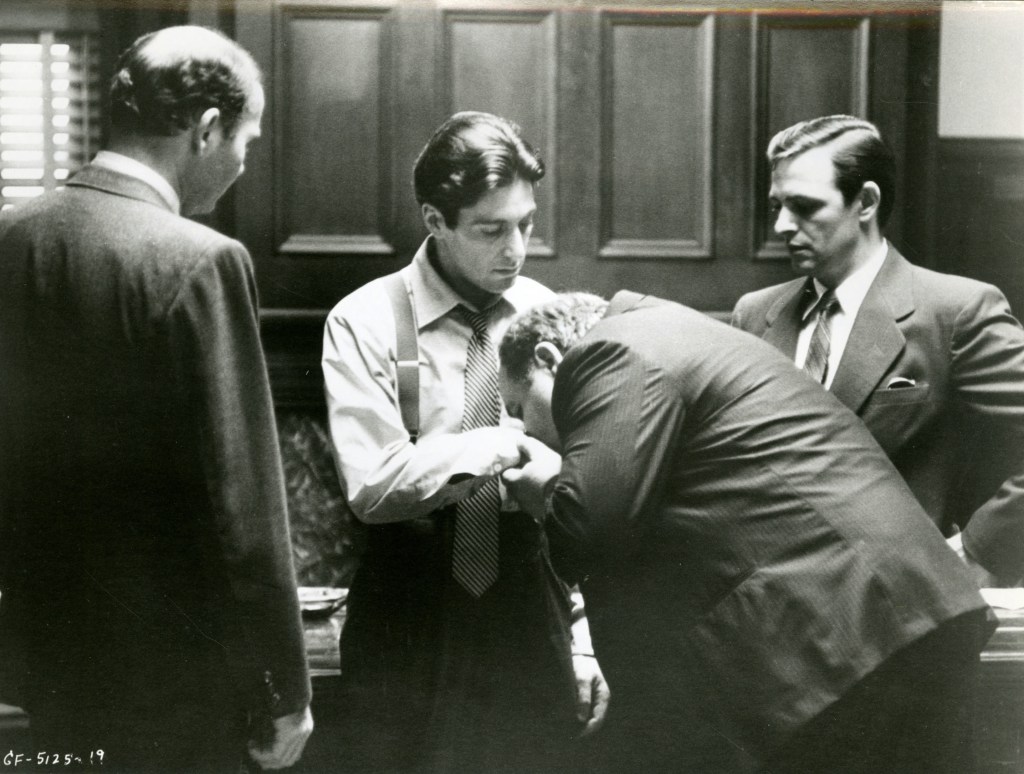
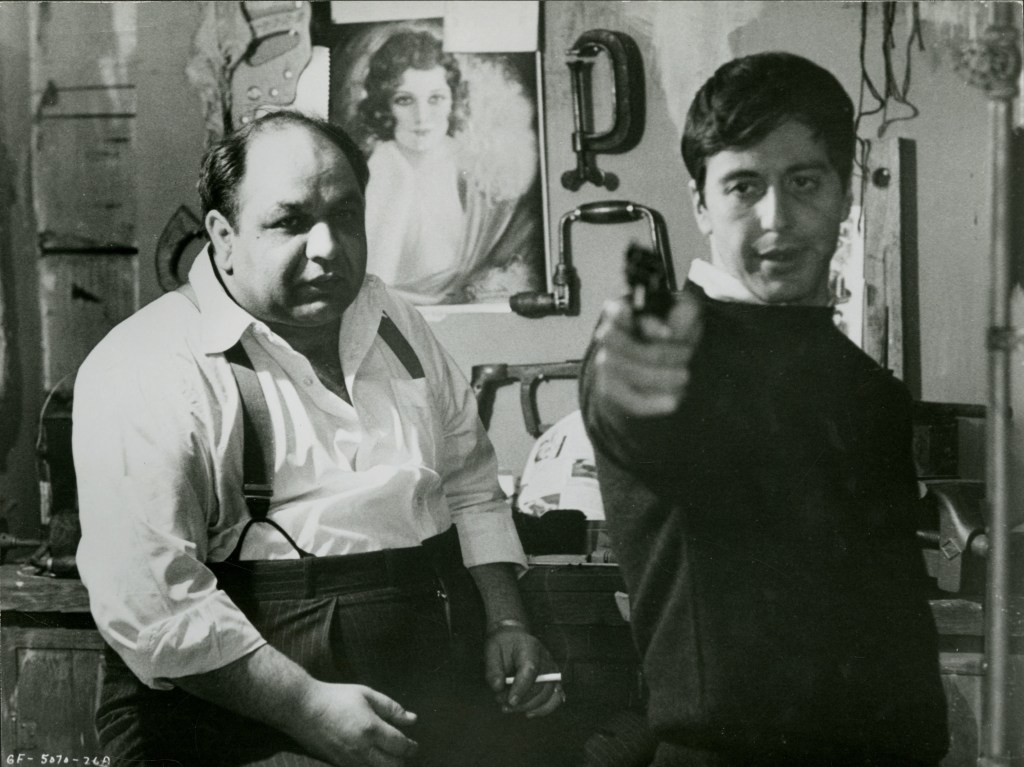
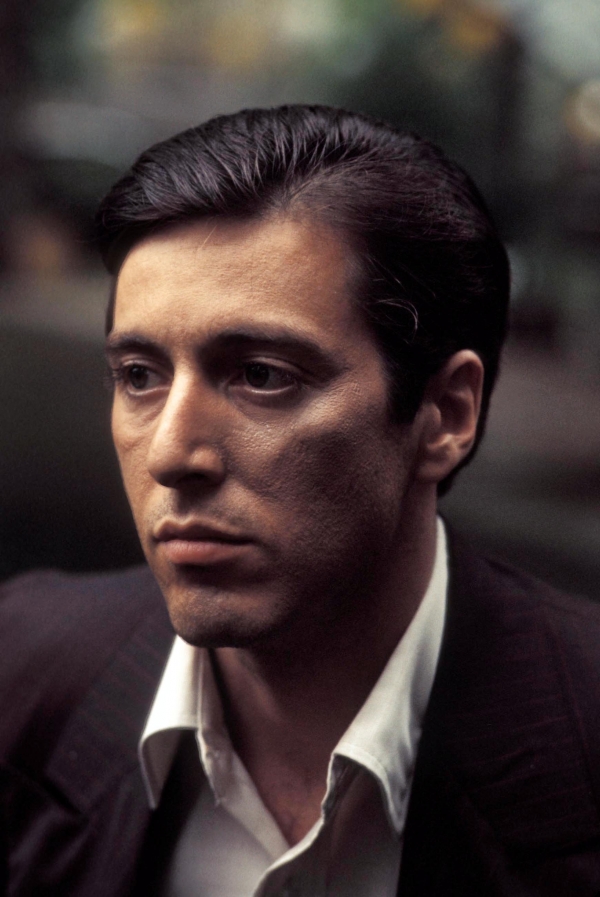
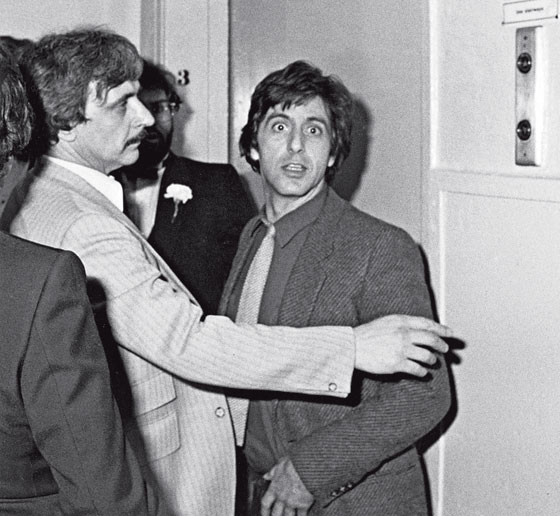
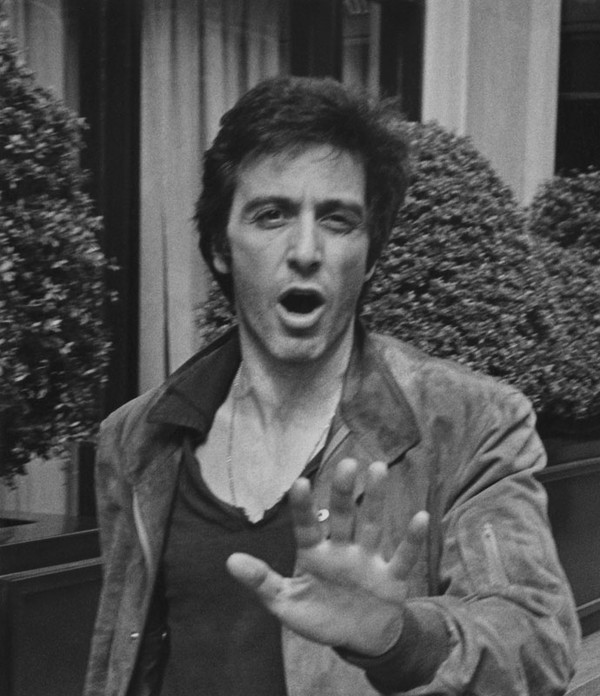
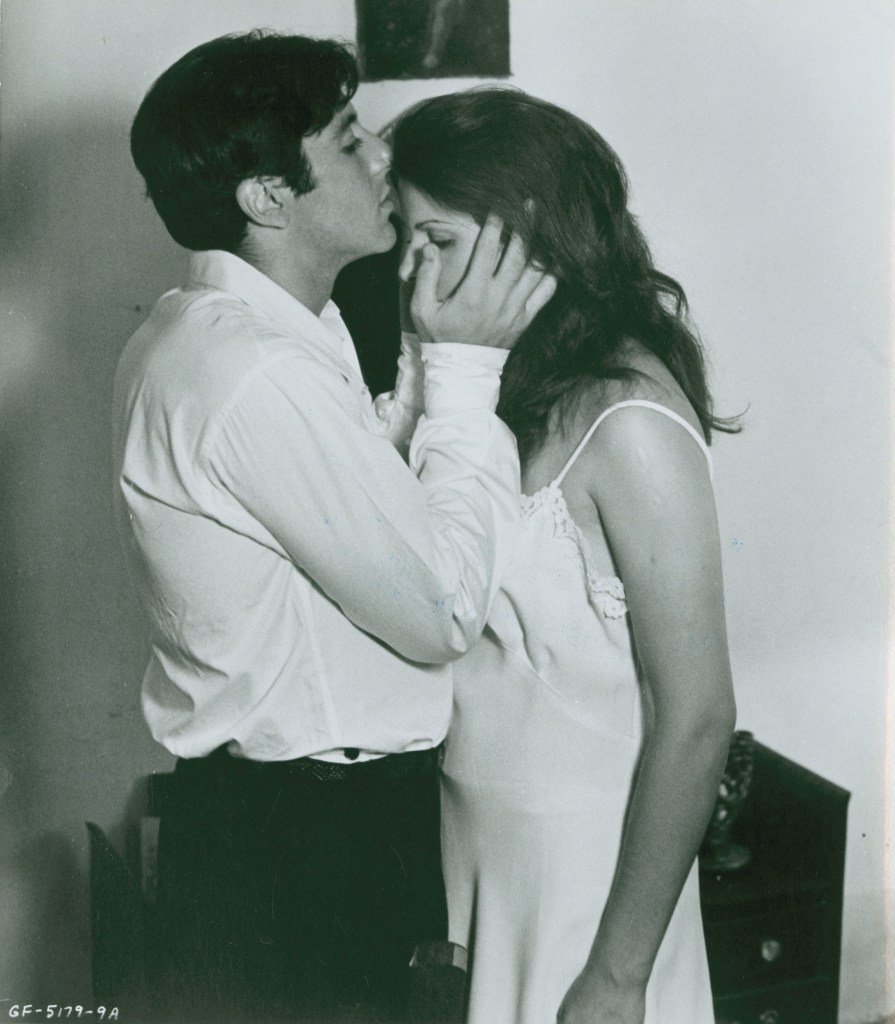
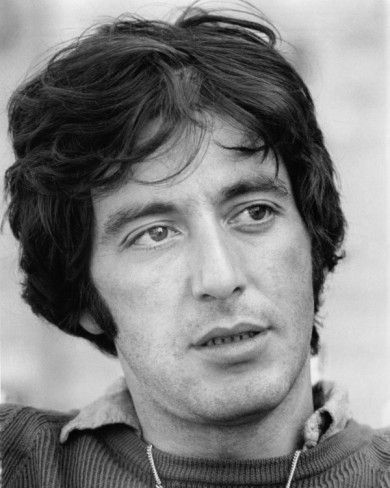
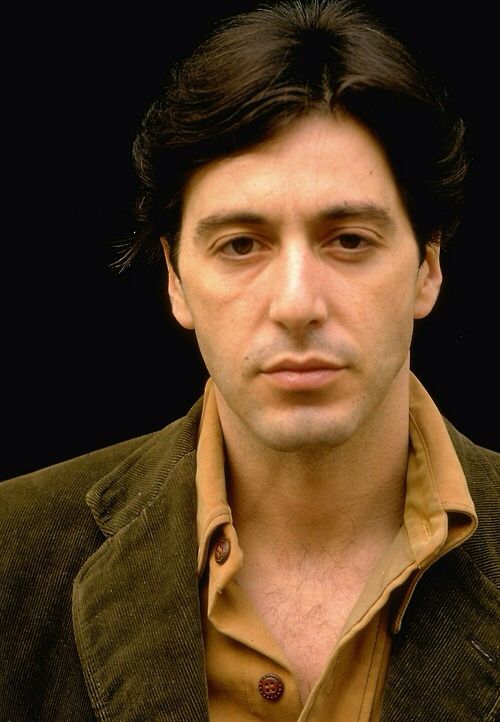
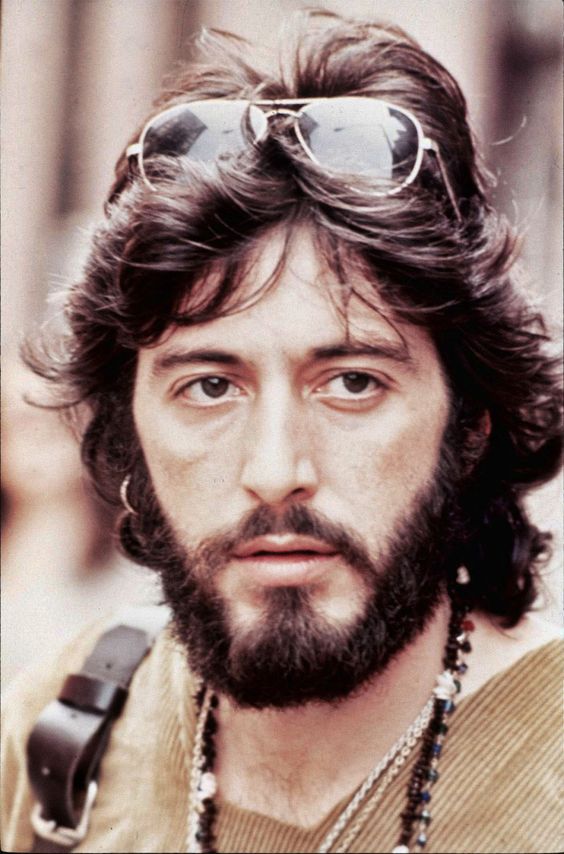
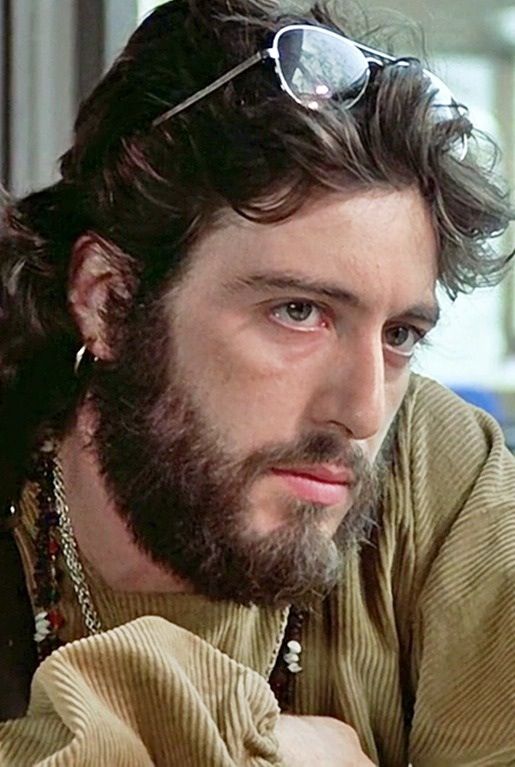
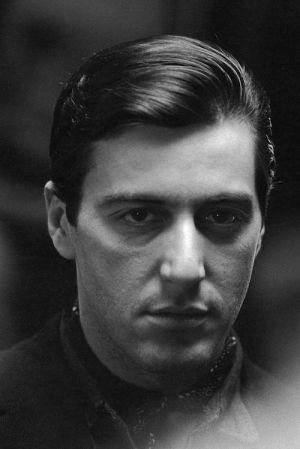
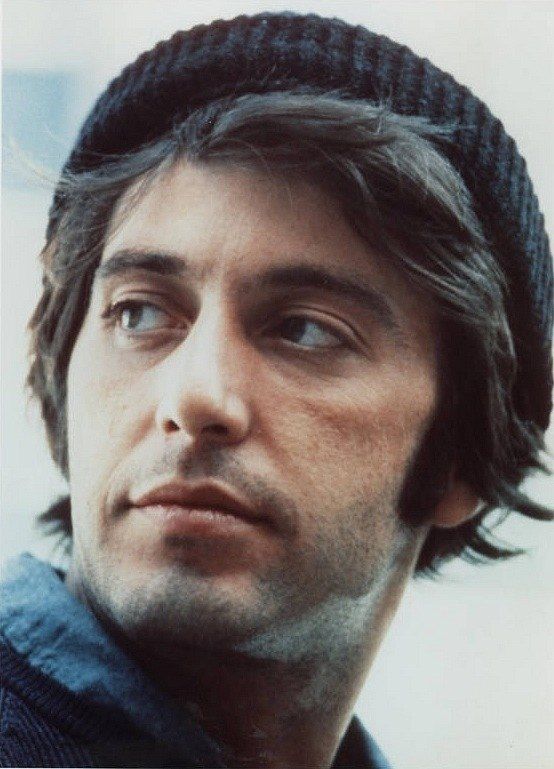
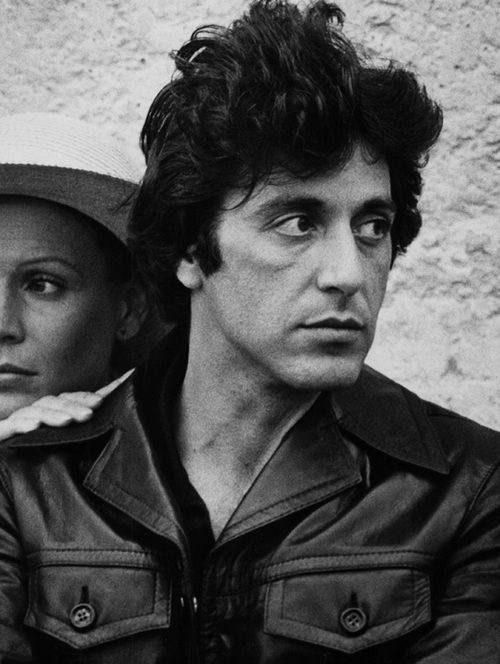
Here’s a gallery of 41 fascinating black and white portrait photos of a young Al Pacino, a name which has long been associated with cold-blooded murder and villainous roles in some of the most historic movies of Hollywood, is an epoch-making star who took acting to a whole new level.
He is often been counted among one of the most legendary villains of Hollywood, known for his extremely riveting portrayals of antagonists. But then, playing negative roles are not his only forte as his acting abilities know no boundaries. He is a resourceful actor who fits into the shoes of any character he is assigned to play. Be it a romantic or a comic role, he does it all with finesse. A brilliant actor with a unique style, Pacino, has set landmarks with almost every film he has worked in.
“It started when I was very young. I mean, really young,” he said. “I wasn’t let out much. I was kept in. And while I was home I found myself repeating the roles from the movies I saw with my mother. Sometimes she’d take me to the movies when she came home from work. That was our date.”
Charming and appealing, young Pacino was not one of those actors, who believed good-looks were only associated with protagonists. He chose to play characters, who were handsome, attractive and charismatic, but evil. He belongs to the generation of actors who challenged the conventions and changed the face of modern day cinema through their sheer brilliance and hard work.
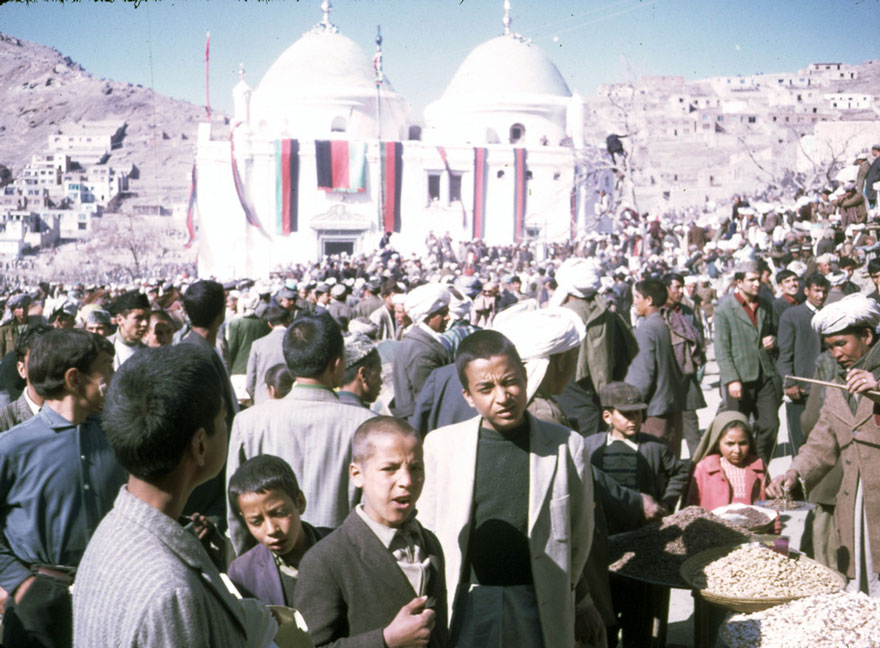
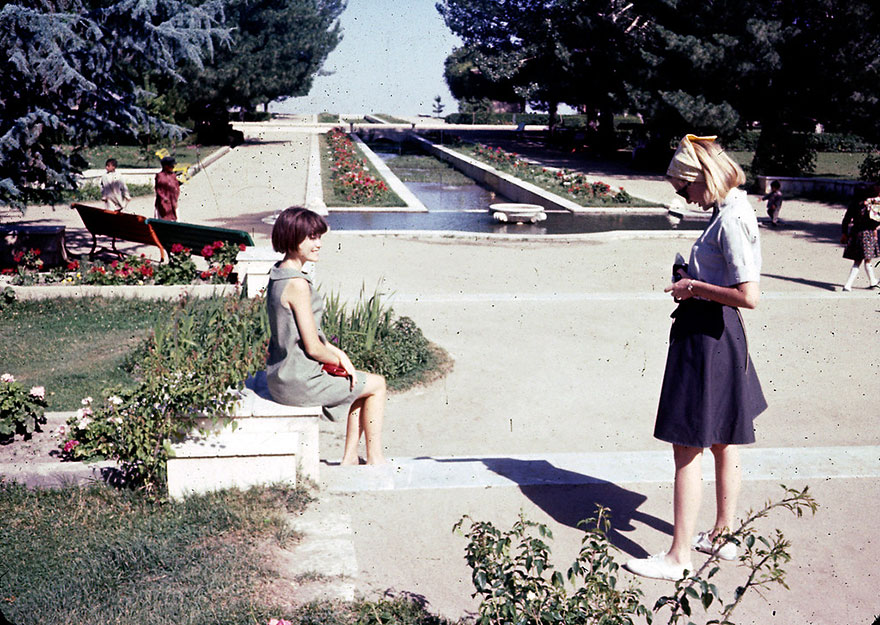
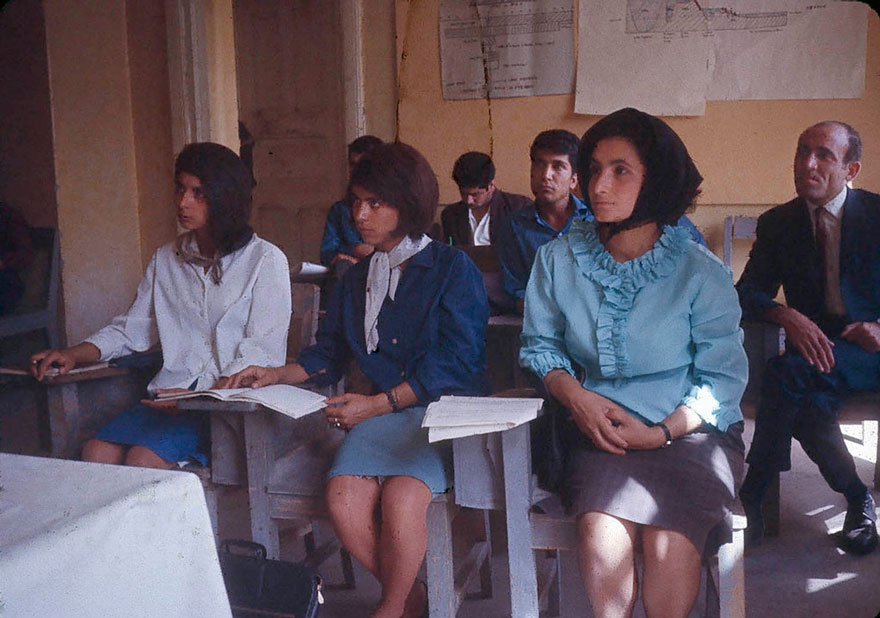
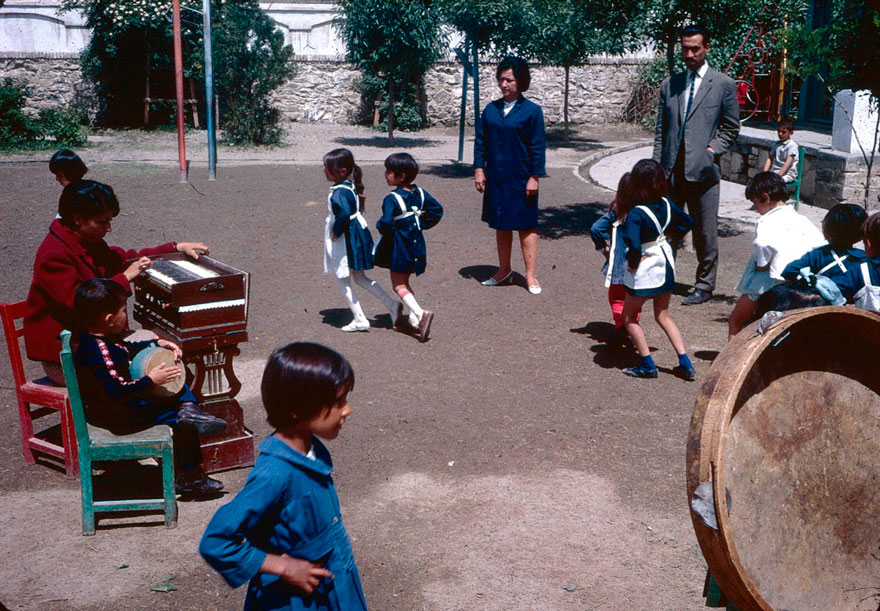
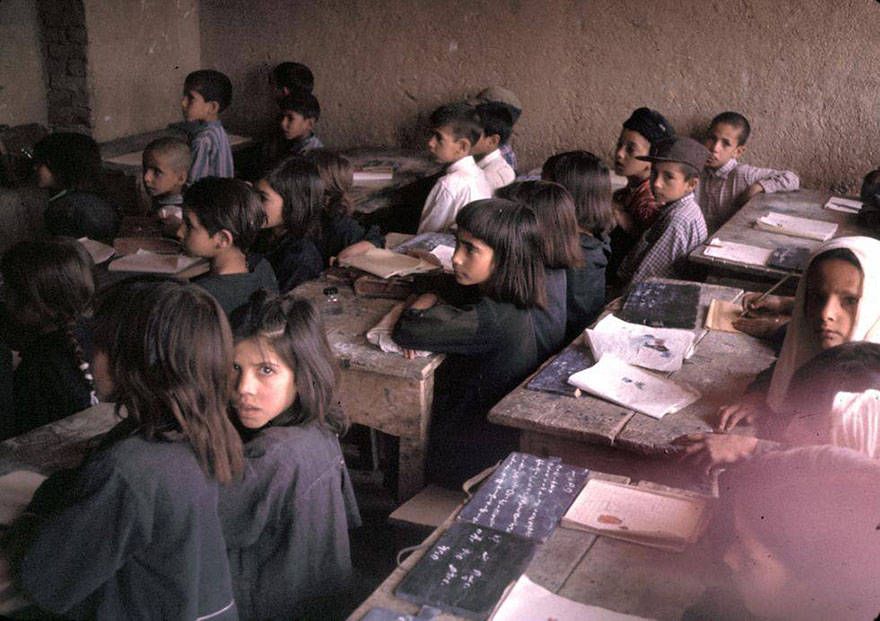
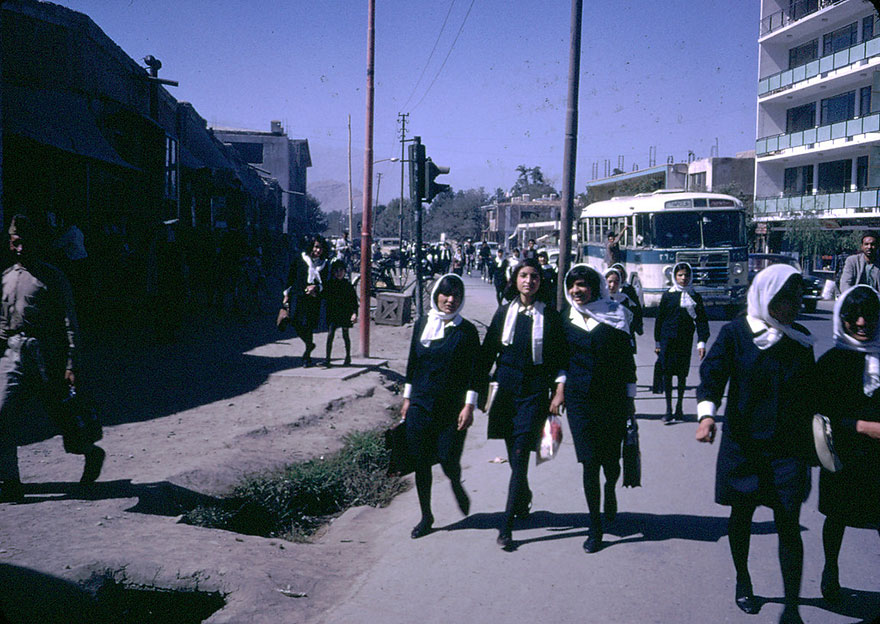
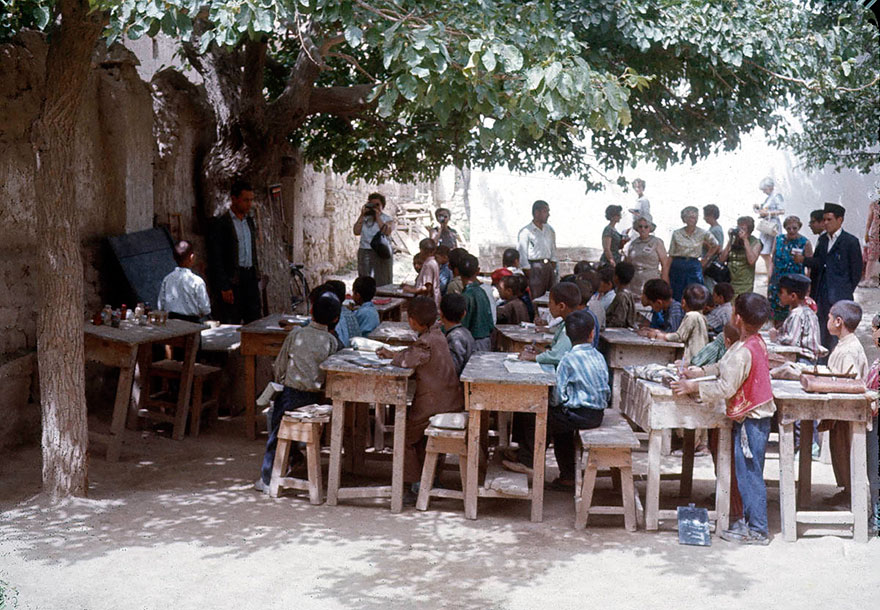
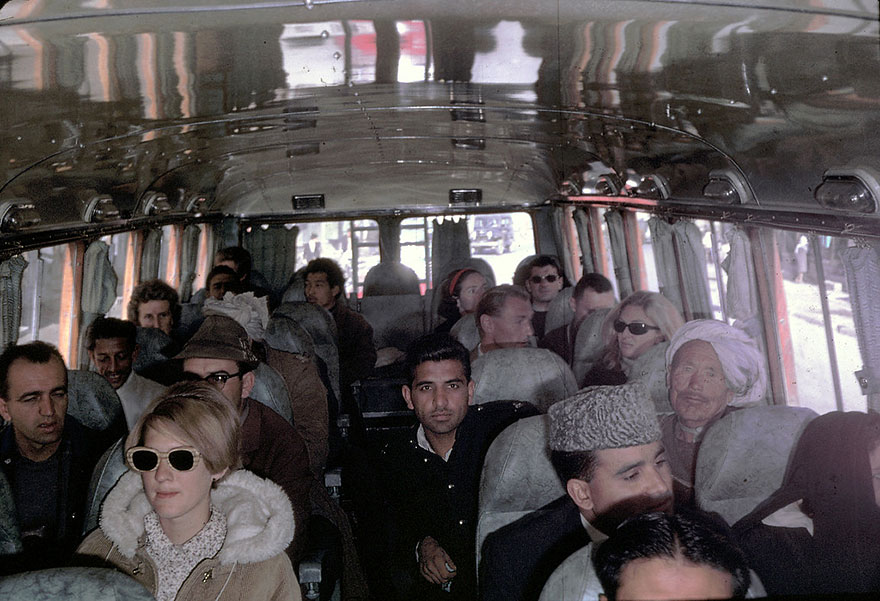
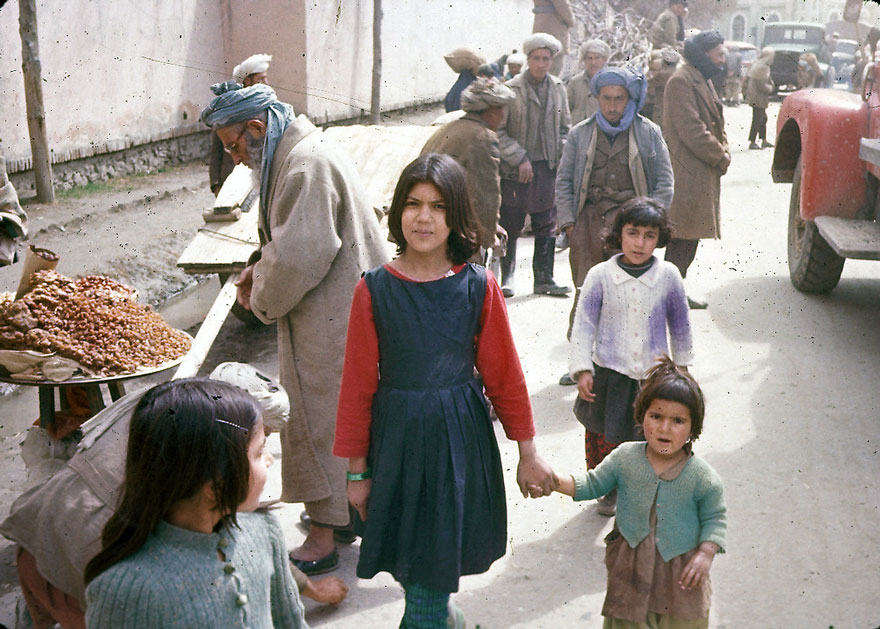
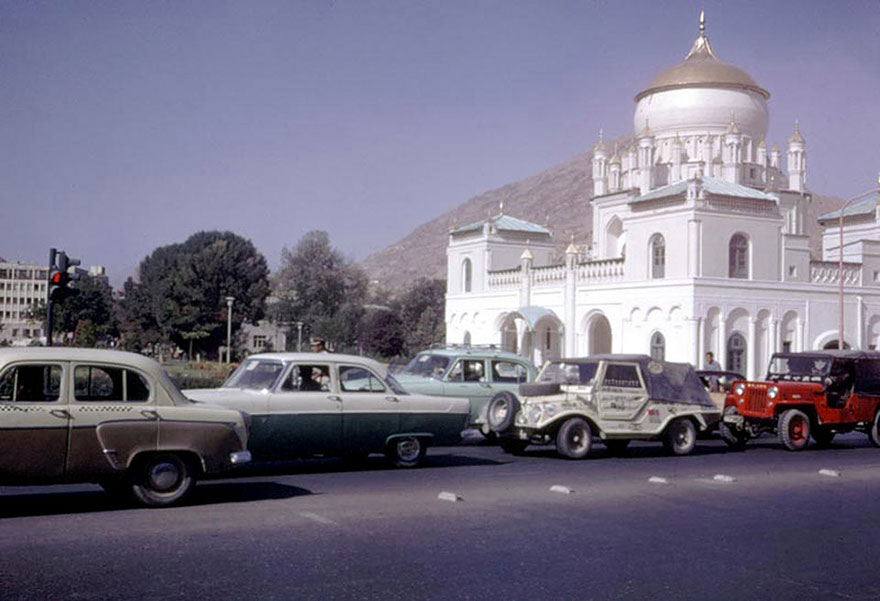
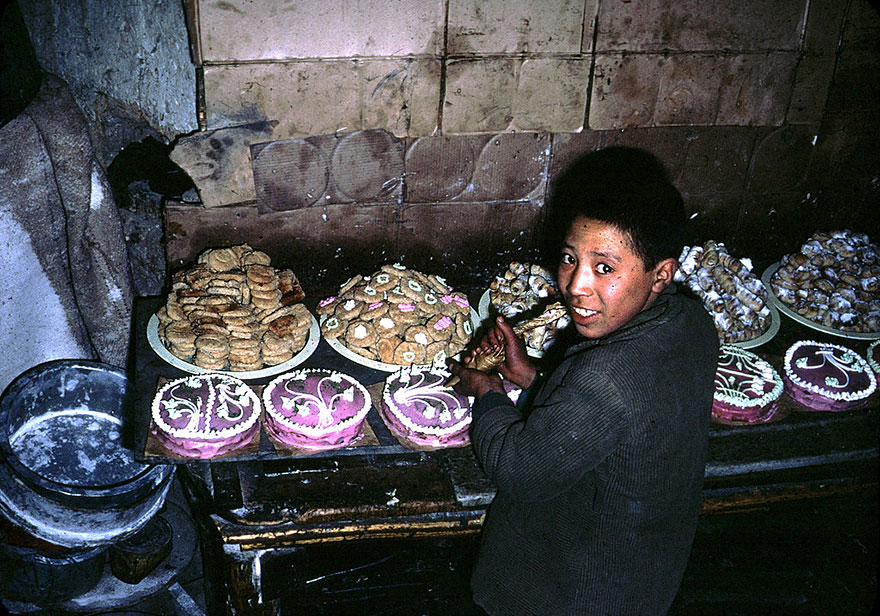
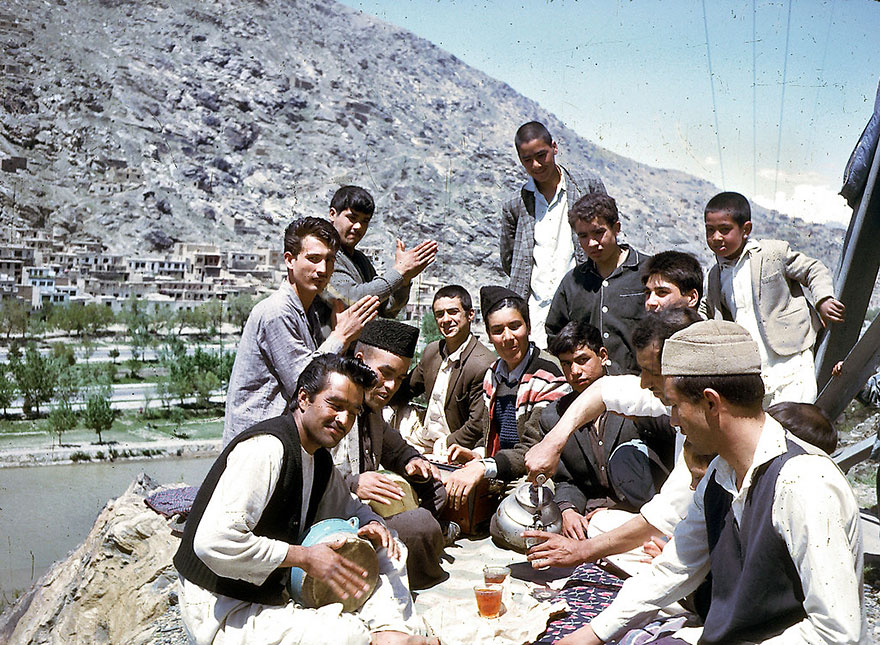
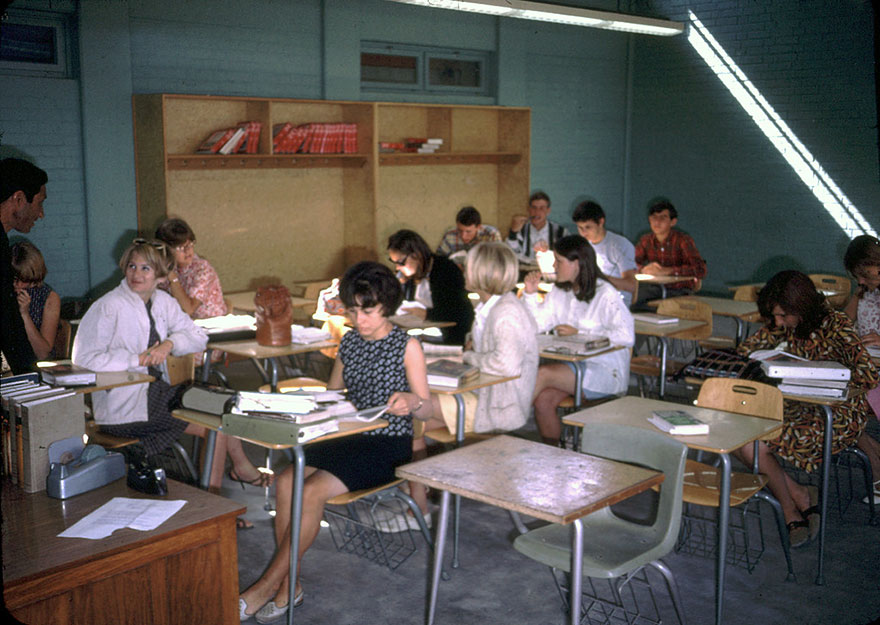
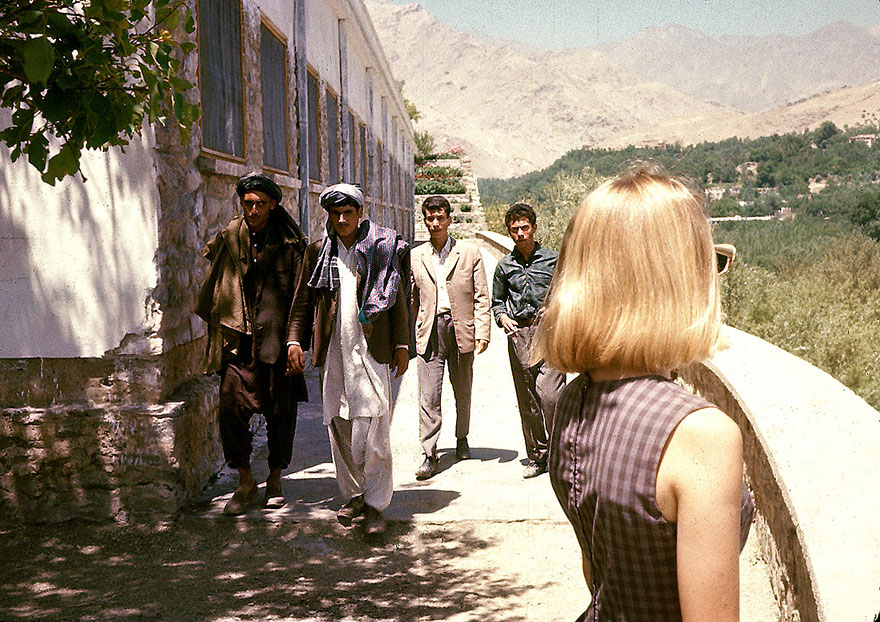
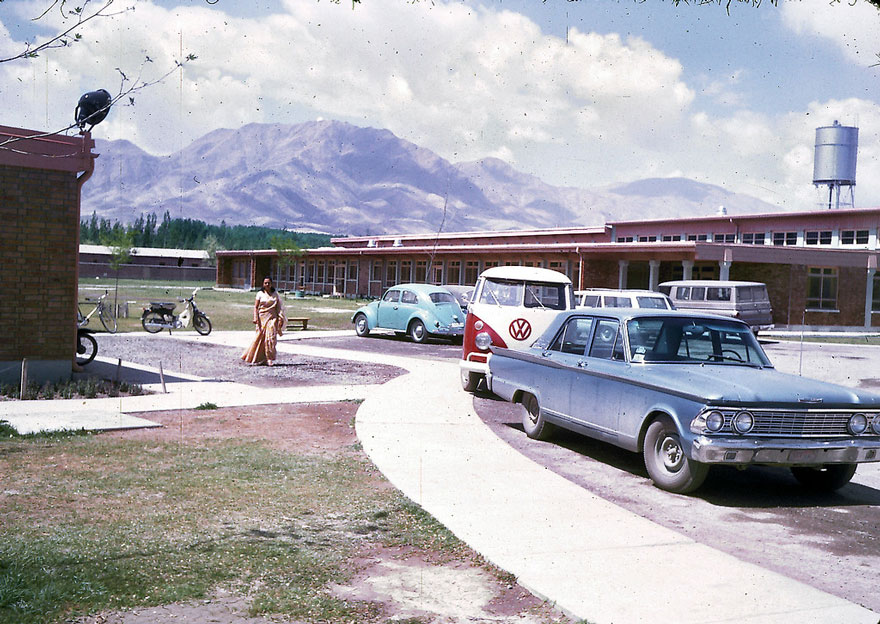
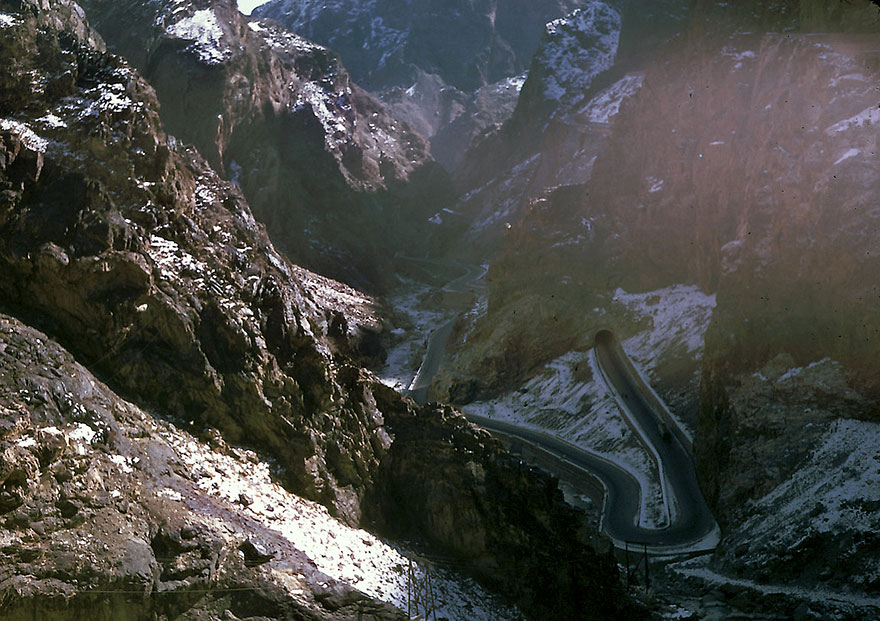
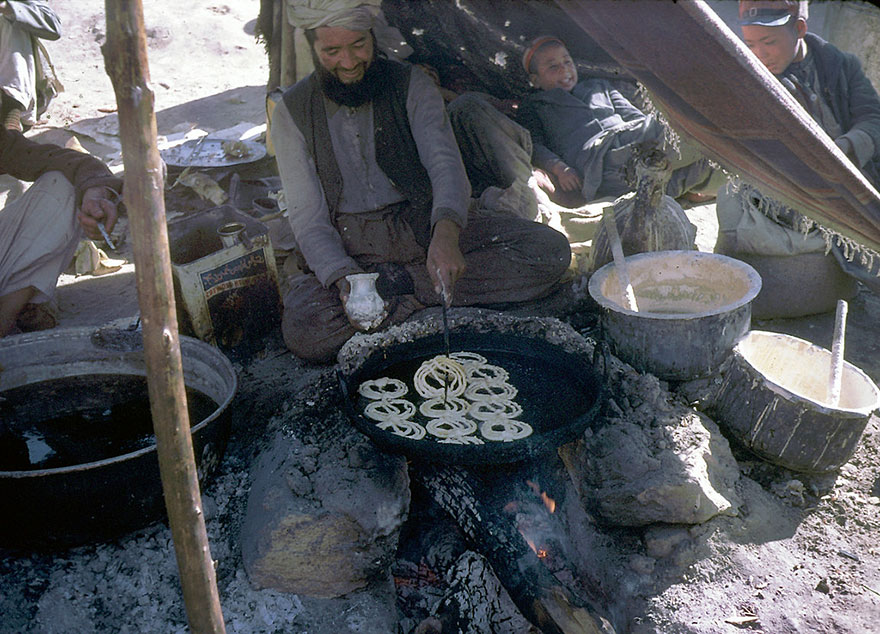
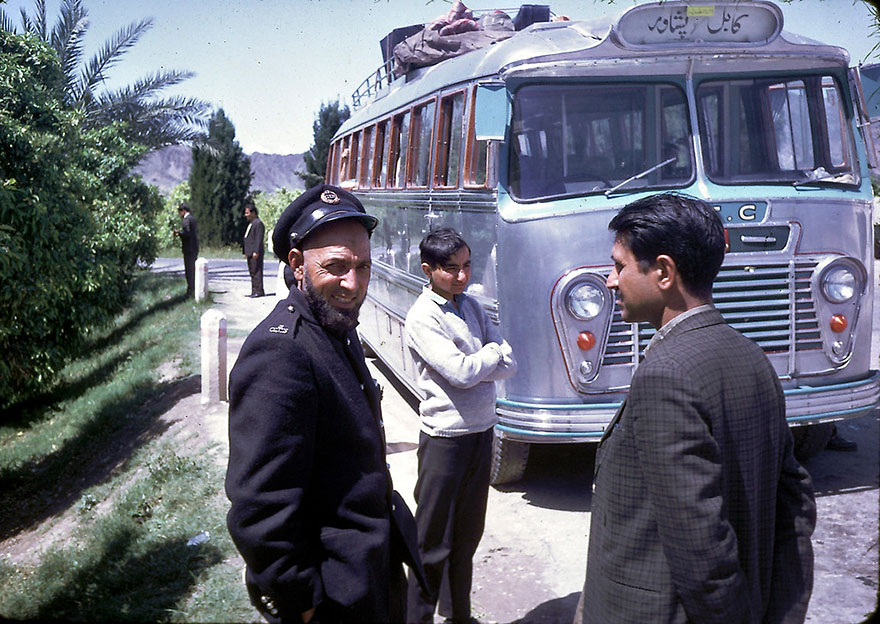
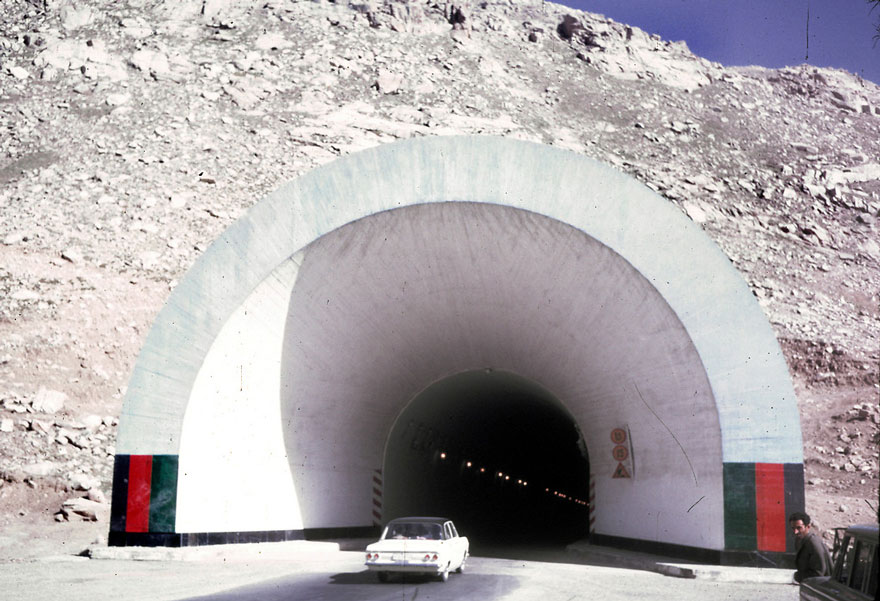
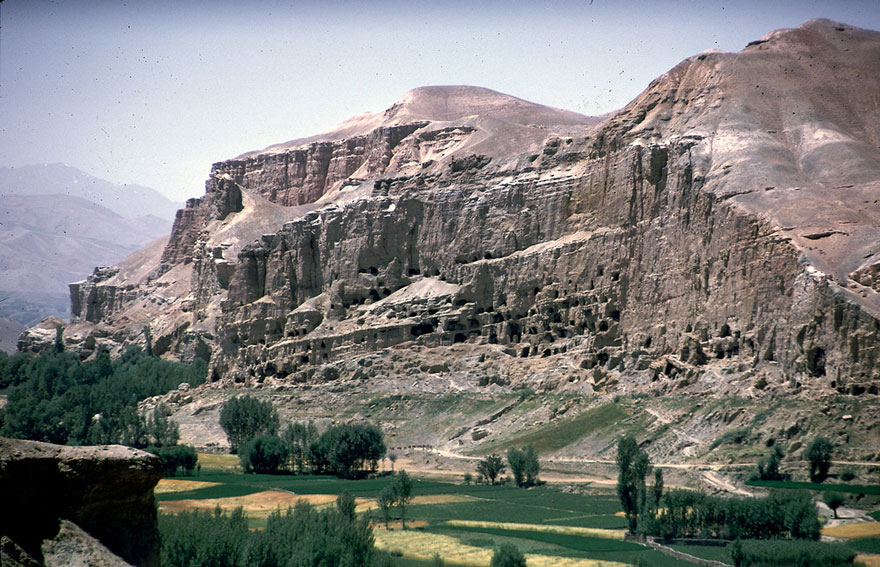
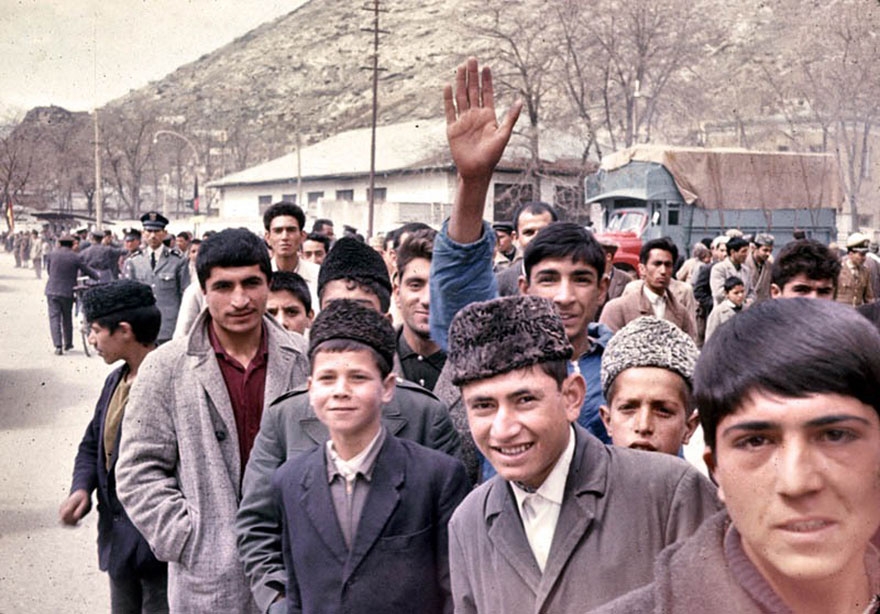
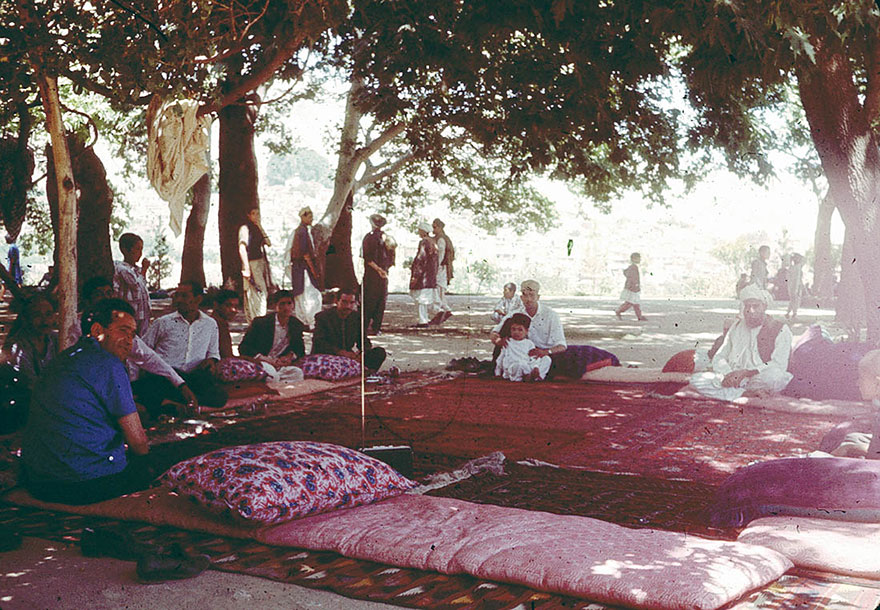
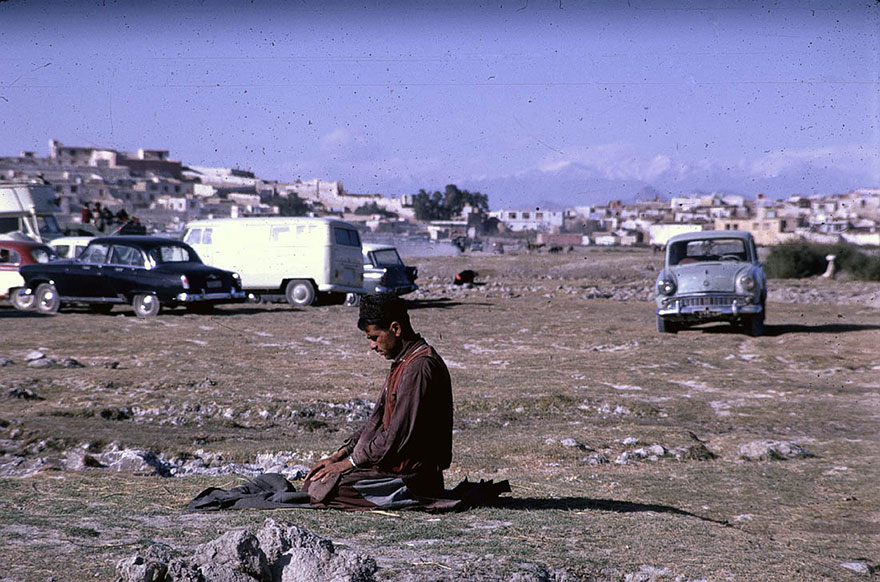
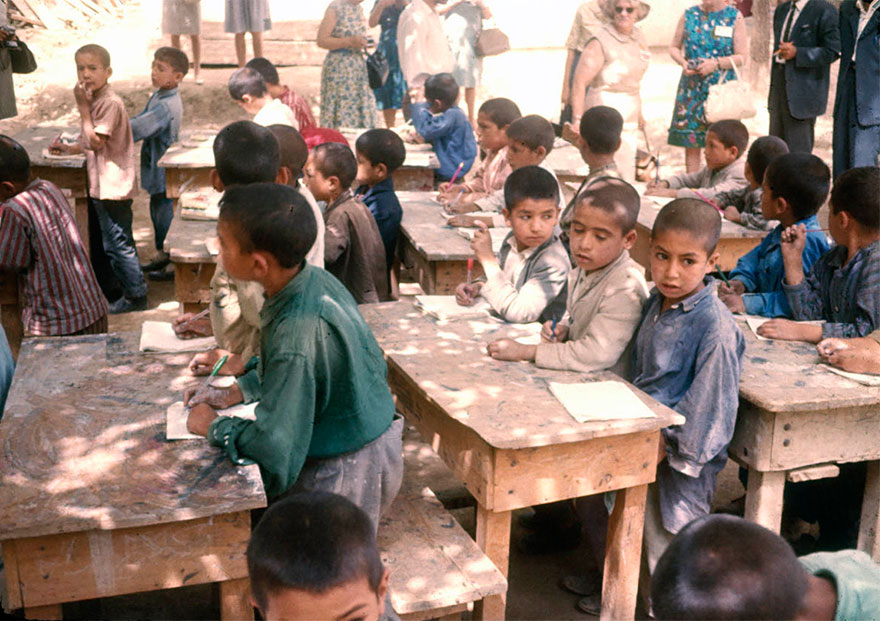
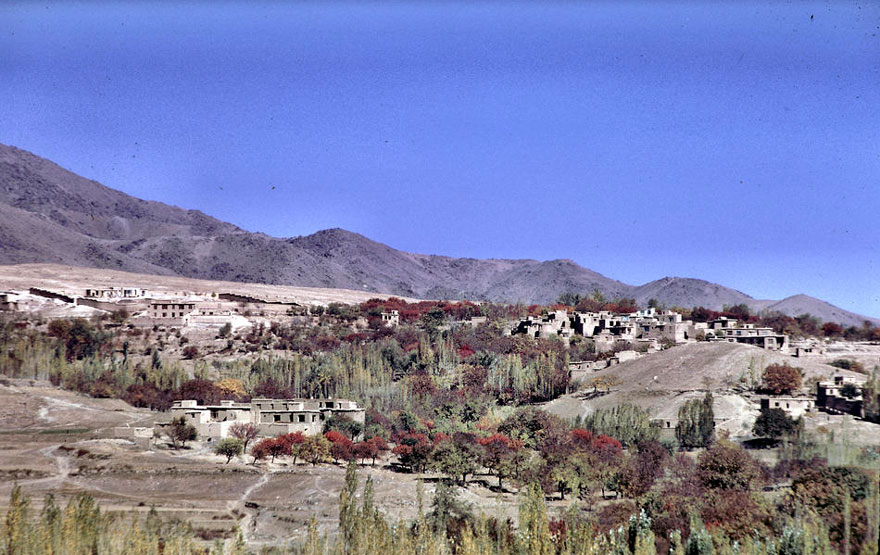
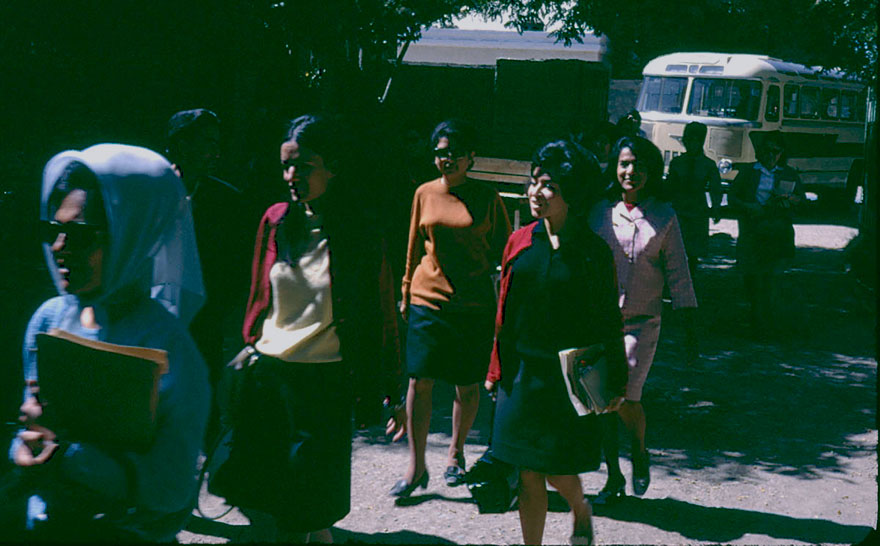
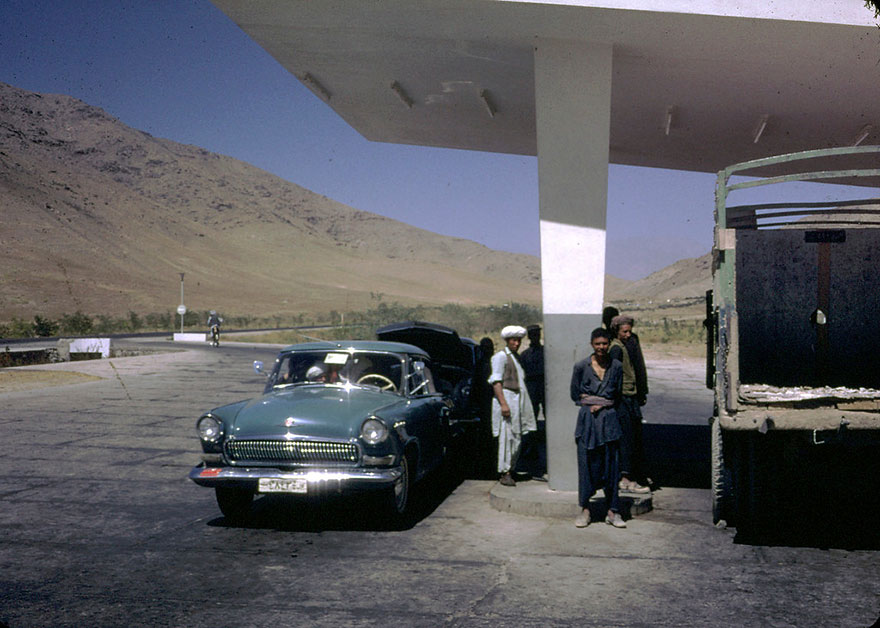
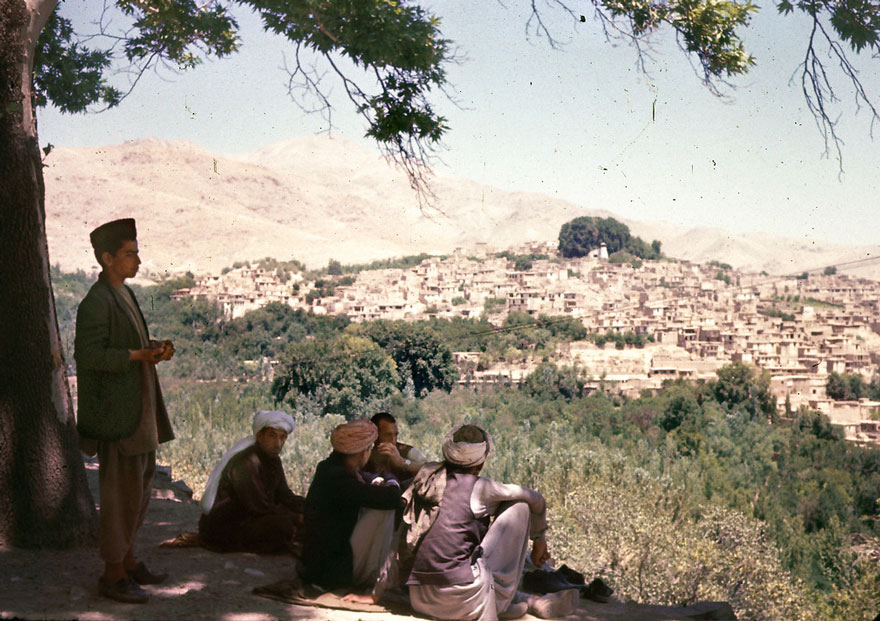
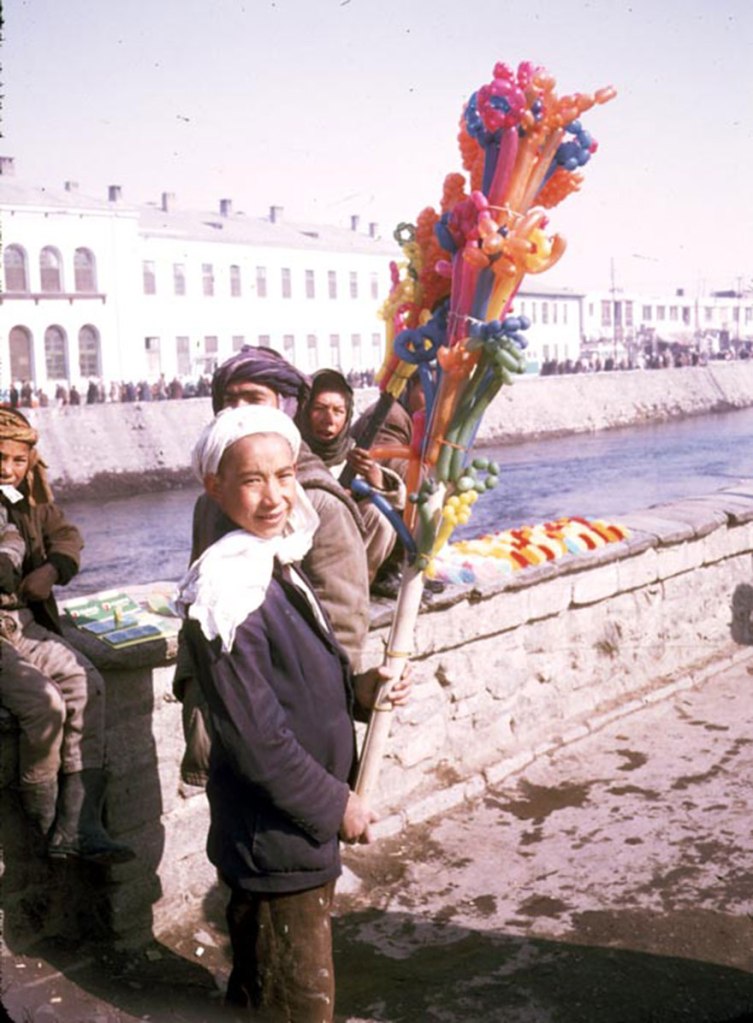
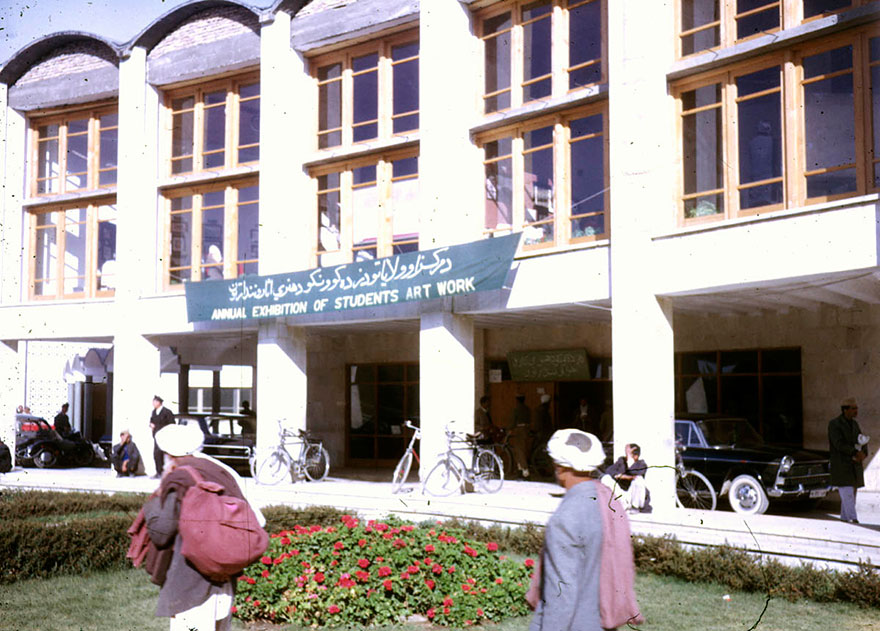
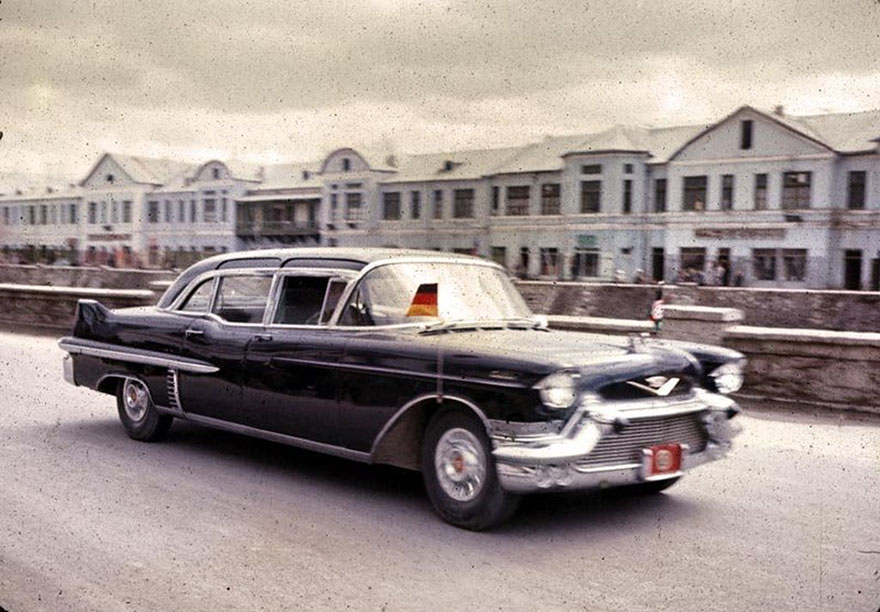
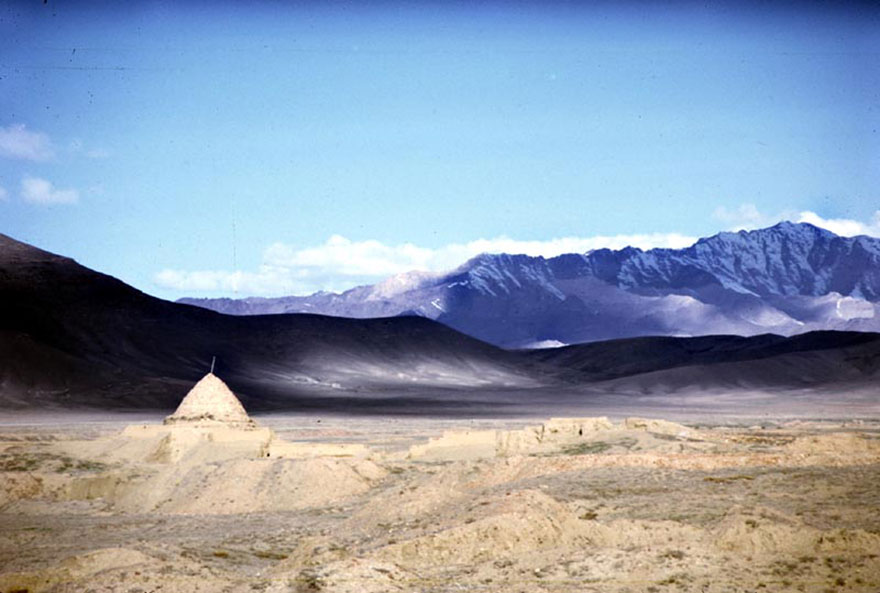
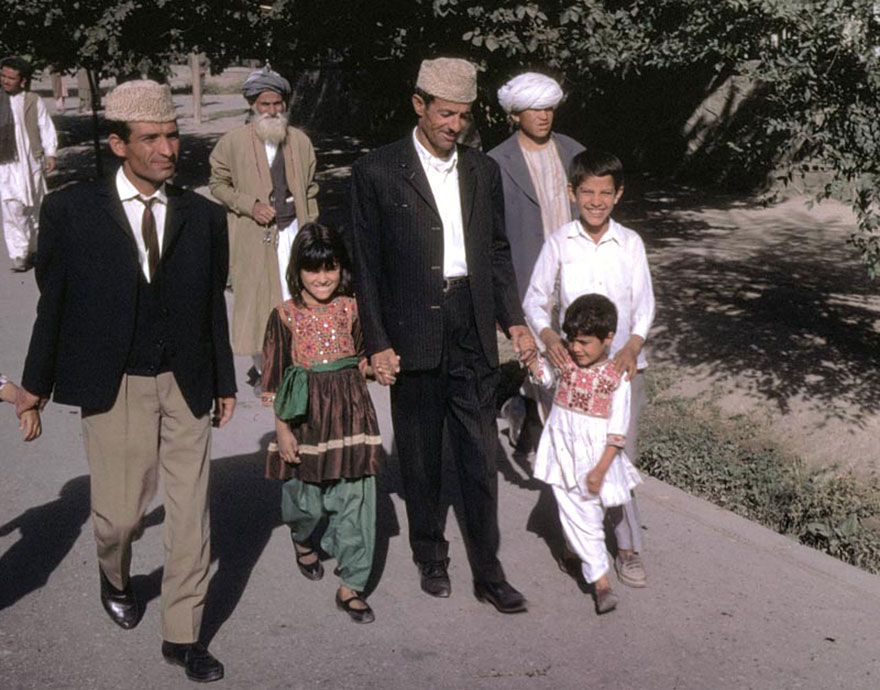
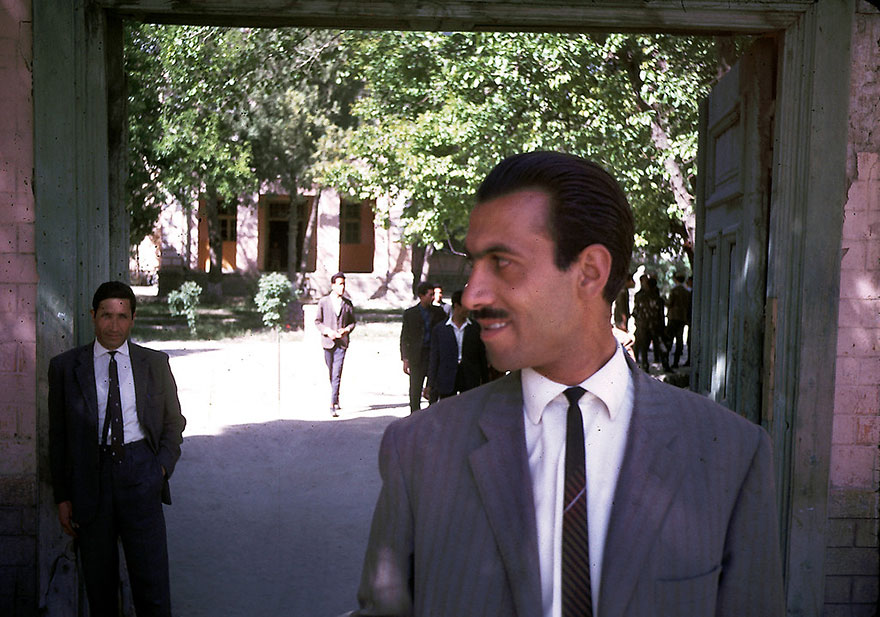
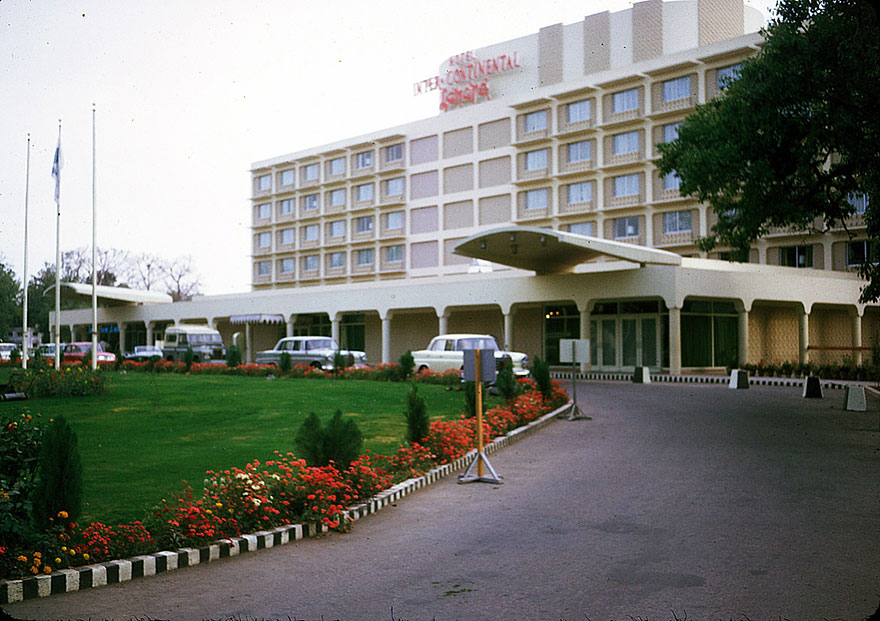
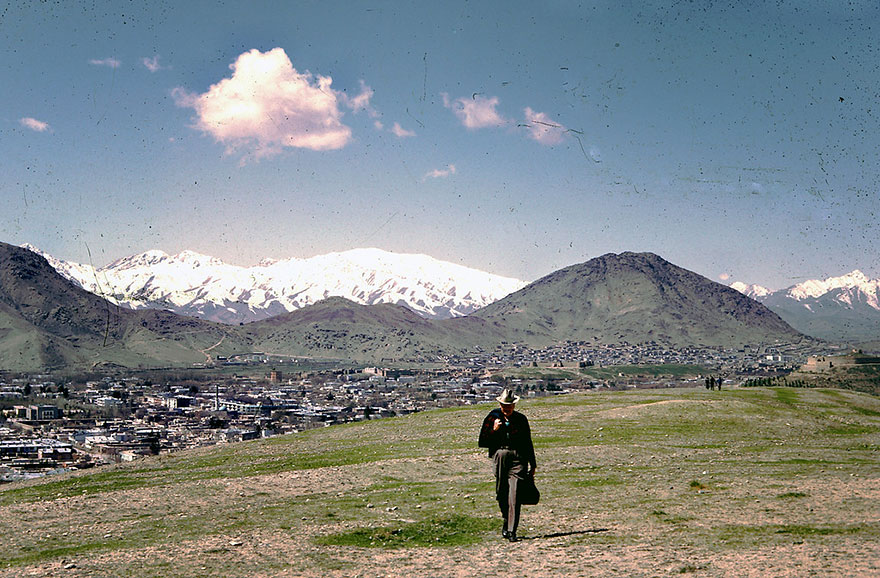
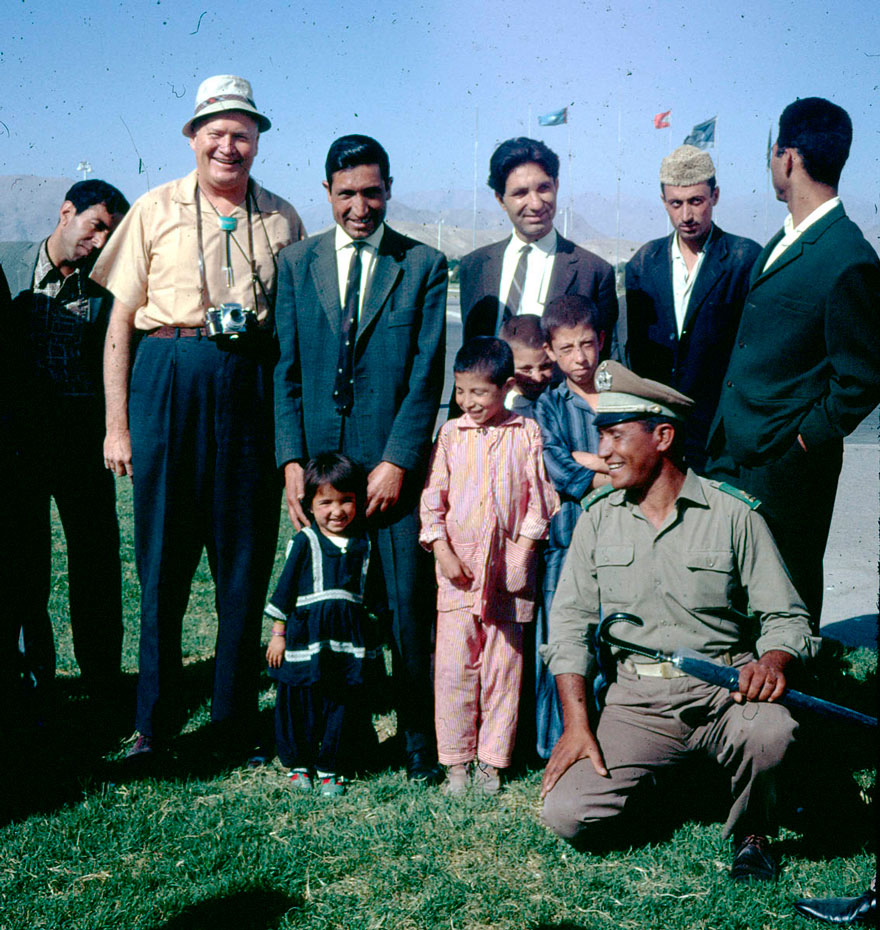
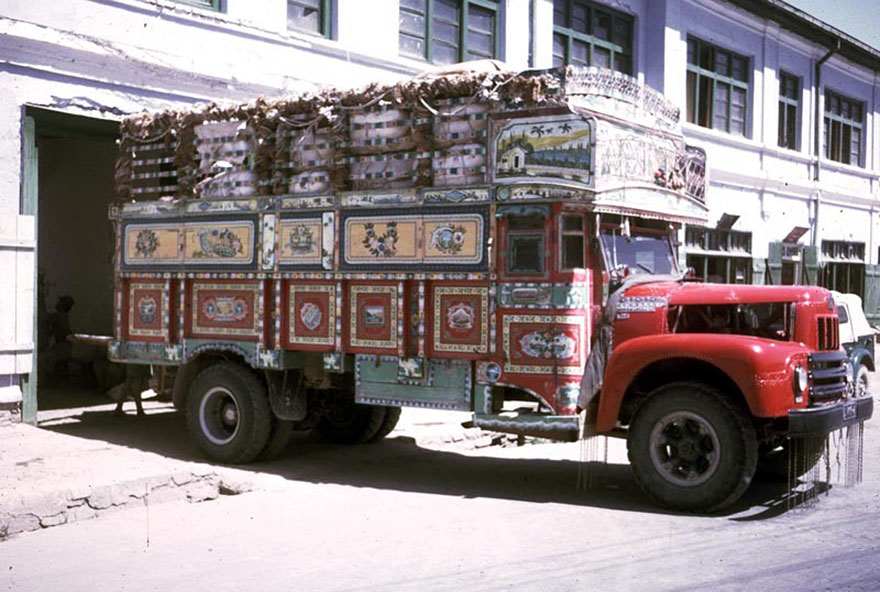
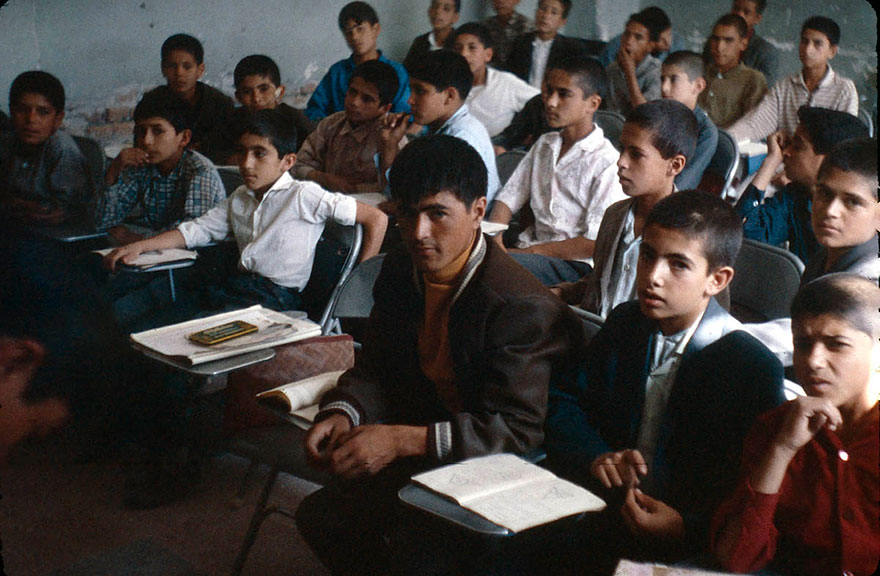
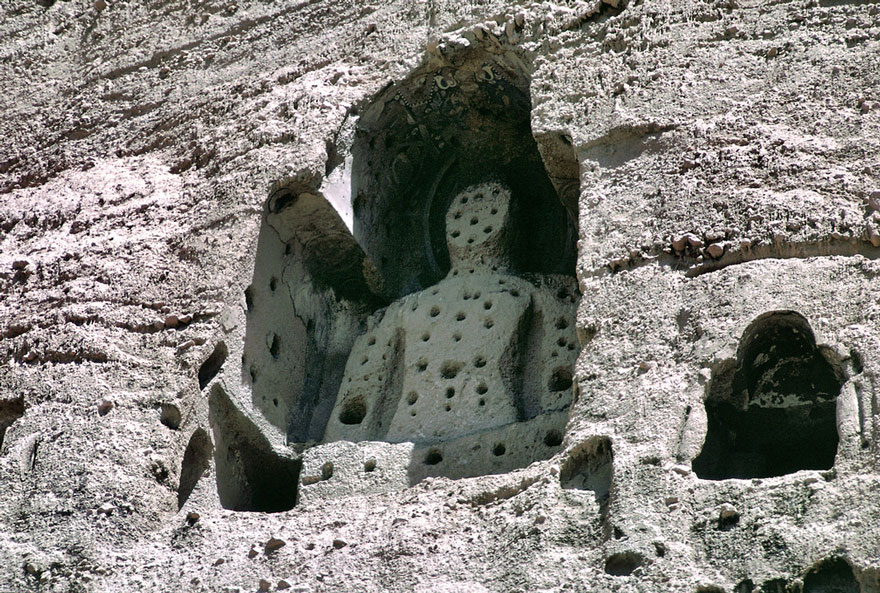
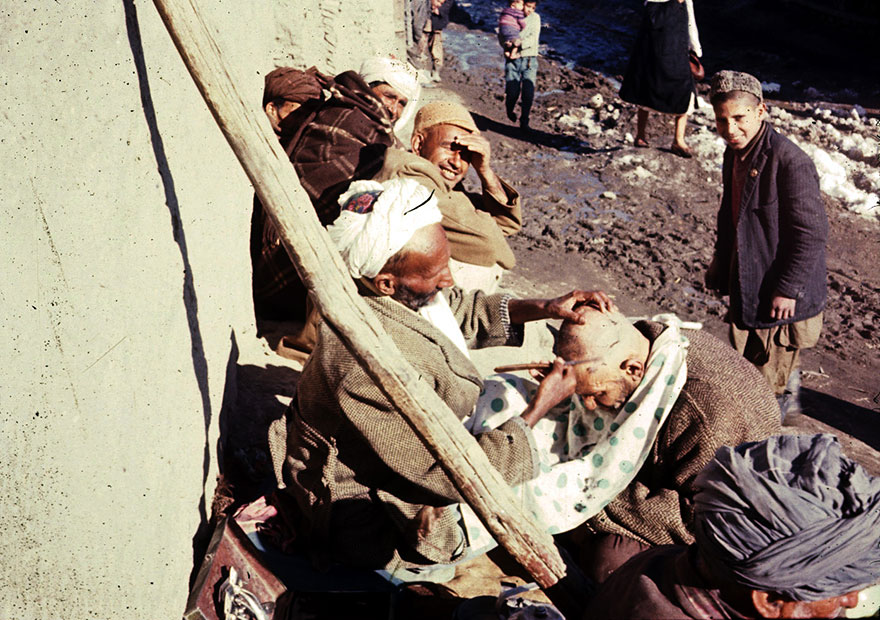
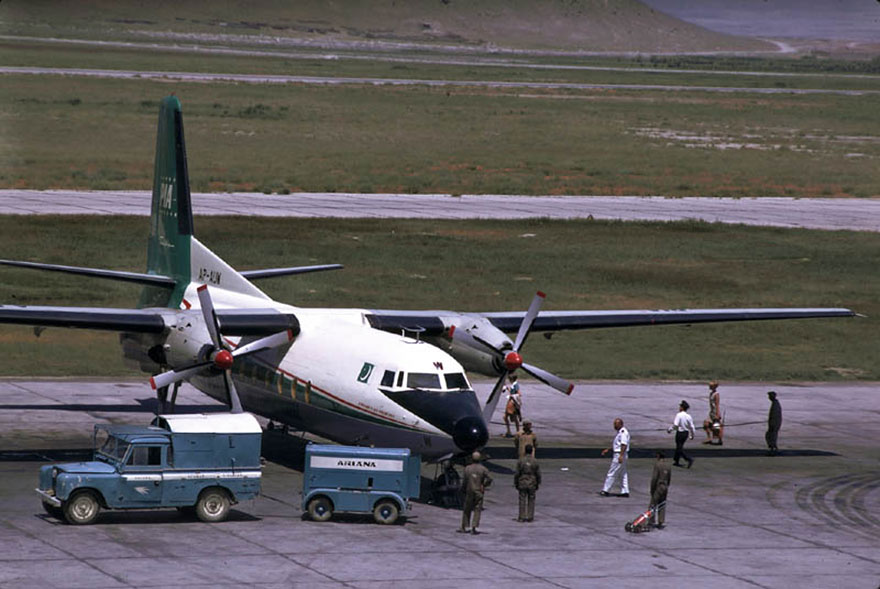
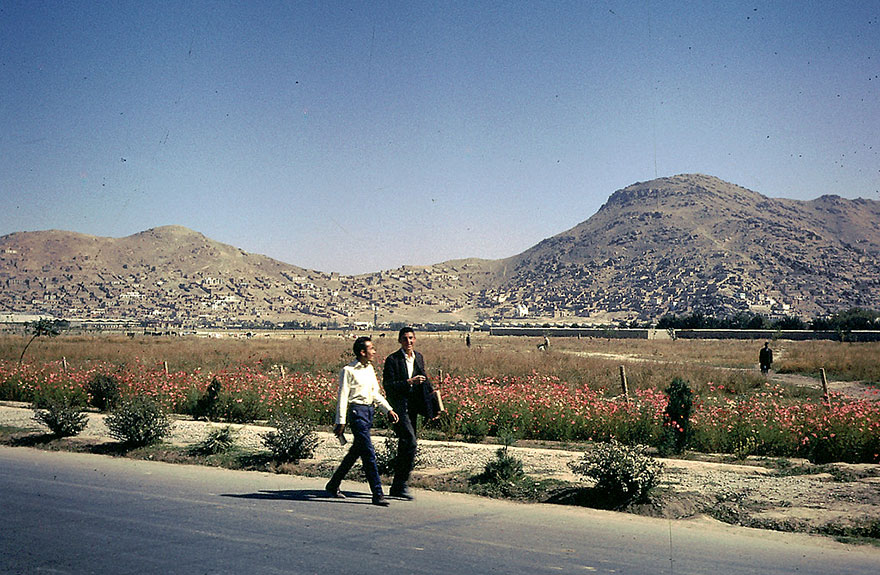
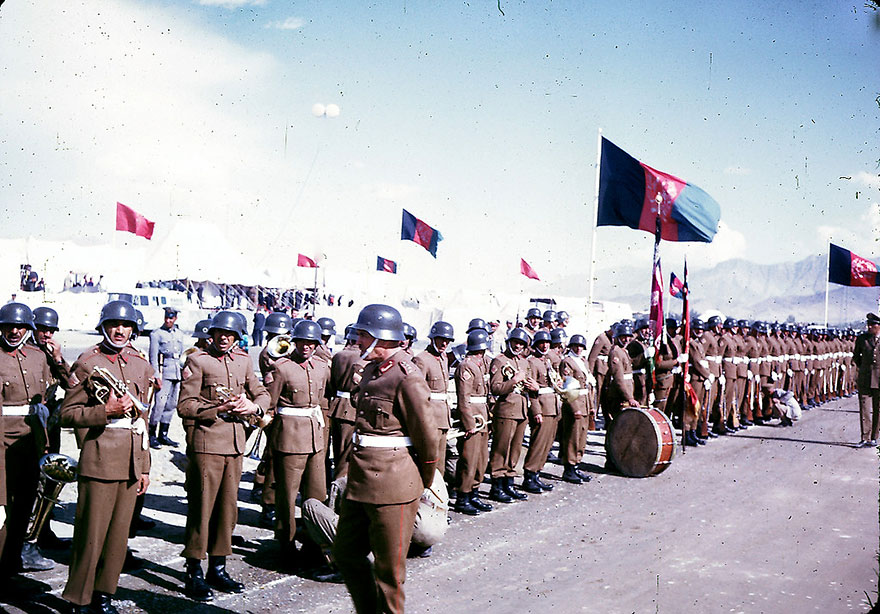
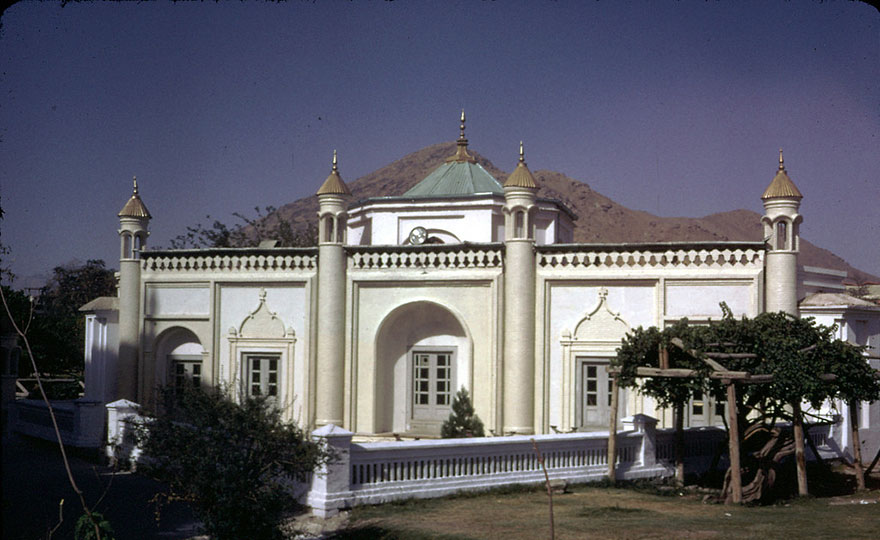
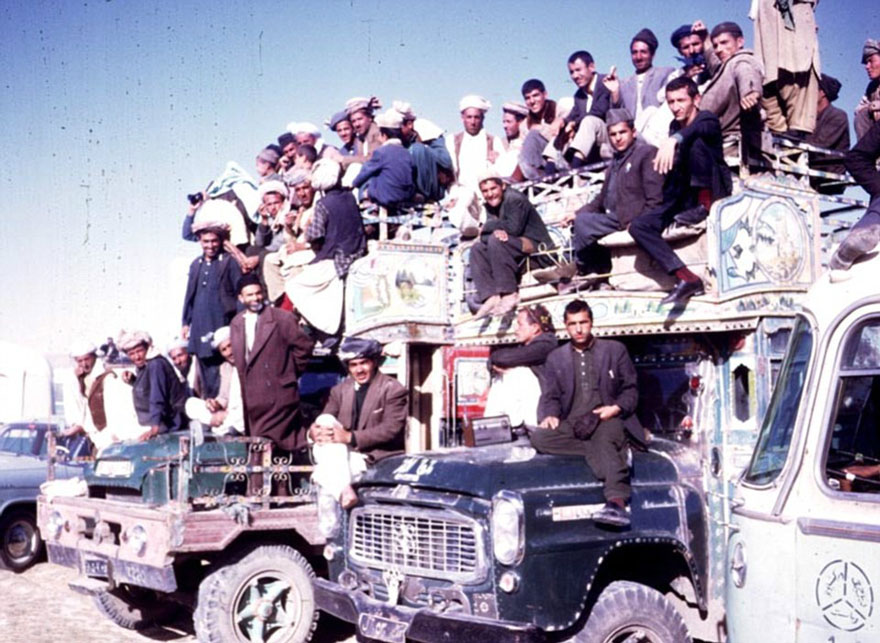
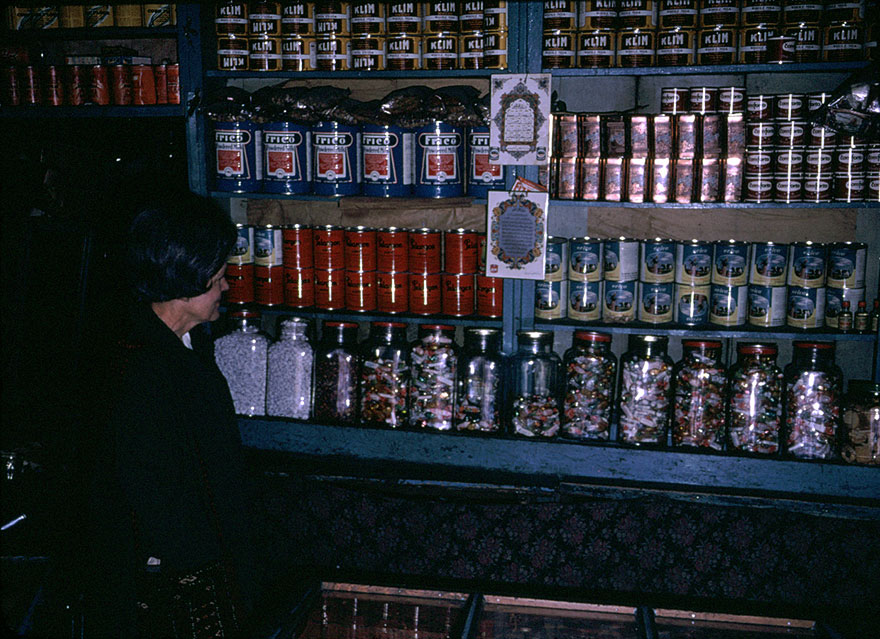
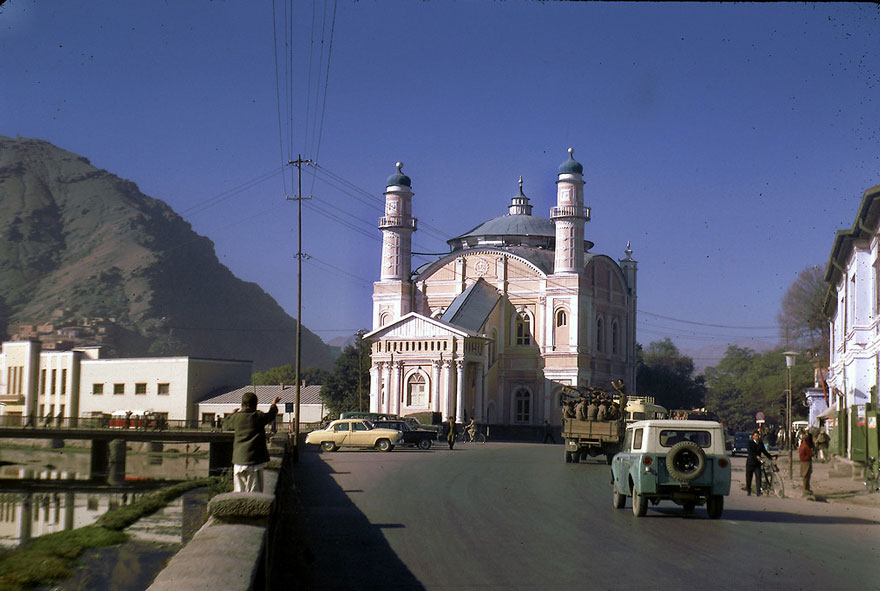
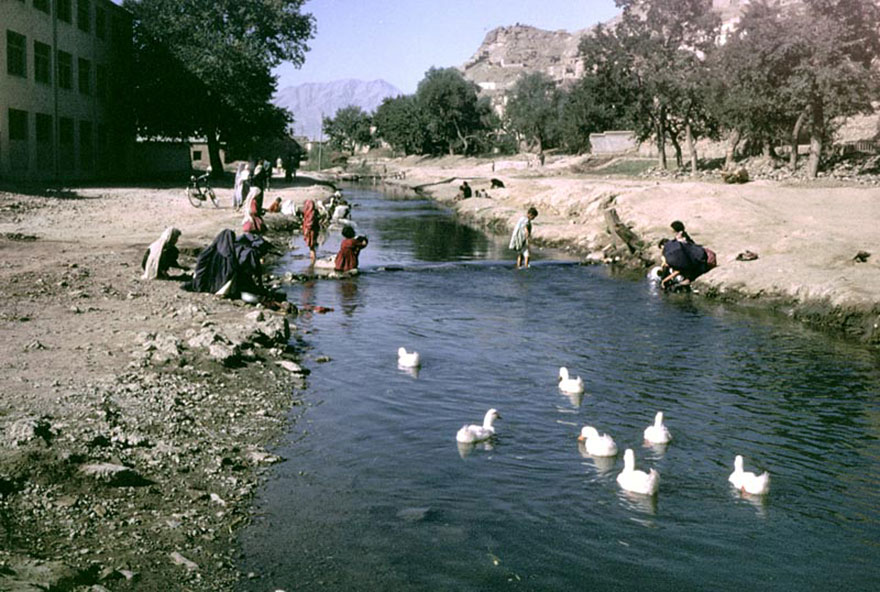
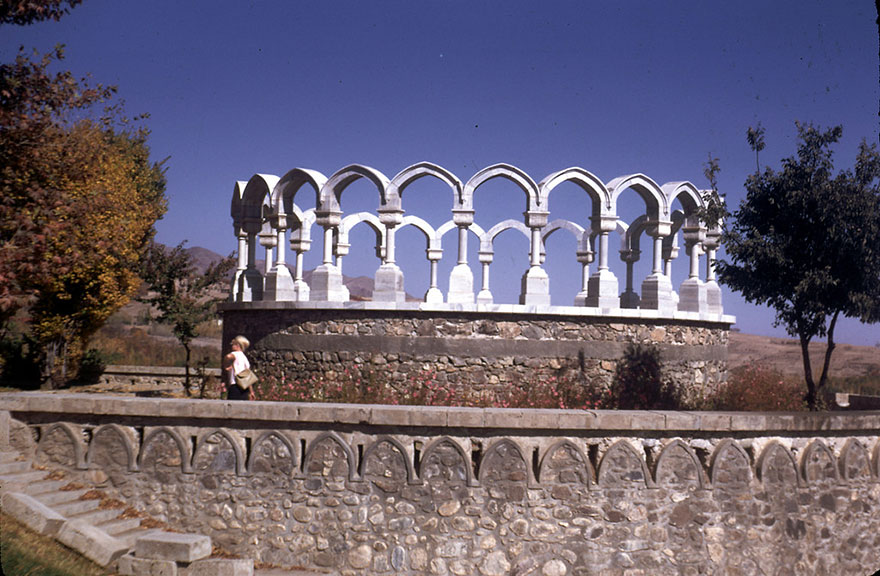
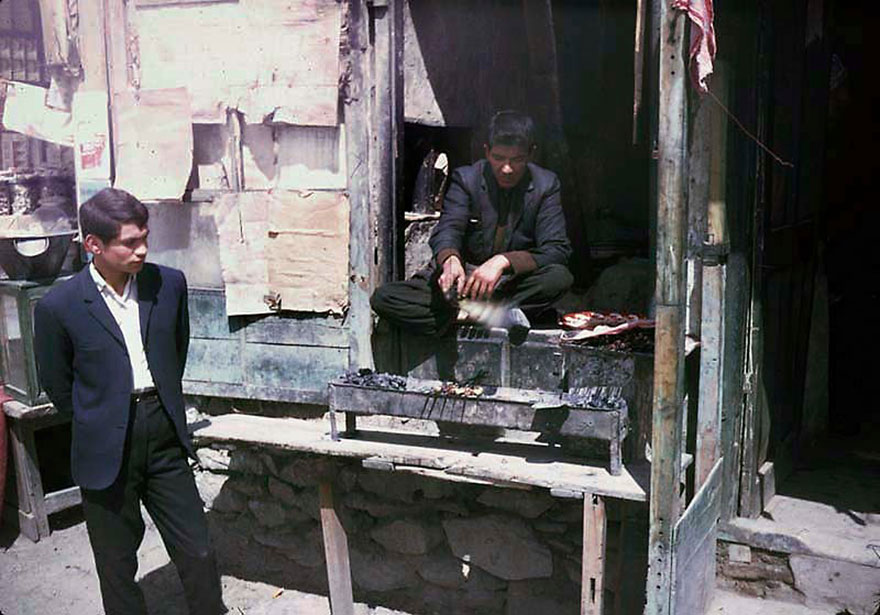
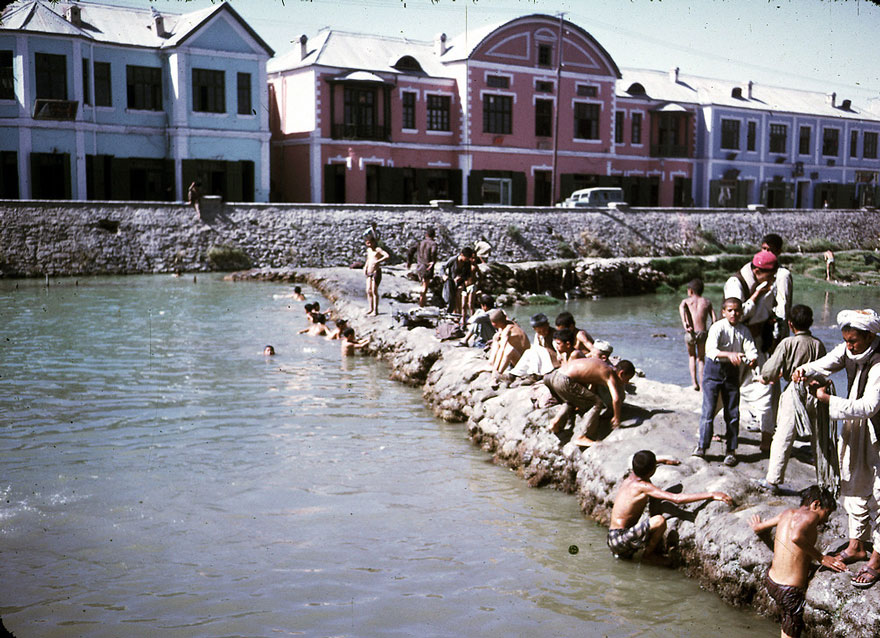
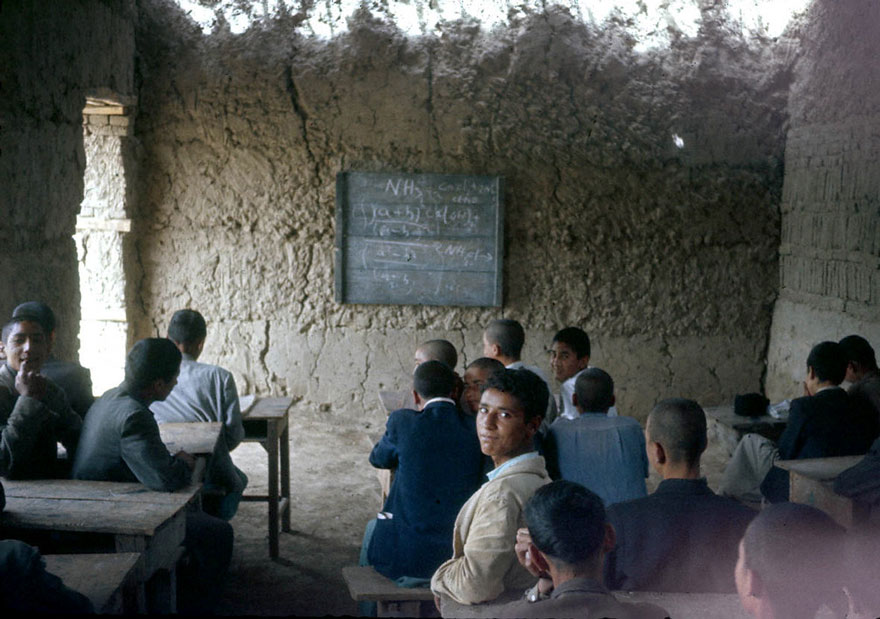
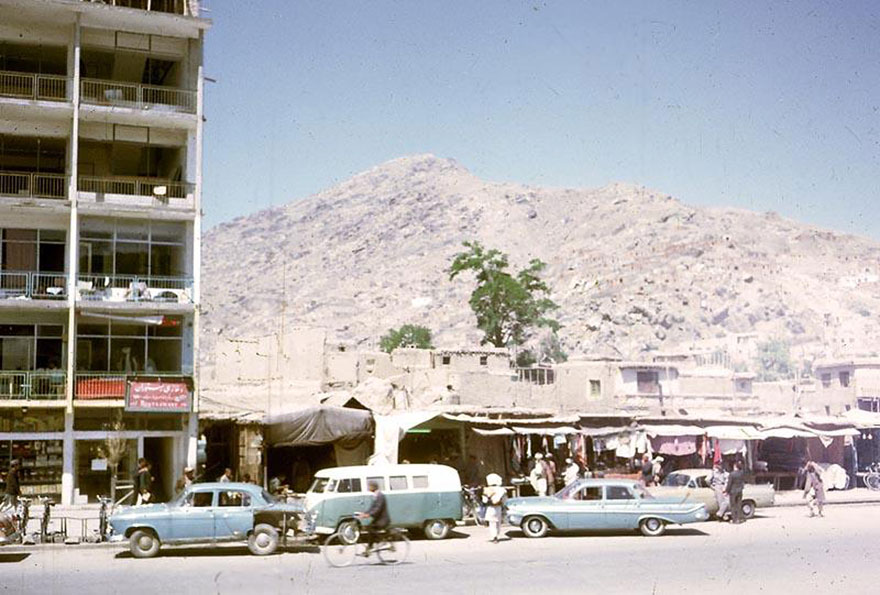
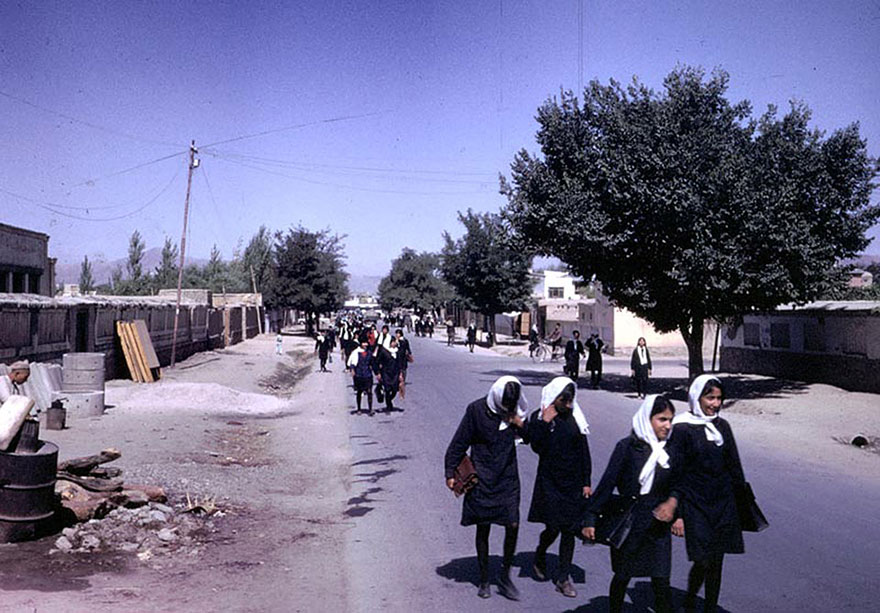
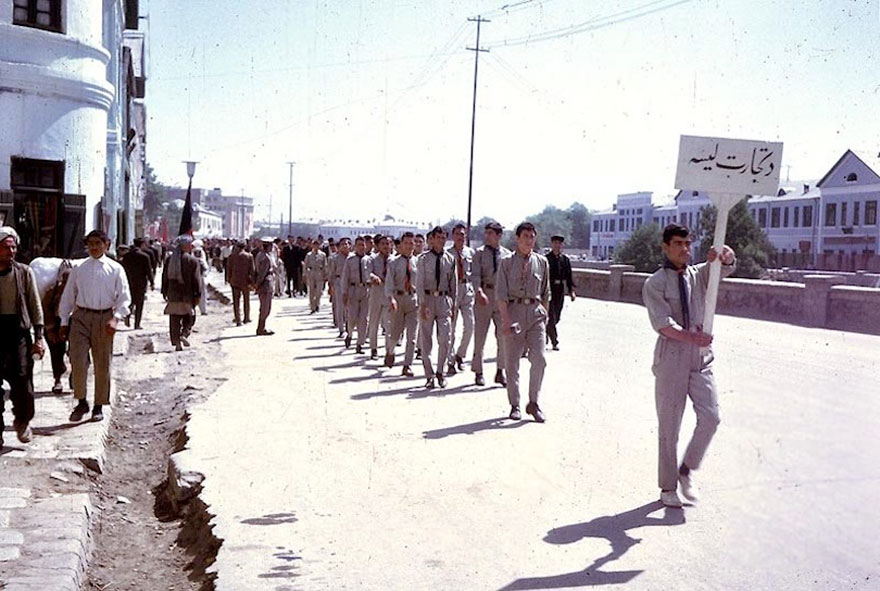
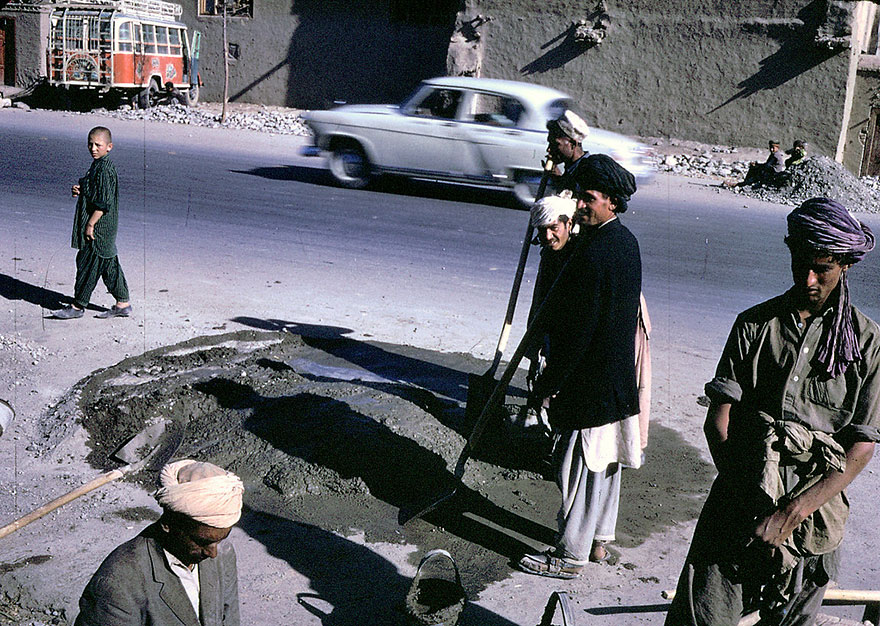
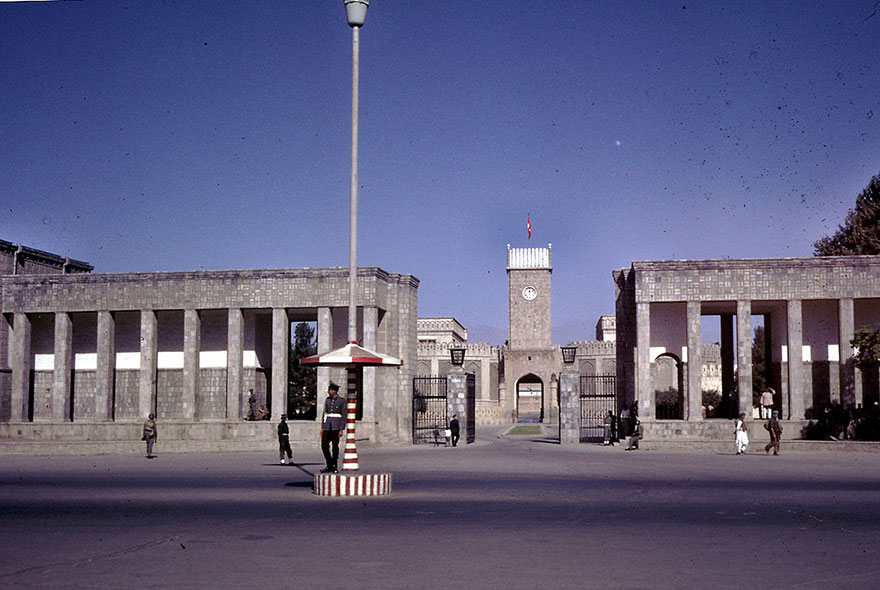
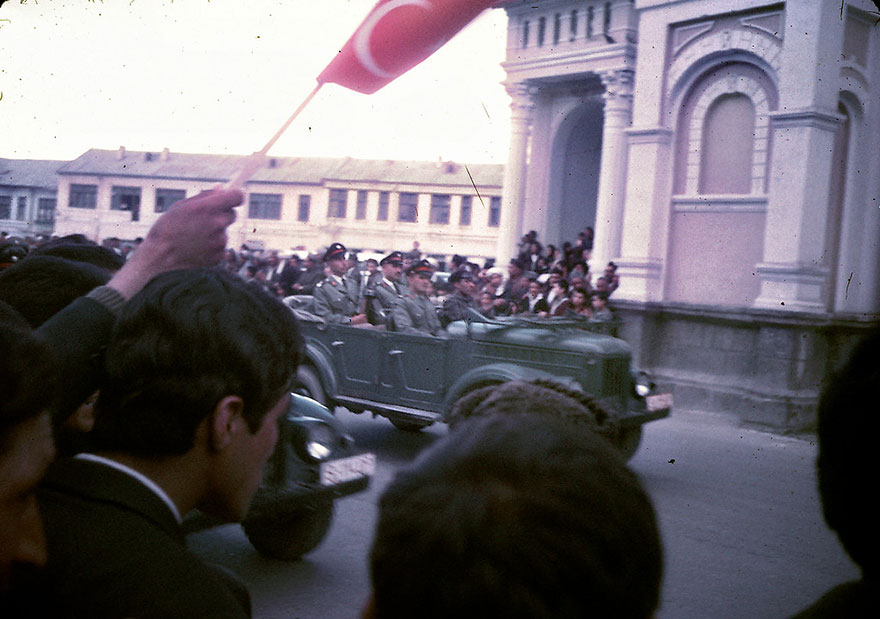
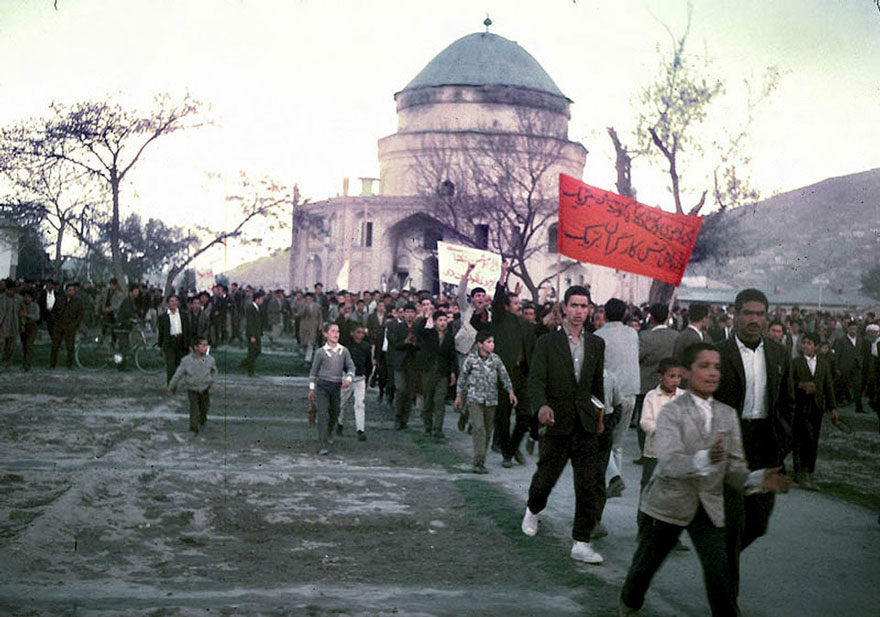
When you think of Afghanistan, you probably don’t think of short skirts, nice cars and liberal lifestyles, but just as Iran looked very different in the 1970s, these fascinating pictures show that Afghanistan in the 1960s was a very different country than the one that exists today.
The pictures were taken by American university professor Dr. Bill Podlich, who in 1967 took a two-year leave of absence to work for UNESCO in Afghanistan. He served as the Expert of Principles of Education at the Higher Teachers College in Kabul, and during this time he took many photographs of life as it was back then. The Soviets invaded only a decade later and Afghanistan was pulled into war, and following Taliban rule and the US invasion in 2001, the country now bears little resemblance to the peaceful and prosperous nation that you can see in these pictures.
Raquel Welch (born Jo Raquel Tejada; September 5, 1940) is an American actress.
She first won attention for her role in Fantastic Voyage (1966), after which she won a contract with 20th Century Fox. They lent her contract to the British studio Hammer Film Productions, for whom she made One Million Years B.C. (1966). Although she had only three lines of dialogue in the film, images of her in the doe-skin bikini became best-selling posters that turned her into an international sex symbol. She later starred in Bedazzled (1967), Bandolero! (1968), 100 Rifles (1969), Myra Breckinridge (1970) and Hannie Caulder (1971). She made several television variety specials.
Through her portrayal of strong female characters, which helped in her breaking the mold of the traditional sex symbol, Welch developed a unique film persona that made her an icon of the 1960s and 1970s. Her rise to stardom in the mid 1960s was partly credited with ending Hollywood’s vigorous promotion of the blonde bombshell. She won a Golden Globe Award for Best Motion Picture Actress in a Musical or Comedy in 1974 for her performance in The Three Musketeers. She was also nominated for a Golden Globe Award for Best Actress in Television Film for her performance in the film Right to Die (1987). In 1995, Welch was chosen by Empire magazine as one of the “100 Sexiest Stars in Film History”. Playboy ranked Welch No. 3 on their “100 Sexiest Stars of the Twentieth Century” list. In 2011, Men’s Health ranked her No. 2 in its “Hottest Women of All Time” list.
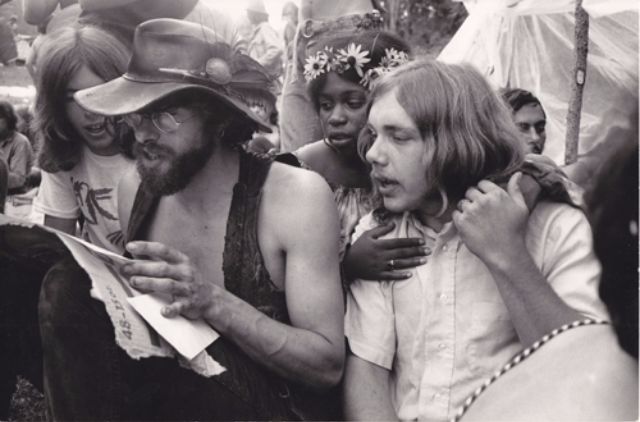
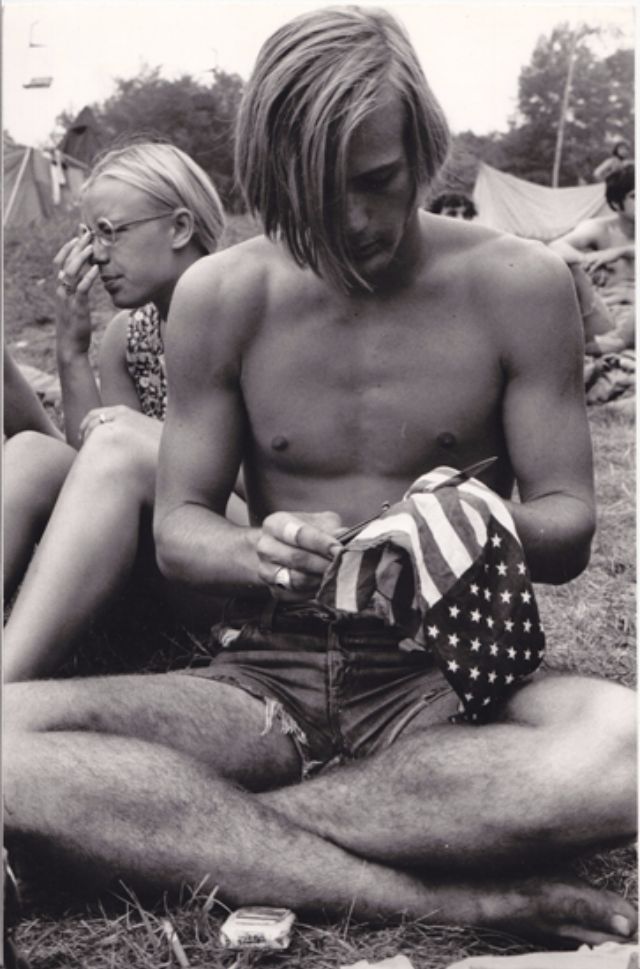
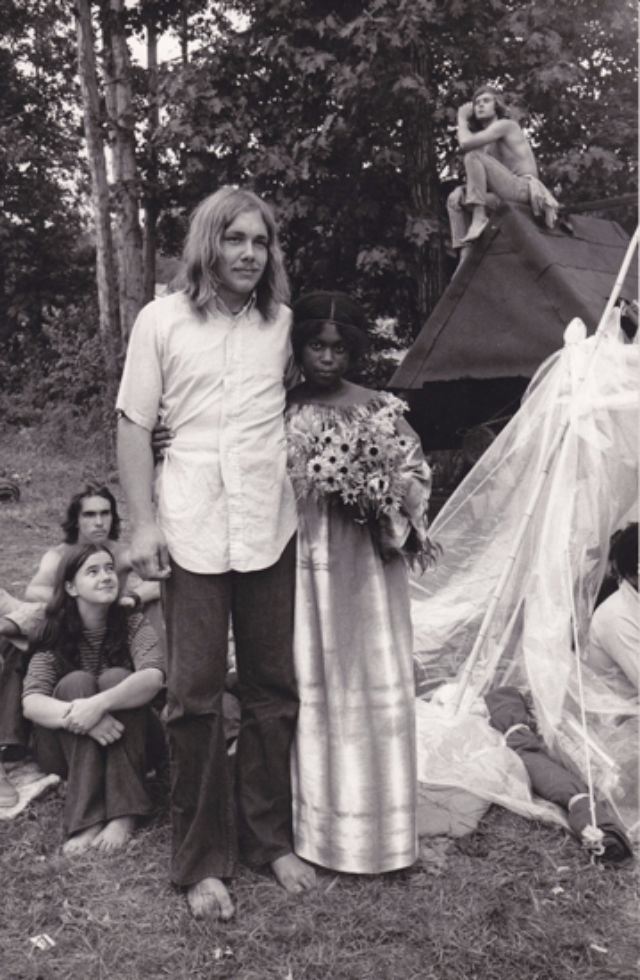
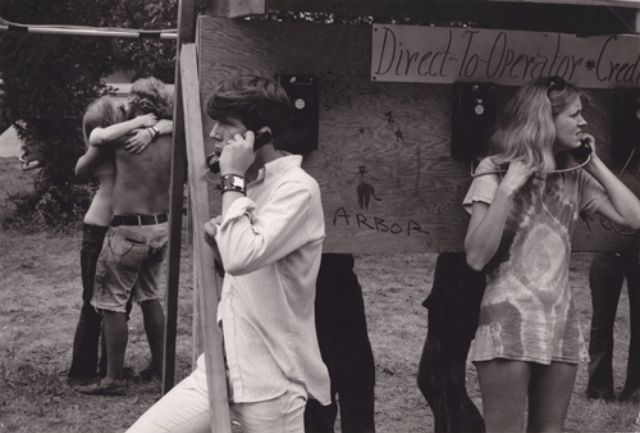
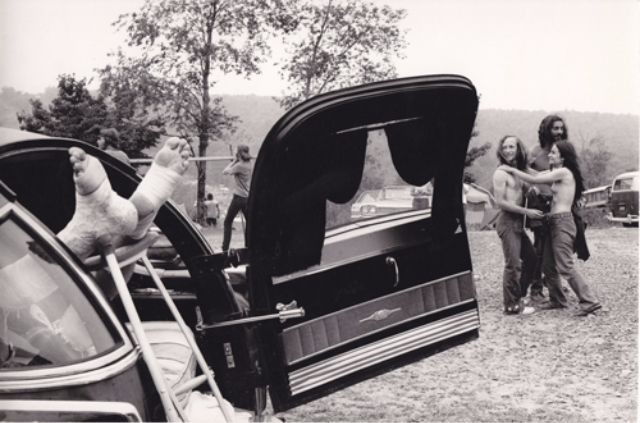
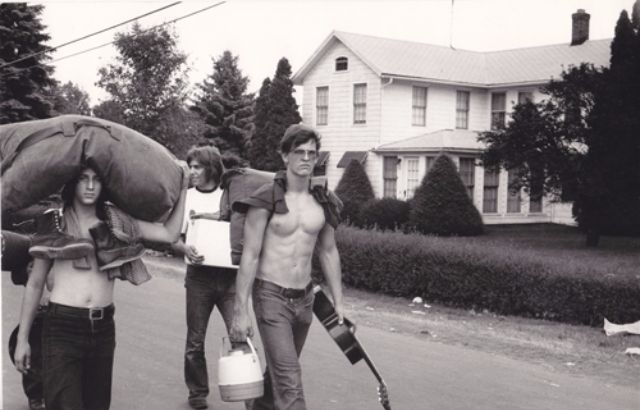
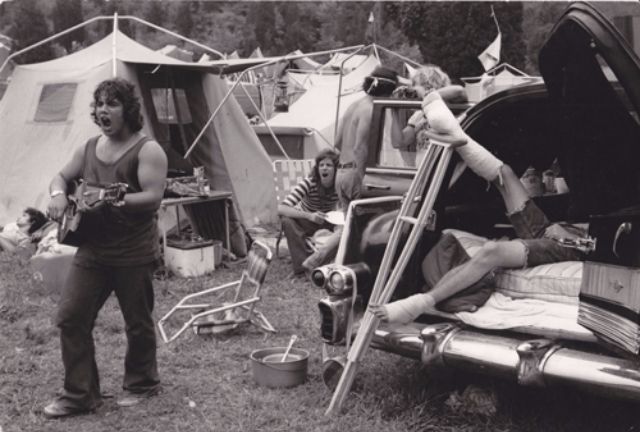
“Woodstock was a pale pot scene. This is a heavy hallucinogens scene.” The Powder Ridge Rock Festival was scheduled to be held July 31, August 1 and August 2, 1970 at Powder Ridge Ski Area in Middlefield, Connecticut. A legal injunction forced the event to be canceled, keeping the musicians away; but a crowd of 30,000 attendees arrived anyway, to find no food, no entertainment, no adequate plumbing, and at least seventy drug dealers.
William Manchester wrote: “Powder Ridge was an accident waiting to happen, and it happened.” Volunteer doctor William Abruzzi declared a drug “crisis” on 1 August and said “Woodstock was a pale pot scene. This is a heavy hallucinogens scene.”
Drugs were openly sold and commonly consumed at the festival. Rock doctor William Abruzzi (also at Woodstock) was there to treat bad LSD trips, and said there were more bad trips at Powder Ridge per capita than at any other music festival he’d ever worked. He attributed some of the problems to the barrels of “electric water” that were available for free public consumption; people were invited to drop donations of drugs into these barrels, creating drug cocktails of unknown strength and composition.
Although the promoters of the festival announced plans to reschedule the event for another location, no such plans ever came through, and no refunds were ever issued to the ticket buyers.