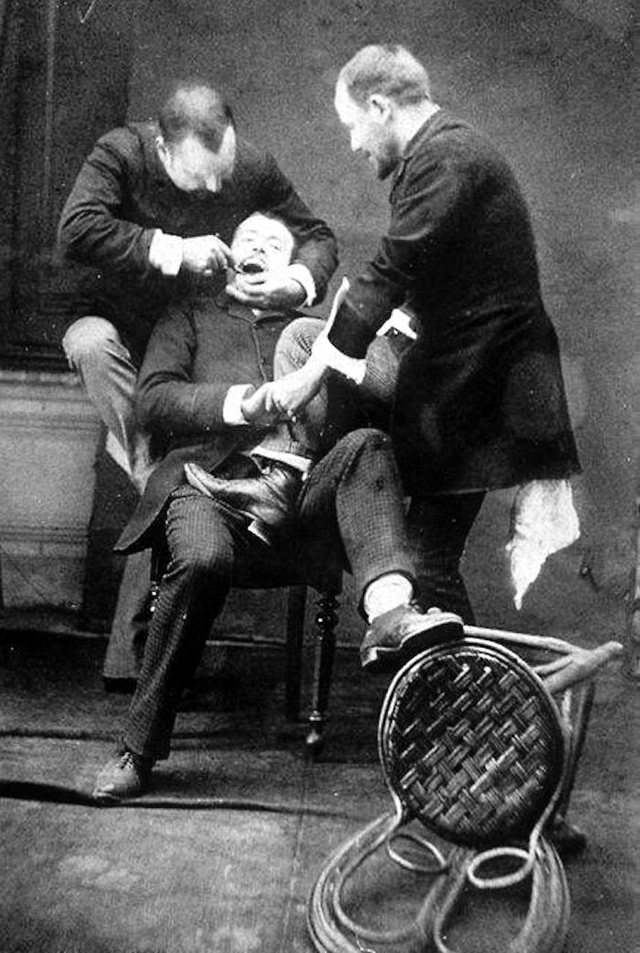
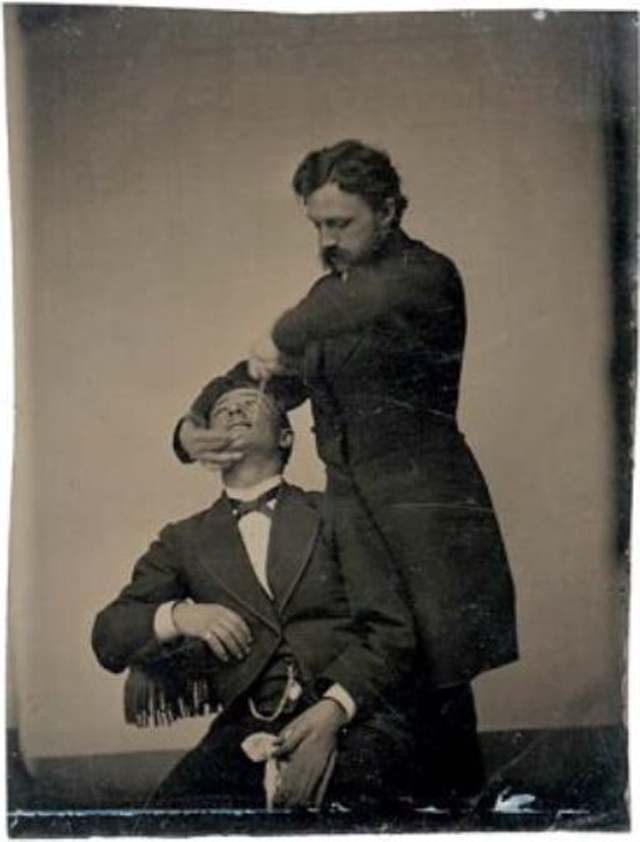
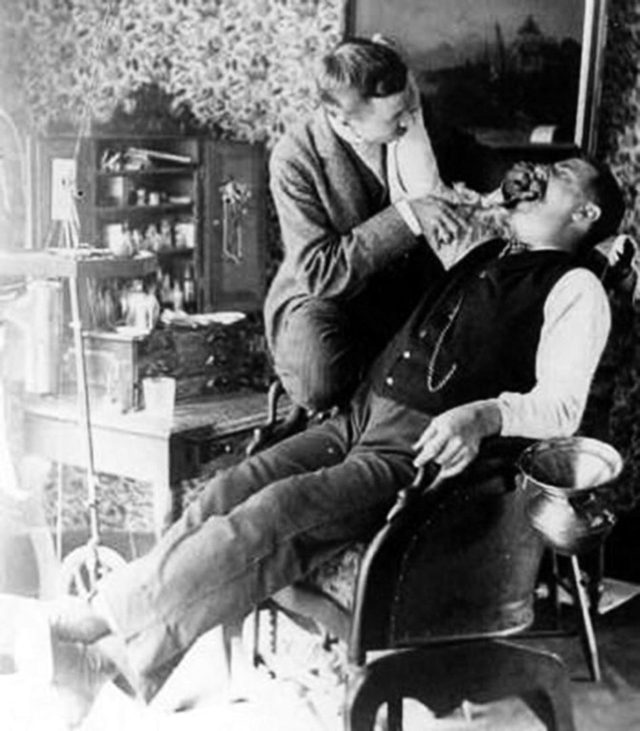
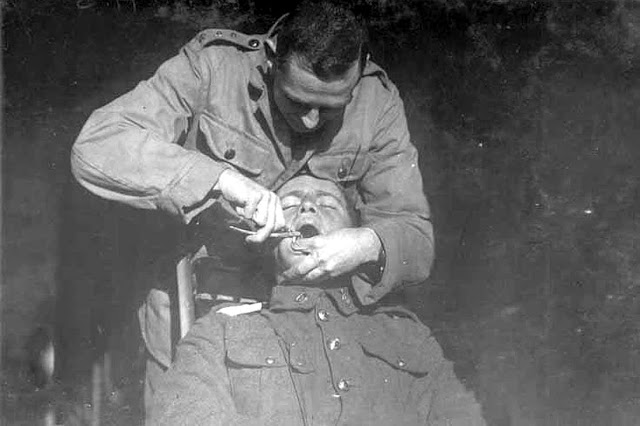
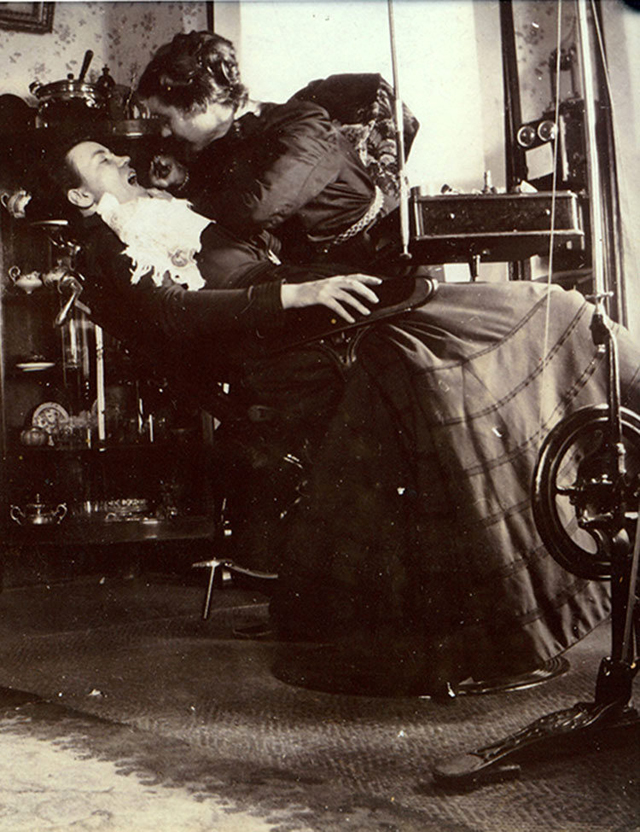
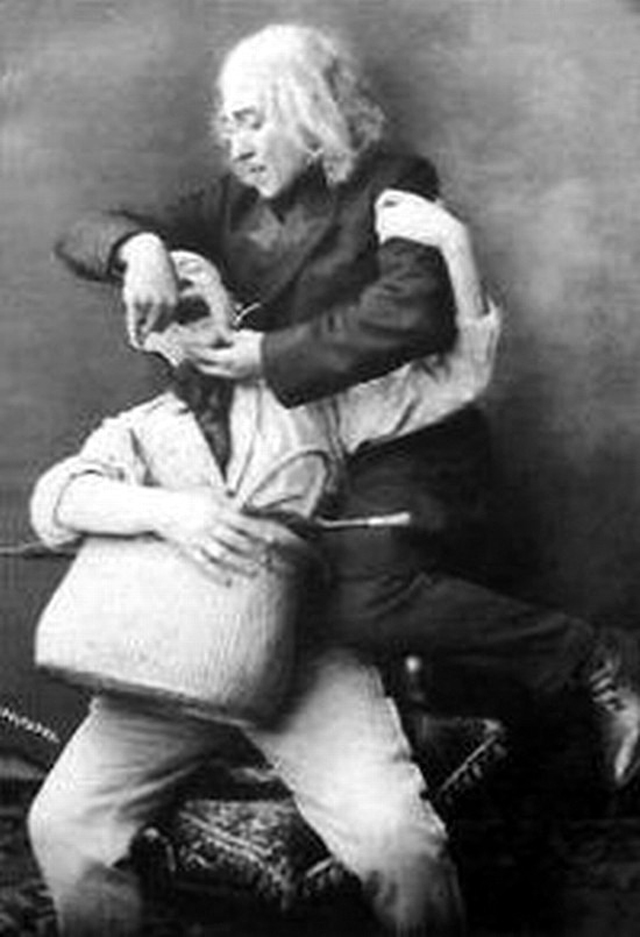
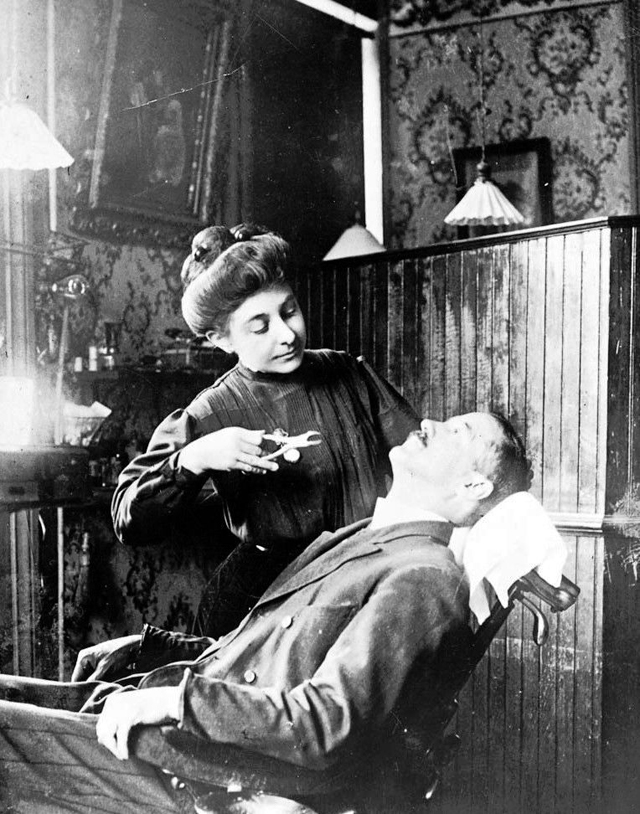
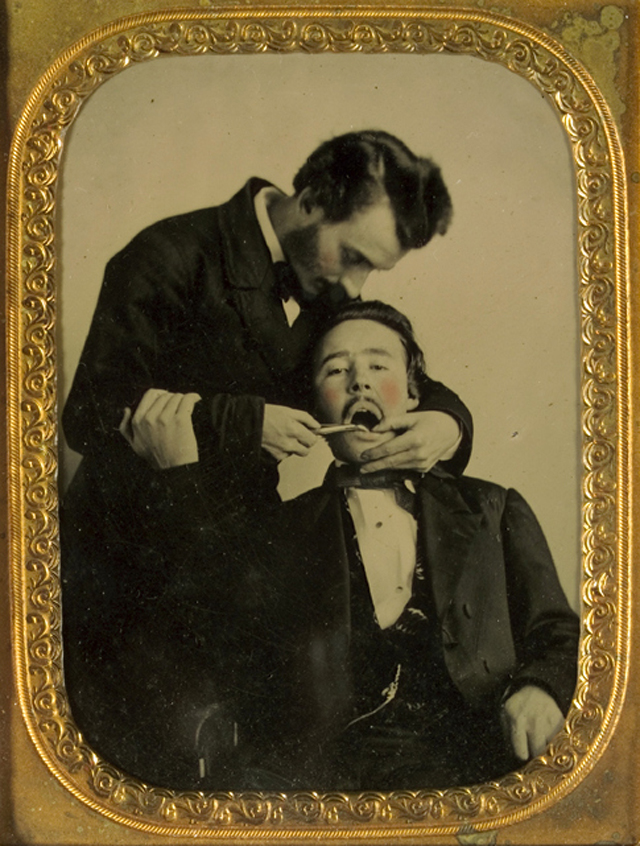
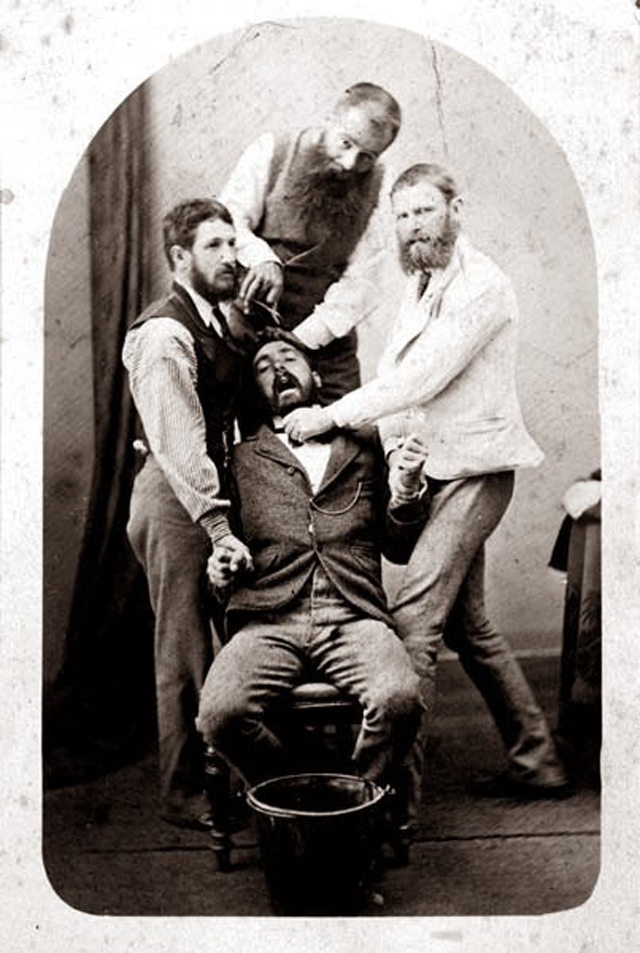
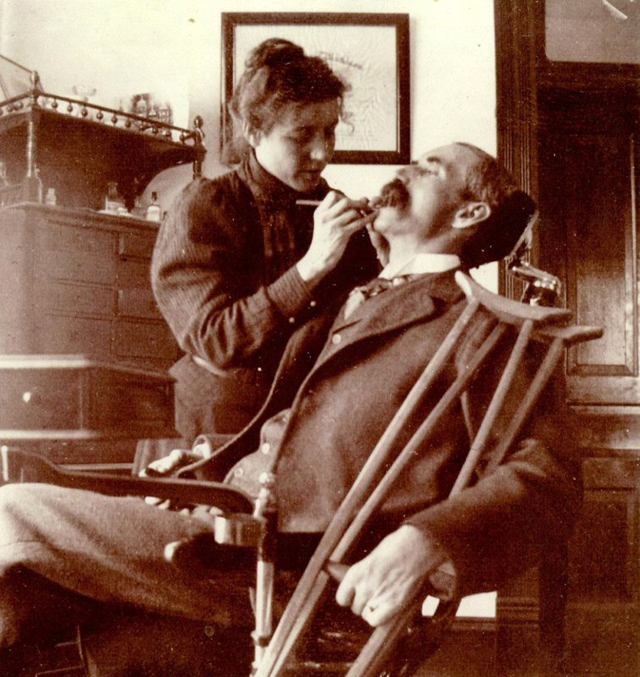
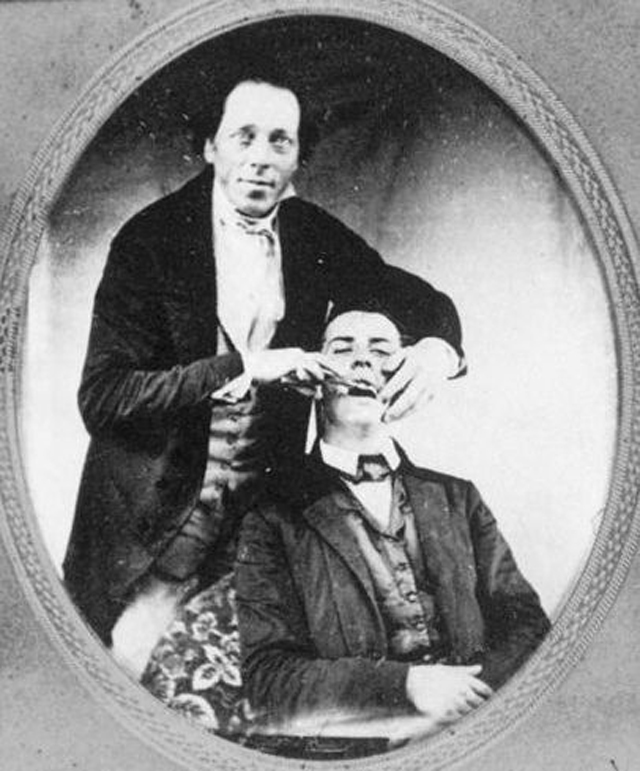
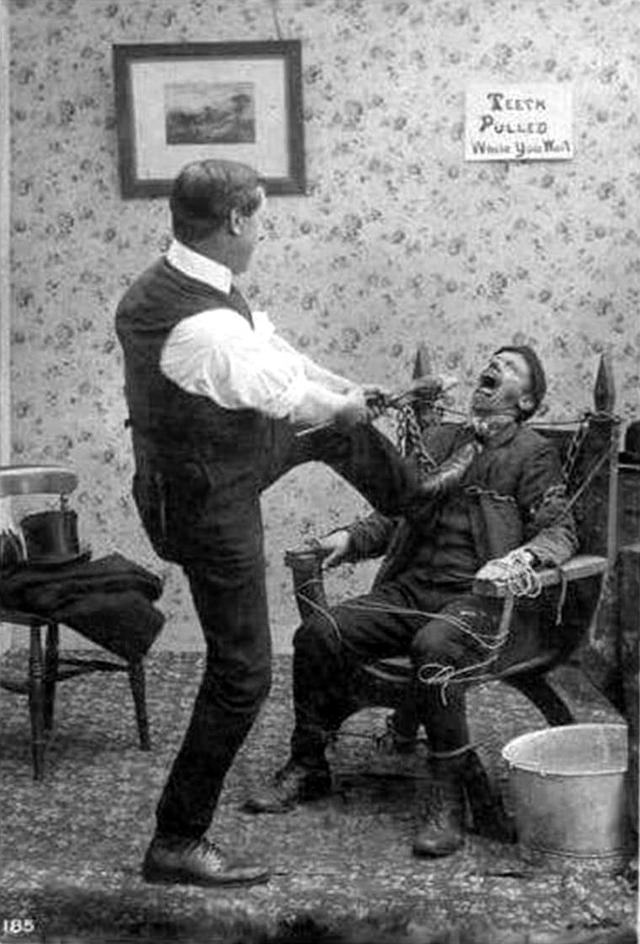
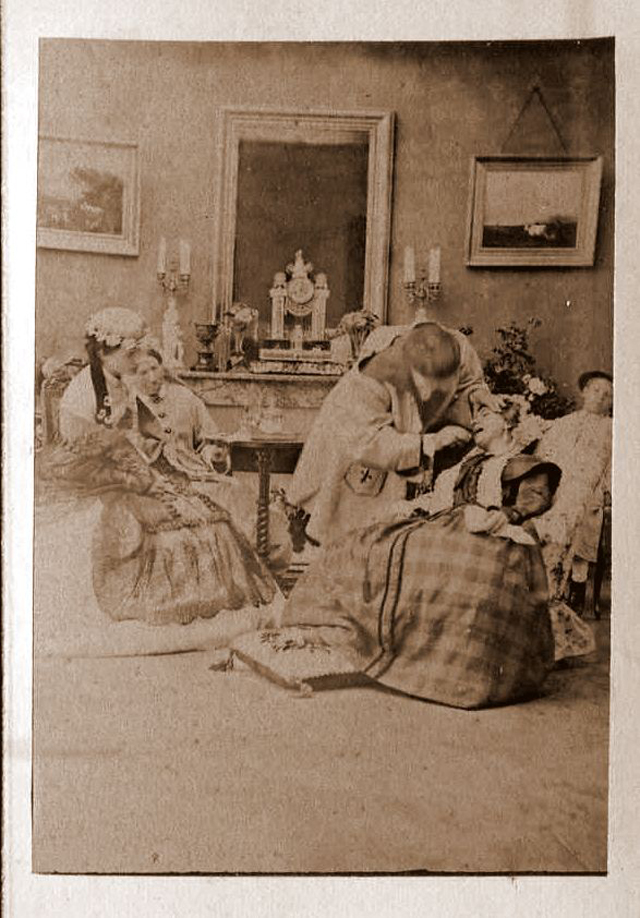
People calling themselves dentists appeared in the late 1700s, though the profession wouldn’t be licensed for about 100 years. Before dentistry was licensed, doctors addressed tooth health. And before there were doctors, things were pretty dicey.
If you think going to the dentist today is scary, imagine a guy with a bloody apron approaching you with a pair of forceps, a pen knife, and no anesthesia. The early days of dentistry were beleaguered by a lack of knowledge and a belief that before anything could get better, blood had to flow.
These scary photos show how tooth extraction was terrifying from the late 19th century to early years of the 20th century.
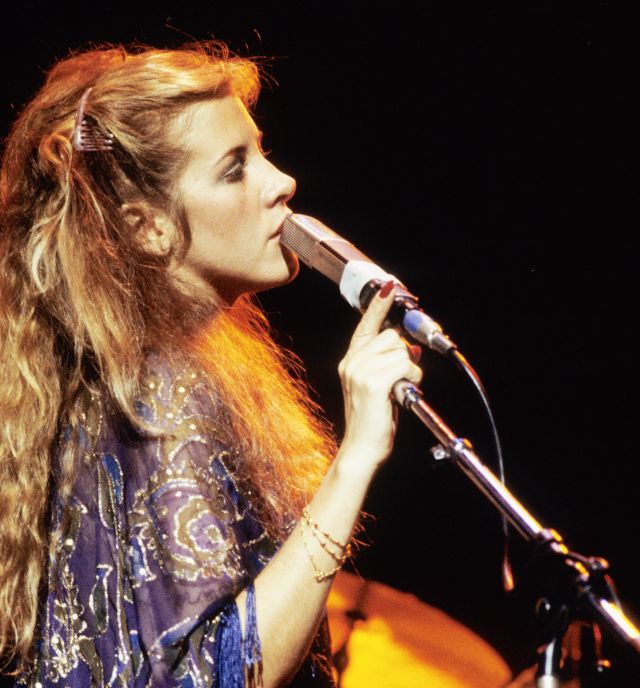
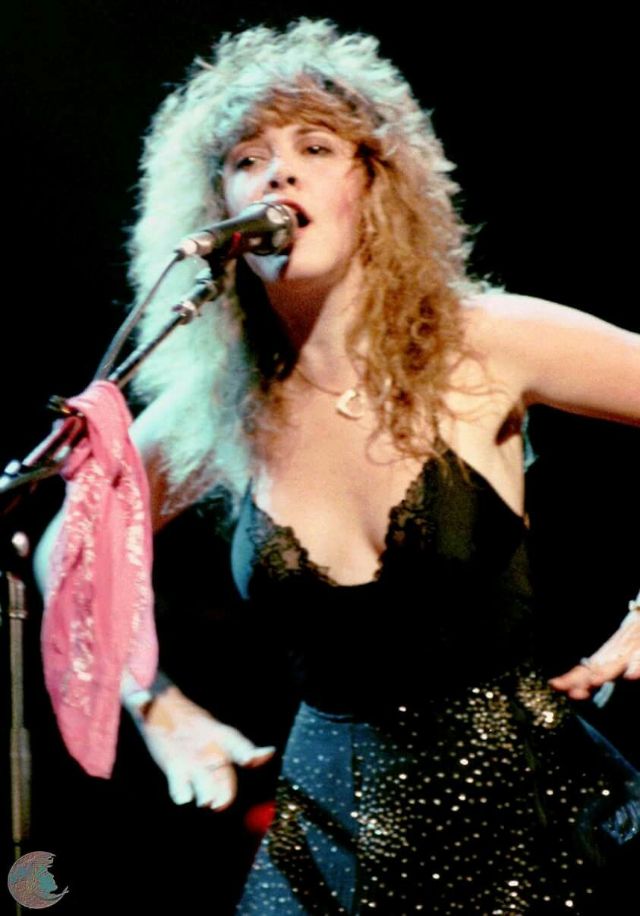
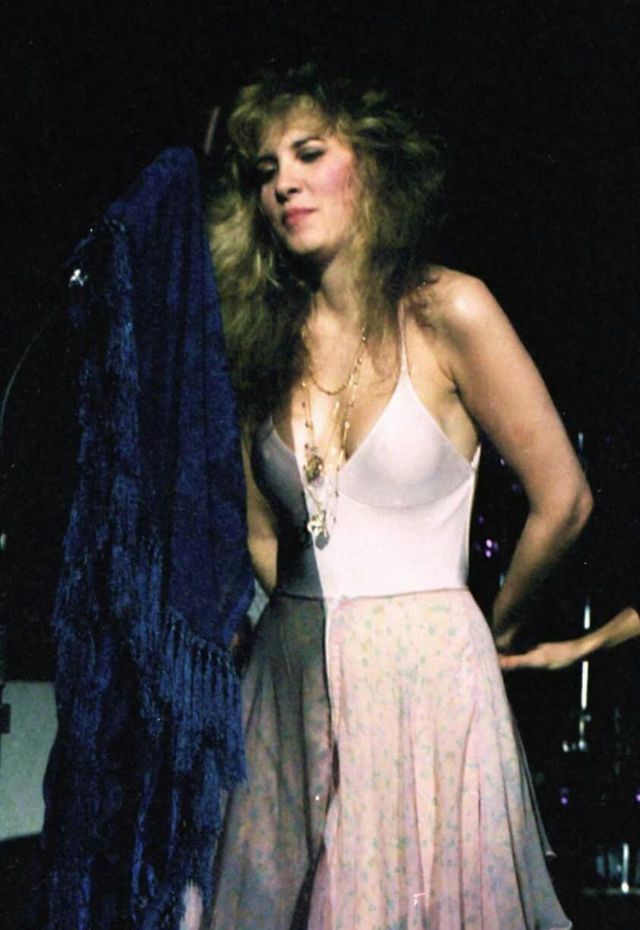
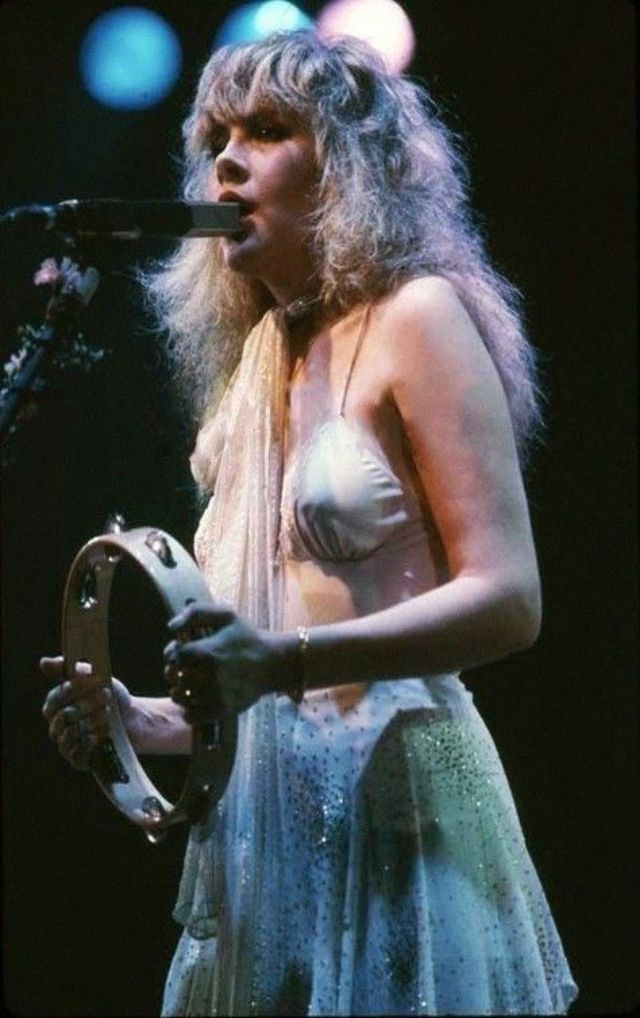
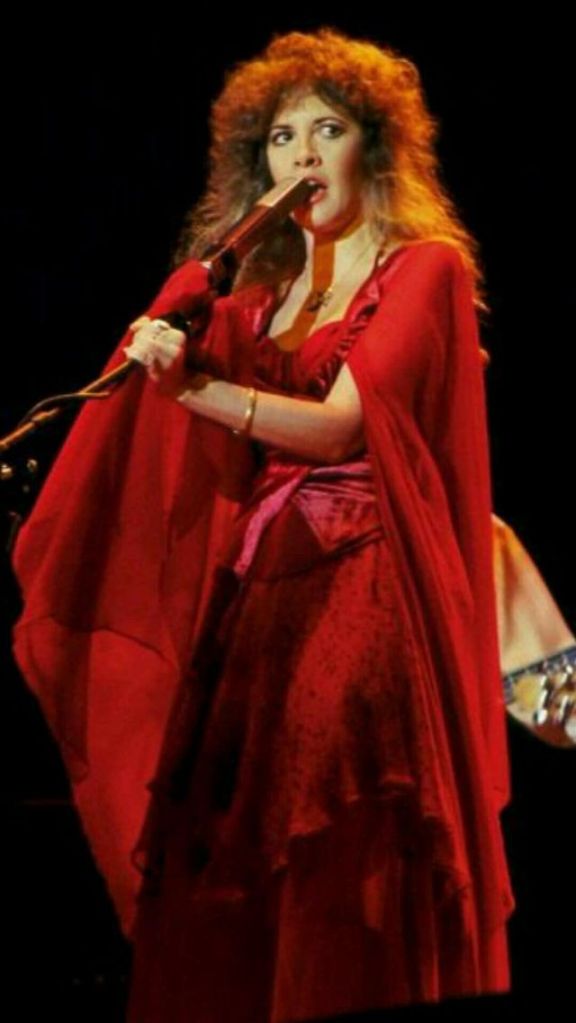
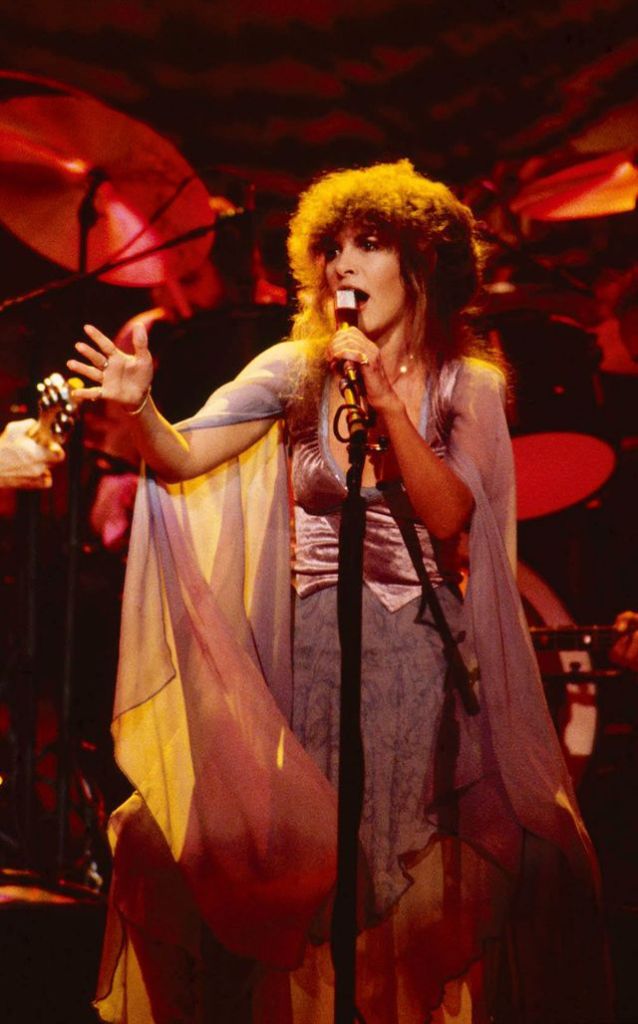
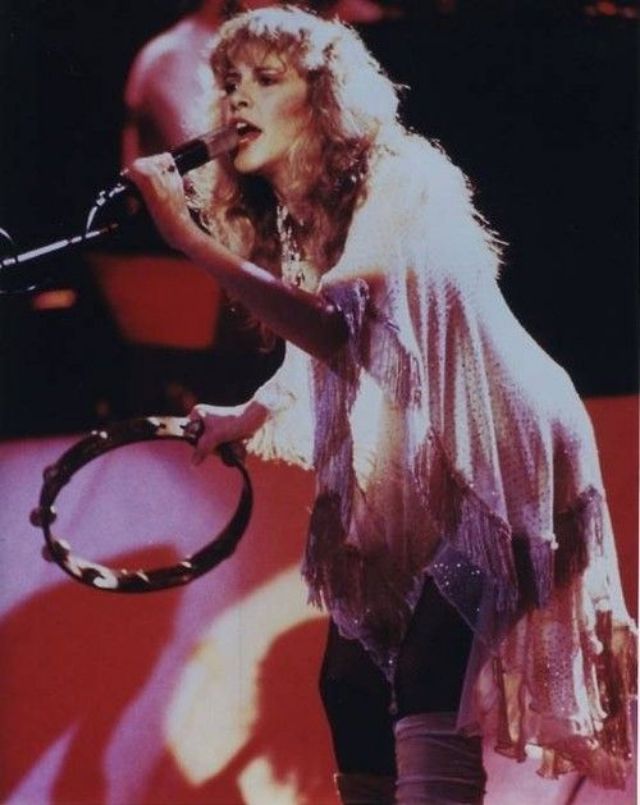
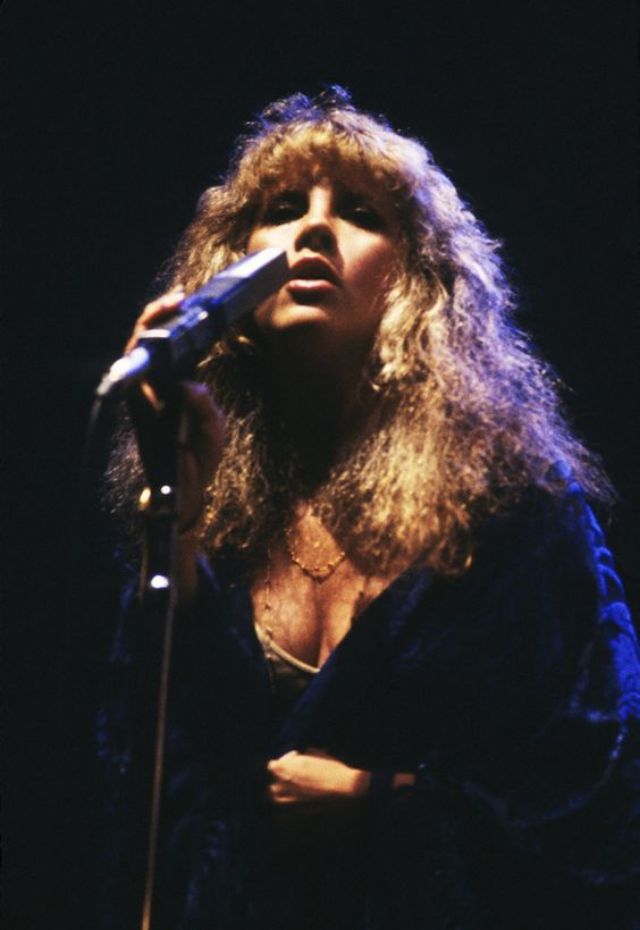
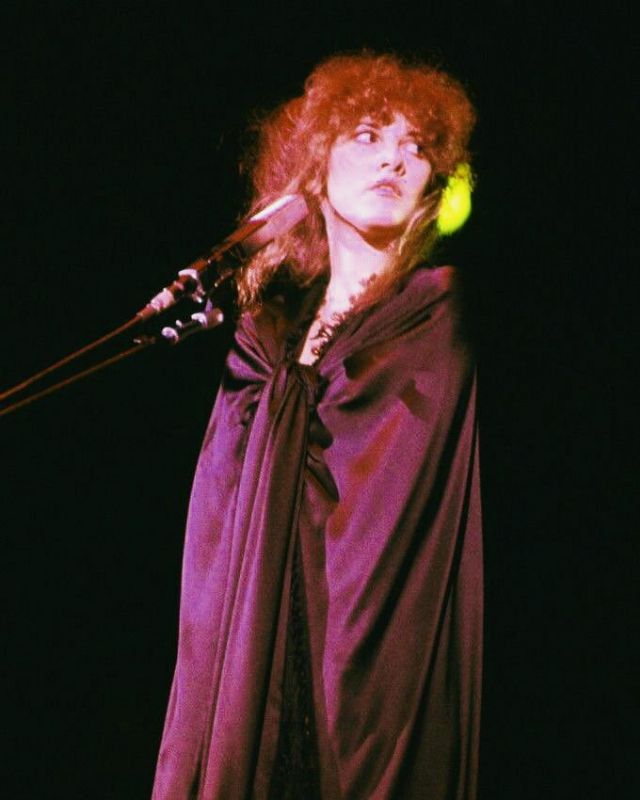
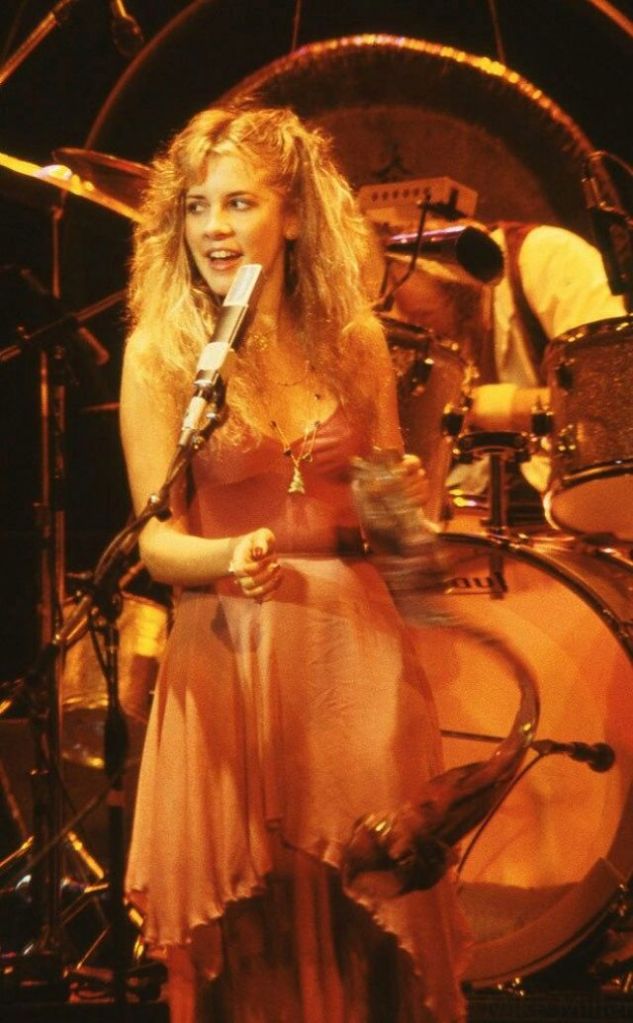
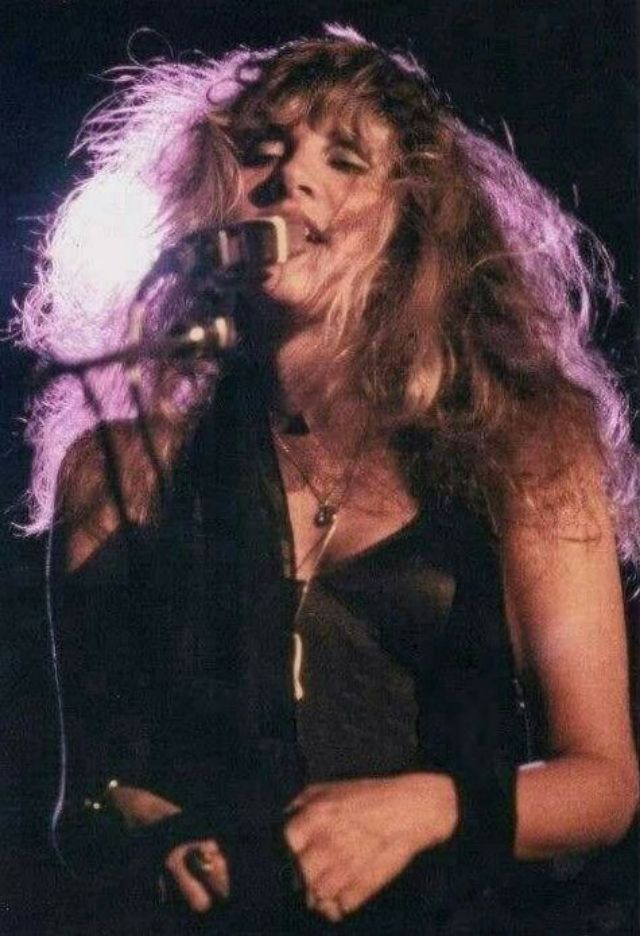
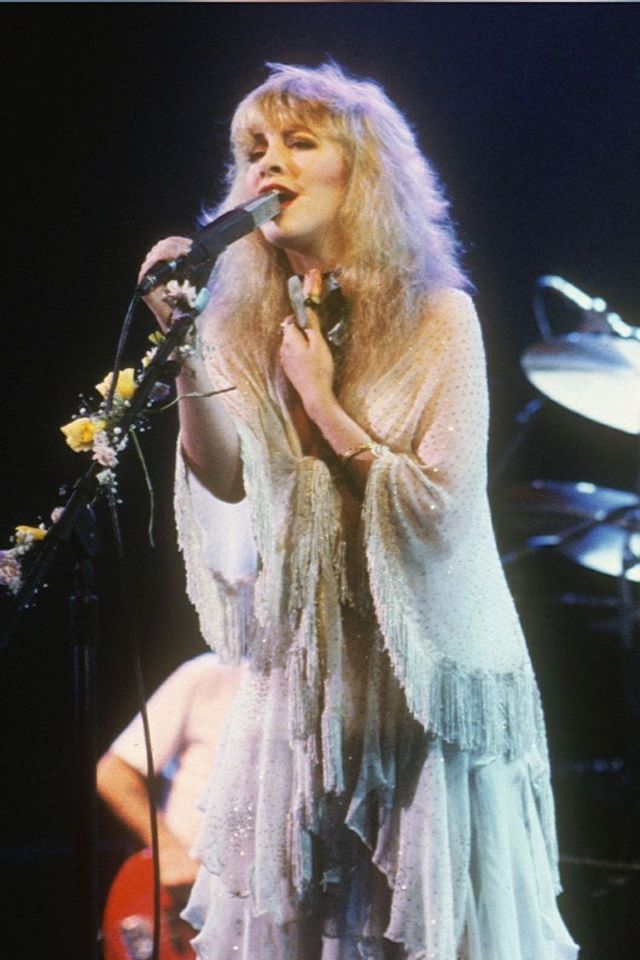
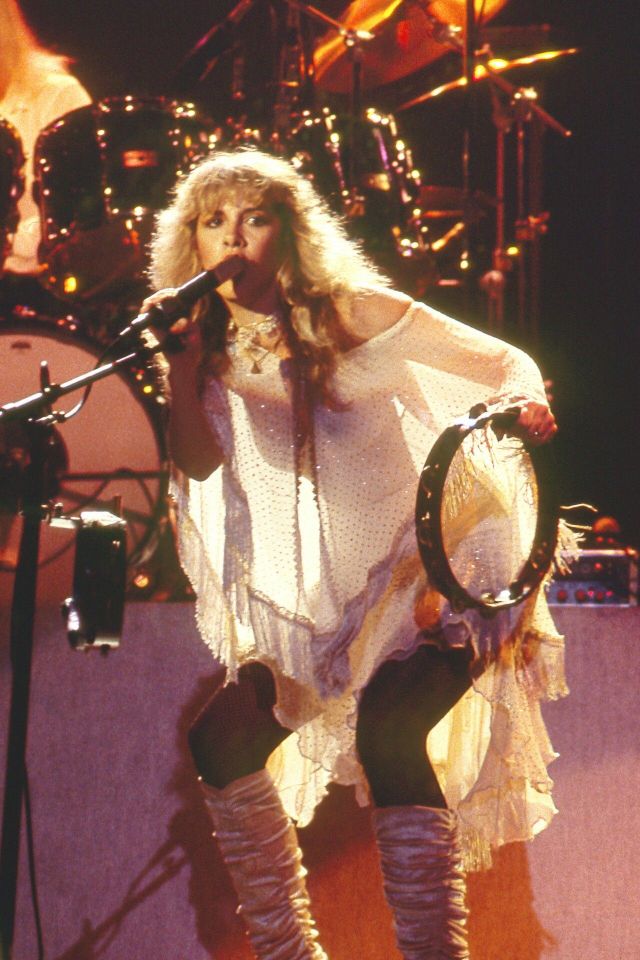
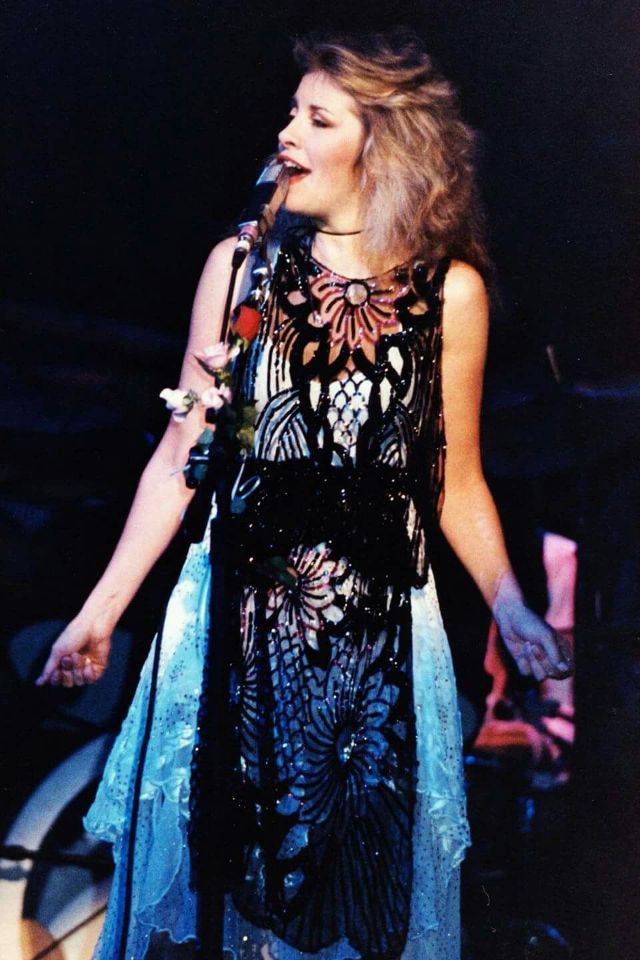
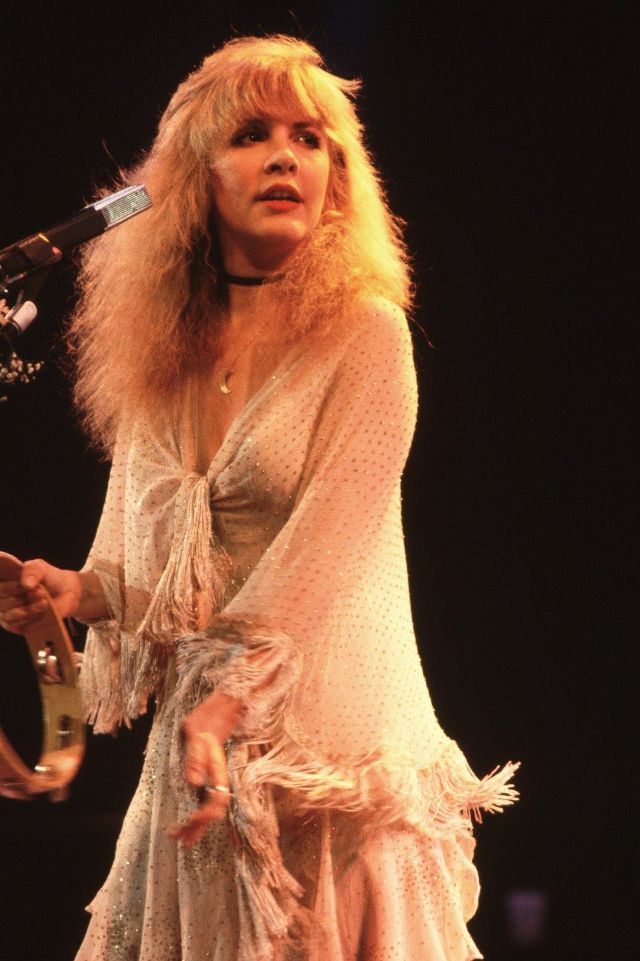
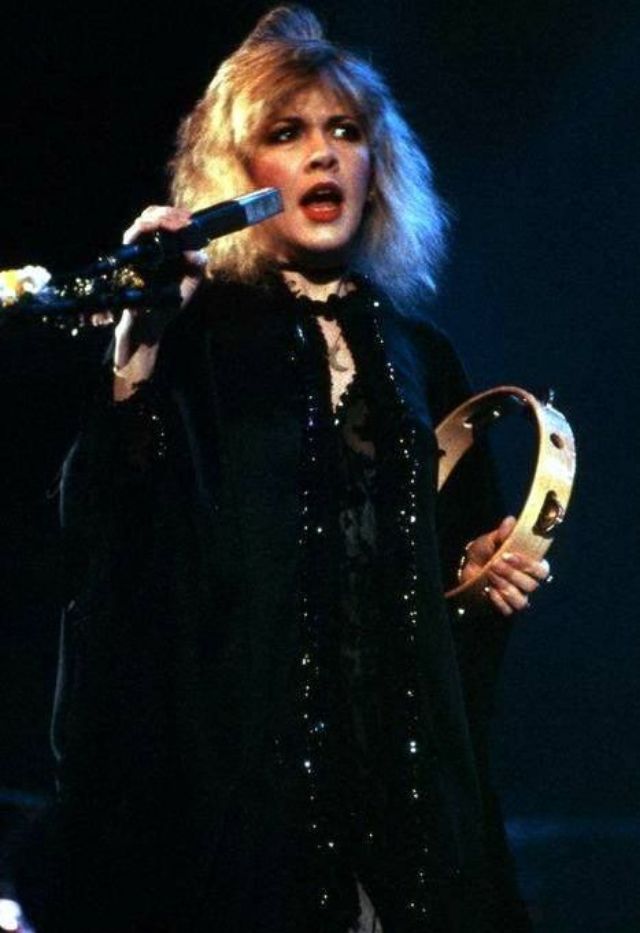
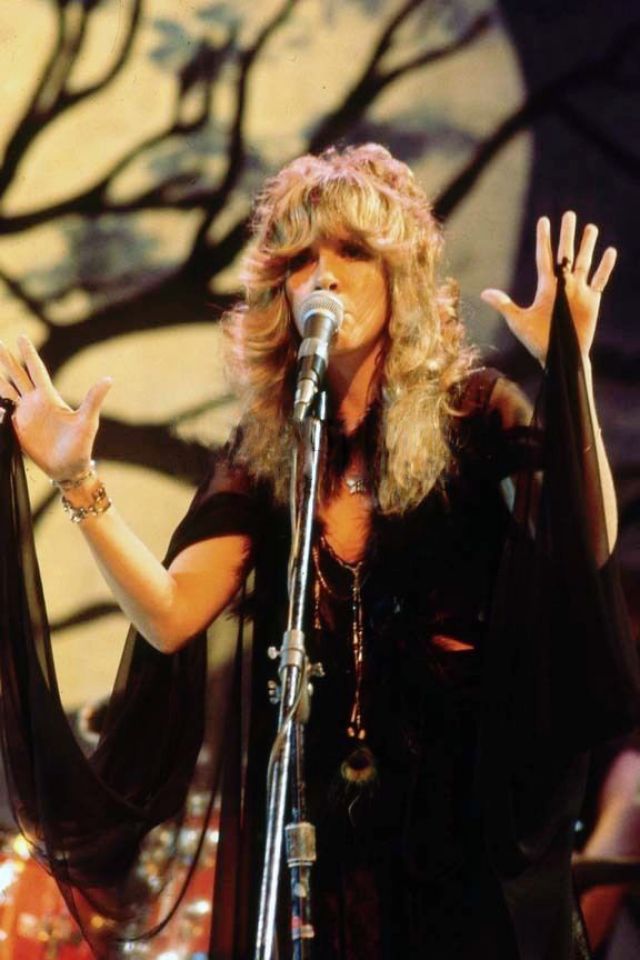
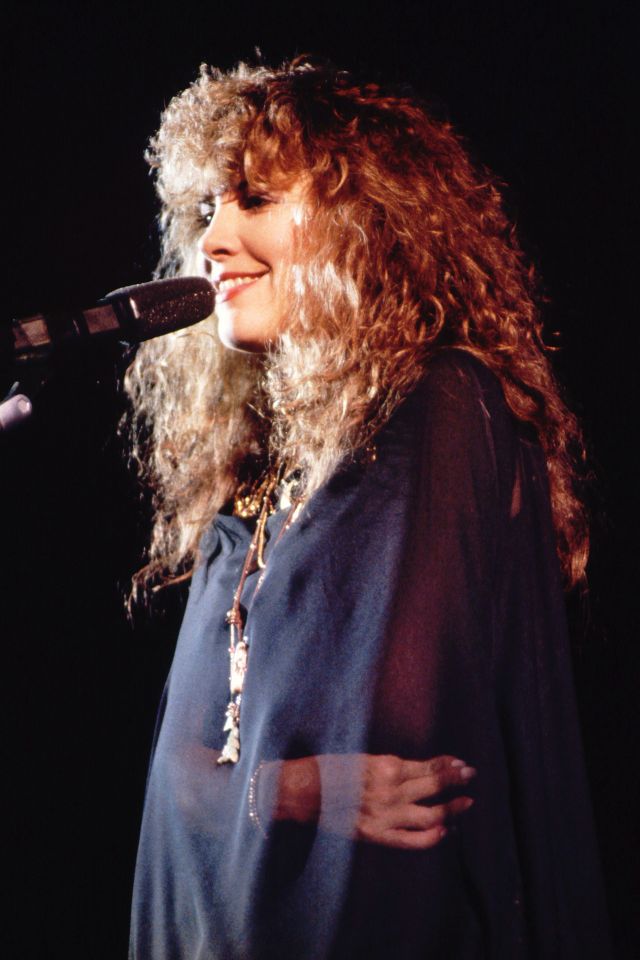
Stephanie “Stevie” Nicks is a singer-songwriter known for her career with Fleetwood Mac which gave the band their only U.S. No.1 hit, Dreams. She changed the fortune of the band for the better after joining in 1974. She created history with her second album with the band, “Rumours” which won the Grammy Award for Album of the Year and went Diamond in the U.S.
After a very successful stint with the band, she decided to go solo. Her debut album, “Bella Donna” charted at No.1 on the U.S. Billboard and went Multi-Platinum within months of its release. Her second album, “The Wild Heart” also went Multi-Platinum establishing Nicks as a solo artist. She had many friends in the music industry, and she invited them to play music for her albums. Her next album, “Rock a Little” was also a huge hit and went Platinum like its predecessors.
However, the stress of working so hard had a toll on her mental and physical well-being, and she developed a drug addiction problem. The talented singer struggled hard to overcome her substance abuse and was eventually successful in leaving this troubled part of her life behind. A highly prolific performer, she is credited to have produced more than forty Top 50 hits with a sales figure exceeding 140 million albums.
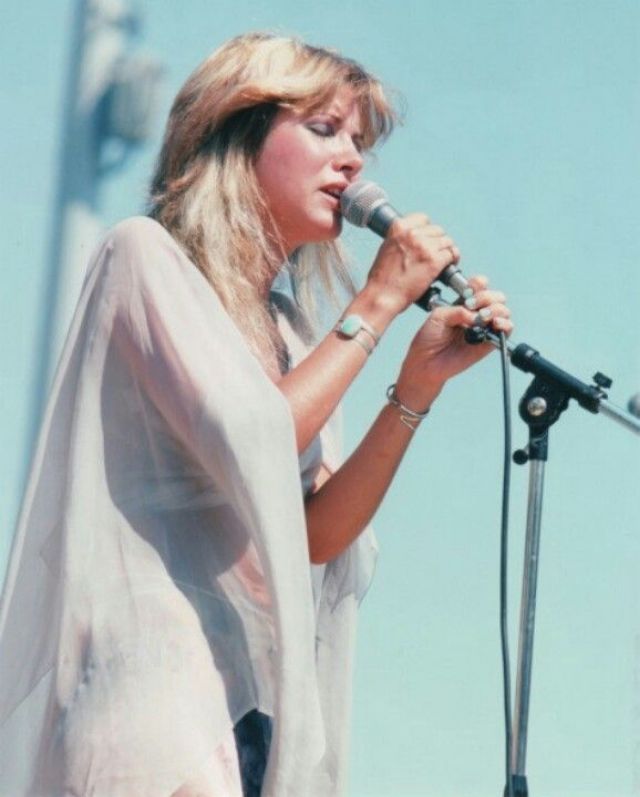
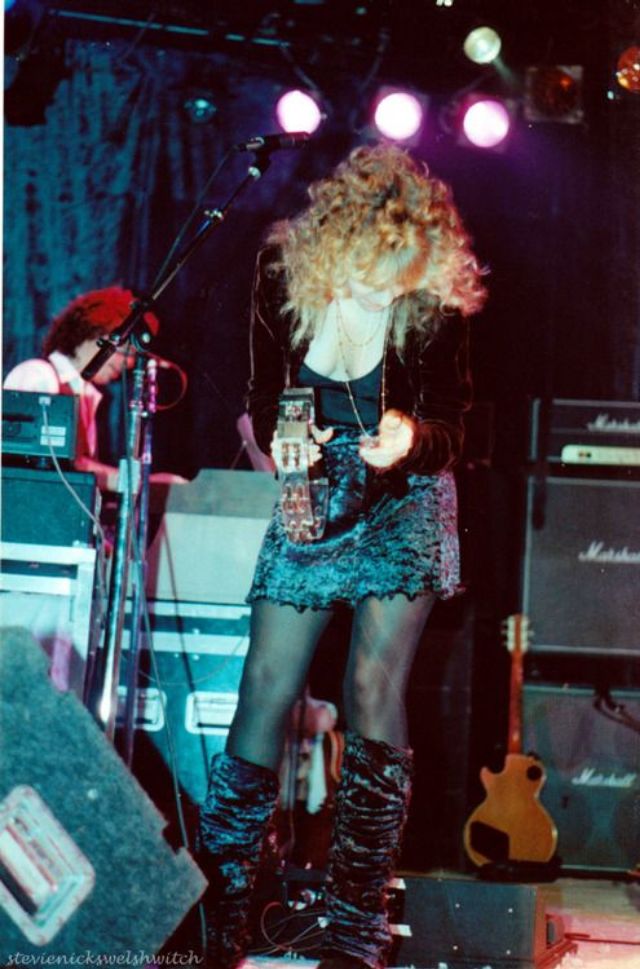
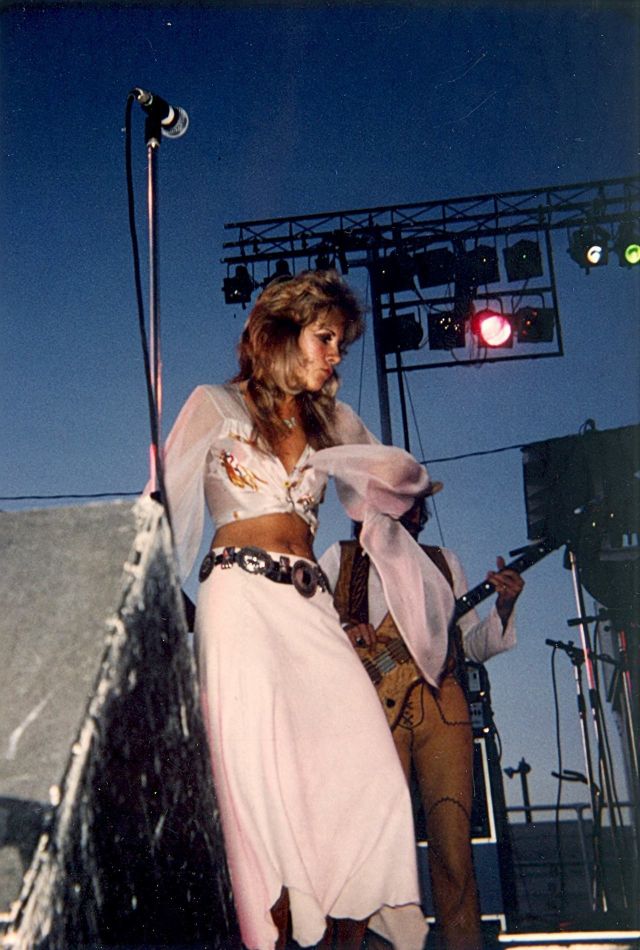
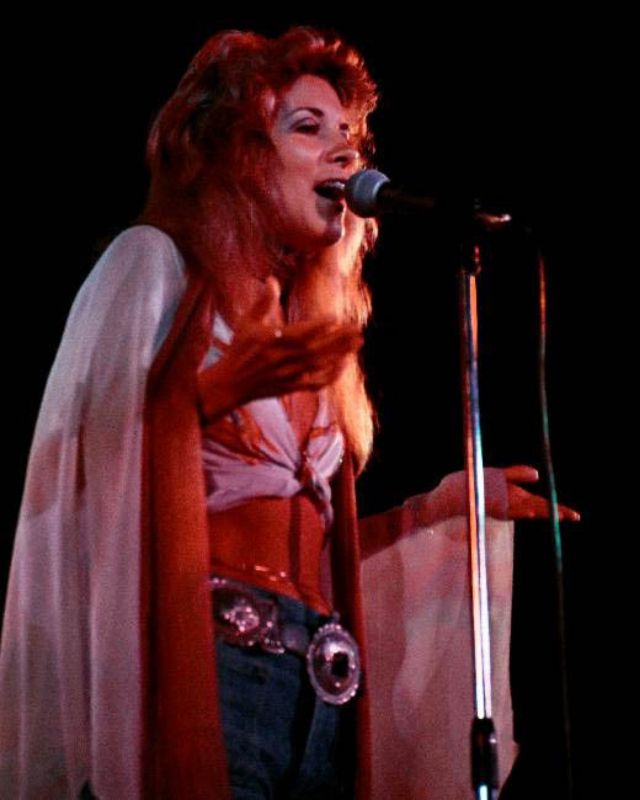
Below is a collection of 40 vintage photographs capture Stevie Nicks while performing on stage in the 1970s and 1980s.
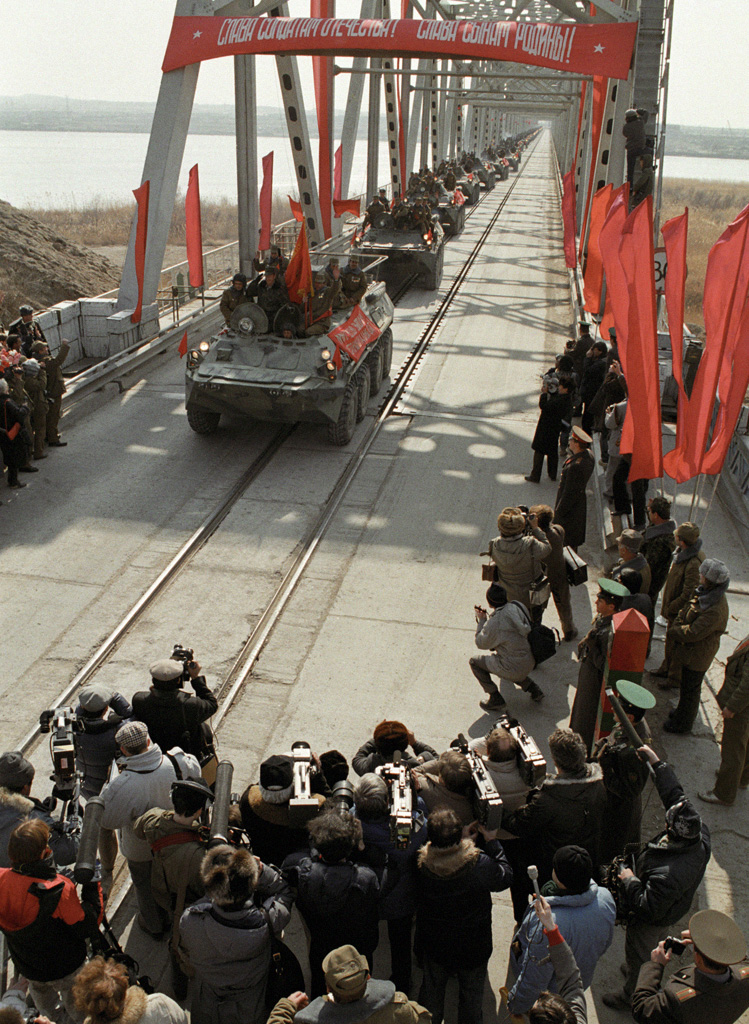
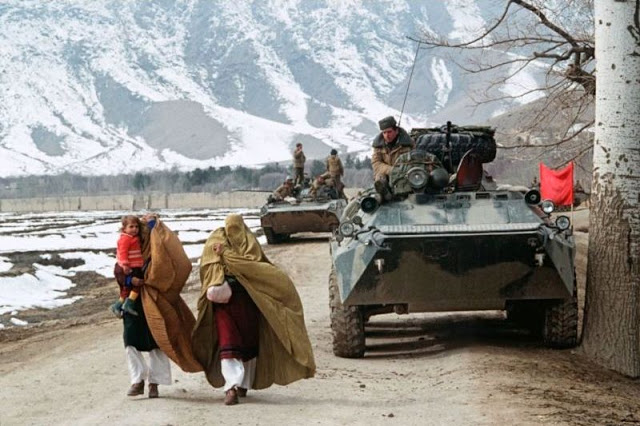
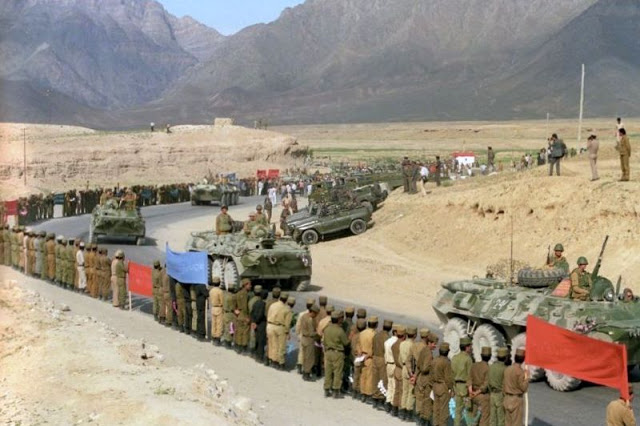
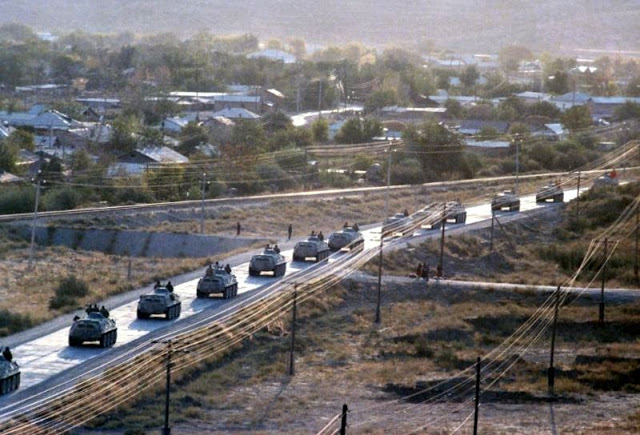
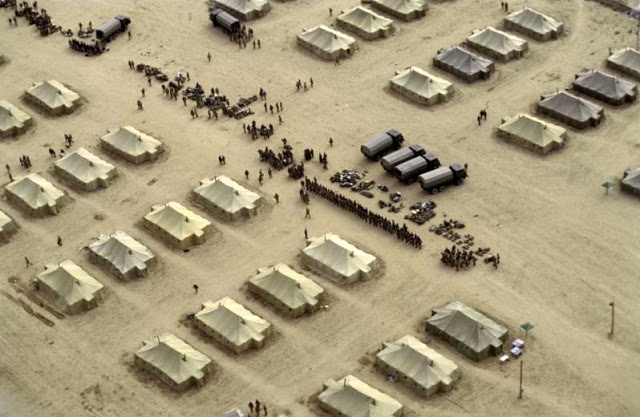
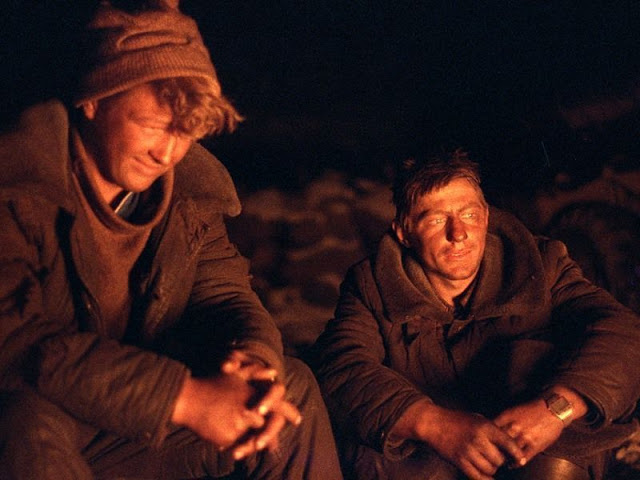
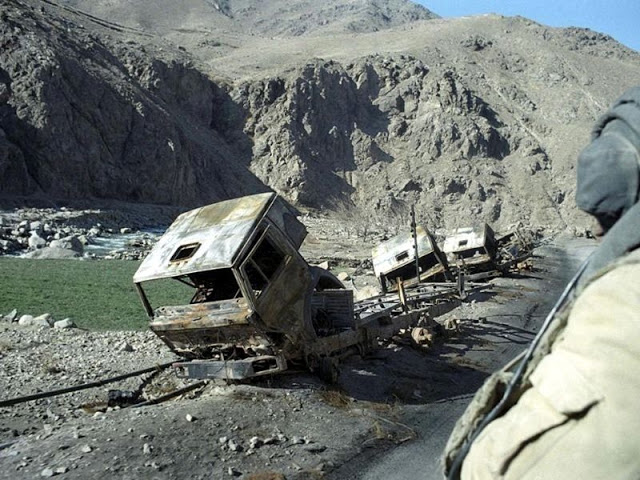
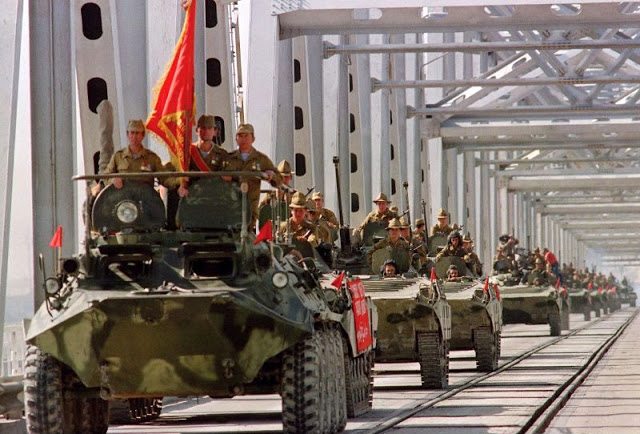
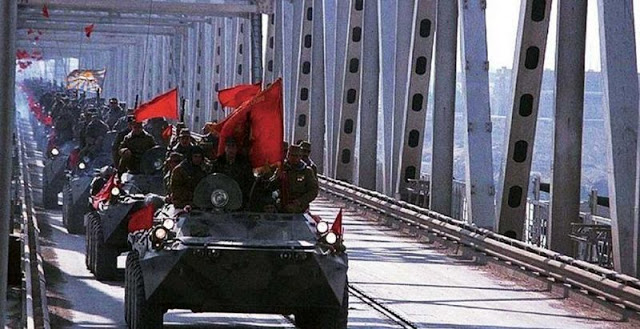
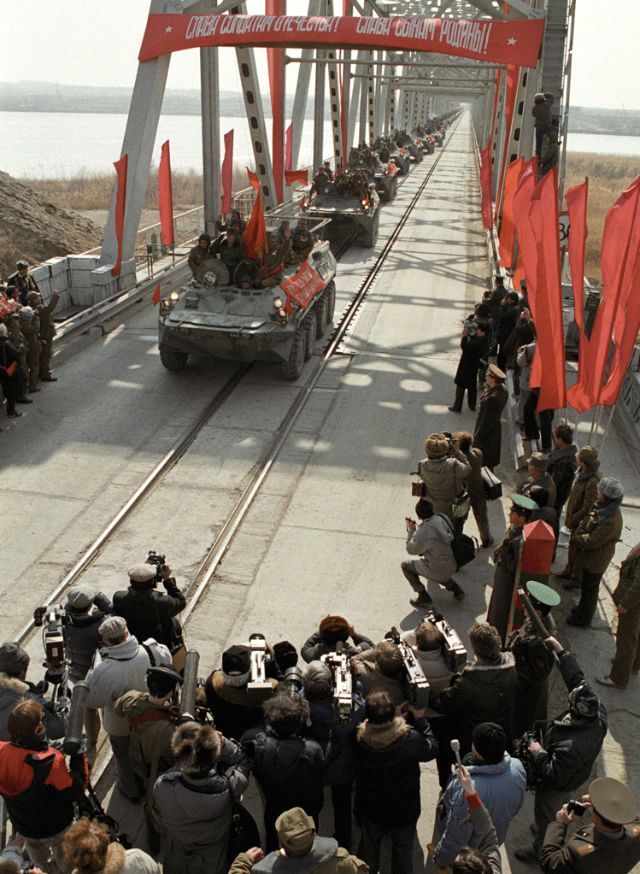
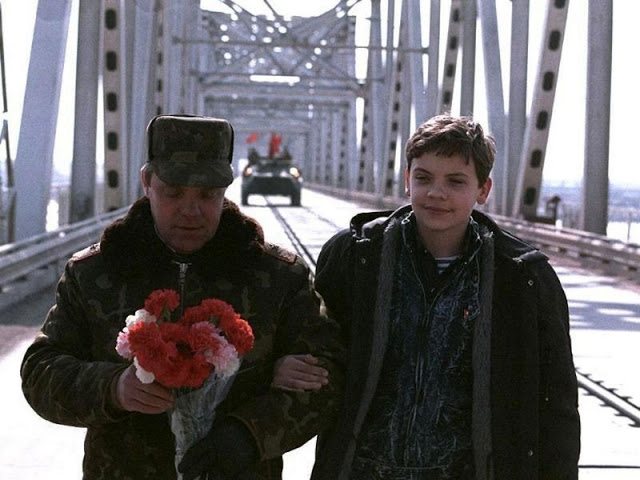
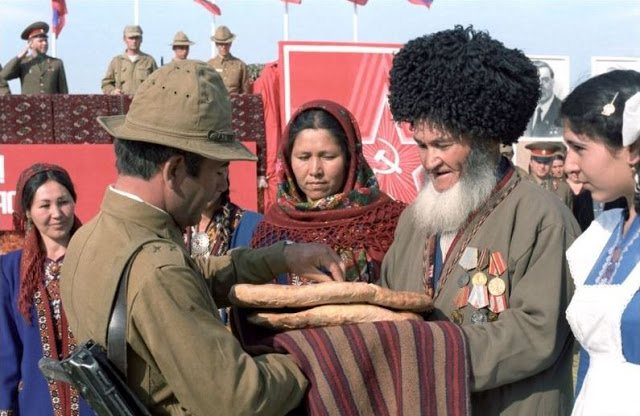
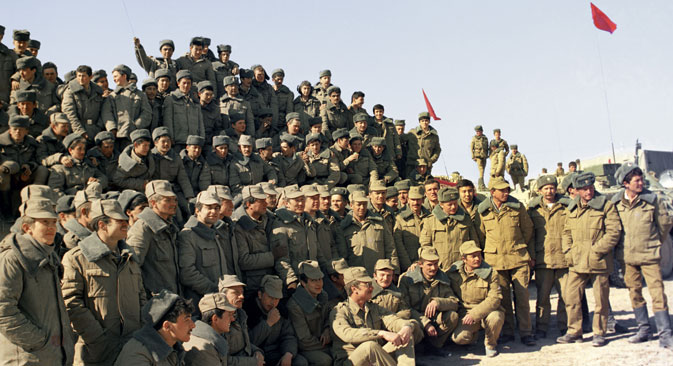
The final and complete withdrawal of Soviet combatant forces from Afghanistan began on 15 May 1988 and ended on 15 February 1989 under the leadership of Colonel-General Boris Gromov.
Planning for the withdrawal of the Soviet Union (USSR) from the Afghanistan War began soon after Mikhail Gorbachev became the General Secretary of the Central Committee of the Communist Party of the Soviet Union. Under the leadership of Gorbachev, the Soviet Union attempted to consolidate the PDPA’s hold over power in the country, first in a genuine effort to stabilize the country, and then as a measure to save face while withdrawing troops. During this period, the military and intelligence organizations of the USSR worked with the government of Mohammad Najibullah to improve relations between the government in Kabul and the leaders of rebel factions.
The diplomatic relationship between the USSR and the United States improved at the same time as it became clear to the Soviet Union that this policy of consolidating power around Najibullah’s government in Kabul would not produce sufficient results to maintain the power of the PDPA in the long run.
The Geneva Accords, signed by representatives of the USSR, the USA, the Islamic Republic of Pakistan and the Republic of Afghanistan (thus renamed in 1987) on 14 April 1988, provided a framework for the departure of Soviet forces, and established a multilateral understanding between the signatories regarding the future of international involvement in Afghanistan. The military withdrawal commenced soon after, with all Soviet forces leaving Afghanistan by 15 February 1989.
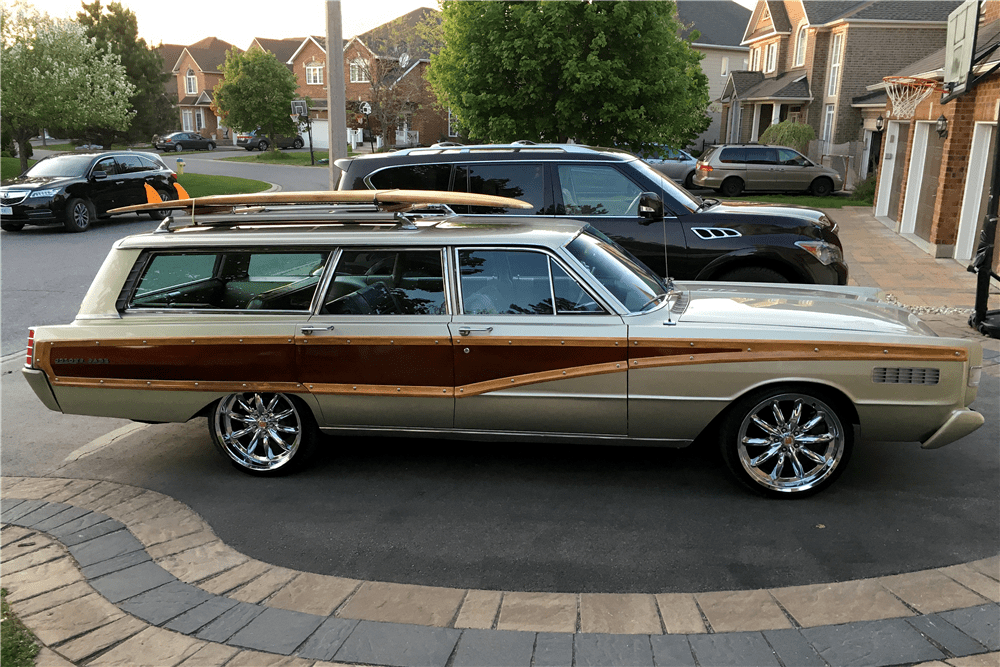
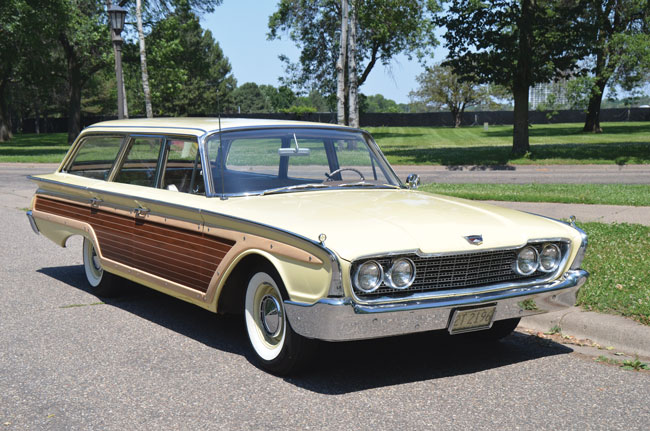
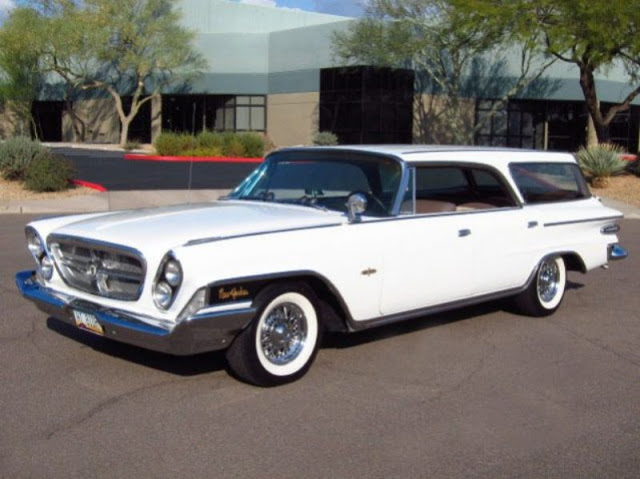
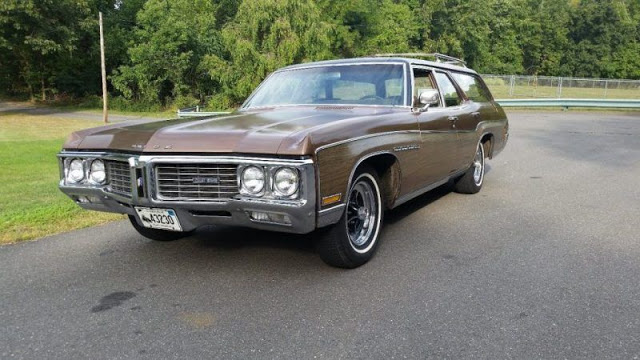
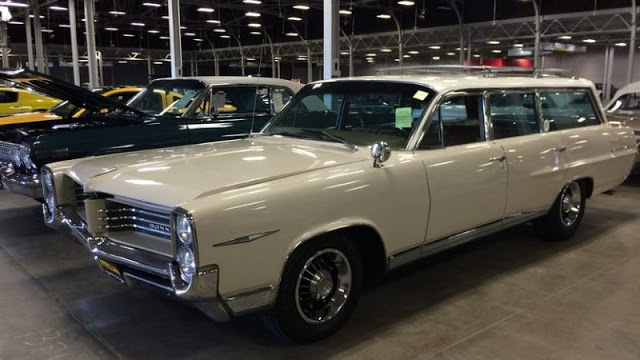
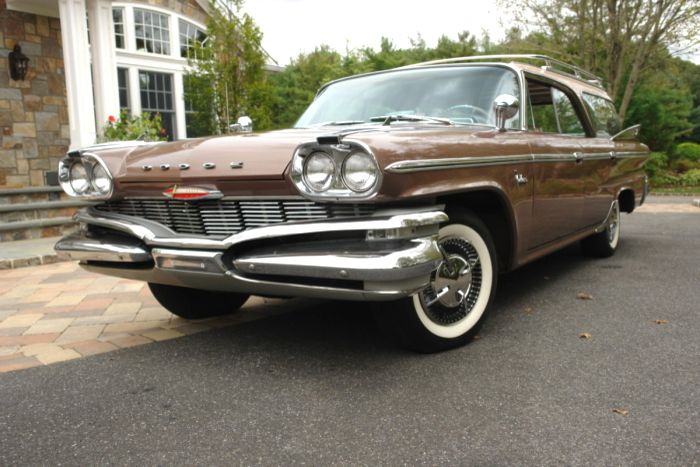
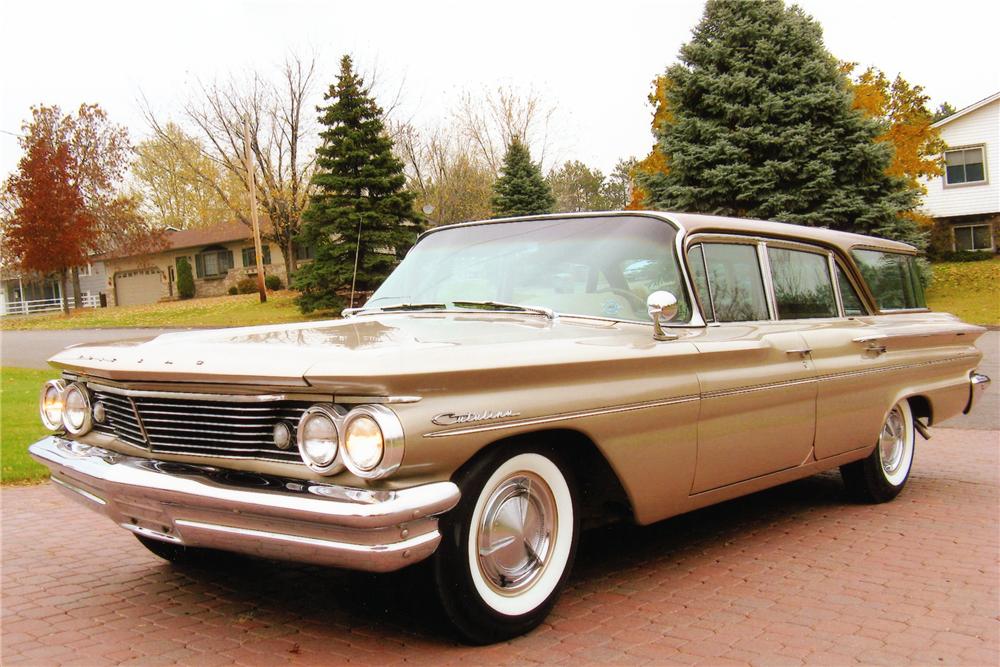
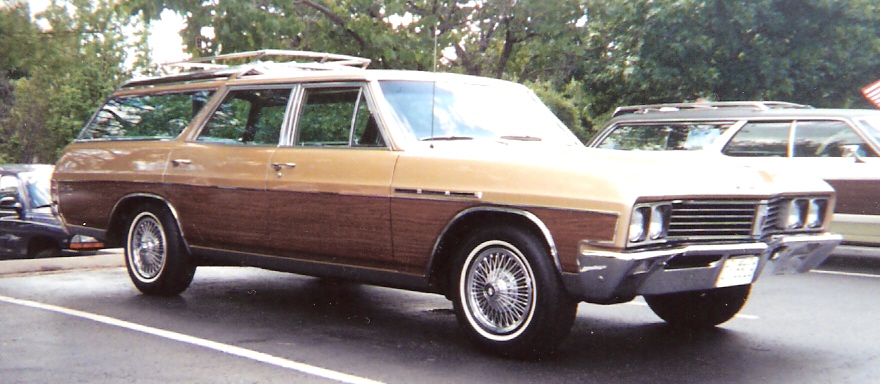
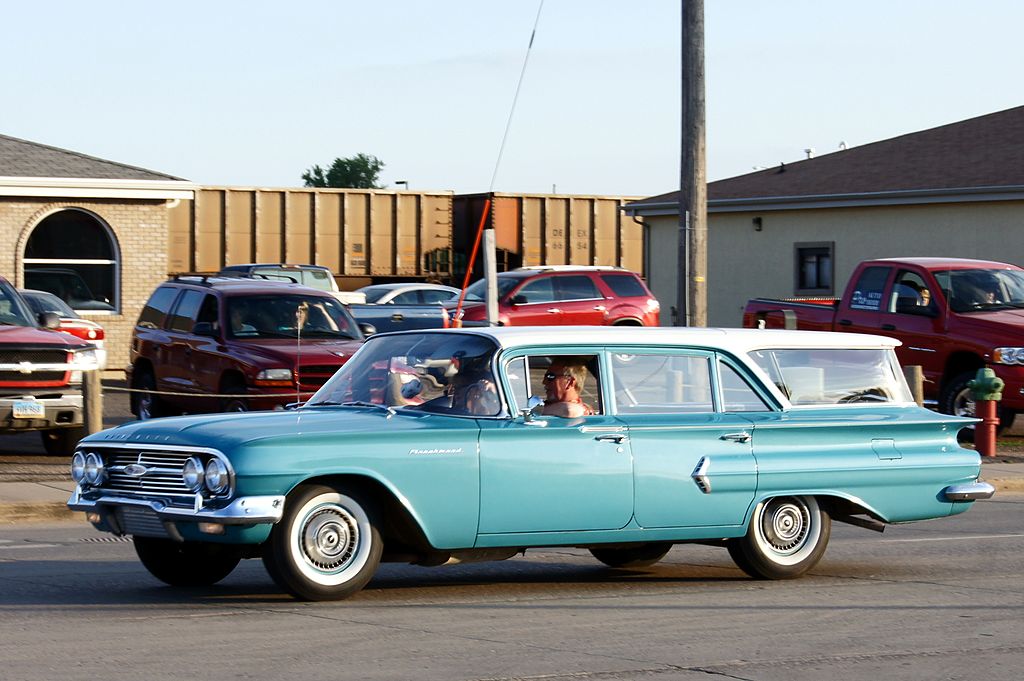
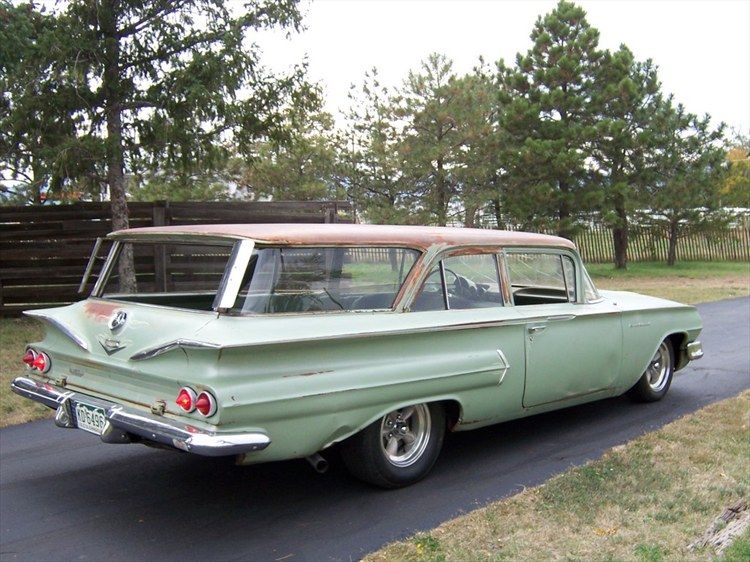
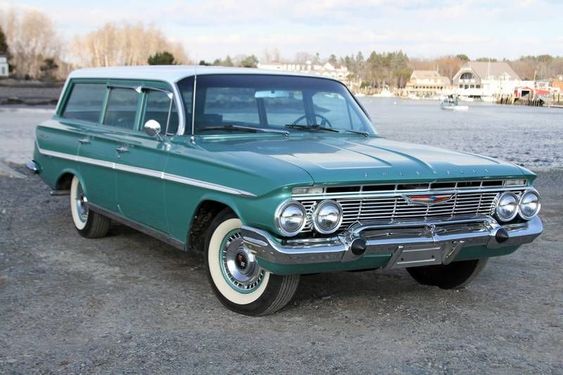
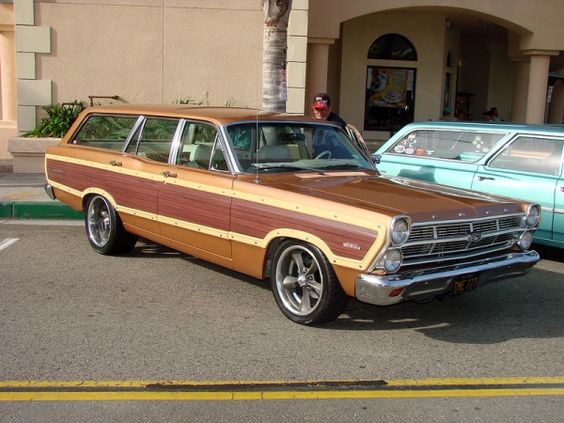
1960 Ford Country Squire1962 Chrysler New Yorker 19621970 Buick Estate (1970)1969 Oldsmobile Vista Cruiser (1969)1969 Chrysler Town & Country (1969)1964 Pontiac Bonneville1964 Plymouth Belvedere1967 Ford Fairlane1964 Chevrolet Chevelle1965 Chevrolet Impala1969 Ford LTD1960 Dodge Polara1960 Mercury Commuter1962 Chrysler Newport Town & Country1960 Pontiac Safari1960 Plymouth Fury Sport Suburban1967 Buick Sport Wagon1960 Chevrolet Brookwood1960 Chevrolet Brookwood1960 Chevrolet Kingswood1961 Chevrolet Belair Parkwood1964 Ford Country Squire1967 Ford Fairlane Country Squire1966 Mercury Colony Park1966 Pontiac Tempest
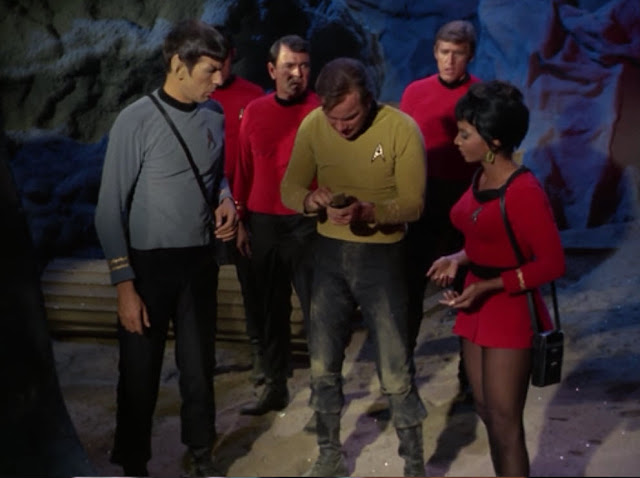
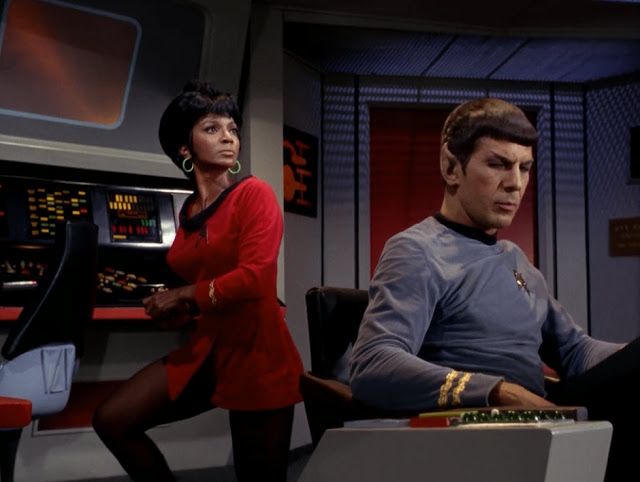
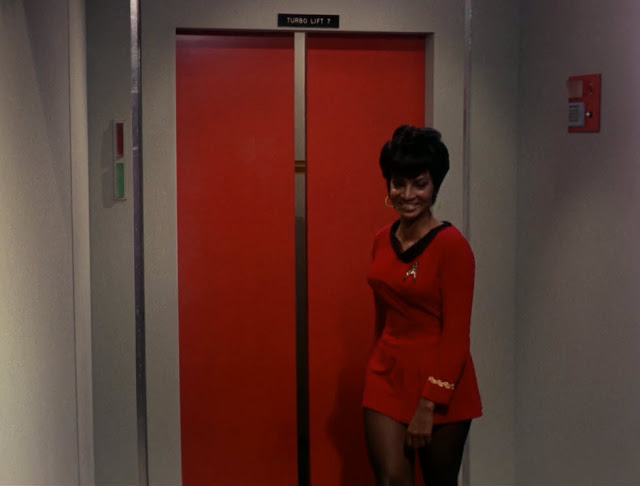
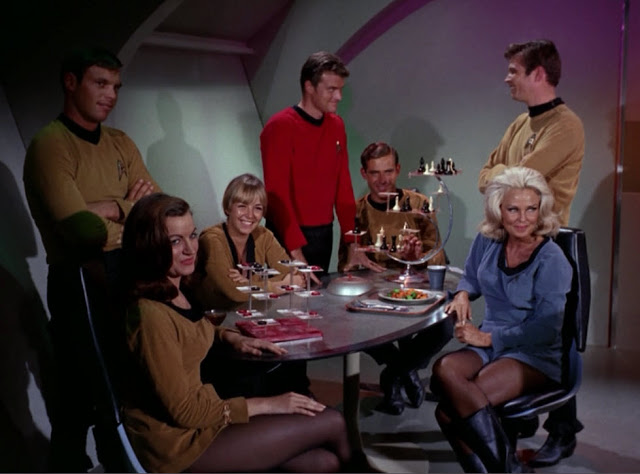
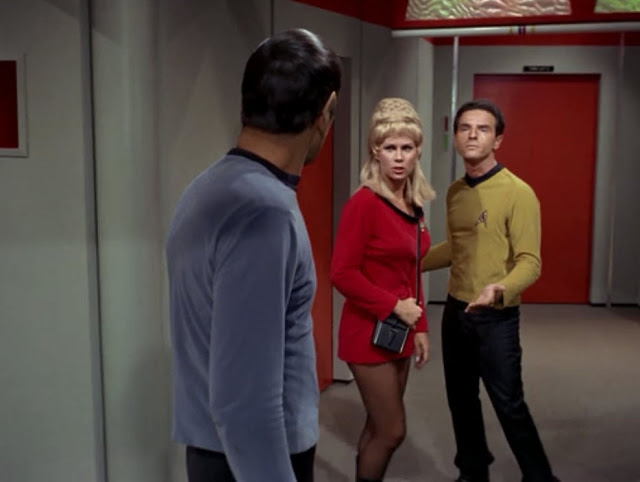
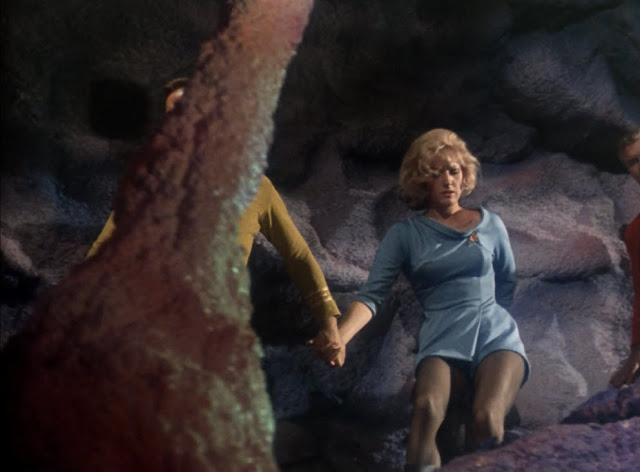
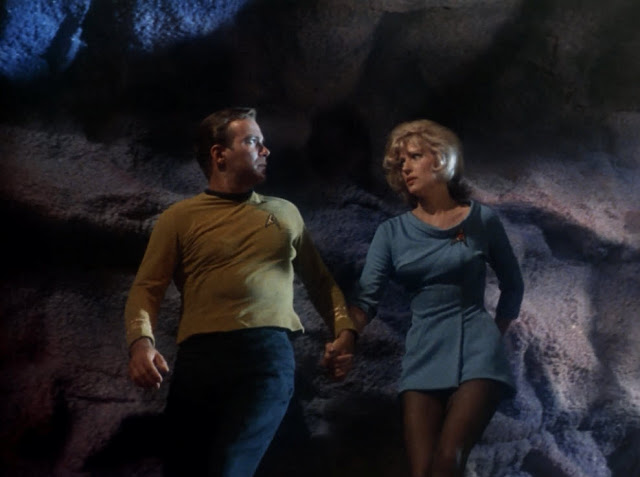
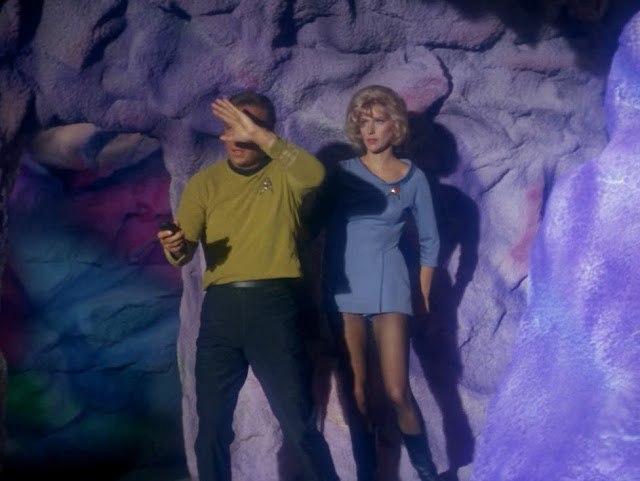
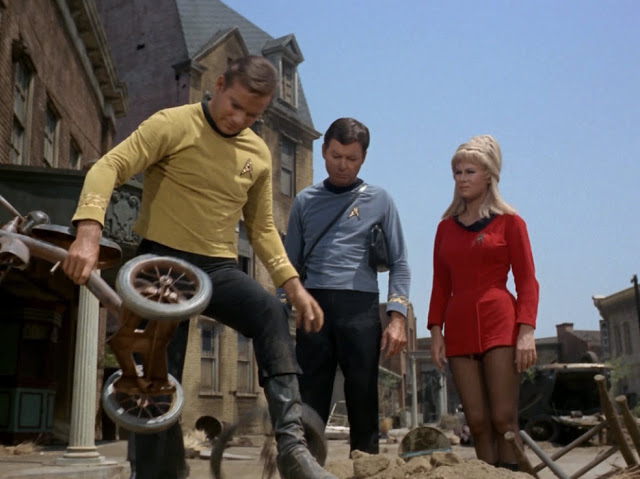
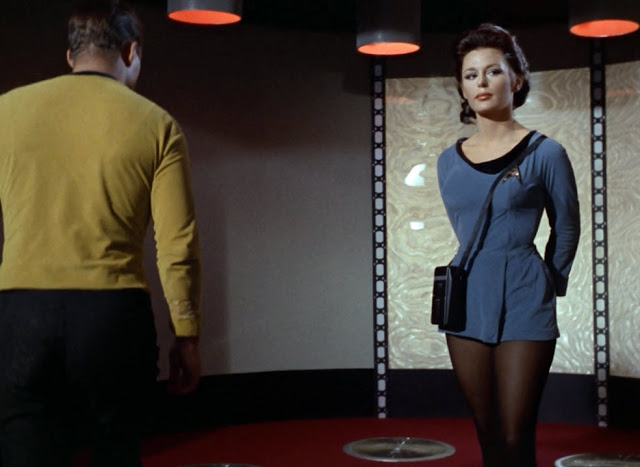
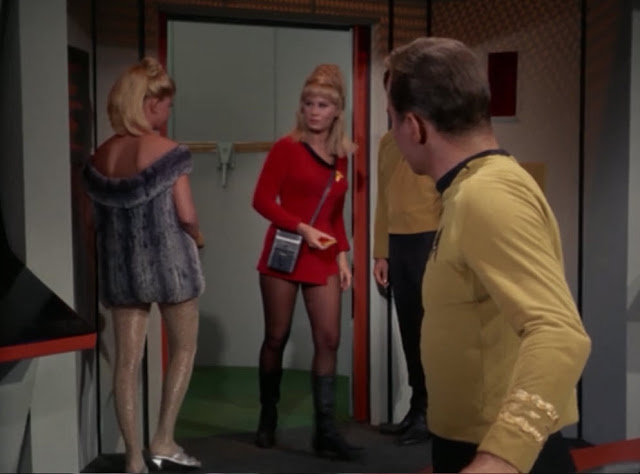
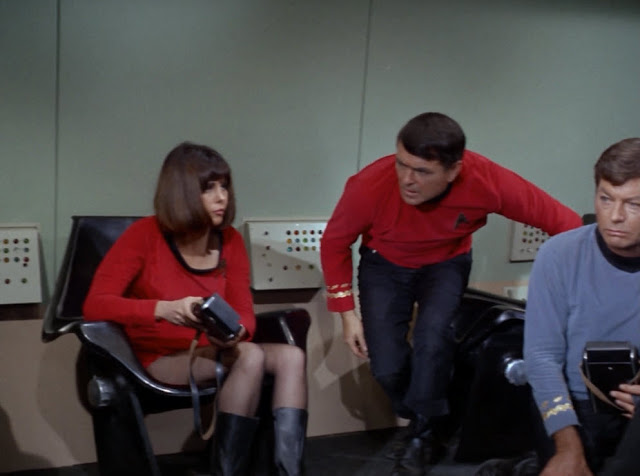
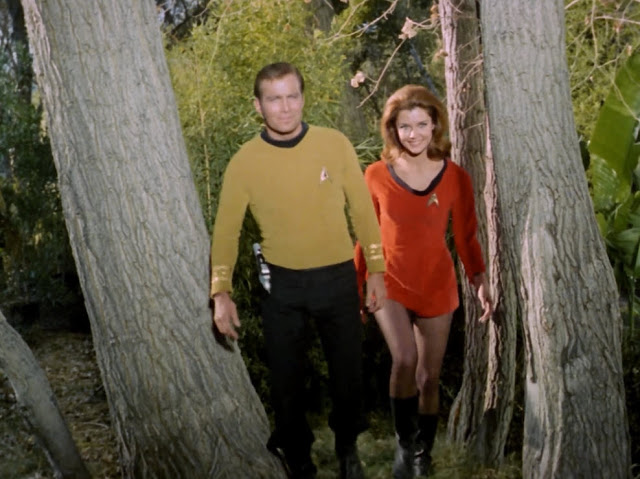
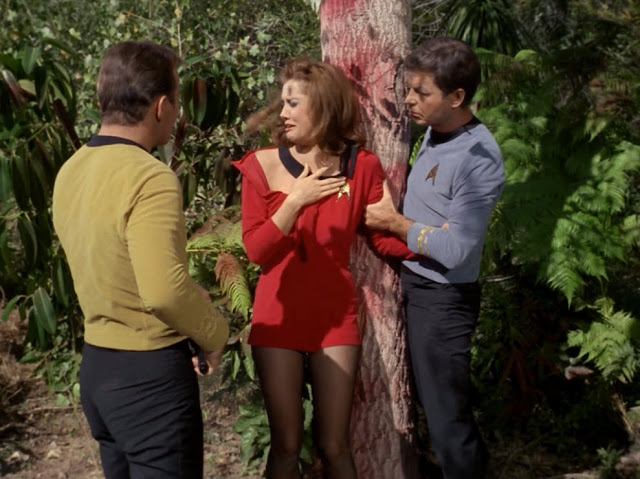
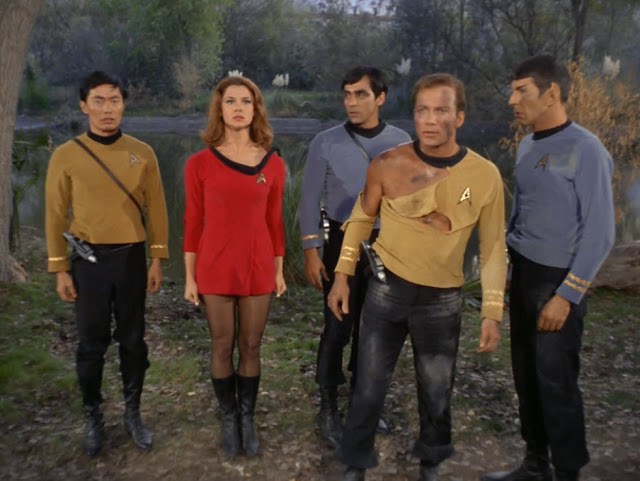
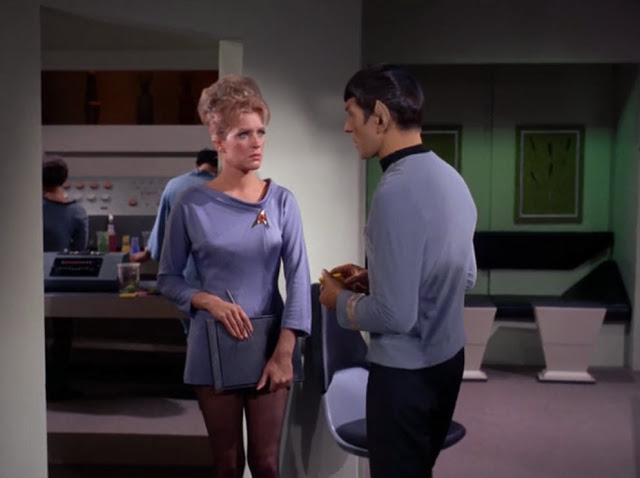
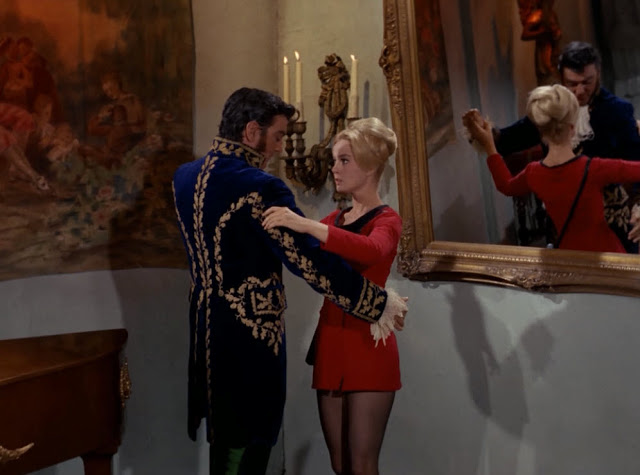
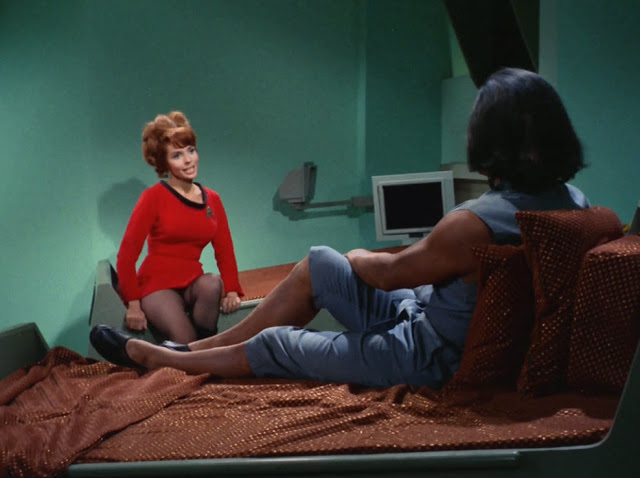
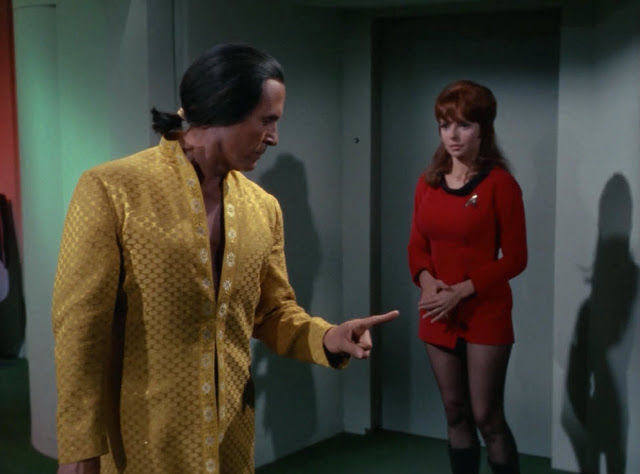
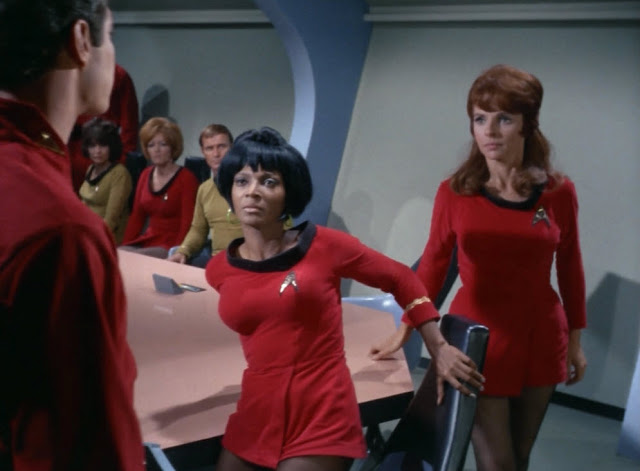
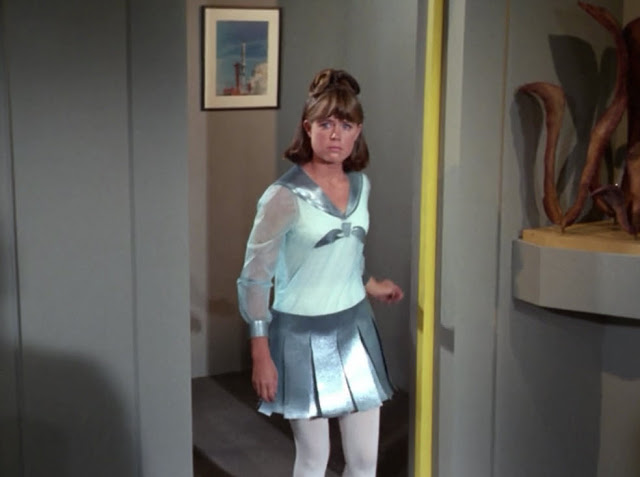
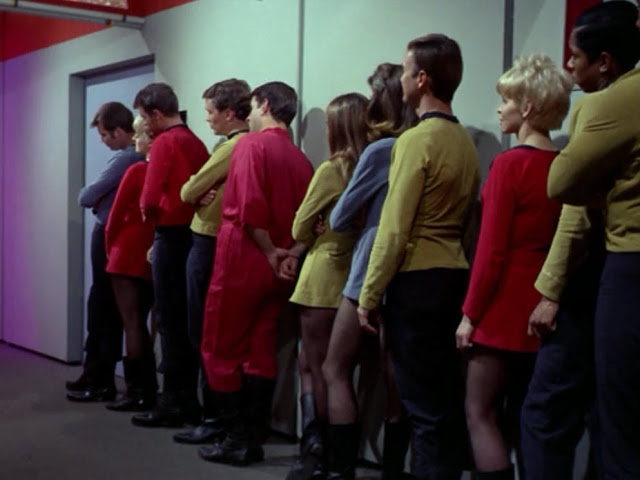
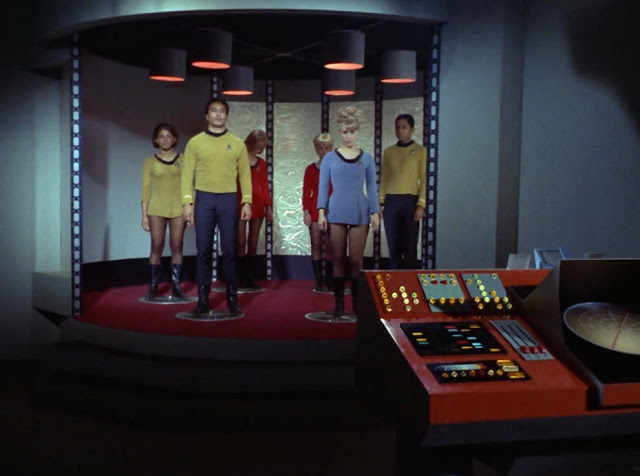
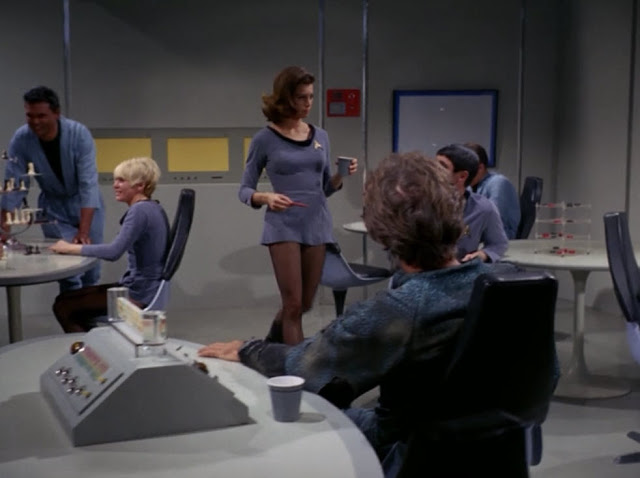
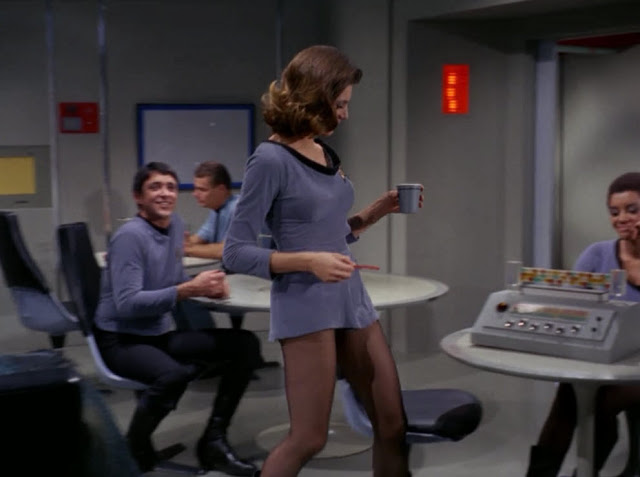
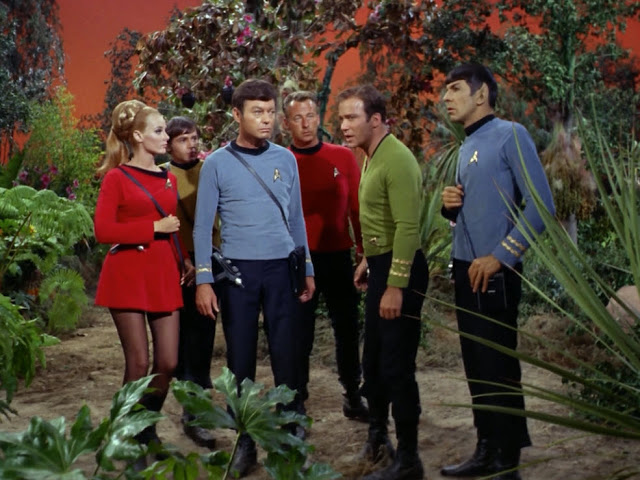
In the early 1960s the average stewardess uniform was a tailored suit with a nod toward military styling, but by mid-decade the uniforms were becoming increasingly fashionable, with “wild” colors and shorter skirts. Some details such as the front skirt flap and the outline of Yeoman Janice Rand’s checkerboard hairstyle appeared in LIFE magazine just before William “Bill” Ware Theiss, a gay costume designer at the beginning of his career, began designing his costumes.
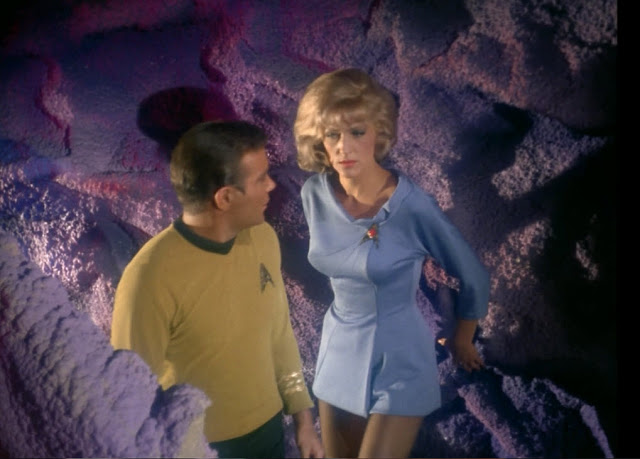
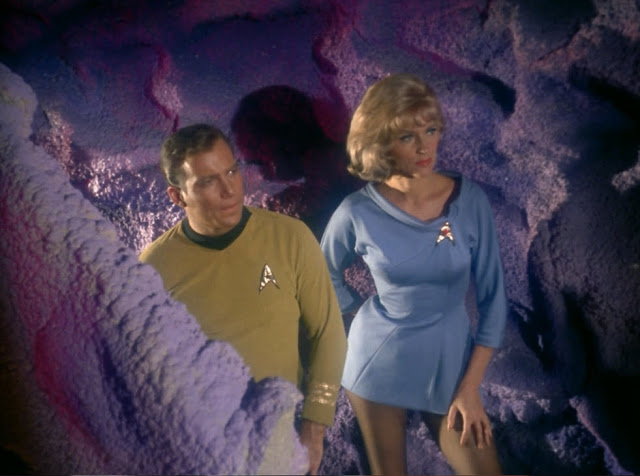
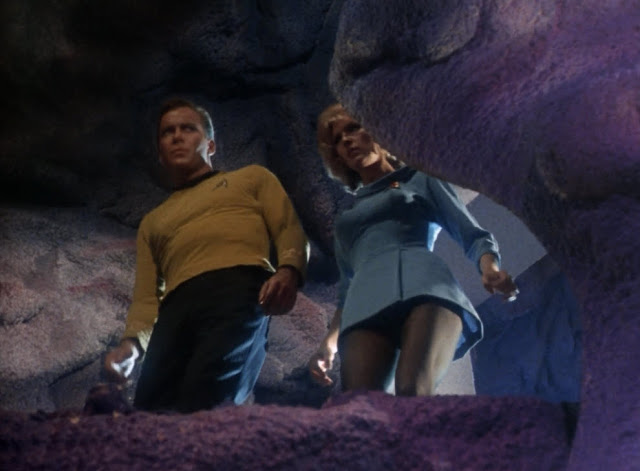
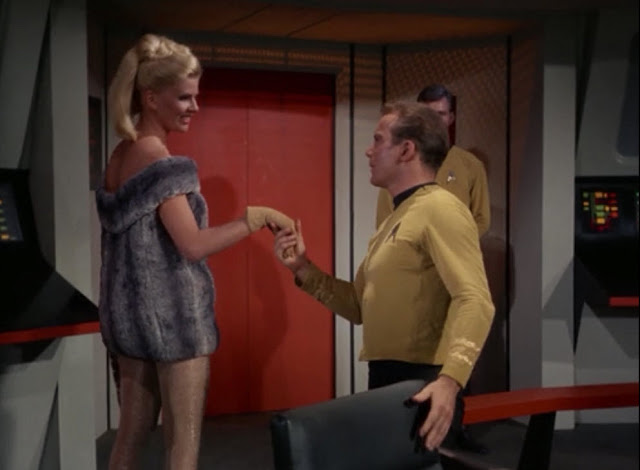
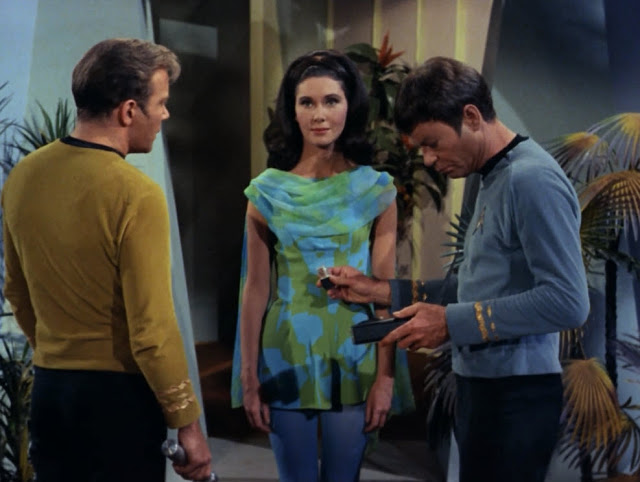
The miniskirt portion of the costume was a brand new trend at the time. Some stories about the first miniskirts place them mere months before Theiss’s design. The idea for their use on Star Trek is usually attributed to Grace Lee Whitney, the actress who portrayed Yeoman Rand, who suggested short skirts after being told to present an “undercurrent of suppressed sexuality” between herself and Captain Kirk, but sex appeal certainly played a role either way since the studio had asked for sexier costumes after those velour tunics (and black pants for men and women) in the pilot episodes. Theiss obliged, especially when designing for guest actresses, originating the “Theiss Titillation Theory” that sex appeal lies not in the amount of skin shown, but rather in the relative likelihood of a costume falling off. Many of his costumes appear precarious indeed, but it must be said that women’s Starfleet uniforms look quite secure in comparison.
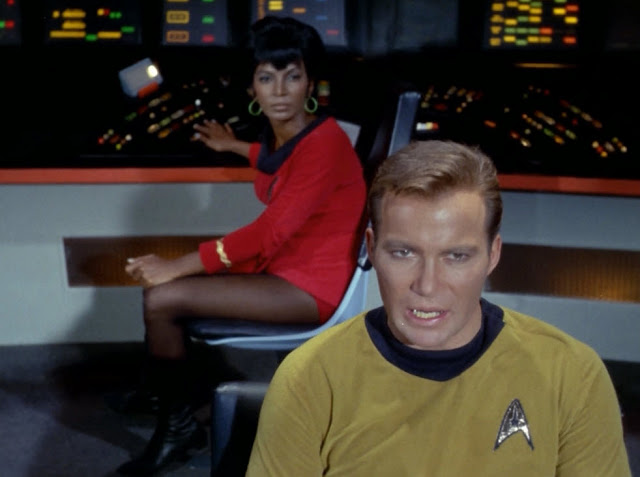
For feminist critics, miniskirts are a consistent focal point and often assumed to be a sexist symbol, particularly since women were “forced” to wear them as part of their uniforms. However, when the costumes were designed and originally worn, perceptions were very different. Nichelle Nichols, who played Lt. Uhura (the most visible woman on the show and a groundbreaking character for racial integration), discussed the issue in her autobiography: “In later years, especially as the women’s movement took hold in the seventies, people began to ask me about my costume. Some thought it “demeaning” for a woman in the command crew to be dressed so sexily. It always surprised me because I never saw it that way. After all, the show was created in the age of the miniskirt, and the crew women’s uniforms were very comfortable. Contrary to what many may think today, no one really saw it as demeaning back then. In fact, the miniskirt was a symbol of sexual liberation. More to the point, though, in the twenty-third century, you are respected for your abilities regardless of what you do or do not wear.”
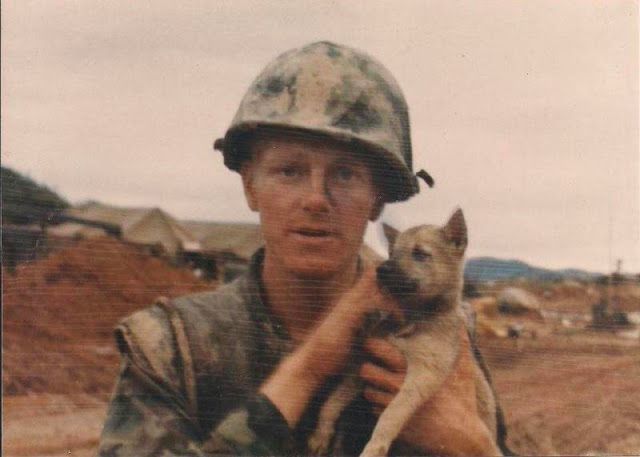
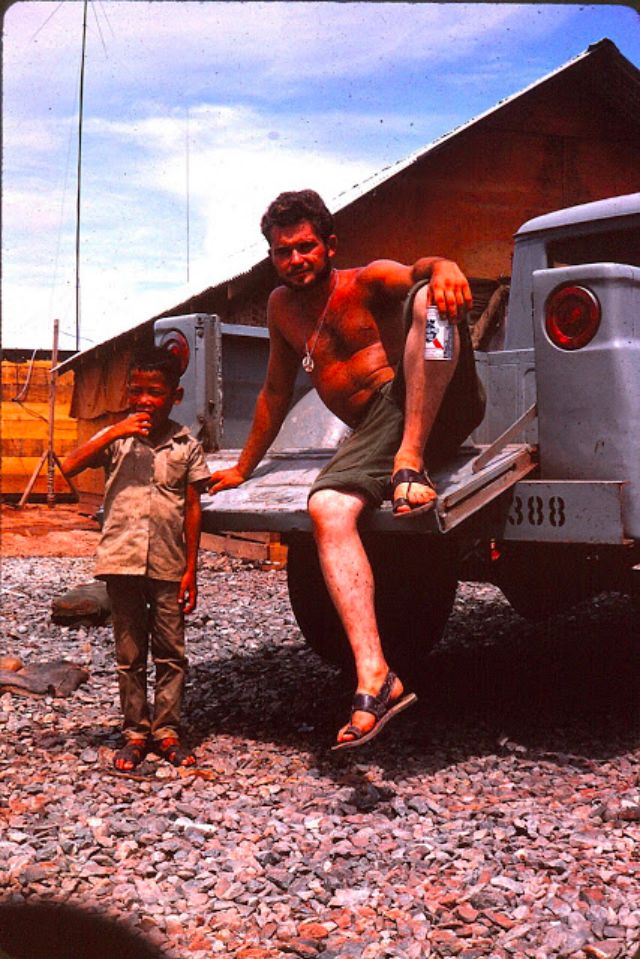
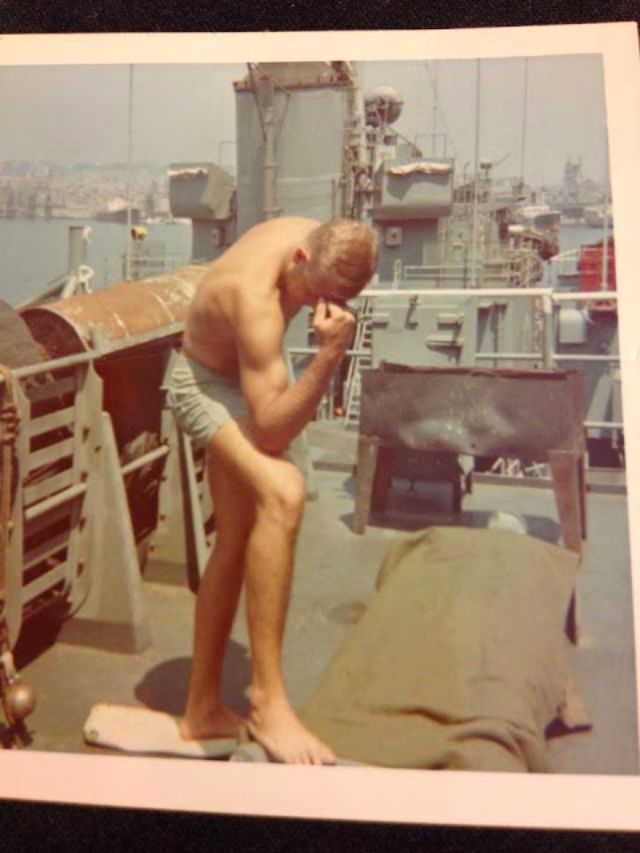
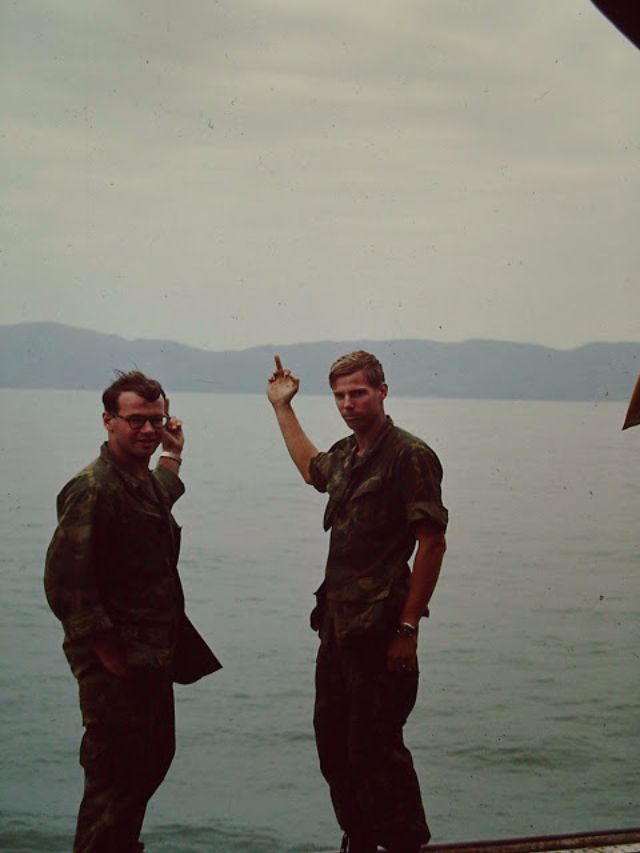
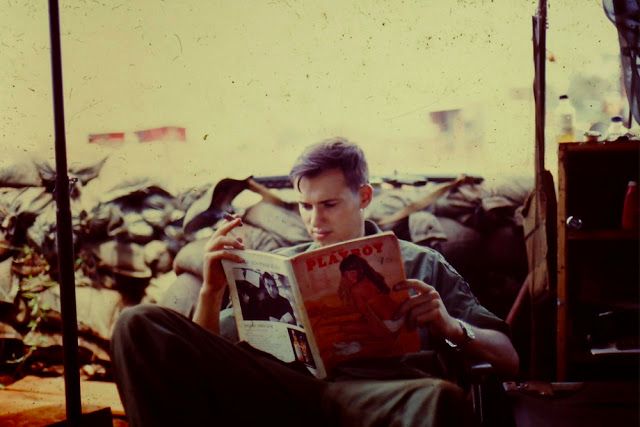
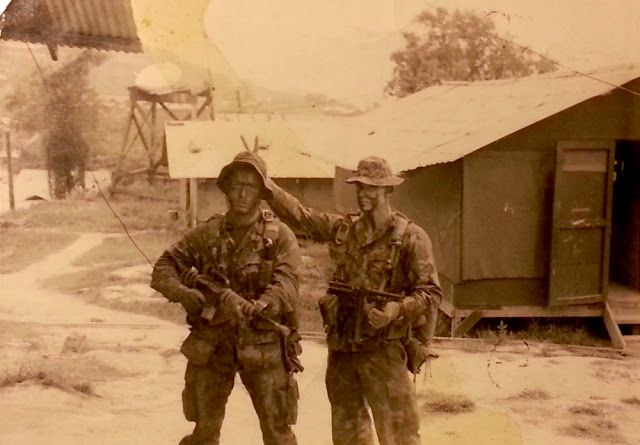
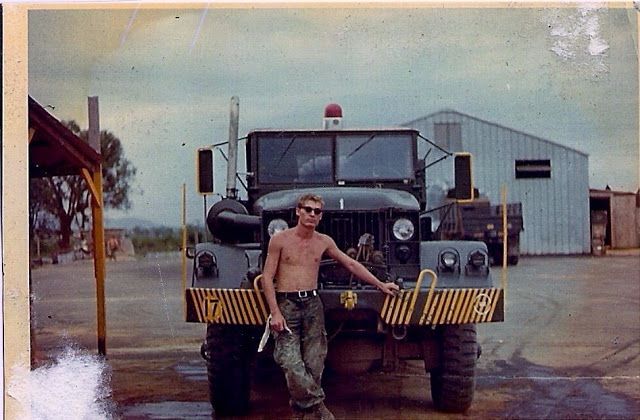
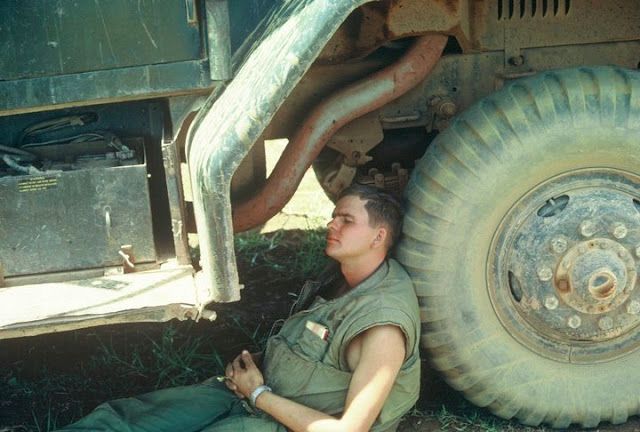
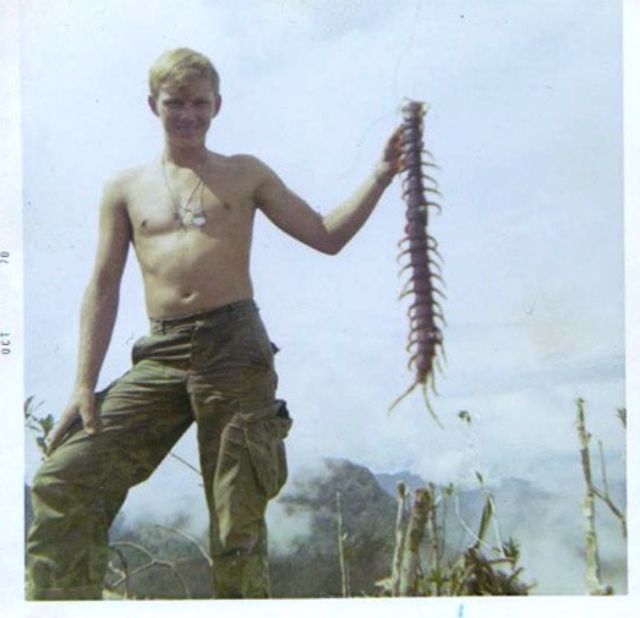
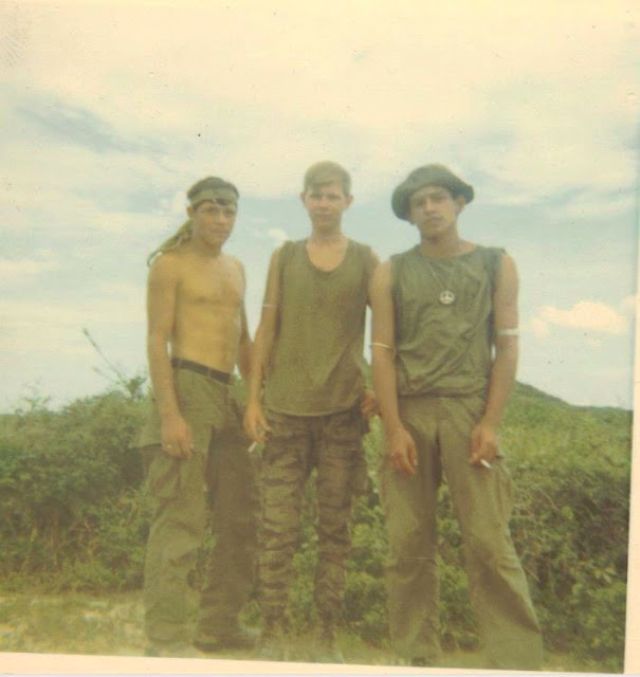
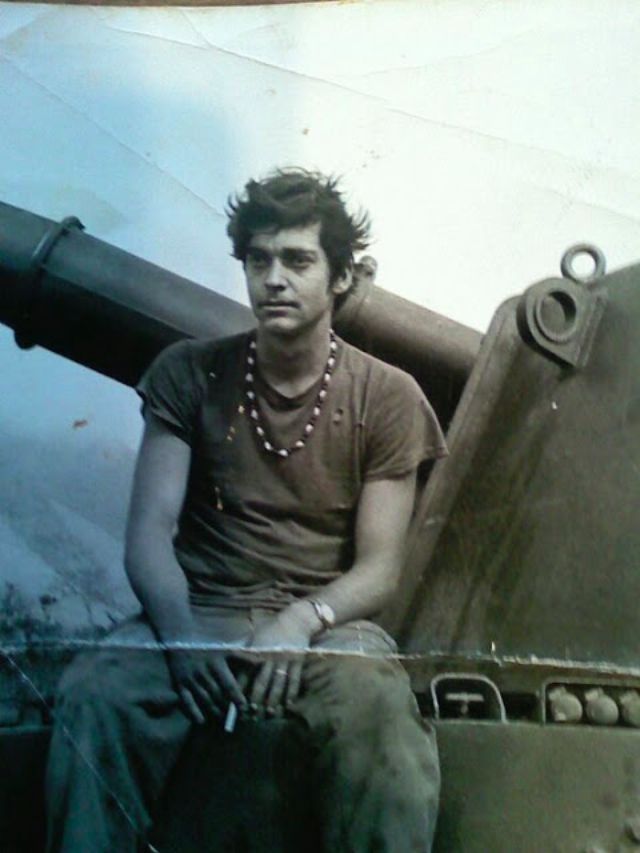
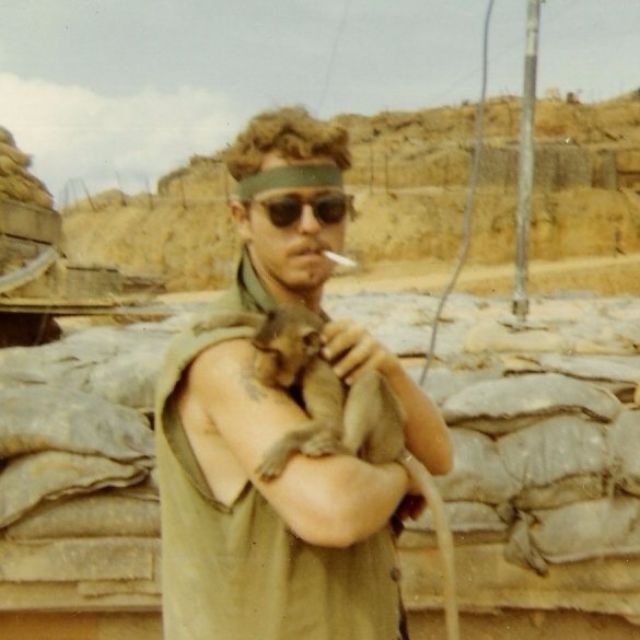
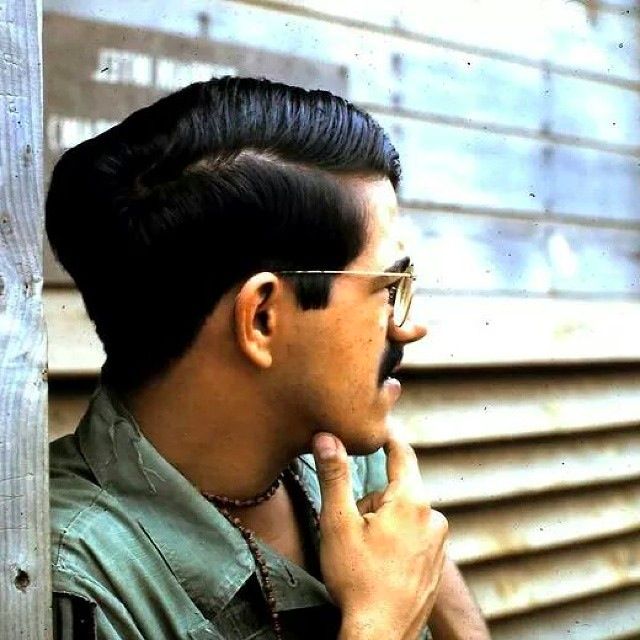
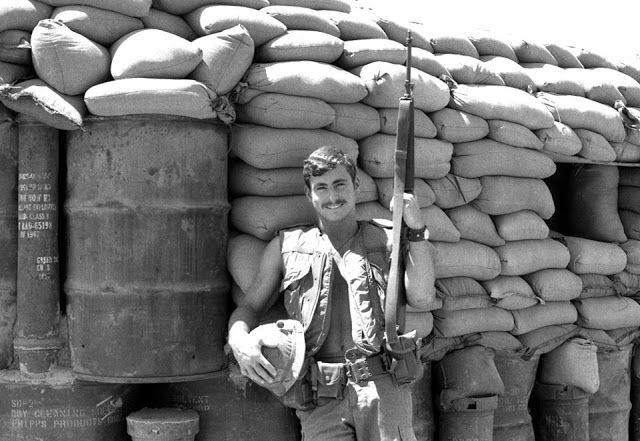
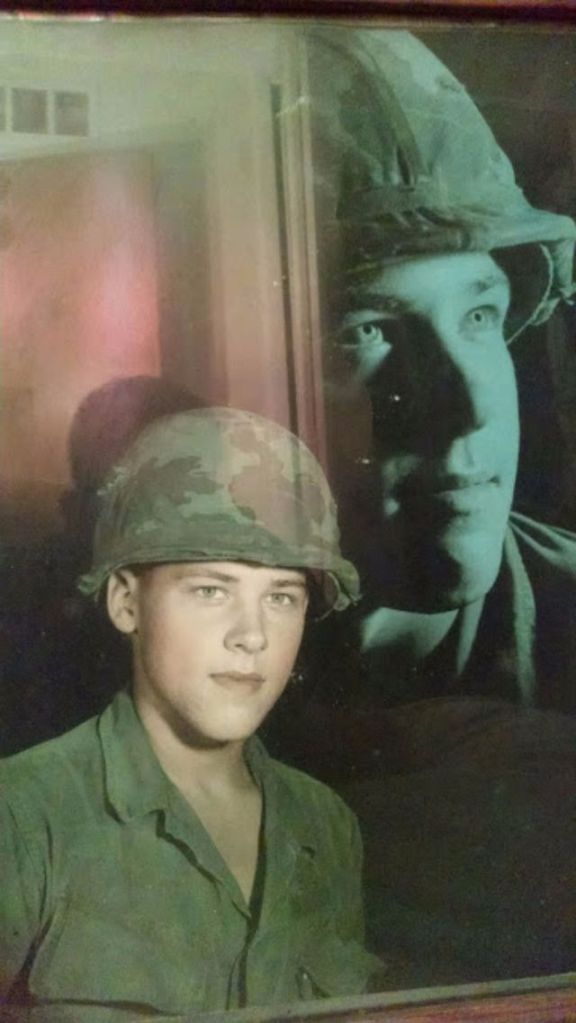
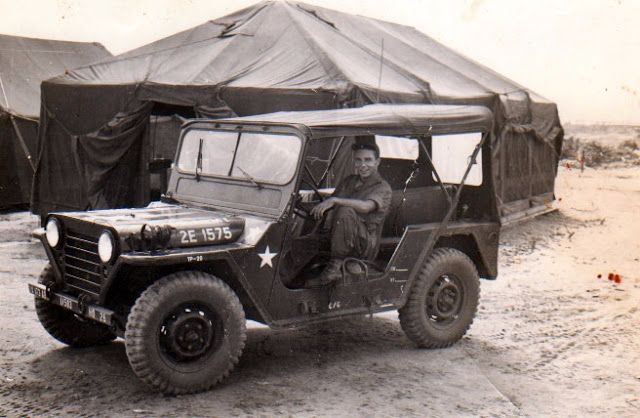
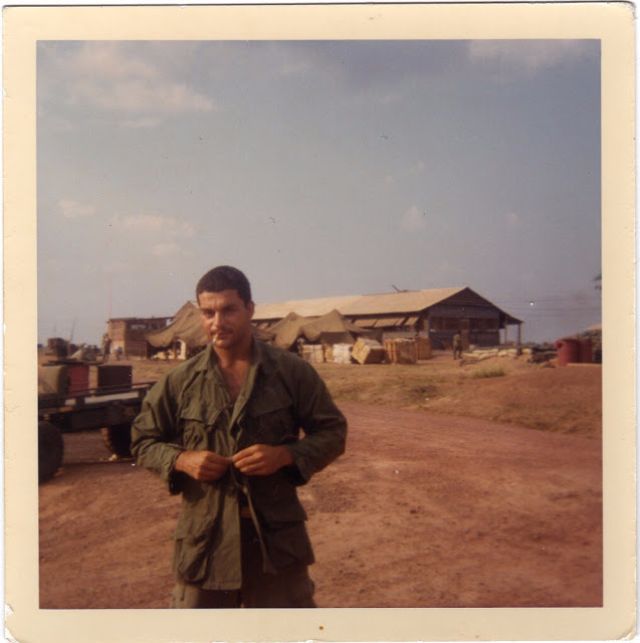
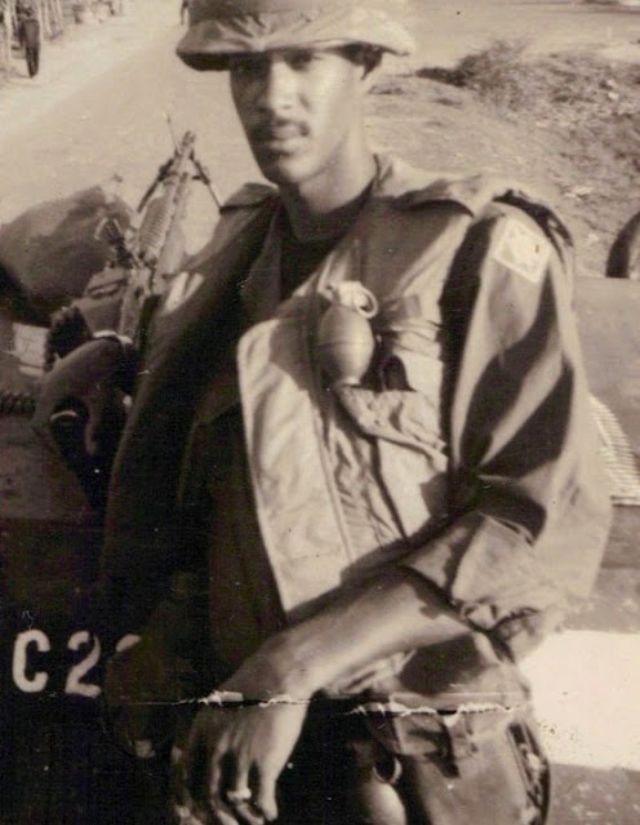
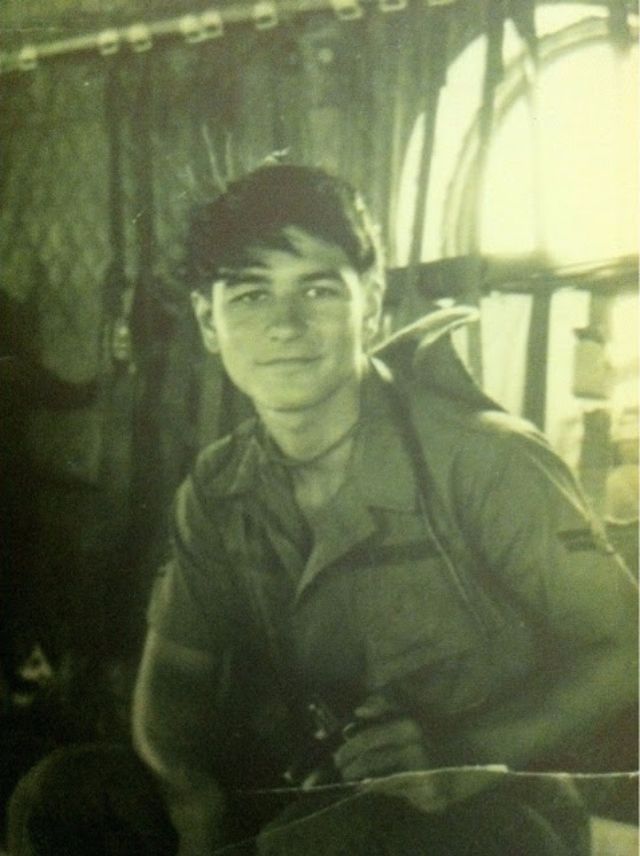
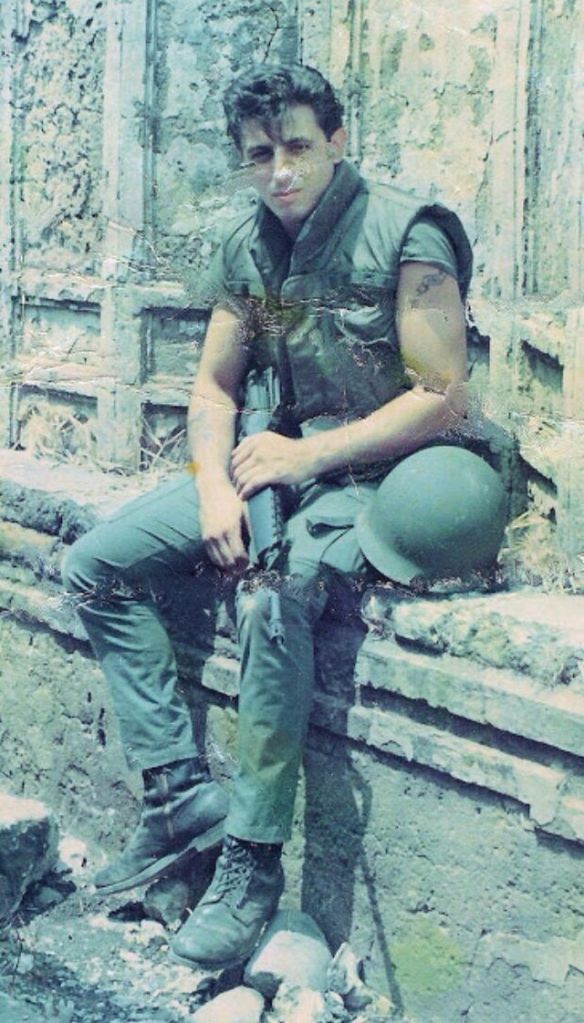
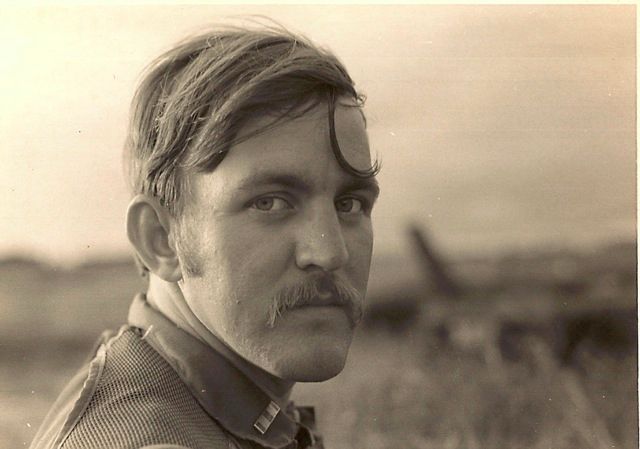
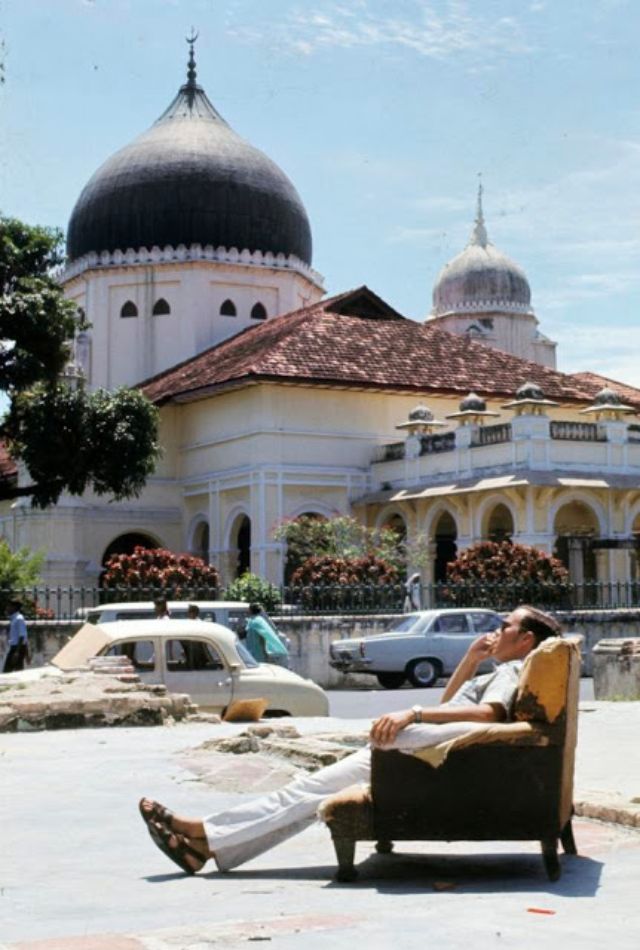
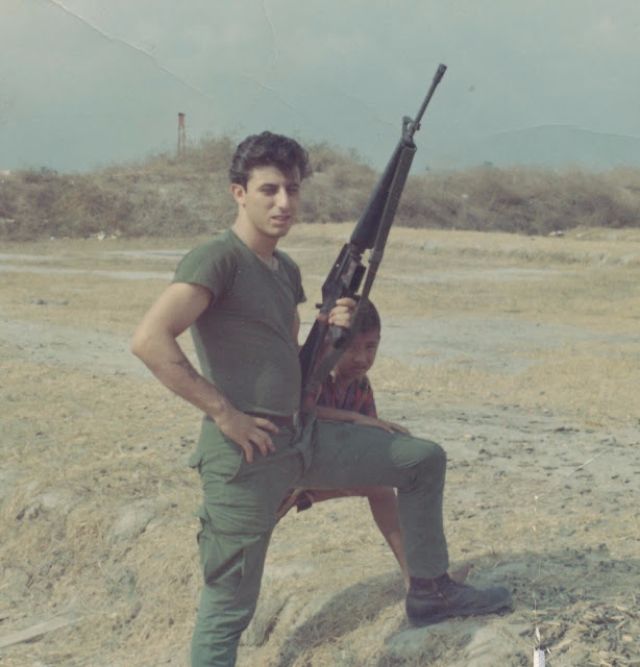
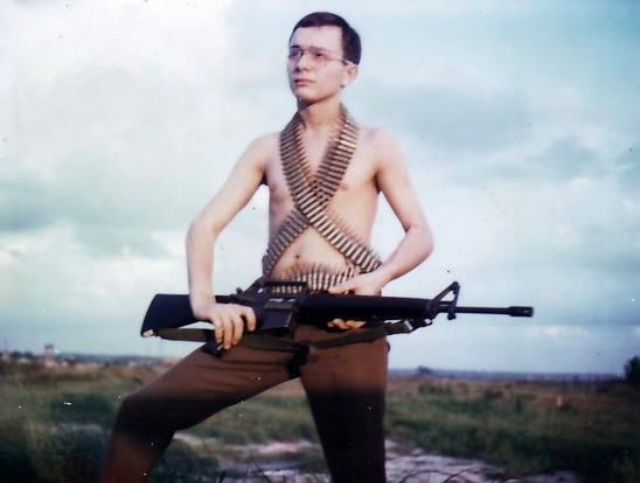
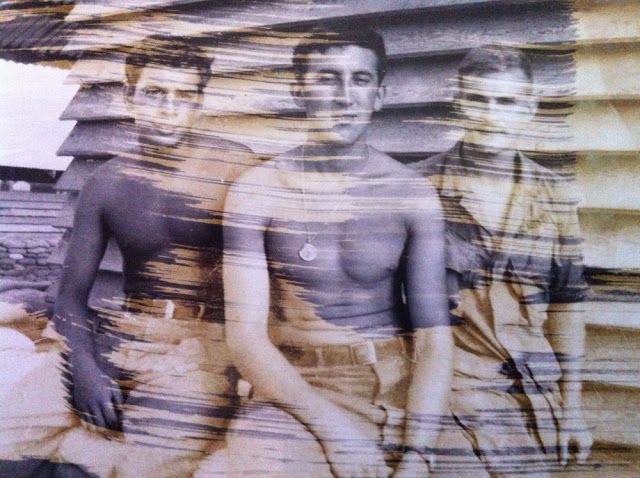
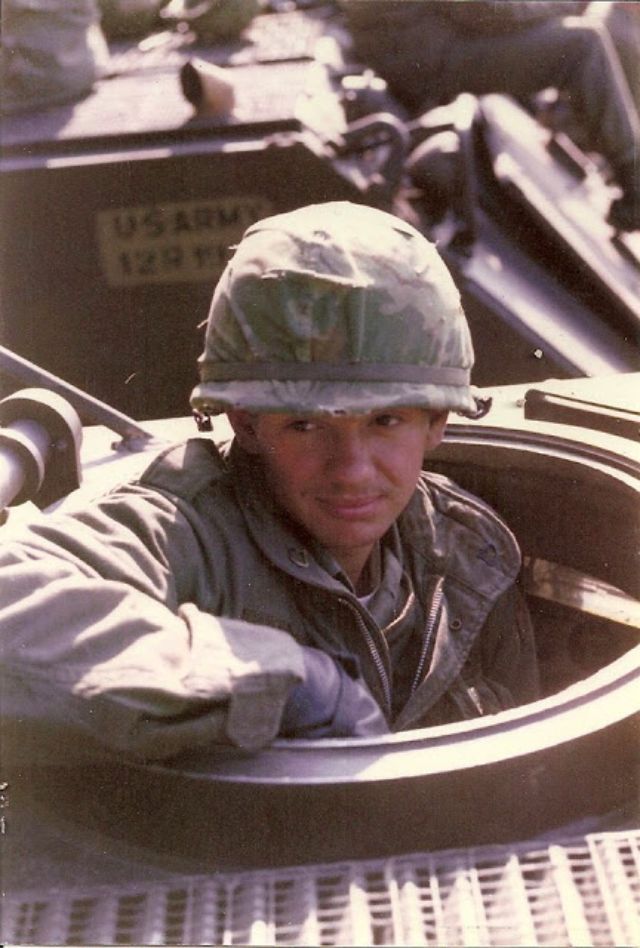
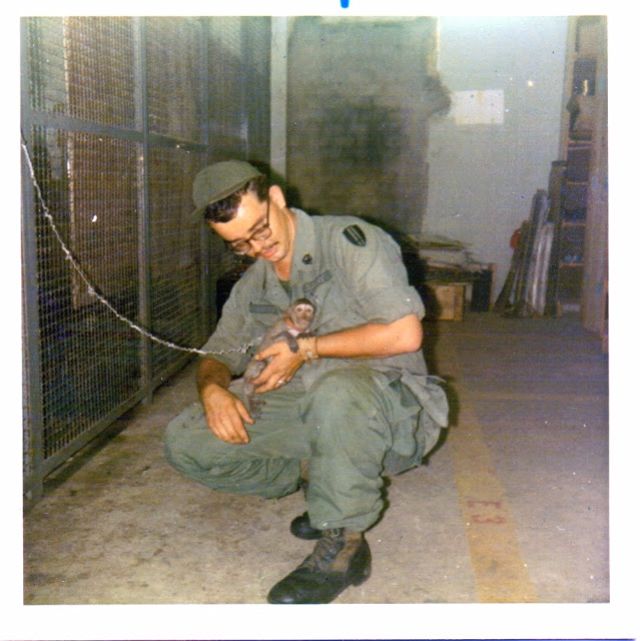
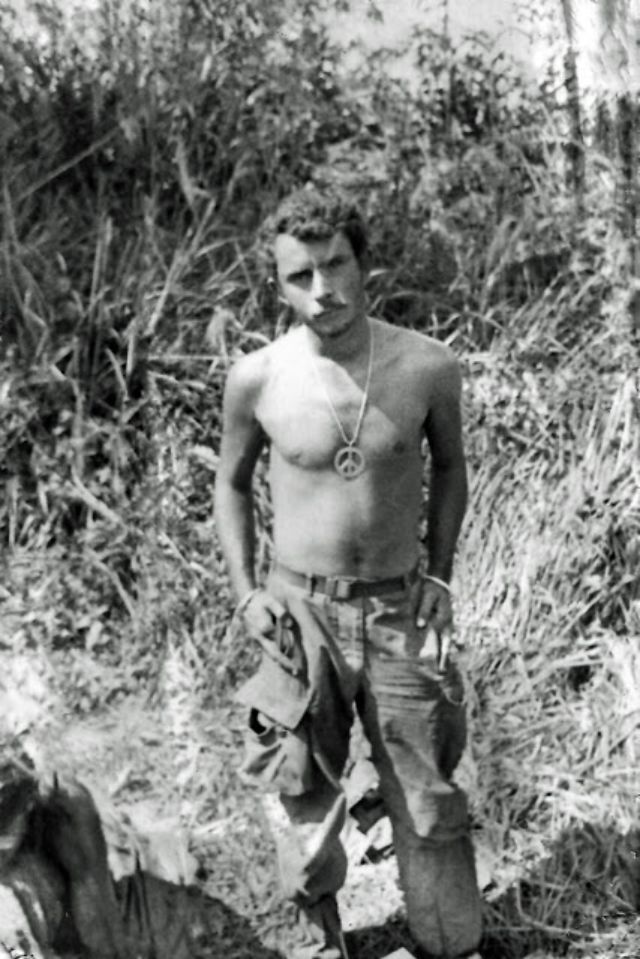
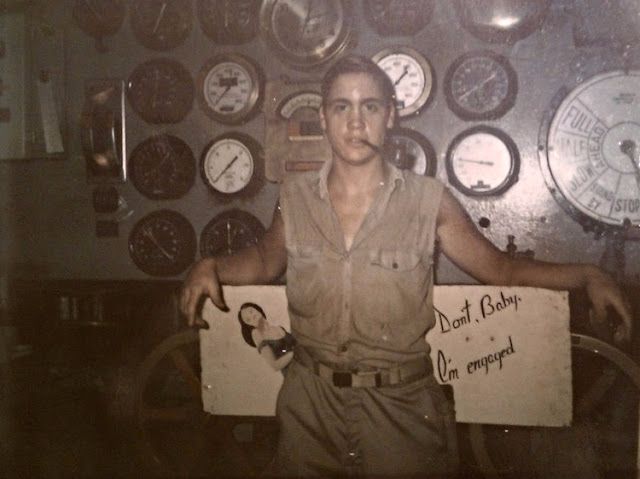
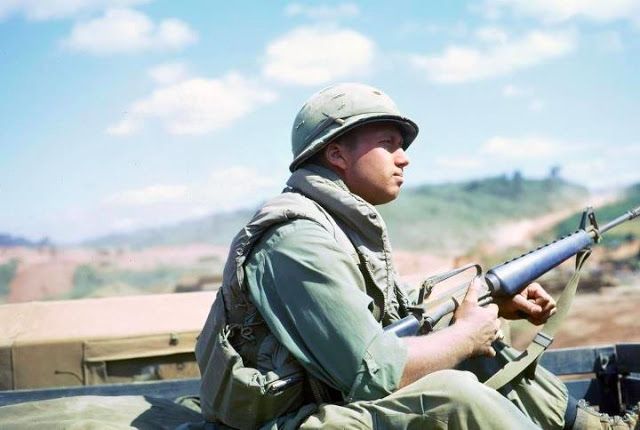
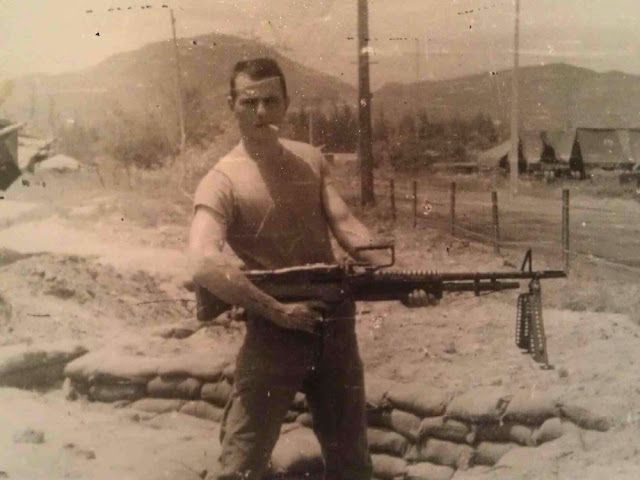
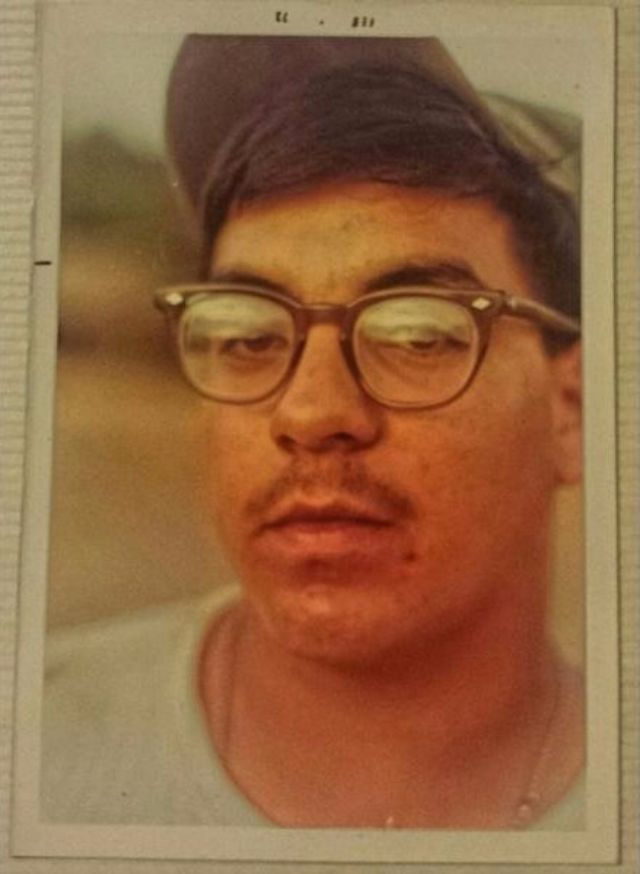
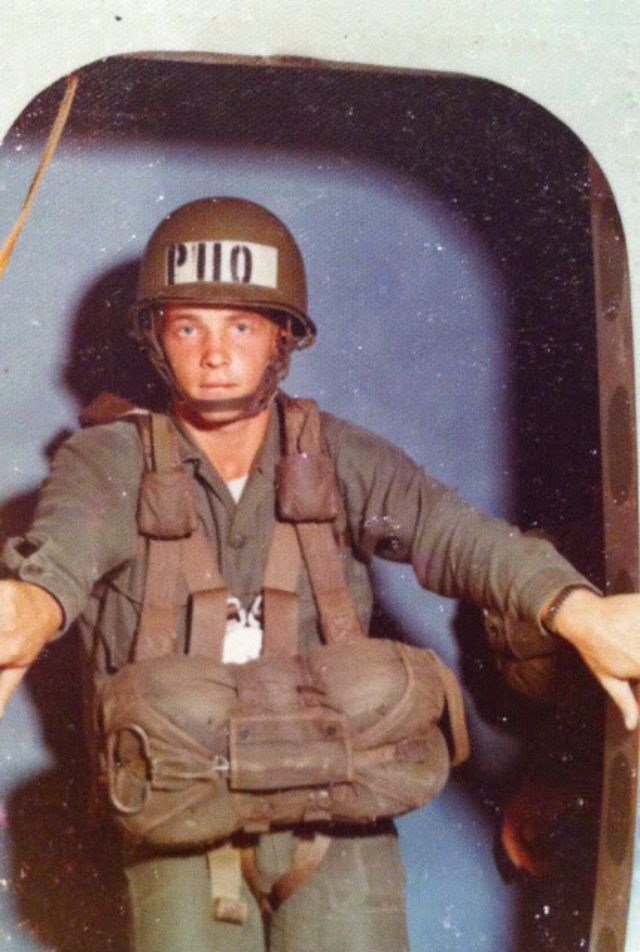
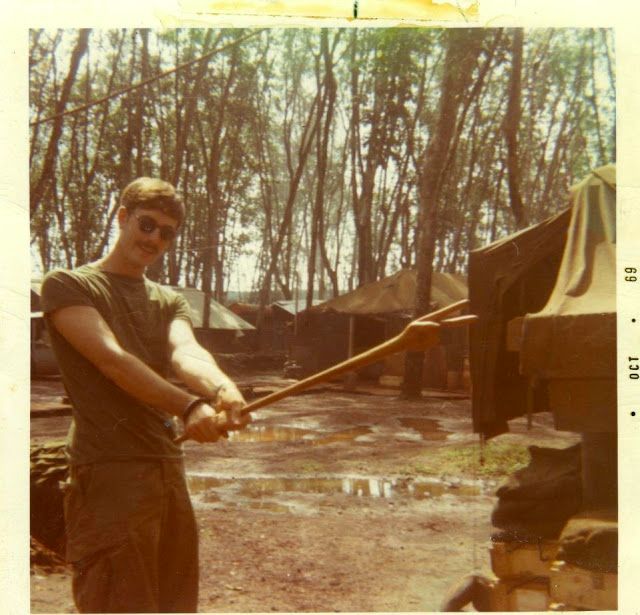
The Vietnam War, also known as the Second Indochina War, was a conflict in Vietnam, Laos, and Cambodia from 1 November 1955 to the fall of Saigon on 30 April 1975. It was the second of the Indochina Wars and was officially fought between North Vietnam and South Vietnam. North Vietnam was supported by the Soviet Union, China, and other communist allies; South Vietnam was supported by the United States, South Korea, the Philippines, Australia, Thailand, and other anti-communist allies. The war, considered a Cold War-era proxy war by some, lasted 19 years, with direct U.S. involvement ending in 1973, and included the Laotian Civil War and the Cambodian Civil War, which ended with all three countries becoming communist in 1975.
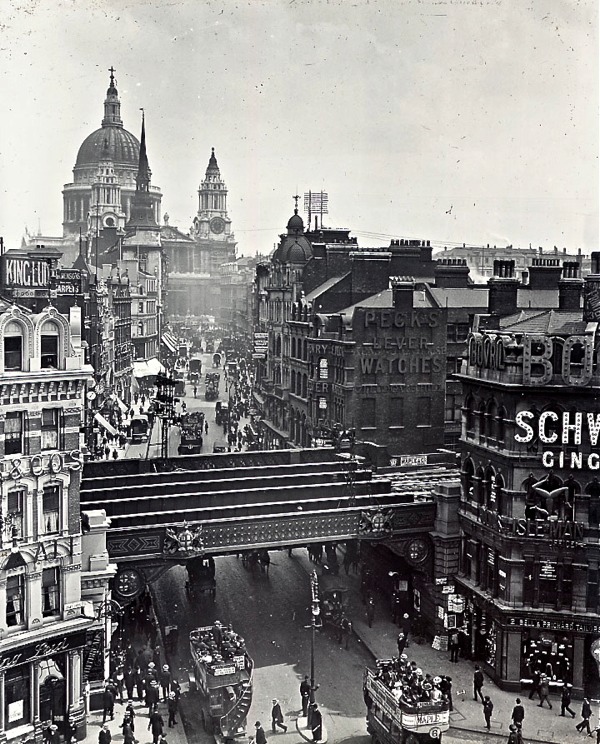
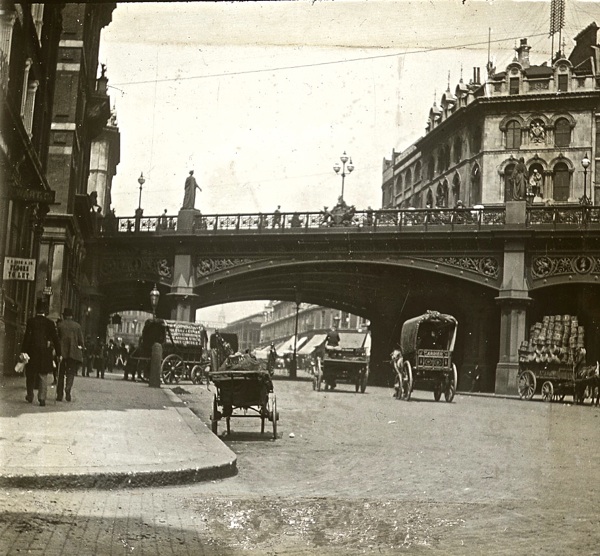
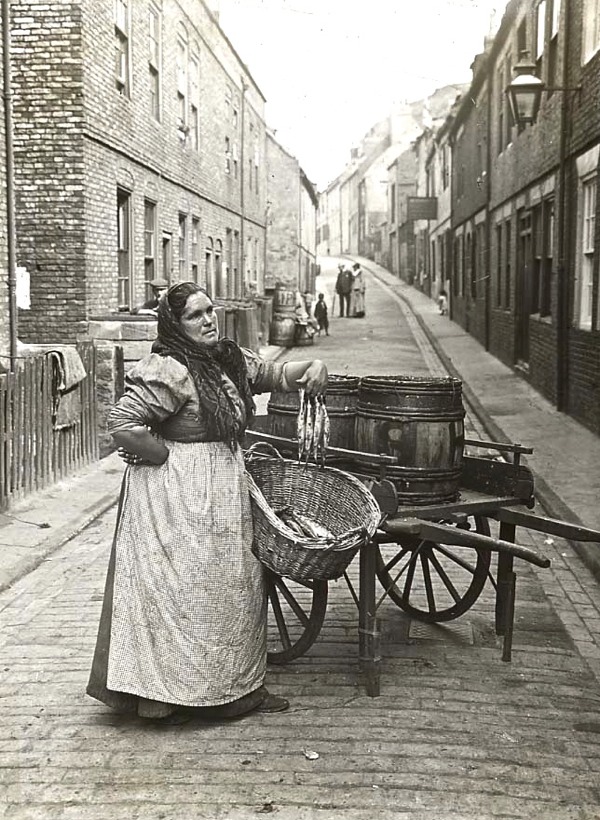
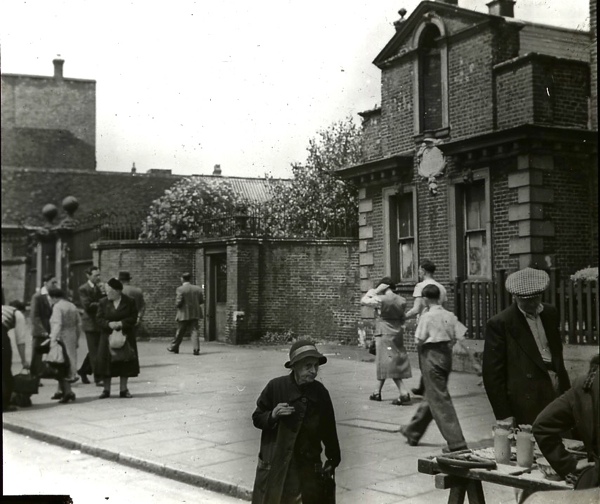
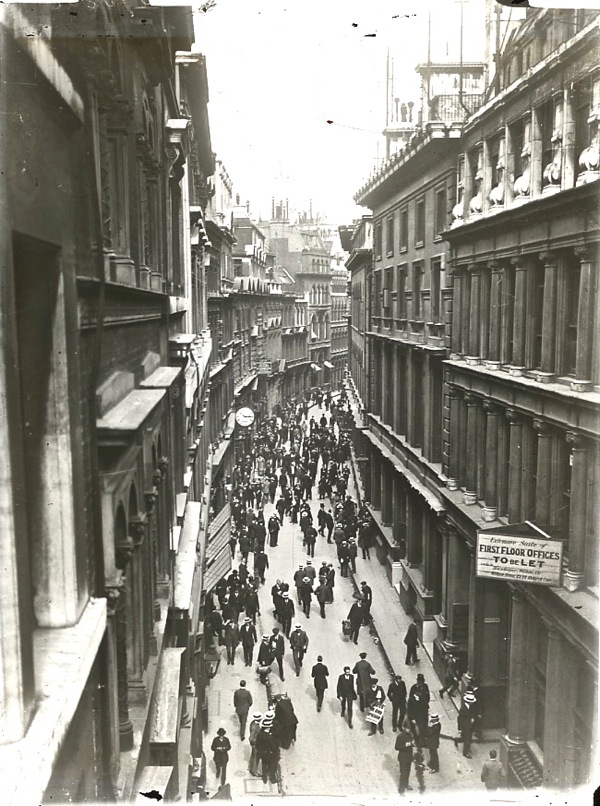
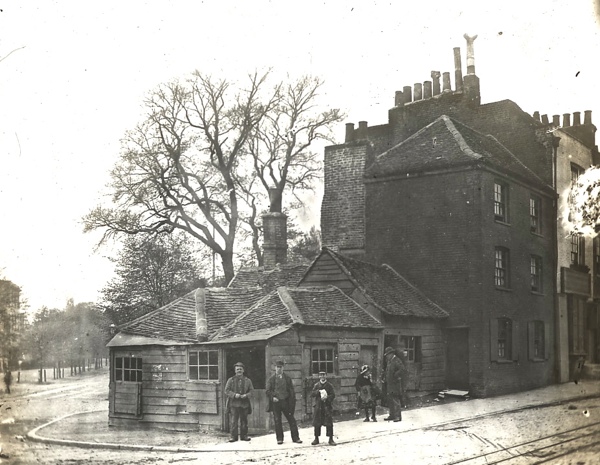
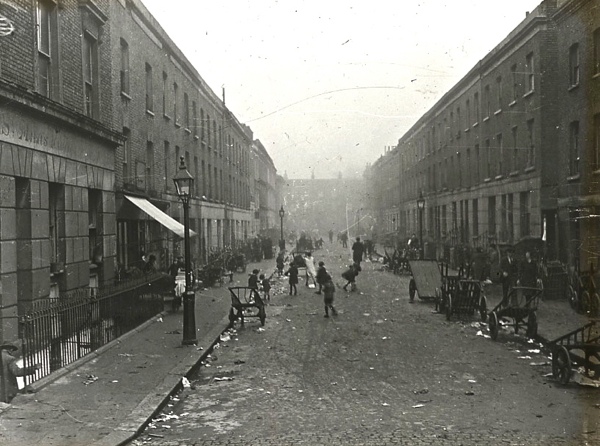
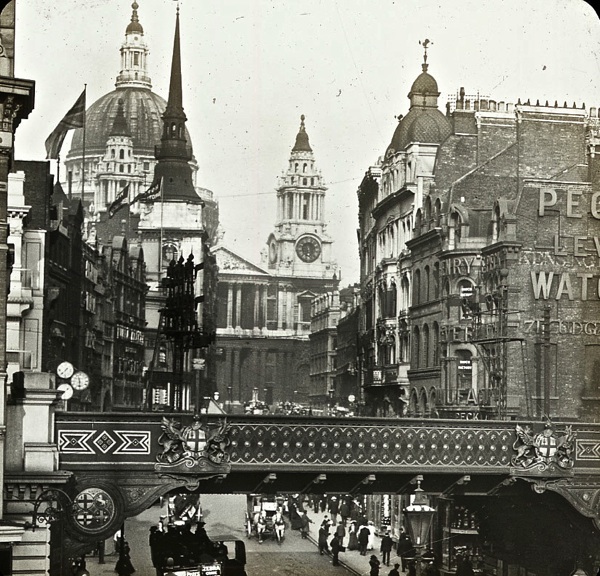
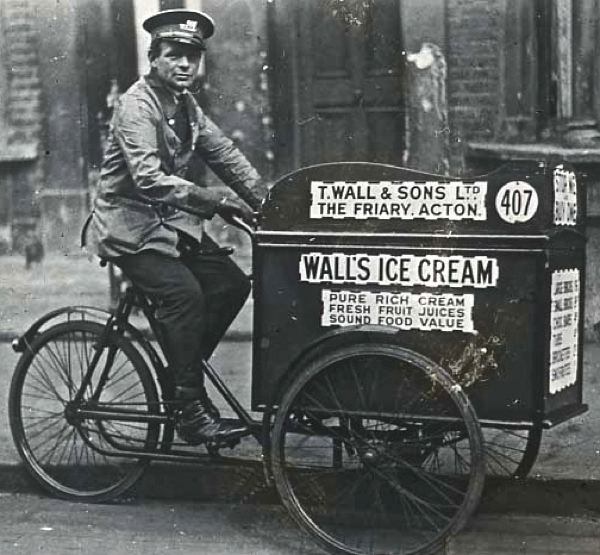
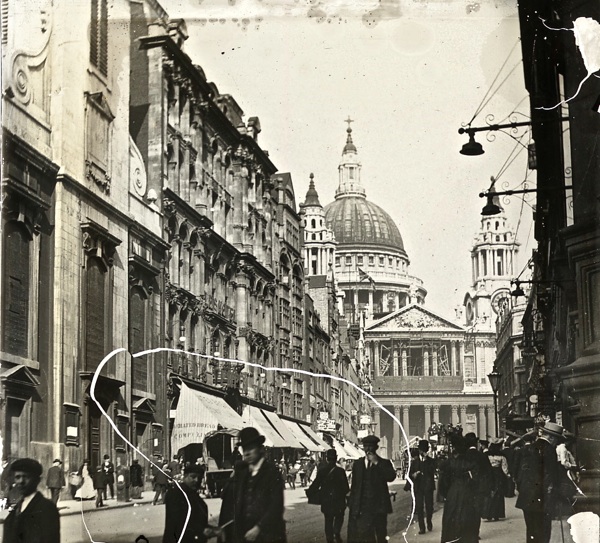
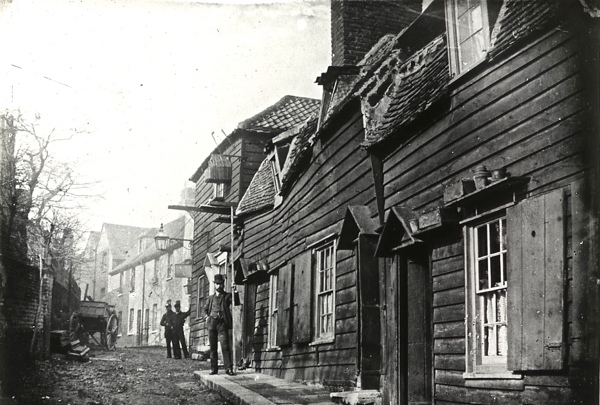
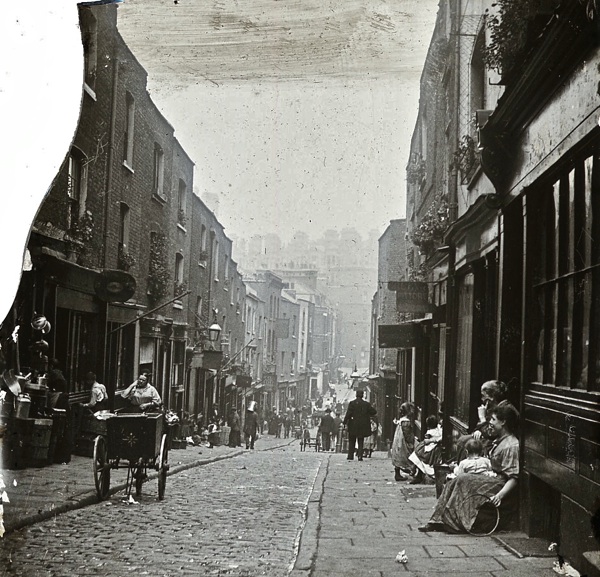
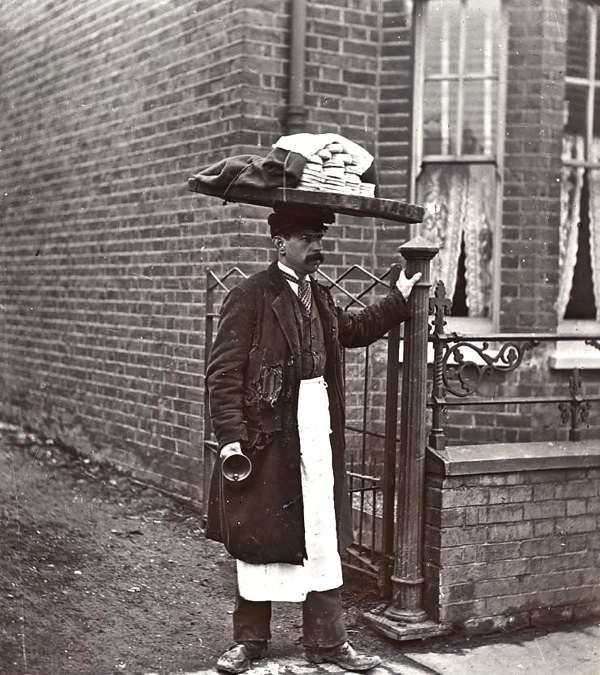
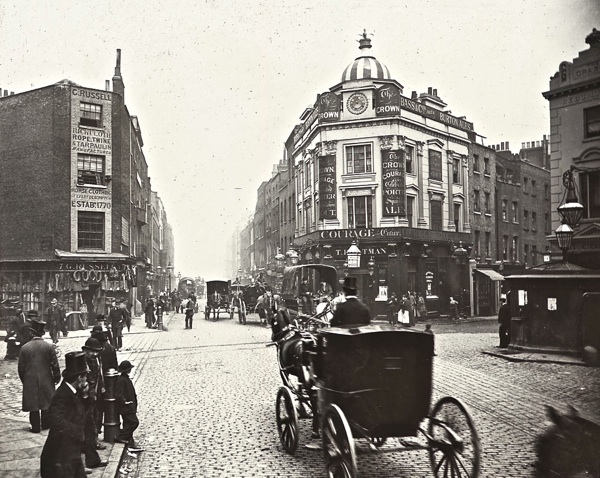
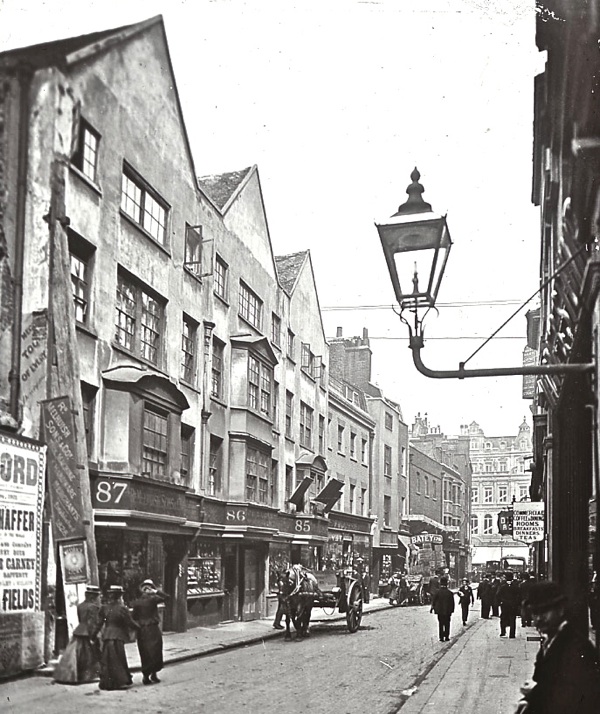
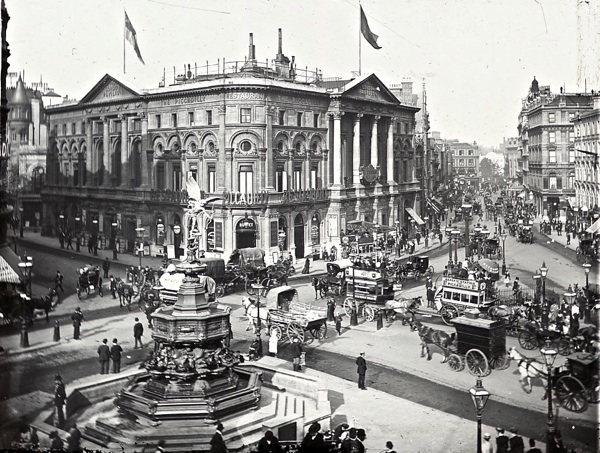
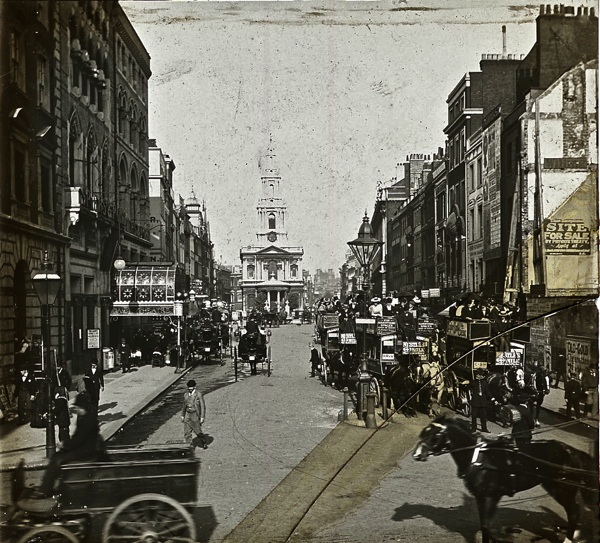
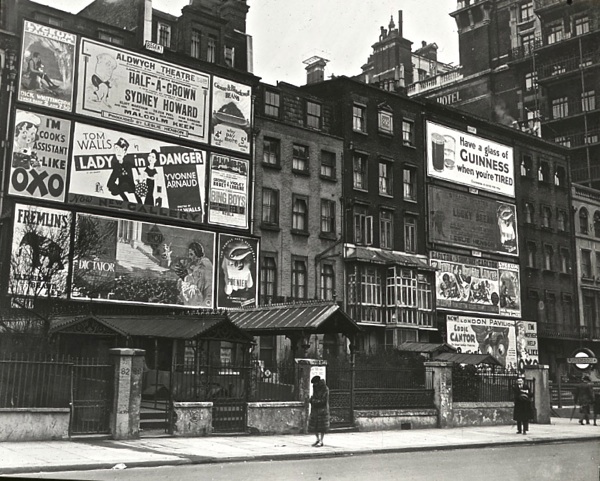
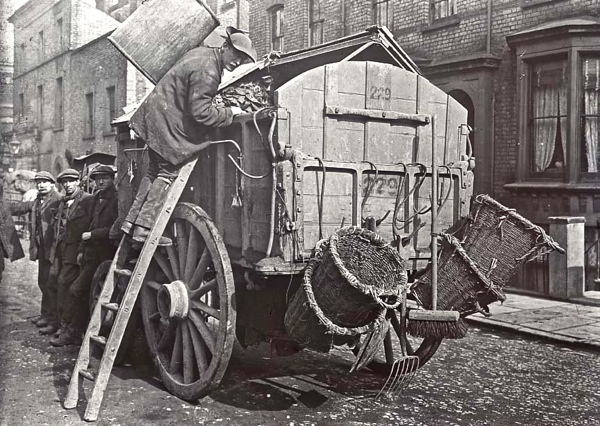
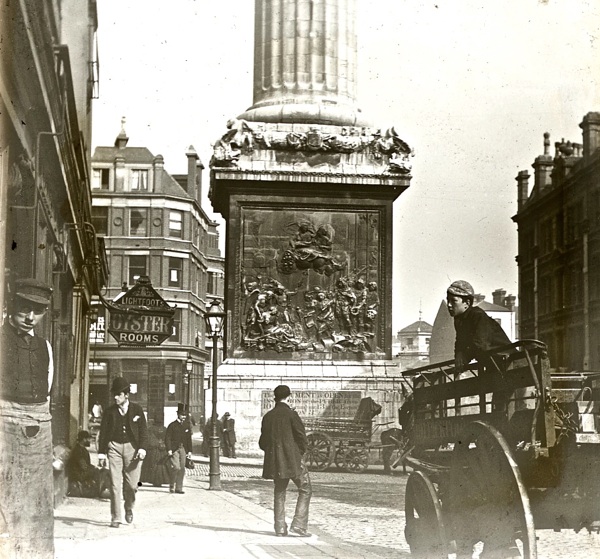
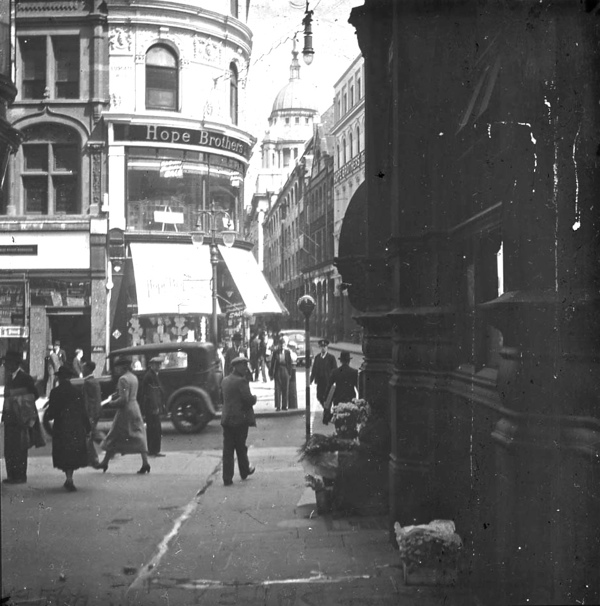
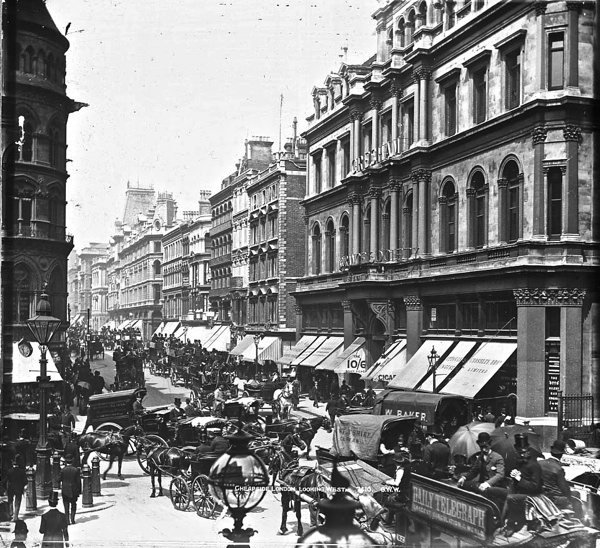
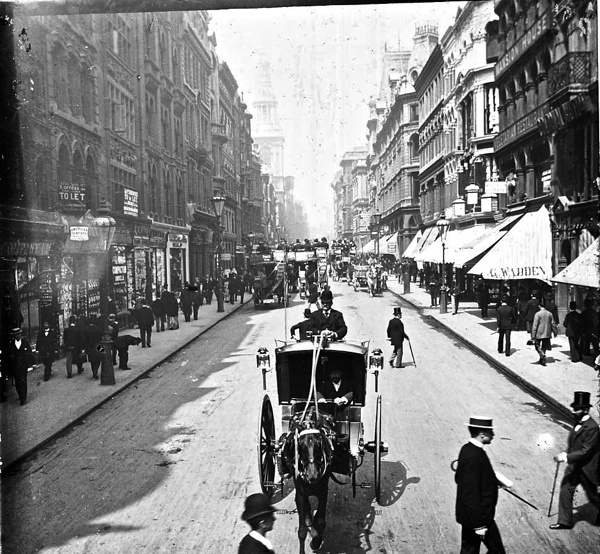
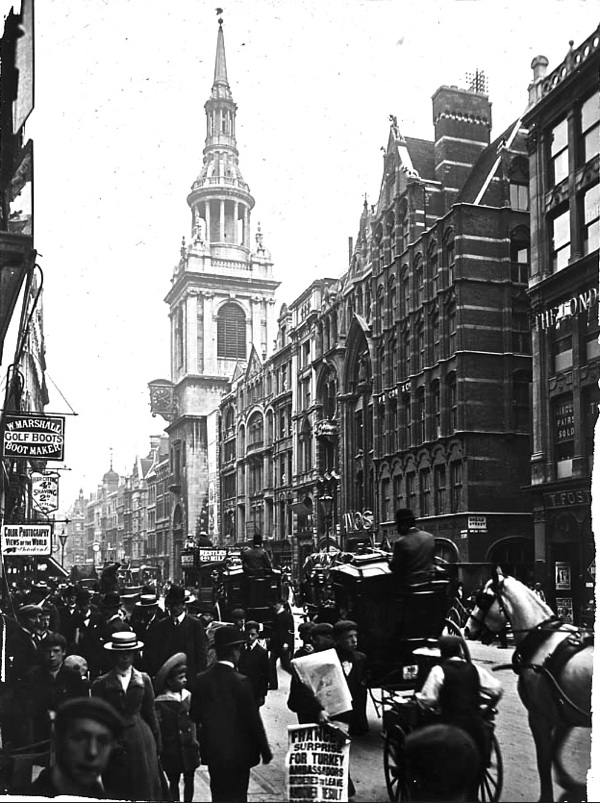
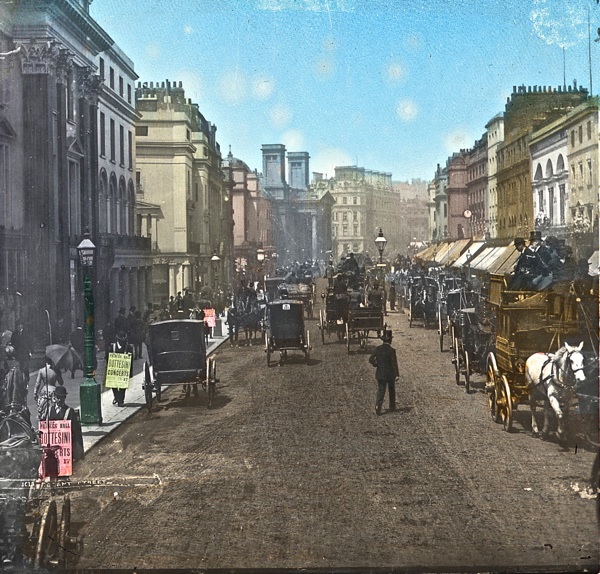
Piccadilly, 1900Ludgate Hill, 1920Holborn Viaduct, 1910Woman selling fish from a barrel, 1910Trinity Almshouses, Mile End Rd, 1920Throgmorton St, 1920Highgate Forge, Highgate High St, 1900Bangor St, Kensington, 1900Ludgate Hill, 1910Walls Ice Cream Vendor, 1920Ludgate Hill, 1910Strand Yard, Highgate, 1900Eyre St Hill, Little Italy, 1890Muffin man, 1910Seven Dials, 1900Fetter Lane, 1910Piccadilly Circus, 1900St Clement Danes, 1910Hoardings in Knightsbridge, 1935Wych St, 1890Dustcart, 1910At the foot of the Monument, 1900Pageantmaster Court, Ludgate Hill, 1930Holborn Circus, 1910Cheapside, 1890Cheapside, 1892Cheapside with St Mary Le Bow, 1910Regent St, 1900
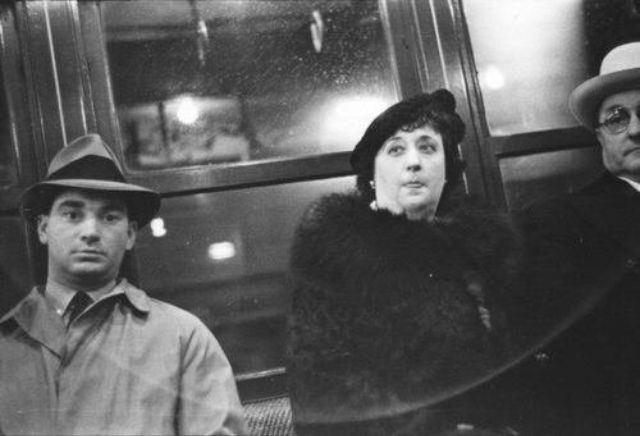
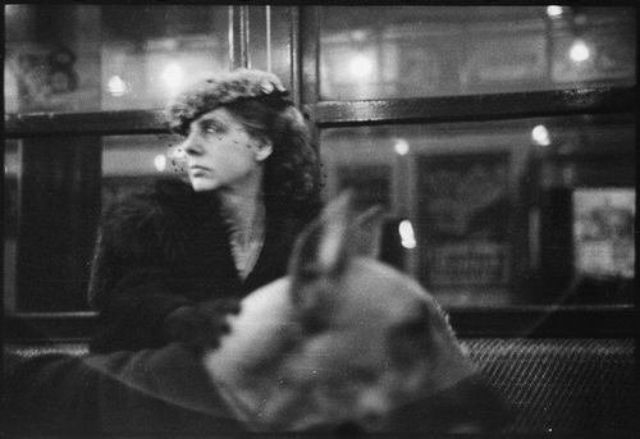
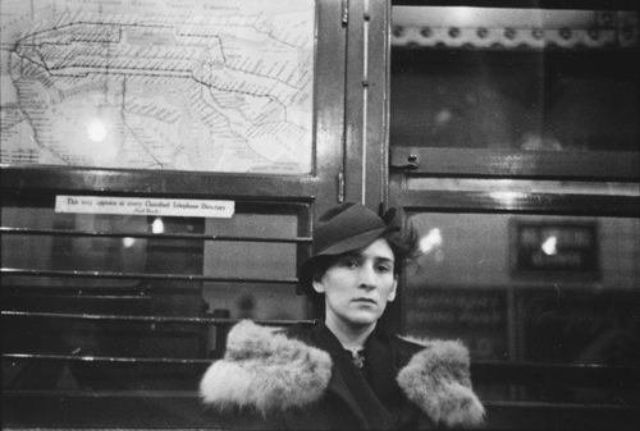
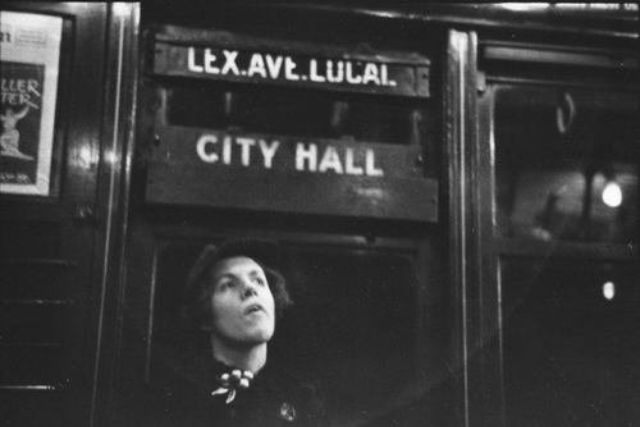
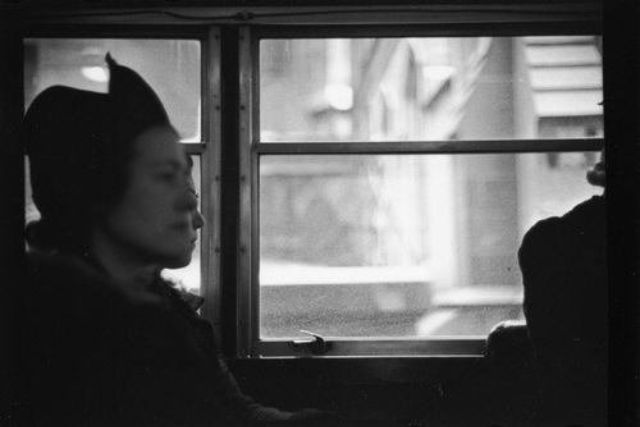
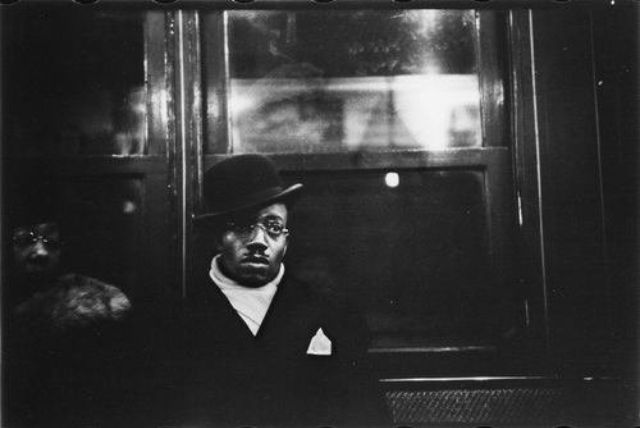
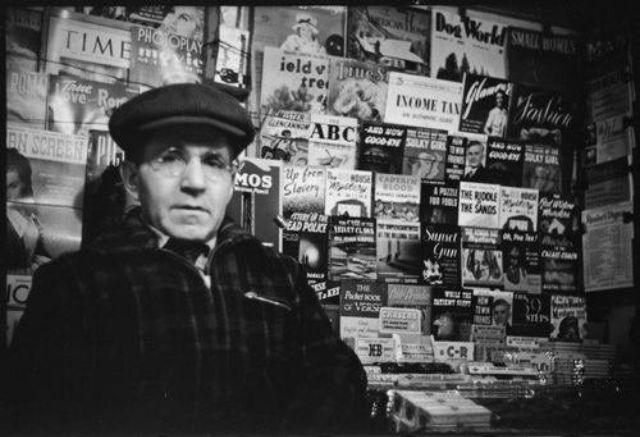
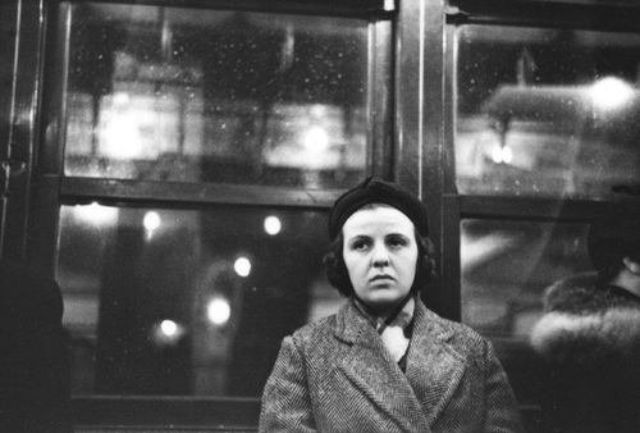
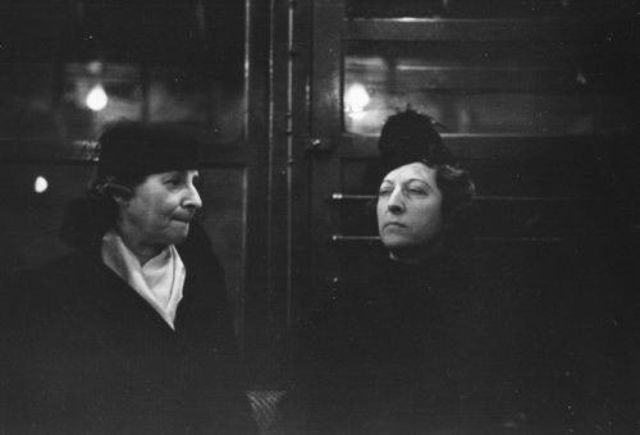
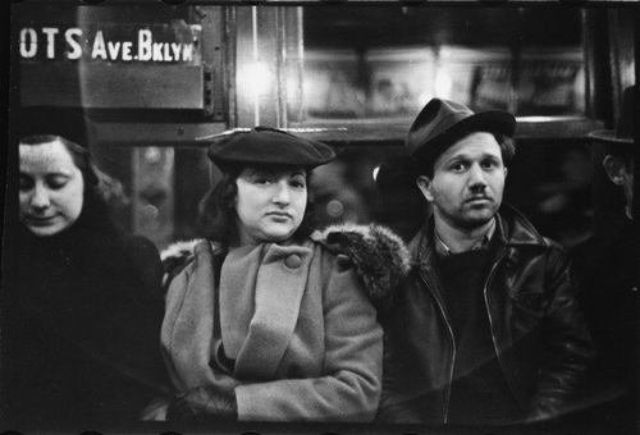
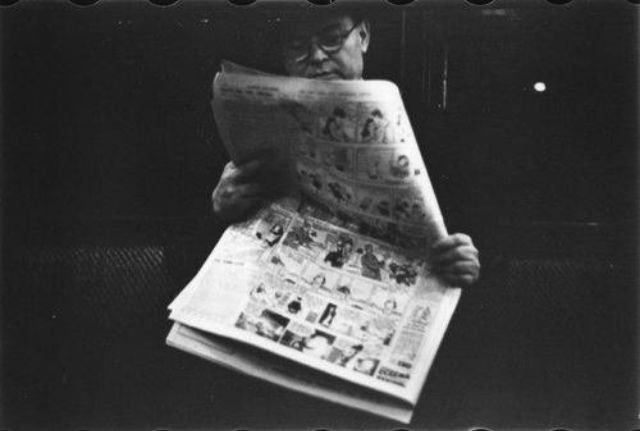
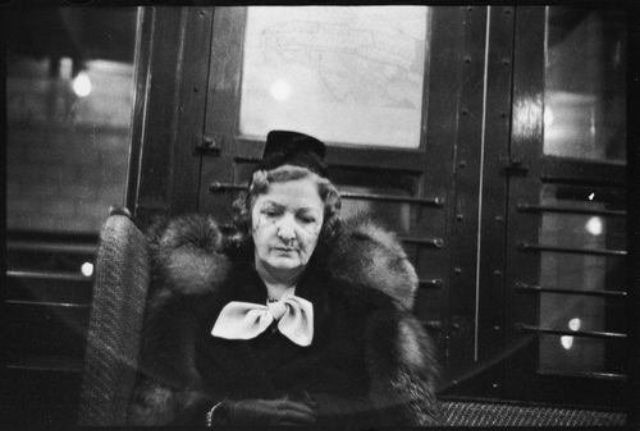
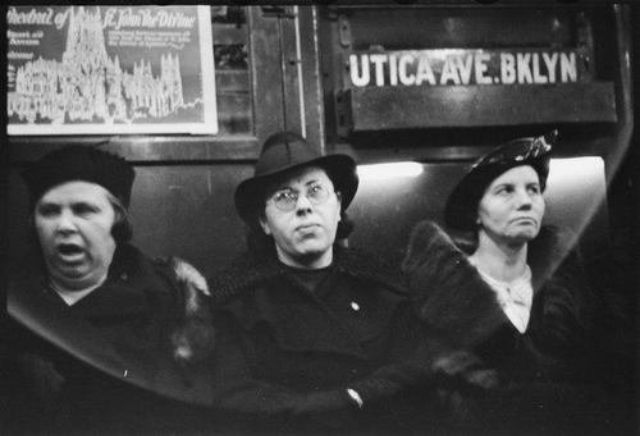
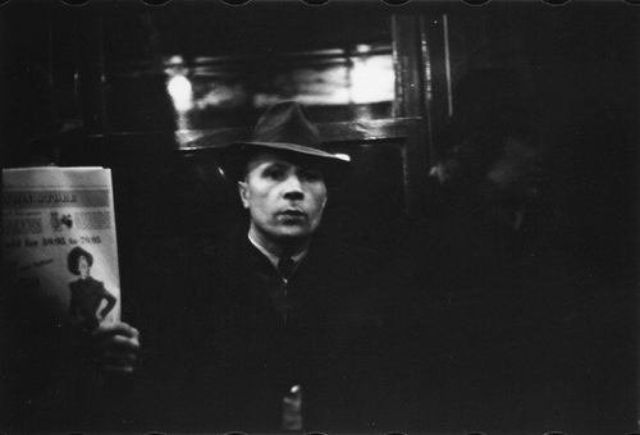
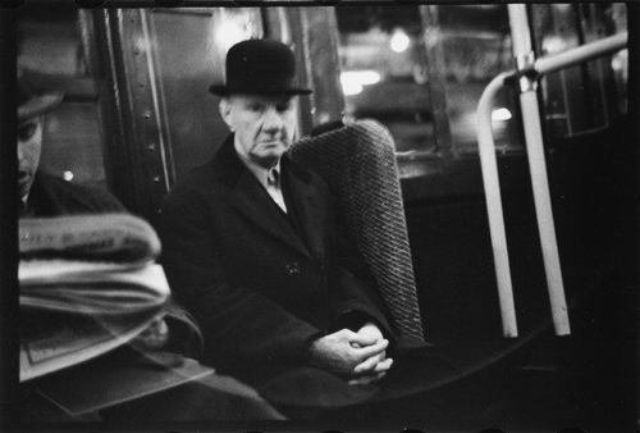
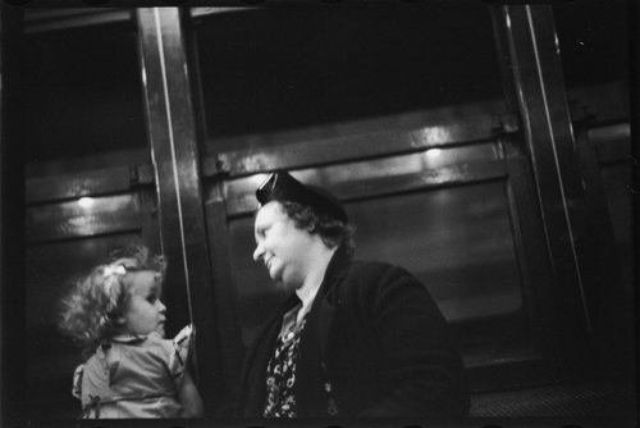
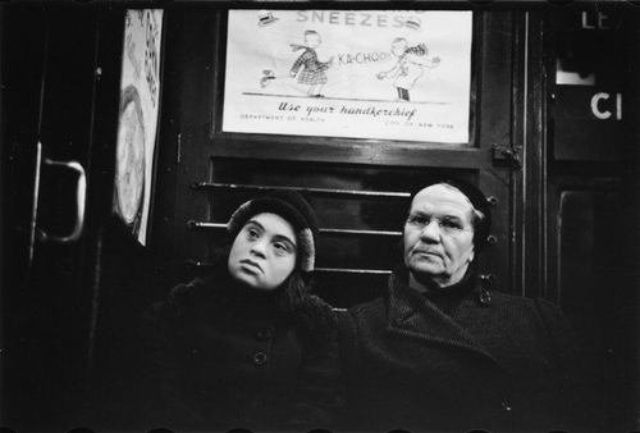
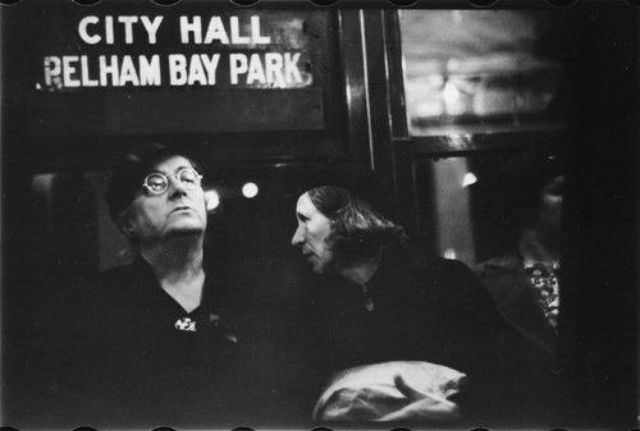
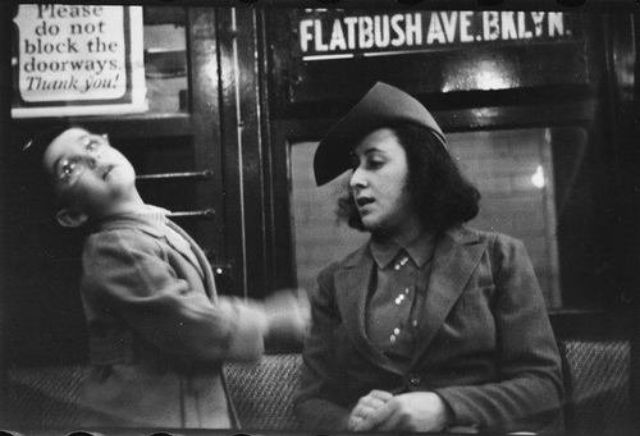
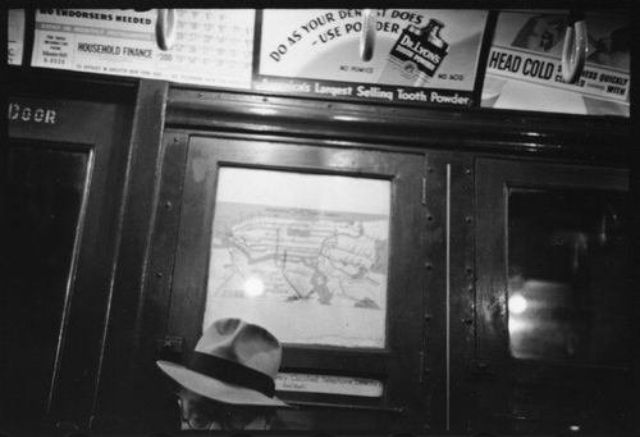
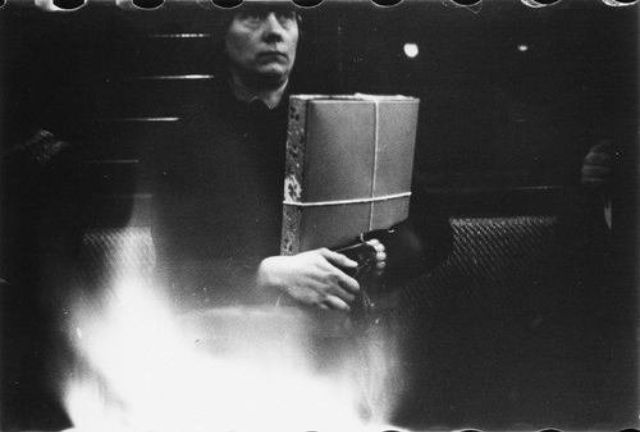
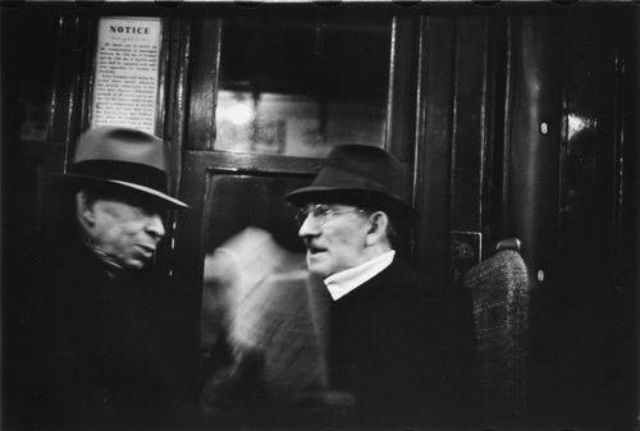
As photographic technology advanced—cameras became more portable and film more sensitive to light, requiring shorter exposure times—people were no longer required to stay still for pictures. Walker Evans was among the photographers who capitalized on this flexibility. Between 1938 and 1941, he took his camera underground, where he photographed subway riders in New York City. “The guard is down and the mask is off,” he wrote, “even more than when in lone bedrooms (where there are mirrors). People’s faces are in naked repose down in the subway.”
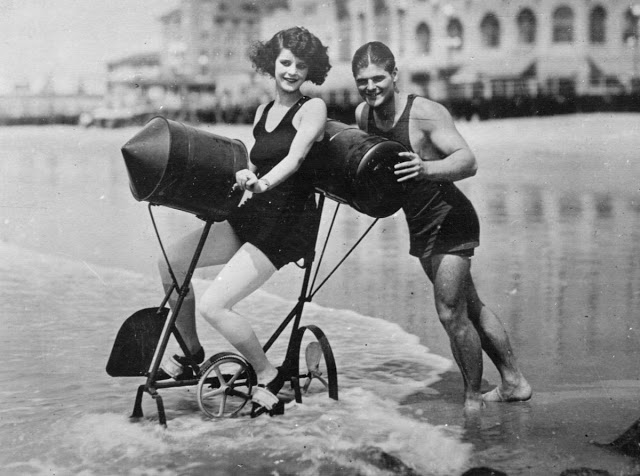
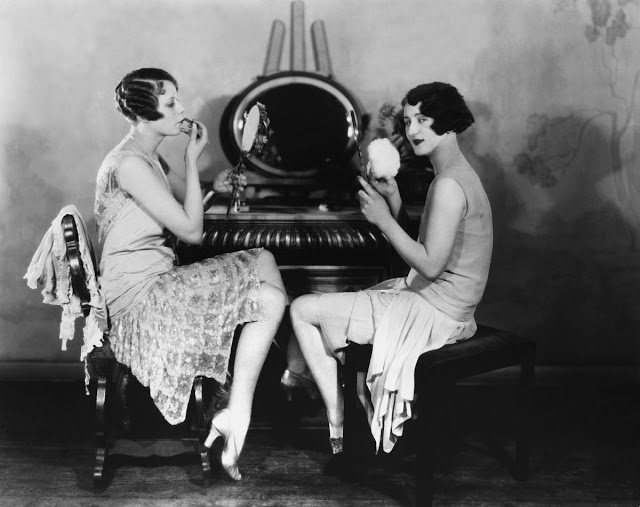
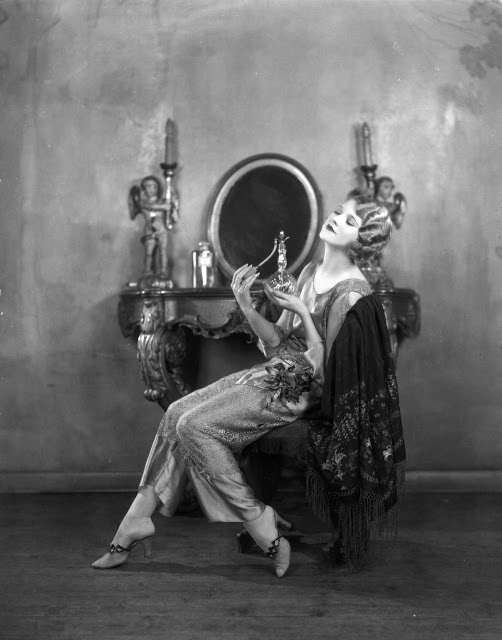
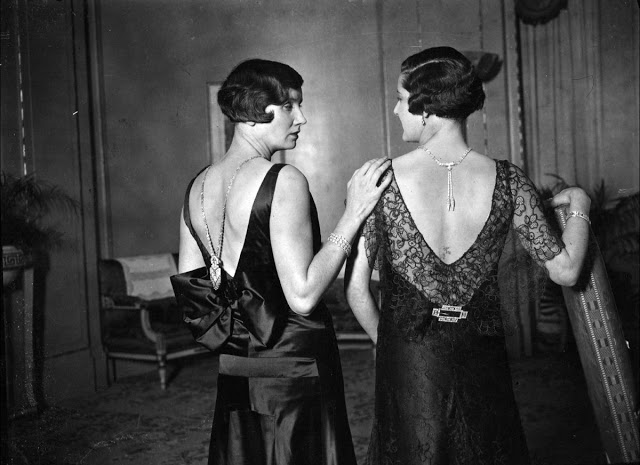
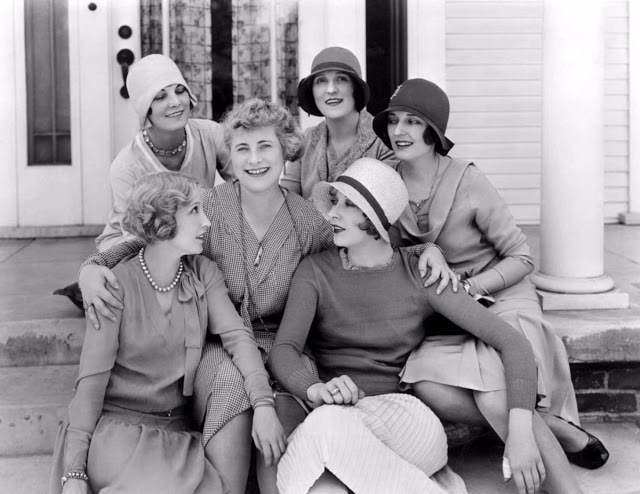
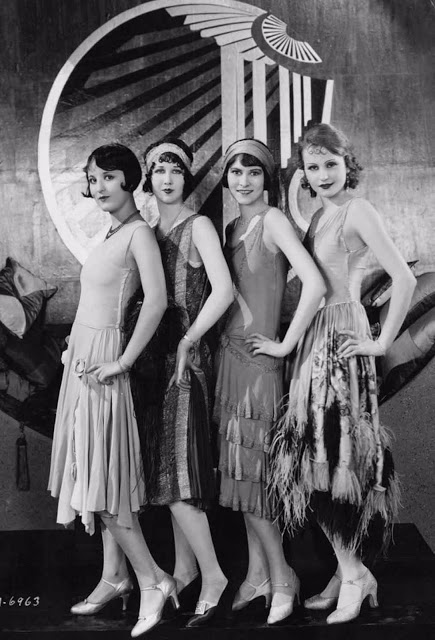
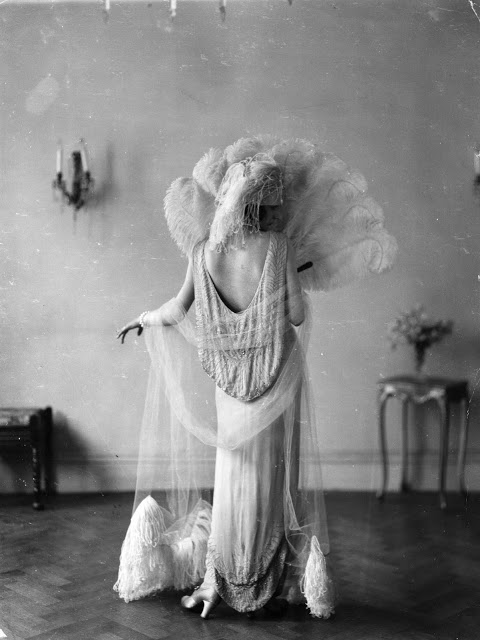
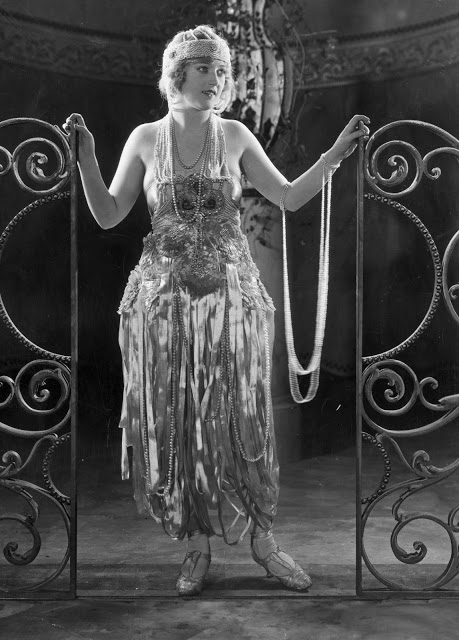
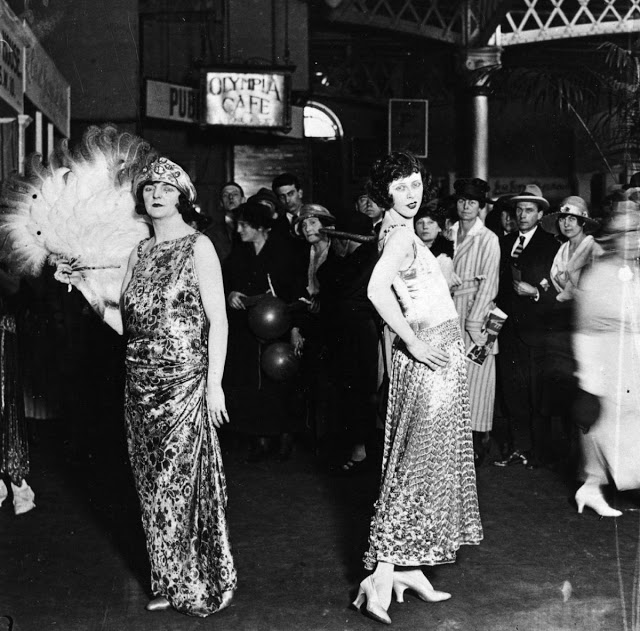
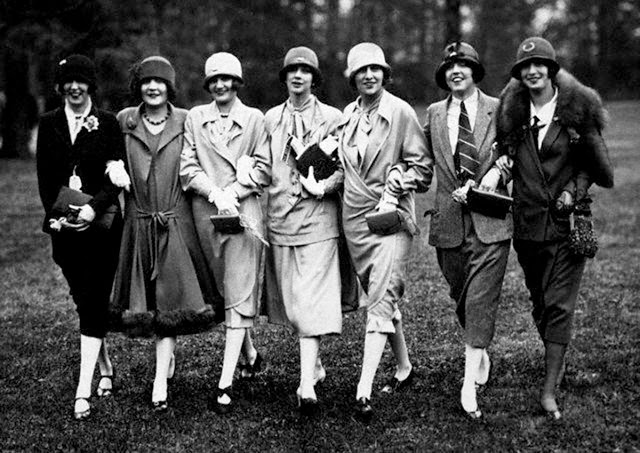
1920s fashion was the perfect blend between style and function. Beautiful clothes that allowed women to move.
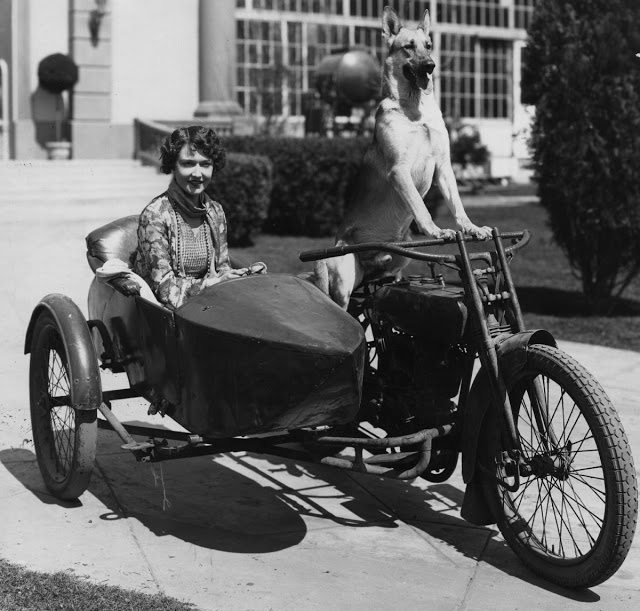
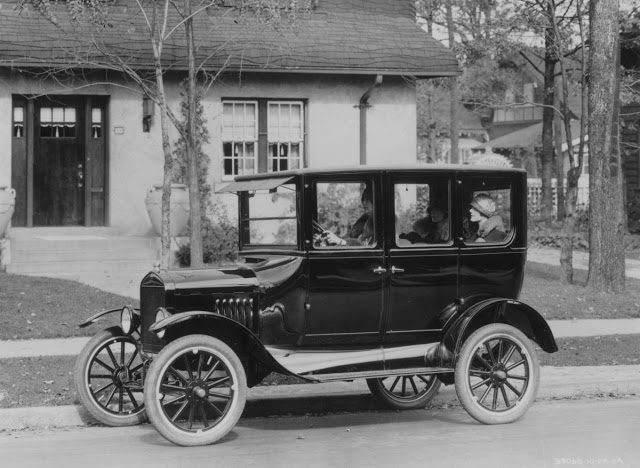
The 1920s heralded a dramatic break between America’s past and future. Before World War I the country remained culturally and psychologically rooted in the nineteenth century, but in the 1920s America seemed to break its wistful attachments to the recent past and usher in a more modern era. The most vivid impressions of that era are flappers and dance halls, movie palaces and radio empires, and Prohibition and speakeasies.
The flapper is most associated with the 1920s. Their skirts were shorter, they partied all night long, and they were the fad of the time. They left their corsets behind in nineteen-nineteen and put on a cloche hat to cover their short locks. They dropped their dress waistlines to their low hips and enjoyed the looseness of the prime time of their lives. They wore dresses adorned with fur and sequins. The colors were of bright and pale and often in dramatic combinations. Fashion had changed, and it would never be the same.
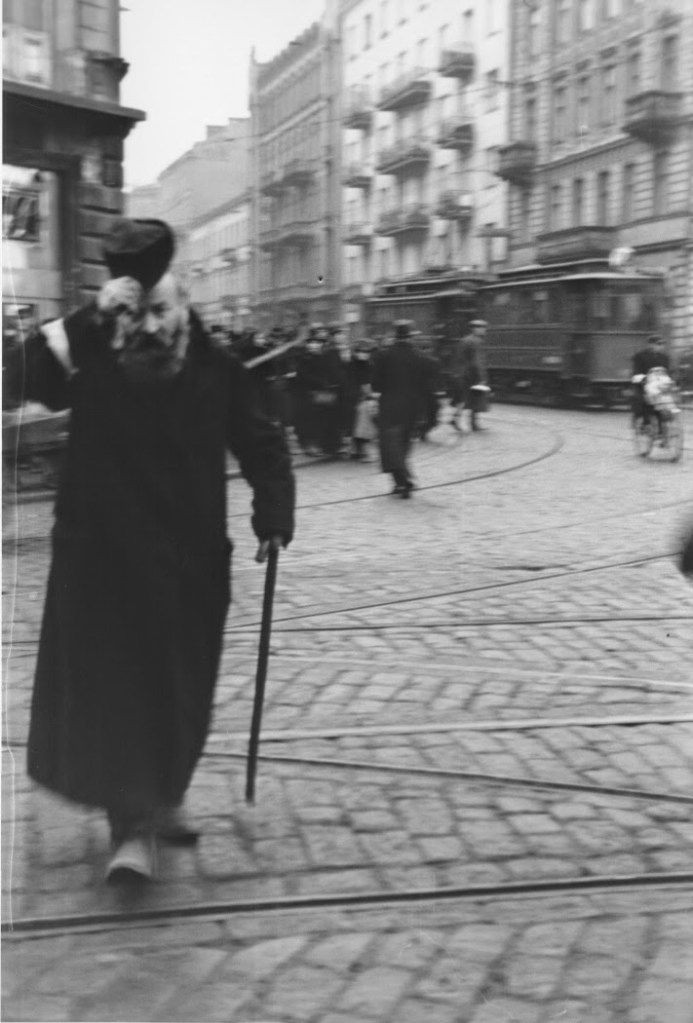
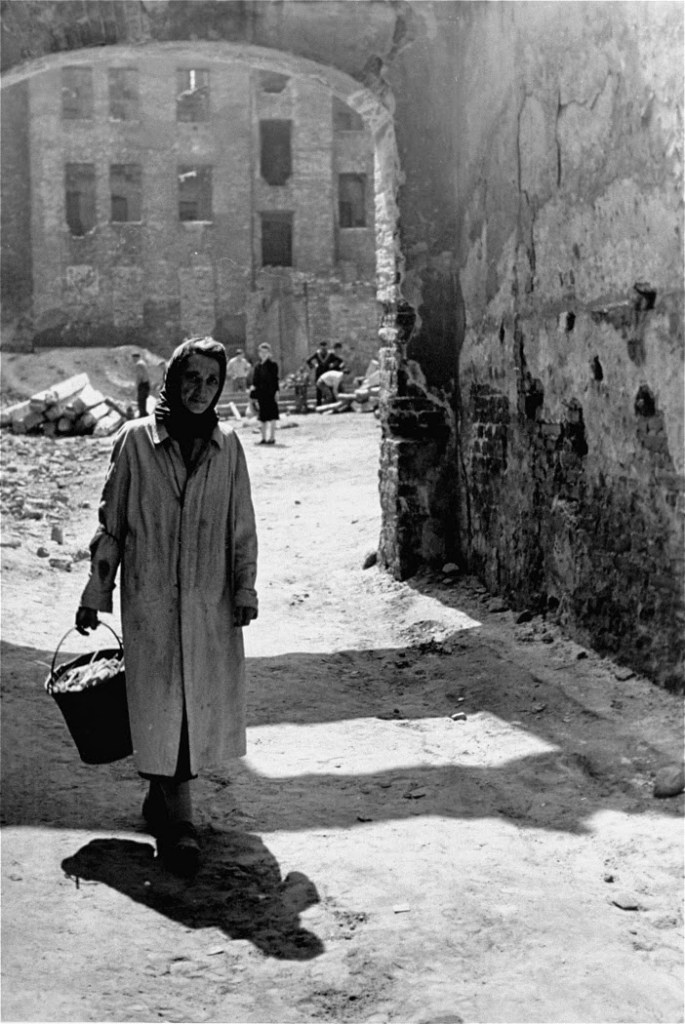
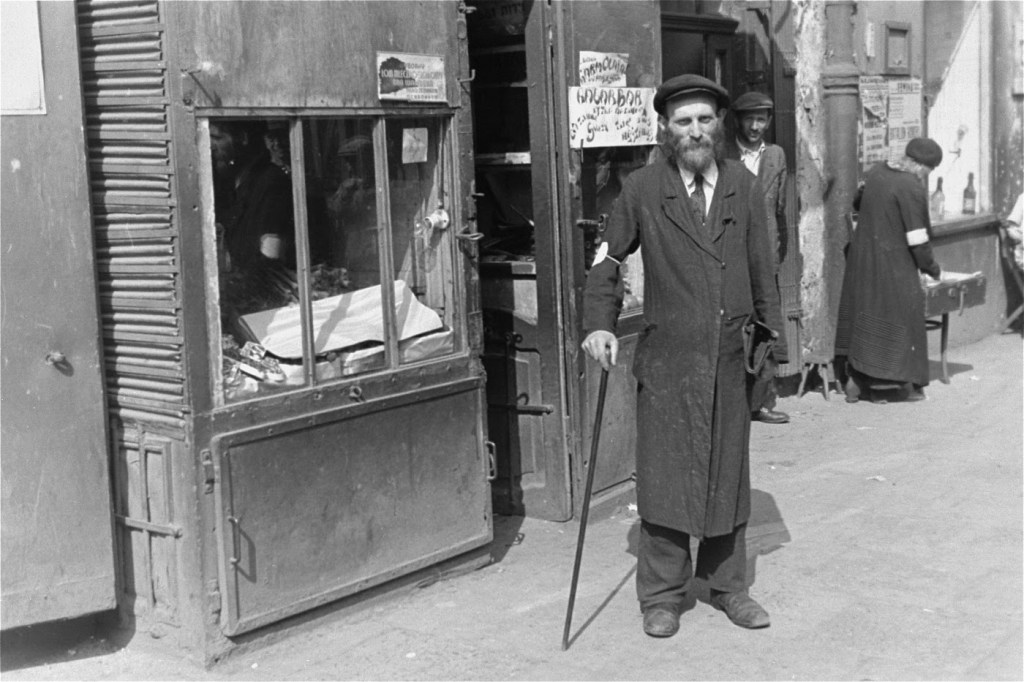
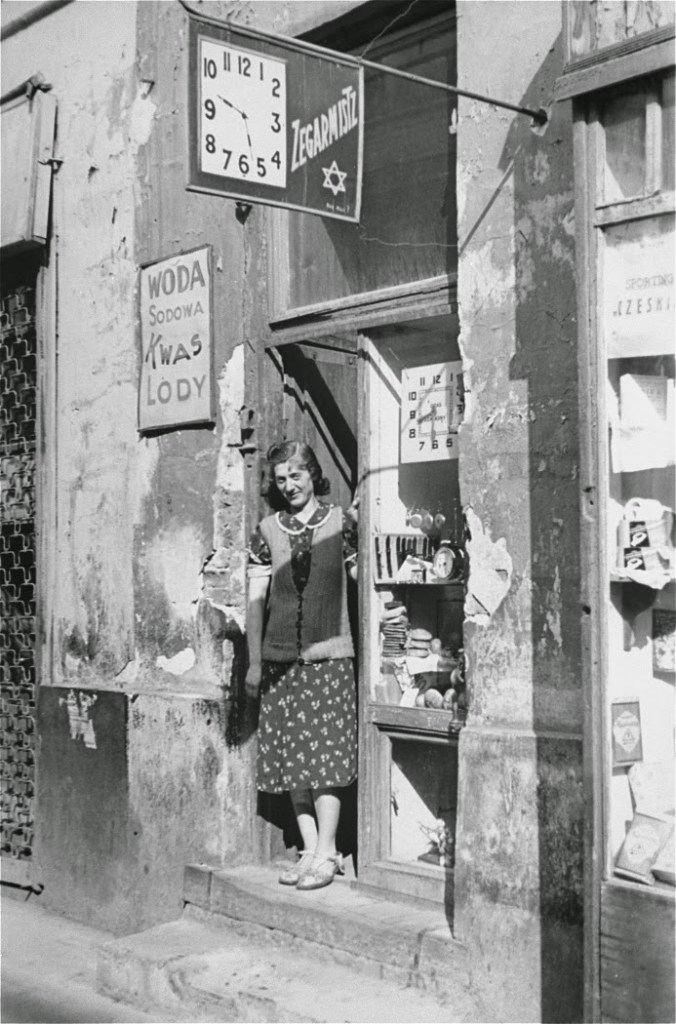
On 2 October 1940, Ludwig Fischer, Governor of the Warsaw District in the occupied General Government of Poland, signed the order to officially create a Jewish district (ghetto) in Warsaw. It was to become the largest ghetto in Nazi-occupied Europe.
All Jewish people in Warsaw had to relocate to the area of the ghetto by 15 November 1940. The ghetto was sealed on that date. In total 113,000 gentile Poles were forced to resettle to the ‘Aryan side’ and were replaced by 138,000 Jews from other districts of the capital.
The ghetto reached its highest number of inhabitants in April 1941. Within its wall lived 395,000 Varsovians (residents of Warsaw) of Jewish descent, 50,000 of people resettled from the western part of the Warsaw district, 3,000 from its eastern part as well as 4,000 Jews from Germany (all resettled in early months of 1941). Altogether there were around 460,000 inhabitants. 85,000 of them children up to the age of 14.
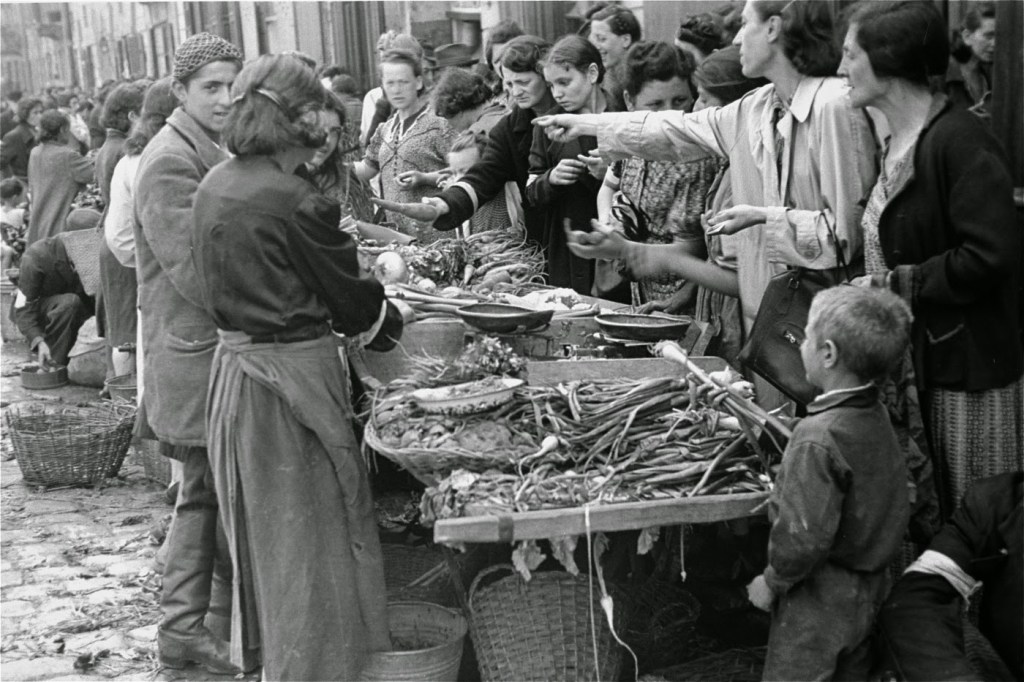
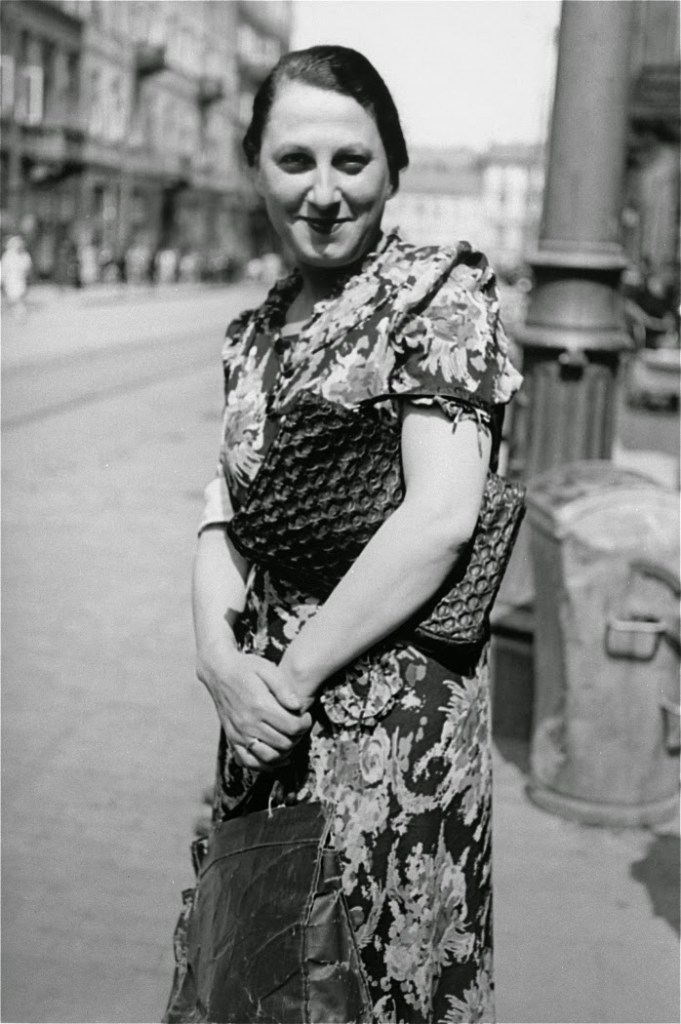
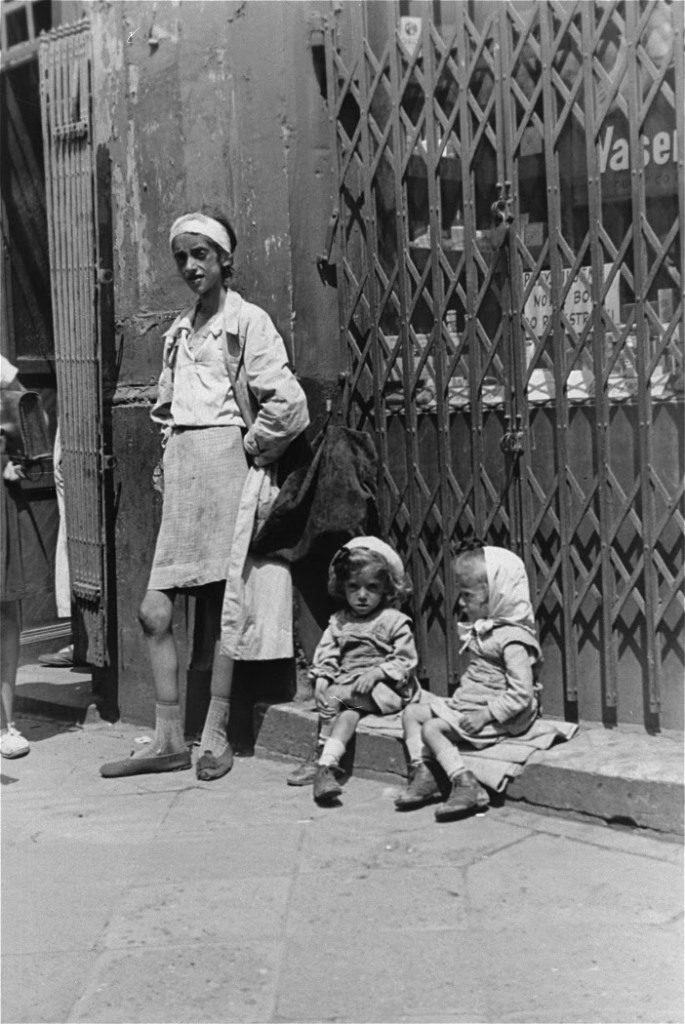
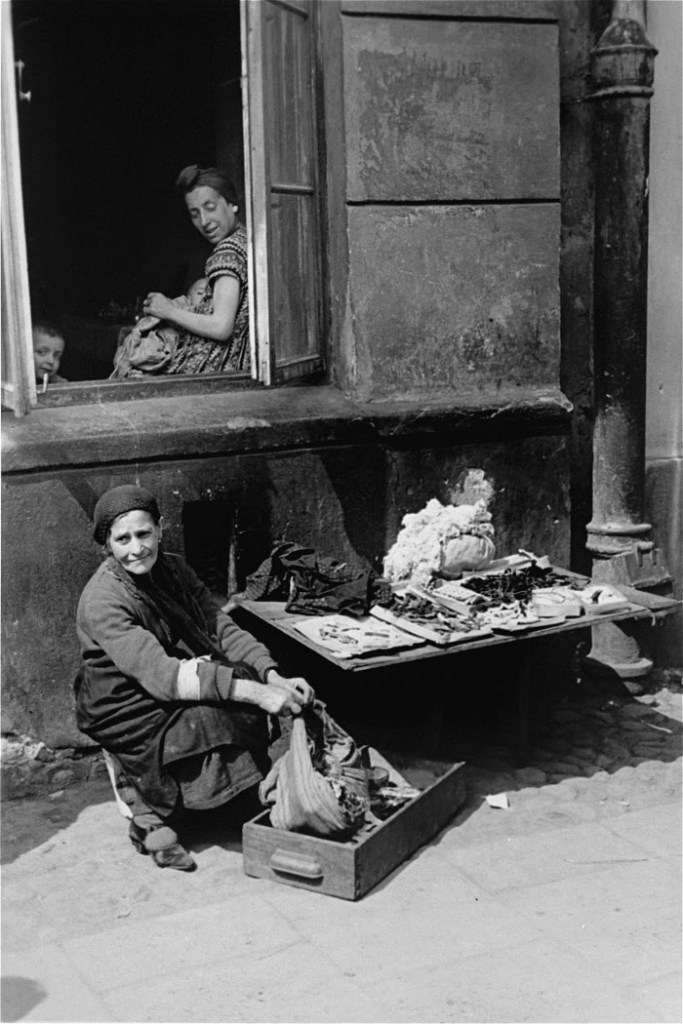
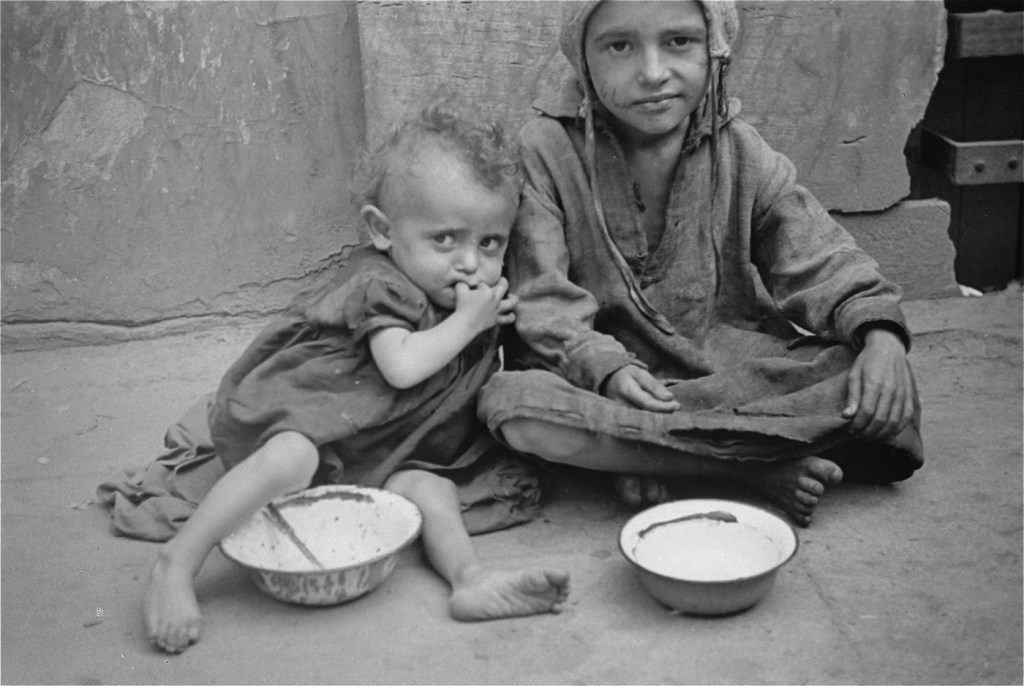
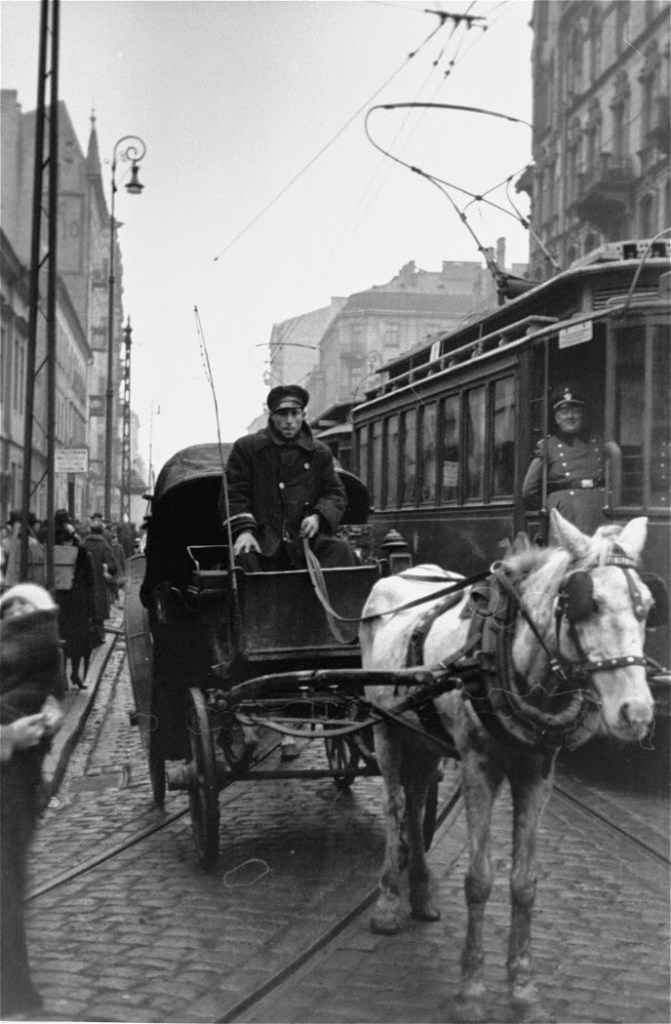
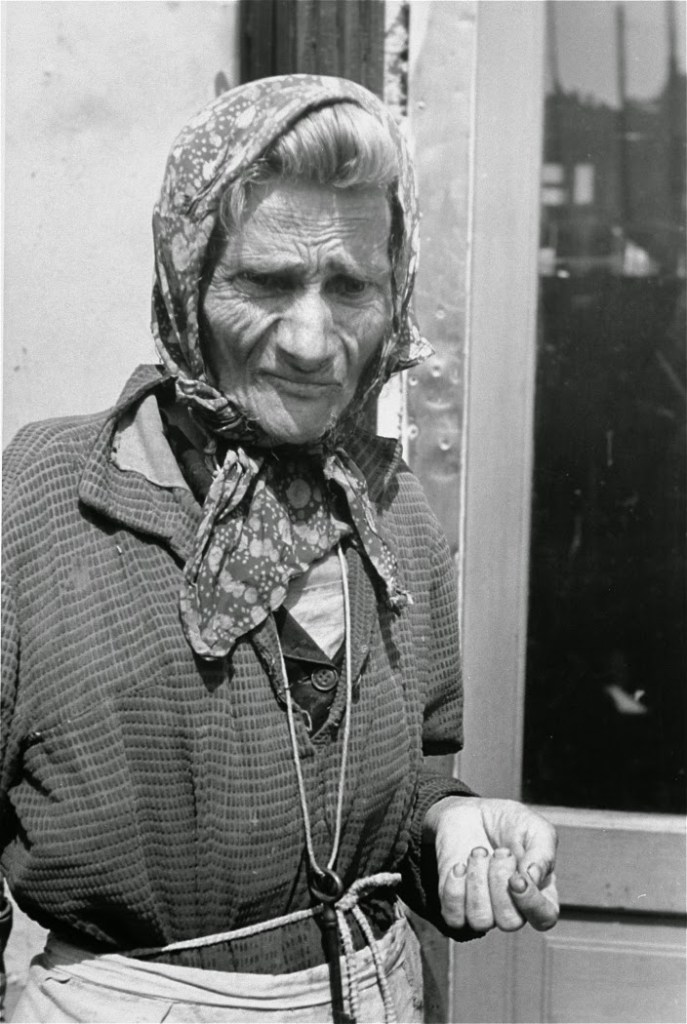
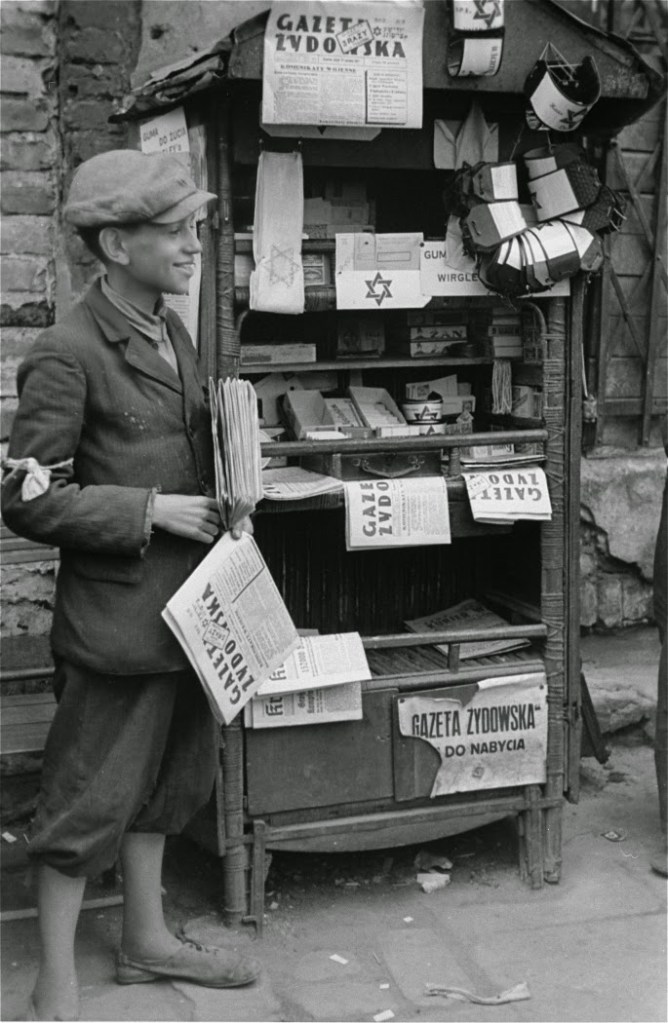
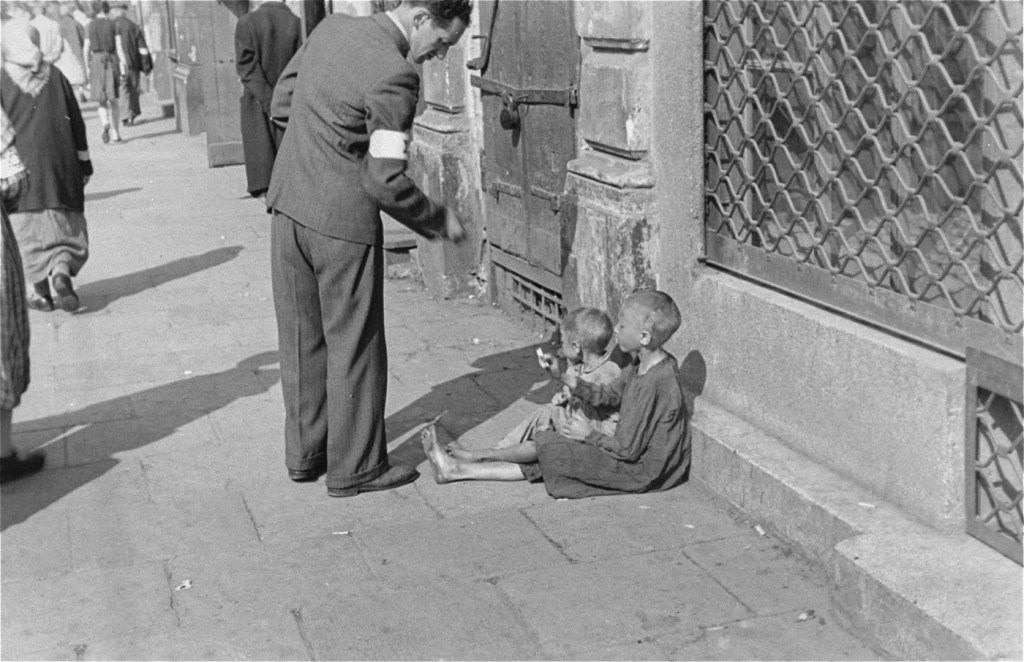
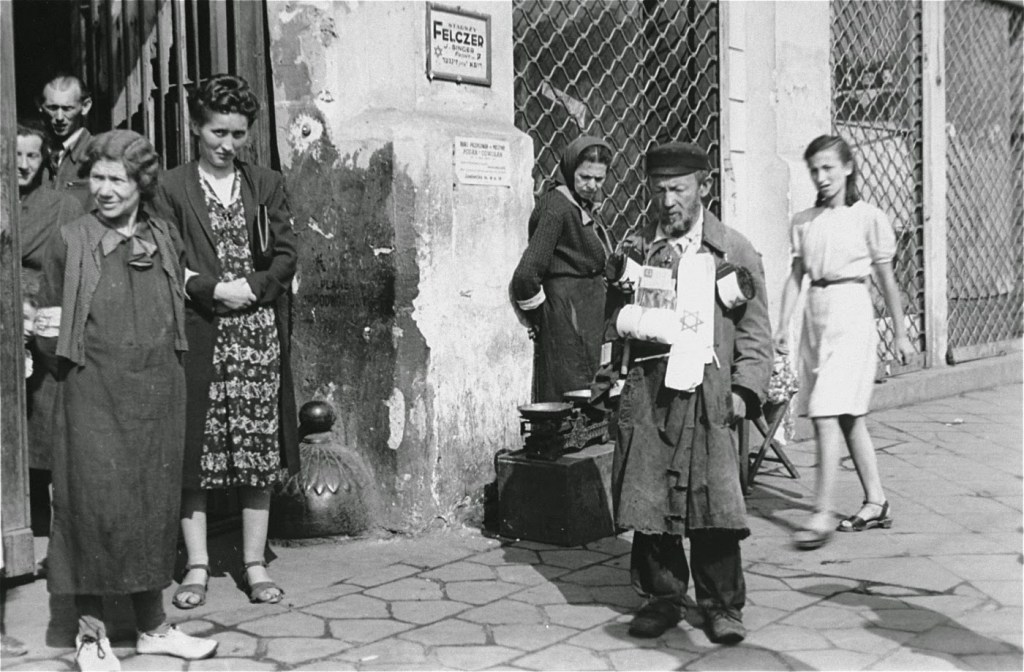
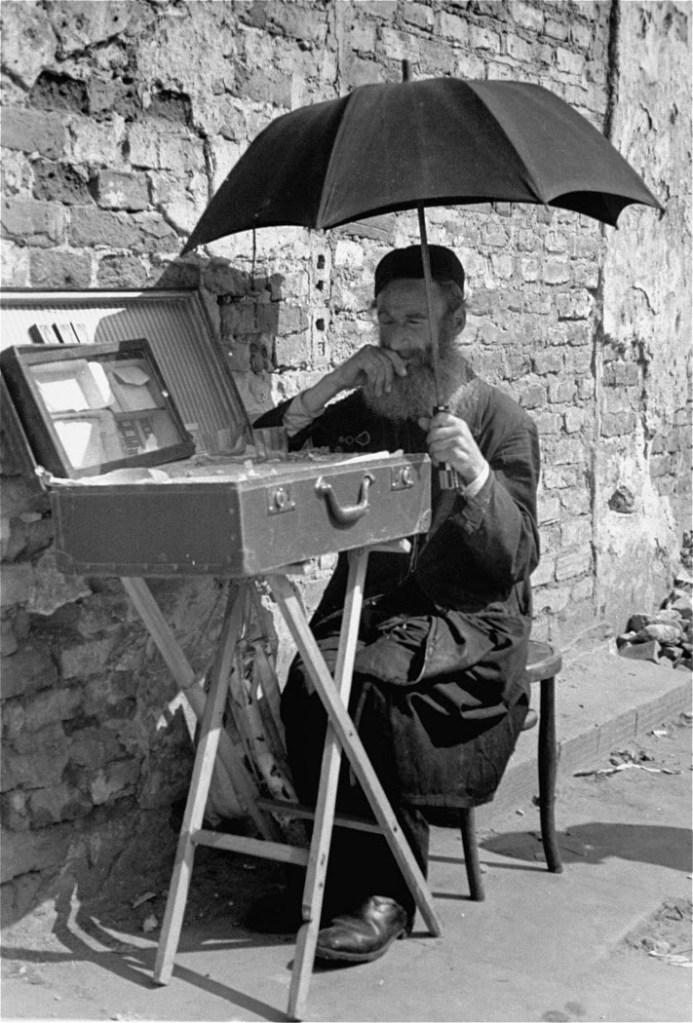
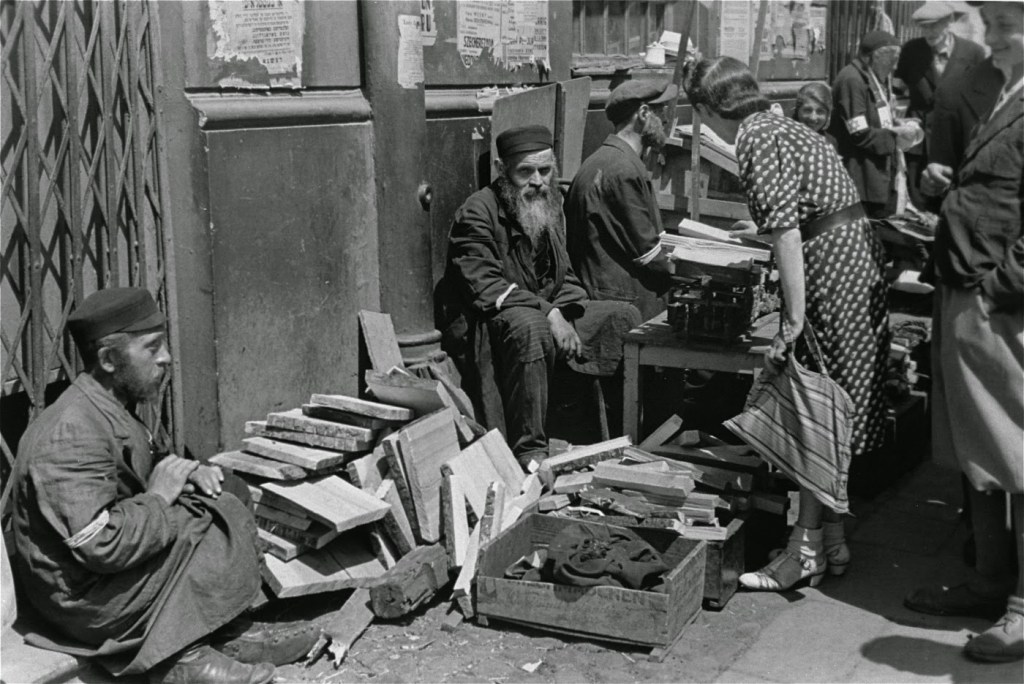
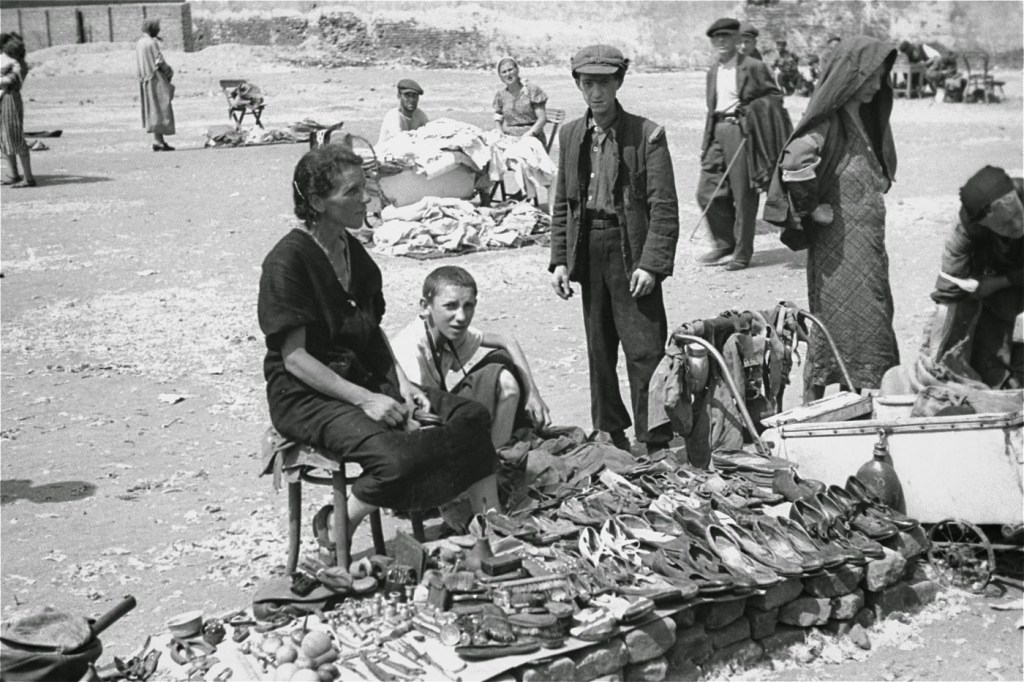
The living conditions in the ghetto were very difficult. Density of population was extreme, there were 146,000 people per square kilometre which meant 8 to 10 people per room on average. Jews from other districts of Warsaw as well as those from other cities were allowed to bring only the absolute minimum with them – usually personal belongings and bedclothes. That meant instant poverty and great social disadvantage in comparison with original inhabitants of the ghetto’s pre-war district. But in general only a very small percentage of the ghetto population had any kind of regular employment or any other source of income. Street trading became a necessity for many and anything could be a subject of exchange.
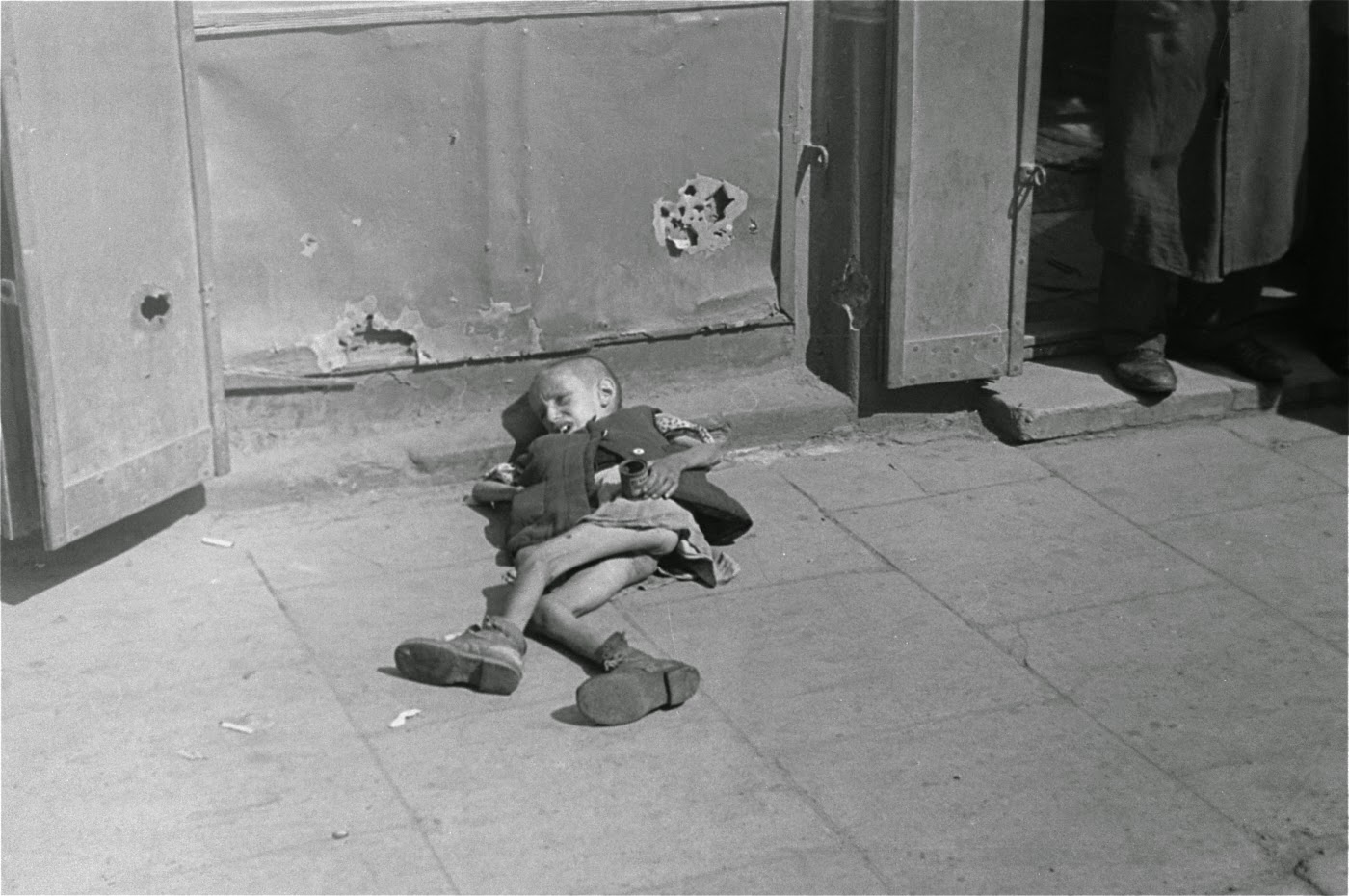
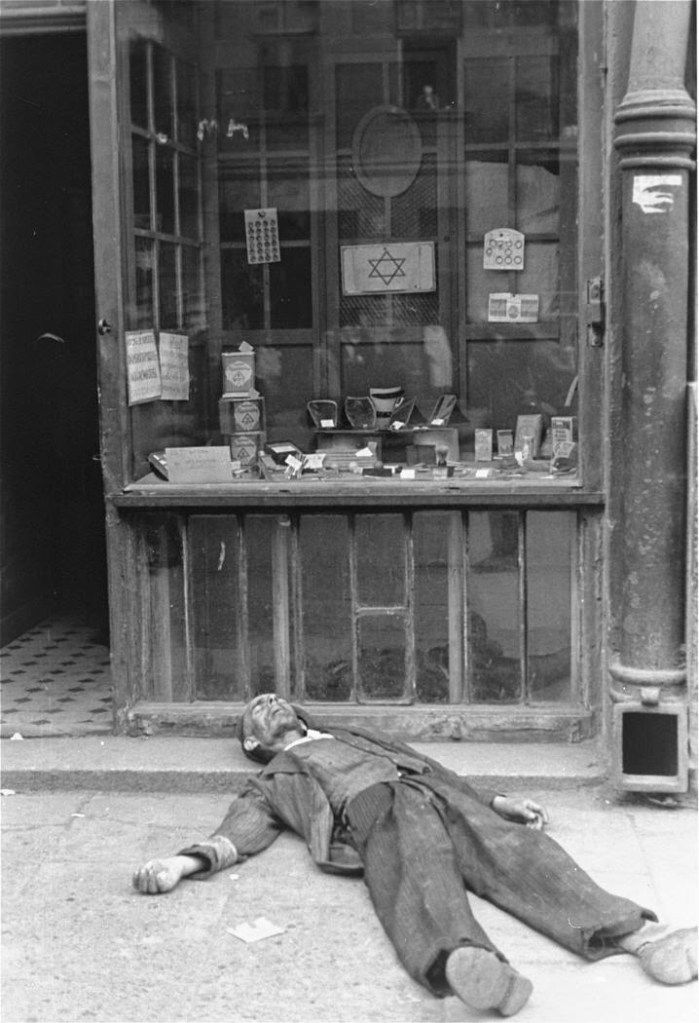
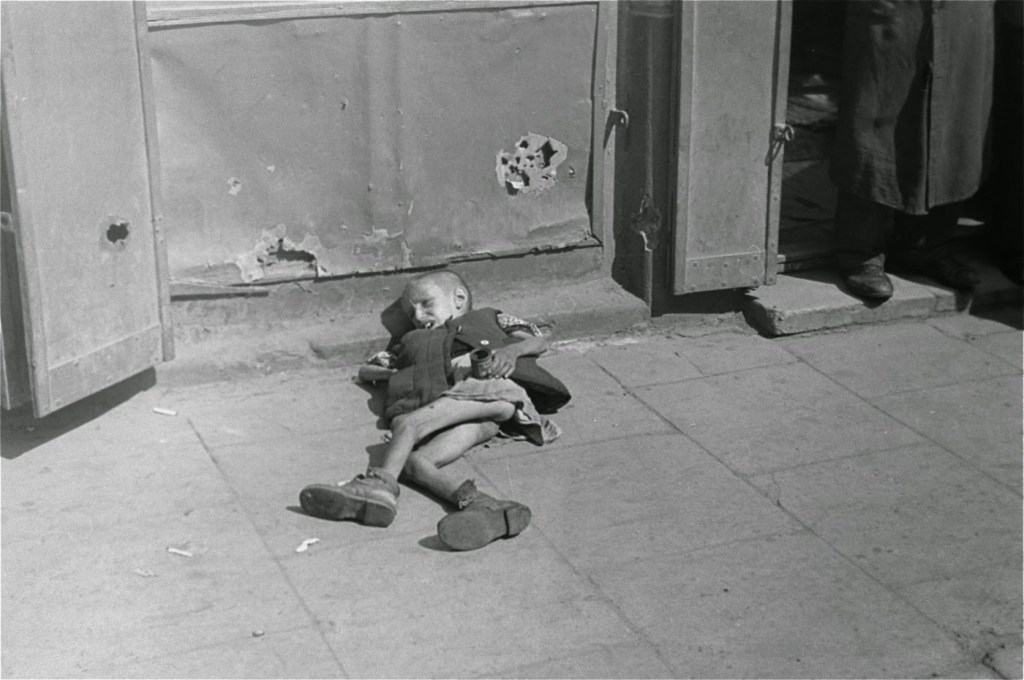
The German administration deliberately limited food supplies to the absolute minimum which caused near starvation amongst the population from the very beginning of the ghetto’s existence. Smuggling food, mainly by children, from the ‘Aryan side’ was the only option of providing the ghetto with supplies. Malnutrition, overpopulation and lack of medical care brought another deadly factor to the daily life of the ghetto’s residents – typhus.
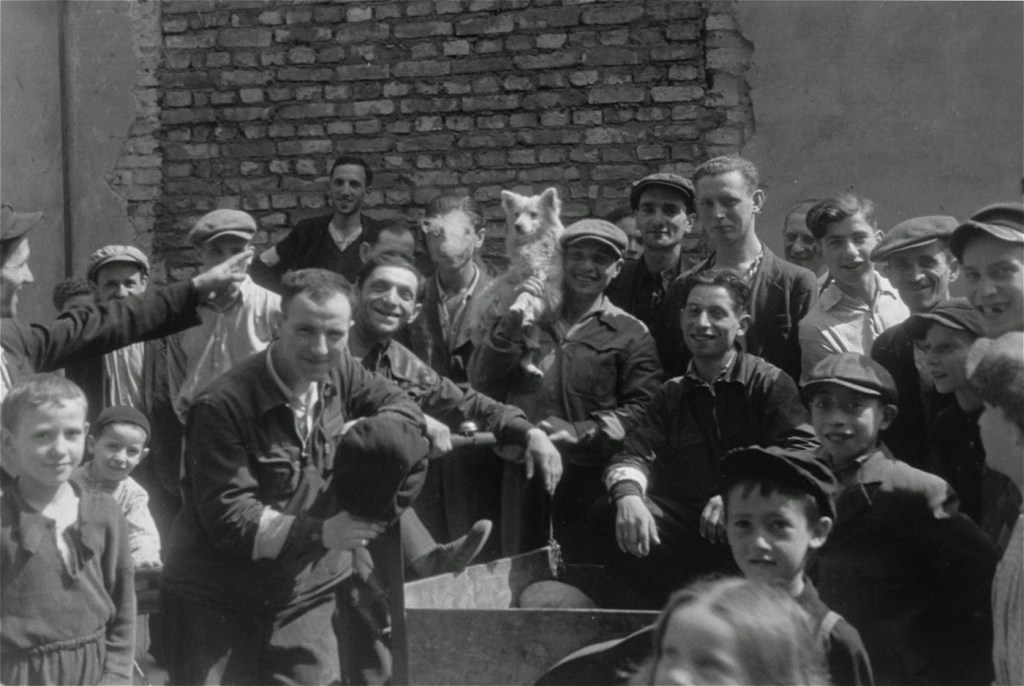
The results were truly horrific – between October 1940 and July 1942 around 92,000 of Jewish residents of the ghetto died of starvation, diseases and cold which accounted for nearly 20% of the entire population. The dreadful conditions in the ghetto forced many Jews to escape. The German response was predictable: “Jews who leave the quarter reserved for them without permission are liable to the death penalty. The same penalty awaits any person who knowingly gives shelter to such Jews.” Taken from an official German announcement – probably on display on both sides of the ghetto wall. These astonishing photographs below were taken by photographer Willy Georgin the summer of 1941. He was issued a pass by one of his officers and instructed to enter the enclosed ghetto and take photos of what he saw there. Accroding to Studiolum, Georg shot four rolls of films and began to shoot a fifth one when the German military police stopped him. They confiscated the film in his camera, but fortunately they did not check his pockets before escorting him out of the ghetto. Georg developed the four rolls in Warsaw and preserved the photos in the next fifty years together with his other war pictures. In the late 1980s he met Rafael Scharf from London, a researcher of Polish-Jewish studies, to whom he gave these photos and who published them in 1993 in the book In the Warsaw Ghetto: Summer 1941.