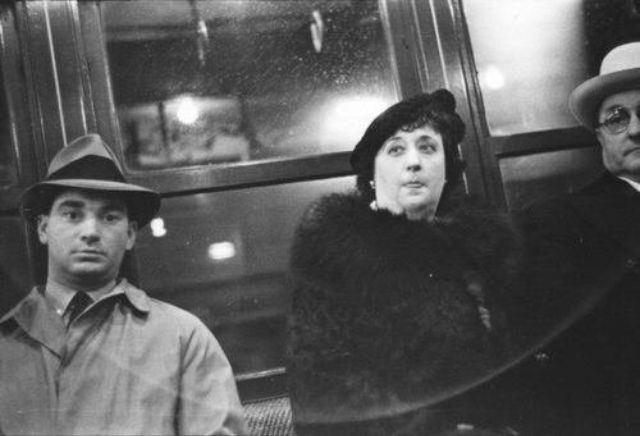
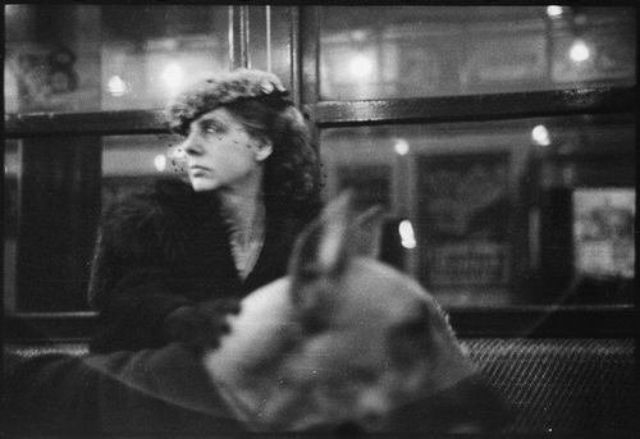
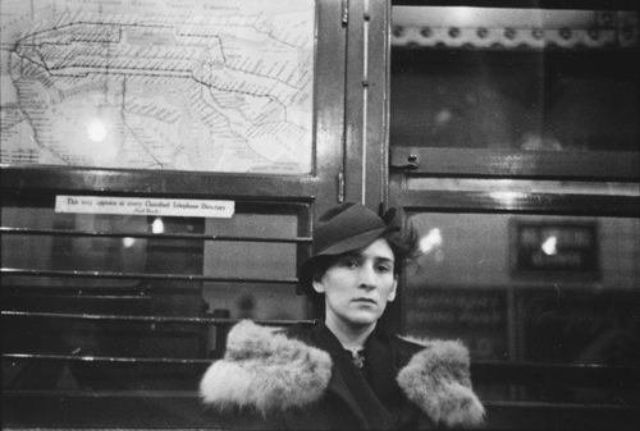
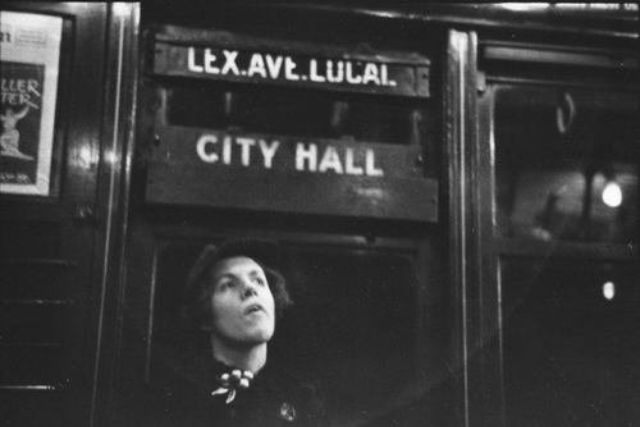
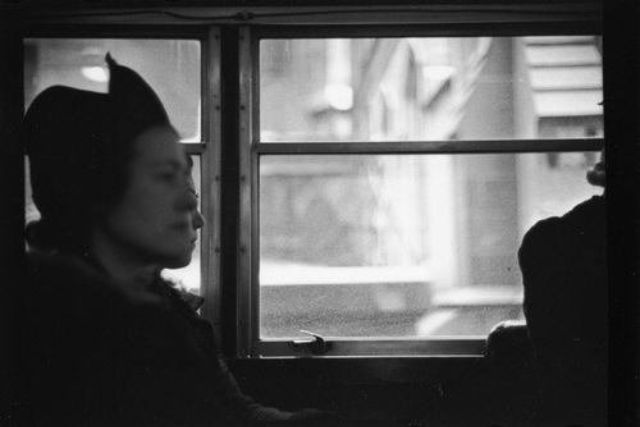
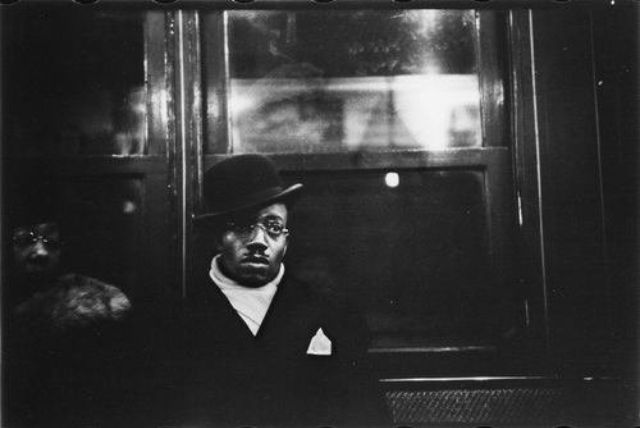
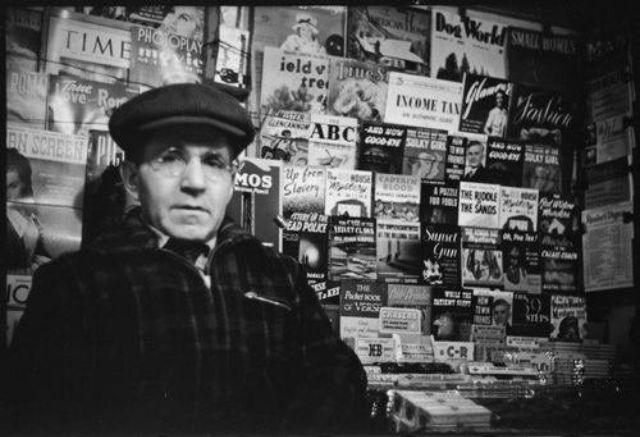
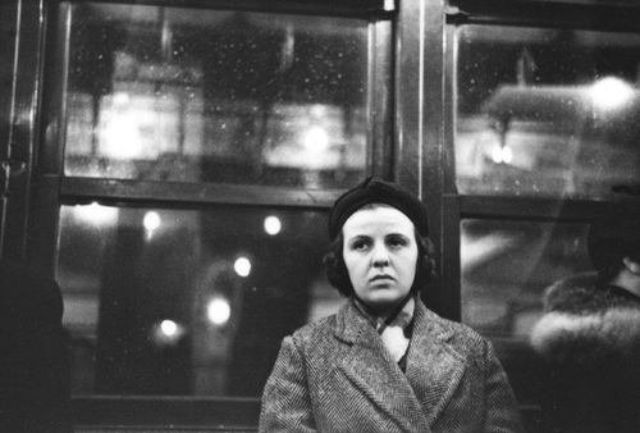
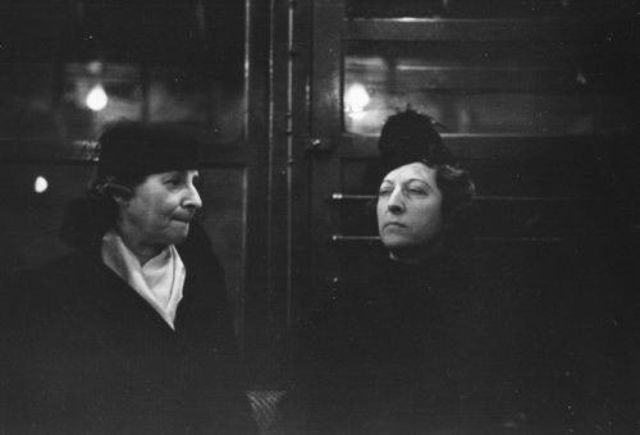
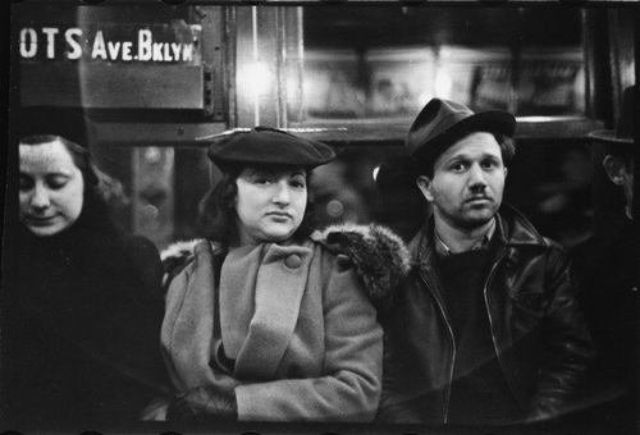
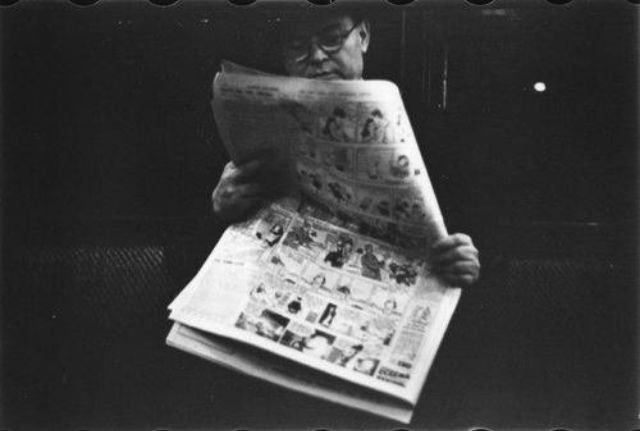
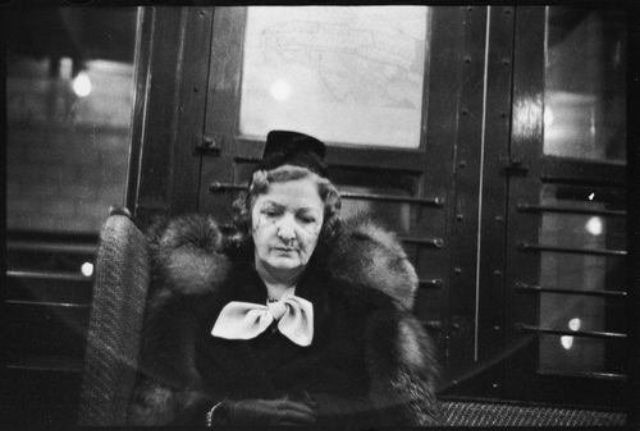
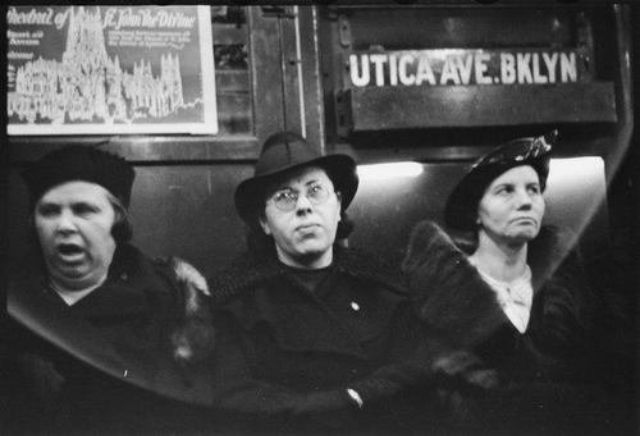
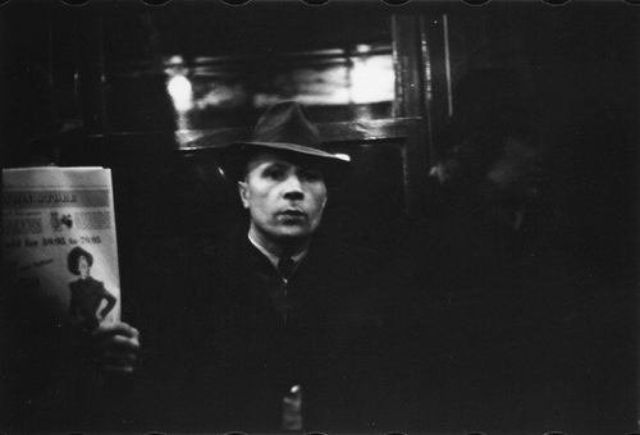
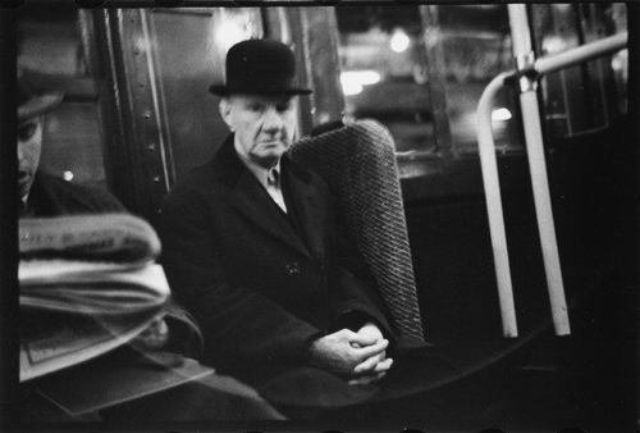
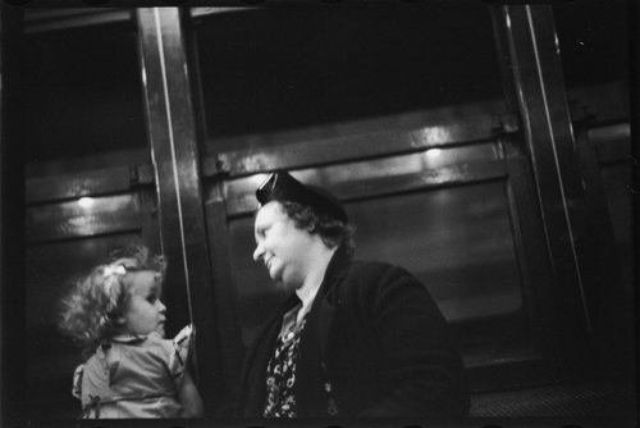
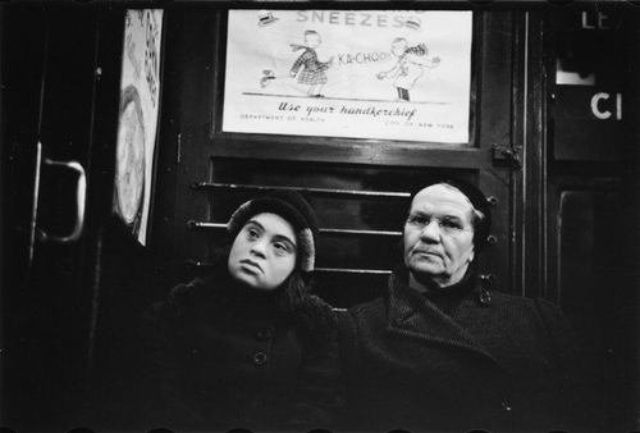
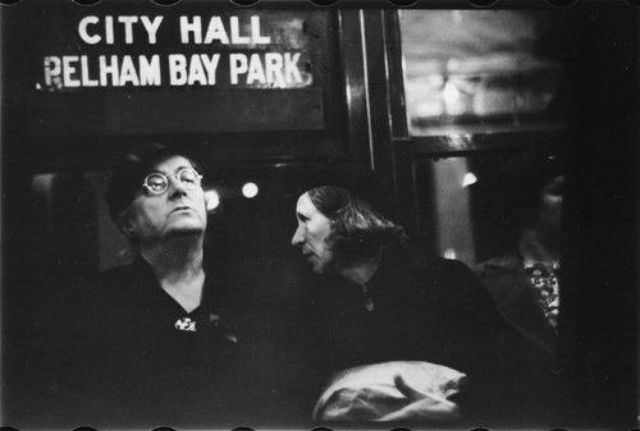
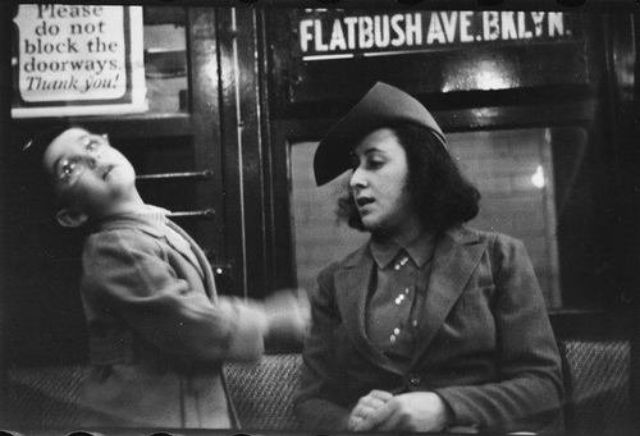
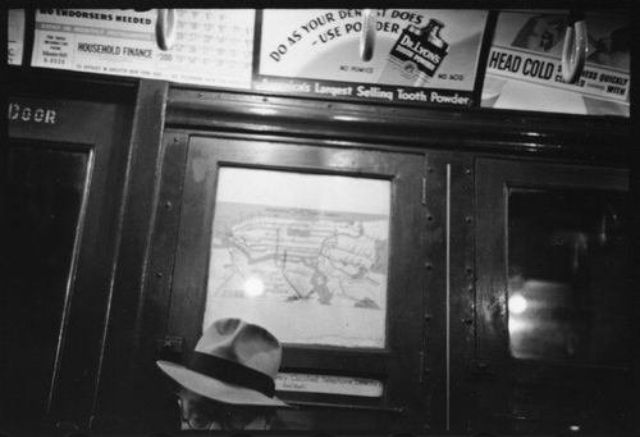
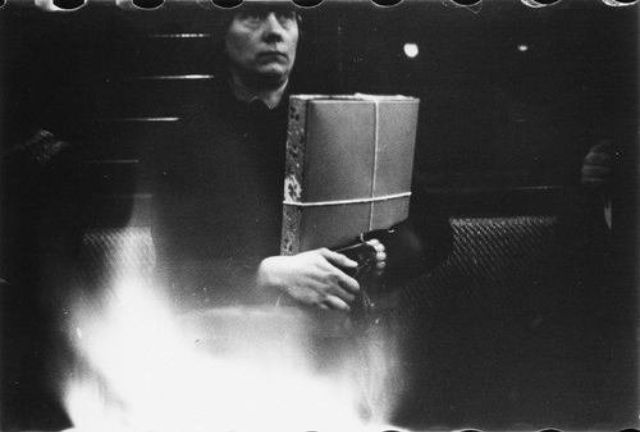
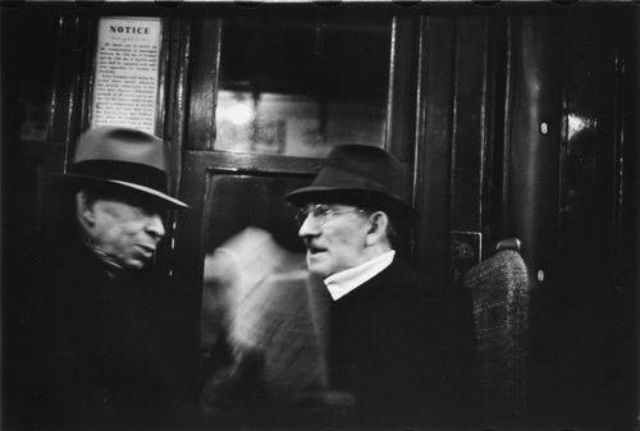
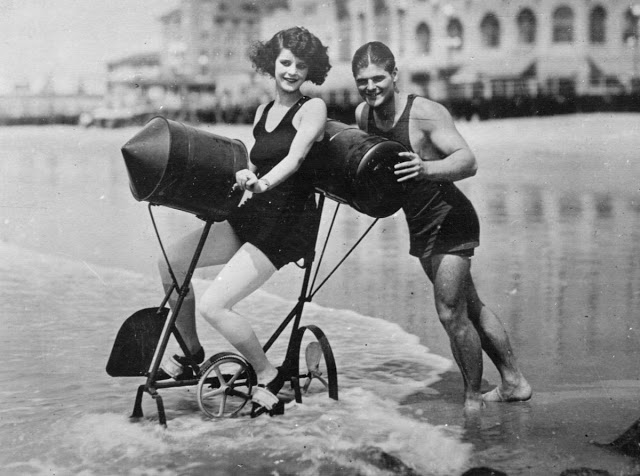
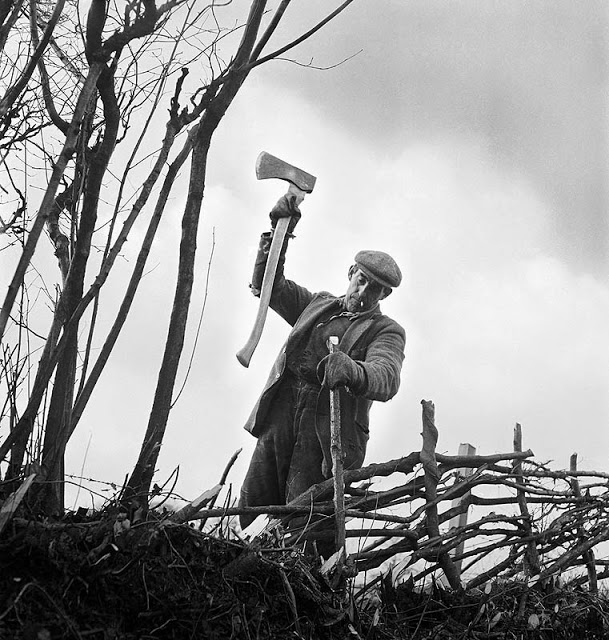
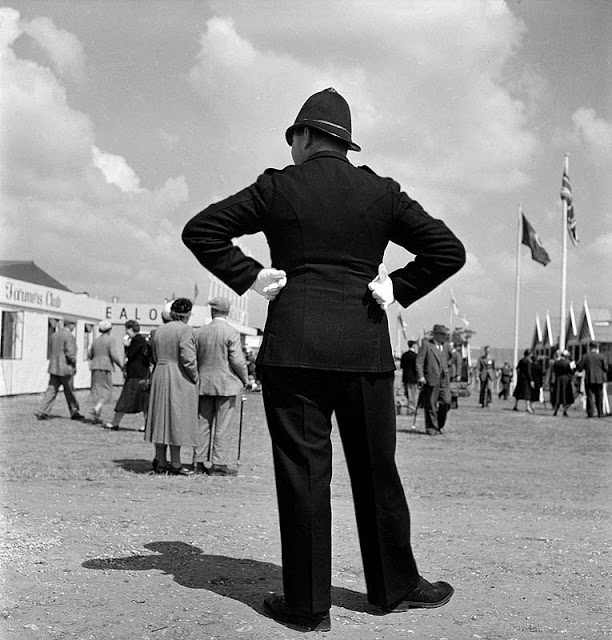
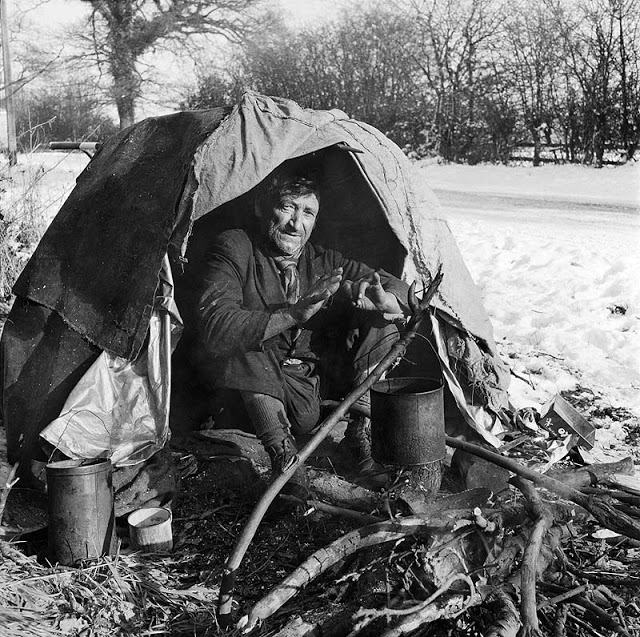
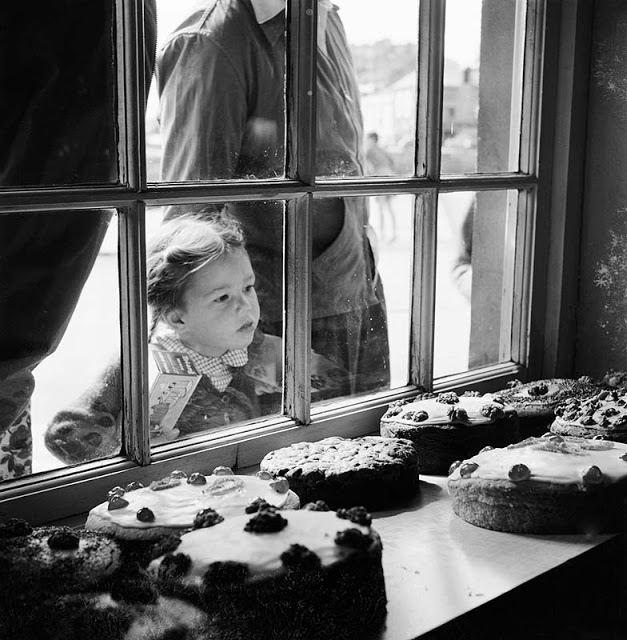
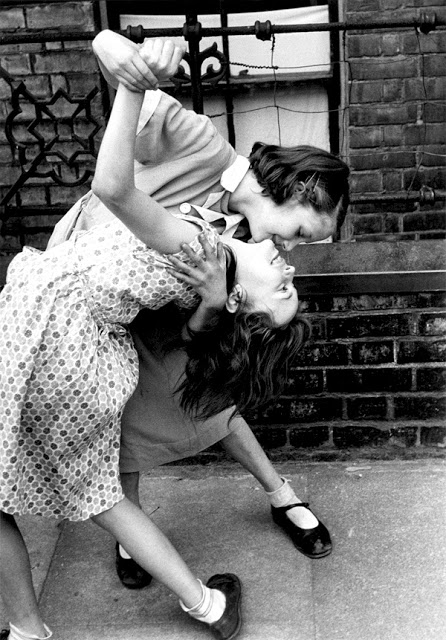
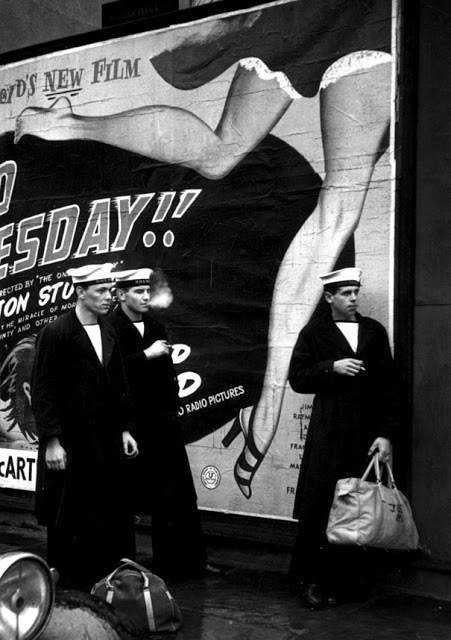
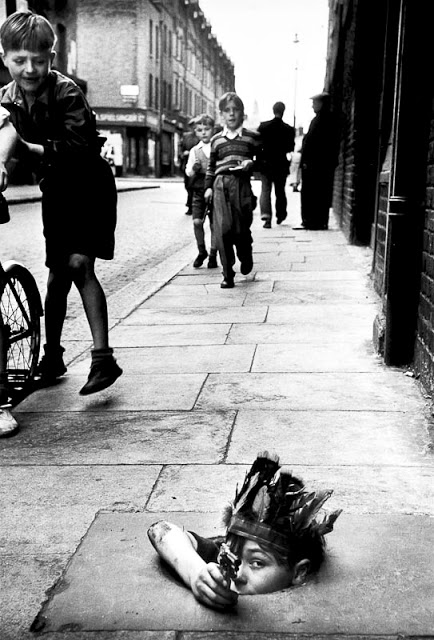
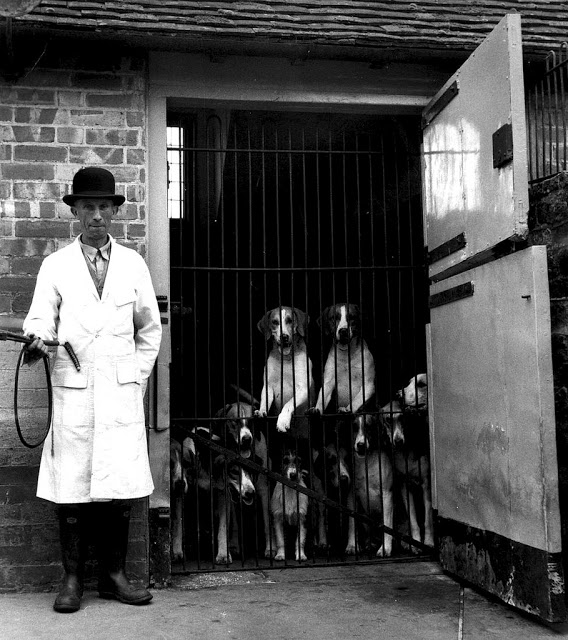
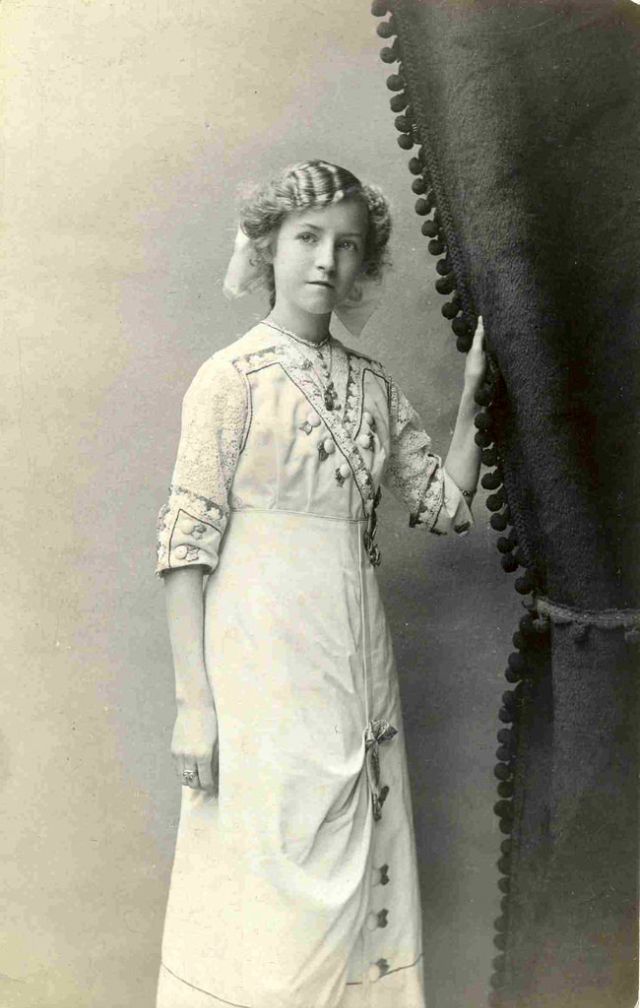
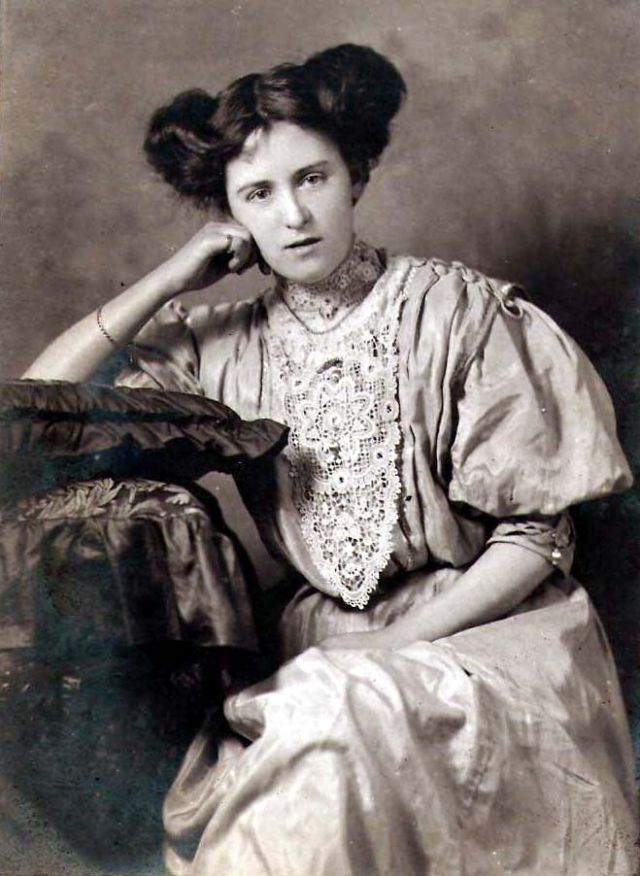
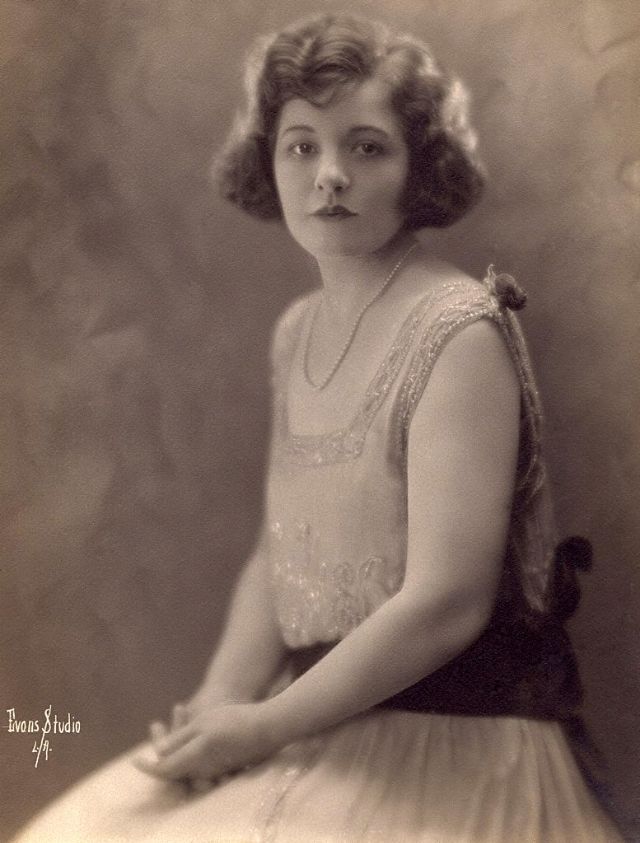
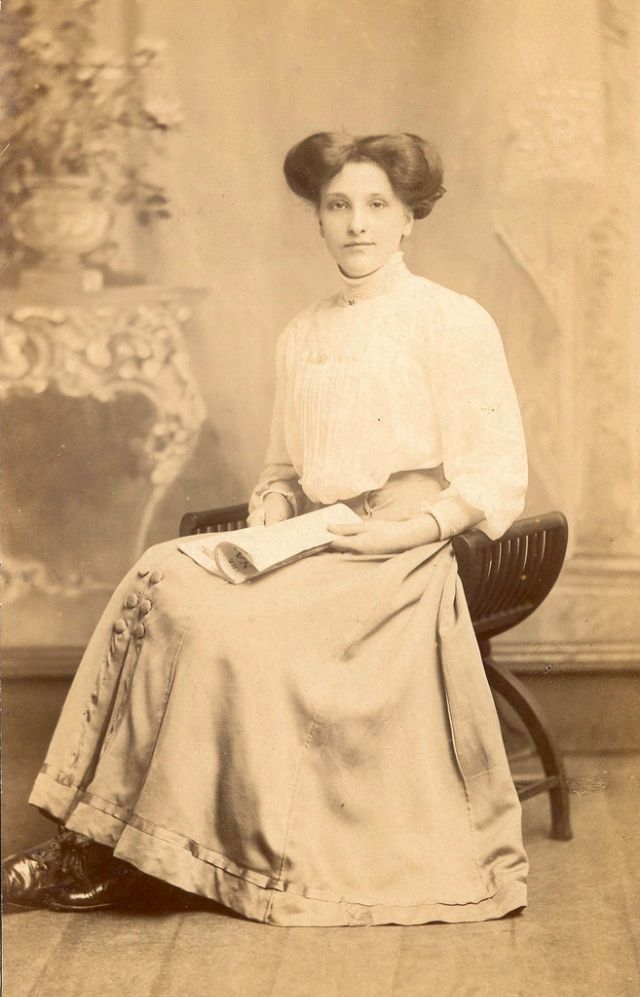
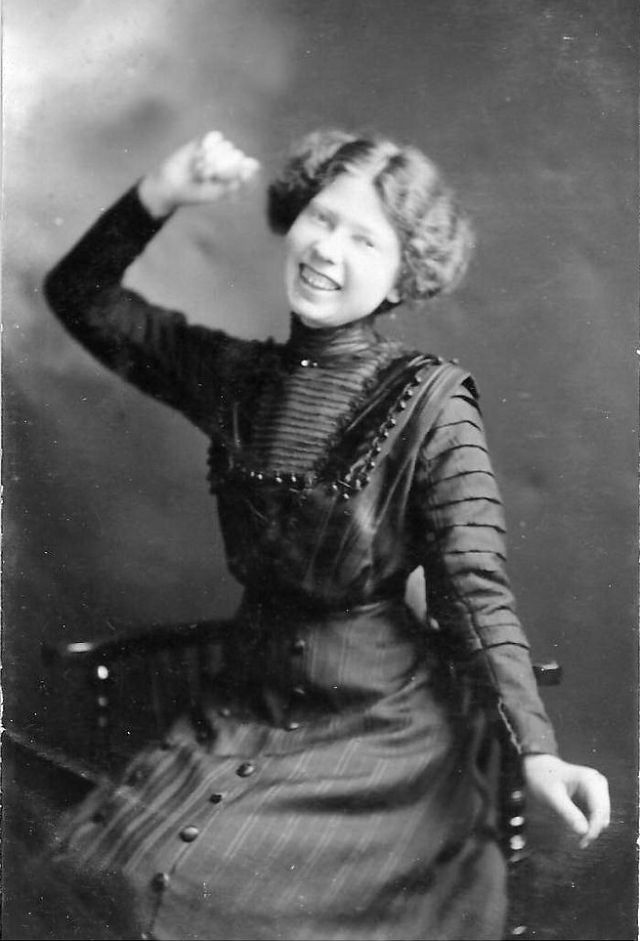
As photographic technology advanced—cameras became more portable and film more sensitive to light, requiring shorter exposure times—people were no longer required to stay still for pictures. Walker Evans was among the photographers who capitalized on this flexibility. Between 1938 and 1941, he took his camera underground, where he photographed subway riders in New York City. “The guard is down and the mask is off,” he wrote, “even more than when in lone bedrooms (where there are mirrors). People’s faces are in naked repose down in the subway.”
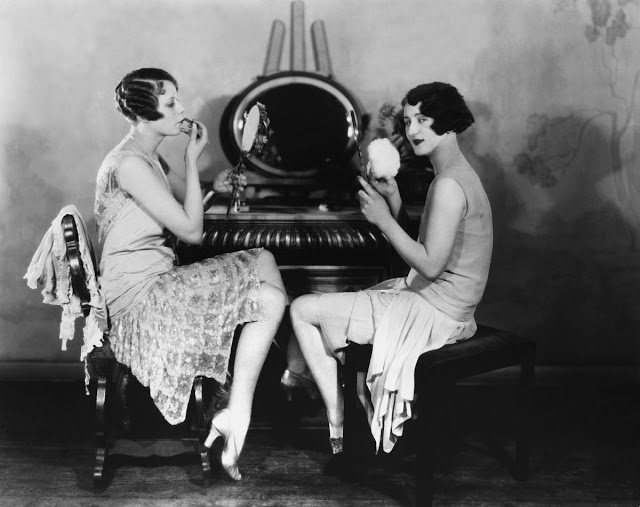
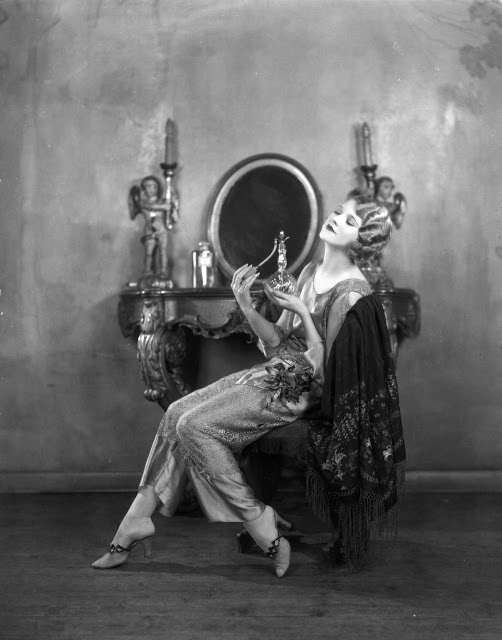
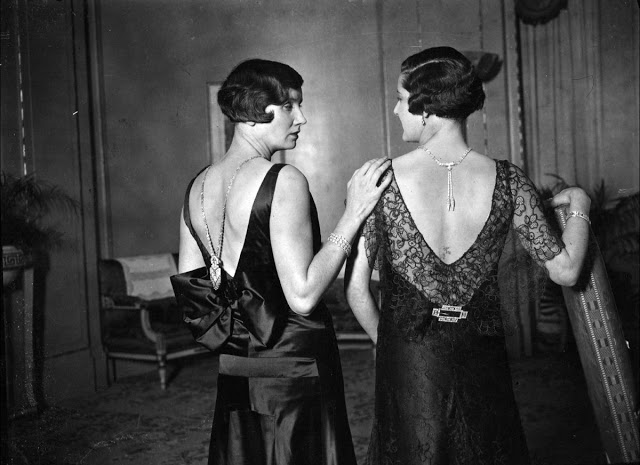
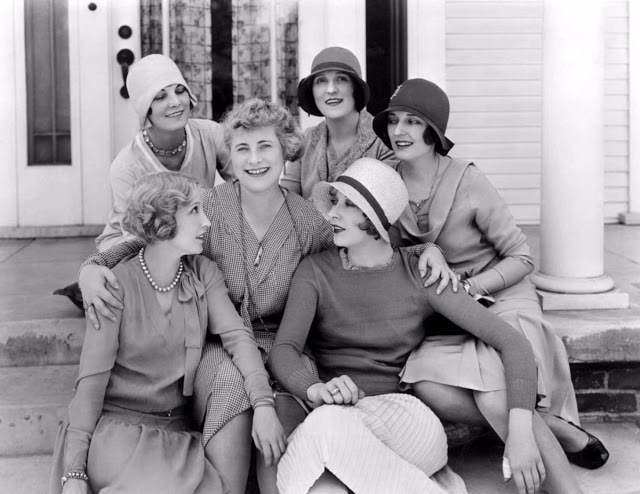
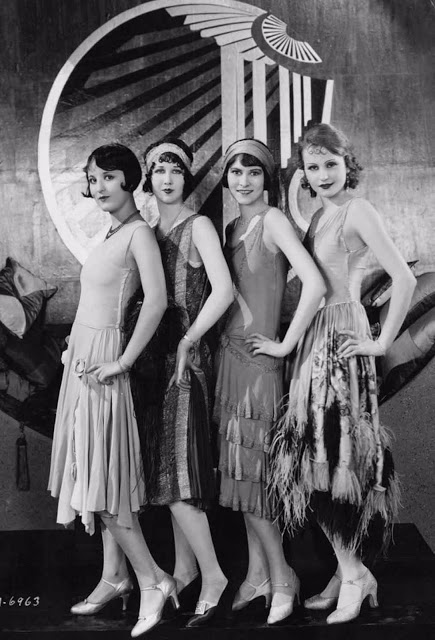
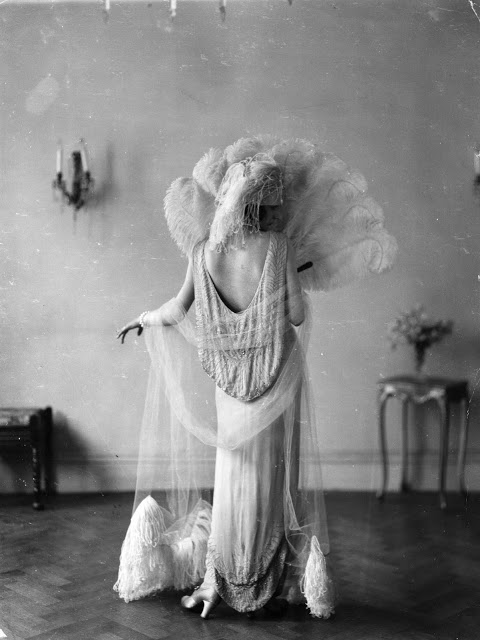
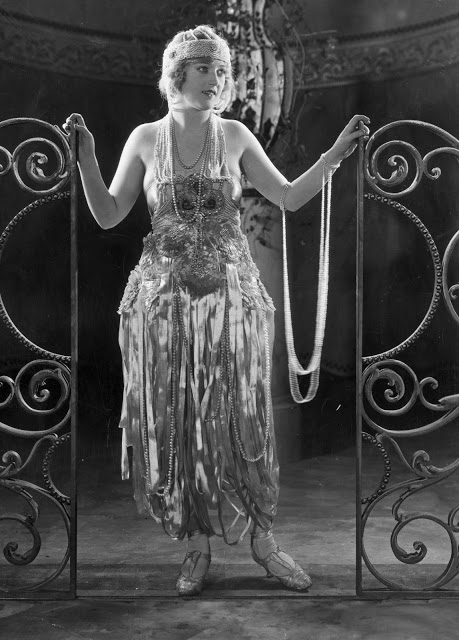
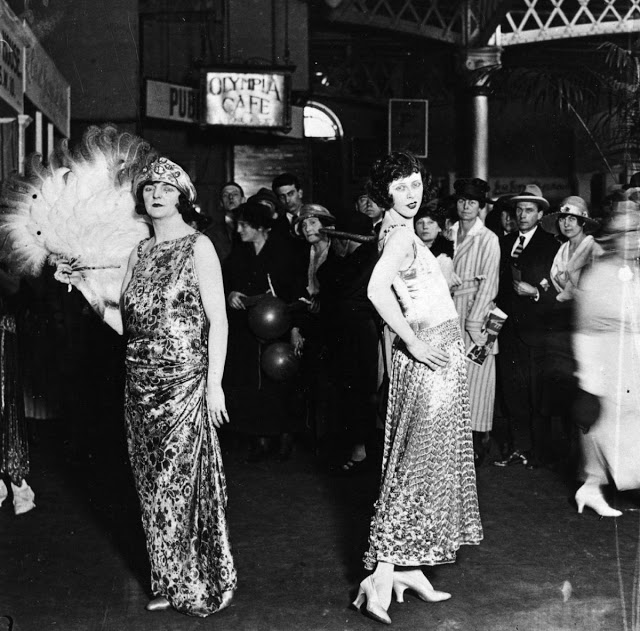
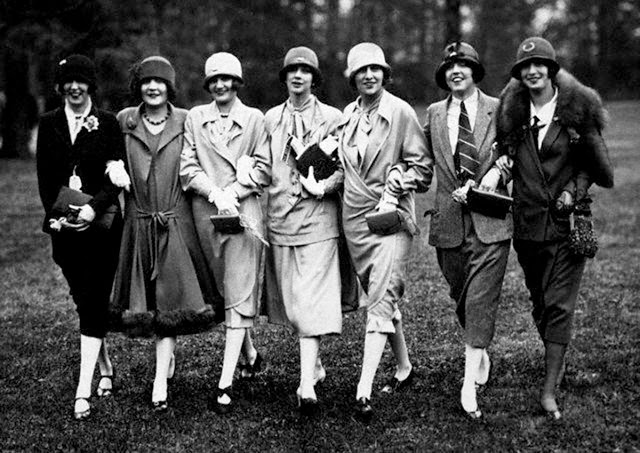
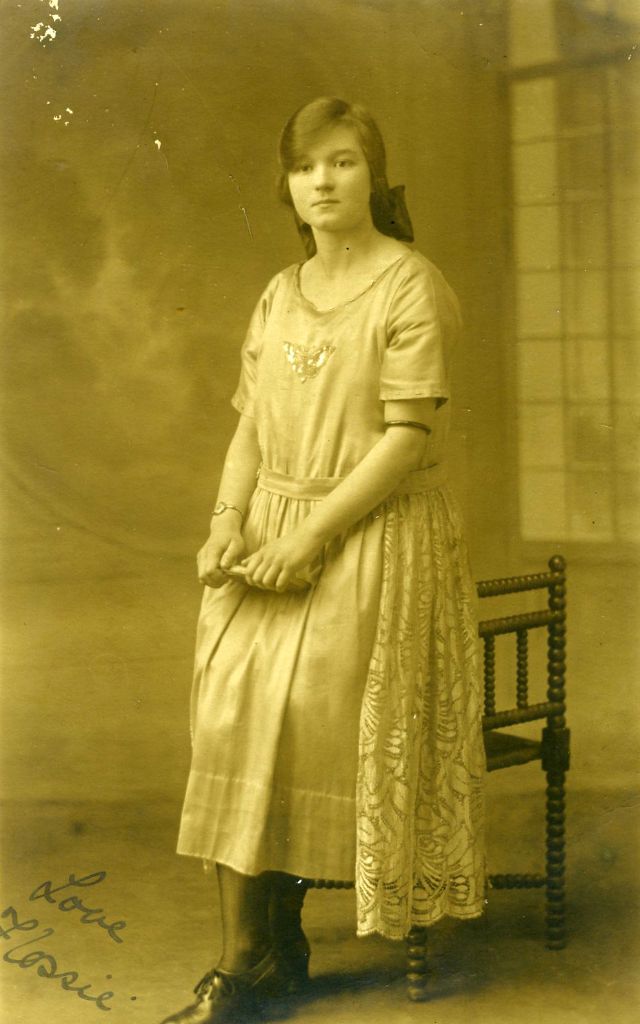
1920s fashion was the perfect blend between style and function. Beautiful clothes that allowed women to move.
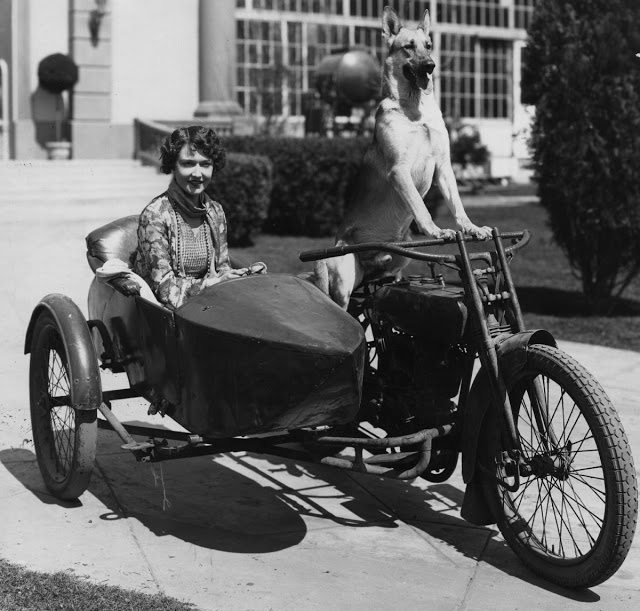
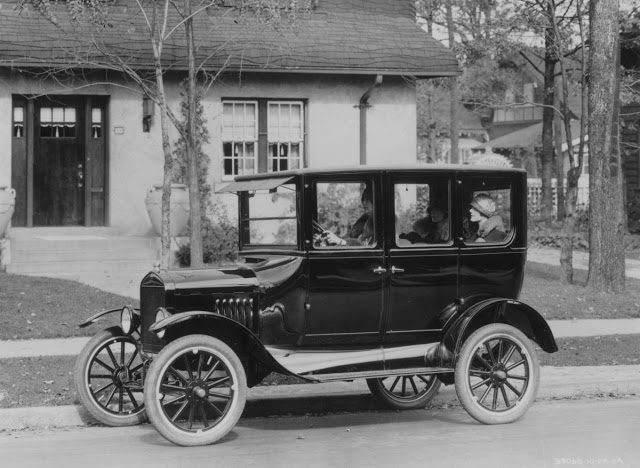
The 1920s heralded a dramatic break between America’s past and future. Before World War I the country remained culturally and psychologically rooted in the nineteenth century, but in the 1920s America seemed to break its wistful attachments to the recent past and usher in a more modern era. The most vivid impressions of that era are flappers and dance halls, movie palaces and radio empires, and Prohibition and speakeasies.
The flapper is most associated with the 1920s. Their skirts were shorter, they partied all night long, and they were the fad of the time. They left their corsets behind in nineteen-nineteen and put on a cloche hat to cover their short locks. They dropped their dress waistlines to their low hips and enjoyed the looseness of the prime time of their lives. They wore dresses adorned with fur and sequins. The colors were of bright and pale and often in dramatic combinations. Fashion had changed, and it would never be the same.
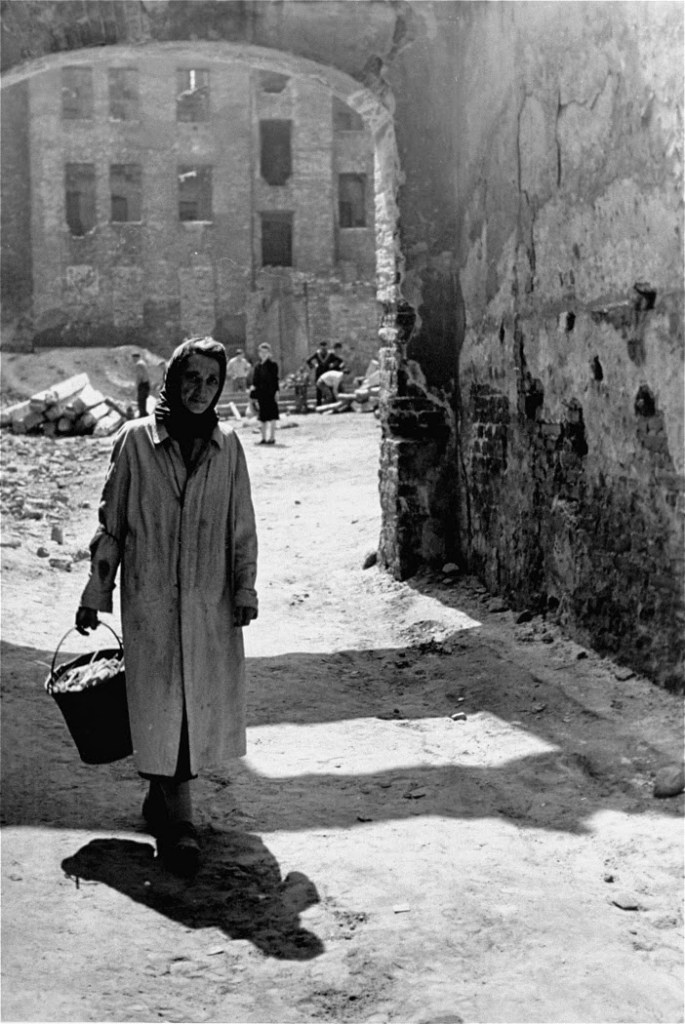
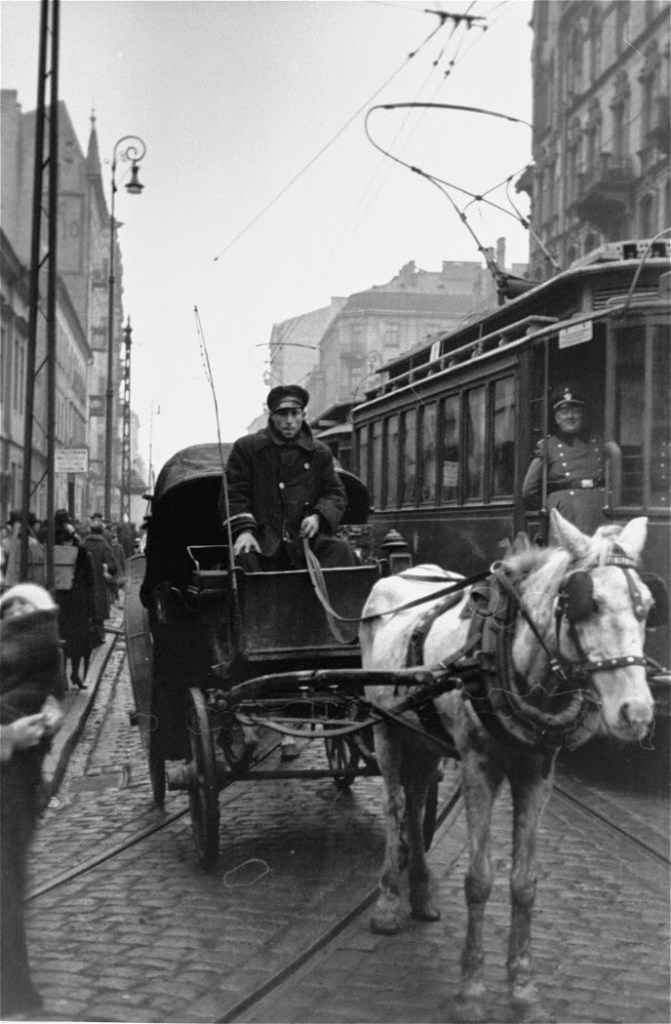
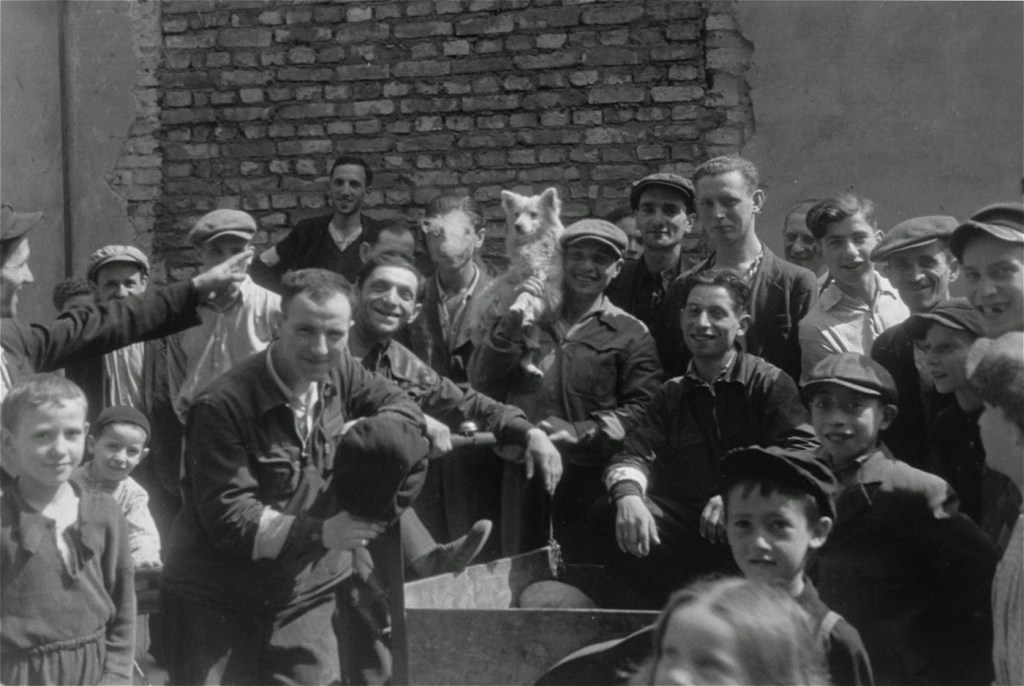
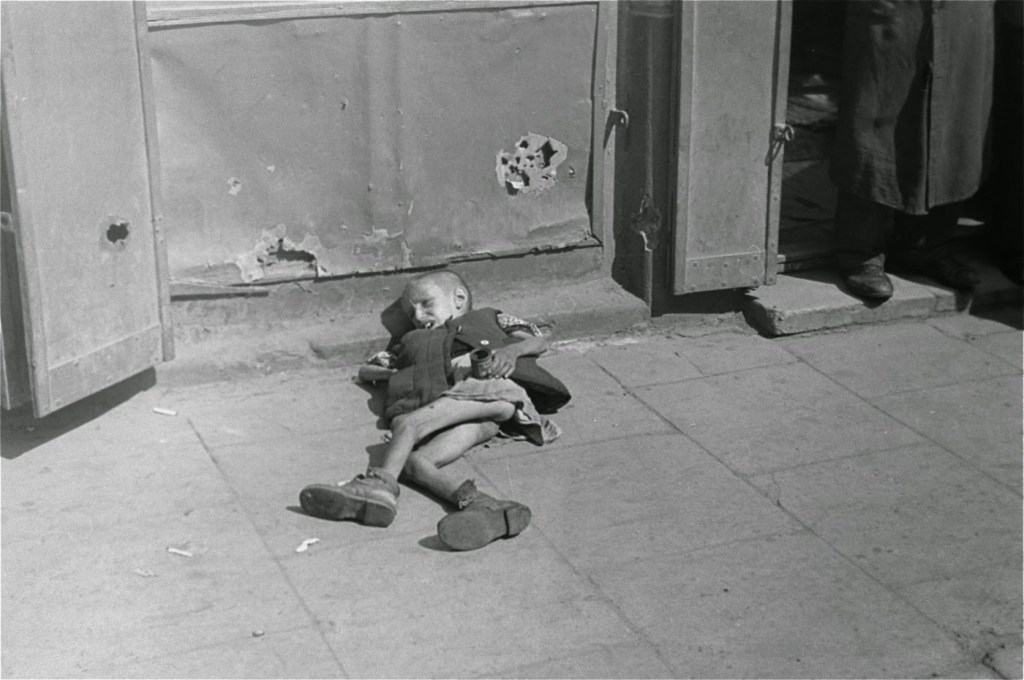
On 2 October 1940, Ludwig Fischer, Governor of the Warsaw District in the occupied General Government of Poland, signed the order to officially create a Jewish district (ghetto) in Warsaw. It was to become the largest ghetto in Nazi-occupied Europe.
All Jewish people in Warsaw had to relocate to the area of the ghetto by 15 November 1940. The ghetto was sealed on that date. In total 113,000 gentile Poles were forced to resettle to the ‘Aryan side’ and were replaced by 138,000 Jews from other districts of the capital.
The ghetto reached its highest number of inhabitants in April 1941. Within its wall lived 395,000 Varsovians (residents of Warsaw) of Jewish descent, 50,000 of people resettled from the western part of the Warsaw district, 3,000 from its eastern part as well as 4,000 Jews from Germany (all resettled in early months of 1941). Altogether there were around 460,000 inhabitants. 85,000 of them children up to the age of 14.
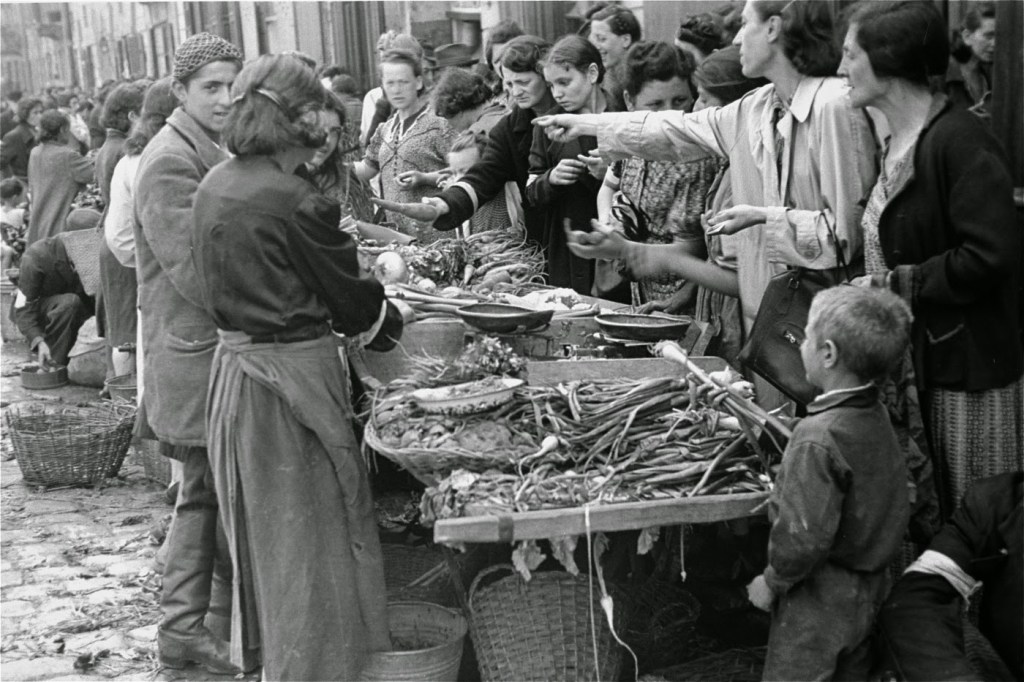
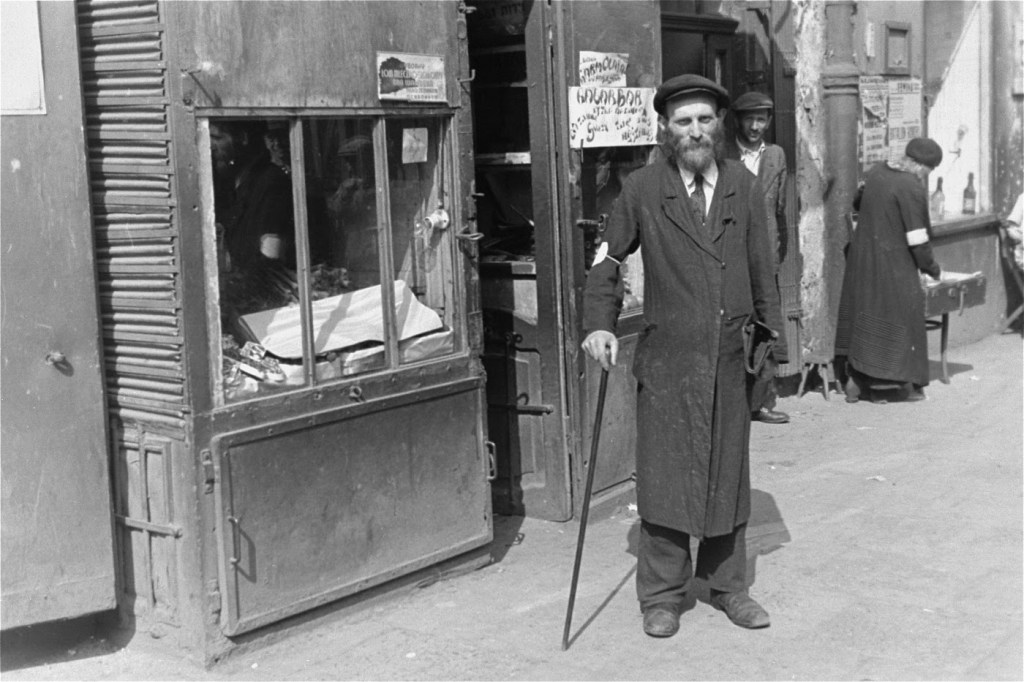
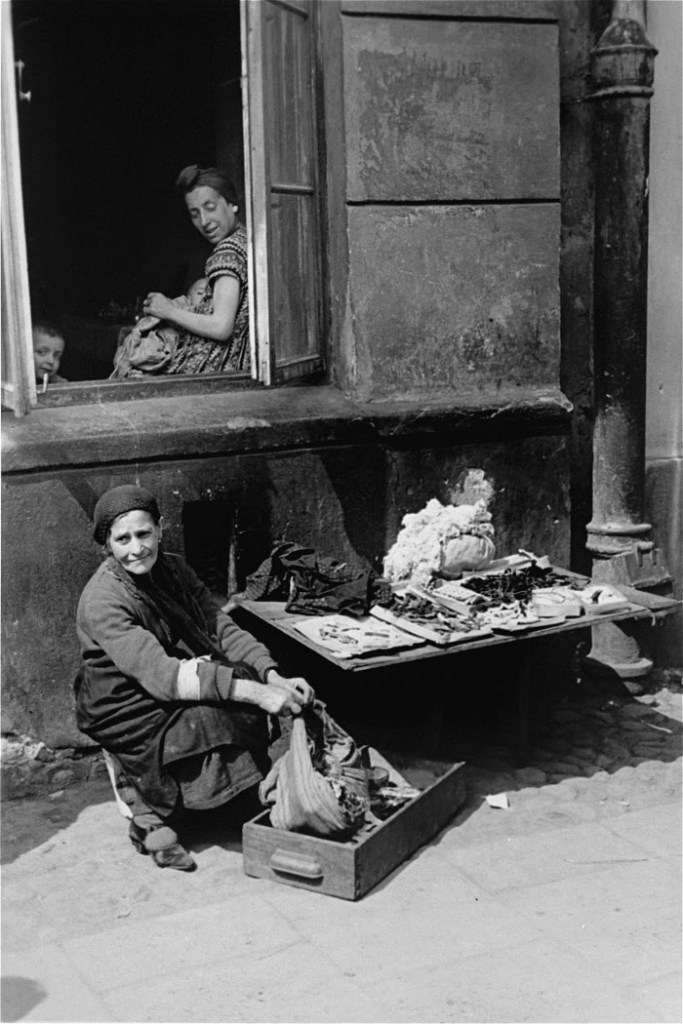
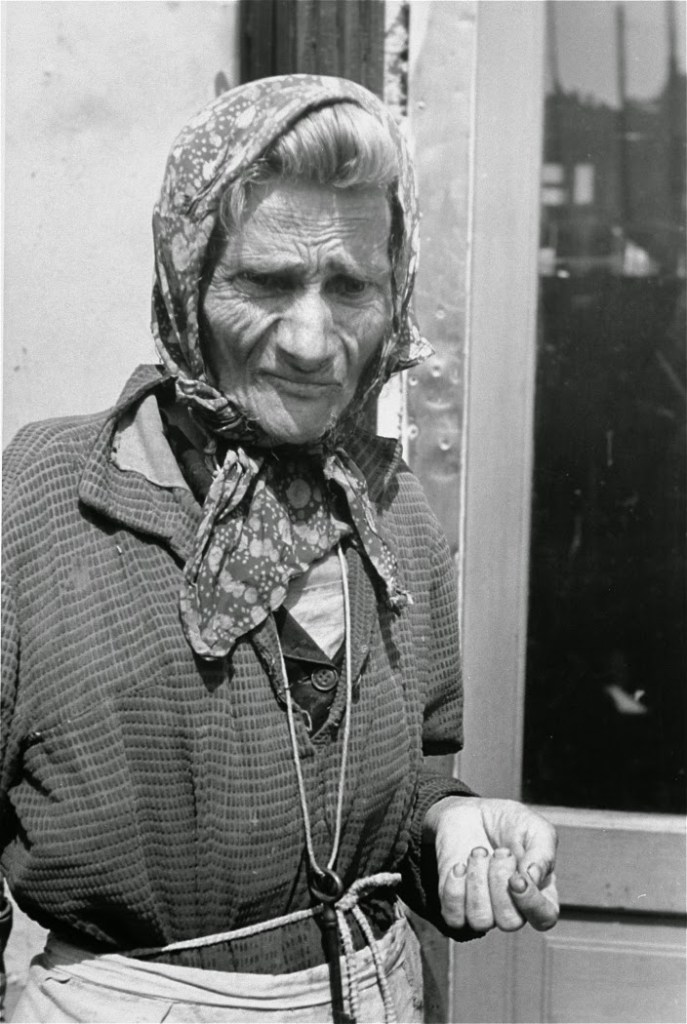
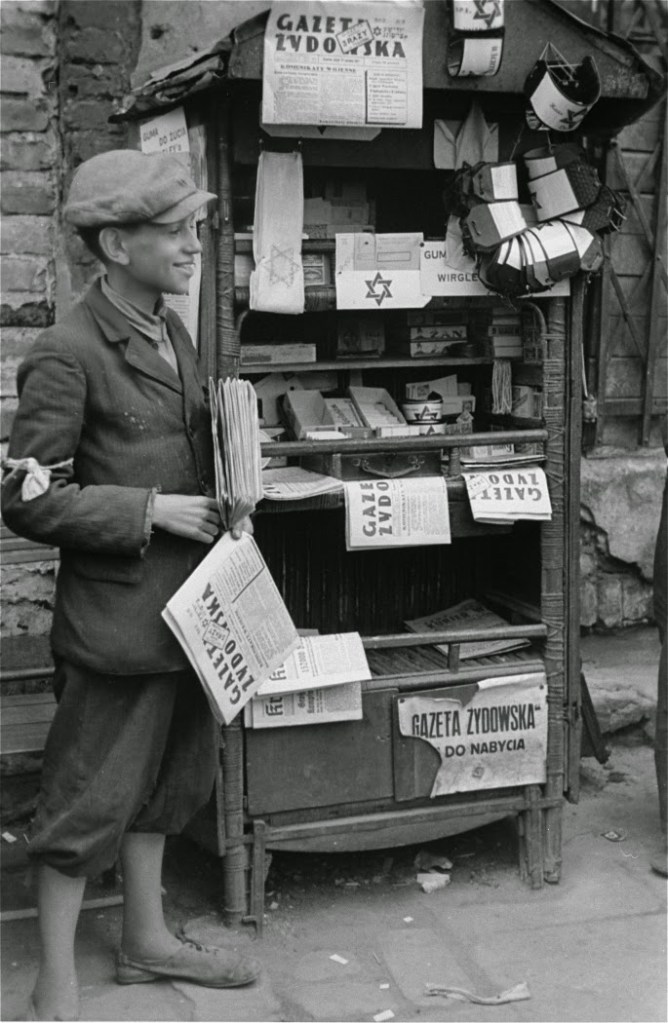
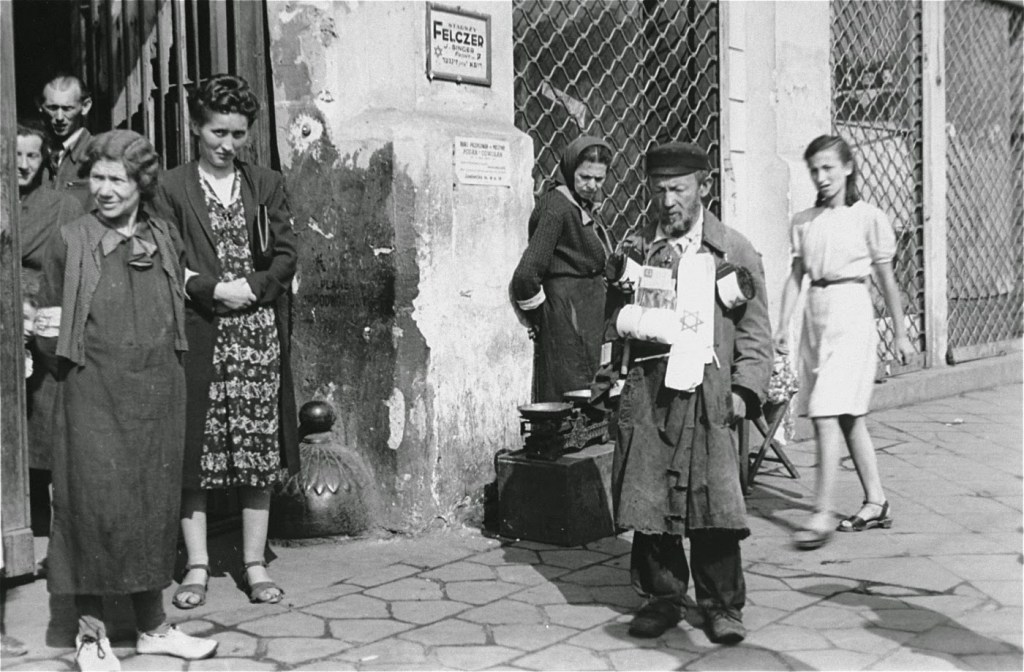
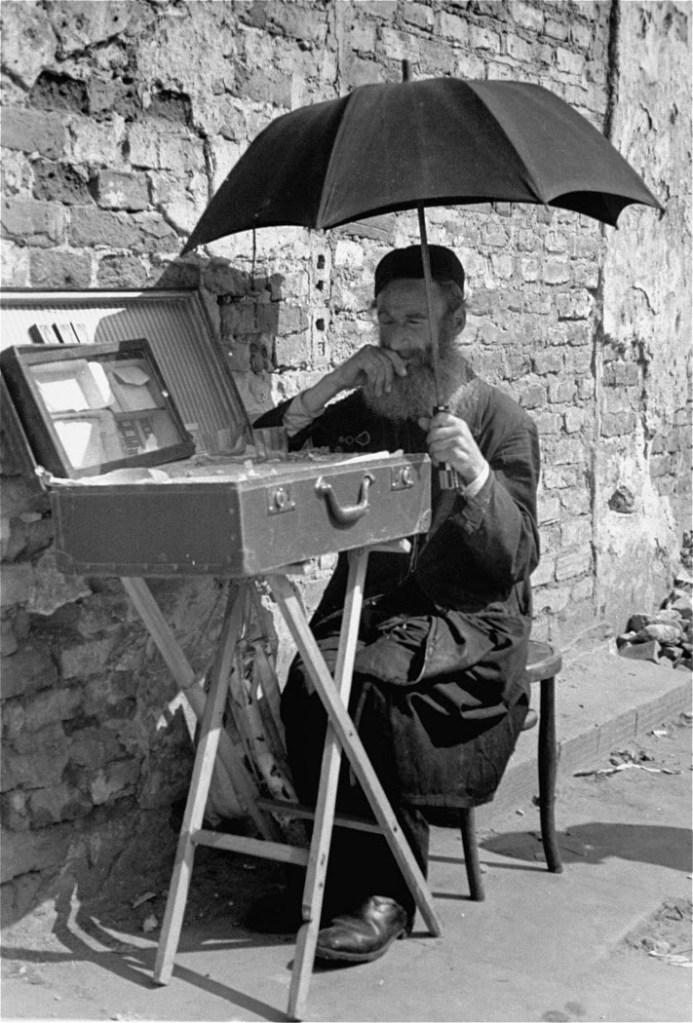
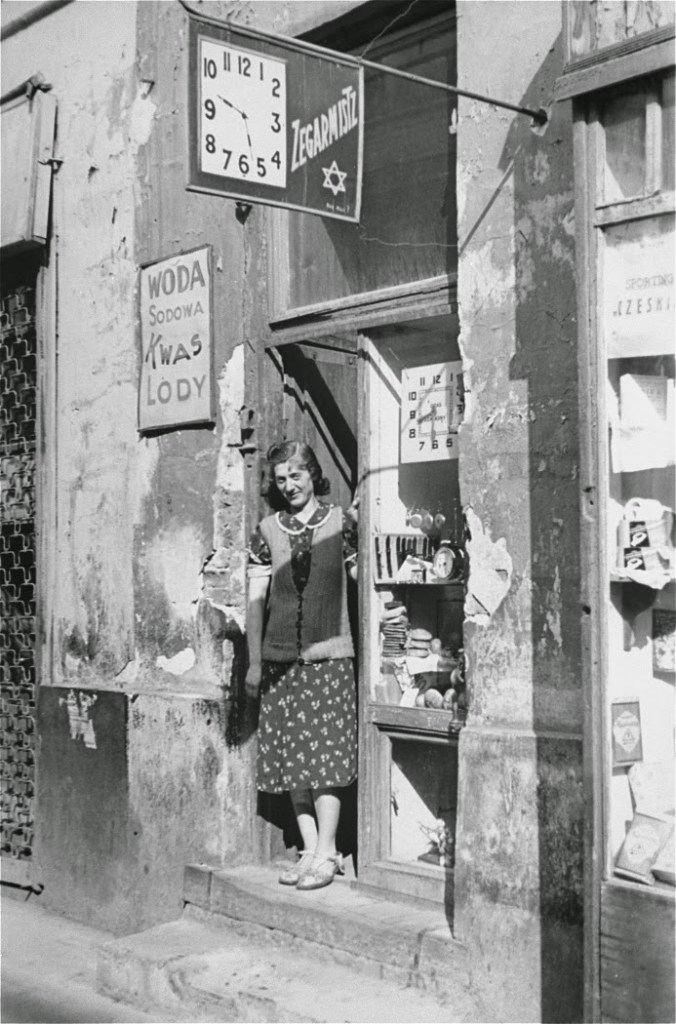
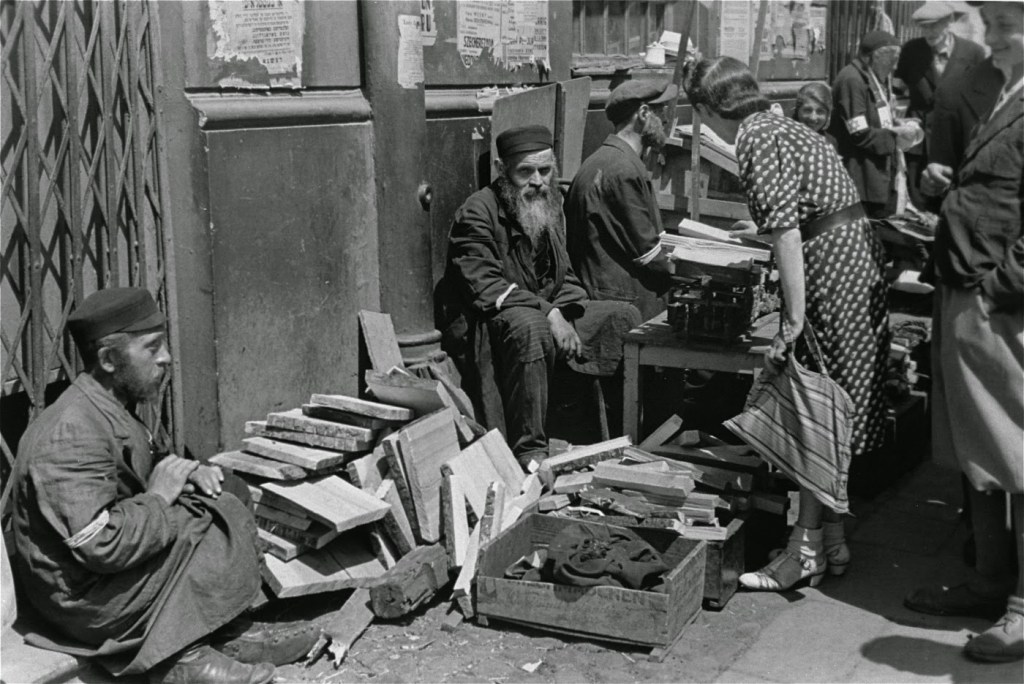
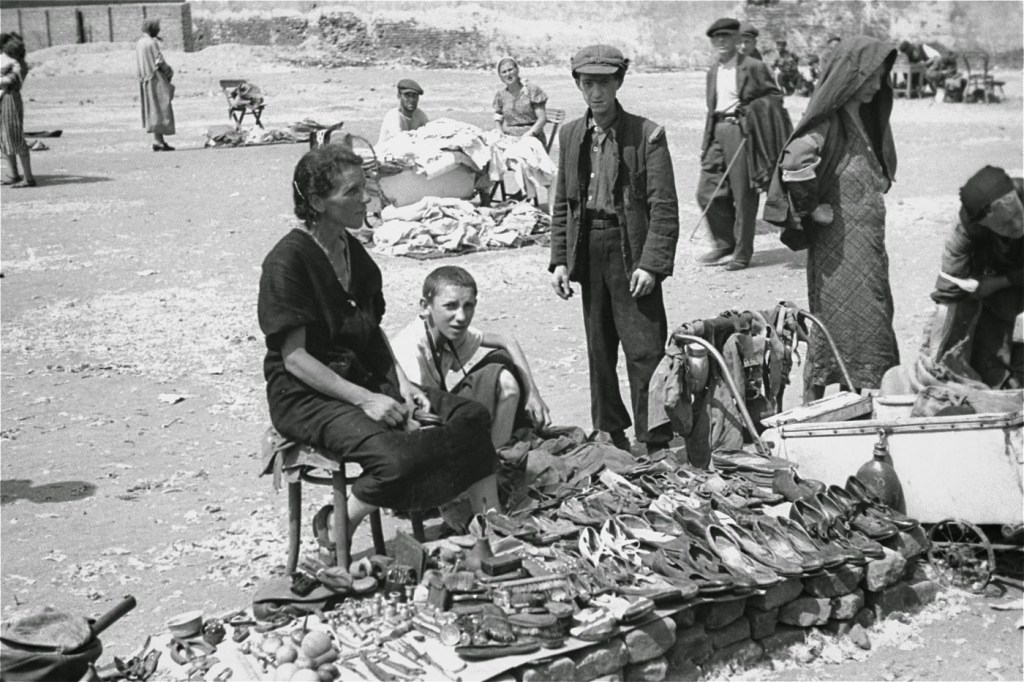
The living conditions in the ghetto were very difficult. Density of population was extreme, there were 146,000 people per square kilometre which meant 8 to 10 people per room on average. Jews from other districts of Warsaw as well as those from other cities were allowed to bring only the absolute minimum with them – usually personal belongings and bedclothes. That meant instant poverty and great social disadvantage in comparison with original inhabitants of the ghetto’s pre-war district. But in general only a very small percentage of the ghetto population had any kind of regular employment or any other source of income. Street trading became a necessity for many and anything could be a subject of exchange.
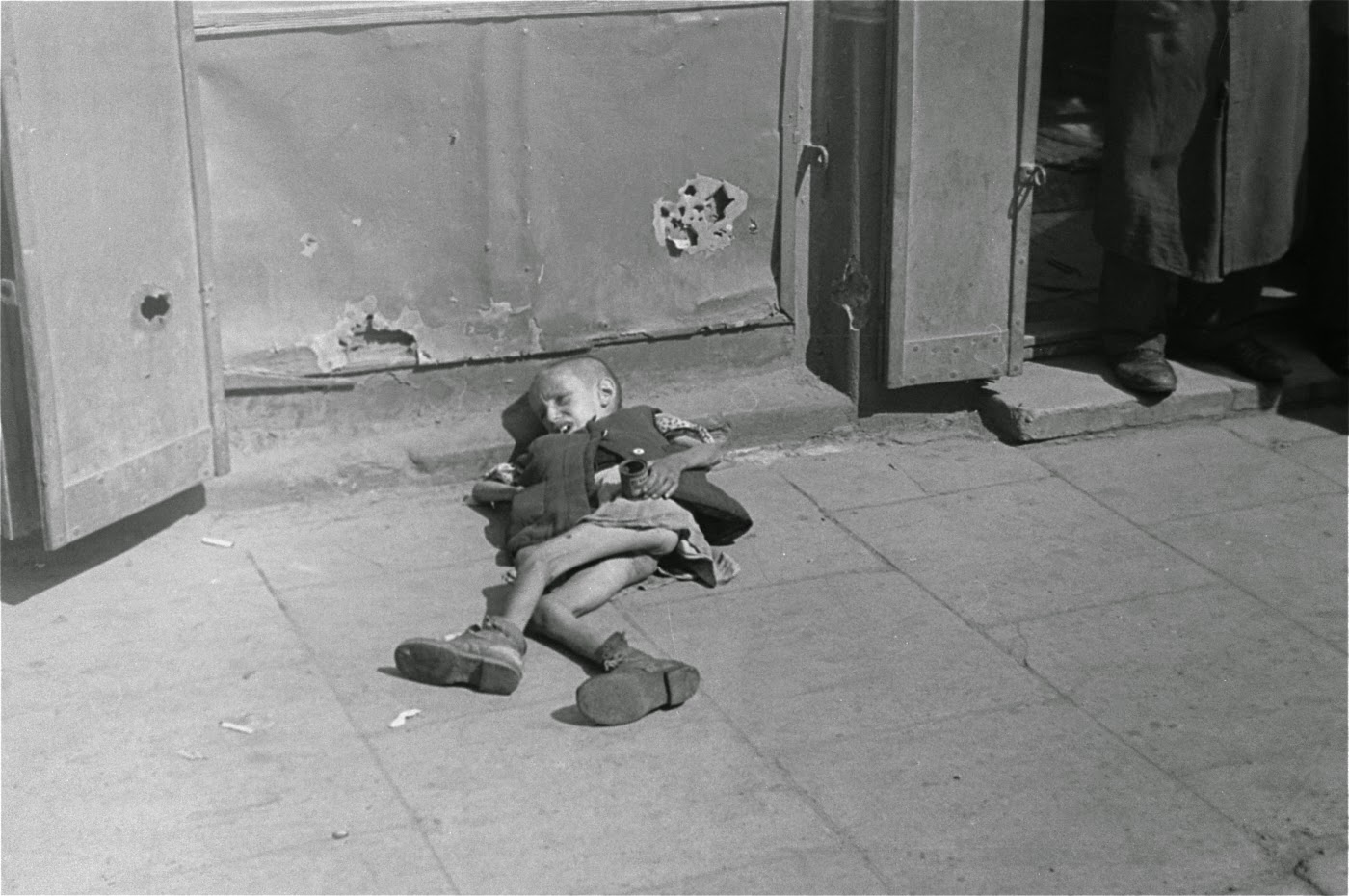
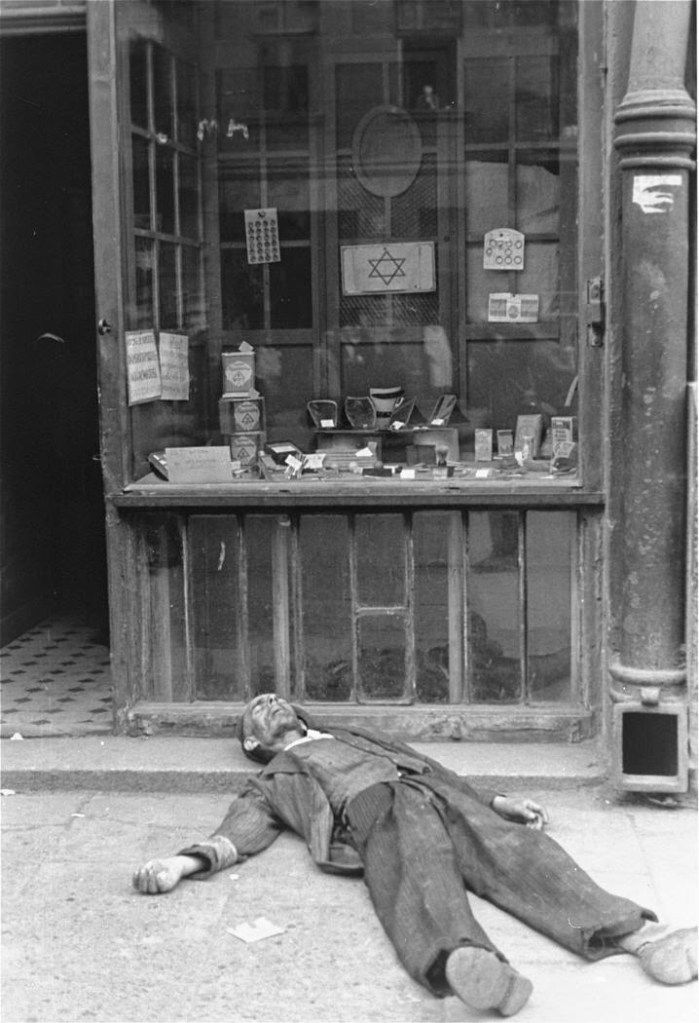
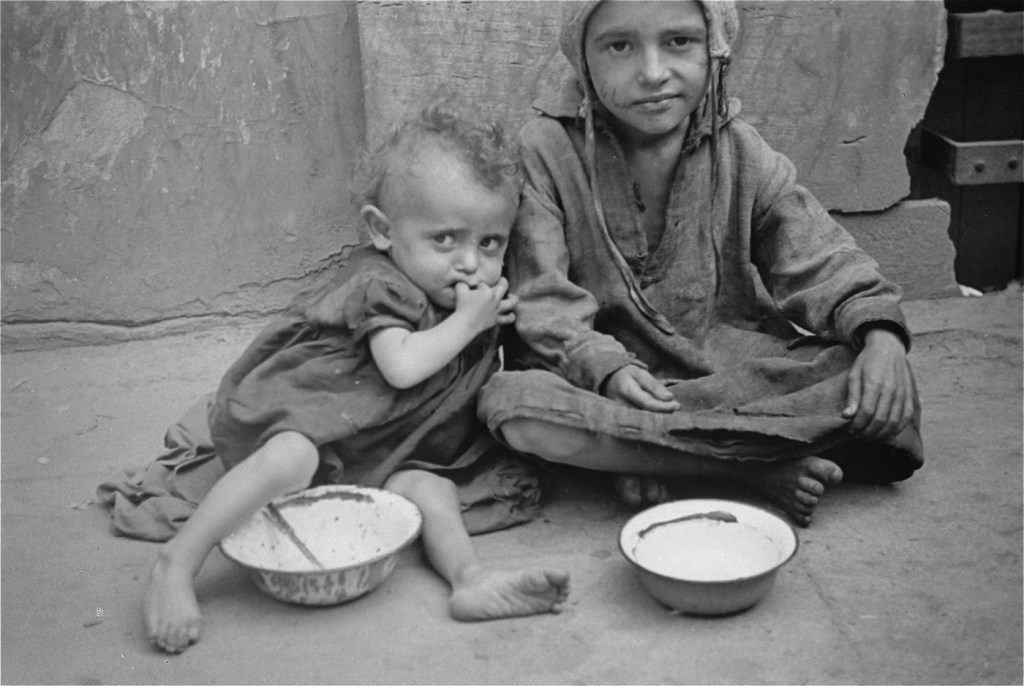
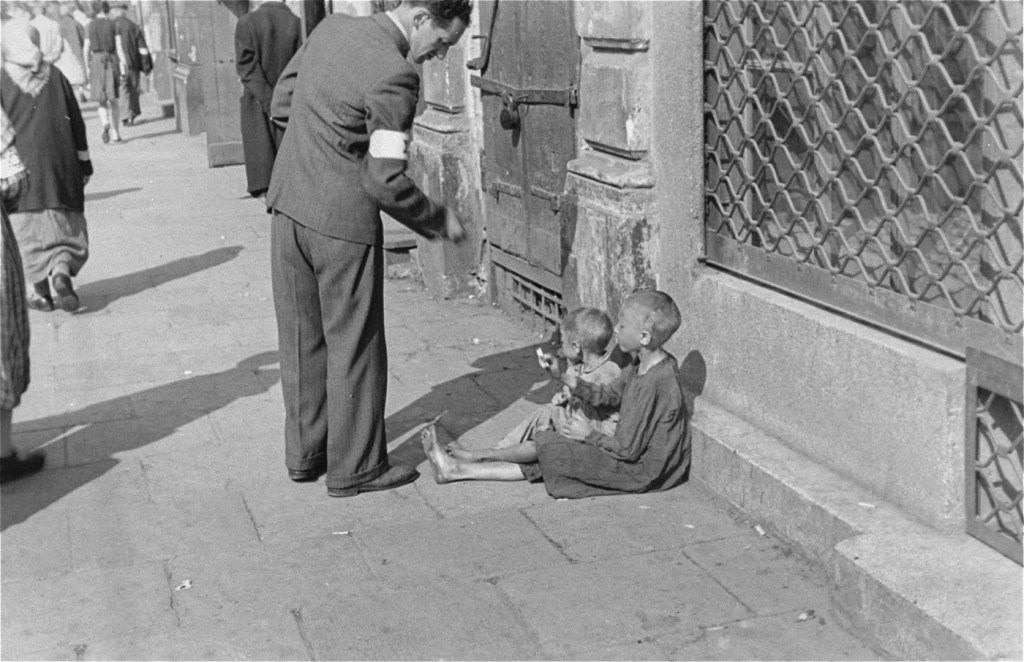
The German administration deliberately limited food supplies to the absolute minimum which caused near starvation amongst the population from the very beginning of the ghetto’s existence. Smuggling food, mainly by children, from the ‘Aryan side’ was the only option of providing the ghetto with supplies. Malnutrition, overpopulation and lack of medical care brought another deadly factor to the daily life of the ghetto’s residents – typhus.
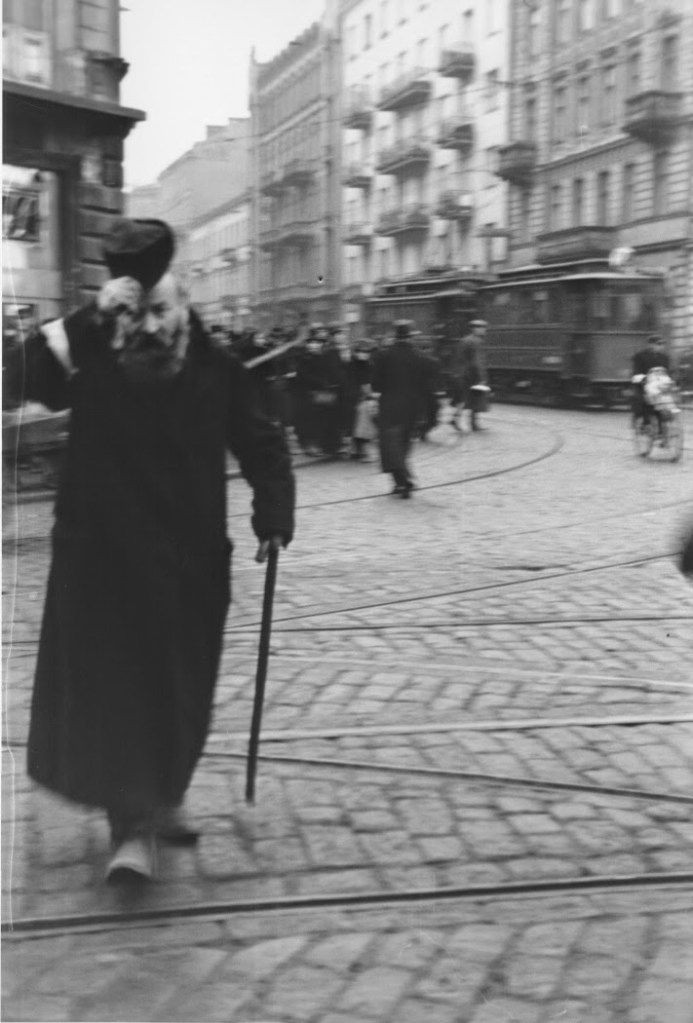
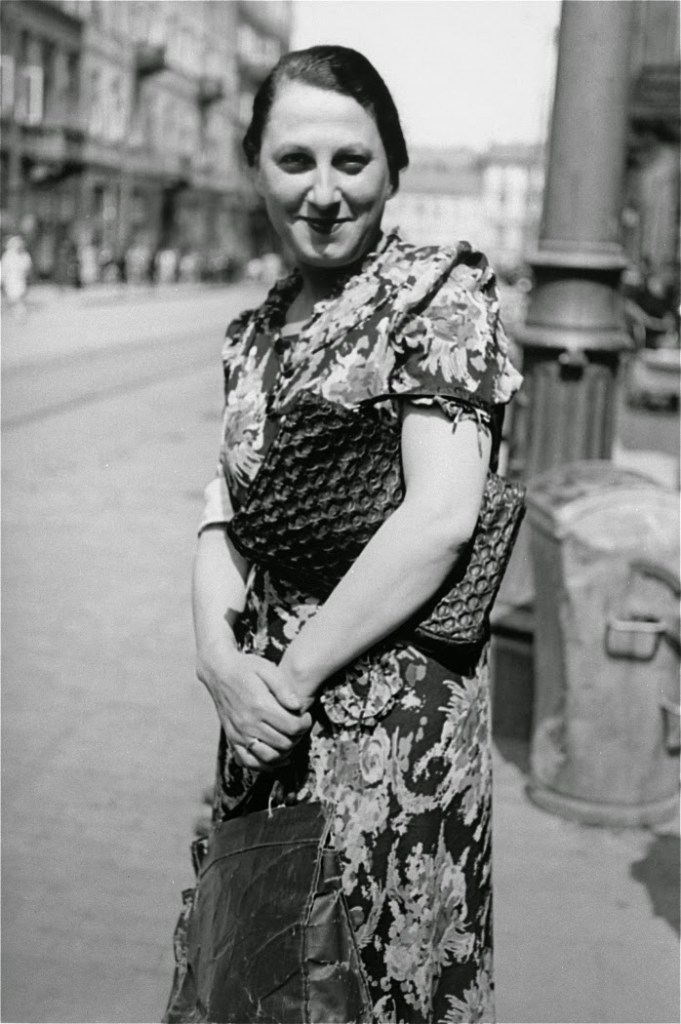
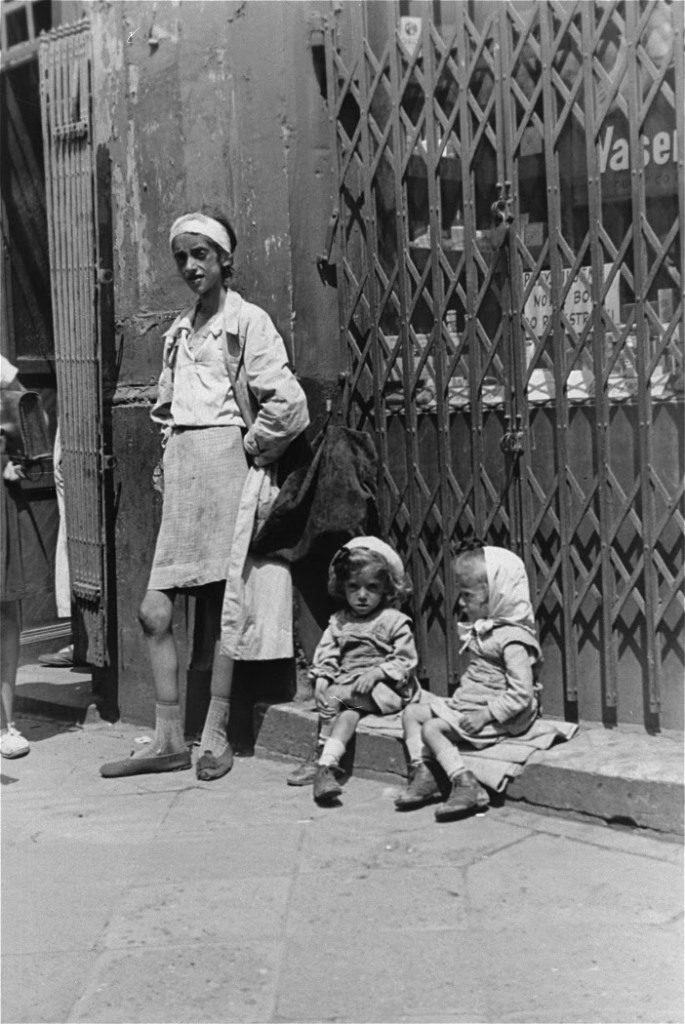
The results were truly horrific – between October 1940 and July 1942 around 92,000 of Jewish residents of the ghetto died of starvation, diseases and cold which accounted for nearly 20% of the entire population. The dreadful conditions in the ghetto forced many Jews to escape. The German response was predictable: “Jews who leave the quarter reserved for them without permission are liable to the death penalty. The same penalty awaits any person who knowingly gives shelter to such Jews.” Taken from an official German announcement – probably on display on both sides of the ghetto wall. These astonishing photographs below were taken by photographer Willy Georgin the summer of 1941. He was issued a pass by one of his officers and instructed to enter the enclosed ghetto and take photos of what he saw there. Accroding to Studiolum, Georg shot four rolls of films and began to shoot a fifth one when the German military police stopped him. They confiscated the film in his camera, but fortunately they did not check his pockets before escorting him out of the ghetto. Georg developed the four rolls in Warsaw and preserved the photos in the next fifty years together with his other war pictures. In the late 1980s he met Rafael Scharf from London, a researcher of Polish-Jewish studies, to whom he gave these photos and who published them in 1993 in the book In the Warsaw Ghetto: Summer 1941.
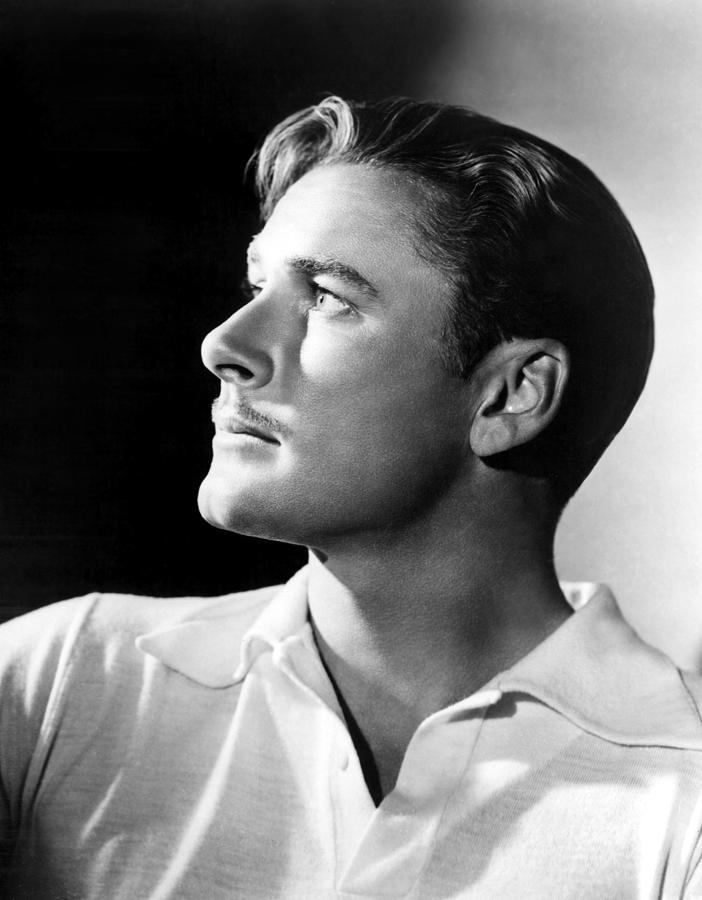
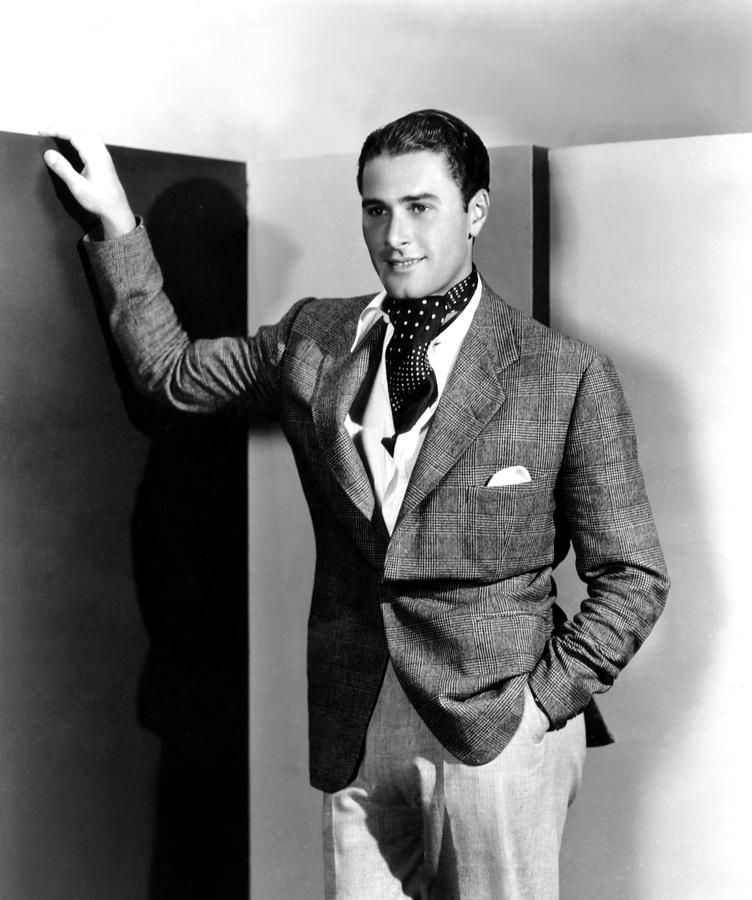
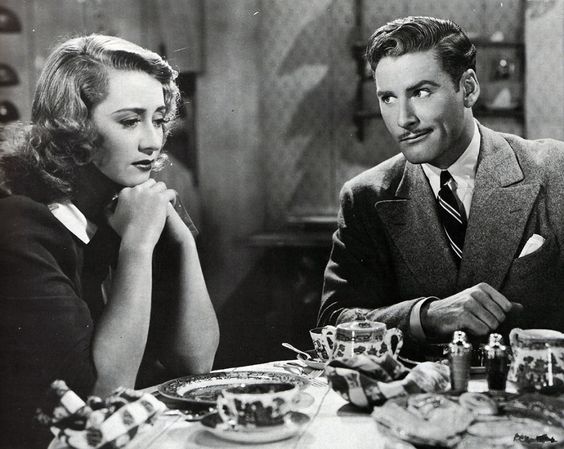
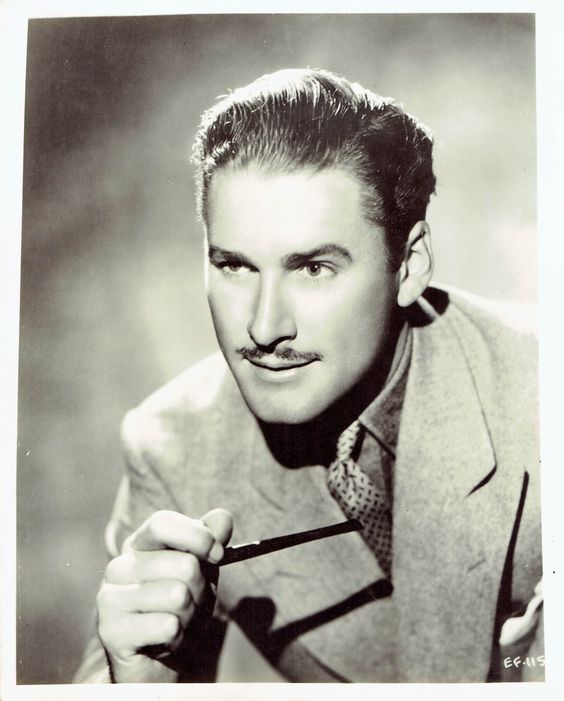
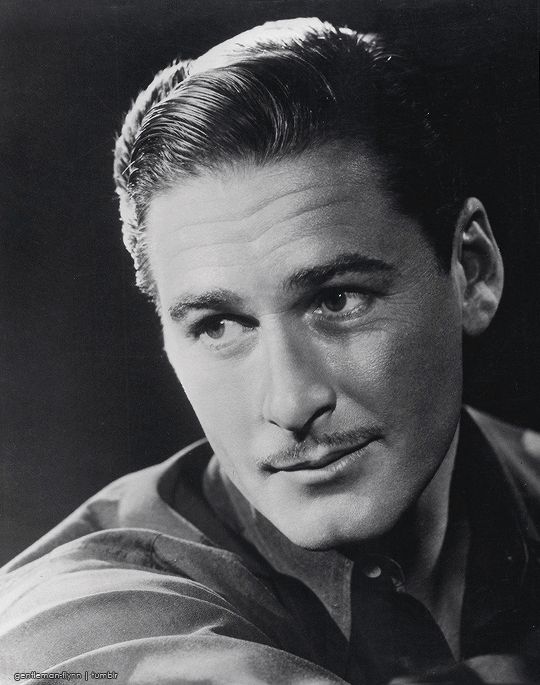
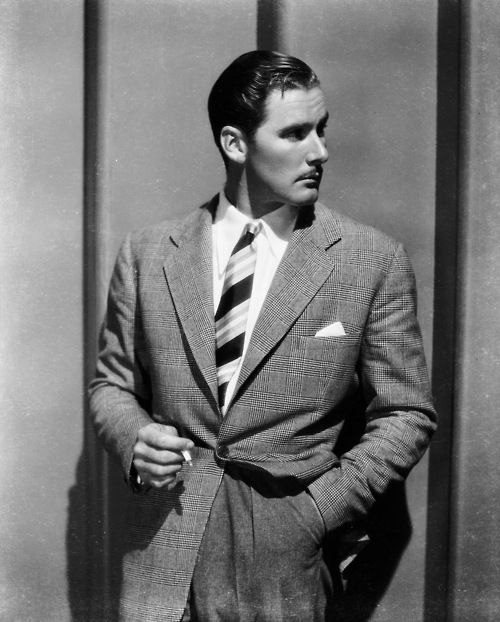
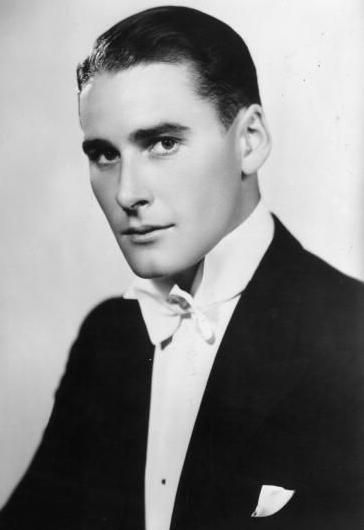
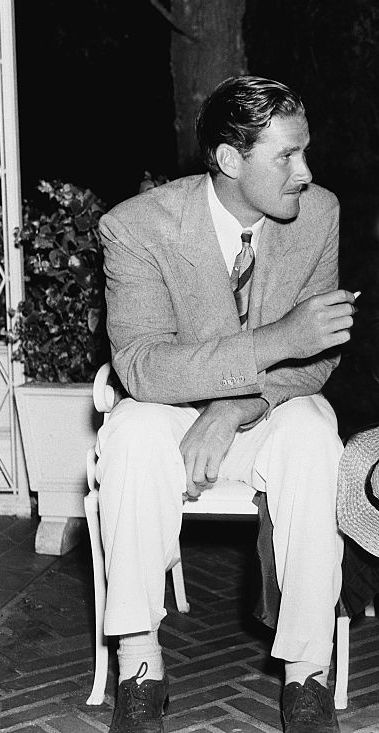
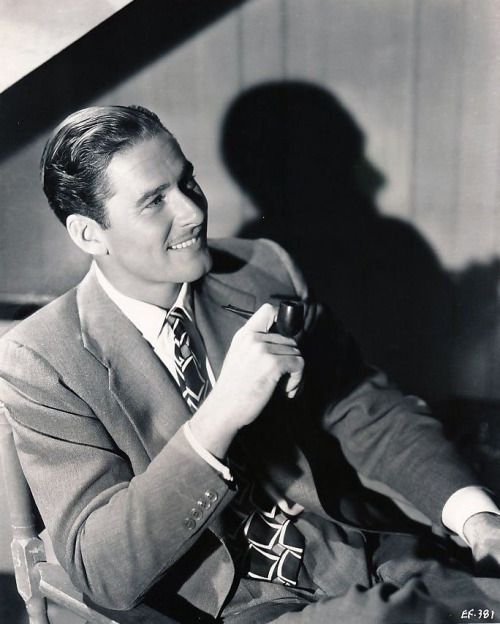
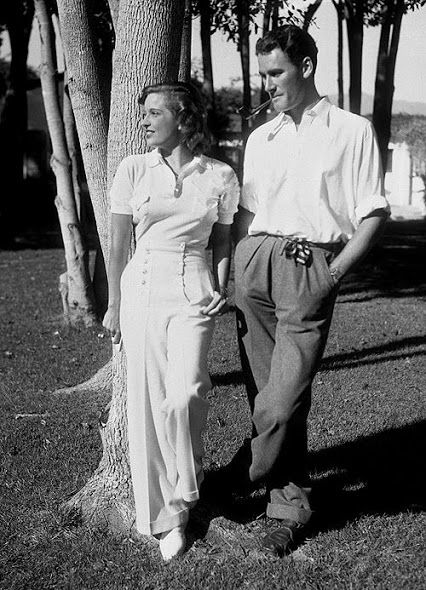
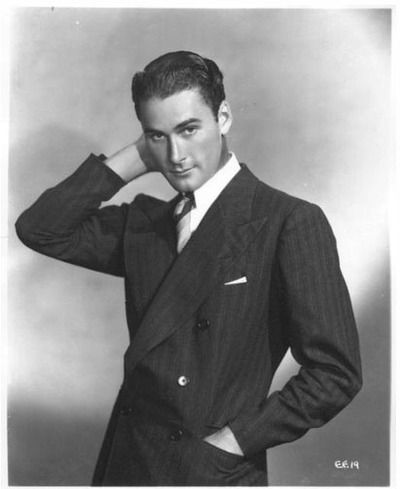
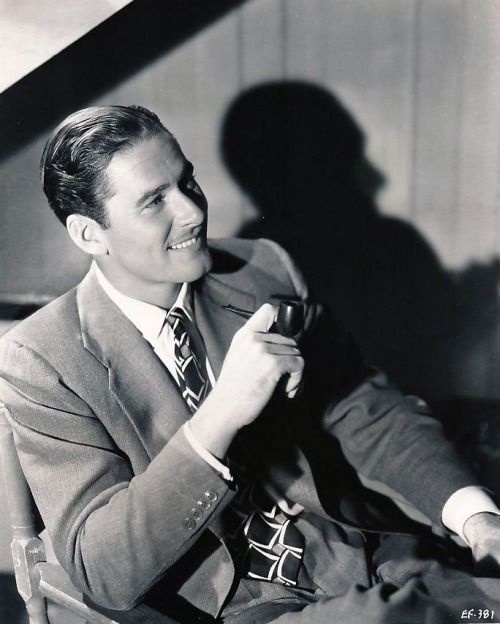
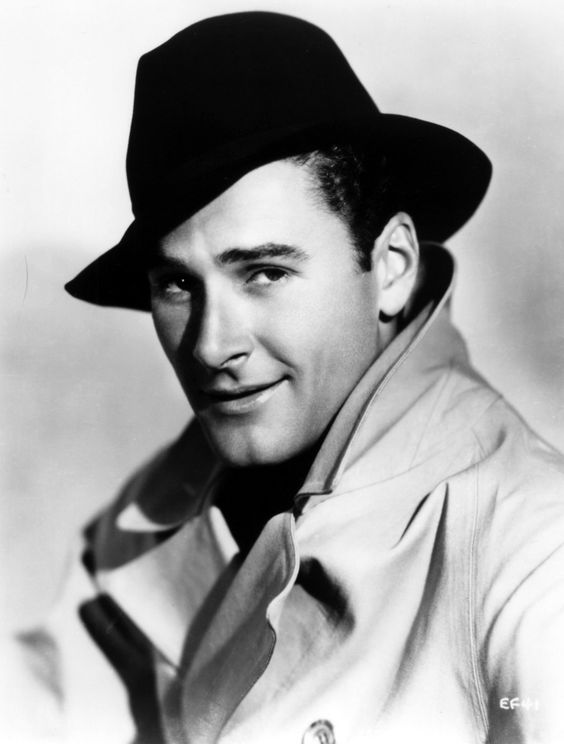
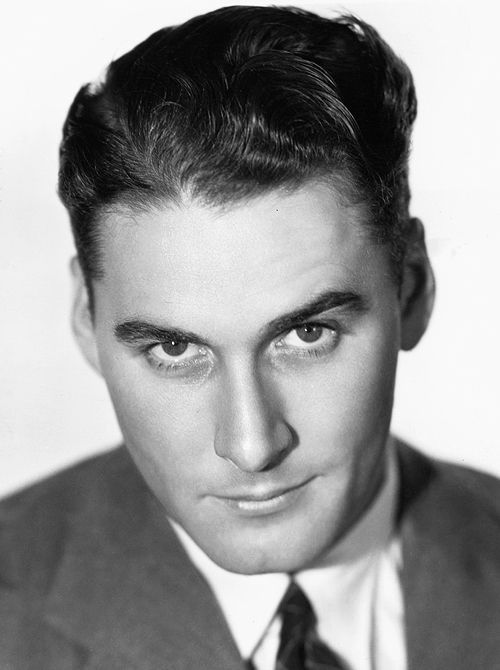
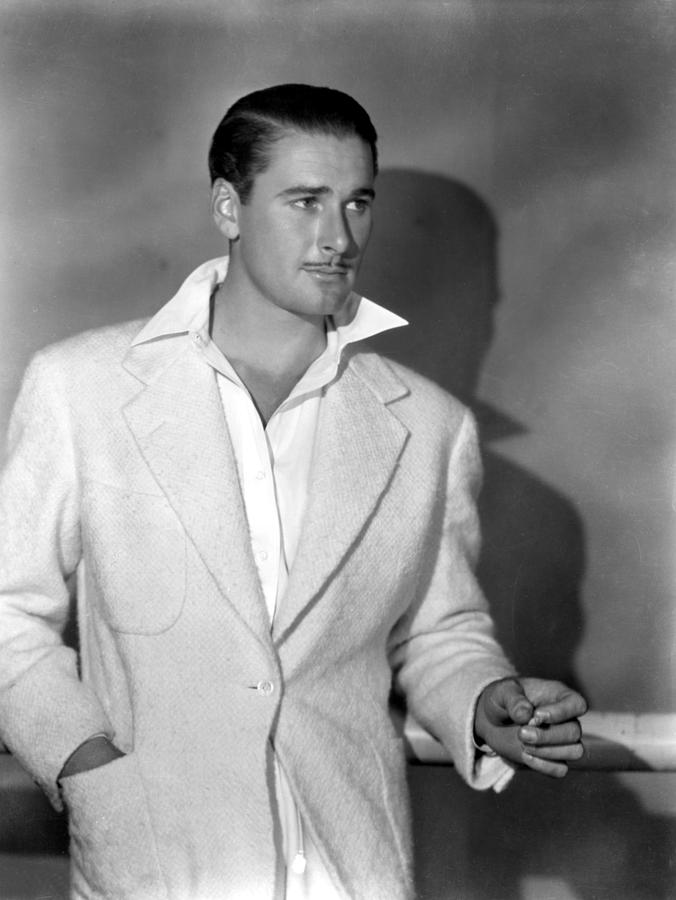
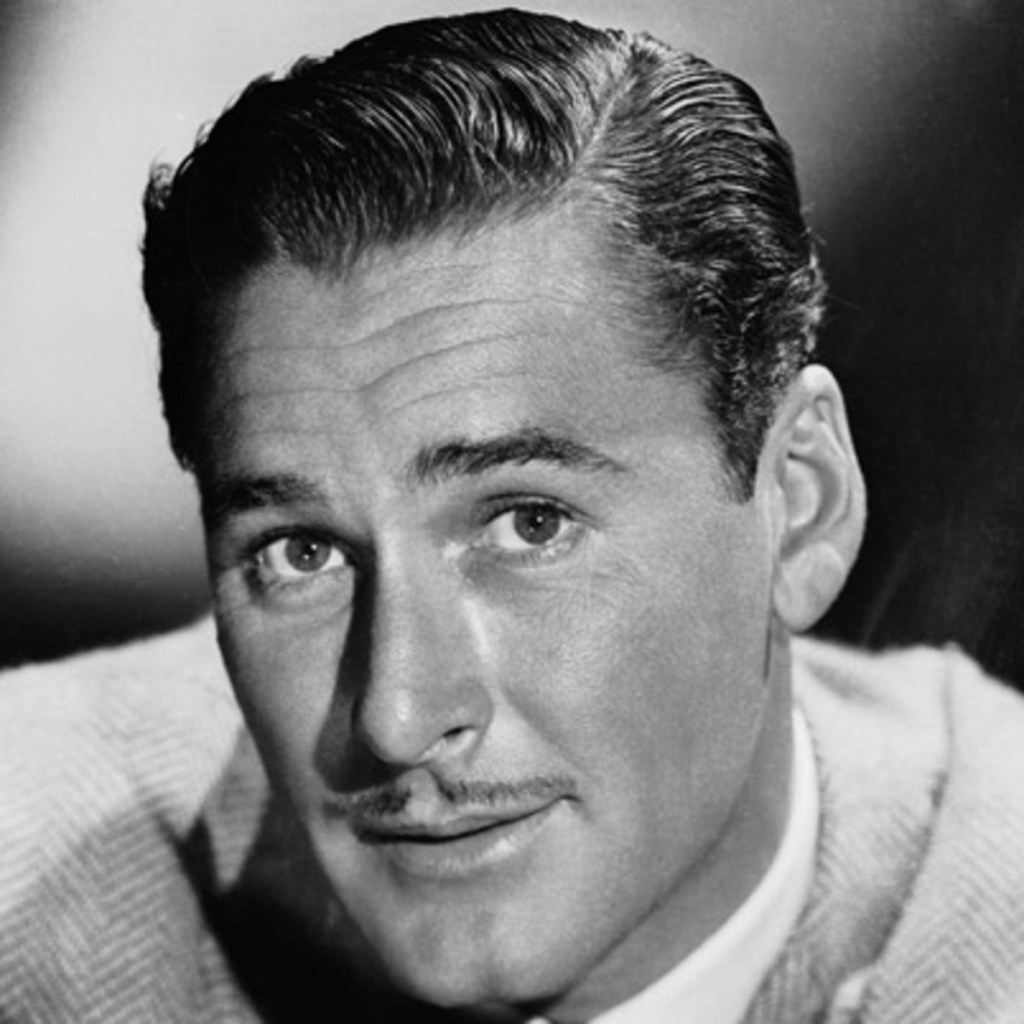
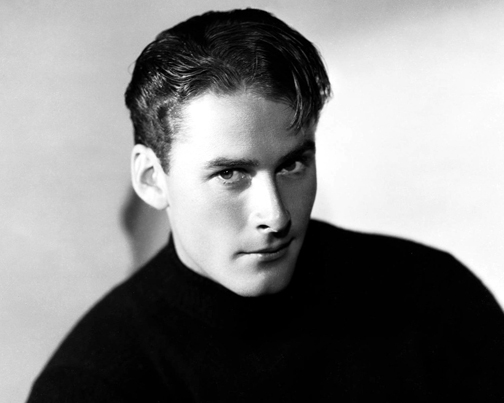
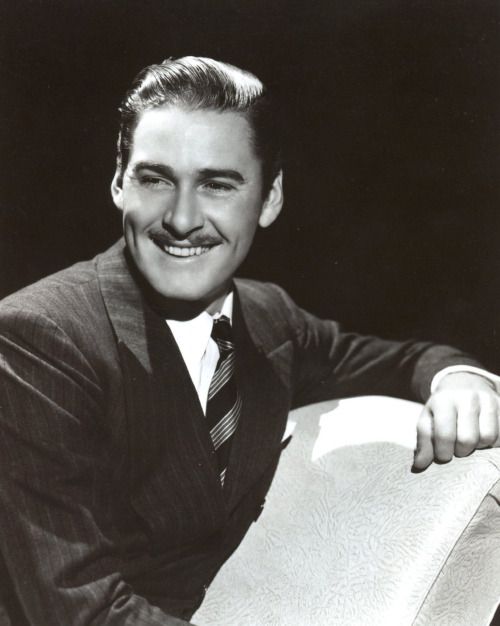
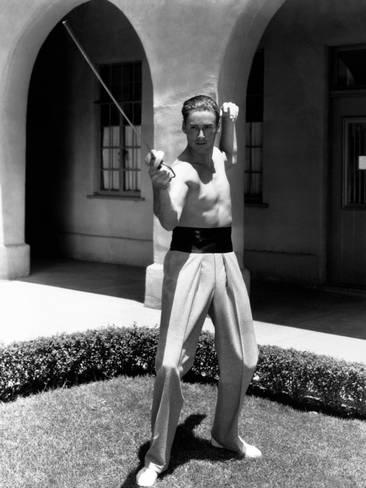
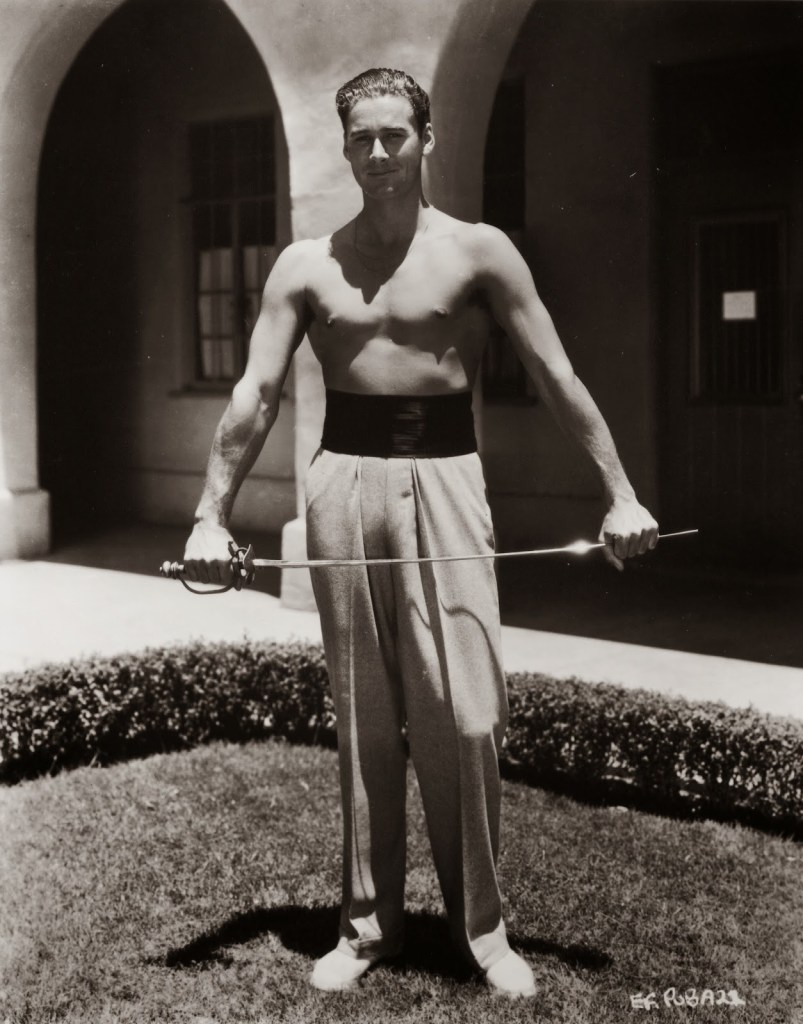
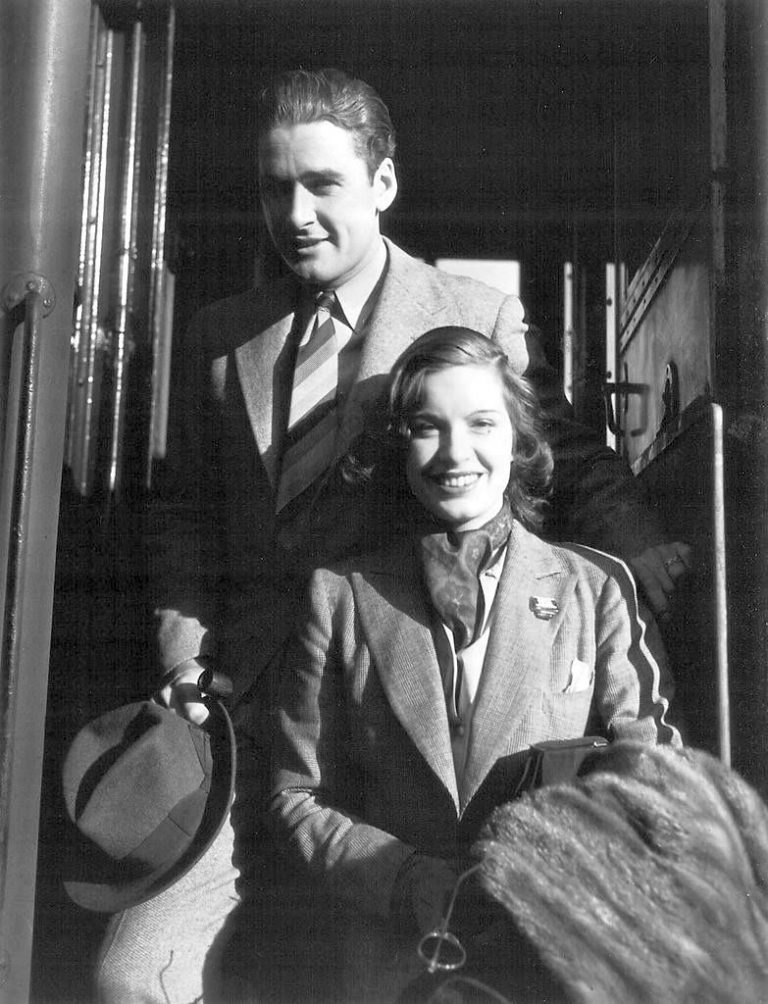
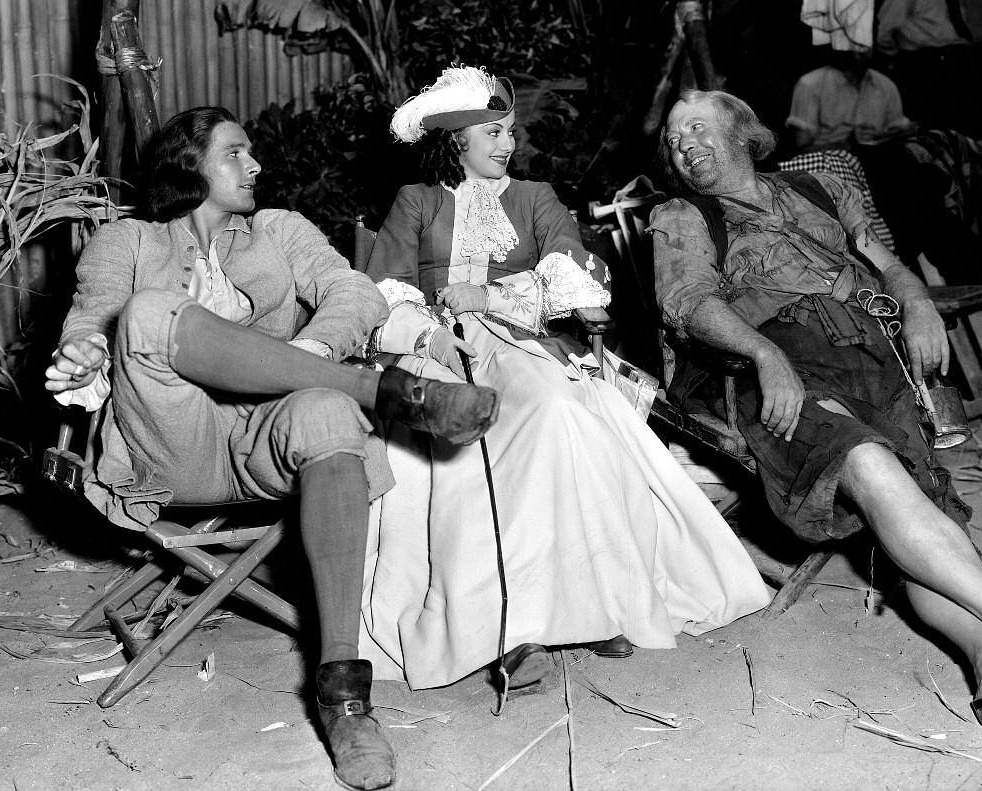
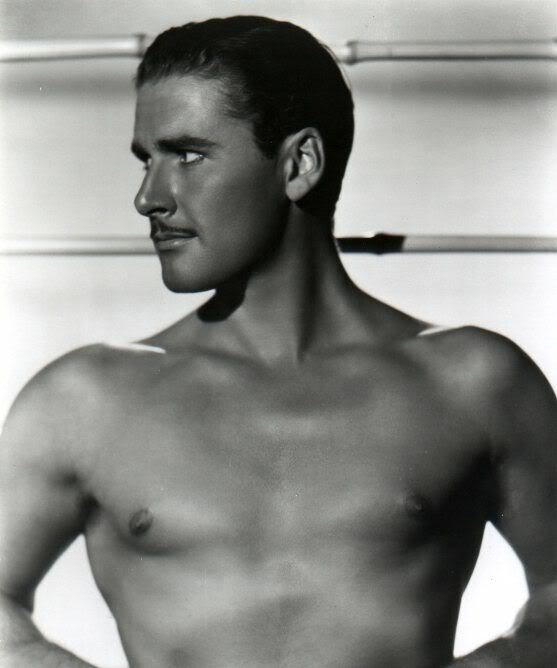
Errol Flynn (1909-1959) was an Australian-born film star who gained fame in Hollywood in the 1930s as the screen’s premier swashbuckler. Tall, athletic and exceptionally handsome, Flynn personified the cavalier adventurer in a string of immensely popular films for Warner Brothers, most often co-starring with Olivia deHavilland in such screen classics as “Captain Blood” and “The Adventures of Robin Hood.”
Flynn was born in Hobart, Tasmania, the son of professor Theodore Thomson Flynn, a world renowned Marine biologist, and Lily Mary Young. After an unhappy childhood that included physical and mental abuse by his mother, Flynn ran away to New Guinea where for several years he lived a life of adventure as a copra plantation overseer, constable, gold miner and guide up the dangerous Sepik River. In 1933, back in Australia, he was cast in a low-budget film, “In the Wake of the Bounty,” which gave him the idea of becoming an actor. He drifted to England where he landed work as a bit player with the Northampton Repertory Theater and, after appearing in one film, “Murder at Monte Carlo,” was discovered by a Warner Brothers talent scout.
Coming to America in 1934, Flynn was cast in two insignificant films before Warner Brothers took a chance on an unknown and starred him in “Captain Blood.” Flynn shot to international stardom overnight, and throughout the 1930s he was arguably the most recognizable movie star in the world. His striking good looks and screen charisma won him millions of fans, including legions of women who threw themselves at him.
Flynn also became as famous for his hedonistic lifestyle as for his swashbuckling movie roles. By his own estimate he slept with 10,000 women in his lifetime, and his penchant for alcohol, drugs and brawling aged him prematurely. By 1950 his best days were behind him both professionally and personally. Dropped by Warner Brothers in 1952, Flynn roamed the world in his yacht making substandard films abroad, as well as one short-lived television show, “The Errol Flynn Theater.” Near the end of his life he returned to Hollywood where he was rediscovered; playing drunks and washed out bums, he brought a poignancy to his performances that had not been there during his glamorous heyday.
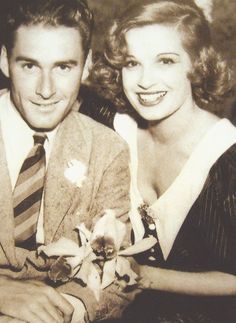
Flynn, who was married three times, died in Vancouver, British Columbia, on October 14, 1959, of a heart attack. The coroner who examined the 50-year-old actor said he had the body of an 85-year-old man.
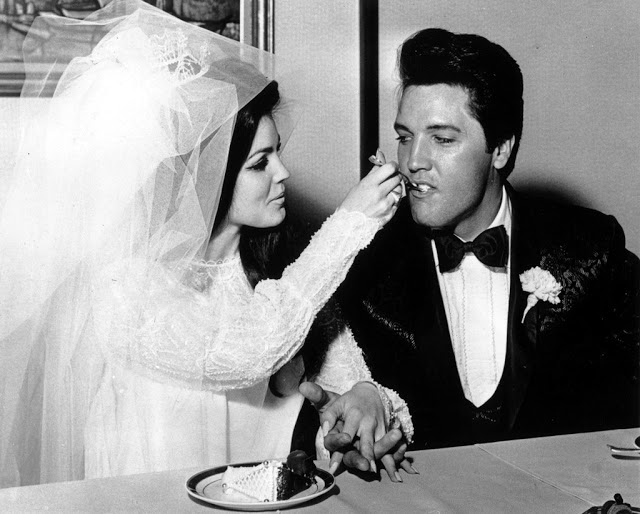
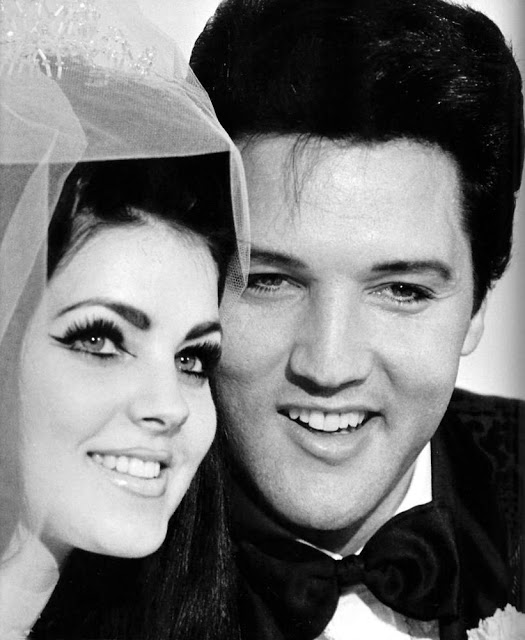
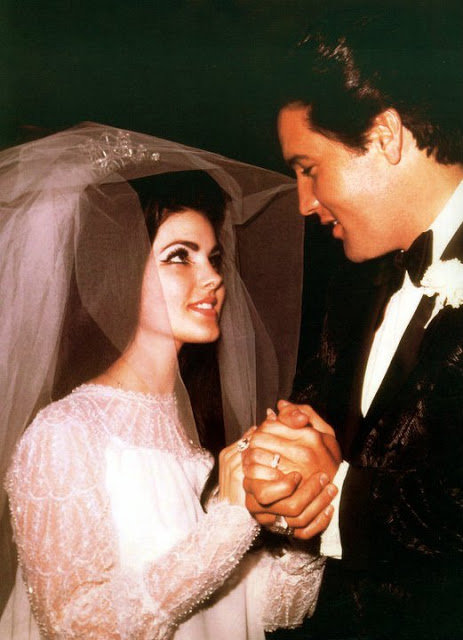
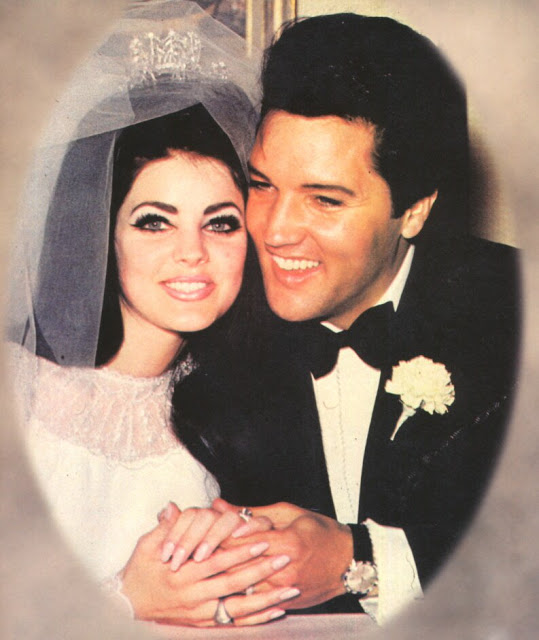
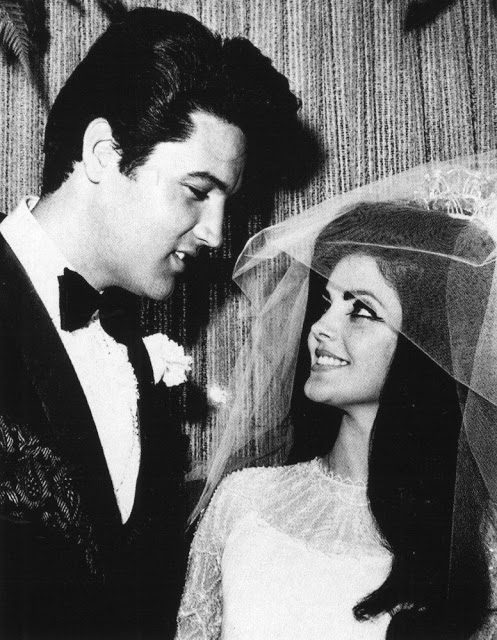
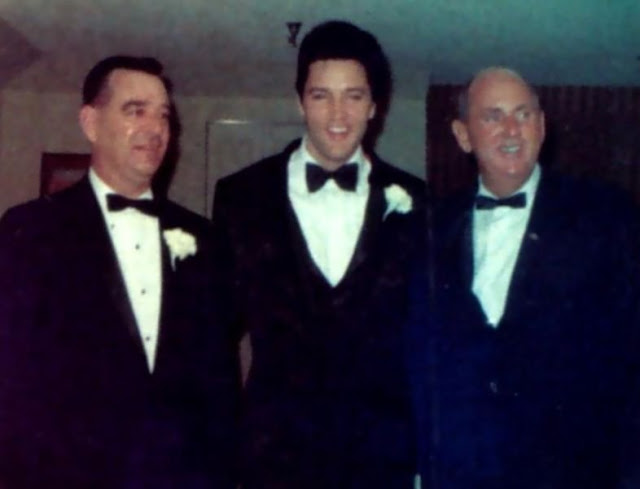
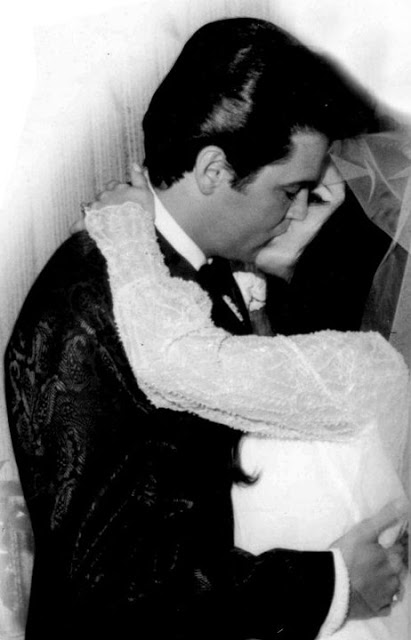
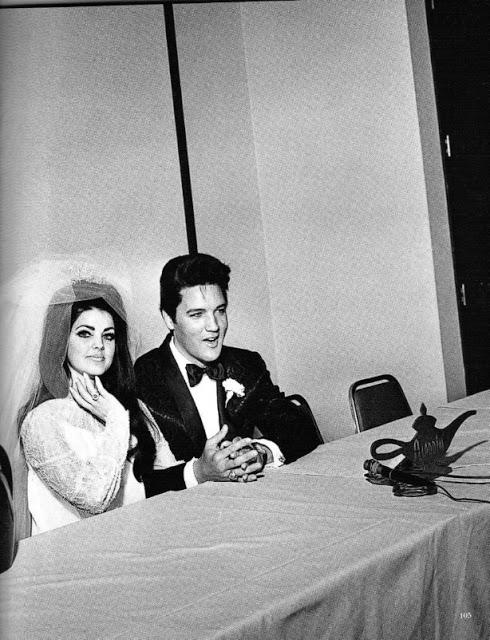
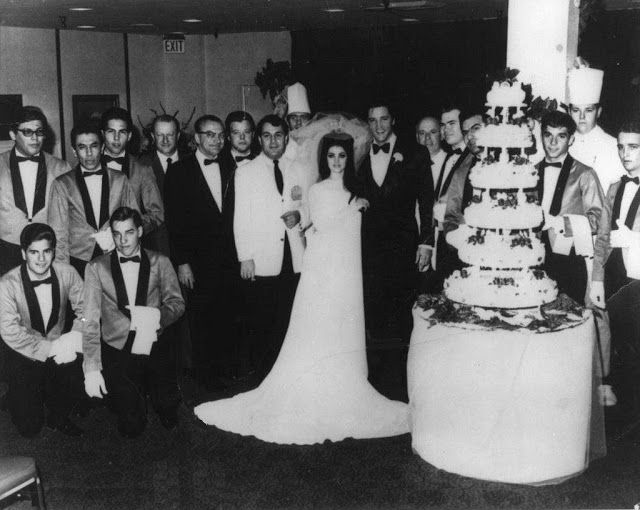
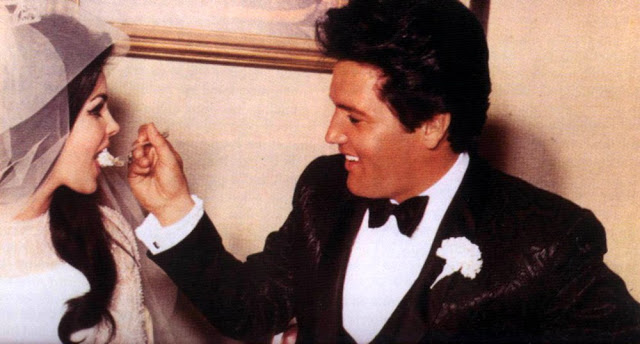
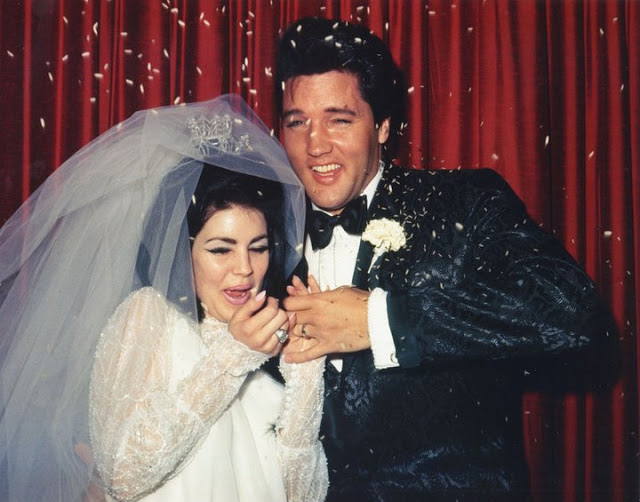
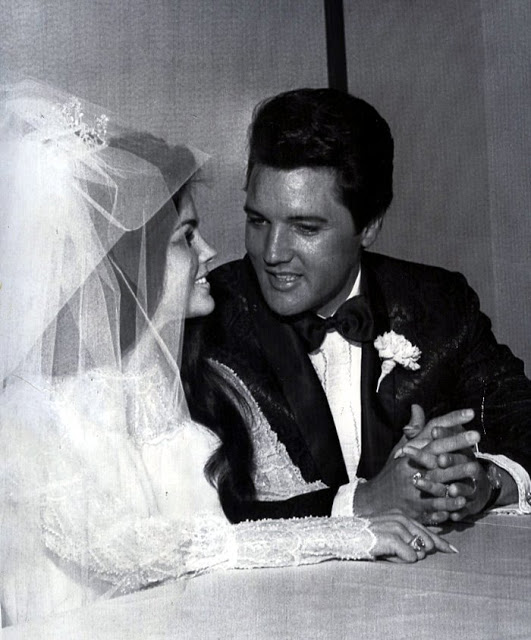
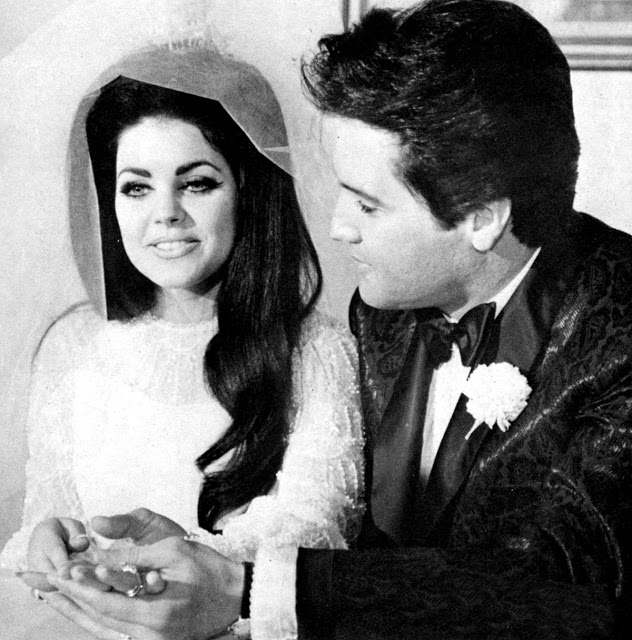
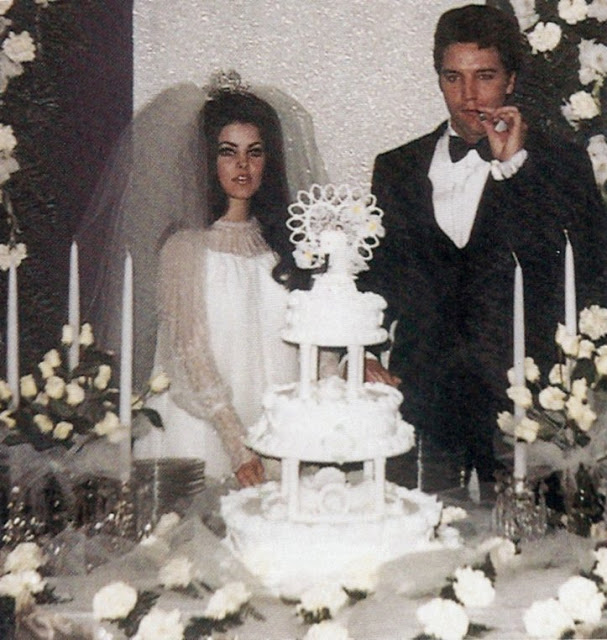
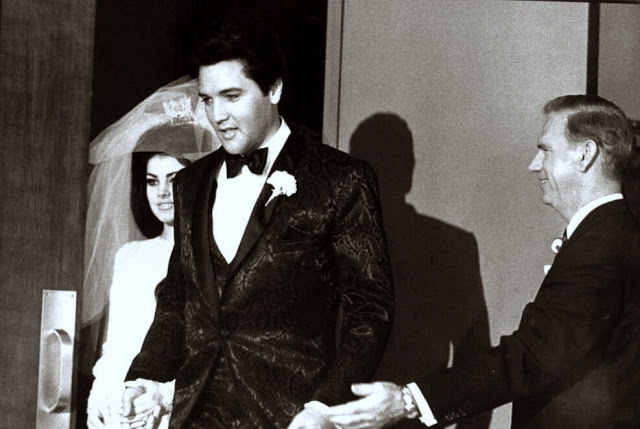
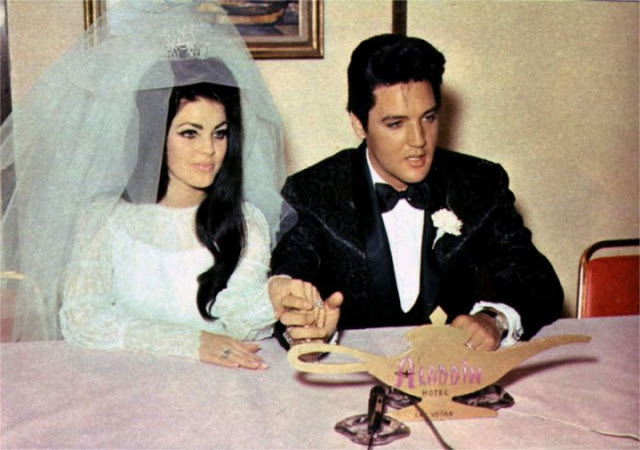
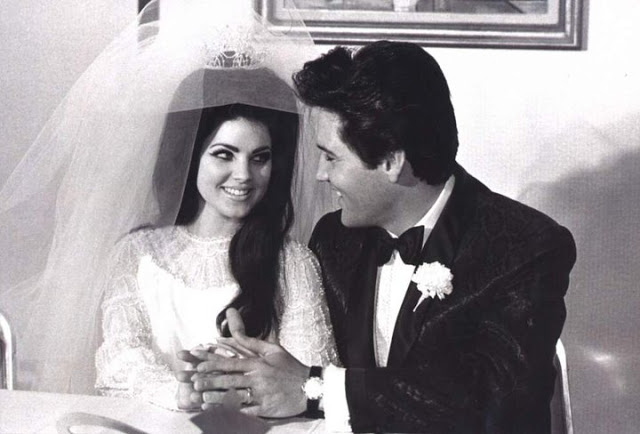
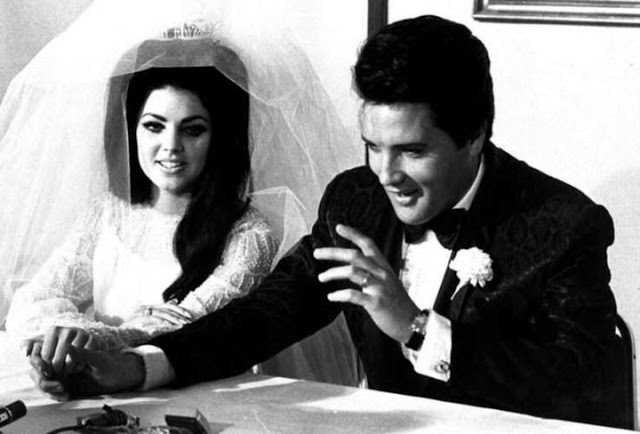
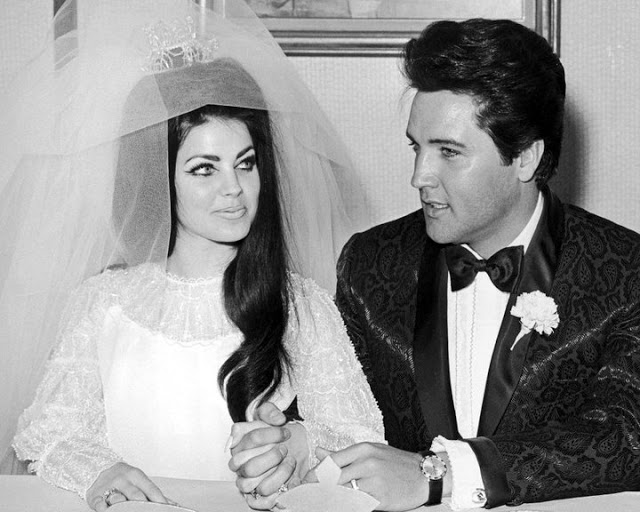
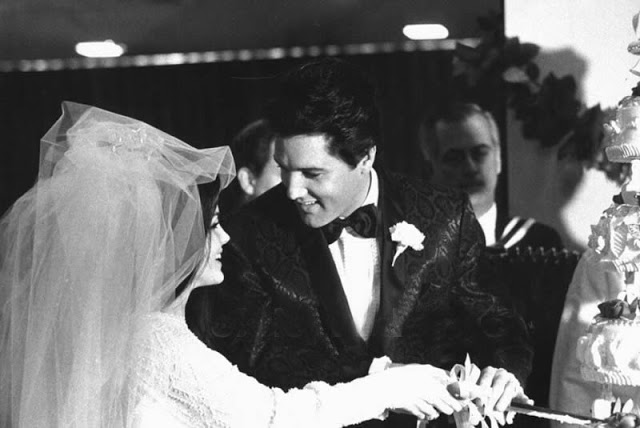
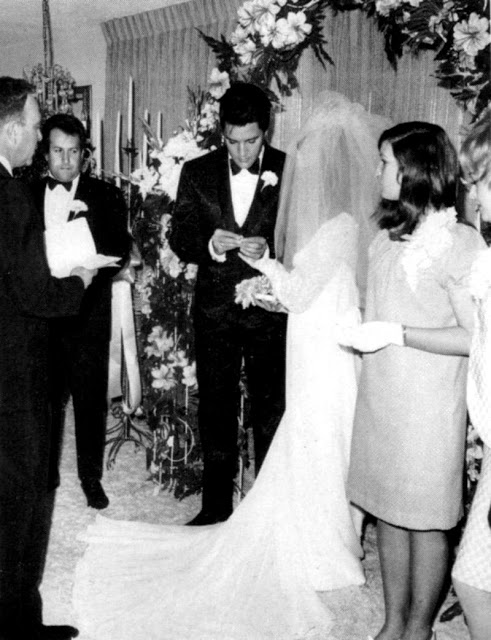
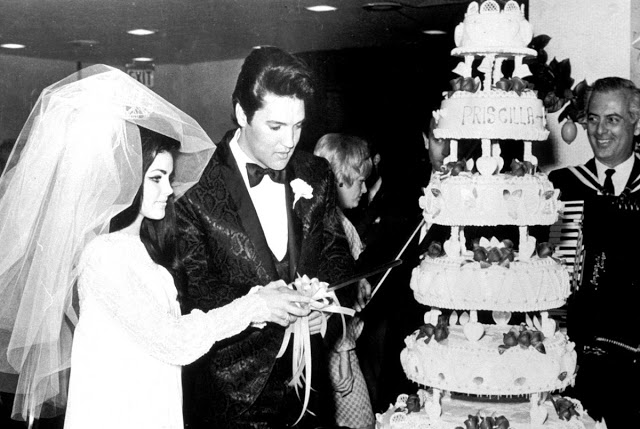
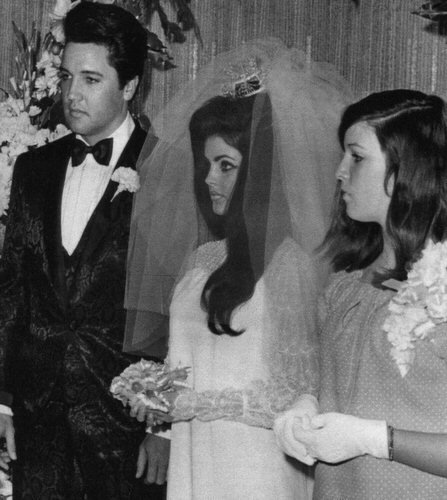
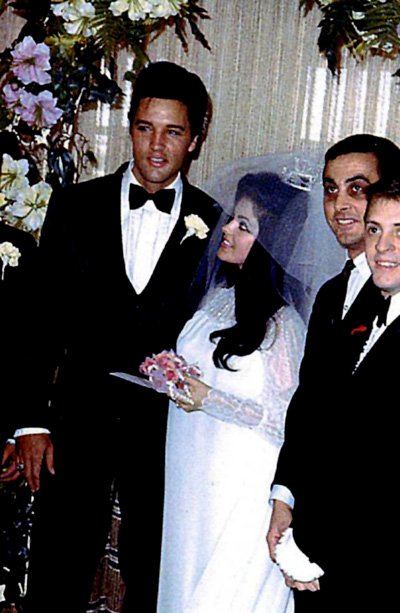
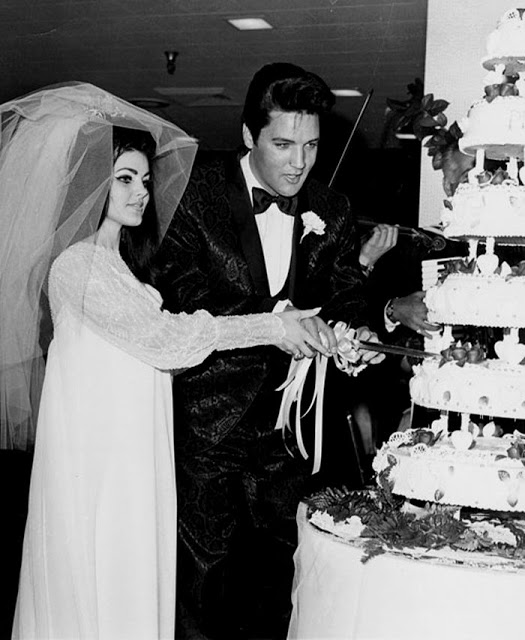
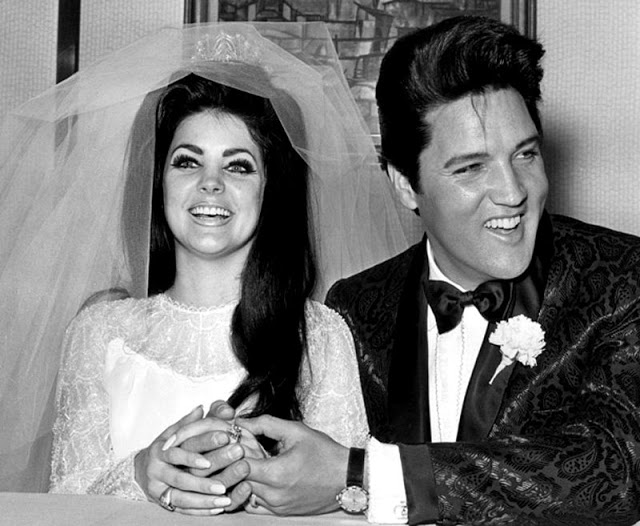
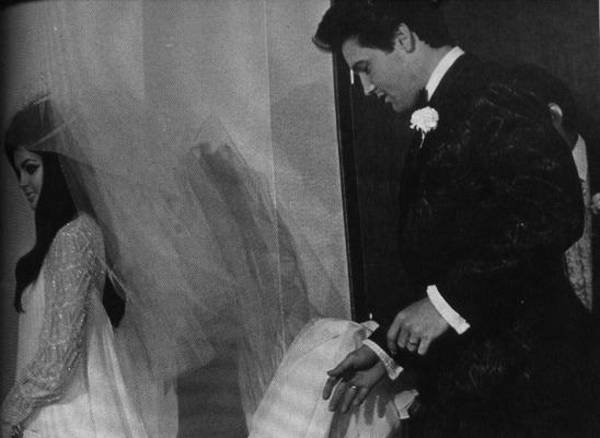
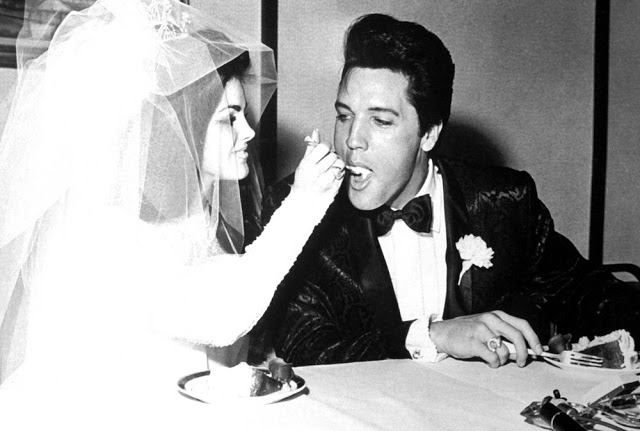
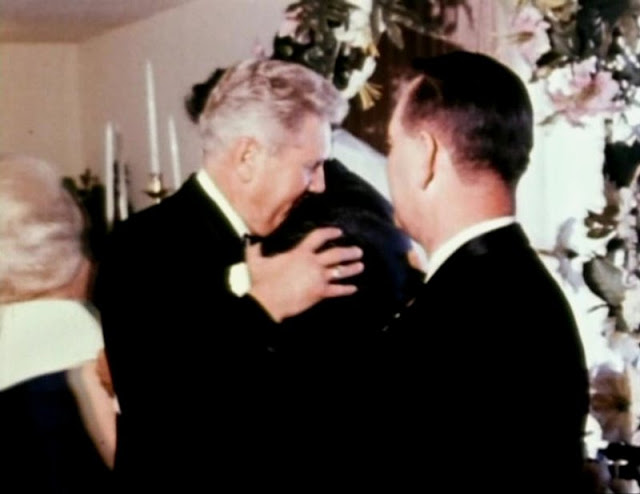
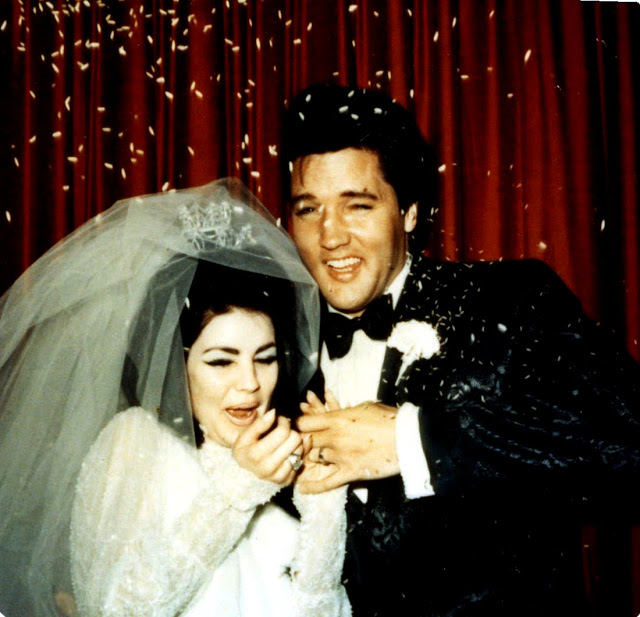
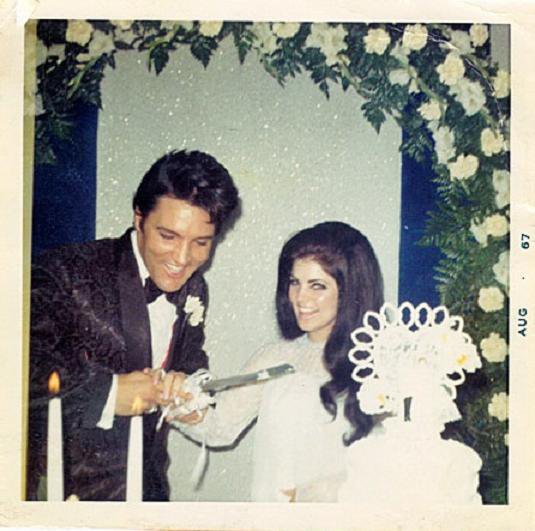
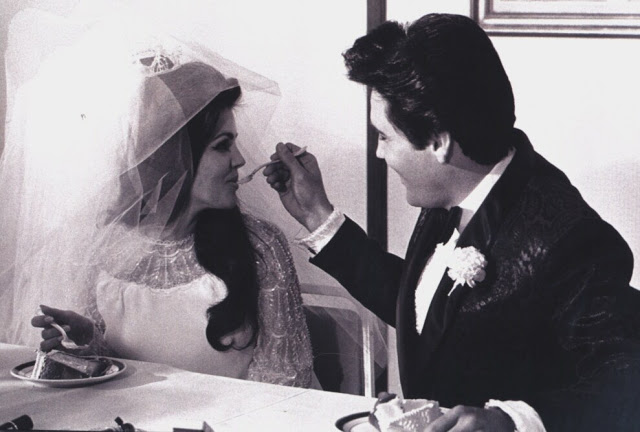
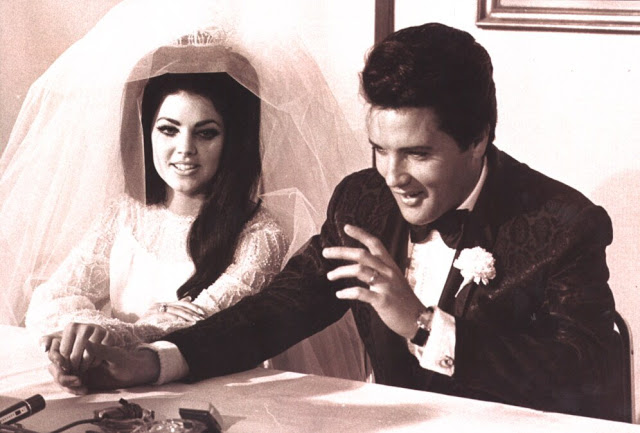
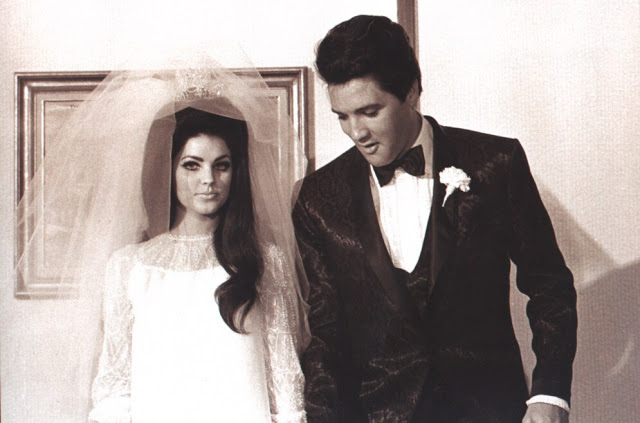
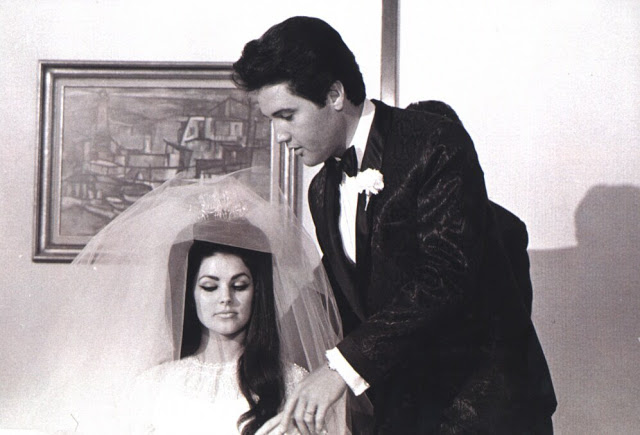
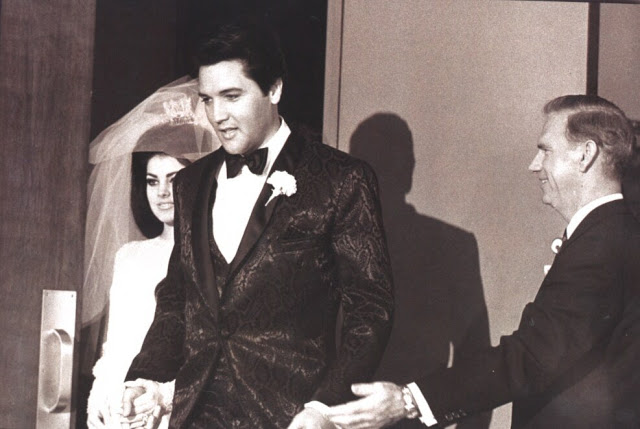
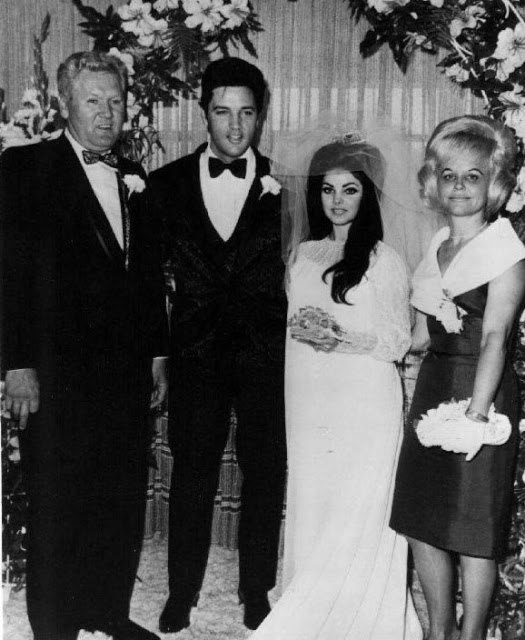
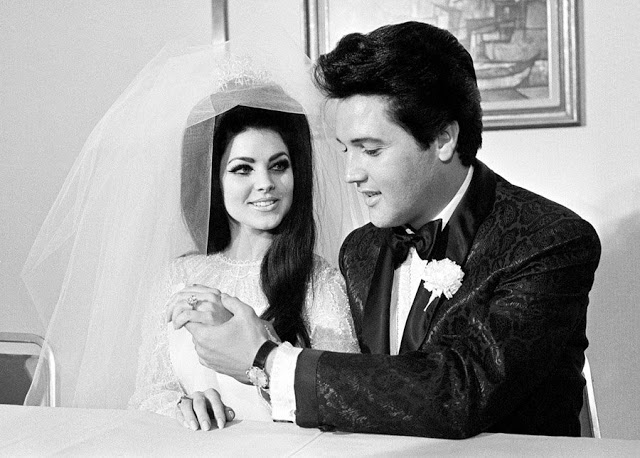
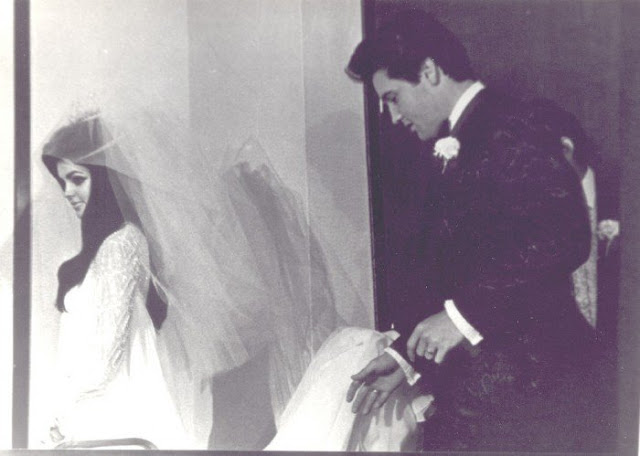
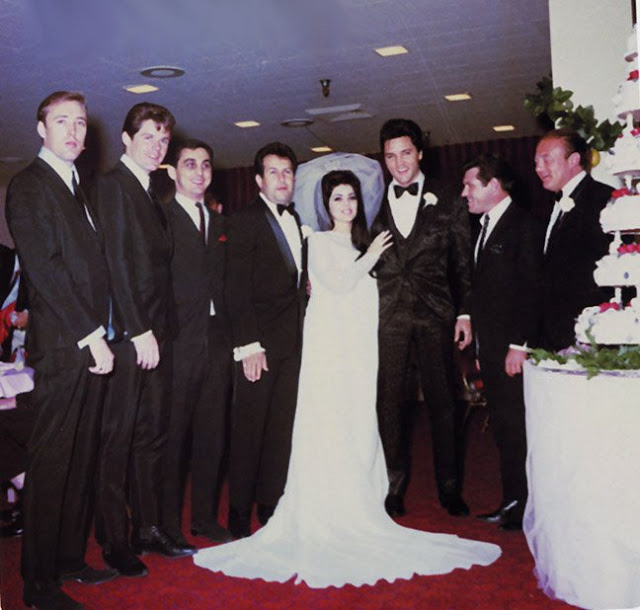
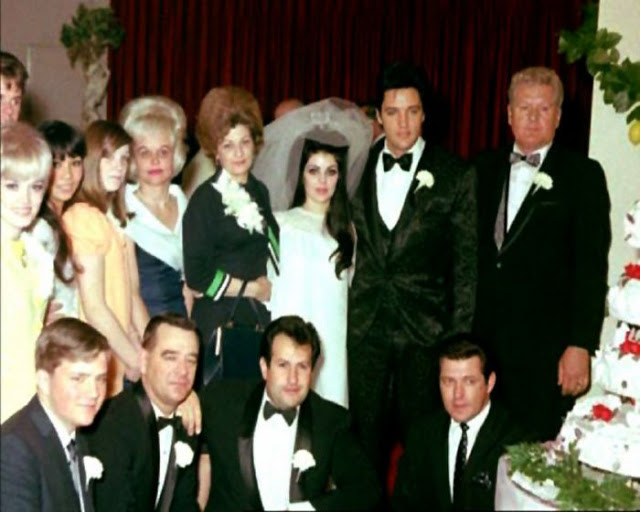
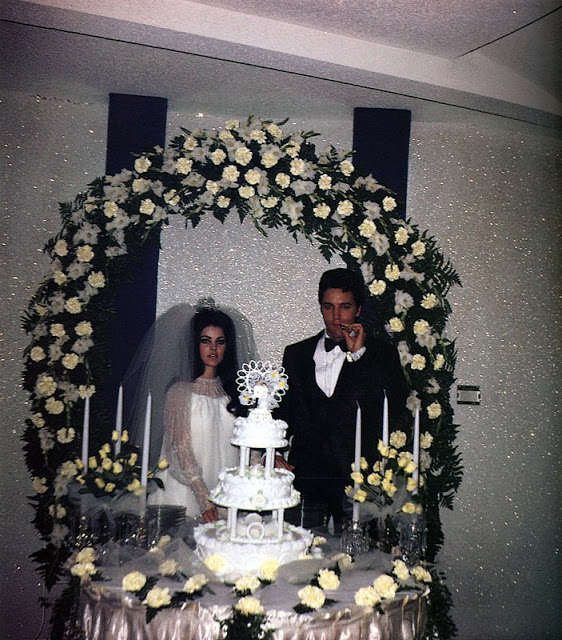
On May 1, 1967, Elvis Presley, King of Rock ’n’ Roll, married his girlfriend of many years, Priscilla Beaulieu, far from Graceland, at the Aladdin Hotel in Las Vegas. There were no impersonators in sight, but there were members of the press, who were invited by the star’s manager to a press conference between the intimate ceremony and champagne breakfast for 100 that followed.
At that time, the 32-year-old King – still several years away from a rhinestone jumpsuit – was the world’s top-earning entertainer, starring in up to three movies a year and singing his way through their soundtracks. The couple first met eight years earlier, when he was stationed in Germany with the army and she lived on a military base with her Air Force Captain father. The two began seeing each other (“It was a very innocent time,” she later said, because she knows what you’re thinking. “We still had morals, very high standards.”) and Presley proposed with a three carat diamond in December 1966.
Here is a gallery of 43 vintage photographs from their wedding day on May 1, 1967.
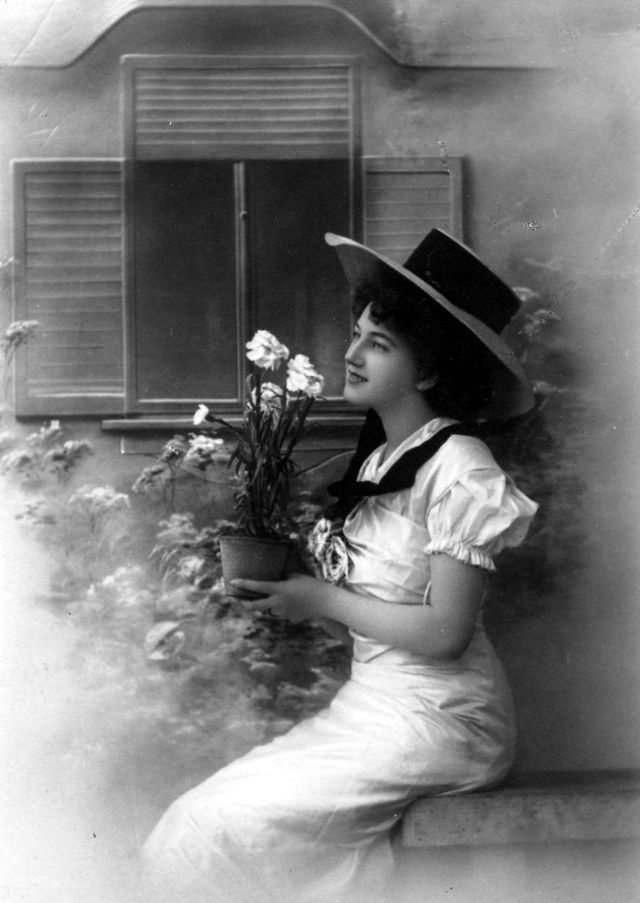
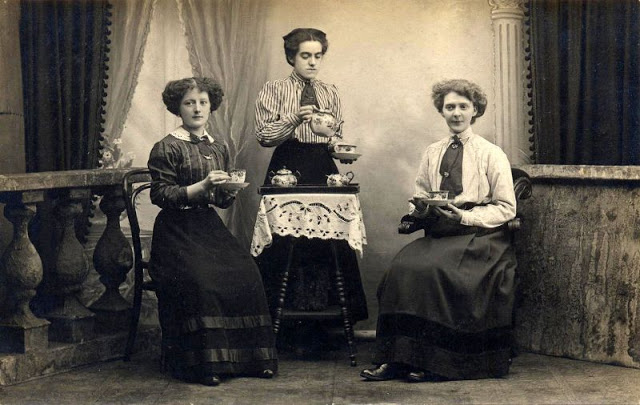
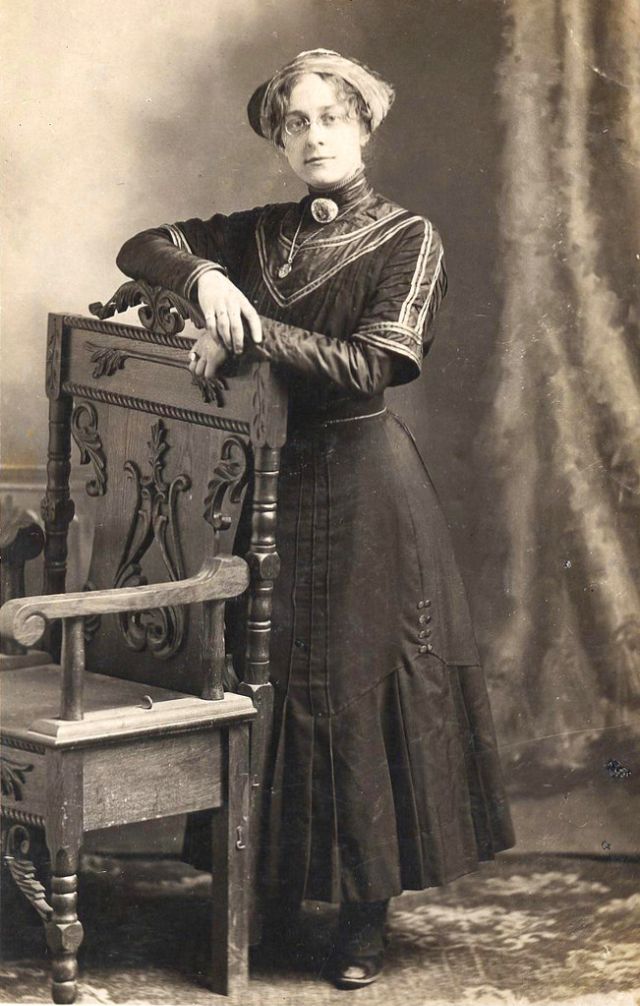
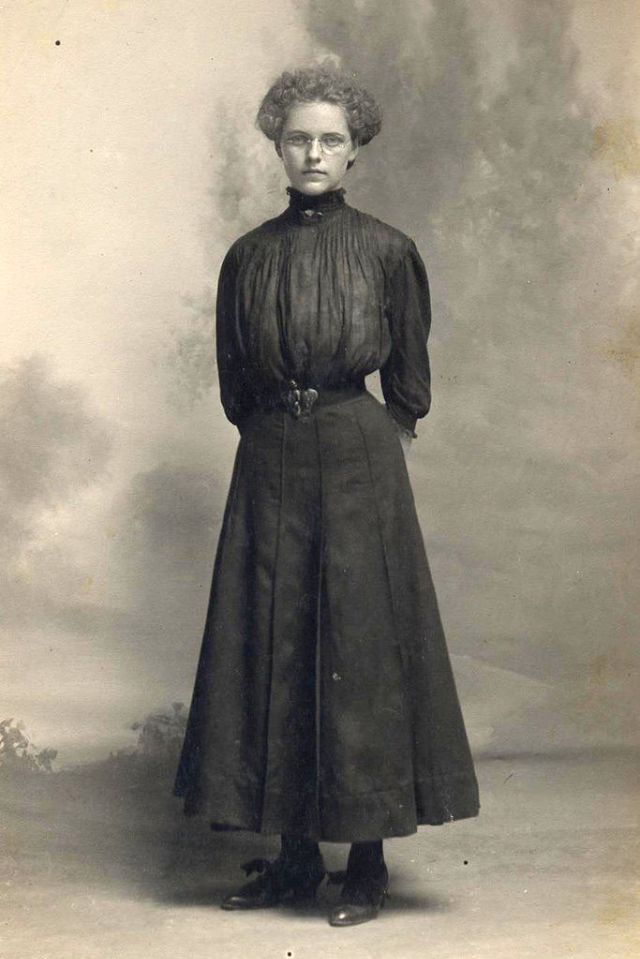
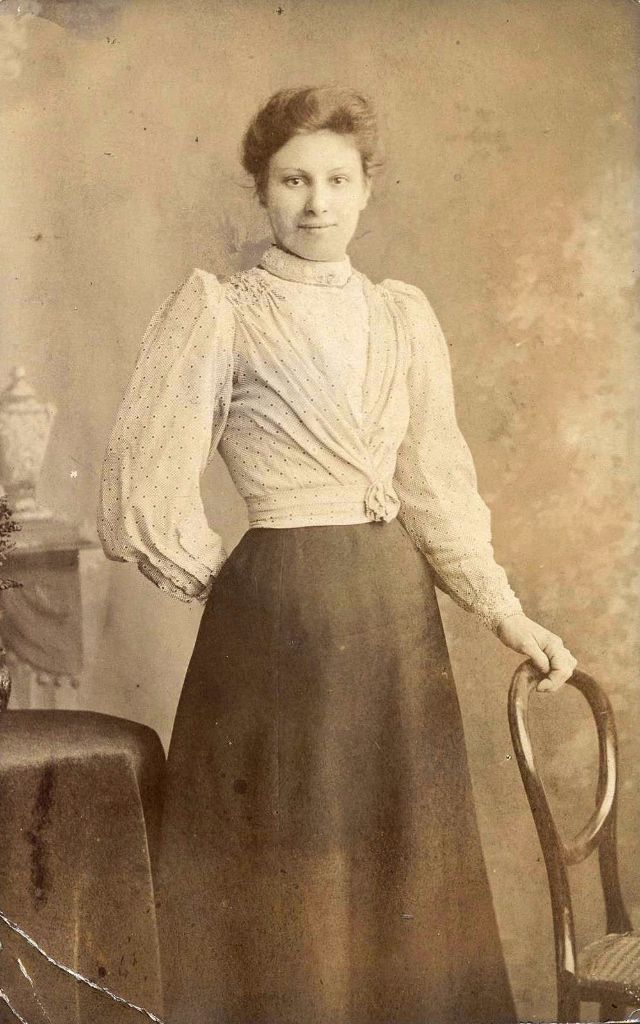
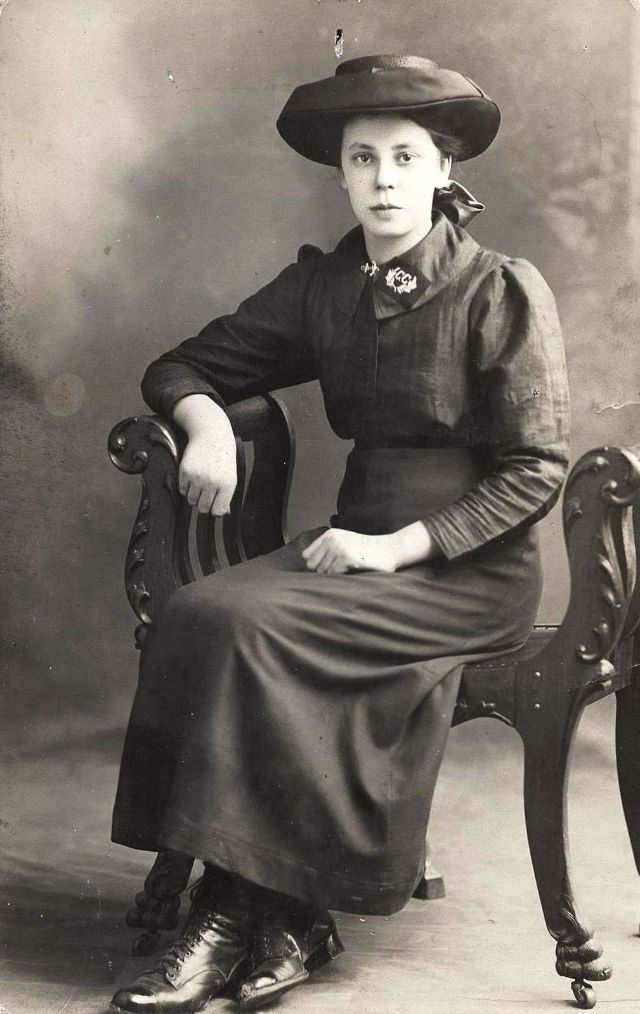
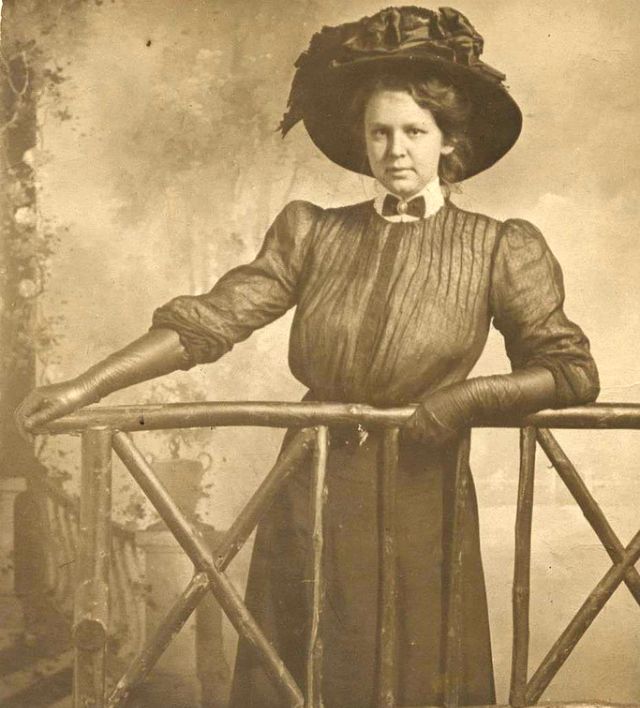
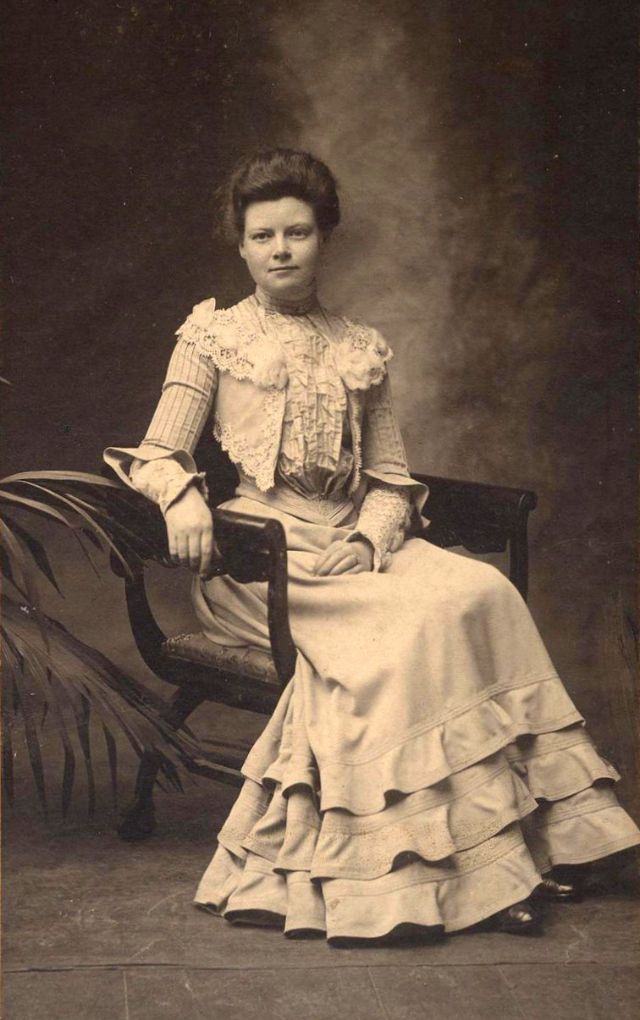
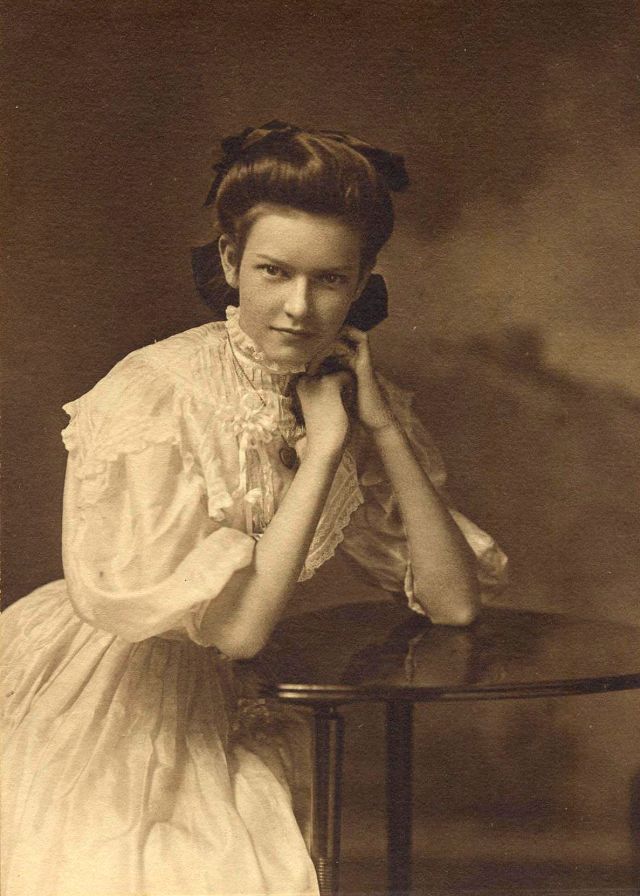
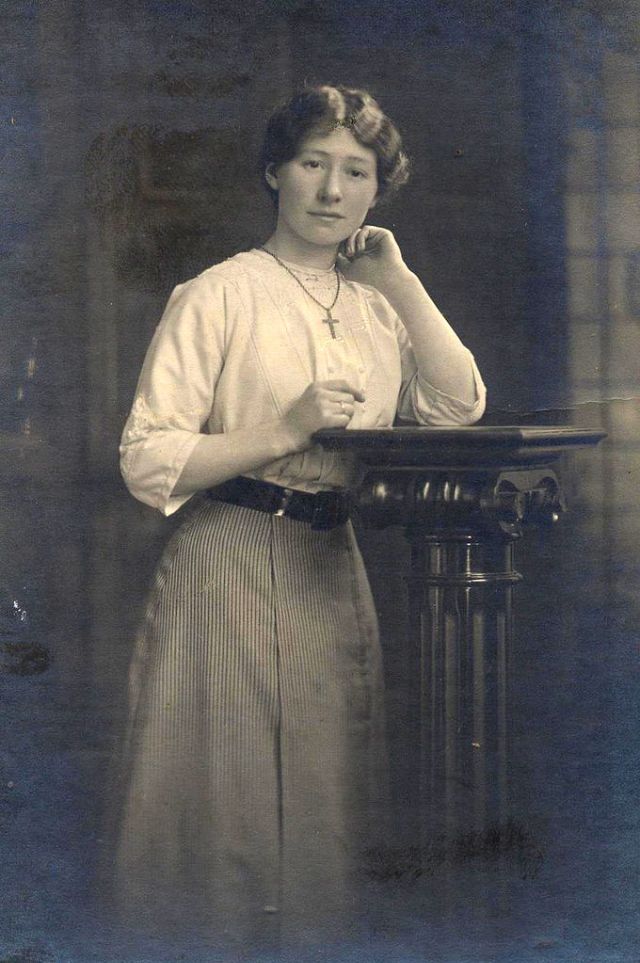
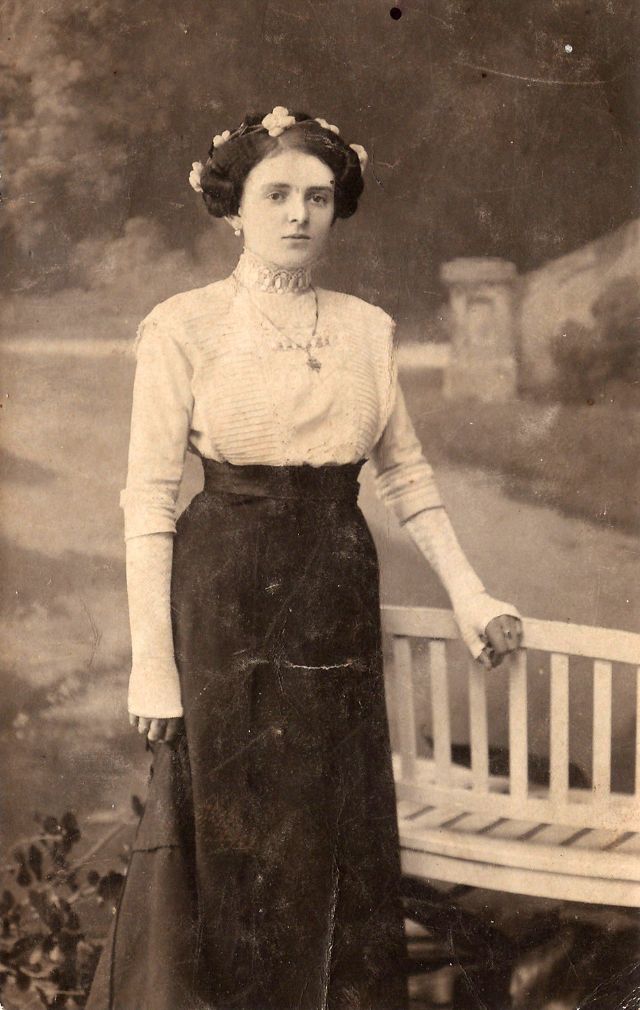
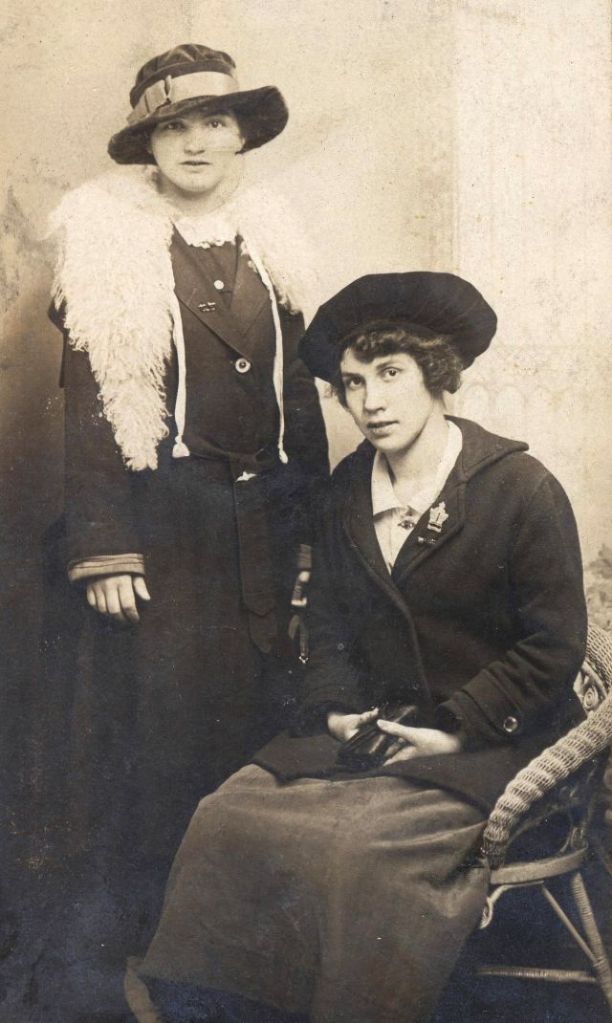
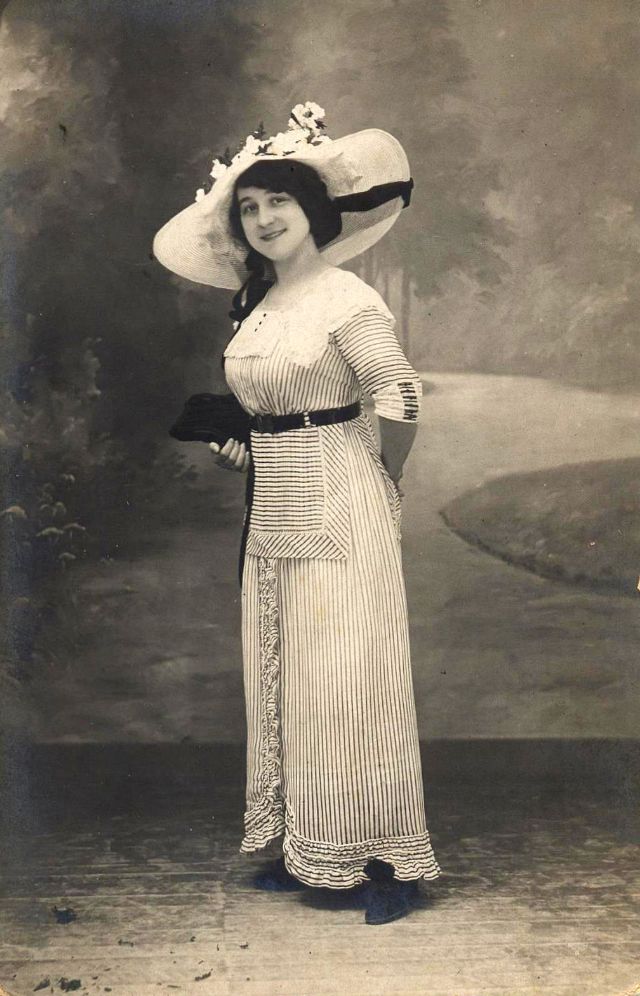
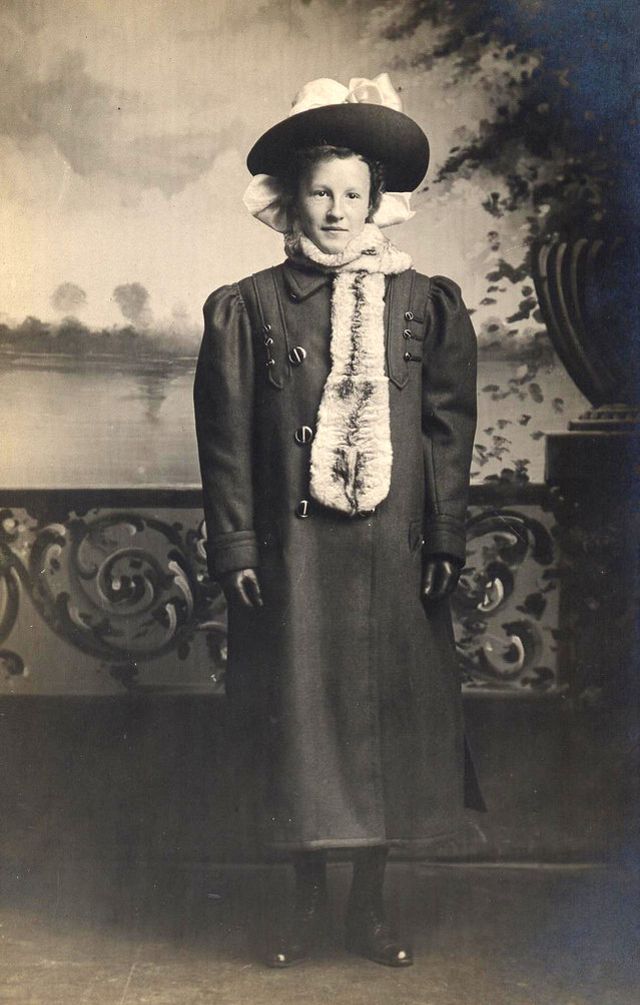
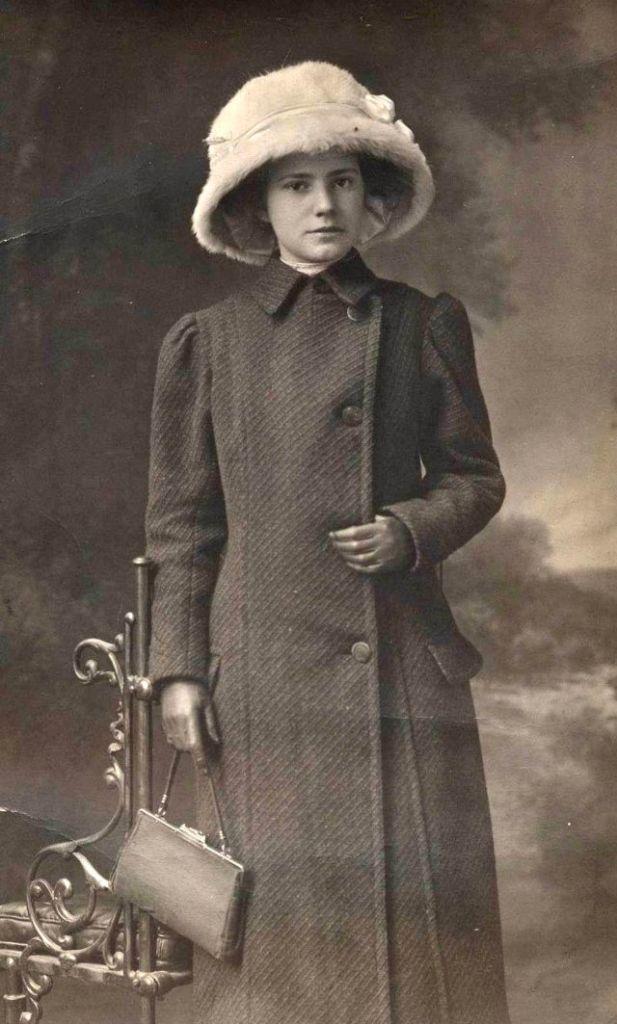
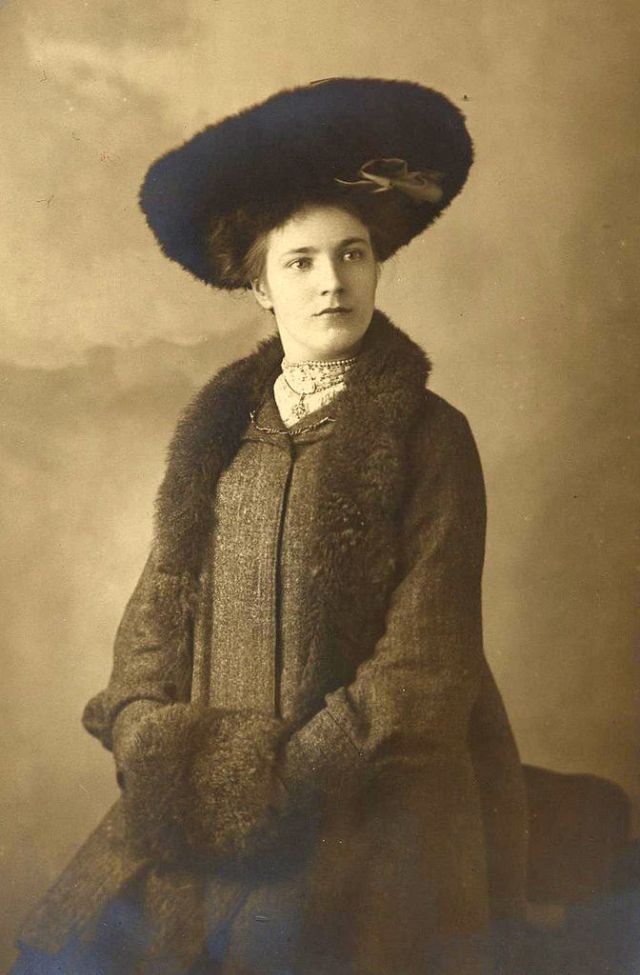
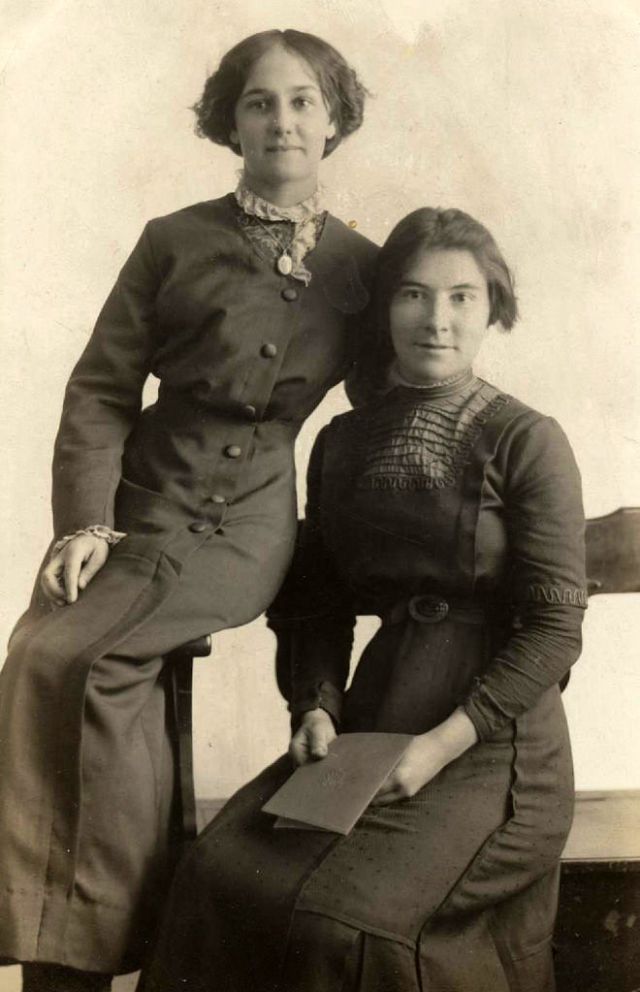
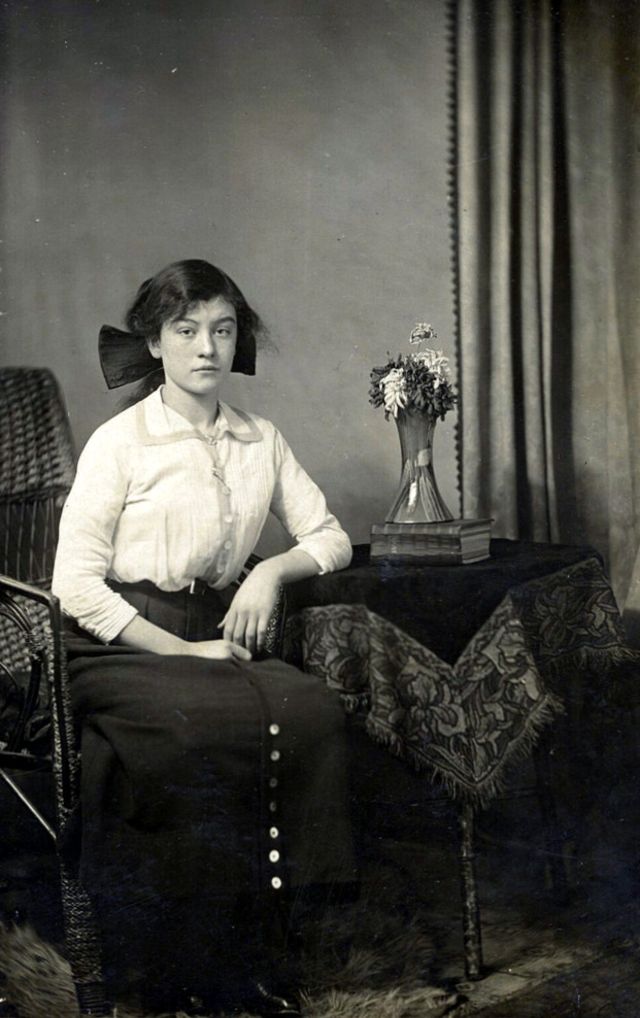
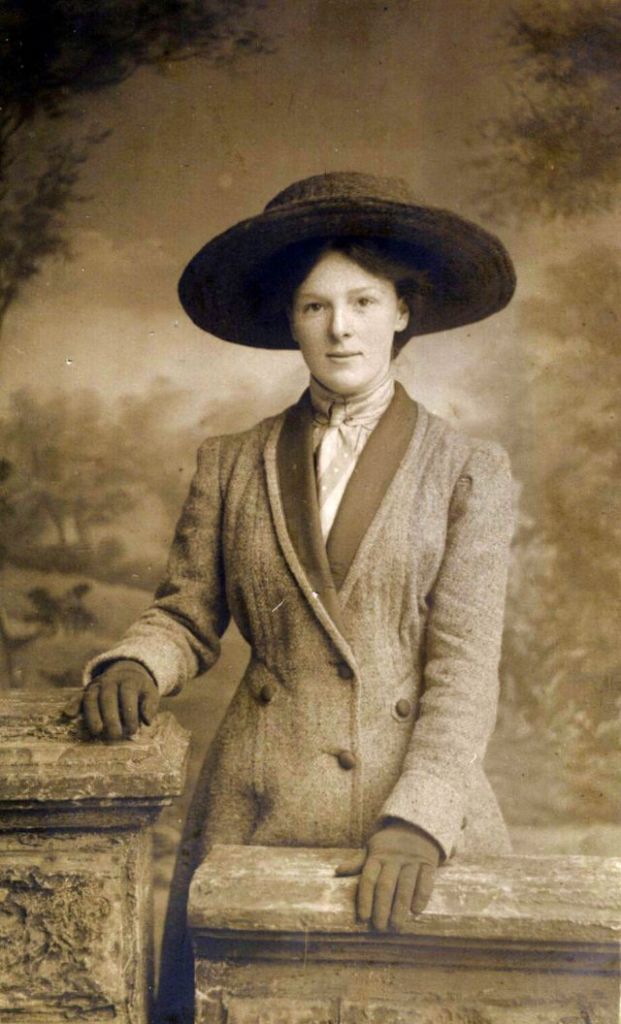
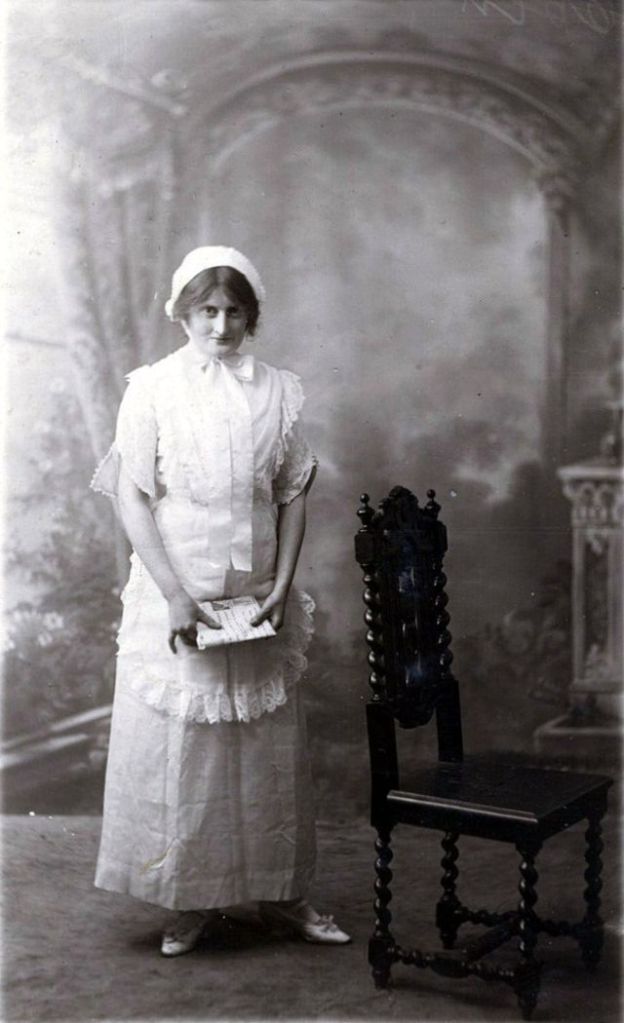
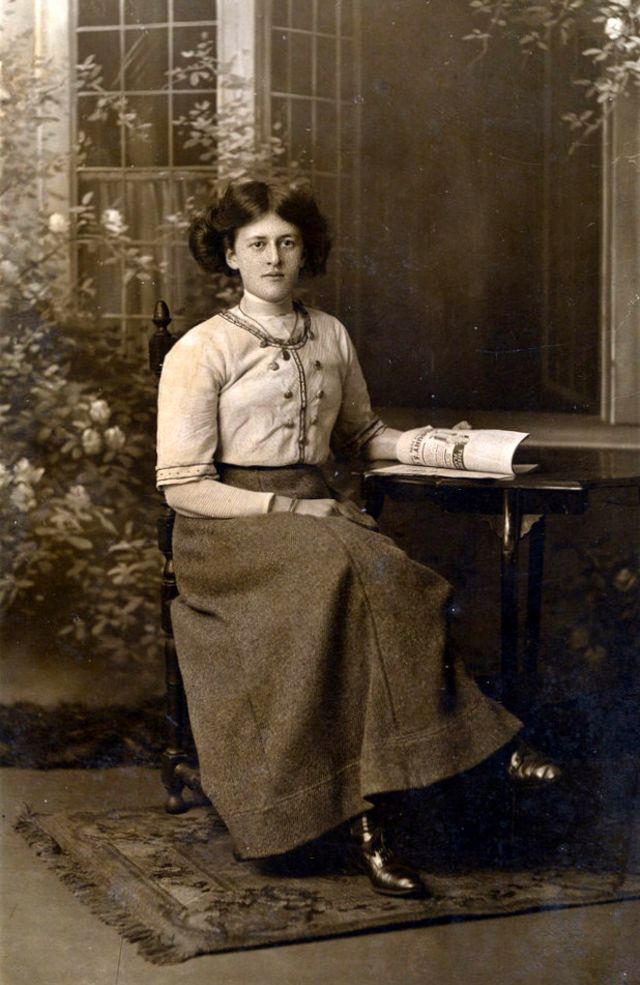
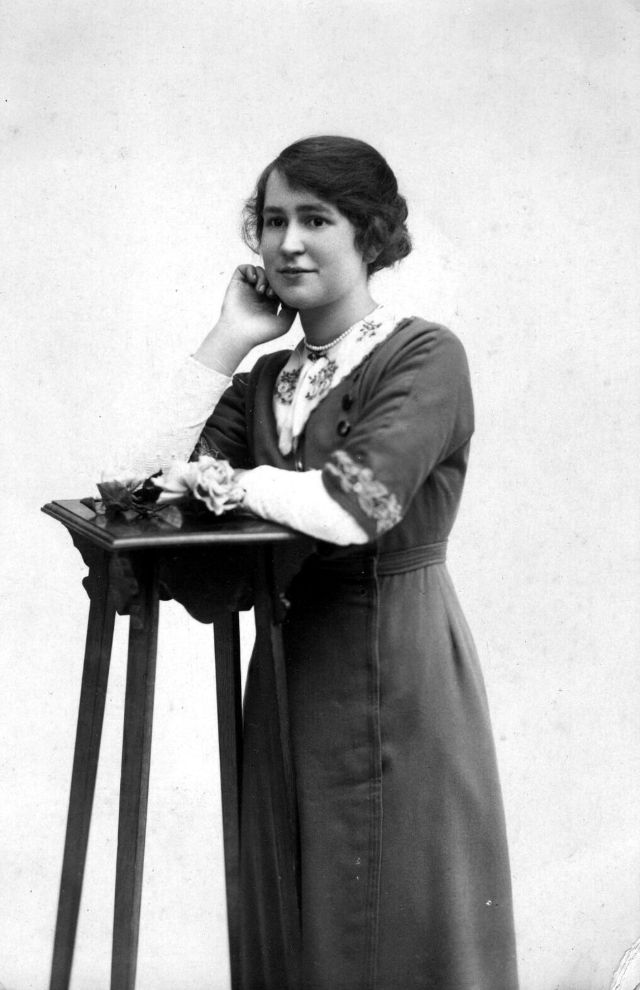
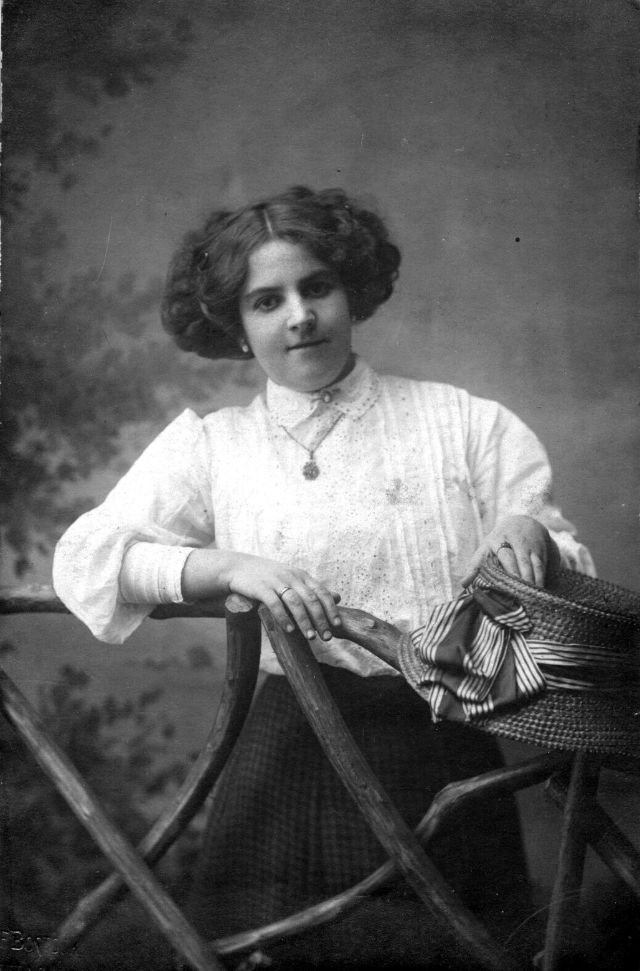
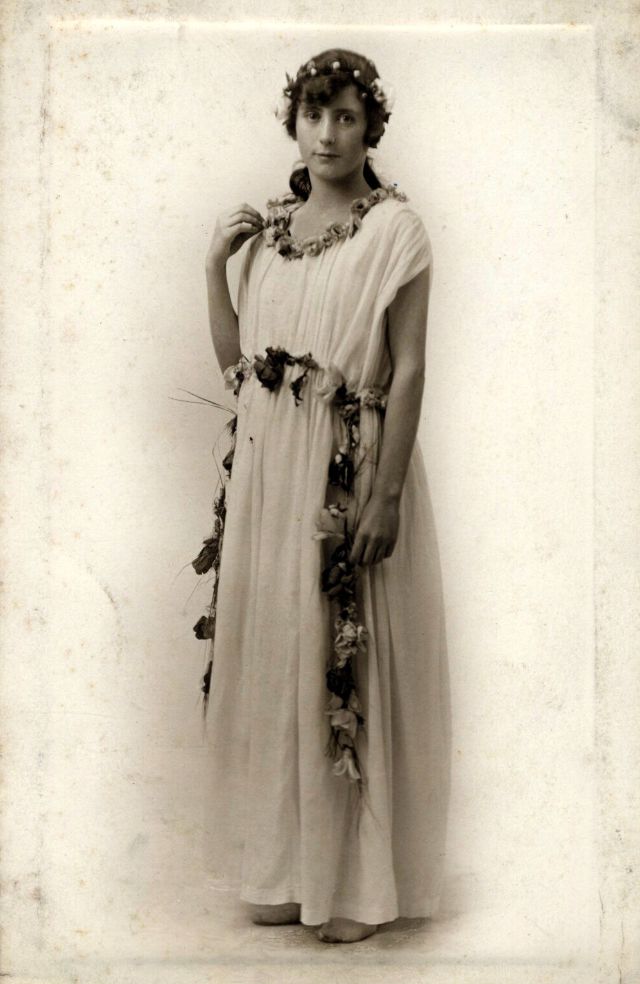
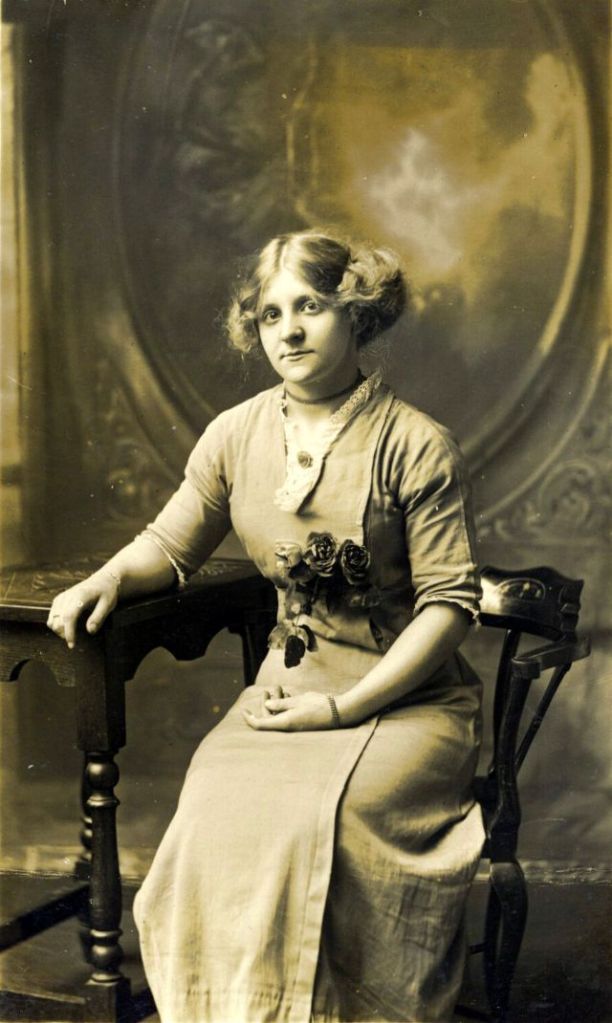
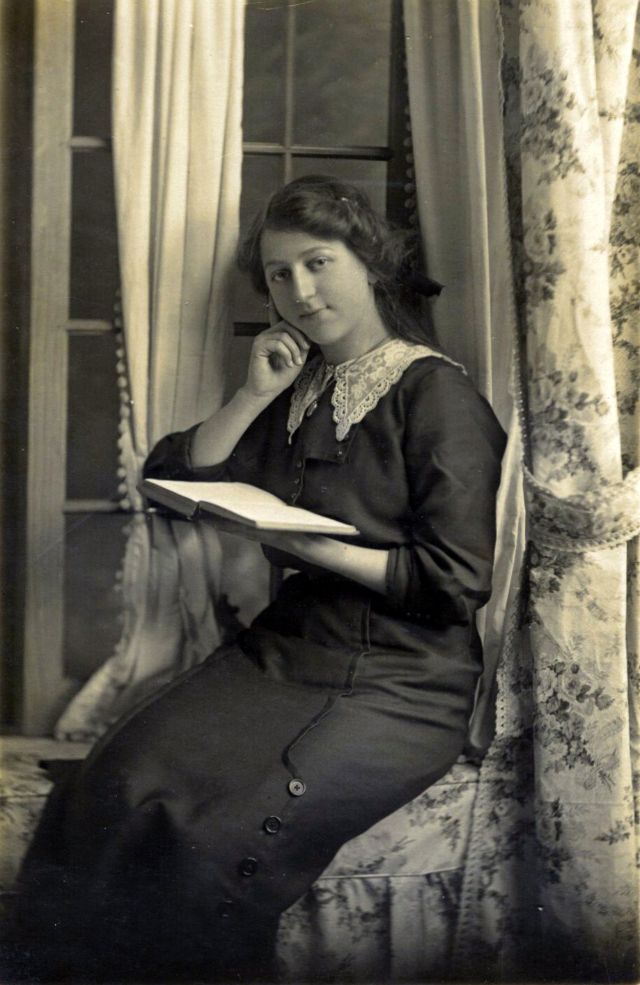
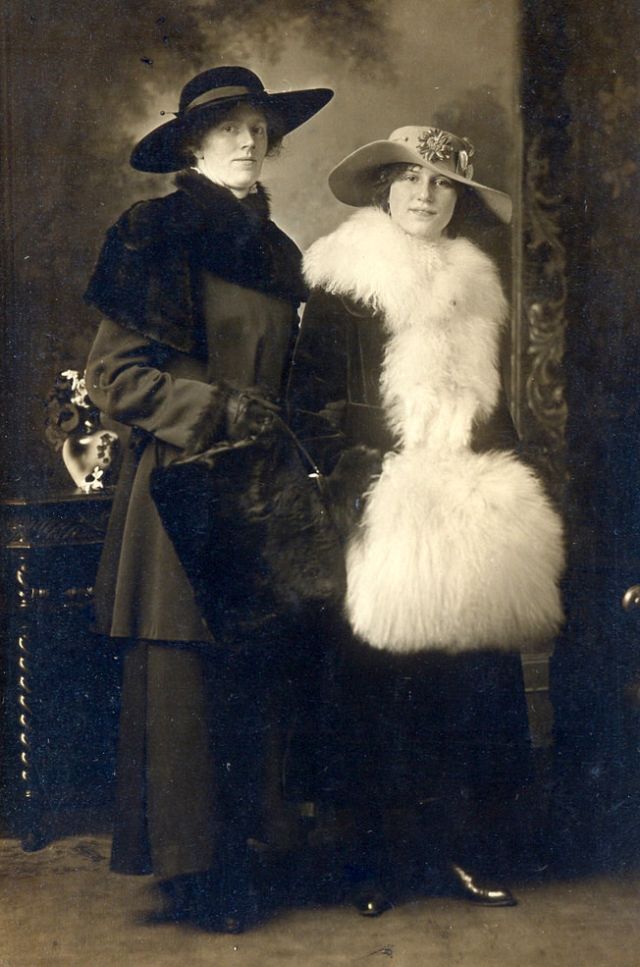
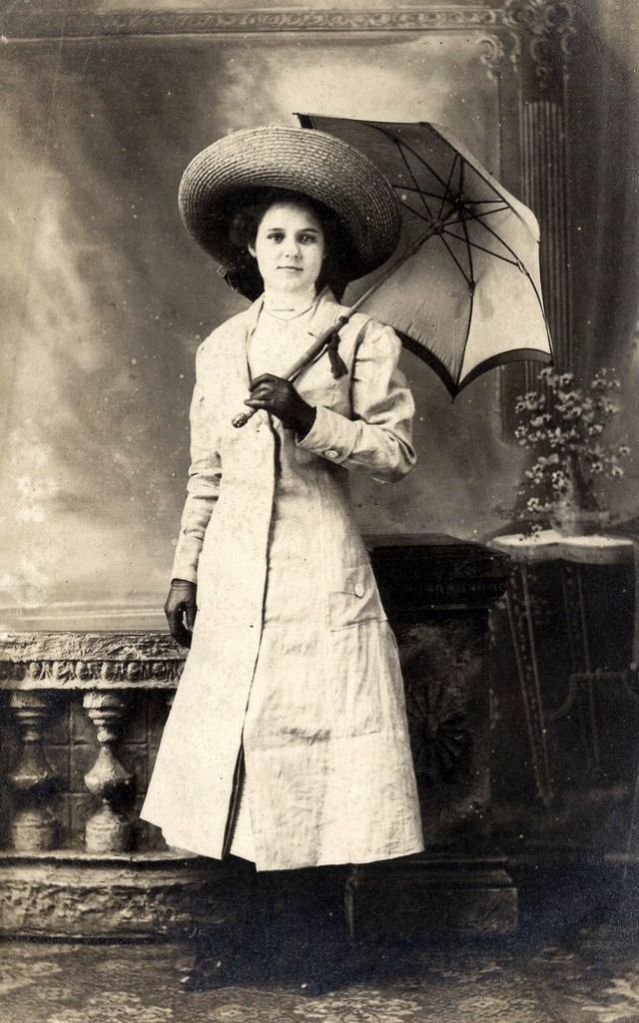
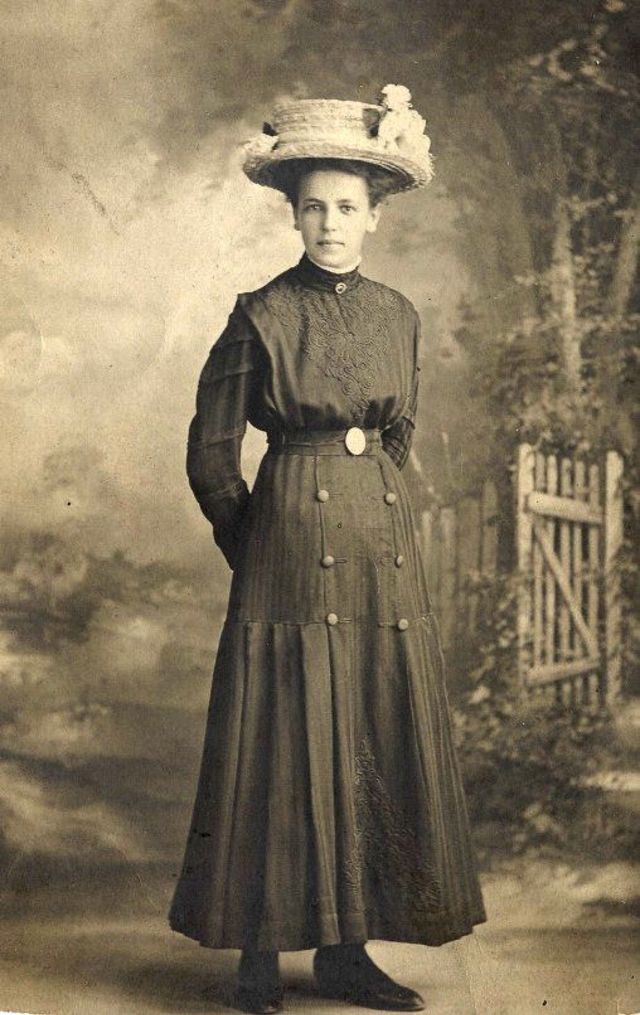
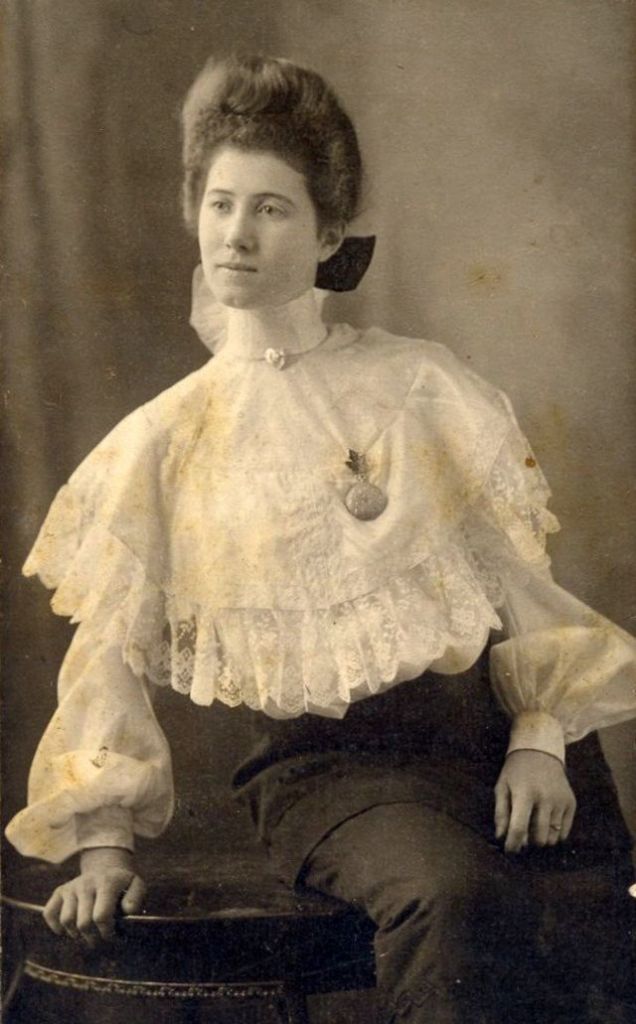
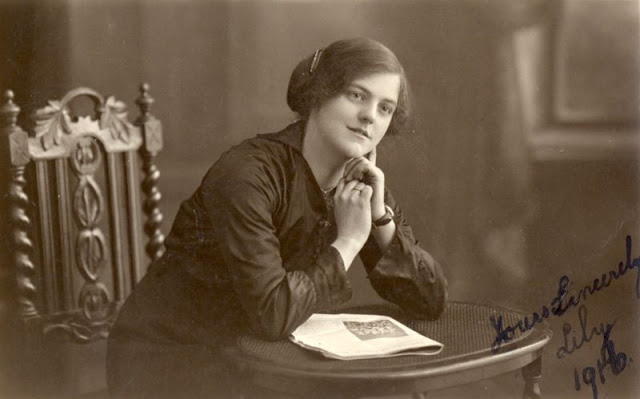
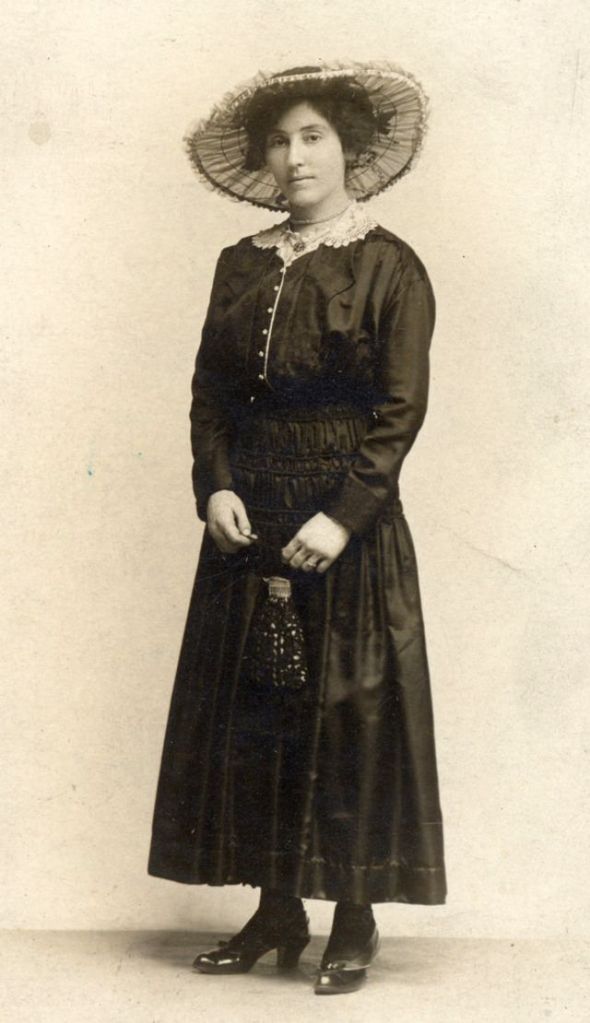
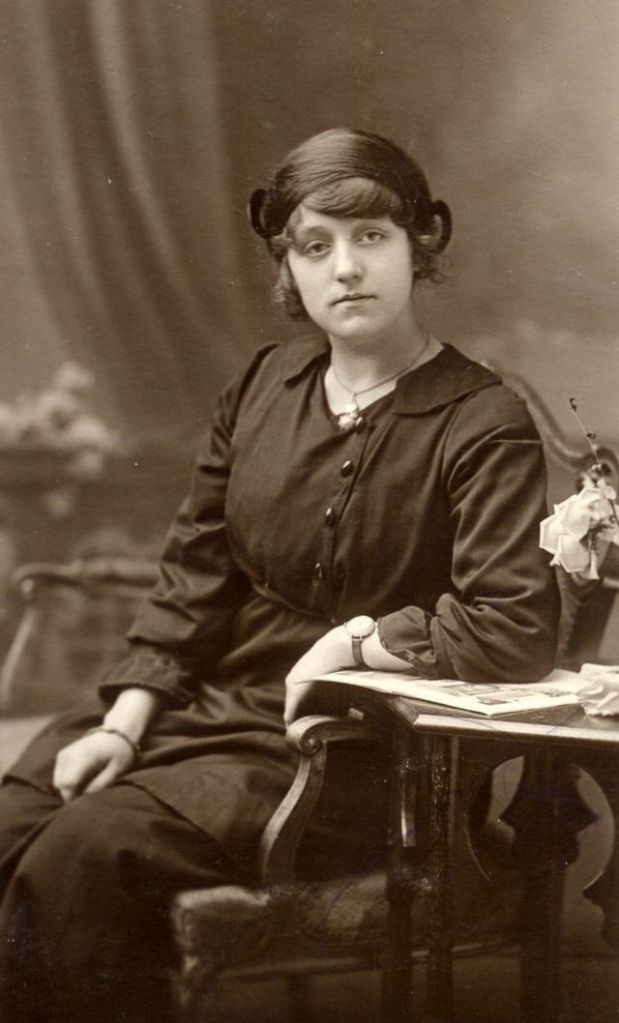
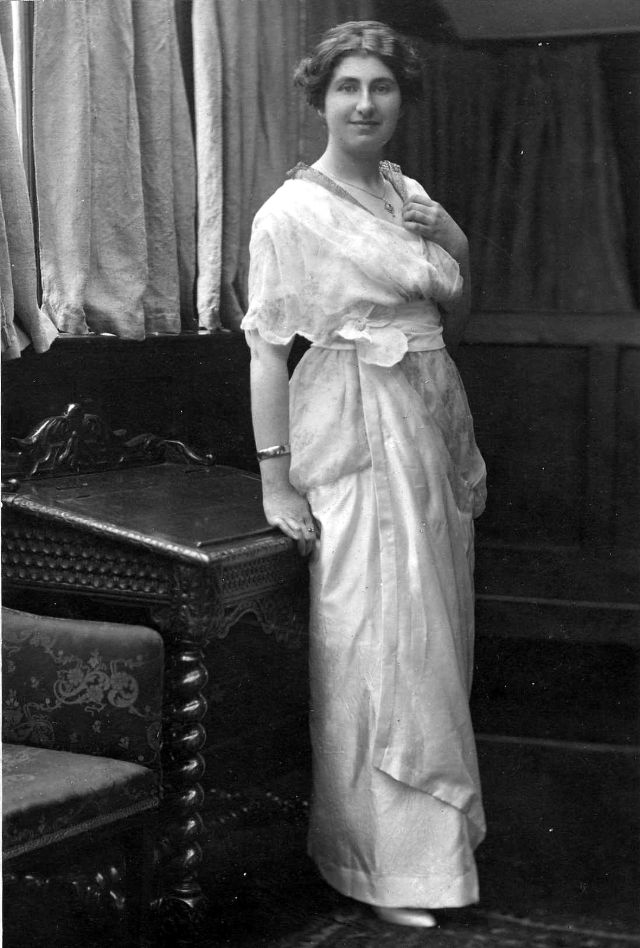
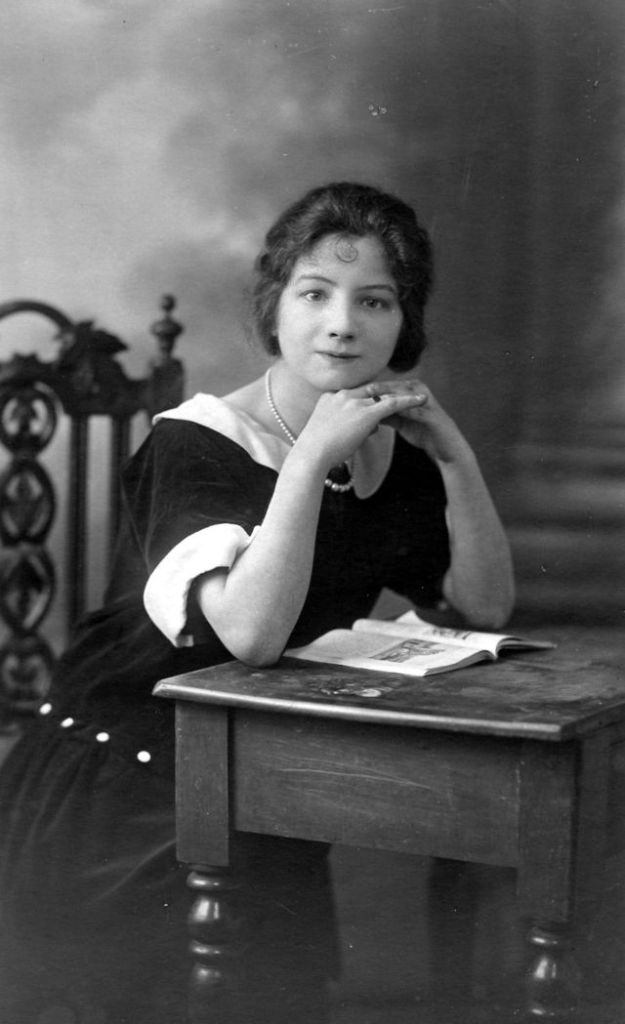
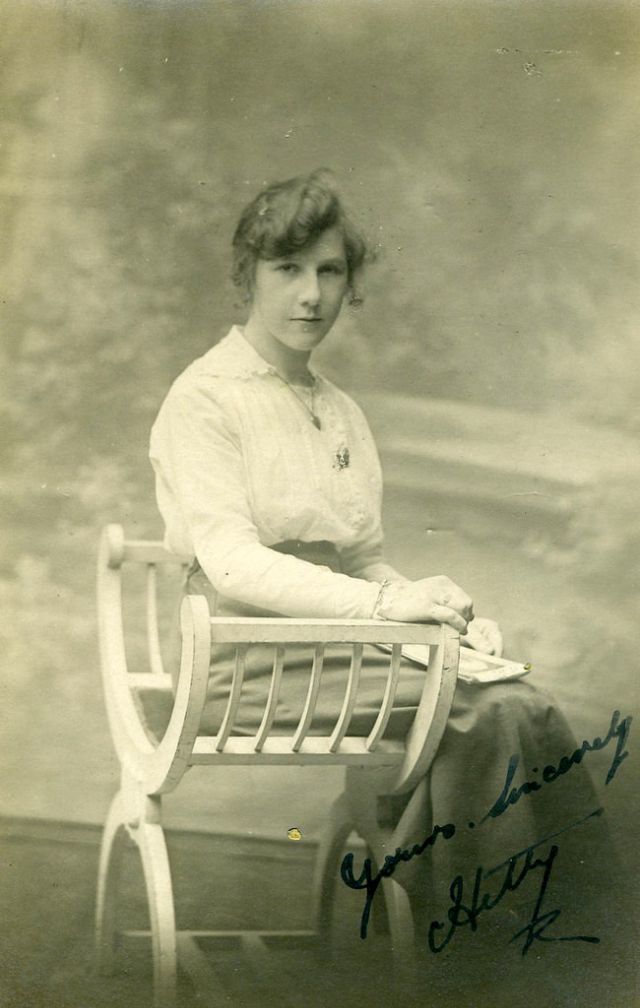
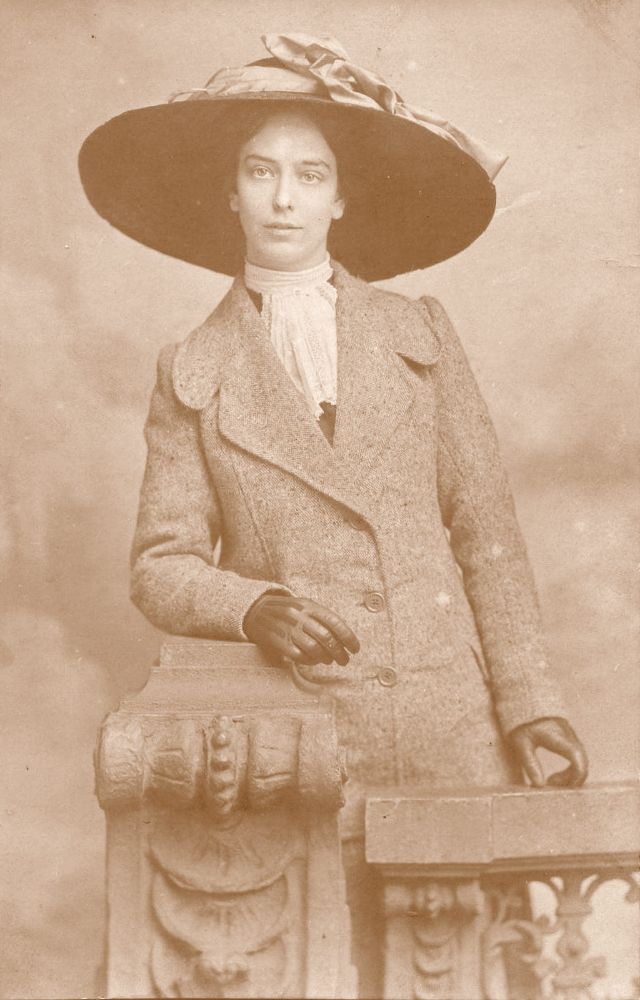
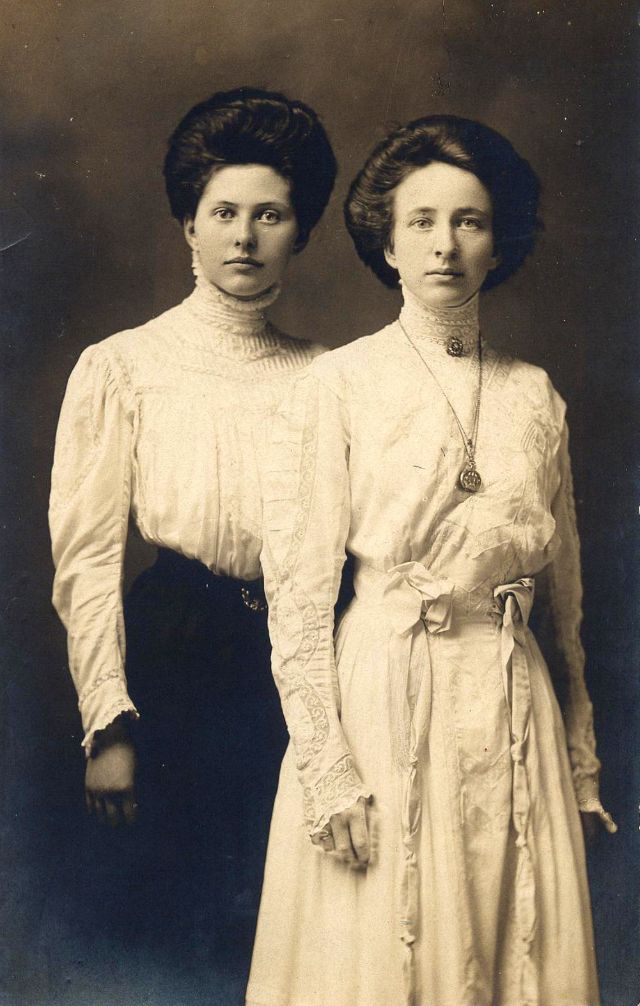
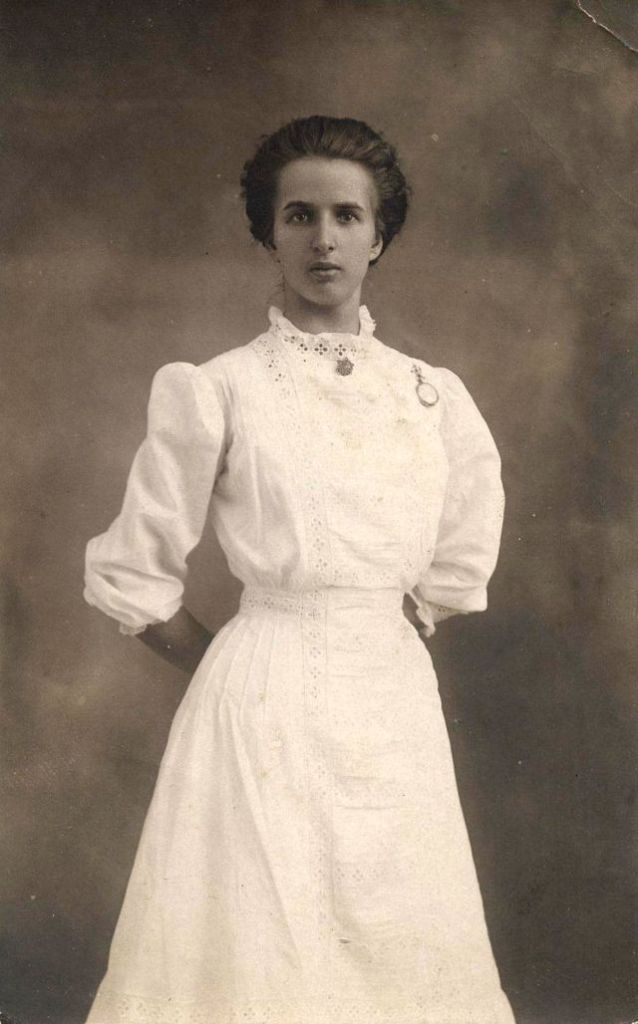
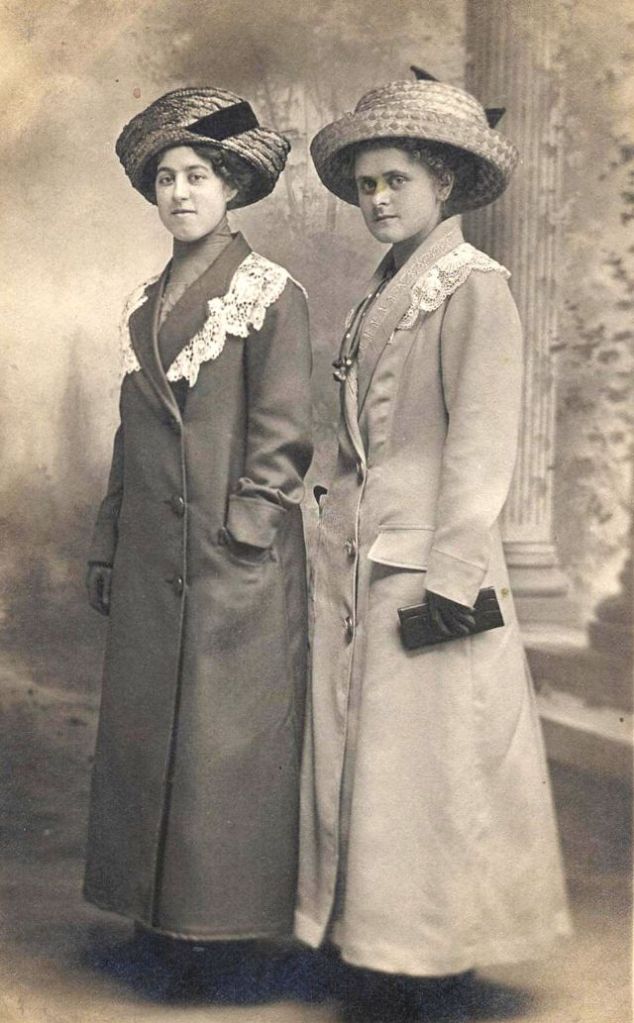
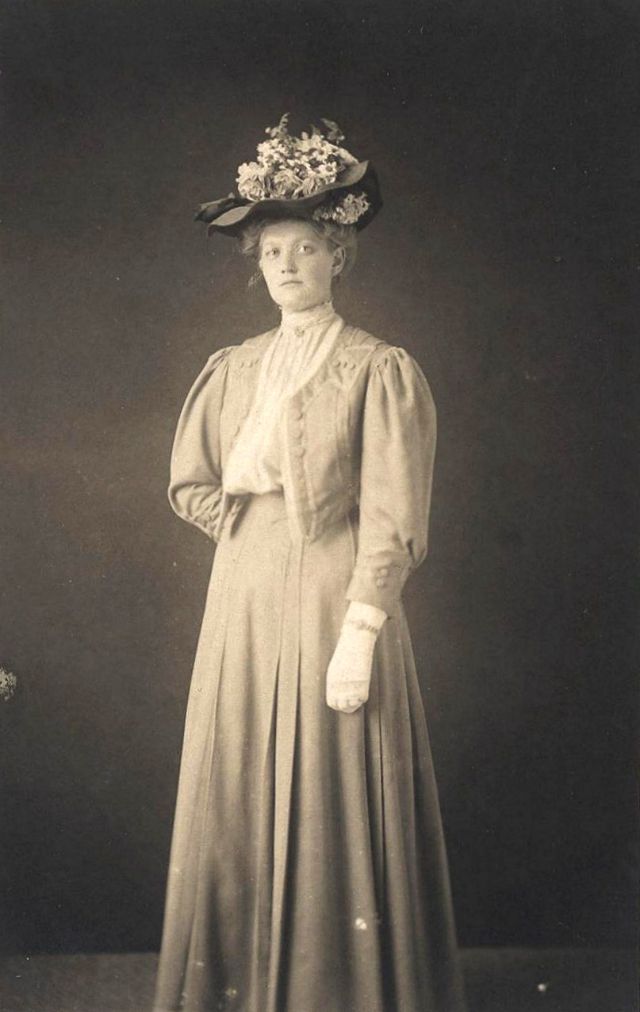
One of the primary changes of the Edwardian Era included the change in clothes of the women.
A typical Edwardian Woman was very fashion conscious and this era hence brought about remarkable new trends in women’s attire. Curvy hips and fuller low chests were the unique characteristics of this era because they emphasised slim and trim fits.
In short, Edwardian women’s fashion is actually a simplification from Victorian era, but pretty more creativity and innovation.
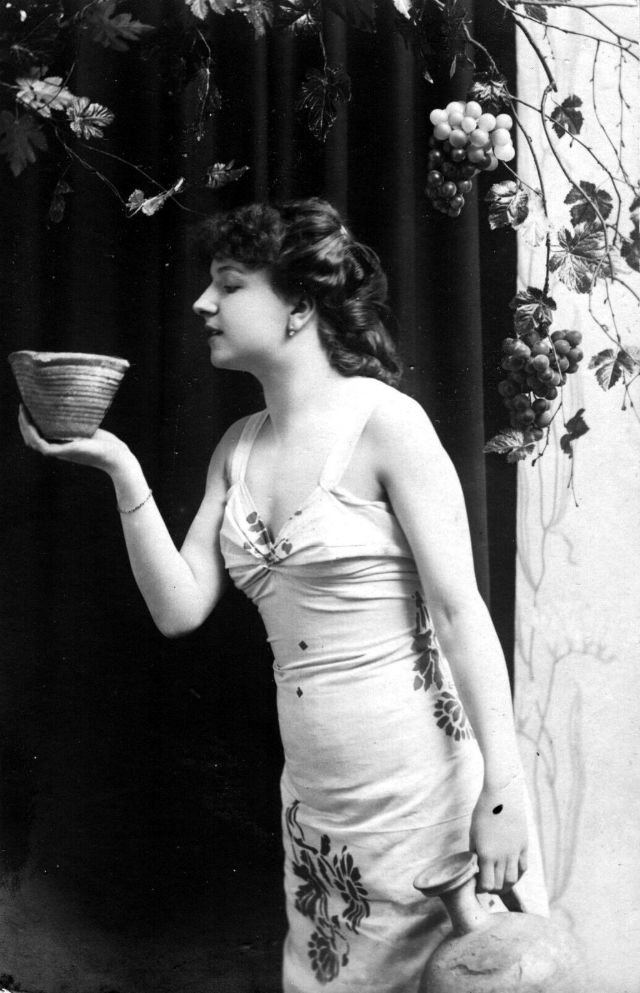
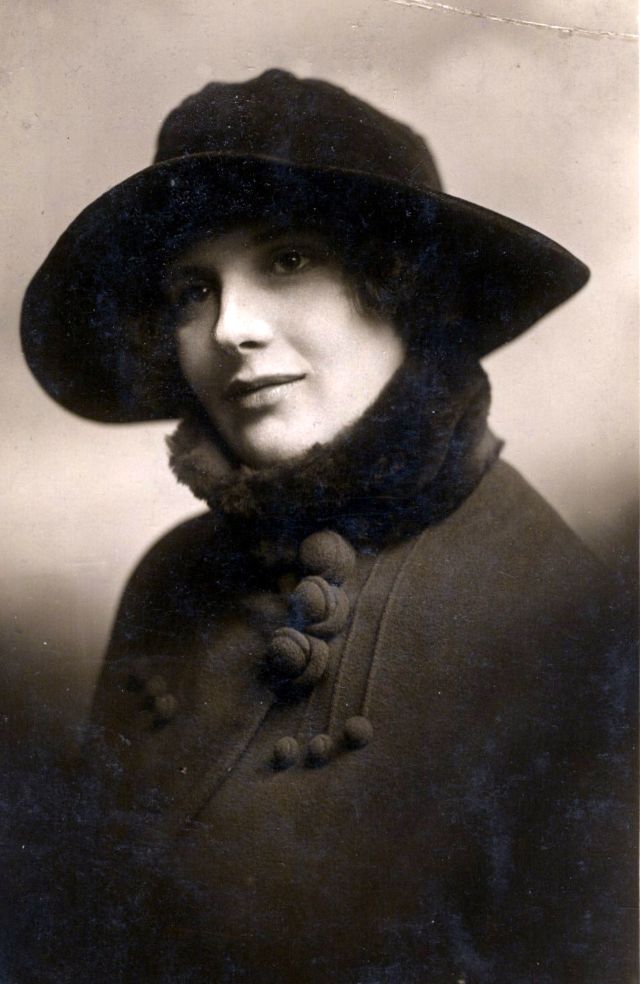
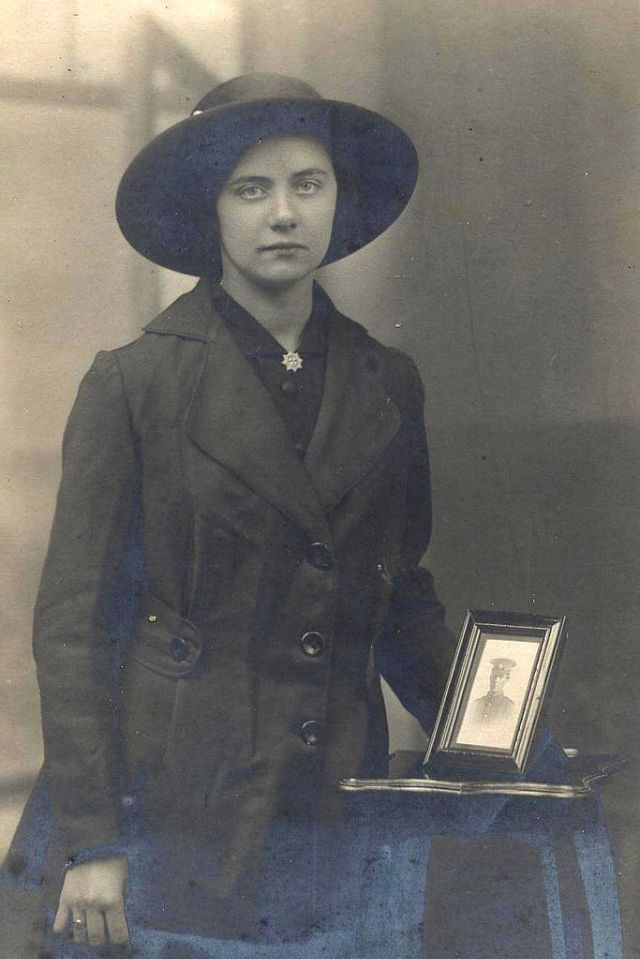
These elegant photos below that defined Edwardian fashion styles of young women.
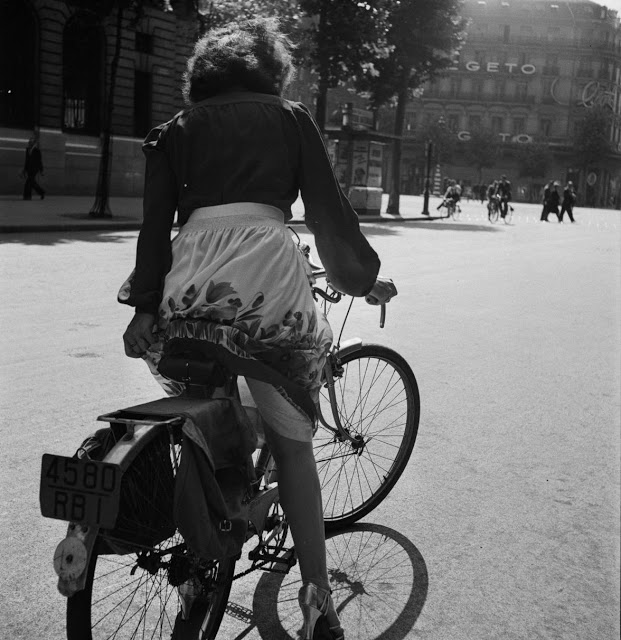
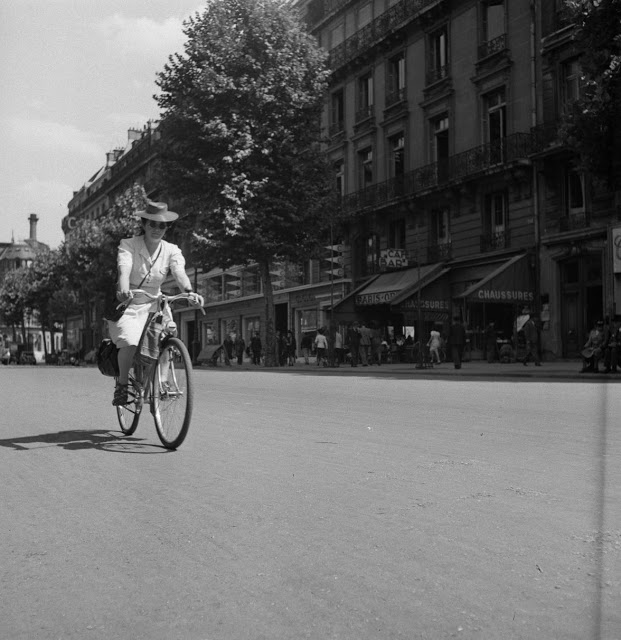
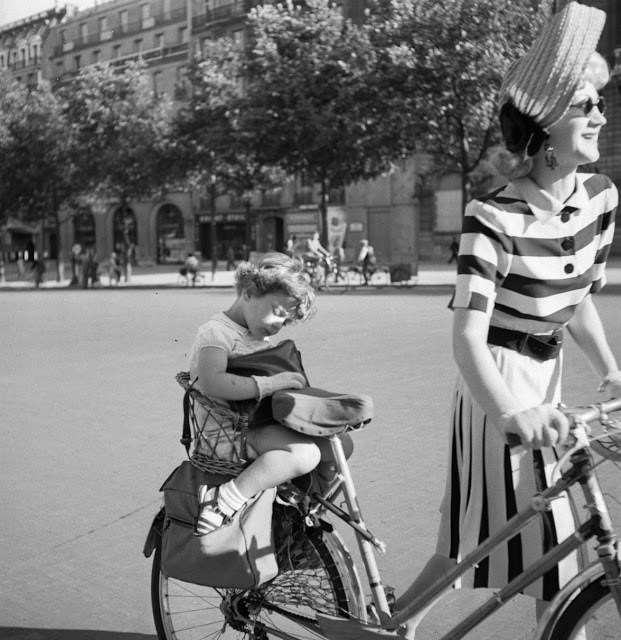
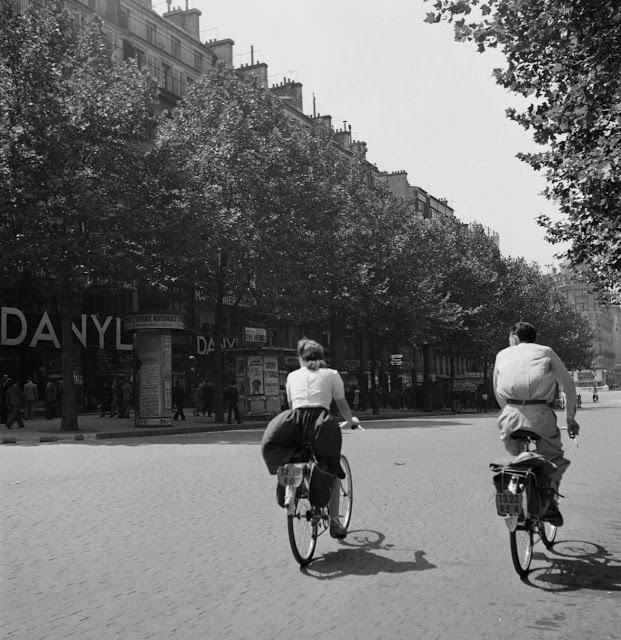
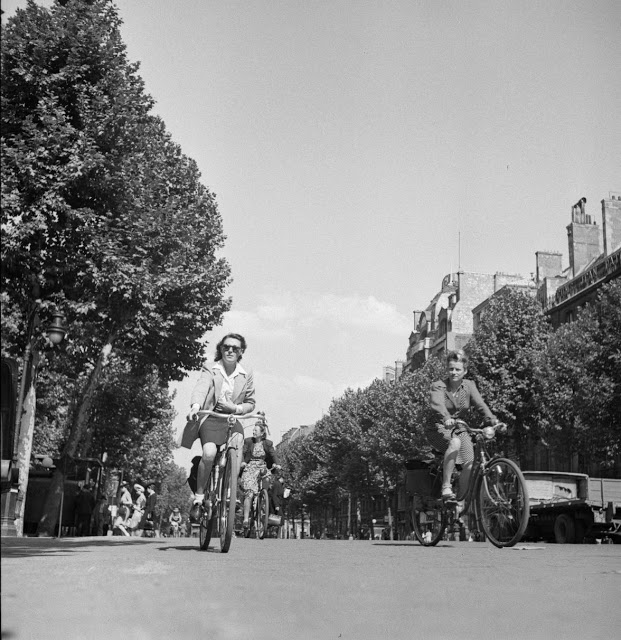
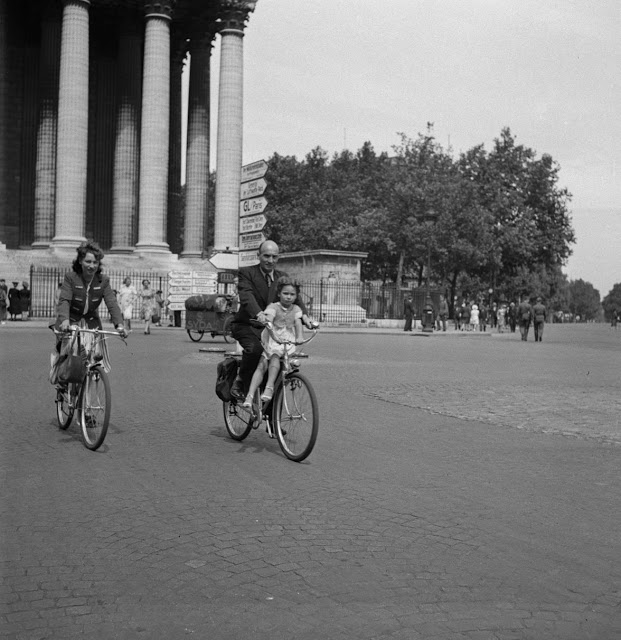
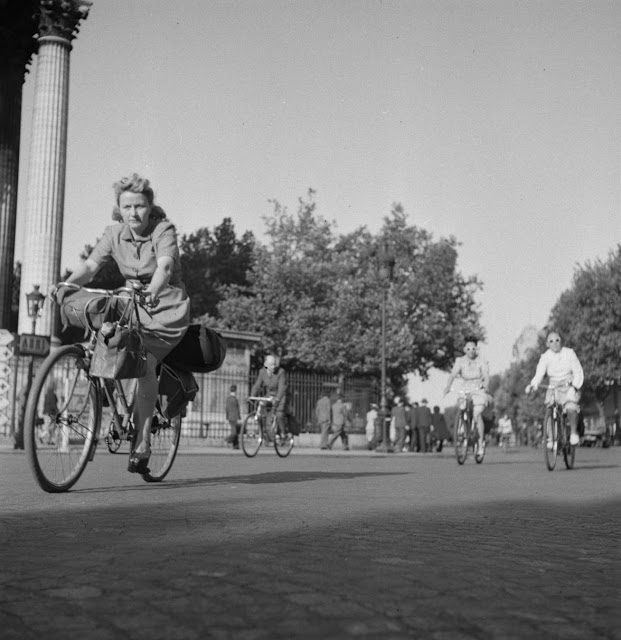
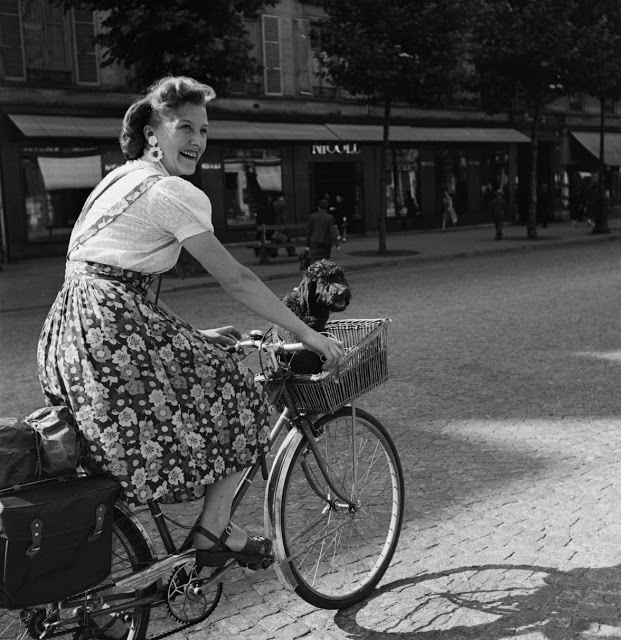
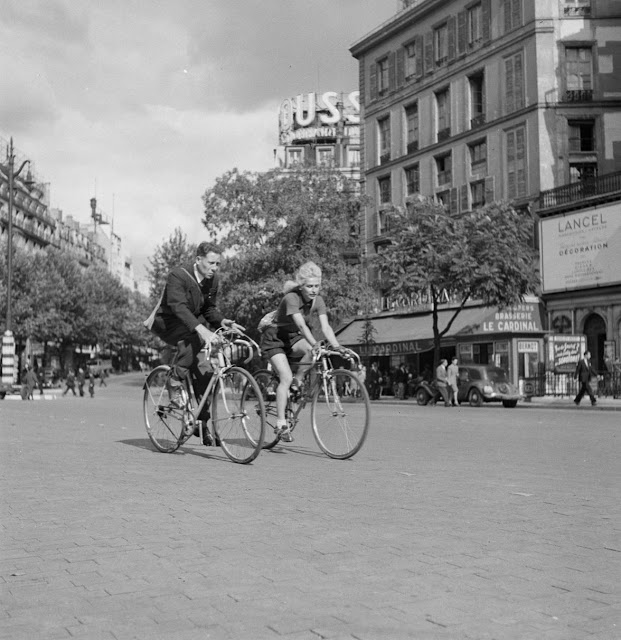
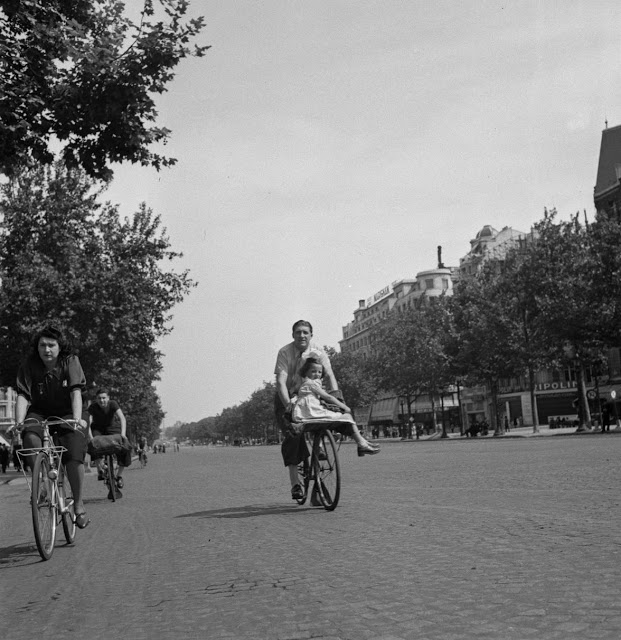
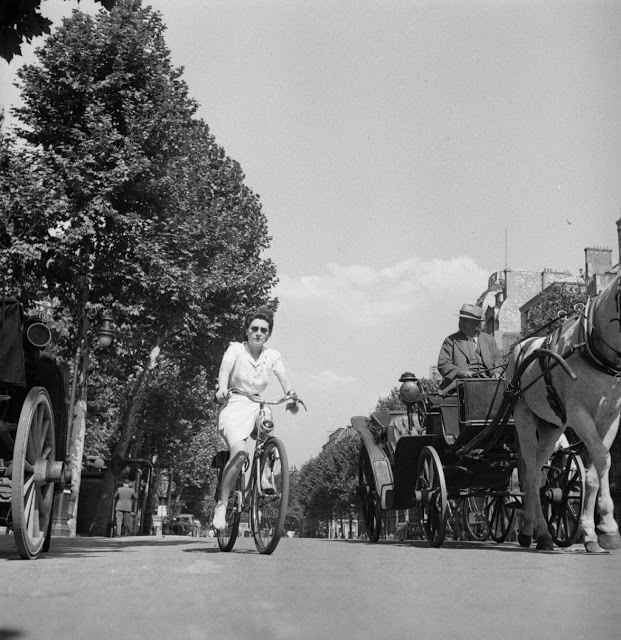
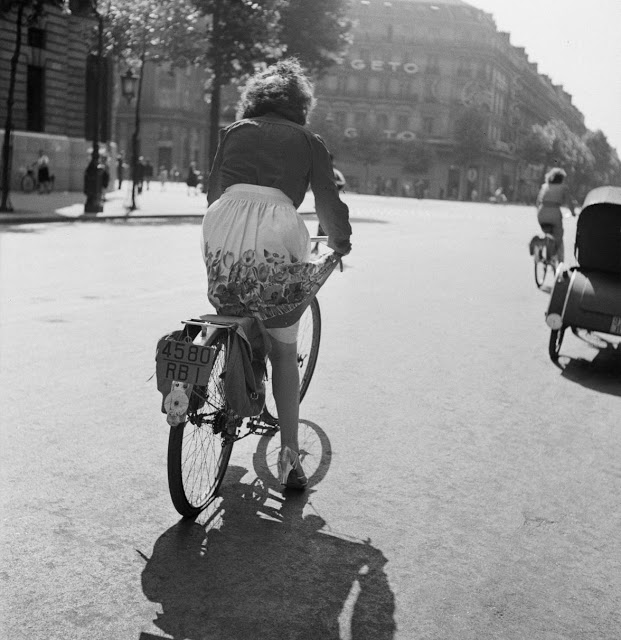
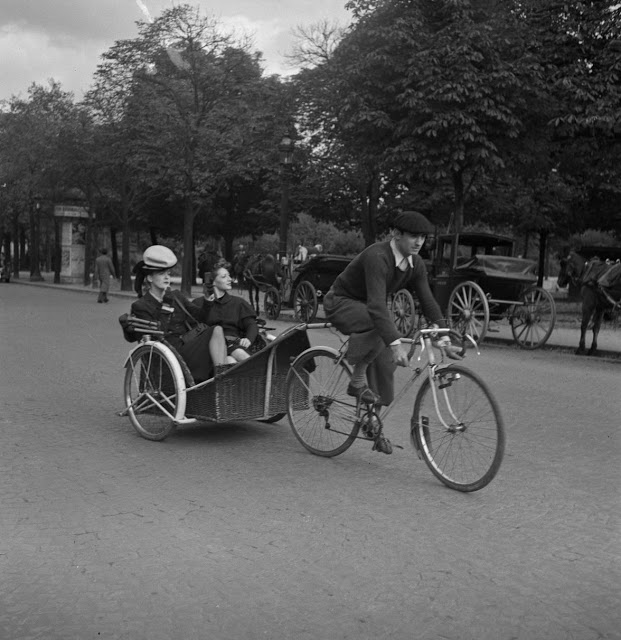
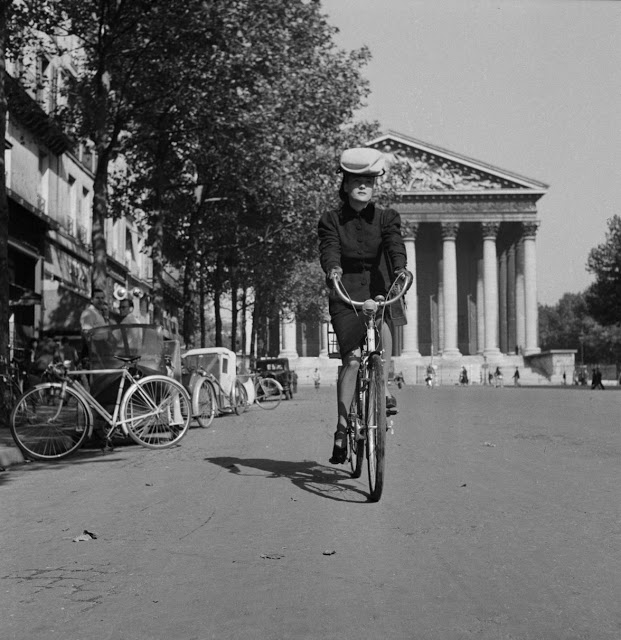
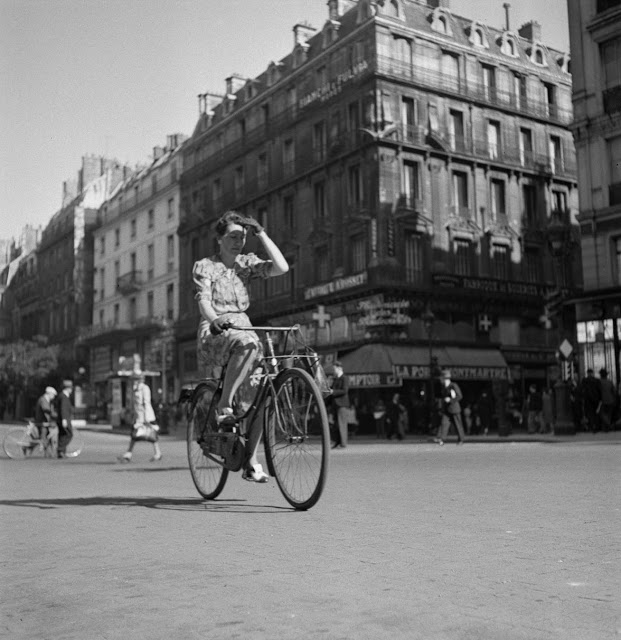
These photographs were taken by André Zucca in Paris while the city was occupied by the Germans during World War II. Zucca was a French photographer and Nazi collaborator, most well known for his work with the German propaganda magazine Signal.
While everything changed with the German occupation, most things also remained the same. The German occupiers made the French pay for the costs of the occupation in foodstocks, so food was very scarce. Other things, like gasoline and rubber (bicycle tires), were almost impossible to obtain.
Despite all that, France no longer was at war. Life, at least on the surface, appeared more normal than in places like London and Berlin. Men and women went to work, sat in cafés, went to the movies, and even watched or participated in bike races. This did not make them collaborateurs. After all, it would have served little if all Parisians had sat in a corner and sulked for years while the Germans were occupying the city. Even the resistance fighters kept up appearances and tried to live as normal a life as possible, so they did not arouse the suspicion of the Gestapo or their French counterparts.
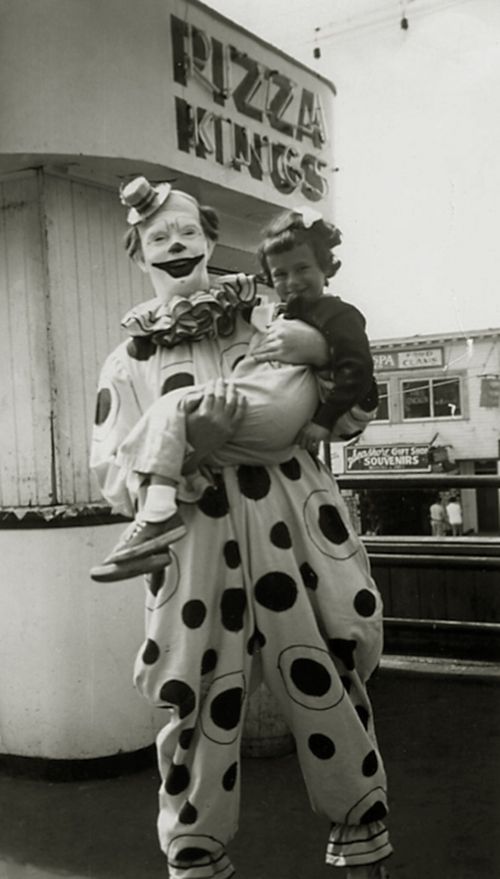
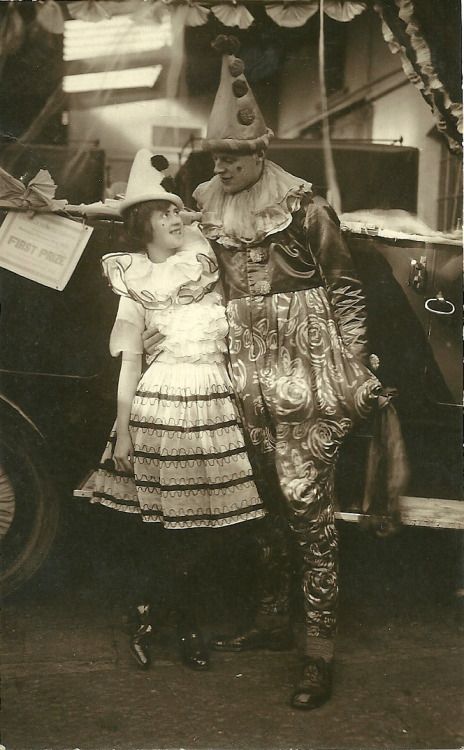
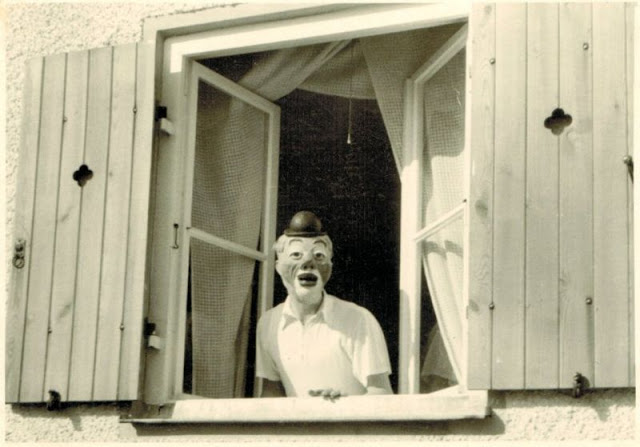
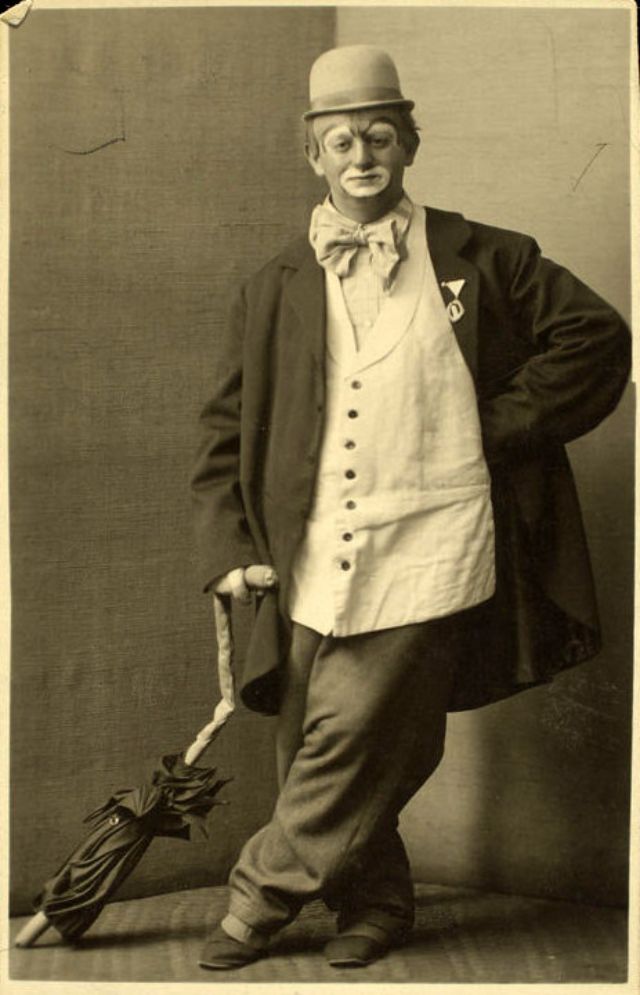
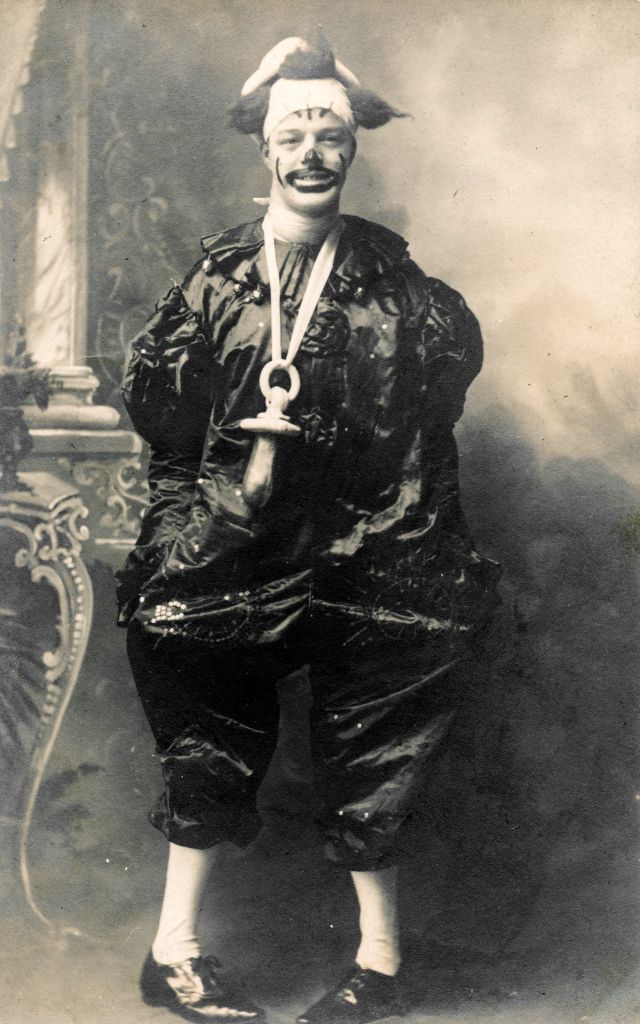
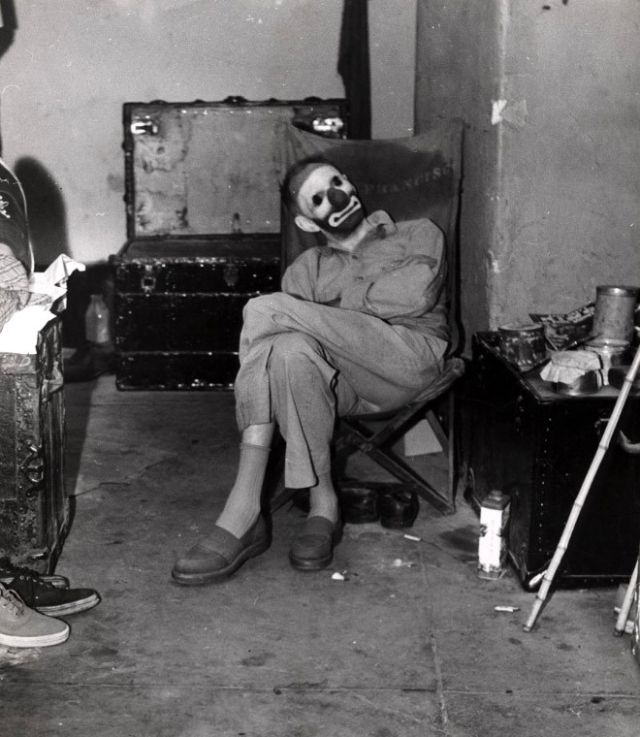
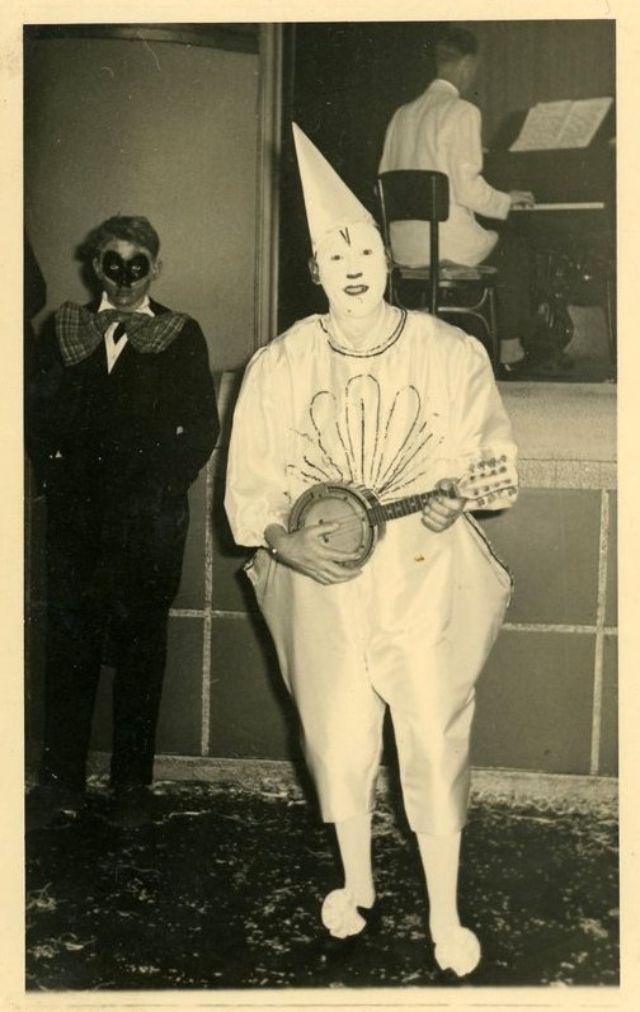
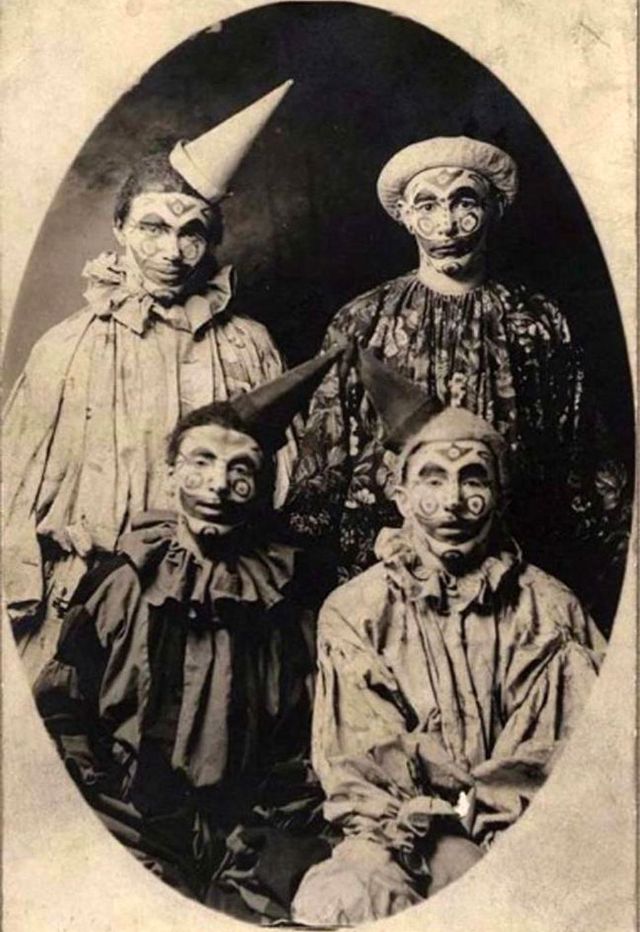
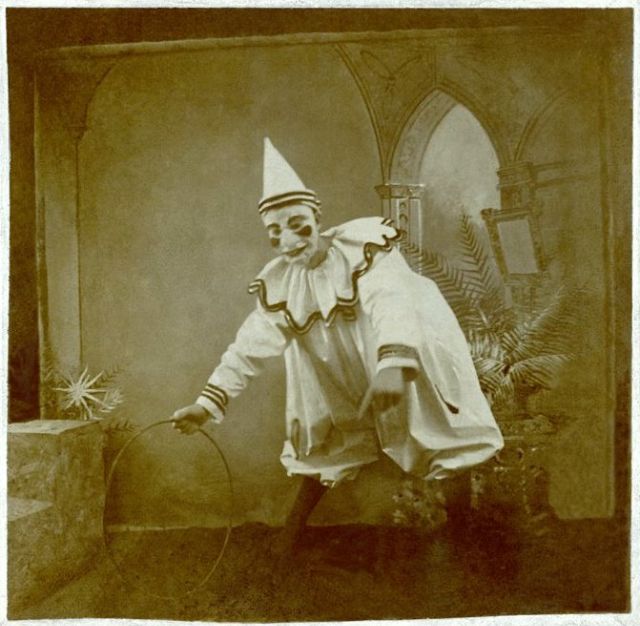
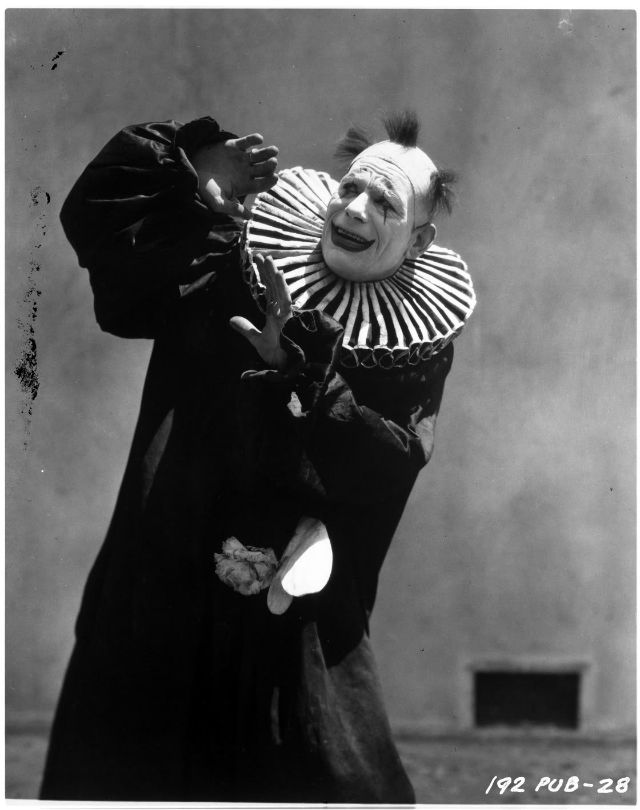
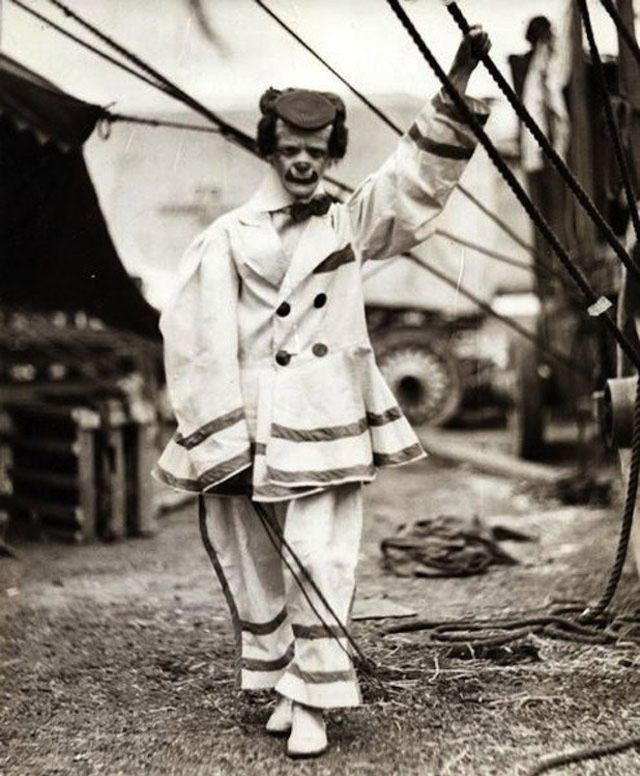
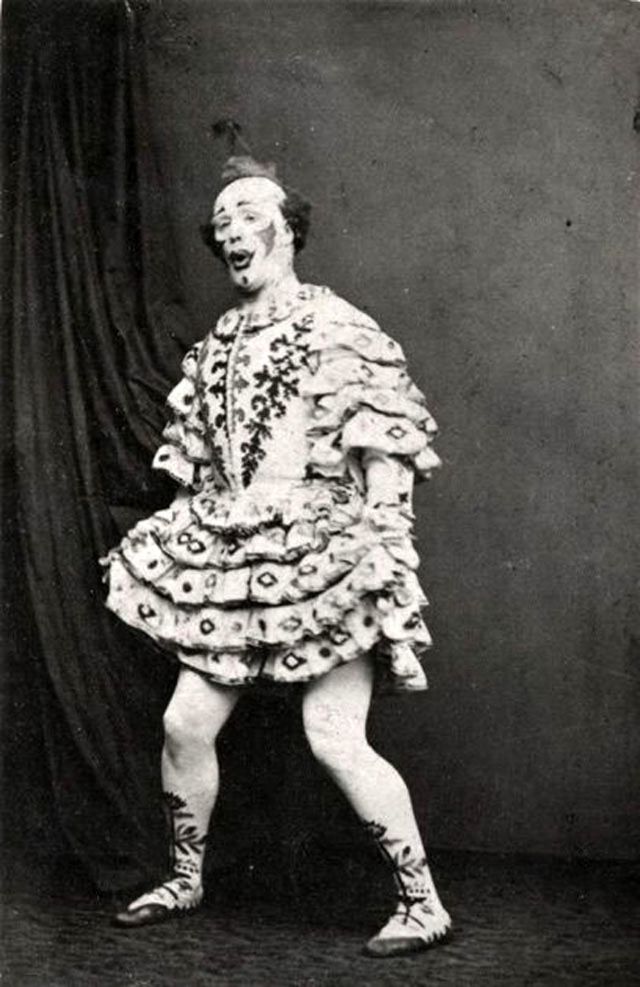
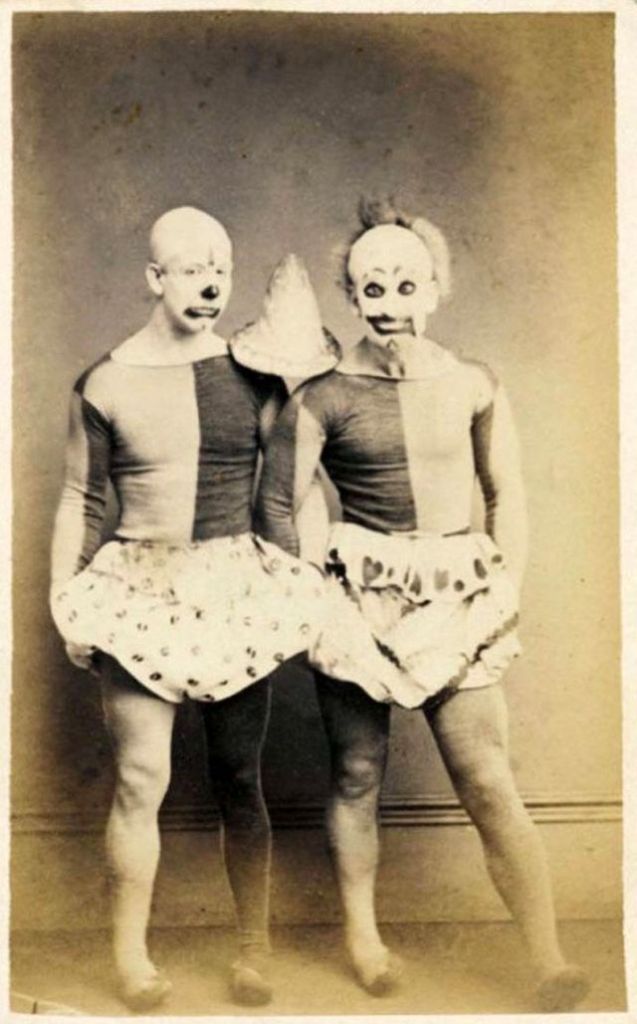
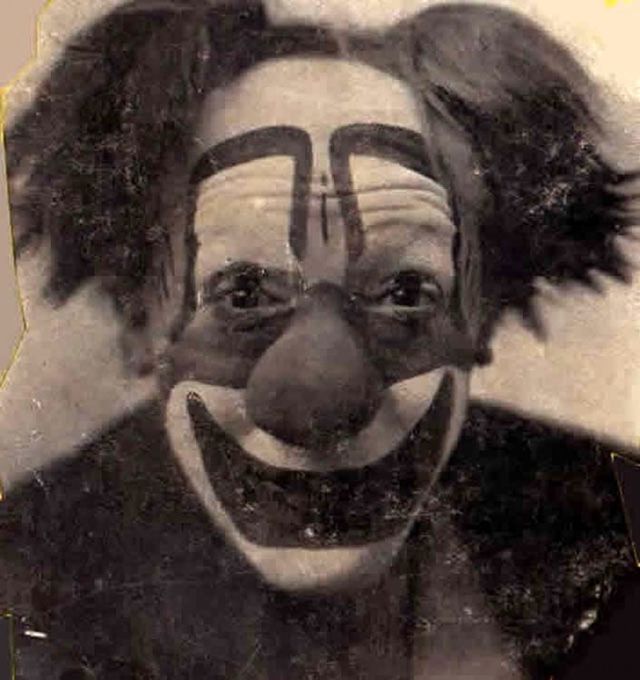
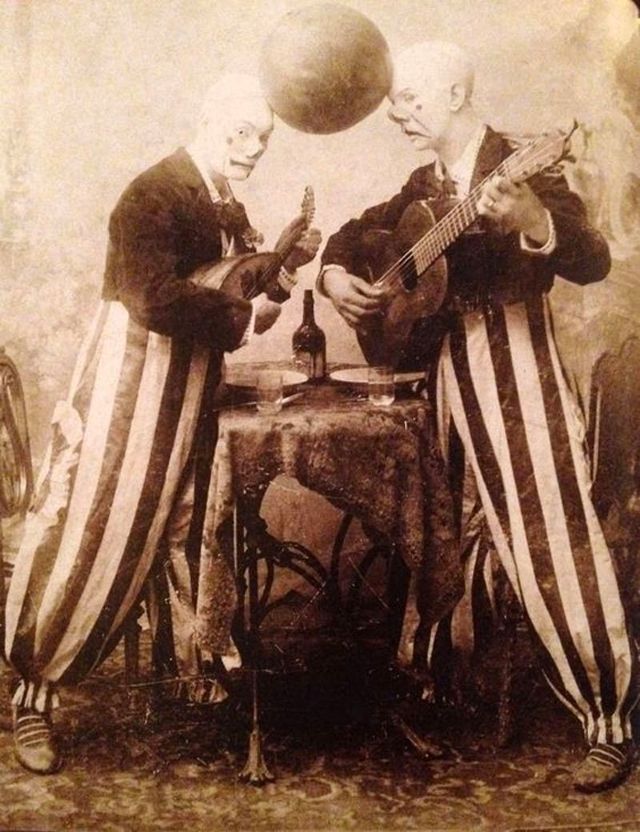
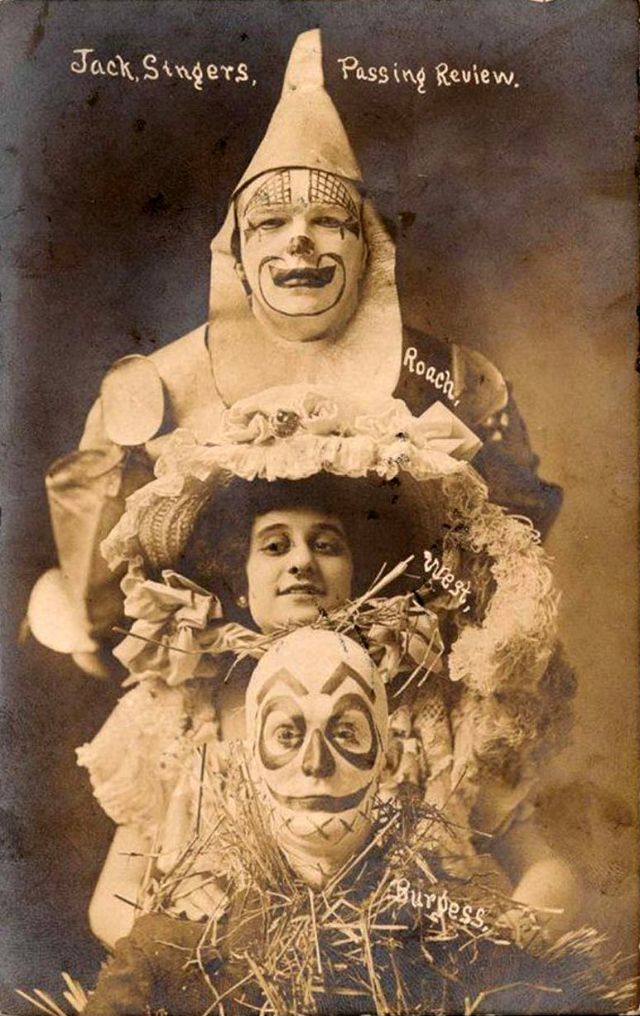
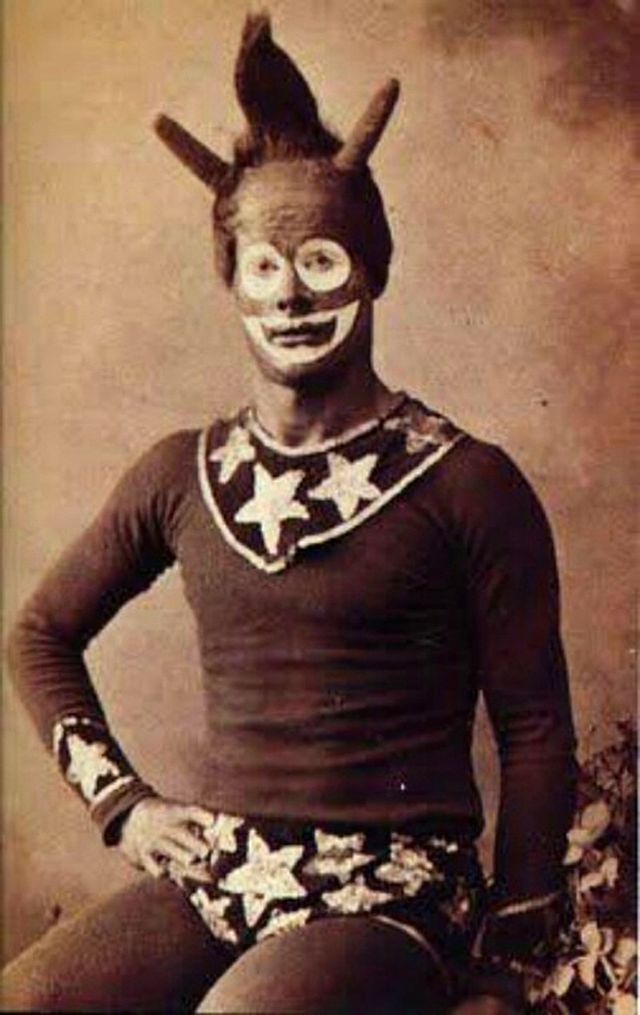
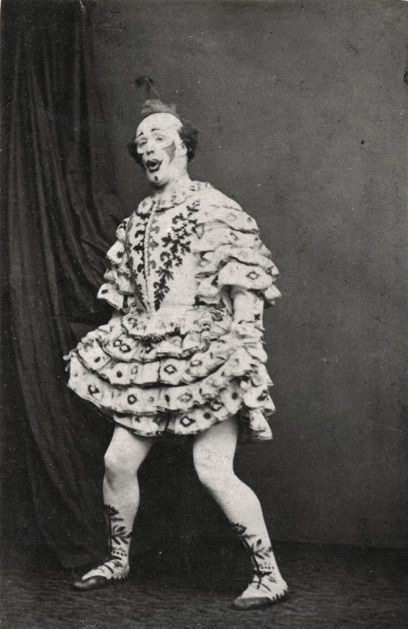
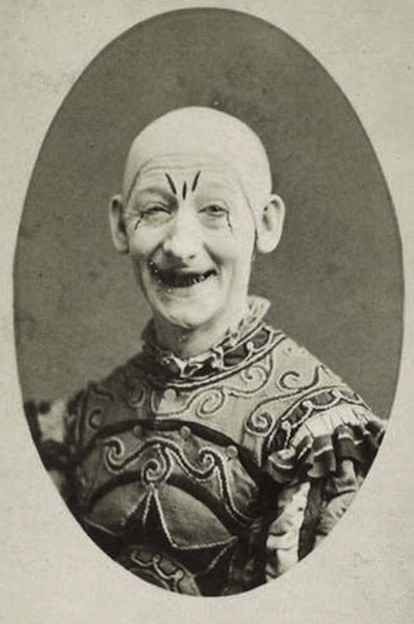
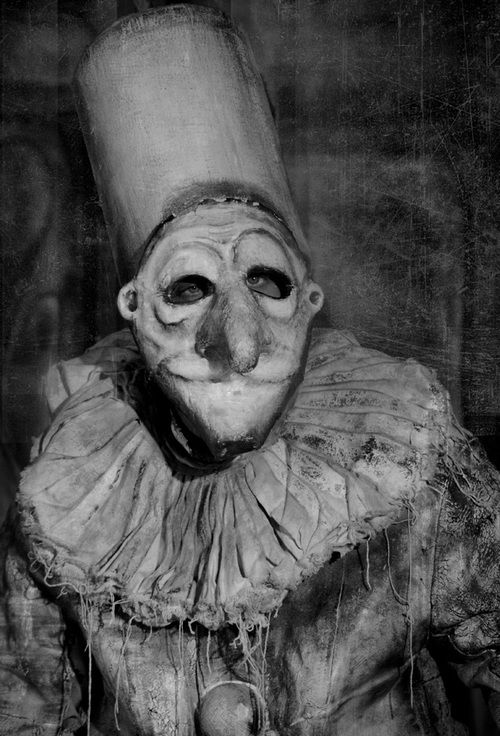
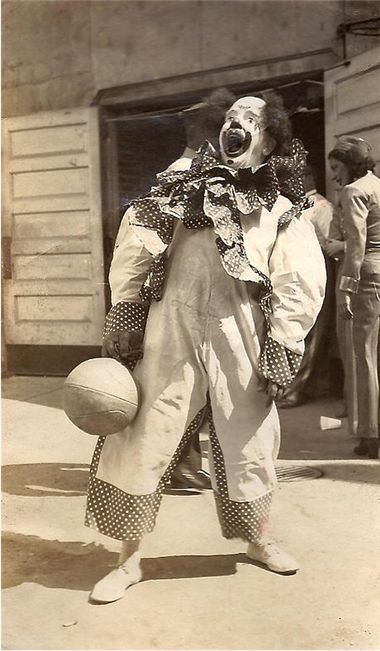
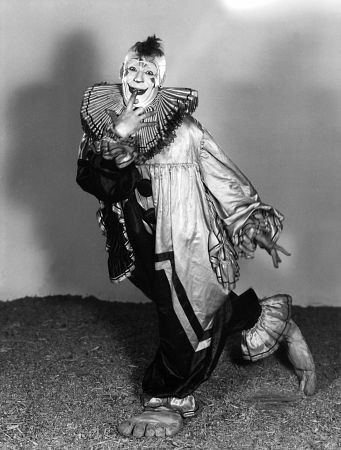
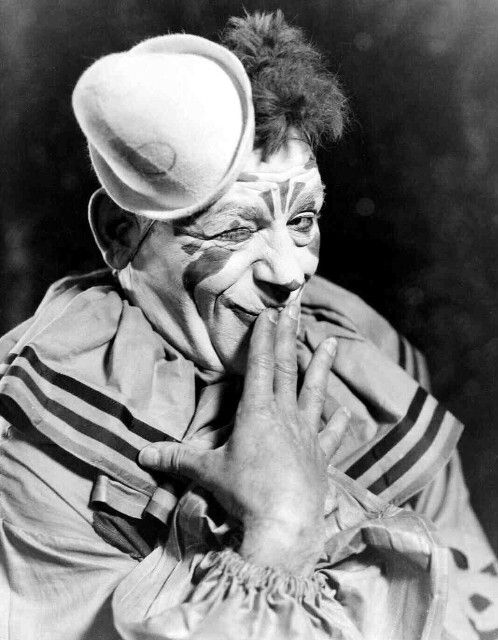
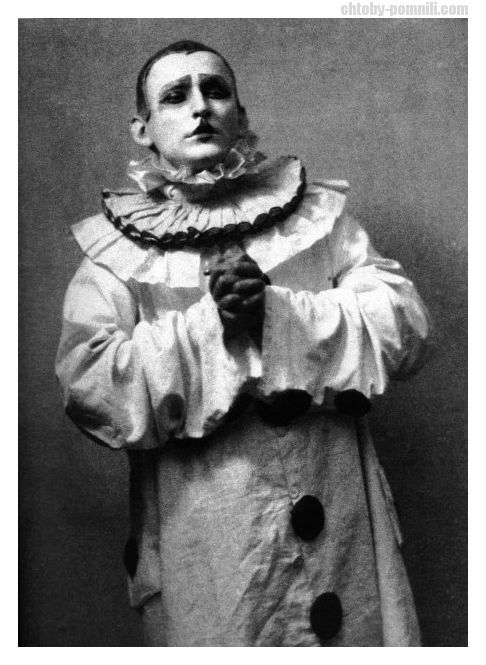
THE ROLES OF CLOWNS THROUGHOUT HISTORY – While clowns are the highlight of many parades, circuses and carnivals, the history of clowning goes back much further. From ancient Rome and medieval times to the North American Indians, the history of clowning around can be seen throughout the ages. Today, we recognize clowns as over-the-top figures with bright make-up, crazy clothes and large foot wear; however, they didn’t always have this appearance. Understanding the history of clowns may lead you to a new appreciation of these important figures in history.
THE FIRST CLOWN SIGHTINGS The history of clowns dates back to 2,400 B.C., as the first recording of clowns was found in ancient hieroglyphics in the Fifth dynasty of Egypt. It was thought that clowns served a socio-religious role as the priest often played the clown role as well. Jesters were found in 300 B.C. China under the reign of Emperor Shih Huang-Ti. In 100 AD India, clowns acted as interpreters, translating the Prakrit language to the general population.
ANCIENT GREECE AND ROME The history of clowns in ancient Greece led to the popularization of clowns in shows. The clowns of ancient Greece were often bald headed and wore additional padding in order to appear large and chubby. Performing in plays, they would poke fun at the serious villains of the play and throw peanuts at the audience. Roman clowns also made their appearances in dramas. The Roman mime would wear a pointed hat and act out different scenes within the play, providing clown entertainment for the audience.
MIDDLE AGES/RENAISSANCE TIMES Throughout medieval history, fools and jesters can be seen entertaining royal courts and town citizens. Their job was much more than simply collecting laughs. These ancient clowns were used to reinforce religious values as well as display cultural values to their audience. They were a catalyst for a change in social culture. In the 14th Century, the juggler and fool appeared in the tarot cards, depicting a new start and the ability to leave a safe place to discover new opportunities. This gave clowns an almost magical aura.
NATIVE AMERICAN CLOWNS The history of clowns in North America is dramatically different than the history portrayed in Rome. Several North American native tribes used clowns to play a sacred function, often revealing the truth about a given situation in a comical way. Some tribes thought laughter opened up their spirits to the Gods. Clowns were also used to keep order amongst the Indians during social gatherings. Clowns, known as contraries in the Cheyenne tribe, would make tribe members laugh by doing everything contrary to the traditional way, including riding horses backwards and walking on their hands.
THE CIRCUS Although the circus originated in ancient Egypt and Rome, the first modern circus was introduced in 1768 by Philip Astley in England. The first clown act and was so popular that Astley hired more clowns. It then became an anticipated part of the circus for the next century. Many famous circus clowns made an appearance in circus shows across the country. Circus clowns served no higher purpose other than making the audience laugh and helping people to forget about their stress.
Through the ages, the types of clowns and the roles they have portrayed have changed significantly from culture to culture. Not only are they an important part of North American culture, but the rich history of clowning has a place in cultures around the world. (Via Clowns.com)
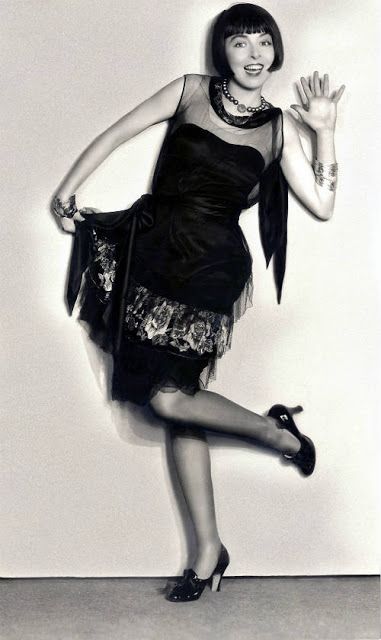
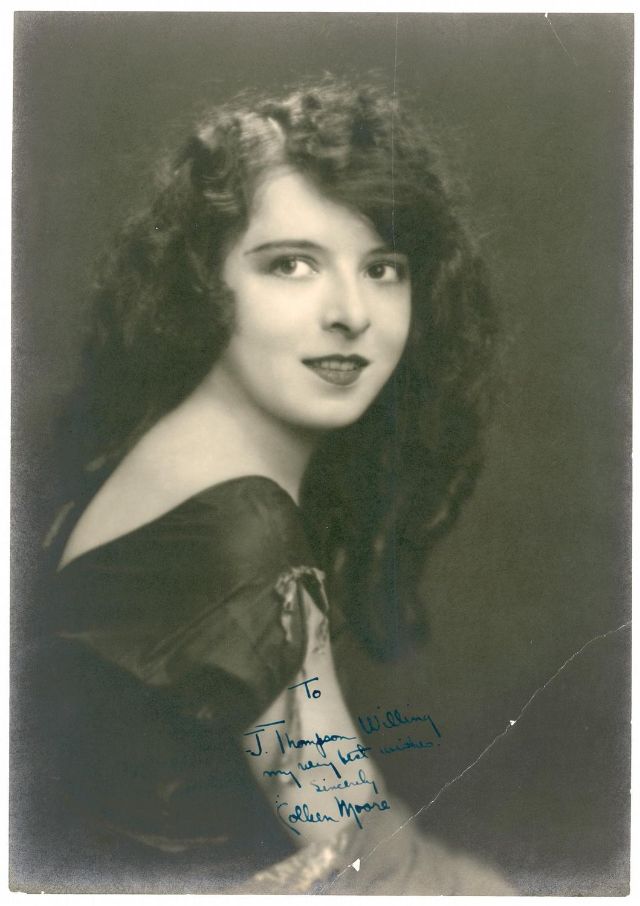
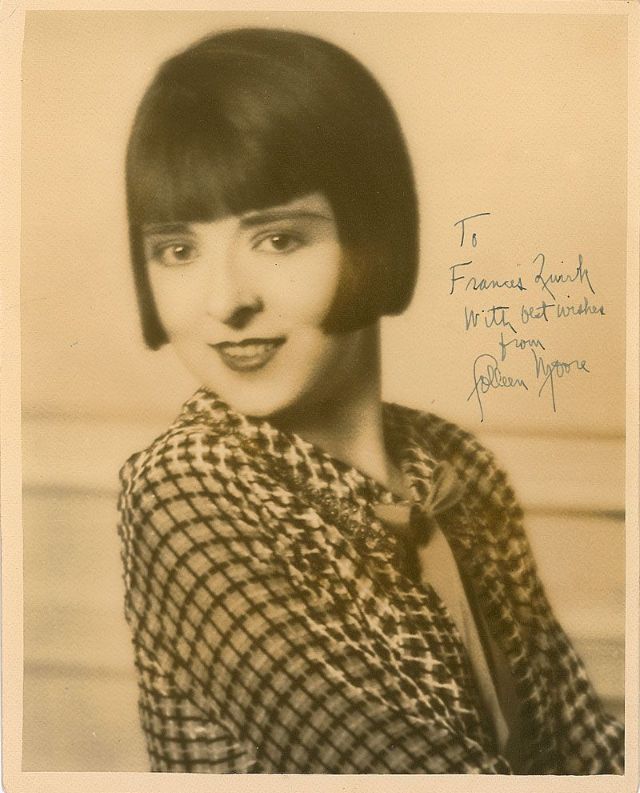
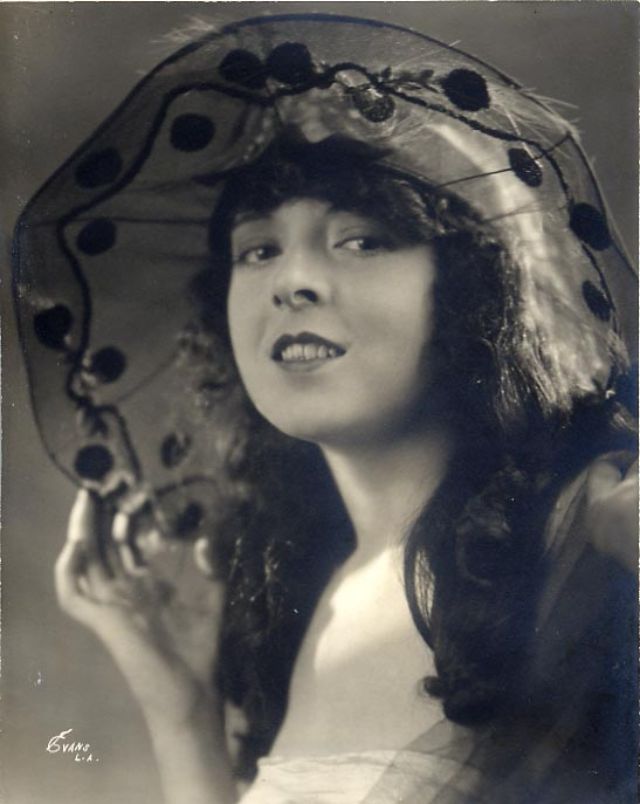
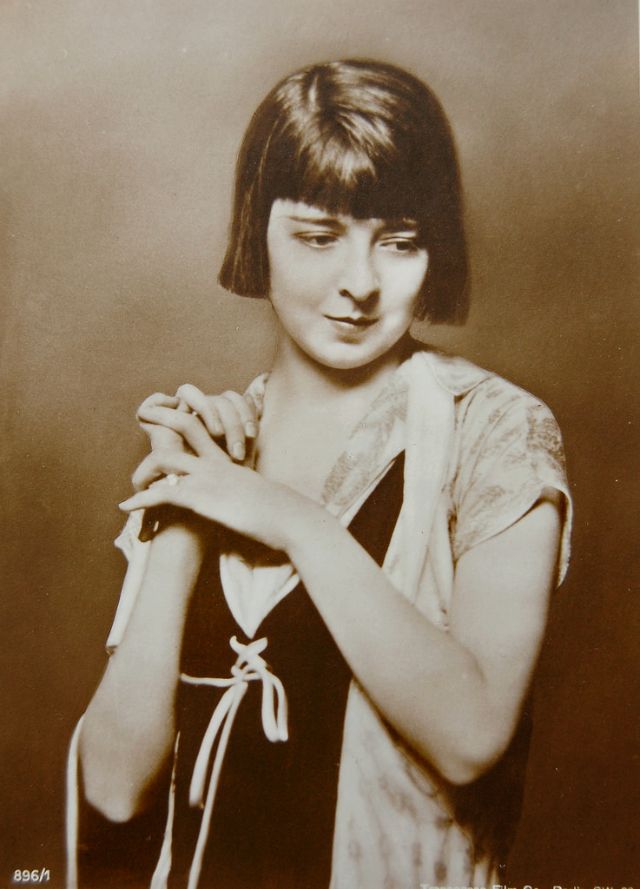
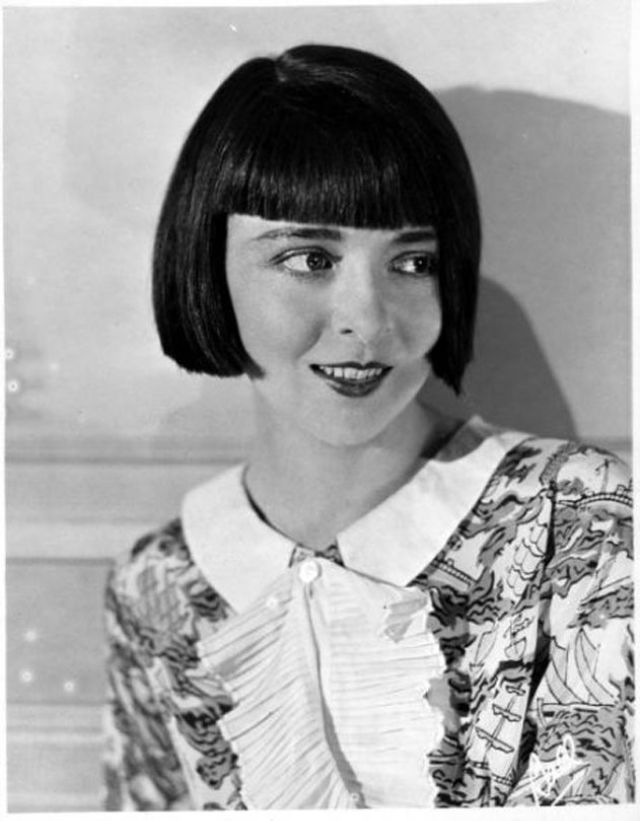
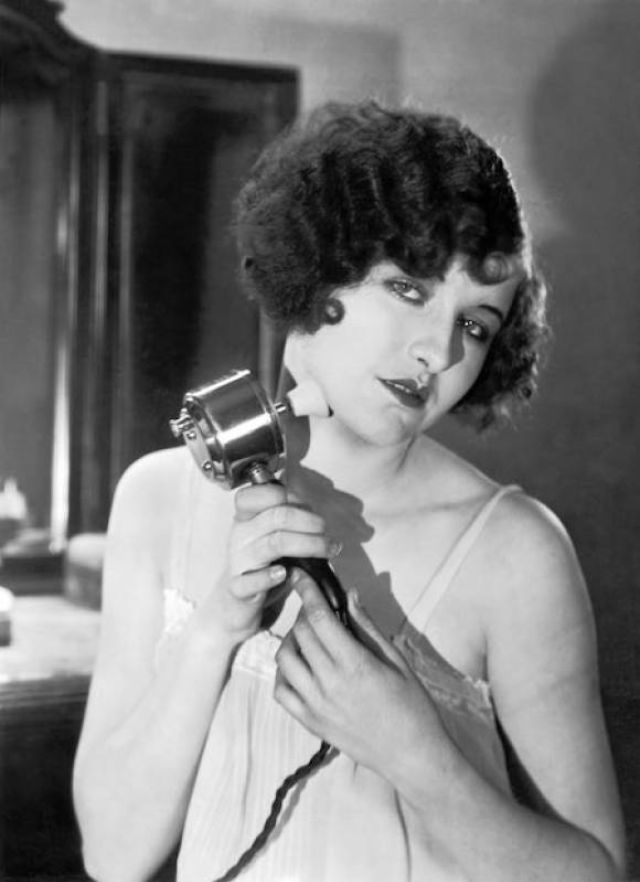
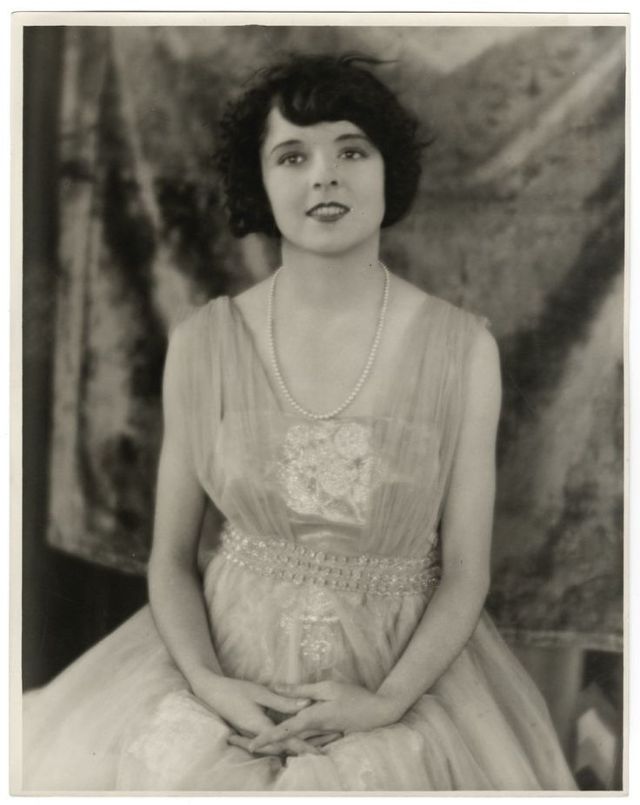
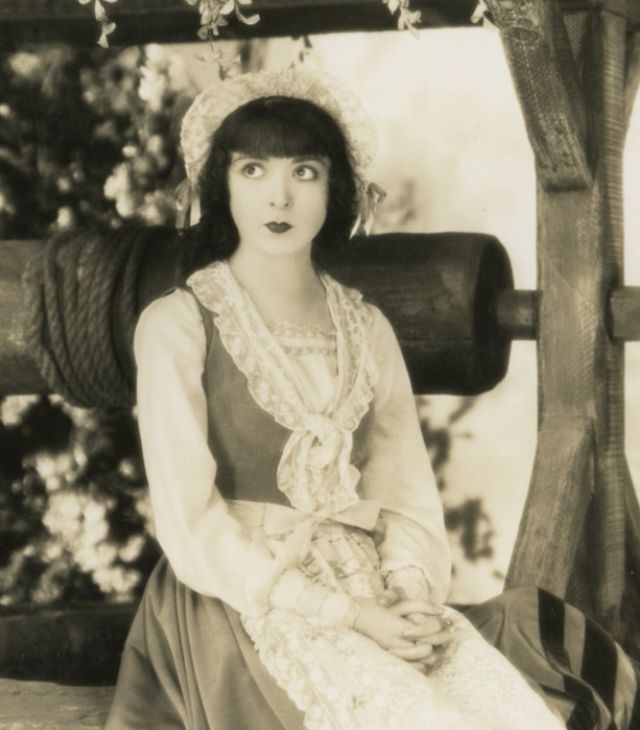
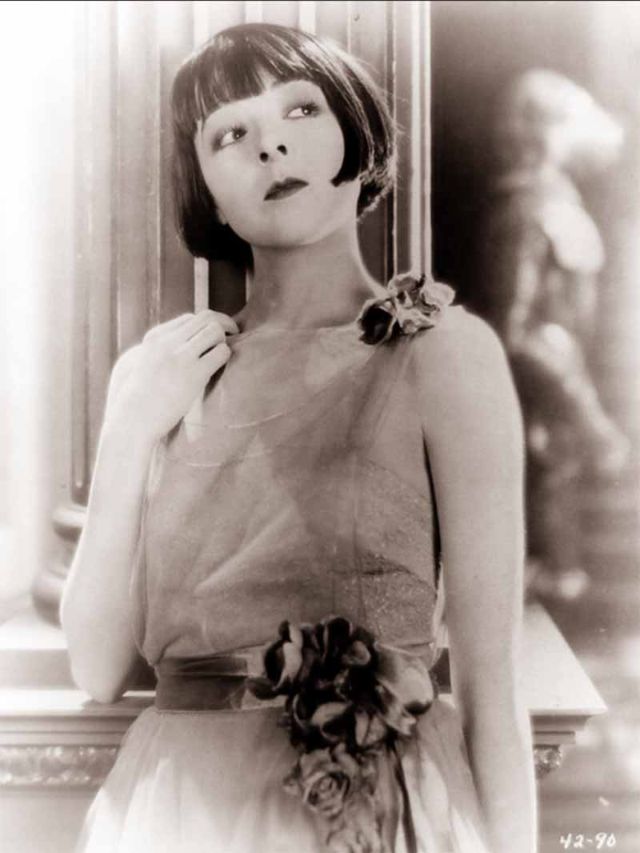
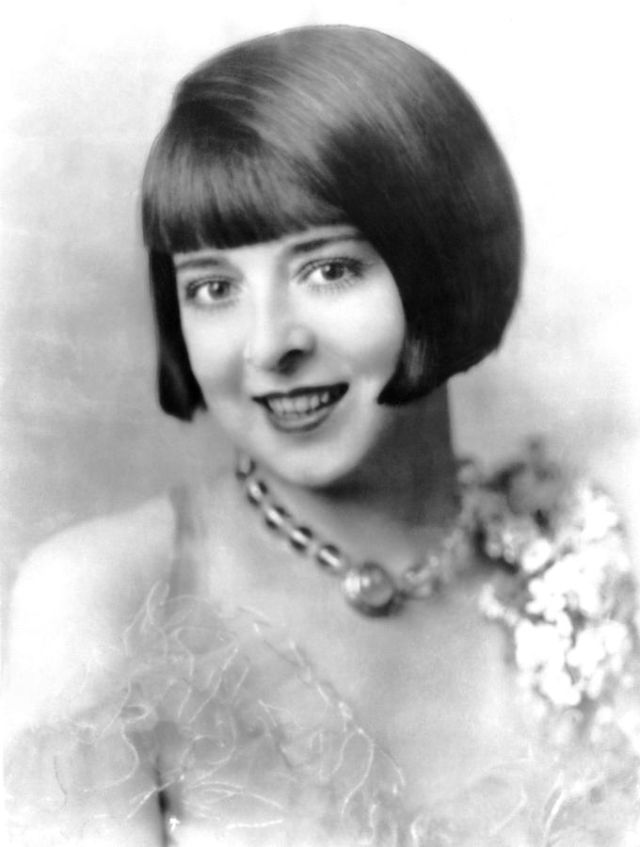
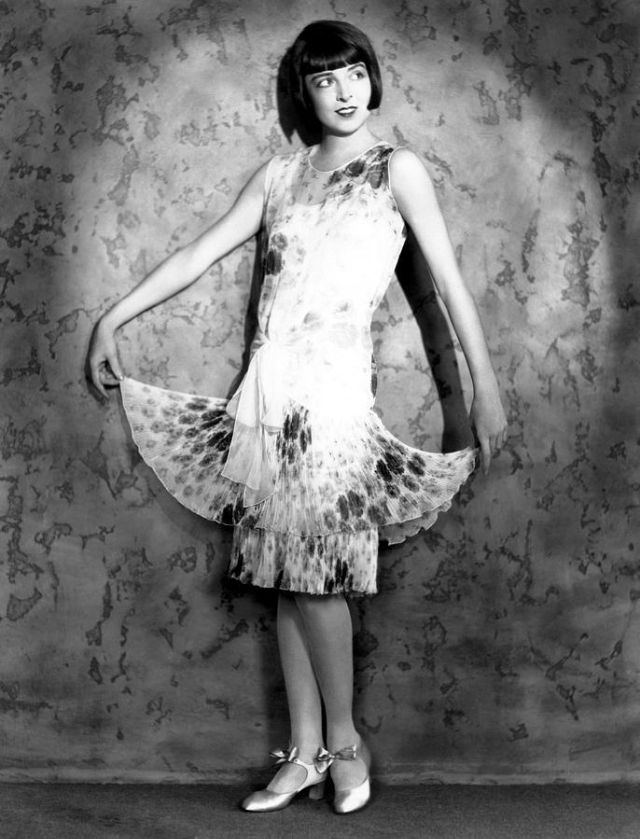
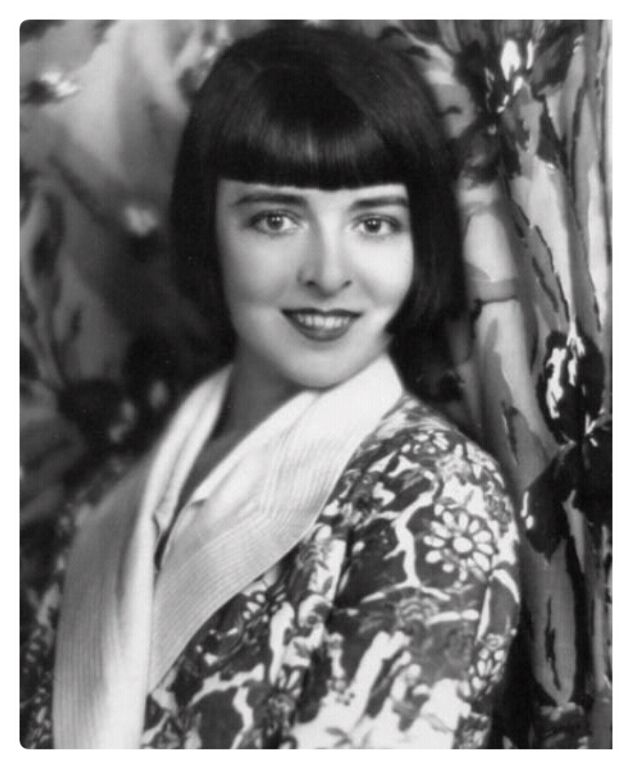
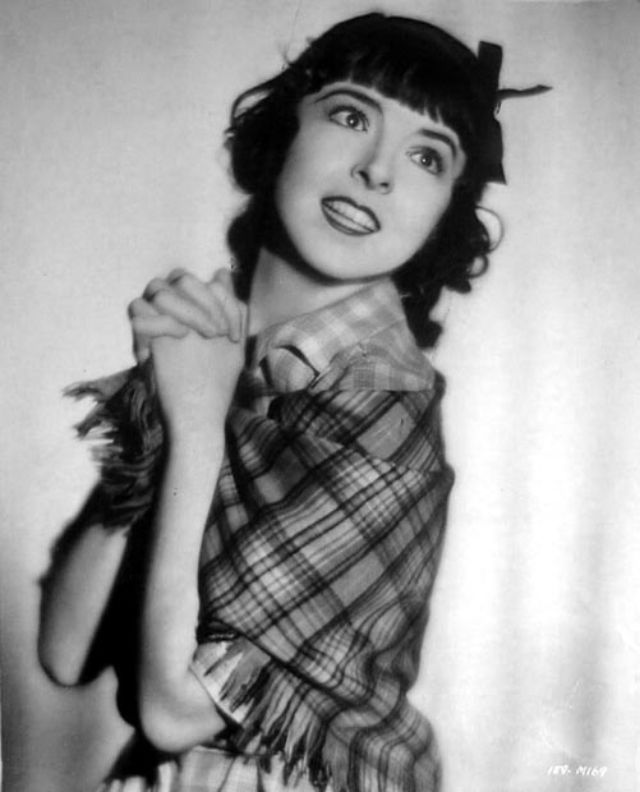
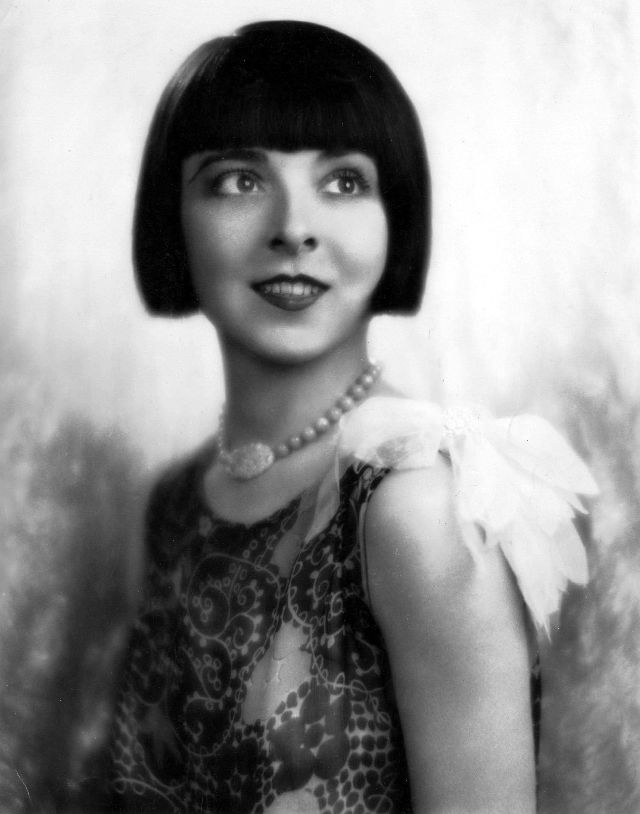
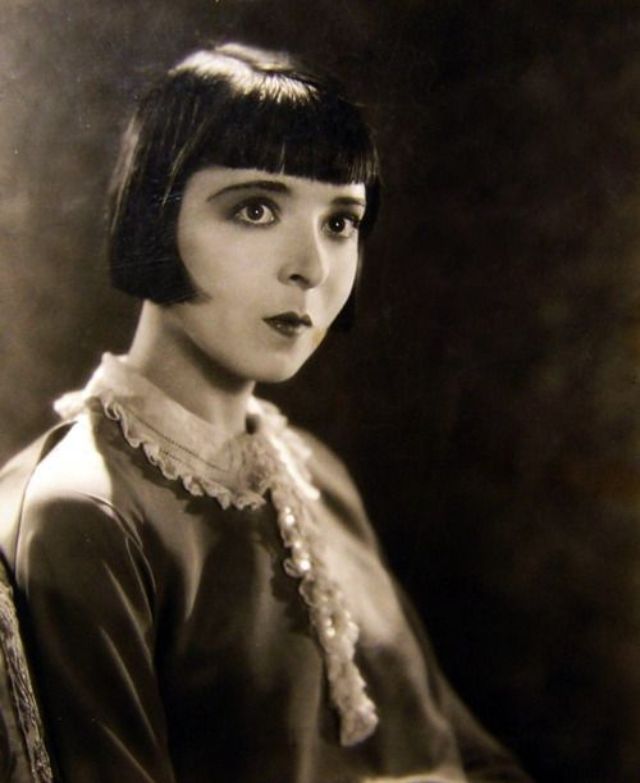
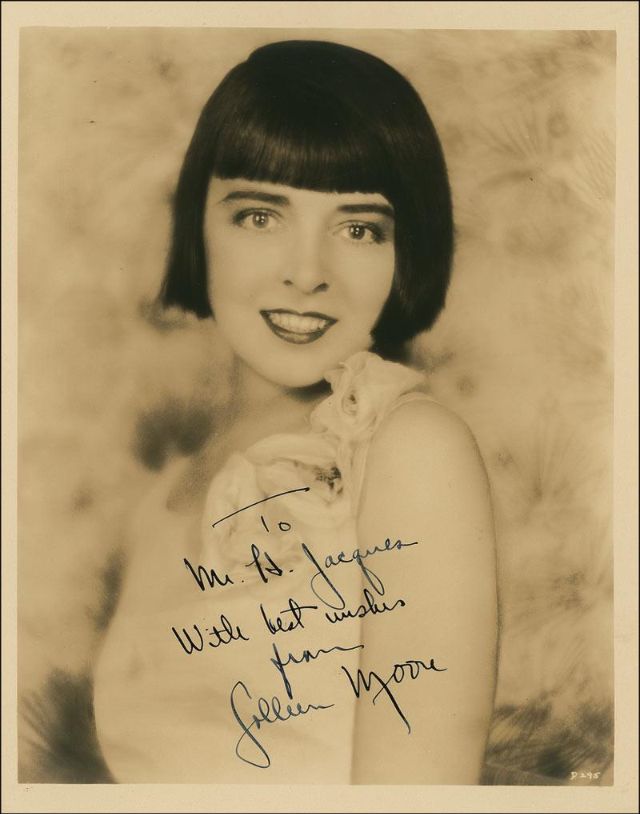
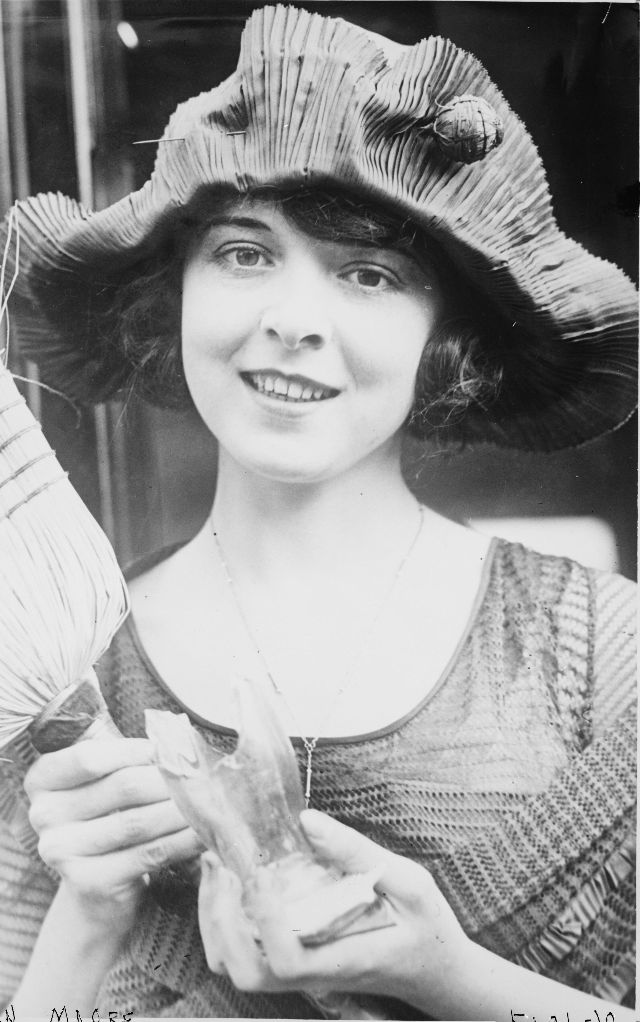
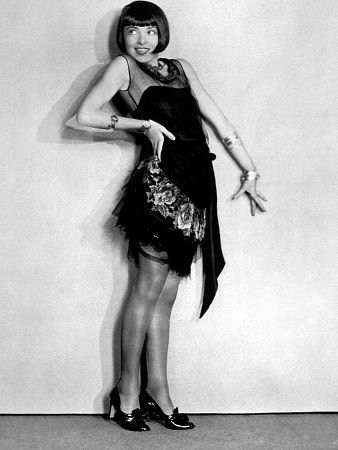
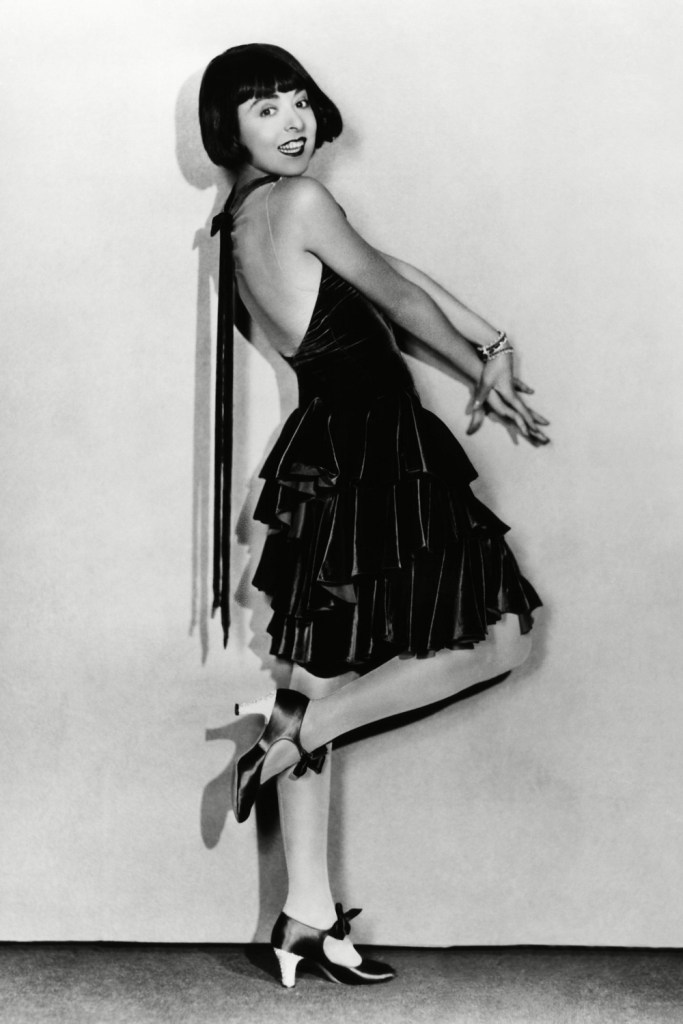
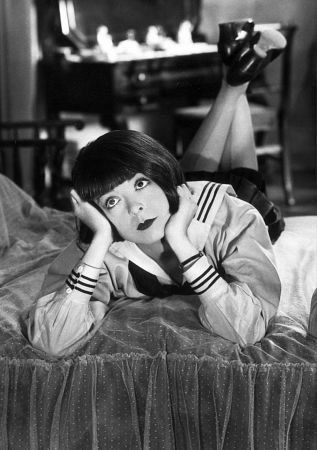
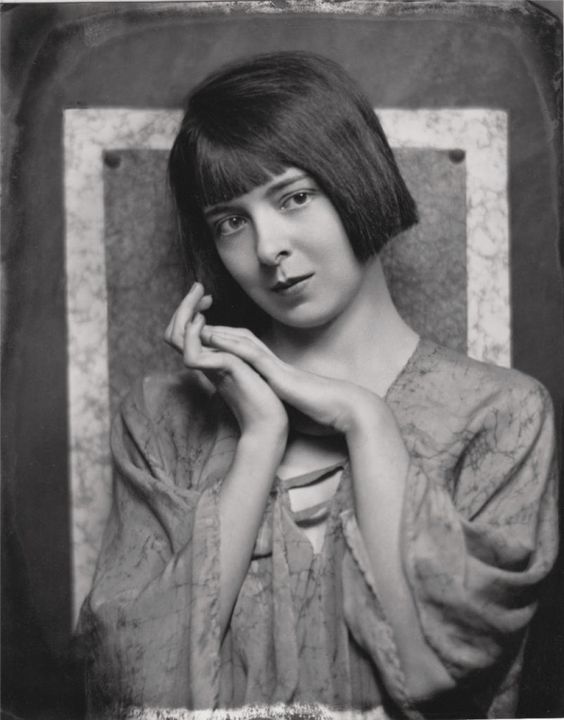
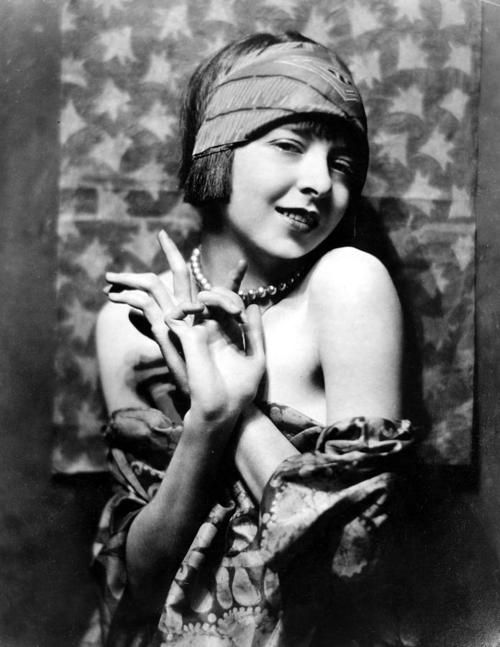
Colleen Moore (born Kathleen Morrison; August 19, 1899 – January 25, 1988) was an American film actress who began her career during the silent film era. Moore became one of the most fashionable (and highly-paid) stars of the era and helped popularize the bobbed haircut.
Although Moore was a huge star in her day, approximately half of her films are now considered lost, including her first talking picture from 1929. What was perhaps her most celebrated film, Flaming Youth (1923), is now mostly lost as well, with only one reel surviving.
Moore took a hiatus from acting between 1929 and 1933, just as sound was being added to motion pictures. After she returned, her four sound pictures released in 1933 and 1934 were not financial successes. She then retired permanently from screen acting.
After her film career, Moore maintained her wealth through astute investments, becoming a partner of Merrill Lynch. She later wrote a “how-to” book about investing in the stock market.
Moore also nurtured a passion for dollhouses throughout her life and helped design and curate The Colleen Moore Dollhouse, which has been a featured exhibit at the Museum of Science and Industry in Chicago since the early 1950s. The dollhouse, measuring 9 square feet (0.84 m2), was estimated in 1985 to be worth $7 million, and it is seen by 1.5 million people annually.
On January 25, 1988, Moore died from cancer in Paso Robles, California, aged 88. For her contribution to the motion picture industry, Colleen Moore has a star on the Hollywood Walk of Fame at 1551 Vine Street.