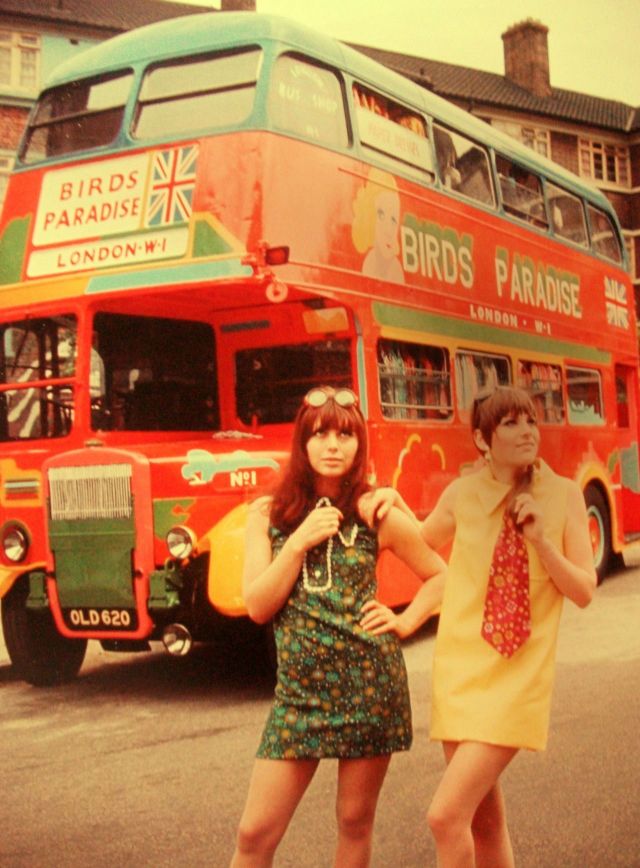
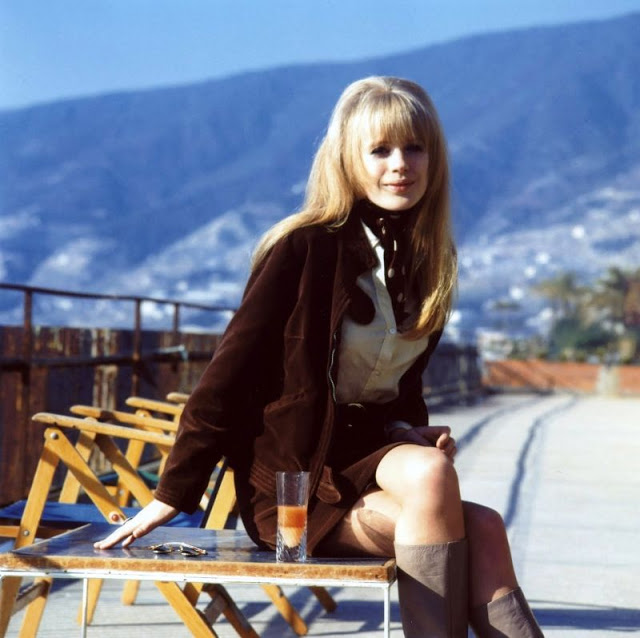
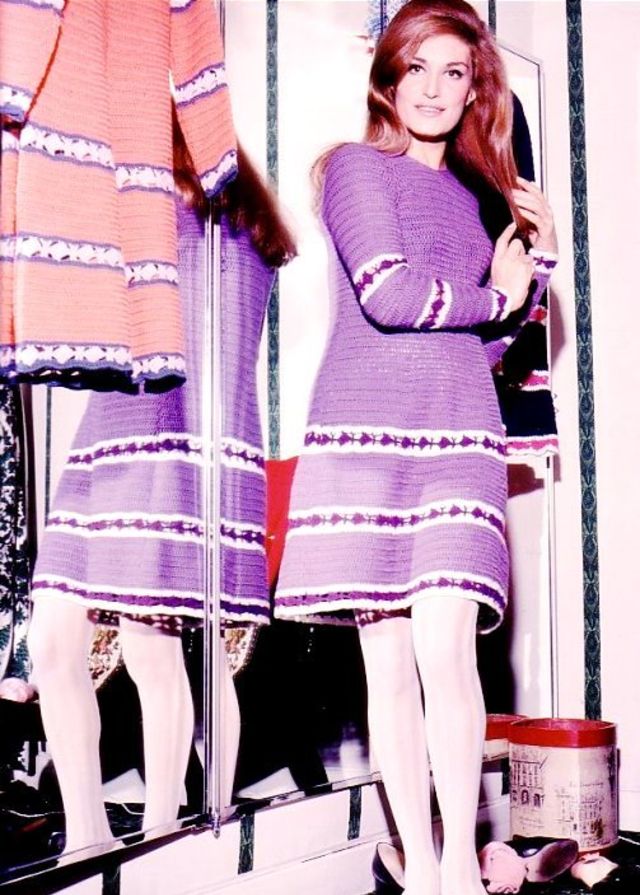
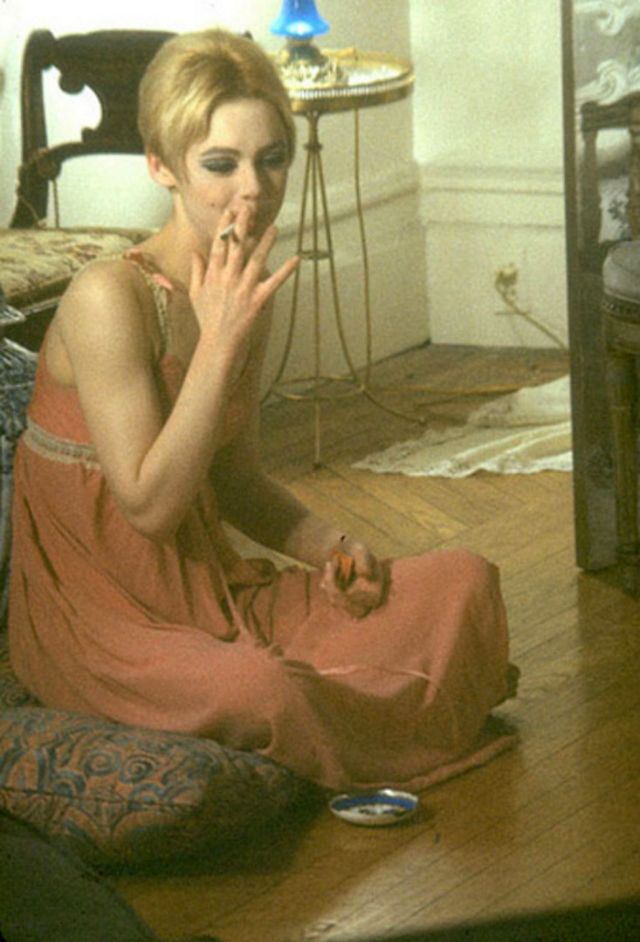
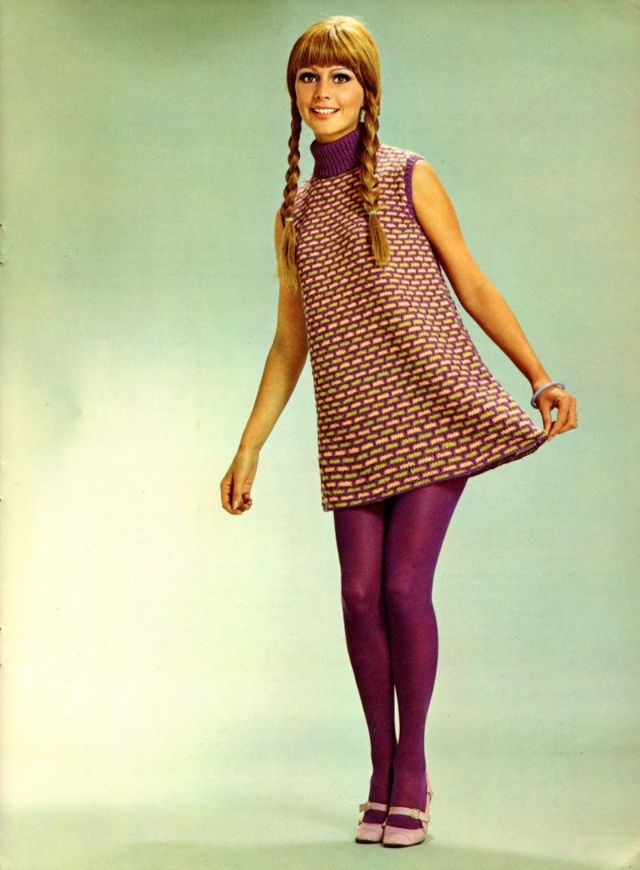
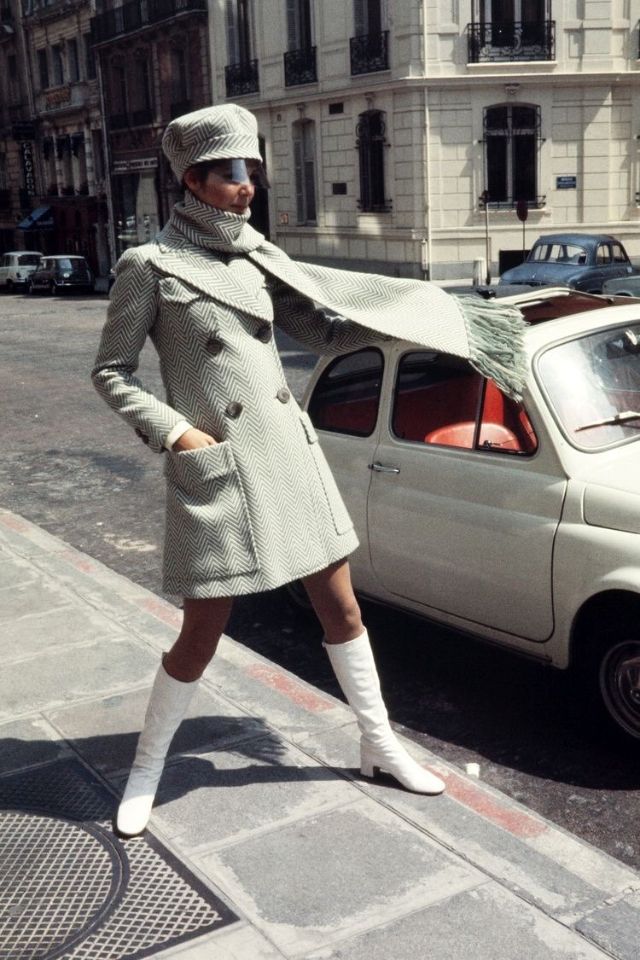
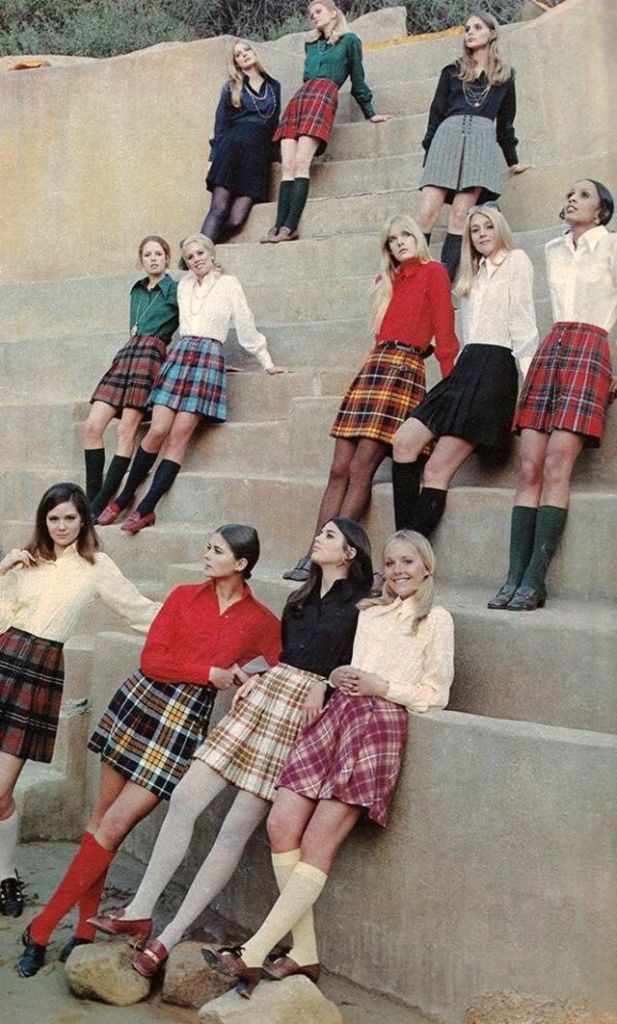
There’s no denying that the ’60s were one of the most impactful eras in fashion. Setting the tone for modern style, the decade revolutionised womenswear with bold colours, striking cuts and a rebelliously youthful attitude. So, it comes as no surprise that 50 years on, key trends from the time continue to influence designers, stylists and fashion-lovers the world over.
The swinging sixties were a time where traditions were broken, and self-expression was encouraged. Influenced by the youth of the day, the decade dished up plenty of style inspiration. Moving away from the prim and proper ’50s and into rebellious new times, ’60s fashion was revolutionary.
Key fashion styles of the decade included mod, beatnik and hippie looks, all of which captured the artful, fun and free spirit of the time.
Take a look at these fabulous photos to see what fashion trends of young women looked like in the 1960s.
Everyday life in the United States during the 1940s was shaped largely by World War II, which had profound impacts on the home front. The early part of the decade saw families adjusting to wartime realities, with many men enlisting or being drafted into military service. Women stepped into roles that were traditionally held by men, working in factories and other industries to support the war effort. This period saw the iconic image of “Rosie the Riveter” become a symbol of female empowerment and the nation’s collective effort towards victory. Rationing became a part of daily life, with households conserving food, gasoline, and other resources to ensure that enough supplies were available for the military.
Despite the challenges, the 1940s were also a time of significant social change. The war accelerated technological advancements and fostered a sense of unity and purpose among Americans. People came together to support the war effort through various means, such as buying war bonds, participating in scrap drives, and volunteering for civil defense duties. The sense of community and patriotism was palpable, as everyone contributed in their own way to the nation’s goals. Additionally, the experiences and opportunities that women and minorities gained during the war laid the groundwork for future social movements and advancements in civil rights.
The latter part of the 1940s saw the United States transitioning from wartime to peacetime. The end of the war brought about a period of economic prosperity and growth, often referred to as the post-war boom. Soldiers returned home, and many took advantage of the GI Bill to pursue higher education or buy homes, leading to a surge in suburban development. Consumer goods, which had been scarce during the war, became more available, and Americans enjoyed new conveniences such as refrigerators, washing machines, and television sets. The baby boom began during this period, as families reunited and began to grow.
Culturally, the 1940s were a vibrant time for music, movies, and fashion. Swing music and big bands were immensely popular, with figures like Glenn Miller and Duke Ellington dominating the airwaves. Hollywood produced some of its most enduring classics, including films like “Casablanca” and “It’s a Wonderful Life.” Fashion also saw significant changes, with practical wartime styles giving way to more lavish and expressive designs as the decade progressed. Overall, the 1940s were a time of resilience, adaptation, and transformation, leaving a lasting impact on American society.
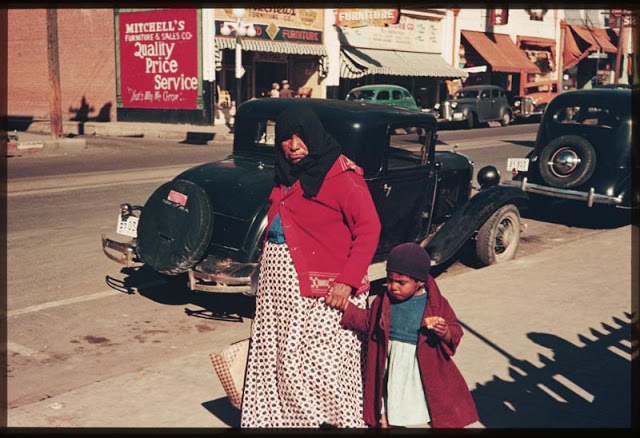
Tucson on Saturday afternoon, Arizona, Feb. 1940Bull and whiskered leader Loudoun co., Virginia, September 1940
Subscribe to continue reading
Become a paid subscriber to get access to the rest of this post and other exclusive content.
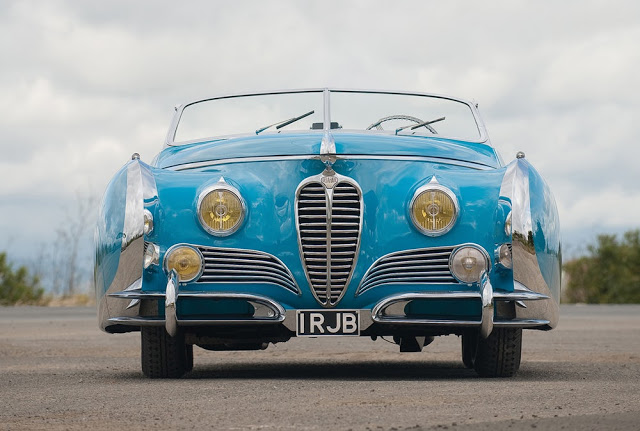
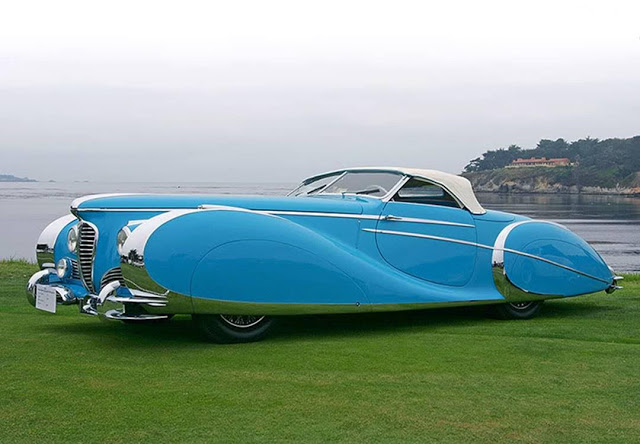
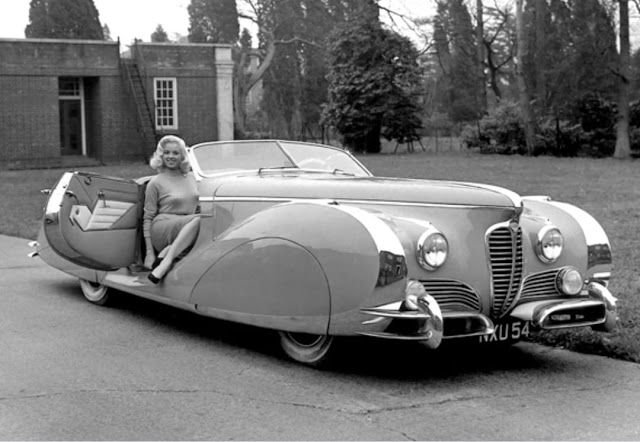
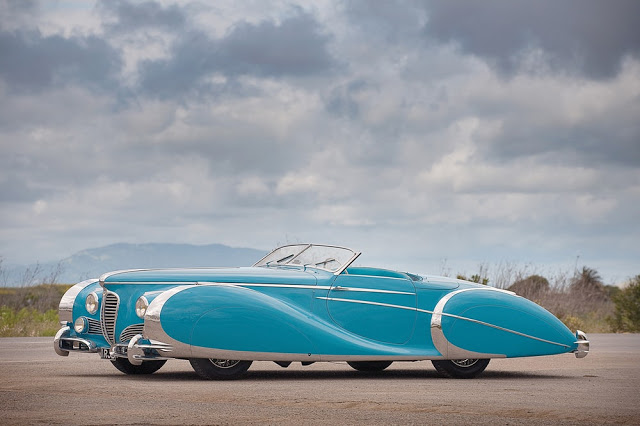
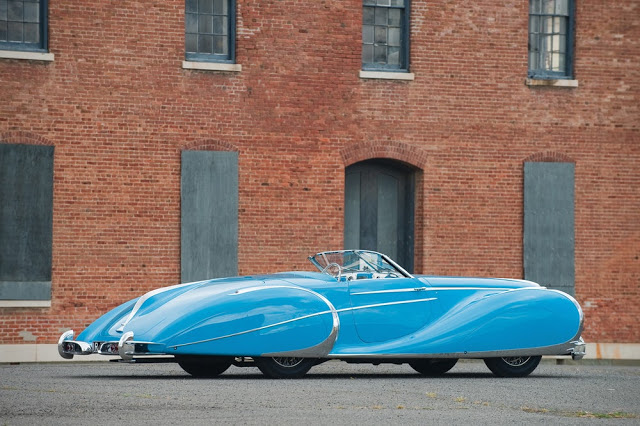
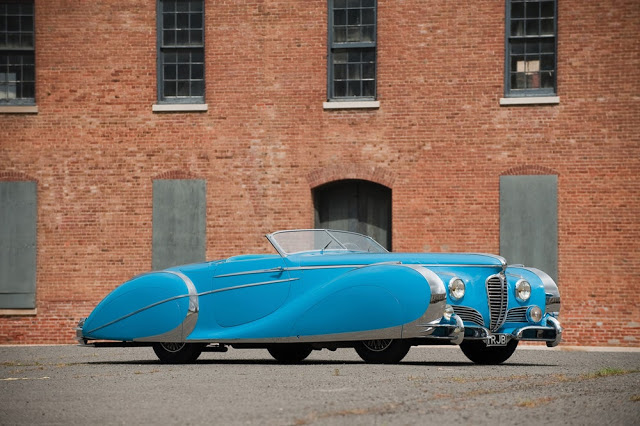
The most dramatic of all supercars is this 2-seat roadster which was owned by English movie star Diana Dors. Built for the post-war concours circuit, Saoutchik was responsible for its extreme body which borrowed styling cues from other earlier designs.
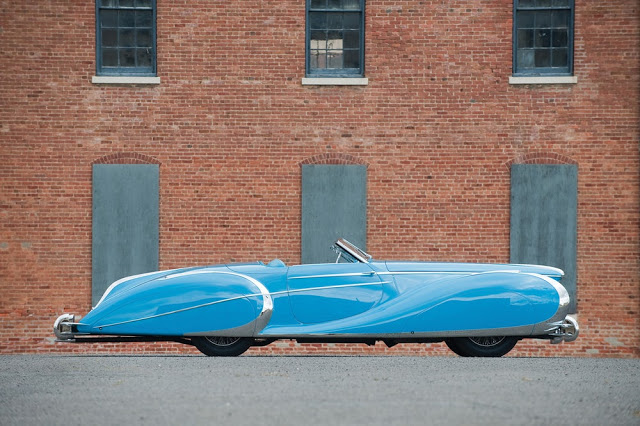
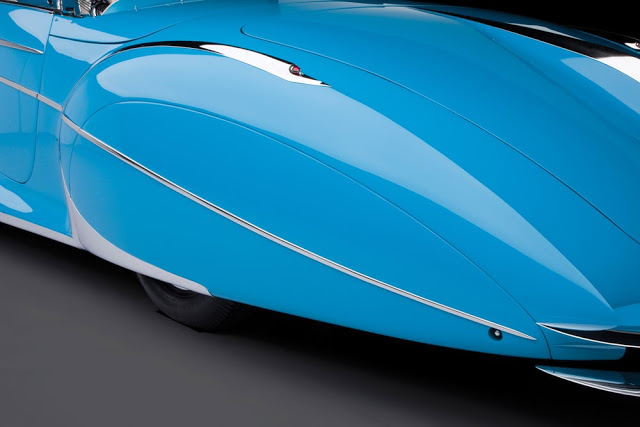
Using the French curves of the thirties with more modern baroque ornamentation, Saoutchik conveys a sense of drama and movement with this design. With completely enclosed wheels, the car’s best angle is its profile as the front has a confusing mix of elements that look like they came from different sources. At the time, the aggressive use of chrome was revolutionary and an emerging trend that the American manufacturers would go on to master.
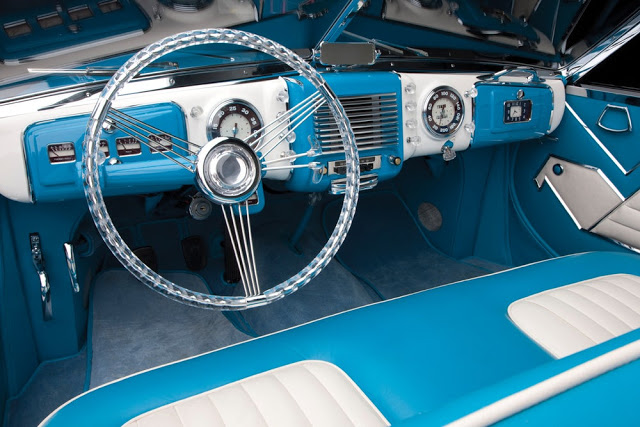
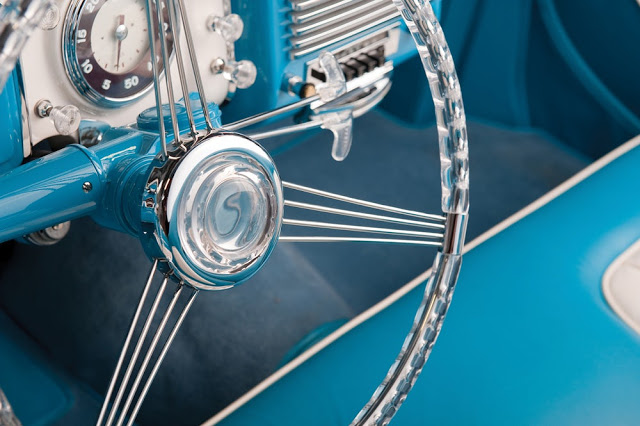
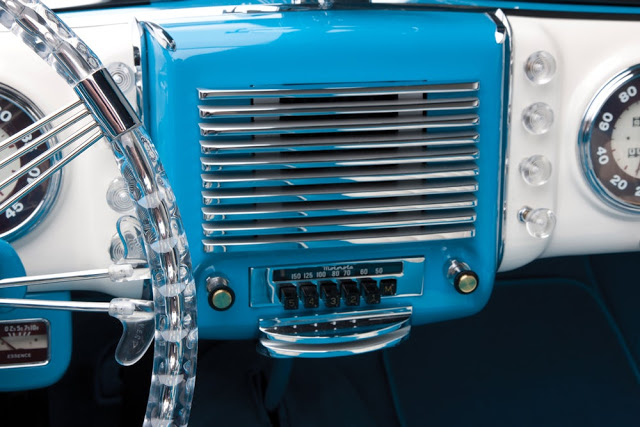
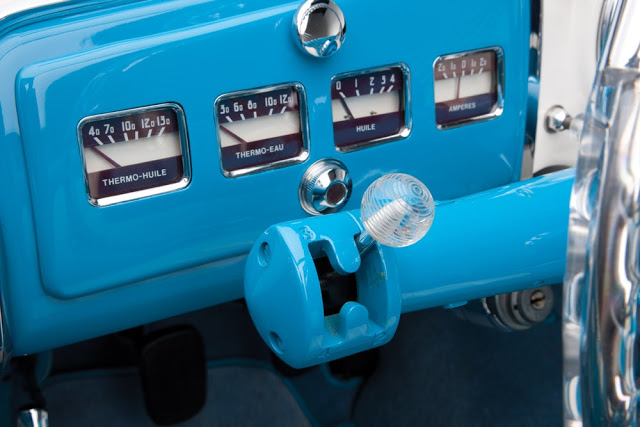
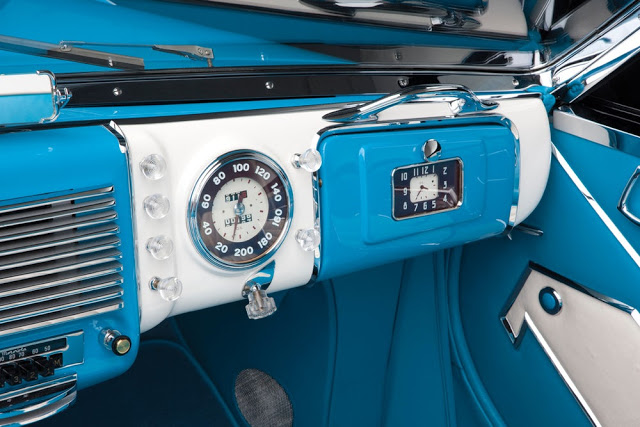
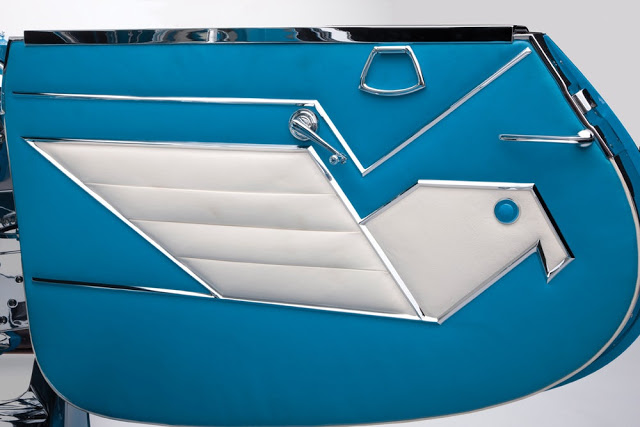
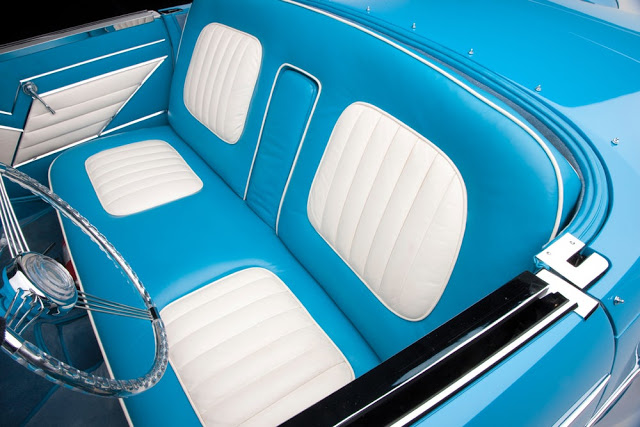
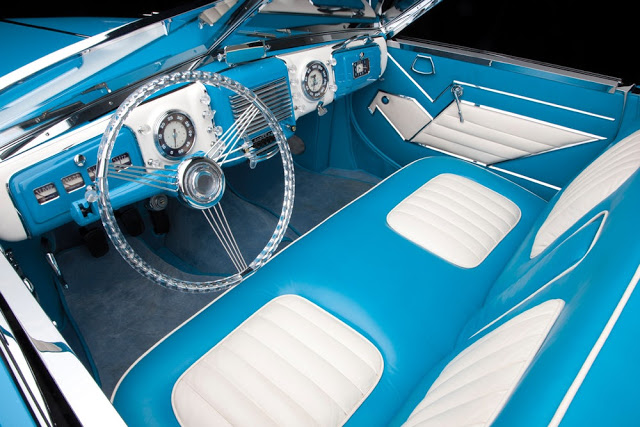
Much of this Delahaye’s beauty is also shown in details such as chrome accents that highlight the curves and feature embedded turn signals or the small strips which flank the side and add a sense of speed while hiding the door handles. At the front is a curious nose which was inspired by the Figoni et Falaschi-designed Narval produced just a year earlier. Inside, a two-tone interior is relentlessly busy and features a medley of designs that work together in their excess. Rows of knobs are everywhere and the see-through steering wheel made of lucite is unique.
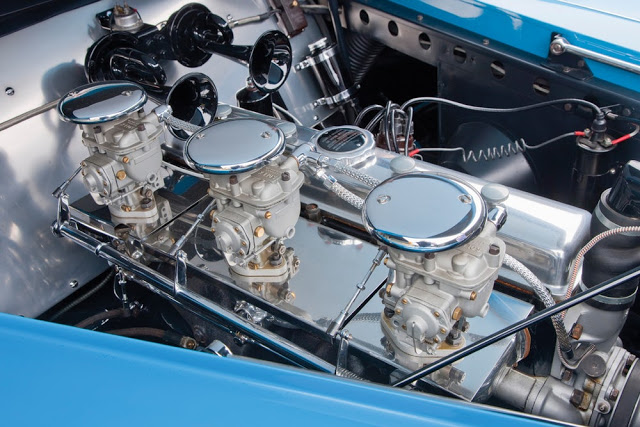
The car is built upon the first new Delahaye chassis designed after the war. New features for this model included a much larger 4.5 liter engine, a De-Dion rear suspension, Dubbonet front suspension, Lockhead brakes, and novelties such as a radio and heater came standard. When everything worked, the chassis was superb, but many cars suffered from breakdowns, particularly around the complex suspension and fragile drive-line.
The first owner of this car, chassis 815025, was Sir John Gaul of England who brought the car to several European concours, catching the attention of the press and public wherever it went. In 1949, it won top honors at the Grand Castle du Bois de Boulogne in Paris, the Monte Carlo Concours and Coup de l’Automobile in San Remo almost always accompanied by an attractive lady.
British actress Diana Dors and her 1949 Delahaye 175 S Saoutchik Roadster.
By the seventies the roadster had made its way to Colorado where maintenance on the race-spec engine and Dubonnet suspension became a nuisance. The owner then chopped out the entire front section of the chassis to fit a GM Toronado system which was front wheel drive.
For nearly forty years the original engine and car were separated much to the blissful ignorance of everyone who could still appreciate its distinct design. Eventually correct 175 parts were sourced and the owner had Fran Roxas refurbish the massive Delahaye. It made a welcome debut restoration at the 2006 Pebble Beach Concours where it graced the shoreline beside the best examples of the marque. Later, the original engine was sourced and it was offered at Sports & Classics of Monterey by RM Auctions with an estimate of $4,000,000-$6,000,000 USD.
Douglas County is the seventh-most populous of the 64 counties of the U.S. state of Colorado. The county seat is Castle Rock.
Douglas County is part of the Denver-Aurora-Lakewood, CO Metropolitan Statistical Area. It is located midway between Colorado’s two largest cities, Denver and Colorado Springs.
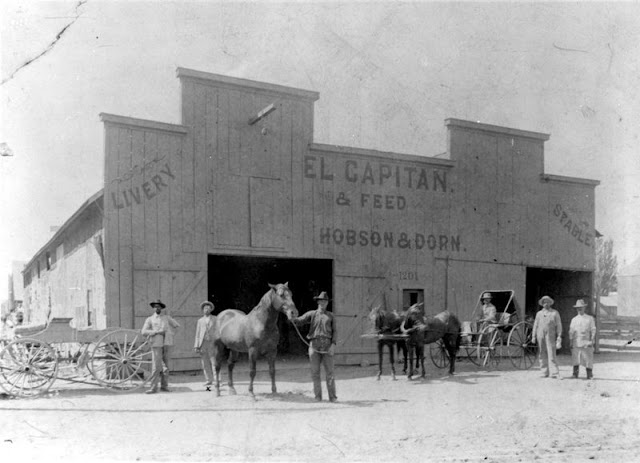
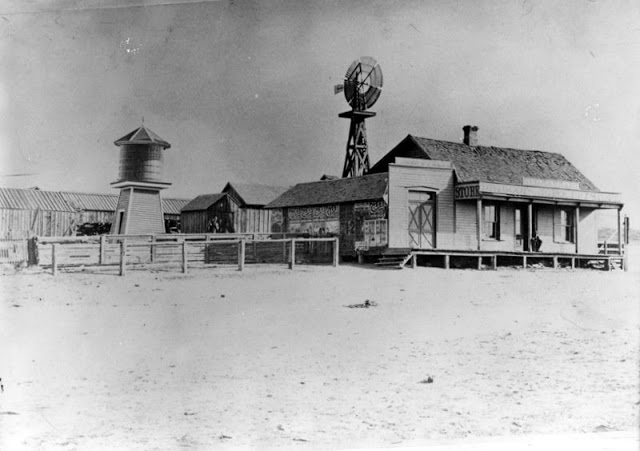
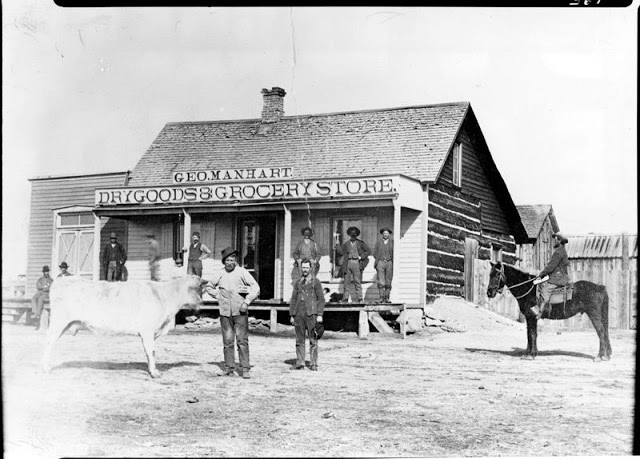
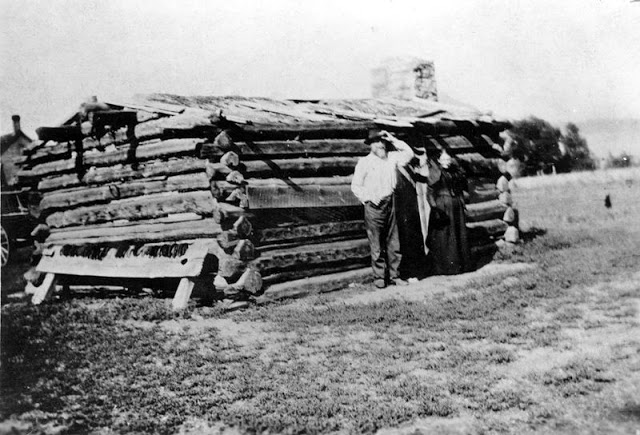
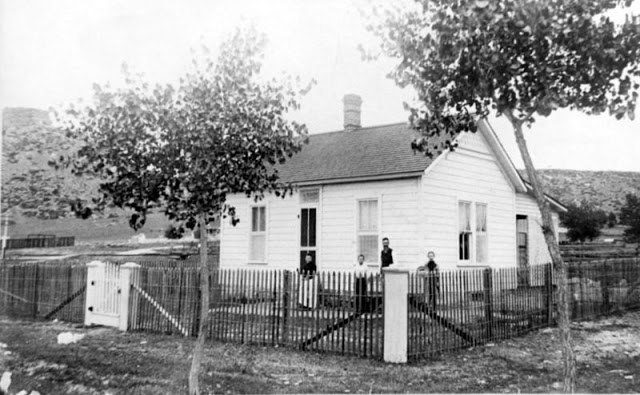
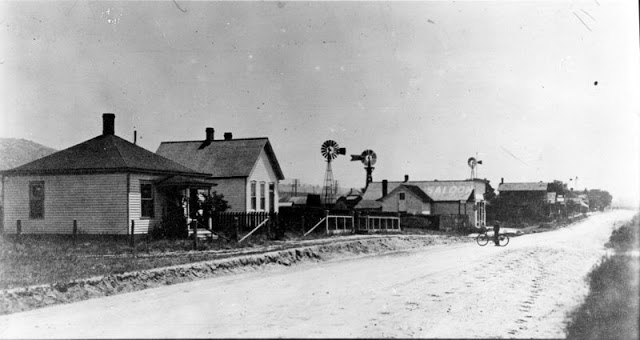
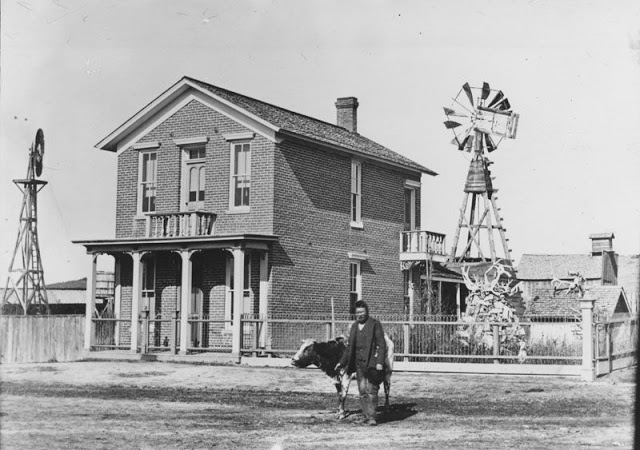
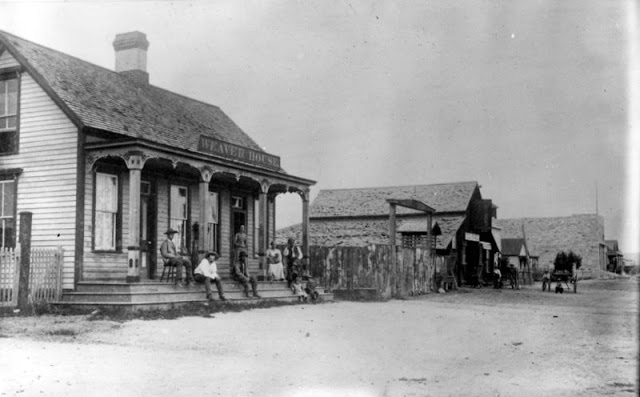
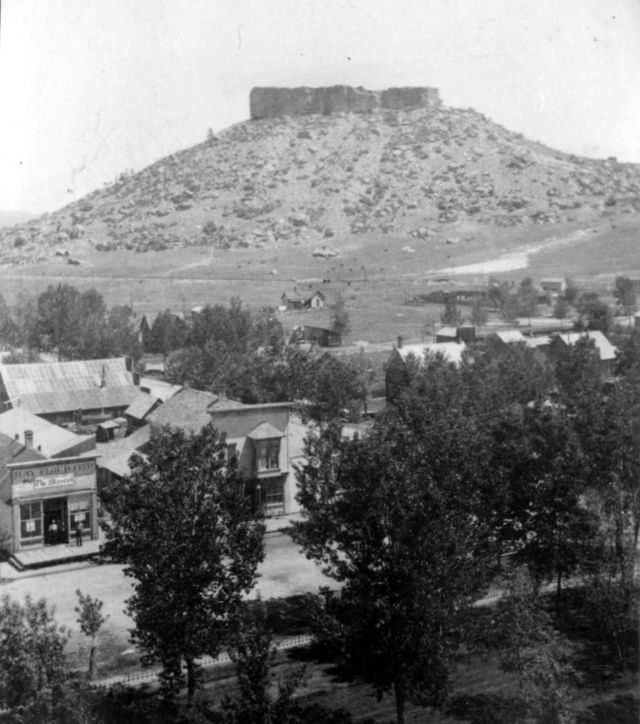
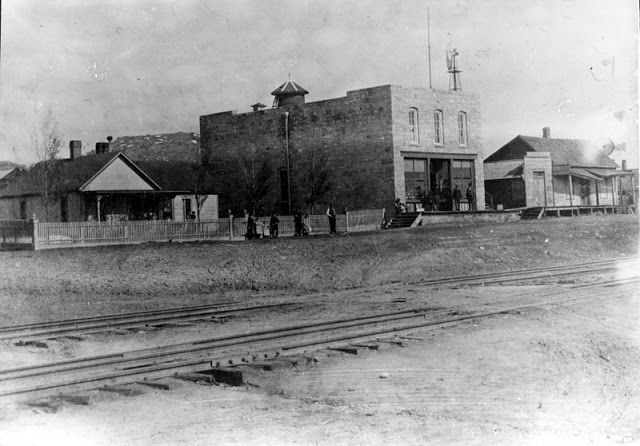
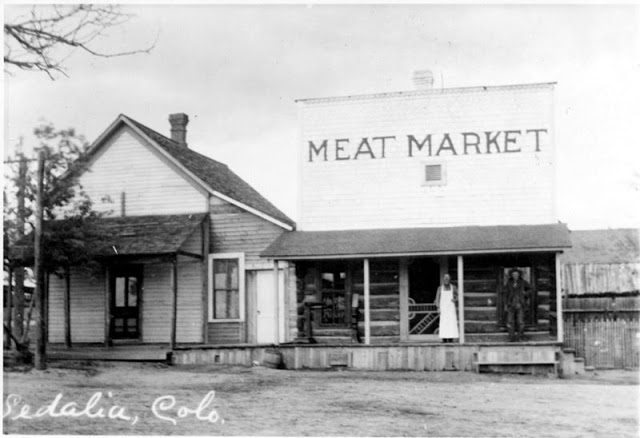
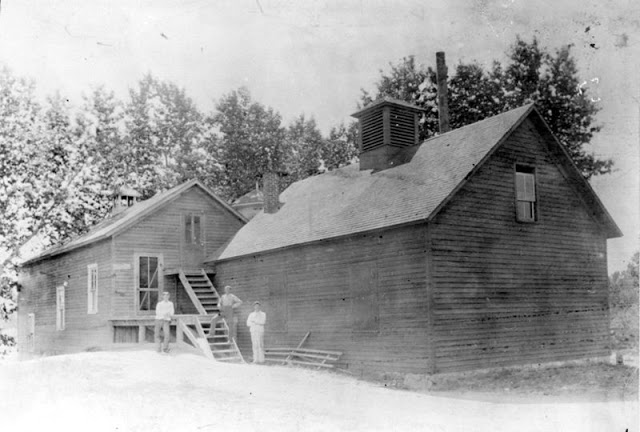
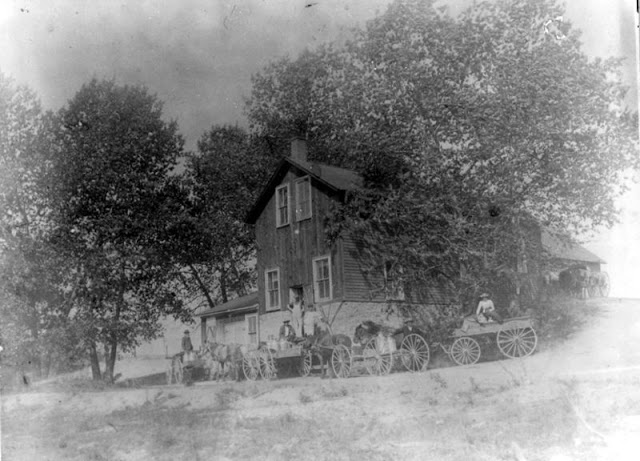
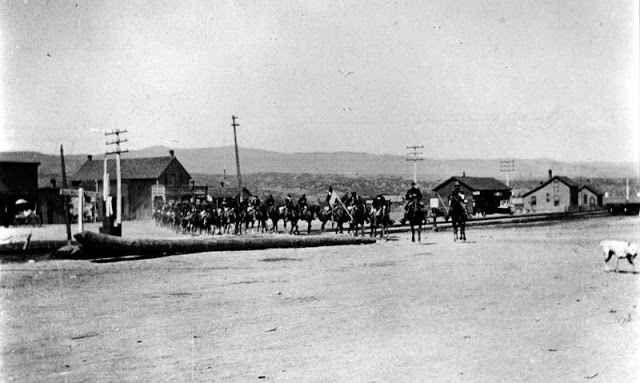
These amazing photos from Archives and Local History at DCL that captured everyday life of Douglas County, Colorado in the late 19th century.
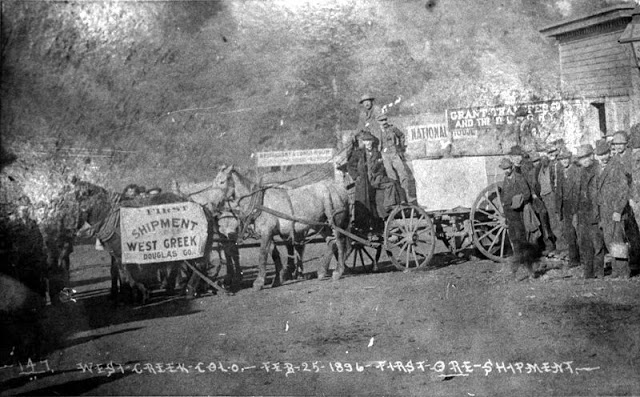
Arthur White outside the Manhart Store and Sedalia Post Office, Plum Avenue, Sedlia, Colorado, 1885Manhart Store and Sedalia Post Office, Plum Avenue, Sedalia, Colorado, 1885Manhart Store and Sedalia Post Office, Plum Avenue, Sedalia, Colorado, 1885A couple (George Nickson and Sarah Paddison Nickson) stands outside their cabin in the West Plum Creek area, 1887Group of people posed near debris after ‘a big fire’ in Sedalia, Colorado, 1889Two young women sitting on Castle Rock, view to the south. Town of Castle Rock is visible in the distance, 1889Whittier family and house, Castle Rock, 1889Denver and Rio Grande Railroad Depot, Sedalia, Colorado, 1890Plum Avenue in Sedalia, Colorado looking southeast, 1890Plum Avenue in Sedalia, Colorado, looking southeast, 1890The Marquis Victor house on Plum Avenue in Sedalia, Colorado built before 1876 by John Craig. The house is two stories, brick, and has a pitched roof with a chimney in the back, 1890The Weaver House at 5068 N. Plum Avenue in Sedalia, Colorado, 1893Castle Rock and the town of Castle Rock from the top of the courthouse, 1895Manhart Store and house, Plum Avenue, Sedalia, Colorado, 1895Meat market, Sedalia, Colorado, 1895Sedalia creamery which stood ‘south of the railroad tracks, near East Plum Creek on land purchased from Lizzie Beeman’, 1895Sedalia creamery which stood ‘south of the railroad tracks, near East Plum Creek on land purchased from Lizzie Beeman’, 1895The Methodist Episcopal Church at the northeast corner of 3rd Street and Wilcox Street in Castle Rock, Colorado, 1895United States Cavalry leaving Sedalia, Colorado, July 9, 1885Men standing on and near wagons with a team of four horses, West Creek, Colorado, Feb. 25, 1896Atchison, Topeka, and Santa Fe Railroad area north of Sedalia, Colorado looking north, 1897El Capitan Livery Stable and Feed Store, Castle Rock, Colorado, 1897Children and women pose outside the Jarre Creek School, in use from 1888-1908 at the mouth of Jarre Canyon near Highway 67 west of Sedalia, 1898
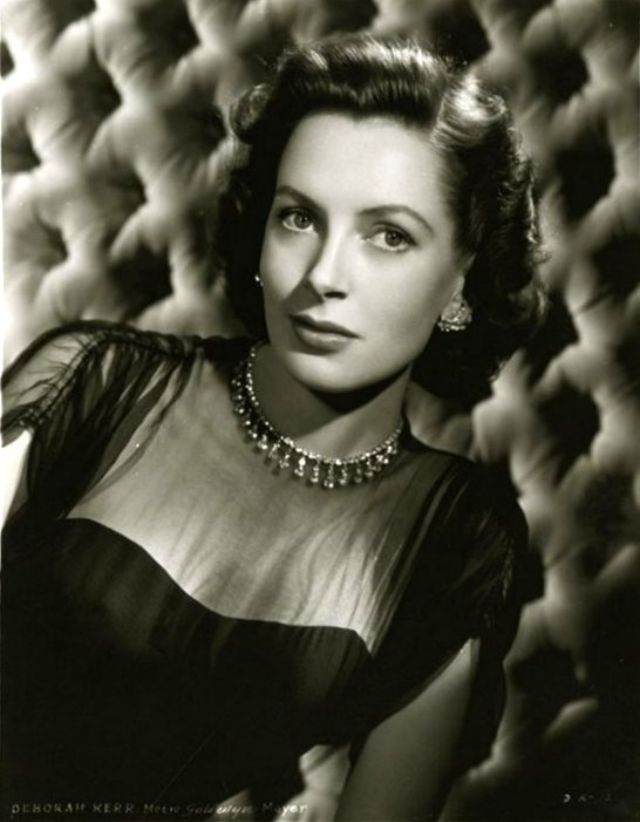
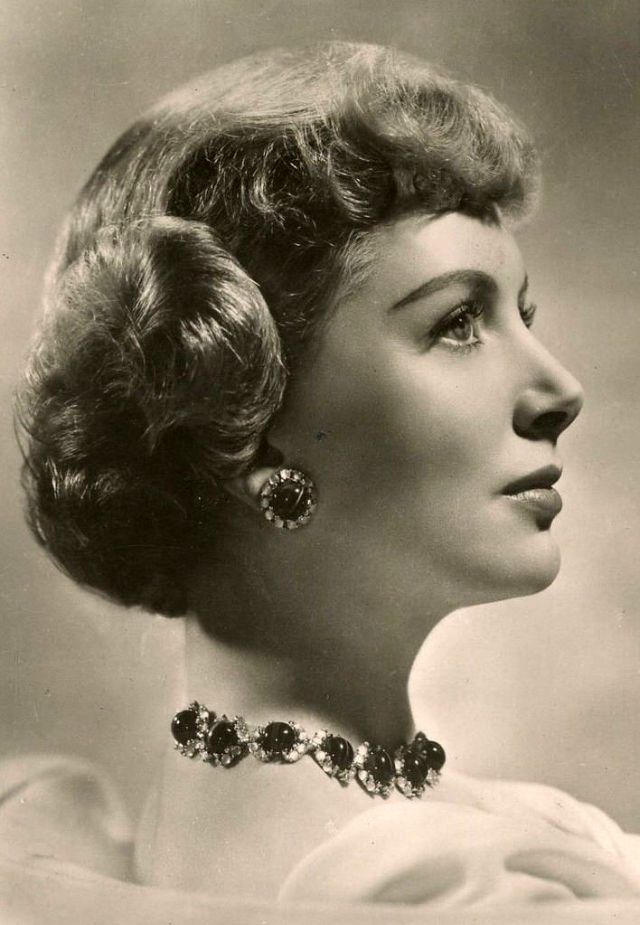
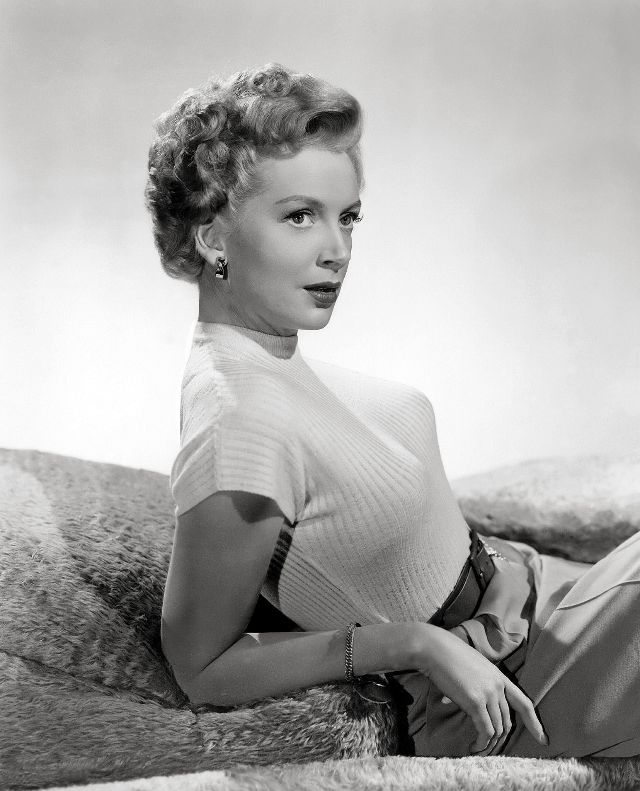
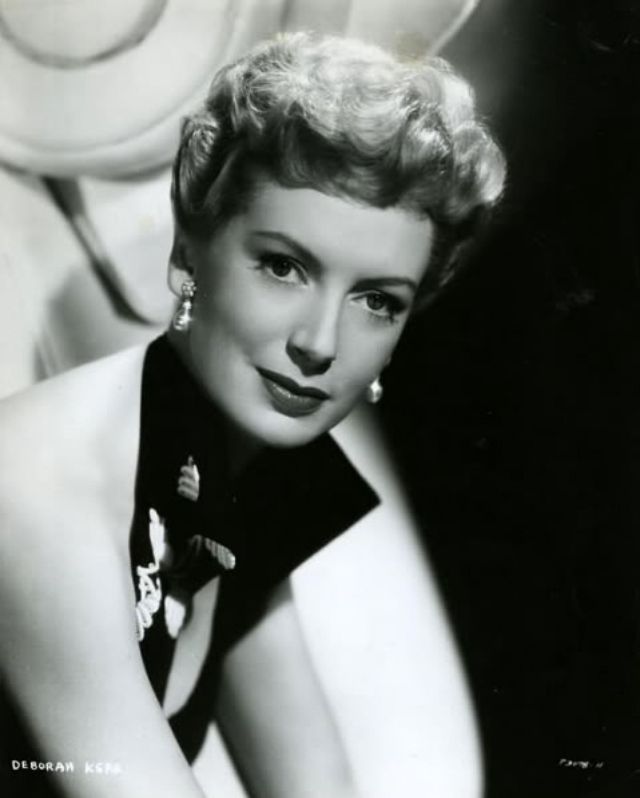
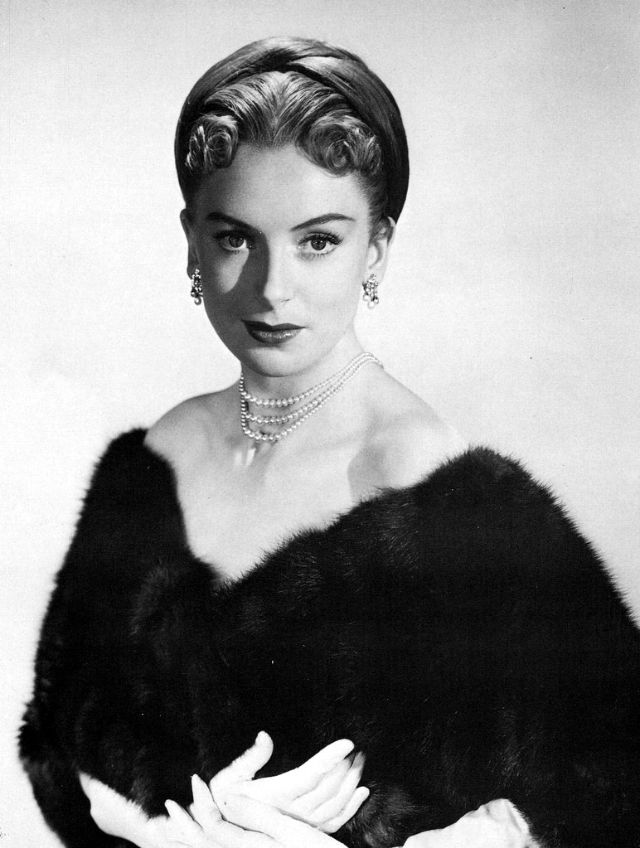
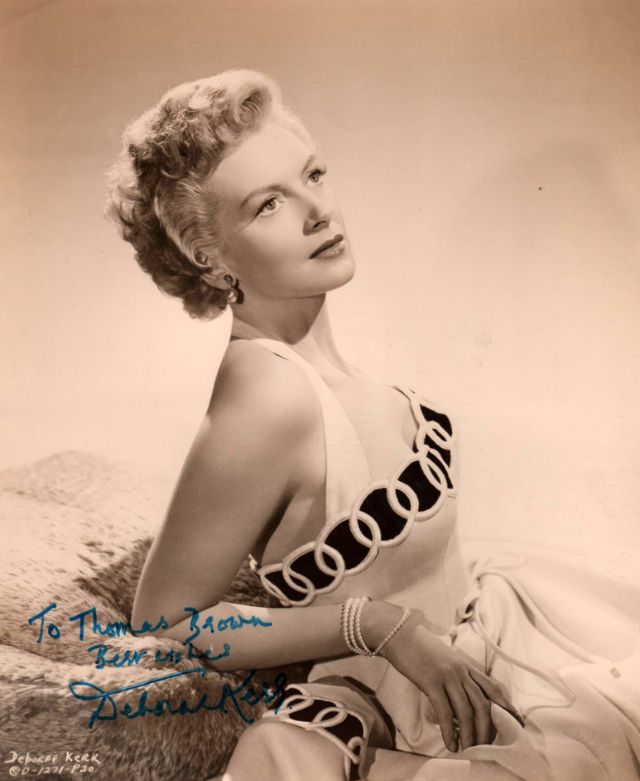
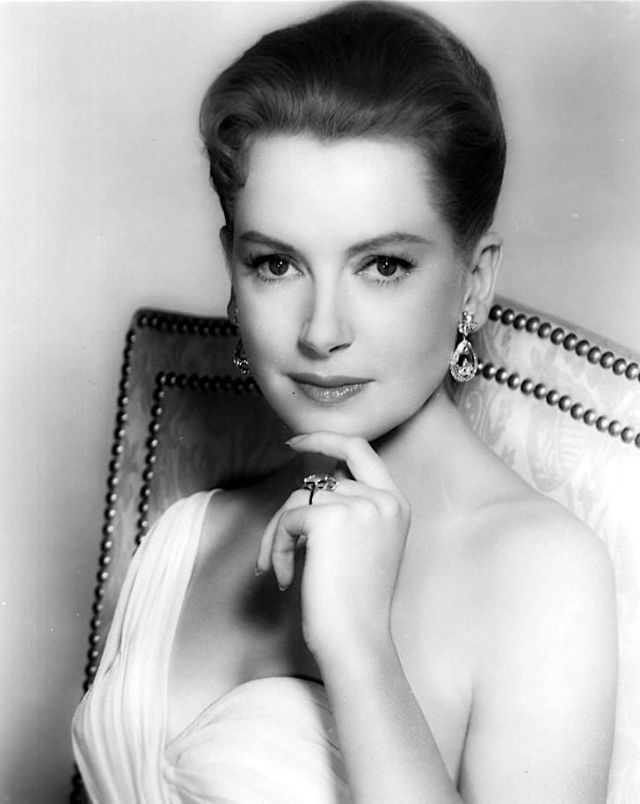
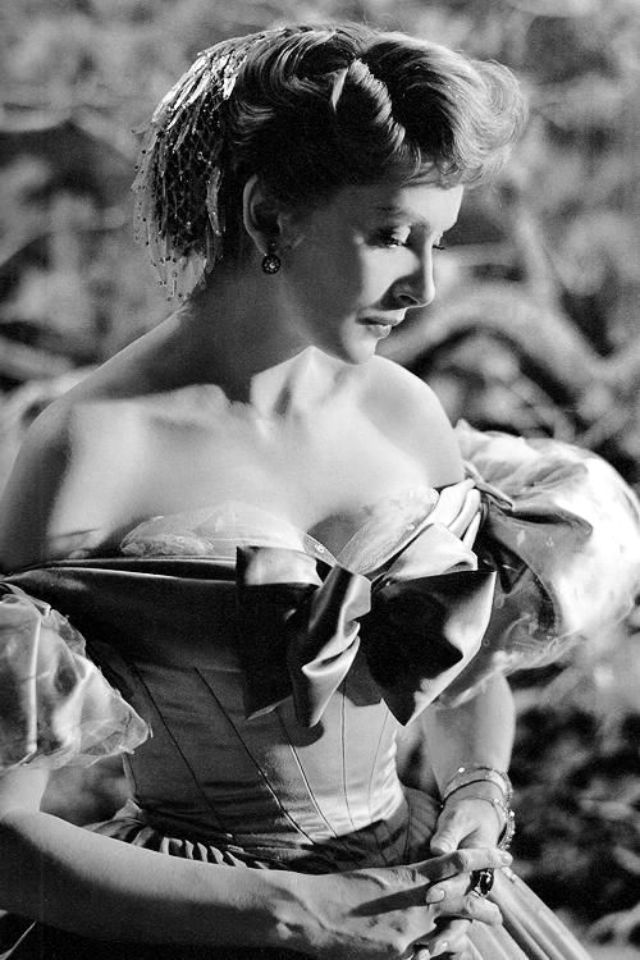
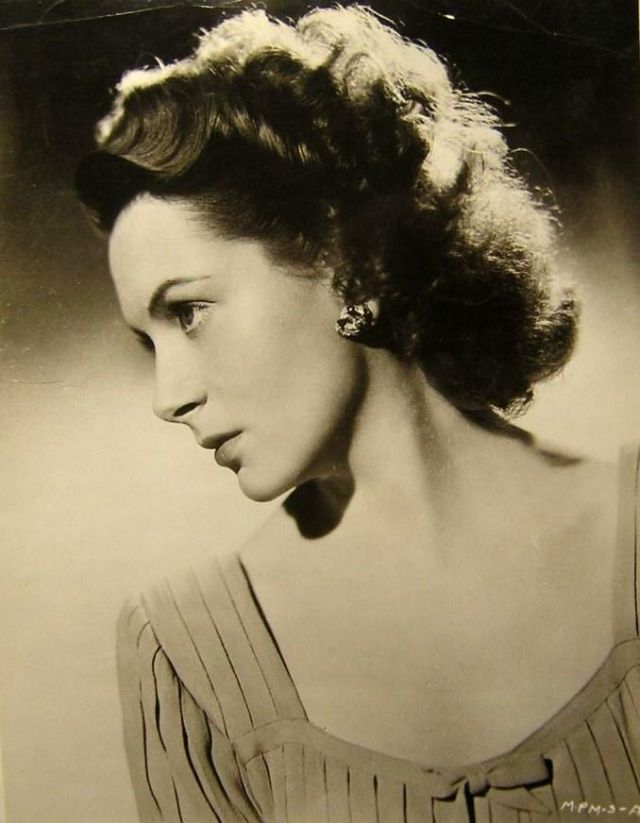
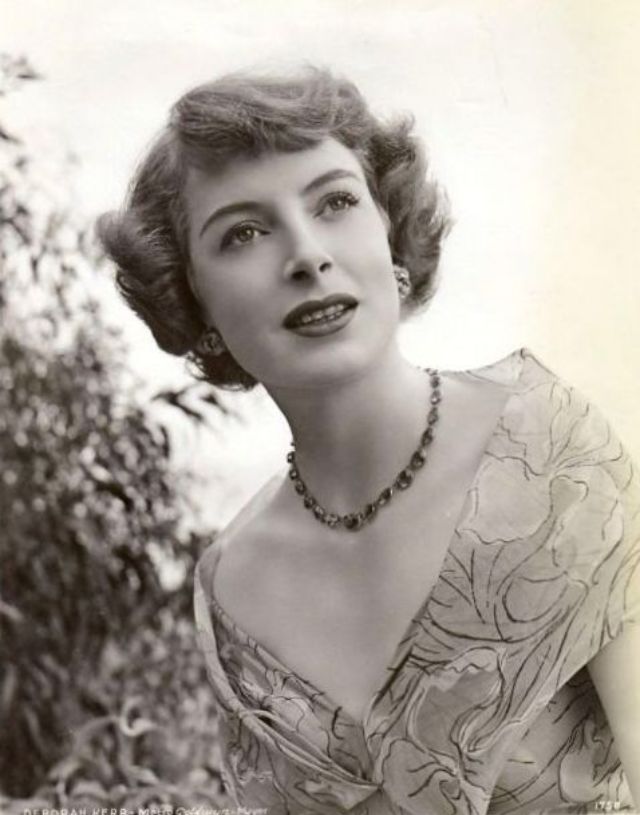
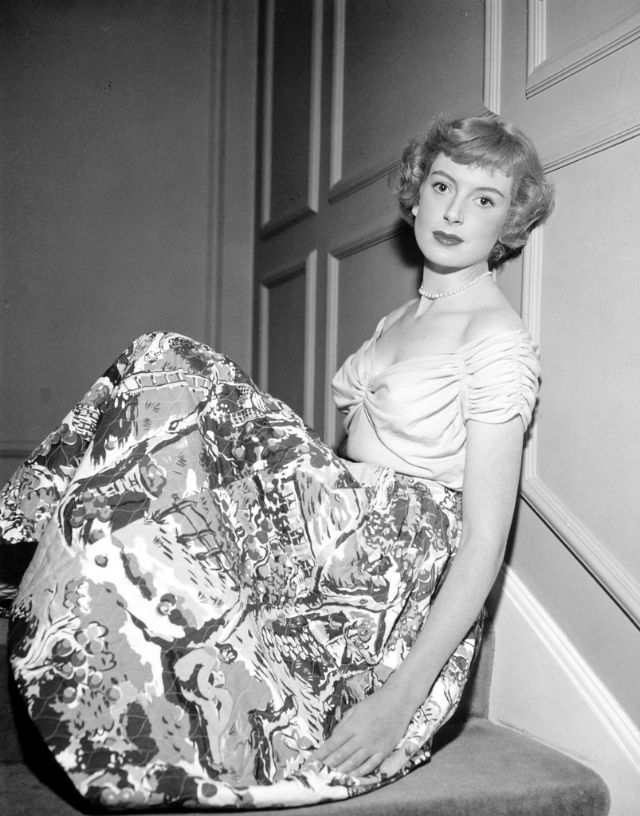
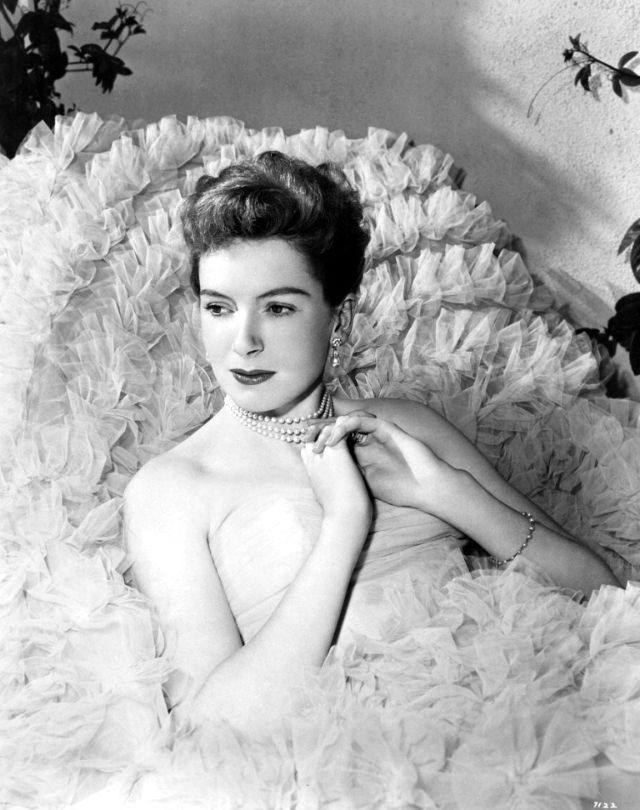
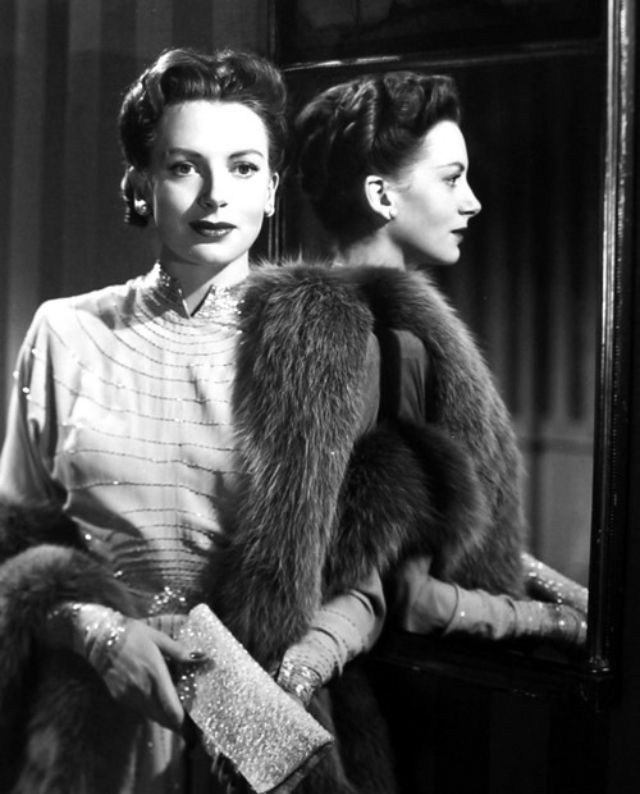
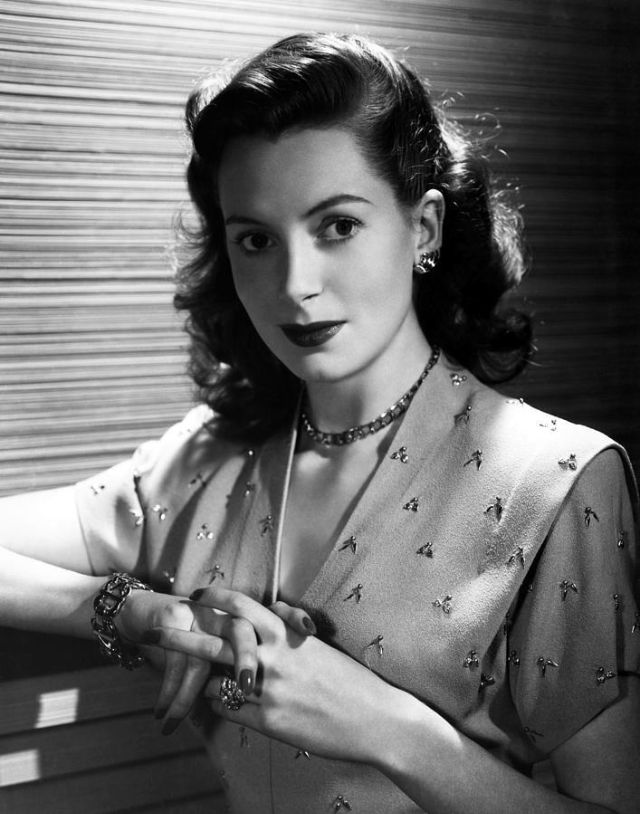
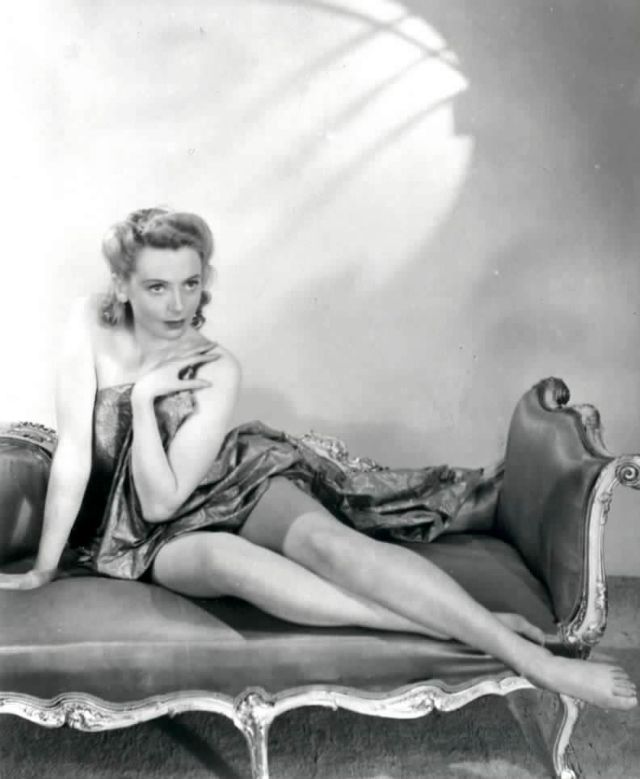
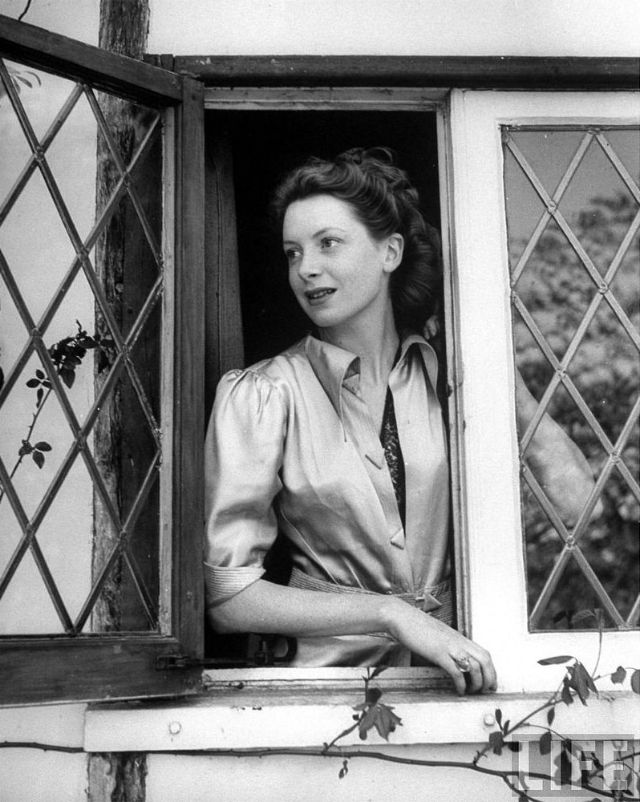
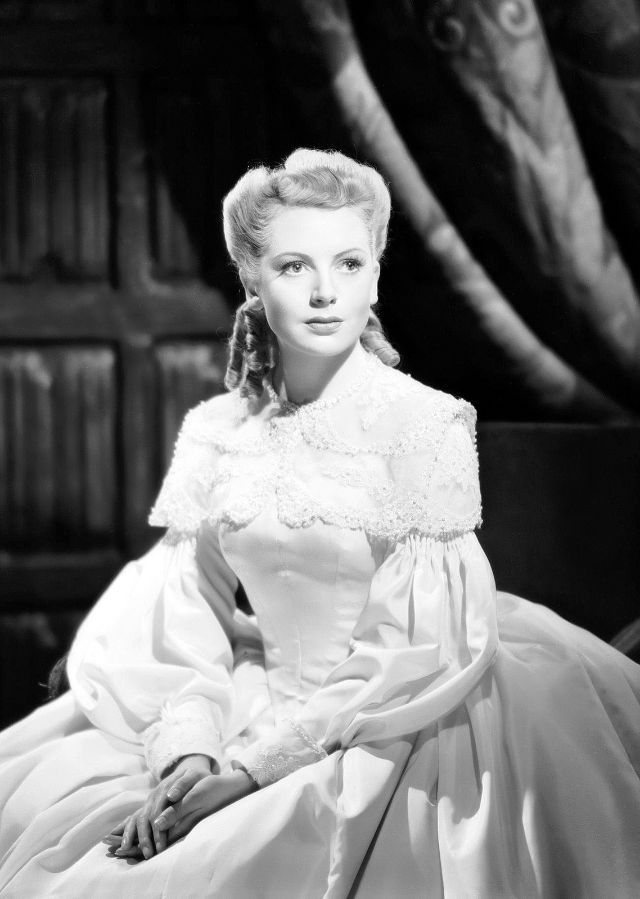
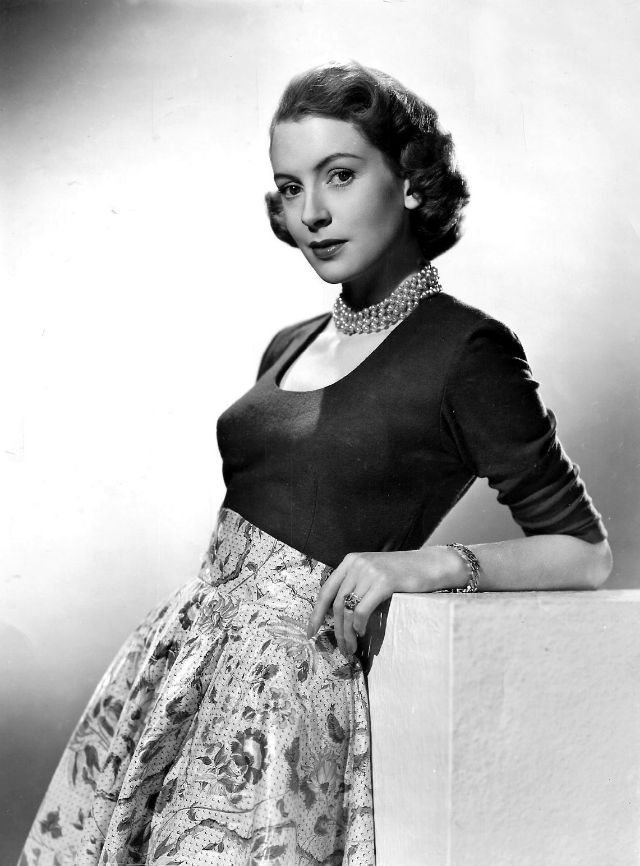
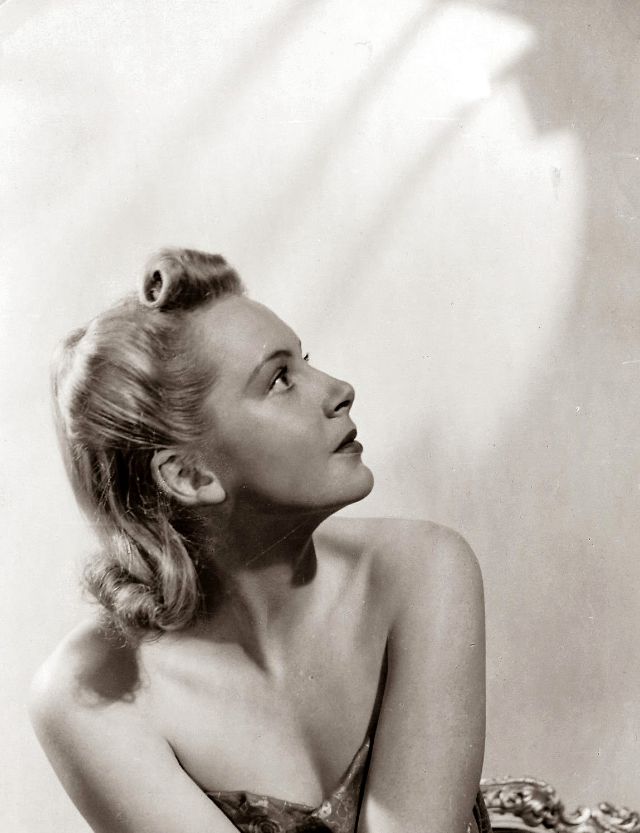
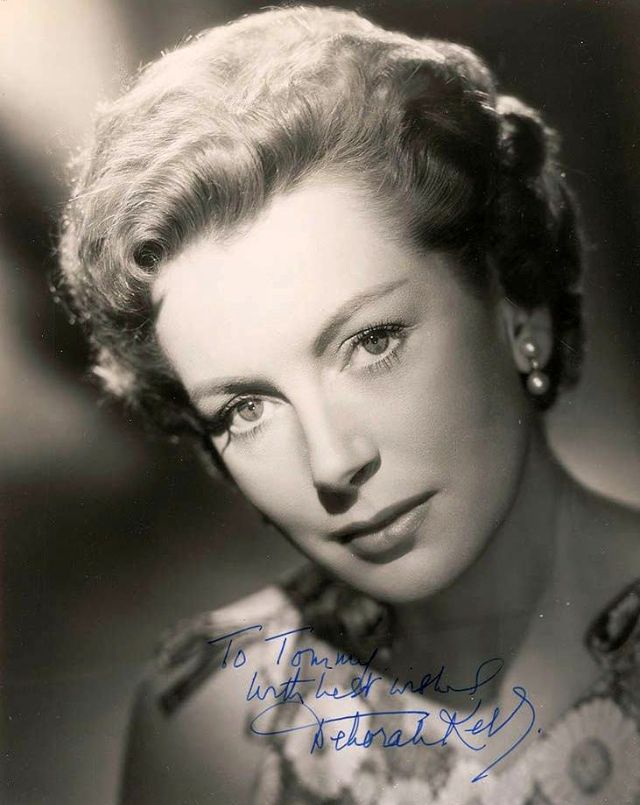
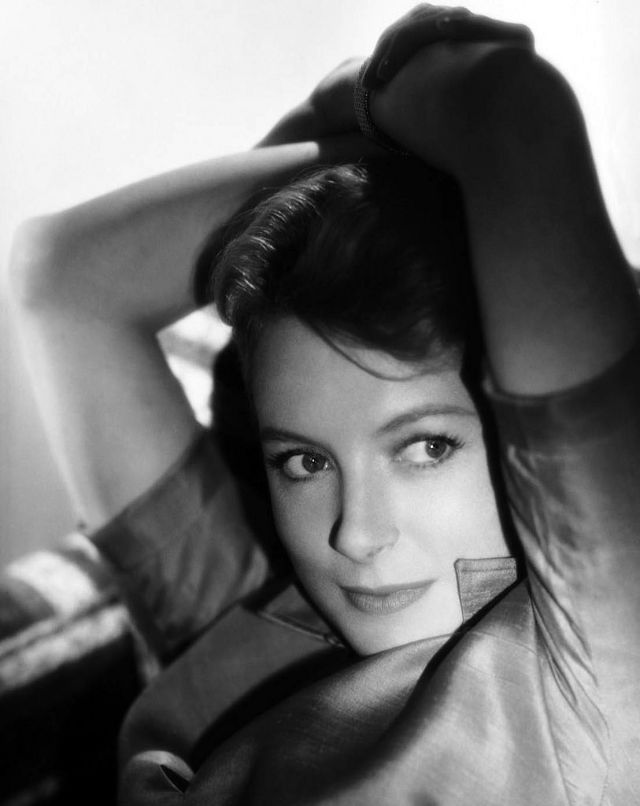
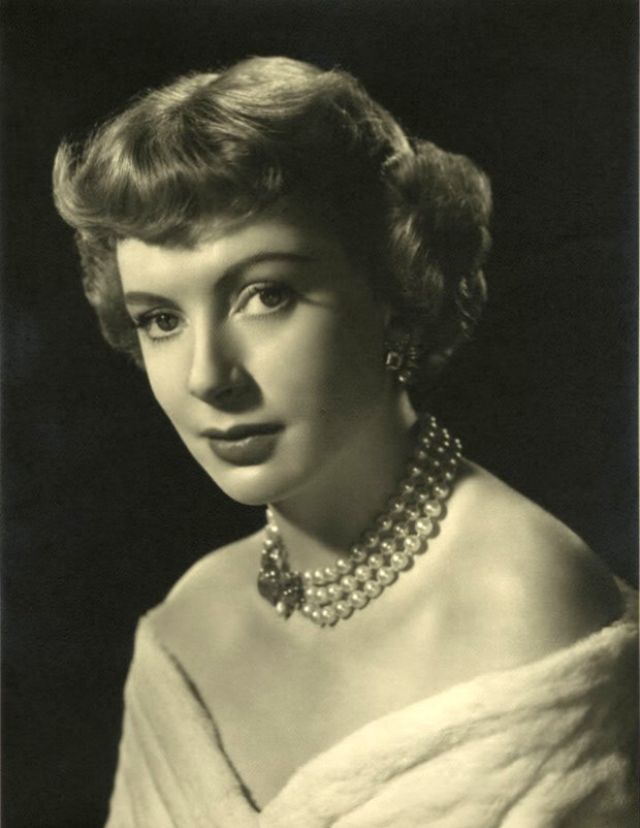
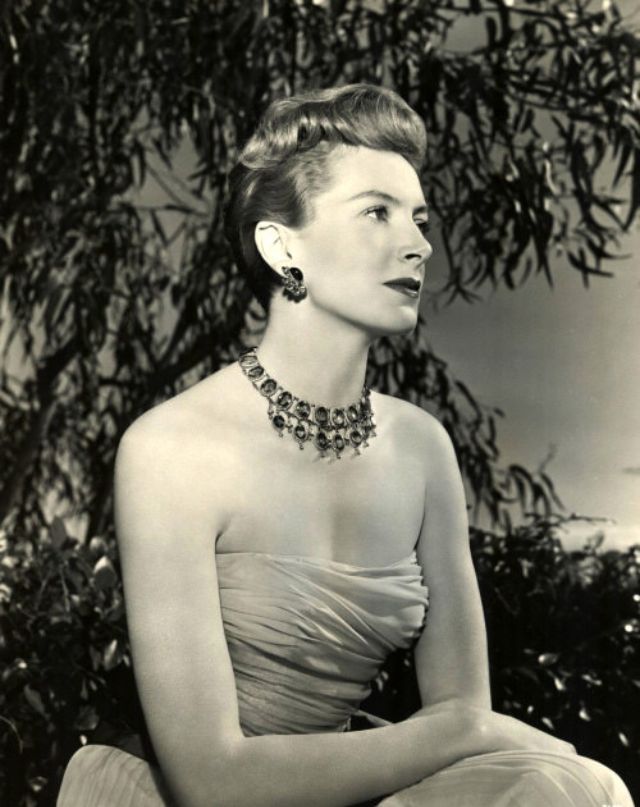
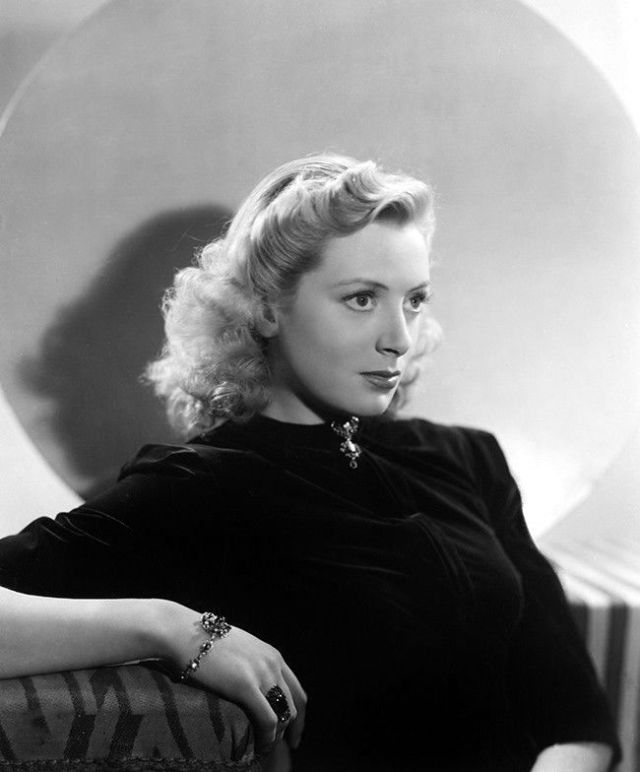
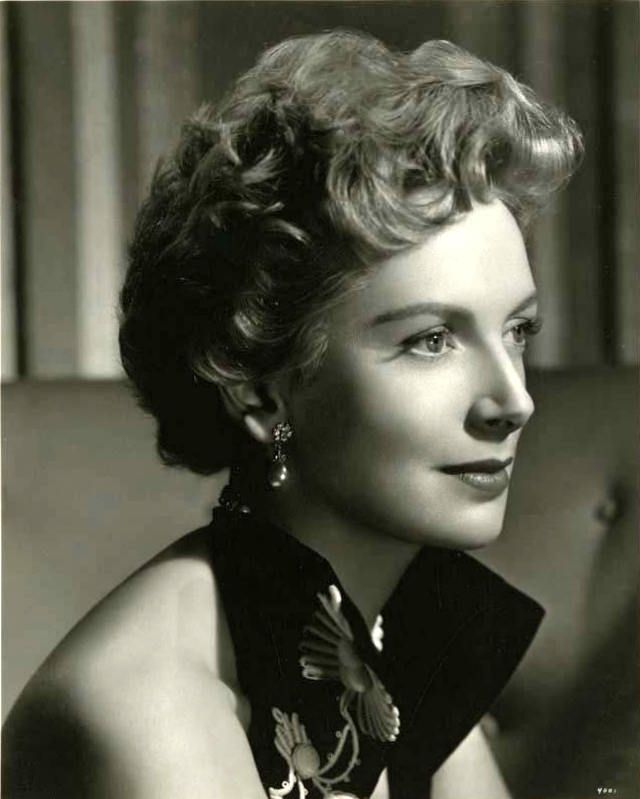
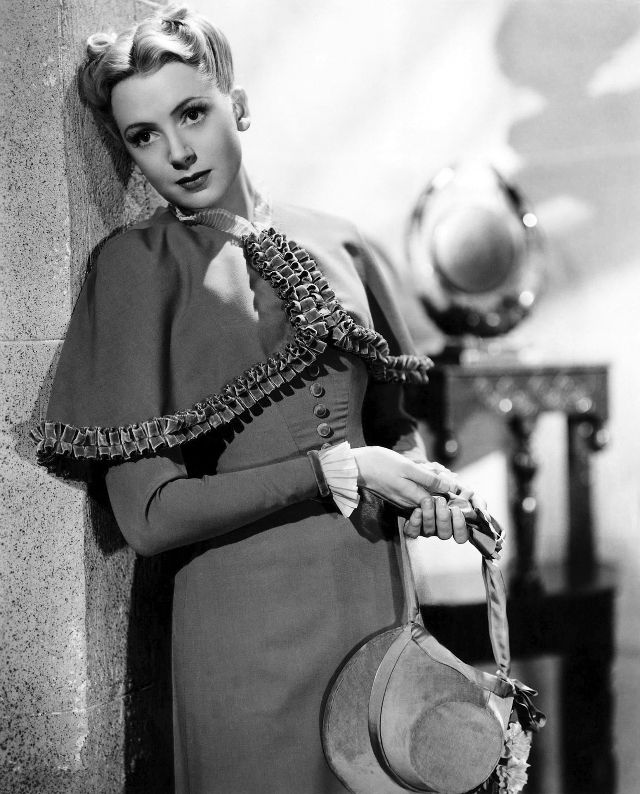
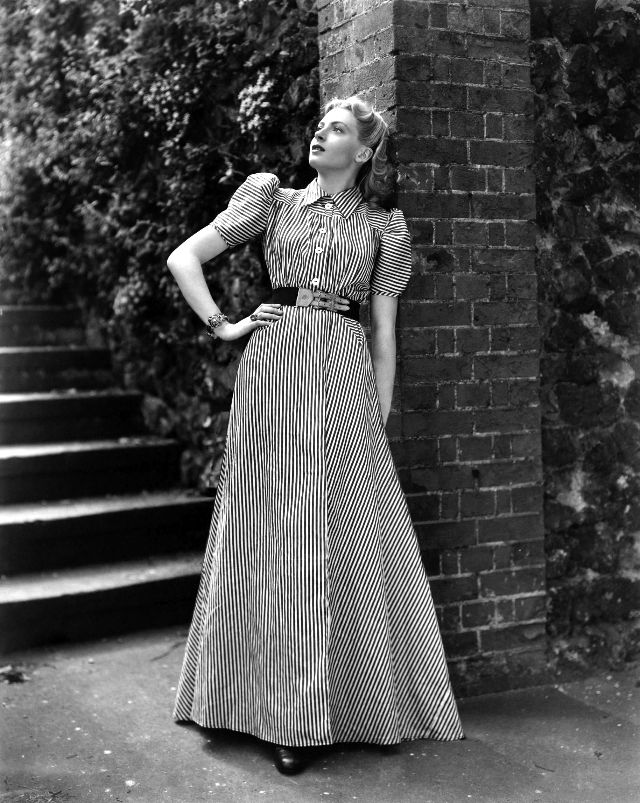
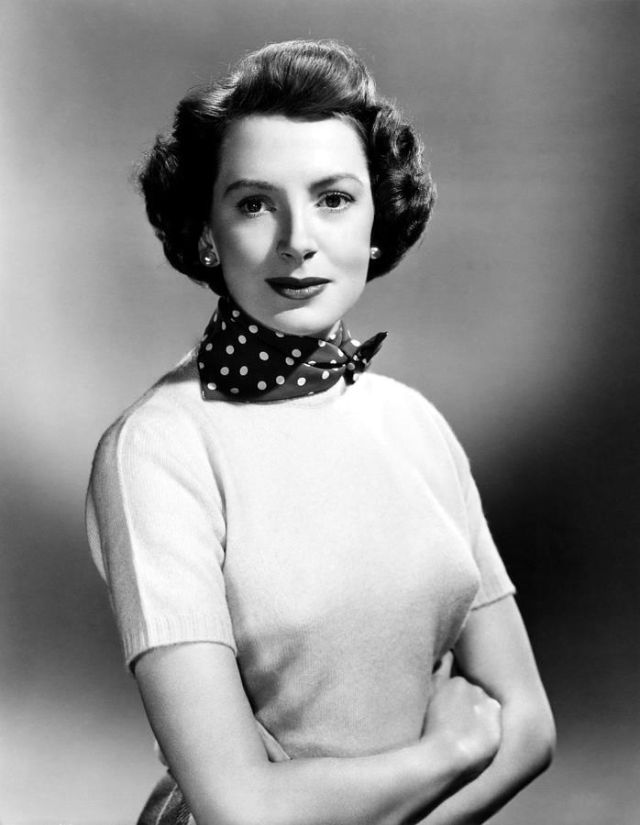
Born 1921 in Glasgow, Scottish film, theatre and television actress Deborah Kerr had her first film role in the British production Contraband in 1940. During her career, she won a Golden Globe Award for her performance as Anna Leonowens in the musical film The King and I (1956) and a Sarah Siddons Award for her performance as Laura Reynolds in the play Tea and Sympathy (a role she originated on Broadway). She was also a three-time winner of the New York Film Critics Circle Award for Best Actress.
Kerr was nominated six times for the Academy Award for Best Actress, more than any other actress without ever winning. In 1994, however, having already received honorary awards from the Cannes Film Festival and BAFTA, she received an Academy Honorary Award with a citation recognising her as “an artist of impeccable grace and beauty, a dedicated actress whose motion picture career has always stood for perfection, discipline and elegance”.
As well as The King and I (1956), her films include An Affair to Remember, From Here to Eternity, Quo Vadis, The Innocents, Black Narcissus, Heaven Knows, Mr. Allison, King Solomon’s Mines, The Life and Death of Colonel Blimp, The Sundowners, and Separate Tables.
Kerr was made a Commander of the Order of the British Empire (CBE) in 1998, but was unable to accept the honour in person because of ill health. She was also honoured in Hollywood, where she received a star on the Hollywood Walk of Fame at 1709 Vine Street for her contributions to the motion picture industry.
Kerr died aged 86 in 2007 at Botesdale, a village in county of Suffolk, England, from the effects of Parkinson’s disease. Less than three weeks later, her husband Peter Viertel died of cancer.
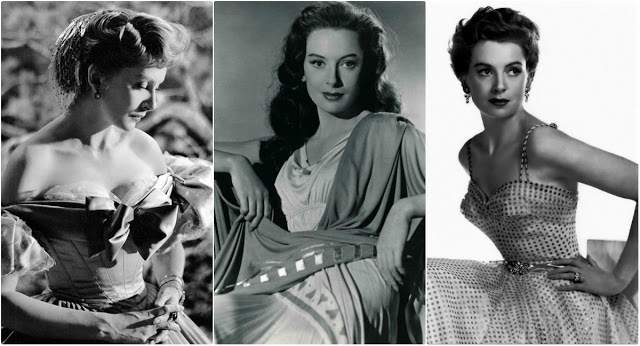
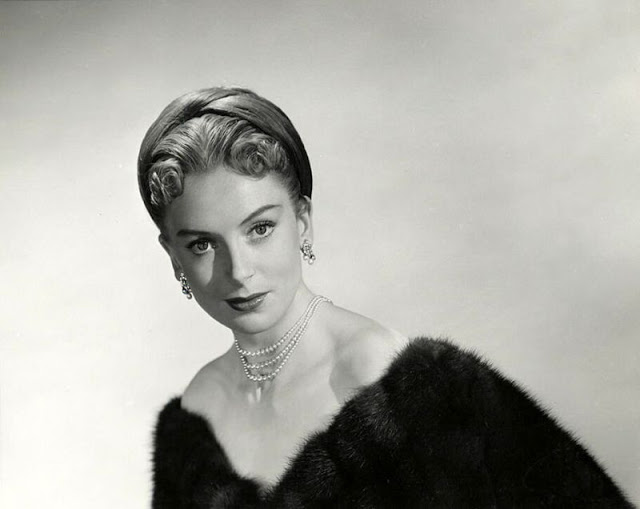
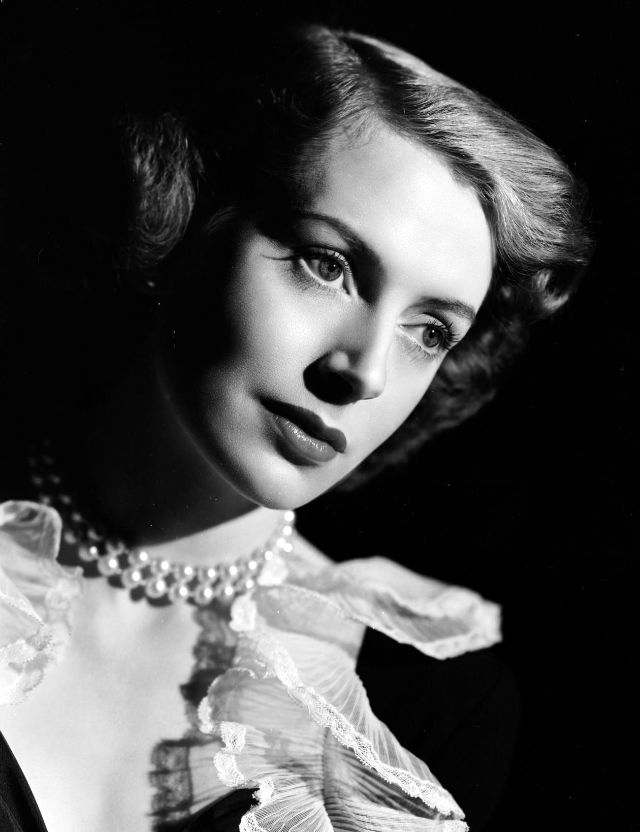
Take a look at these black and white photos to see the glamorous beauty of Deborah Kerr in the 1940s and 1950s.
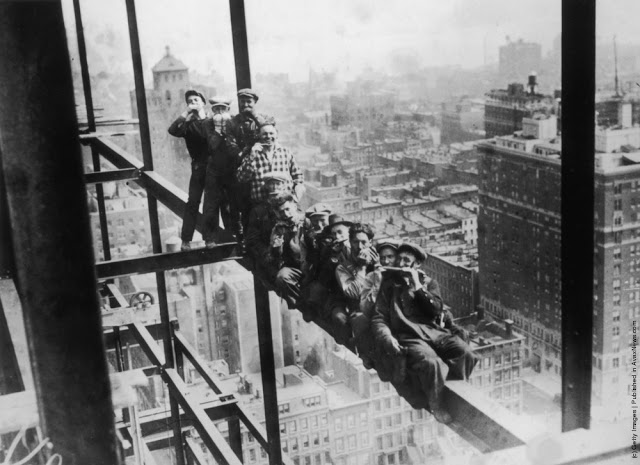
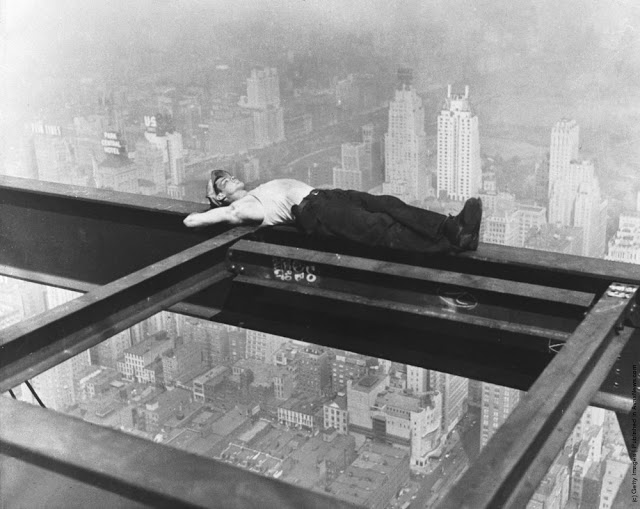
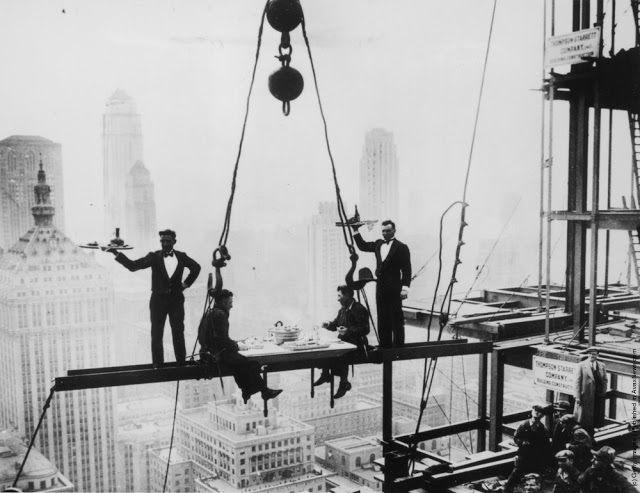
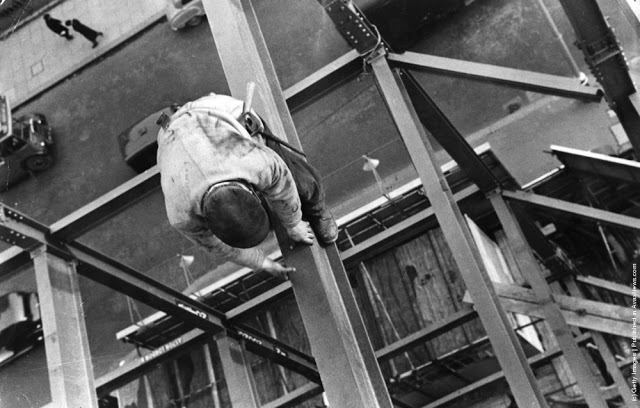
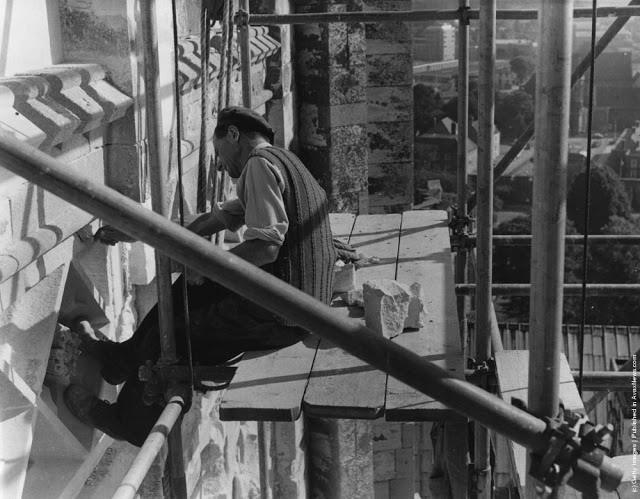
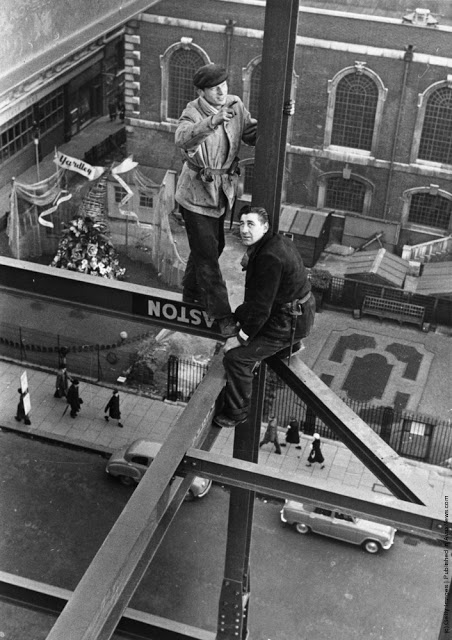
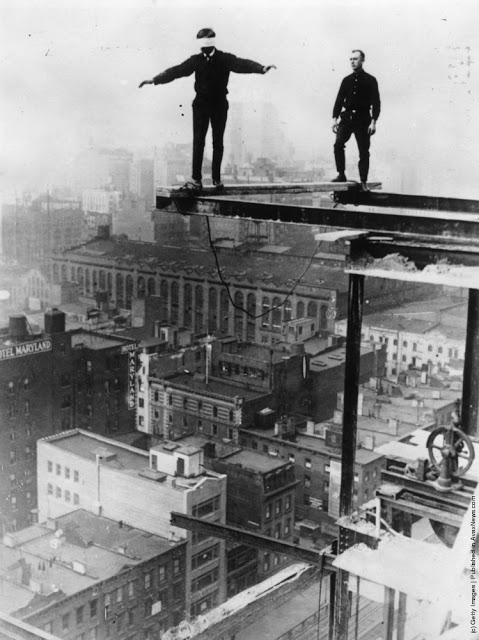
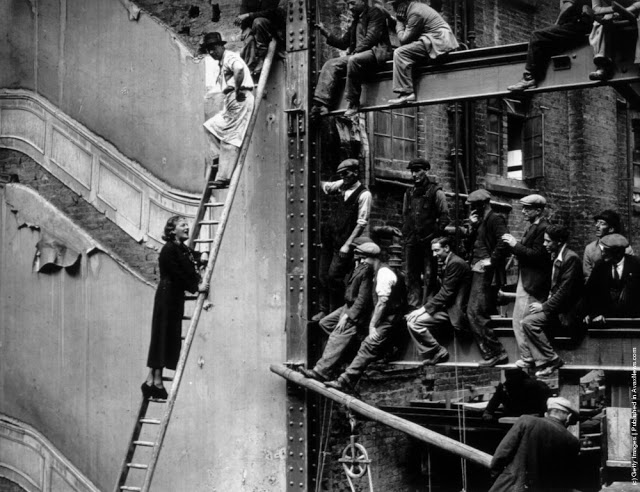
These death-defying vintage photos show workers goofing around in the past. Some of them are just doing their jobs. Their scary, vertigo-inducing jobs.
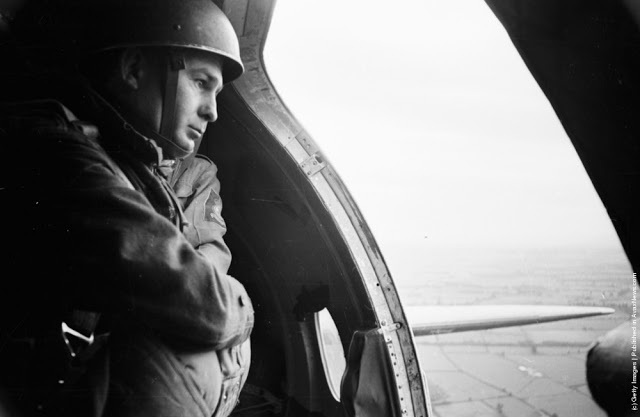
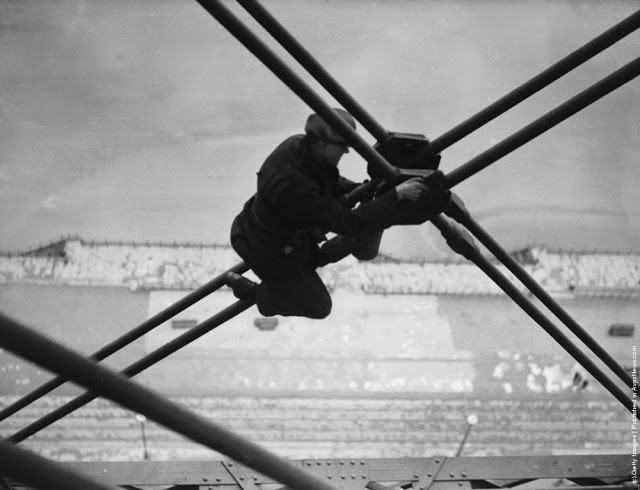
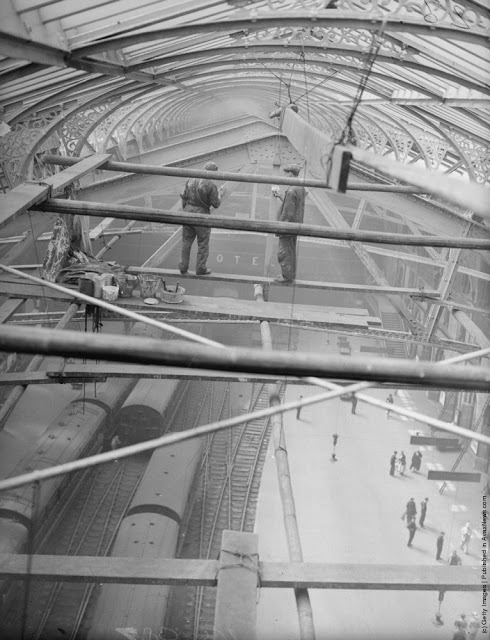
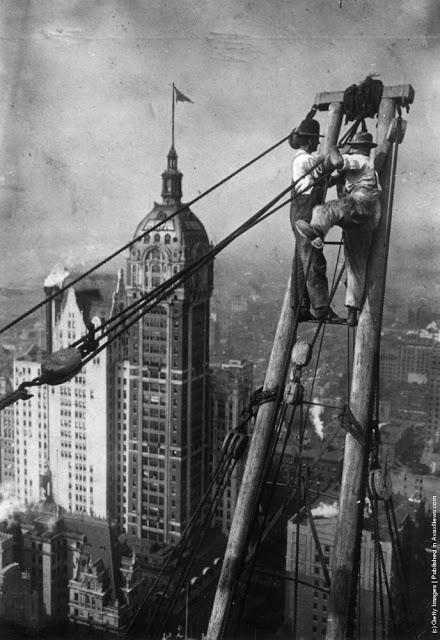
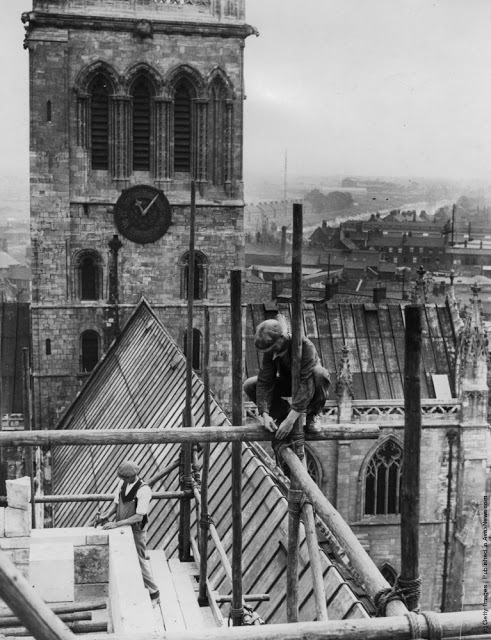
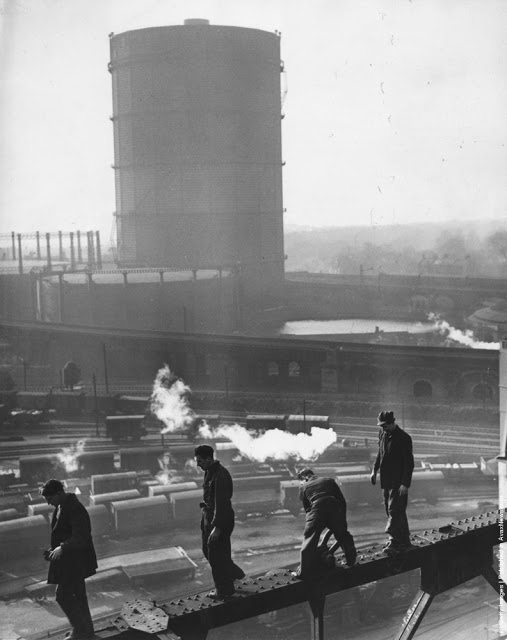
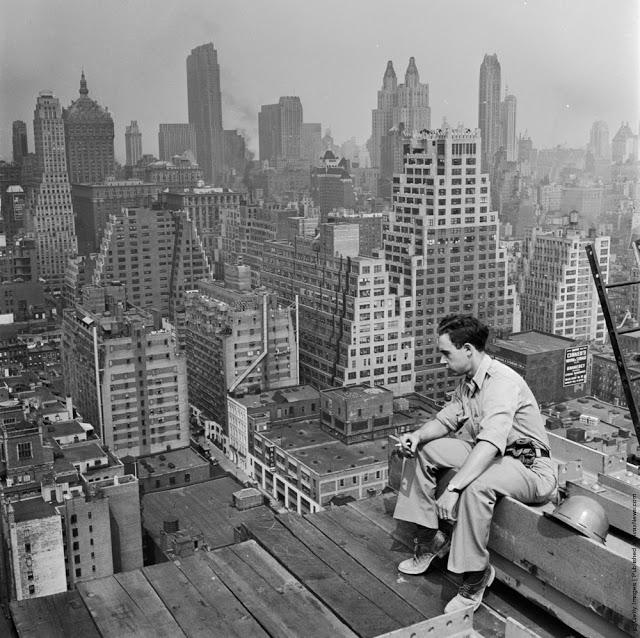
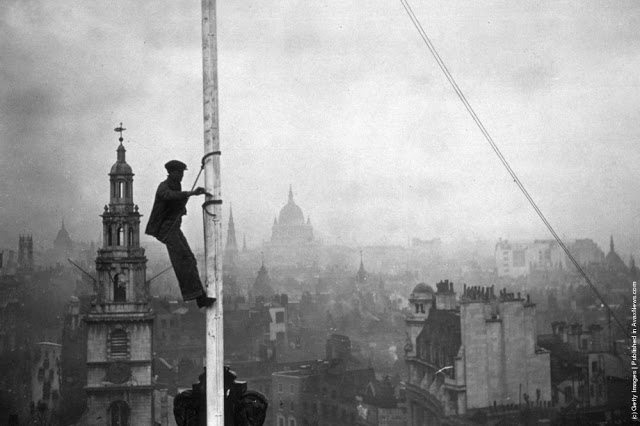
A workman takes a siesta on a girder during the building of Radio City, the city of New York spread out below. 1933Two waiters serve two steel workers lunch, on a girder high above New York City, 14th November 1930. The building upon which they are perched is the Waldorf-Astoria Hotel on Park Avenue, under construction by Thompson-Starrett. The building in the bottom left is the New York Central Building, later the Helmsley Building.A scaffolder making his way across a steel girder 70 feet above the ground. 1955A stonemason at work on the south face of Canterbury Cathedrals Bell Harry Tower. 1964A steel construction worker crosses a steel girder with a foothold of a mere 1.75 inches. 195520th November 1925. An American construction worker walking blindfolded on a construction girder twenty stories high in New York City. 20th November 1925.English comedienne and singer Gracie Fields (Grace Stansfield, 1898–1979) singing to workmen at Londons Prince of Wales Theatre after laying its foundation stone. 1937Daily Express newspaper photographer Terry Fincher on a parachuting exercise. 196513th August 1931. A workman renovating the Gothic spires of the cathedral of St Peters in York Minster. 1931Circa 1930. A construction worker crouches over the end of a girder high above the streets of New York. 193013th April 1932. Two workmen walking along a girder during the building of the Freemasons Hospital, Ravenscourt Park, London are silhouetted against the sky. 19323rd October 1933. Two men working on a girder in Blackpool Tower. 193323rd February 1937. A riveter carrying out repairs to the main girders of the Blackpool Tower in preparation for the coming holiday season. 1937August 1935. Workmen painting girders beneath the roof of Liverpool Street Station, London. August 1935.8th March 1937. Workmen on scaffolding at the top of the spire of St Johns church in Cardiff, where they are carrying out repairs. 1937Constructions workers sitting on a hoisting ball above the New York city skyline. 1925 The Singer Building is in the background. 1925Workmen demolishing the walls of a bomb wrecked building, whilst below them work has started on the foundations for a new office block. 1954Workmen from the Office of Works perch 70 feet above the ground to clean the horses heads of the quadriga statue on the Wellington Memorial at Londons Hyde Park Corner. 195826th July 1935. New West Towers being finished at Selby Abbey in Yorkshire.14th February 1951. Men at work on Battersea Power Station walking along a narrow girder with trains and the gasometer in the background.A steel worker balances on a girder during the construction of the Empire State Building in New York City. The Chrysler Building can be seen in the background. 1931The eleventh most dangerous occupation in America is that of the rivet tosser. Insurance companies will not issue life or accident insurance cover to these people. 1950Harmonica playing steel workers perched on a girder on the 22nd storey of the Murray Hill building, New York. 193018th April 1934. A steeplejack painting the flagstaff on Australia House, London, with St Clements Dane Church behind him.30th December 1966. A man does a handstand on a girder high above a street in London.
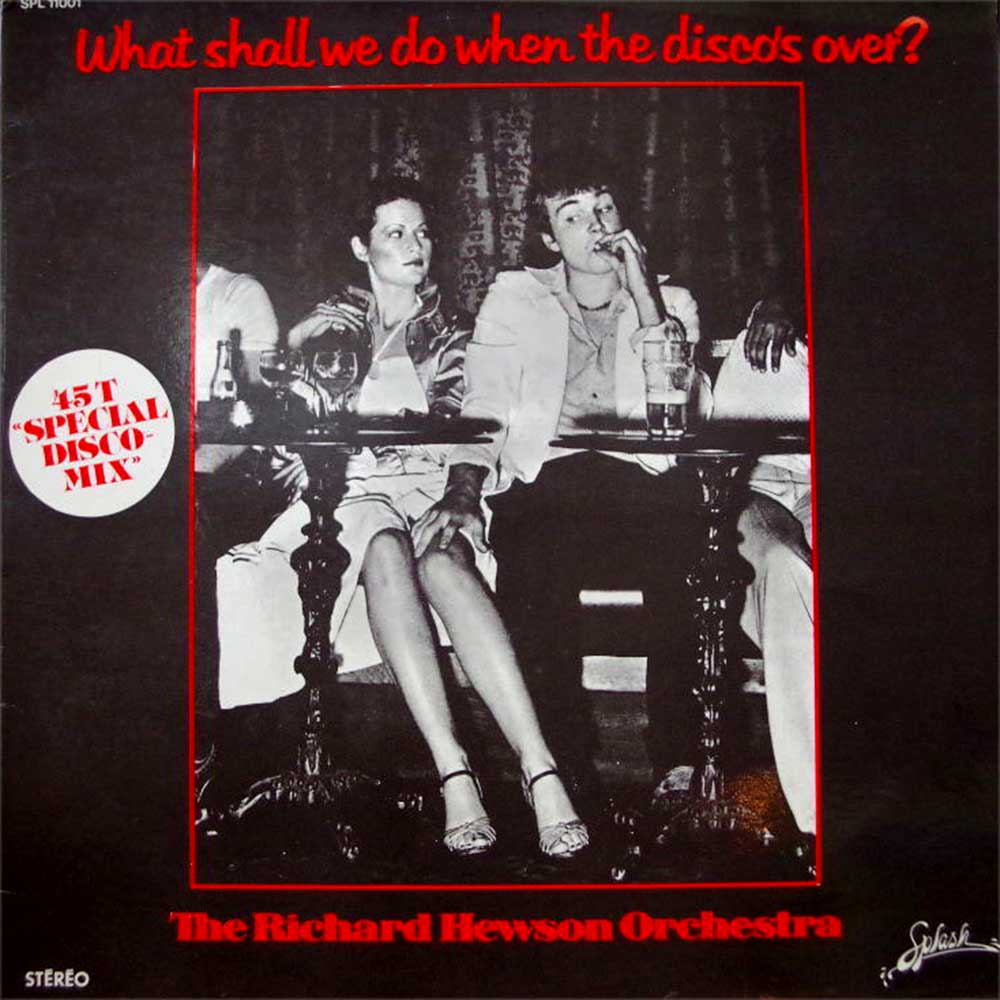
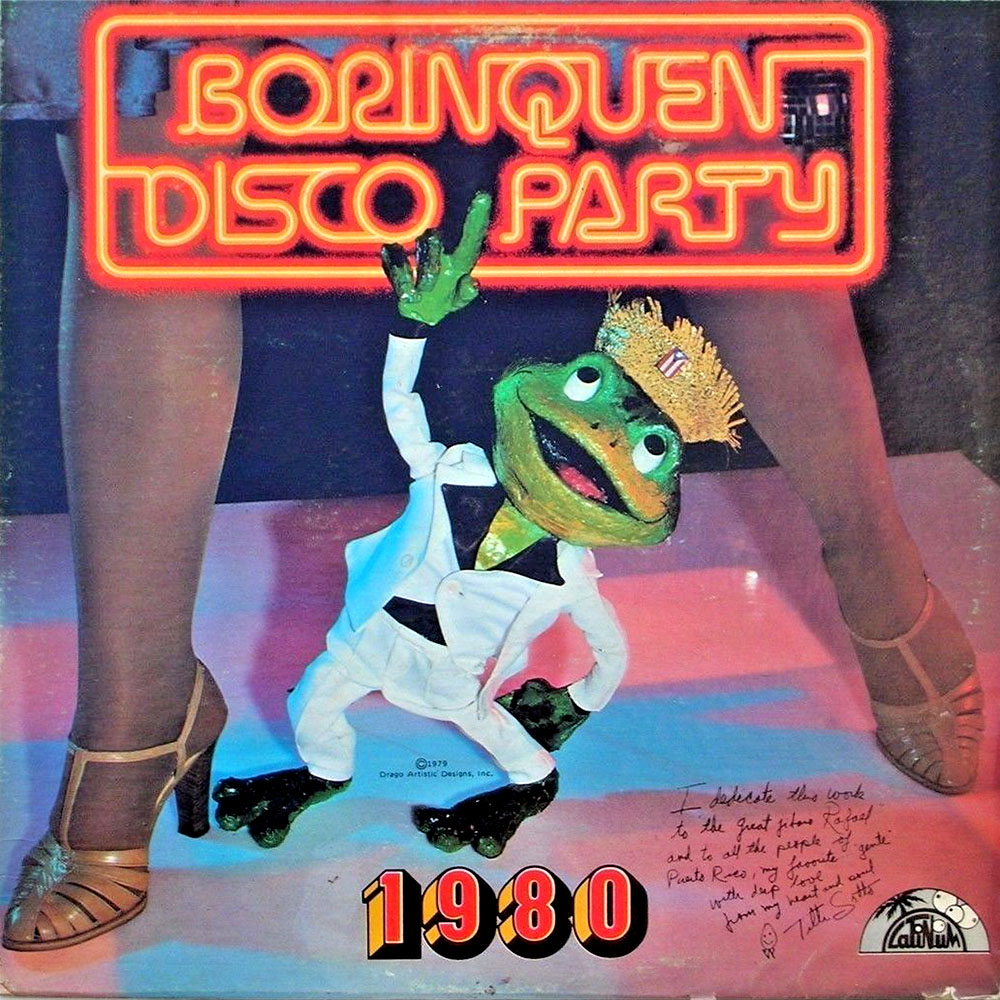
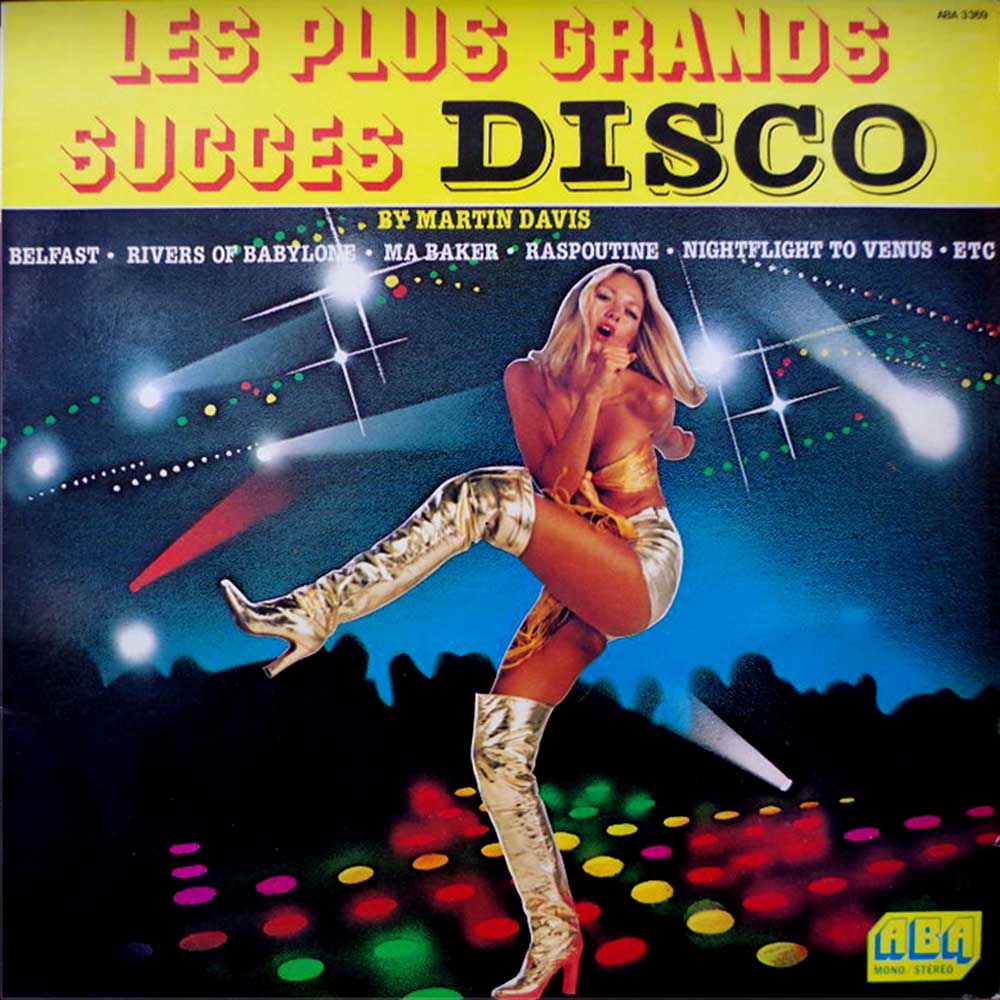
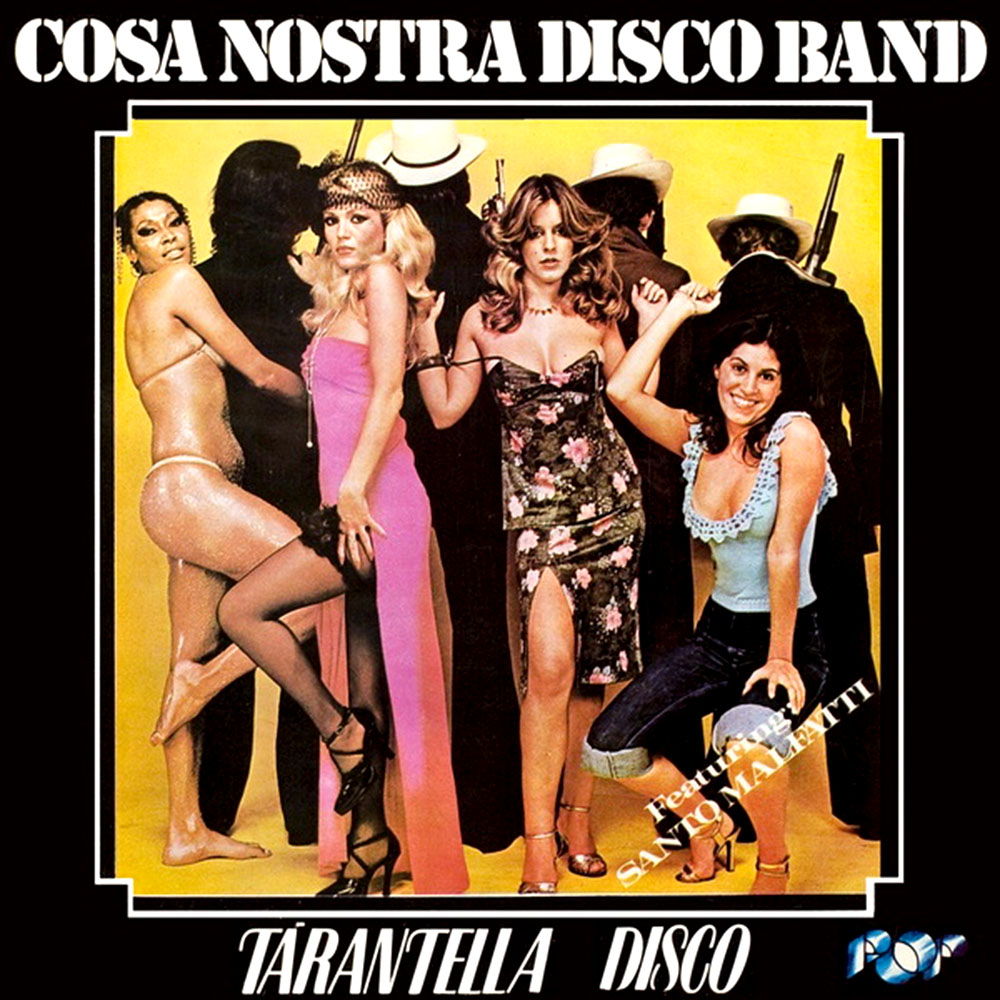
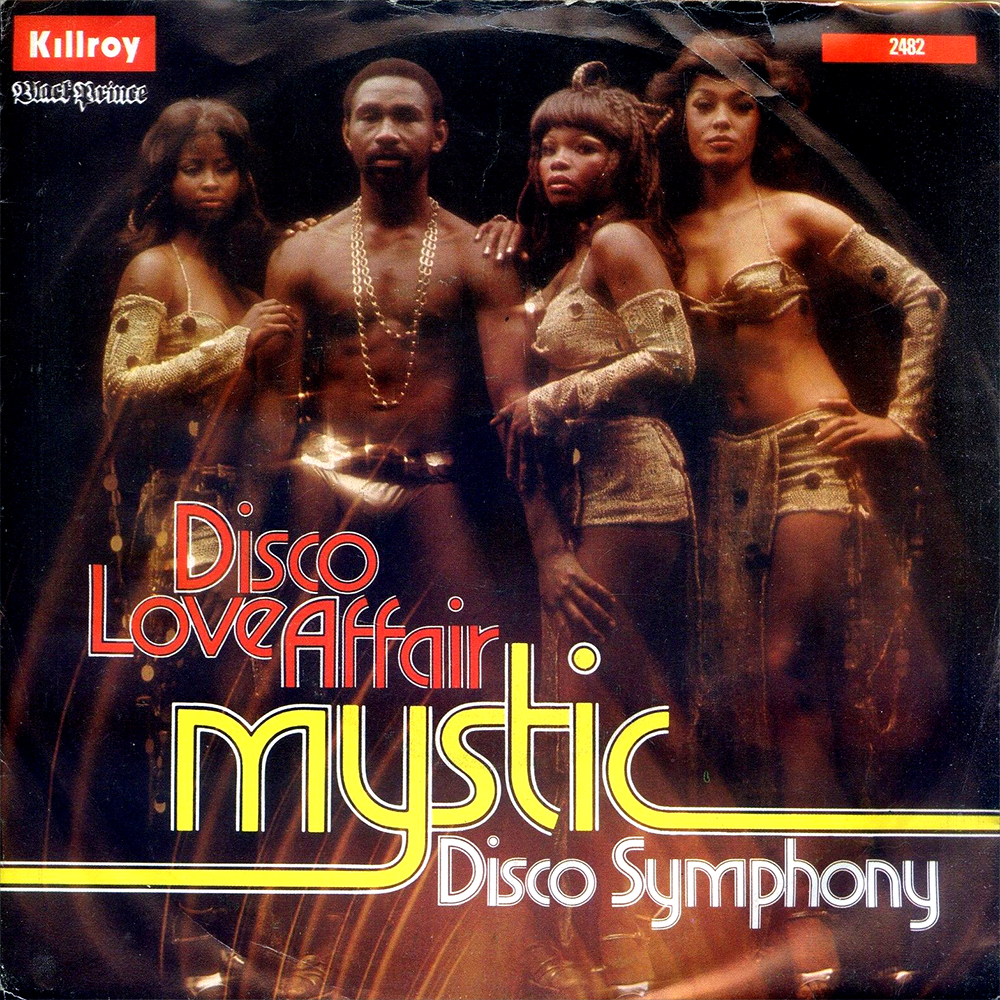
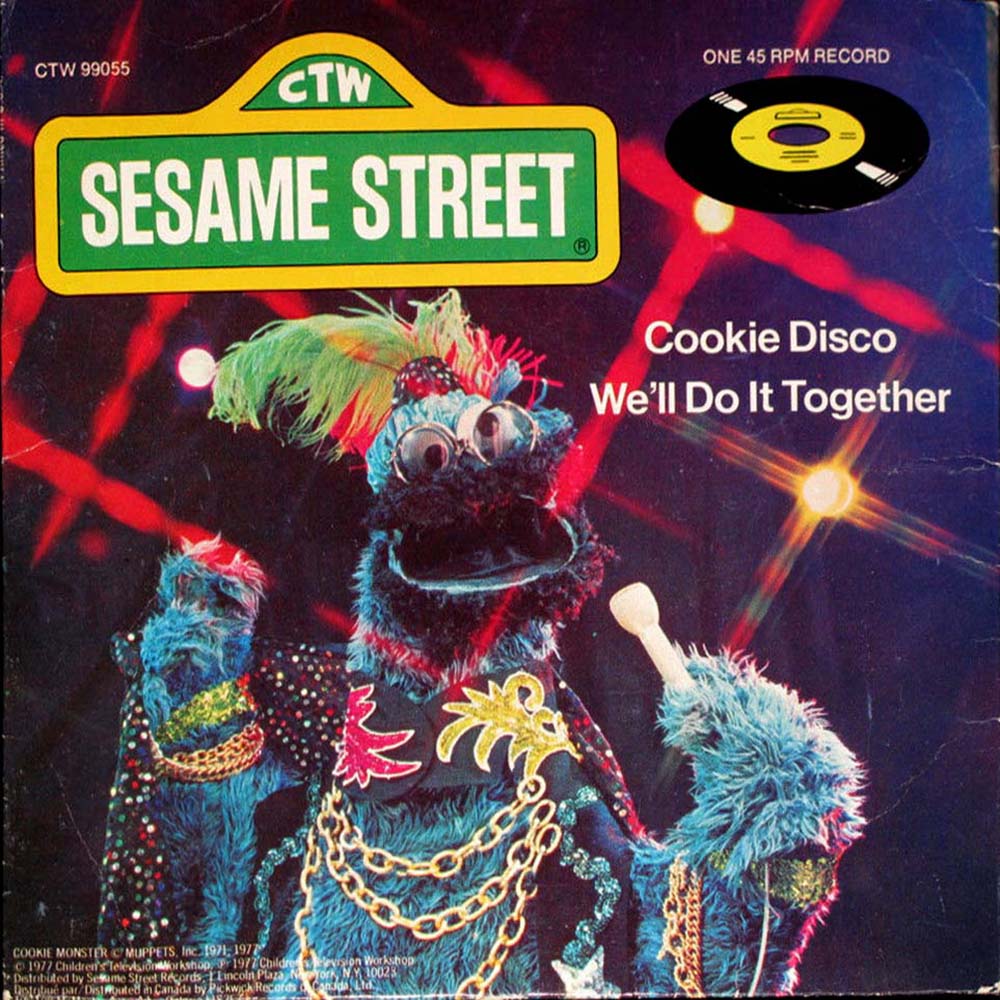
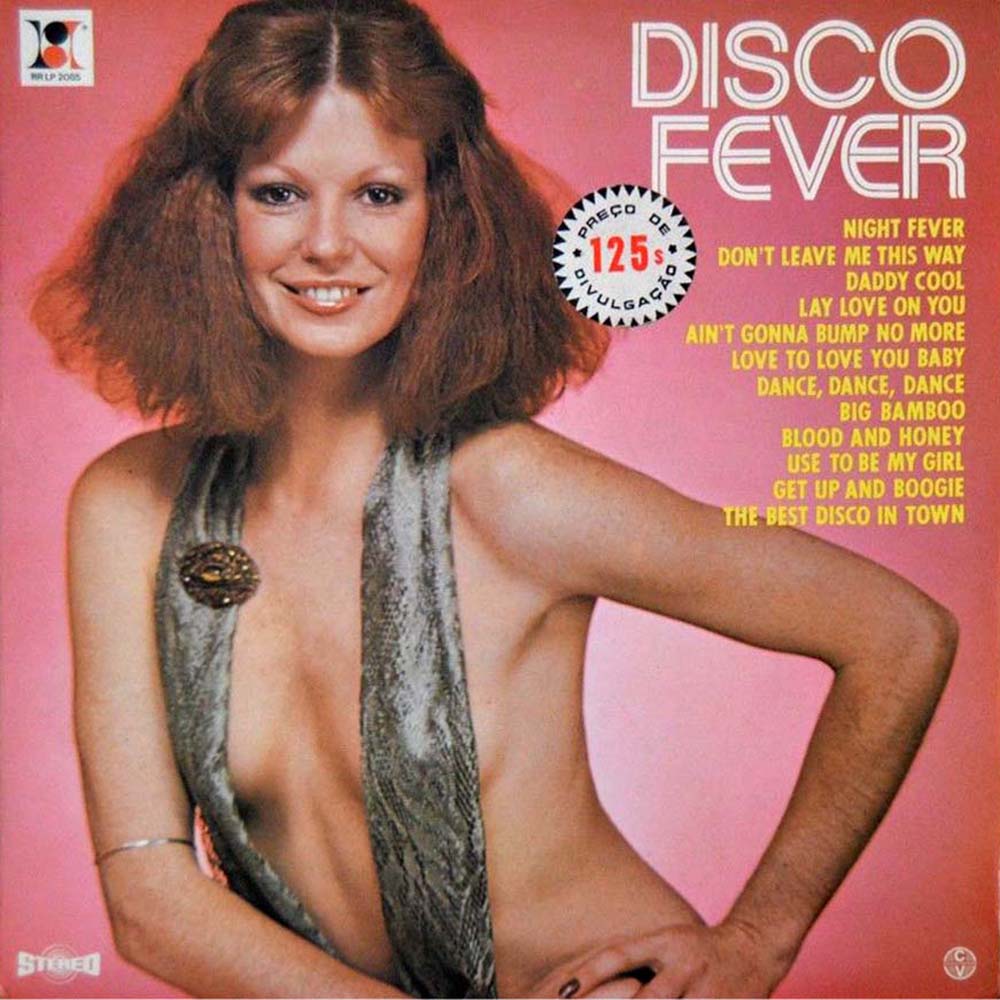
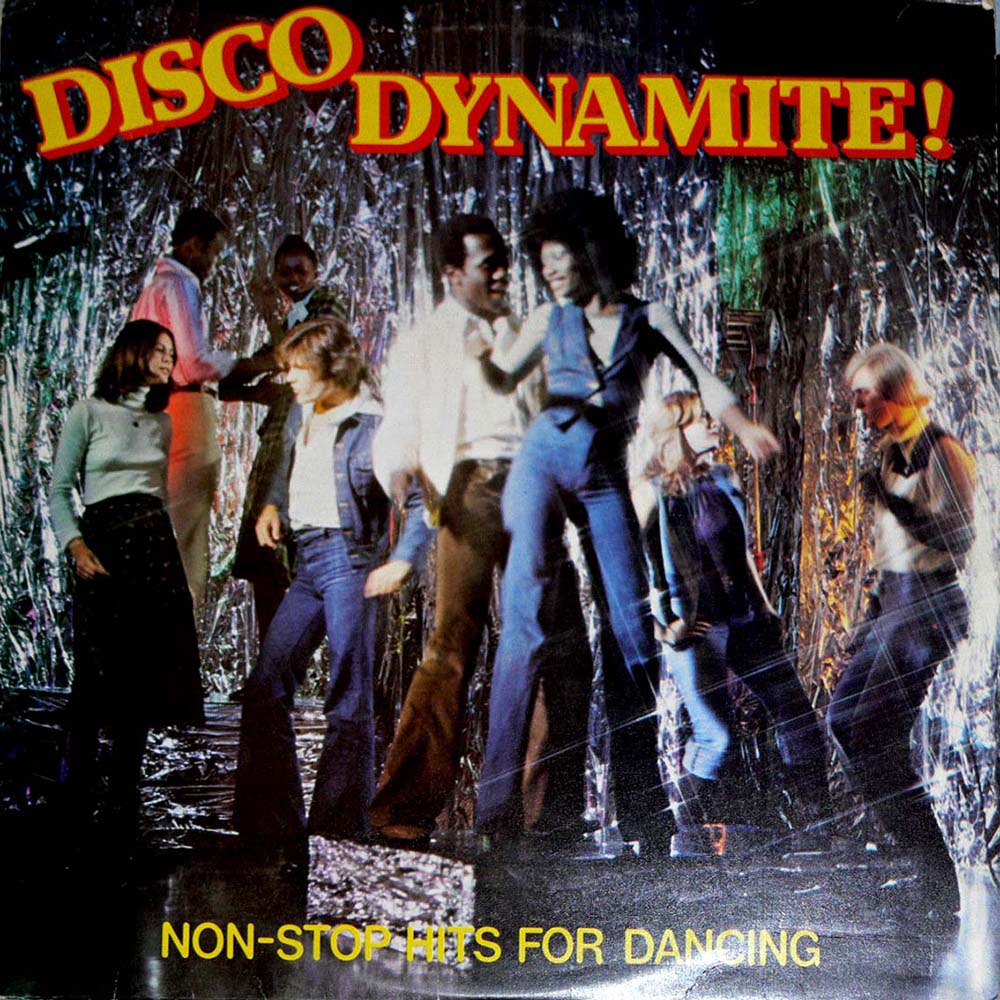
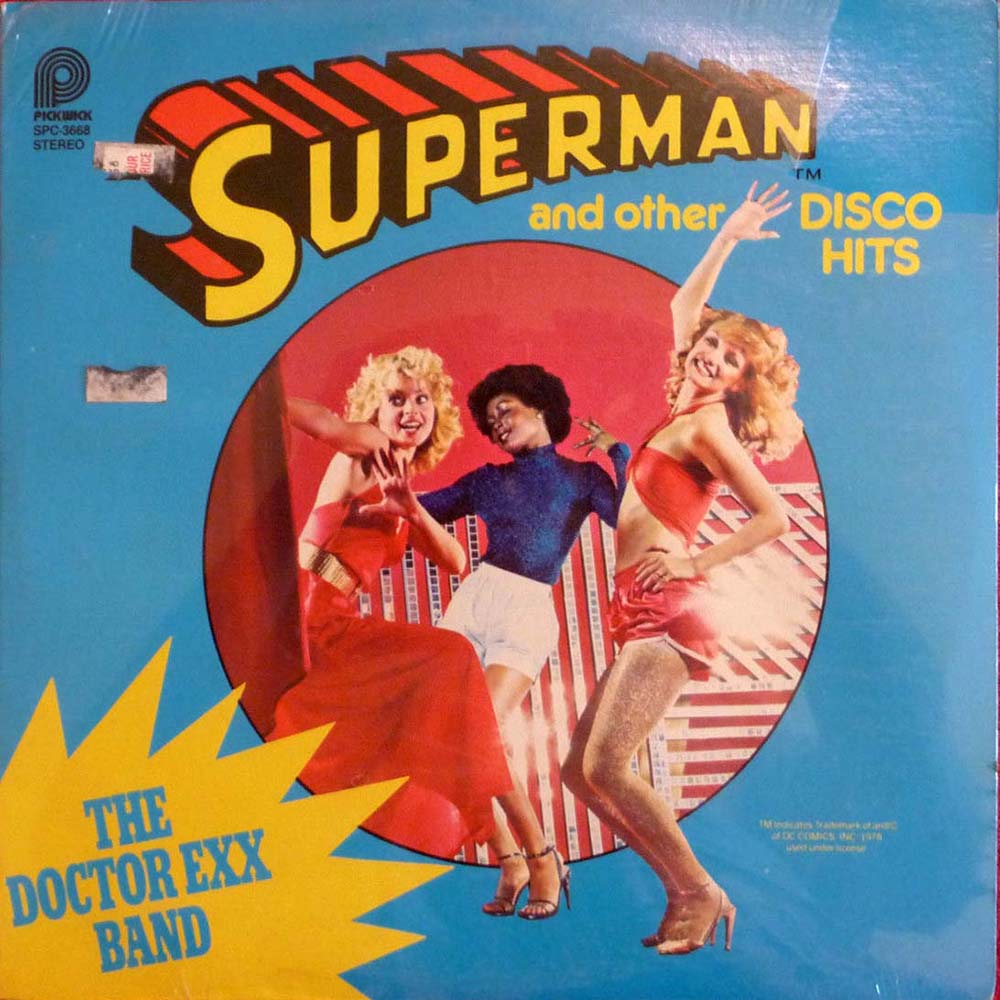
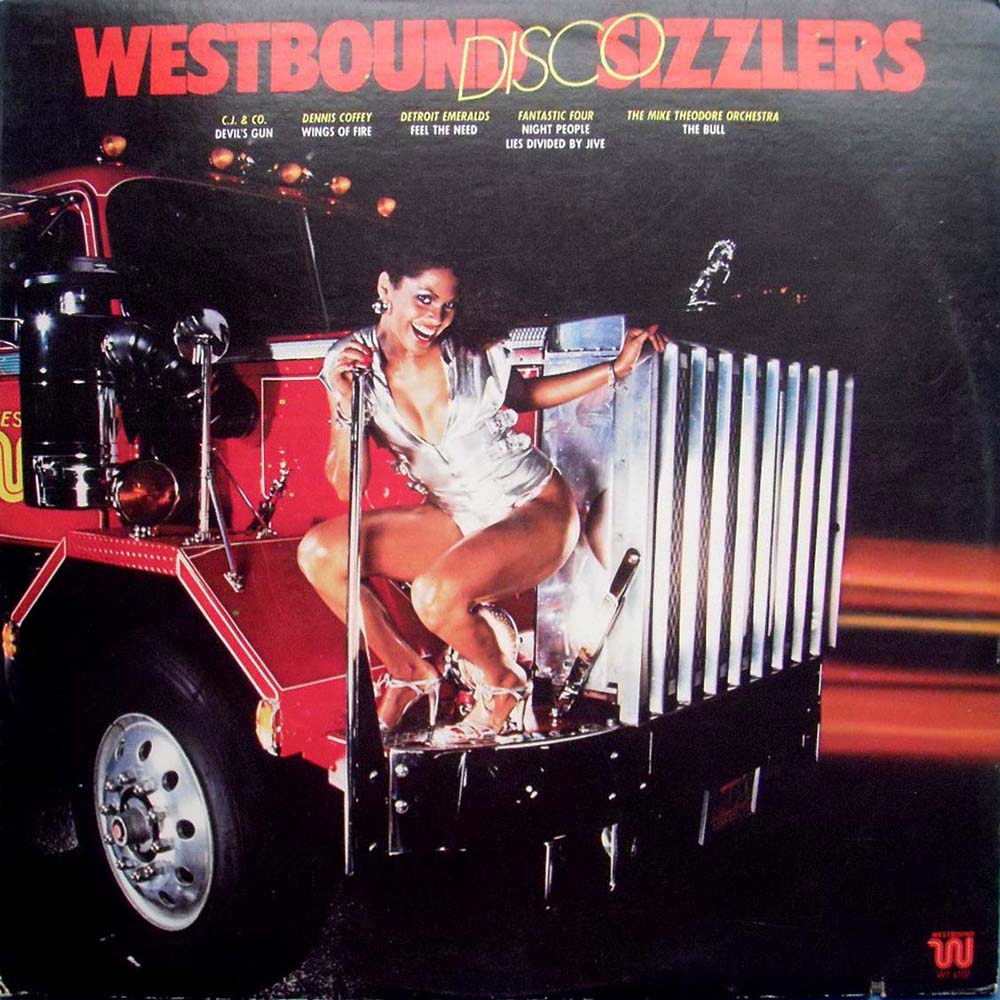
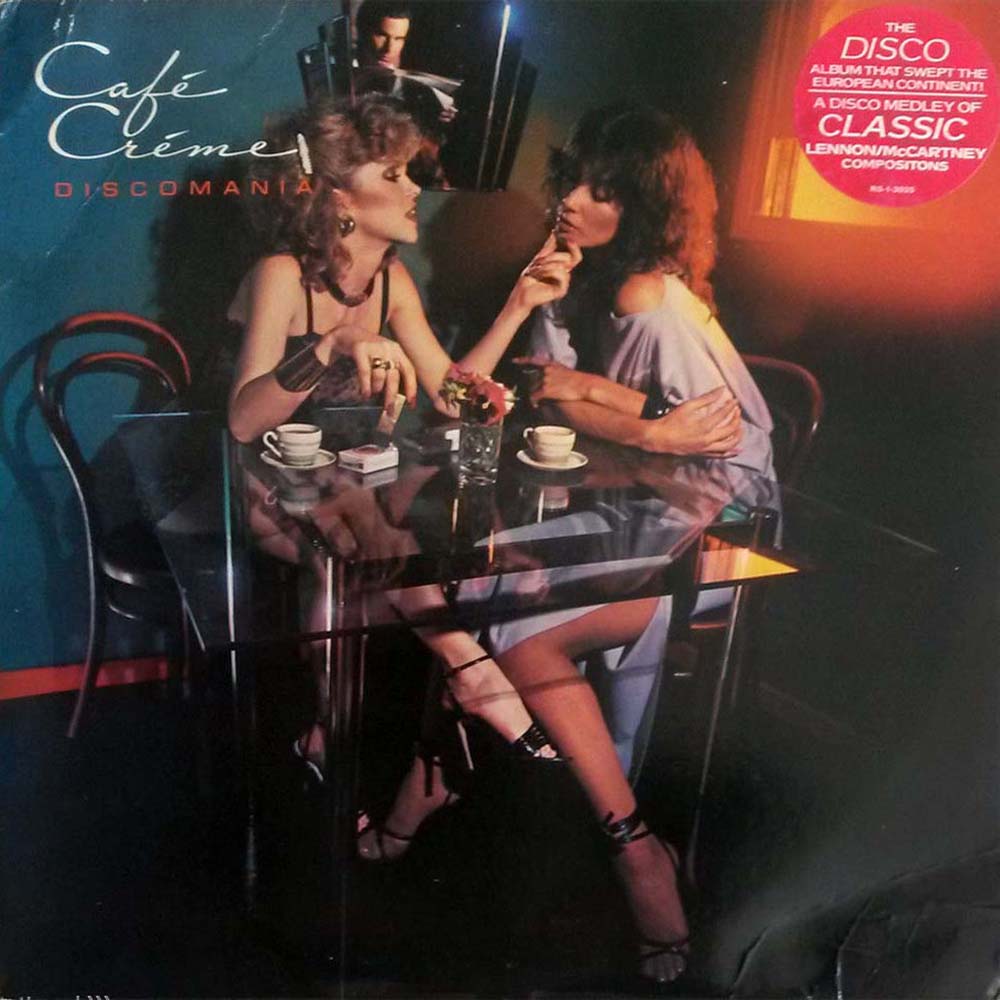
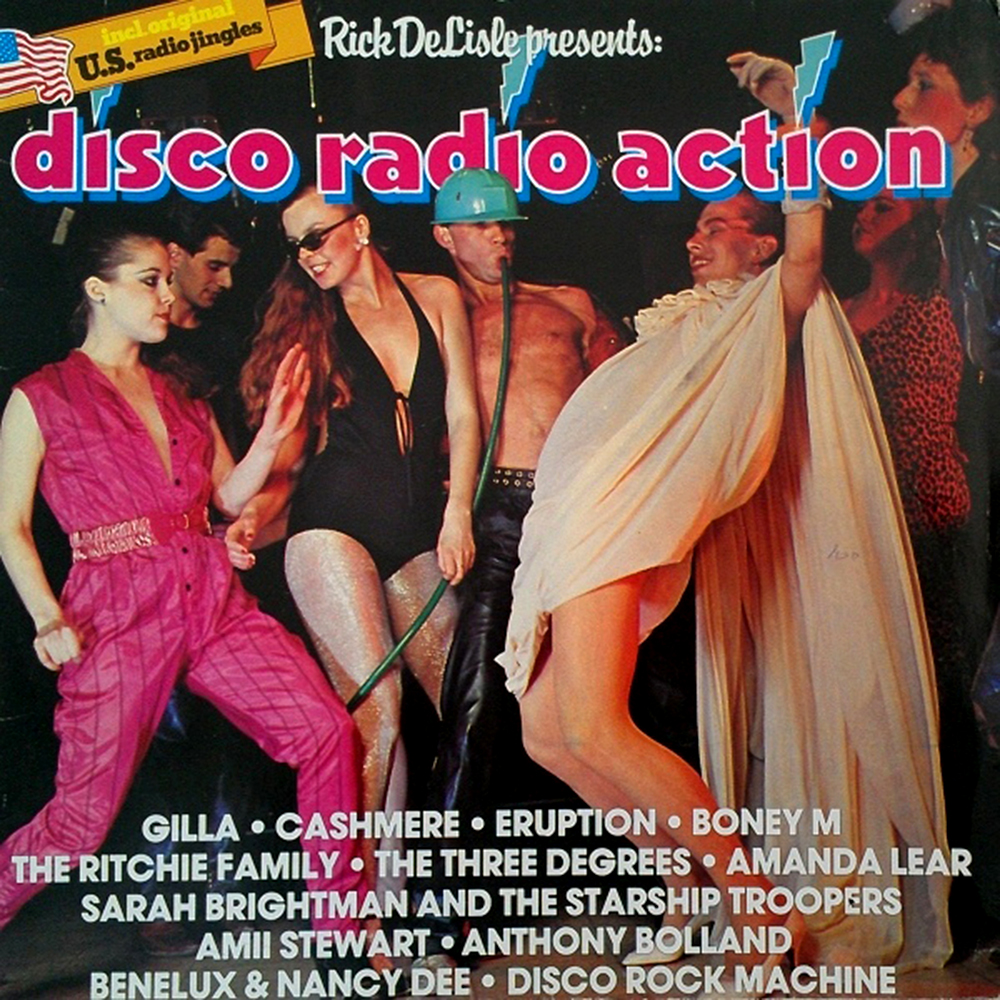
Daddy’s Disco – Rüdiger WolffWhat Shall We Do When the Disco’s Over? – The Richard Hewson OrchestraDisco Bambina – Heather ParisiBorinquen Disco Party – Titti SottoLes Plus Grands Succes DISCO – Martin DavisDiscopedia Vol. 2 – Mirror ImageTarantella Disco – Cosa Nostra Disco BandDisco World – Various ArtistsDisco Double Gold – Various ArtistsDo It For Me – Disco JenniferDisco Love Affair – MysticDisco Shock – Various Artists (Finland)Cookie Disco – Sesame StreetDisco Fever – Various Artists (Brazil)Discoboom – Various ArtistsD.I.S.C.O. – OttawanDisco Dynamite! – Various ArtistsSuperman and Other Disco Hits – The Doctor Exx BandWestbound Disco Sizzlers – Various ArtistsQuisqueya Disco Party – Tito Delgado Y Su OrquestaIn the Navy – Irwin the Disco DuckDisco Saturday Nacht – Eine Kleine Disco BandCaptain Kirk’s Disco Trek – KeysDiscomania – Café CrémeDisco Radio Action – Various Artists
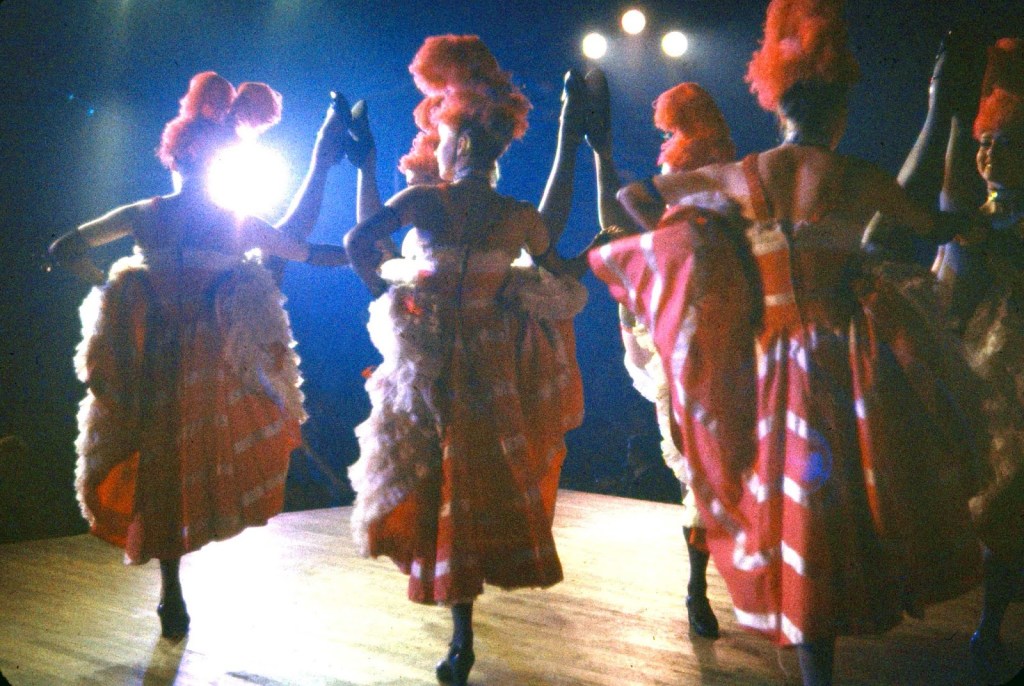
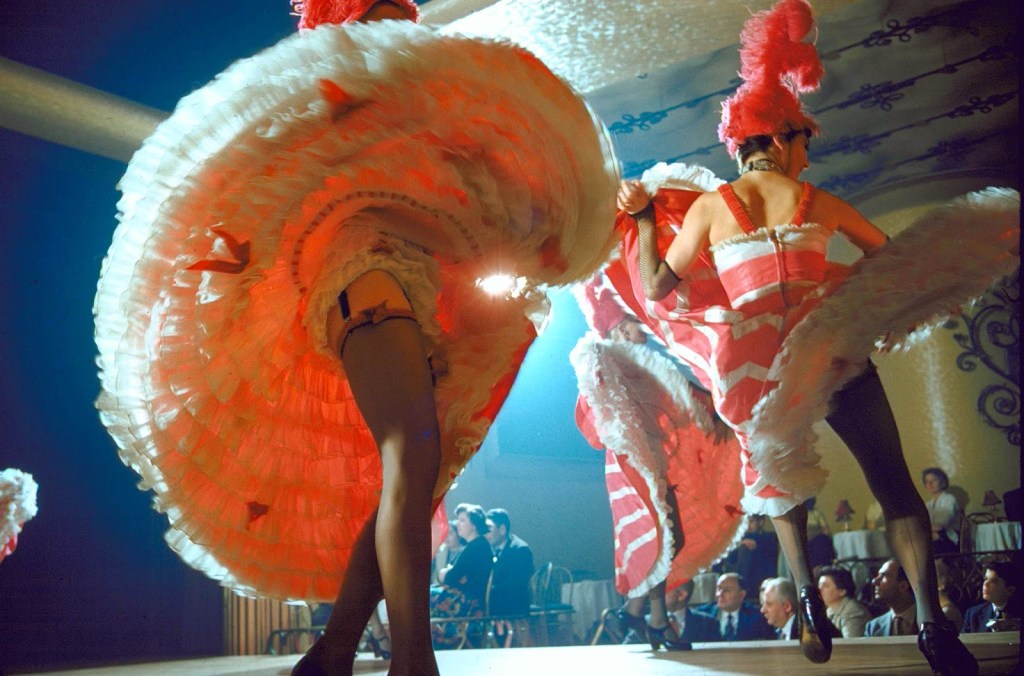
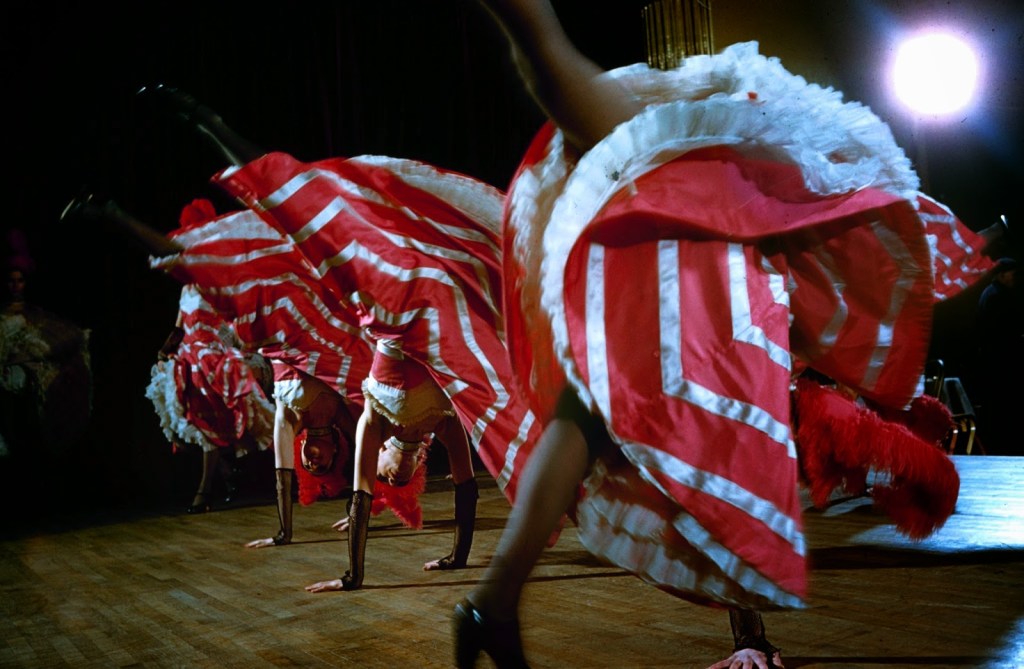
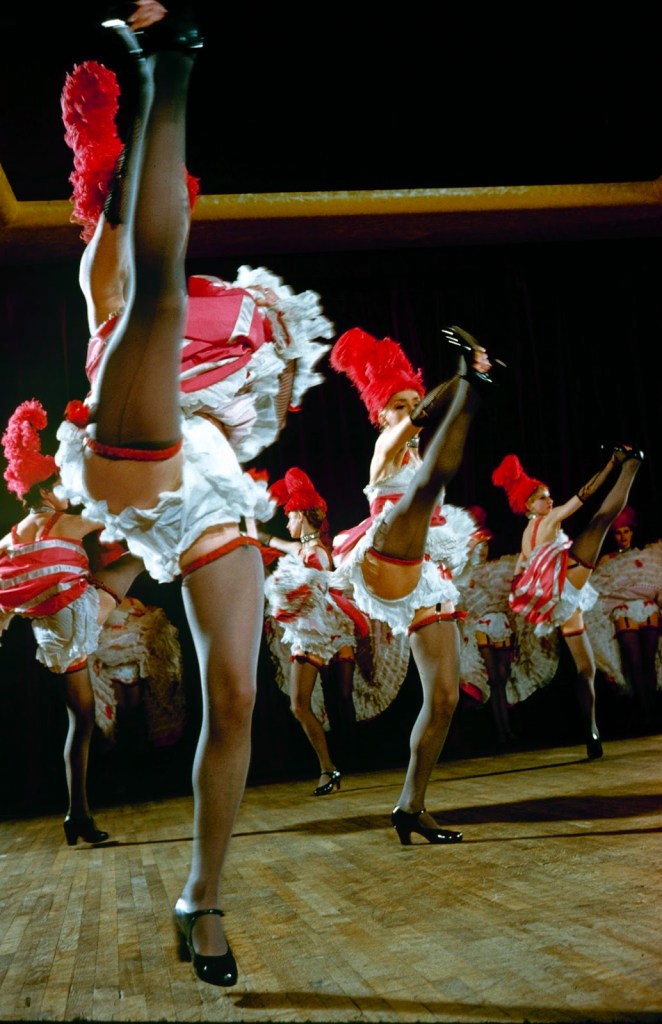
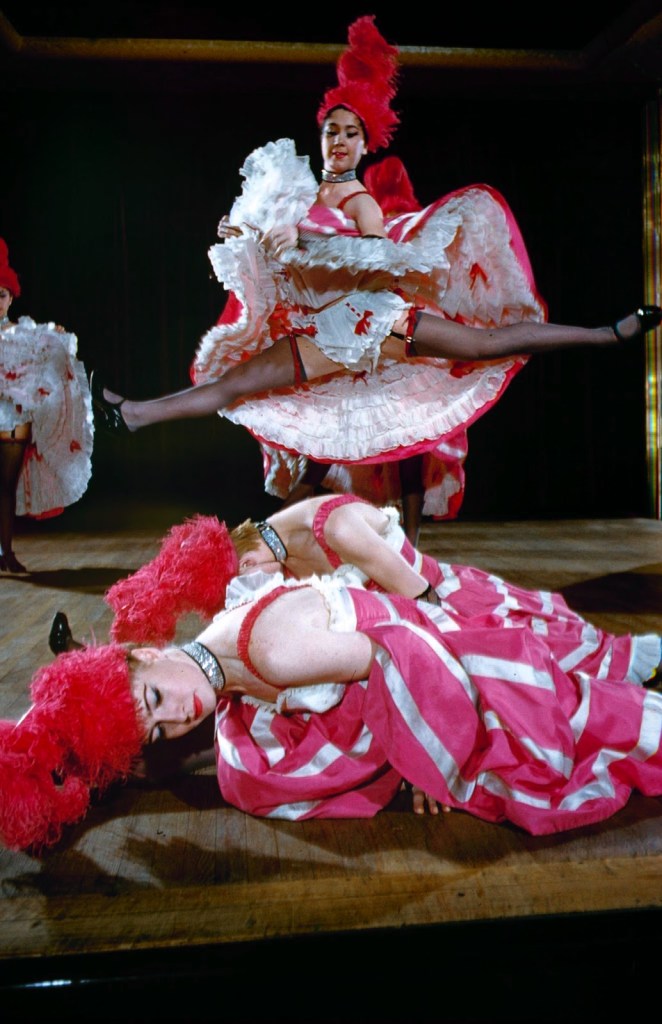
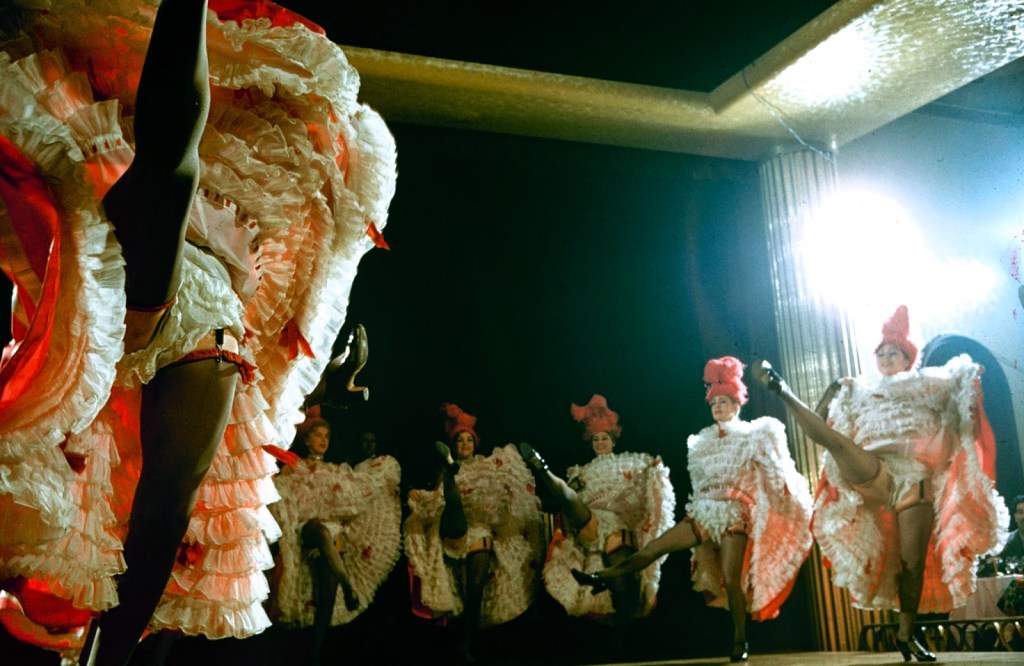
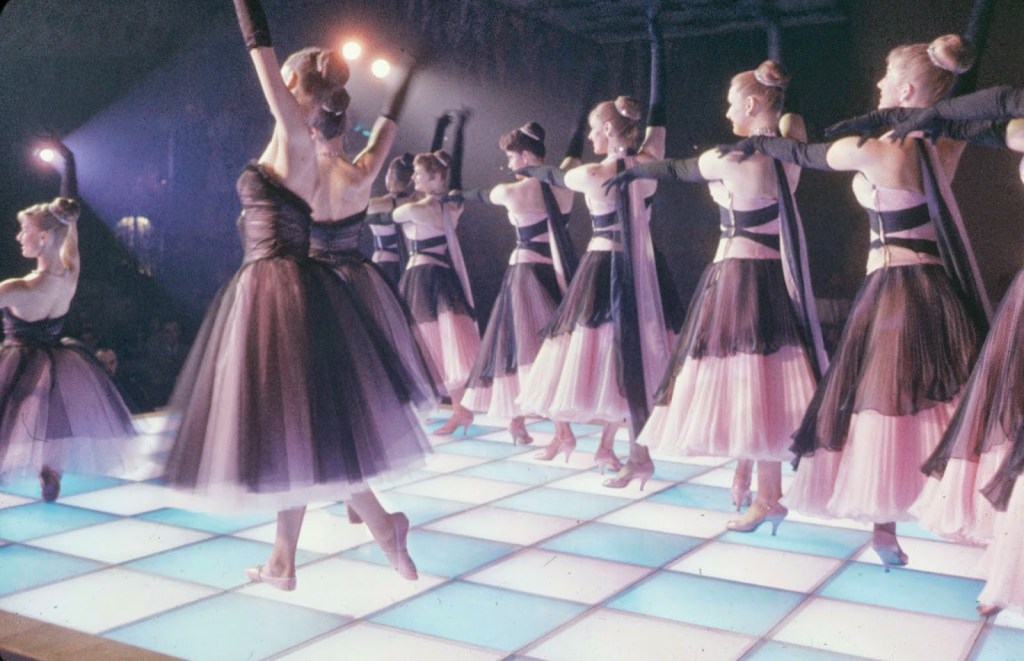
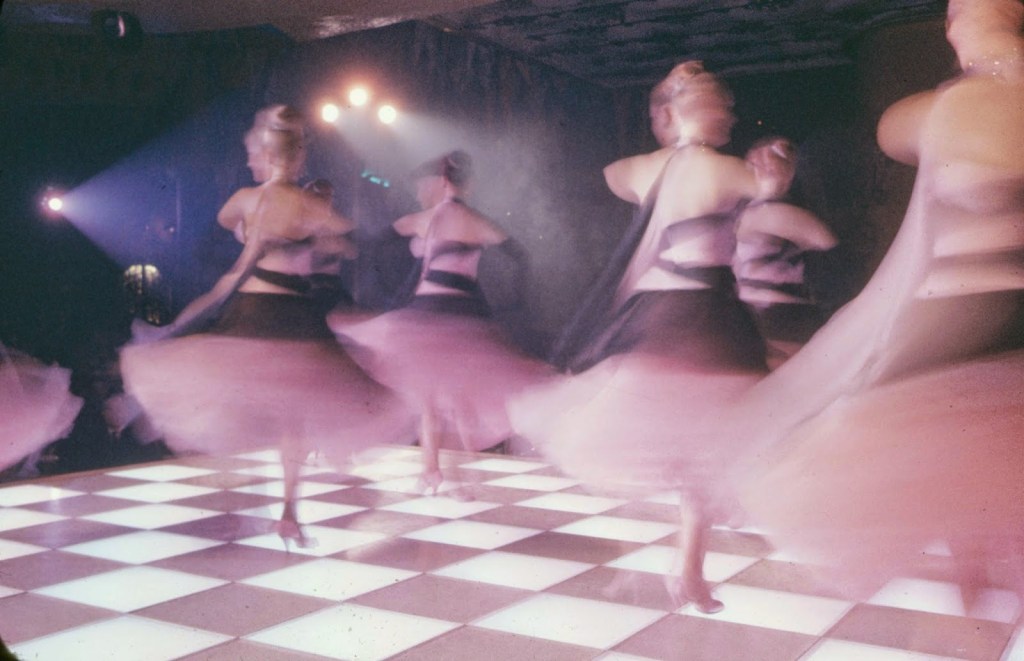
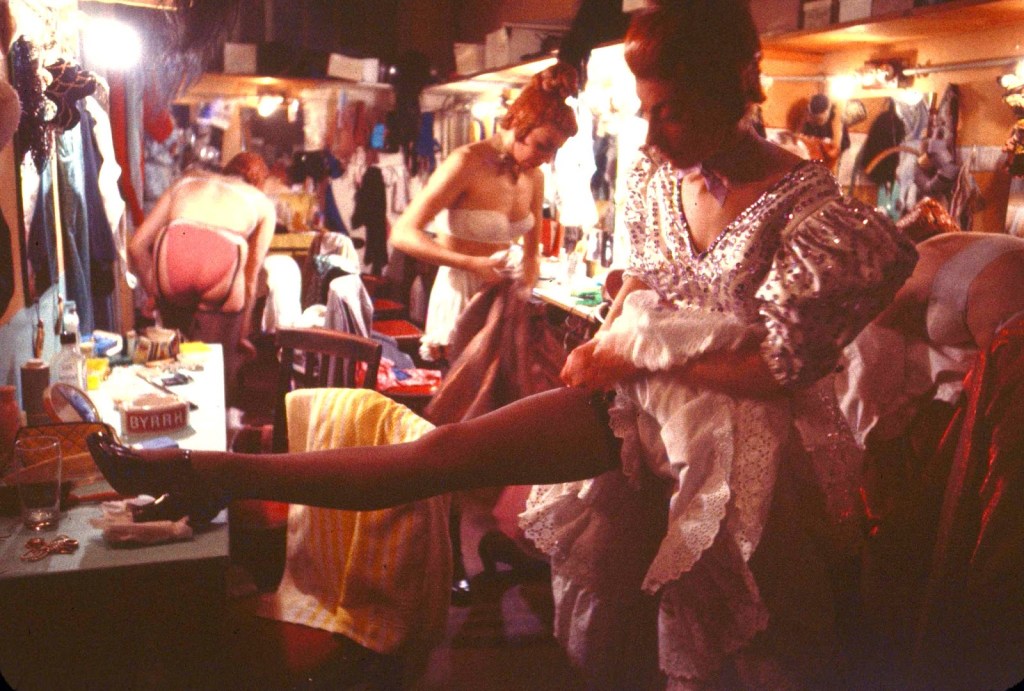
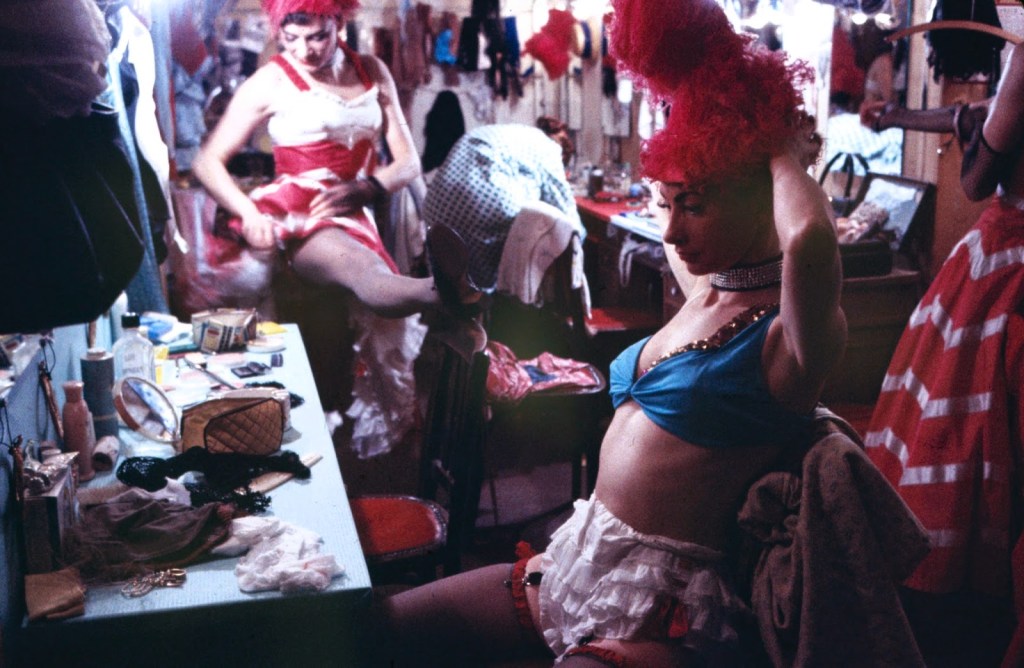
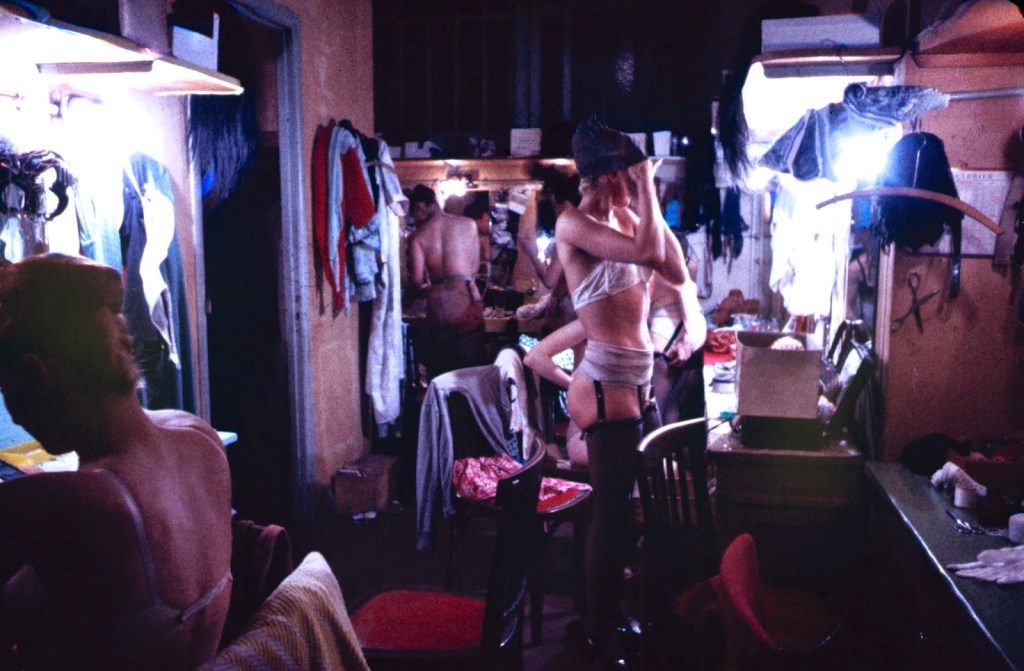
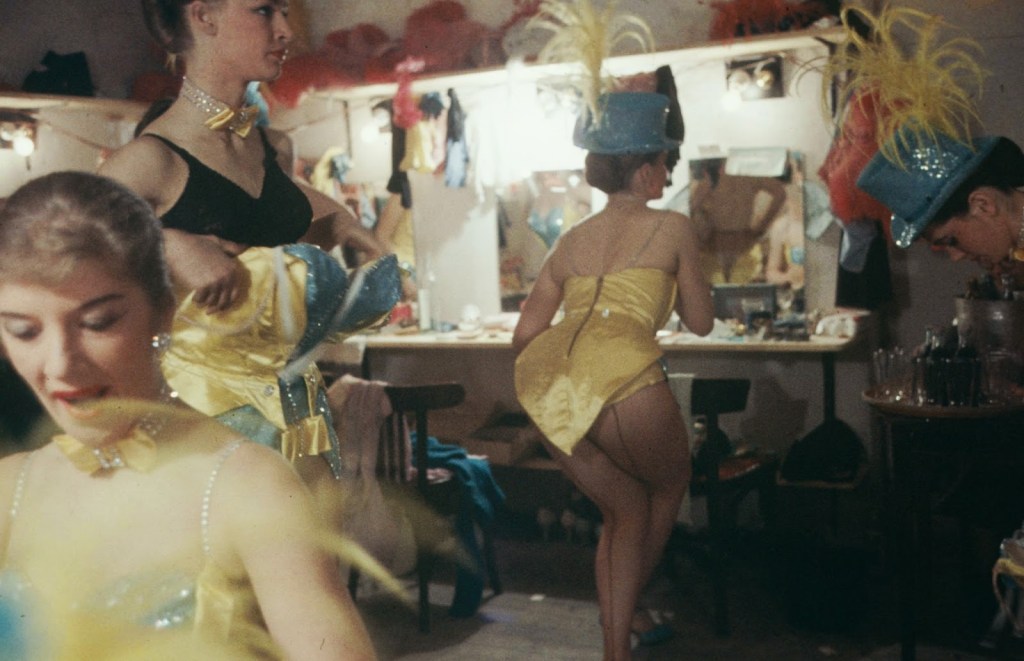
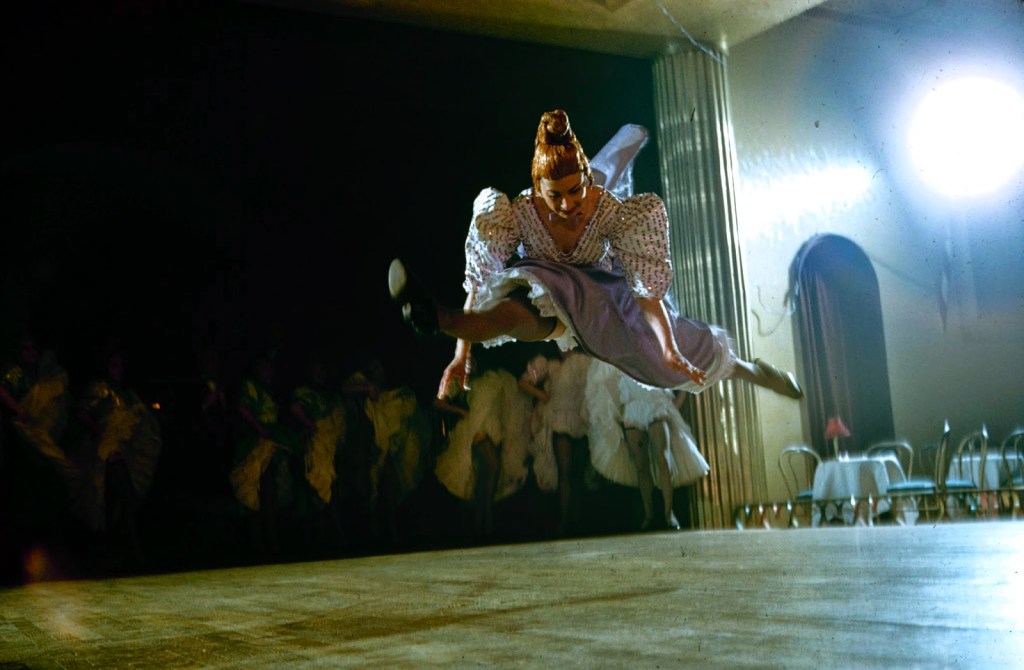
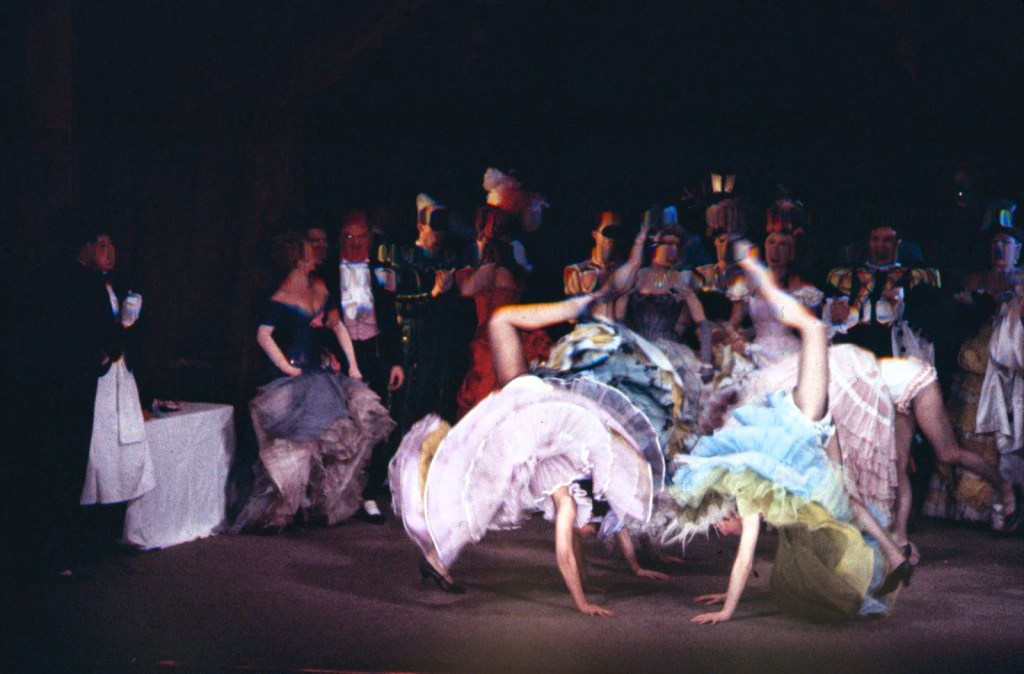
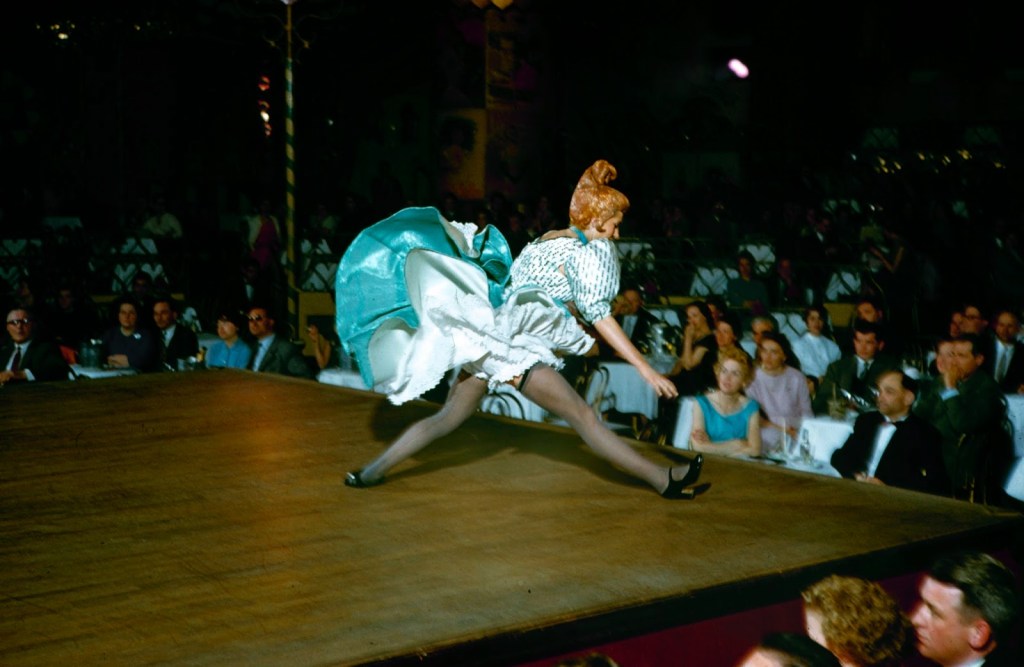
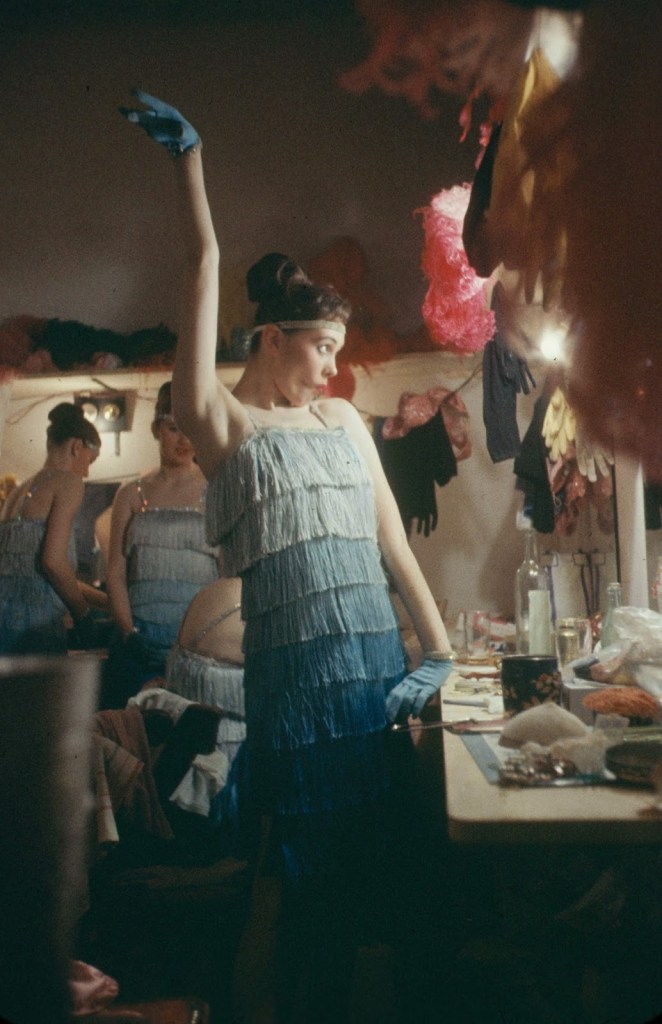
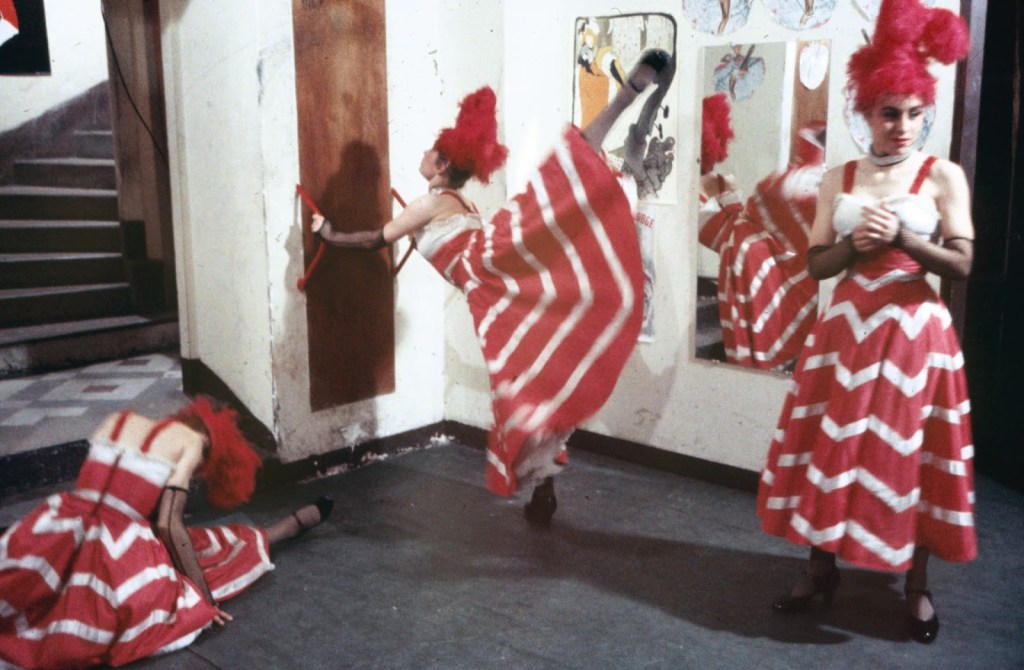
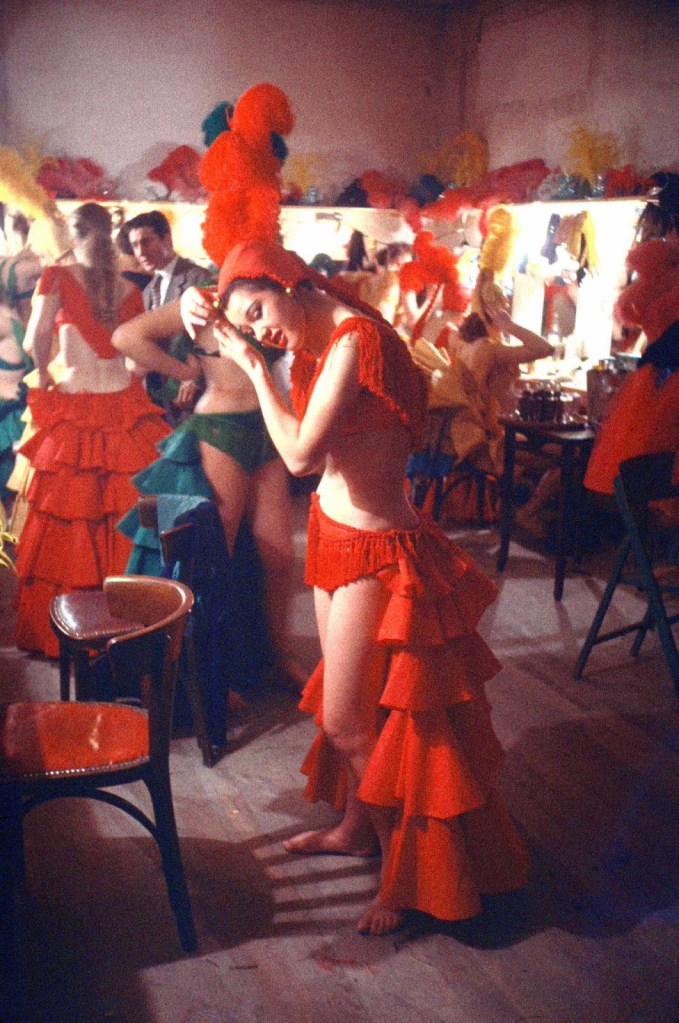
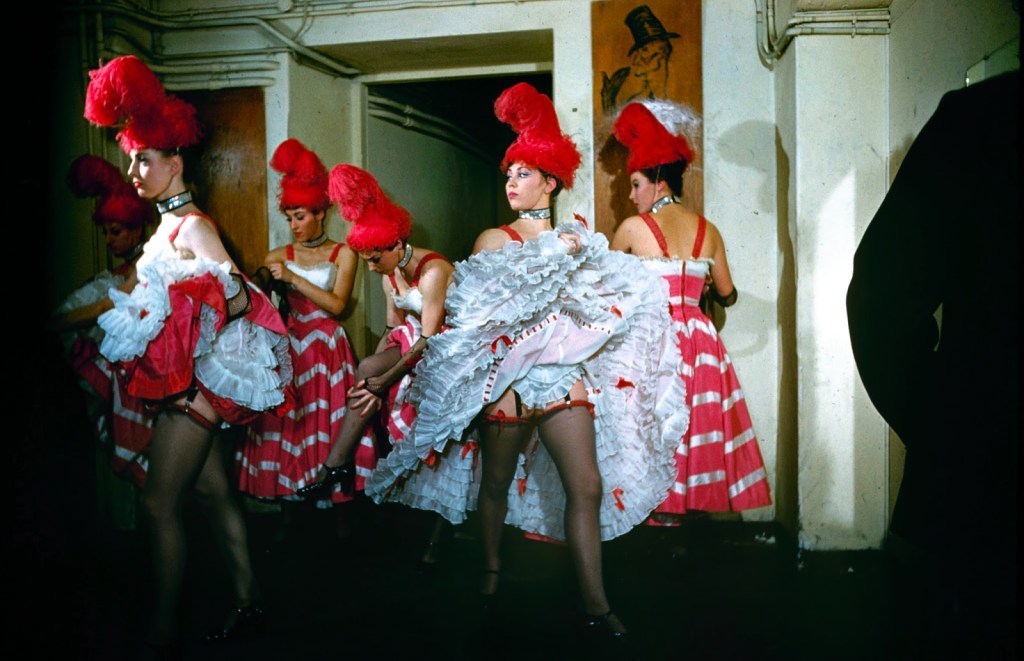
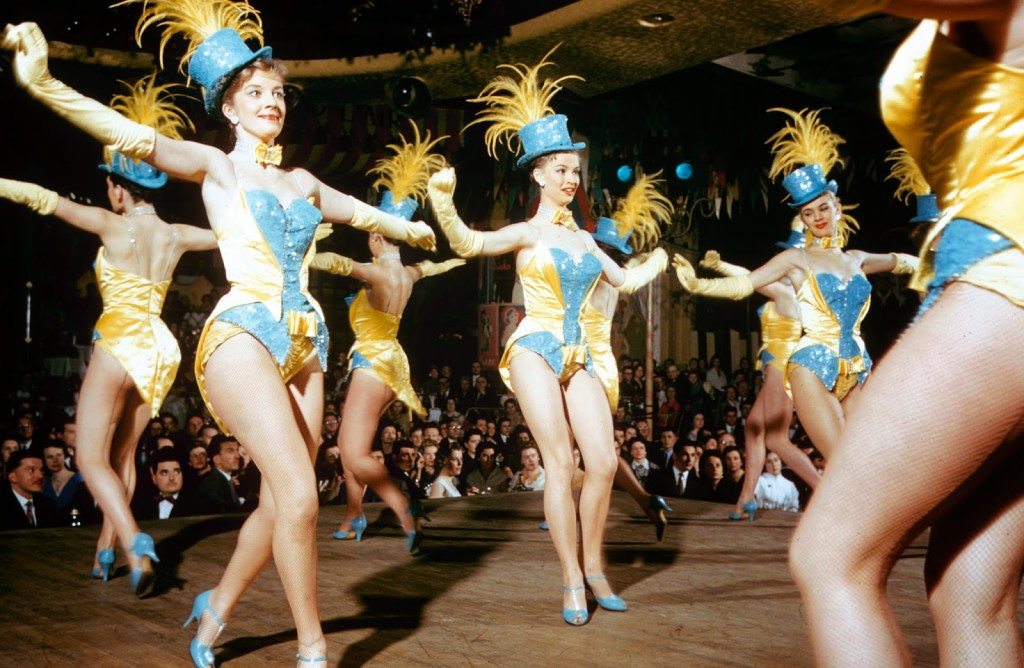
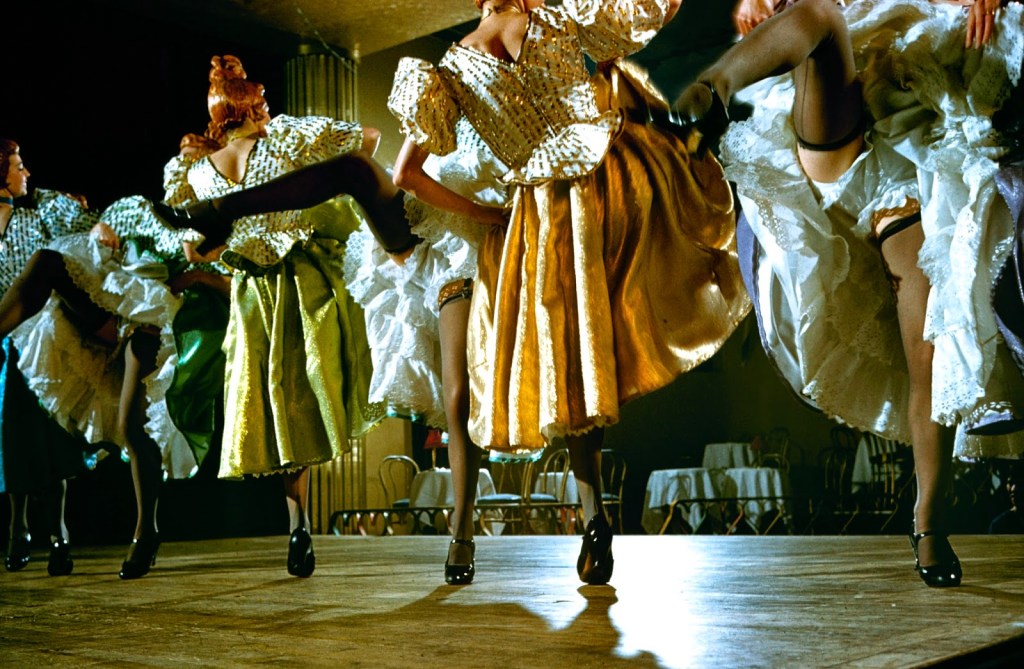
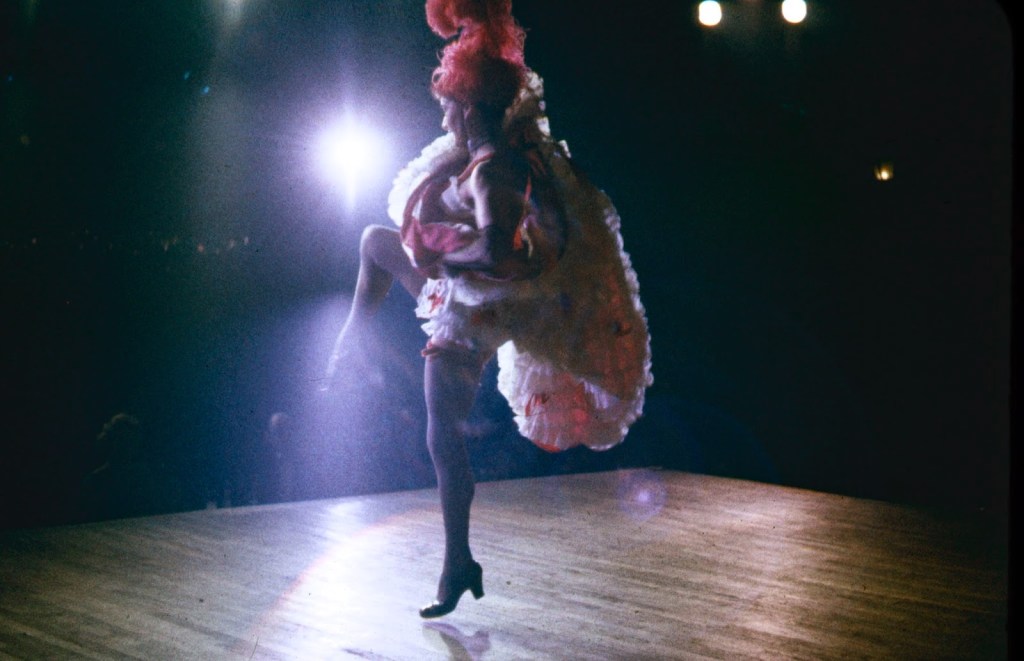
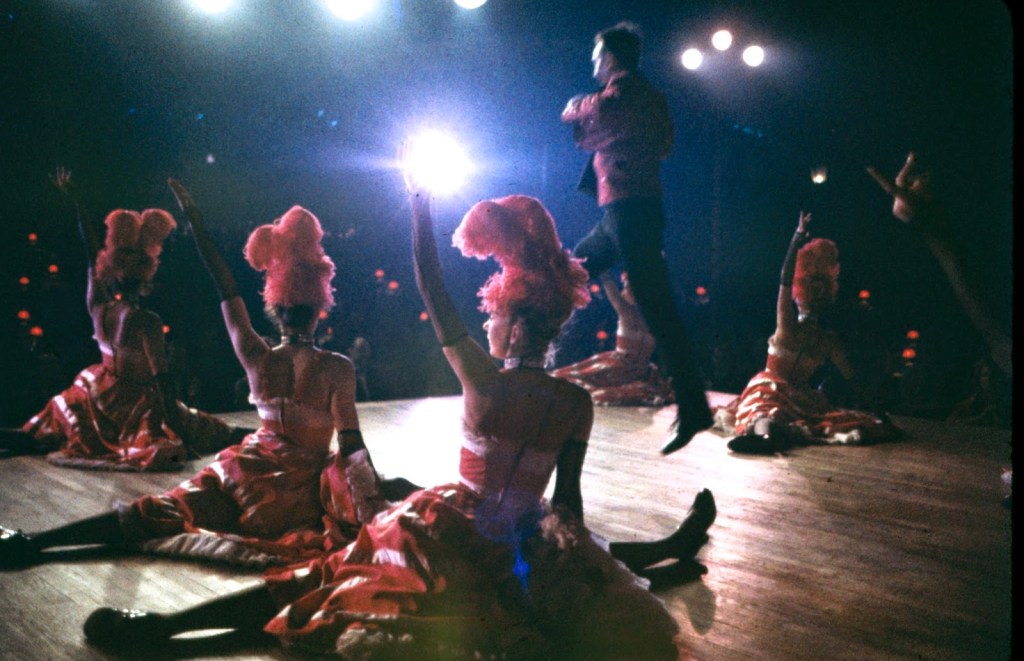
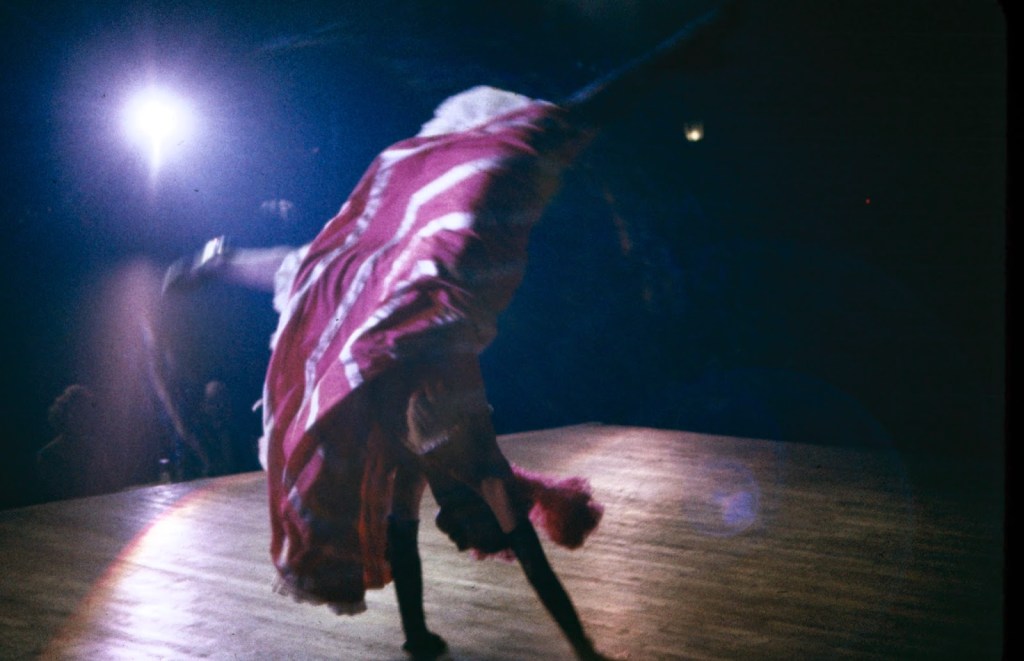
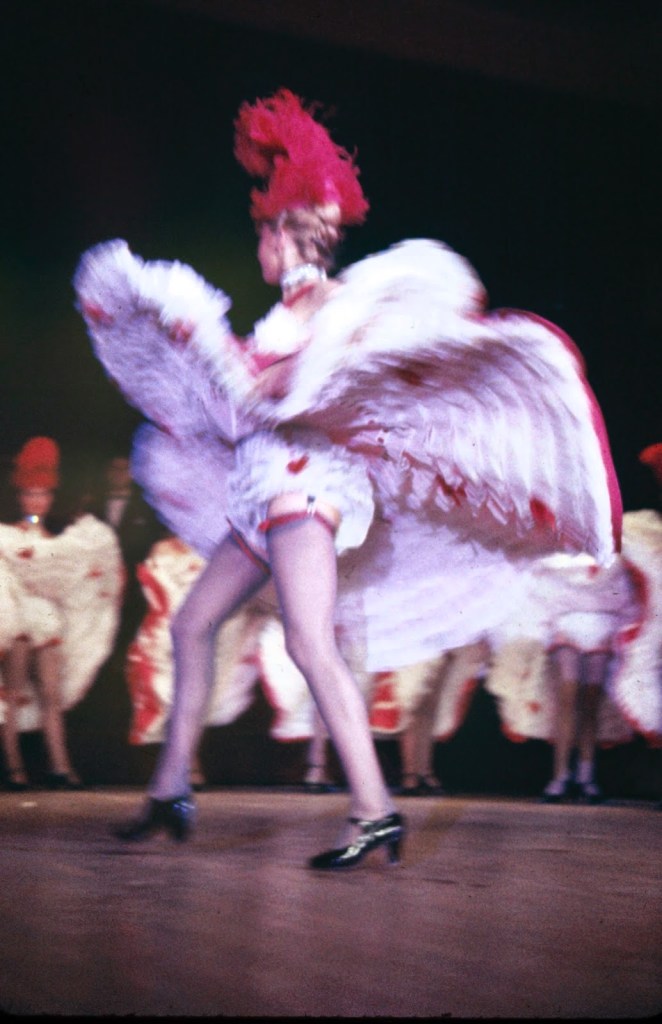
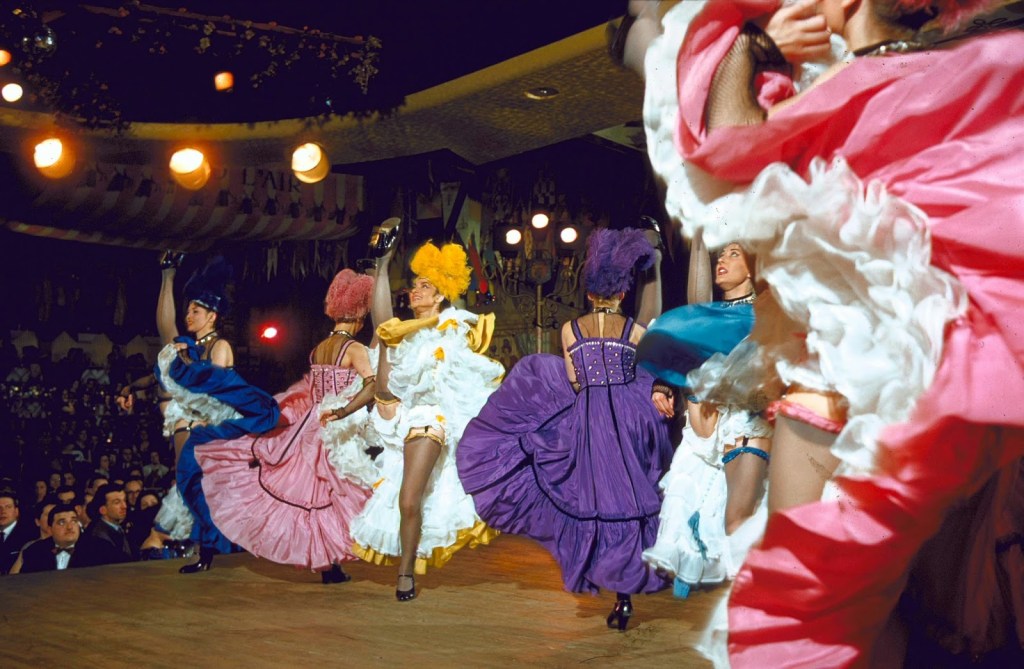
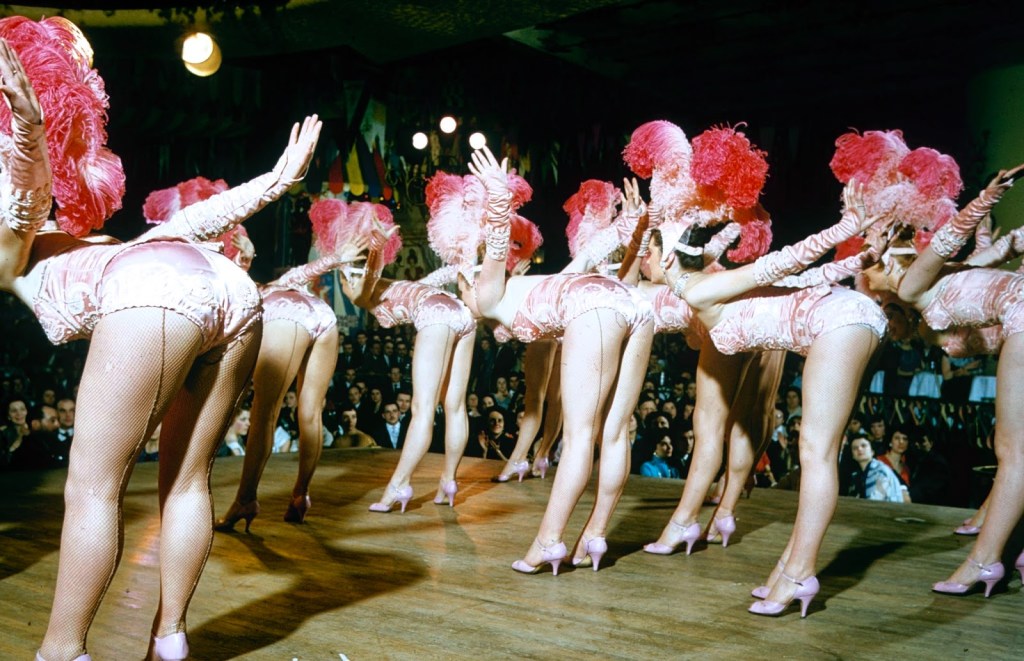
Here’s a series of amazing color pictures made by LIFE photographer Loomis Dean in the late 1950s, featuring cabaret’s dancers at the Moulin Rouge. It is there that where countless men and women down through the decades have enjoyed extravagant (and cheerfully risqué) song-and-dance numbers while soaking in the atmosphere of an entertainment mecca. It is there that the energetic and, for many, scandalous cancan dance found its highest and most popular form of expression.
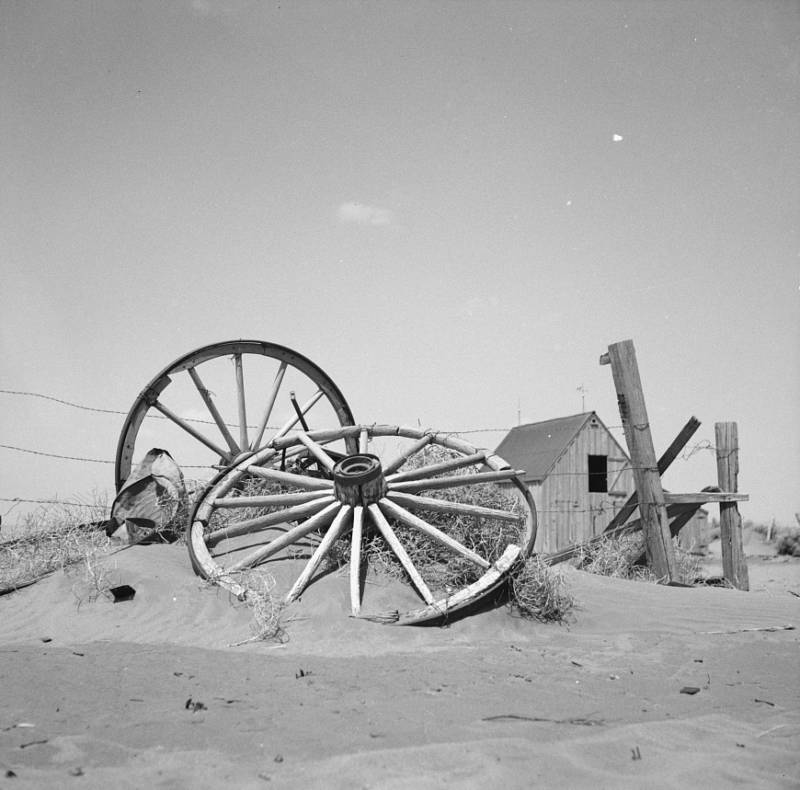
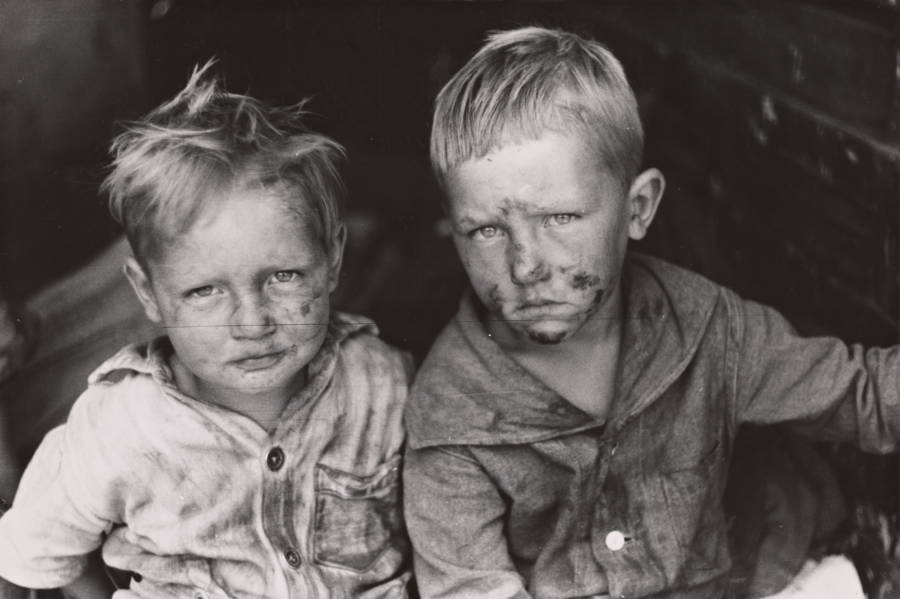
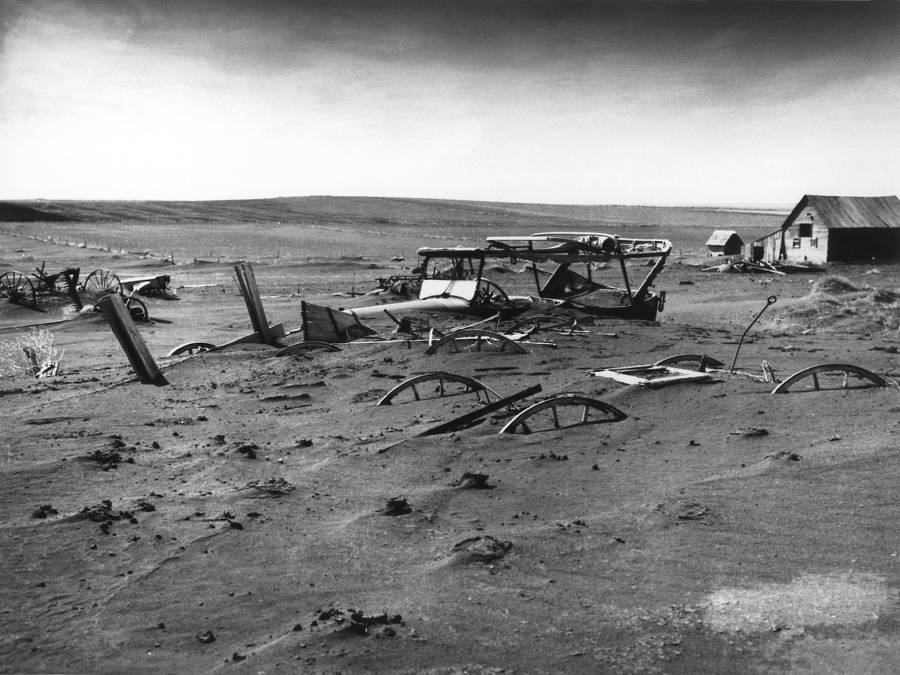
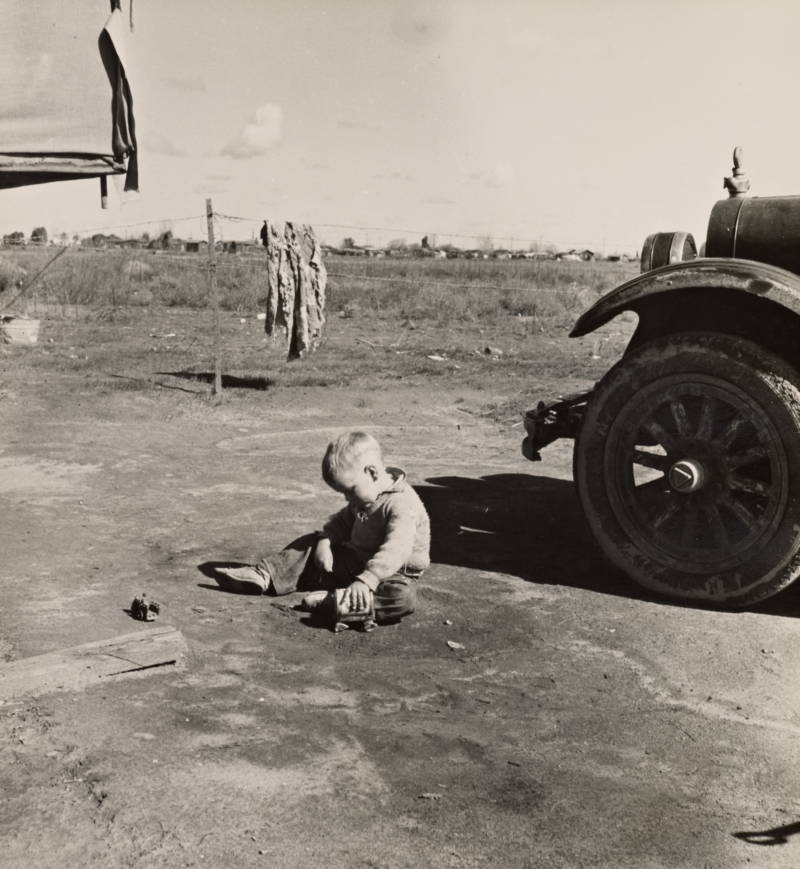
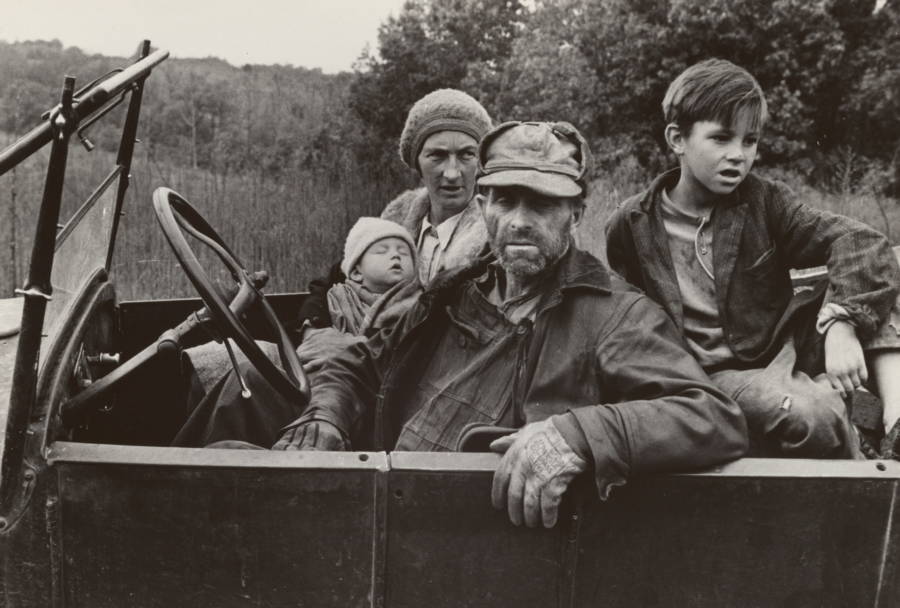
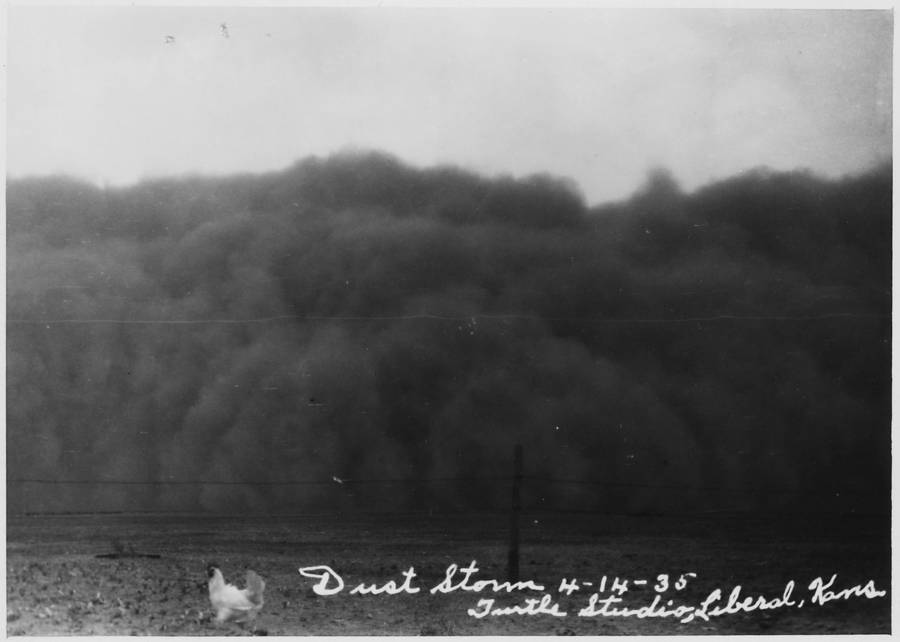
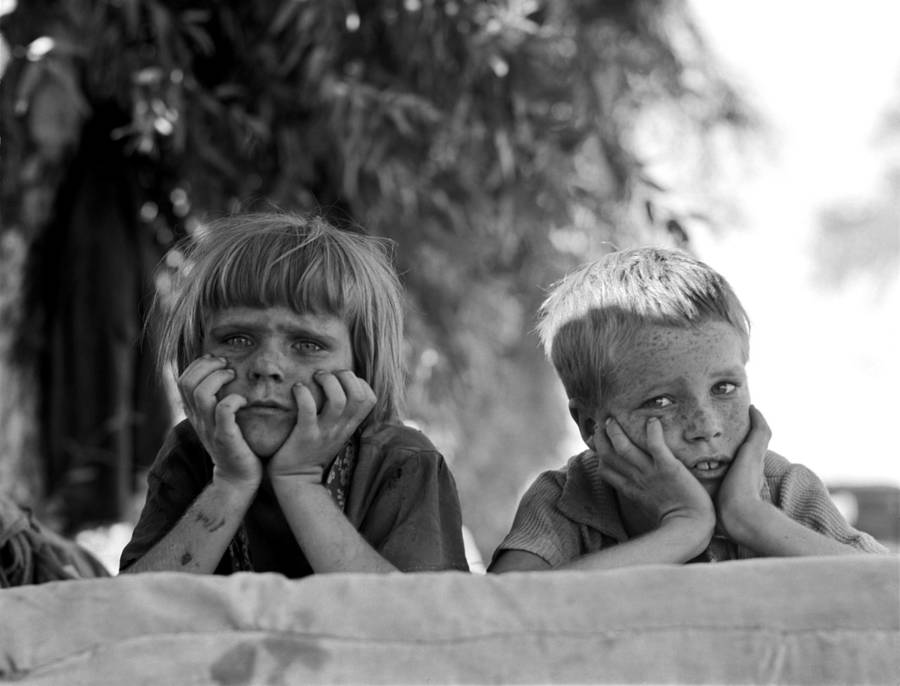
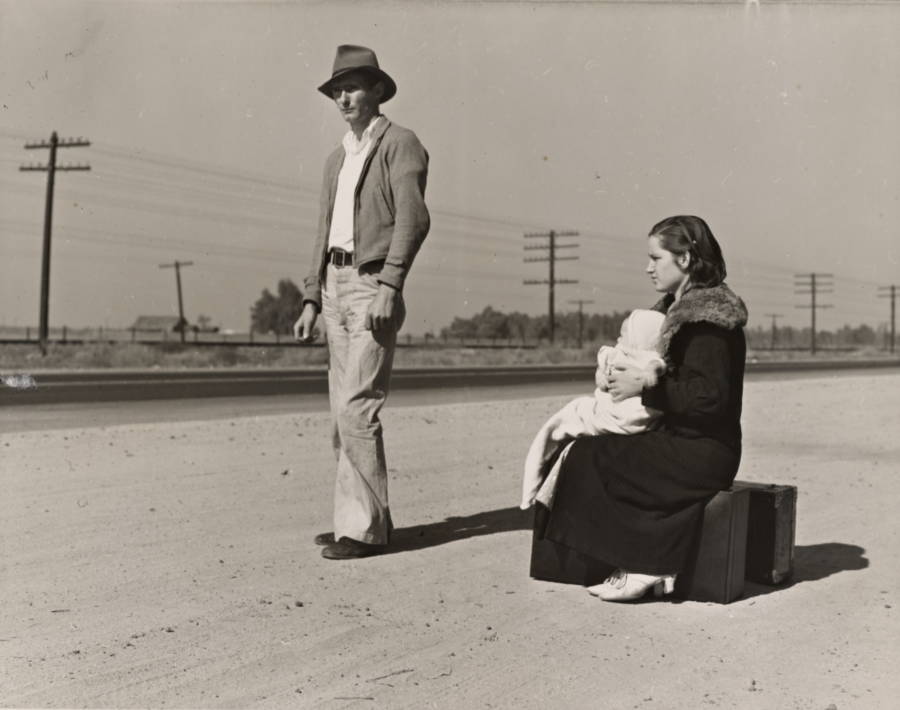
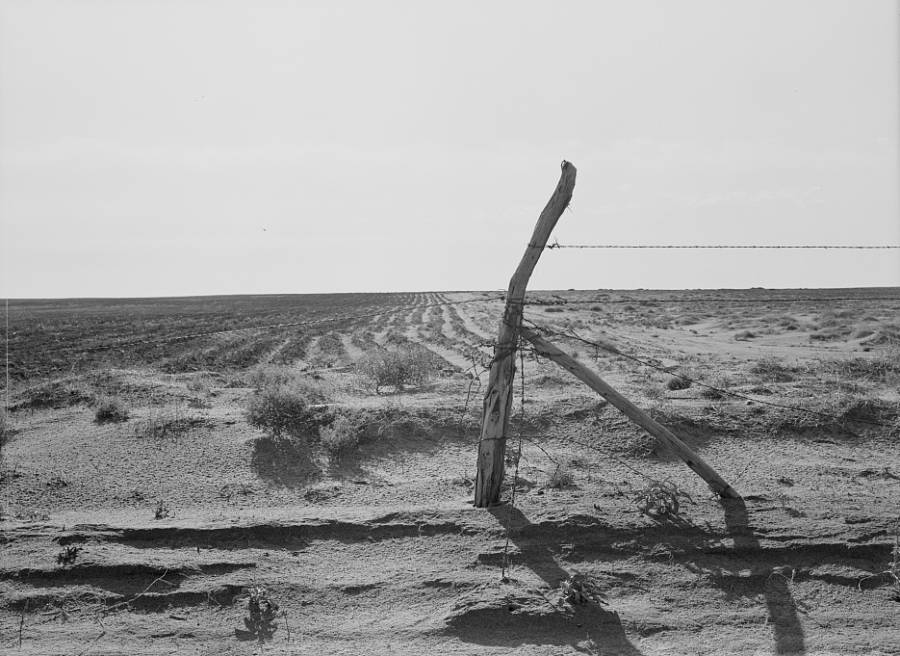
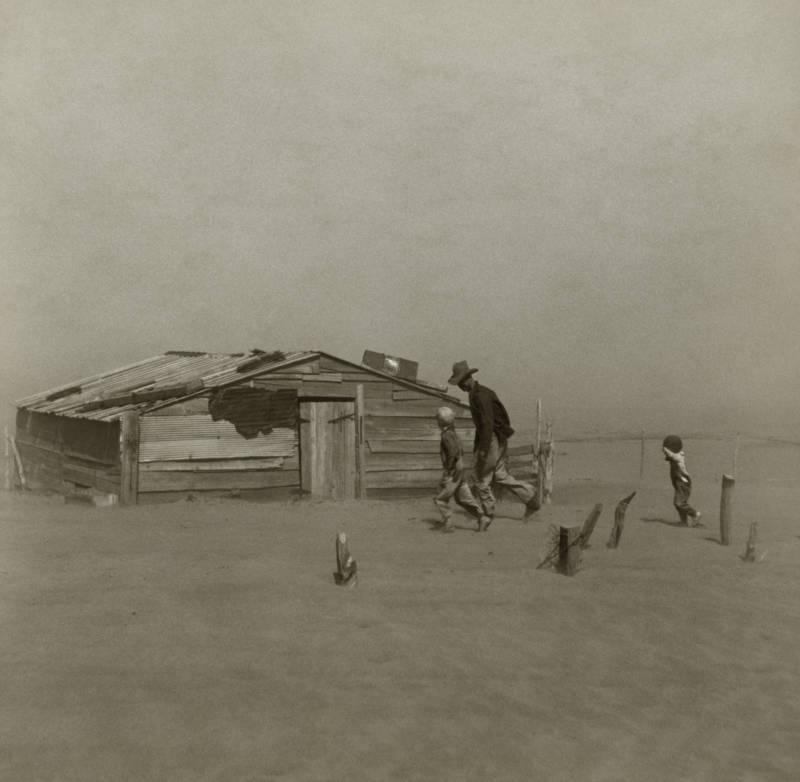
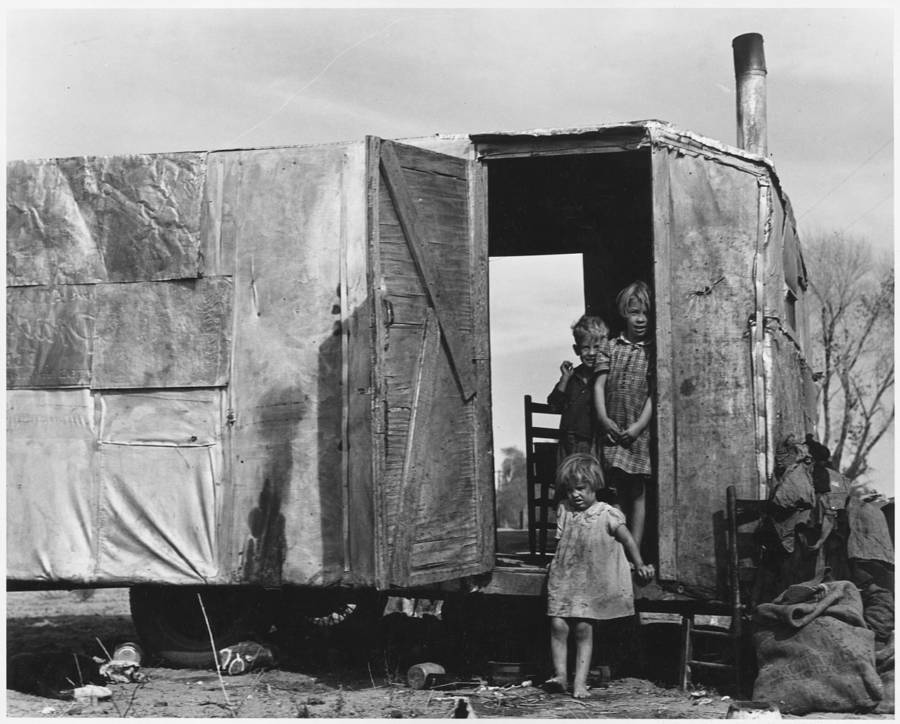
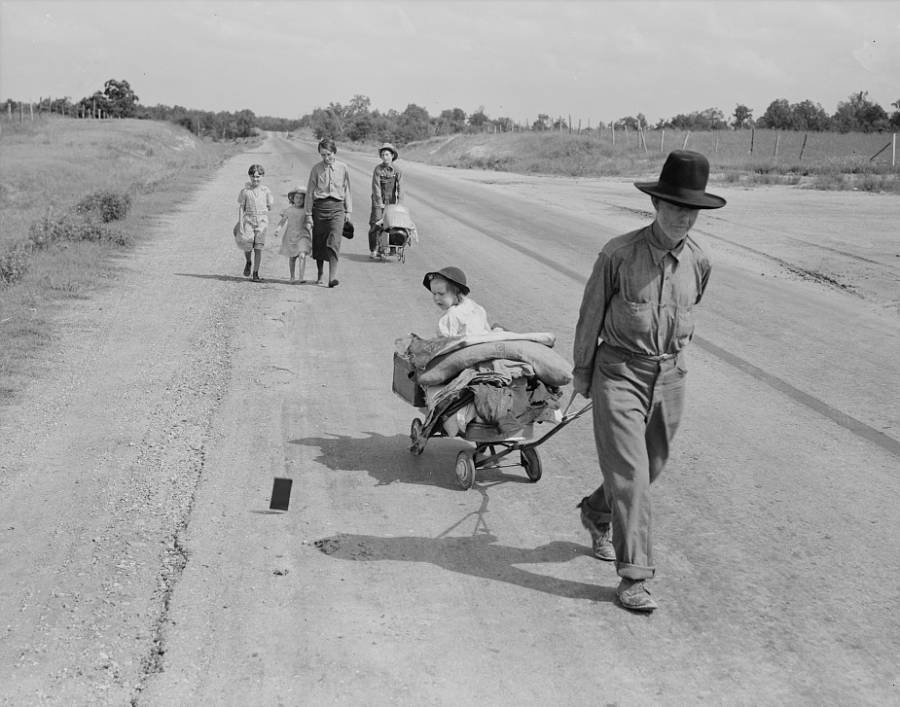
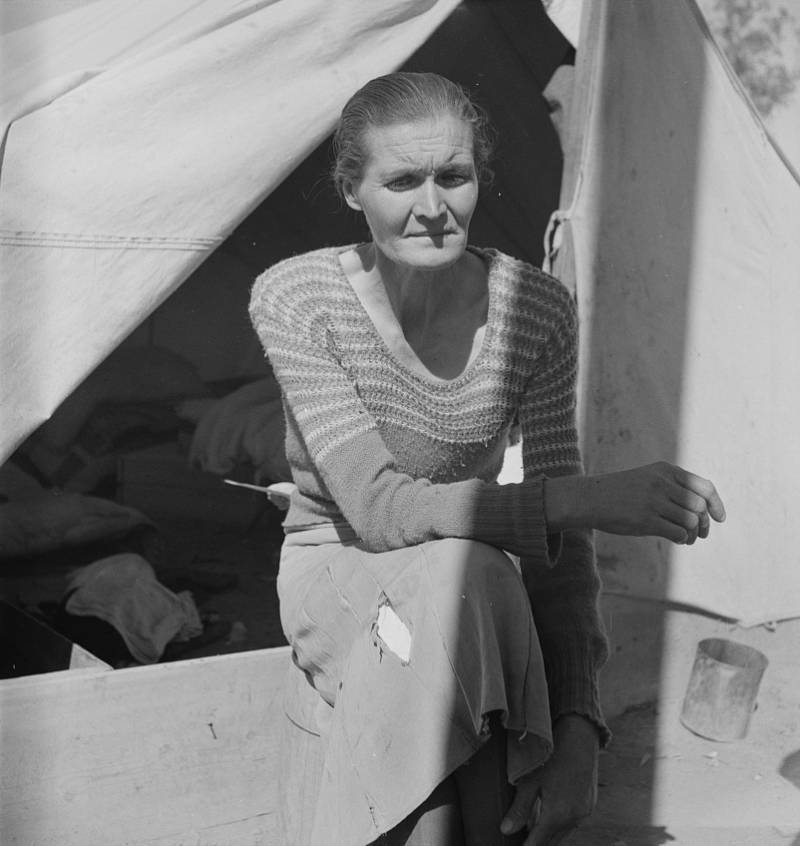
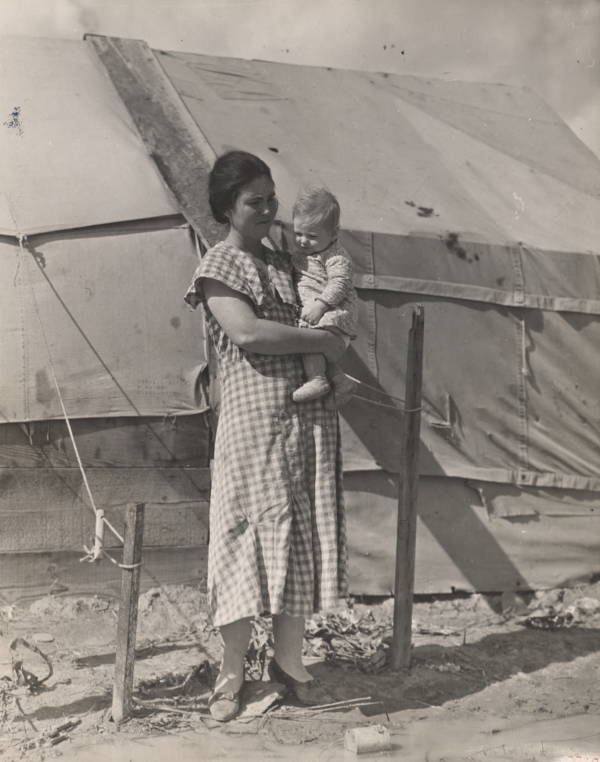
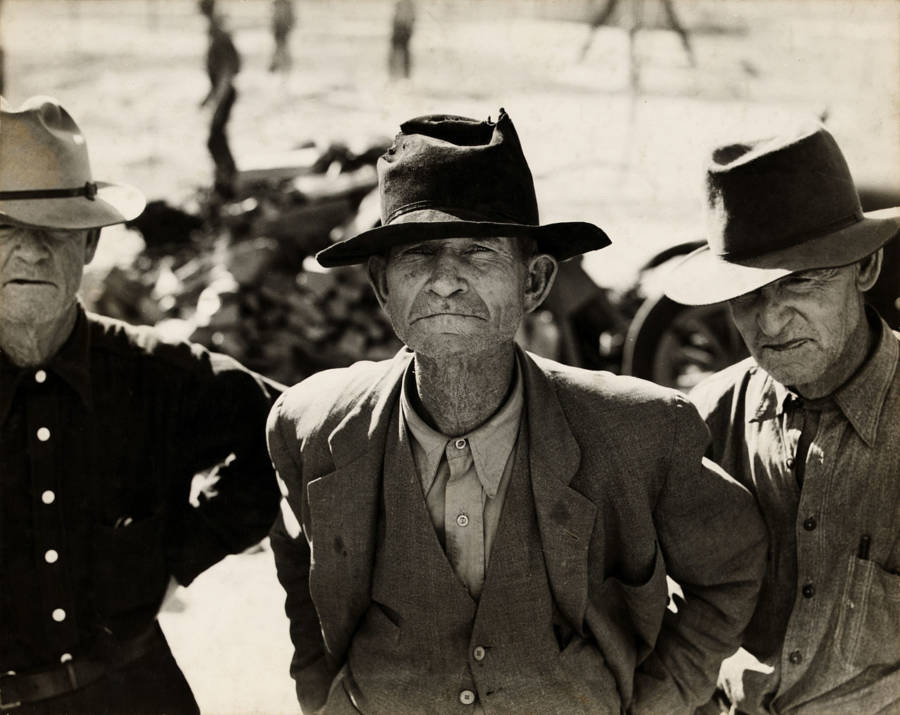
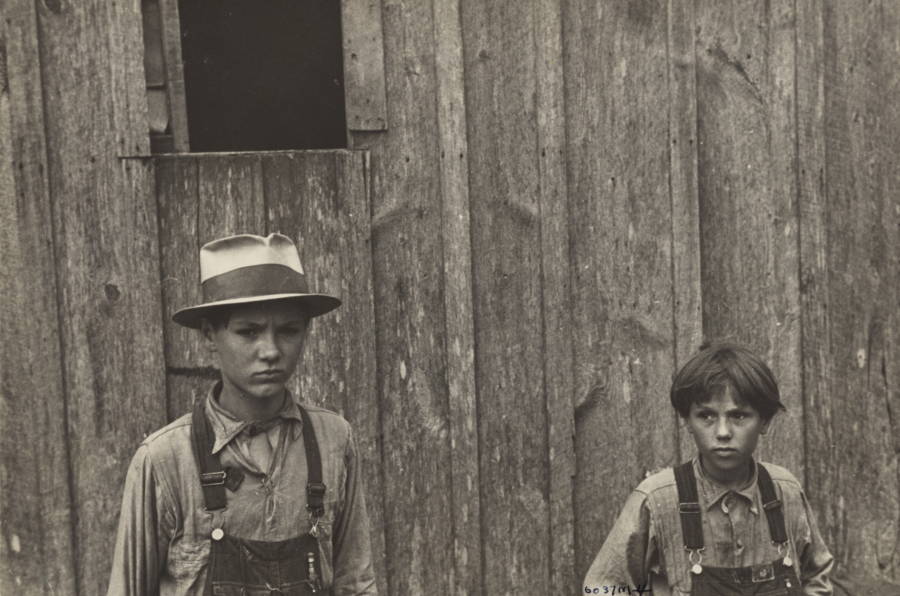
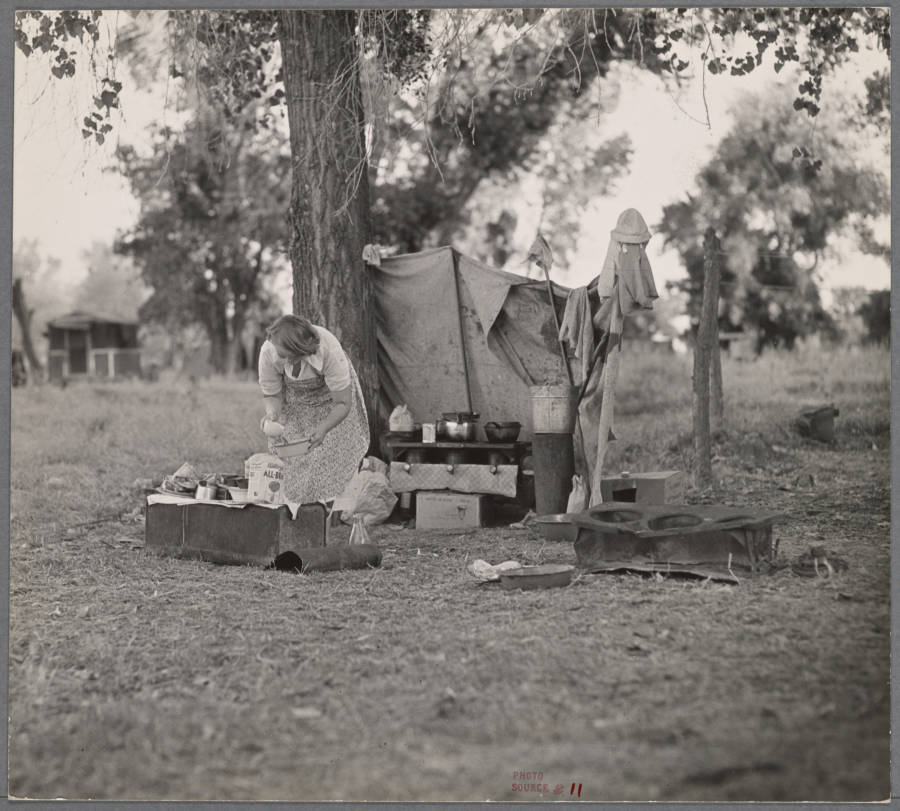
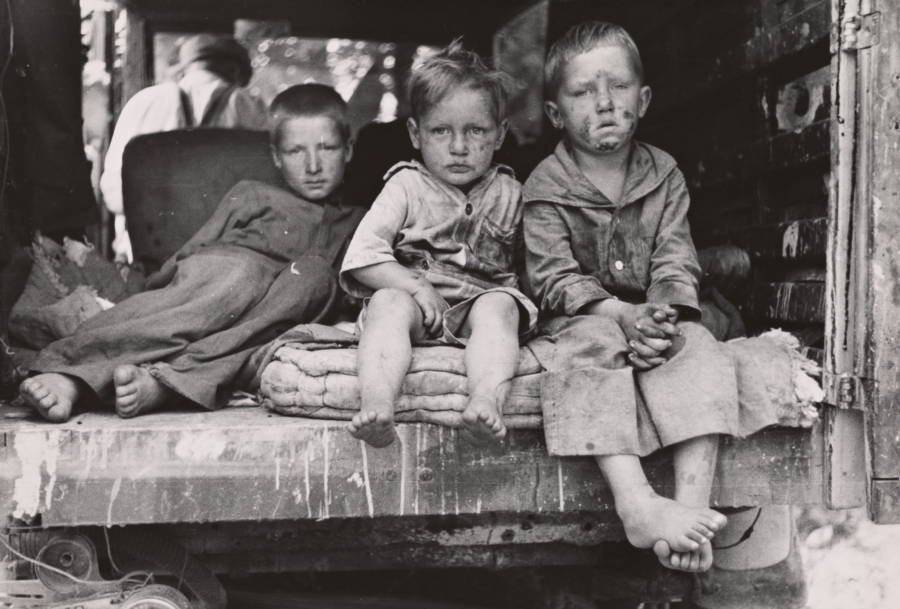
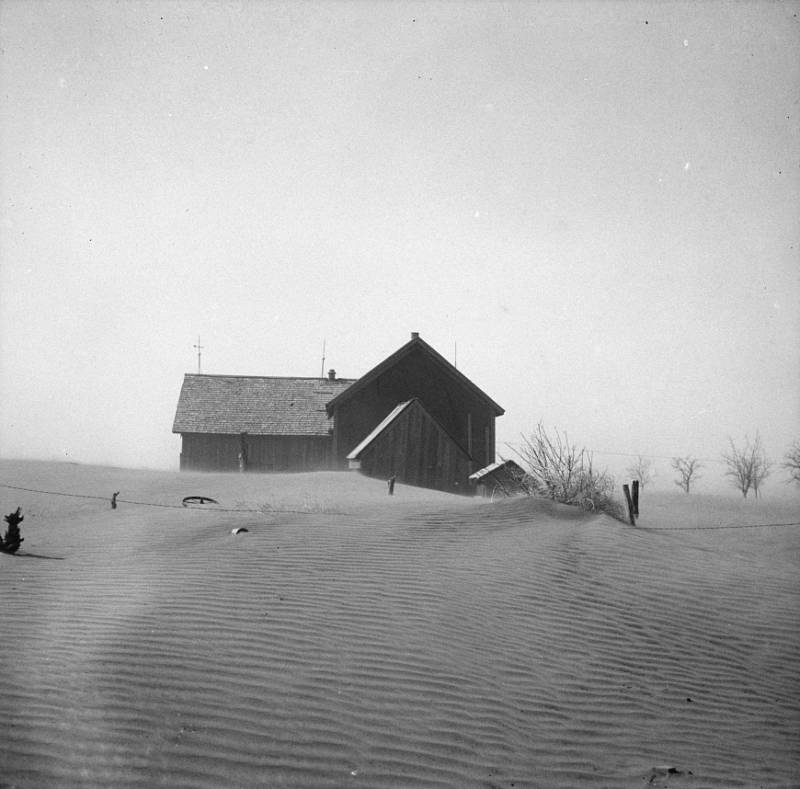
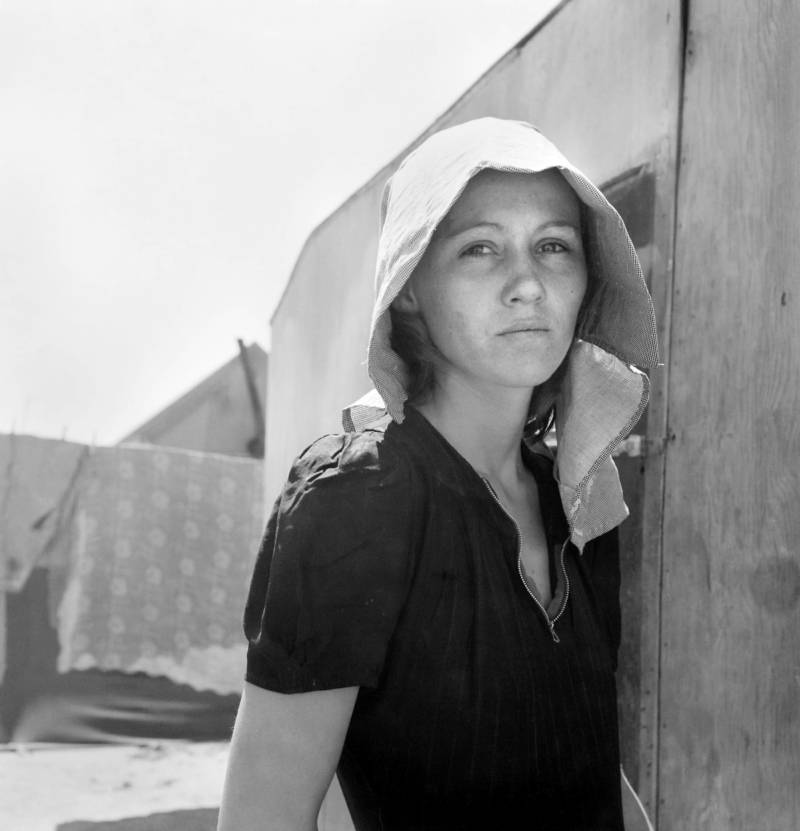
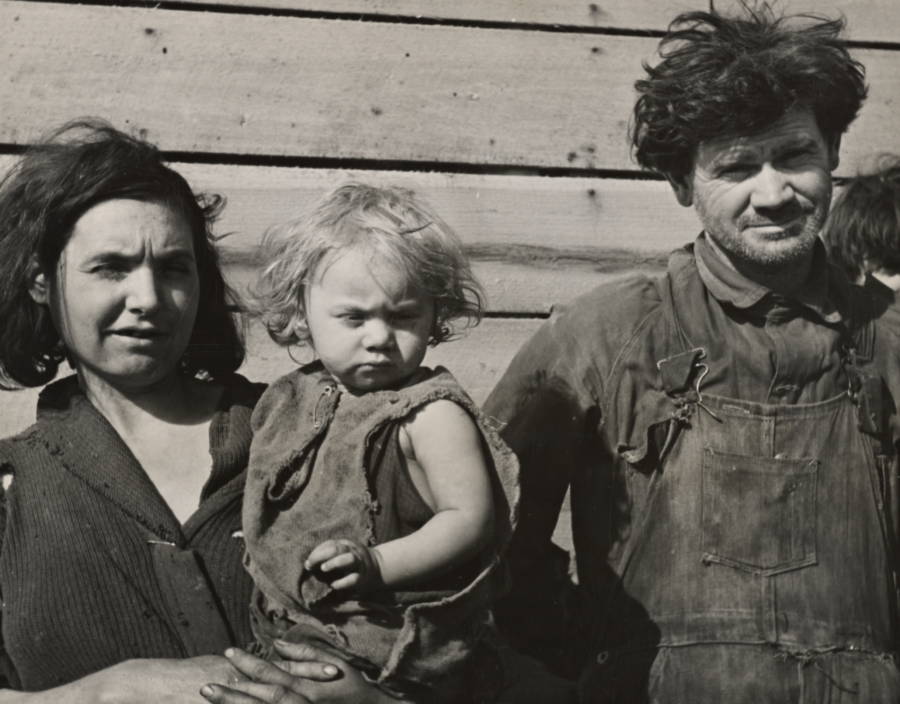
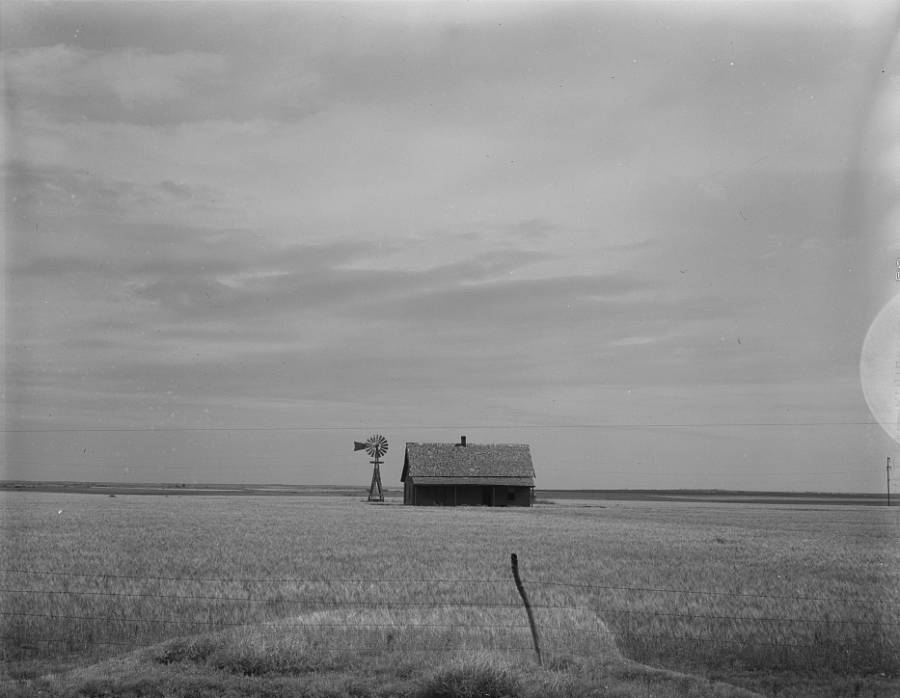
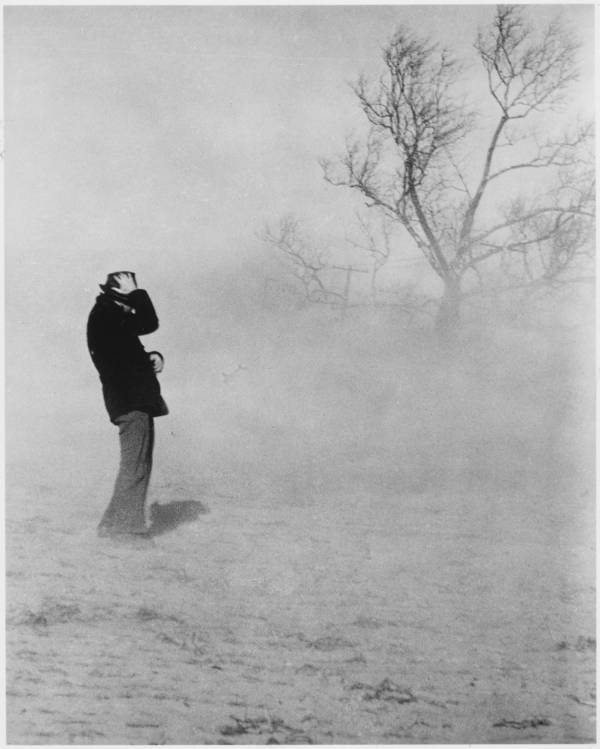
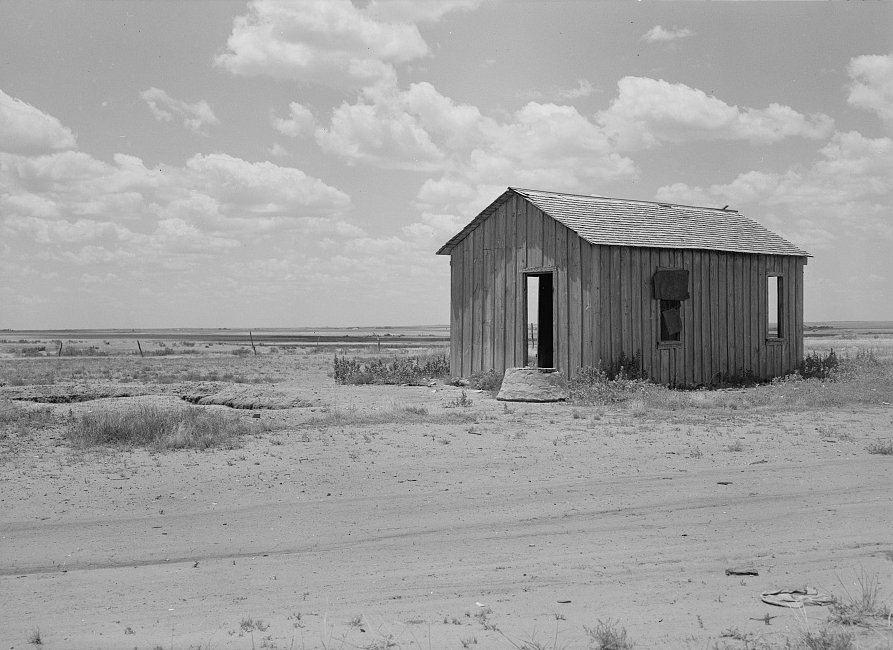
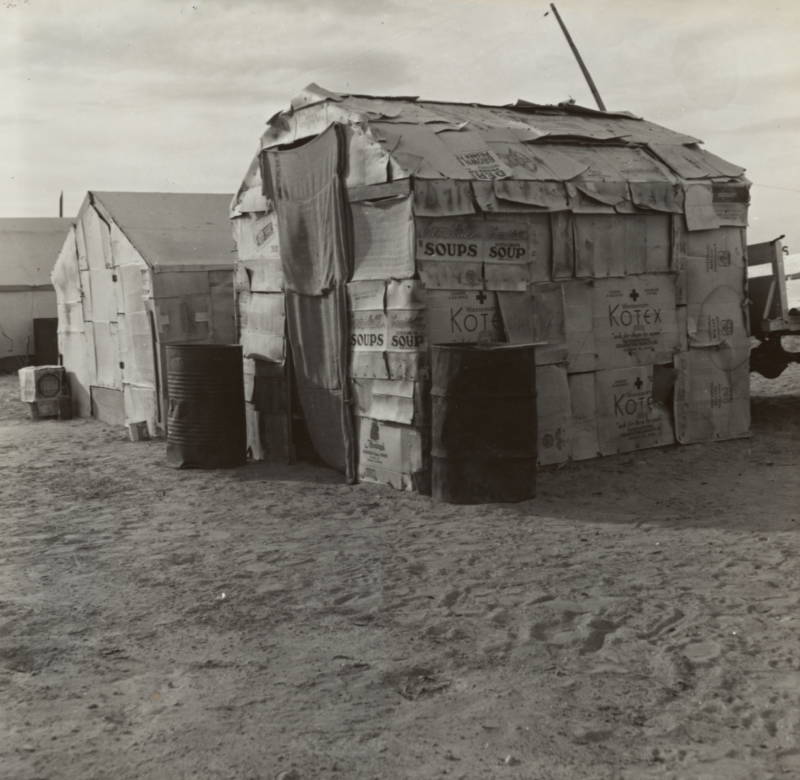
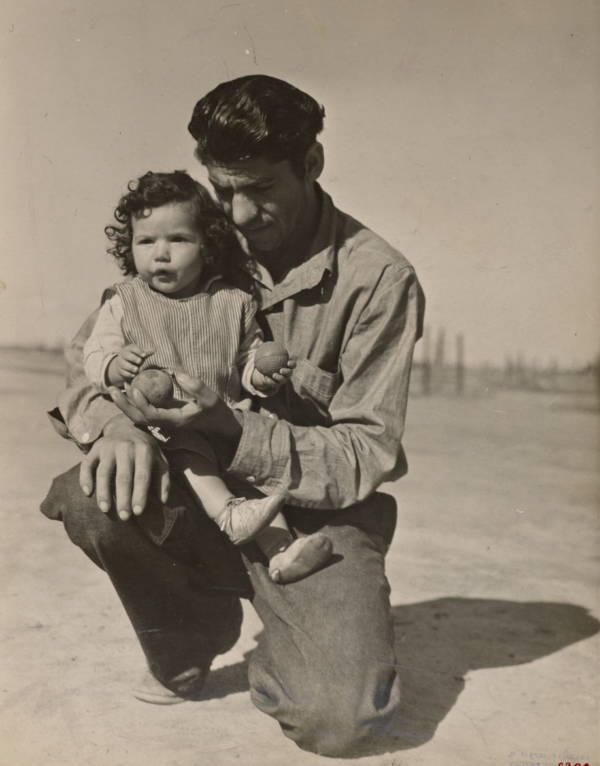
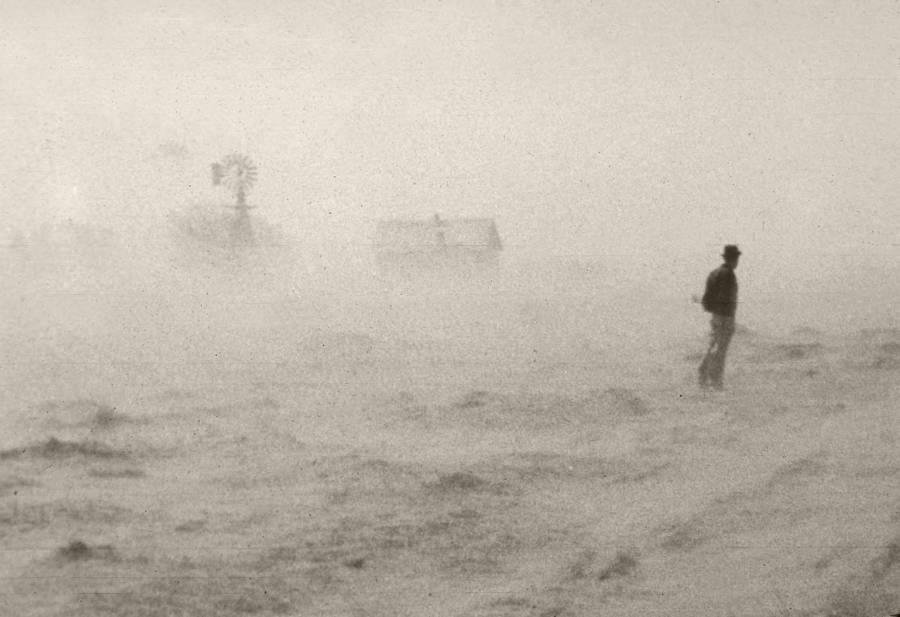
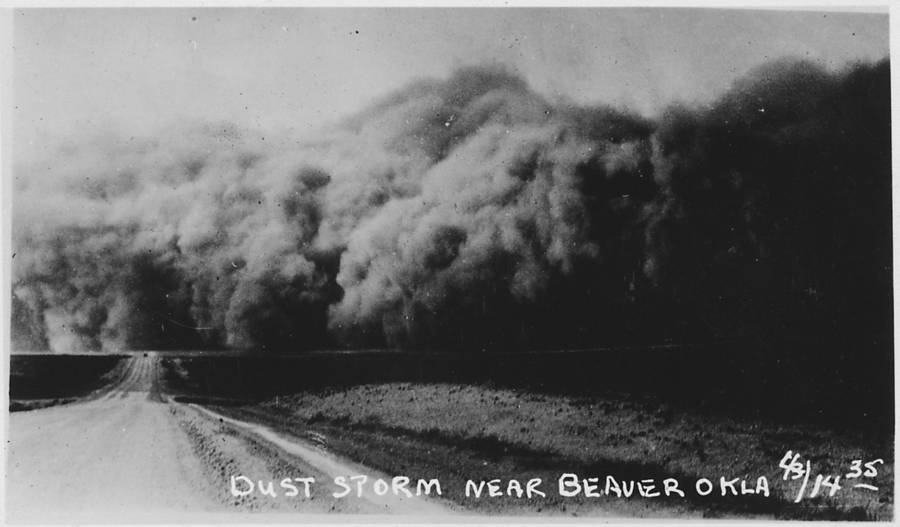
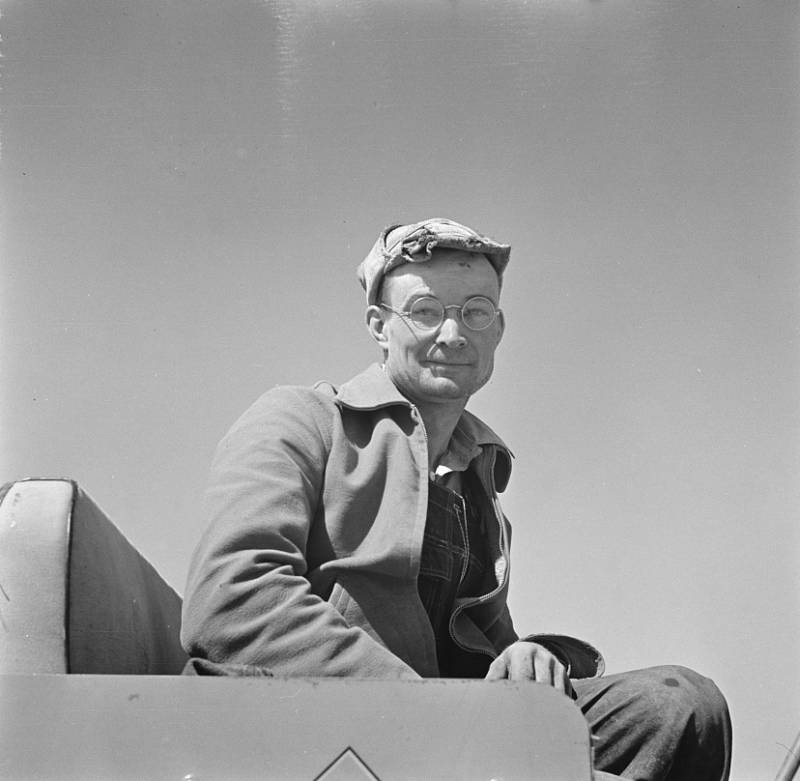
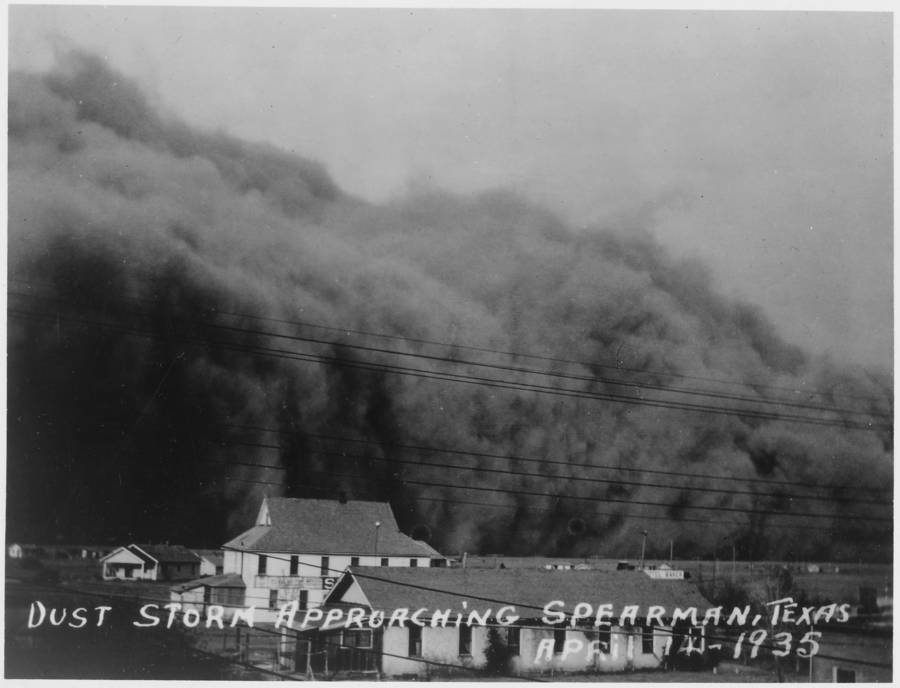
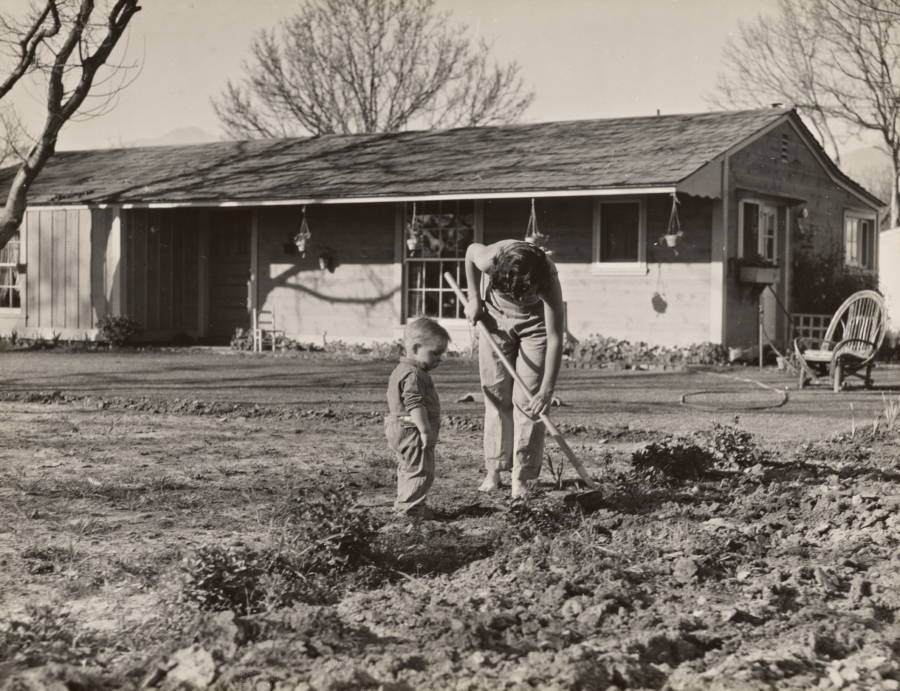
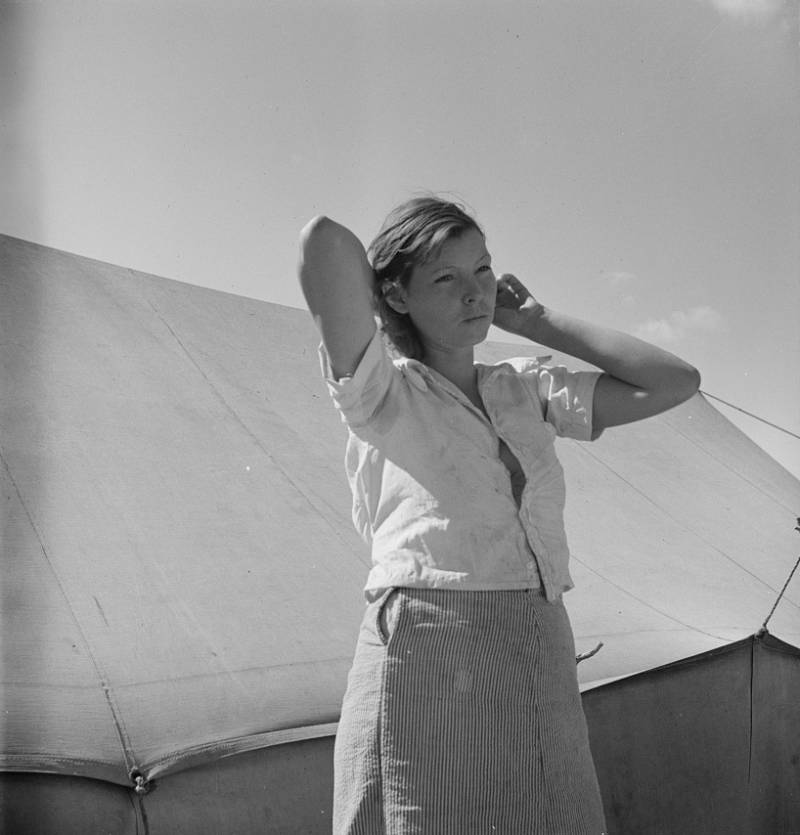
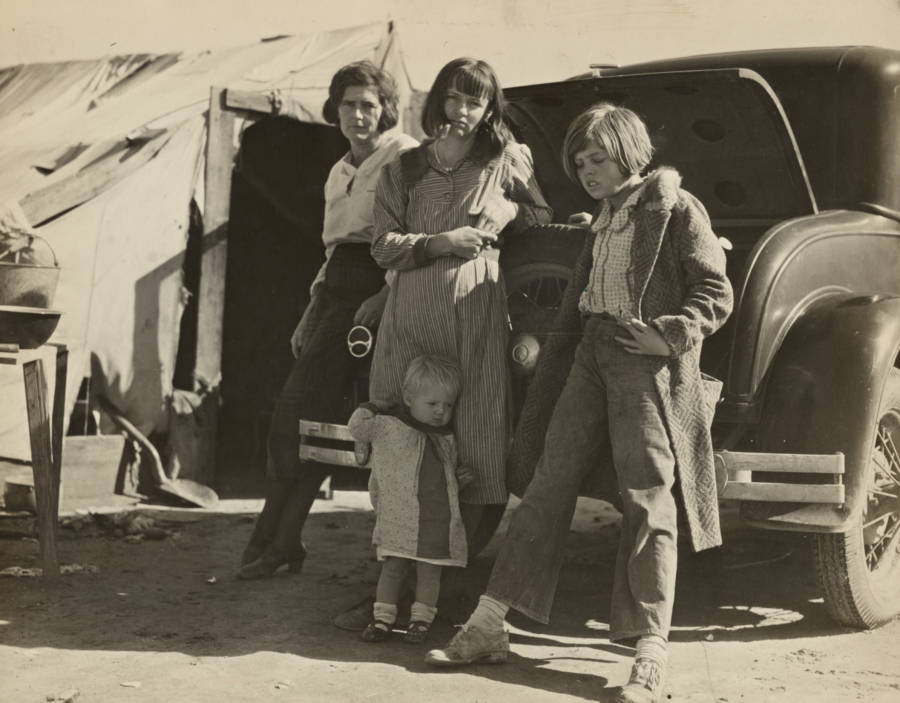
The Dust Bowl refers to the drought-stricken Southern Plains region of the United States, which suffered severe dust storms during a dry period in the 1930s and early 1940s. As high winds and choking The Dust Bowl refers to the drought-stricken Southern Plains region of the United States, which suf dust swept the region from Texas to Nebraska, people and livestock were killed and crops failed across the entire region. The Dust Bowl intensified the crushing economic impacts of the Great Depression and drove many farming families on a desperate migration in search of work and better living conditions.
The Dust Bowl was caused by several economic and agricultural factors, including federal land policies, changes in regional weather, farm economics and other cultural factors. After the Civil War, a series of federal land acts coaxed pioneers westward by incentivizing farming in the Great Plains.
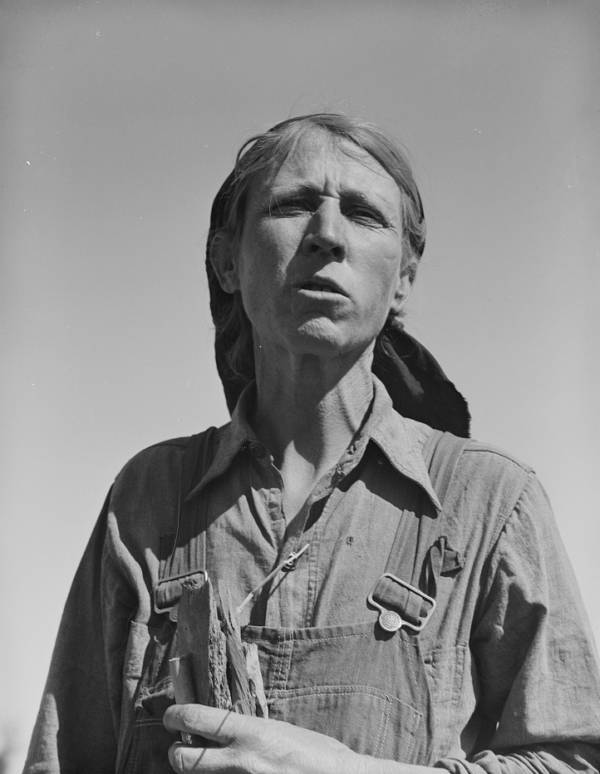
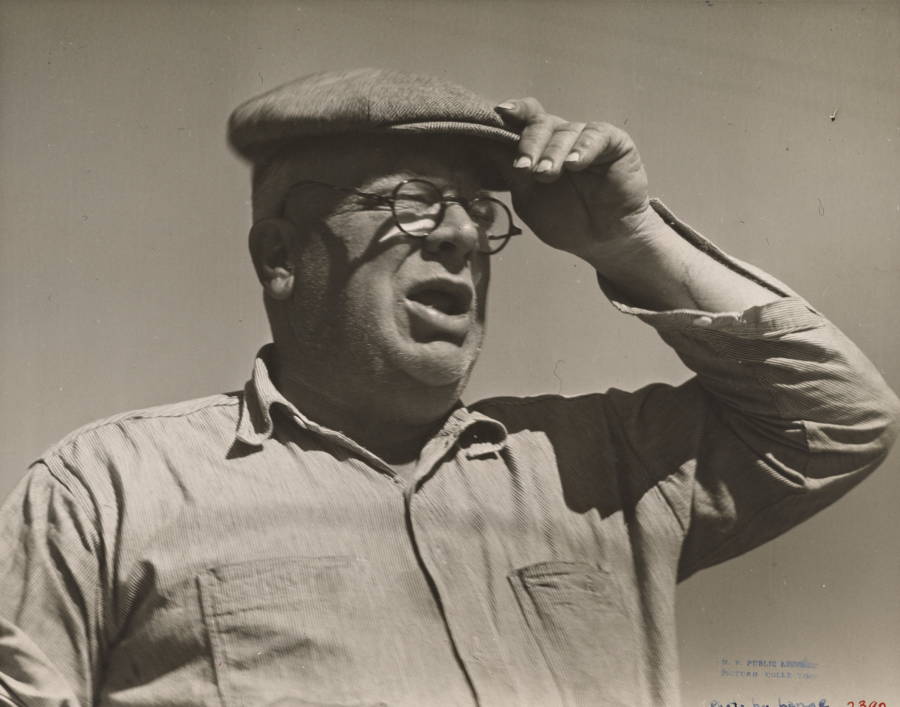
Children of a migrant fruit worker in Berrien County, Michigan, July 1940.Farm machinery buried by a dust storm near a barn lot in Dallas, South Dakota, May 1936.Thirty-two-year-old Florence Owens Thompson with three of her seven children at a pea pickers’ camp in Nipomo, California, March 1936.Dust Bowl farm in the Coldwater District, north of Dalhart, Texas, June 1938.A child plays in a California migratory camp, 1936.A dust storm looms behind a car in the Texas Panhandle, March 1936.Migrant worker looking through back window of automobile near Prague, Oklahoma, 1939.The young son of a farmer walks amid the dust in Cimarron County, Oklahoma, April 1936.A destitute family in the Ozark Mountains area of Arkansas, 1935.The “Black Sunday” dust storm, one of the worst of the entire era, hits Liberal, Kansas on April 14 1935.Children from Oklahoma staying in a migratory camp in California, November 1936.Veteran migrant worker camped in Wagoner County, Oklahoma, June 1939. When asked where his home was, he told photographer Russell Lee, “It’s all over.”Poor 24-year-old father and 17-year-old mother attempt to hitchhike with their baby on California’s U.S. Highway 99, November 1936.Landscape left barren by the Dust Bowl, north of Dalhart, Texas, June 1938.A farmer and his sons walk amid a dust storm in Cimarron County, Oklahoma, April 1936.The children of a migrant family living in a trailer in the middle of a field south of Chandler, Arizona, November 1940.“This is a hard way to serve the Lord”: An Oklahoma refugee in California, March 1937.Migrant family traveling on foot through Oklahoma, looking for work elsewhere after father fell ill but was refused country relief, June 1938.Dust bowl refugee from Chickasaw, Oklahoma, now in Imperial Valley, California, March 1937.A woman identified as Mrs. Howard holds her baby at a migrant camp in California, 1935.Tenant farmers in Imperial Valley, California, March 1937.Children of a tenant farmer in Boone County, Arkansas, 1935.A drought refugee from Oklahoma attempts to prepare dinner in her makeshift outdoor dwelling in Marysville, California, August 1935The children of a migrant fruit worker in Berrien County, Michigan, July 1940.Dust storm damage in Cimarron County, Oklahoma, April 193A young migratory mother originally from Texas, now in Edison, California, April 1940. The day before this photo was taken, she and her husband had traveled 35 miles each way to pick peas for five hours, earning just $2.25 between them.Sand dunes on a farm in Cimarron County, Oklahoma, April 1936.A migrant fruit farmer and his family rest at a camp in Marysville, California, June 1935.Soil blown by Dust Bowl winds piled up in large drifts near Liberal, Kansas, March 1936.Members of a poor family of nine who’d been living in a makeshift dwelling constructed from an abandoned car and using a nearby creek as their only water source along U.S. Route 70 between Bruceton and Camden, Tennessee, March 1936.An abandoned farm house in southwest Oklahoma, June 1937.A man stands amid a raging dust storm at an unspecified location, circa 1934-1936.An abandoned house on the edge of the Great Plains near Hollis, Oklahoma, June 1938.A migratory field worker’s makeshift home on the edge of a pea field, where they lived through the winter, in Imperial Valley, California, 1937.A dust storm in Oklahoma, April 1936.A migrant farmer and his child in California, 1936.A dust storm rages at an unspecified location, 1930s.At the Midway Dairy cooperative, near Santa Ana, California, 1936.A dust storm near Beaver, Oklahoma, July 1935.A farmer in Kansas, March 1936.The “Black Sunday” dust storm approaches Spearman, Texas on April 14, 1935.A mother and child at the El Monte Federal Subsistence Homesteads in California, 1936.An abandoned farm in Cimarron County, Oklahoma, April 1936.A migrant mother from Missouri tends to her sick child after experiencing car trouble on U.S. Highway 99 near Tracy, California, February 1937.A woman in a pea picker’s camp in California, March 1937.Dust Bowl refugees in California, 1936.
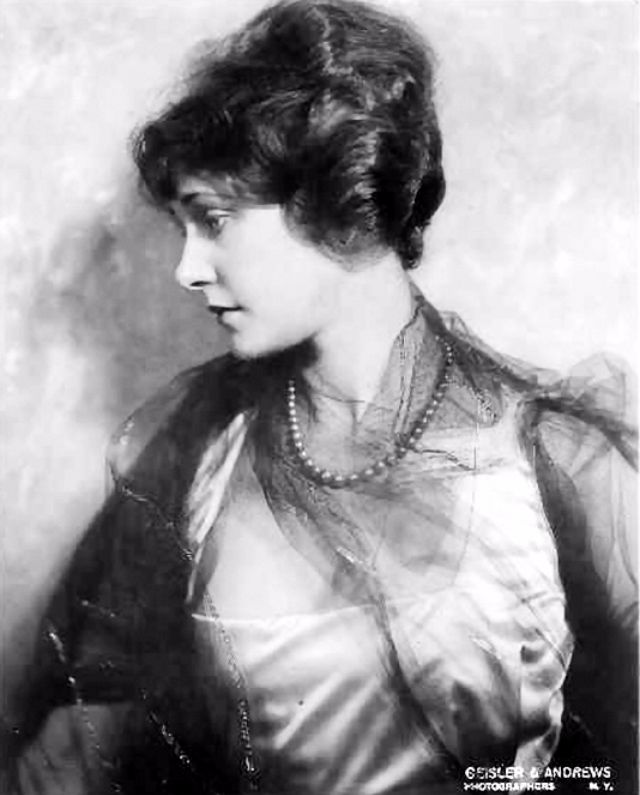
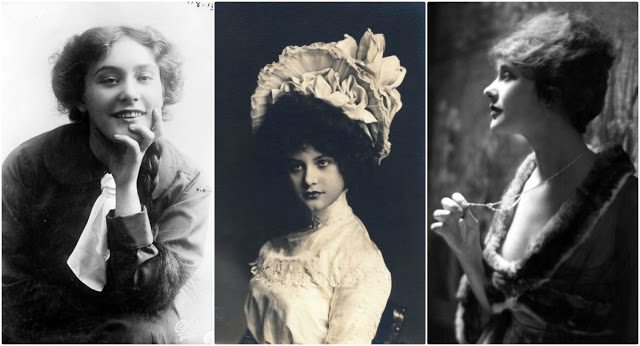
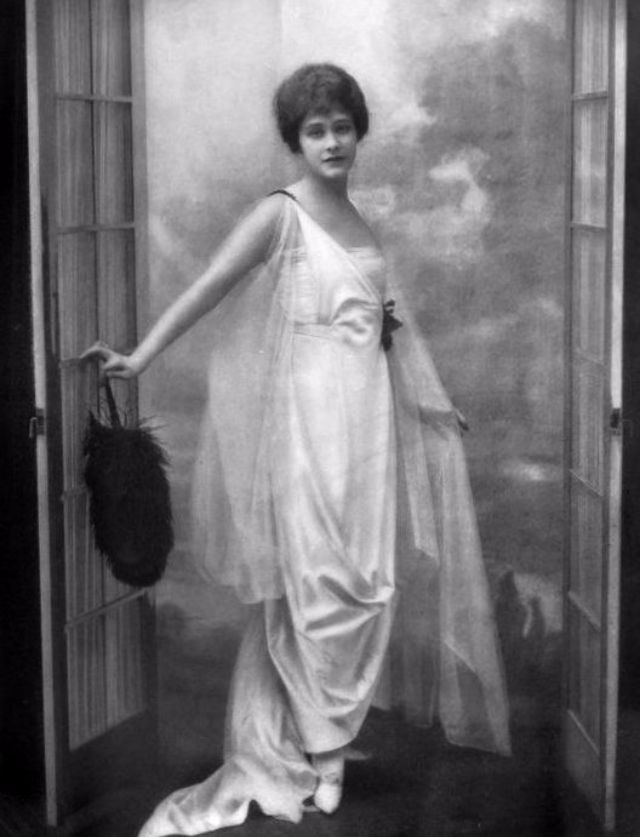
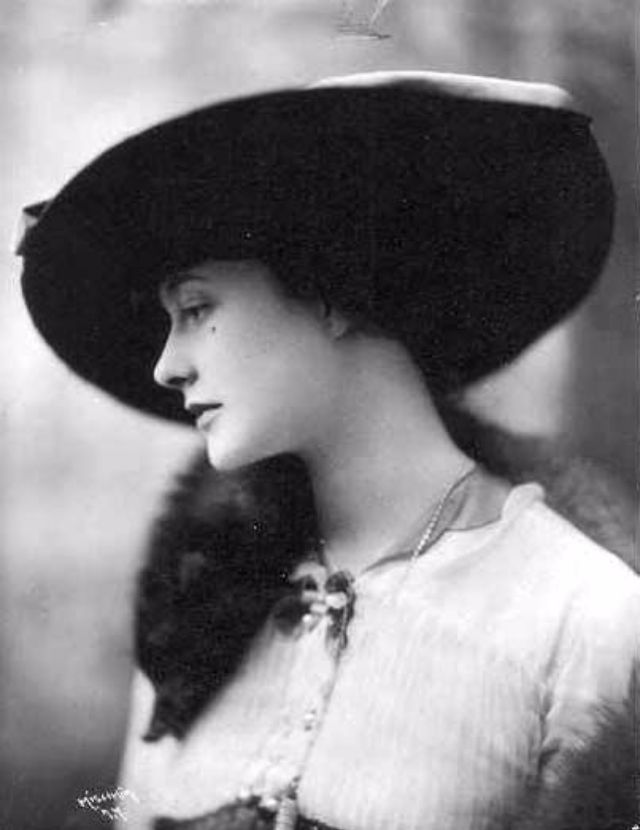
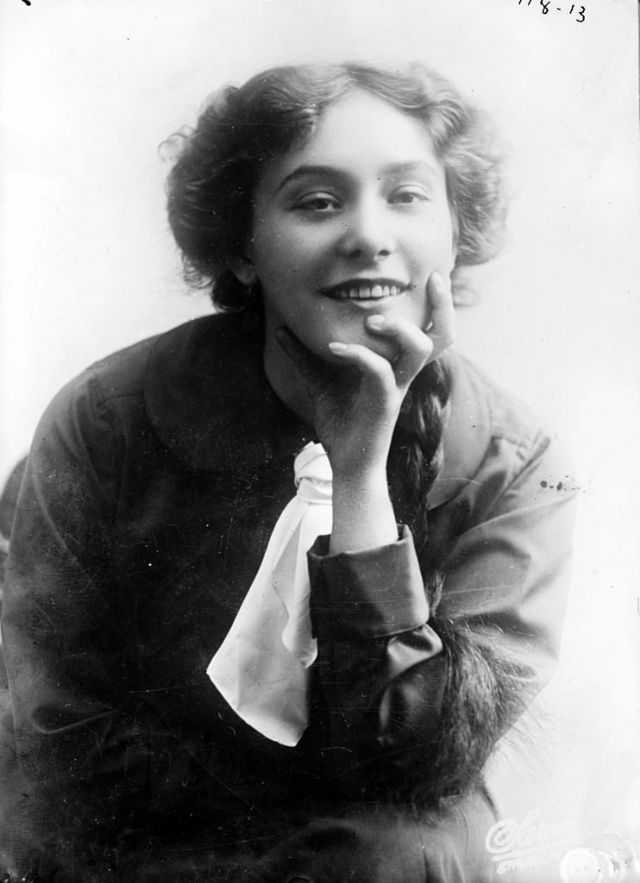
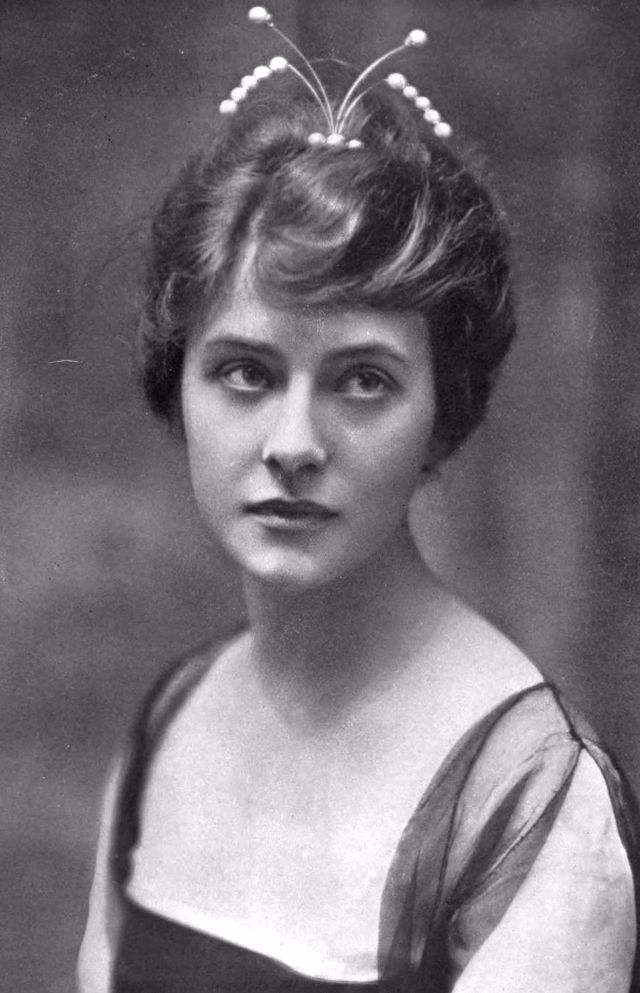
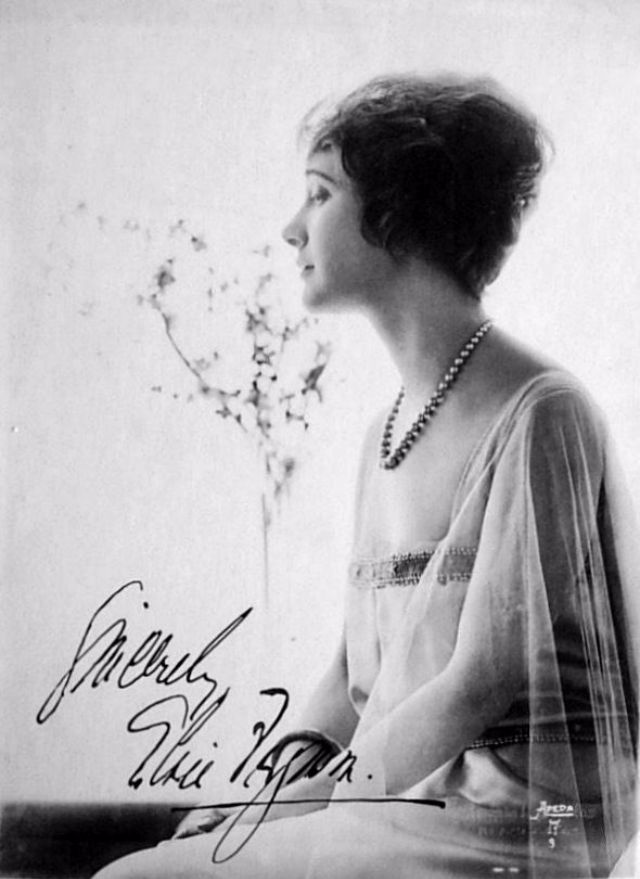
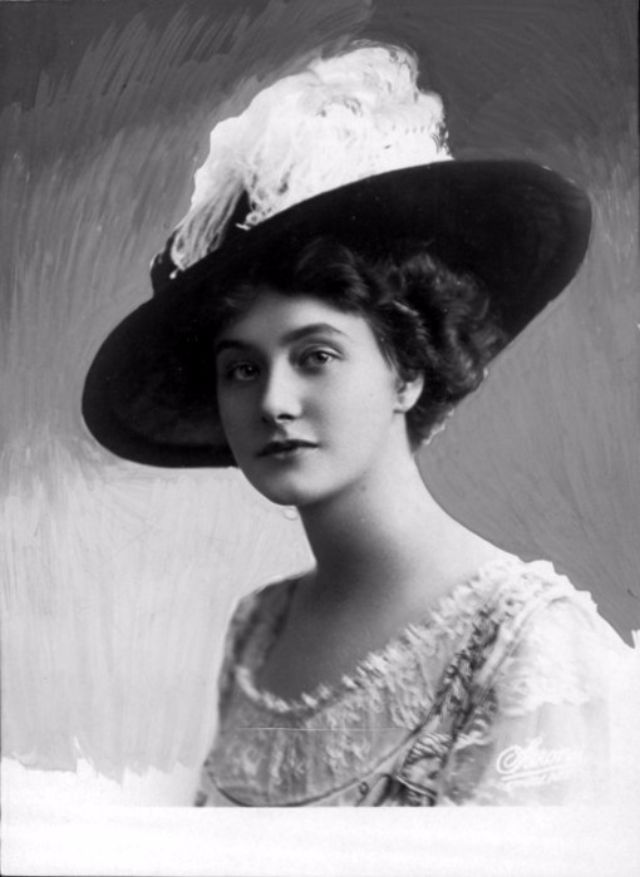
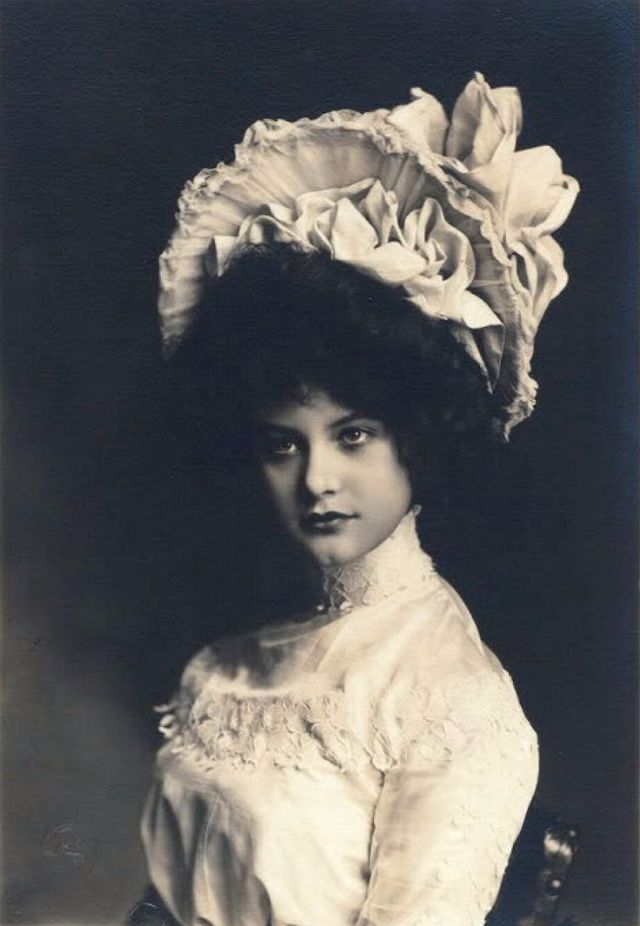
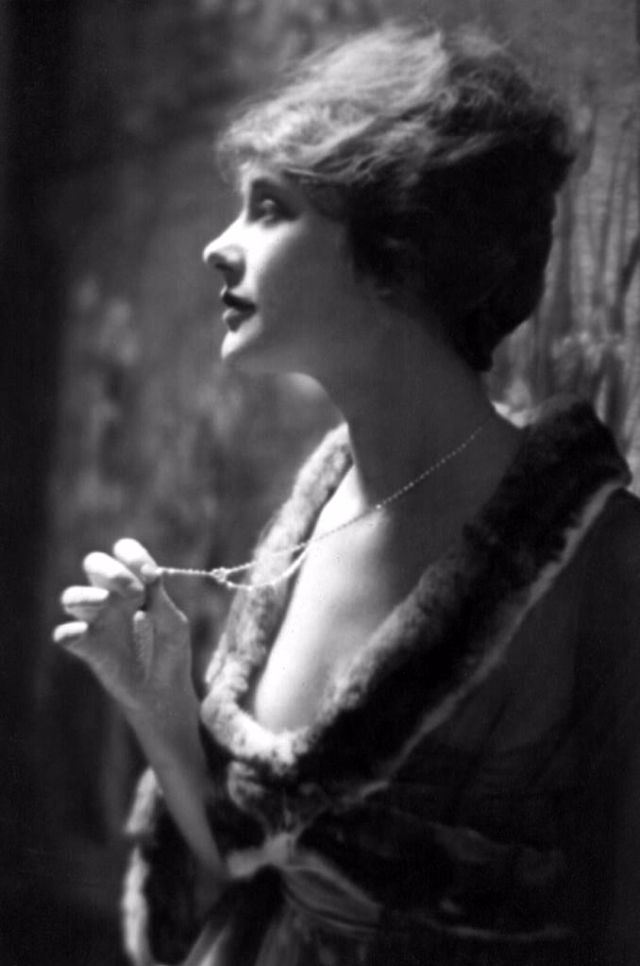
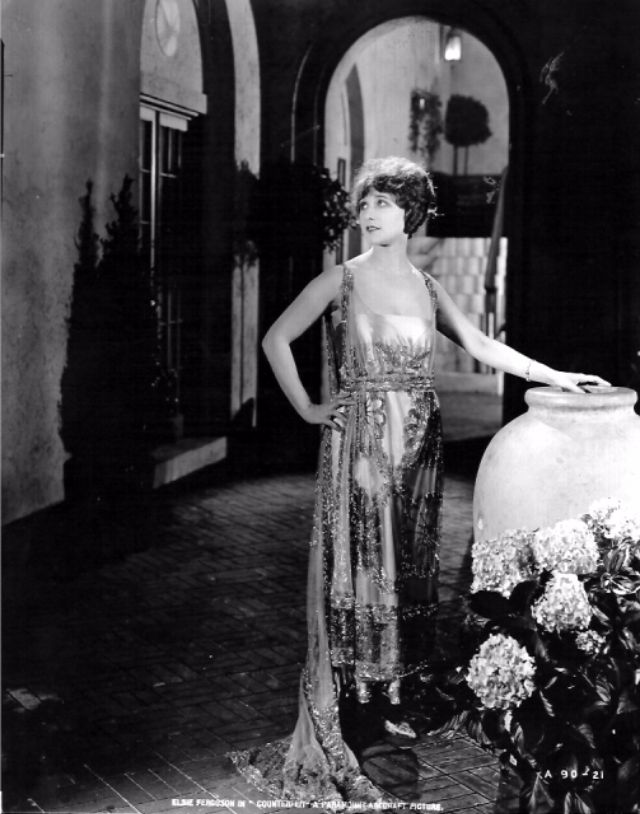
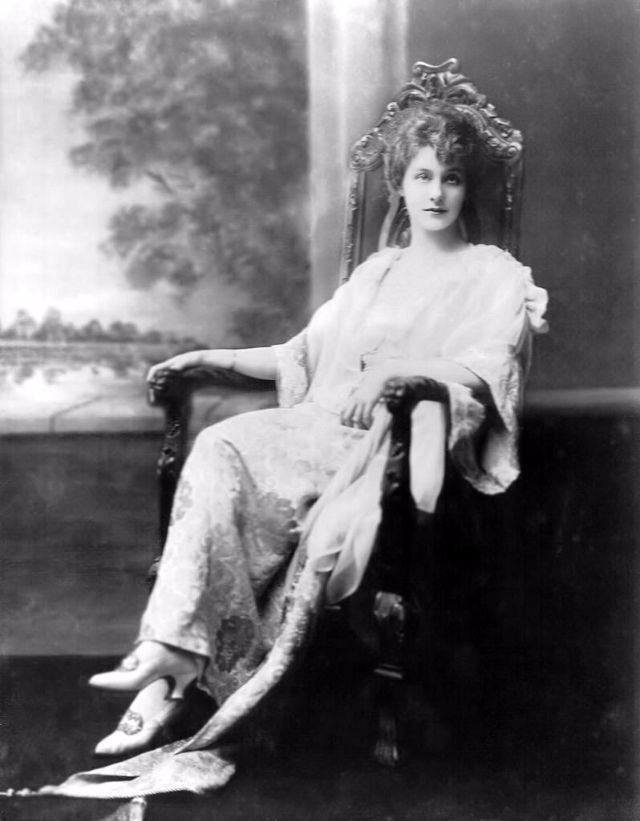
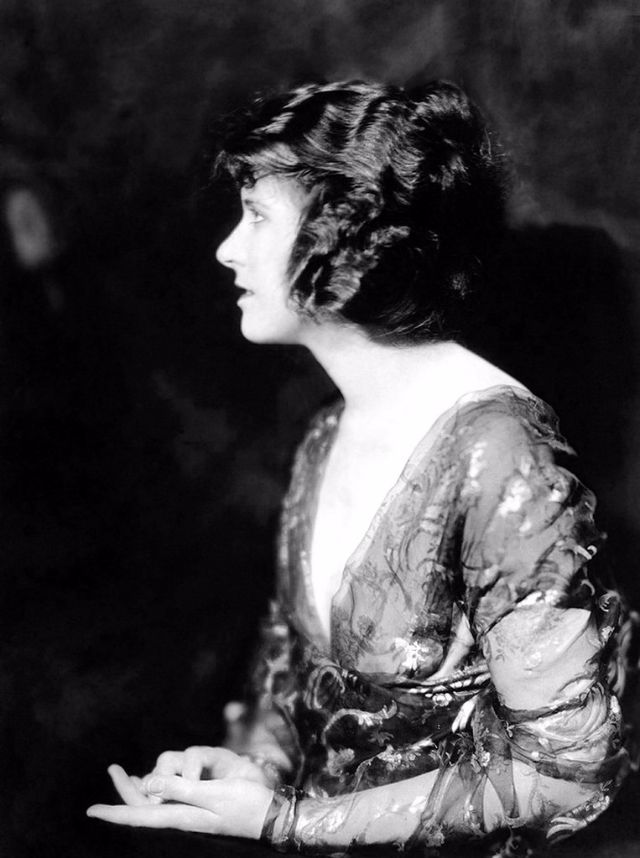
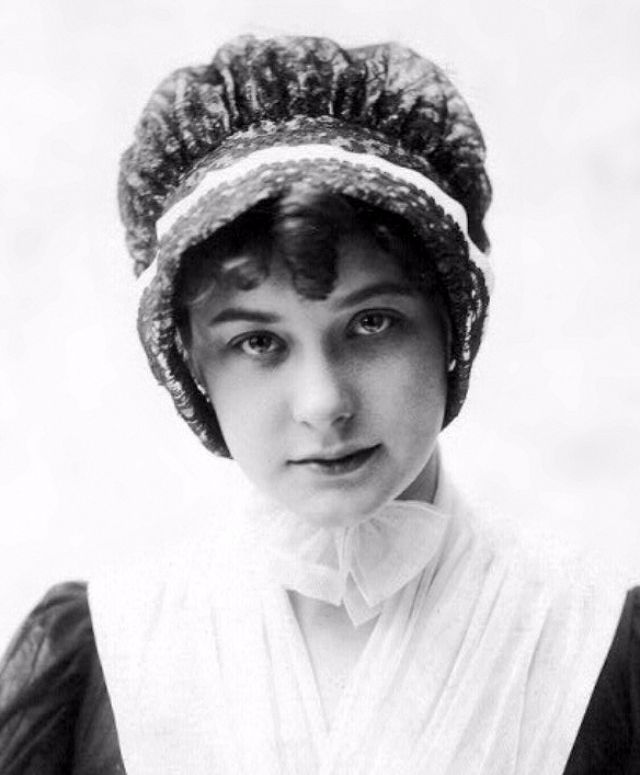
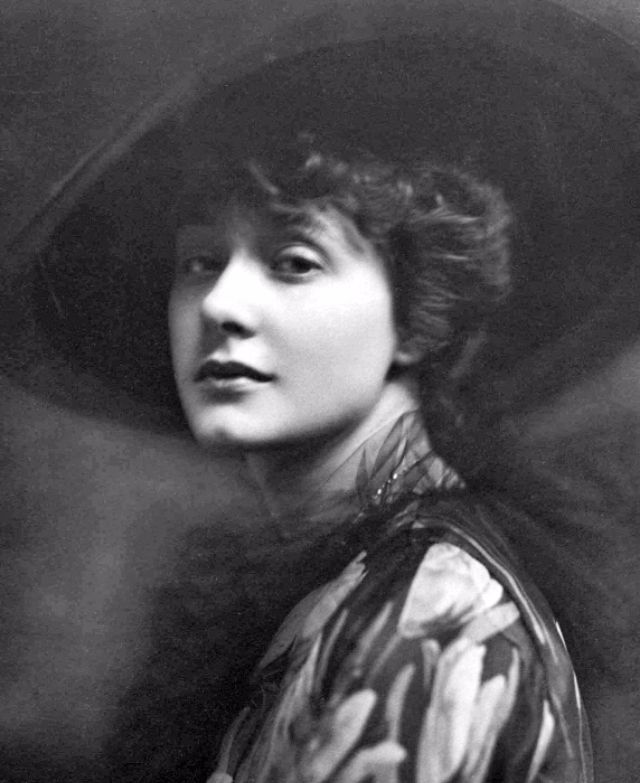
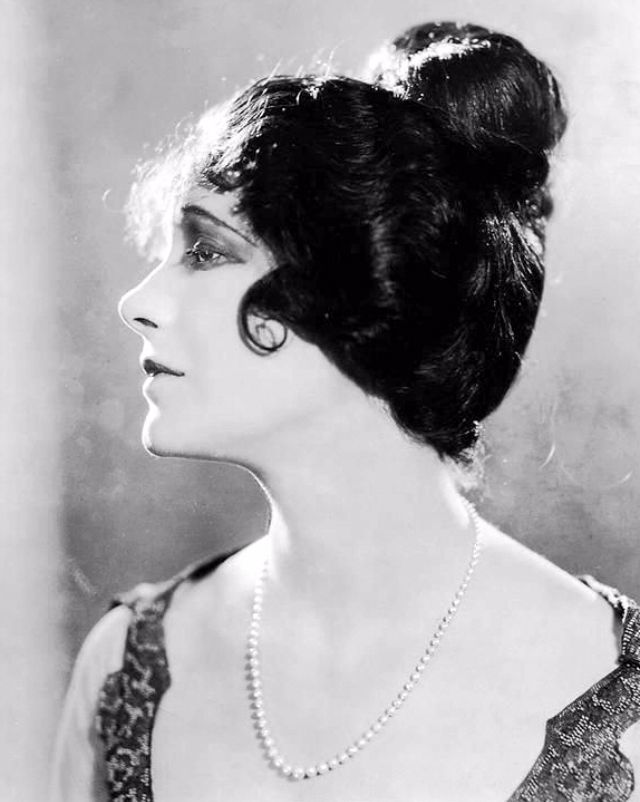
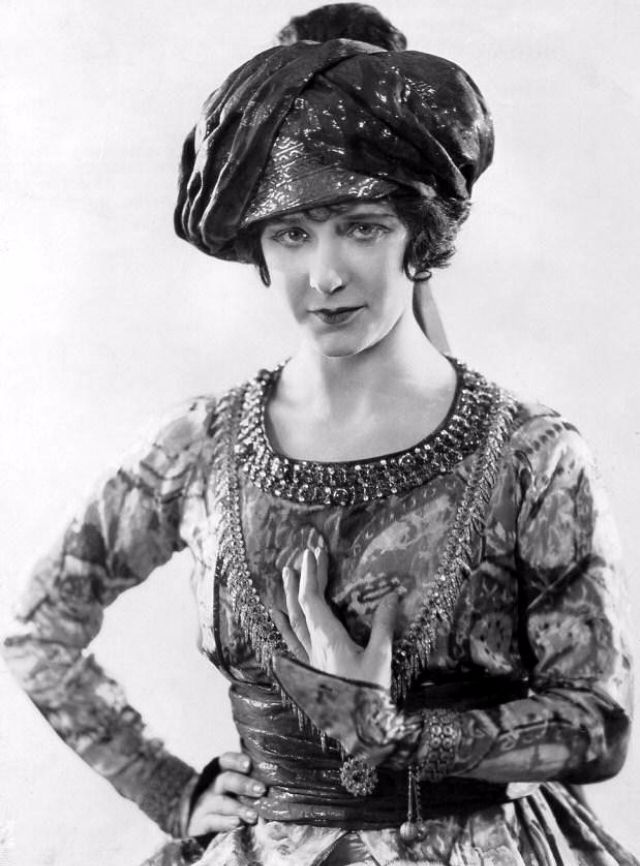
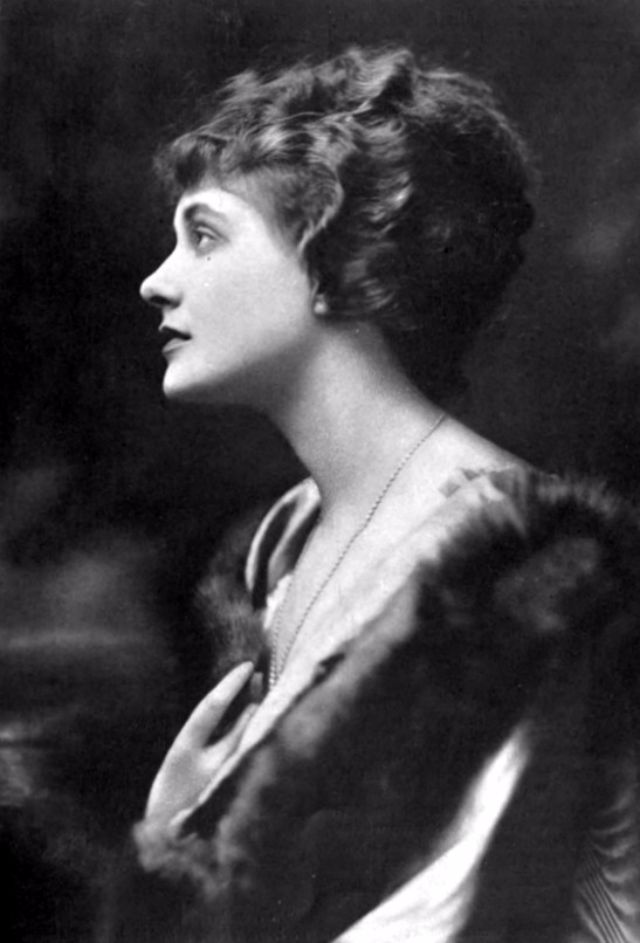
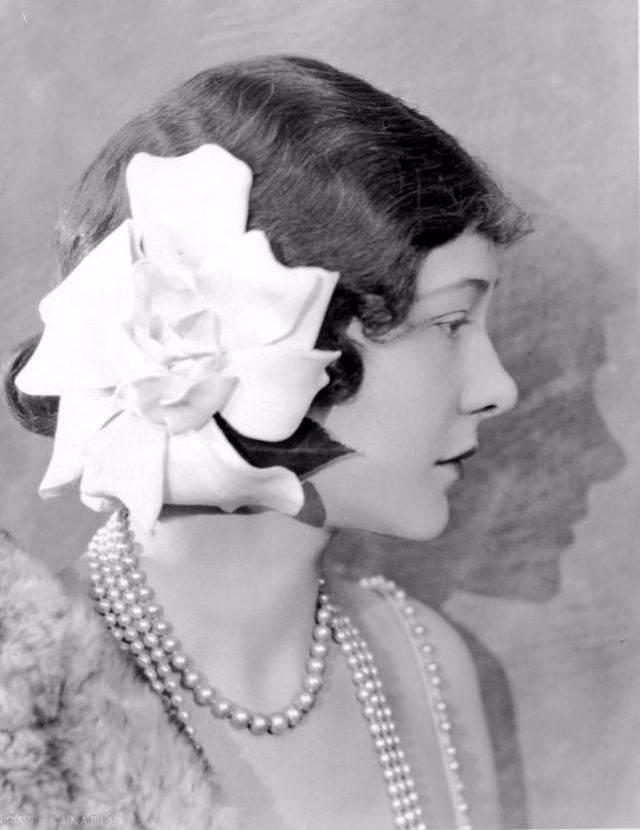
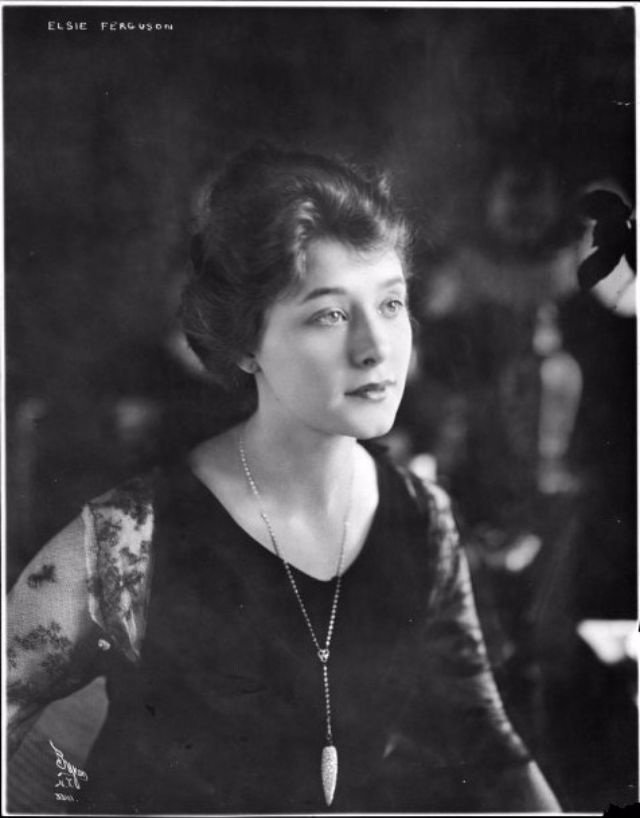
Starting as a 17 year old chorus girl, American stage and film actress Elsie Louise Ferguson (1885-1961) progressed through a number of productions to become a leading lady and Broadway star by 1909.
In 1917 with some persuasion in the form of a $5,000 a week contract, Elsie Ferguson began acting in films. Her salary at Paramount paid her an extra $1,000 per day of filming. After appearing in about 25 films she returned to the stage. She did however make one final sound film in 1930. Her final appearance on Broadway was in 1943.
She was married four times, firstly to estate agent Frederick Chamberlain Hoey (1865-1933) in 1908, they divorced in 1914. She then married banker Thomas Benedict Clarke (1877-1858) in 1916 they divorced in 1923. Thirdly she married actor and co-star Frederick George Worlock (1886-1973) in 1924, they divorced in 1930. Lastly she married British naval captain Victor Augustus Seymour Egan (1875-1956) in 1934 until his death in 1956.
Elsie died in 1961 in New London, Connecticut at the age of 76.