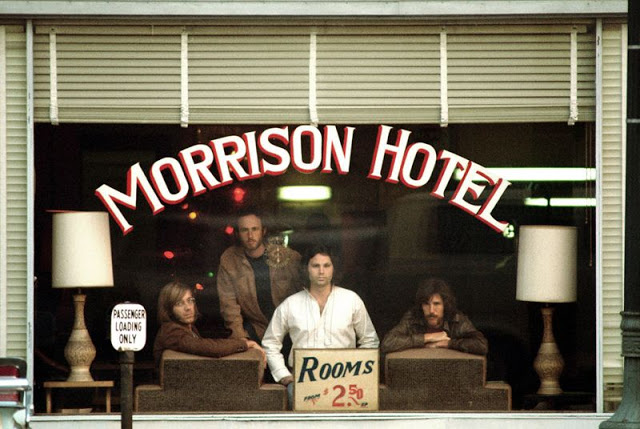
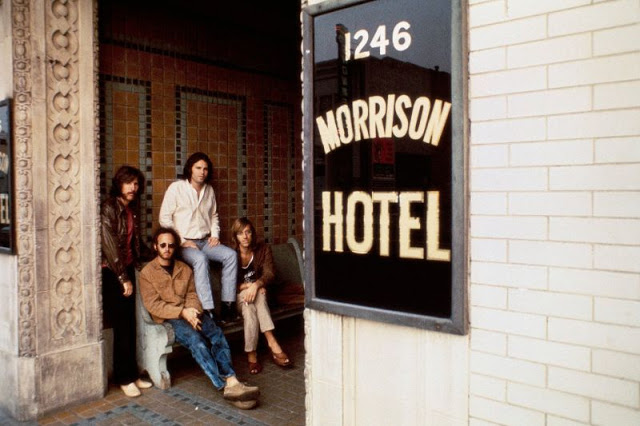
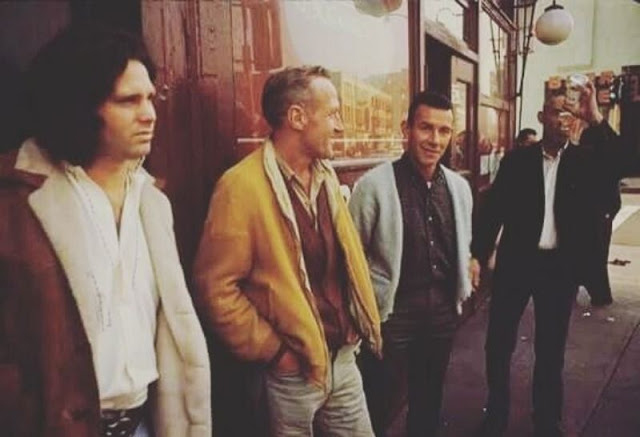
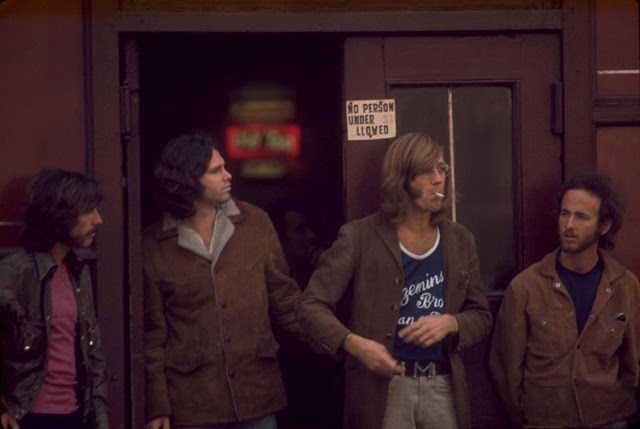
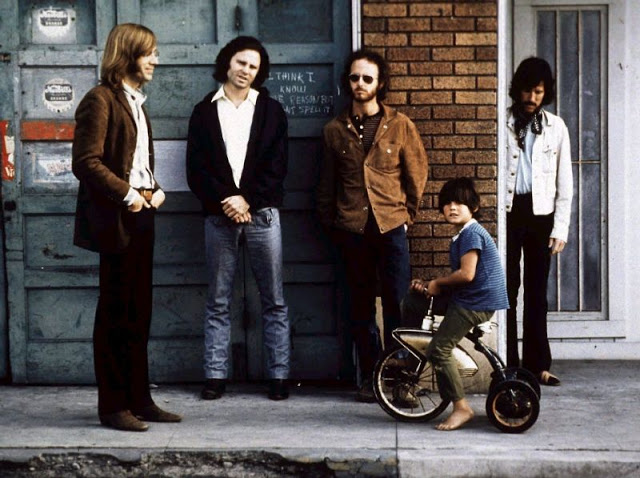
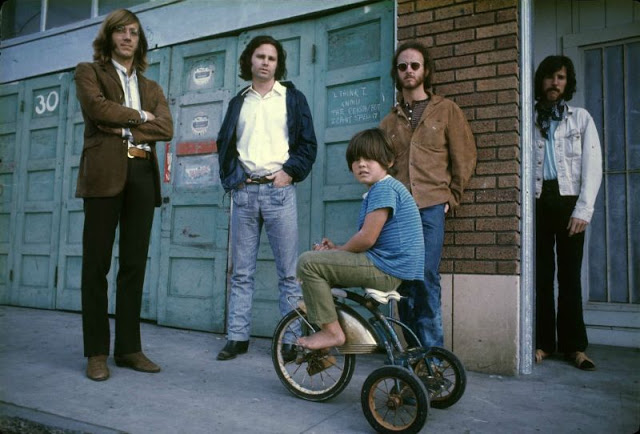
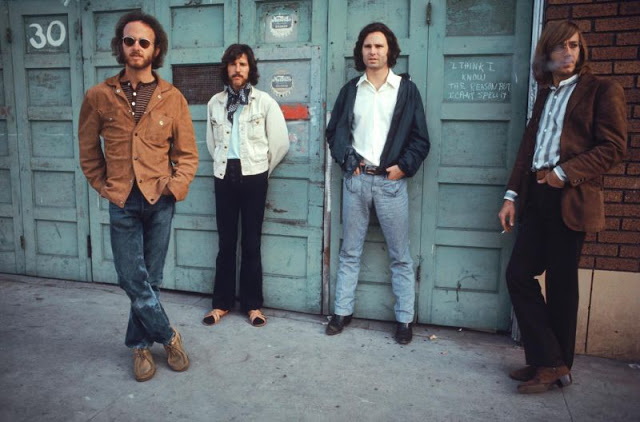
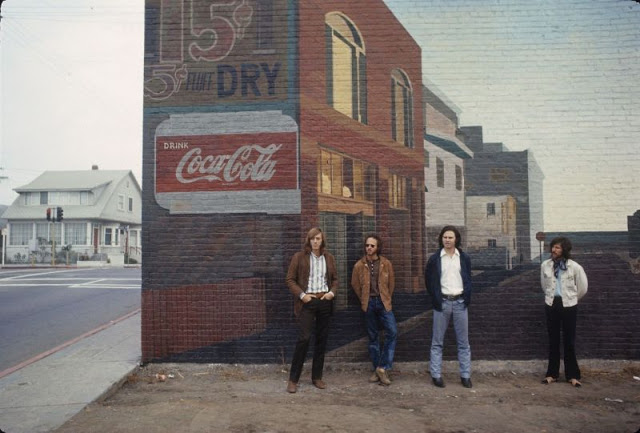
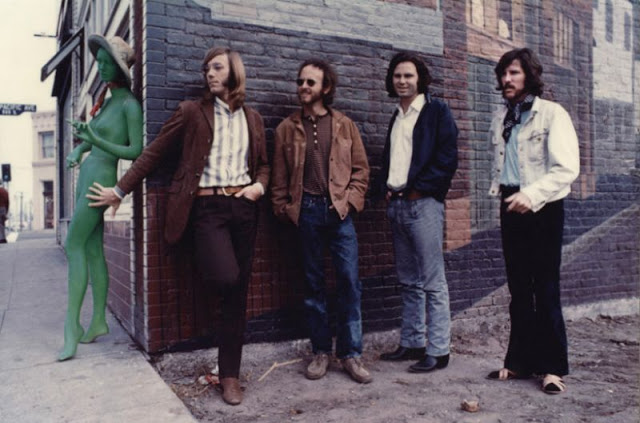
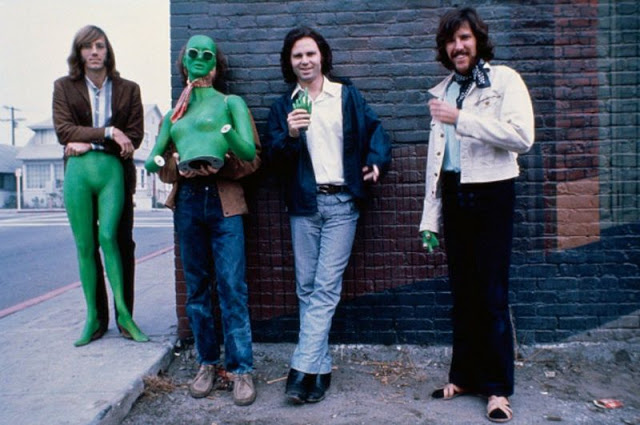
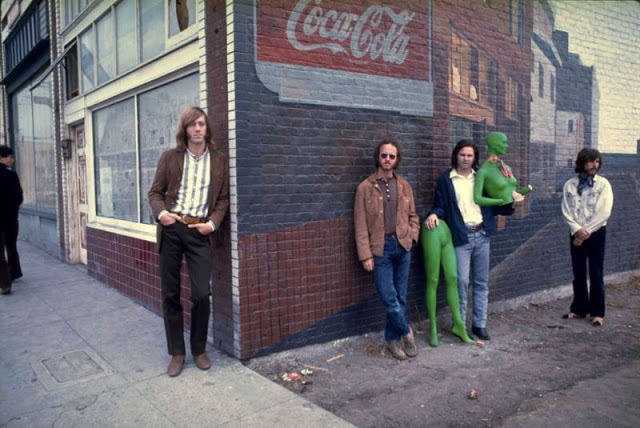
Morrison Hotel is the fifth studio album by American rock band the Doors, released February 9, 1970 by Elektra Records. The Doors entered Elektra Sound Recorders in Los Angeles in November 1969 to record the album which is divided into two separately titled sides; “Hard Rock Cafe” and “Morrison Hotel”. The group included session bassists Lonnie Mack and Ray Neapolitan on the album’s songs.
The album peaked at number four on the Billboard 200, and performed better overseas than the preceding album. Only one single from the album was released, You Make Me Real/Roadhouse Blues, but it reached only a position of 50 Billboard 100 chart.
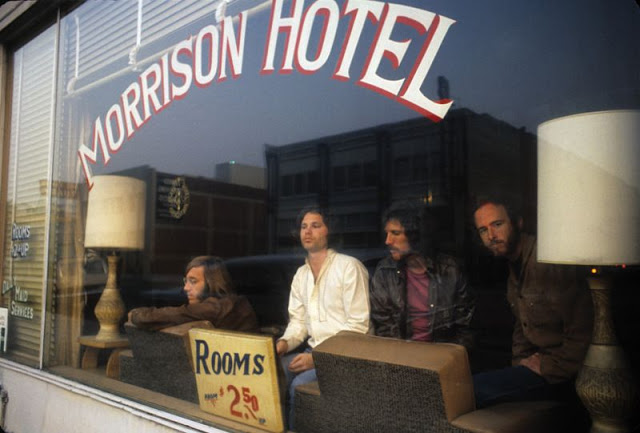
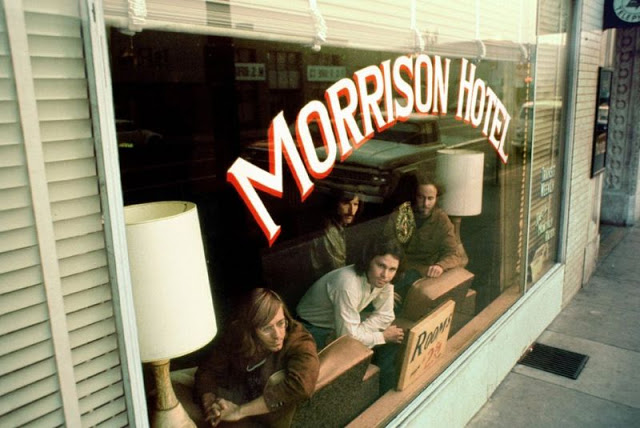
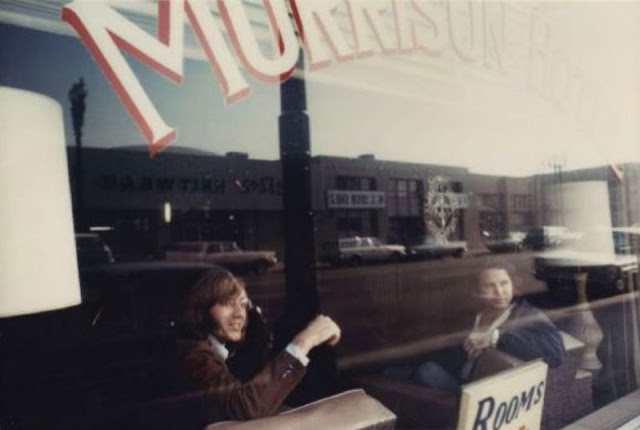
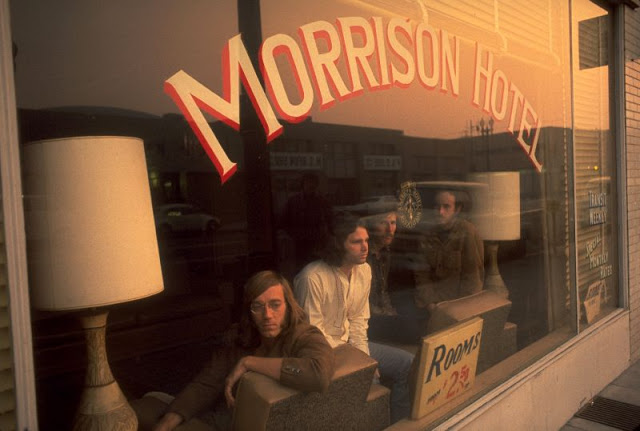
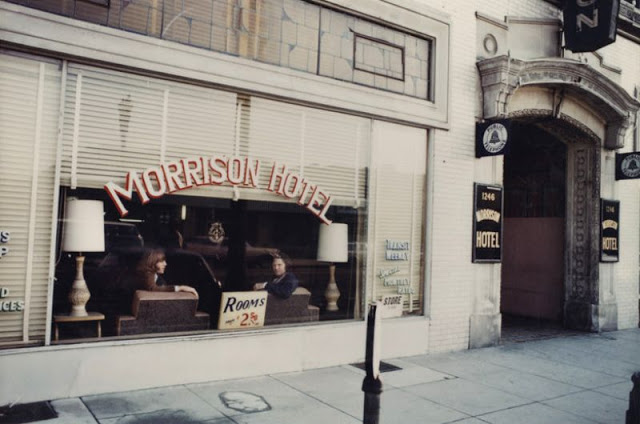
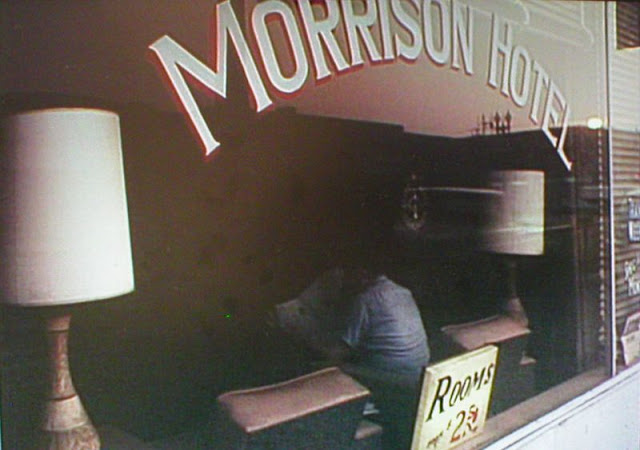
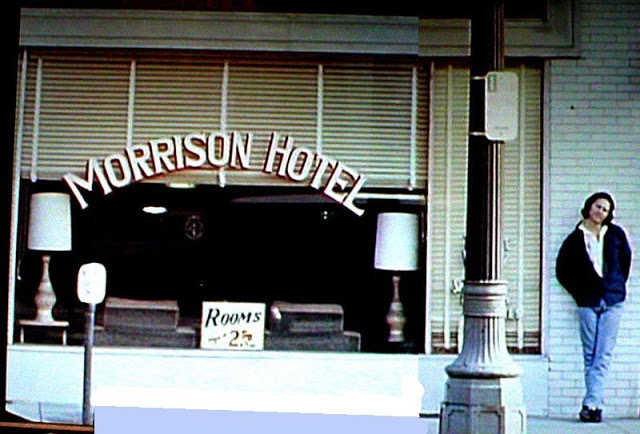
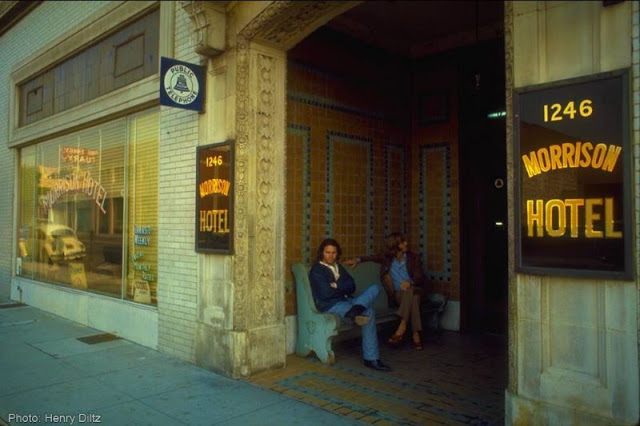
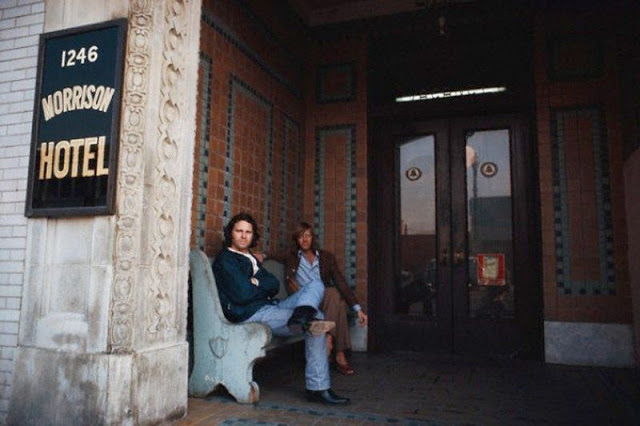
The album’s cover of Morrison Hotel was shot by photographer Henry Diltz through the window of this transient hotel in Los Angeles back in December of 1969. The location was ‘discovered’ by Ray Manzarek and his wife a few days before the shoot. When the group returned with Diltz and approached the desk clerk about taking photos inside the building, they were turned down. So Diltz took several shots of the group outside the building. Eventually the clerk took a break and the group was able to sneak in and take their places inside the window for what would end up as the album cover. Today the hotel sits vacant and is near the Staples Center.
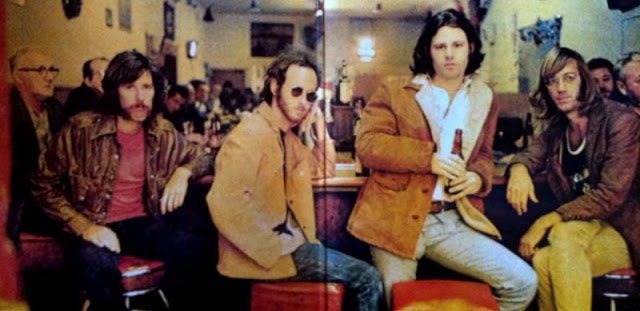
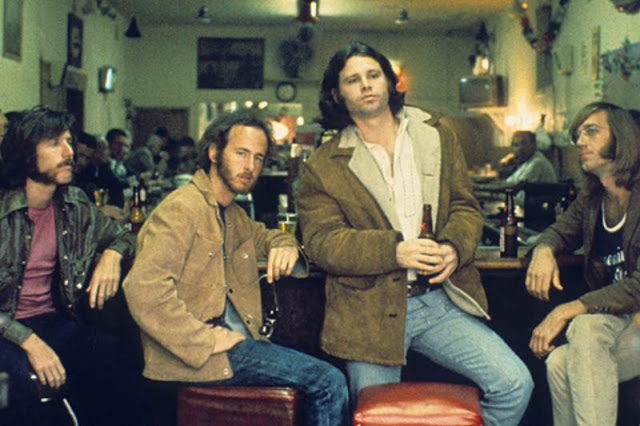
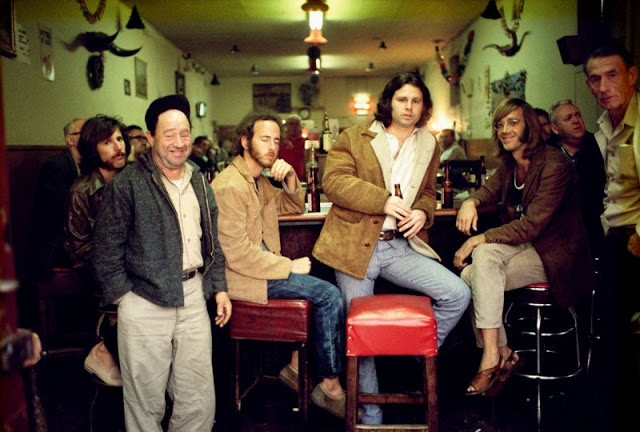
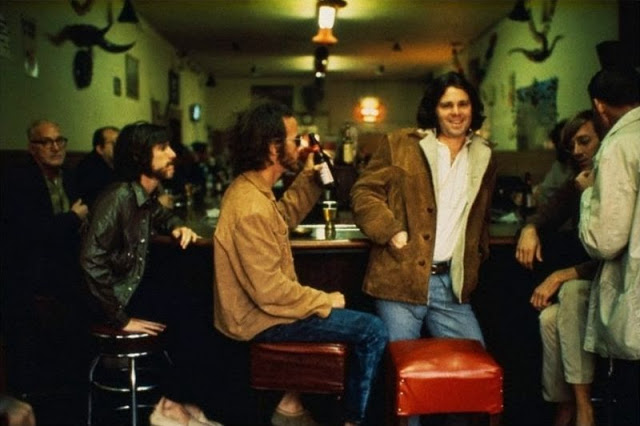
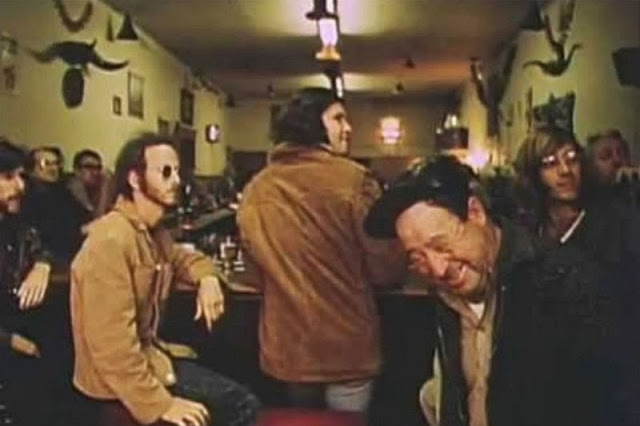
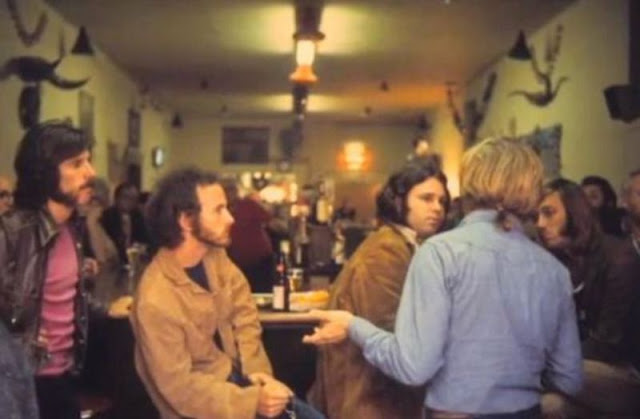
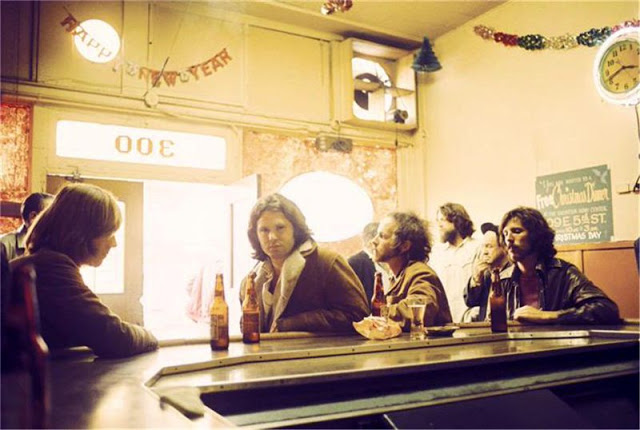
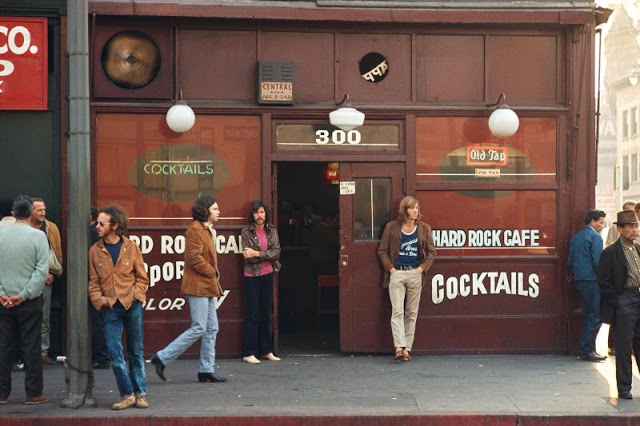
After the photo shoot, the group traveled north to get a beer and came across a bar called the Hard Rock Café. A photo of the bar would serve as the back album cover and a few years later a restaurant chain would take it’s name from this album. The building is now home to a convenience store.
Years later photographer Henry Diltz recalled; “I guess though sometime the next year after the album came out with that picture on the back, they [The Doors] got a call from England and this guy says, ‘Hello. Would you mind if we use that name on the back of your album? We’re starting a cafe over here in London and we would like to use that name.’ And they said, ‘No, go ahead,’ and that was the beginning of it. Now every time I go into a Hard Rock Cafe, whatever city I’m in, I always feel like I should get a free hamburger.”
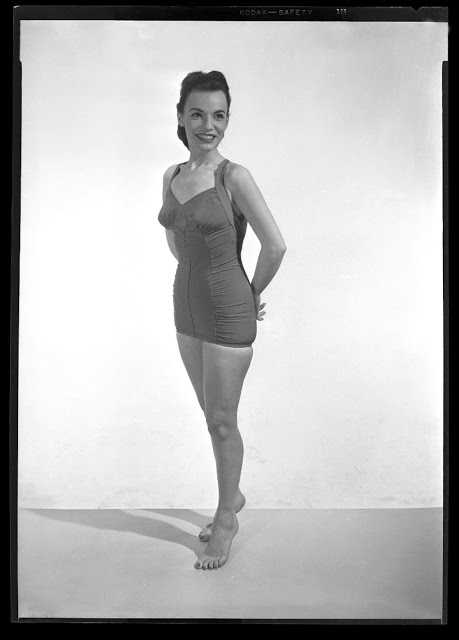
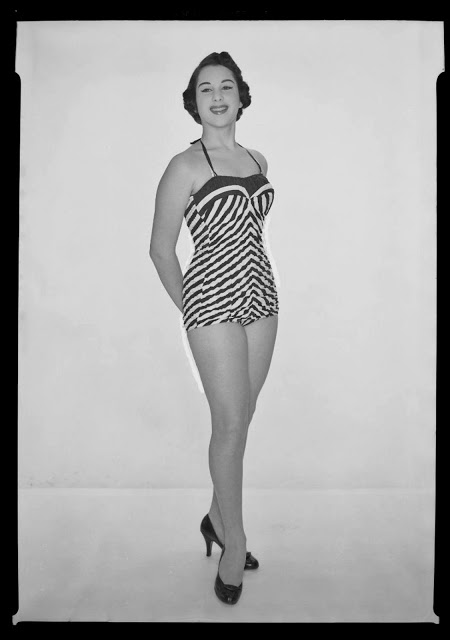
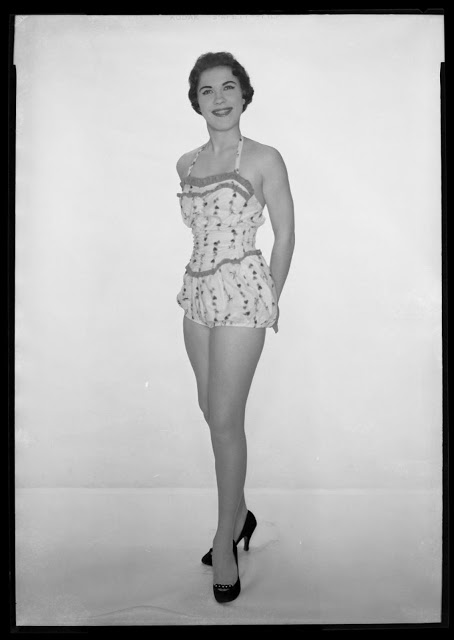
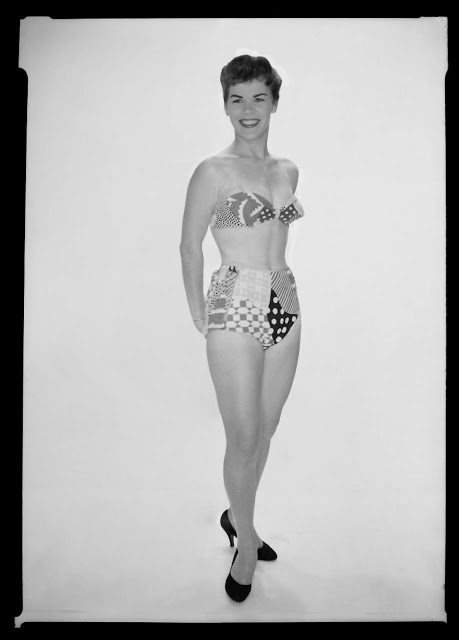
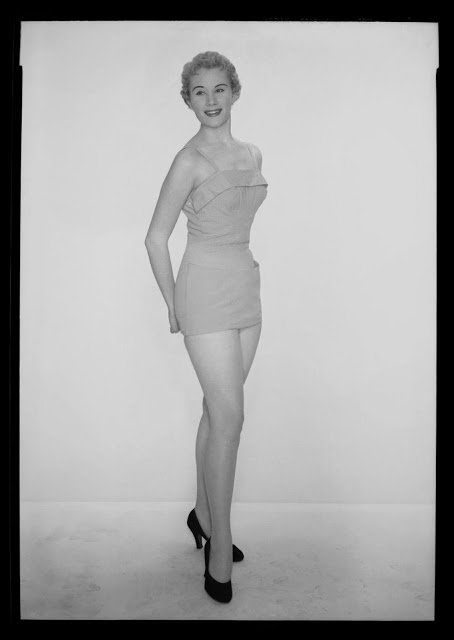
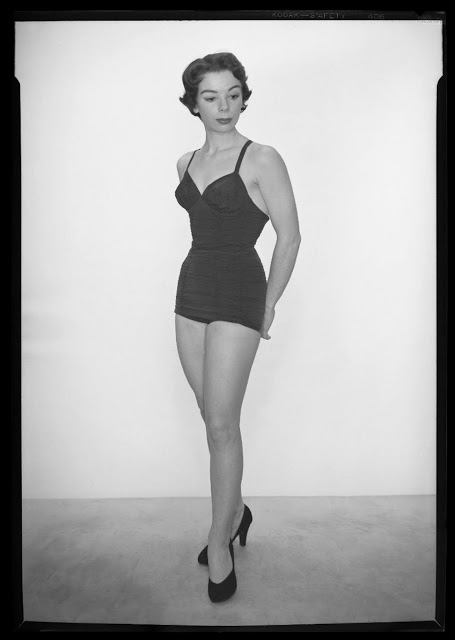
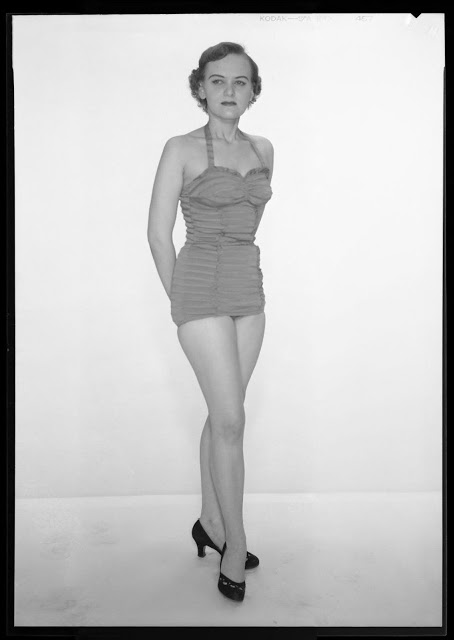
In the 1940s corset manufacturers saw a gap in the undergarments market. Corsetry was losing ground, but the new more revealing swimsuits really needed experts to design garments that hid faults in a woman’s shape. Manufacturers achieved this by adding stretch tummy control panels to hold in the stomach. Most also used bra cups and boning to give bust support.
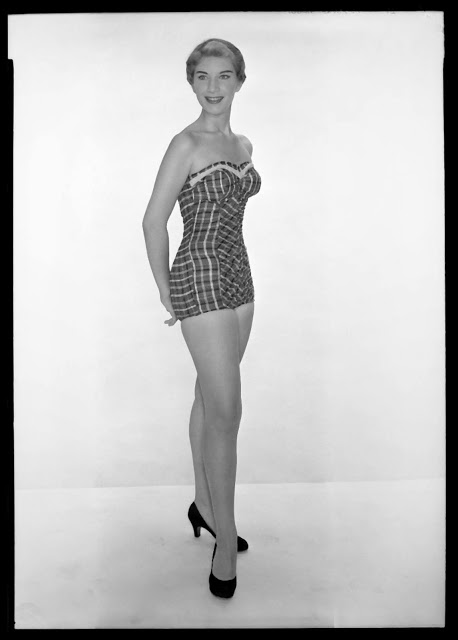
Fashion swimming costumes could then be worn either strapless or with small straps that buttoned onto the inside or worn halter style as in this example. Even then women were not keen on lighter body marks that may have made a strapless dance dress look less attractive.
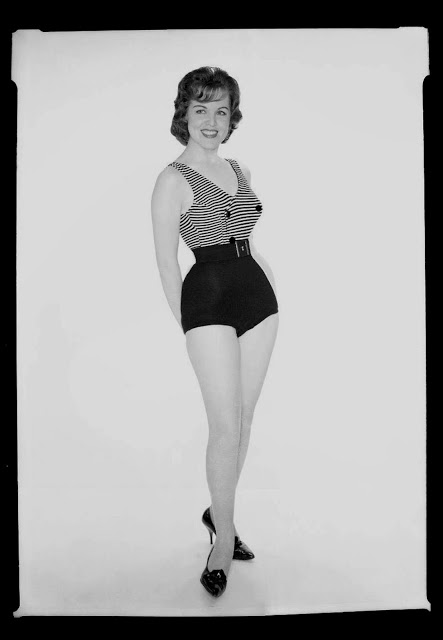
Women still continued to wear all in one swimwear in the 1950s, rarely wearing a daring two piece bikini. These interesting studio portrait photos reveal some super sexy women’s swimsuits in this decade.
On the eve of the Great Depression, most Texans lived on farms or ranches or in small towns. Though the previous decade saw successes in oil, the economy was still dominated by agriculture – cotton in the north, livestock in the west and a growing citrus industry in the south.
When the stock market crashed in 1929, many Texans believed the state’s rural nature would insulate the region from the worst of the financial crisis. As the nation’s economy collapsed, it became clear that Texas would suffer, too. Across the state, agriculture and the new industries of oil and lumber fell victim to the growing economic depression.
These vintage photographs are filled with pathos, but they also make the Great Depression seem otherworldly–wholely dissimilar from the vivid color of the struggling economy we now find ourselves in.
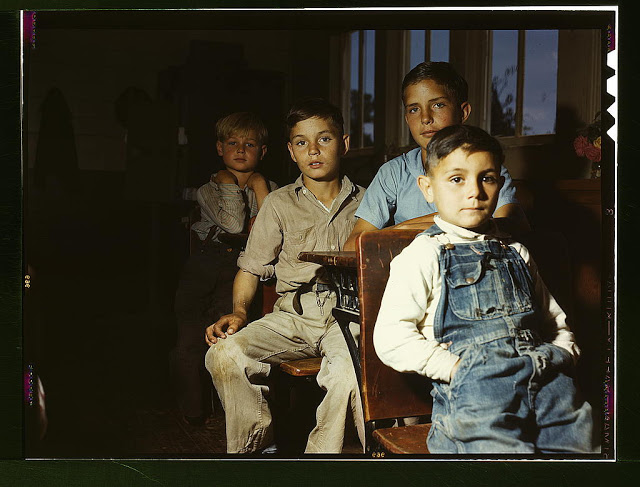
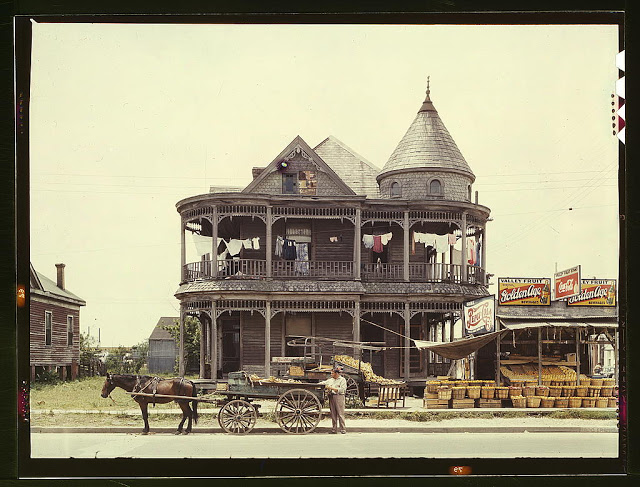
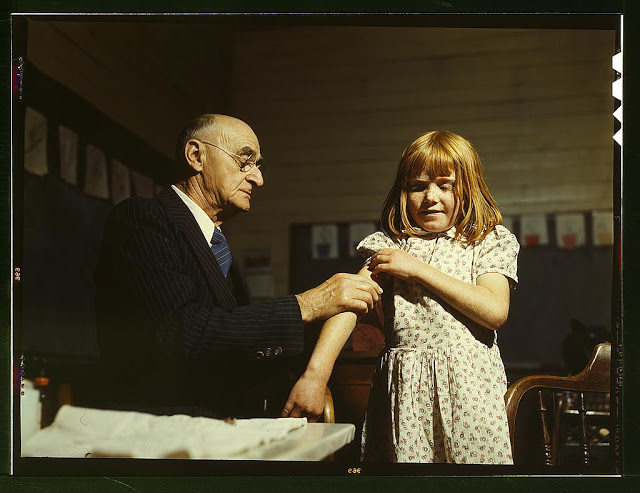
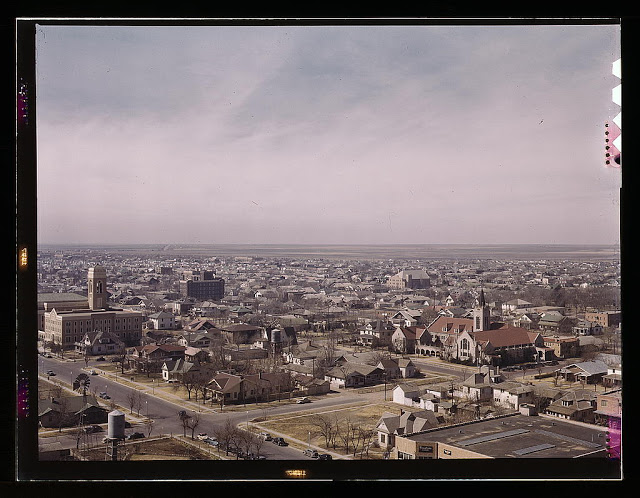
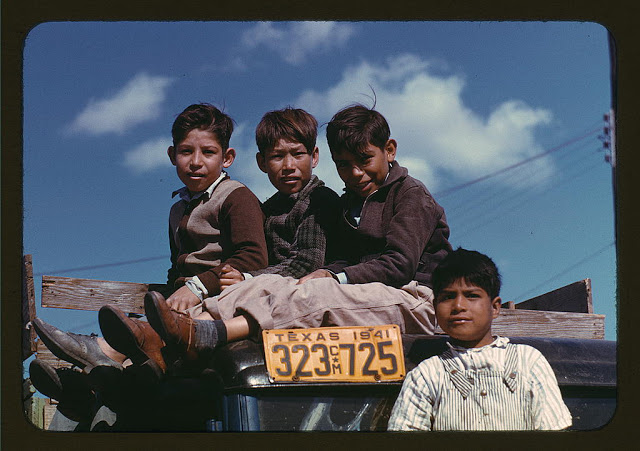
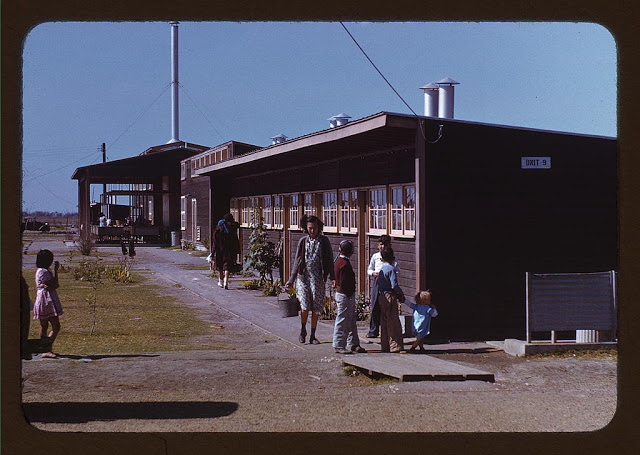
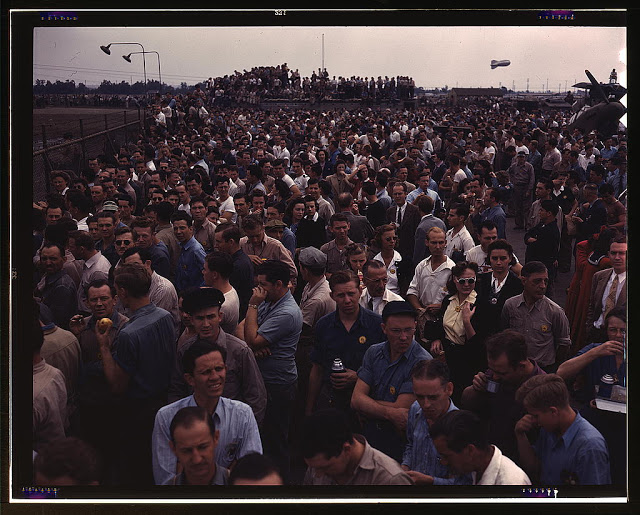
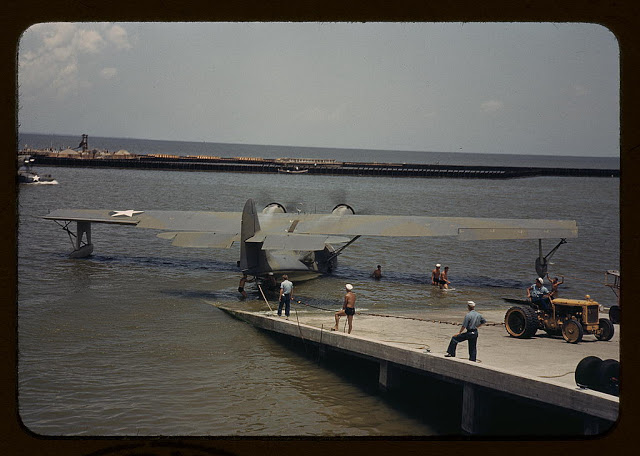
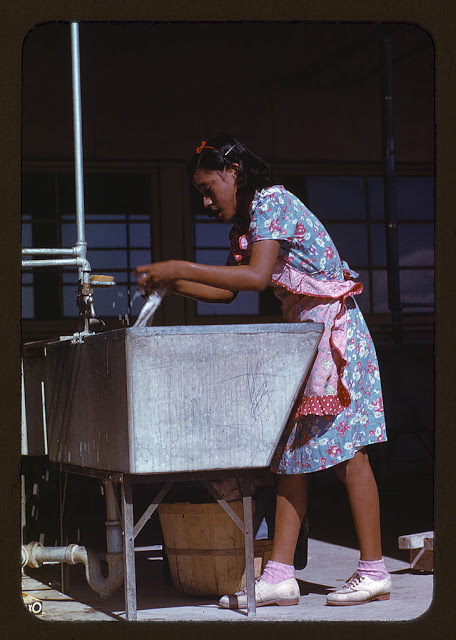
A big house on a Houston street, Texas, May 1943A doctor giving a typhoid inoculation at a rural school, San Augustine County, Texas, April 1943A general view of Amarillo, Texas, March 1943Boy building a model airplane as girl watches, Texas, 1942Boys flying a kite in front of the community center at the FSA camp, Robstown, 1942Boys playing marbles, Robstown, Texas, 1942Boys sitting on truck parked at the FSA labor camp, Robstown, Texas, Jan. 1942Child of a migratory farm laborer in the field during the harvest of the community center’s cabbage crop at the FSA labor camp, Robstown, Texas, Jan. 1942Community clothesline at the FSA labor camp, Robstown, Texas, 1942Families of migratory workers in front of their row shelters at the FSA labor camp, Robstown, Texas, 1942Gardens are planted in front of the row shelters, Robstown, 1942Geologist examining cuttings from wildcat well, Amarillo, Texas, 1943Instructor explaining the operation of a parachute to student pilots, Meacham Field, Fort Worth, Texas, Jan 1942Row shelters at the FSA labor camp, Robstown, Texas, Jan. 1942Rural school children, San Augustine County, Texas, 1943Rural school children, San Augustine County, Texas, April 1943Workers leaving Pennsylvania shipyards, Beaumont, Texas, June 1943Workers on the Liberator Bombers, Consolidated Aircraft Corp., Fort Worth, Texas, Oct. 1942Working with a sea-plane at the Naval Air Base, Corpus Christi, Texas, August 1942Young woman at the community laundry on Saturday afternoon, Robstown, 1942
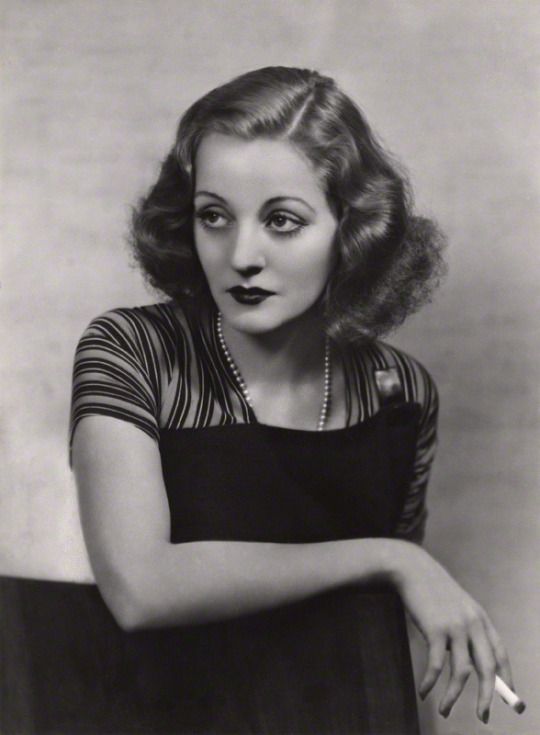
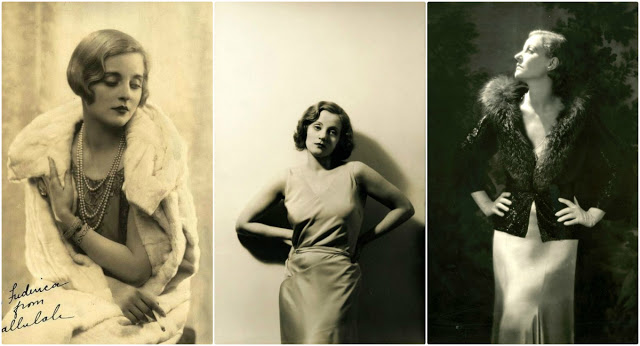
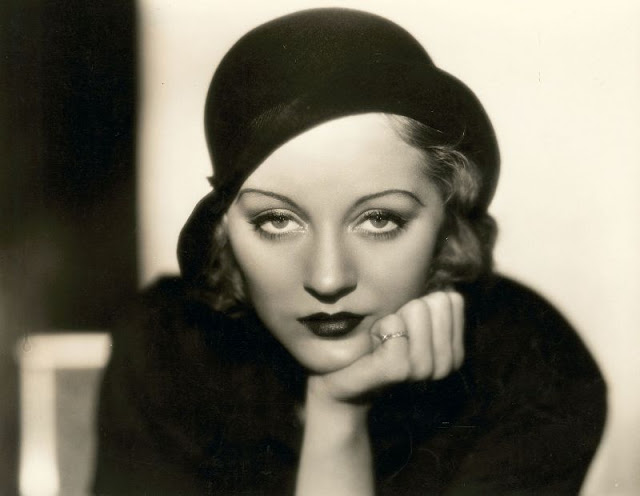
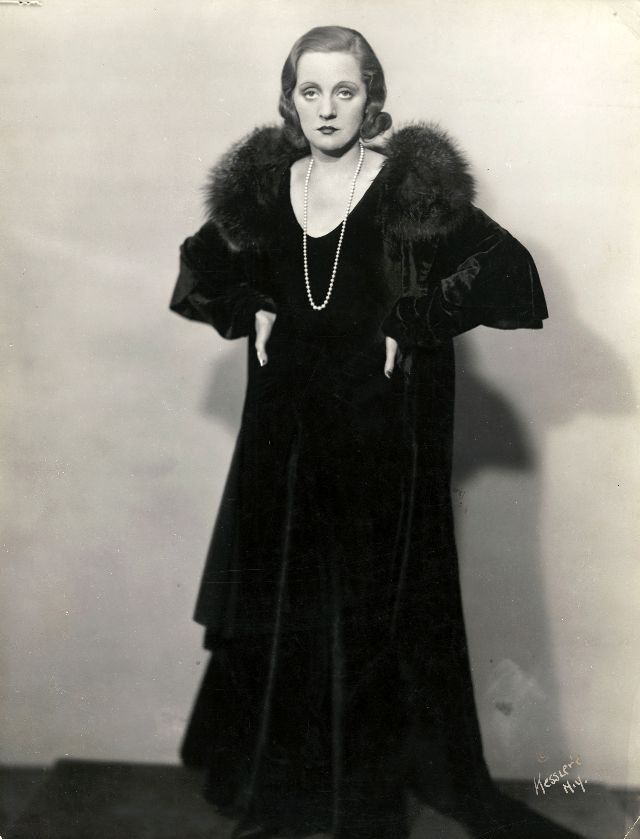
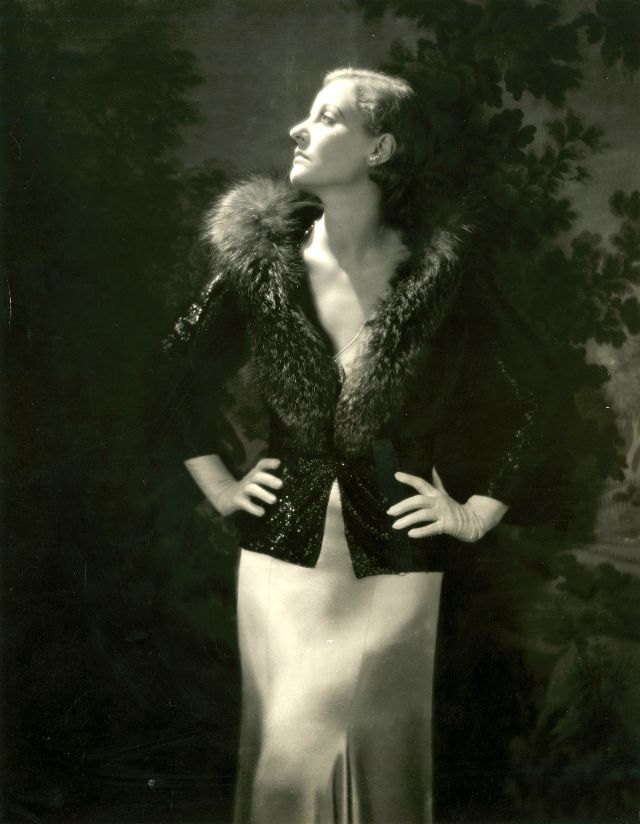
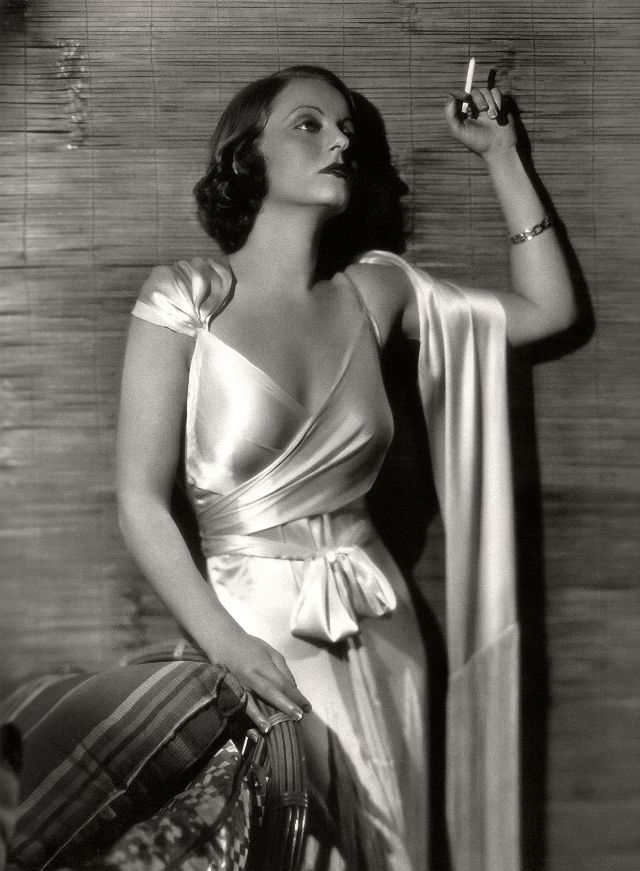
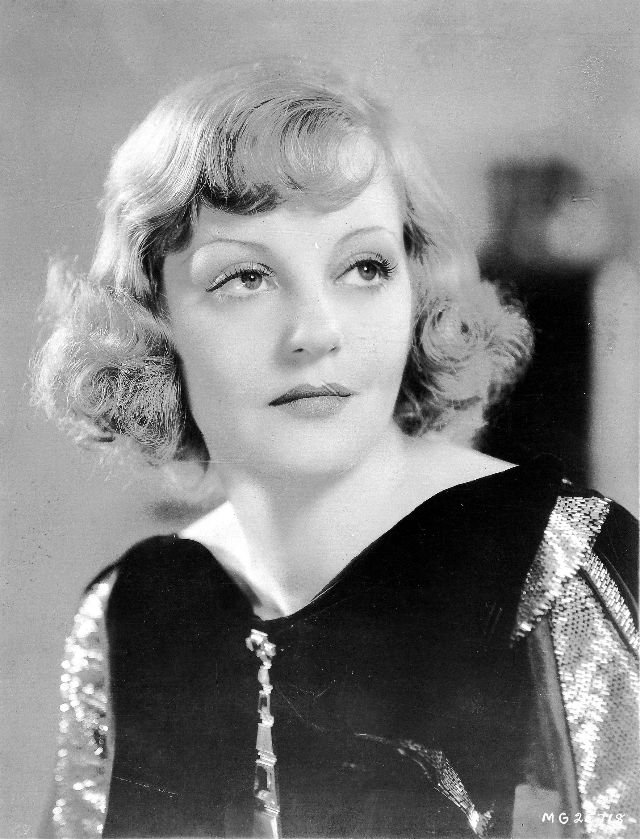
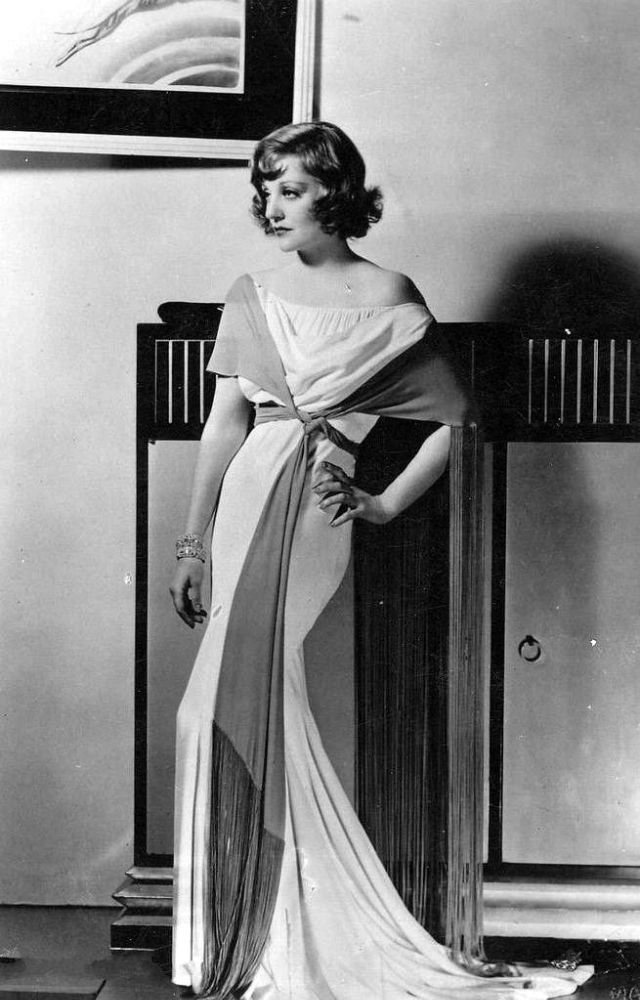
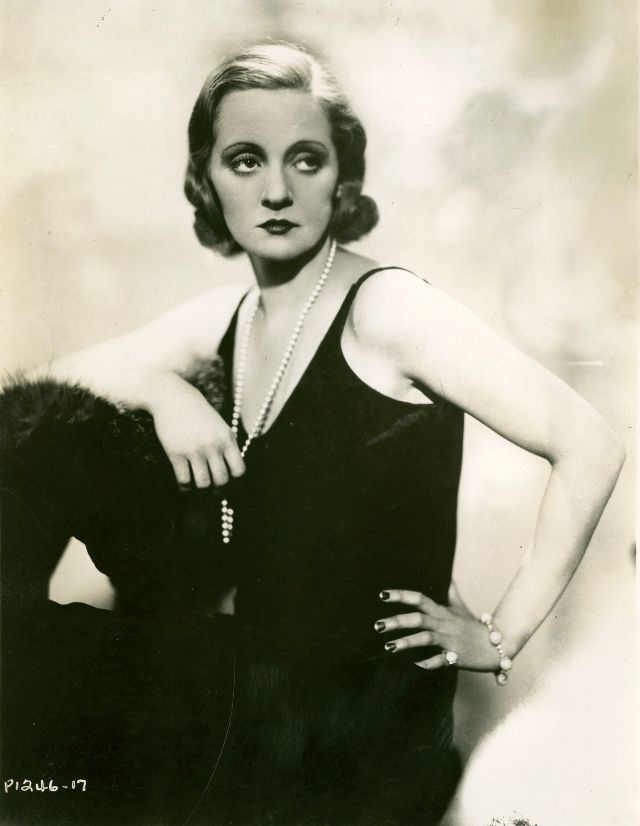
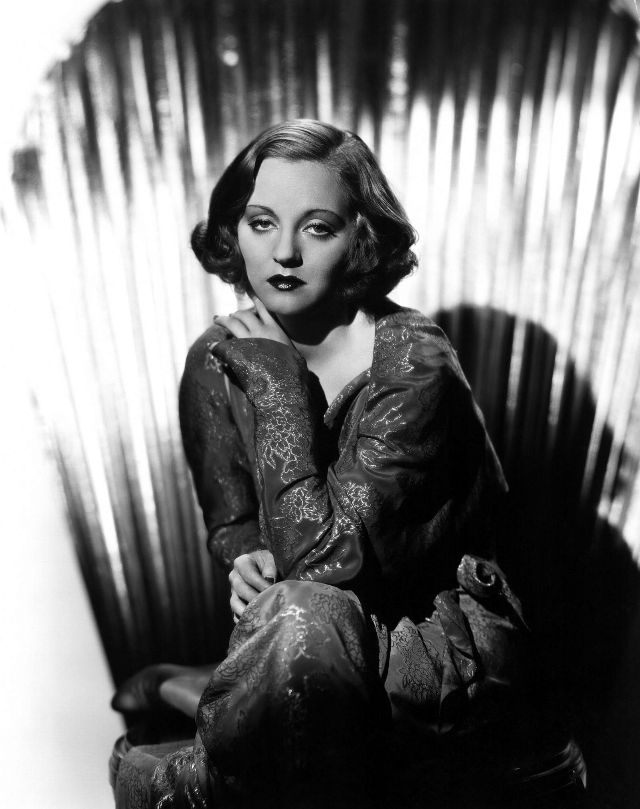
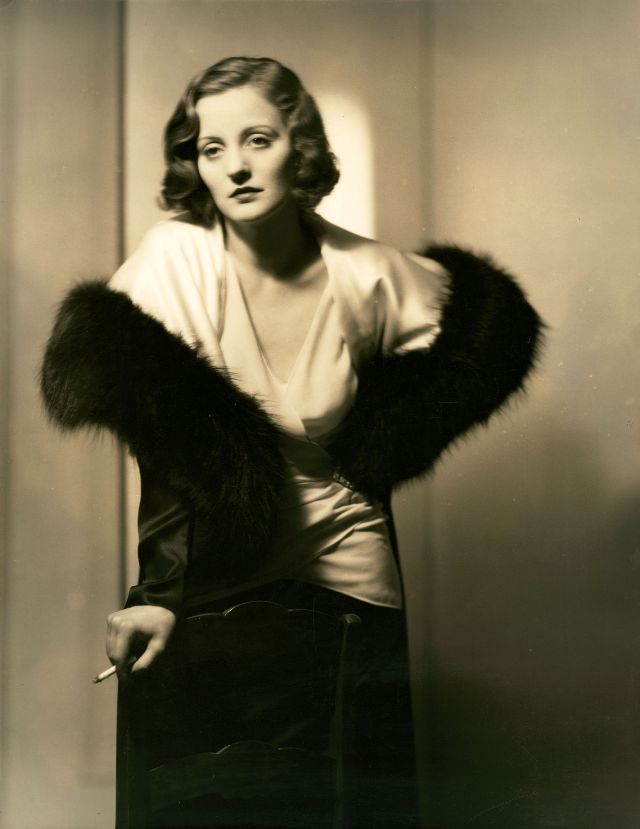
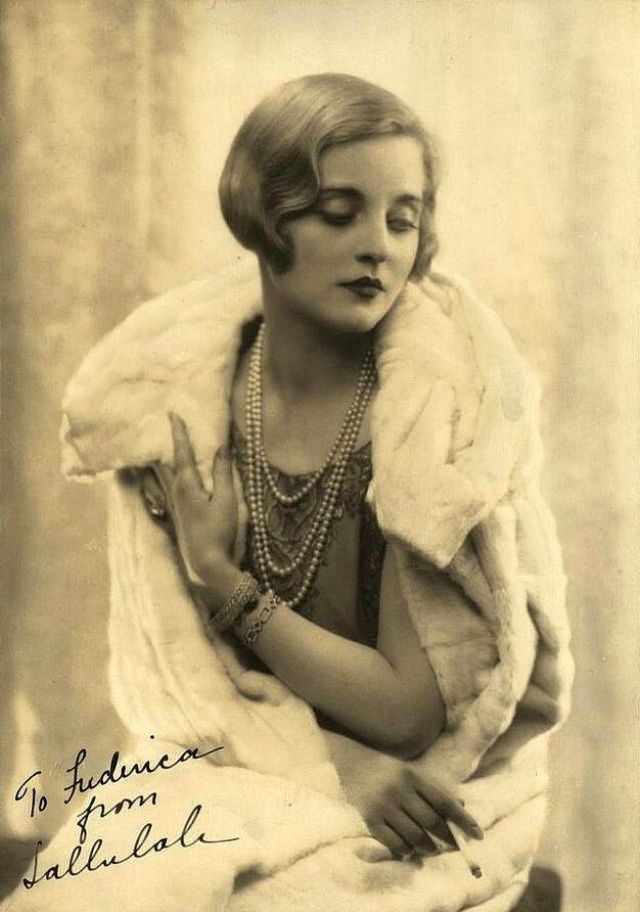
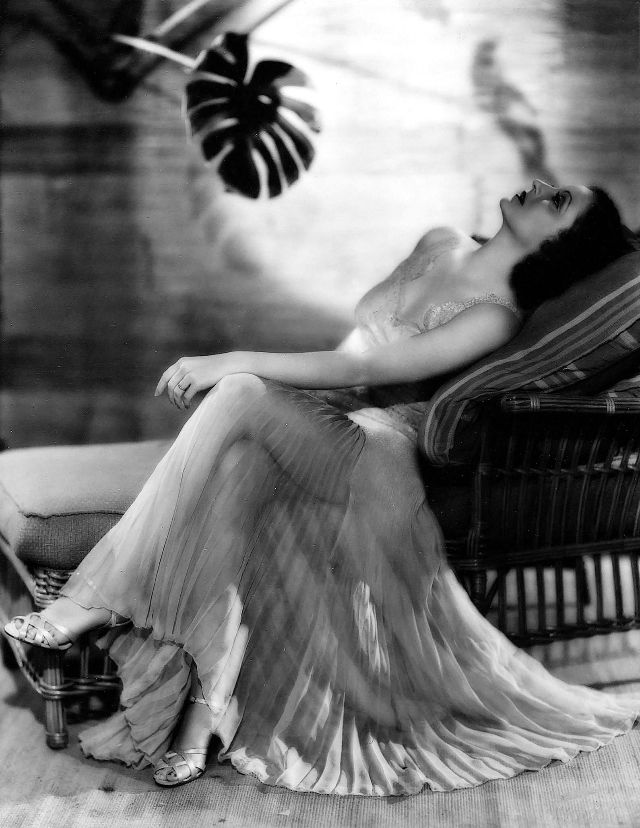
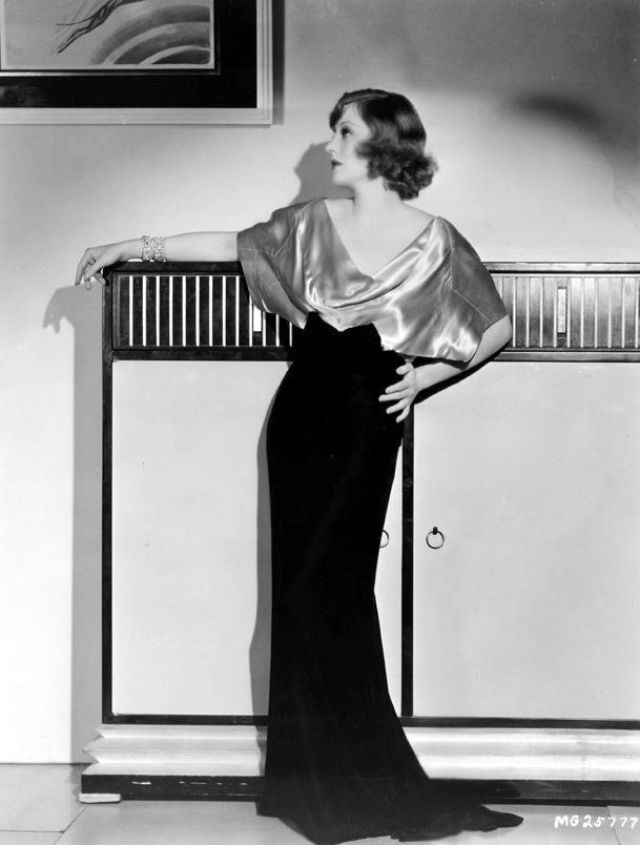
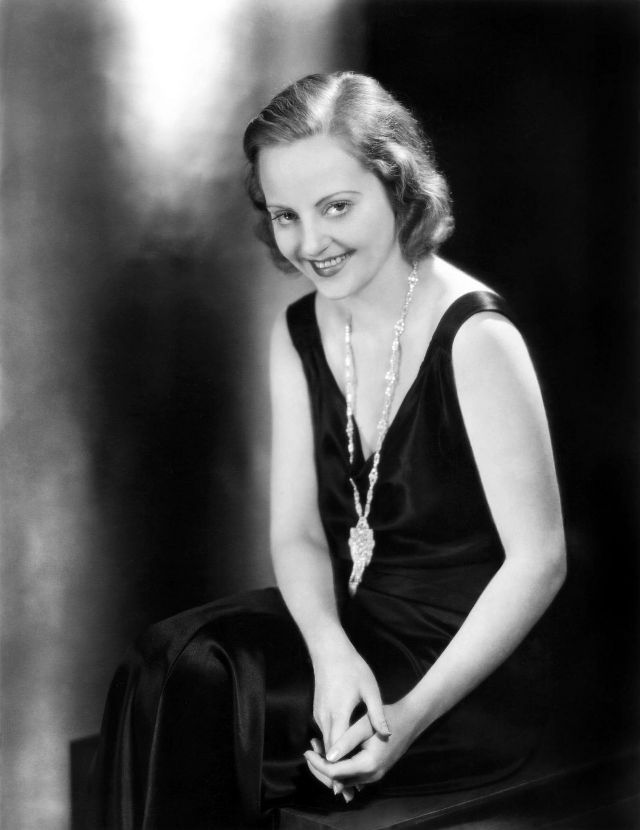
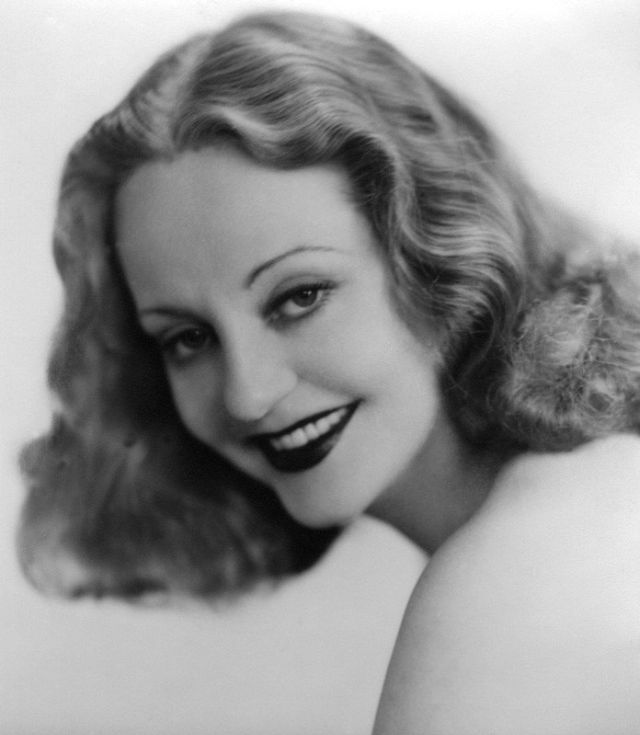
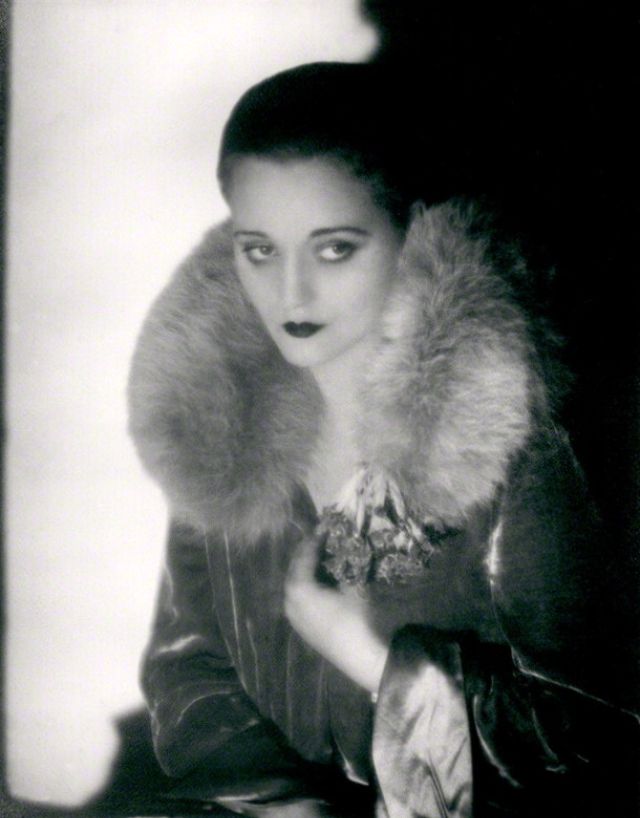
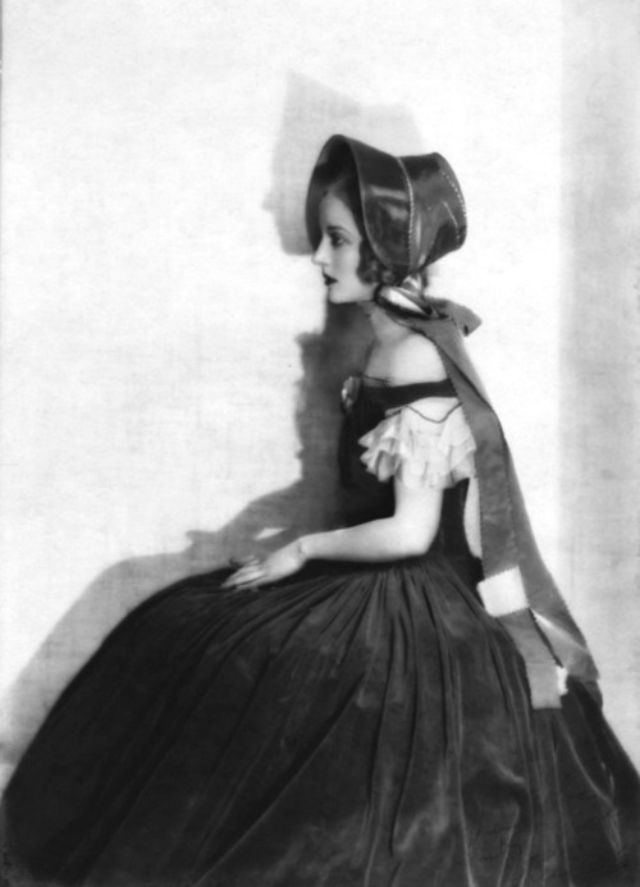
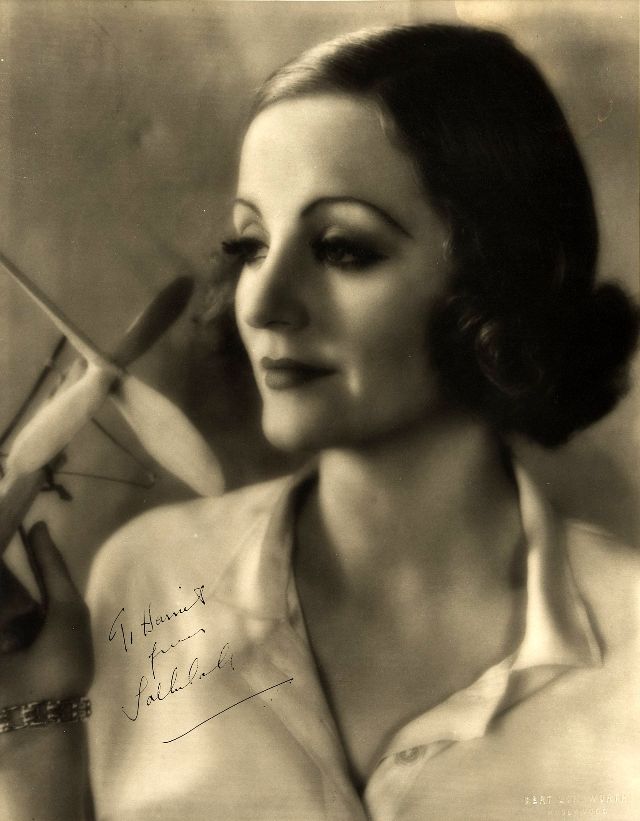
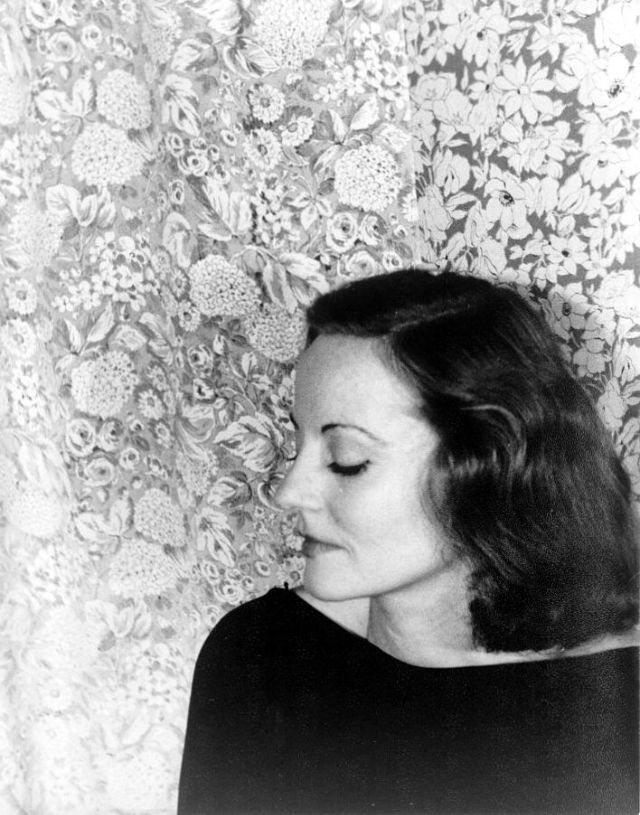
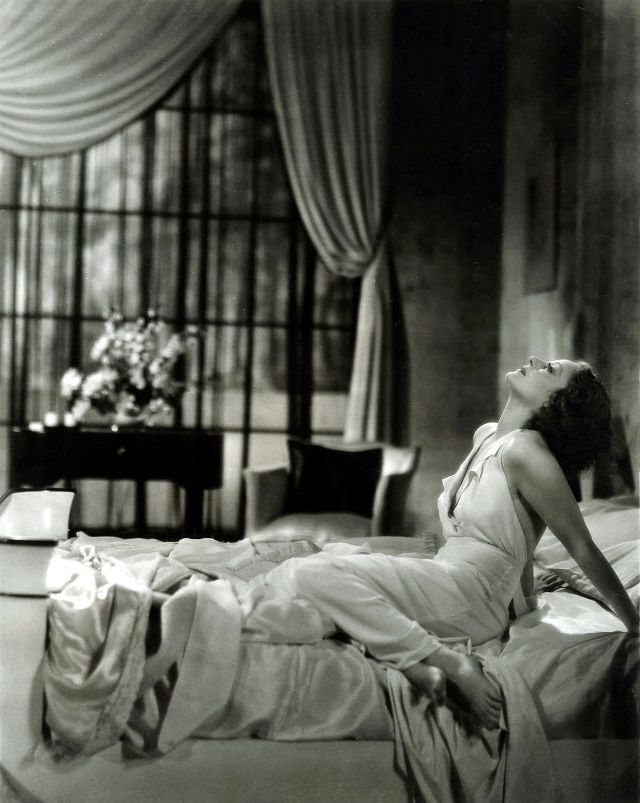
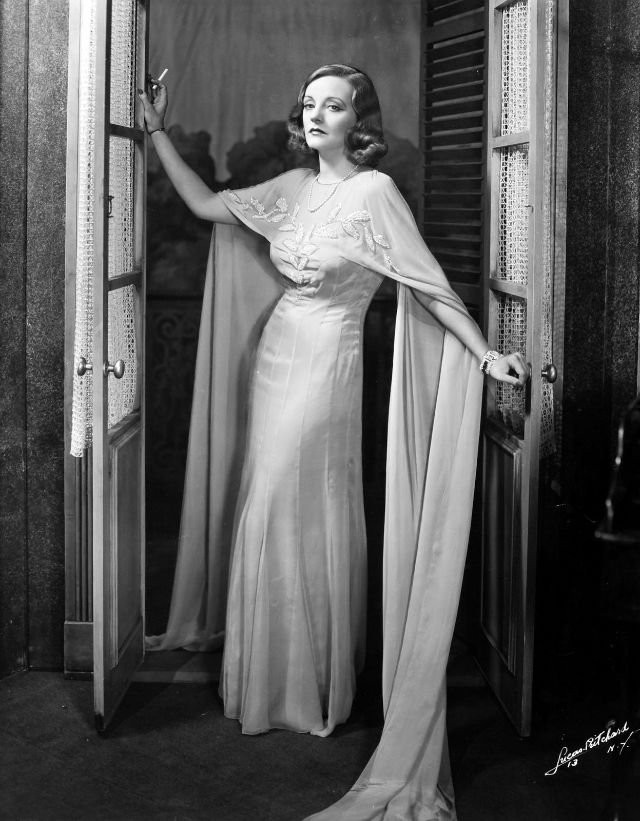
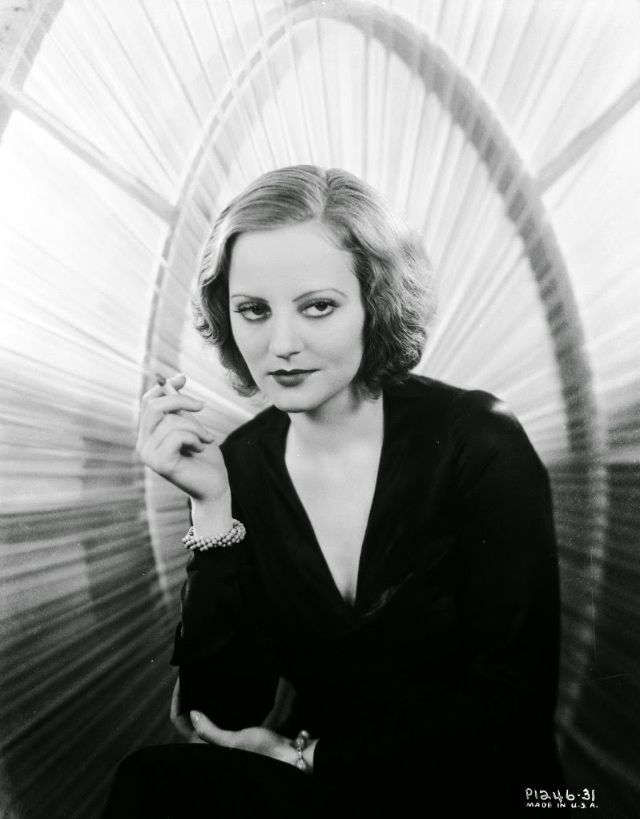
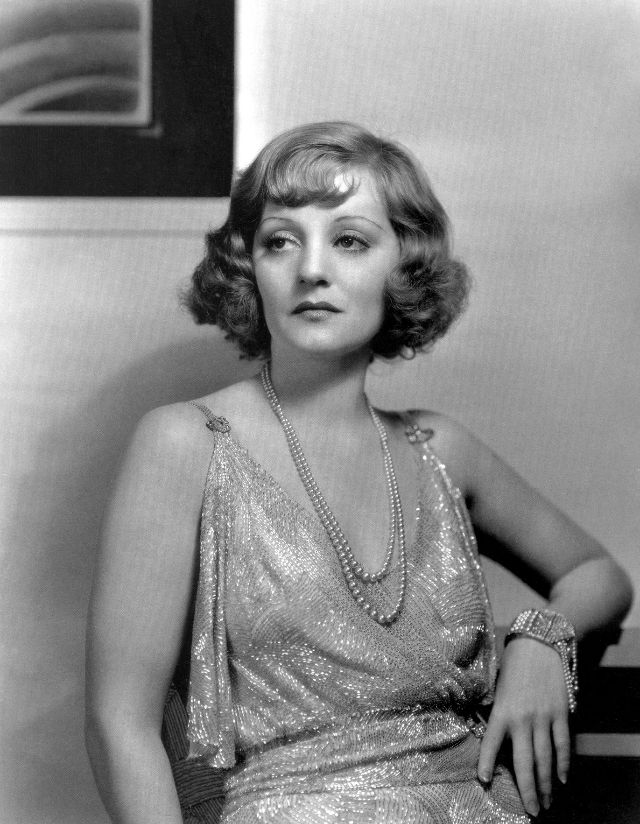
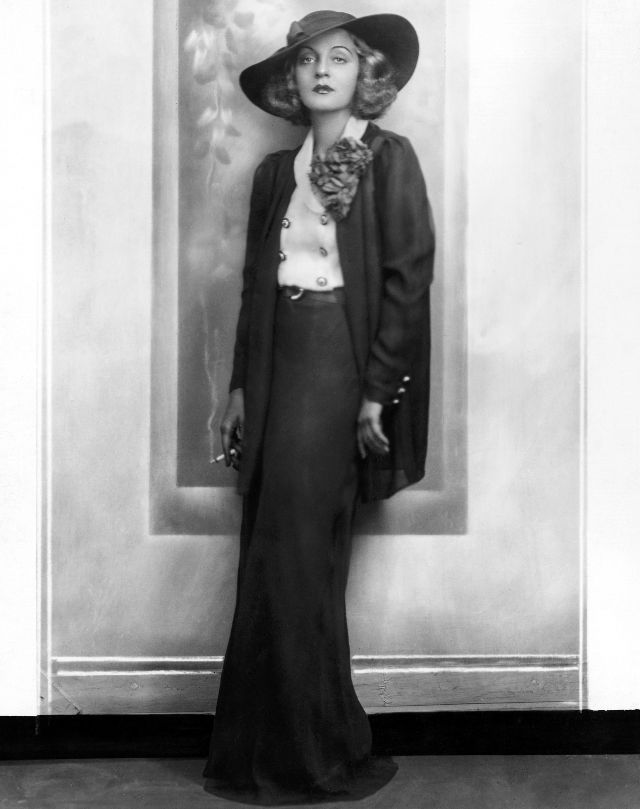
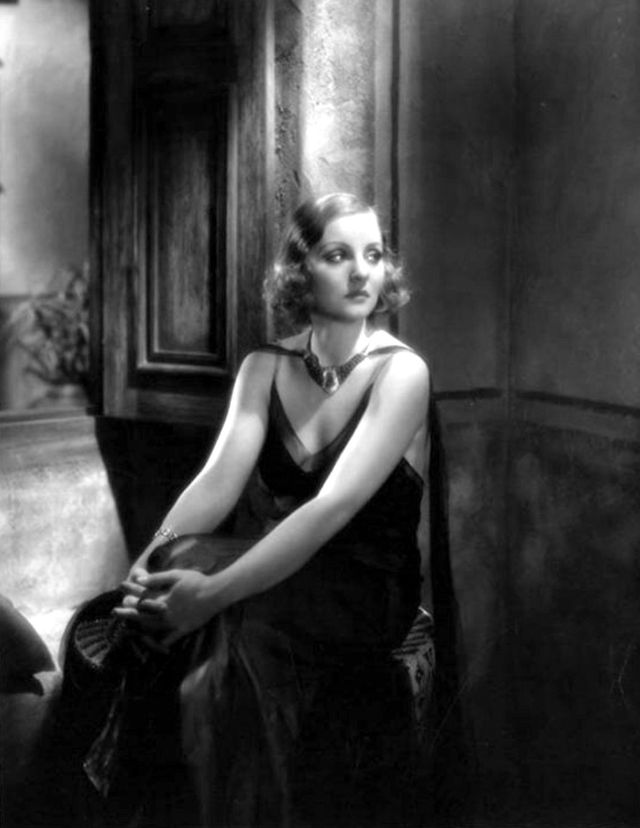
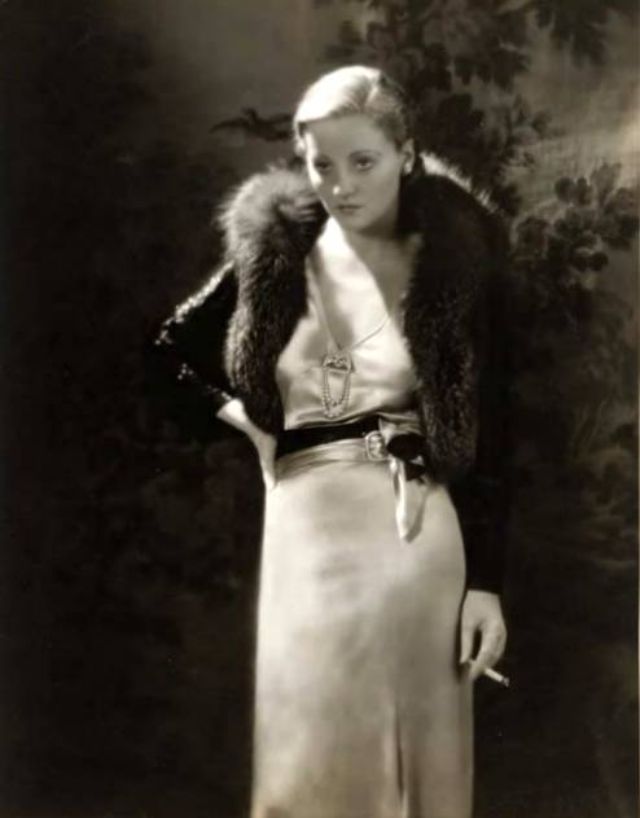
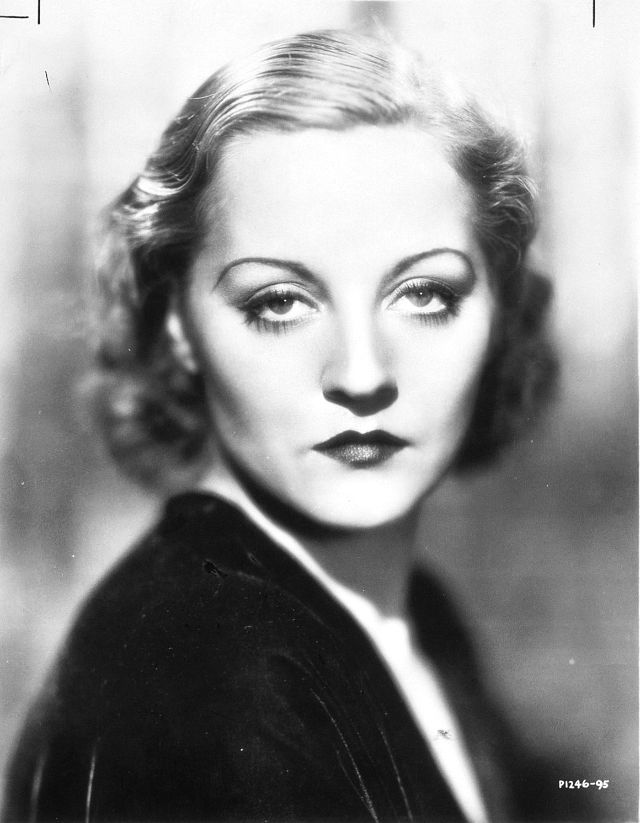
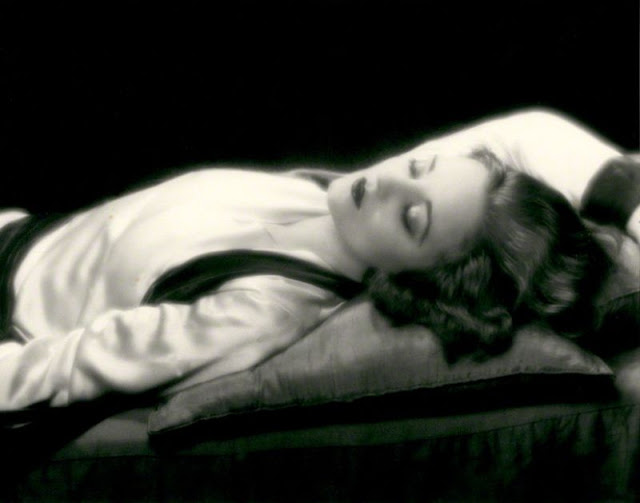
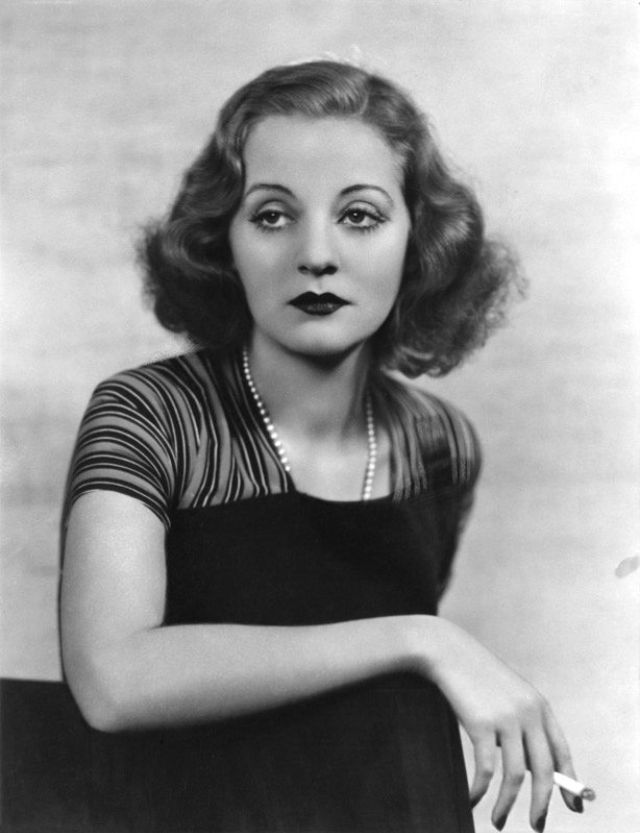
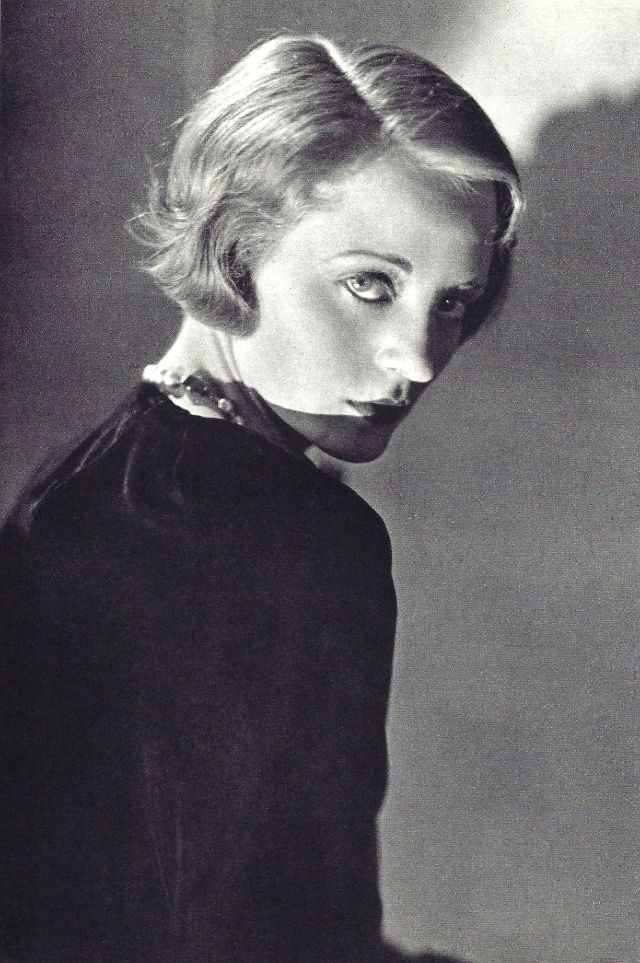
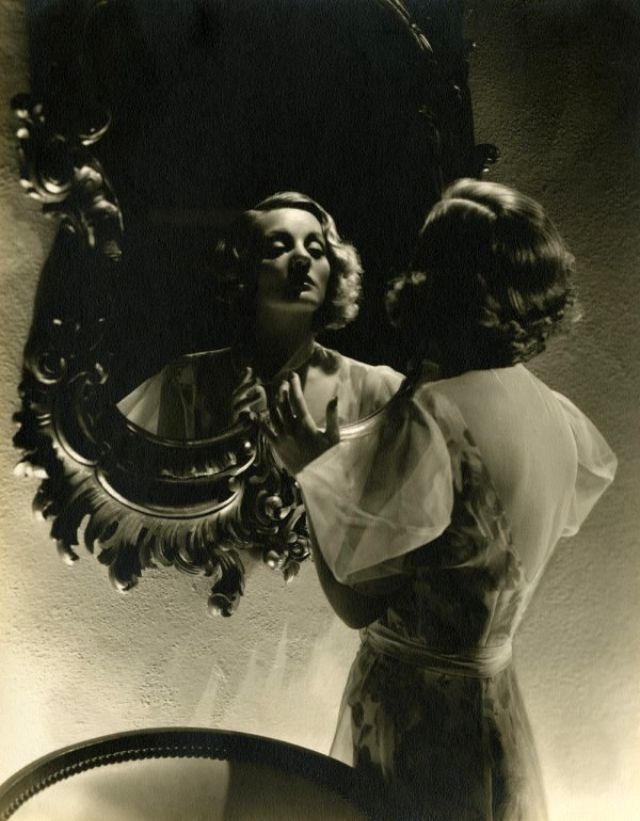
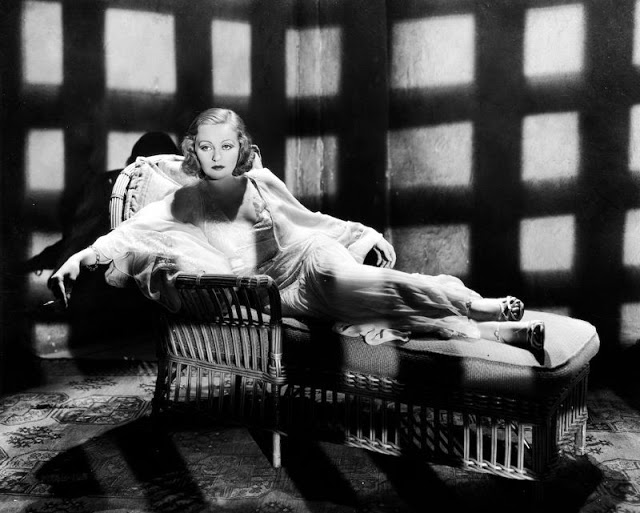
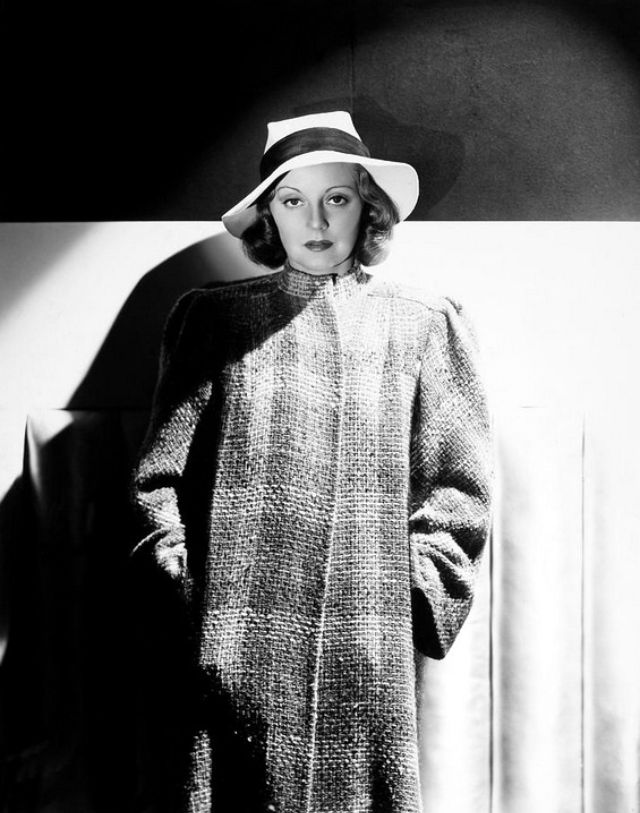
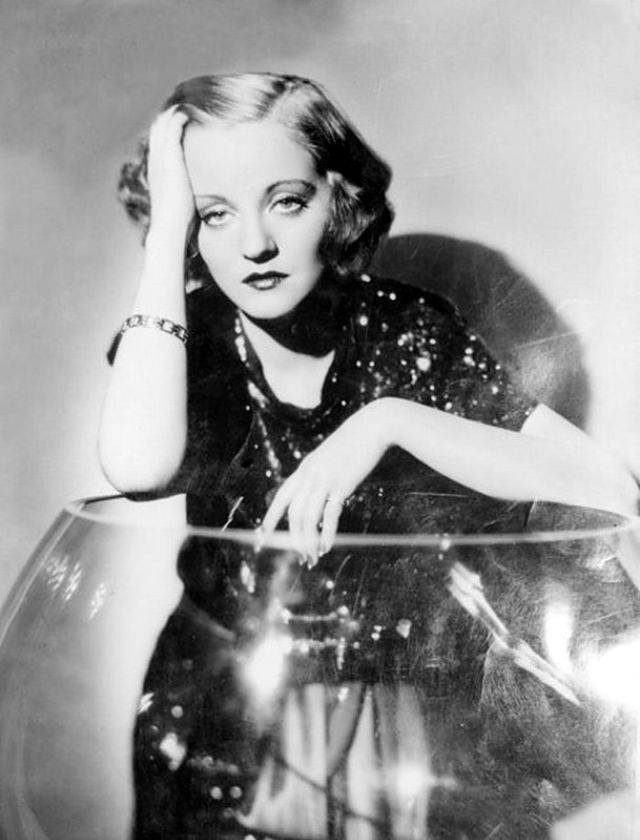
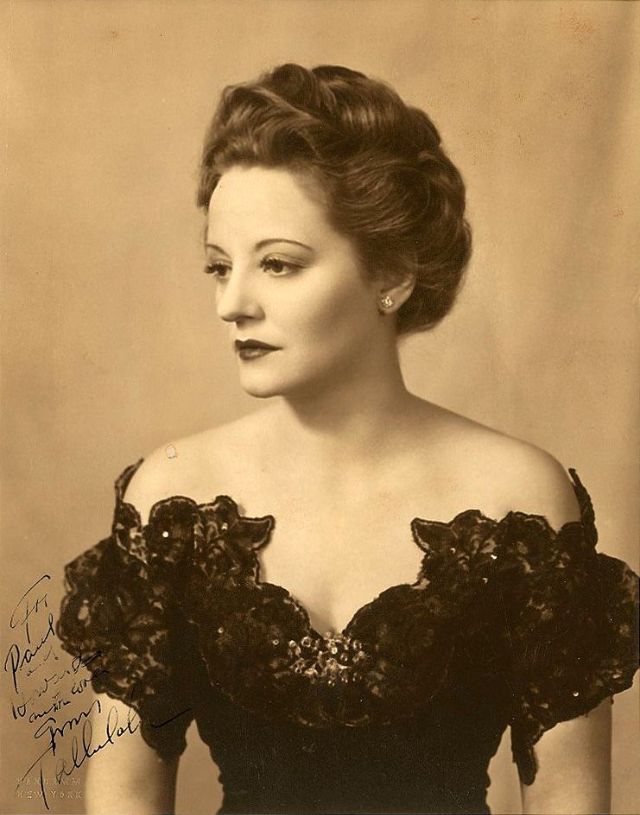
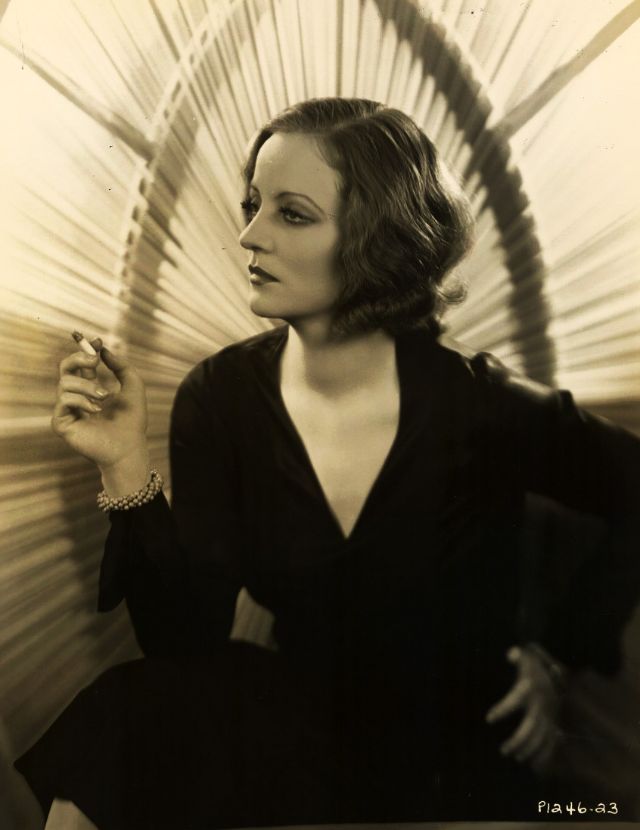
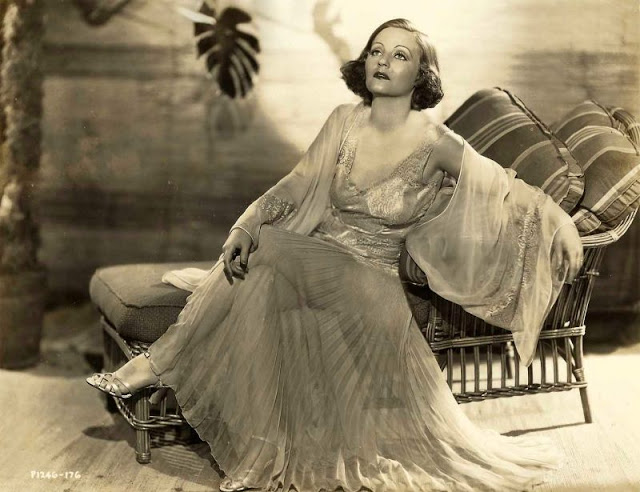
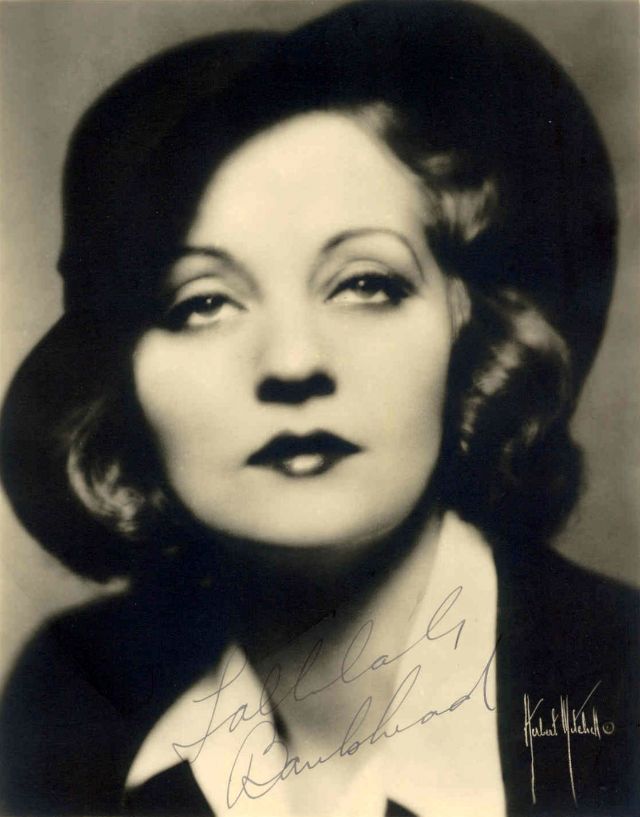
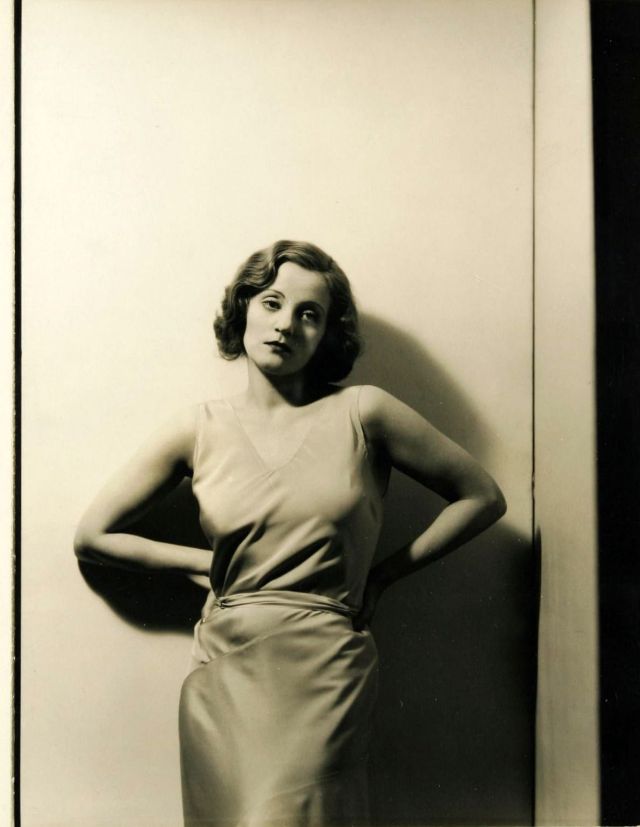
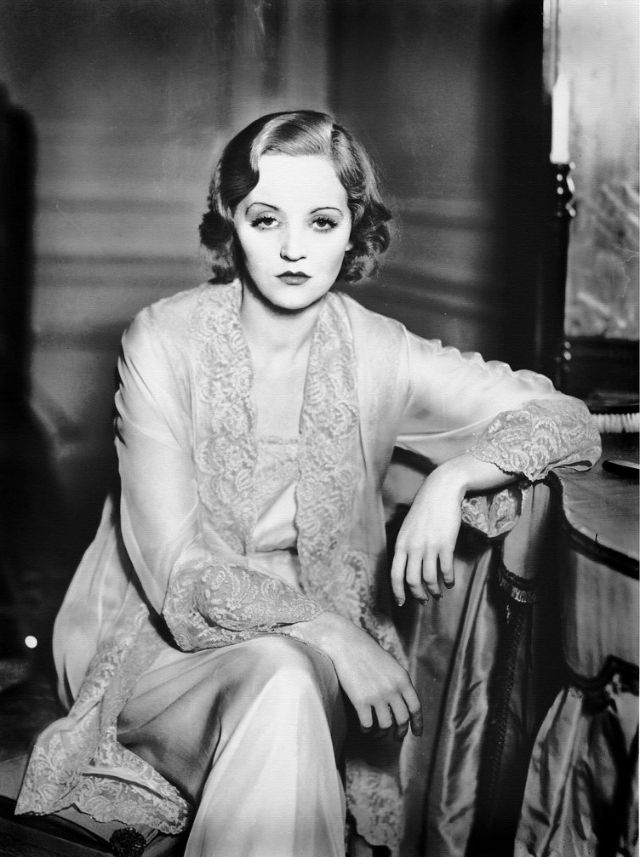
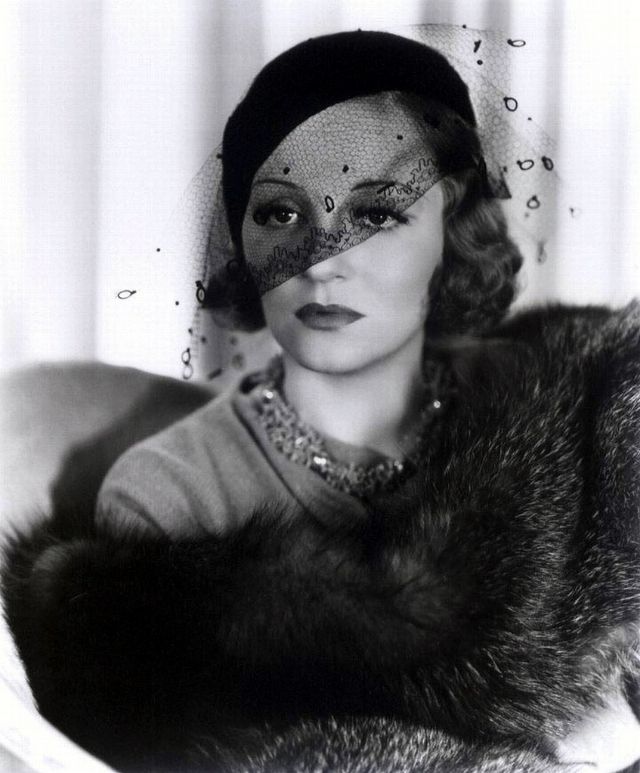
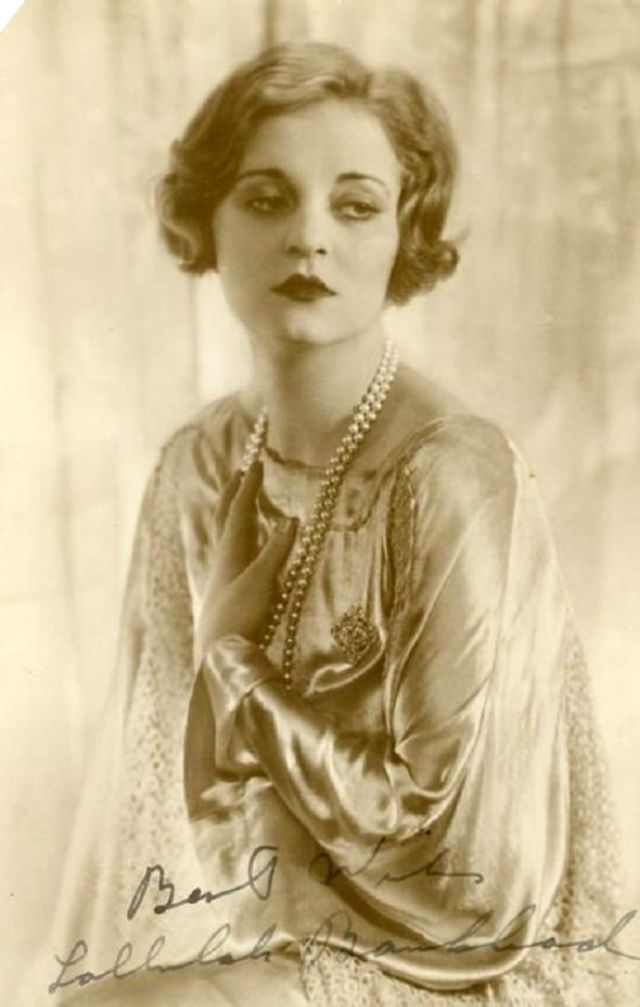
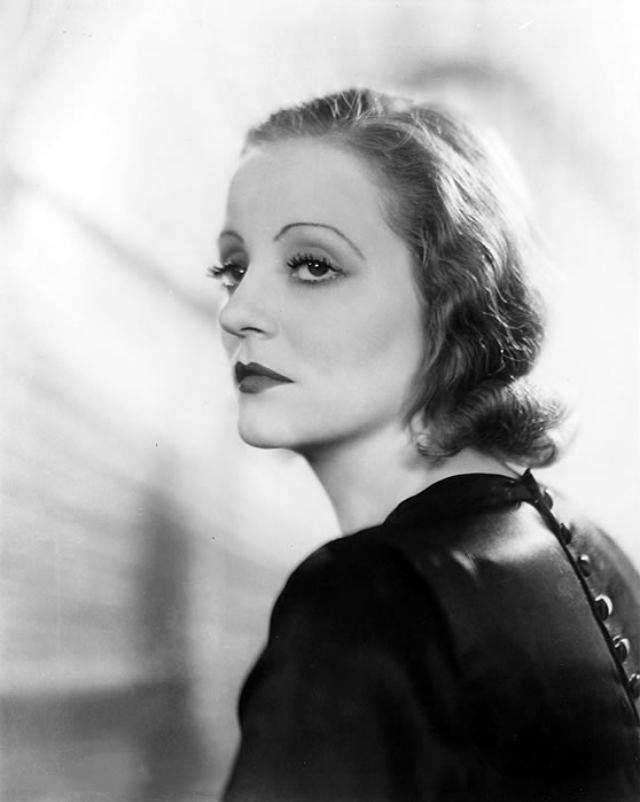
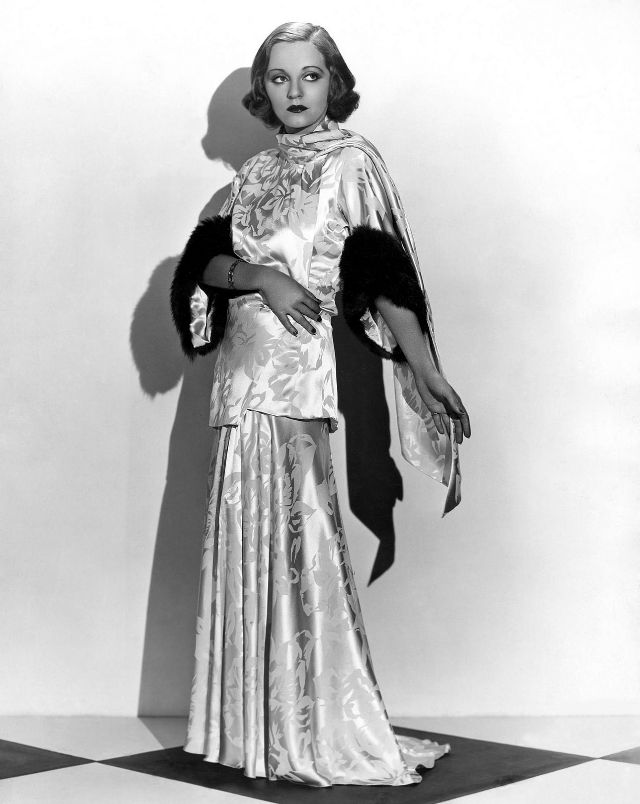
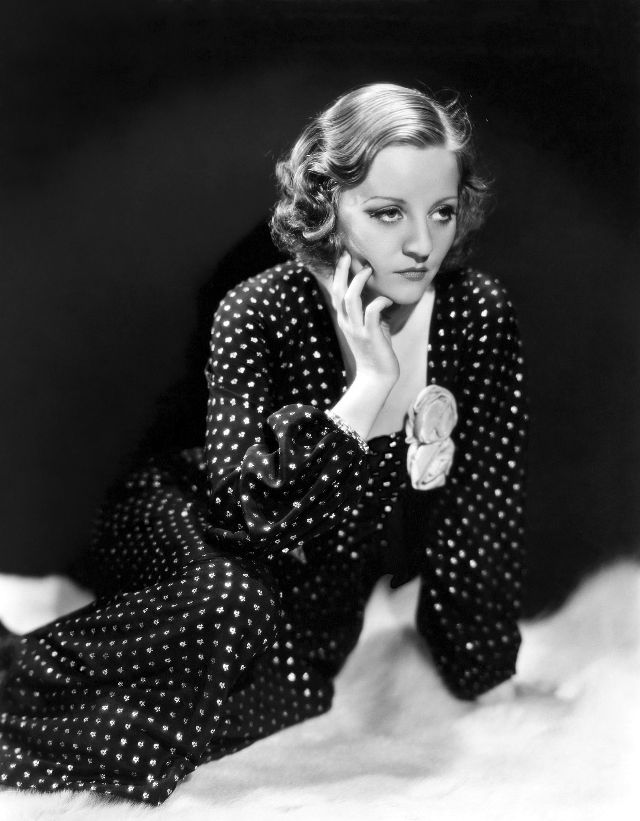
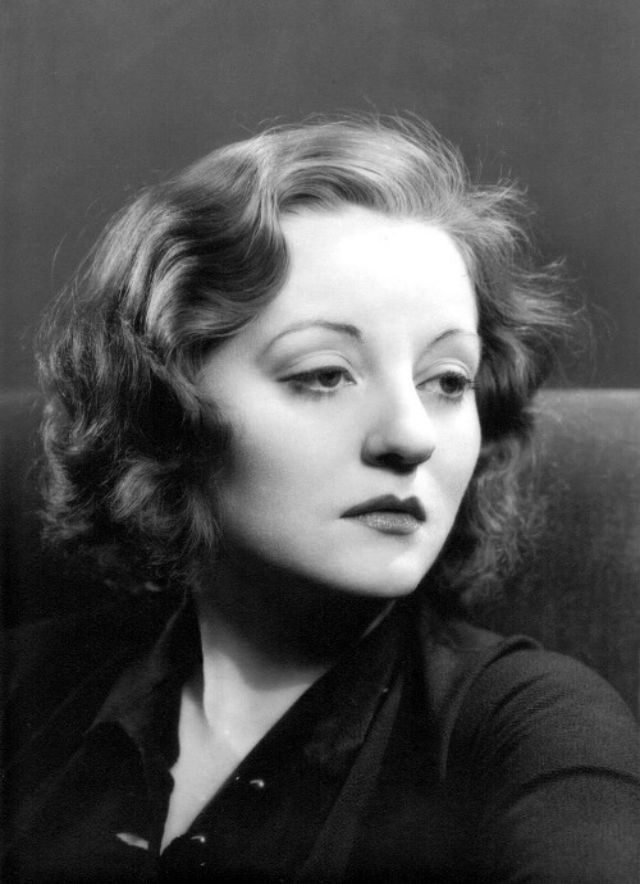
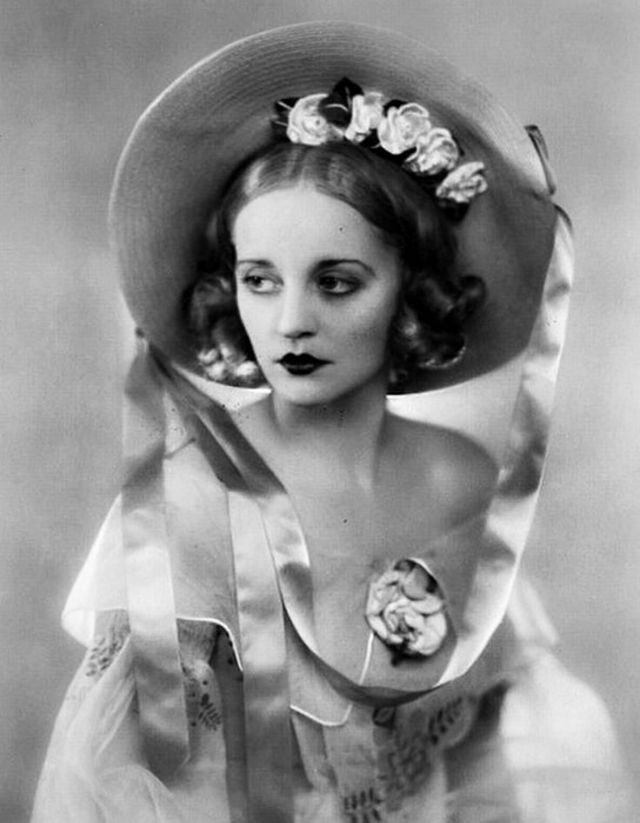
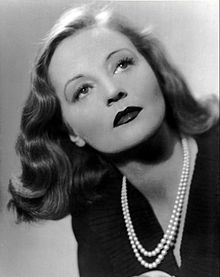
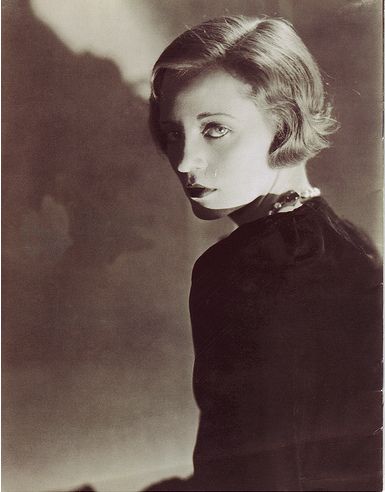
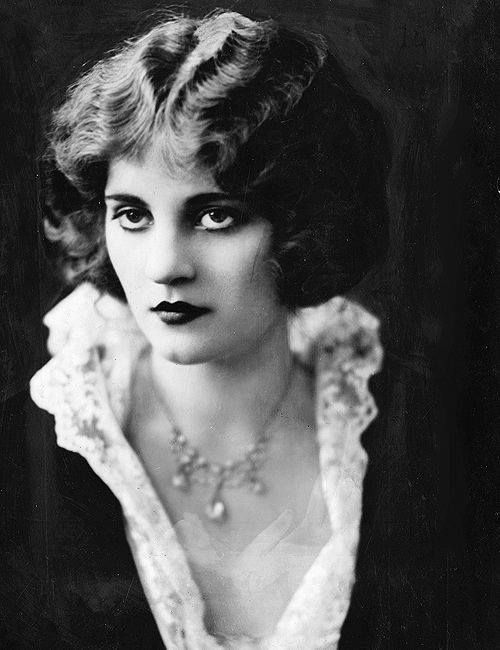
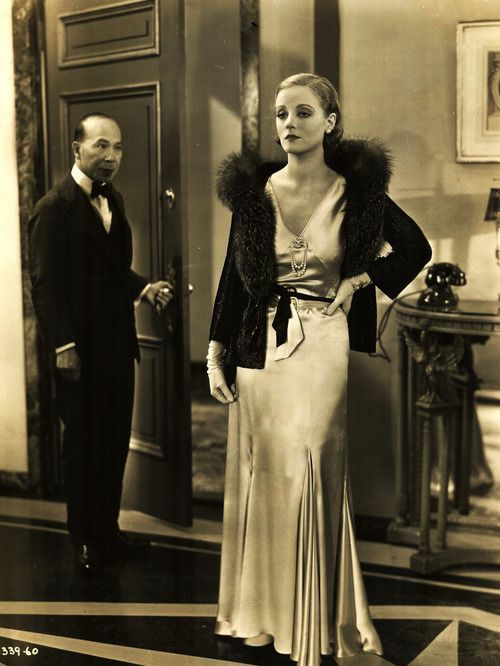
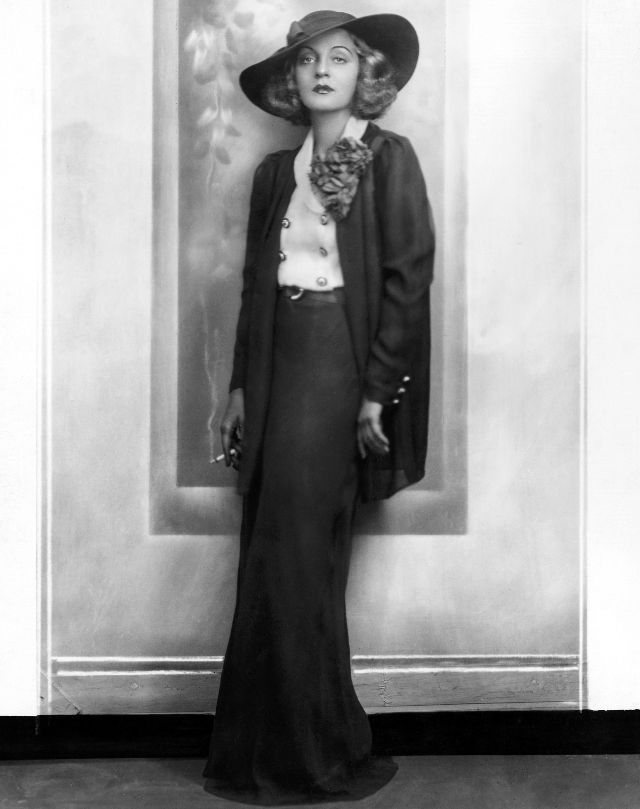
Born 1902 in Huntsville, Alabama, American actress Tallulah Bankhead was known for her husky voice, outrageous personality, and devastating wit. Originating some of the 20th century theater’s preeminent roles in comedy and melodrama, she gained acclaim as an actress on both sides of the Atlantic. Bankhead became an icon of the tempestuous, flamboyant actress, and her unique voice and mannerisms are often subject to imitation and parody.
Primarily an actress of the stage, Bankhead did have one hit on film—Alfred Hitchcock’s Lifeboat—as well as a brief but successful career on radio. She later made appearances on television as well.
In her personal life, Bankhead struggled with alcoholism and drug addiction, and was infamous for her uninhibited sex life. Bankhead was capable of great kindness and generosity to those in need, supporting disadvantaged foster children and helping several families escape the Spanish Civil War and World War II.
Bankhead died in 1968 at the age of 66. Upon her death, she had amassed nearly 300 film, stage, television, and radio roles.
As countries caught up in the war sent soldiers to the front lines, they also built support behind the lines and at home, with women taking many roles. As villages became battlefields, refugees were scattered across Europe.
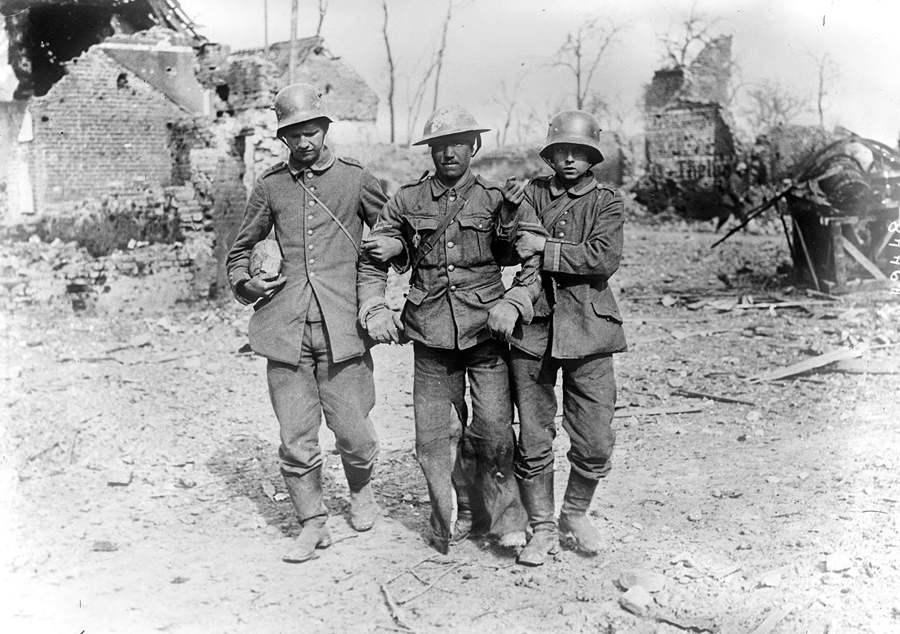
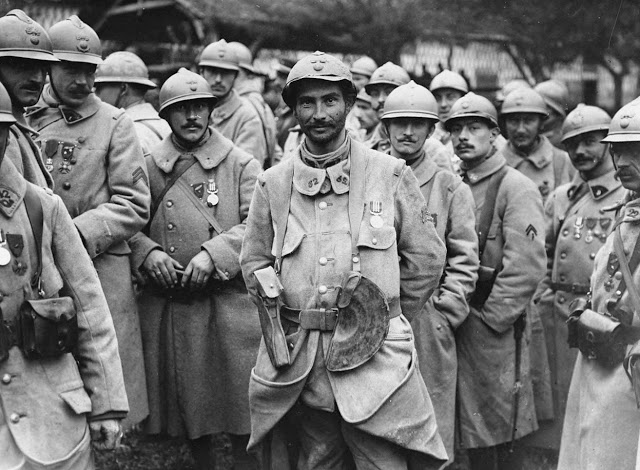
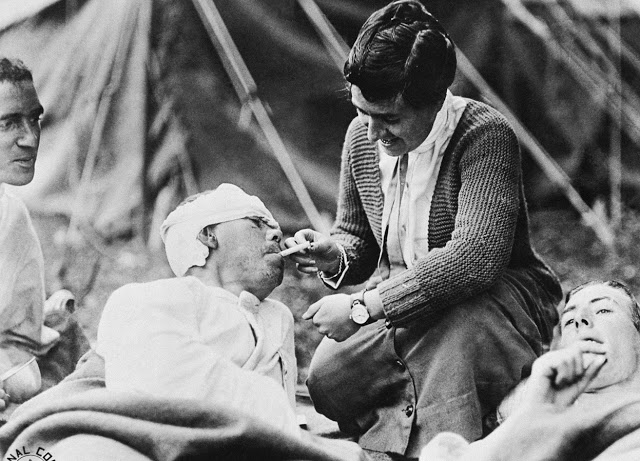
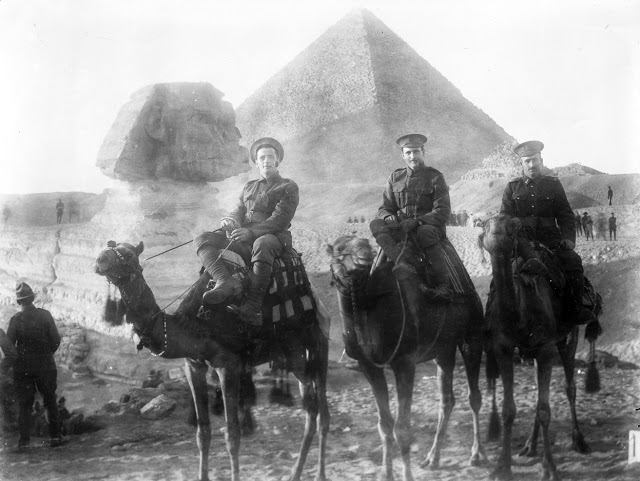
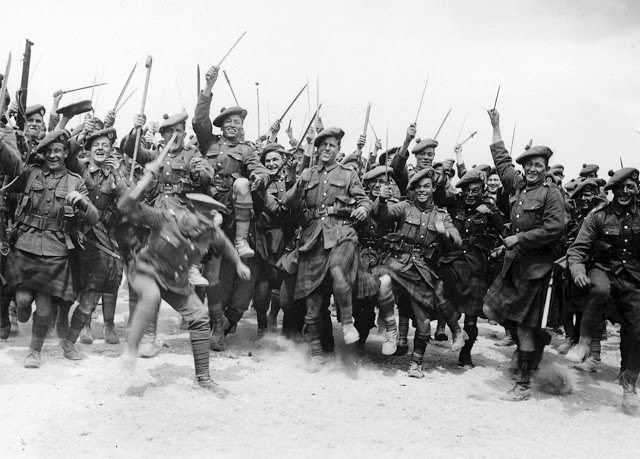
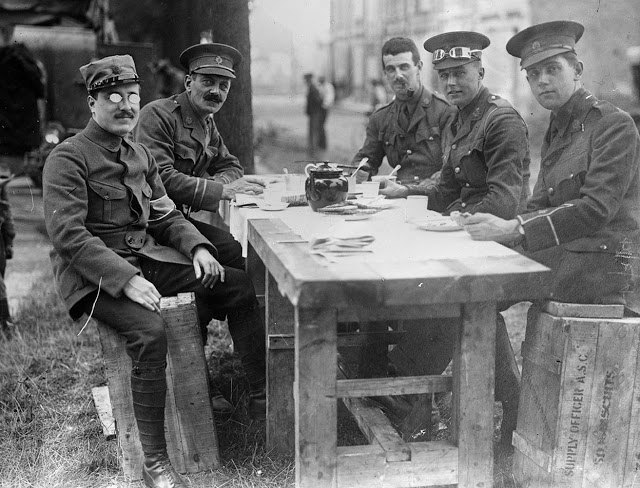
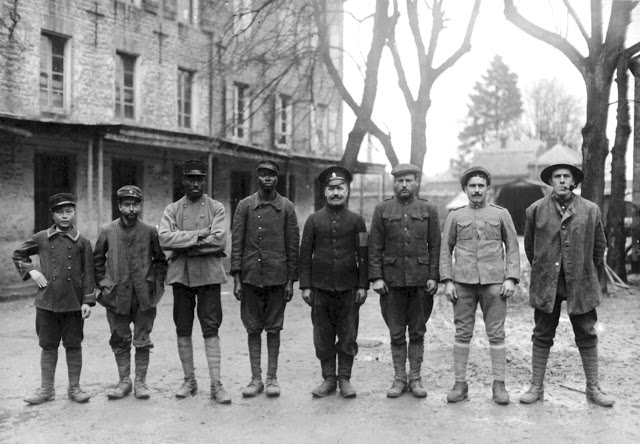
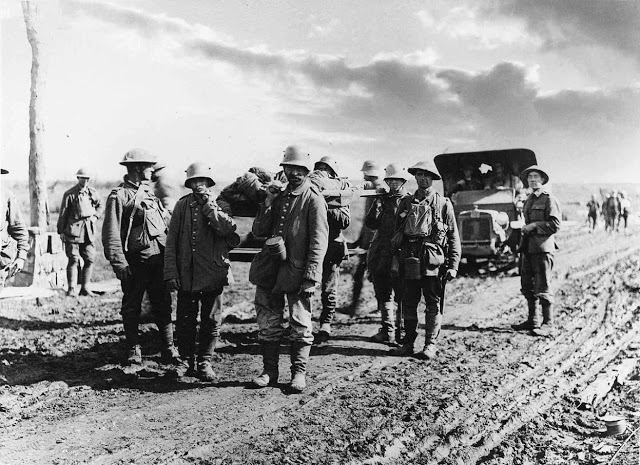
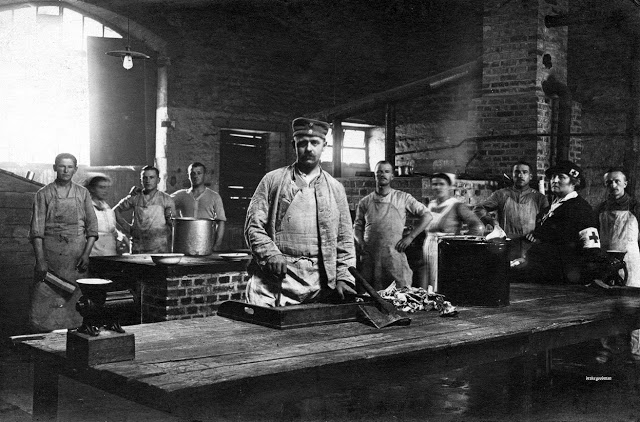
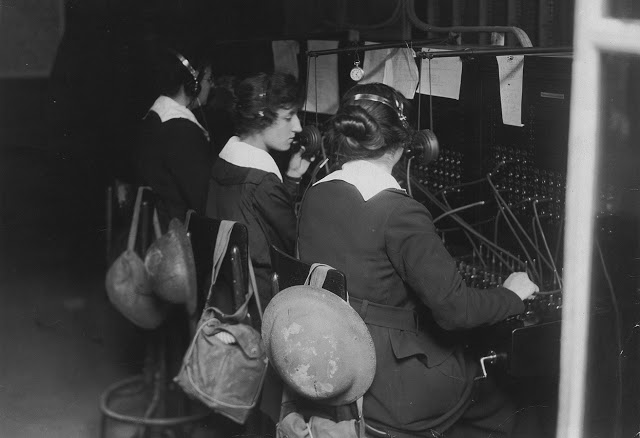
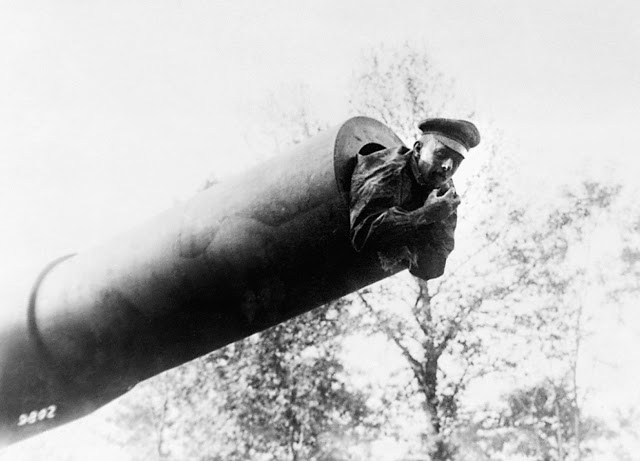
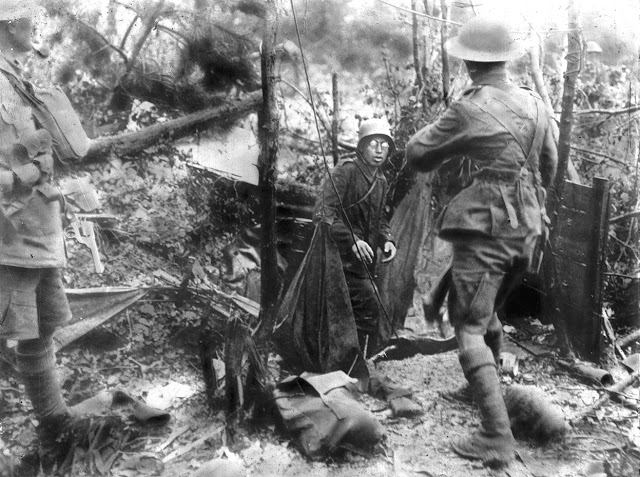
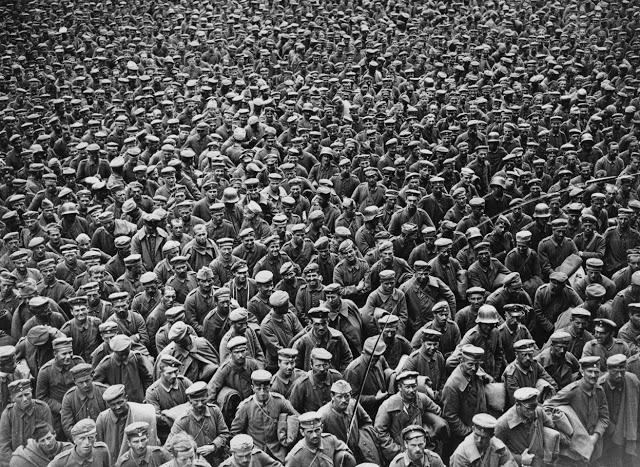
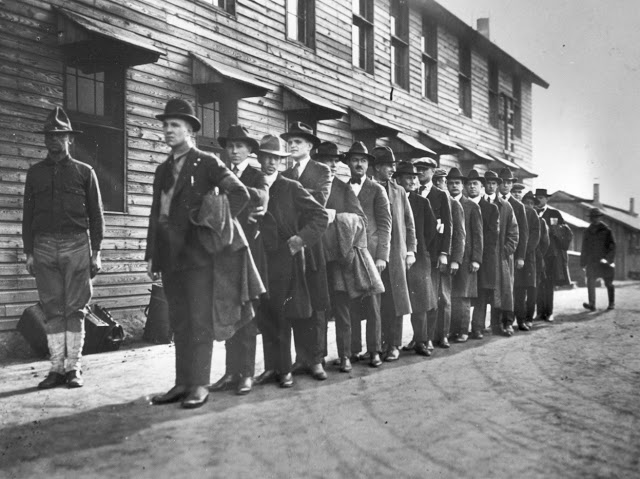
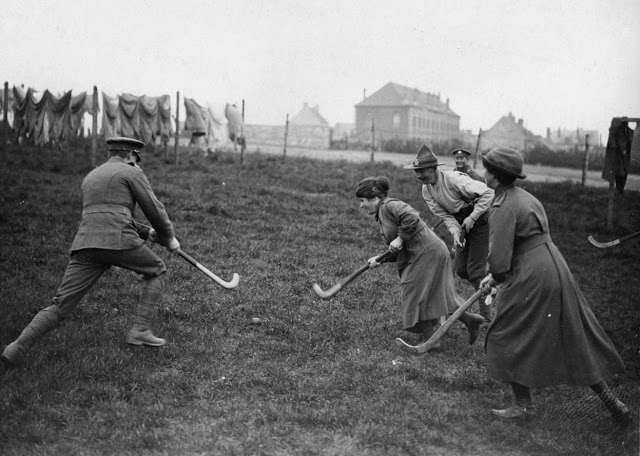
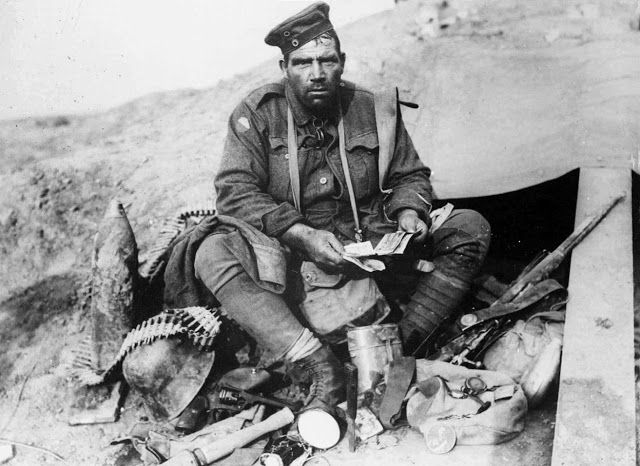
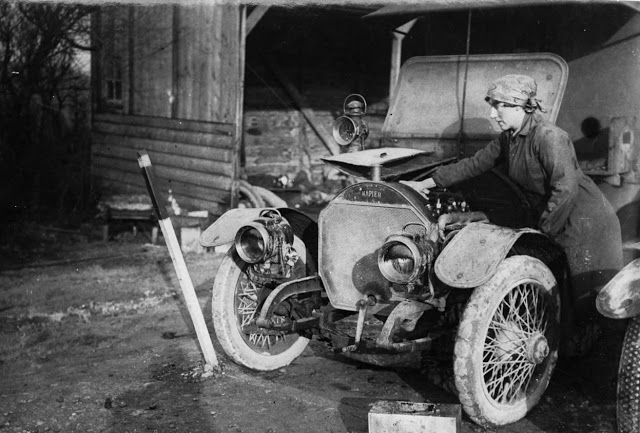
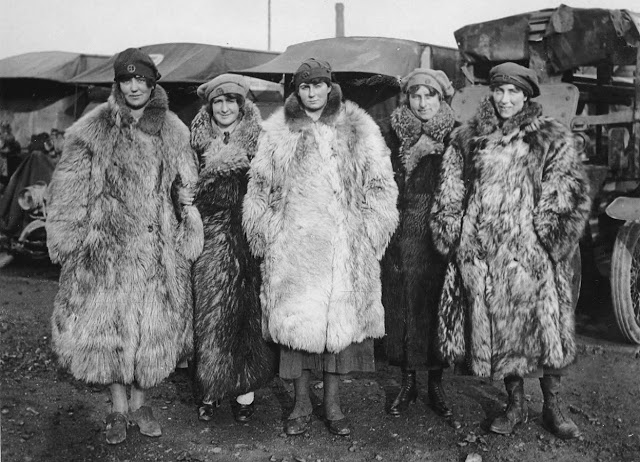
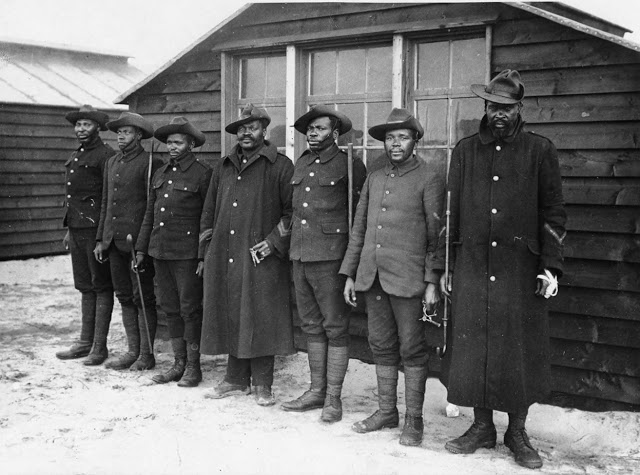
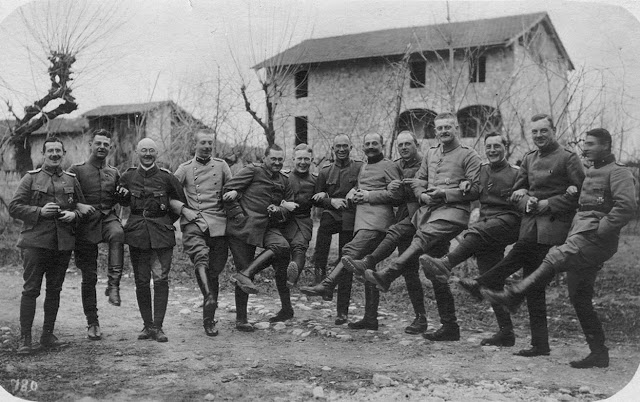
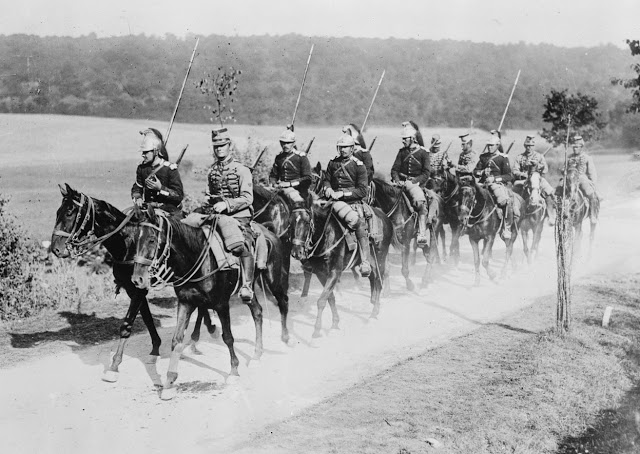
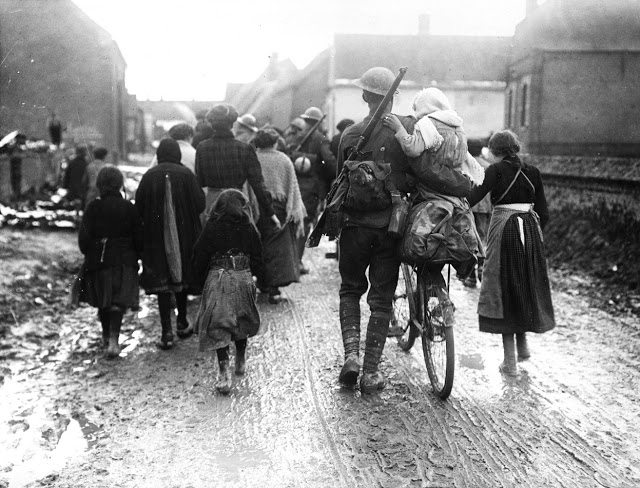
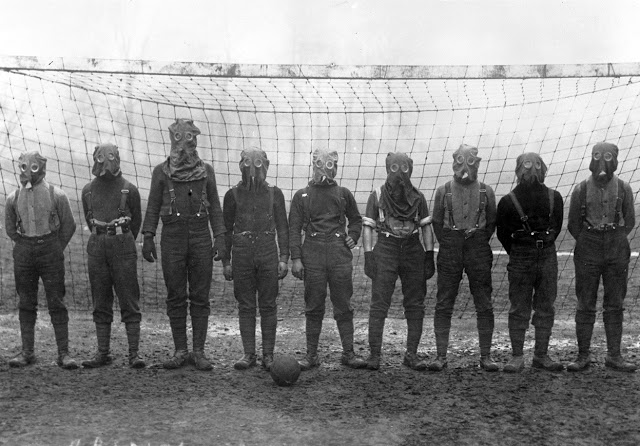
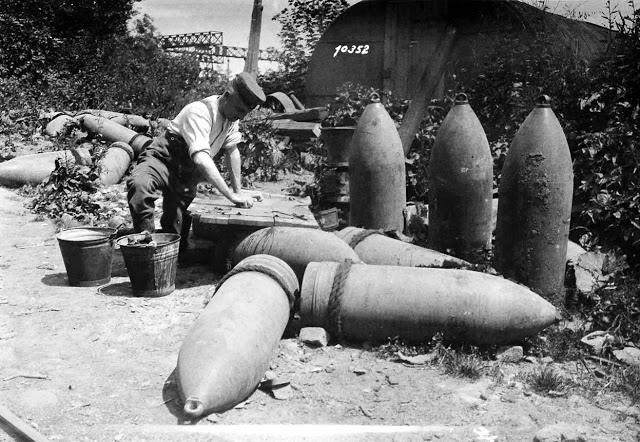
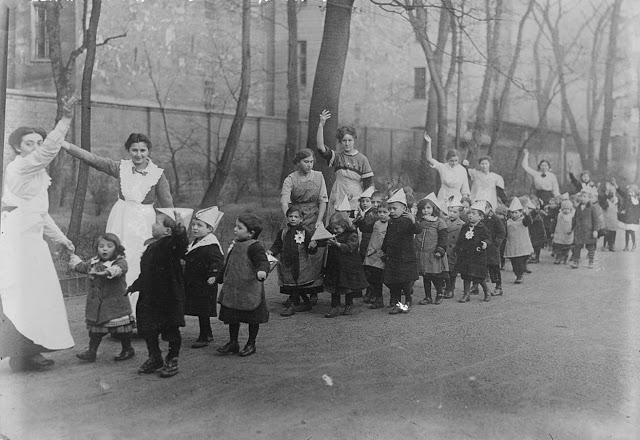
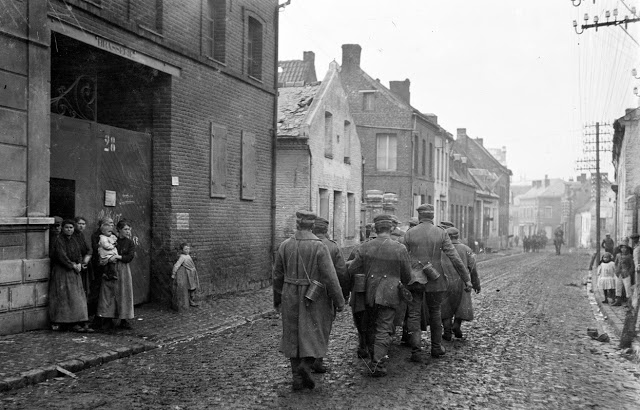
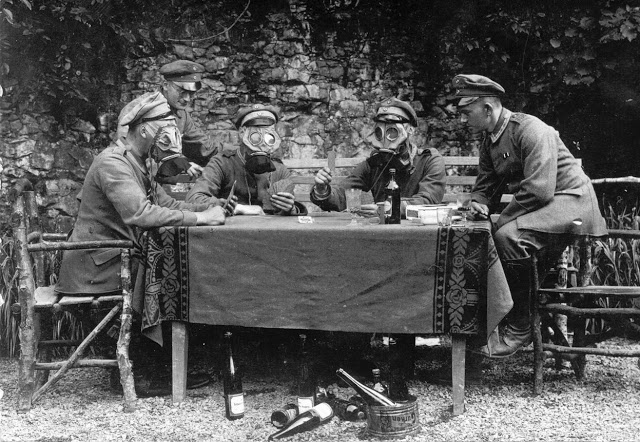
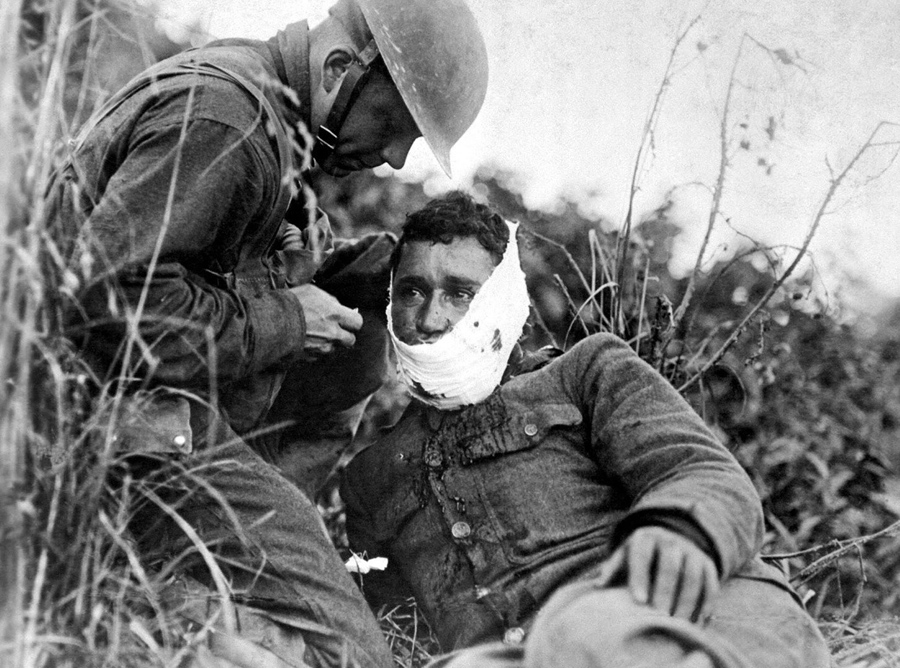
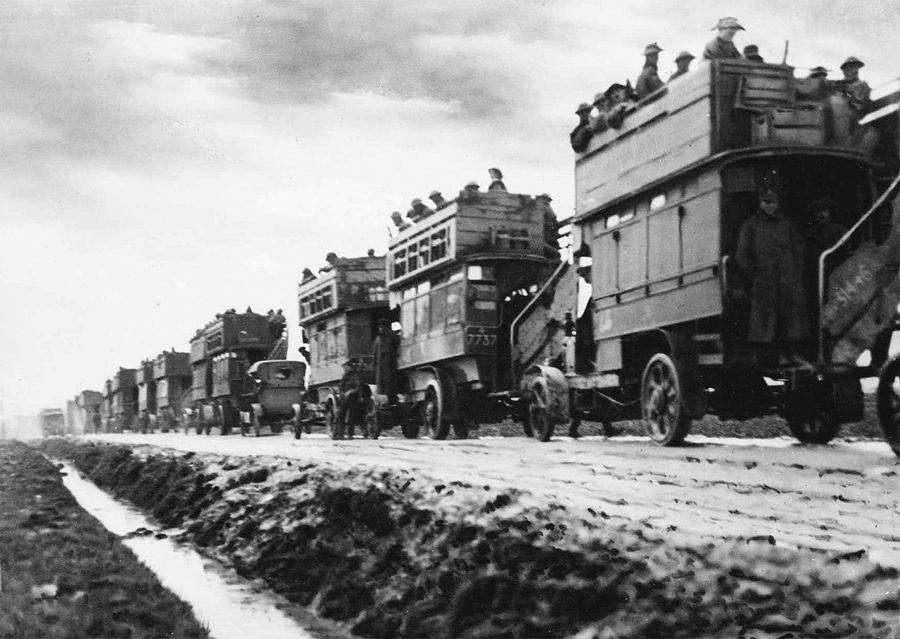
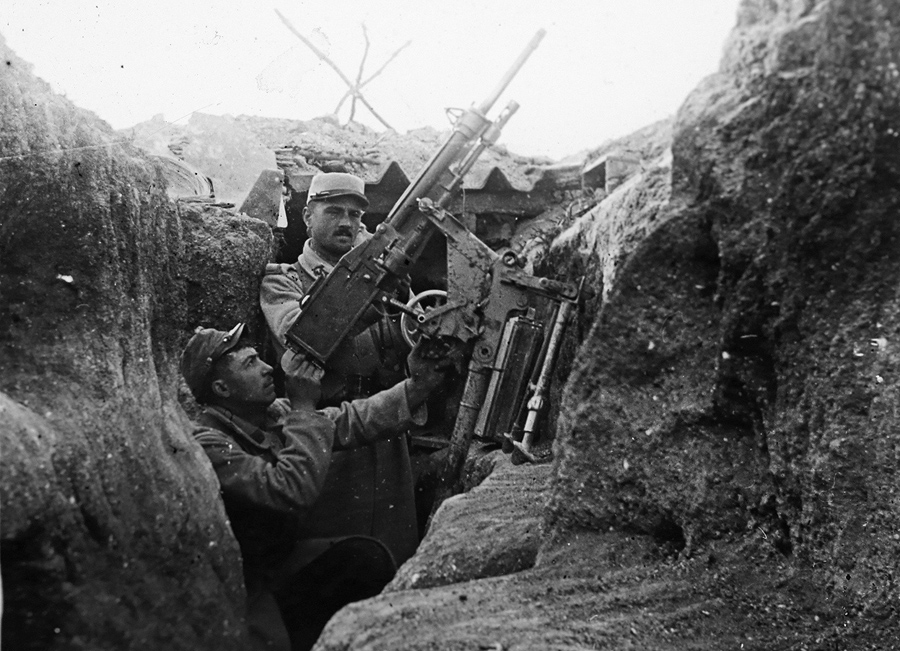
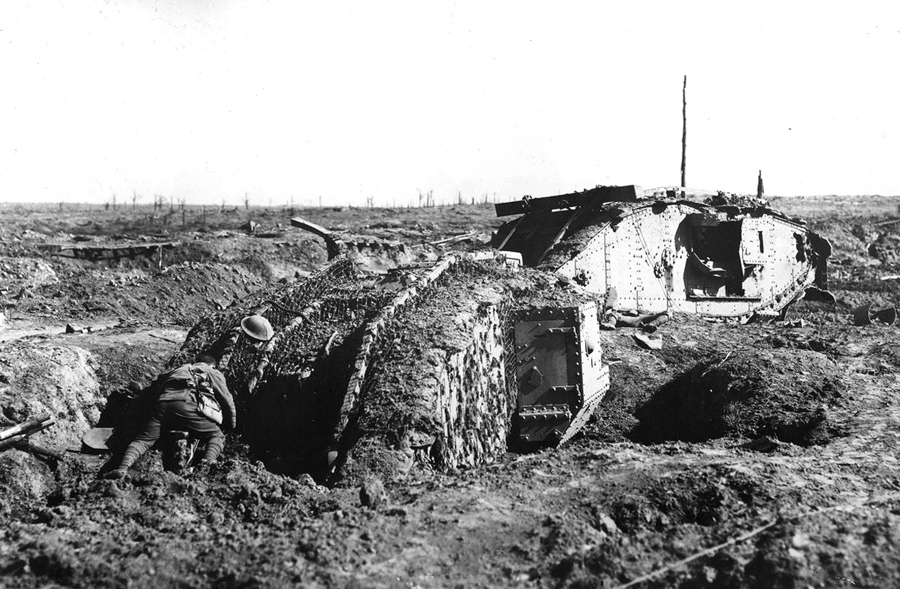
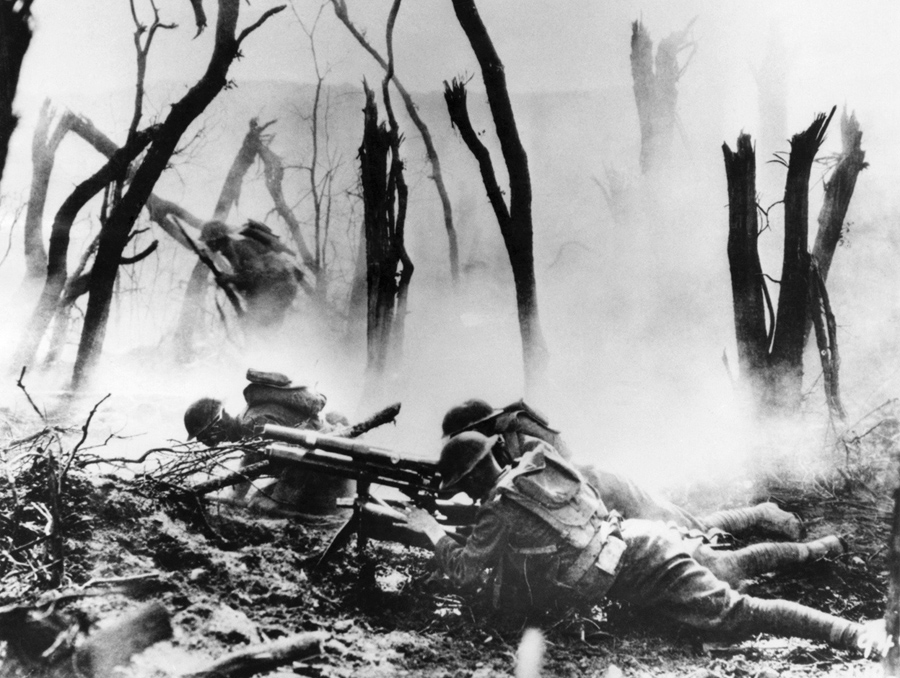
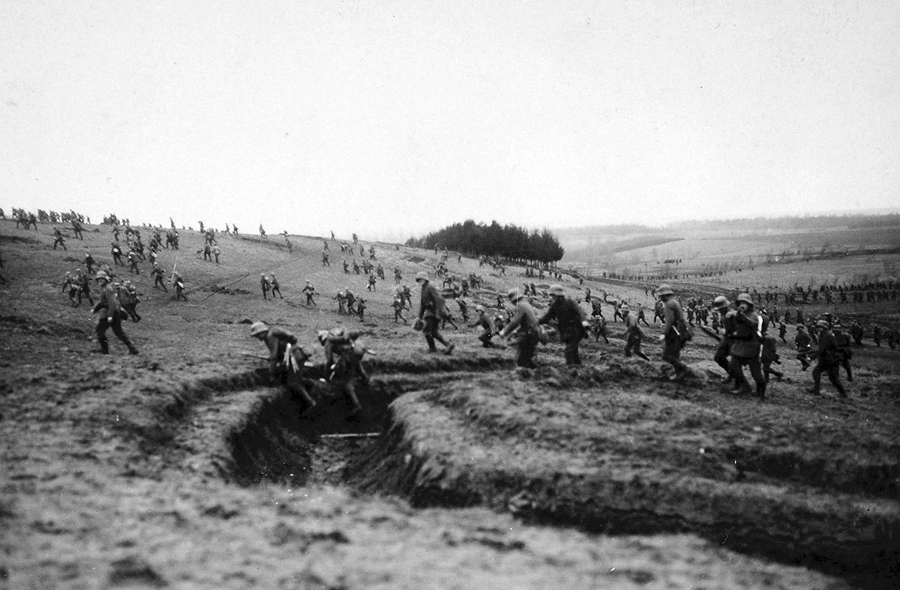
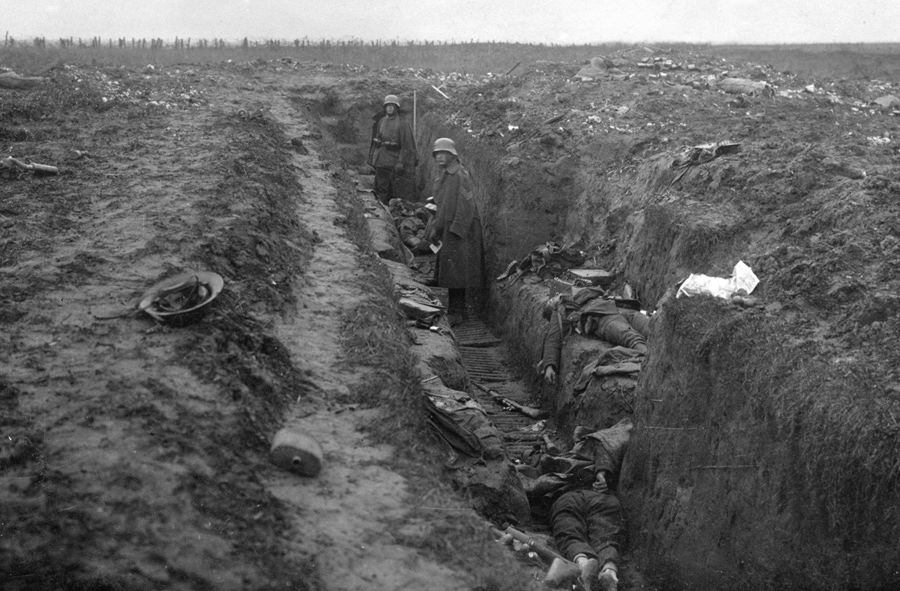
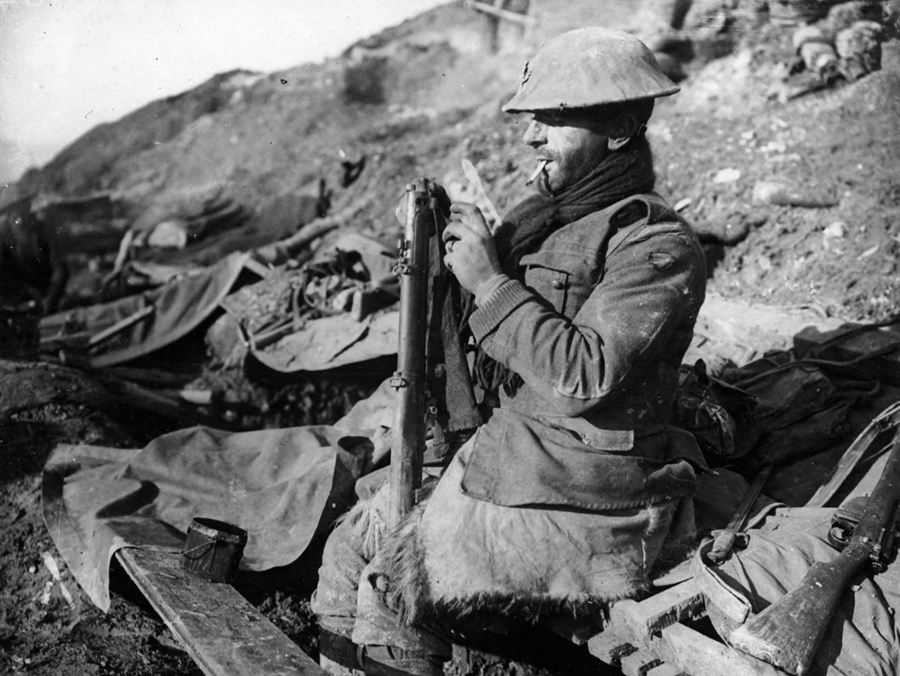
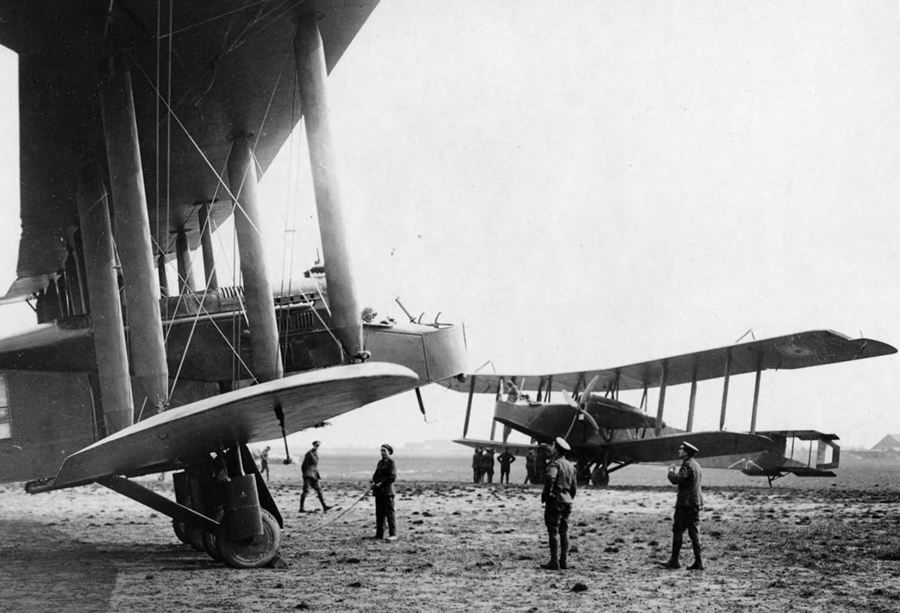
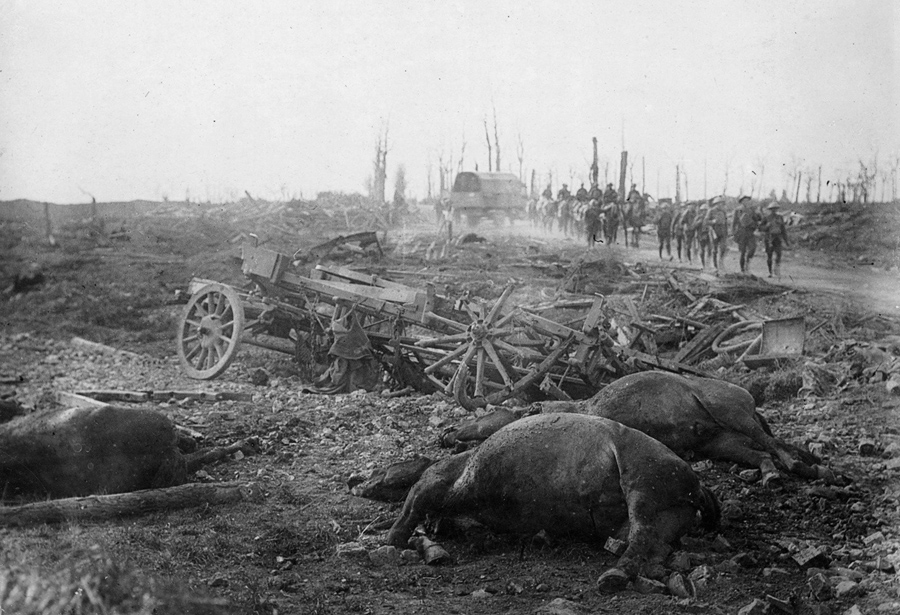
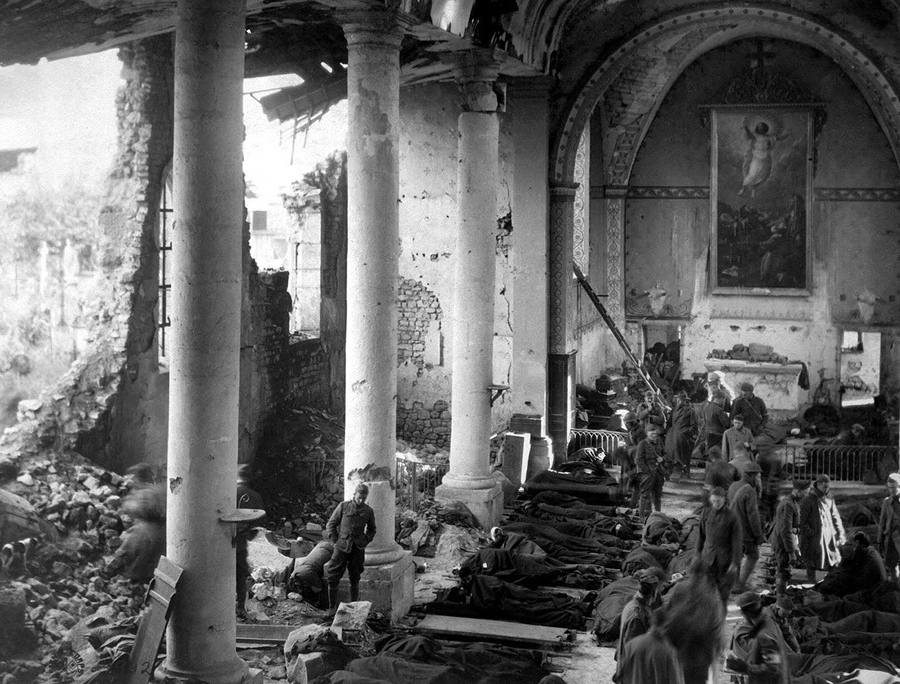
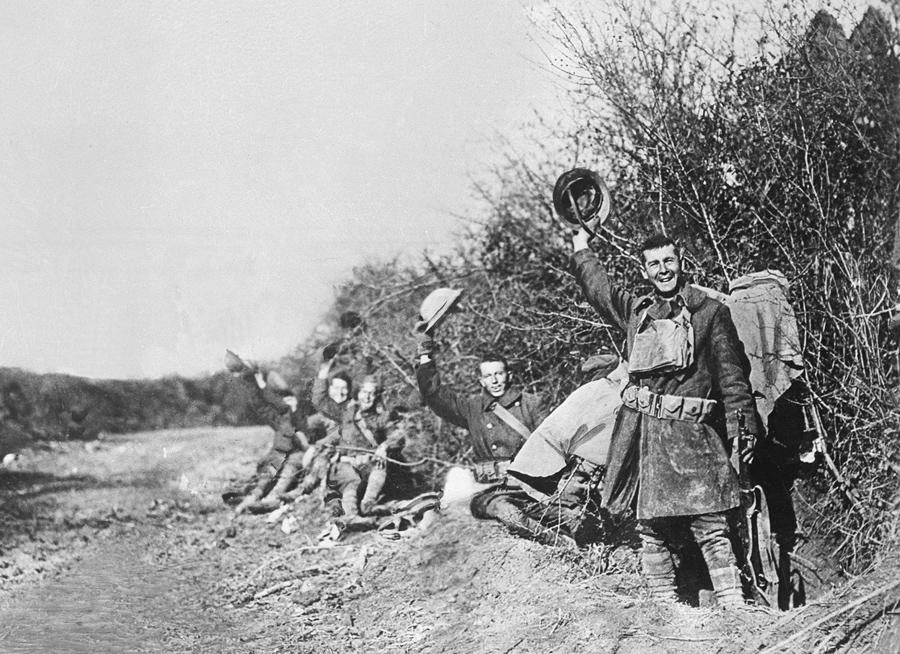
French soldiers stand in a relaxed group wearing medals. The medals appear to be the Military Medal, established on 25th March, 1916, for acts of bravery. They have probably been awarded for their part in the Battle of the Somme.Private Ernest Stambash, Co. K, 165th Infantry, 42nd division, receives a cigarette from Miss Anna Rochester, American Red Cross volunteer at Evacuation Hospital No. 6 and 7, at Souilly, Meuse, France, on October 14, 1918.Three unidentified New Zealand servicemen riding camels during World War I, the Sphinx and a pyramid in the background.A large group of soldiers, likely South African infantry, having a good time. They are stamping their feet and brandishing anything that comes to hand, from walking sticks to swords. It is all being done in a light-hearted fashion, with most of the men pulling funny faces and smiling. Many of the soldiers are wearing kilts and balmorals.A French officer has tea with English military personnel during World War I.Western front, a group of captured Allied soldiers representing 8 nationalities: Anamite (Vietnamese), Tunisian, Senegalese, Sudanese, Russian, American, Portugese, and English.German prisoners assist in bringing in Australian wounded.Interior, German military kitchen, 1917.U.S. Signal Corps telephone operators in Advance Sector, 3 km from the trenches in France. The women were part of the Signal Corps Female Telephone Operators Unit and were also known as Hello Girls. Women have helmets and gas masks in bags on back of chairs.British soldier poses in mouth of a captured 38 caliber gun during World War I.Unidentified time and location, photograph from the “Pictorial Panorama of the Great War” collection, simply titled “Merci, Kamerad”.Massed German prisoners in France, probably taken after the Allied advance of August 1918.French soldier whose face was mutilated in World War I, being fitted with a mask made at the American Red Cross studio of Anna Coleman Ladd.Recruits line up at a New York army camp shortly after President Woodrow Wilson declared war on Germany, in April of 1917.Women’s Army Auxiliary Corps (W.A.A.C.) members play field hockey with soldiers in France, during World War I, drying greens and convalescent home buildings visible in the background.Red Cross volunteers Alice Borden, Helen Campbell, Edith McHieble, Maude Fisher, Kath Hoagland, Frances Riker, Marion Penny, Fredericka Bull, and Edith Farr.“Wild Eye”, the Souvenir King.A member of the British First Aid Nursing Yeomanry oiling her car near the Western Front.Undated image, reportedly of Corporal Adolf Hitler of the German Army, standing at left (under the “+”) with his comrades forming the band “Kapelle Krach”, during recovery from an injury he received on the western front during World War I.Dressed in a rather exotic uniform of army boots, army caps and fur coats, this image shows five female members of the First Aid Nursing Yeomanry standing in front of some Red Cross ambulances. As the first female recruits of this organization came from the ranks of the upper classes, perhaps the fur coats should not be too surprising. The women would have worked as drivers, nurses and cooks. Established by Lord Kitchener in 1907, the First Aid Nursing Yeomanry (FANY) was initially an auxiliary unit of women nurses on horseback, who linked the military field hospitals with the frontline troops. Serving in dangerous forward areas, by the end of the conflict First Aid Nursing Yeomanry members had been awarded 17 Military Medals, 1 Legion d’Honneur and 27 Croix de Guerre. A memorial to those women who lost their lives while working for the organization, can be found at St Paul’s Church, Knightsbridge, London.Guiseppe Uggesi, an Italian soldier in 223rd Infantry, who was in an Austrian Prison Camp at Milowitz, confined to bed with tuberculosis in January of 1919.Labour Corps members, the caption identifies these seven men as ‘native police’. They are probably black South Africans who had contracted to work in the South African Native Labour Contingent (SANLC). In general the native police and NCOs were recruited from tribal chiefs or high-status native families. Some 20,000 South Africans worked in the SANLC during the war. They were not meant to be in combat zones, but there were inevitable deaths when the docks or transport lines on which they worked were bombed. The greatest tragedy was the sinking of the troopship SS Mendi on February 21, 1917, when 617 members of the SANLC were drowned in the English Channel.Some Canadian wounded being taken to the dressing station on a light railway from the firing line.German troops in Finland during the Finnish Civil War, part of a series of conflicts spurred on by World War I. Red troops, both men and women, ready for deportation from Hango, in April of 1918. Two main groups, “Reds” and “Whites” were battling for control of Finland, with the Whites gaining the upper hand in April of 1918, helped by thousands of German soldiers.A group of female carpenters work in a lumber yard in France, constructing wooden huts. While they do not have a uniform, all the women appear to be wearing a protective coat or pinafore over their clothing. It is thought this photograph was taken by the British official photographer, John Warwick Brooke. Q.M.A.A.C. stands for Queen Mary’s Army Auxiliary Corps. Formed in 1917 to replace the Women’s Auxiliary Army Corp, by 1918 around 57,000 women made up the ranks of Q.M.A.A.C.The Kaiser’s Birthday. German officers during the Kaiser’s birthday celebrations in Rauscedo, Italy, on January 27, 1918.French dragoon and chasseur soldiers at the beginning of World War One.British ambulance drivers stand atop a pile of rubble.Villagers interested in the arrival of British troops.During downtime, soldiers from Britain, France and the USA, plus some members of the Women’s Auxiliary Army Corps (WAAC) watch French children playing in the sand, in France, during World War I.British soldiers play football while wearing gas masks, France, 1916.Three young-looking German prisoners of war. Their clothes are caked in mud and are a mishmash of styles. The soldier on the left still has his helmet, but the others have bandages wrapped round their heads.Between Laon and Soissons, German railway troops wash their clothes beside 50 cm shells, on July 19, 1918.Berlin — Children of soldiers at front.Watched by a group of locals, German prisoners of war walk down a street in the French town of Solesmes, on November 1, 1918, near the end of World War I.German NCOs from Infanterie-Regiment No. 358 pose for the photographer as if they were drinking wine, feasting on gherkins and playing cards while wearing gas masks.French patrol in occupied Essen, Germany.The Famous 369th Arrive in New York City, 1919. Members of the 369th [African American] Infantry, formerly 15th New York Regulars.A soldier of Company K, 110th Regt. Infantry (formerly 3rd and 10th Inf., Pennsylvania National Guard), just wounded, receiving first-aid treatment from a comrade. Varennes-en-Argonne, France, on September 26, 1918.London buses, shipped to France, being used to move up a division of Australian troops. Reninghelst. 2nd Division. 1918A French soldier aiming an anti-aircraft machine gun from a trench at Perthes les Hurlus, eastern France. 1918British soldier in a flooded dug-out, on the front lines, France.Two Tanks knocked out of action near Tank Corner, Ypres Salient, October 1917.Battery C, Sixth Field Artillery Regiment, 1st Division, from the U.S., in action on the front at Beaumont, France, on September 12, 1918.A British firing squad prepares to execute a German spy somewhere in Great Britain, date unknown.US Army 37-mm gun crew manning their weapon on September 26, 1918 during the World War I Meuse-Argonne (Maas-Argonne) Allied offensive, France.Wounded British prisoner supported by two German soldiers, 1917.German troops cross a field, 1918.Trench position Chemin des Dames, May 1918. Two German soldiers (the closest one wearing a British sergeant’s overcoat) move through a temporarily abandoned French trench (occupied by the British), collecting useful items of equipment. Dead English and German soldiers lie in the trench, the area littered with gear and weaponry from both sides.British soldier cleaning a rifle, Western Front. His growth of beard suggests he may have been continuously in the trenches for several days.Royal Air Force planes being loaded with munitions in France.Dead horses and a broken cart on Menin Road, troops in the distance, Ypres sector, Belgium, in 1917.A shattered church in the ruins of Neuvilly becomes a temporary shelter for American wounded being treated by the 110th Sanitary Train, 4th Ambulance Corps. France, on September 20, 1918.Soldiers in a field wave their helmets and cheer on Armistice Day, November 11, 1918, location unknown.
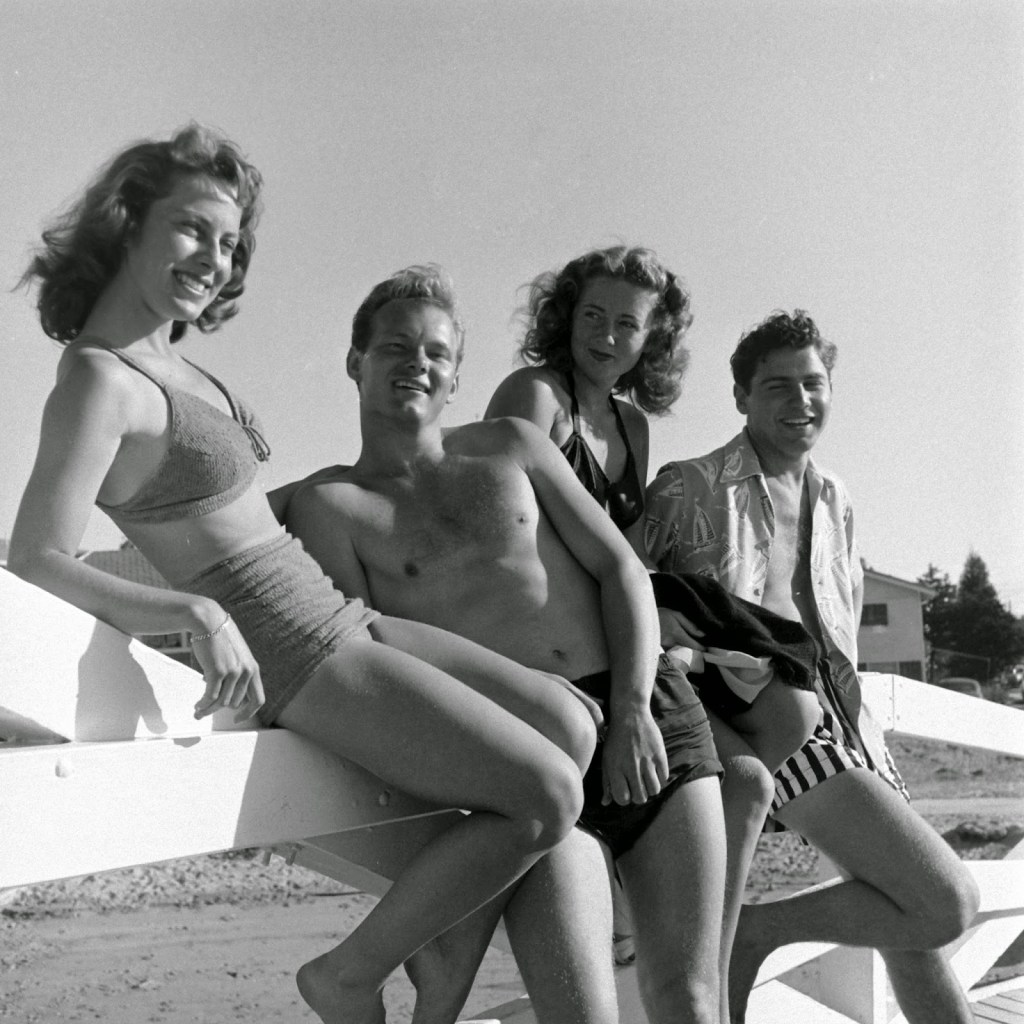
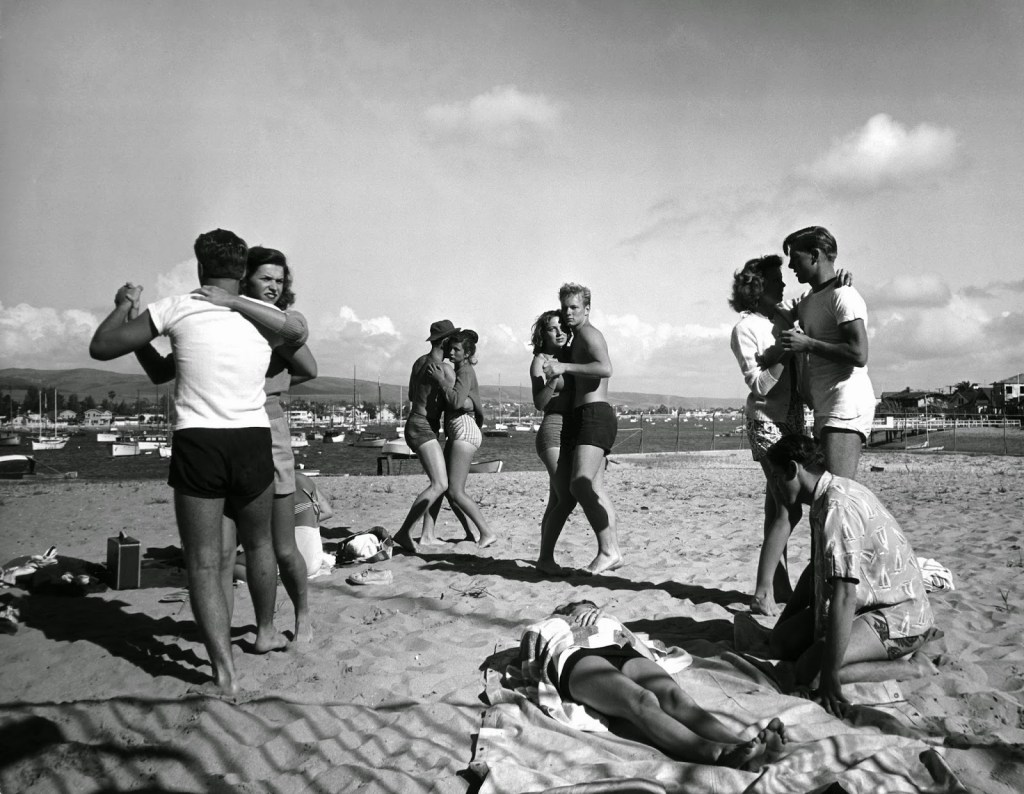
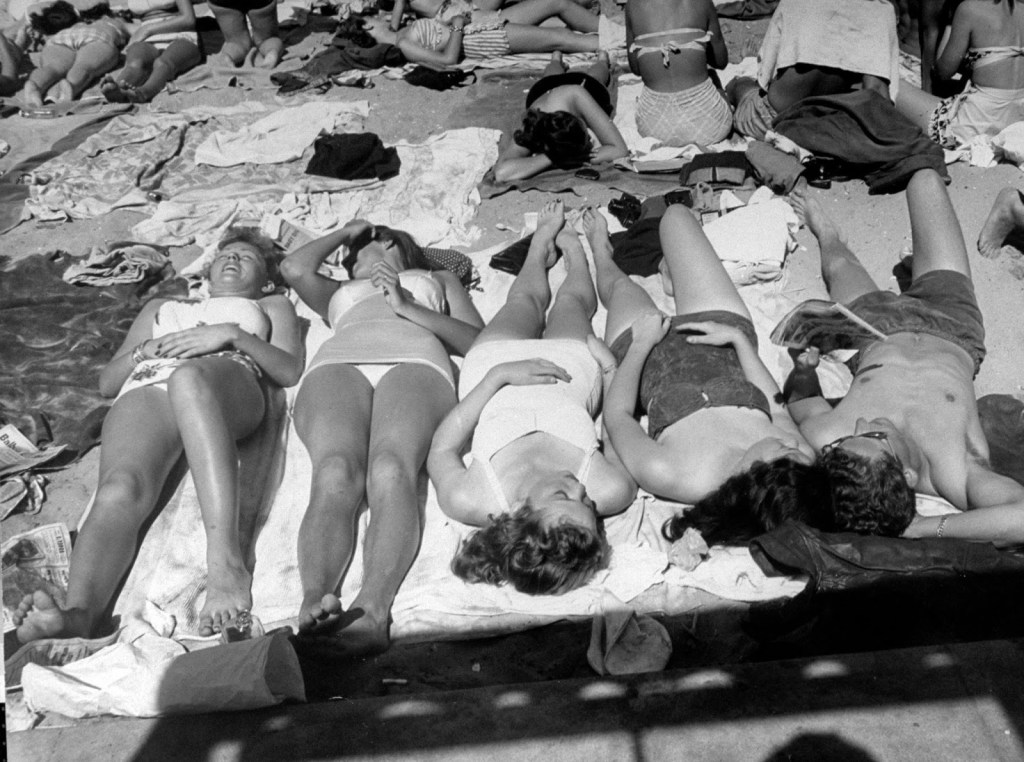
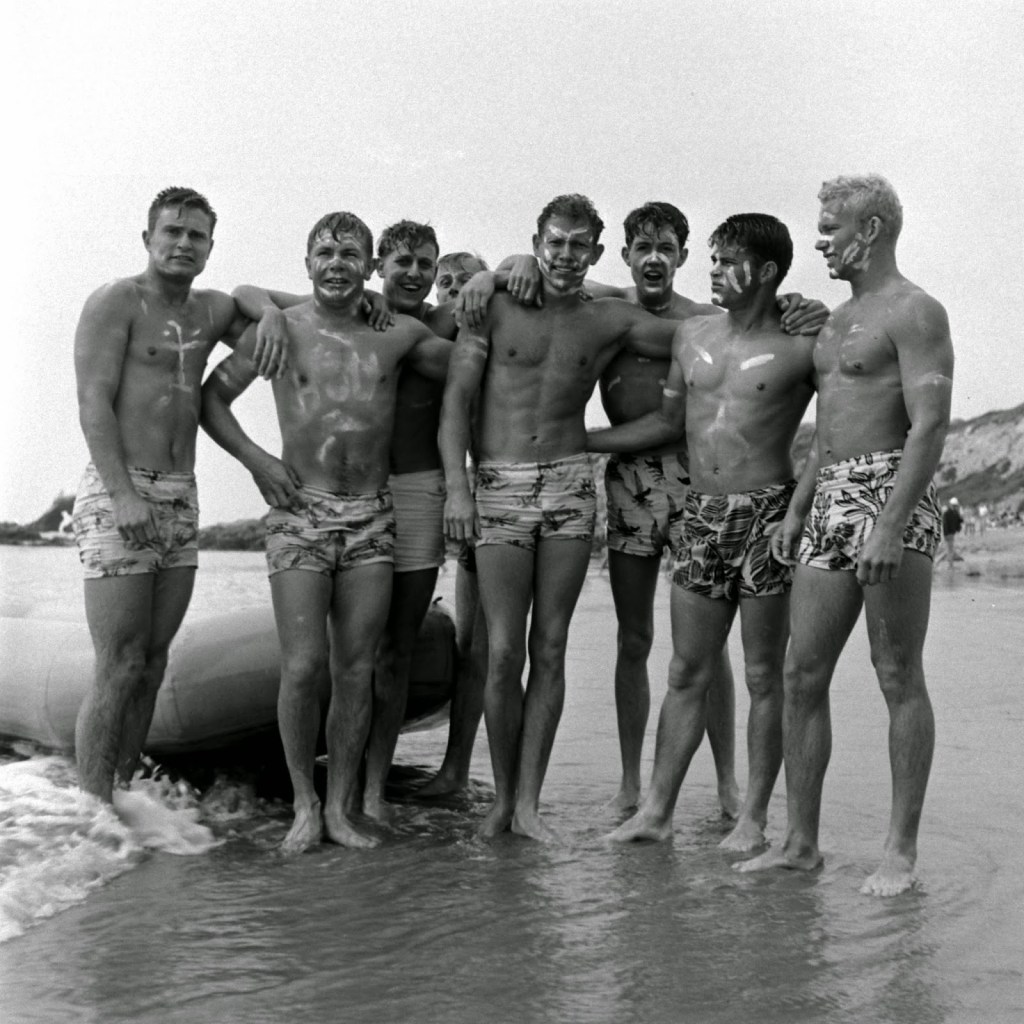
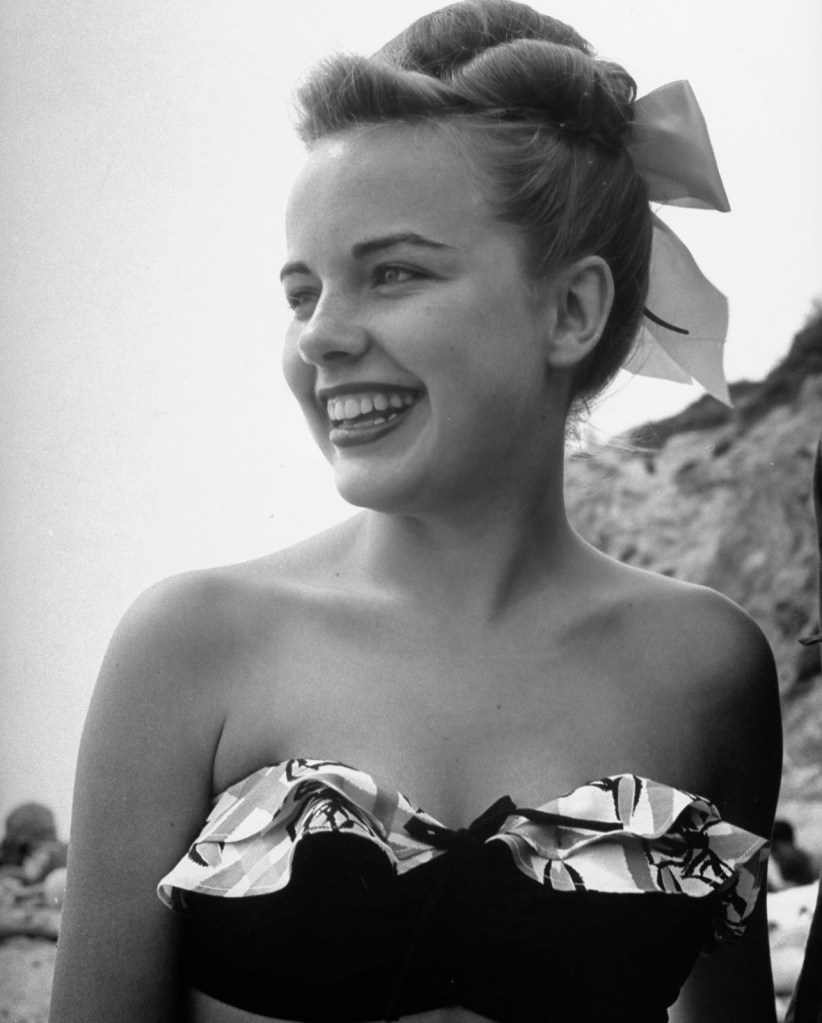
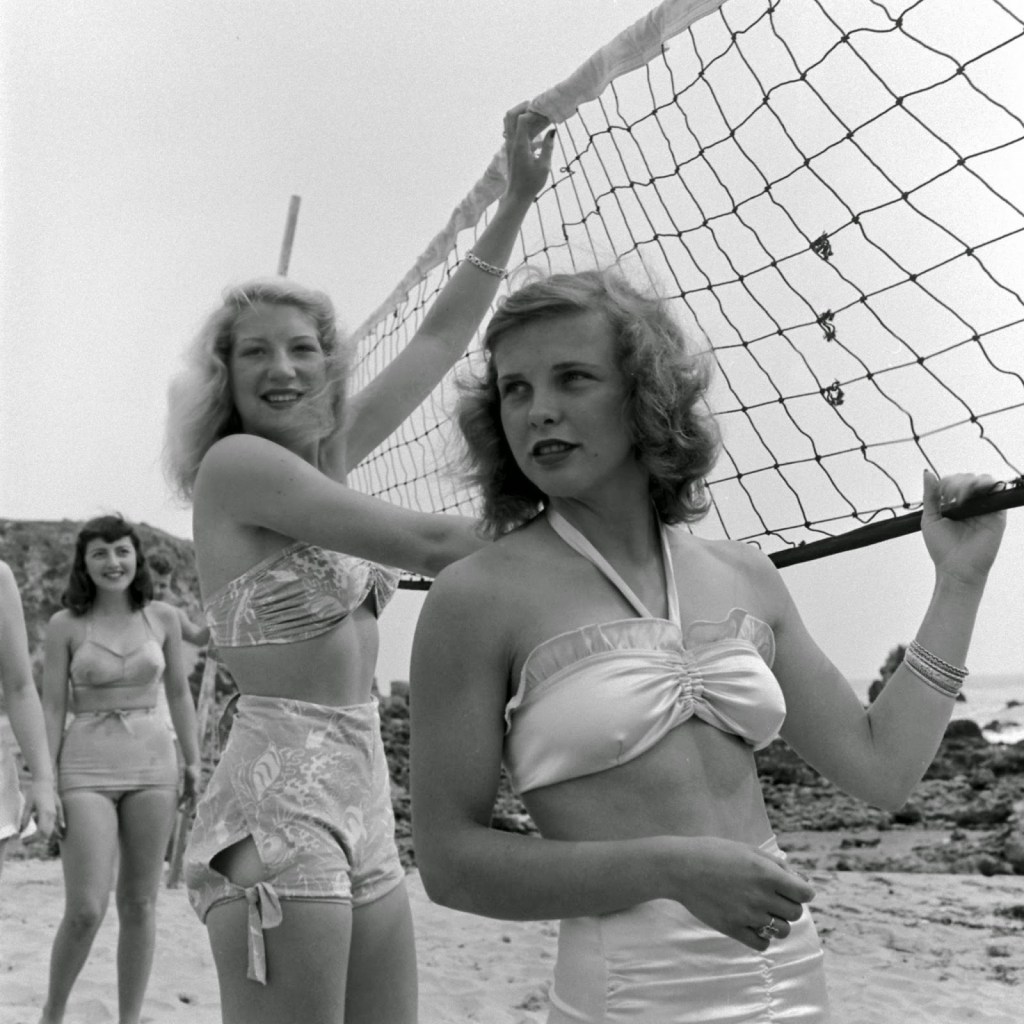
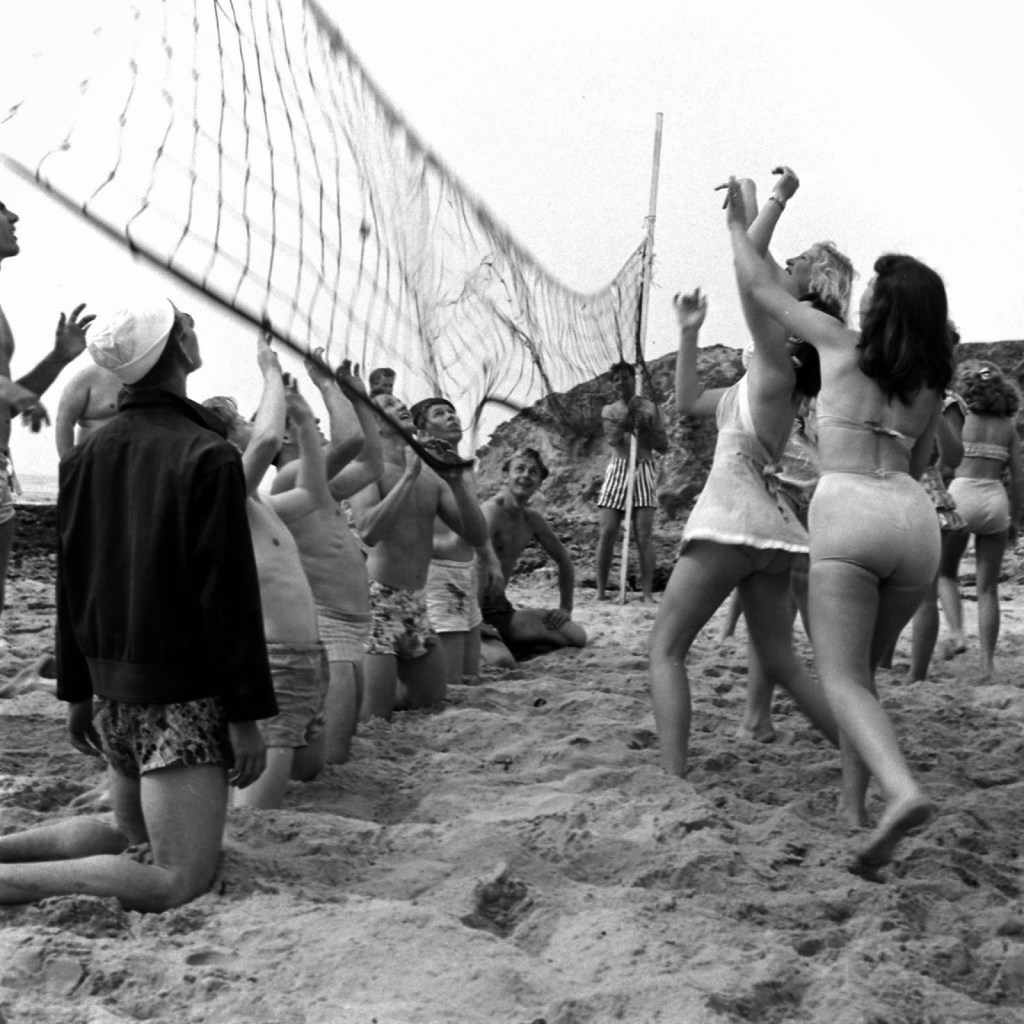
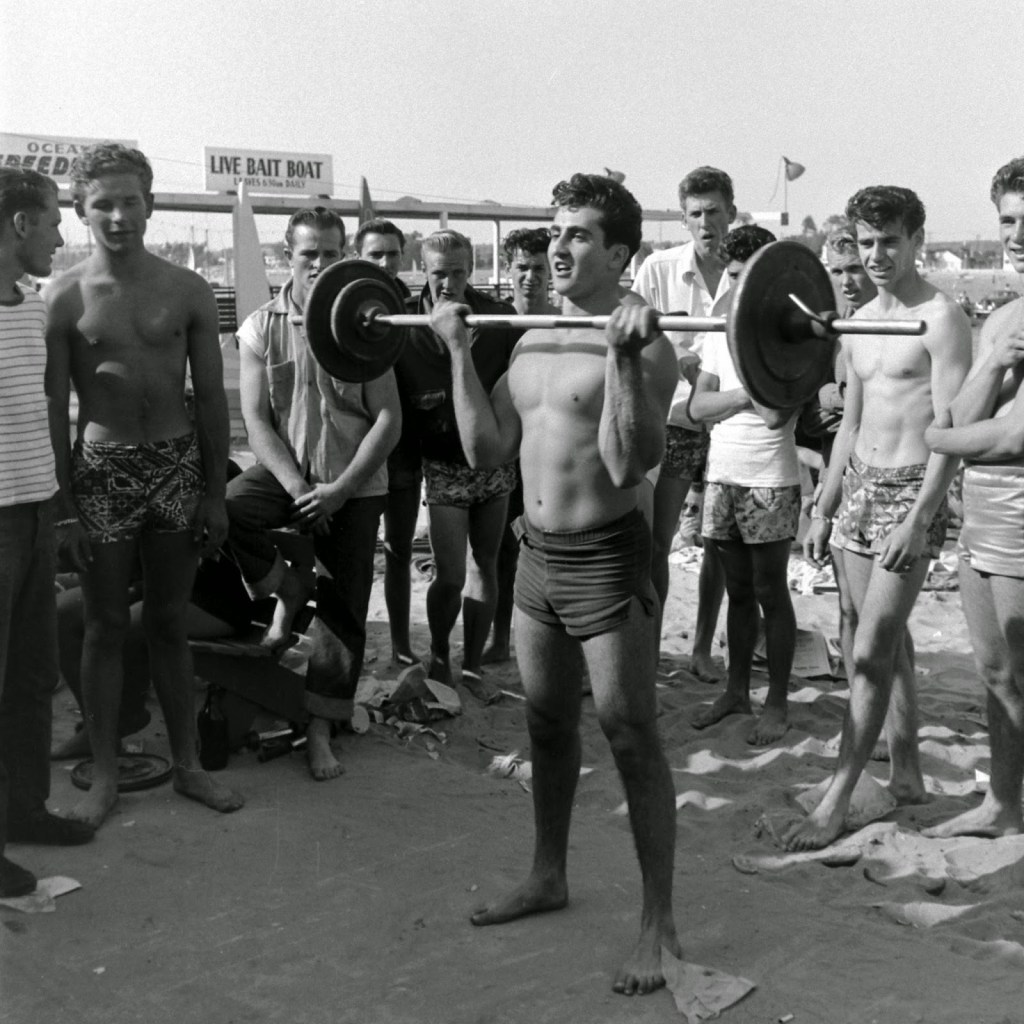
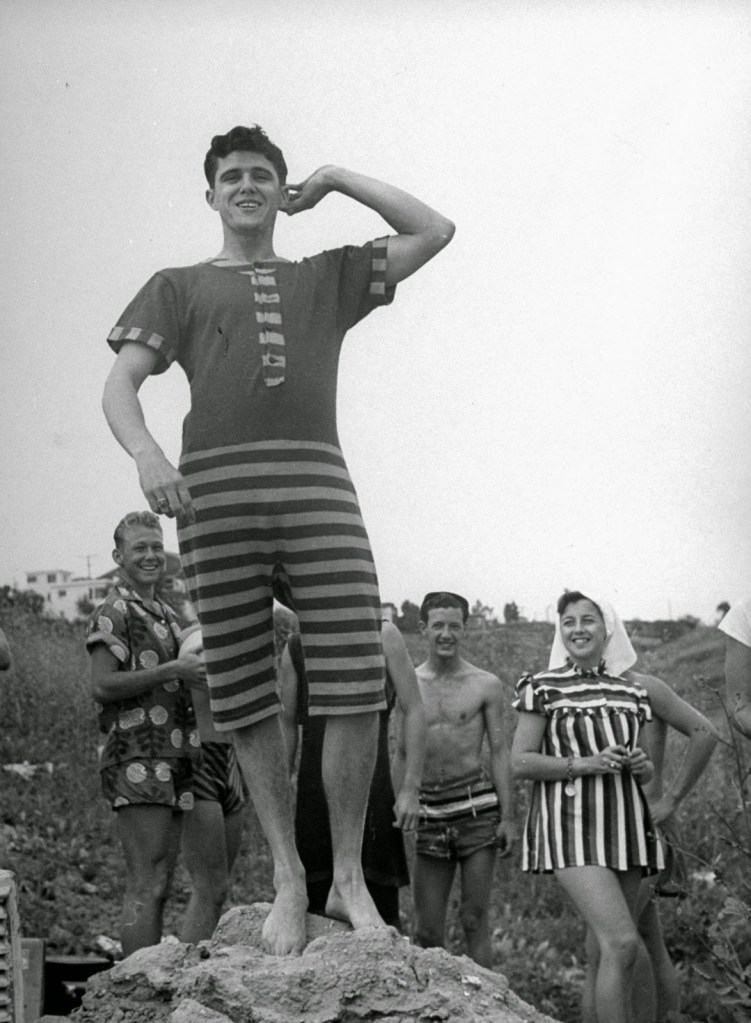
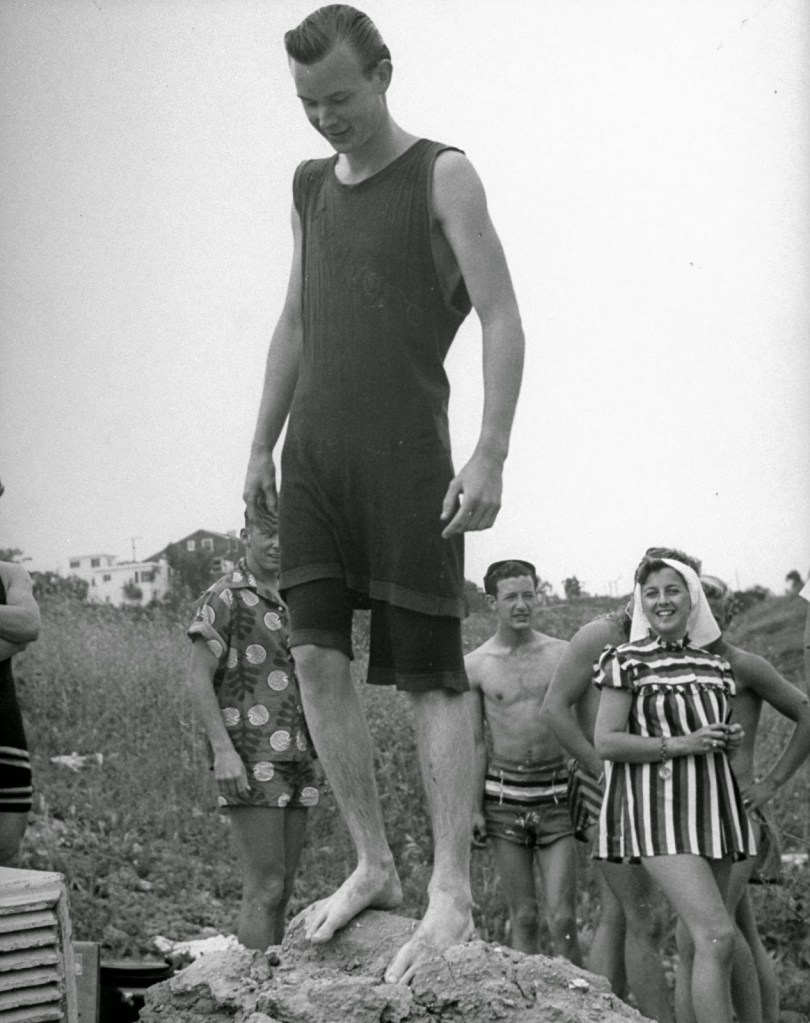
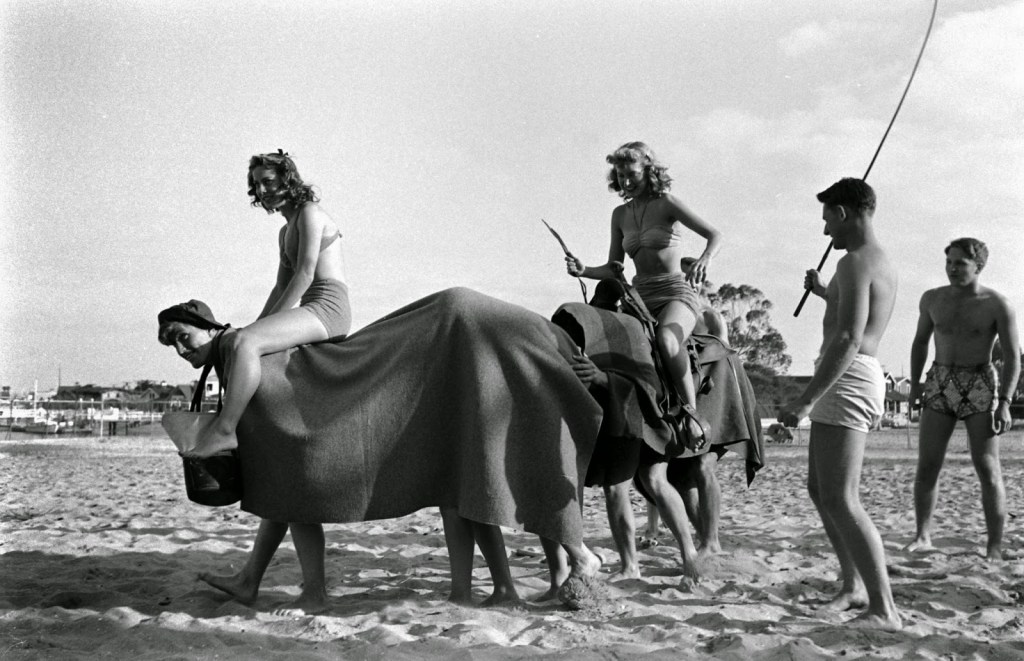
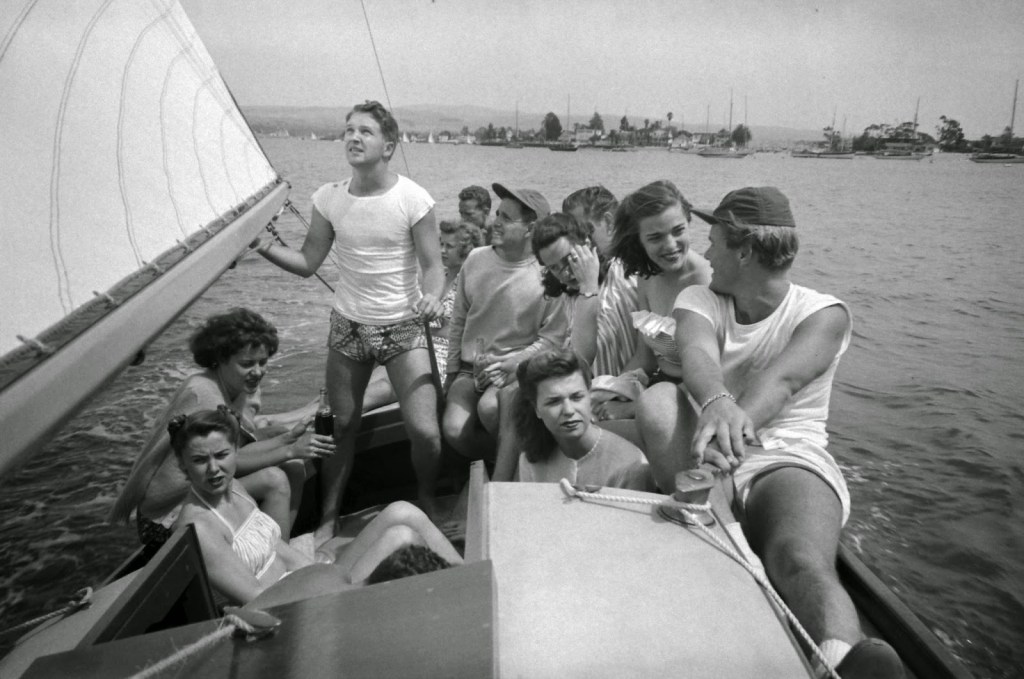
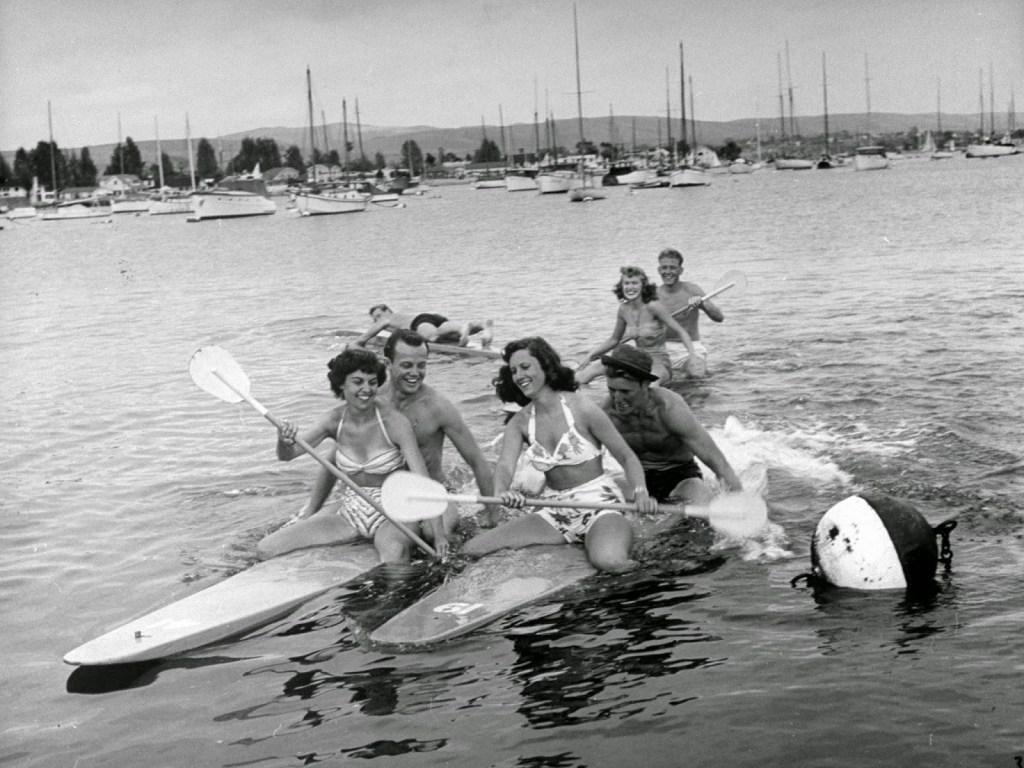
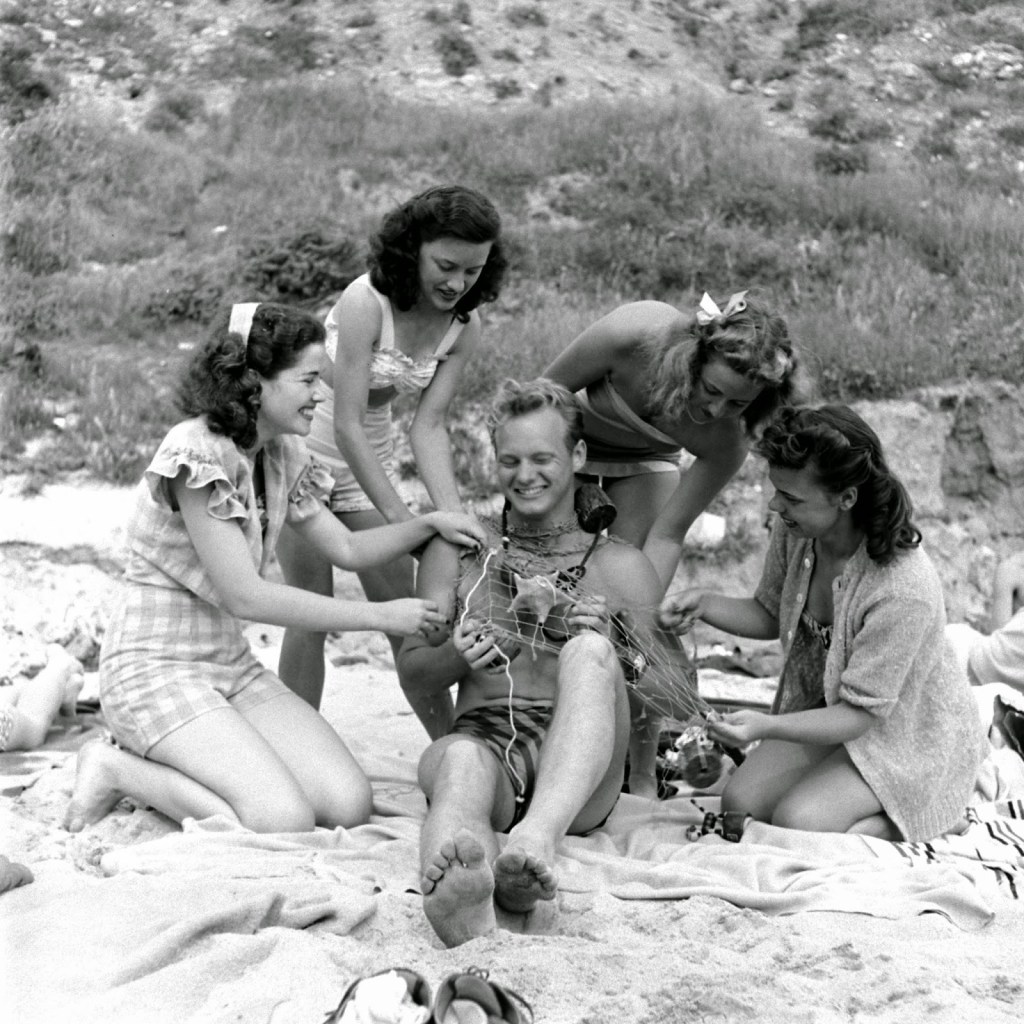
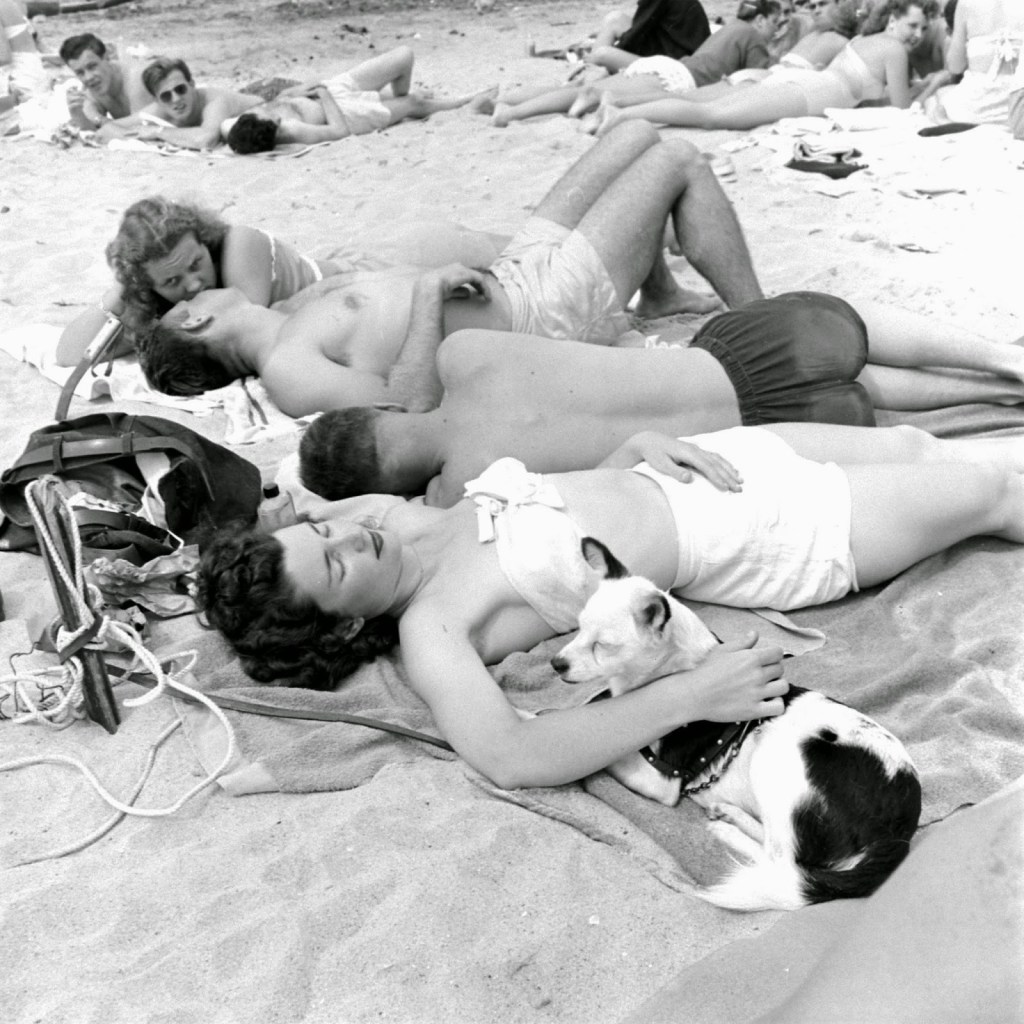
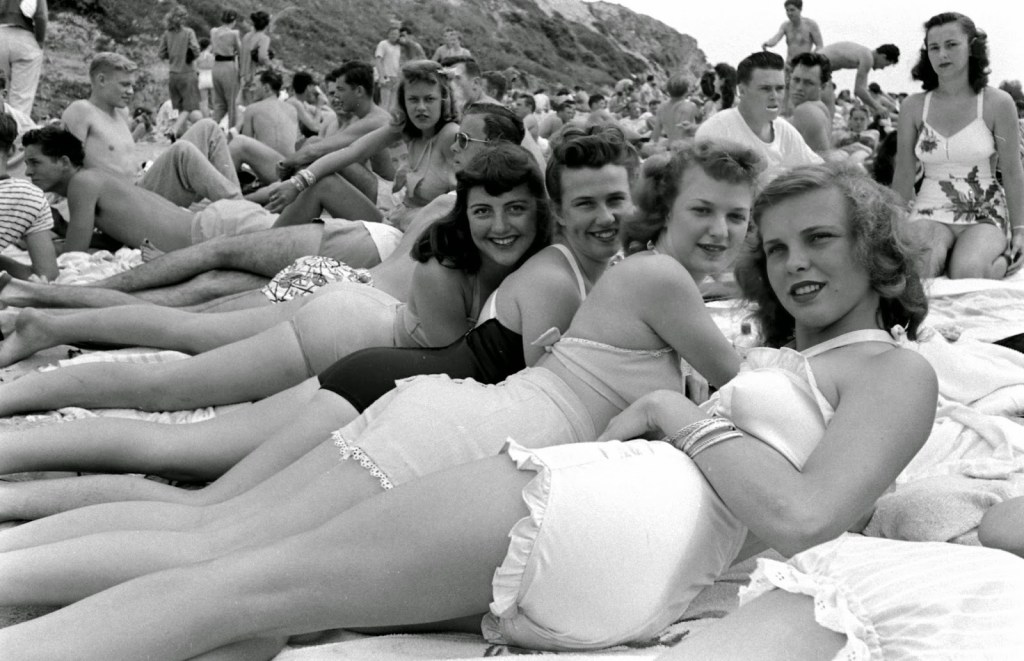
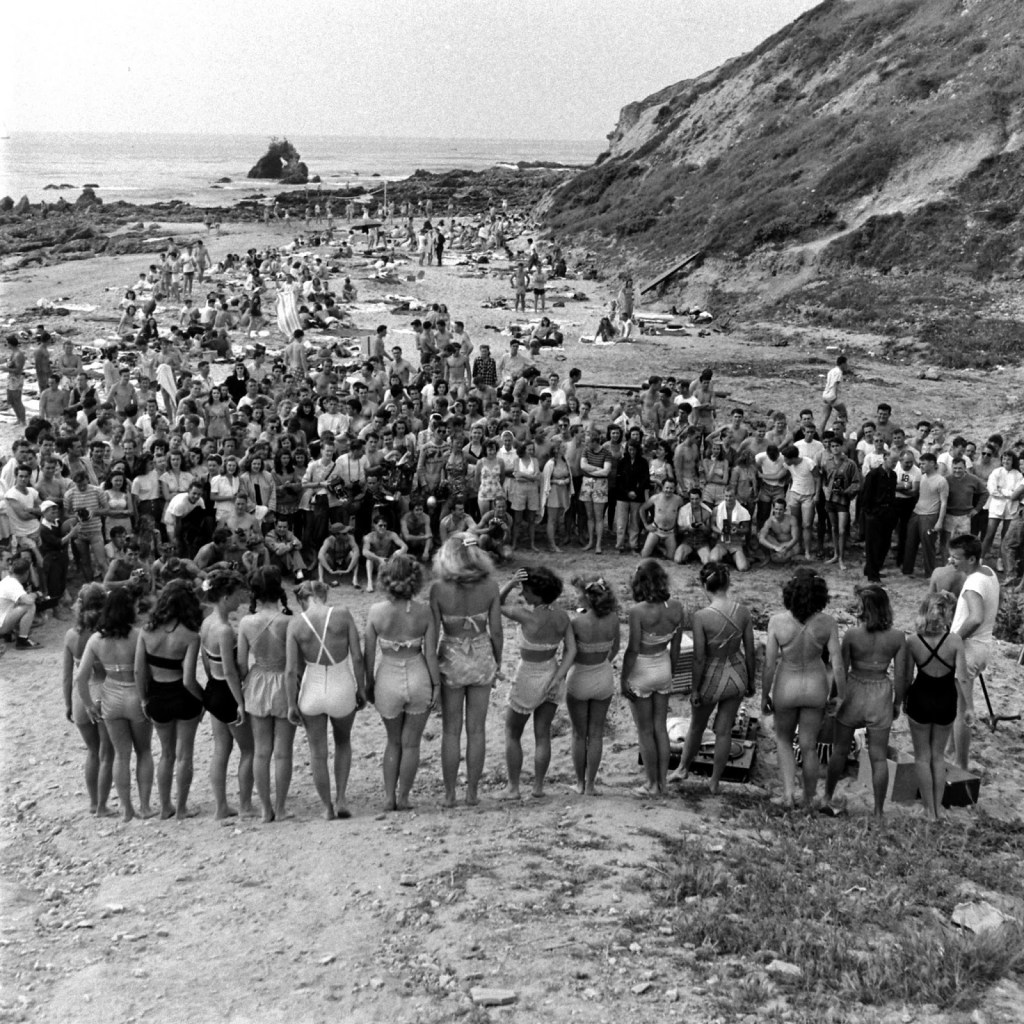
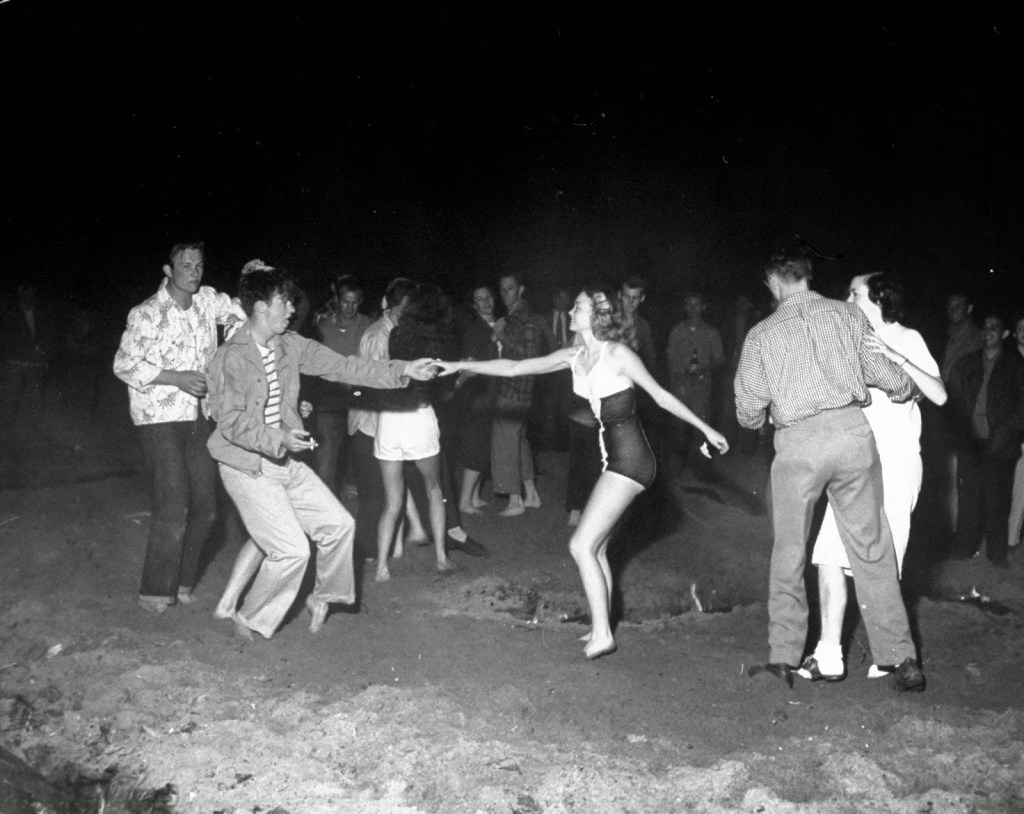
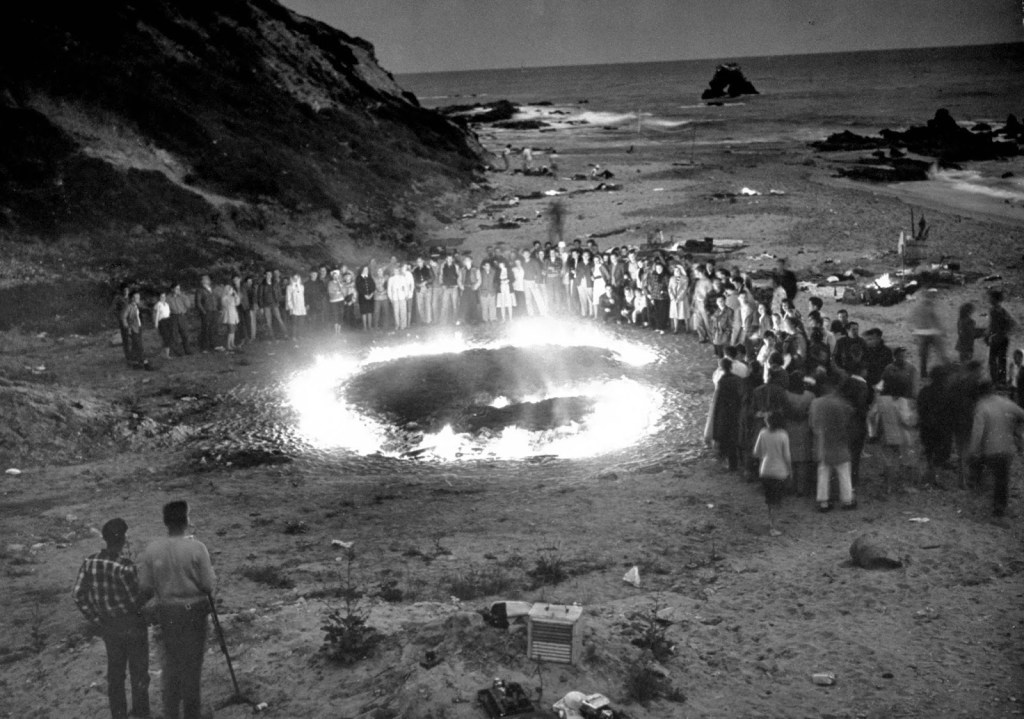
Back in 1947, when LIFE accompanied 10,000 young men and women to Balboa Beach in Southern California for spring break, the shenanigans wouldn’t have scored any higher than a PG rating. Daylight brought beachside dancing, boat races, beauty pageants and sunbathing. The evening hours found students aglow in the warmth of bonfires as portable radios churned out the tunes of the day.
These fascinating vintage photographs, taken by Peter Stackpole, that show what spring break looked like in Southern California in the 1940s.
(Photos:Peter Stackpole—The LIFE Picture Collection/Getty Images)
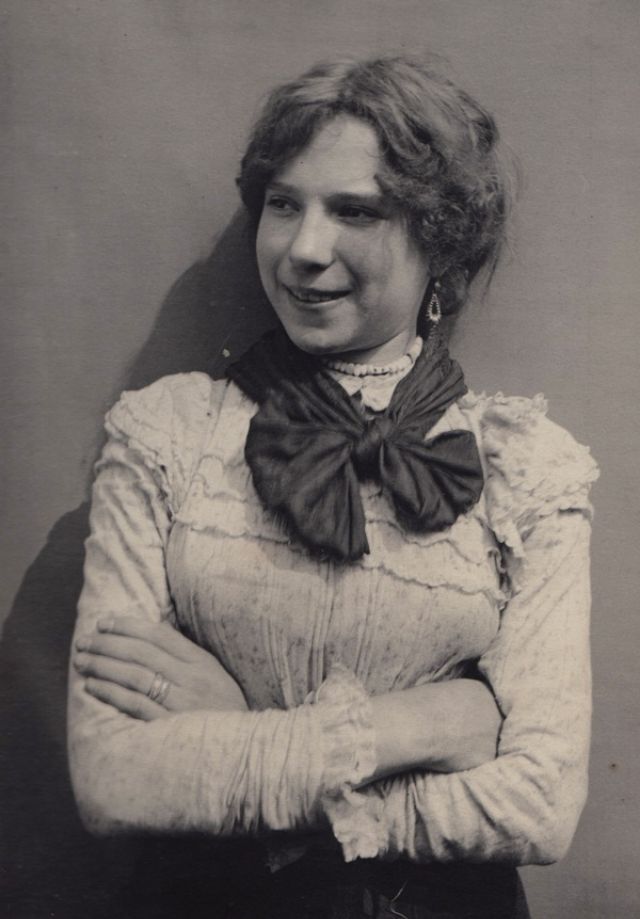
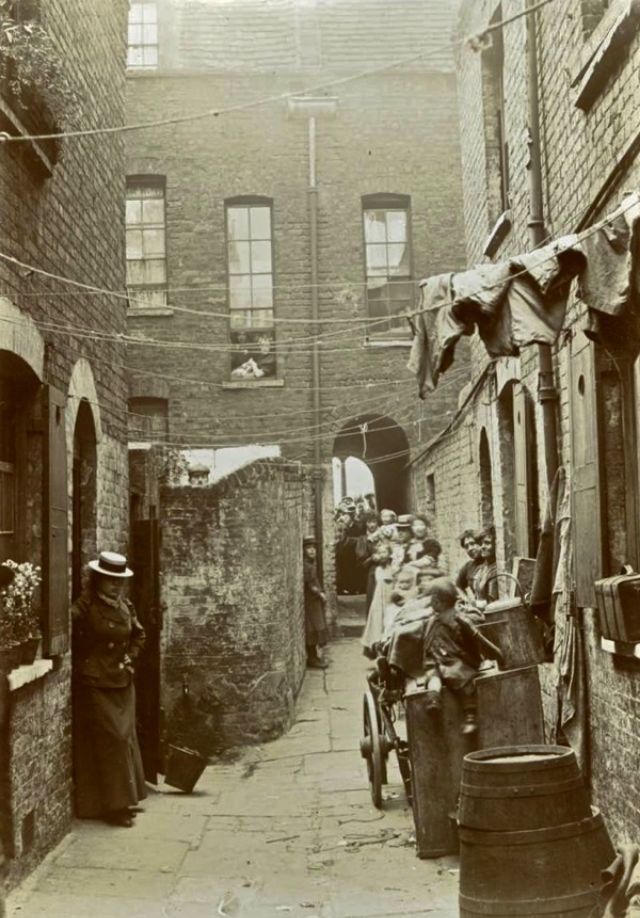
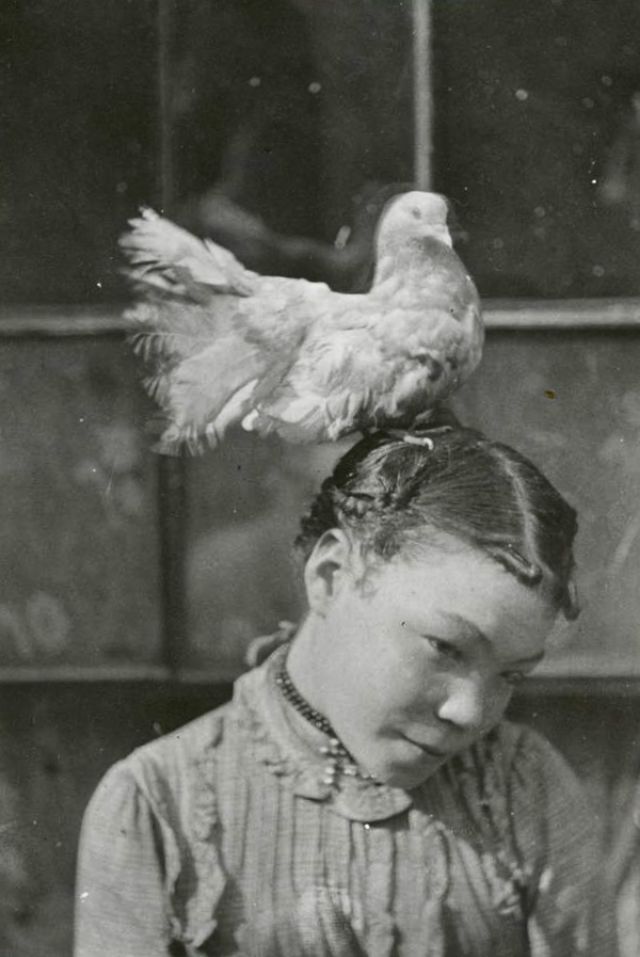
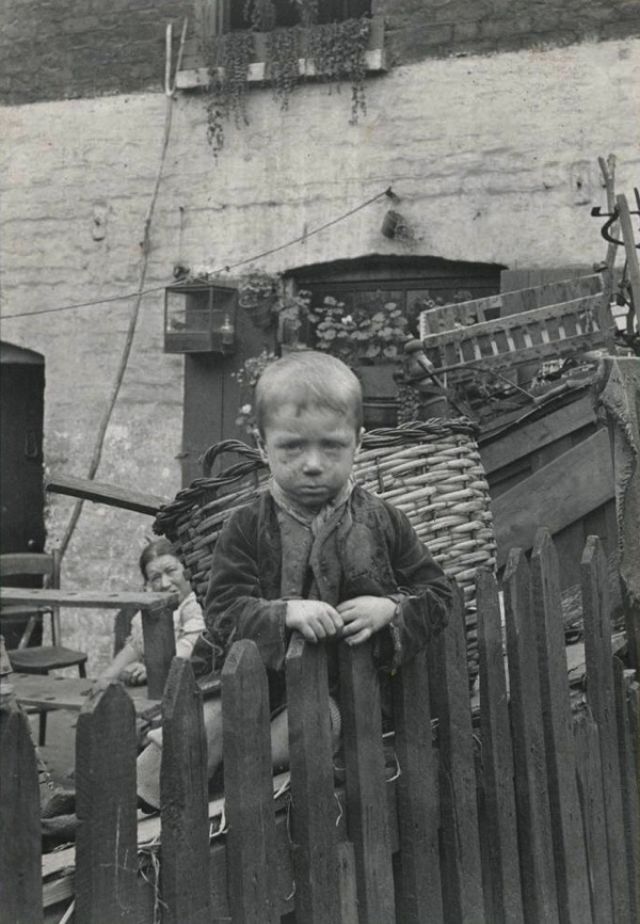
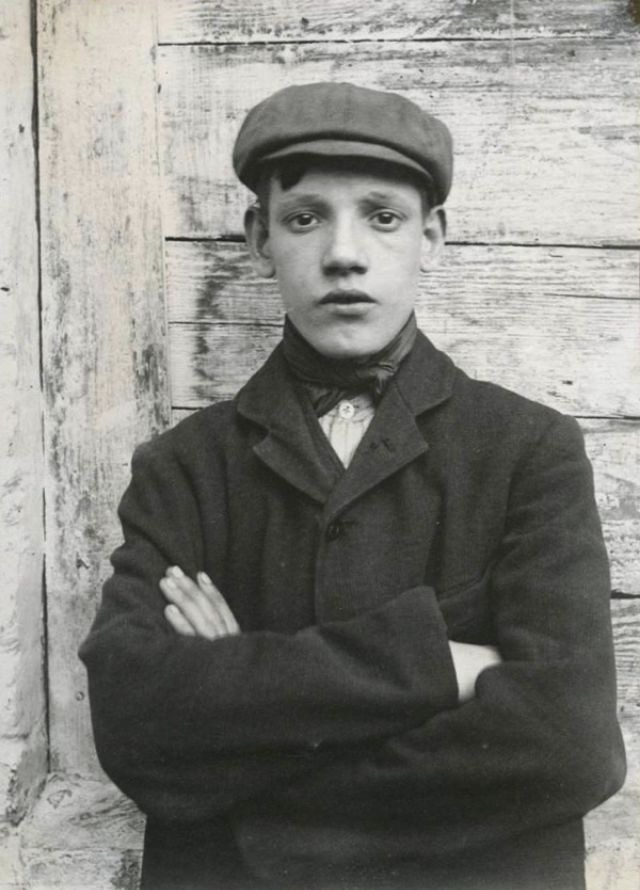
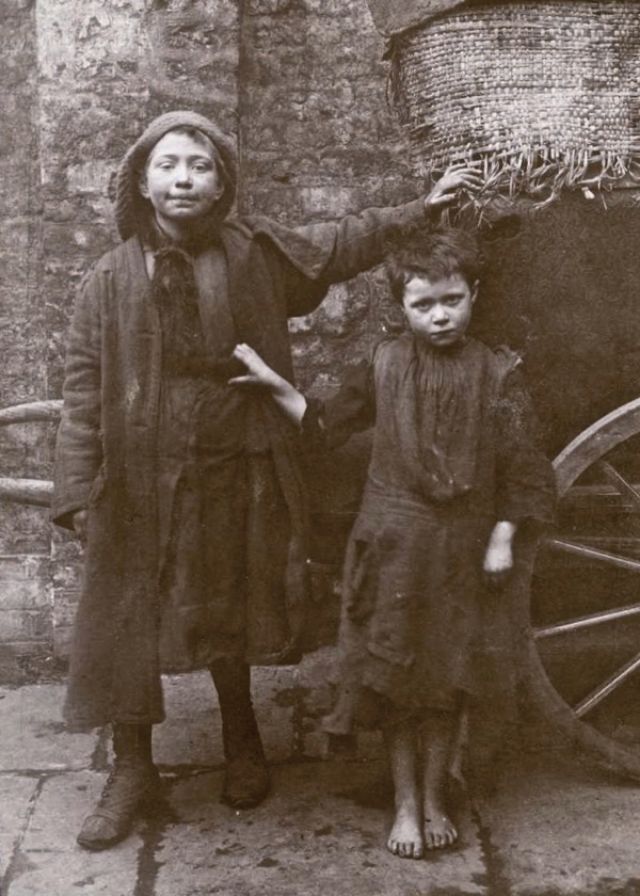
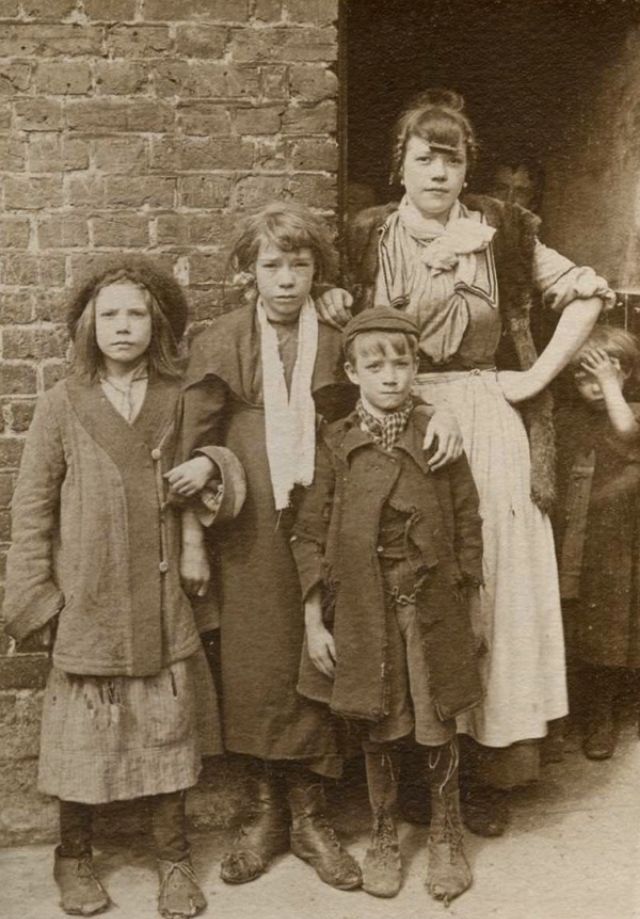
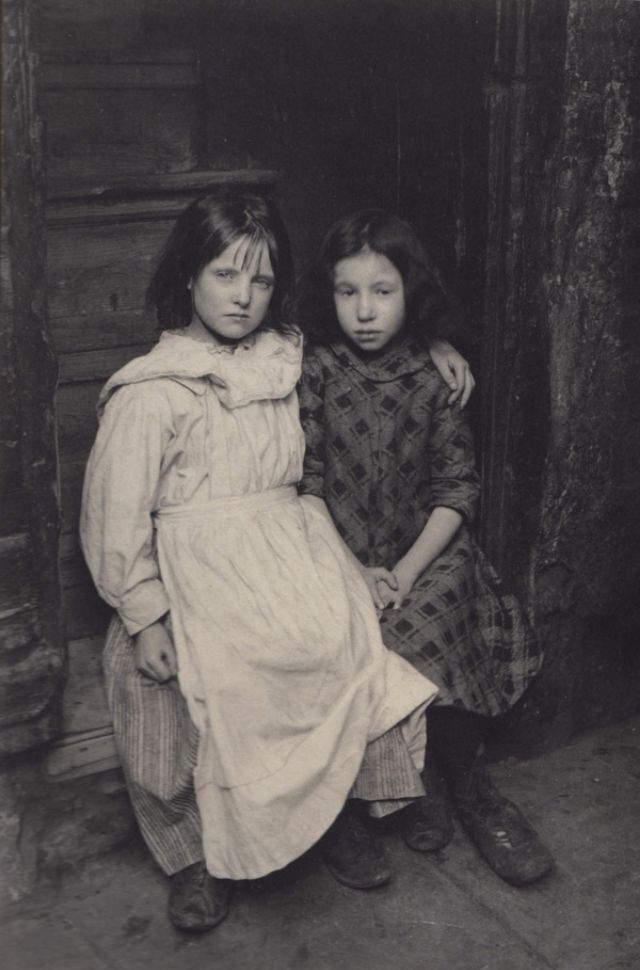
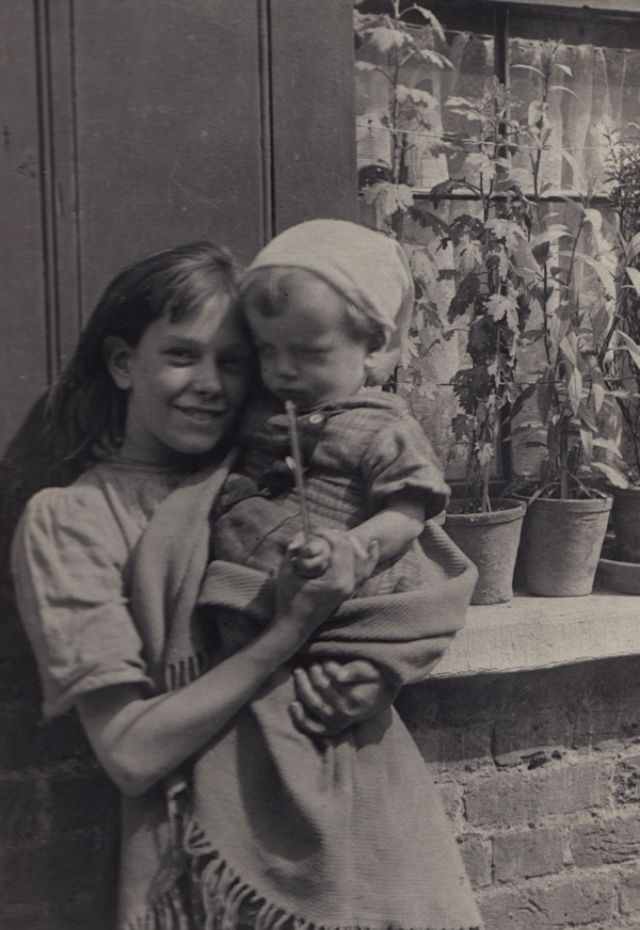
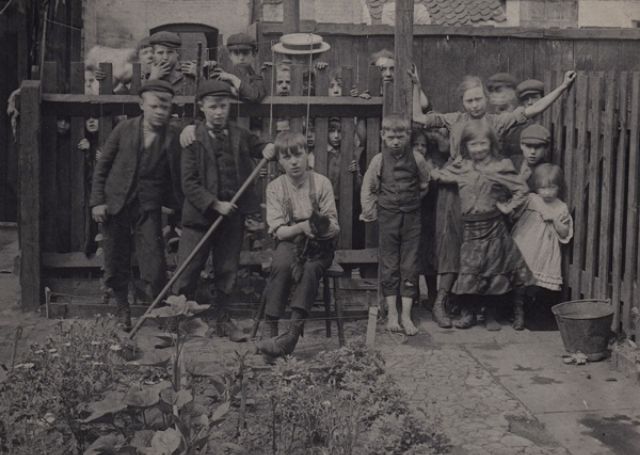
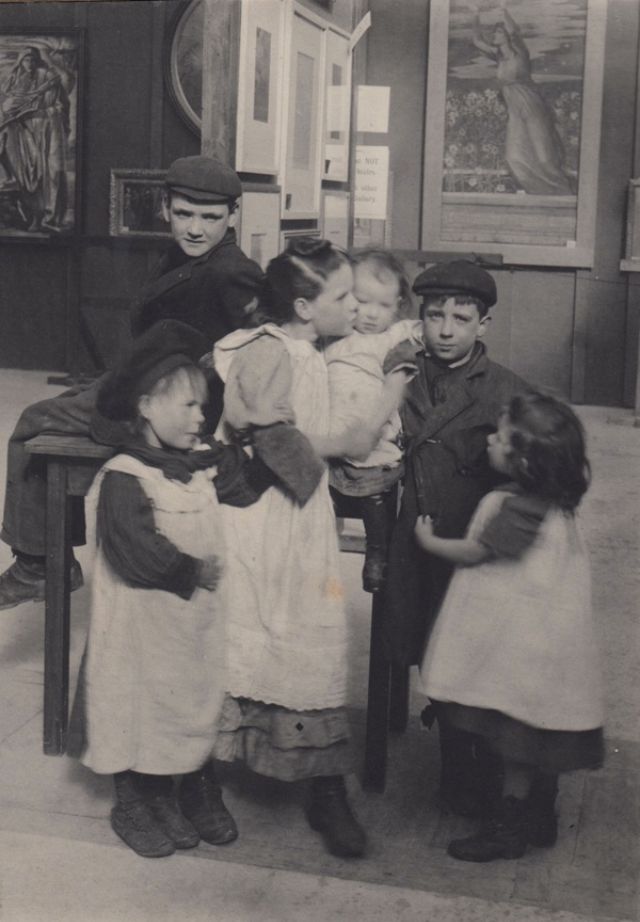
Around 1900, photographer Horace Warner took a series of portraits of some of the poorest people in London – creating relaxed, intimate images that gave dignity to his subjects and producing great photography that is without comparison in his era.
Previously, only a handful of Warner’s sympathetic portraits of the children who lived in the courtyards off Quaker St – known as the Spitalfields Nippers – were believed to exist, but through some assiduous detective work by researcher Vicky Stewart and a stroke of good luck upon The Gentle Author, they were able to make contact with his grandson who keeps two albums comprising more than one hundred of his grandfather’s pictures of Spitalfields, from which the photographs published here are selected.
This unique collection of pictures revolutionises our view of Londoners at the end of the nineteenth century, by bringing them startlingly close and permitting us to look them in the eye.
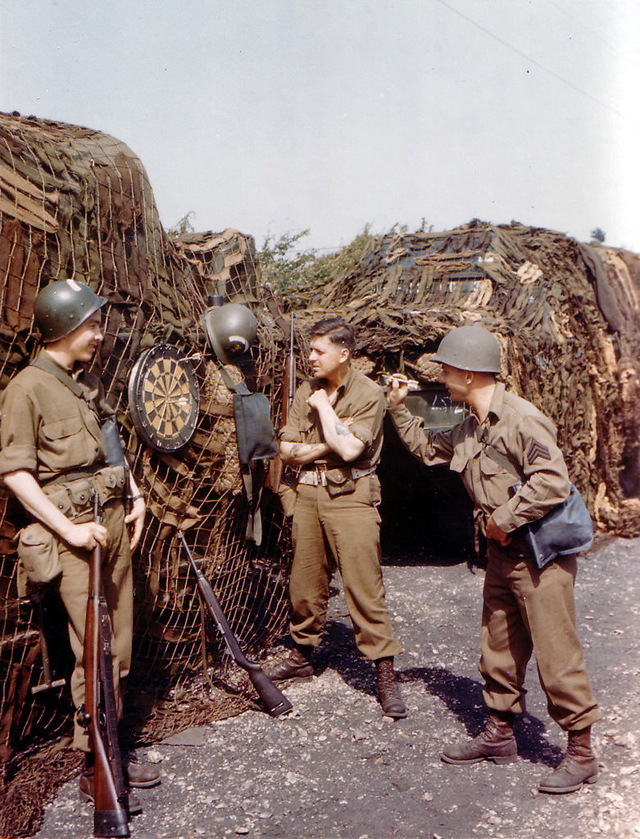
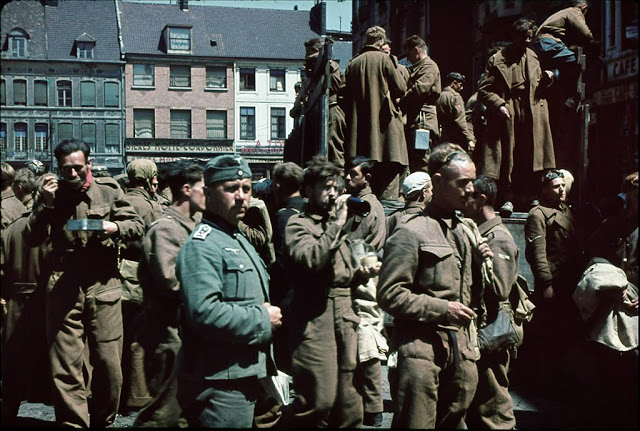
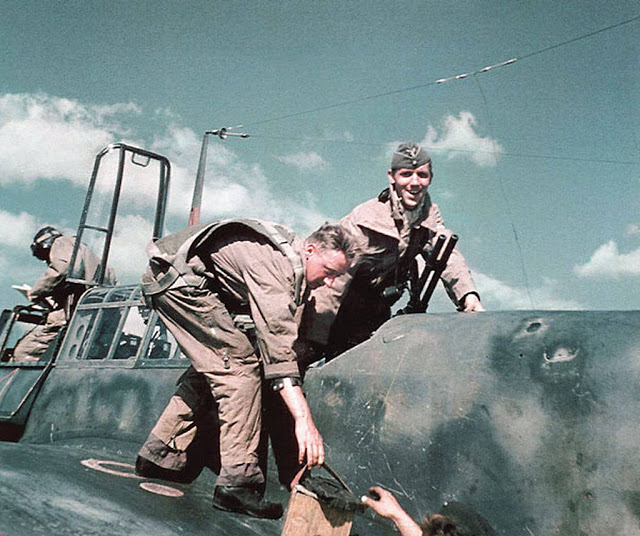
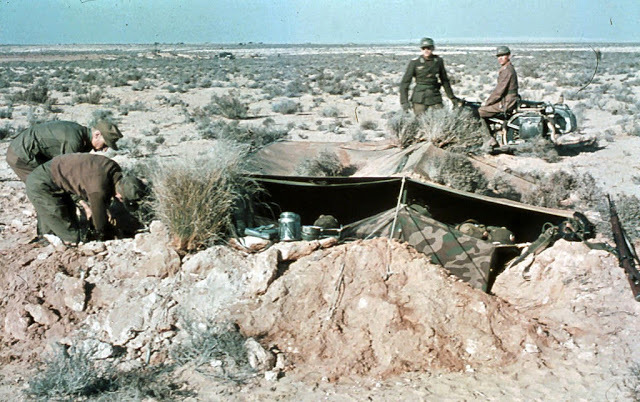
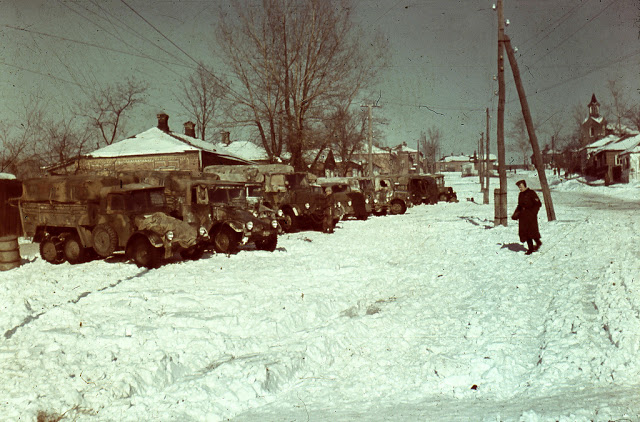
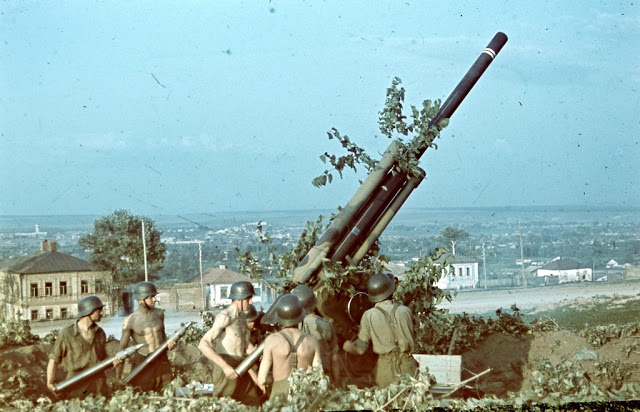
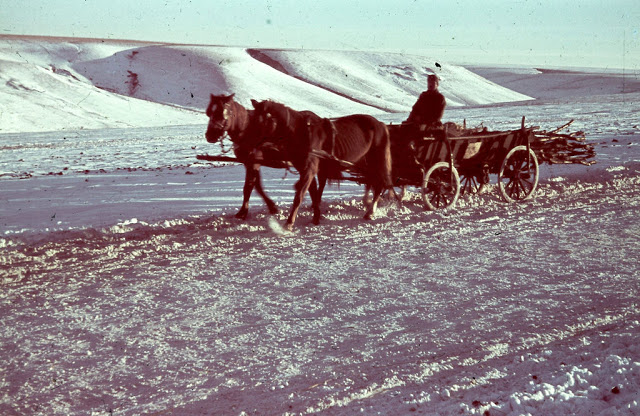
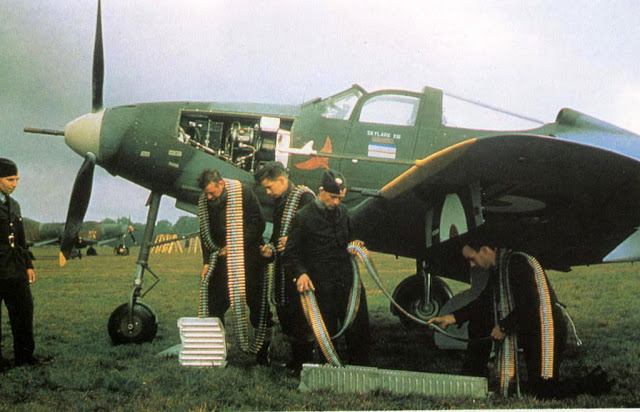
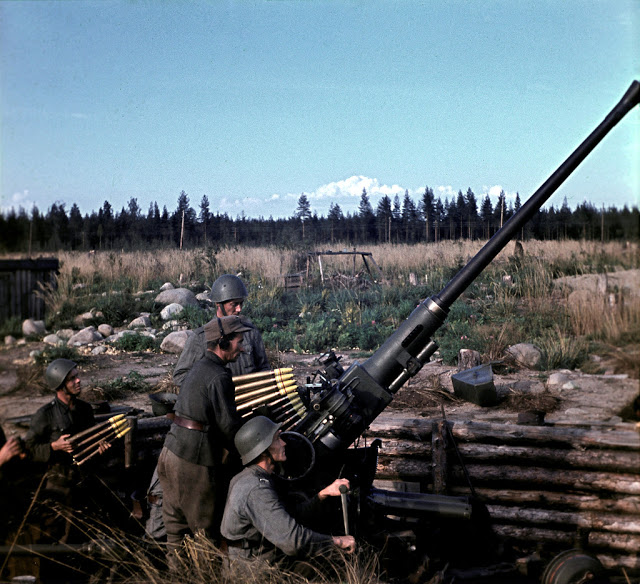
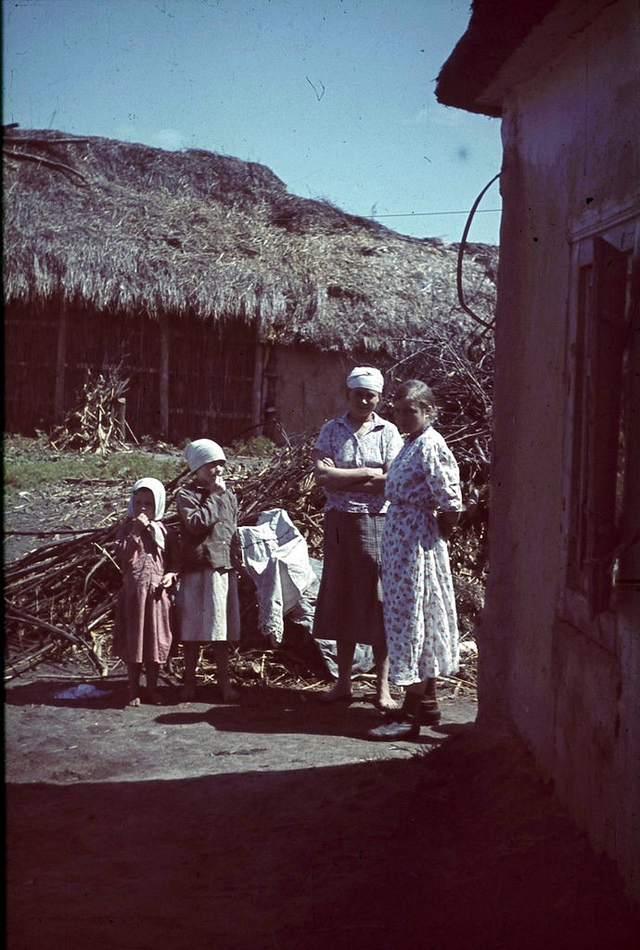
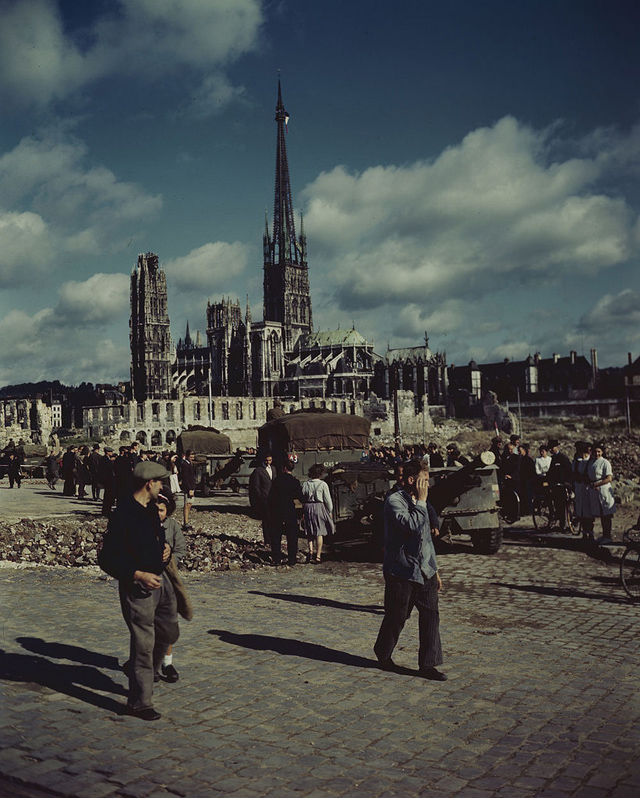
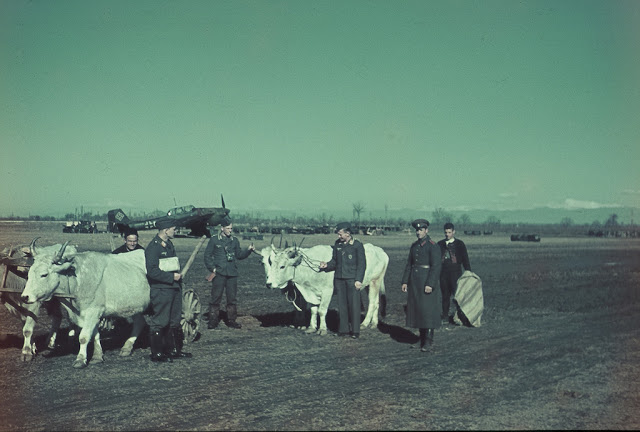
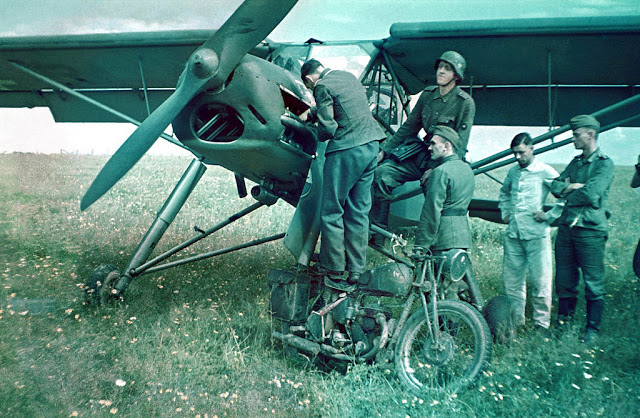
Belgian soldiers after surrendering German troops 1940British soldiers captured in Dunkirk square, France, 1940German troops marching through Paris, June 14th 1940Messerschmitt Bf-110E Zerstorer after returning from combat flight, 1940German soldiers in North Africa, 1941American soldiers and sailors unloading ammunition and stores on the shore of Guadalcanal, 1942Hungarian army on a street in occupied Belgorod, Russia, 1942.Hungarian 29M 8 cm 80-mm anti-aircraft gun during the war, Stary Oskol part of Kursk region, now part of Belgorod region, Russia, 1942Hungarian soldier with cart of wood near the village of Ivanovka Hohol’skogo district of Voronezh region, Russia, 1942Hungarian soldiers transported by cart, Soviet eastern front, 1942Hungarian soldiers with a captured Soviet Voroshilovets heavy artillery tractor, 1942Rearming guns on a RAF P-400 Airacobra from 601 Squadron, 194240-mm automatic anti-aircraft gun at Finnish airfield, Leningradskaya oblast, August 26, 1943Hungarian Pilot climbs into cockpit of a Messerschmitt Bf 109F-4, 1943Women with children in a courtyard in one of the occupied village of the Belgorod region, Russia, 19435 Rangers battalion in a troop ship LCA before departure to Normandy, Weymouth, England, 5 June 1944British fighter pilot and his best friend, Bazenville, Normandy, France, July 1944Canadian soldiers in the destroyed town of Falaise, August 1944Landing craft preparing for the landings in Normandy, Weymouth, June 1944US Gunners prepare 76mm anti-tank gun (3 inch Gun M5) for transportation in preparation for Operation Overlord, June 1944US Soldiers in the English village during tactical exercises in preparation for Operation Overlord, 18 April 1944US Soldiers playing darts, whilst waiting for loading on ships, before the beginning of Operation Overlord, England, June 1944USN LCT (1st Infantry Division) before Operation Overlord, at Weymouth, England, 05 June 1944USN LST 13, 4th June 1944Typhoon Mk-IB, RCAF, 1945Canadian trucks with QF 25 pounder in the square of the French city of Rouen (Rouen Cathedral in the distance)Children in the occupied village of Belgorod region and German soldiers next to the horseGerman pilots with peasant and oxen at one of the airports in BulgariaMountain soldiers of Wehrmacht troops relax on the sun loungers at a hunting lodgeReady for D Day, Falmouth, England, 1944Servicing a Fieseler Fi 156 Storch
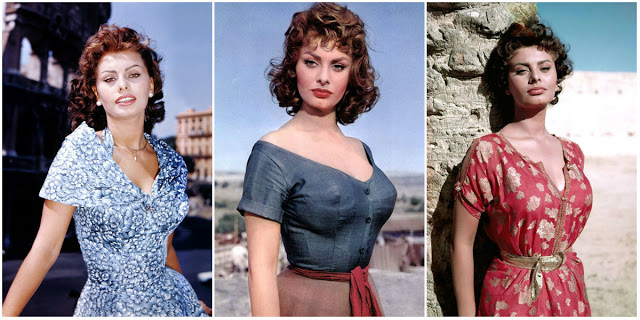
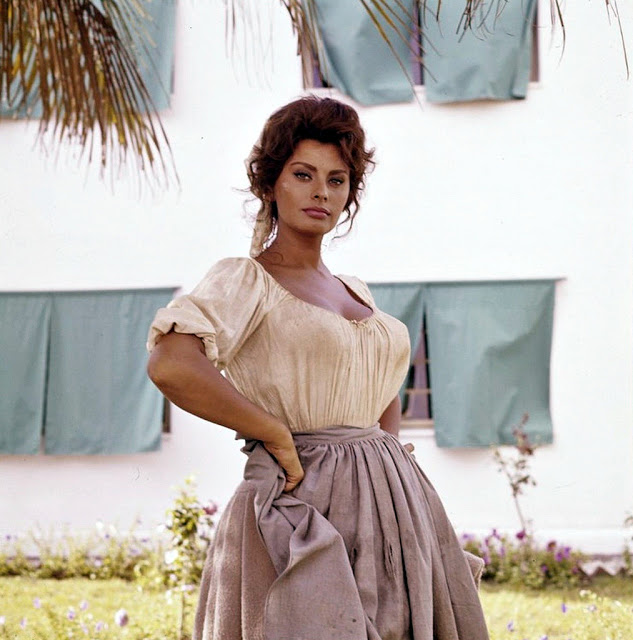
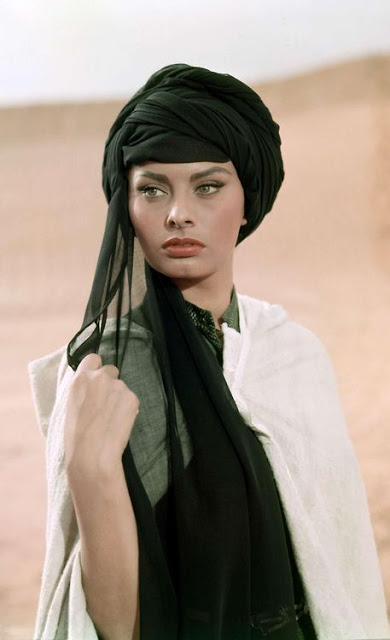
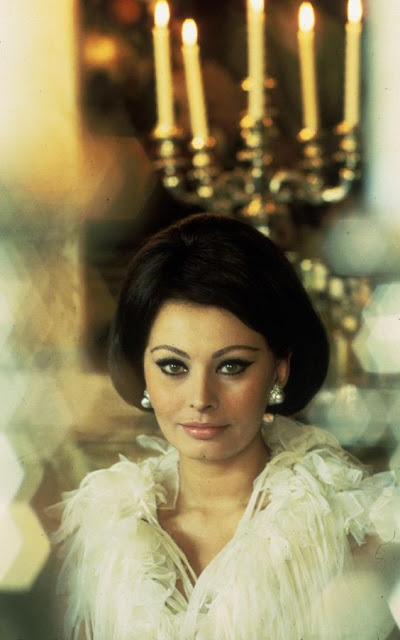
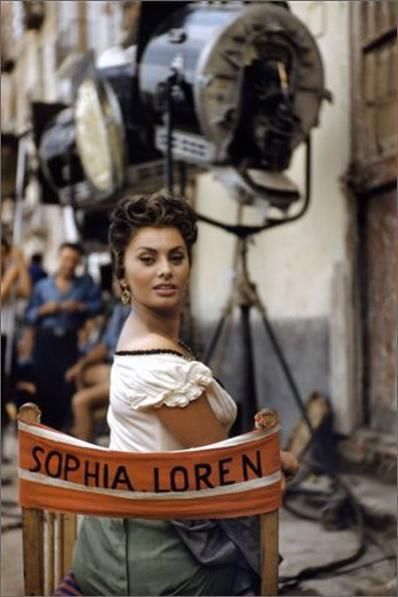
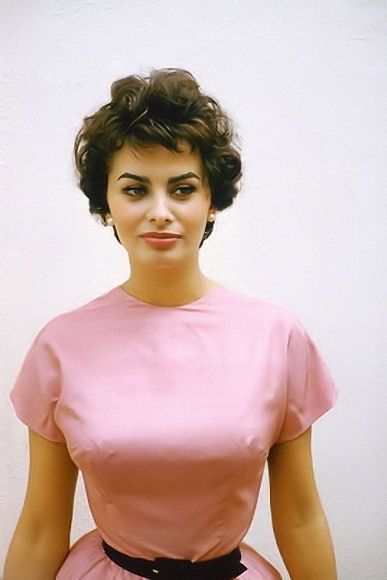
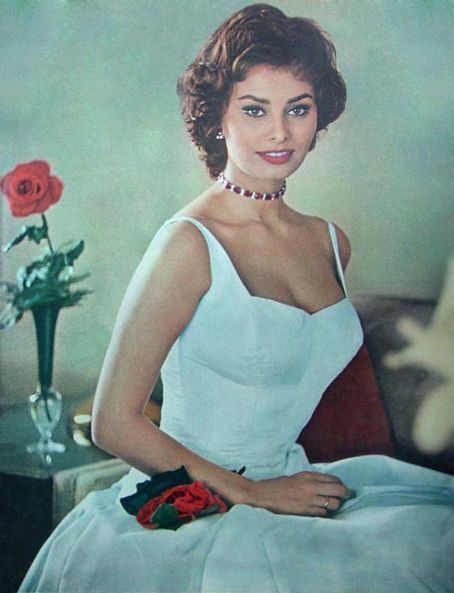
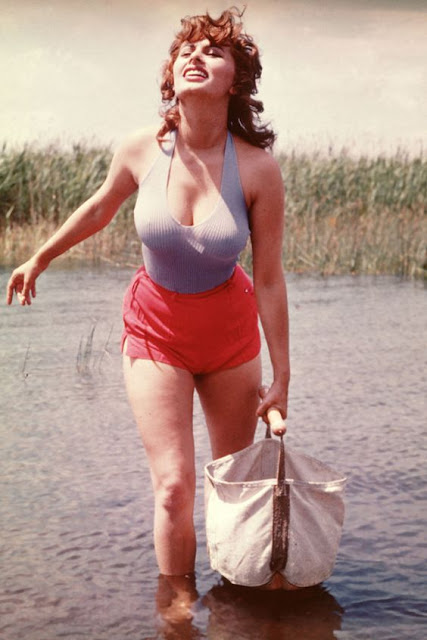
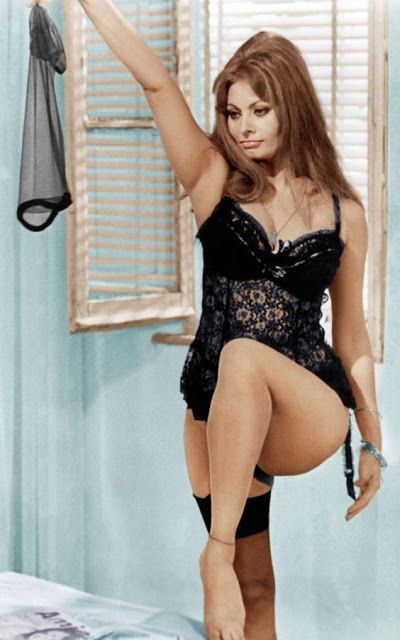
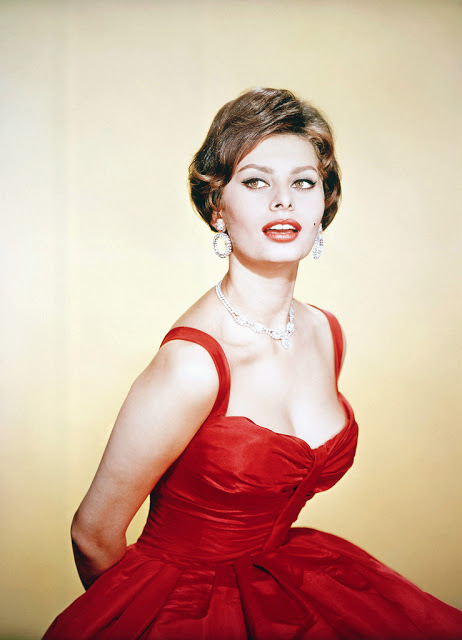
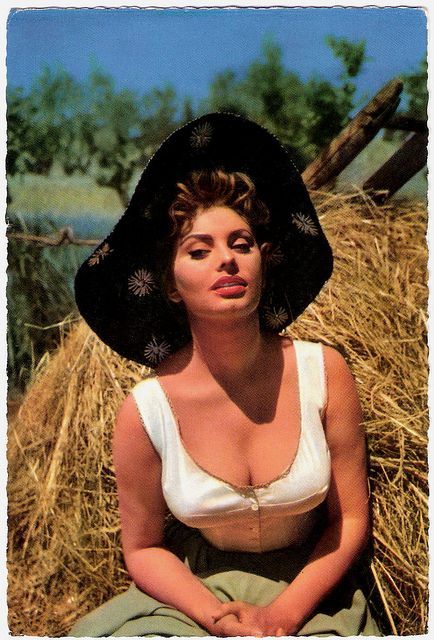
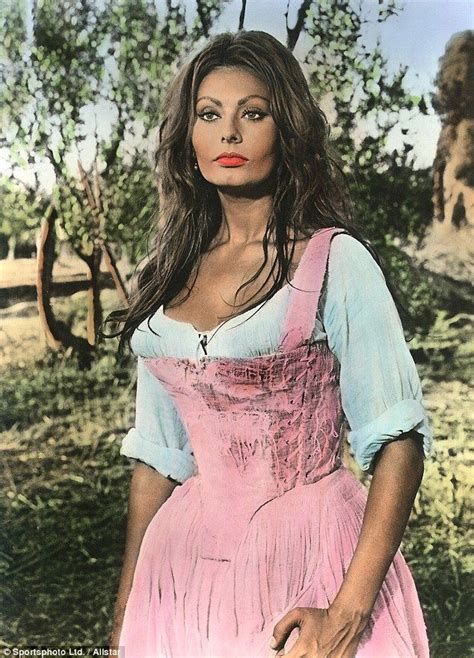
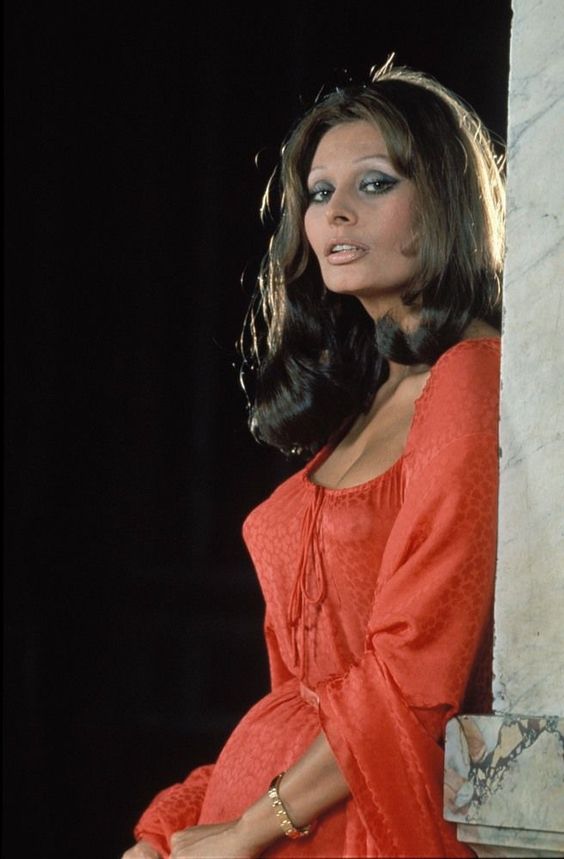
Sophia Loren was born as Sofia Scicolone at the Clinica Regina Margherita in Rome, Italy, on September 20, 1934. Her father, Riccardo Scicolone, was married to another woman and refused to marry her mother, Romilda Villani, despite the fact that she was the mother of his two children (Sophia and her younger sister Maria Scicolone). Growing up in the slums of Pozzuoli during the second World War without any support from her father, she experienced much sadness in her childhood. Her life took an unexpected turn for the best when, at age 14, she entered into a beauty contest where she placed as one of the finalists. It was there that Sophia caught the attention of film producer Carlo Ponti, some 22 years her senior, whom she eventually married in 1966 once he finally obtained a divorce from his first wife. Perhaps he was the only father figure she ever had. Under his guidance, Sophia was put under contract and appeared as an extra in ten films beginning in 1950, before working her way up to supporting roles. In these early films, she was credited as “Sofia Lazzaro” because people joked her beauty could raise Lazzarus from the dead.
By her late teens, Sophia was playing lead roles in many Italian features such as La favorita (1952) and Aida (1953). In 1957, she embarked on a successful acting career in the United States, starring in Boy on a Dolphin (1957), Legend of the Lost (1957), and The Pride and the Passion (1957) that year. She had a short-lived but much-publicized fling with co-star Cary Grant, who was 31 years her senior. She was only 22 while he was 53, and she rejected a marriage proposal from him. They were paired together a second time in the family-friendly romantic comedy Houseboat (1958). While under contract to Paramount Pictures, Sophia starred in Desire Under the Elms (1958), The Key (1958), The Black Orchid (1958), It Started in Naples (1960), Heller in Pink Tights (1960), A Breath of Scandal (1960), and The Millionairess (1960) before returning to Italy to star in Two Women (1960). The film was a period piece about a woman living in war-torn Italy who is raped while trying to protect her young daughter. Originally cast as the more glamorous child, Sophia fought against type and was re-cast as the mother, evidencing a lack of vanity and proving herself as a genuine actress. This performance received international acclaim and was honored with an Academy Award for Best Actress.
Sophia remained a bona fide international movie star throughout the sixties and seventies, making films on both sides of the Atlantic, and starring opposite such leading men as Paul Newman, Marlon Brando, Gregory Peck, and Charlton Heston. Her American films included El Cid (1961), The Fall of the Roman Empire (1964), Arabesque (1966), Man of La Mancha (1972), and The Cassandra Crossing (1976). She gained a wider respect with her Italian films, especially Marriage Italian Style (1964) and A Special Day (1977). During these years she received a second Oscar nomination and won five Golden Globe Awards.
From the eighties onward, Sophia’s appearances on the big screen came few and far between. She preferred to spend the majority of her time raising sons Carlo Jr. (b. 1969) and Eduardo (b. 1973). Her only acting credits during the decade were five television films, beginning with Sophia Loren: Her Own Story (1980), a biopic in which she portrayed herself and her mother. She ventured into other areas of business and became the first actress to launch her own fragrance and design of eye wear. In 1982 she voluntarily spent nineteen days in jail for tax evasion.
In 1991 Sophia received an Honorary Academy Award for her body of work, and was declared “one of world cinema’s greatest treasures.” Later that year, she experienced a great loss when her mother died of cancer. Her return to mainstream films in Ready to Wear (1994) (“Ready to Wear”) was well-received, although the film as a whole was not. She followed this up with her biggest U.S. hit in years, the comedy Grumpier Old Men (1995) in which she played a sexy divorcée who seduces Walter Matthau. Over the next decade Sophia had plum roles in a few non-mainstream arthouse films like Soleil (1997), Between Strangers (2002) (directed by Edoardo), and Lives of the Saints (2004). Still beautiful at 72, she posed scantily-clad for the 2007 Pirelli Calendar. Sadly, that same year she mourned the loss of her spouse, Carlo Ponti, who died at age 94. In 2009, after far too much time away from film, she appeared in the musical Nine (2009) opposite Daniel Day-Lewis. These days Sophia is based in Switzerland but frequently travels to Los Angeles to spend time with her sons and their families (Eduardo is married to actress Sasha Alexander). Sophia Loren remains one of the most beloved and recognizable figures in the international film world. Text via IMDb
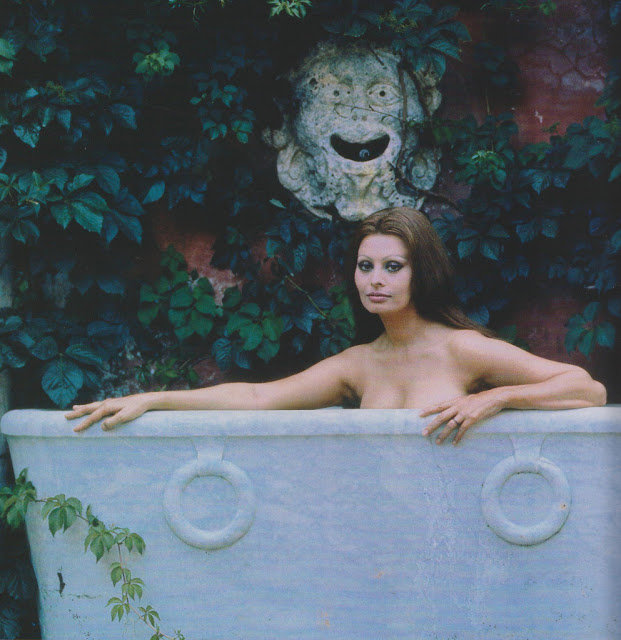
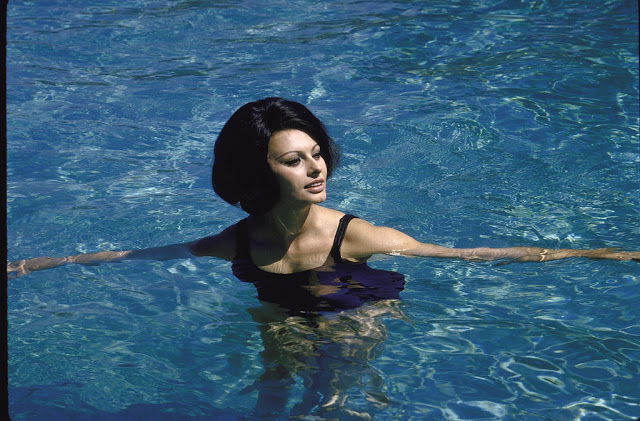
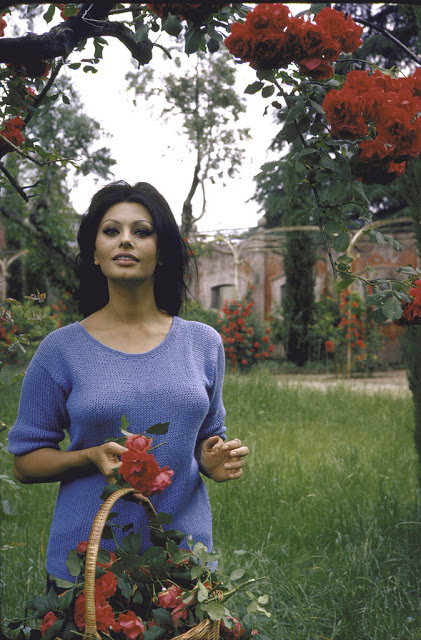
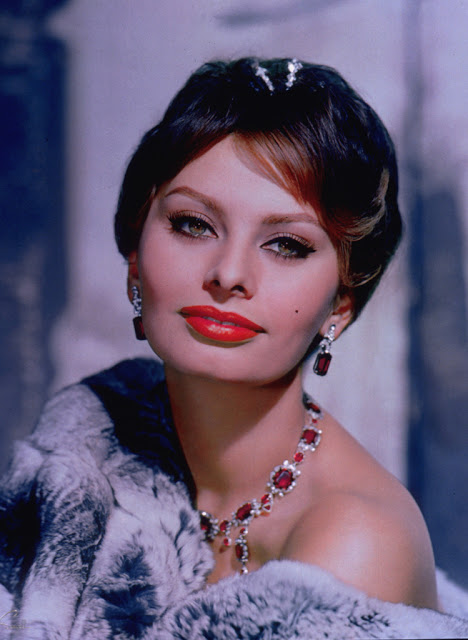
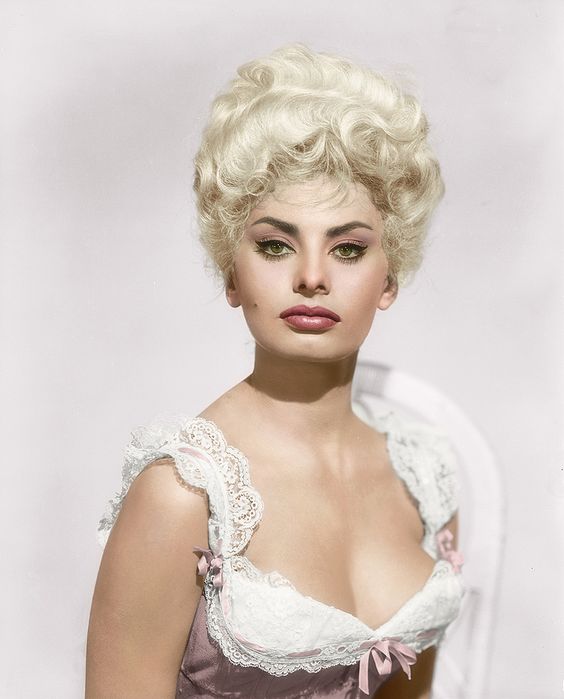
Sophia Loren swimming in the pool at the villa. (Photo by Alfred Eisenstaedt//Time Life Pictures/Getty Images)(stills 11993) Sophia Loren, portrait in the 1960’s
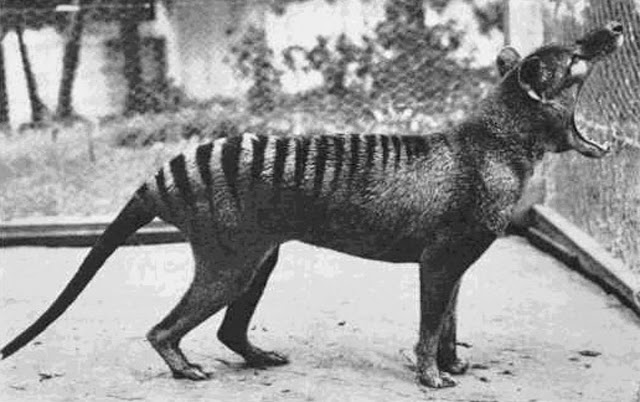
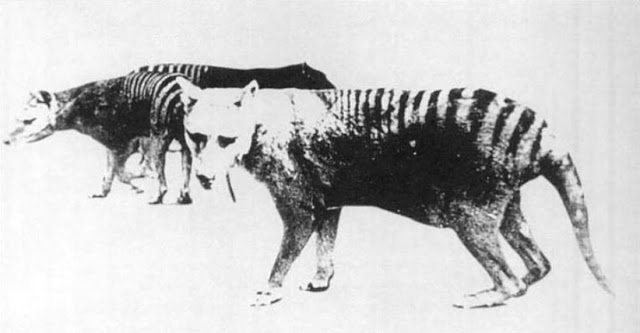
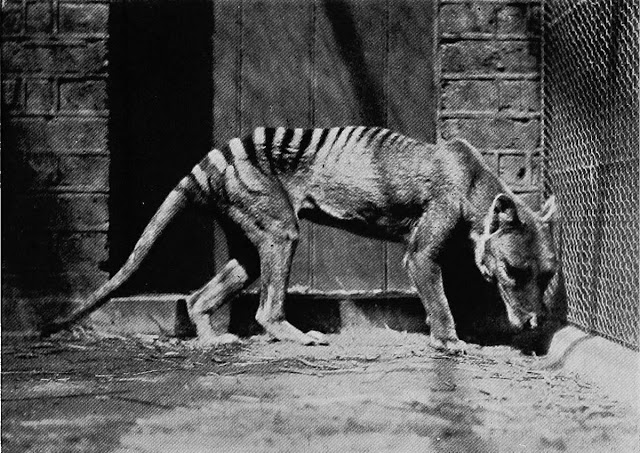
The Thylacine, also called Tasmanian tiger because of its striped lower back, or the Tasmanian wolf because of its canid-like characteristics, was neither a tiger nor a wolf, but a marsupial, and closely related to the Tasmanian devil.
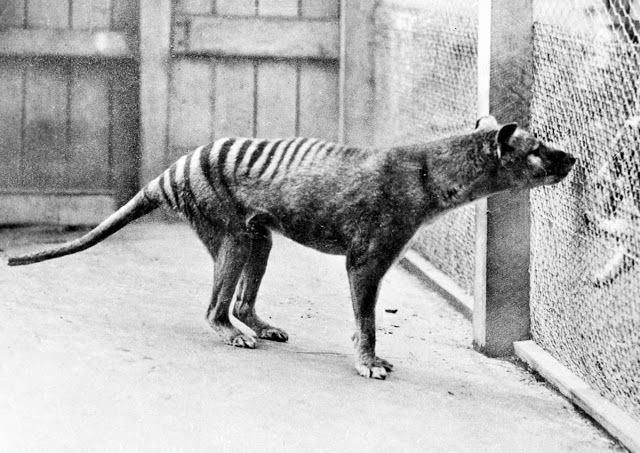
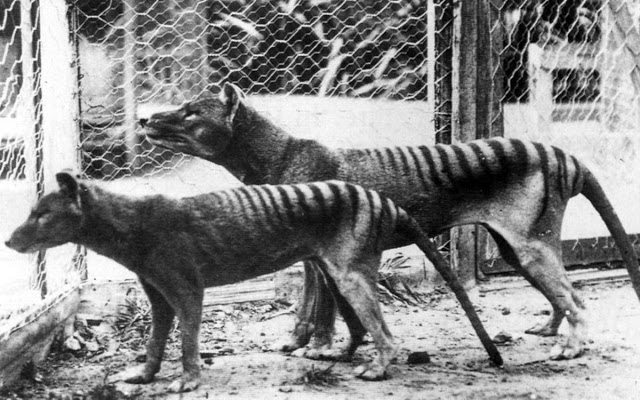
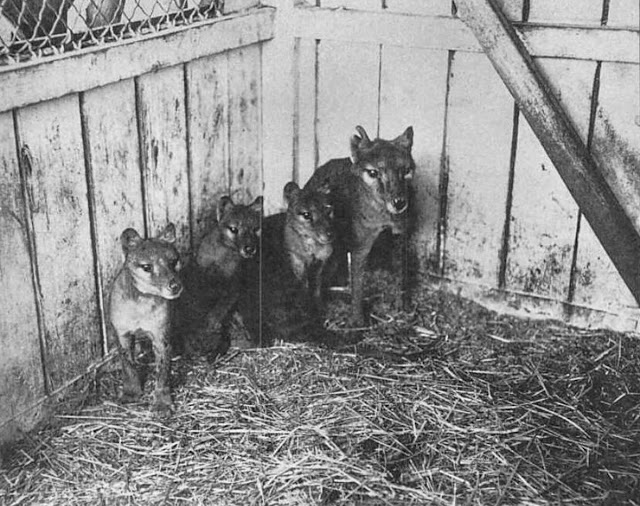
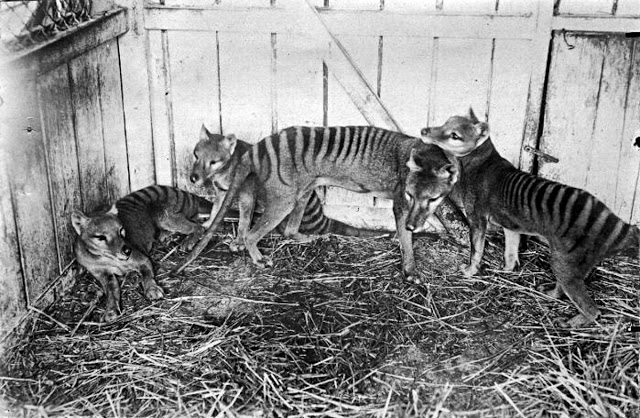
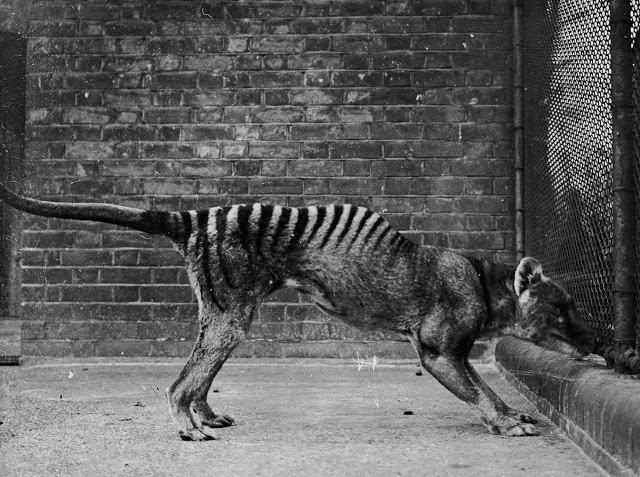
The last known Tasmanian tiger died in 1936, but hundreds of unconfirmed sightings have spurred investigations into whether the animal still lives. Below are some last known thylacines photographed at Beaumaris Zoo in 1933.
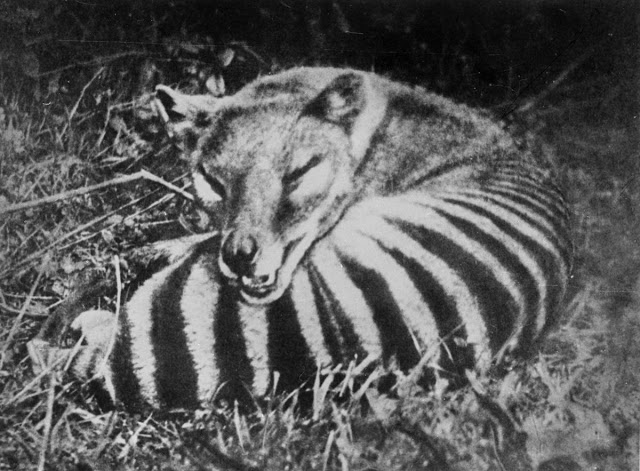
The thylacine was relatively shy and nocturnal, with the general appearance of a medium-to-large-size dog, except for its stiff tail and abdominal pouch similar to a kangaroo, and dark transverse stripes that radiated from the top of its back, reminiscent of a tiger. The thylacine was a formidable apex predator, though exactly how large its prey animals were is disputed. Because of convergent evolution it displayed a form and adaptations similar to the tiger and wolf of the Northern Hemisphere, even though not related. Its closest living relative is either the Tasmanian devil or the numbat. The thylacine was one of only two marsupials to have a pouch in both sexes: the other is water opossum. The pouch of the male thylacine served as a protective sheath covering the external reproductive organs.
Although the thylacine was extinct on mainland Australia, it survived into the 1930s on the island state of Tasmania. At the time of the first European settlement, the heaviest distributions were in the northeast, northwest and north-midland regions of the state. They were rarely sighted during this time but slowly began to be credited with numerous attacks on sheep. This led to the establishment of bounty schemes in an attempt to control their numbers. The Van Diemen’s Land Company introduced bounties on the thylacine from as early as 1830, and between 1888 and 1909 the Tasmanian government paid £1 per head (the equivalent of £100 or more today) for dead adult thylacines and ten shillings for pups. In all they paid out 2,184 bounties, but it is thought that many more thylacines were killed than were claimed for. Its extinction is popularly attributed to these relentless efforts by farmers and bounty hunters.
However, it is likely that multiple factors led to its decline and eventual extinction, including competition with wild dogs introduced by European settlers, erosion of its habitat, the concurrent extinction of prey species, and a distemper-like disease that affected many captive specimens at the time. A study from 2012 also found that were it not for an epidemiological influence, the extinction of thylacine would have been at best prevented, at worst postponed.
Whatever the reason, the animal had become extremely rare in the wild by the late 1920s. Despite the fact that the thylacine was believed by many to be responsible for attacks on sheep, in 1928 the Tasmanian Advisory Committee for Native Fauna recommended a reserve similar to the Savage River National Park to protect any remaining thylacines, with potential sites of suitable habitat including the Arthur-Pieman area of western Tasmania.
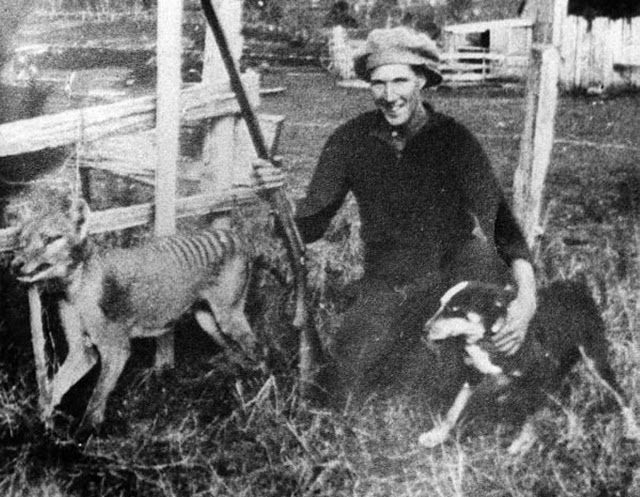
The last known thylacine to be killed in the wild was shot in 1930 by Wilf Batty, a farmer from Mawbanna in the state’s northwest. The animal, believed to have been a male, had been seen around Batty’s house for several weeks.
Work in 2012 examined the relationship of the genetic diversity of the thylacines before their extinction. The results indicated that the last of the thylacines in Australia, on top of the threats from dingoes, had limited genetic diversity, due to their complete geographic isolation from mainland Australia. Further investigations in 2017 showed evidence that this decline in genetic diversity started long before the arrival of humans in Australia, possibly starting as early as 70–120 thousand years ago.
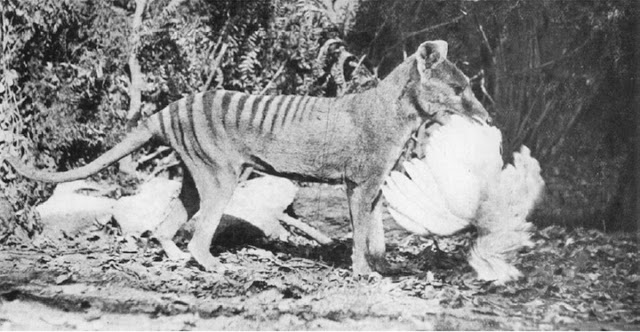
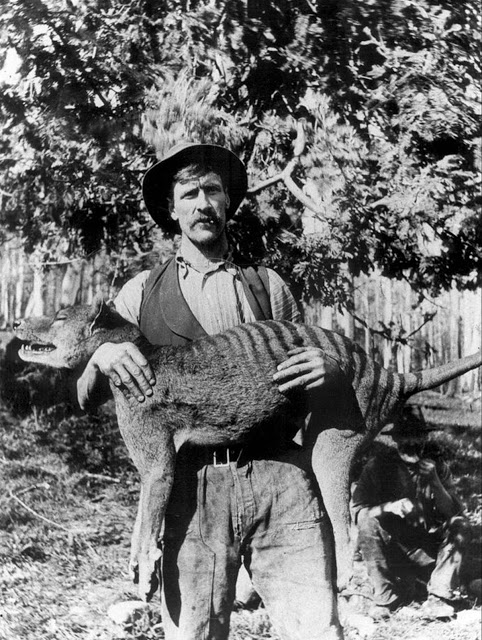
One of only two known photos of a thylacine with a distended pouch, bearing young. Adelaide Zoo, 1889.A thylacine, ca. 1902.Thylacines in a Washington, D.C. zoo, ca. 1906.Thylacine family at Beaumaris Zoo in Hobart, 1909.Thylacine family at Beaumaris Zoo in Hobart, 1910.This 1921 photo by Henry Burrell of a thylacine with a chicken was widely distributed and may have helped secure the animal’s reputation as a poultry thief.A Tasmanian hunter with a recently killed thylacine, 1925.A Tasmanian tiger in captivity, circa 1930.ca. 1930Wilfred Batty of Mawbanna, Tasmania, with the last Tasmanian tiger known to have been shot in the wild. He shot the tiger in May, 1930 after it was discovered in his hen house.