Subscribe to continue reading
Become a paid subscriber to get access to the rest of this post and other exclusive content.
Bringing You the Wonder of Yesterday – Today

Become a paid subscriber to get access to the rest of this post and other exclusive content.
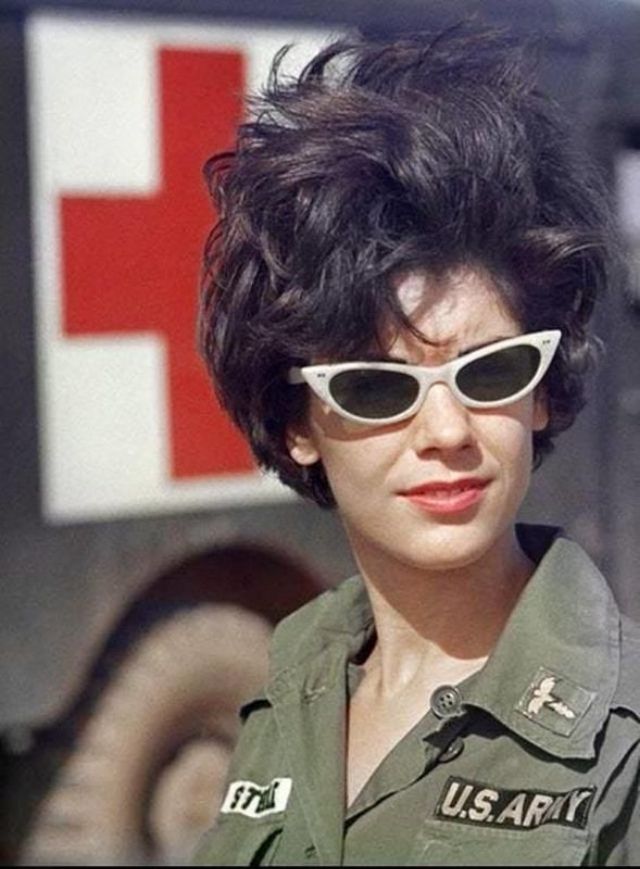
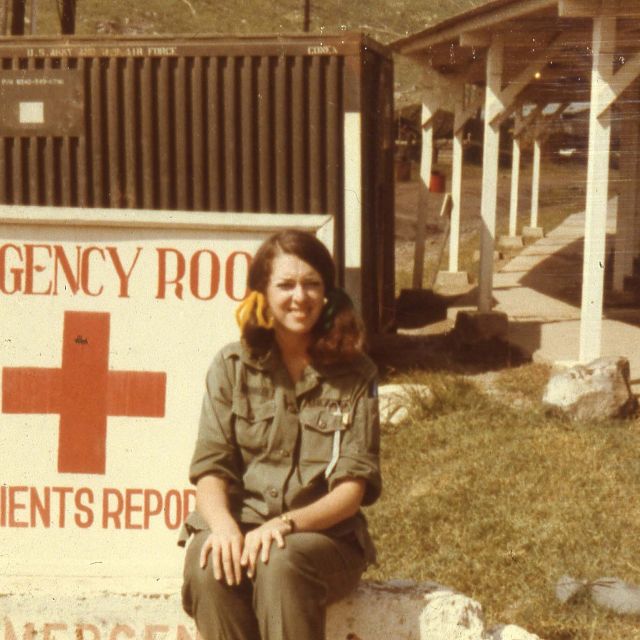
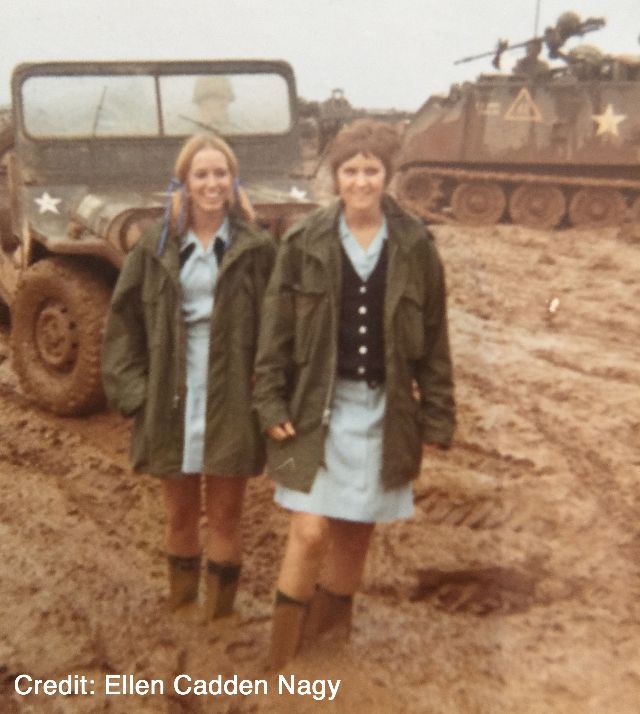
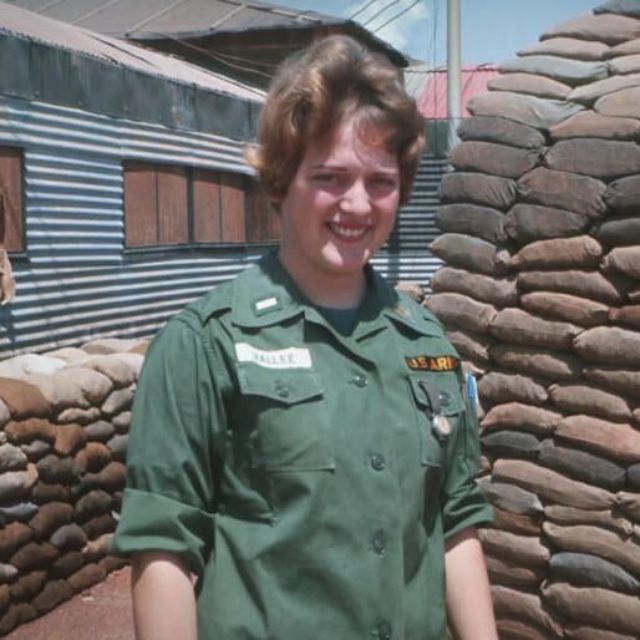
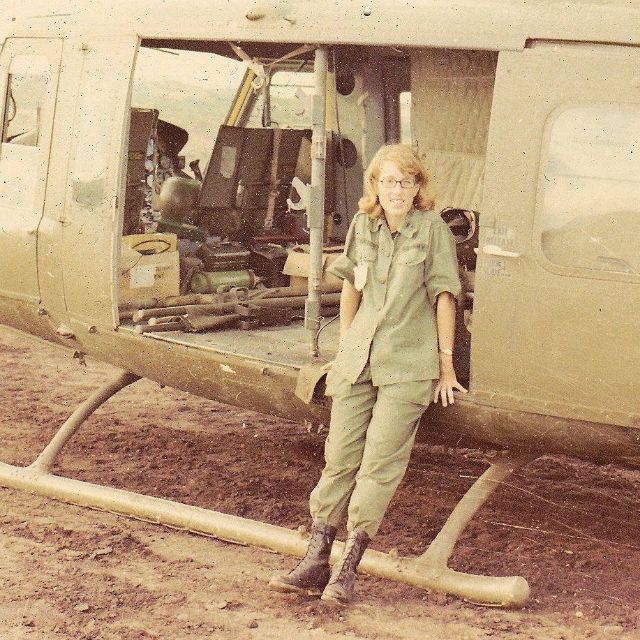
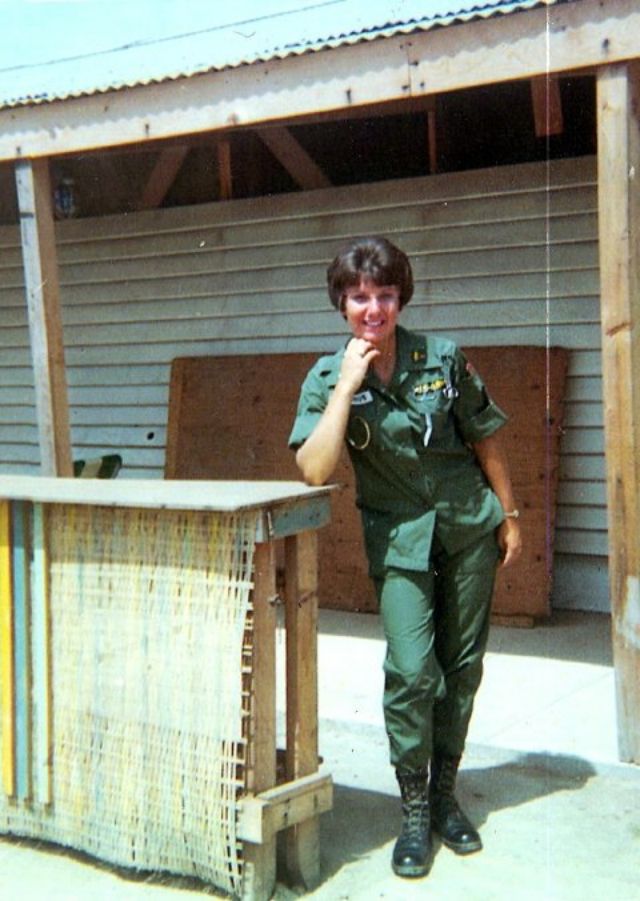
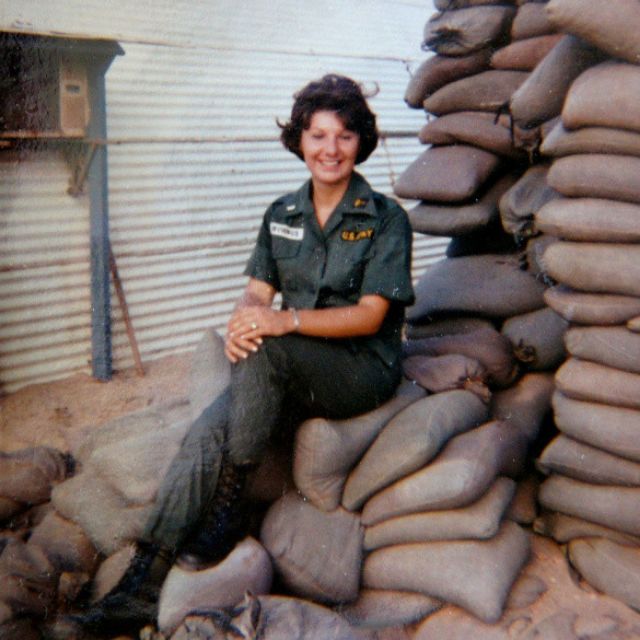
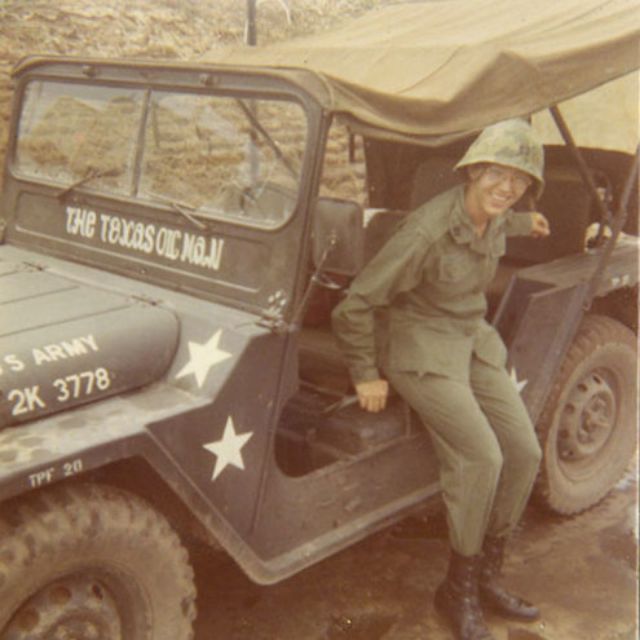
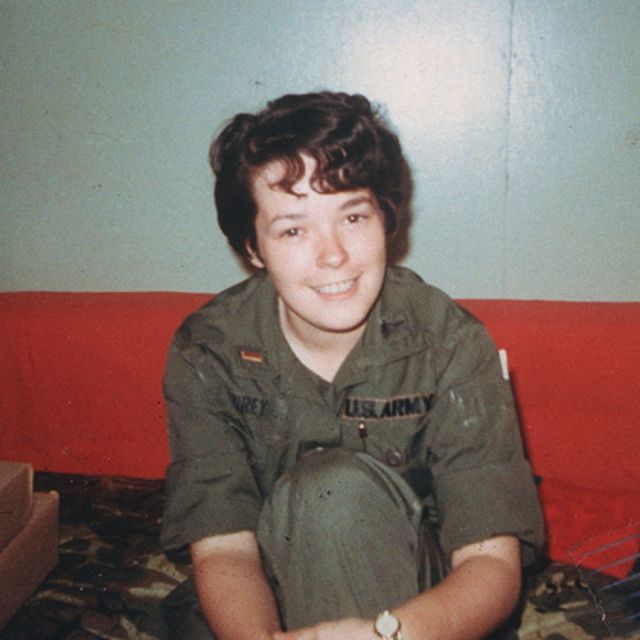
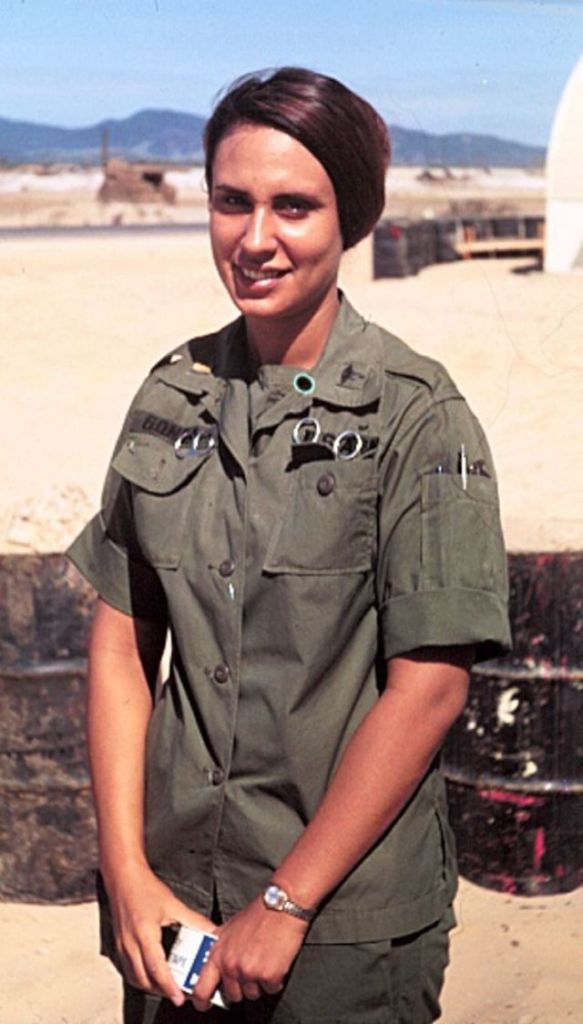
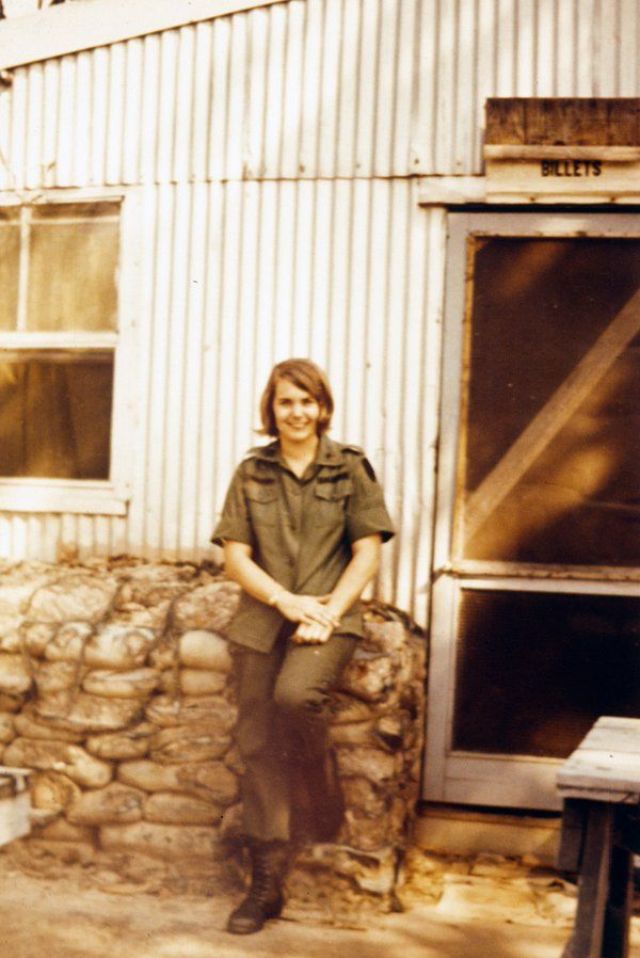
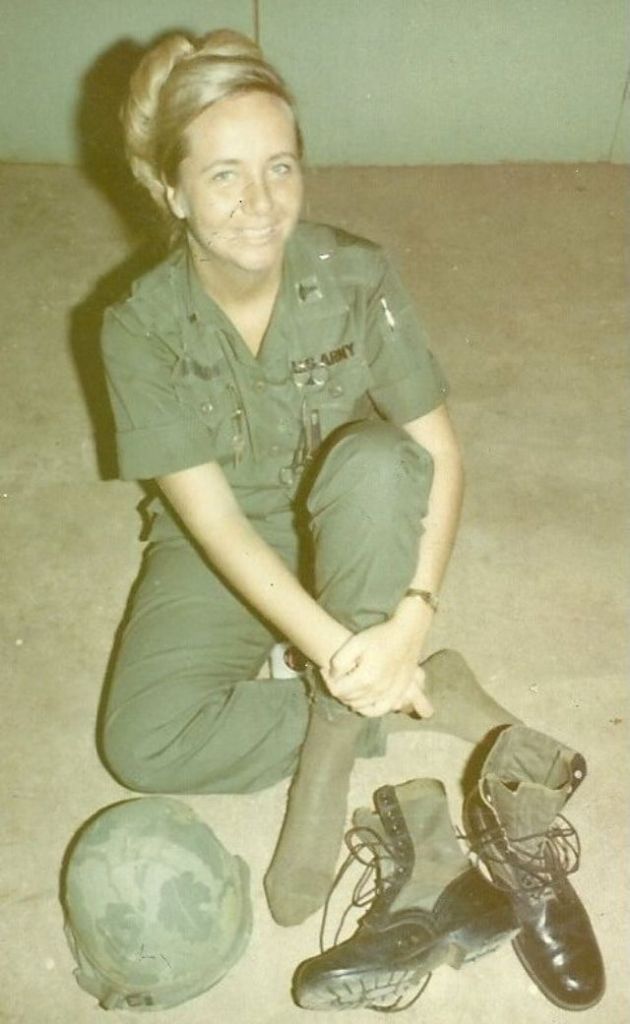
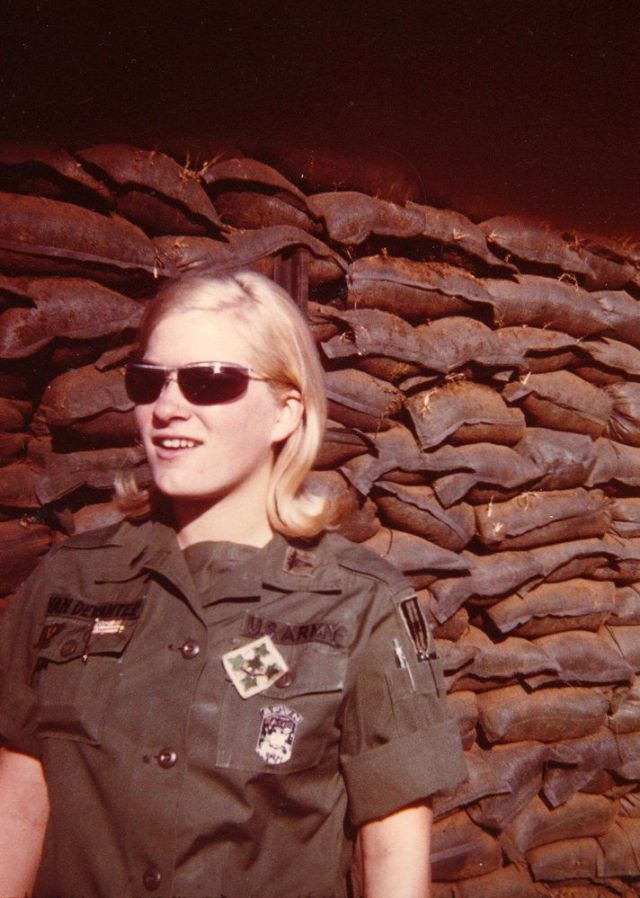
The history of the Army Nurse Corps (ANC) in Vietnam began in April, 1956 when three Army nurses arrived in Saigon, Republic of Vietnam. These nurses were on temporary duty assignments attached to the United States Army Medical Training Team, United States Military Assistance Advisory Group (MAAG), Saigon. The Army sent them to train South Vietnamese nurses in nursing care procedures and techniques, not care for U.S. servicemen.
Instead, the American Embassy Dispensary in Saigon provided care for the American Community and the MAAG advisers. By 1959, however, that facility could no longer meet its mounting requirements. Medical and dental personnel of the U.S. Army, Navy and Air Force augmented a team redesignated as the American Dispensary, Saigon. This tri-service staffing arrangement, including two Army Nurse Corps officers, continued for the next three years.
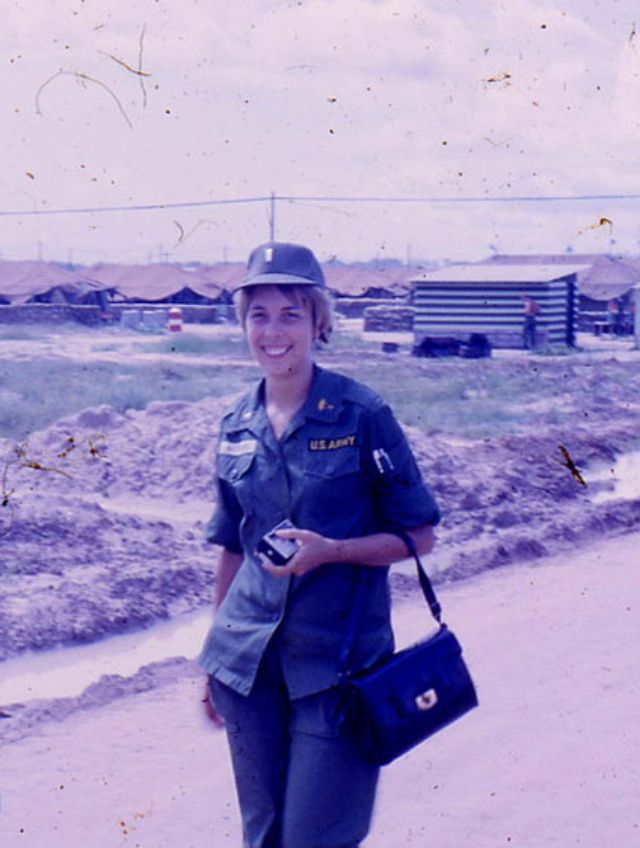
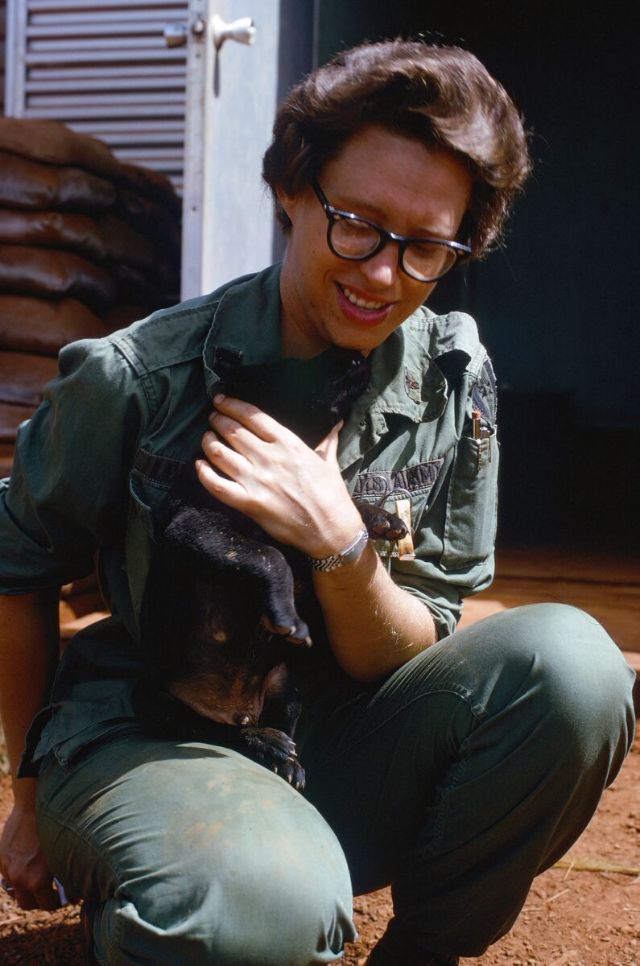
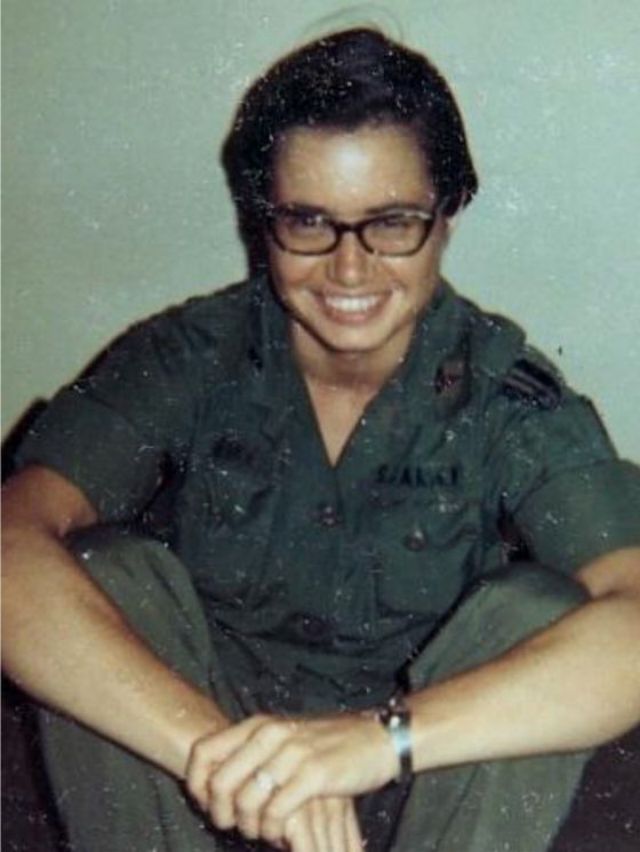
The expansion of the war in the Republic of Vietnam placed greater burdens on the Army Nurse Corps. Over 11 years from March, 1962 (when the 8th Field Hospital opened in Nha Trang) to March, 1973 (when the last Army nurses departed the Republic of Vietnam), more than 5,000 Army nurses served in America’s longest war.
The buildup in Vietnam taxed the Corps. Army nurses had to provide full peacetime nursing services in the continental United States and Europe yet simultaneously meet the far different requirements of combat forces fighting in Southeast Asia. In January, 1965 the Army had 113 hospital beds and 15 nurses in Vietnam. The buildup of medical units was completed in 1968 and included 11 Reserve and National Guard medical units. By December 1968, 900 nurses in Vietnam worked in 23 Army hospitals, and one convalescent center with a total of 5,283 beds.
Army nurses volunteered for duty in Vietnam for a variety of reasons. Many felt it was their patriotic duty; others thought of Vietnam as an adventure. One nurse veteran remarked: “We aren’t angels, We are simply members of the nursing profession who have seen the need in Vietnam and are here to do our part.” Another said: “I wanted to be an army nurse and combat is where the soldier is. That’s where I wanted to be.” And a third: “My reason for going was that there were American troops there that needed help. They needed the things that I could give them in my nursing profession.”











A stunning photo set of Swedish-Italian actress Anita Ekberg was taken by Hungarian photographer Andre de Dienes in 1954.

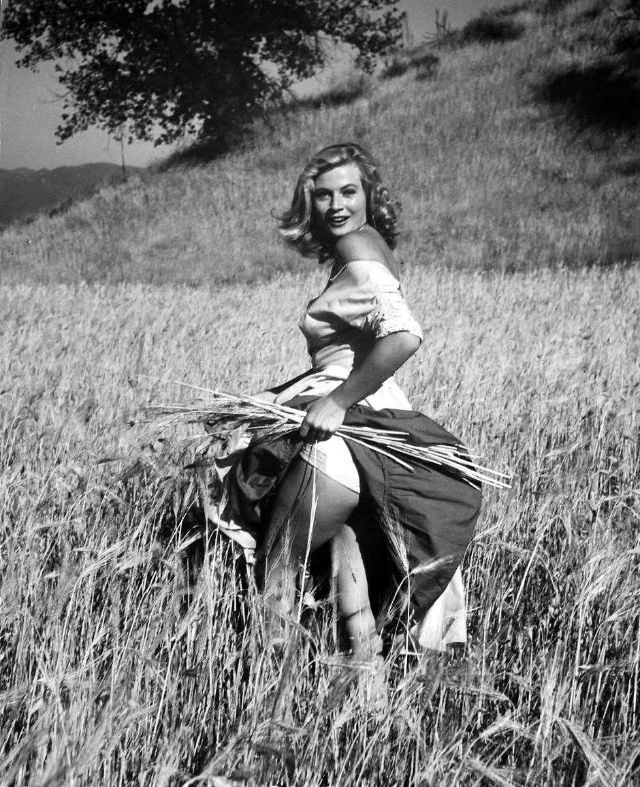


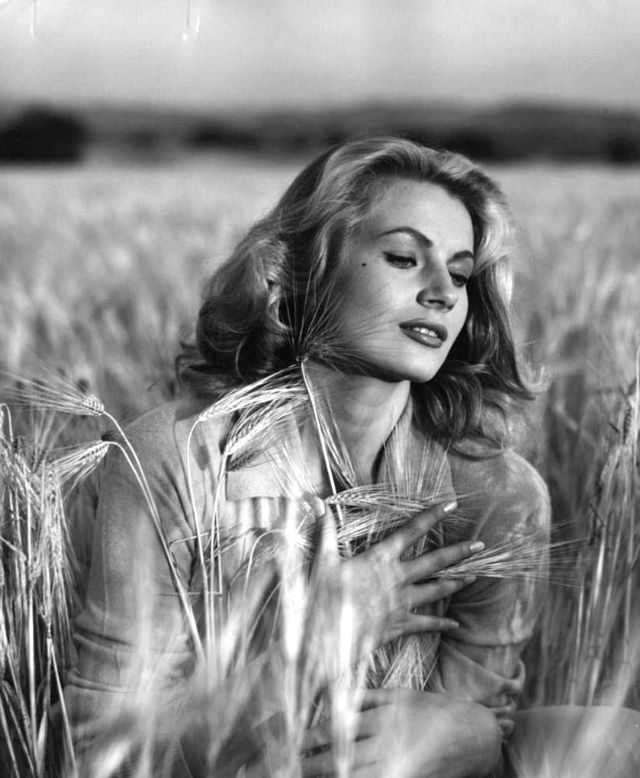
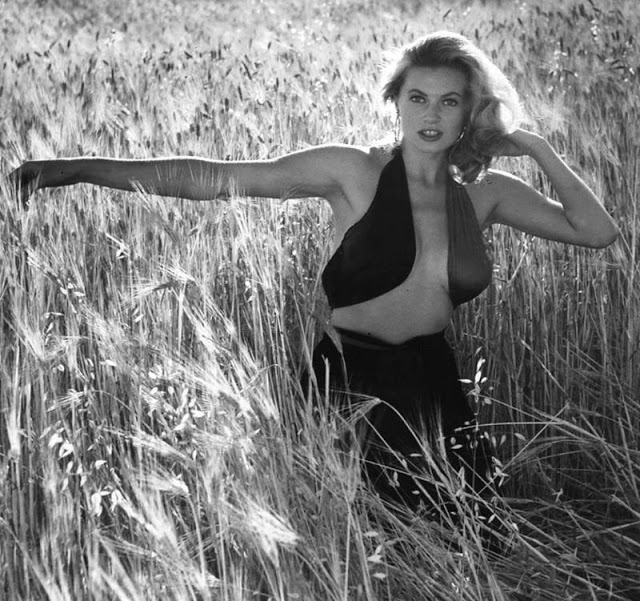
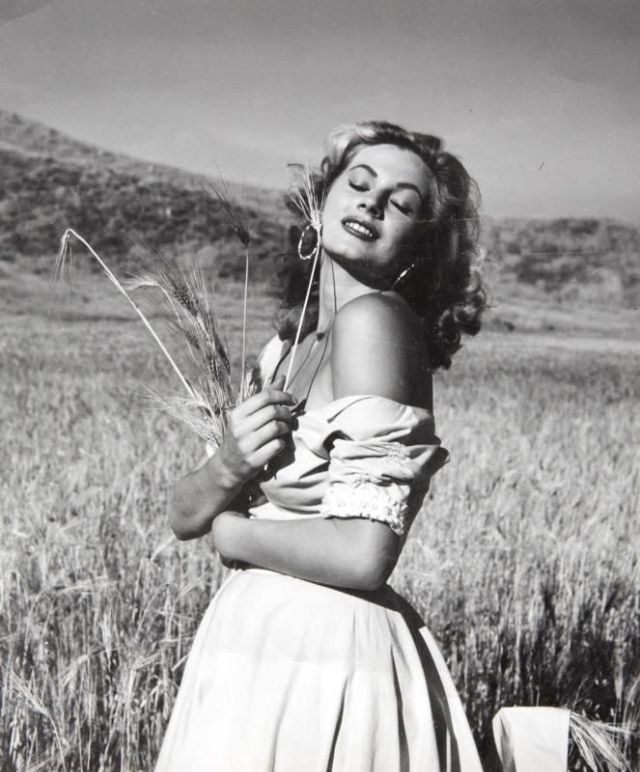


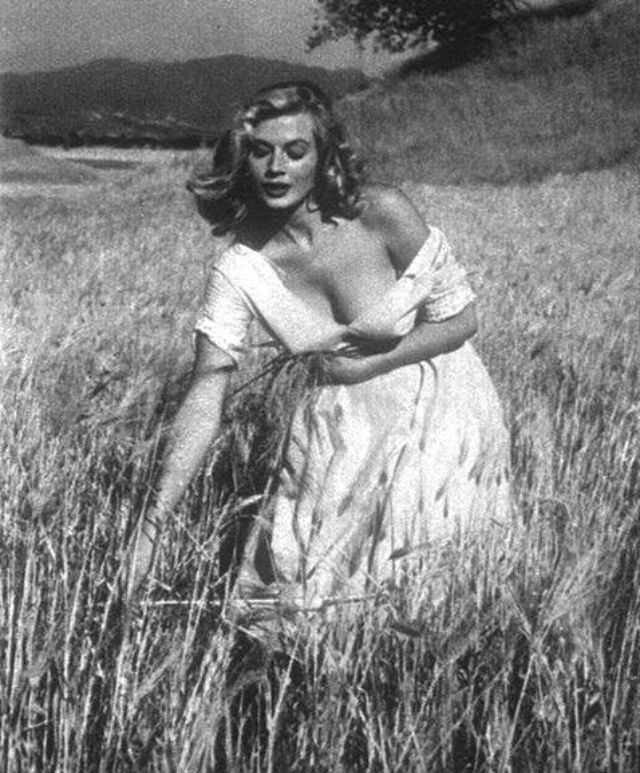
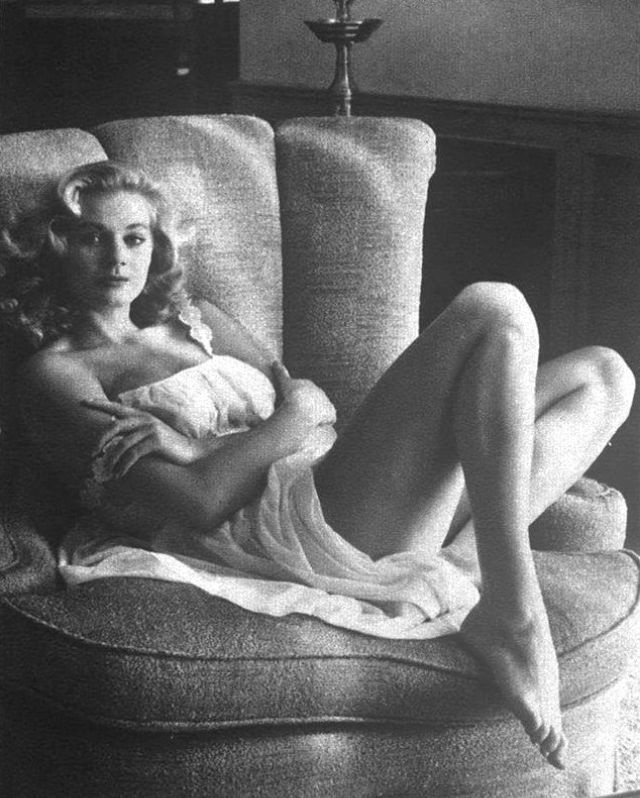


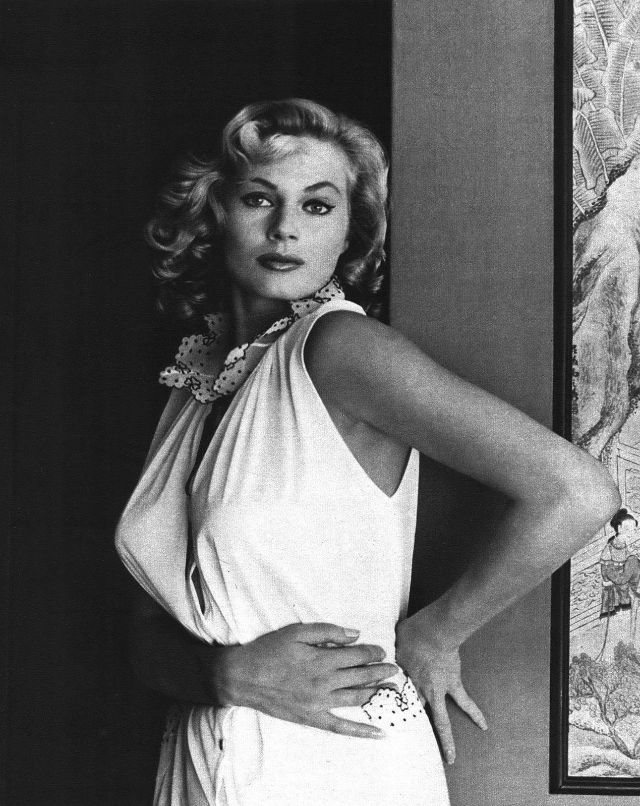


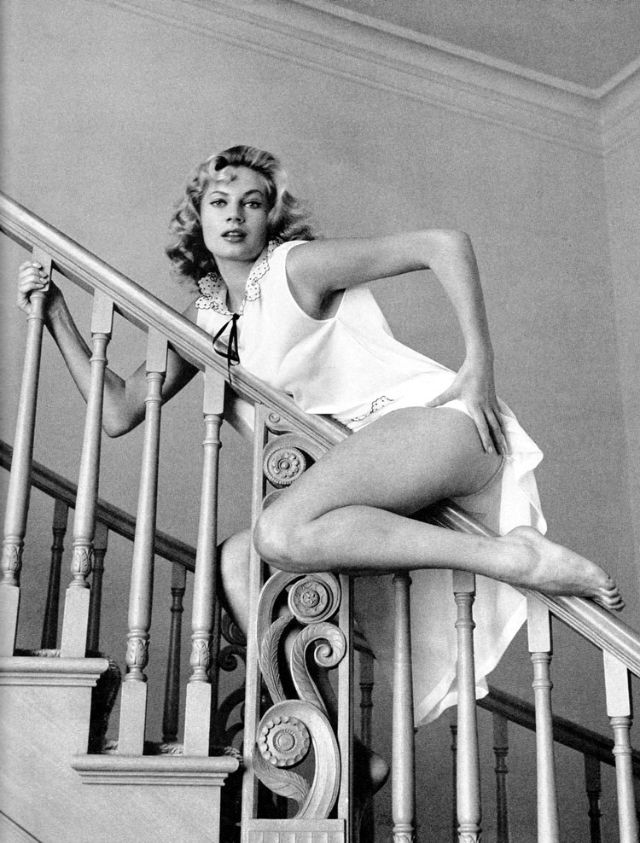
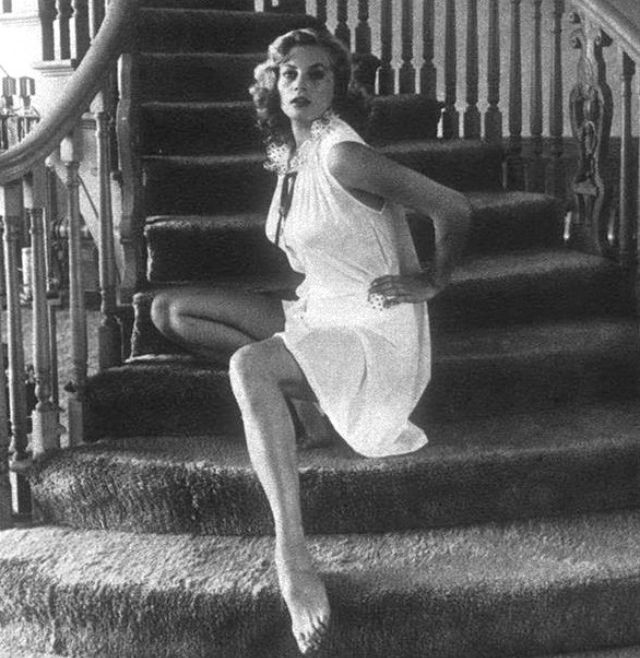
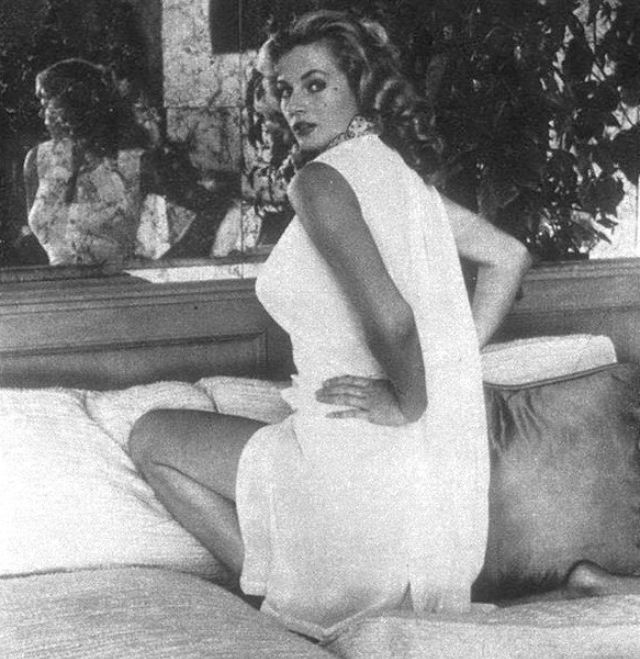
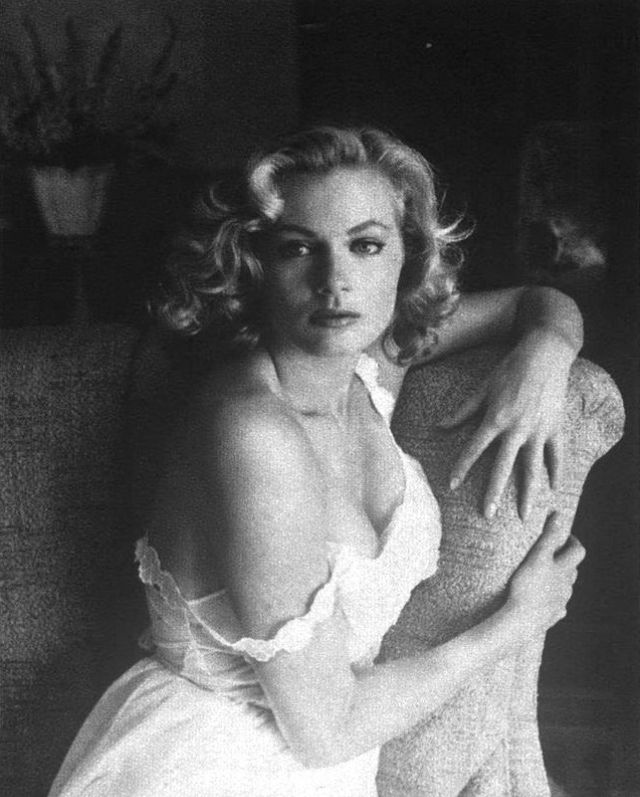

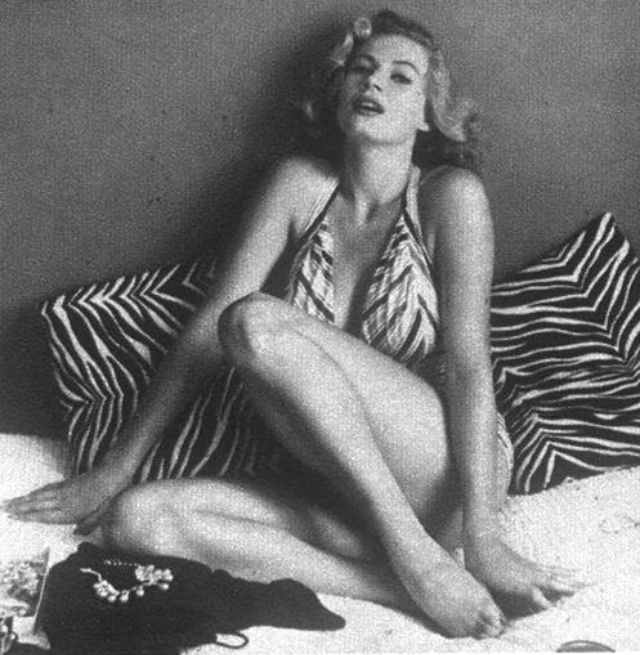
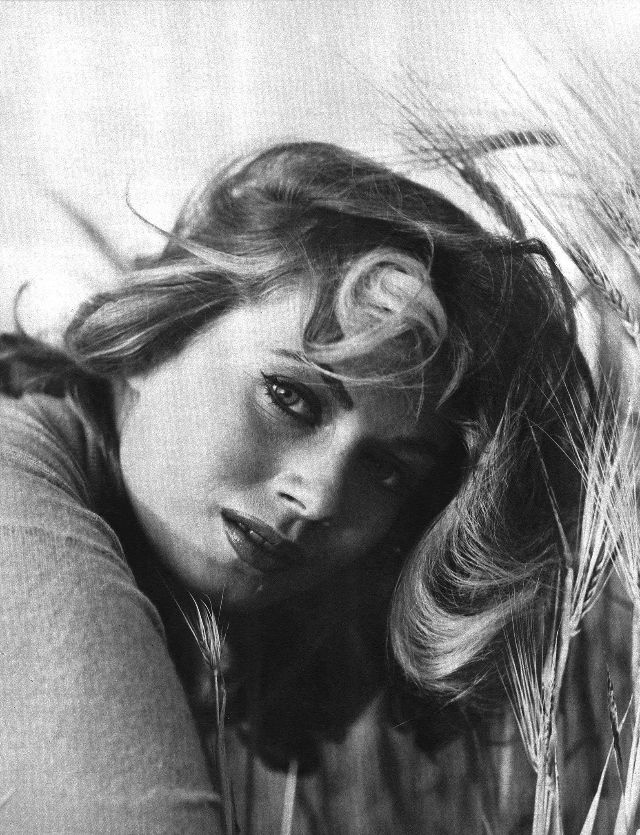
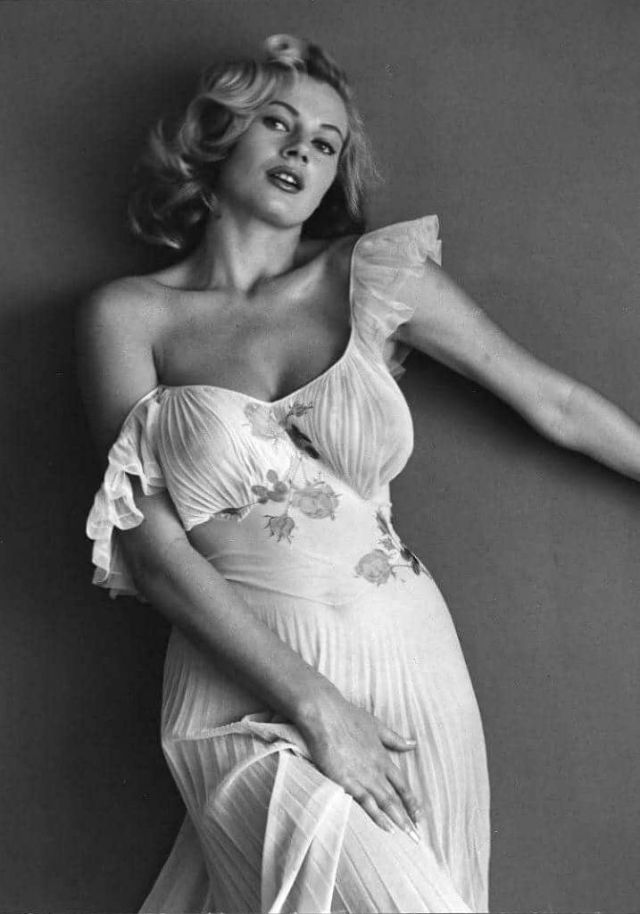

(Photos by Andre de Dienes)

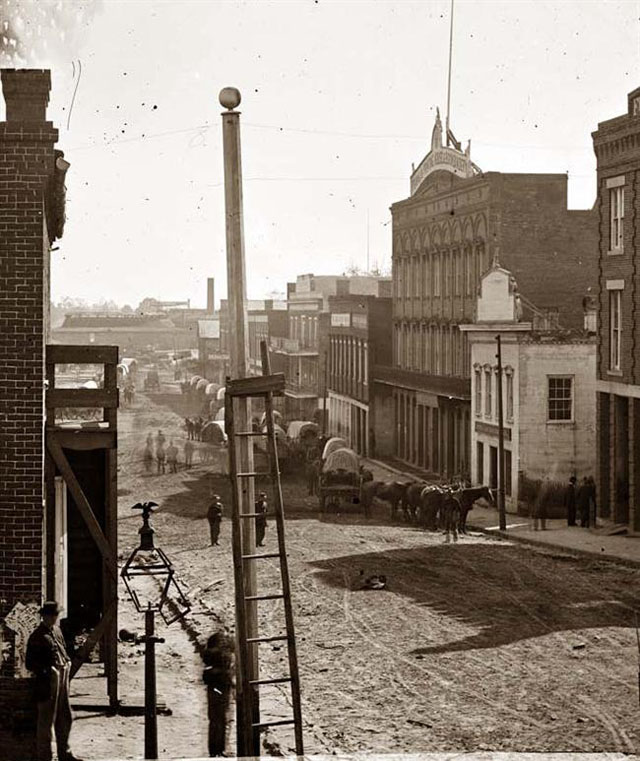
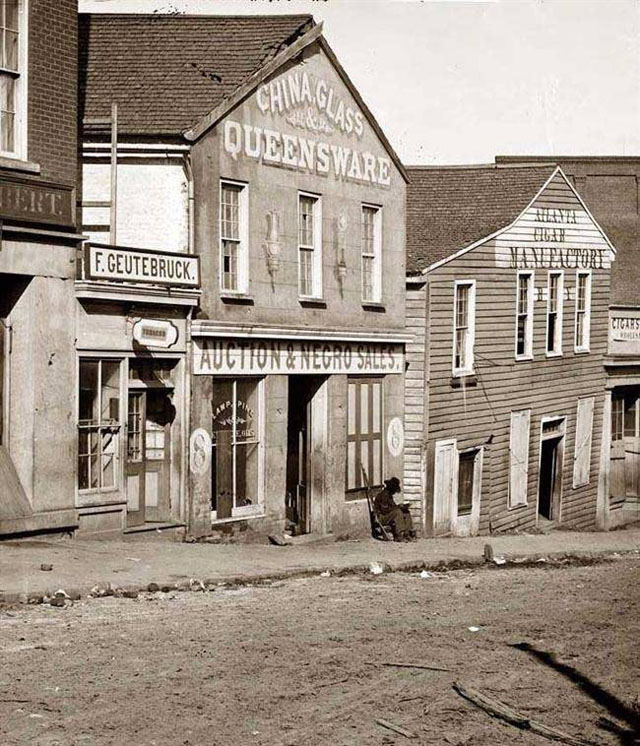
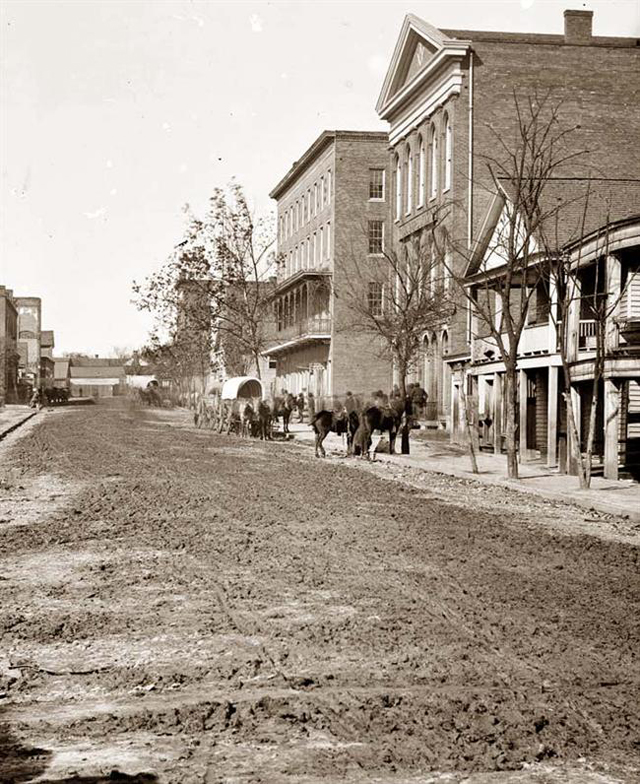
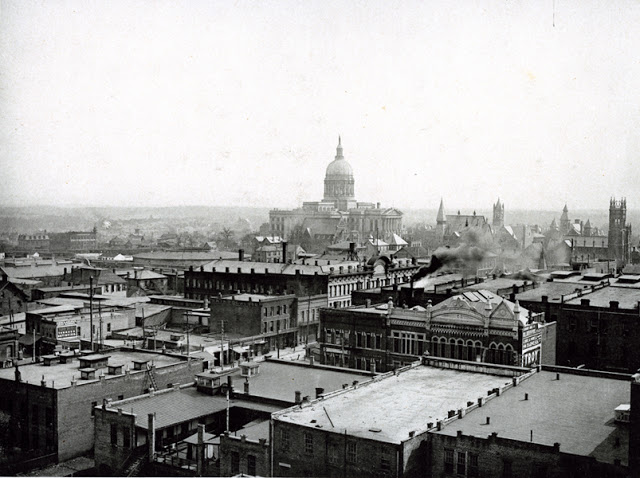
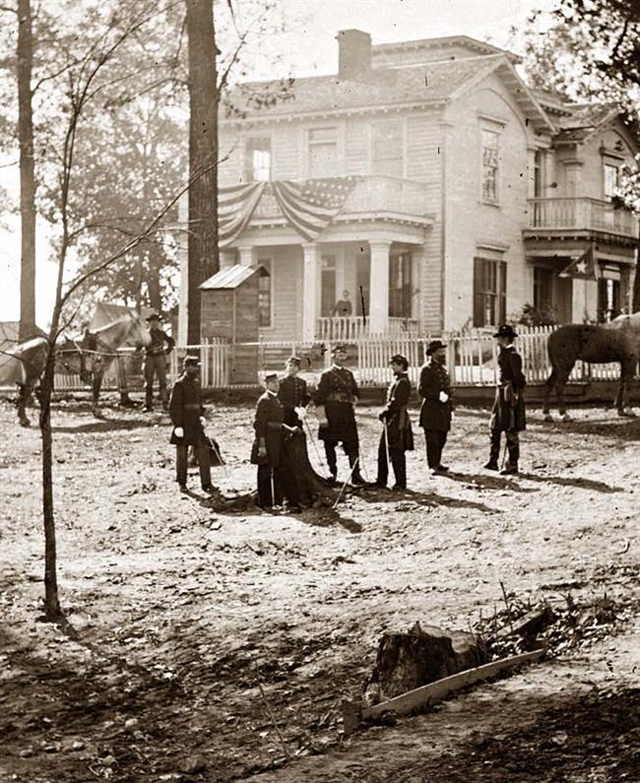
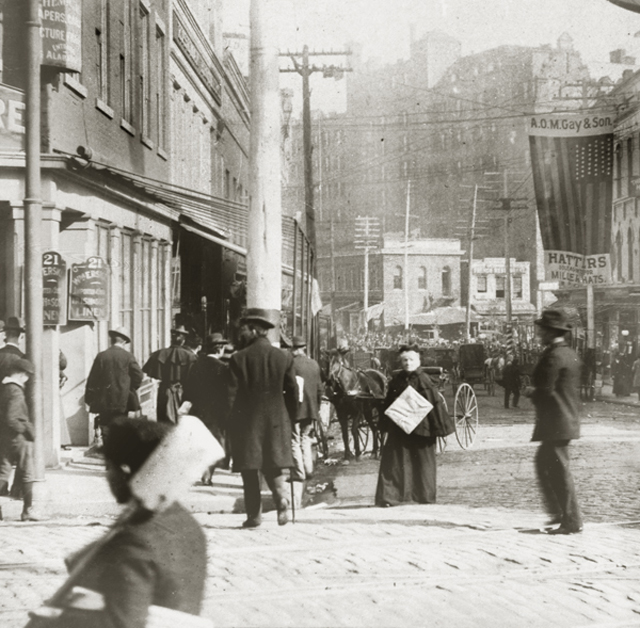
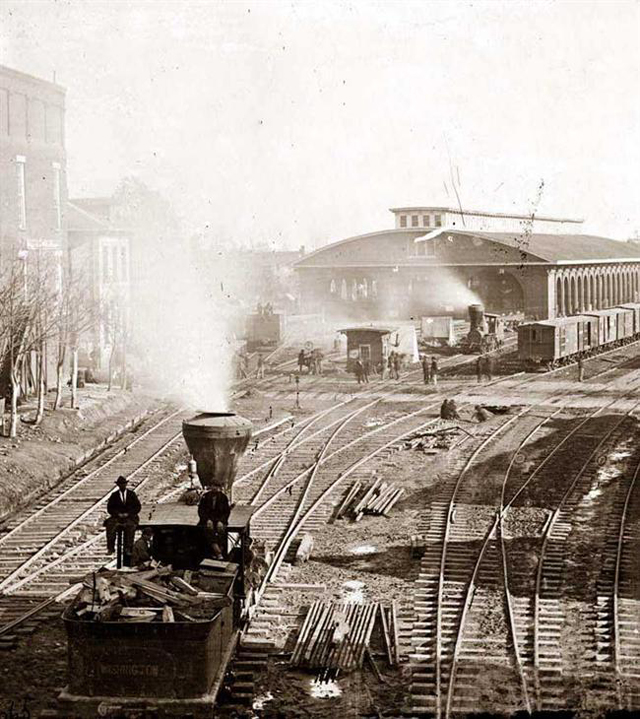
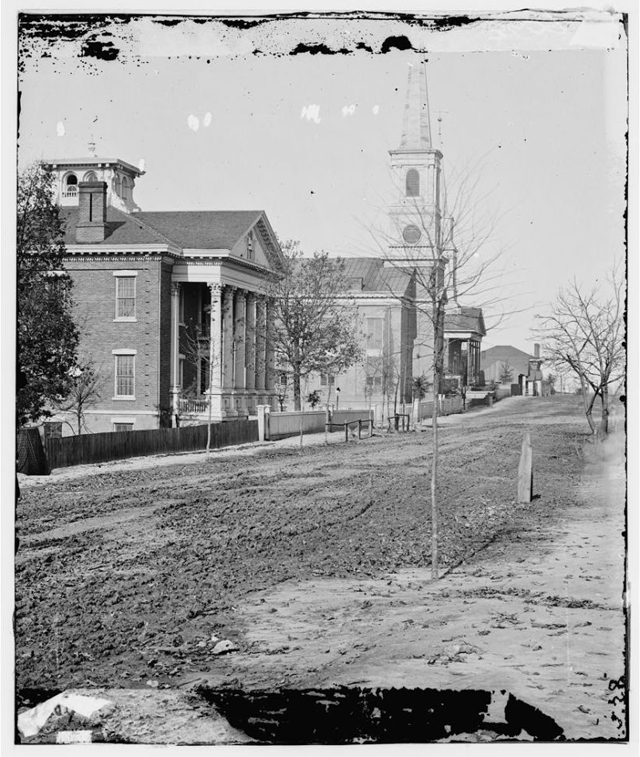
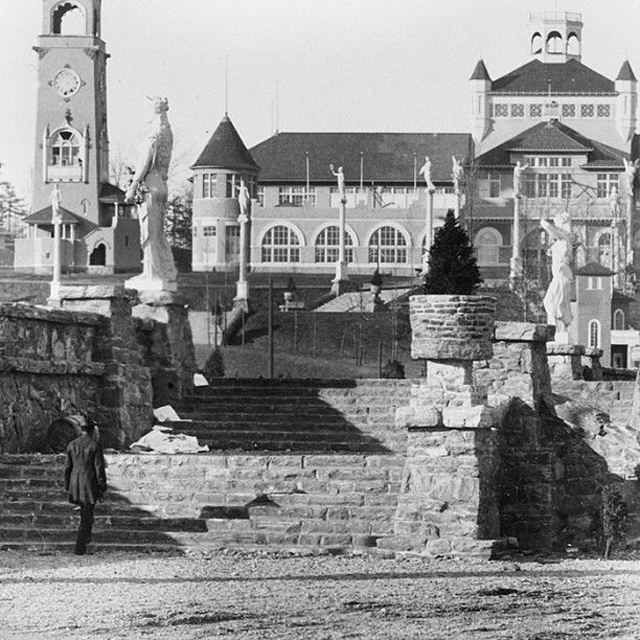
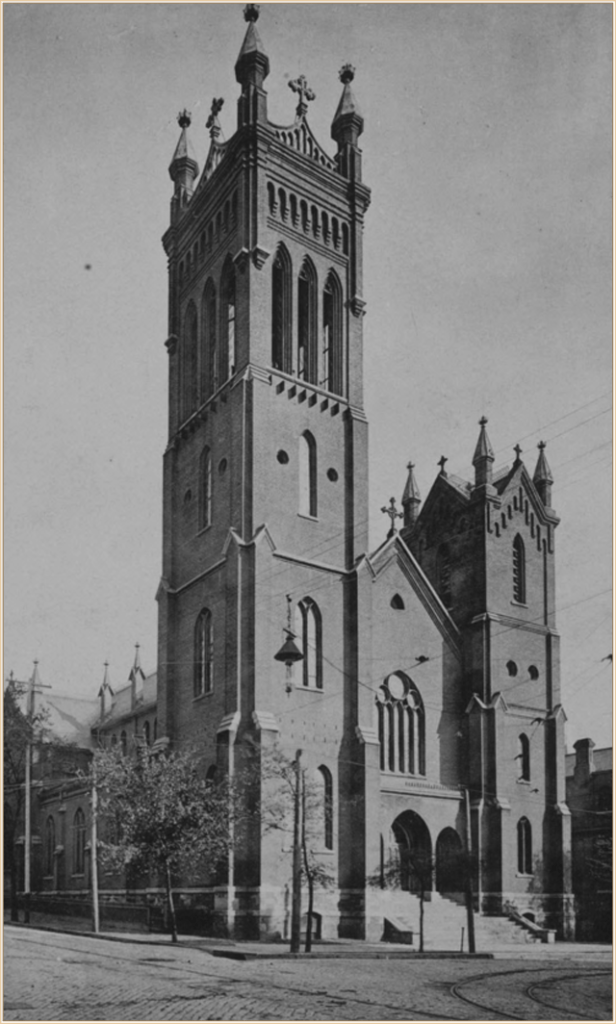
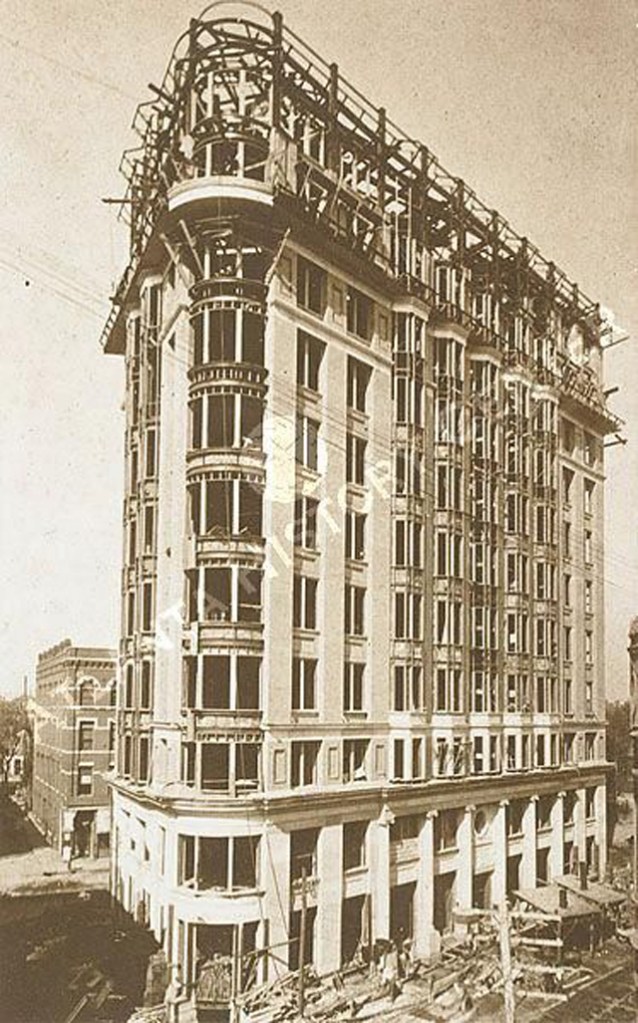
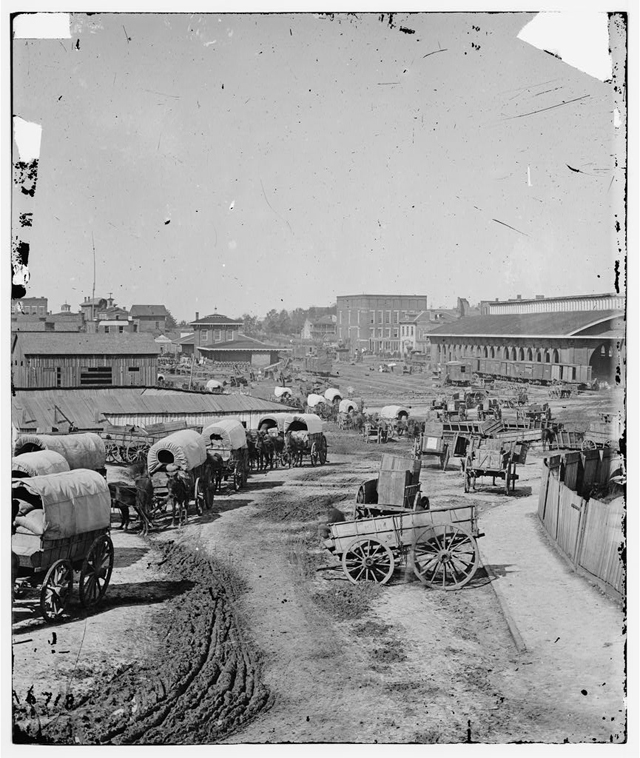
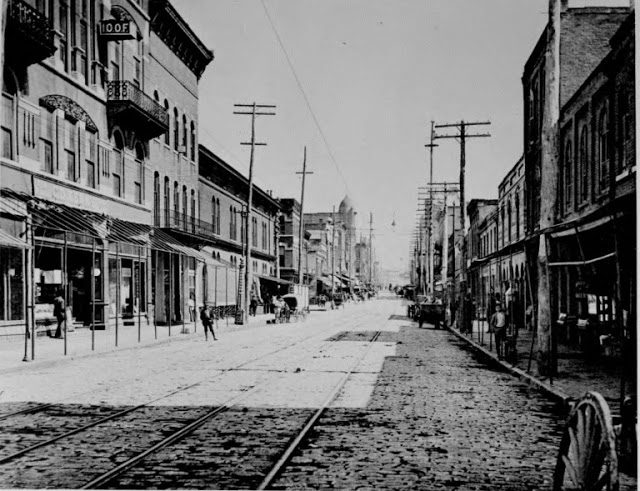
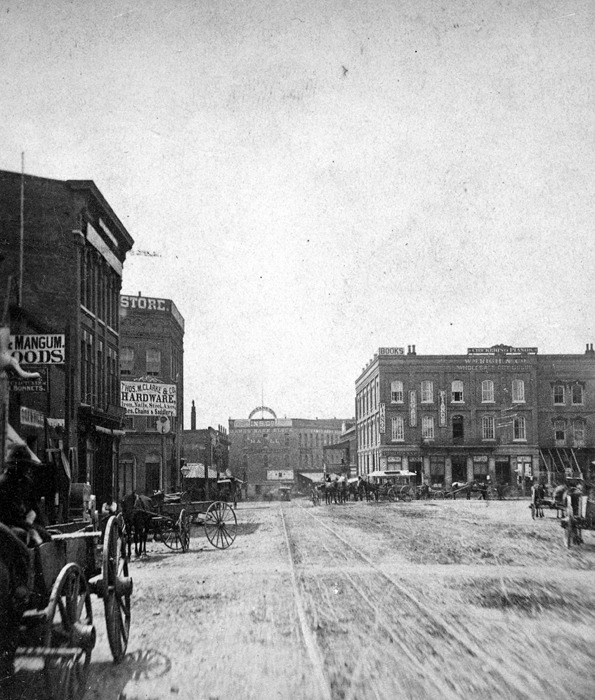
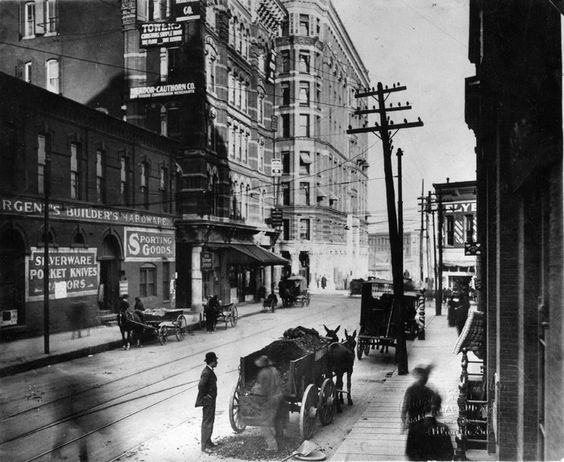
These are what everyday life in Atlanta, the capital of and the most populous city in the U.S. state of Georgia, looked like before 1900.











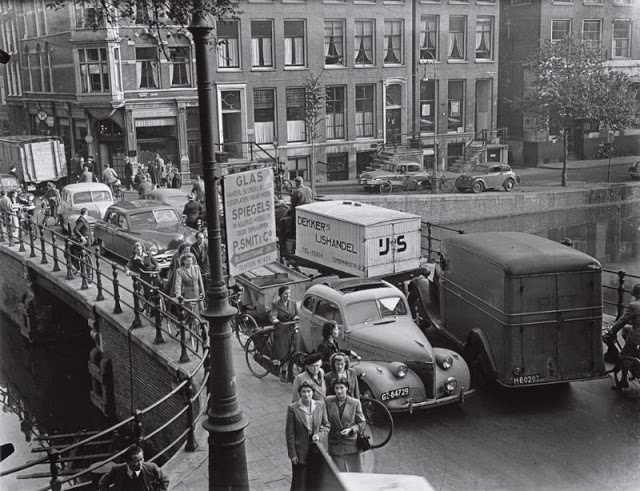
Born 1913, Dutch photojournalist Ben van Meerendonk worked at the General Dutch Photo Press Office of Sem Presser in the late 1930s, but was prohibited from practicing his profession during the Second World War. In 1945, he founded the Algemeen Hollands Fotopersbureau (AHF).
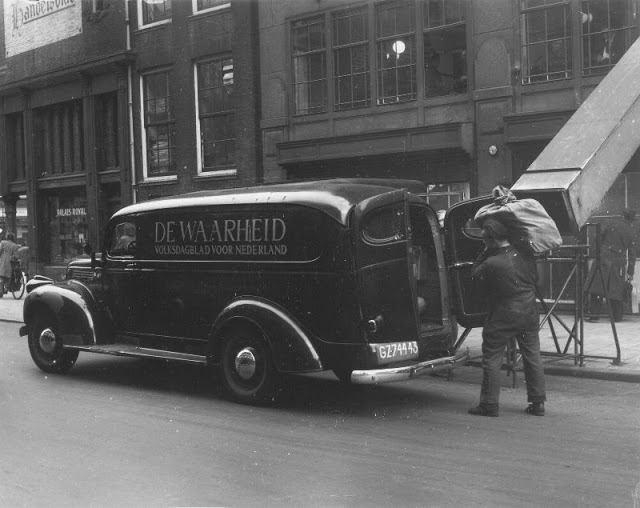
Van Meerendonk mainly photographed in the forties, fifties and sixties, and delivered via his AHF to the newspapers De Telegraaf, De Tijd, De Waarheid, Het Parool, Het Vrije Volk and Trouw.
As a press photographer Van Meerendonk specialized in daily life, the Royal House, and international stars. He won the Silver Camera in 1950, 1958 and 1966, and in 1966 the first prize in the category Photo Stories of World Press Photo with a photograph of the rehearsal for the wedding of Beatrix and Claus.
In 1988 he was awarded the Golden Pin of Amsterdam. On the Haveneiland of the Amsterdam district of IJburg a street was named after him in 2006.
Van Meerendonk died in 2008, at the age of 94. His photo archive of more than 70 thousand photos has been housed at the International Institute of Social History (IISH) since 1990.
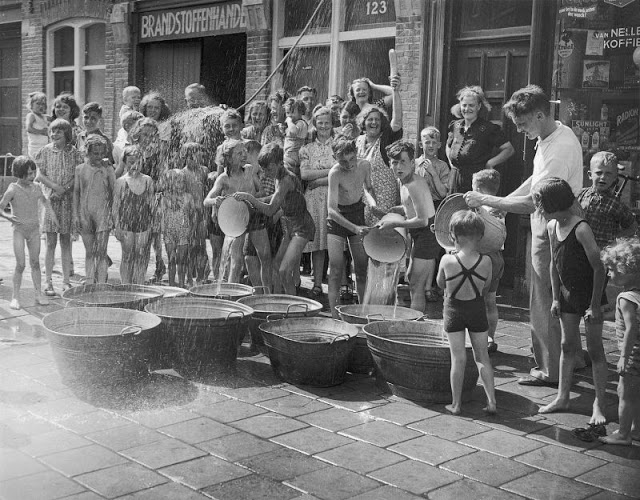
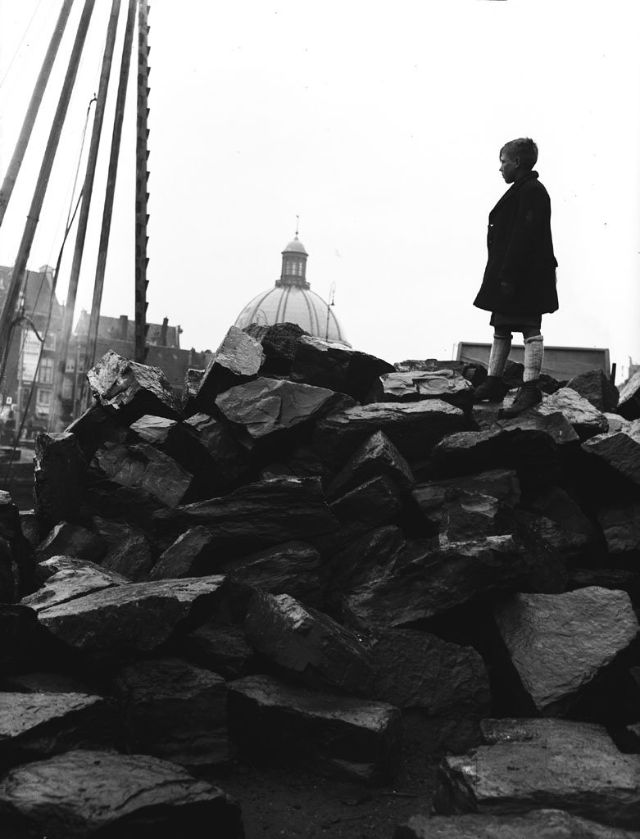
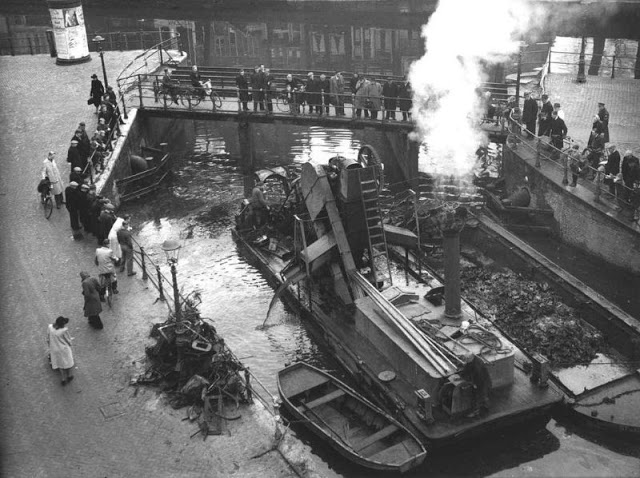
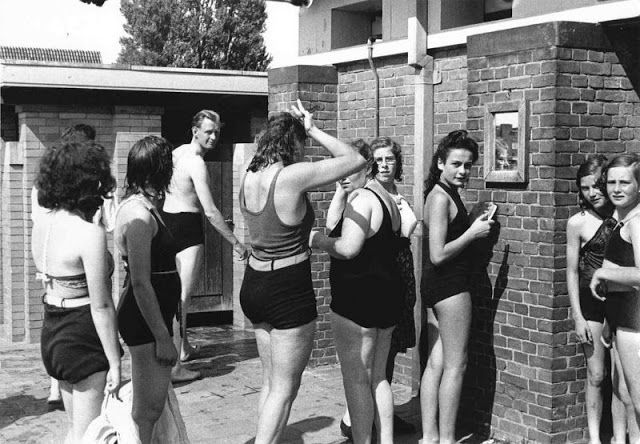
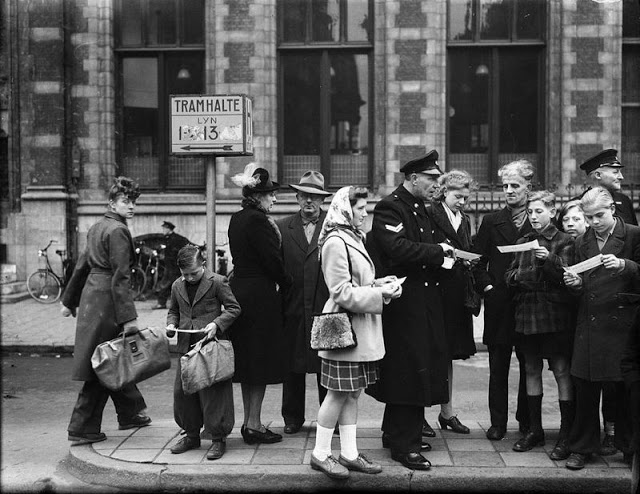
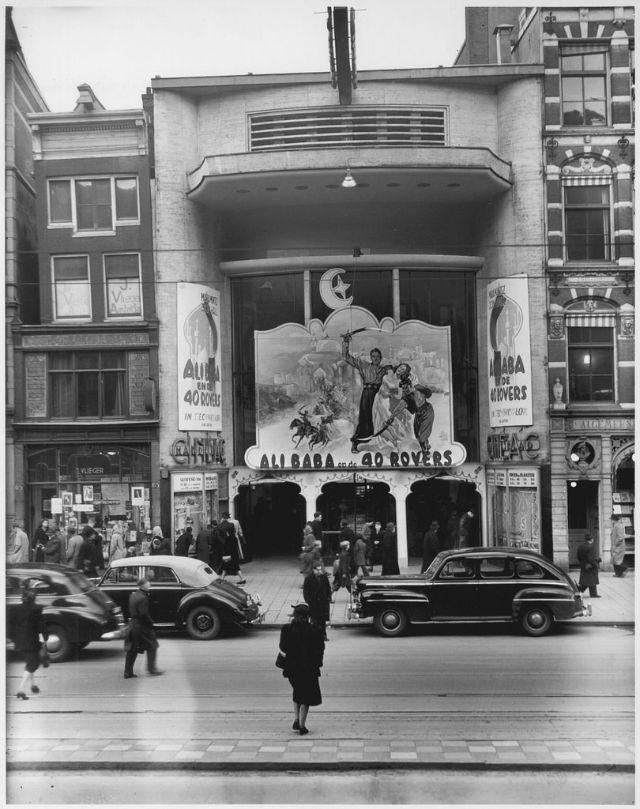
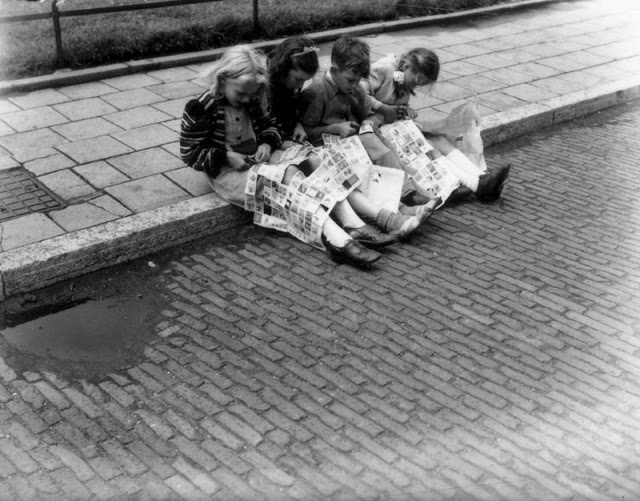
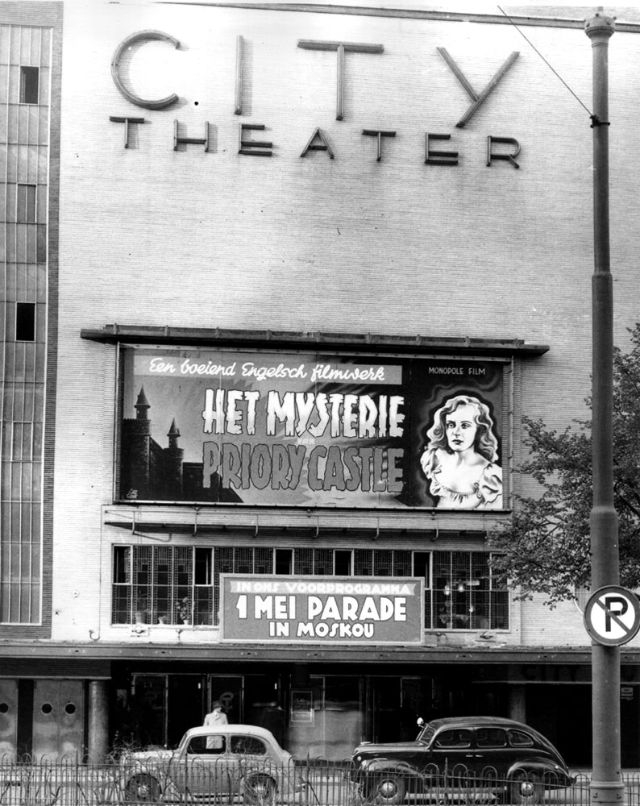
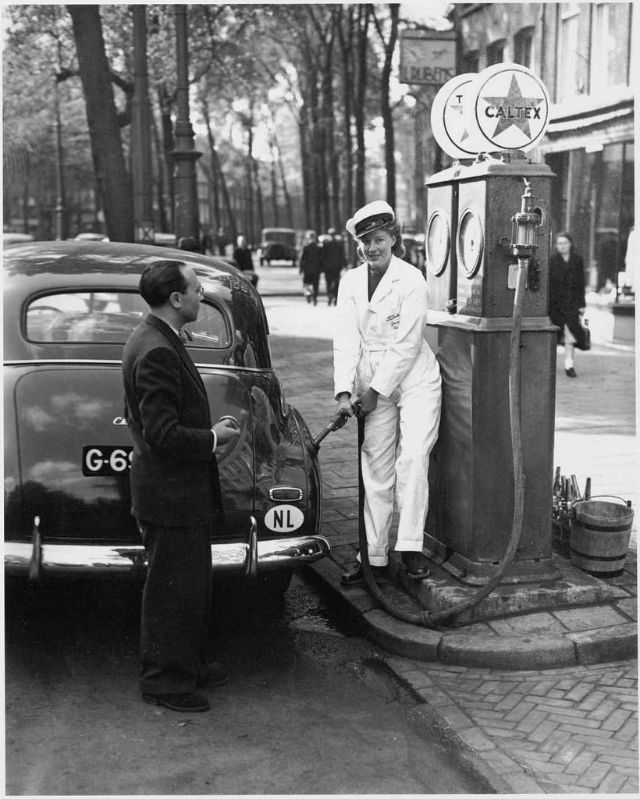
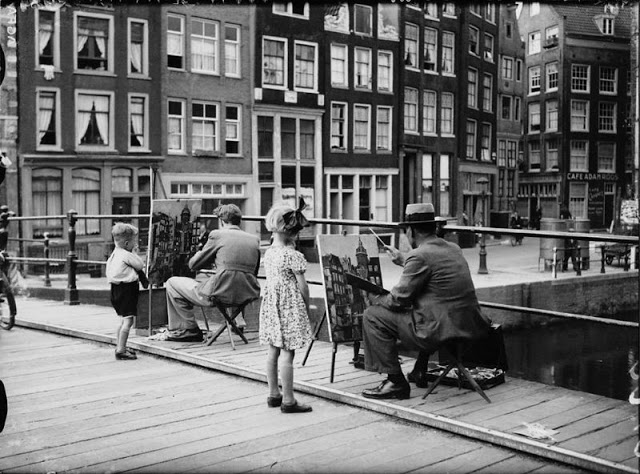
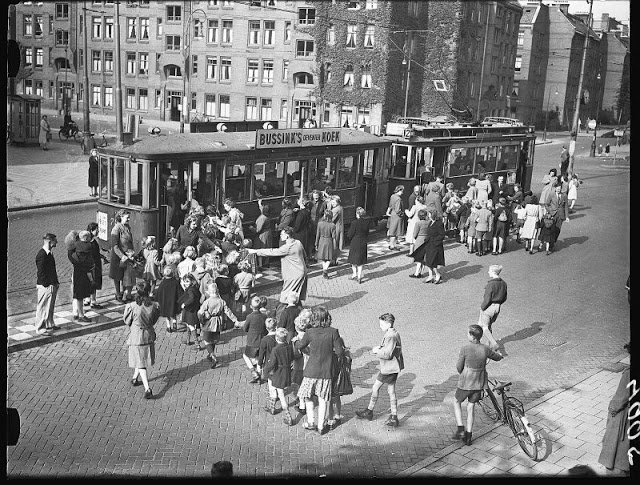
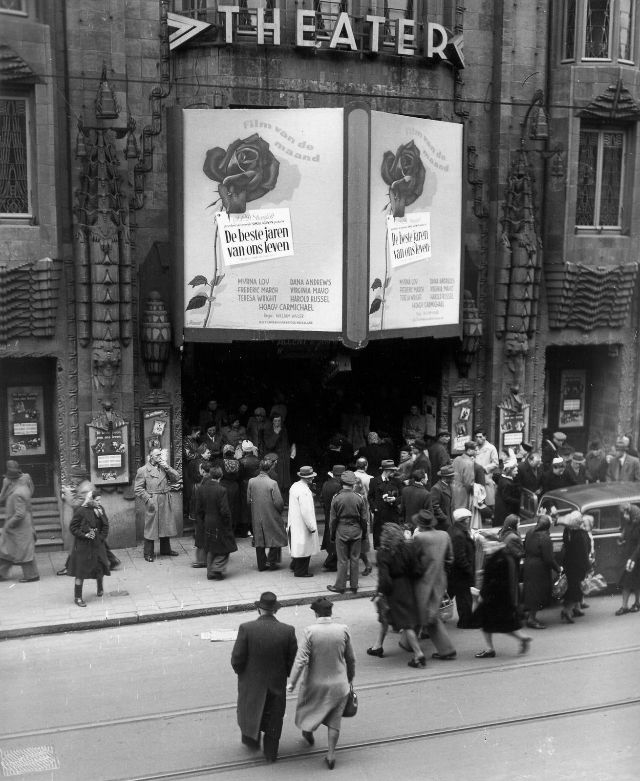
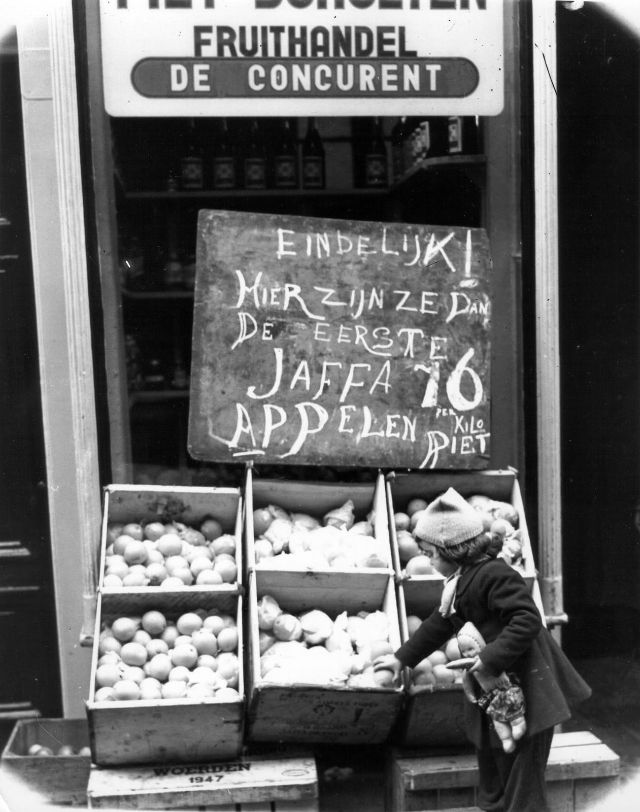
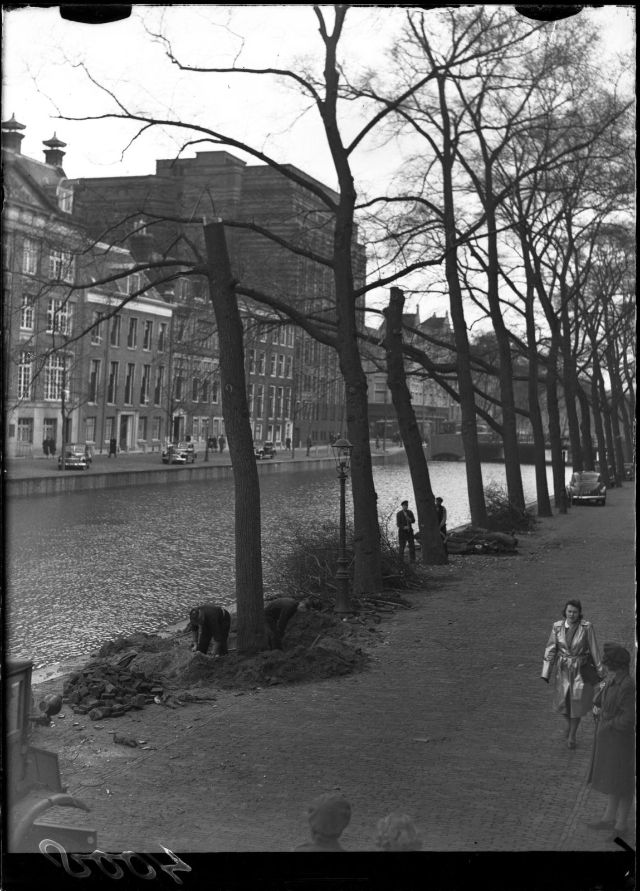
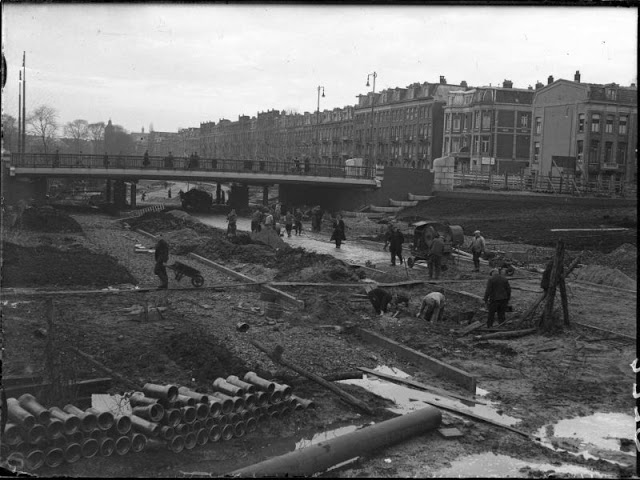
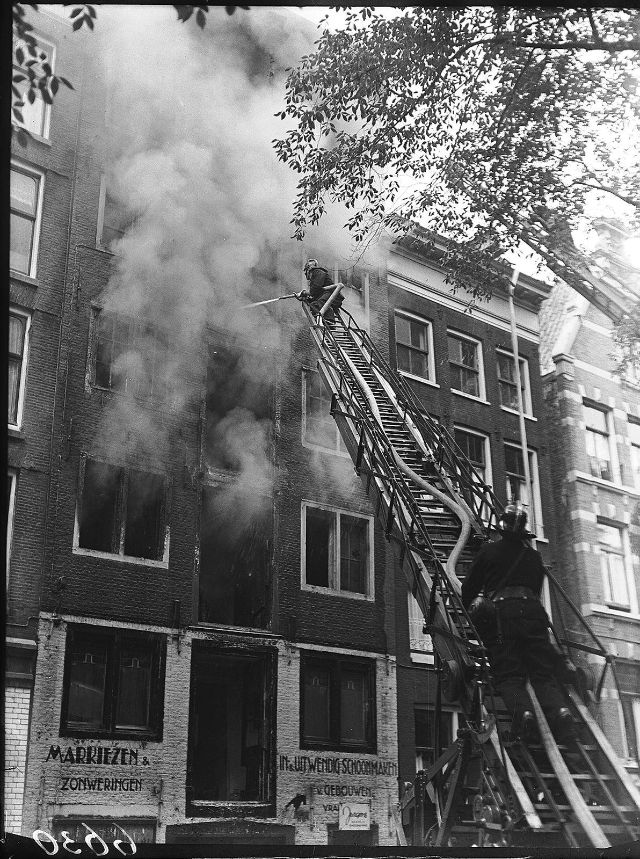
These amazing photos from IISG were taken by Ben van Meerendonk that show everyday life of Amsterdam from 1946 to 1949, few years just after the Second World War.


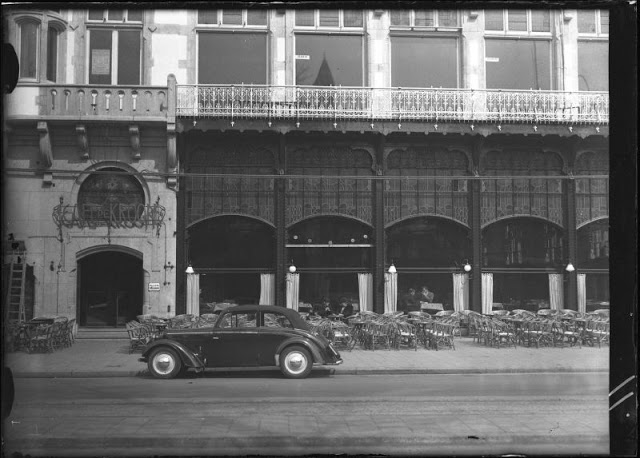
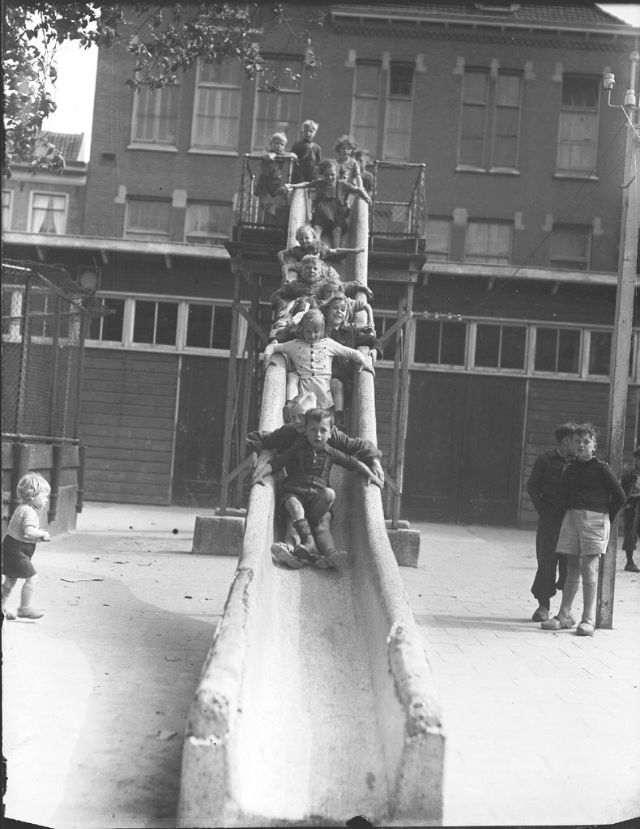


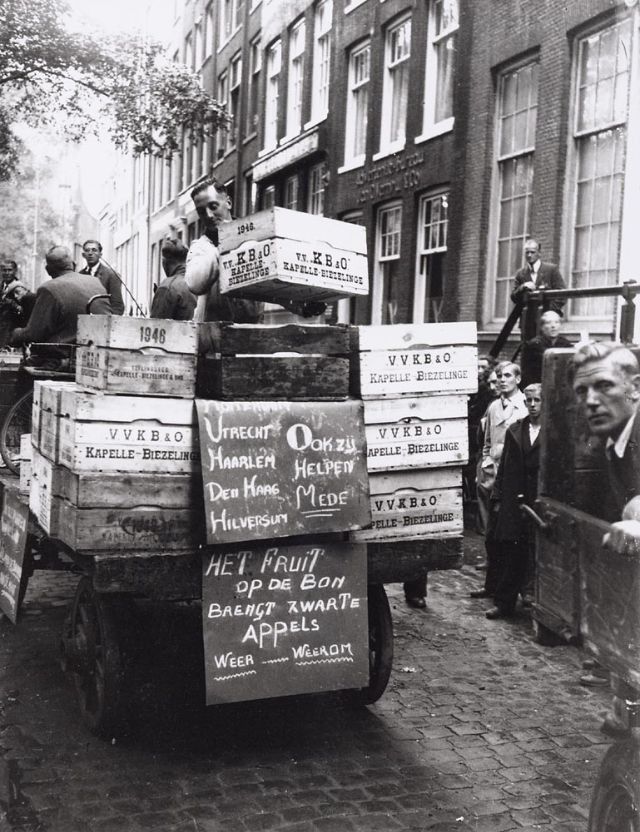

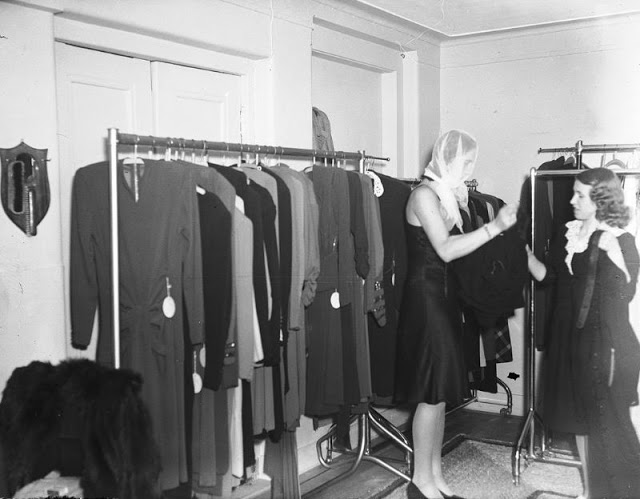






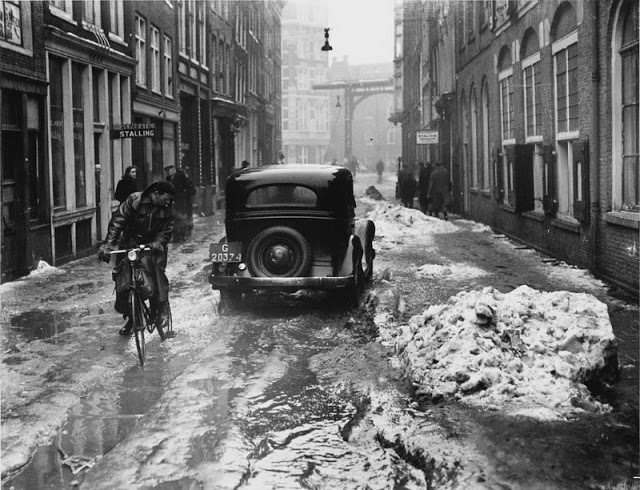

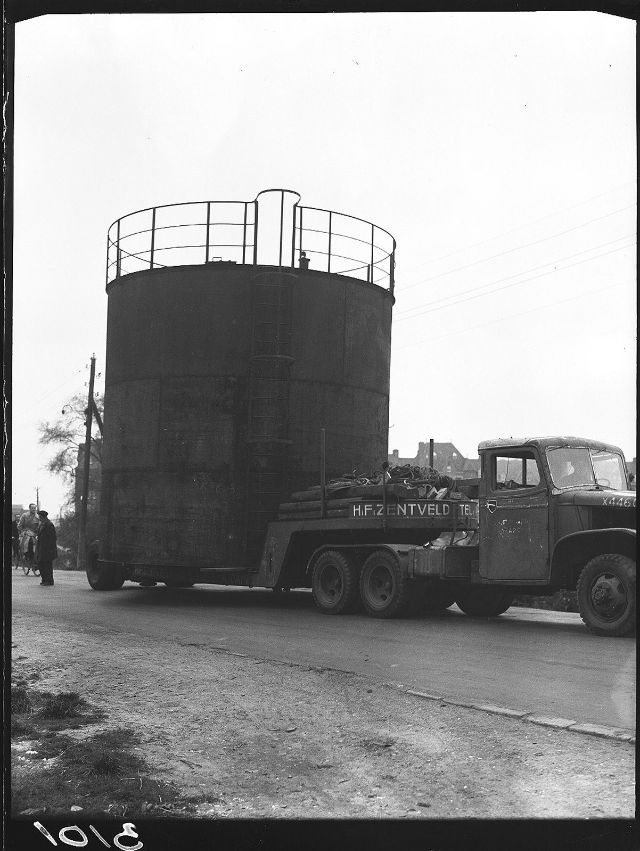
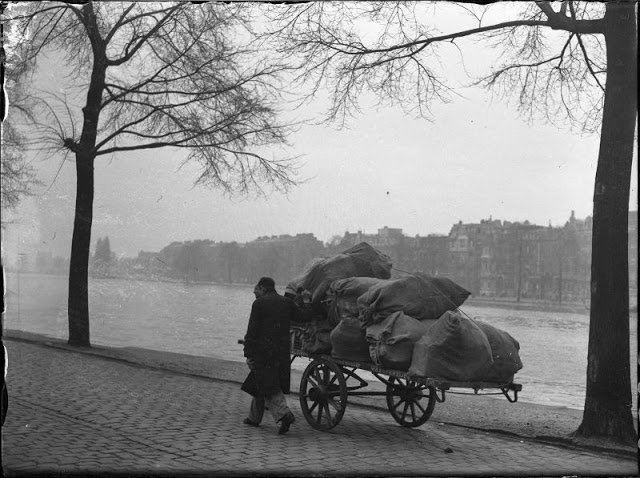
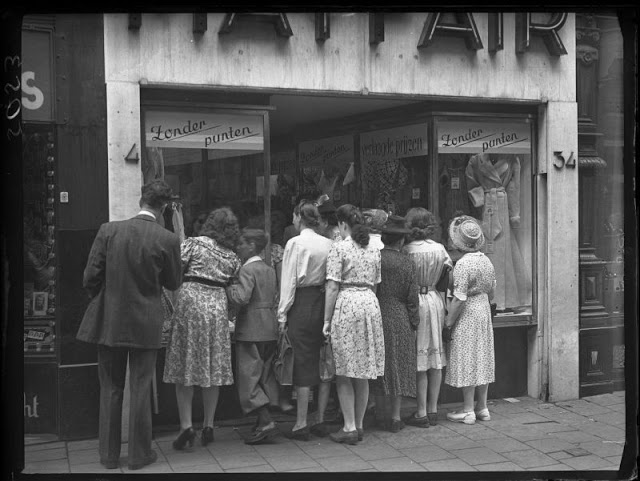








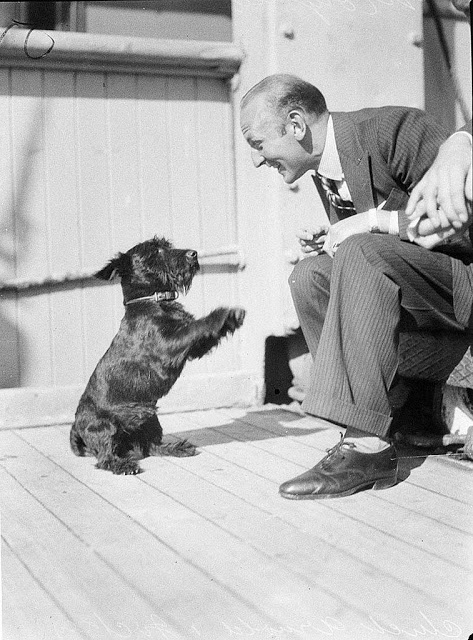
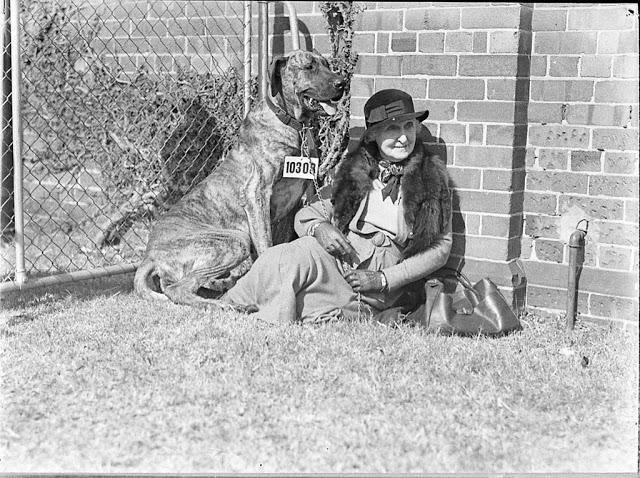
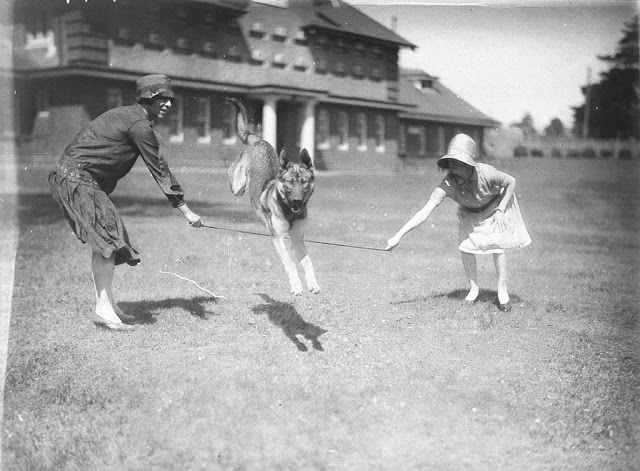
Here is a vintage photo collection that shows lovely moments of animals and their owners in the 1930s.
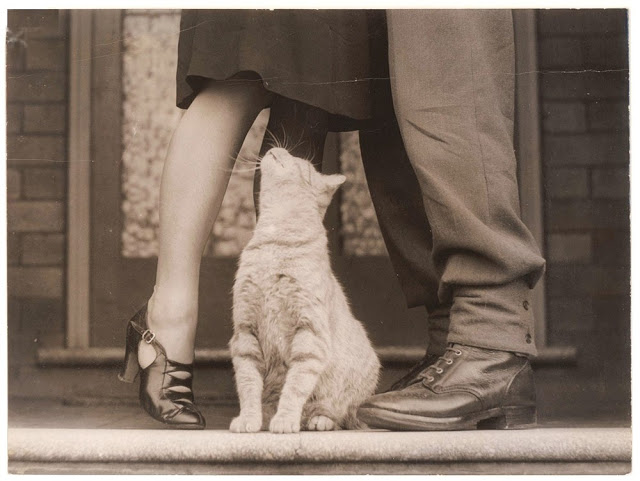


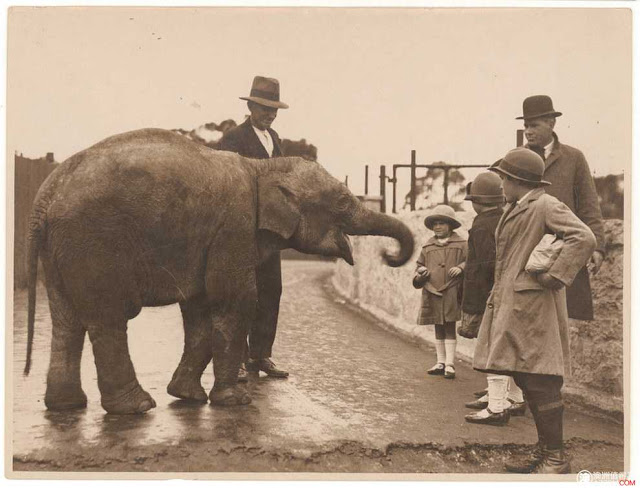

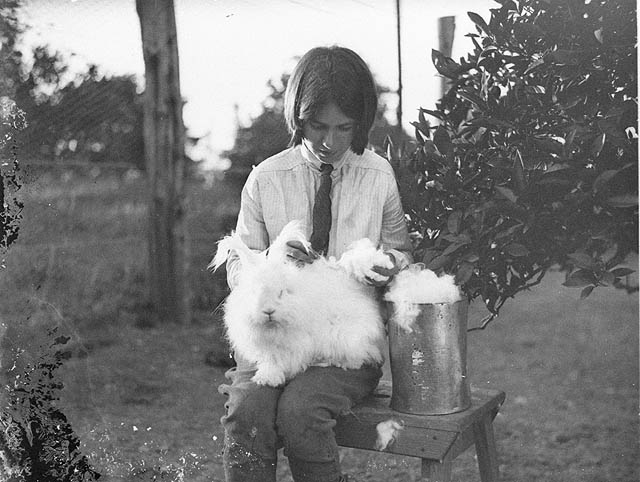


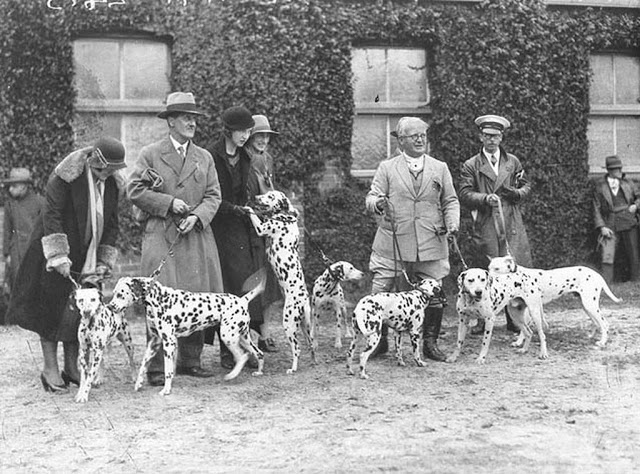
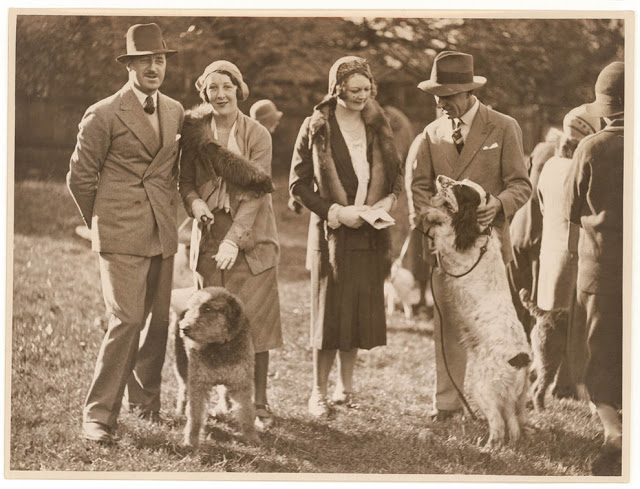
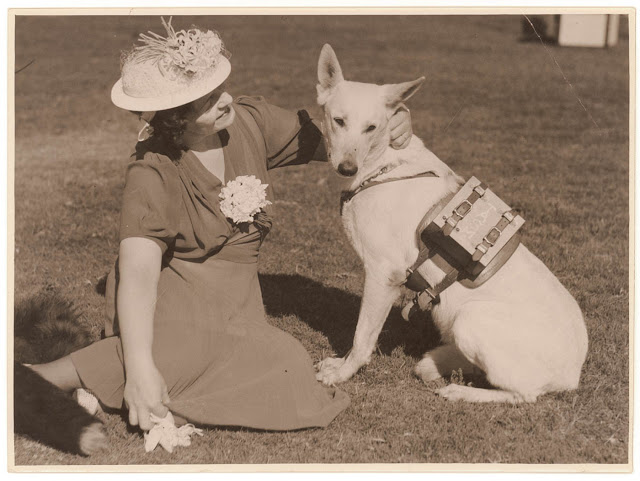

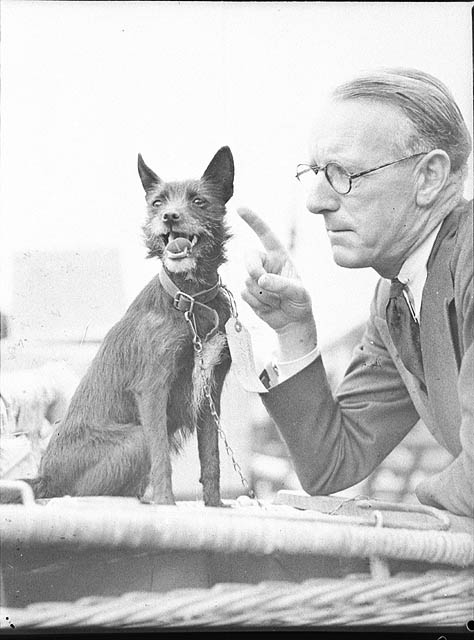
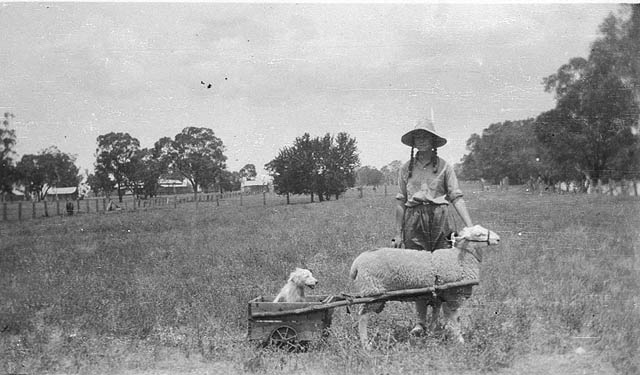
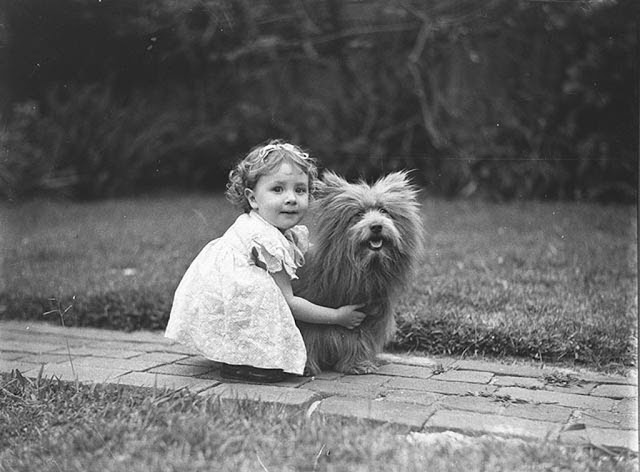
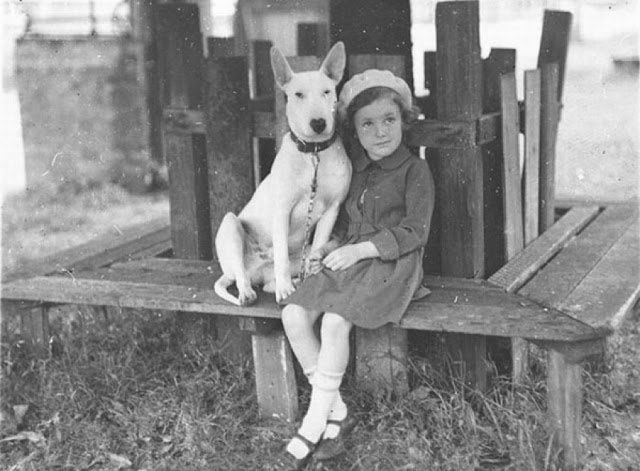
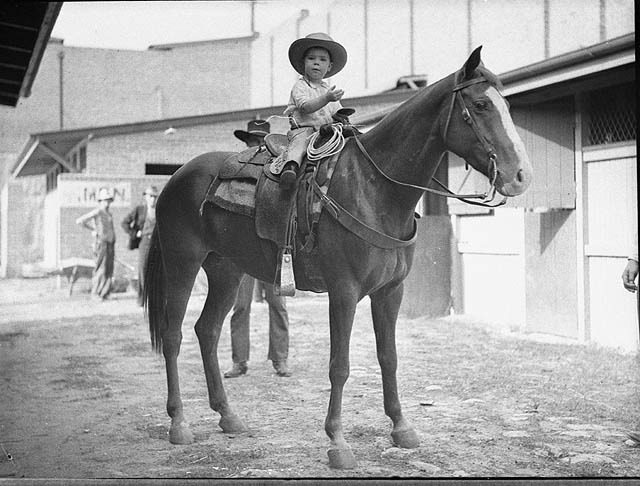
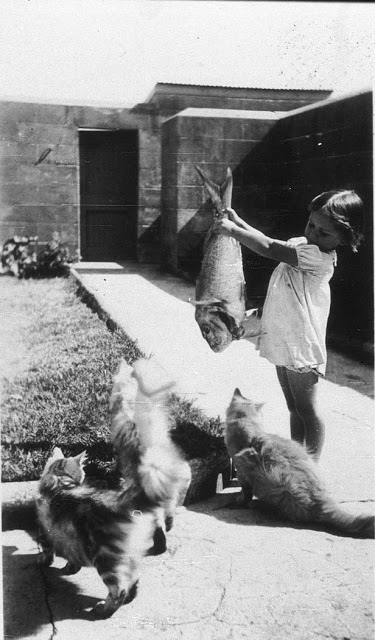
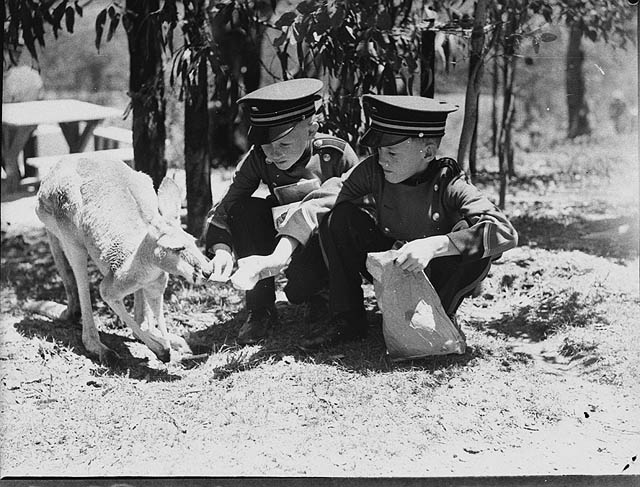
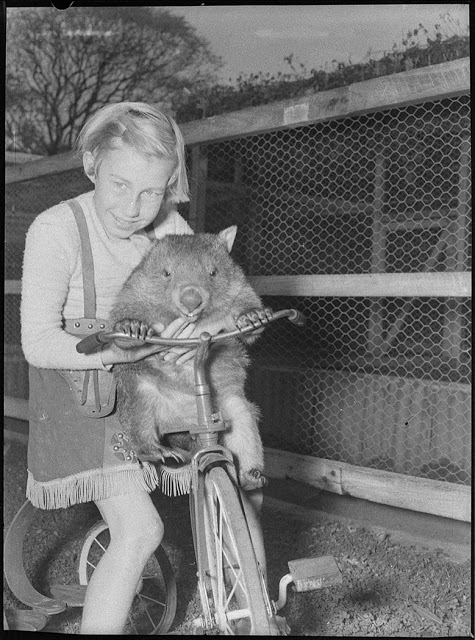
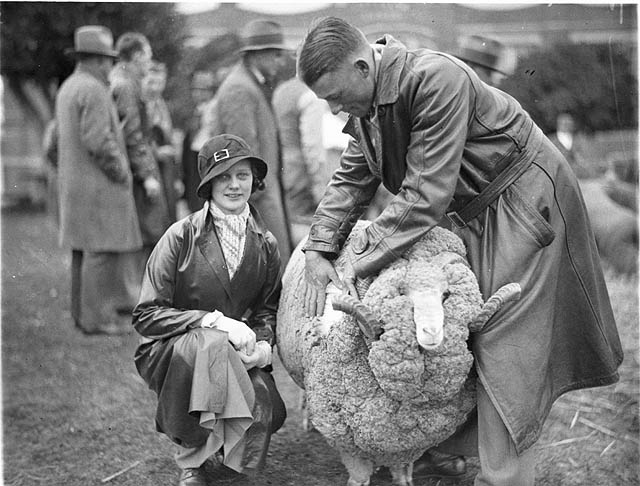

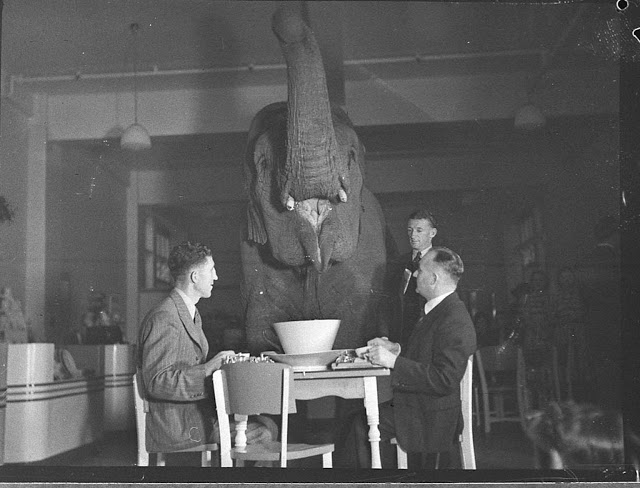



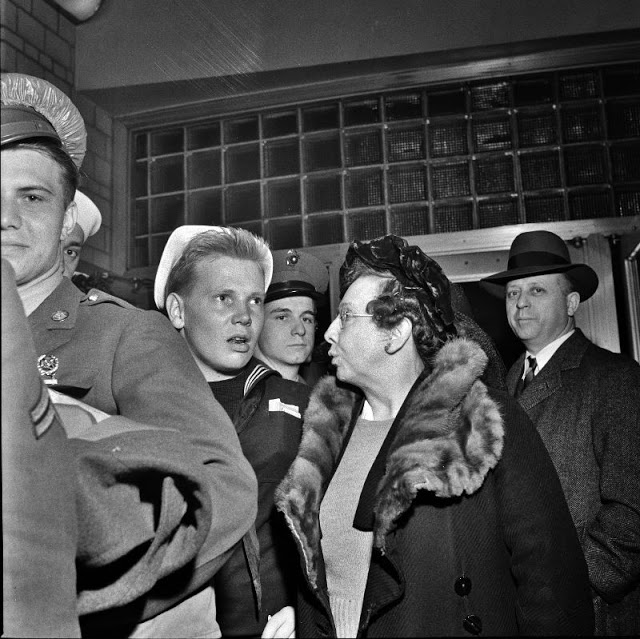
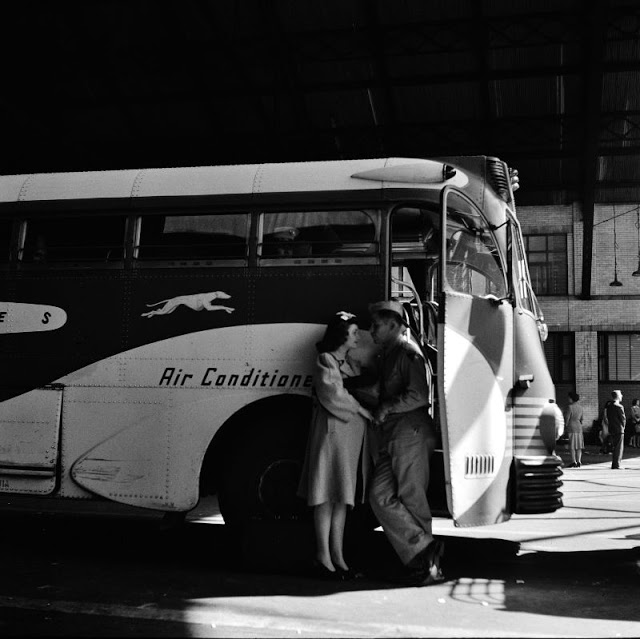
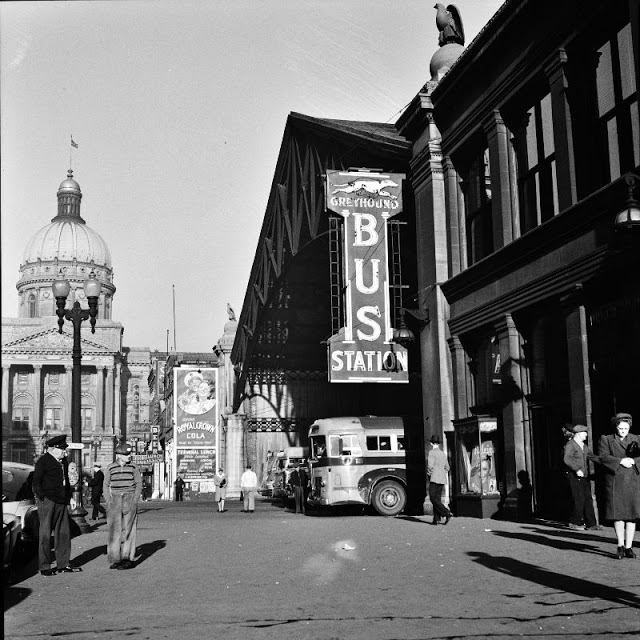
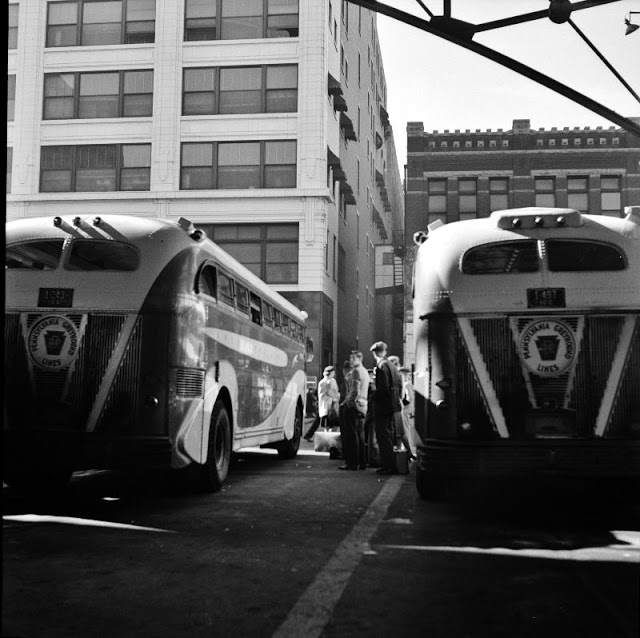
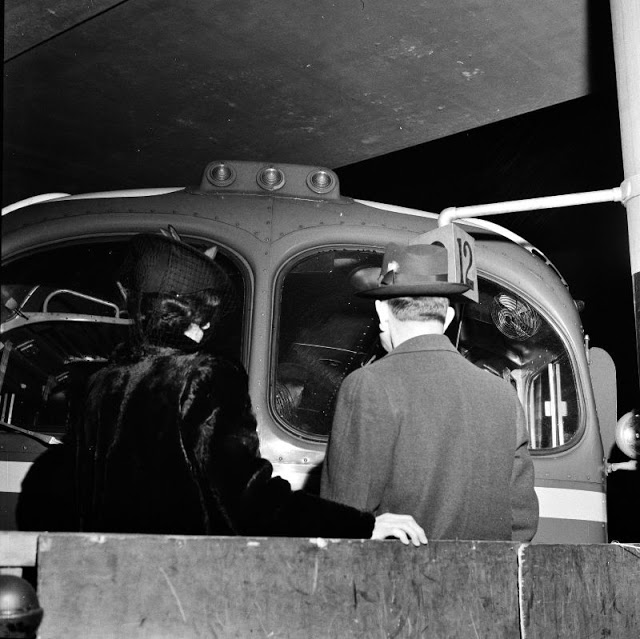
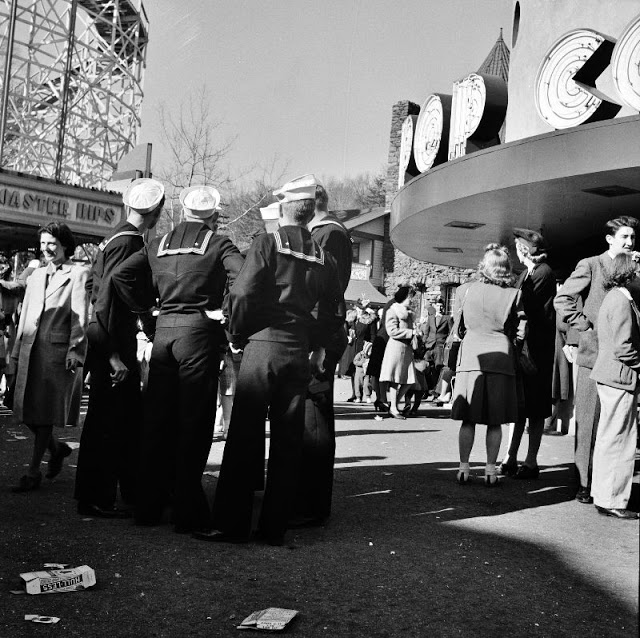
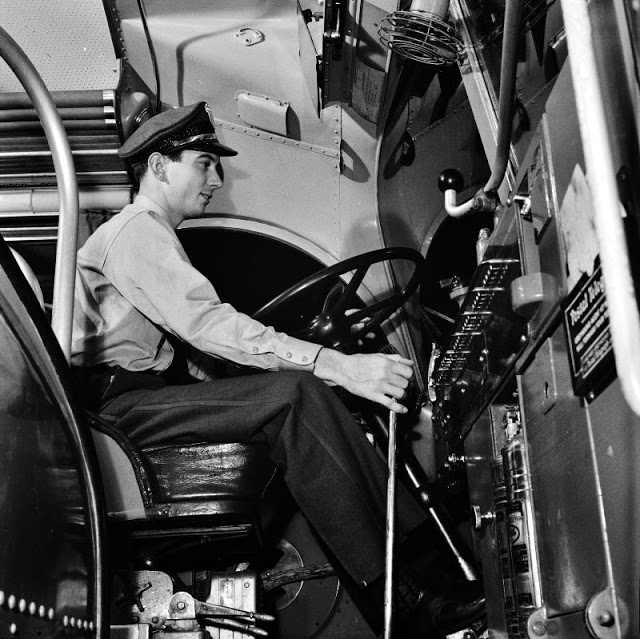
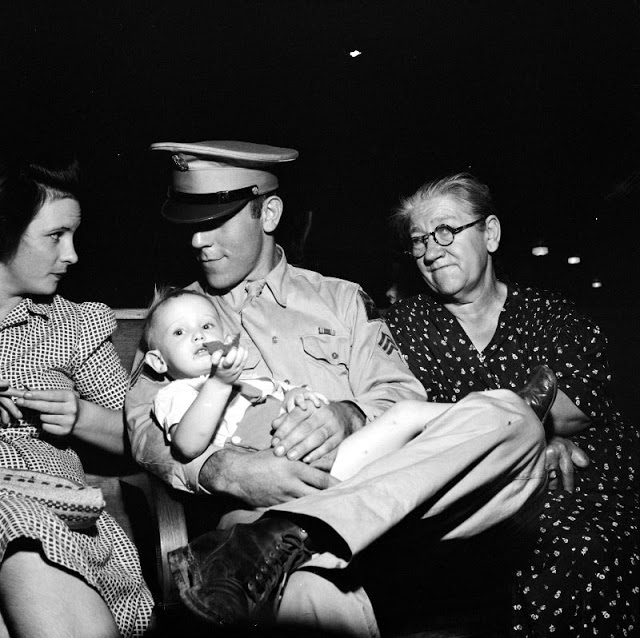
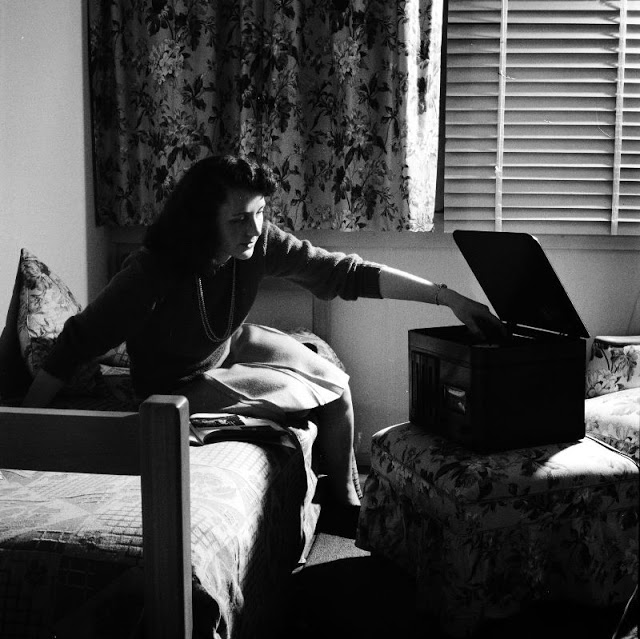
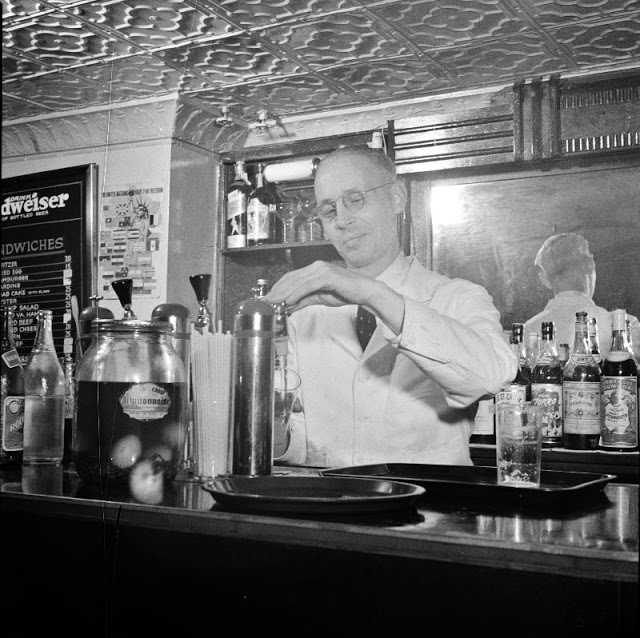
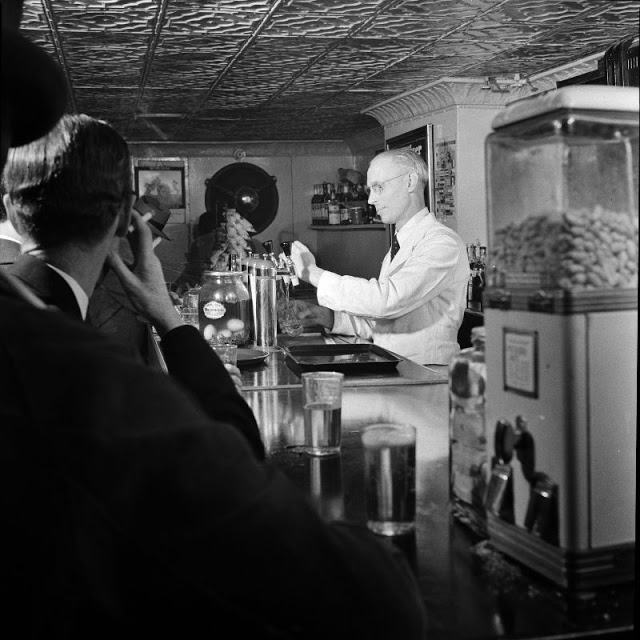
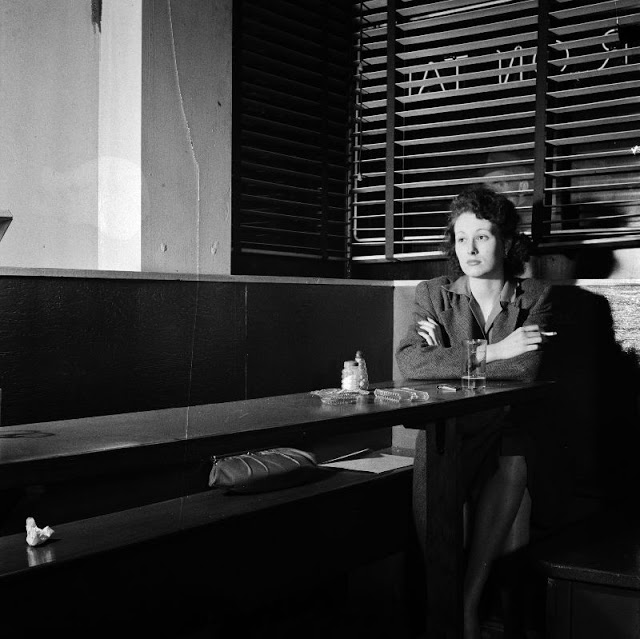
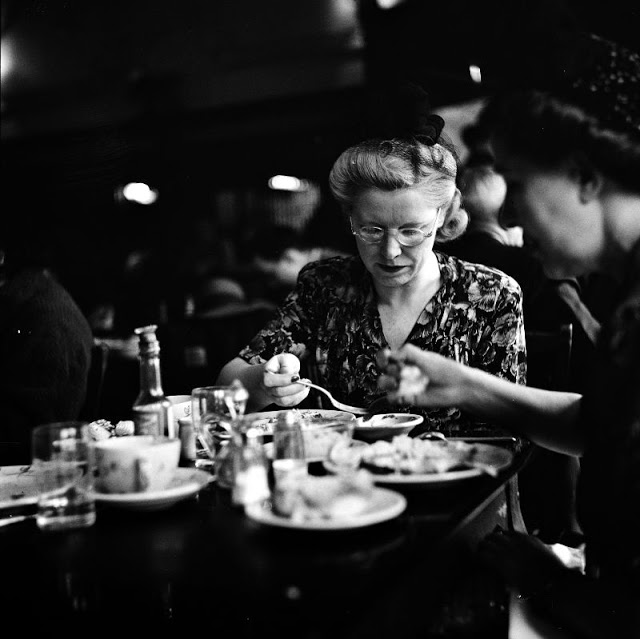
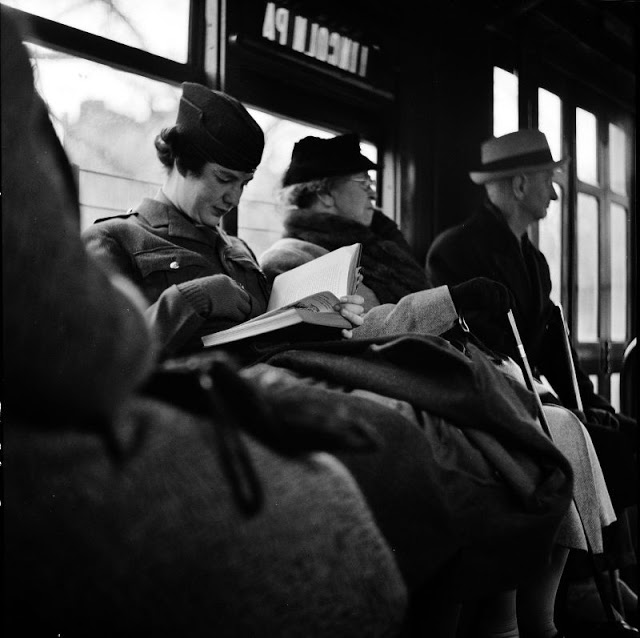
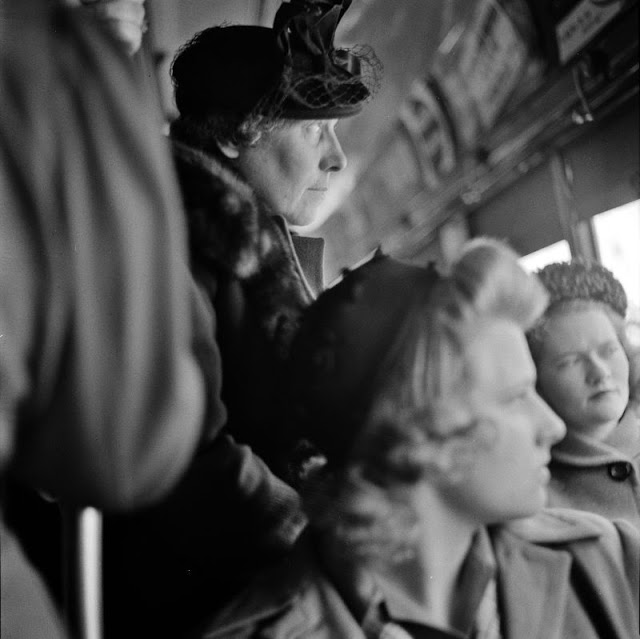
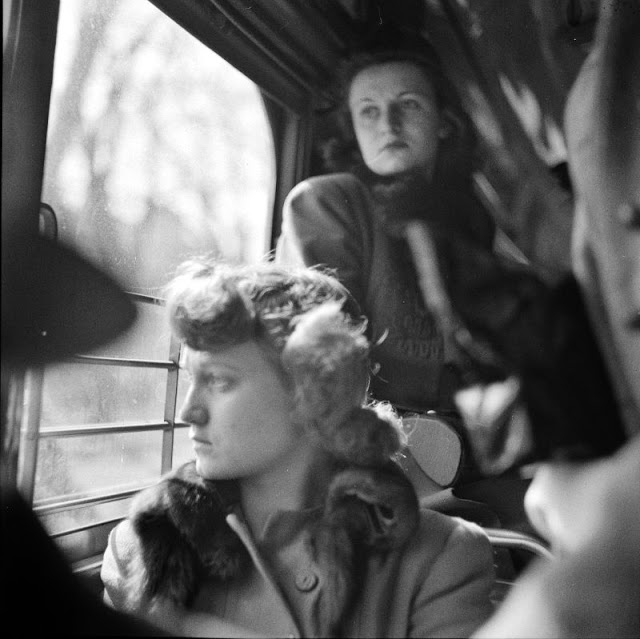
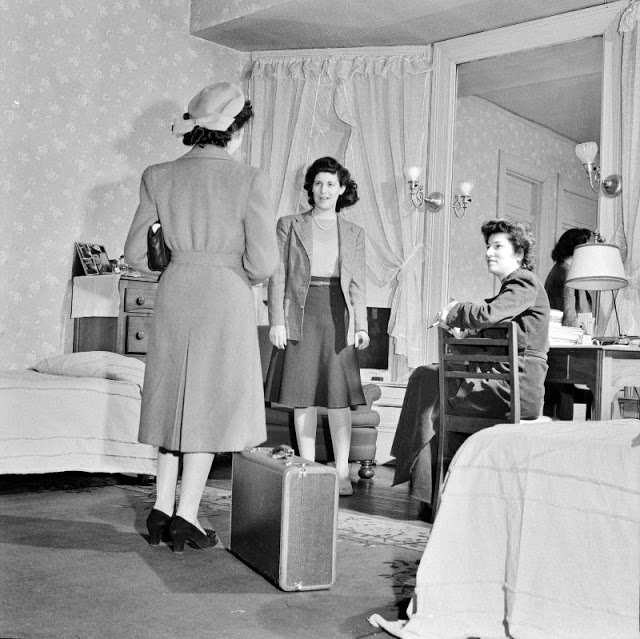
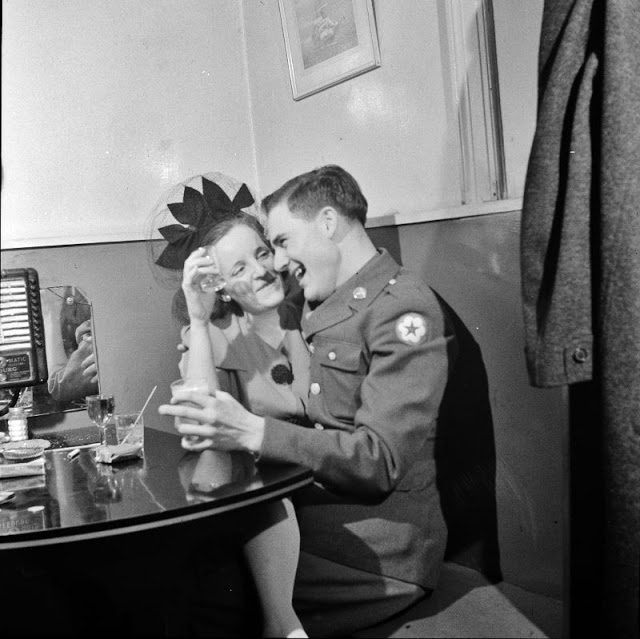
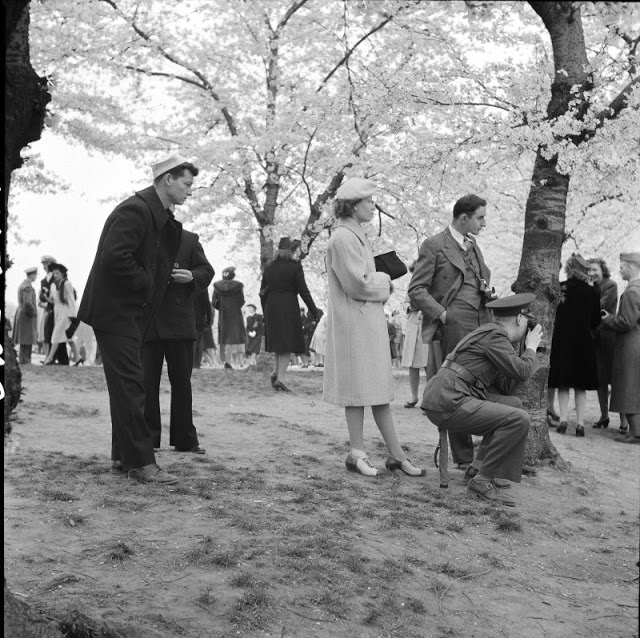
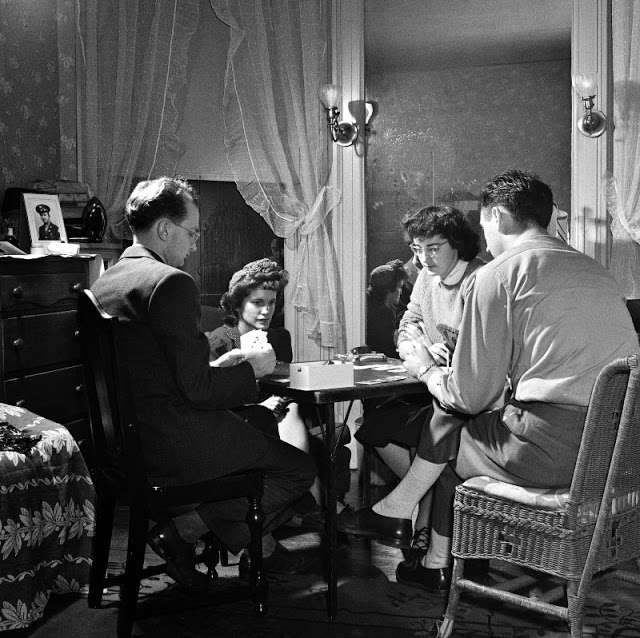
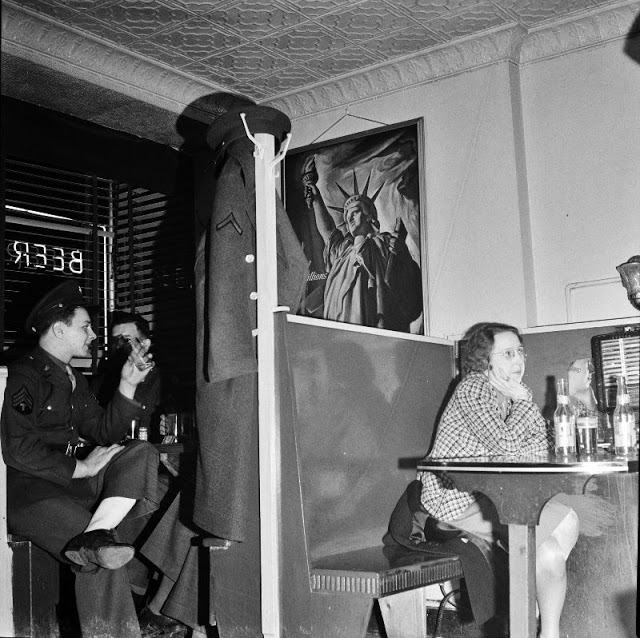
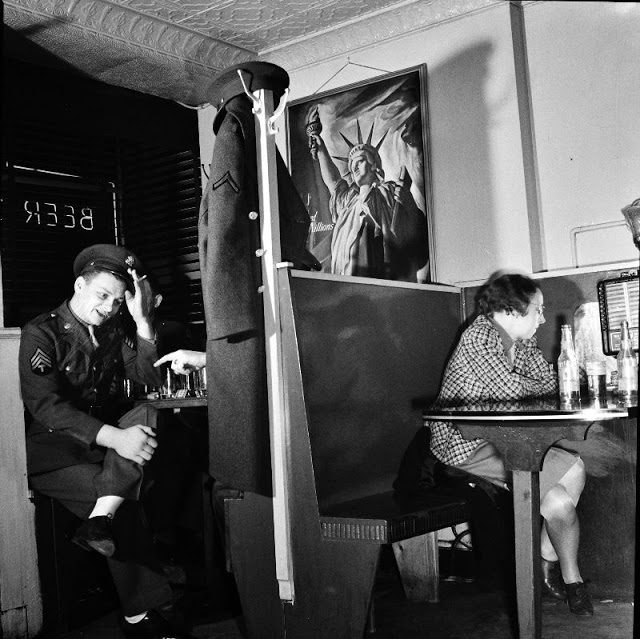
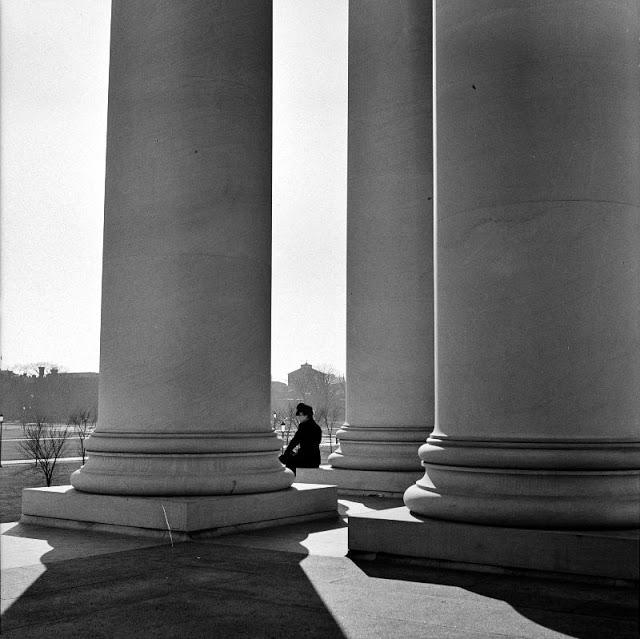
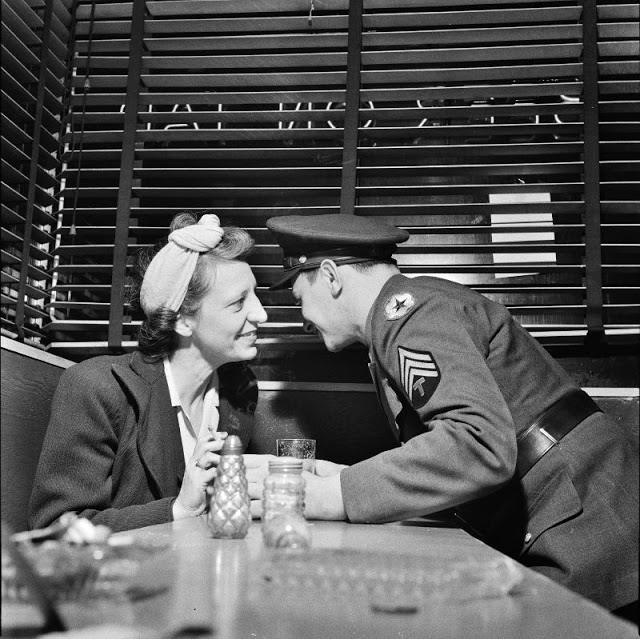
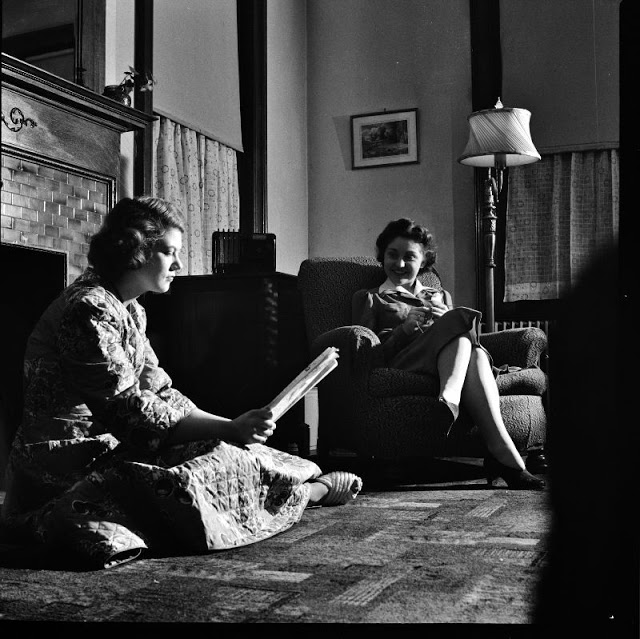
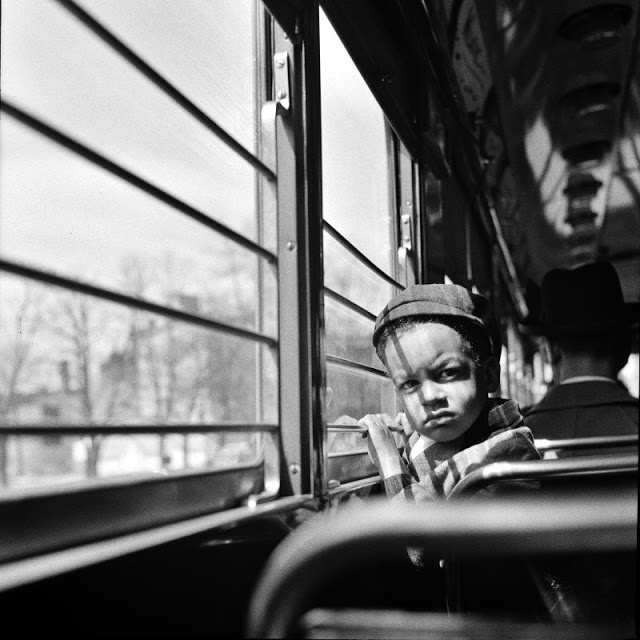
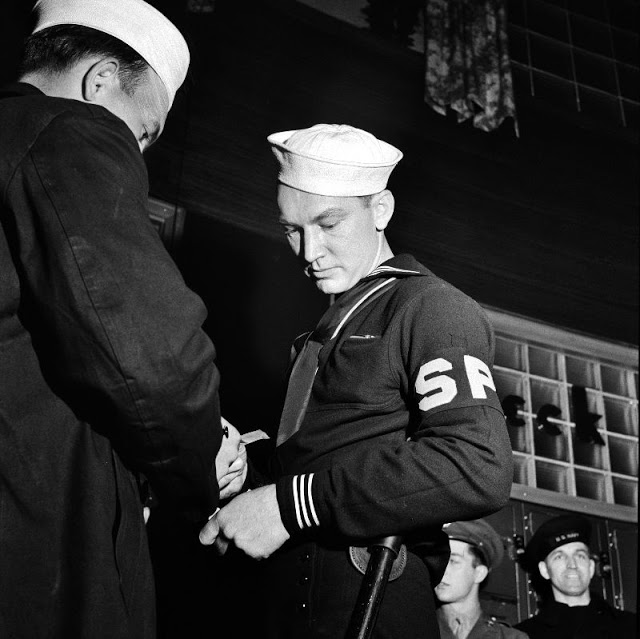
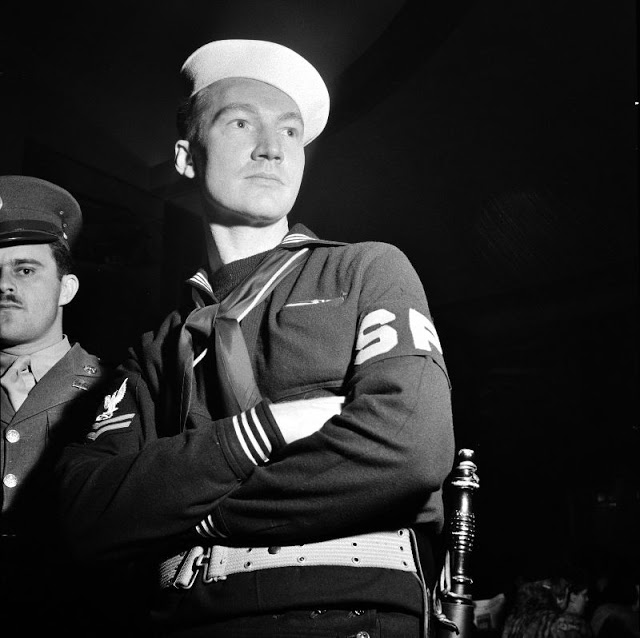
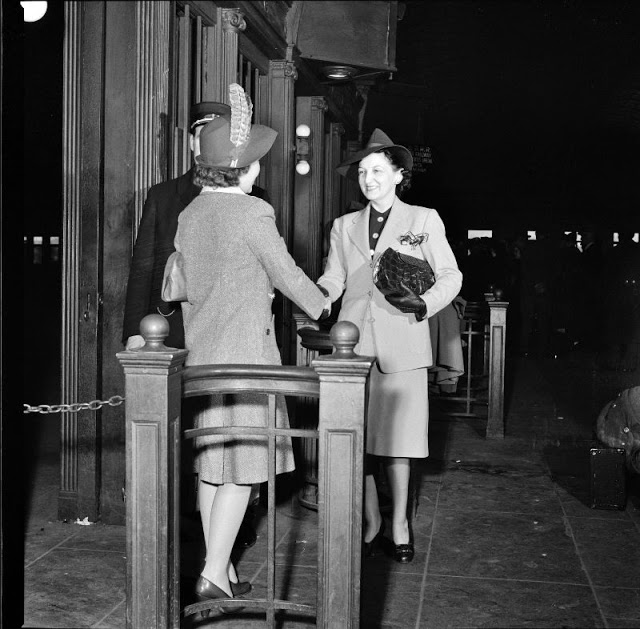
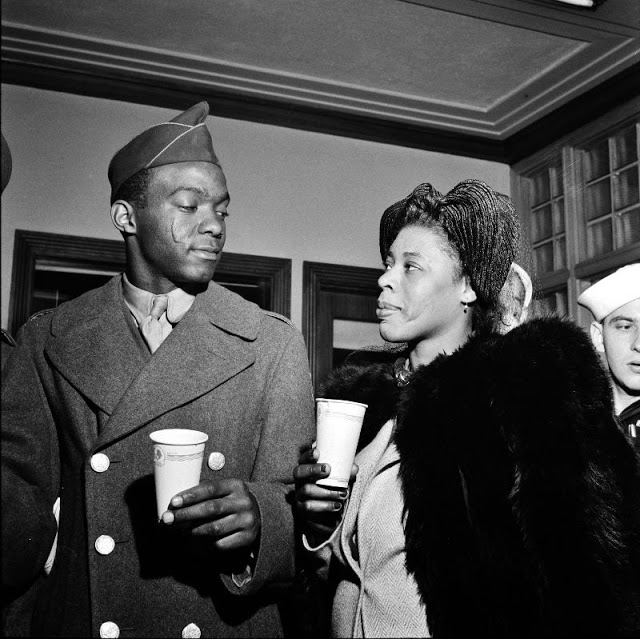
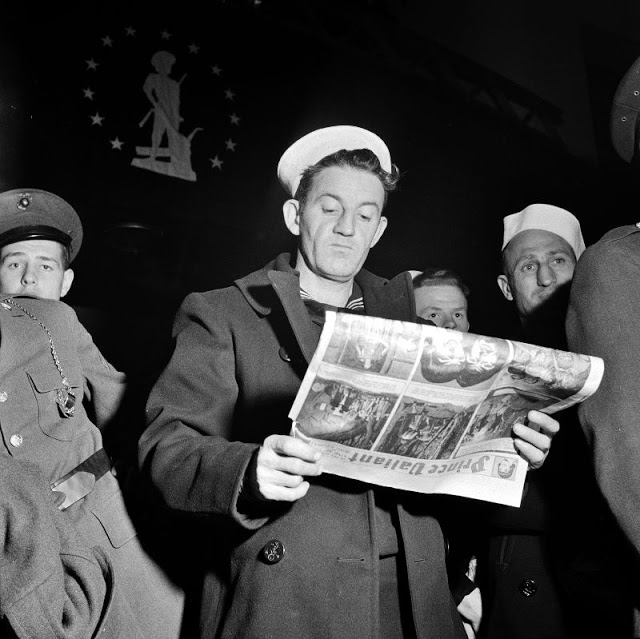
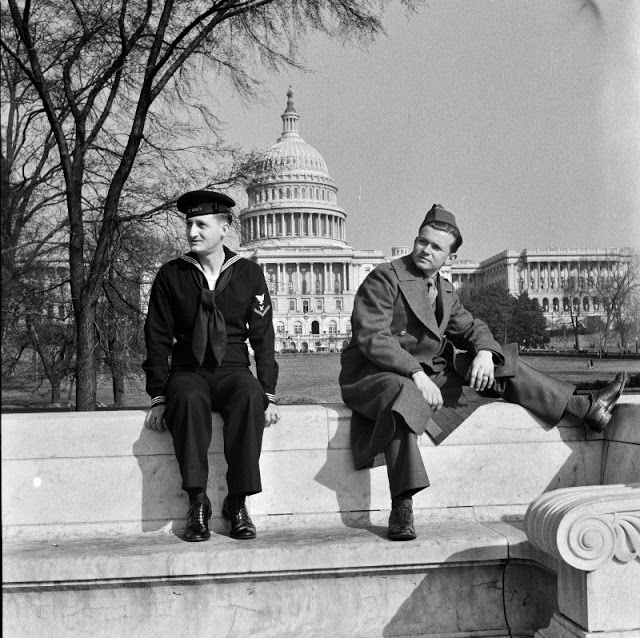
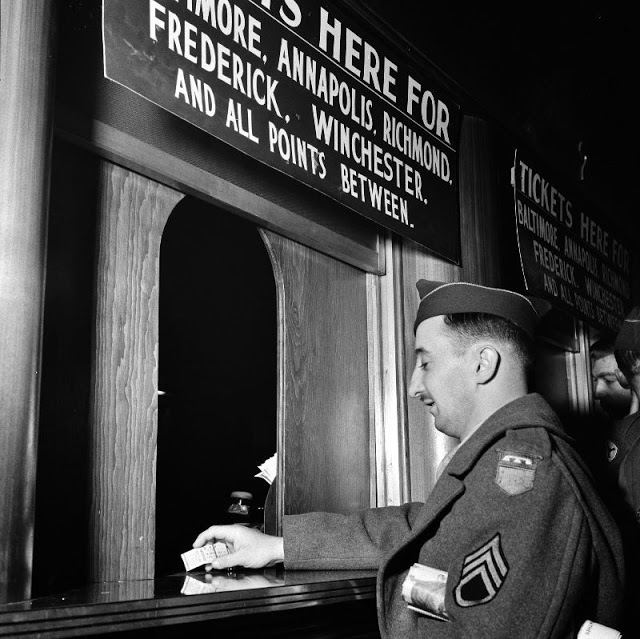
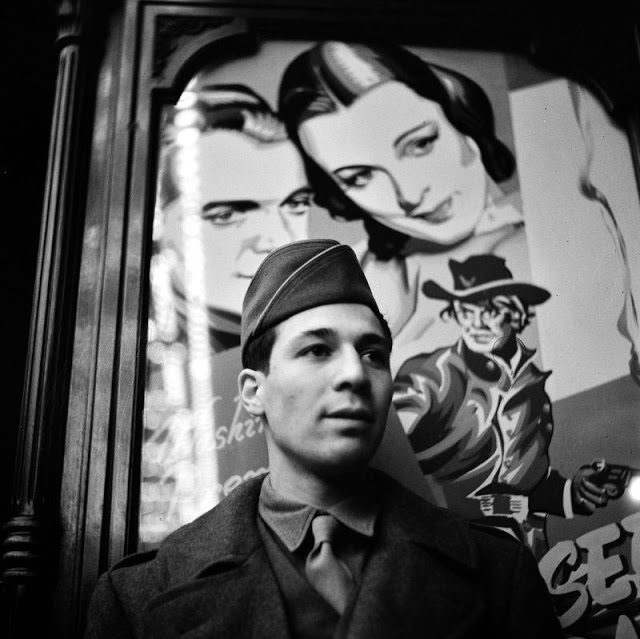
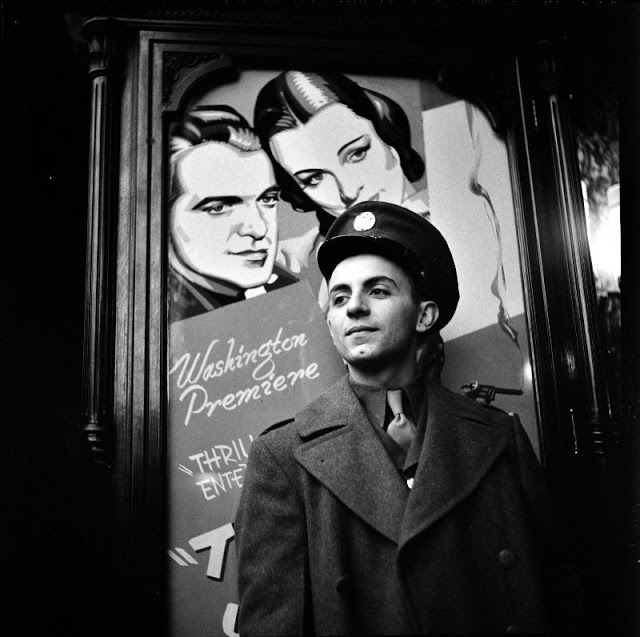
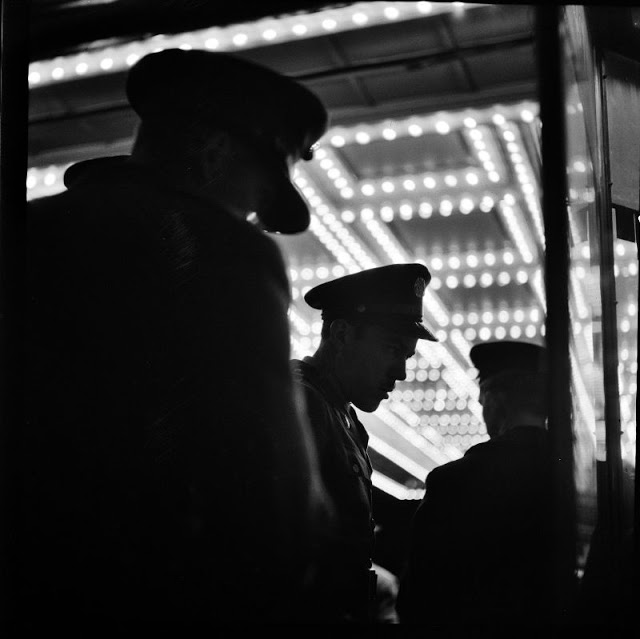
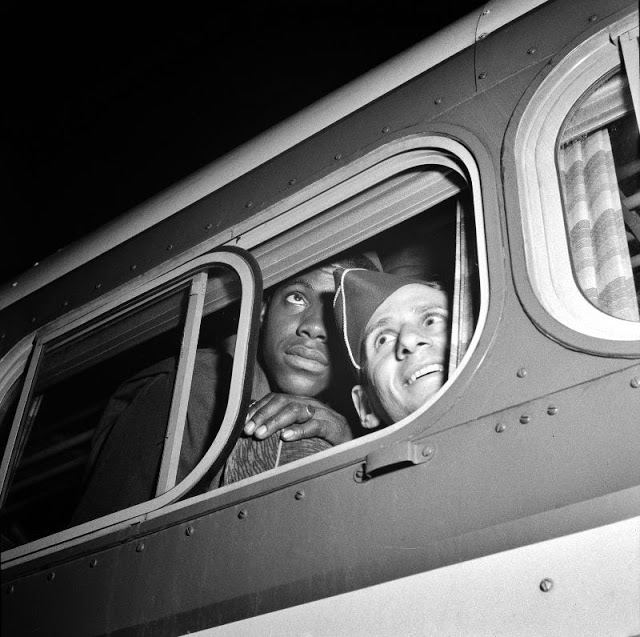
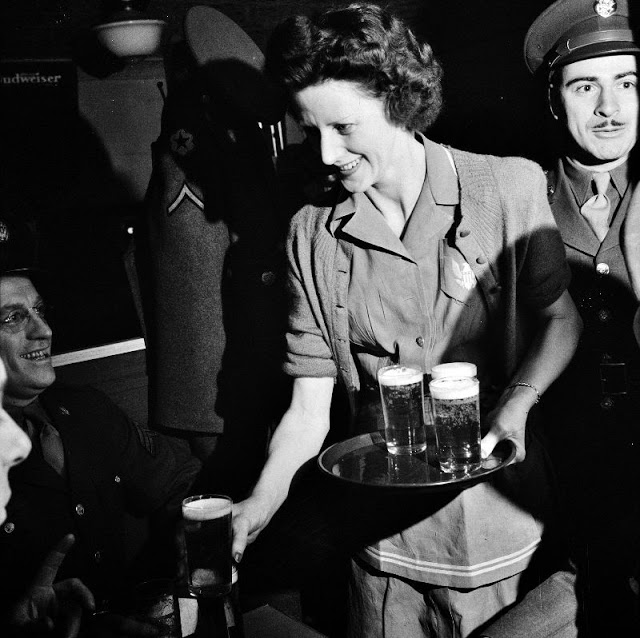
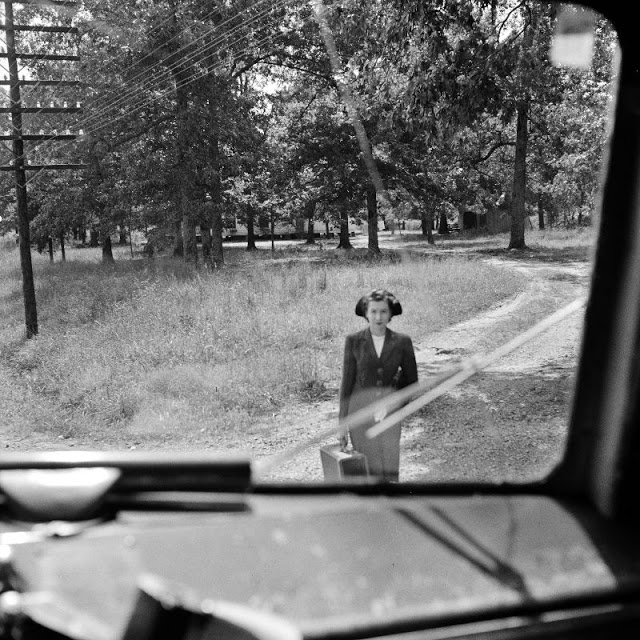
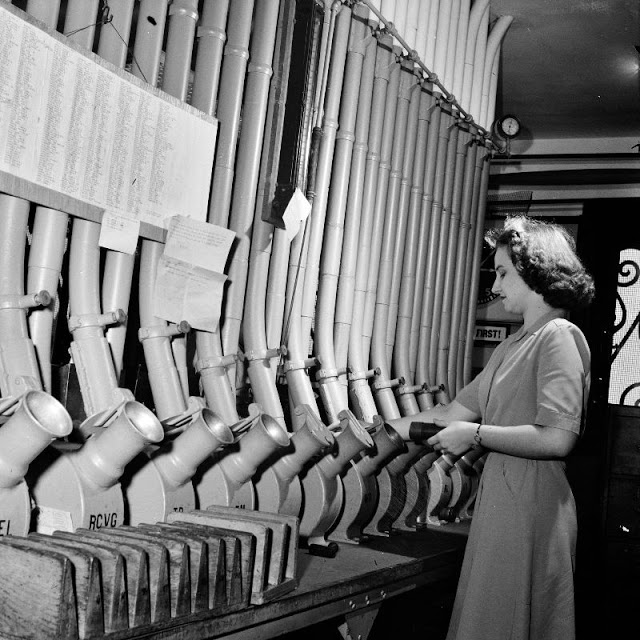
Photos by Esther Bubley (1921-1998)
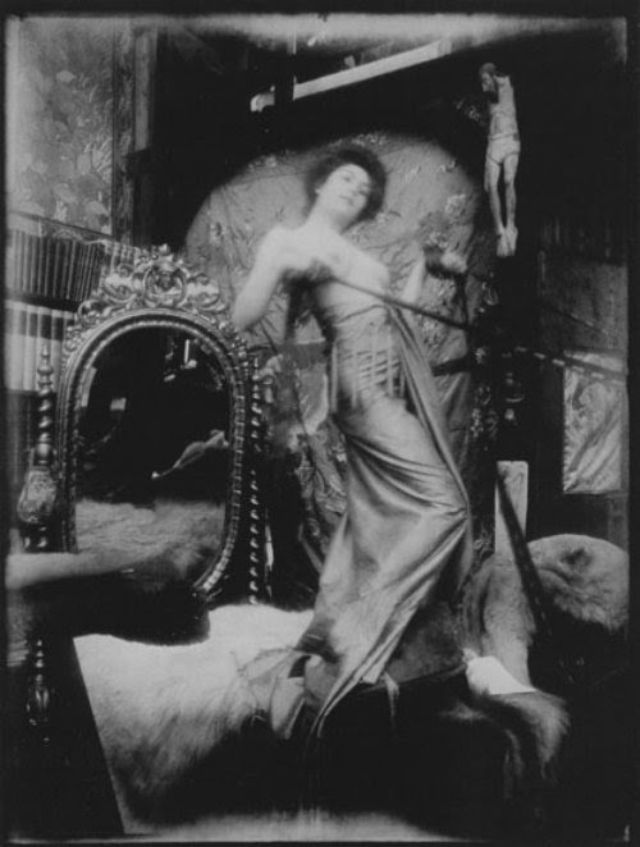
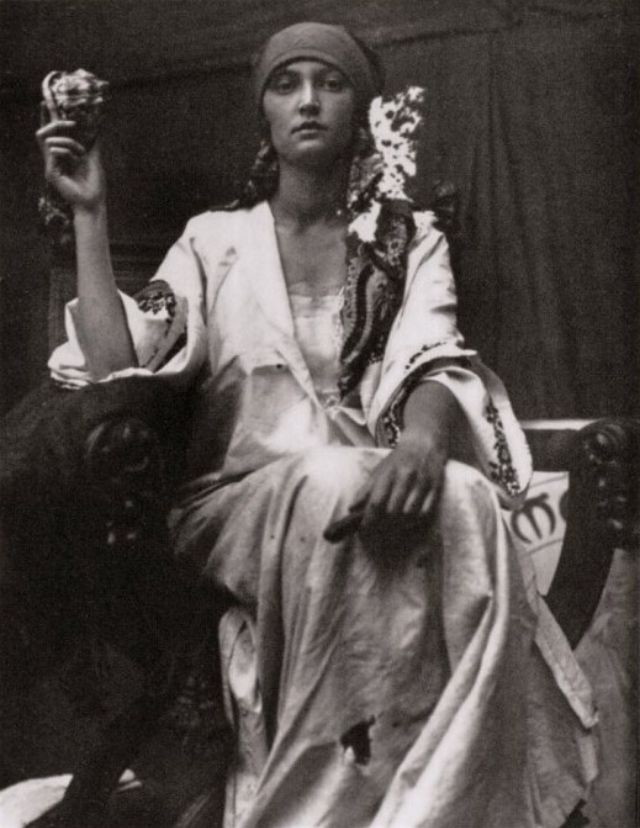
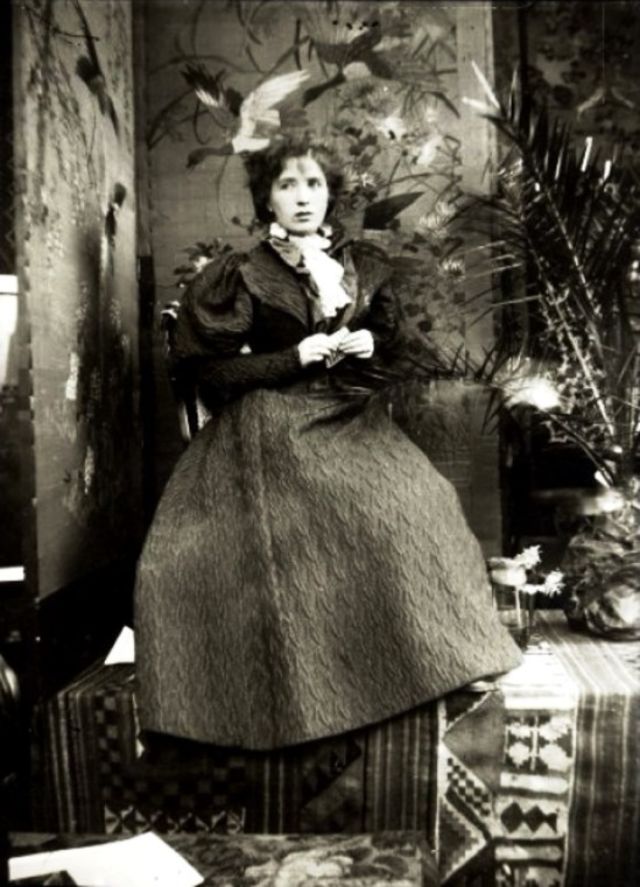
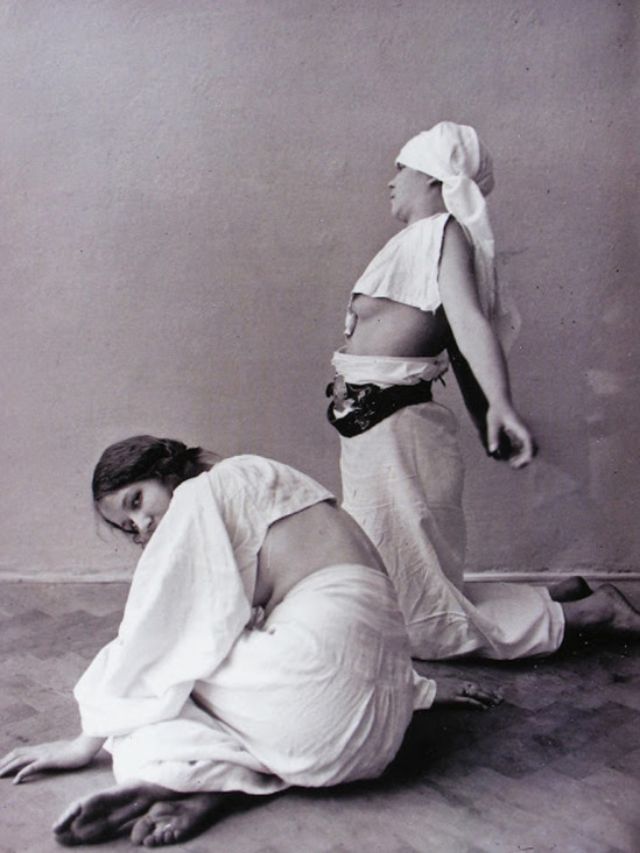
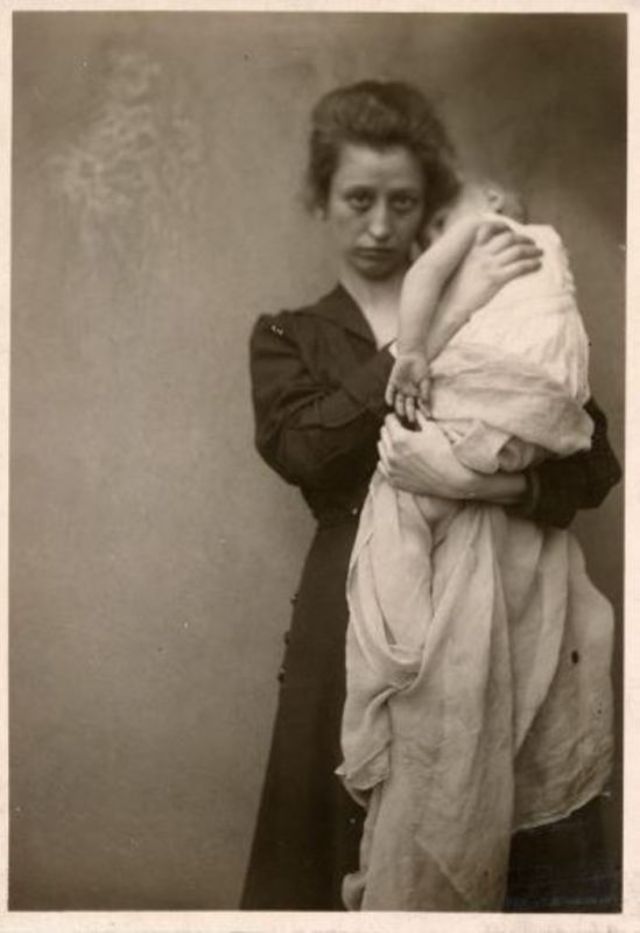
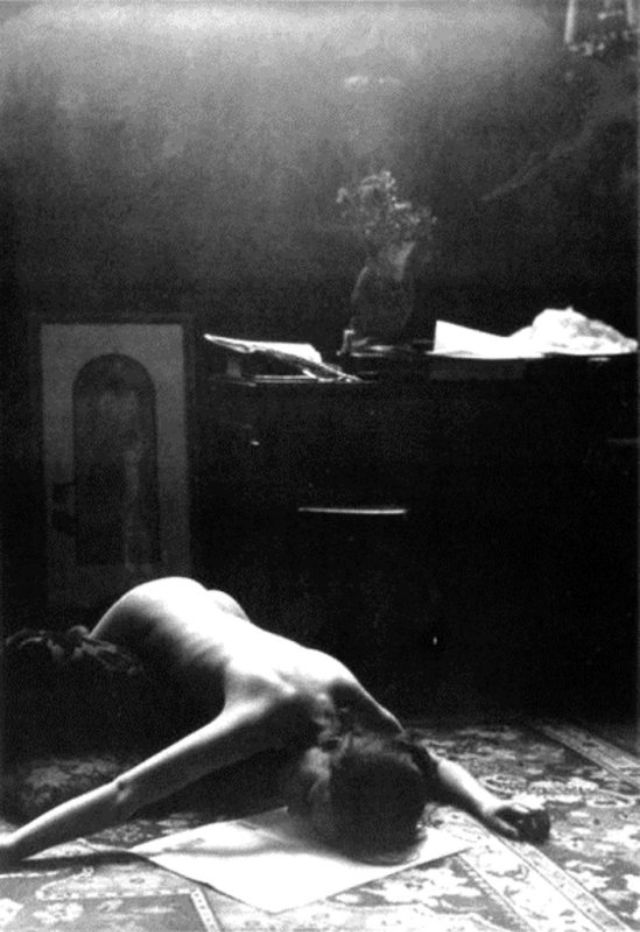
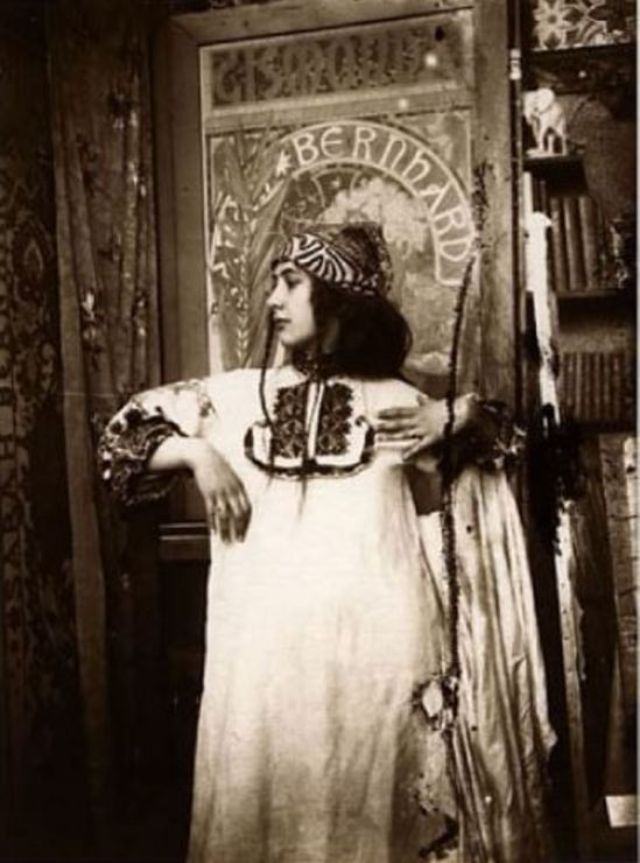
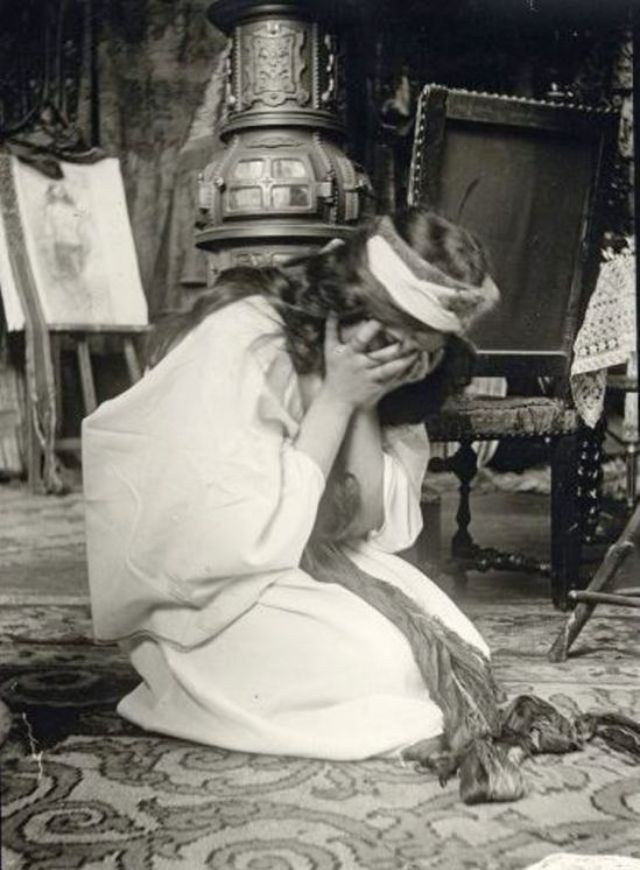
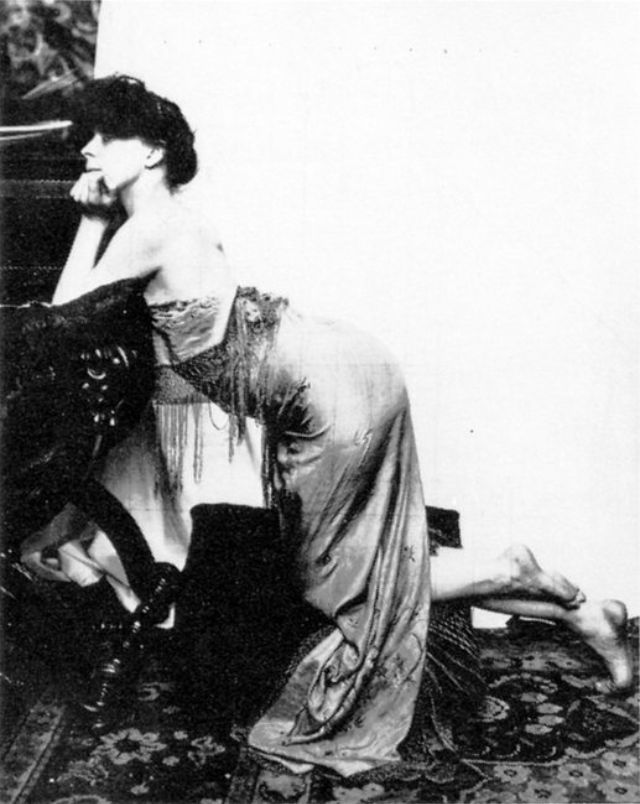
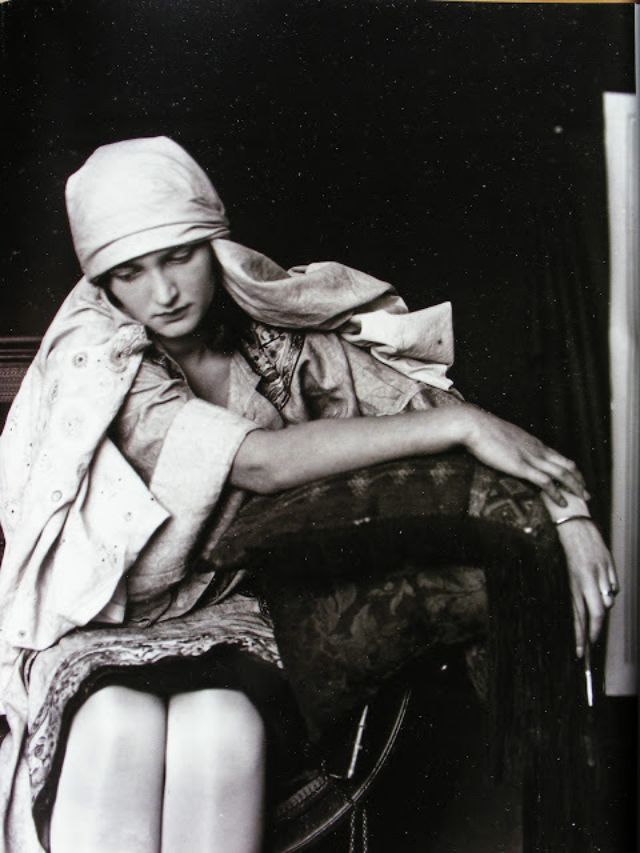
Alphonse Mucha began to take photographs in the early 1880s, probably in Vienna, with a borrowed camera. It was not until he had gained some recognition in Paris and sufficient funds that he purchased his first camera. Mucha’s photographic output grew dramatically after his move to a large studio in the rue du Val de Grâce in 1896. In the new studio, where he had considerably more light thanks to large windows and a glass ceiling, he photographed on a virtually daily basis.
Between 1896 and the early 1900s Mucha made a remarkable series of photographs of the models posing for him. The use of photography as an inexpensive medium for preliminary studies was common among Mucha’s Parisian contemporaries. However, Mucha’s photographs are more than just an alternative to sketches because they also capture the inimitable atmosphere of Mucha’s studio – a world of art in its own right. It was in his studio that that Mucha entertained countless Parisian artists, writers and musicians. It was also the setting for one of the earliest cinematic projections given by the Lumière brothers, whom Mucha had met in 1895, and for psychic experiments with Camille Flammarion and Albert de Rochas. In the background of the studies of models, examples of Mucha’s work may be seen, surrounded by his collection of objets d’art, books and furniture, many of which survive to this day.

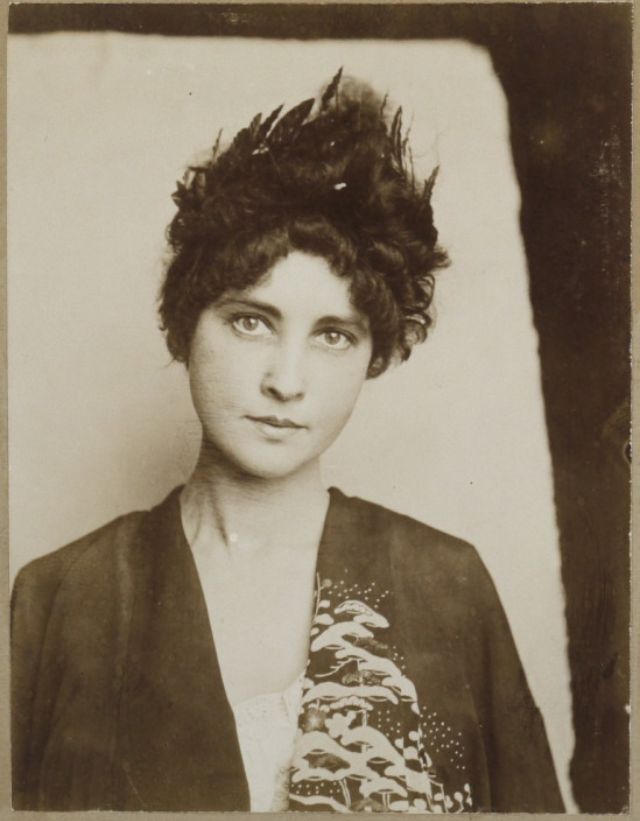









(via Mucha Foundation)