





























Bringing You the Wonder of Yesterday – Today












































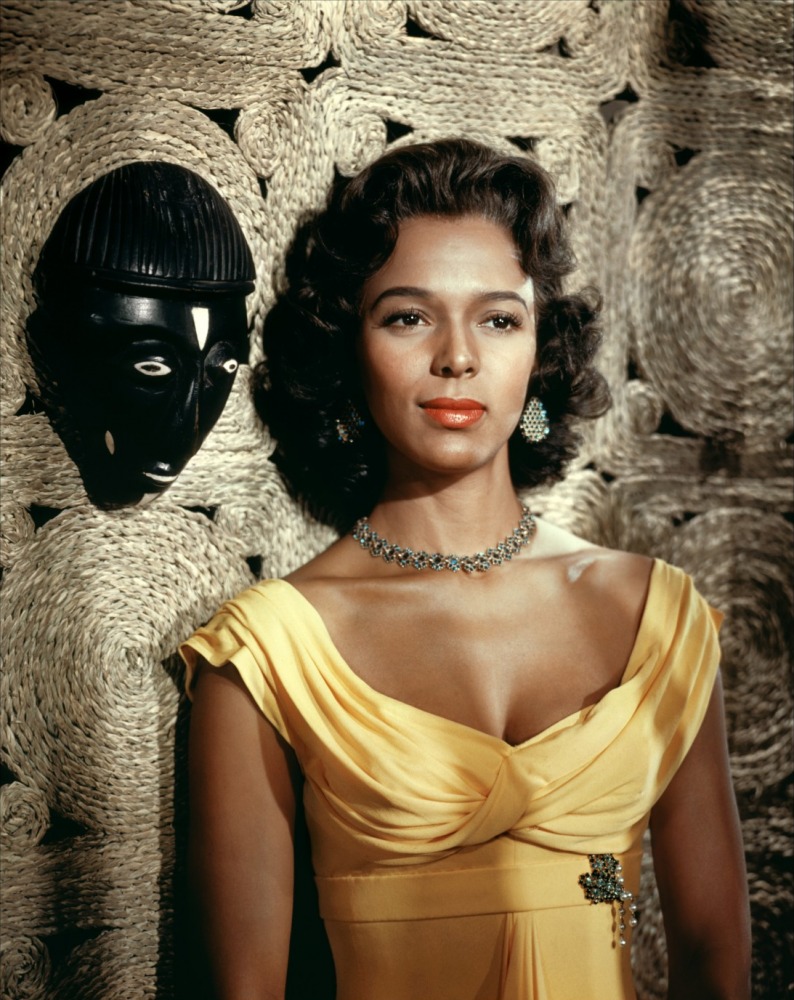
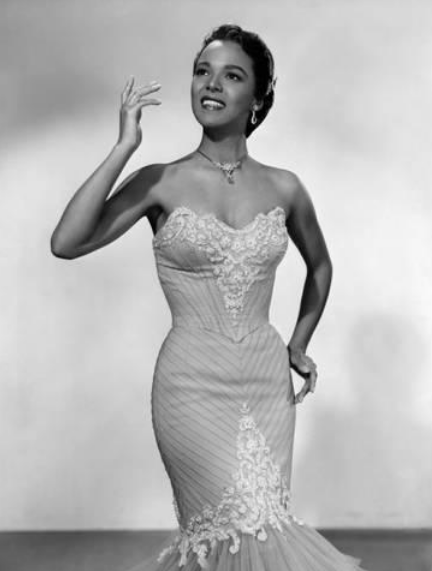
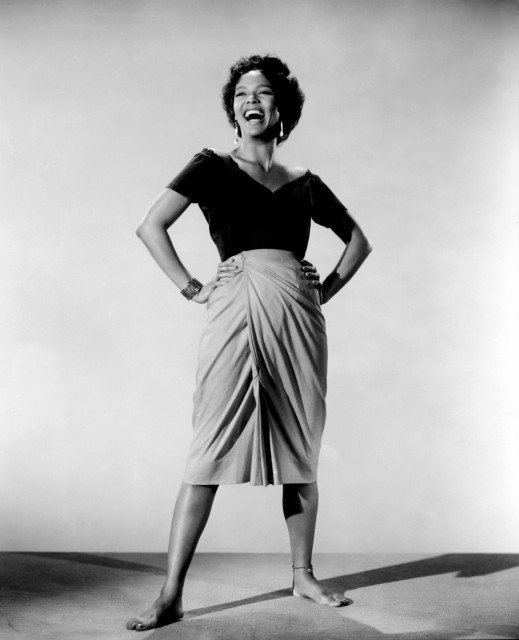
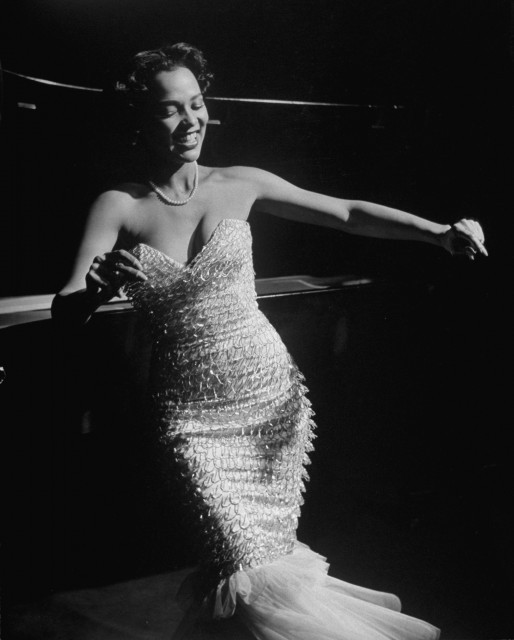
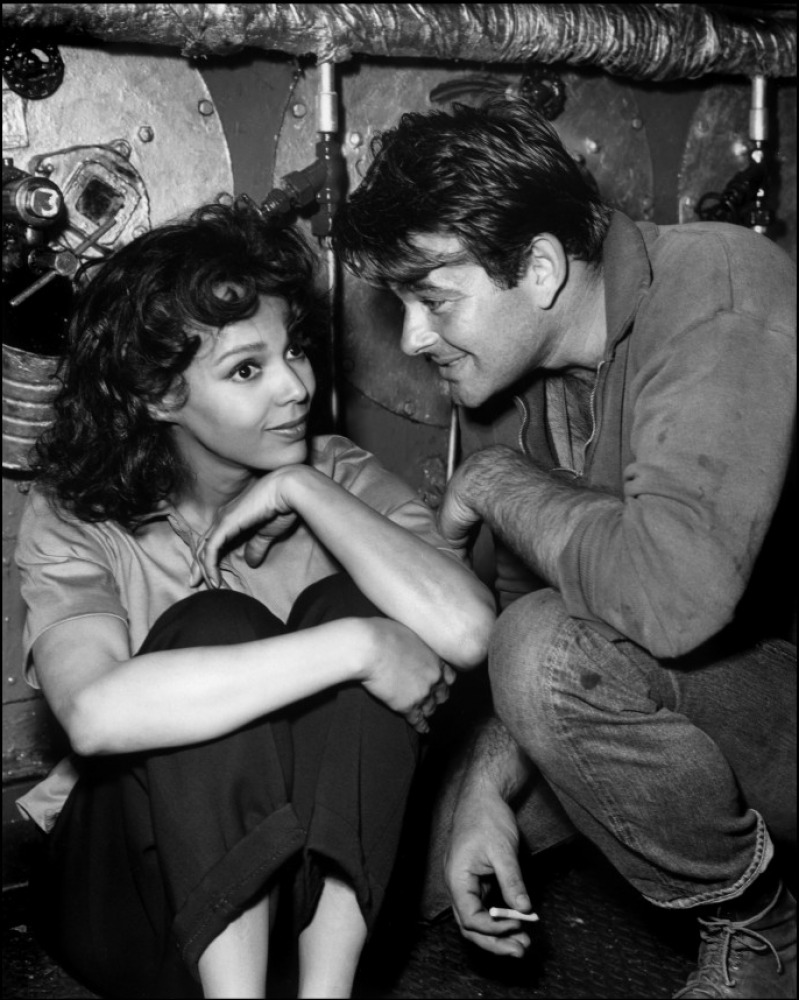
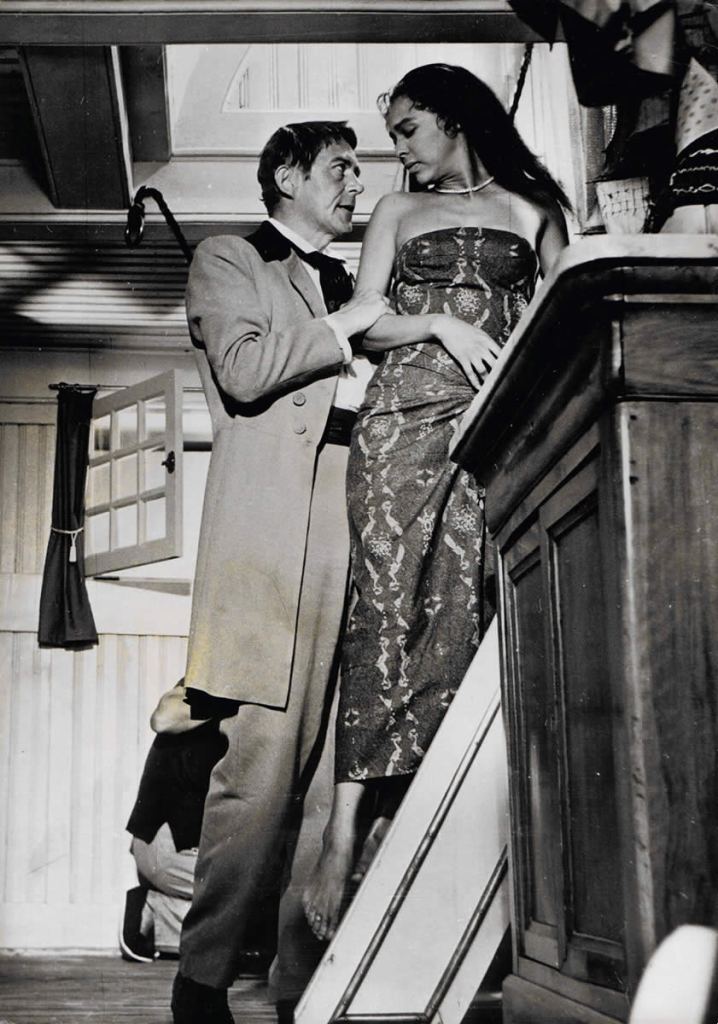
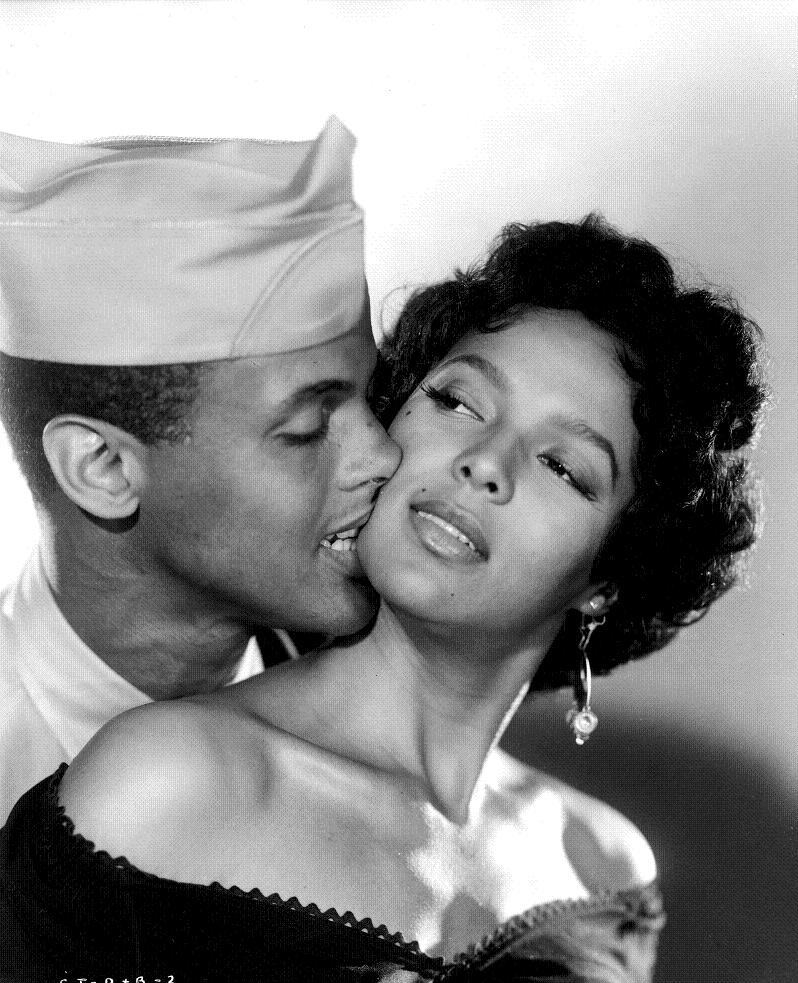
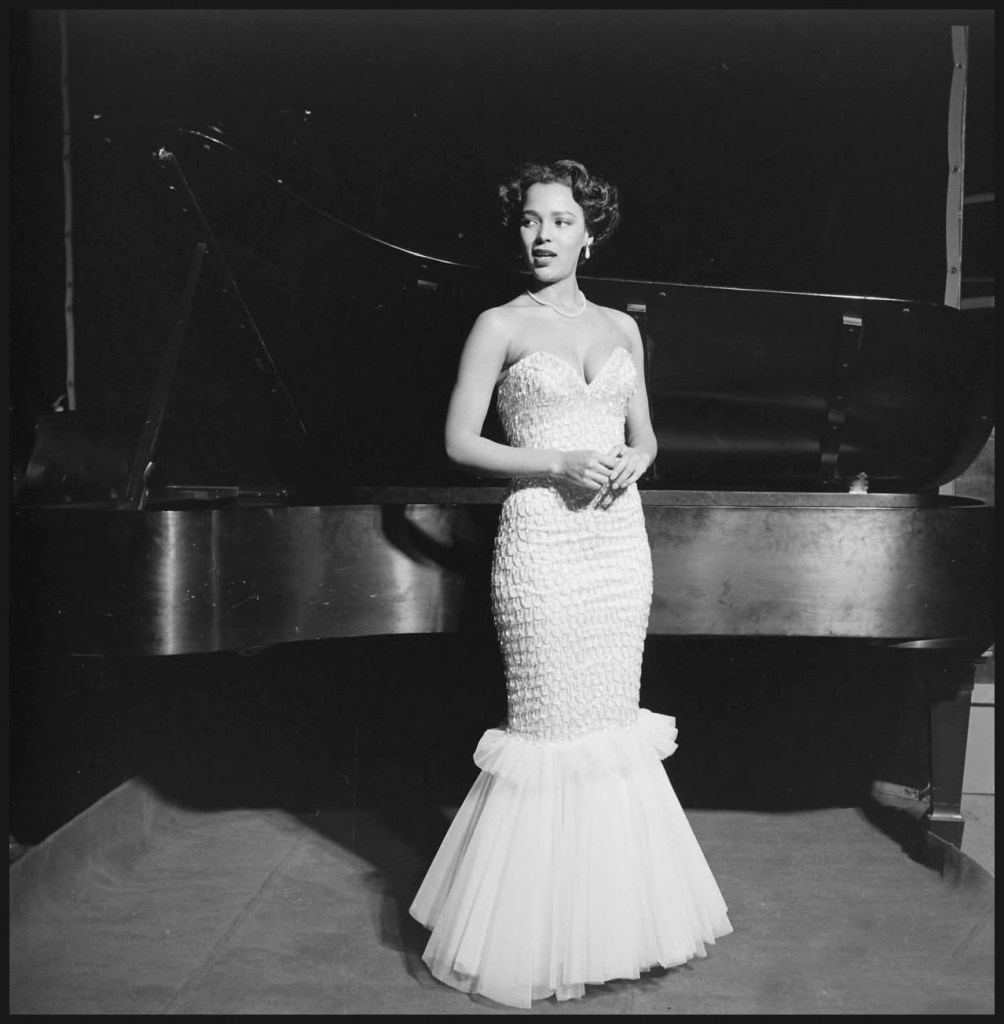
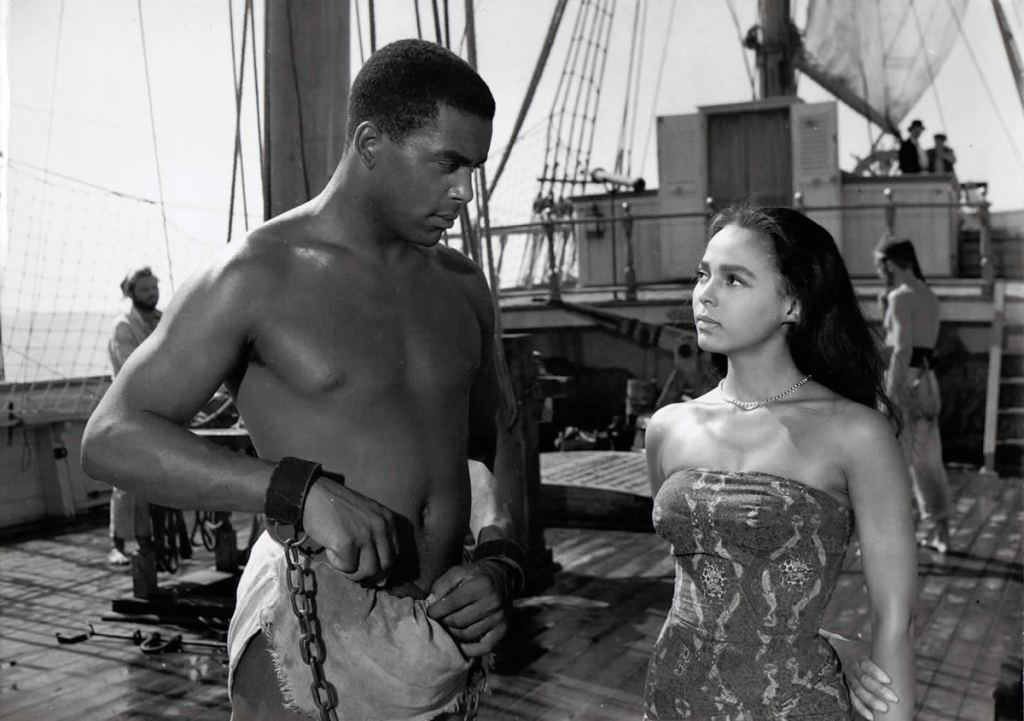
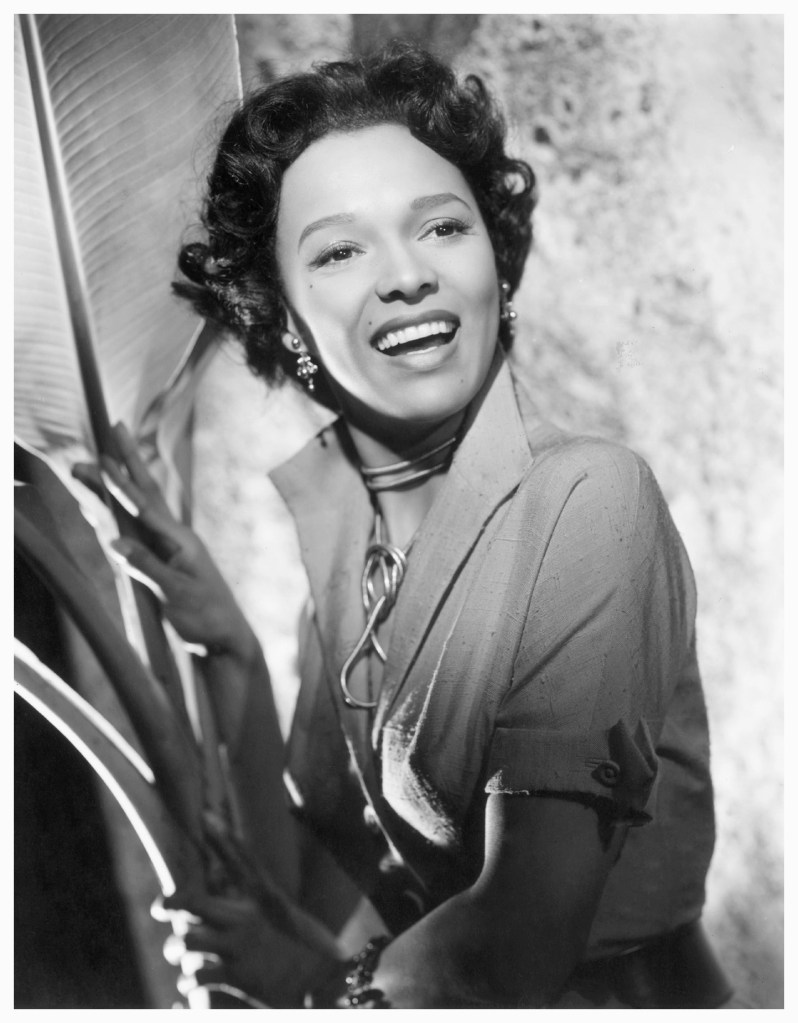
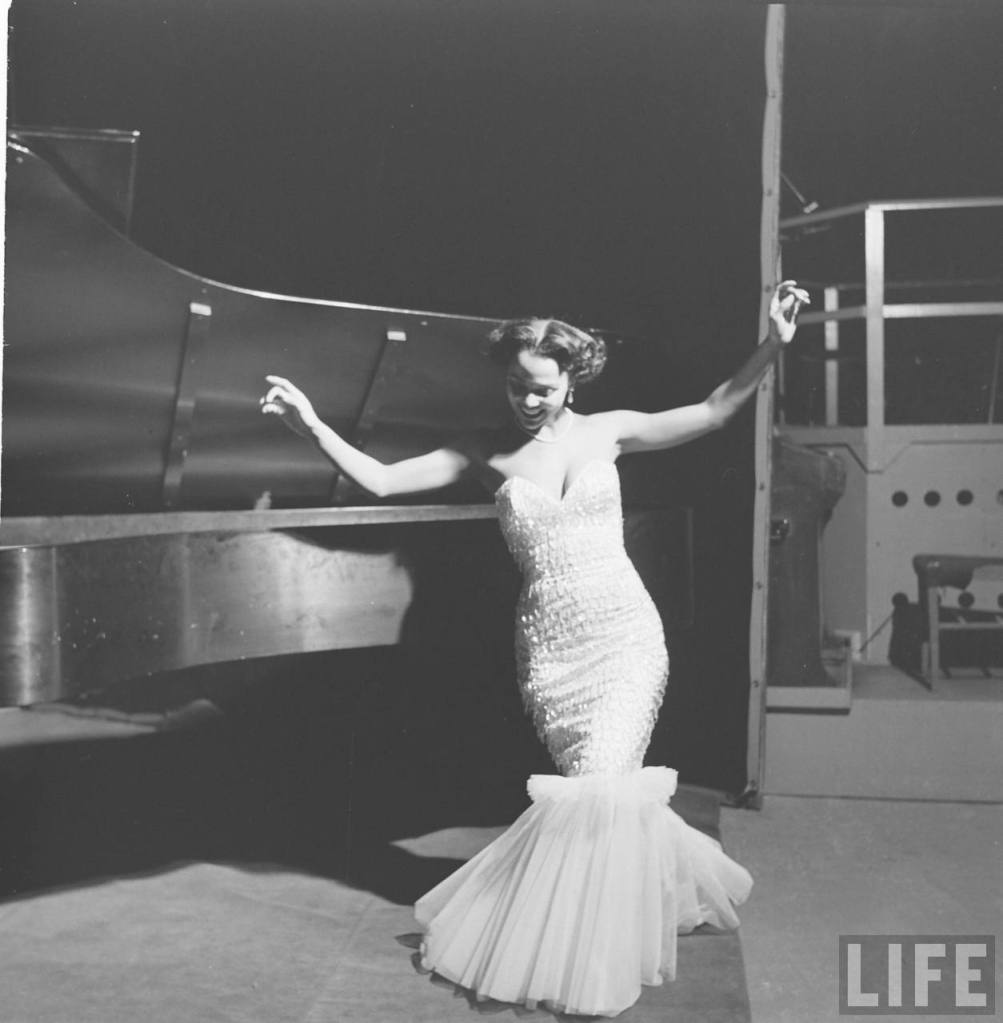
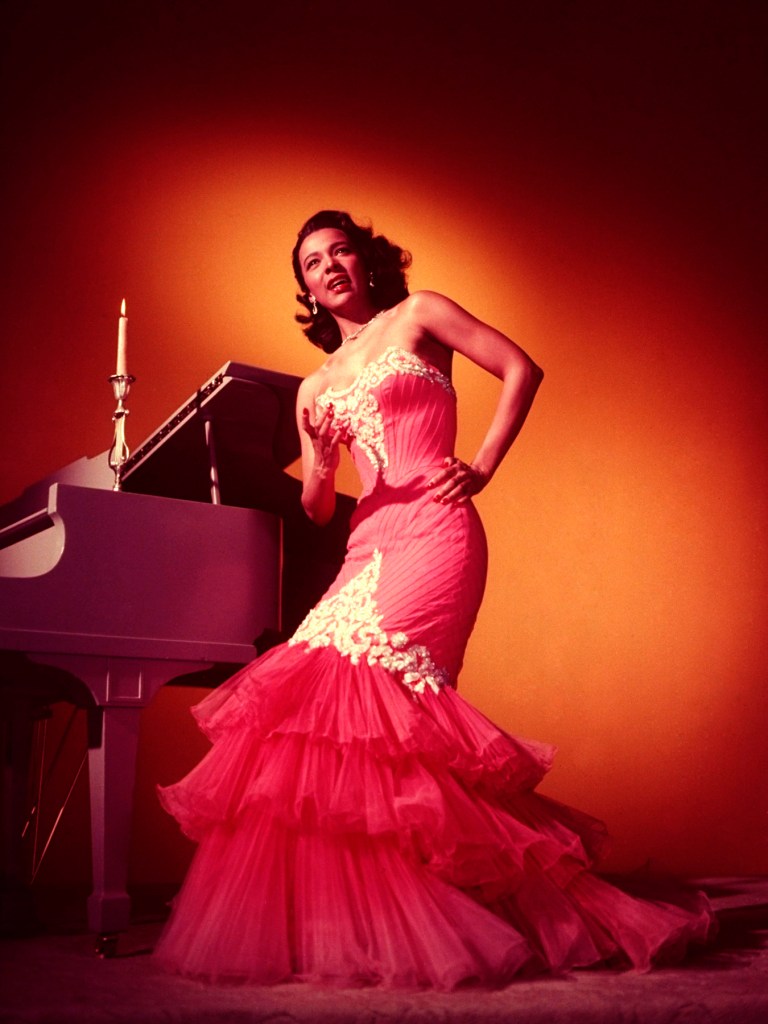
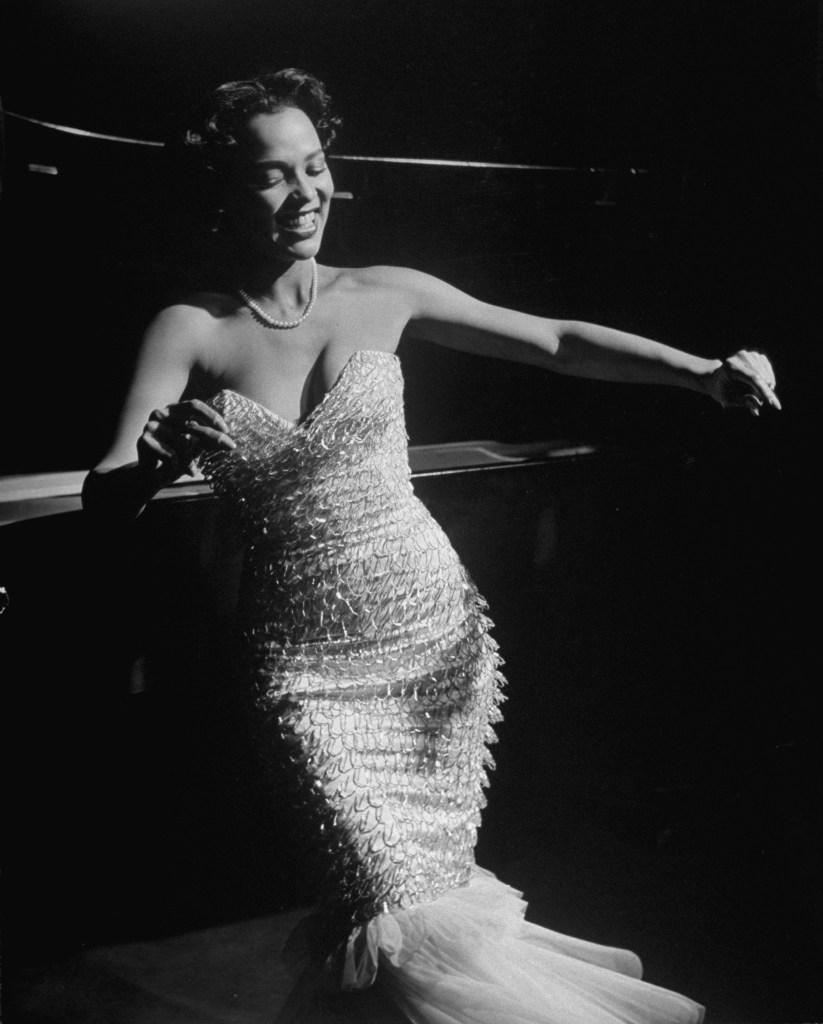
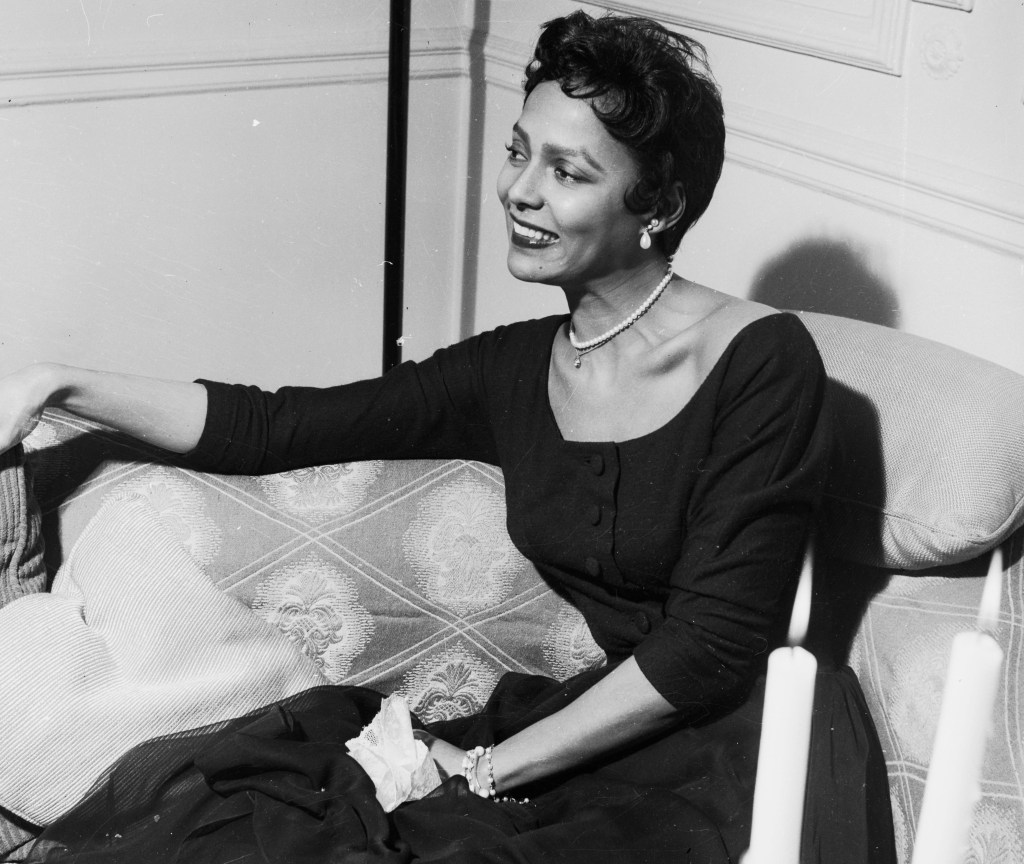
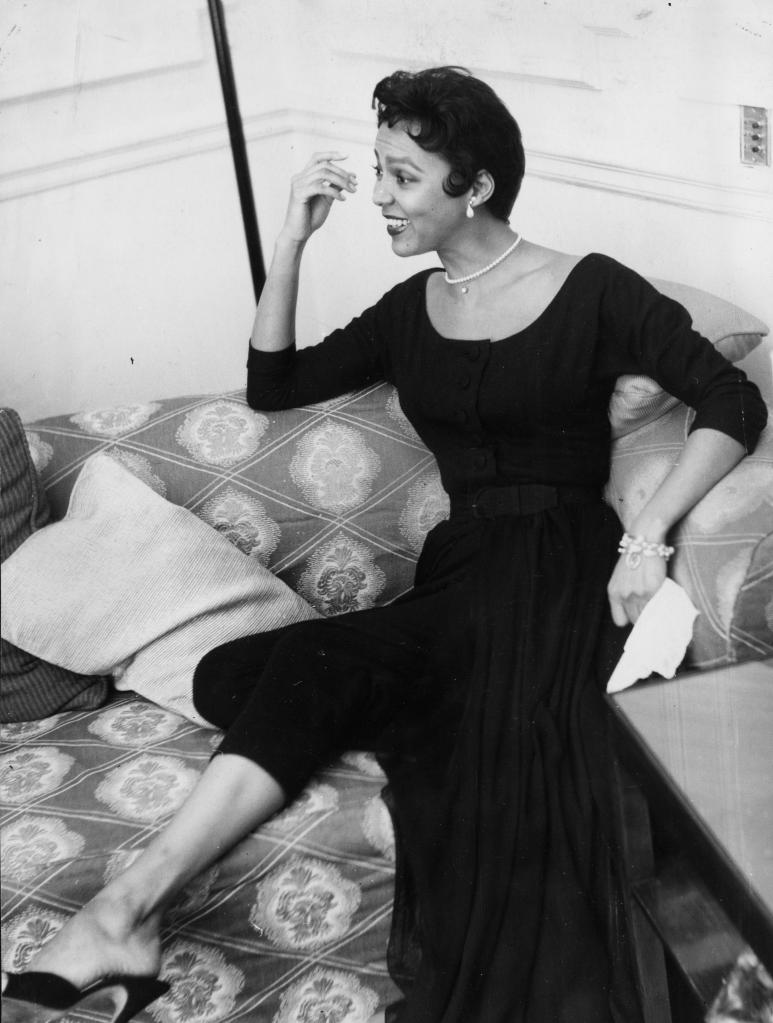
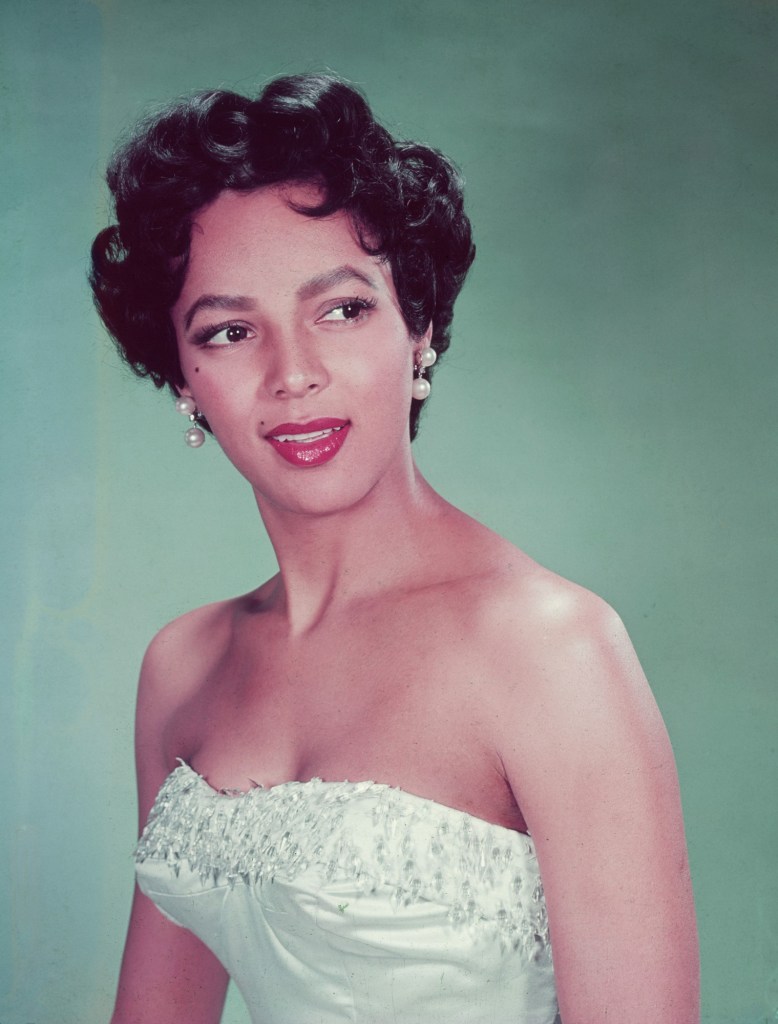
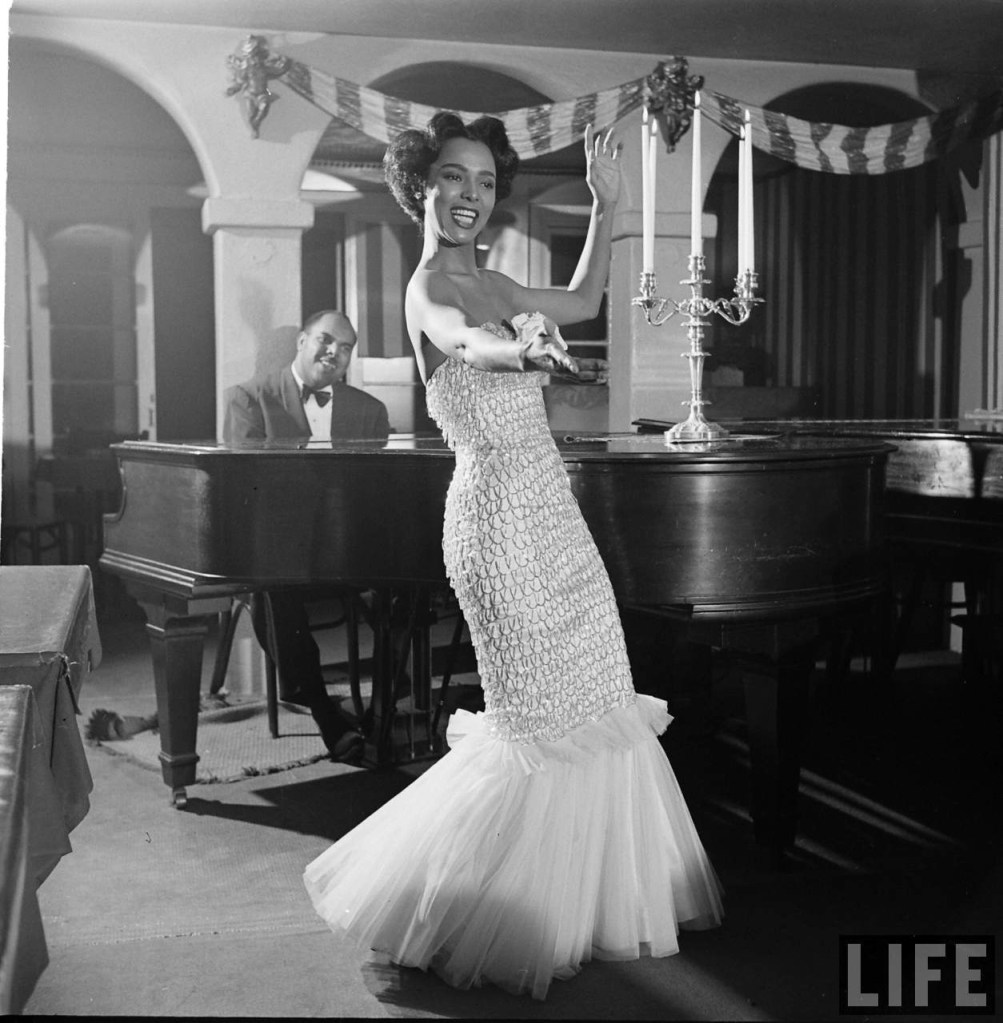
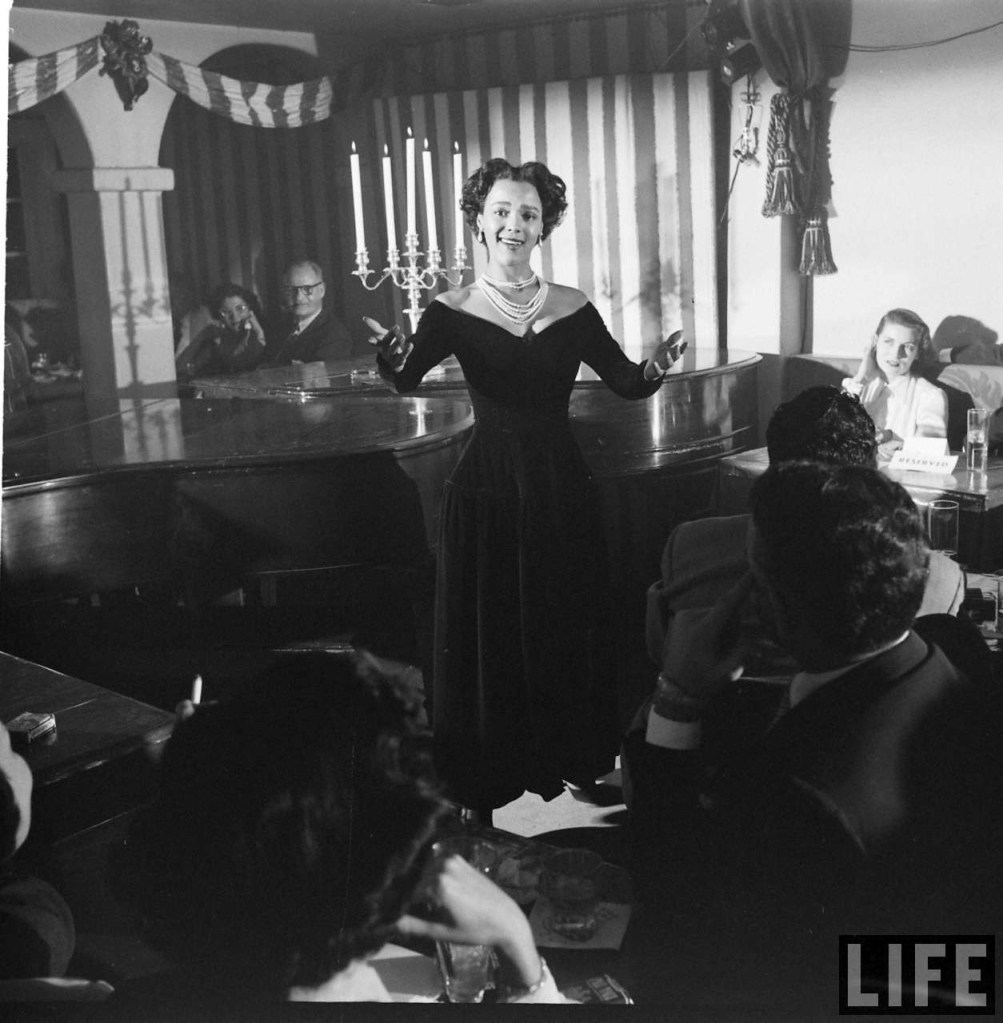
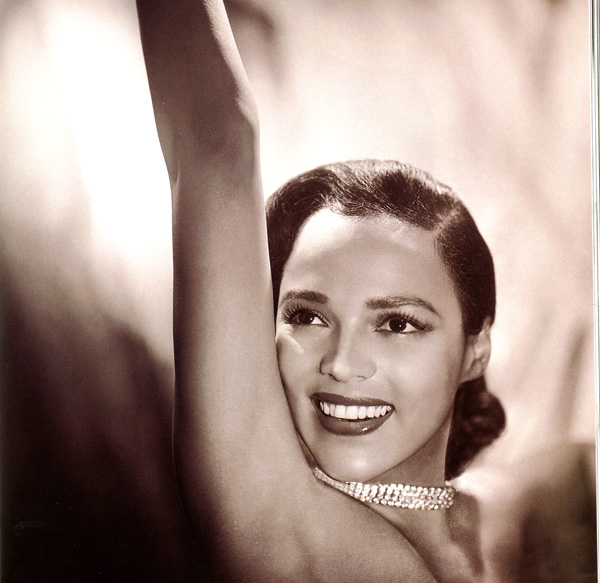
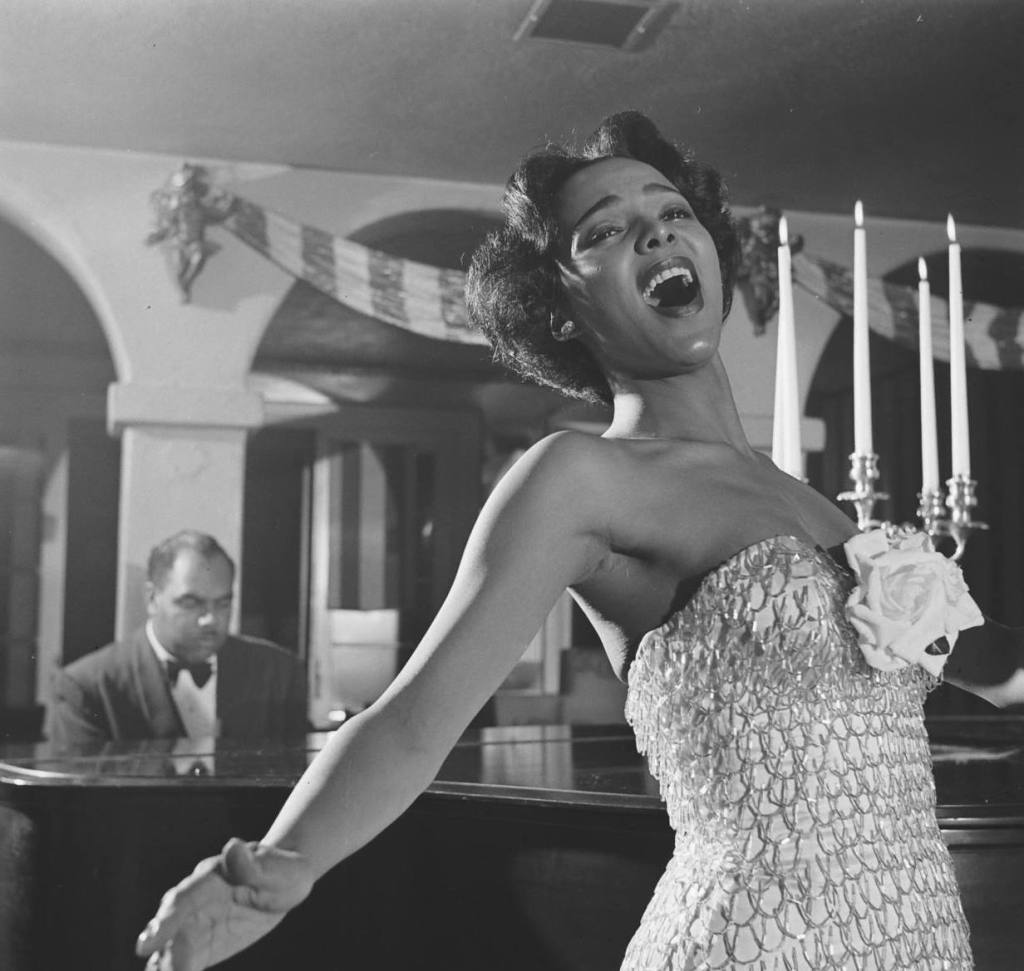
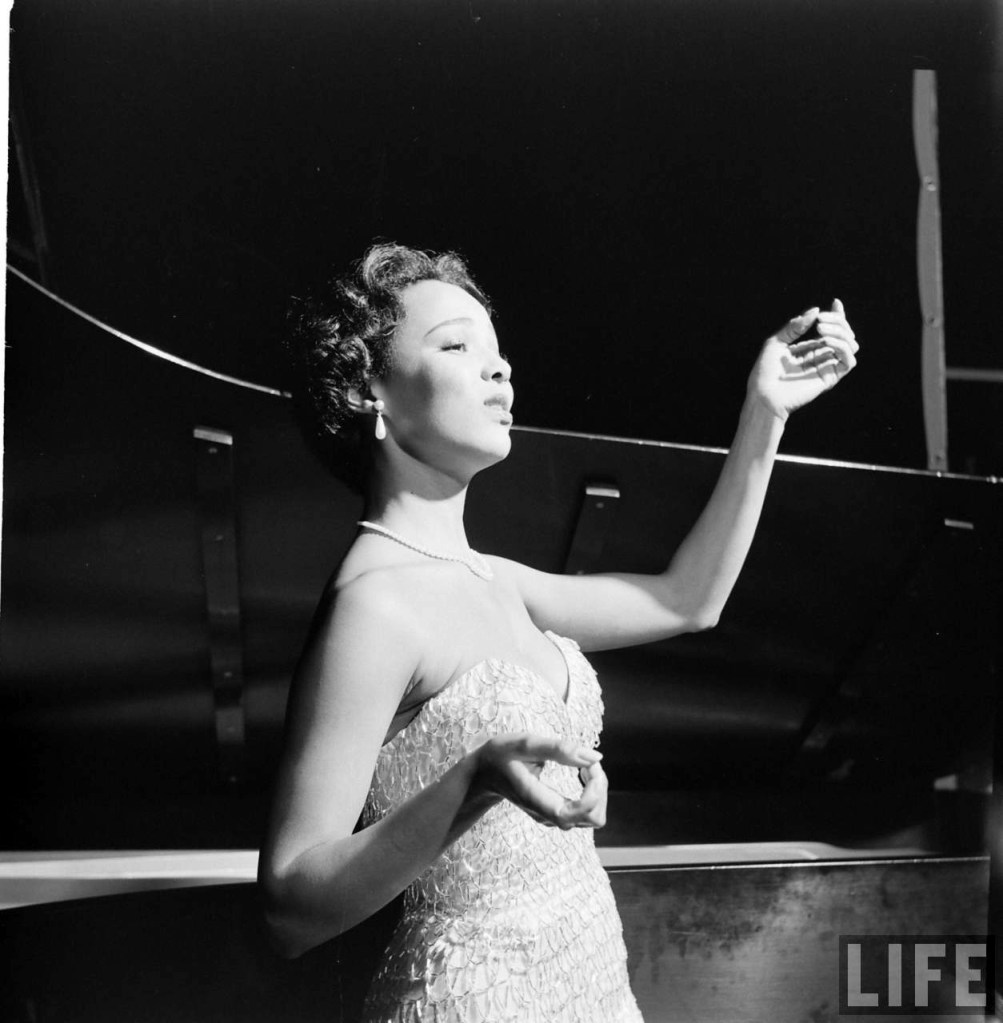
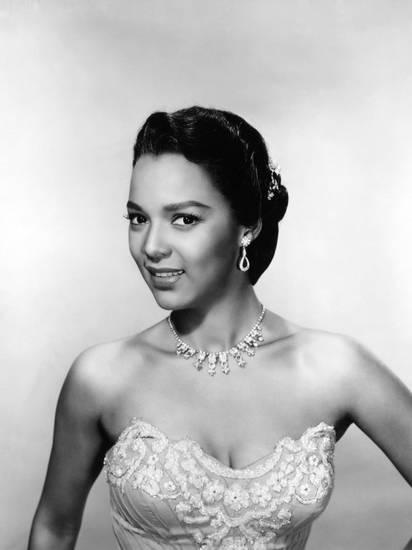
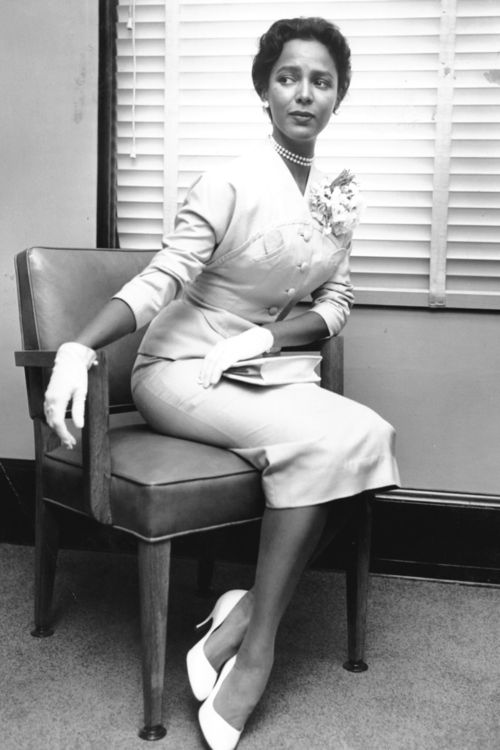
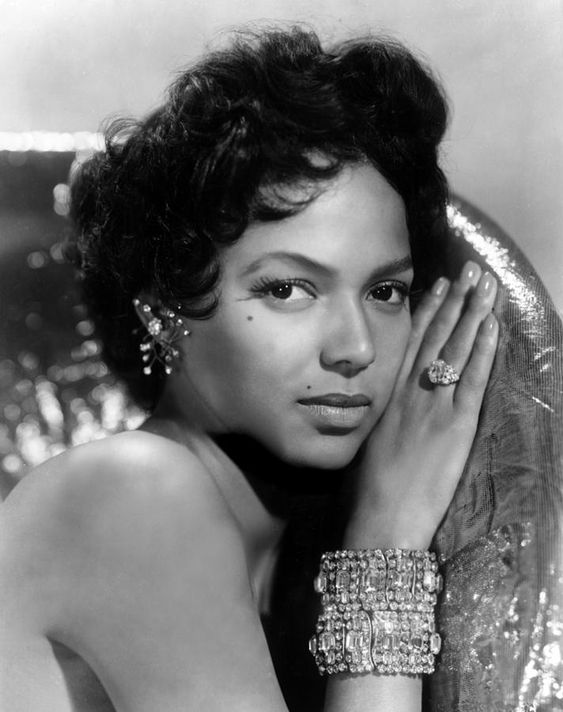
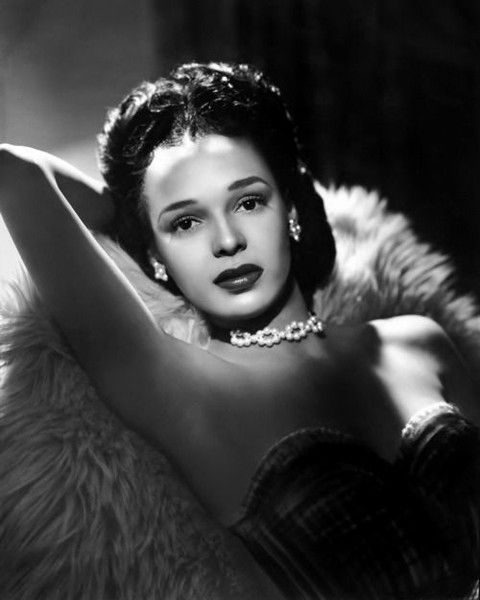
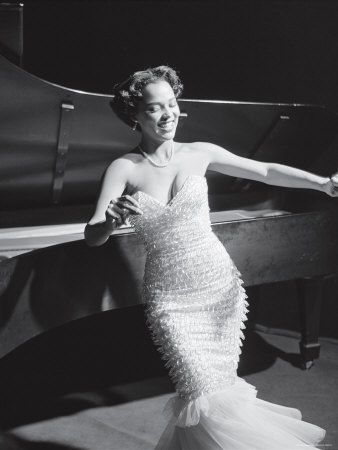
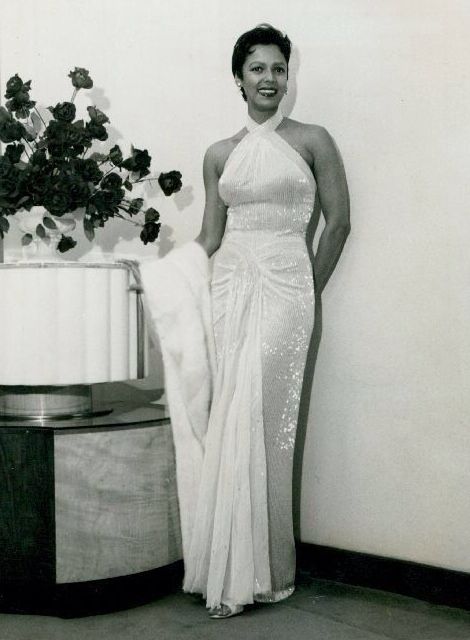
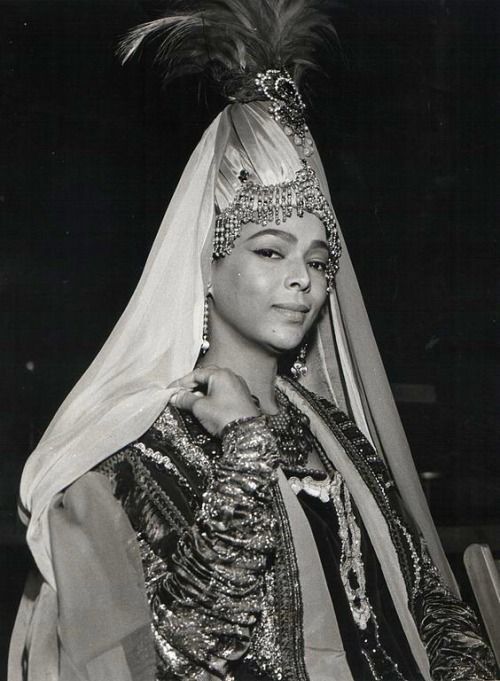
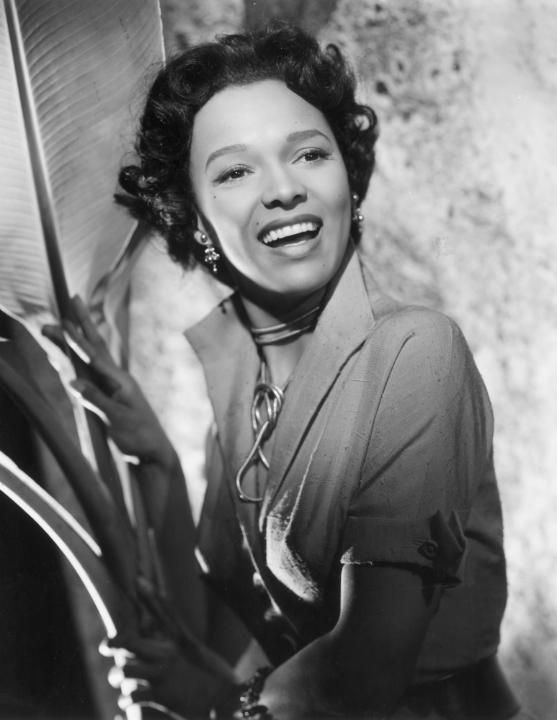
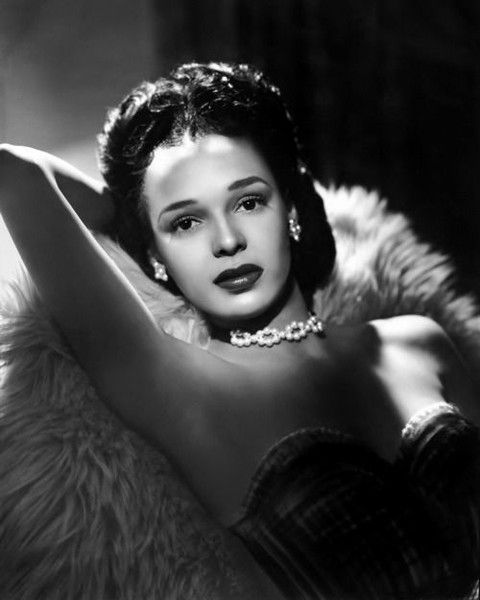
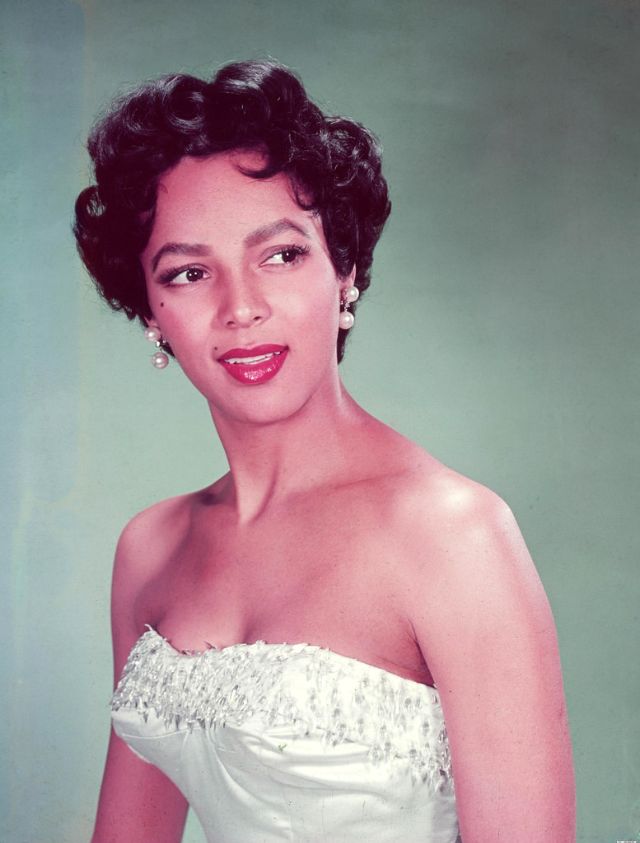
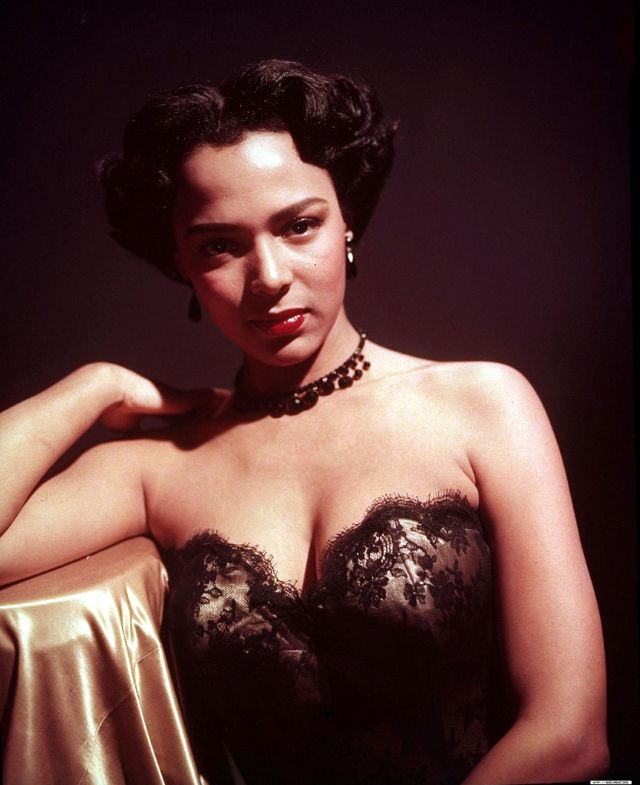
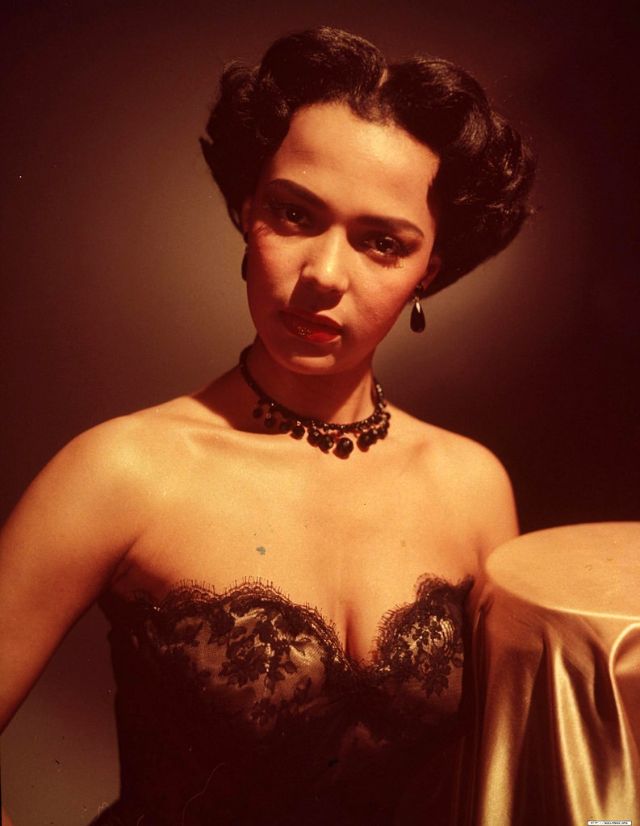
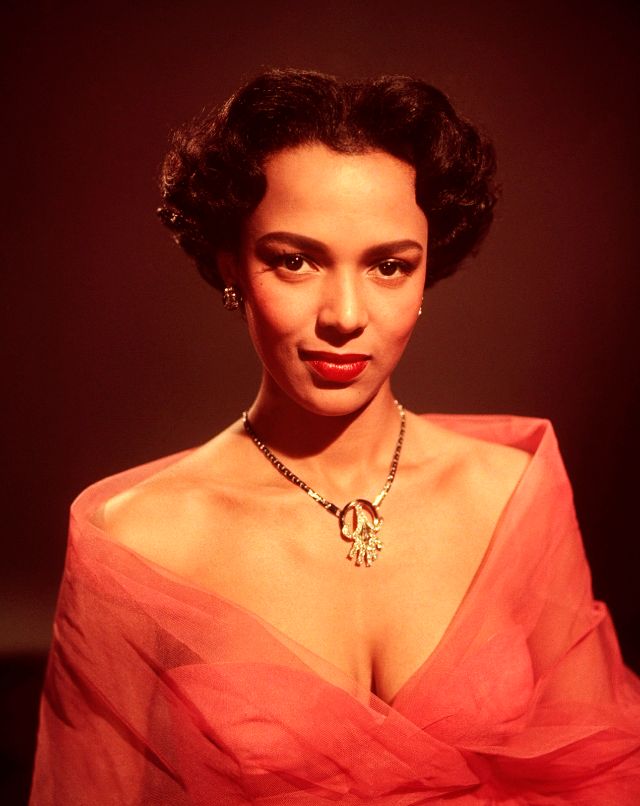
Dorothy Jean Dandridge (November 9, 1922 – September 8, 1965) was an American actress, singer, and dancer. She is the first African-American film star to be nominated for the Academy Award for Best Actress, which was for her performance in Carmen Jones (1954). Dandridge performed as a vocalist in venues such as the Cotton Club and the Apollo Theater. During her early career, she performed as a part of The Wonder Children, later The Dandridge Sisters, and appeared in a succession of films, usually in uncredited roles.
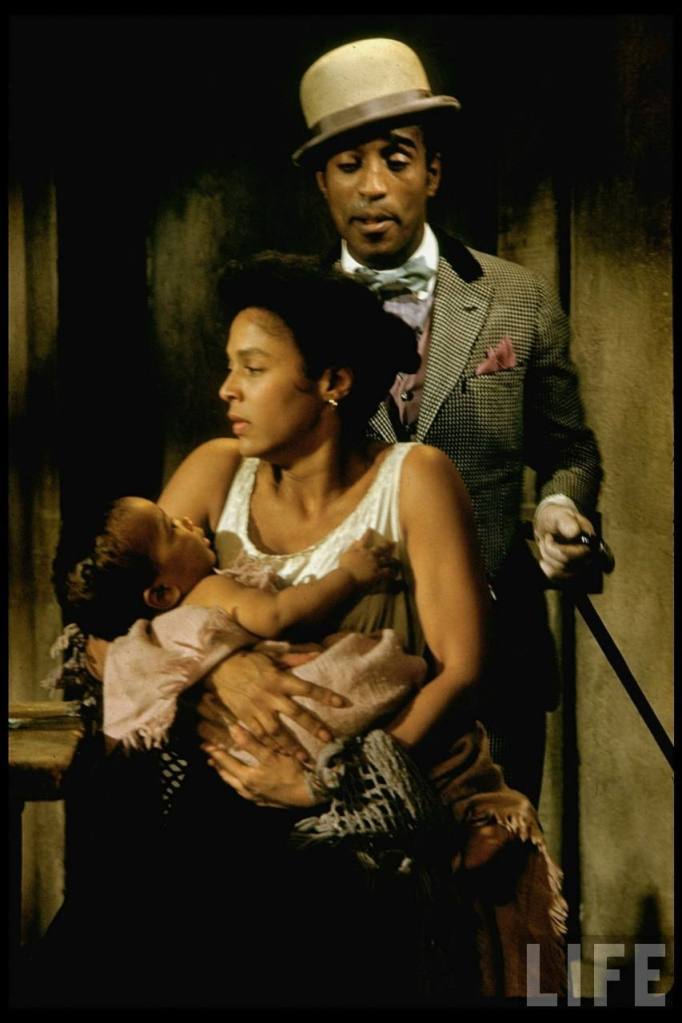
In 1959, Dandridge was nominated for a Golden Globe Award for Porgy and Bess. She is the subject of the 1999 HBO biographical film, Introducing Dorothy Dandridge. She has been recognized with a star on the Hollywood Walk of Fame. Dandridge was married and divorced twice, first to dancer Harold Nicholas (the father of her daughter, Harolyn Suzanne) and then to hotel owner Jack Denison. Dandridge died under mysterious circumstances at age 42. (Text by Wikipedia)





































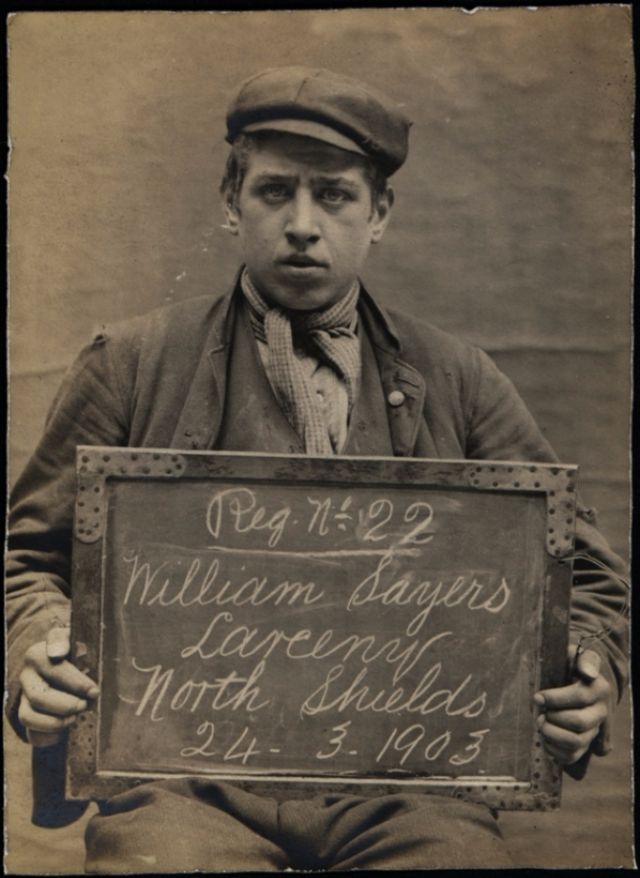
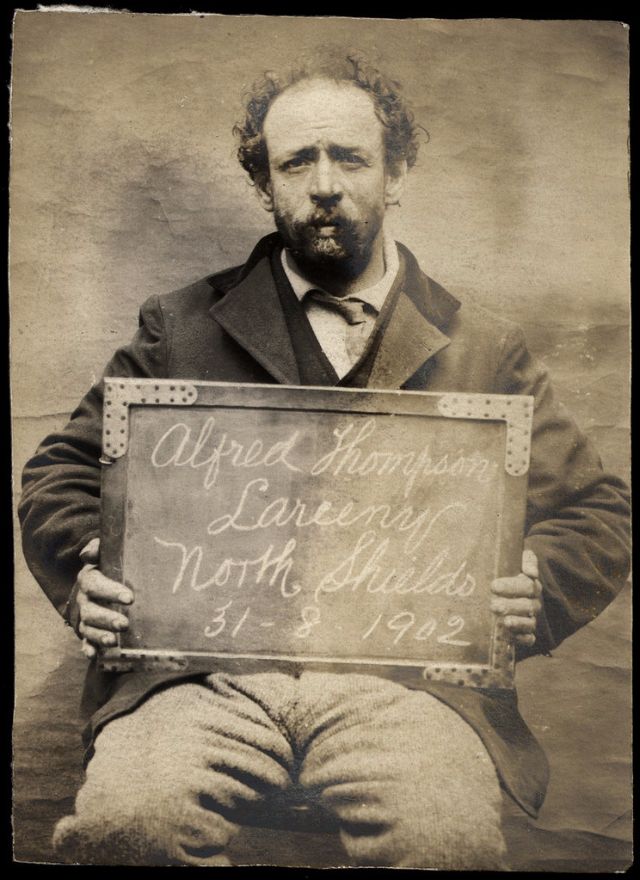
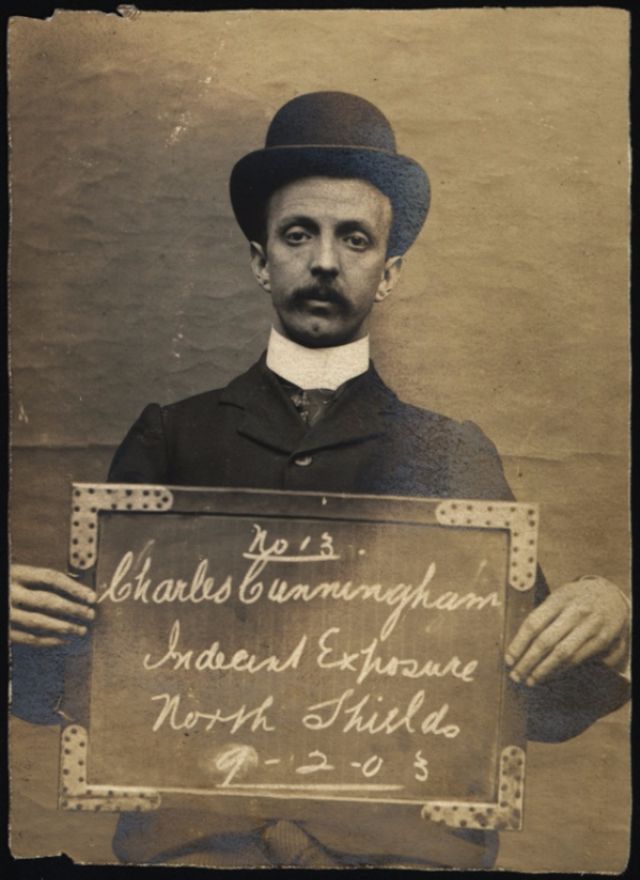
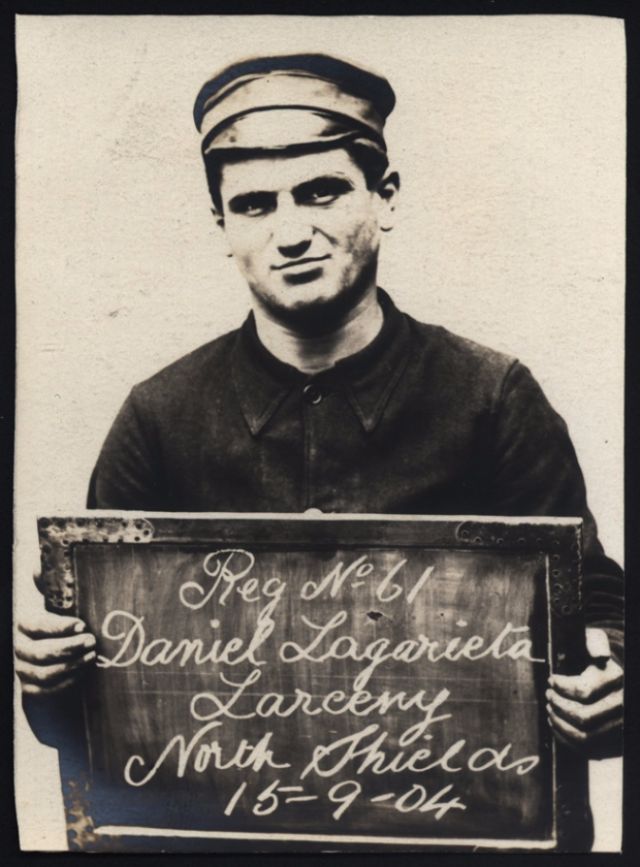
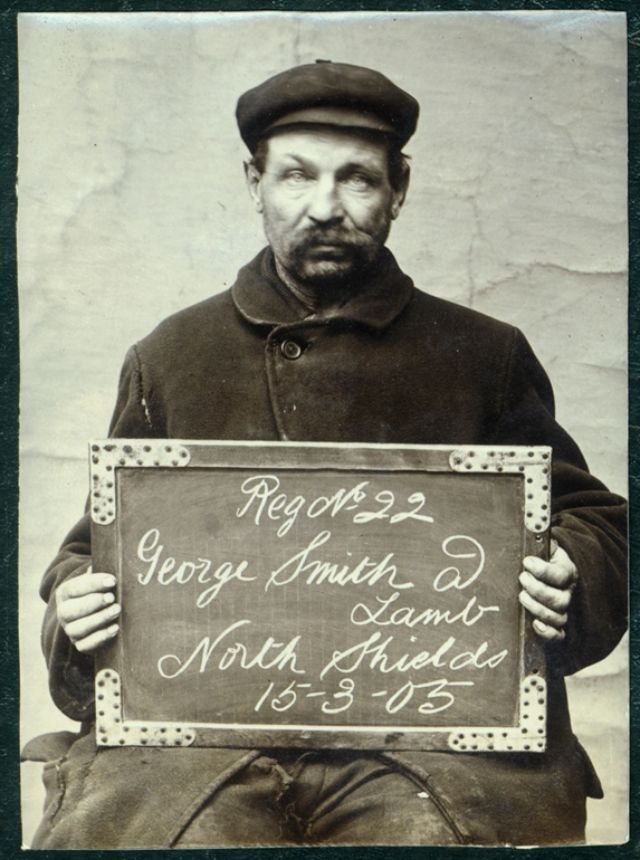
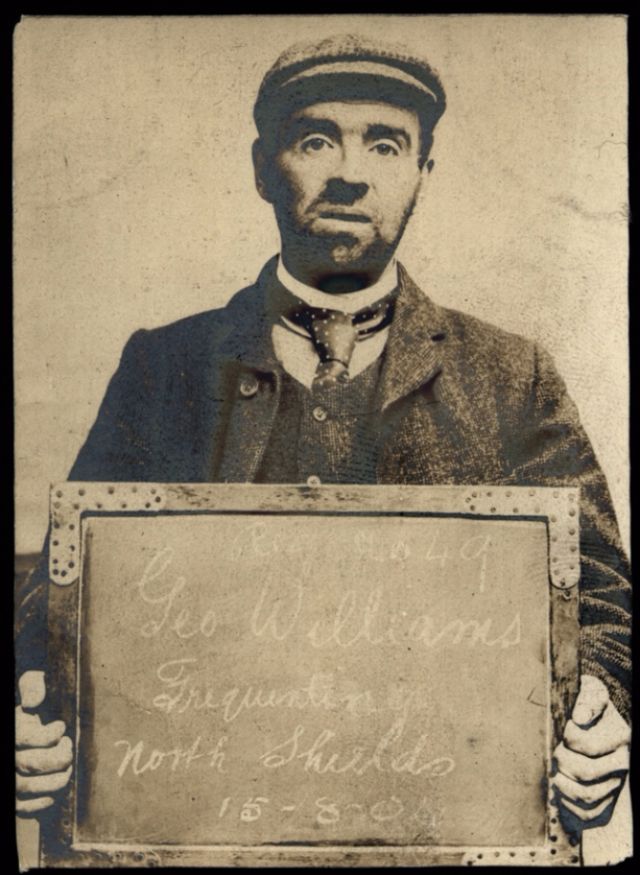
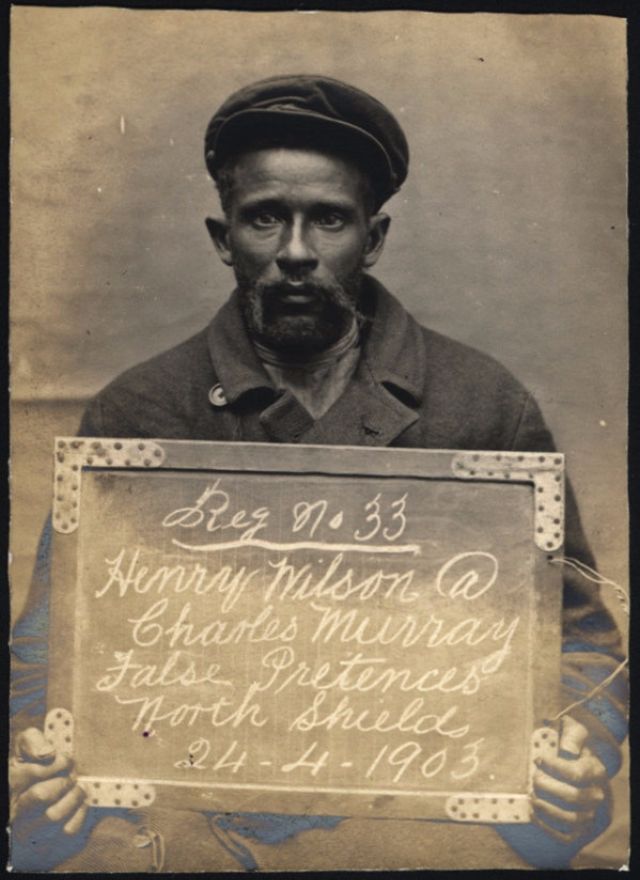
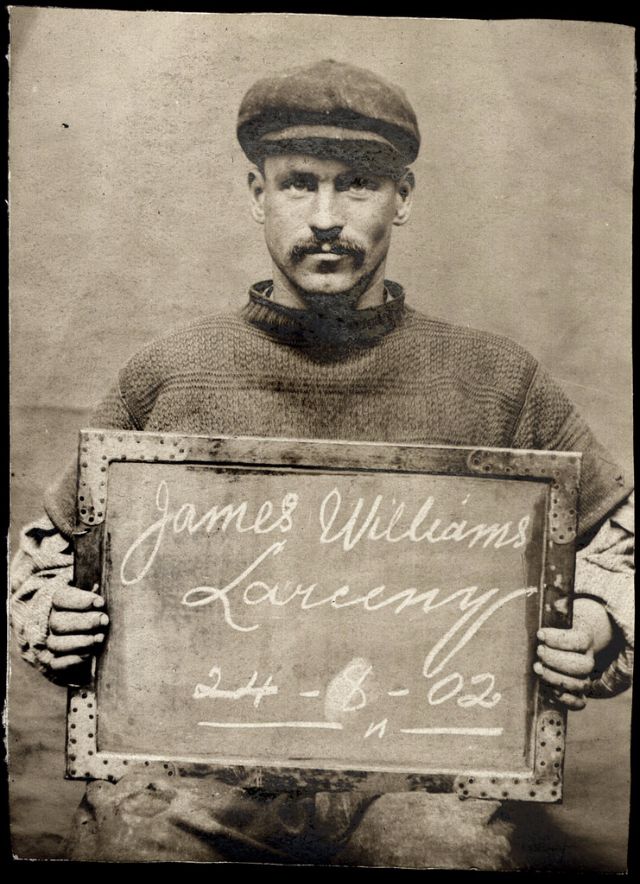
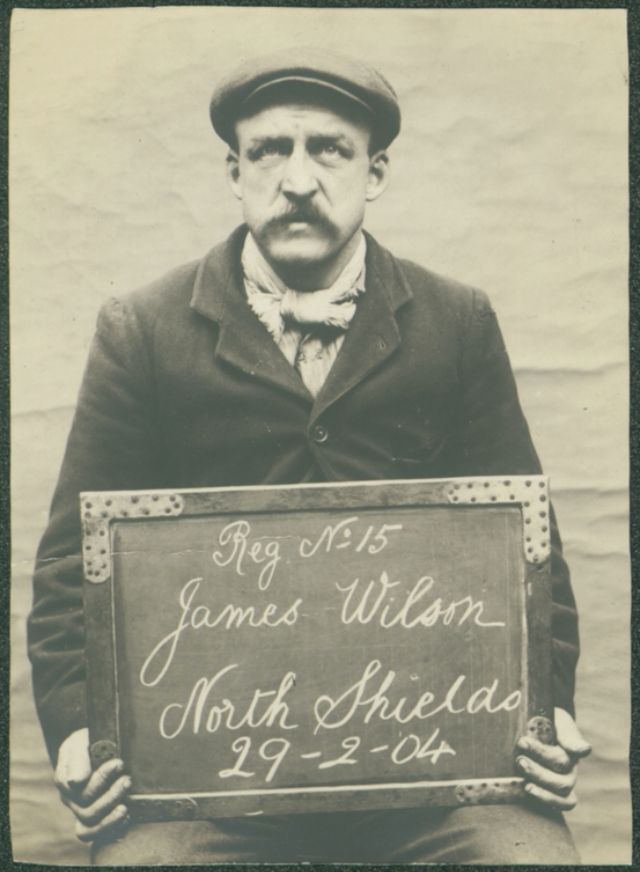
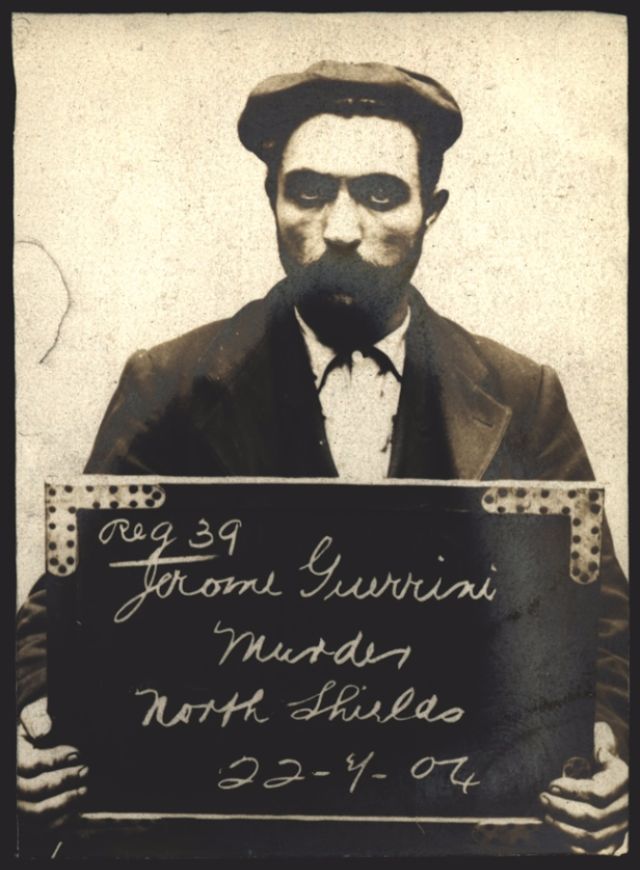
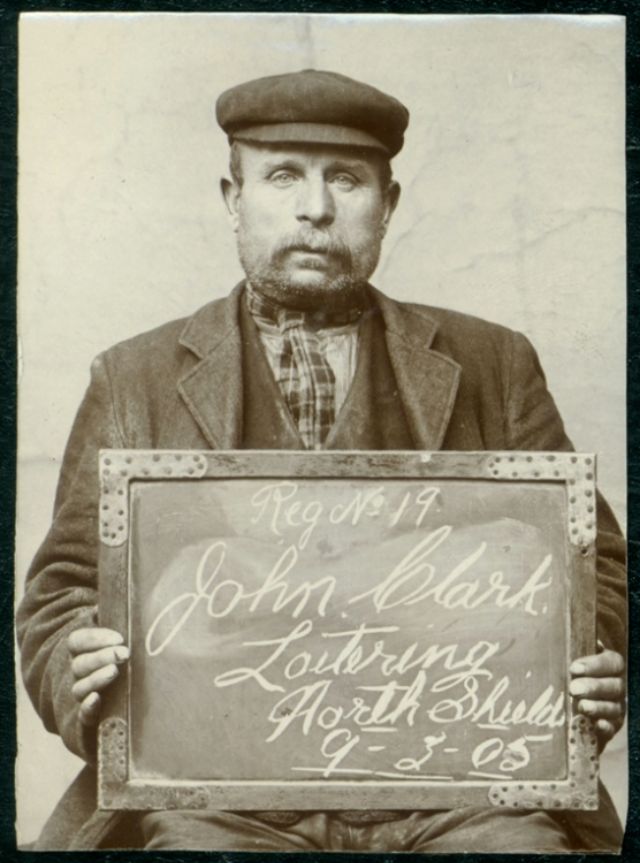
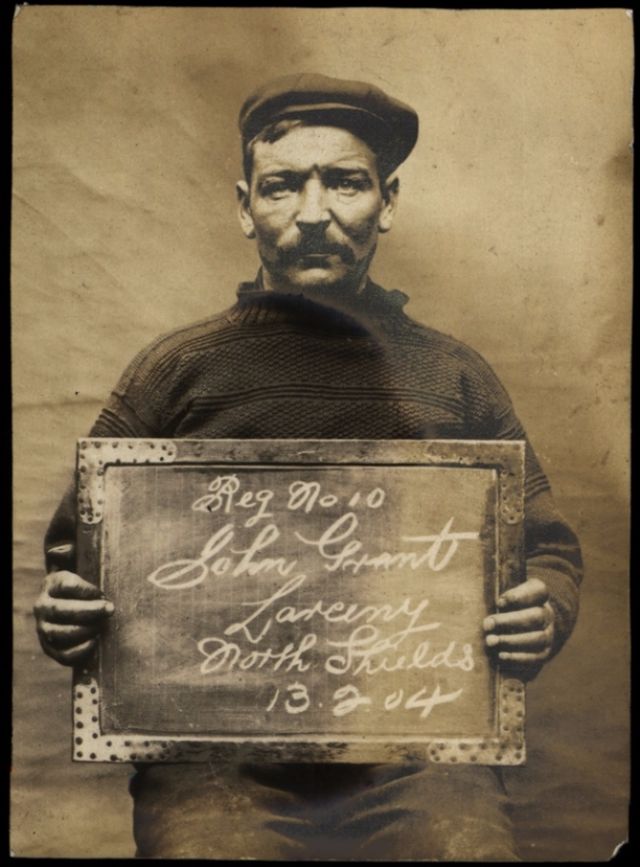
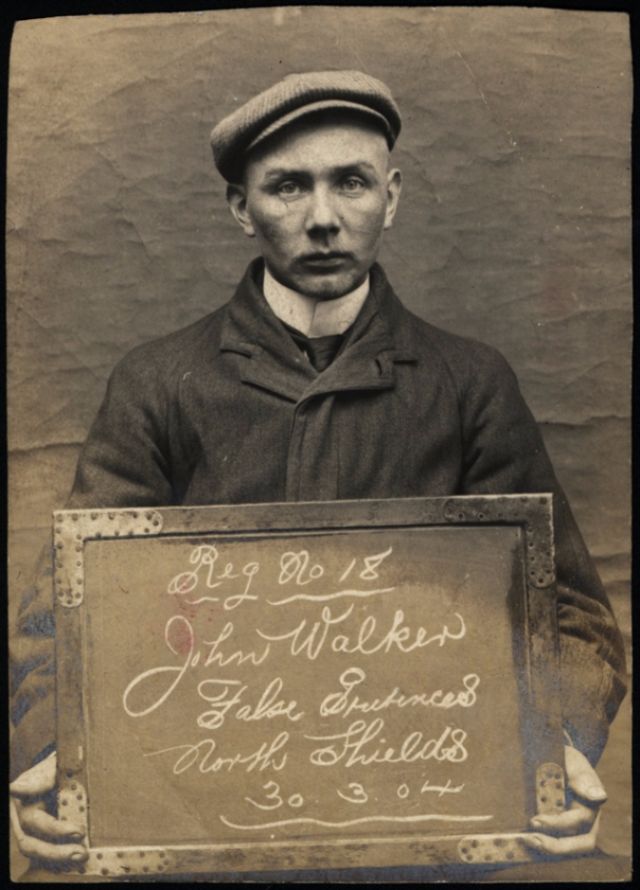
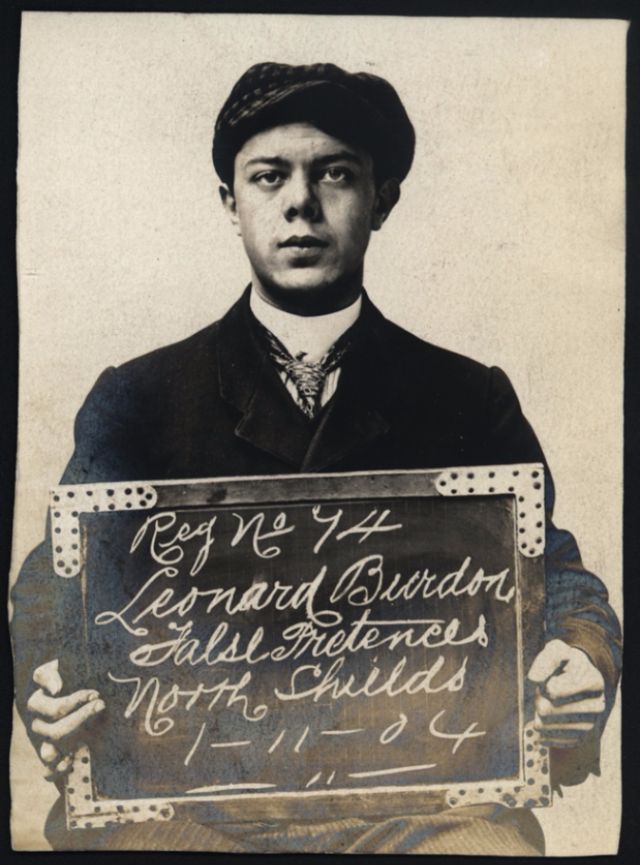
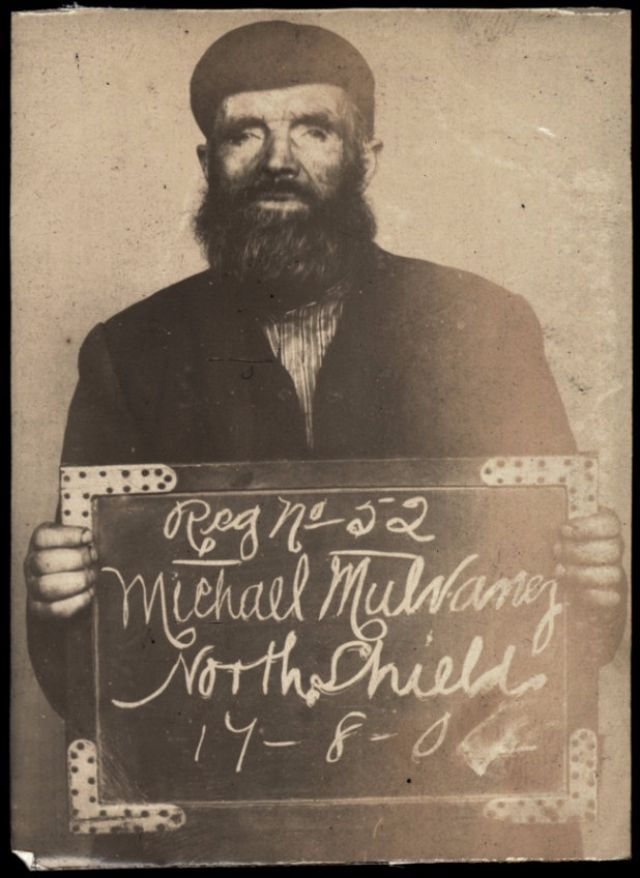
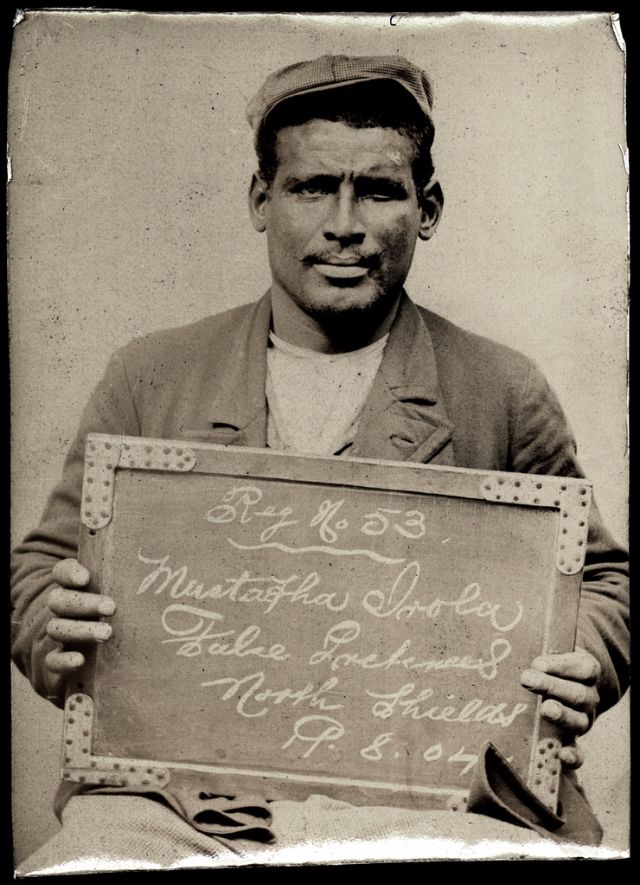
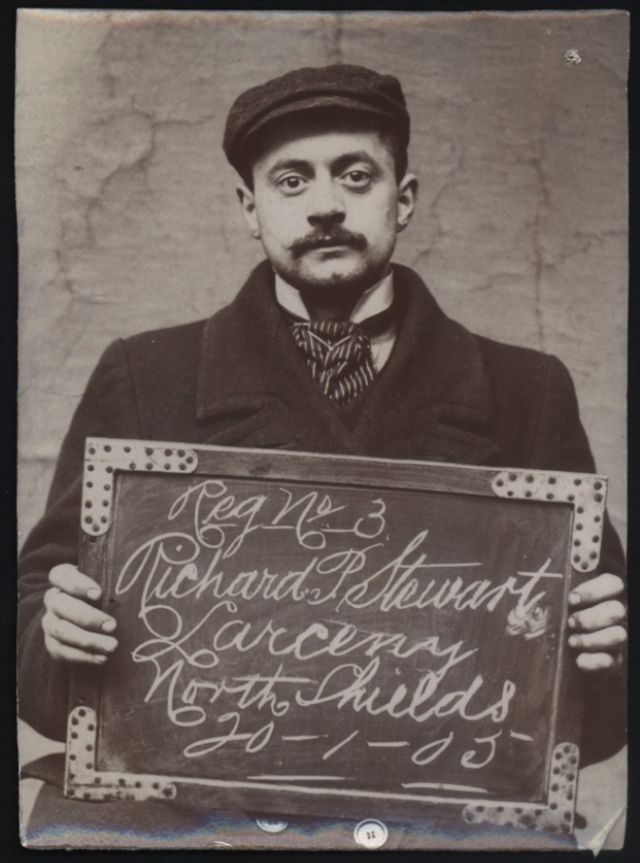
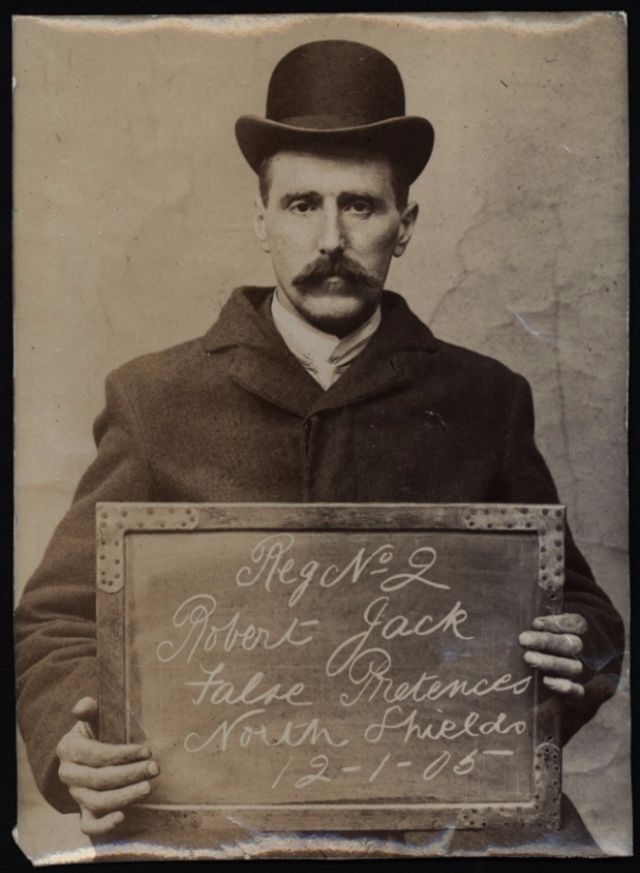
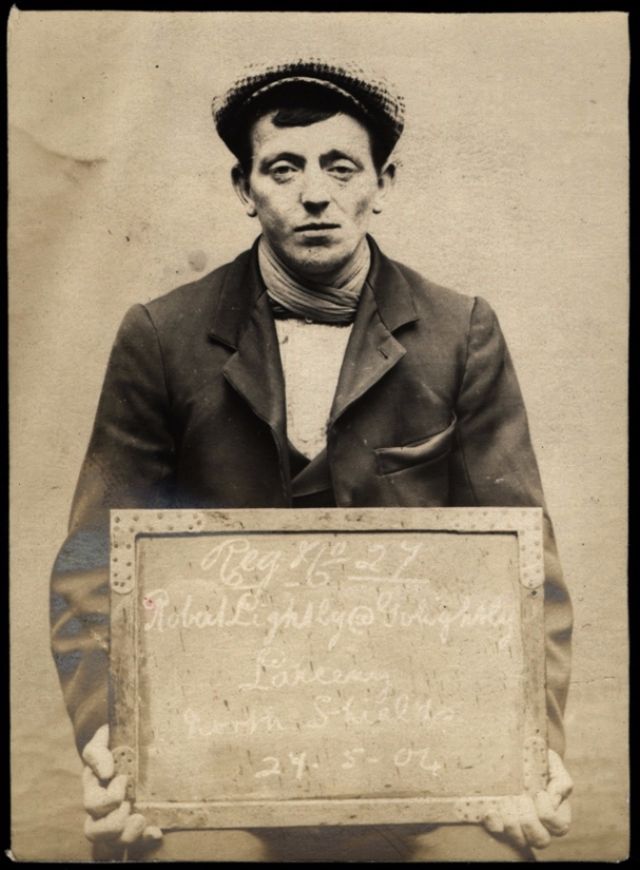
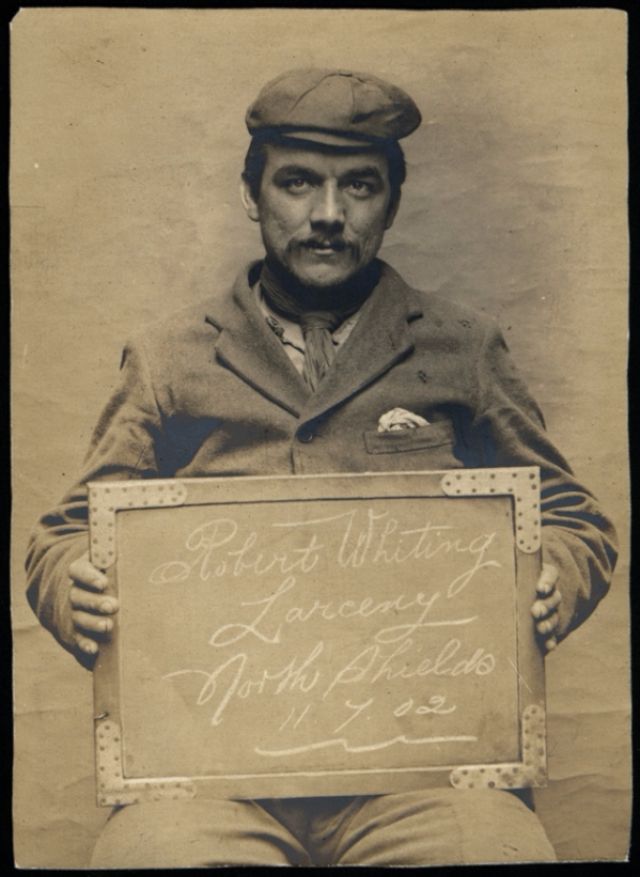
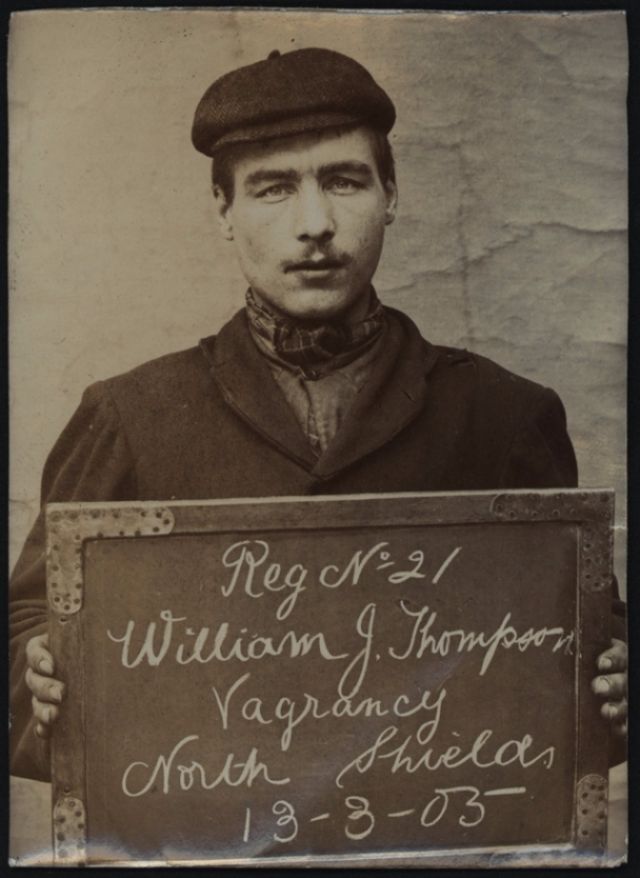
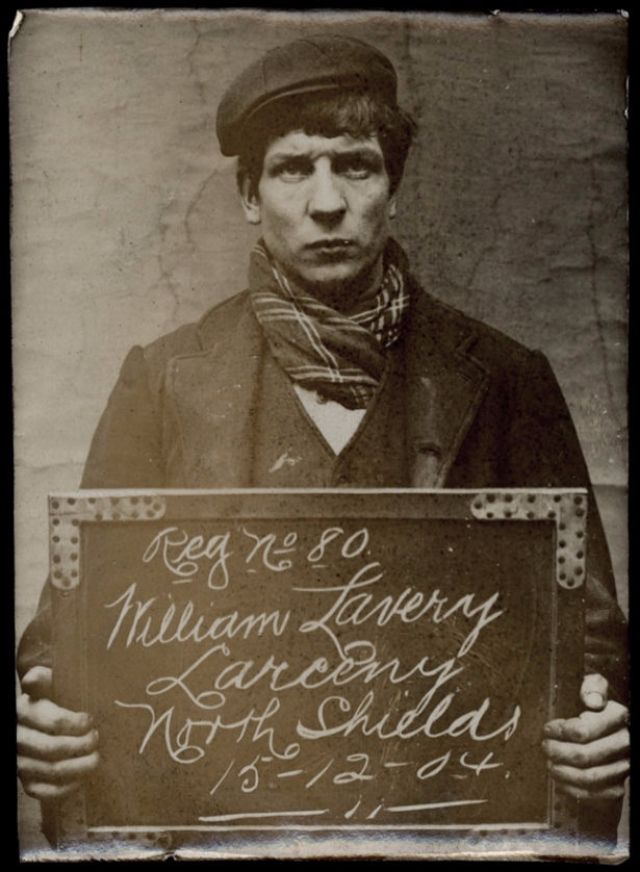
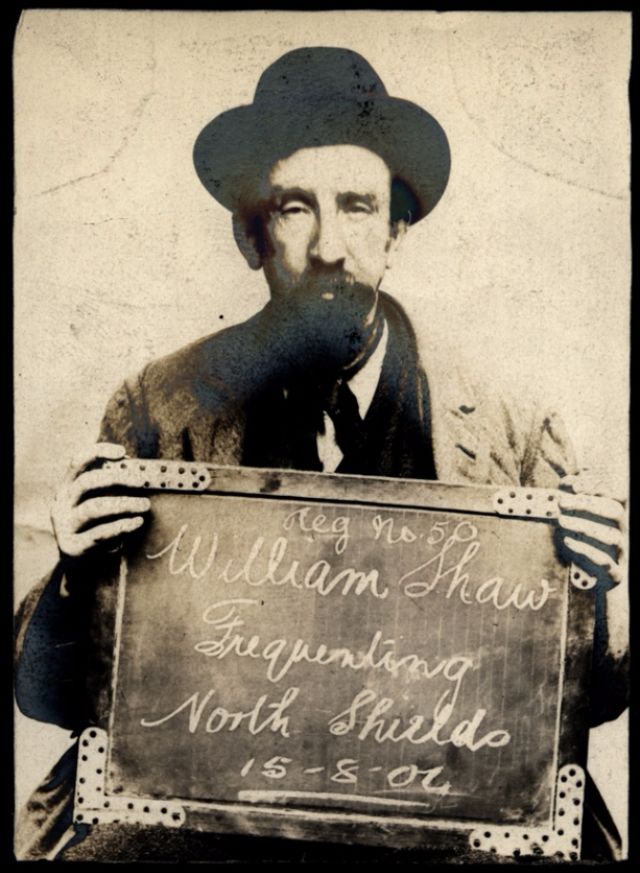
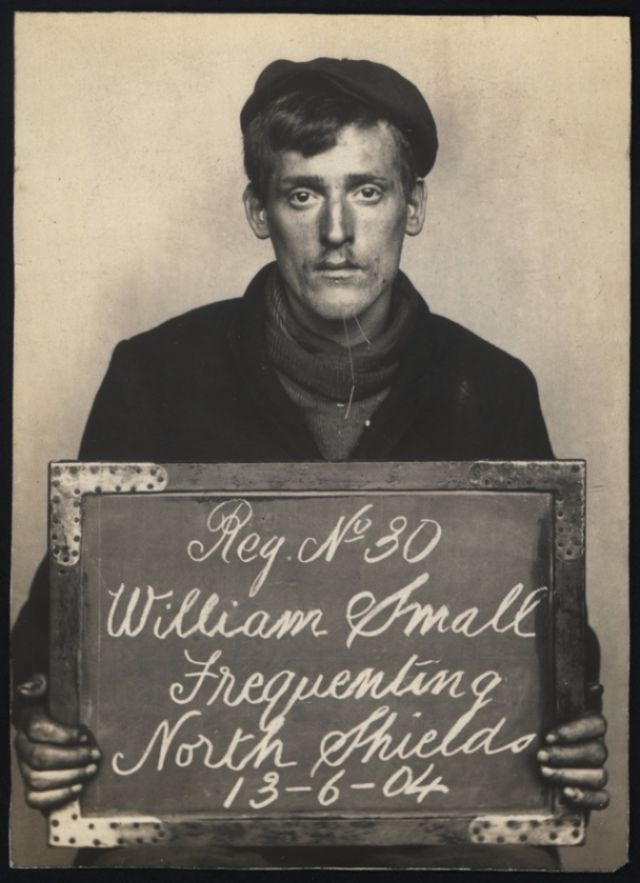
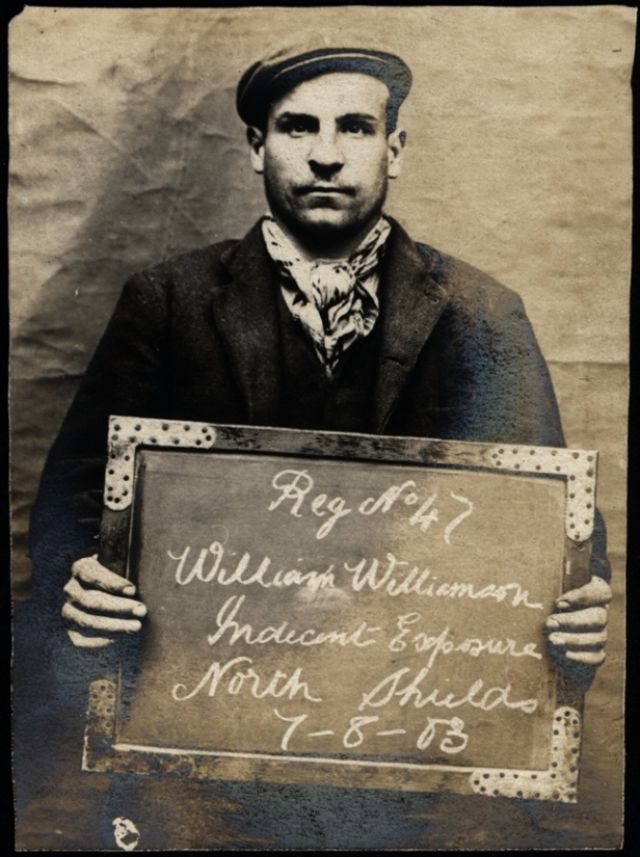
These images are a selection from an album of photographs of prisoners brought before the North Shields Police Court in the early 1900s in the collection of Tyne & Wear Archives.




















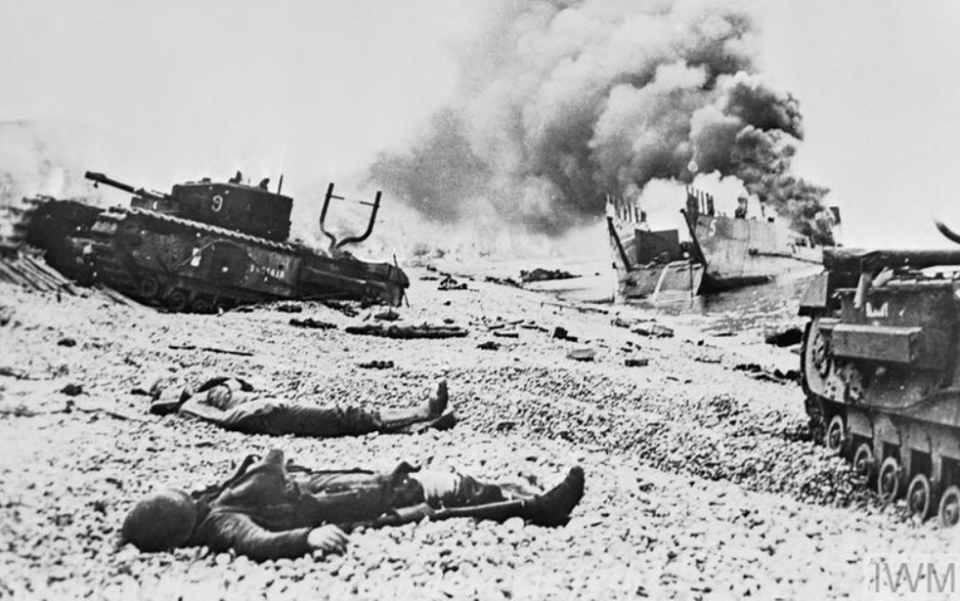
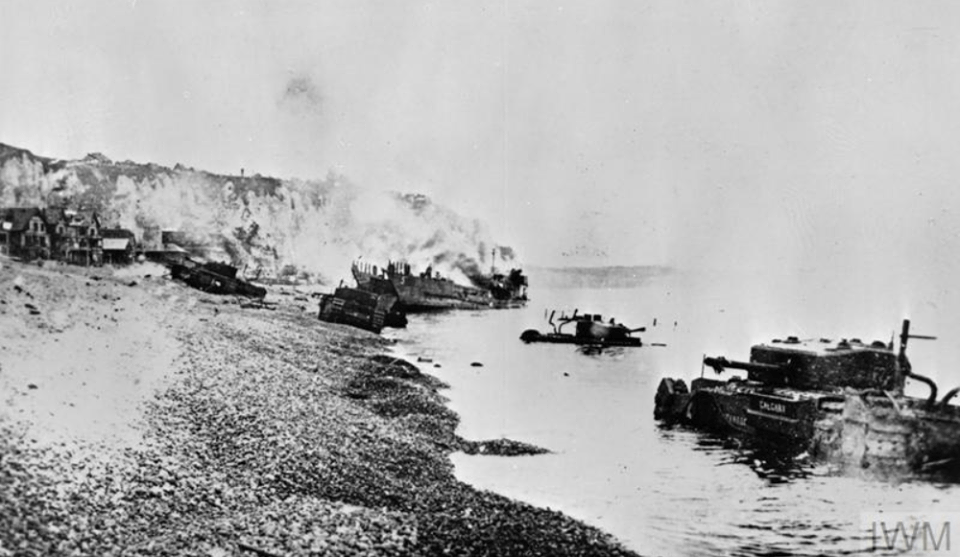
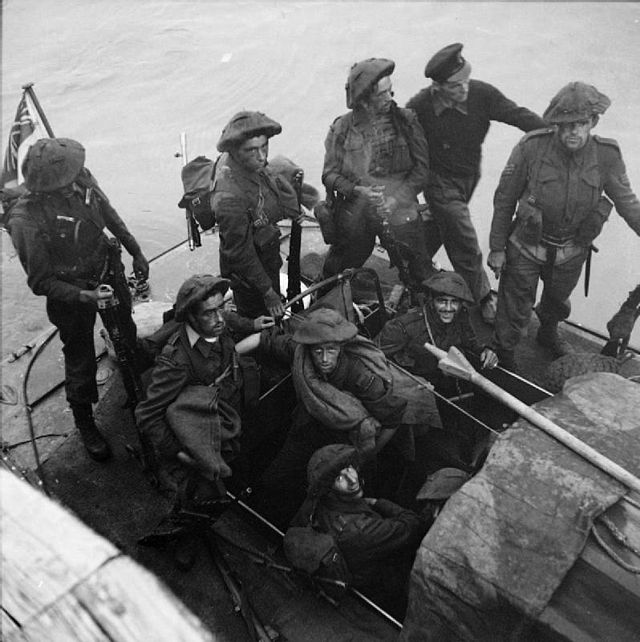
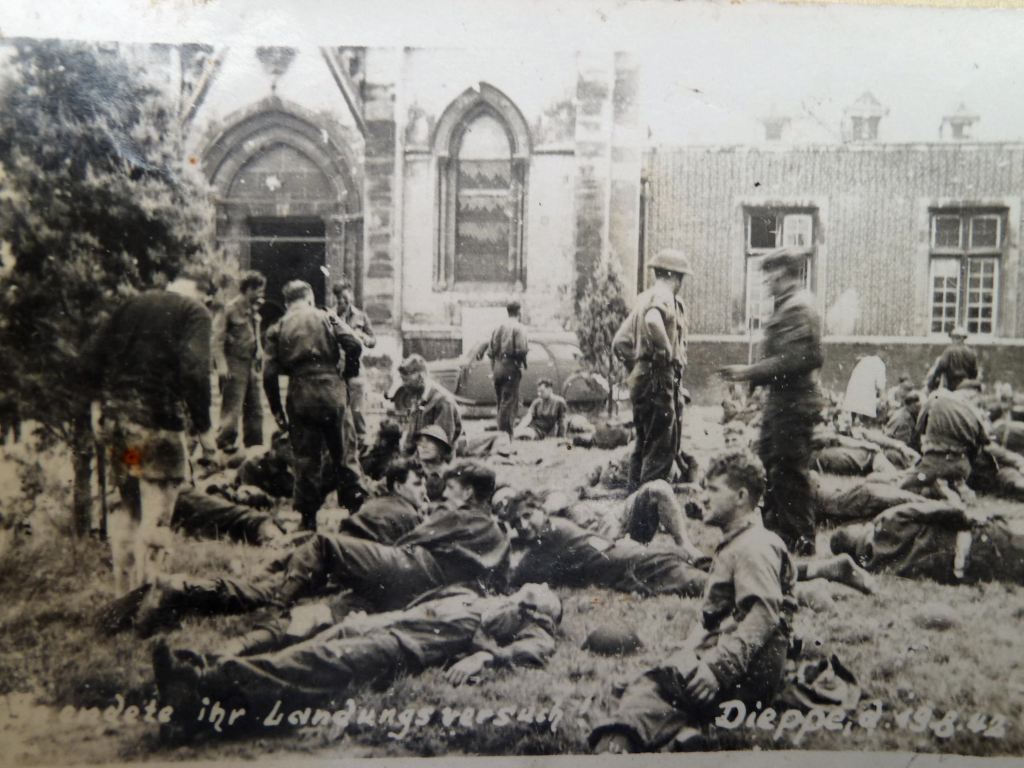
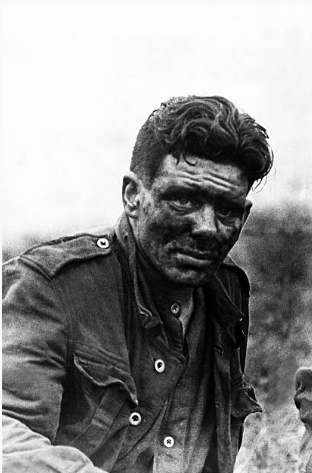
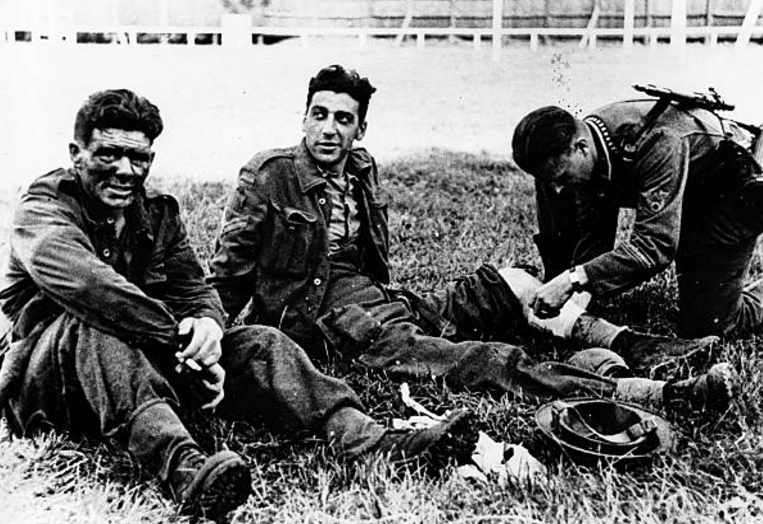
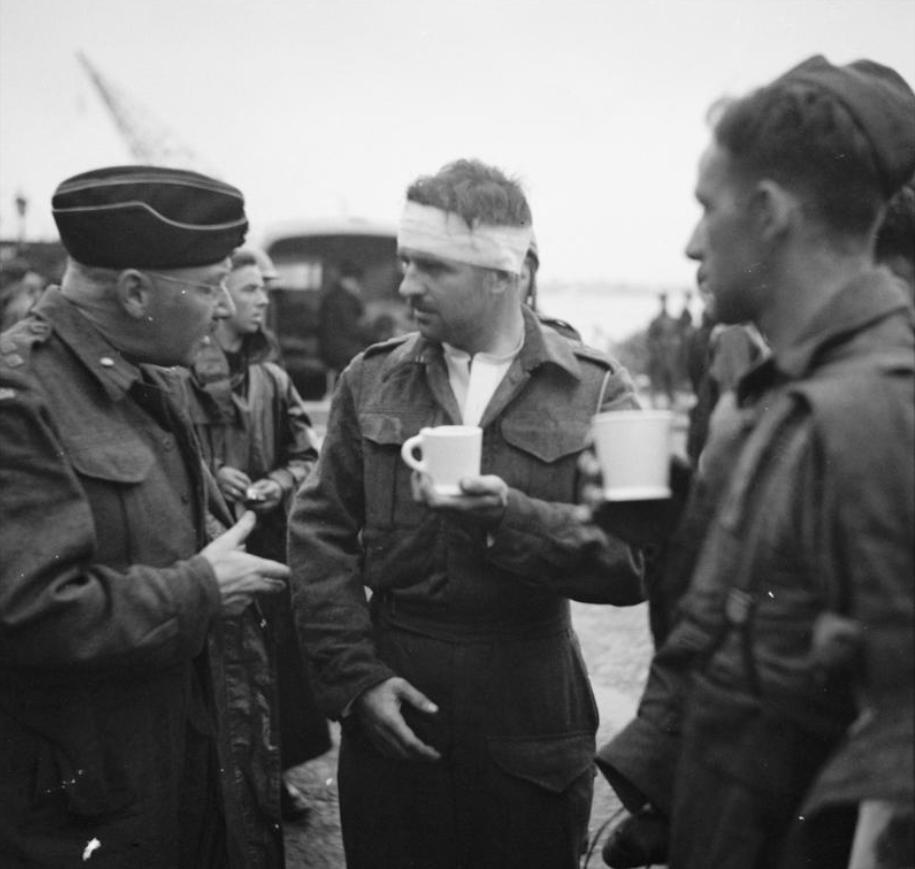
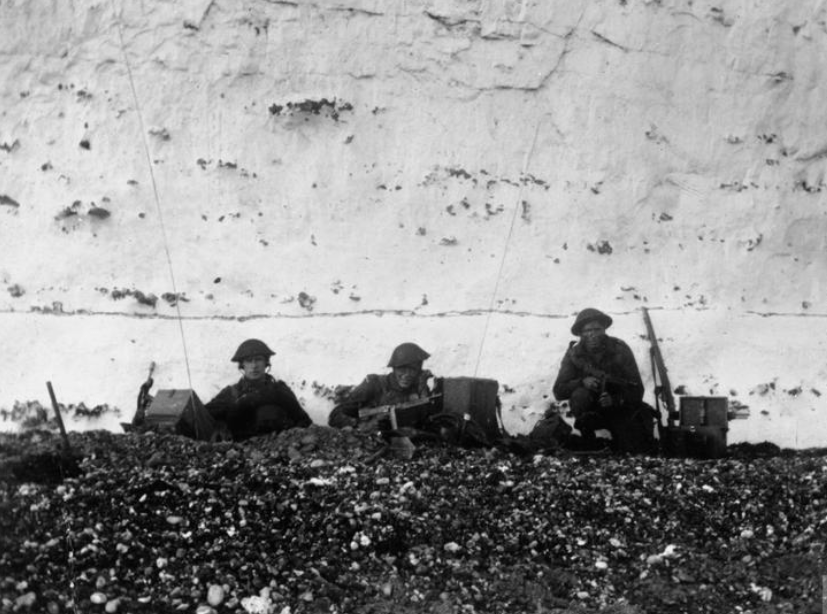
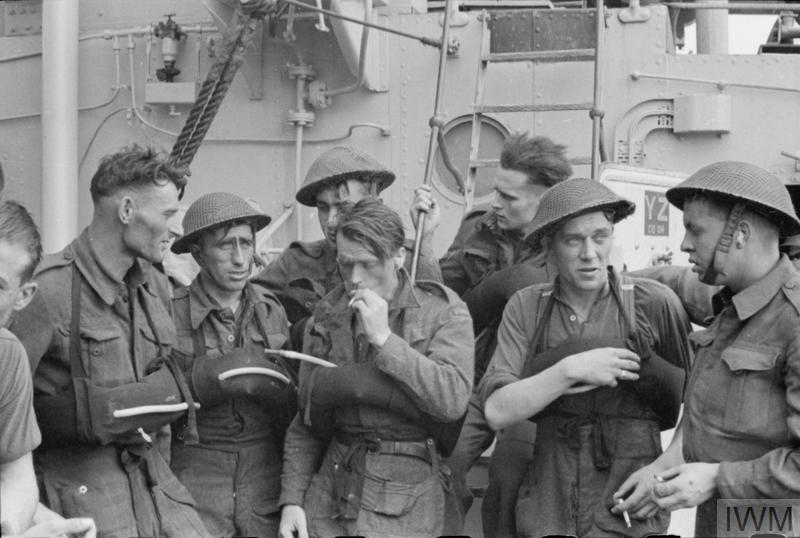
Operation Jubilee or the Dieppe Raid (19 August 1942) was an Allied amphibious attack on the German-occupied port of Dieppe in northern France, during the Second World War. Over 6,050 infantry, predominantly Canadian, supported by a regiment of tanks, were put ashore from a naval force operating under protection of Royal Air Force (RAF) fighters.
The port was to be captured and held for a short period, to test the feasibility of a landing and to gather intelligence. German coastal defences, port structures and important buildings were to be demolished. The raid was intended to boost Allied morale, demonstrate the commitment of the United Kingdom to re-open the Western Front and support the Soviet Union, fighting on the Eastern Front.
Aerial and naval support was insufficient to enable the ground forces to achieve their objectives; the tanks were trapped on the beach and the infantry was largely prevented from entering the town by obstacles and German fire. After less than six hours, mounting casualties forced a retreat. The operation was a fiasco in which only one landing force achieved its objective and some intelligence including electronic intelligence was gathered.
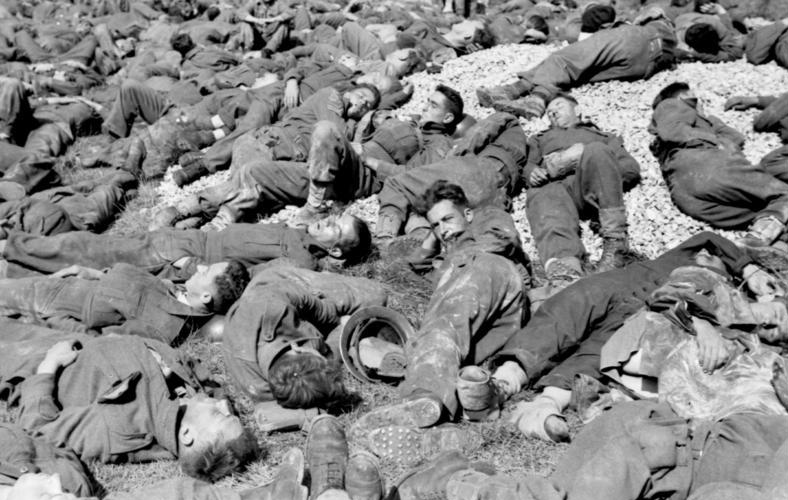
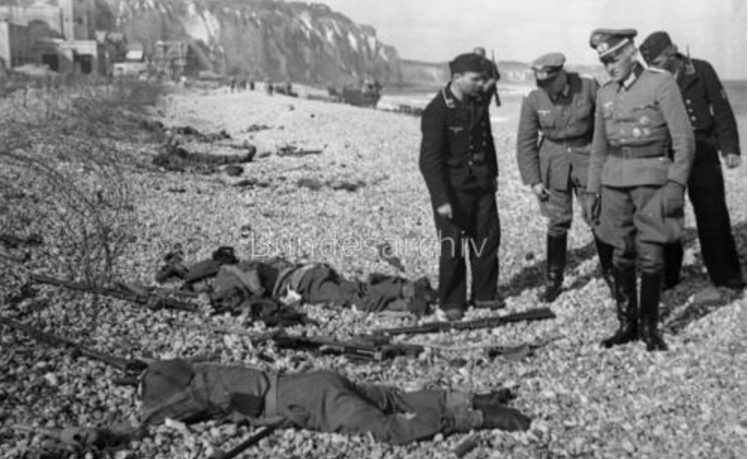
Within ten hours, of the 6,086 men who landed, 3,623 had been killed, wounded or became prisoners of war. The Luftwaffe made a maximum effort against the landing as the RAF had expected, but the RAF lost 106 aircraft (at least 32 to anti-aircraft fire or accidents) against 48 German losses. The Royal Navy lost 33 landing craft and a destroyer.
Certain lessons were learned that influenced the success of the D-Day landings. Artificial harbours were declared crucial, tanks were adapted specifically for beaches, a new integrated tactical air force strengthened ground support, and capturing a major port at the outset was no longer seen as a priority. Churchill and Mountbatten both claimed that these lessons had outweighed the cost. (Text via Wikipedia)



































































































David Bowie may have a song called Looking for a Friend, but the late musician was certainly not short on pals. From joking around with Paul McCartney at award shows to performing with Mick Jagger on stage to marrying supermodel Iman, Bowie surrounded himself with people to know.






















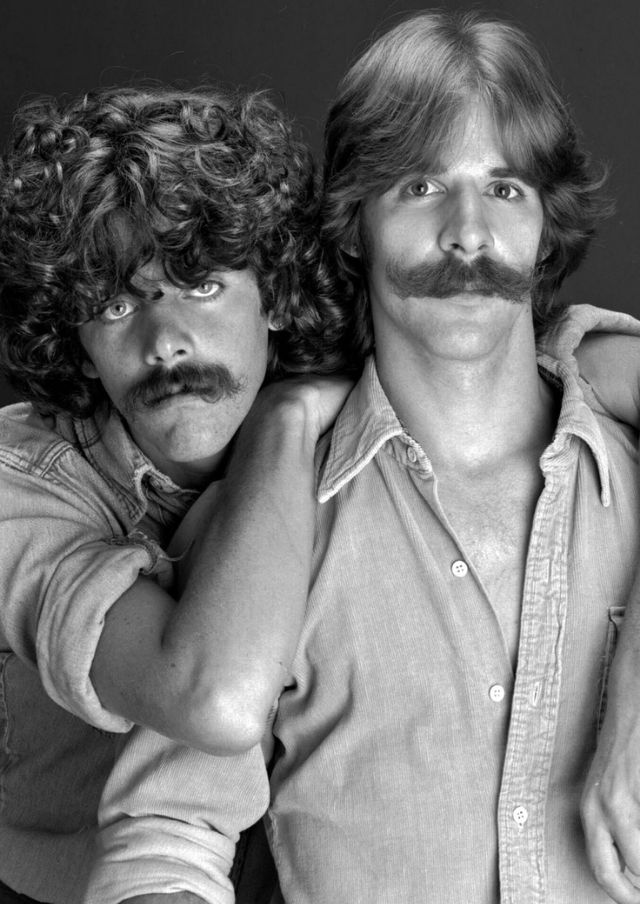
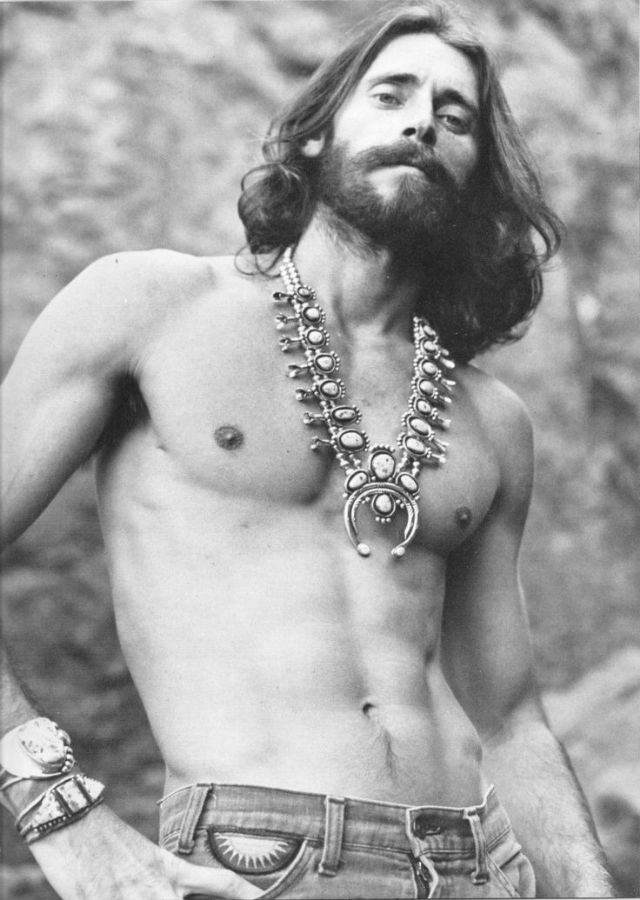
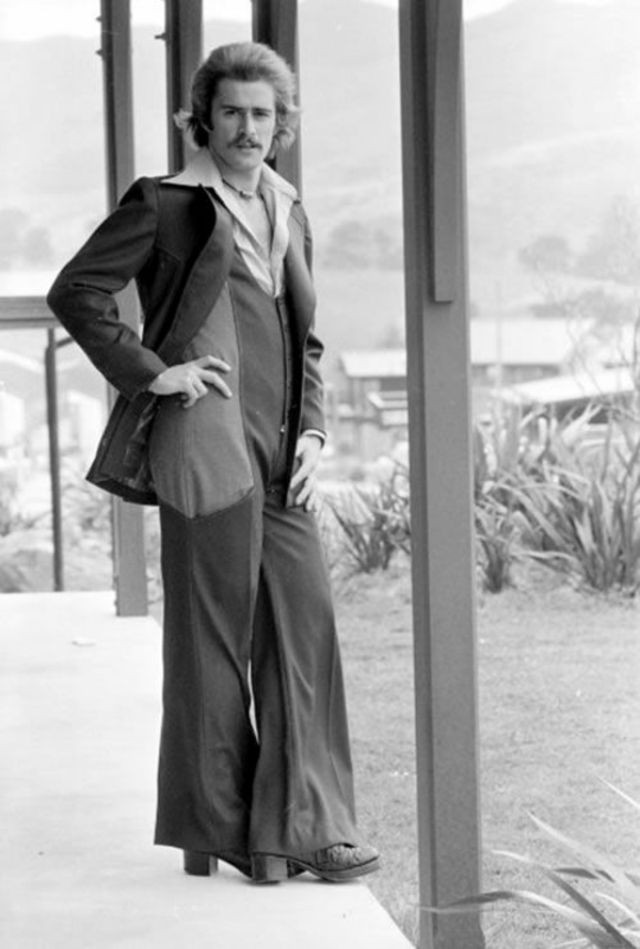
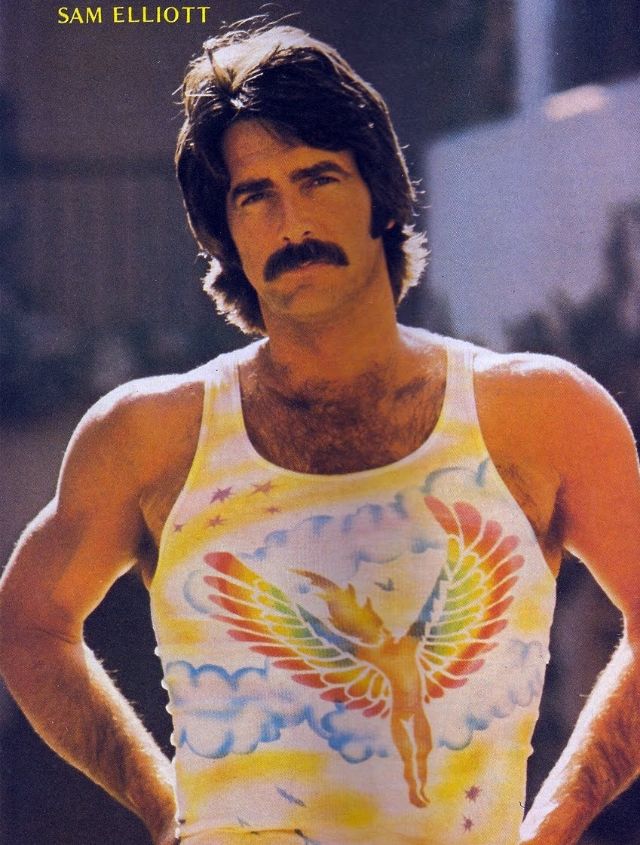
Mustaches and sideburns are to a man, much like make-up is to a woman. Facial hair can range from the very subtle to the very extreme. Of course, it probably goes without saying that plenty of celebrities also made their own personal statement with the facial hair statement.
Sideburns have been called everything from skinny to mutton chops. Women are generally considered more appearance conscientious than men. Don’t be fooled, though, because men are also concerned with appearances.

















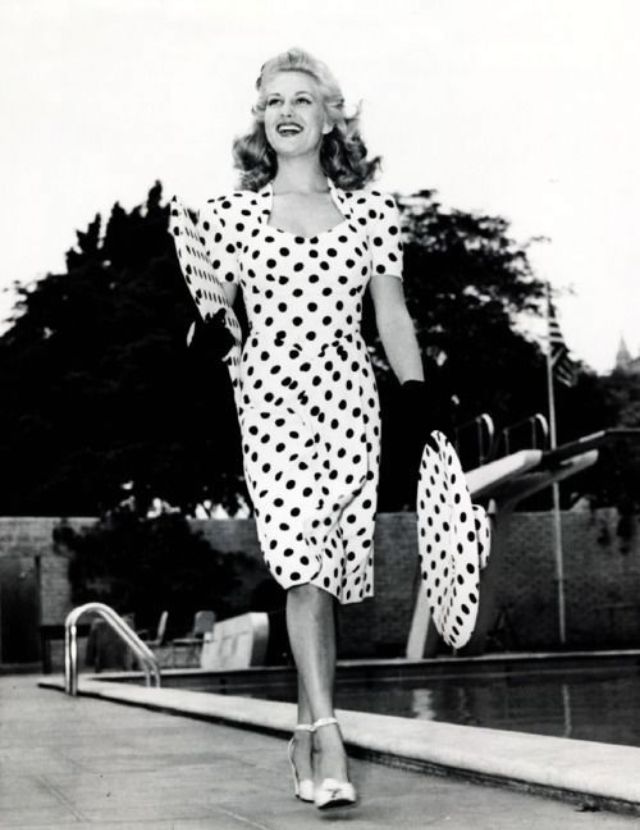
Known as “The Polka-Dot Girl,” Chili Williams (born Marian Sorenson in 1921) was discovered by a modeling agent in 1943 at Fire Island in New York. The modeling agent’s photographer, Ewing Krainin, took her picture while she was frolicking in the Atlantic Ocean surf, and the series of photos appeared in the September 27, 1943 issue of LIFE Magazine. Krainin had stitched together a black-and-white polka-dot dance-set (which would later come to be known as the “bikini”) for her.
The photos were so well received, that 100,000 fans sent in letters requesting copies, many of which found their way into the hands of homesick GI’s fighting during the final months of World War II. She signed a movie contract in 1944 and moved to Hollywood, California, where she appeared in 17 films, including the wartime favorites Girl Rush (1944), The Falcon In Hollywood (1944), George White’s Scandals (1945), Johnny Angel (1945), Wonder Man (1945), and Having A Wonderful Crime (1945). Chili also joined the Jack Carson USO tour of the Pacific Theater during the winter of 1944-45.
Chili was involved in several scandals including being caught breaking into an ex-boyfriend’s apartment. She eventually quit acting and stayed out of the spotlight until her death in 2003.
Take a look at these glamorous pictures to see her beauty from the 1940s.




















After having been fashion photographer, John French’s, assistant, David Bailey begins the 1960s with a contract with Vogue and rapidly becomes a leading figure of the Swinging London scene, chronicling the unrestricted existences of models and musicians.
Although he admits being fascinated by the Renaissance art and the painter, Caravaggio, the British photographer favors minimalist, mostly black and white frontal depictions of his sitters. With images that clearly evoke the sex, drugs and rock n’roll spirit of the decade, David Bailey also finds women he loved in his celebrity pack, from model Jean Shrimpton to Catherine Deneuve but also Anjelica Huston and Penelope Tree.
The photographer continues to mischievously capture contemporary figures such as Kate Moss who has become an illustrious successor of the Swinging Sixties, always revealing a certain kind of eccentricity in them, even when he portrays the Queen Elisabeth II whom we have so rarely seen smile so frankly.