











Bringing You the Wonder of Yesterday – Today
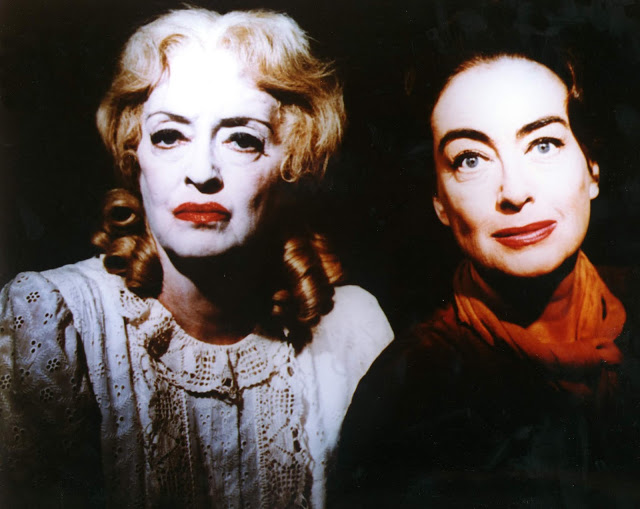
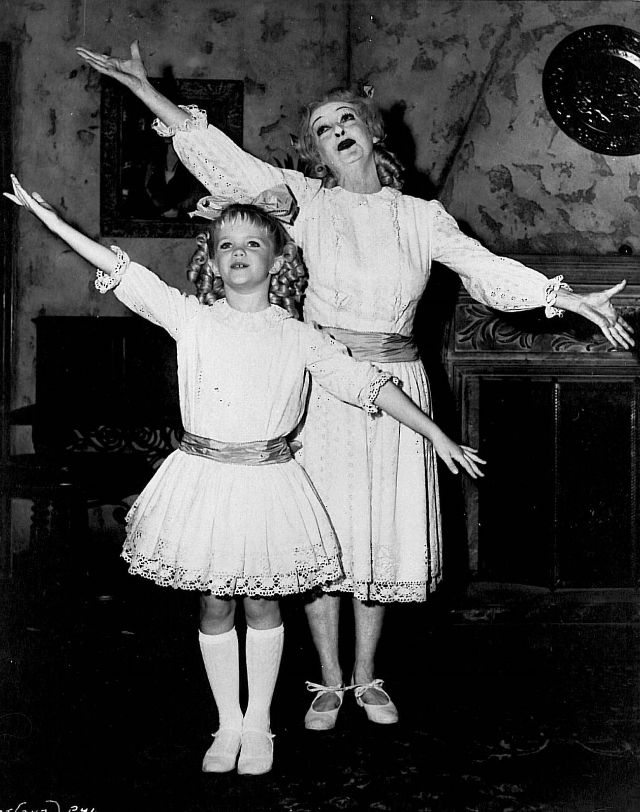
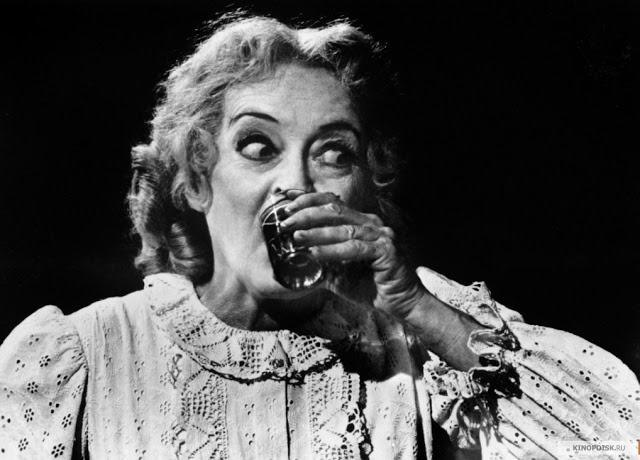
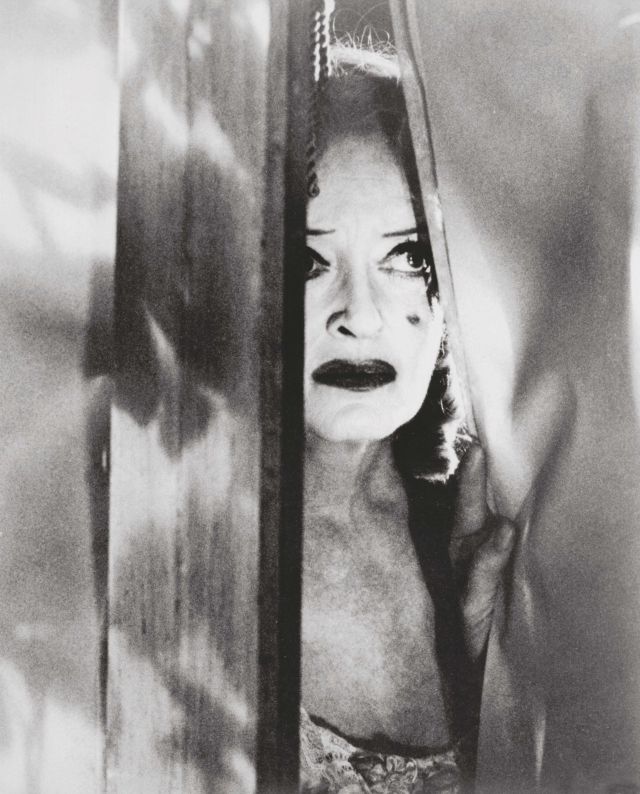
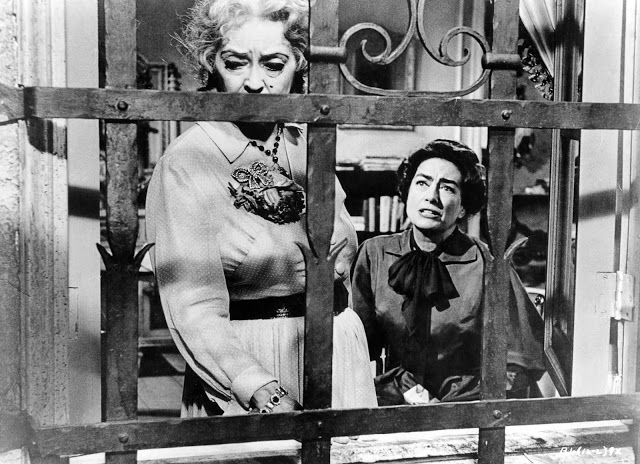
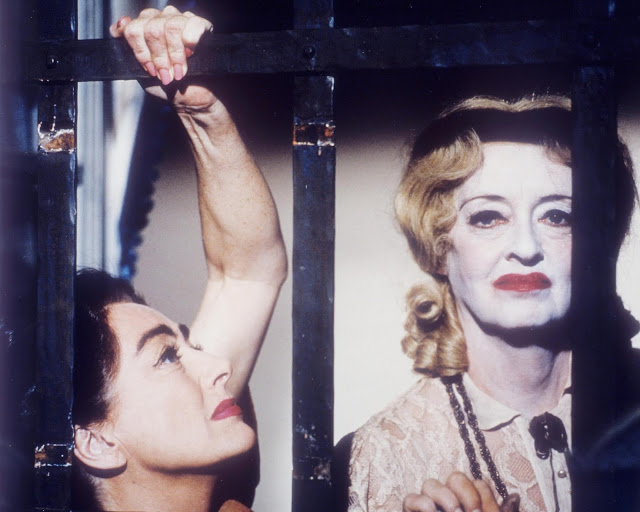
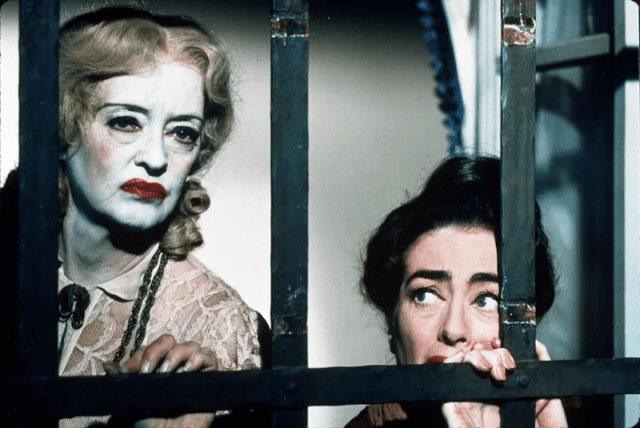
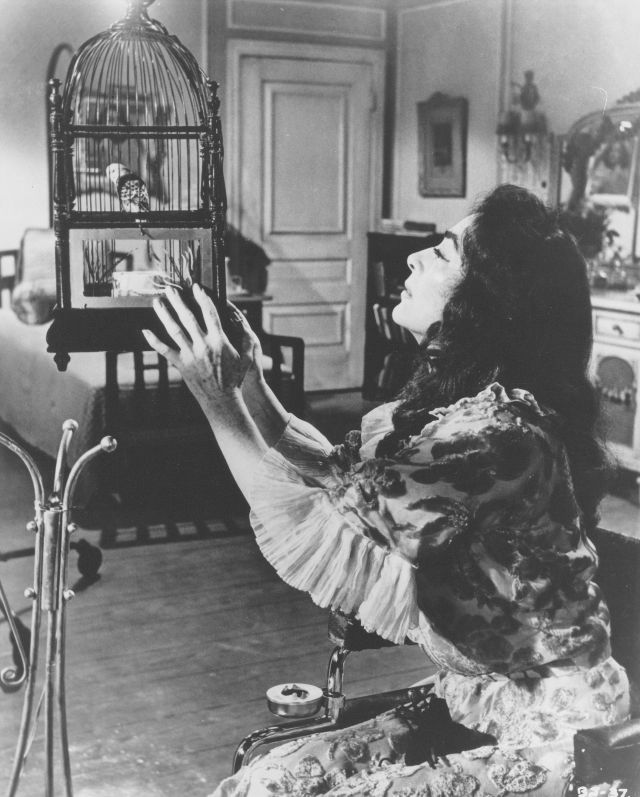
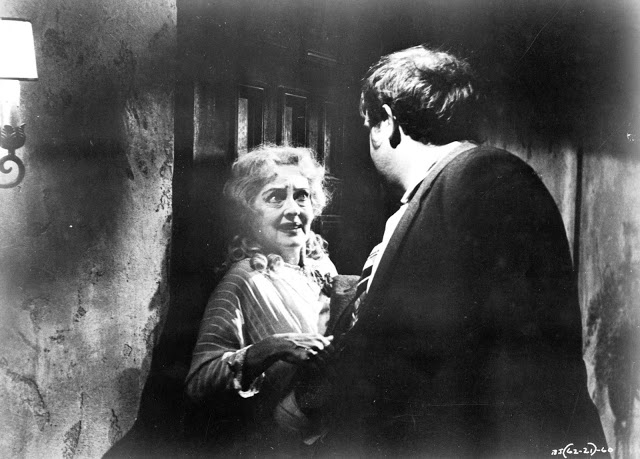
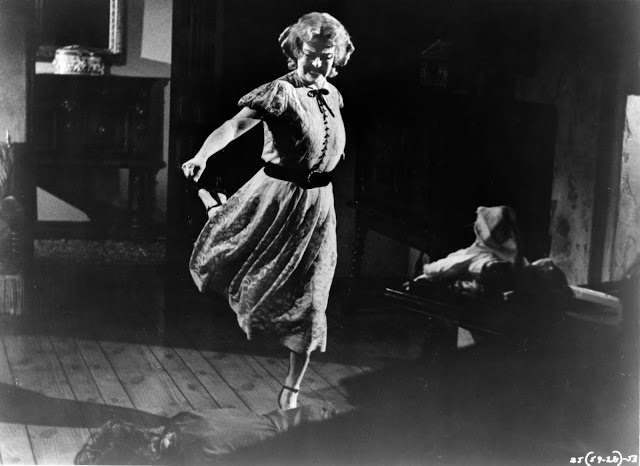
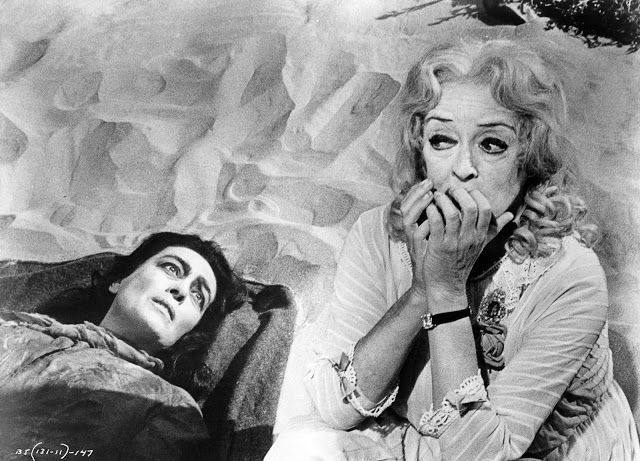
What Ever Happened to Baby Jane? is a 1962 psychological thriller-horror film based on the novel of the same title by Henry Farrell, produced and directed by Robert Aldrich and starring two longtime rival actresses Bette Davis and Joan Crawford. The film was an unexpected box office success and received widespread critical acclaim upon its release. Not only was it later nominated for five Academy Awards and won one for Best Costume Design, Black and White, it also gave rise to a succession of the psycho-biddy subgenre.
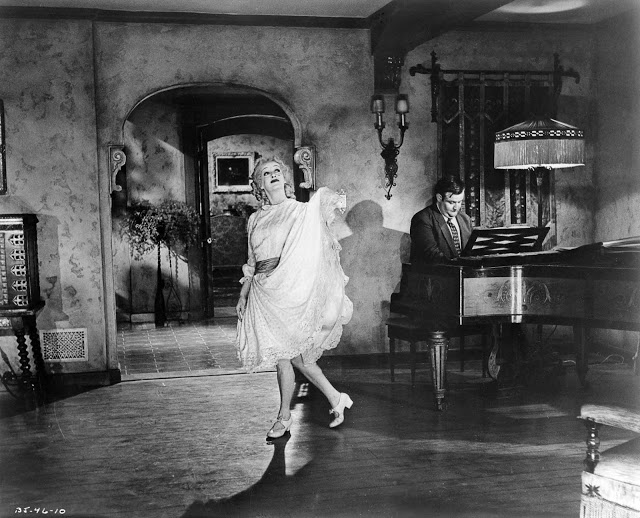
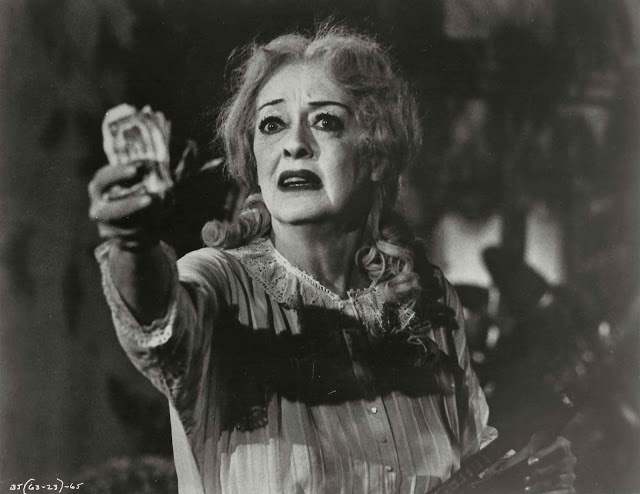
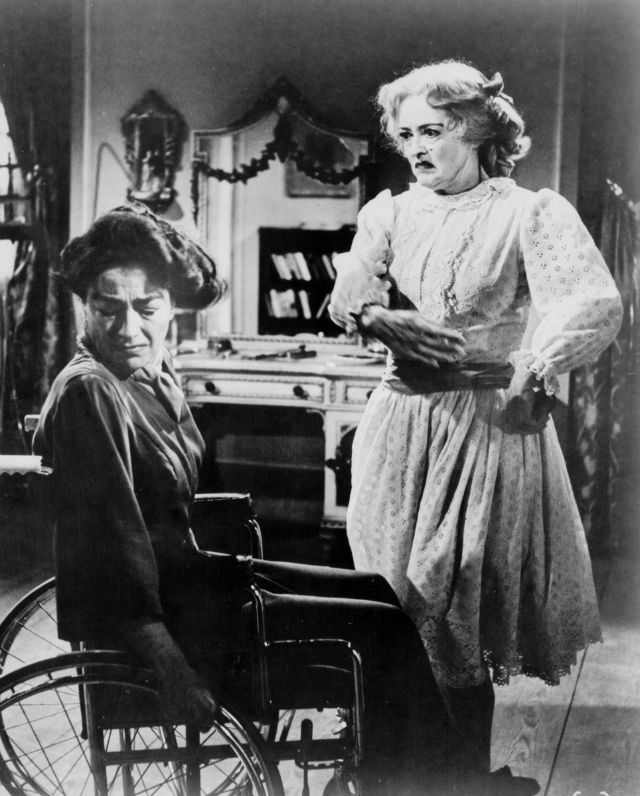
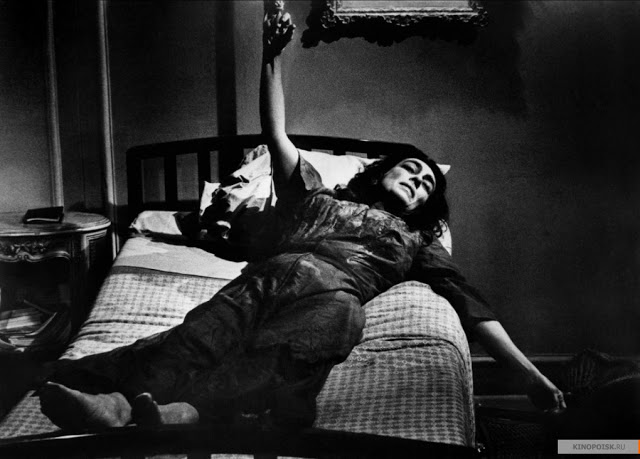
This horror story deals with two faded sibling actresses Blanche and Jane Hudson, who were living together in their decaying Hollywood house. “Baby Jane” was once a well-known vaudevillian child star but as they get older, she lived in her sister’s shadow, who became a successful film actress. After an accident that led to Blanche confined to a wheelchair, Jane began to seize absolute control of her sister. As Jane’s mind slowly went more and more crazed, her imprisonment and torment to Blanche gained ever greater extremes.
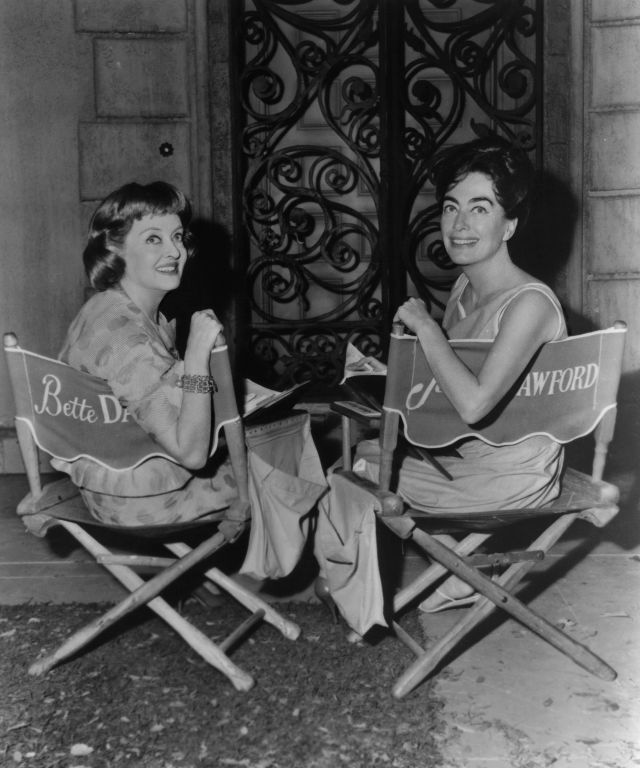
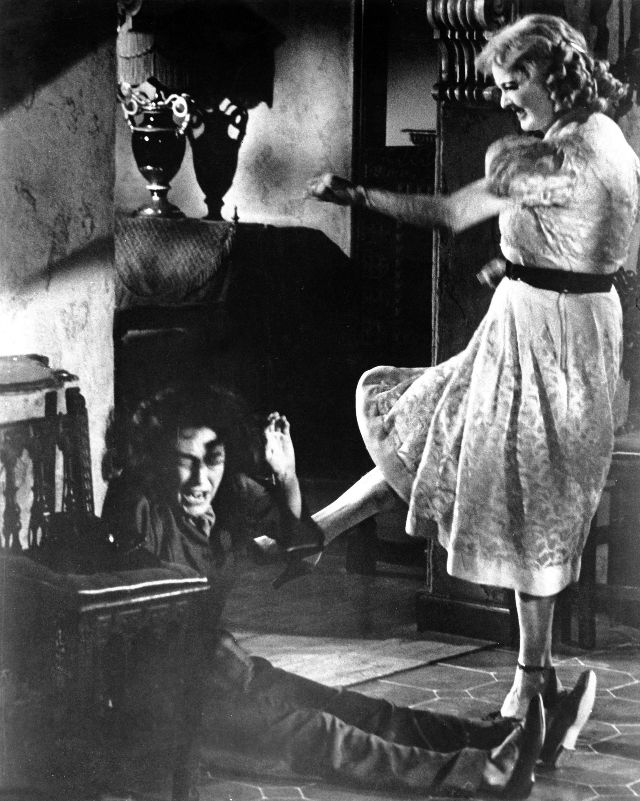
The legendary feud between two stars, Davis and Crawford, played a large part in the film’s initial success. Their intense rivalry on the set of Baby Jane went from Davis provoking Crawford by having a Coke machine installed in the dressing room, for her late husband being a Pepsi executive, to Crawford claiming Davis hit her hard in the head enough to require stitches, then her later payback to Davis by making herself as heavy as possible during the dragging scene, knowing that David had back problems. The peak moment of their feud perhaps was when only Davis got nominated for an Academy Award and Crawford actively campaigning hard against her fellow actress. As luck would have it, winner Anne Bancroft for The Miracle Worker was absent from the ceremony, so Crawford marched past Davis and accepted the statuette on Bancroft’s behalf.
Here are 31 impressive photos of the two stars in the film…
























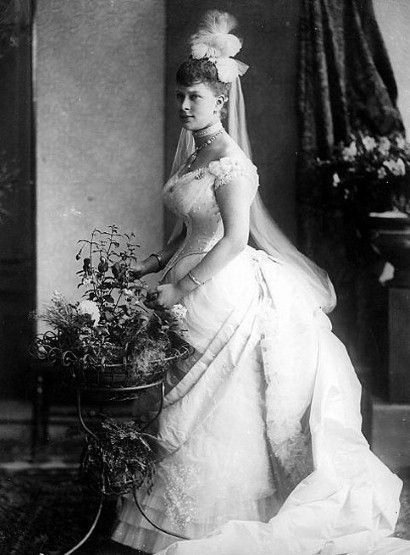
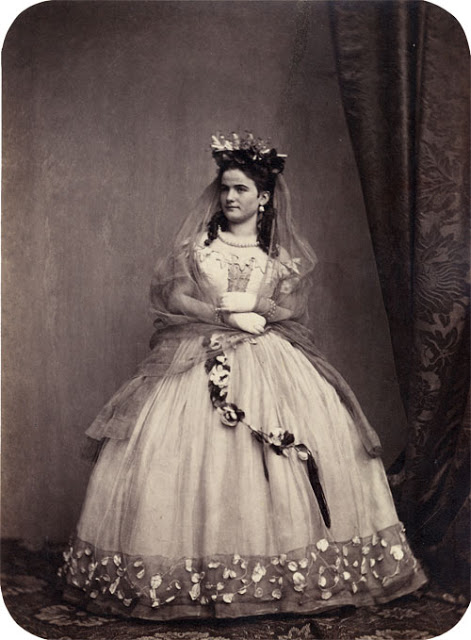
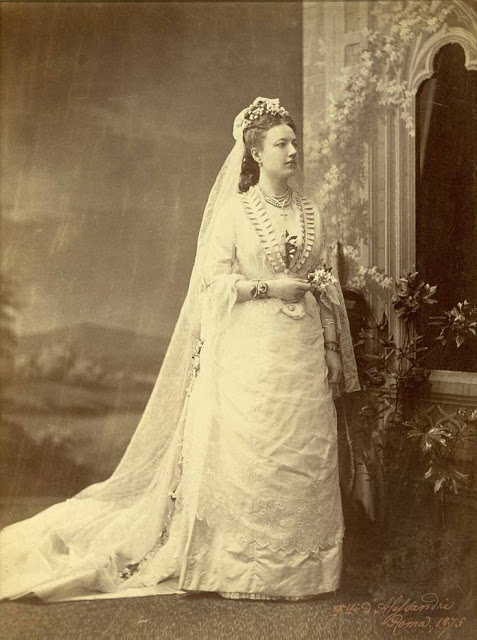
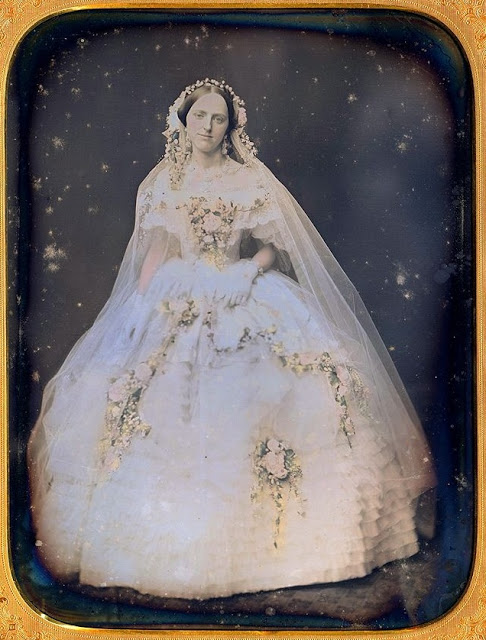
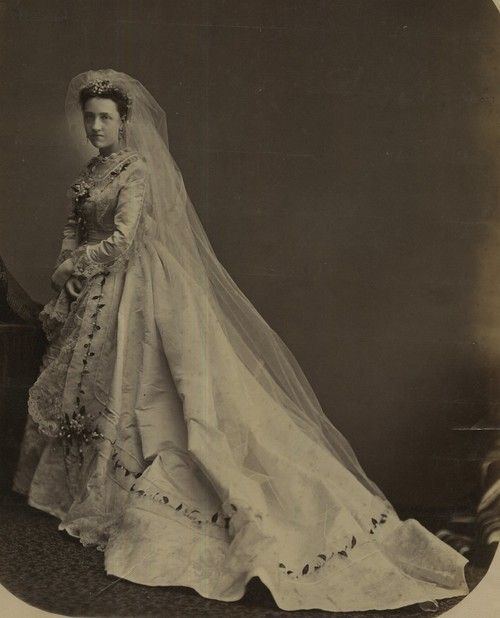
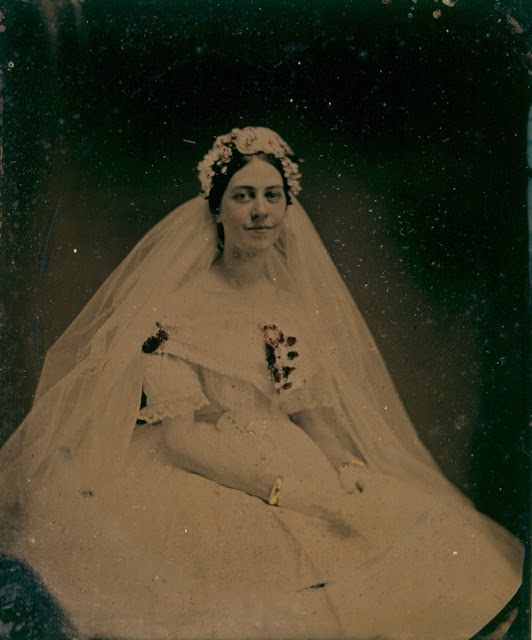
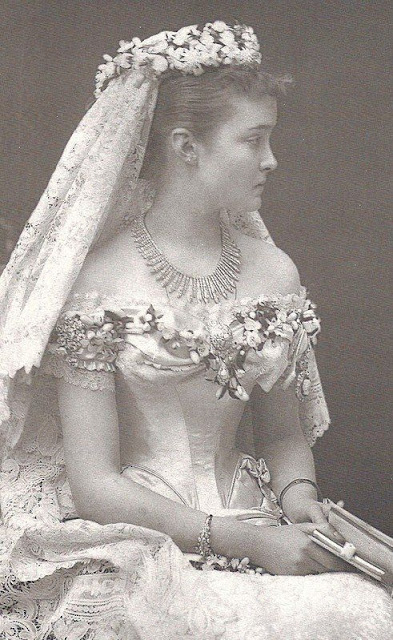
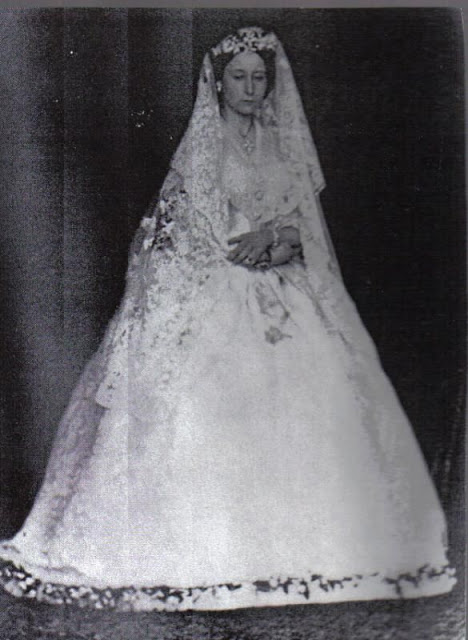
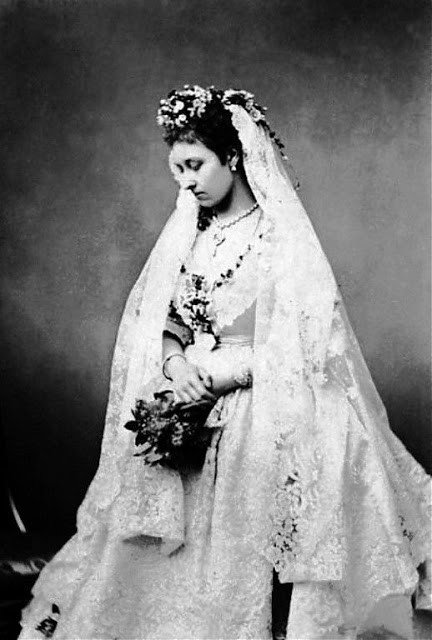
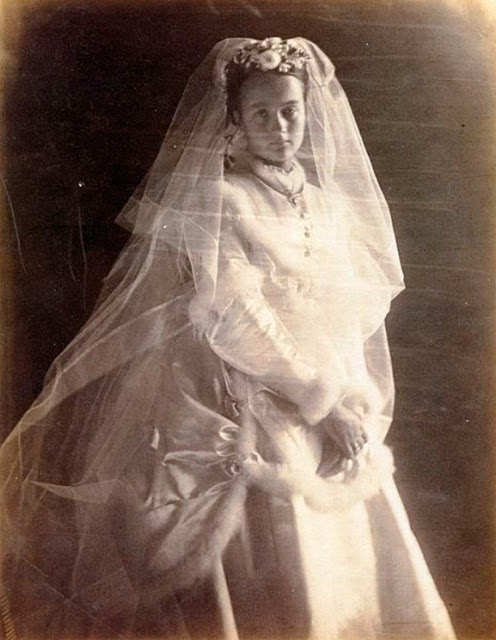
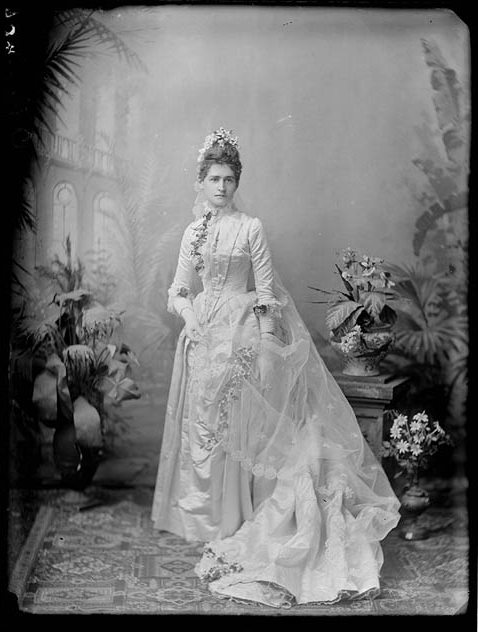
For the mid-Victorian bride (1870s) there was an emergence of middle class wealth, and with it a display of their new riches. Wedding gowns fashioned by Worth in Paris were the ultimate status symbol. And if one couldn’t afford an original, one copied them. Full court trains were now part of the wedding ensemble, as were long veils, a bustle, elegant details and two bodices–a modest one for the wedding and a low one for special occasions.
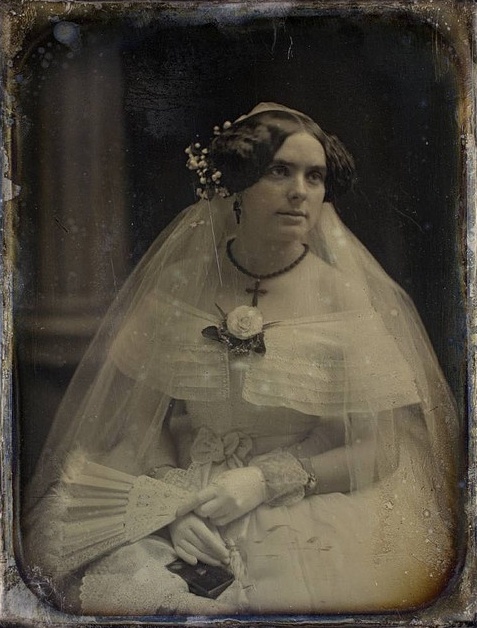
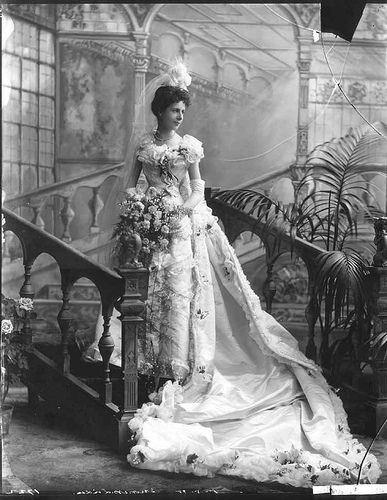
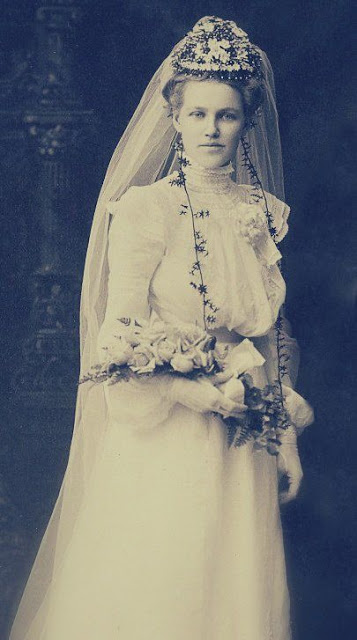
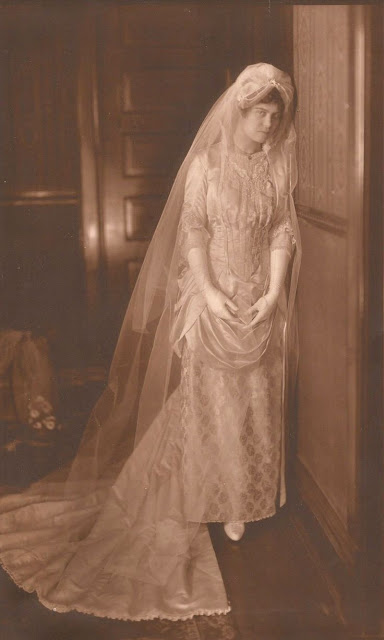
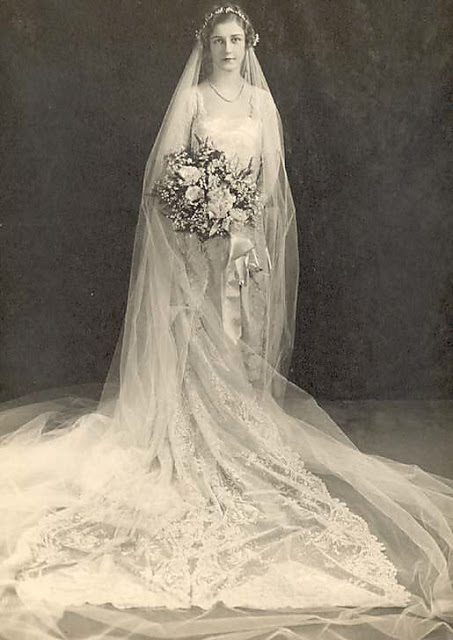
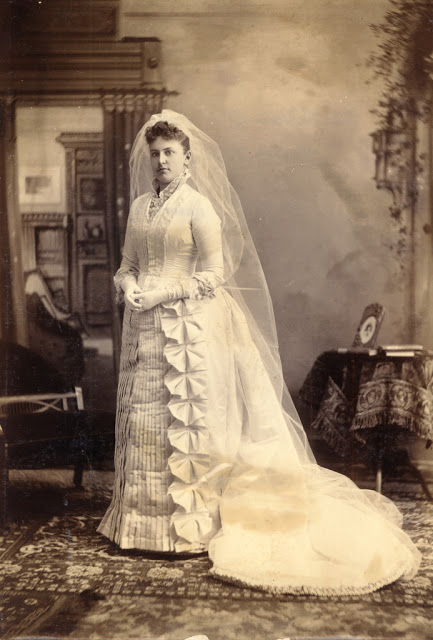
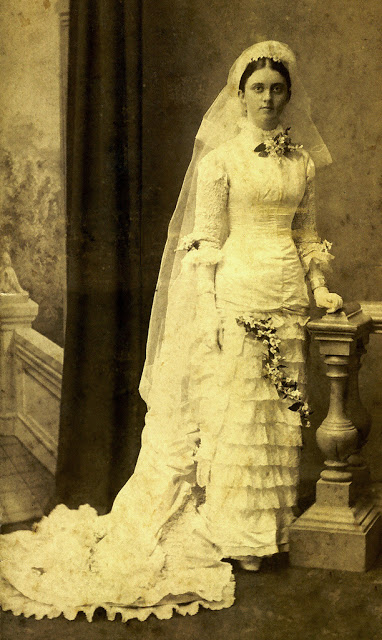
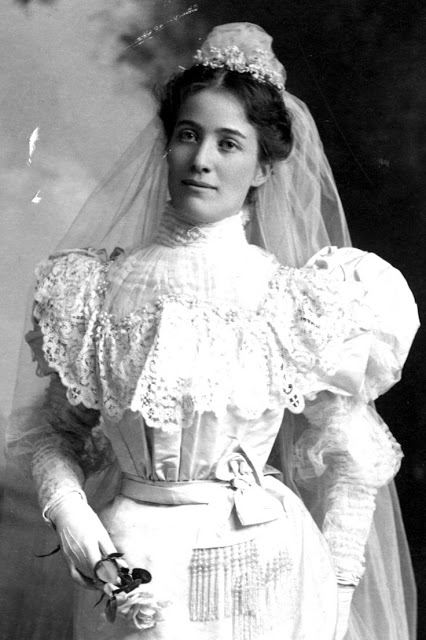
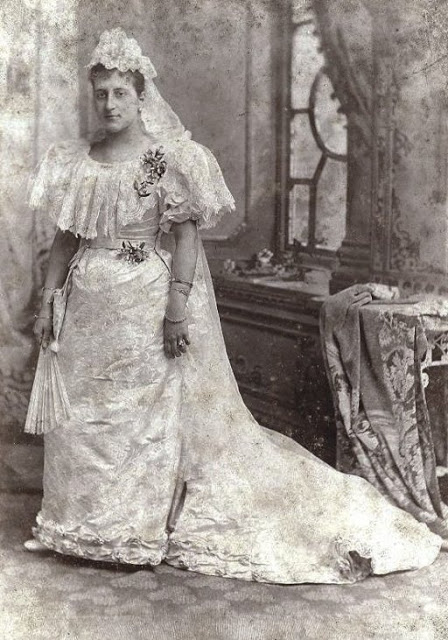
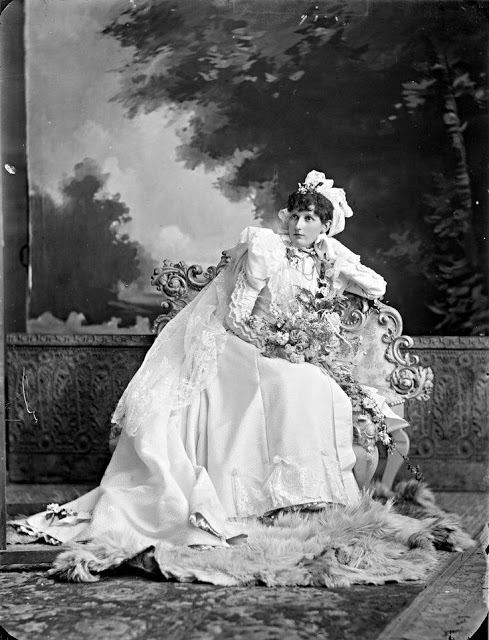
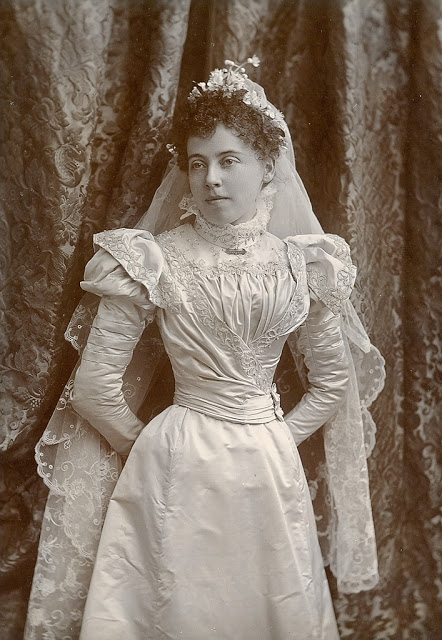
The late Victorians (1890s) saw the bustle disappear, a demi-train and large sleeves now in fashion. If the bride married in church, the dress must have a train, with a veil of the same length. The veil could be lace or silk tulle. From the mid-Victorian era to the 1890s, the veil covered the bride’s face and was not lifted until after church. The veil was not used as a shawl after the wedding any more, however. White kid gloves were long enough to tuck under the sleeves, and had a slit in one finger to slip the ring on without removing the glove. Slippers were of white kid, satin or brocade and the heels rose to one inch.
For the widow who remarried in the early and mid-Victorian eras, she did not wear white, had no bridesmaids, no veil and no orange blossoms, (a sign of purity.) She usually wore a pearl or lavender satin gown trimmed with ostrich feathers. In the later decades, she was allowed attendants as well as pages, but no veil or orange blossoms. She could wear a shade or two away from white, preferring rose, salmon, ivory or violet.



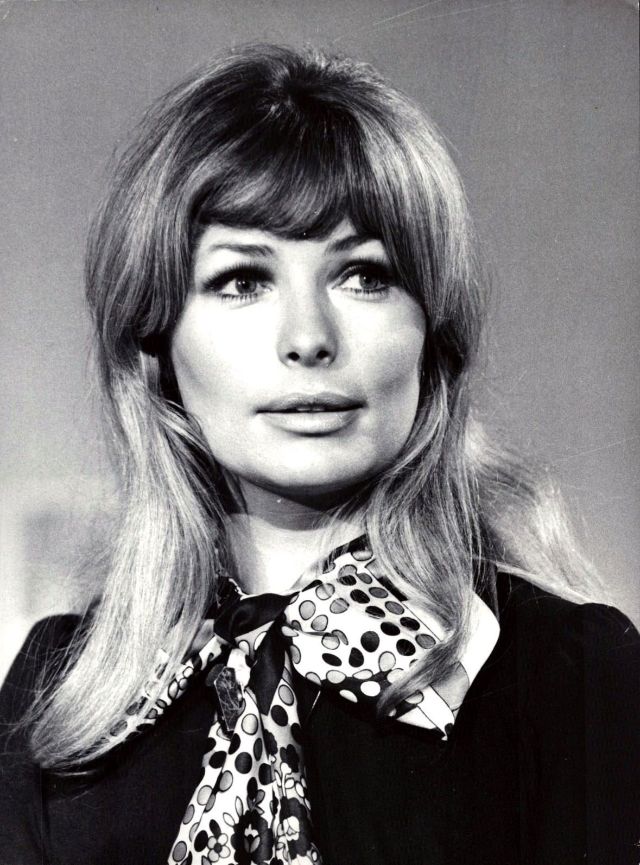
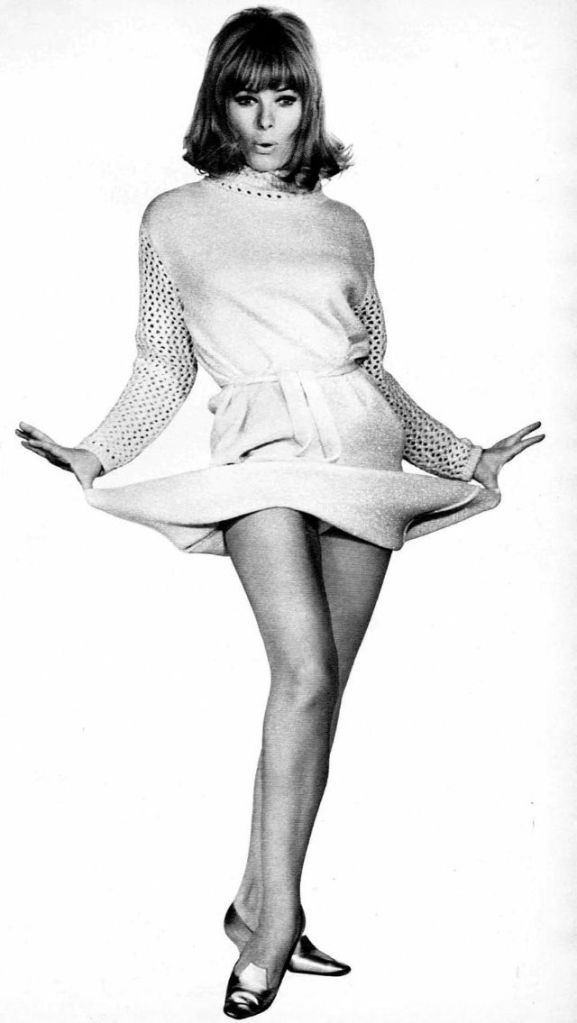
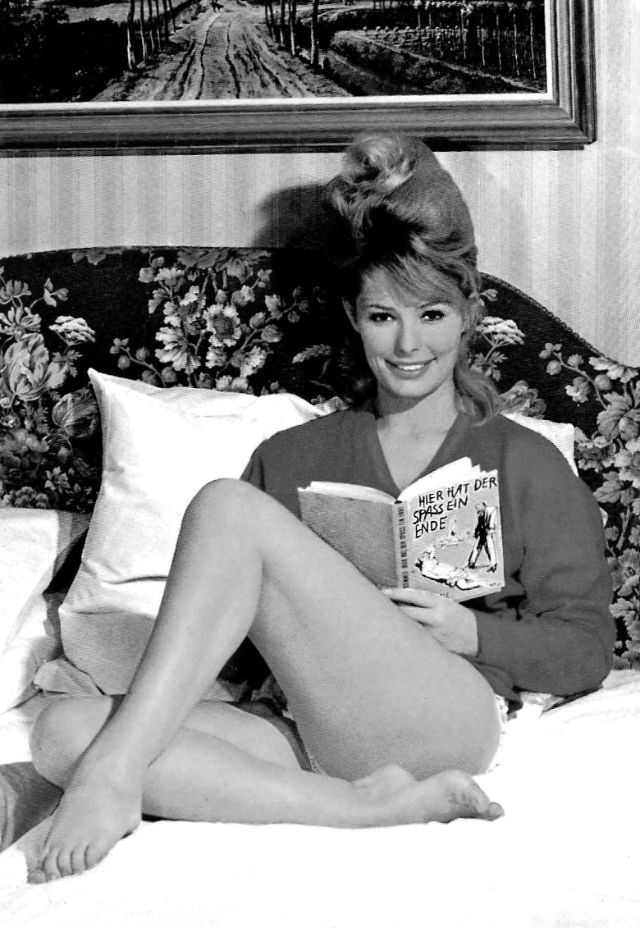
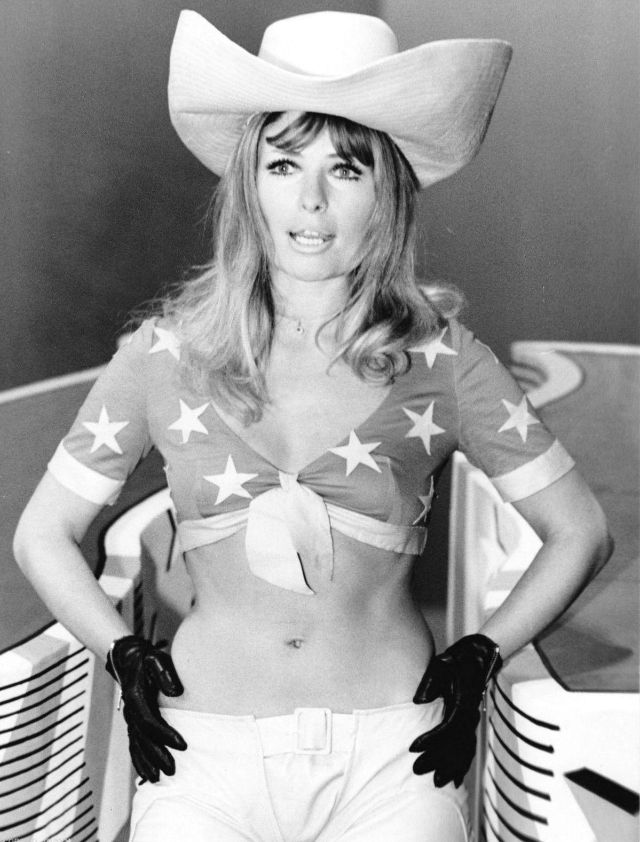
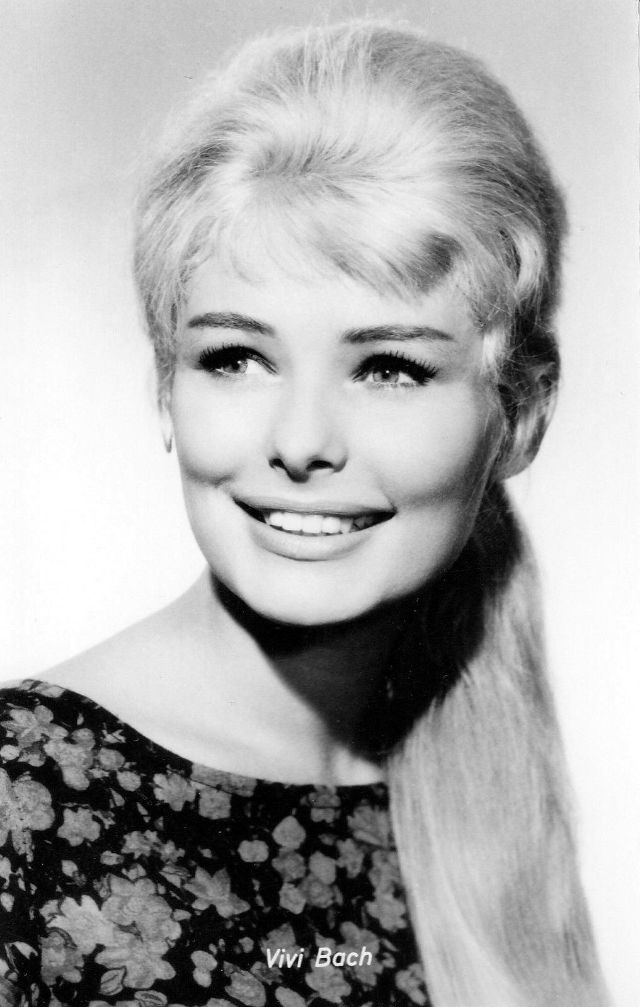
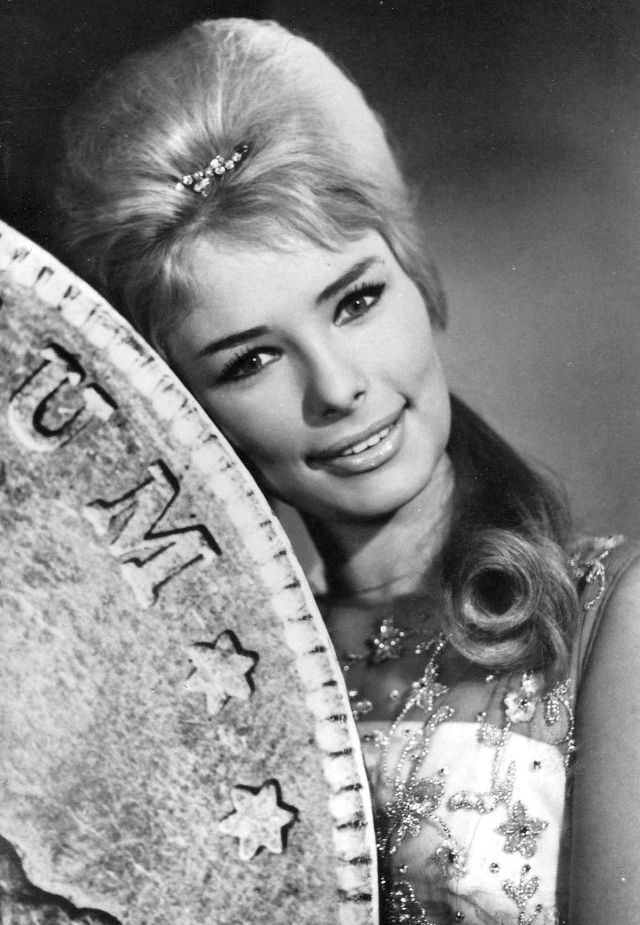
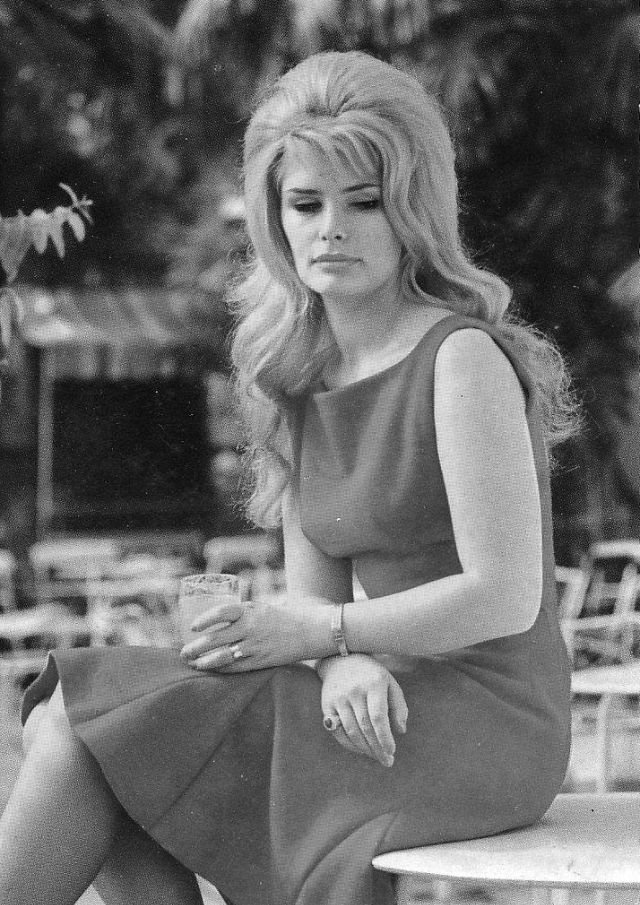
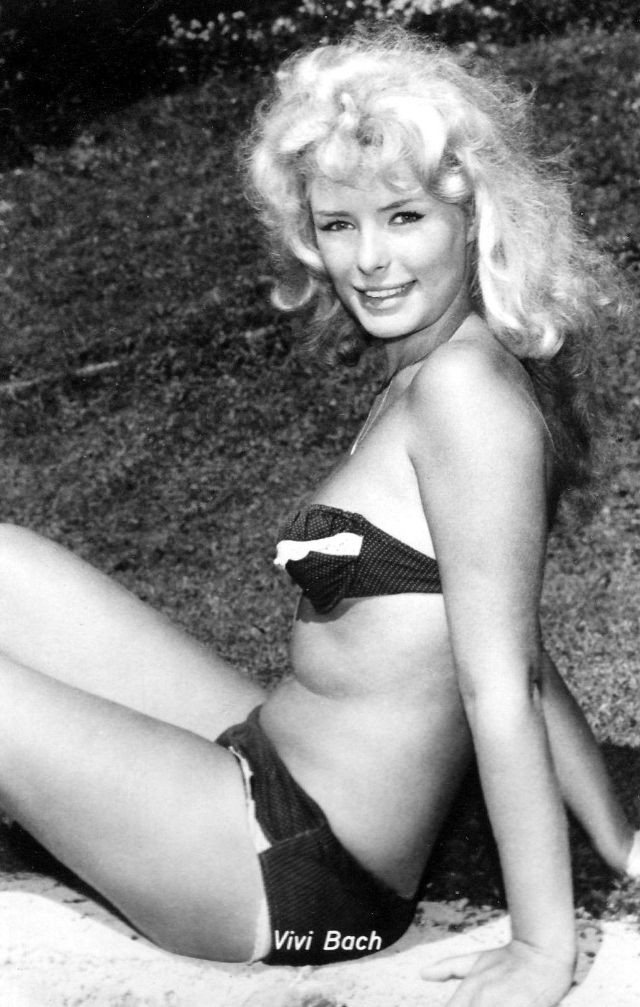
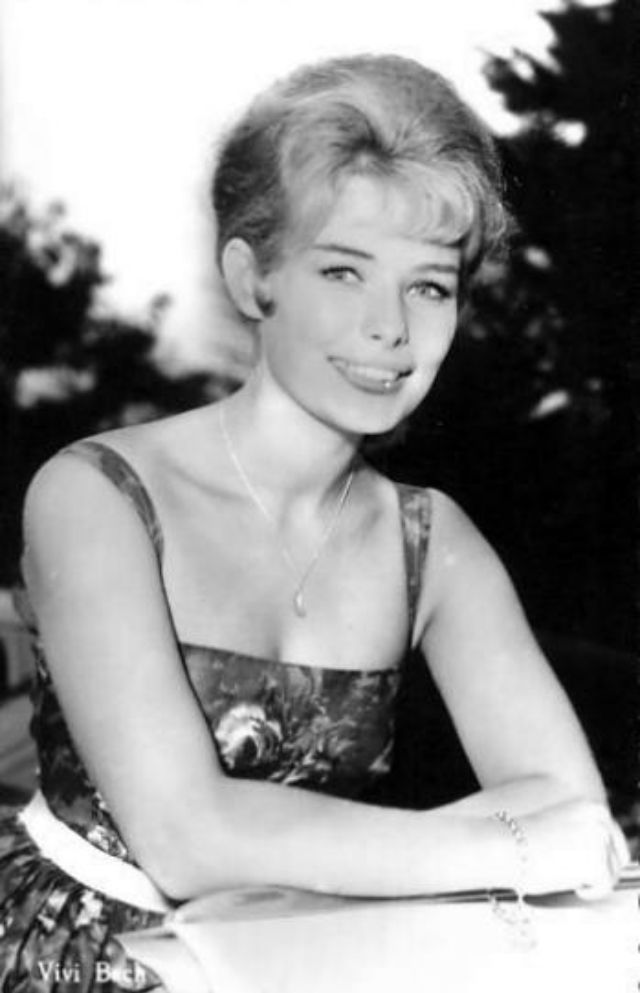
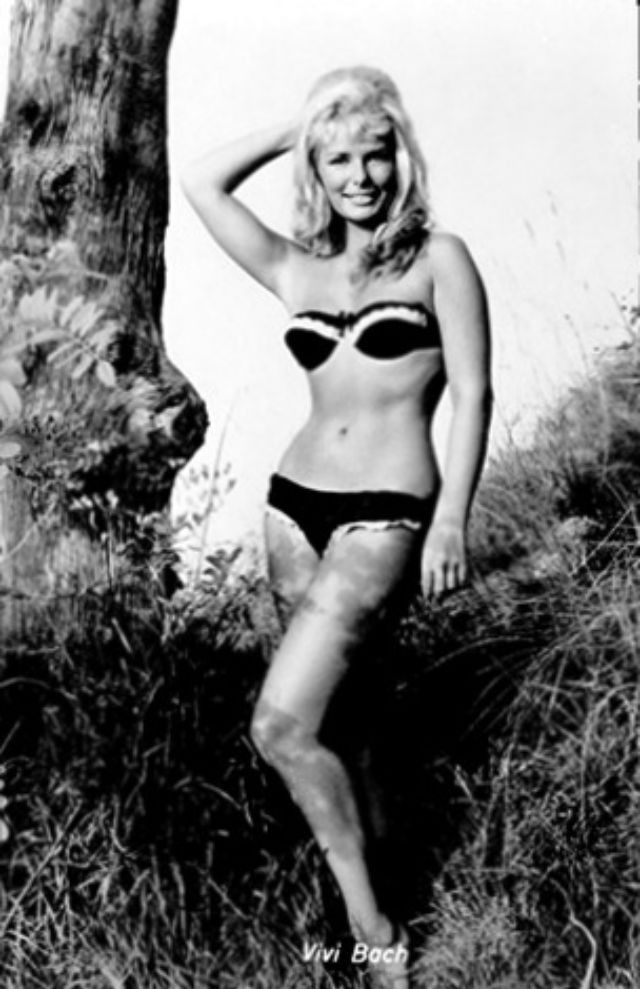
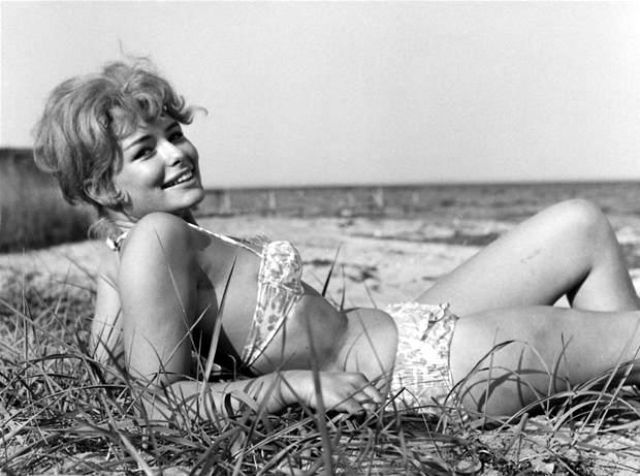
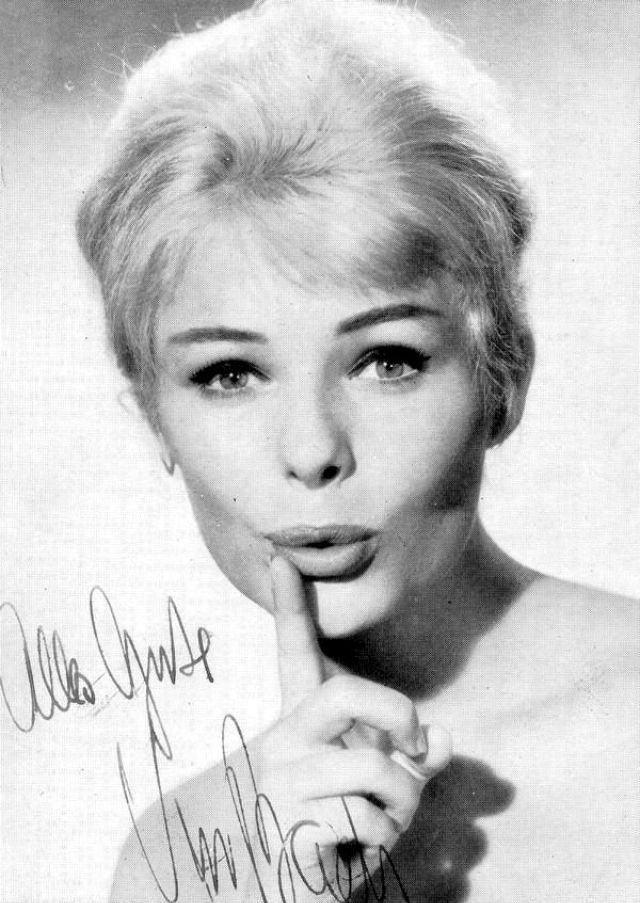
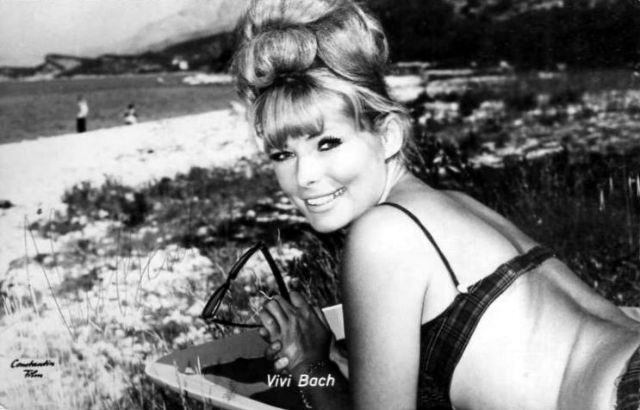
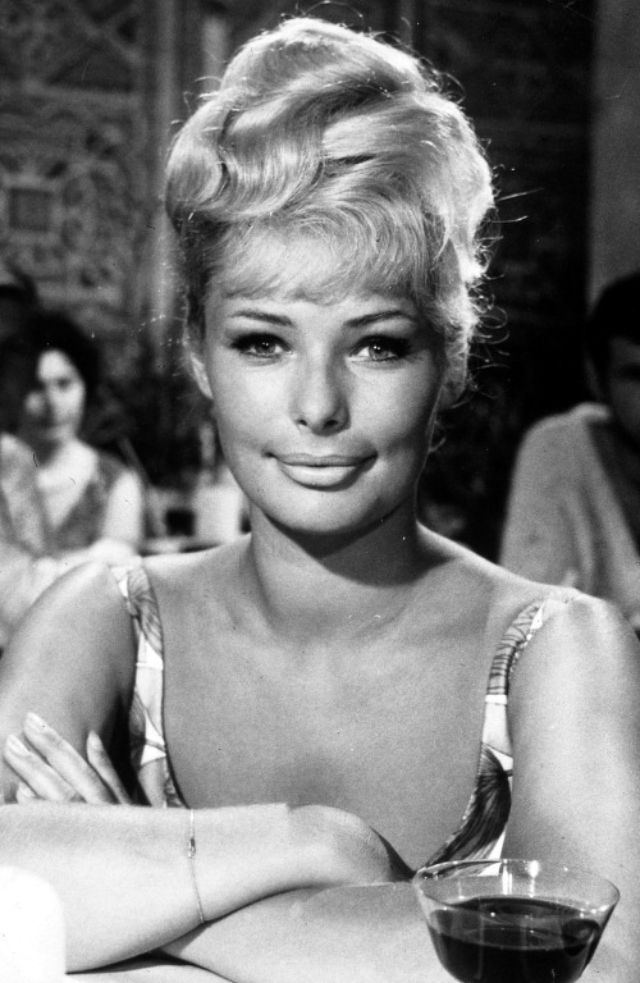
Born 1939 in Copenhagen, Danish singer, actress and icon Vivi Bach appeared in 48 films between 1958 and 1974; notably known for Holiday in St. Tropez (1964), Soldaterkammerater rykker ud (1959) and Das Rätsel der roten Quaste (1963).
Bach was nicknamed “the first Danish teenager of Denmark” and “the Danish Brigitte Bardot”. She died in 2013 in Ibiza, Spain, where she lived with her husband, the Austrian film actor Dietmar Schönherr, aged 74.


















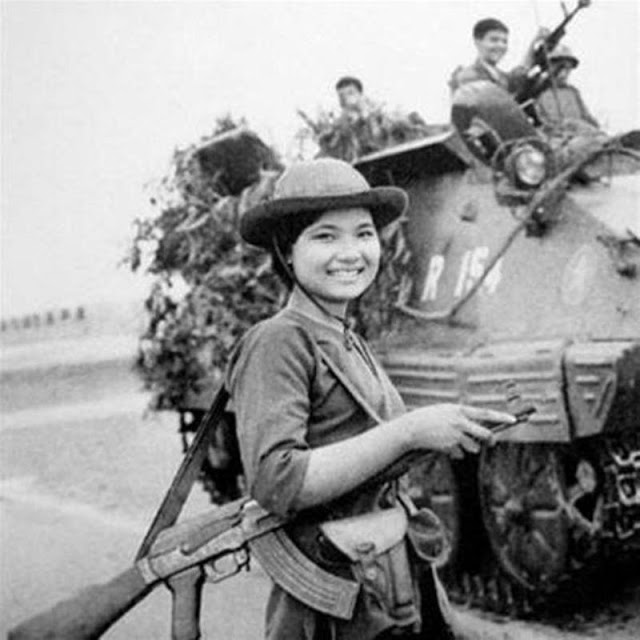
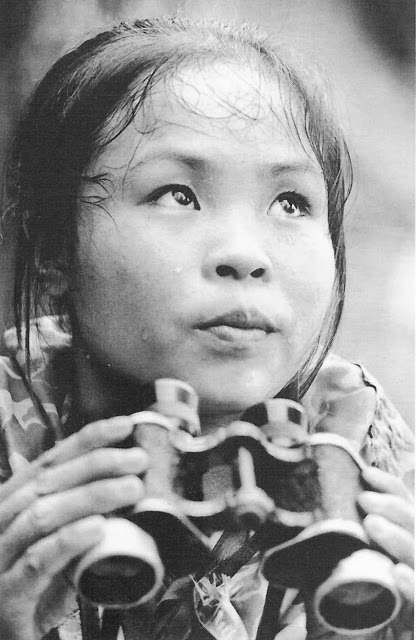
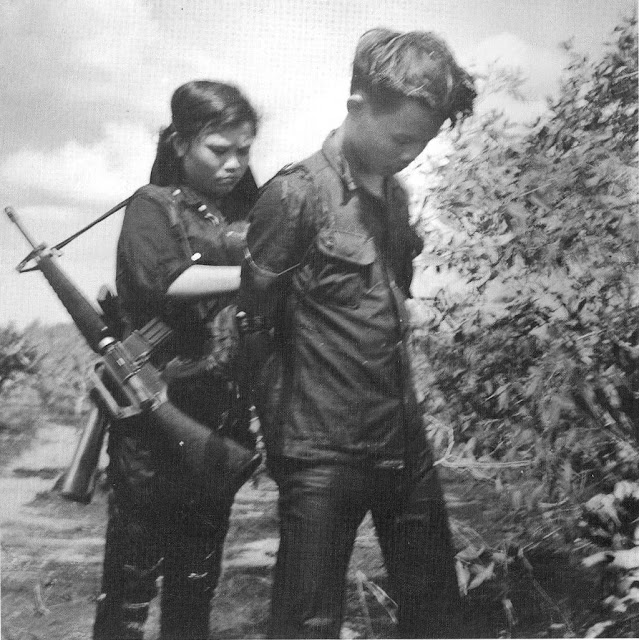
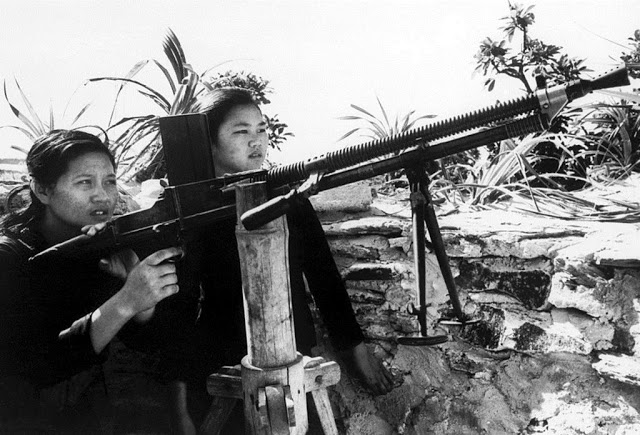
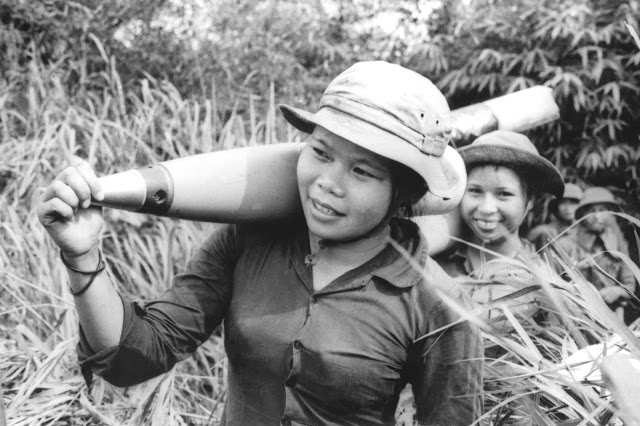
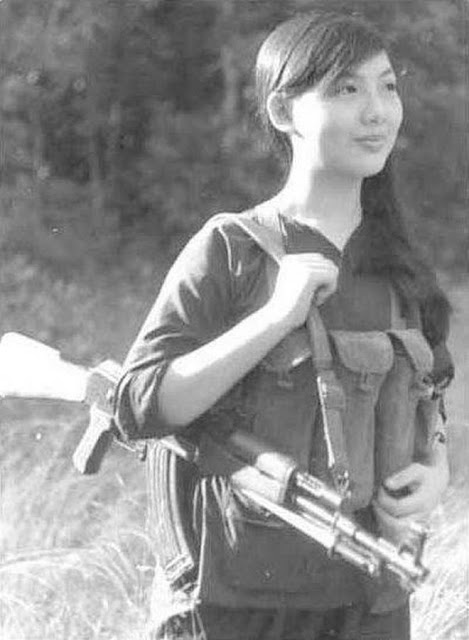
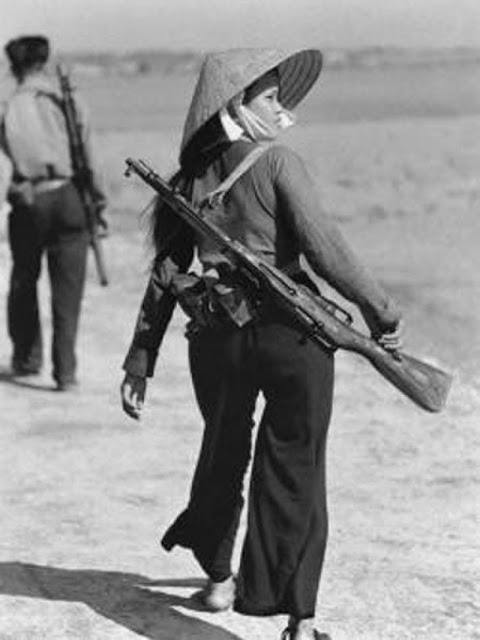
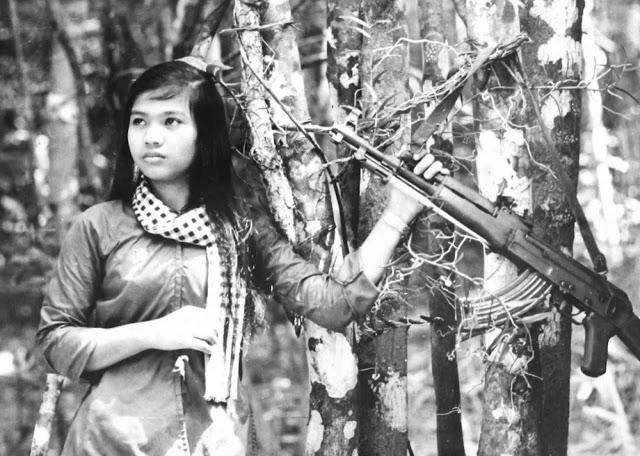
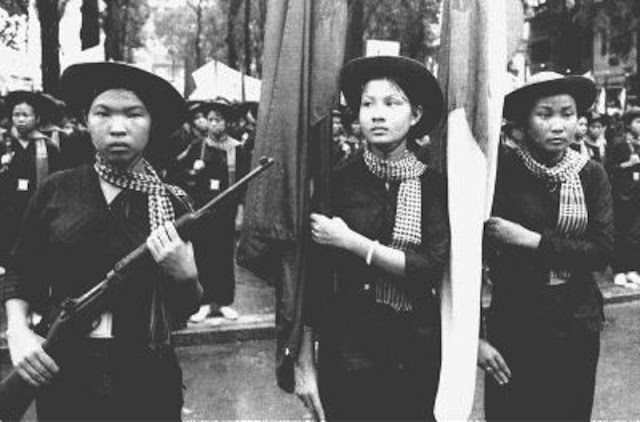
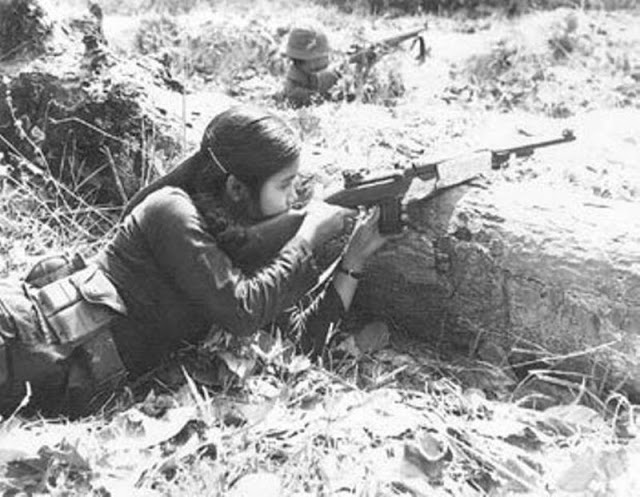
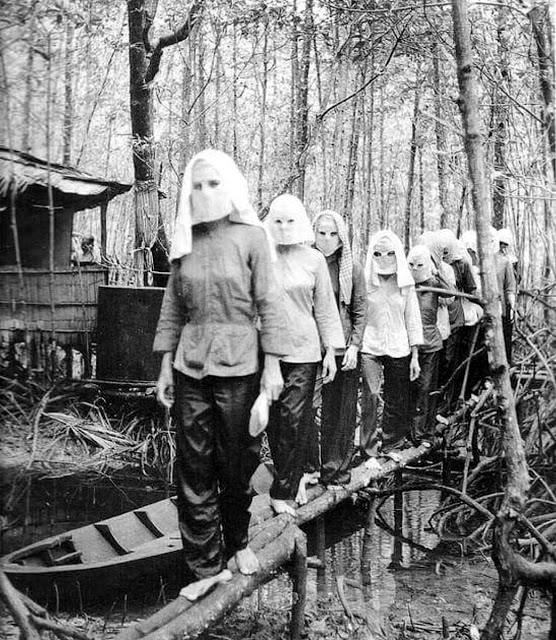
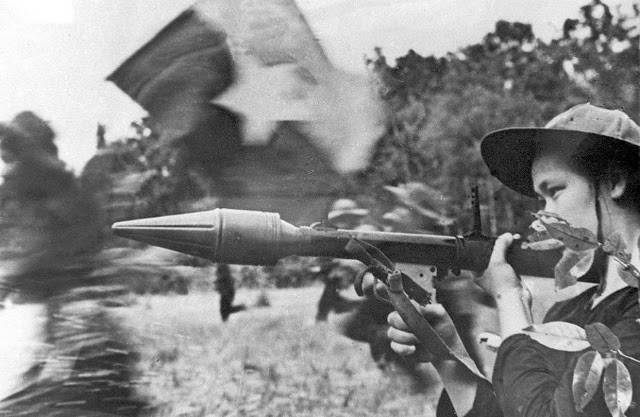
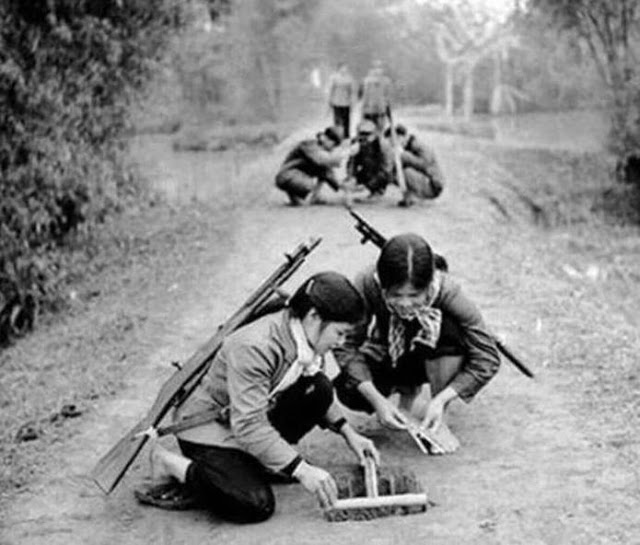
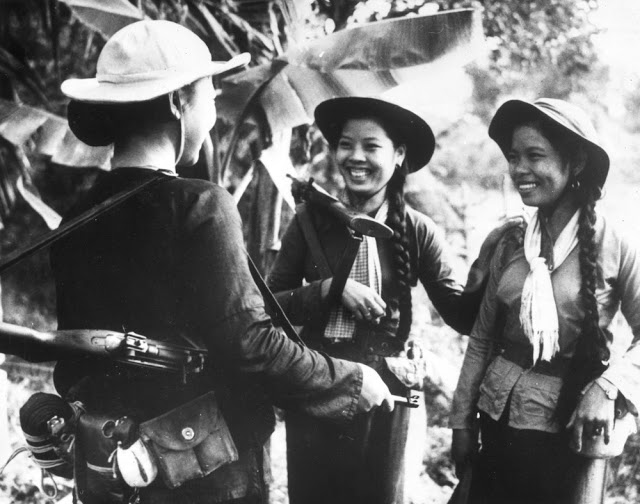
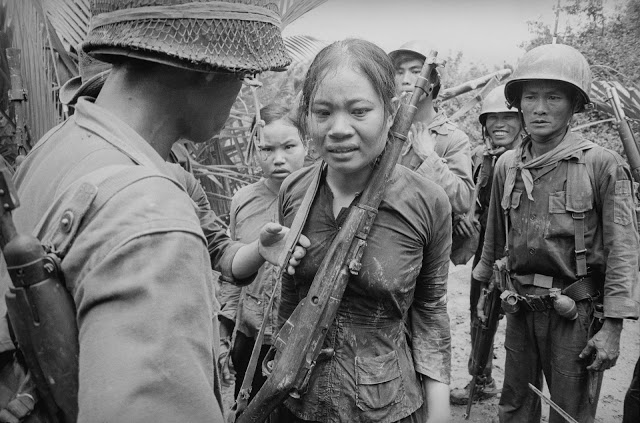
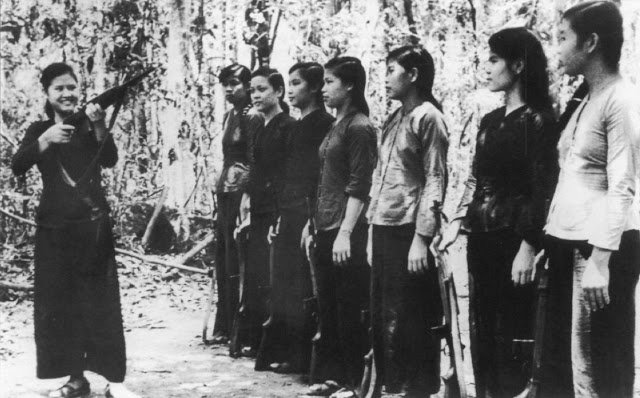
The Vietnam War still remains controversial and people on both sides suffered immense losses and clearly at least some of these pics are staged, but regardless of your feeling on the issue, these pictures provide a historical reminder of the strength of the women who fought alongside their male counterparts but are often not acknowledged and the harsh reality of wartime that didn’t discriminate by gender.













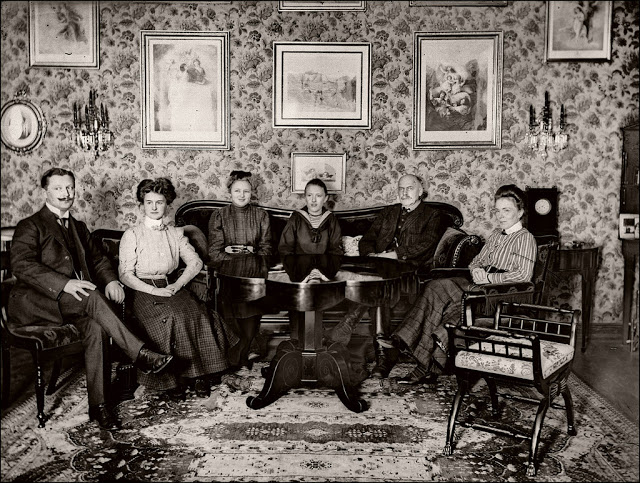
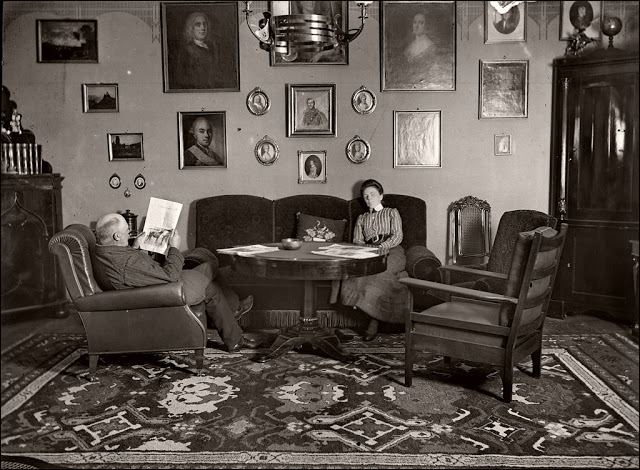

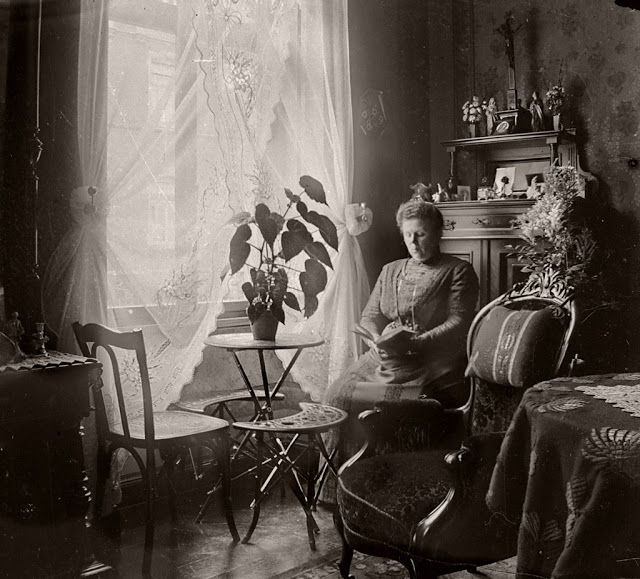



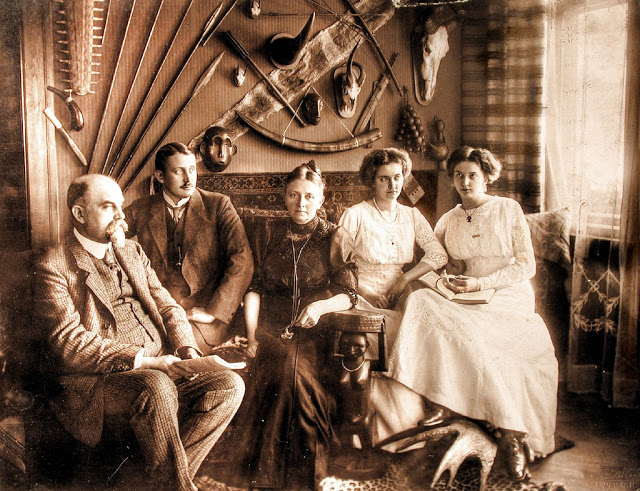

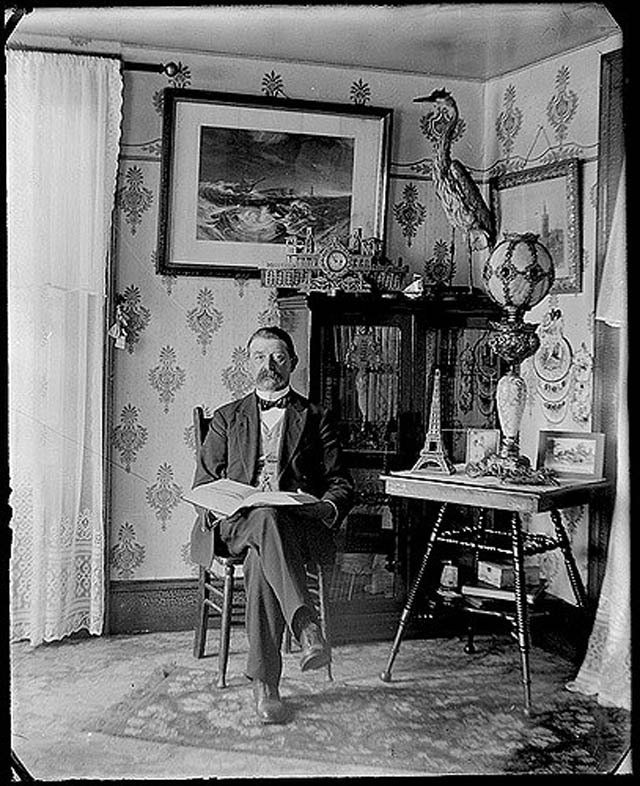
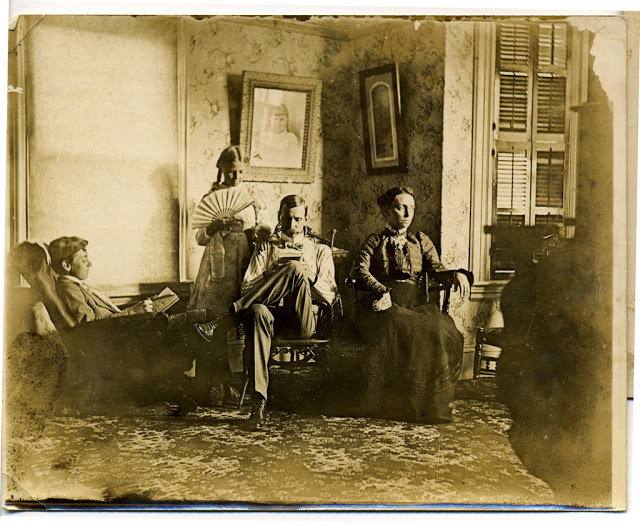


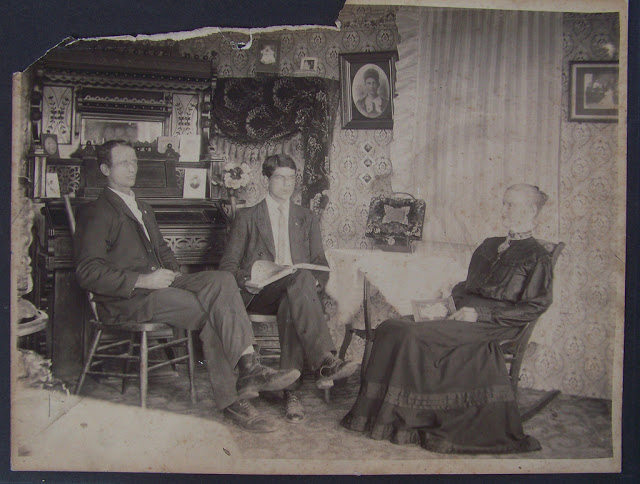
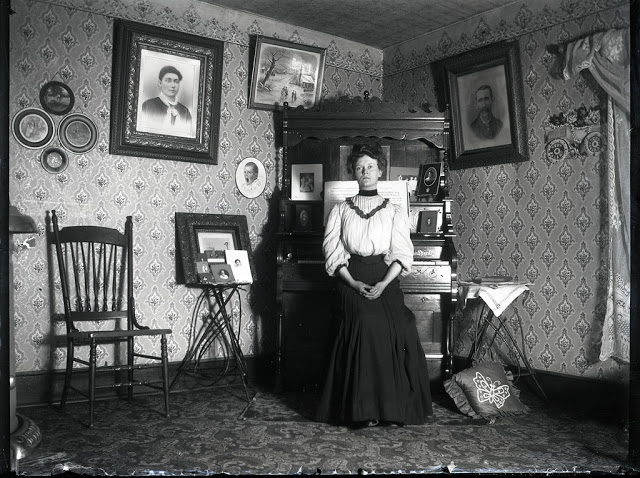
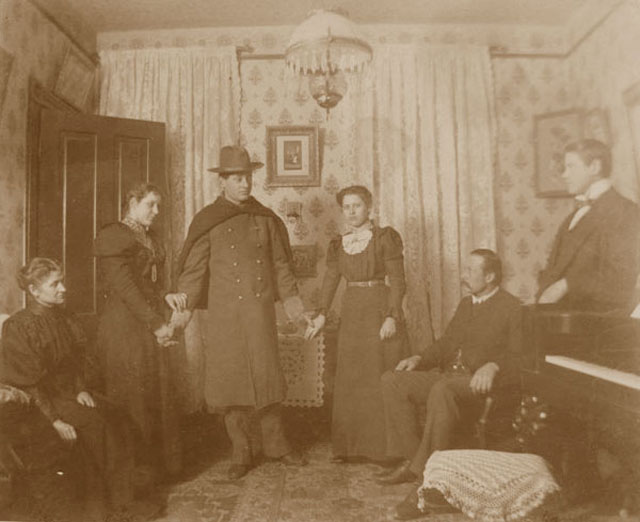

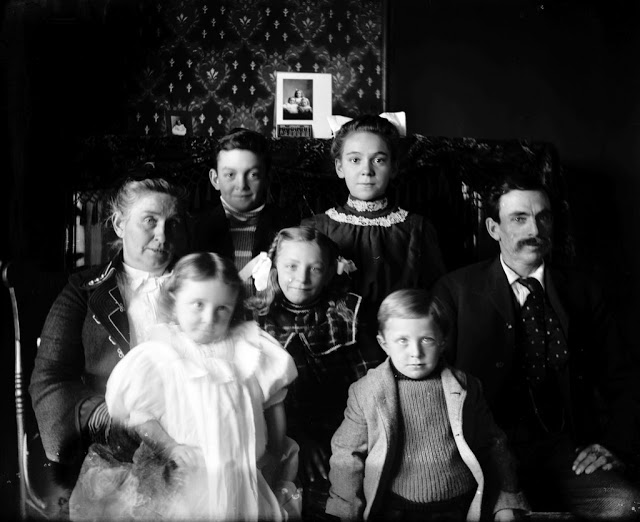


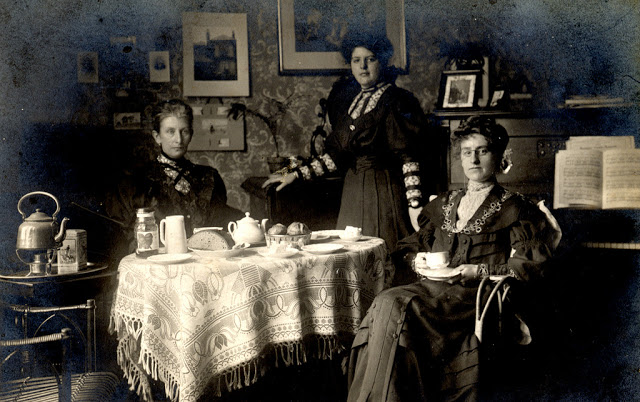
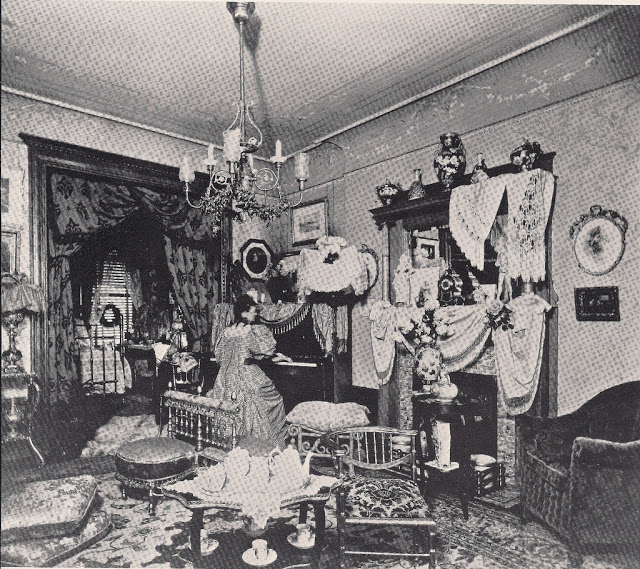


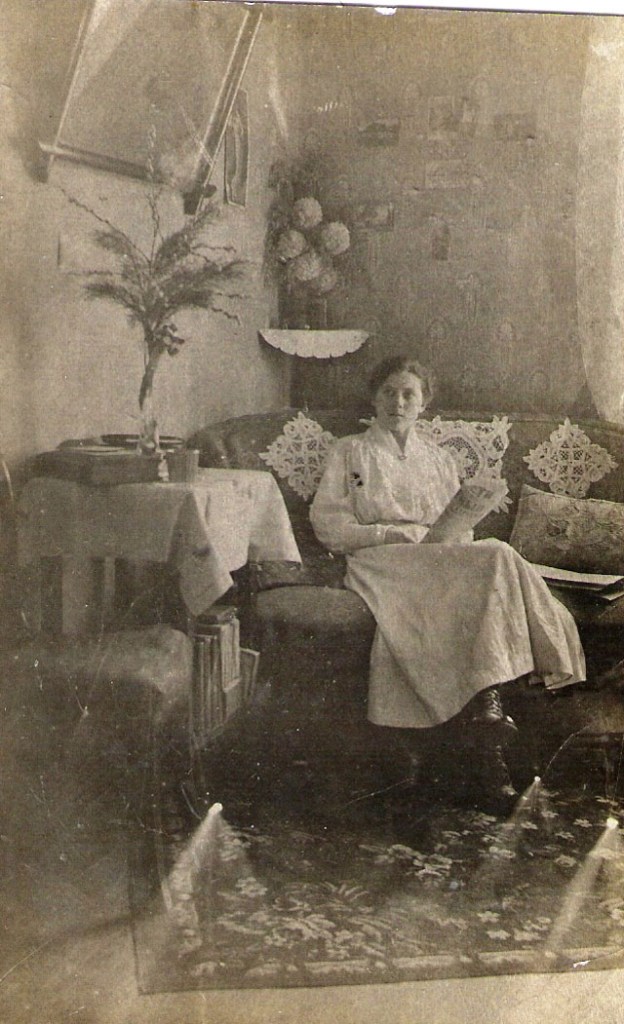
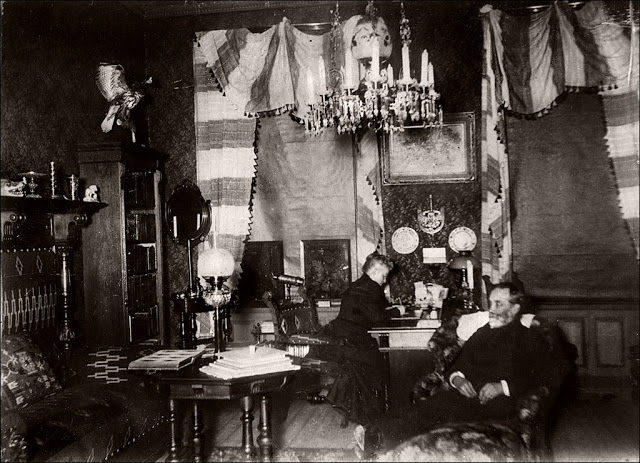
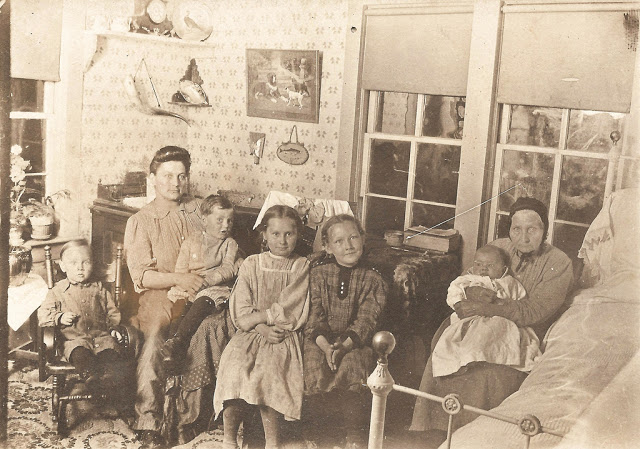


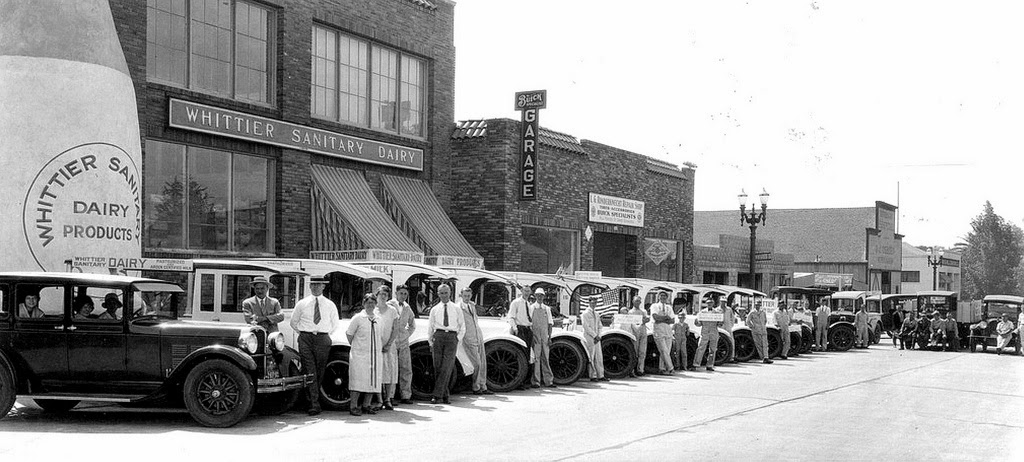
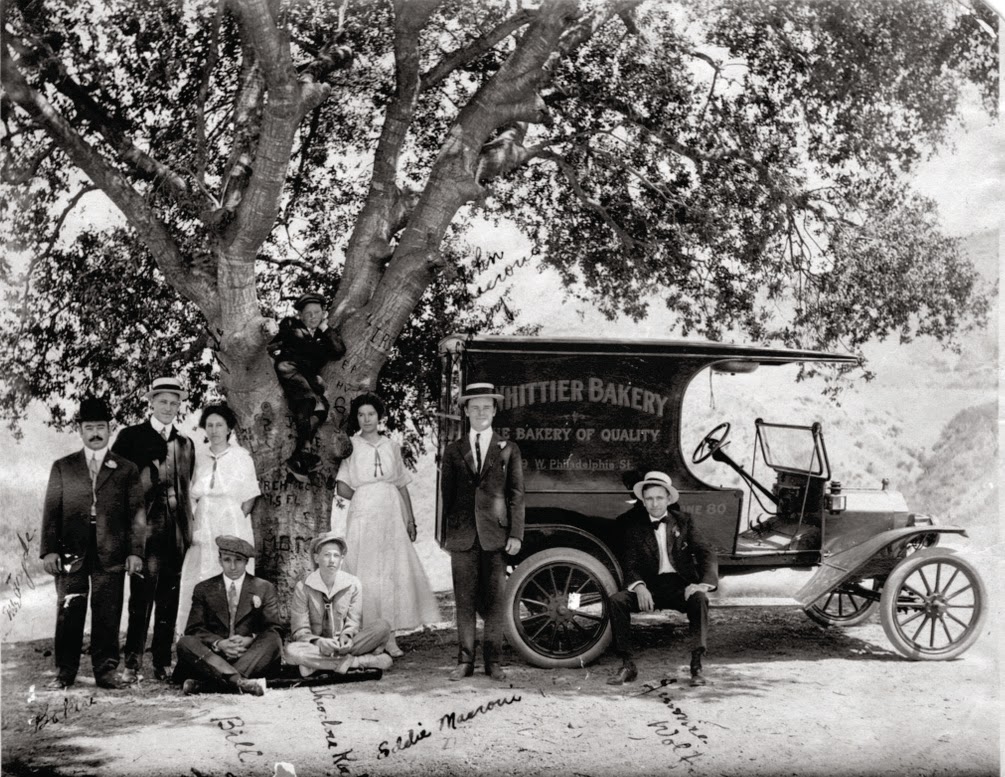
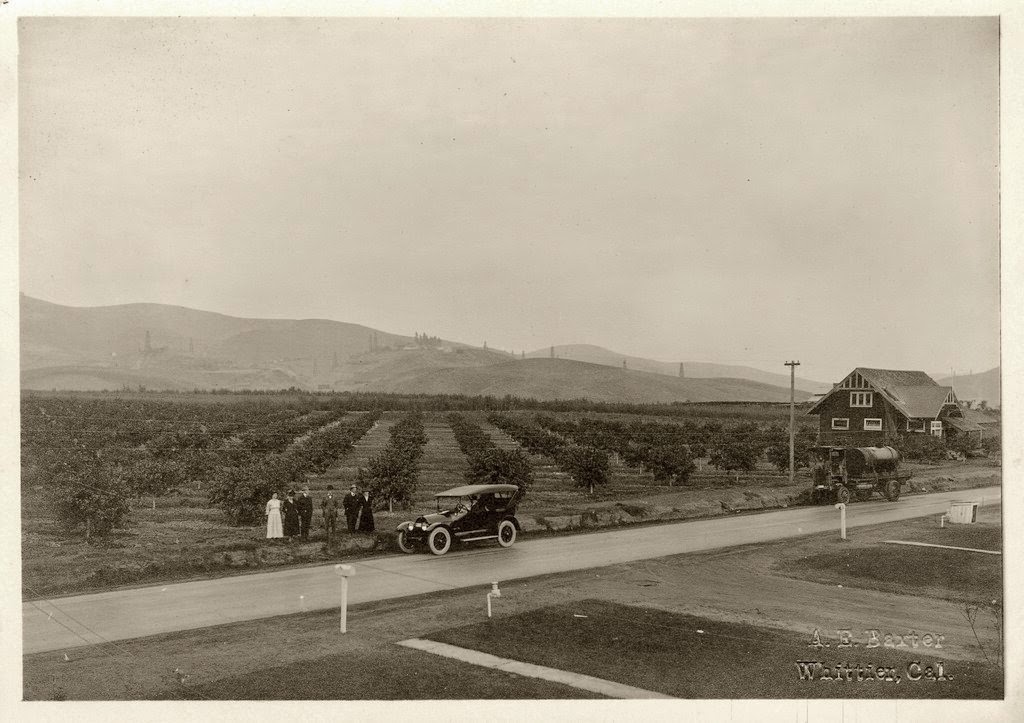
Whittier is located in Los Angeles County, about 12 miles southeast of the City of Los Angeles, California.
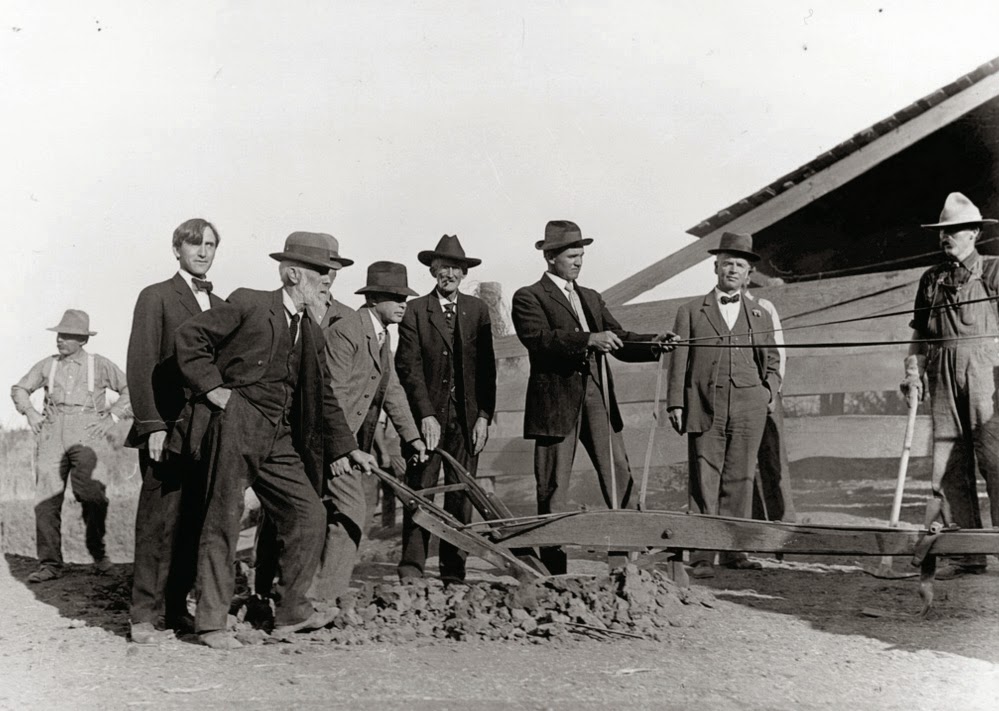
The City of Whittier has a diverse and colorful history beginning with the Gabrielino Indians who first inhabited the area during the City’s pre-history. Later, Spanish California (1769-1821) would influence the region with the establishment of both missions and large ranchos. It was the Spanish land grant given to retired solider Jose Manuel Nieto in 1784 that would encompass part of present day Whittier.
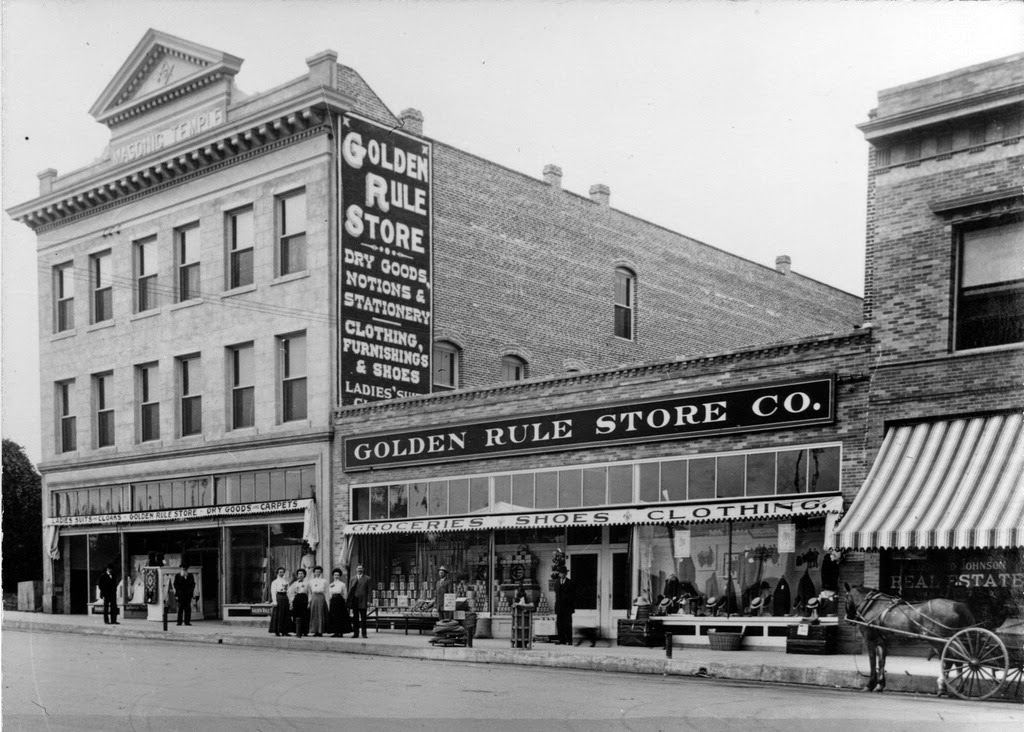
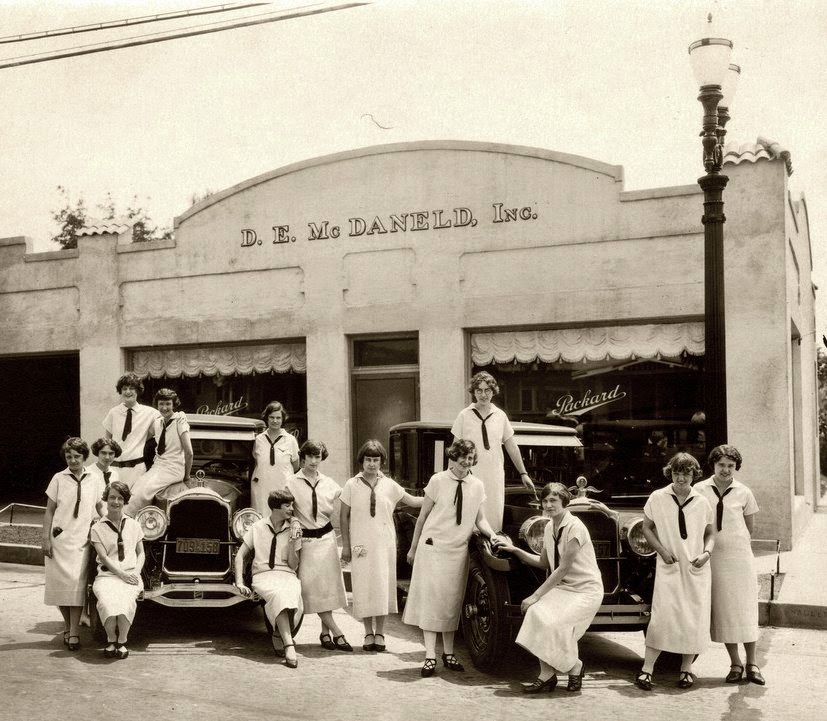
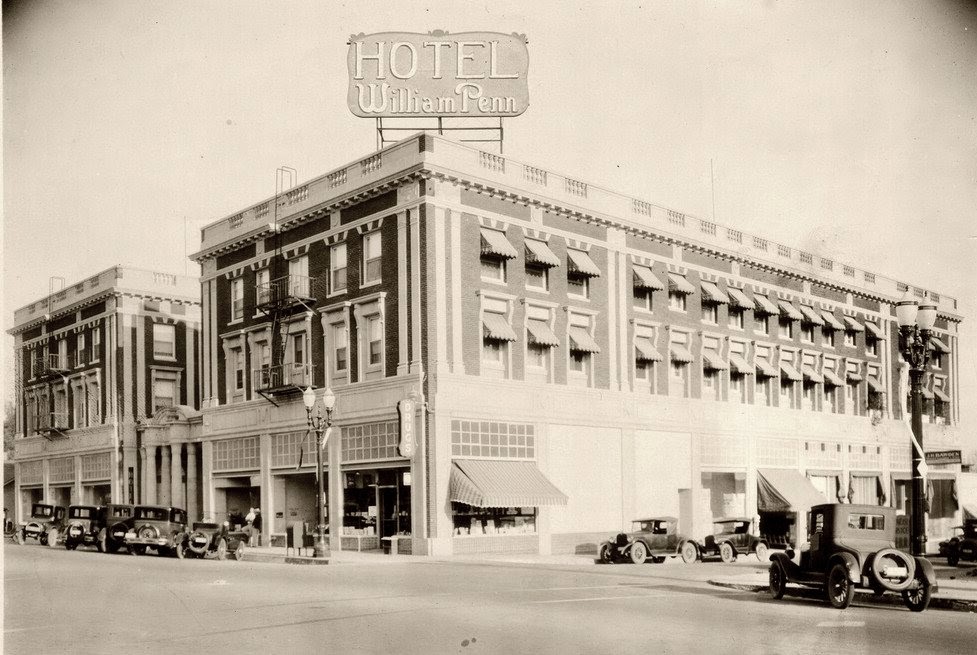
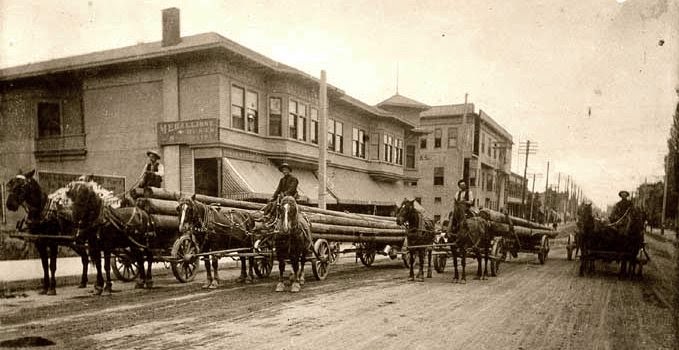
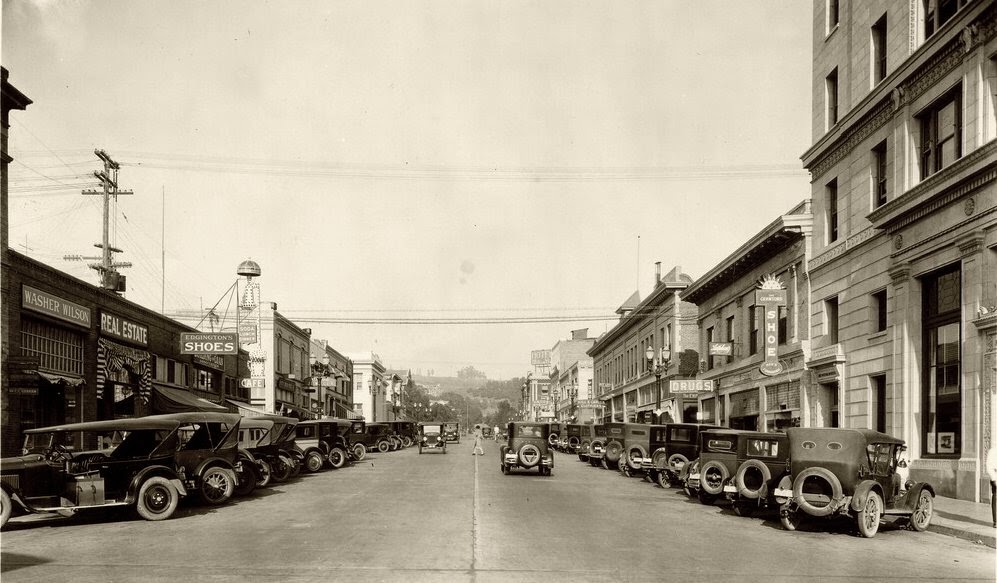
During the 1920s and 1930s, residential and commercial development was becoming increasingly geared toward accommodating the automobile. This became evident as residential garages replaced barns and streets were widened and paved with parking spaces to accommodate automobile traffic as the use of public rail for transportation waned and eventually ended in Whittier by 1938.
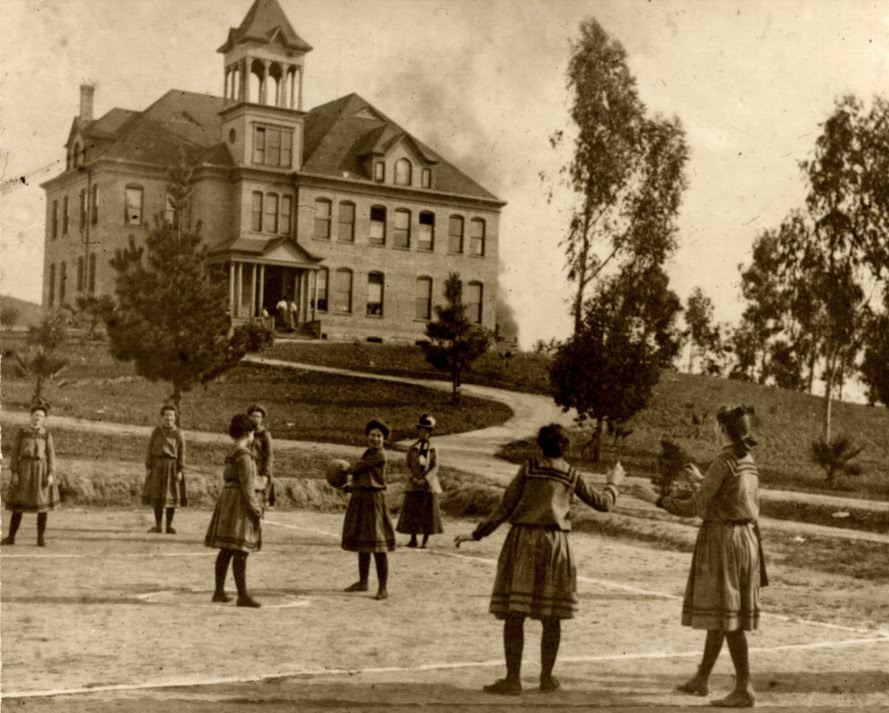
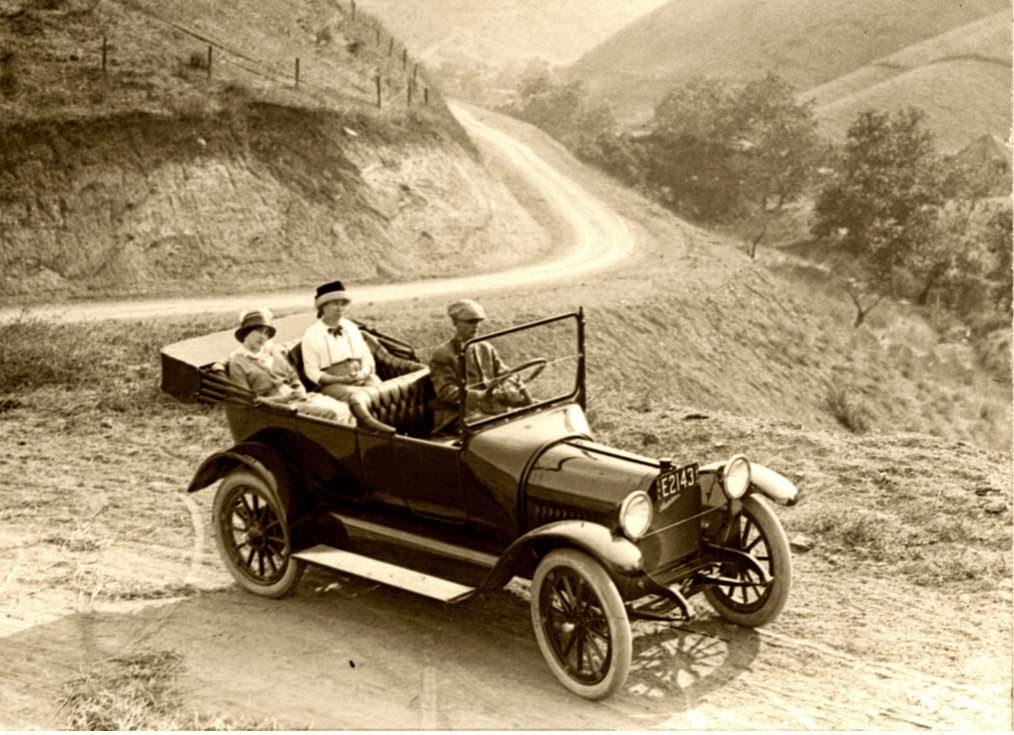
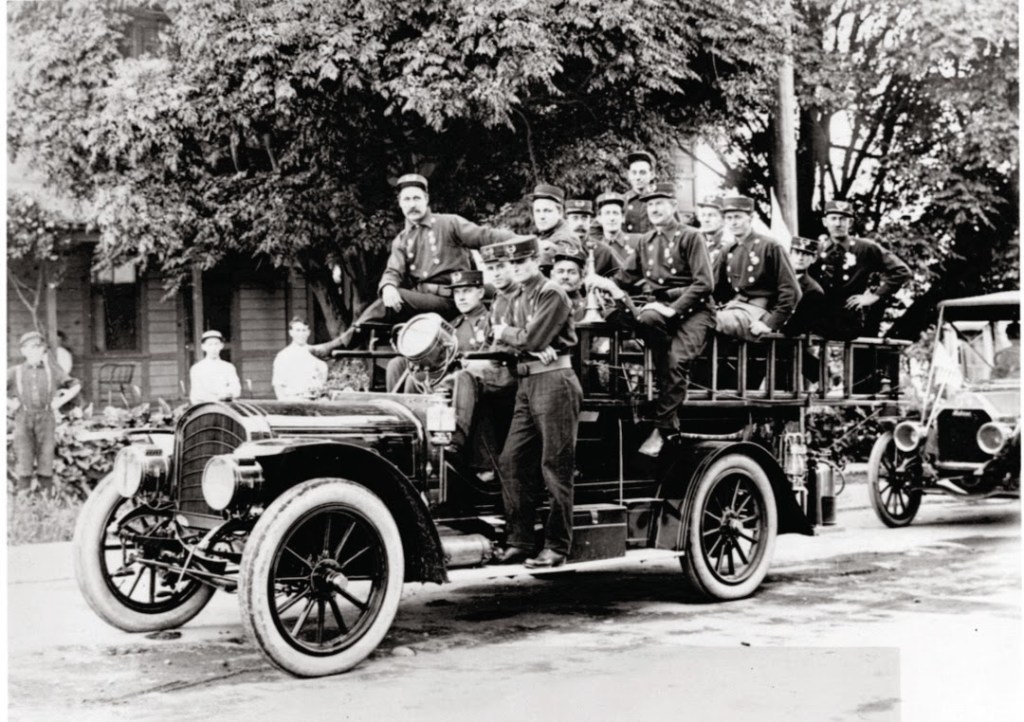
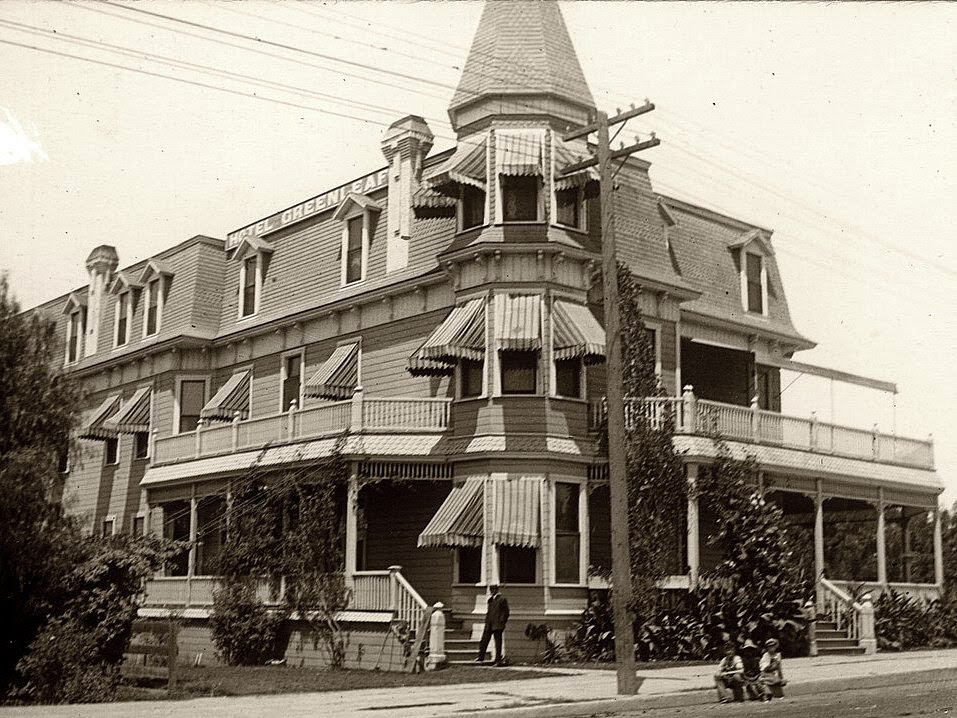
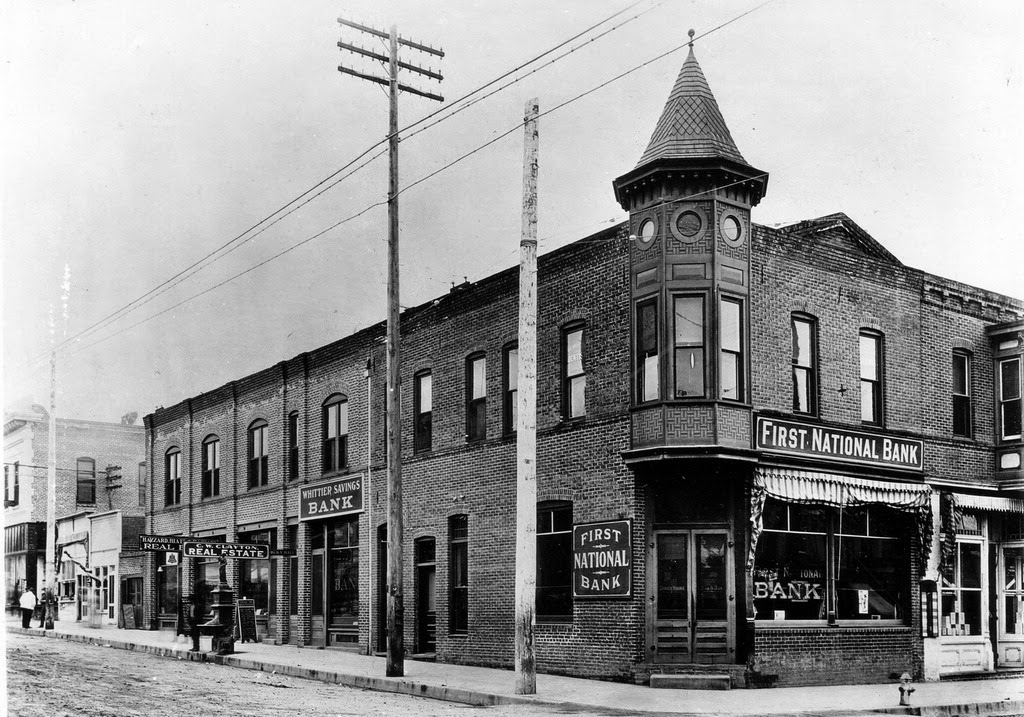
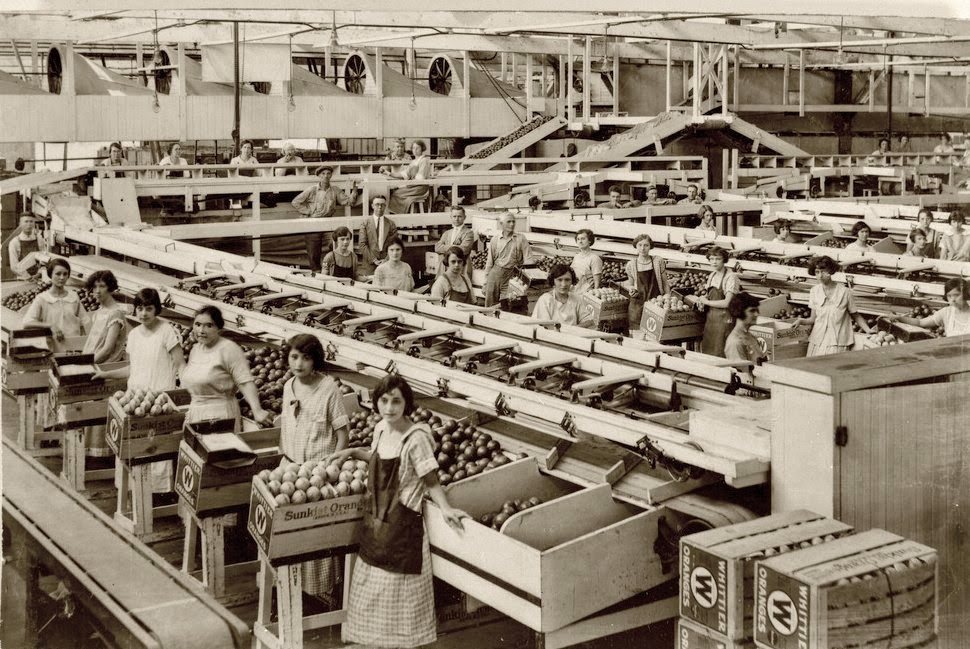
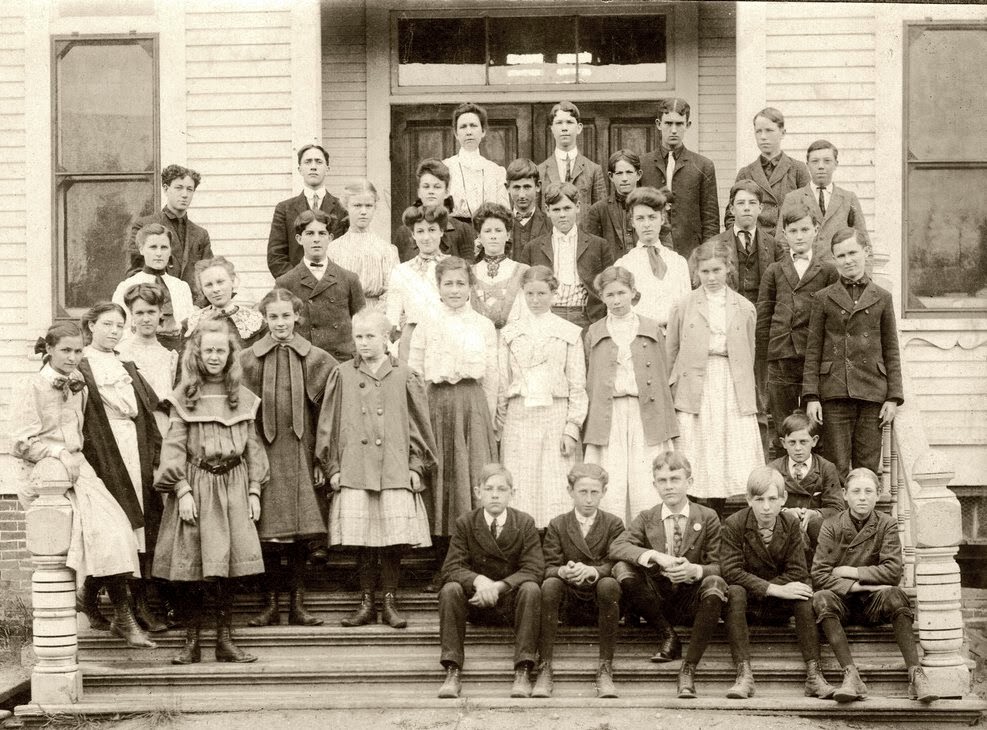
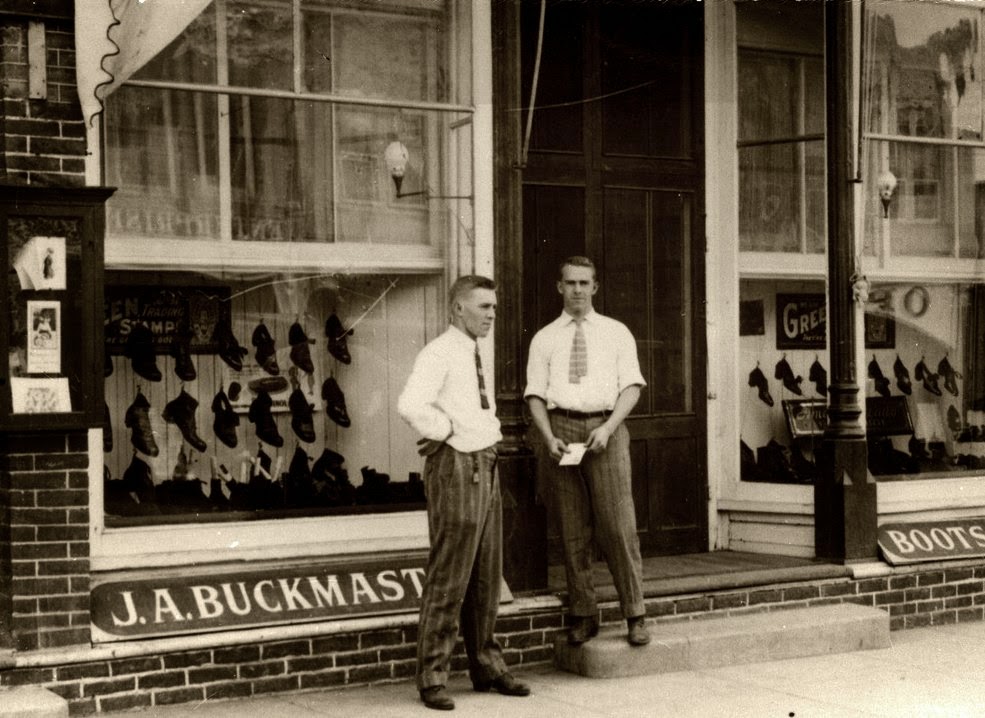
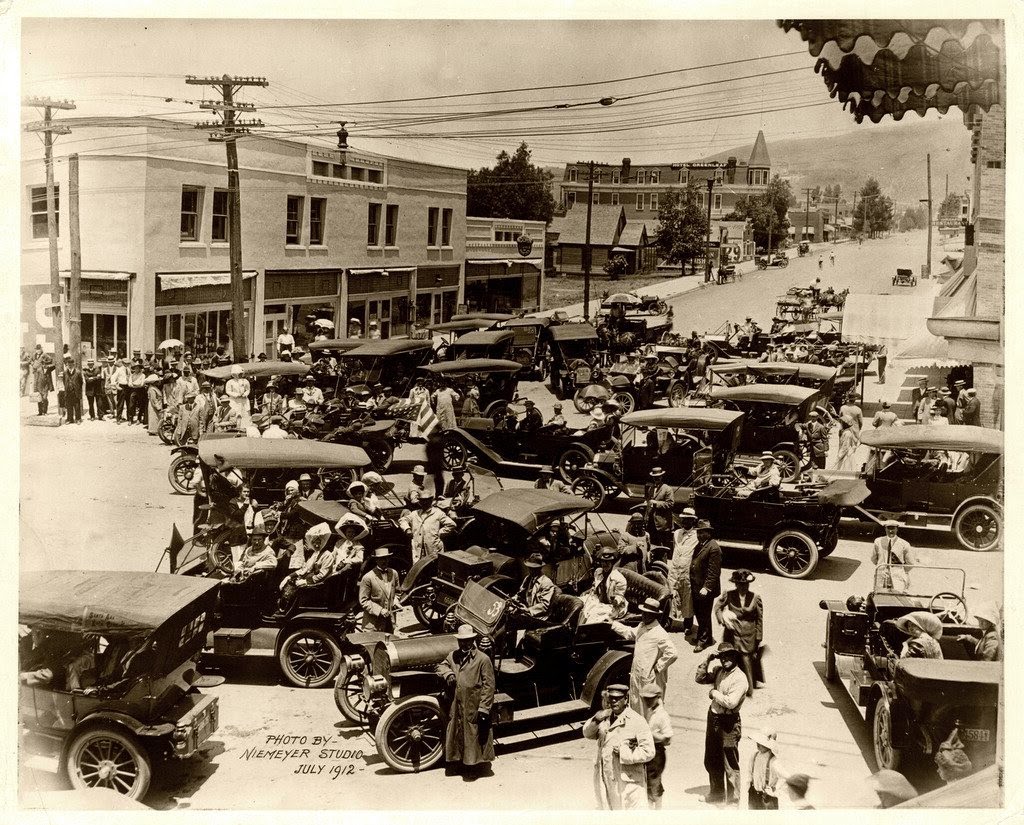
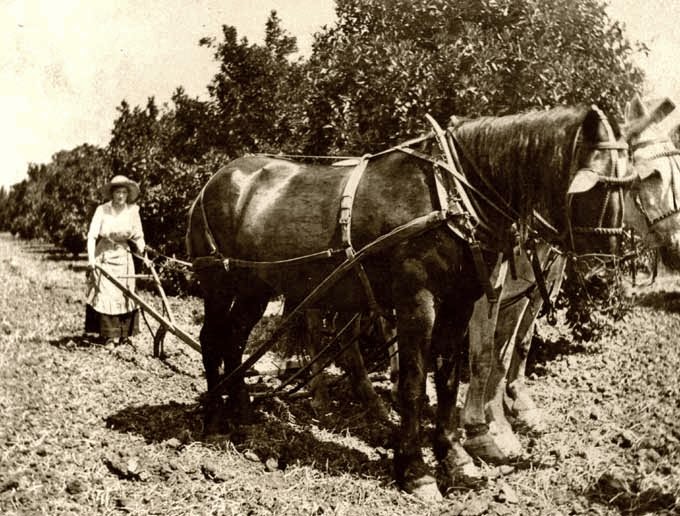
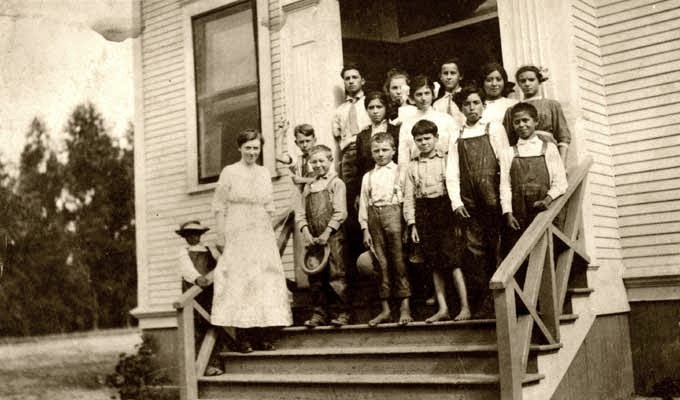
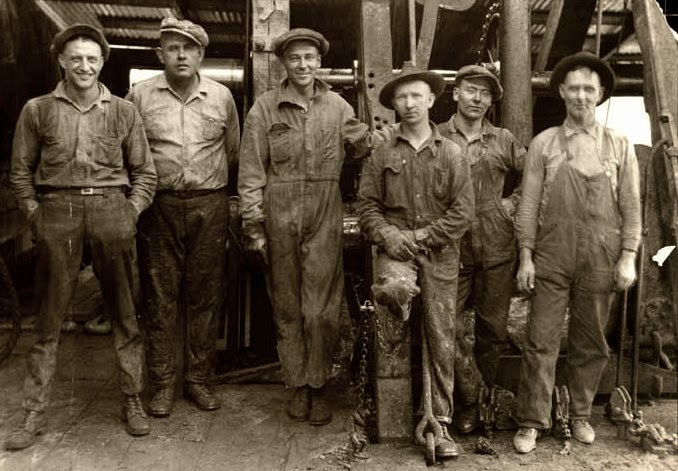
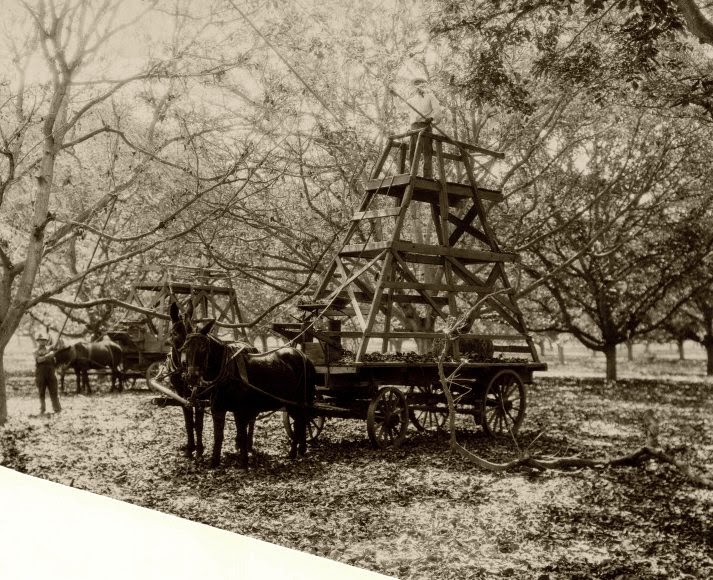
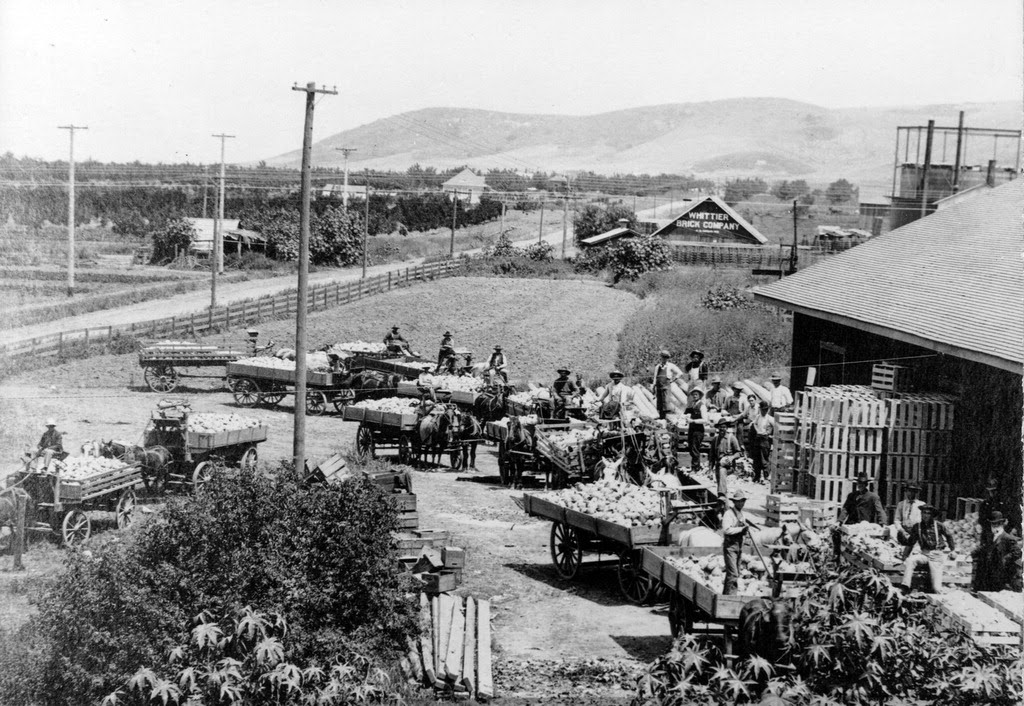
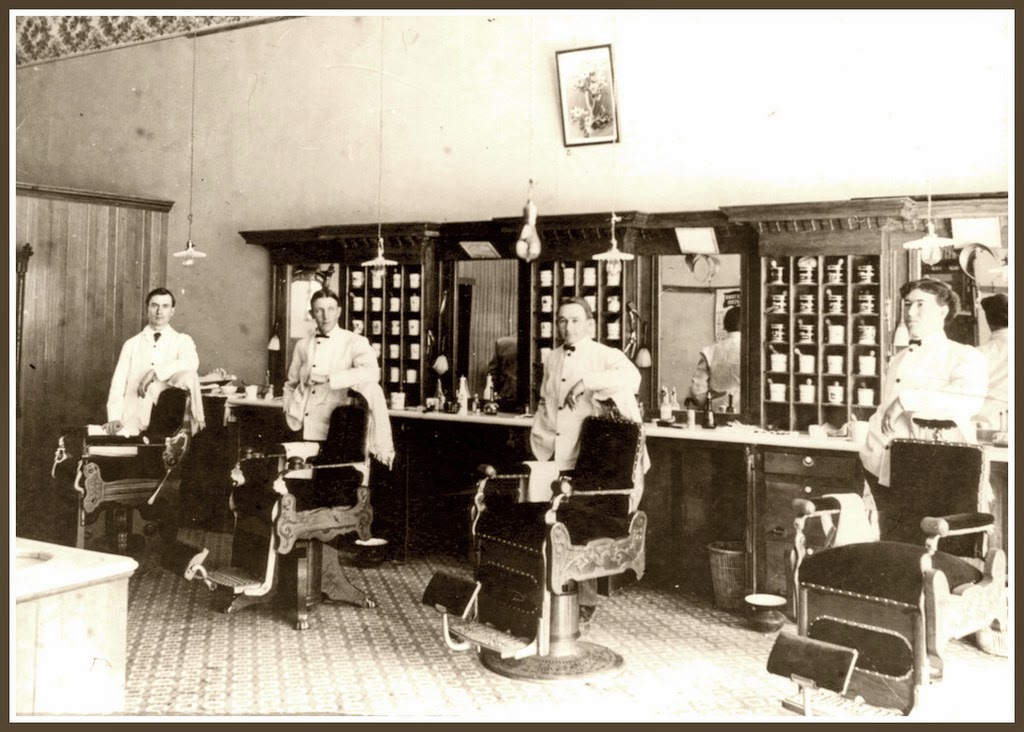
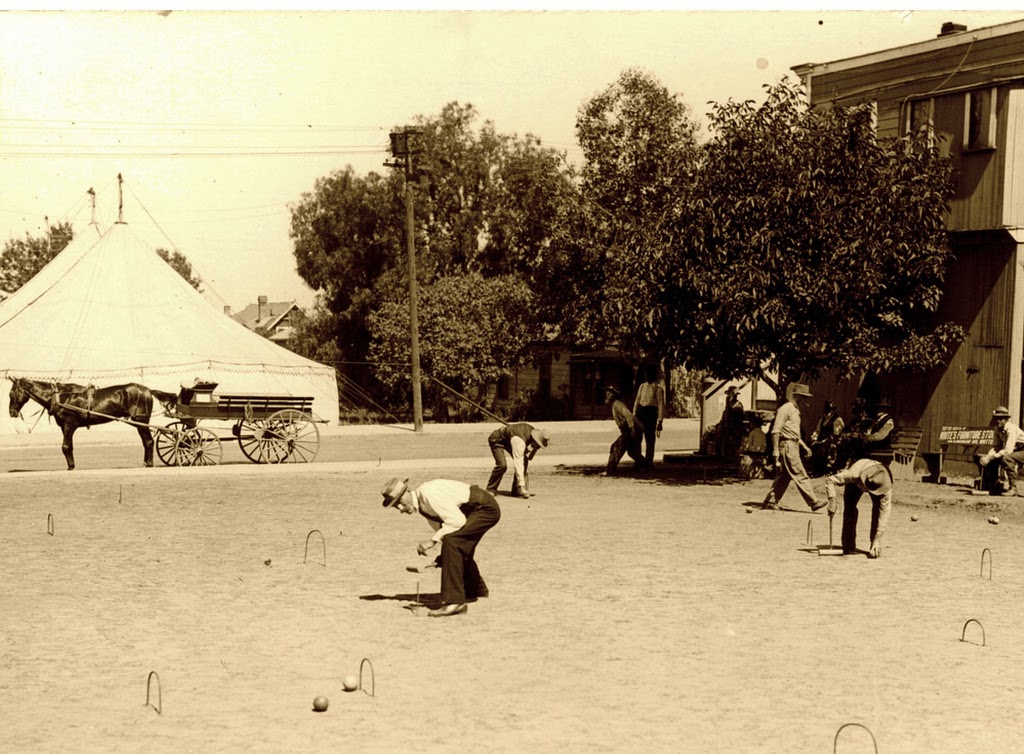
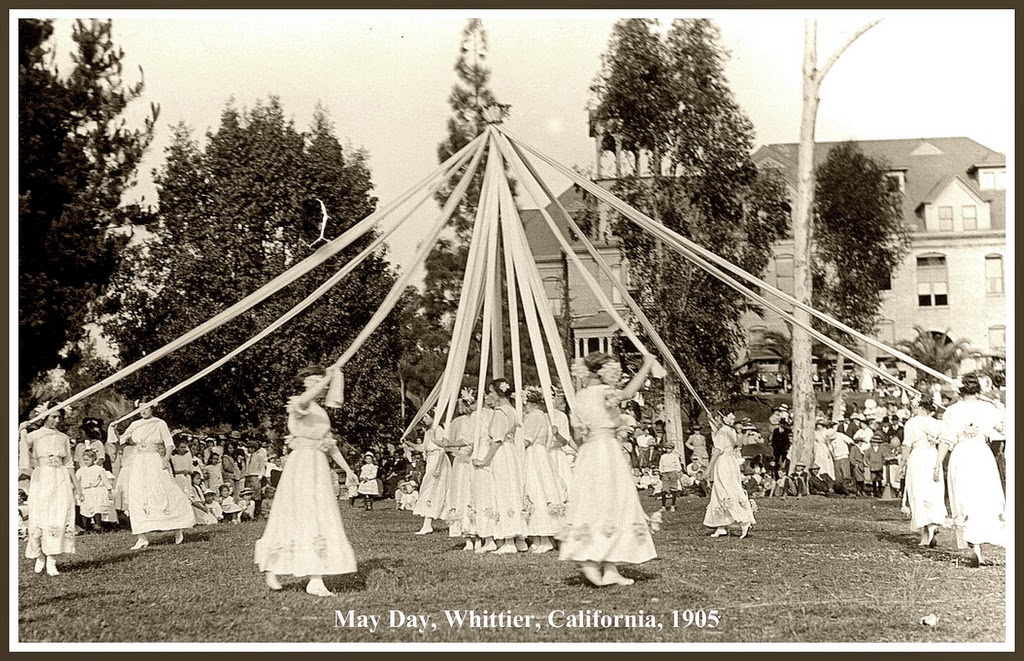
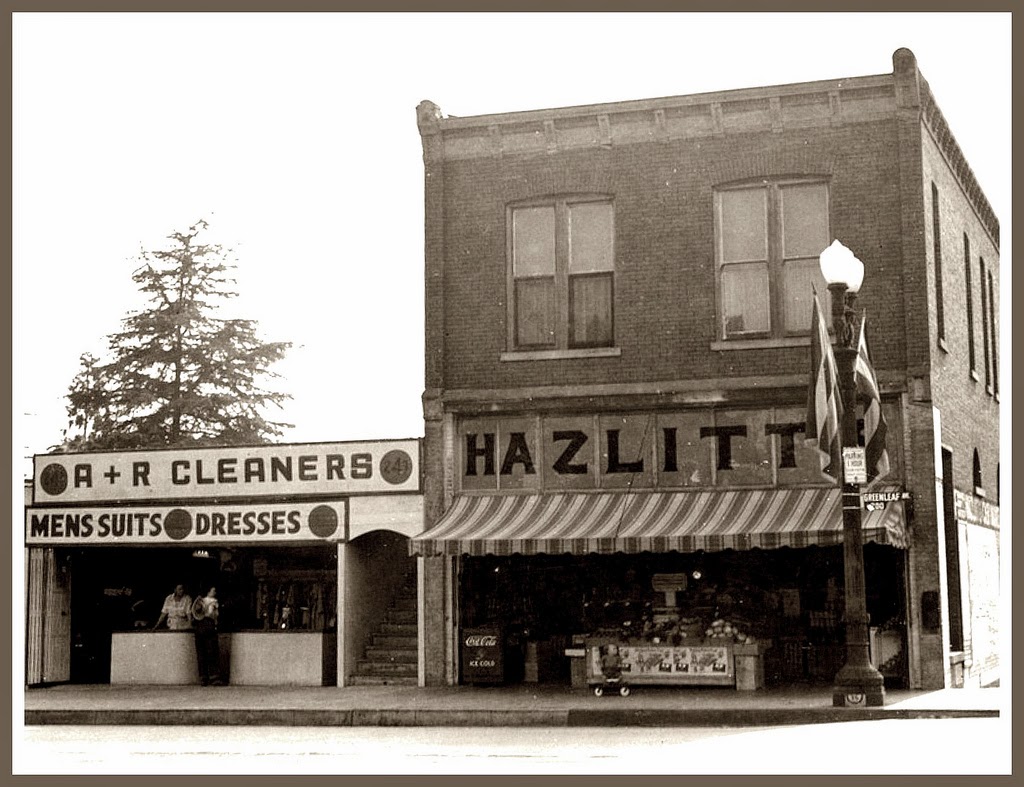
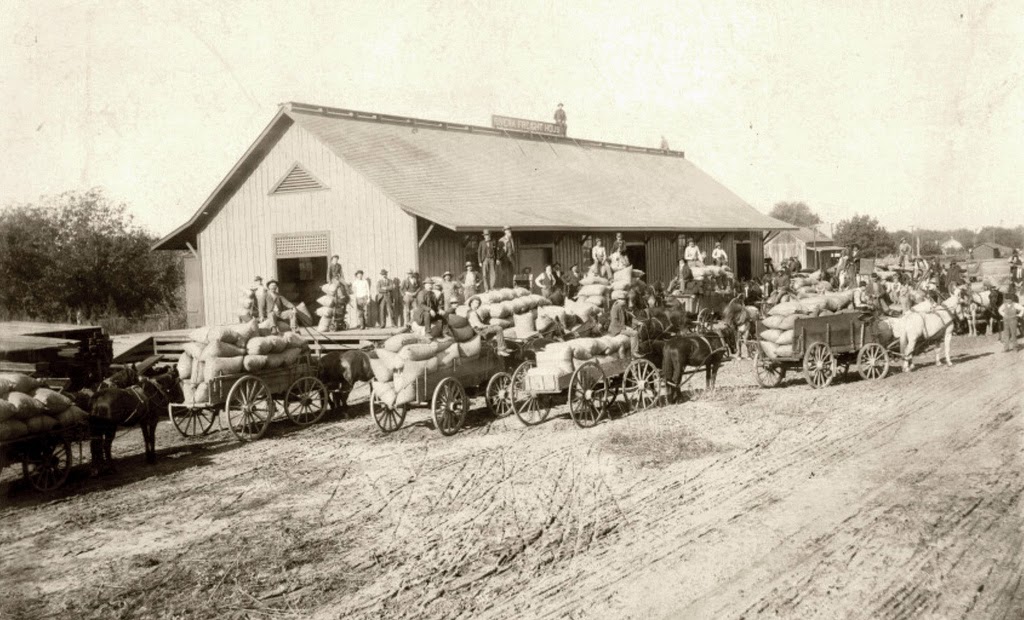
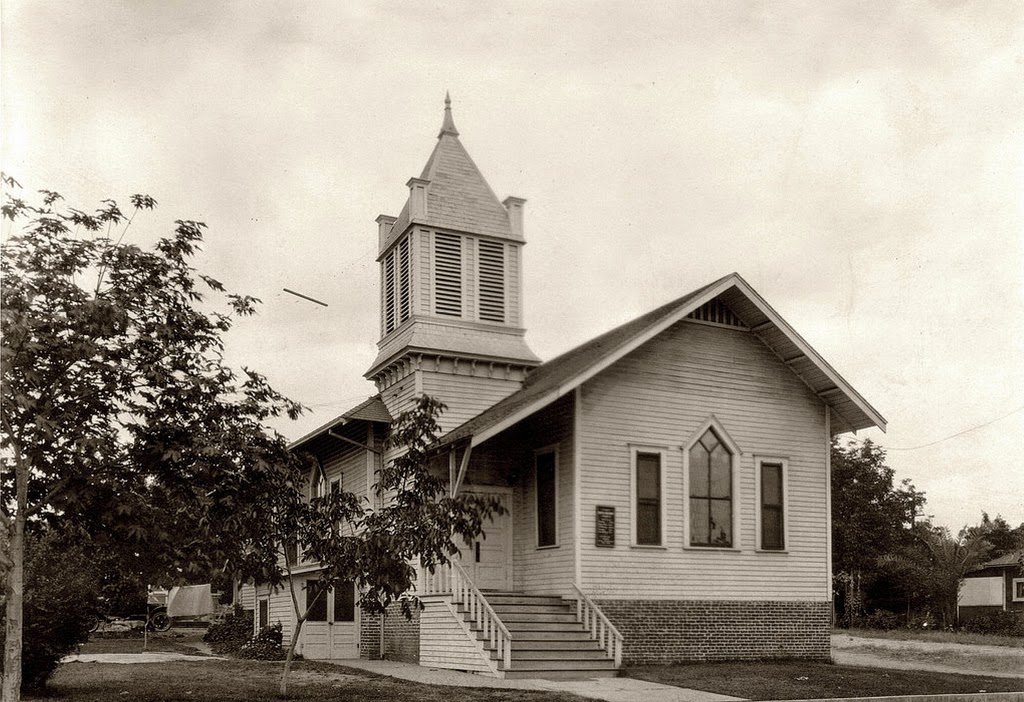
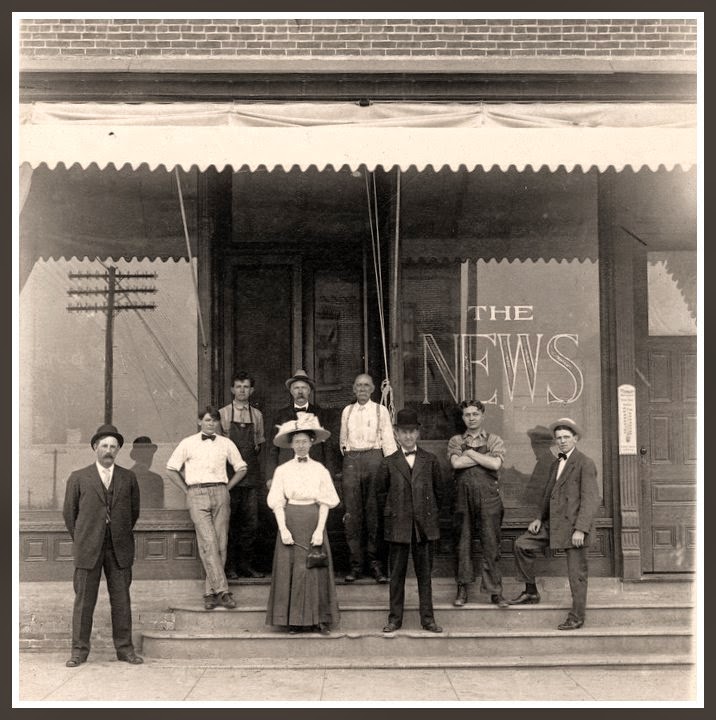
Here are some rare and amazing vintage photos that show the life in Whittier, California from between the 1900s and 1920s.

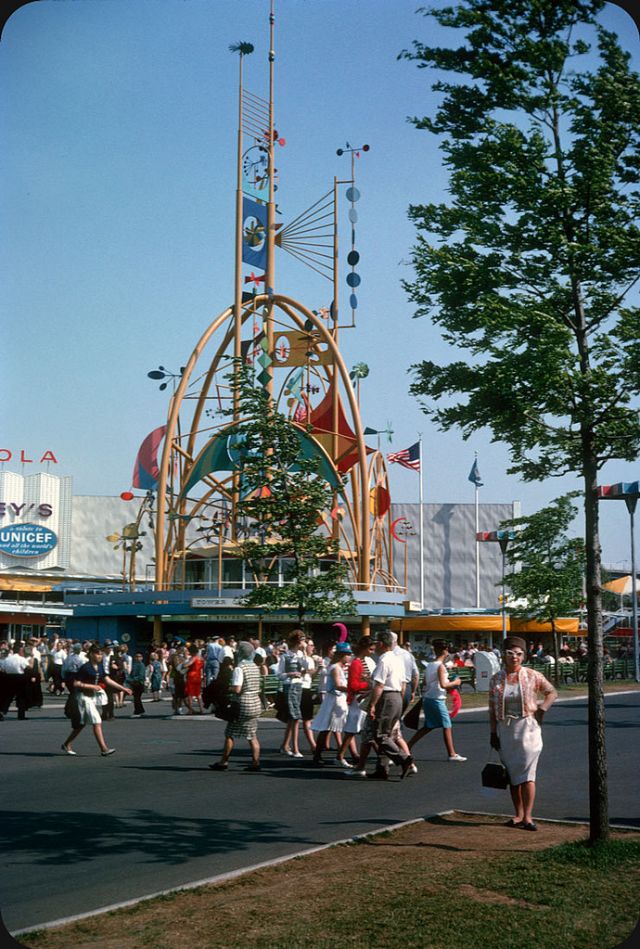
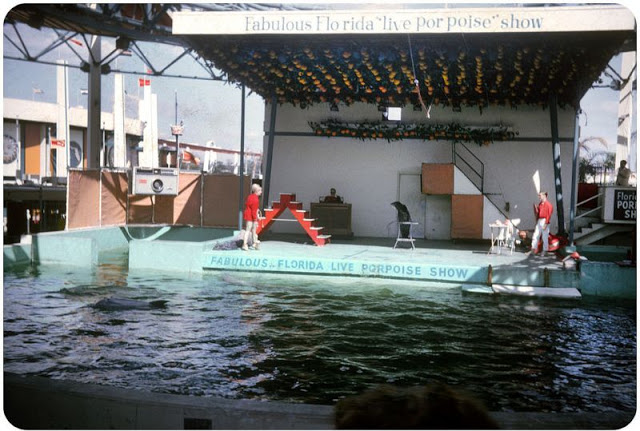
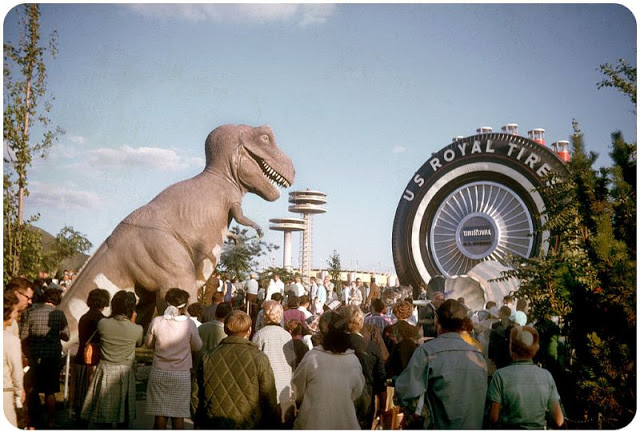
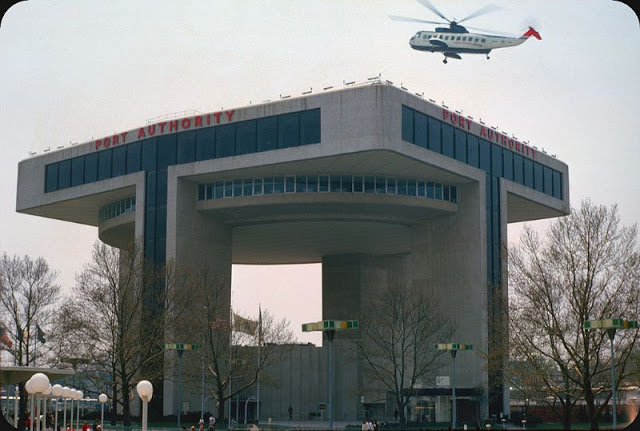
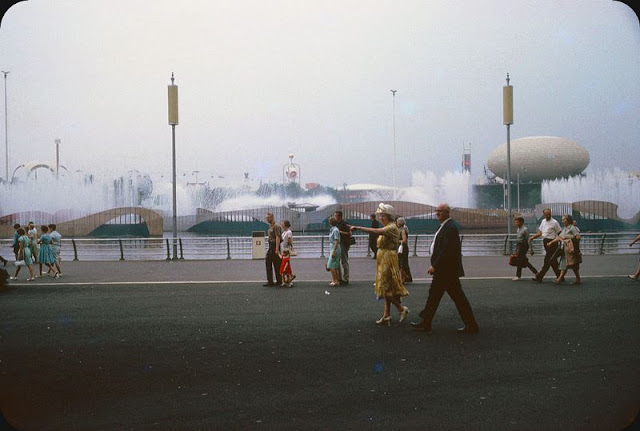
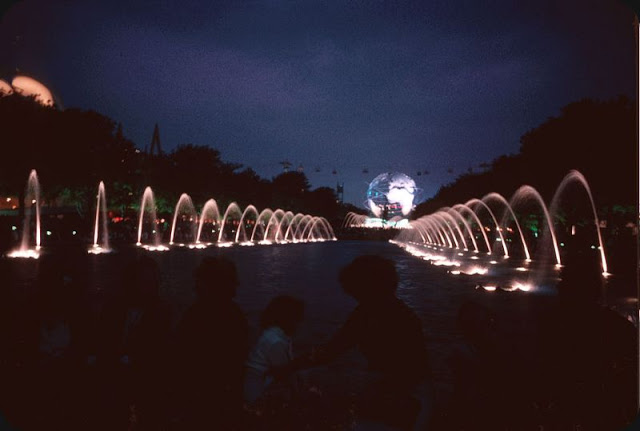
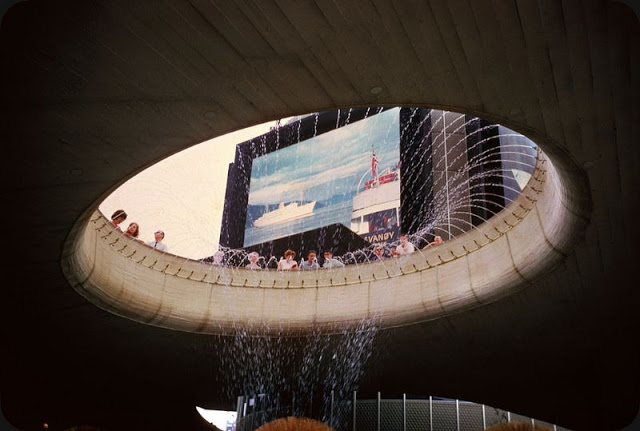
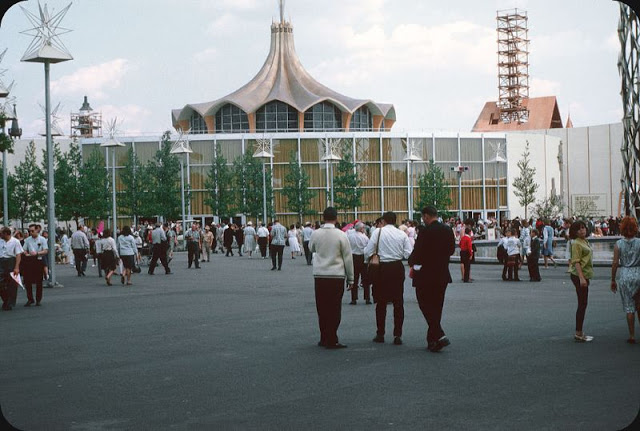
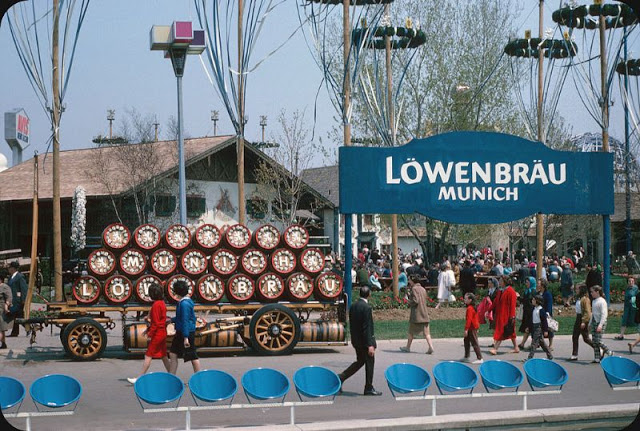
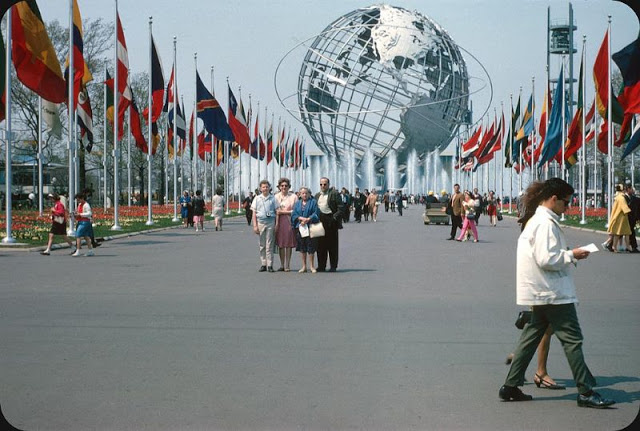
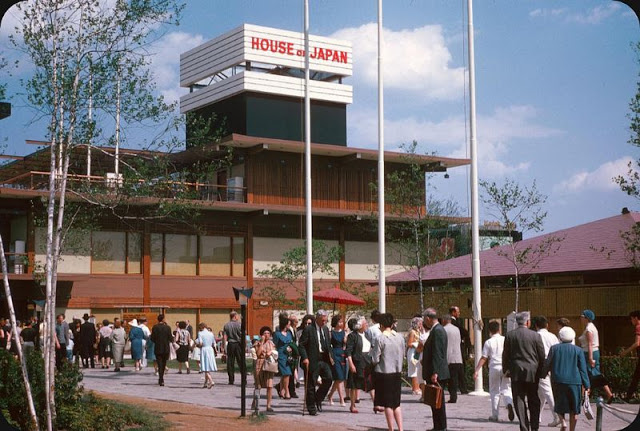
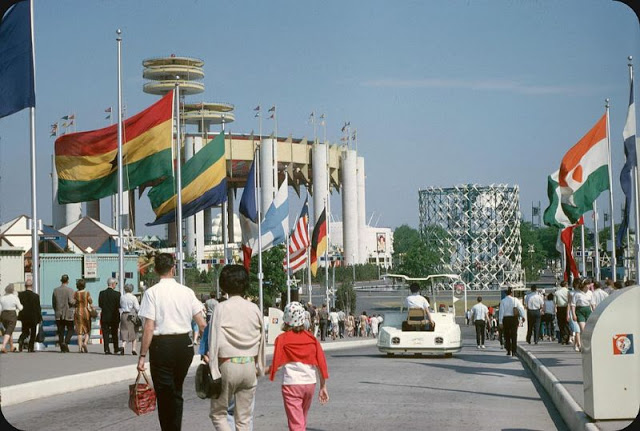
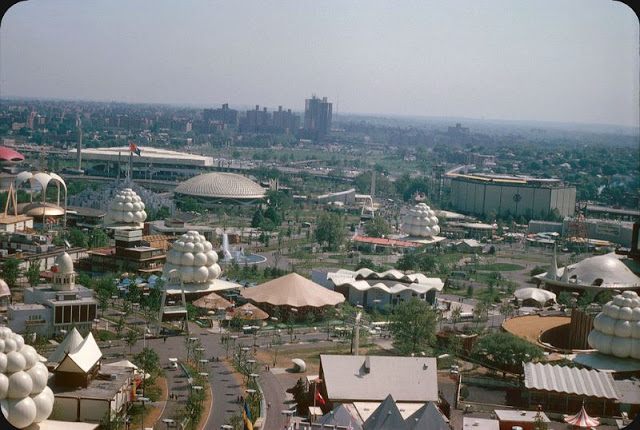
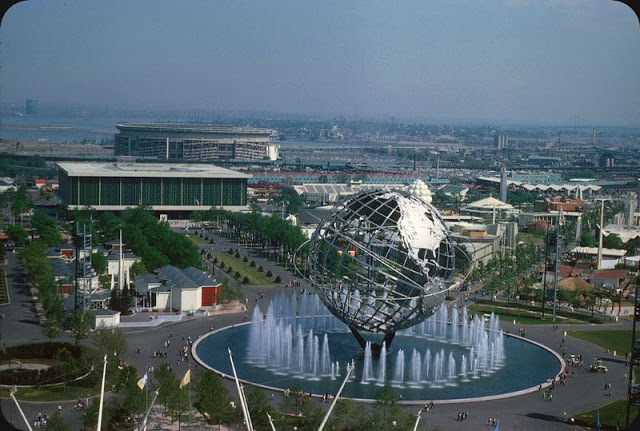
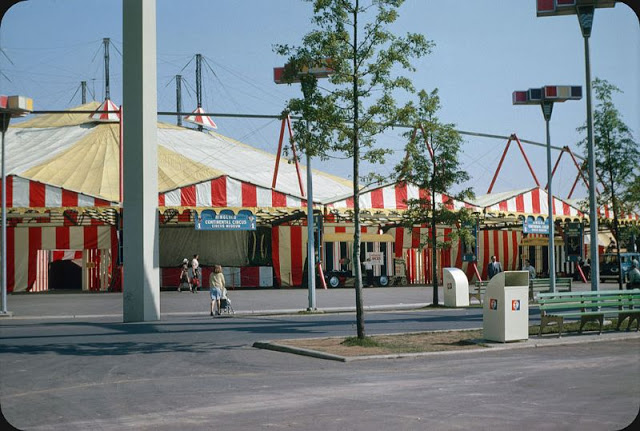
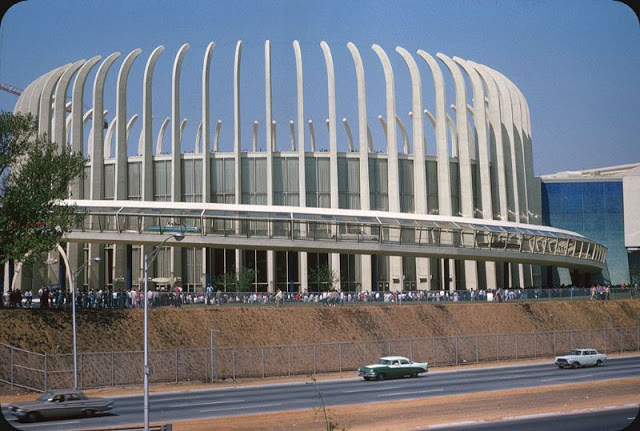
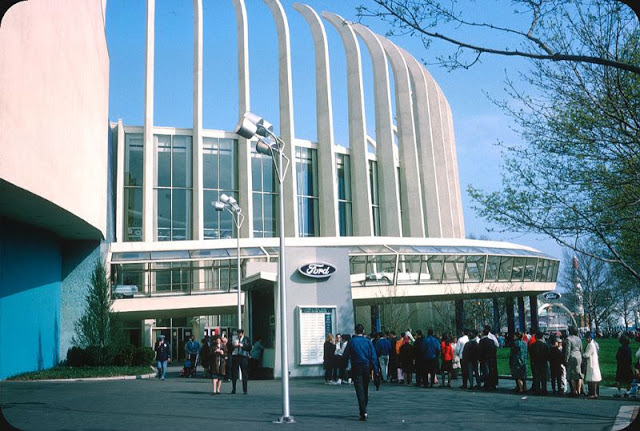
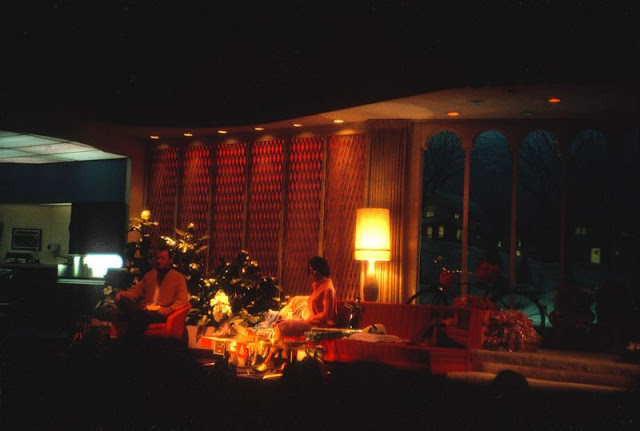
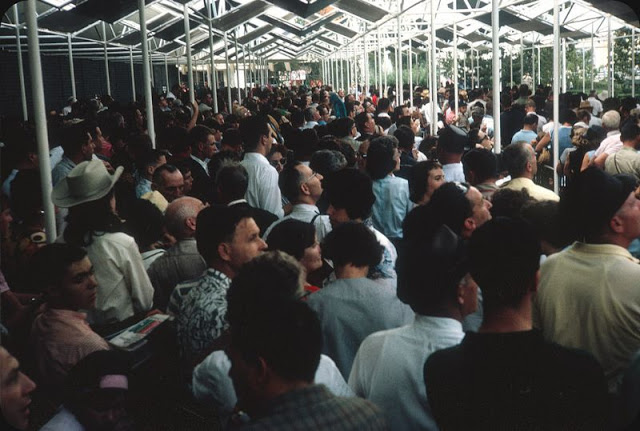
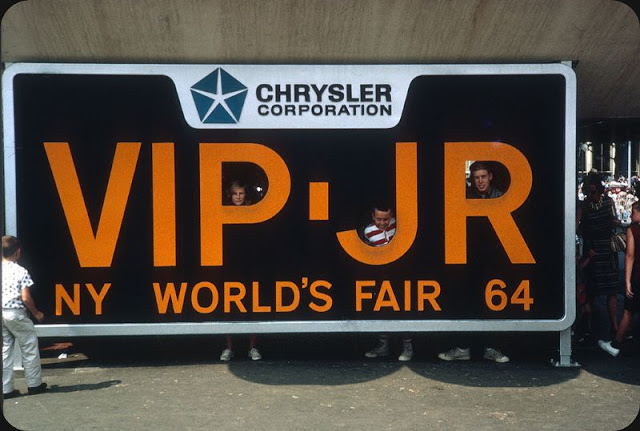
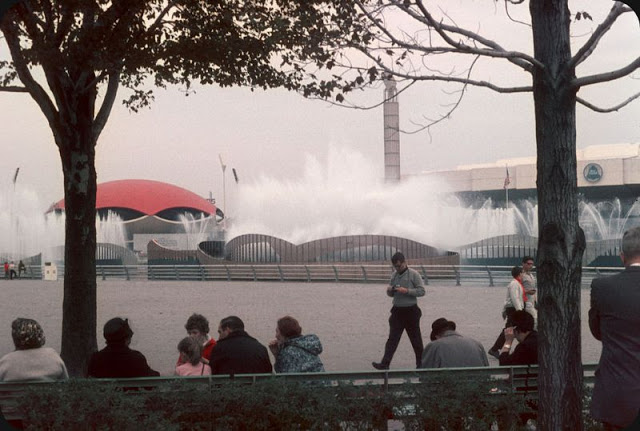
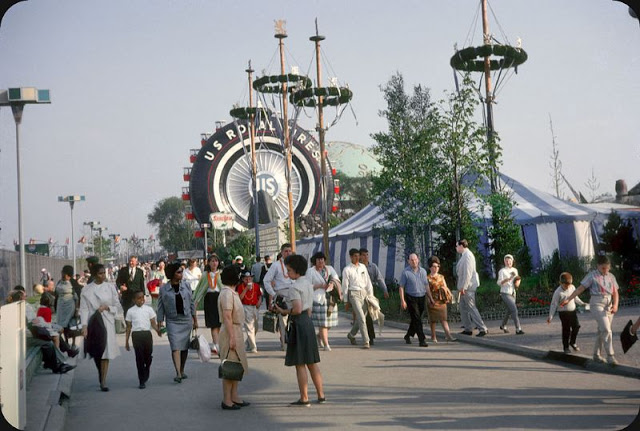
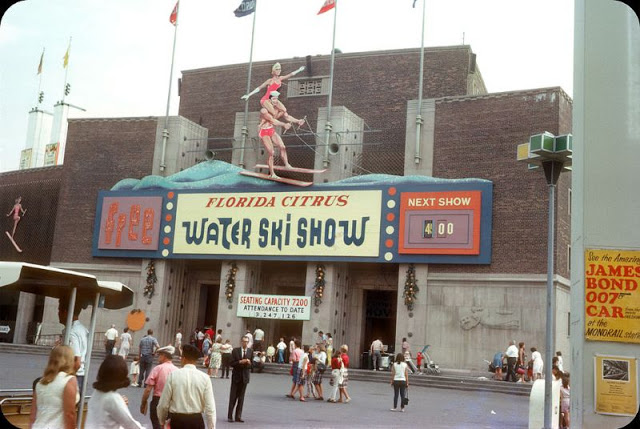
The 1964/1965 New York World’s Fair held over 140 pavilions, 110 restaurants, for 80 nations (hosted by 37), 24 US states, and over 45 corporations to build exhibits or attractions at Flushing Meadows Park in Queens, NY with numerous pools or fountains, and an amusement park with rides near the lake.
Ran for two six-month seasons, April 22 – October 18, 1964, and April 21 – October 17, 1965, the fair is noted as a showcase of mid-20th-century American culture and technology. The nascent Space Age, with its vista of promise, was well represented.
More than 51 million people attended the fair, though fewer than the hoped-for 70 million. It remains a touchstone for many American Baby Boomers, who visited the optimistic fair as children before the turbulent years of the Vietnam War, cultural changes, and increasing domestic violence associated with the Civil Rights Movement.