





















Bringing You the Wonder of Yesterday – Today
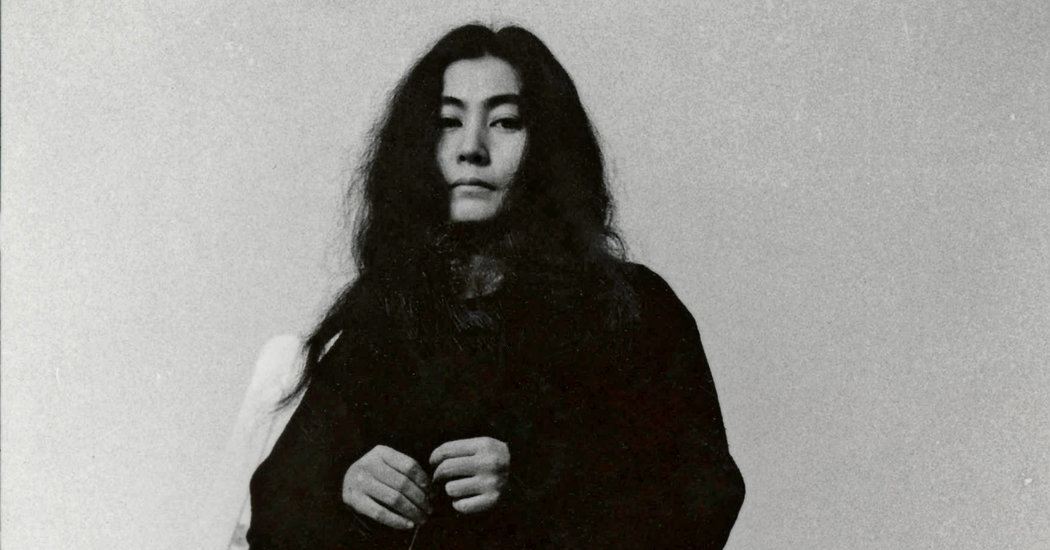
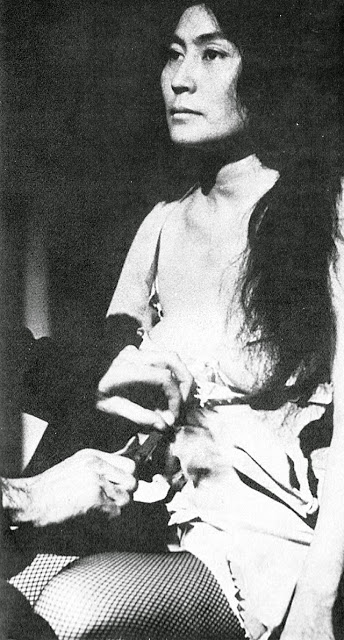
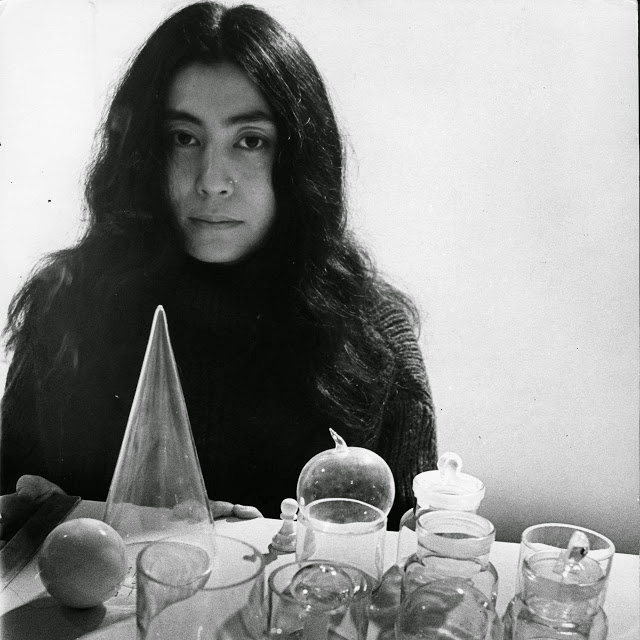
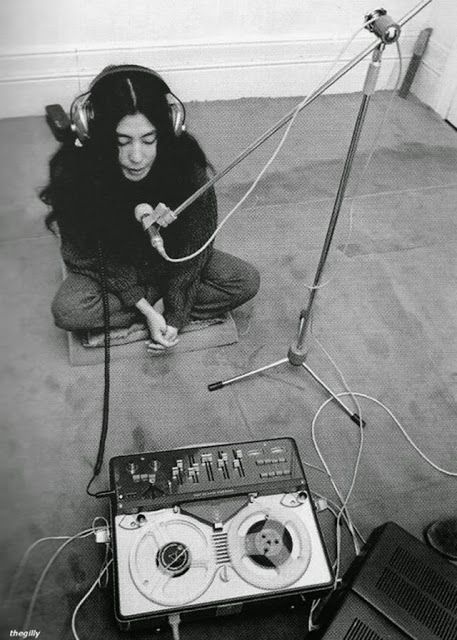
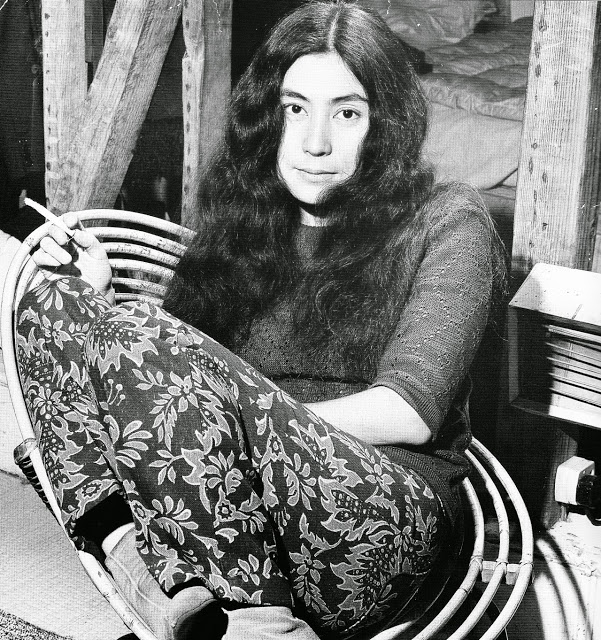
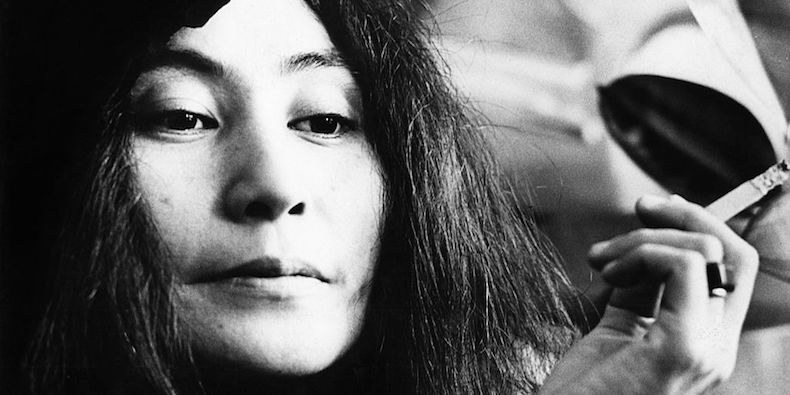
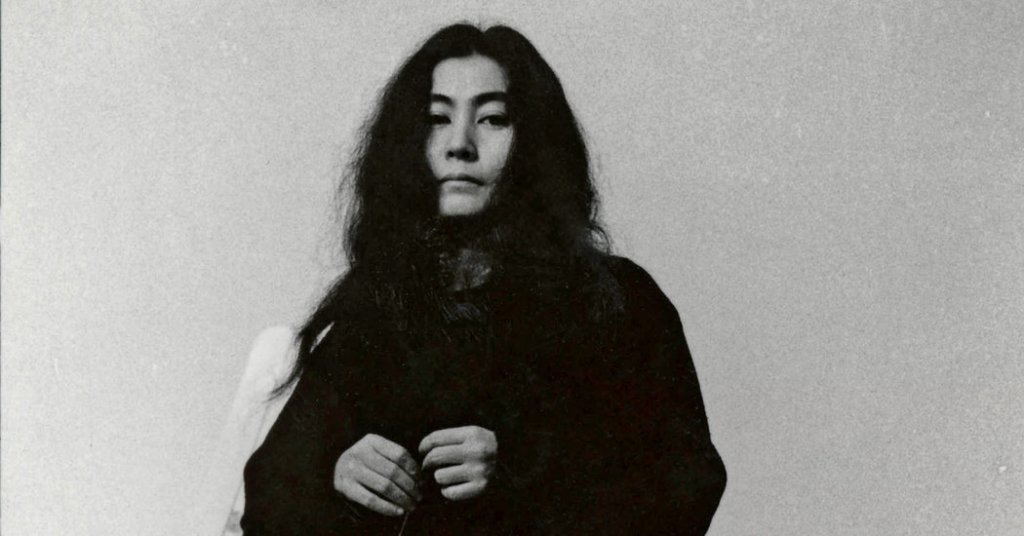
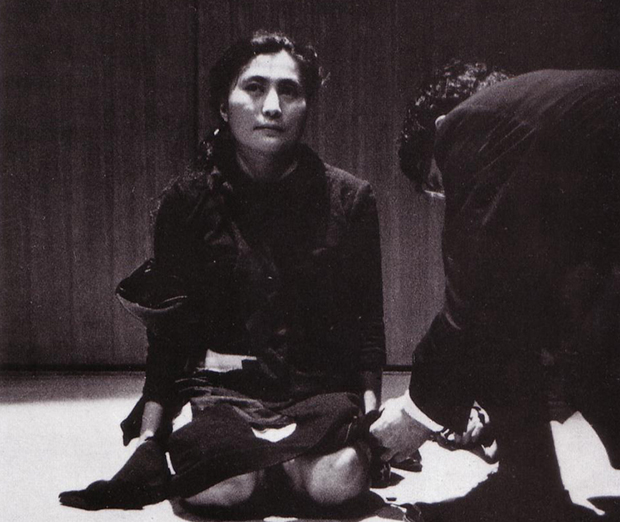
Yoko Ono is a multimedia artist who became known worldwide in the 1960s when she married Beatles front man John Lennon.
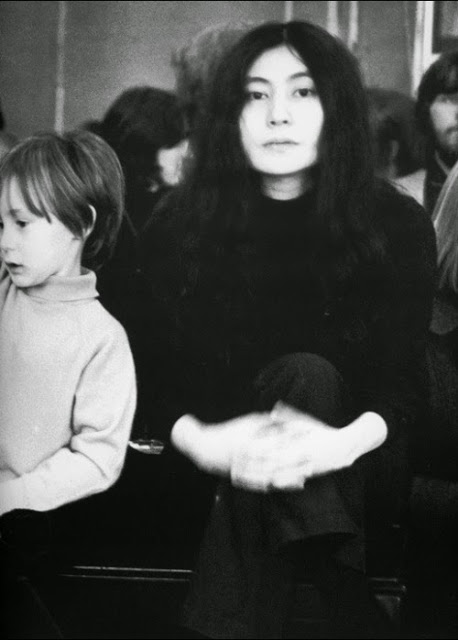
Ono first met John Lennon of the Beatles on November 9, 1966, when he visited a preview of her exhibition at the Indica Gallery in London, England. Lennon was taken with the positive, interactive nature of her work. He specifically cited a ladder leading up to a black canvas with a spyglass on a chain, which revealed the word “yes” written on the ceiling. The two began an affair approximately 18 months later. Lennon divorced his first wife, Cynthia (with whom he had a son, Julian, born in 1963), and married Ono on March 20, 1969.
The couple collaborated on art, film and musical projects, and became famous for their series of “conceptual events” to promote world peace, including the “bed-in” held in an Amsterdam hotel room during their honeymoon in 1969. After her marriage to Lennon, Ono struggled with her ex-husband over custody of Kyoko. She recorded the song “Don’t Worry Kyoko” as an effort to reach out to her child. In 1971, her ex-husband disappeared with Kyoko, and Ono did not learn for years what had happened to her daughter. Apparently, Kyoko spent more than a decade living with a religious cult called the Walk with her father.











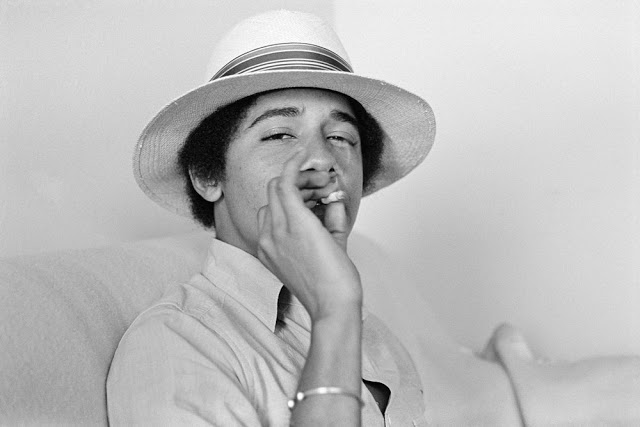
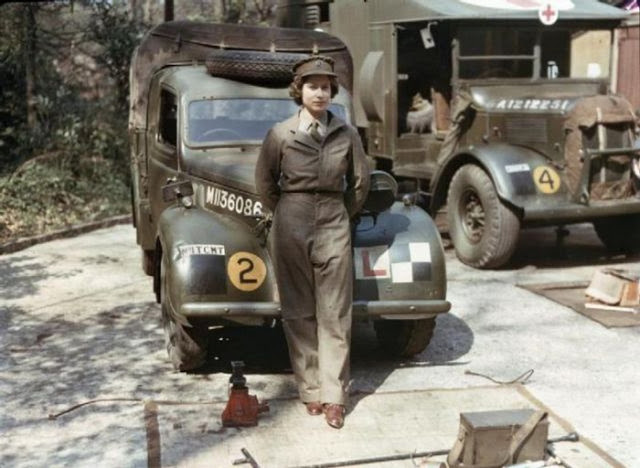
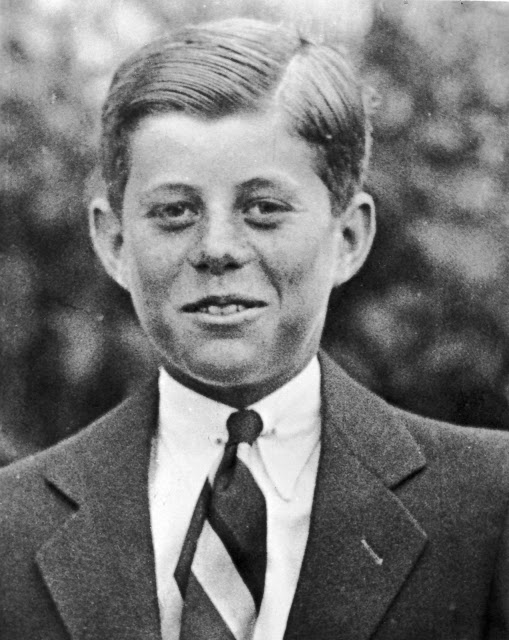

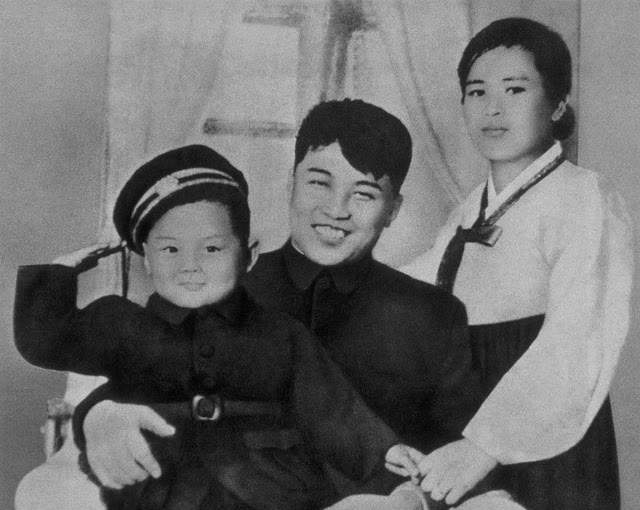
















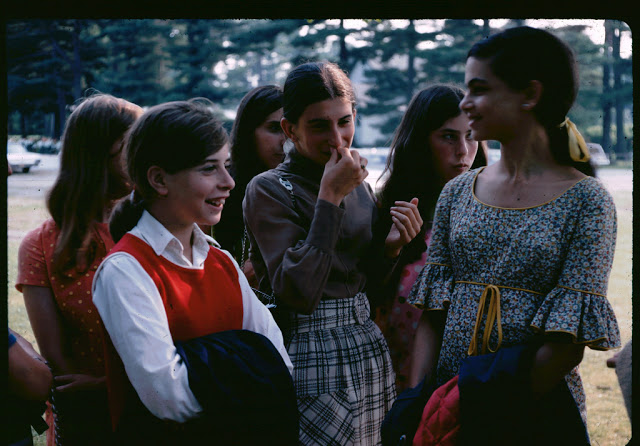
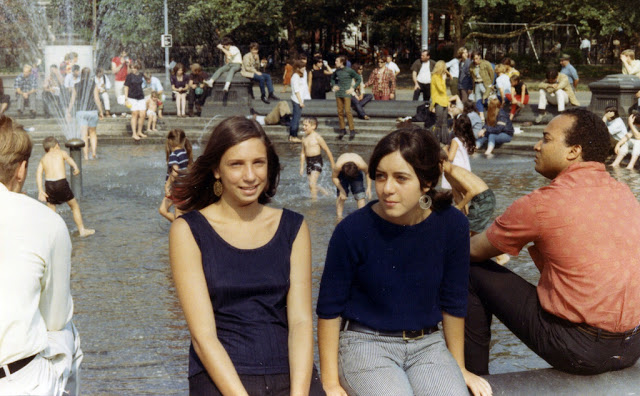
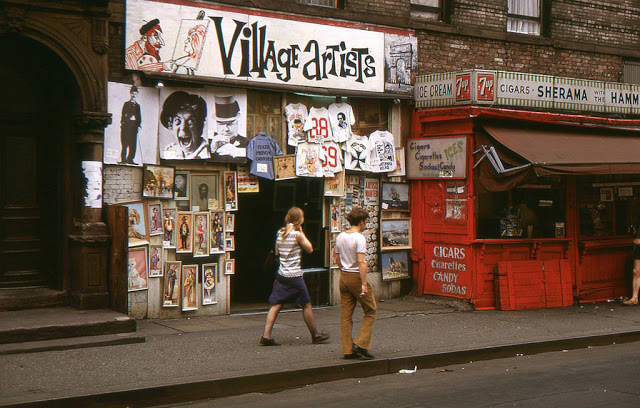
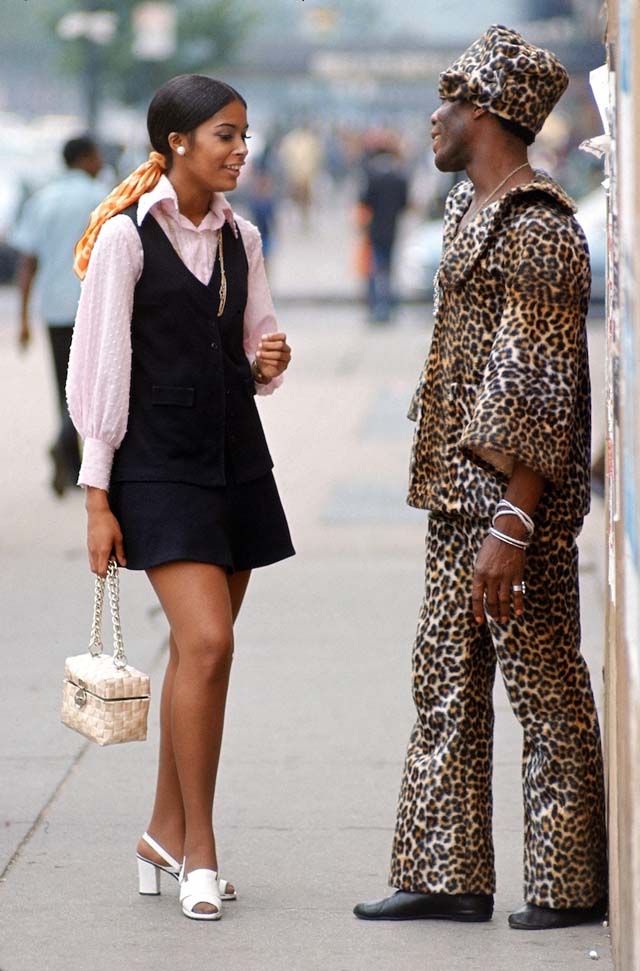
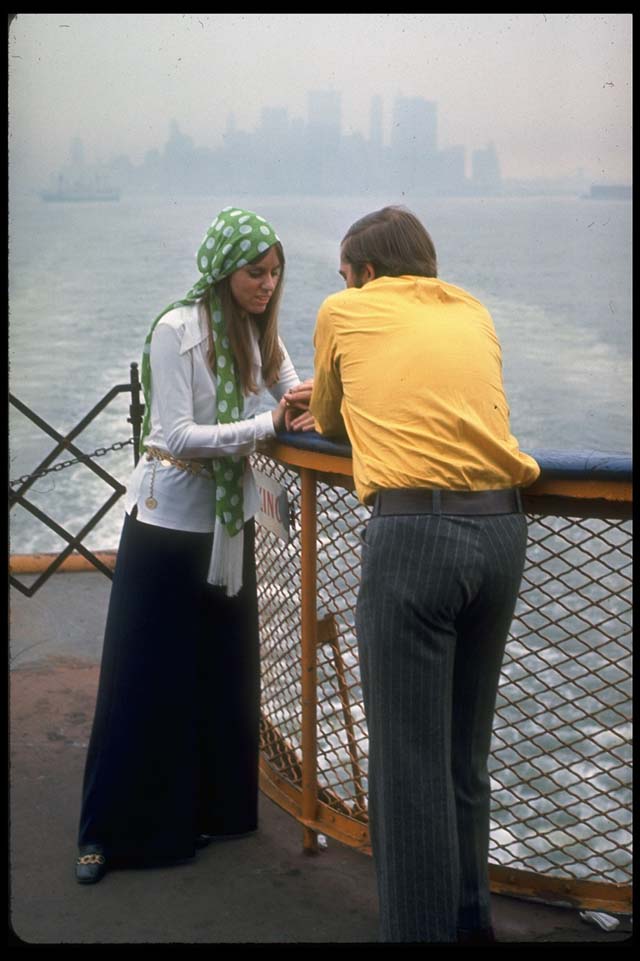
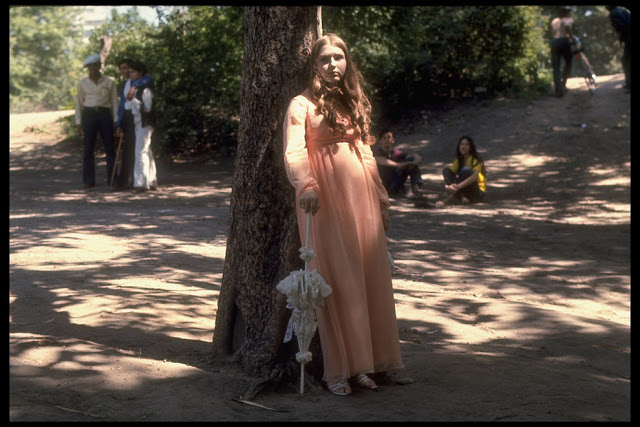
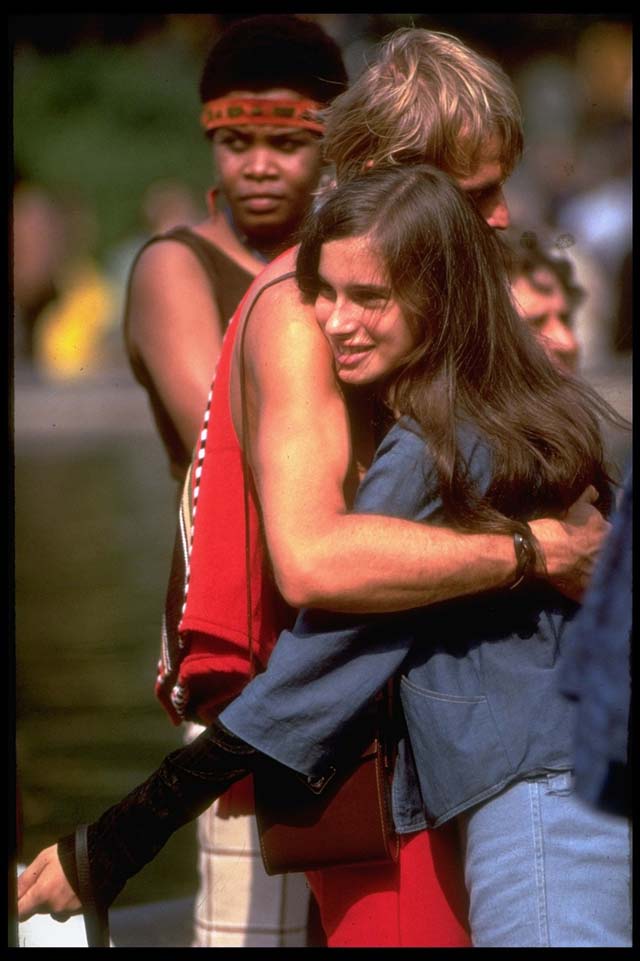
These color vintage photos show fascinating fashion styles of young people on streets in New York during the 1960s.







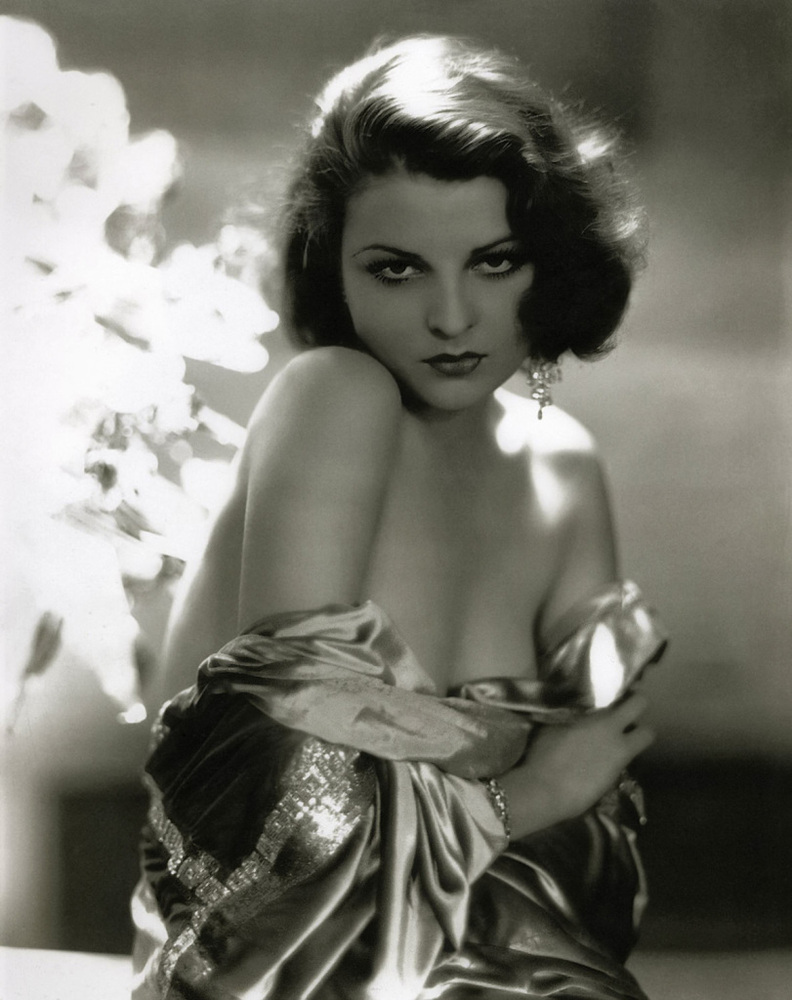
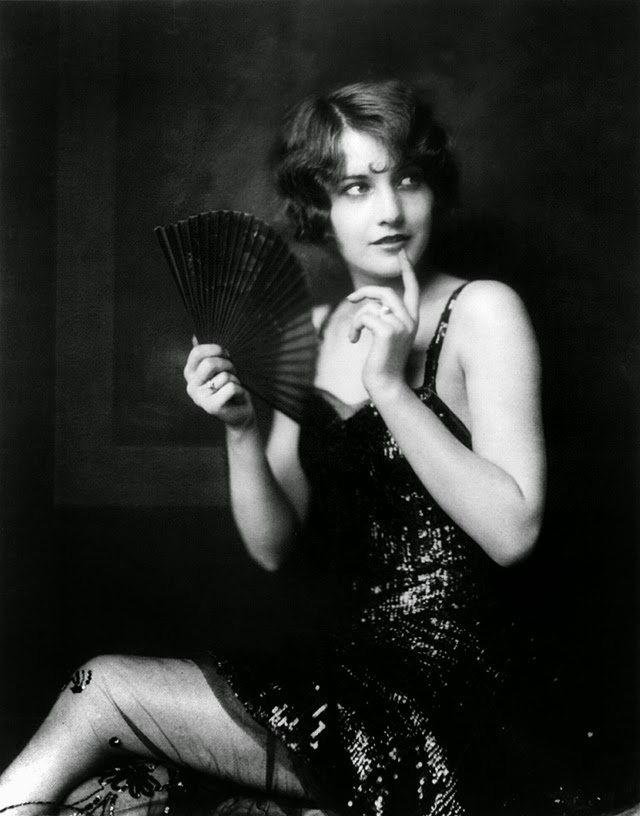
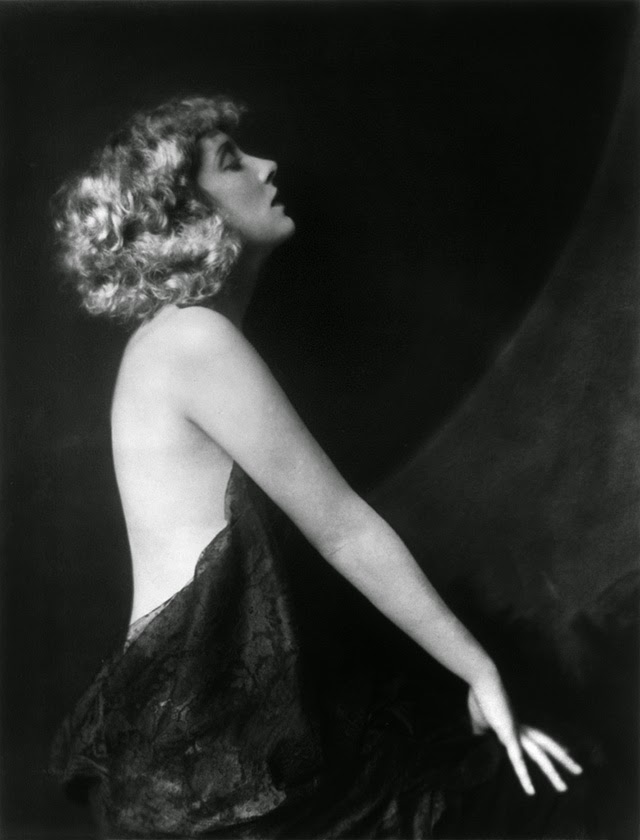
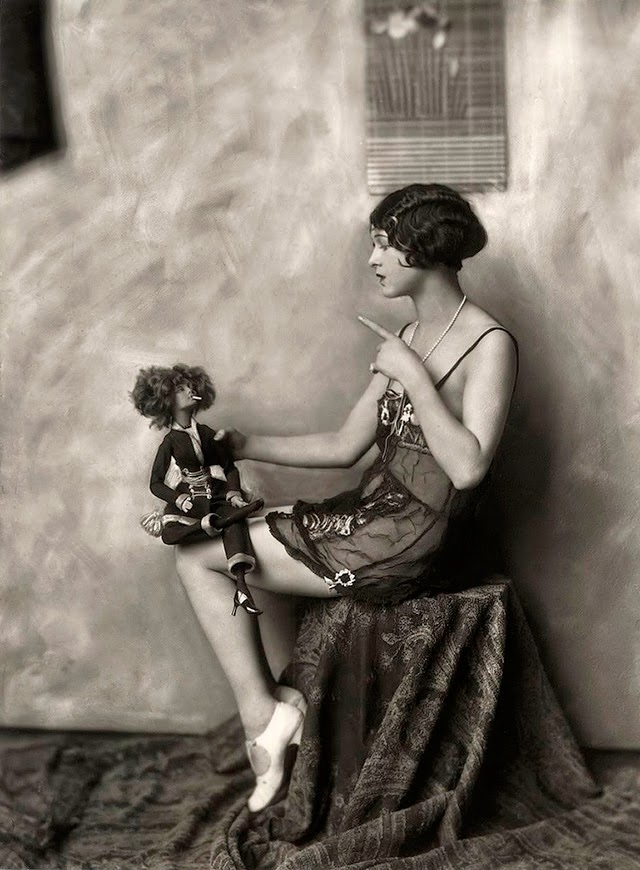
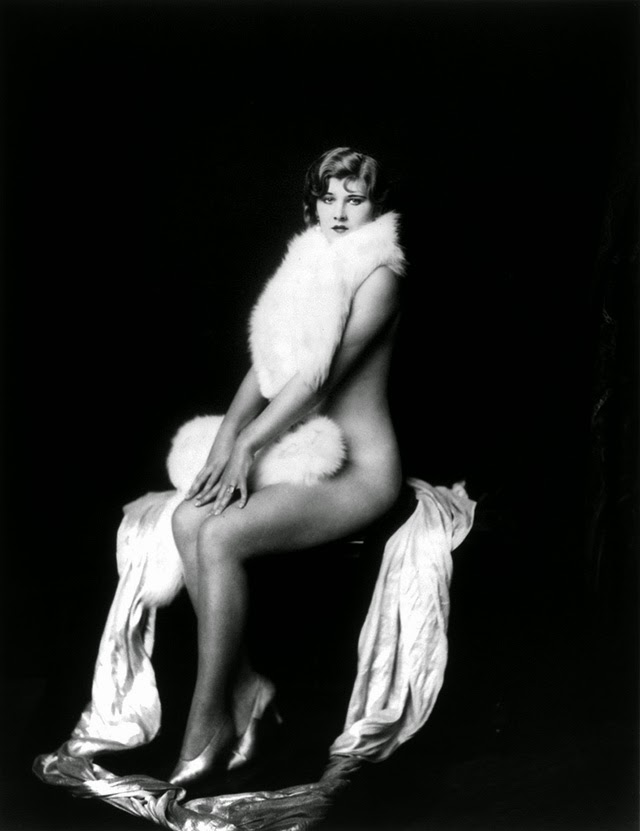
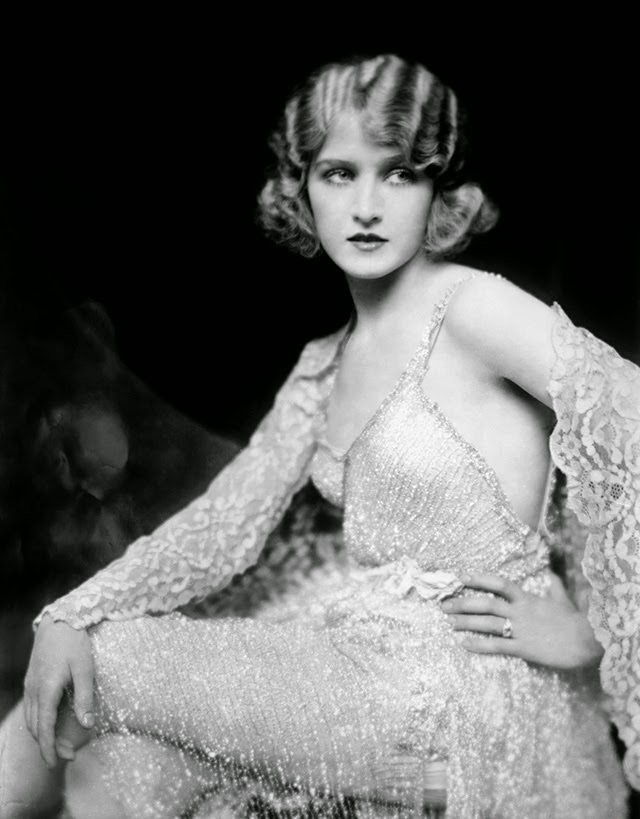
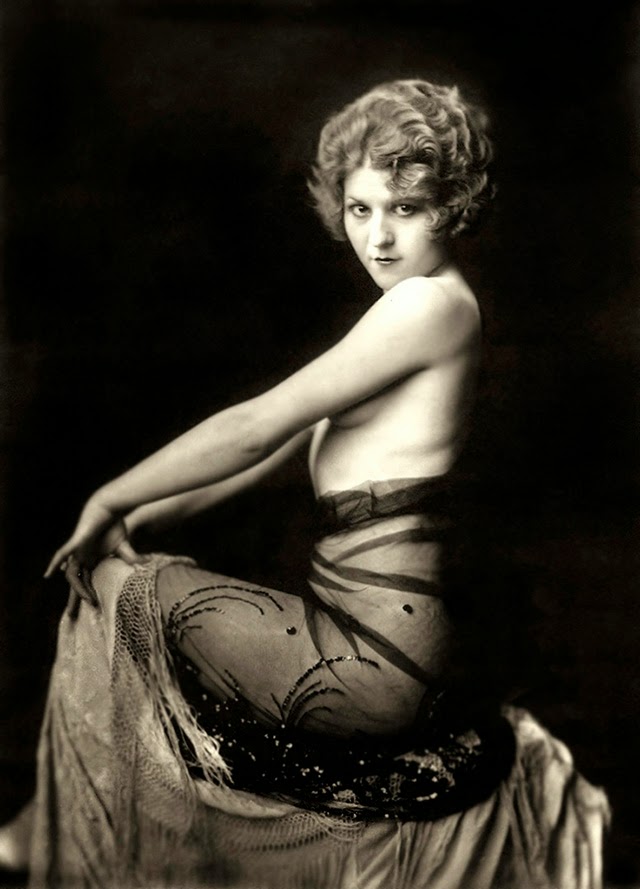
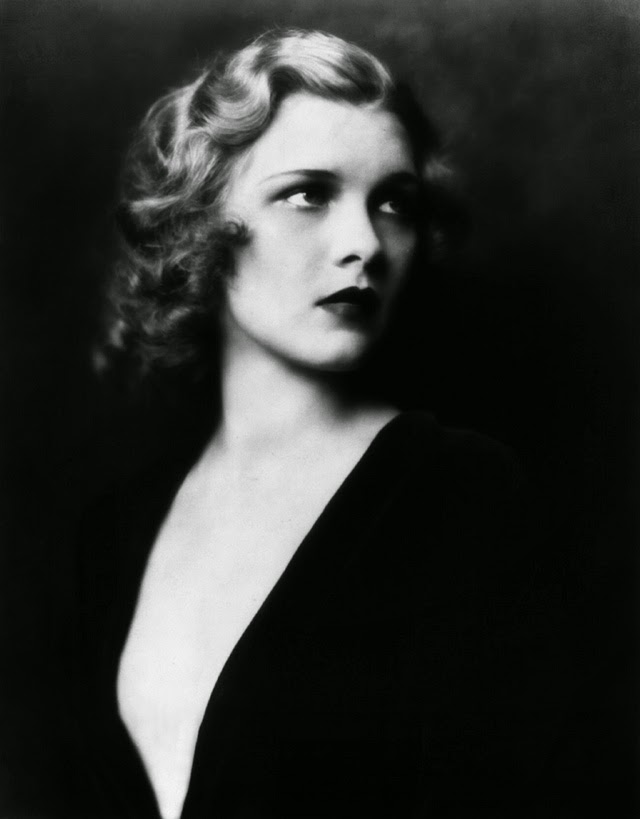
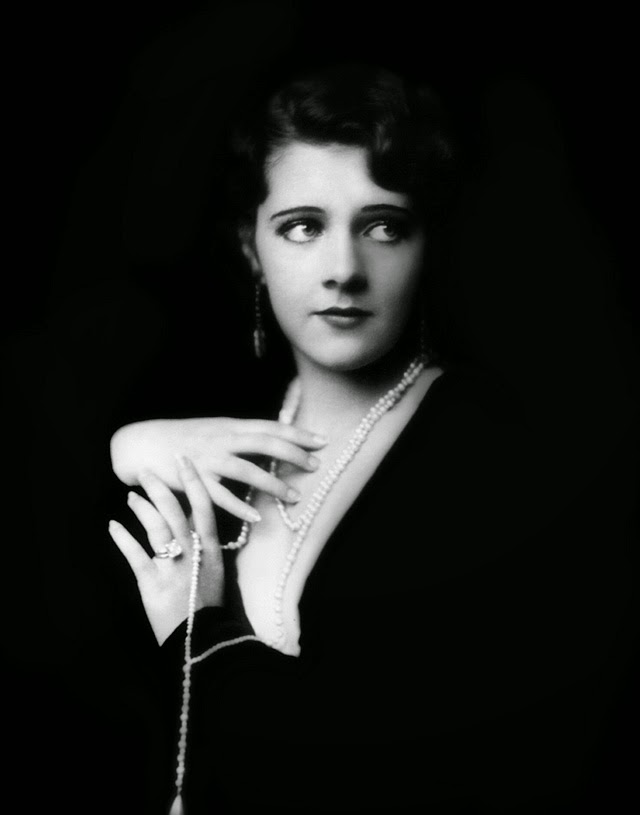
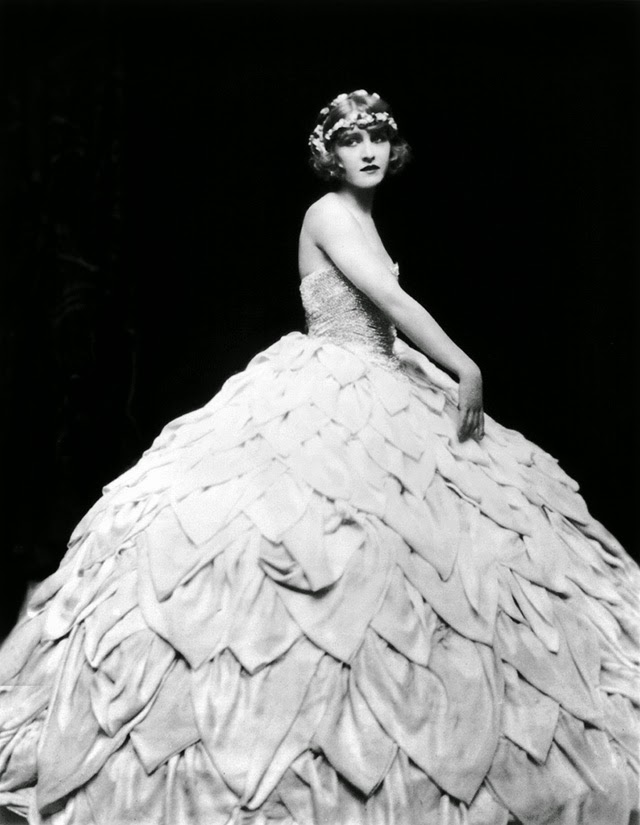
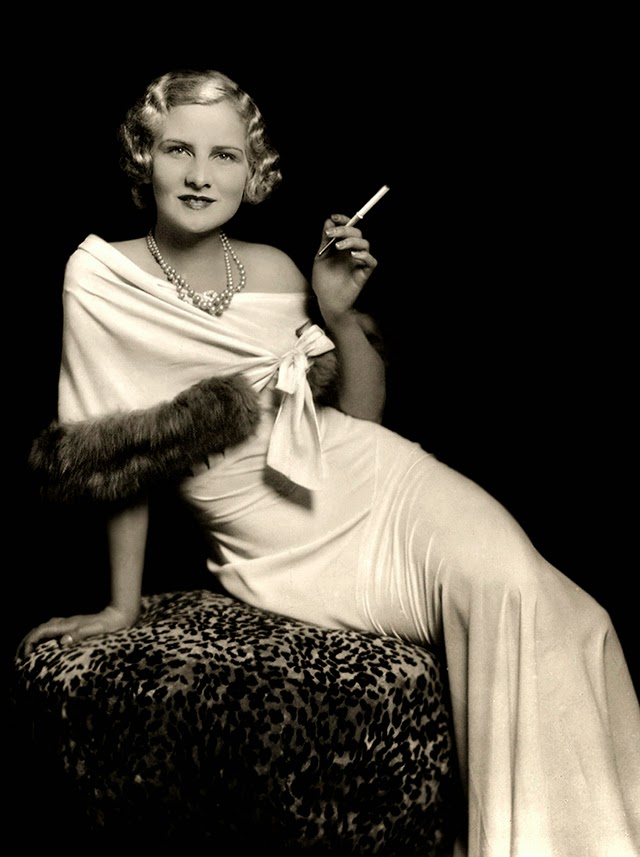
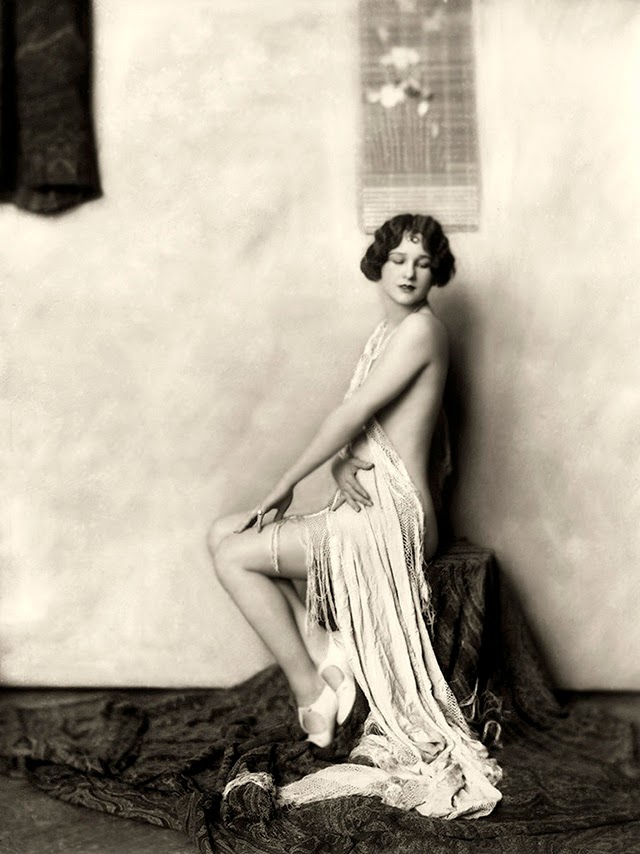
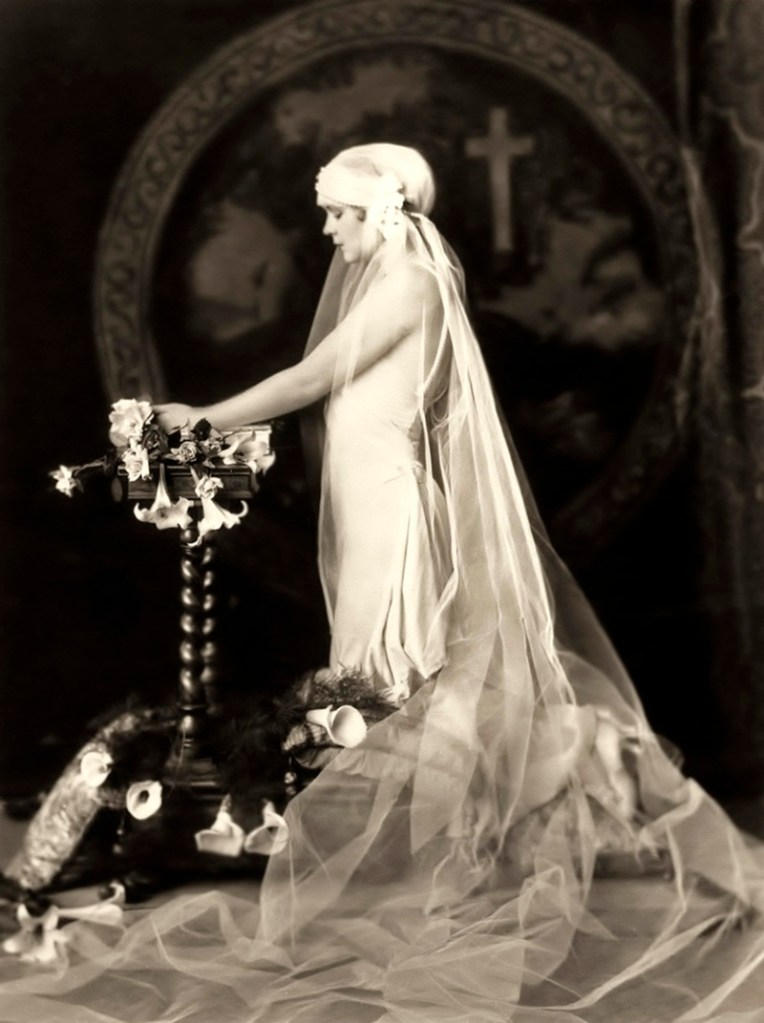
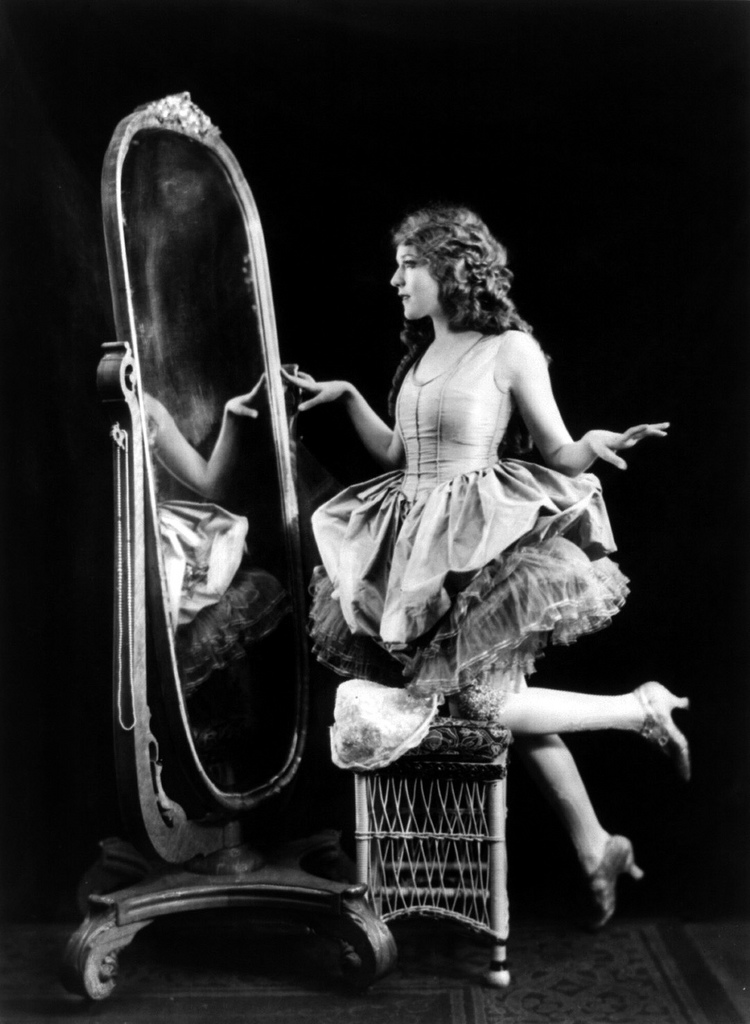
The Ziegfeld Follies was a series of elaborate theatrical revue productions on Broadway in New
York City from 1907 to 1931, with renewals in 1934 and 1936. They became a radio program in
1932 and 1936 as The Ziegfeld Follies of the Air.
Founding and history
Inspired by the Folies Bergère of Paris, the Ziegfeld Follies were conceived and mounted by
Florenz Ziegfeld Jr., reportedly at the suggestion of his then-wife, the stage actress and
singer Anna Held. The shows’ producers were turn-of-the-twentieth-century producing titans
Klaw and Erlanger.
The Follies were a series of lavish revues, something between later Broadway shows and the
more elaborate high class vaudeville and variety show. The first Follies was produced in 1907
at the roof theatre Jardin de Paris.
During the Follies era, many of the top entertainers, including W. C. Fields, Eddie Cantor,
Josephine Baker, Fanny Brice, Ann Pennington, Bert Williams, Eva Tanguay, Bob Hope, Will
Rogers, Ruth Etting, Ray Bolger, Helen Morgan, Louise Brooks, Marilyn Miller, Ed Wynn, Gilda
Gray, Nora Bayes and Sophie Tucker appeared in the shows.
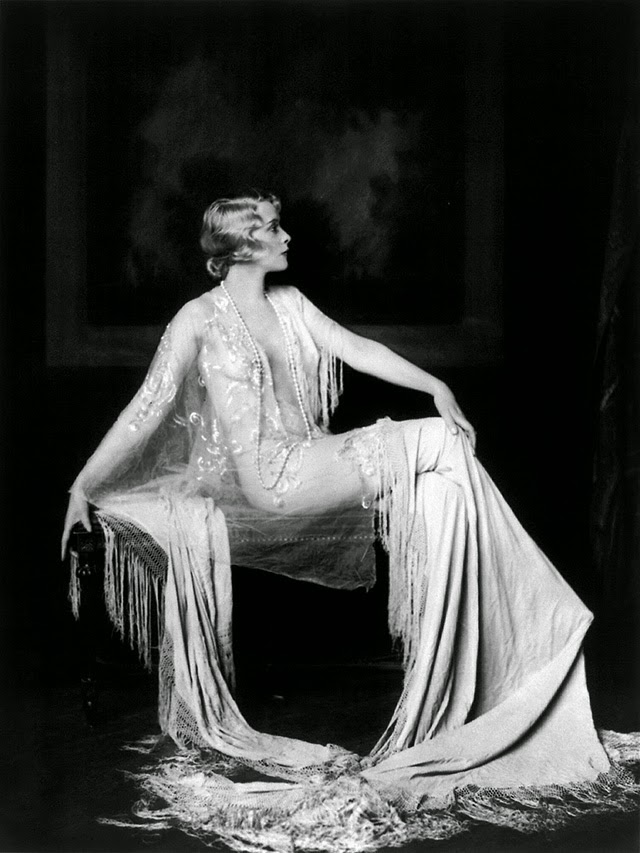
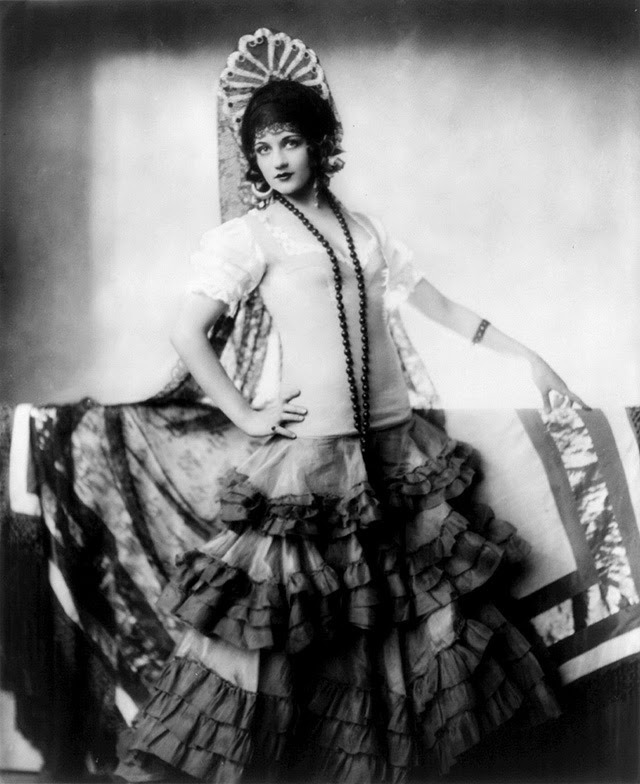
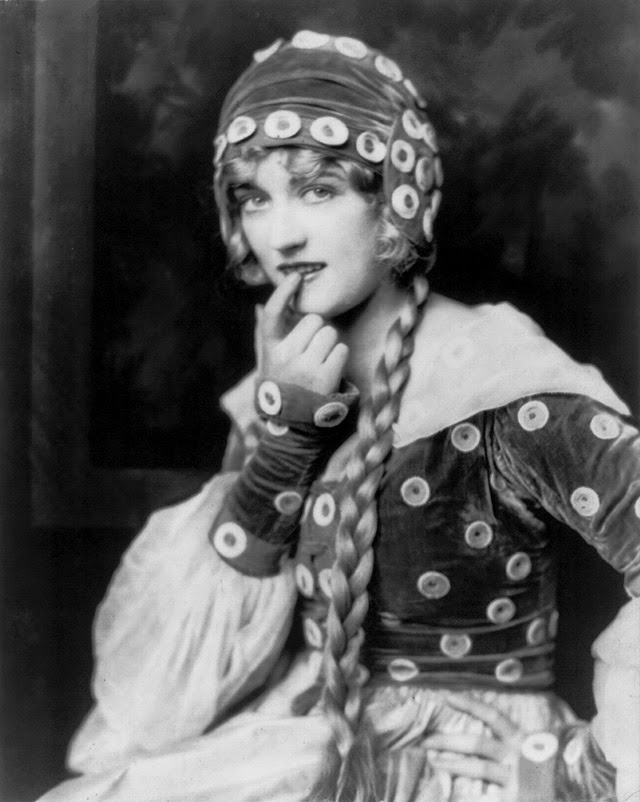
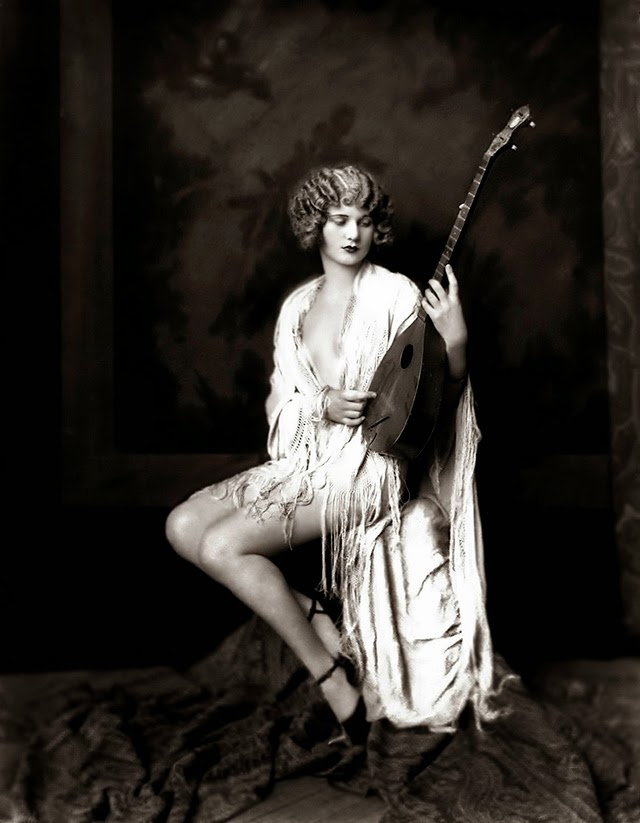
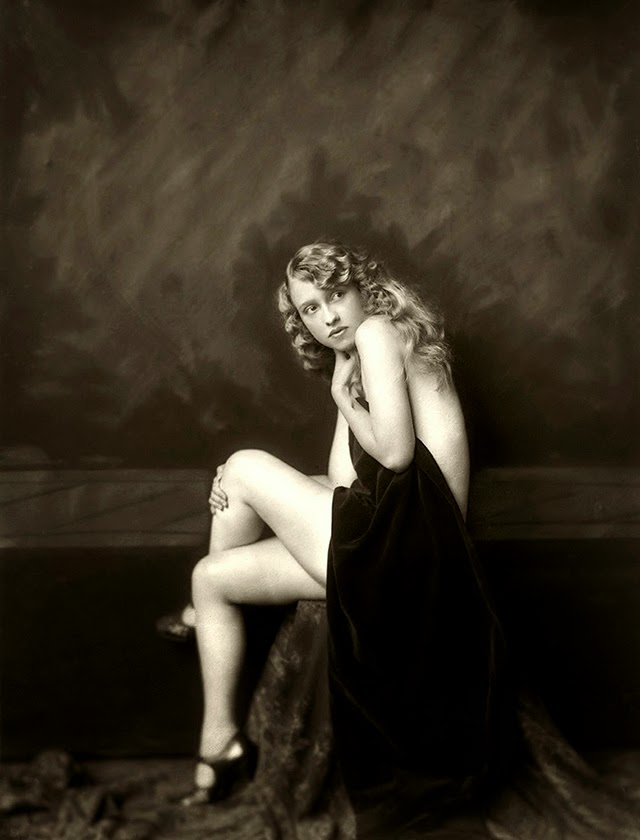
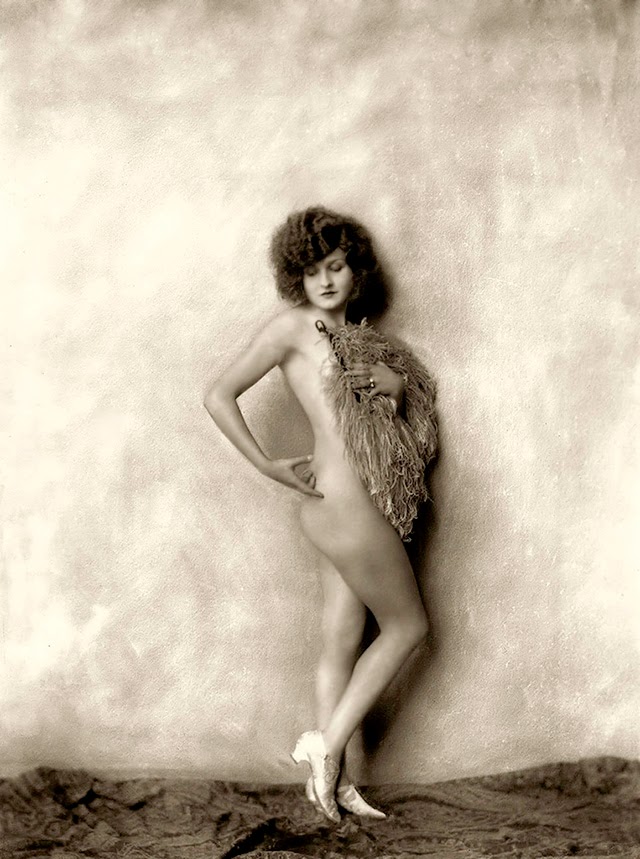
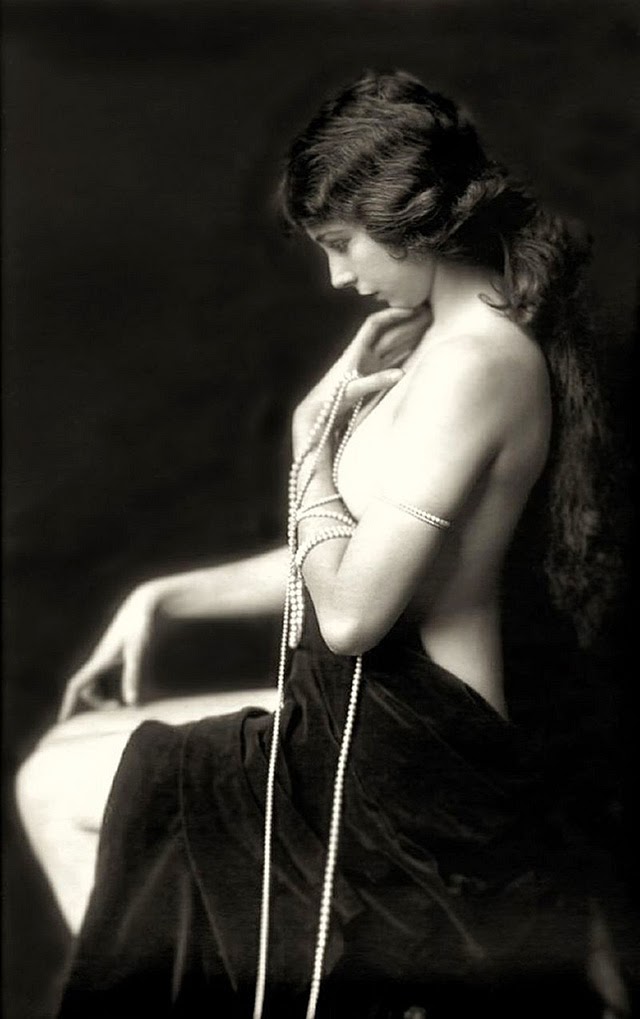
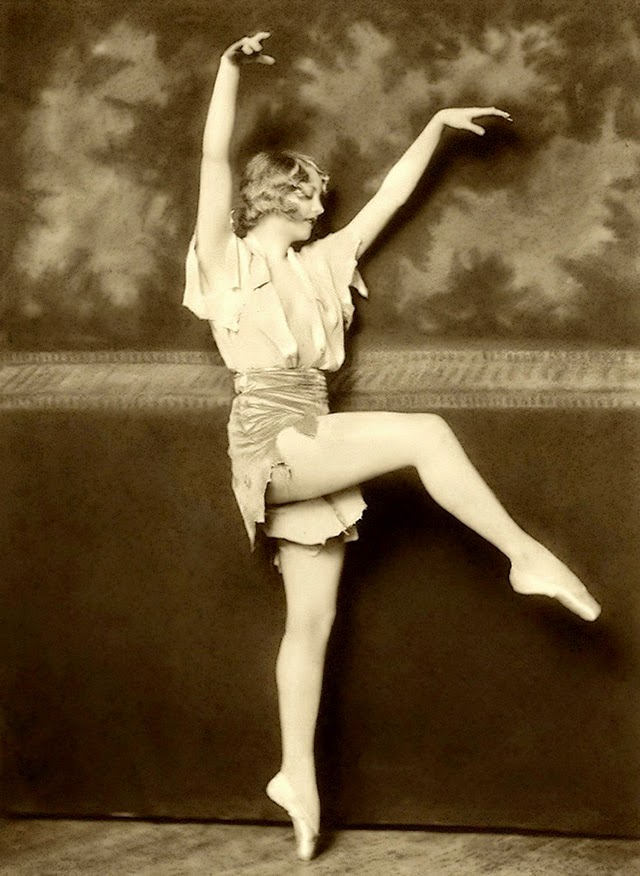
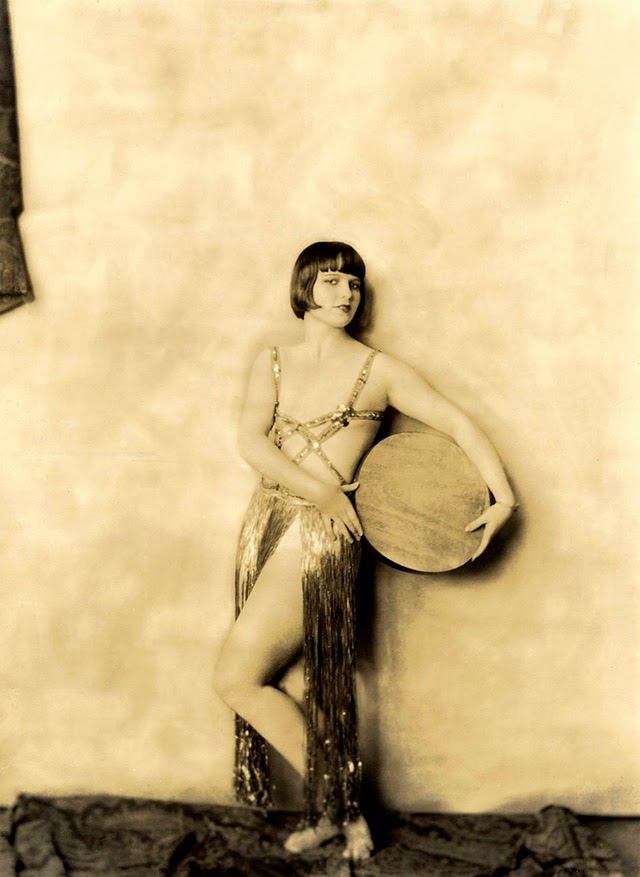
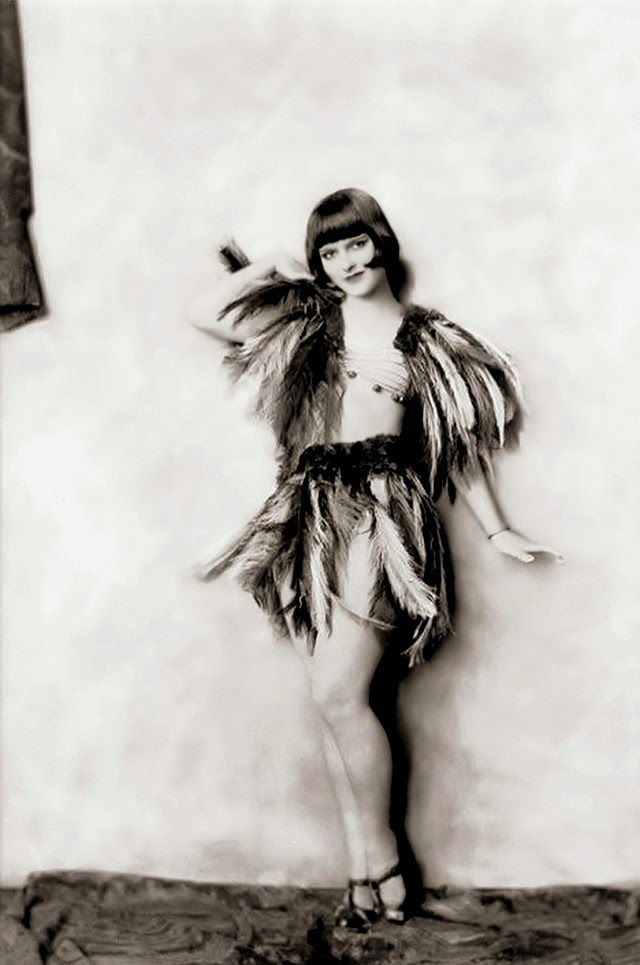
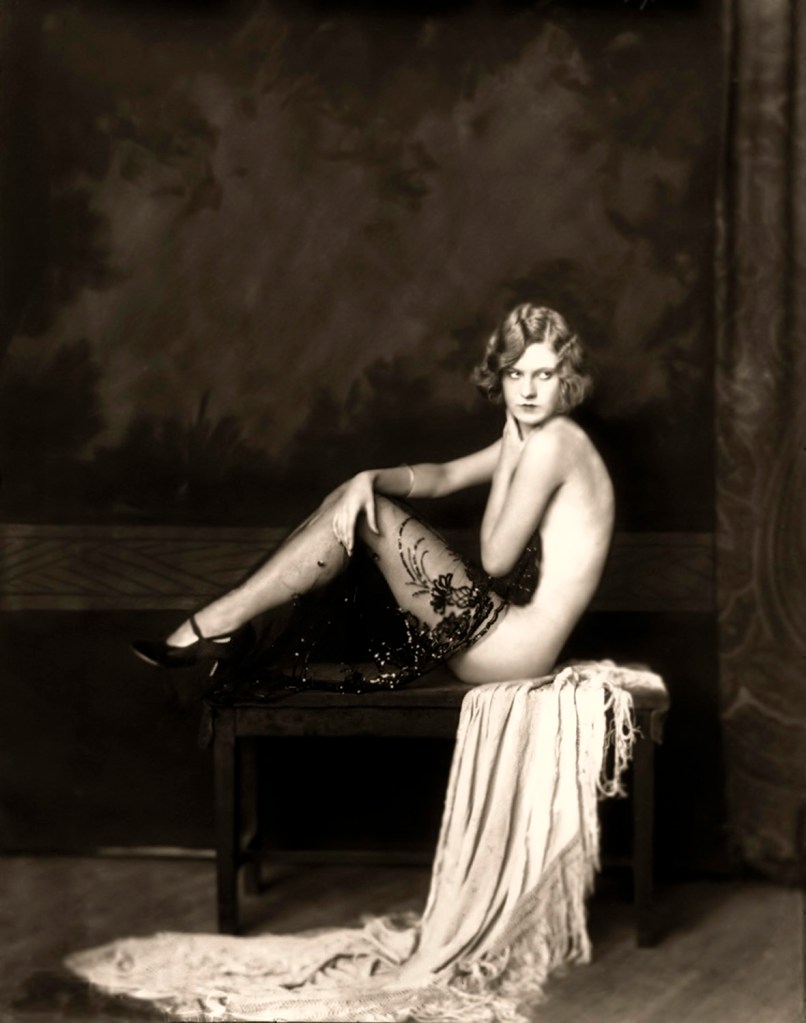
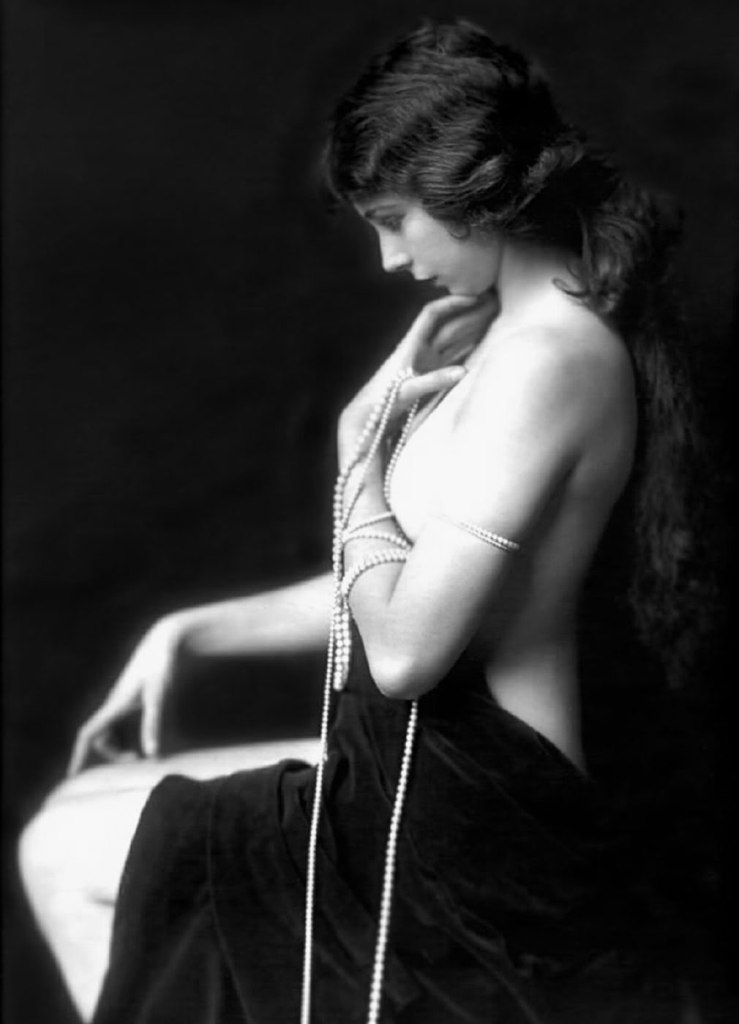
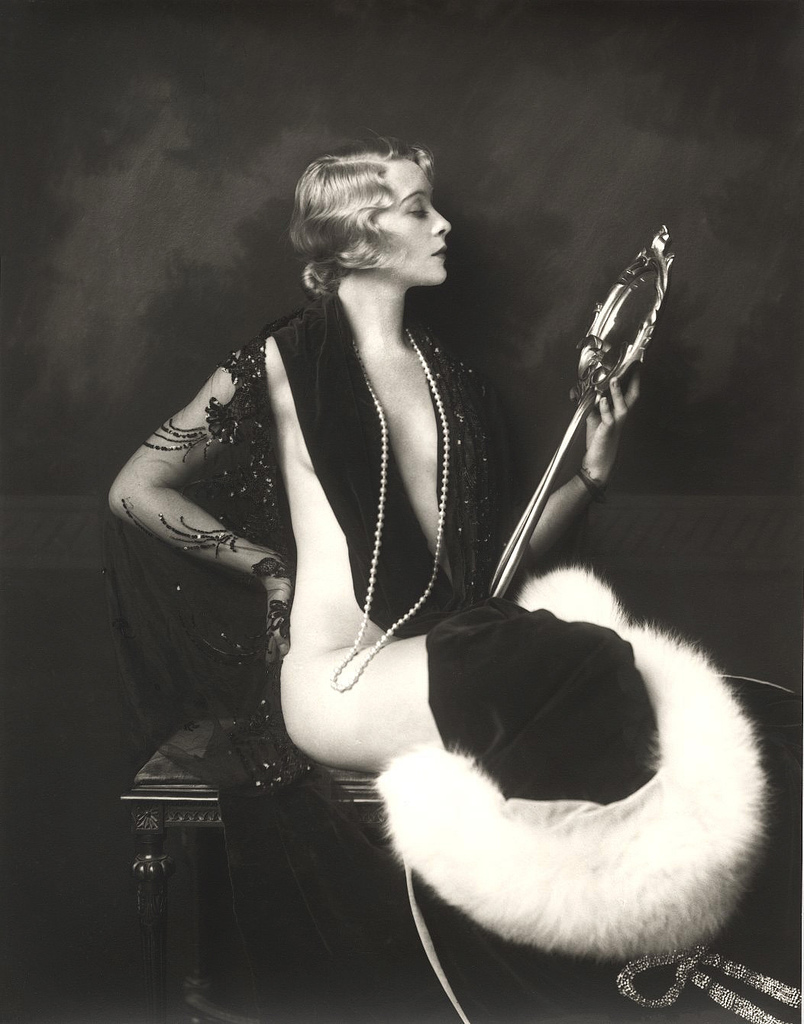
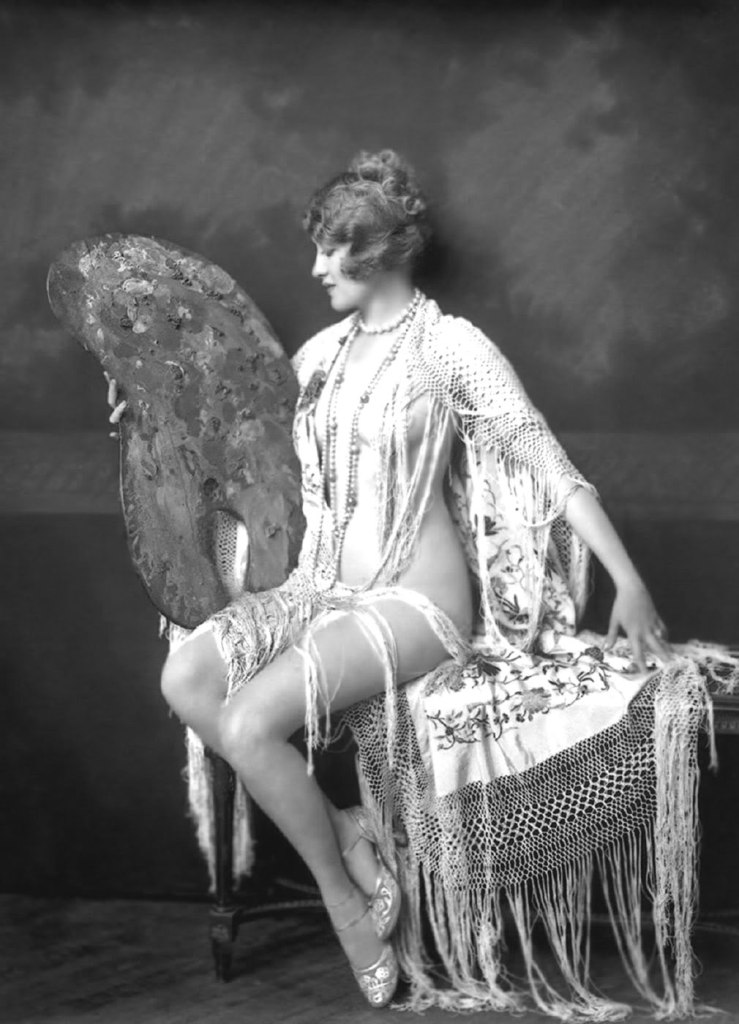
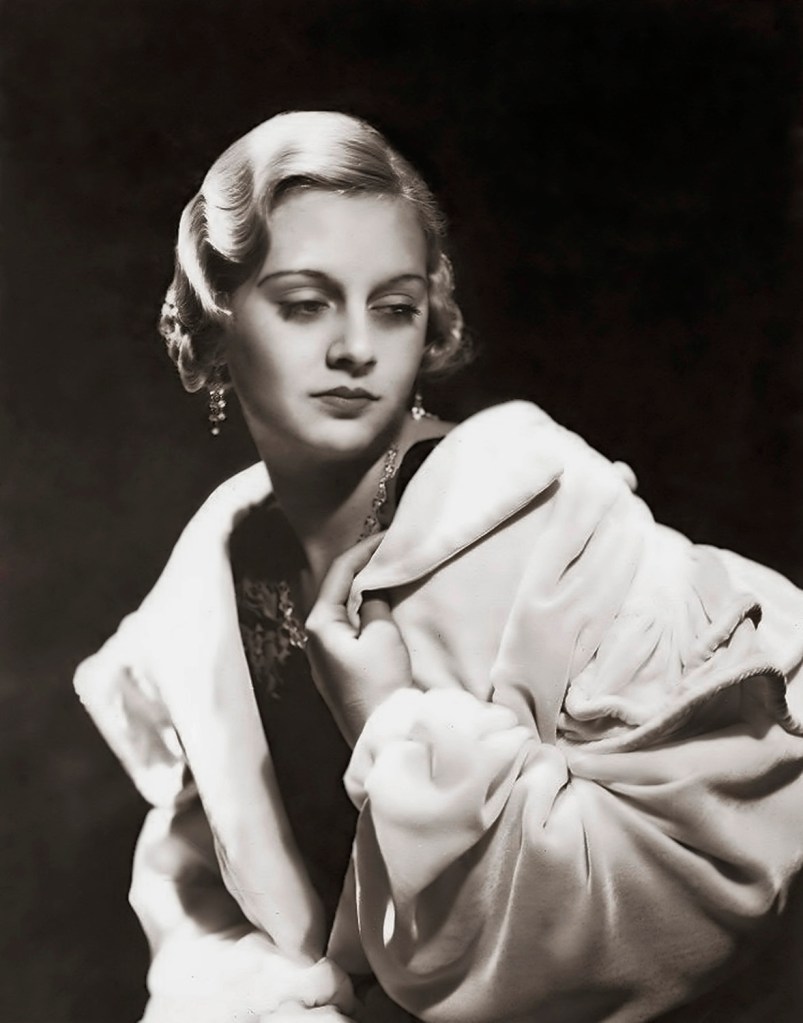
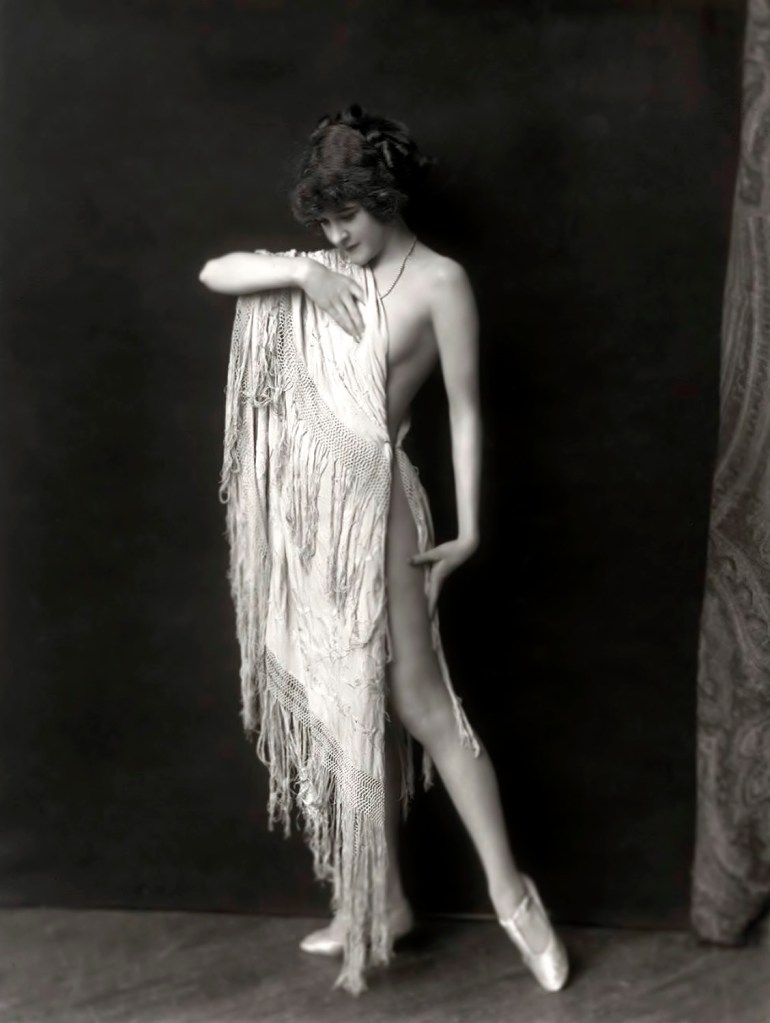
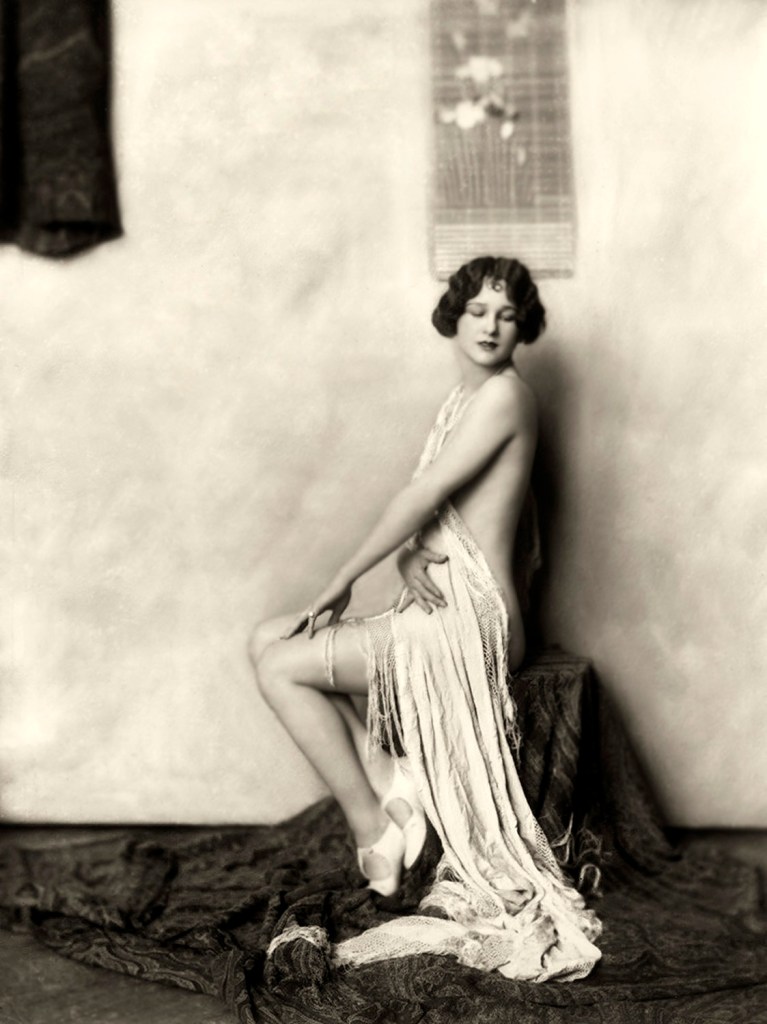
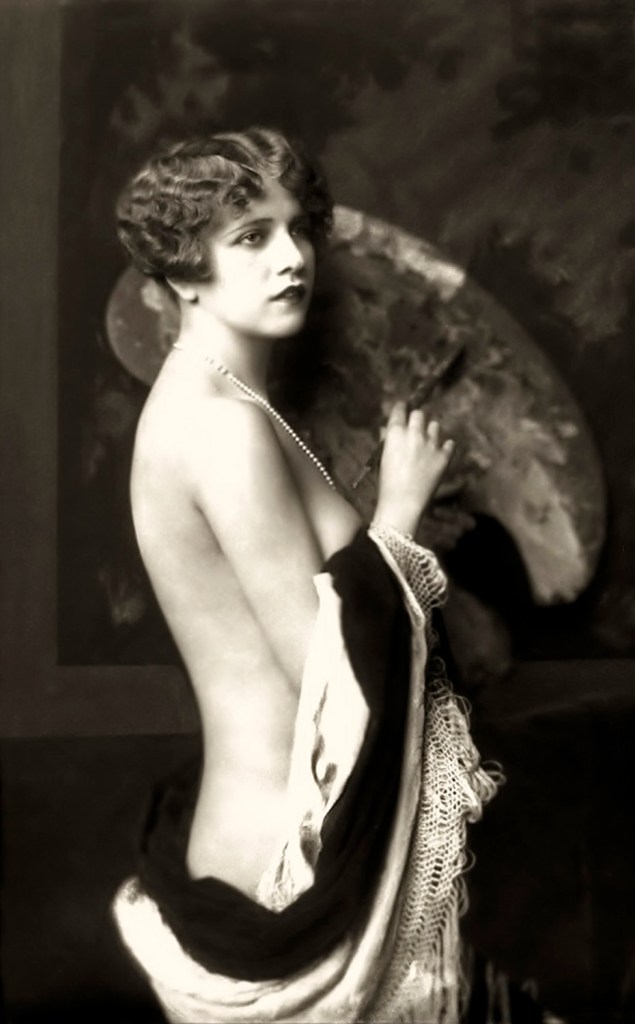
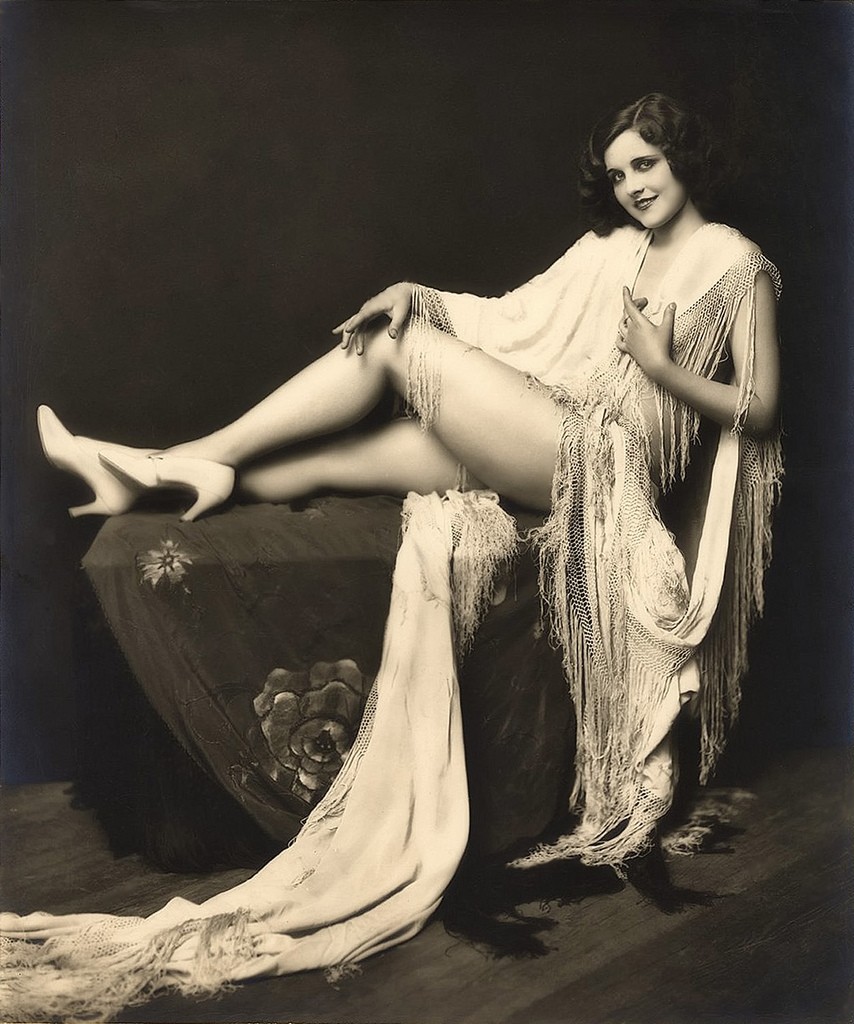
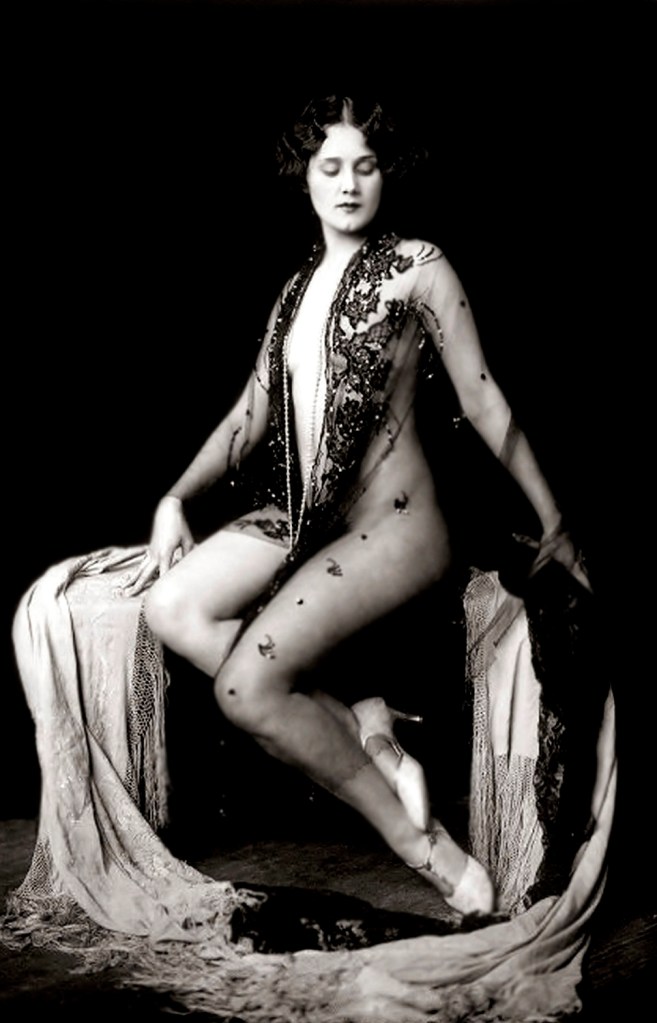
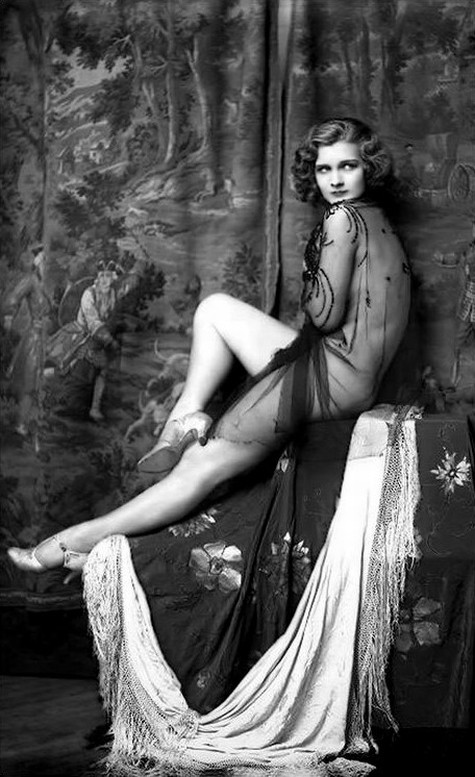
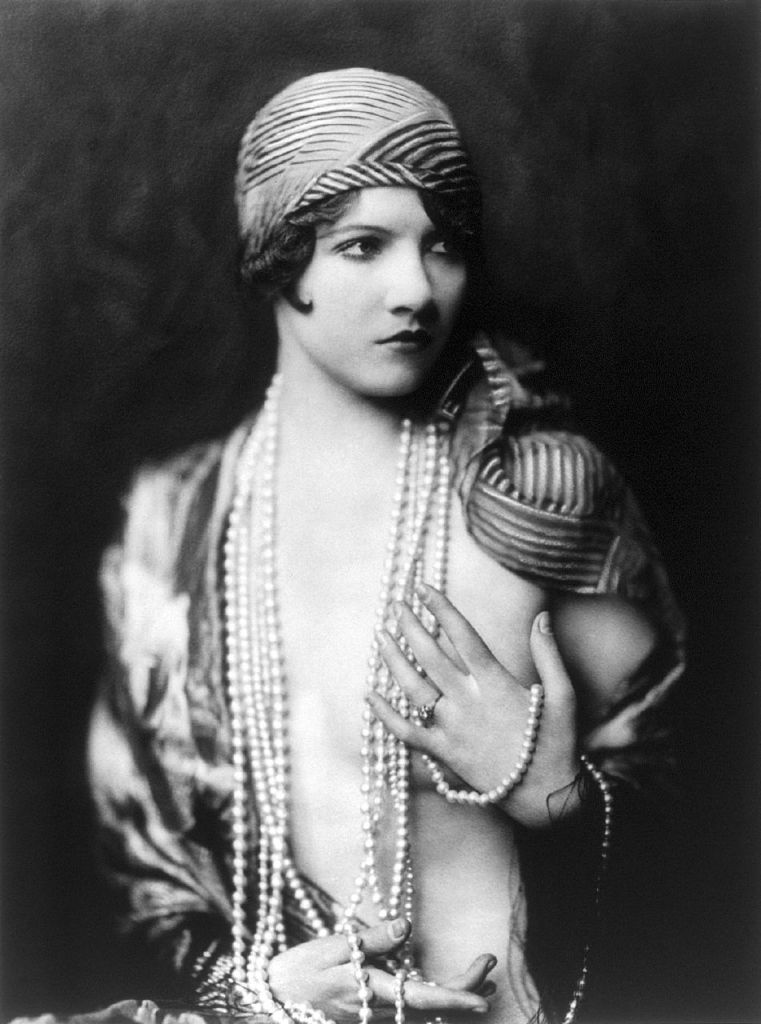
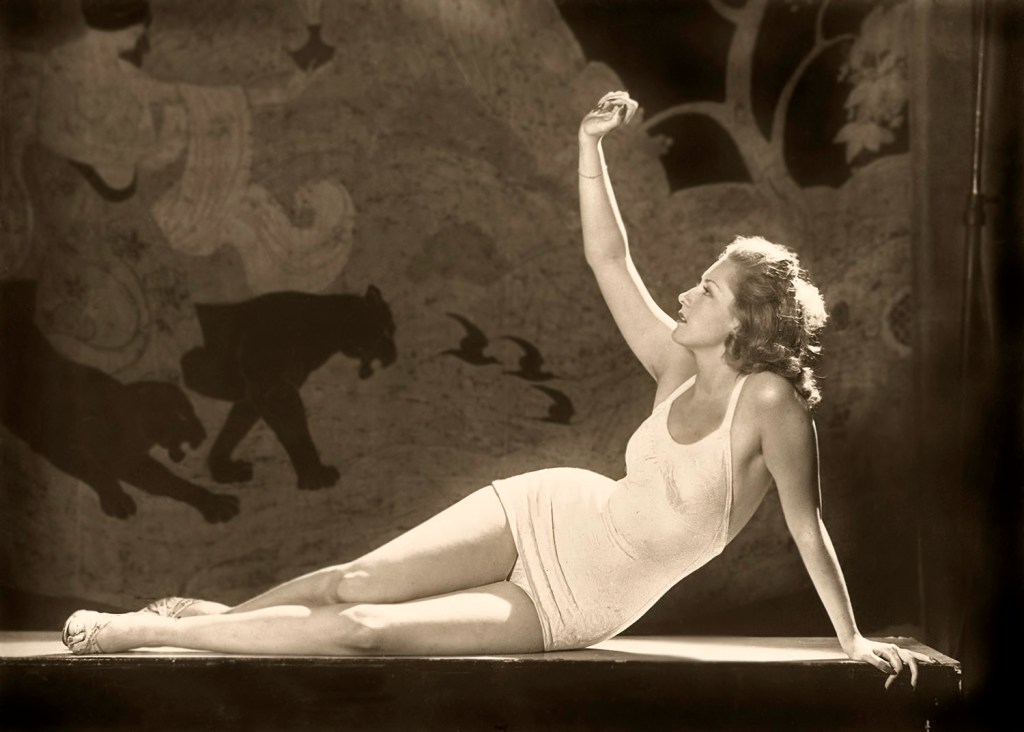
The Ziegfeld Follies were also famous for their display of many beautiful chorus girls,
commonly known as Ziegfeld Girls, who “paraded up and down flights of stairs as anything from
birds to battleships.” They usually wore elaborate costumes by designers such as Erté, Lady
Duff Gordon and Ben Ali Haggin.
The “tableaux vivants” were designed by Ben Ali Haggin from 1917 to 1925. Joseph Urban was the
scenic designer for the Follies shows starting in 1915.
After Ziegfeld’s death his widow, actress Billie Burke, authorized use of his name for
Ziegfeld Follies in 1934 and 1936 to Jake Shubert, who then produced the Follies. The name
was later used by other promoters in New York City, Philadelphia, and again on Broadway, with
less connection to the original Follies. These later efforts failed miserably. When the show
toured, the 1934 edition was recorded in its entirety, from the overture to play-out music, on
a series of 78 rpm discs, which were edited by the record producer David Cunard to form an
album of the highlights of the production and which was released as a CD in 1997. (Text via Wikipedia)




























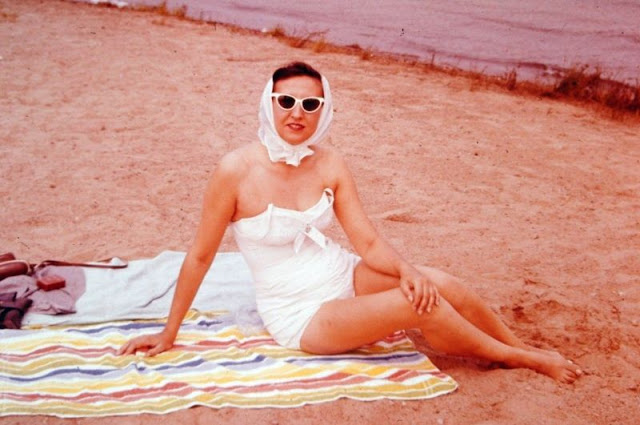
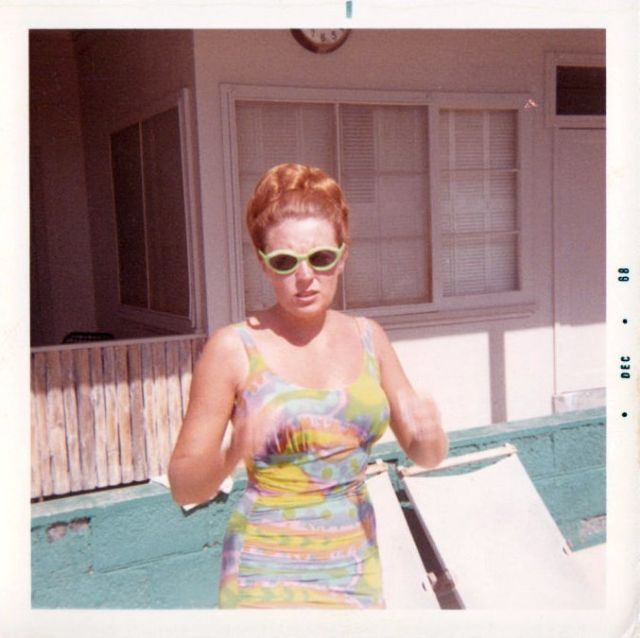
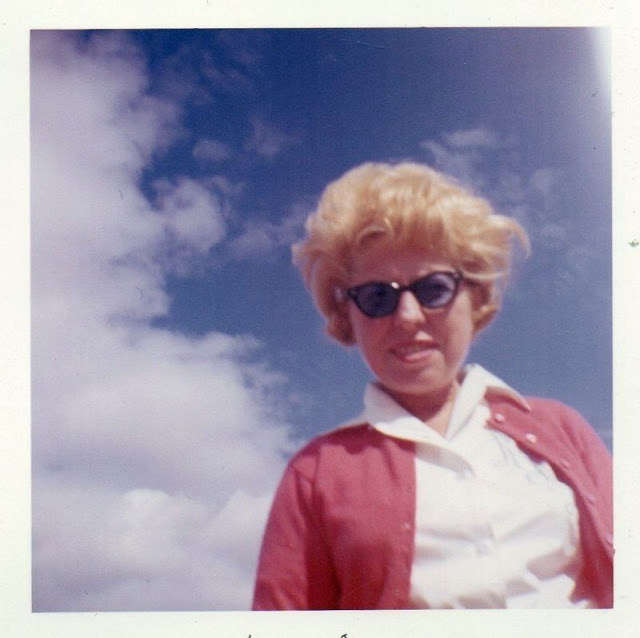
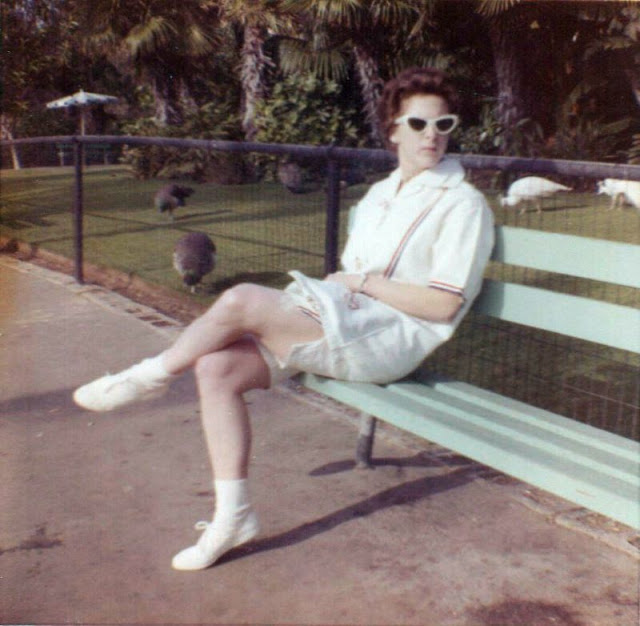
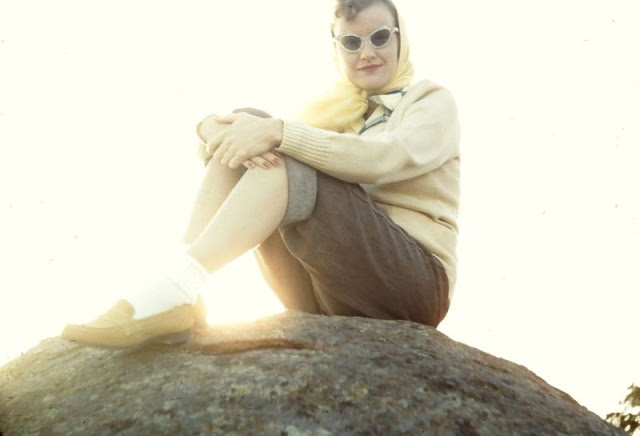
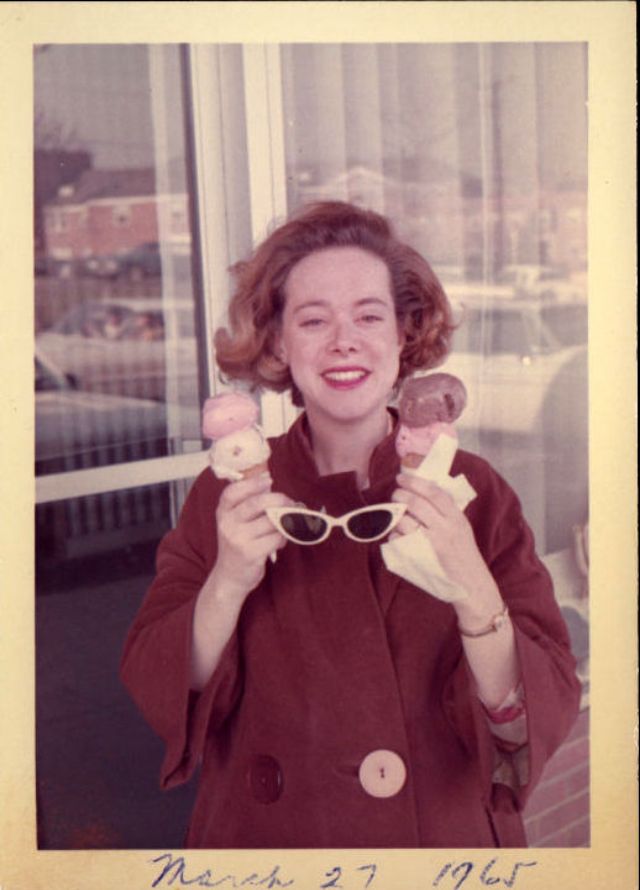
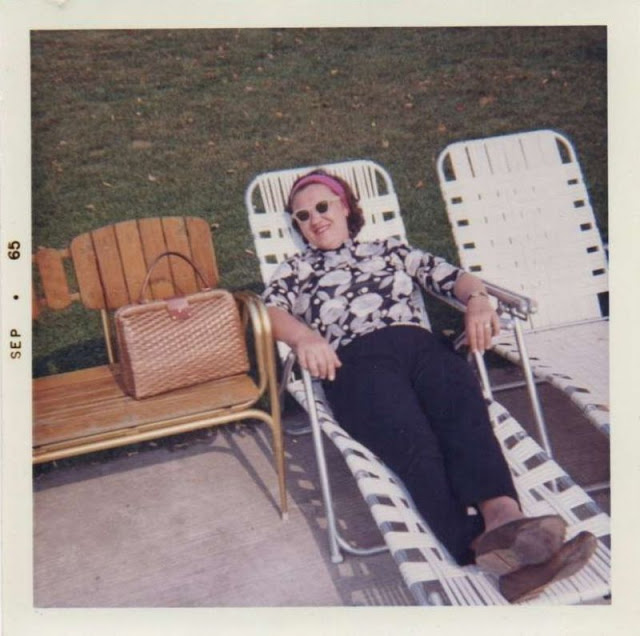
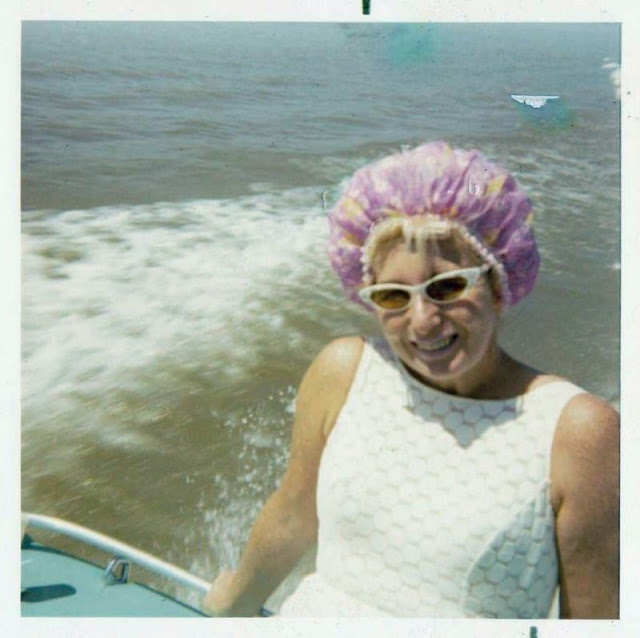
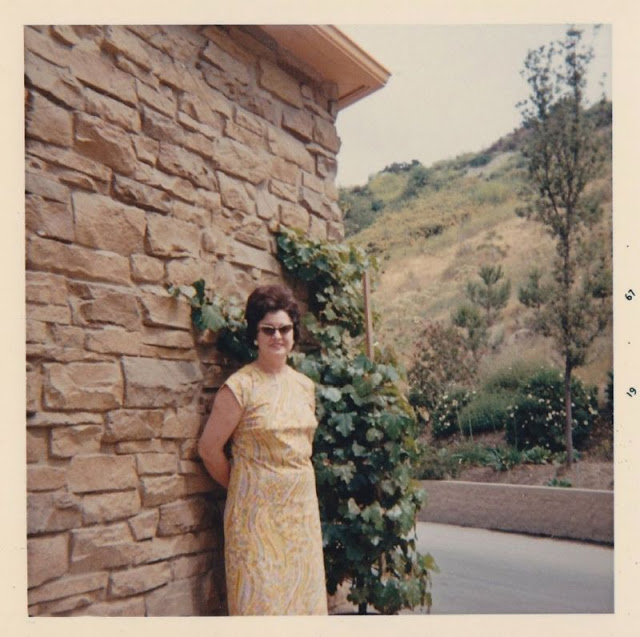
Sunglasses were used in the 12th century or possible earlier in China. But in the early 1900s, the use of sunglasses become more widespread, especially among Hollywood movie stars.
Inexpensive mass-production of sunglasses started in 1929 when Sam Foster introduced them to America. Foster sold his sunglasses on the beaches of Atlantic City, New Jersey under the name Foster Grant from a Woolworth on the Boardwalk. These sunglasses were made to protect people’s eyes from the sun’s rays.
Polarized sunglasses first became available in 1936, when Edwin H. Land began using his patented Polaroid filter when making sunglasses.
Sunglasses even played a significant role during the World War II, when Ray Ban created anti-glare aviator style sunglasses, using polarization. Ray-Ban Aviator sunglasses became popular with the celebrities and the community in 1937 when they started to be sold for the public.
Today, sunglasses with UV protection has almost become an industry standard, and there are a lot of tints available for sunglasses, and sunglasses styles are changing every year.
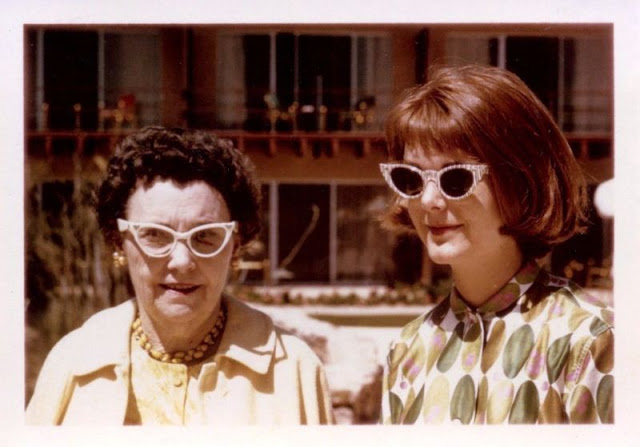
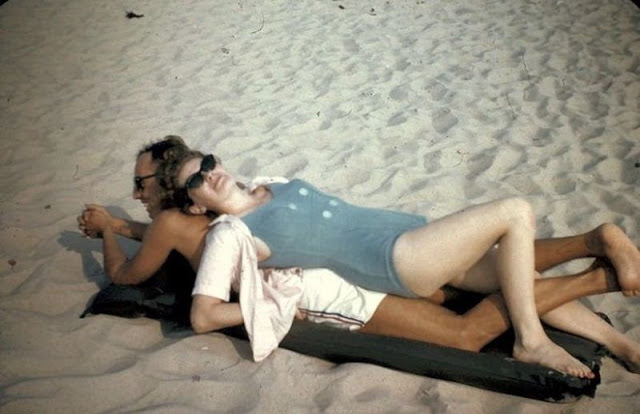
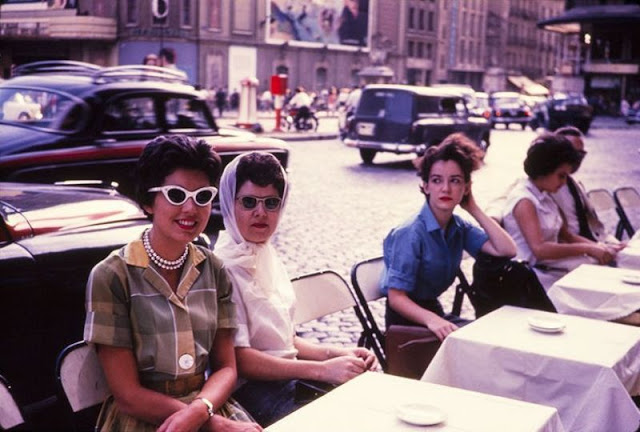
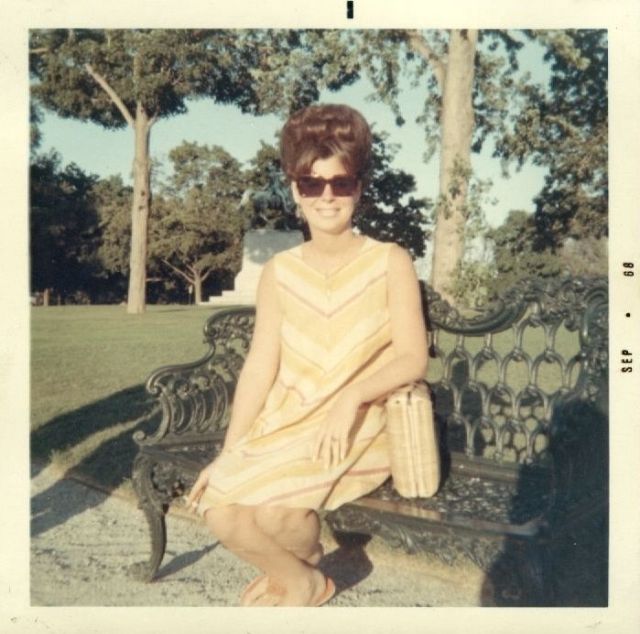
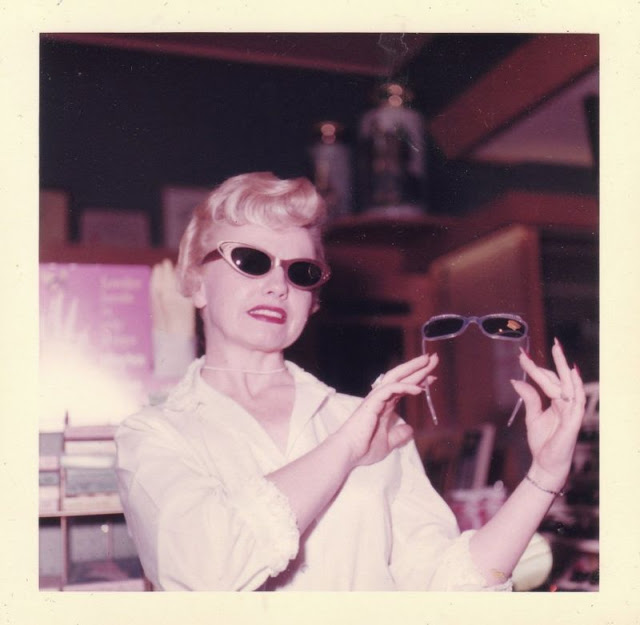
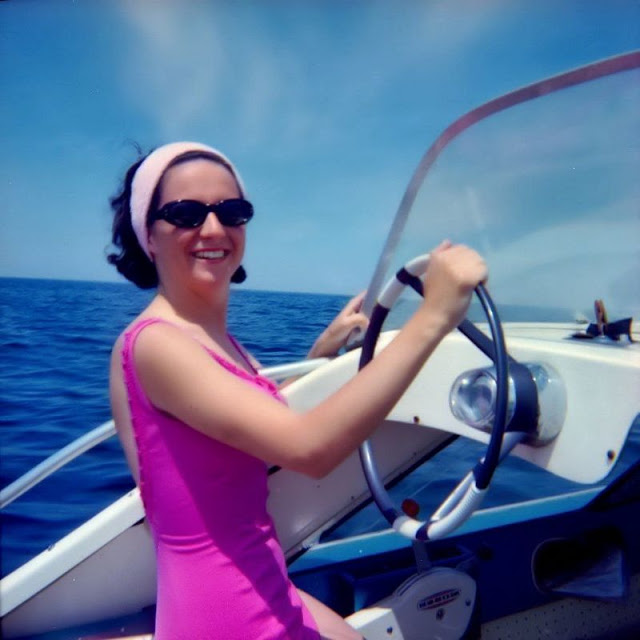
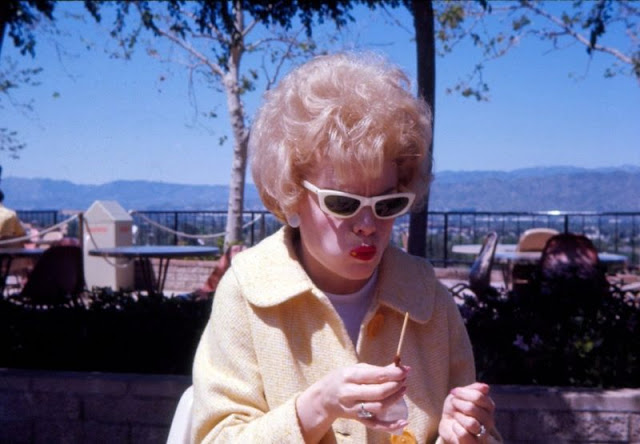
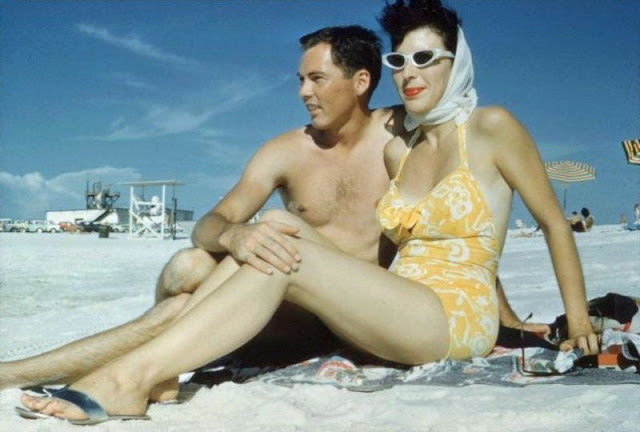
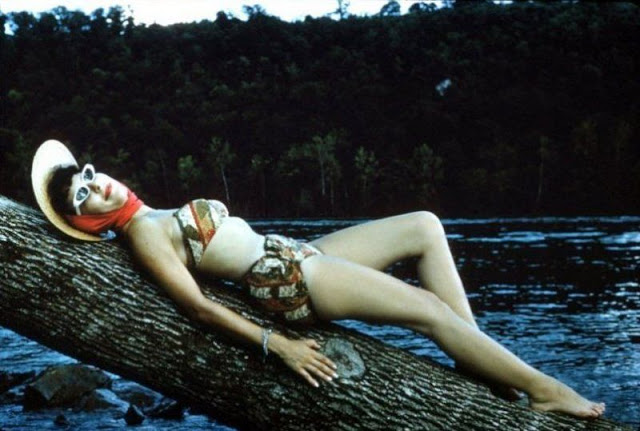
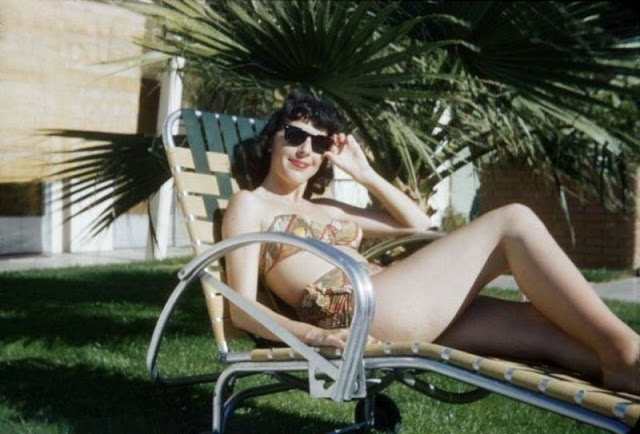
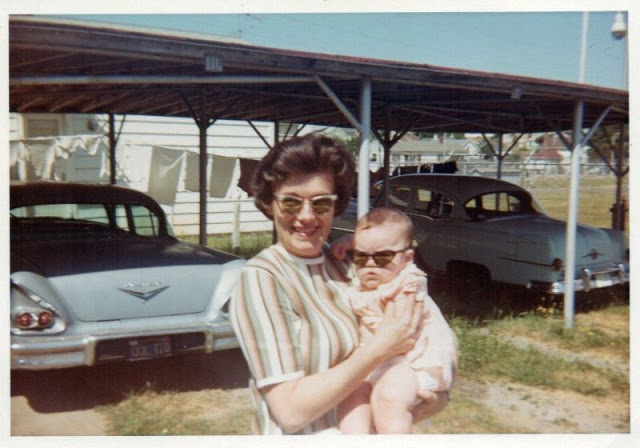
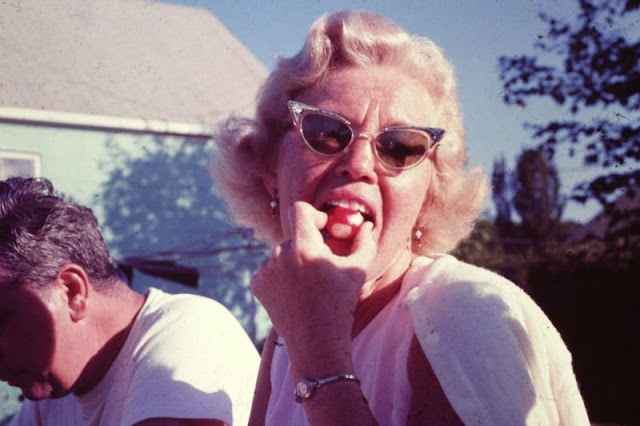
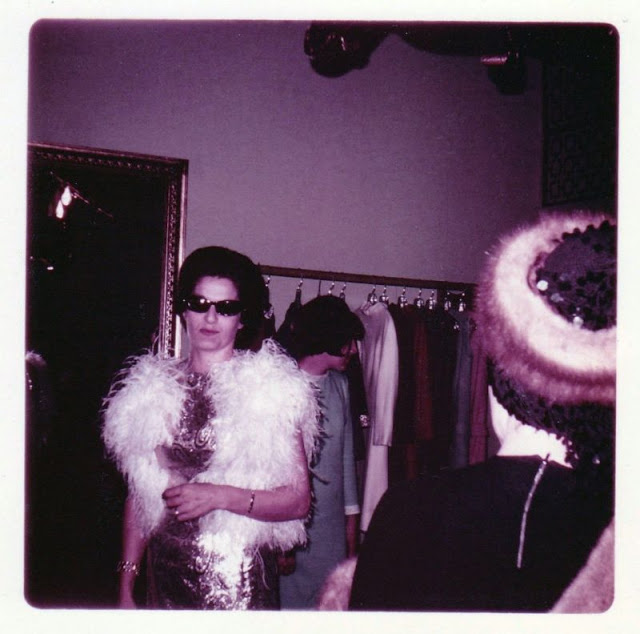
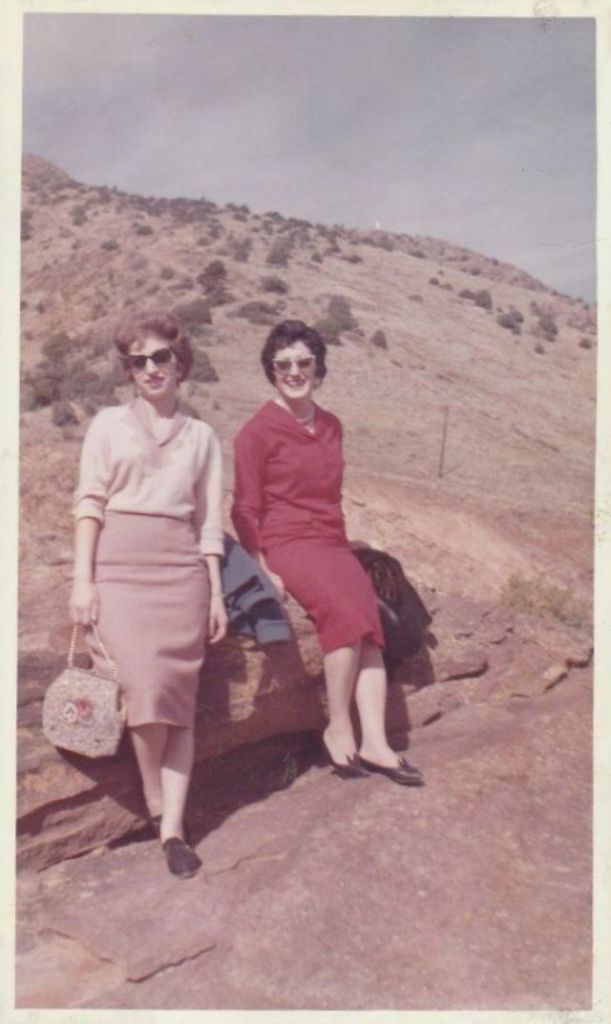
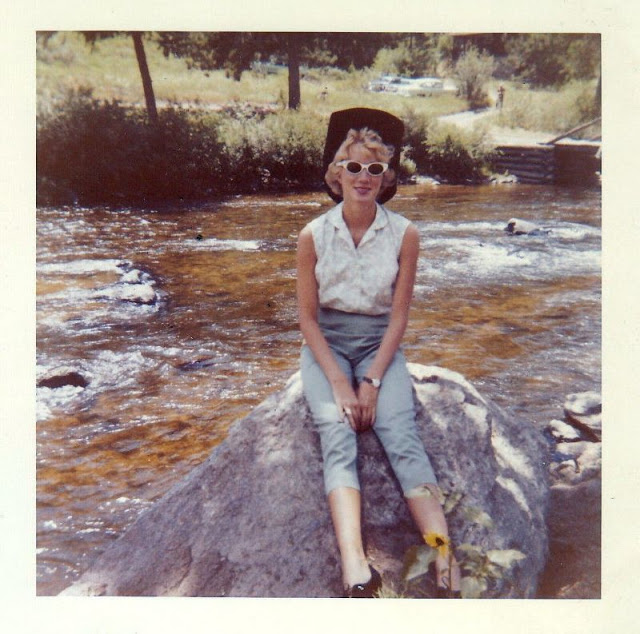
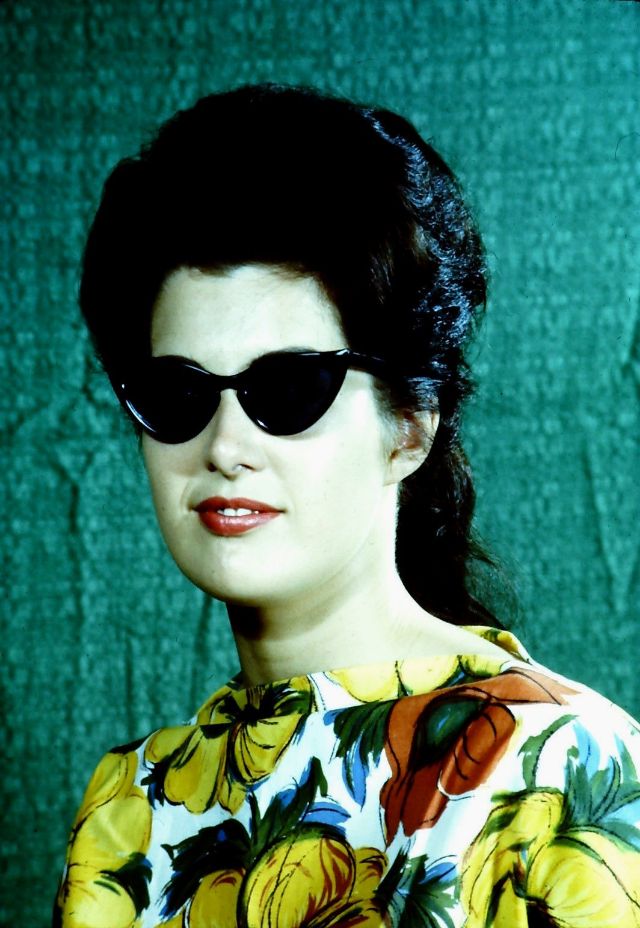
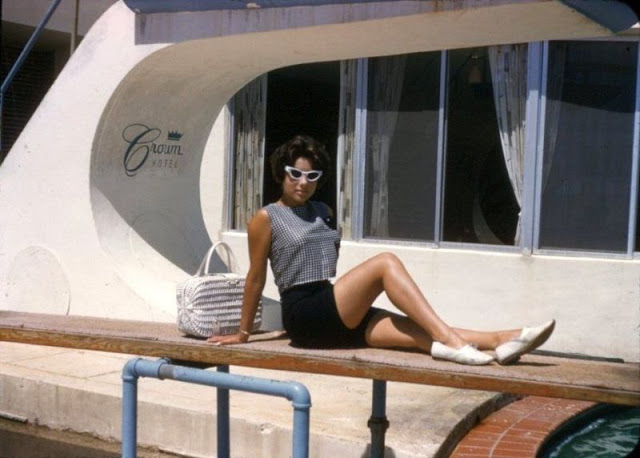
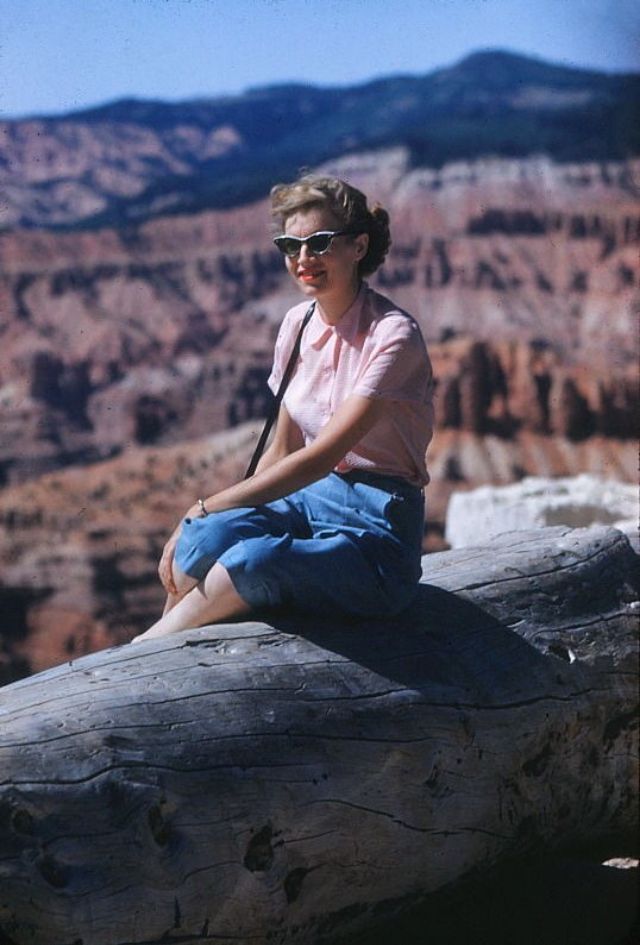
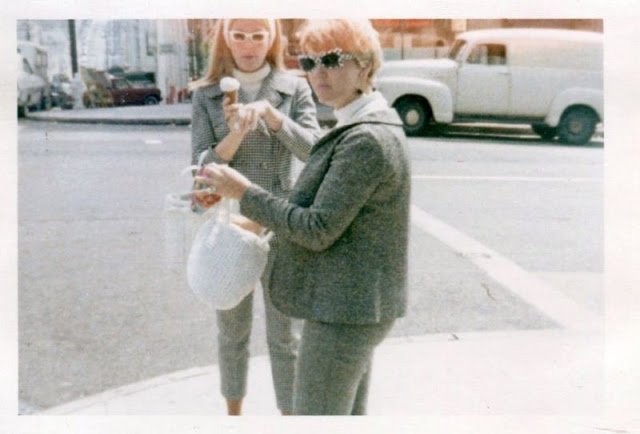
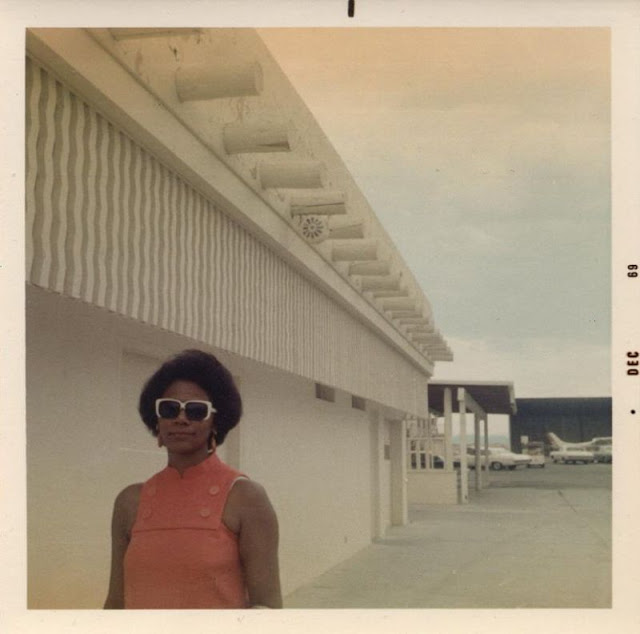
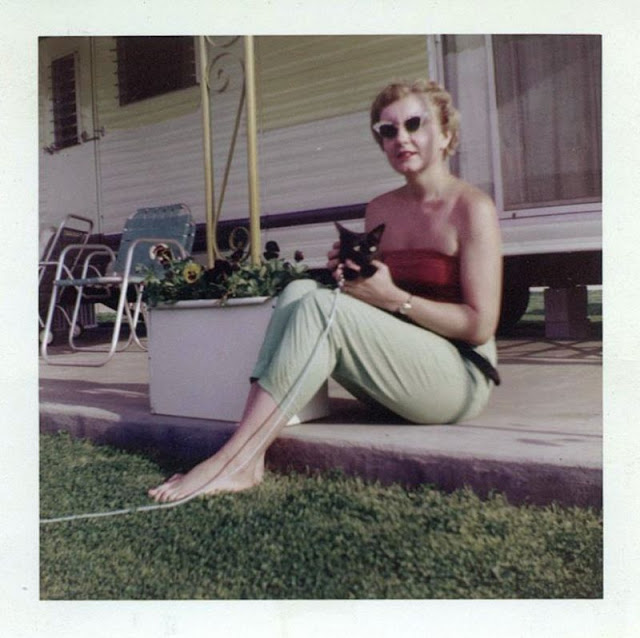
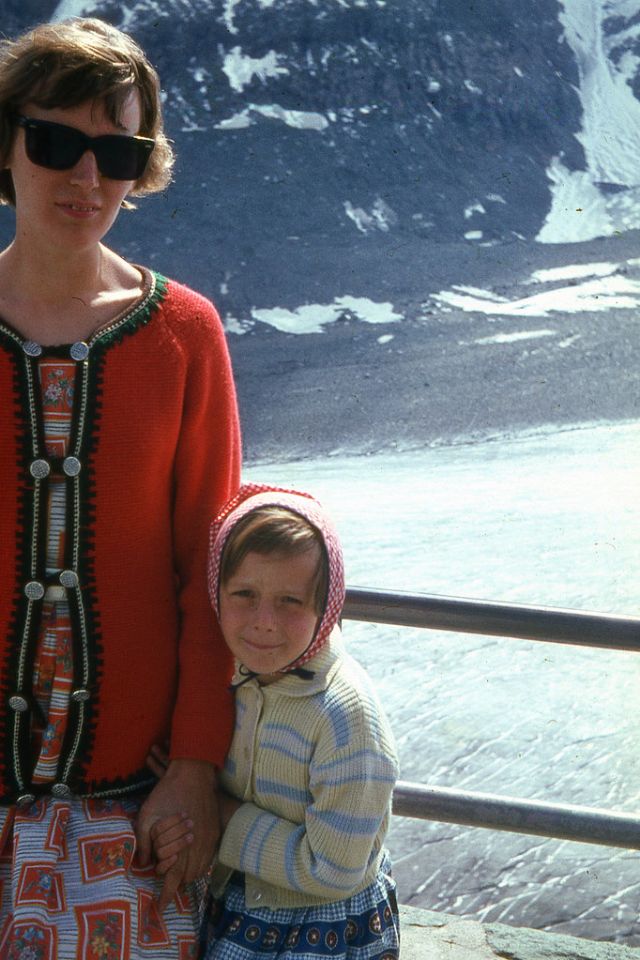
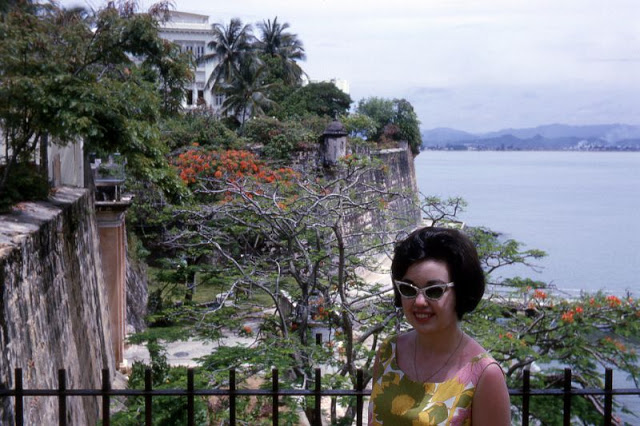
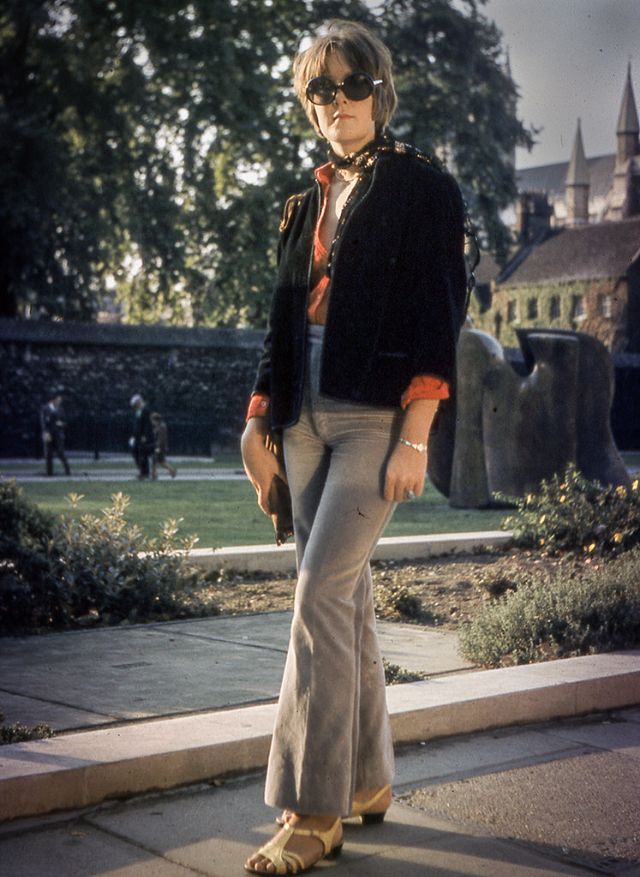
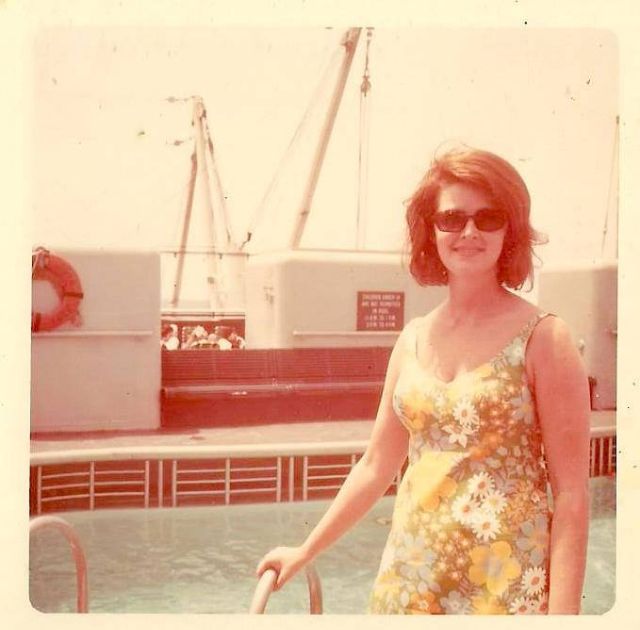
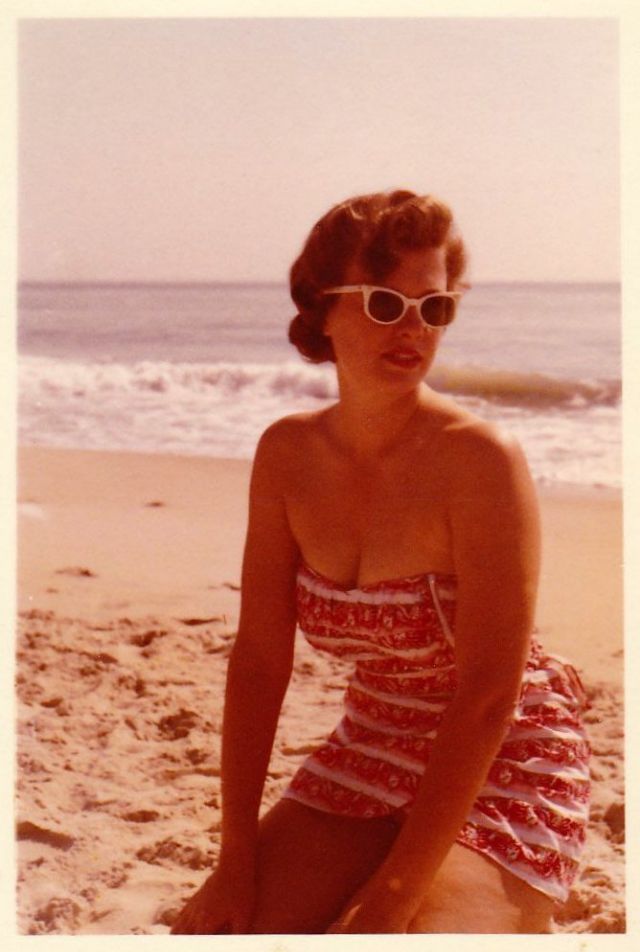
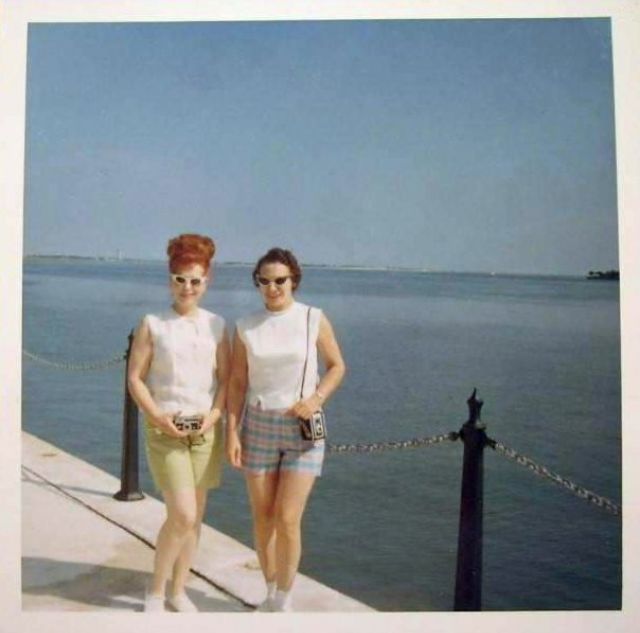
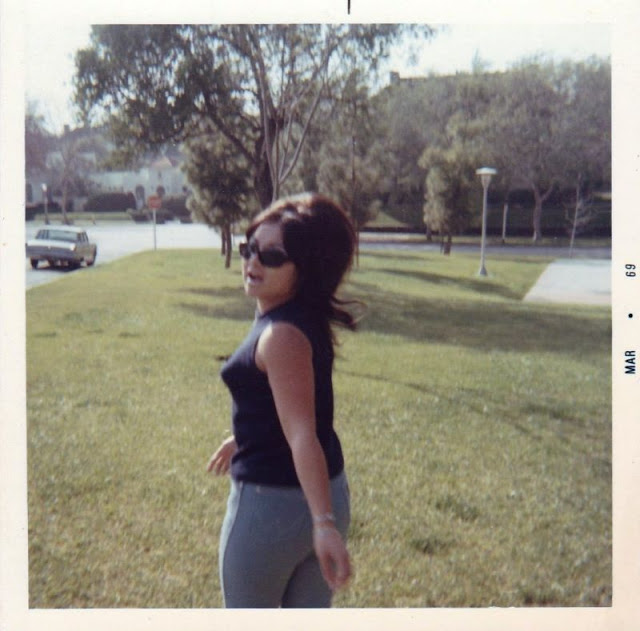
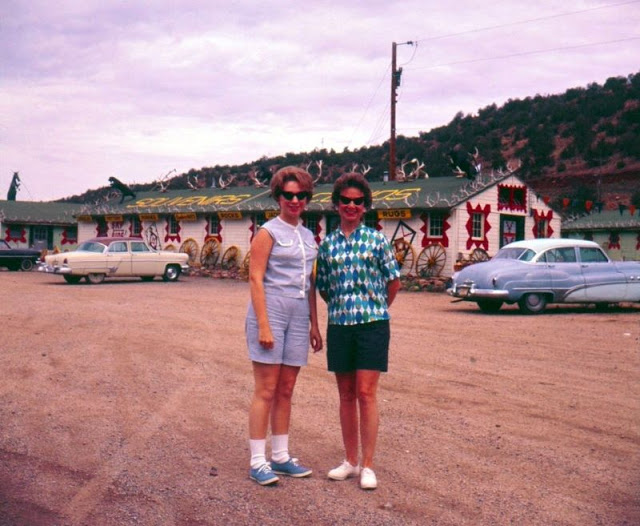
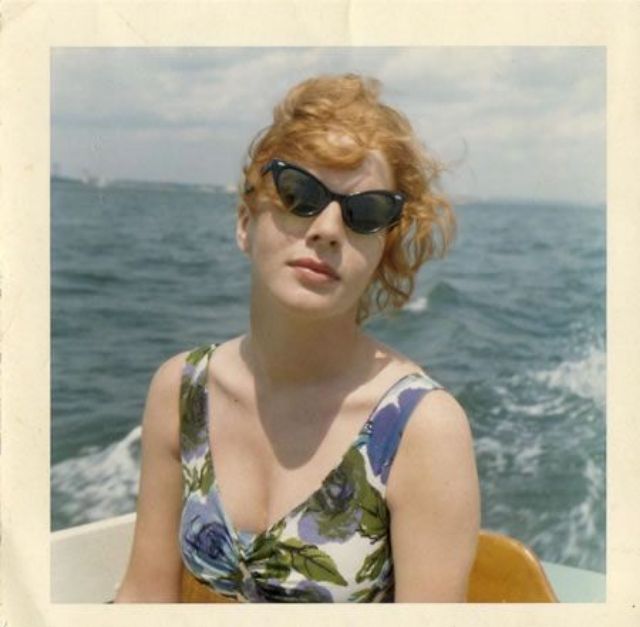
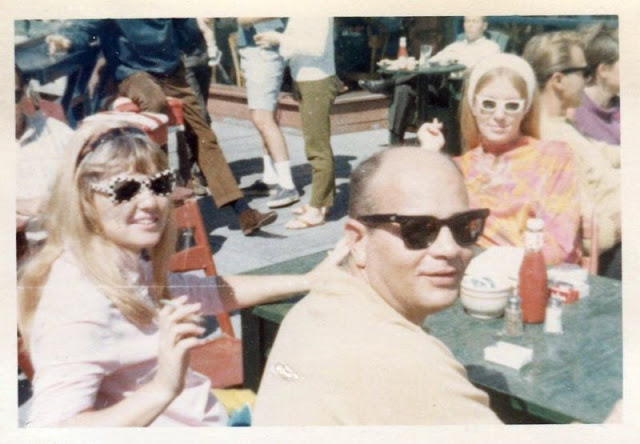
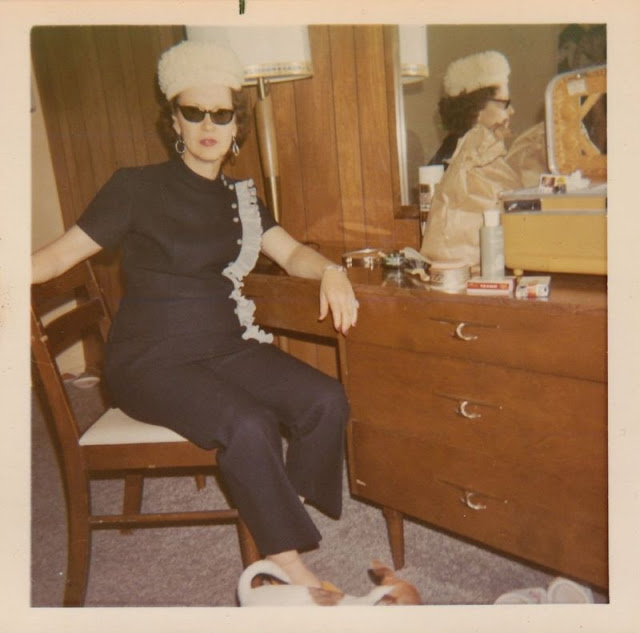
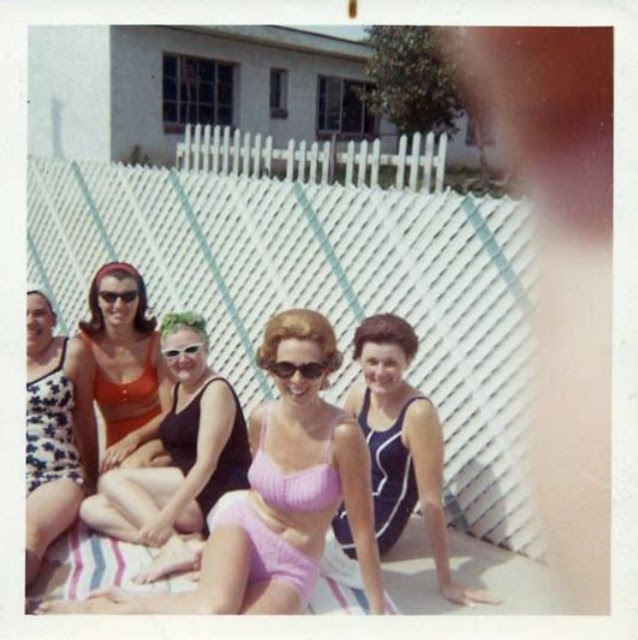
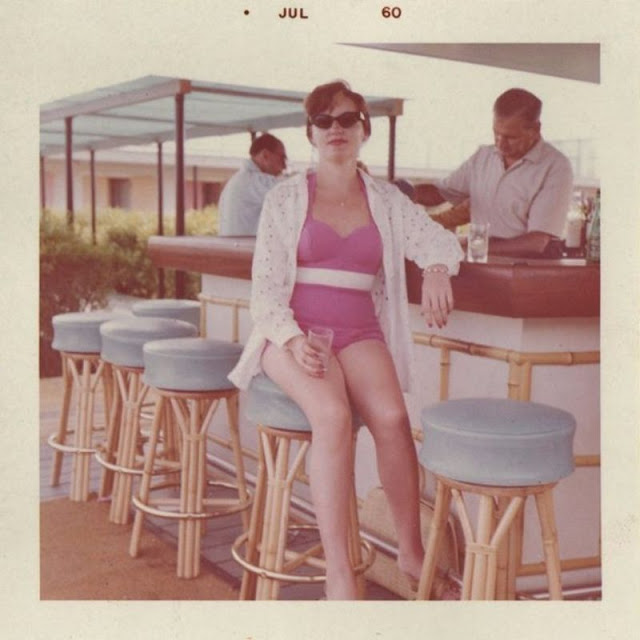
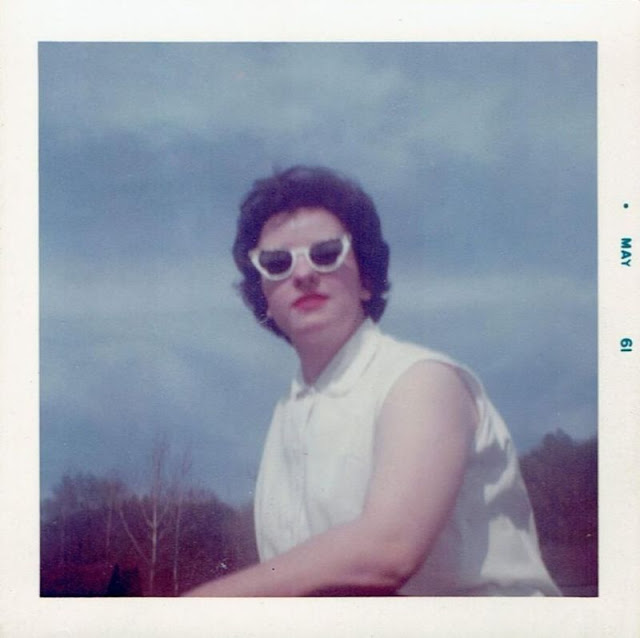
Take a look at these color photos to see what women’s sunglasses looked like in the 1960s.



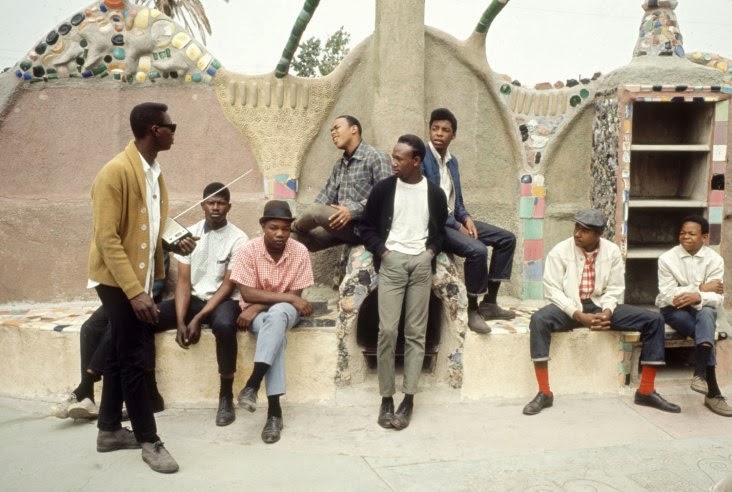
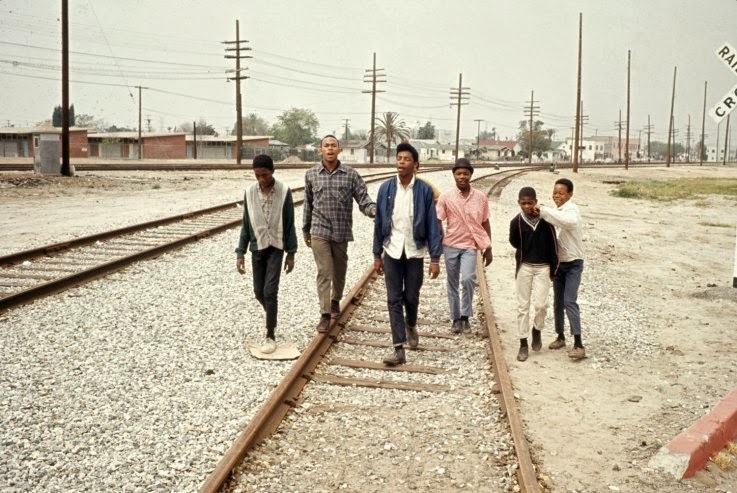
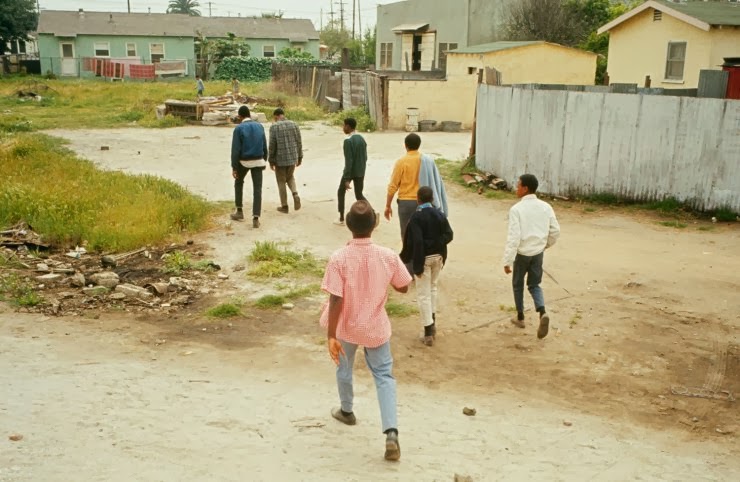
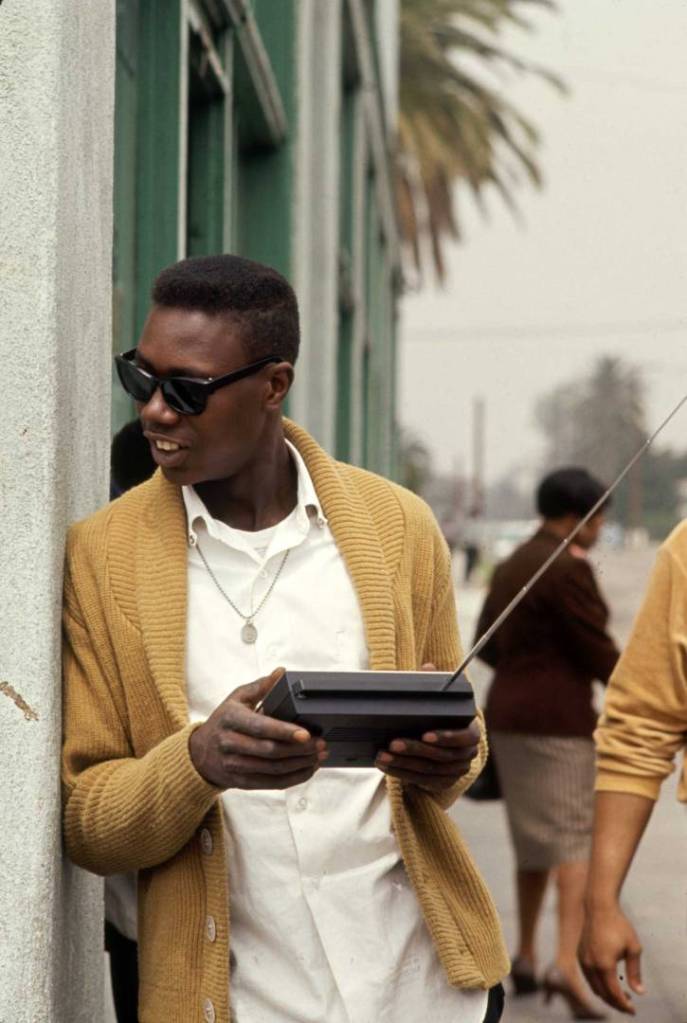
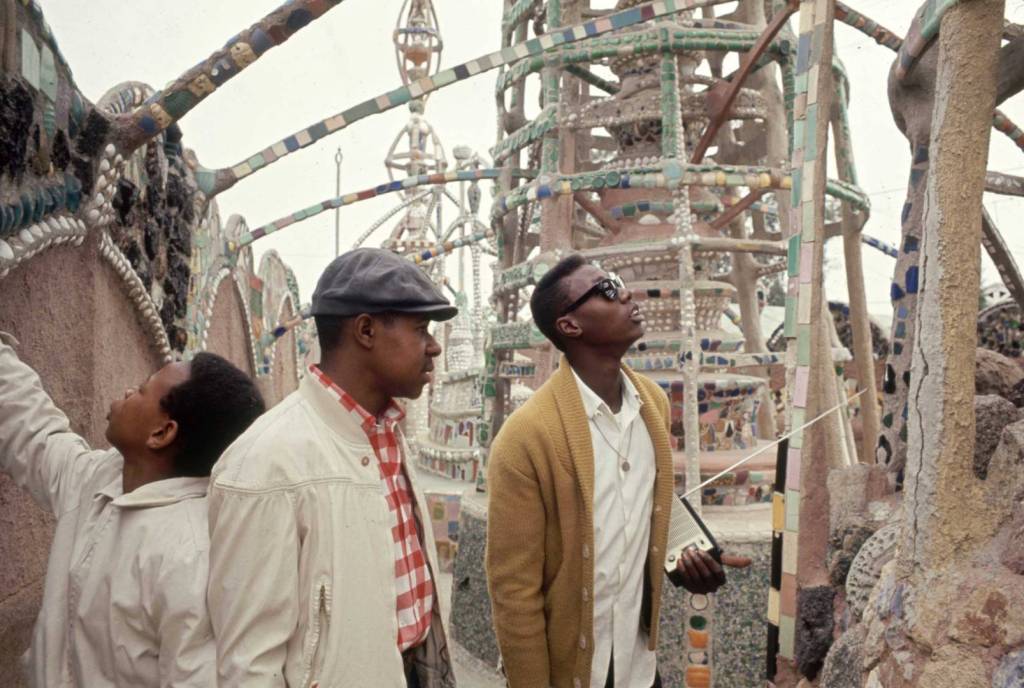
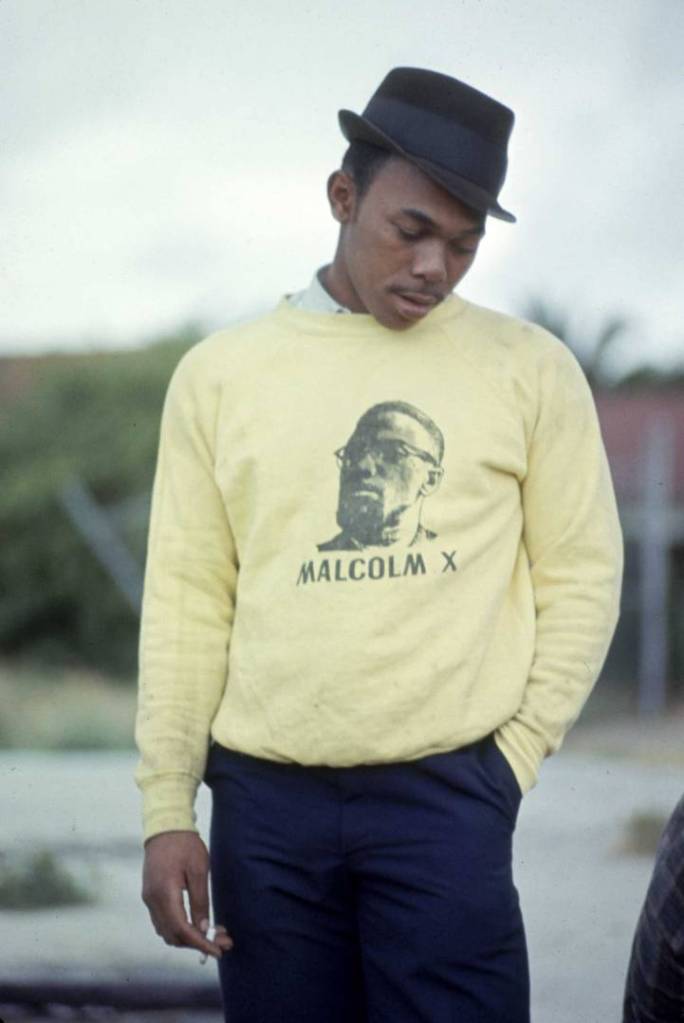
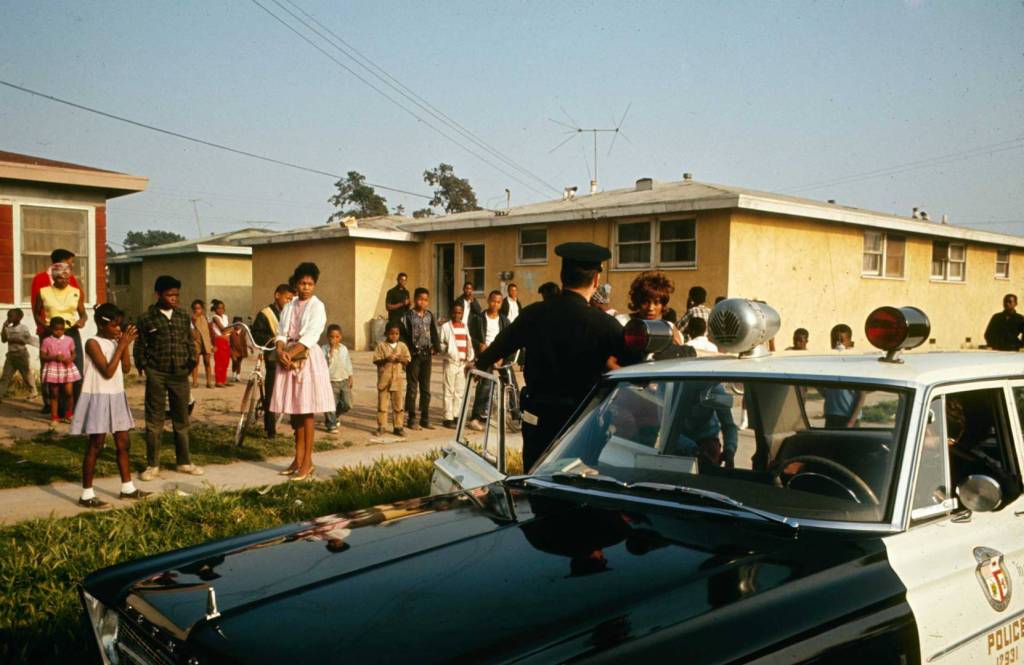
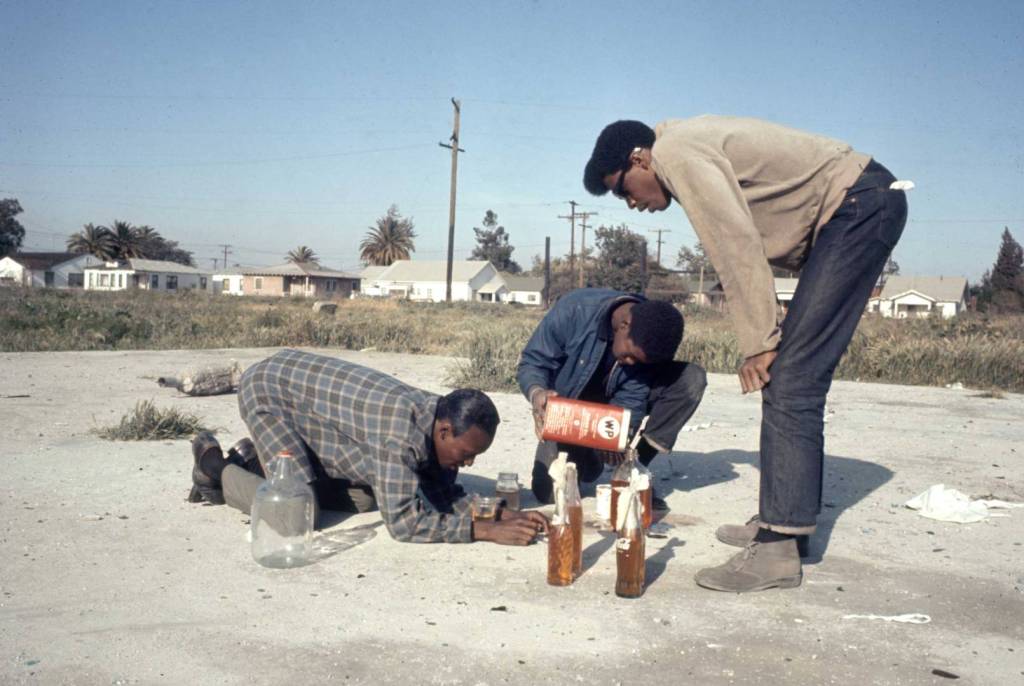
The August 1965 Watts Riots (or Watts Rebellion, depending on one’s perspective and politics), were among the bloodiest, costliest and — in the five decades since they erupted — most analyzed uprisings of the notoriously unsettled mid-1960s. Ostensibly sparked by an aggressive traffic stop of a black motorist by white cops — but, in fact, the combustive result of decades of institutional racism and profound neglect on the part of the city’s power brokers — the six-day upheaval resulted in 34 deaths, more than 3,400 arrests and tens of millions of dollars in property damage (back when a million bucks still meant something).
A year after the flames were put out and the smoke cleared from the southern California sky, LIFE revisited the scene of the devastation for a “special section” in its July 15, 1966, issue that the magazine called “Watts: Still Seething.” A good part of that special section featured a series of color photos made by Bill Ray on the streets of Watts: