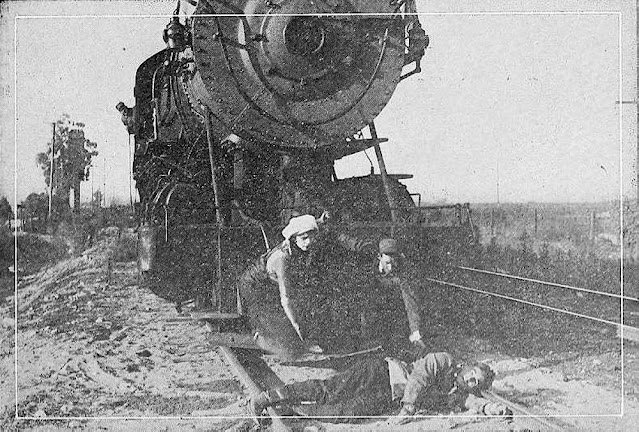
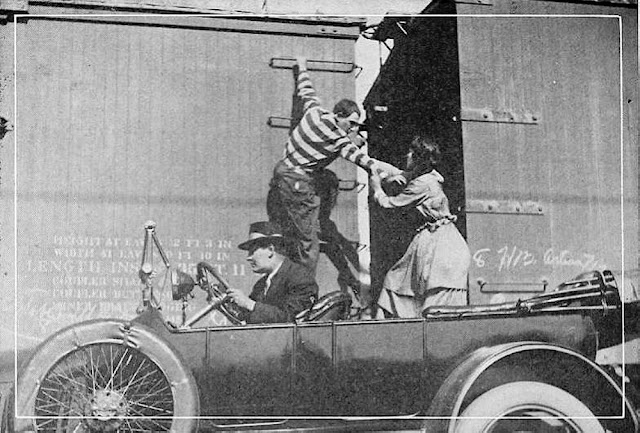
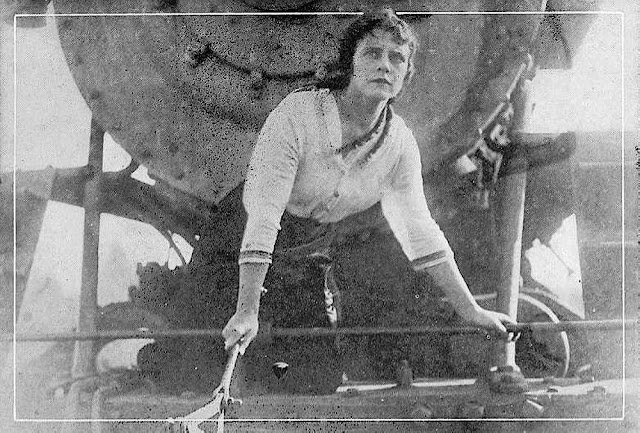
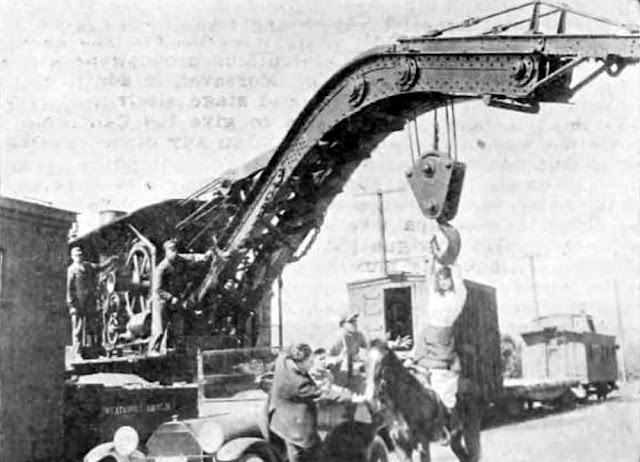
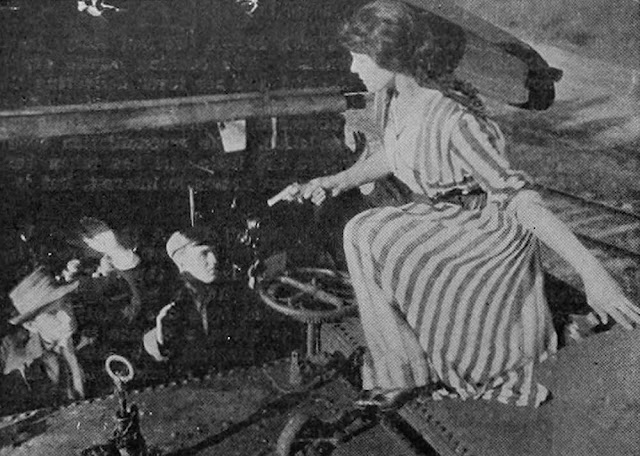
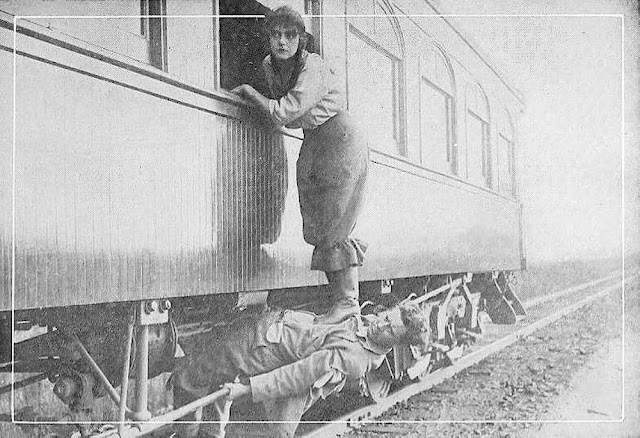
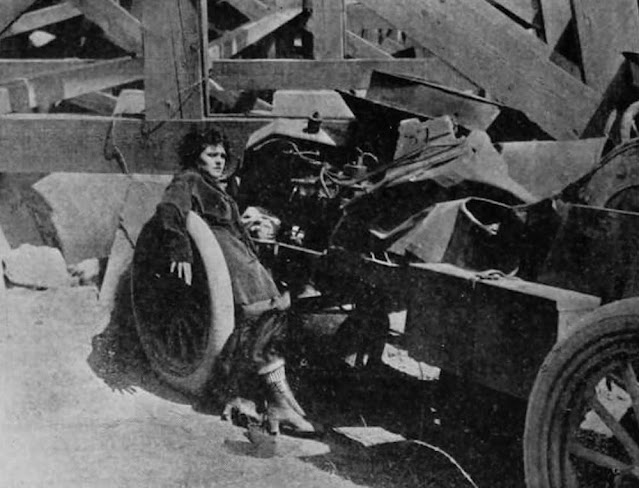
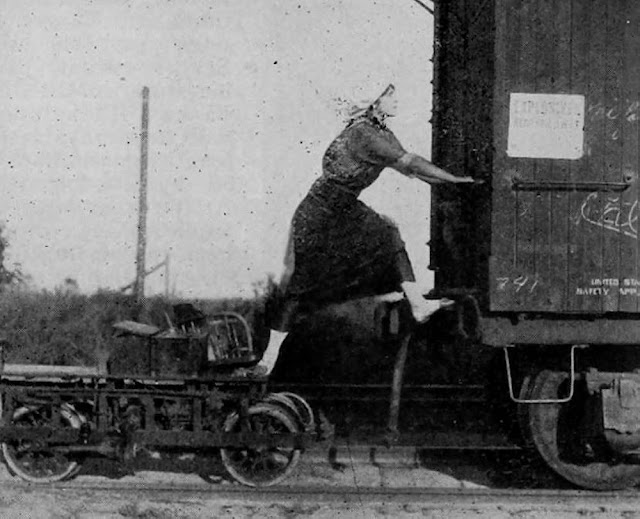
Amazing Vintage Photos of Helen Gibson, the First Hollywood Stuntwoman

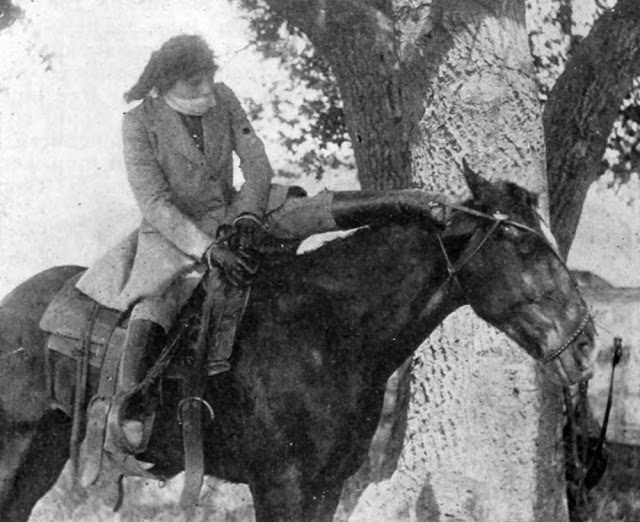
Helen Gibson was born Rose August Wenger in Cleveland, Ohio, one of five girls to Swiss-German parents, Fred and Annie Wenger. Her father had wanted a son, and encouraged her to be a tomboy. Helen saw her first Wild West show in Cleveland in the summer of 1909 and answered a Miller Brothers 101 Ranch ad for girl riders in Billboard magazine. They taught her to ride, and she performed in her first 101 Ranch Real Wild West Show in St. Louis in April 1910.

She was quoted as saying: “(I) was already practicing picking up a handkerchief from the ground at full gallop. When veteran riders told me I could get kicked in the head, I paid no heed. Such things might happen to others, but could never happen to me, I believed. We barnstormed all over the US and the season ended all too soon. I was sorry when I had to go home, and could hardly wait to open in Boston in the spring of 1911.”

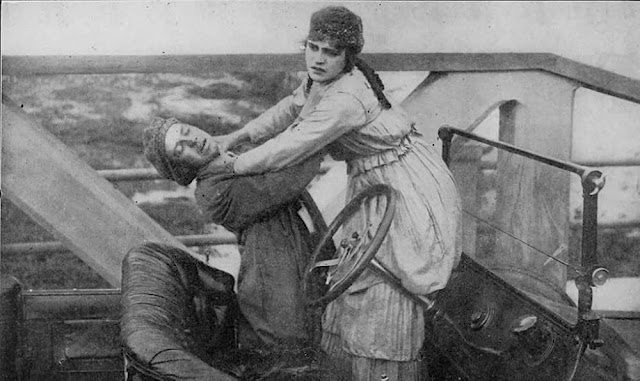
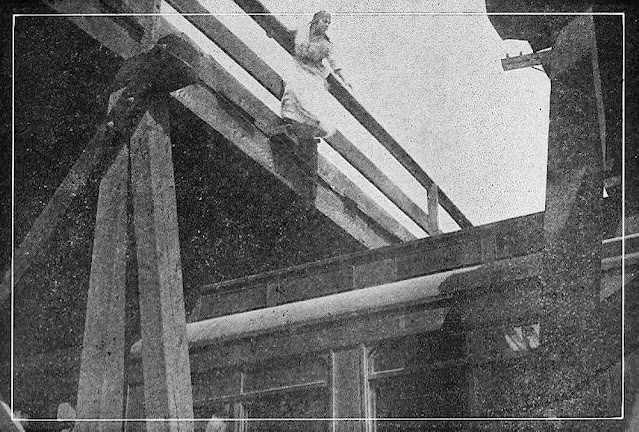
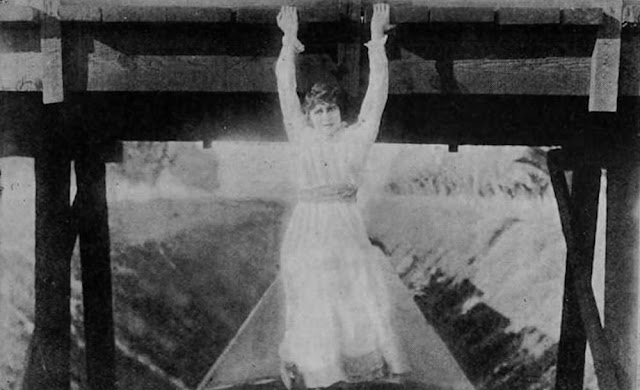
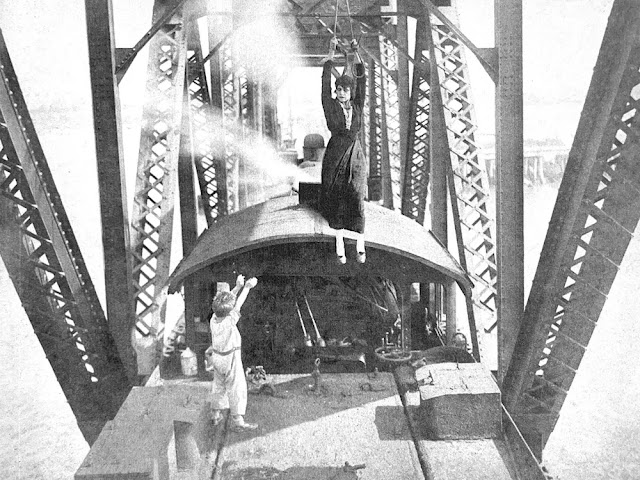
She met cowboy extra Edmund (Hoot) Gibson in 1913 and they married and began working together. At one rodeo in Salt Lake City, they won all the prizes (relay race, standing woman race, trick riding, and pony express race). Both worked for Kalem Studios in Glendale, where The Hazards of Helen film series was made. This is where she performed what is said to be her most dangerous stunt, jumping from the roof of a train station onto a moving train. She landed perfectly, but due to the speed of the train, she rolled to the end of the car, grabbing an air vent and dangling over the edge.

Another stunt was standing atop a detached team of running horses, catching a rope dangling from a bridge to swing down from the horses and onto a train as it came under the bridge. Another one was chasing a runaway train on a racing motorcycle, riding through a shattering wooden gate up to a station platform and right through the open doors of a boxcar on a siding, and flying through the air to land on the flat car of a passing train.

After replacing the original lead actress until the series ended in 1917, she became known thereafter as Helen Gibson. An early action star, she was billed as “The Most Daring Actress in Pictures” and “The Railroad Girl” (since so many of her films seem to have involved trains).

Kalem folded that year. Universal put her under contract, where she appeared in two John Ford films, Rustlers and Gun Law. Then she signed with Capital Film Company, but they went out of business in under a year. A string of bad luck followed.

Hoot came back from World War I in 1918, but he couldn’t deal with his wife being more successful than he was, and they divorced in 1920, the year she founded Helen Gibson Productions. Her first film was No Man’s Woman, a Western about a kind-hearted saloon hostess who rescues a rancher’s child. Unfortunately, she ended up bankrupt before she could finish it. A year later, another studio released it as Nine Points of the Law.

Gibson starred in The Wolverine for the Spencer Production Company where they loved her performance and hired her for a second film, but before they began shooting, she ended up hospitalized with a burst appendix in 1921. After recovering, she took a job on a Western for an independent film company that folded without paying the cast or crew — ending up back in the hospital after being injured on horseback while filming.

She still appeared at rodeos and theaters to promote these films but no great opportunities in the film industry came her way, and her popularity began to fade. In 1924, she got a trick riding job with Ringling Bros. and Barnum & Bailey’s Wild West Show.

In 1927, Gibson returned to Hollywood and supported herself by doubling for stars like Ethel Barrymore and Marie Dressler and working as a stunt double and in bit parts. She married Clifton Johnson, a studio electrician, in 1935 and worked as an extra when he left for World War II in 1940. She also became treasurer of the stunt girls’ fraternal organization and appeared as a featured guest at benefit rodeos and horse shows.

In 1951’s Hollywood Story, she played a retired silent film actress. She continued to do character parts and work as an extra until 1961. That year, at the age of 69, her last role was as an uncredited townswoman in John Ford’s The Man Who Shot Liberty Valance. She retired in 1962 and moved to Oregon with Clifton.

Helen Gibson died of heart failure following a stroke in 1977 aged 85. She is recognized as Hollywood’s first professional stuntwoman.

Subscribe to Yesterday Today’s Blog to receive regular updates regarding new content:
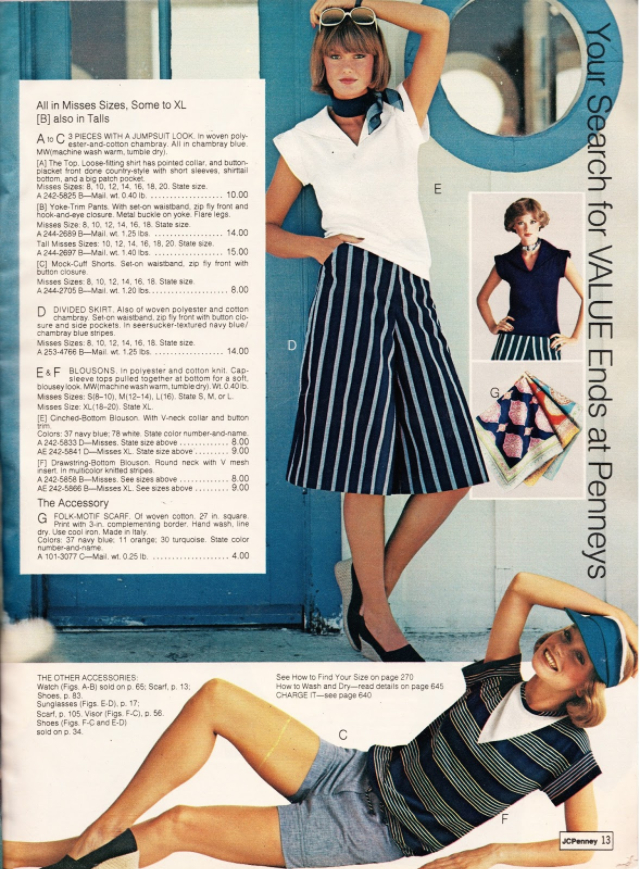
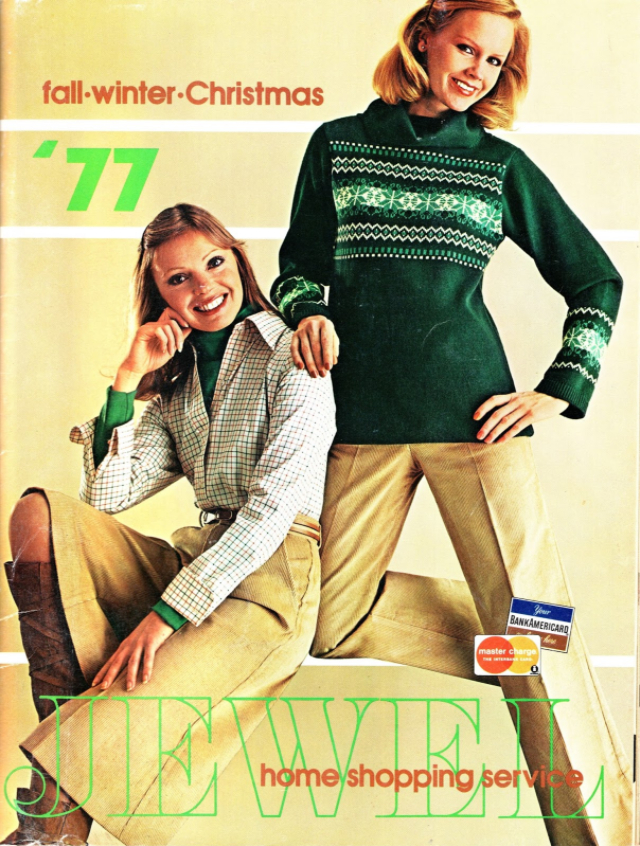
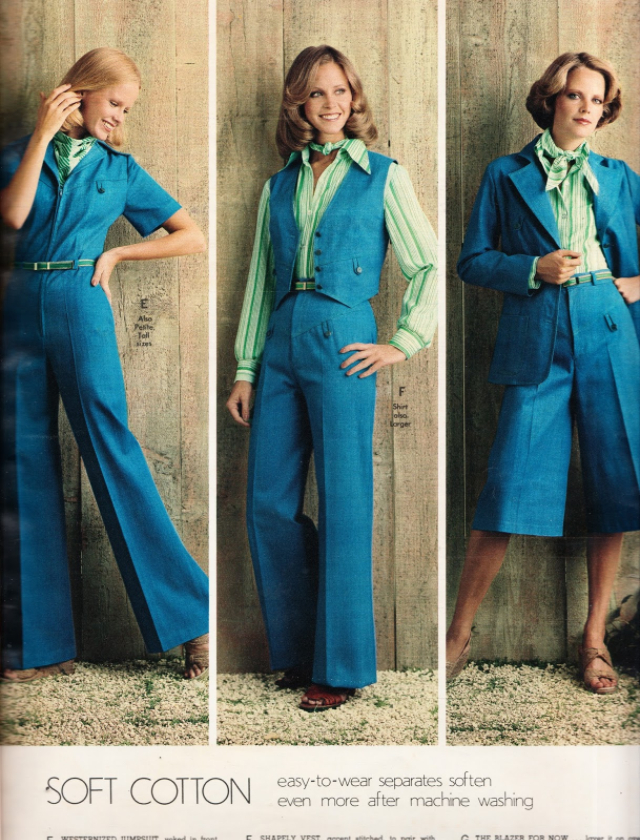
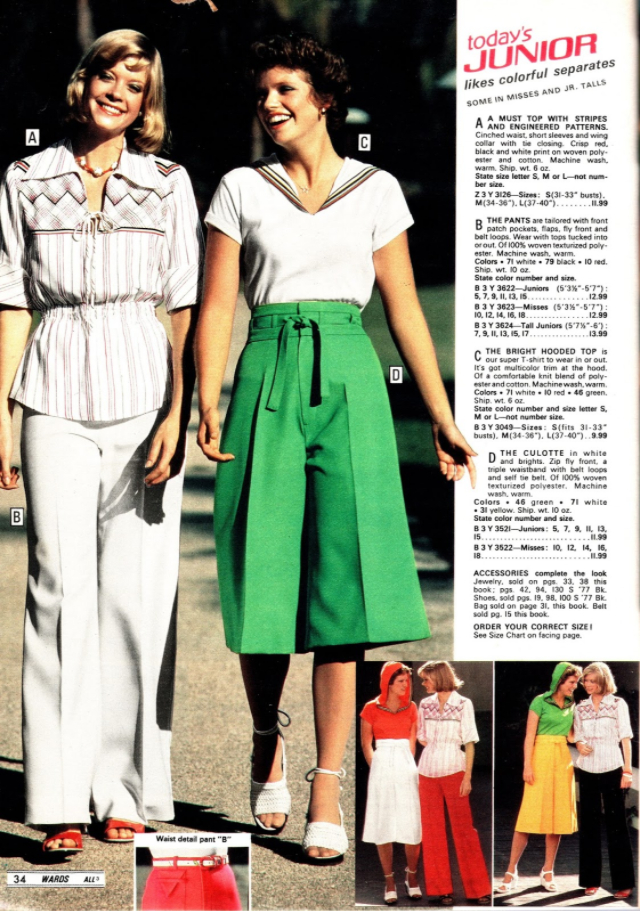
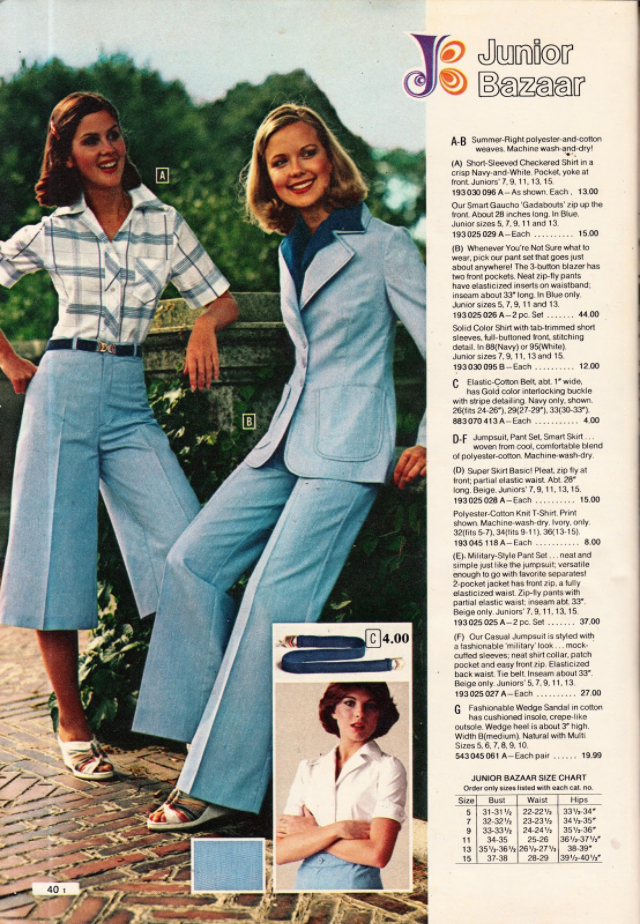
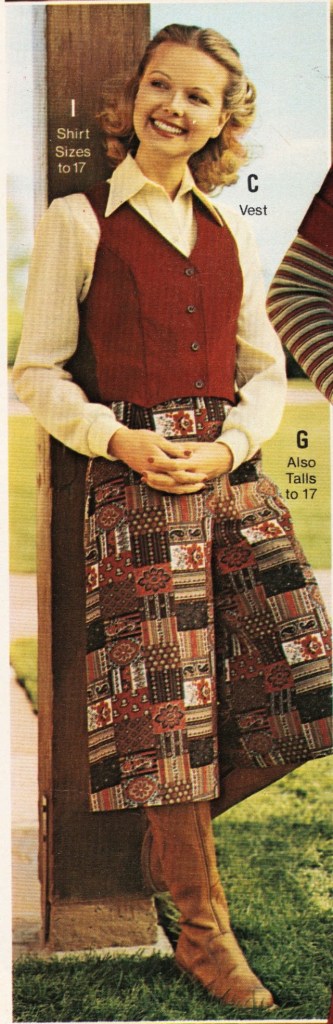
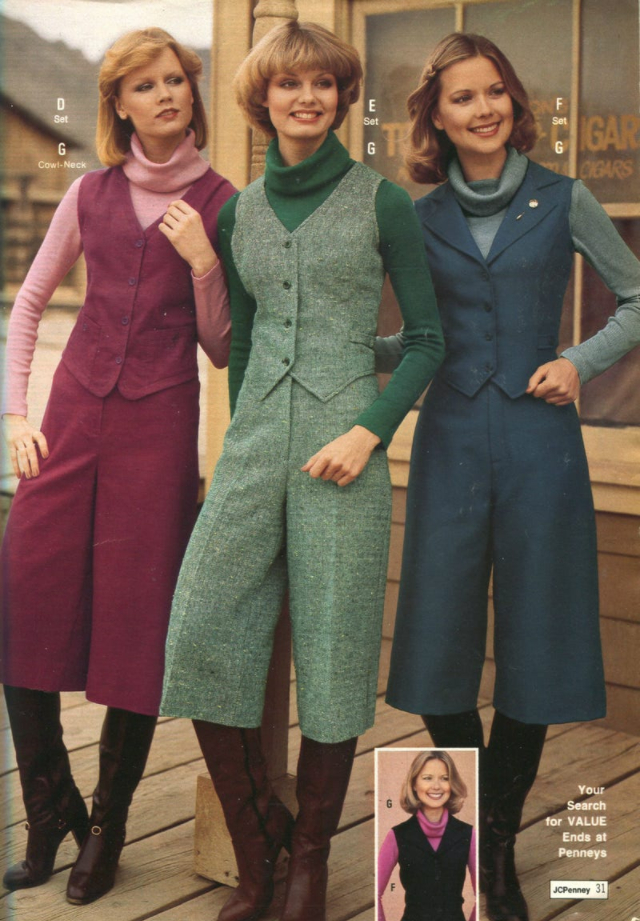
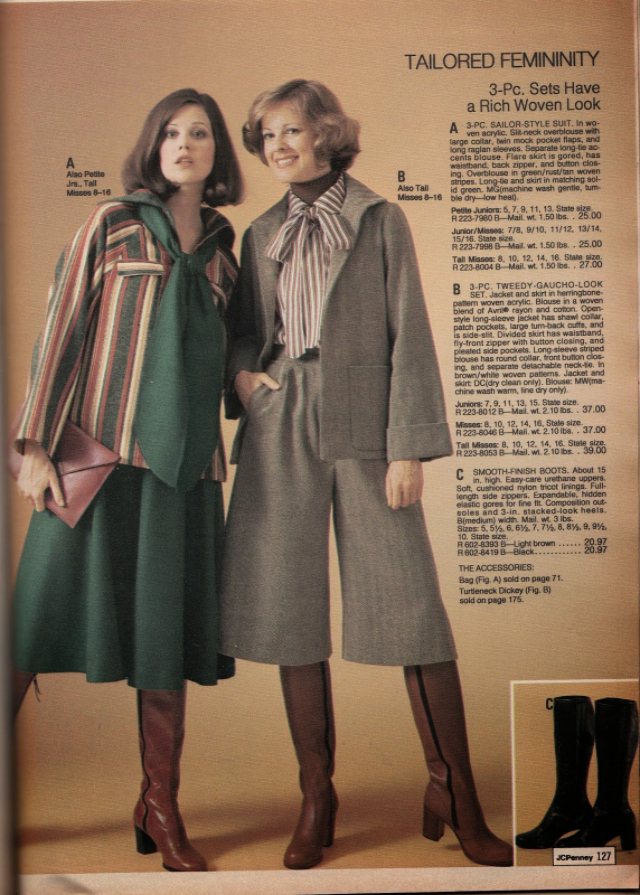
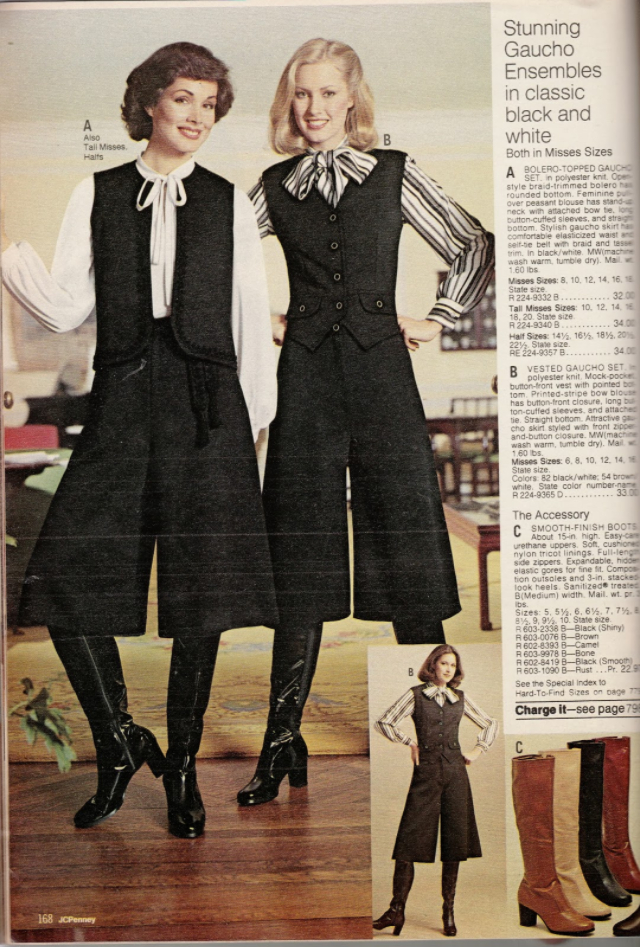
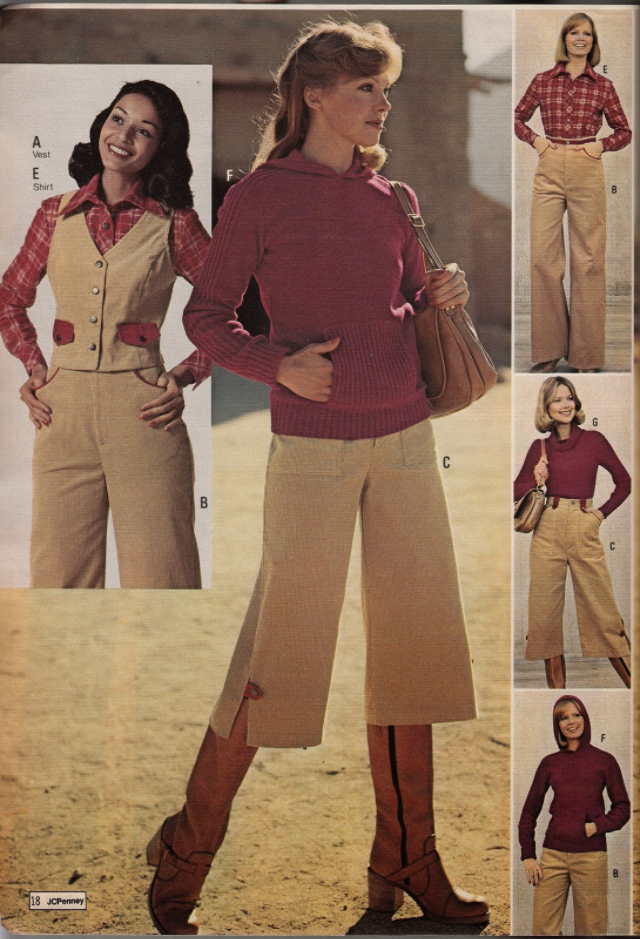
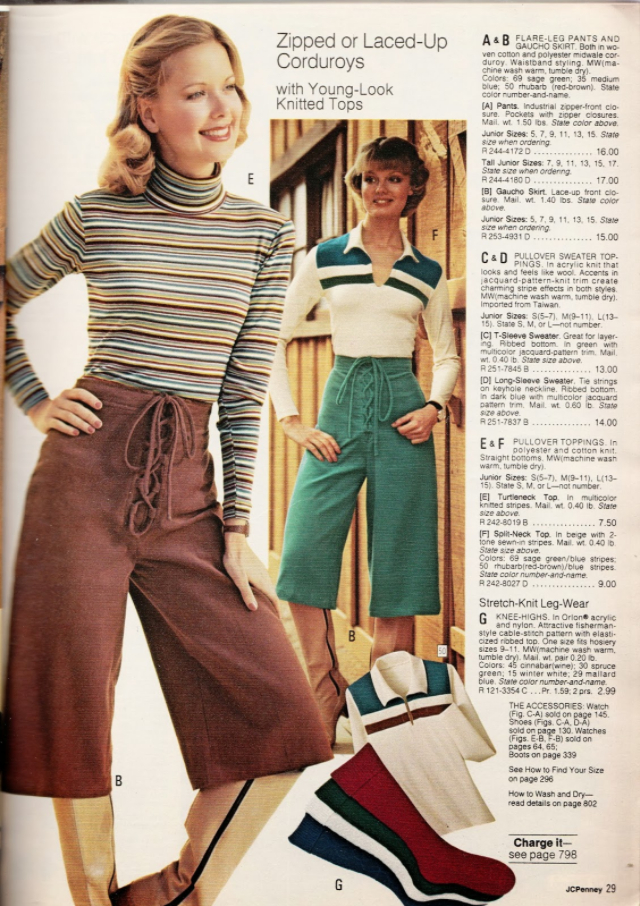
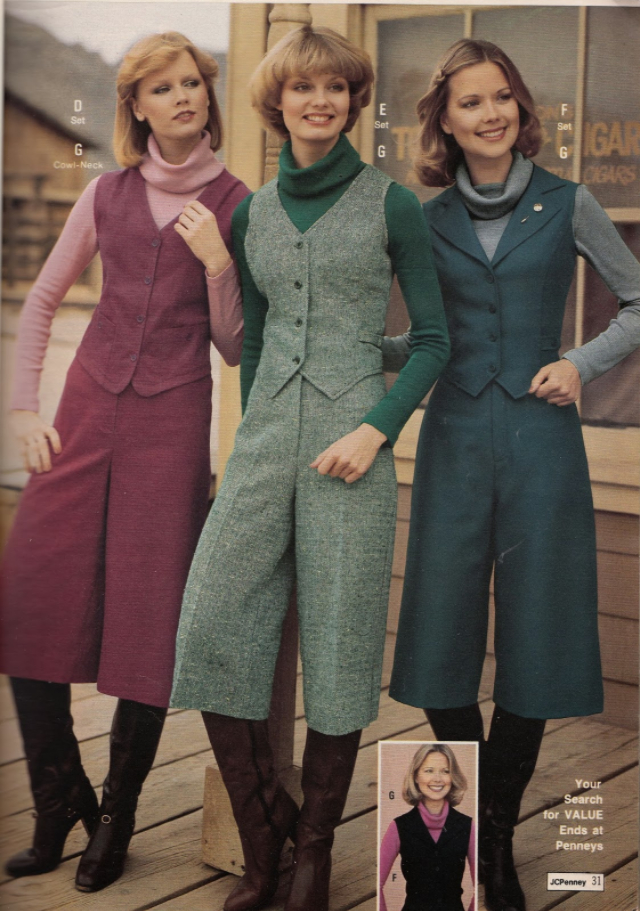
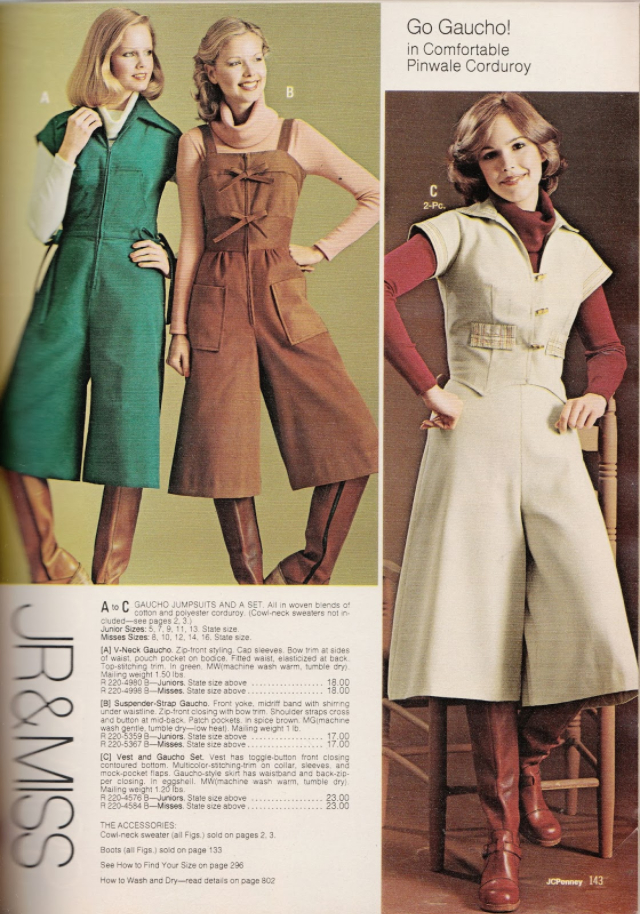
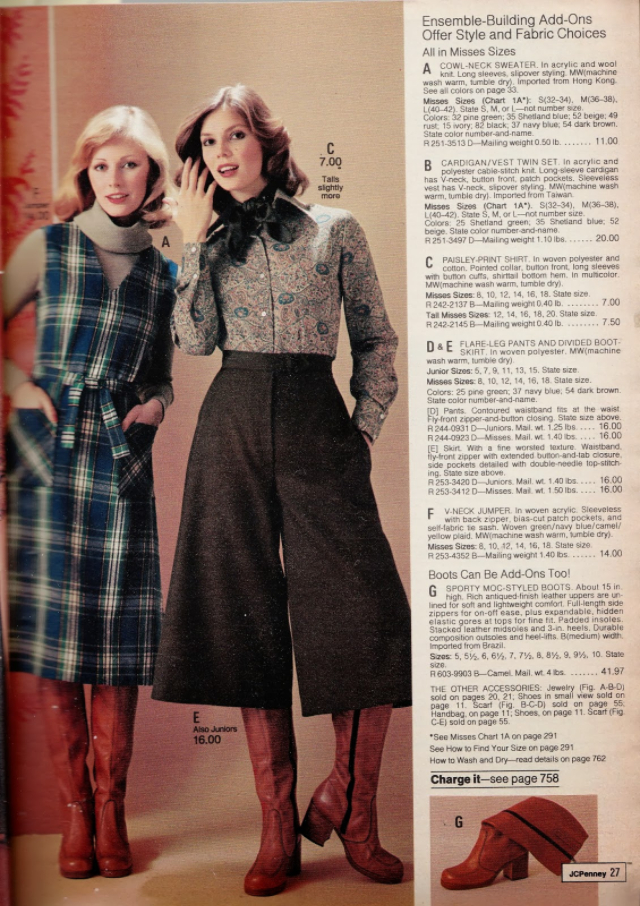
Gaucho Pants of the 1970s

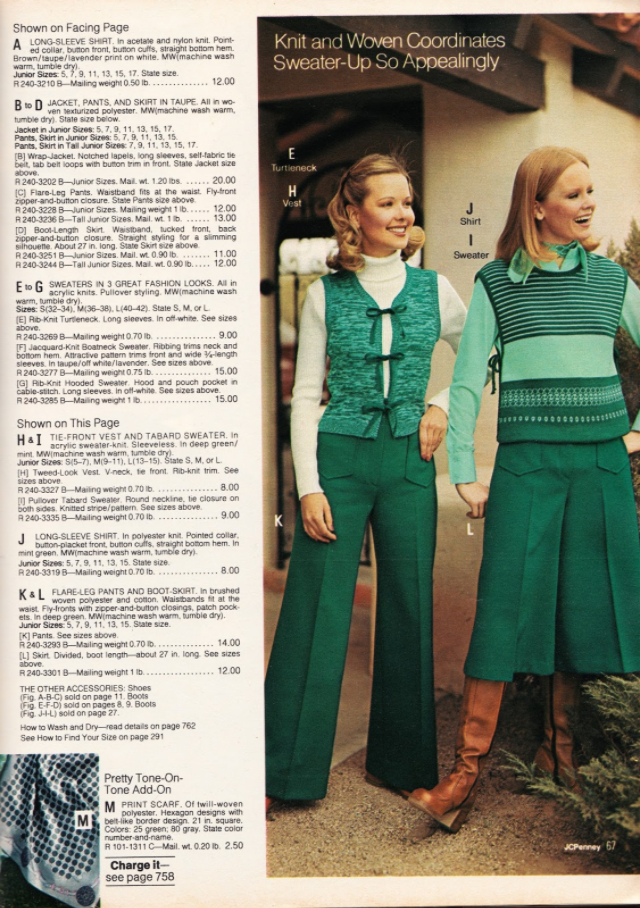
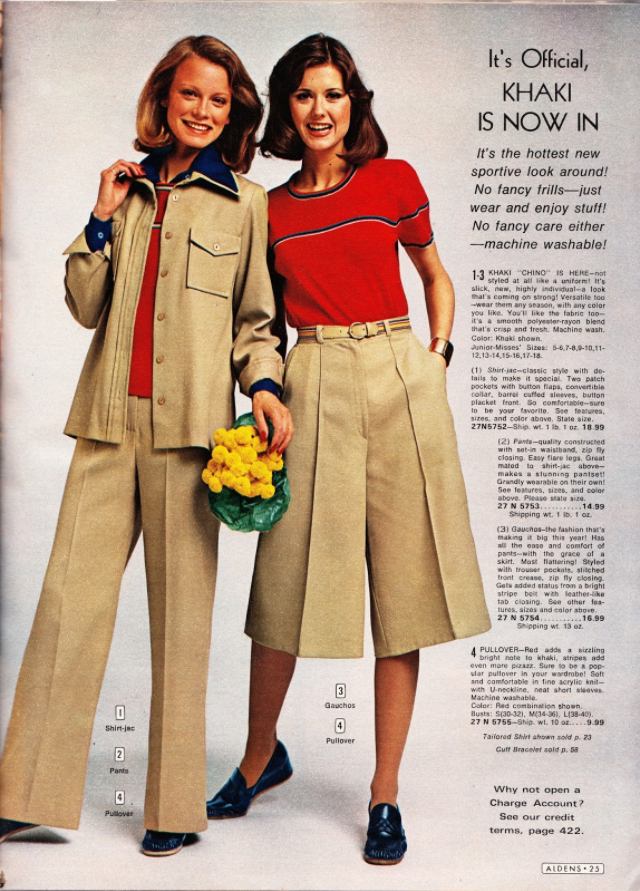
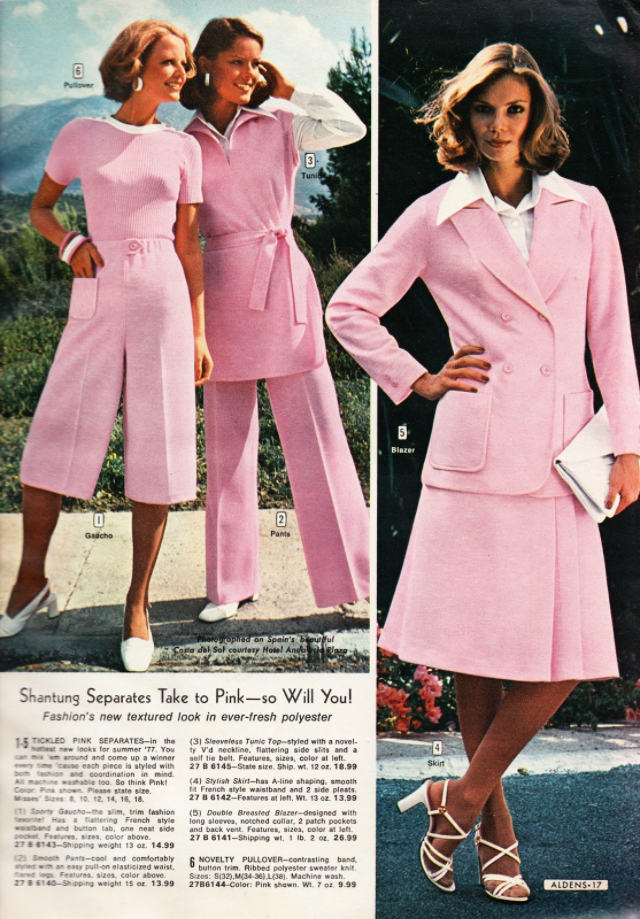
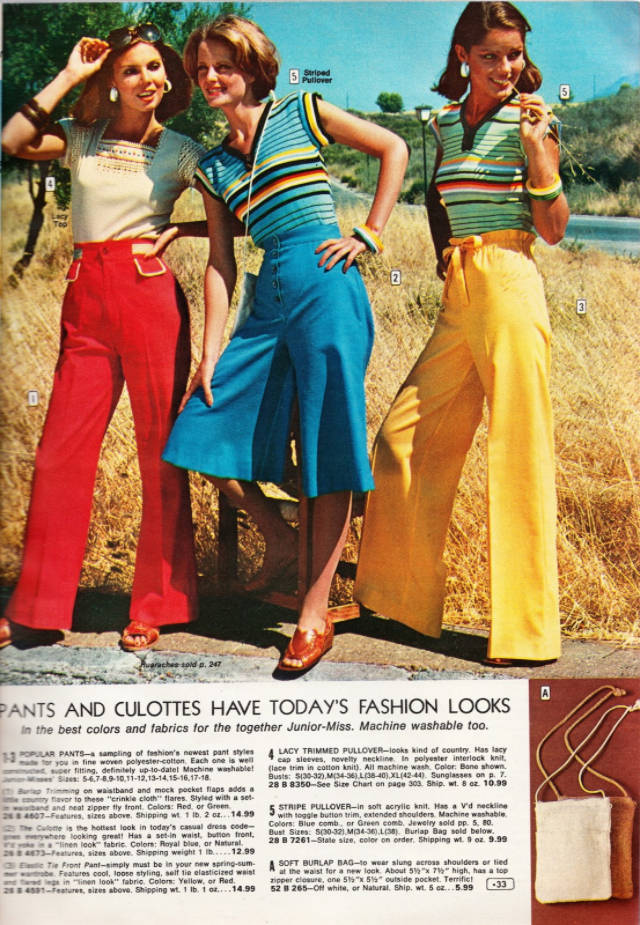
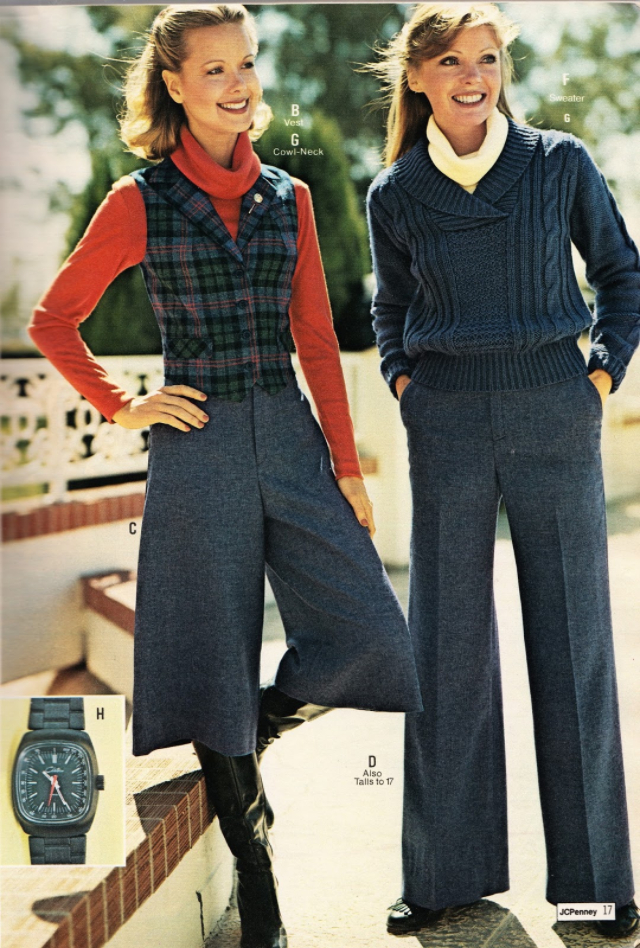
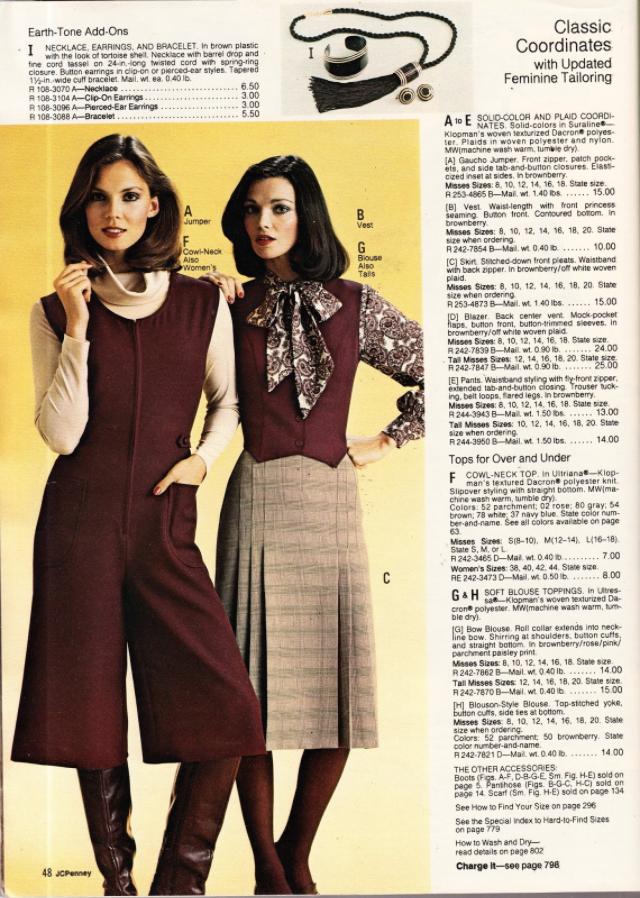
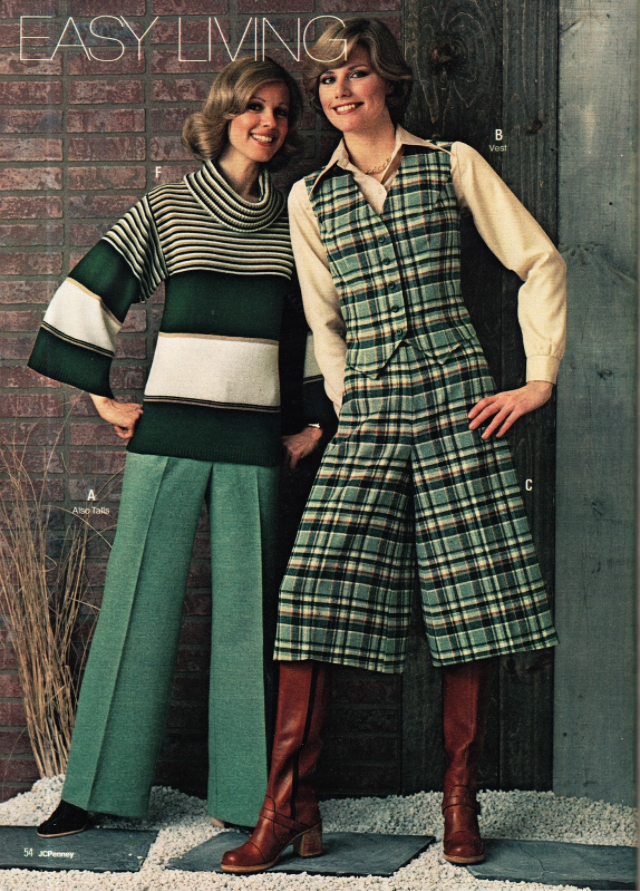
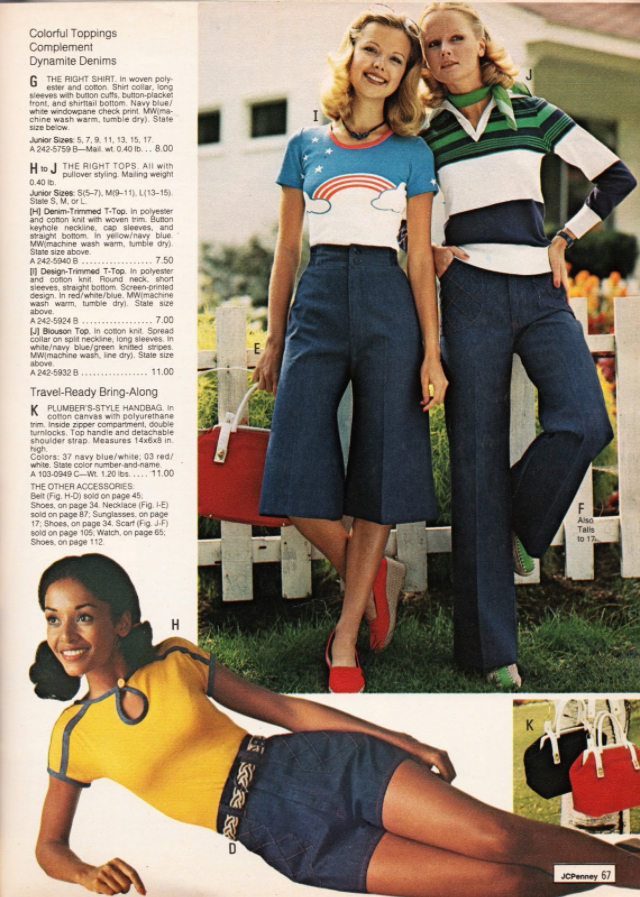
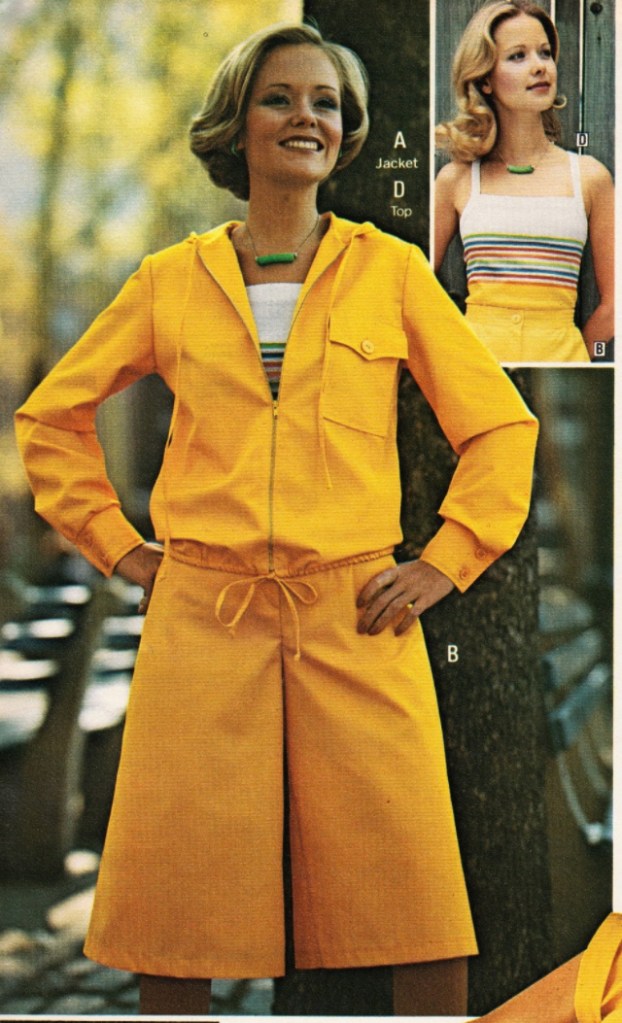
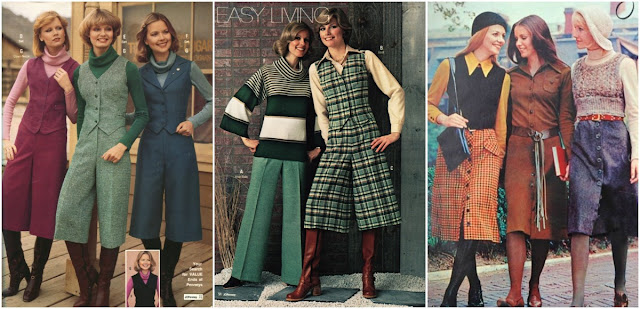
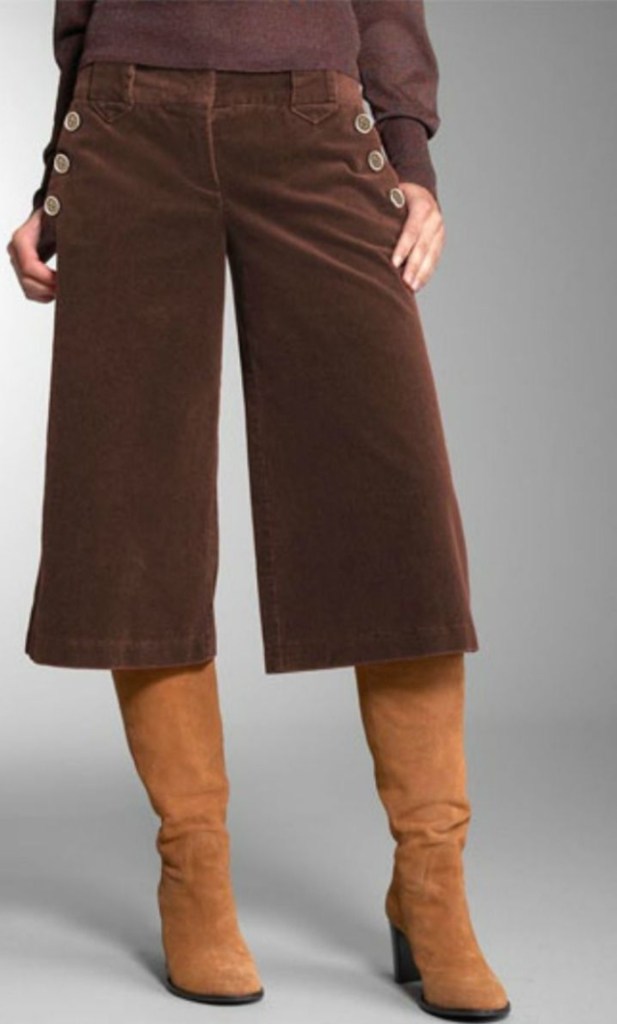
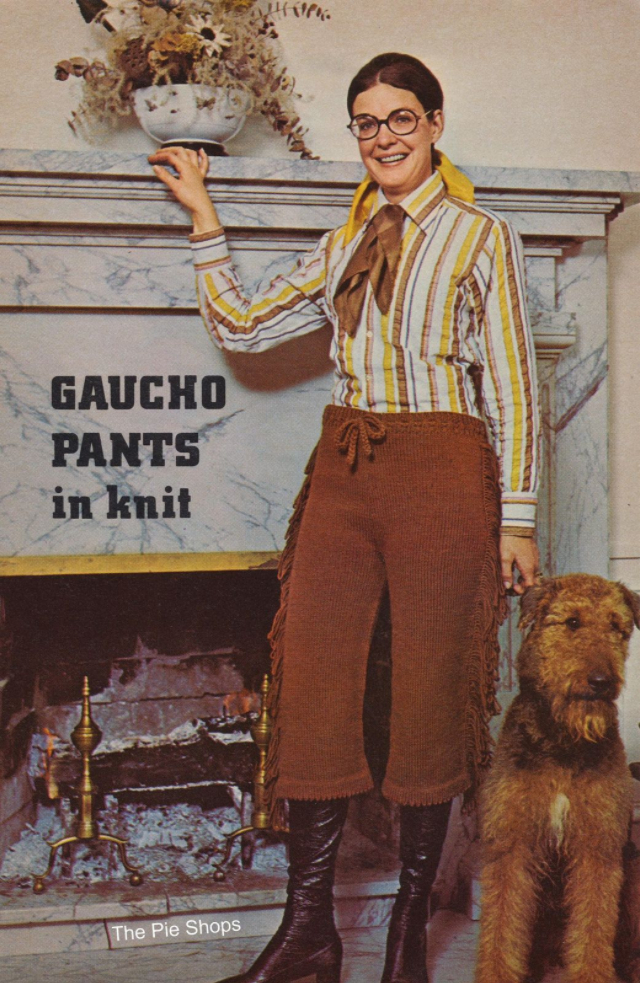
Gaucho pants are wide-legged trousers for women with a cuff that ends around mid calf. Taking their name from pants once worn by South American cowboys, they were in style for a brief period in the early to mid-1970s. They were similar to the culotte short or skort, but gauchos were longer and meant to serve as a more formal, workplace-friendly alternative to skirts and slacks.

French designer Yves Saint Laurent was the first to popularize a more masculine look for women’s wear. His trouser suits and le smoking tuxedo jacket quickly caught on with fashion-conscious women after 1968. Over the next few years sales of trousers skyrocketed over dresses and skirts. The boom was helped by the women’s liberation movement, with its acceptance of unconventional roles for women. Bans against wearing pants to formal events and in the workplace declined considerably, making room for gaucho pants. The pants were borrowed from the costume of the pampas cowboy in Argentina and Uruguay. These cowboys, called gauchos, achieved mythic status for their riding skills and fierce independence in the 18th and 19th centuries. Though somewhat unusual in cut, gaucho pants reflected the growing interest in ethnic looks and world cultures in the late 1960s and 1970s. Fashion writers praised them as one of the new, modern alternatives to skirts.

Gauchos first made an impact in the fall of 1970. American designer Anne Klein offered gray flannel gauchos that appeared in an August 30, 1970, issue of the New York Times Magazine’s twice-yearly fashion supplement. They soon caught on with the mass-market apparel sellers. Often they were shown with boots, another new trend in women’s wear of the era. Within a few years, however, gauchos had declined in popularity. The mid-calf length broke the line of the leg, and they seemed to give the wearer a wider silhouette, or shape, than desired. Unflattering to most, they eventually became synonymous with some of the decade’s more ill-advised fashion fads.

Subscribe to Yesterday Today’s Blog to receive regular updates regarding new content:
Japanese Americans: Incarceration in World War II

Subscribe to get access

Read more of this content when you subscribe today.

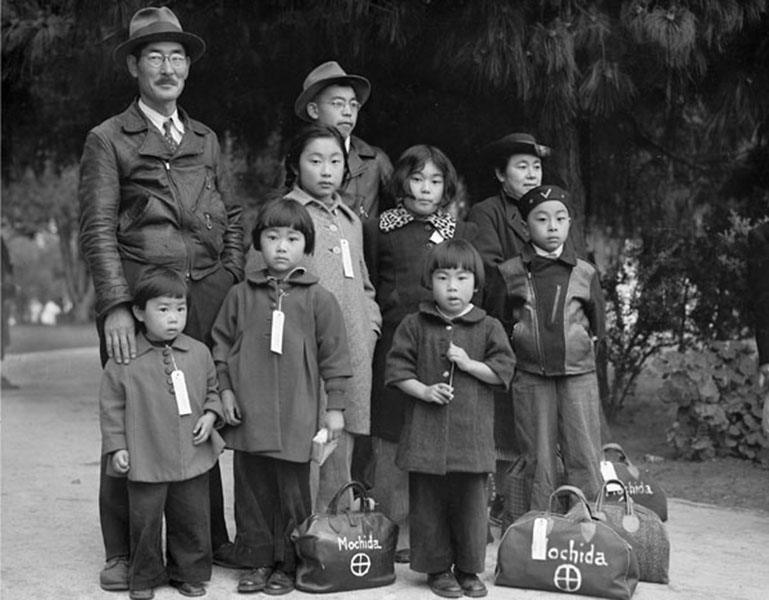
During World War II, the United States forcibly relocated and incarcerated at least 125,284 people of Japanese descent in 75 identified incarceration sites. Most lived on the Pacific Coast, in concentration camps in the western interior of the country. Approximately two-thirds of the inmates were United States citizens. These actions were initiated by President Franklin D. Roosevelt via Executive Order 9066 following Imperial Japan’s attack on Pearl Harbor.

Of the 127,000 Japanese Americans who were living in the continental United States at the time of the Pearl Harbor attack, 112,000 resided on the West Coast. About 80,000 were Nisei (literal translation: ‘second generation’; American-born Japanese with U.S. citizenship) and Sansei (‘third generation’, the children of Nisei). The rest were Issei (‘first generation’) immigrants born in Japan who were ineligible for U.S. citizenship under U.S. law.

Japanese Americans were placed in concentration camps based on local population concentrations and regional politics. More than 112,000 Japanese Americans who were living on the West Coast were incarcerated in camps which were located in its interior. In Hawaii (which was under martial law), where more than 150,000 Japanese Americans comprised over one-third of the territory’s population, only 1,200 to 1,800 were incarcerated. California defined anyone with 1⁄16th or more Japanese lineage as a person who should be incarcerated. Colonel Karl Bendetsen, the architect of the program, went so far as to say that anyone with “one drop of Japanese blood” qualified for incarceration.

These War Relocation Authority photos from The Library of Congress that depicted Japanese Americans before and during World War II and their incarceration in concentration camps.

Subscribe to continue reading

Become a paid subscriber to get access to the rest of this post and other exclusive content.

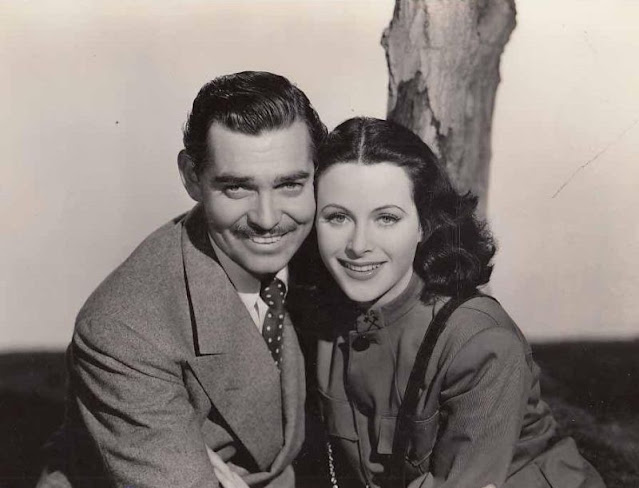
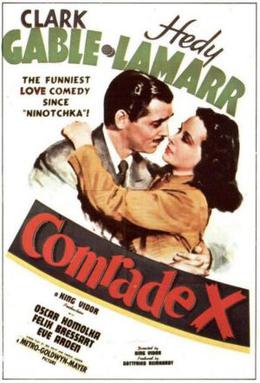
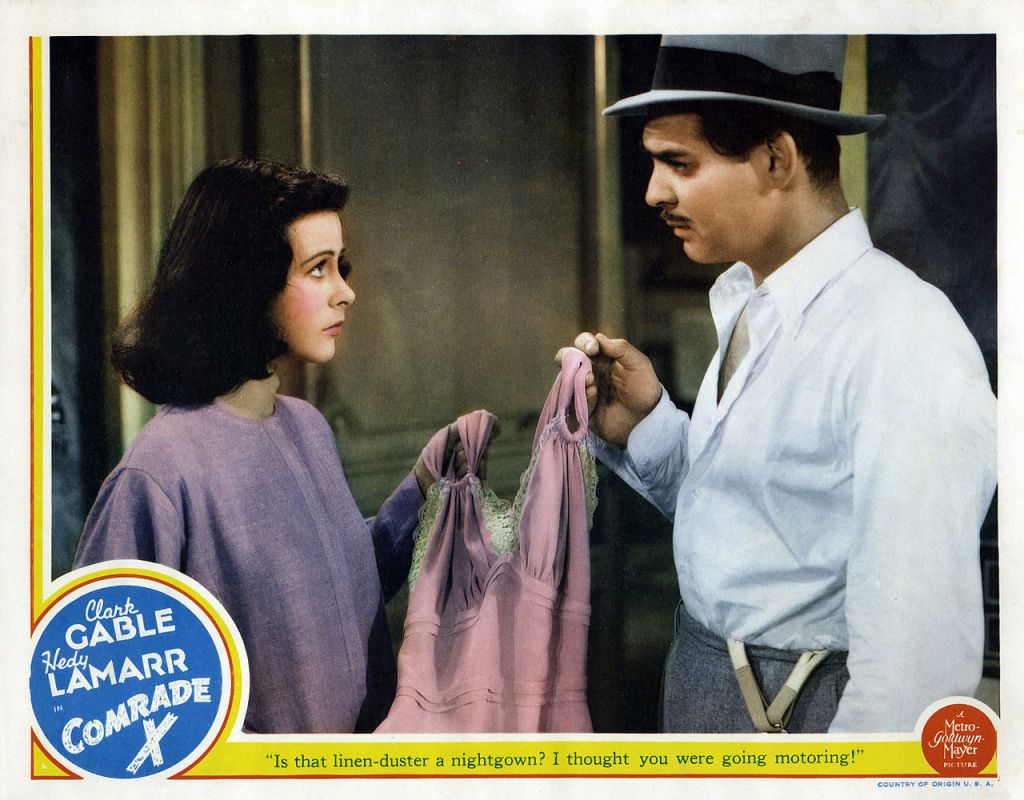
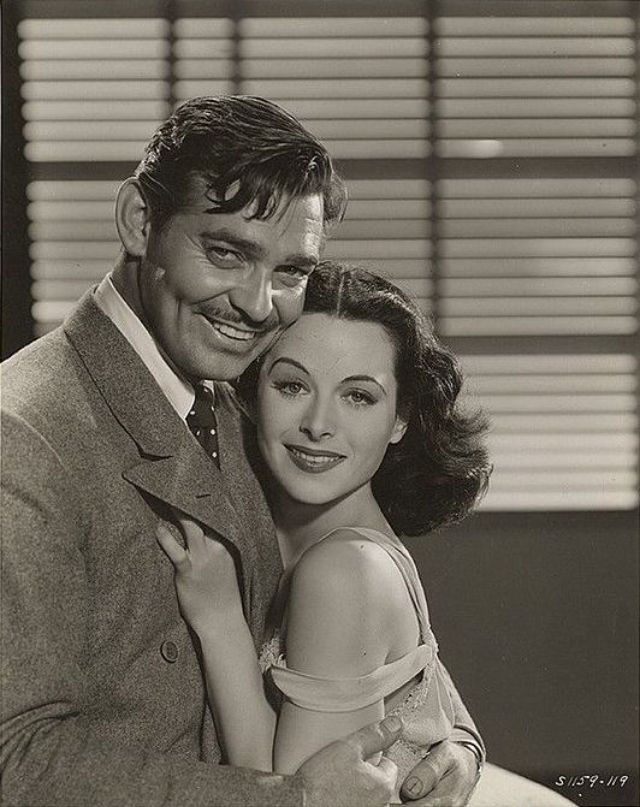
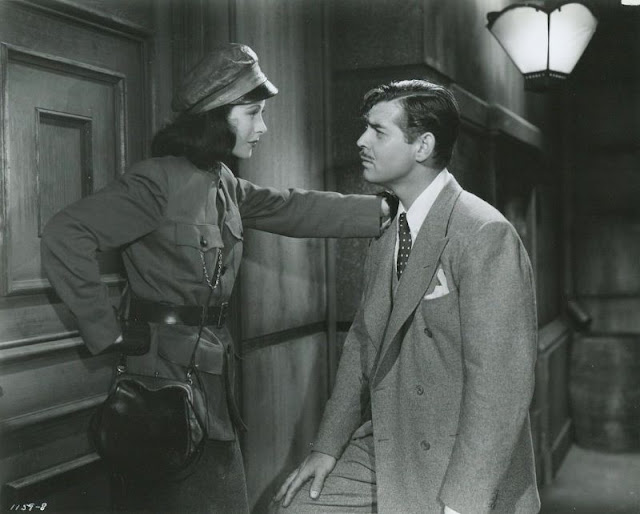
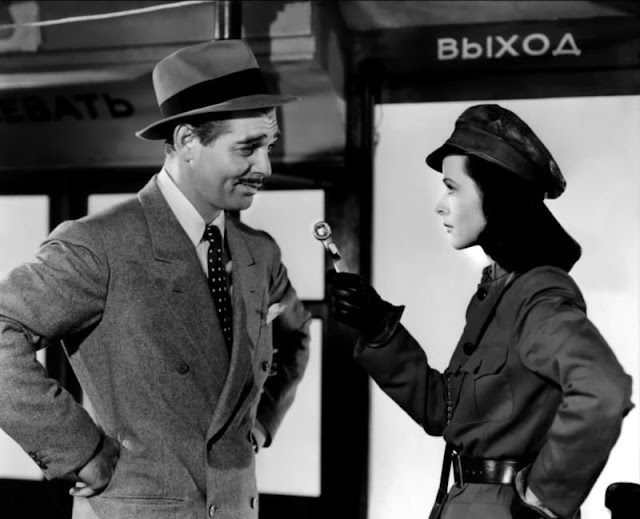
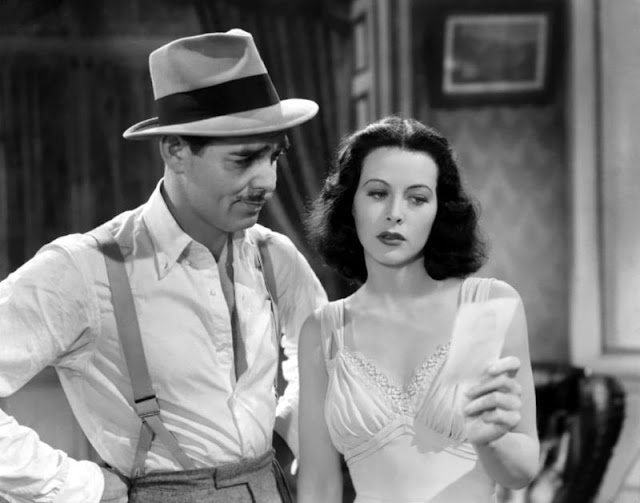
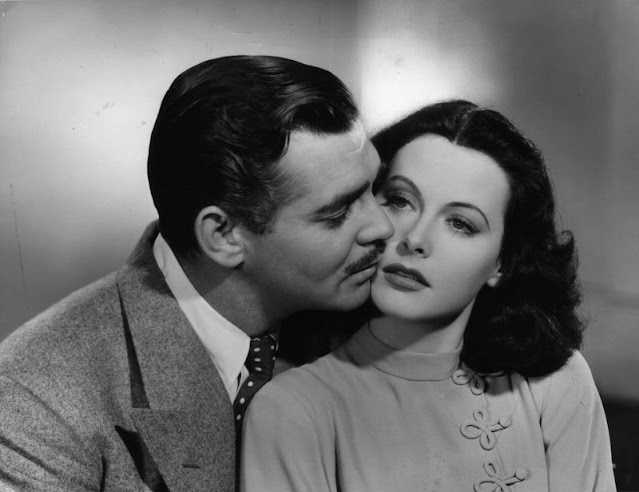
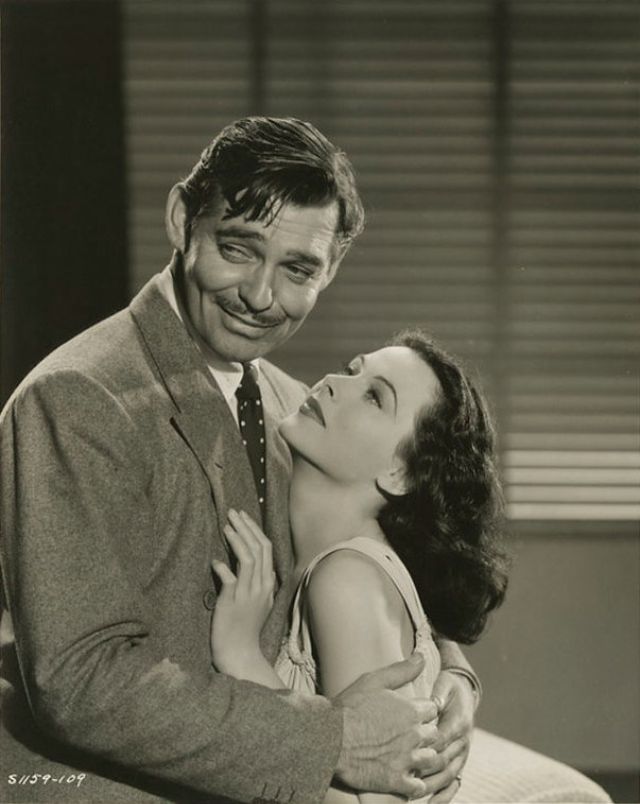
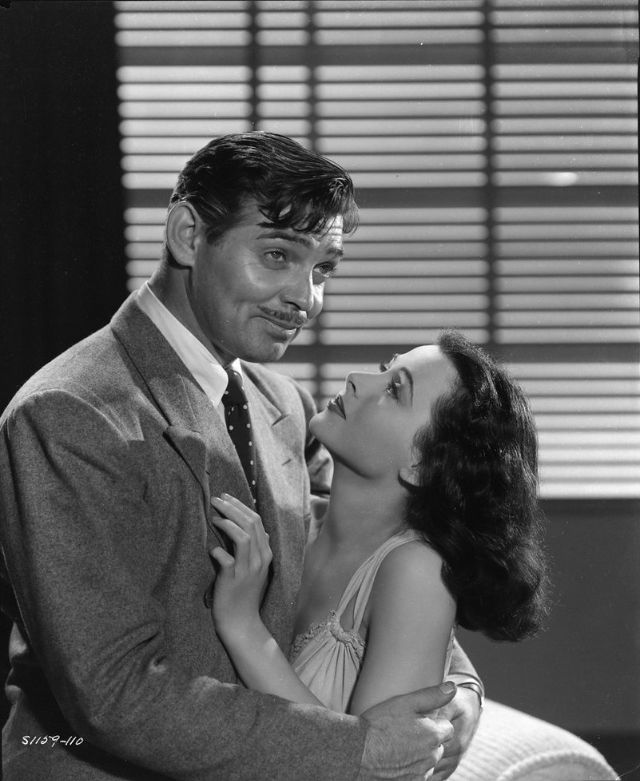
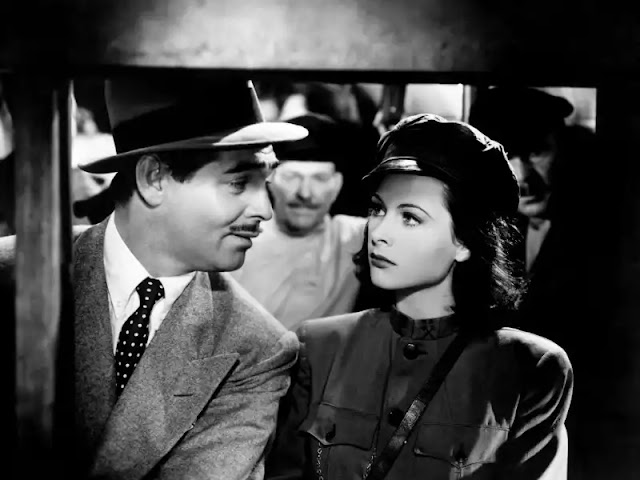
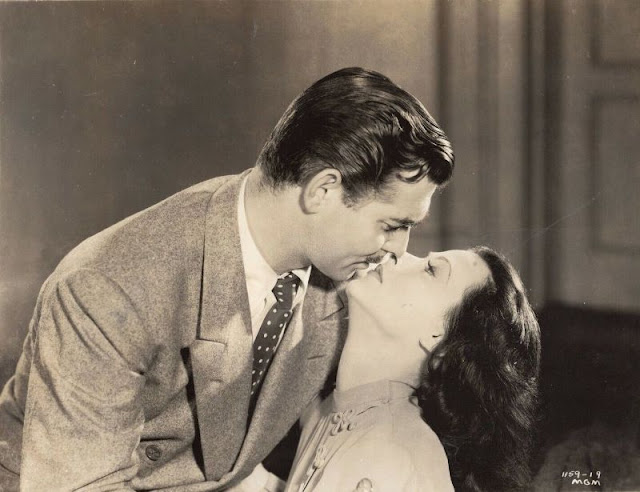
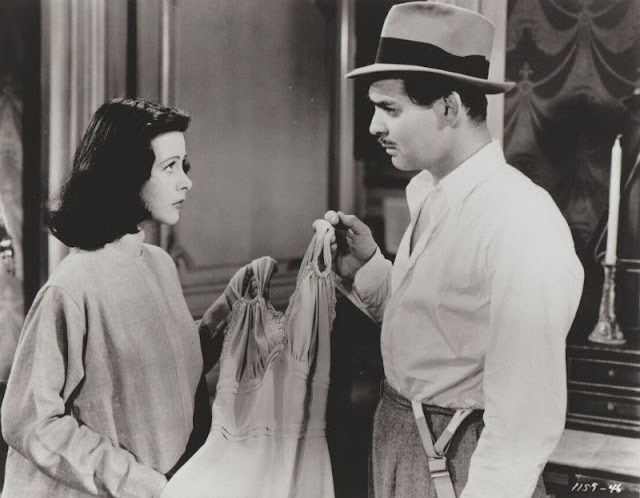
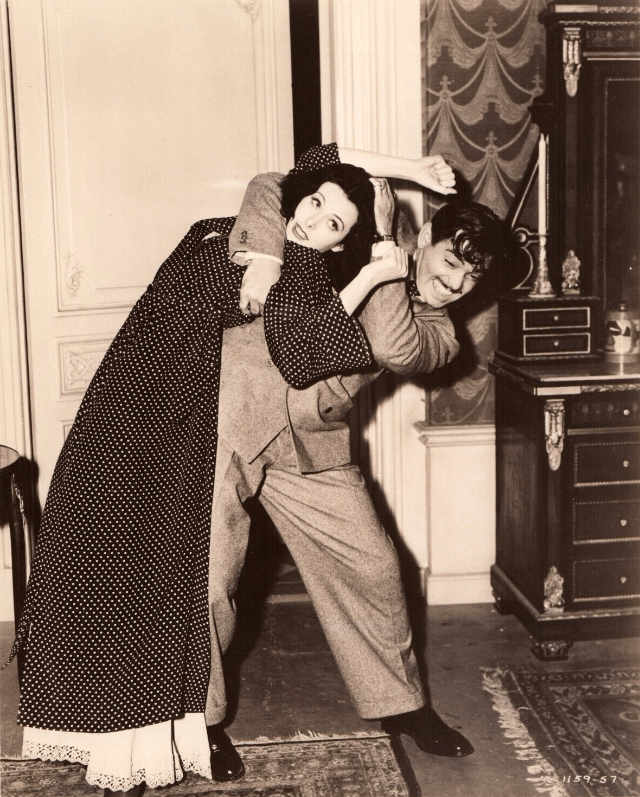
Photos of Hedy Lamarr With Clark Gable During the Filming of ‘Comrade X’ (1940)

Comrade X is a 1940 American comedy spy film directed by King Vidor and starring Clark Gable and Hedy Lamarr. The supporting cast features Oskar Homolka, Felix Bressart, Sig Rumann and Eve Arden. In February 2020, the film was shown at the 70th Berlin International Film Festival, as part of a retrospective dedicated to King Vidor’s career.

In the Soviet Union, American reporter McKinley “Mac” Thompson (Clark Gable) secretly writes unflattering stories about the Soviet Union, attributed to “Comrade X”, for his newspaper. His identity is discovered by his valet, Vanya (Felix Bressart), who blackmails Mac into promising to get his daughter, a streetcar conductor named Theodore (Hedy Lamarr), out of the country. Theodore agrees to a sham marriage so she can spread the message of the benefits of Communism to the rest of the world. However, Commissar Vasiliev (Oscar Homolka) is determined to unmask and arrest Comrade X. Eventually Theodore sees the “wicked hypocrisy of Communism” and falls in love with Thompson.

Gable prophetically jokes that “Germany just invaded Russia” and “Panzer tanks are rolling into Ukraine” to get the Russian hotel manager to kick the German reporter out of his room. Less than a year after release, Germany did indeed invade Russia and the Ukrainian SSR.

Pre-war American films such as Comrade X and Ninotchka also depict the Soviet Union as backwards, dreary, depressing and totalitarian. After the United States entered the war on Russia’s side, however, Hollywood’s depictions of Russians immediately changed to brave, honorable, freedom-loving liberators. The UK specifically pulled Comrade X from the cinemas.

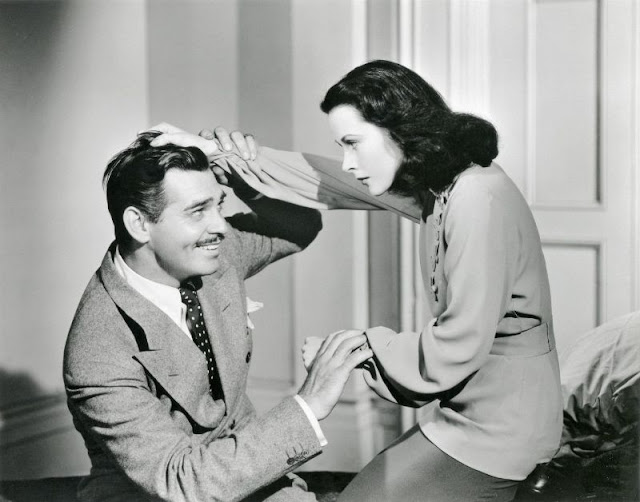
At one point in the movie, after McKinley feeds vodka to his secretary Olga and embraces her, Golubka enters his room and the women engage in a “hair pulling battle” for his affections that Variety described as “a honey.”

According to MGM records the film earned $1,520,000 in the US and Canada and $559,000 elsewhere resulting in a profit of $484,000.

These vintage photos show Hedy Lamarr with Clark Gable during the filming of Comrade X in 1940.

Subscribe to Yesterdsy Today’s Blog to receive regular updates regarding new content:

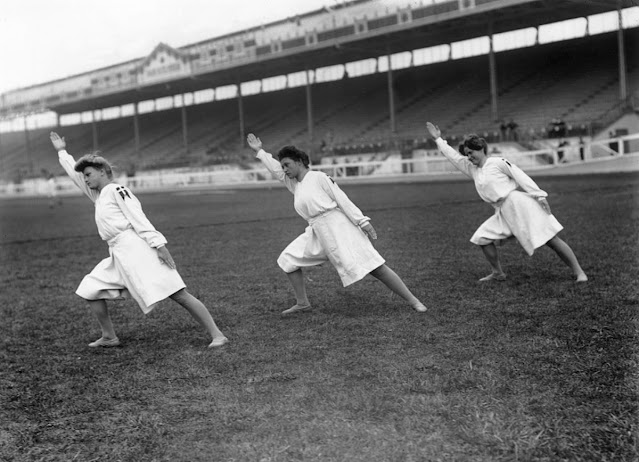
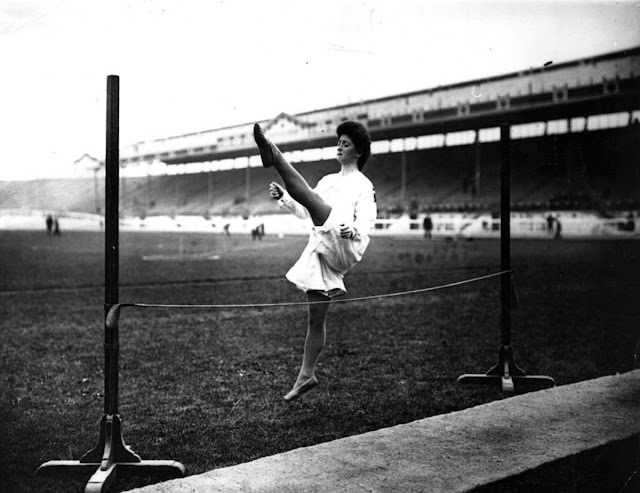
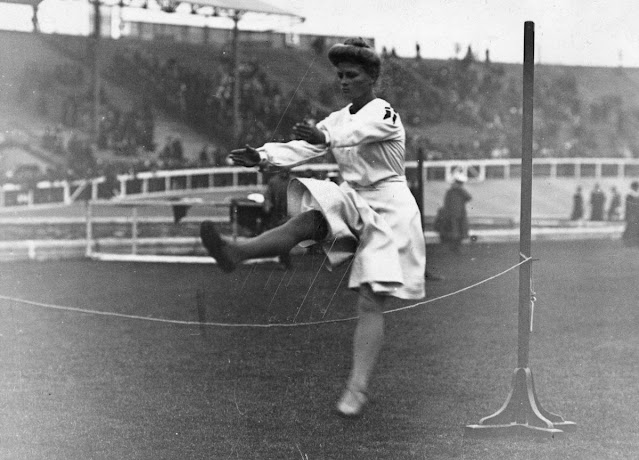
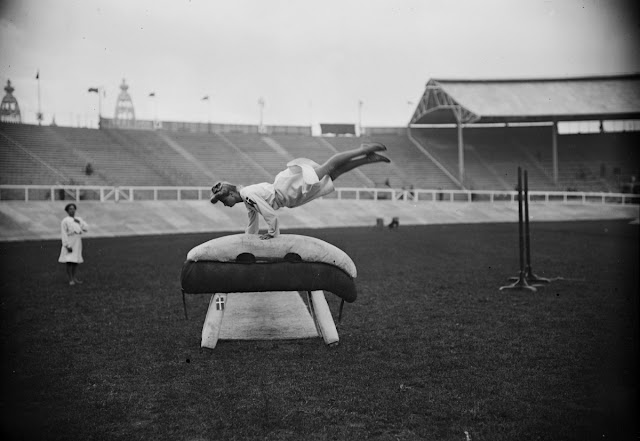
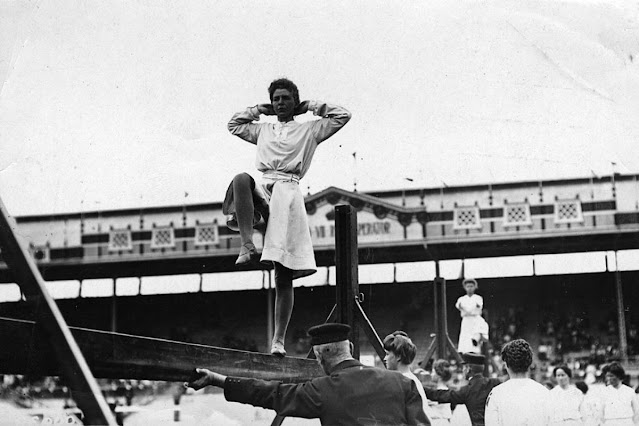
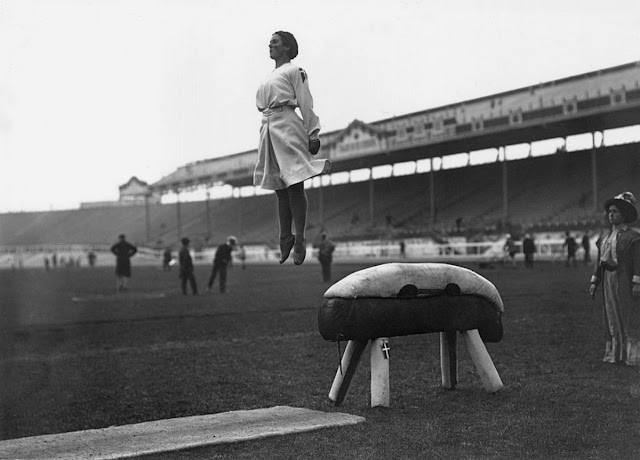
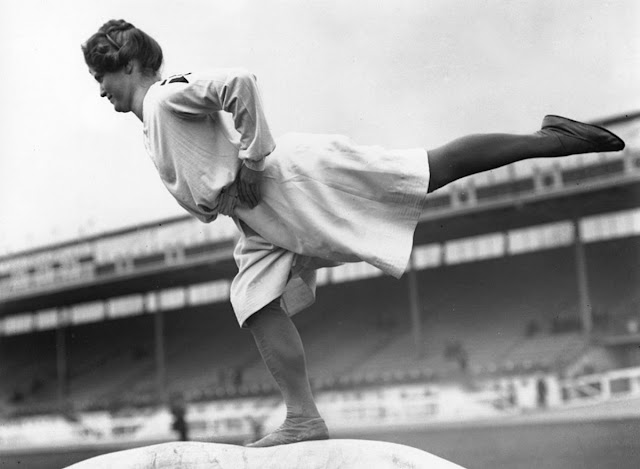
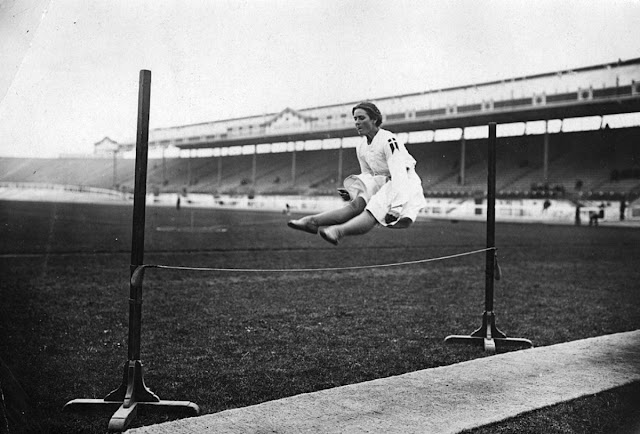
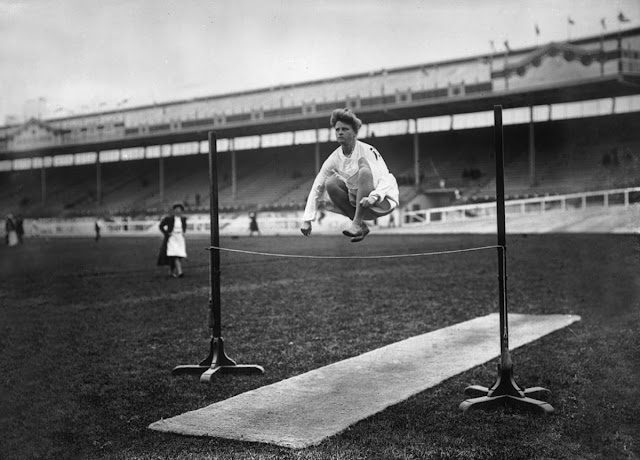
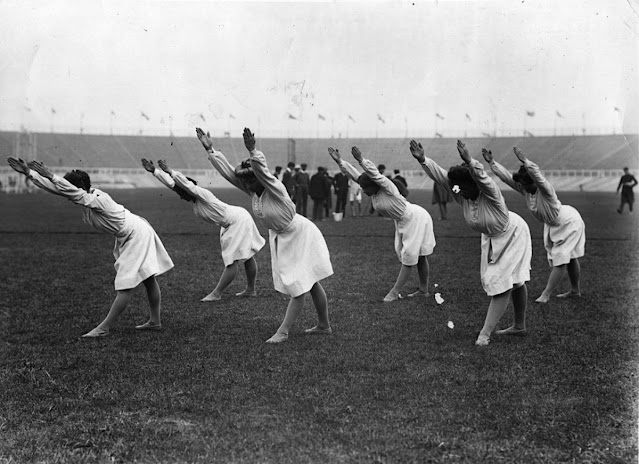
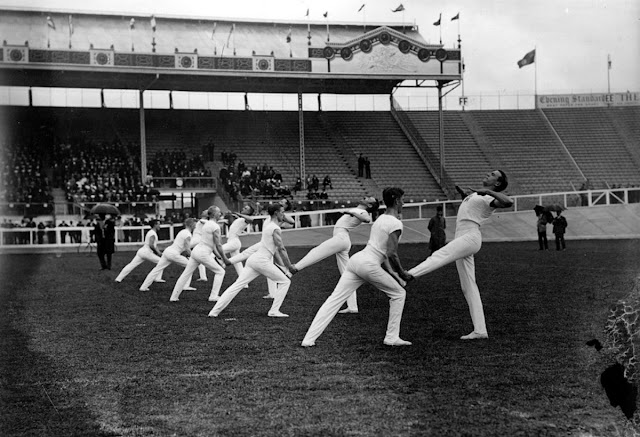
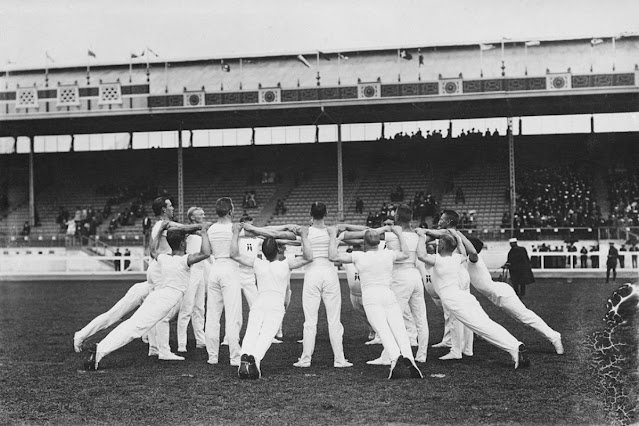
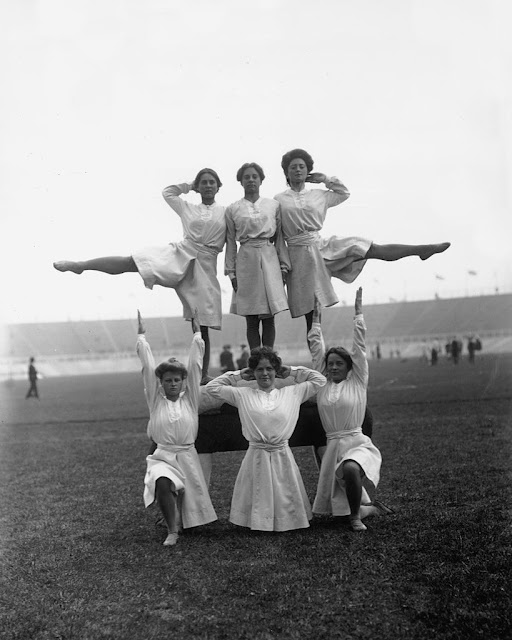
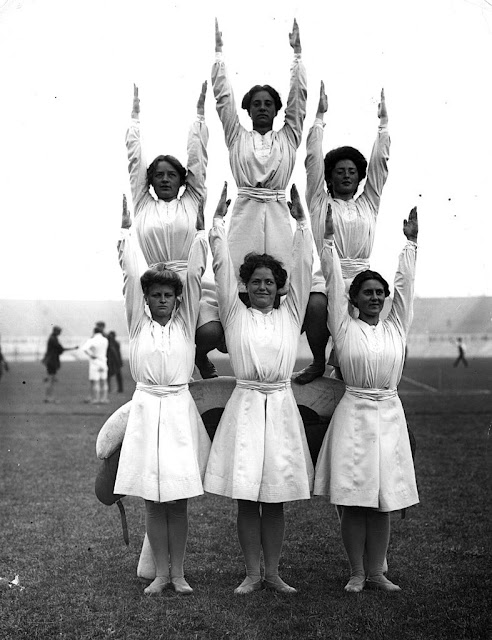
Historical Photos of Gymnasts at the 1908 Summer Olympics

The 1908 Summer Olympics were an international multi-sport event held in London from April 27 to October 31, 1908. The 1908 Games were originally scheduled to be held in Rome, but were relocated on financial grounds following the violent eruption of Mount Vesuvius in 1906, which claimed over 100 lives.

At the 1908 Summer Olympics, two gymnastics events for men were contested. No nation was successful in winning more than one medal. No women’s competitions were held, though women did participate in non-competitive gymnastic displays.

These Olympic gymnasts from 1908 who will make you say “Yeah, I could probably do that!”

Subscribe to Yesterday Today’s Blog to receive regular updates regarding new content:
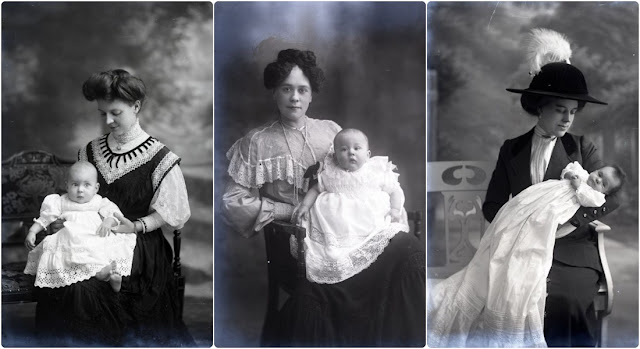
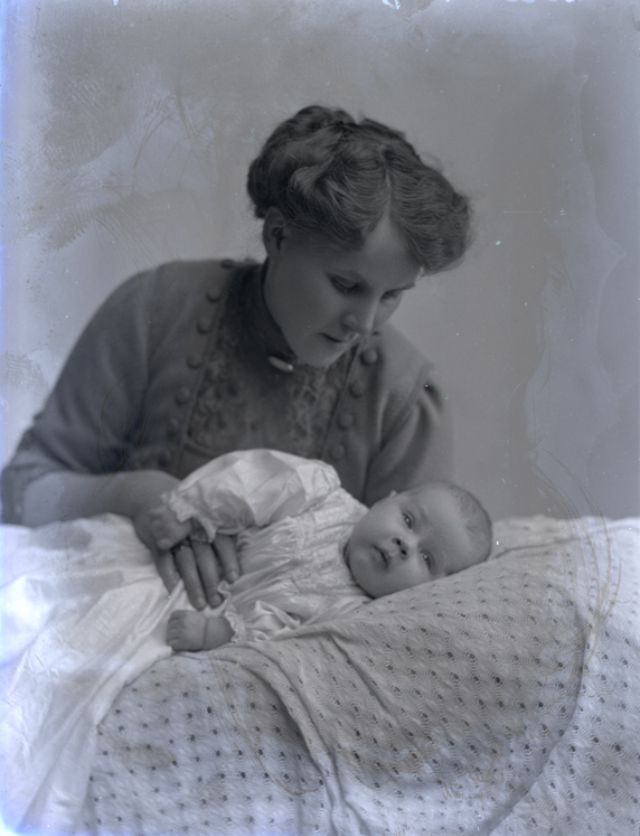
45 Lovely Portrait Photos of Edwardian Mothers Holding Their Babies

Subscribe to get access

Read more of this content when you subscribe today.

Nowadays, childhood lasts a long time with children remaining dependant on their parents, sometimes into adulthood, as they take advantage of educational opportunities. But during the Edwardian era, most children left school much earlier and went into the world of work to earn their keep.

At this time, further education was typically only available to children from the most well-off families. Girls typically went into service when they left school, though boys had a greater choice of employment. Studying at night classes was probably the best option if you wanted to gain additional qualifications.
Here below is a set of lovely photos that shows studio portraits of mothers holding their babies in the 1900s and early 1910s.

Subscribe to continue reading

Become a paid subscriber to get access to the rest of this post and other exclusive content.

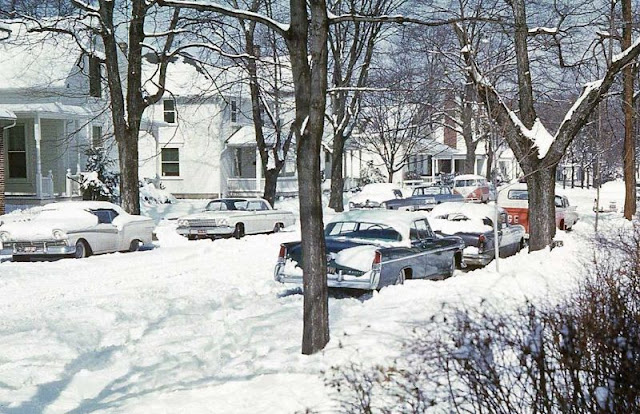
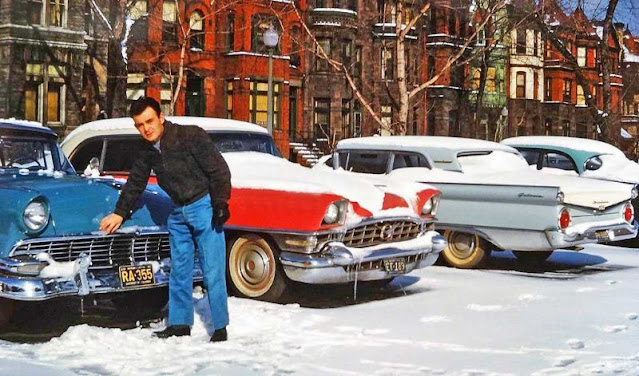
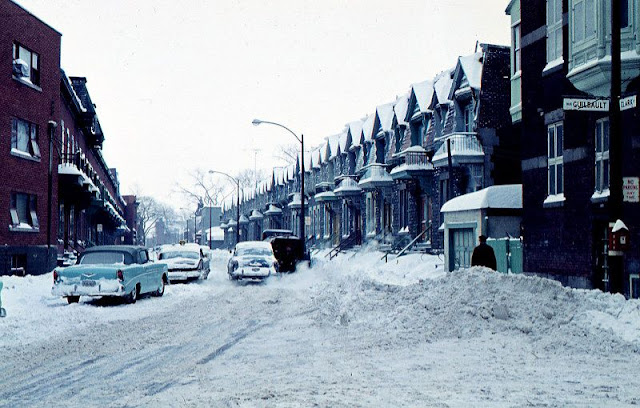
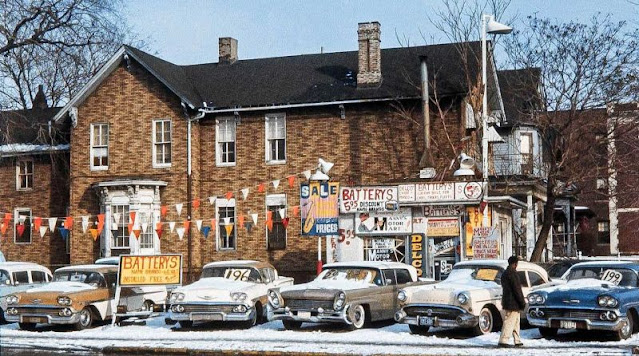
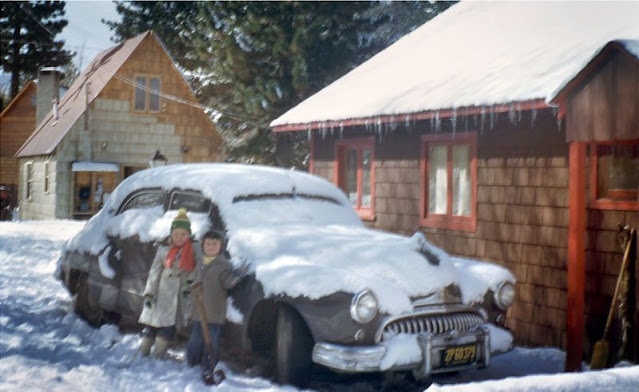
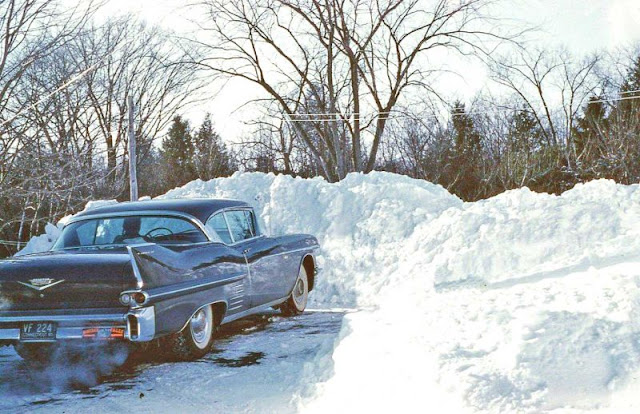
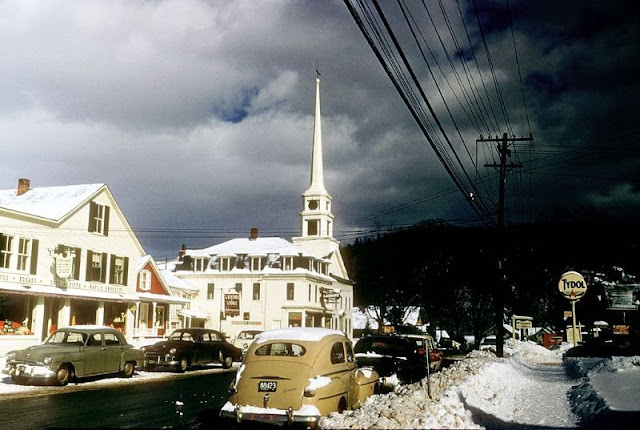
30 Vintage Photos of Cars During Winter in the 1950s and 1960s

1950s cars were some of the most classic, powerful and unsafe cars ever driven. The modern designs and acceleration abilities were getting more and more amazing every year. The auto industry was starting to experiment with a new concept called a “sports car.” By the end of the 50s, Americans fell in love with the sports car. After all, the 50s gave birth to the Corvette.

In 1960, car buyers were demanding smaller vehicles. Compact cars were marketed heavily by every automobile manufacturer, in stark contrast to the 1950s. New models included the Ford Falcon, the Chevrolet Corvair and the Plymouth Valiant. Soon after, Lincoln-Mercury released the Comet and Dodge introduced the Dart.

Midway through 1960, General Motors announced that it would offer three smaller cars, the Buick Special, the Oldsmobile F-85 and the Pontiac Tempest. This focus on smaller cars domestically caused a sharp drop in import sales.

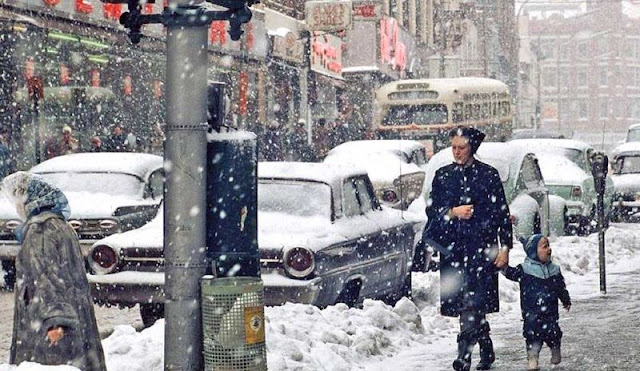
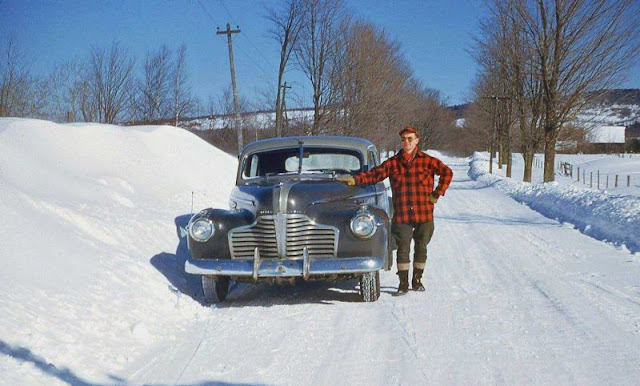
Here is a set of amazing vintage photos shows cars during winter in the 1950s and 1960s.

1950s and 1960s cars in Portland, Maine

1939 Mercury at The Christmas Tree Lodge on the Mount Rose Highway south of Reno, Nevada, 1950

1941 Buick Special Sedanet

1950s and 1960s cars in snow

1950s cars in Georgetown, Distric of Columbia

1950s Chevy, Ford and Plymouth cars

1950s Montreal

1950s used cars at Manny’s Motor Mart

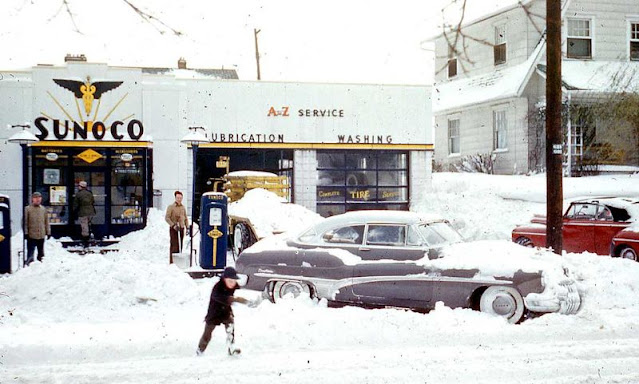
1953 Cars at Sunoco Gas Station, Columbus, Ohio, 1953

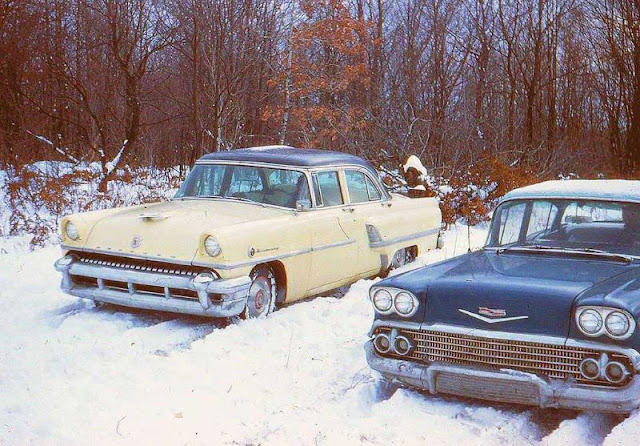
1953 Mercury Monterey

1955 Mercury Monterey Sedan

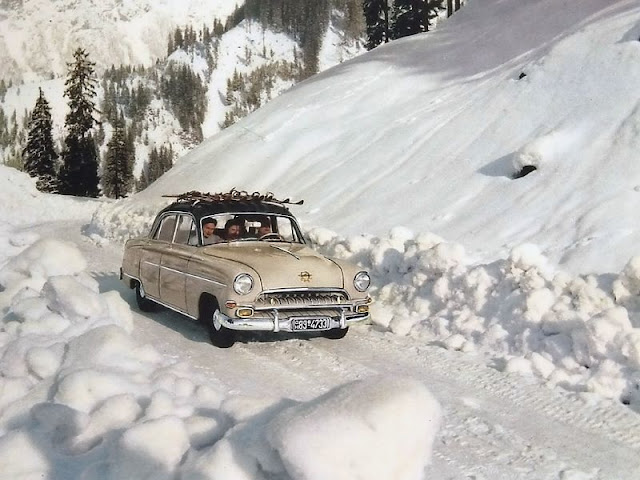
1955 Opel Kapitän

1955 Studebaker Champion

1955-1958 Opel Kapitän

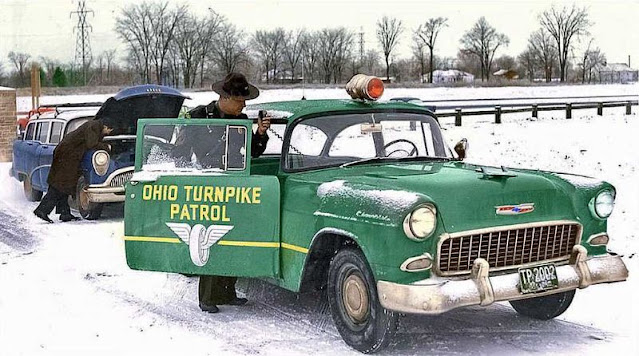
1956 Chevrolet 150

1957-1960 Opel Olympia Rekord

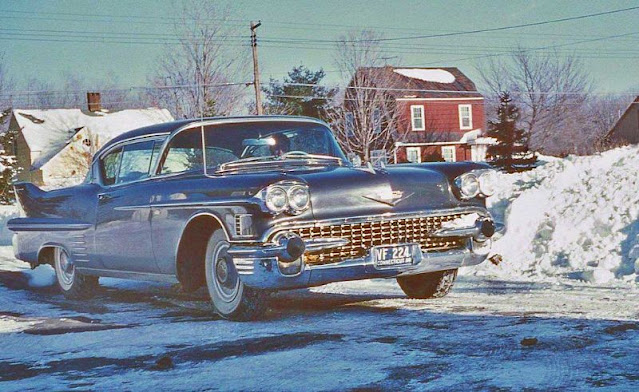
1958 Cadillac Coupe Deville

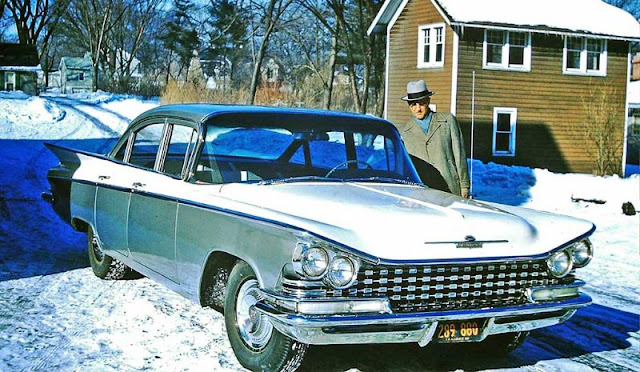
1959 Buick Lesabre

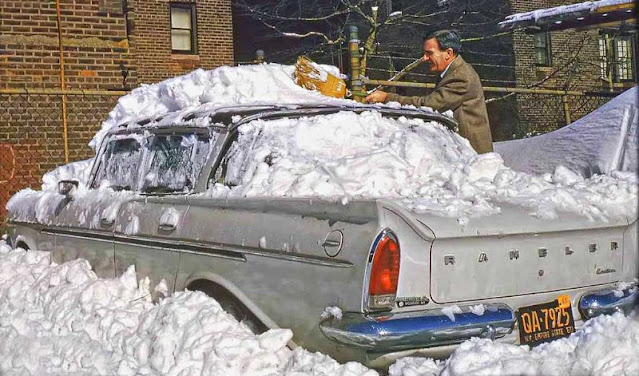
1960 Rambler Custom

1960s trailer

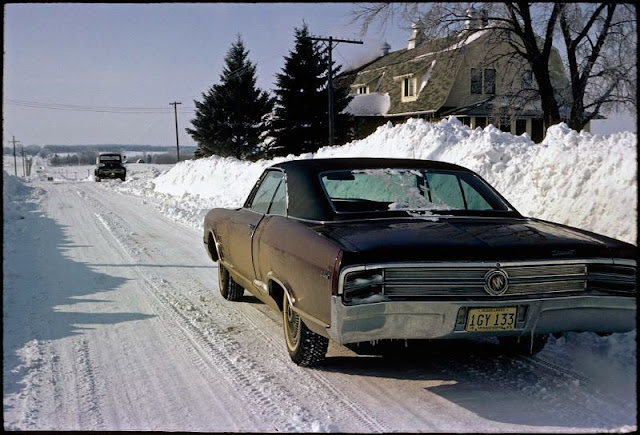
Buick Wildcat coupe in Minnesota, April 1965

Buick, registered to California during the early 1950s

Early 1950s cars in city wintertime scene

Early 1950s Chevrolets on a car dealers lot

Early 1960s street scene with 1950s and 1960s cars

Late 1940s Cadillac

Mid 1950s Cadillac hardtop

Mid 1950s winter ski trip with 1940s and 1950s cars

Sedan and truck during winter, circa 1950s

Vermont winter, 1956

Subscribe to Yesterday Today’s Blog to receive regular updates regarding new content:
30 Stunning Black and White Portraits of Actress Carole Lombard in the 1930s

Subscribe to continue reading

Become a paid subscriber to get access to the rest of this post and other exclusive content.

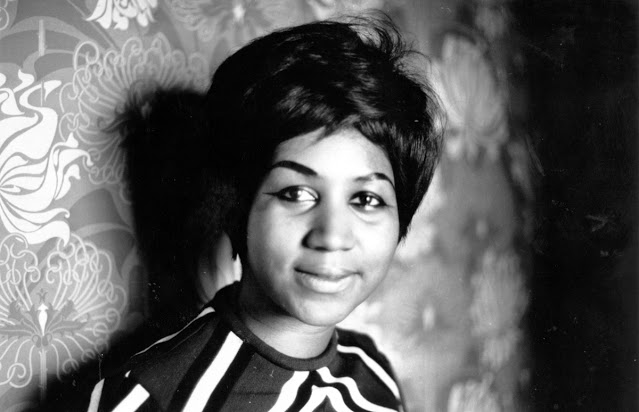
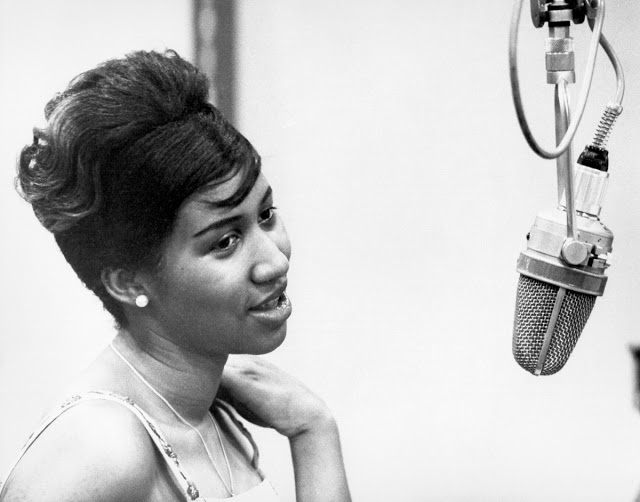
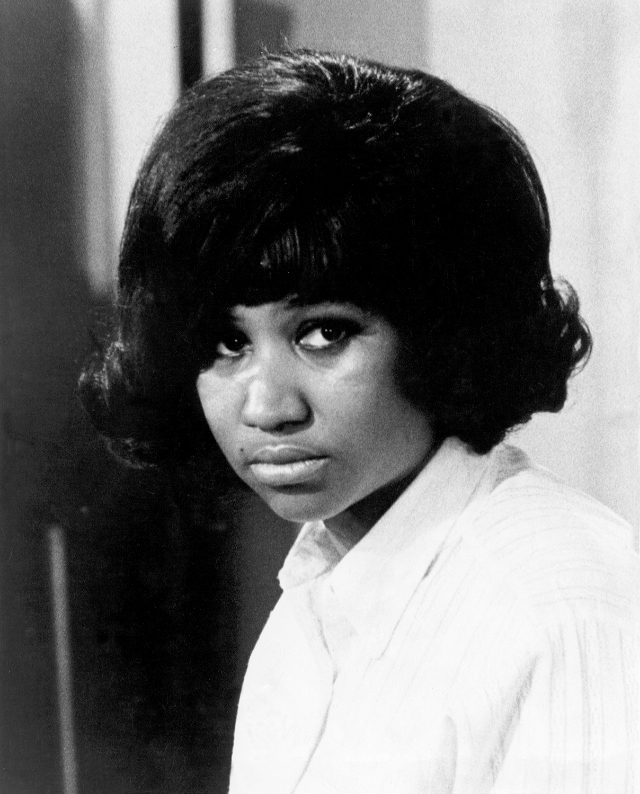
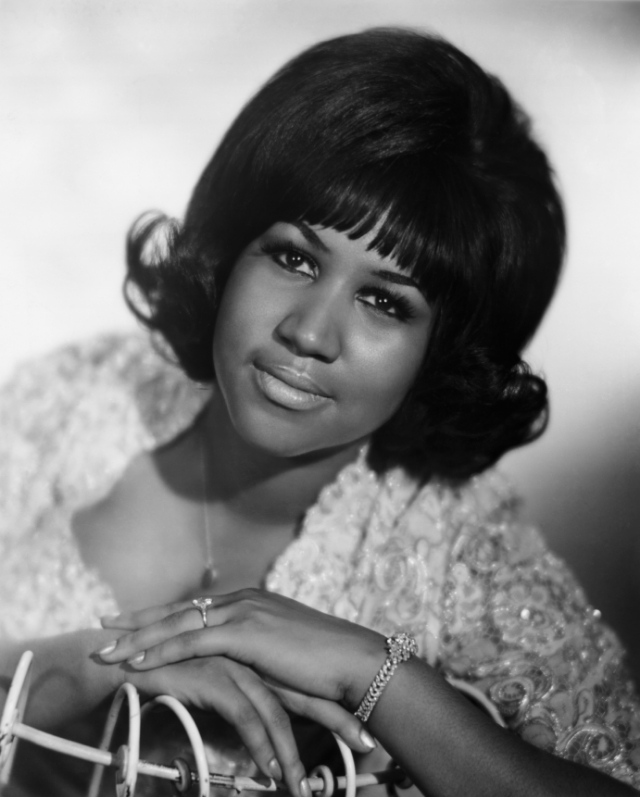
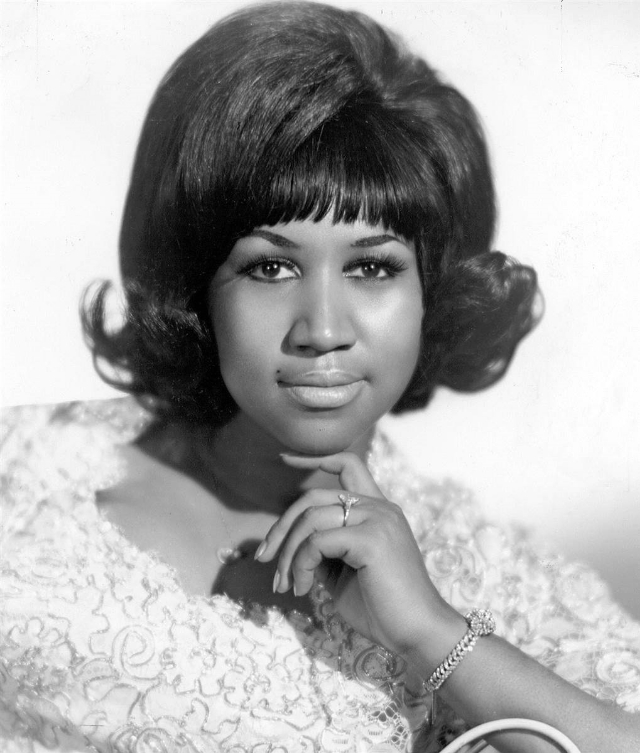
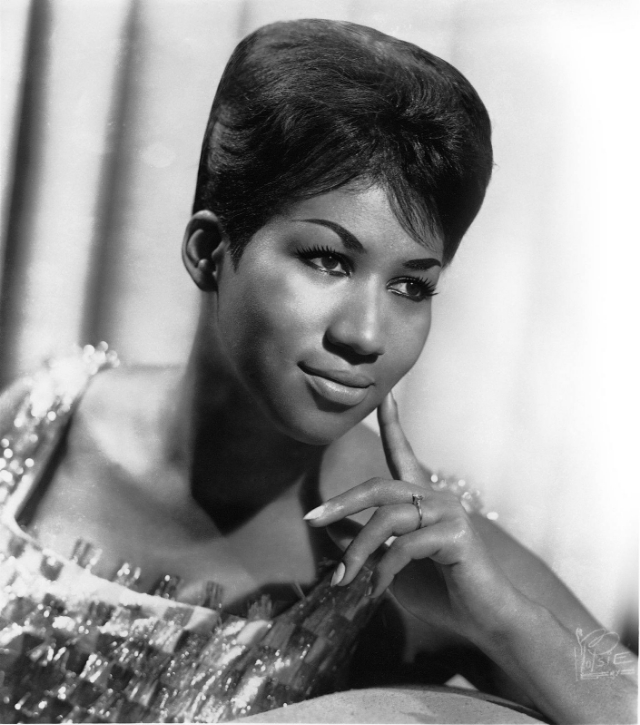
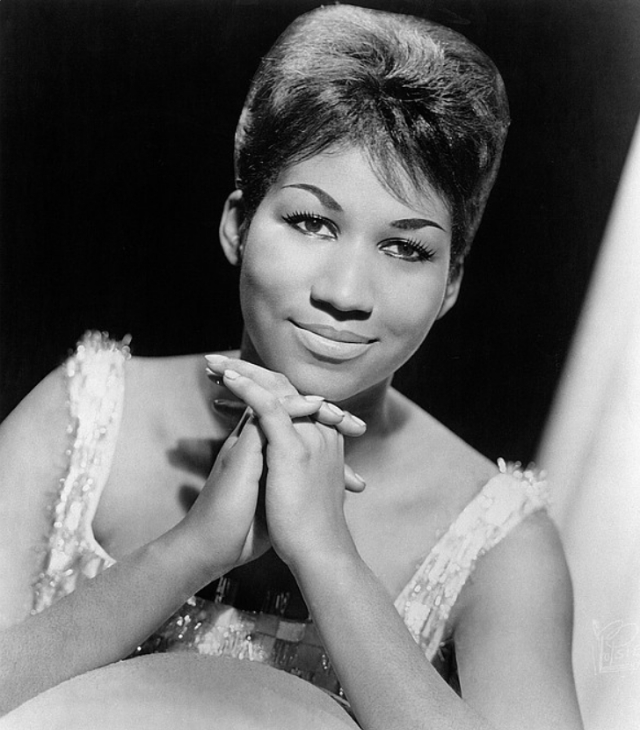
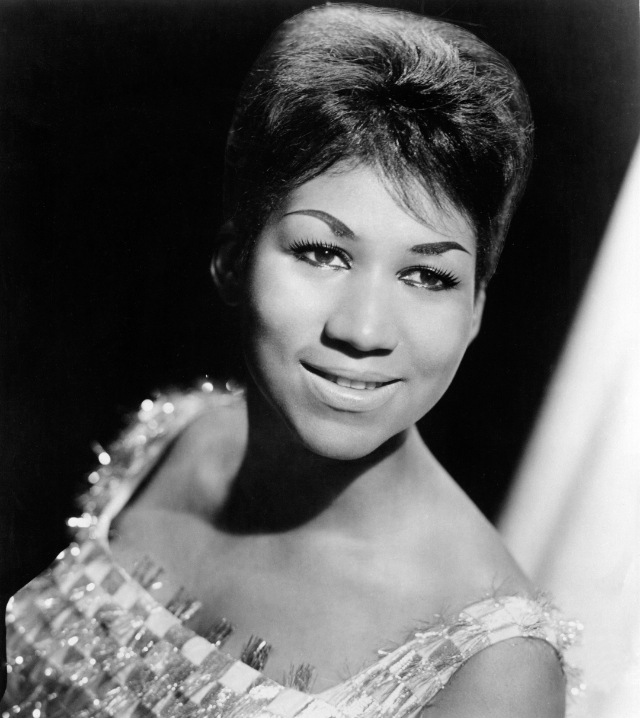
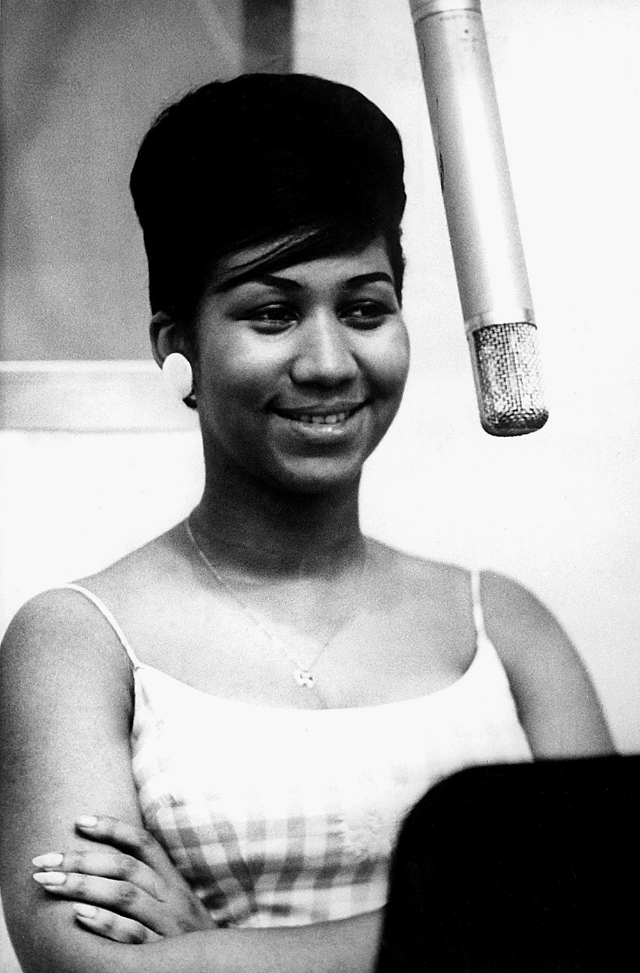
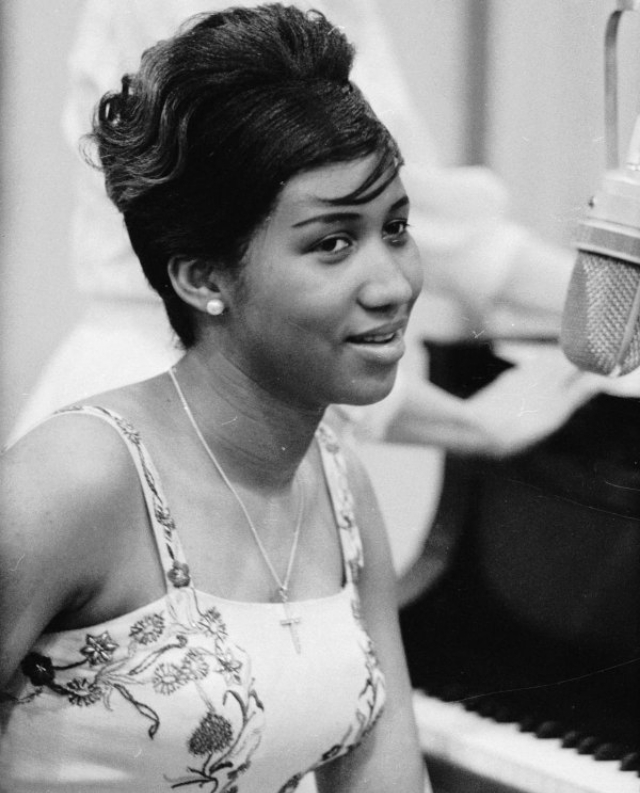
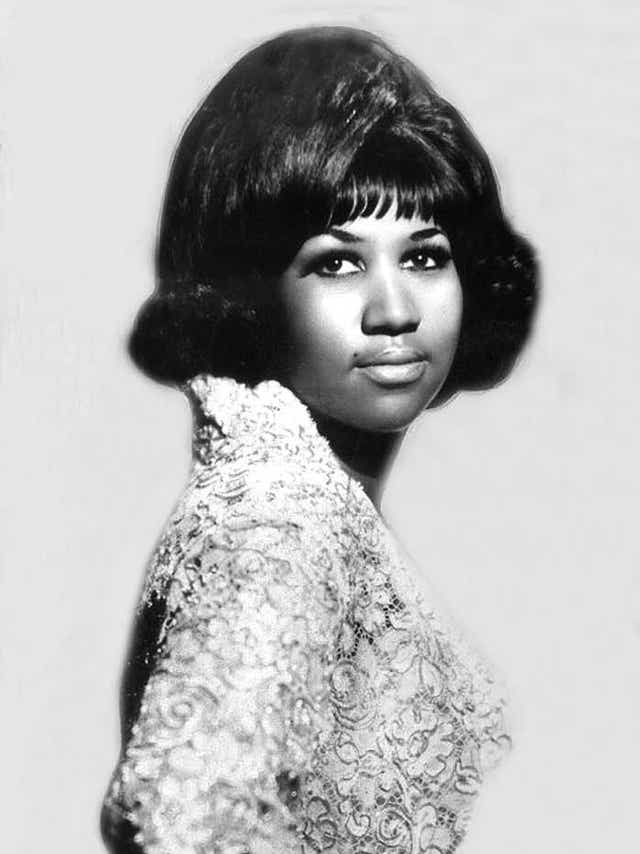
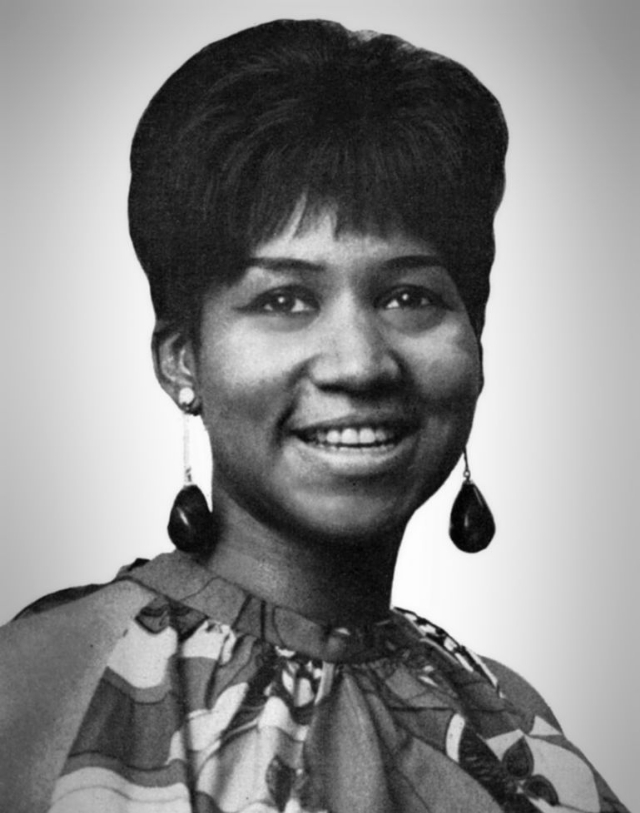
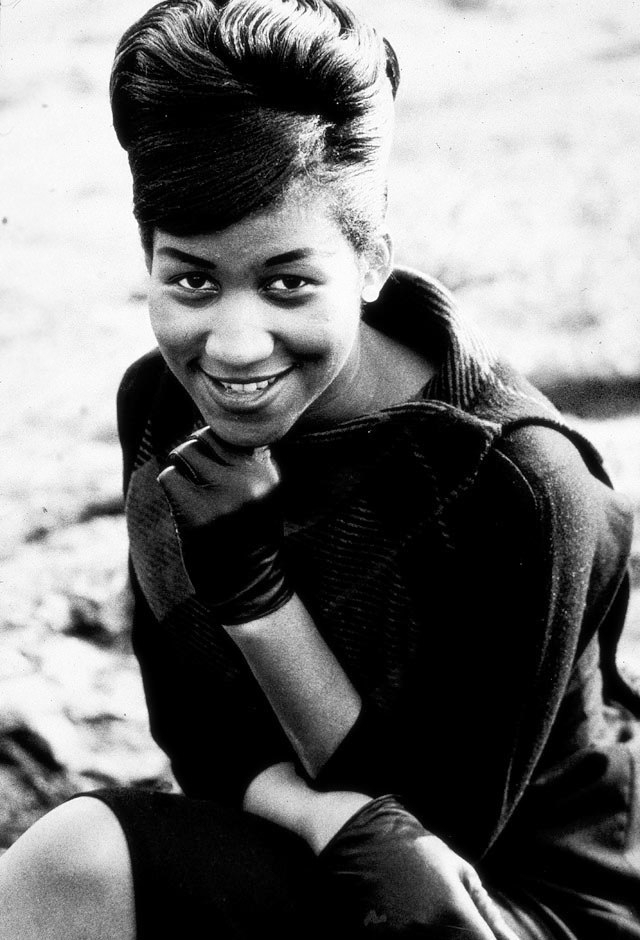
20 Gorgeous Photos of Aretha Franklin in the 1960s

The definitive female soul singer of the 1960s, a symbol of black pride, and one of the most influential voices in the history of popular music, Aretha Franklin brought “black” music to an entirely new audience.

Aretha grew up in Detroit where her father was pastor at the New Bethel Baptist Church. She recorded her first album of gospel music at age 14. At 18, legendary talent scout John Hammond brought her to Columbia Records, “Columbia was a white company who misunderstood her genius.”

In 1966, Aretha moves to Atlantic Records and immediately hits her stride, producing a phenomenal body of work. “When I went to Atlantic,” she said, “they just sat me down at the piano and the hits started coming.”

“Respect”, her trademark song written by singer Otis Redding, is an instant hit in 1967, becoming an anthem for both racial pride and women’s rights. Within three years, she has eight crossover hits that reach the Top 10 in both Pop and R&B charts, including “Chain of Fools”, “Think”, and “A Natural Woman”.

On April 9, 1968, she sang “Precious Lord, Take My Hand” at the funeral service of her friend Martin Luther King Jr. A few months later she appears on the cover of TIME, in an article suggesting her husband/manager is abusive. A lawsuit was filed over the article, and her marriage subsequently ended in divorce. After this, she rarely talks to the media.

In 1987, at age 45, Aretha is the first woman inducted in the Rock & Roll Hall of Fame, having charted more records selling over a million copies than any woman in history.

On August 13, 2018, Franklin was reported to be gravely ill at her home in Riverfront Towers, Detroit. She was under hospice care and surrounded by friends and family. Stevie Wonder, Jesse Jackson and former husband Glynn Turman visited her on her deathbed. Franklin died at her home on August 16, 2018, aged 76. She was initially thought to have died without a will. The cause of death was a malignant pancreatic neuroendocrine tumor (pNET), which is distinct from the most common form of pancreatic cancer.

Subscribe to Yesterday Today’s Blog to receive regular updates regarding new content:
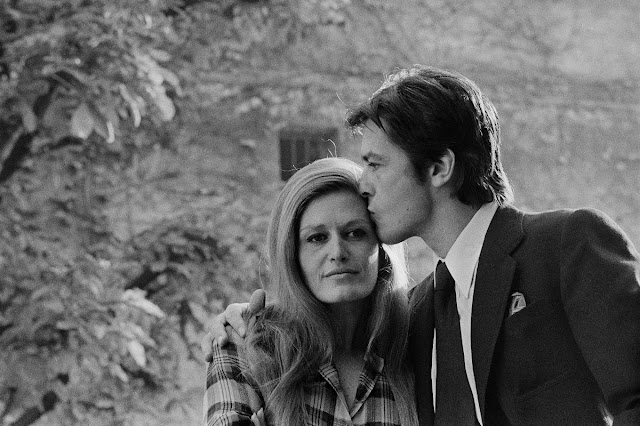
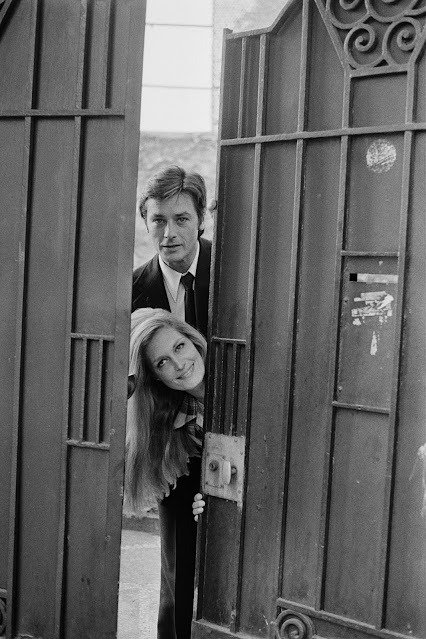
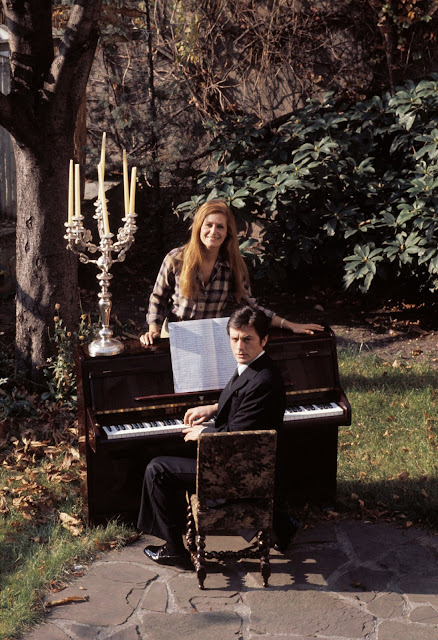
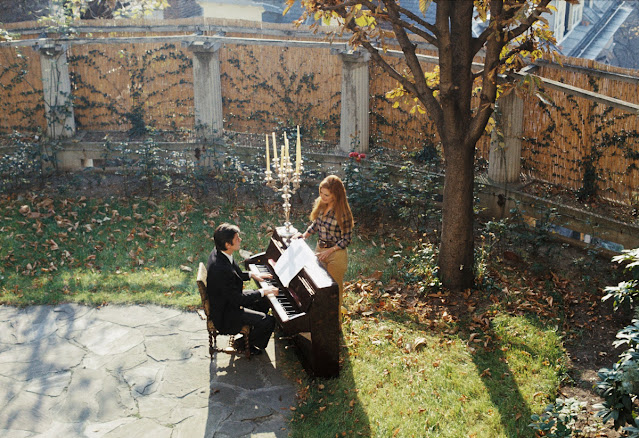
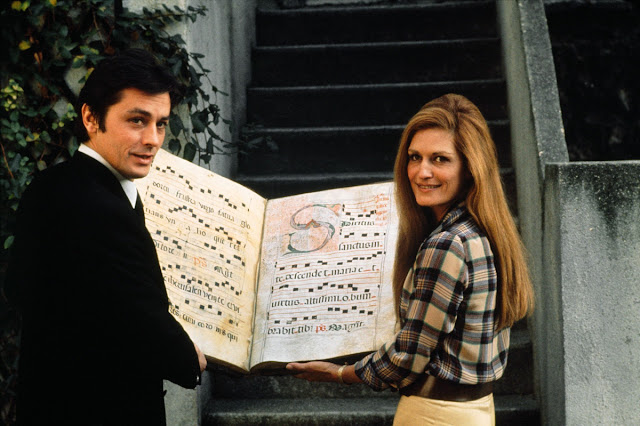
Romantic Photographs of Dalida and Alain Delon in the Garden of Their House in Montmartre, 1972

Alain Delon is one of the most popular actors of his generation. During his career, he also befriended countless stars… But not only. His conquests are numerous. But her love affair with Dalida has long fascinated her admirers. As a reminder, the duo knew each other before being famous. They have always encouraged each other in their projects. The lovebirds also recorded the iconic hit “Paroles, Paroles” together in the late 1972.

Orlando, the brother of the singer who died in 1987, confided in their romance in the pages of TV Star. Himself, however close to his sister, was not aware of the real links that existed between Dalida and Alain Delon. Their couple, he only learned of it when the two lovebirds recorded the title “Paroles, Paroles” (“Words, Words”) in 1972, almost ten years after their crush: “They had met in Paris at their beginnings, in the mid-1950s. They occupied maids’ rooms on the same floor. And they met again in Rome around 1963-1964 and there was a story between them. I was unaware of their romance.”

In April 2011, in his book “Les Femmes de ma vie” (“The women in my life”), published by Carpentier, Alain Delon lifted the veil on his relationship with Dalida: “She came from the Middle East with, as her only baggage, a title of Miss Egypt 1954. […] Ten years later, she had become Dalida and I, Delon“, specifying in passing that “the rare witnesses of [la] liaison remained discreet for years.”

Their breakup was recorded smoothly. “The complicity was intact,” assured the actor who never accepted his disappearance which occurred in 1987. “Dali, it upsets me, because I loved this woman terribly. I suffered so much when she was made to leave… I would have liked to be there, to prevent her from leaving like that. […] She had made up her mind, she didn’t want to go back, she wanted to go,” regretted the actor. “She left very quickly… and I know why.”

Subscribe to Yesterday Today’s Blog to receive regular updates regarding new content:
Yesterday Today

Bringing You the Wonder of Yesterday - Today

Skip to content ↓