In 1999, George Harrison Wrote a Letter Explaining Why You Should Have and Play a Ukulele

“The best thing about it for me is it’s just funny music. It’s very lighthearted. It’s hard to play a ukulele banjo without smiling. It tends to lighten your life a bit.” – George Harrison

George Harrison’s legendary career as a guitarist is well documented, and as a member of the Beatles he was of course one of the most influential and popular musicians of the twentieth century. But it’s a lesser known fact that Harrison was also a great ukulele player, and on his untimely passing in November 2001, uke fans the world over mourned the loss of a kindred spirit, for he was a great champion of the instrument.

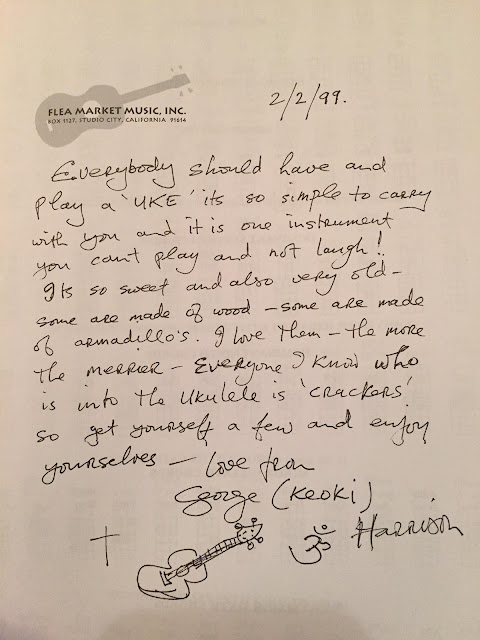
‘Crackers’ may be the perfect word for Harrison’s uke-philia; he used it himself in the adorable note above from 1999. “Everyone should have and play a ‘UKE.’ It’s so simple to carry with you and it is one instrument you can’t play and not laugh!” He carried his uke with him and gave away ukes to friends whenever he could. “Everyone I know who is into the ukulele is ‘crackers,’ so get yourself a few and enjoy yourselves,” he said. Good advice from a Beatle. This course offers an introduction to playing the ukulele.
His bandmate and friend, Paul McCartney remembered Harrison’s obsession, “Whenever you went round George’s house, after dinner the ukuleles would come out and you’d inevitably find yourself singing all these old numbers.”

Born in Liverpool in 1943, Harrison grew up with the music of Lancashire comedian George Formby, as did all the Beatles. Formby’s huge popularity at the time meant that the sound of the ukulele banjo, and particulary his own rhythmic style of playing, were a familiar part of life. Harrison’s interest in Eastern mystic beliefs (from the mid-1960s onwards) led him to adopt a deep philosophy of self discovery and understanding, so it was only natural that in his later years he would re-explore his earliest musical roots and influences.

In a 1991 interview, Harrison recalled memories of his mother singing George Formby songs at home, and he developed an enthusiasm for Formby and the ukulele that would last for the rest of his life. Harrison attended meetings of the George Formby Society and the Ukulele Society of Great Britain (see picture, below left) and acquired a fine collection of ukes, including the Ludwig banjo-uke once a favourite instrument of Formby himself.

Harrison’s interest in the ukulele was acknowledged publicly in 1995, during the Beatles Anthology project, when he appeared playing the uke in the TV/video documentary series. At the end of the Beatles’ historic single “Free As A Bird” (their first new release for 25 years) George recorded his own small Formby tribute, by giving a brief rendition of Formby’s famous solo from “When I’m Cleaning Windows” at the end of the track, along with a clip of Lennon reciting Formby’s catchphrase “Turned Out Nice Again” – in reverse! The banjo-uke also featured (less prominently) on the single “Real Love” released in 1996.
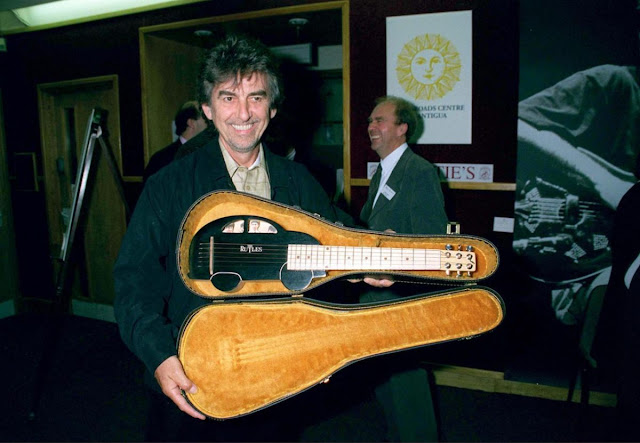
In the artwork for his newly remastered release of the classic triple album All Things Must Pass in 2001, Harrison included a photo of himself holding a uke, so clearly not only did he have a great passion for the instrument, but he wanted the world to know about it! Throughout his final few years many rumors circulated about a possible new album release from George Harrison, and it seemed likely that the ukulele would figure in such a project. On his untimely death from cancer, it was revealed that much recording work had been done in Harrison’s final months. We now hope that this will be released as a posthumous addition to the already staggering legacy of this truly great man, taken too soon from the world.

Subscribe to Yesterday Today’s Blog to receive regular updates regarding new content:
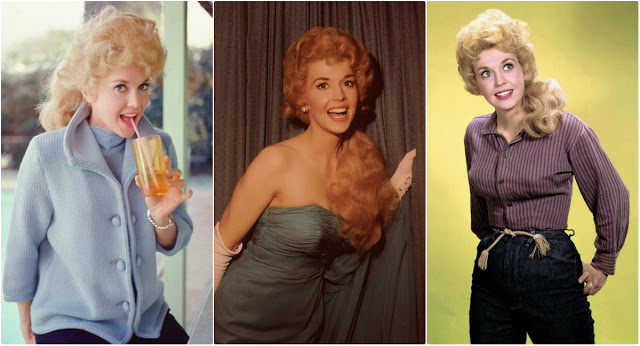
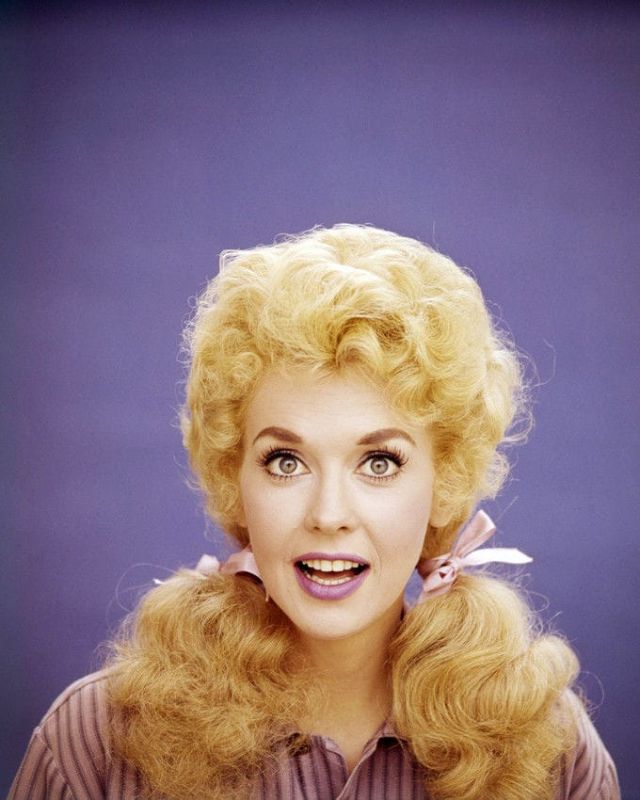
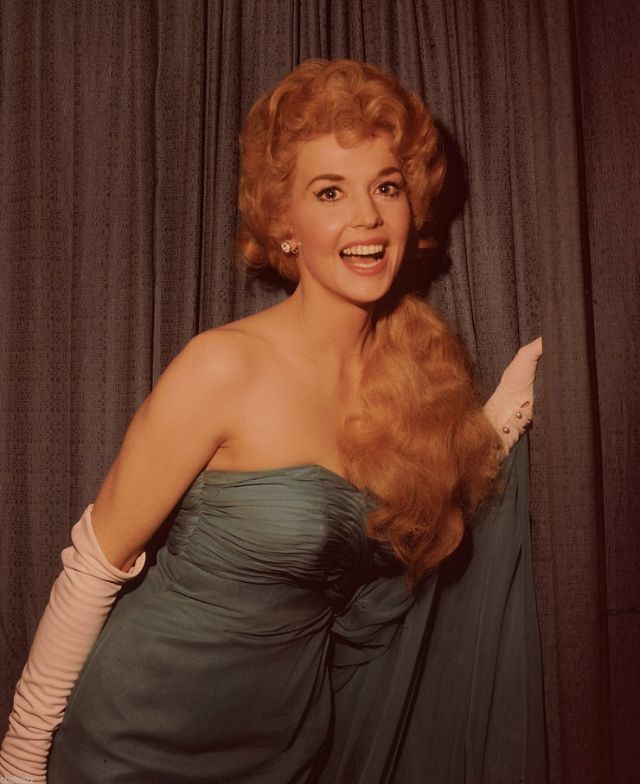
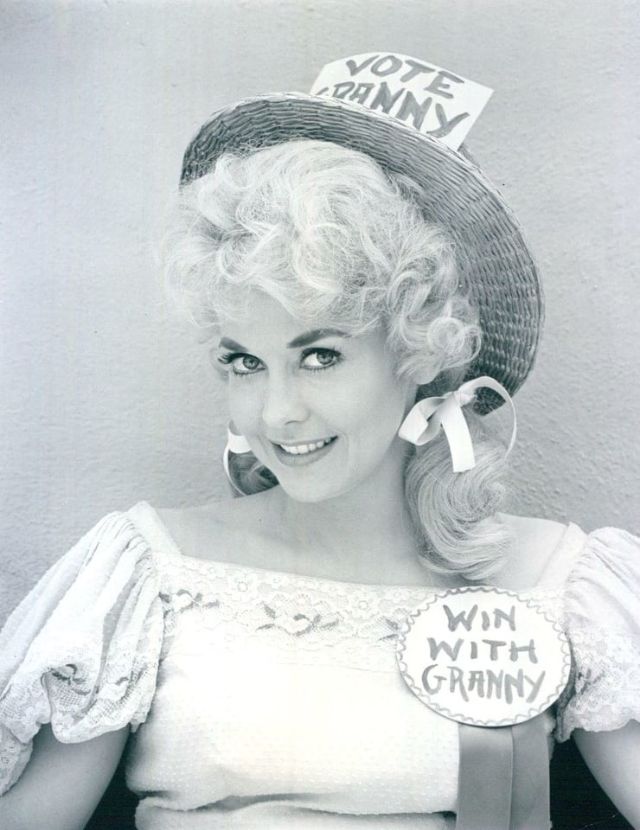
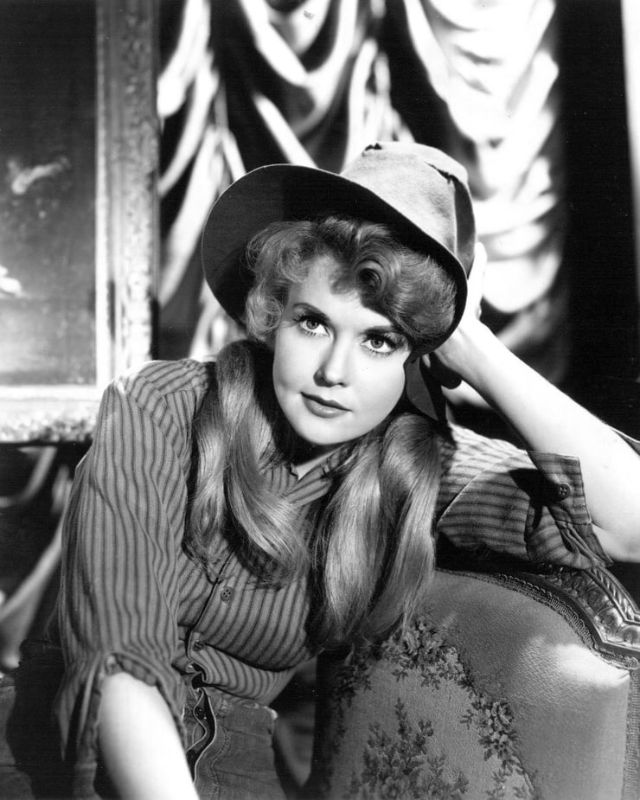
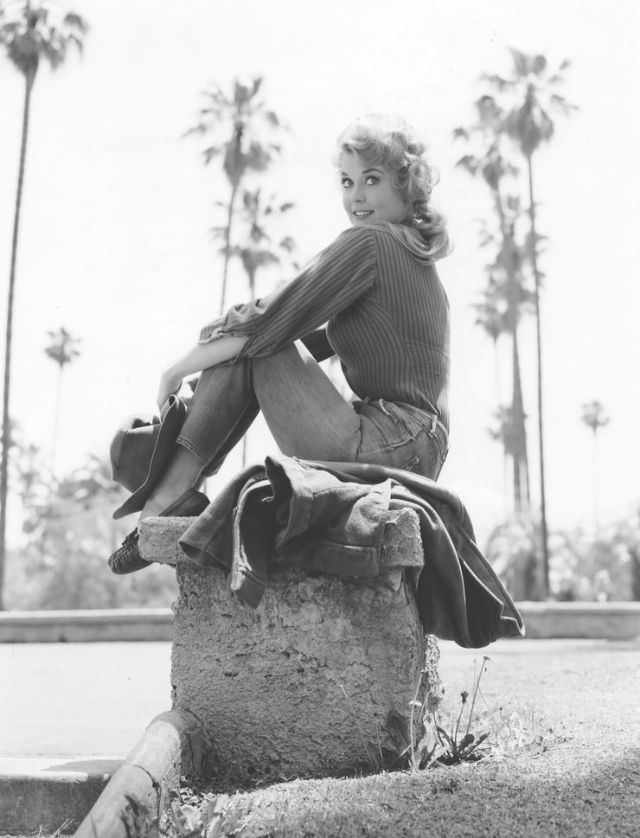
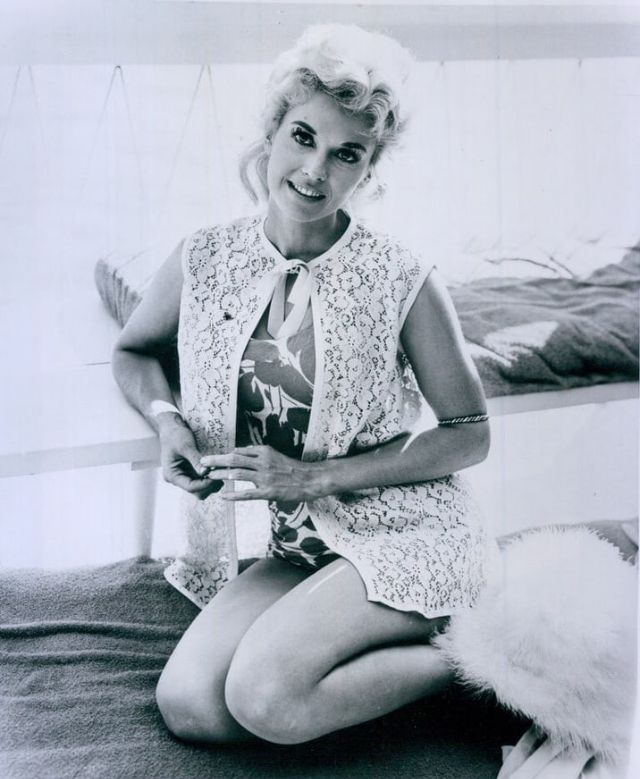
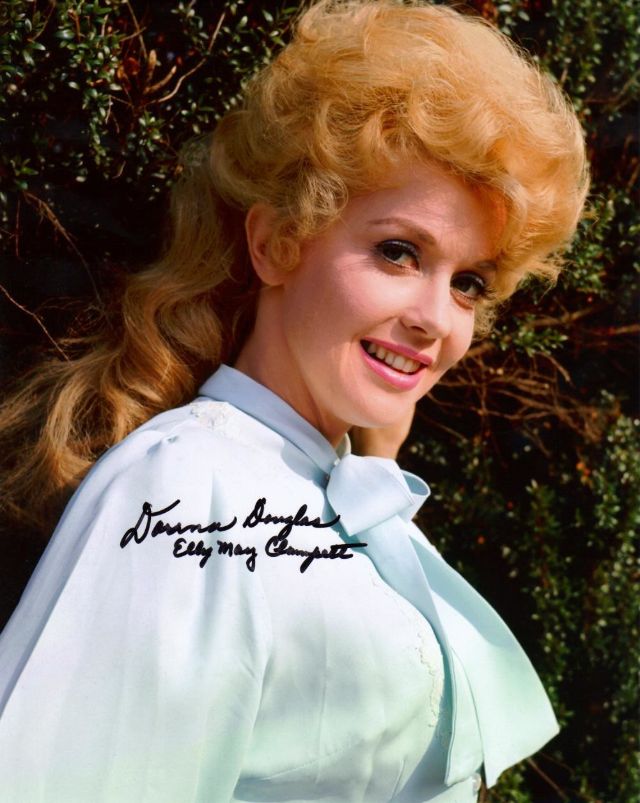
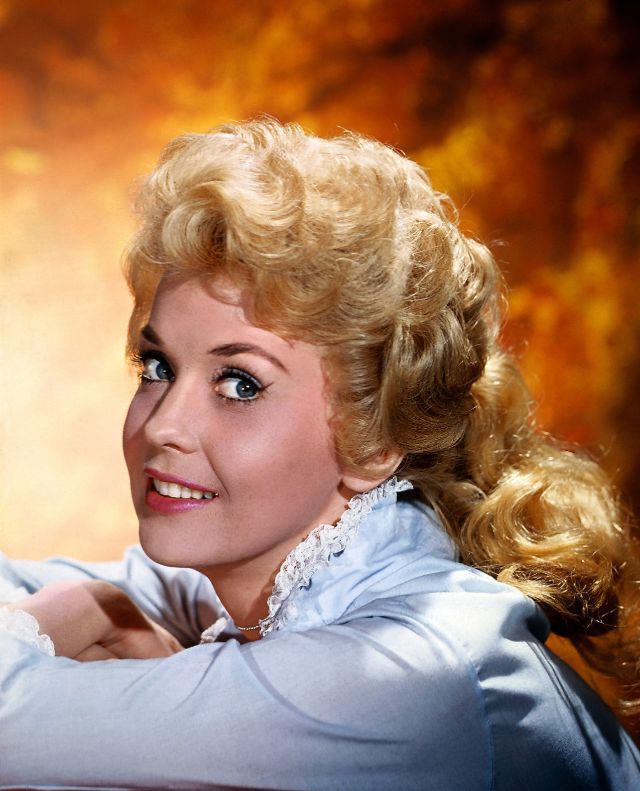
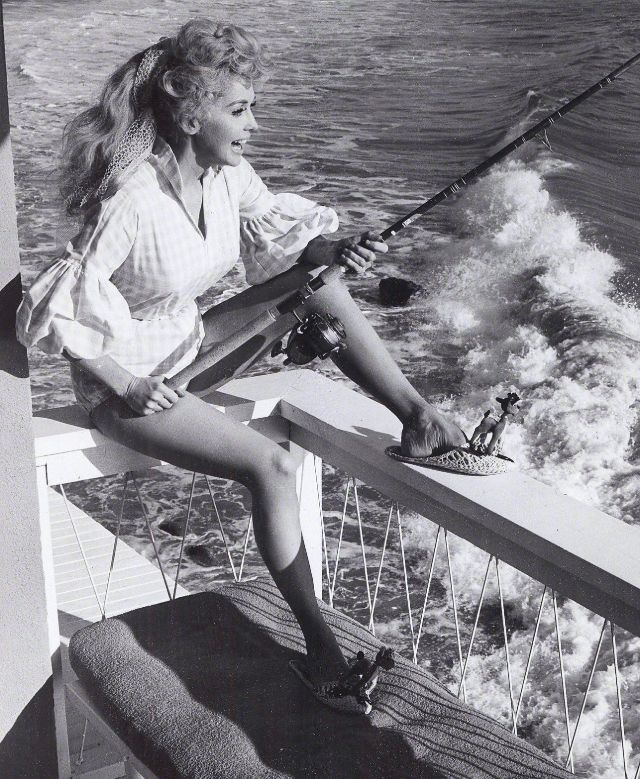
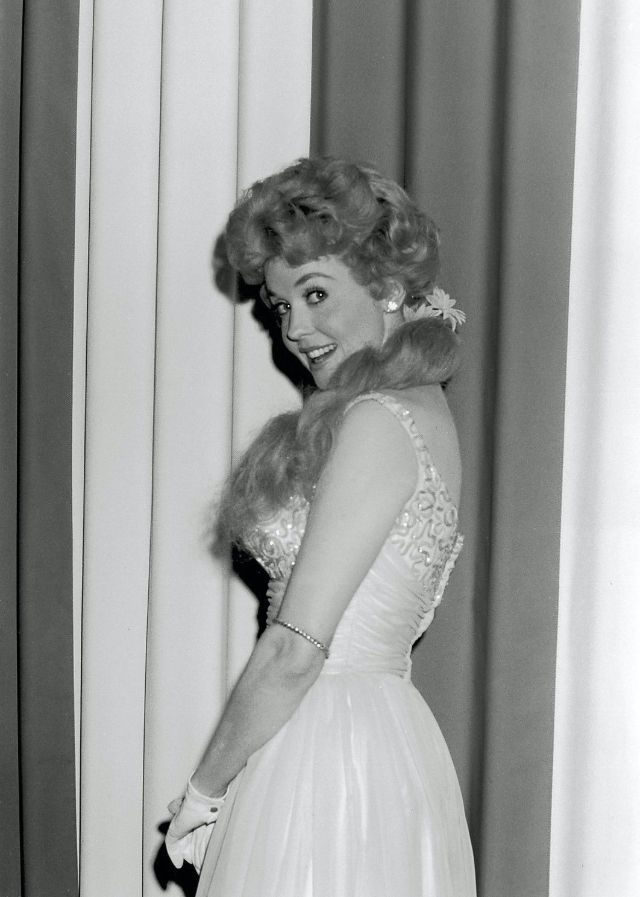
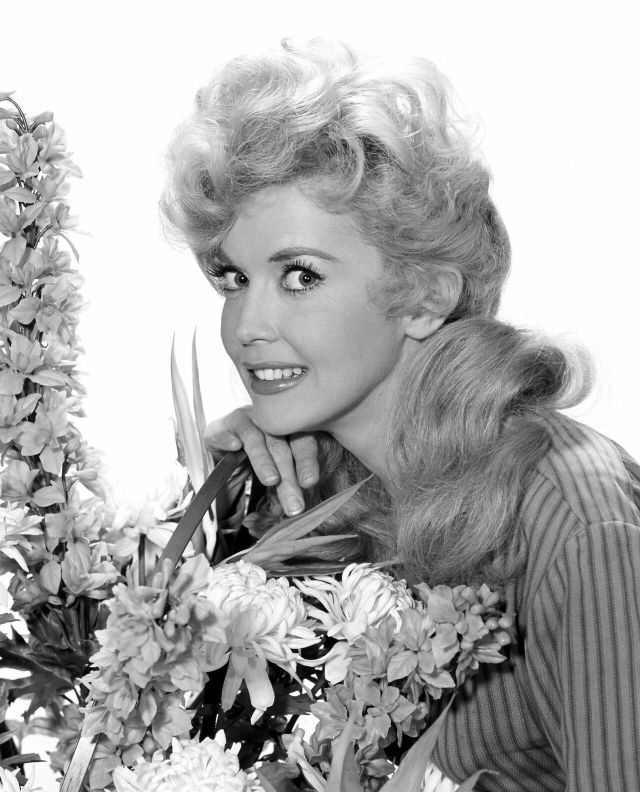
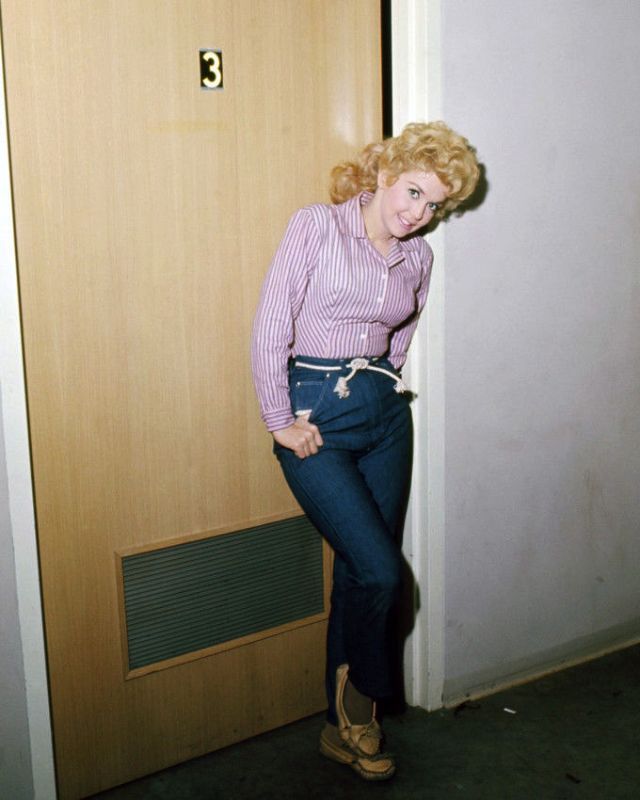
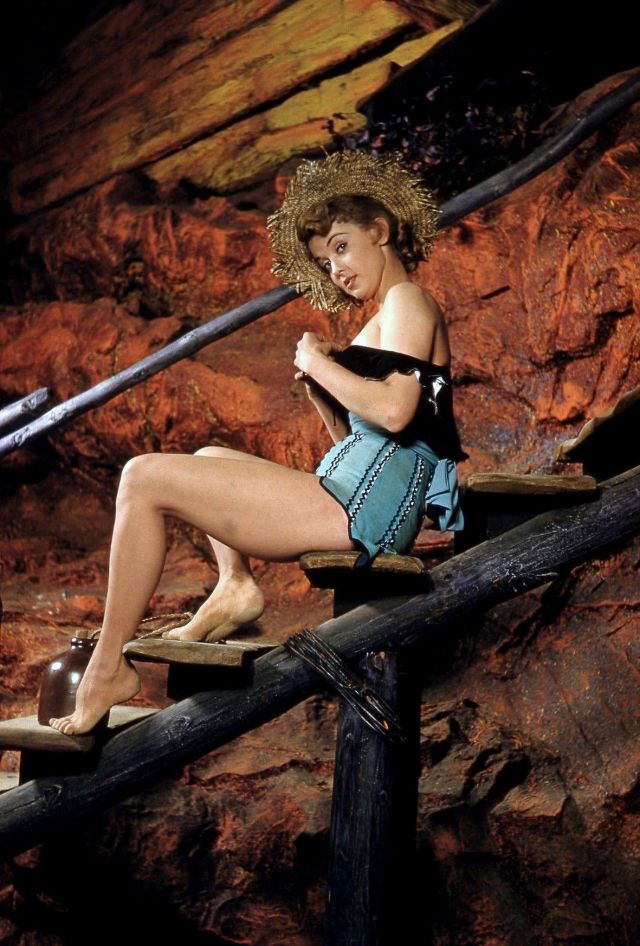
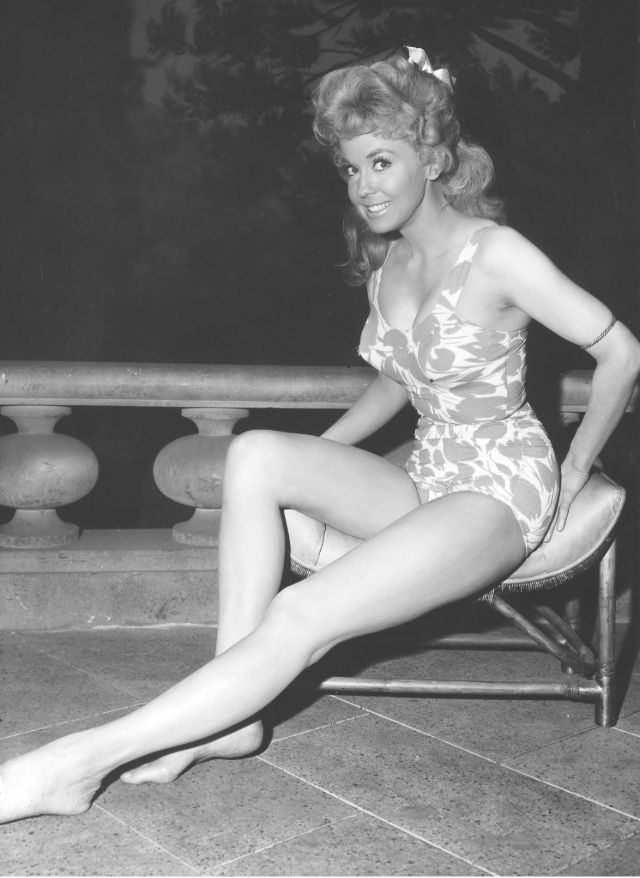
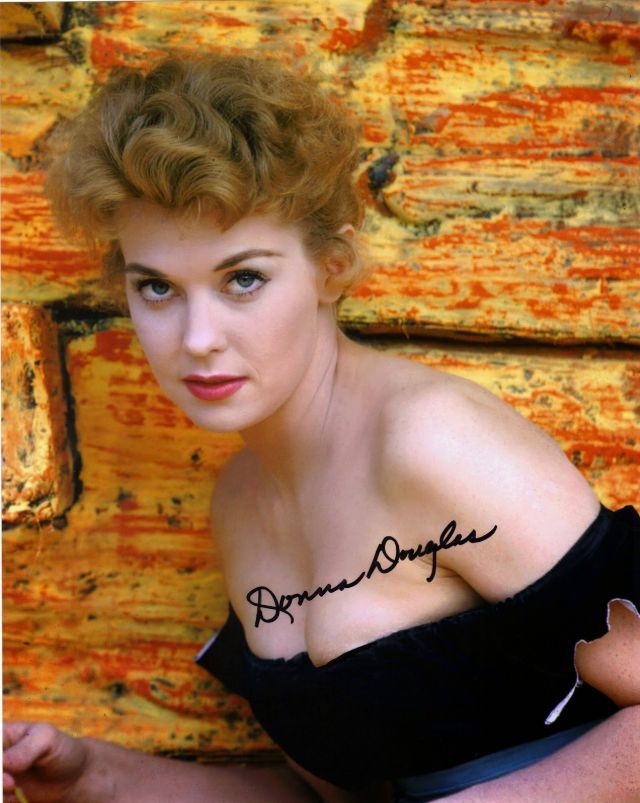
45 Gorgeous Photos of Actress Donna Douglas in the 1950s and 1960s

Born 1932 as Doris Ione Smith, American actress and singer Donna Douglas moved to New York City to pursue a career in show business and started as an illustration model for toothpaste advertisements.

Douglas appeared in a 1958 episode of The Phil Silvers Show “Bilko and the Crosbys” credited as Doris Bourgeois, her given name and her married name from her first marriage. She made numerous television appearances in the late 1950s and early 1960s, including The Twilight Zone episode “Eye of the Beholder” (1960), and played Barbara Simmons in four 1961 episodes of the CBS detective series Checkmate.

Her other credits included in U.S. Marshal, Tightrope, The Adventures of Ozzie and Harriet, Bachelor Father, Adam-12 and Route 66. Douglas also appeared in Thriller, season 1, episode 16, “The Hungry Glass”.

Although Douglas was an active actress in the 1960s, she was still relatively unknown when selected from among 500 young actresses to work on The Beverly Hillbillies (1962-1971).

Following her acting career, Douglas became a real estate agent, gospel singer, inspirational speaker, and author of books for children and adults.

Douglas died at Baton Rouge General Hospital in 2015 from pancreatic cancer, aged 82.

Take a look at these vintage photos to see the beauty of young Donna Douglas in the 1950s and 1960s.

Subscribe to Yesterday Today’s Blog to receive regular updates regarding new content:

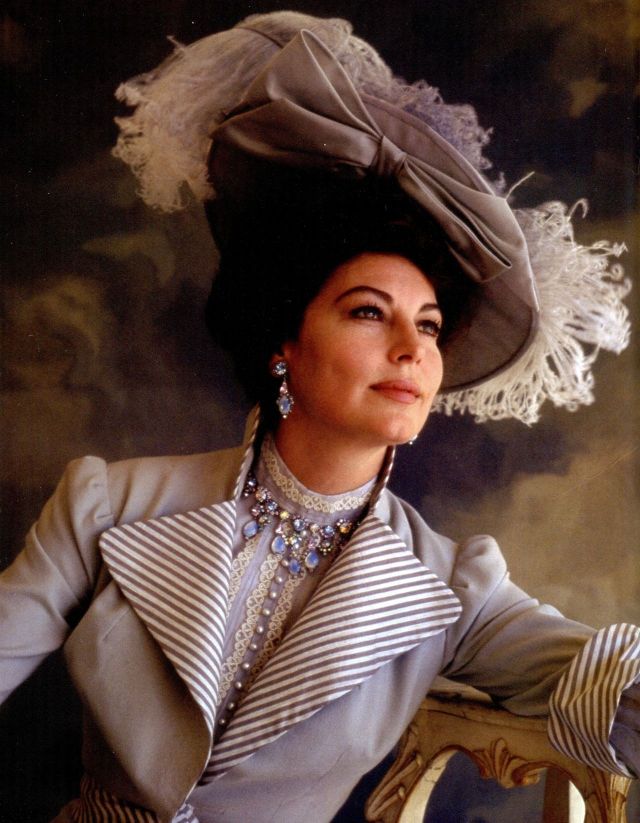
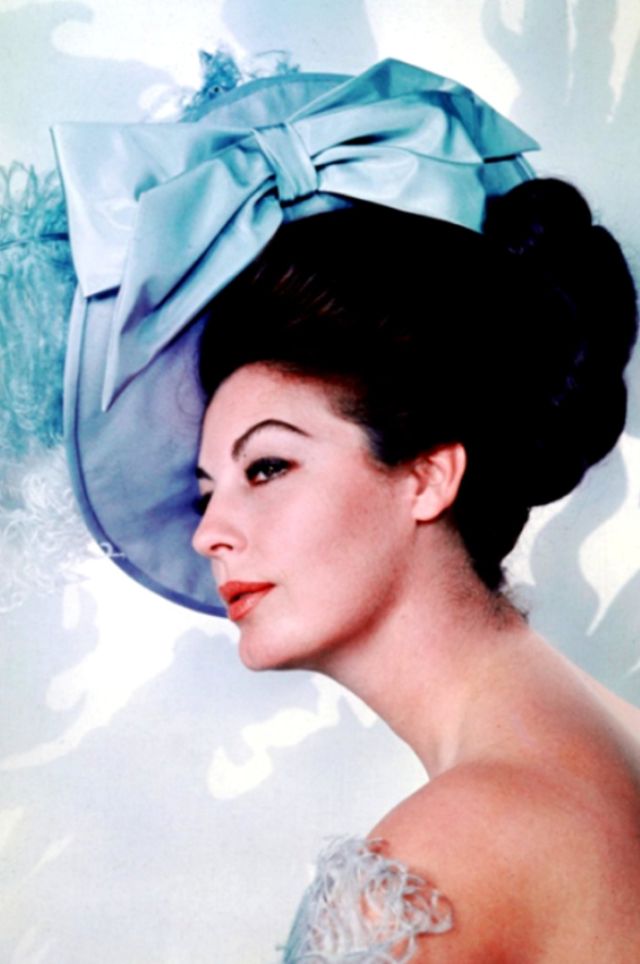
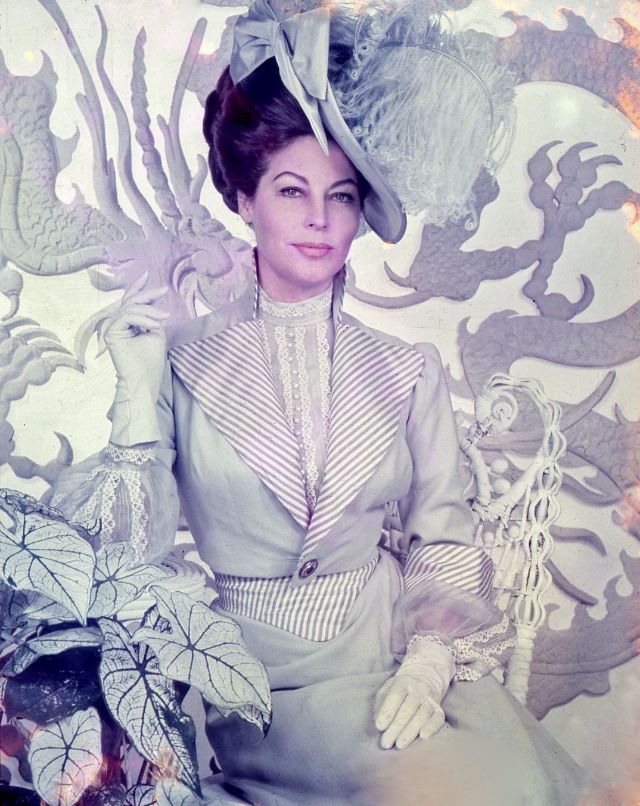
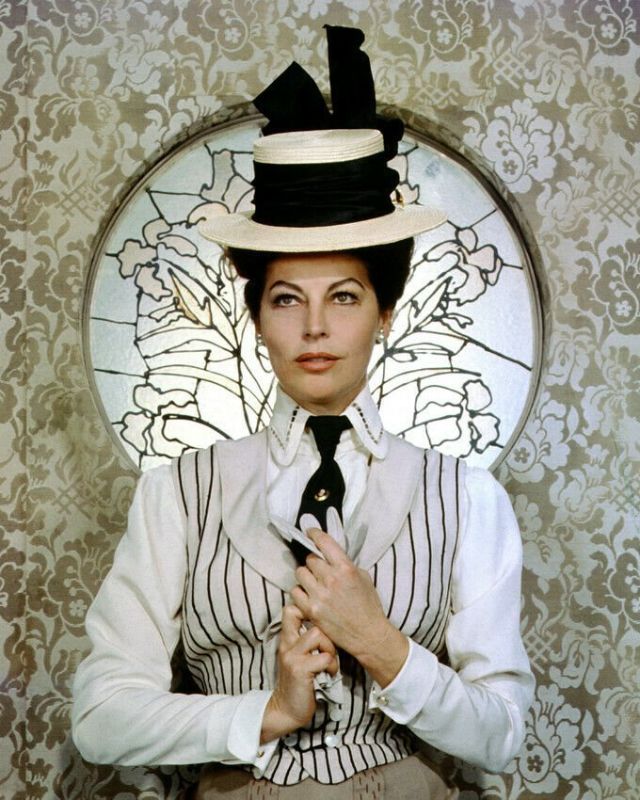
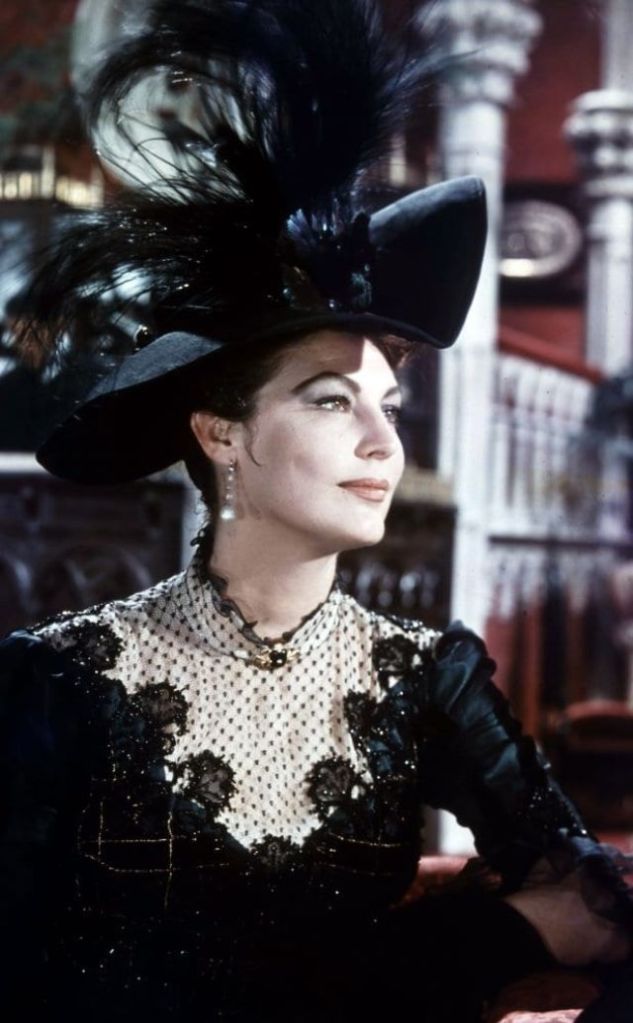
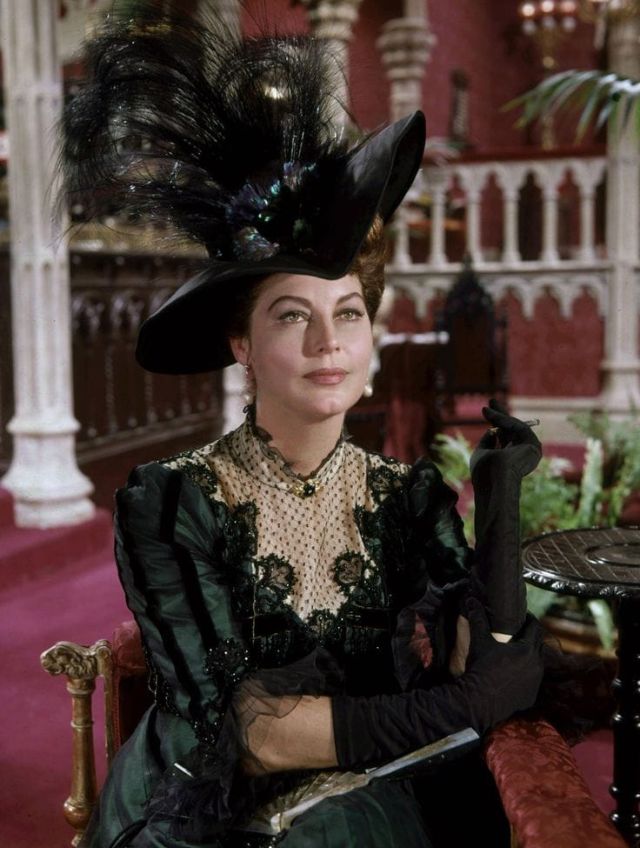
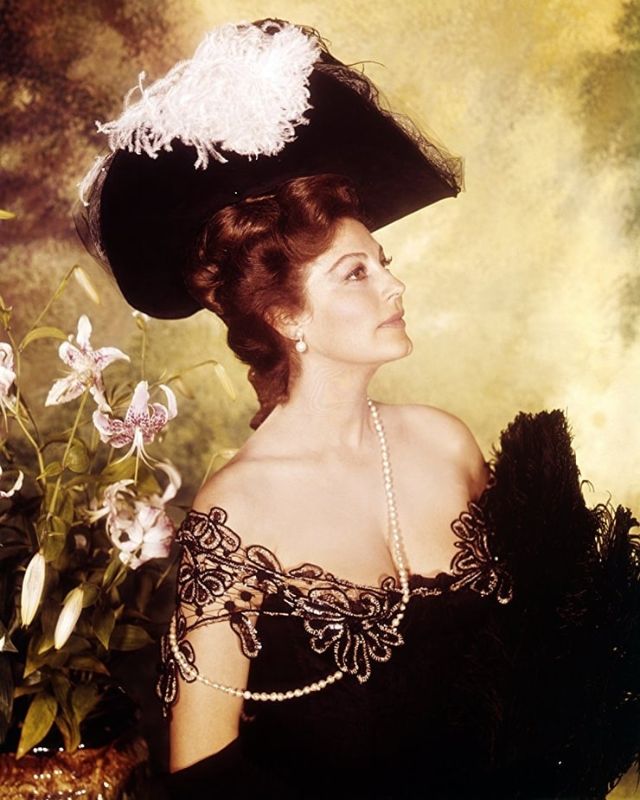
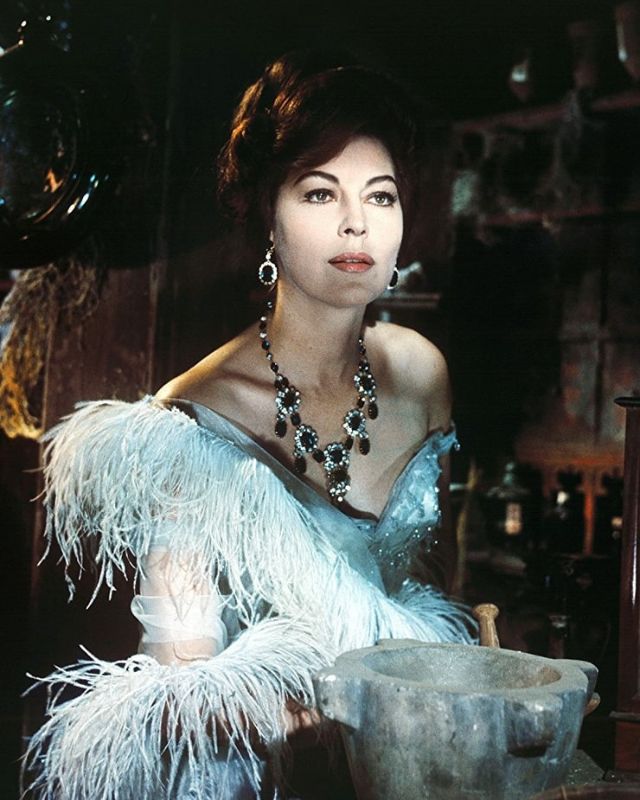
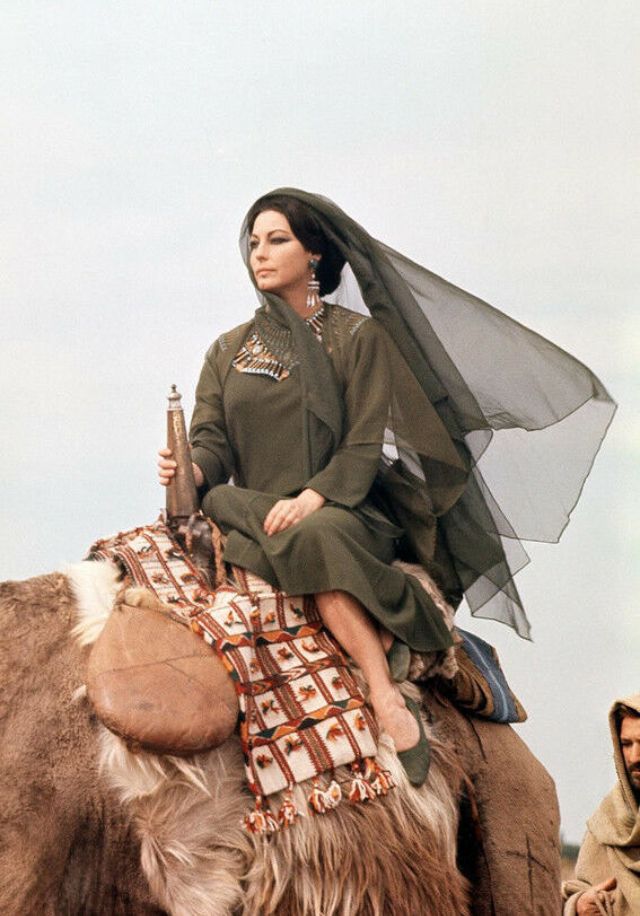
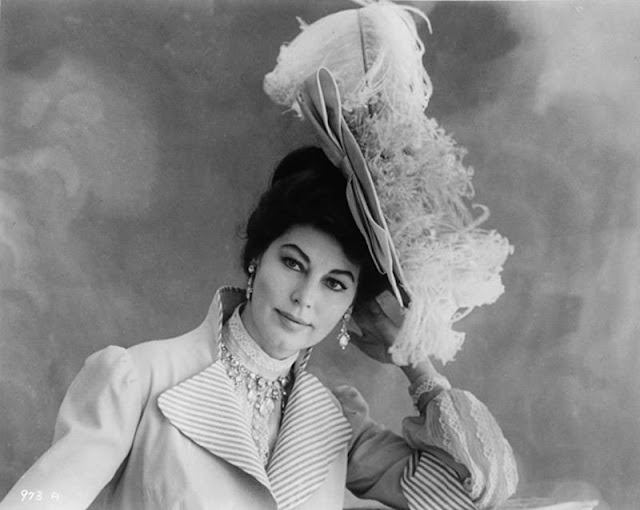
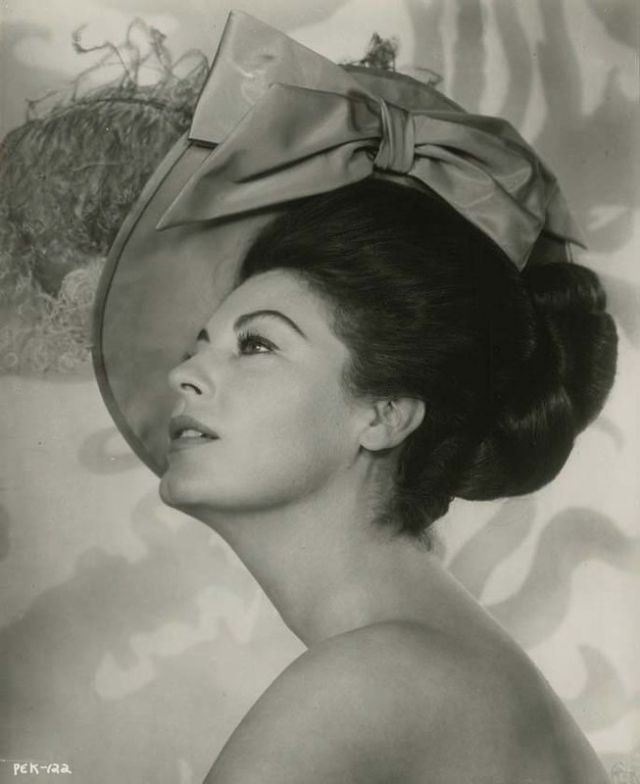
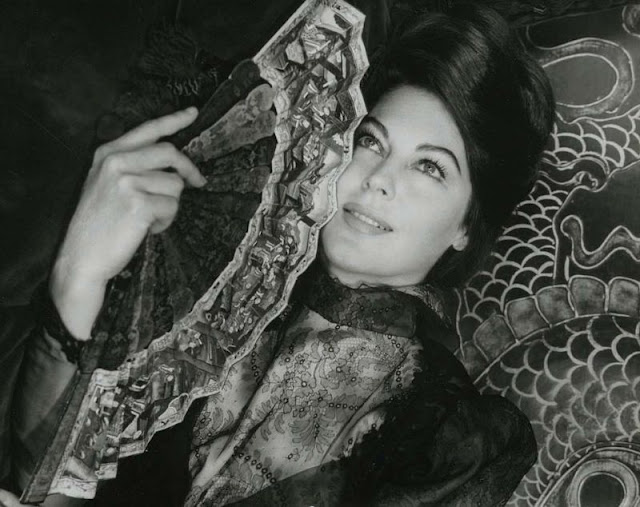
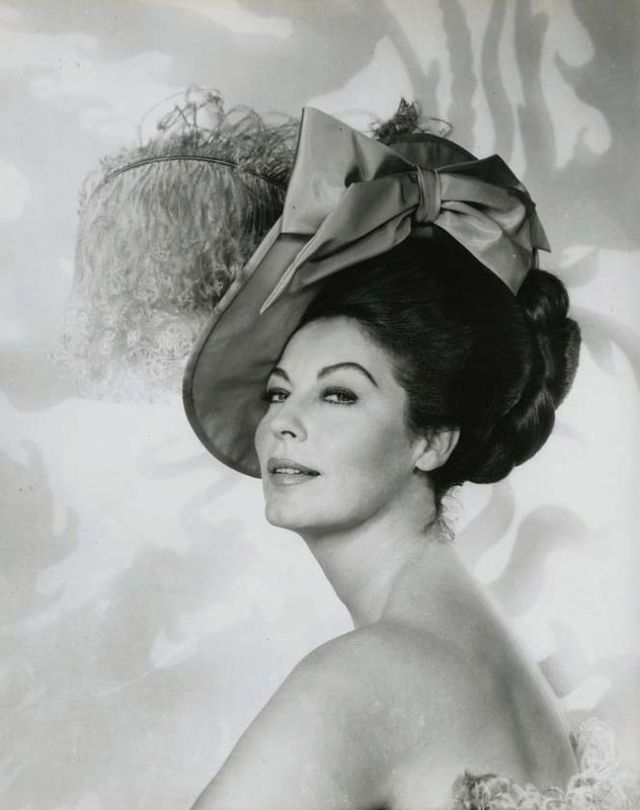
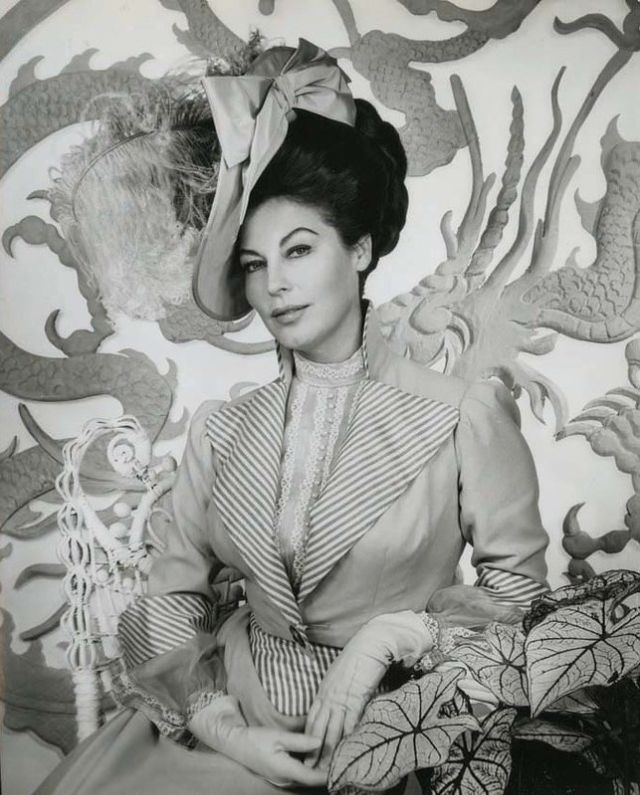
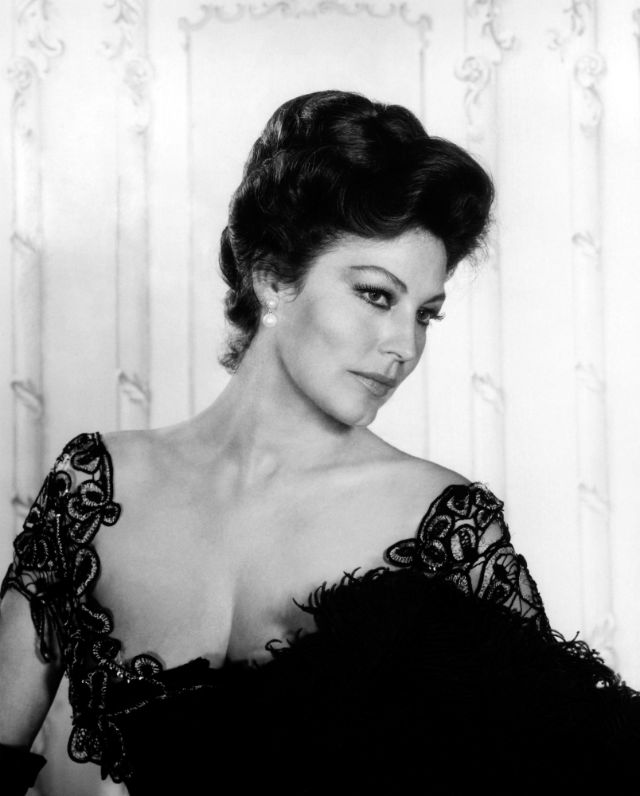
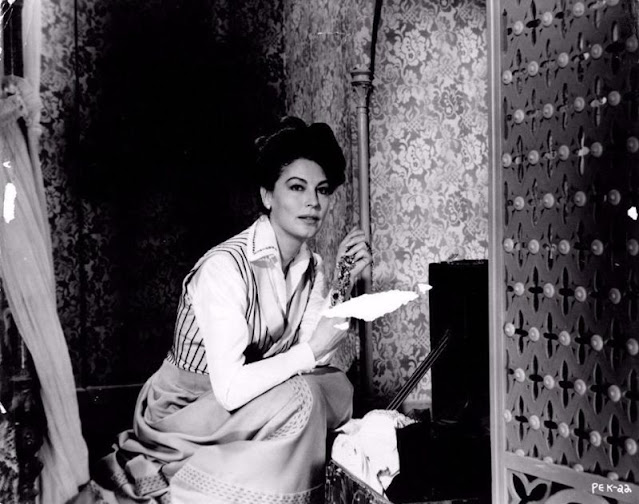
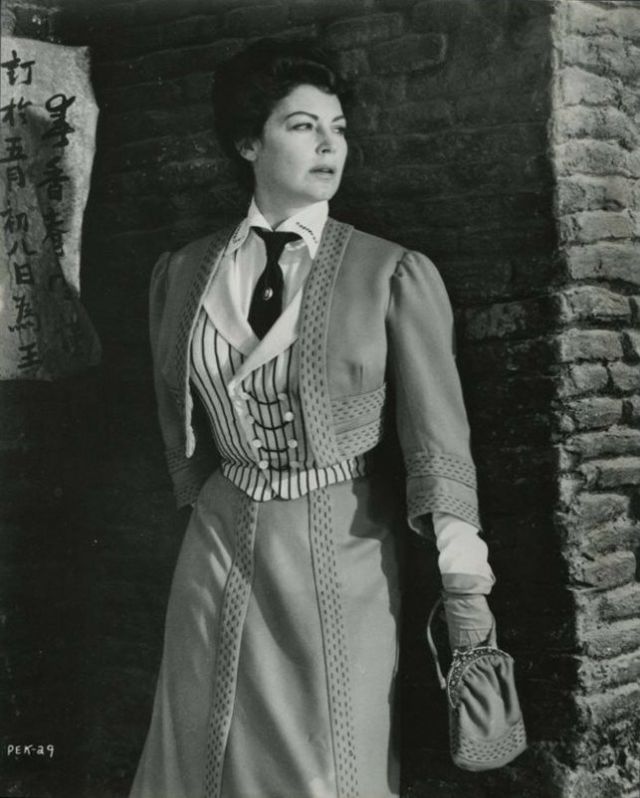
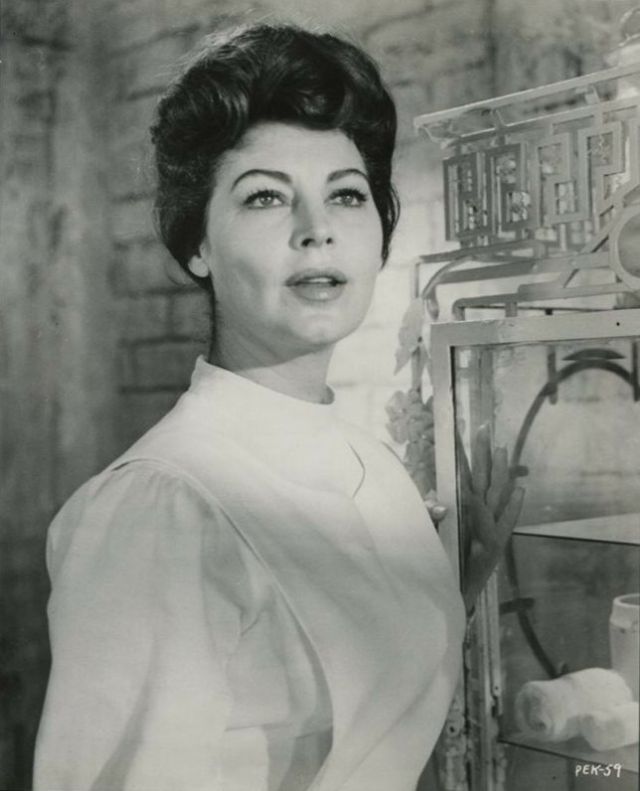
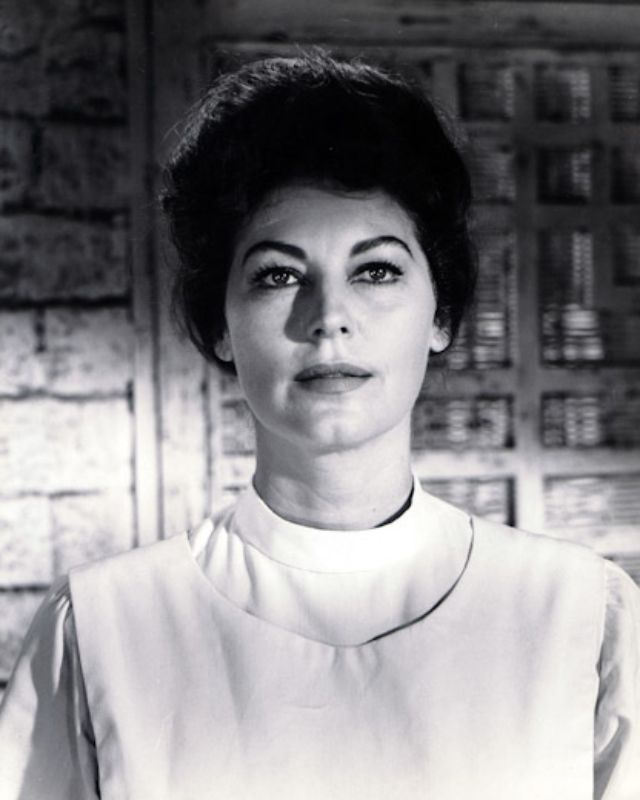
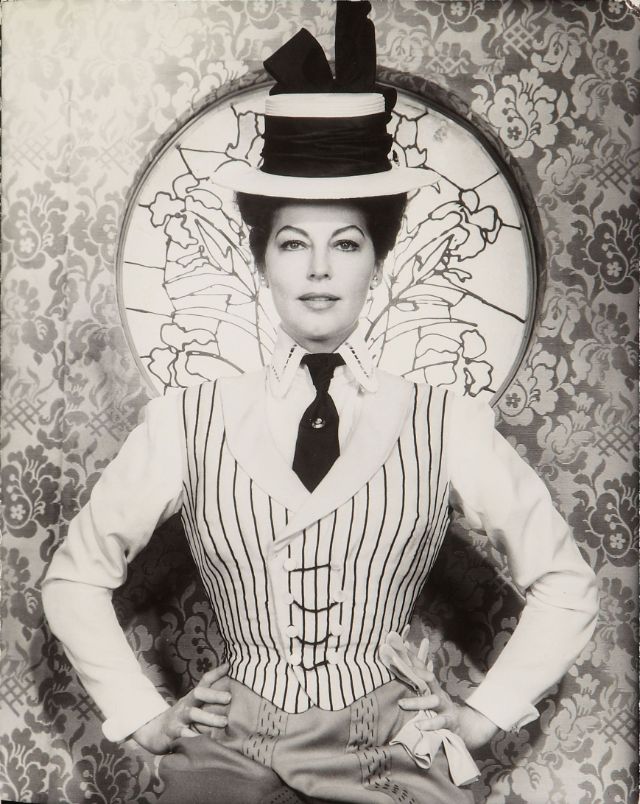
30 Beautiful Photos of Ava Gardner During the Filming of ‘55 Days at Peking’ (1963)

55 Days at Peking is a 1963 American epic historical war film dramatizing the siege of the foreign legations’ compounds in Peking (now known as Beijing) during the Boxer Rebellion, which took place in China from 1899 to 1901. It was produced by Samuel Bronston for Allied Artists, with a screenplay by Philip Yordan and Bernard Gordon with uncredited contributions from Robert Hamer, Julian Halevy, and Ben Barzman. Noel Gerson wrote a screenplay novelization, under the pseudonym Samuel Edwards, in 1963.

The film was directed primarily by Nicholas Ray, although Guy Green and Andrew Marton took over in the latter stages of filming after Ray had fallen ill. Both men were uncredited. It stars Charlton Heston, Ava Gardner, and David Niven, with supporting roles by Flora Robson, John Ireland, Leo Genn, Robert Helpmann, Harry Andrews, and Kurt Kasznar. It also contains the first known screen appearance of future martial arts film star Yuen Siu Tien. Japanese film director Juzo Itami, credited in the film as “Ichizo Itami”, appears as Col. Goro Shiba.

55 Days at Peking was released by Allied Artists on May 29, 1963 and received mixed reviews, mainly for its historical inaccuracies and lack of character development. However, the film was praised for its acting, direction, music, action sequences, and production design. In addition to its mixed critical reviews, the film grossed only $10 million at the box office against a budget of $10 million. Despite this, the film was nominated for two Academy Awards. It was director Ray’s last film until Lightning Over Water (1980).

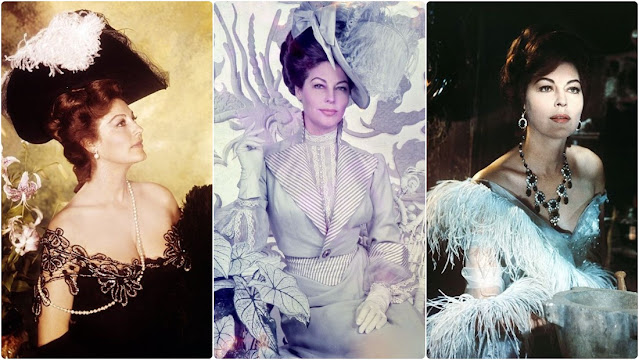
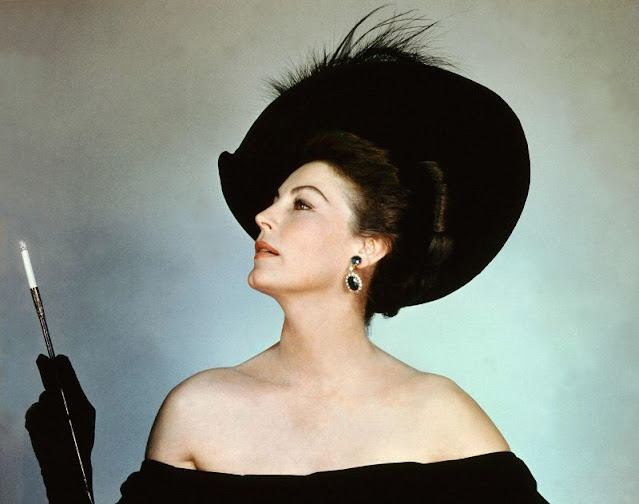
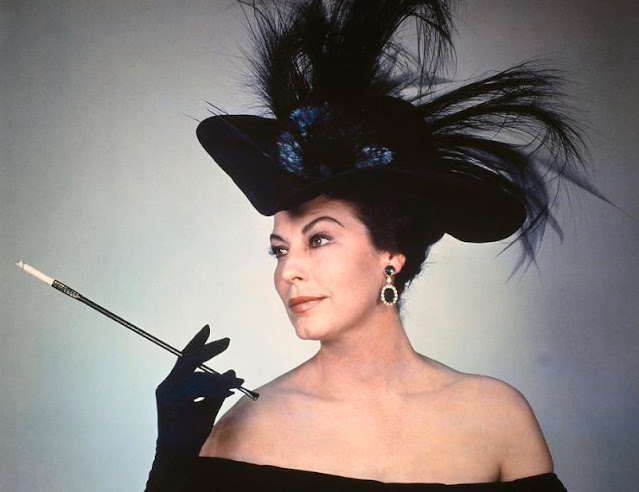
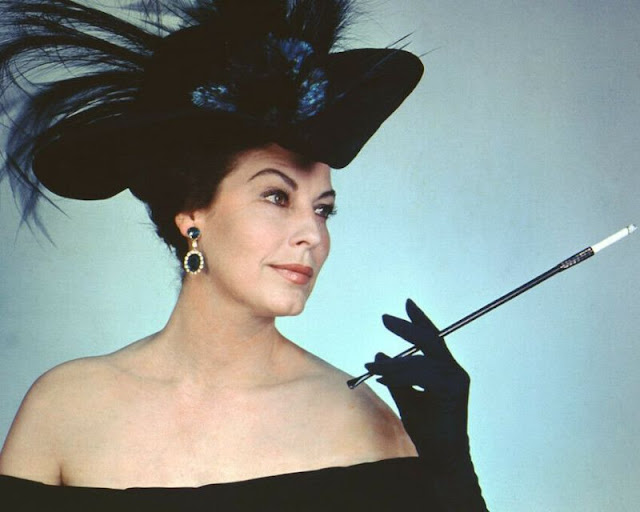
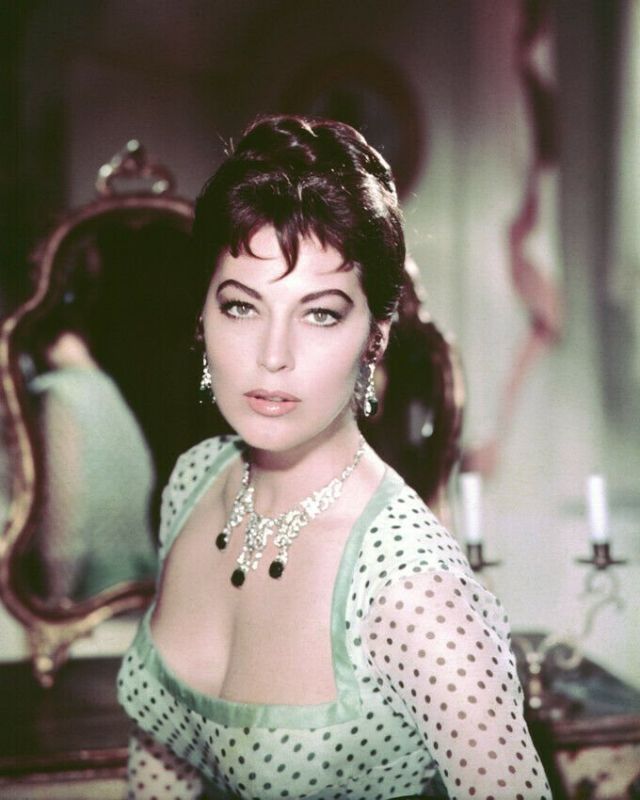
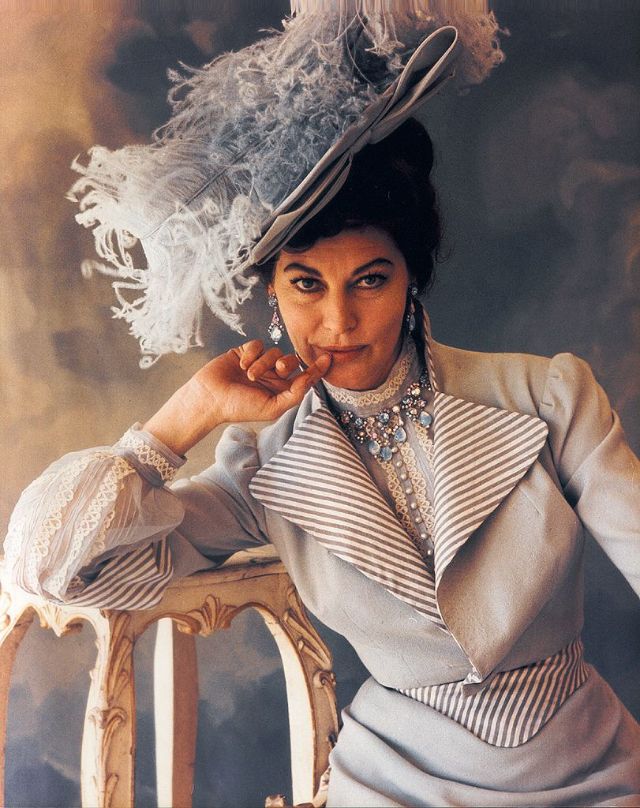
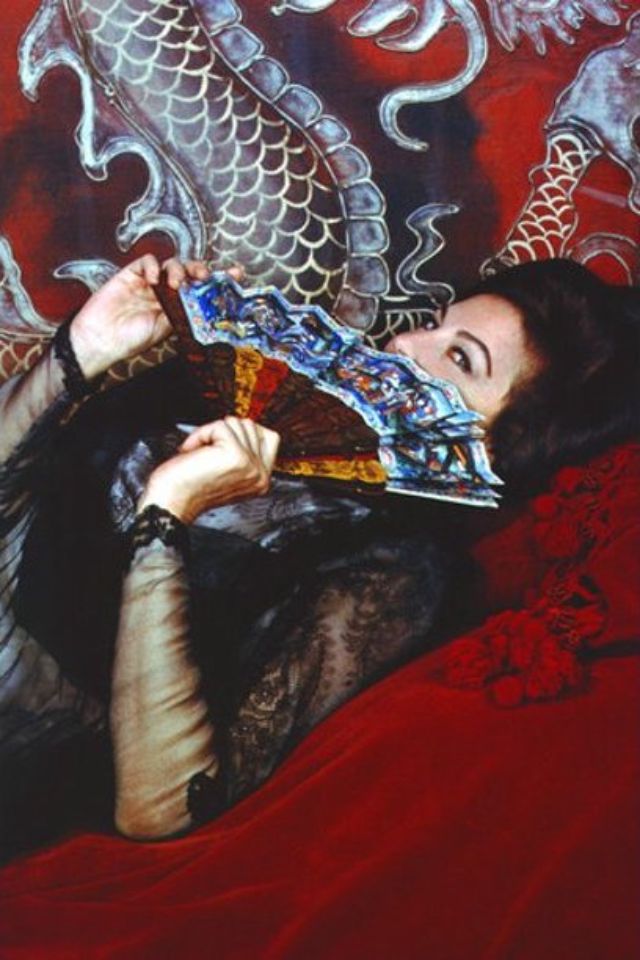
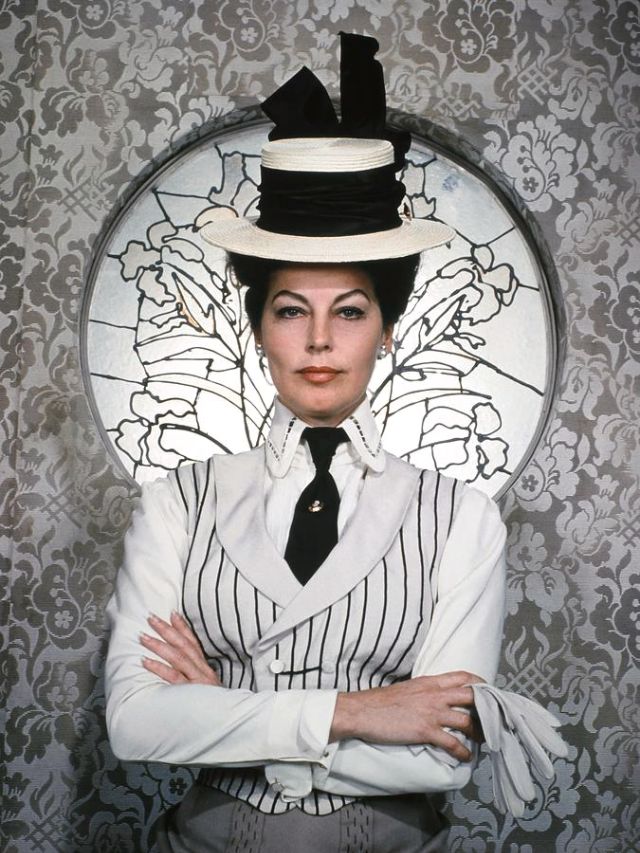
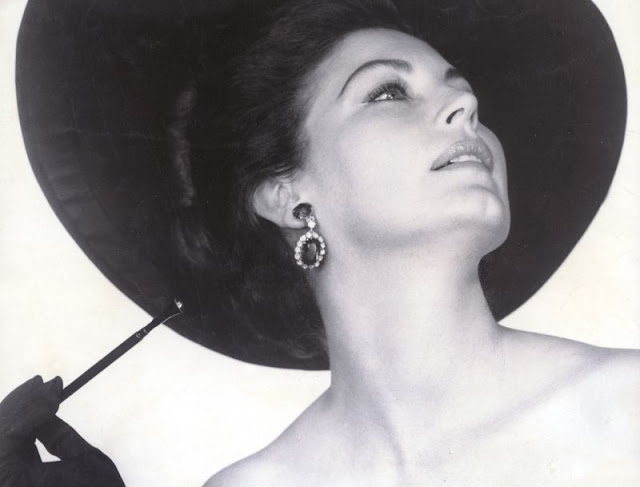
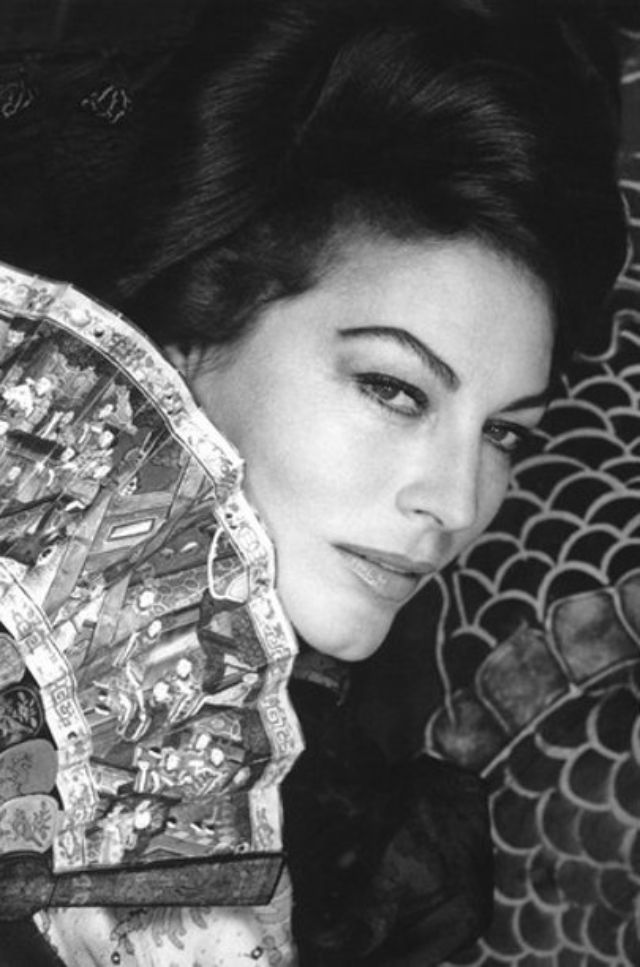
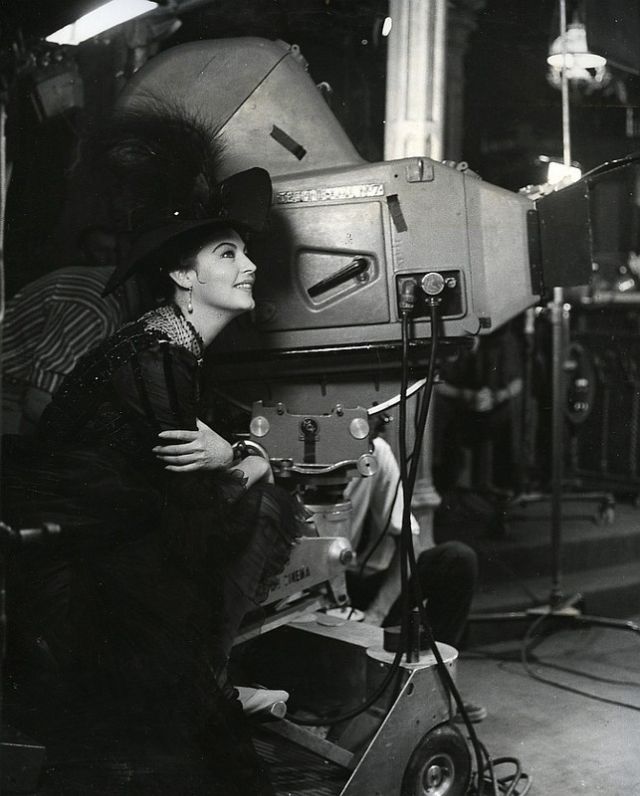
These beautiful photos captured portraits of Ava Gardner during the filming 55 Days at Peking in 1963.

Subscribe to Yesterday Today’s Blog to receive regular updates regarding new content:
Historic Image of Jack Daniel Seated Next to George Green, the Son of Nathan “Nearest” Green, ca. 1904

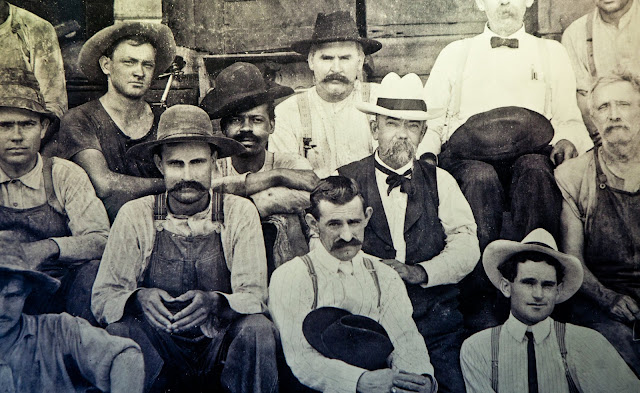
There is an interesting picture that hangs in Mr. Jack Daniel’s old office. It’s a picture of Mr. Jack taken with his Distillery crew. What makes the portrait so intriguing is the gentleman sitting immediately to Jack’s right, an African-American worker. Given the time period when this photograph was taken – around the 1900s – and the racial divide that permeated the American South, it’s intriguing to see an African-American man seated beside the proprietor of a business. But their proximity to one another in this photo underscores the remarkable relationship that is at the heart of how Jack came to make whiskey.

Historic image of Jack Daniel seated next to George Green, the son of Nathan “Nearest” Green, the man who taught Jack Daniel how to make whiskey, ca. 1904.

The man in the photograph above is George Green. Along with being Jack’s friend, George was also the son of Nathan “Nearest” Green. And it’s Nearest Green, along with the Reverend Dan Call, who taught Jack Daniel about making whiskey at a still owned by the Lutheran minister.
Leaving home at an early age, Jack eventually came to live and work on the Reverend Call’s farm by the late 1850s, before Jack had reached his teenage years. It’s said Jack had a difficult relationship with his stepmother and that’s why he left home. The Call farm was located about five miles from Lynchburg, near Lois, Tennessee. On his farm, Call had a still and Jack quickly took interest in it. Now this was back in the days prior to the Civil War and Emancipation and the Call still was under the watch and care of an enslaved man named Nathan “Nearest” Green. The Reverend Call and his distiller, Nearest, taught Jack how to make whiskey. Most of that mentoring, however, fell to Nearest who worked side by side with Jack and taught the young distiller what would become his life’s passion.

After the Civil War, Reverend Call’s congregation and wife gave the preacher an ultimatum: walk away from making whiskey or walk away from his work as a minister. Call made the decision to sell his business to Jack. And so Nearest, now a free man, was hired by Jack and became the very first head distiller – or what we’d call a master distiller today – of the Jack Daniel Distillery. While slave labor was a part of life in the South prior to the Civil War’s close, Jack Daniel not only never owned slaves but he worked side-by-side with them as a hired hand to Dan Call. When it came time after the war to establish his own distillery, Jack’s crew were all hired men.

Nearest would work with Jack as his first master distiller until Jack moved his operation to the Cave Spring Hollow sometime after 1881. There, Nearest’s sons George and Eli and his grandsons Ott, Jesse and Charlie continued the Green family tradition, working at Jack’s distillery in the Cave Spring Hollow.

More than 150 years have passed since Nearest and Jack first began making whiskey together, and, to this day, there has always been a member of the Green family working at the Jack Daniel Distillery.

Subscribe to Yesterday Today’s Blog to receive regular updates regarding new content:

30 Wonderful Photographs That Show Everyday Life in Italy During the 1960s

Subscribe to continue reading

Become a paid subscriber to get access to the rest of this post and other exclusive content.

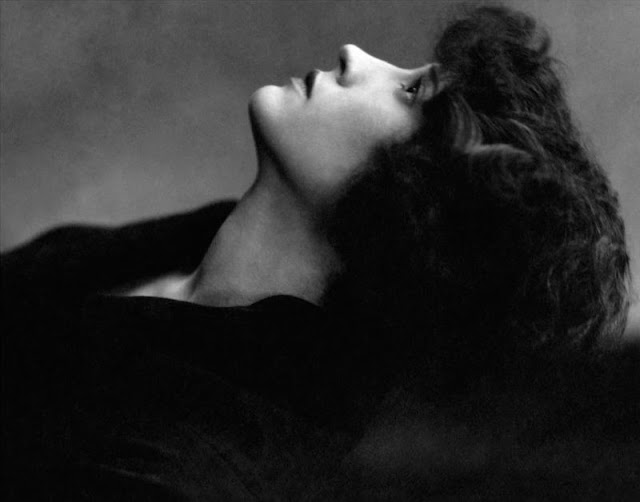
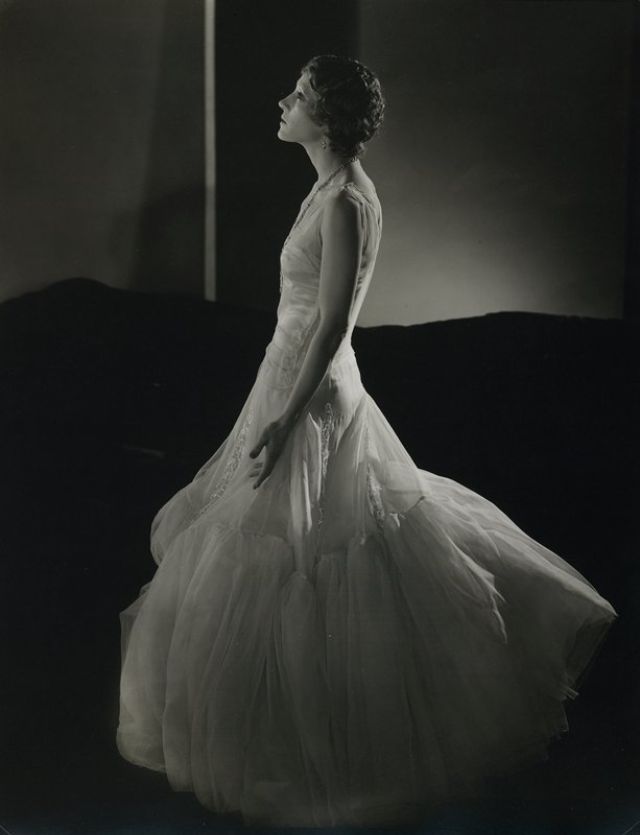
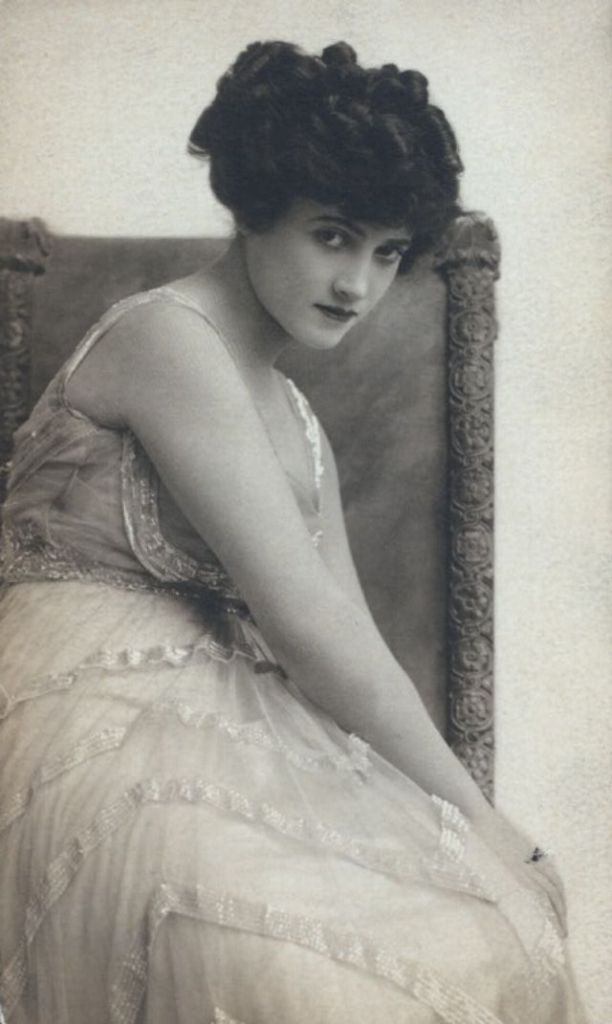
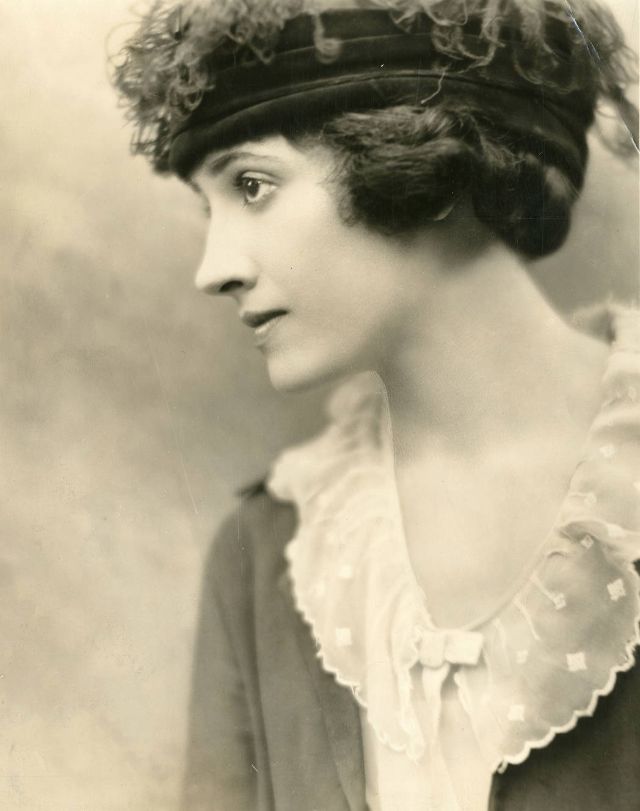
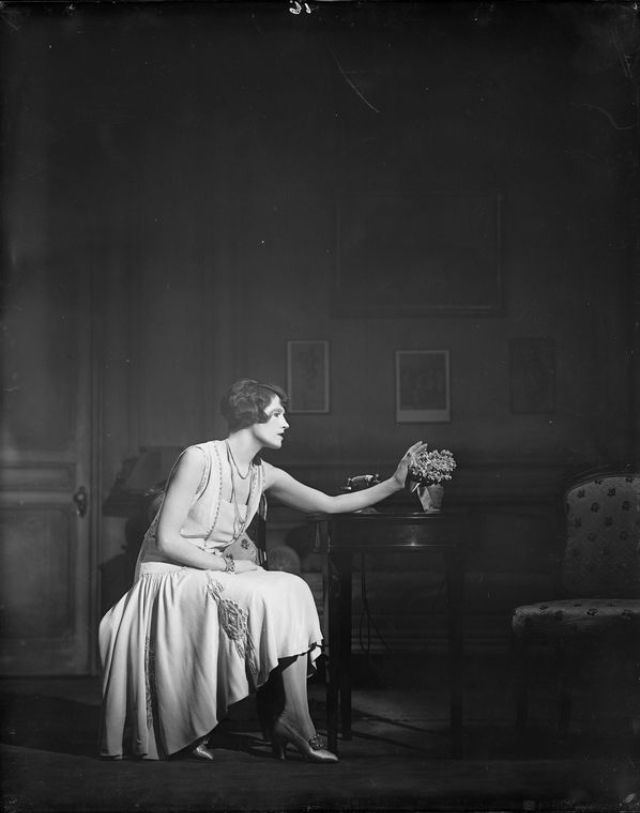
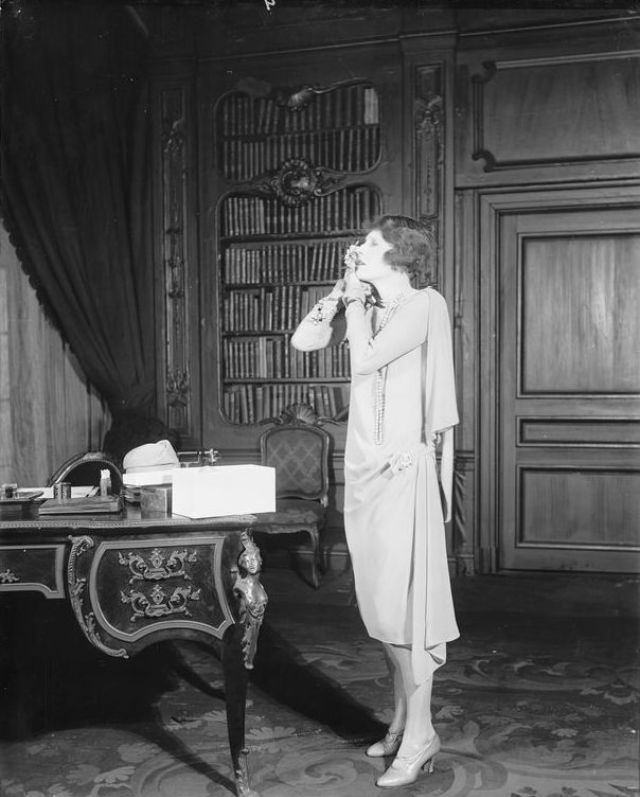
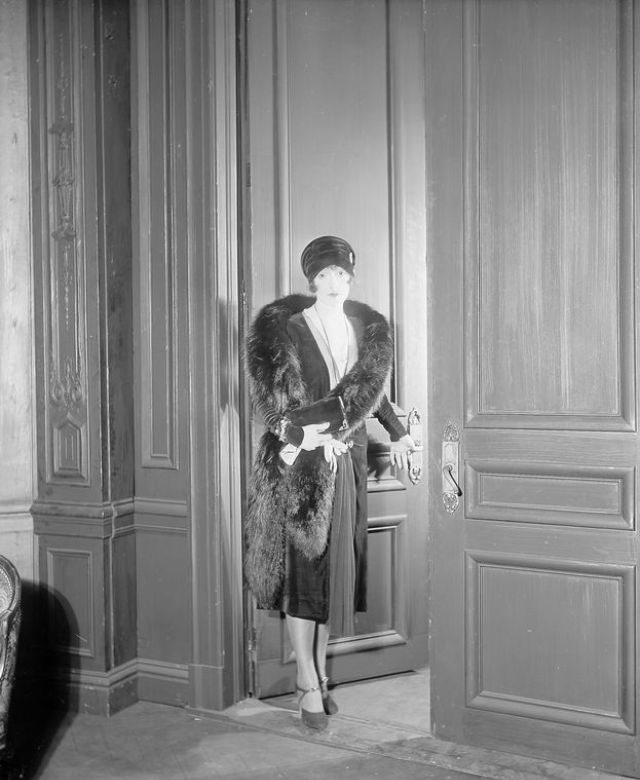
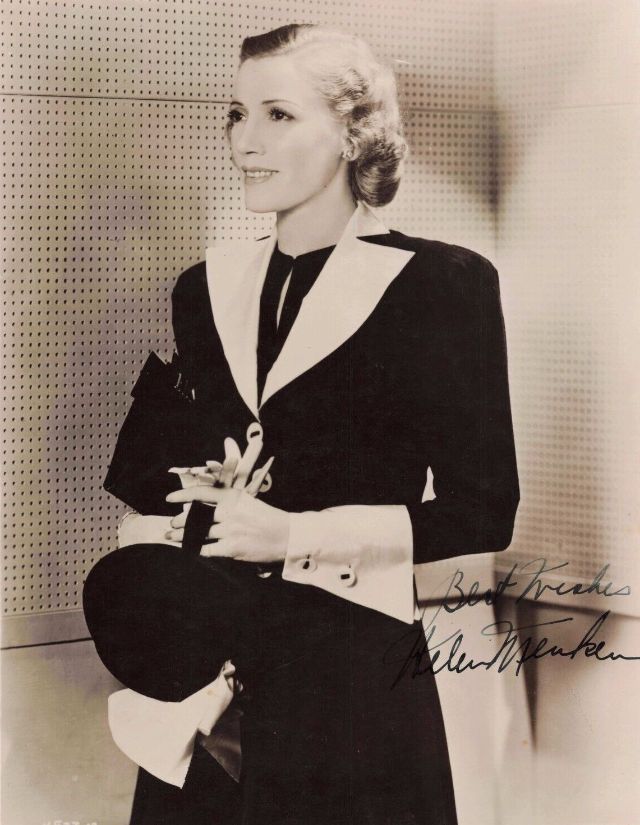
Wonderful Portrait Photos of Helen Menken in the 1920s and 1930s

Helen Menken (née Meinken; December 12, 1901 – March 27, 1966) was an American stage actress.

Menken was born in New York City to a German-French father, Frederick Meinken, and an Irish-born mother, Mary Madden. Both of her parents were deaf, and her early communication came via sign language. She did not begin speaking aloud until age 4. Her sister, Grace Menken, was also an actress. At age 12, she was sent to a school in Brighton, England.

Before she turned 14, Menken performed in vaudeville for a season, primarily playing character parts with her brother-in-law. A dispute when the troupe was in Dallas led to her walking out and joining a Shakespearean company that was also in Dallas.

Billed as Helen Meinken, Menken acted in 1915 in Brooklyn and in 1916 with the Orpheum Players in Reading, Pennsylvania. She made her Broadway theatre debut as a teenage actress in Parlor, Bedroom and Bath (1917). Her greatest stage triumphs were Seventh Heaven in 1922–1924 (Janet Gaynor played her role of Diane in the 1927 film version); Mary of Scotland in 1933–1934 as Elizabeth I opposite Helen Hayes in the title role (Katharine Hepburn played Mary in the 1936 film version); and The Old Maid, the Pulitzer Prize-winning play that starred Menken and Judith Anderson in 1935. Bette Davis would play Menken’s role as the spinster with a secret in the 1939 film version. Menken’s final Broadway appearance was in an unsuccessful play named The Laughing Woman, which ran for less than a month in 1937.

Menken appeared as the leading lady for the summer stock cast at the Elitch Theatre, in Denver, Colorado, in 1922 and 1924. For the 1924 summer season she appeared in the role of Cassie Cook, a role she originated on Broadway, in the play Drifting. After having appeared in Denver during the summer of 1922, the theatre critic from The Denver Post stated: “We who have watched her for a summer at the Gardens have thought we knew all about her acting, but Sunday night she turned loose things that are beyond anything she ever showed before and much that was superior to her best work in the plays two years ago.”

Her performance as Irene De Montcel, in the first English-language production of The Captive, Edouard Bourdet’s lesbian-themed drama, led to her arrest (along with the rest of the cast) on February 9, 1927. Menken was charged with “contributing to a common nuisance “and “obscene exhibition.” This arrest, reflecting 1920s attitudes about homosexuality, contributed to her lack of a film career and possibly to her divorce from Bogart.

Menken was a major presence behind the scenes in the theater world, especially at the American Theatre Wing. She served as its chairman during World War II and began serving as president of the group in 1957.

Menken was active on radio in the 1940s (starring as Brenda Cummings in Second Husband and notably recreating her performance opposite Judith Anderson in a 1946 radio adaption of The Old Maid).

Menken made a short film in New York City in 1925 for Lee DeForest, filmed in the short-lived DeForest Phonofilm sound-on-film process. The film is preserved in the Maurice Zouary collection at the Library of Congress.

Menken received a Special Tony Award posthumously in 1966 “for a lifetime of devotion and dedicated service to the Broadway theatre.”

The first of her husbands was actor Humphrey Bogart. She was Bogart’s first wife. They were married at the Gramercy Park Hotel in New York City on May 20, 1926, and she divorced him November 18, 1927. She married Dr. Henry T. Smith on July 12, 1932, and divorced him in 1947, then in October 1948 married George N. Richard who survived her. She had no children from these marriages.

Menken died of a heart attack at a party at The Lambs on March 27, 1966, at the age of 64.

Subscribe to Yesterday Today’s Blog to receive regular updates regarding new content:

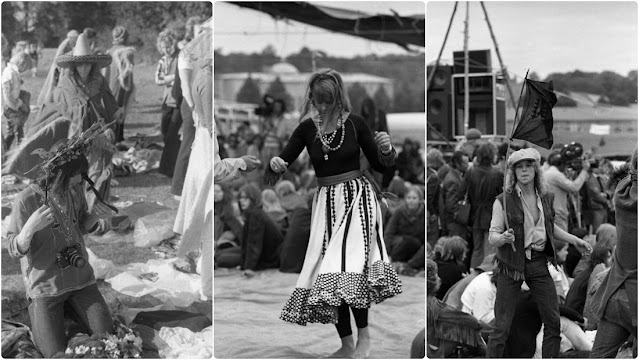
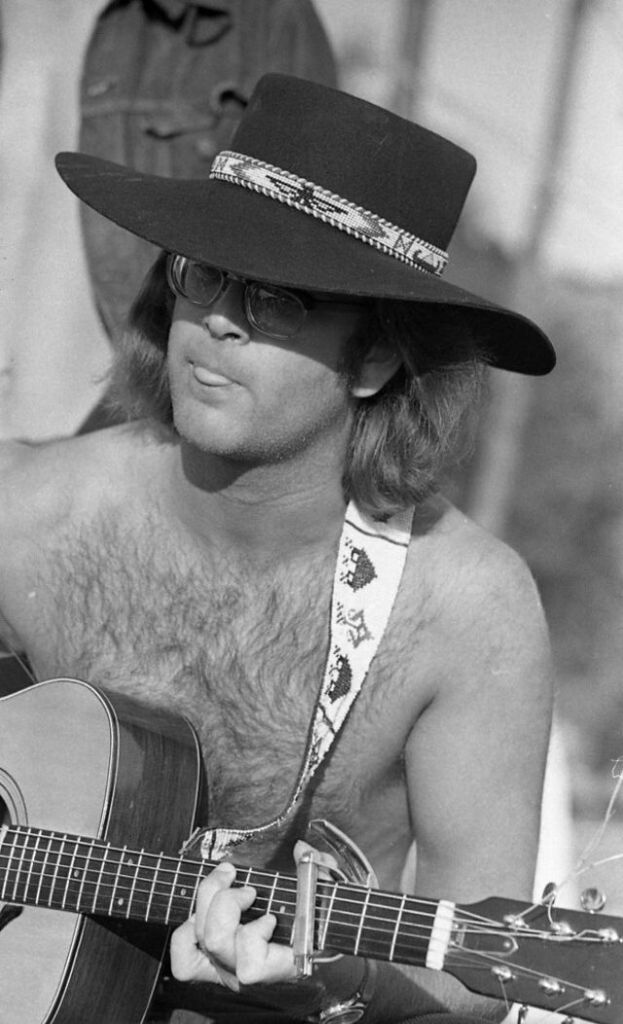
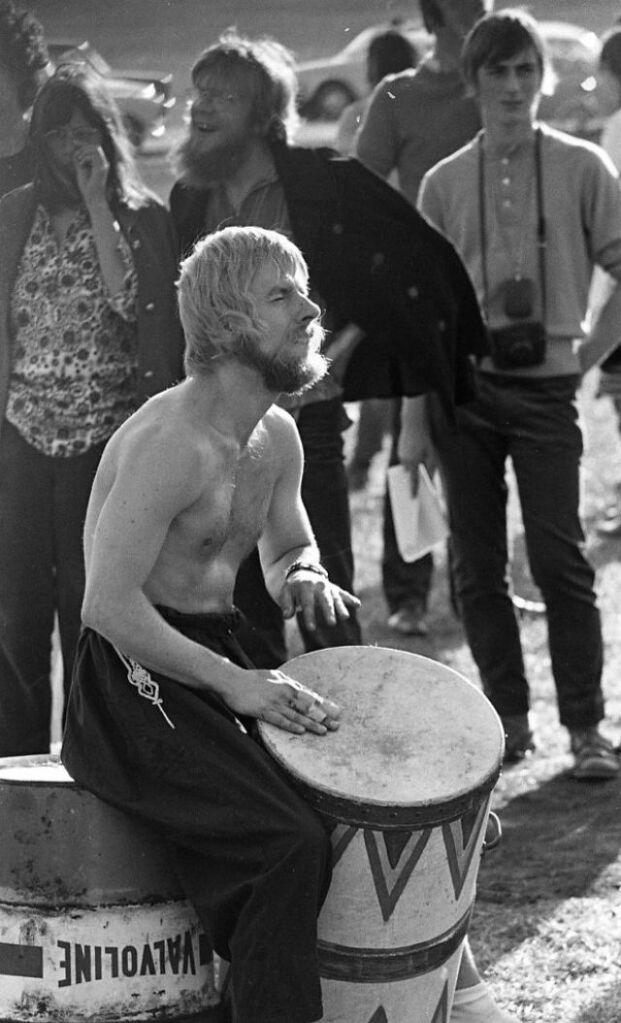
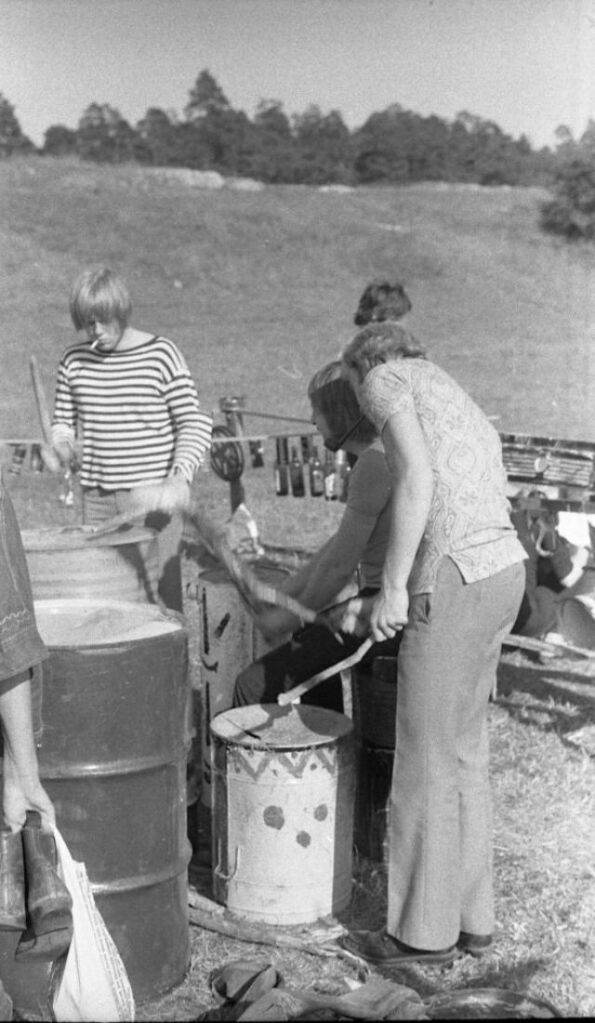
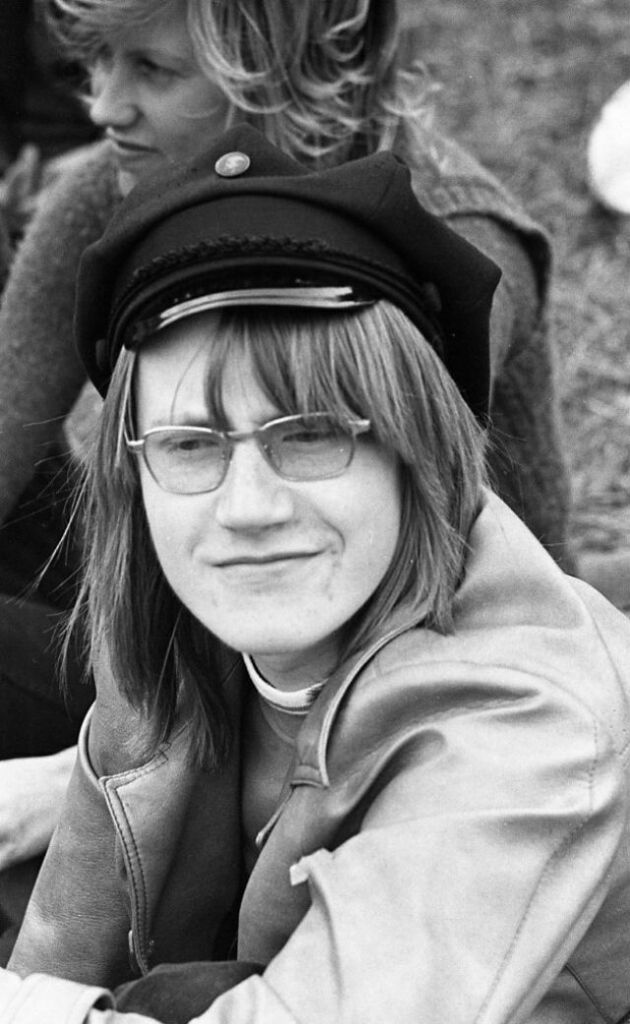
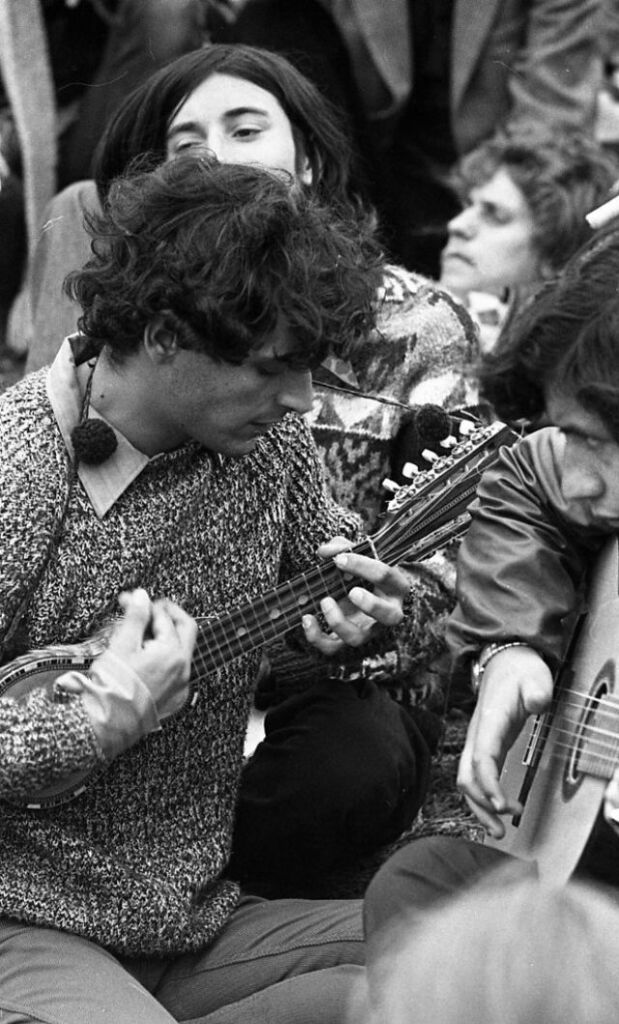
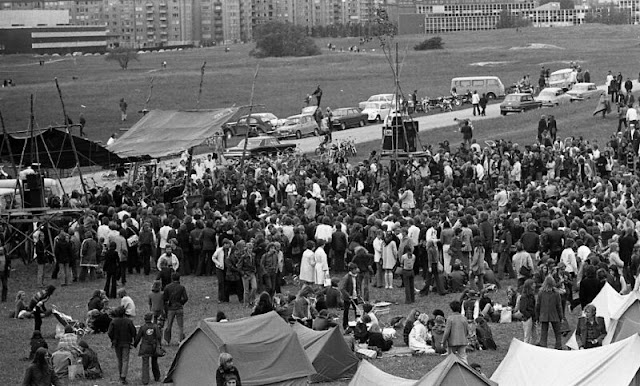
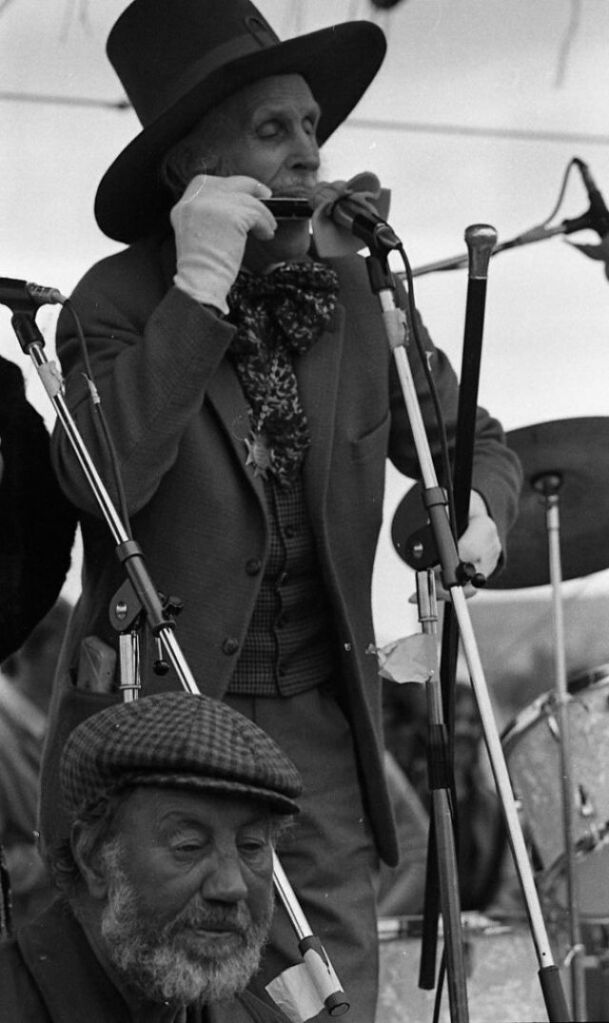
Amazing Black and White Photos of Gärdet Music Festival in 1970

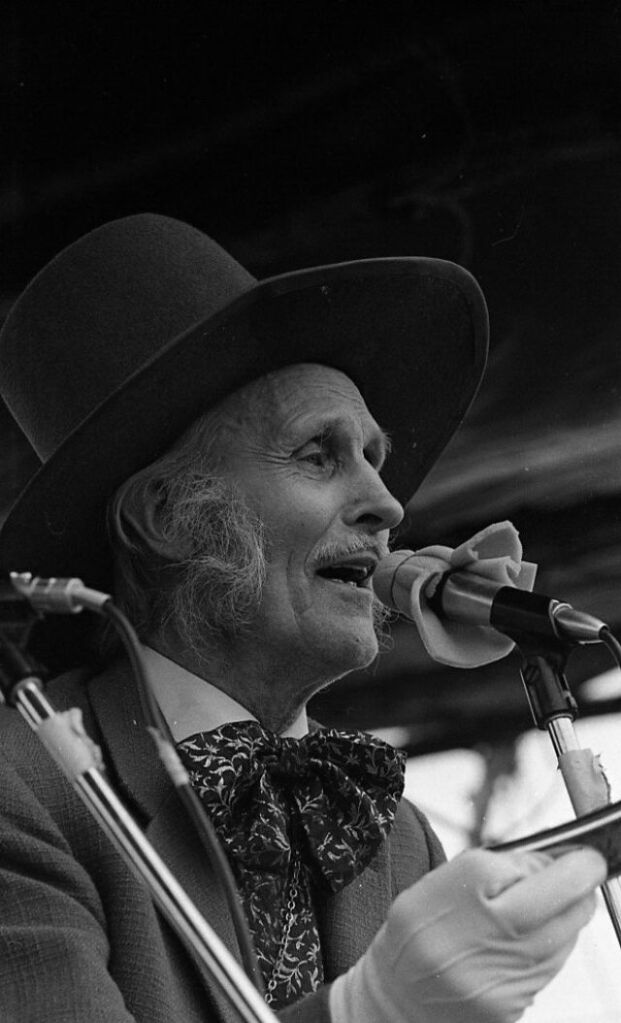
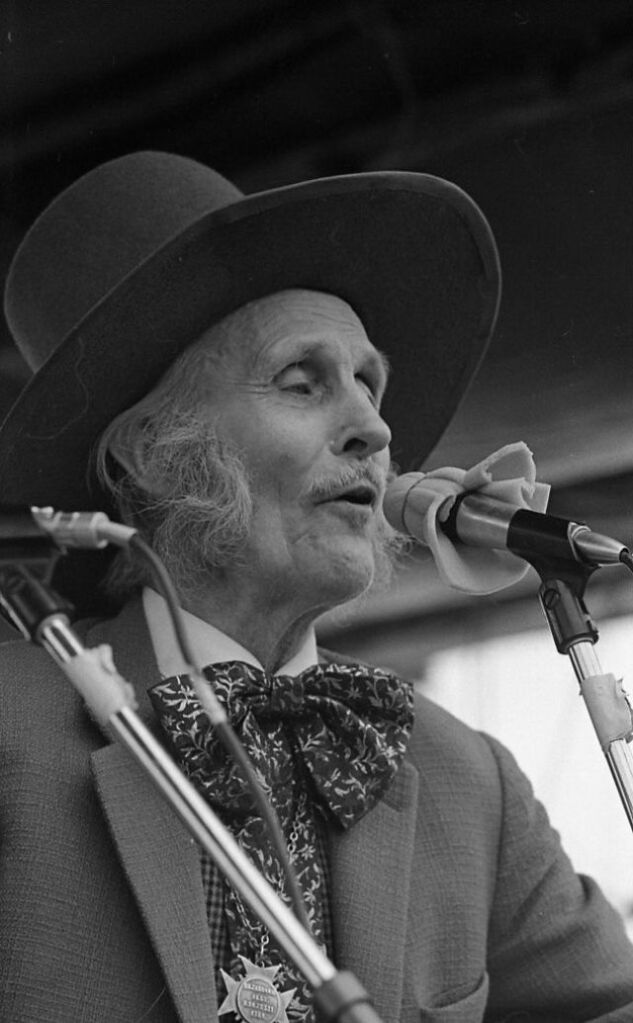
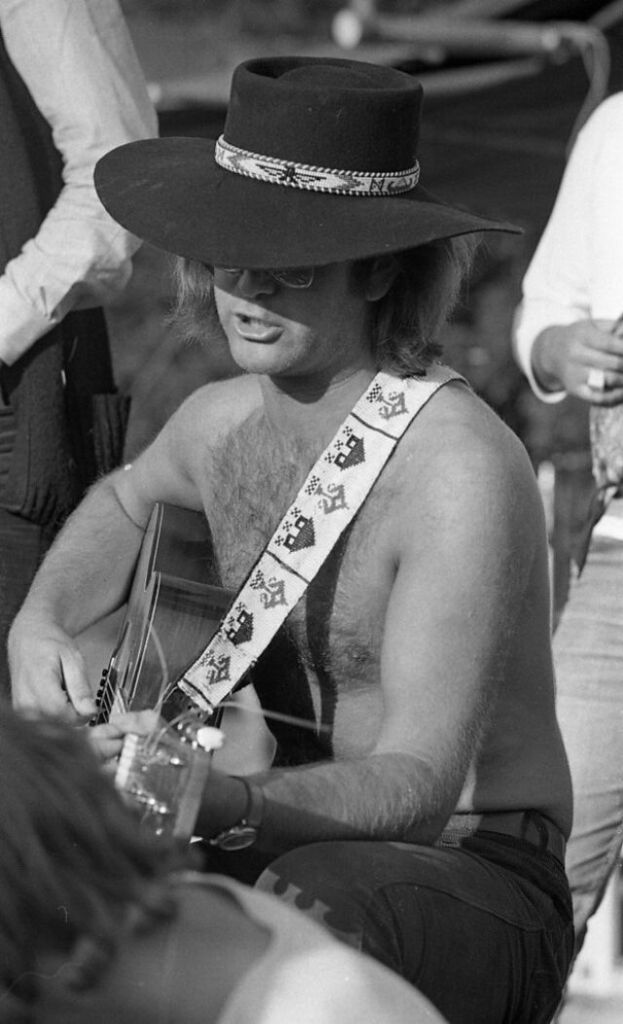
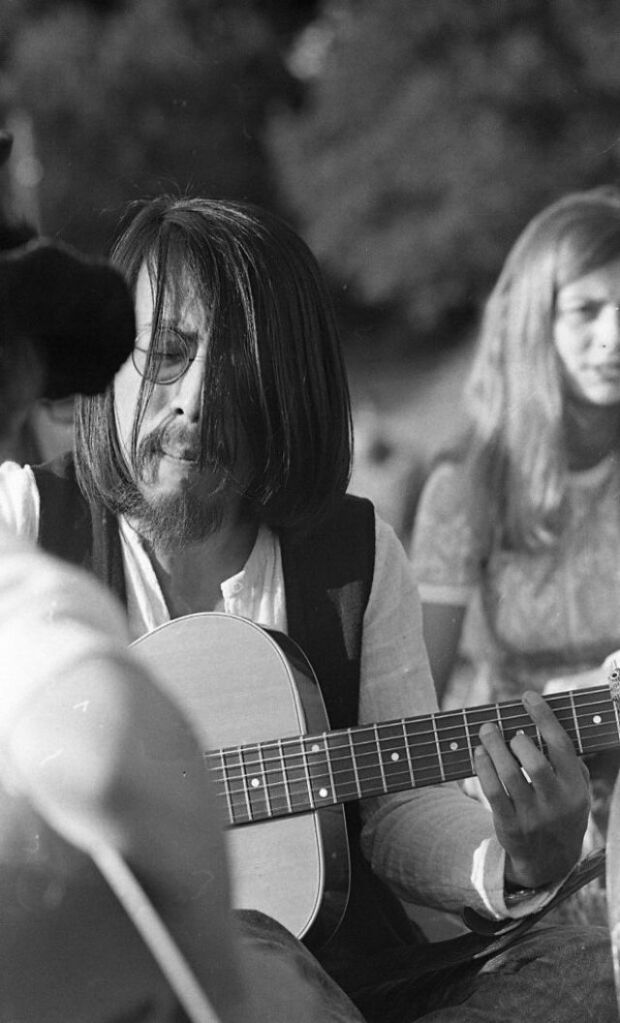
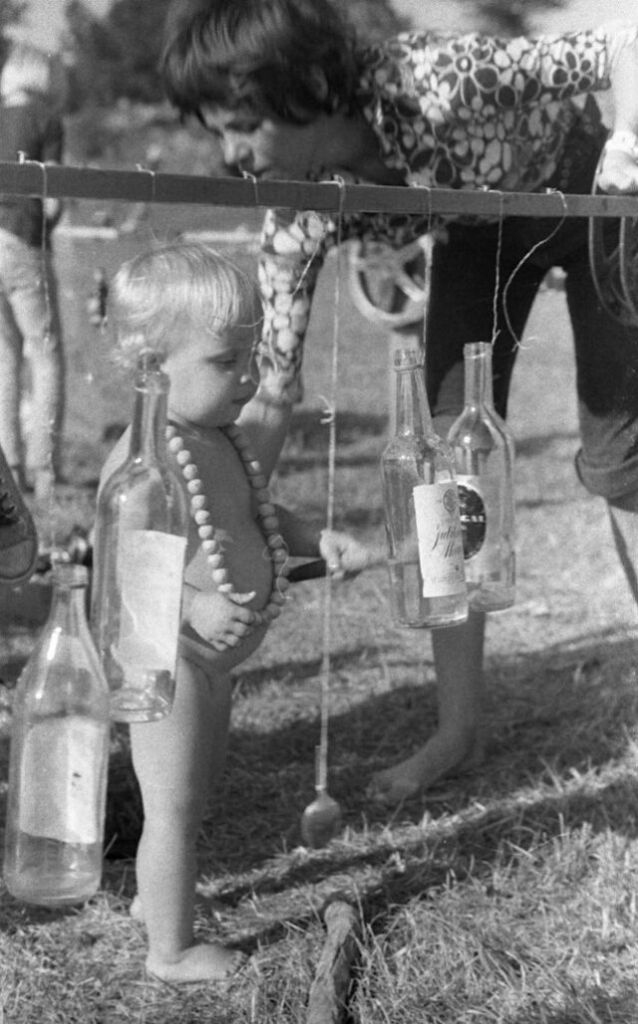
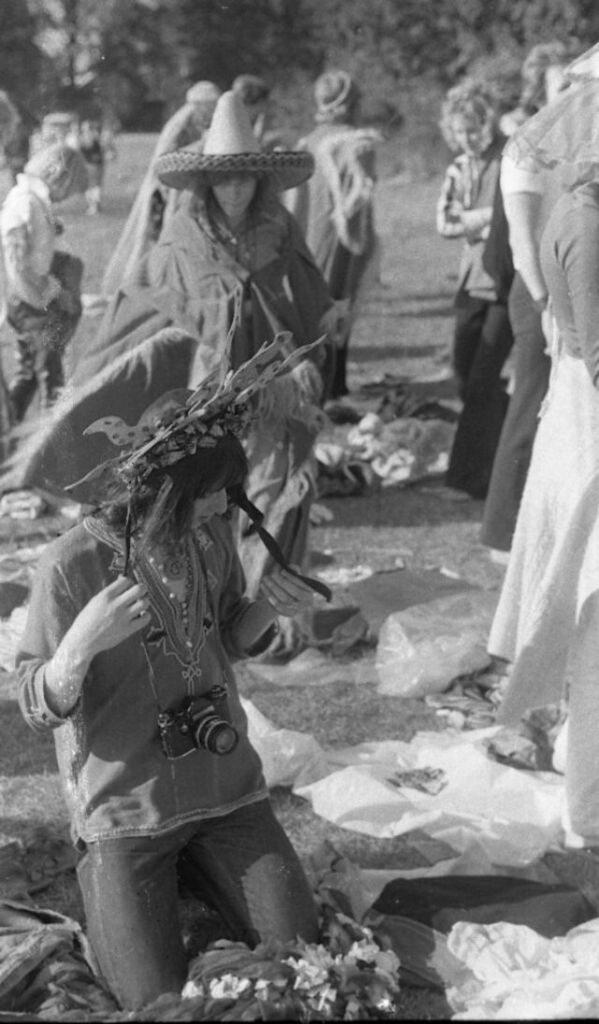
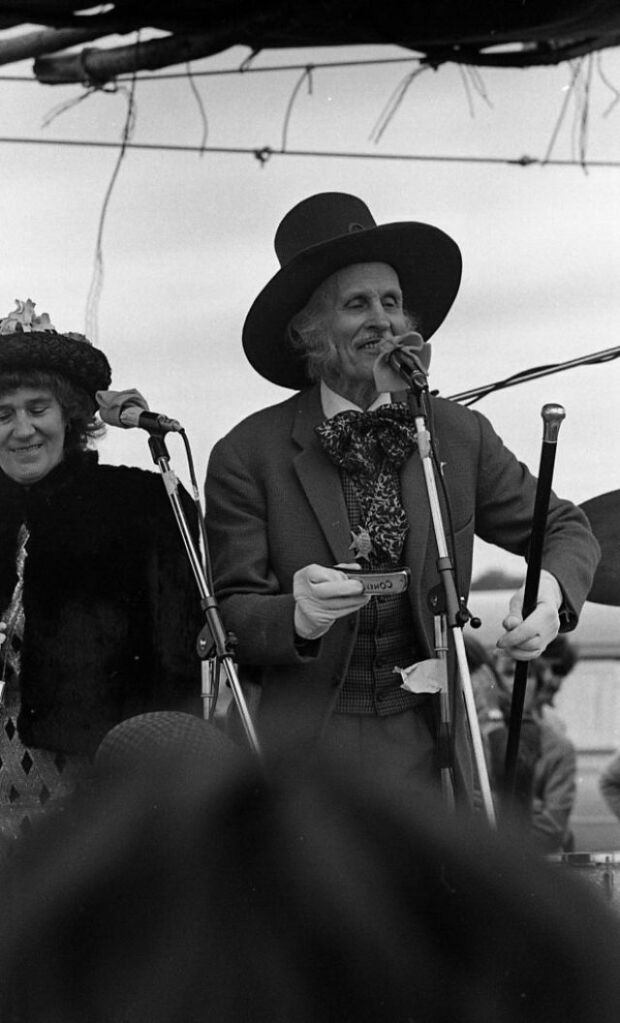
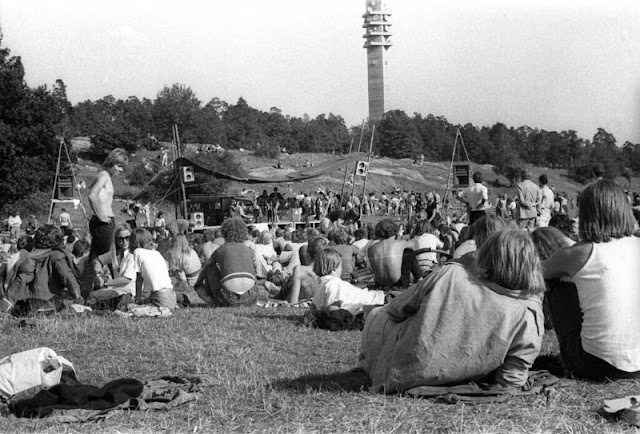
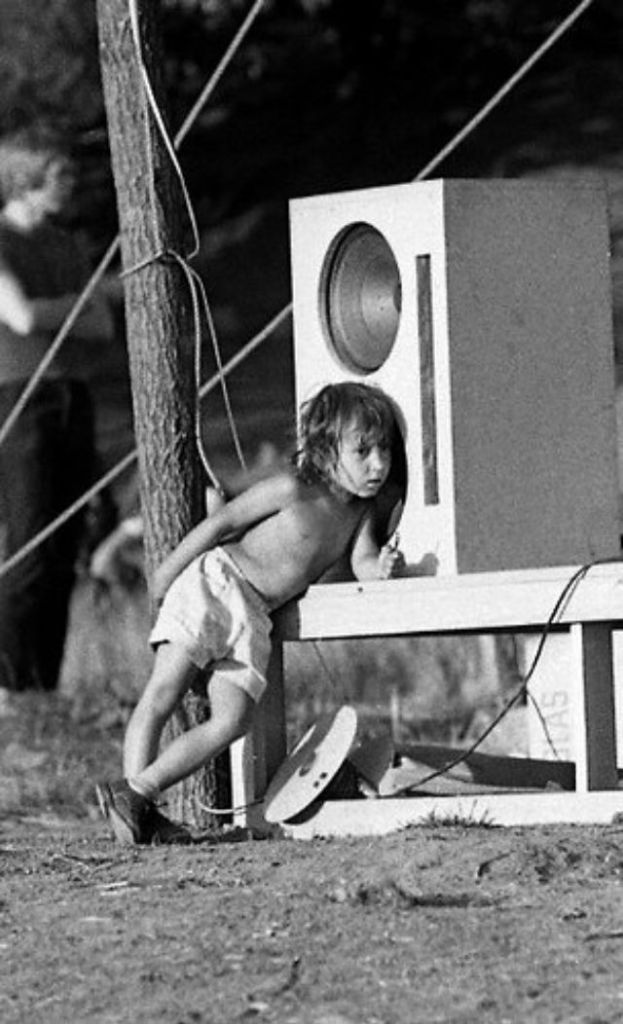
The party at Gärdet, Gärdesfesten or Gärdetfestivalen was a free music festival that was arranged at Gärdet in Stockholm on two occasions during the year 1970.

The first party at Gärdet was organized between 12 and 14 June 1970, inspired by the Monterey Pop Festival and the Woodstock Festival as a cultural-political manifestation. The festival was organized without applying for a permit. Bands such as Gunder Hägg, Träd, Gräs och Stenar, Solen skiner, Gudibrallan, Love Explosion and Arbete & Fritid played. The party at Gärdet came to function as something of a unifying starting point for the left-wing progressive music movement that has come to be known as the prog.

The second party at Gärdet was organized between 20 and 23 August the same year, and in addition to many of the bands that have already participated in the first party, bands such as Turid, Fläsket brinner, Samla Mammas Manna, Södra Bergens Balalaikor, NJA-group (later Fria Pro ), The Basics of European Dissatisfaction.

These amazing photos show the Gärdet music festival in Stockholm in 1970.

Subscribe to Yesterday Today’s Blog to receive regular updates regarding new content:

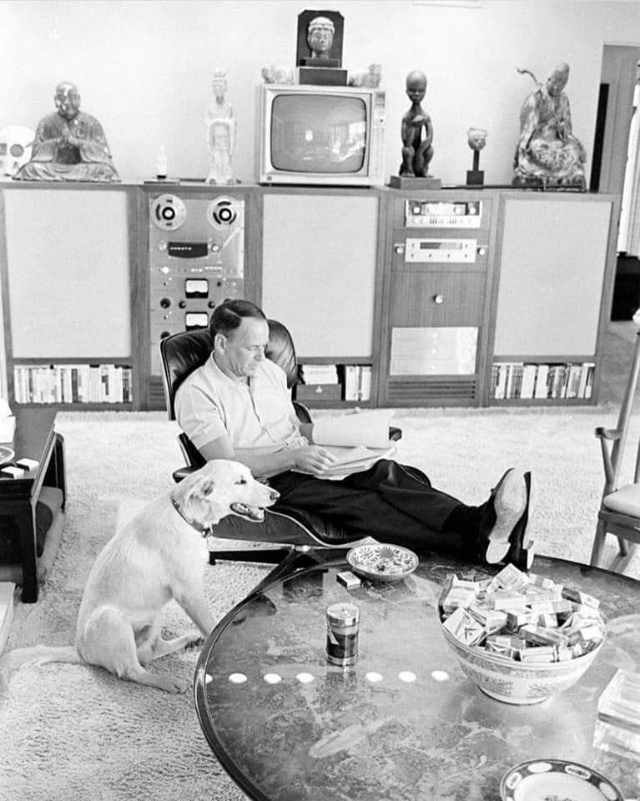
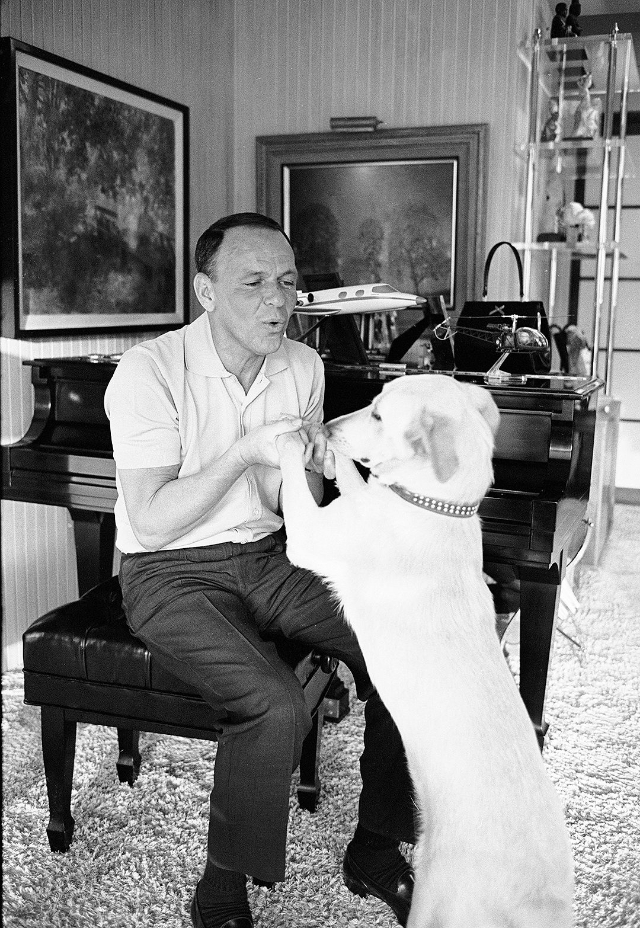
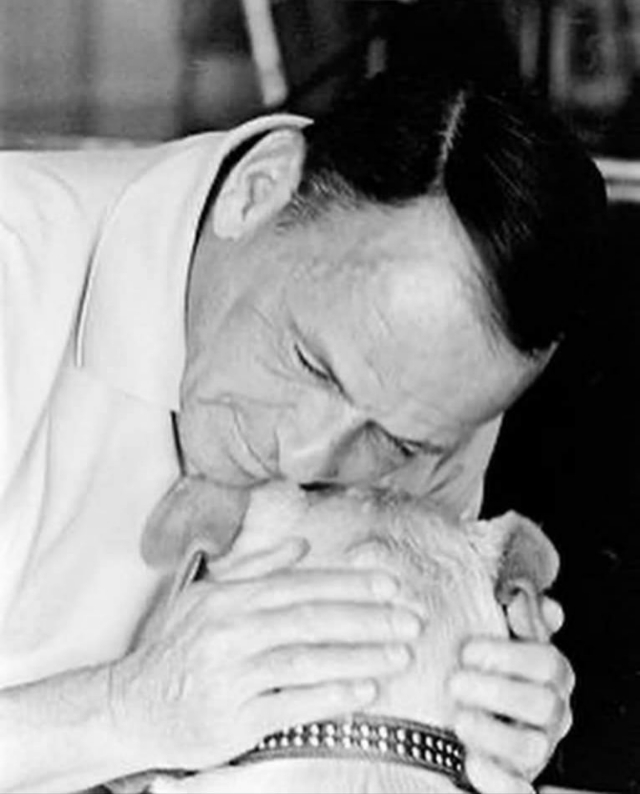
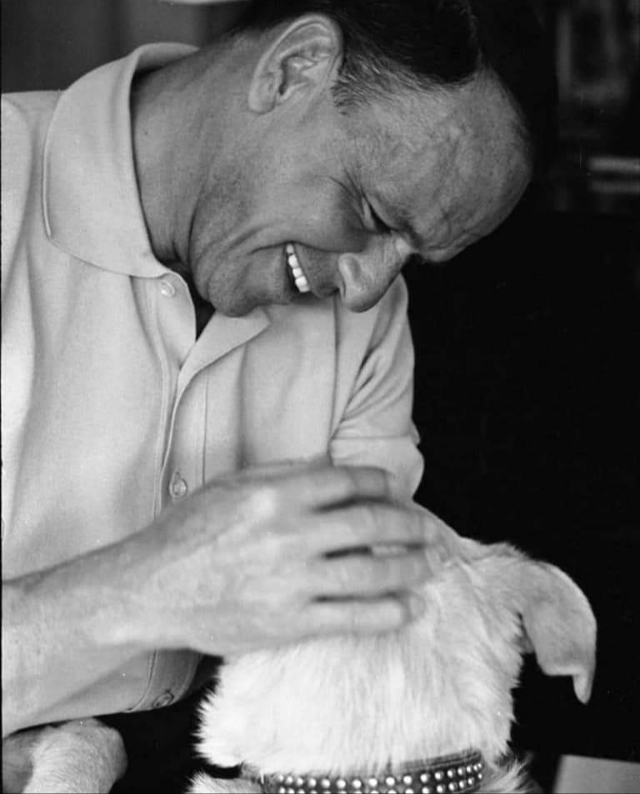
Frank Sinatra Relaxing at Home With His Dog Ringo in Palm Springs, 1964

Frank Sinatra’s mother did not allow him to have a dog when he was a kid. He made up for it by having many in his adult life. The Sinatras had many different animals — from dogs, to cats, to horses.

“I found a snake in the yard one day and I called the gardener to kill it. Frank said, ‘No, no, he’s a friend of mine.’ So he threw it over the fence onto the golf course. He was very softhearted.” – Barbara Sinatra.

Francis Albert Sinatra (December 12, 1915 – May 14, 1998) was an American singer and actor. Nicknamed the “Chairman of the Board” and later called “Ol’ Blue Eyes”, he is regarded as one of the most popular entertainers of the mid-20th century. Sinatra is among the world’s best-selling music artists with an estimated 150 million record sales.

Born to Italian immigrants in Hoboken, New Jersey, Sinatra began his musical career in the swing era and was greatly influenced by the easy-listening vocal style of Bing Crosby. He found success as a solo artist after signing with Columbia Records in 1943, becoming the idol of the “bobby soxers”. In 1946, Sinatra released his debut album, The Voice of Frank Sinatra. He then signed with Capitol Records and released several critically lauded albums. In 1960, Sinatra left Capitol Records to start his own record label, Reprise Records, releasing a string of successful albums. In 1965, he recorded the retrospective album September of My Years and starred in the Emmy-winning television special Frank Sinatra: A Man and His Music. After releasing Sinatra at the Sands in early 1966, Sinatra recorded one of his most famous collaborations with Tom Jobim, the album Francis Albert Sinatra & Antonio Carlos Jobim. It was followed by 1968’s Francis A. & Edward K. with Duke Ellington. Sinatra retired in 1971 following the release of “My Way”, but came out of retirement two years later. He recorded several albums and released “New York, New York” in 1980.

Sinatra forged a highly successful career as a film actor. After winning the Academy Award for Best Supporting Actor for From Here to Eternity (1953), he starred in The Man with the Golden Arm (1955) and The Manchurian Candidate (1962). Sinatra also appeared in musicals such as On the Town (1949), Guys and Dolls (1955), High Society (1956), and Pal Joey (1957), which won him a Golden Globe Award. Toward the end of his career, he frequently played detectives, including the title character in Tony Rome (1967). Sinatra received the Golden Globe Cecil B. DeMille Award in 1971. On television, The Frank Sinatra Show began on CBS in 1950, and he continued to make appearances on television throughout the 1950s and 1960s.

In 1983, Sinatra was honored at the Kennedy Center Honors. He was awarded the Presidential Medal of Freedom in 1985 and the Congressional Gold Medal in 1997. Sinatra received eleven Grammy Awards including the Grammy Trustees Award, Grammy Legend Award, and the Grammy Lifetime Achievement Award. He was included in Time magazine’s compilation of the 20th century’s 100 most influential people. American music critic Robert Christgau called him “the greatest singer of the 20th century” and he continues to be regarded as an iconic figure.

Subscribe to Yesterday Today’s Blog to receive regular updates regarding new content:

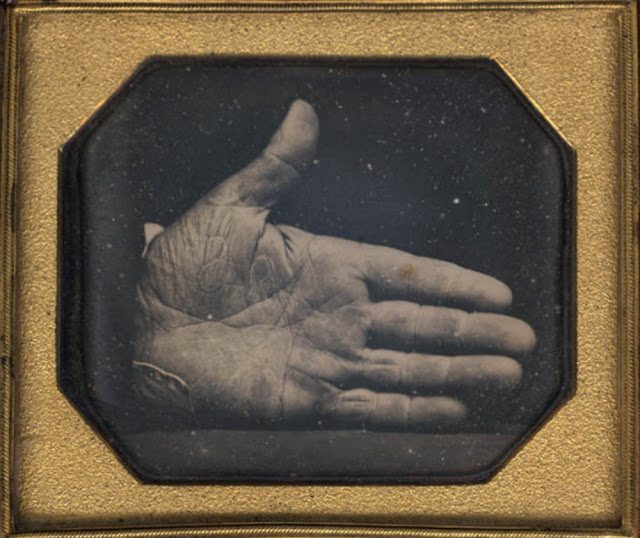
The Story of the Famous Photograph of Captain Jonathan Walker’s Branded Hand, ca. 1845

The letters “S.S.,” for slave stealer, were branded on the hand of Captain Jonathan W. Walker, an ardent abolitionist, as shown in this dramatic photograph. Walker was born in Harwich on Cape Cod in 1799 and spent his early years between the shipyard and the sea. His life-long interest in the abolition of slavery probably began in 1835 when he went on an expedition to Mexico to assist in the colonization of American Black slaves seeking freedom, and he was also one of the conductors along the underground railroad.

1845 daguerreotype of Walker’s branded hand by photographers Southworth & Hawes. The image is reversed; it was his right hand that was branded.

By 1844, Walker moved to Florida where his efforts for the abolitionist cause met with adversity. In that year, he attempted to assist seven freedom seekers by sailing them from Florida to the West Indies. During the voyage, he became ill. His crew was untrained in sailing and navigational procedures and, as a result, they were “rescued” by a proslavery wrecking sloop and returned to Florida. The freedom seekers were recaptured by their enslavers, and Walker was arrested. He was convicted and sentenced in a federal court, spent one year in solitary confinement, and was fined $600. It was at this time that his right palm was branded with the letters “S.S.”
The event did not deter Walker from spreading the abolitionist word. His fine was paid by Northern abolitionists, and between 1845 and 1849 he lectured throughout the country on antislavery subjects. He settled in Muskegon County, Michigan, where he died in 1878; a monument to him was unveiled there in the same year. John Greenleaf Whittier, the poet and abolitionist, paid tribute to Walker in his poem “The Branded Hand” which first appeared in a book of abolitionist poetry entitled Voices of Freedom in 1846 and included the passage:
Then lift that manly right-hand, bold ploughman of the wave!
Its branded palm shall prophesy, “SALVATION TO THE SLAVE!”
The photograph of Walker’s hand was commissioned by Henry Ingersoll Bowditch (1808–1892), a Boston abolitionist, while Walker was in that city, probably in 1845. It was taken at the daguerreotype studio of Southworth and Hawes, a prominent partnership famous for its daguerreotypes of renowned individuals, groups, and views of Boston, and it has been called “one of the earliest conceptual portraits in that a body part can stand for the total personality.” Due to the reverse image consistent with the daguerreotype process, the image appears to be the left hand, but is in fact the right.

Josiah Johnson Hawes and Albert Sands Southworth opened their daguerreotype studio in 1843, inspired by an 1840 lecture by Francois Gouraud, Louis Daguerre’s American agent. Hawes, born in East Sudbury, Massachusetts, worked as an itinerant portrait painter from 1829, but in 1841 he began to pursue the commercial prospects of this new permanent photographic process. Southworth was born in West Fairlee, Vermont, and, after hearing Gouraud’s lecture, opened a daguerreotype studio with an old Phillips Academy classmate, Joseph Pernell, in Cabotville. After this business was ruined by Southworth’s experiments, he joined forces with Hawes in 1843. The partnership ended temporarily in 1849 when Southworth left for California in search of gold. His health failed, however, and he returned to Boston in 1851 to resume his partnership with Hawes. Southworth and Hawes received a patent for their invention, the “Grand Parlor Stereoscope,” in 1854. The partnership was dissolved in 1861-1862 but not before the partners created some of the most famous daguerreotypes produced in the United States, some of which are now held by the Museum of Fine Arts, Boston; the Metropolitan Museum of Art, New York; and the International Museum of Photography at George Eastman House, Rochester, New York.

Subscribe to Yesterday Today’s Blog to receive regular updates regarding new content:
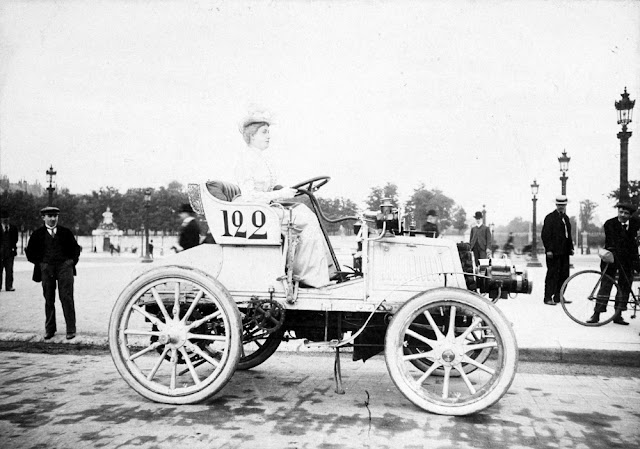
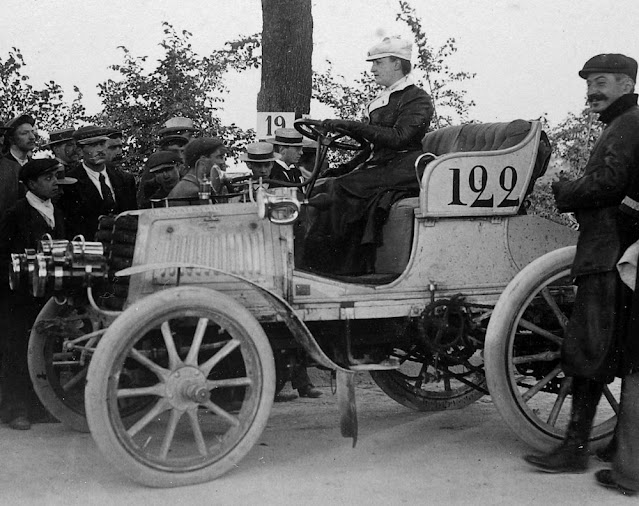
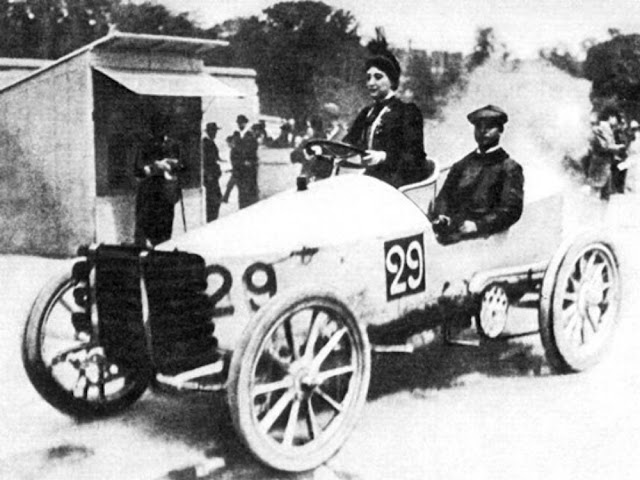
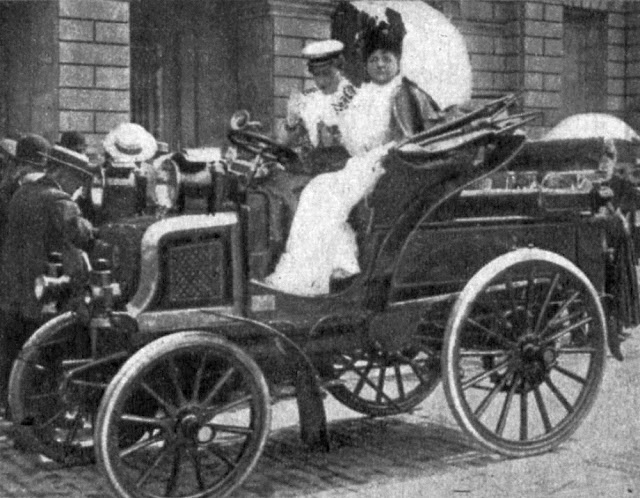
Camille du Gast, the First Woman to Race Consistently at International Level

“The danger of an accident is always present in my mind, though I am never afraid.” – Camille du Gast, Motor Monthly, Dec. 1903.

Camille du Gast (1868–1942) became the first woman to race consistently at international level in 1904. After witnessing the start of the Paris-Lyon road race, the following year she was sat behind the wheel competing in the Paris-Berlin race. She finished around 30th overall in a 20 horsepower Panhard.

Daredevil sportswoman, animal rights activist and feminist Camille du Gast grew up a tomboy in bourgeois Belle Epoque Paris society. Self-described as an “exploratrice,” du Gast’s liberal upbringing and financial freedom allowed her to transgress gendered social norms of her class and pursue sporting and adventure with relative freedom for a woman of her time.
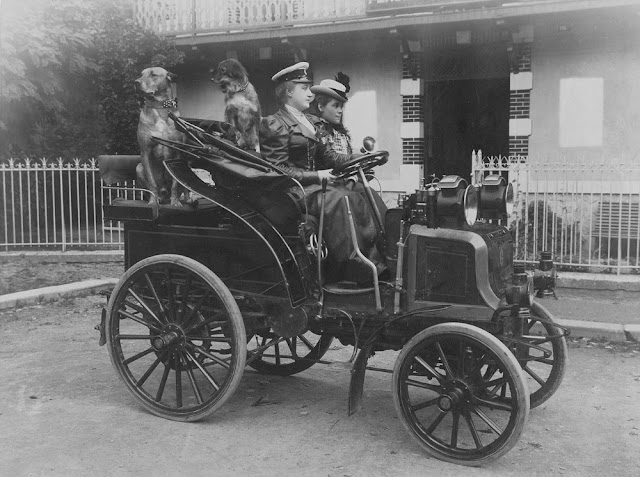
Married at 22 to Jules Crespin, a wealthy department store heir, she was widowed just a few years later with a young daughter and an enormous fortune. Though her husband had been supportive of her adventures, even joining her on multiple hot air balloon expeditions, du Gast’s professional career as a motorist gained momentum after his death. Developing an interest in car racing, du Gast began collecting cars and became one of the first women to obtain a driver’s license. By 1904 she had become the first and only woman official for the Automobile Club de France (ACF). Du Gast was one of a few elite women who participated in car races across Europe for sport, alongside the Duchesse d’Uzes Anne de Rouchechouart de Mortemart and Baroness Helene van Zuylen. She would go on to competitively motor-boat, fence, ski, toboggan and fence in various competitions around the world, drawing attention for her sportsmanship as well as her adherence to women’s standards of dressing, even wearing a corset to some of the most dangerous races of the time.

At the same time, du Gast became involved in diplomacy and political activism. The sensational quality of du Gast’s life was well adapted to the women’s magazines and journals of the time. She used this publicity to bring awareness to causes about which she was passionate. Because of this popularity and her covetable fortune, however, du Gast became a target for her estranged daughter, who attempted to murder her mother in 1910 in an effort to access her fortune. Following this event, du Gast devoted herself to her social and political causes. Helping to provide access to medicine in Morocco, defending animal rights as the president of the French Society for the Prevention of Cruelty to Animals, and advocating for women’s emancipation as vice-president of the Ligue Francaise du Droit des Femmes. Her outspoken and fearless nature set her apart from her contemporaries and she continued to be active in these circles until her death in 1942.

Subscribe to Yesterday Today’s Blog to receive regular updates regarding new content:

Yesterday Today

Bringing You the Wonder of Yesterday - Today

Skip to content ↓