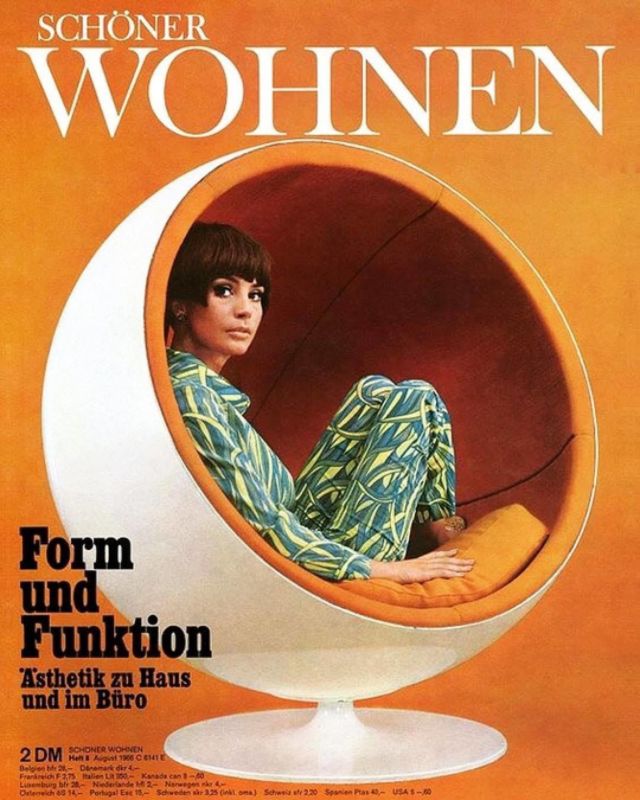
The race for the conquest of space had a great impact on people in the mid-1960s and thus also on fashion and design. The question of how one wanted to live in the future brought forth futuristic designs and manifested itself through geometric shapes. With the Sixties Revival at the end of the 20th century came the creations of the ball chair by Finnish furniture designer Eero Aarnio in 1963 and the egg chair by Danish industrial designer Henrik Thor-Larsen in 1968.
Not only do these chairs both look simple and unconventional at the same time, but they are also irrational and rational in an almost schizophrenic way. As they create a “room in the room” similar to a futuristic space capsule, they quickly became very popular and appeared not only in ‘60s living rooms but also in science fiction films. Fantastic white and silver space worlds with softly rounded plastic furniture were shown in movies such as Barbarella (1968) and 2001: A Space Odyssey (1968). It was these chairs that brought the Space Age into the terrestrial living rooms.
Take a look at these sixties Space Age ball and egg chairs below:
Subscribe to continue reading
Become a paid subscriber to get access to the rest of this post and other exclusive content.
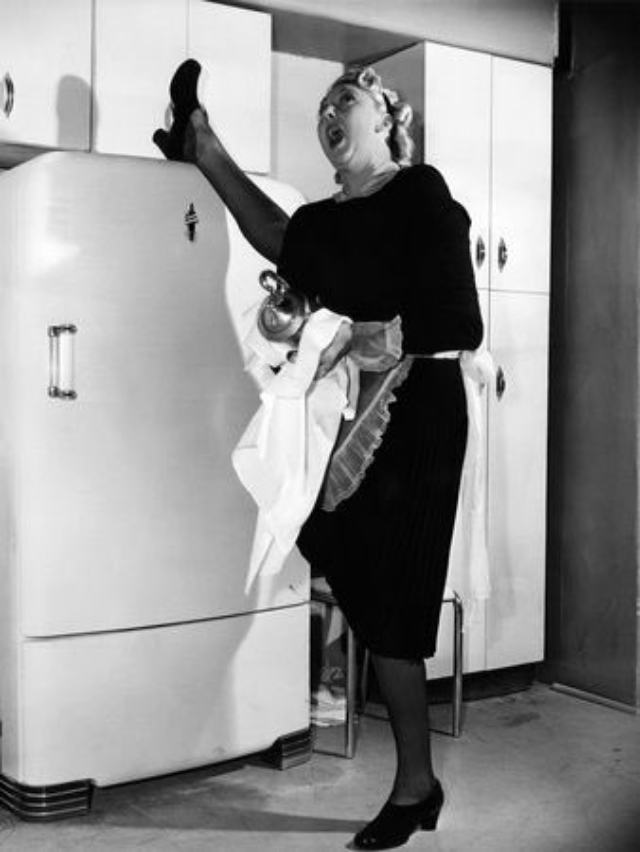
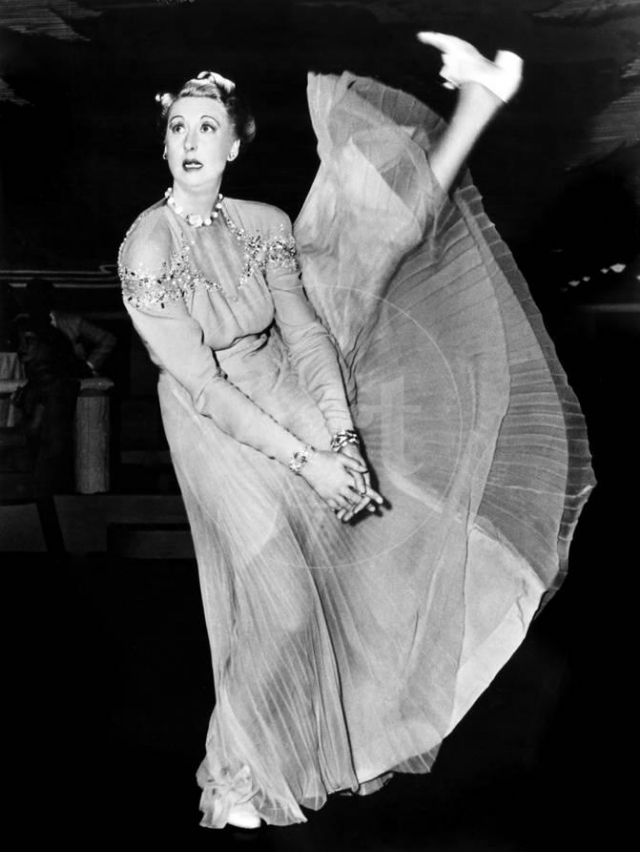
Charlotte Greenwood (June 25, 1890 – December 28, 1977) was an American actress and dancer. Born in Philadelphia, Greenwood started in vaudeville, and starred on Broadway, movies and radio.
Standing around six feet tall, she was best known for her long legs and high kicks. Her kicks were truly astonishing. By one account her skills continued through middle age. She was capable of complete leg splits as well as the ability to kick higher than the top of her head, sideways. She earned the unique praise of being, in her words, the “…only woman in the world who could kick a giraffe in the eye.”
Subscribe to Yesterday Today’s Blog to receive regular updates regarding new content:
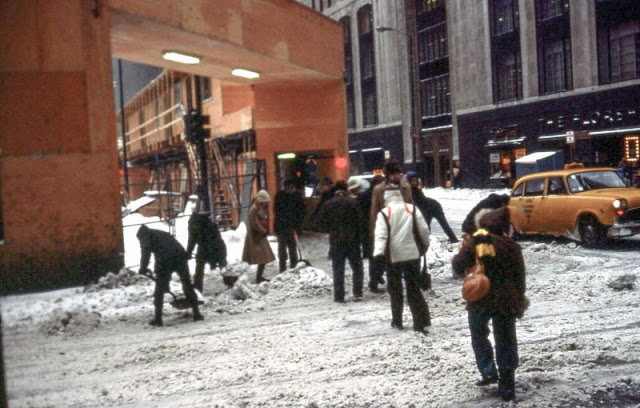
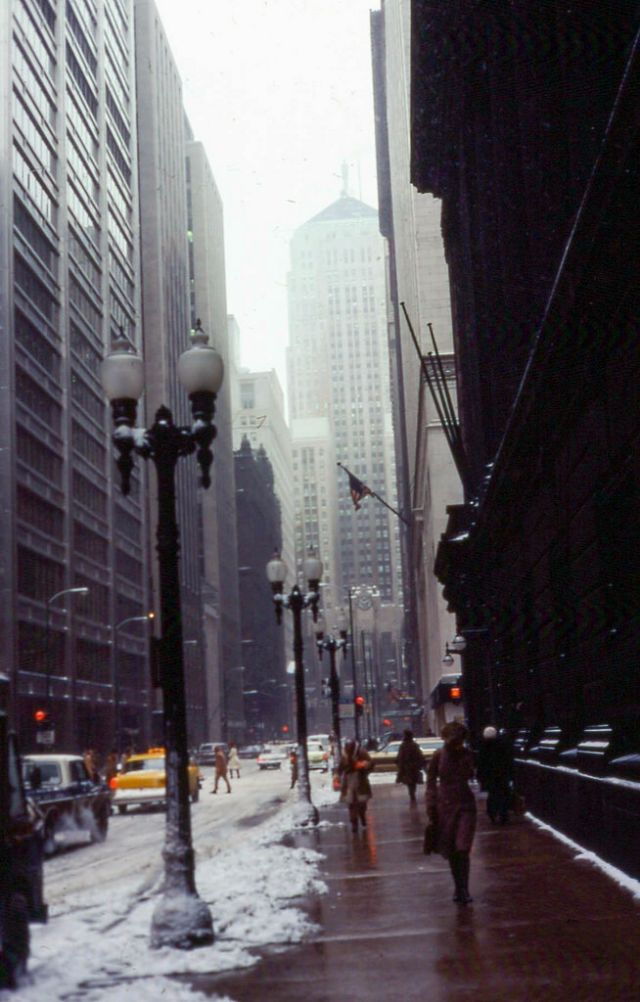
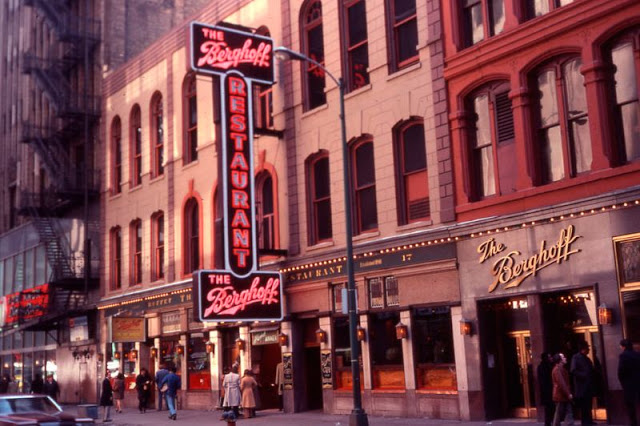
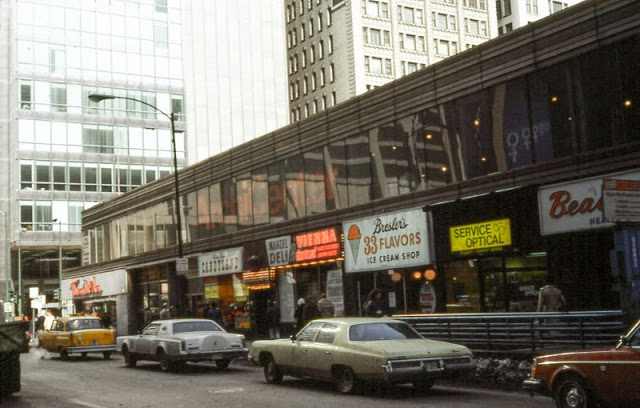
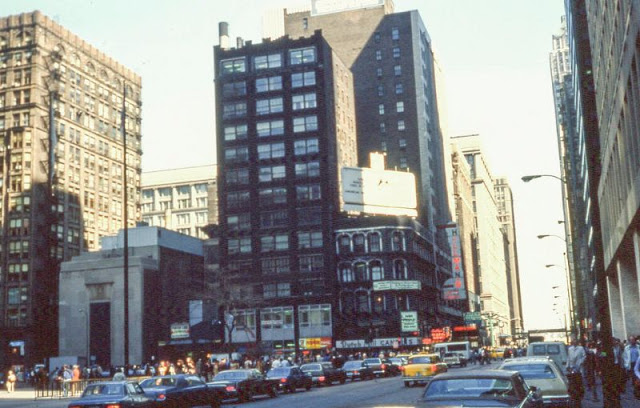
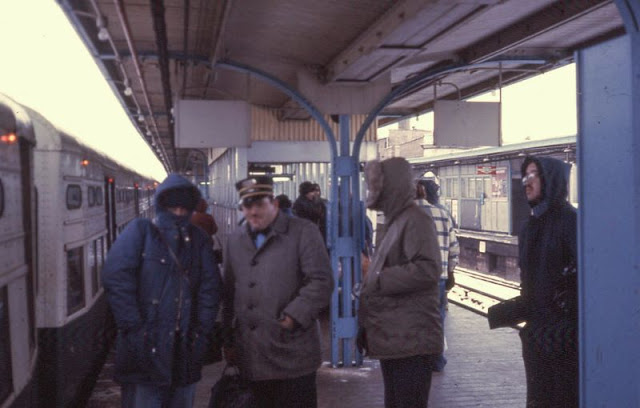
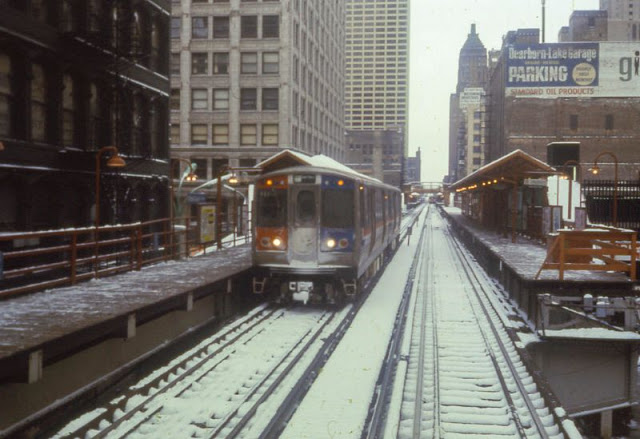
Chicago is the most populous city in the U.S. state of Illinois and the third-most populous in the United States after New York City and Los Angeles. With a population of 2,746,388 in the 2020 census, it is also the most populous city in the Midwest. As the seat of Cook County, the second-most populous county in the U.S., Chicago is the center of the Chicago metropolitan area.
Located on the shore of Lake Michigan, Chicago was incorporated as a city in 1837 near a portage between the Great Lakes and the Mississippi River watershed. It grew rapidly in the mid-19th century. In 1871, the Great Chicago Fire destroyed several square miles and left more than 100,000 homeless, but Chicago’s population continued to grow. Chicago made noted contributions to urban planning and architecture, such as the Chicago School, the development of the City Beautiful Movement, and the steel-framed skyscraper.
Chicago is an international hub for finance, culture, commerce, industry, education, technology, telecommunications, and transportation. It has the largest and most diverse derivatives market in the world, generating 20% of all volume in commodities and financial futures alone. O’Hare International Airport is routinely ranked among the world’s top six busiest airports by passenger traffic, and the region is also the nation’s railroad hub. The Chicago area has one of the highest gross domestic products (GDP) in the world, generating $689 billion in 2018. Chicago’s economy is diverse, with no single industry employing more than 14% of the workforce.
Chicago is a major tourist destination. Chicago’s culture has contributed much to the visual arts, literature, film, theater, comedy (especially improvisational comedy), food, dance, and music (particularly jazz, blues, soul, hip-hop, gospel, and electronic dance music, including house music). Chicago is home to the Chicago Symphony Orchestra and the Lyric Opera of Chicago, while the Art Institute of Chicago provides an influential visual arts museum and art school. The Chicago area also hosts the University of Chicago, Northwestern University, and the University of Illinois Chicago, among other institutions of learning. Chicago has professional sports teams in each of the major professional leagues, including two Major League Baseball teams.
Subscribe to Yesterday Today’s Blog to receive regular updates regarding new content:
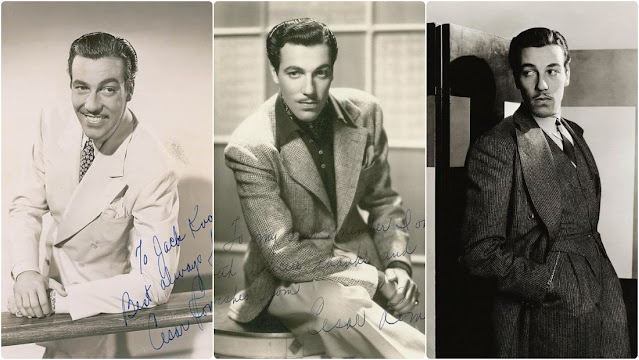
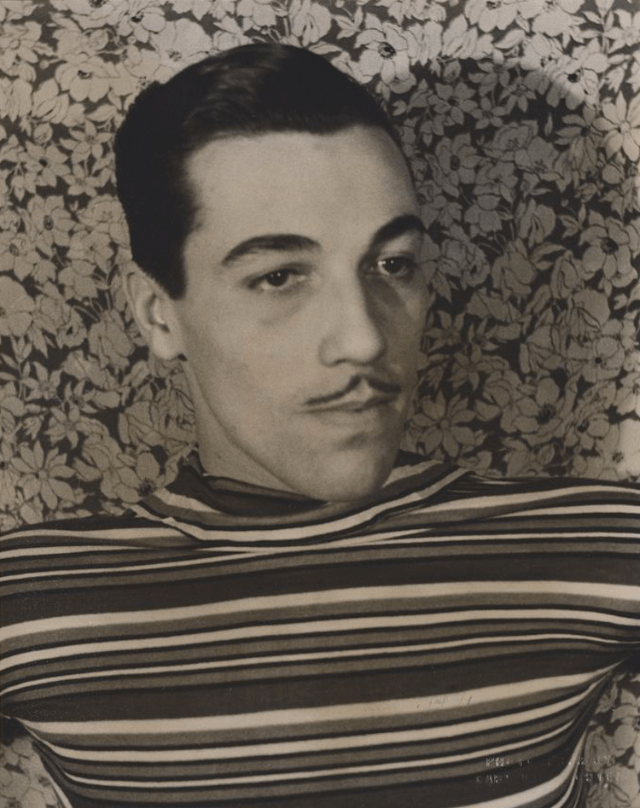
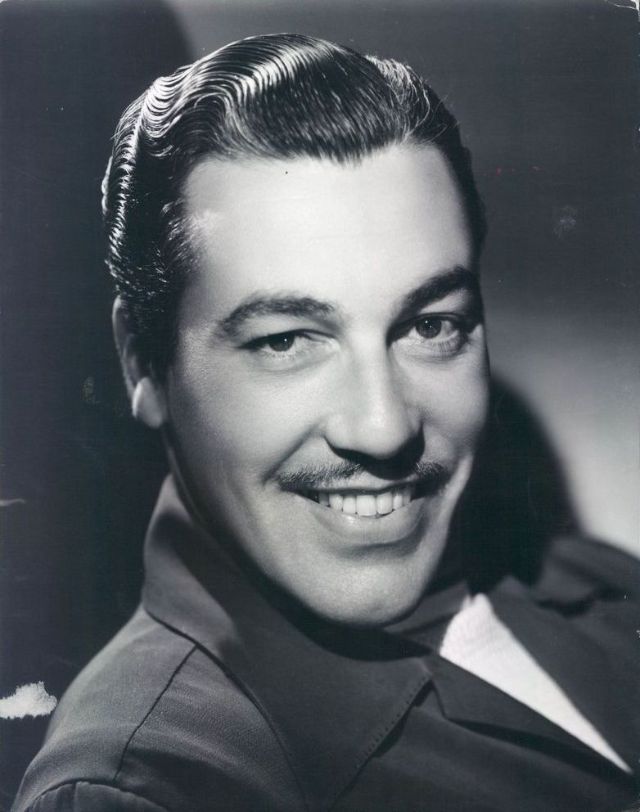
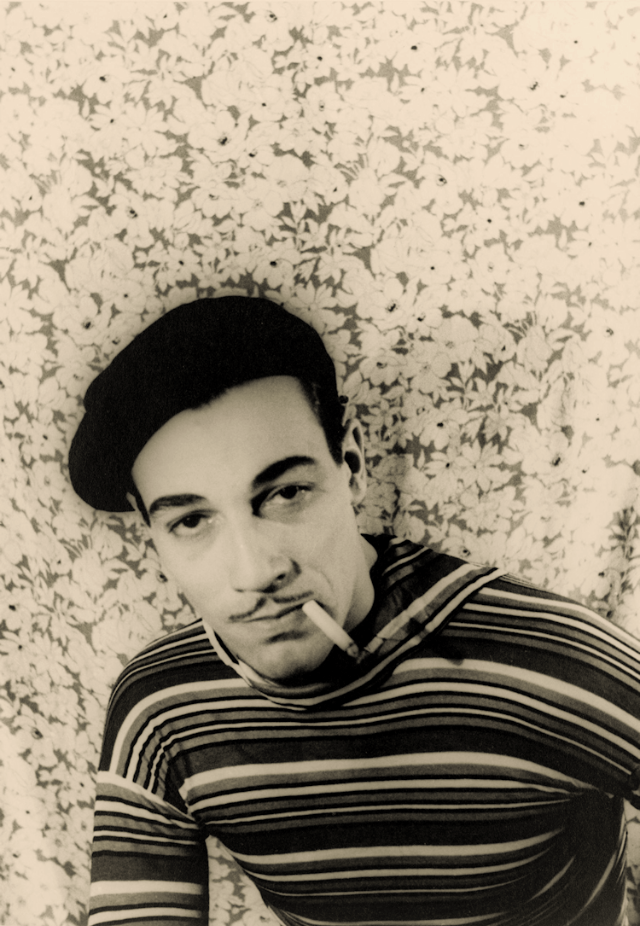
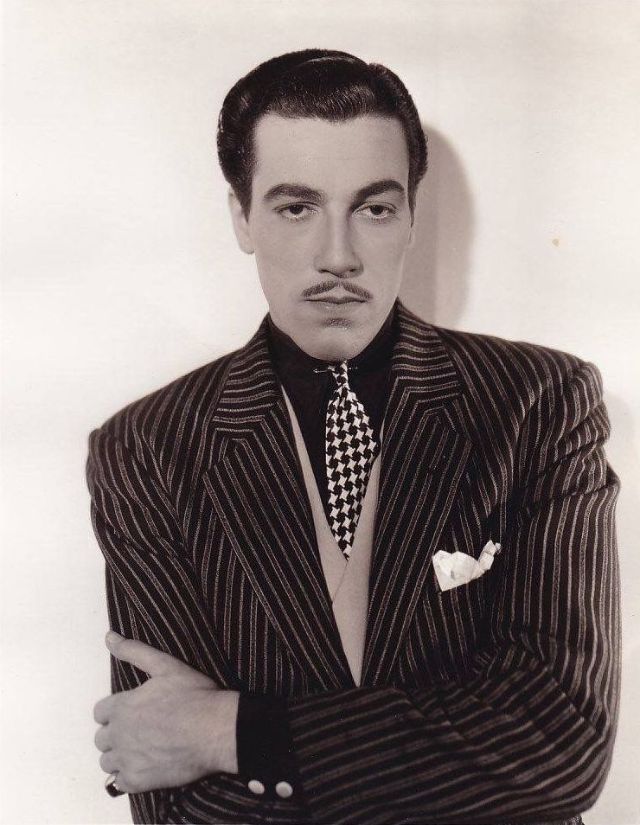
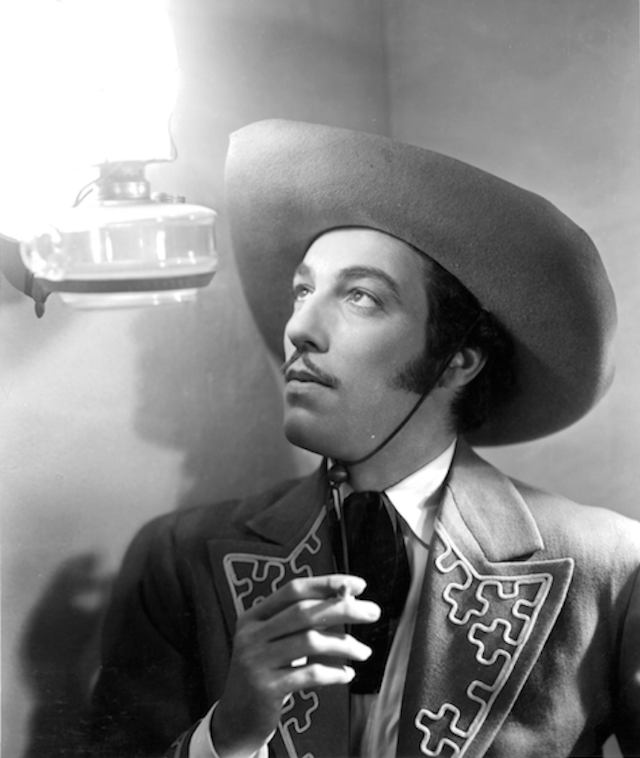
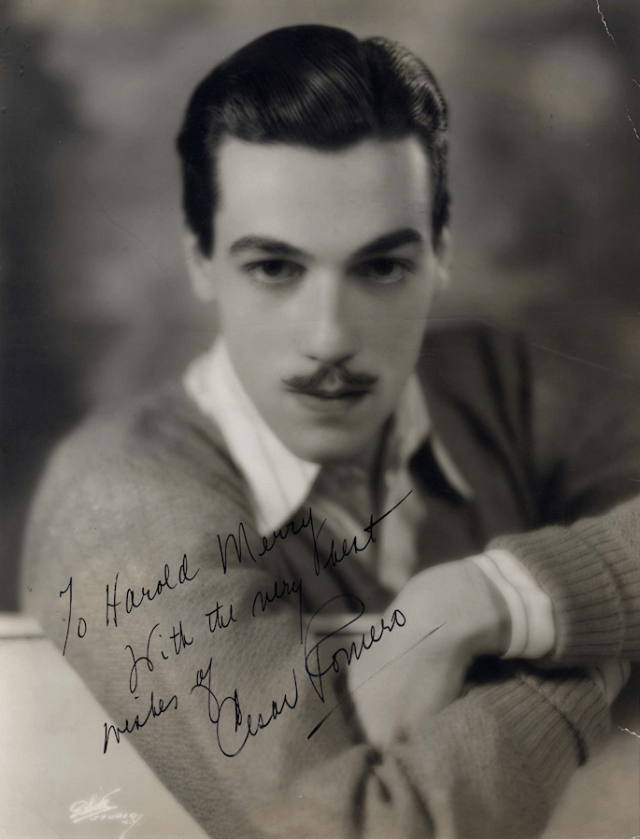
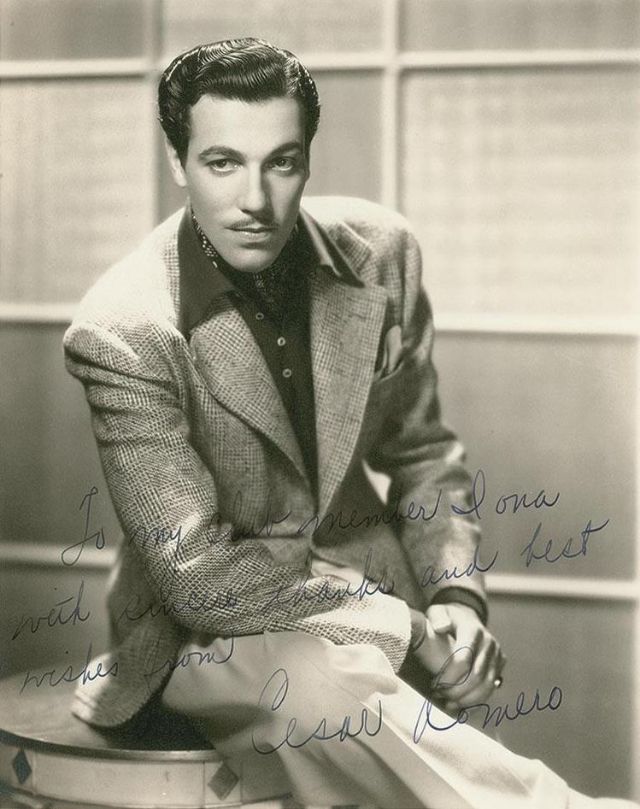
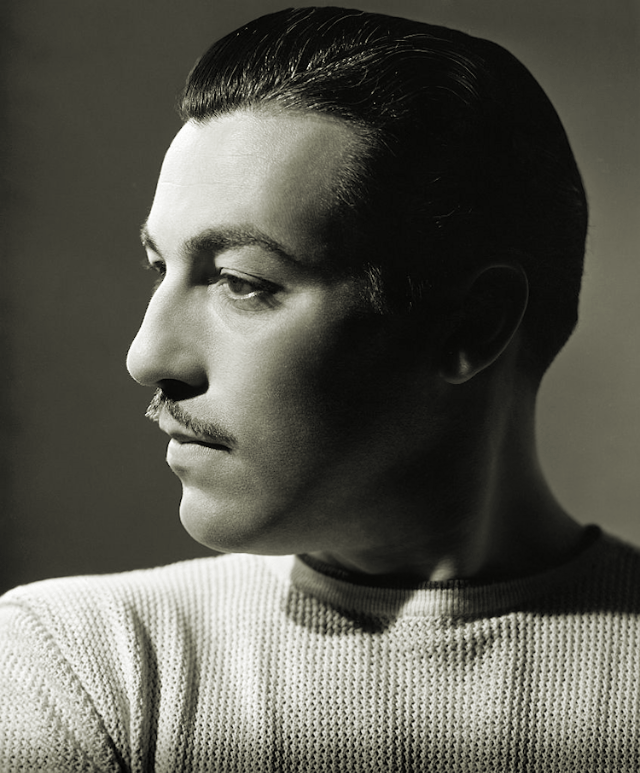
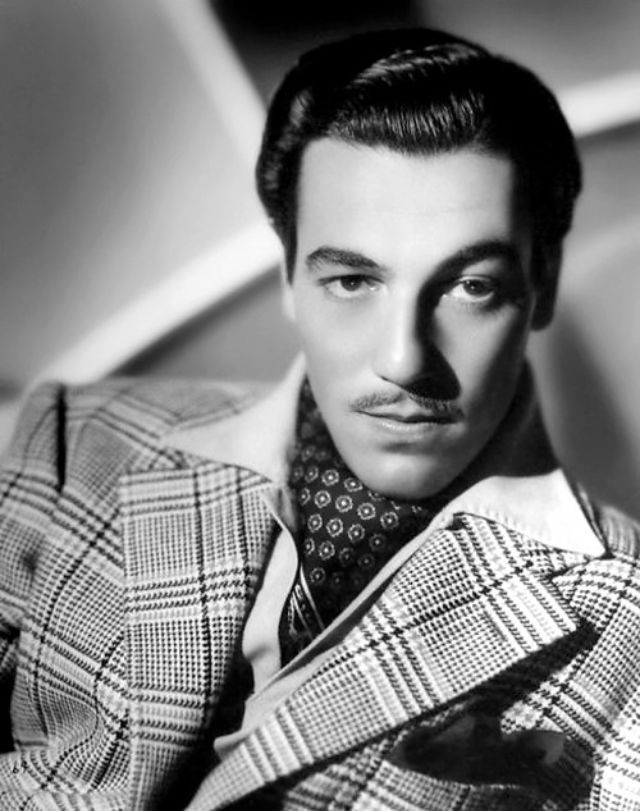
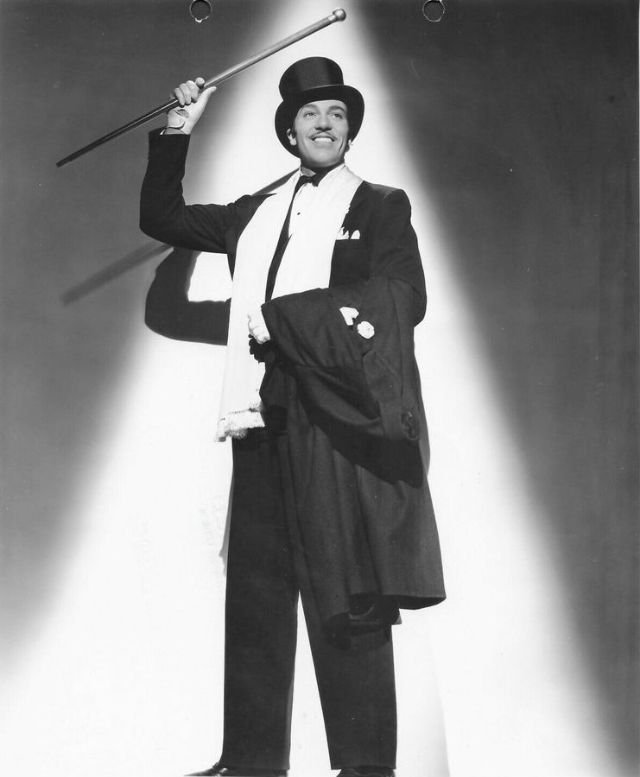
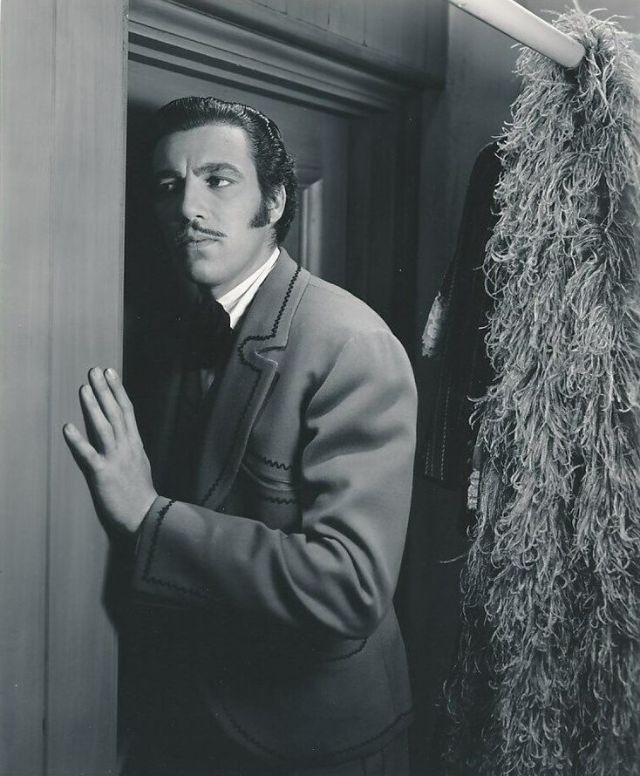
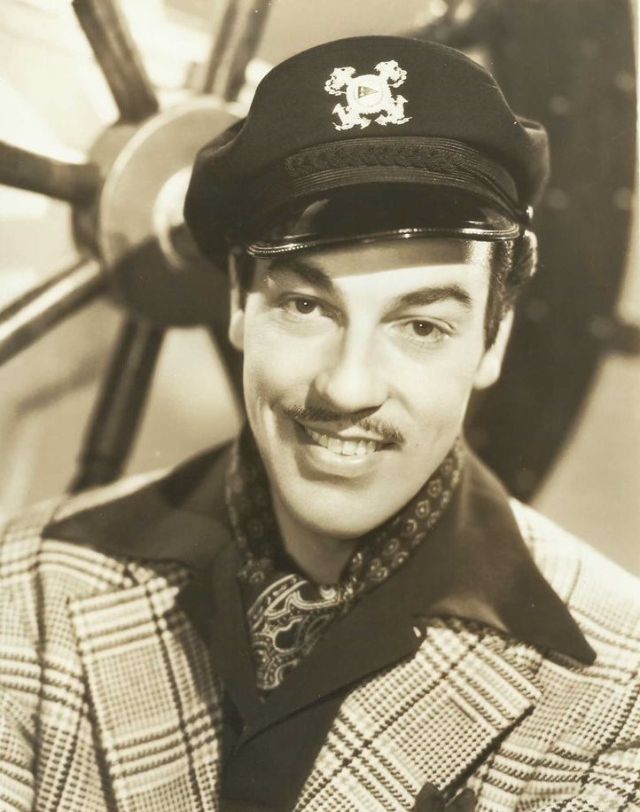
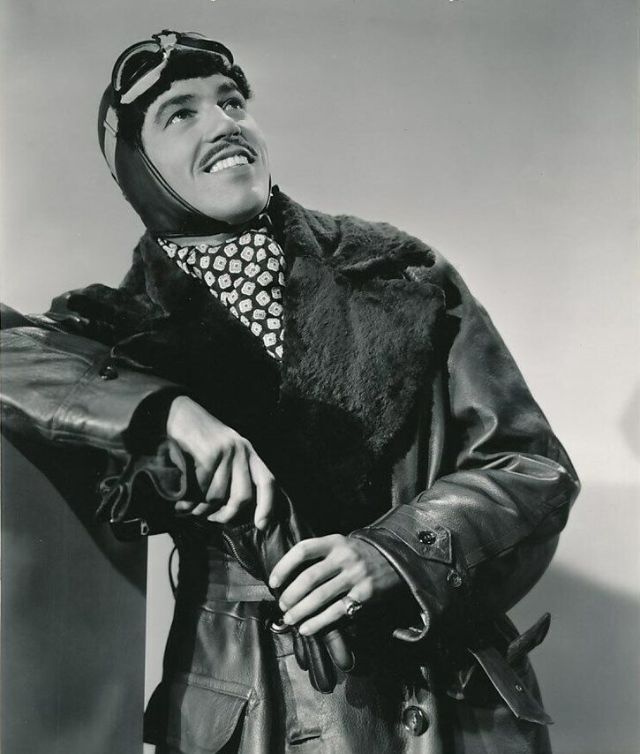
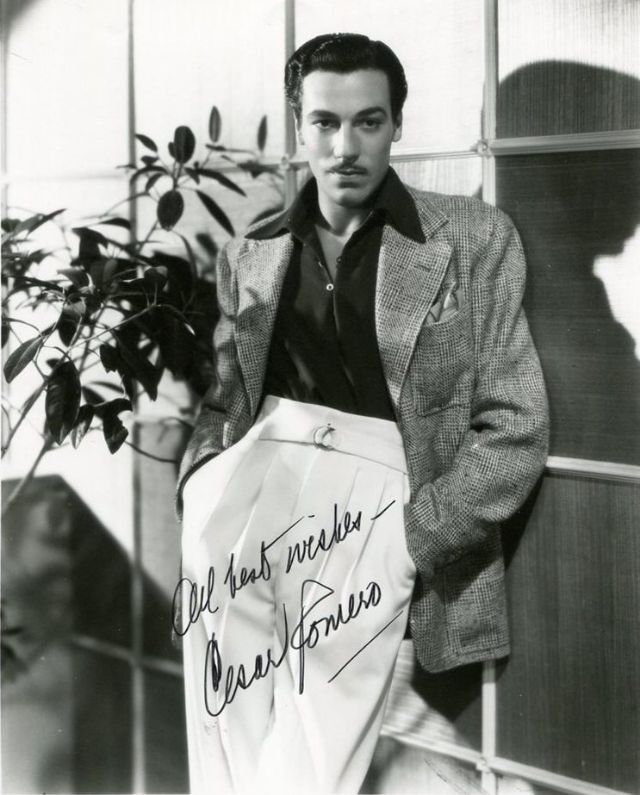
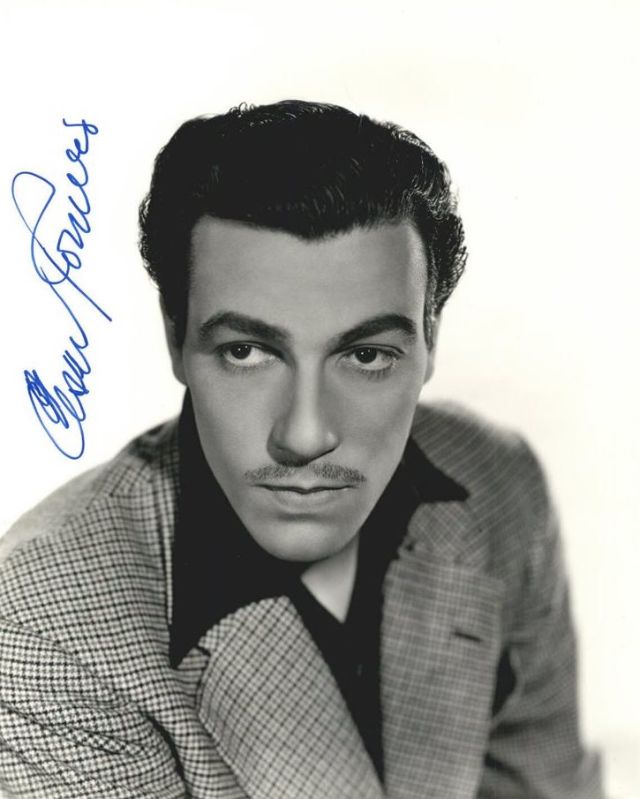
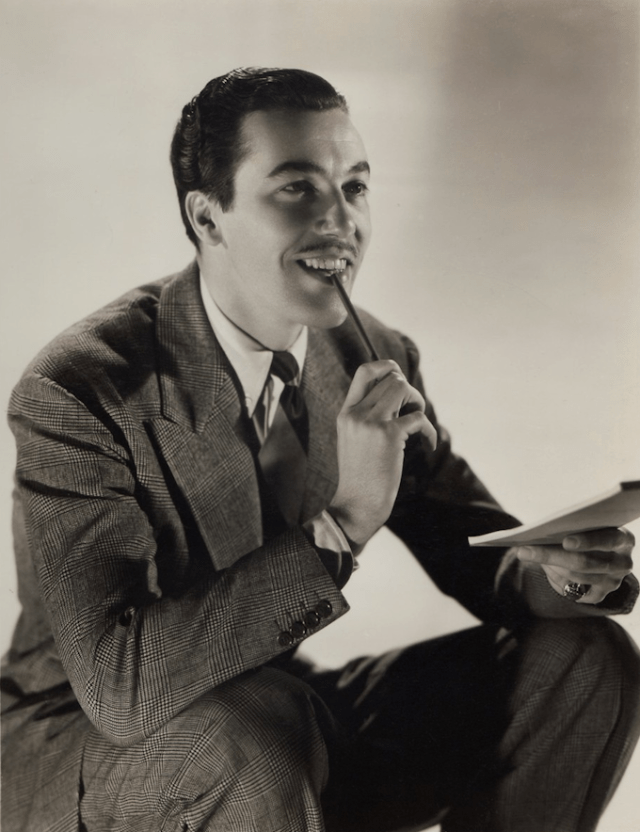
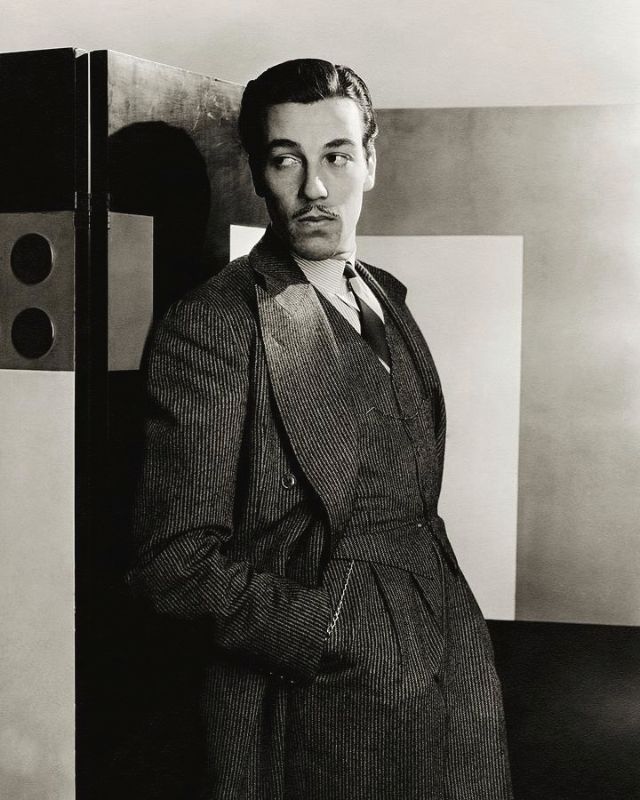
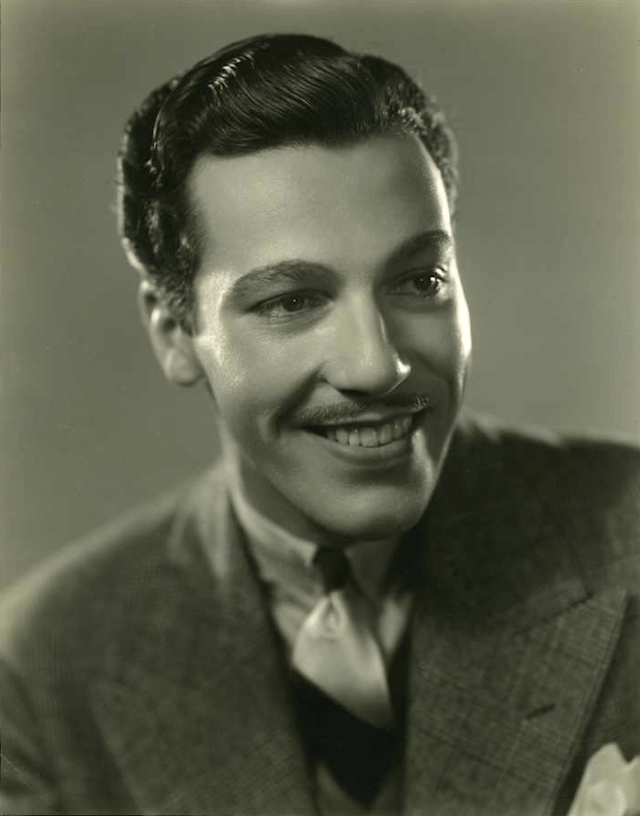
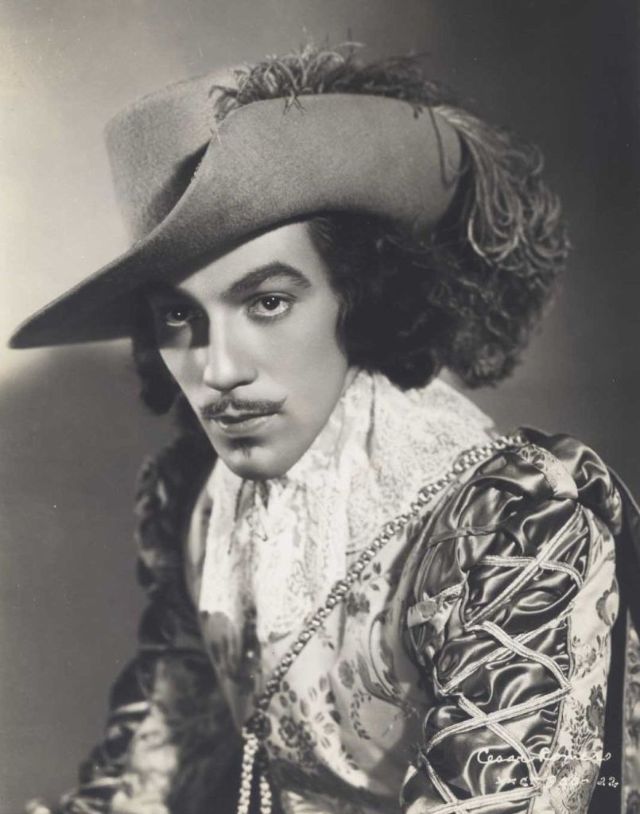
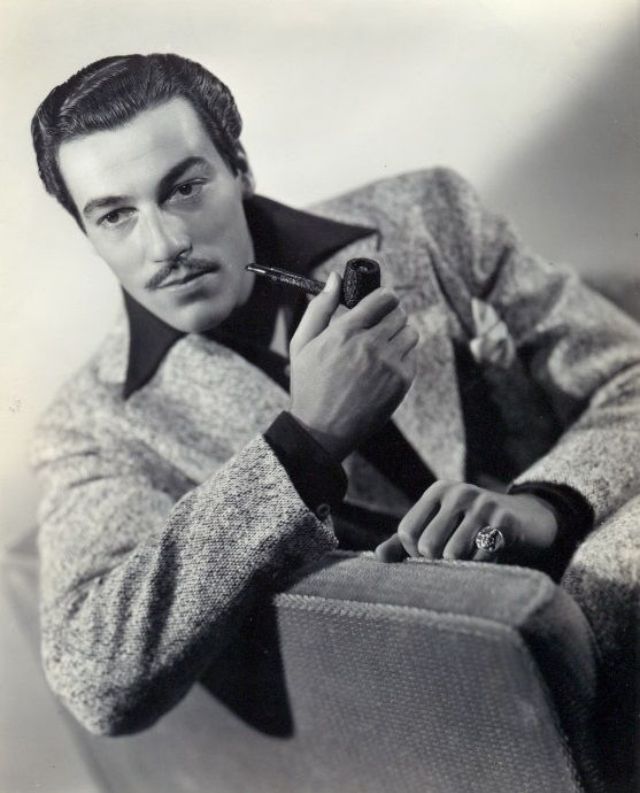
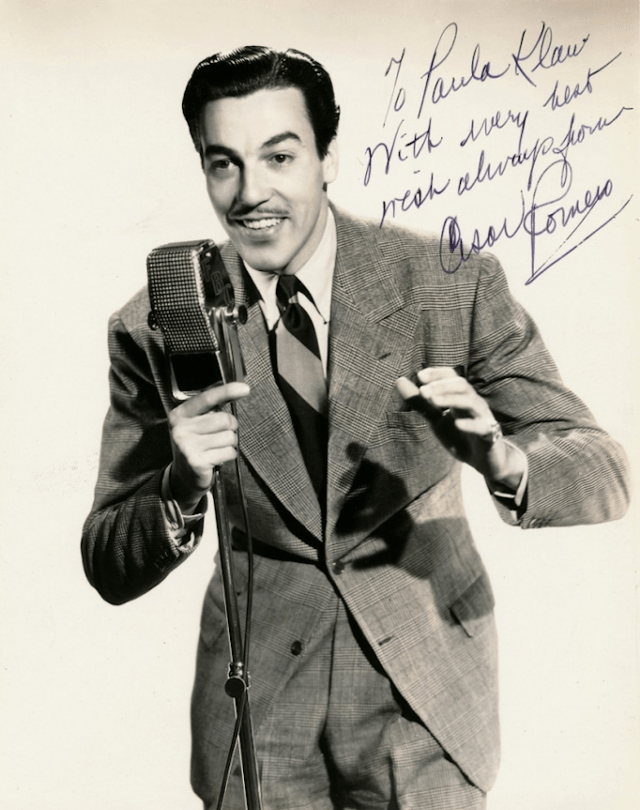
Born 1907 in New York City, American actor Cesar Romero was active in film, radio, and television for almost 60 years. The 6’3” [190 cm] Romero routinely played “Latin lovers” in films from the 1930s until the 1950s, usually in supporting roles.
In 1935, Romero played a leading role The Devil is a Woman opposite Marlene Dietrich, and starred as the Cisco Kid in six westerns made between 1939 and 1941. He danced and performed comedy in the 20th Century Fox films he starred in opposite Carmen Miranda and Betty Grable, such as Week-End in Havana and Springtime in the Rockies, in the 1940s.
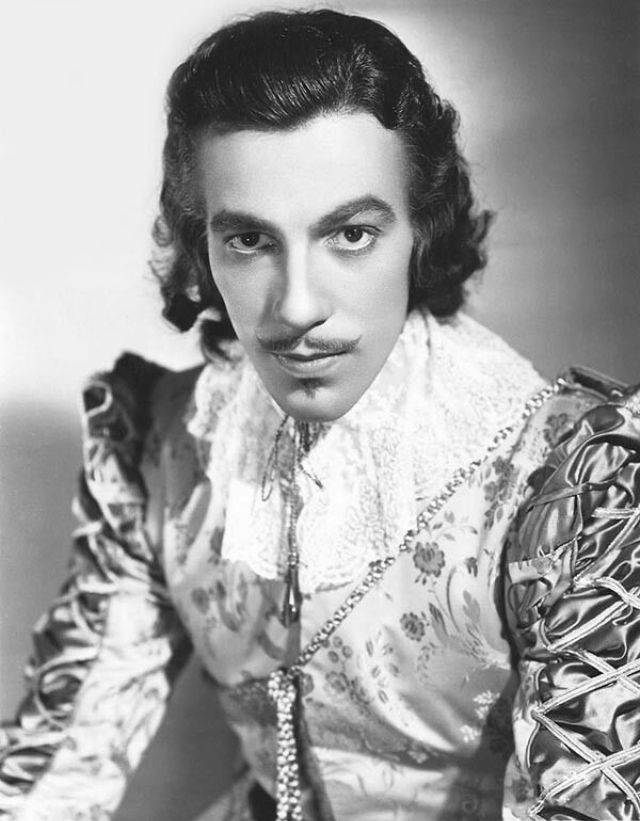
His wide range of screen roles included Latin lovers, historical figures in costume dramas, characters in light domestic comedies, and the Joker on the Batman television series, which was included in TV Guide’s 2013 list of The 60 Nastiest Villains of All Time. He was the first actor to play the character before the role was passed to Jack Nicholson and subsequently to Heath Ledger.
Romero never married and had no children, but made frequent appearances at Hollywood events escorting actresses, such as Joan Crawford, Linda Darnell, Barbara Stanwyck, Lucille Ball, Ann Sheridan, Jane Wyman and Ginger Rogers; he was almost always described in interviews and articles as a “confirmed bachelor”.
Romero died in 1994 at the age of 86. For his contributions to the motion picture and television industry, he has a star on the Hollywood Walk of Fame at 6615 Hollywood Boulevard for film and another star at 1719 Vine Street for television.
Take a look at these vintage photos to see portrait of a young and handsome Cesar Romero in the 1930s and 1940s.
Subscribe to Yesterday Today’s Blog to receive regular updates regarding new content:
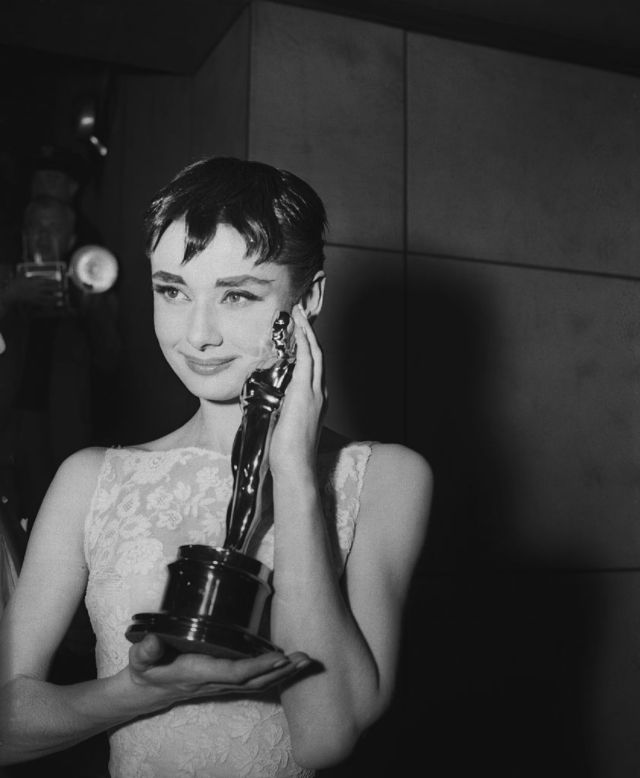
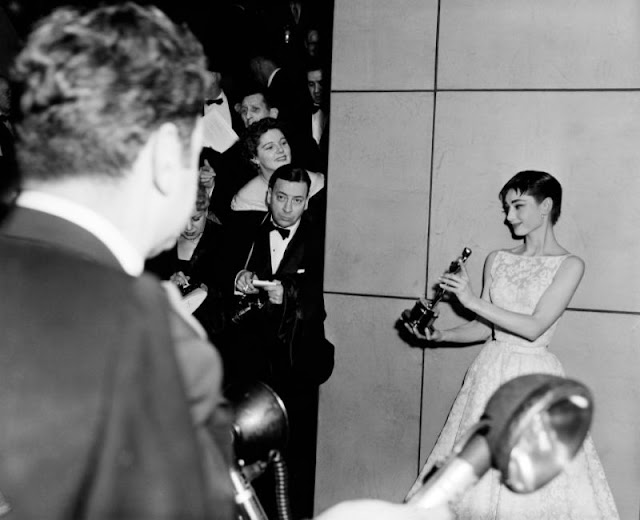
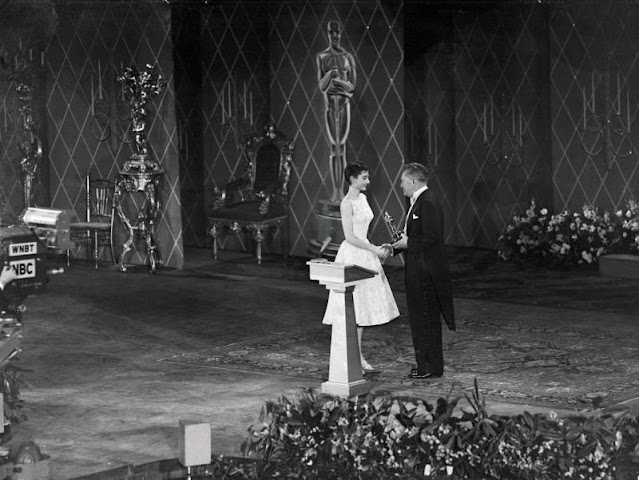
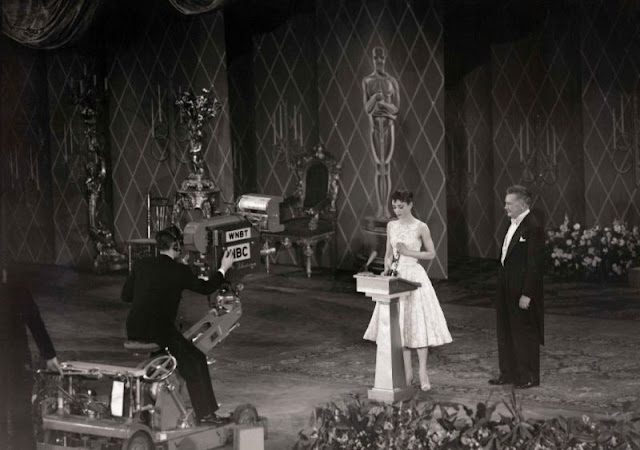
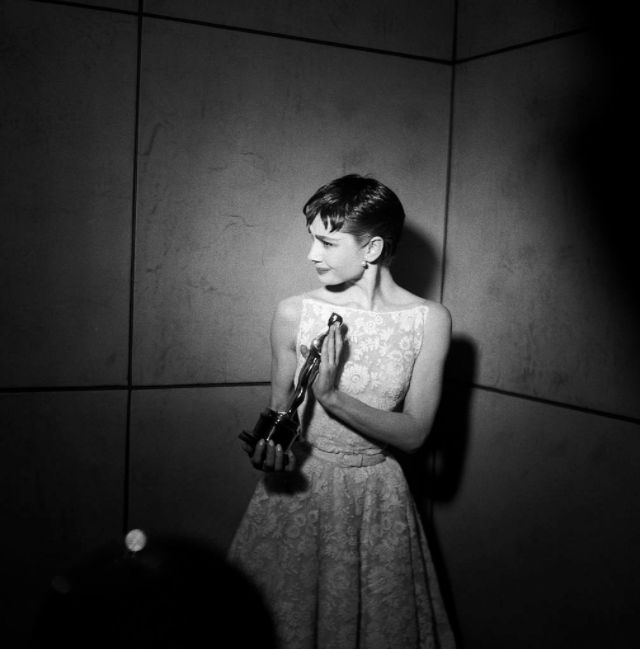
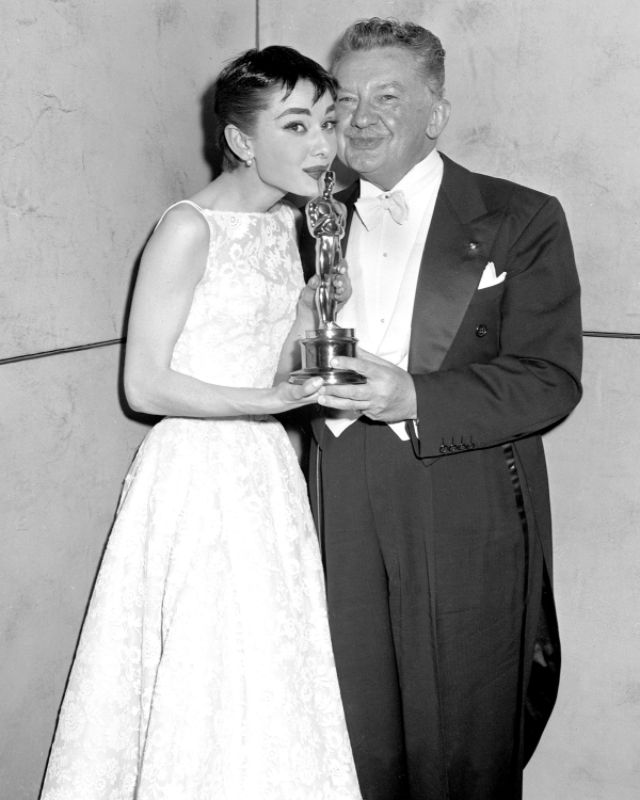
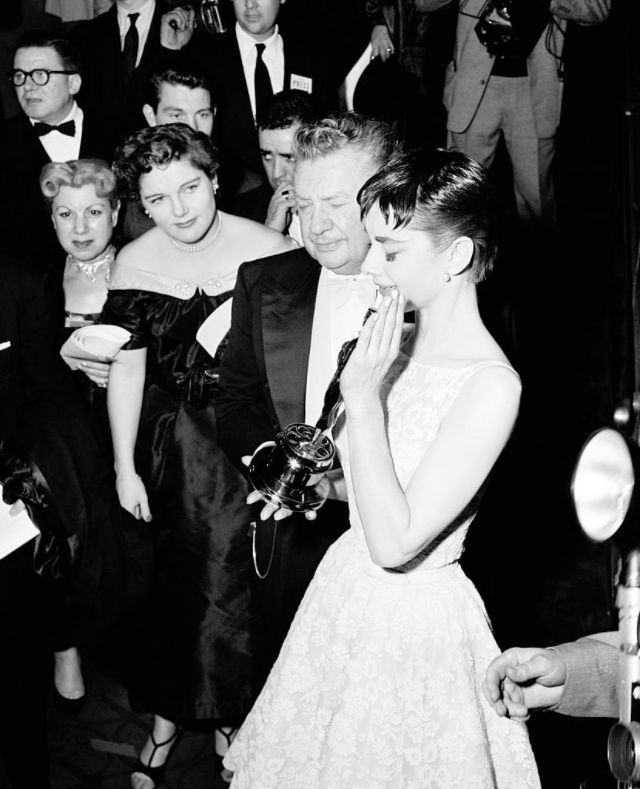
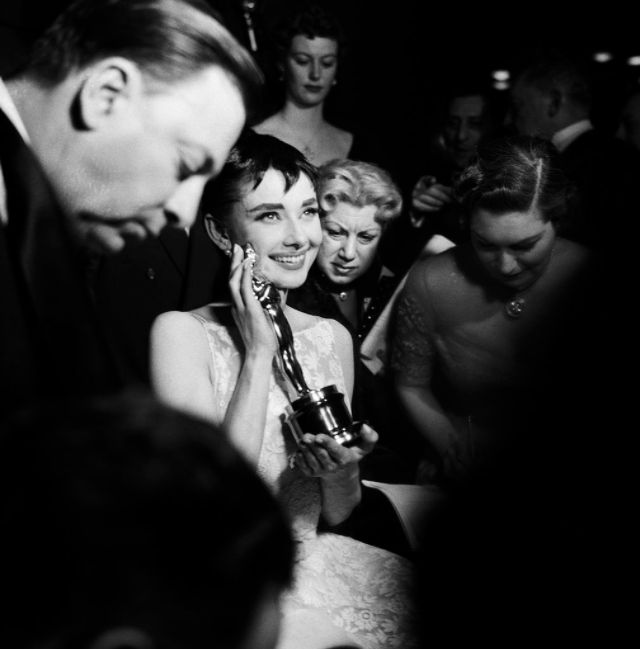
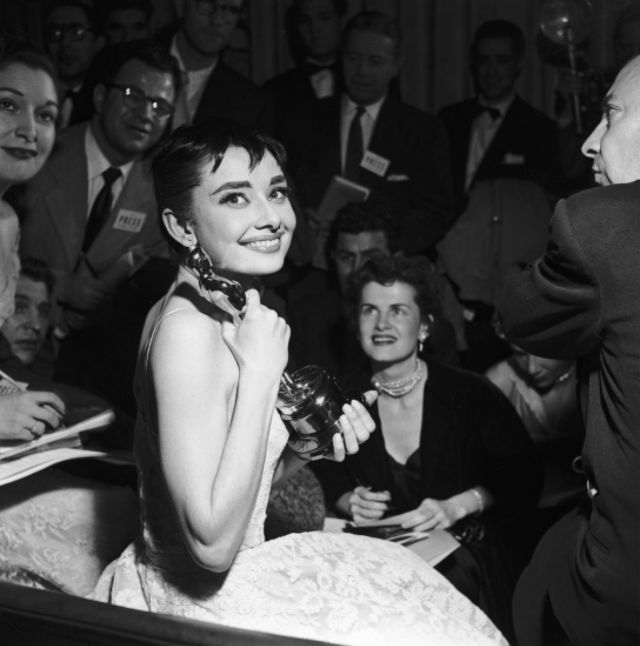
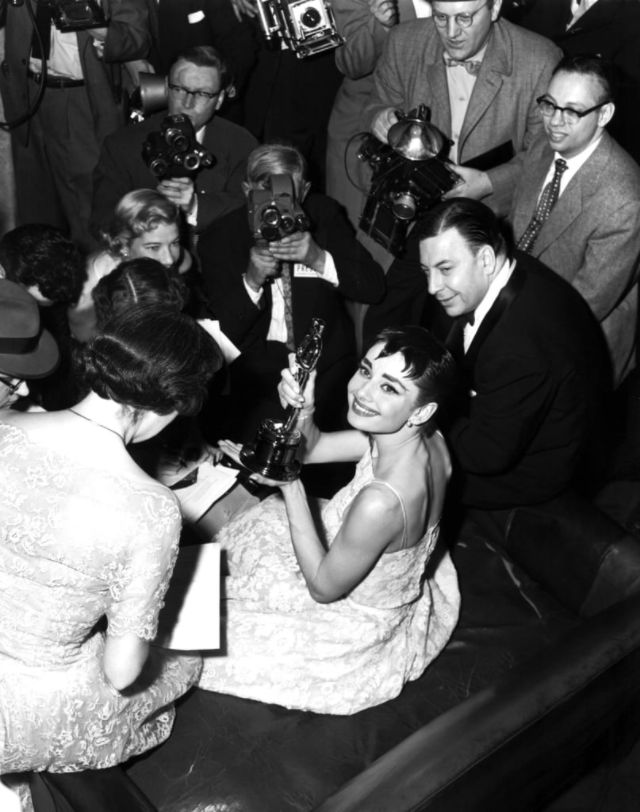
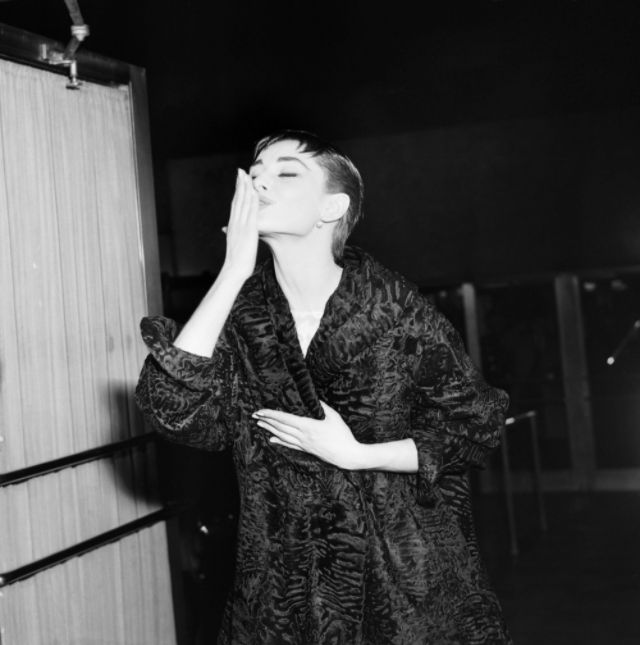
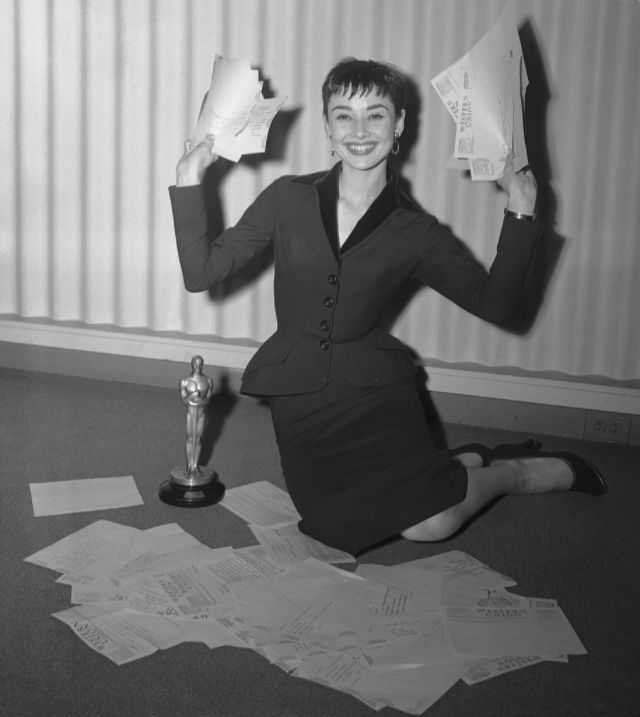
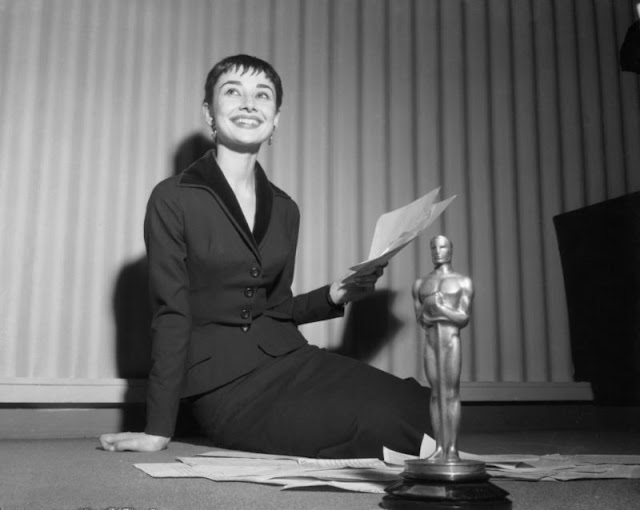
Audrey Hepburn had her first starring role in the romantic comedy Roman Holiday (1953), also her first American film. The film was a box-office success and brought Hepburn to stardom. Her critical acclaim portrayal of the European princess won Hepburn an Academy Award for Best Actress, a BAFTA Award for Best British Actress in a Leading Role and a Golden Globe Award for Best Actress – Motion Picture Drama, making her the first actress to win an Oscar, a BAFTA Award and a Golden Globe Award for a single performance.
Take a look back at the screen legend the night she won her Oscar at the 26th Academy Awards in 1954:
Subscribe to Yesterday Today’s Blog to receive regular updates regarding new content:
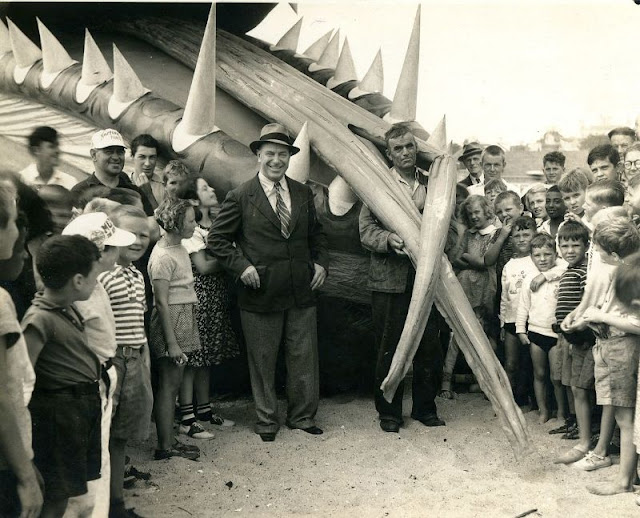
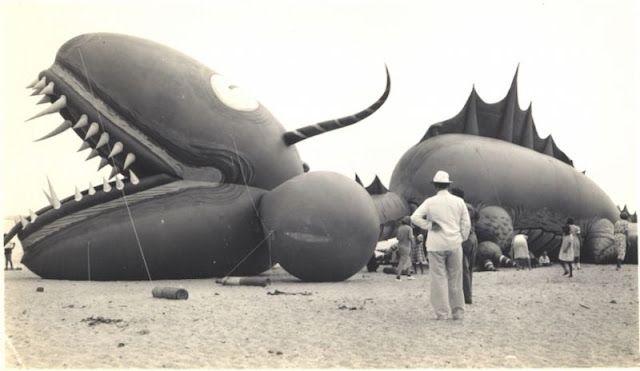
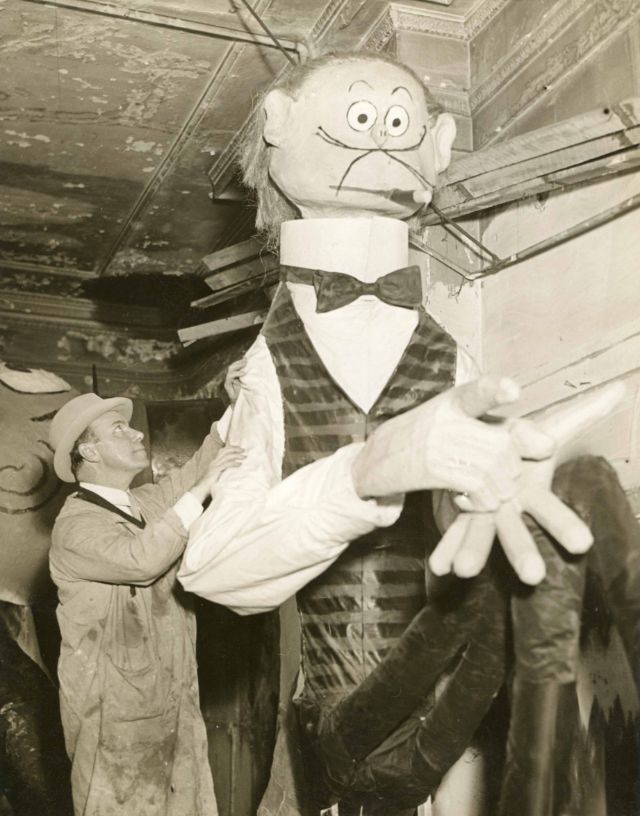
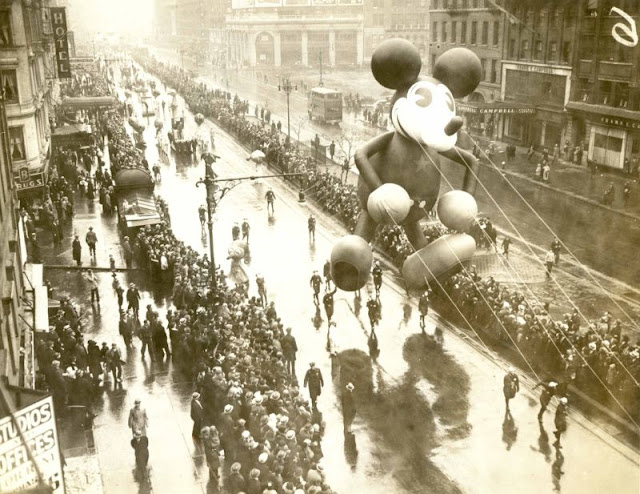
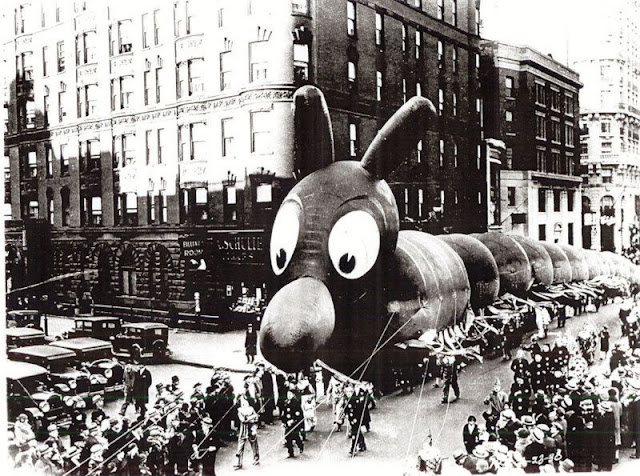
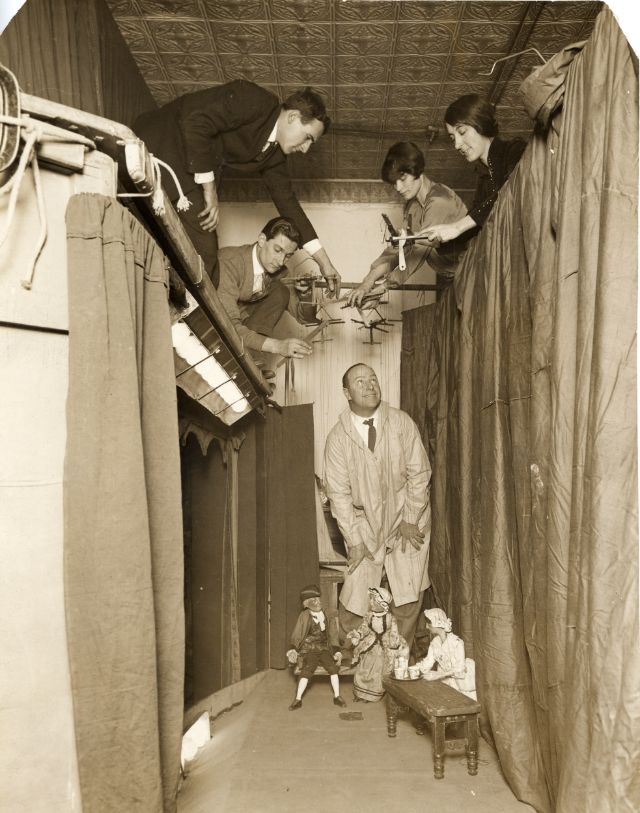
Anthony Frederick Sarg (1880–1942), known professionally as Tony Sarg, was a German American puppeteer and illustrator. Born in Cobán, Guatemala, Sarg later took up residence in the United Kingdom in 1905. After World War I broke out, he settled the family in New York City in 1915. In 1920, Sarg became a naturalized citizen of the United States.
He had been raised around puppets, inherited his grandmother’s collection of them, developed them as a hobby that enhanced the impression he made on other artists, and finally in 1917, turned them into a profession.
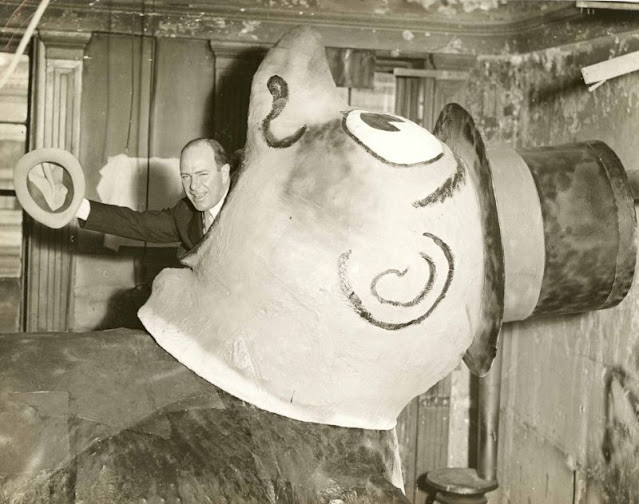
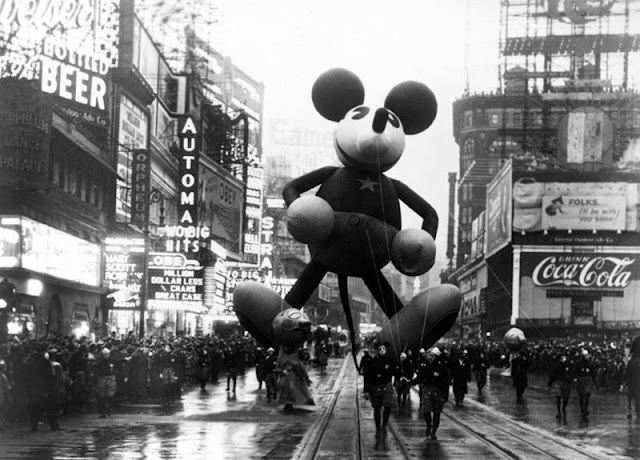
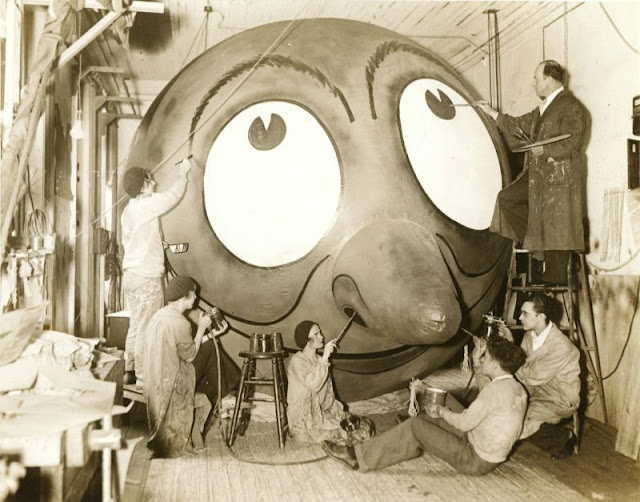
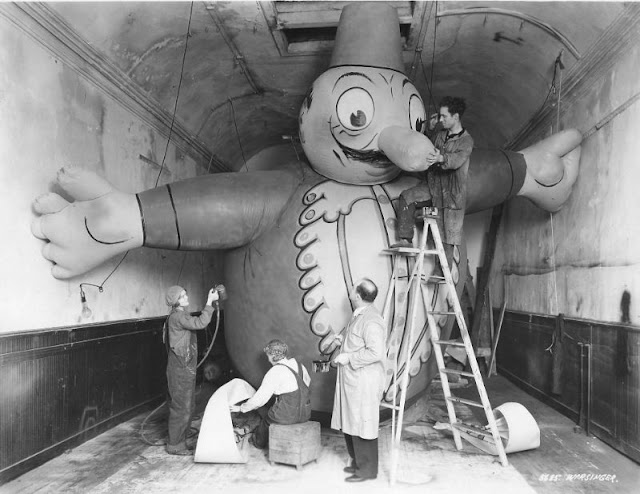
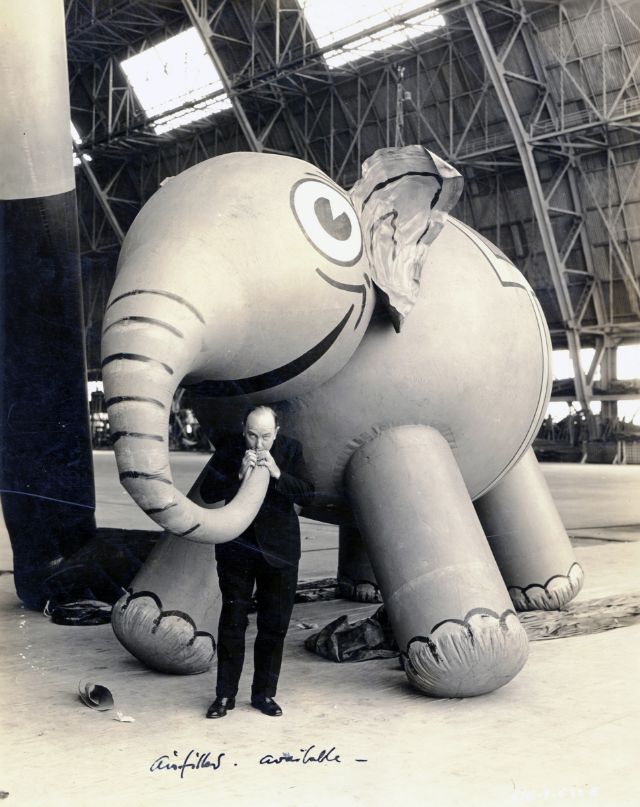
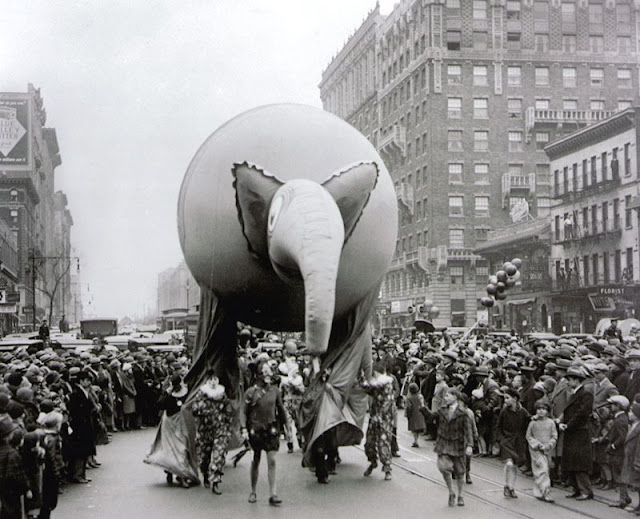
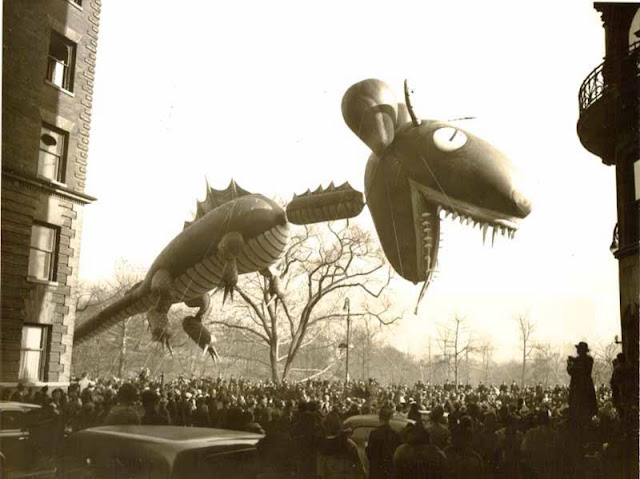
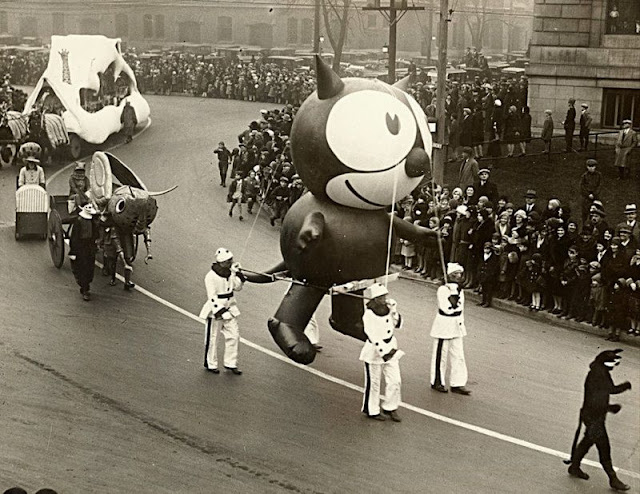
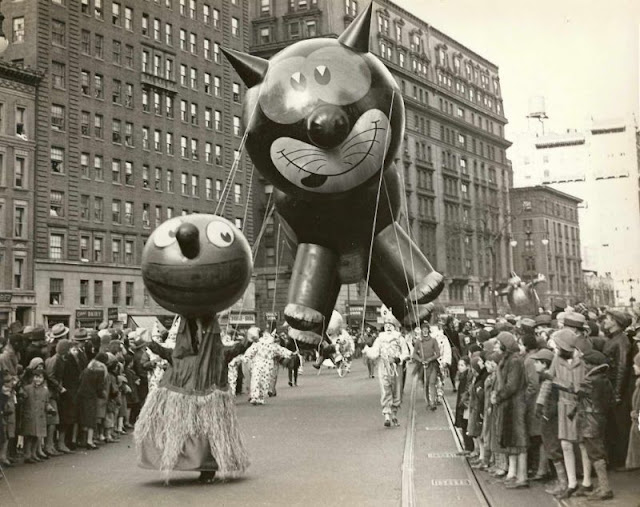
In 1928, he designed, and his protégé Bil Baird built tethered helium-filled balloons up to 125 feet long, resembling animals, for the New York institution of Macy’s department store. This work involved a number of puppetry-related principles. These creations were featured in the store’s Thanksgiving Day parade. In 1935, he undertook the puppet-related work of designing Macy’s elaborate animated window display, which was shown between Thanksgiving and Christmas.
Take a look at these wonderful creations of the puppet master through 15 fascinating pictures below:
Subscribe to Yesterday Today’s Blog to receive regular updates regarding new content:
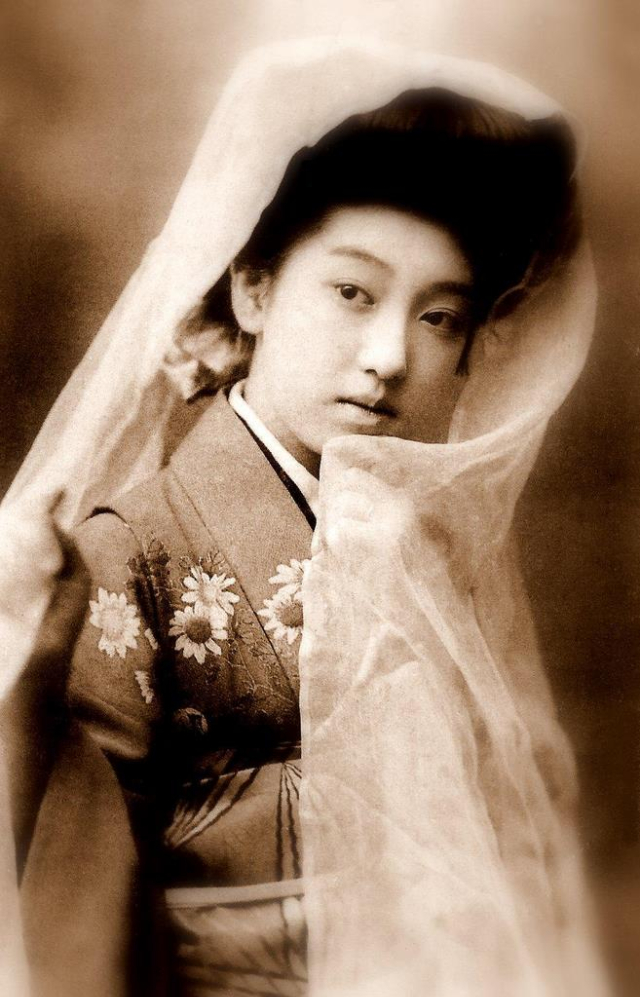
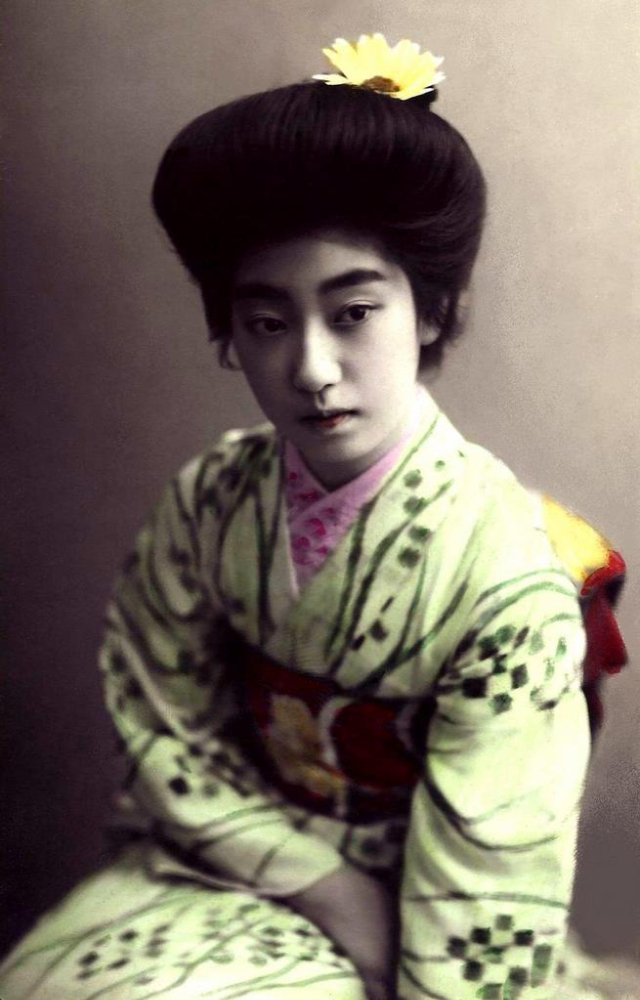
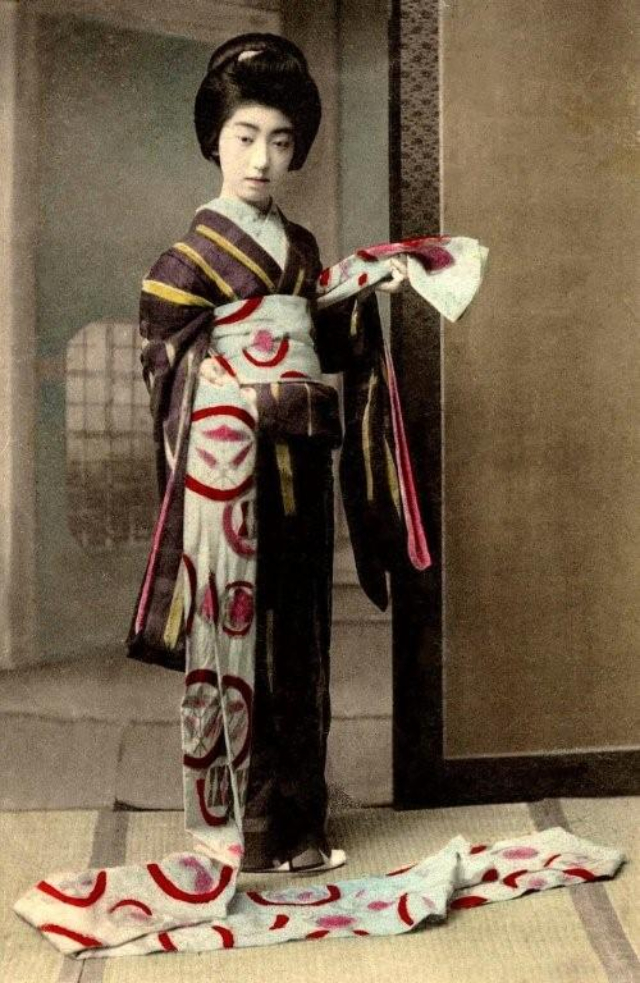
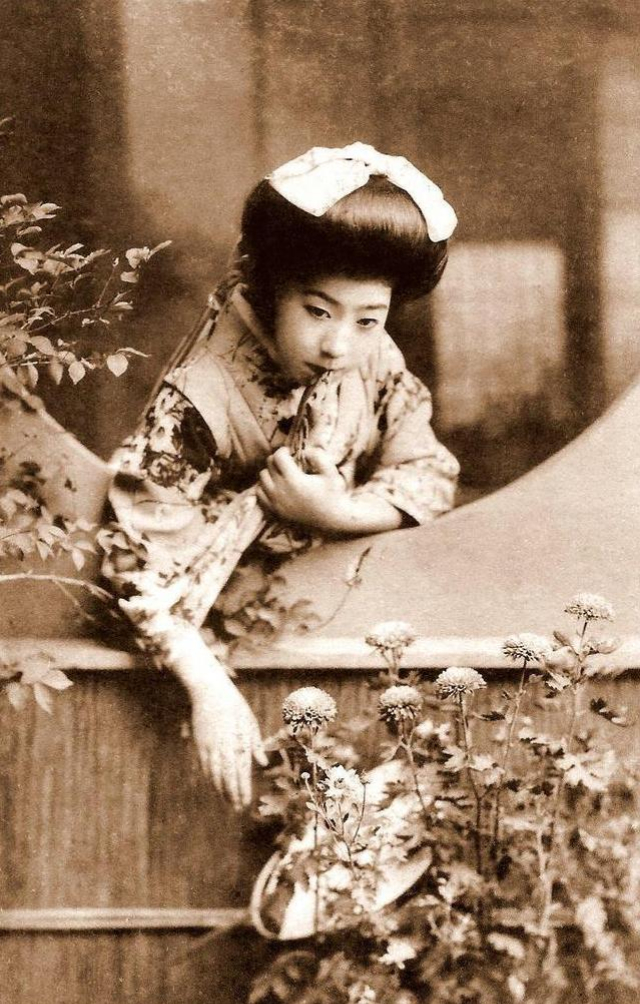
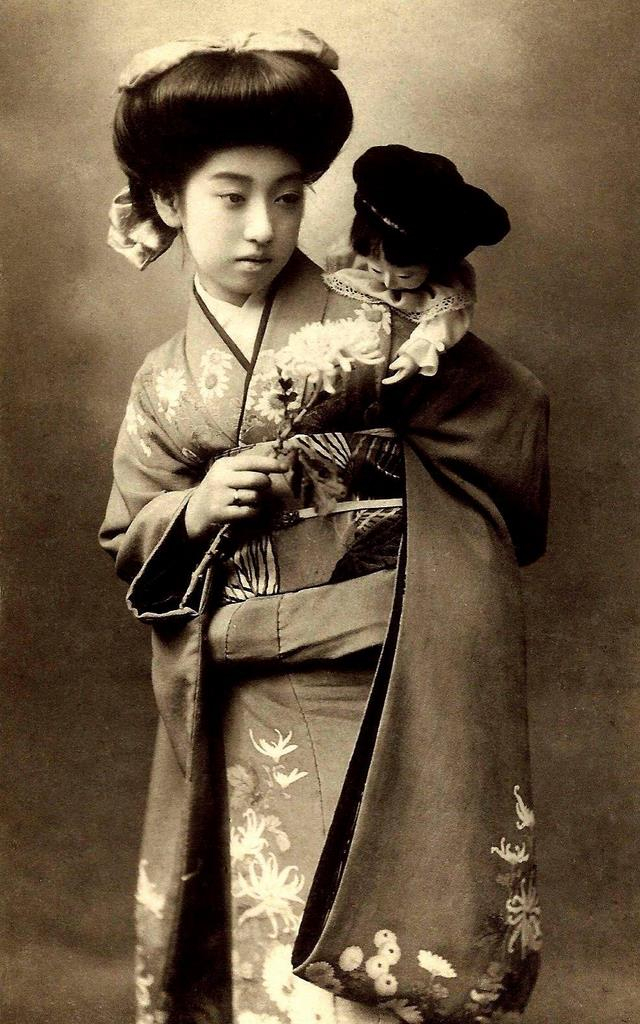
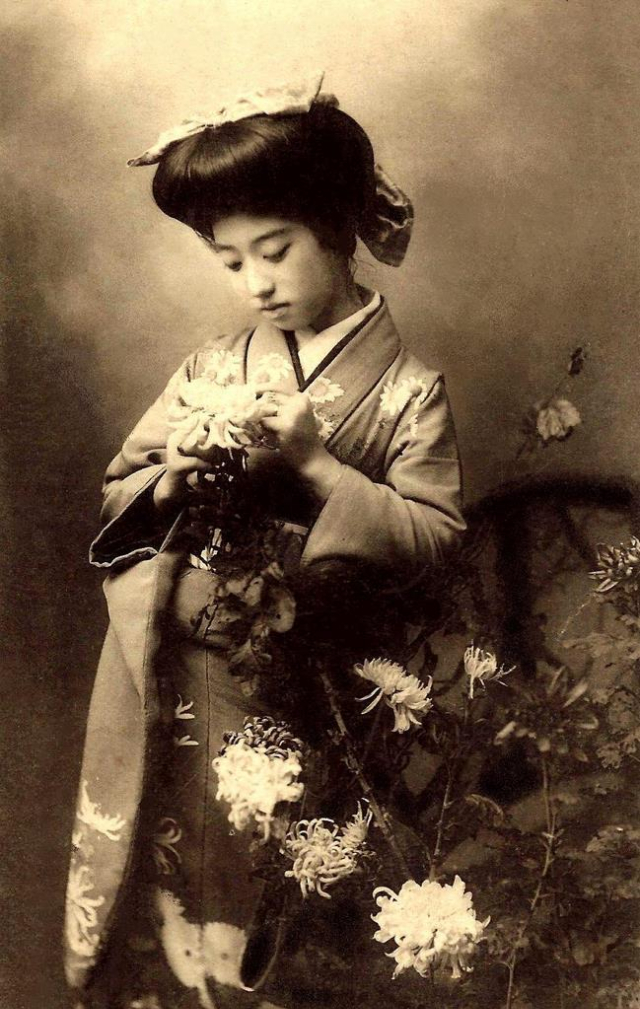
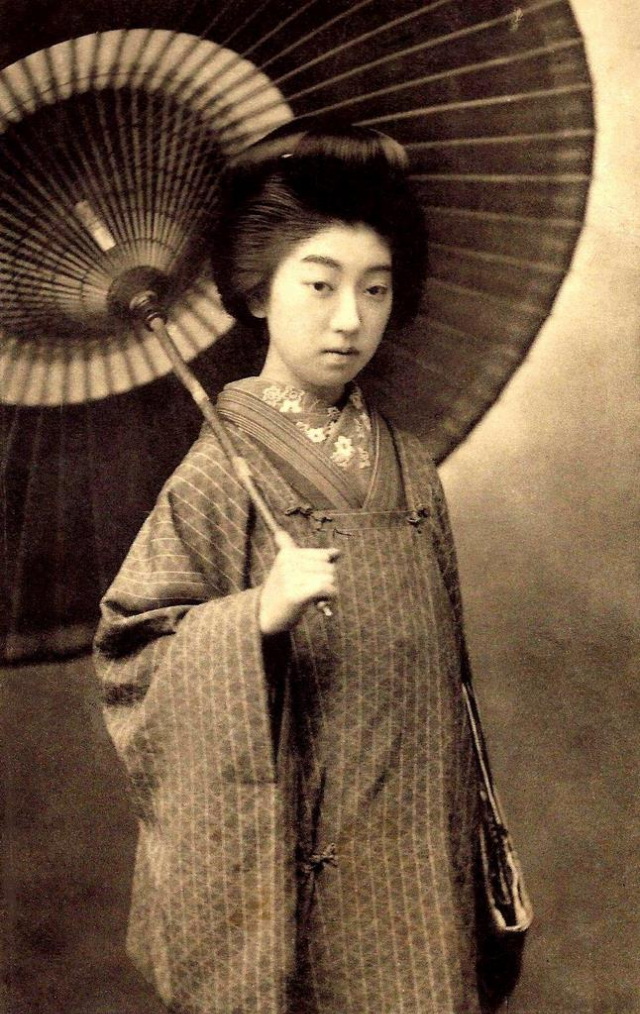
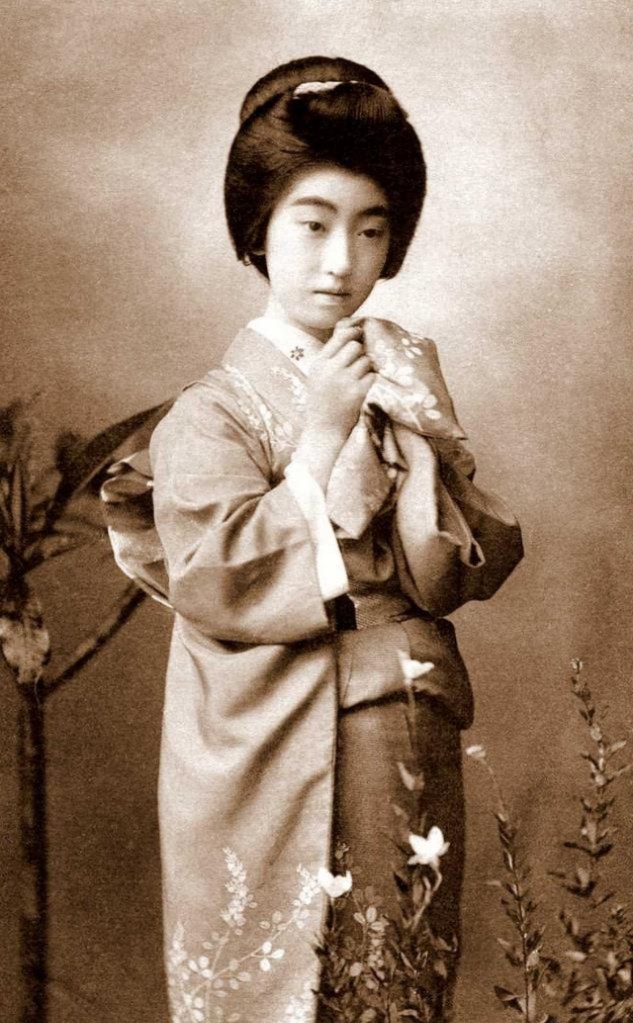
Chishō Takaoka (April 22, 1896 – October 22, 1994) was a geisha in Shinbashi who became a Buddhist nun later in life. Her stage name was Chiyoha or Teruha, while her real name was Tatsuko Takaoka. She became famous for her radiant beauty, and for chopping off one of her fingers for her lover. She was a popular model featured in postcards, and was known internationally as the “Nine-Fingered Geisha”. She also inspired Jakucho Setouchi’s novel, Jotoku.
Chishō was born in 1896 in Nara Prefecture, but her birth notification was registered at Osaka city hall by her parents. Her father was an alcoholic who worked as a blacksmith. When Chishō was two years old, her mother, Oda Tsuru, died; some theories speculate that Tsuru ran away from home. Chishō was brought up lovingly by her grandmother, and when she was seven years old, she worked in her aunt’s tea parlor as a waitress. At 12 years old, her father sold her into slavery, sending her to Oume Tsujii, courtesan of kabuki actor Onoe Kikugorō V. At 14 years old, upon being given 250 yen employment preparation money, Chishō became the adopted daughter of Kagaya, and debuted with the stage name “Chiyoha”. Her unusual beauty helped her gain popularity, and her mizuage was bought by a chairperson of an Ōsaka stock exchange transaction.
At 15 years old, she became emotionally involved with Otomine, a famous playboy and upscale clothes dealer, who lived in Higashi ward. Chishō eloped with him to Beppu Onsen. When Otomine discovered she had a picture of a kabuki actor in her hand mirror, he became jealous and broke up with her. To convey her fidelity to Otomine, she cut off her pinky with a razor and brought it to him. It was also said that, when he was trying to cure his arthritis at the Beppu spa, she came over and proposed love suicide to him, but he refused it. Then she gave her own finger for the purpose of appealing for his love.
The scandal made it difficult for her to remain in Osaka, and she was taken under the care of Kiyoka, a geisha in Tokyo who was the mistress of Lord Taketarō Gōtō. She worked in Kōfuen, Mukōjima, and Kiyoka assumed 3,000 yen debt repayments. The day she debuted, she got word that her younger brother had been burned to death in a fire. Originally in nature she was a quiet geisha in the zashiki parlor, so when she was hit with the shock of the separation from Otomine and the news of her brother’s death, she had cut off her finger. Many men came and saw her and she soon became a sought-after geisha. The many picture cards of her were a commercial commodity, and they sold quickly. Some men also illegally copied and sold them, and Chishō accused them of copyright infringement.
She had a modest talent as a geisha, having an academic goal. She learned the kanji by reading many books and later became a writer.
In 1919, Chishō married Suezo Oda, the market player of Kitahama and a runner for a motion picture company. She visited the United States with her husband and traveled across the entire county. During this time she lived in a girls’ school dormitory while studying English for eight months. After returning home, her behavior in the U.S. created tensions in her marriage. She attempted suicide two times, and they divorced.
After this, she traveled back to the U.S. She went to London, and on her friend Sessue Hayakawa’s advice, she moved to Paris where, it is said, she gave birth to a child.
After returning home, she worked as a geisha. In 1923, under the name of Teruha Oda, she starred in the film Ai no tobira (The Gate of Love) directed by Shiro Nakagawa. She then remarried to a medical doctor and ran a bar in Osaka.
In 1928, she wrote the first of five autobiographies, titled “Teruha Zange”. In 1935, at 39 years old, she entered the Buddhist priesthood in Temple Kume, and referred to herself as Chisho. She went to Giōji in Kyoto, which had been ruined, and rebuilt it. Giōji attracted attention among wounded women as a refuge.
She died in 1994 at the age of 98.
Subscribe to Yesterday Today’s Blog to receive regular updates regarding new content:
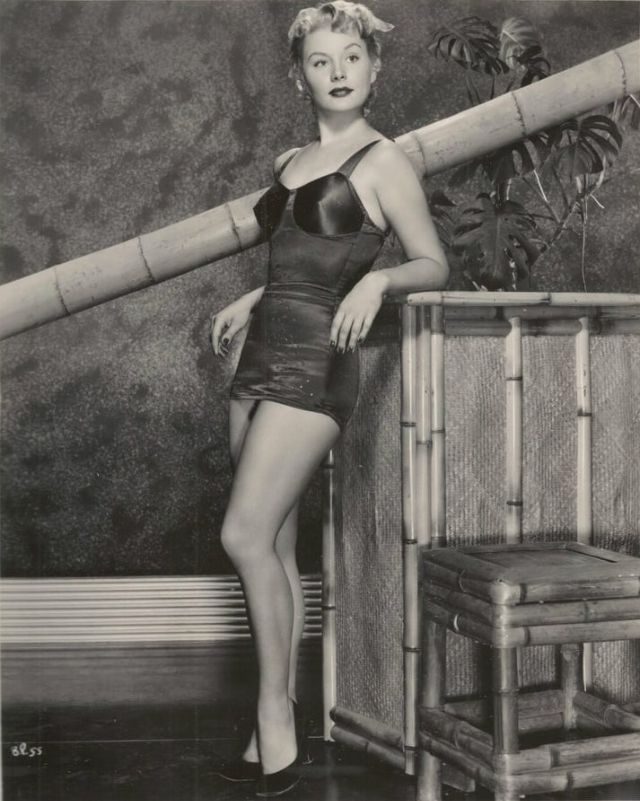
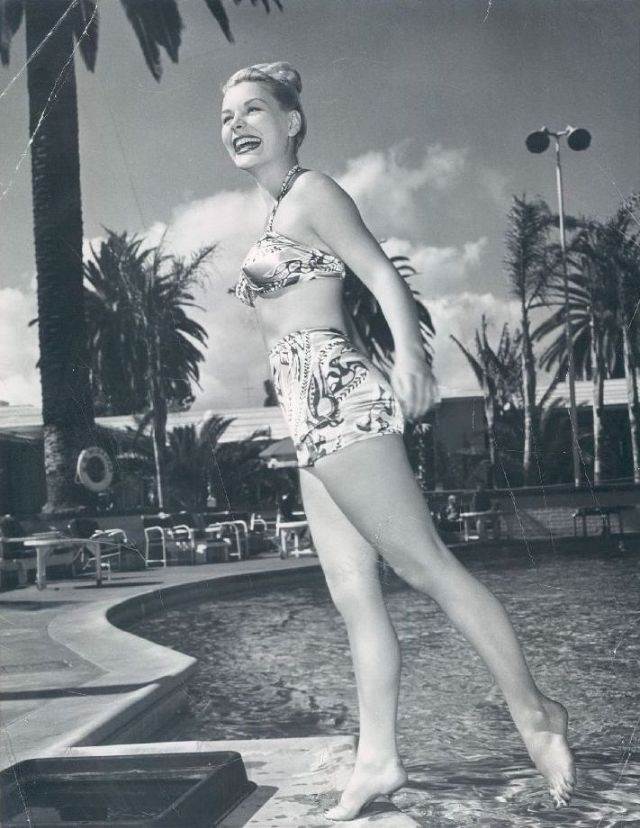
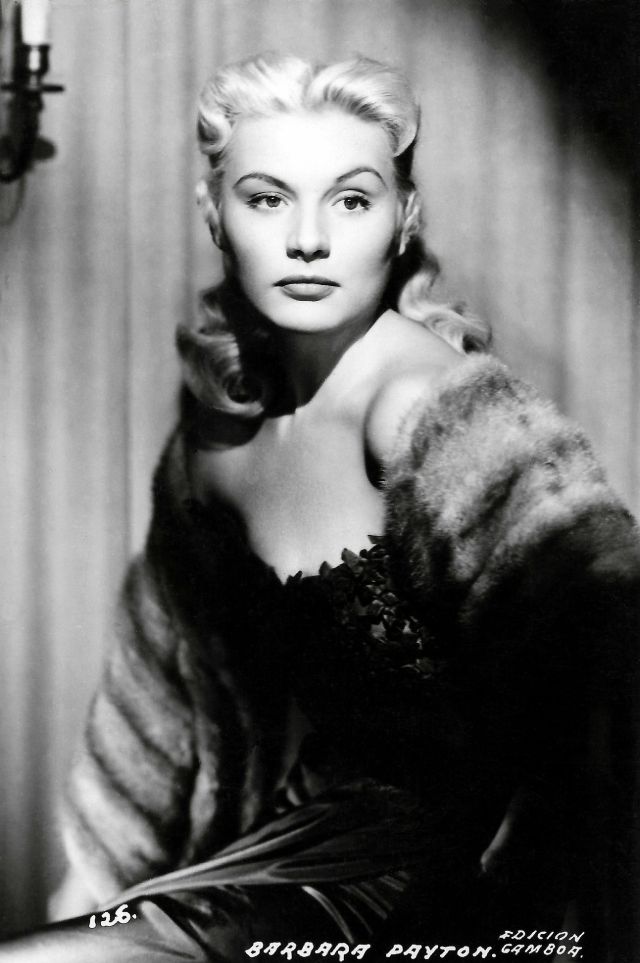
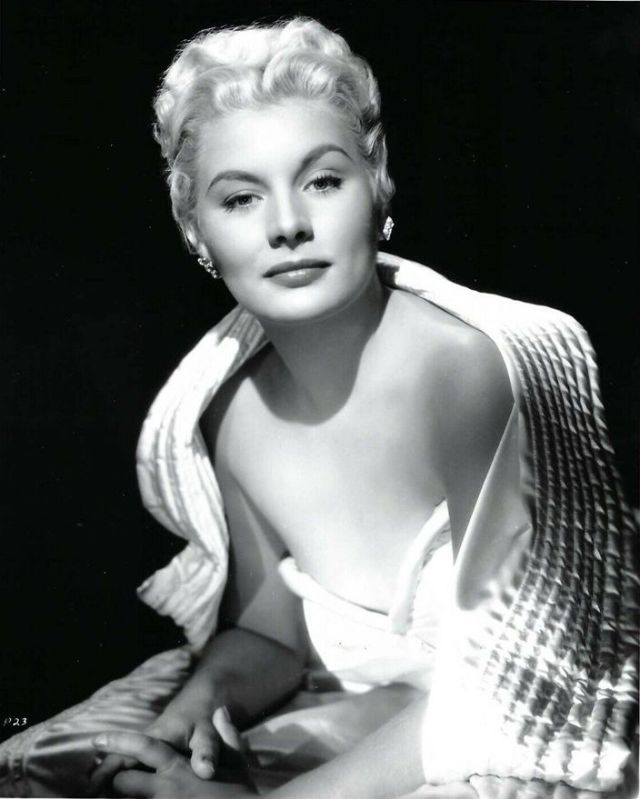
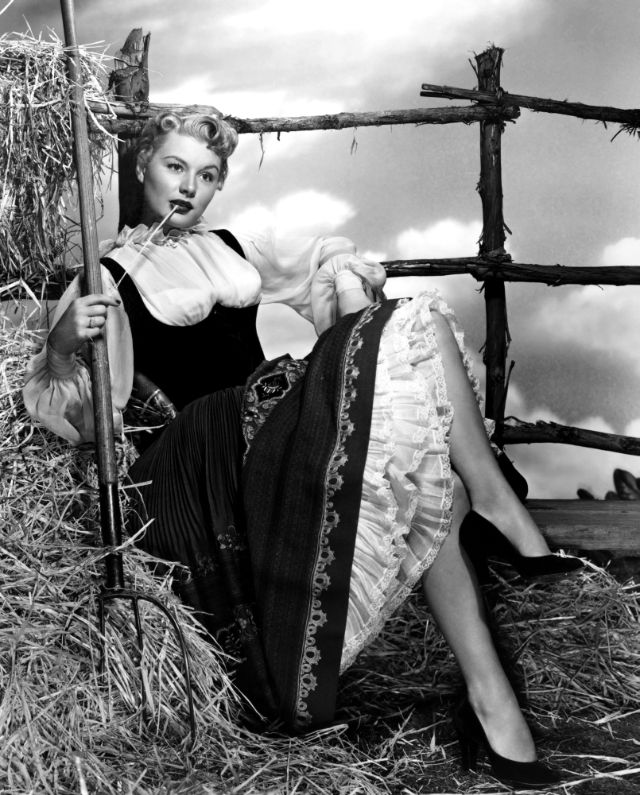
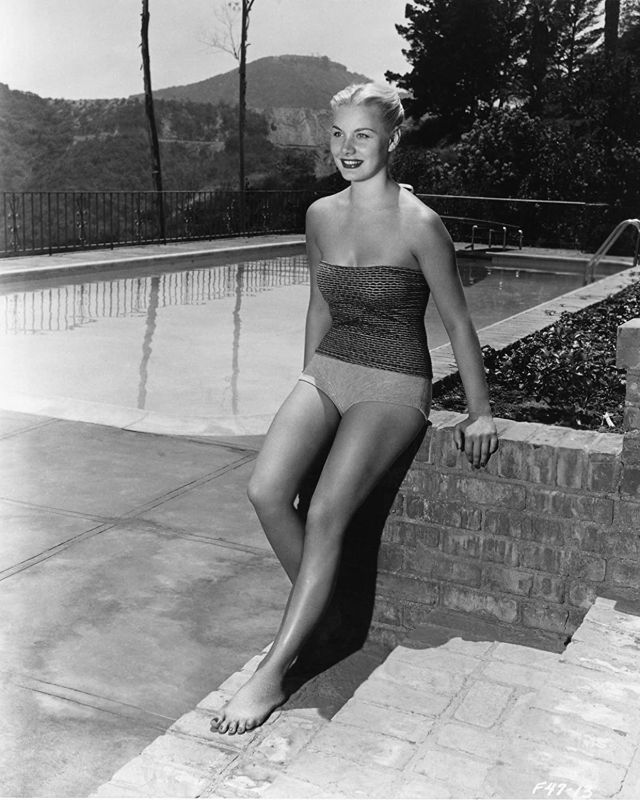
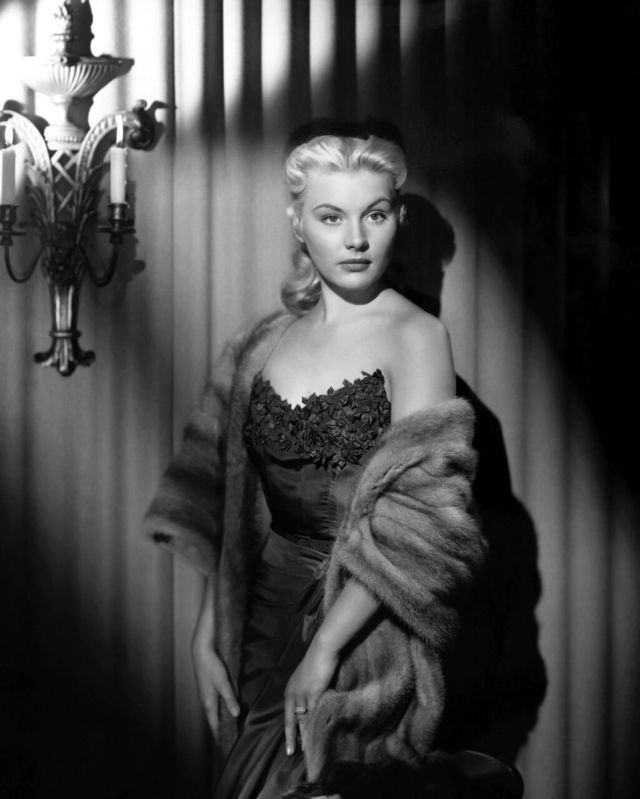
Born 1927 in Cloquet, Minnesota, American actress Barbara Payton first gained notice in the 1949 film noir Trapped co-starring Lloyd Bridges.
After being screen-tested by James Cagney and his producer brother, William, Payton starred with Cagney in the violent noir thriller Kiss Tomorrow Goodbye in 1950. William Cagney was so smitten with Payton’s sensual appeal and beauty that her contract was drawn as a joint agreement between William Cagney Productions and Warner Bros. at a salary of $5,000 per week, a large sum for an actress yet to demonstrate star power at the box office.
Her portrayal of the hardened, seductive girlfriend, whom Cagney’s character ultimately double-crosses, was praised in newspaper reviews of the movie. Her acting skills were recognized and her significant screen charisma widely acknowledged.
Kiss Tomorrow Goodbye was the high point in Payton’s career. Her screen appearances opposite Gary Cooper in Dallas (1950) and Gregory Peck in Only the Valiant (1951), both westerns, were lackluster productions that did little to highlight her skills as an actress. Payton’s career decline began with the 1951 low-budget horror film Bride of the Gorilla, co-starring Raymond Burr.
Payton was best known for her stormy social life and battles with alcoholism and drug addiction. Her life has been the subject of several books, including Kiss Tomorrow Goodbye: The Barbara Payton Story (2007) by John O’Dowd, L.A. Despair: A Landscape of Crimes and Bad Times (2005) by John Gilmore and B Movie: A Play in Two Acts (2014) by Michael B. Druxman.
In her brief life, she married five times. She died in 1967 at her parents’ home of heart and liver failure at the age of 39.
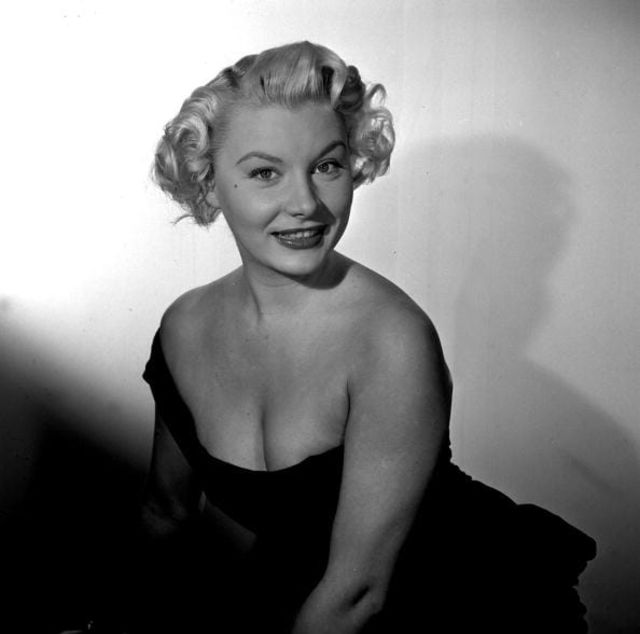
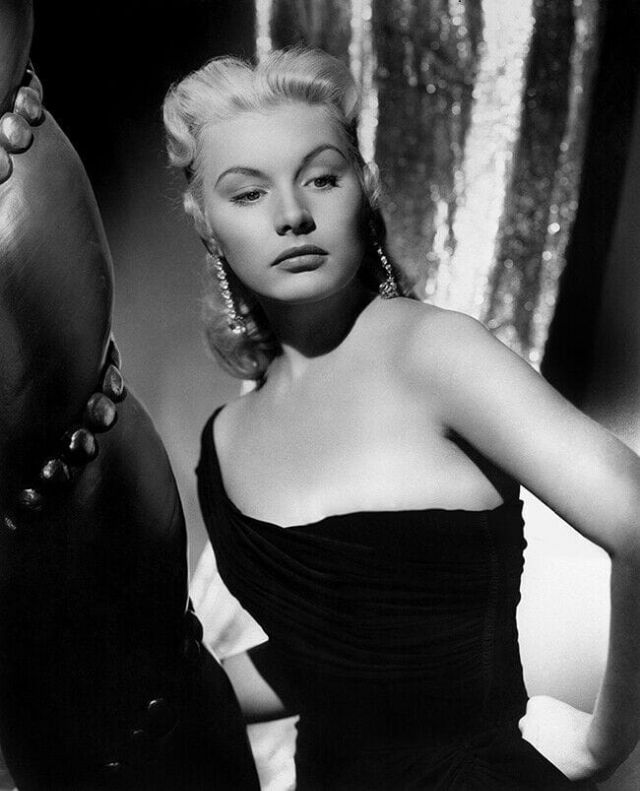
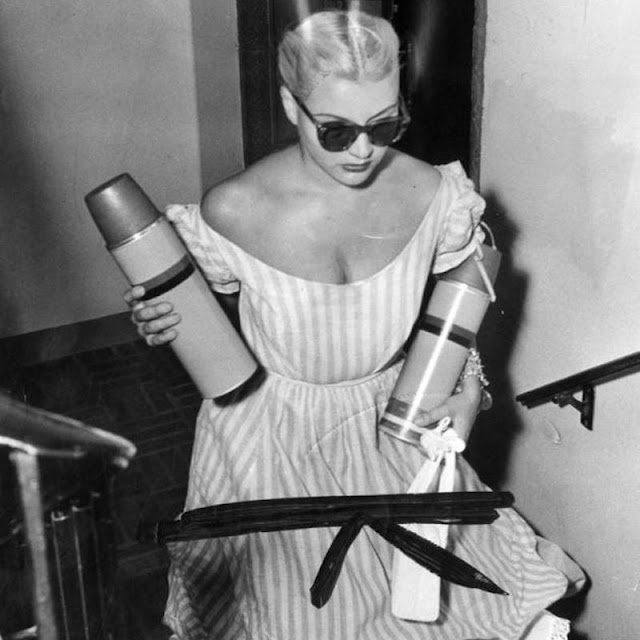
Take a look at these gorgeous photos to see the beauty of Barbara Payton in the 1950s.
Subscribe to Yesterday Today’s Blog to receive regular updates regarding new content:
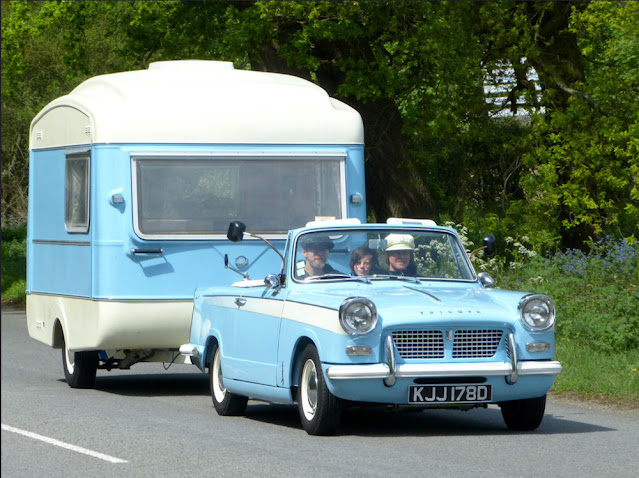
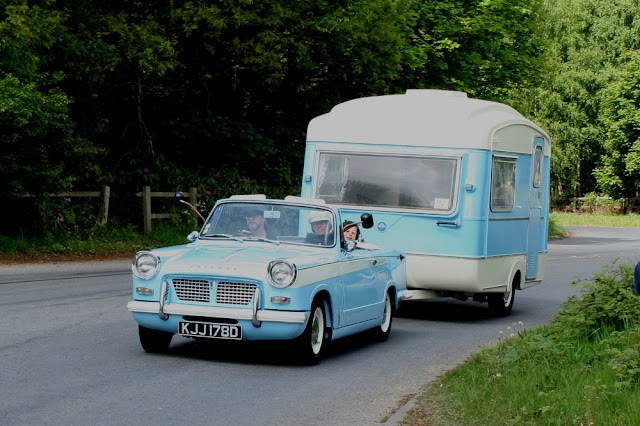
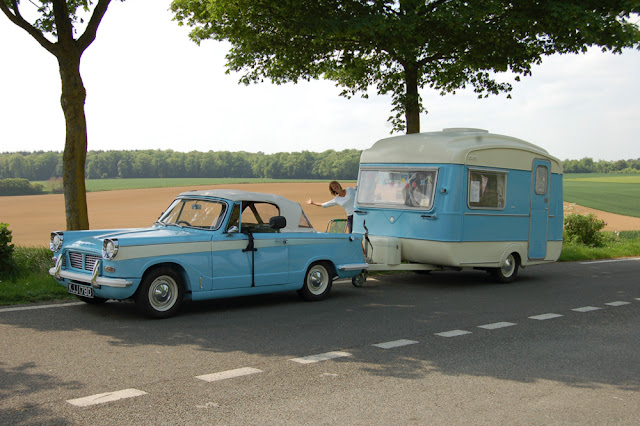
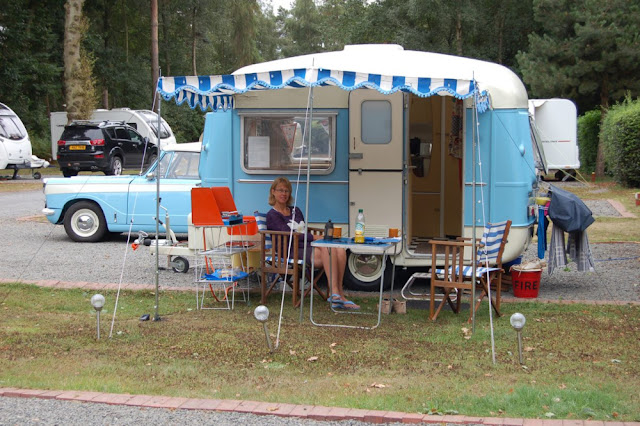
The Triumph Herald is a small two-door car introduced by Standard-Triumph of Coventry, England, in 1959 and made through to 1971. The body design was by the Italian stylist Giovanni Michelotti, and the car was offered in saloon, convertible, coupé, estate and van models, with the latter marketed as the Triumph Courier.
Standard-Triumph experienced financial difficulties at the beginning of the 1960s and was taken over by Leyland Motors in 1961. This released new resources to develop the Herald and the car was re-launched in April 1961 with an 1147 cc engine as the Herald 1200.
The new model featured rubber-covered bumpers, a wooden laminate dashboard and improved seating. Quality control was also tightened up. Twin carburettors were no longer fitted to any of the range as standard although they remained an option, the standard being a single down-draught Solex carburettor. Claimed maximum power of the Herald 1200 was 39 bhp (29 kW), as against the 34.5 bhp (25.7 kW) claimed for the 948 cc model. One month after the release of the Herald 1200, a 3-door estate was added to the range. Disc brakes became an option from 1962.
Sales picked up despite growing competition from the Mini and the Ford Anglia. The coupé was dropped from the range in late 1964 as it was by then in direct competition with the Triumph Spitfire.
Subscribe to Yesterday Today’s Blog to receive regular updates regarding new content:
Eduard van der Elsken (1925–1990) was a Dutch photographer and filmmaker. His imagery provides quotidian, intimate and autobiographic perspectives on the European zeitgeist spanning the period of the Second World War into the nineteen-seventies in the realms of love, sex, art, music (particularly jazz), and alternative culture.
He described his camera as “infatuated,” and said: “I’m not a journalist, an objective reporter, I’m a man with likes and dislikes.” His style is subjective and emphasizes the seer over the seen; a photographic equivalent of first-person speech.
Over the course of his 40-year career, Van der Elsken took around 100,000 photographs, “collecting my kind of people.” Take a look at these incredible pictures of the people of Amsterdam taken by Van der Elsken in the 1960s and 1970s:
Subscribe to continue reading
Become a paid subscriber to get access to the rest of this post and other exclusive content.