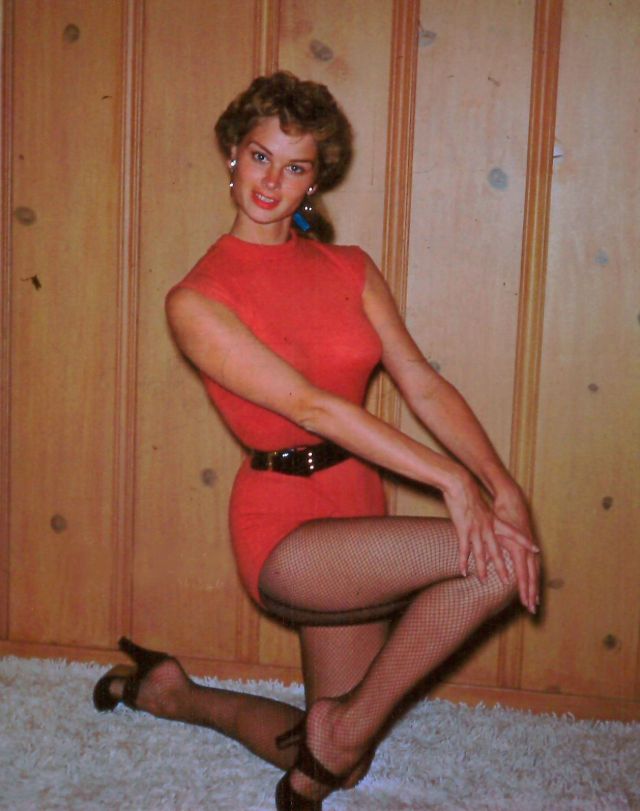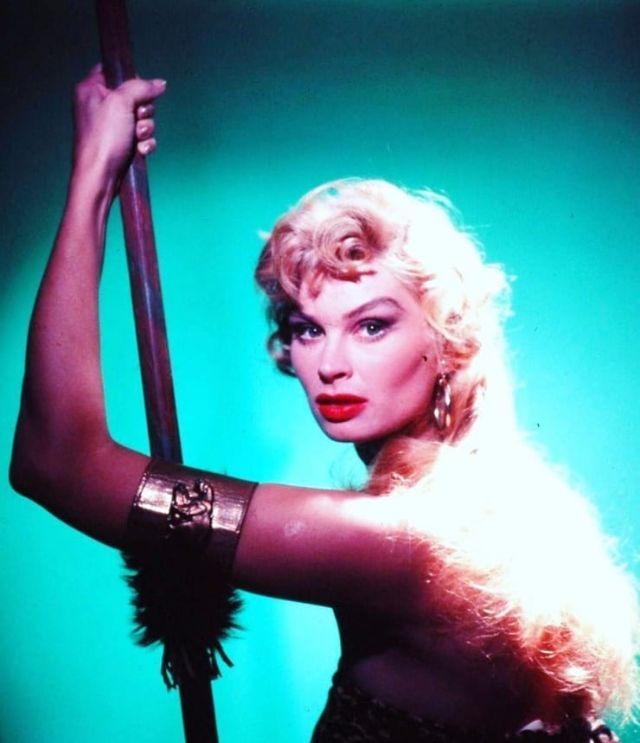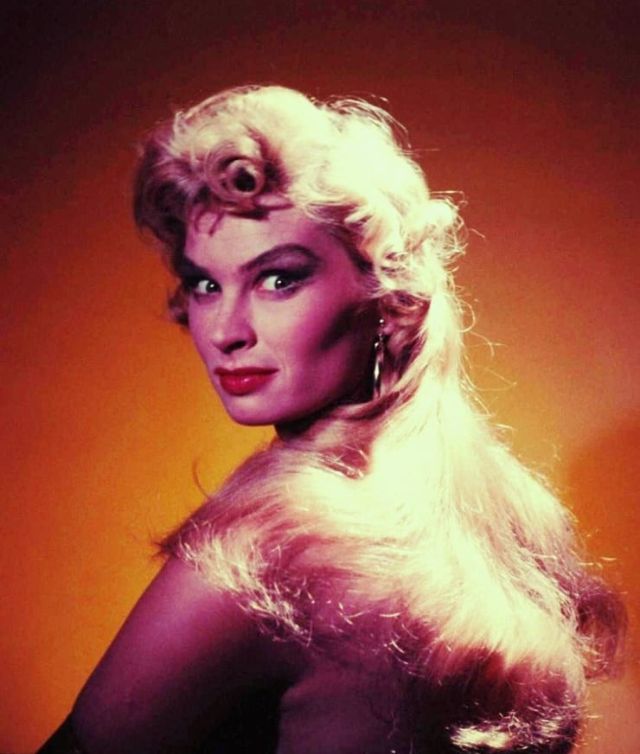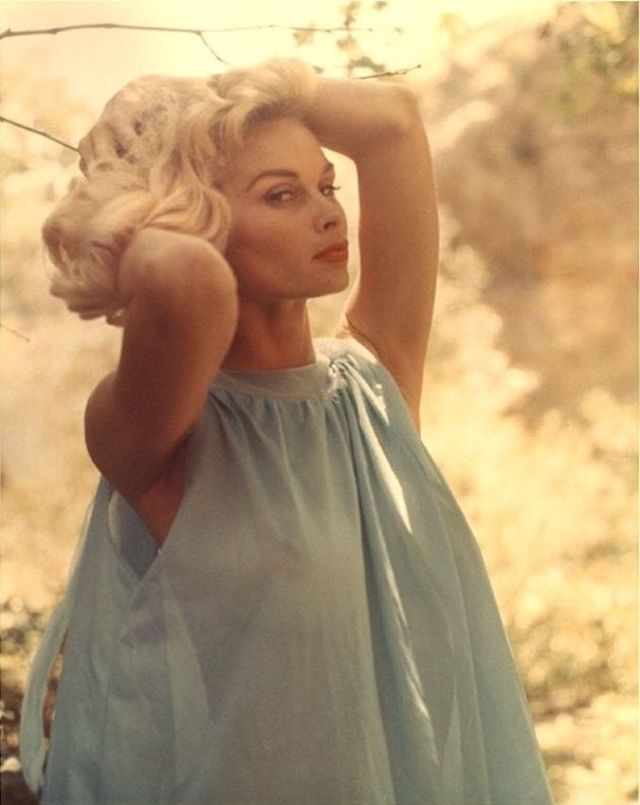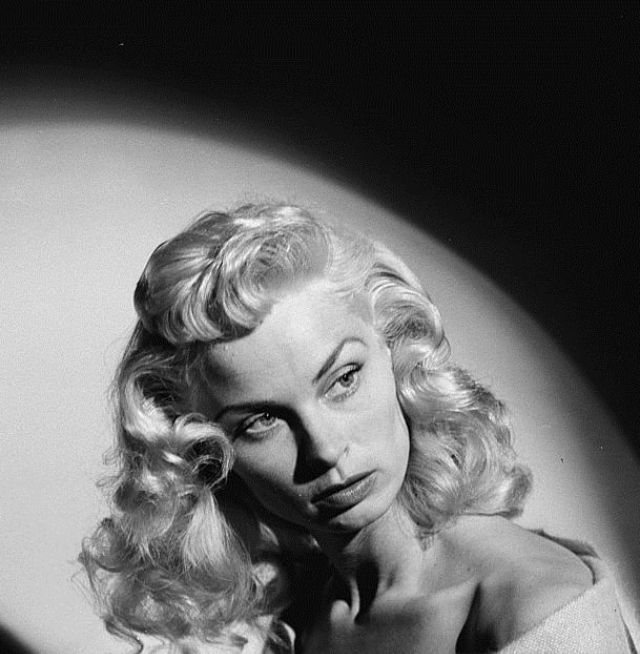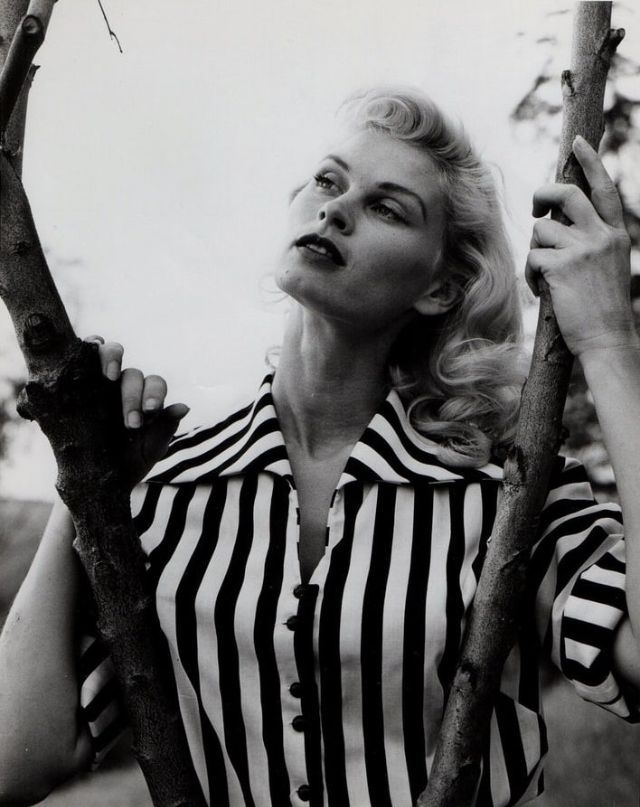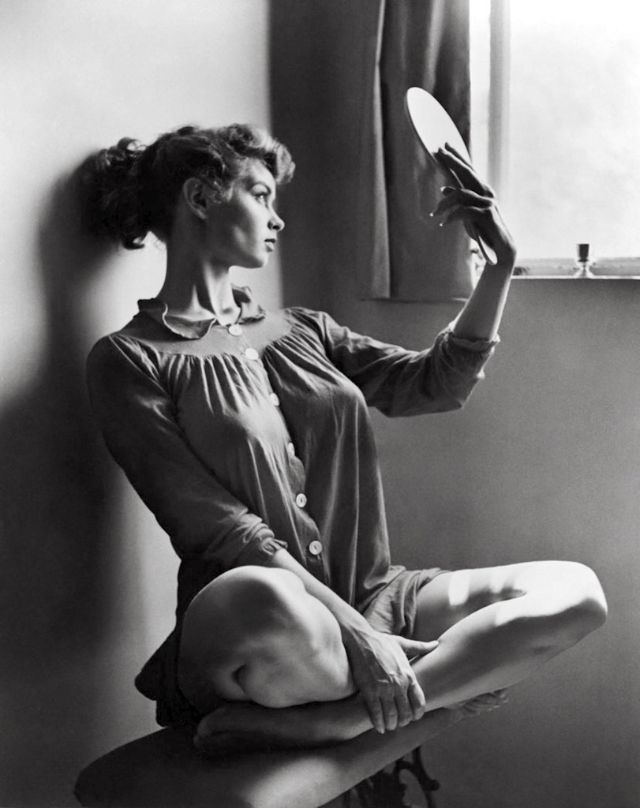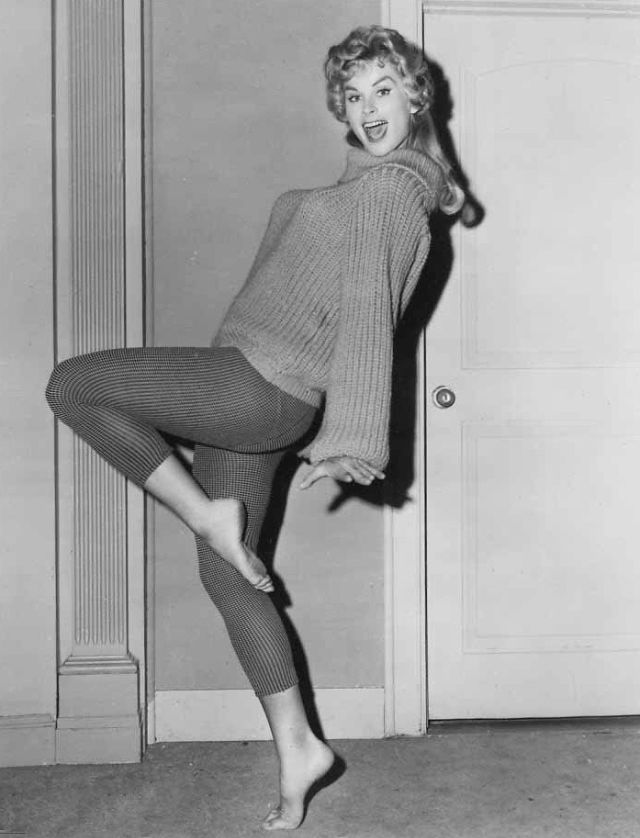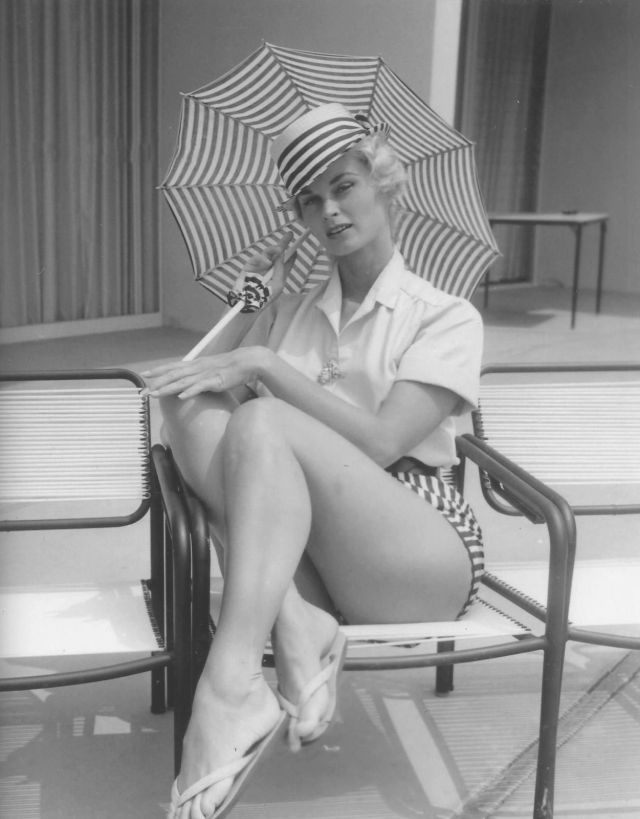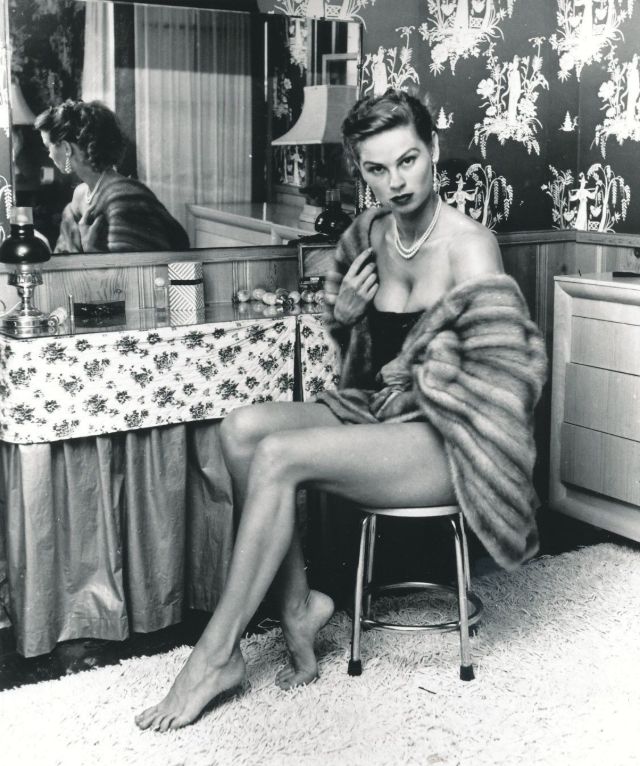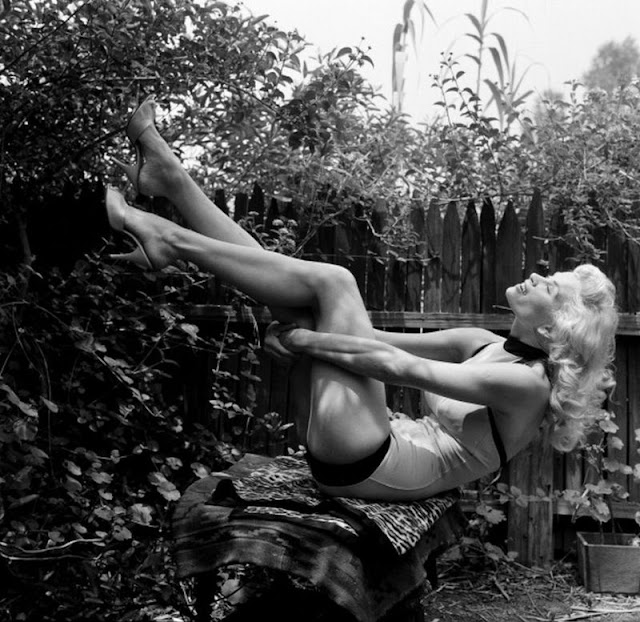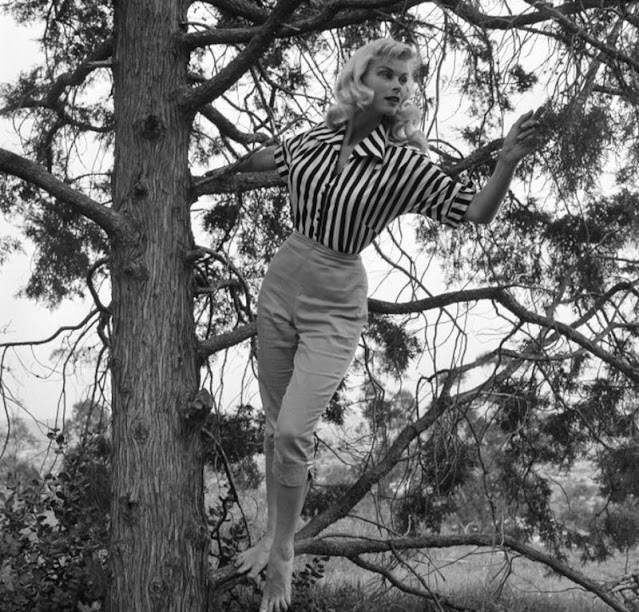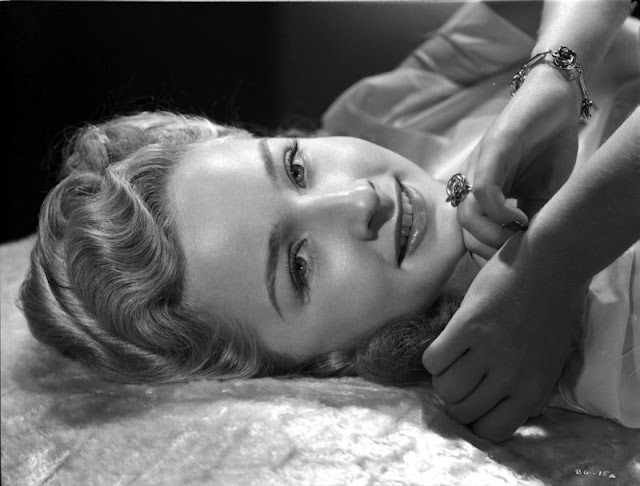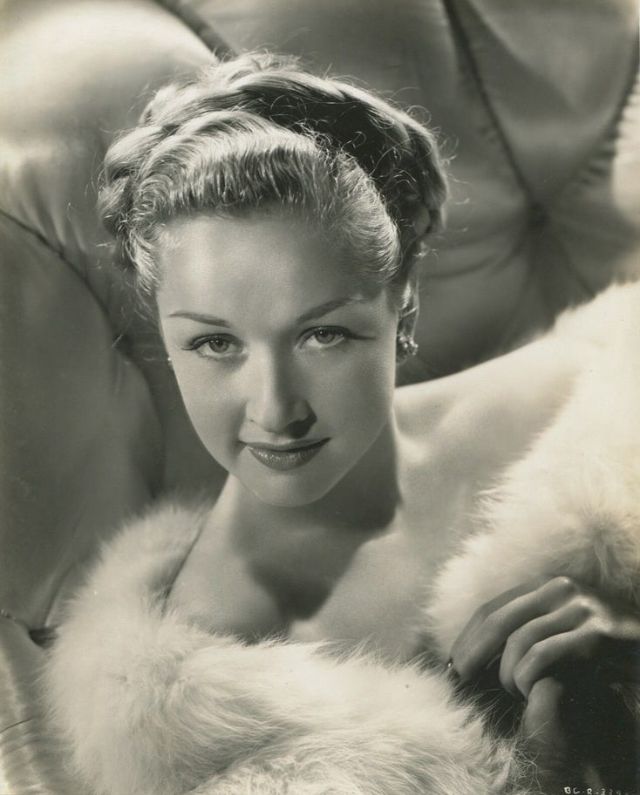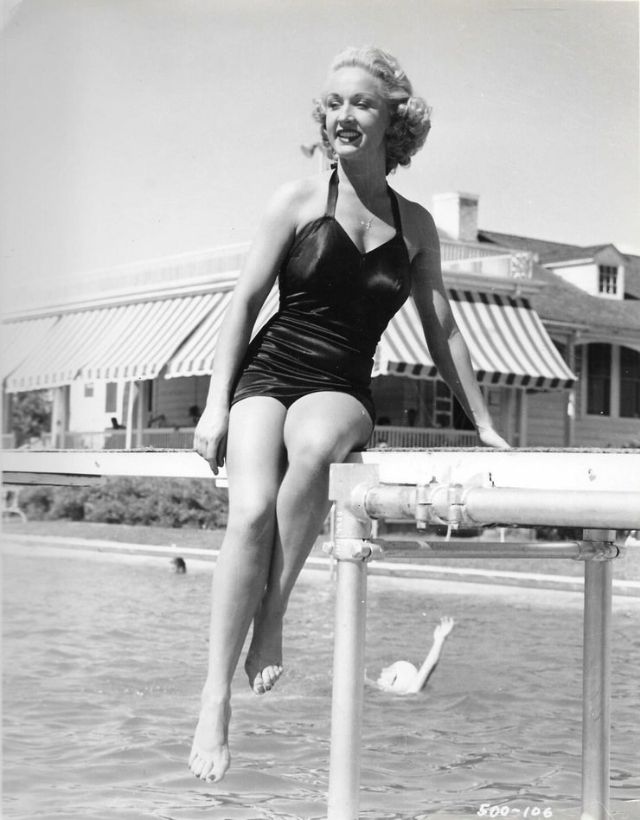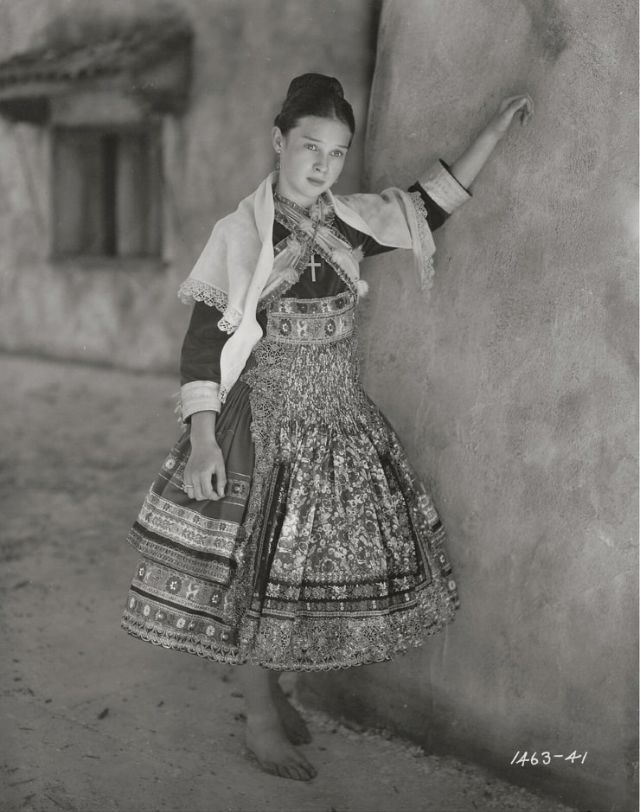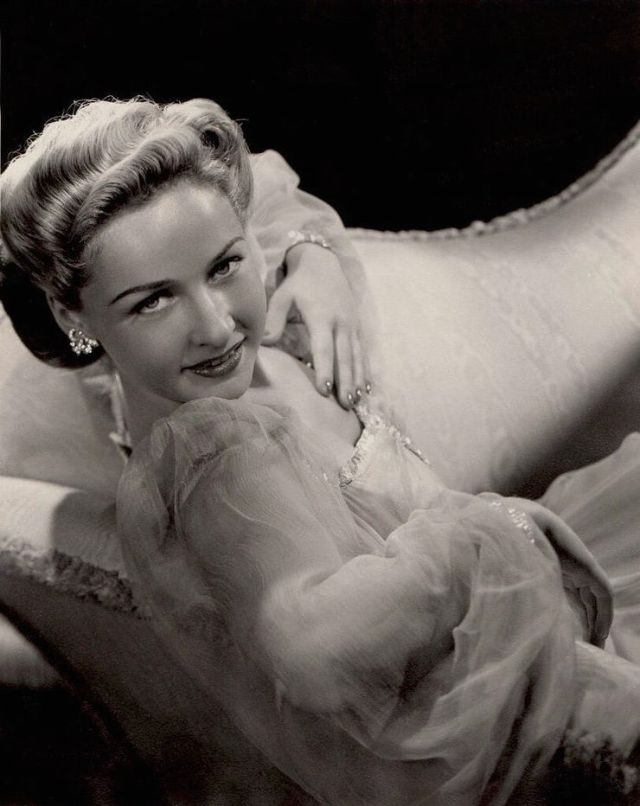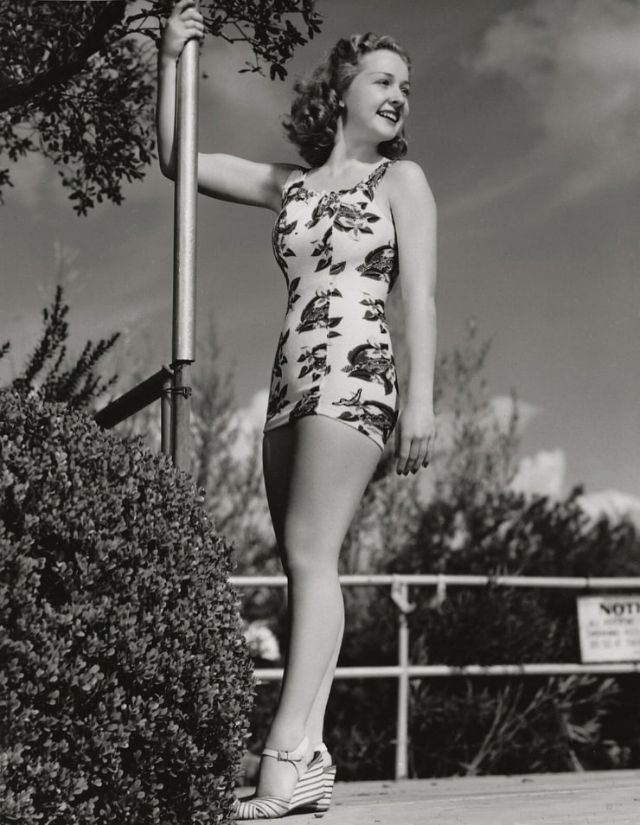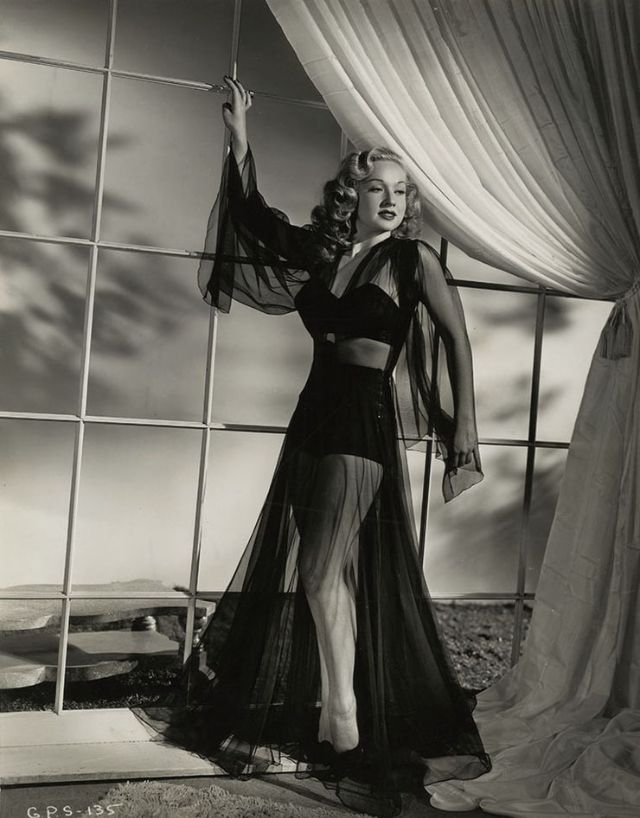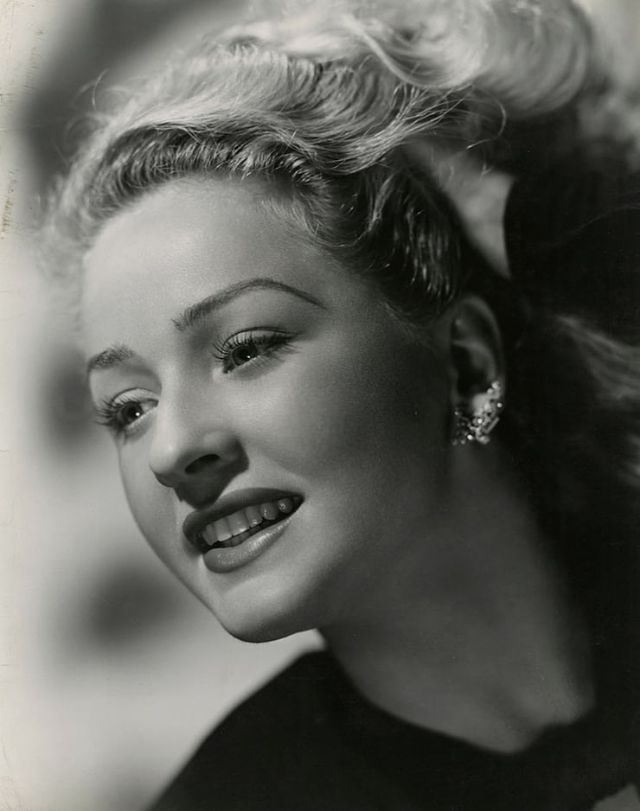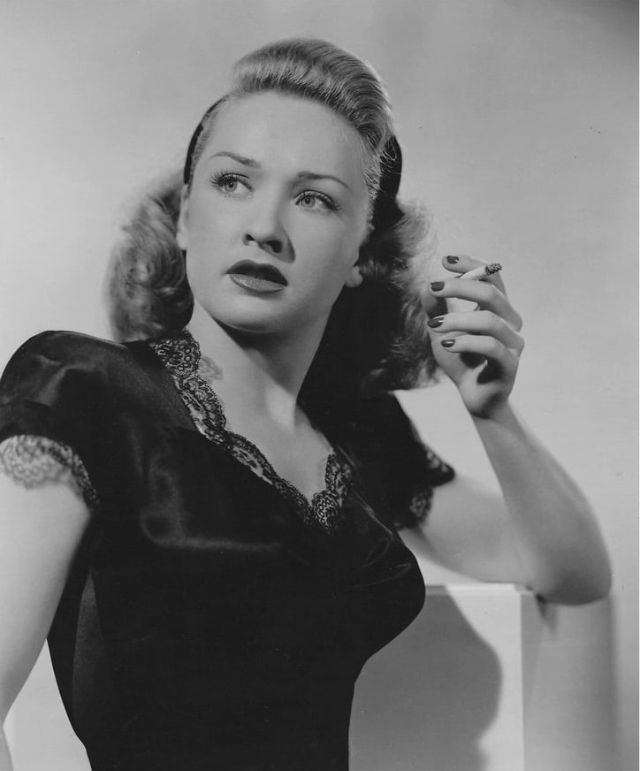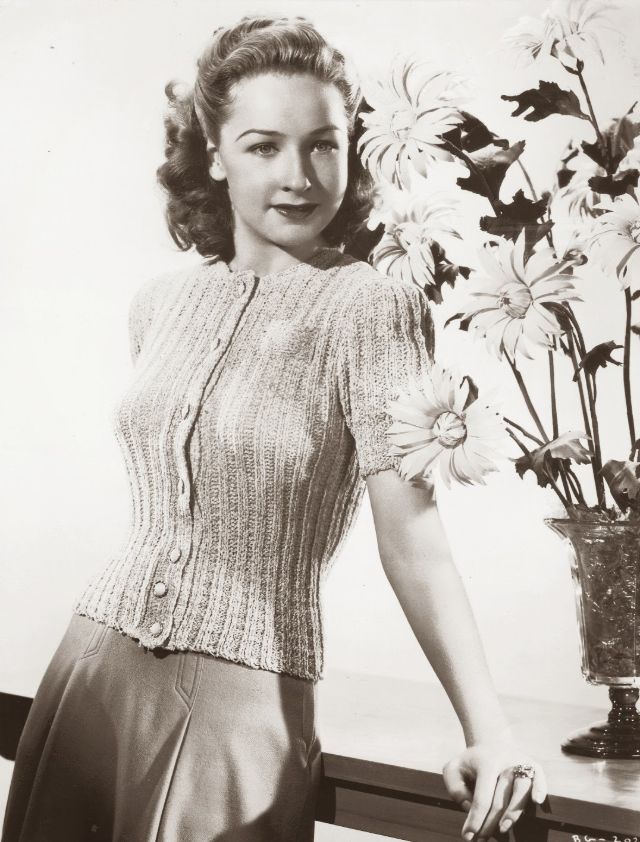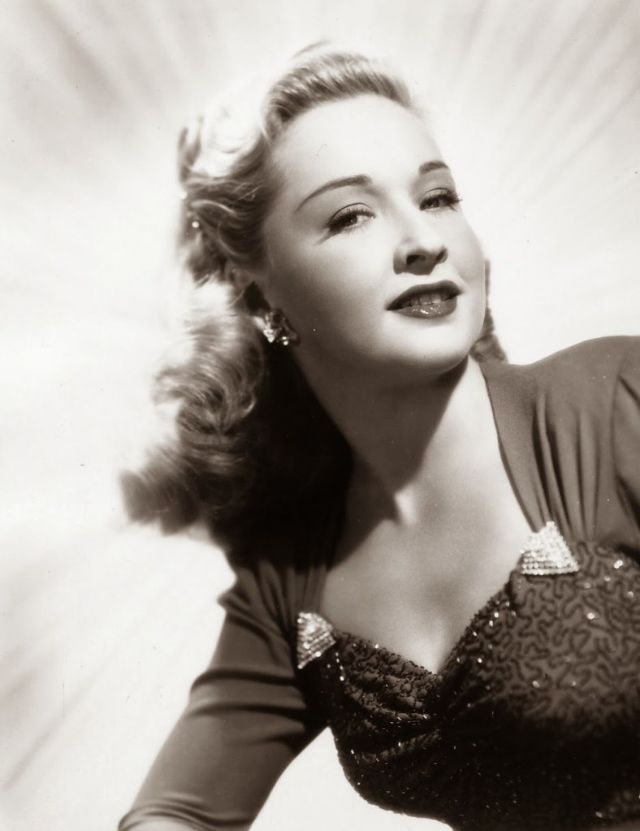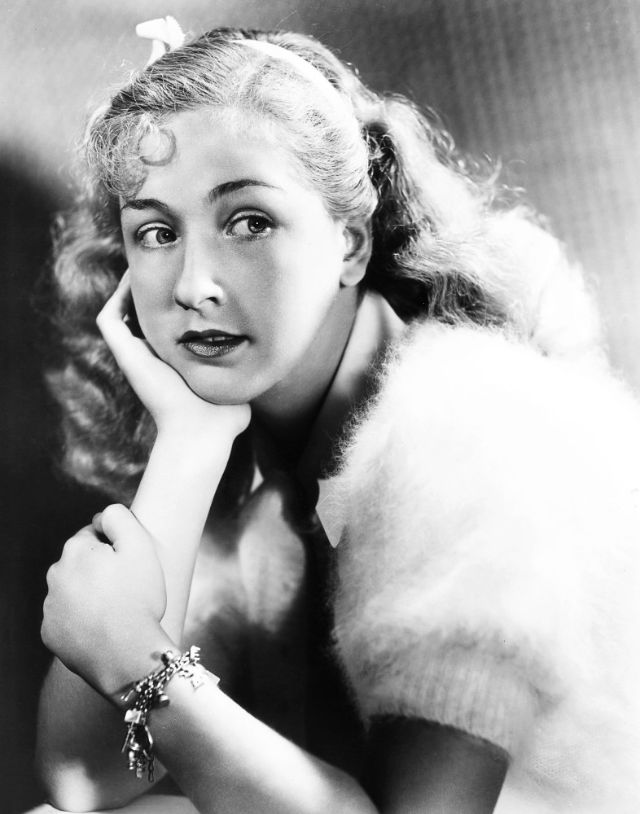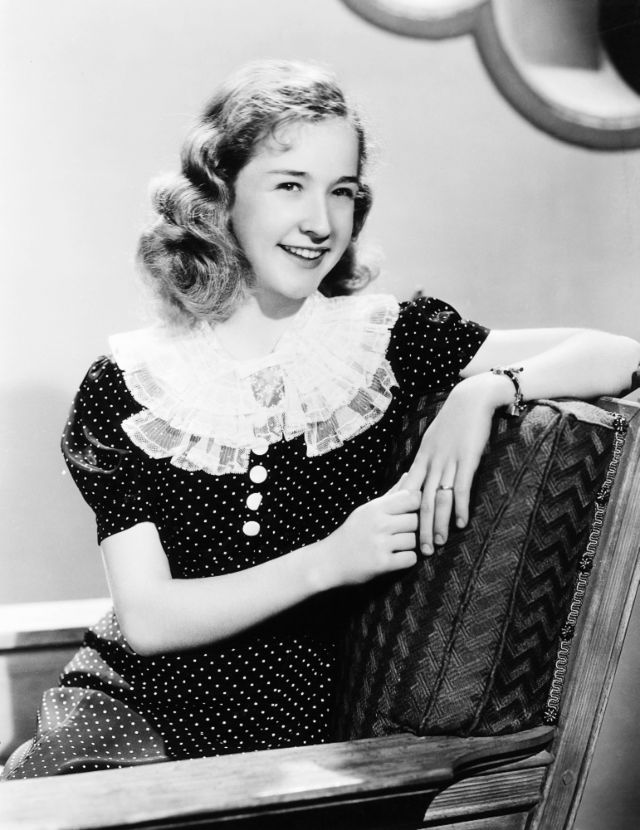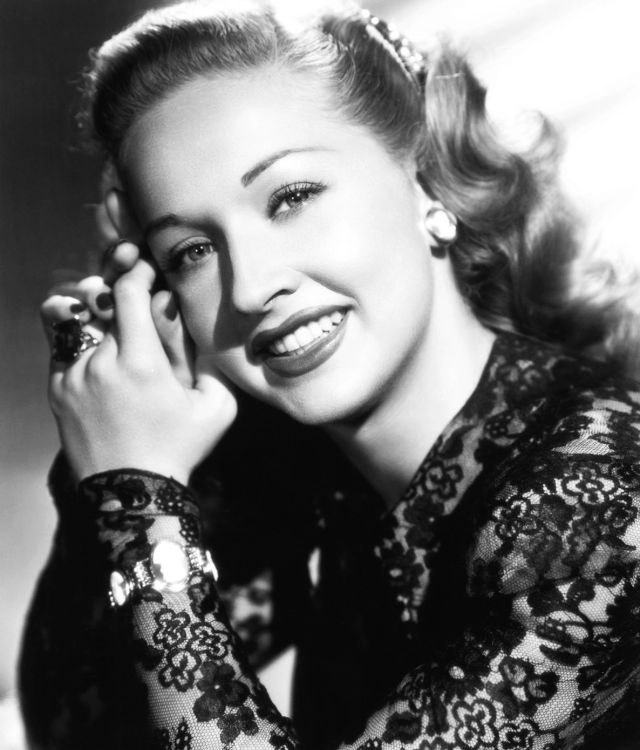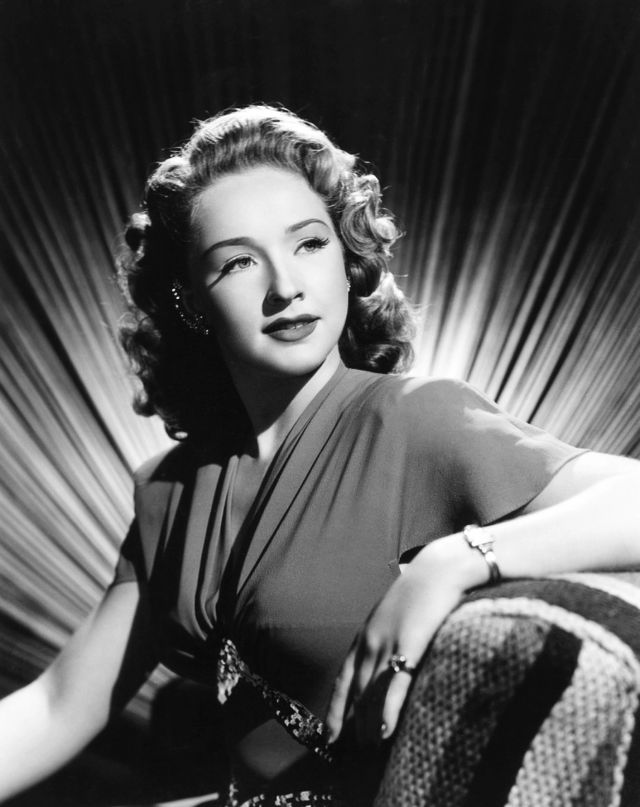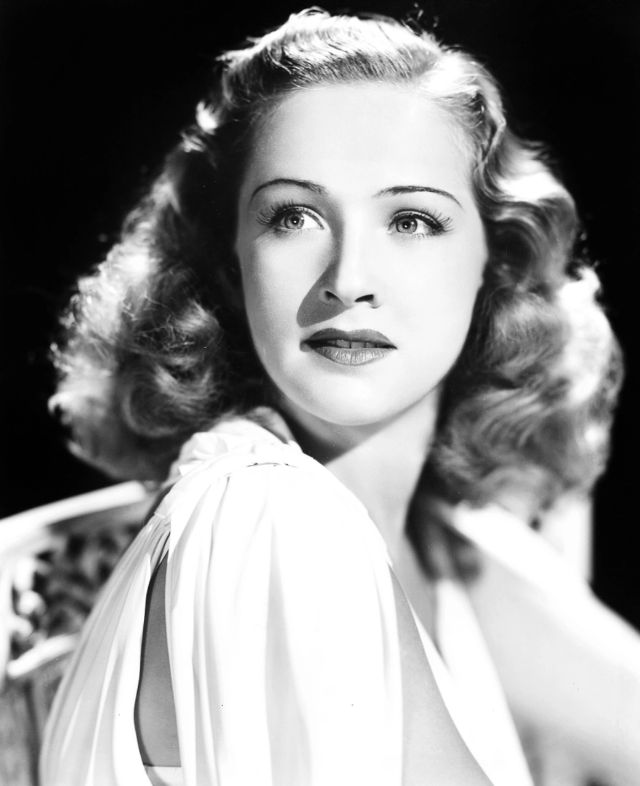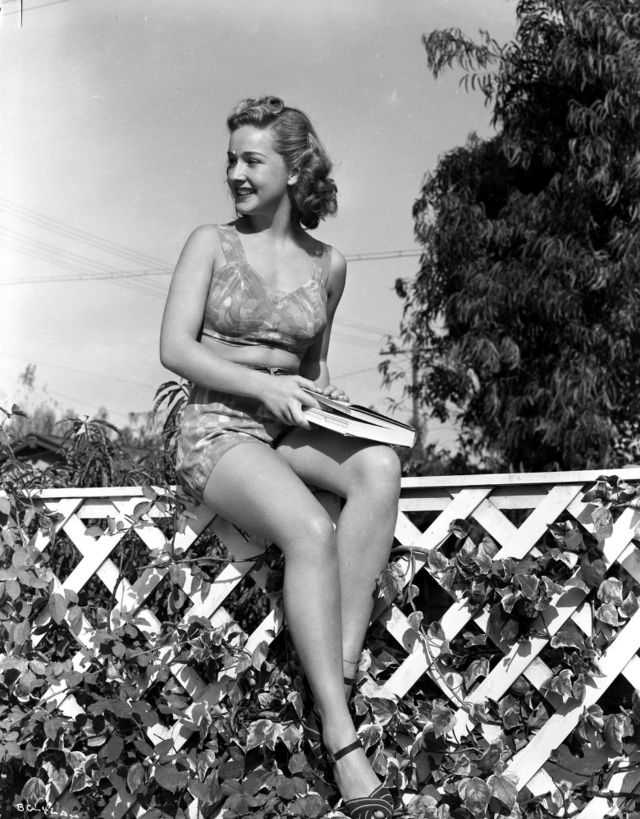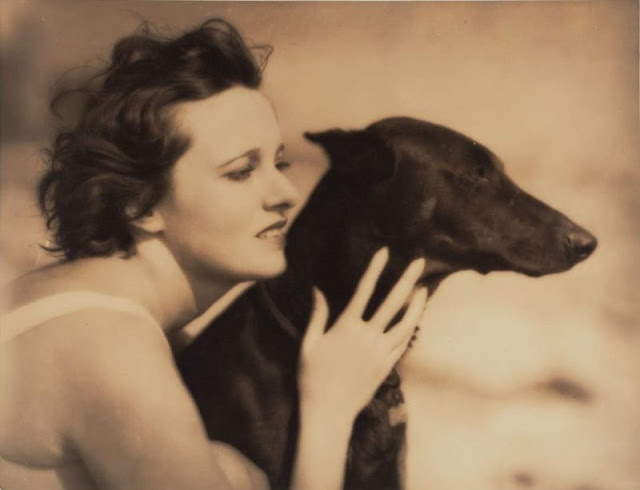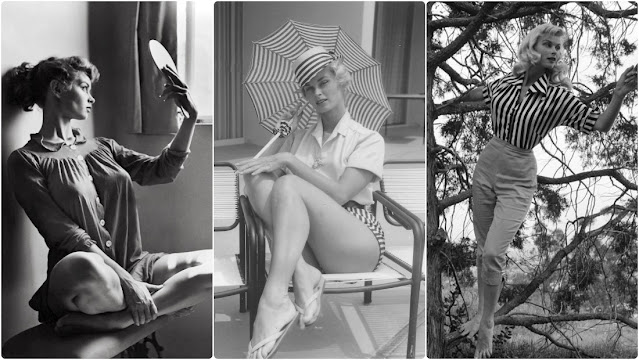
35 Fabulous Photos of Actress Irish McCalla in the 1950s

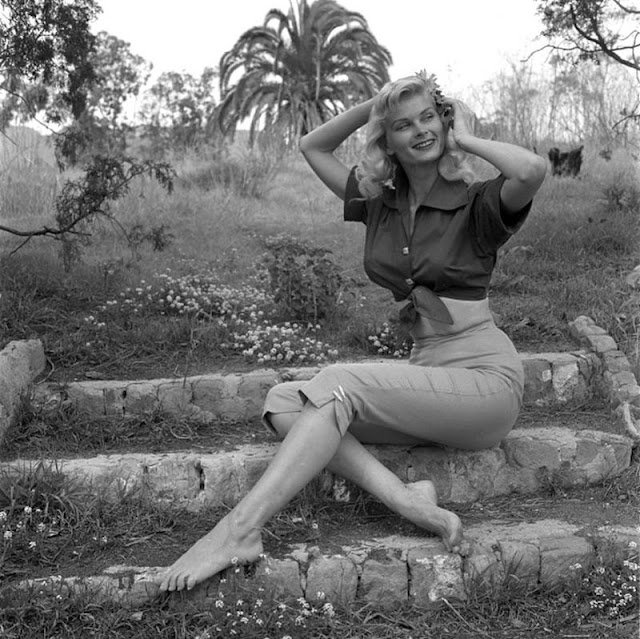
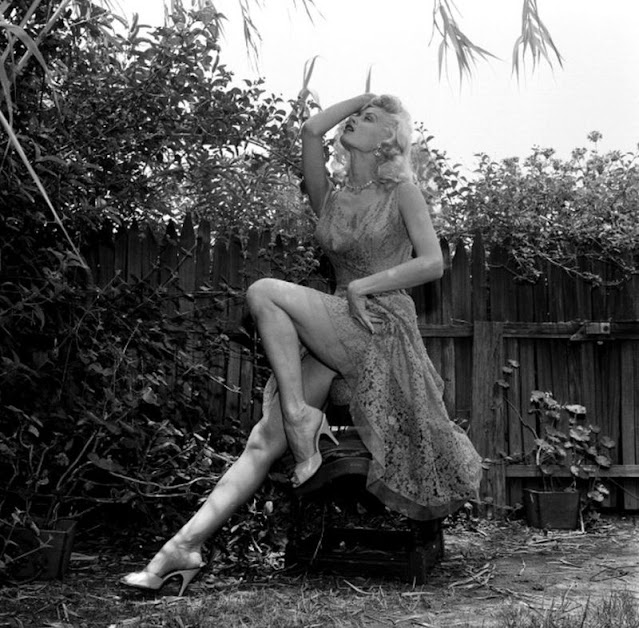
Born 1928 in Pawnee City, Nebraska, American actress and artist Irish McCalla was best known as the title star of the 1950s television series Sheena, Queen of the Jungle. She co-starred with actor Chris Drake. Following the one-season Sheena, she appeared in five films from 1958 to 1962, and guest roles on the TV series Have Gun — Will Travel and Route 66.

McCalla was already a popular pinup model by 1952, when several other models and she appeared in the film River Goddesses, comprising voluptuous young women frolicking in Glen Canyon. She was also a “Vargas Girl” model for pin-up girl artist Alberto Vargas.

As an artist, McCalla drew numerous oil paintings and collector plates, and sold prints of her work. She was a member of Woman Artists of the American West, and her work has been displayed at the Los Angeles Museum of Arts and Sciences.

At age 73 in 2002, McCalla died of a stroke and complications from her fourth brain tumor. She has a star on the Hollywood Walk of Fame, at 1722 Vine Street. Take a look at these fabulous photos to see the beauty of young Irish McCalla in the 1950s.

April 15, 1964: Gail Wise Was the First Person to Buy a Ford Mustang

Subscribe to get access

Read more of this content when you subscribe today.

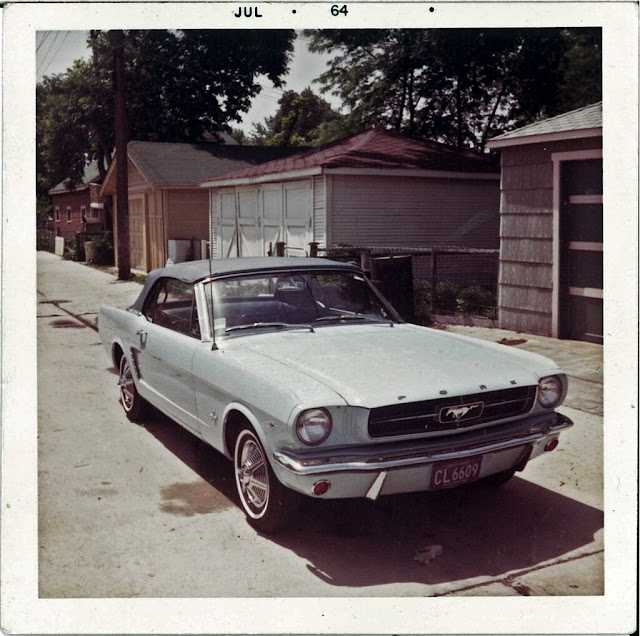
On April 15, 1964, two days before the Ford Mustang was officially supposed to go on sale, one mistakenly left the dealership. The lucky new owner, the first person to buy a Mustang was Gail Wise, a 22 year old school teacher from Chicago. Her parents let her the money after she landed her new job, but had no way to get to and from the school she was to teach at. She head to a local dealership in search of a convertible. When she expressed her desires she was disheartened to learn no drop tops were in stock. Perhaps seeing her dismay, the salesman told her he had a special surprise and led her to a backroom. Not sketchy at all…

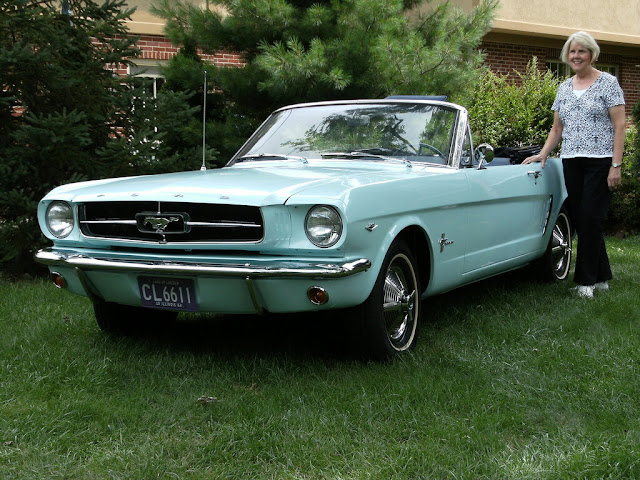
Much to her relief she found a baby blue Ford Mustang convertible. The car had yet to be released to the public, and the salesman knew the sale shouldn’t occur, yet. But what’s a couple days? Gail offered to pay full price for the car, $3,447.50, without even taking it for a test drive. No salesman can say no to that.

She said that at the dealership, she told the salesman that she wanted a convertible but he didn’t have one on the floor. Instead, he invited her to the backroom for a special surprise. “In the backroom under the tarp was this skylight-blue Mustang,” Gail Wise told ABC News. “I was excited. It was sporty. It had bucket seats [and a] transmission on the floor. I said, ‘Oh, yes! I want it.’”

She left to many stares and smiles, as many had never seen the car in concept form or otherwise. It should be said, this was not the first Mustang built, just the first one publicly sold.

“I was excited I had bought a new car,” Gail Wise said in an earlier interview with Ford Motor Co. “But, when everybody was staring at me and the car, I was like ‘Wow! What did I buy?’ I was really impressed. I felt like a movie star.”

After the ‘Stang sat for more than 20 years, the car received a full restoration in the early 2000s. Gail still owns the car to this day.

Subscribe to continue reading

Become a paid subscriber to get access to the rest of this post and other exclusive content.

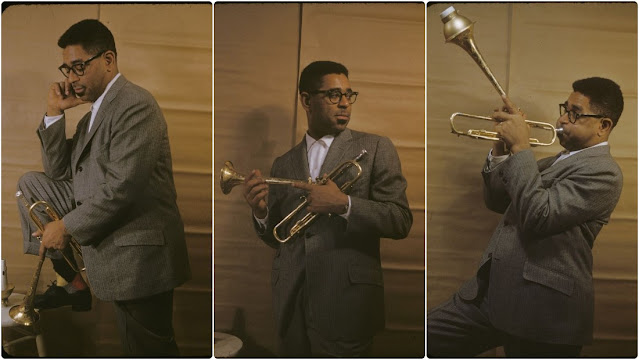
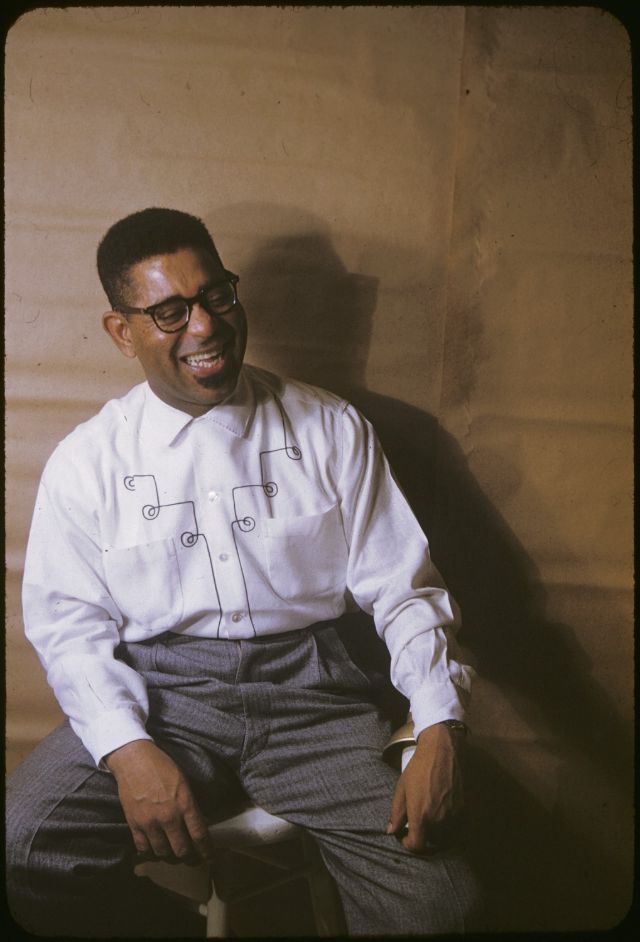
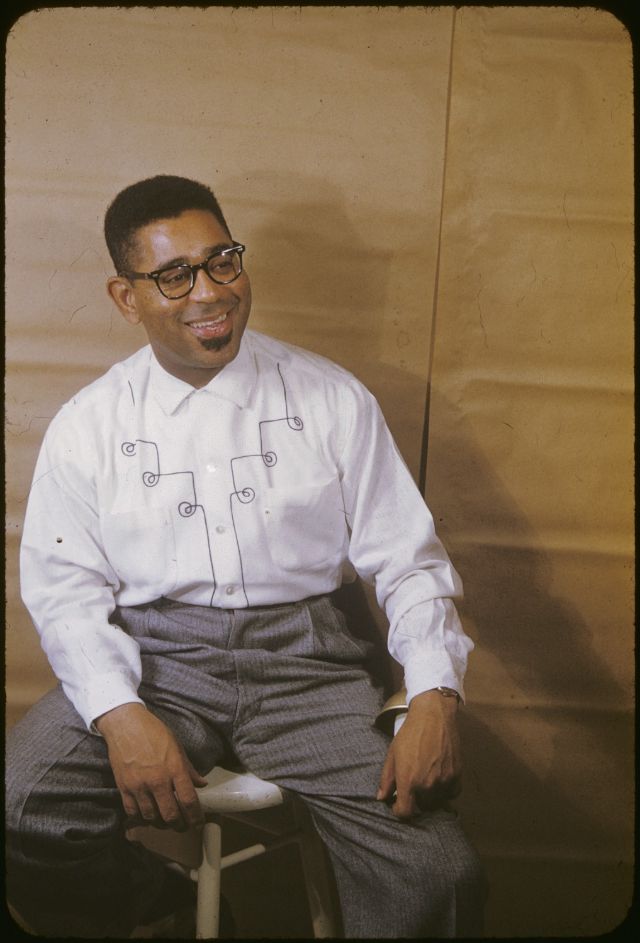
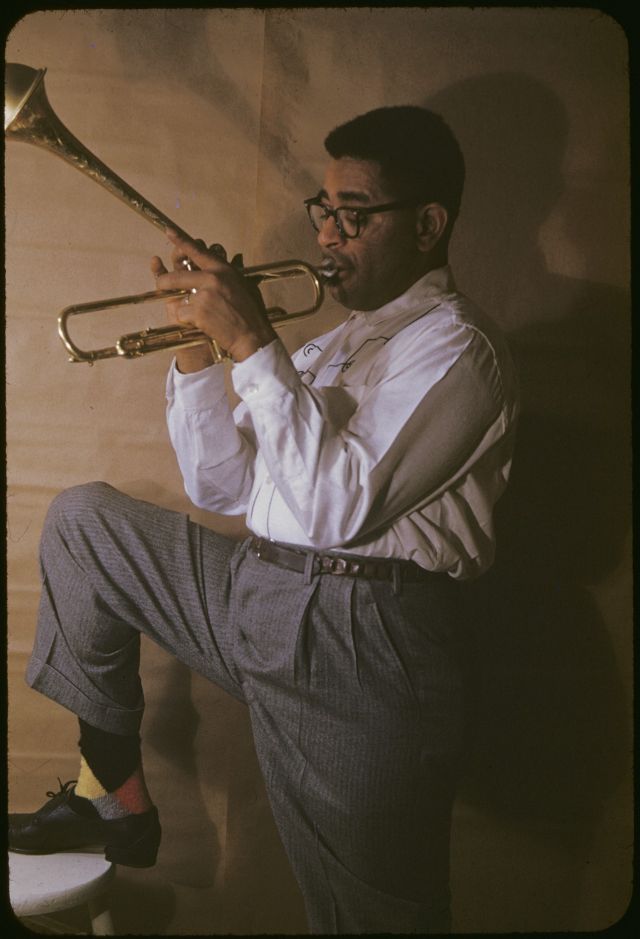
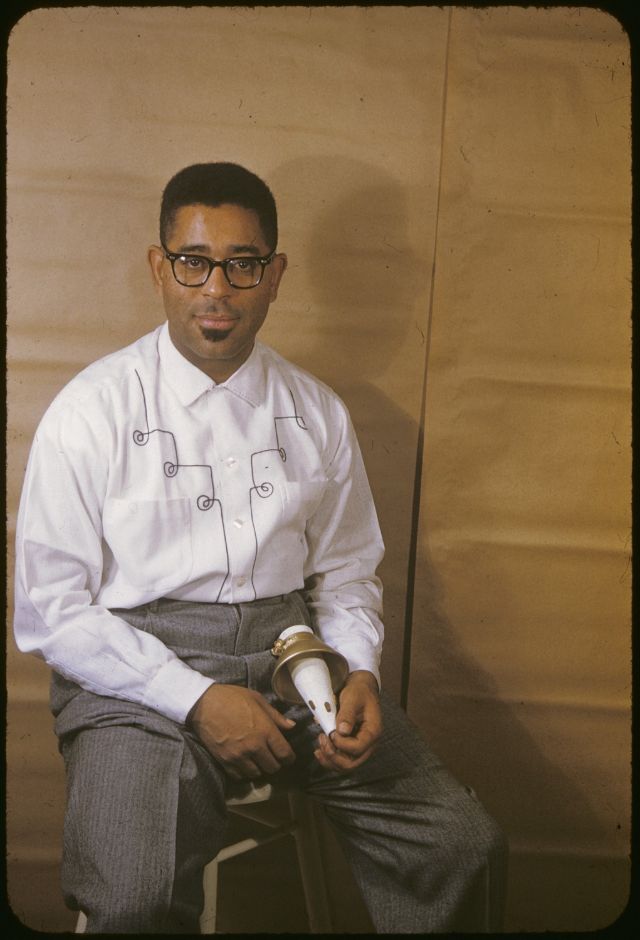
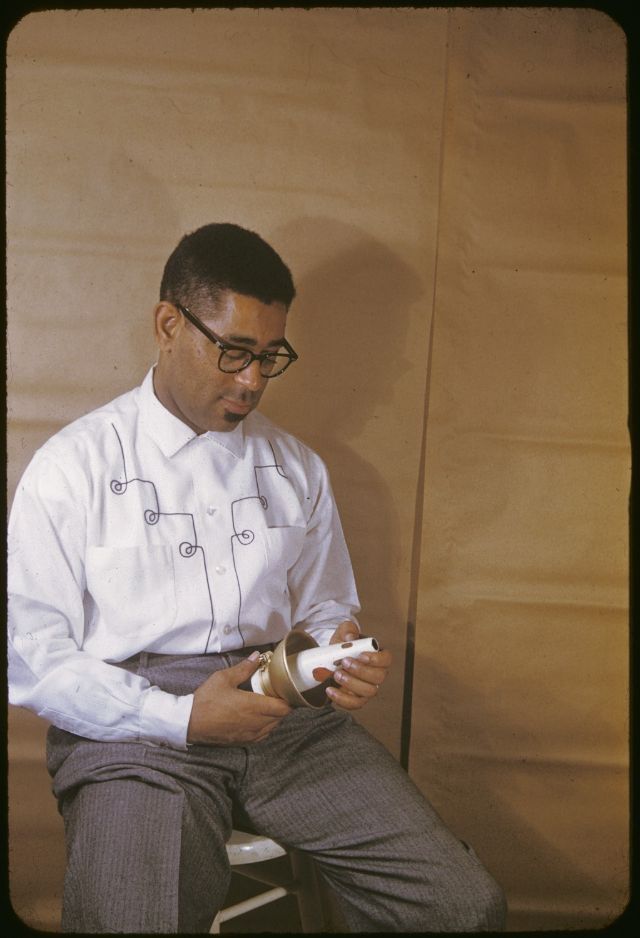
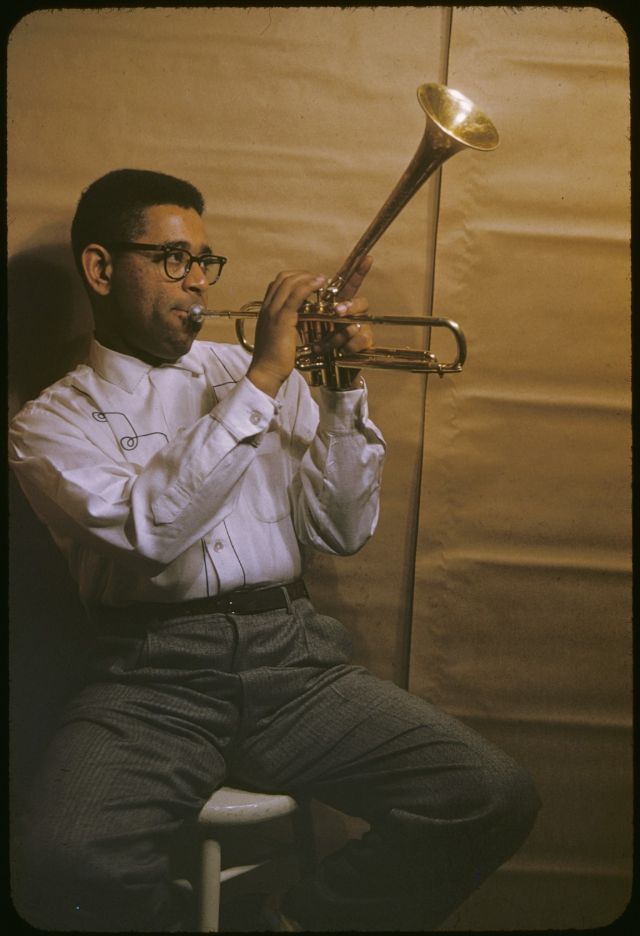
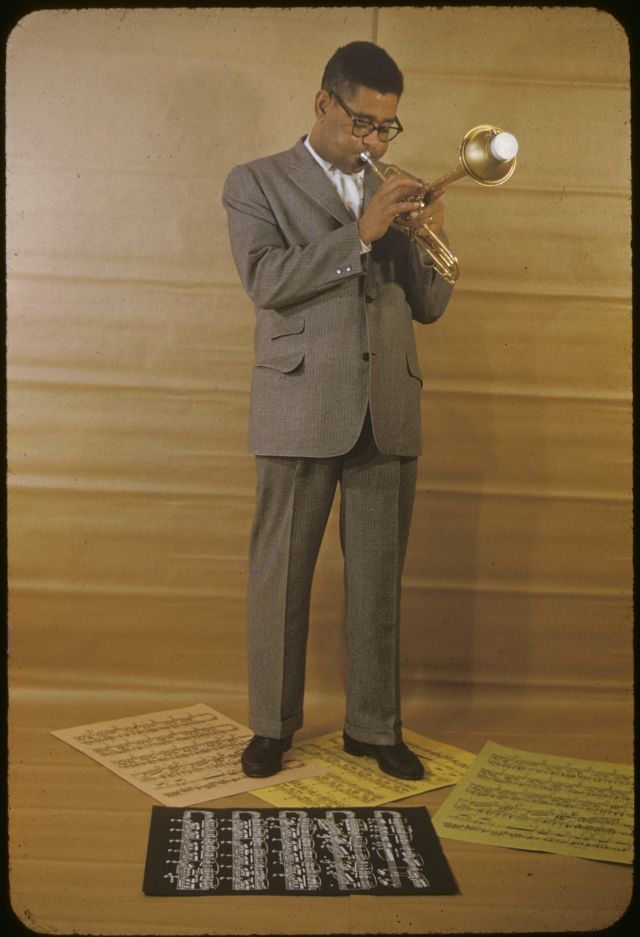
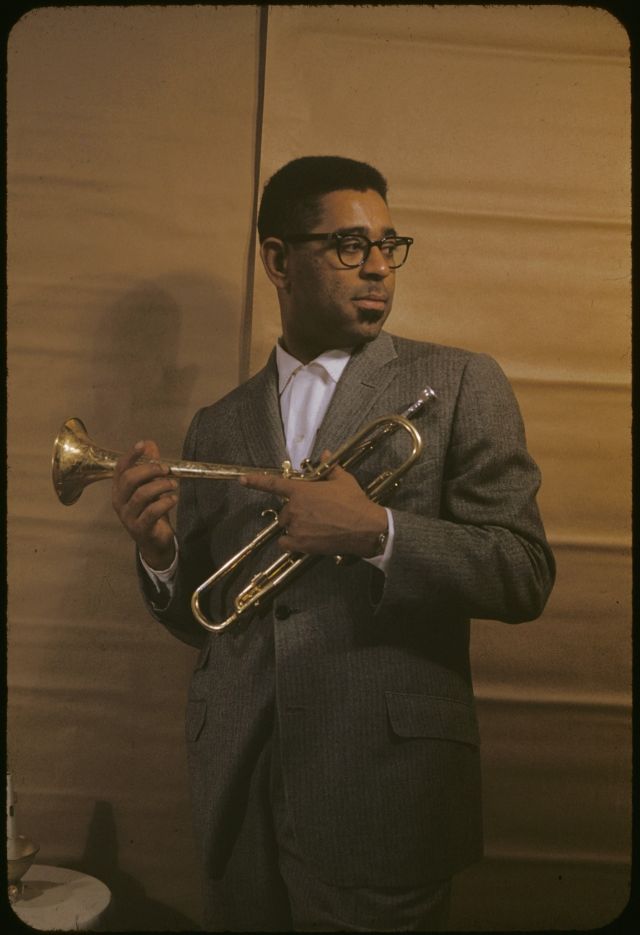
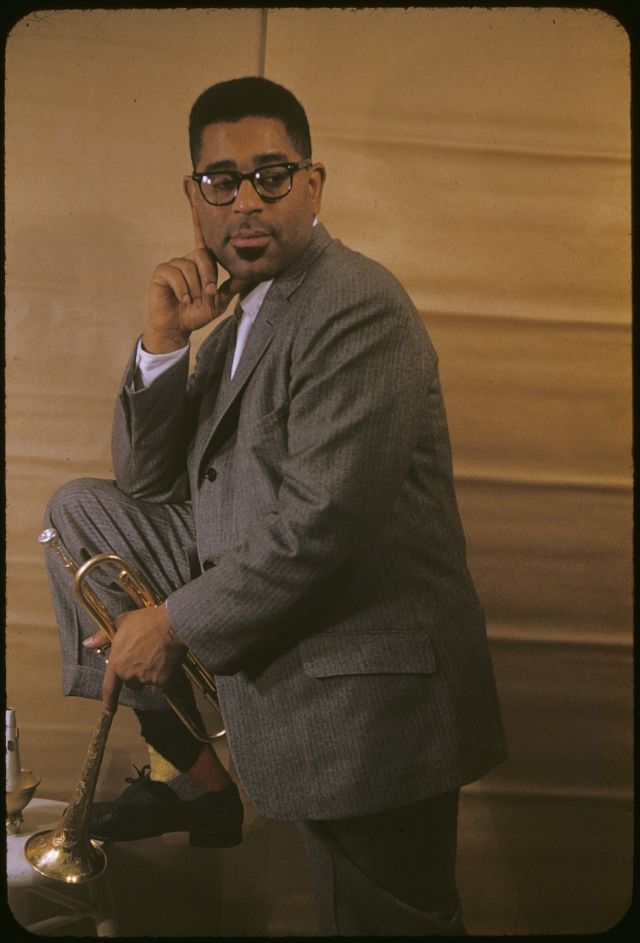
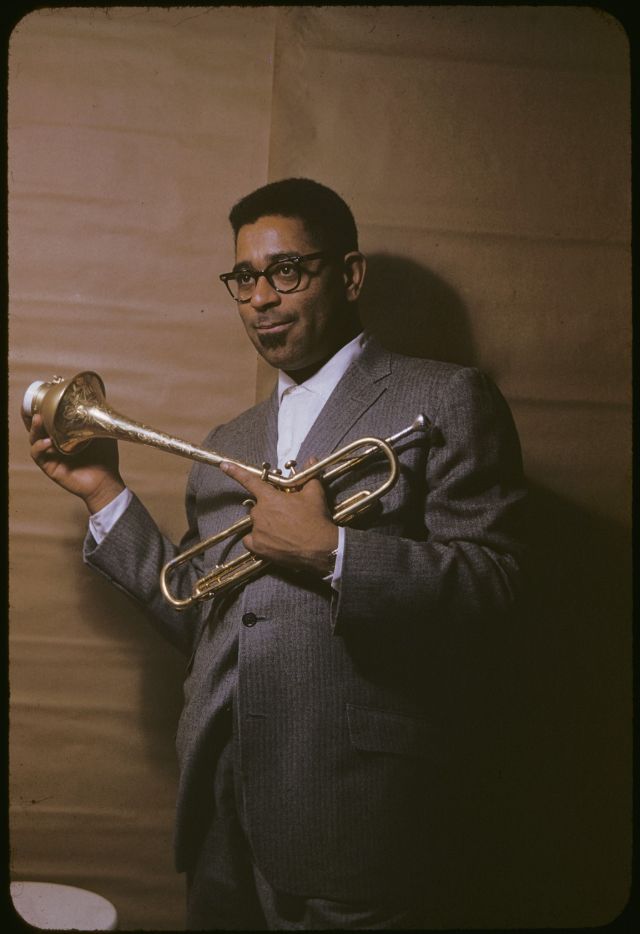
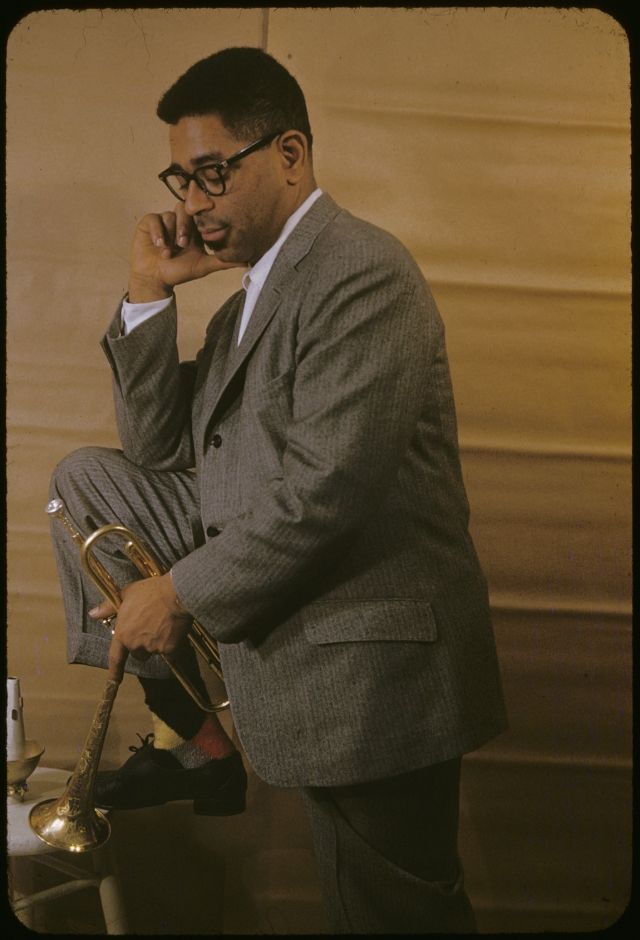
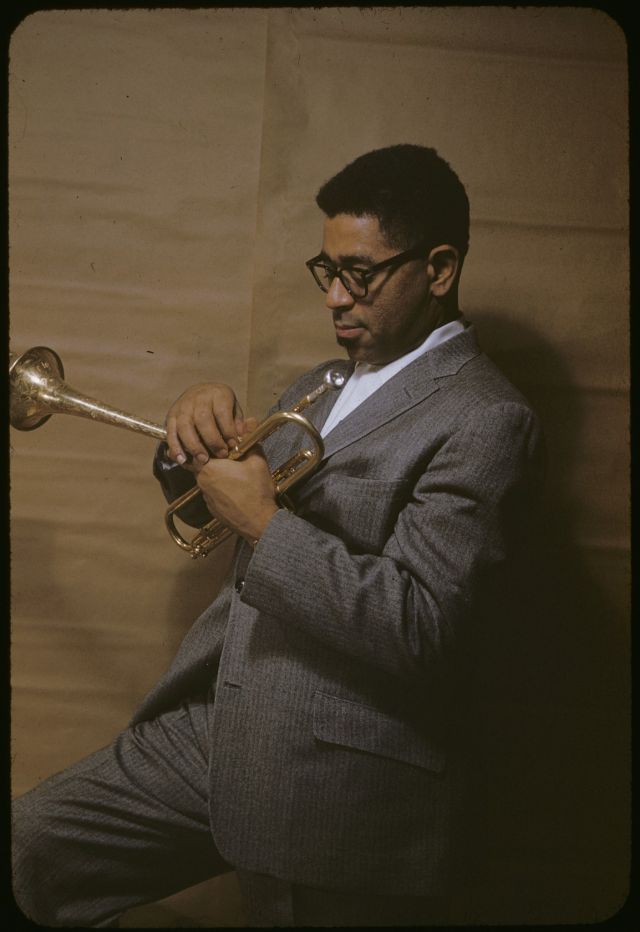
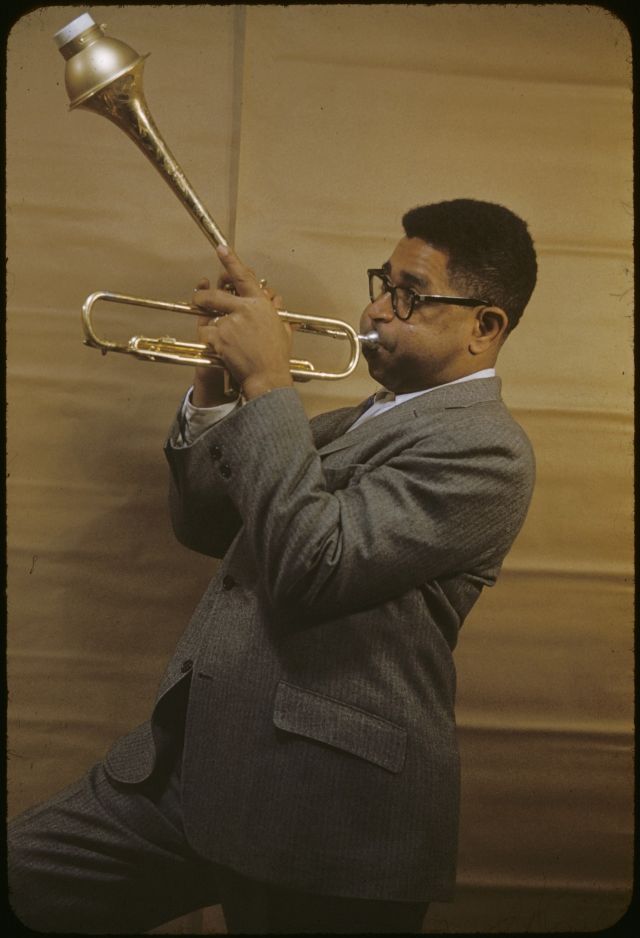
Photos of Dizzy Gillespie Taken by Carl Van Vechten in 1955

John Birks “Dizzy” Gillespie (1917 – 1993) was an American jazz trumpeter, bandleader, composer, educator and singer. He was a trumpet virtuoso and improviser, building on the virtuoso style of Roy Eldridge but adding layers of harmonic and rhythmic complexity previously unheard in jazz.

His combination of musicianship, showmanship, and wit made him a leading popularizer of the new music called bebop. His beret and horn-rimmed spectacles, scat singing, bent horn, pouched cheeks, and light-hearted personality provided some of bebop’s most prominent symbols.

In the 1940s, Gillespie, with Charlie Parker, became a major figure in the development of bebop and modern jazz. He taught and influenced many other musicians, including trumpeters Miles Davis, Jon Faddis, Fats Navarro, Clifford Brown, Arturo Sandoval, Lee Morgan, Chuck Mangione, and balladeer Johnny Hartman.

American jazz reviewer, historian, and author Scott Yanow wrote:

“Dizzy Gillespie’s contributions to jazz were huge. One of the greatest jazz trumpeters of all time, Gillespie was such a complex player that his contemporaries ended up being similar to those of Miles Davis and Fats Navarro instead, and it was not until Jon Faddis’s emergence in the 1970s that Dizzy’s style was successfully recreated [….] Gillespie is remembered, by both critics and fans alike, as one of the greatest jazz trumpeters of all time”.


These vintage photos were taken by Carl Van Vechten that show portrait of a young Dizzy Gillespie on December 2, 1955.

Subscribe to Yesterday Today’s Blog to receive regular updates regarding new content:

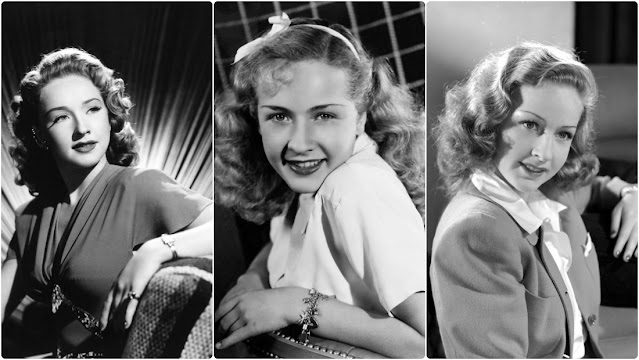
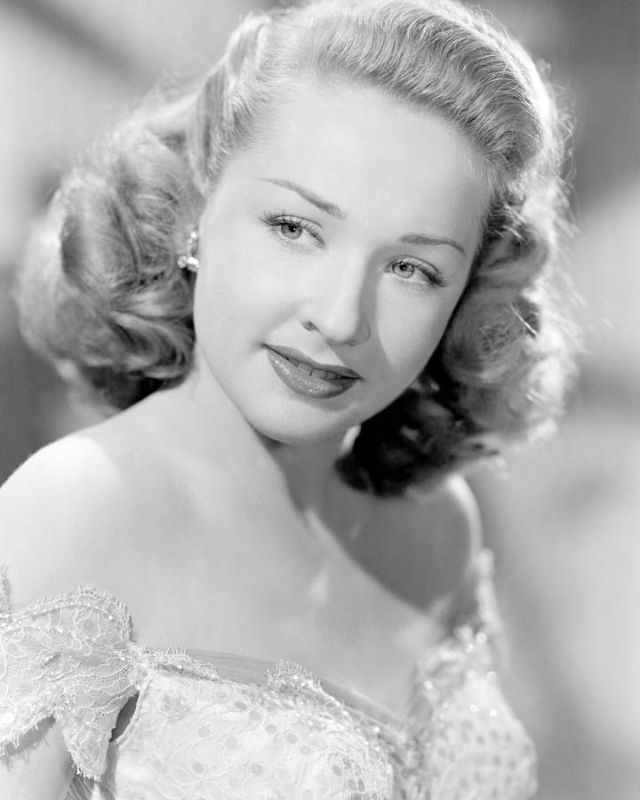
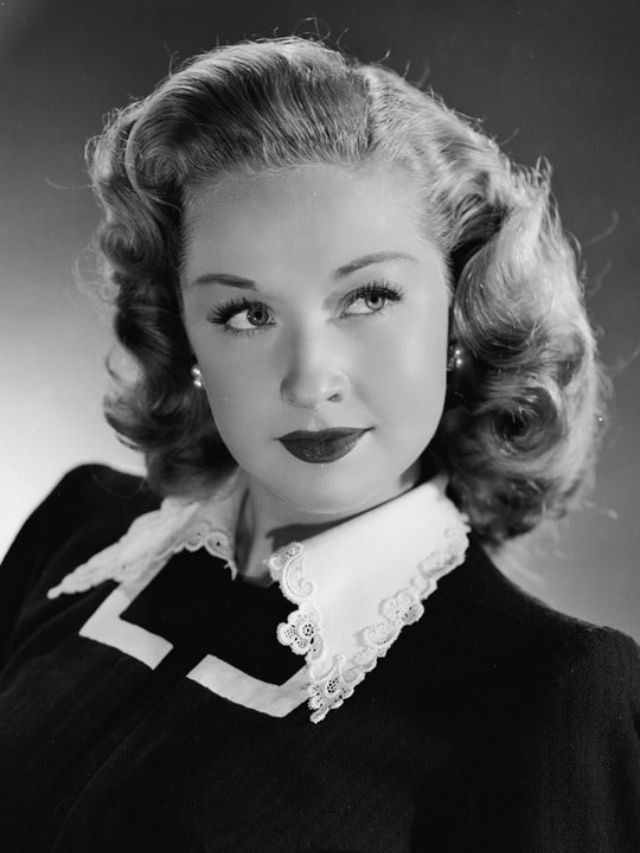
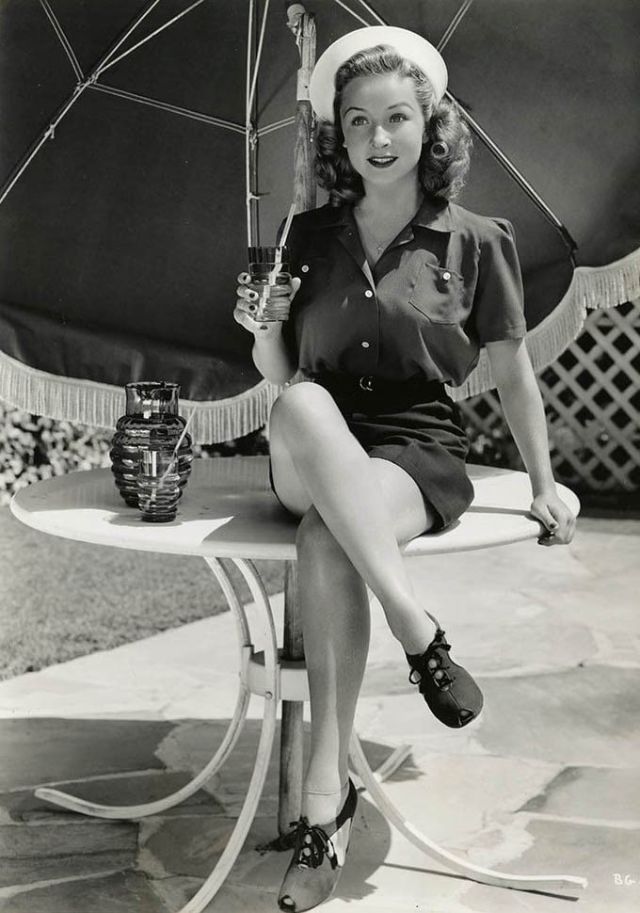
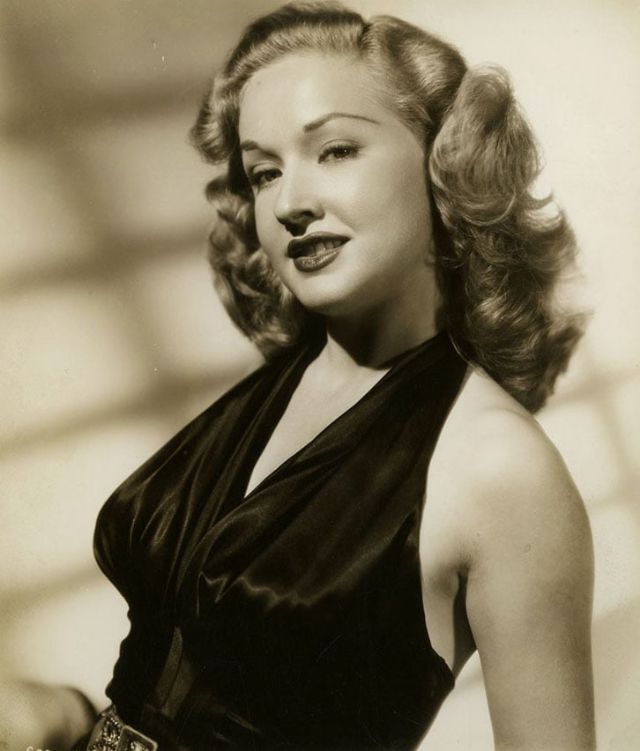
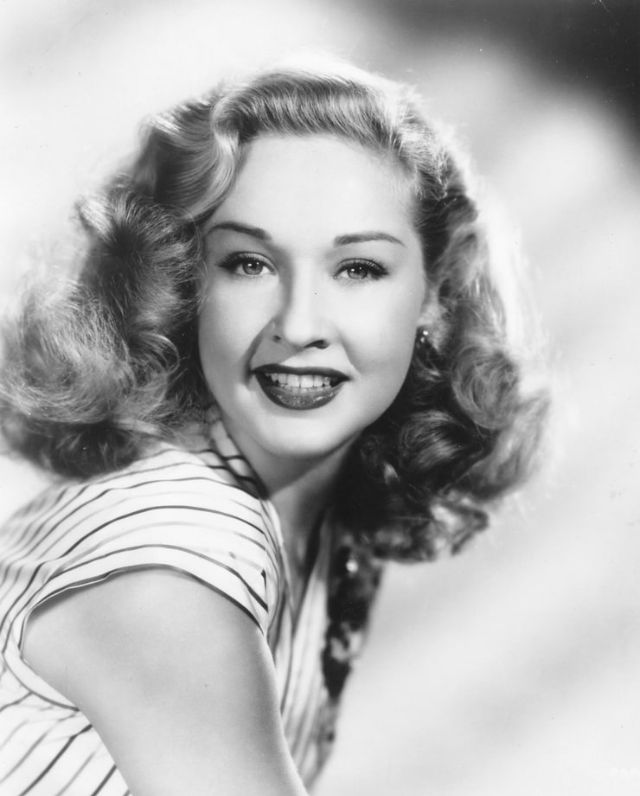
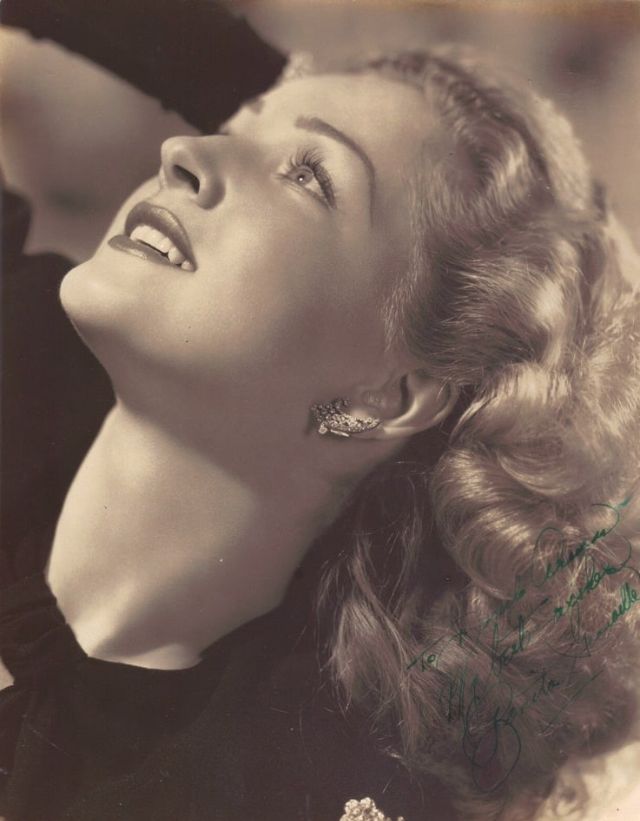
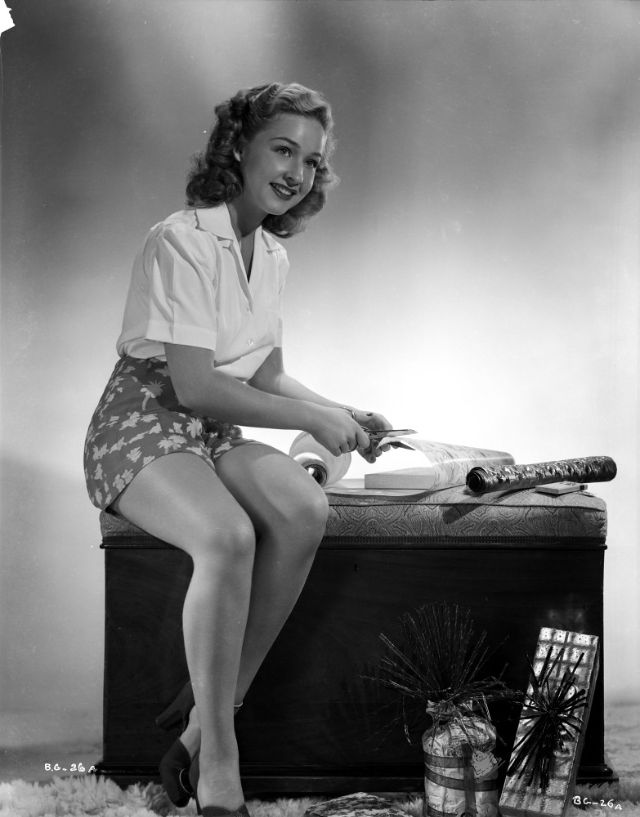
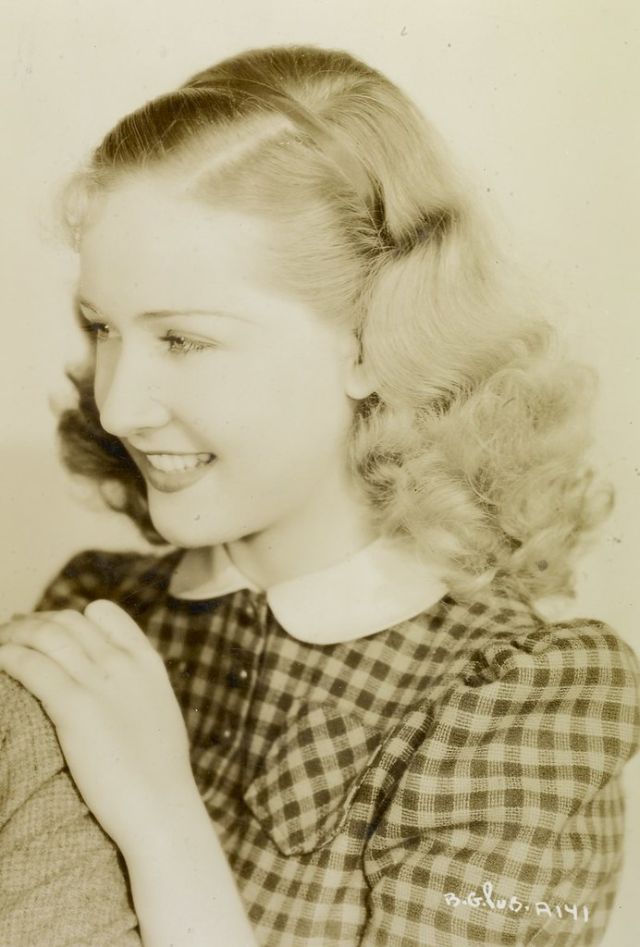
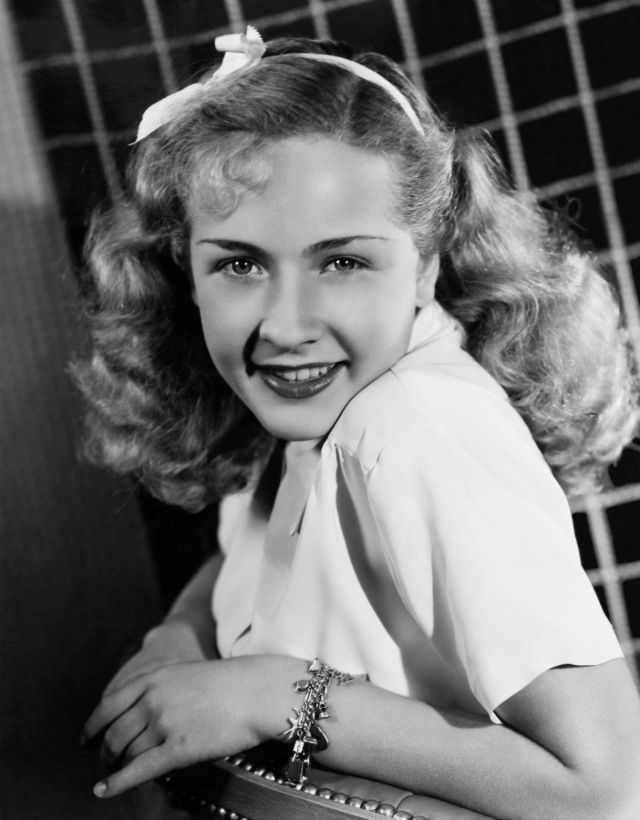
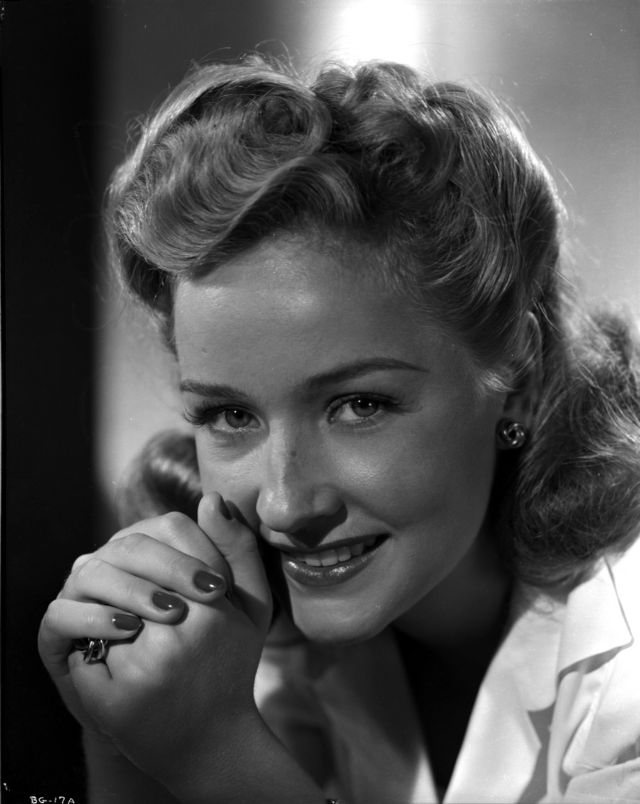
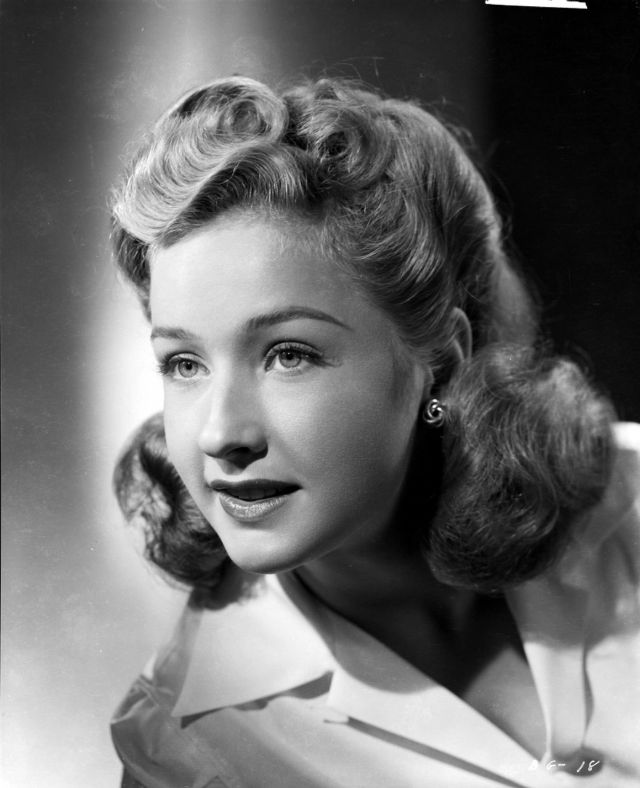
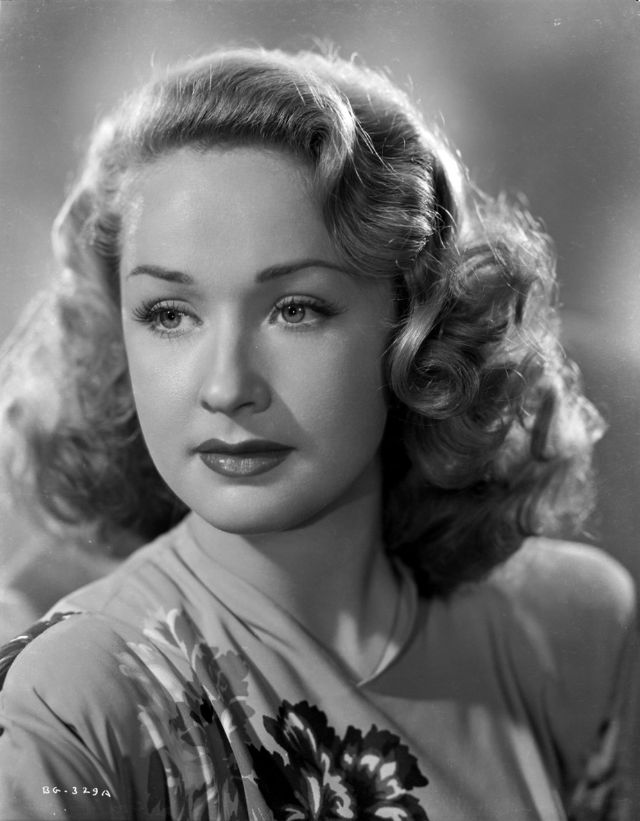
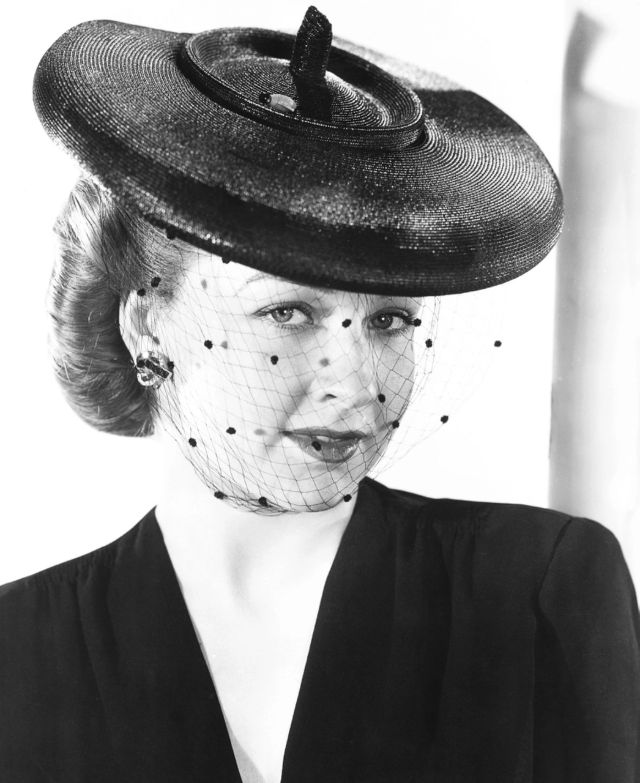
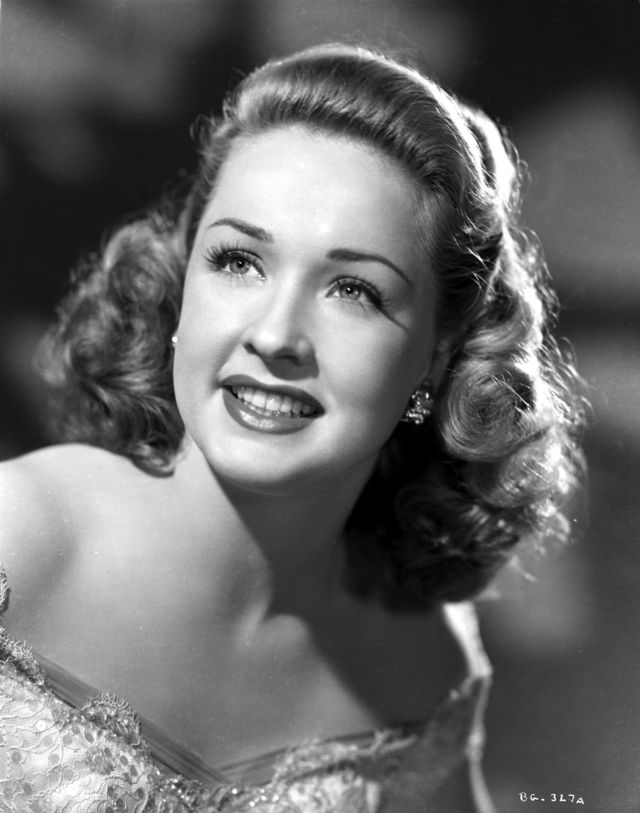
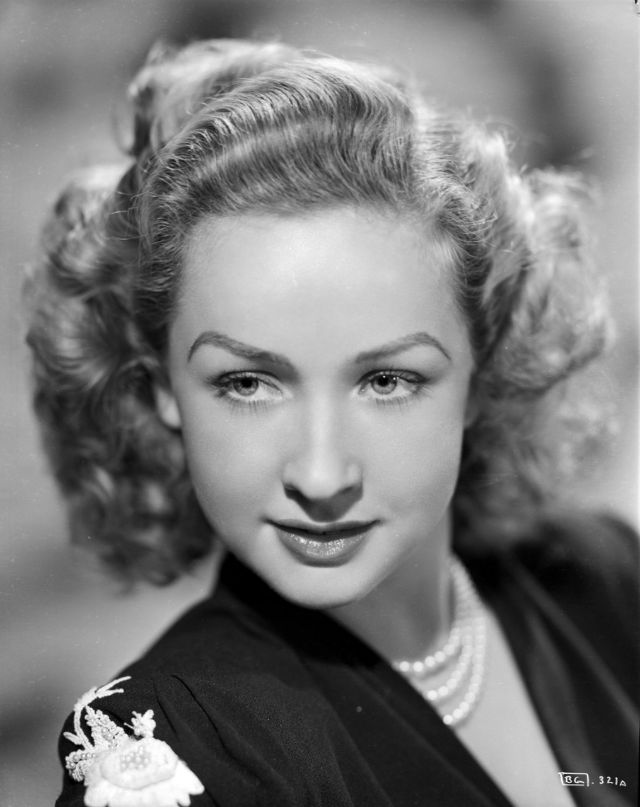
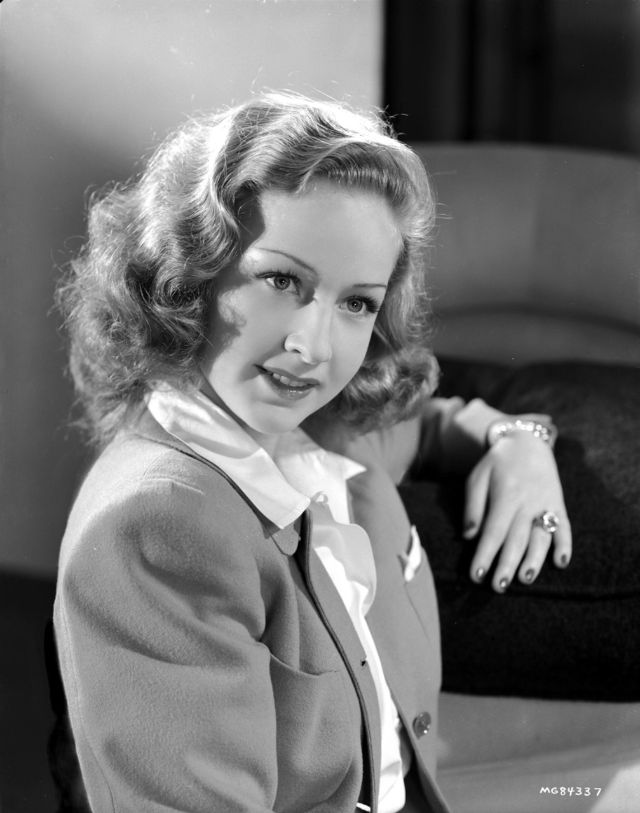
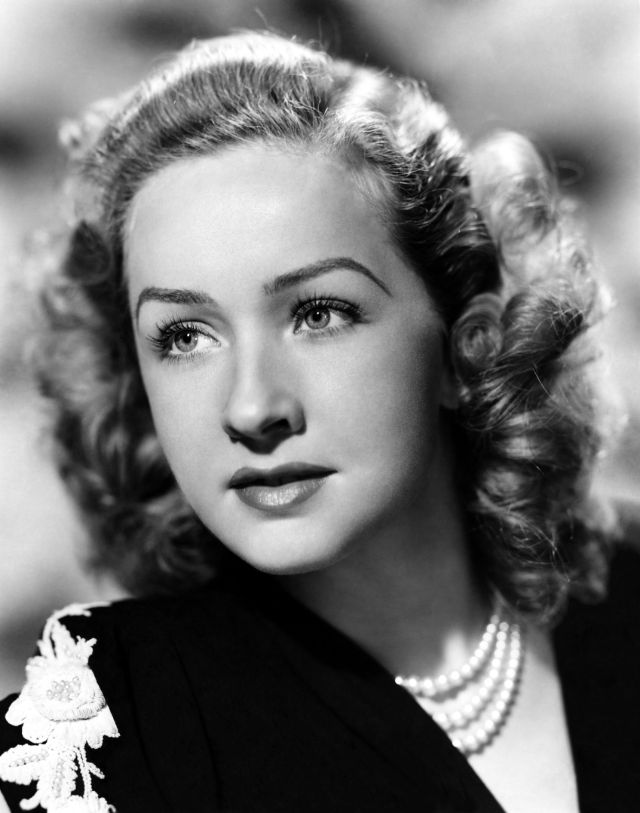
35 Gorgeous Photos of Bonita Granville in the 1930s and 1940s

Born 1923 in Manhattan, New York City, American actress Bonita Granville began her career on the stage at age three. She initially began as a child actress, making her film debut in Westward Passage (1932). She rose to prominence for her role in These Three (1936), which earned her an Academy Award nomination at age fourteen. Her prominence continued with the Nancy Drew film series, and roles in Now, Voyager (1942) and Hitler’s Children (1943).

After marrying Jack Wrather in 1947, Granville transitioned into producing with her husband on series such as Lassie (1959–1973). She also worked as a philanthropist and a businesswoman, most notably owning and operating Disneyland Hotel with her husband. She was appointed to the John F. Kennedy Center Board of Trustees by president Richard Nixon in 1972 and for another term by president Ronald Reagan in 1982.

Granville died in 1988 of lung cancer at Saint John’s Health Center in Santa Monica, California, at the age of 65. In addition to her Oscar nomination, she received a star on the Hollywood Walk of Fame in 1960 for her contributions to the film industry. She and her husband were posthumously named Disney Legends in 2011.

Take a look at these gorgeous photos to see the beauty of young Bonita Granville in the 1930s and 1940s.

Subscribe to Yesterday Today’s Blog to receive regular updates regarding new content:

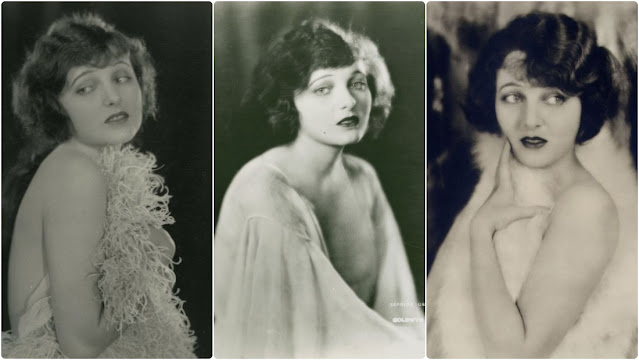
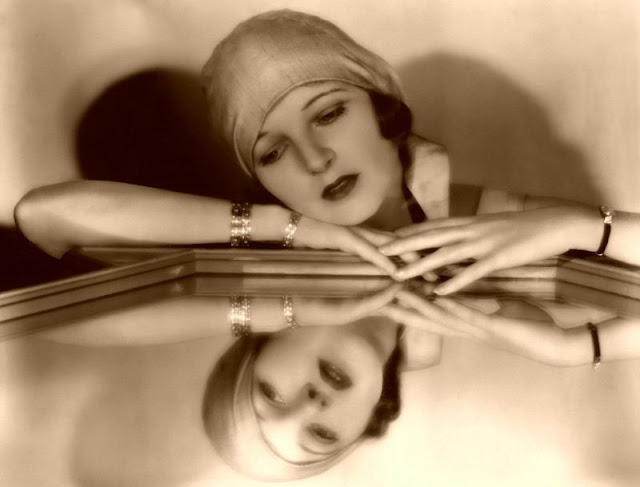
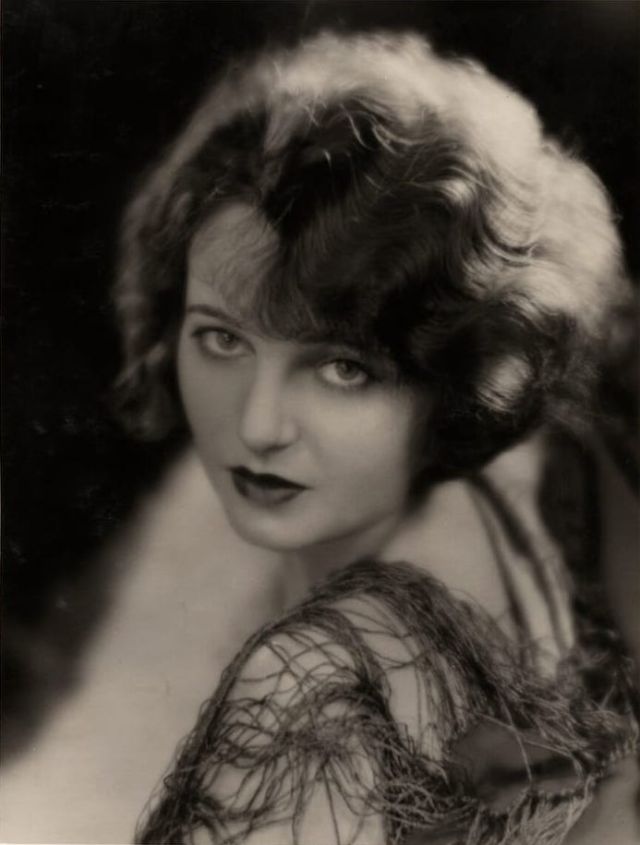
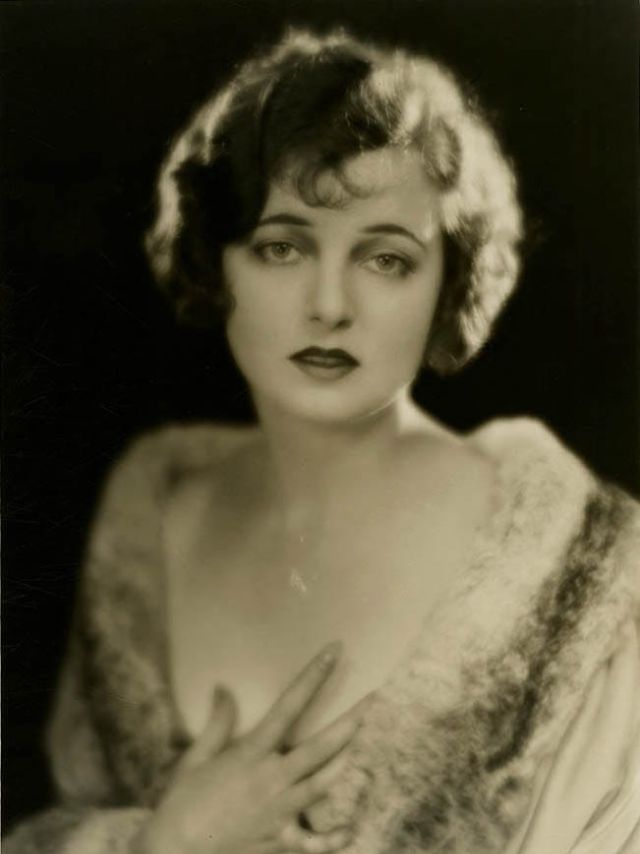
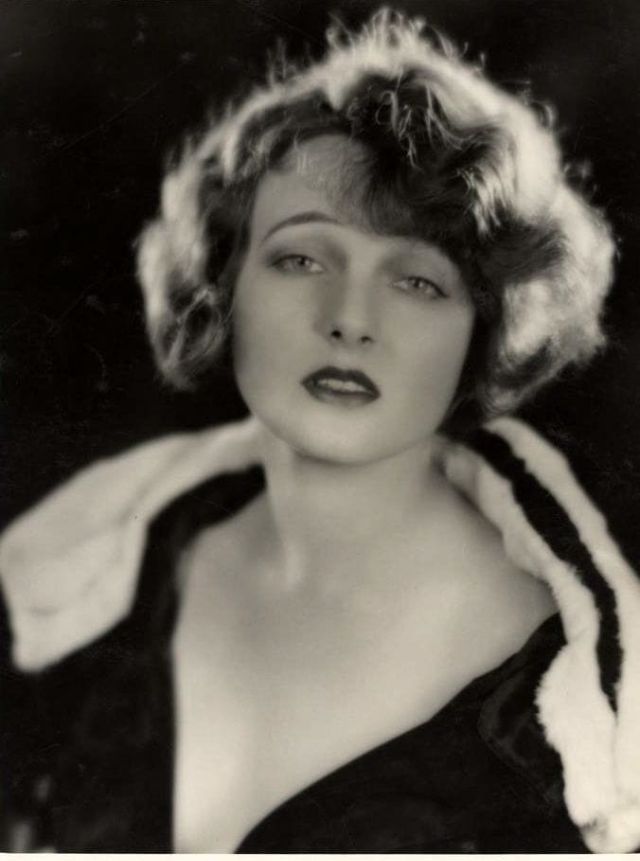
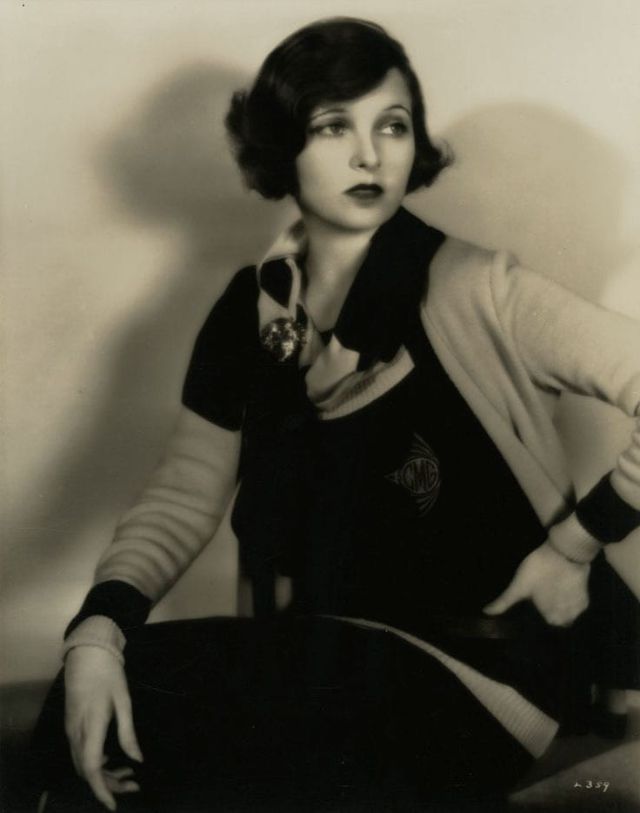
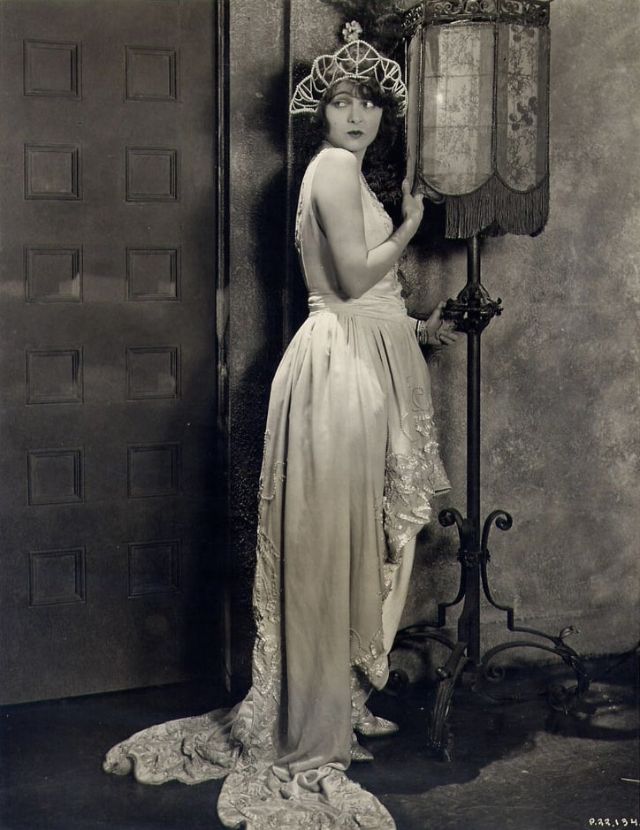
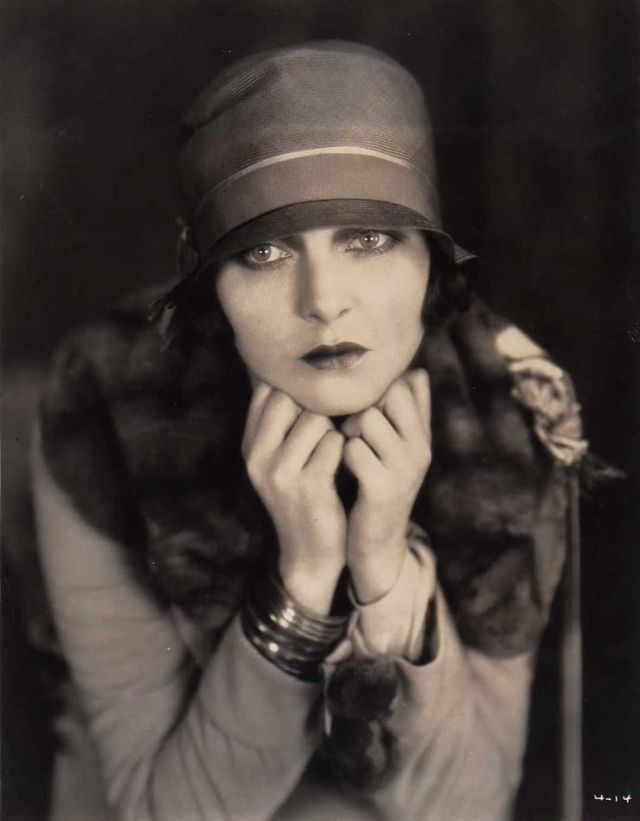
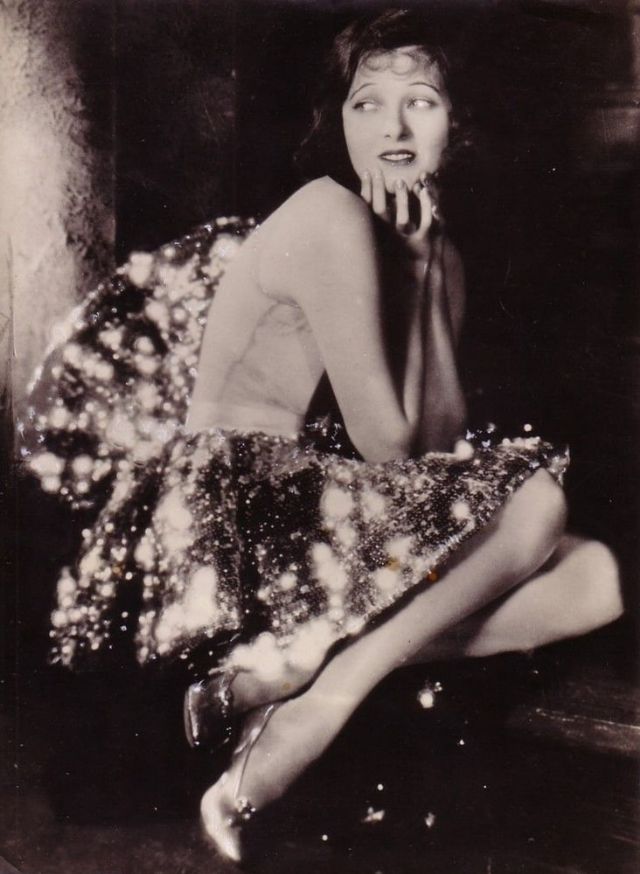
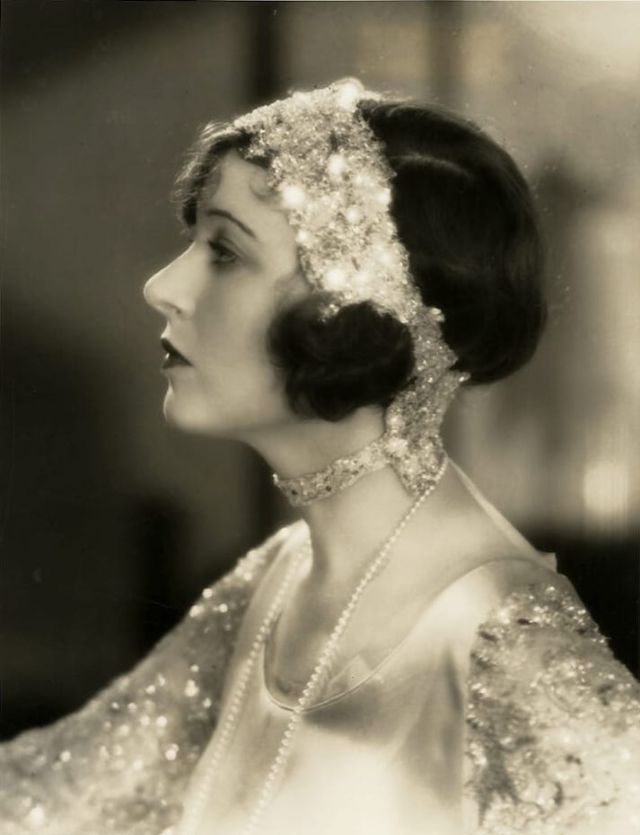
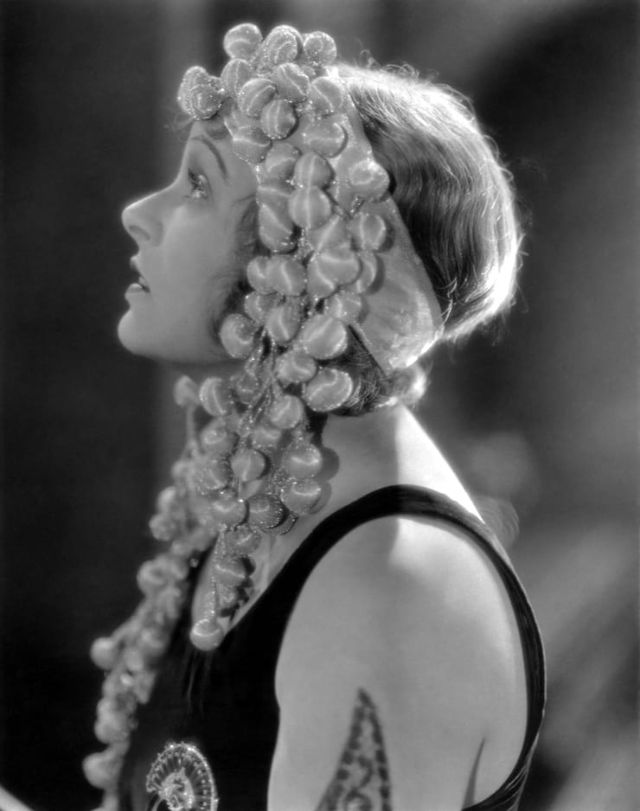
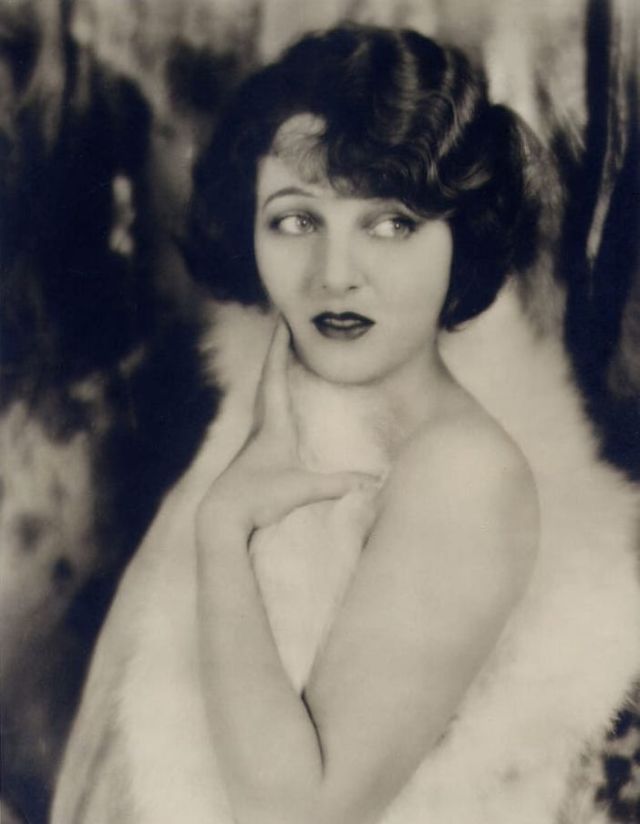
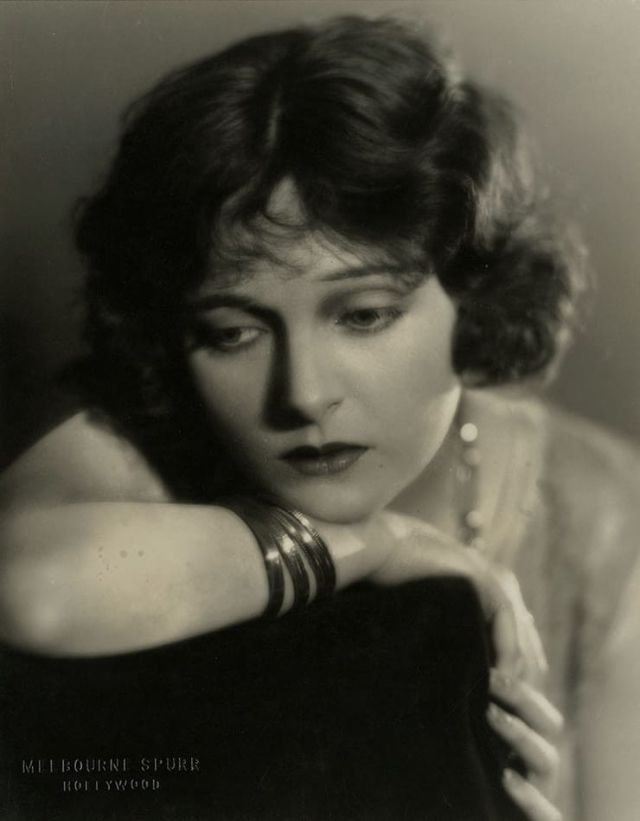
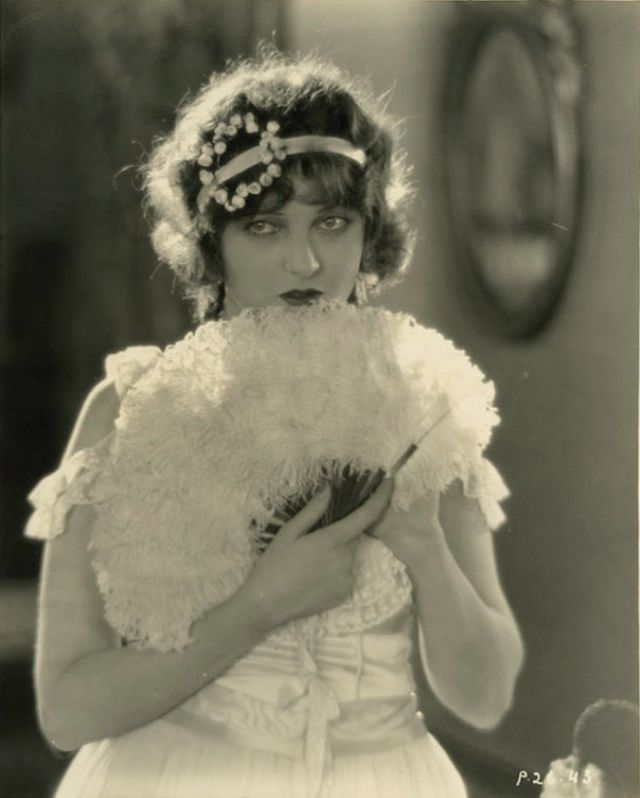
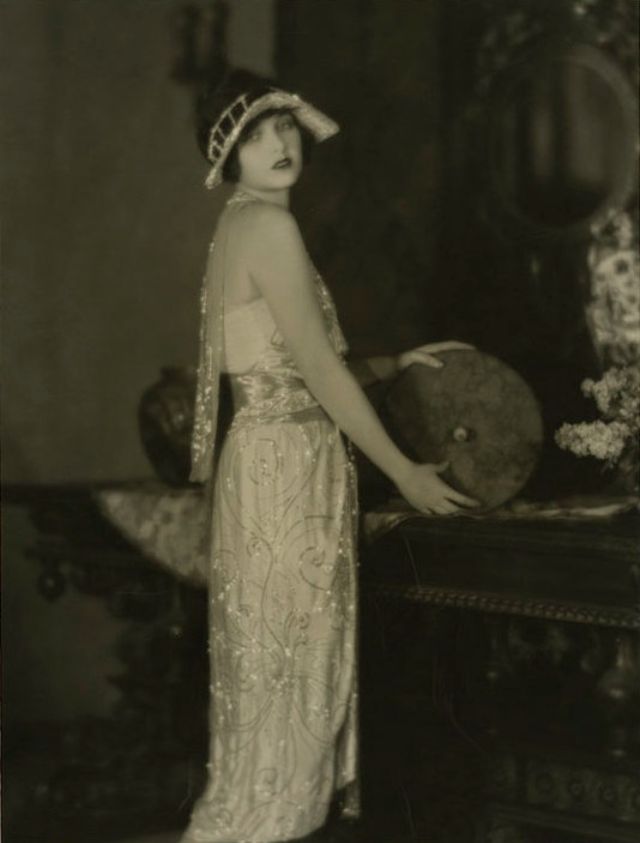
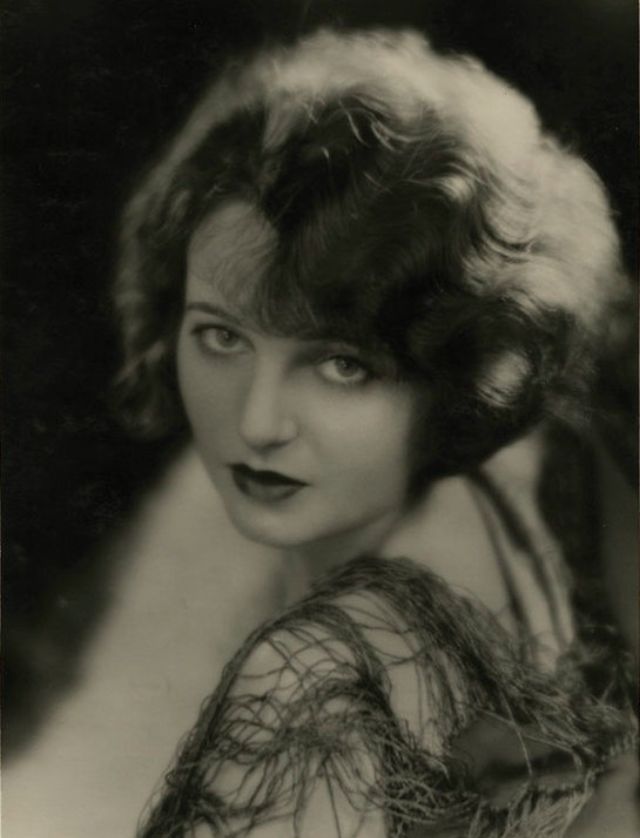
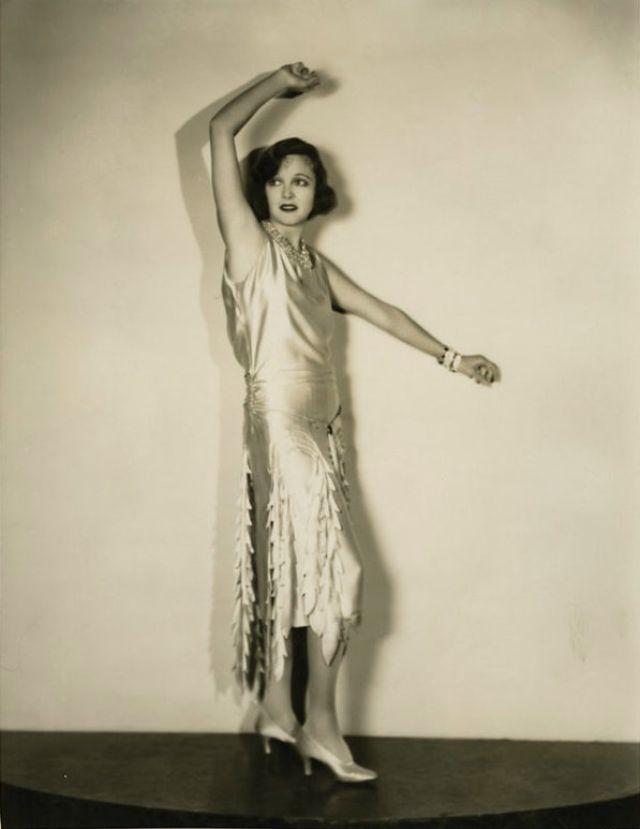
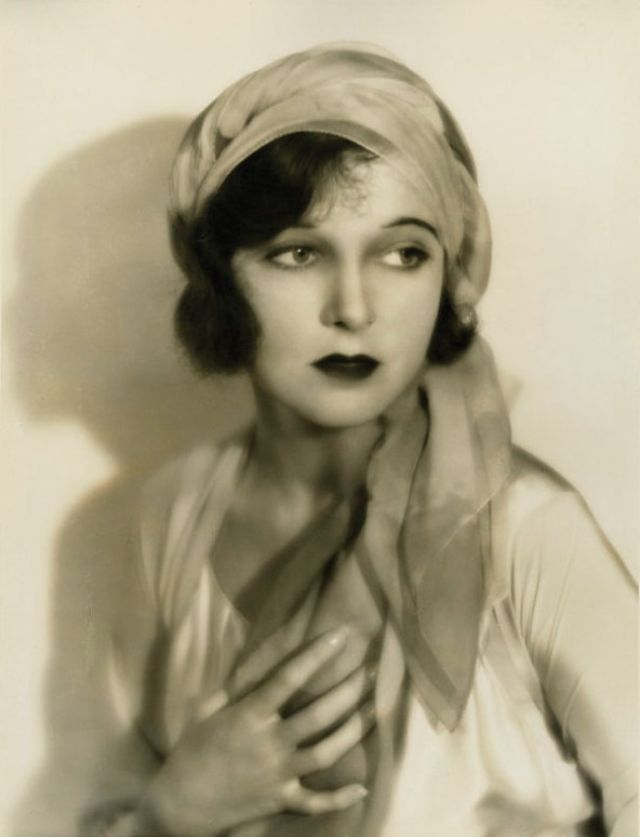
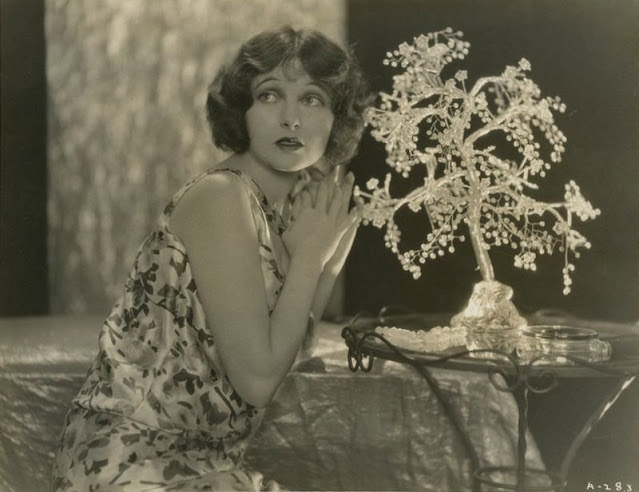
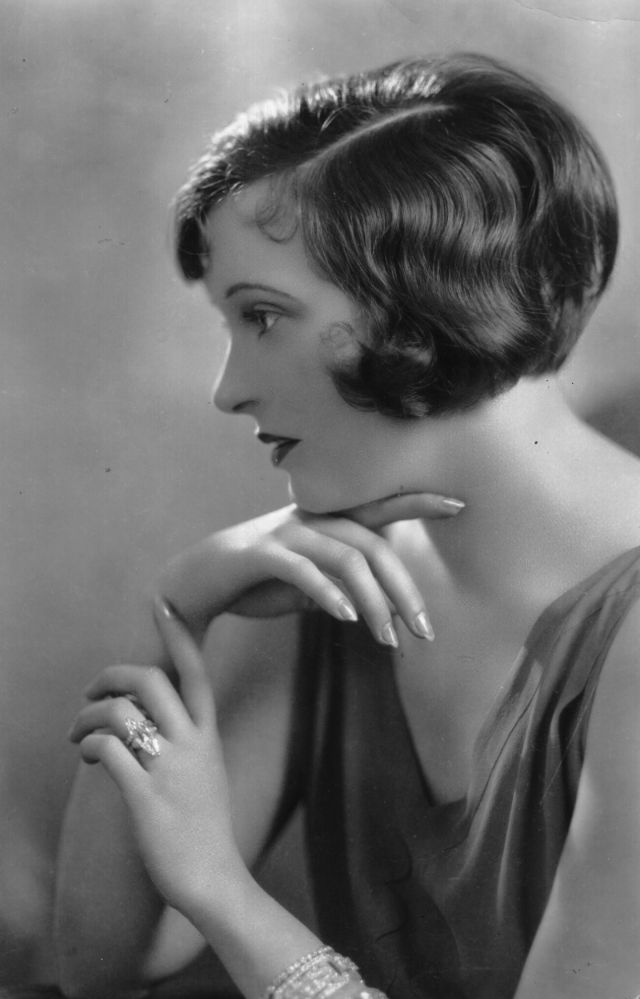
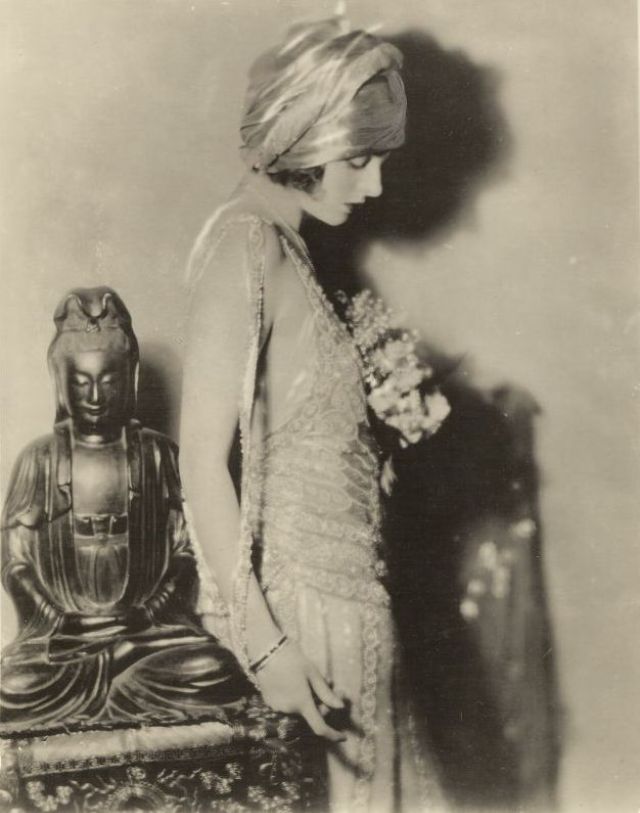
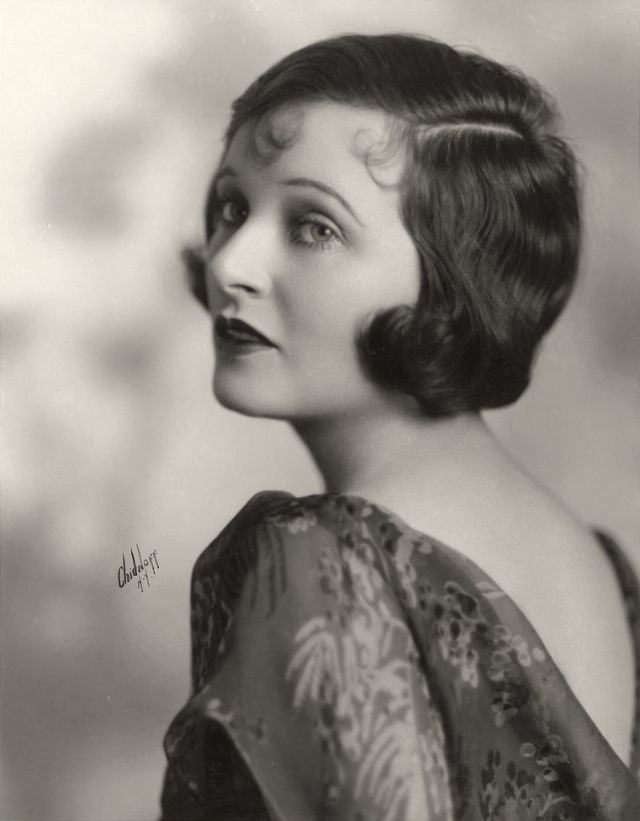
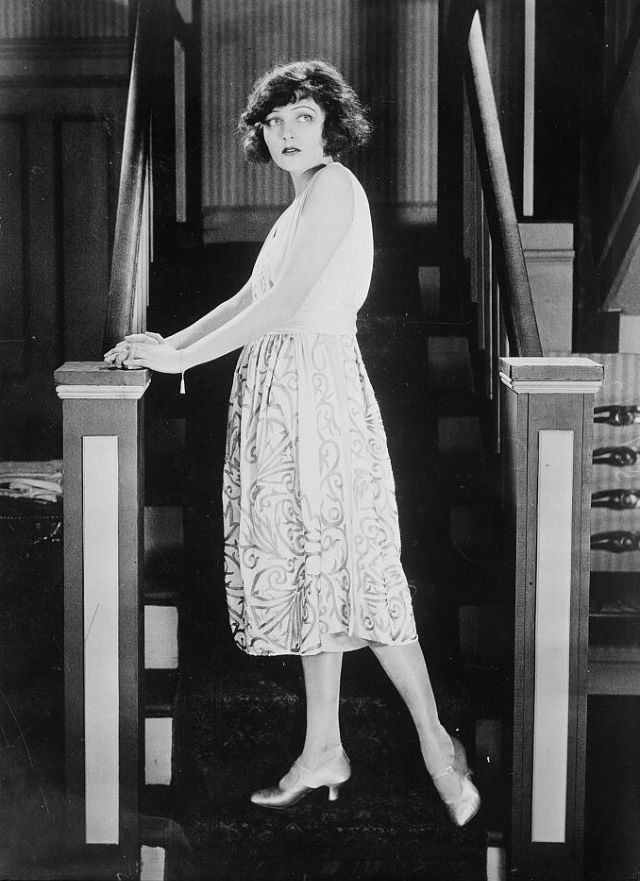
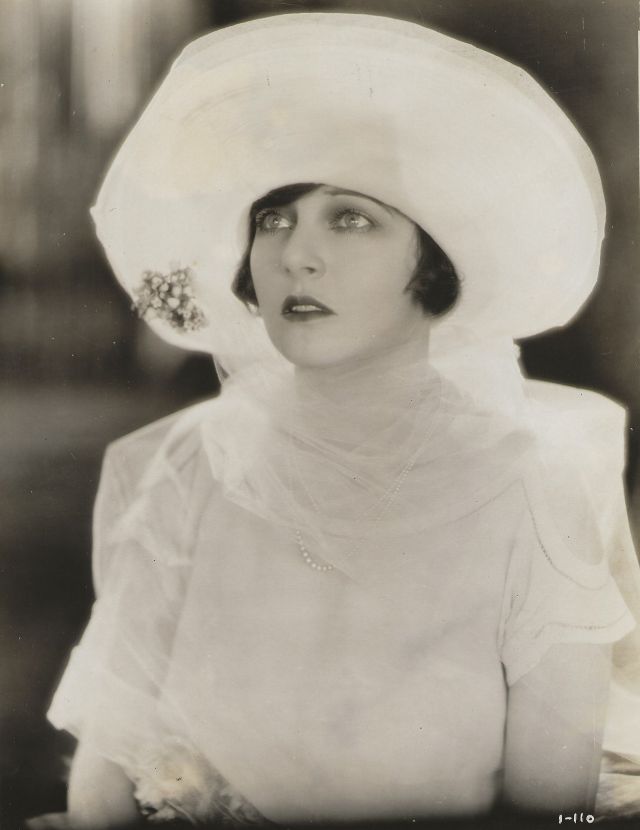
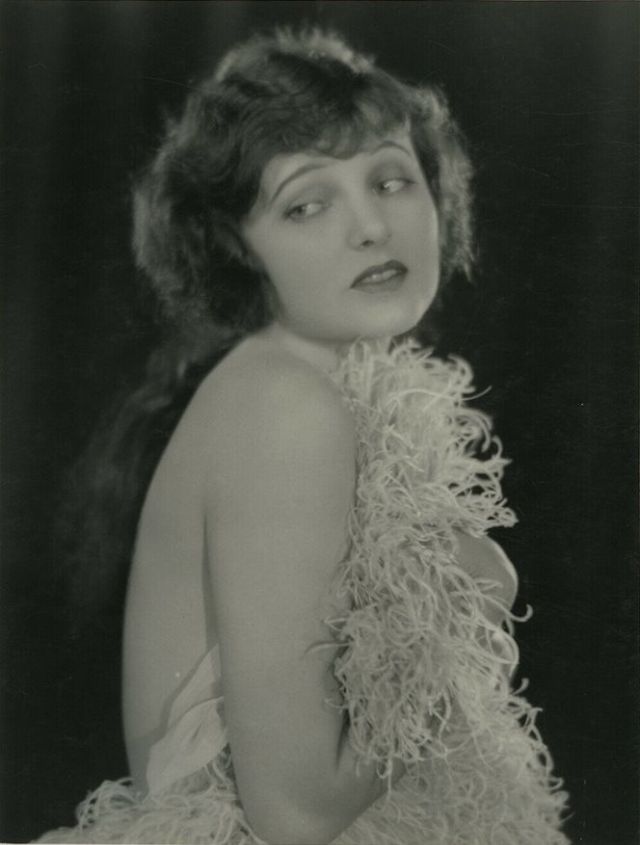
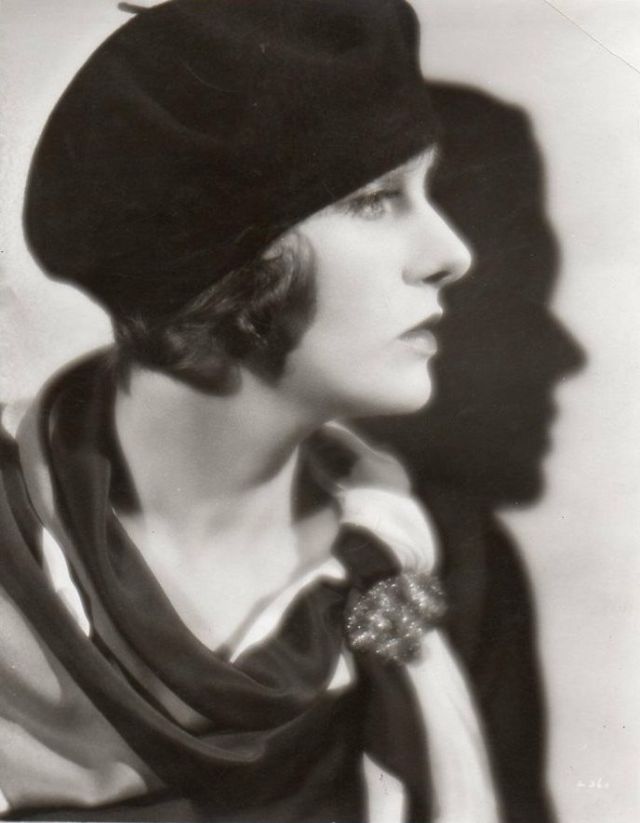
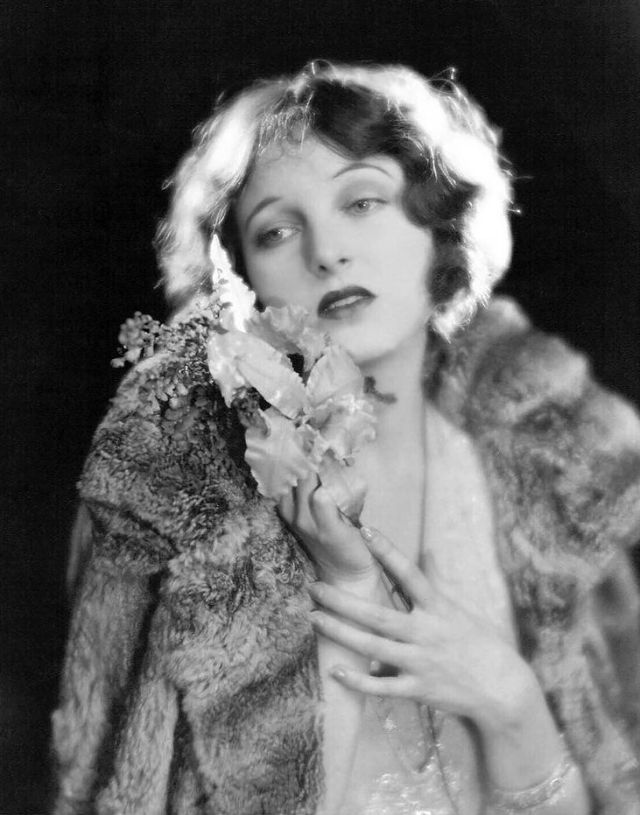
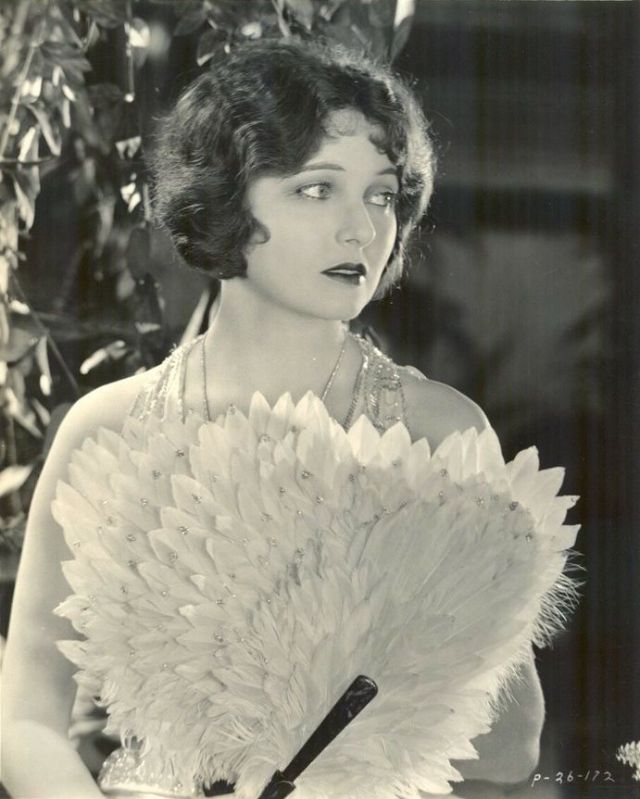
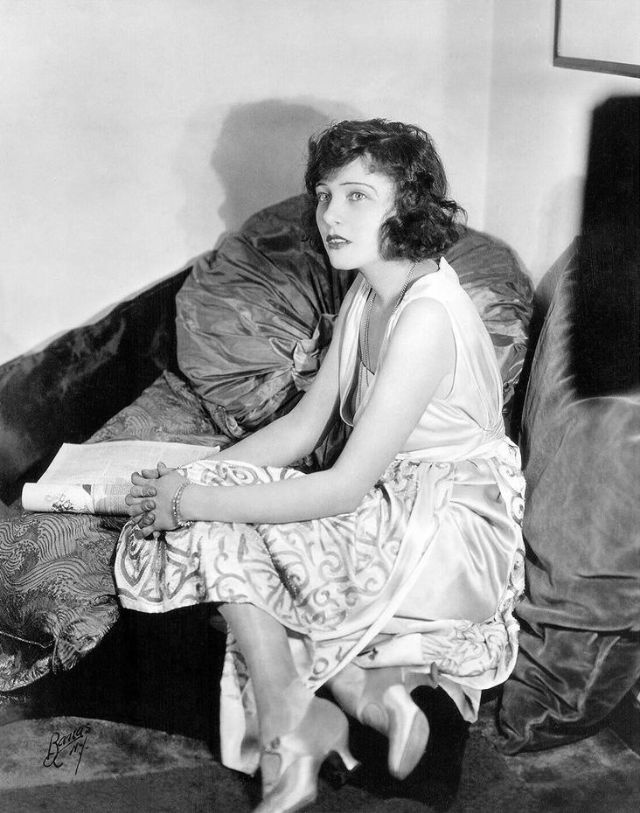
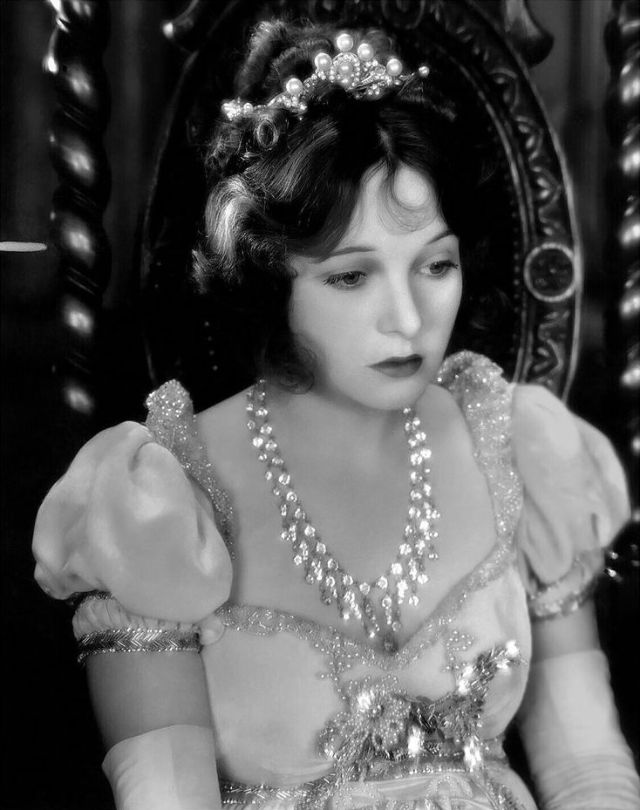
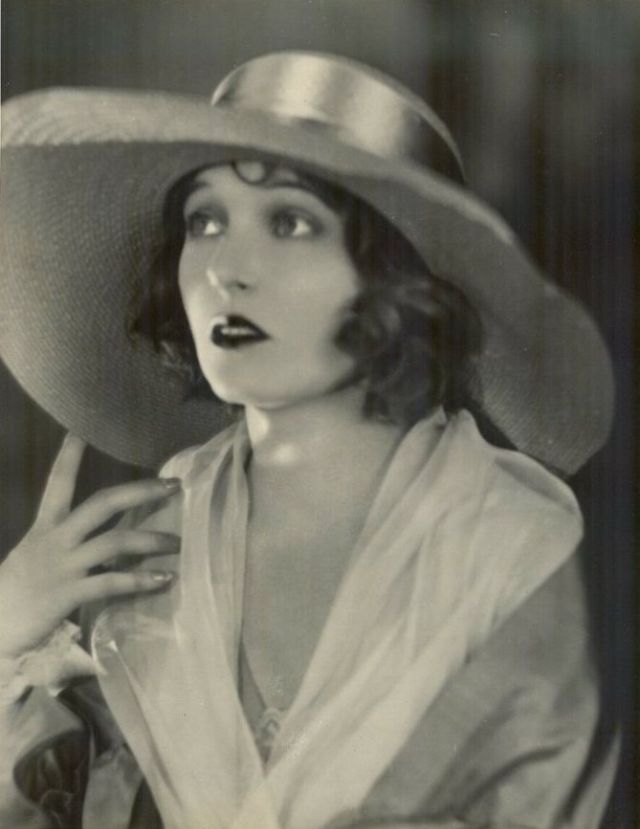
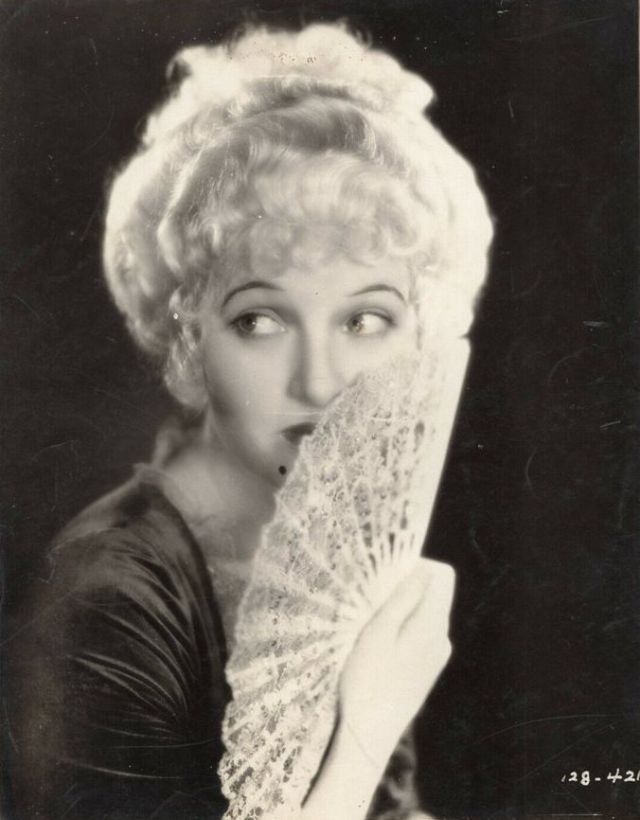
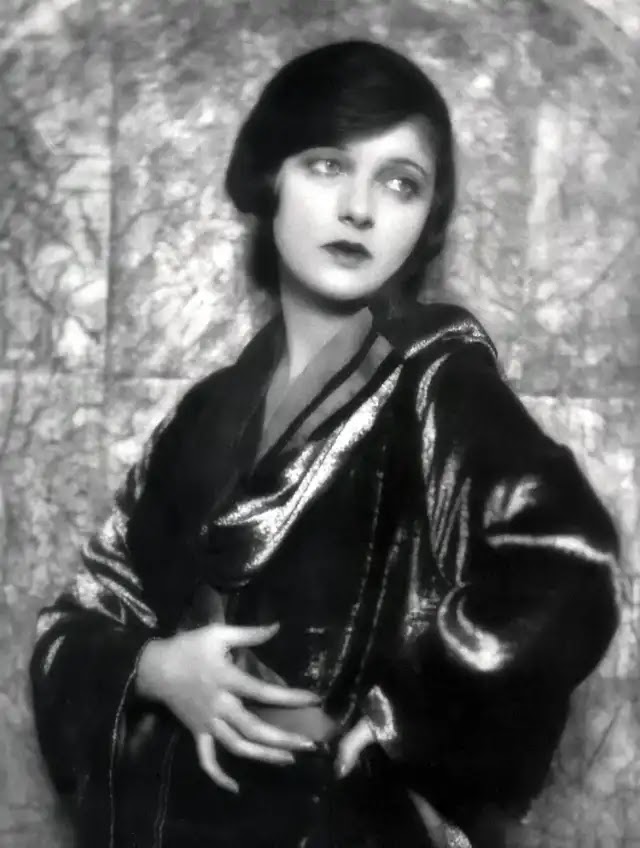
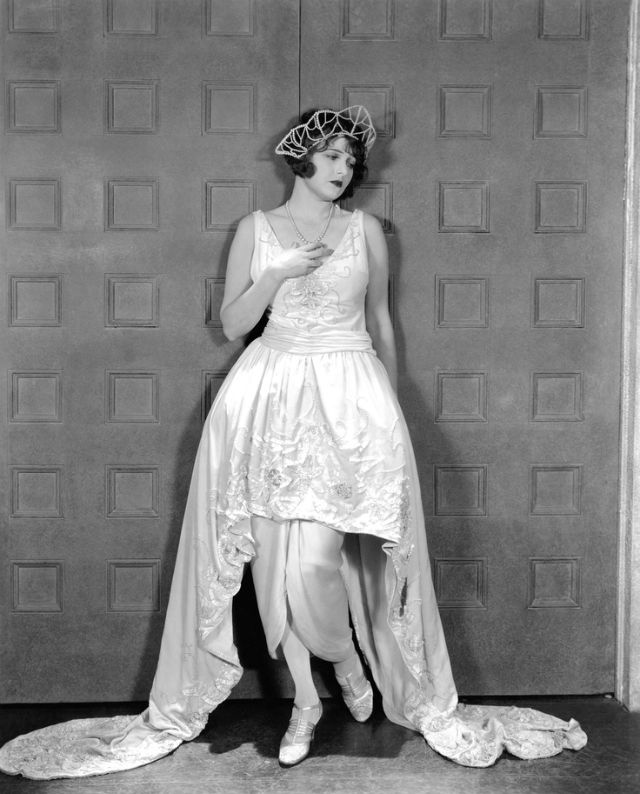
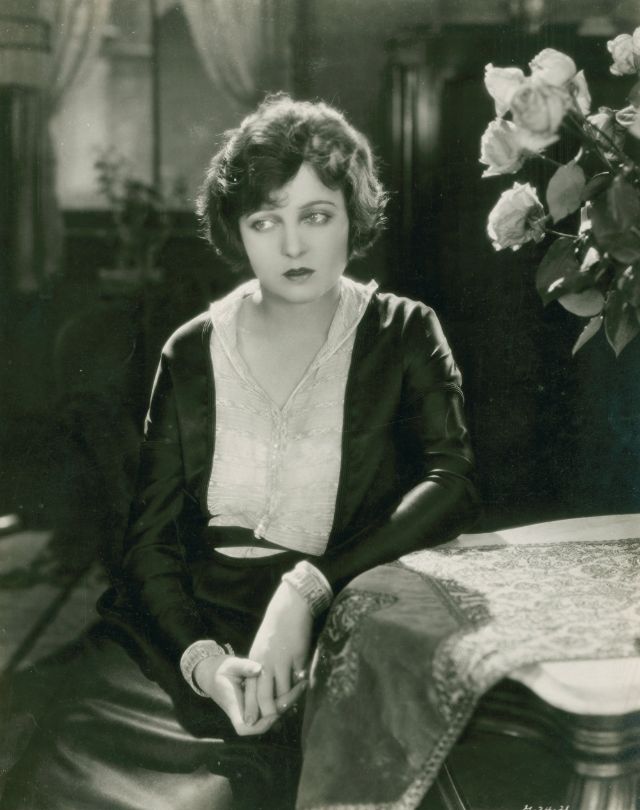
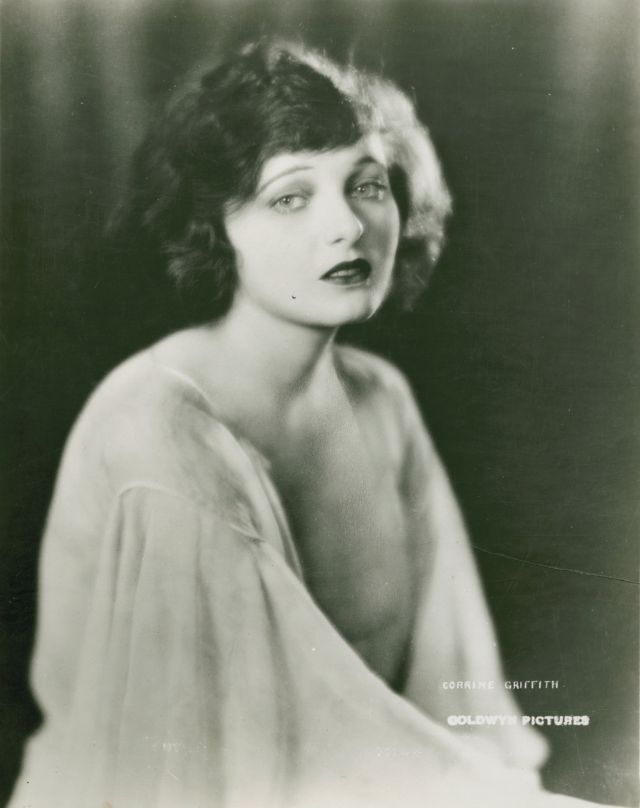
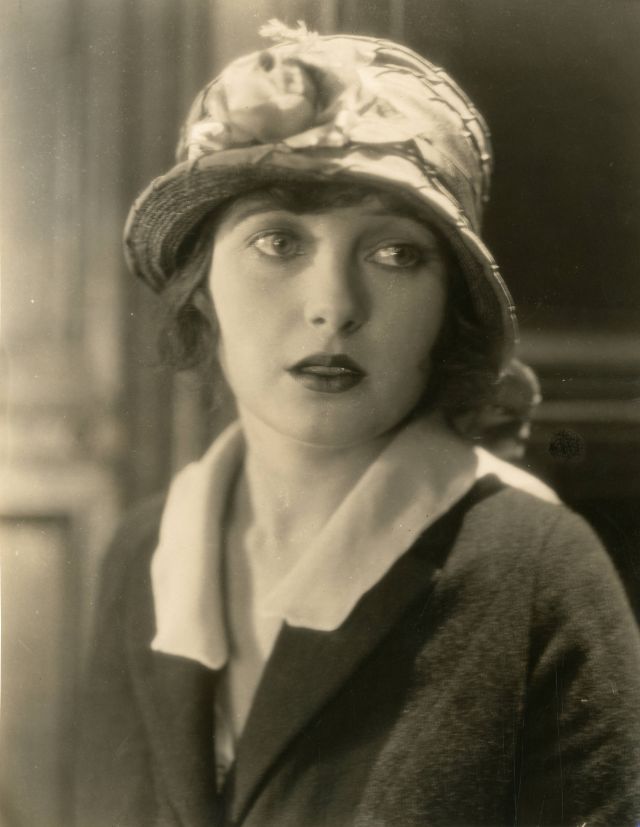
Corinne Griffith: One of the Most Beautiful Actresses of the Silent Film Era

Born 1894 in Waco, Texas, American actress Corinne Griffith pursued a film career after winning a beauty contest in Southern California. In 1916, she signed a contract with Vitagraph Studios, appearing in numerous films for the studio through the remainder of the decade.

In 1920, Griffith began making films for First National Pictures, and became one of the studio’s bigger stars. In the mid-1920s, she began executive-producing features, and served as a producer on 1925’s Déclassée and Classified, in both of which she starred. In the latter part of the 1920s, Griffith’s film career slowed, though she had lead performances in Outcast (1928) and the drama The Garden of Eden (also 1928).

Dubbed “The Orchid Lady of the Screen,” Griffith achieved critical recognition for her performance in Frank Lloyd’s The Divine Lady (1929), which earned her a nomination for the Academy Award for Best Actress. After 1932, Griffith retired from acting and became a successful author and businesswoman, writing numerous fiction and non-fiction books, as well as venturing into real estate, in which she had begun investing in the 1920s.

After suffering a stroke in July 1979, Griffith was hospitalized in Santa Monica, California, where she died shortly after of a heart attack. She left behind a reported estate of $150 million, making her one of the wealthier women in the world at that time.

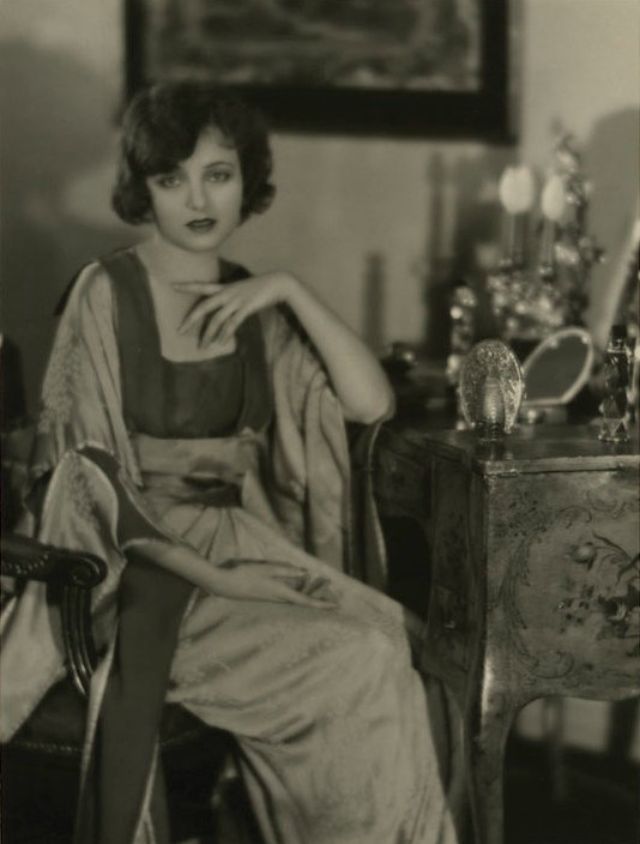
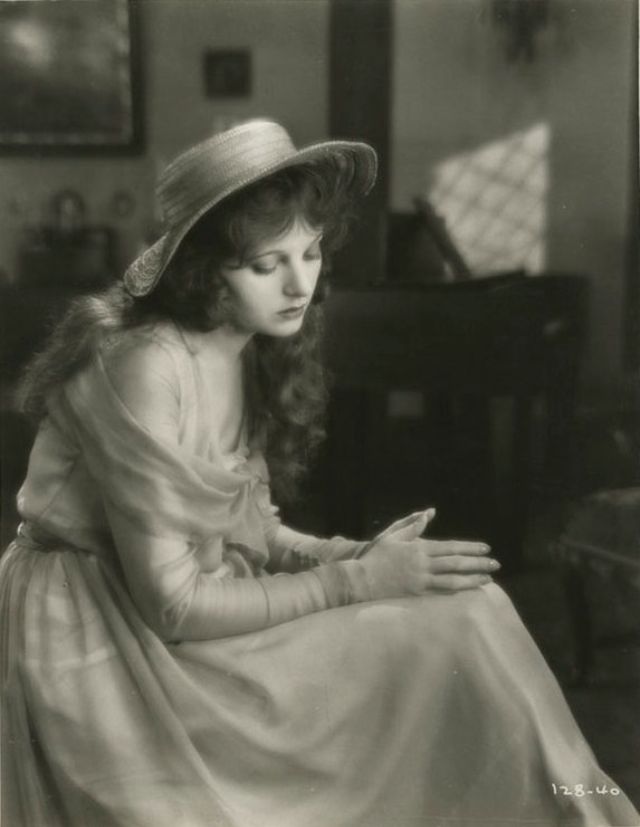
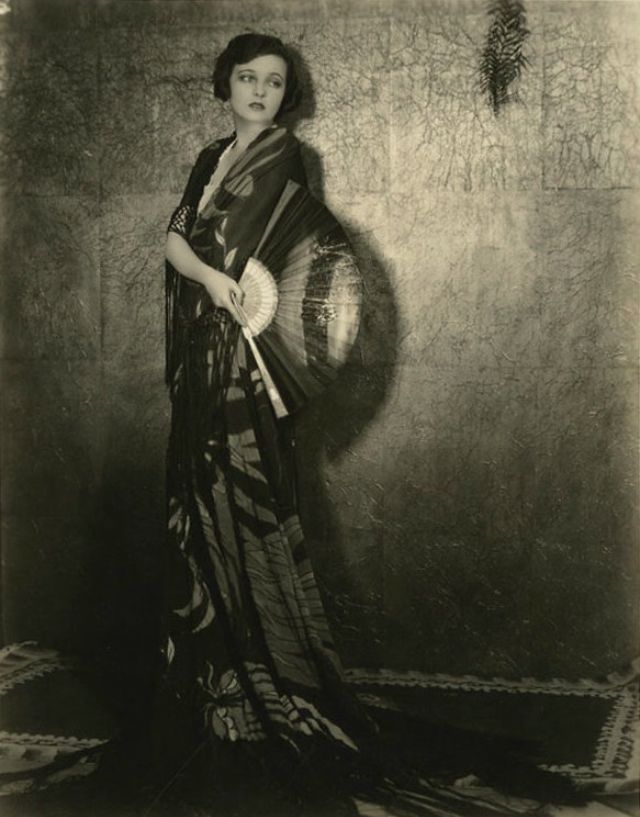
Take a look at these vintage photos to see the beauty of young Corinne Griffith in the 1910s and 1920s.

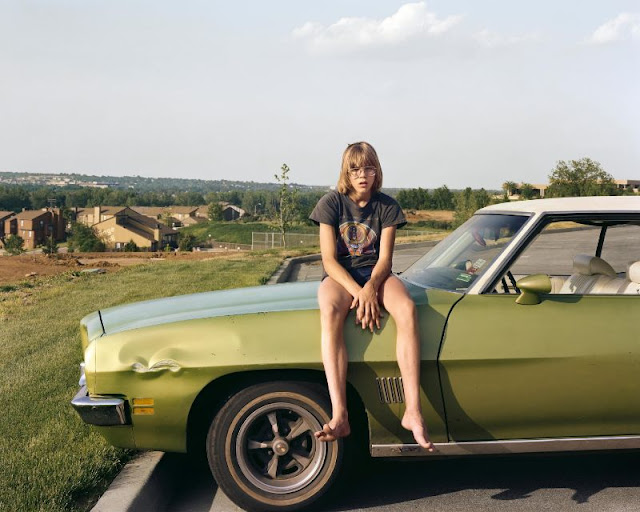
Life in America in the 1970s and 1980s

Subscribe to get access

Read more of this content when you subscribe today.

Kansas City, Kansas, May 1983

McLean, Virginia, December 1978

Subscribe to continue reading

Become a paid subscriber to get access to the rest of this post and other exclusive content.

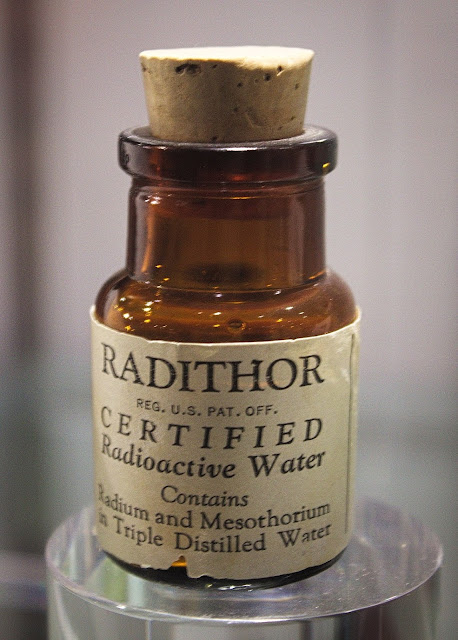
In the 1920s, People Thought Radioactive Water Was Good for the Health

Back in the 1920s, people thought that drinking radium, and thorium, infused water was healthy. One of the more famous varieties of this water was sold under the brand name Radithor. It was eventually famously implicated in the illness and subsequent death of an industrialist named Eben Byers, which was accompanied by the headline of “The Radium Water Worked Fine Until His Jaw Came Off”.

A bottle of Radithor at the National Museum of Nuclear Science & History in New Mexico, USA.

Radithor was a well known patent medicine/snake oil that is possibly the best known example of radioactive quackery. It consisted of triple distilled water containing at a minimum 1 microcurie (37 kBq) each of the Radium 226 and 228 isotopes, as well as 1 microcurie of isothiouranium, a cheaper radioactive compound.

Radithor was manufactured from 1918-28 by the Bailey Radium Laboratories, Inc., of East Orange, New Jersey. The head of the laboratories was listed as Dr. William J. A. Bailey, not a medical doctor. It was advertised as “A Cure for the Living Dead” as well as “Perpetual Sunshine”.

These radium elixirs were marketed similar to the way opiates were commonly advertised with Laudanum an age earlier, and electrical cure-alls during the same time period such as the Prostate Warmer.

The story of socialite Eben Byers’s death from Radithor consumption and the associated radiation poisoning found its way into the New York Times under the title “The Radium Water Worked Fine Until His Jaw Came Off,” which led to the strengthening of the Food and Drug Administration’s powers and the demise of most radiation quack cures.

Subscribe to Yesterday Today’s Blog to receive regular updates regarding new content:

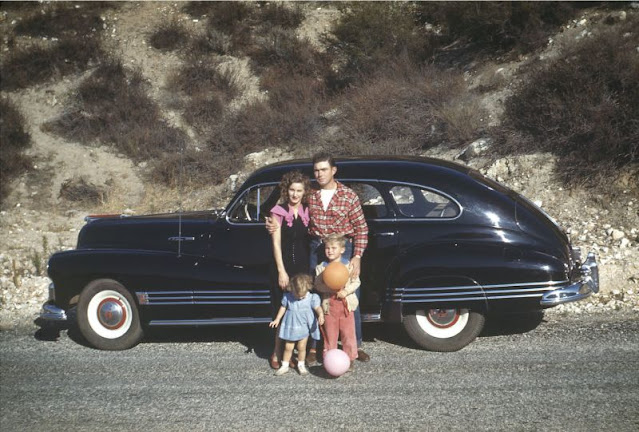
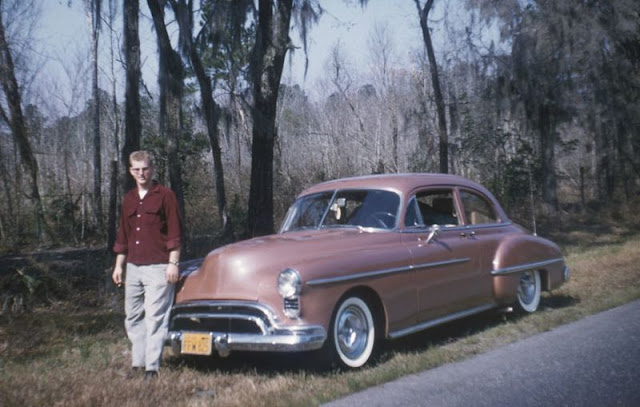
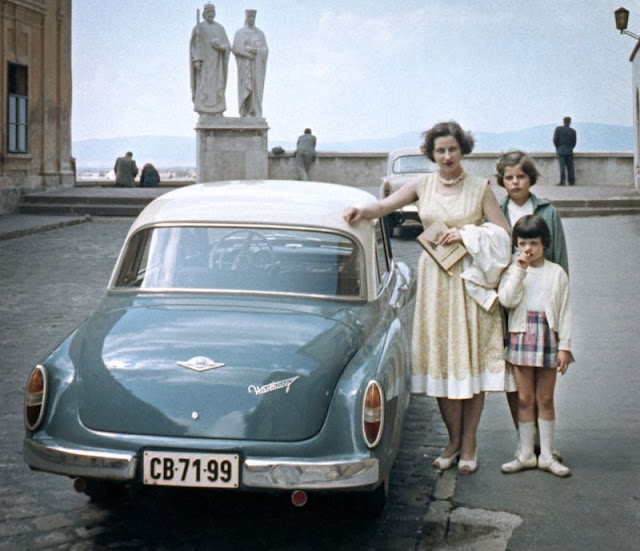
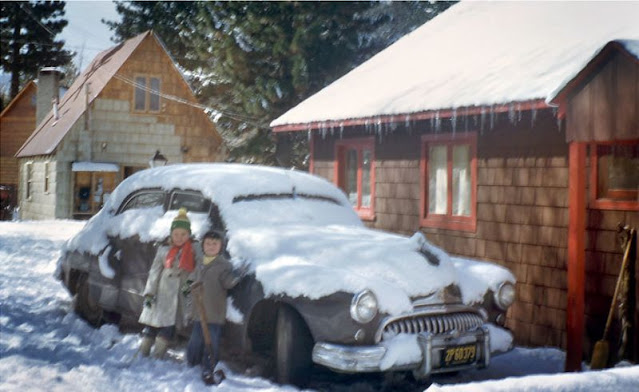
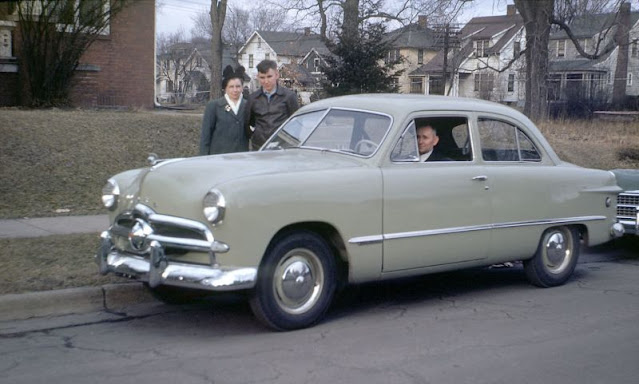
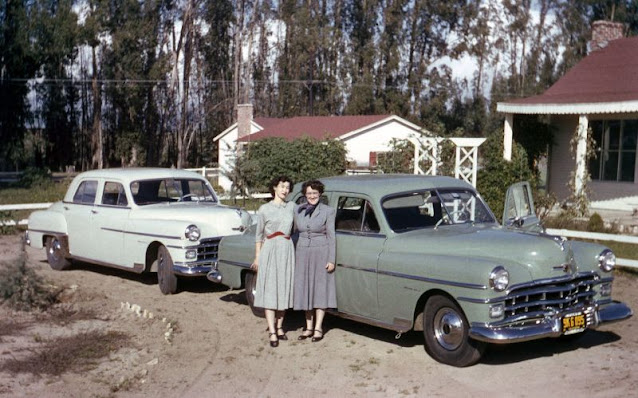
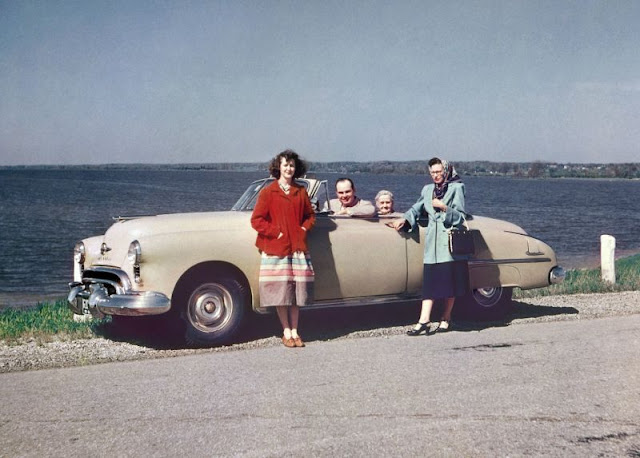
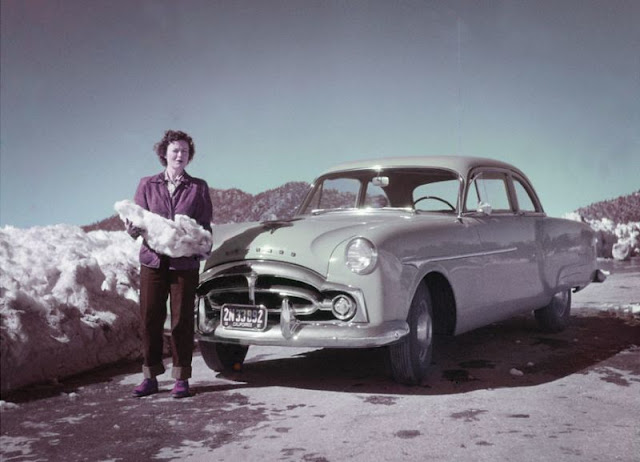
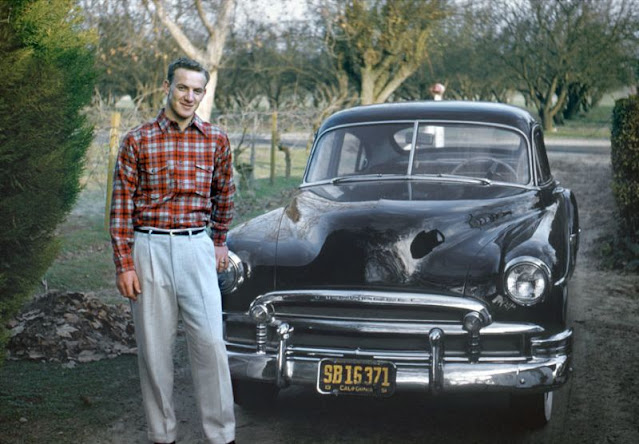
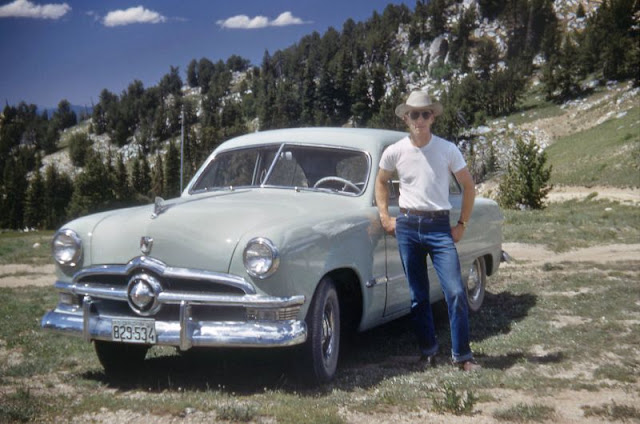
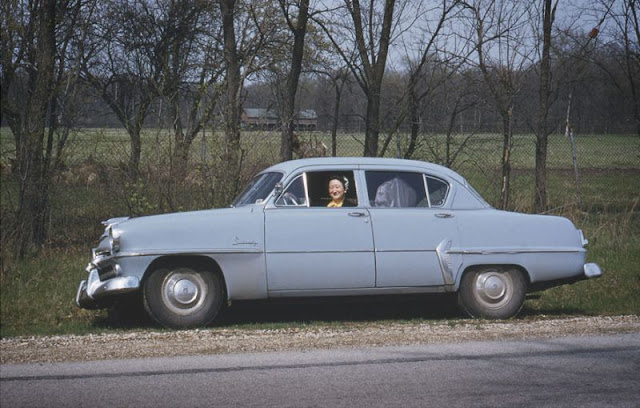
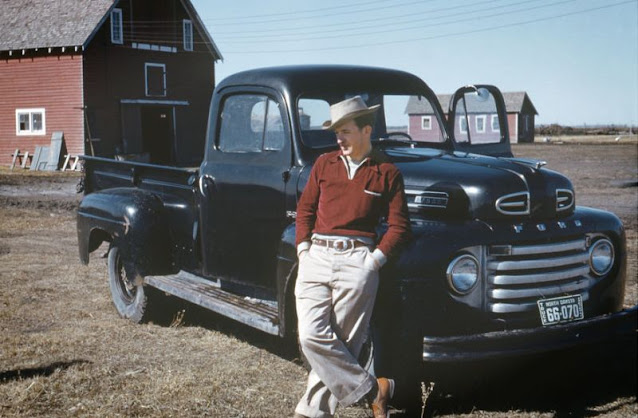
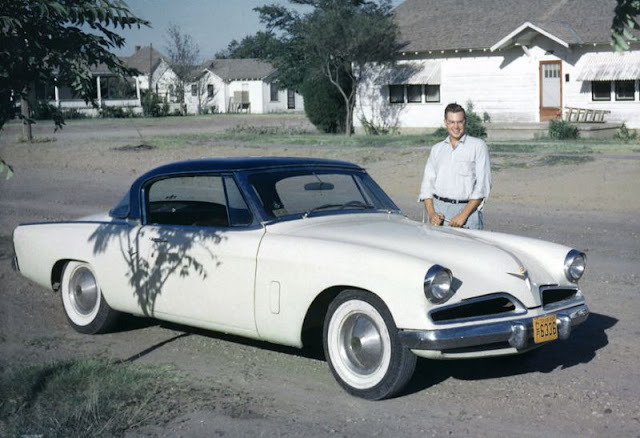
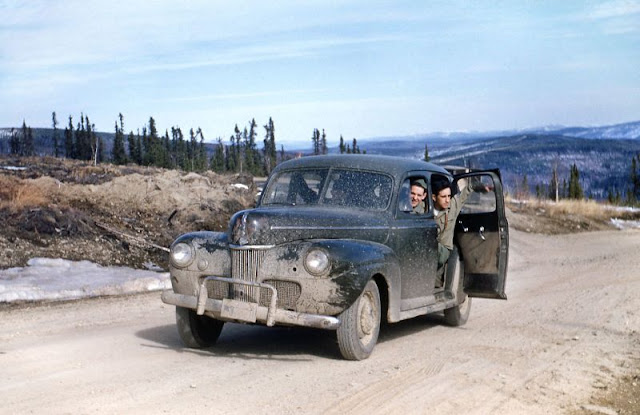
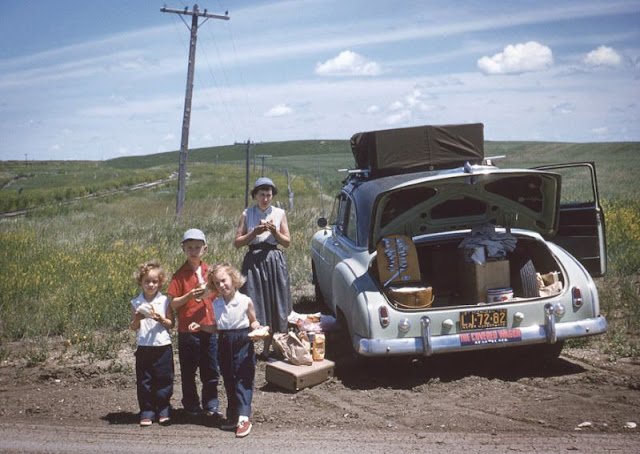
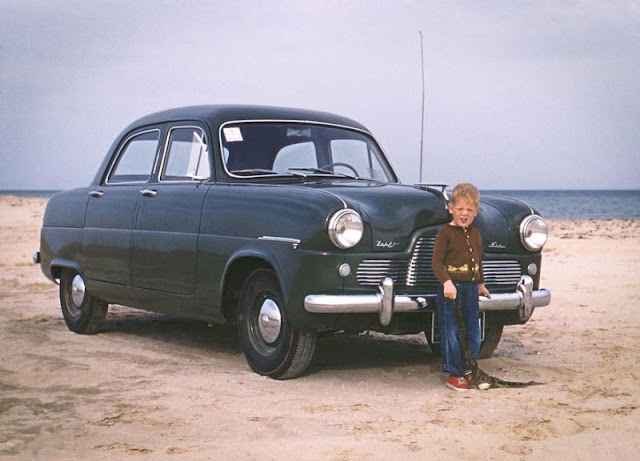
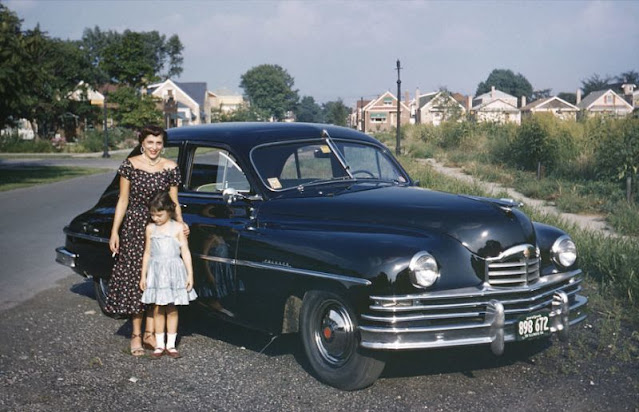
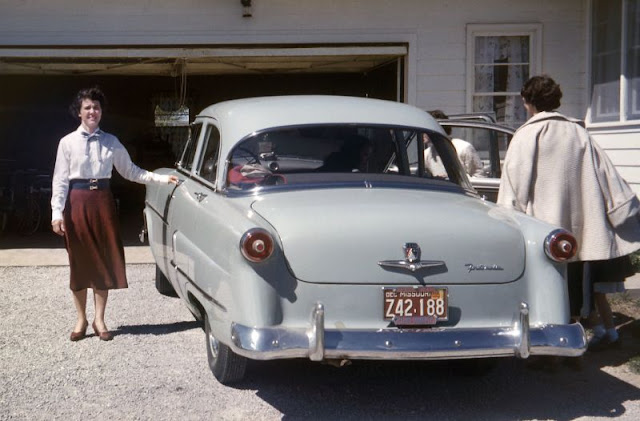
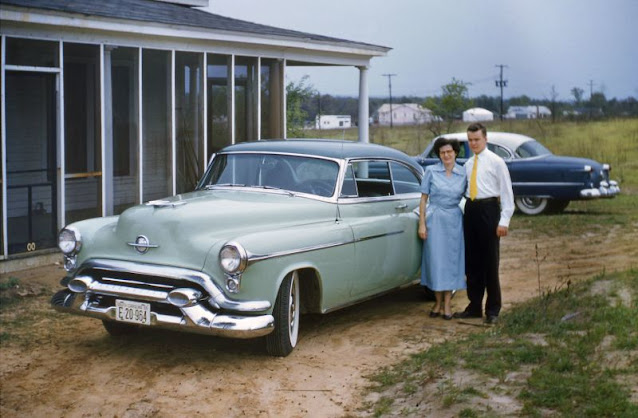
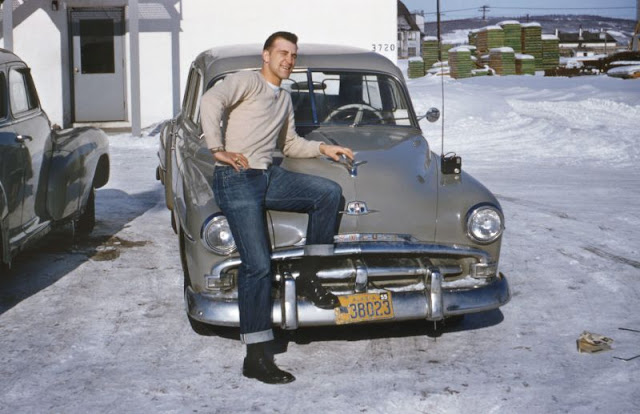
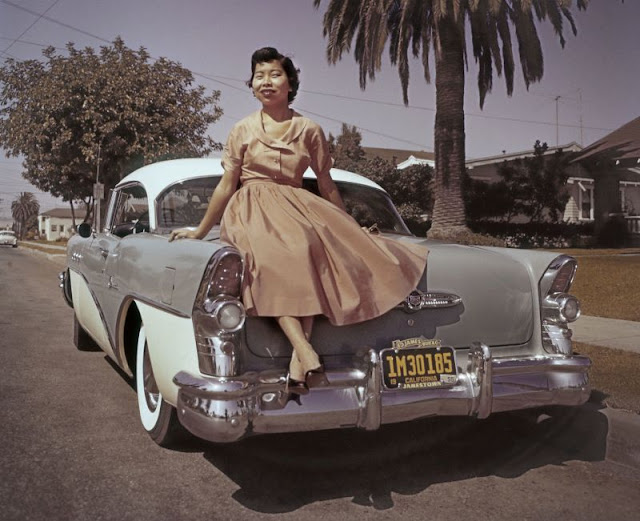
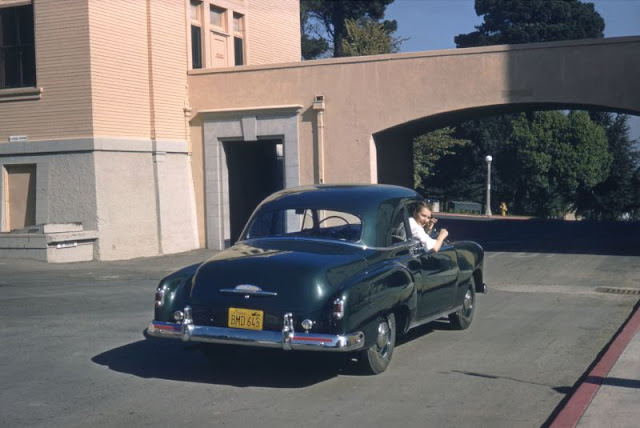
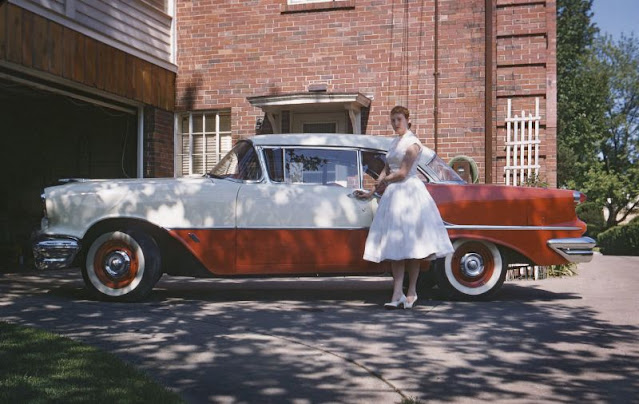
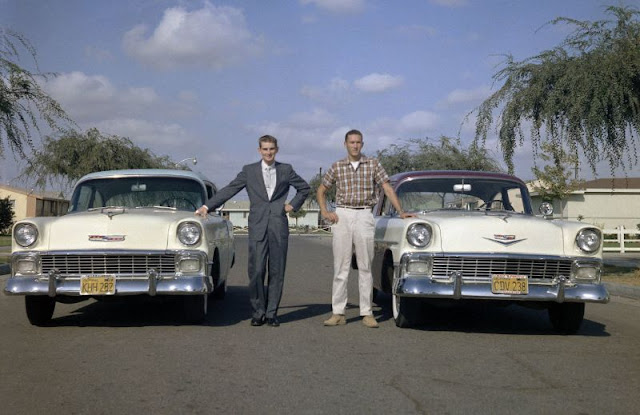
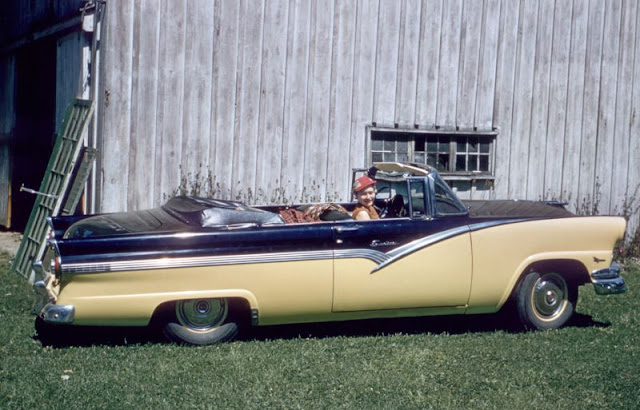
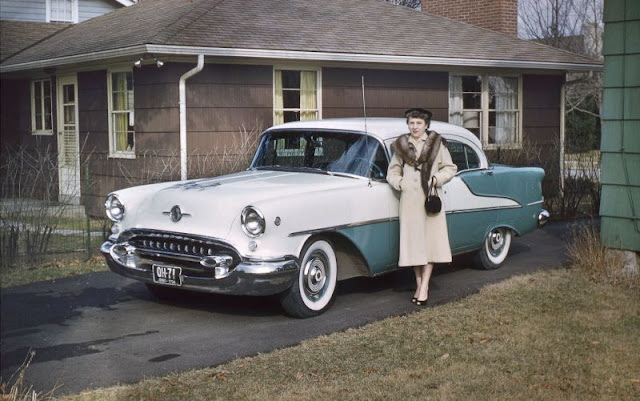
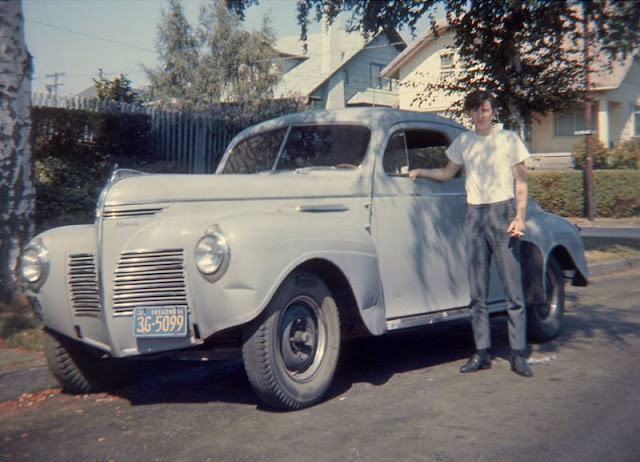
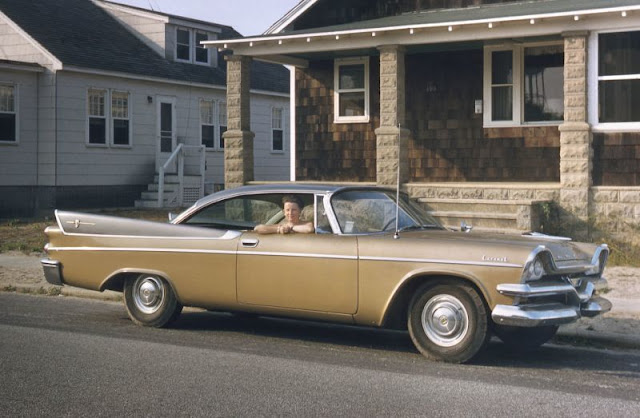
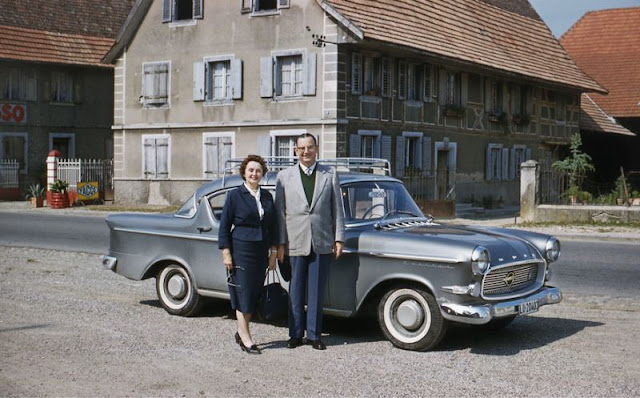
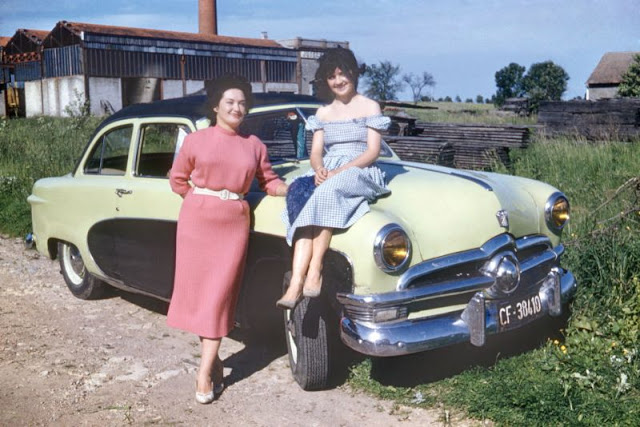
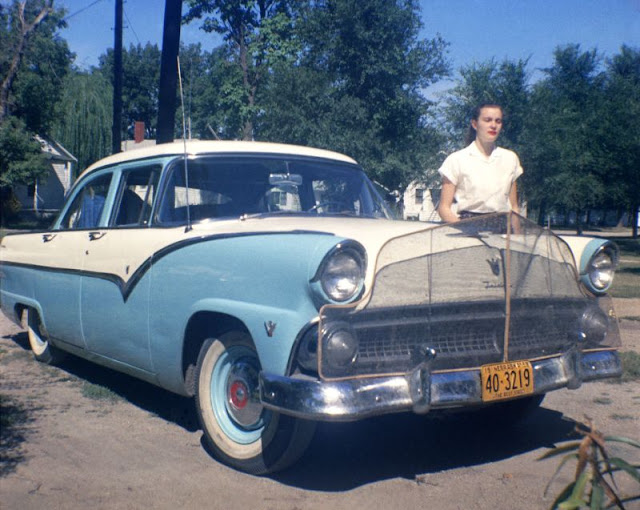
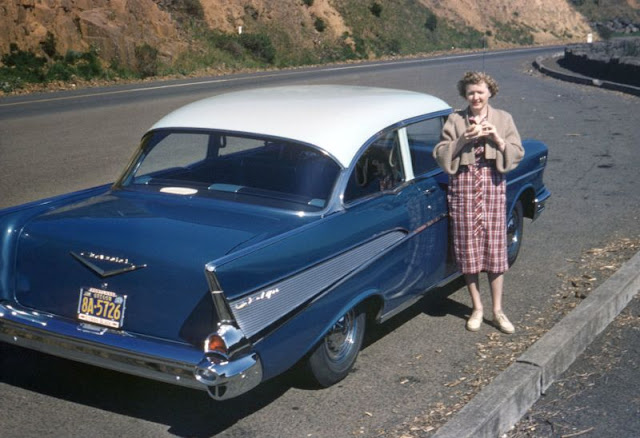
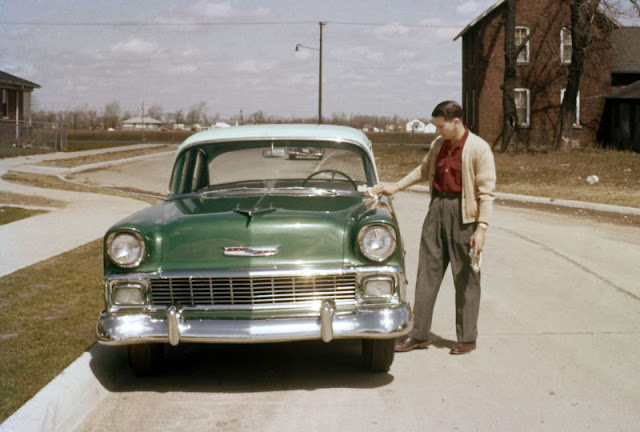
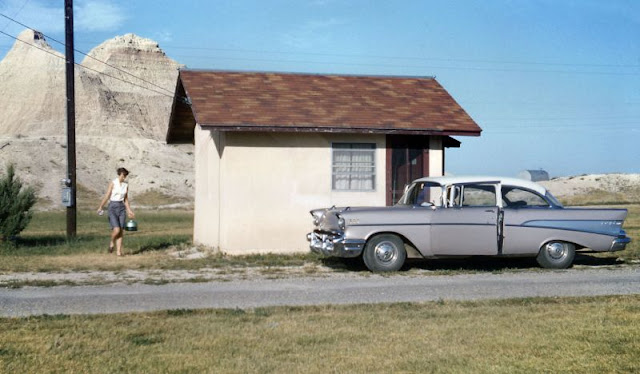
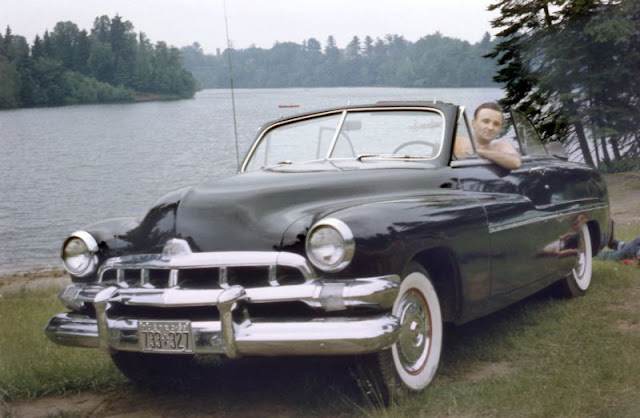
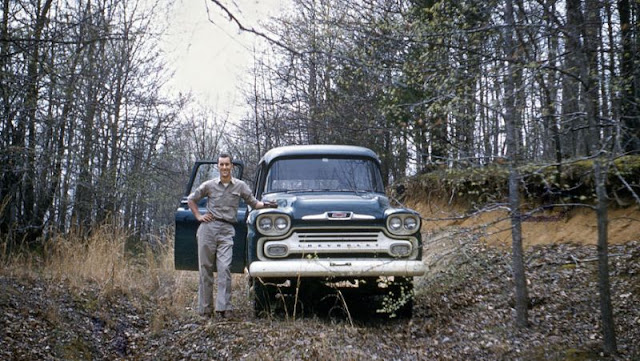
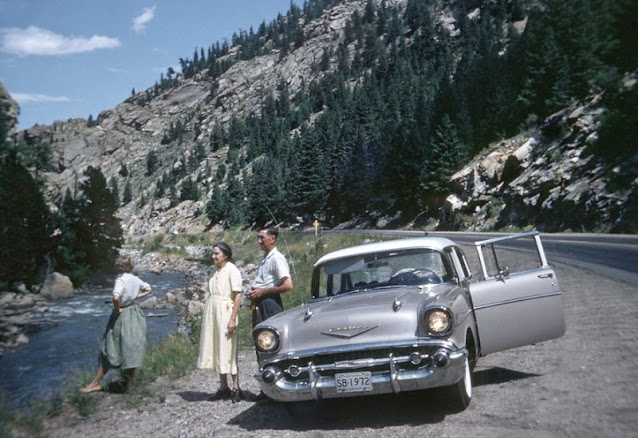
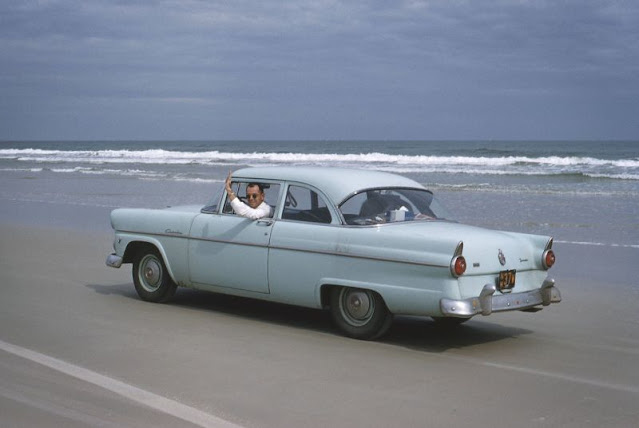
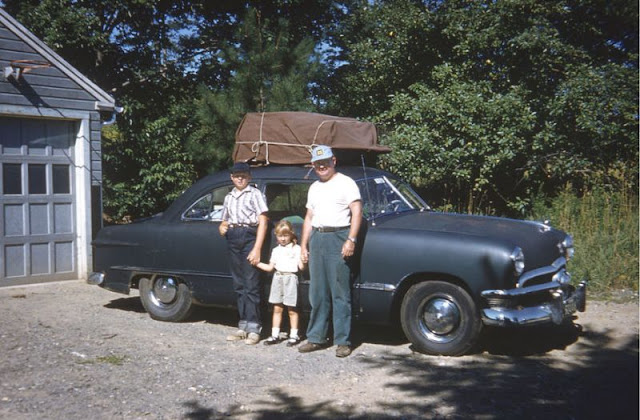
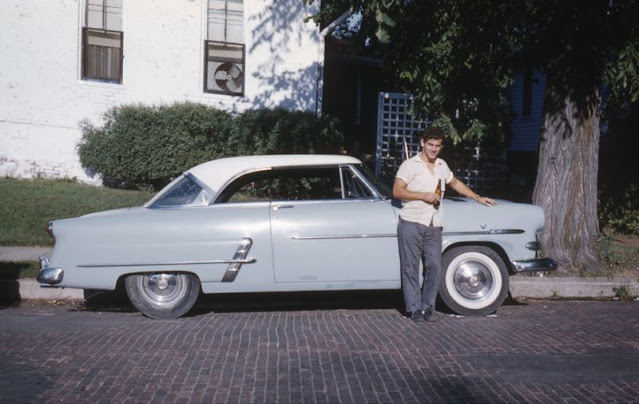
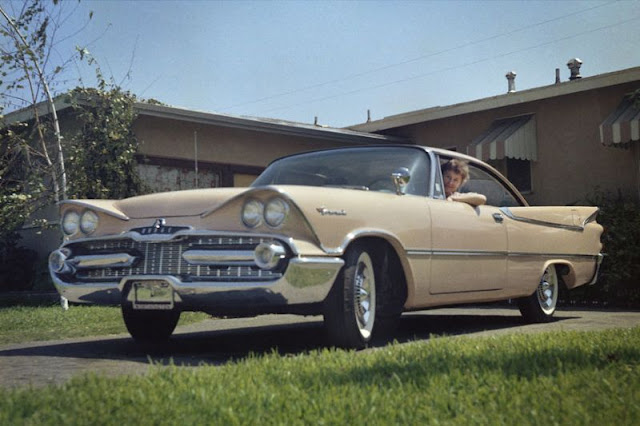
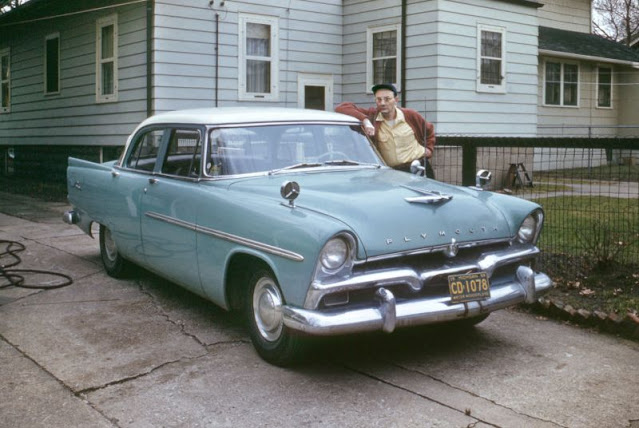
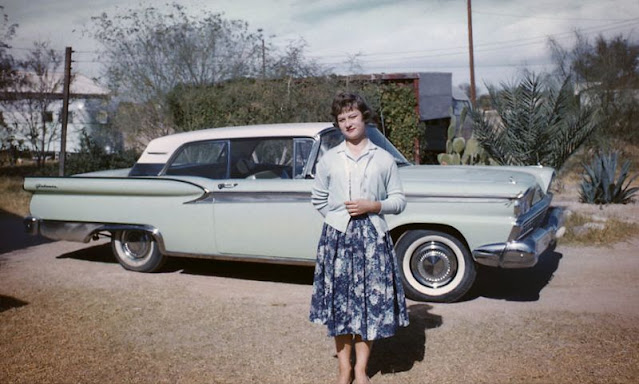
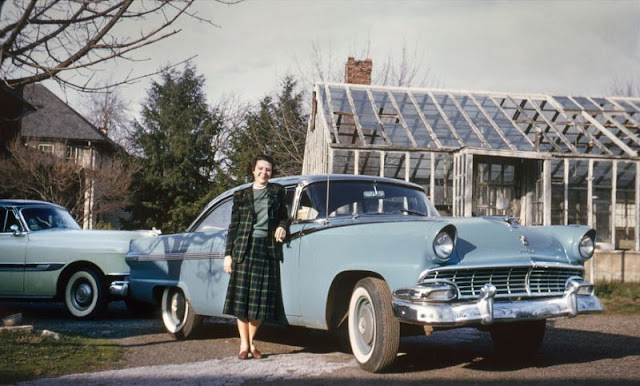
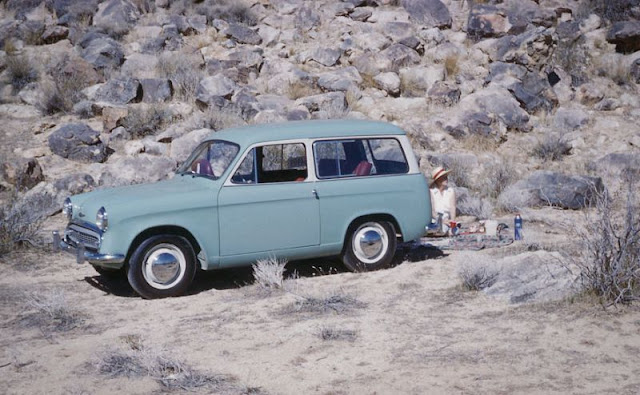
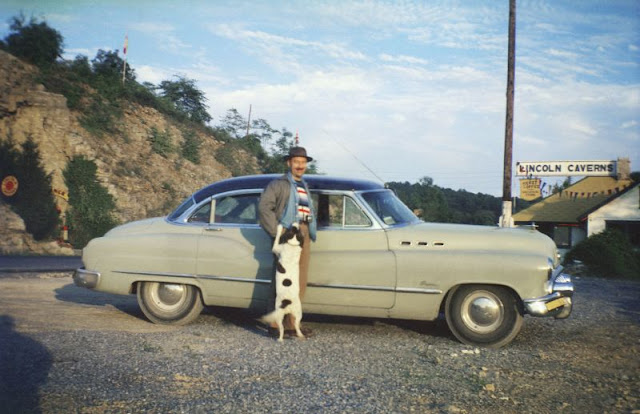
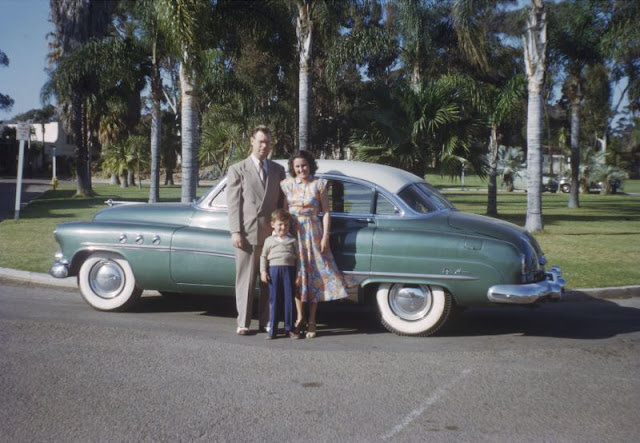
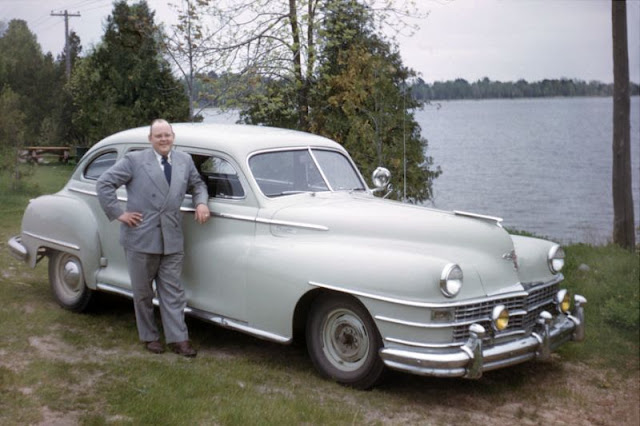
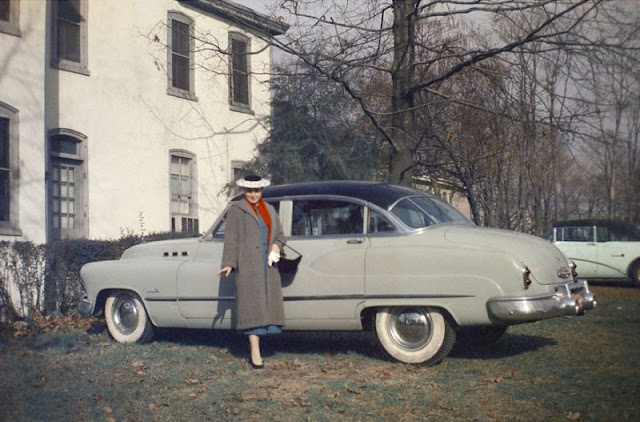
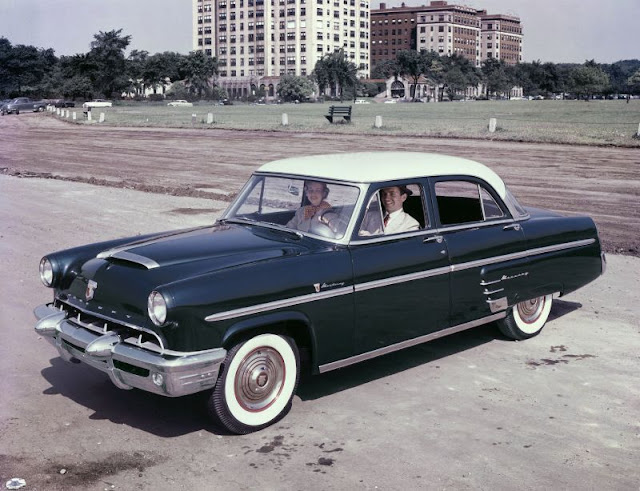
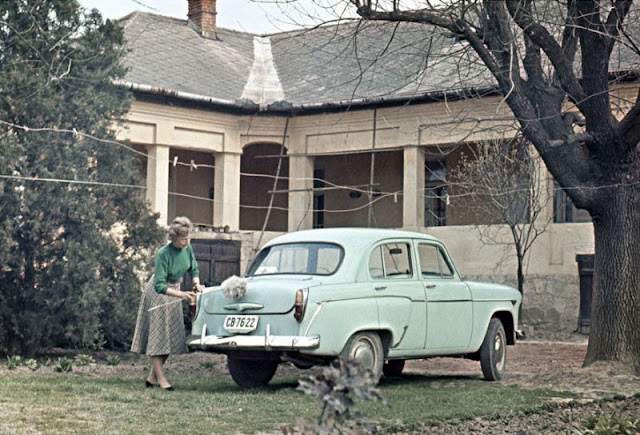
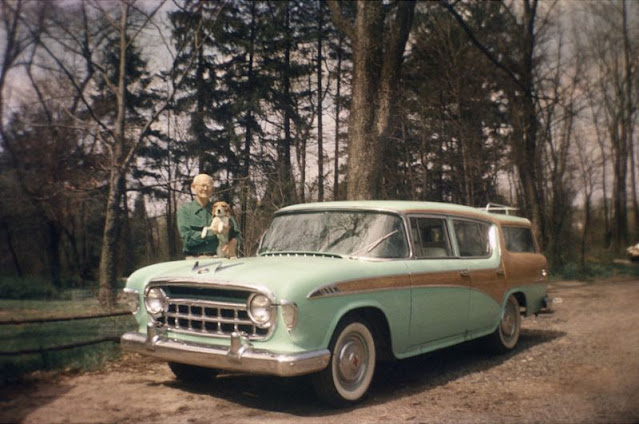
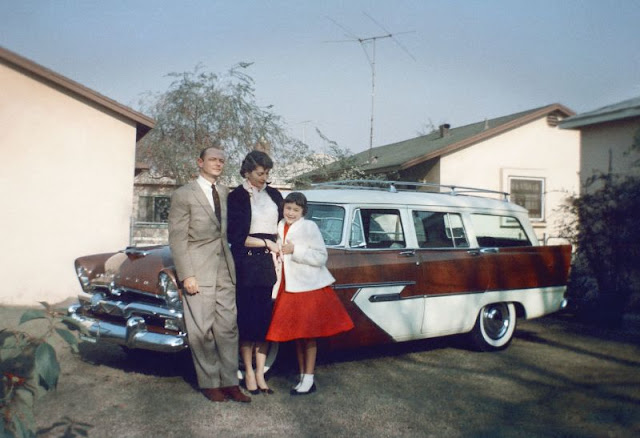
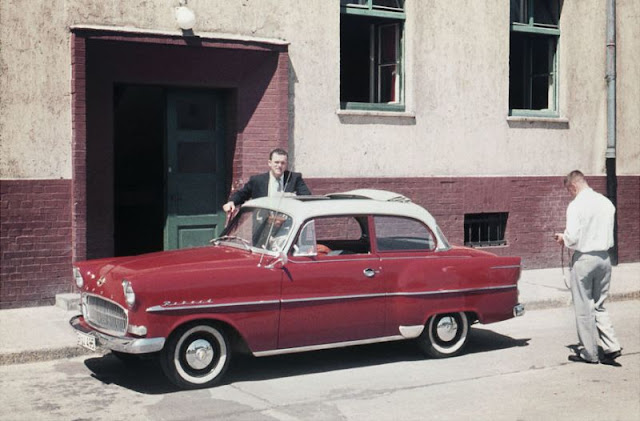
People Posing With Their Cars in the 1950s

The post-World War II era brought a wide range of new technologies to the automobile consumer, and a host of problems for the independent automobile manufacturers.

The industry was maturing in an era of rapid technological change; mass production and the benefits from economies of scale led to innovative designs and greater profits, but stiff competition between the automakers.

By the end of the decade, the industry had reshaped itself into the Big Three, Studebaker, and AMC. The age of small independent automakers was nearly over, as most of them either consolidated or went out of business.

A number of innovations were either invented or improved sufficiently to allow for mass production during the decade: air conditioning, automatic transmission, power steering, power brakes, seat belts and arguably the most influential change in automotive history, the overhead-valve V8 engine. The horsepower race had begun, laying the foundation for the muscle car era.

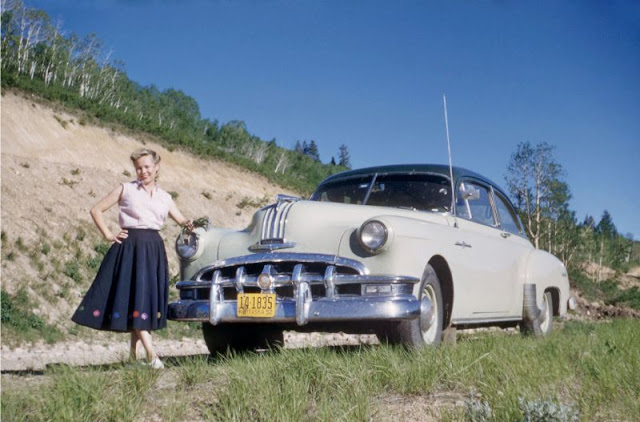
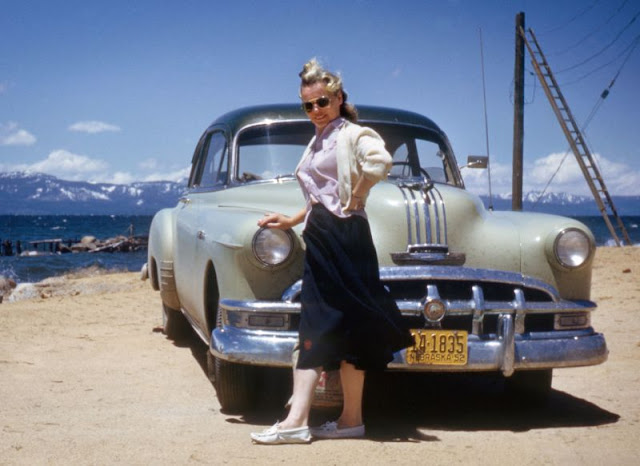
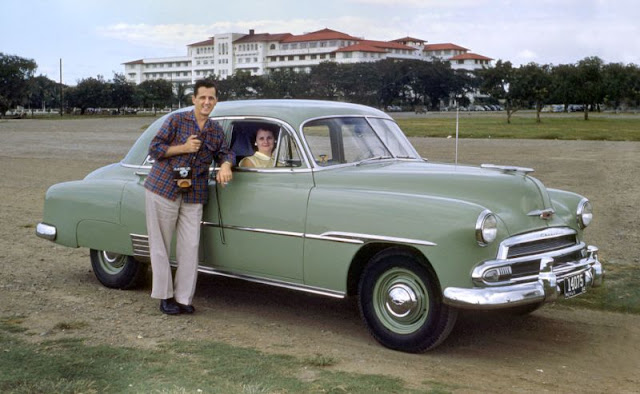
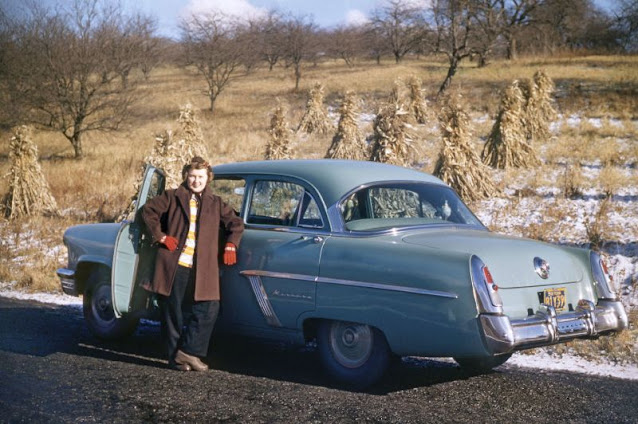
Here below is a set of color photos from Steve Given that shows people posing with their cars in the 1950s.
Subscribe to Yesterday Today’s Blog to receive regular updates regarding new content:

Yesterday Today

Bringing You the Wonder of Yesterday - Today

Skip to content ↓