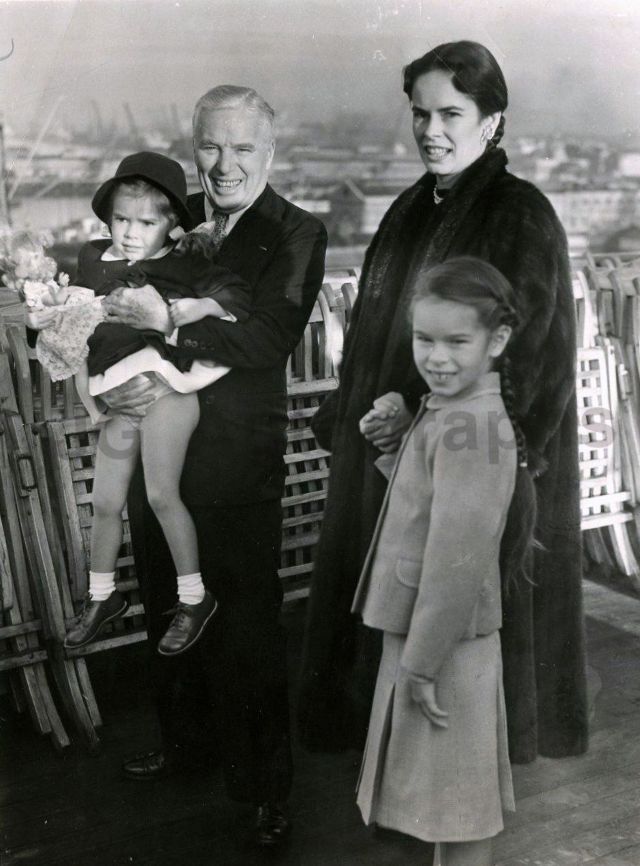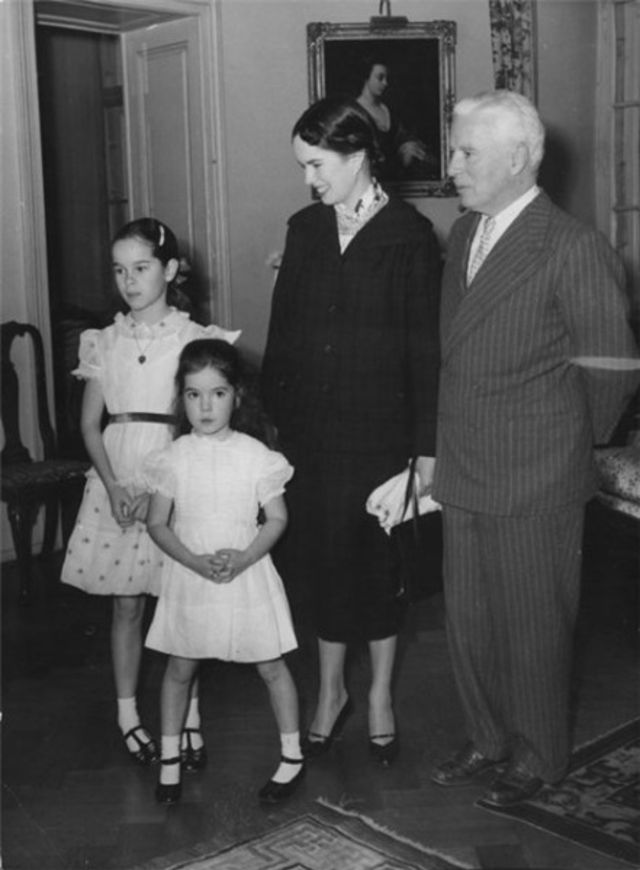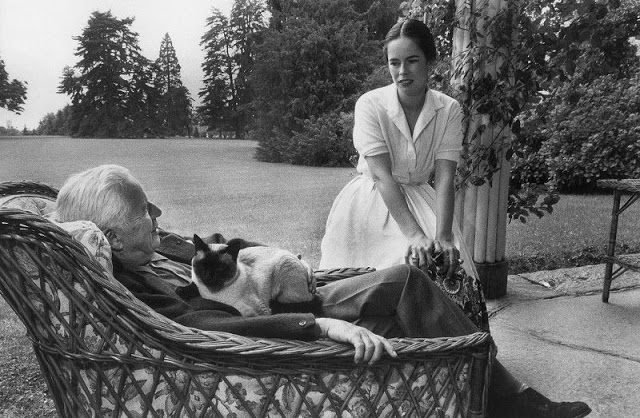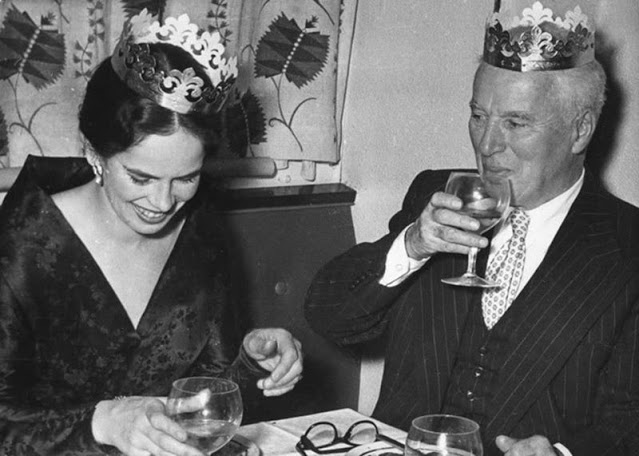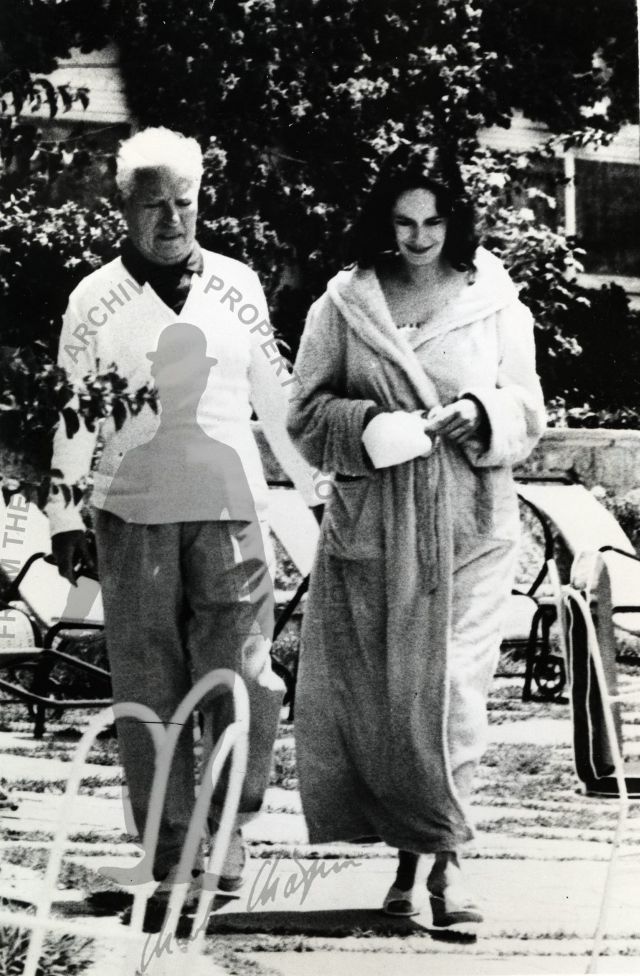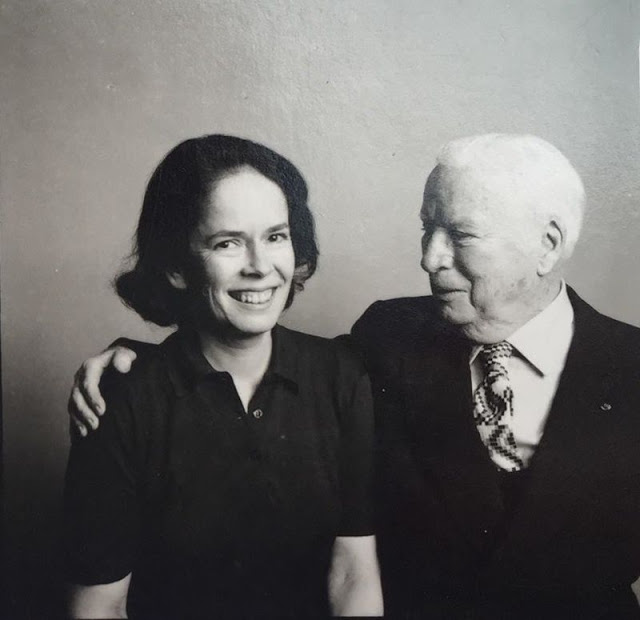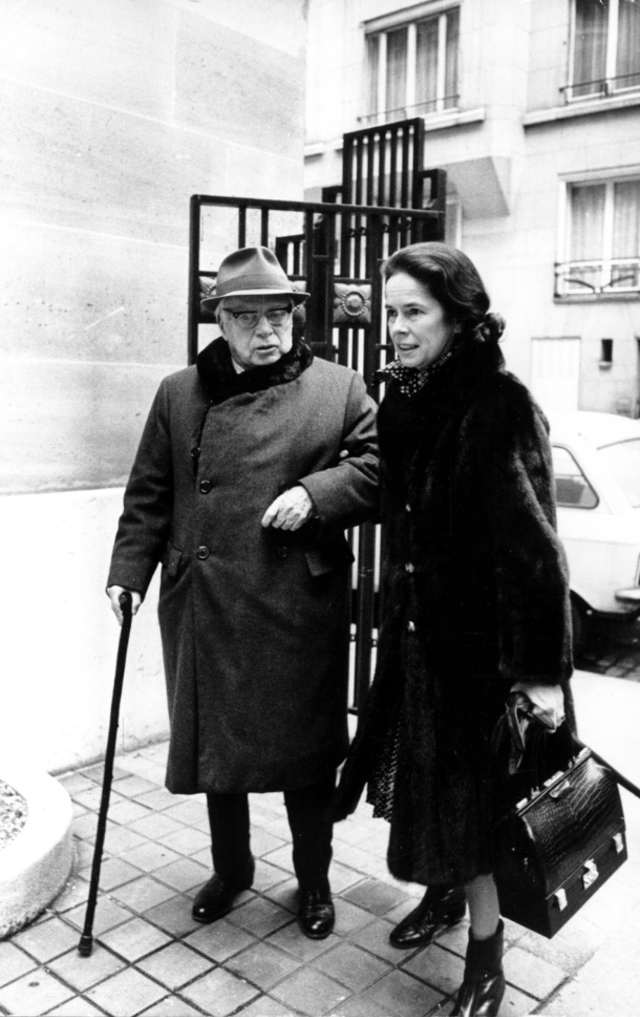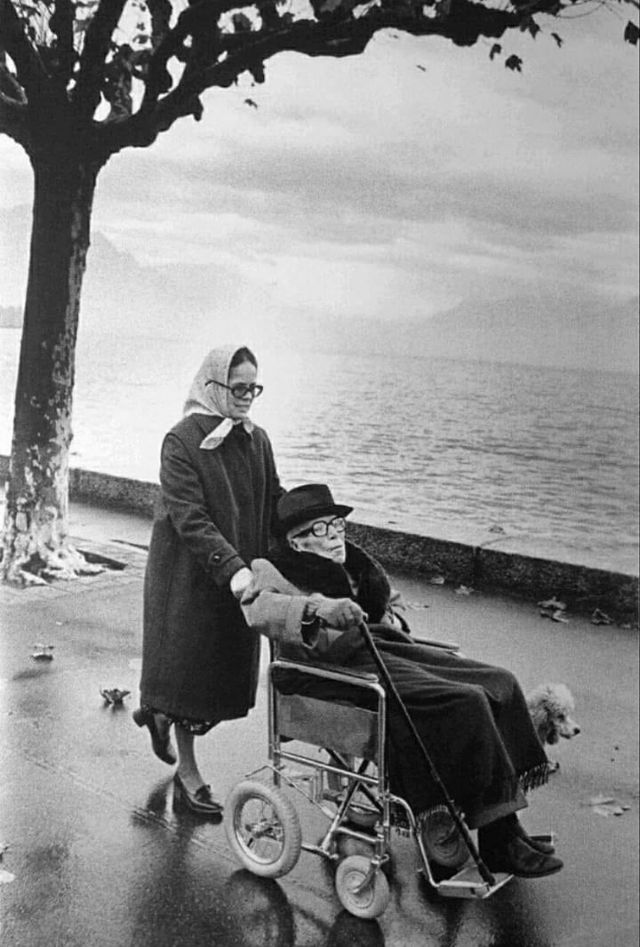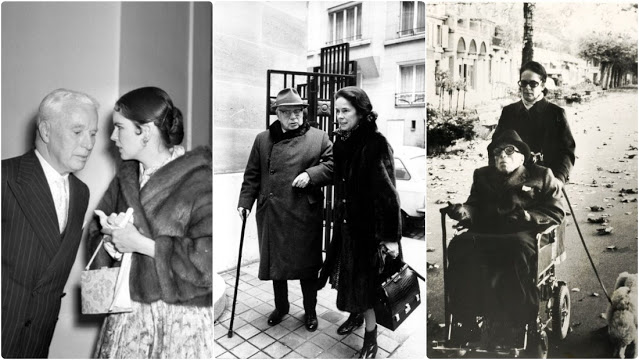
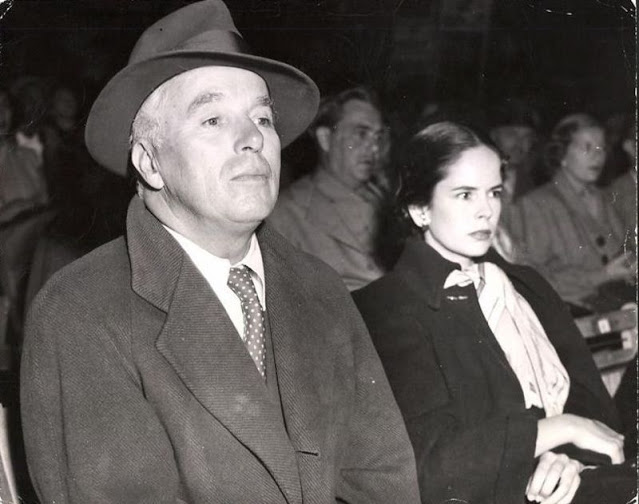
34 Wonderful Vintage Photos of Charlie Chaplin and His Last Wife Oona O’Neill During Their Marriage

In 1942, Oona O’Neill received a large amount of media attention after she was chosen as “The Number One Debutante” of the 1942–1943 season at the Stork Club. Soon after, she decided to pursue a career in acting and, after small roles in two stage productions, headed for Hollywood.

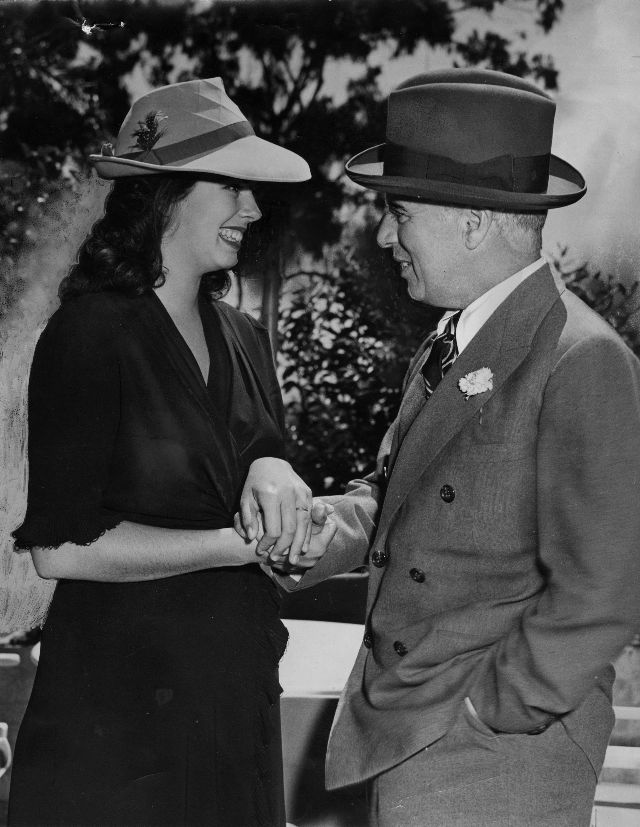
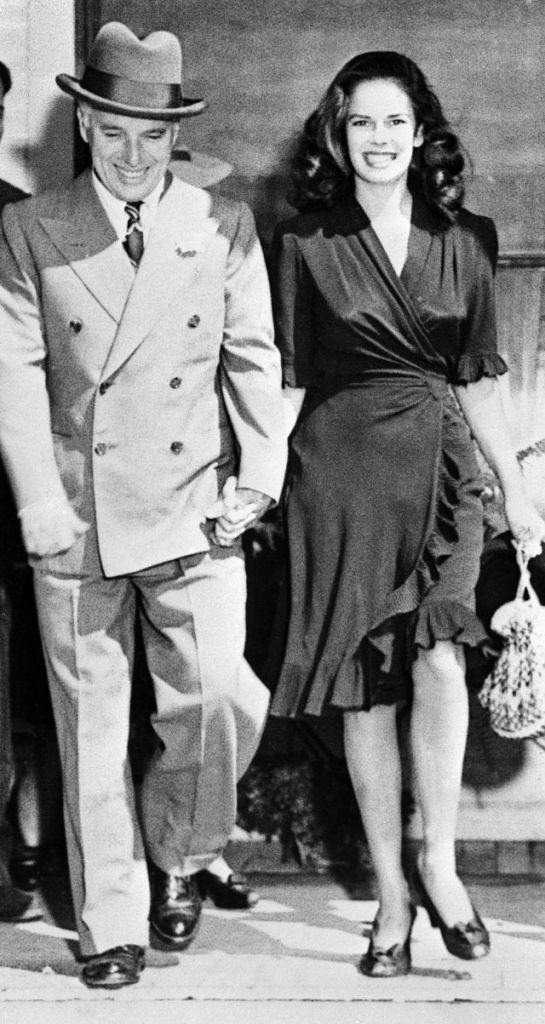
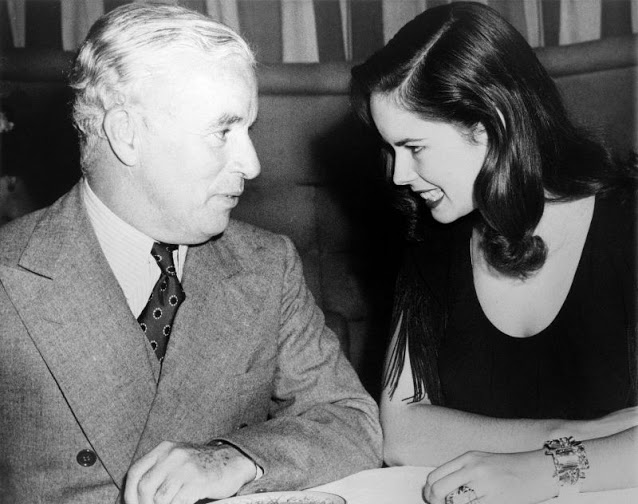
In Hollywood, O’Neill was introduced to Charlie Chaplin, who considered her for a film role. The film was never made, but O’Neill and Chaplin began a romantic relationship and married in June 1943, a month after she had turned 18.

The 36-year age gap between them caused a scandal, and severed O’Neill’s relationship with her father, who was only six months older than Chaplin and who had already strongly disapproved of her wish to become an actress.

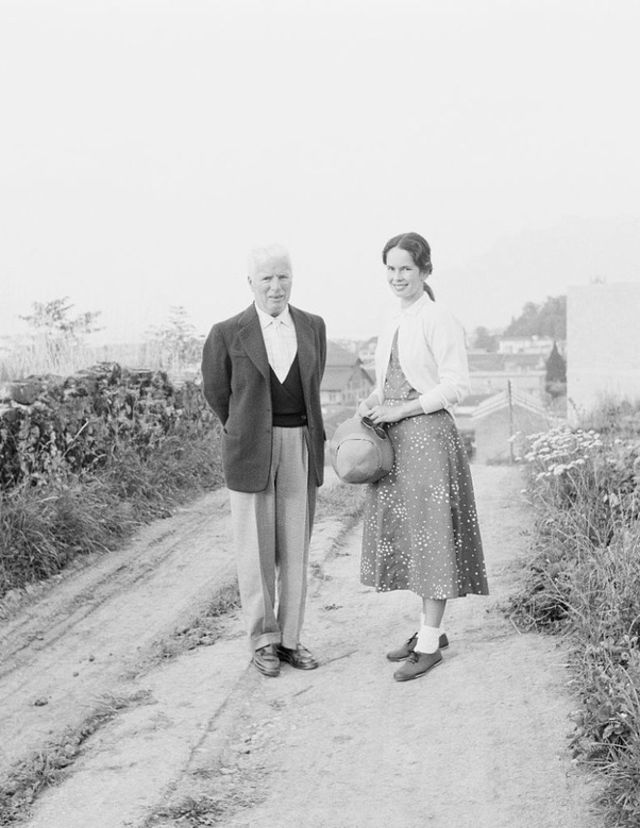
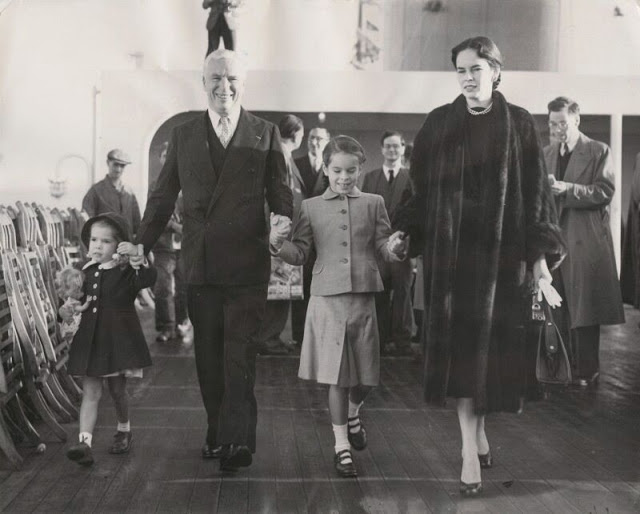
Following the marriage, O’Neill gave up her career plans. She and Chaplin had eight children together and remained married until his death in 1977.

Following Chaplin’s death, she split her time between Switzerland and New York. She died of pancreatic cancer at the age of 66 in Corsier-sur-Vevey in 1991. Her daughter Geraldine Chaplin named her own daughter after Oona in 1986.

Take a look at these vintage photos to see beautiful moments of Charlie Chaplin and his last wife Oona O’Neill during their marriage.
Subscribe to Yesterday Today to receive regular updates on new content:

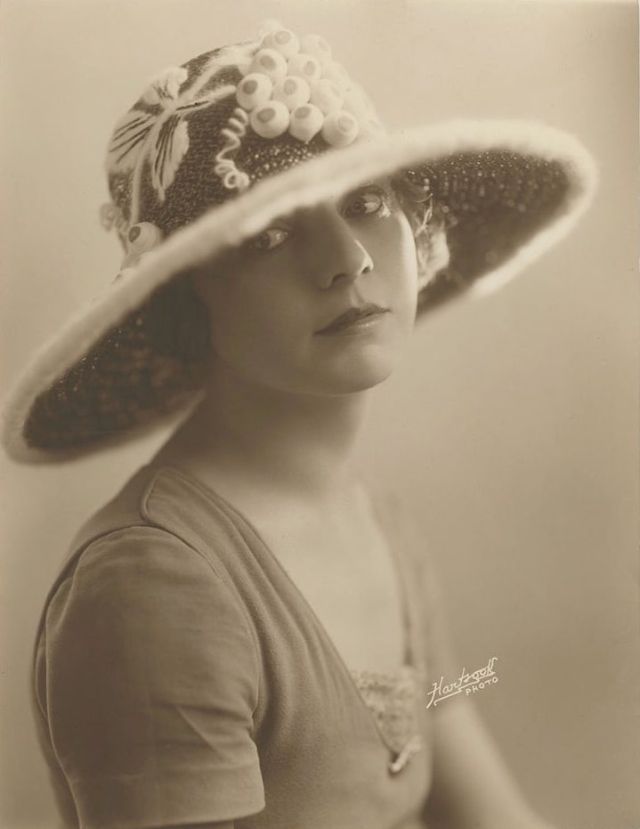
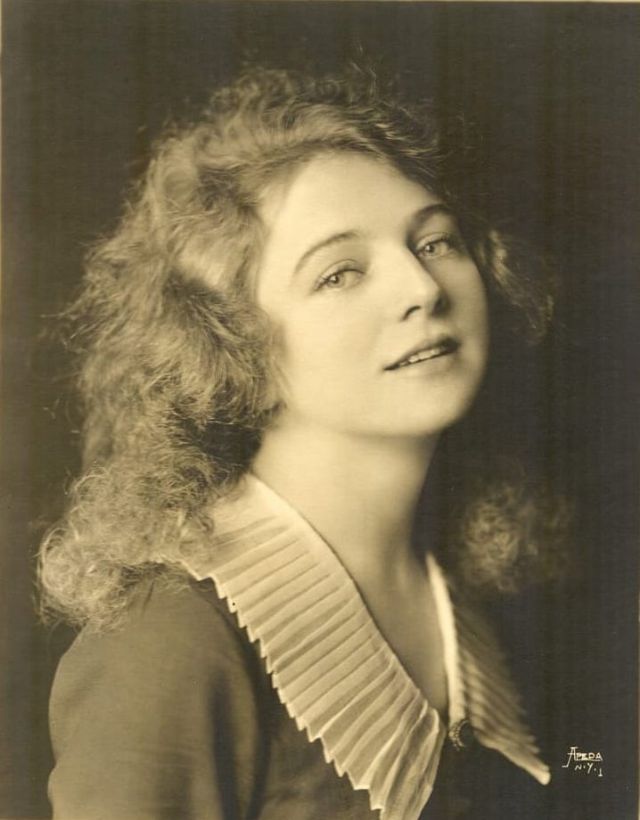
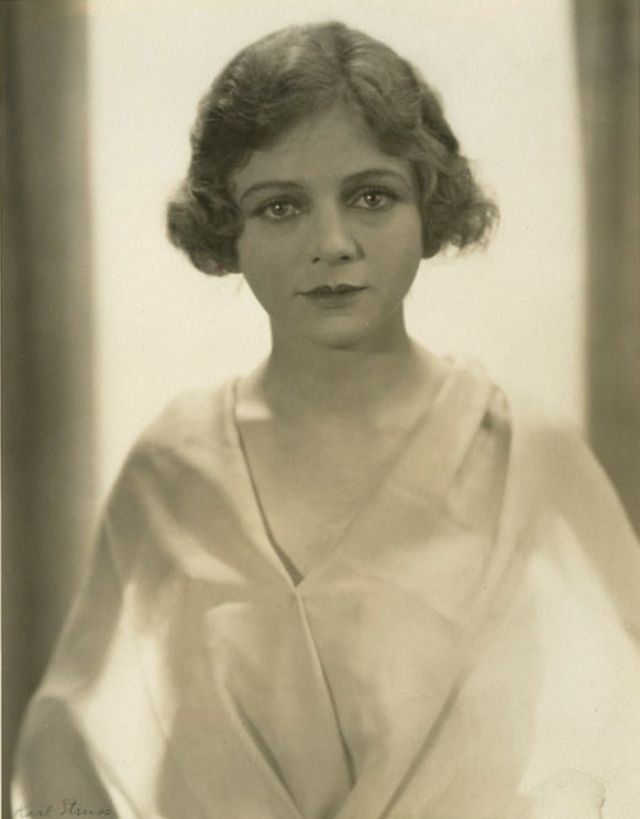
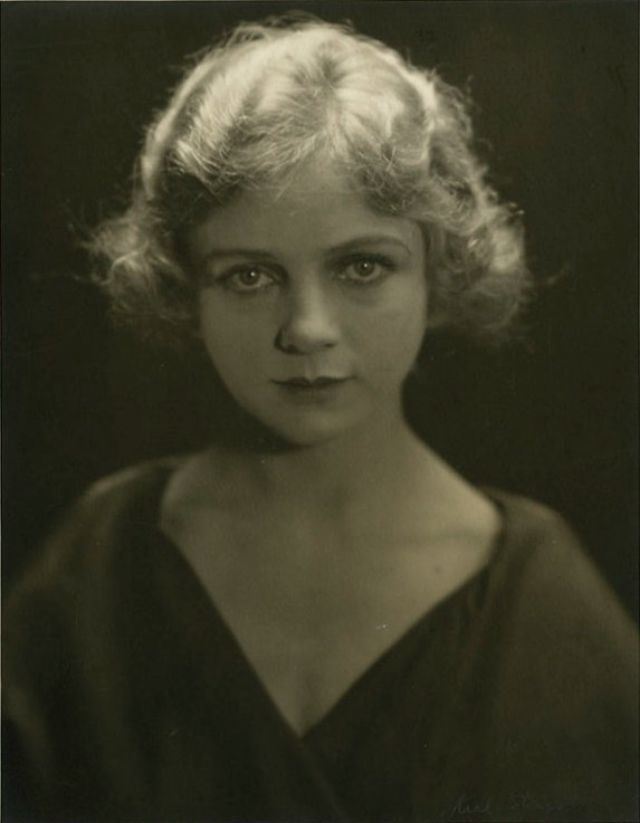
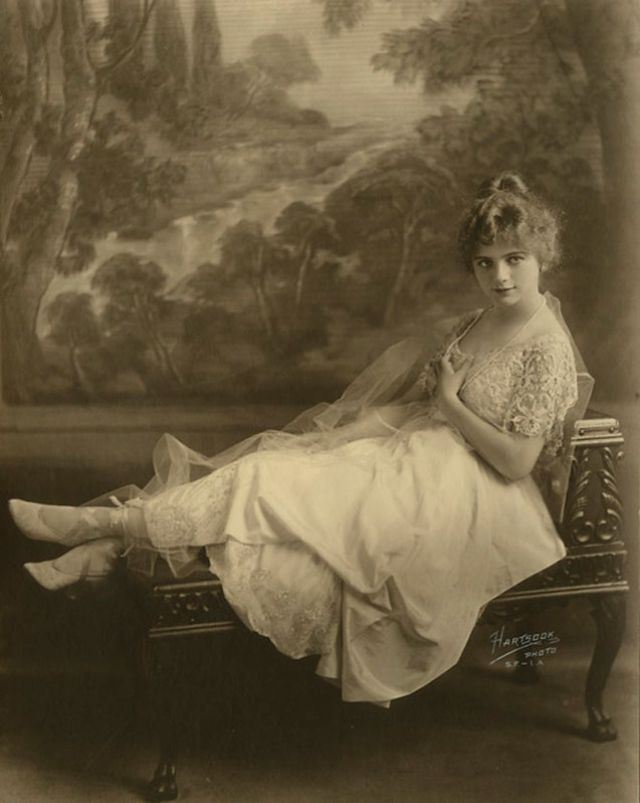
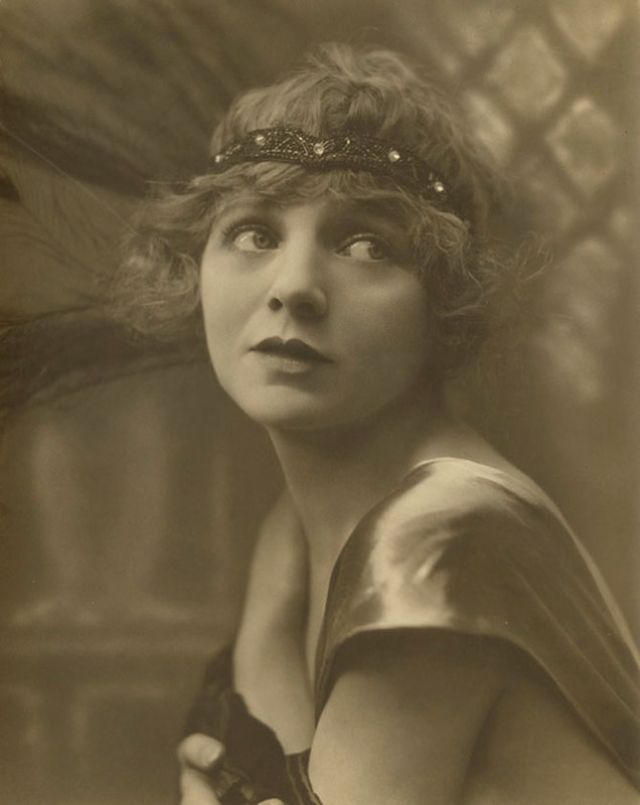
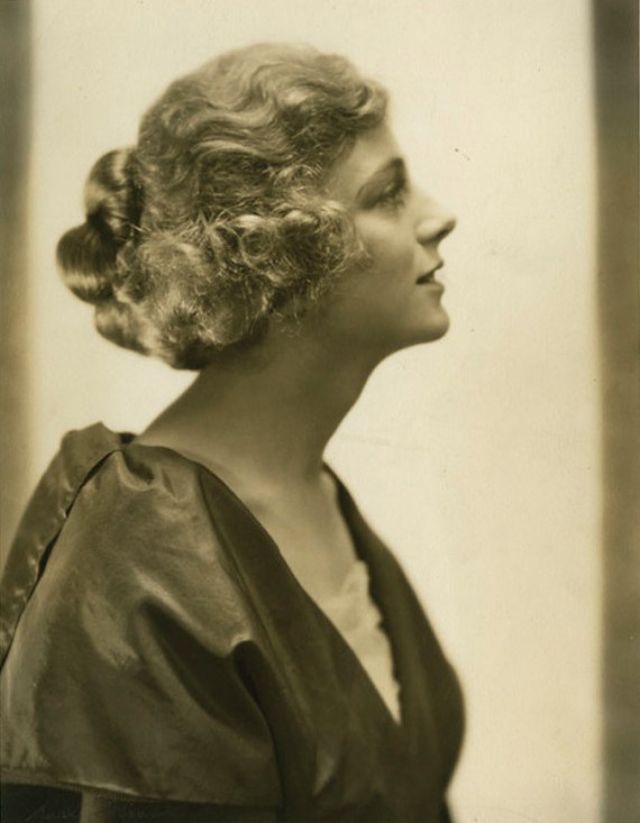
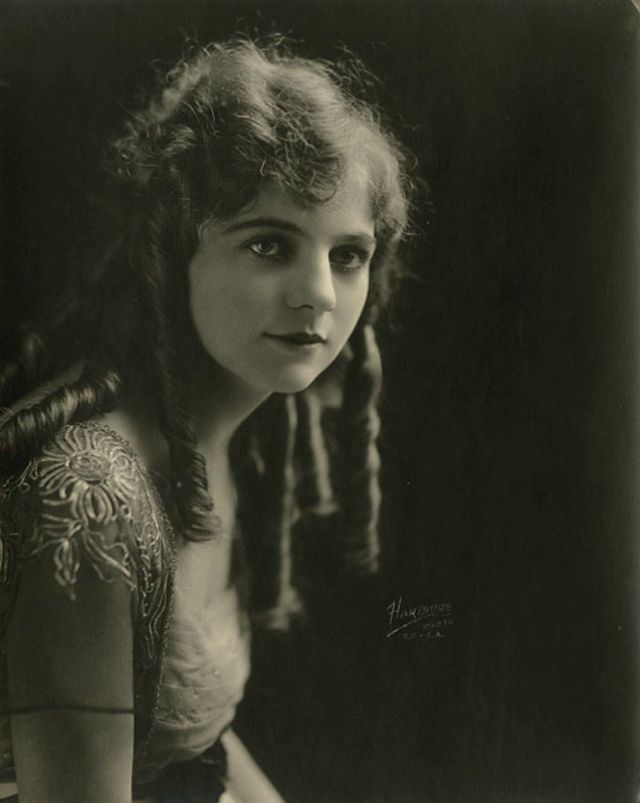
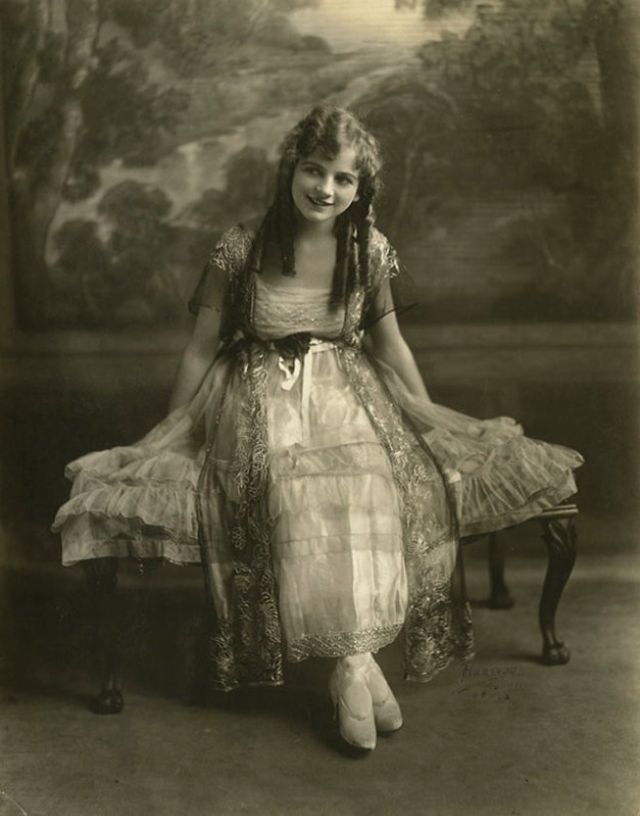
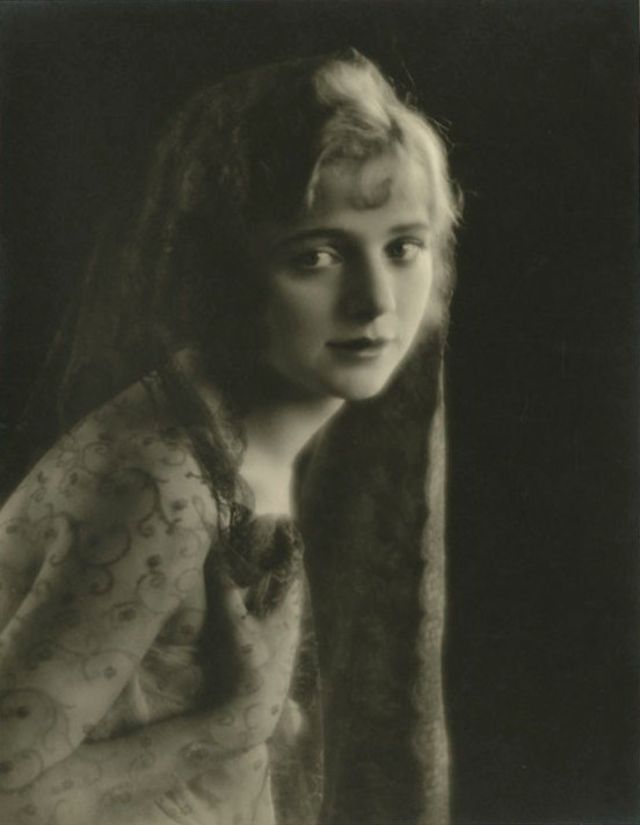
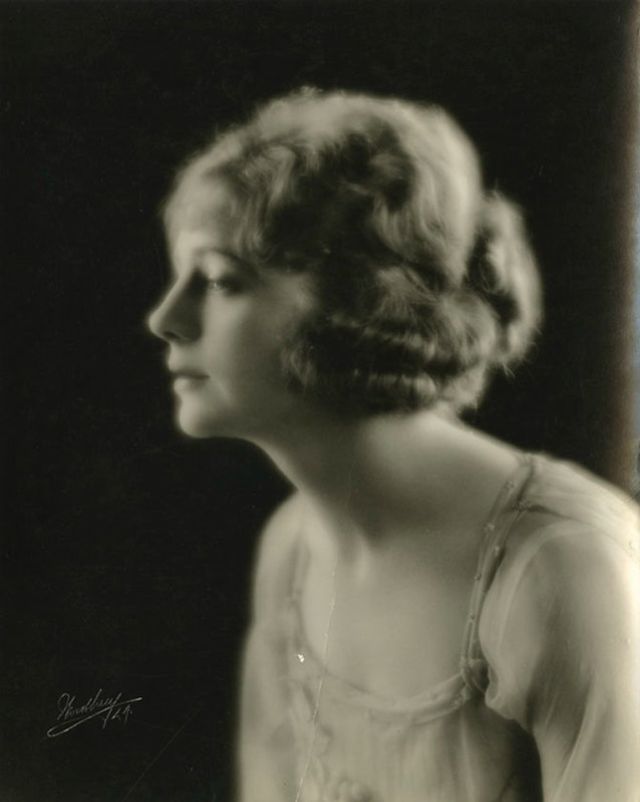
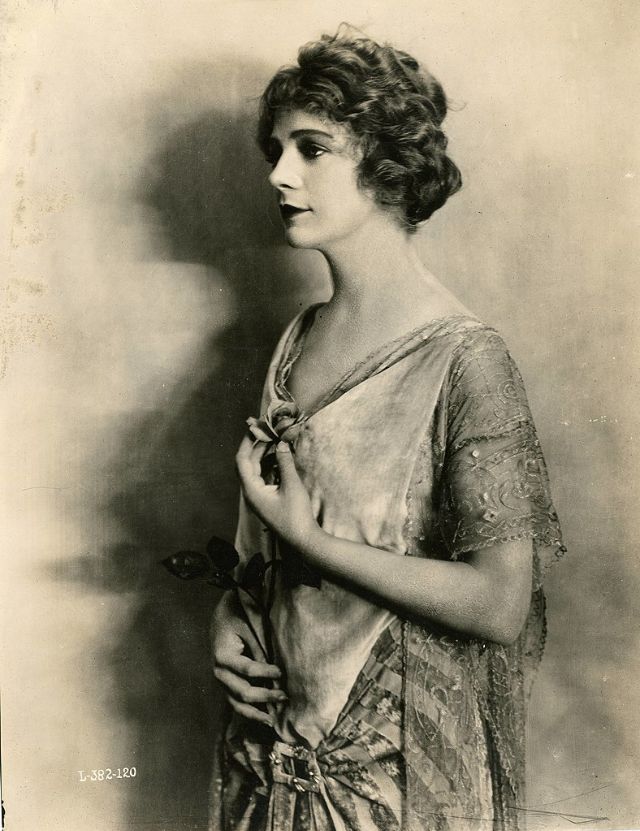
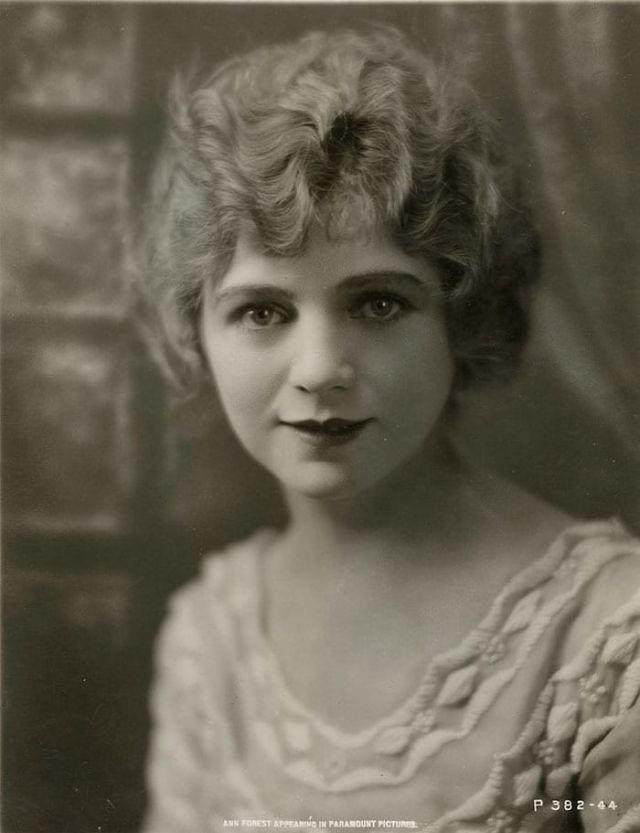
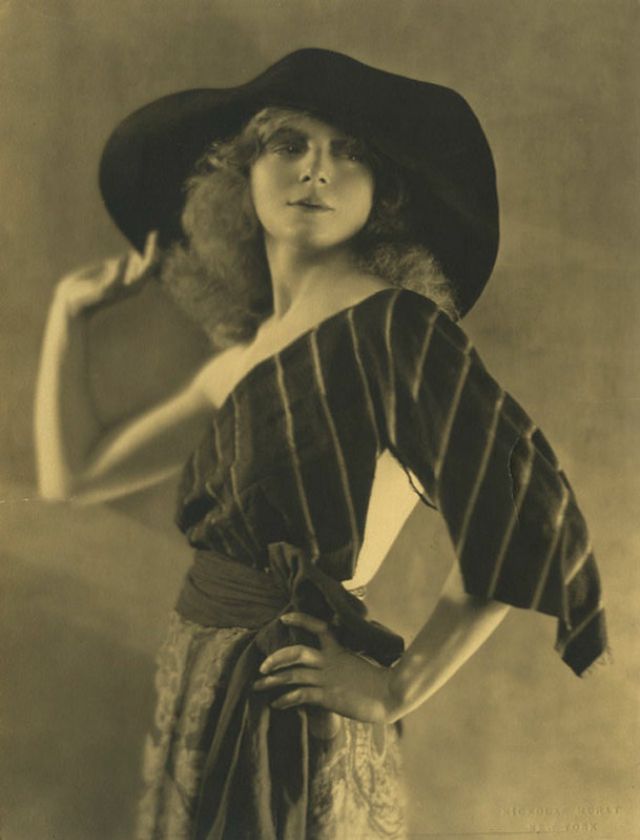
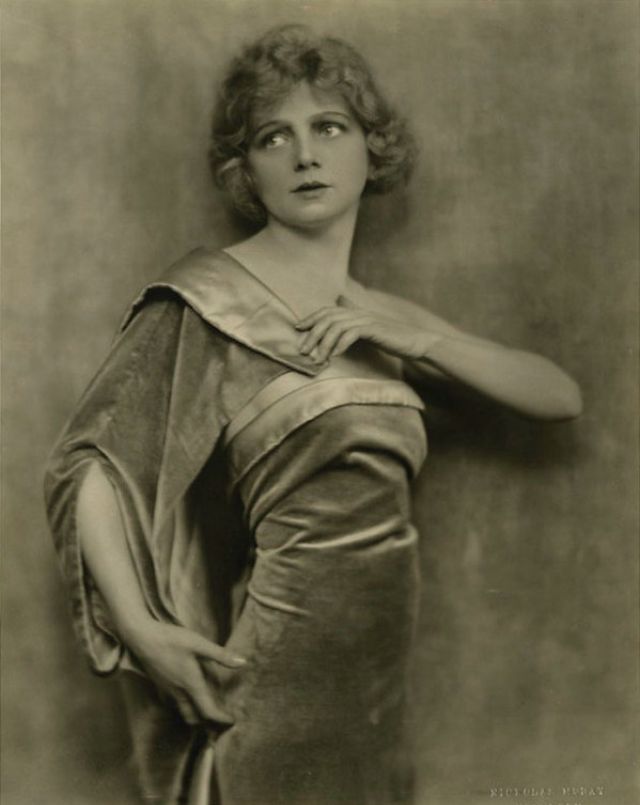
30 Fabulous Photos of Ann Forrest in the 1920s

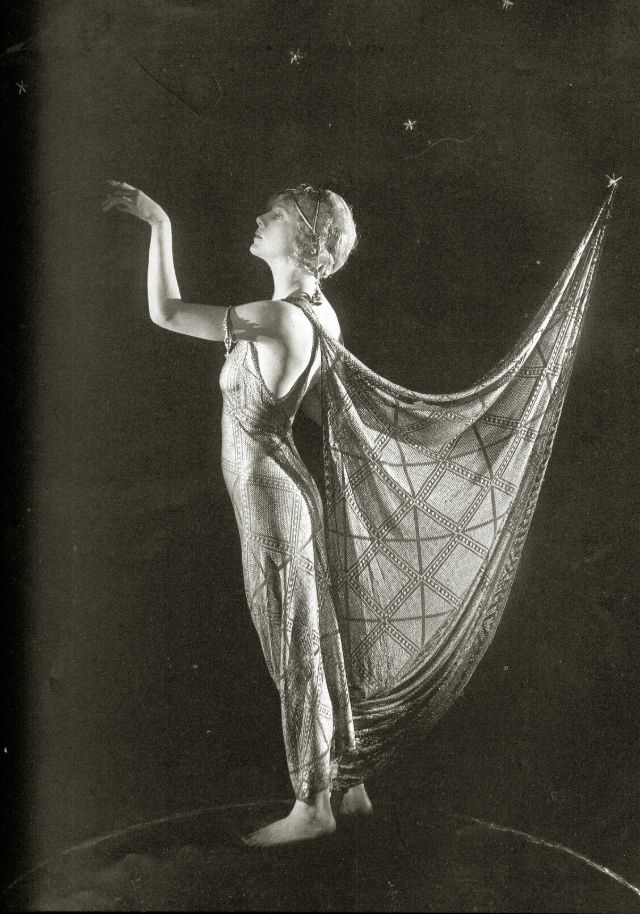
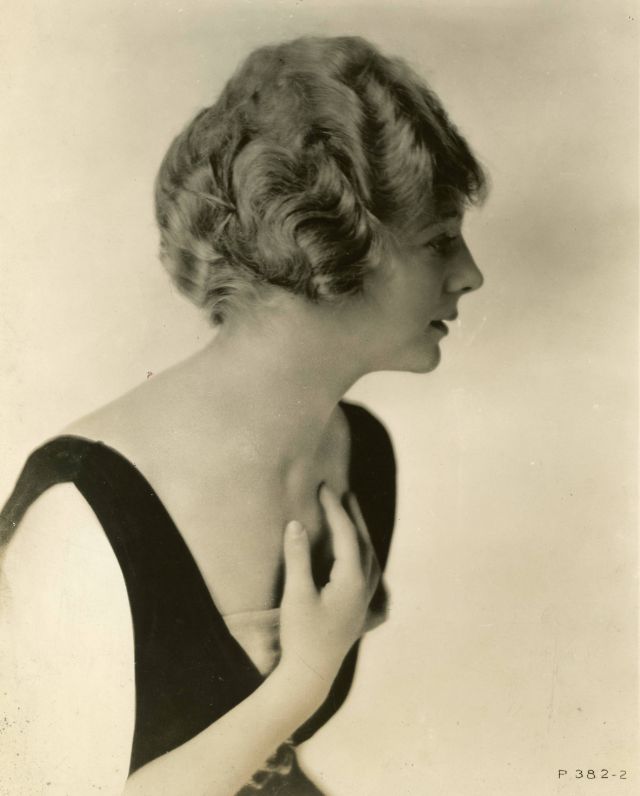
Born 1895 in Sønderho, Denmark, Danish-American actress of Hollywood’s silent films Ann Forrest appeared in 33 movies between 1915 and 1925. According to Ruth Wing, author of the Blue Book of the Screen, Forrest enjoyed playing homely character roles, and her characters often wept during the film. However, wanting to capitalize on her beauty, producers later cast her in society dramas.

Wing wrote “Ann Forrest is ‘different’. She is different from most screen stars in personality and beauty. But the greatest difference lies in her achievement of cinema fame. Ann wept her way to stardom.”

Forrest died in 1985 at the age of 90. Take a look at these fabulous photos to see the beauty of a young Ann Forrest in the 1920s.

Subscribe to Yesterday Today to receive regular updates on new content:
Yesterday Today: September 13

The Kennedy trio in the mid-1930s as teenagers-John, Bobby and Teddy

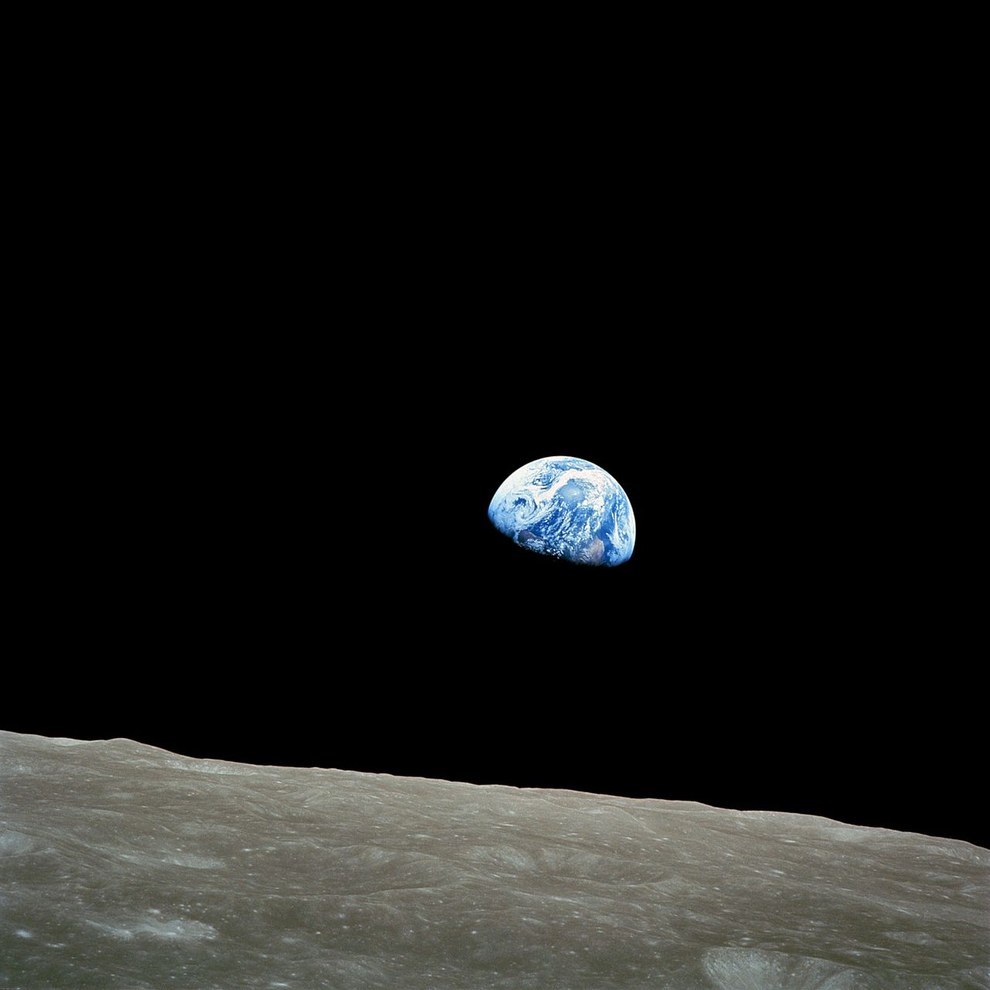
“Earthrise” – Taken by Apollo 8 crew member Bill Anders while in orbit around the moon, this picture shows Earth rising above the lunar horizon. Dec. 24, 1968

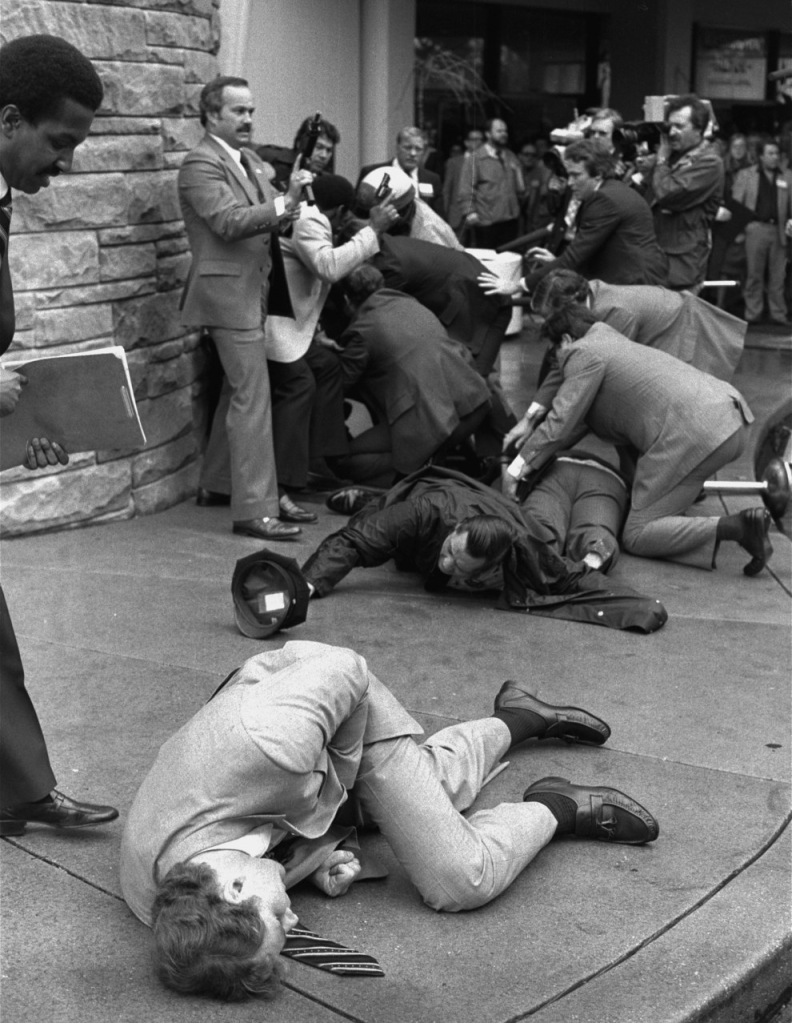
Secret Service agent Timothy J. McCarthy, Washington police officer Thomas K. Delahanty, and presidential press secretary James Brady lie wounded on the street after shots were fired at President Reagan on March 30, 1981. McCarthy threw himself into the line of fire after gunman John Hinckley Jr. had fired six shots from a crowd.

Rip, a rescue dog who found one hundred victims of air raids in London between 1940 and 1941. He received the Dickin Medal for bravery in 1945.

Vladimir Putin and his childhood friends in 1969.

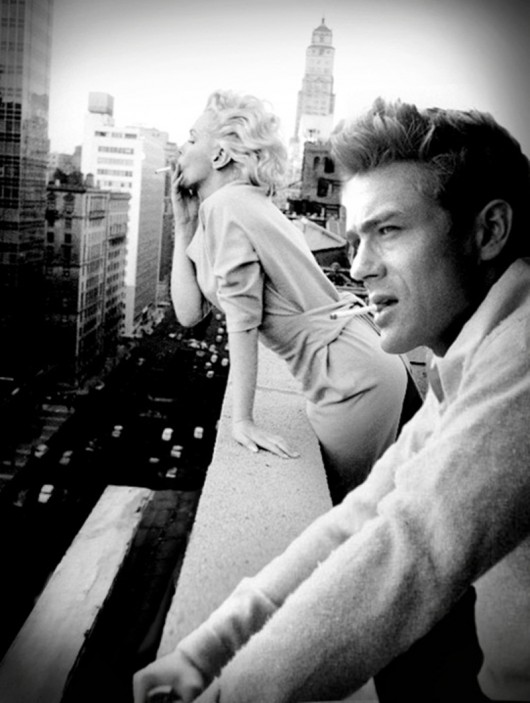
Marilyn Monroe and James Dean

Abraham Lincoln’s hearse, 1865.

Red Army snipers doing some anti aircraft work.

School dance, 1950

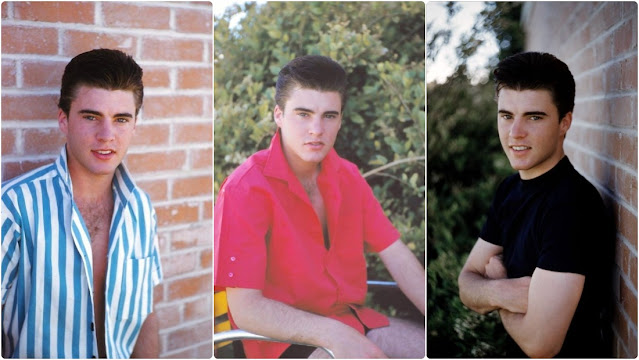
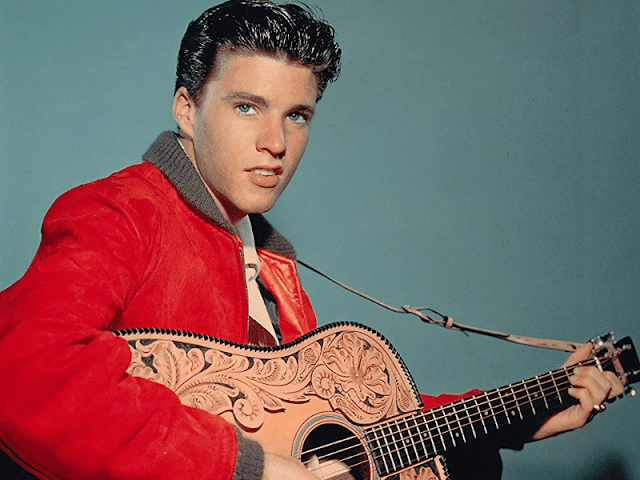
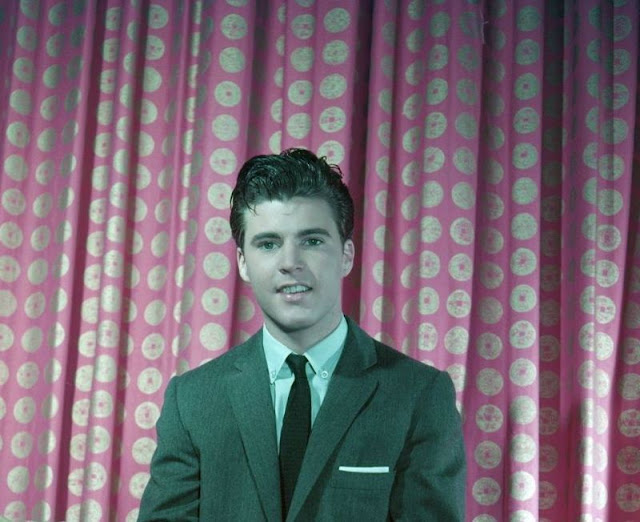
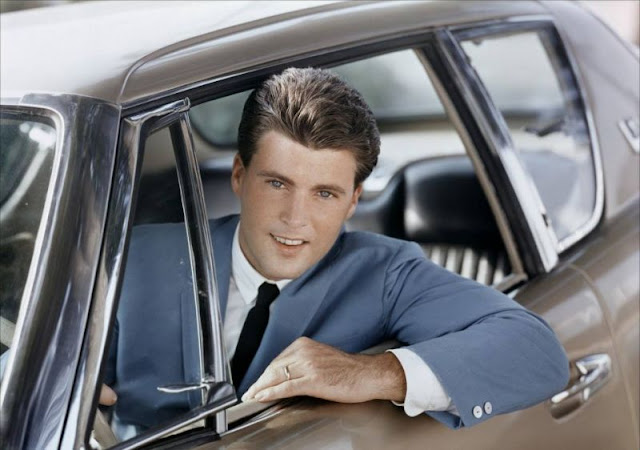
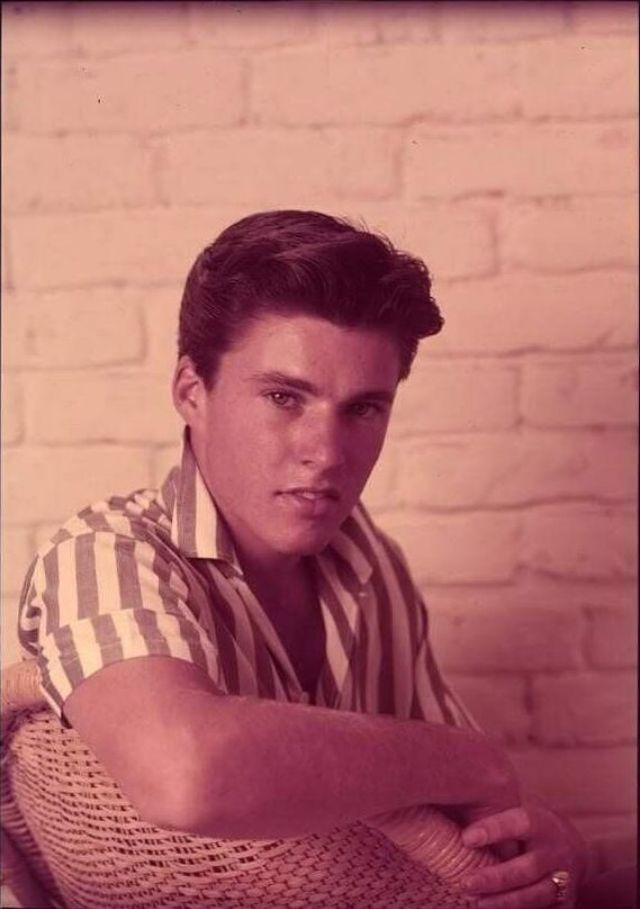
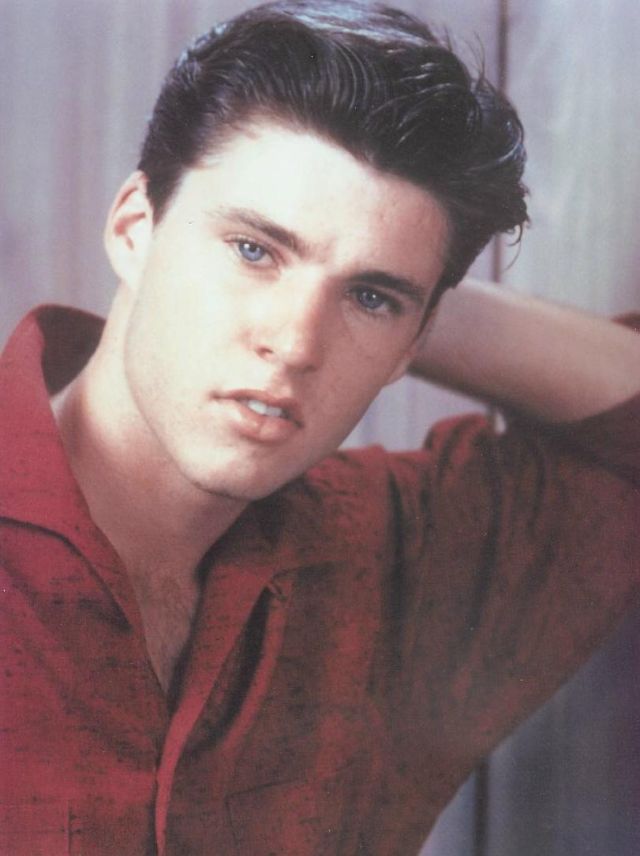
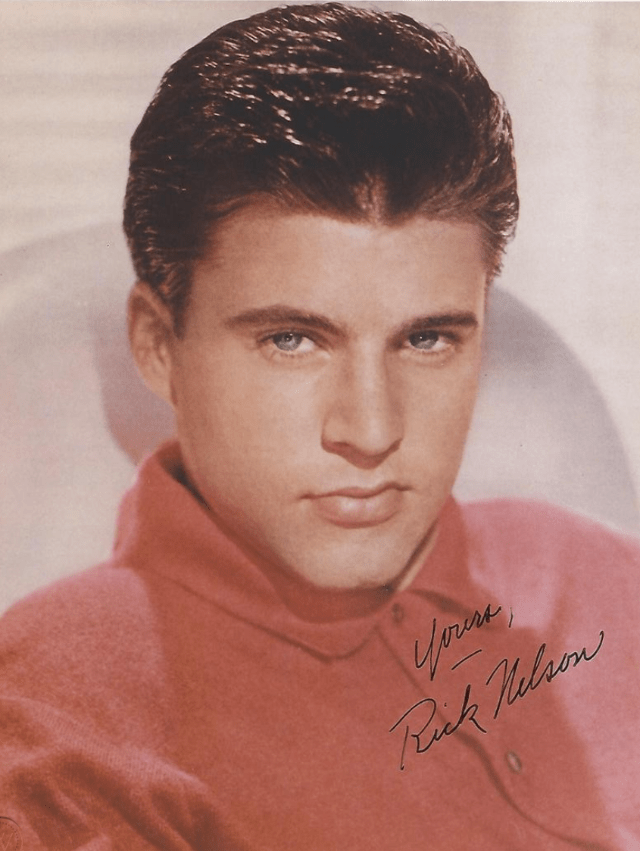
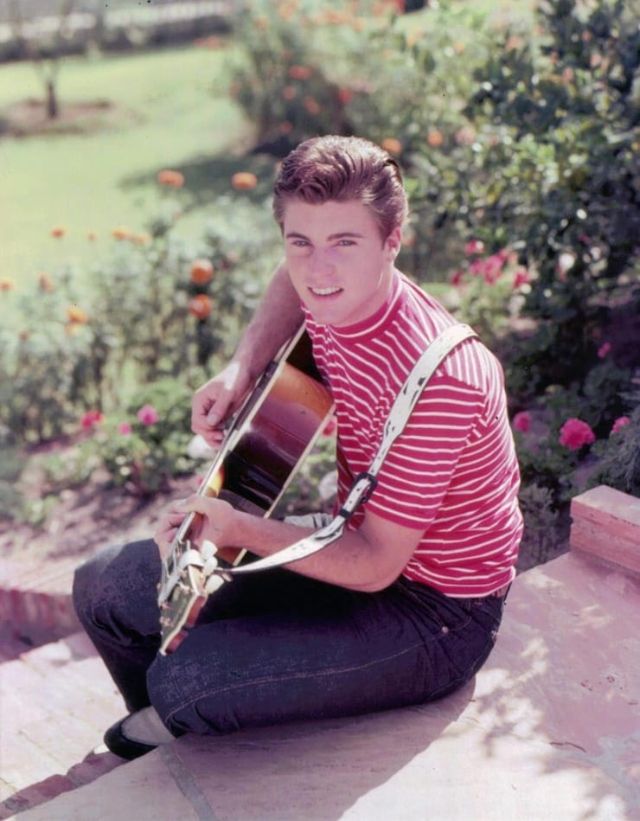
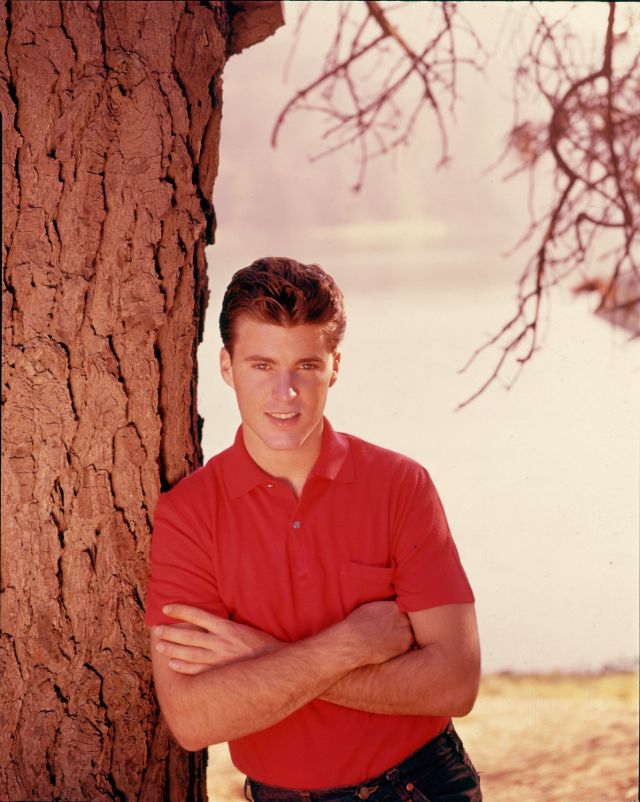
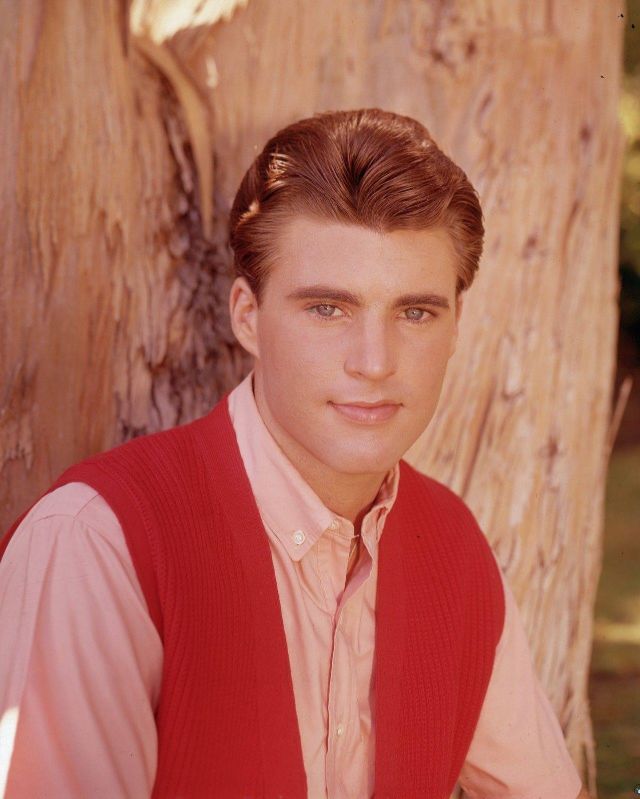
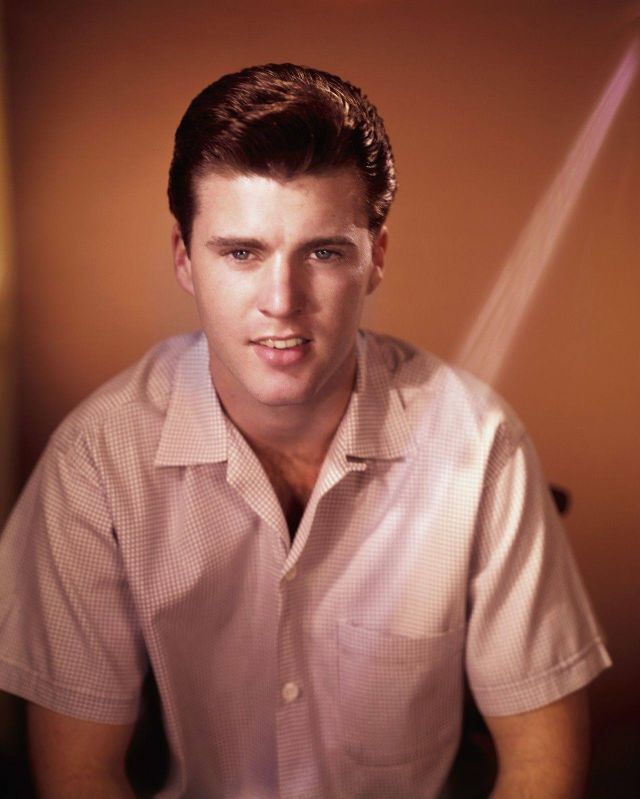
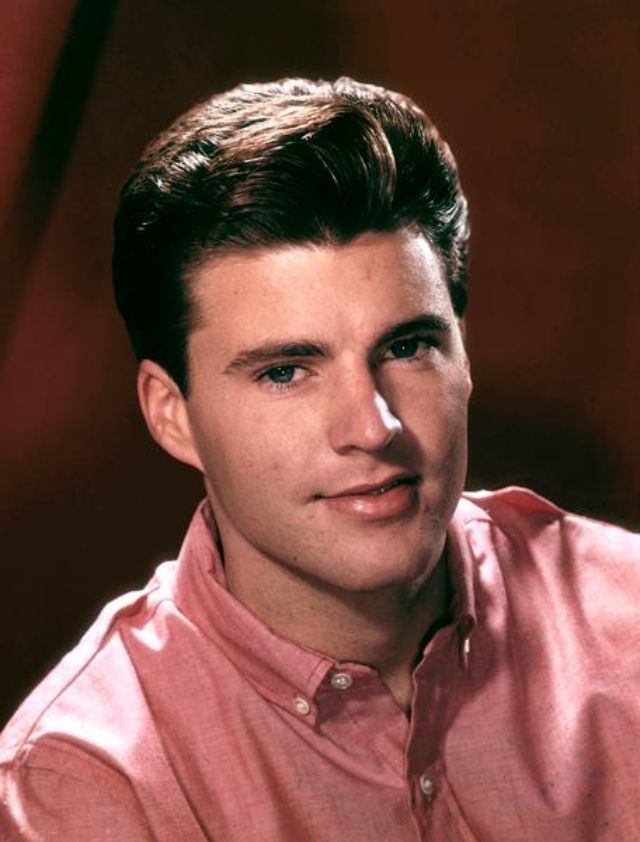
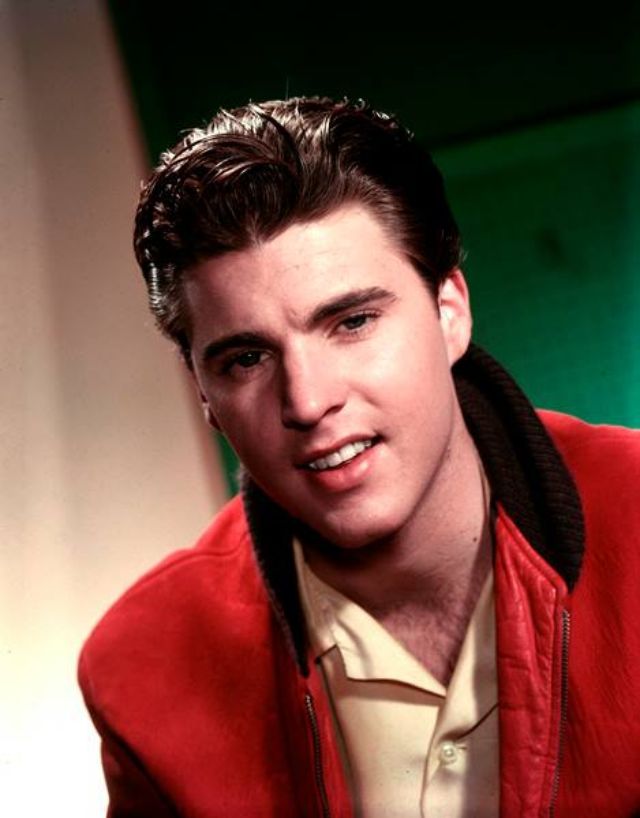
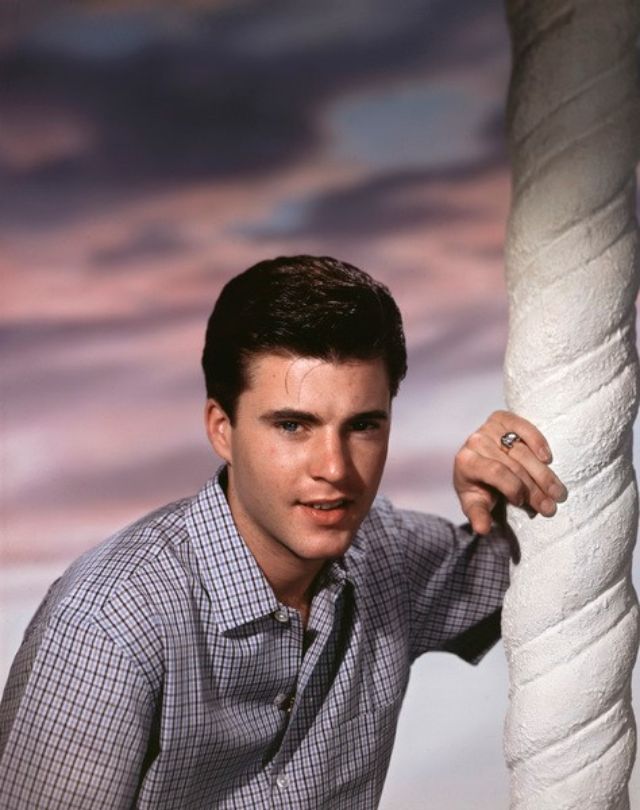
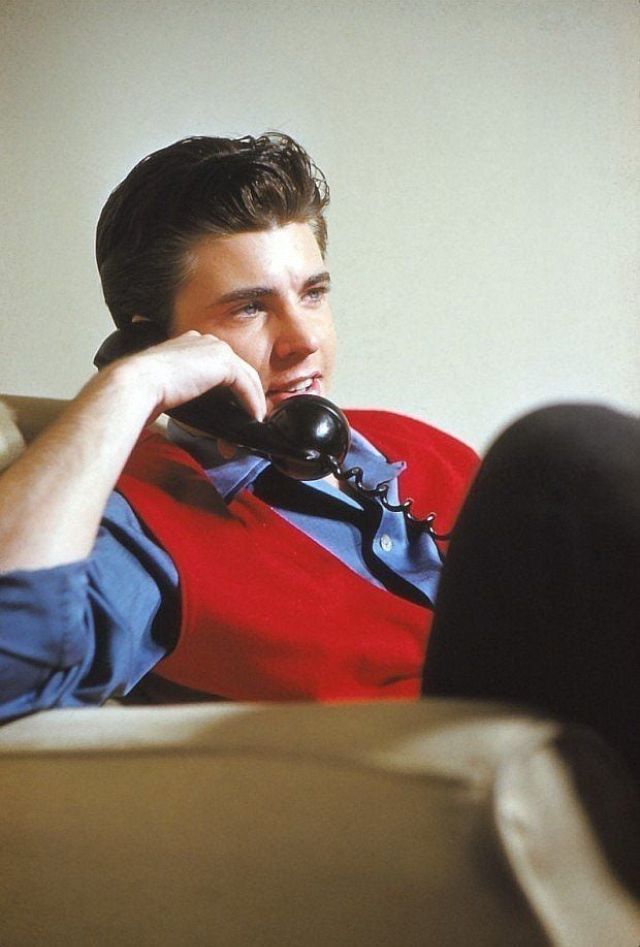
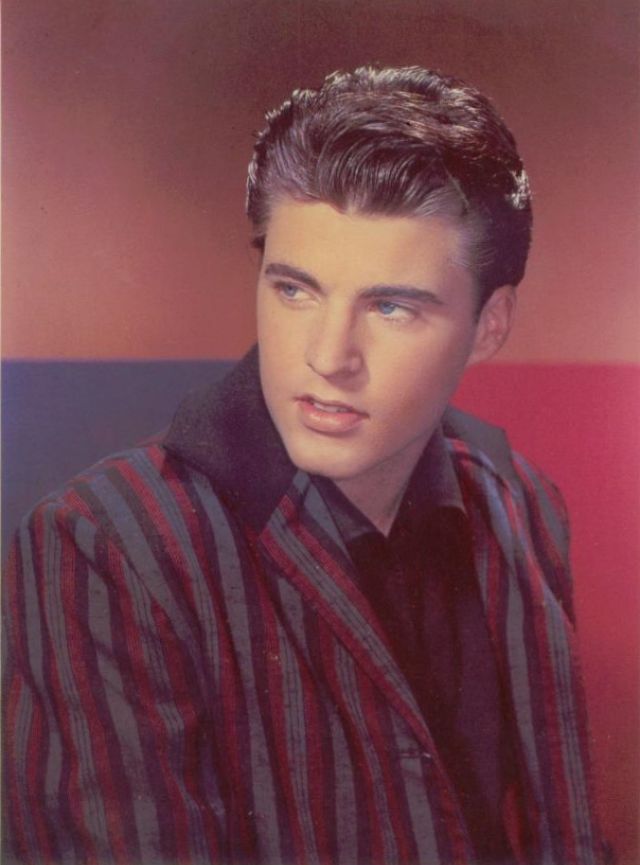
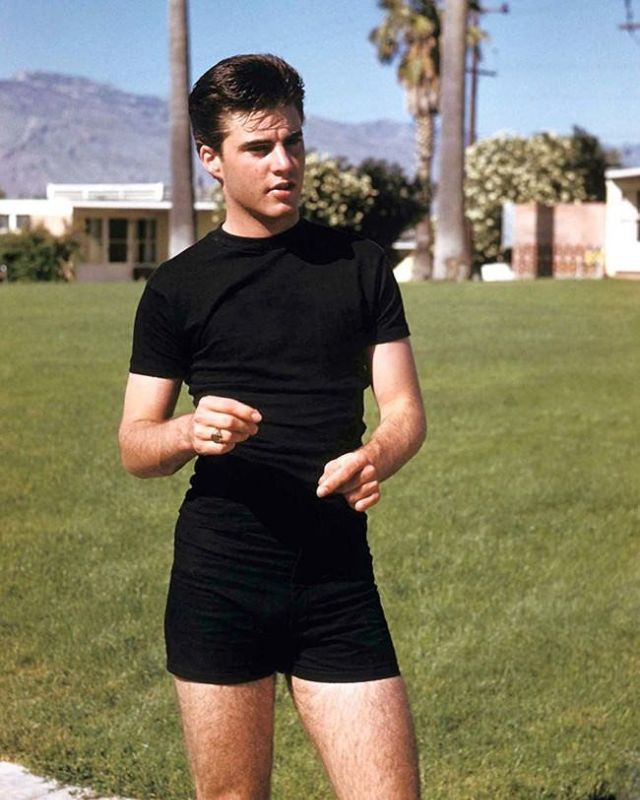
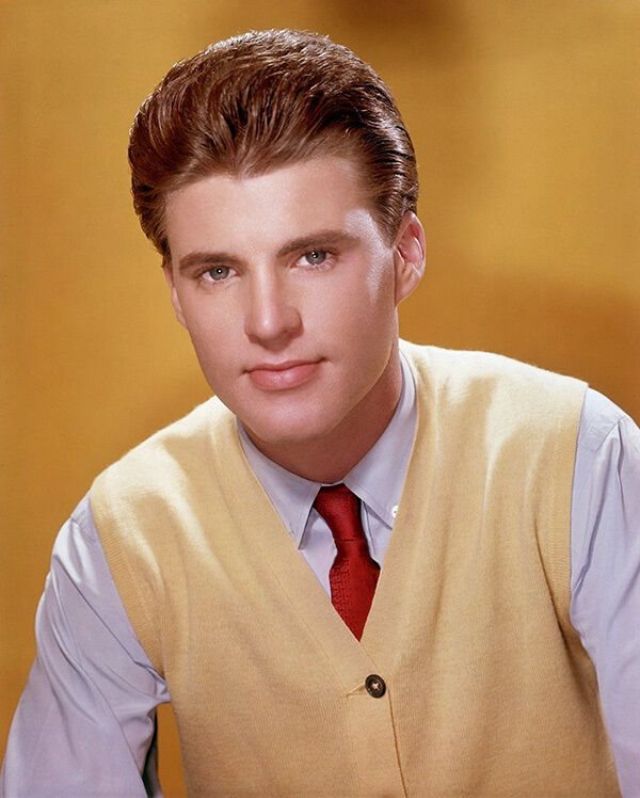
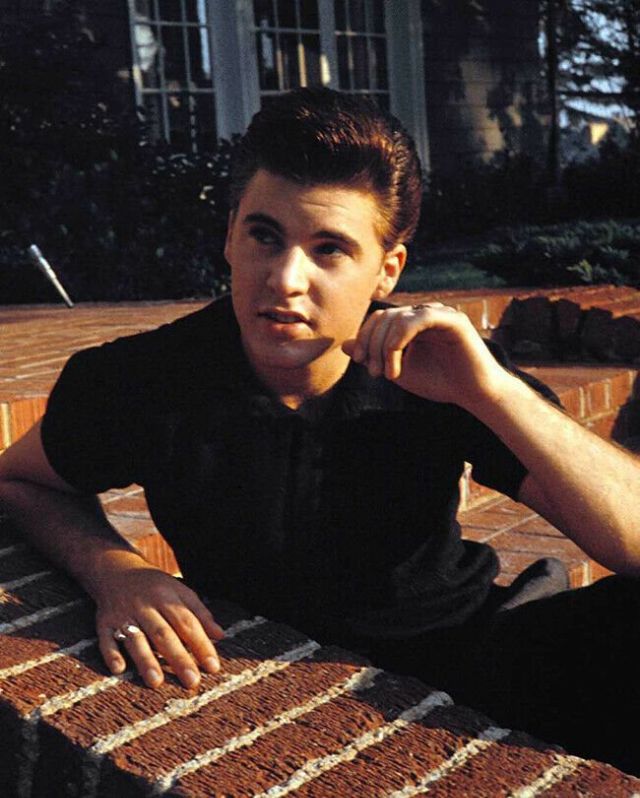
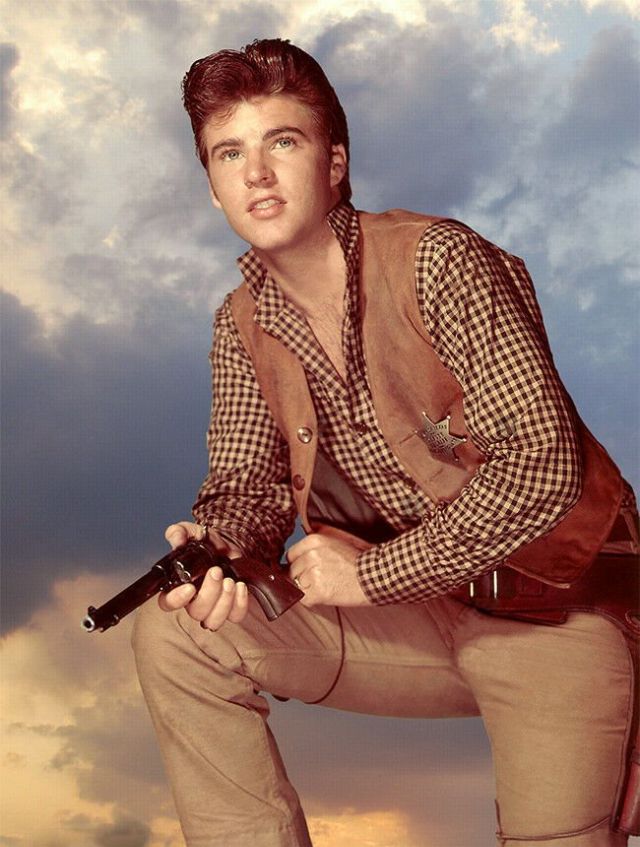
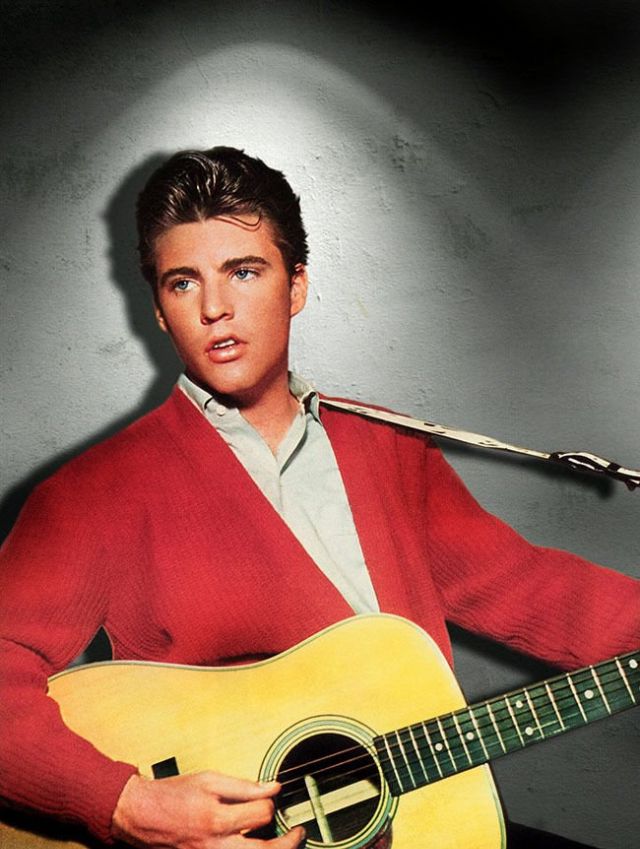
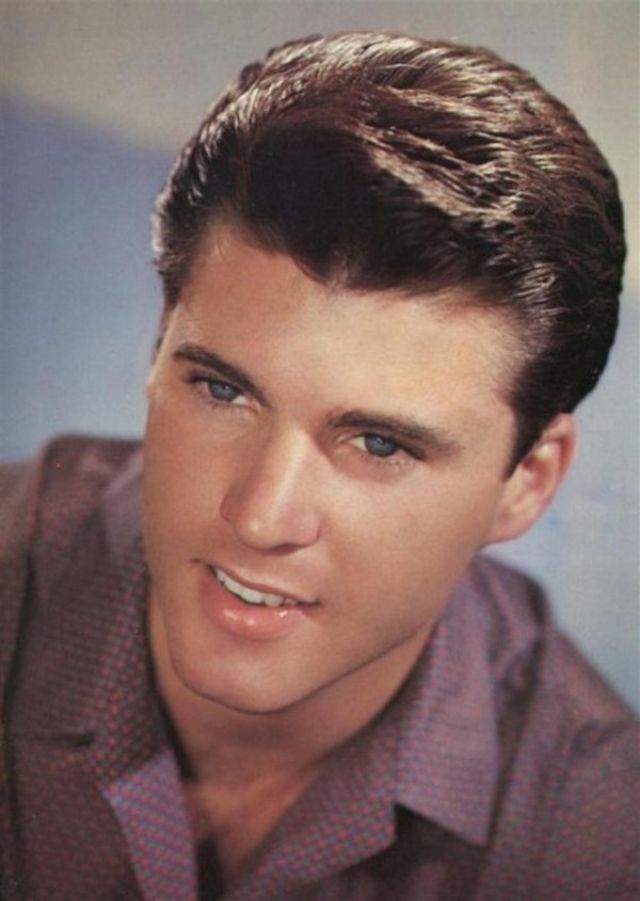
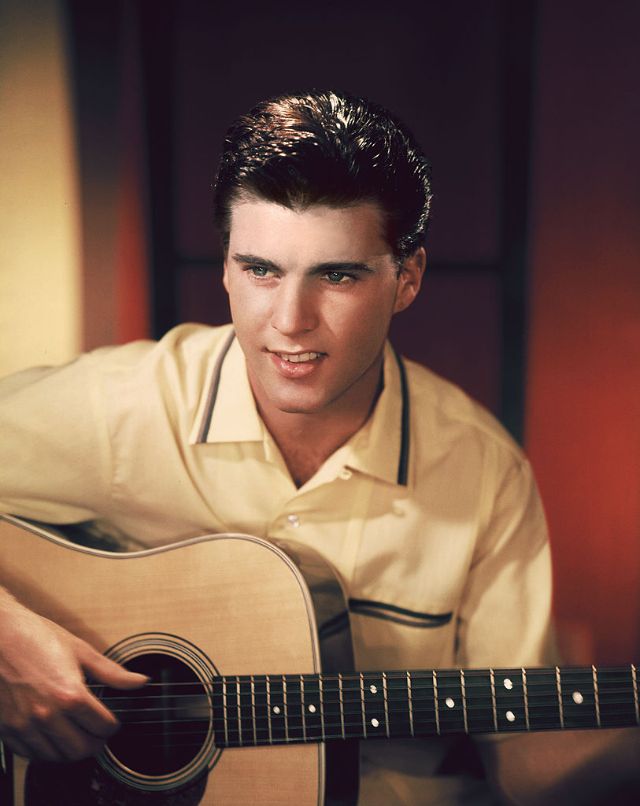
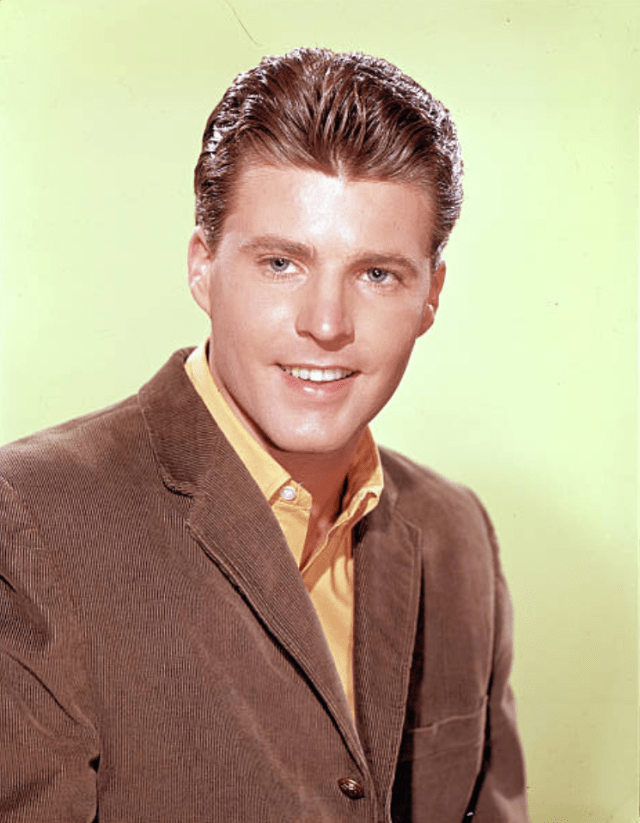
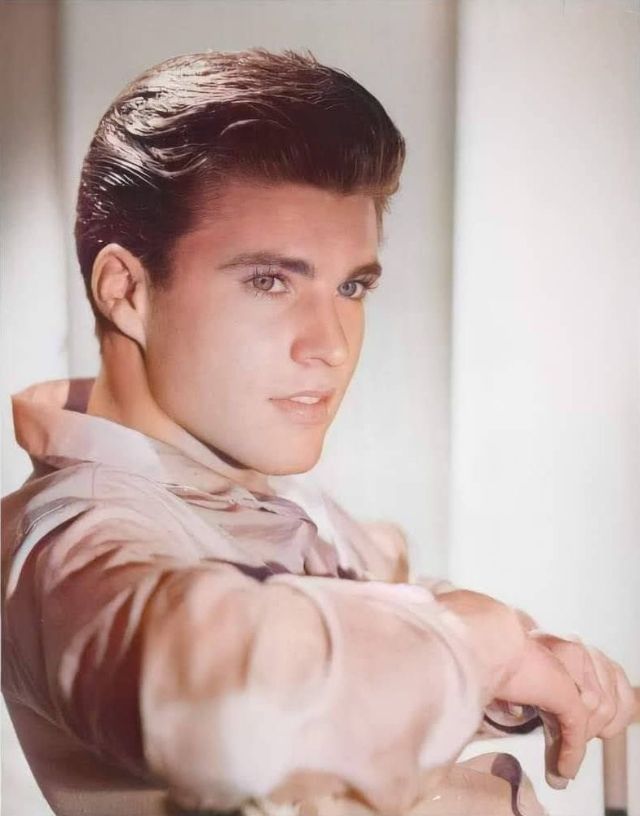
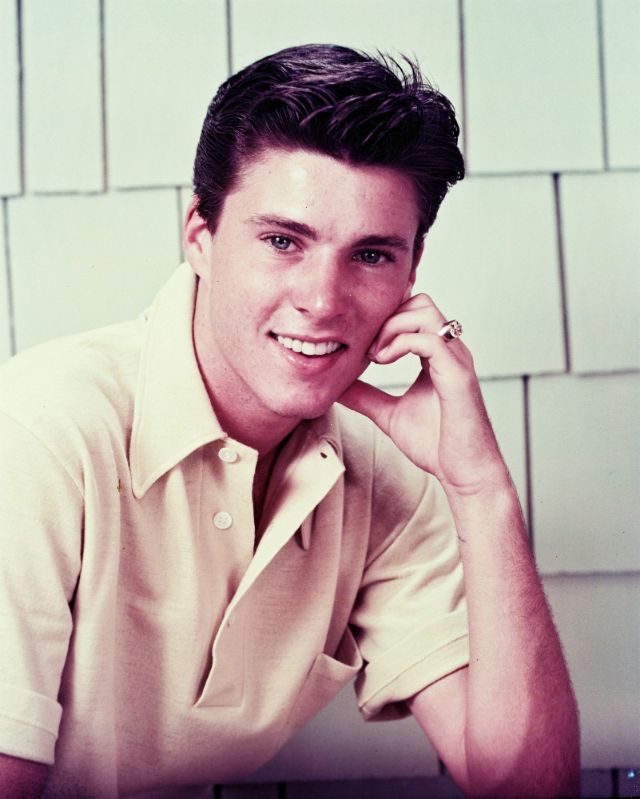
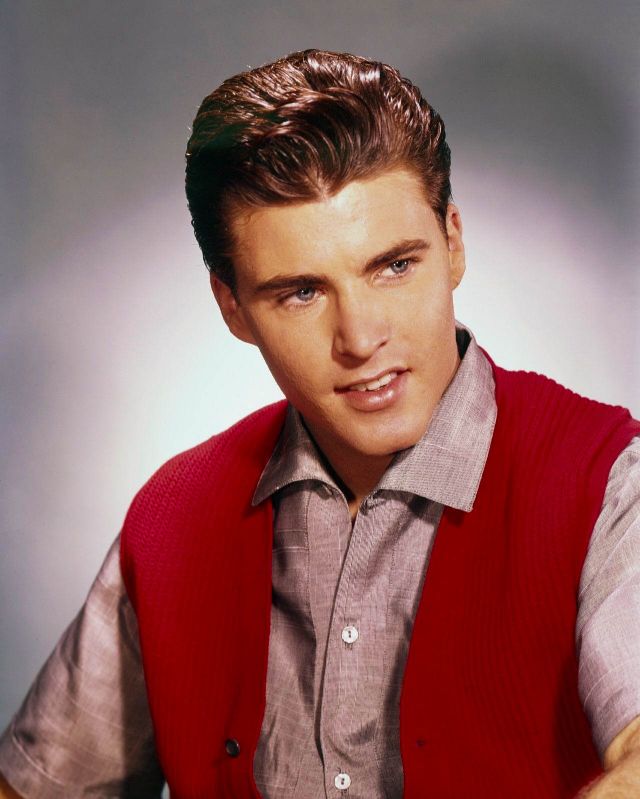
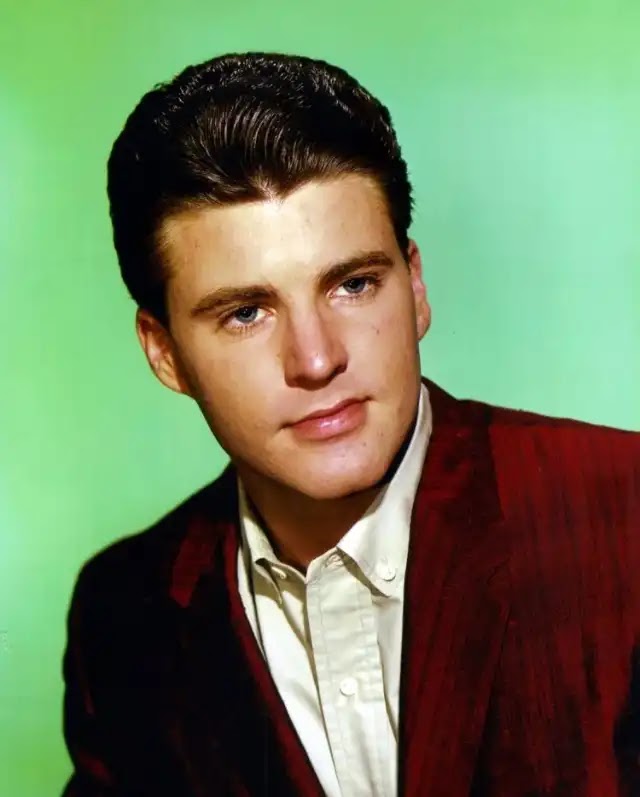
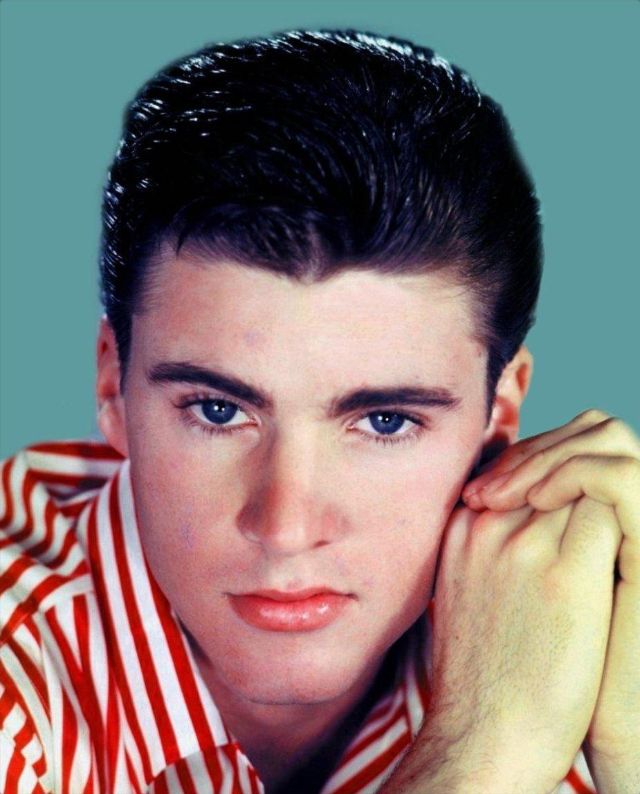
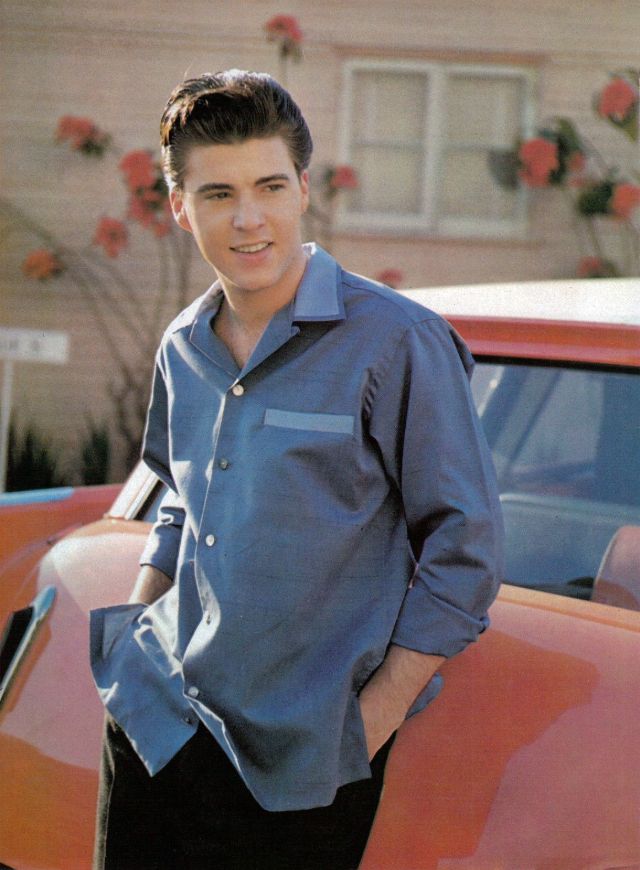
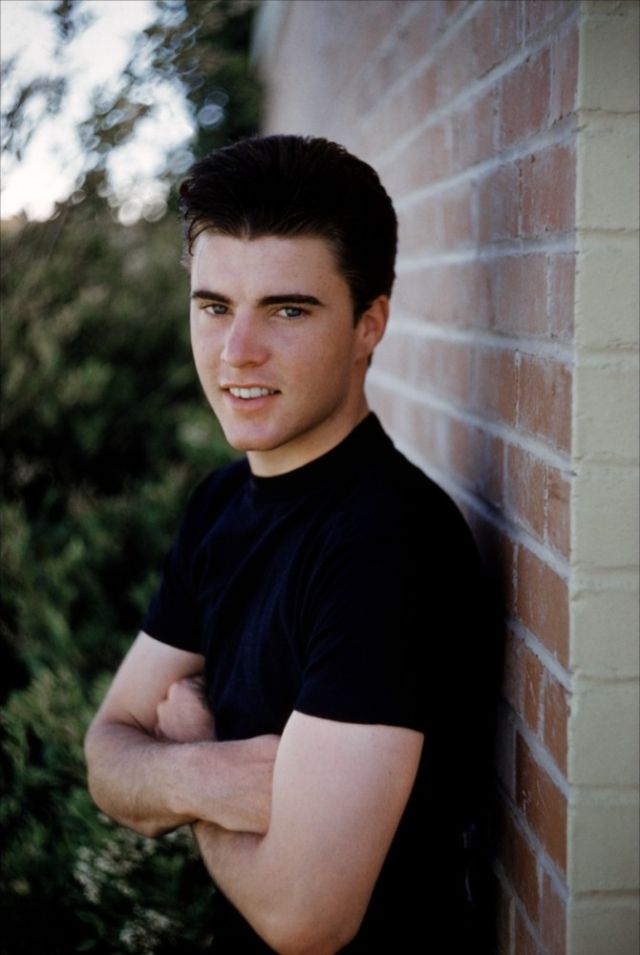
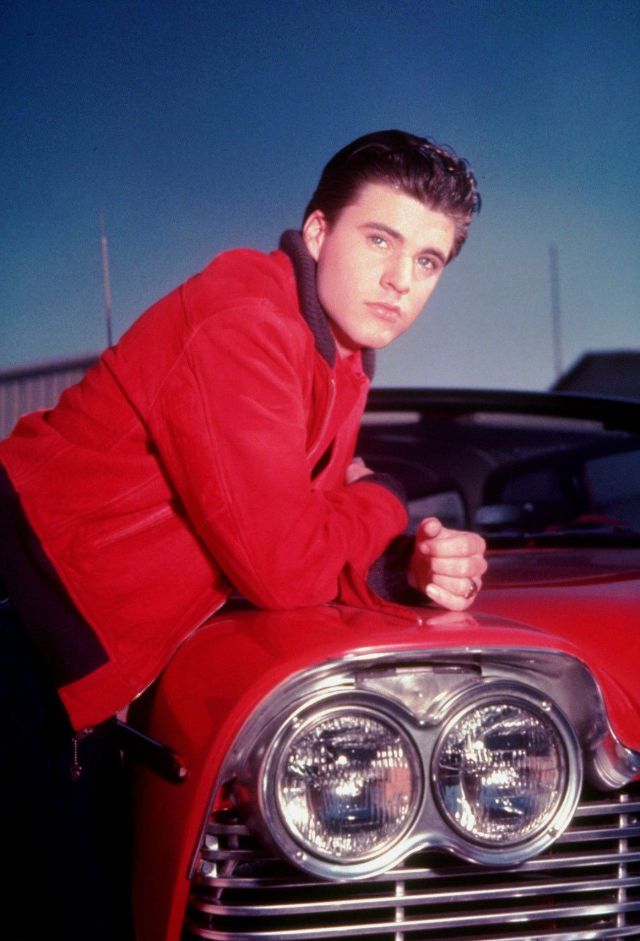
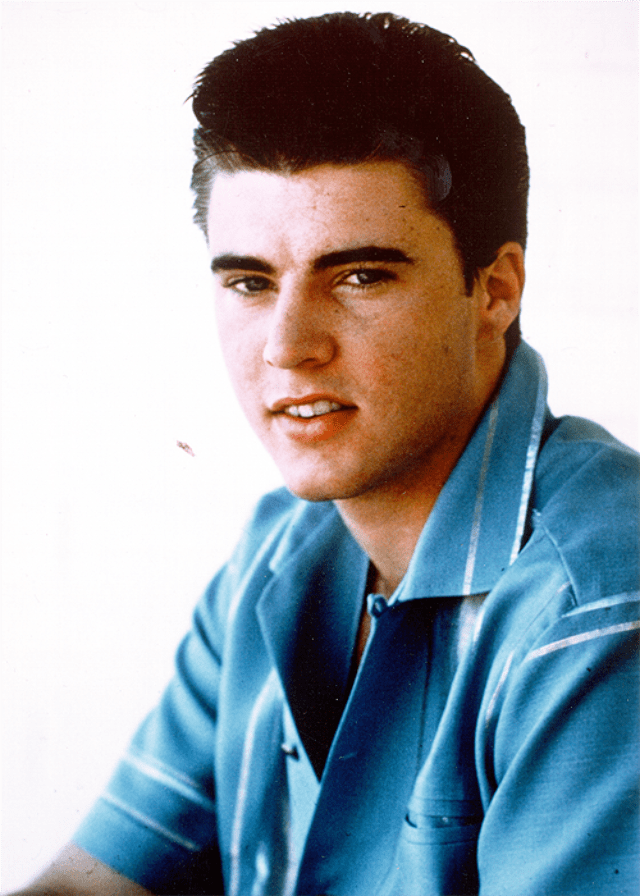
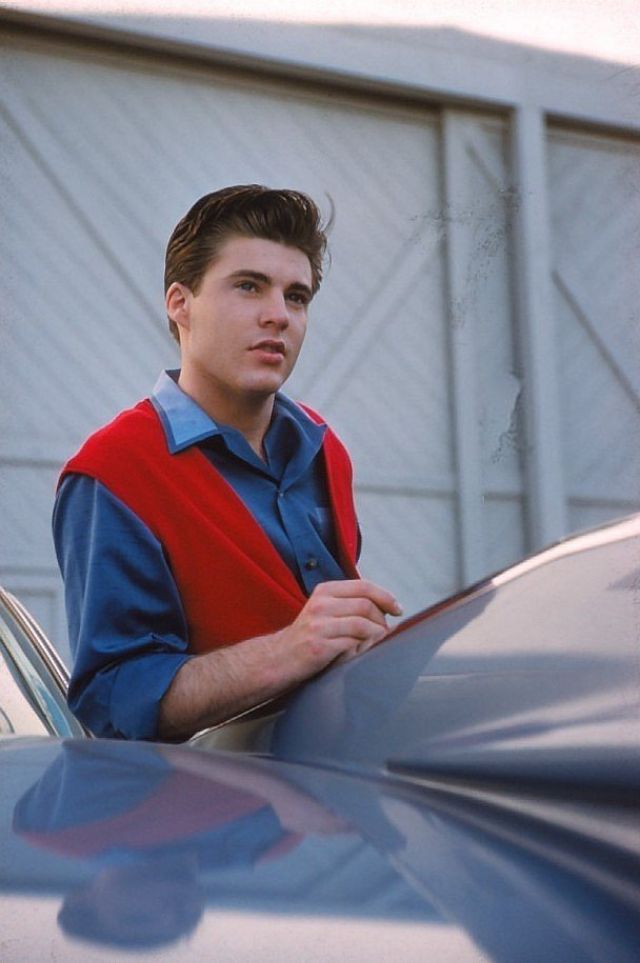
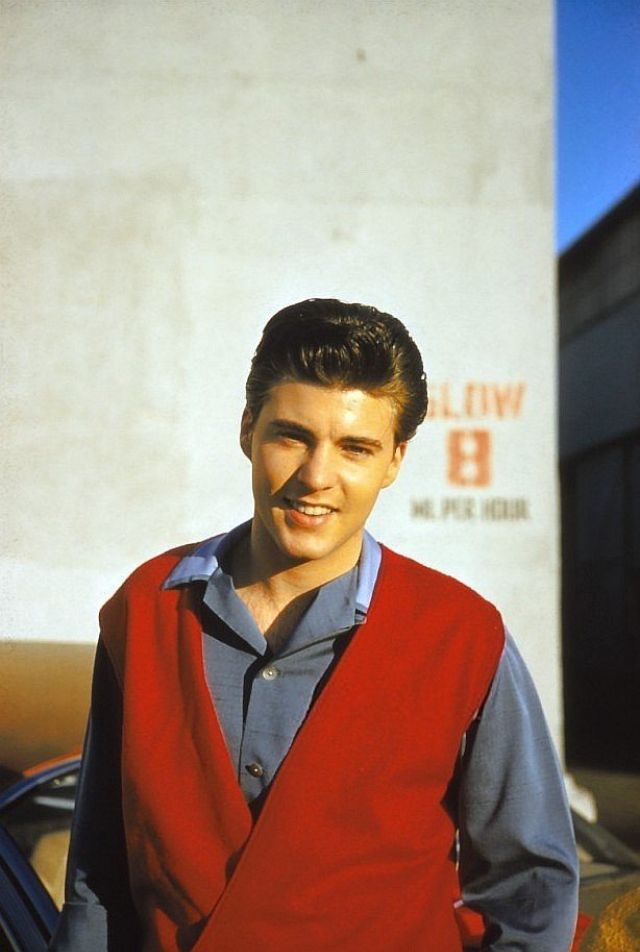
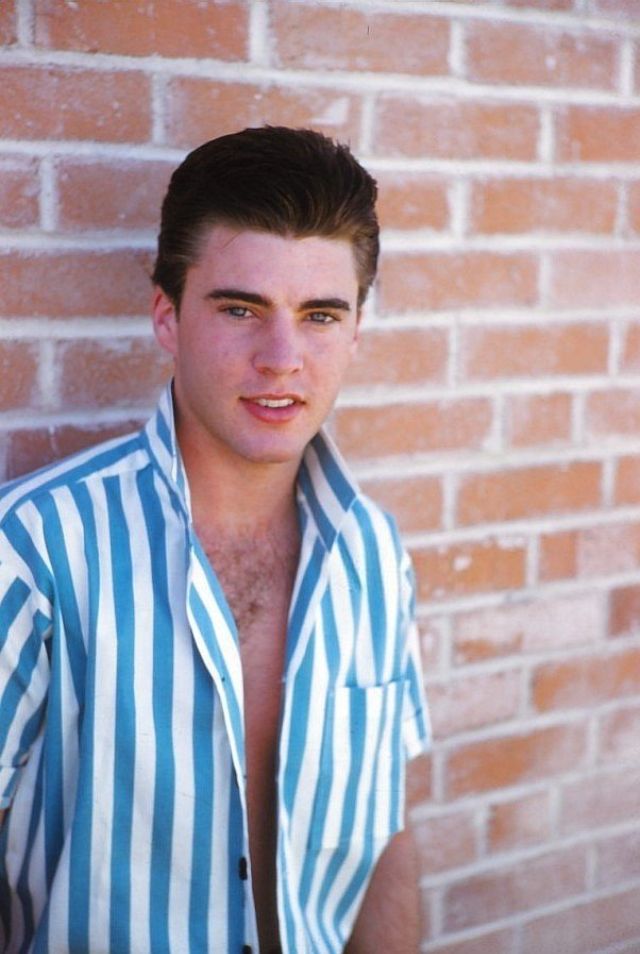
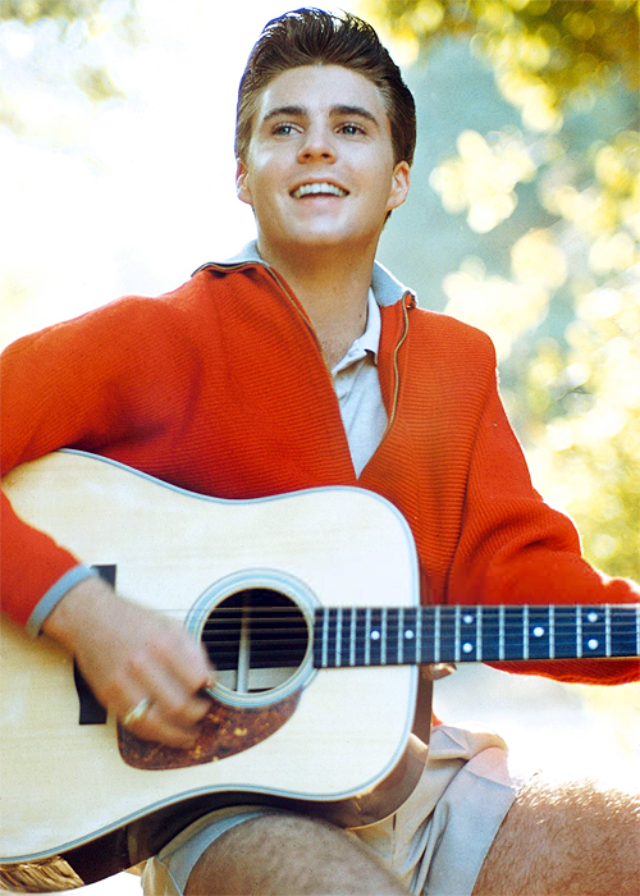
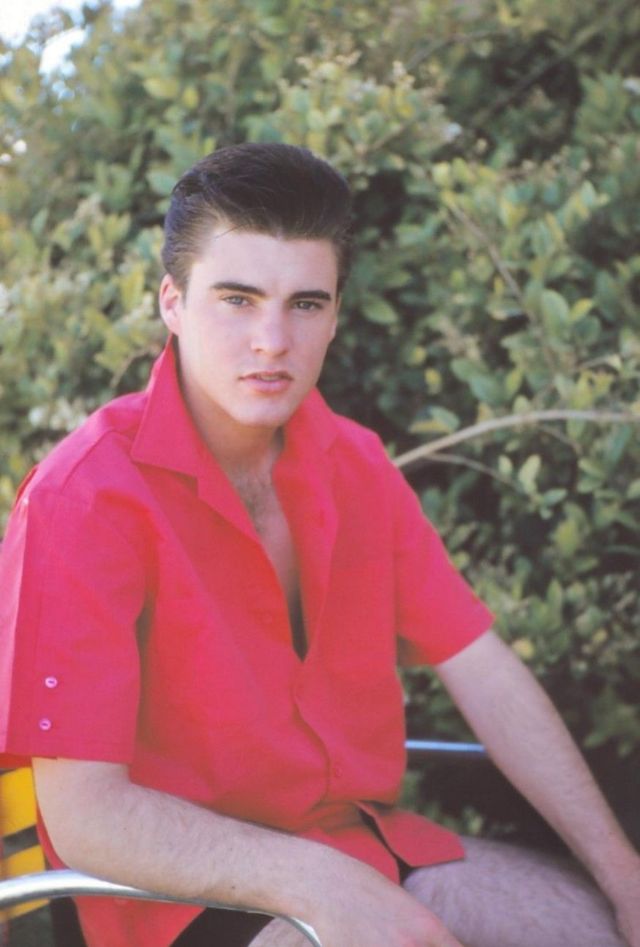
Ricky Nelson: One of the Biggest Teen Idols of the Late 1950s and Early 1960s

Born 1940 in Teaneck, New Jersey, American singer, musician, and actor Ricky Nelson began his entertainment career in 1949, playing himself in the radio sitcom series, The Adventures of Ozzie and Harriet. In 1952, he appeared in his first feature film, Here Come the Nelsons. In 1957, he recorded his first single, debuted as a singer on the television version of the sitcom, and released the No. 1 album titled Ricky. In 1958, Nelson released his first #1 single, “Poor Little Fool”, and in 1959 received a Golden Globe nomination for “Most Promising Male Newcomer” after starring in Rio Bravo.

The expression “teen idol” was first coined to describe Nelson, and his fame as both a recording artist and television star also led to a motion picture role co-starring alongside John Wayne, Dean Martin and Angie Dickinson in Howard Hawks’ western feature film Rio Bravo (1959).

Nelson placed 53 songs on the Billboard Hot 100, and its predecessors, between 1957 and 1973, including “Poor Little Fool” in 1958, which was the first number one song on Billboard magazine’s then-newly created Hot 100 chart. He recorded 19 additional top ten hits and was inducted into the Rock and Roll Hall of Fame on January 21, 1987.

Nelson died in a plane crash on New Year’s Eve 1985, flying from Guntersville, Alabama, to Dallas, Texas, for a concert. The plane he was on, a Douglas DC-3, had a history of mechanical problems. All seven passengers, including Blair, died. Only the two pilots survived.

In 1994, a Golden Palm Star on the Palm Springs, California, Walk of Stars was dedicated to him. In 1996, Nelson was ranked No. 49 on TV Guide’s 50 Greatest TV Stars of All Time. In 2004, Rolling Stone ranked Nelson #91 on their list of the 100 Greatest Artists of All Time.

Take a look at these vintage photos to see portraits of a young and handsome Ricky Nelson in the late 1950s and early 1960s.

Subscribe to Yesterday Today to receive updates on new content:
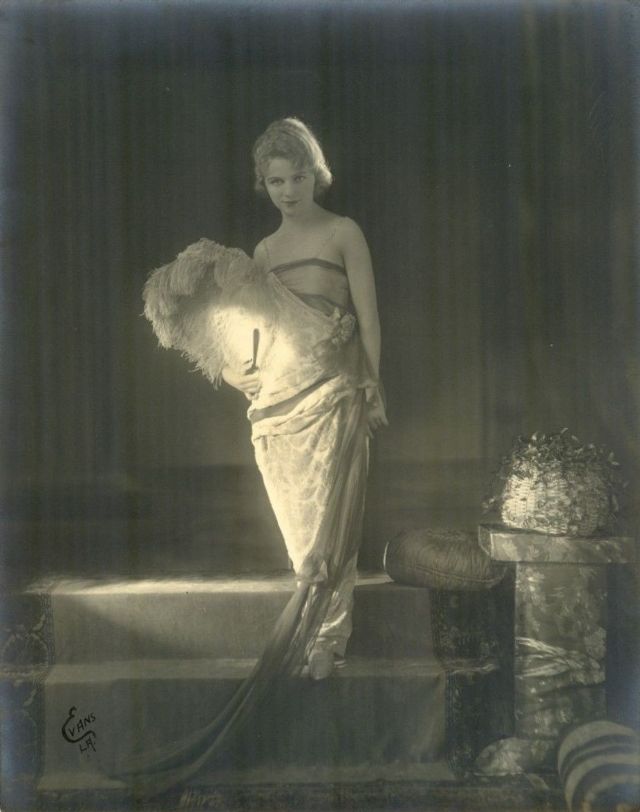
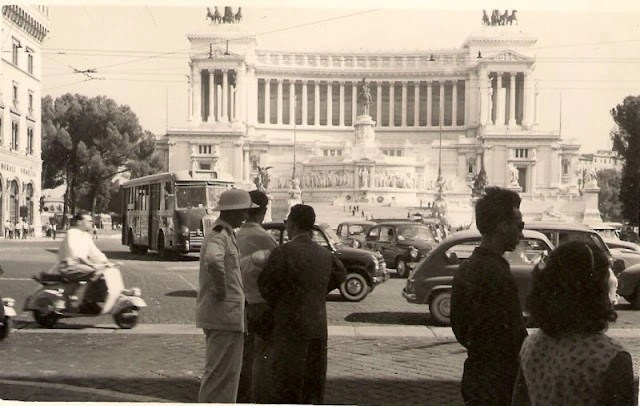
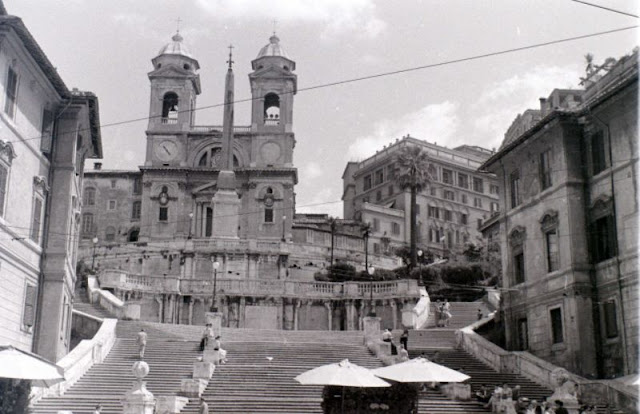
Fascinating Vintage Photos of Rome in the Mid-1950s

Subscribe to get access

Read more of this content when you subscribe today.

These amazing photos were captured by Allan Hailstone on a trip to Rome as a schoolboy with his father and a friend in August 1956. They had been inspired to go after seeing the 1954 movie Three Coins in the Fountain.

“Before the advent of cheap airfares and mass tourism, it was easy in 1956 to see all of the sights in Rome without any waiting time.” Hailstone told MailOnline Travel. “Things were much more leisurely than now when you will be among crowds of visitors.”

Take a look back at the Eternal City in 1956 through these 26 beautiful vintage black-and-white pictures.

Subscribe to continue reading

Become a paid subscriber to get access to the rest of this post and other exclusive content.

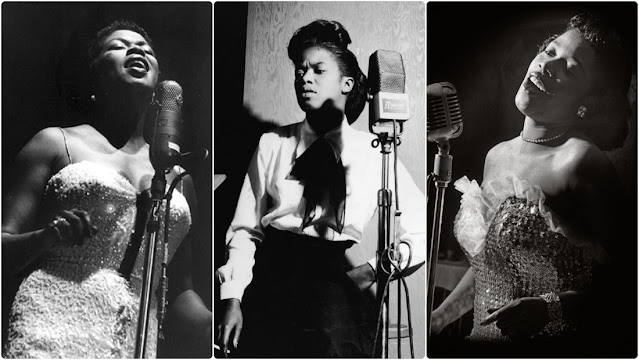
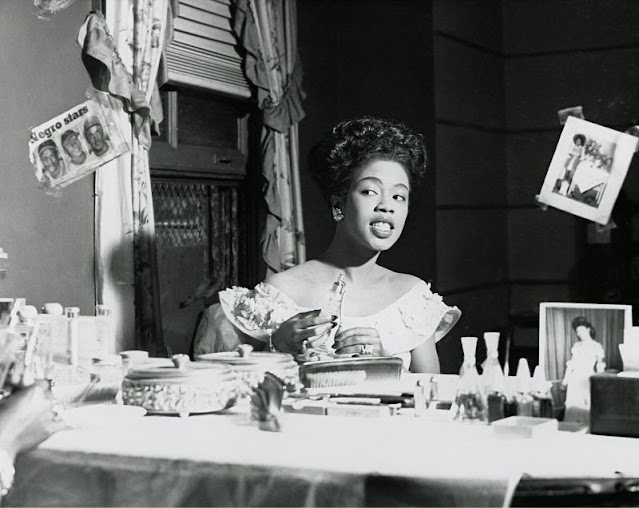
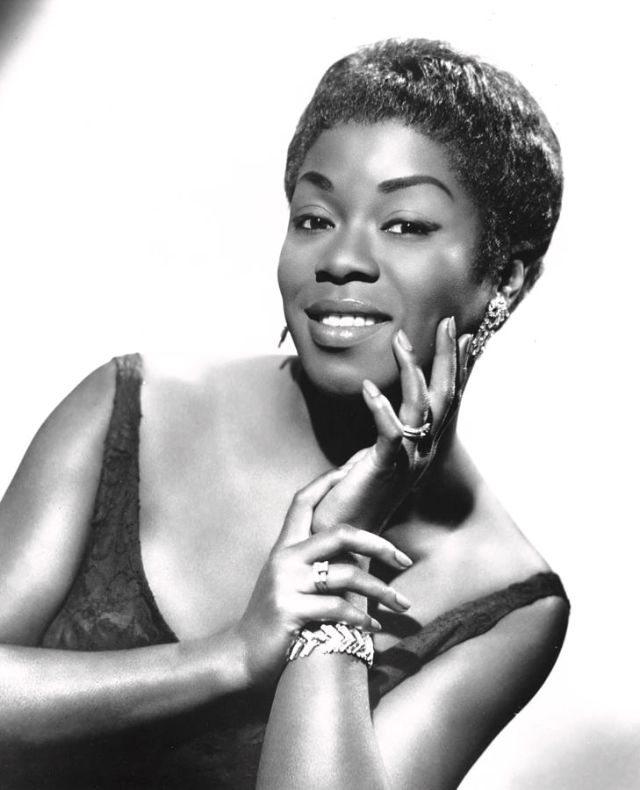
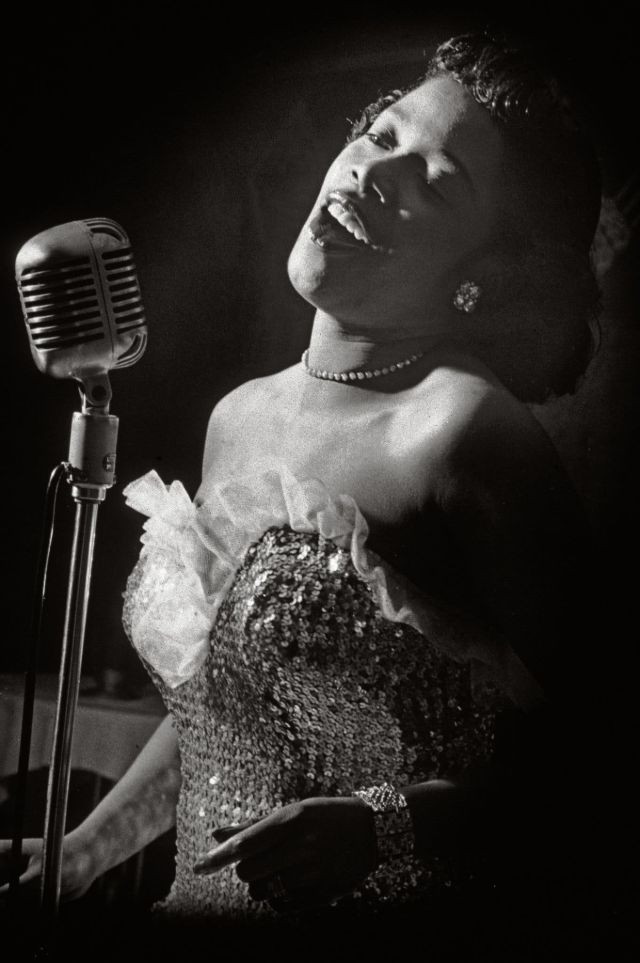
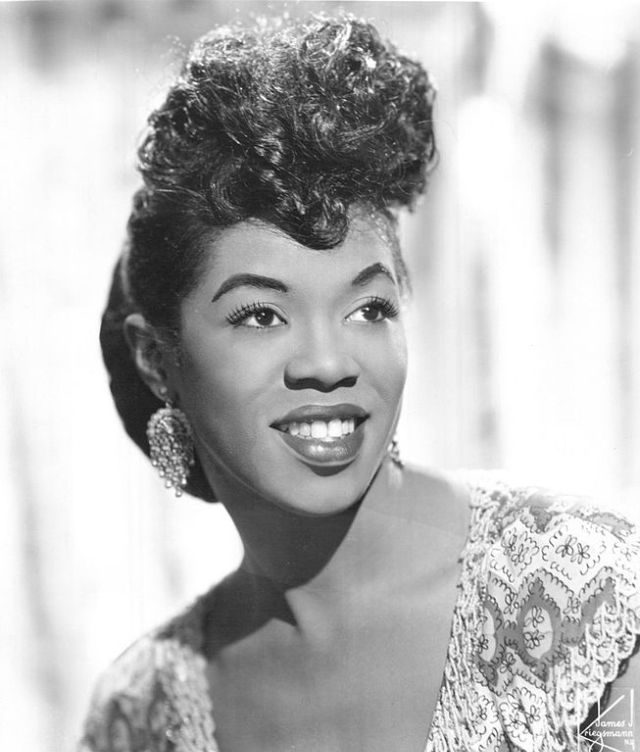
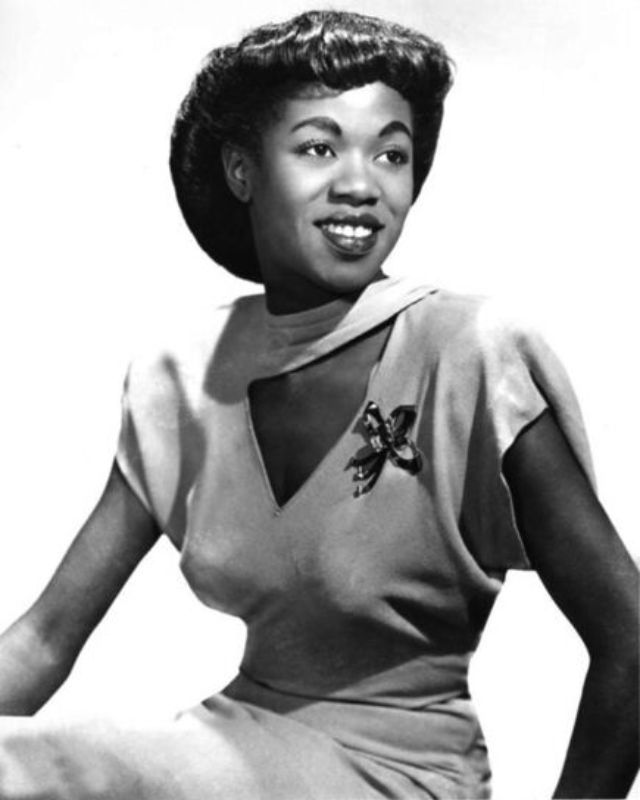
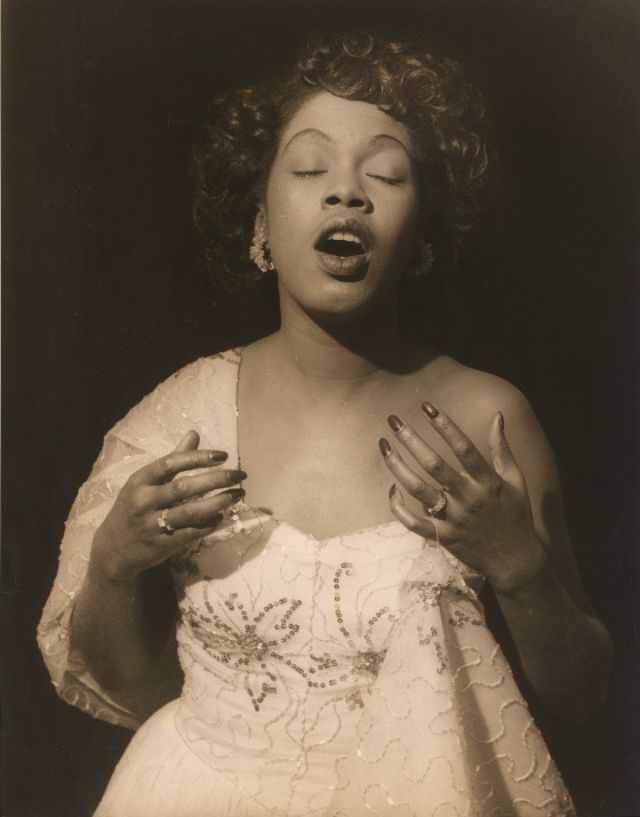
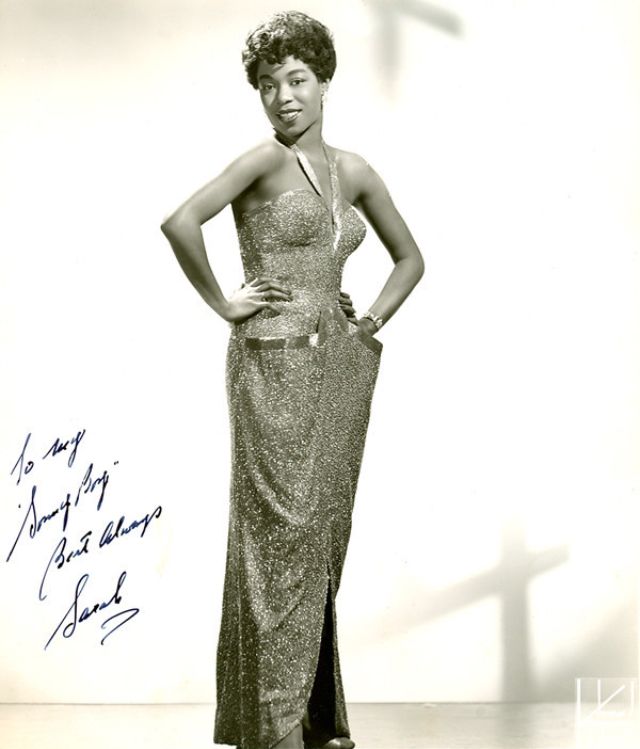
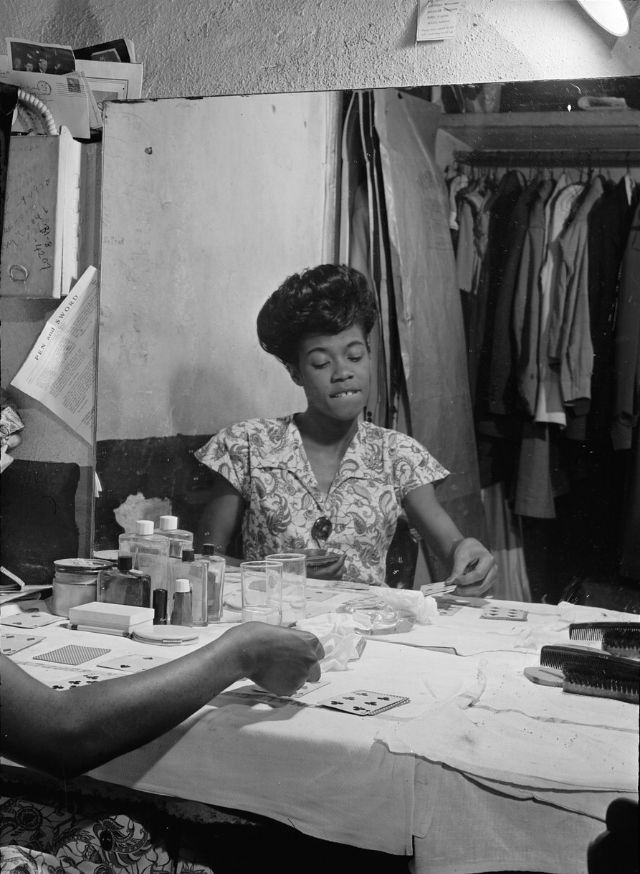
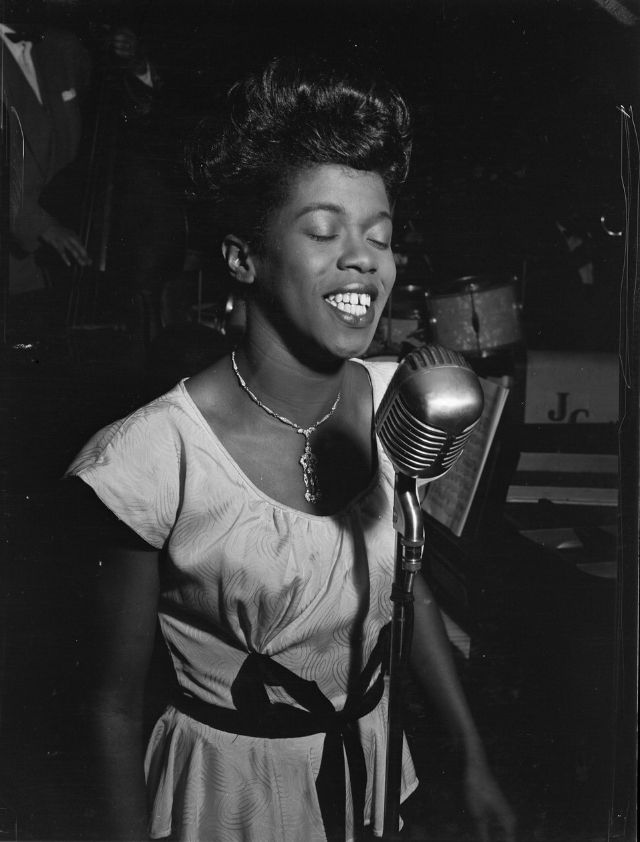
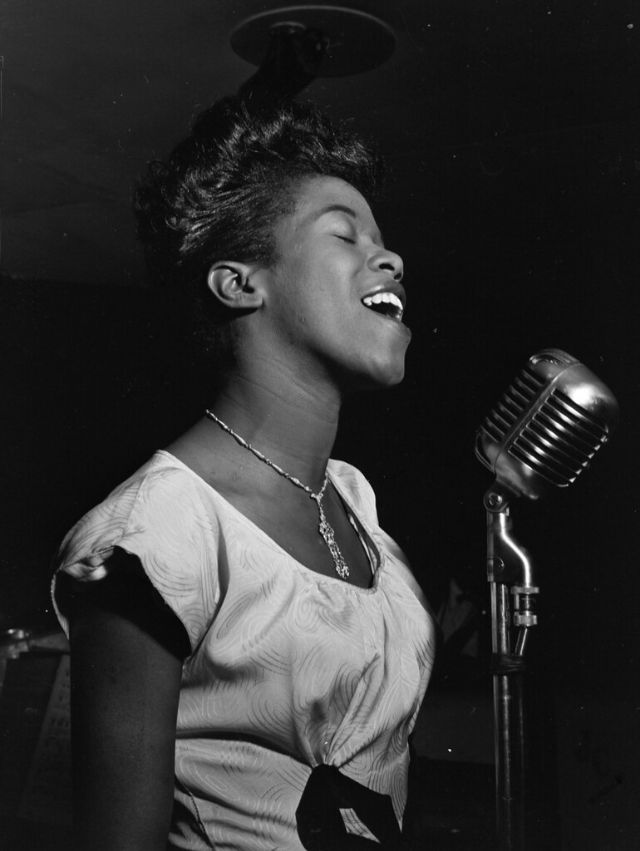
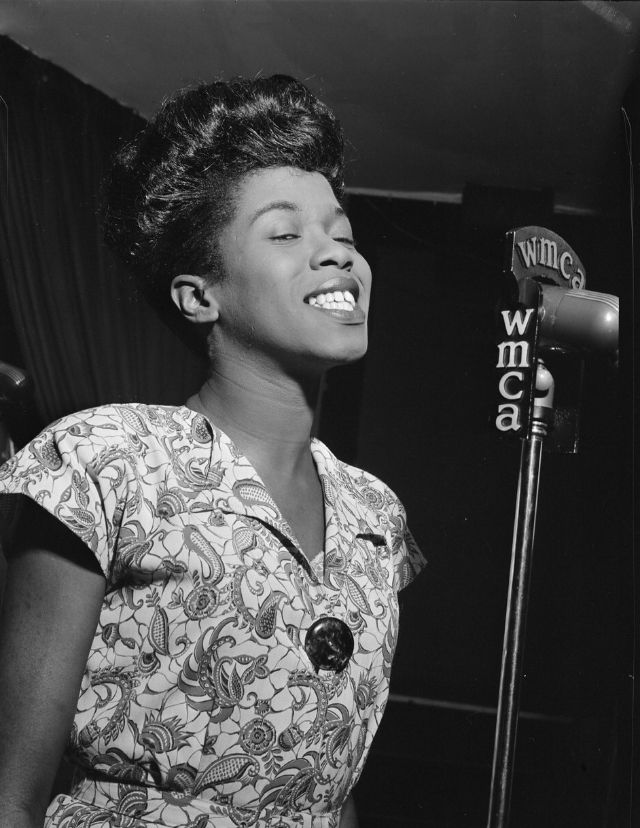
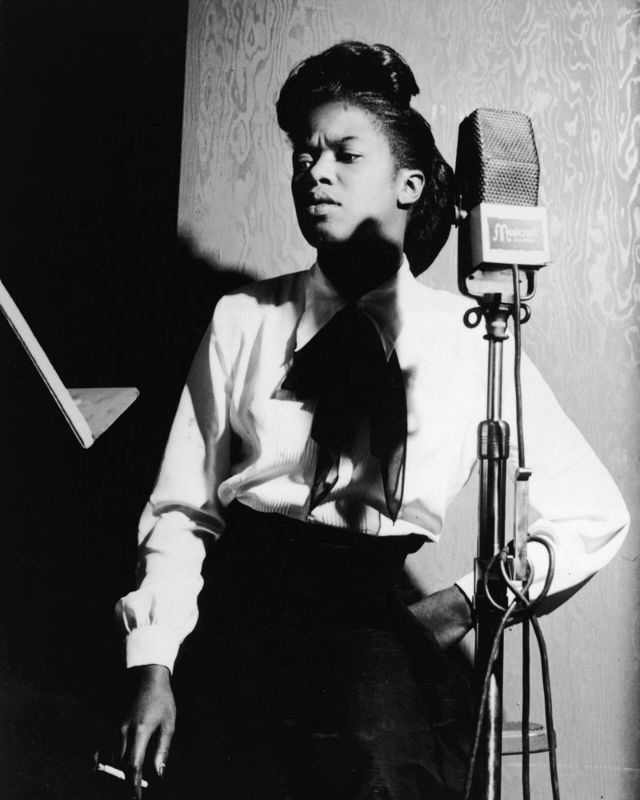
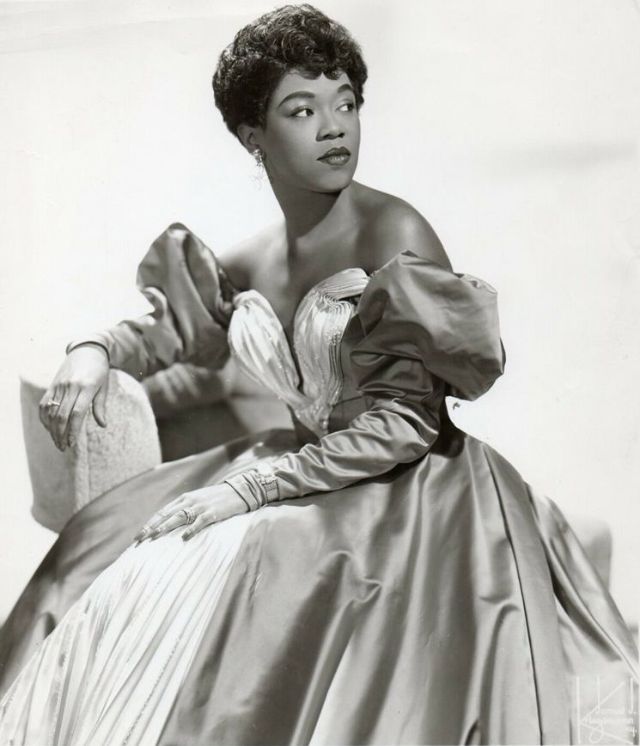
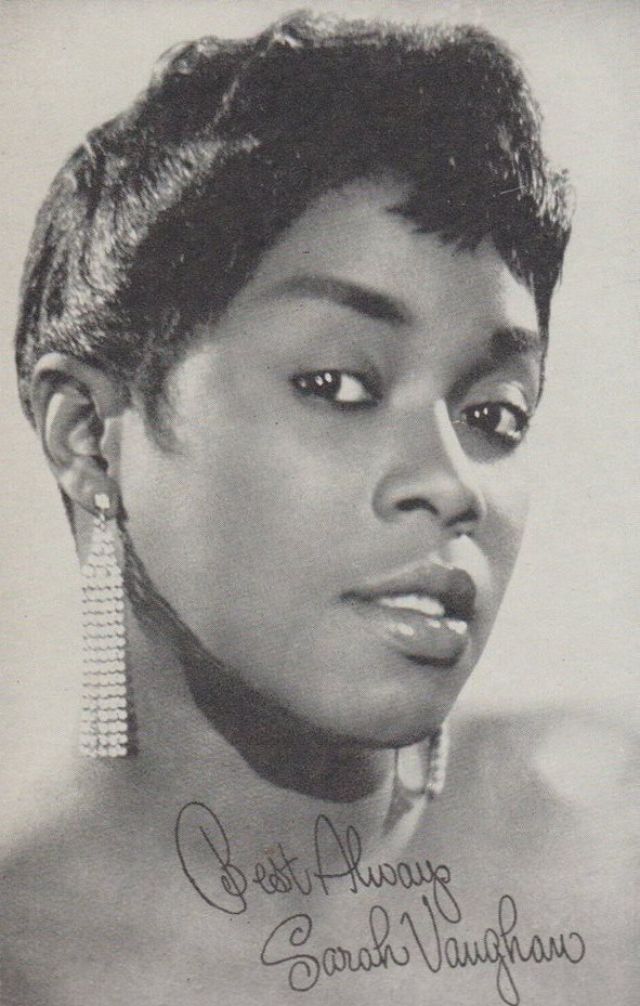
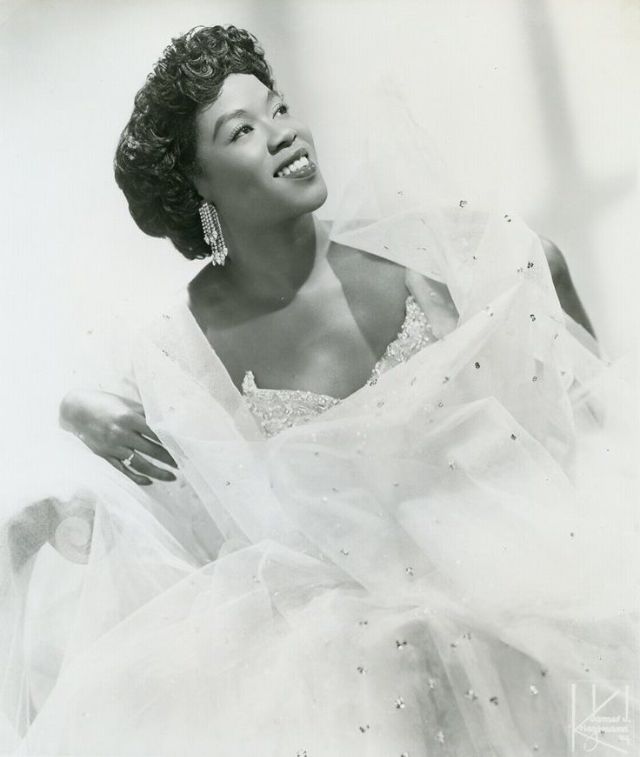
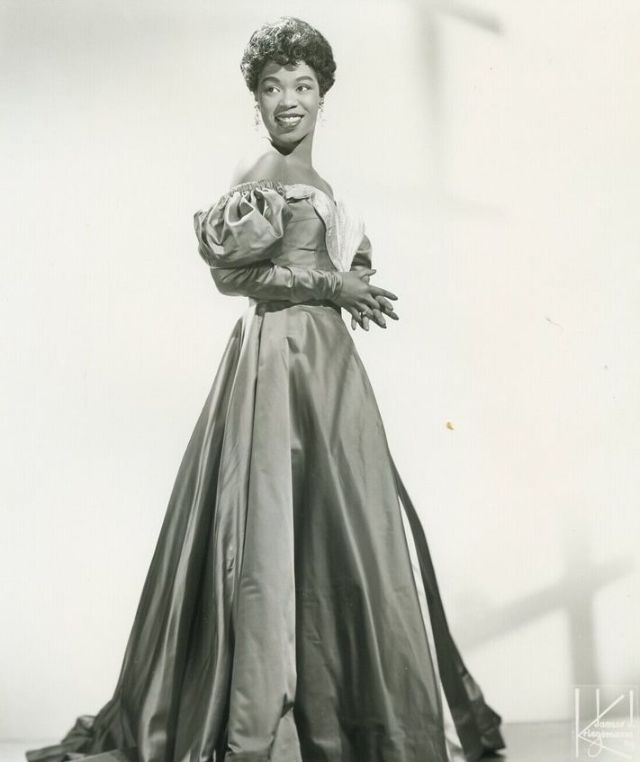
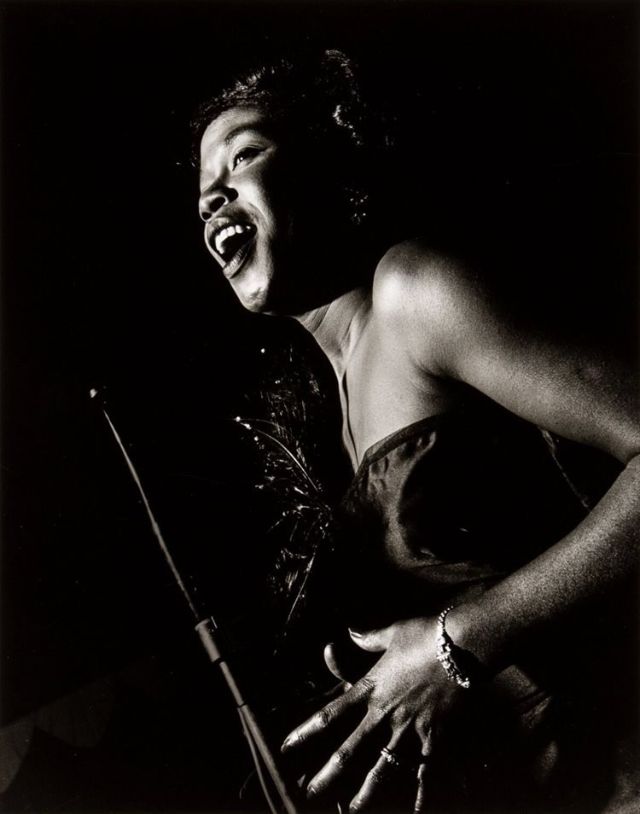
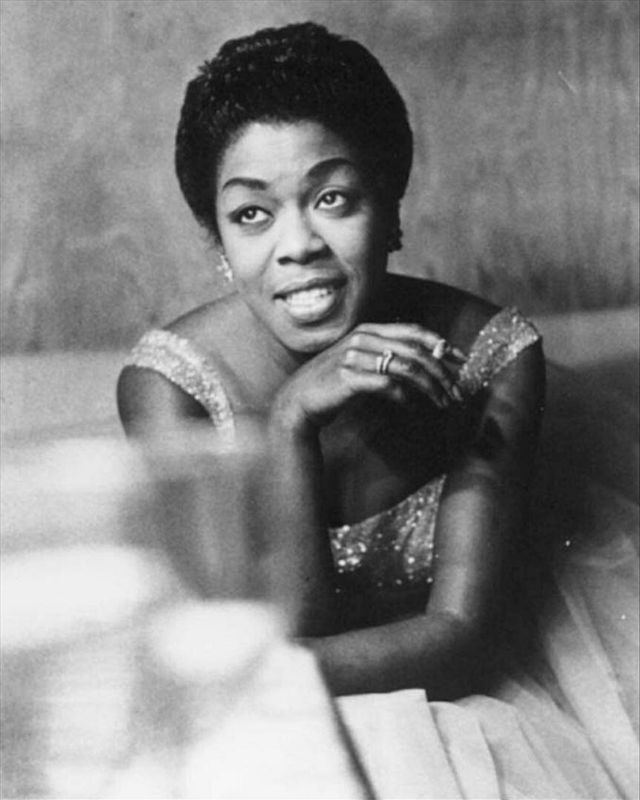
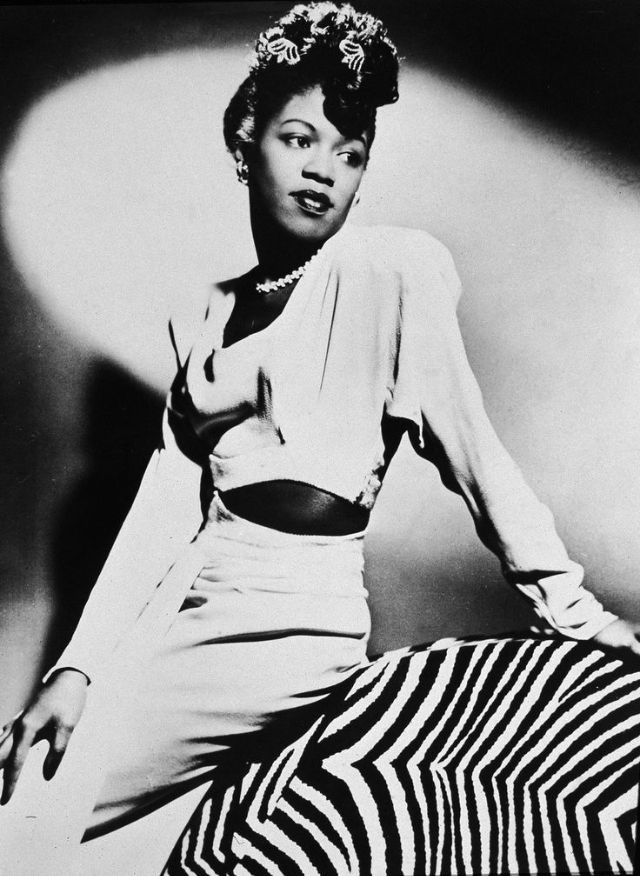
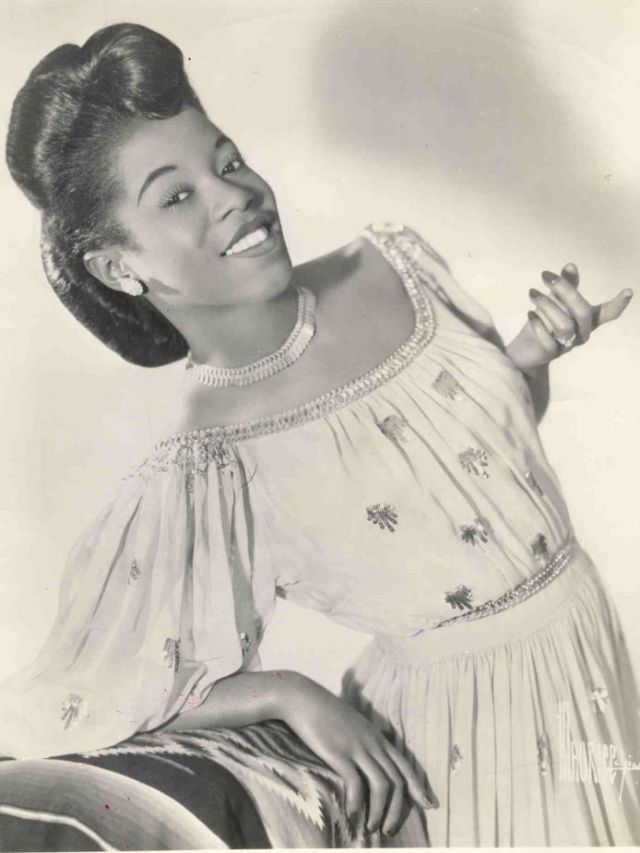
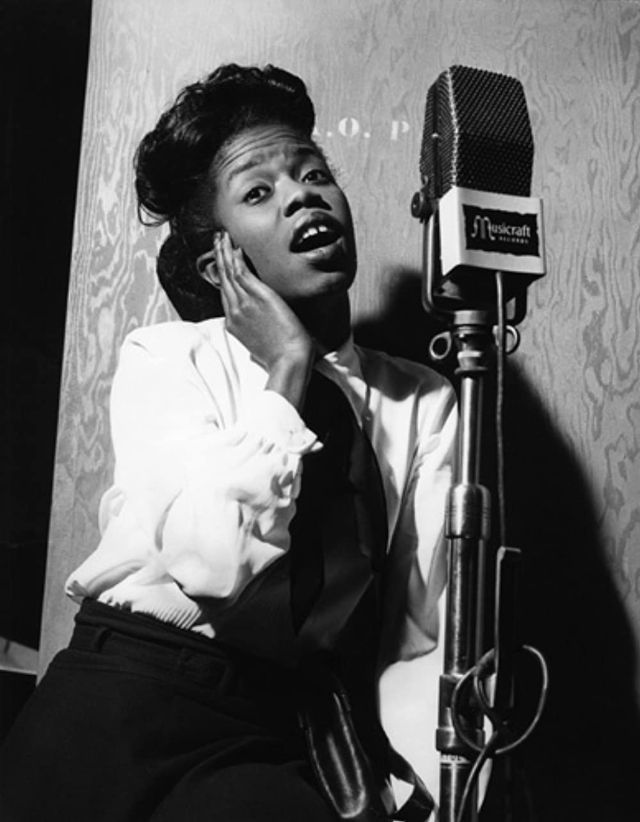
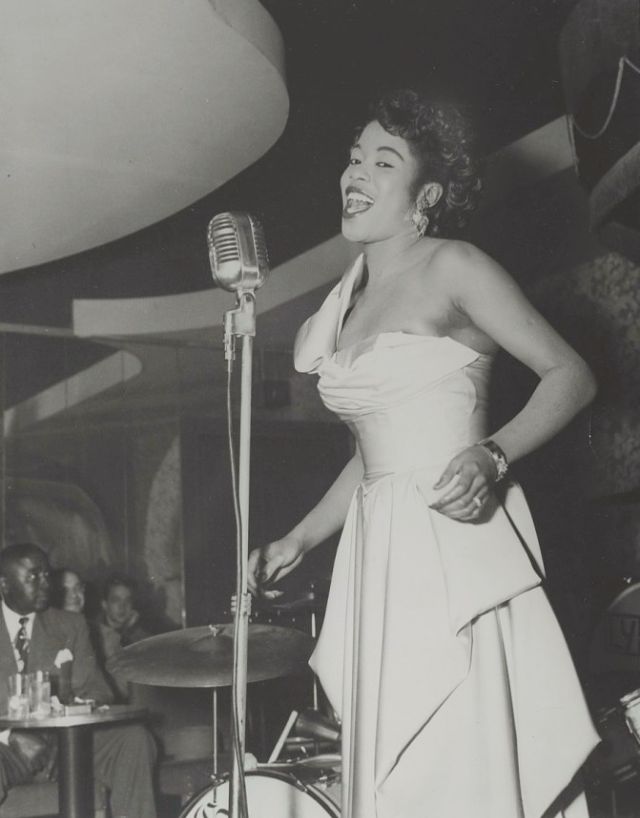
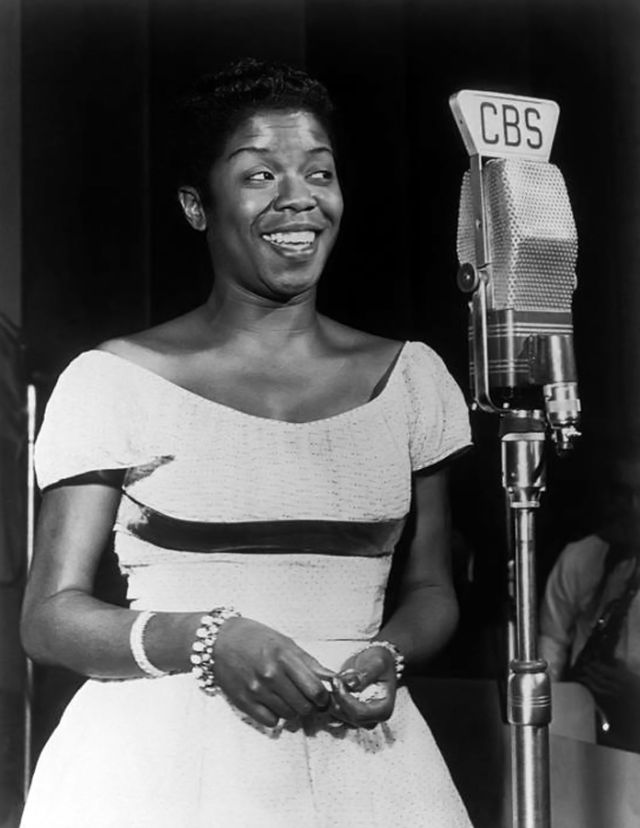
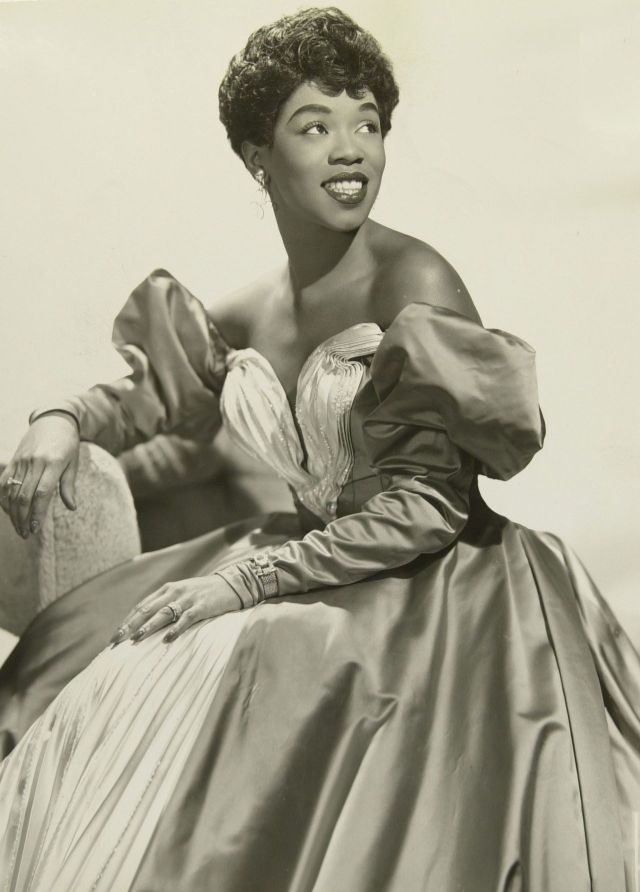
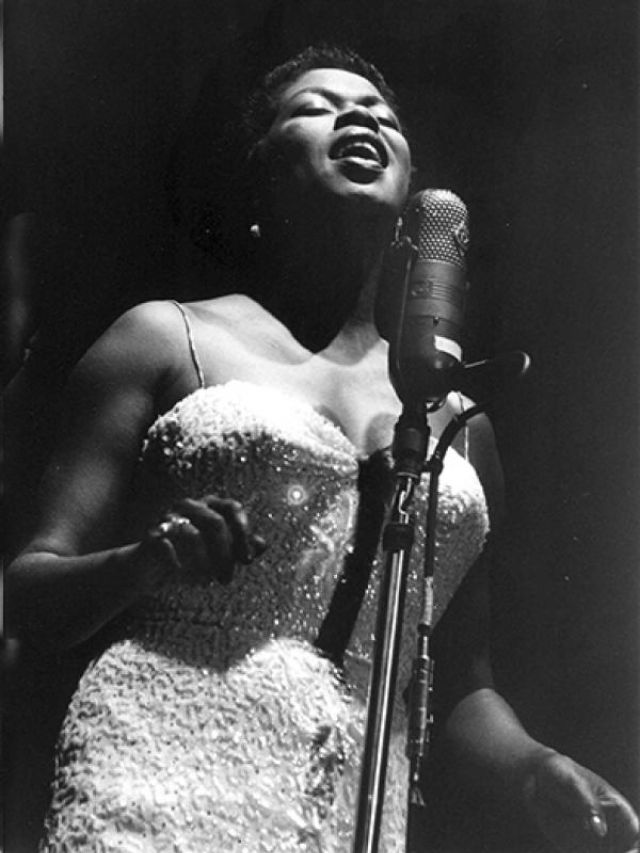
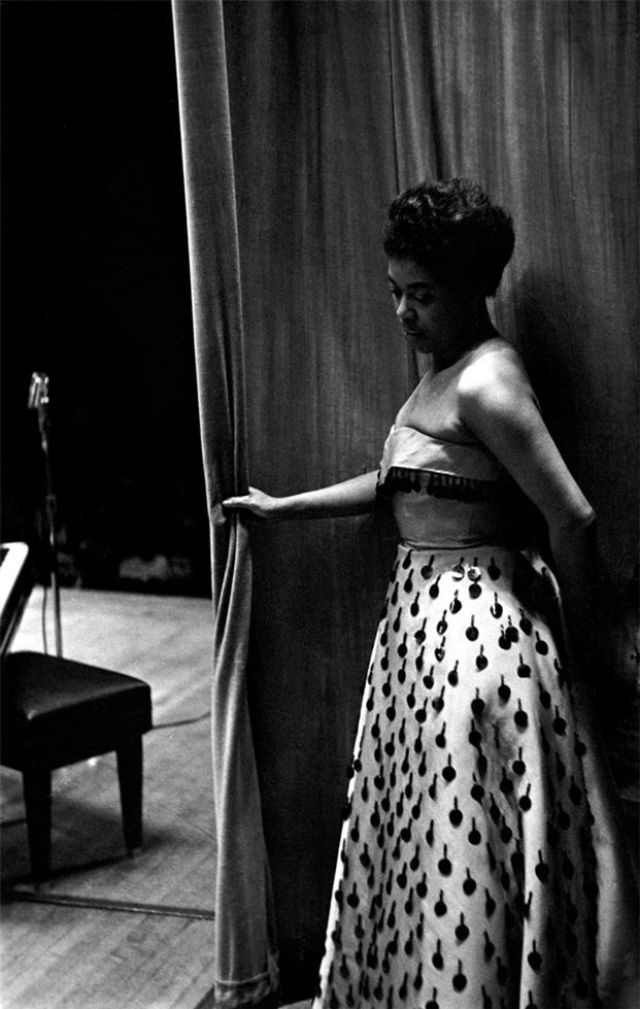
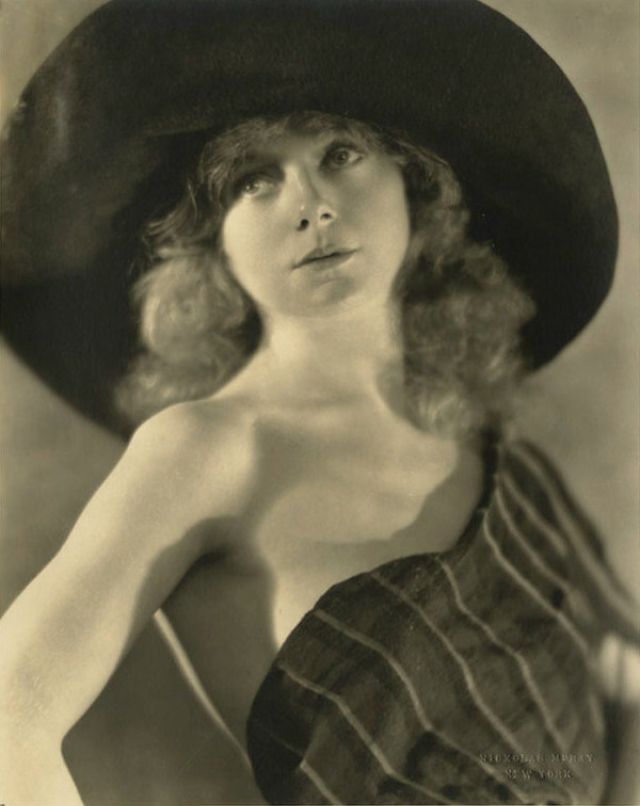
Sarah Vaughan: One of the Most Wondrous Voices of the 20th Century

Born 1924 in Newark, New Jersey, American jazz singer Sarah Vaughan grew up with a love of music and performing. Her first step toward becoming a professional singer was winning a talent competition held at Harlem’s Apollo Theater launched her singing career. She worked with bandleaders Earl Hines and Billy Eckstine before becoming a successful solo performer who commingled pop and jazz.

Nicknamed “Sassy” and “The Divine One”, Vaughan won four Grammy Awards, including the Lifetime Achievement Award. She was given an NEA Jazz Masters Award in 1989. Critic Scott Yanow wrote that she had “one of the most wondrous voices of the 20th century”.

Vaughan’s final concert was given at New York’s Blue Note Club in 1989. She passed away from lung cancer in 1990, at age 66, in Hidden Hills, a suburb of Los Angeles, California. Married and divorced four times, she was survived by her adopted daughter.

Throughout her career, Vaughan was recognized as a supremely gifted singer and performer. She was invited to perform at the White House and at venues like Carnegie Hall, was awarded a Lifetime Achievement Grammy in 1989 and was selected to join the Jazz Hall of Fame in 1990. She also received a star on the Hollywood Walk of Fame.

Take a look at these beautiful photos to see portraits of young Sarah Vaughan in the 1940s and 1950s.

Subscribe to Yesterday Today to receive updates on new content:
Yesterday Today: September 10

The American gangster known as Machine Gun Kelly is shown handcuffed and shackled while being escorted from court under heavy guard in Memphis, Tennessee, 1933

WWI Biplane Pilot Selfie

The last picture of the Titanic before sinking, 1912

USAAF B-25 sinks Japanese destroyer Amatsukaze off the coast of Xiamen, China, 1945

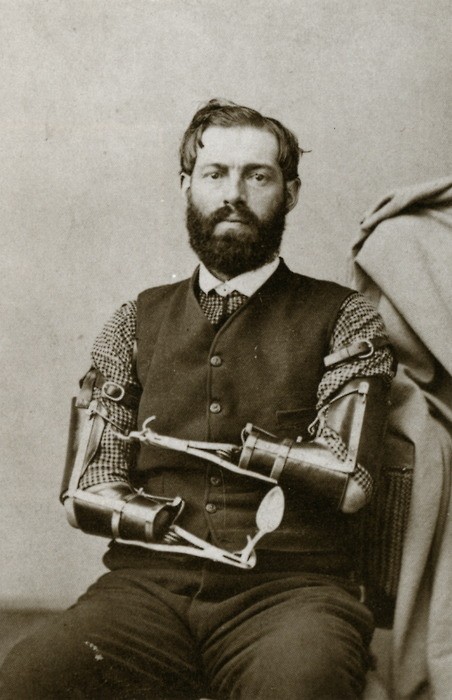
American Civil War veteran Samuel Decker built his own prosthetics after losing his arms in combat.

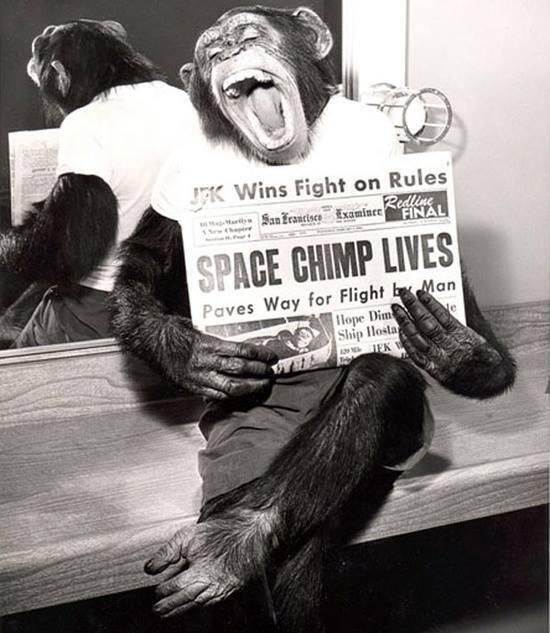
Jack with a newspaper about himself

1931 – One wheel vehicle introduced

1970 – Jimi Hendrix’s last concert – Love and Peace Festival, Germany

Partially excavated Sphinx in Egypt, 1878.

Subscribe to Yesterday Today to receive daily updates regarding new content:

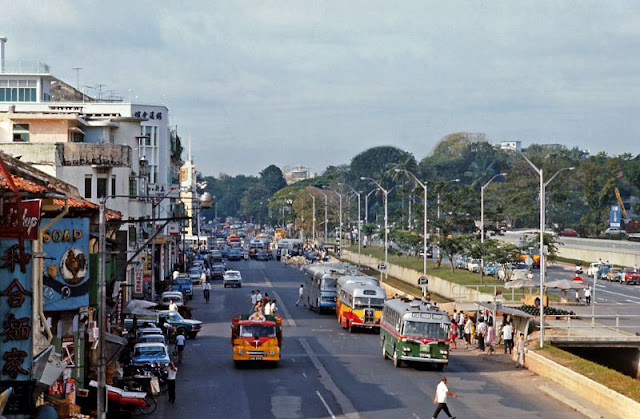
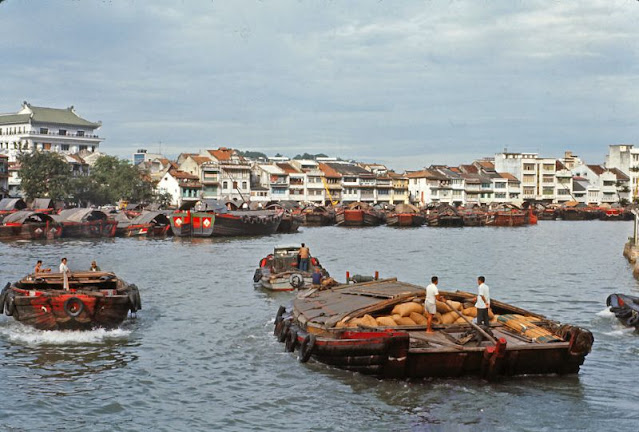
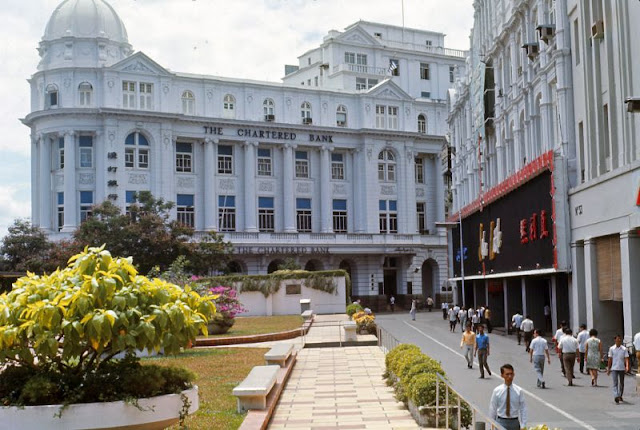
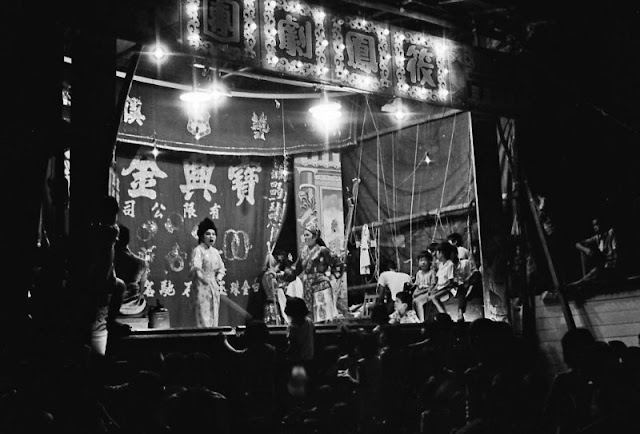
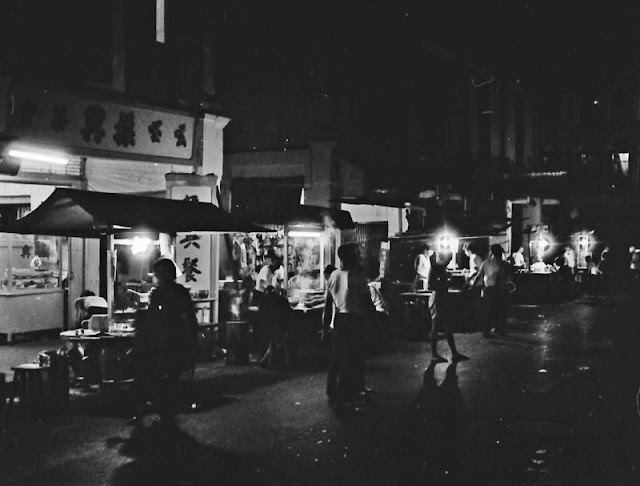
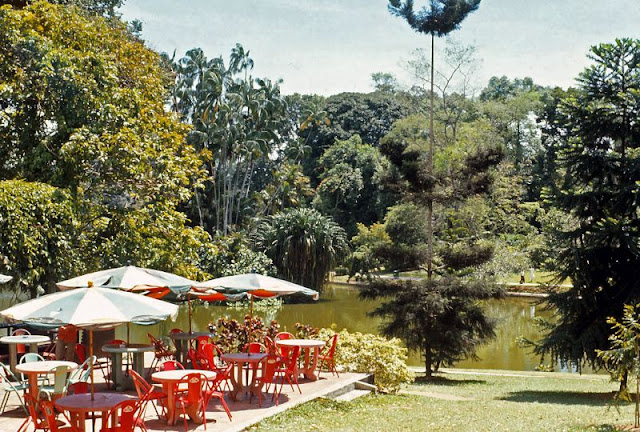
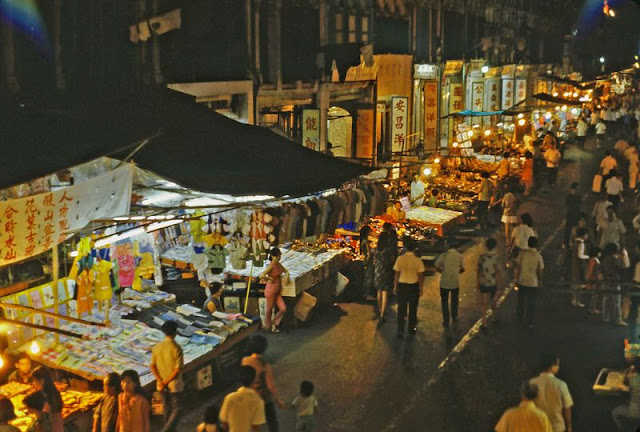
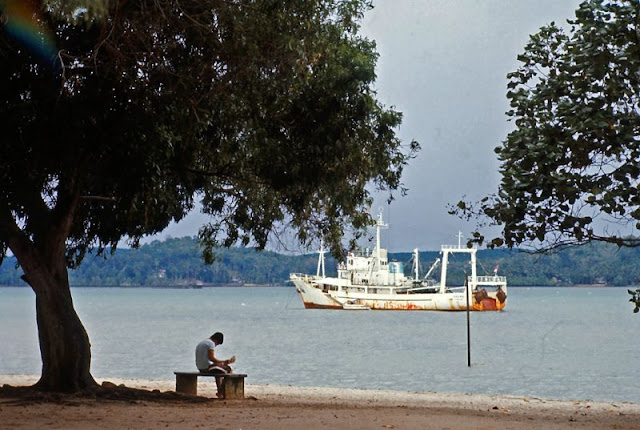
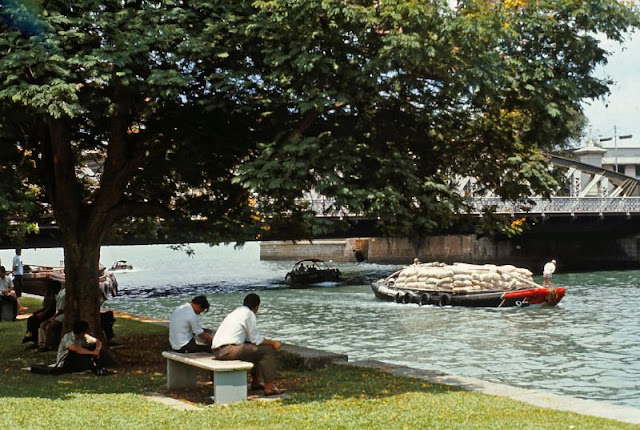
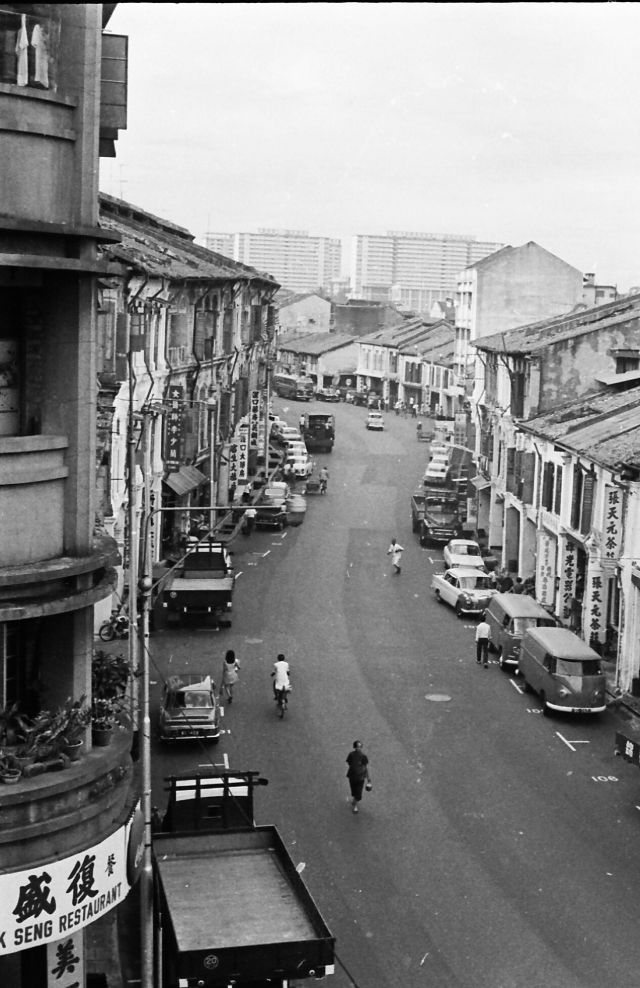
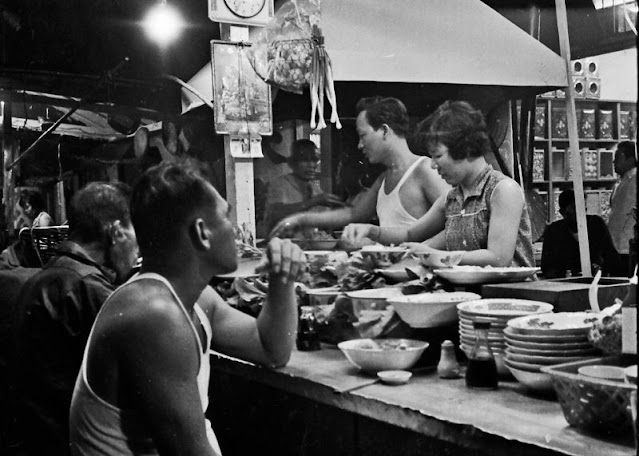
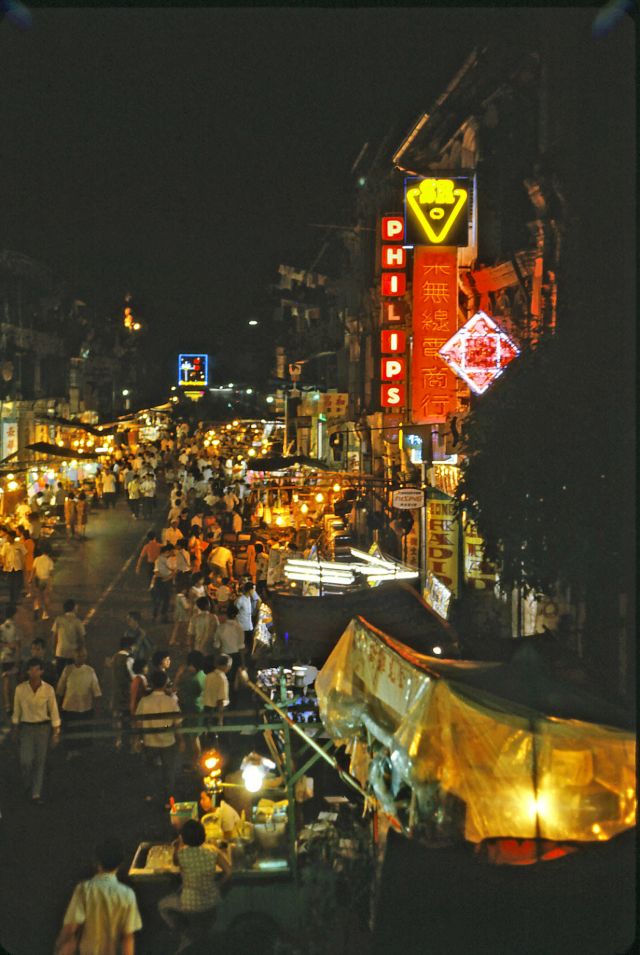
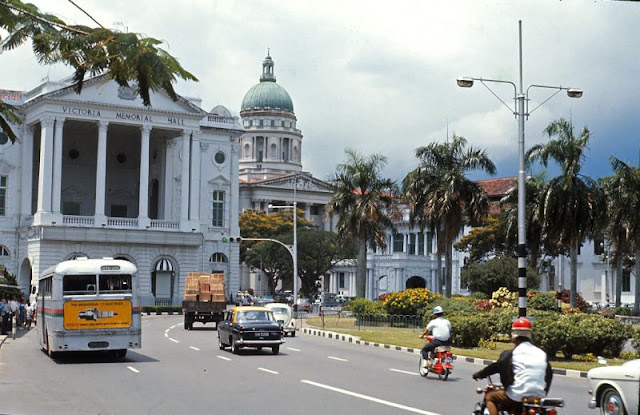
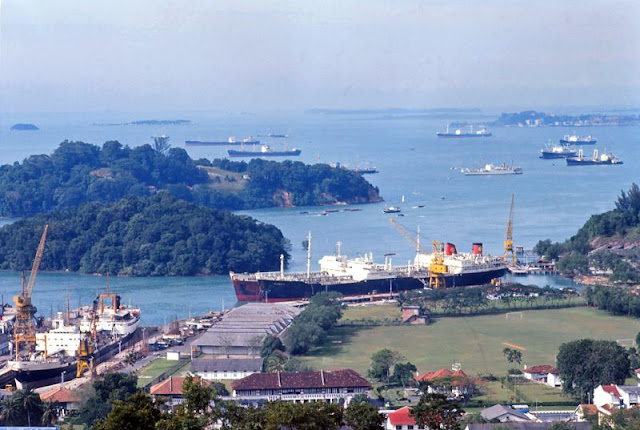
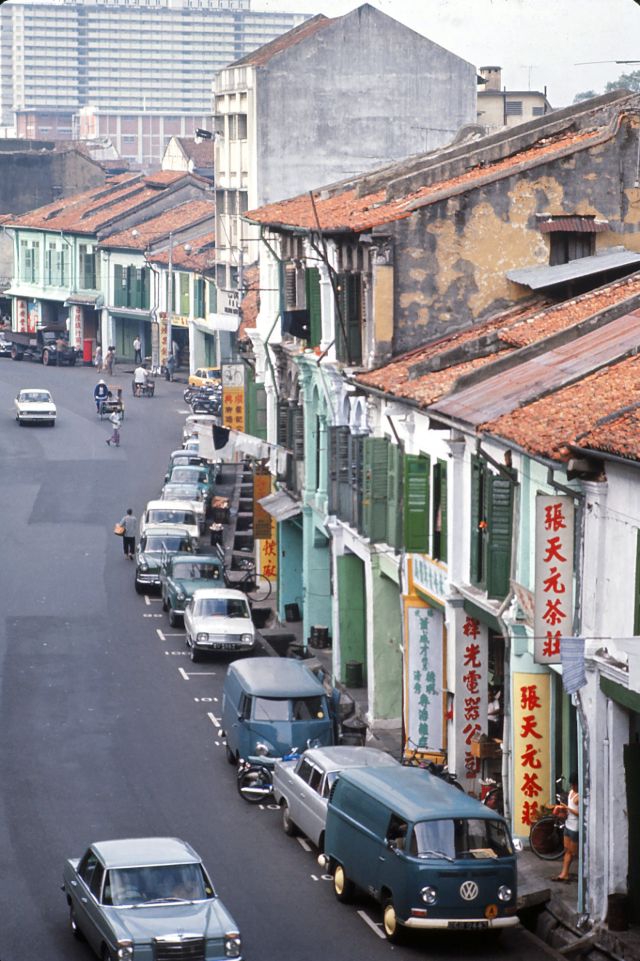
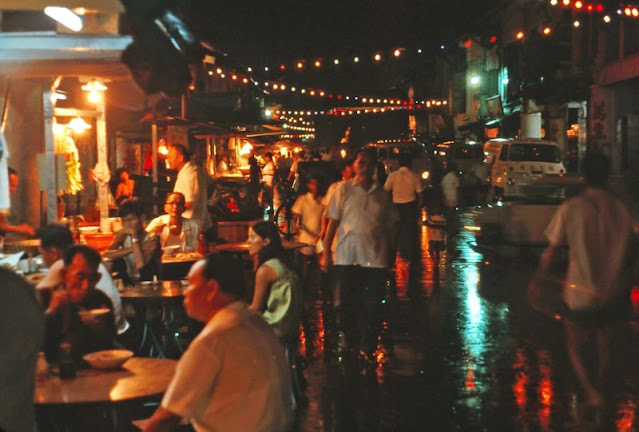
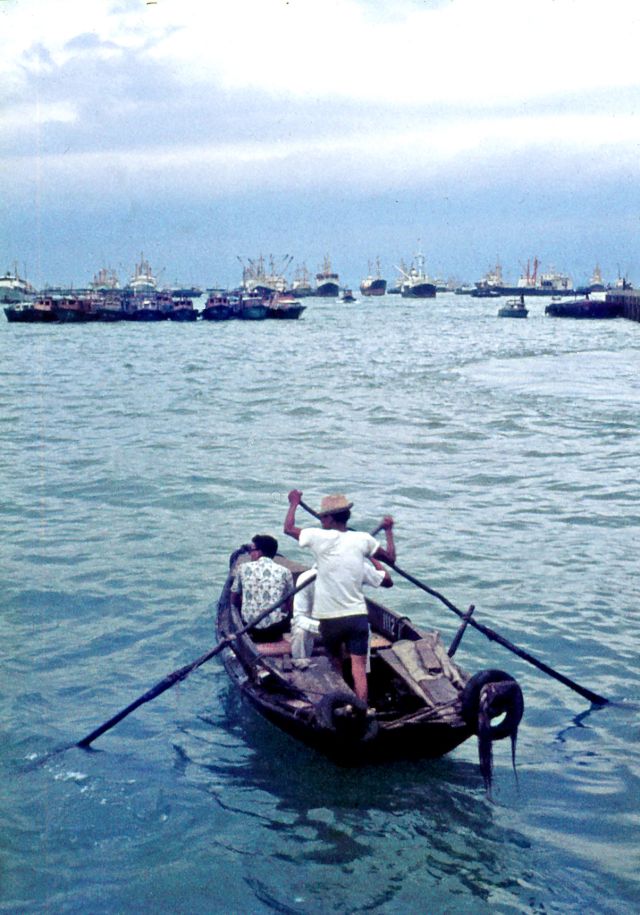
45 Photos Capture Street Scenes of Singapore in the Early 1970s

Singapore is a sovereign island city-state in maritime Southeast Asia. It is composed of one main island, 63 satellite islands and islets, and one outlying islet, the combined area of which has increased by 25% since the country’s independence as a result of extensive land reclamation projects.

Singapore has the second greatest population density in the world. With a multicultural population and recognizing the need to respect cultural identities, the country has four official languages; English, Malay, Mandarin, and Tamil. English is the lingua franca. Multiracialism is enshrined in the constitution and continues to shape national policies in education, housing, and politics.

After early years of turbulence and despite lacking natural resources and a hinterland, the nation rapidly developed to become one of the Four Asian Tigers based on external trade, becoming a highly developed country; it is ranked ninth on the UN Human Development Index and has the second-highest GDP per capita (PPP) in the world.

Singapore is placed highly in key social indicators: education, healthcare, quality of life, personal safety, and housing, with a home-ownership rate of 91%. Singaporeans enjoy one of the world’s longest life expectancies, fastest Internet connection speeds and one of the lowest infant mortality rates in the world.

These fascinating photos show what Singapore looked like in 1971.

Subscribe to Yesterday Today to receive daily updates regarding new content:

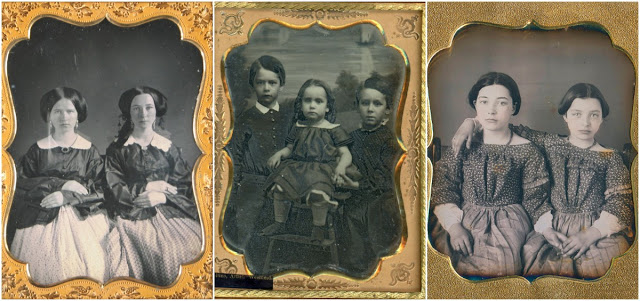
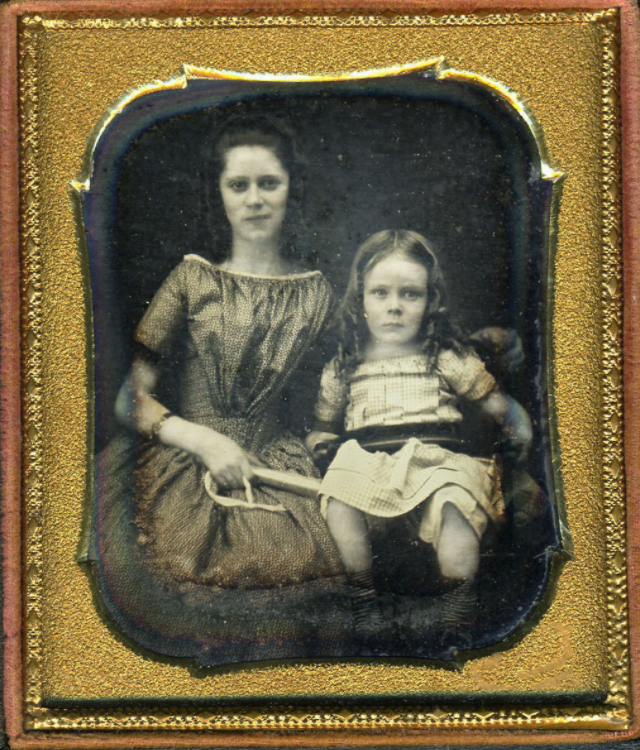
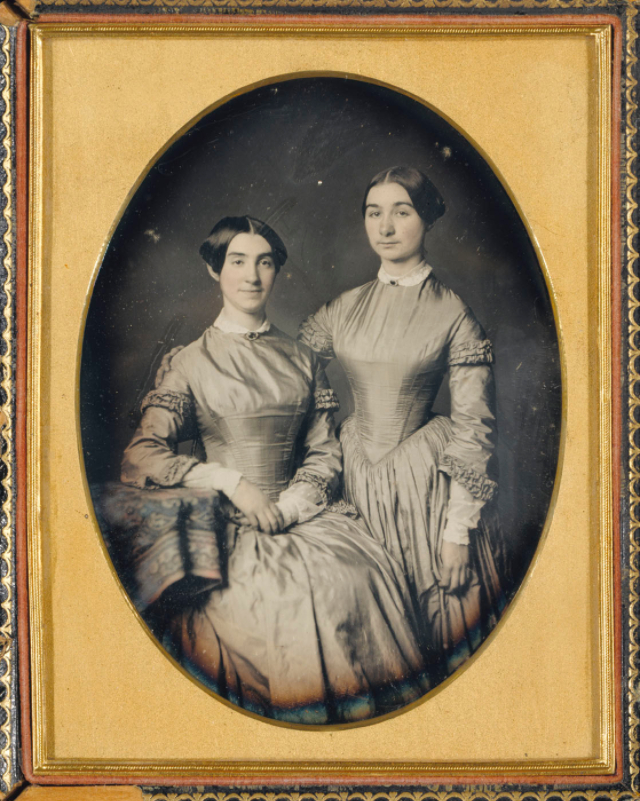
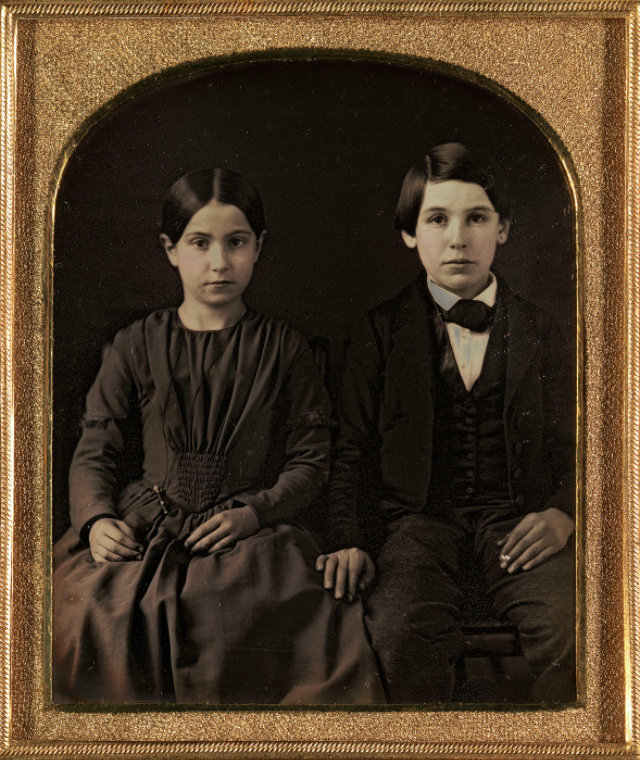
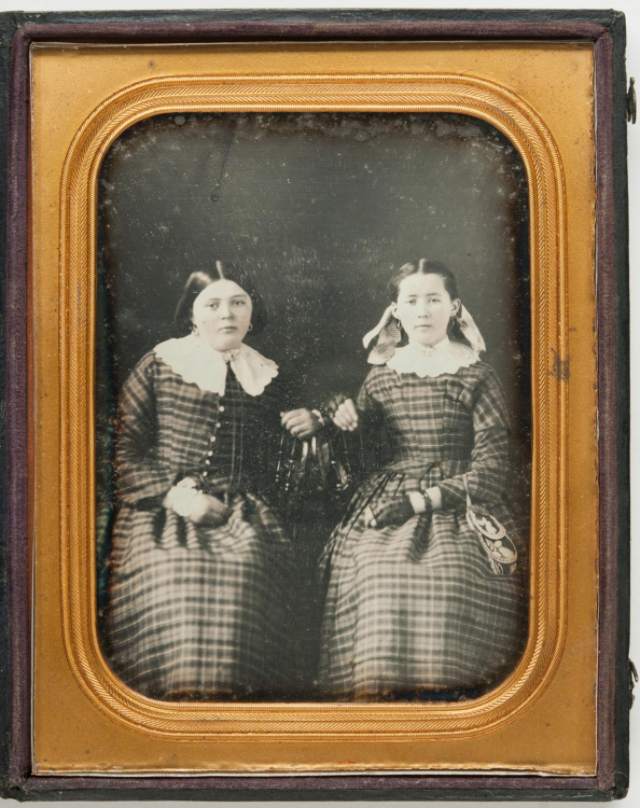
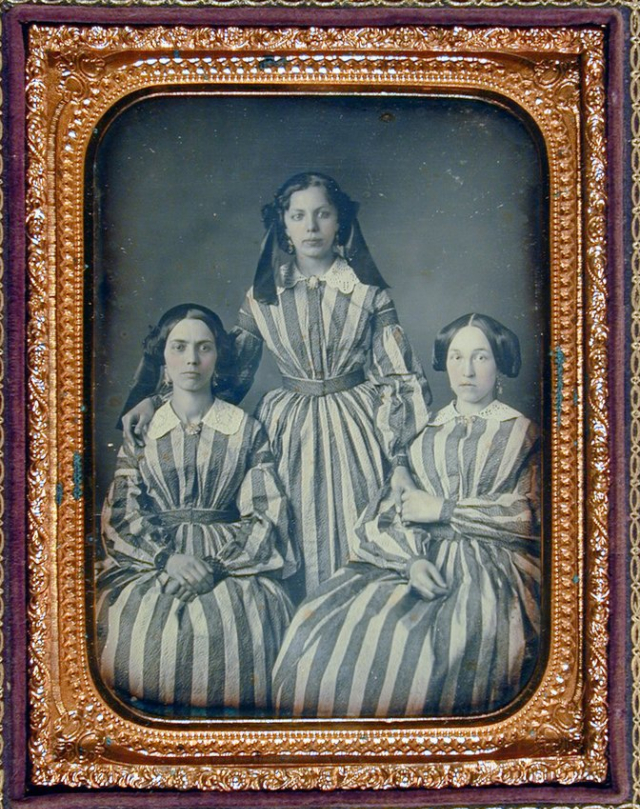
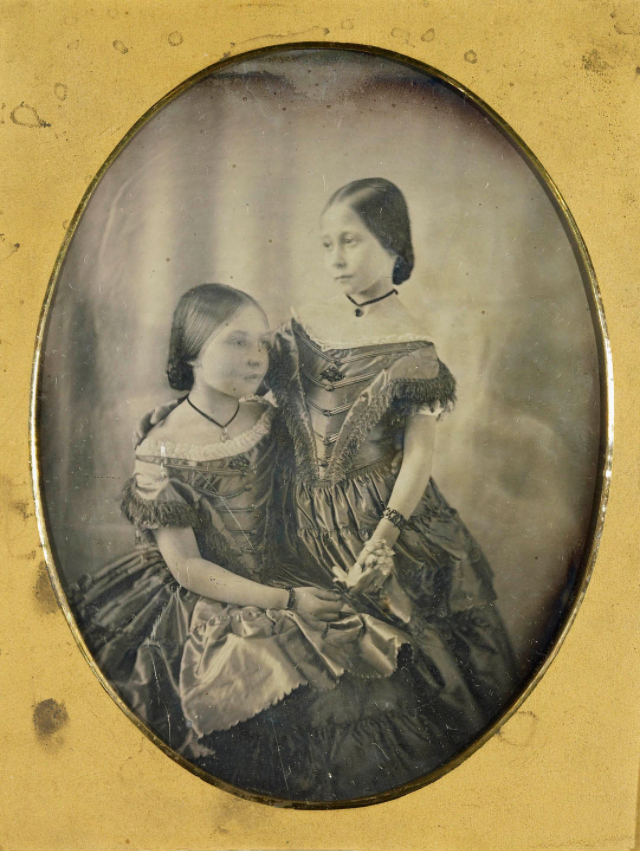
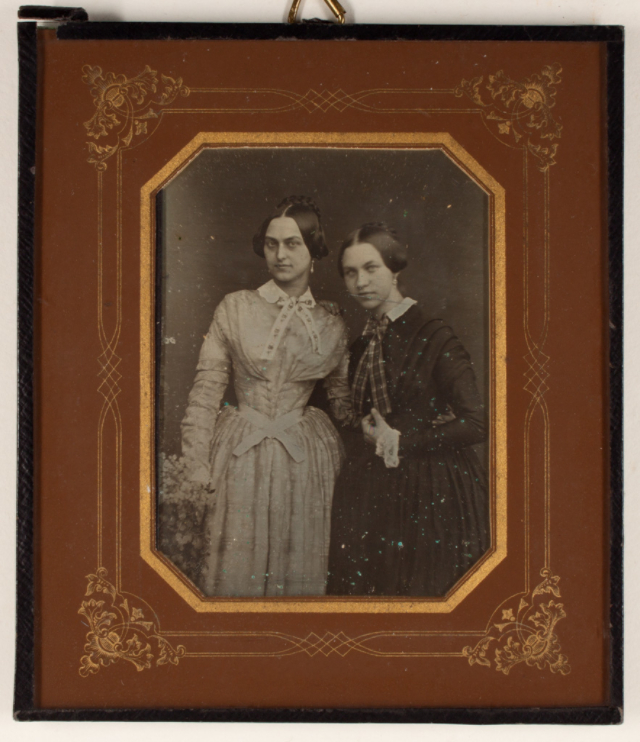
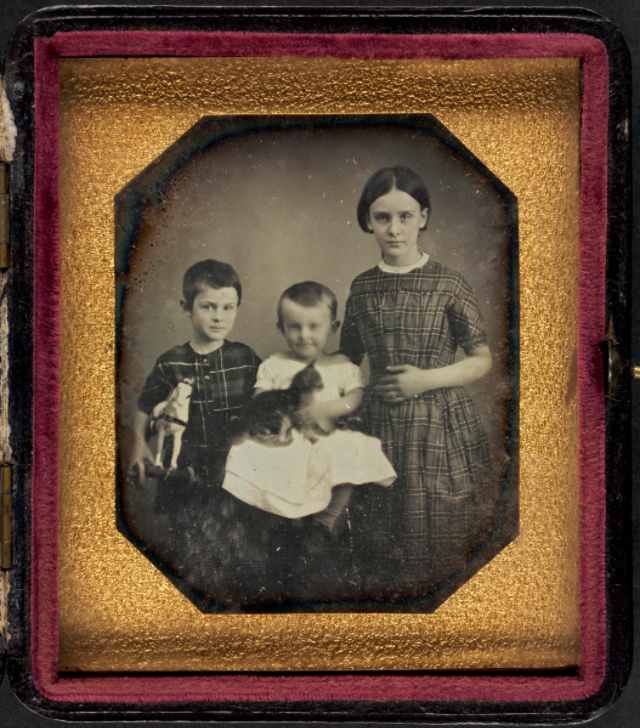
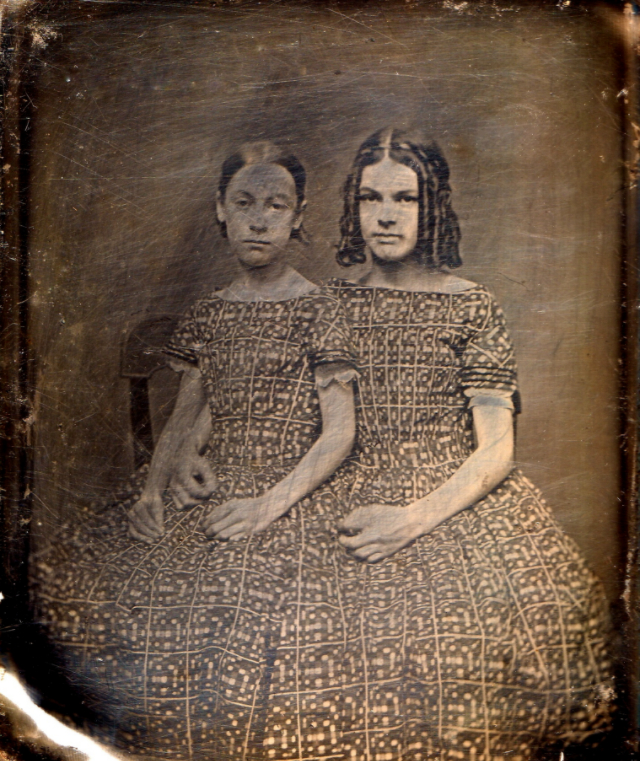
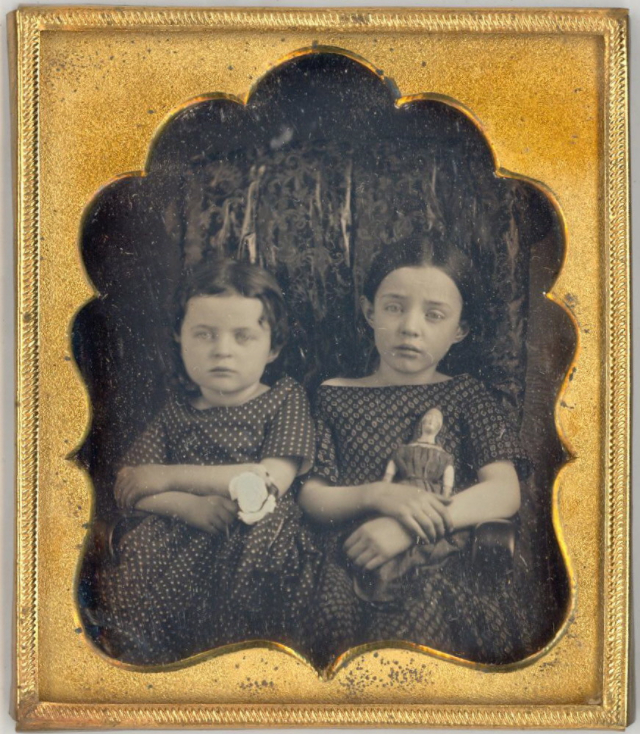
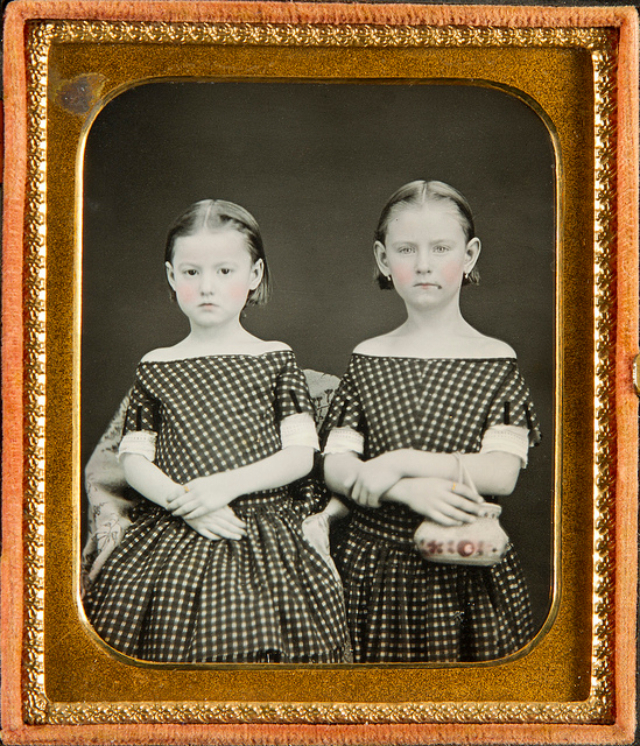
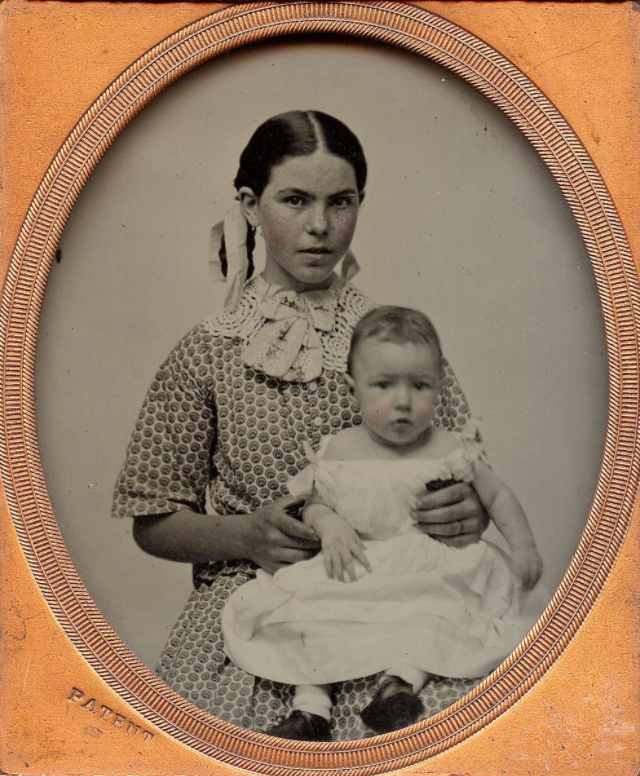
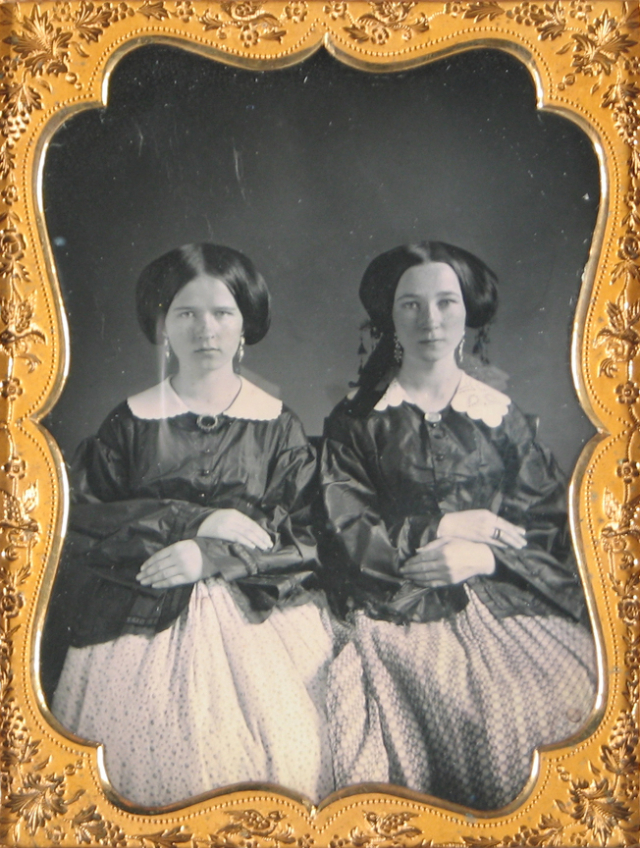
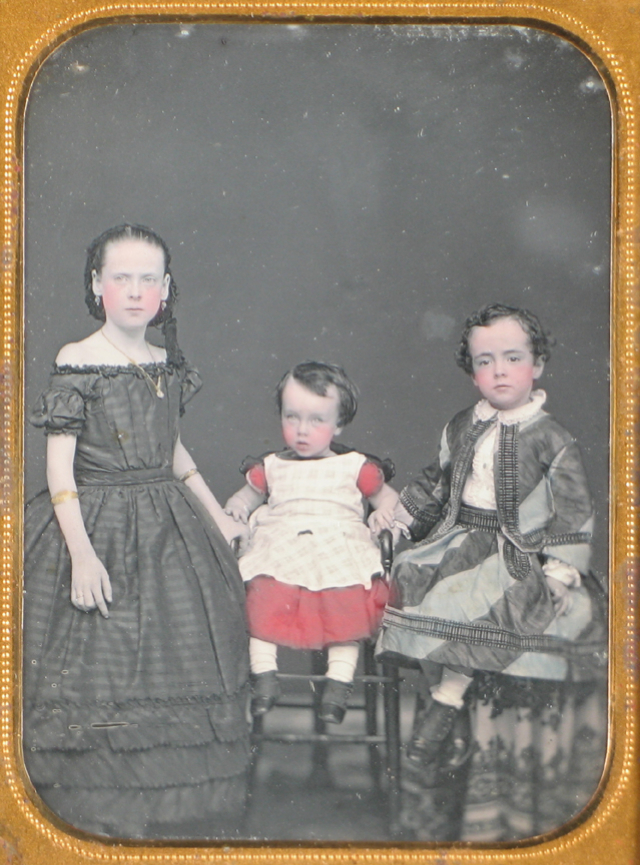
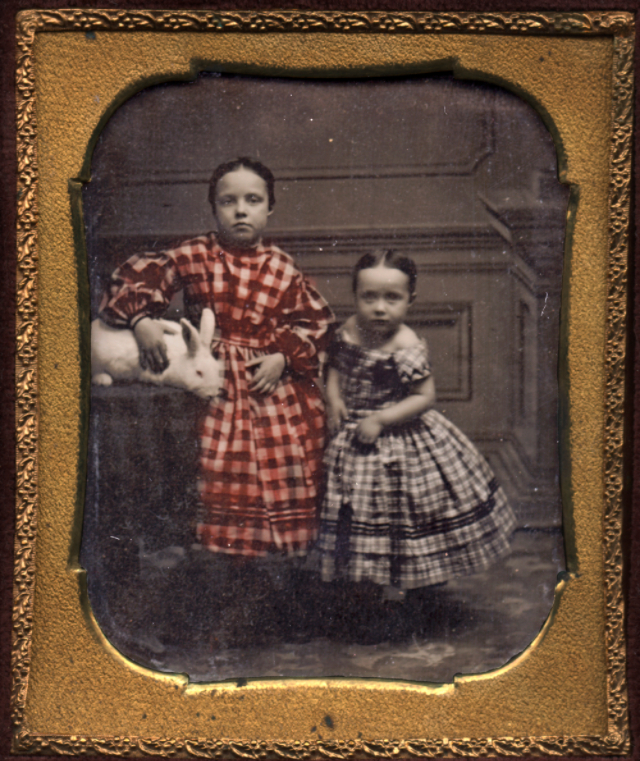
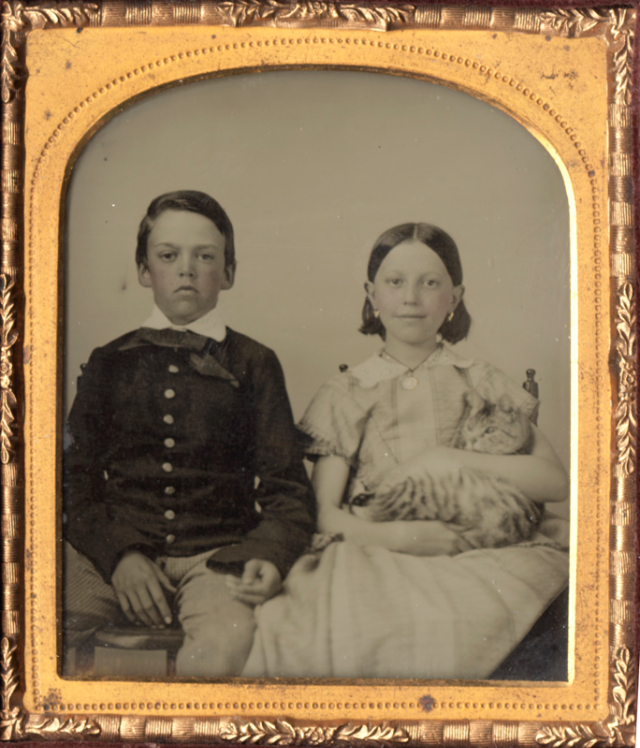
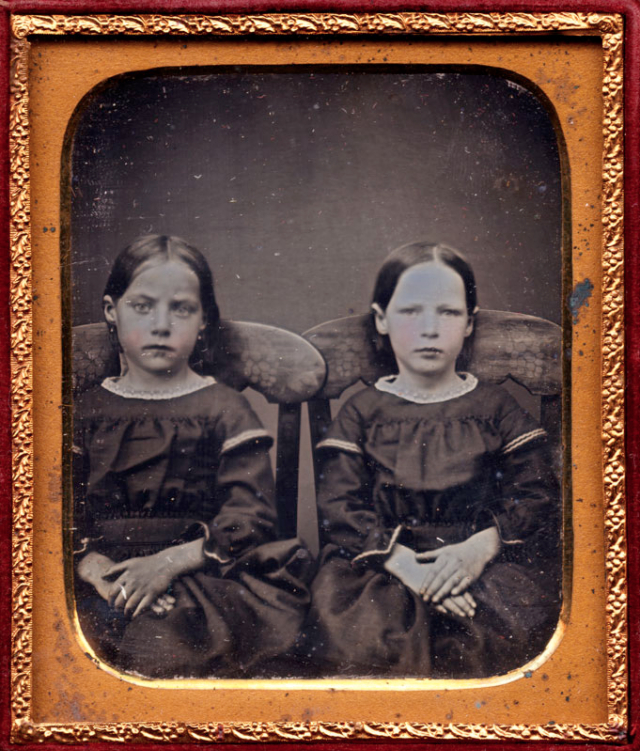
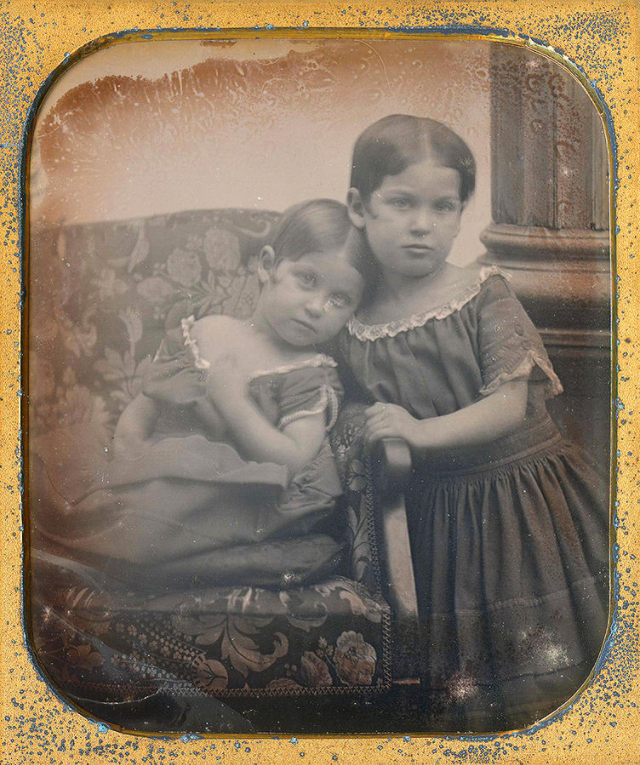
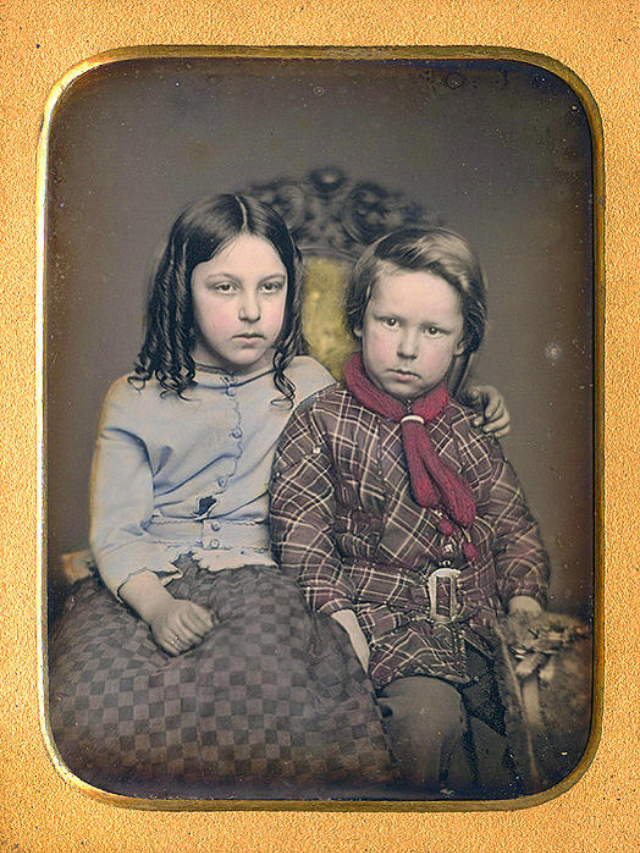
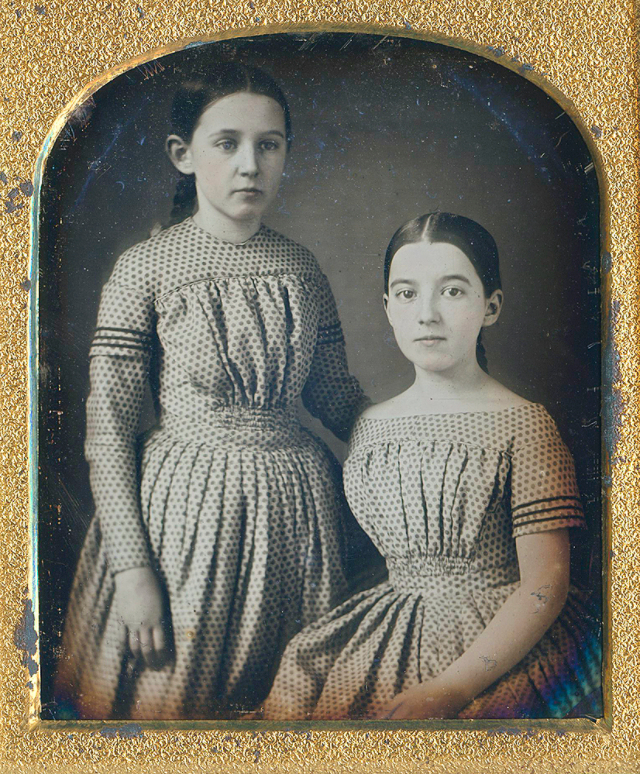
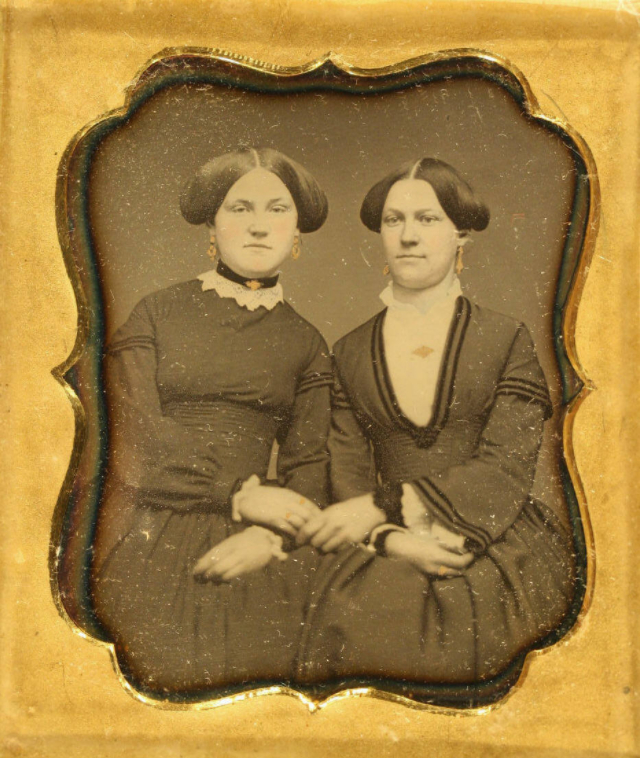
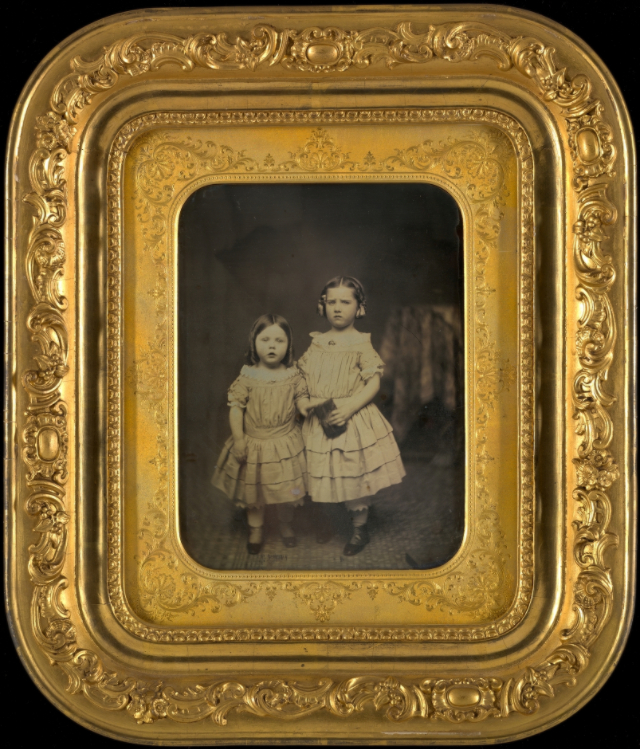
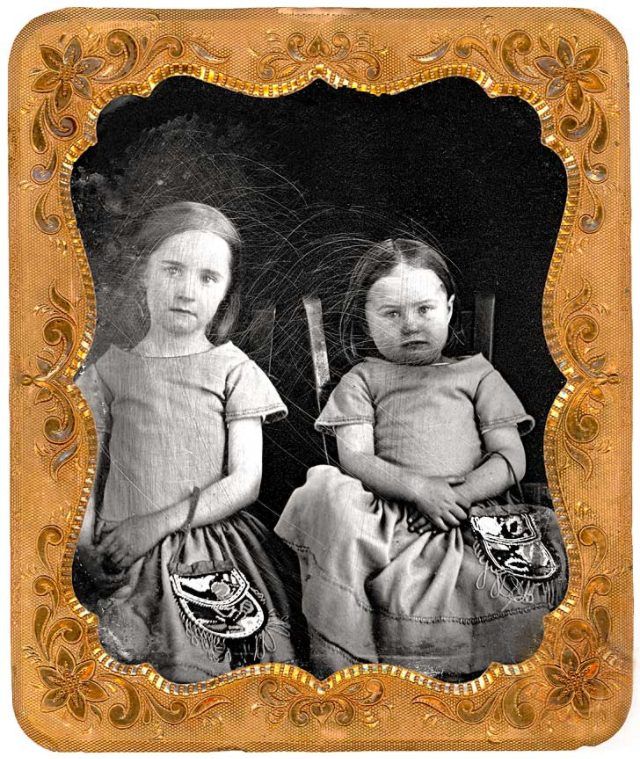
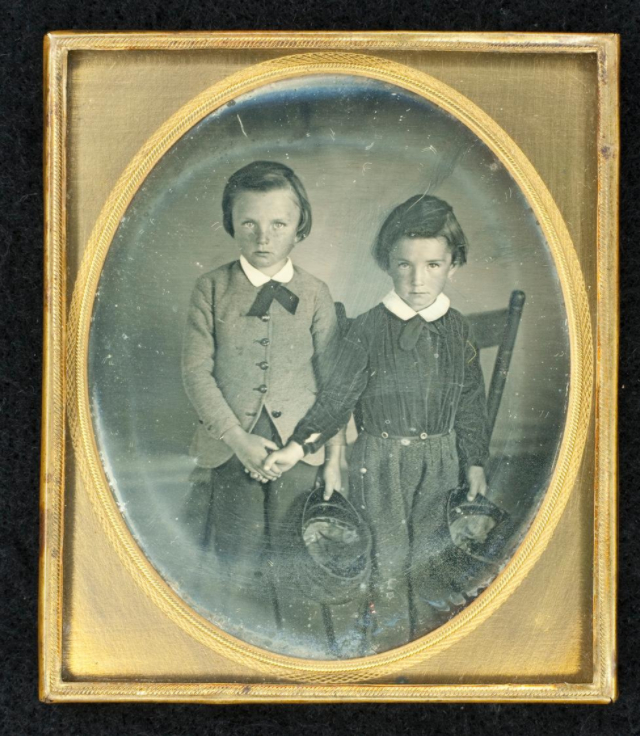
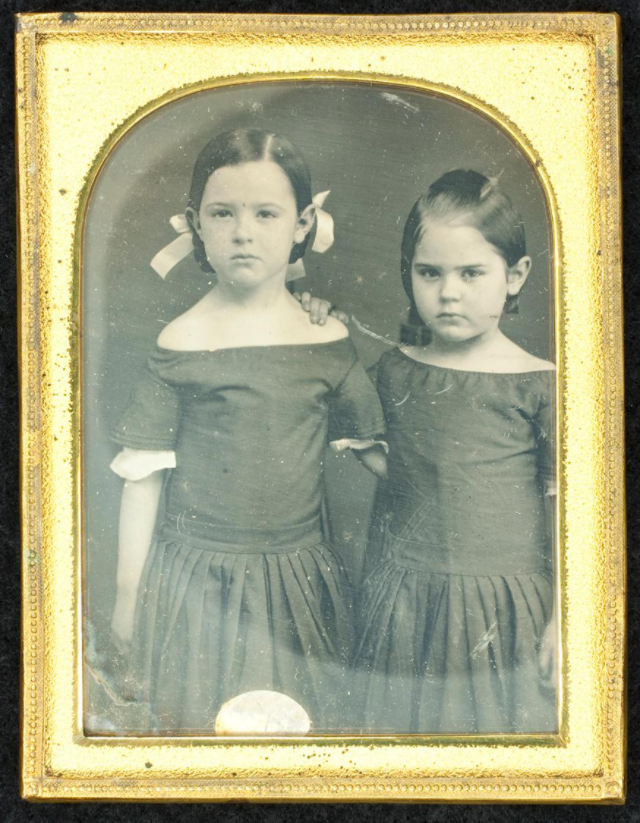
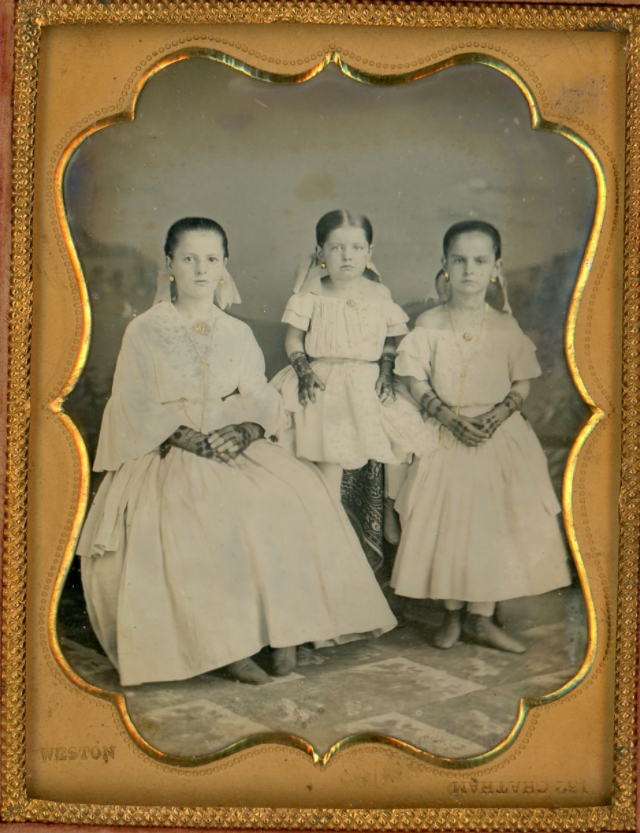
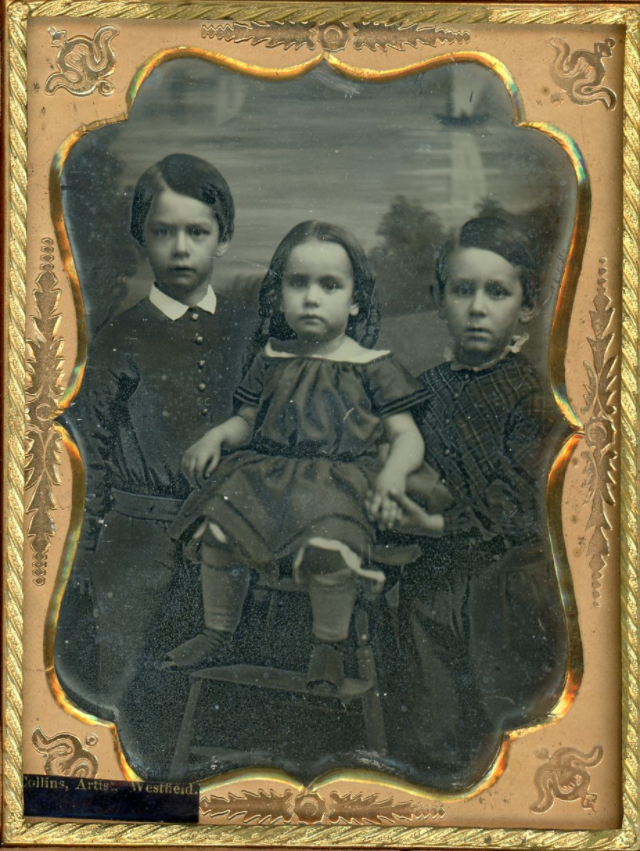
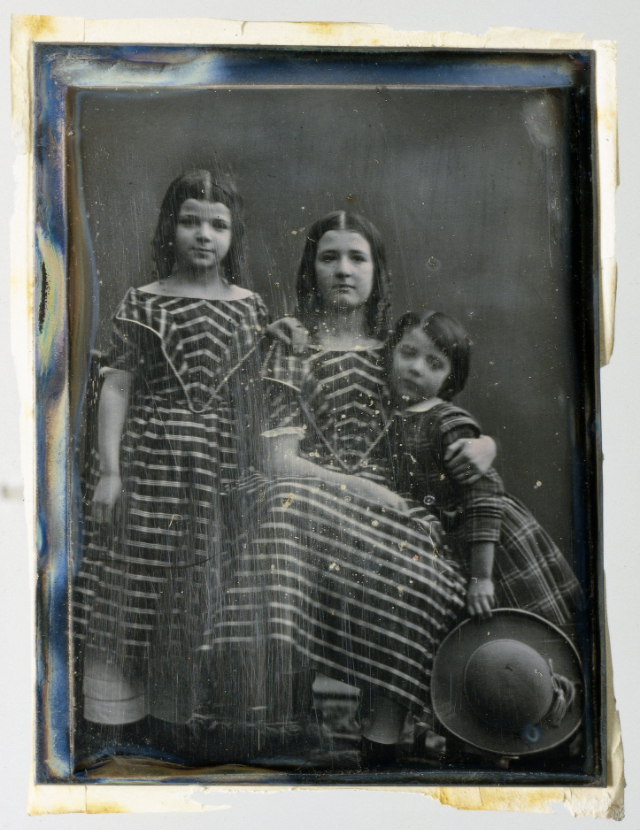
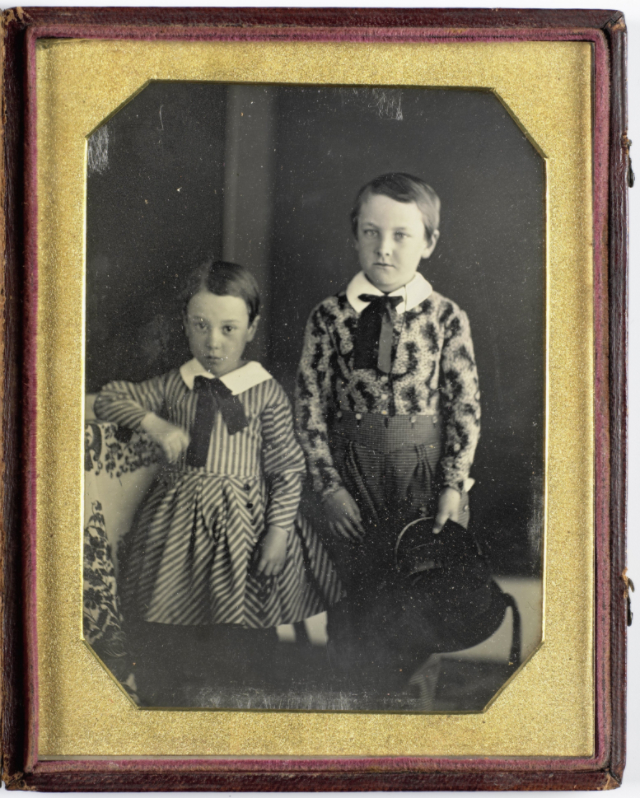
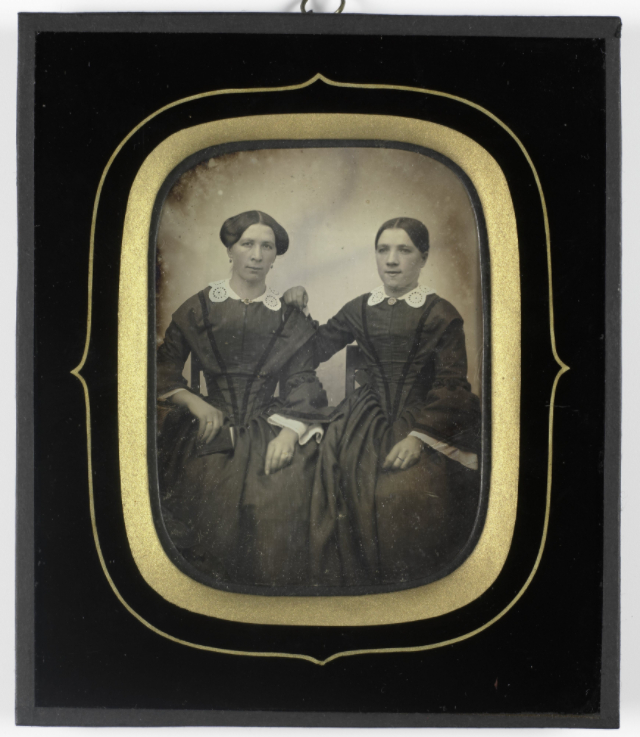
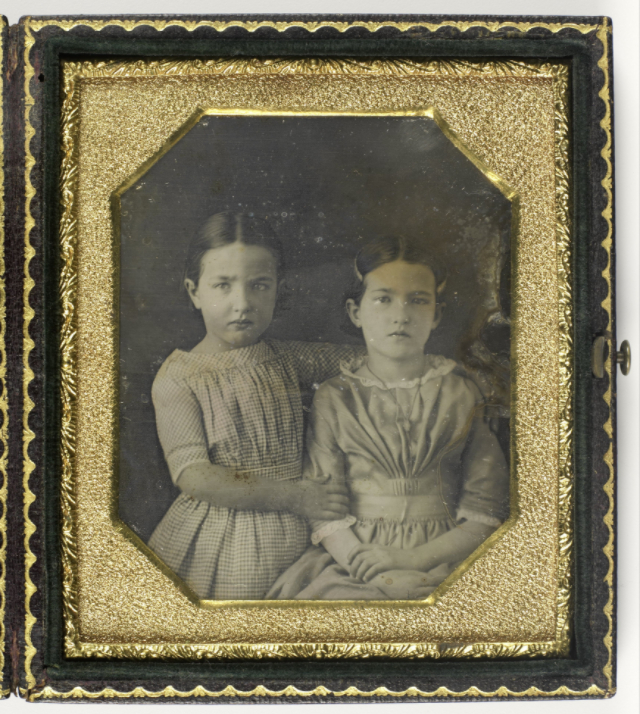
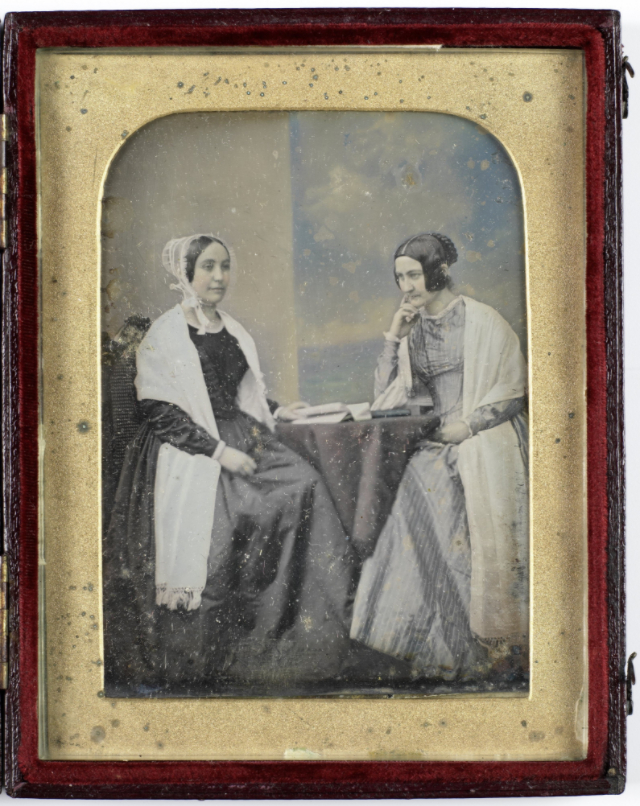
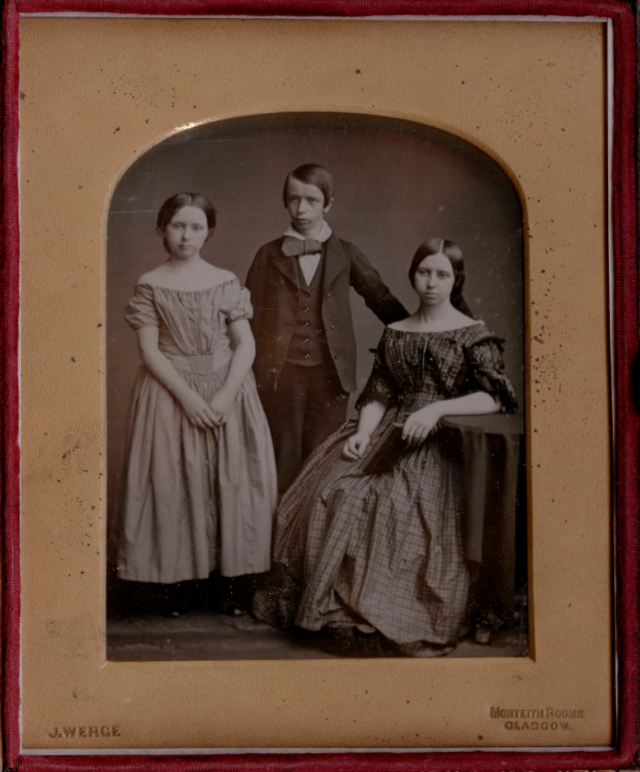
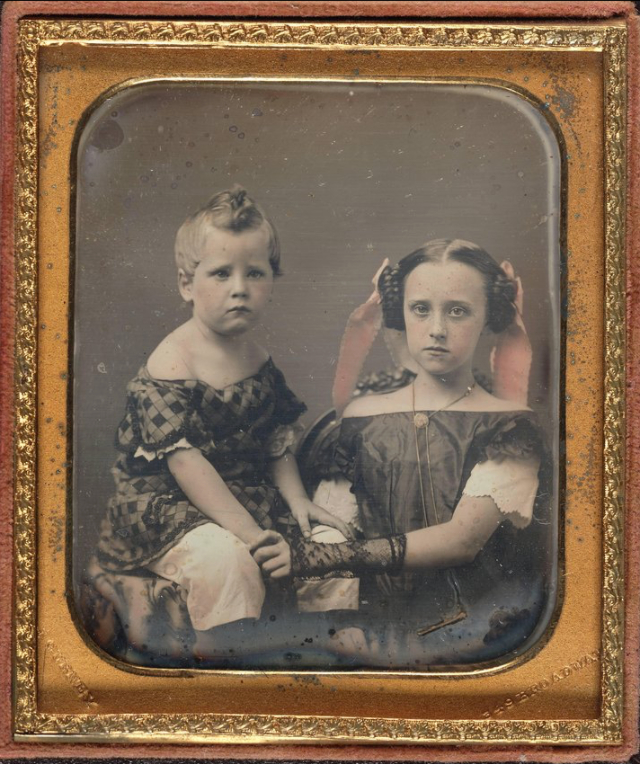
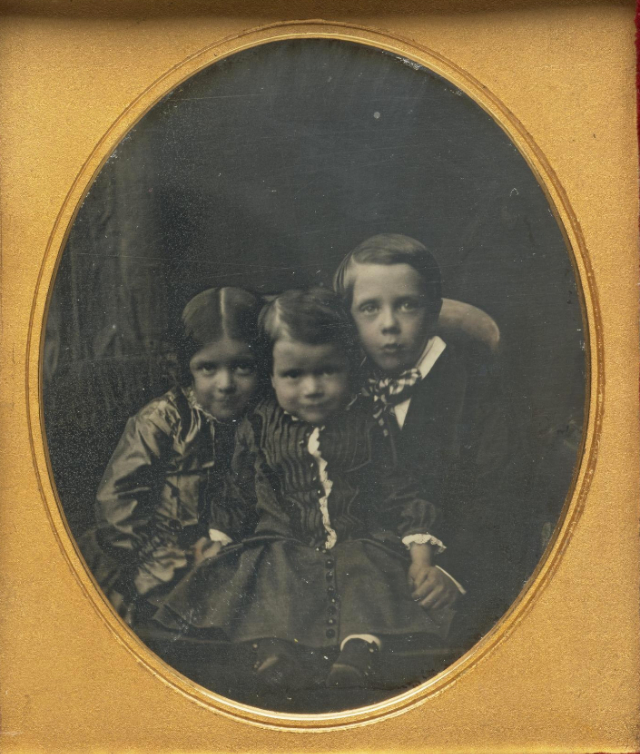
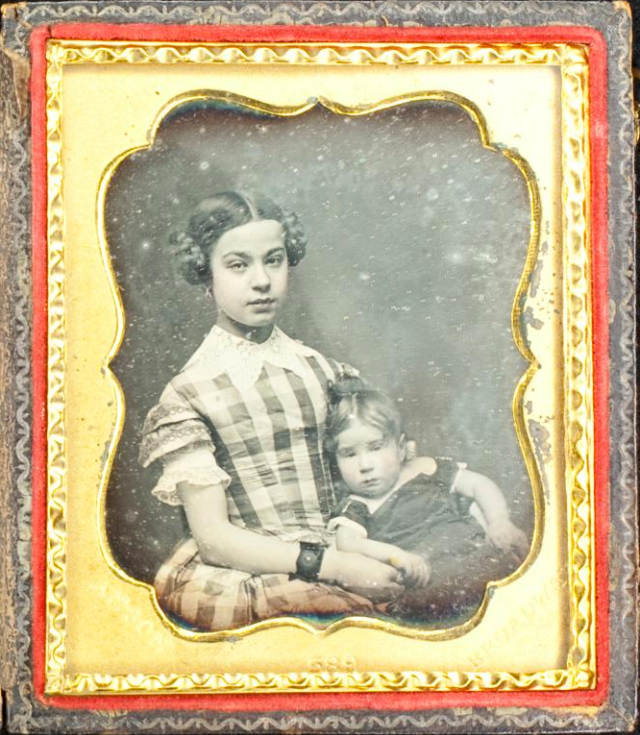
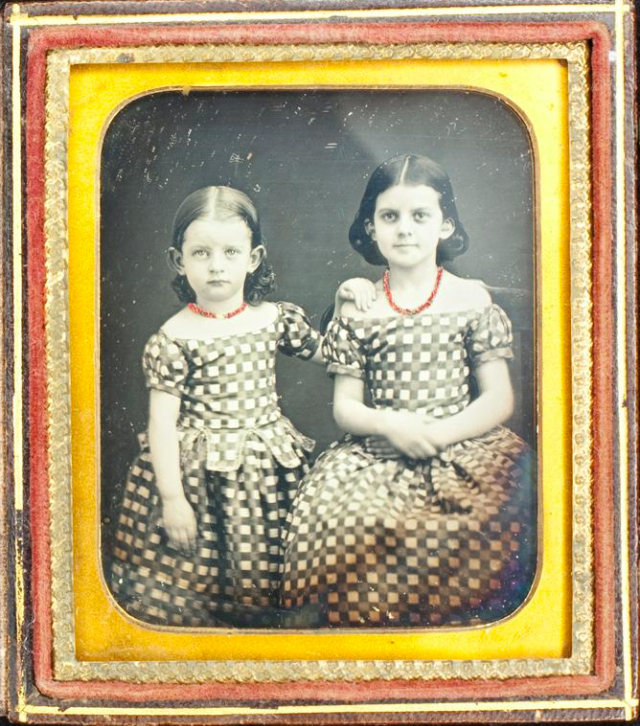
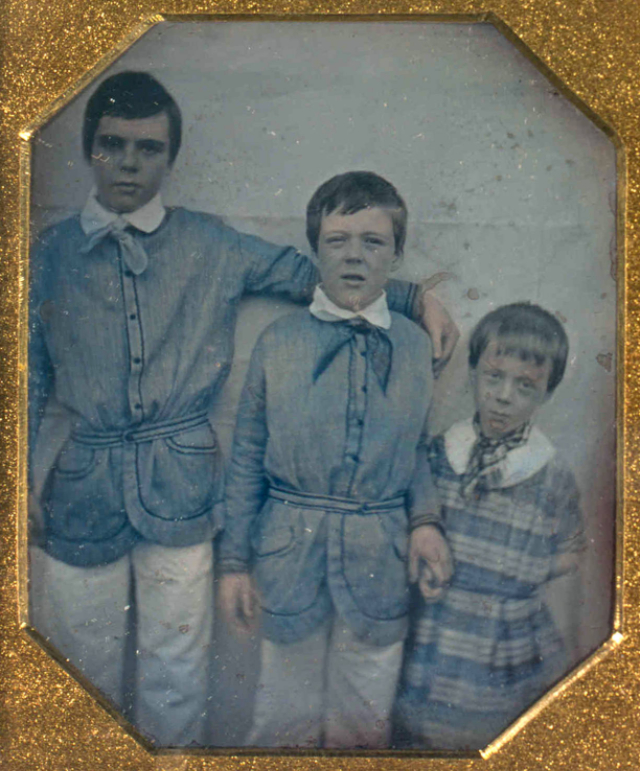
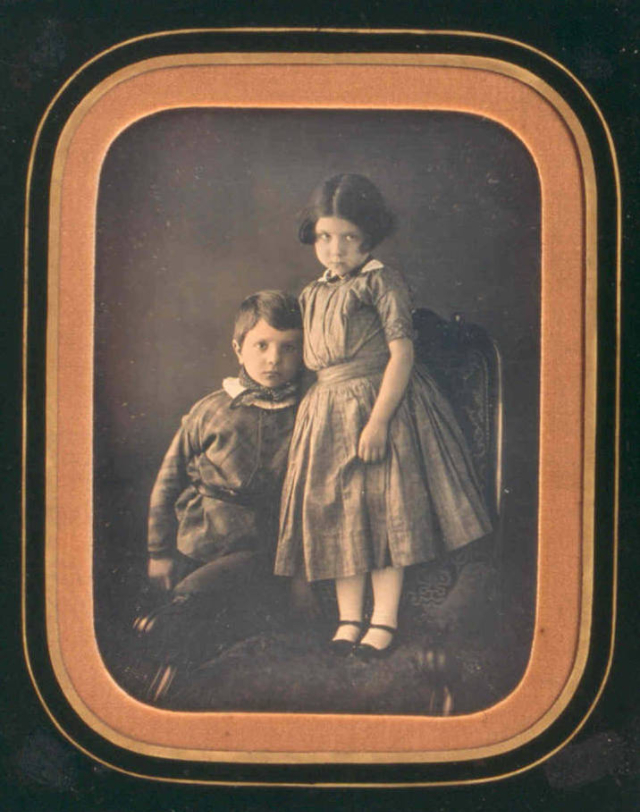
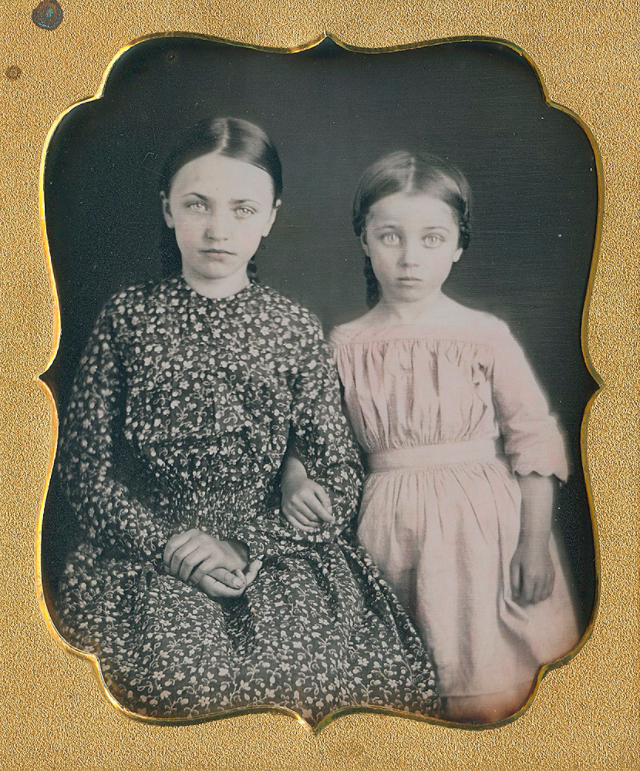
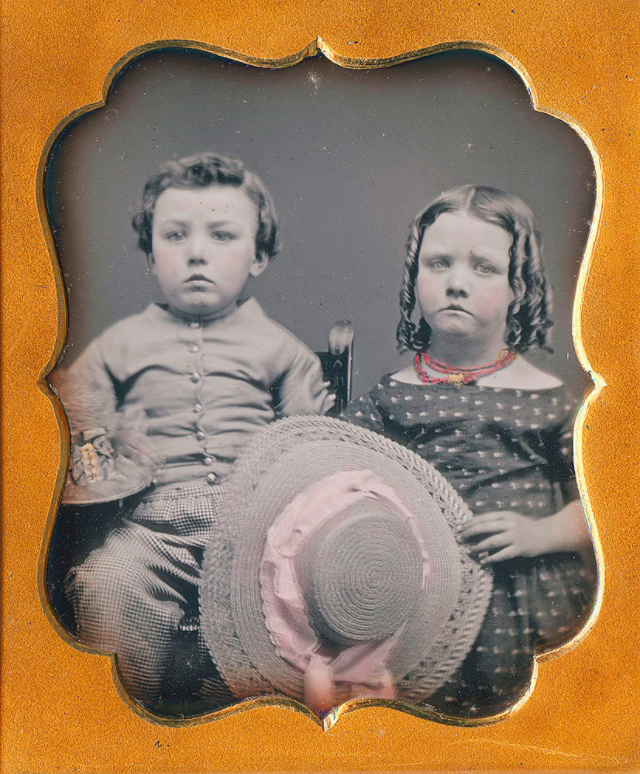
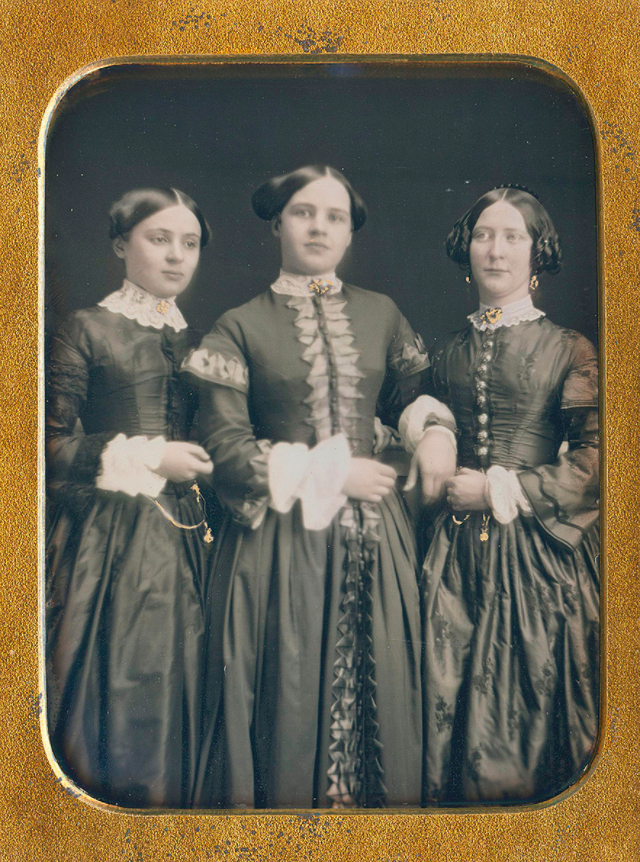
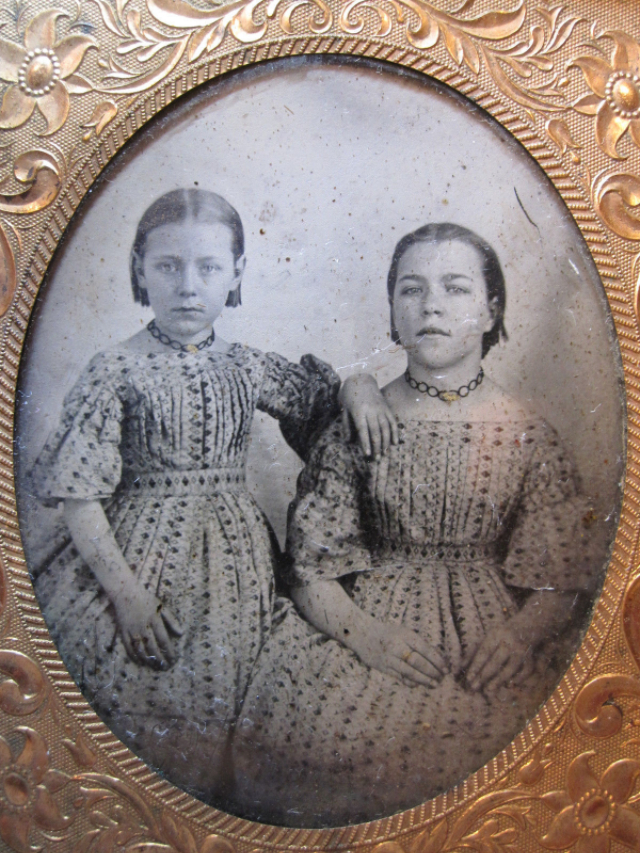
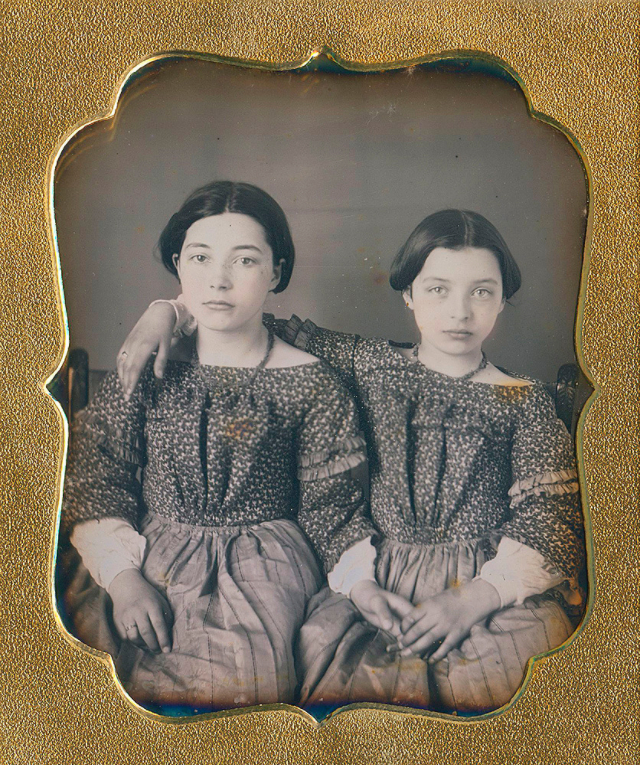
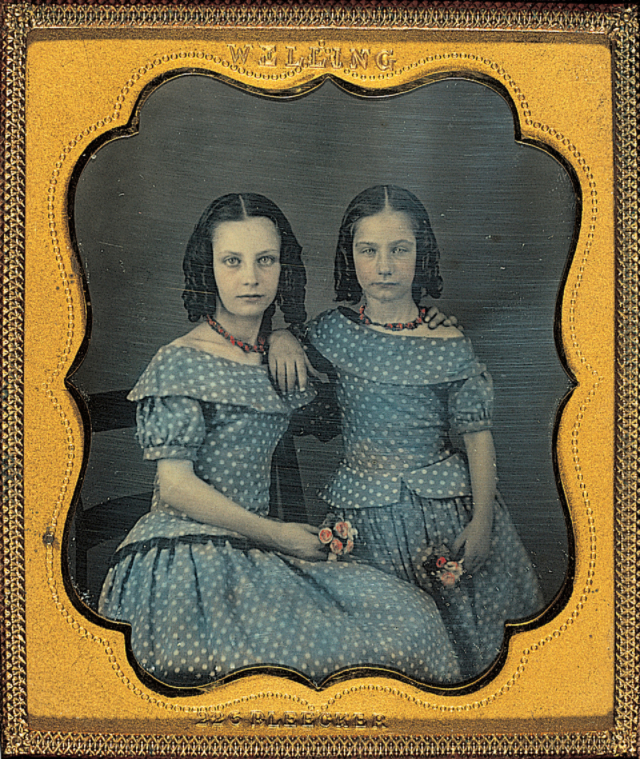
The “Golden Age” of Childhood: A Gallery of 45 Amazing Daguerreotypes of Siblings From the Mid-19th Century

Daguerreotypes were the first commercially viable photographic process. Developed by French chemist Louis Daguerre in 1839, the technique quickly made its way to the US in the 1840s, the beginning of what some historians characterize as the “golden age” of childhood.

To make the image, a daguerreotypist polished a sheet of silver-plated copper to a mirror finish; treated it with fumes that made its surface light sensitive; exposed it in a camera for as long as was judged to be necessary, which could be as little as a few seconds for brightly sunlit subjects or much longer with less intense lighting; made the resulting latent image on it visible by fuming it with mercury vapor; removed its sensitivity to light by liquid chemical treatment; rinsed and dried it; and then sealed the easily marred result behind glass in a protective enclosure.

The image is on a mirror-like silver surface and will appear either positive or negative, depending on the angle at which it is viewed, how it is lit and whether a light or dark background is being reflected in the metal. The darkest areas of the image are simply bare silver; lighter areas have a microscopically fine light-scattering texture. The surface is very delicate, and even the lightest wiping can permanently scuff it. Some tarnish around the edges is normal.

Several types of antique photographs, most often ambrotypes and tintypes, but sometimes even old prints on paper, are commonly misidentified as daguerreotypes, especially if they are in the small, ornamented cases in which daguerreotypes made in the US and the UK were usually housed. The name “daguerreotype” correctly refers only to one very specific image type and medium, the product of a process that was in wide use only from the early 1840s to the late 1850s.

Subscribe to Yesterday Today to receive daily updates on new content:
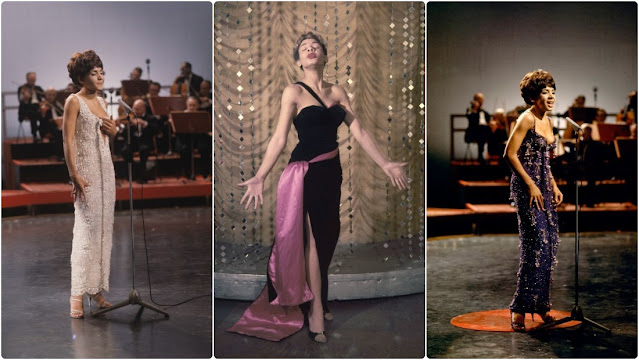
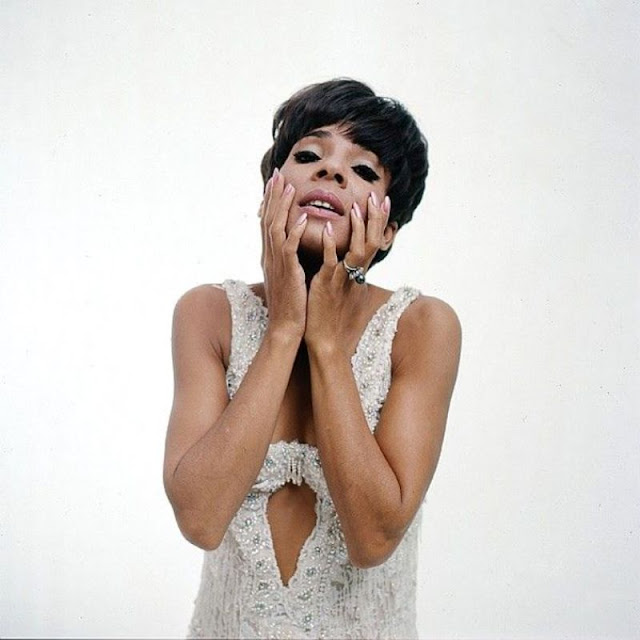
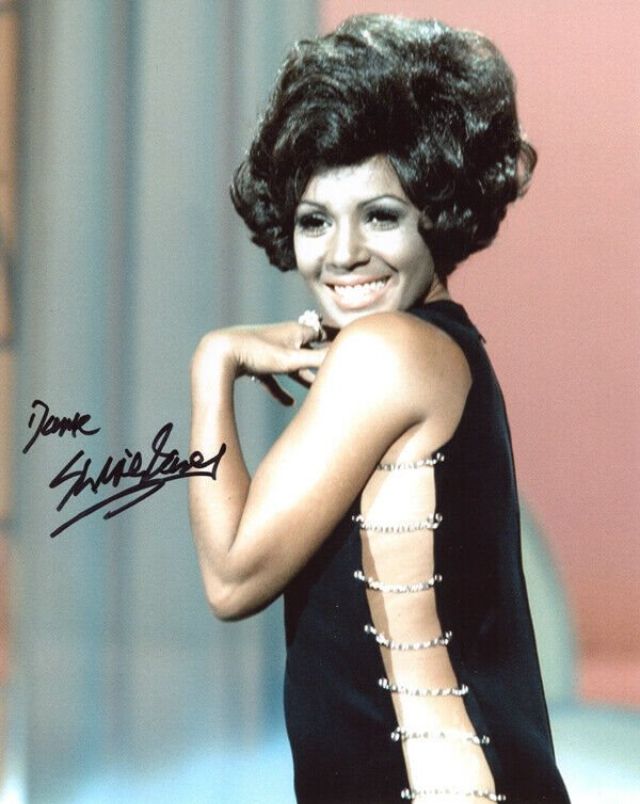
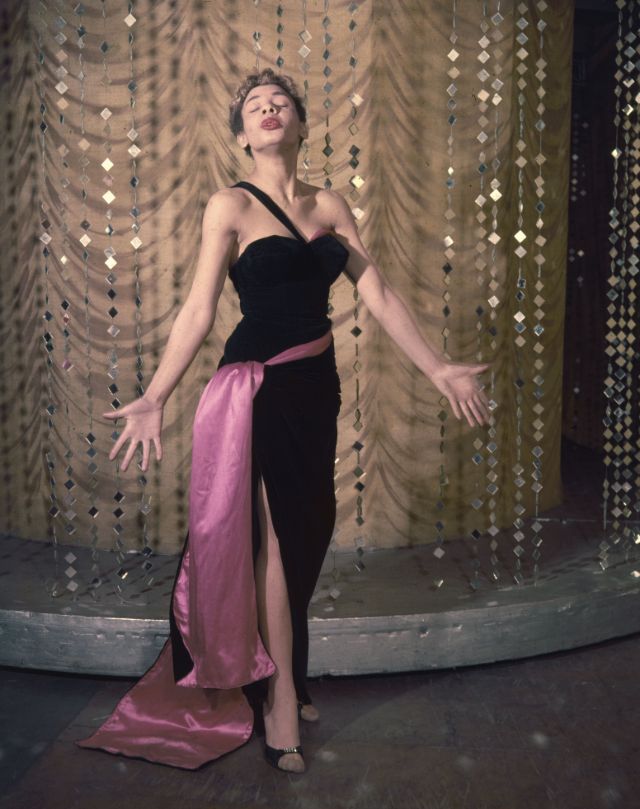
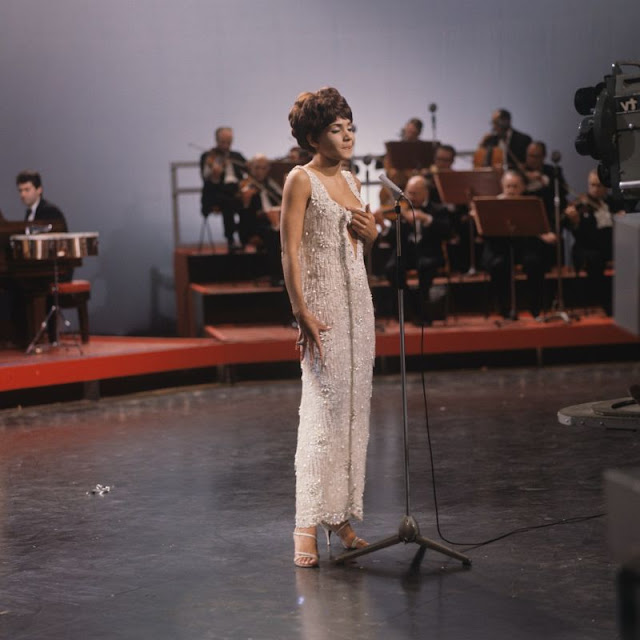
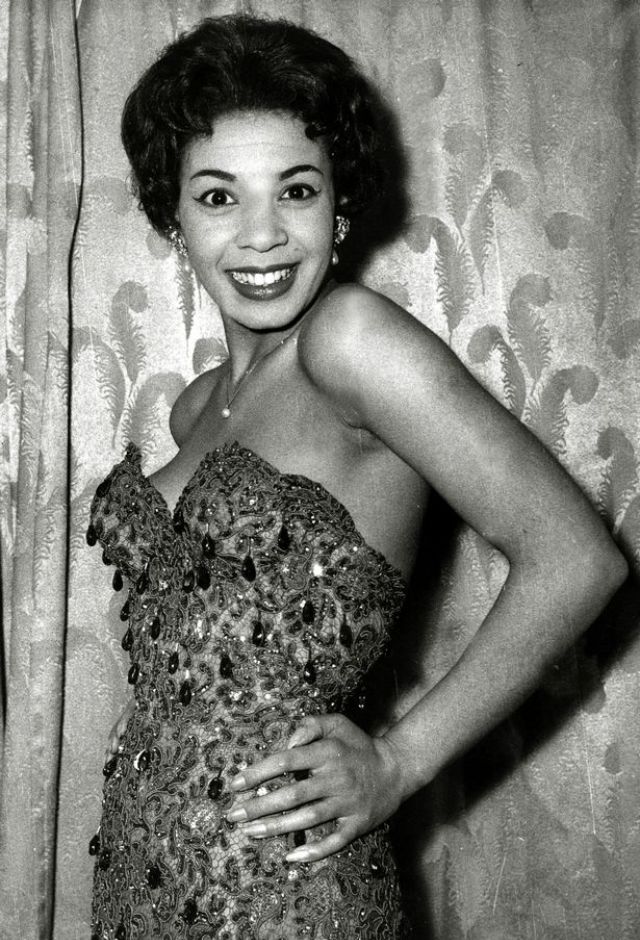
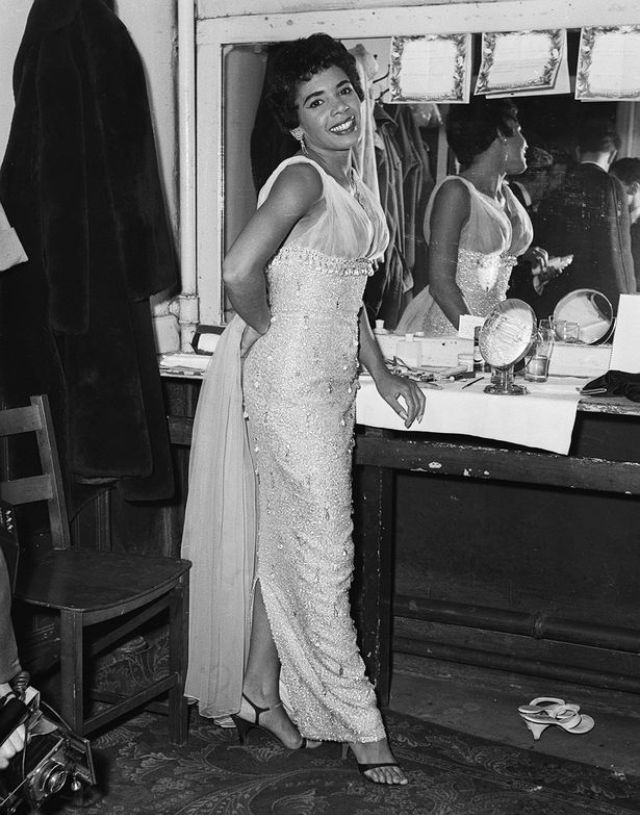
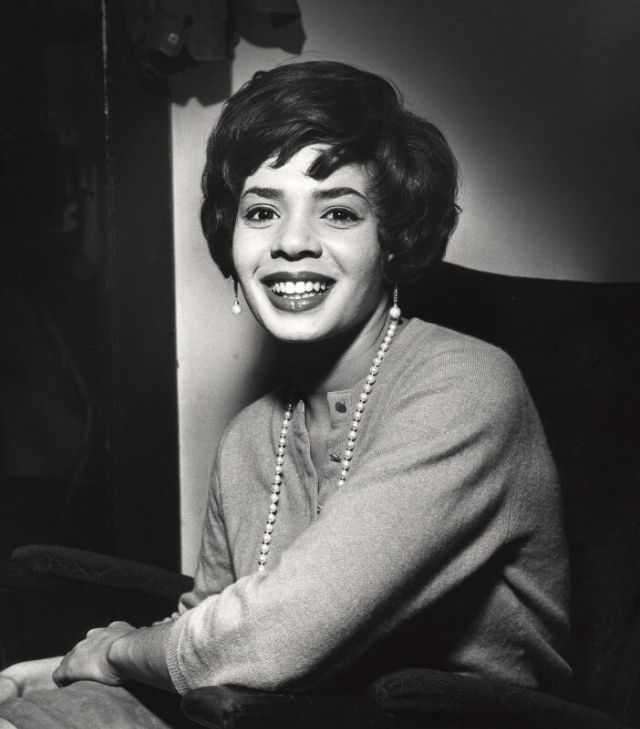
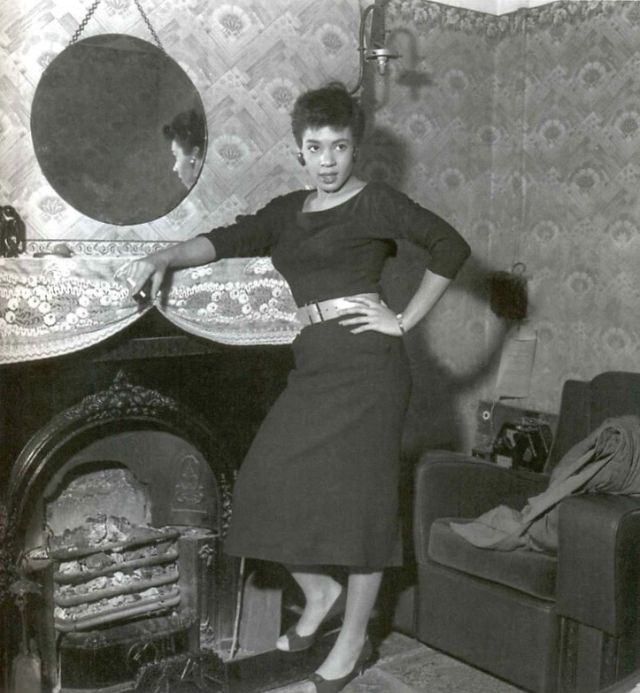
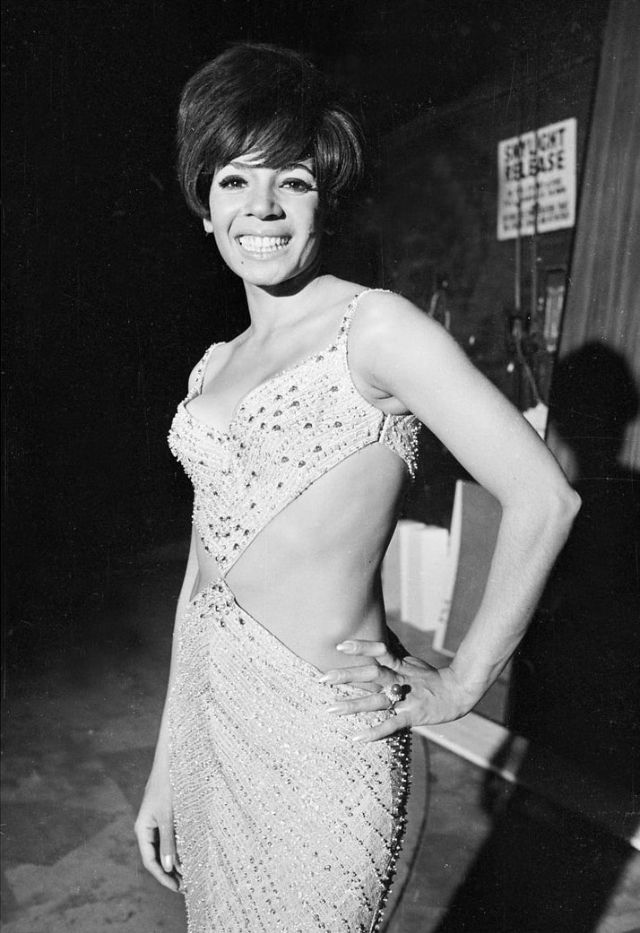
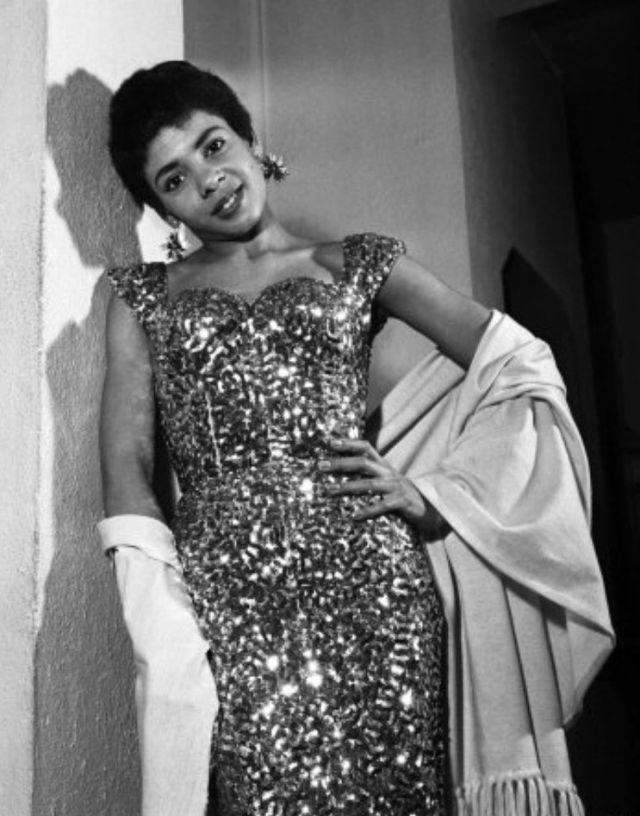
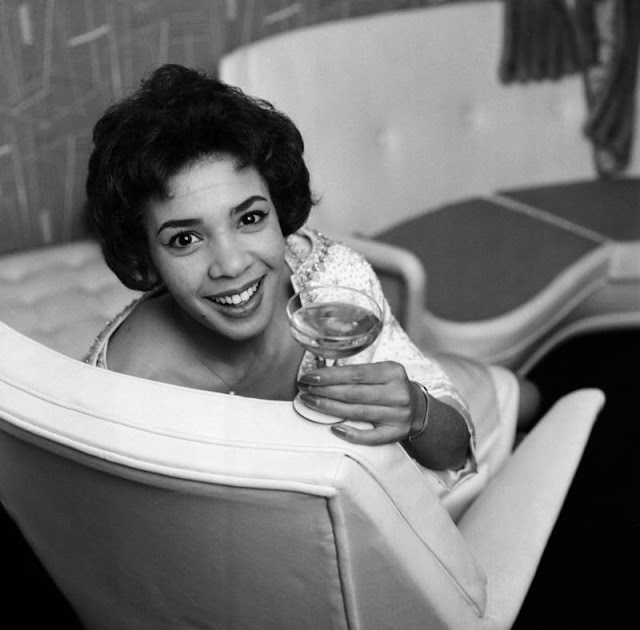
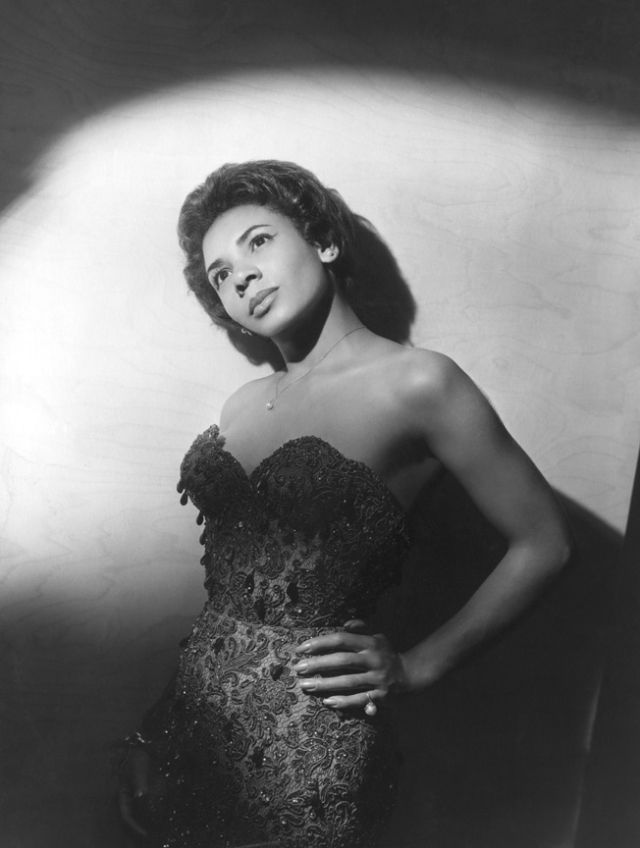
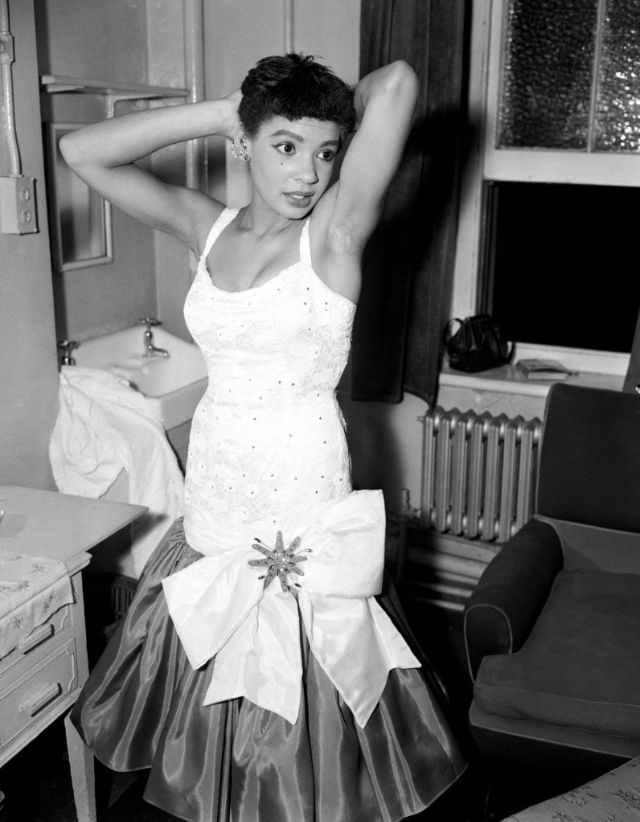
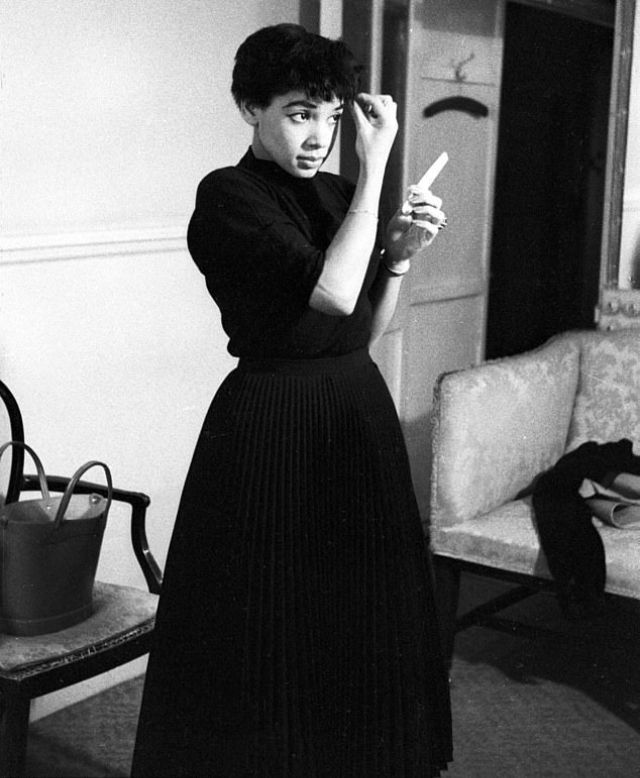
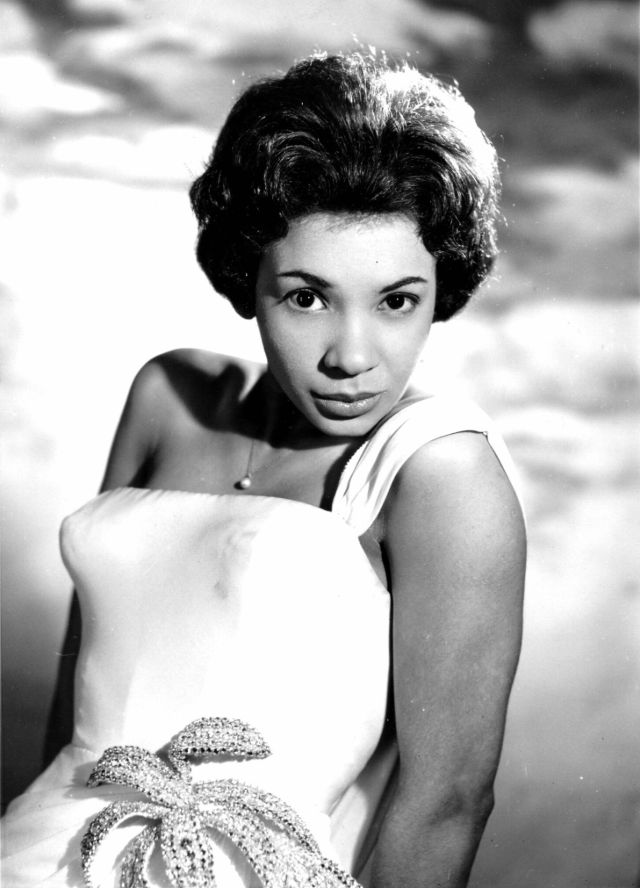
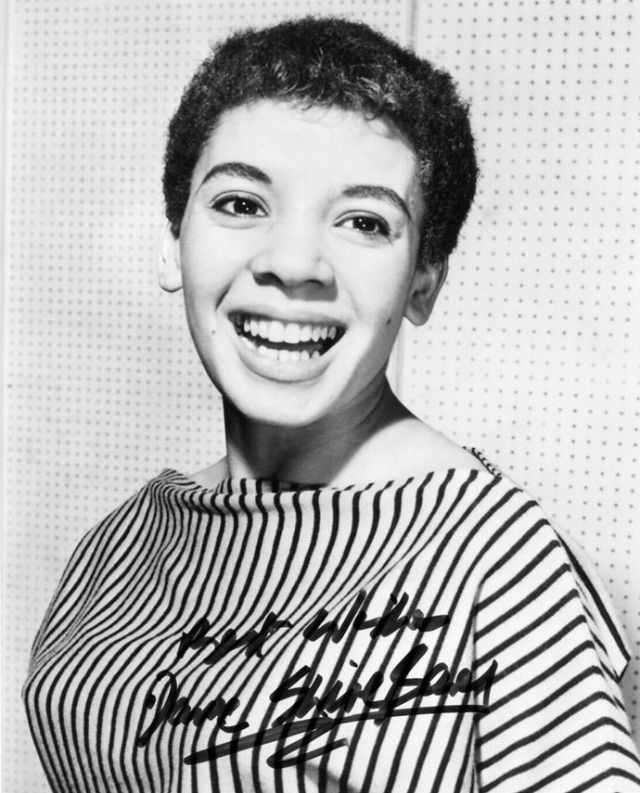
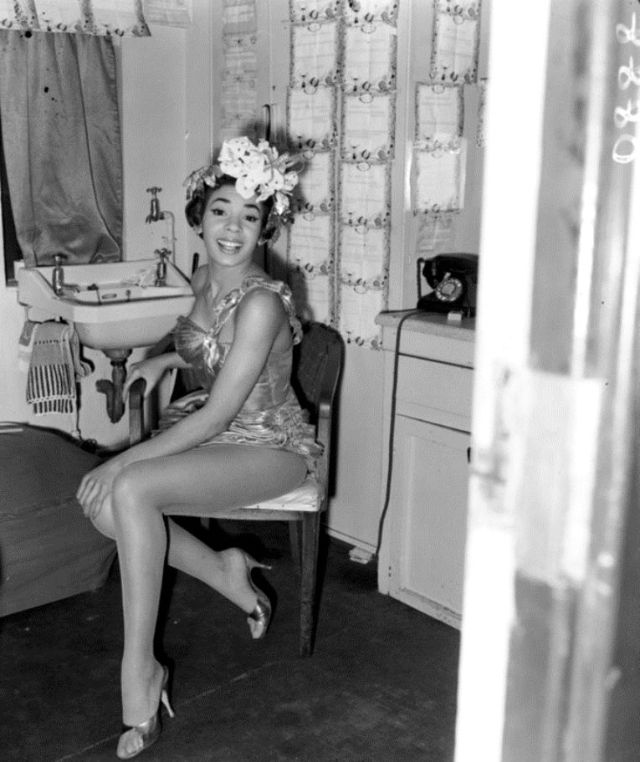
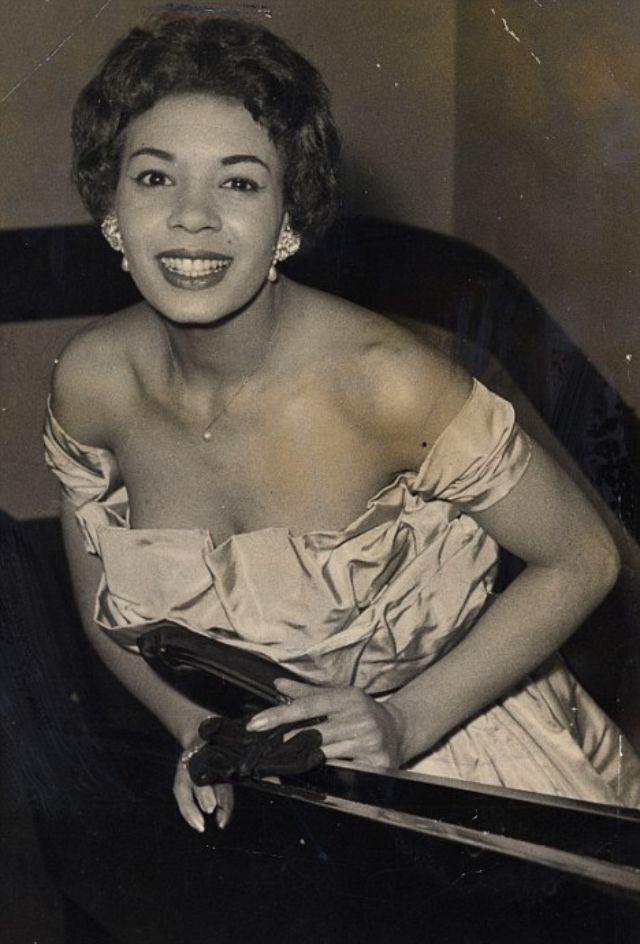
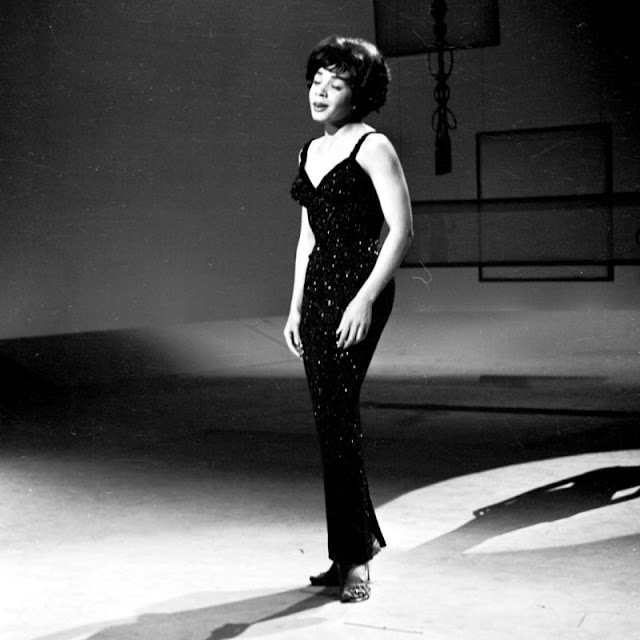
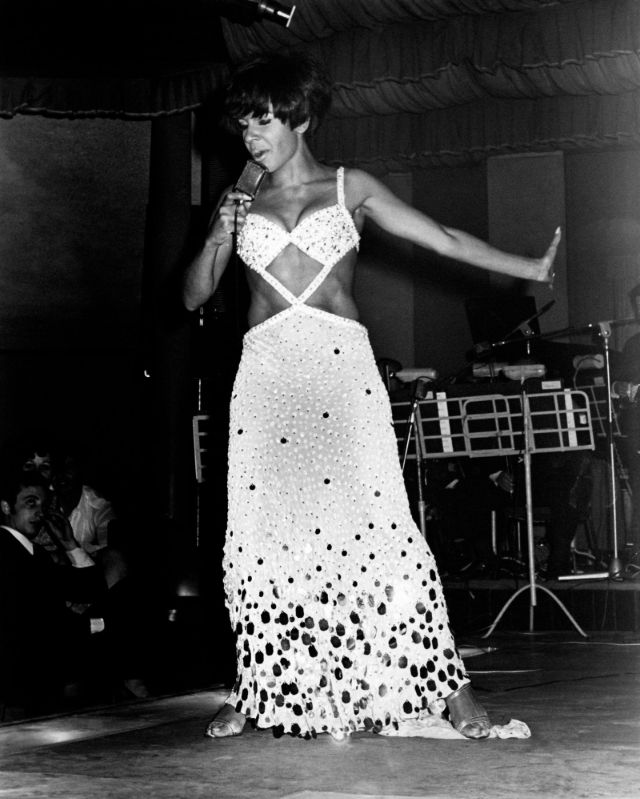
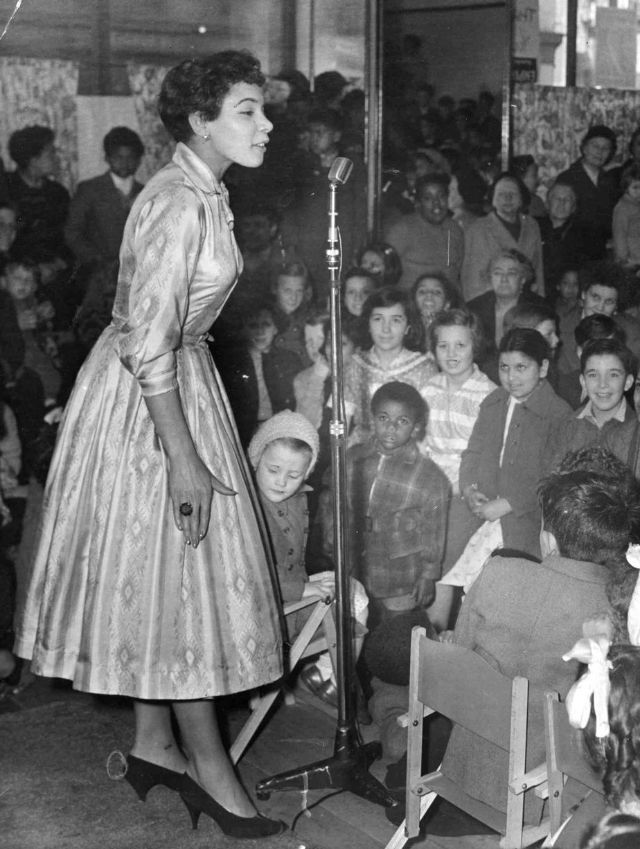
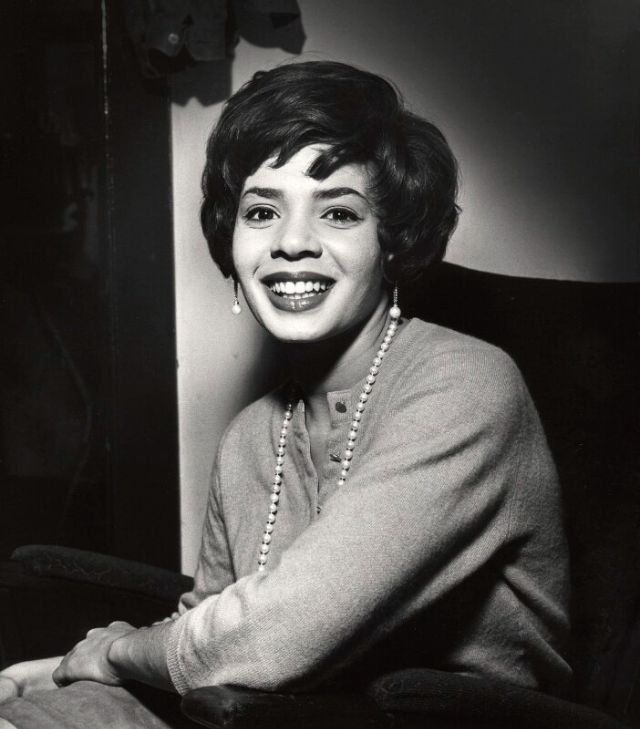
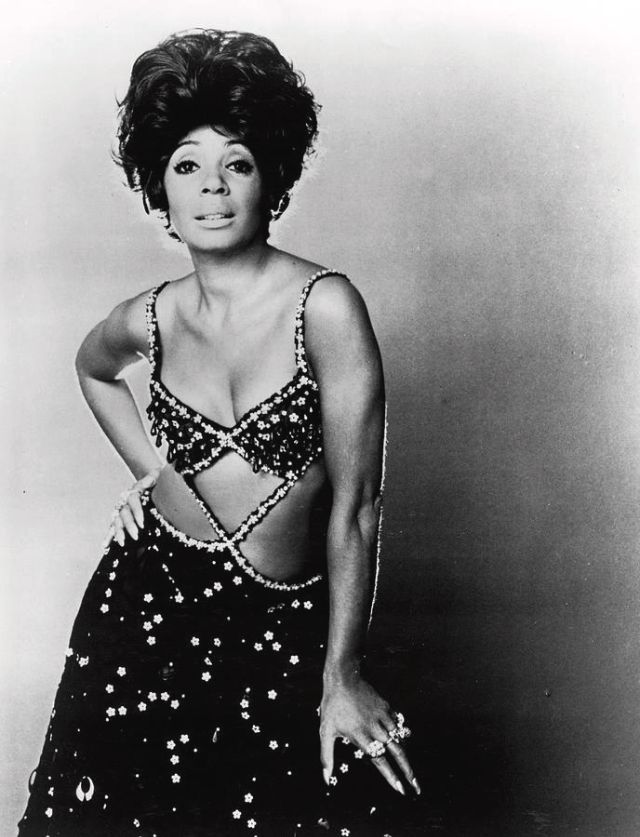
Shirley Bassey: One of the Most Popular Female Vocalists in Britain

Born 1937 in Cardiff, Welsh singer Shirley Bassey began performing as a teenager in 1953. In 1959, she became the first Welsh person to gain a number-one single on the UK Singles Chart. In the following decades, Bassey amassed 27 Top 40 hits in the UK, including 2 number-ones. She became well-known for recording the soundtrack theme songs of the James Bond films Goldfinger (1964), Diamonds Are Forever (1971), and Moonraker (1979).

Bassey is best known for her career longevity, powerful voice. In 2020, she became the first female artist to chart an album in the Top 40 of the UK Albums Chart in seven consecutive decades with her album I Owe It All To You.

Bassey has also had numerous BBC television specials and she hosted her own variety series Shirley Bassey. In 2011, BBC aired the television movie Shirley, based on Bassey’s life and career.

Bassey received the first award for Best British Female Solo Artist at the 1st Brit Awards in 1977. She was appointed a Dame Commander of the Order of the British Empire (DBE) by Queen Elizabeth II for services to the performing arts in 1999. In 2003, she was ranked among the “100 Great Black Britons”. Her song “Goldfinger” was inducted into the Grammy Hall of Fame in 2008.

Take a look at these vintage photos to see portraits of a young and beautiful Shirley Bassey in the 1950s and 1960s.

Subscribe to Yesterday Today to receive daily updates on new content:
Yesterday Today

Bringing You the Wonder of Yesterday - Today

Skip to content ↓