This Is Marie Antoinette’s Shoe She Wore Before Her Execution on October 16, 1793

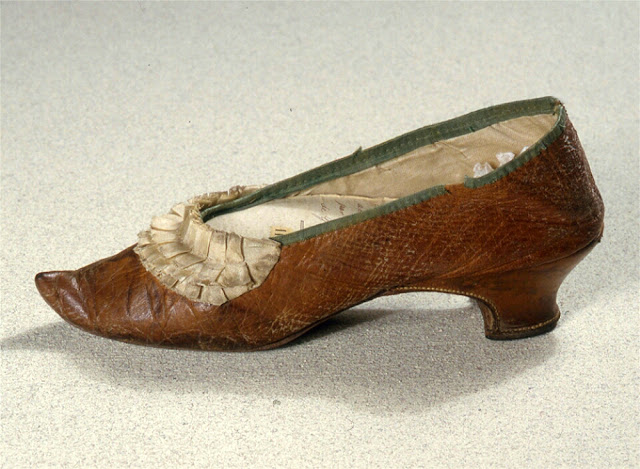
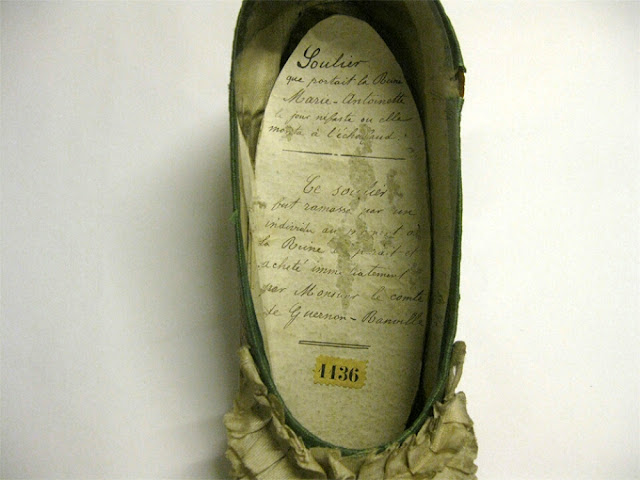
This is the shoe Marie Antoinette lost on the stairs as she was going up toward the guillotine on the morning of her execution on October 16, 1793. She lost her shoe, then she lost her head!

The shoe is now in the collection of the Musée des Beaux-Arts de Caen, France.

Marie Antoinette (November 2, 1755 – October 16, 1793) was the last queen of France before the French Revolution. She was born an archduchess of Austria and was the penultimate child and youngest daughter of Empress Maria Theresa and Emperor Francis I. She became dauphine of France in May 1770 at age 14 upon her marriage to Louis-Auguste, heir apparent to the French throne. On May 10, 1774, her husband ascended the throne as Louis XVI and she became queen.

Marie Antoinette’s position at court improved when, after eight years of marriage, she started having children. She became increasingly unpopular among the people, however, with the French libelles accusing her of being profligate, promiscuous, harboring sympathies for France’s perceived enemies—particularly her native Austria—and her children of being illegitimate. The false accusations of the Affair of the Diamond Necklace damaged her reputation further. During the Revolution, she became known as Madame Déficit because the country’s financial crisis was blamed on her lavish spending and her opposition to the social and financial reforms of Turgot and Necker.

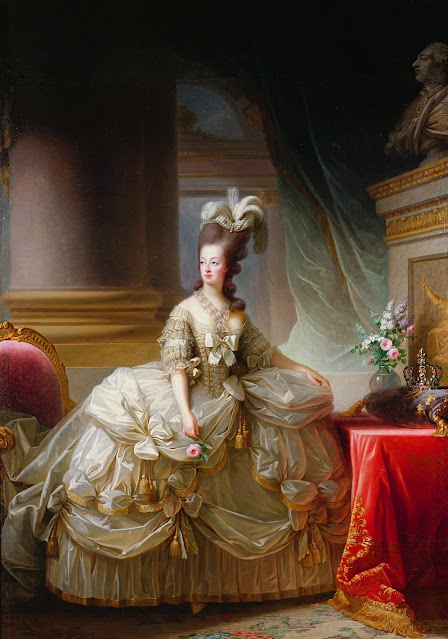
Portrait of Marie Antoinette in court dress by Élisabeth Vigée Le Brun, 1778.

Several events were linked to Marie Antoinette during the Revolution after the government had placed the royal family under house arrest in the Tuileries Palace in October 1789. The June 1791 attempted flight to Varennes and her role in the War of the First Coalition had disastrous effects on French popular opinion. On August 10, 1792, the attack on the Tuileries forced the royal family to take refuge at the Assembly, and they were imprisoned in the Temple Prison on August 13. On September 21, 1792, the monarchy was abolished. Louis XVI was executed by guillotine on January 21, 1793. Marie Antoinette’s trial began on October 14, 1793, and two days later she was convicted by the Revolutionary Tribunal of high treason and executed, also by guillotine, on the Place de la Révolution.

Preparing for her execution, she had to change clothes in front of her guards. She wanted to wear a black dress but was forced to wear a plain white dress, white being the color worn by widowed queens of France. Her hair was shorn, her hands bound painfully behind her back and she was put on a rope leash. Unlike her husband, who had been taken to his execution in a carriage, she had to sit in an open cart for the hour it took to convey her from the Conciergerie via the rue Saint-Honoré thoroughfare to reach the guillotine erected in the Place de la Révolution (the present-day Place de la Concorde). She maintained her composure, despite the insults of the jeering crowd. A constitutional priest was assigned to her to hear her final confession. He sat by her in the cart, but she ignored him all the way to the scaffold as he had pledged his allegiance to the republic.

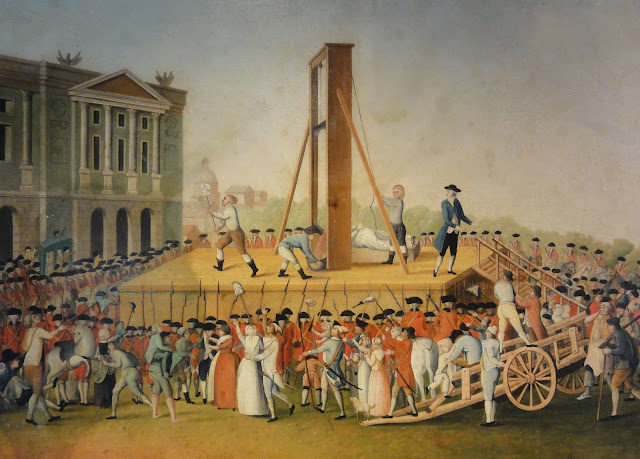
Marie Antoinette’s execution on October 16, 1793: Sanson, the executioner, showing Marie Antoinette’s head to the people (anonymous, 1793).

Marie Antoinette was guillotined at 12:15 p.m. on October 16, 1793. Her last words are recorded as, “Pardonnez-moi, monsieur. Je ne l’ai pas fait exprès” or “Pardon me, sir, I did not do it on purpose,” after accidentally stepping on her executioner’s shoe. Her head was one of which Marie Tussaud was employed to make death masks. Her body was thrown into an unmarked grave in the Madeleine cemetery located close by in rue d’Anjou. Because its capacity was exhausted the cemetery was closed the following year, on March 25, 1794.

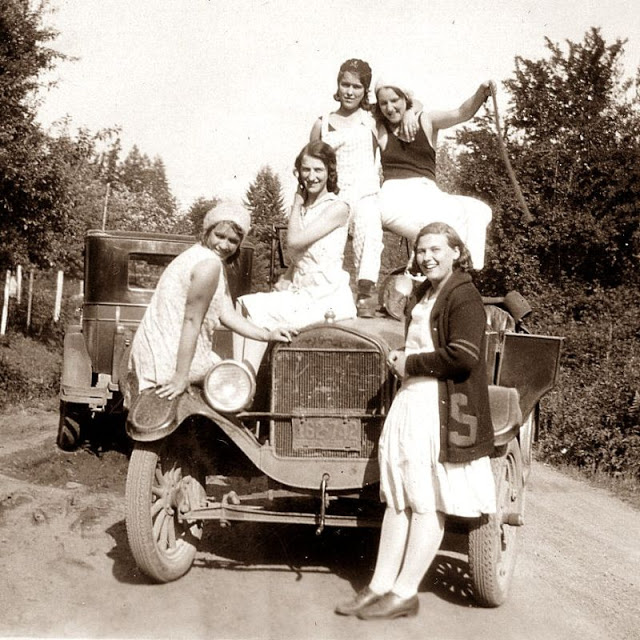
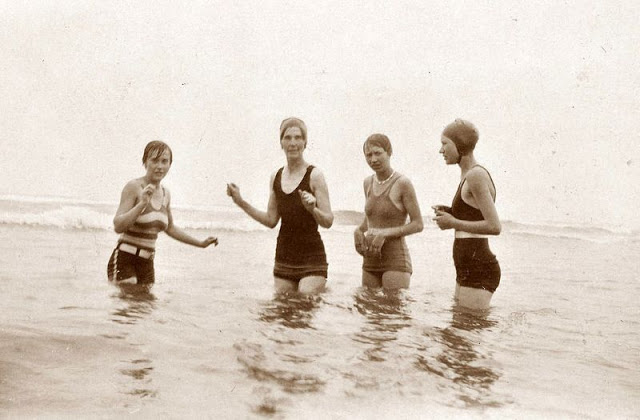
50 Amazing Vintage Photos From the 1920s Volume 13

The 1920s (pronounced “nineteen-twenties” often shortened to the “20s” or the “Twenties”) was a decade that began on January 1, 1920, and ended on December 31, 1929. In America, it is frequently referred to as the “Roaring Twenties” or the “Jazz Age”, while in Europe the period is sometimes referred to as the “Golden Twenties” because of the economic boom following World War I (1914-1918). French speakers refer to the period as the “Années folles” (“Crazy Years”), emphasizing the era’s social, artistic, and cultural dynamism.

The 1920s saw foreign oil companies begin operations in Venezuela, which became the world’s second-largest oil-producing nation. The devastating Wall Street Crash in October 1929 is generally viewed as a harbinger of the end of 1920s prosperity in North America and Europe. In the Soviet Union the New Economic Policy was created by the Bolsheviks in 1921, to be replaced by the first five-year plan in 1928. The 1920s saw the rise of radical political movements, with the Red Army triumphing against White movement forces in the Russian Civil War, and the emergence of far right political movements in Europe. In 1922, the fascist leader Benito Mussolini seized power in Italy. Economic problems contributed to the emergence of dictators in Eastern Europe to include Józef Pilsudski in Poland, and Peter and Alexander Karadordevic in Yugoslavia. First-wave feminism saw progress, with women gaining the right to vote in the United States (1920), Ireland (1921) and with suffrage being expanded in Britain to all women over 21 years old (1928).

In Turkey, nationalist forces defeated Greece, France, Armenia and Britain in the Turkish War of Independence, leading to the Treaty of Lausanne (July 1923), a treaty more favorable to Turkey than the earlier proposed Treaty of Sèvres. The war also led to the abolition of the Ottoman Caliphate. Nationalist revolts also occurred in Ireland (1919–1921) and Syria (1925–1927). Under Mussolini, Italy pursued a more aggressive foreign policy, leading to the Second Italo-Senussi War in Libya. In 1927, China erupted into a civil war between the Kuomintang (KMT)-led government of the Republic of China (ROC) and forces of the Chinese Communist Party (CCP). Civil wars also occurred in Paraguay (1922–1923), Ireland (1922–1923), Honduras (1924), Nicaragua (1926–1927), and Afghanistan (1928–1929). Saudi forces conquered Jabal Shammar and subsequently, Hejaz.

A severe famine occurred in Russia in 1921–1922 due to the combined effects of economic disturbance because of the Russian Revolution and the Russian Civil War, exacerbated by rail systems that could not distribute food efficiently, leading to 5 million deaths. Another severe famine occurred in China in 1928–1930, leading to 6 million deaths. The Spanish flu (1918–1920) and the 1918–1922 Russia typhus epidemic, which had begun in the previous decade, caused 25–50 million and 2–3 million deaths respectively. Major natural disasters of this decade include the 1920 Haiyuan earthquake (258,707~273,407 deaths), the 1922 Swatow typhoon (50,000–100,000 deaths), the 1923 Great Kanto earthquake (105,385–142,800 deaths), and the 1927 Gulang earthquake (40,912 deaths).

Silent films were popular in this decade, with the 1925 American silent epic adventure-drama film Ben-Hur: A Tale of the Christ being the highest-grossing film of this decade, grossing $9,386,000 worldwide. Other high-grossing films of this decade include The Big Parade and The Singing Fool. Sinclair Lewis was a popular author in the 1920s, with 2 of his books, Main Street and Elmer Gantry, becoming best-selling books in the United States in 1921 and 1927 respectively. Other best-selling books of this decade include All Quiet on the Western Front and The Private Life of Helen of Troy. Songs of this decade include “Are You Lonesome Tonight?” and “Stardust”. (Wikipedia)
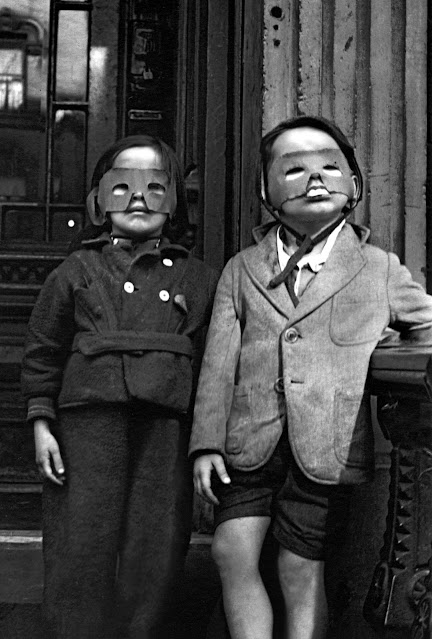
Submarine aircraft carrier, 1927.
Actress Barbara Stanwyck (“Big Valley”) was a ‘Ziegfeld Girl’ in her early career. (1924)
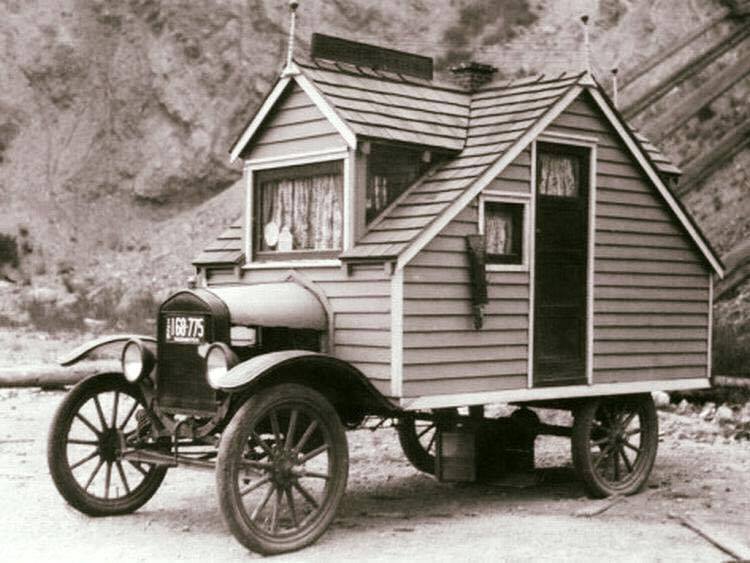
Quaint mobile home, 1926.
Lillian and Dorothy Gish, 1924.
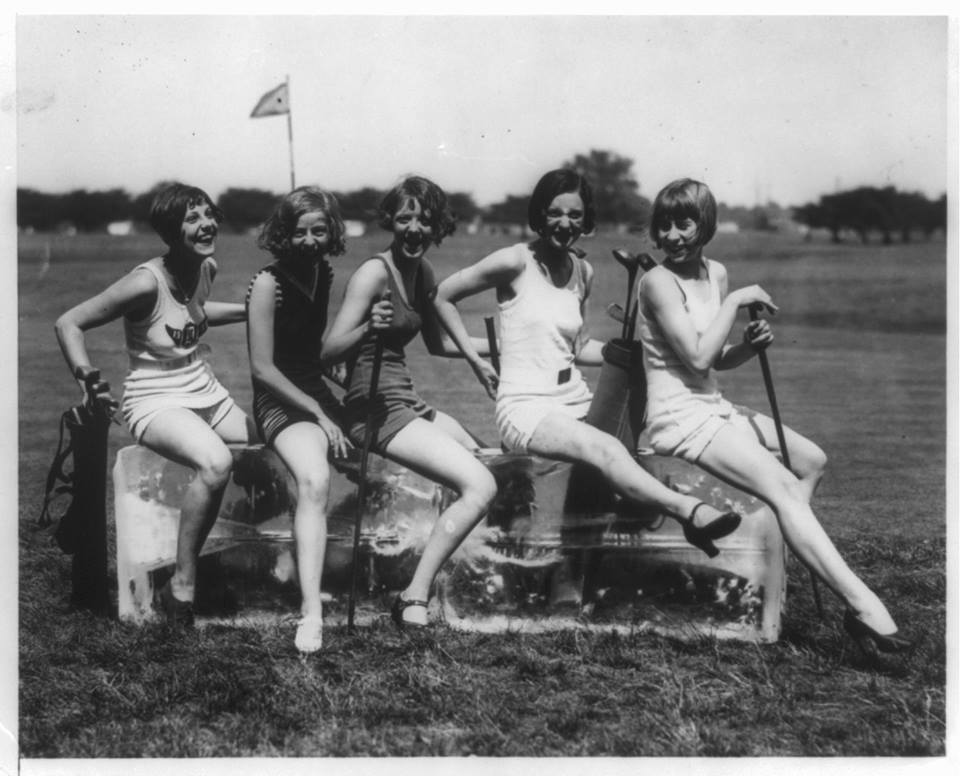
Keeping cool on the golf course, 1920s.
Tallulah Bankhead, 1923.
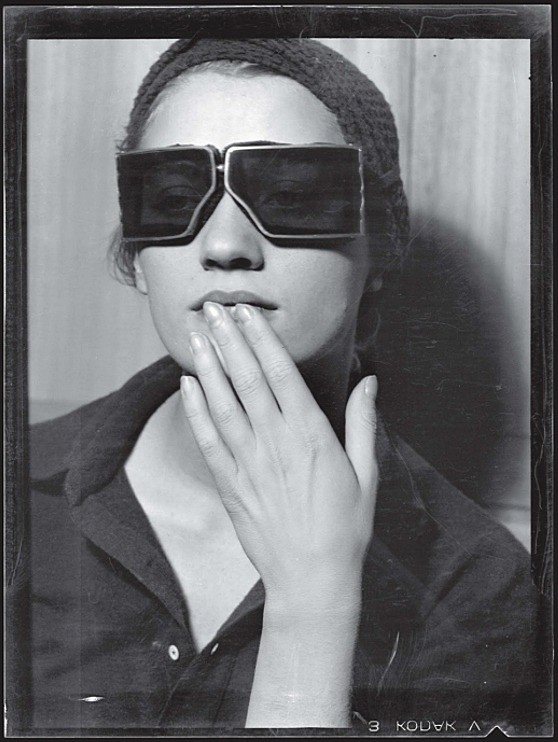
Lee Miller, 1929.
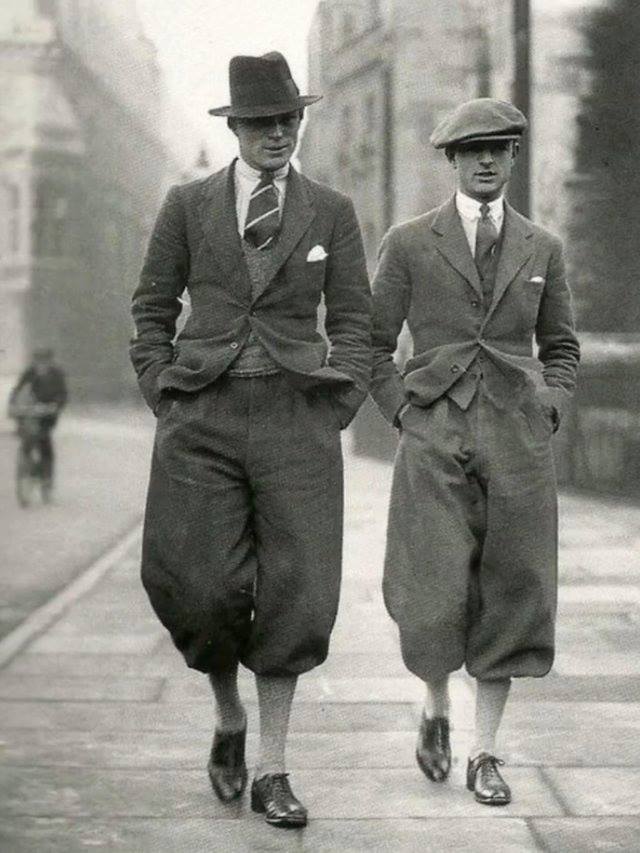
Stylish students at Cambridge in 1926.
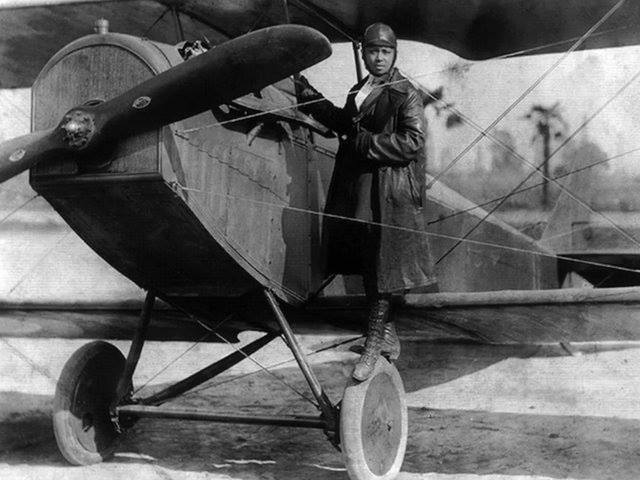
The first African-Native-American female aviator, Bessie Coleman with her plane in 1922.
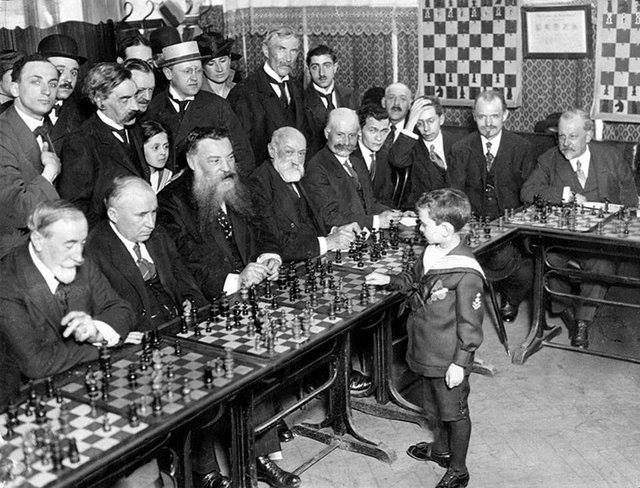
8 year-old chess prodigy Samuel Reshevsky defeating several masters at the same time in France, 1920.
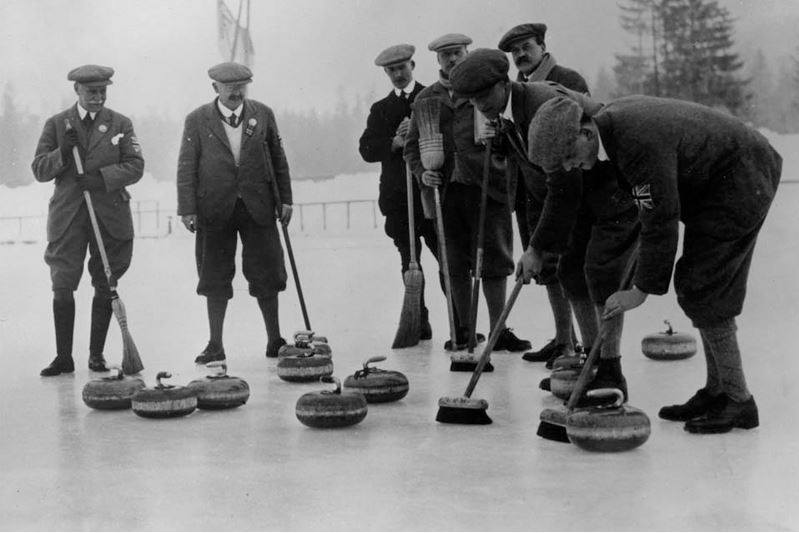
The 1924 Winter Olympics at Chamonix in the French Alps.
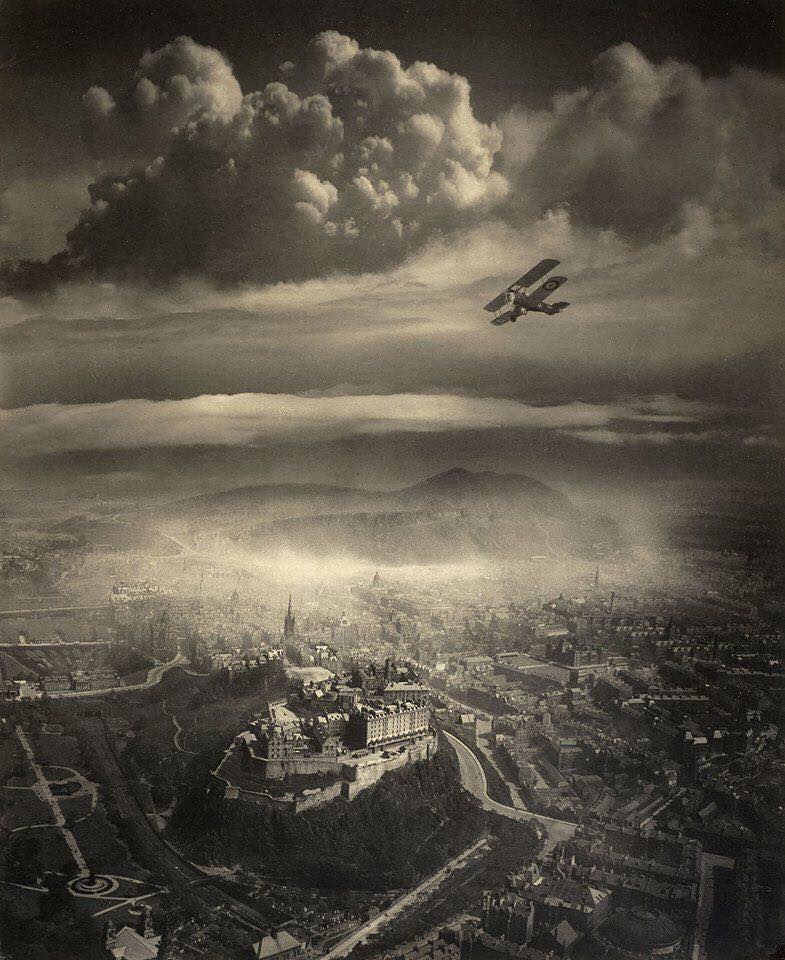
Alfred G. Buckham’s aerial view of Edinburgh – 1920.
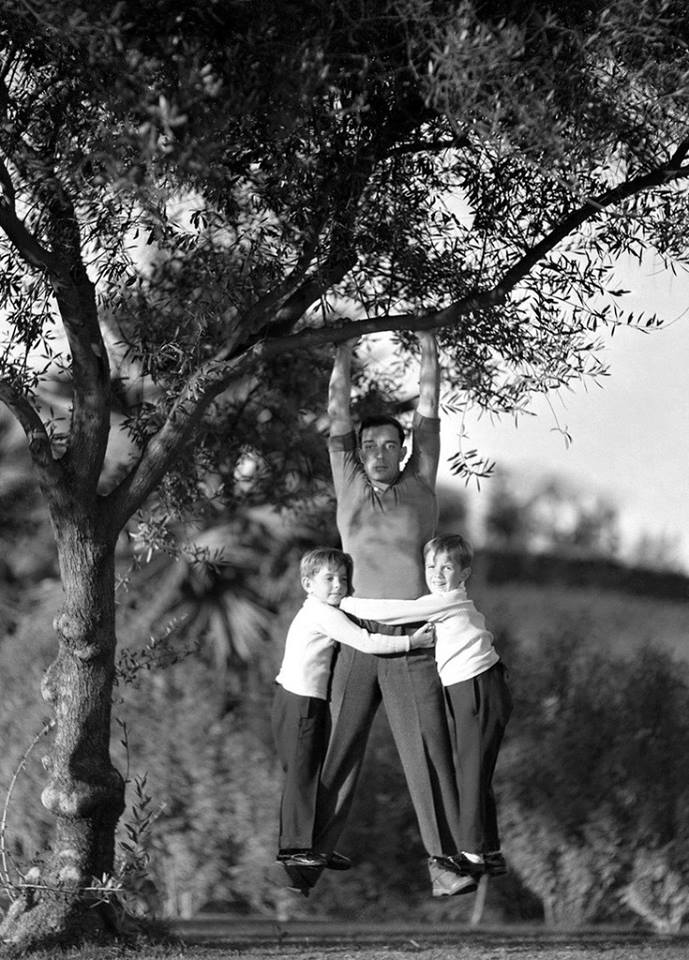
Buster Keaton hanging from the branch of a tree with his two sons clinging onto his legs, 1928.

Café Le Dôme à Paris, 1925.
Huntsmen and their hounds in Oxford Street, London, 1920s.
A cat wearing headphones to listen to a radio. January 1926.

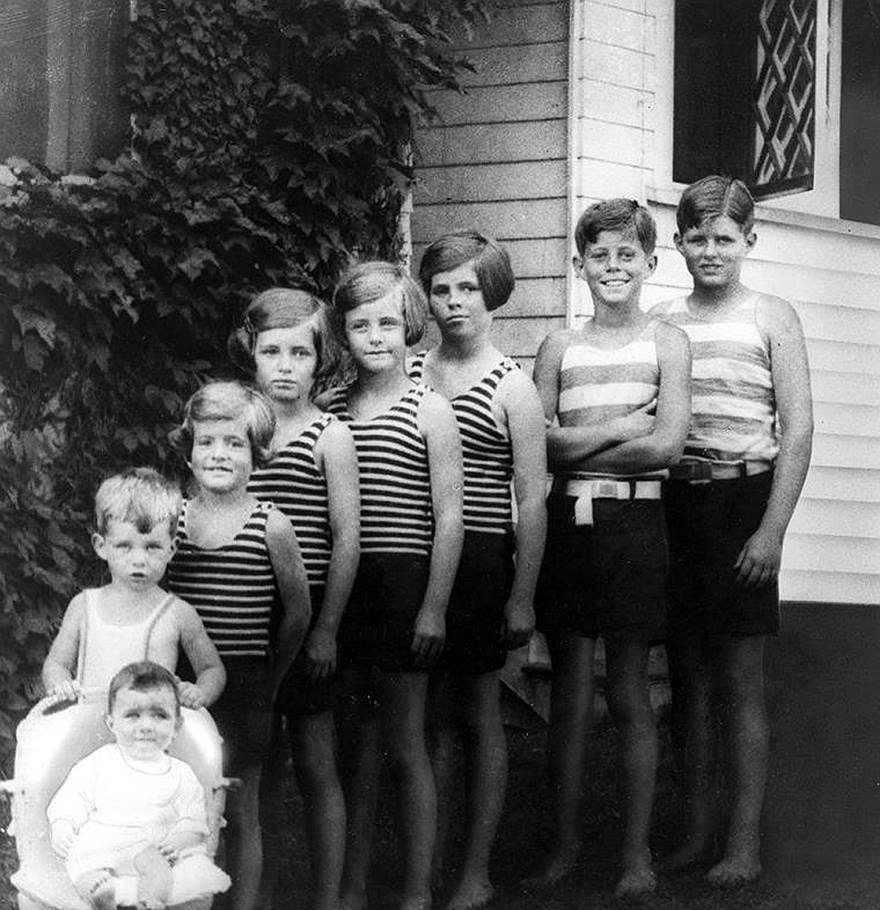
The eight Kennedy Children, Hyannis Port, 1928. (L-R) Jean, Bobby, Patricia, Eunice, Kathleen, Rosemary, Jack, and Joe Jr.
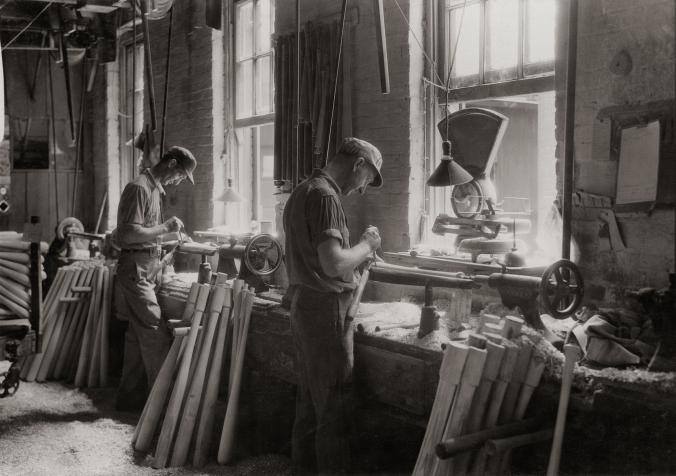
The Louisville Slugger factory, shown here in 1929, has been making baseball bats out of ash wood since 1884.
Remote islands off Canada’s Newfoundland province became America’s alcohol warehouse during the Prohibition. In this photo, Canadian Club whiskey is loaded onto a rumrunner in St. Pierre, 1922.
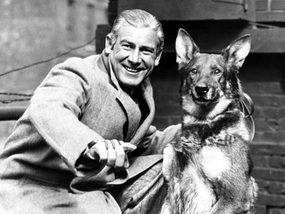
Rin Tin Tin with his owner Lee Duncan in 1926. The famous canine movie star was rescued as a puppy from the bombed out remains of a German Army kennel in 1917.
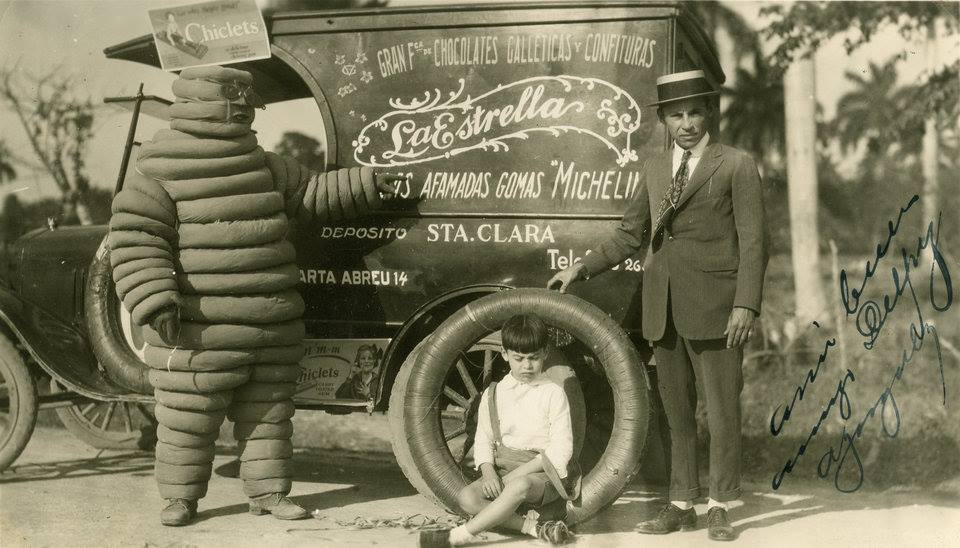
The Michelin Man mascot stands next to an advertising vehicle used in Santa Clara in 1926.
Musical prodigy and jazz sensation, Hazel Scott, at the age of three or four. 1920s
Bugatti Type 41 “Royale”, produced from 1926 – 1933, was the world’s greatest luxury automobile of the time.
Portrait of Lee Miller, 1929. (Photo by Man Ray)
7th and Smithfield, Pittsburgh, Pennsylvania, 1929.
Dog show, Los Angeles, 1929.
Daytona Beach in the 1920s.
Shopping in the 1920s.
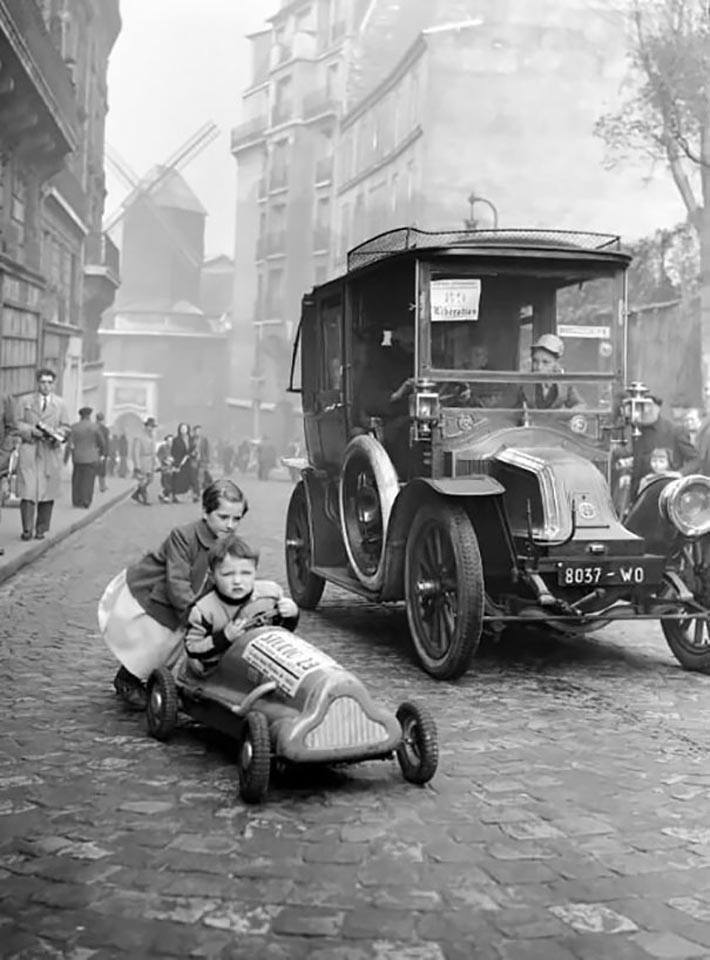
Paris, 1920s
Bigg Market, Newscastle Upon Tyne, England. 1920
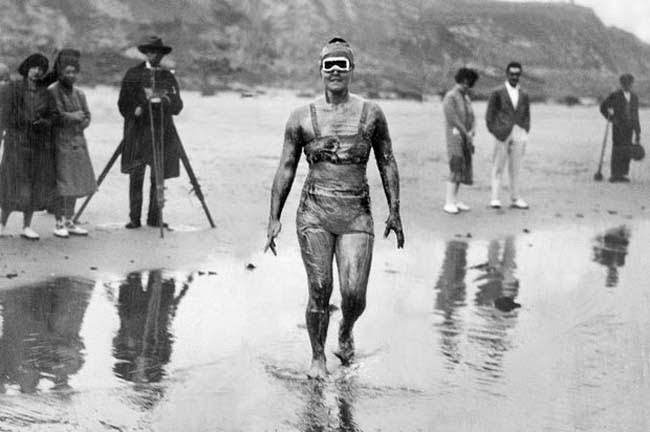
Gertrude Ederle becomes the first woman to swim across the English Channel, 1926.
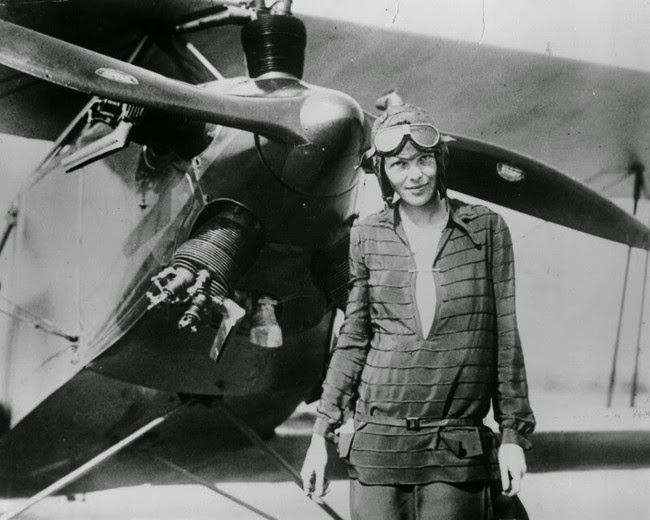
Aviator Amelia Earhart after becoming the first woman to fly an aircraft across the Atlantic Ocean, 1928.
Young girl with flowers, circa 1920
Montana – Three men stand in front of a plane on the Crow Reservation, 1927
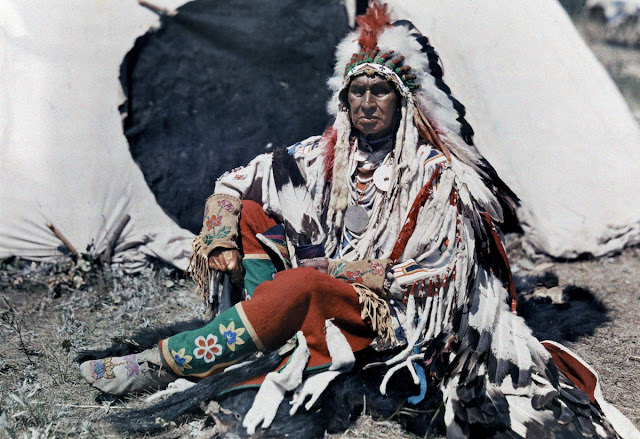
Montana – A chief on the Crow Indian Reservation, 1927.
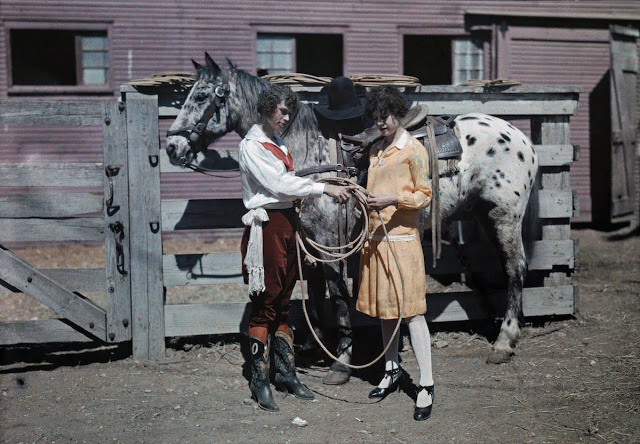
A cowgirl shows her sister how to handle the ropes, Fort Worth, Texas, 1929.
New York City – A view of Washington Square at Fifth Avenue, 1929.
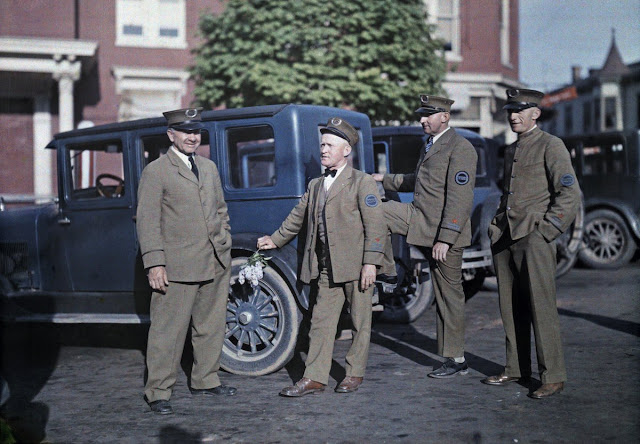
Four tour guides of the Gettysburg battlefield wait for tourists. Gettysburg, Pennsylvania, 1929.
1920s
Eileen Percy on an Indian Motorcycle in an Ad for Fox Shoes, 1920s
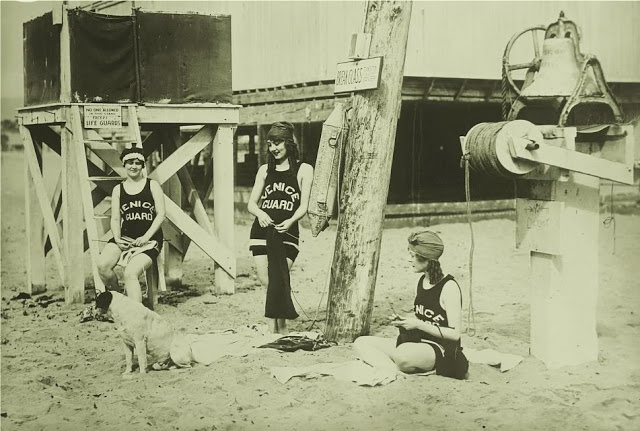
Women lifeguard team at Venice beach, Los Angeles in the 1920s
Los Angeles municipal lifeguard, 1926
London Bridge, 1925
Charlie Chaplin interviewing a young vaudeville actor to co-star with him in The Kid, Los Angeles, 1920
Women at the beach in St. Petersburg, Florida, June 1929
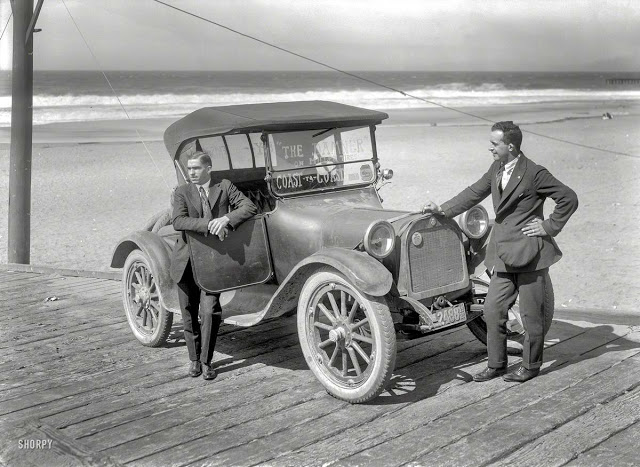
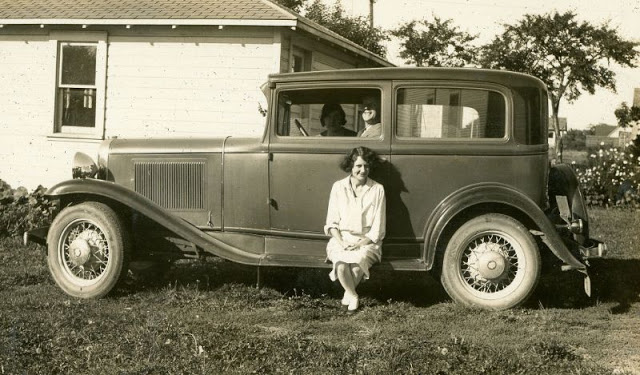
The San Francisco Bay Area in 1920. Dodge auto on boardwalk.
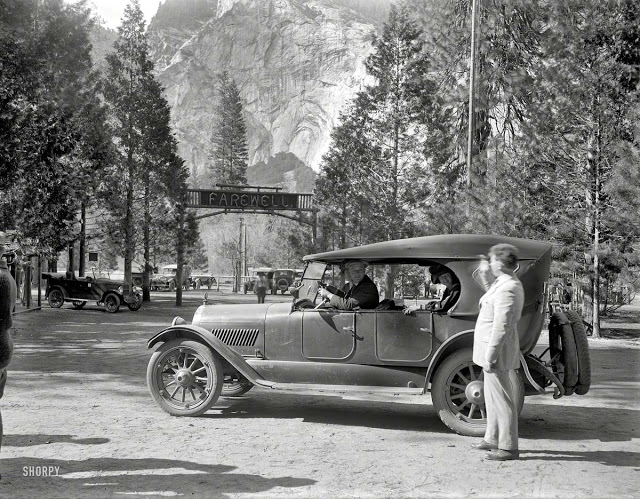
Northern California, 1920. Touring car at Yosemite National Park.
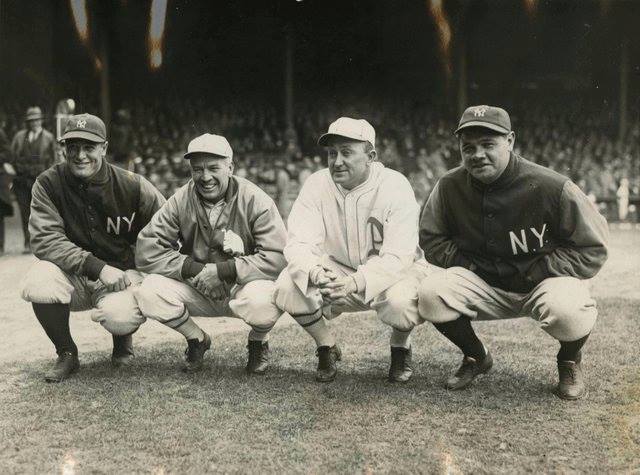
Baseball legends Lou Gehrig, Tris Speaker, Ty Cobb and Babe Ruth in 1928.
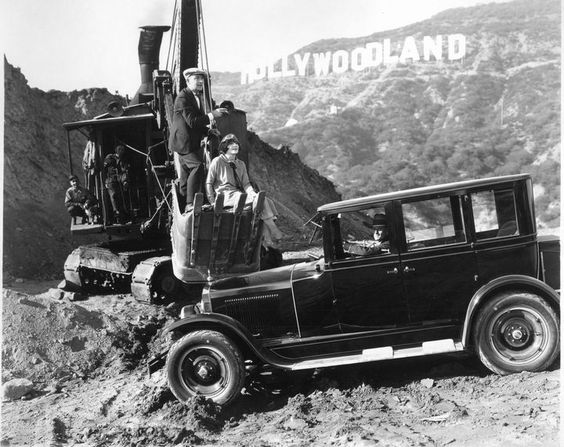
Louise Glaum And Pat O’malley Sit And Stand On A Steamshovel. 1923
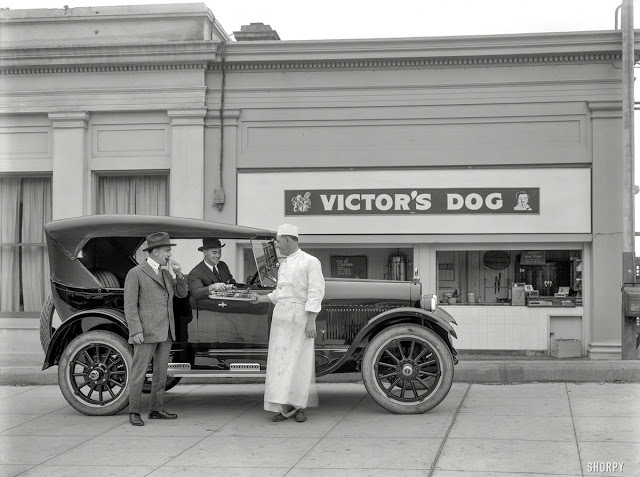
San Francisco circa 1923. Buick touring car at Victor’s Dog.

Wall of Suitcases in Poland of Those Sent to Concentration Camps During World War II

A wall of suitcases, symbolizing the deportation of Jews to death camps, forms part of a permanent exhibition at the Auschwitz-Birkenau State Museum in Poland. Each suitcase is a family, a life. It looks like a monument to the crime of humanity.

The Auschwitz museum says some of the victims’ 3,800 suitcases have been put into a state-of-the-art protective storage room partly funded by the European Union. Many of the suitcases are signed by their owners.

One is from Else Sara Ury, a German-language Jewish author of children’s books popular in Germany in the 1920s and 1930s. She died in an Auschwitz gas chamber in 1943. More than 1.1 million people, mostly European Jews, died at the Nazi death camp from 1940-45 during World War II.

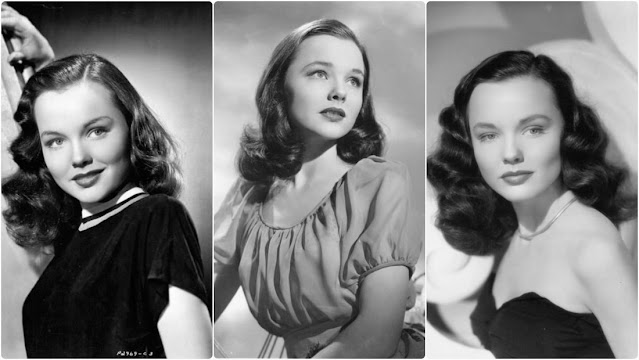
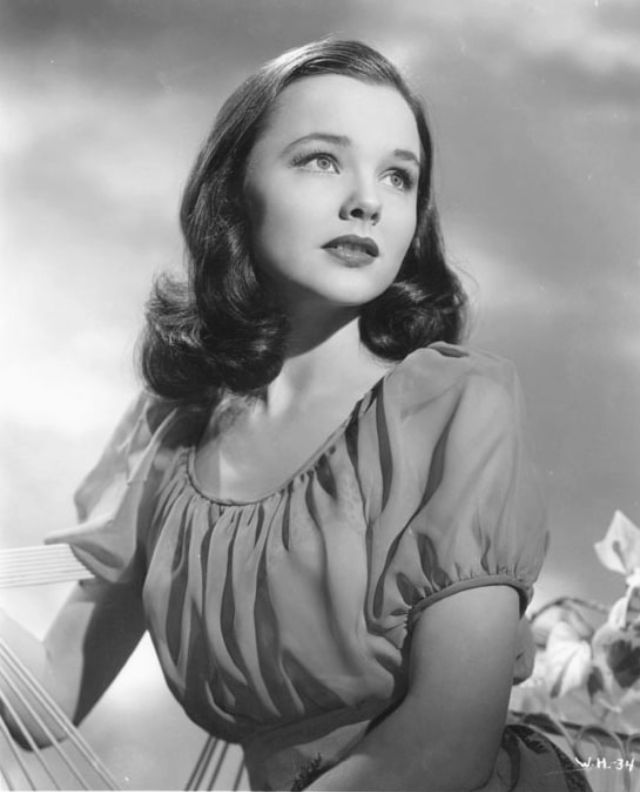
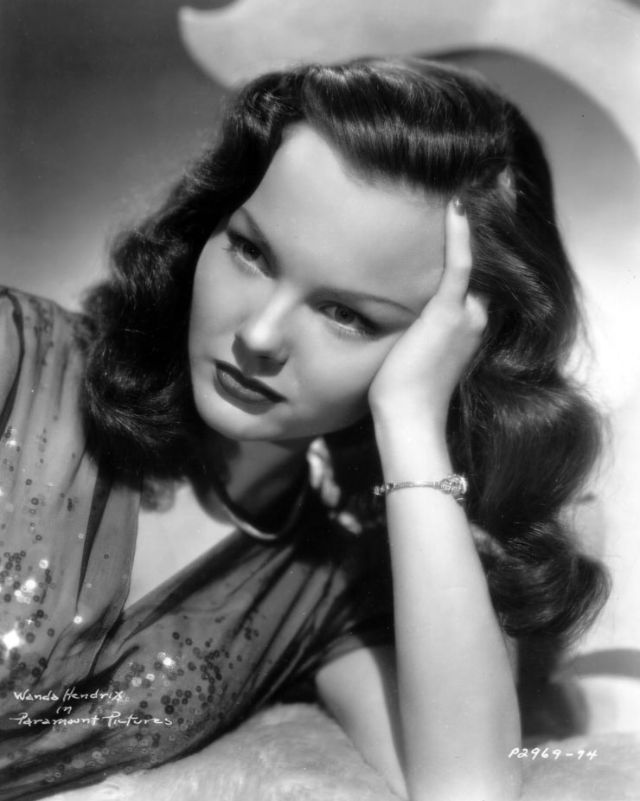
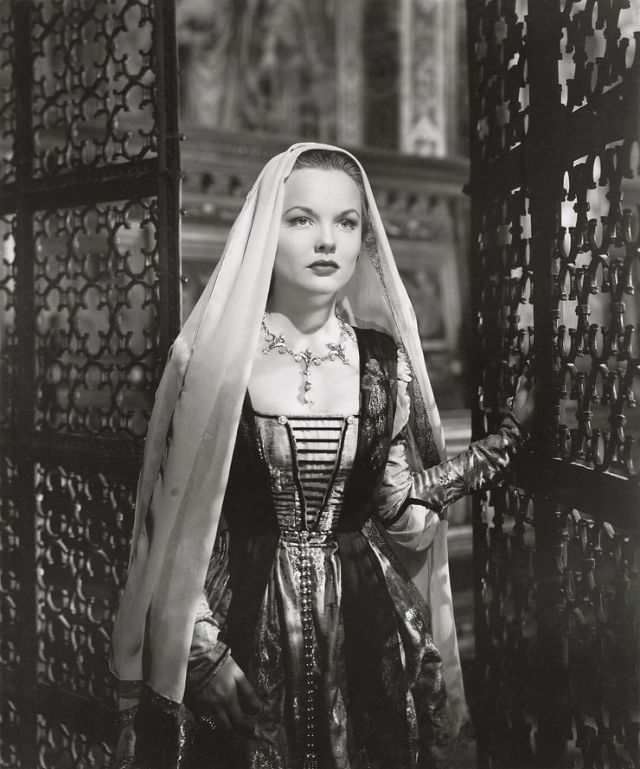
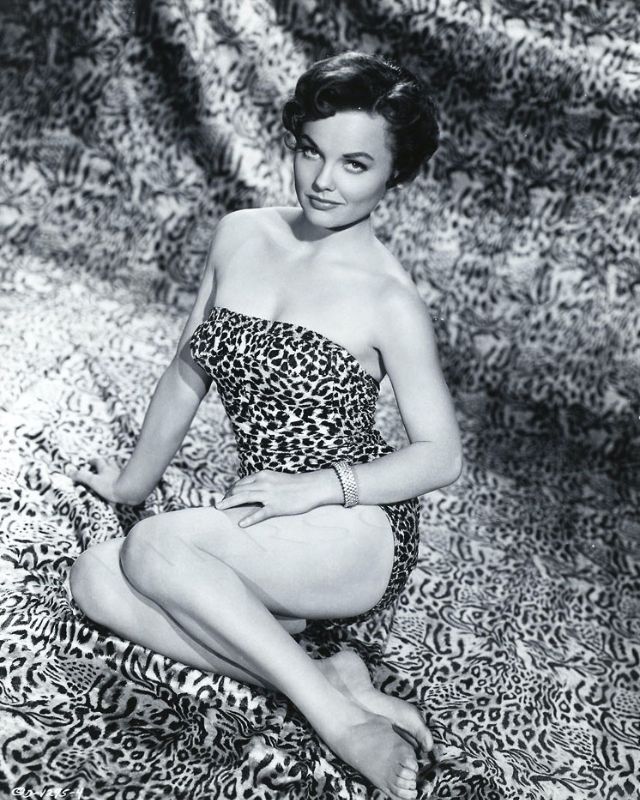
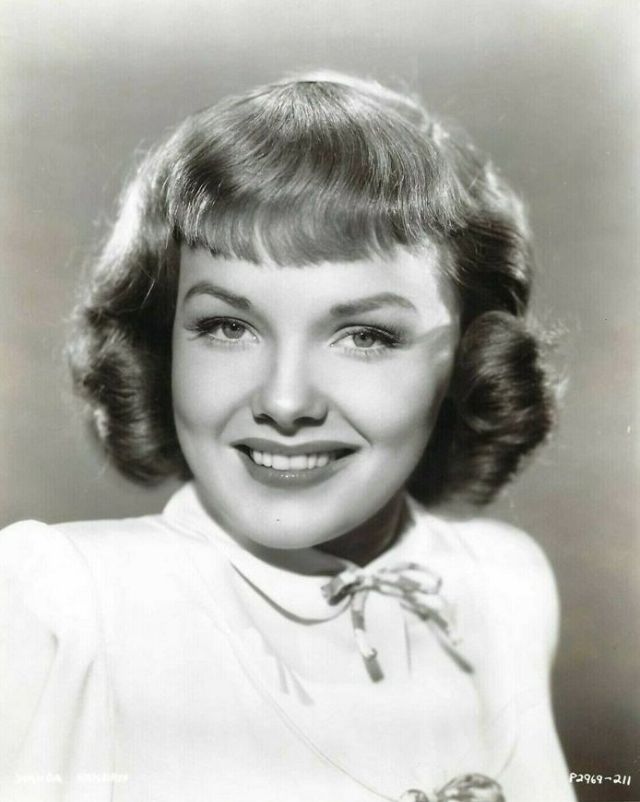
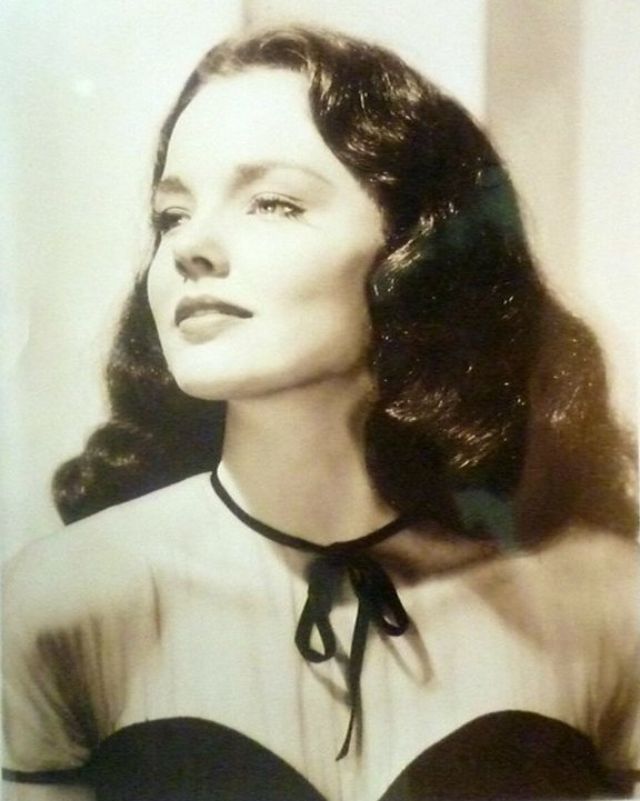
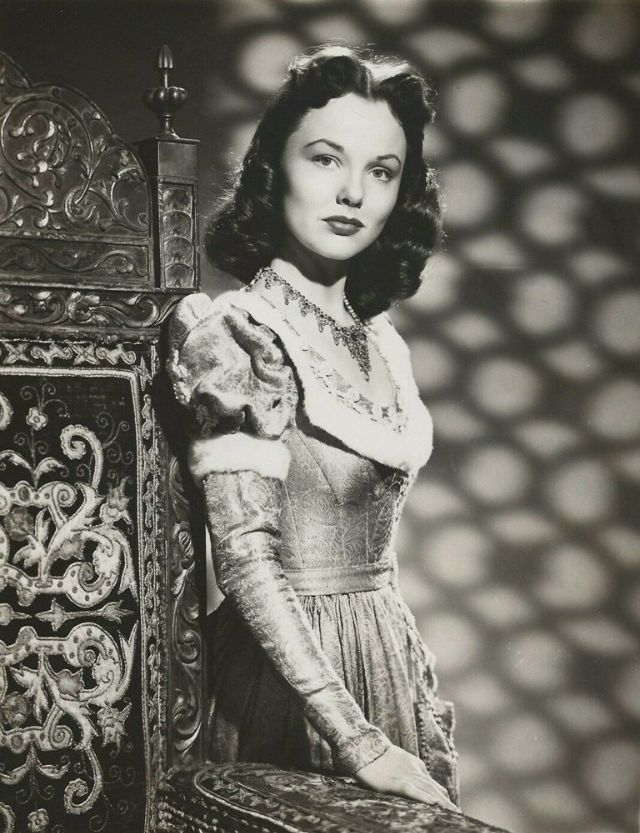
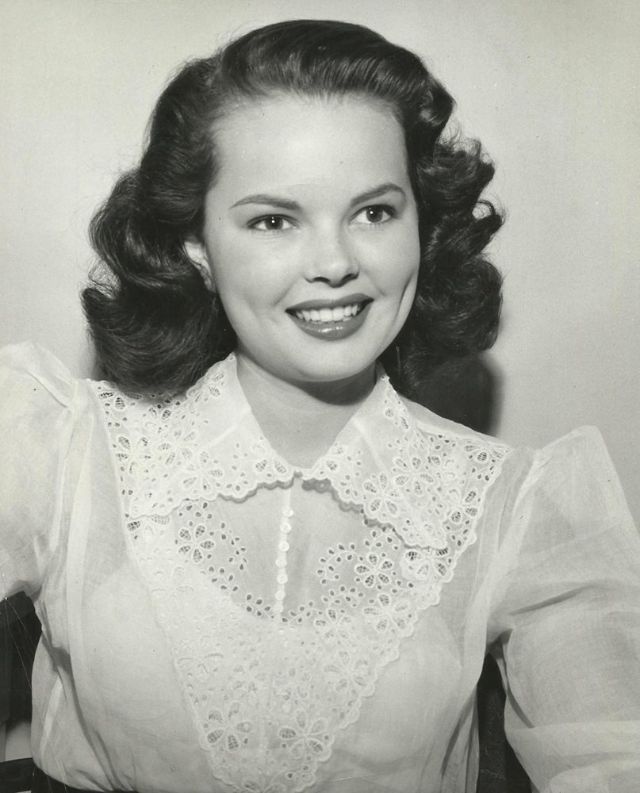
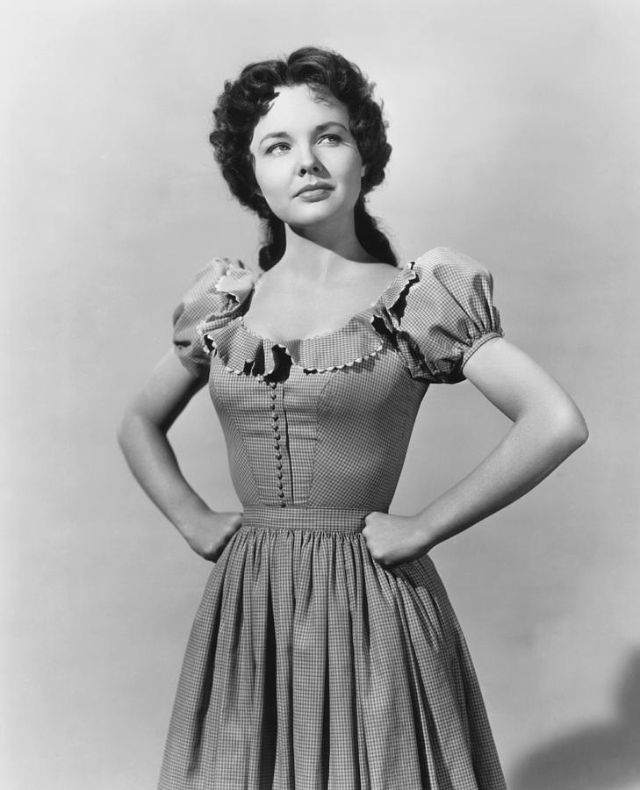
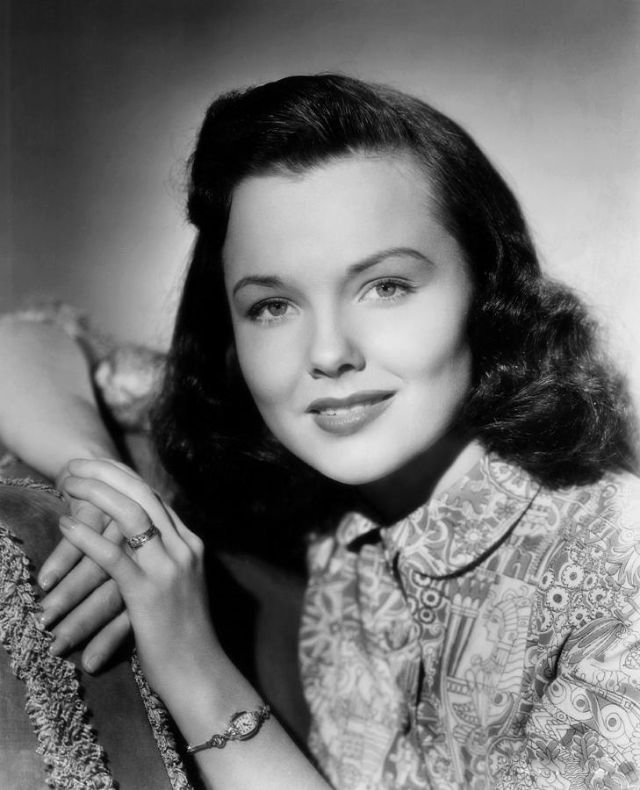
Gorgeous Photos of Actress Wanda Hendrix in the 1940s and 1950s

Born 1928 in Jacksonville, Florida, American actress Wanda Hendrix made her first film, Confidential Agent, in 1945 at the age of 16 and for the first few years of her career was consistently cast in “B” pictures. By the late 1940s, she was being included in more prestigious films, such as Ride the Pink Horse (1947), Miss Tatlock’s Millions (1948), and starred with Tyrone Power in Prince of Foxes (1949).

In 1946, Audie Murphy saw Hendrix on the cover of Coronet magazine and arranged to meet her. The two were married in 1949, making the film Sierra (1950) together, but the marriage was short-lived; they divorced in 1950. Hendrix later said that Murphy had wanted her to give up her career, but more significantly, he was suffering from post traumatic stress disorder from his service in World War II and during “flashback” episodes he would turn on her, once holding her at gunpoint. In her later years, Hendrix spoke of Murphy’s condition with sympathy.

Hendrix resumed her career, but found it difficult to obtain good roles. In 1954, she married wealthy sportsman James Langford Stack, Jr. and essentially retired from films, though she worked in live television dramatic anthology shows such as Pulitzer Prize Playhouse, Robert Montgomery Presents, The Plymouth Playhouse, The Ford Television Theatre, The Revlon Mirror Theater, and Schlitz Playhouse, and occasionally appeared in later series such as Bat Masterson, My Three Sons, Wagon Train and Bewitched. The couple divorced in 1958. She married Italian financier and oil company executive Steven LaMonte in 1969. They divorced in 1980.

Hendrix died in 1981 in Burbank, California from pleural pneumonia at the age of 52. These gorgeous photos captured portrait of a young and beautiful Wanda Hendrix in the 1940s and 1950s.

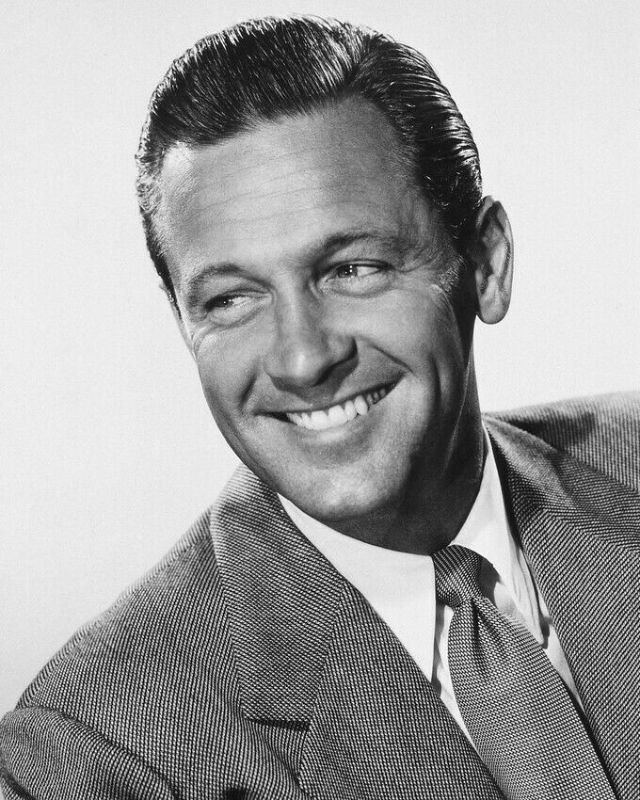
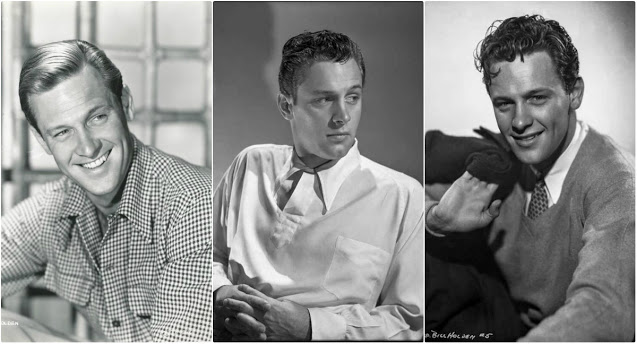
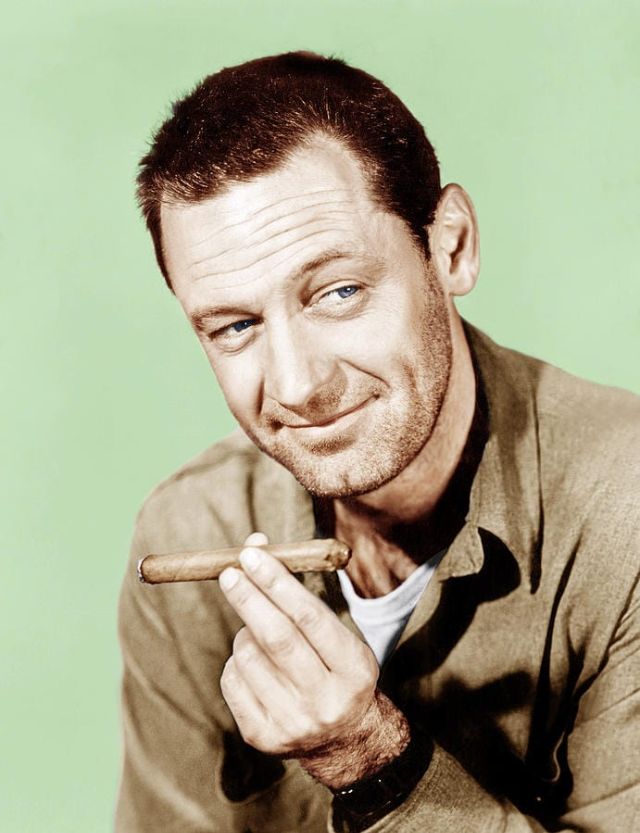
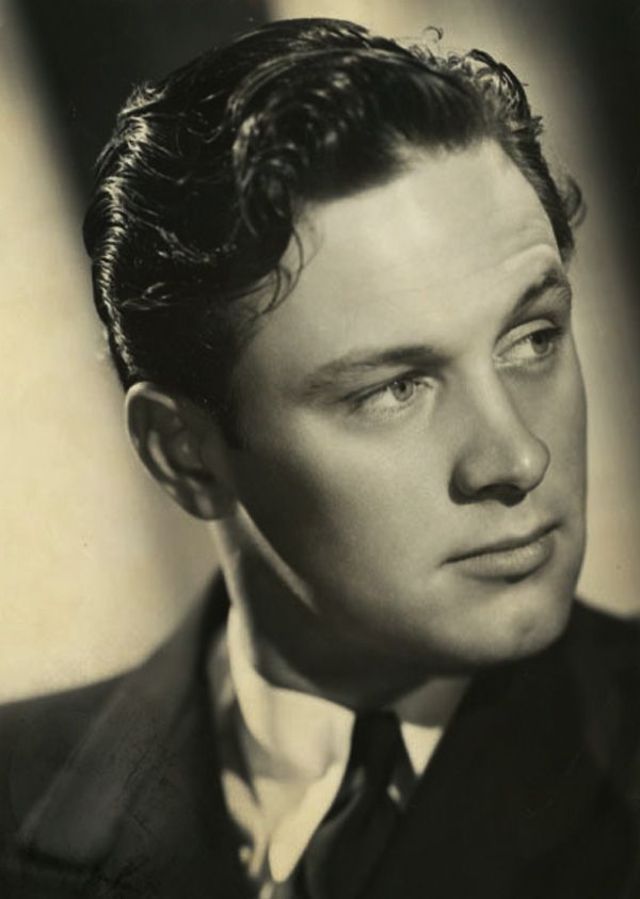
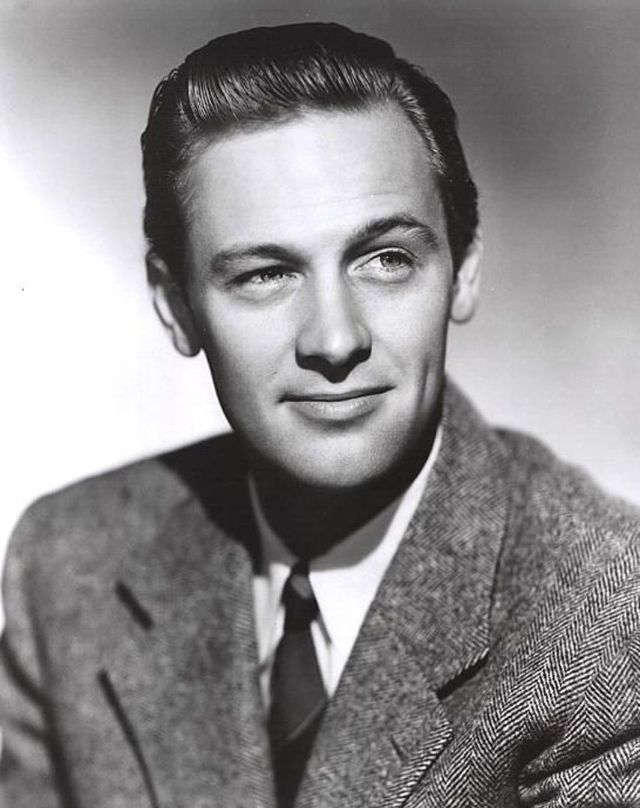
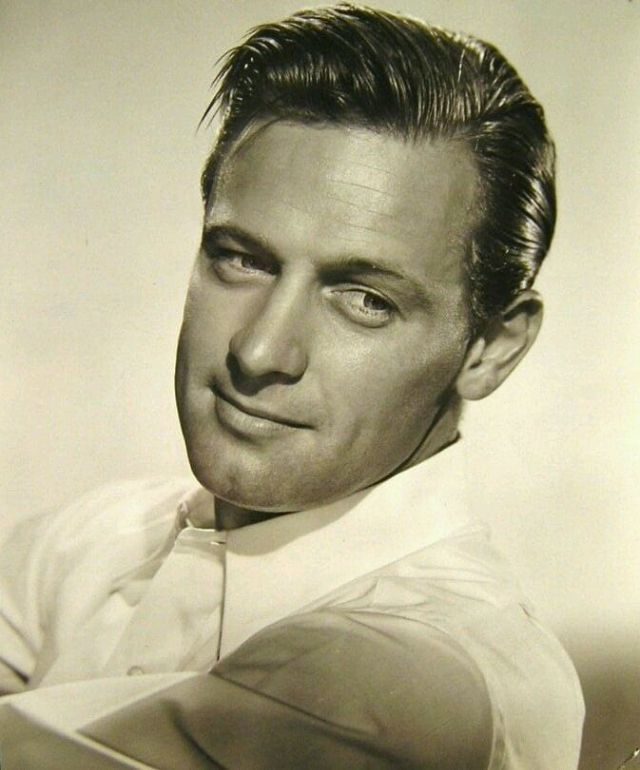
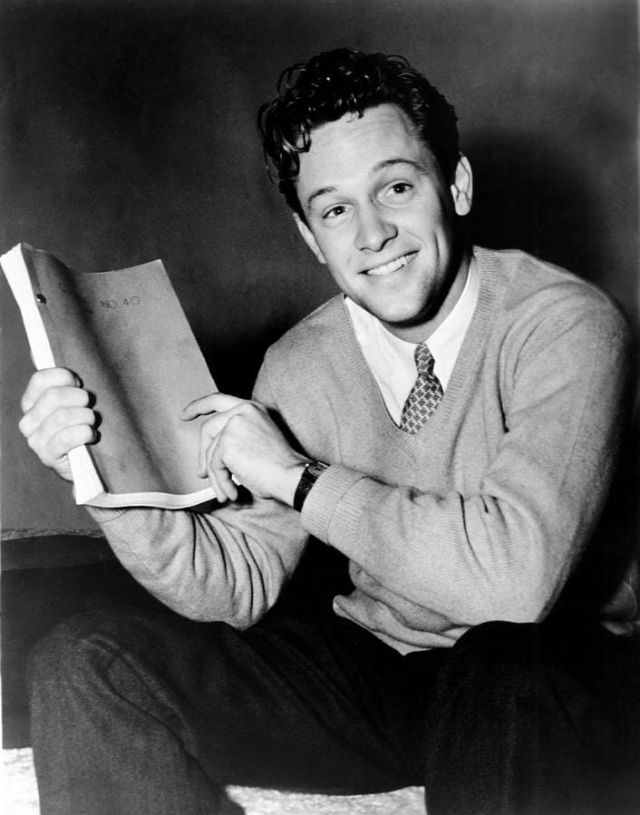
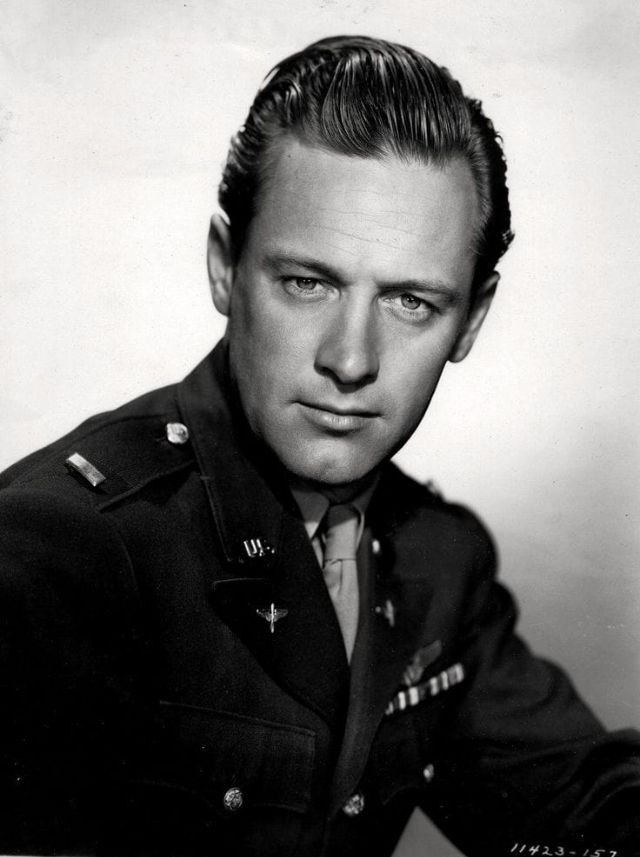
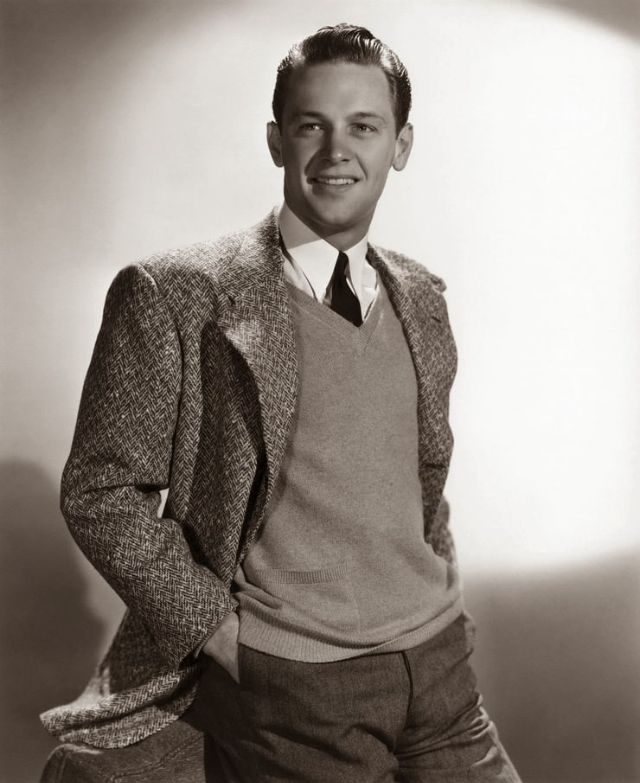
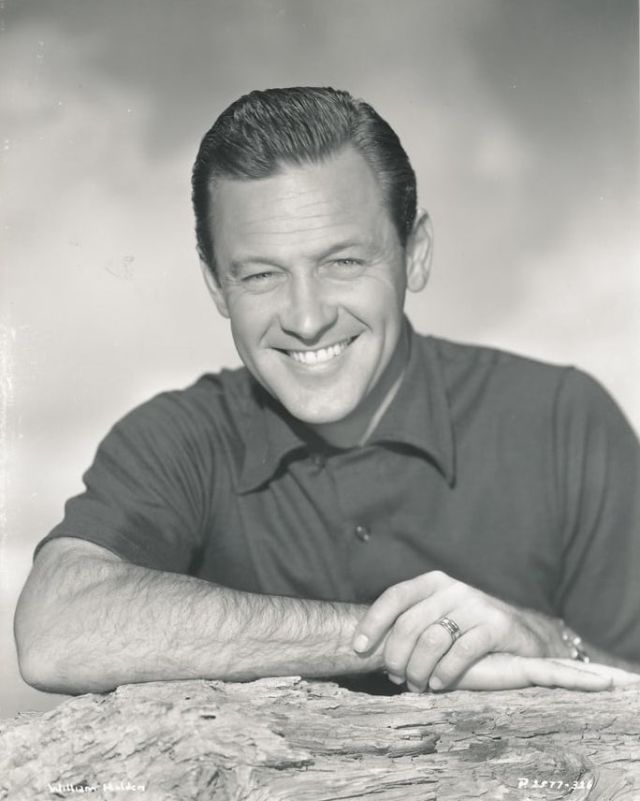
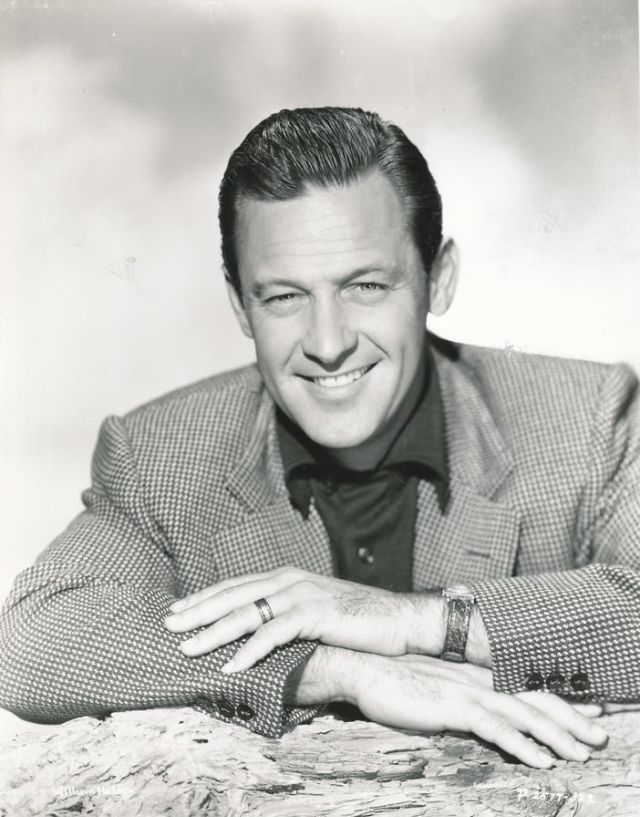
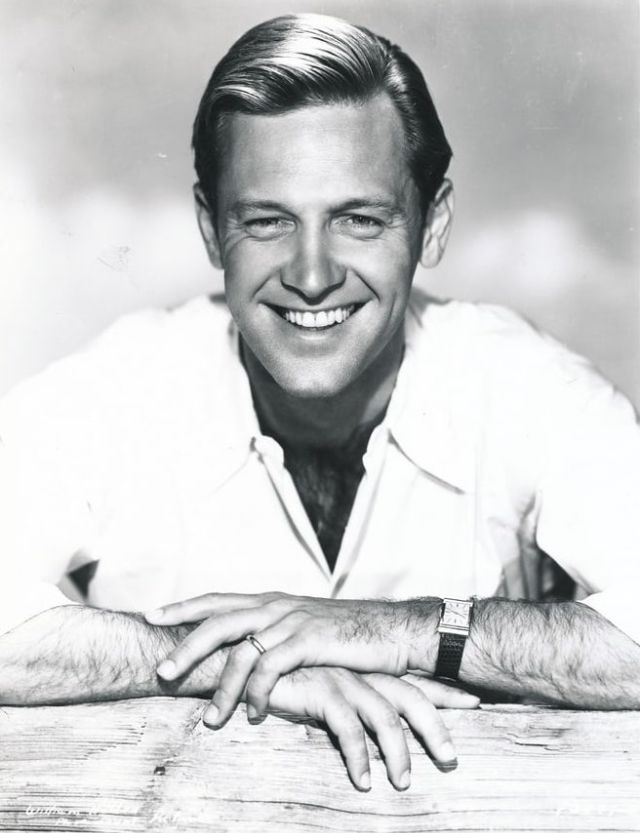
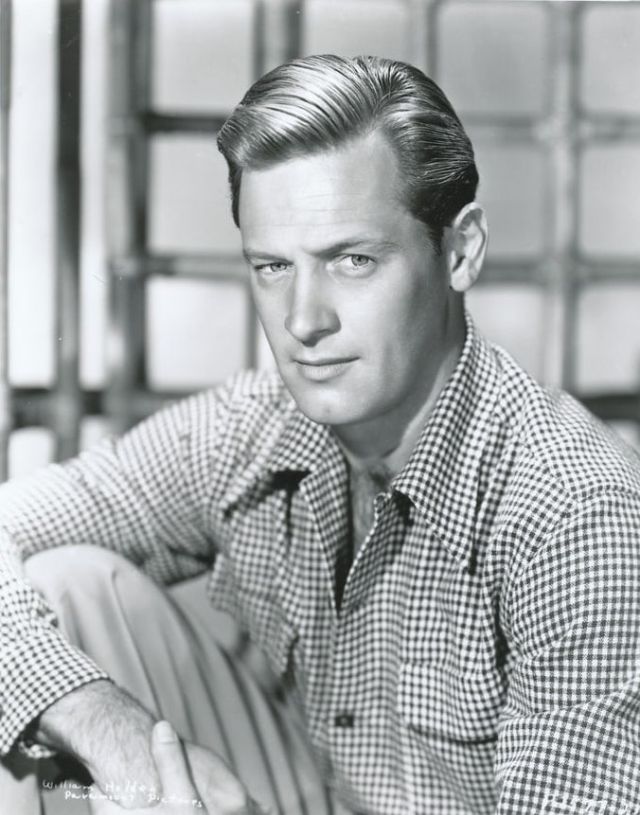
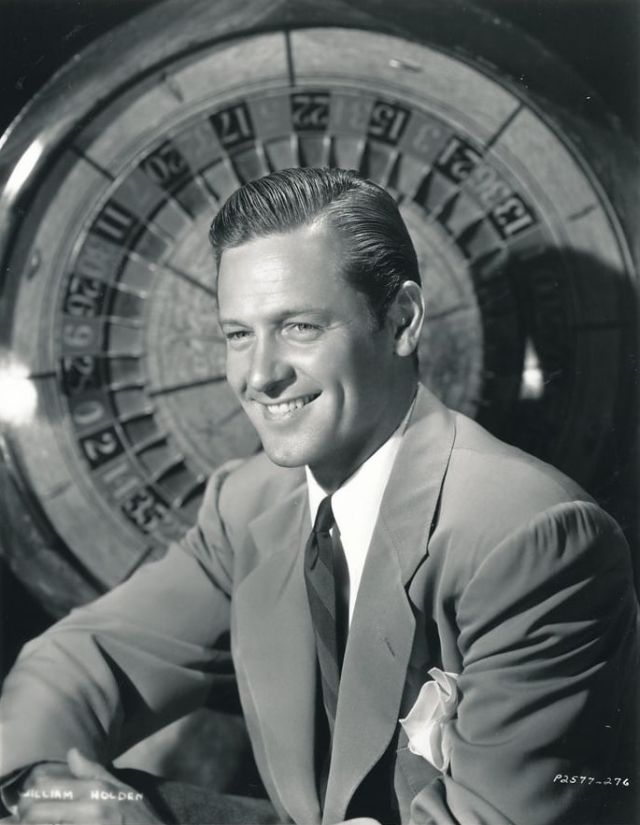
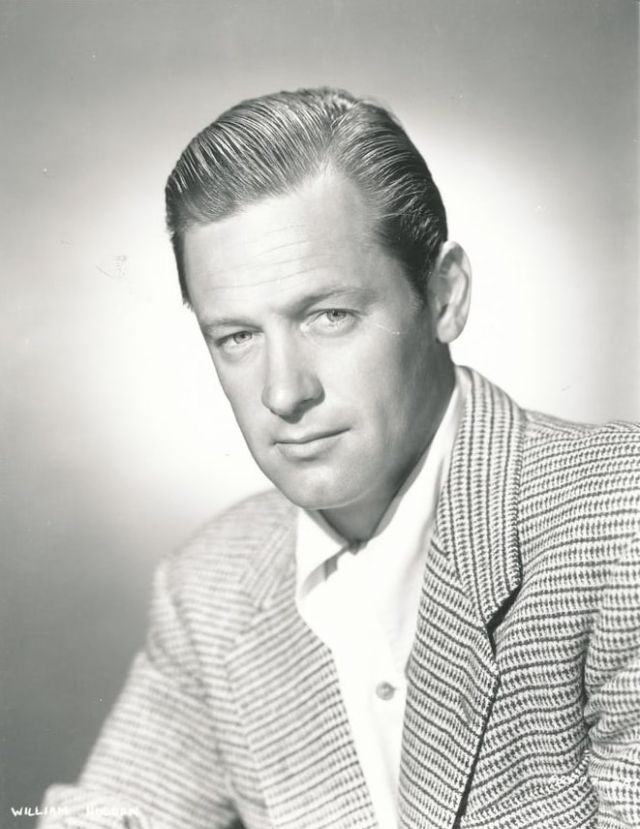
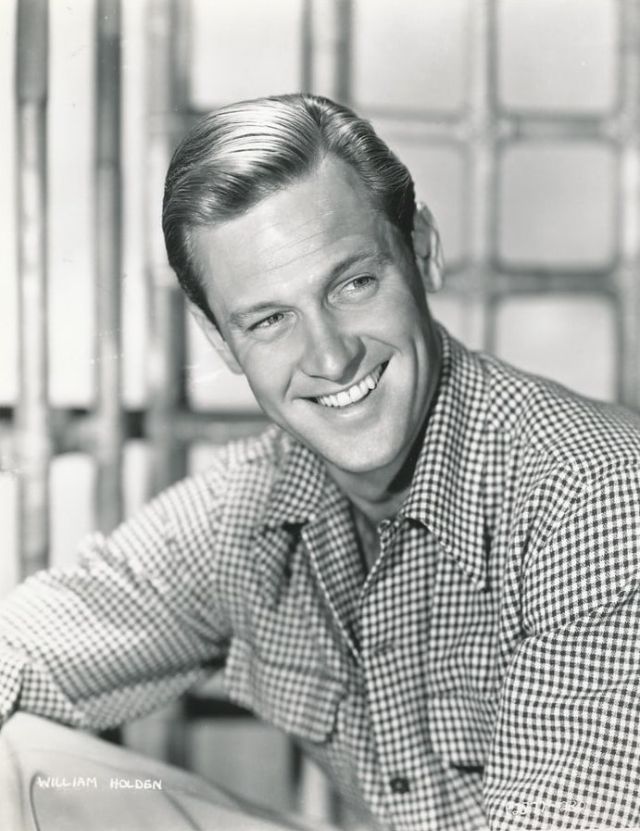
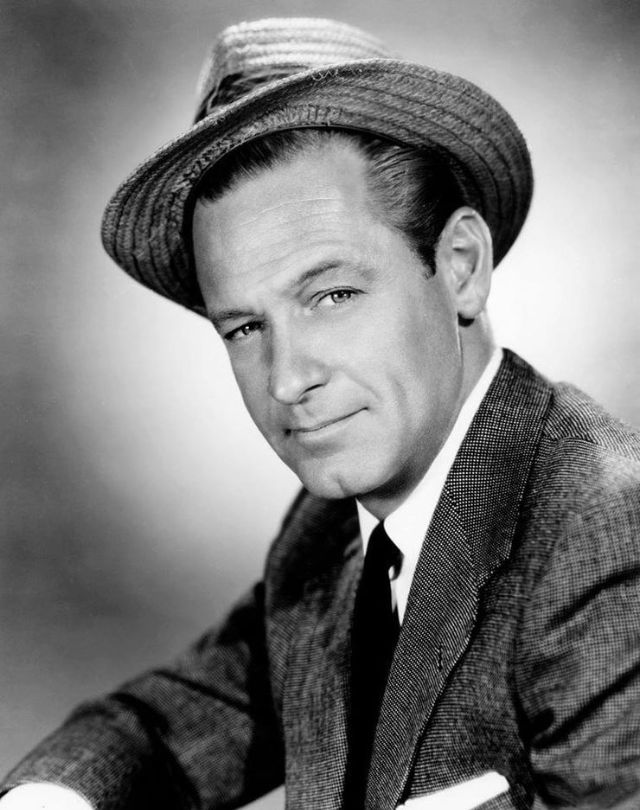
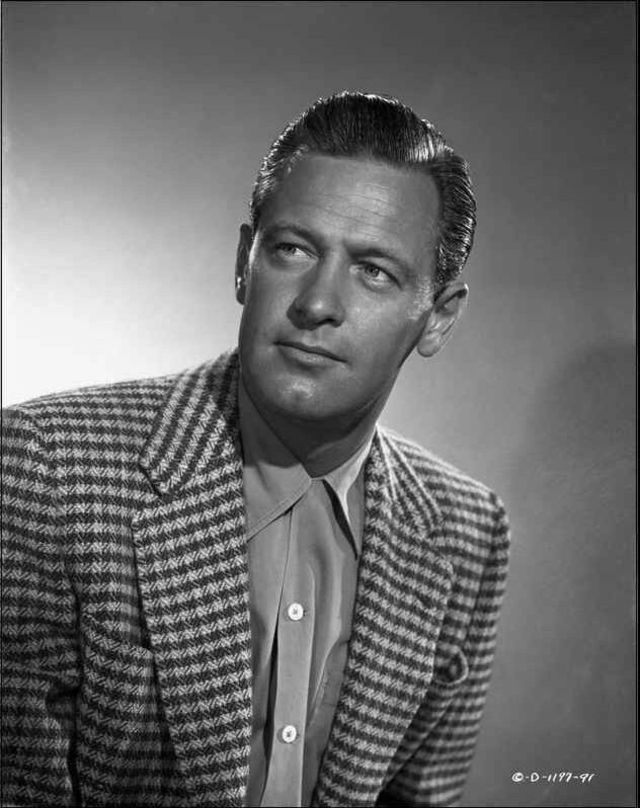
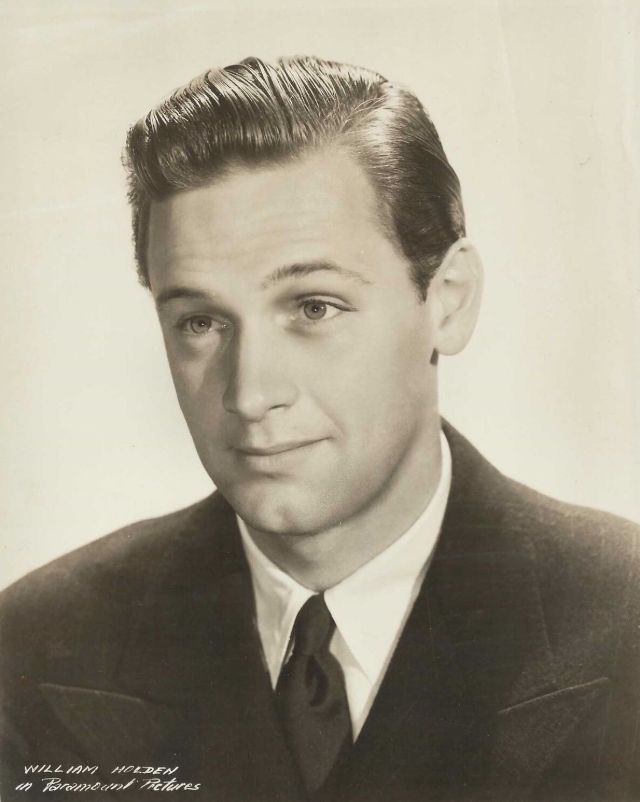
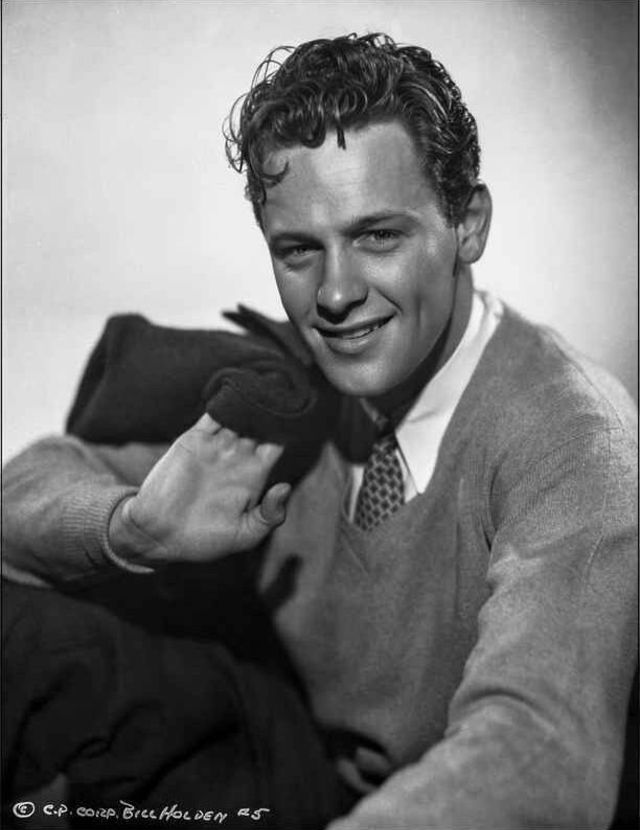
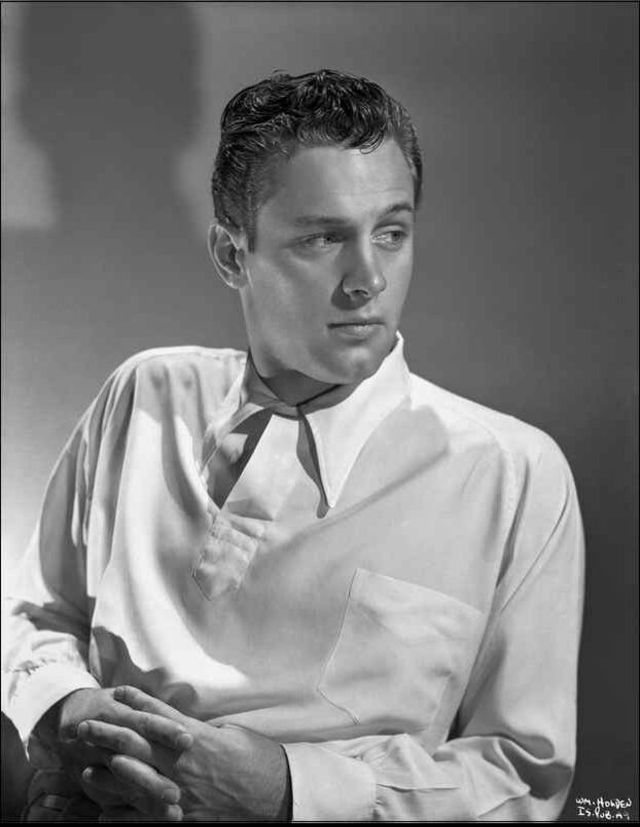
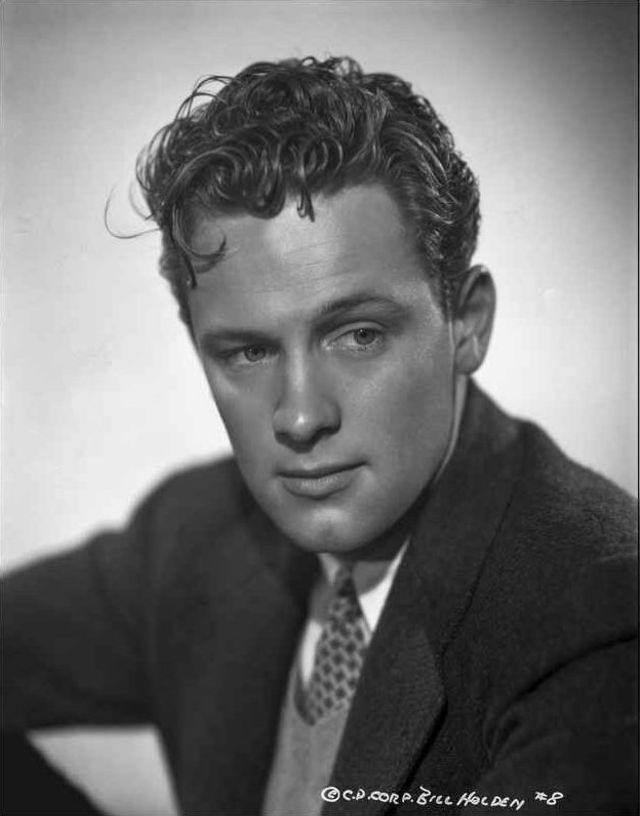
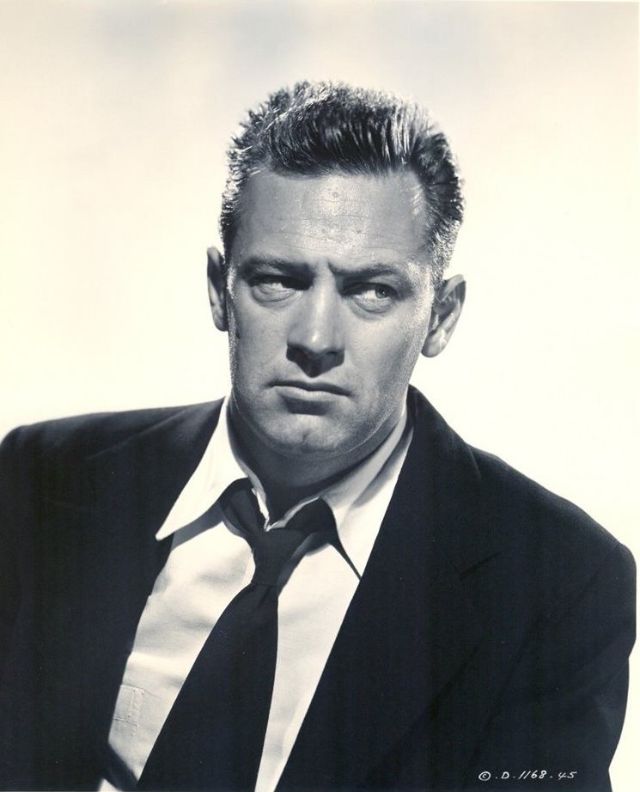
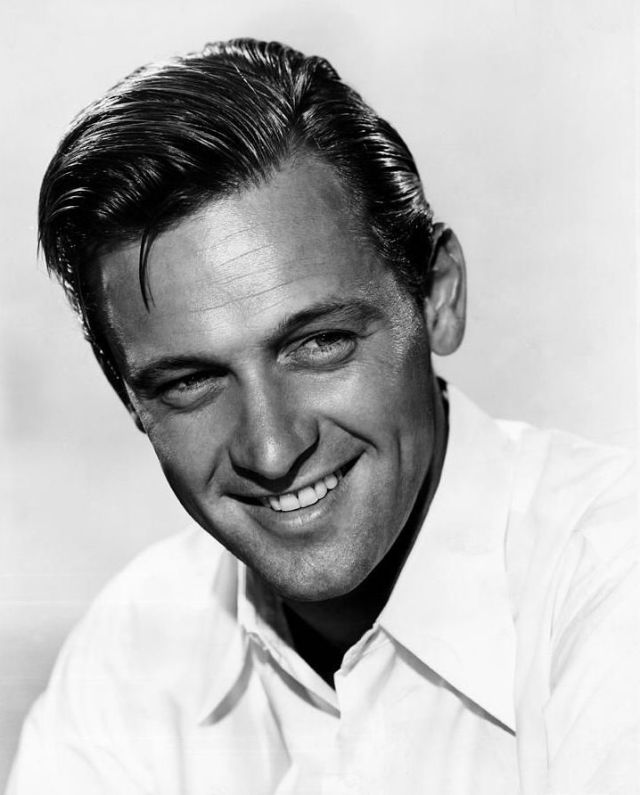
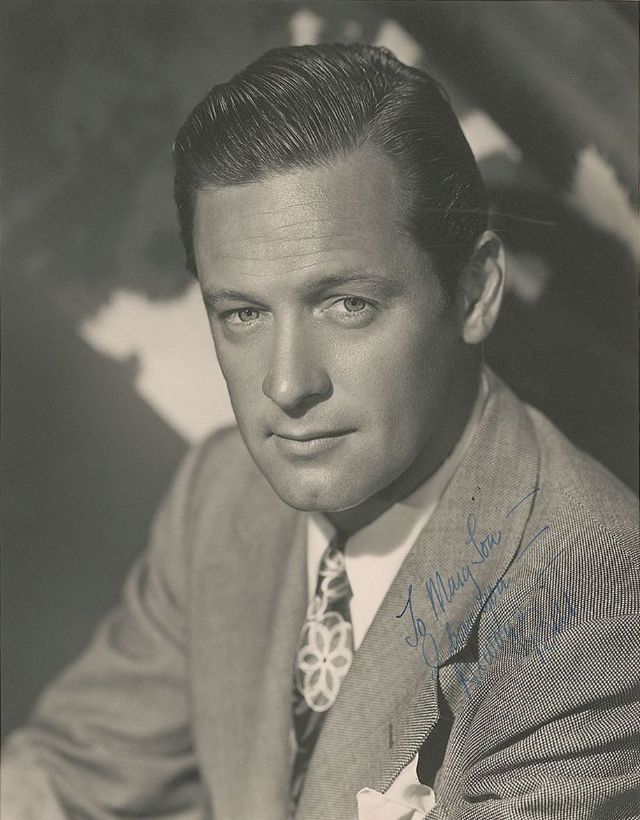
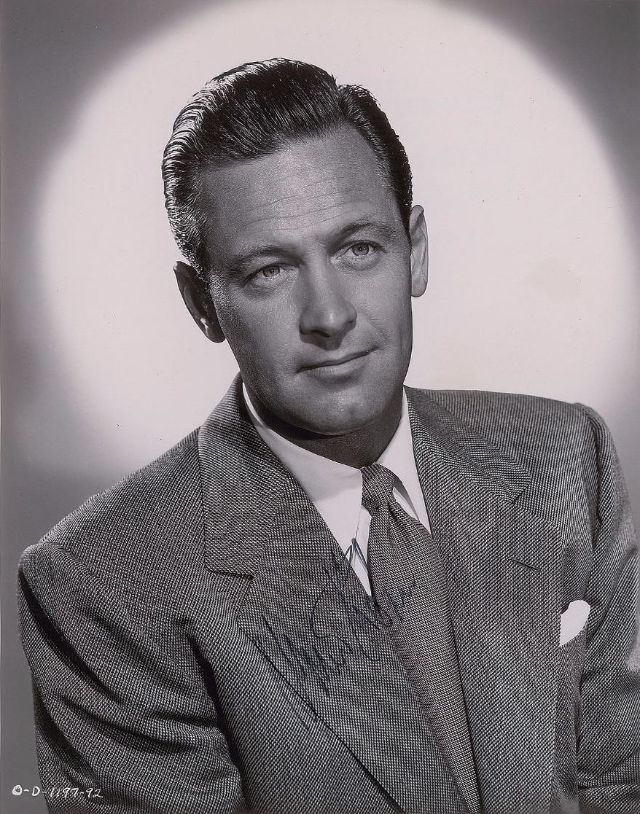
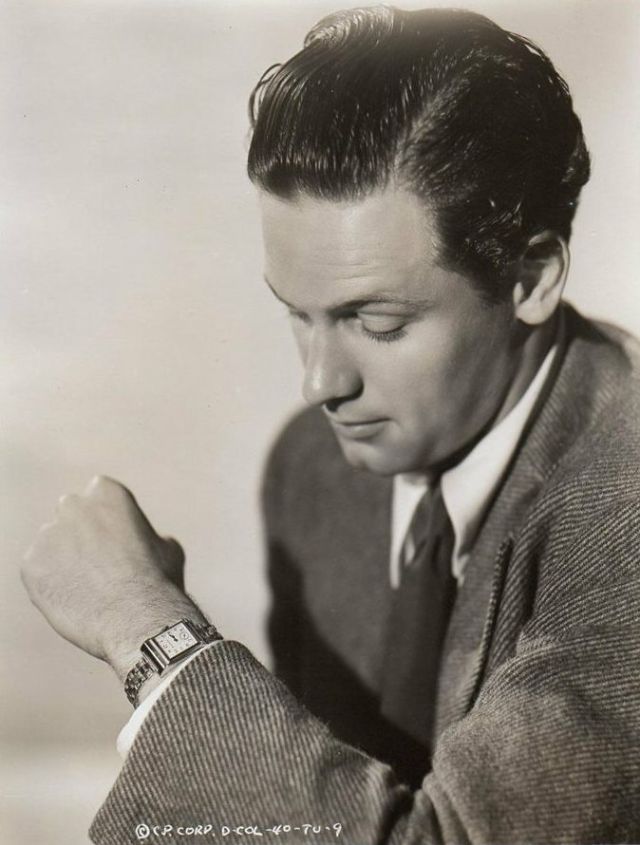
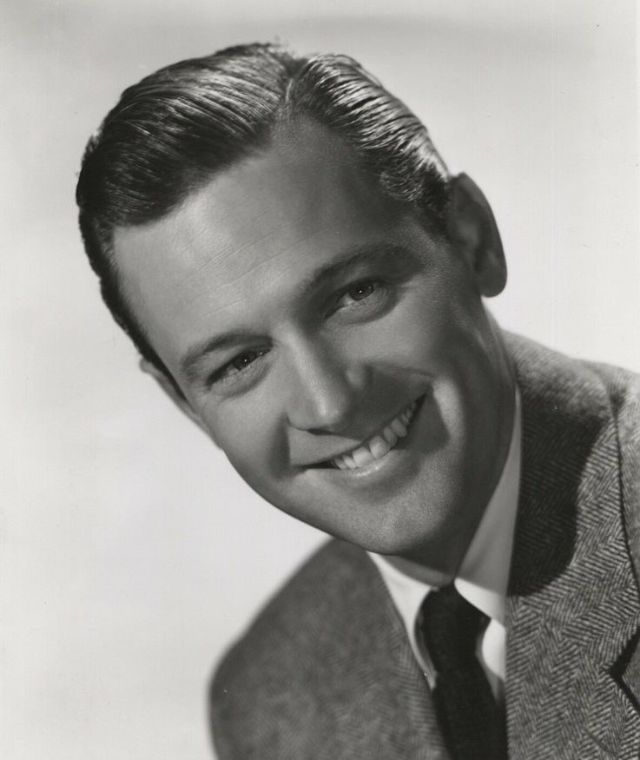
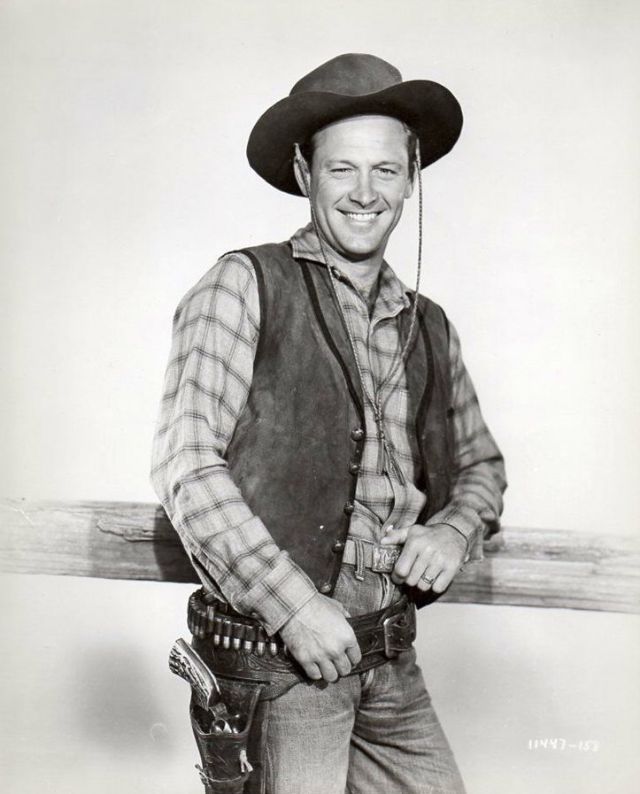
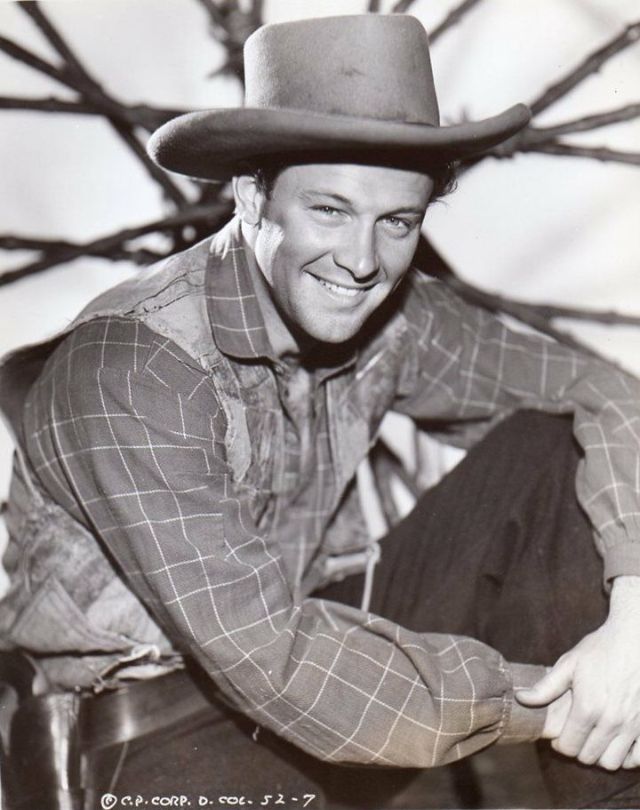
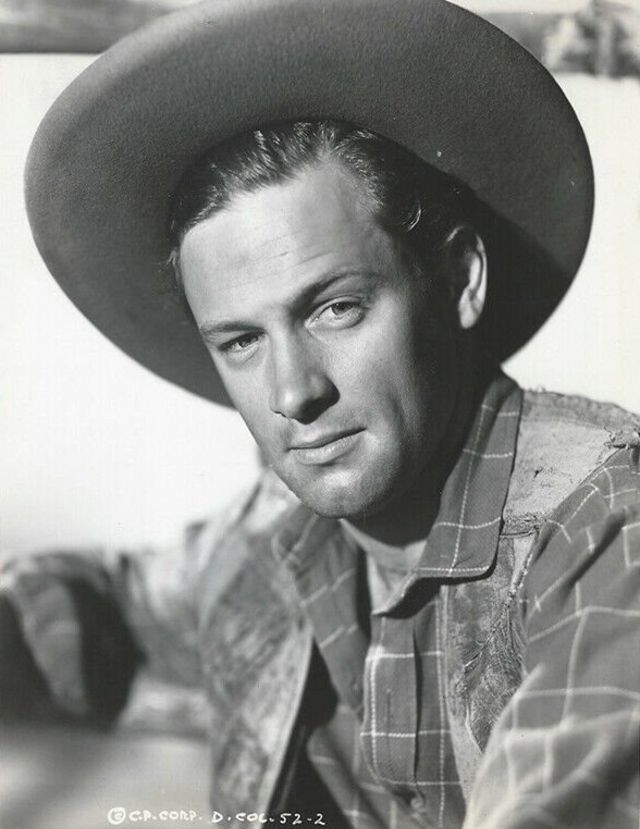
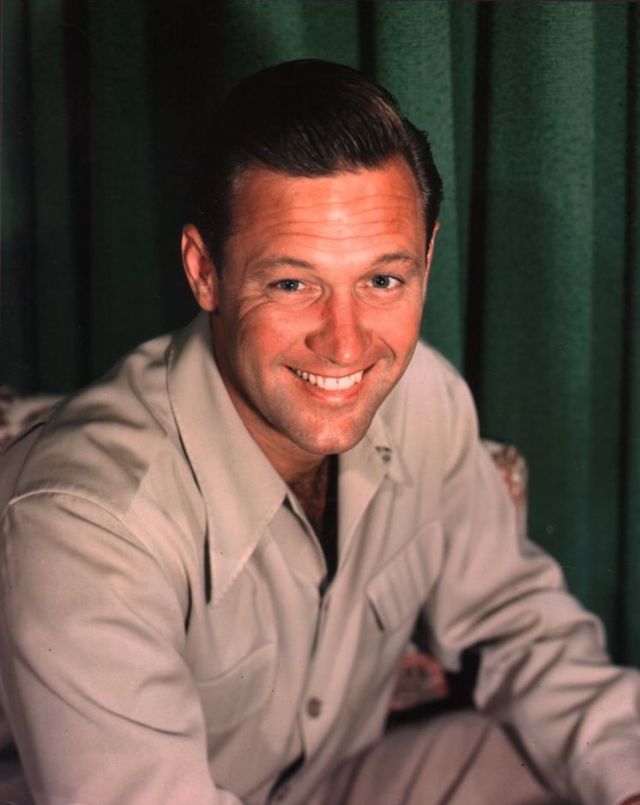
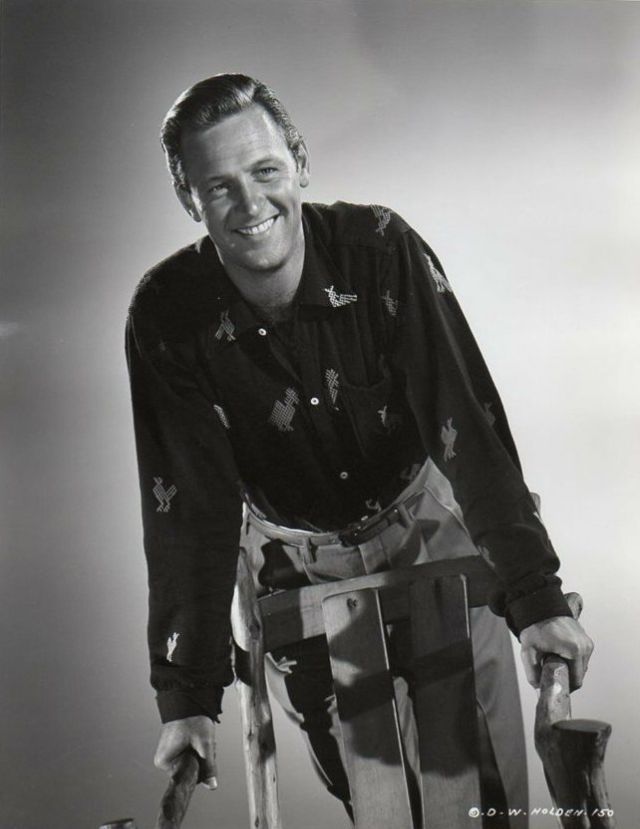
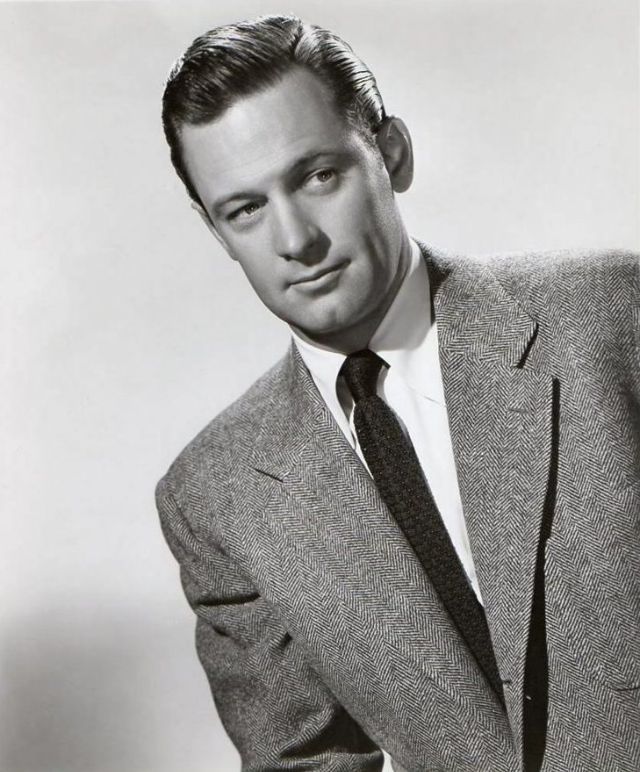
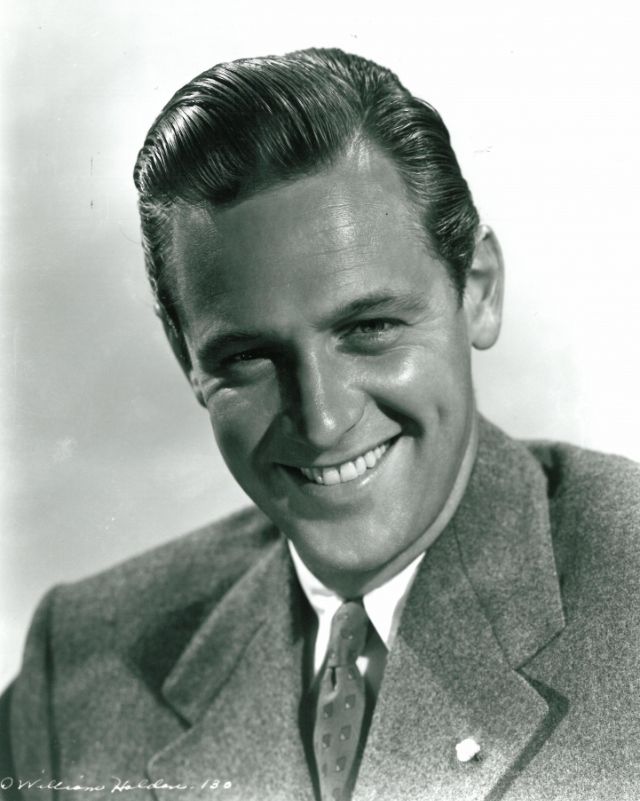
40 Handsome Photos of Actor William Holden From Between the 1930s and 1950s

Born 1918 in O’Fallon, Illinois, American actor William Holden appeared uncredited in Prison Farm (1939) and Million Dollar Legs (1939) at Paramount. He had his first starring role was in Golden Boy (1939), costarring Barbara Stanwyck, in which he played a violinist-turned-boxer.

Holden served as a second and then a first lieutenant in the United States Army Air Force during World War II, where he acted in training films for the First Motion Picture Unit, including Reconnaissance Pilot (1943).

Holden’s first film back from the services was Blaze of Noon (1947), an aviator picture at Paramount directed by John Farrow. He followed it with a romantic comedy, Dear Ruth (1947) and he was one of many cameos in Variety Girl (1947). RKO borrowed him for Rachel and the Stranger (1948) with Robert Mitchum and Loretta Young, then he went over to 20th Century Fox for Apartment for Peggy (1948).

William Holden was one of the biggest box-office draws of the 1950s. He won the Oscar for Best Actor for the film Stalag 17 (1953), and a Primetime Emmy Award for Outstanding Lead Actor in a Limited Series or Movie for the television film The Blue Knight (1973).

Holden starred in some of Hollywood’s most popular and critically acclaimed films, including Sunset Boulevard, Sabrina, The Bridge on the River Kwai, The Wild Bunch, Picnic, and Network. He was named one of the “Top 10 Stars of the Year” six times (1954–1958, 1961), and appeared as 25th on the American Film Institute’s list of 25 greatest male stars of Classic Hollywood Cinema.

Holden bled to death in his apartment in Santa Monica, California in 1981, after lacerating his forehead from slipping on a rug while intoxicated and hitting a bedside table, aged 63.

For his contribution to the film industry, Holden has a star on the Hollywood Walk of Fame located at 1651 Vine Street. He also has a star on the St. Louis Walk of Fame.

Take a look at these handsome portrait photos to see a young William Holden from the 1930s and 1950s.

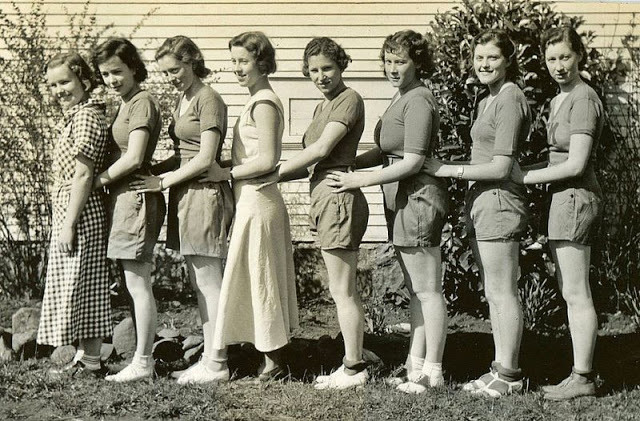
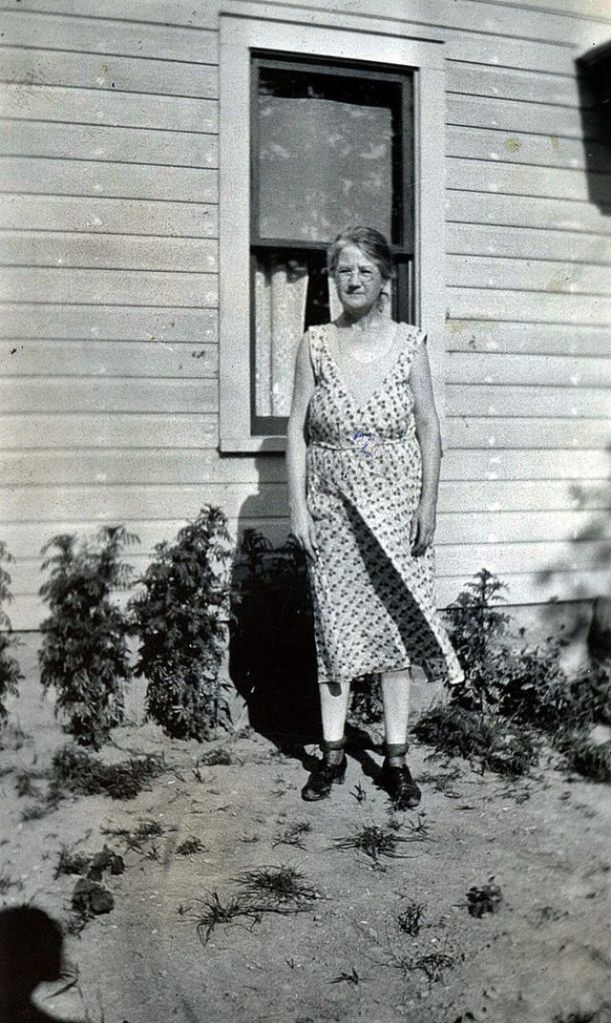
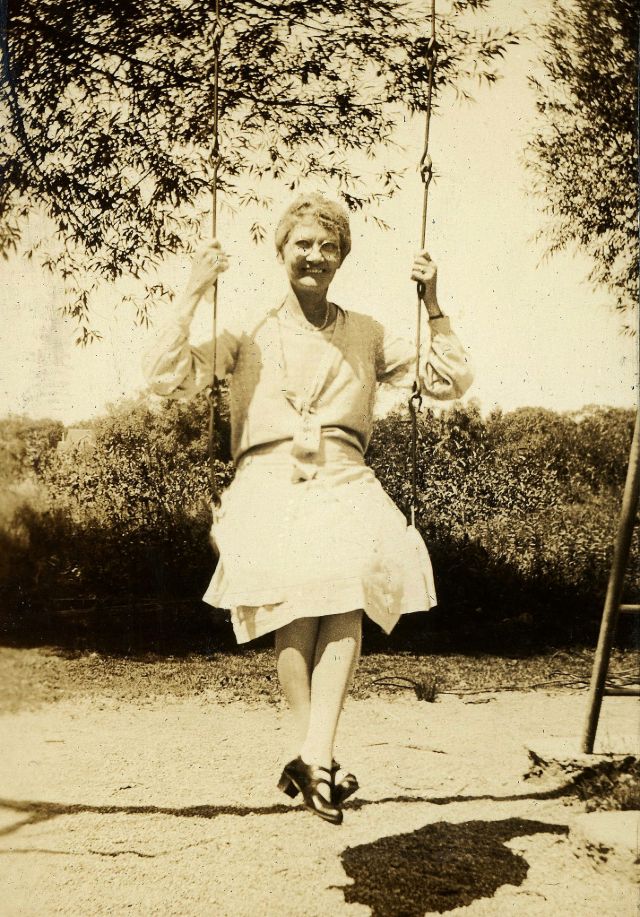
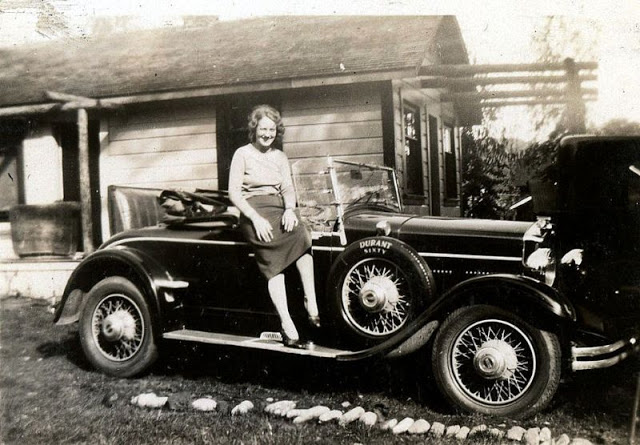
Amazing Photos That Show What Women Wore in the 1930s

The Great Depression and World War II bookended the 1930s, but fashion flourished anyway during this decade. Glamorous Hollywood screen stars inspired new looks for women, men, and even children. Inexpensive fabrics, affordable catalog clothing, and homespun ingenuity let anyone copy styles previously worn by the wealthy.

The young, boyish silhouette of 1920s women evolved into a conservative, sophisticated shape in the 1930s. The ideal, popular profile was tall and thin, with strong shoulders and slim hips.

At home or in public, women most commonly wore dresses with wide shoulders; puffy sleeves; modest necklines; higher, belted waistlines; and mid-calf flared hemlines. Frilly bows, ruffles, buttons, and other details often decorated dresses.

Housewives wore practical house dresses at home, often homemade from colorful printed cotton (including flour and feed sack fabric). Day dresses for wearing in public were more tailored and elegant, often made from silk or rayon crepe. Some women wore blouses with skirts.

Formal dresses most dramatically displayed the decade’s willowy, elegant silhouette. Evening gowns in fluid fabrics were cut on the bias to create flowing, figure-hugging lines that reached the floor. Popular fabrics included satin, rayon, and chiffon.

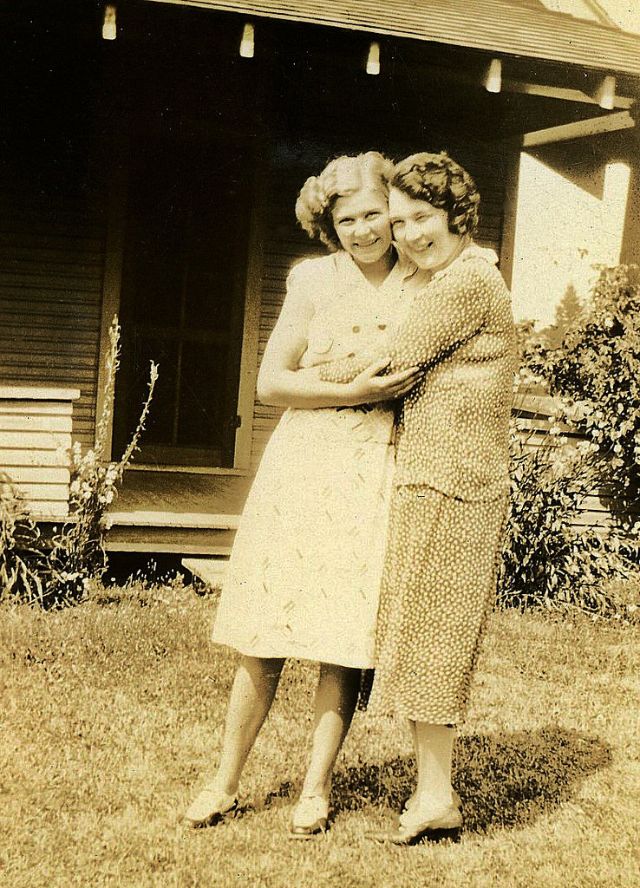
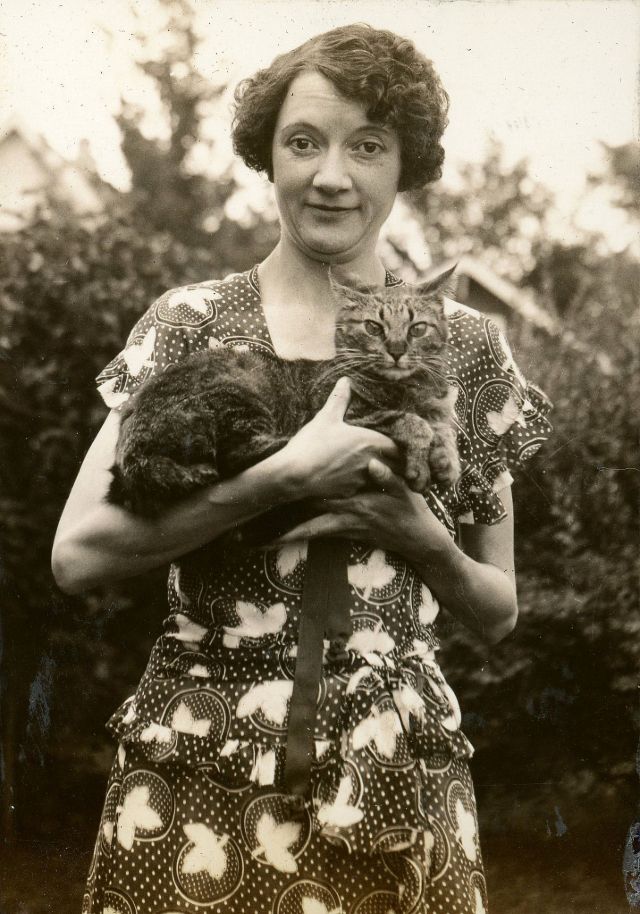
Take a look at these found photos to see what women wore from the 1930s.

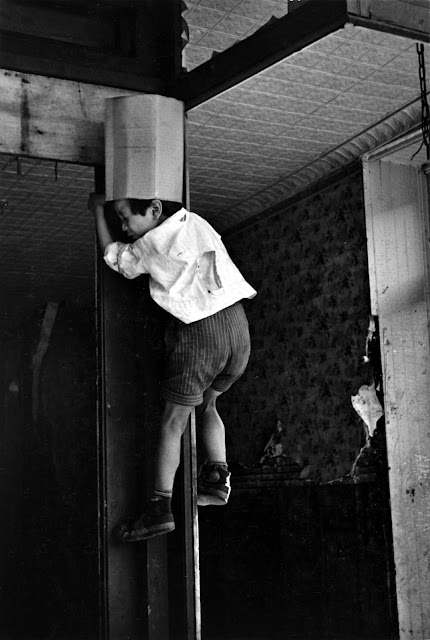
Vintage Photos Show What Kids Wore in the 1970s

Subscribe to get access

Read more of this content when you subscribe today.

If you grew up in the 1970s, chances are you had a rockin’ sense of style. Adults were donning leisure suits and bell bottoms, and stores adapted those trends to fit their littlest costumers, too.

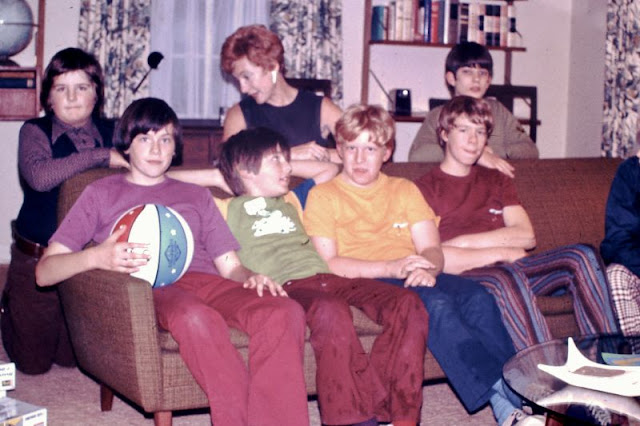
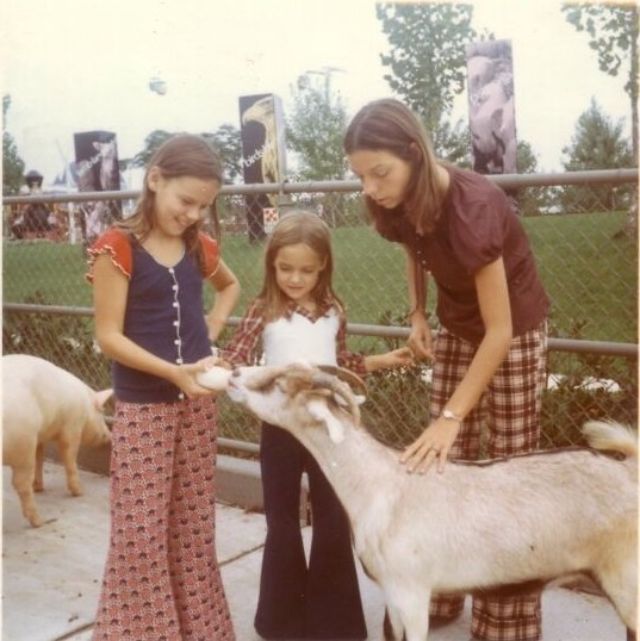
At that time, it was impossible not to look good. But looking back, some of the best styles seem a bit ridiculous. Who could forget some of these funky styles? Take a look at these vintage photos to see what kids looked like from the 1970s.

The 1970s (pronounced “nineteen-seventies”; commonly shortened to the “Seventies” or the “’70s”) was a decade that began on January 1, 1970, and ended on December 31, 1979.

In the 21st century, historians have increasingly portrayed the 1970s as a “pivot of change” in world history, focusing especially on the economic upheavals that followed the end of the postwar economic boom. On a global scale, it was characterized by frequent coups, domestic conflicts and civil wars, and various political upheaval and armed conflicts which arose from or were related to decolonization, and the global struggle between the West, the Warsaw Pact, and the Non-Aligned Movement. Many regions had periods of high-intensity conflict, notably Southeast Asia, the Mideast, and Africa.

In the Western world, social progressive values that began in the 1960s, such as increasing political awareness and economic liberty of women, continued to grow. In the United Kingdom, the 1979 election resulted in the victory of its Conservative leader Margaret Thatcher, the first female British Prime Minister. Industrialized countries experienced an economic recession due to an oil crisis caused by oil embargoes by the Organization of Arab Petroleum Exporting Countries. The crisis saw the first instance of stagflation which began a political and economic trend of the replacement of Keynesian economic theory with neoliberal economic theory, with the first neoliberal governments being created in Chile, where a military coup led by Augusto Pinochet took place in 1973.

The 1970s was also an era of great technological and scientific advances; since the appearance of the first commercial microprocessor, the Intel 4004 in 1971, the decade was characterised by a profound transformation of computing units – by then rudimentary, spacious machines – into the realm of portability and home accessibility.

On the other hand, there were also great advances in fields such as physics, which saw the consolidation of Quantum Field Theory at the end of the decade, mainly thanks to the confirmation of the existence of quarks and the detection of the first gauge bosons in addition to the photon, the Z boson and the gluon, part of what was christened in 1975 as the Standard Model.

Novelist Tom Wolfe coined the term “ ’Me’ decade” in his essay “The ‘Me’ Decade and the Third Great Awakening”, published by New York Magazine in August 1976 referring to the 1970s. The term describes a general new attitude of Americans towards atomized individualism and away from communitarianism, in clear contrast with the 1960s.

In Asia, affairs regarding the People’s Republic of China changed significantly following the recognition of the PRC by the United Nations, the death of Mao Zedong and the beginning of market liberalization by Mao’s successors. Despite facing an oil crisis due to the OPEC embargo, the economy of Japan witnessed a large boom in this period, overtaking the economy of West Germany to become the second-largest in the world. The United States withdrew its military forces from their previous involvement in the Vietnam War, which had grown enormously unpopular. In 1979, the Soviet Union invaded Afghanistan, which led to an ongoing war for ten years.

The 1970s saw an initial increase in violence in the Middle East as Egypt and Syria declared war on Israel, but in the late 1970s, the situation in the Middle East was fundamentally altered when Egypt signed the Egyptian–Israeli Peace Treaty. Anwar Sadat, President of Egypt, was instrumental in the event and consequently became extremely unpopular in the Arab world and the wider Muslim world. Political tensions in Iran exploded with the Iranian Revolution in 1979, which overthrew the Authoritarian Pahlavi dynasty and established an even more authoritarian Islamic republic under the leadership of the Ayatollah Khomeini.

Africa saw further decolonization in the decade, with Angola and Mozambique gaining their independence in 1975 from the Portuguese Empire after the restoration of democracy in Portugal. The continent was, however, plagued by endemic military coups, with the long-reigning Emperor of Ethiopia Haile Selassie being removed, civil wars and famine.

The economies of much of the developing world continued to make steady progress in the early 1970s because of the Green Revolution. However, their economic growth was slowed by the oil crisis, although it boomed afterwards. (Wikipedia)
Subscribe to continue reading

Become a paid subscriber to get access to the rest of this post and other exclusive content.

Winter, Fifth Avenue (1893)
Subscribe to get access

Read more of this content when you subscribe today.

Winter, Fifth Avenue is a black and white photograph taken by Alfred Stieglitz in 1893. The photograph was made at the corner of the Fifth Avenue and the 35th Street in New York. It was one of the first pictures that Stieglitz took using a more practical hand camera after his return from Europe.

Subscribe to continue reading

Become a paid subscriber to get access to the rest of this post and other exclusive content.

Gorgeous Vintage Color Slides of York in 1968

York is a cathedral city and unitary authority area, at the confluence of the rivers Ouse and Foss, in England. It is the head city of historic Yorkshire and was a county corporate, outside of the county’s council and the ridings. The city has long-standing buildings and structures, such as a minster, castle and ancient city walls.

The city was founded by the Romans as Eboracum in 71 AD. It became the capital of the Roman province of Britannia Inferior, and later of the kingdoms of Deira, Northumbria and Jórvík. In the Middle Ages, York grew as a major wool trading centre and became the capital of the northern ecclesiastical province of the Church of England, a role it has retained. In the 19th century, York became a major hub of the railway network and a confectionery manufacturing centre, a status it maintained well into the 20th century. During the Second World War, York was bombed as part of the Baedeker Blitz. Although less affected by bombing than other northern cities, several historic buildings were gutted and restoration efforts continued into the 1960s.

These gorgeous color slides were taken in 1968 and later collected by Martin Snelling, an owner of a brilliant archive of vintage photographs. Take a look:

Yesterday Today

Bringing You the Wonder of Yesterday - Today

Skip to content ↓