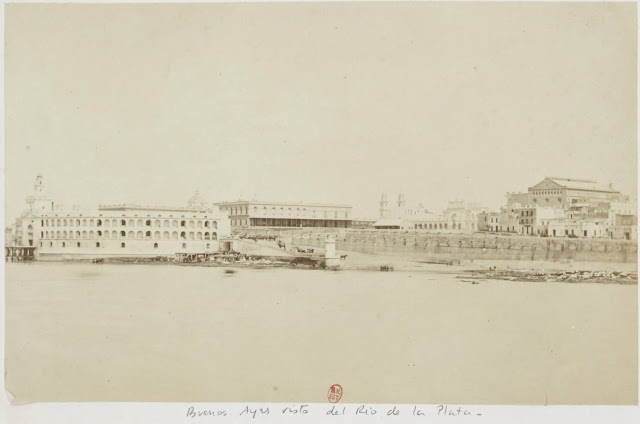
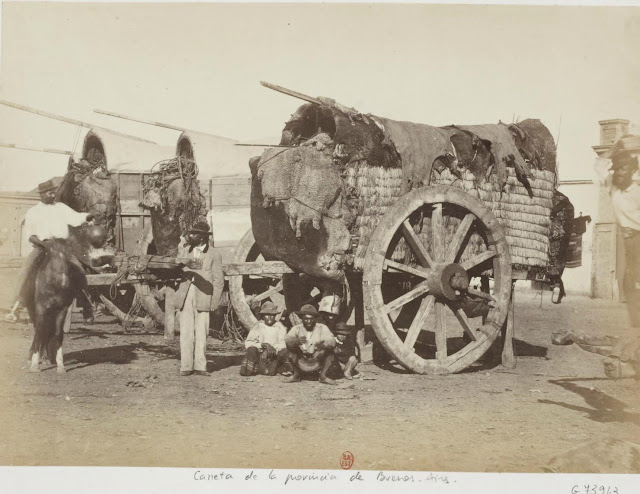
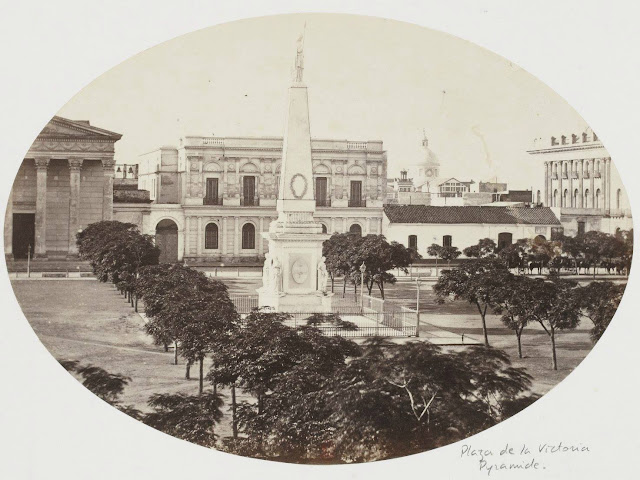
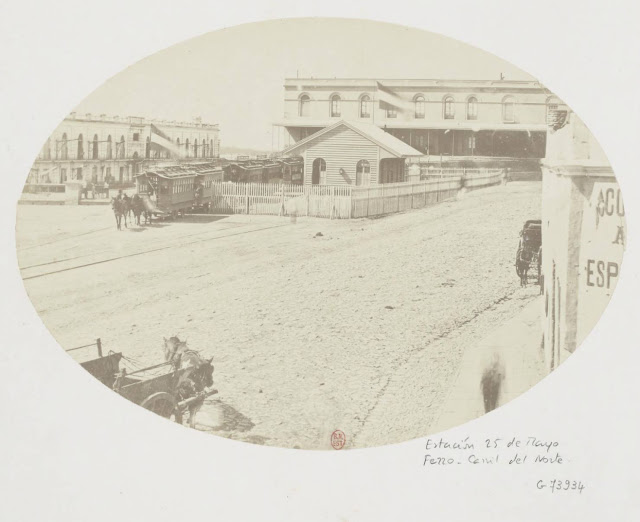
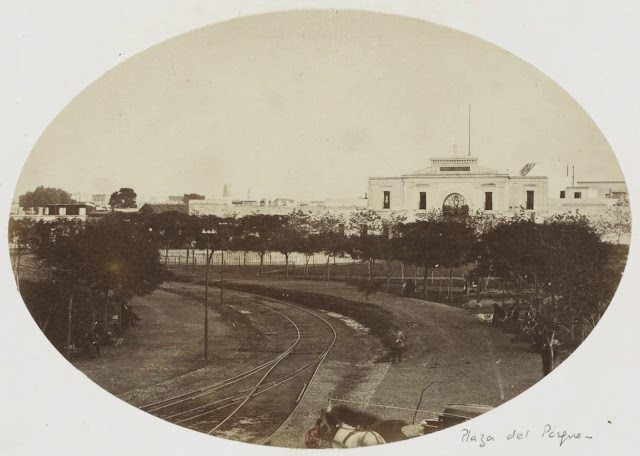
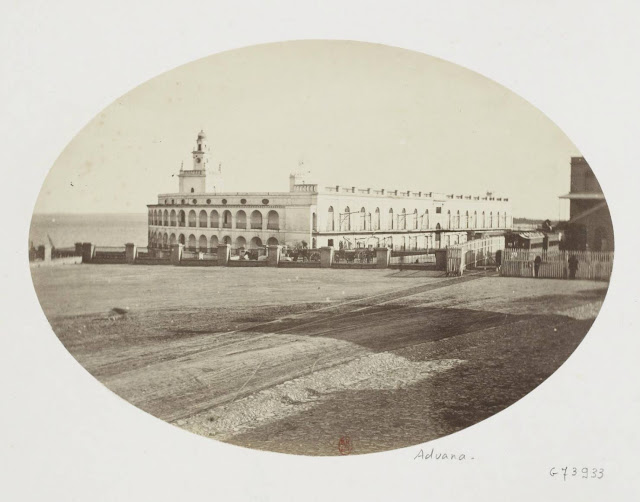
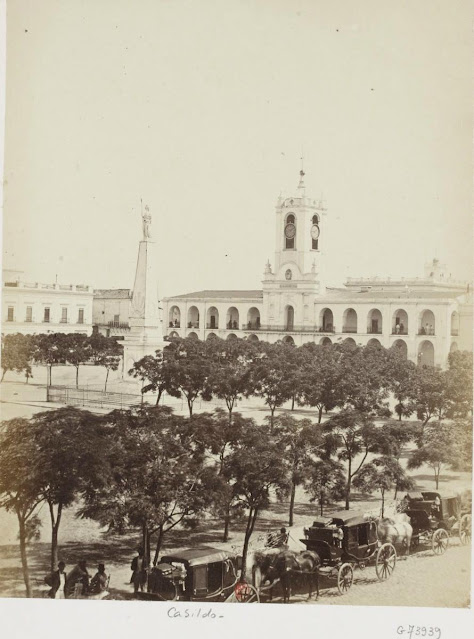
Buenos Aires, officially the Autonomous City of Buenos Aires (Spanish: Ciudad Autónoma de Buenos Aires), is the capital and primate city of Argentina. The city is located on the western shore of the Río de la Plata, on South America’s southeastern coast. “Buenos Aires” can be translated as “fair winds” or “good airs”, but the former was the meaning intended by the founders in the 16th century, by the use of the original name “Real de Nuestra Señora Santa María del Buen Ayre”, named after the Madonna of Bonaria in Sardinia, Italy.
The city of Buenos Aires is neither part of Buenos Aires Province nor the Province’s capital; rather, it is an autonomous district. In 1880, after decades of political infighting, Buenos Aires was federalized and removed from Buenos Aires Province. The city limits were enlarged to include the towns of Belgrano and Flores; both are now neighborhoods of the city. The 1994 constitutional amendment granted the city autonomy, hence its formal name of Autonomous City of Buenos Aires. Its citizens first elected a Chief of Government in 1996; previously, the Mayor was directly appointed by the President of Argentina.
The Greater Buenos Aires conurbation, which also includes several Buenos Aires Province districts, constitutes the fourth-most populous metropolitan area in the Americas, with a population of around 15.6 million. It is also the second largest city south of the Tropic of Capricorn. Buenos Aires’ quality of life was ranked 91st in the world in 2018, being one of the best in Latin America. In 2012, it was the most visited city in South America, and the second-most visited city of Latin America.
It is known for its preserved eclectic European architecture[13] and rich cultural life. It is a multicultural city that is home to multiple ethnic and religious groups, contributing to its culture as well as to the dialect spoken in the city and in some other parts of the country. This is because since the 19th century, the city, and the country in general, has been a major recipient of millions of immigrants from all over the world, making it a melting pot where several ethnic groups live together. Thus, Buenos Aires is considered one of the most diverse cities of the Americas. Buenos Aires held the 1st FIBA World Championship in 1950 and 11th FIBA World Championship in 1990, the 1st Pan American Games in 1951, was the site of two venues in the 1978 FIFA World Cup and one in the 1982 FIVB Men’s World Championship. Most recently, Buenos Aires had a venue in the 2001 FIFA World Youth Championship and in the 2002 FIVB Volleyball Men’s World Championship, hosted the 125th IOC Session in 2013, the 2018 Summer Youth Olympics and the 2018 G20 summit. (Wikipedia)
Though the history of color photography dates back more than a hundred years, the production and publication of color enlargements (photopositives) has only been widespread since the 1940s, when color film first entered mass use. These fascinating color photographs were taken by an unknown photographer using Agfacolor, they show everyday life in Budapest in 1939, just before the Second World War.
Agfacolor was the name of a series of color film products made by Agfa of Germany. The first Agfacolor, introduced in 1932, was a film-based version of their Agfa-Farbenplatte (Agfa color plate), a “screen plate” product similar to the French Autochrome. In late 1936 Agfa introduced Agfacolor Neu (New Agfacolor), a pioneering color film of the general type still in use today.
The new Agfacolor was originally a reversal film used for making “slides”, home movies and short documentaries. By 1939 it had also been adapted into a negative film and a print film for use by the German motion picture industry. After World War II, the Agfacolor brand was applied to several varieties of color negative film for still photography, in which the negatives were used to make color prints on paper. The reversal film was then marketed as Agfachrome. These films use Color Developing Agent 1 in their color developer.
Budapest is the capital and most populous city of Hungary. It is the ninth-largest city in the European Union by population within city limits and the second-largest city on Danube river; the city has an estimated population of 1,752,286 over a land area of about 525 square kilometres (203 square miles). Budapest, which is both a city and county, forms the centre of the Budapest metropolitan area, which has an area of 7,626 square kilometres (2,944 square miles) and a population of 3,303,786, comprising 33% of the population of Hungary.
The history of Budapest began when an early Celtic settlement transformed into the Roman town of Aquincum, the capital of Lower Pannonia. The Hungarians arrived in the territory in the late 9th century, but the area was pillaged by the Mongols in 1241–42. Re-established Buda became one of the centres of Renaissance humanist culture by the 15th century. The Battle of Mohács, in 1526, was followed by nearly 150 years of Ottoman rule. After the reconquest of Buda in 1686, the region entered a new age of prosperity, with Pest-Buda becoming a global city after the unification of Buda, Óbuda and Pest on 17 November 1873, with the name ‘Budapest’ given to the new capital. Budapest also became the co-capital of the Austro-Hungarian Empire, a great power that dissolved in 1918, following World War I. The city was the focal point of the Hungarian Revolution of 1848, the Battle of Budapest in 1945, as well as the Hungarian Revolution of 1956.
Budapest is a Beta + global city with strengths in commerce, finance, media, art, fashion, research, technology, education and entertainment. Hungary’s financial centre, it is the second richest capital and city in the region after Bucharest. Budapest is the headquarters of the European Institute of Innovation and Technology, the European Police College and the first foreign office of the China Investment Promotion Agency. Over 40 colleges and universities are located in Budapest, including the Eötvös Loránd University, the Corvinus University, Semmelweis University, University of Veterinary Medicine Budapest and the Budapest University of Technology and Economics. Opened in 1896, the city’s subway system, the Budapest Metro, serves 1.27 million, while the Budapest Tram Network serves 1.08 million passengers daily.
The central area of Budapest along the Danube River is classified as a UNESCO World Heritage Site and has several notable monuments of classical architecture, including the Hungarian Parliament and the Buda Castle. The city also has around 80 geothermal springs, the largest thermal water cave system, second largest synagogue, and third largest Parliament building in the world. Budapest attracts around 12 million international tourists per year, making it a highly popular destination in Europe. It also topped the Best European Destinations 2020 list by Big7Media. Budapest also ranks as the third-best European city in a similar poll conducted by Which?. (Wikipedia)
Subscribe to continue reading
Become a paid subscriber to get access to the rest of this post and other exclusive content.
Bridal gowns have always been chosen with great care, embodying the wearer’s taste as well as social status. Wedding dresses usually define specific historical eras in their aesthetic, traditional, and even political aspects.
What unites them is brides, along with their families, have always wanted to look their best on the special day. Regardless of age, religion, and culture, the women want to complete their wedding with razzle-dazzle apparel, and that wish can never fade.
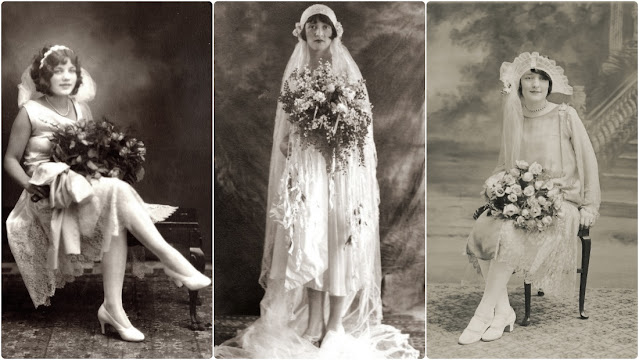
With the Jazz Age entered a new bridal aesthetic: Waist lines and necklines dropped, and a more streamlined silhouette took hold. Gowns featured ornate beading and embroidery, while bouquets were larger than life. Brides favored Juliet headdresses or cloche hats for their veils.
The dresses of the 1920s were typically short with a hem that was in different length in front than behind, usually accompanied by a wedding veil or hat in the cloche-style. Most of the dresses were white, though hues of eggshell, ecru, and ivory white were seen.
Take a look at these cool pics to see what brides looked like in the 1920s.
Subscribe to continue reading
Become a paid subscriber to get access to the rest of this post and other exclusive content.
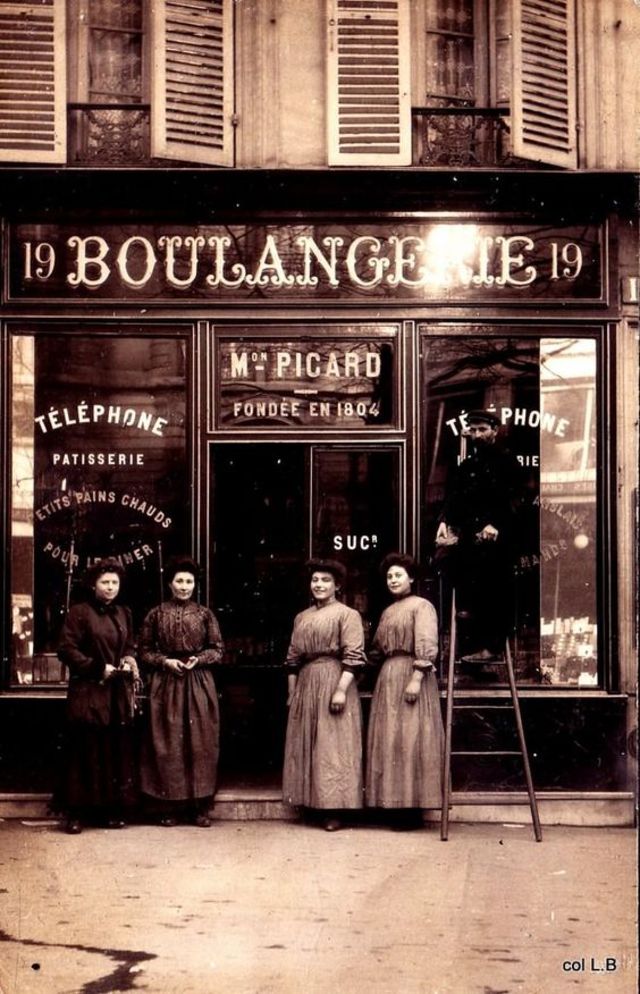
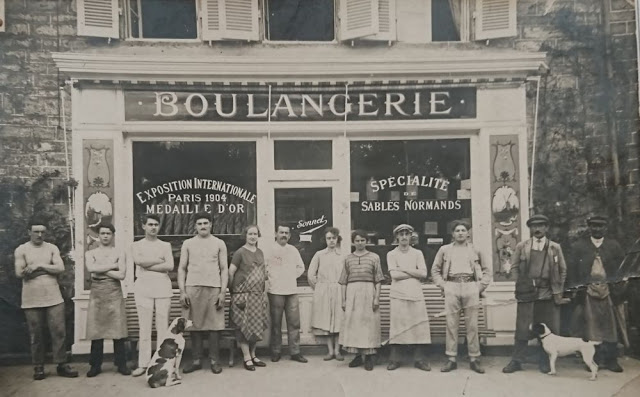
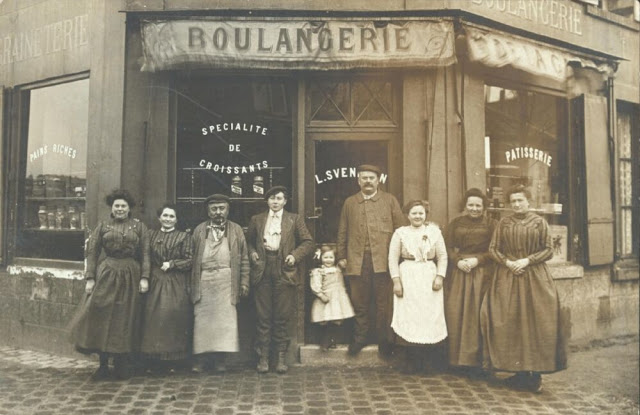
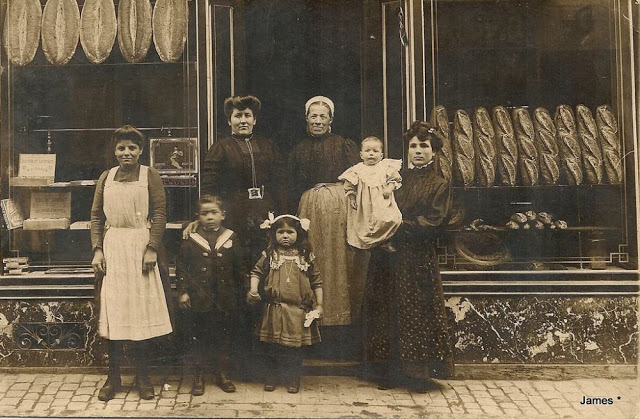
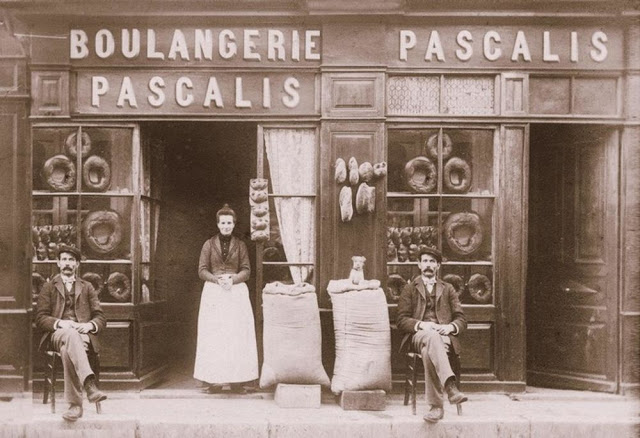
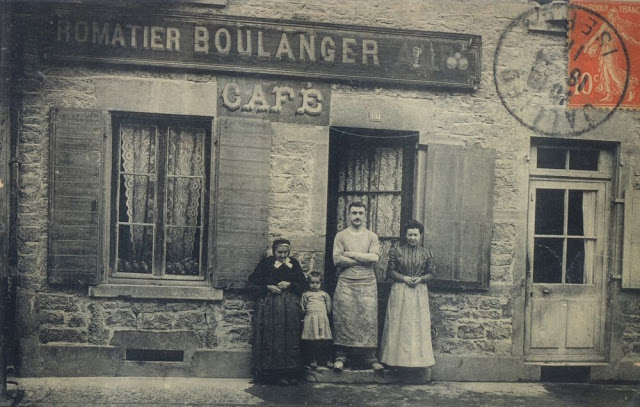
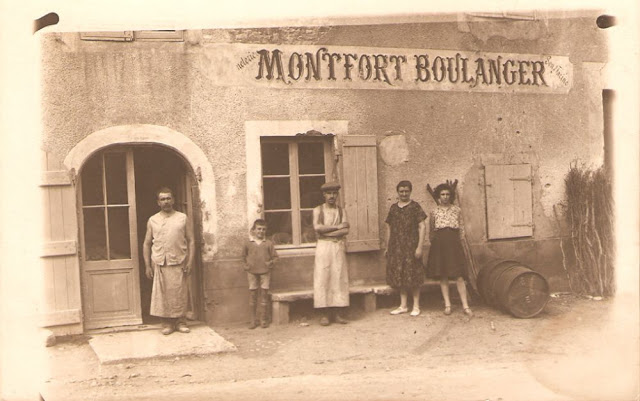
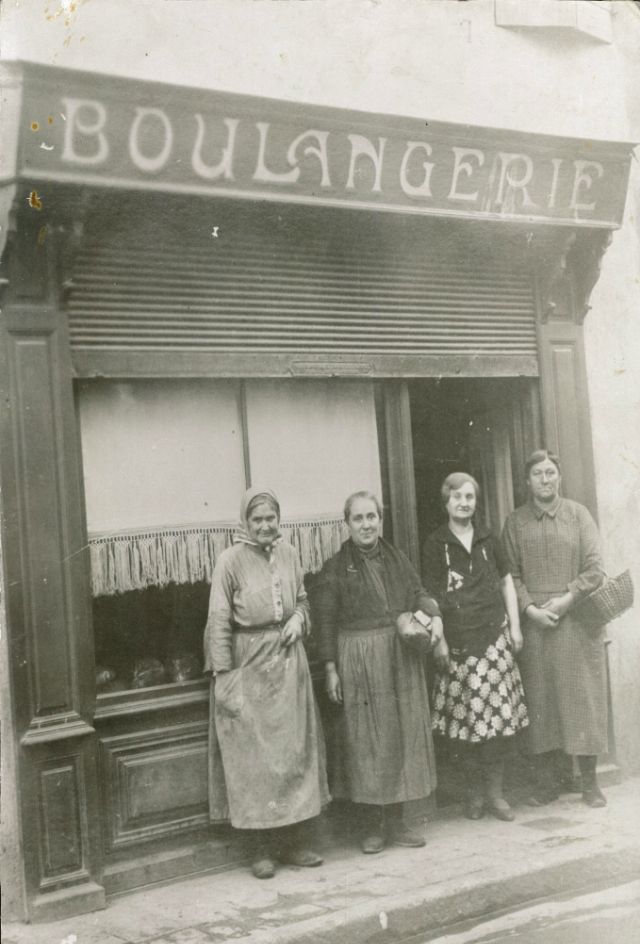
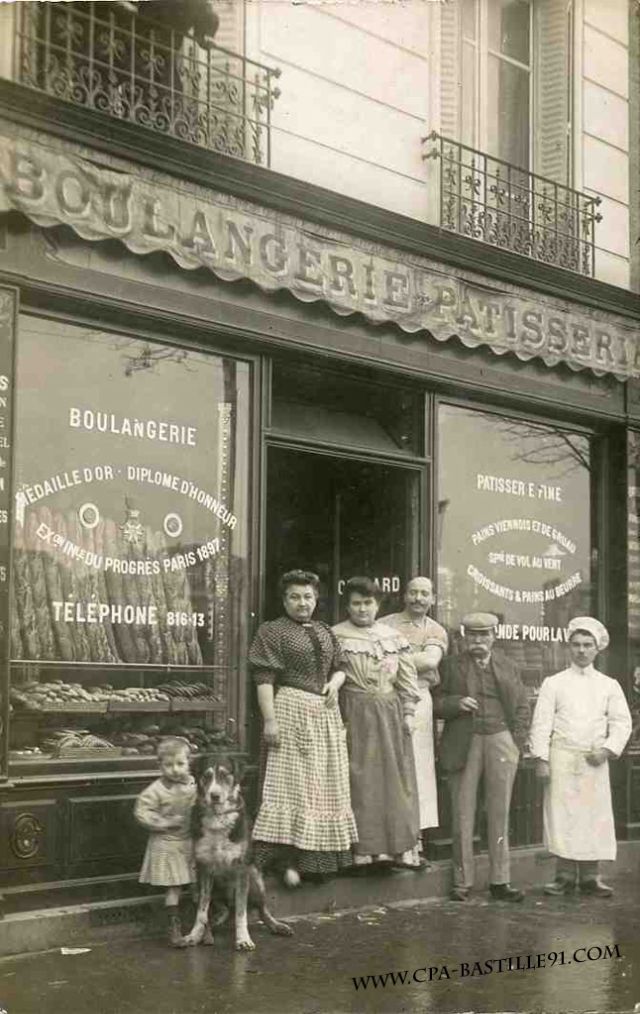
France is world famous for its delicious baking. If you love bread, you can find a bakery or, as the French call it, a boulangerie, on almost every street corner. The smell of fresh-baked bread alone can tempt you into the boulangerie and when you’re inside, you are met with the sight of many doughy treats.
A boulangerie is a French bakery, as opposed to a pastry shop. Bakeries must bake their bread on-premises to hold the title of ‘boulangerie’ in France. While a boulangerie may also sell pâtisseries and viennoiseries, their main trade will be in traditional French breads, such as: Baguettes: The most well-known French bread, there are many styles of baguette however all are long and thin. Pain de campagne: A thick-crusted loaf baked with a combination of flours – perfect for eating with soups and stews. One key difference to note between a French baker and a pastry chef is that while pâtissiers work with mostly cold ingredients, a boulanger (or baker) will master the techniques and processes of warm rising dough.
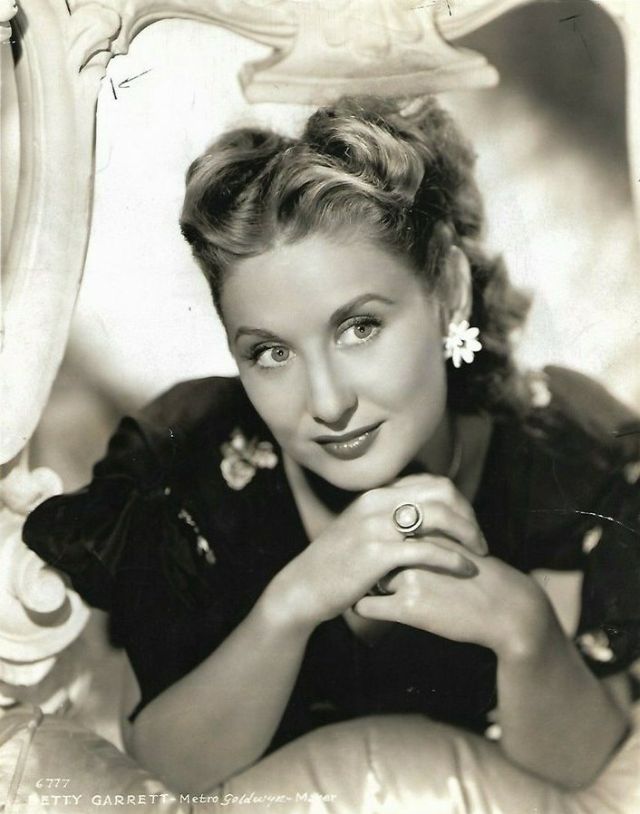
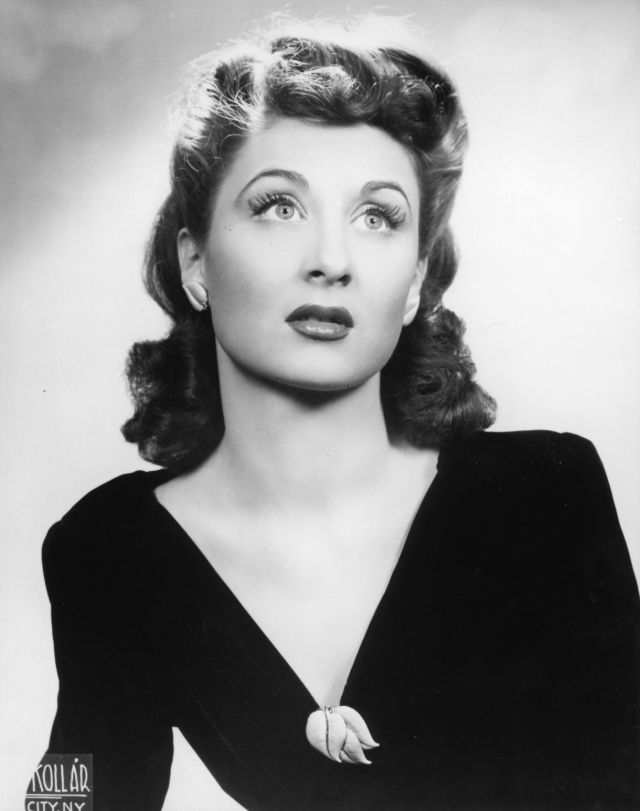
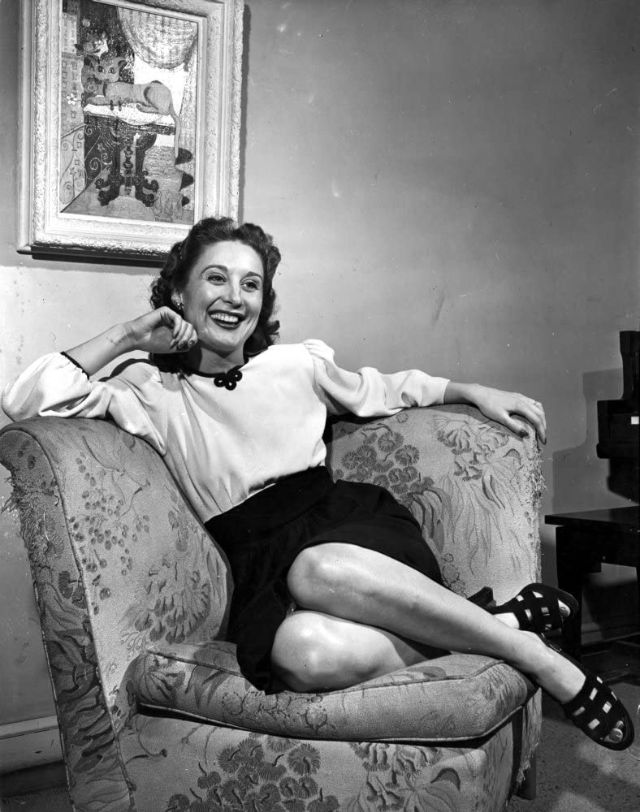
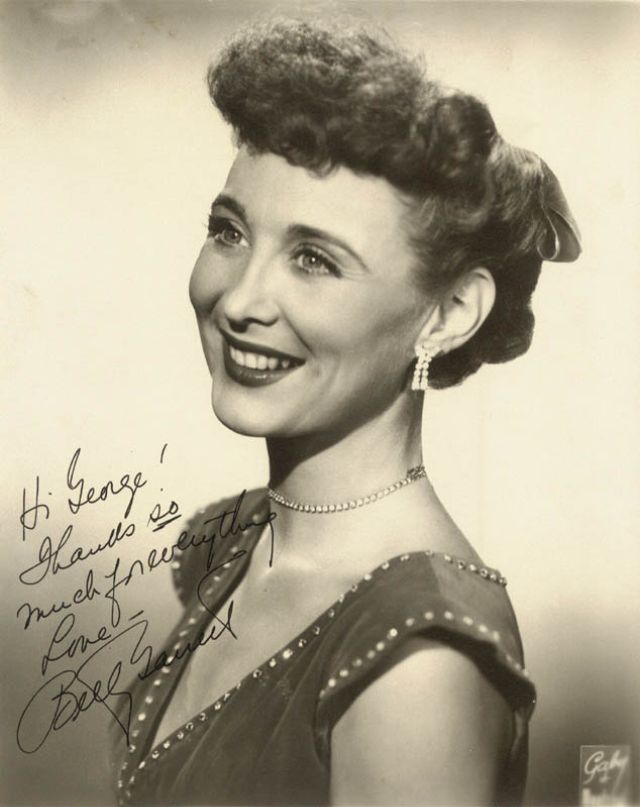
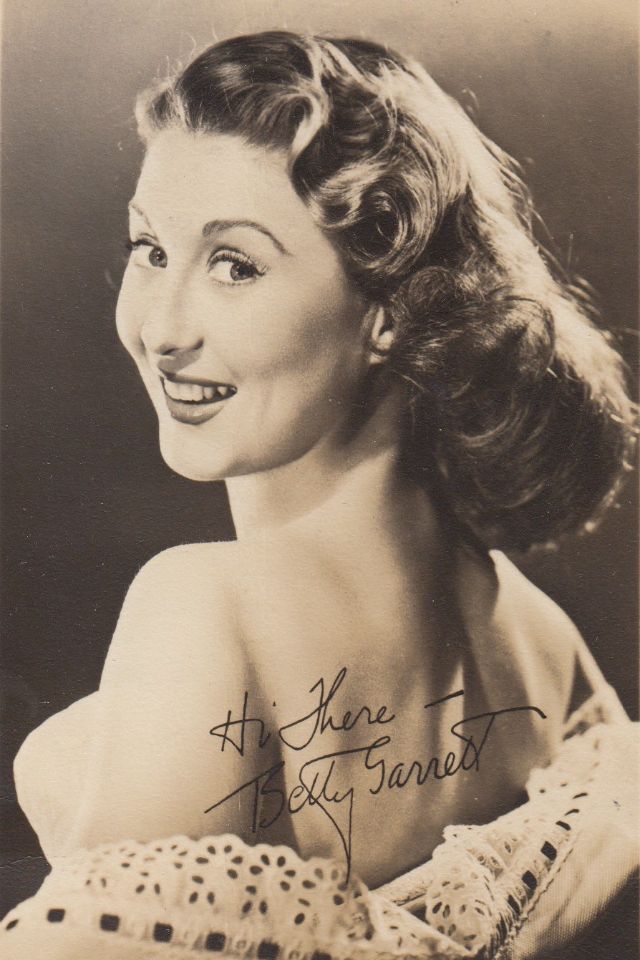
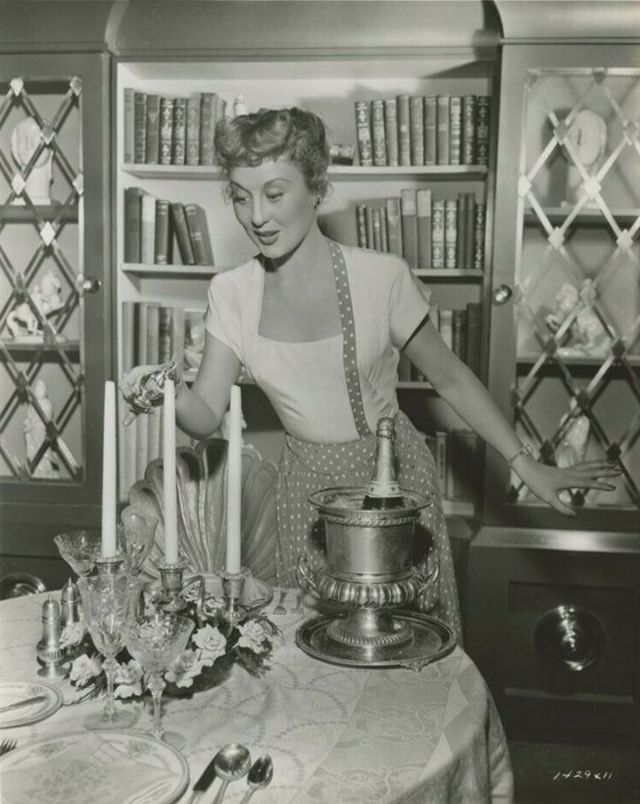
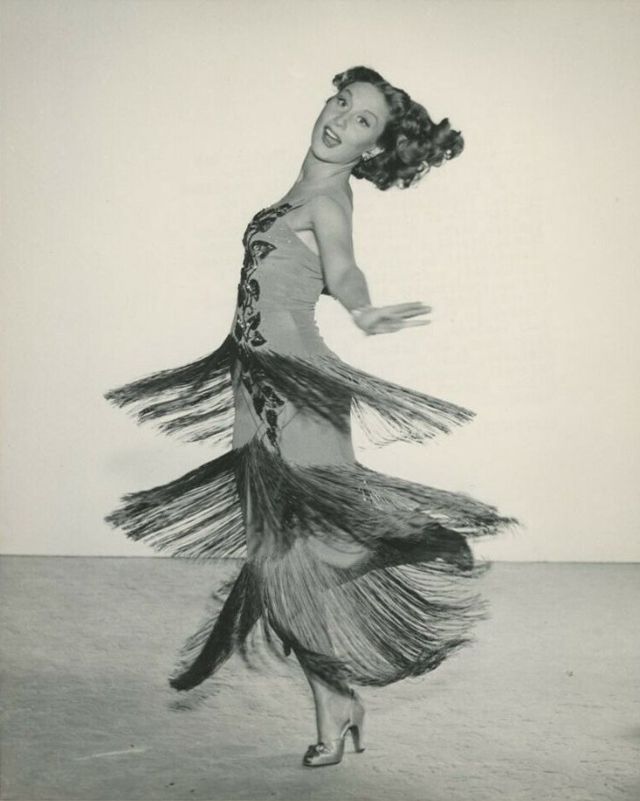
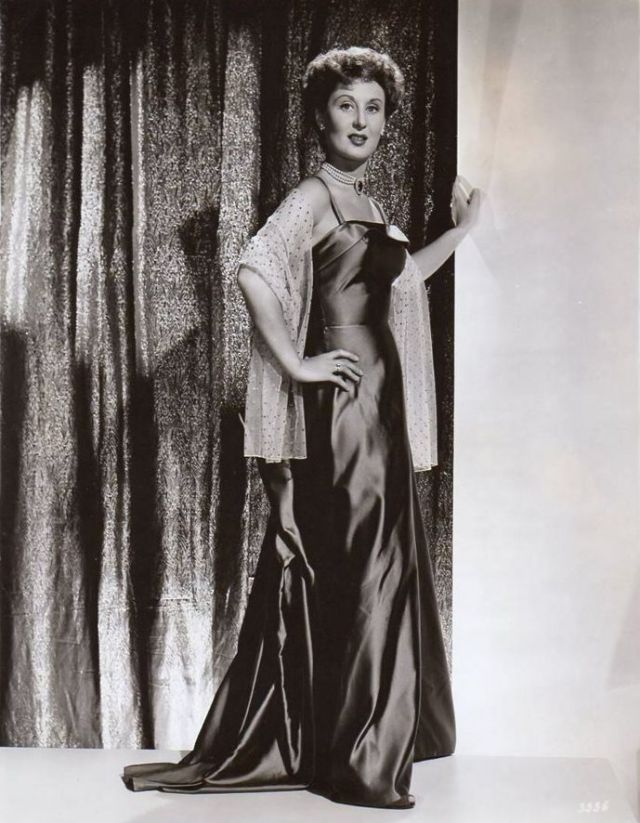
Born 1919 in Saint Joseph, Missouri, American actress, comedian, singer and dancer Betty Garrett originally performed on Broadway, and was then signed to a film contract with Metro-Goldwyn-Mayer. She appeared in several musical films, then returned to Broadway and made guest appearances on several television series.
Garrett later became known for the roles she played in two prominent 1970s sitcoms: Archie Bunker’s politically-liberal neighbor Irene Lorenzo in All in the Family and landlady Edna Babish in Laverne & Shirley. In later years, she appeared in television series such as The Golden Girls, Grey’s Anatomy, Boston Public and Becker as well as in several Broadway plays and revivals.
Garrett received a star on the Hollywood Walk Of Fame in 2003. On the occasion of her 90th birthday in 2009, she was honored at a celebration sponsored by Theatre West at the Music Box Theatre in Hollywood. In 2010, Garrett appeared alongside former two-time co-star Esther Williams during Turner Classic Movies’ first annual Classic Film Festival. Their film Neptune’s Daughter was screened at the pool of the Roosevelt Hotel in Hollywood, California, while a Williams-inspired synchronized swimming troupe, The Aqualilies, performed.
Garrett died of an aortic aneurysm in Los Angeles in 2011 at the age of 91. Take a look at these vintage photos to see portrait of a young Betty Garrett in the 1940s and 1950s.
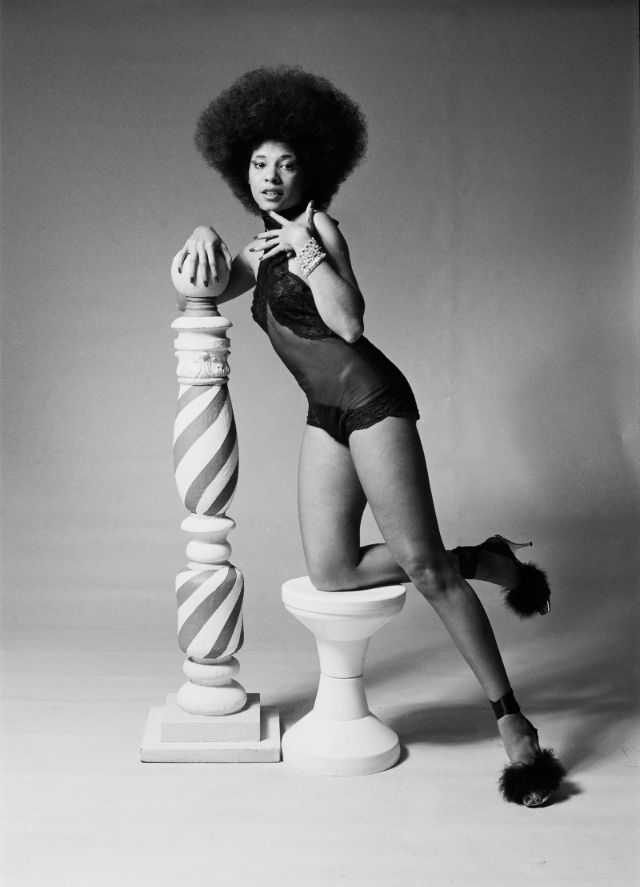
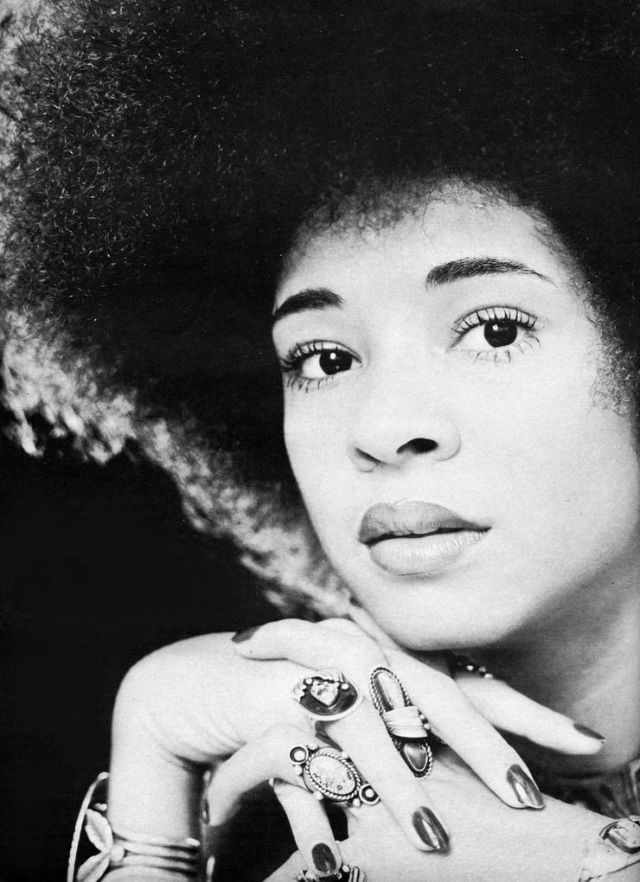
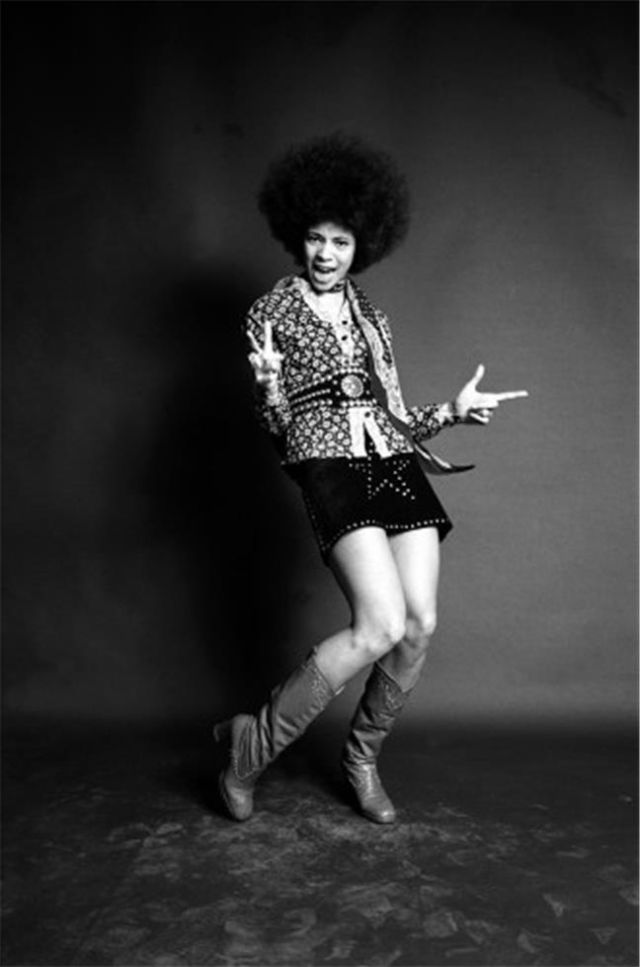
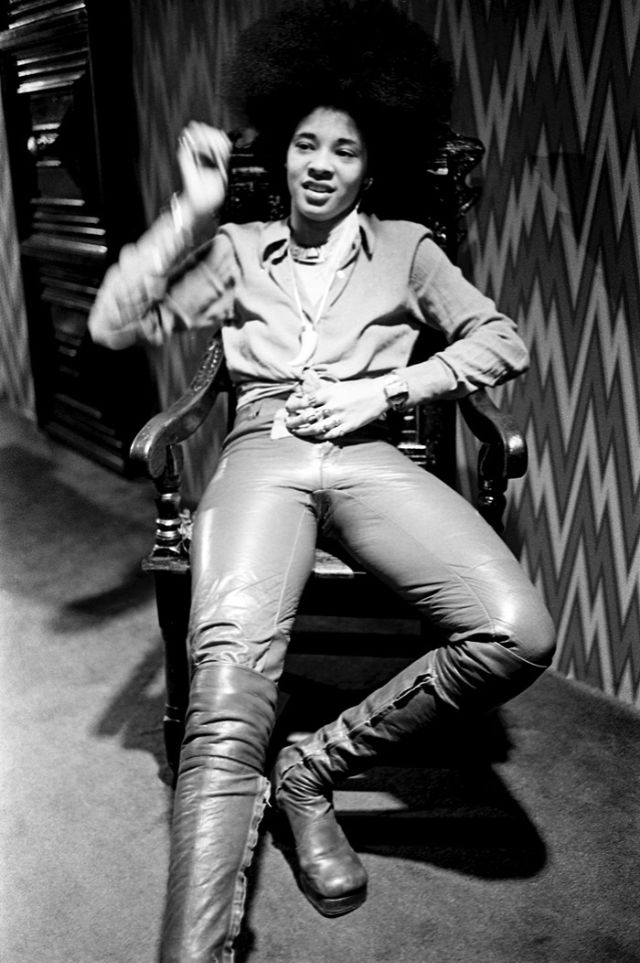
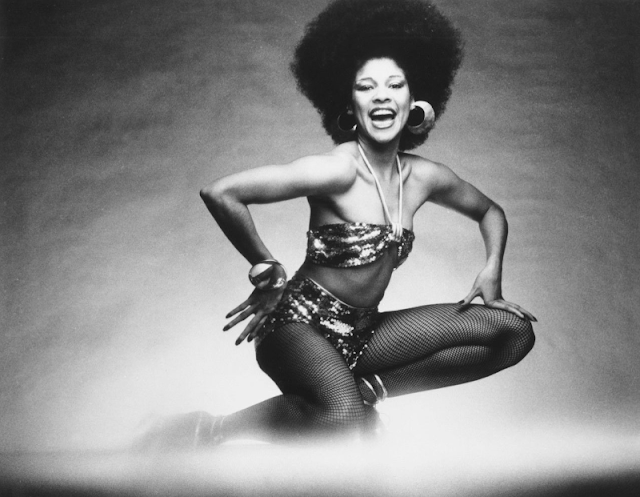
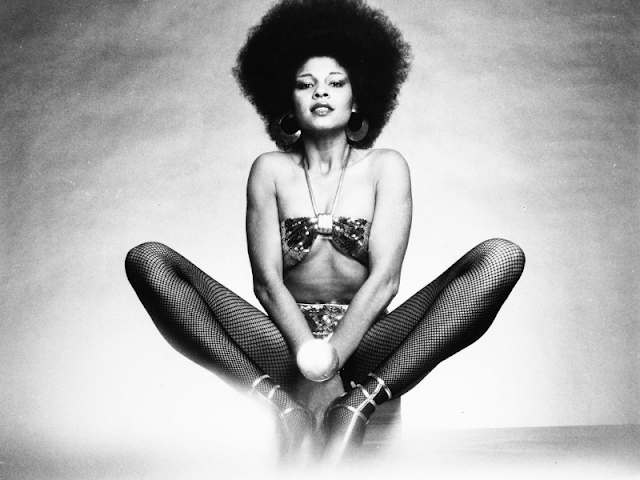
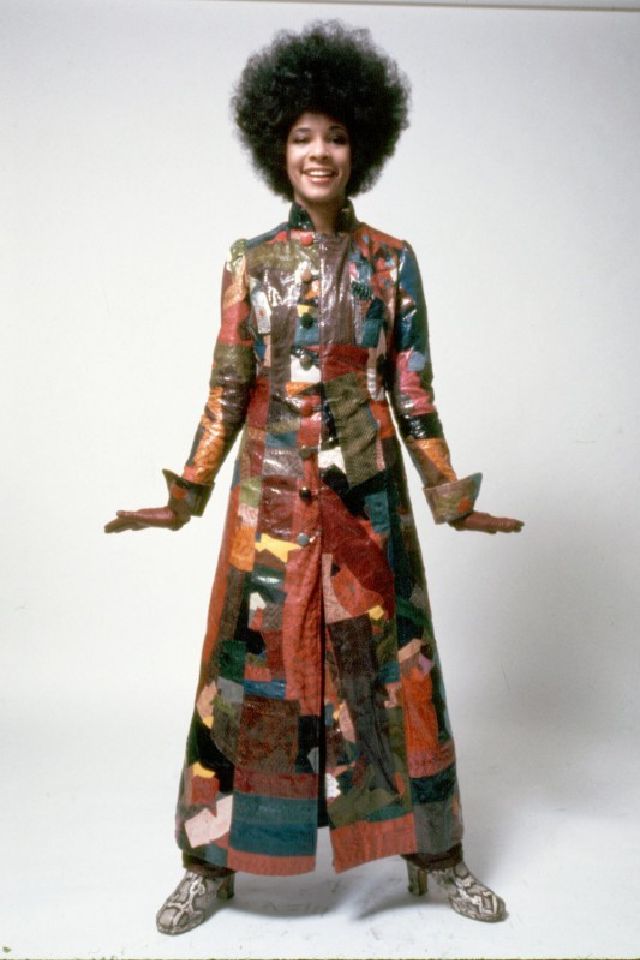
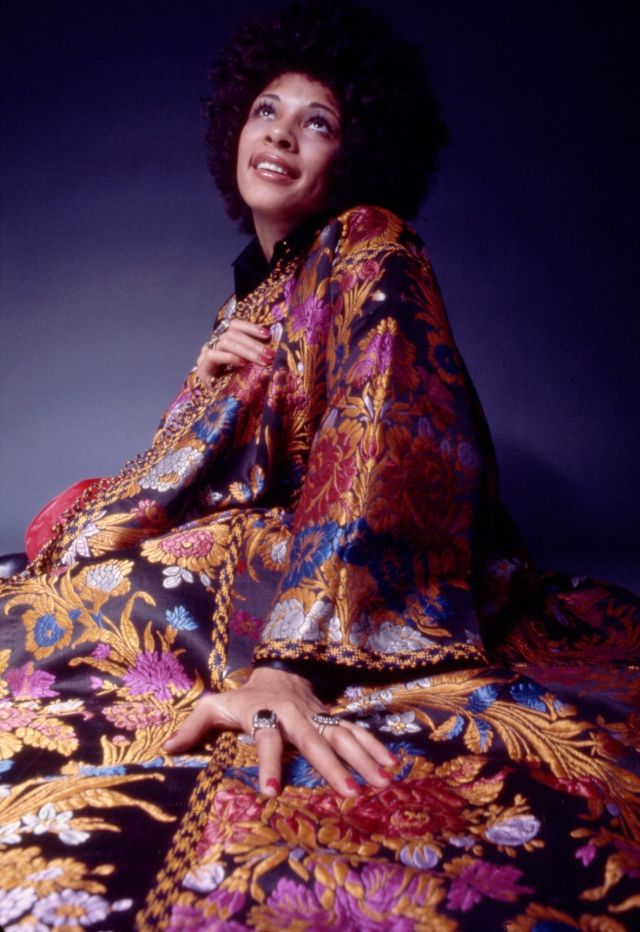
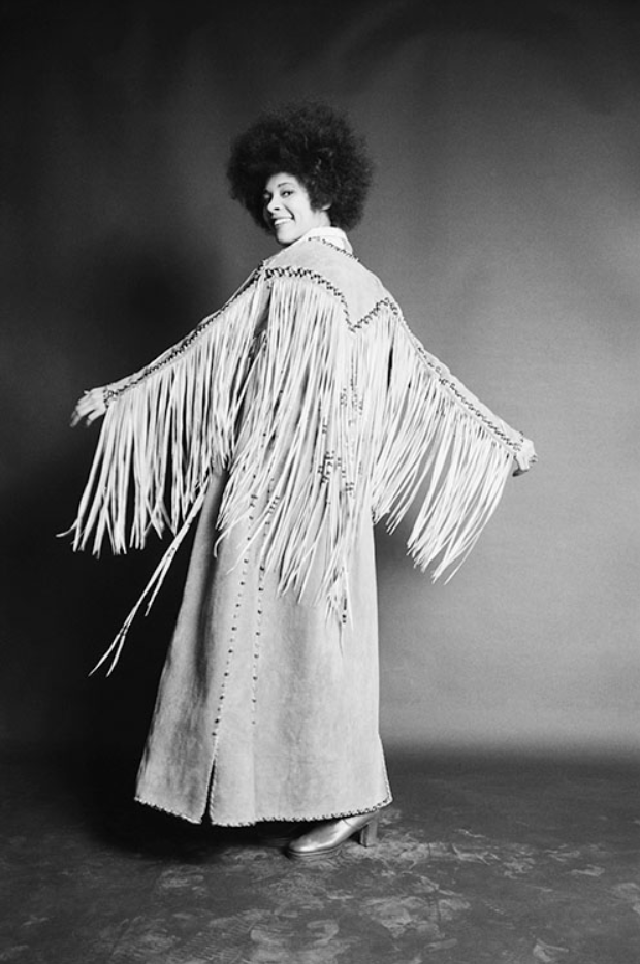
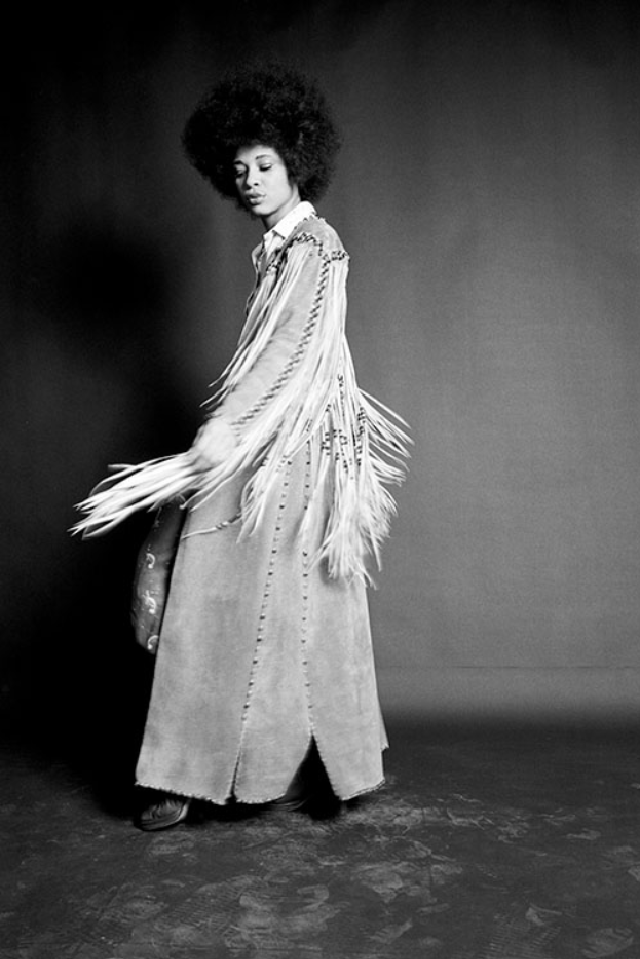
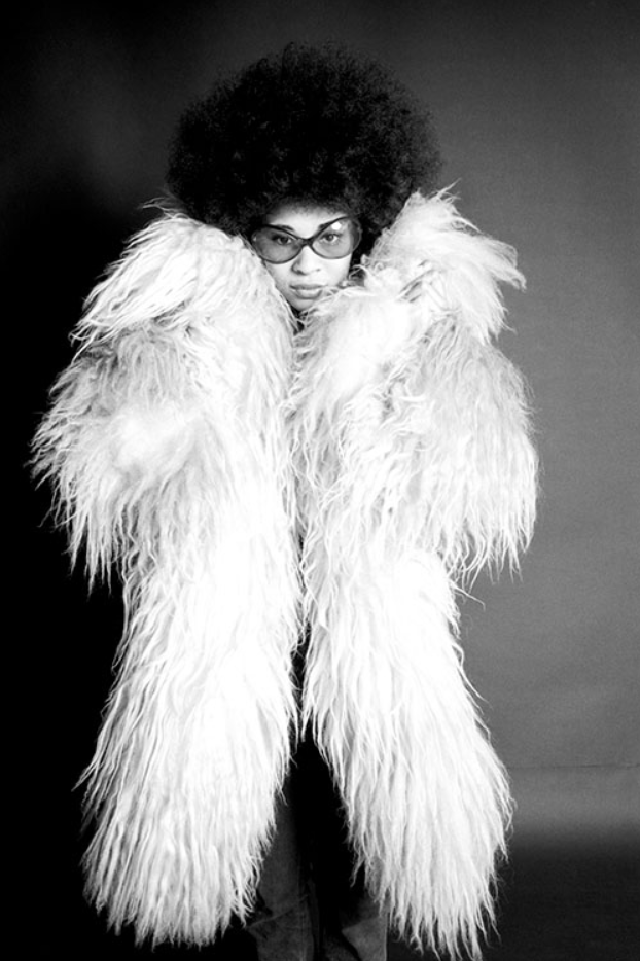
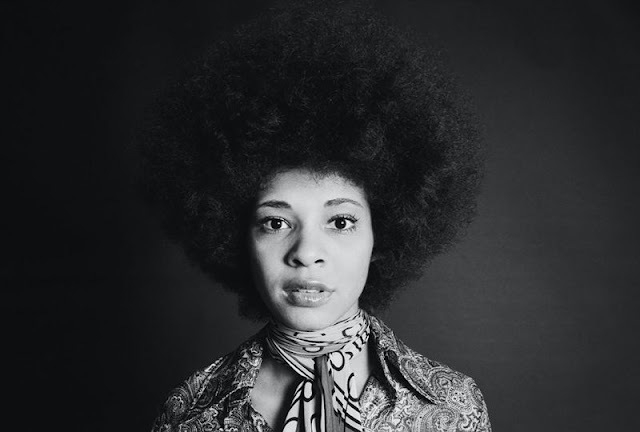
Betty Gray Davis (née Mabry; July 26, 1944 – February 9, 2022) was an American singer, songwriter, and model. She was known for her controversial sexually-oriented lyrics and performance style, and for being the second wife of trumpeter Miles Davis. Her AllMusic profile describes her as “a wildly flamboyant funk diva with few equals … [who] combined the gritty emotional realism of Tina Turner, the futurist fashion sense of David Bowie, and the trendsetting flair of Miles Davis”.
Betty Gray Mabry was born in Durham, North Carolina, on July 26, 1944. She developed an interest in music when she was about ten, and was introduced to various blues musicians by her grandmother, Beulah Blackwell, while staying at her farm in Reidsville. At 12, she wrote one of her first songs, “I’m Going to Bake That Cake of Love”. The family relocated to Homestead, Pennsylvania, so her father, Henry Mabry, could work at a steel mill, and Betty graduated from Homestead High School. She decided to pursue a career in showbusiness after watching her father dance like Elvis Presley.
Career When she was 16, Betty left Homestead for New York City, enrolling at the Fashion Institute of Technology (FIT) while living with her aunt. She soaked up the Greenwich Village culture and folk music of the early 1960s. She associated herself with frequenters of the Cellar, a hip uptown club where young and stylish people congregated. It was a multiracial, artsy crowd of models, design students, actors, and singers. At the Cellar she played records and chatted people up. She was a friend and early muse to fashion designer Stephen Burrows, who also studied at the FIT at the time. She also worked as a model, appearing in photo spreads in Seventeen, Ebony and Glamour.
In New York, she met musicians including Jimi Hendrix and Sly Stone. The seeds of her musical career were planted through her friendship with soul singer Lou Courtney, who reputedly produced her first single, “The Cellar”, though the existence of that record has been questioned. She secured a contract with Don Costa, who had written arrangements for Frank Sinatra. As Betty Mabry, she recorded “Get Ready For Betty” b/w “I’m Gonna Get My Baby Back” in 1964 for Costa’s DCP International label. Around the same time, she recorded a single, “I’ll Be There”, with Roy Arlington for Safice Records, under the joint name “Roy and Betty”.
Her first professional gig came after she wrote “Uptown (to Harlem)” for the Chambers Brothers. Their 1967 album was a major success, but Mabry focused on her modeling career. She was successful as a model but felt bored by the work—”I didn’t like modeling because you didn’t need brains to do it. It’s only going to last as long as you look good.”
In 1968, when she was in a relationship with Hugh Masekela, she recorded several songs for Columbia Records, with Masekela doing the arrangements. Two of them were released as a single: “Live, Love, Learn” b/w “It’s My Life”. Her relationship with Miles Davis began soon after her breakup from Masekela. She featured on the cover of Miles Davis’ album Filles de Kilimanjaro, which included his tribute to her, “Mademoiselle Mabry”, and she introduced him to psychedelic rock and the flamboyant clothing styles of the era. In the spring of 1969, Betty returned to Columbia’s 52nd St. Studios to record a series of demo tracks, with Miles and Teo Macero producing. At least five songs were taped during those sessions, three of which were Mabry originals, two of which were covers of Cream and Creedence Clearwater Revival. Miles attempted to use these demo songs to secure an album deal for Betty, but neither Columbia nor Atlantic were interested and they were archived into a vault until 2016 when they were released in the compilation, The Columbia Years, 1968–1969, by Seattle’s Light in the Attic Records.
After the end of her marriage with Miles, Betty moved to London, probably around 1971, to pursue her modeling career. She wrote music while in the UK and, after about a year, returned to the US with the intention of recording songs with Santana. Instead, she recorded her own songs with a group of West Coast funk musicians including Larry Graham, Greg Errico, the Pointer Sisters, and members of Tower of Power. Davis wrote and arranged all her songs. Her first record, Betty Davis, was released in 1973. She released two more studio albums, They Say I’m Different (1974) and her major label debut on Island Records Nasty Gal (1975). None of the three albums were a commercial success, but she had two minor hits on the Billboard R&B chart: “If I’m in Luck I Might Get Picked Up”, which reached no. 66 in 1973, and “Shut Off the Lights”, which reached no. 97 in 1975.
Davis remained a cult figure as a singer, due in part to her unabashedly sexual lyrics and performance style, which were both controversial for the time. She had success in Europe, but in the U.S. she was barred from performing on television because of her sexually aggressive stage persona. Some of her shows were boycotted, and her songs were not played on the radio due to pressure by religious groups and the NAACP. Carlos Santana recalled Betty as “indomitable – she couldn’t be tamed. Musically, philosophically and physically, she was extreme and attractive.”
Retirement In 1976, Davis completed another album for Island Records (which was shelved and unreleased for 33 years), before being dropped by the label. She spent a year in Japan, spending time with silent monks.
In 1980, Davis’ father died which prompted her return to the US to live with her mother in Homestead, Pennsylvania. Davis struggled to overcome her father’s death, and subsequent mental illness. She acknowledged that she suffered a “setback” at the time, but stayed in Homestead, “accepted” the end of her career, and lived a quiet life.
The tracks from Davis’ final recording sessions in 1979 were released on two bootleg albums, Crashin’ from Passion (1995) and Hangin’ Out in Hollywood (1996). A greatest hits album, Anti Love: The Best of Betty Davis, was also released in 1995.
In 2007, Betty Davis (1973) and They Say I’m Different (1974) were reissued by Light in the Attic Records. In 2009, the label reissued Nasty Gal and her unreleased fourth studio album recorded in 1976, re-titled as Is It Love or Desire?. Both reissues contained extensive liner notes and shed some light on the mystery of why her fourth album, considered possibly to be her best work by members of her last band (Herbie Hancock, Chuck Rainey, and Alphonse Mouzon), was shelved and remained unreleased for 33 years.
In 2017, an independent documentary directed by Philip Cox entitled Betty Davis: They Say I’m Different, was released, which renewed interest in her life and music career. When Cox tracked Davis down, he found her living in the basement of a house with no internet, cell phone, or car. He said: “This wasn’t a woman with riches or luxury. She was living on the bare essentials.”
In 2019, Davis released “A Little Bit Hot Tonight”, her first new song in over 40 years, which was performed and sung by Danielle Maggio, an ethnomusicologist who was a friend and associate producer on Betty: They Say I’m Different.
Personal life and death As a model in 1966, Betty met jazz musician Miles Davis, who was 19 years her senior. He was separated from his first wife, dancer Frances Davis, and was dating actress Cicely Tyson. Betty began dating Miles in early 1968, and they were married that September. During their year of marriage, she introduced him to the fashions and popular music trends of the era that influenced his music. In his autobiography, Miles credited Betty with helping to plant the seeds of his further musical explorations by introducing the trumpeter to psychedelic rock guitarist Jimi Hendrix and funk innovator Sly Stone. The Miles Davis album Filles de Kilimanjaro (1968) features Betty on the cover and includes a song named after her.
In his autobiography, Miles said Betty was “too young and wild”, and accused her of having an affair with Jimi Hendrix, which hastened the end of their marriage. Betty denied the affair stating, “I was so angry with Miles when he wrote that. It was disrespectful to Jimi and to me. Miles and I broke up because of his violent temper.” After accusing her of adultery, he filed for divorce in 1969. Miles told Jet magazine that the divorce was obtained on a “temperament” charge. He added, “I’m just not the kind of cat to be married.” Hendrix and Miles remained close, planning to record, until Hendrix’s death. The influence of Hendrix and especially Sly Stone on Miles Davis was obvious on the album Bitches Brew (1970), which ushered in the era of jazz fusion. It has been said that he wanted to call the album Witches Brew but Betty convinced him to change it.
Davis briefly dated musician Eric Clapton, but she refused to collaborate with him.
In 1975 Davis’ lover Robert Palmer helped her secure a deal with Island Records. Shortly thereafter she released her album Nasty Gal.
Davis died from cancer at her home in Homestead, Pennsylvania, on February 9, 2022, at the age of 77. (Wikipedia)
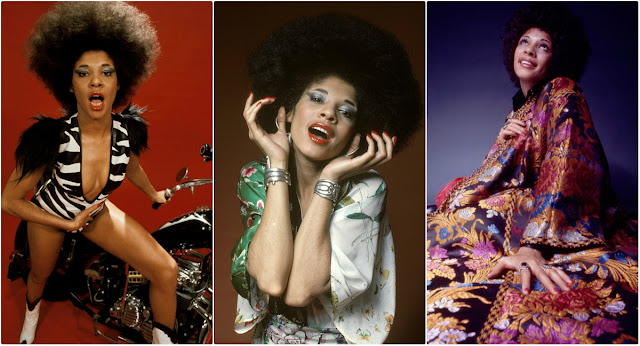
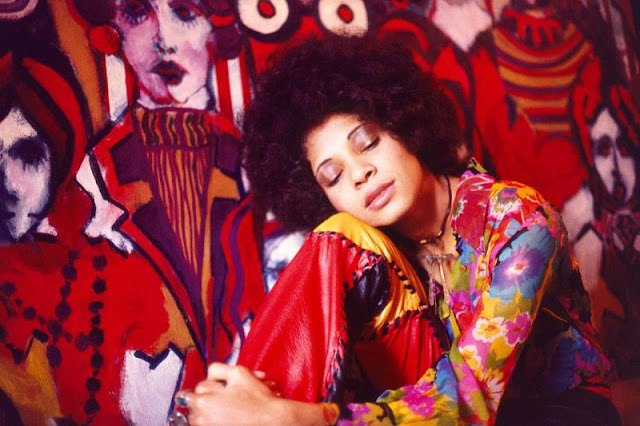
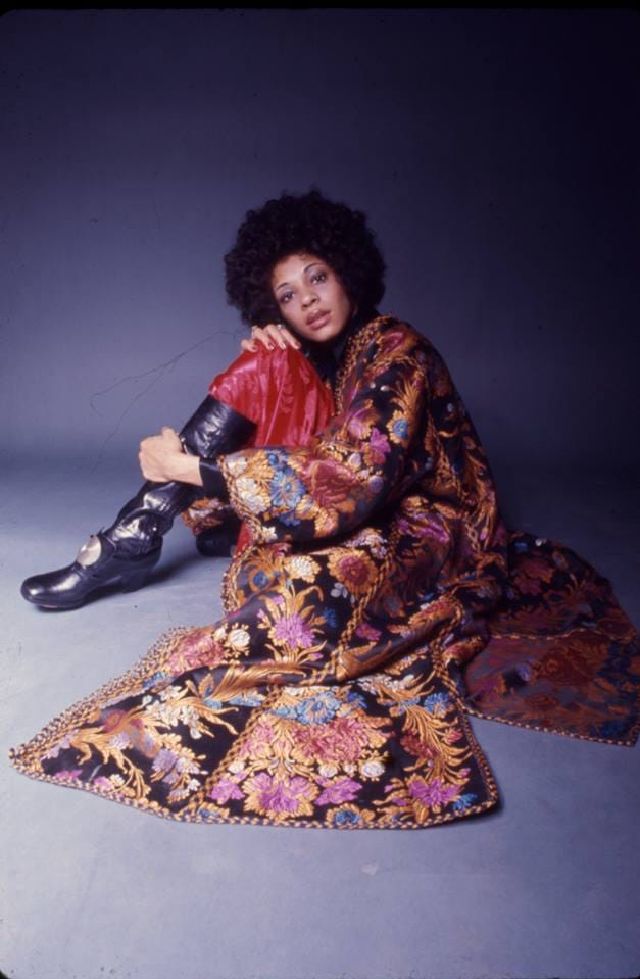
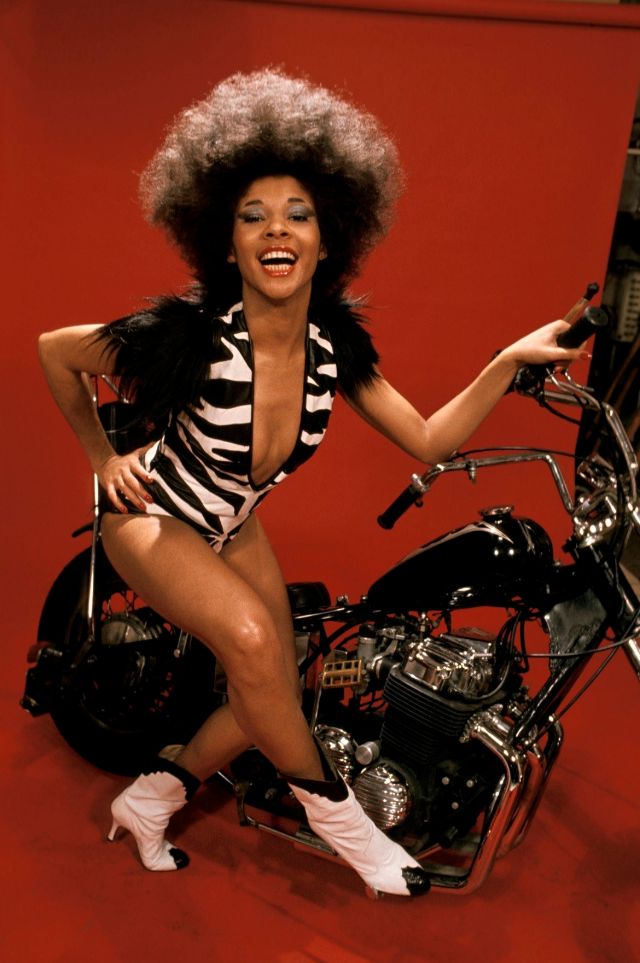
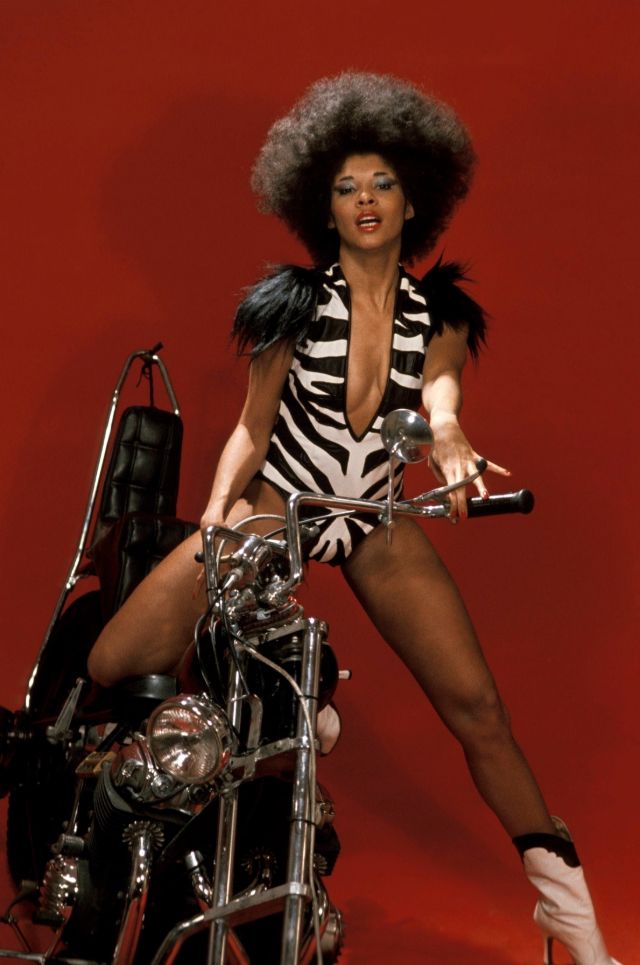
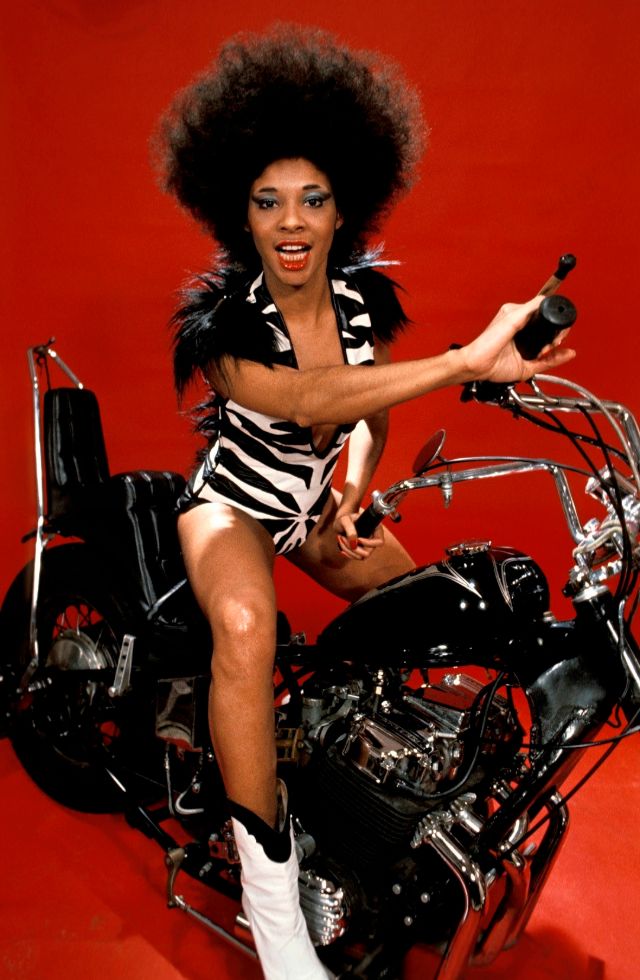
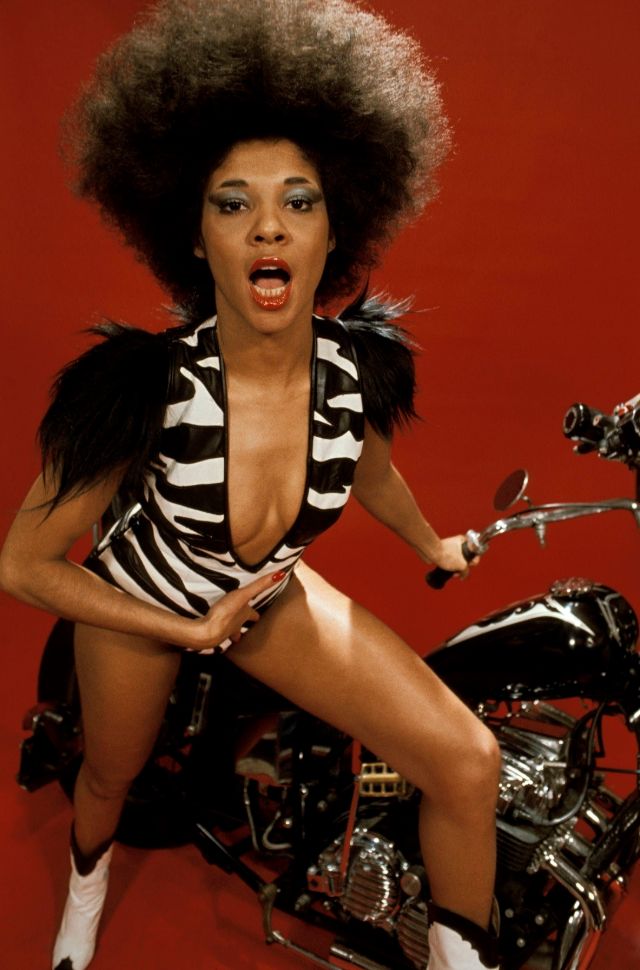
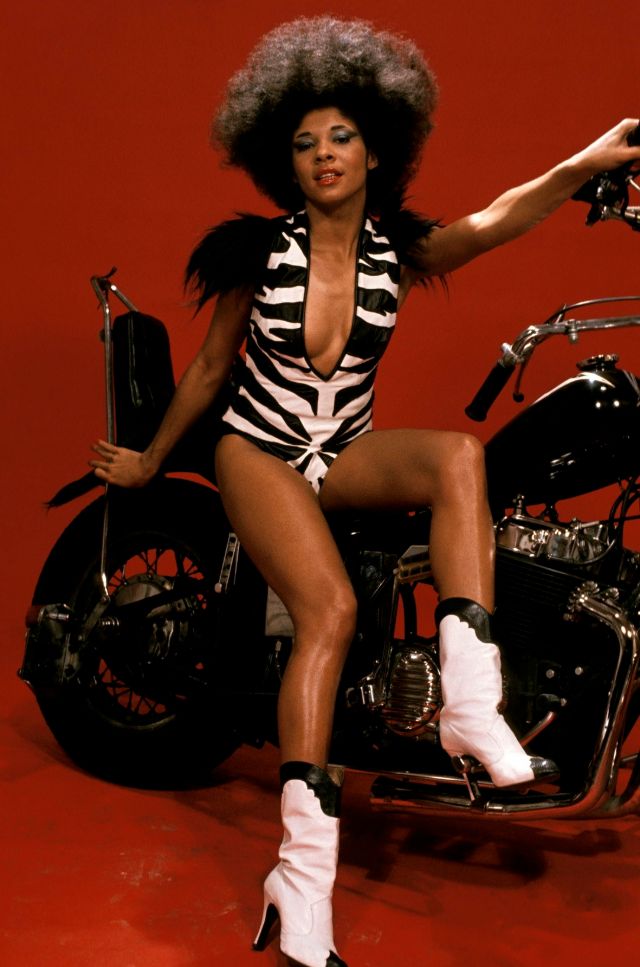
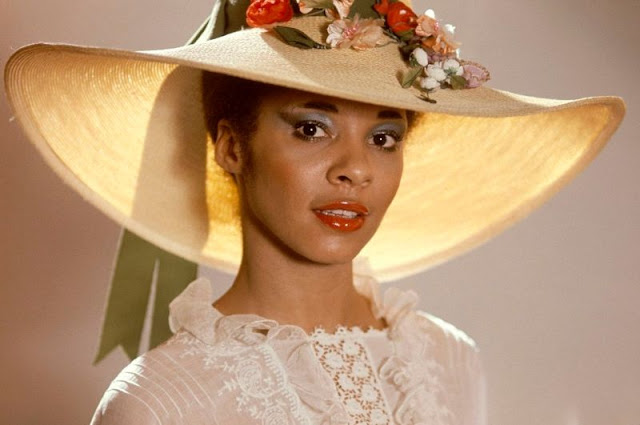
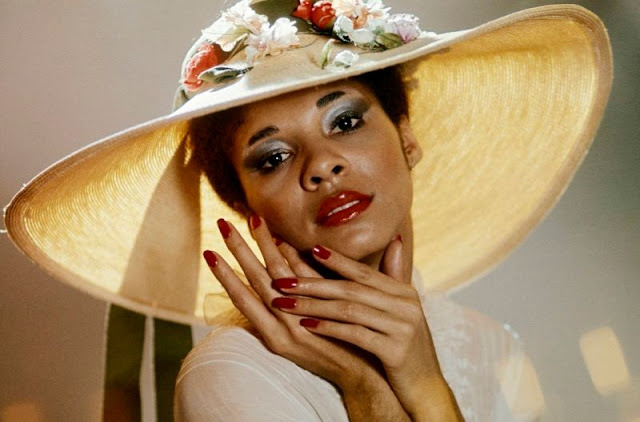
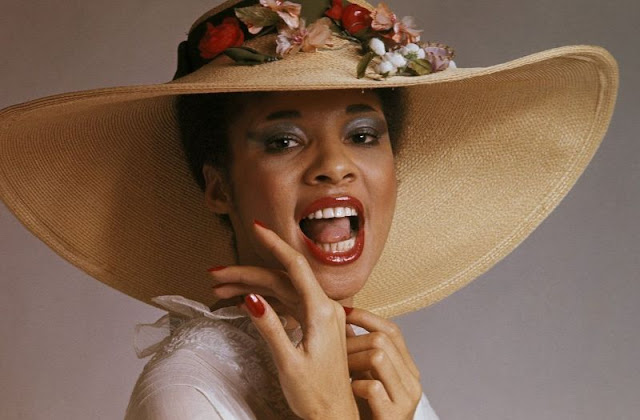
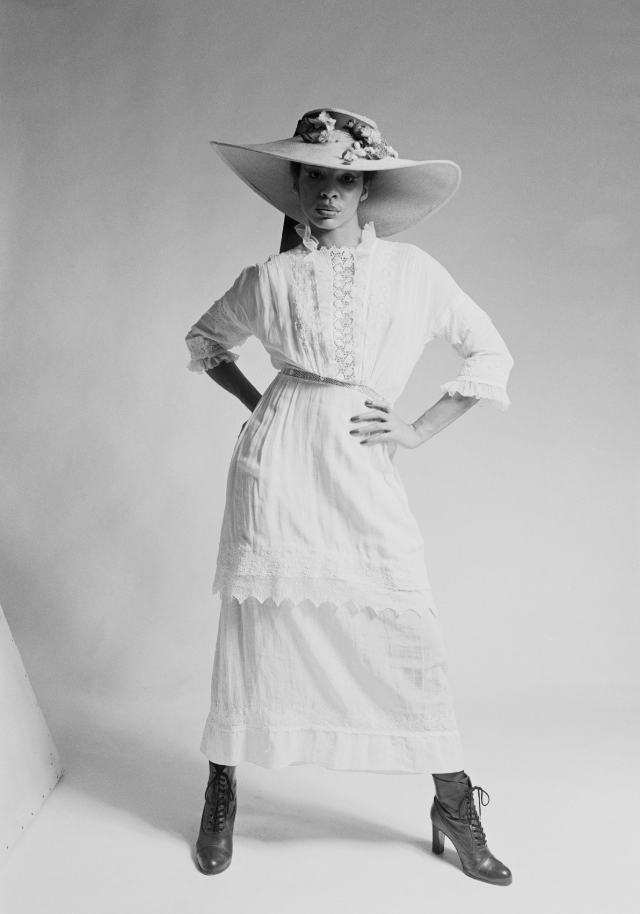
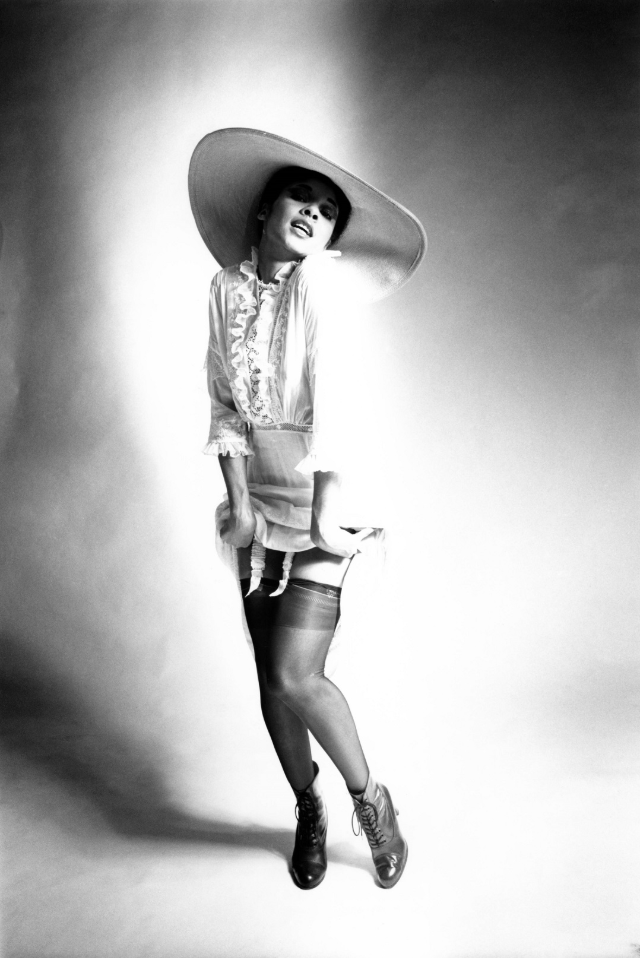
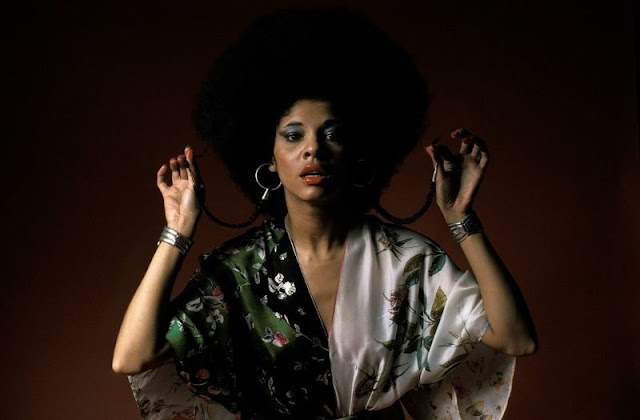
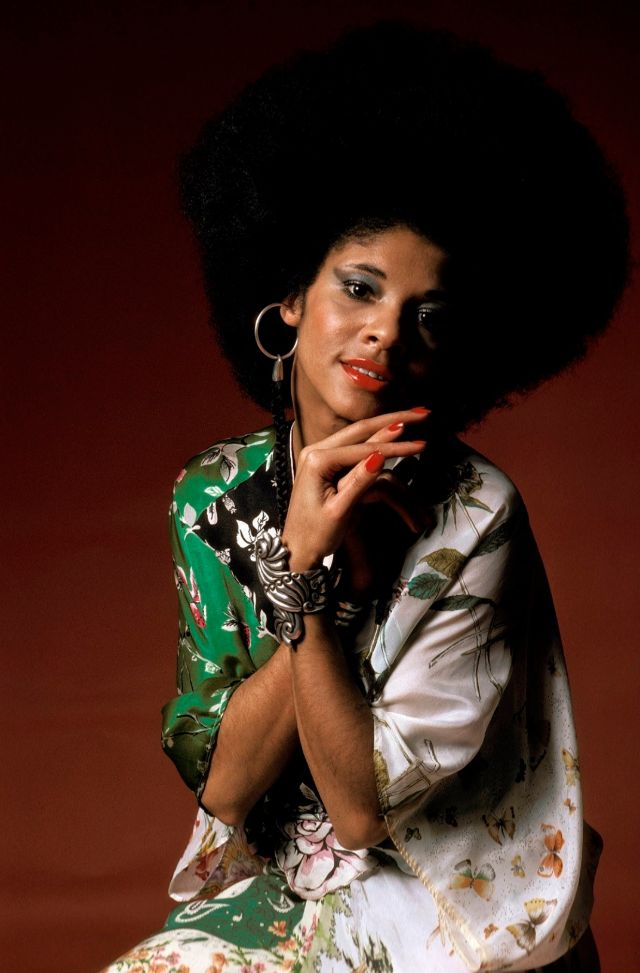
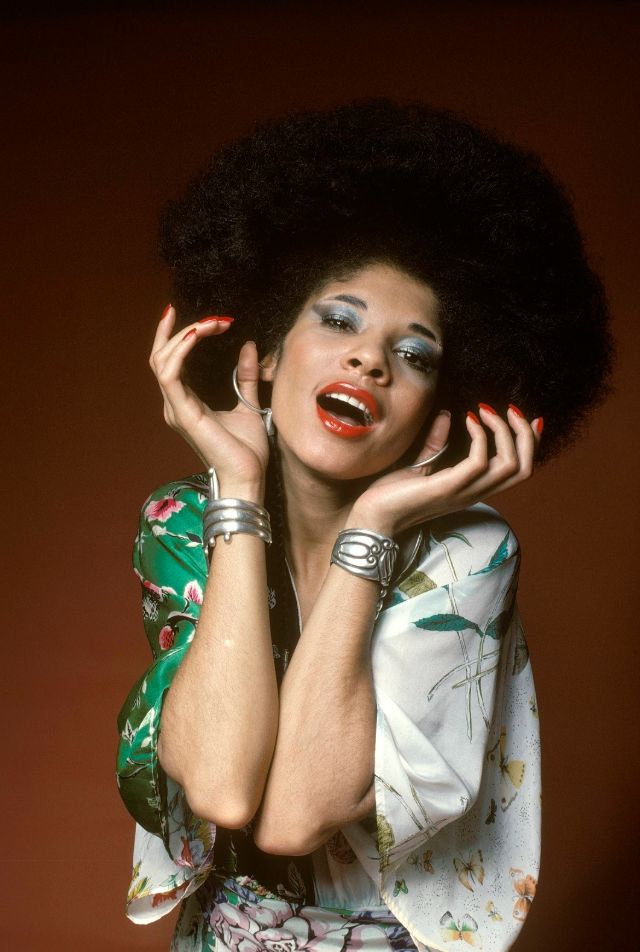
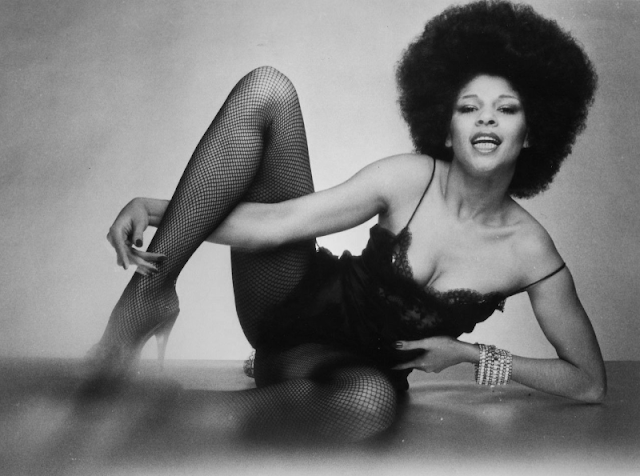
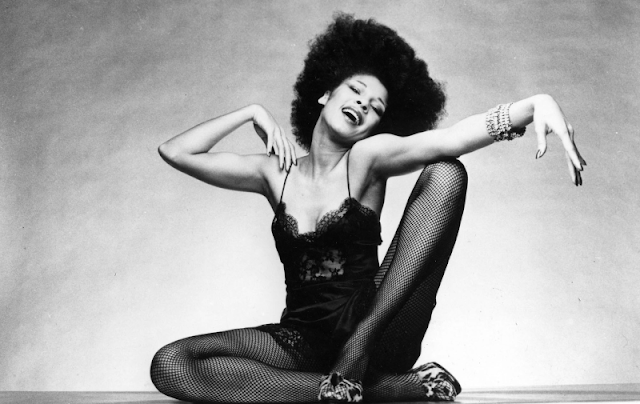
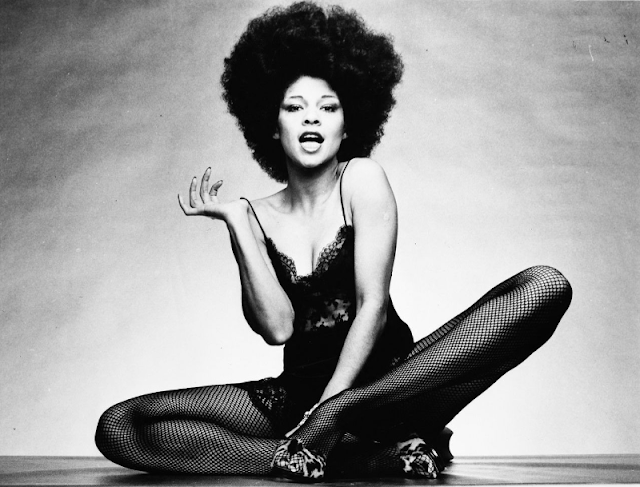
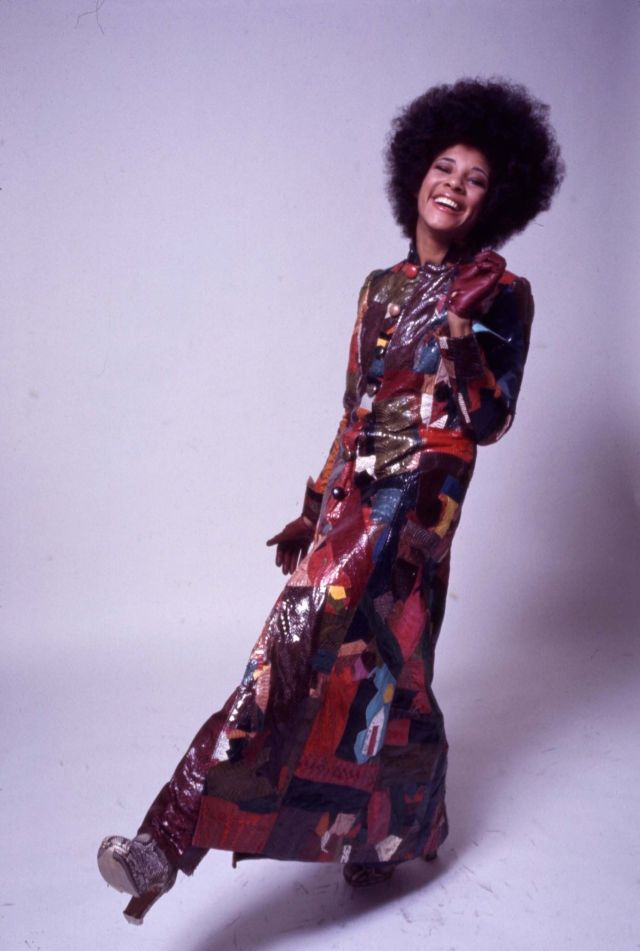
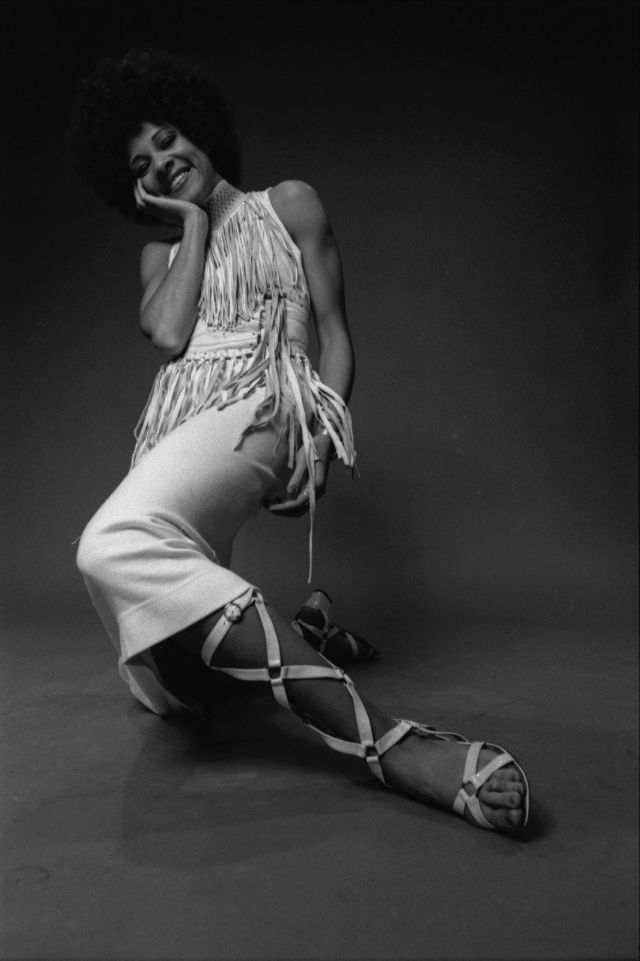
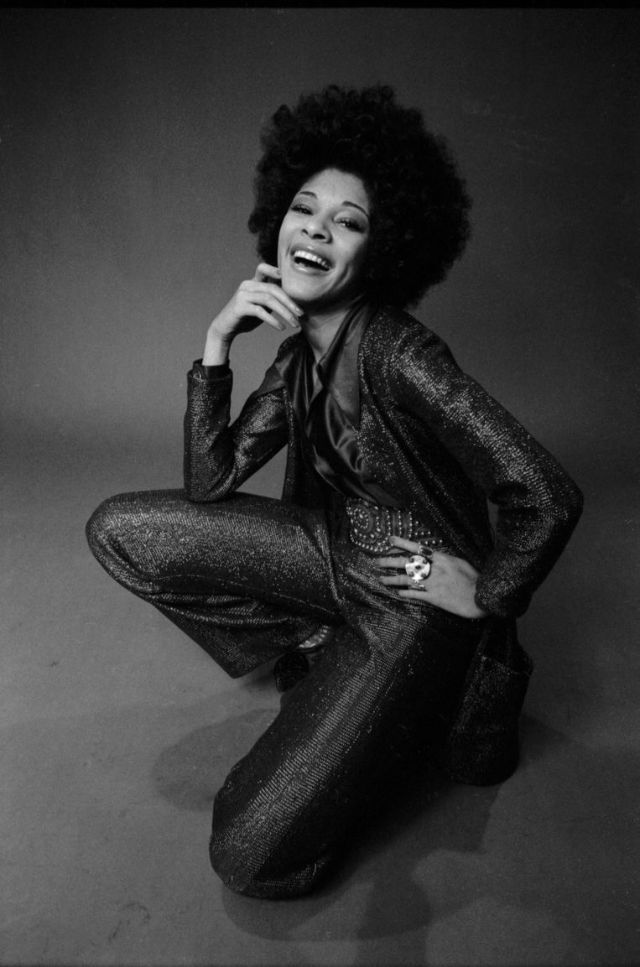
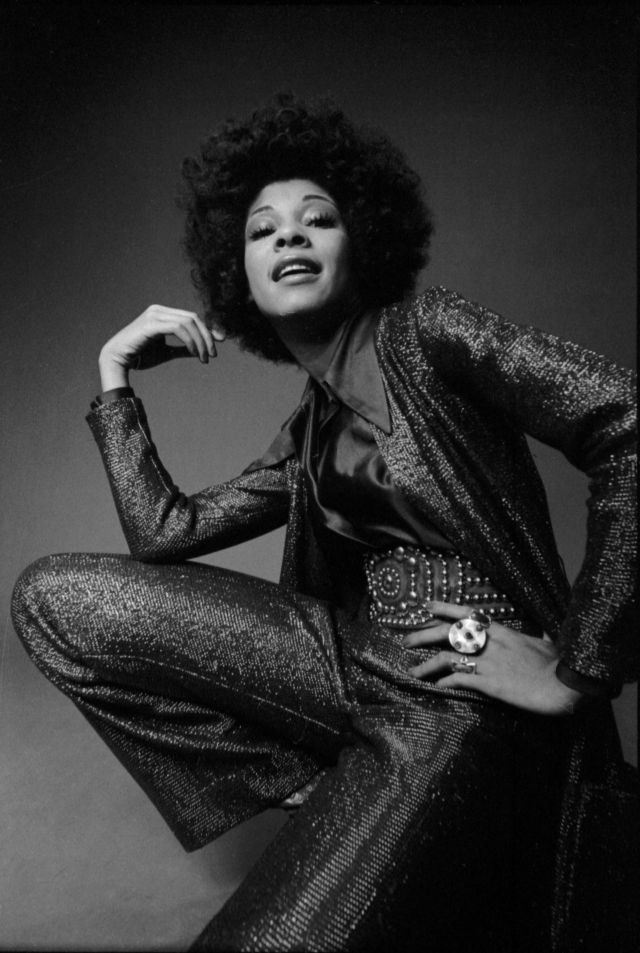
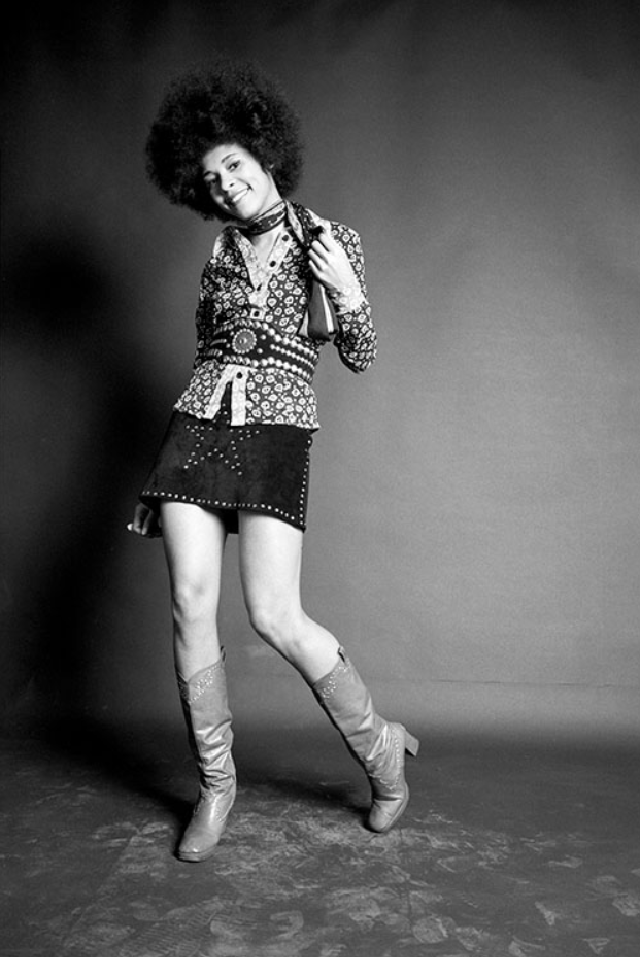
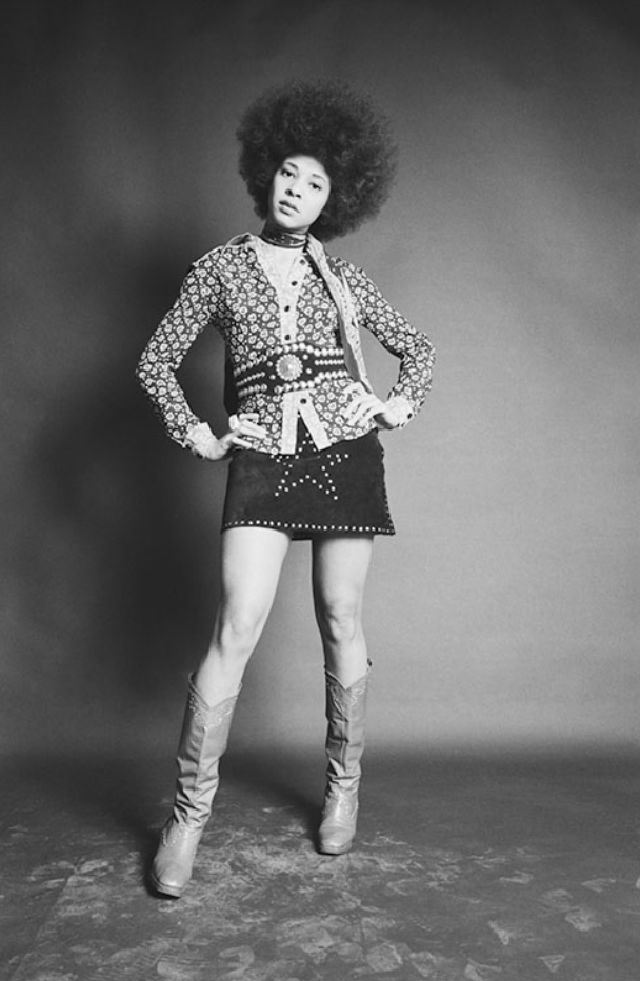
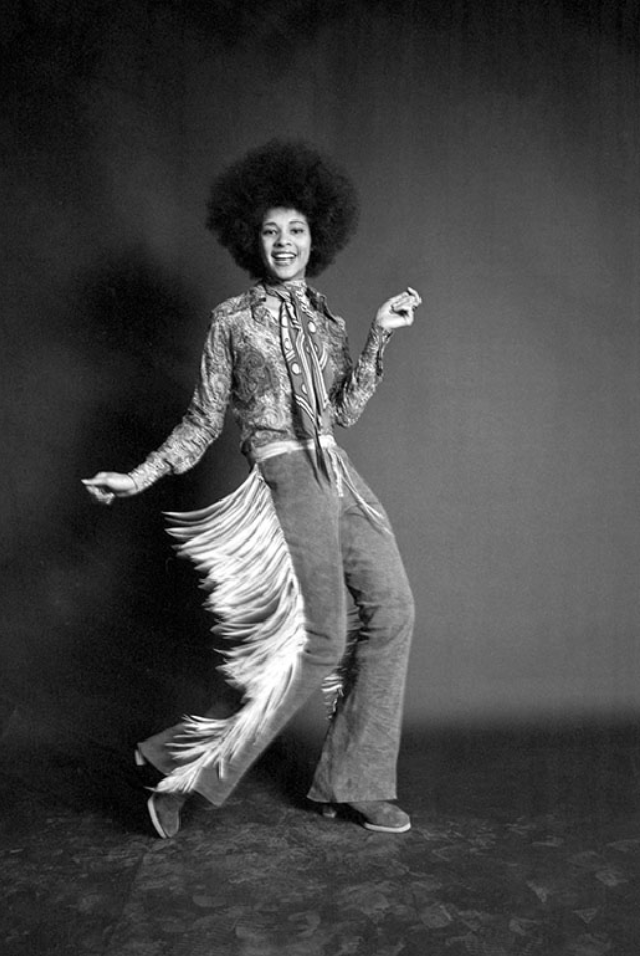
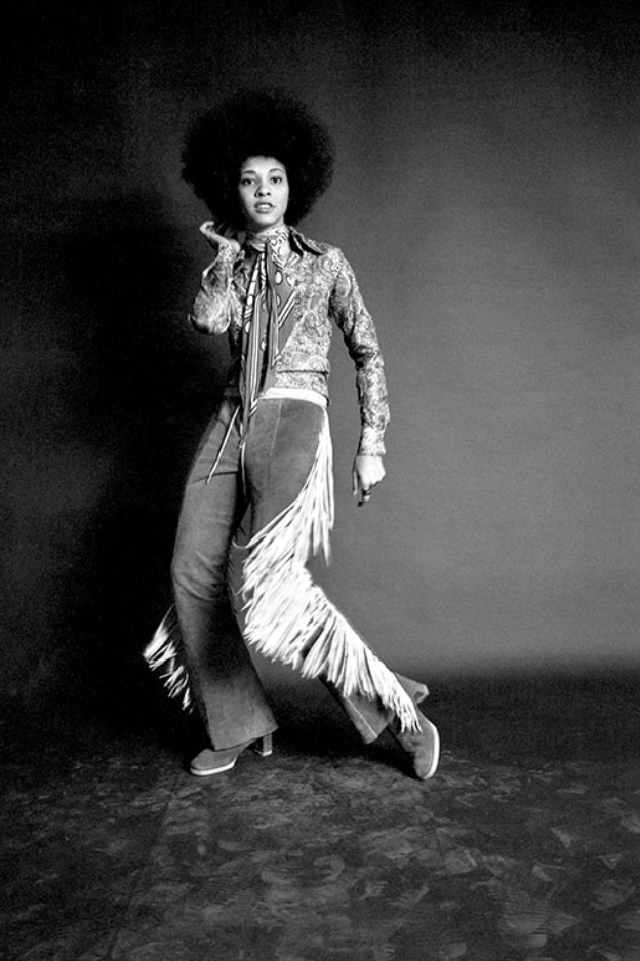
Take a look at these gorgeous photos to see the beauty of young Betty Davis and her bold, funky style in the late 1960s and 1970s.
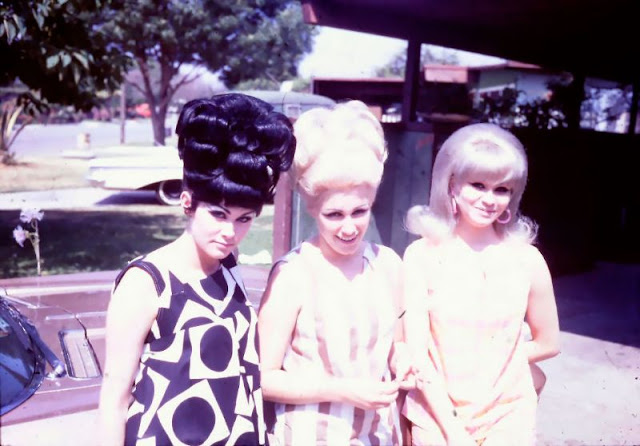
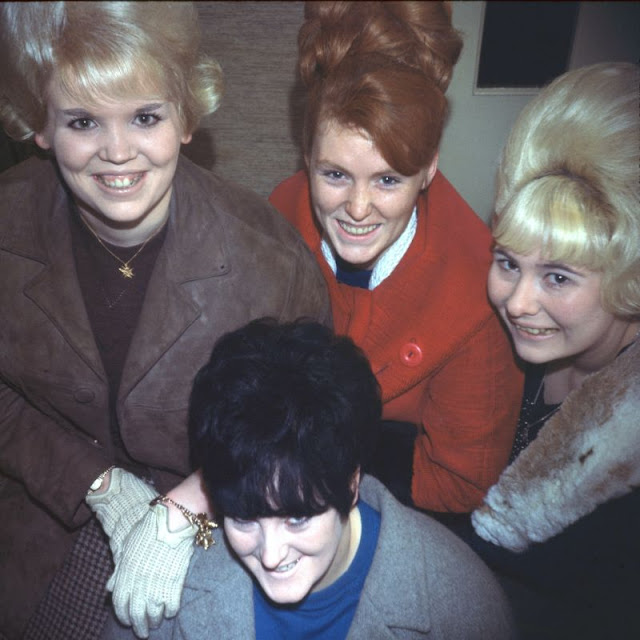
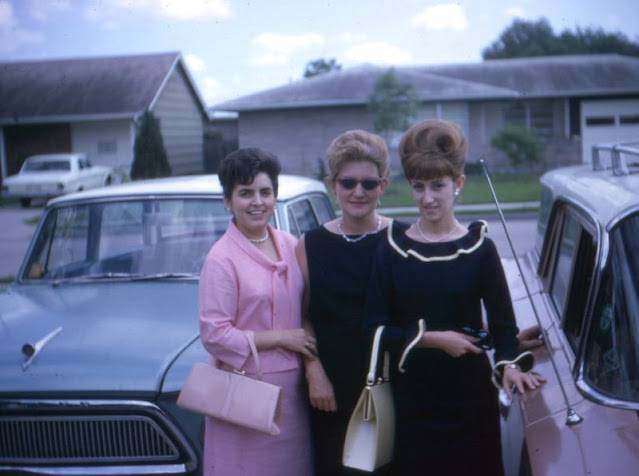
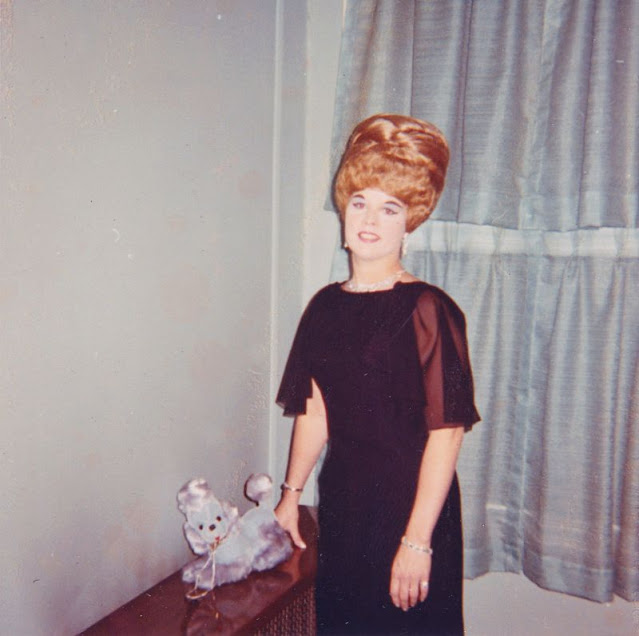
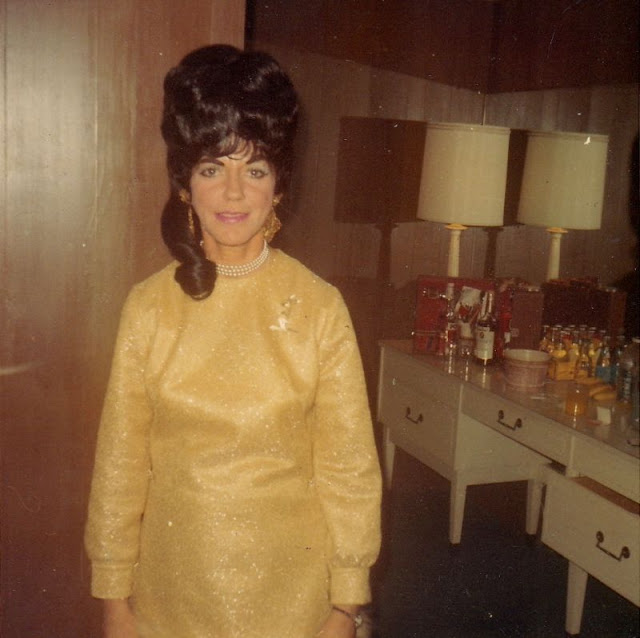
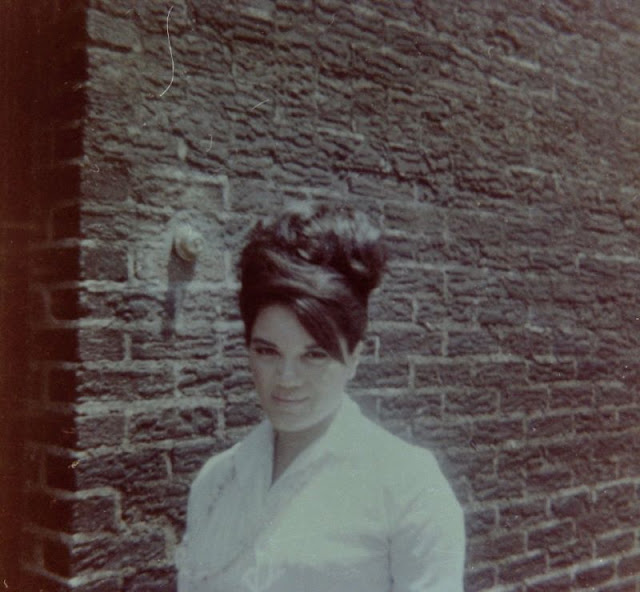
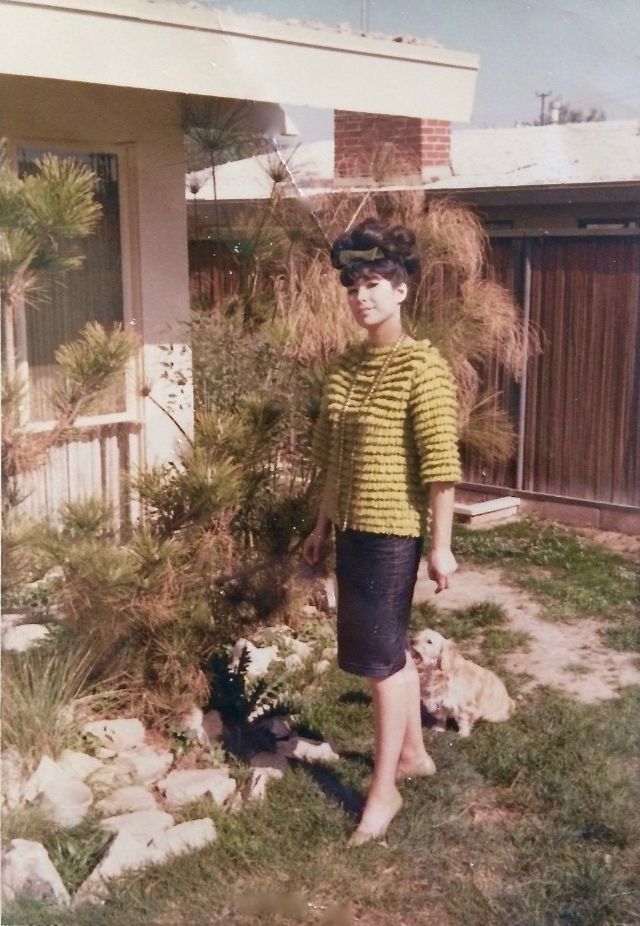
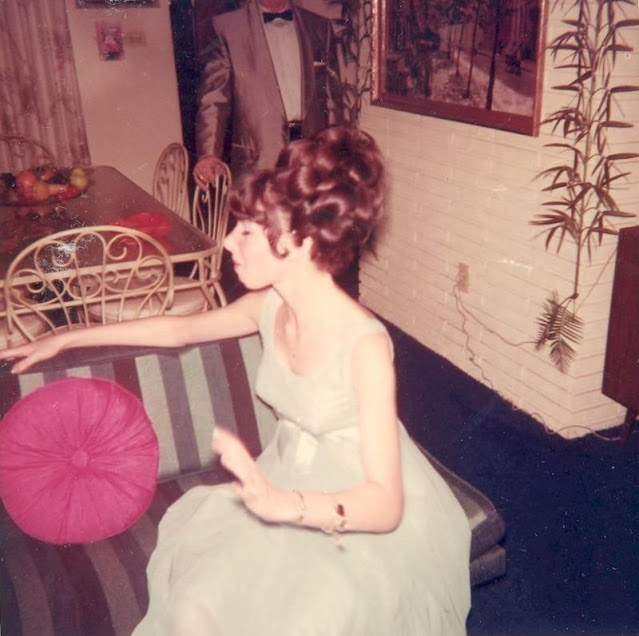
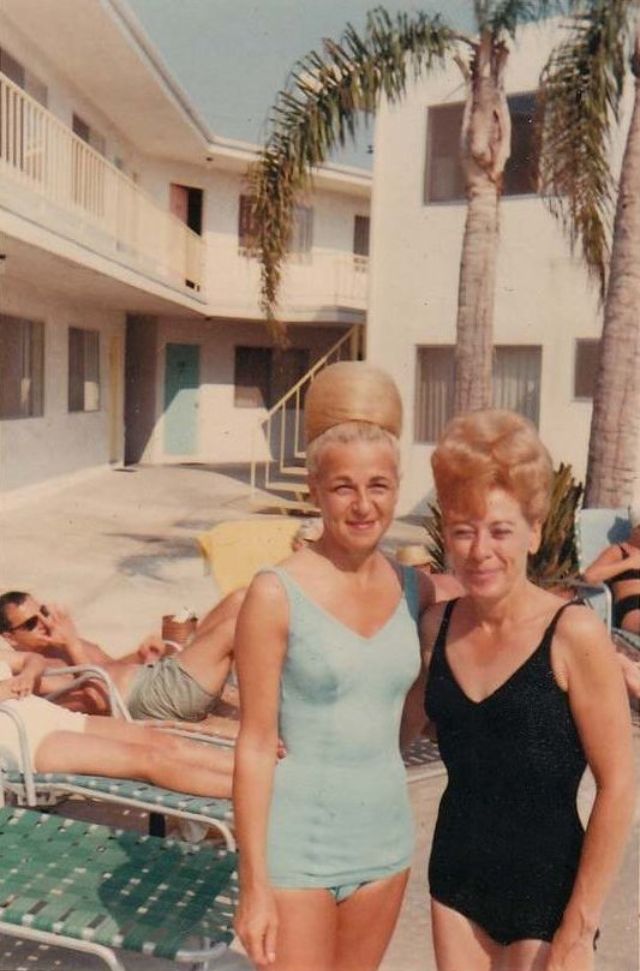
The beehive is a hairstyle in which long hair is piled up in a conical shape on the top of the head and slightly backwards pointing, giving some resemblance to the shape of a traditional beehive. It is also known as the B-52 due to a resemblance to the distinctive nose of the Boeing B-52 Strategic Bomber. The ’80s band The B-52’s, took their name from the hairstyle which was worn by members Cindy Wilson and Kate Pierson.
The beehive style was popular throughout the 1960s, particularly in the United States and other Western countries, and remains an enduring symbol of 1960s kitsch.
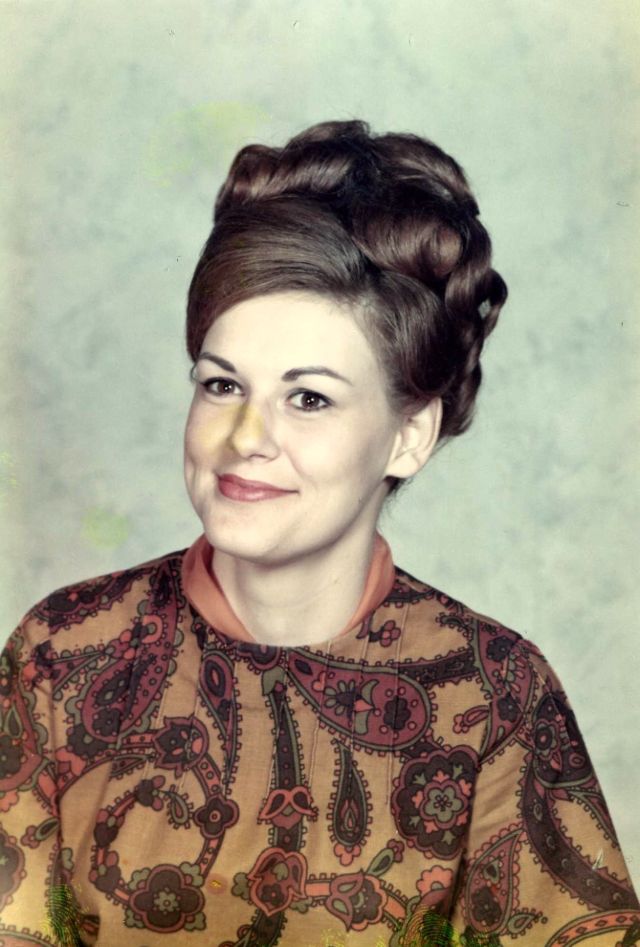
The beehive is constructed by backcombing or teasing the hair with a comb, creating a tangled pile which is lightly combed over to make a smooth outer surface. The longer the hair, the higher the beehive. Beehive styles of the early 1960s sometimes overlapped with bouffant styles, which also employed teasing to create hair volume; but generally speaking, the beehive effect was a rounded cone piled upwards from the top of the head, while the simple bouffant was a wider, puffier shape covering the ears at the sides.
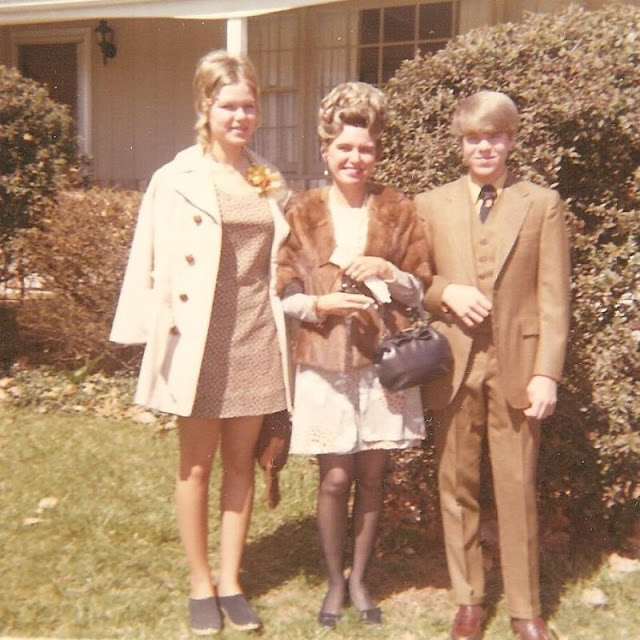
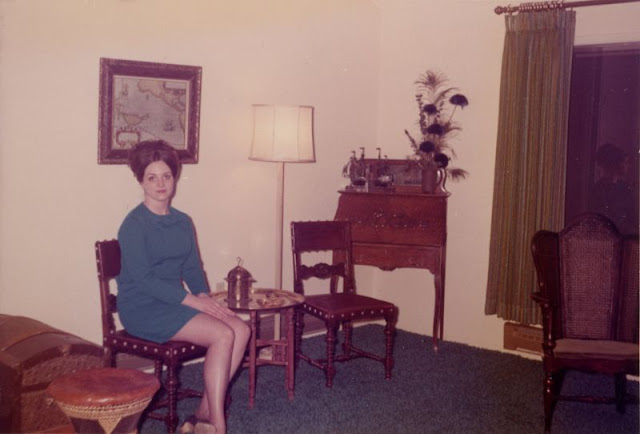
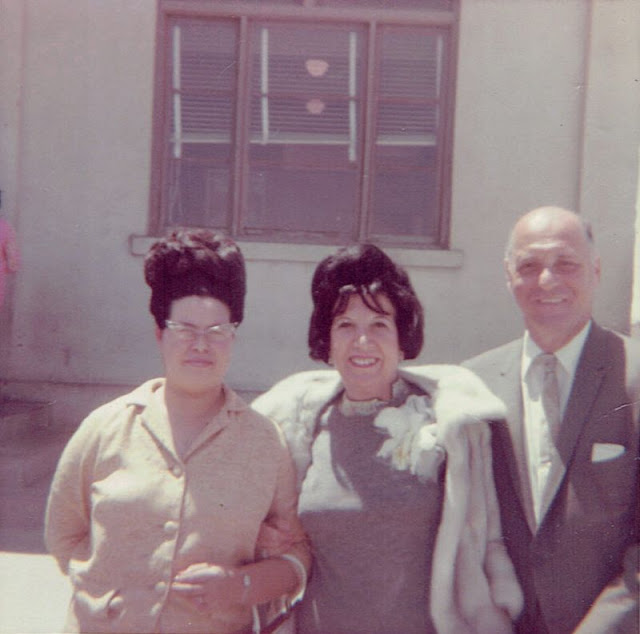
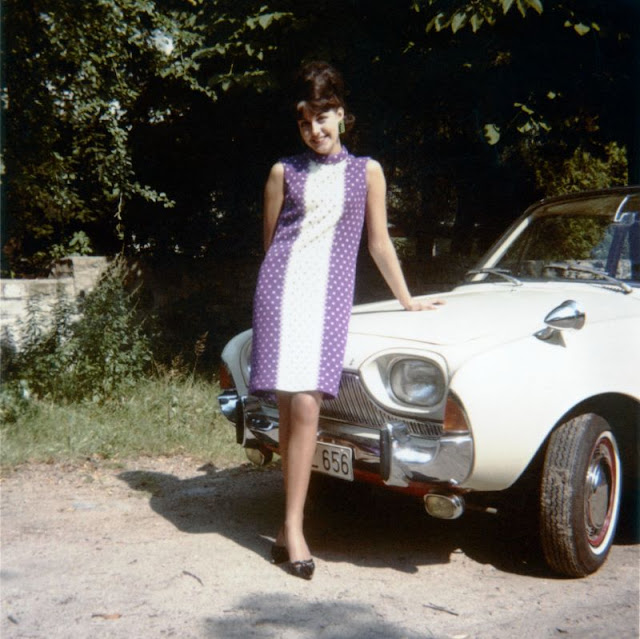
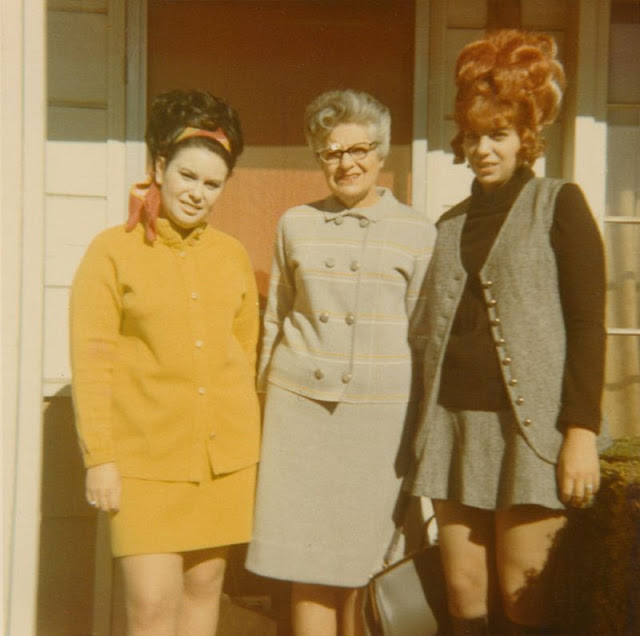
Here is a set of vintage photos that shows women with beehive hairstyles in the 1960s.
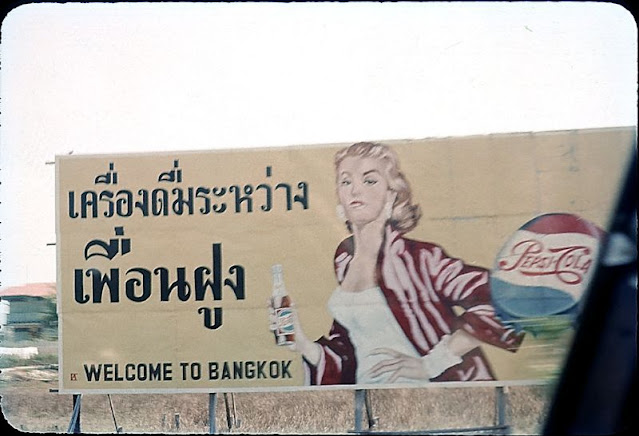
Bangkok, officially known in Thai as Krung Thep Maha Nakhon and colloquially as Krung Thep, is the capital and most populous city of Thailand. The city occupies 1,568.7 square kilometres (605.7 sq mi) in the Chao Phraya River delta in central Thailand and has an estimated population of 10.539 million as of 2020, 15.3 percent of the country’s population. Over 14 million people (22.2 percent) lived within the surrounding Bangkok Metropolitan Region at the 2010 census, making Bangkok an extreme primate city, dwarfing Thailand’s other urban centres in both size and importance to the national economy.
Bangkok traces its roots to a small trading post during the Ayutthaya Kingdom in the 15th century, which eventually grew and became the site of two capital cities, Thonburi in 1768 and Rattanakosin in 1782. Bangkok was at the heart of the modernization of Siam, later renamed Thailand, during the late-19th century, as the country faced pressures from the West. The city was at the centre of Thailand’s political struggles throughout the 20th century, as the country abolished absolute monarchy, adopted constitutional rule, and underwent numerous coups and several uprisings. The city, incorporated as a special administrative area under the Bangkok Metropolitan Administration in 1972, grew rapidly during the 1960s through the 1980s and now exerts a significant impact on Thailand’s politics, economy, education, media and modern society.
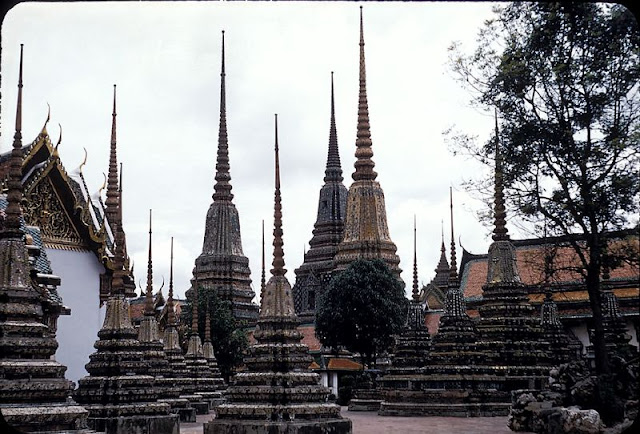
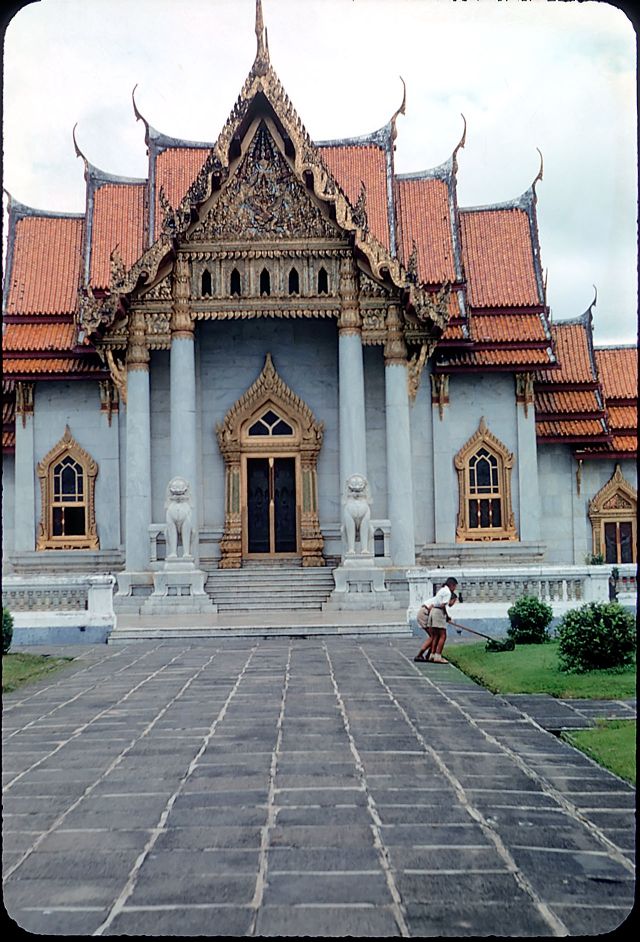
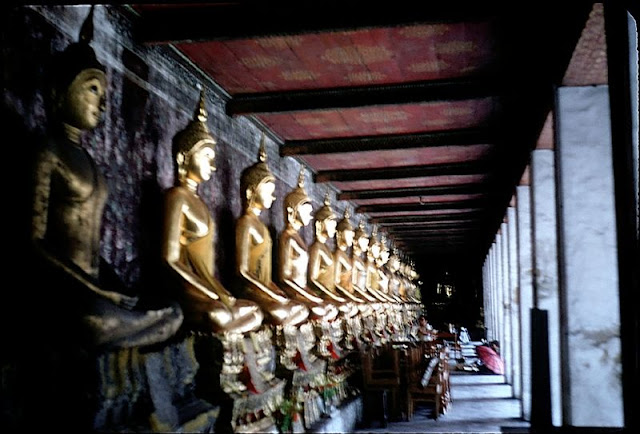
The Asian investment boom in the 1980s and 1990s led many multinational corporations to locate their regional headquarters in Bangkok. The city is now a regional force in finance and business. It is an international hub for transport and health care, and has emerged as a centre for the arts, fashion, and entertainment. The city is known for its street life and cultural landmarks, as well as its red-light districts. The Grand Palace and Buddhist temples including Wat Arun and Wat Pho stand in contrast with other tourist attractions such as the nightlife scenes of Khaosan Road and Patpong. Bangkok is among the world’s top tourist destinations, and has been named the world’s most visited city consistently in several international rankings.
Bangkok’s rapid growth coupled with little urban planning has resulted in a haphazard cityscape and inadequate infrastructure. Despite an extensive expressway network, an inadequate road network and substantial private car usage have led to chronic and crippling traffic congestion, which caused severe air pollution in the 1990s. The city has since turned to public transport in an attempt to solve the problem, operating eight urban rail lines and building other public transit, but congestion still remains a prevalent issue. The city faces long-term environmental threats such as sea level rise due to climate change. (Wikipedia)
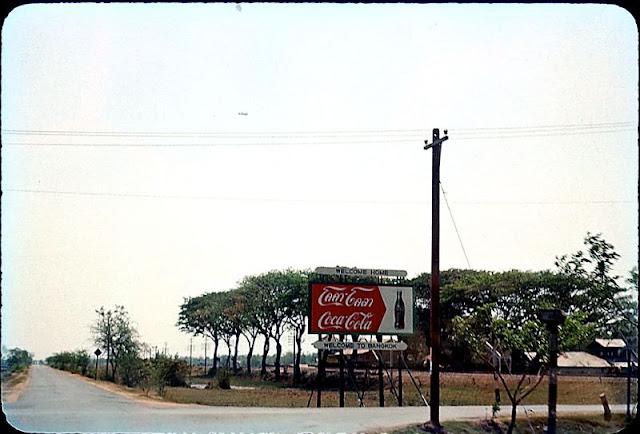
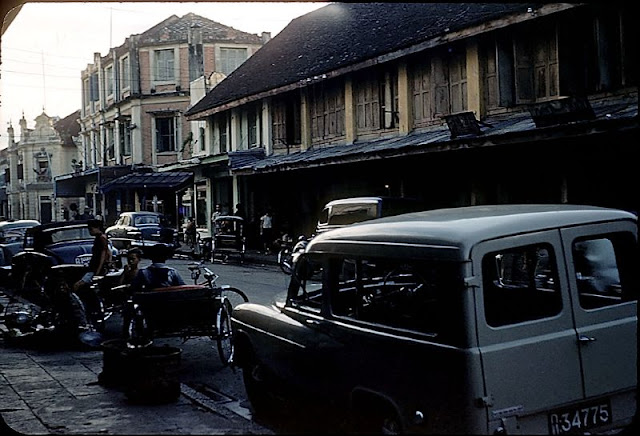
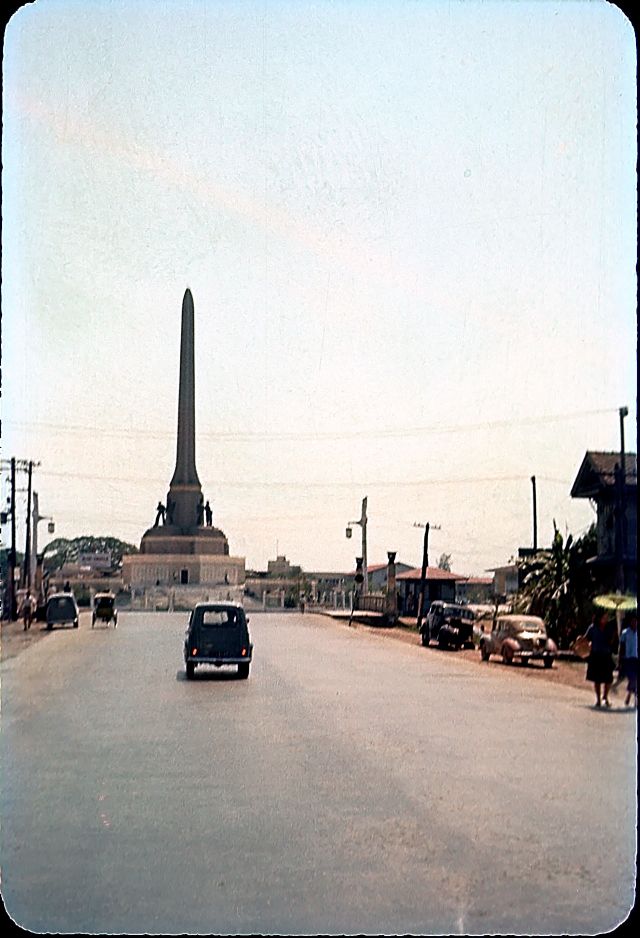
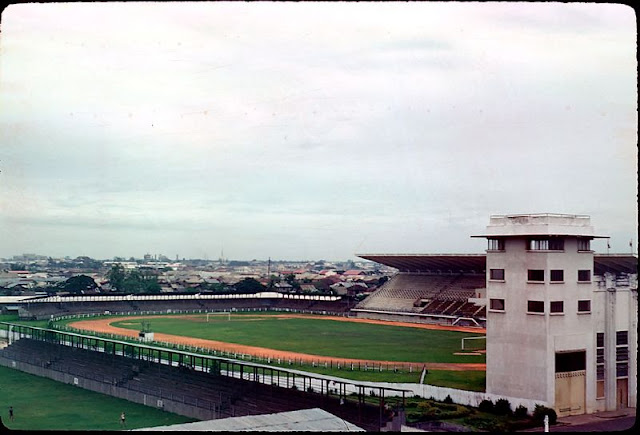
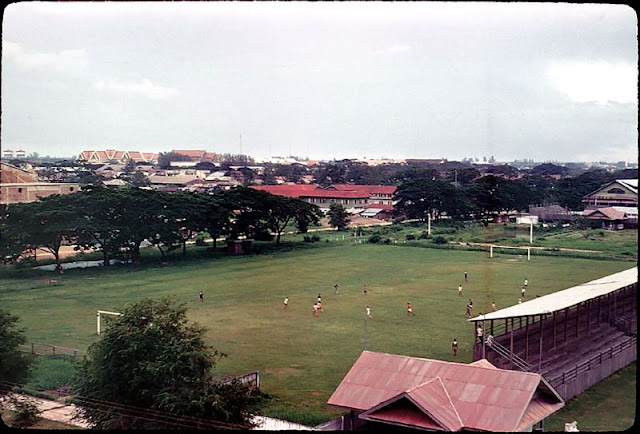
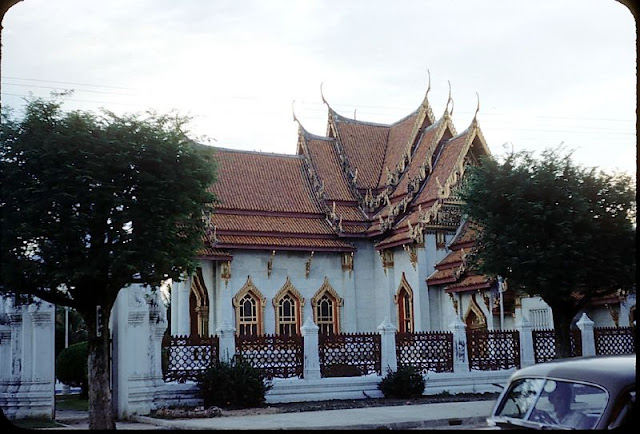
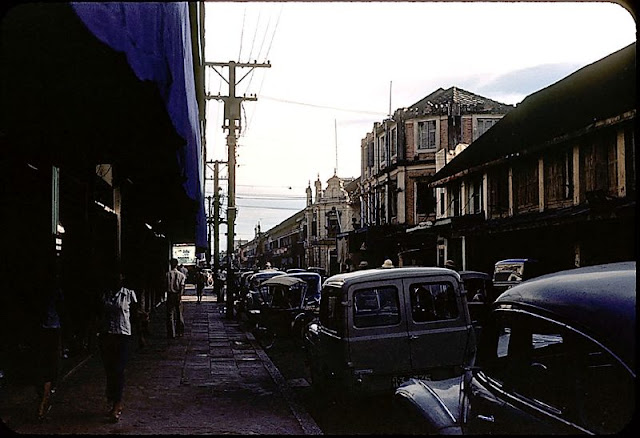
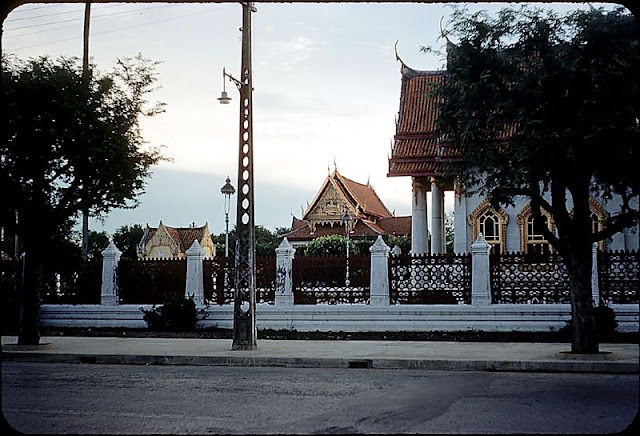
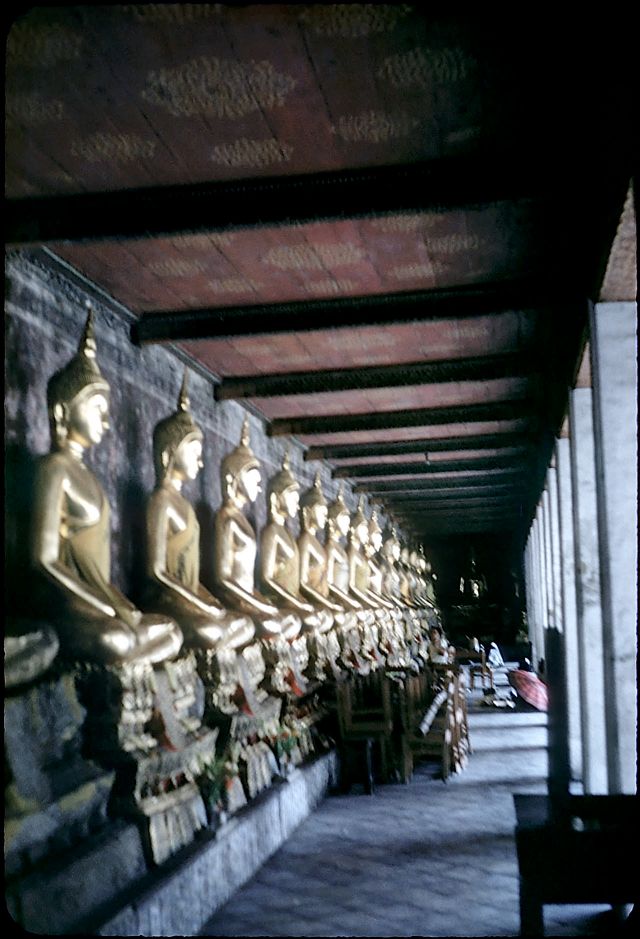
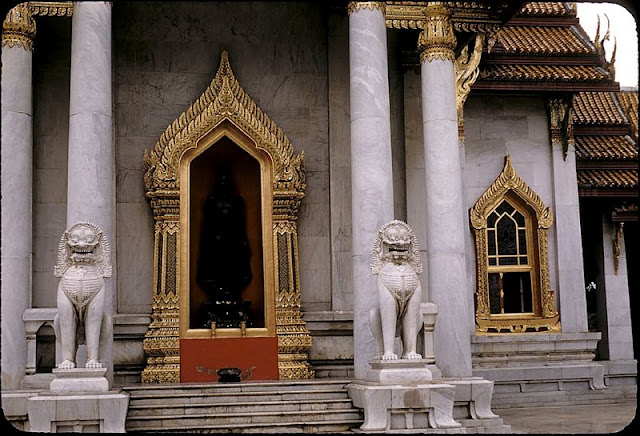
Here below is a set of vintage color photos from jcator that show street scenes of Bangkok in 1955.
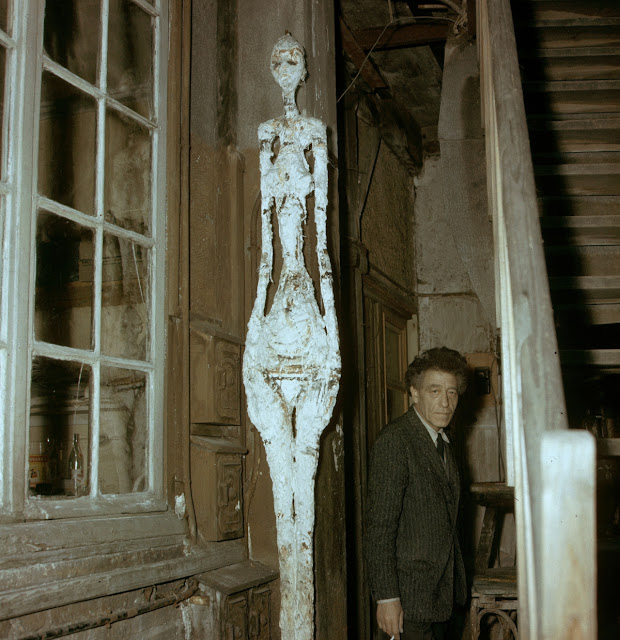
Alberto Giacometti was born in Switzerland to an artistic family in 1901. His father was post-Impressionist painter Giovanni Giacometti; his father’s second cousin was Symbolist painter Augusto Giacometti; and his godfather Fauvist Cuno Amiet. In addition to his three younger siblings, two of Alberto’s cousins were raised in his family home after they became orphaned. His brothers Diego and Bruno also worked as artists.
Giacometti was famously extremely self-critical, which motivated his prolific and wide-ranging career: “The more you fail, the more you succeed.” The 100 Swiss franc note features a portrait of Giacometti on one side, and a reproduction of his 1961 sculpture, L’Homme Qui Marche, on the other.
Giacometti began working in various media at a young age. He sent pencil drawings to his godfather beginning in 1911, and began oil painting in his father’s studio in 1913. By 1914 he began modeling the heads of his brothers in plasticine. He moved to Paris at age 21 to study at the Académie de la Grande Chaumière, under Antoine Bourdelle, who had worked and taught with Auguste Rodin.
From the late 1920s until 1935, Giacometti’s work reflected the ideals of the Surrealists and appeared in exhibitions alongside the work of Joan Miró, Hans Arp and Salvador Dalì. He quickly became a leading Surrealist sculptor.
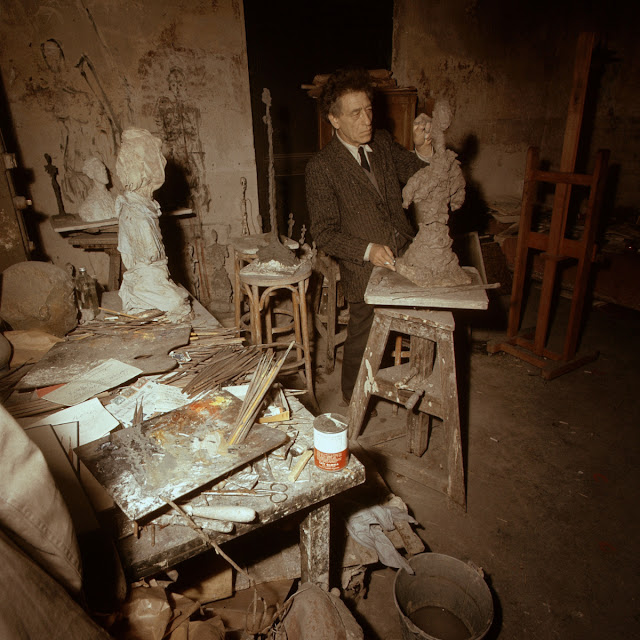
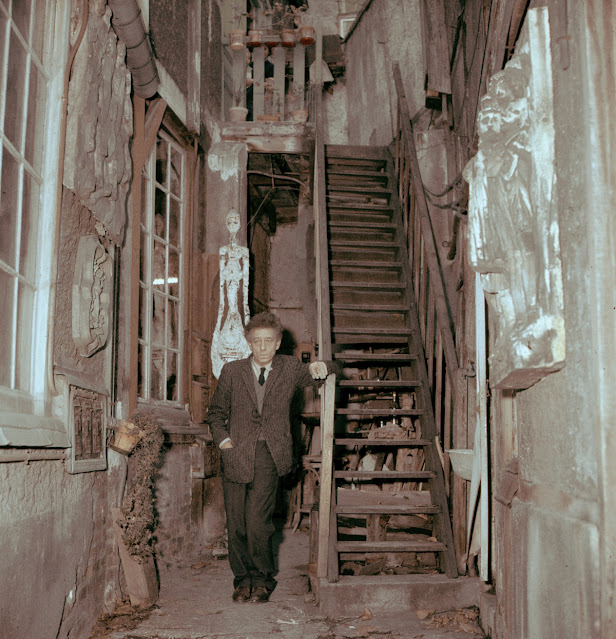
Until his death in 1966, Giacometti occupied the small, shabby Paris studio he bought in 1926, despite the commercial, critical, and financial success he experienced during much of his life. His American biographer James Lord referred to the studio as a “dump” and a tree branch famously grew through one of its walls.
In the last weeks of his life, Giacometti vacillated between losing his will to live or work after hearing an undesirable prognosis, and renewed hope and a zealous undertaking of working from his hospital room. He died of heart complications from years of suffering from bronchitis and chain-smoking. His funeral in his hometown of Borgonovo was attended by family, residents of nearby towns, members of Swiss authorities and the French government, and countless museum directors, art dealers and artists from around the world.