Vintage Photos Showing Street Scenes of Tel Aviv in the Late 1930s and Early 1940s

Tel Aviv-Yafo, often referred to as just Tel Aviv, is the most populous city in the Gush Dan metropolitan area of Israel. Located on the Israeli Mediterranean coastline and with a population of 460,613, it is the economic and technological center of the country. If East Jerusalem is considered part of Israel, Tel Aviv is the country’s second most populous city after Jerusalem; if not, Tel Aviv is the most populous city ahead of West Jerusalem.

Tel Aviv is governed by the Tel Aviv-Yafo Municipality, headed by Mayor Ron Huldai, and is home to many foreign embassies. It is a beta+ world city and is ranked 41st in the Global Financial Centres Index. Tel Aviv has the third- or fourth-largest economy and the largest economy per capita in the Middle East. The city currently has the highest cost of living in the world. Tel Aviv receives over 2.5 million international visitors annually. A “party capital” in the Middle East, it has a lively nightlife and 24-hour culture. Tel Aviv has been called The World’s Vegan Food Capital, as it possesses the highest per capita population of vegans in the world, with many vegan eateries throughout the city. Tel Aviv is home to Tel Aviv University, the largest university in the country with more than 30,000 students.

The city was founded in 1909 by the Yishuv (Jewish residents) as a modern housing estate on the outskirts of the ancient port city of Jaffa, then part of the Mutasarrifate of Jerusalem within the Ottoman Empire. It was at first called ‘Ahuzat Bayit’ (lit. “House Estate” or “Homestead”), the name of the association which established the neighbourhood. Its name was changed the following year to ‘Tel Aviv’, after the biblical name Tel Abib adopted by Nahum Sokolow as the title for his Hebrew translation of Theodor Herzl’s 1902 novel Altneuland (“Old New Land”). Other Jewish suburbs of Jaffa established before Tel Aviv eventually became part of Tel Aviv, the oldest among them being Neve Tzedek (est. 1886). Tel Aviv was given “township” status within the Jaffa Municipality in 1921, and became independent from Jaffa in 1934. After the 1947–1949 Palestine war Tel Aviv began the municipal annexation of parts of Jaffa, fully unified with Jaffa under the name “Tel Aviv” in April 1950, and was renamed to “Tel Aviv-Yafo” in August 1950.

Immigration by mostly Jewish refugees meant that the growth of Tel Aviv soon outpaced that of Jaffa, which had a majority Arab population at the time. Tel Aviv and Jaffa were later merged into a single municipality in 1950, two years after the Israeli Declaration of Independence, which was proclaimed in the city. Tel Aviv’s White City, designated a UNESCO World Heritage Site in 2003, comprises the world’s largest concentration of International Style buildings, including Bauhaus and other related modernist architectural styles. (Wikipedia)

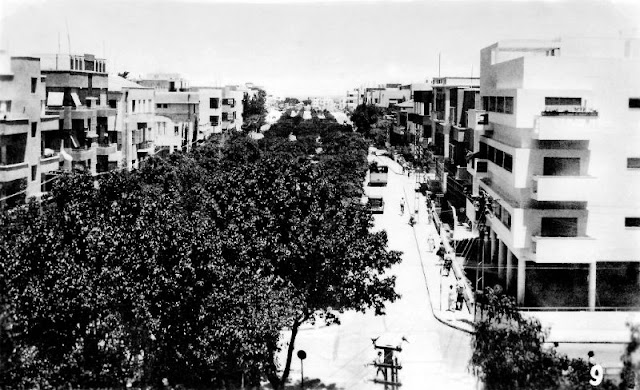
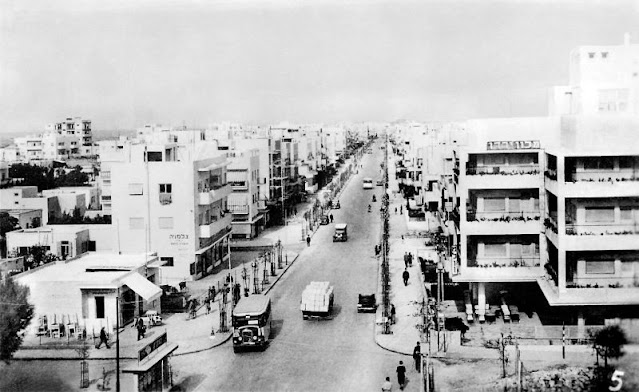
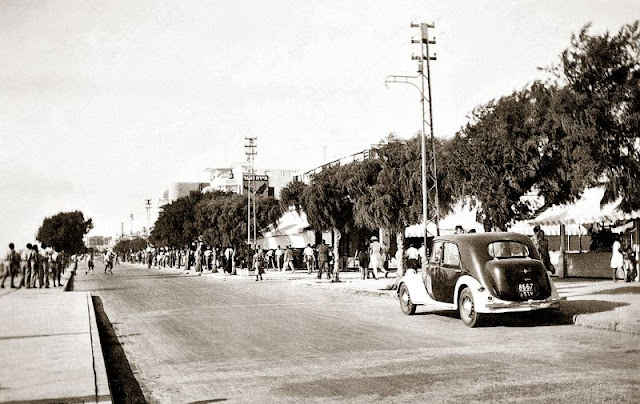
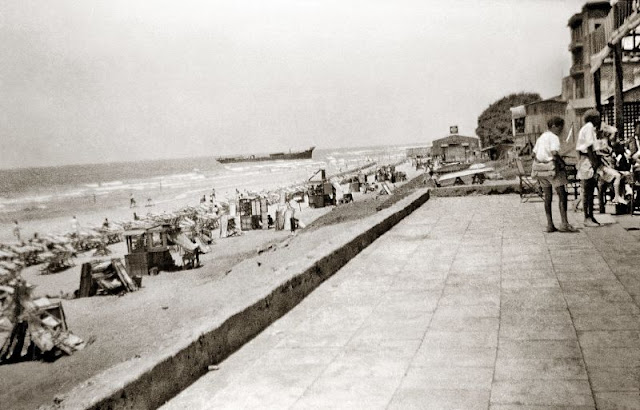
Here below is a set of rare photos that shows street scenes of Tel Aviv from the late 1930s to early 1940s.
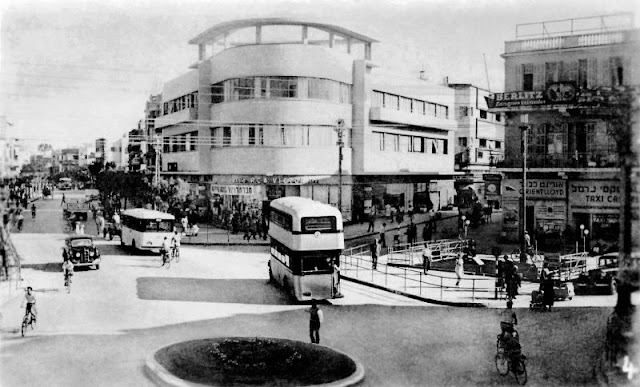
Looking south along Allenby Road (now Allenby Street) at the intersection with King George Street, Tel Aviv, Palestine (now Israel), circa 1937
Great Synagogue looking south on Allenby Road (now Allenby Street), Tel Aviv, Palestine (now Israel), circa 1937
Looking east along Boulevard Rothschild (now Rothschild Boulevard) near the intersection with Herzl Street, Tel-Aviv, Palestine (now Israel), circa 1937
Looking north along Ben Jehuda Road (now a street) from the intersection with what is now Sderot Ben Gurion, Tel Aviv, Palestine (now Israel), circa 1937
Looking north along Ben Jehuda Road (now Ben Yehuda Street) near the intersection with Allenby Road, Tel Aviv, Palestine (now Israel), circa 1937
Looking north along Bialik Street, Tel Aviv, Palestine (now Israel), circa 1937. The historic Bialik House is on the right. The old Town Hall (aka City Hall) is in the centre of the image
Looking south-west across the old Tel Aviv port facility as dock workers wait next to a port crane, Tel Aviv, Palestine (now Israel), circa 1937
On the seaside. Commercial sign for “Cafe Semadar” can be seen on the multi-storey building at far right of the pic, along with some more advertising in Hebrew. Tel Aviv, Palestine (now Israel), circa 1937
The Bialik School in Tel Aviv was built in the 1930s in the Modernist style, by Yaacov Shiffman (Ben Sira), Tel-Aviv, Palestine (now Israel), circa 1937
The Zina Dizengoff Square, Tel Aviv, Palestine (now Israel), circa 1937
Mugrabi Opera, better known in later years as the “Moghrabi Theatre”, Tel Aviv, Palestine (now Israel), 1938
Reading Power Station, Tel Aviv, Palestine (now Israel), circa 1939
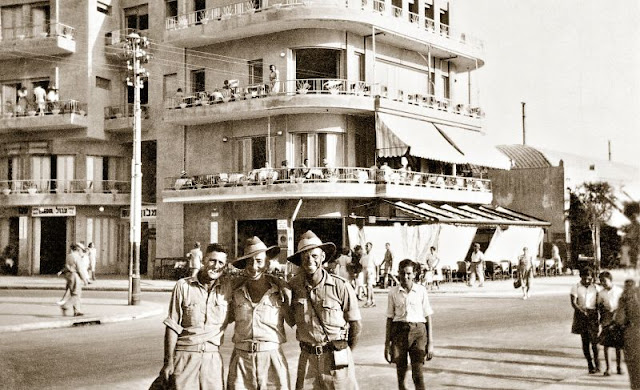
Soldiers relaxing outside the Australian Soldier’s Club, Tel Aviv Yafo, Palestine (now Israel), 4 November 1940
The commercial is for “Bira Nesher” (Neshser Beer). “Nesher” means “vulture”. It was the first beer industrially produced in Israel/Palestine (It exists from 1936 until today), 4 November 1940
Wreck of a small illegal Jewish immigration ship that was deliberately beached at Tel Aviv, Palestine (now Israel), 4 November 1940
Wreck of the illegal Jewish immigration ship SS “PARITA”, beached at Tel Aviv, Palestine (now Israel), 4 November 1940
Allied troops and local Tel-avivians enjoying the sun, sand and surf on the crowded beach at Tel Aviv, Palestine (now Israel), July 1942
Australian Army 4th Anti-Malarial Control Unit mates in Tel Aviv, Palestine (now Israel), July 1942
Australian Army private WX5340 Sydney “Syd” Frederick Peters of 2/4 AMCU in a street of Tel-Aviv, Palestine (now Israel), July 1942
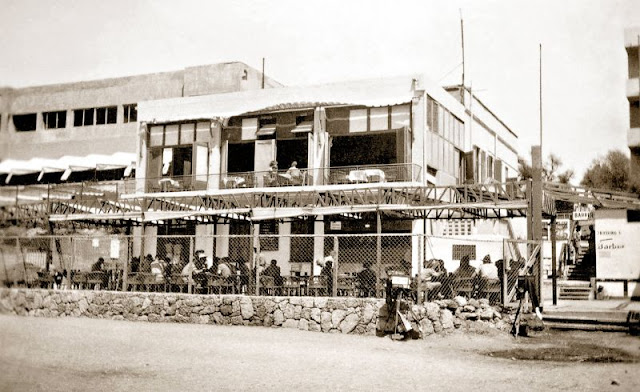
Australian Soldiers Club main entrance looking west with the Mediterranean Sea in the background, Tel-Aviv, Palestine (now Israel), July 1942
Australian Soldiers Club on the beach front, Tel-Aviv, Palestine (now Israel), July 1942
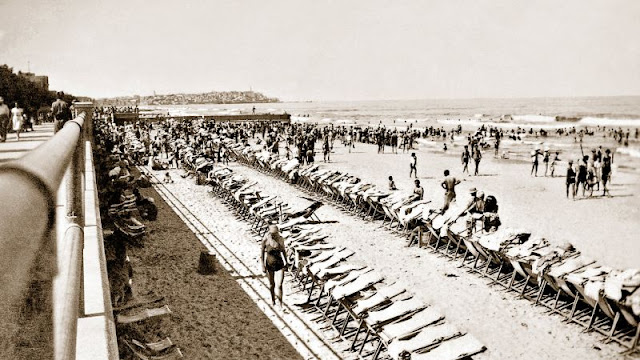
Looking south towards the old coastal town of Jaffa, along the crowded beachfront at Tel Aviv, Palestine (now Israel), July 1942
View south towards Old Jaffa as allied troops and crowds of local Telavivians enjoy a beautiful sunny day on the beach at Tel-Aviv, Palestine (now Israel), July 1942

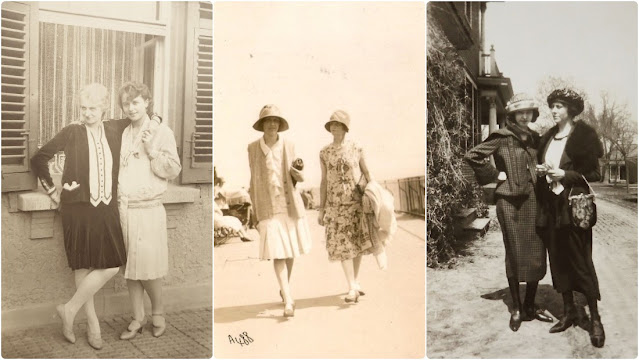
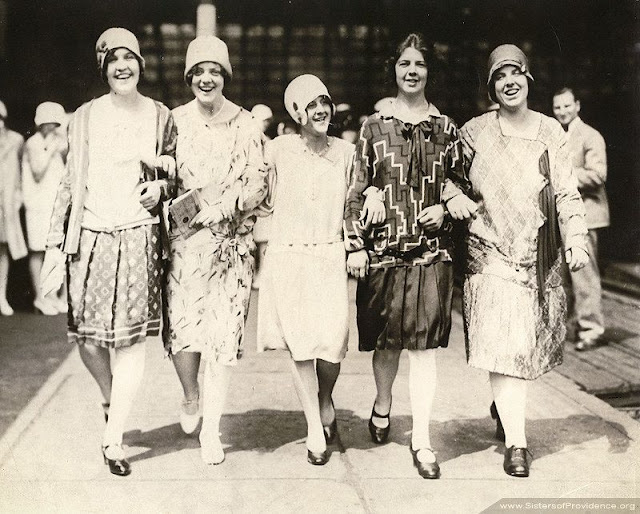
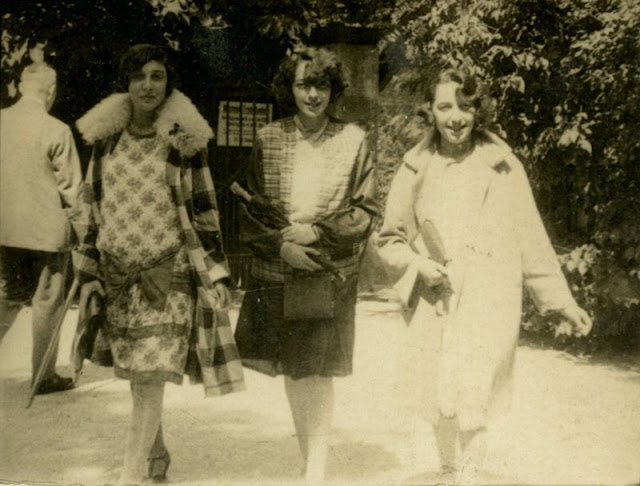
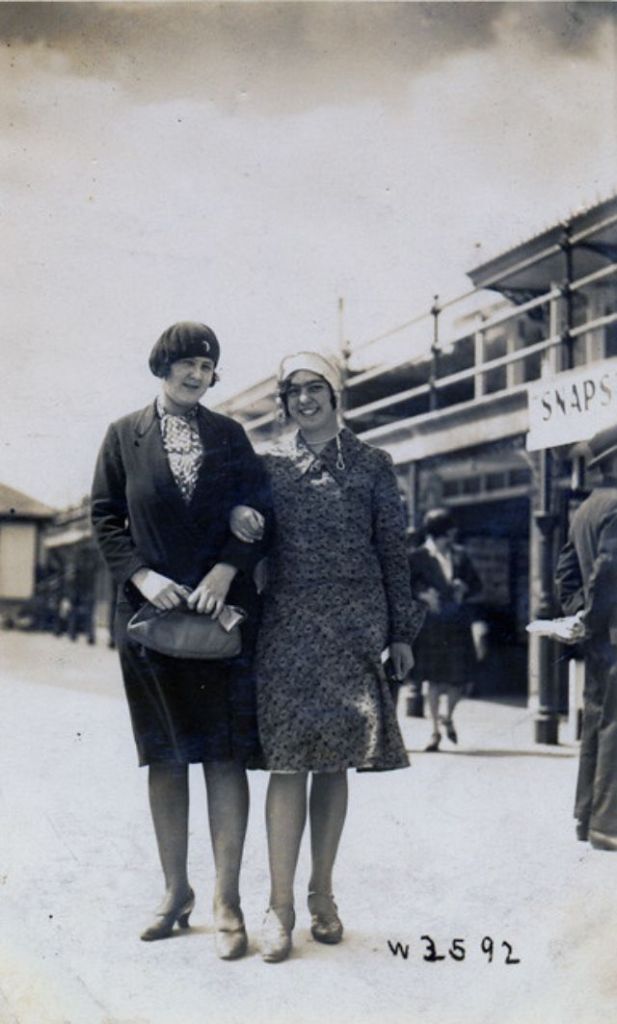
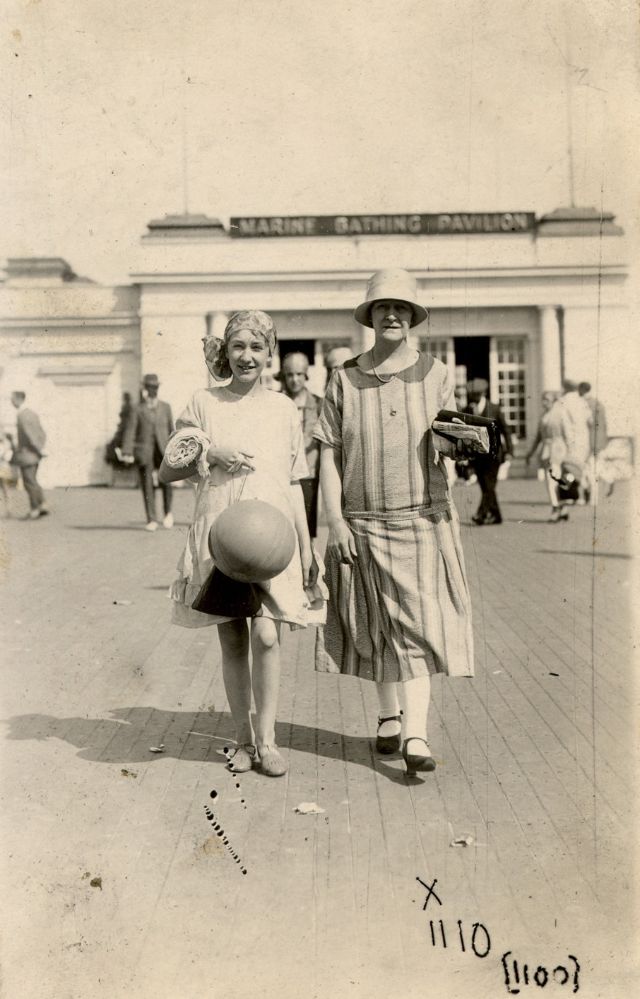
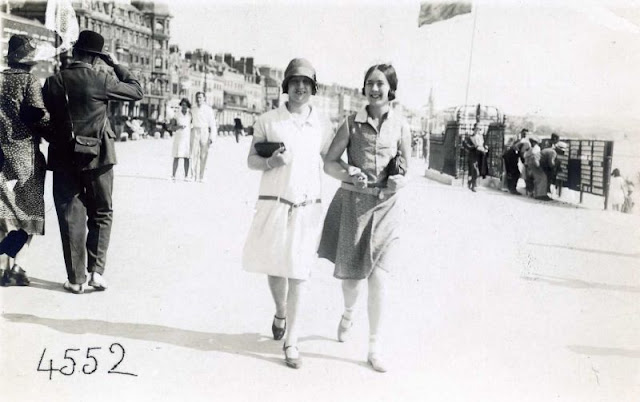
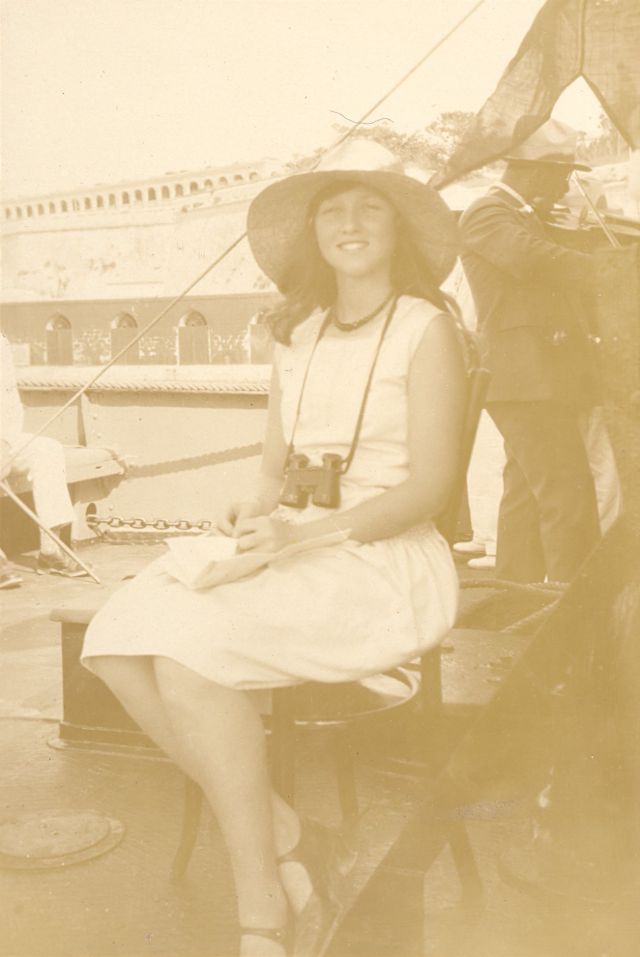
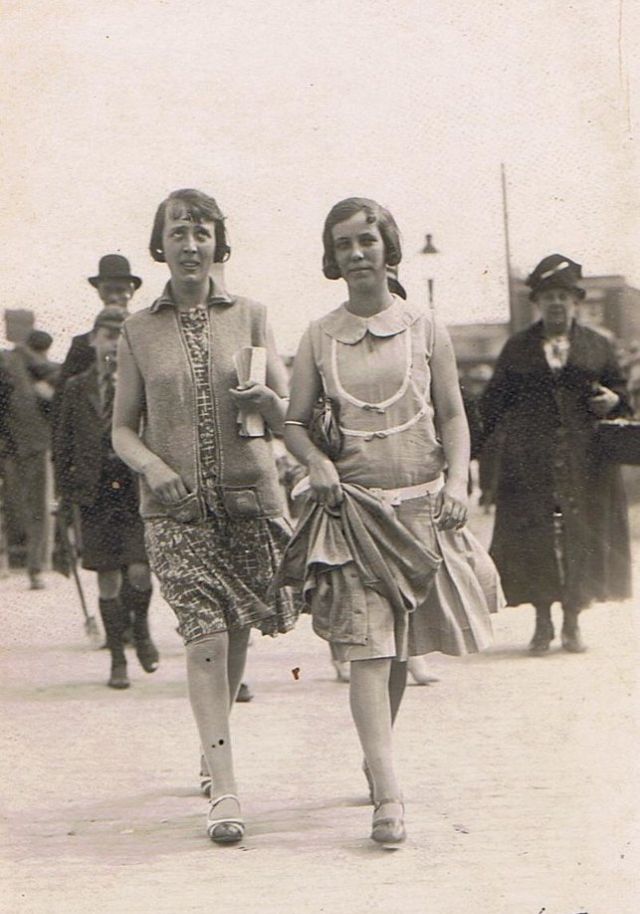
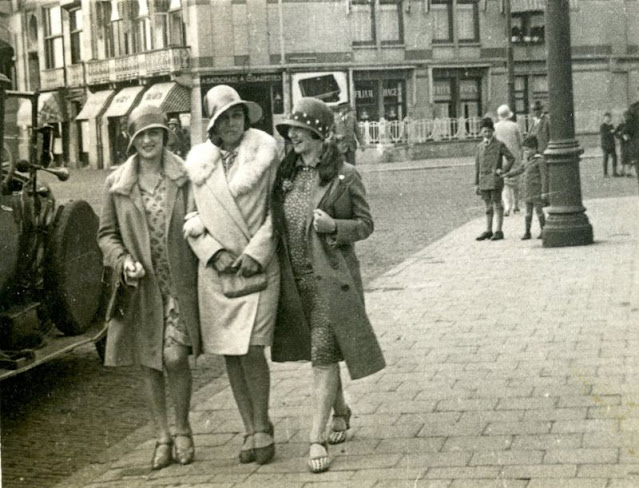
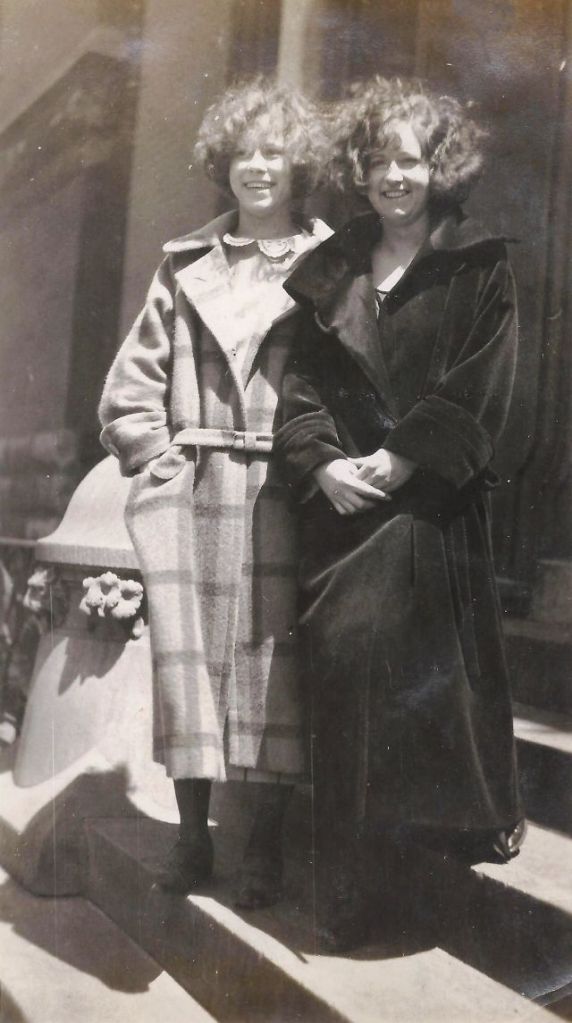
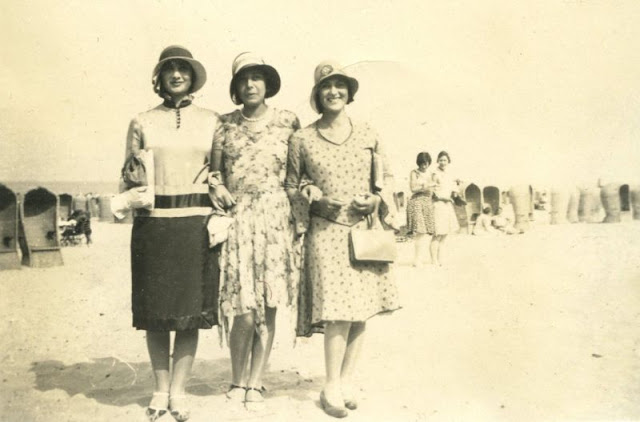
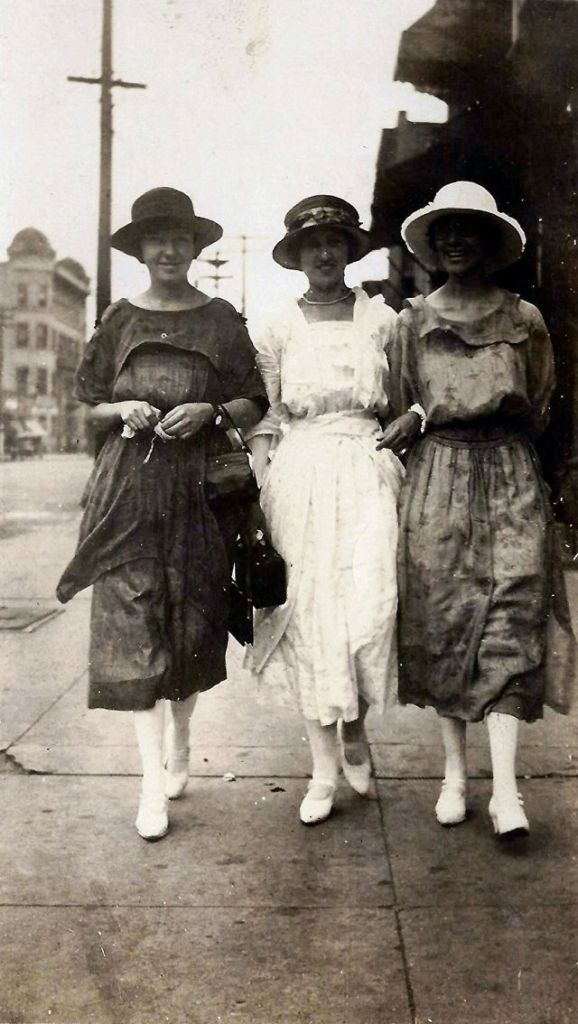
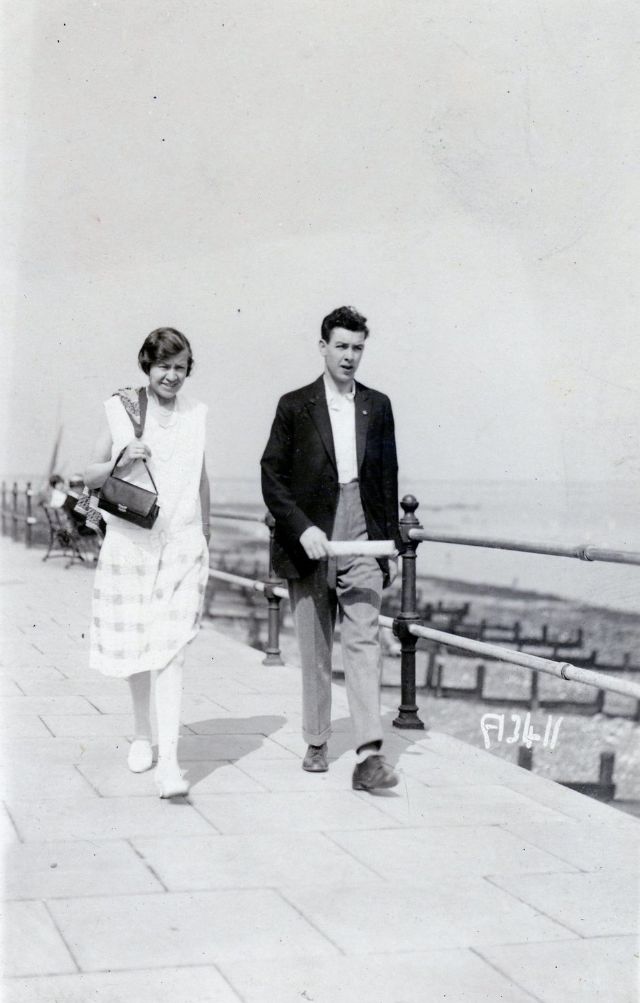
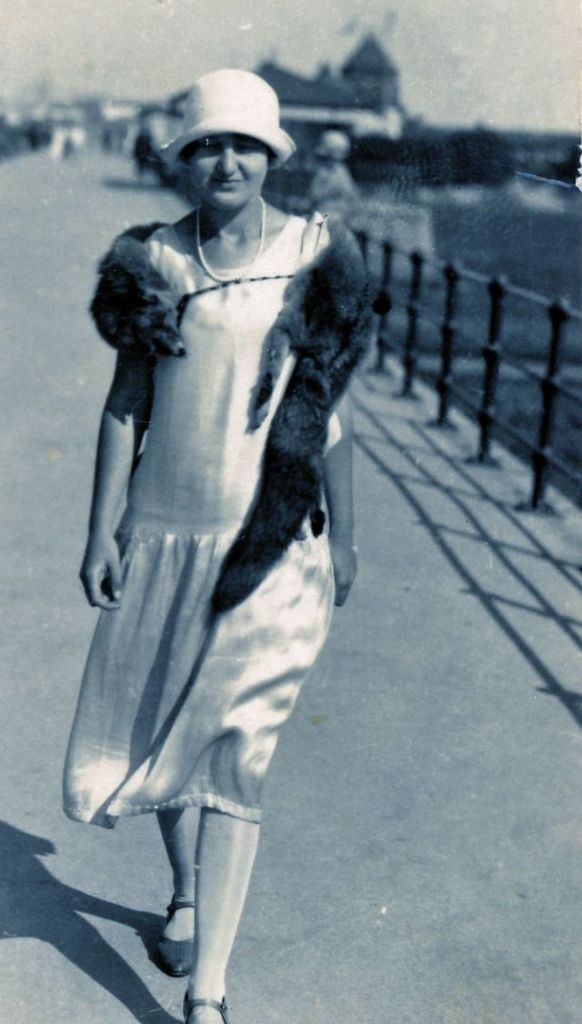
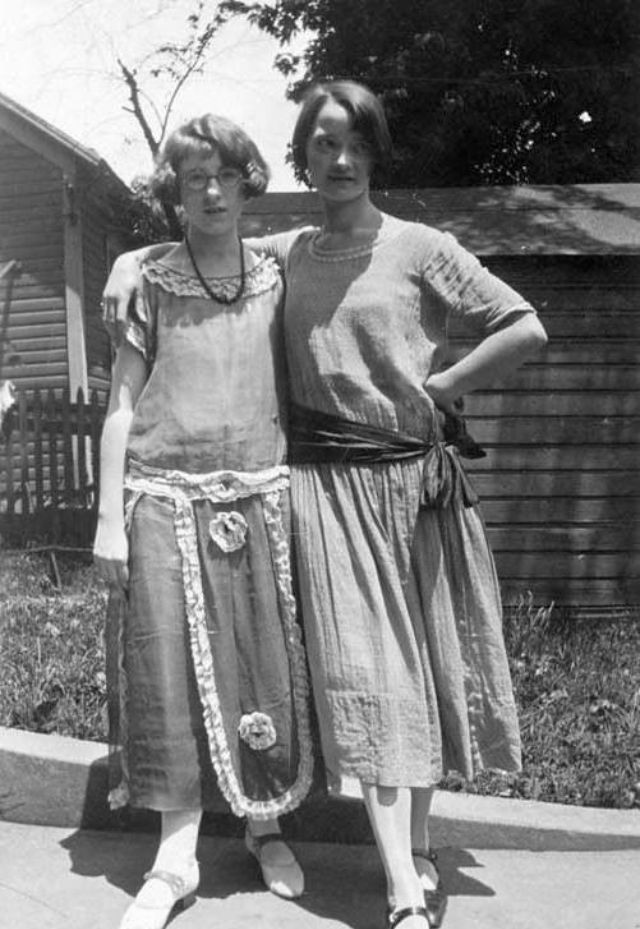
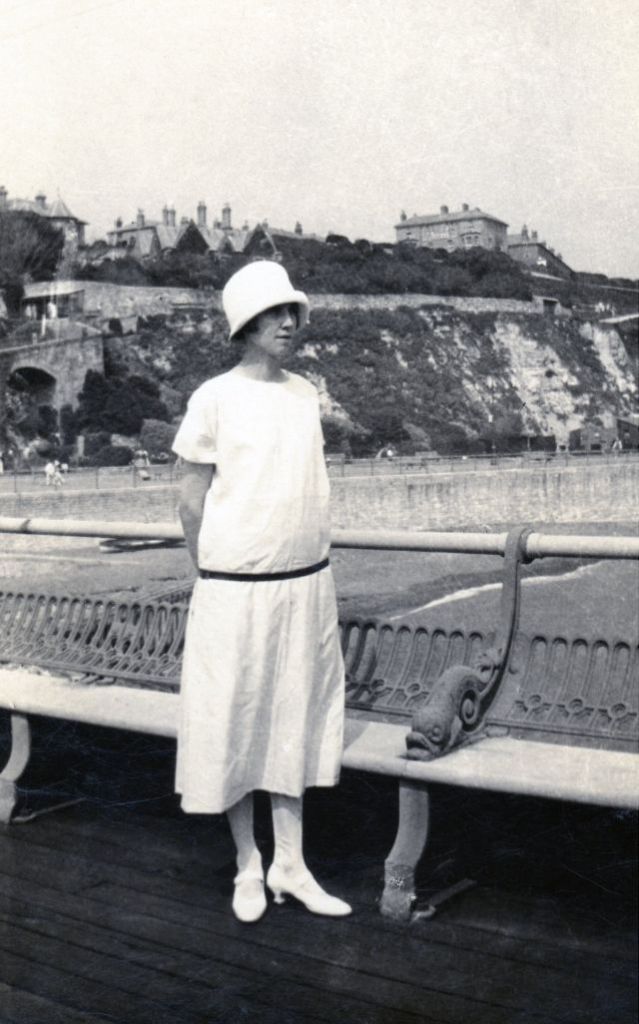
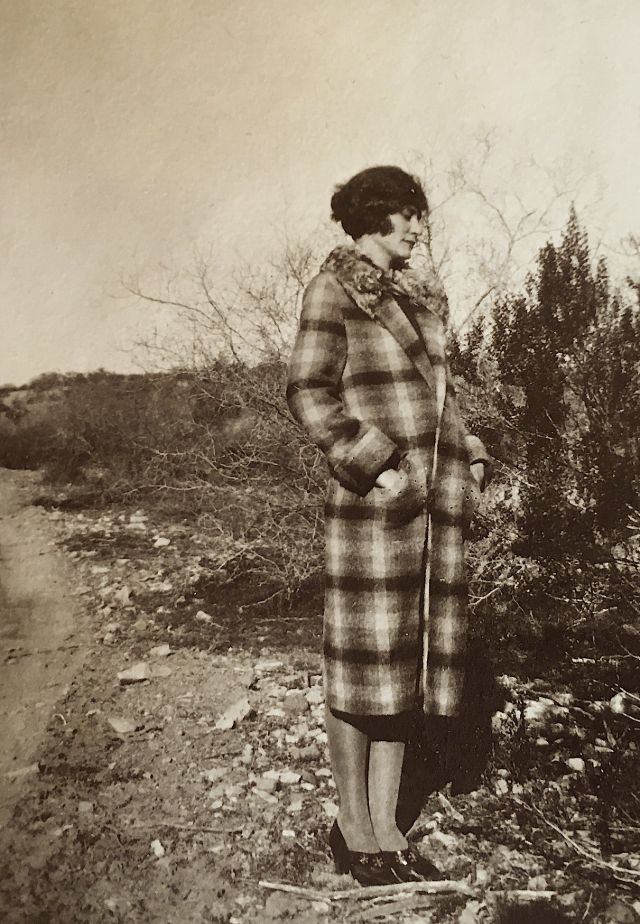
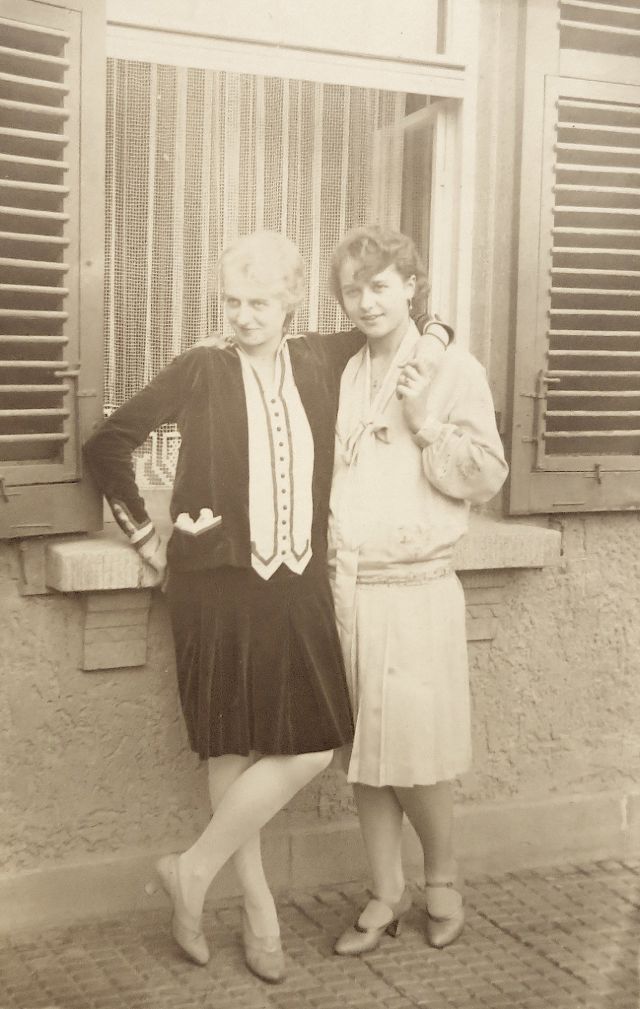
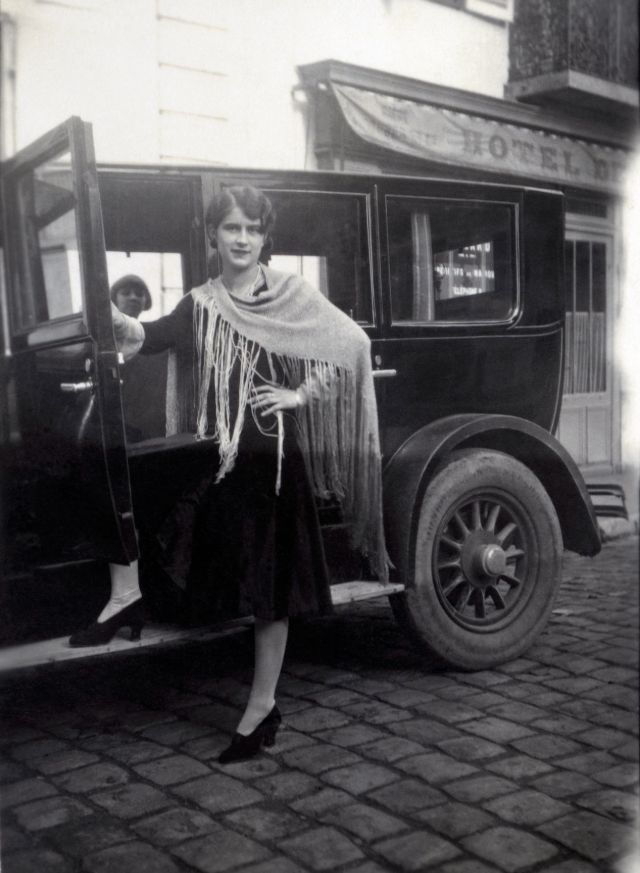
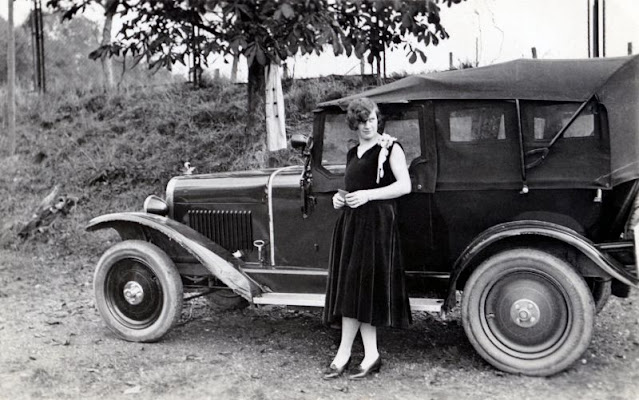
35 Amazing Photos Showing Street Style of 1920s Young Women

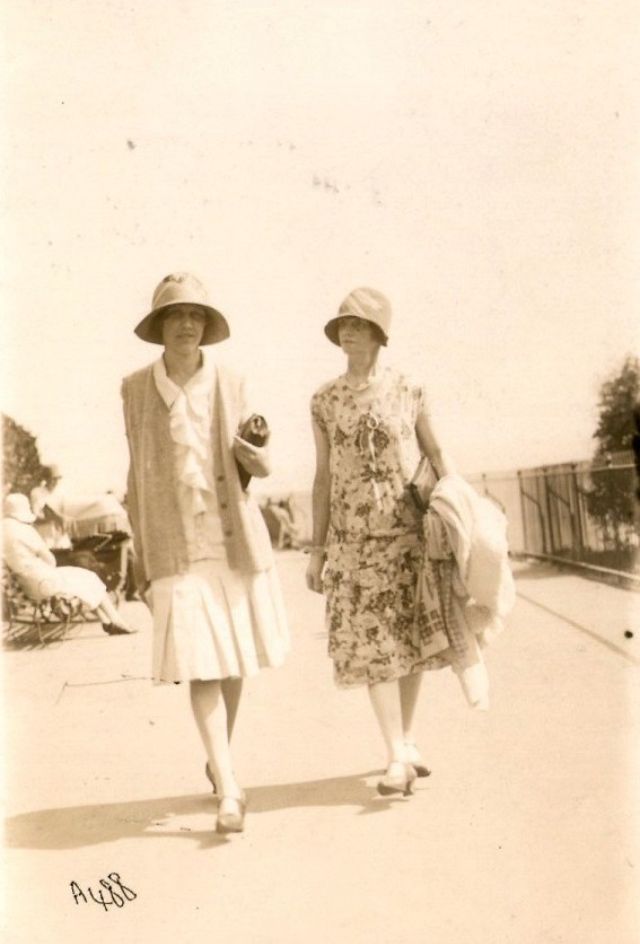
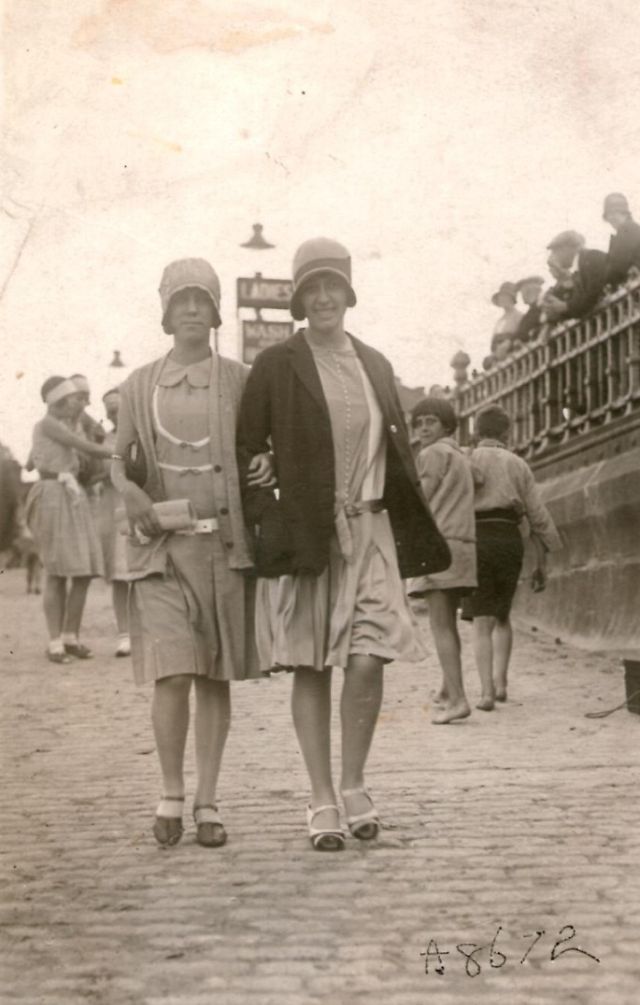
Twenties fashion is often remembered for its glitz and glamour, though underlying this was a move toward simplicity in dress.

At the dawn of the 1920s, the world was still reeling from the First World War. The conflict, which ended just over a year before the new decade began, had a fundamental and irreversible effect on society, culture, and fashion. Essential to these new styles was a simplicity that had not previously been seen in women’s fashion.

This simplicity created the popular tubular “la garçonne” look that dominated much of the decade. Also known as the flapper, the look typified 1920s dress with a dropped waist and creeping hemlines that could be created in economical fabrics.

Fashion in the 1920s was all about the whole look and there were trends in how the body itself was fashioned. The simple lines and androgynous shapes of fashion looked best on bodies free from curves. Many women cut their hair into a bob, a popular hairstyle that emerged early in the decade. The cloche hat became an extremely popular accessory that looked best with these short hairstyles.

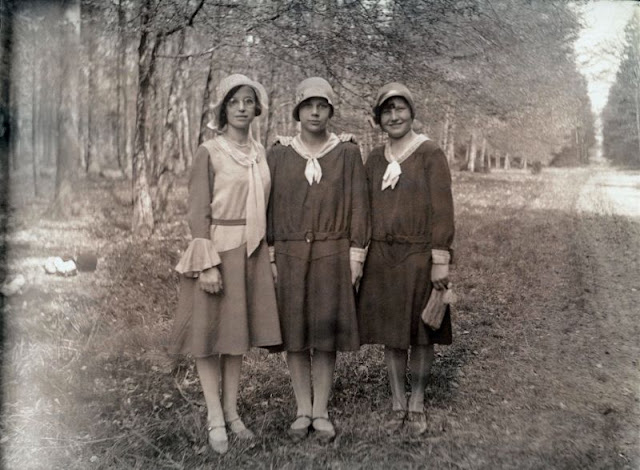
Take a look at these vintage photos to see what street style of young women looked like in the 1920s.
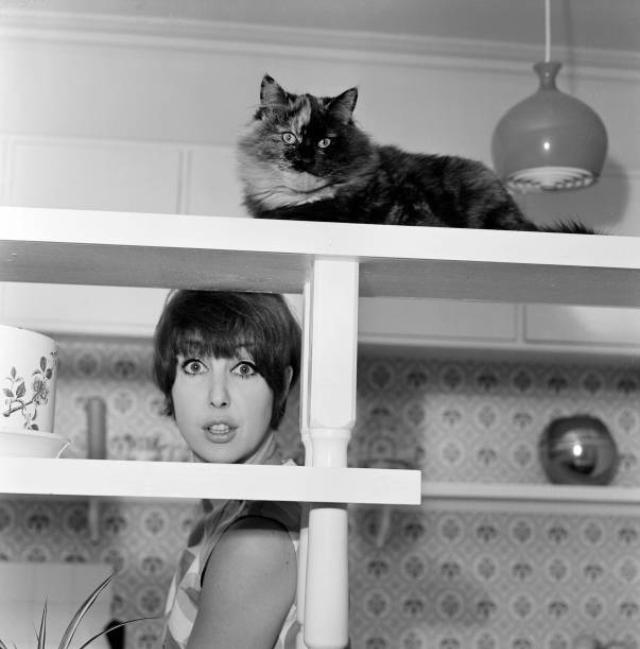
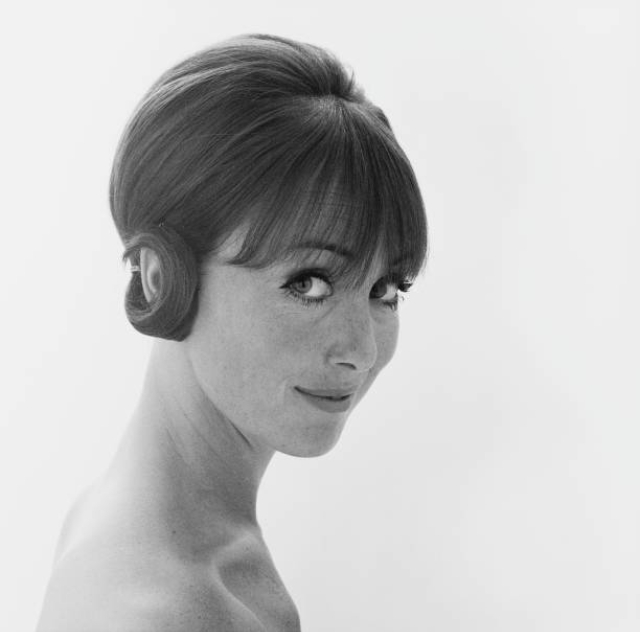
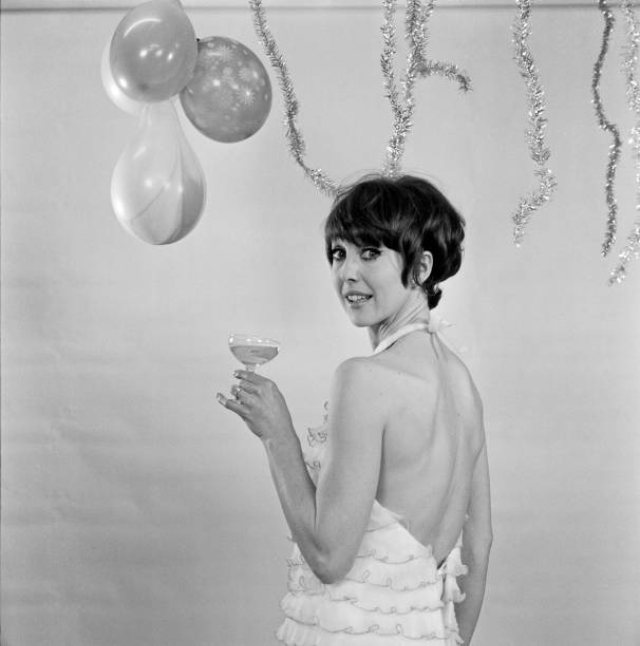
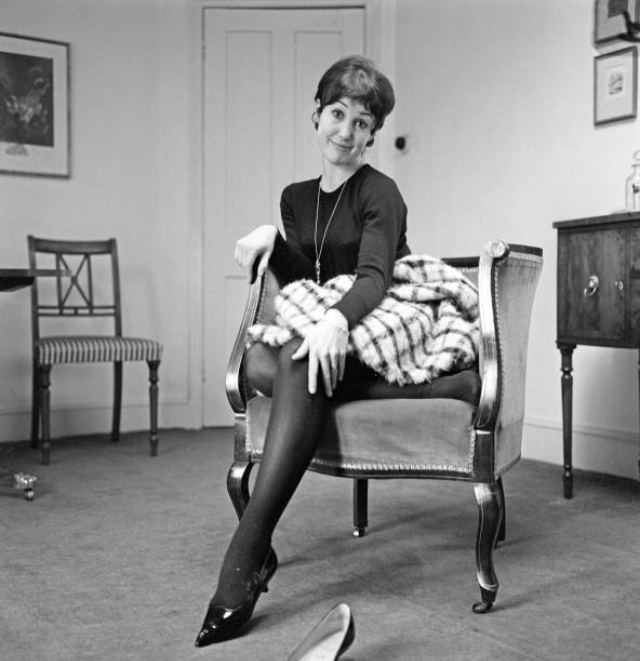
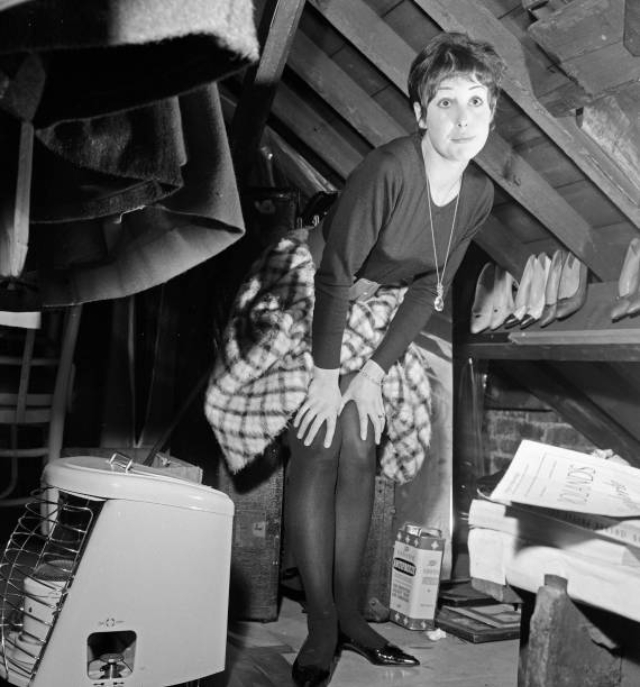
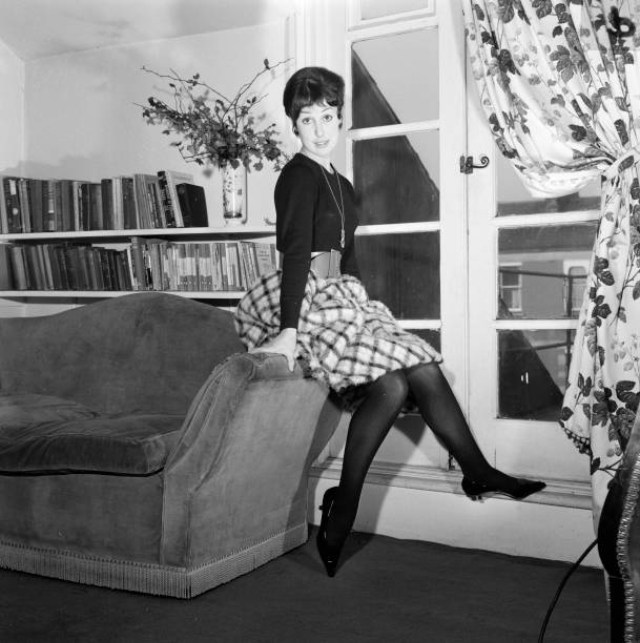
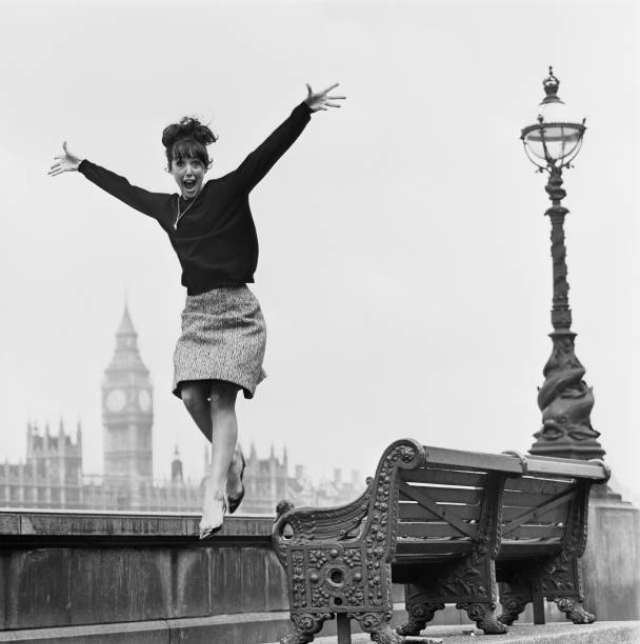
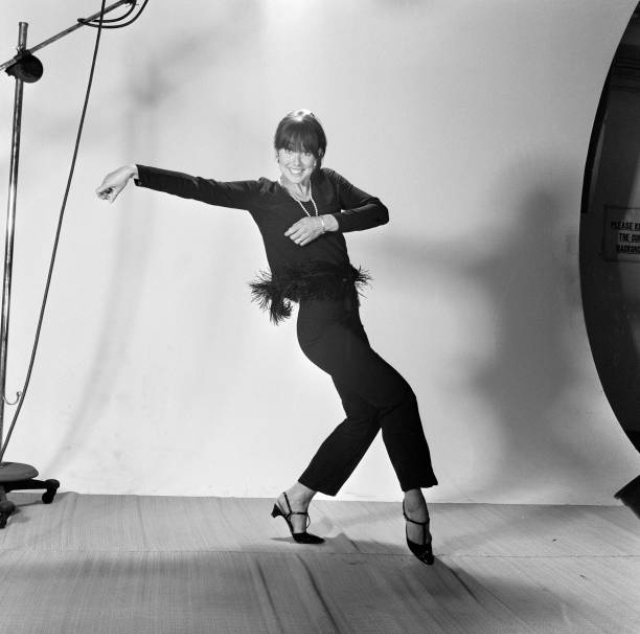
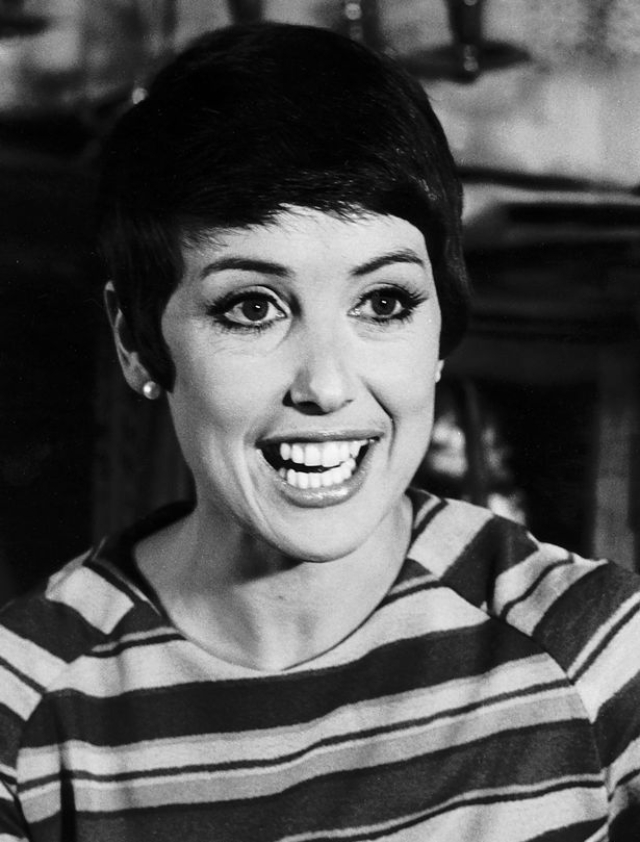
25 Vintage Portraits of a Young and Beautiful Una Stubbs From Between the Late 1950s and 1960s

Actress Una Stubbs was born in Welwyn Garden City, Hertfordshire, on May 1, 1937. She grew up in Hinckley, Leicestershire, and was sent to La Roche dancing school in Slough by her mother. She started her career at the age of 16 as a chorus girl at the London Palladium, and was the Dairy Box girl in TV chocolate adverts in the 1950s.
Stubbs had an illustrious acting career spanning over 50 years, making her big break in the 1963 film Summer Holiday, which starred Cliff Richard, before landing the part of Rita Rawlins in Till Death Us Do Part.

She reprised her role in the sitcom’s follow-ups Till Death… and In Sickness and in Health. Her other TV credits include Worzel Gummidge, The Worst Witch, EastEnders, Call the Midwife, Agatha Christie’s Marple, Midsomer Murders and Keeping Up Appearances.

In her private life, Stubbs was married and divorced twice, to actors Peter Gilmore and Nicky Henson, and had three sons. She once said she felt she spent most of her life “doing two jobs, motherhood and acting, and only being so-so at both of them.”

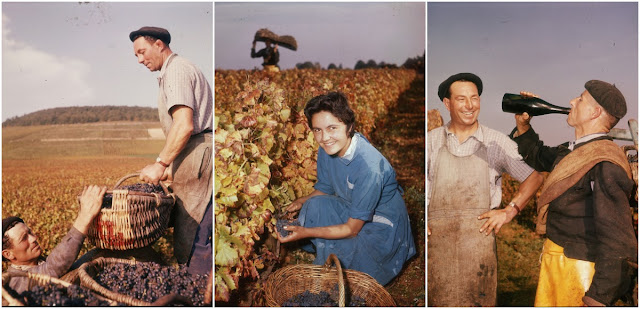
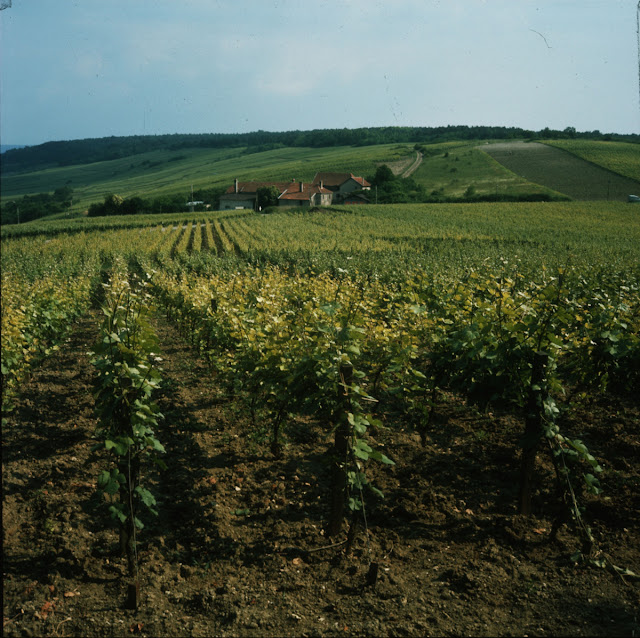
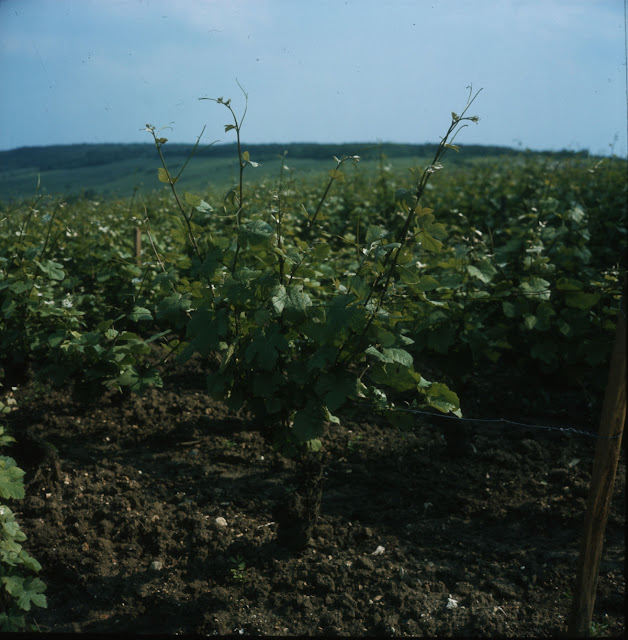
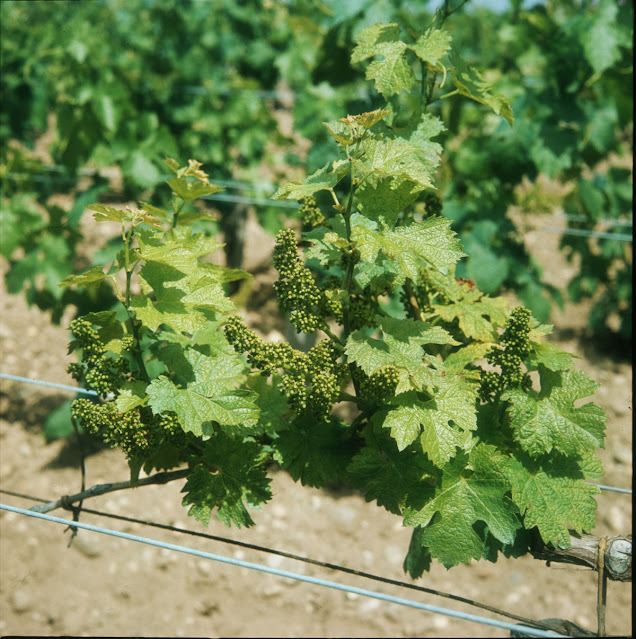
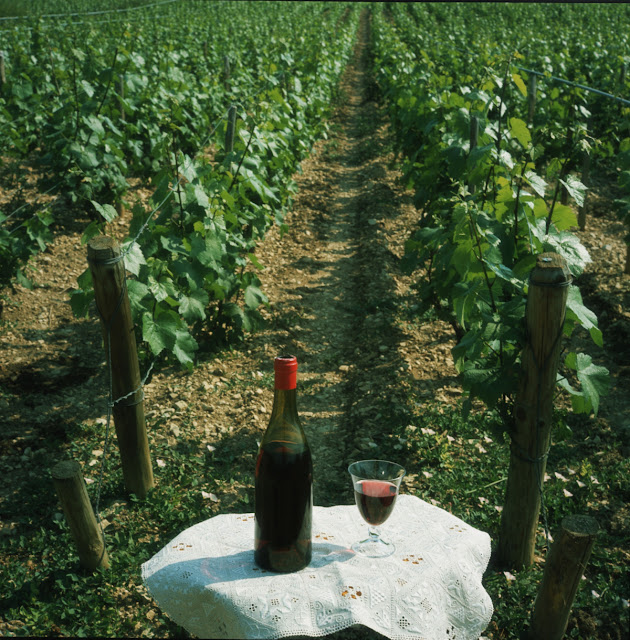
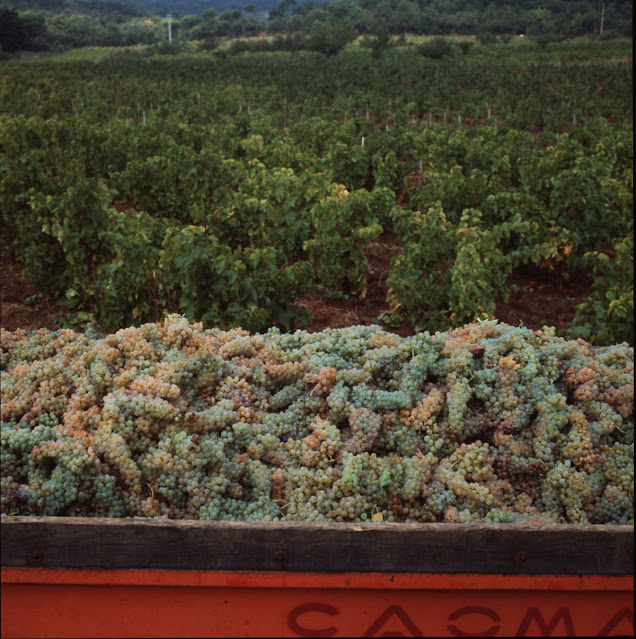
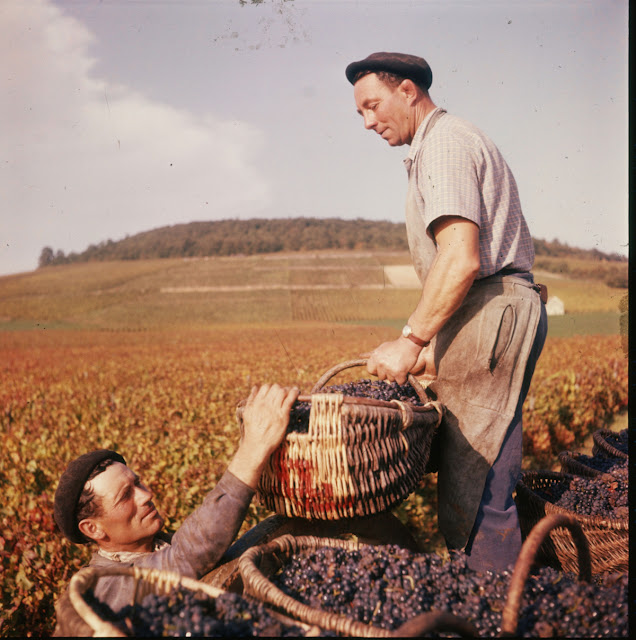
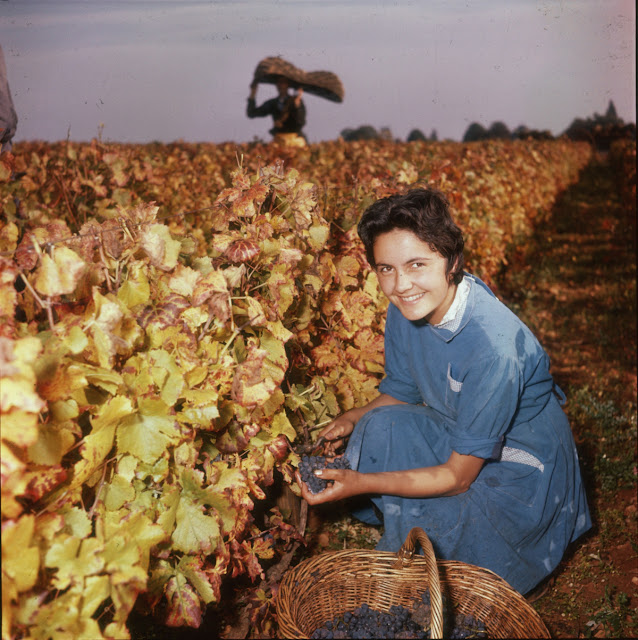
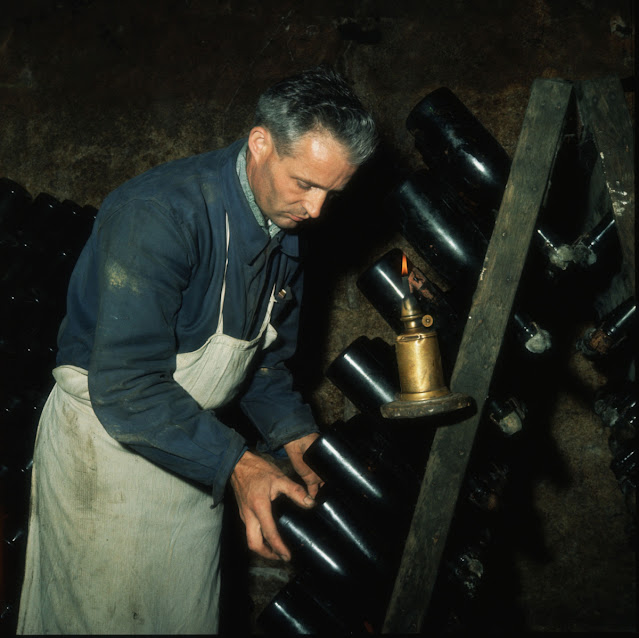
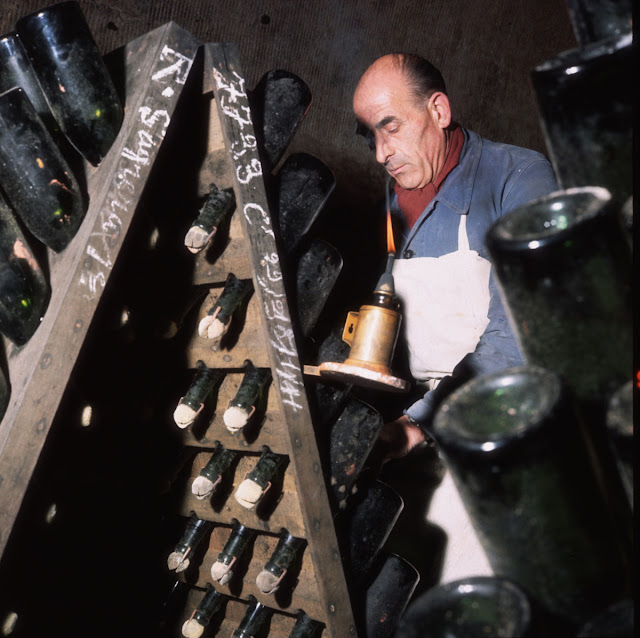
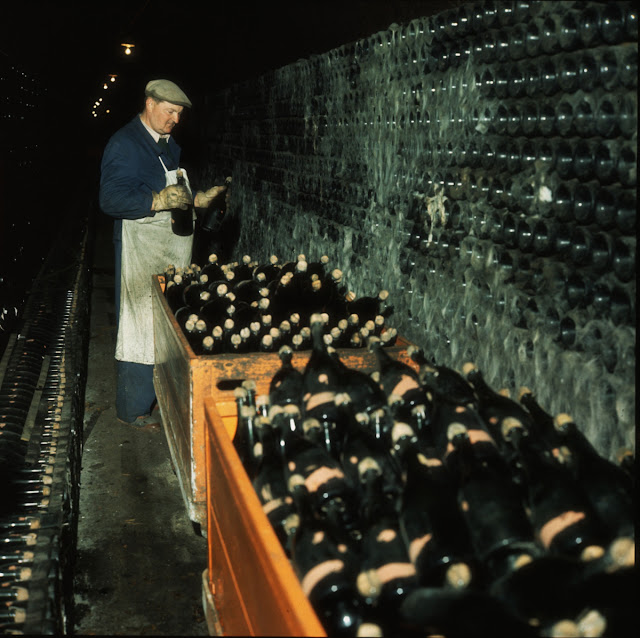
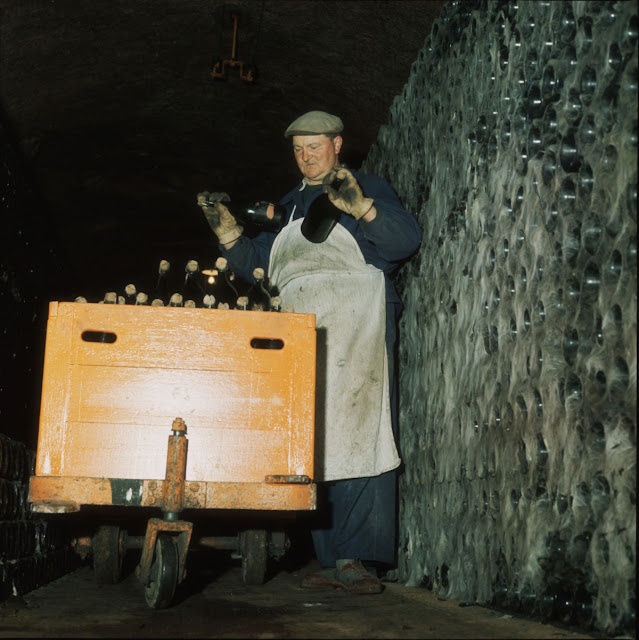
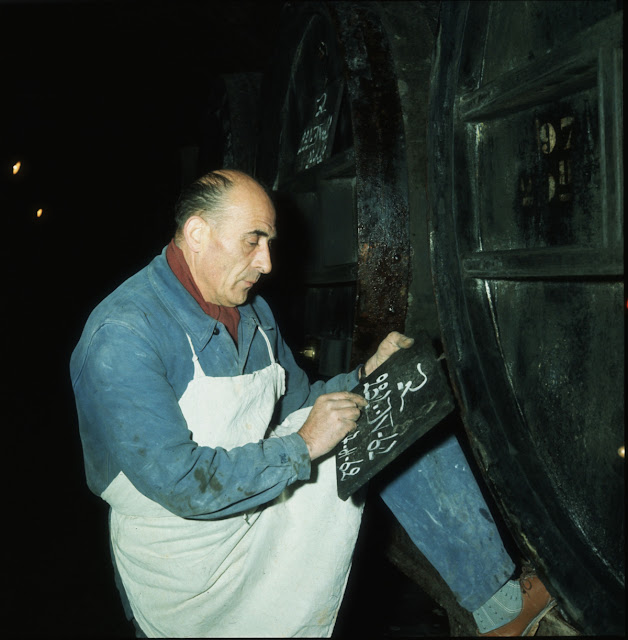
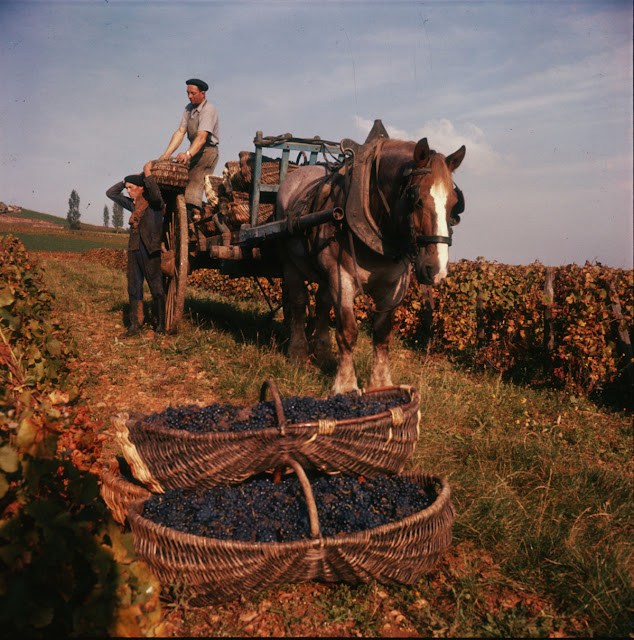
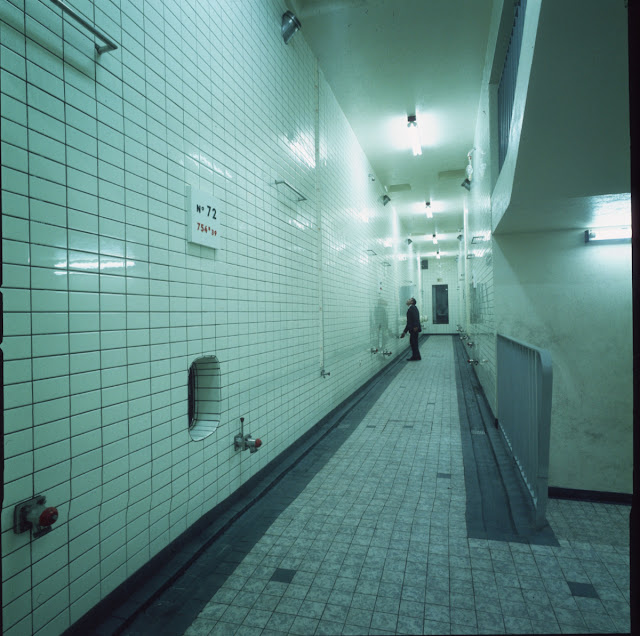
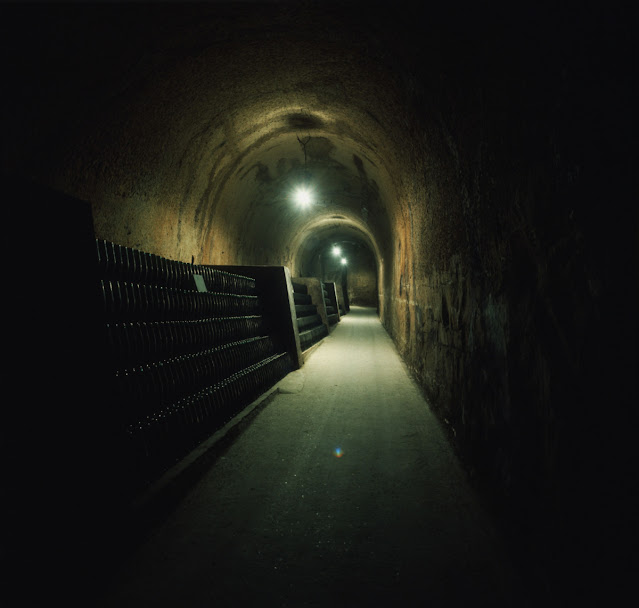
Vinification: Wonderful Color Photographs Capture the Process of Turning the Grapes Into Wine in Burgundy, 1958

Burgundy is home to some of the most expensive wines in the world, including those of Domaine de la Romanée-Conti, Domaine Leroy, Henri Jayer, Domaine Leflaive and Domaine Armand Rousseau. Its renown goes back many centuries; in 1522 Erasmus wrote: “O happy Burgundy which merits being called the mother of men since she furnishes from her mammaries such a good milk.” This was echoed by Shakespeare, who refers in King Lear to “the vines of France and milk of Burgundy.”

Burgundy is in some ways the most terroir-oriented region in France; immense attention is paid to the area of origin, and in which of the region’s 400 types of soil a wine’s grapes are grown. As opposed to Bordeaux, where classifications are producer-driven and awarded to individual chateaux, Burgundy classifications are geographically-focused. A specific vineyard or region will bear a given classification, regardless of the wine’s producer. This focus is reflected on the wine’s labels, where appellations are most prominent and producers’ names often appear at the bottom in much smaller text.

Vinification is the process of turning the grapes into wine. It has changed little over the years but there are variations in technique however. Winemakers may follow family tradition for example and of course they take into consideration the characteristics of the plot and the vintage. Once the grape juice or must has completed the alcoholic fermentation, and has turned into wine, ageing in vats or barrels begins. This gives the wine its personality, its unique characteristics and complex aromas.

Pinot Noir is the dominant grape variety for red wine in Burgundy. This grape is a particularly sensitive variety, requiring careful handling. Vinification processes vary from winemaker to winemaker – some for example destalk the grapes, others process whole bunches. For white wines, the grapes are pressed on arrival in the winery, but for red wines they are placed in vats to macerate. The juice is clear to start with and requires contact with the skins and pips to bring colour and tannins to the wine. During this maceration process, the alcoholic fermentation begins, either naturally or sometimes it is triggered with the addition of yeasts. Each day, the cap of skin and pips is broken up and pushed down into the juice to help the development of color and tannins. The process is known as pigeage and used to be done with the feet. Nowadays, a special tool is used.

When fermentation is complete, the wine is pressed and then placed in vats or barrels for ageing. During the ageing process, the red wines undergo a second malolactic fermentation, during which the malic acid in the wine turns to lactic acid, making the wine smoother.

For white wine, the grapes are pressed straight after harvesting, usually without destalking. Here the skins and pips are discarded unlike in the red wine process of maceration. The juice is then put into oak barrels or vats and alcoholic fermentation takes place. In Burgundy, a secondary malolactic fermentation takes places where the malic acid in the juice turns into lactic acid making the wines smoother. In wines made elsewhere, this second fermentation doesn’t happen.

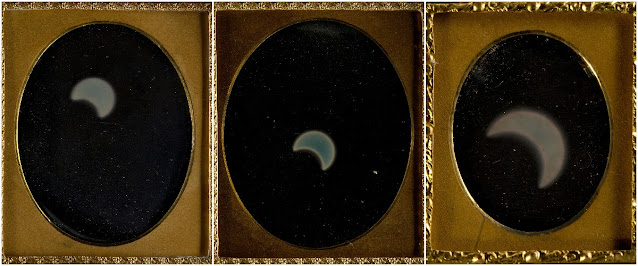
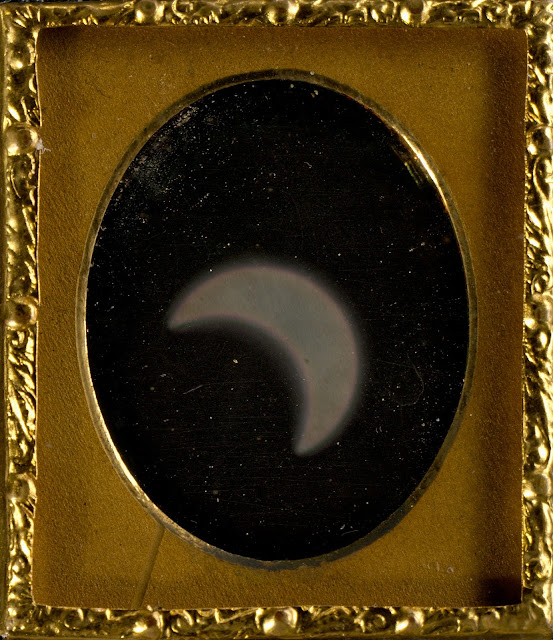
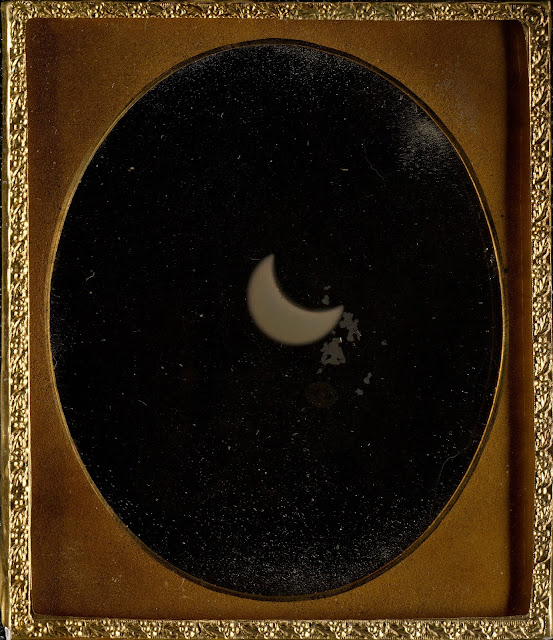
The Earliest Photographs of a Total Solar Eclipse, 1854

In 1841-42, William and Frederick Langenheim opened a daguerreotype studio in Philadelphia. Known for their technical innovations, the former journalists were not the city’s first but were certainly its most celebrated photographers. On May 26, 1854, the Langenheim brothers made eight sequential photographs of the first total eclipse of the sun visible in North America since the invention of photography.

Although six other daguerreotypists and one calotypist are known to have documented the event, only these seven daguerreotypes survive. In the northern hemisphere, the moon always shadows the sun from right to left during a solar eclipse; these images therefore seem odd because they are, like all uncorrected daguerreotypes, reversed laterally as in a mirror.

It is noteworthy that these daguerreotypes are quite small, three exceptionally so. In order to produce any kind of image at all, the Langenheims were forced to use the smallest cameras available, since smaller cameras require proportionally less light and there was virtually no available light when the disk of the new moon eclipsed the largest part of the sun. The missing eighth image was probably made on the smaller plate size and showed nothing at all-a total eclipse.

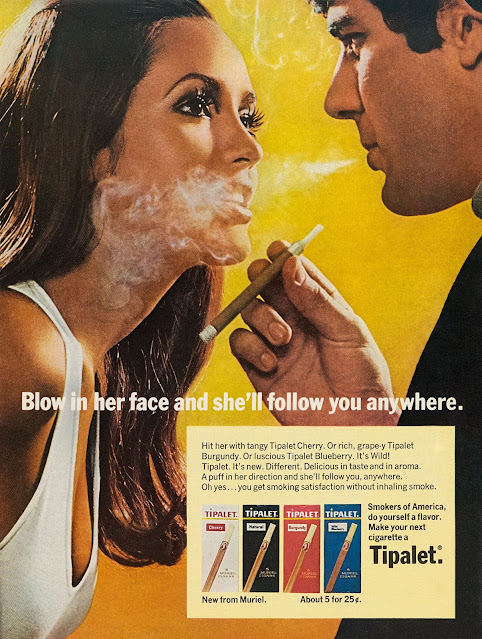
“Blow in Her Face and She’ll Follow You Anywhere” – Tipalet Ad, 1969

This advertisement in particular was for cigarettes which was first issued in 1969 by Tipalet Cigarette Company. It pictures two attractive and young models, one male and one female. The woman meets the Western beauty standard, she has glowing tan skin, long lashes, doe eyes, long black eyelashes, full lips, white teeth, and has on a small white tank top. She is shown longingly looking at the man who’s blowing smoke in her face like he is irresistible. The man on the other hand also meets the Western beauty standard. He is tall, dark, and handsome. He is pictured in a black shirt, holding a cigarette, and blowing a cloud of smoke into the woman’s face.

This ad for Tipalet cigarettes was first issued in 1969 and continued to run in the 1970s. Sex was often used to sell cigarettes throughout the decade.
There are more than a few examples within this ad that exemplify sexism and heterosexism. Firstly, there is a definite power imbalance between the two. The man pictured in the ad is literally being encouraged to blow smoke in the women’s face so she will follow him around like a lost dog. The woman is put in a position of submission, she is the “follower” of the man, and she is taking it without a second thought. As a matter of fact, she is portrayed as though she likes it, her face seems pleased and may be aroused in a way. This ad spews toxic masculinity and glorifies disrespecting and objectifying women. Another aspect of the ad is the way smoking is portrayed as a masculine activity. The slogan on top of the ad said, “Blow in her face and she’ll follow you anywhere.” Certainly, the ad was not referencing a woman blowing in another woman’s face, but what the ad pictures, a man blowing in a woman’s face. This infers that smoking is a masculine activity that makes a woman more attracted to them, which also supports heterosexism and praises heterosexual relationships.
The advertisement operates on the Macro-level, as almost anyone who could read and who got newspapers and magazines could see this ad. The ad itself targets and affects us at a Meso-level of society. It particularly targets heterosexual men as a group (whether they smoke or not). The man in the ad is put in a powerful position and is attracting a potential sexual partner at the same time. Which in turn, makes this cigarette a desirable product for a man who wants to attract a partner in a heterosexual relationship. The advertisement also reveals an unsettling operation of patriarchy. Socially, men are generally seen and accepted as superior to women, and women are seen and accepted as the submissive followers of men. It also infers that women enjoy being degraded and disrespected by men, and they accept that social role with a smile on their face.
Advertisements similar to these were very popular around this time period, especially through cigarette companies. In fact, cigarette companies coined the saying “sex sells” which originates all the way back to 1870. By oversexualizing and objectifying women through media for capitalistic agendas, sexism and heterosexism have been engrained into our society though various forms for media for over well over 100 years. It is now no surprise that there is still so much work to be done regarding how sex is represented in media, as there have been copious amounts of much brainwashing of both men and women to accept a defined role (positive or negative) to conform to what society says is desirable.

Photos of Tina Turner at Her Home in View Park, California in 1972

Subscribe to get access

Read more of this content when you subscribe today.

These photos captured moments of Tina Turner at her mid-century home in View Park, California in 1972. The front door featured handles that were molds of her hands. The family room included a waterfall with a pond and a wet bar with a built-in fish tank.

Ike Turner purchased the home in 1963, shortly after they relocated from East St. Louis, and he sold it after their divorce in the late 1970s. The house was so well-preserved that it was used for the 1993 biopic What’s Love Got to Do With It.

Tina Turner (born Anna Mae Bullock; November 26, 1939) is an American-born Swiss singer and actress. Widely referred to as the “Queen of Rock ‘n’ Roll”, she rose to prominence as the lead singer of the Ike and Tina Turner Revue before launching a successful career as a solo performer.

Turner began her career with Ike Turner’s Kings of Rhythm in 1957. Under the name Little Ann, she appeared on her first record, “Boxtop”, in 1958. In 1960, she was introduced as Tina Turner with the hit duet single “A Fool in Love”. The duo Ike & Tina Turner became “one of the most formidable live acts in history”. They released hits such as “It’s Gonna Work Out Fine”, “River Deep – Mountain High”, “Proud Mary”, and “Nutbush City Limits” before disbanding in 1976.

In the 1980s, Turner launched “one of the greatest comebacks in music history”. Her 1984 multi-platinum album Private Dancer contained the hit song “What’s Love Got to Do with It”, which won the Grammy Award for Record of the Year and became her first and only No.1 on the Billboard Hot 100. At age 44, she was the oldest female solo artist to top the Hot 100. Her chart success continued with “Better Be Good to Me”, “Private Dancer”, “We Don’t Need Another Hero (Thunderdome)”, “Typical Male”, “The Best”, “I Don’t Wanna Fight”, and “GoldenEye”. During her Break Every Rule World Tour in 1988, she set a then-Guinness World Record for the largest paying audience (180,000) for a solo performer. Turner also acted in the films Tommy (1975), Mad Max Beyond Thunderdome (1985), and Last Action Hero (1993). In 1993, What’s Love Got to Do with It, a biopic adapted from her autobiography I, Tina: My Life Story, was released. In 2009, Turner retired after completing her Tina!: 50th Anniversary Tour, which is the 15th highest-grossing tour of the 2000s. In 2018, she became the subject of the jukebox musical Tina.

Having sold over 100 million records worldwide, Turner is one of the best-selling recording artists of all time. She has received 12 Grammy Awards, which include eight competitive awards, three Grammy Hall of Fame awards, and a Grammy Lifetime Achievement Award. She is the first black artist and first female to be on the cover of Rolling Stone. Rolling Stone ranked her among the 100 Greatest Artists of All Time and the 100 Greatest Singers of All Time. Turner has a star on the Hollywood Walk of Fame and the St. Louis Walk of Fame. She is a two-time inductee into the Rock and Roll Hall of Fame, with Ike Turner in 1991 and as a solo artist in 2021. She is also a 2005 recipient of the Kennedy Center Honors and Women of the Year award. (Wikipedia)

Subscribe to continue reading

Become a paid subscriber to get access to the rest of this post and other exclusive content.

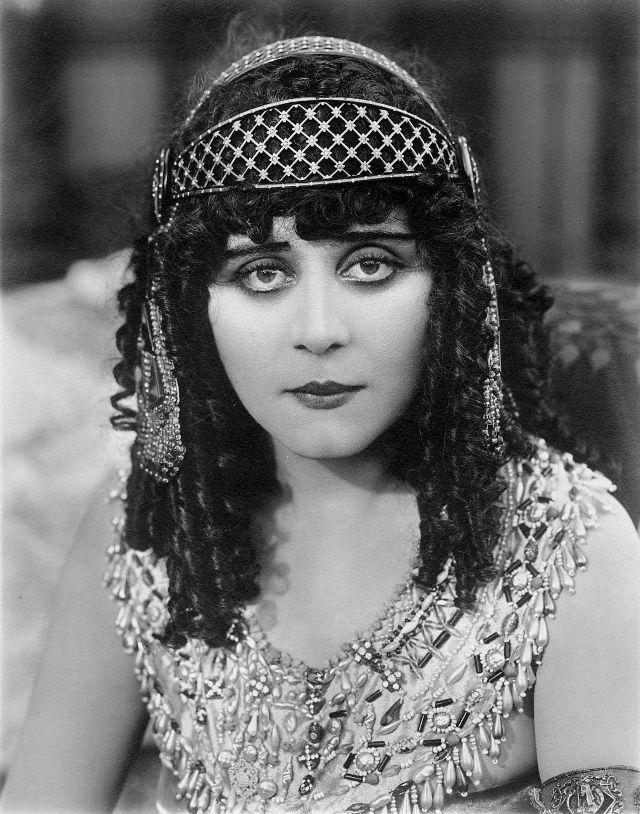
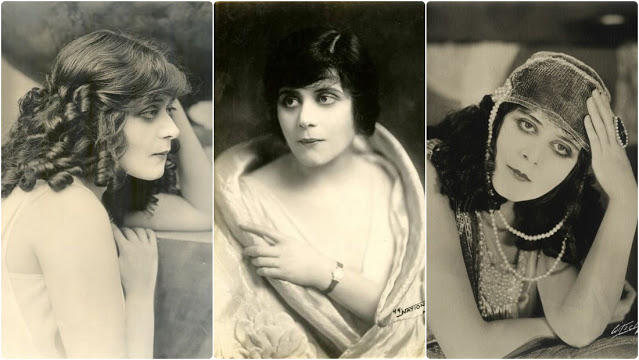
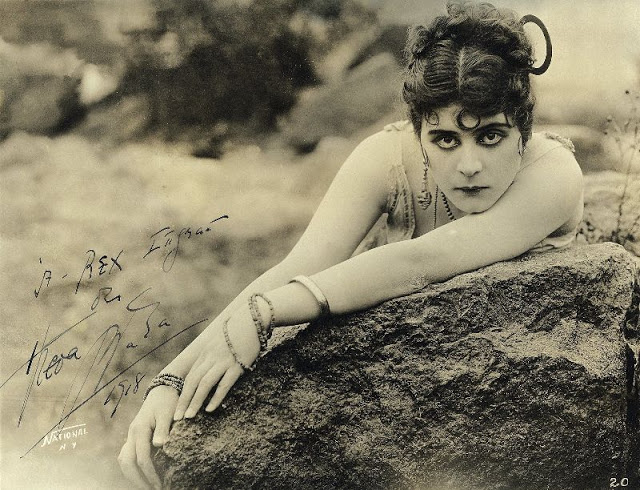
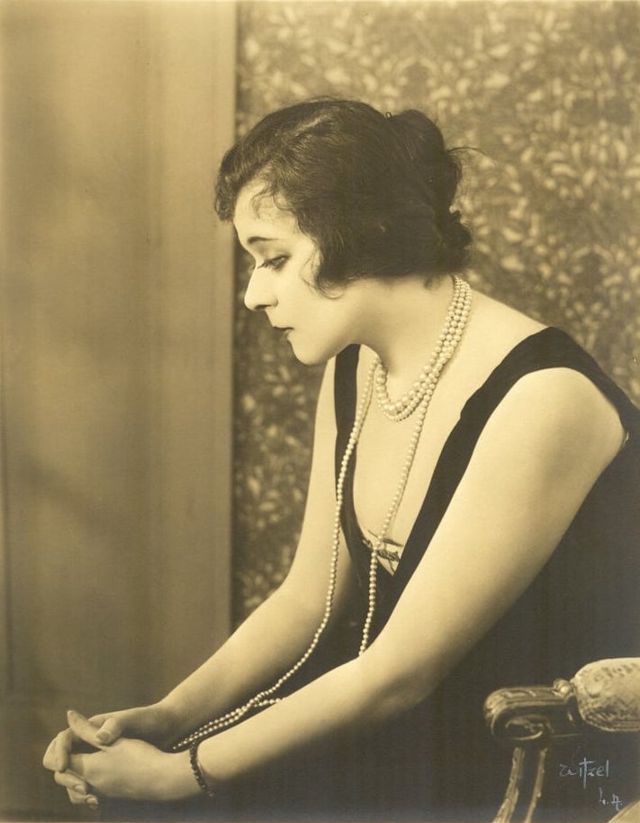
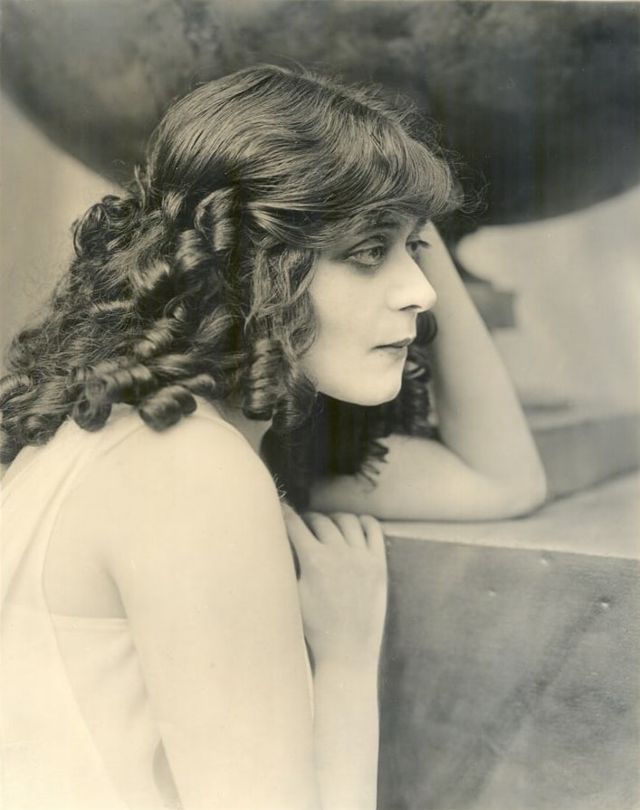
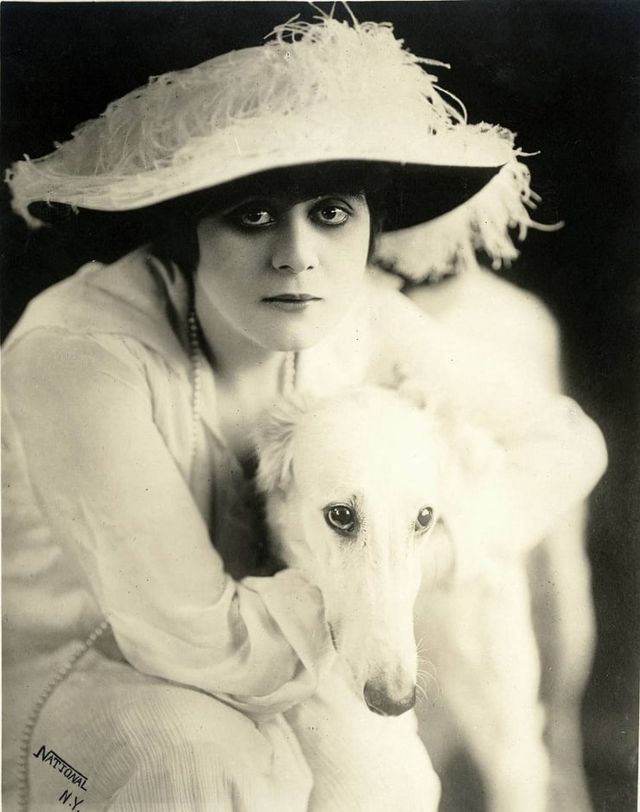
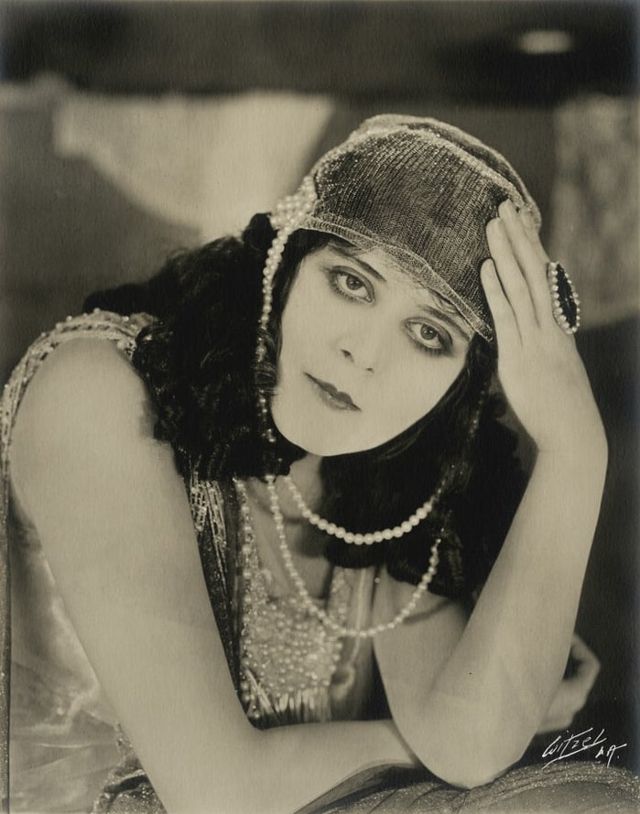
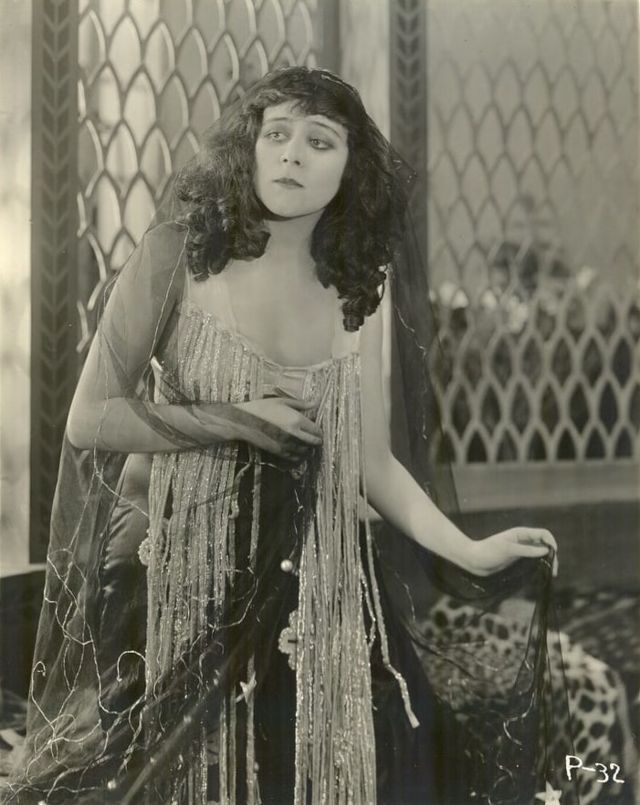
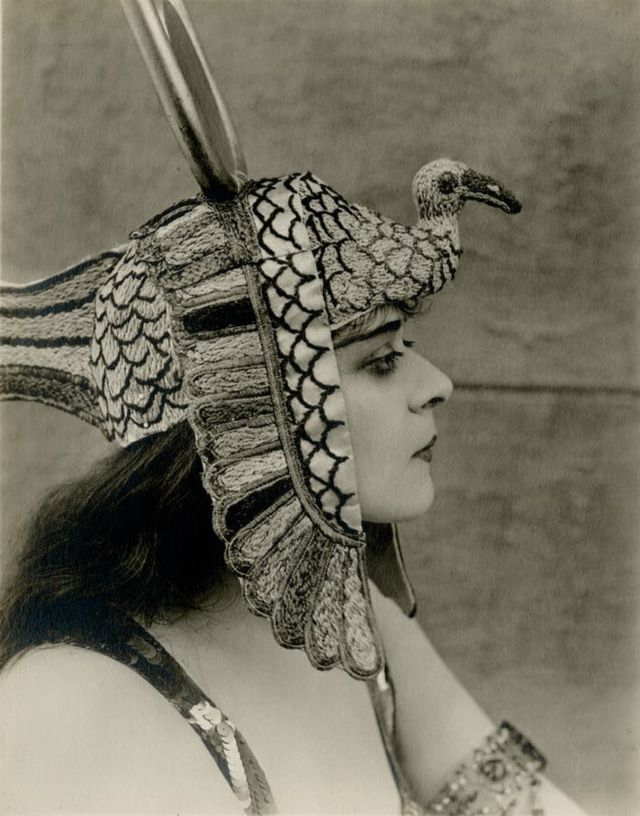
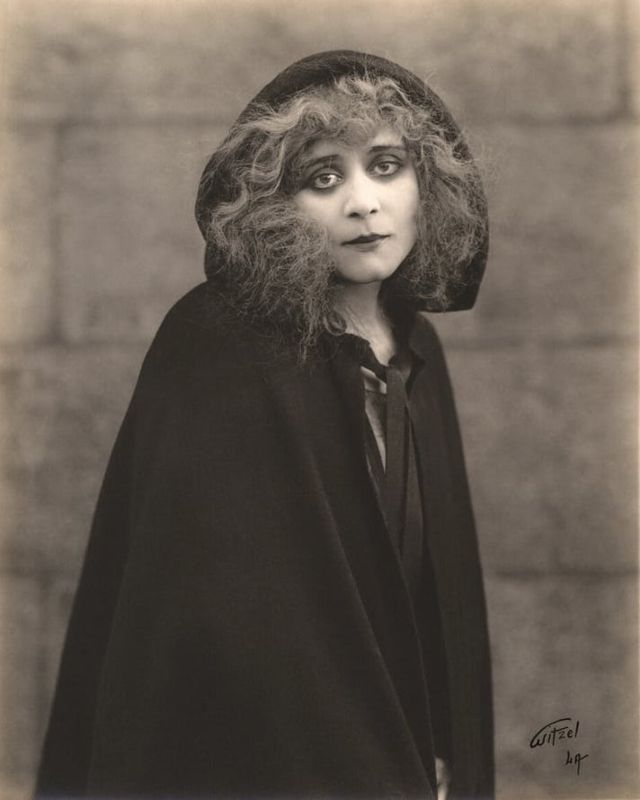
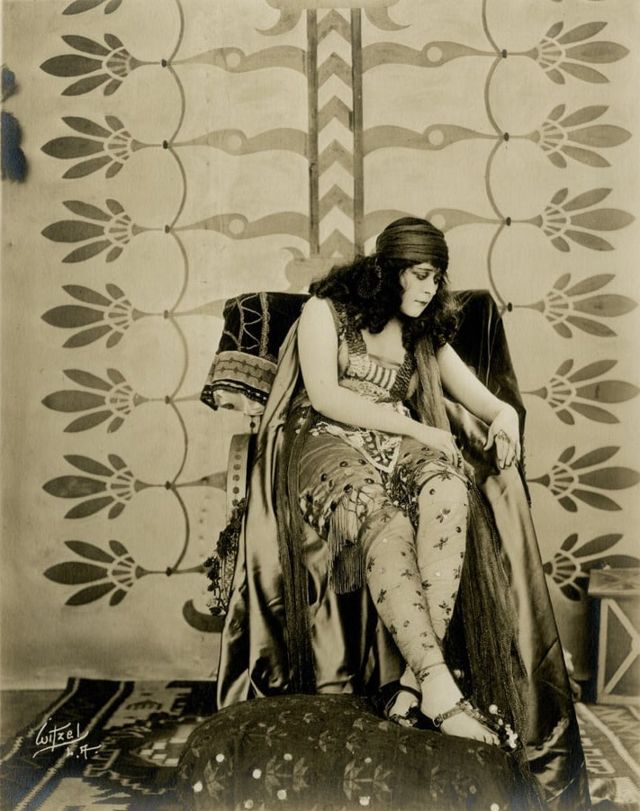
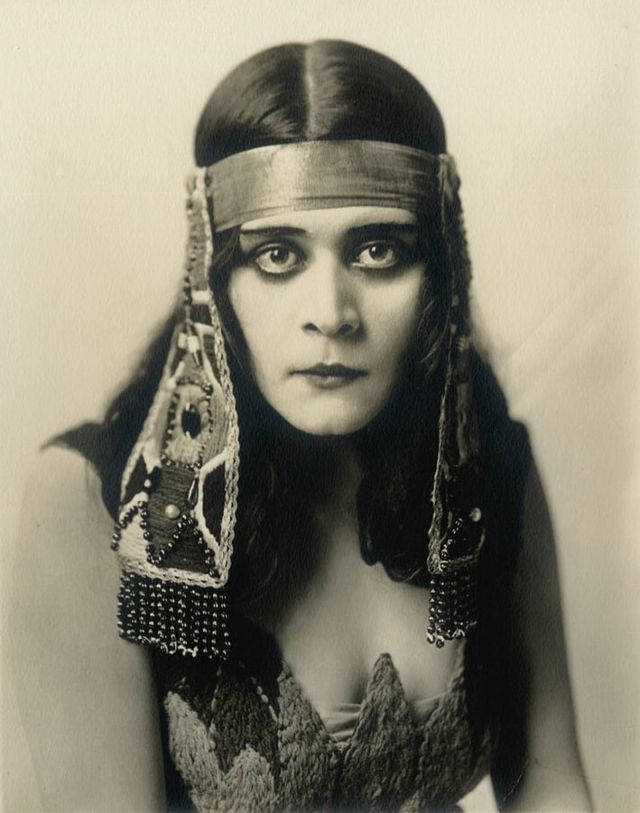
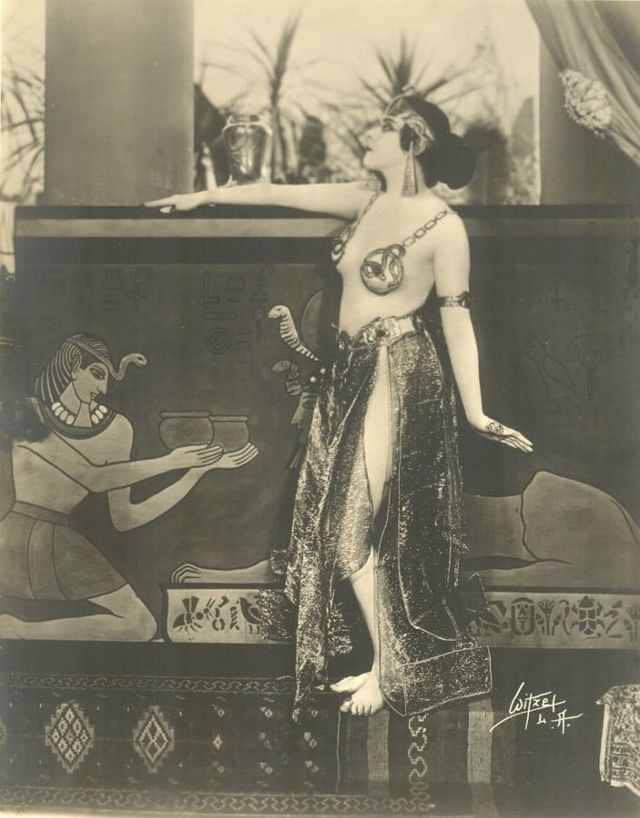
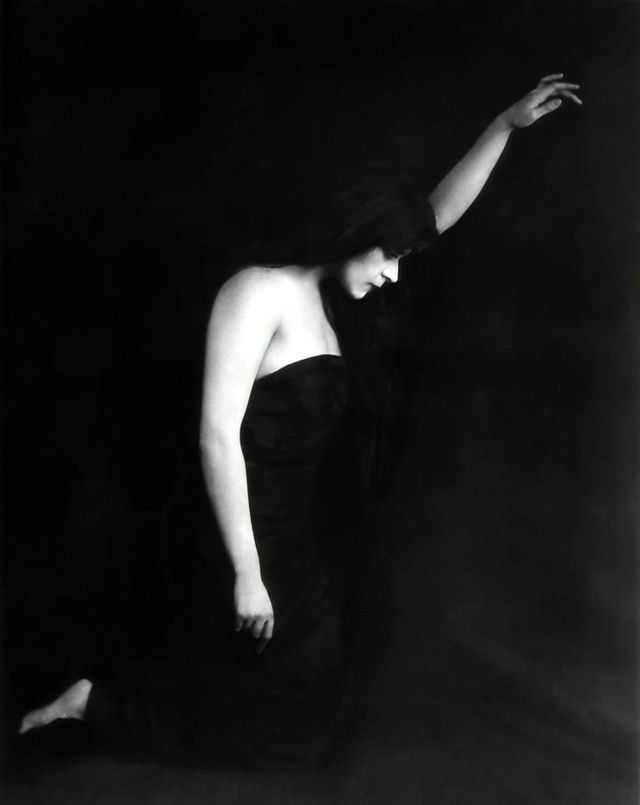
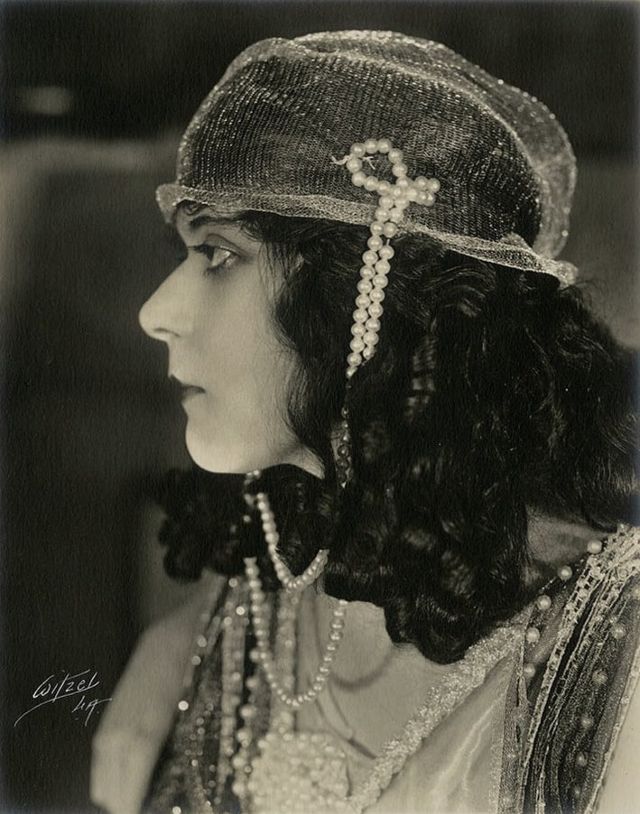
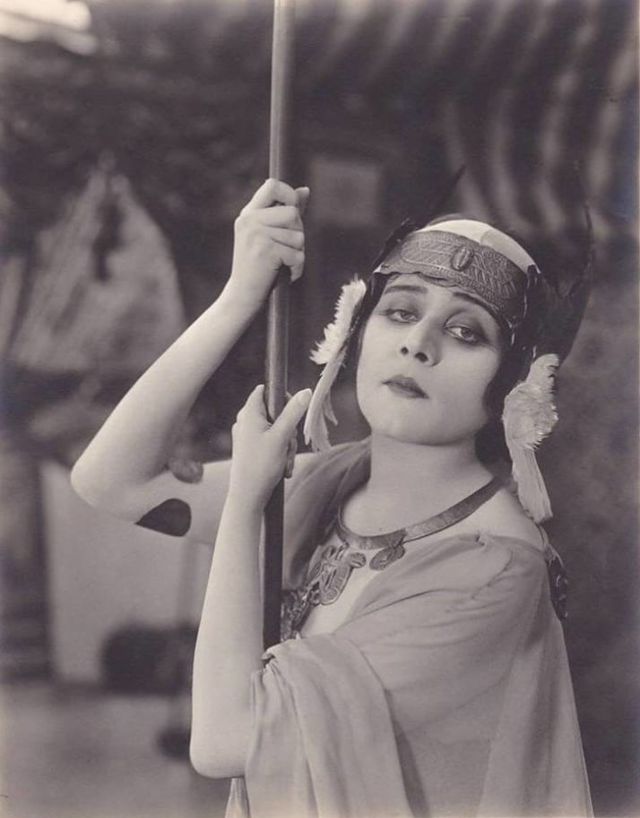
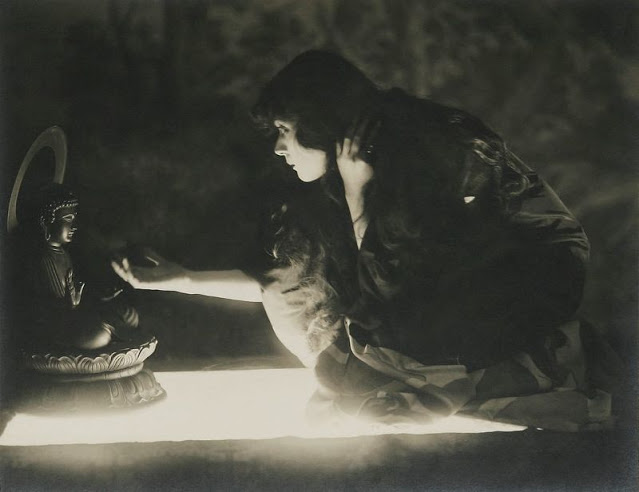
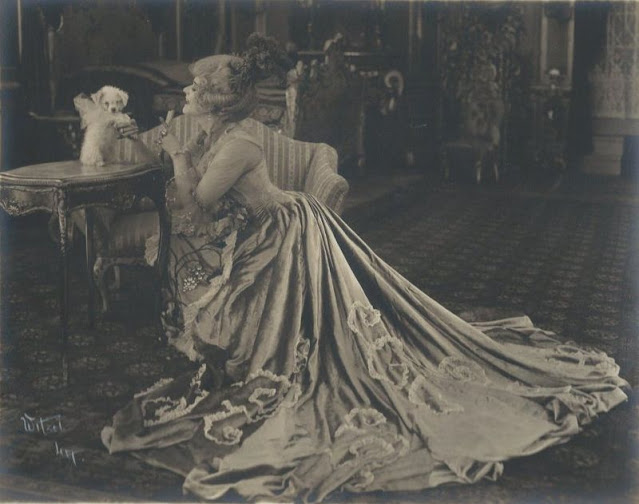
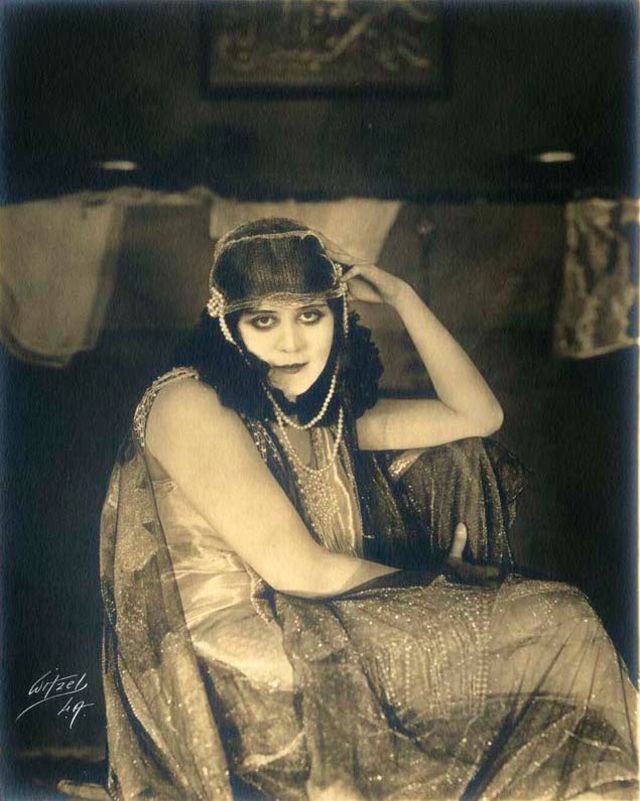
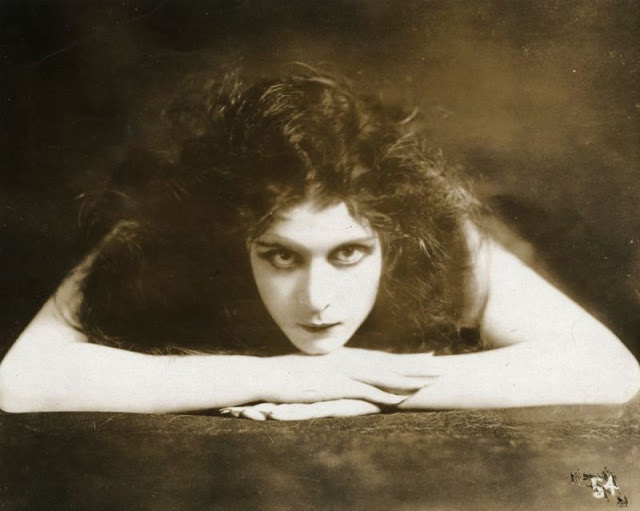
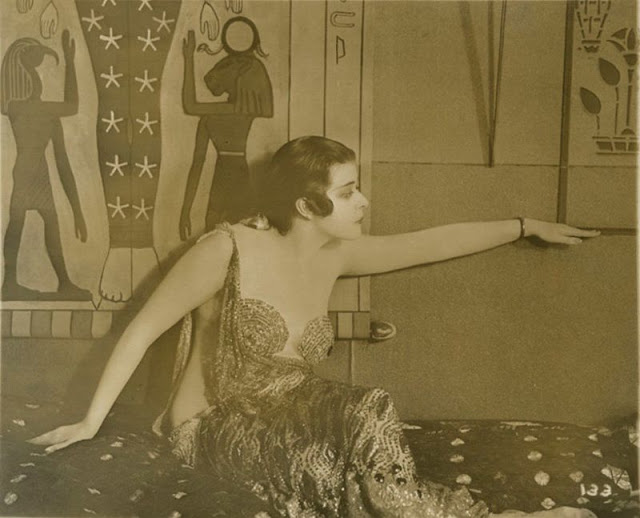
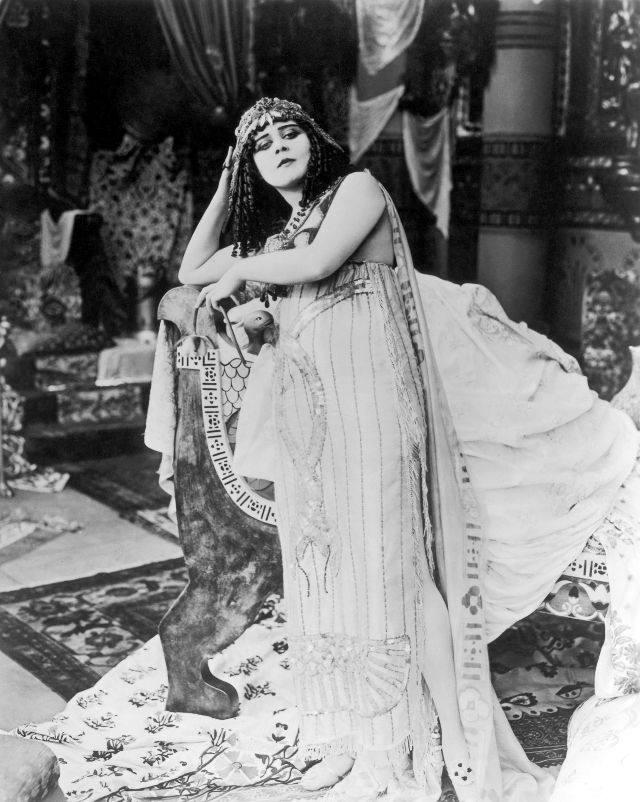
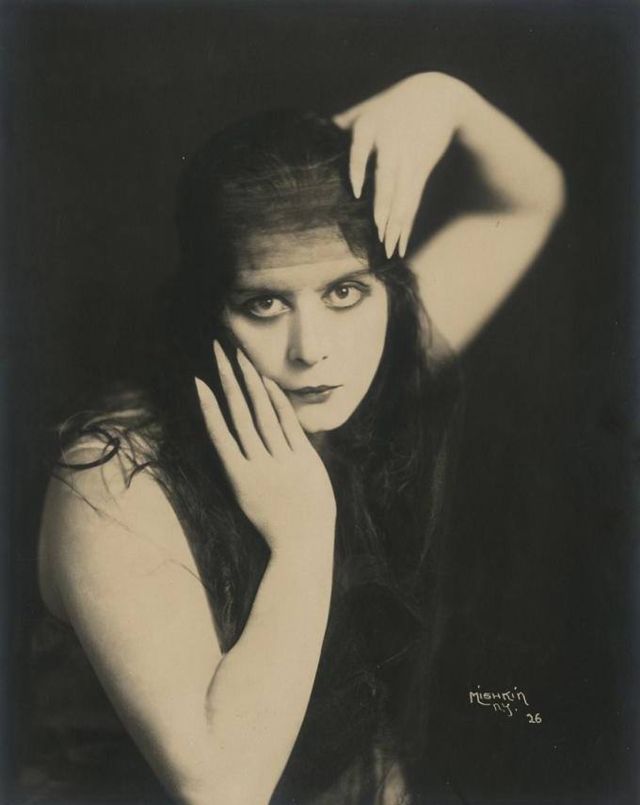
48 Amazing Vintage Photos of Actress Theda Bara: The First Sex Symbol of the Film Era

Born 1885 as Theodosia Burr Goodman in Cincinnati, Ohio, American silent film and stage actress Theda Bara moved to New York City in 1908 and made her Broadway debut the same year in The Devil.

Between 1915 and 1919, Bara was Fox studio’s biggest star, but tired of being typecast as a vamp, she allowed her five-year contract with Fox to expire. Her final Fox film was The Lure of Ambition (1919).

In 1920, Bara turned briefly to the stage, appearing on Broadway in The Blue Flame. Her fame drew large crowds to the theater, but her acting was savaged by critics.

Bara was one of the more popular actresses of the silent era and one of cinema’s early sex symbols. The studios promoted a fictitious persona for her as an Egyptian-born woman interested in the occult.

Bara made more than 40 films between 1914 and 1926, but most were lost in the 1937 Fox vault fire. After her marriage to Charles Brabin in 1921, she made two more feature films then retired from acting in 1926, never appearing in a sound film.

Bara died of stomach cancer in 1955. For her contributions to the film industry, she received a motion pictures star on the Hollywood Walk of Fame in 1960. Her star is located at 6307 Hollywood Boulevard.

Take a look at these fabulous photos to see the beauty of young Theda Bara in the 1910s.

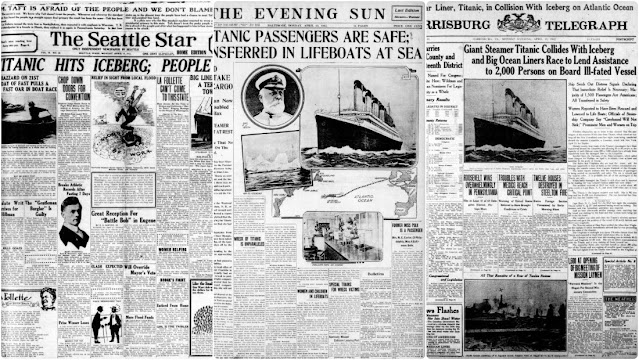
Titanic: Newspaper Front Pages With the First Stories of the Disaster on April 15, 1912

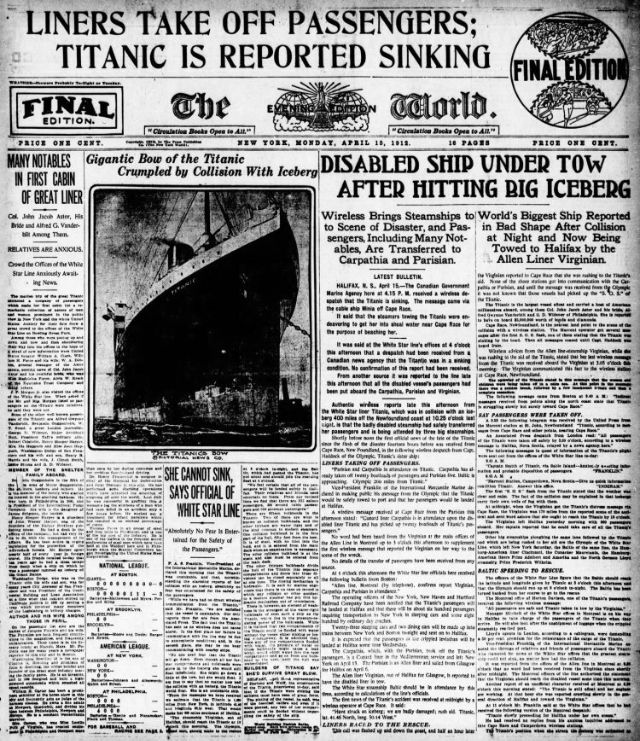
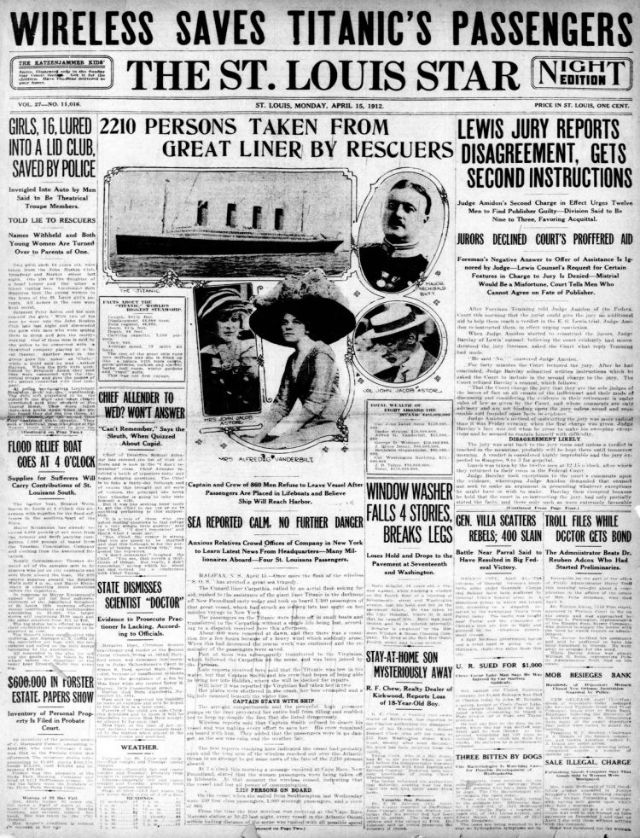
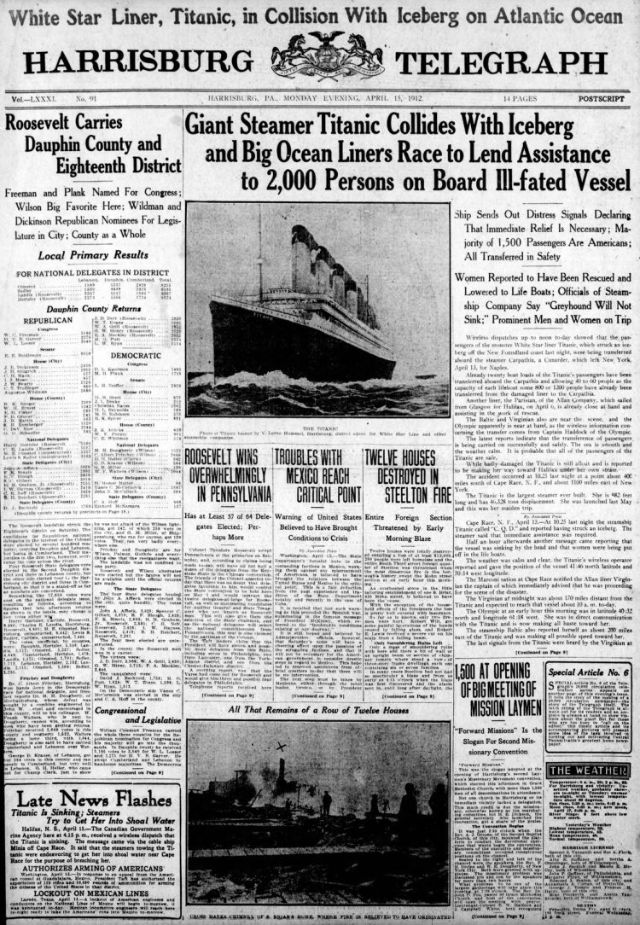
Here are some front pages of newspapers around the country, showing very first reports of the Titanic disaster.

Newspaper front pages with the first stories of the Titanic disaster on April 15, 1912

As you can see, several of the headlines were completely inaccurate. Of course, that’s to be expected — there was very little information available at the time, and the news that did come in was delivered via telegraph.

Furthermore, many news reports were hampered by confusion in the chaos, as well as by some opinions presented as fact. For example, one statement was issued by the White Star Line that said, in part, “I am free to say that no matter how bad the collision with an iceberg, the Titanic would float. She is an unsinkable ship.”

By the next day, almost everyone knew the truth: some 1,500 people had died on that cold, dark night.

Titanic’s Passengers Saved; Liner Sinking (The Oakland Tribune).
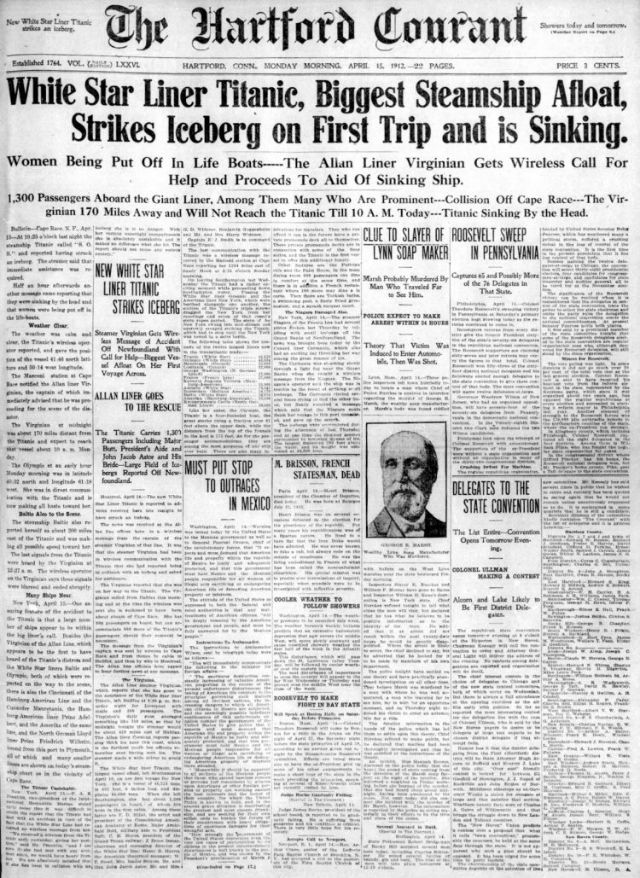
White Star Liner Titanic, Biggest Steamship Afloat, Strikes Iceberg on First Trip and Is Sinking (The Hartford Courant).
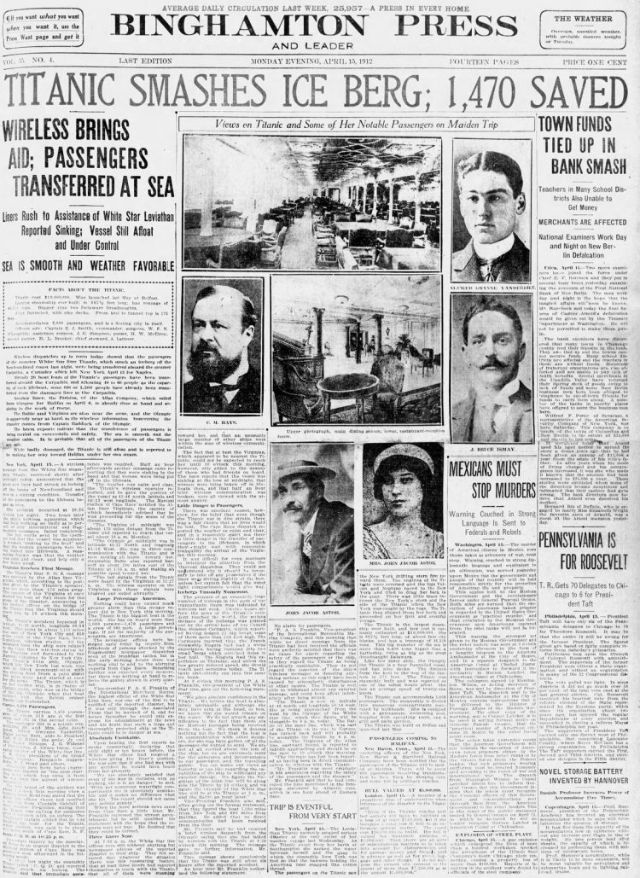
Titanic Smashes Iceberg; 1,470 Saved (The Binghamton Press).
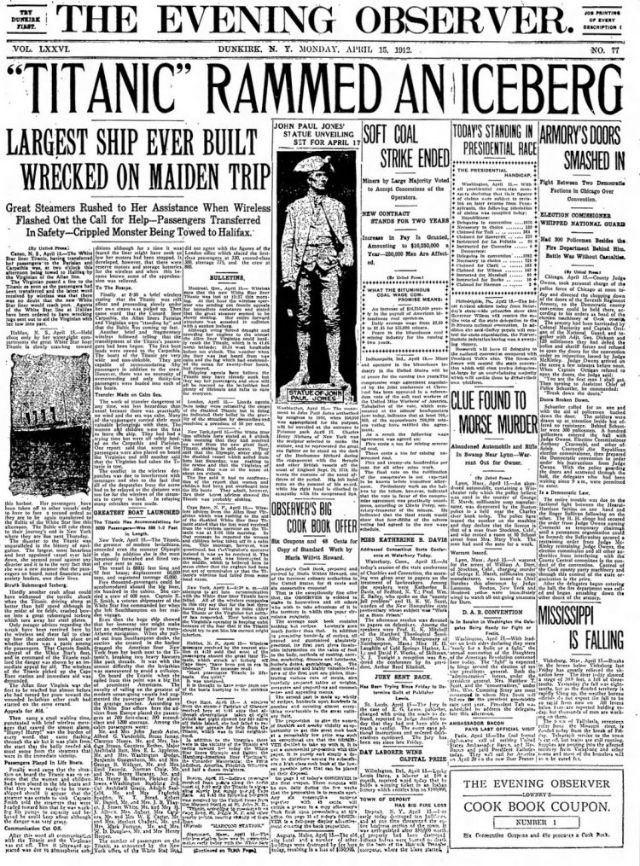
“Titanic” Rammed an Iceberg (The Evening Observer).
White Star Liner Titanic Strikes an Iceberg — Passengers Are Safe and the Vessel Is in Tow (The Elmira Star-Gazette).
Passengers of Titanic Transferred in Safety to Parisian and Carpathia (The Bridgeport Evening Farmer).
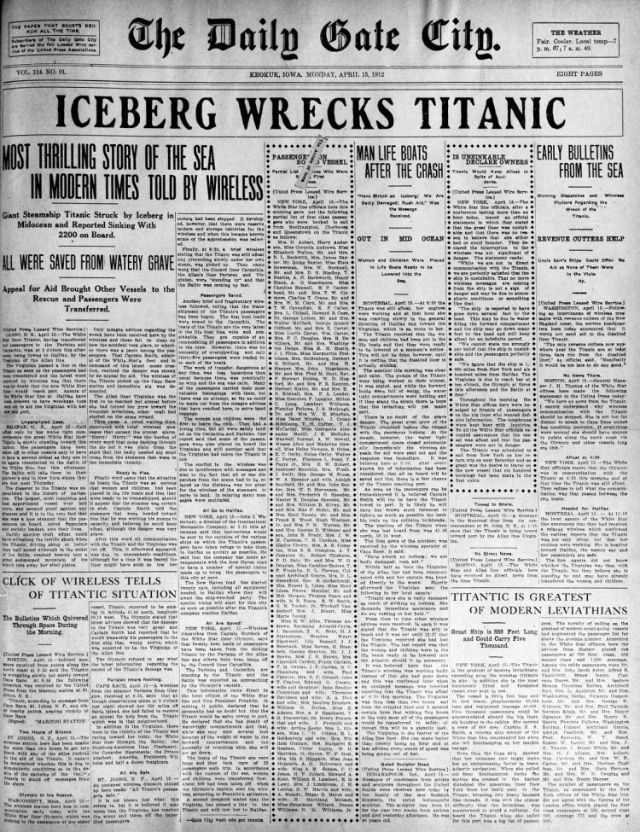
Iceberg Wrecks Titanic (The Daily Gate City).
All Titanic Passengers Are Safe; Transferred in Lifeboats at Sea (The Evening Sun).
Liners Taking Off Passengers; Titanic Is Reported Sinking (The Evening World).
Titanic Hits Iceberg; People Safe (The Seattle Star).
Wireless Saved Titanic’s Passengers: 2210 Persons Taken From Great Liner by Rescuers (The St. Louis Star).
Titanic Survives Iceberg Crash Tho Badly Damaged; Passengers Safe (The Asbury Park Evening Press).
Biggest Ship Afloat Sinking in Mid-Ocean (The Great Falls Daily Tribune).
White Star Liner, Titanic, in Collision With Iceberg on Atlantic Ocean (The Harrisburg Telegraph).
Frantic Crowds Storm White Star Offices for Titanic News (1912).
Titanic Unsinkable: She Cannot Sink, Says Official of White Star Line (The Evening World (New York, NY) April 15, 1912, Final Edition).

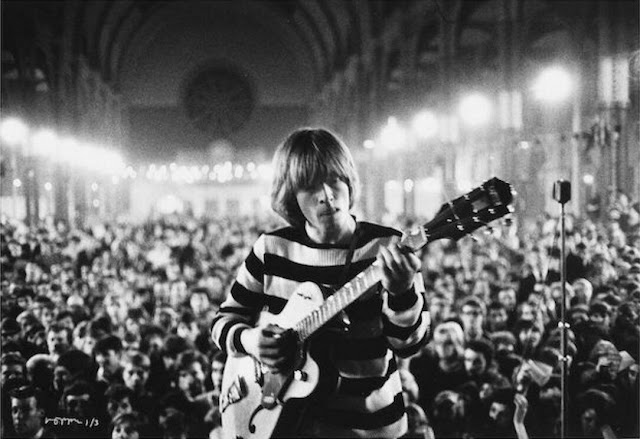
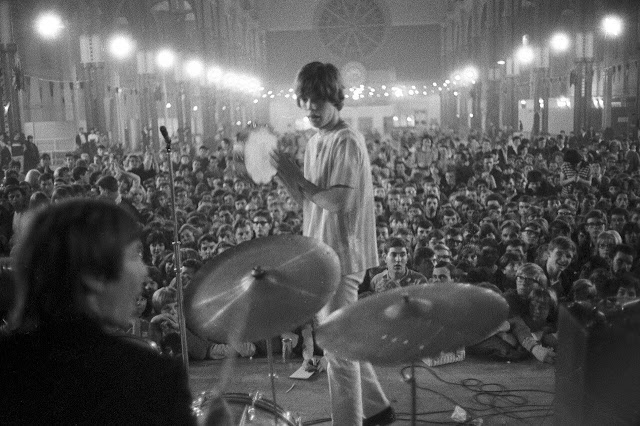
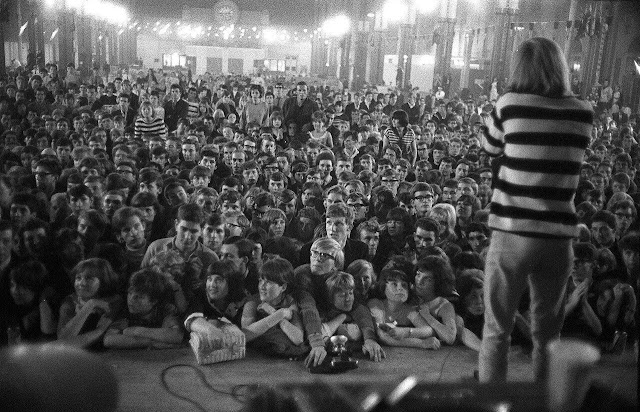
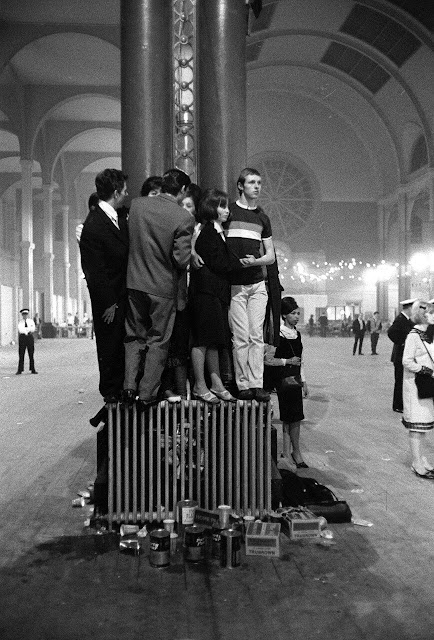
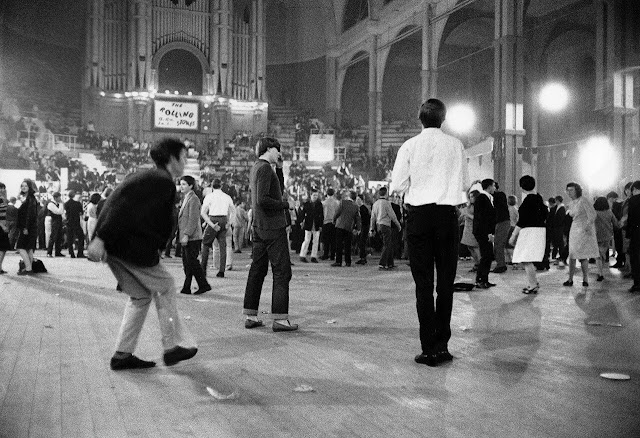
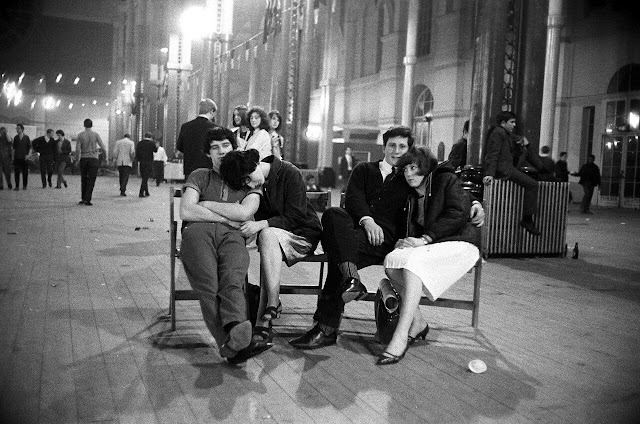
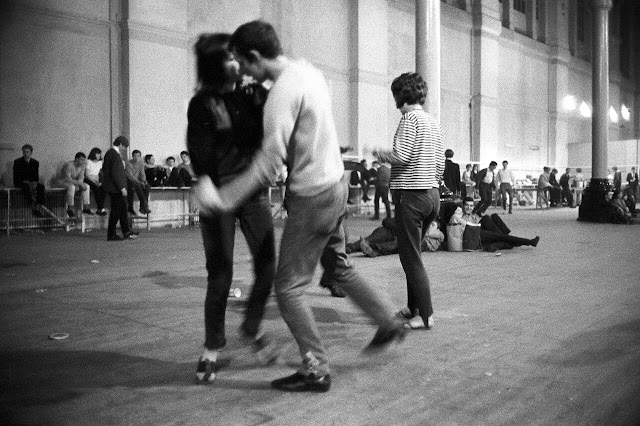
Candid Photographs of The Rolling Stones Performing at the Alexandra Palace in London, 1964

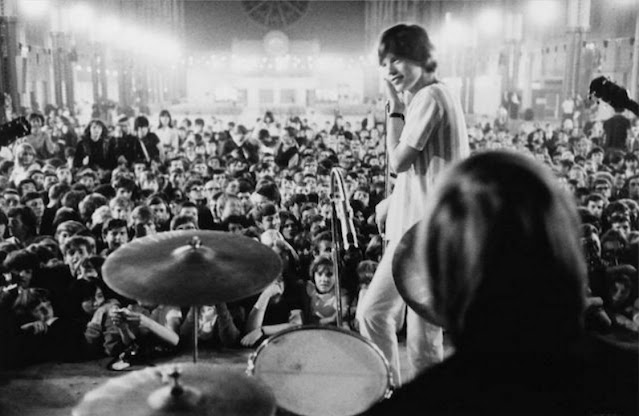
The Rolling Stones’ All Night Rave took place at the Alexandra Palace in London on June 26, 1964. Organized by The Rolling Stones’ fan club, the show coincided with the release date of the band’s hit “It’s All Over Now”. The Stones joined a blues-rich bill that featured John Lee Hooker, John Mayall, Alexis Korner, and Jimmy Powell and the Five Dimensions.

While the Fab Four were still fresh-faced and fancy-free, The Rolling Stones represented the darker side of the pop invasion of the sixties. Founders Brian Jones, Mick Jagger, Keith Richards found themselves in front of a huge crowd, willing to go to war for the band. Brian Jones said in a statement after the rave: “As the excitement mounts girls surge down to the footlights, their screams swamping our amplifiers.”

The band unwittingly held one of the first ever raves in London, and with it, sealed their reputation as one of the most unruly and uncompromising artists of rock and roll history. In the images, there are candid shots of sixties teens dancing their night away as well as perfect shots of Brian Jones, Mick Jagger and Keith Richards in front of the baying crowd.

Yesterday Today

Bringing You the Wonder of Yesterday - Today

Skip to content ↓