The Makeup of Fred Gwynne’s Herman Munster in ‘The Munsters’ in the 1960s

Subscribe to get access

Read more of this content when you subscribe today.

The Munsters is an American sitcom depicting the home life of a family of benign monsters. The series starred Fred Gwynne as Frankenstein’s monster and head-of-the-household Herman Munster; Yvonne De Carlo as his wife Lily Munster; Al Lewis as Lily’s father, Grandpa, the somewhat over-the-hill vampire Count Dracula who longs for the “good old days” in Transylvania; Beverley Owen (later replaced by Pat Priest) as their teenage niece Marilyn Munster, who was attractive by conventional standards but the “ugly duckling” of the family; and Butch Patrick as their werewolfish son Eddie Munster.

The Munsters was extraordinarily hard for Fred to do. He was already 6-foot-5-and-a-half inches and they put him in buildup shoes to bring him up to about 7 feet, and Herman’s padded outfit weighed about 50 pounds.

And, of course, makeup that took hours to put on every day. Because of this, Gwynne’s costume was hot, heavy, and clumpy. They used to have to cool him down with a fan between takes just so that he didn’t faint!

Subscribe to continue reading

Become a paid subscriber to get access to the rest of this post and other exclusive content.
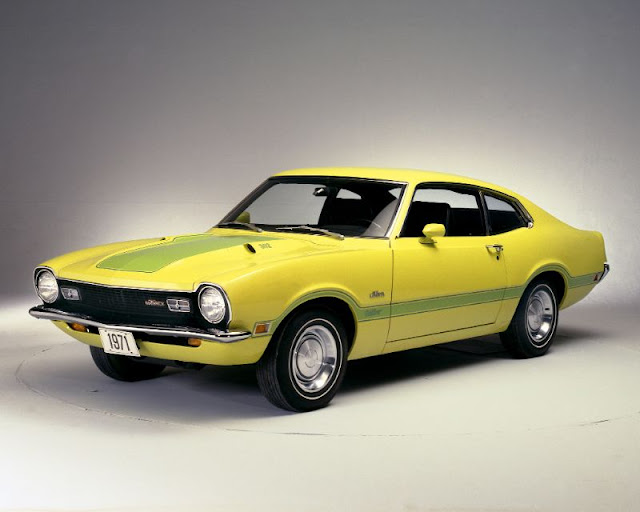
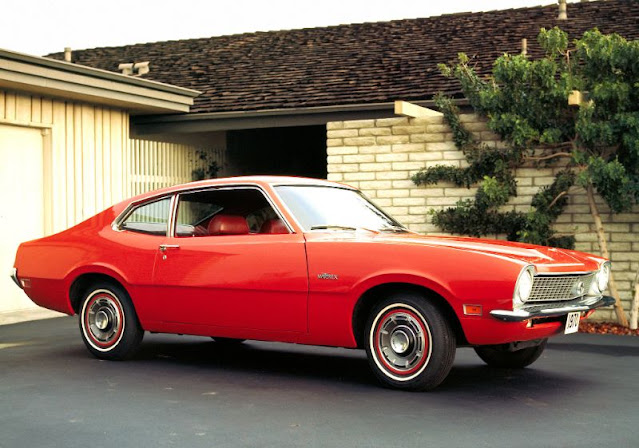
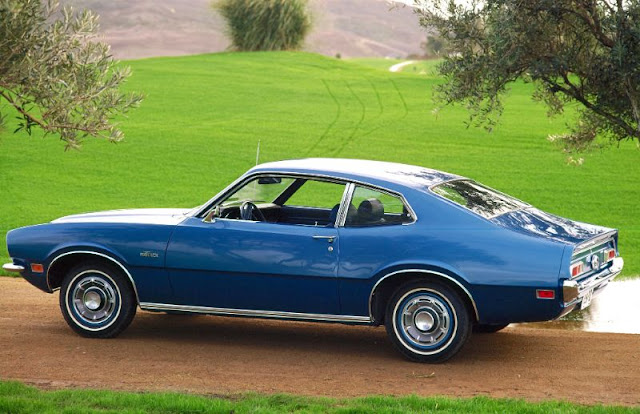
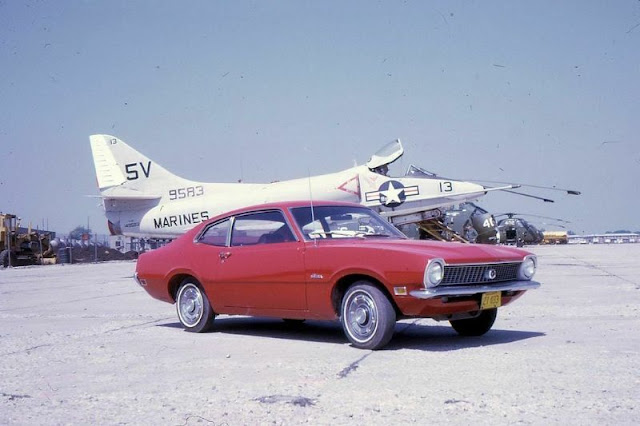
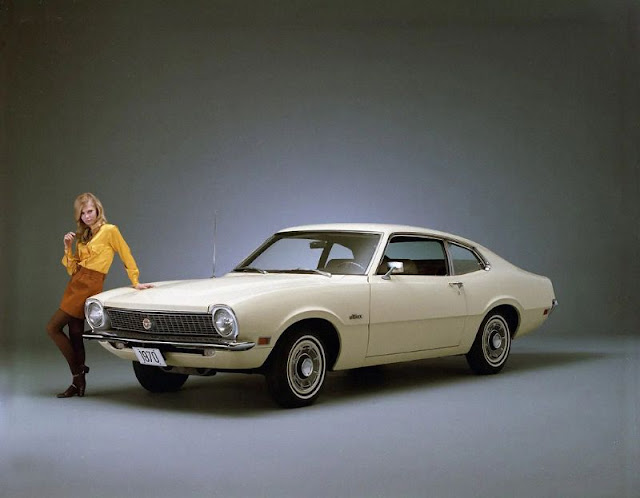
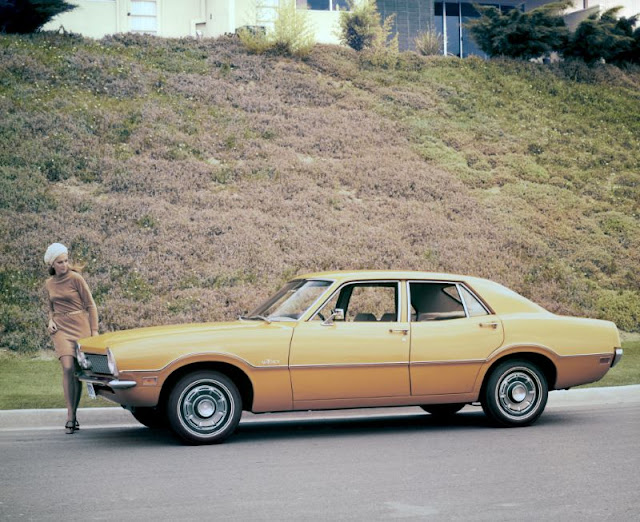
Beautiful Photos of the Ford Maverick

The Ford Maverick is a compact car manufactured and marketed by Ford for model years 1970–1977 in the United States, originally as a two-door sedan employing a rear-wheel drive platform original to the 1960 Falcon — and subsequently as a four-door sedan on the same platform.

The Maverick was also manufactured in Venezuela, Canada, Mexico, and from 1970 to 1979, in Brazil. The name “maverick” was derived from the word for unbranded range animals, and the car’s nameplate was stylized to resemble the head of Longhorn cattle.

The Maverick’s styling featured the long hood, fastback roof, and short deck popularized by the Mustang, on a 103-inch (2,616 mm) wheelbase — and featured pop-out rear side windows.

Nearly 579,000 Mavericks were produced in its first year, approaching the record-setting first year of Mustang sales (nearly 619,000), and easily outpaced the Mustang’s sales of fewer than 200,000 in 1970. Total North American Maverick production (1969-1977) reached 2.1 million units.

Here below is a set of beautiful photos of the Ford Maverick.

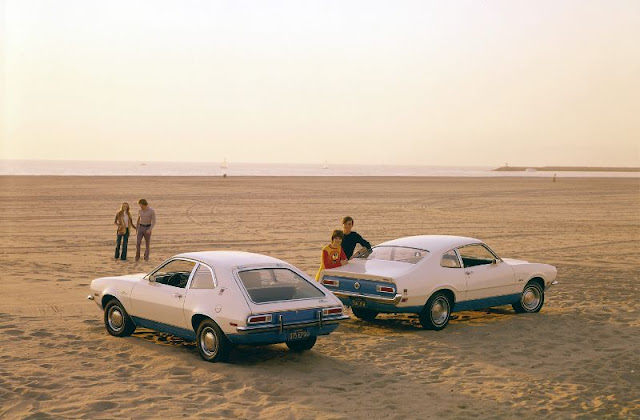
1972 Ford Maverick Sprint Grabber and Pinto
1970 Ford Maverick 2-door Sedan
1970 Ford Maverick
1971 Ford Maverick Grabber
1971 Ford Maverick Sedan
1972 Ford Maverick Sprint Grabber
1972 Ford Maverick

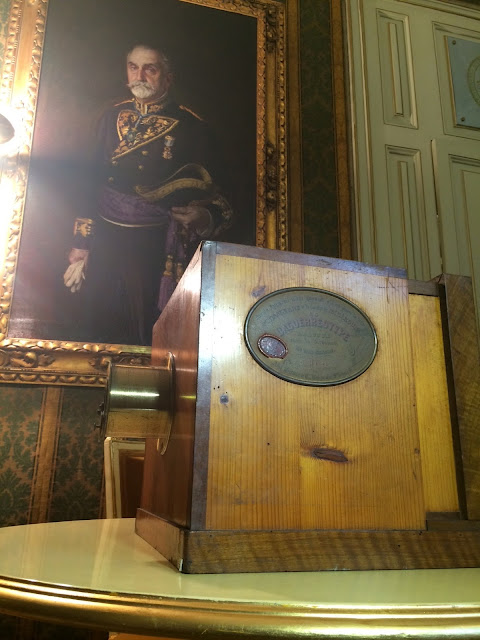
The First Photograph Ever Taken in Barcelona, 1839

It was not only the first photograph ever taken in Barcelona, but in the whole of the Iberian peninsula. It was taken on November 10, 1839 from a terrace of Pla de Palau, in an act open to the public. The photograph was then raffled to raise funds, and this is when it became lost. 175 years later, it is unknown whether it still exists and who may have it.

The story dates back to the beginning of 1839 when the artist Louis Daguerre presented the first official photographic process in history at the Academy of Sciences in Paris. It was named the daguerreotype and through various chemical and light processes, it was possible to capture an image. The invention seemed like something out of science fiction at that time, and left everyone present absolutely astounded.

A Catalan academic (his name is unknown) from the Royal Academy of Science and Arts of Barcelona, attended this presentation, and once he saw the camera, he did everything possible to acquire one.

Negotiations to purchase this ‘magic’ apparatus and take it to Barcelona went quickly, and before the end of the year, on November 10, 1839, the public were asked to participate in that historic moment at Pla de Palau. This location was chosen as it was the most modern setting of Barcelona of the time.

Through an advertisement, he called for public participation of the event that would start at 11 am and last 60 or 70 minutes depending on the atmospheric conditions and the power of the sun and they would be accompanied by a military band. He would also explain the daguerreotype technique to all those present. The image was finally captured from the terrace of the building of Carrer General Castaños 2-A (a square is named after the event). Afterwards, as it had been announced, the photo was raffled in its corresponding frame.

175 years later, the name of the lucky winner and what he or she did with the image, is still a mystery. Nevertheless, the advertisement did hint at what would be taken: “the first view to be taken will include the Llotja building and the attractive block of casa Xifré”.

The first camera has however been preserved. It was kept for many years at the Fabra Observatory, and it is now one of the treasures of the Royal Academy of Science and Arts.

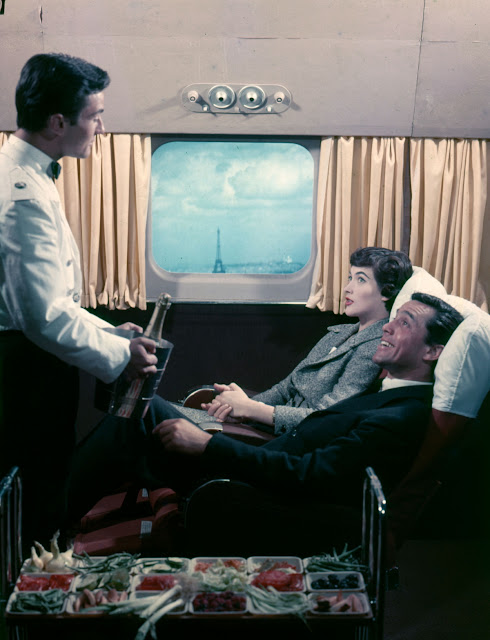
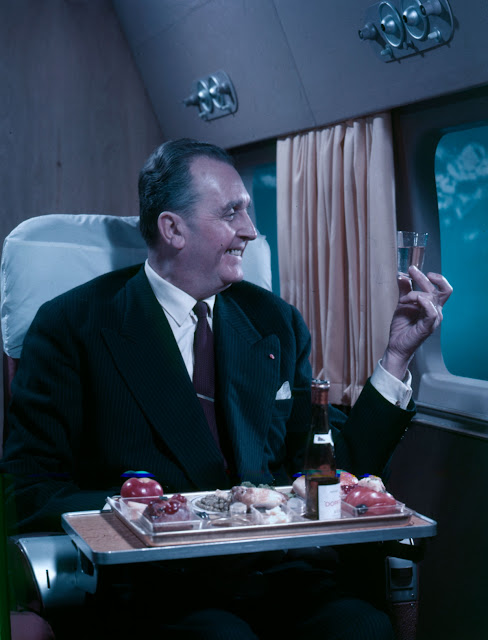
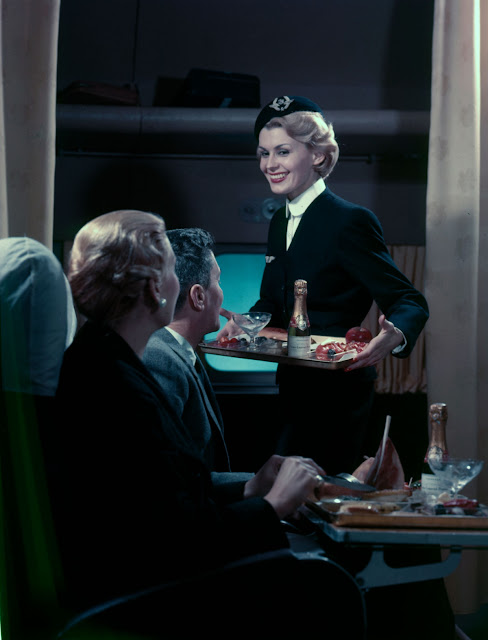
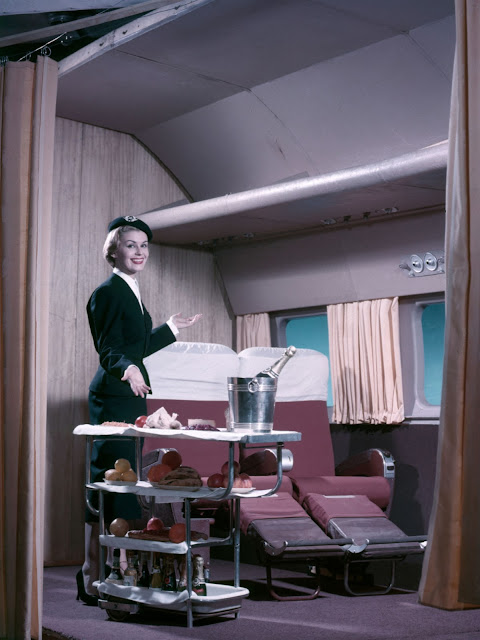
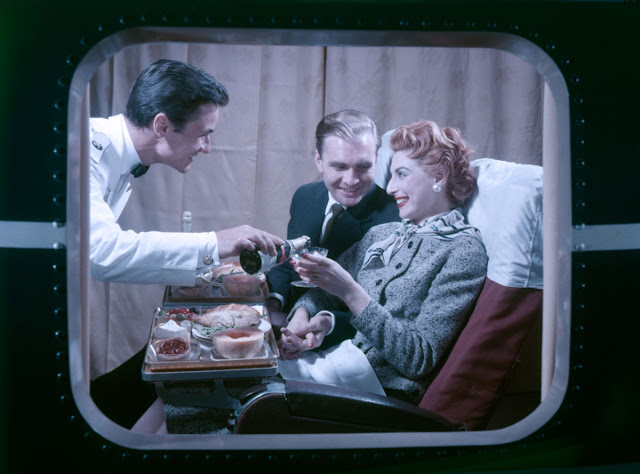
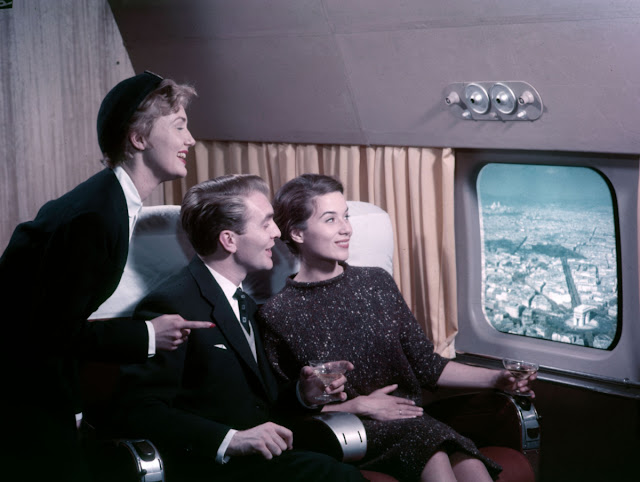
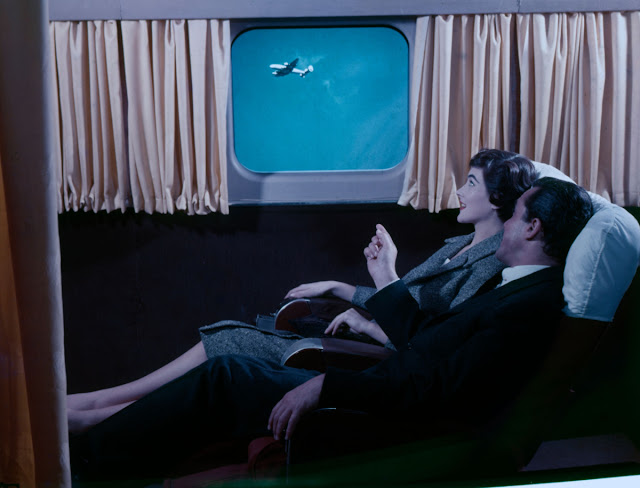
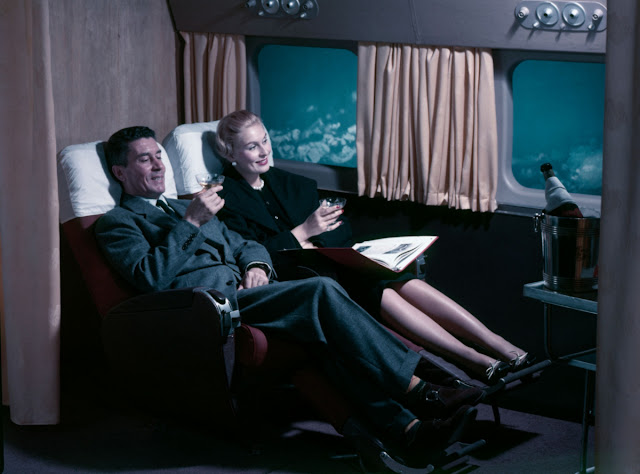
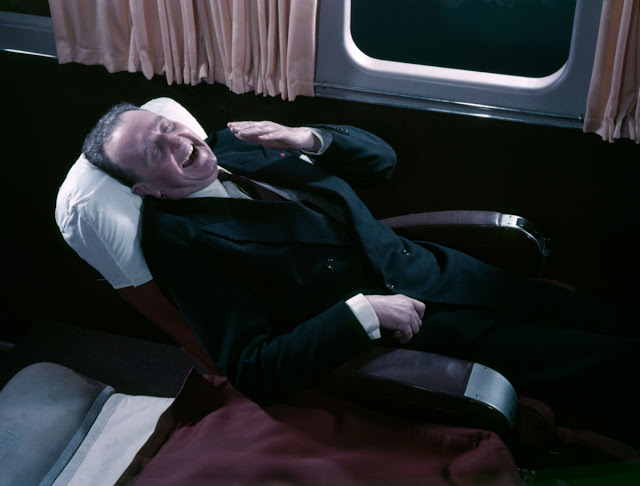
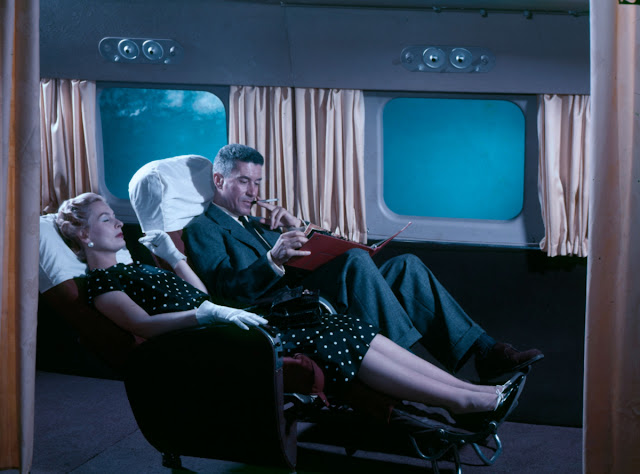
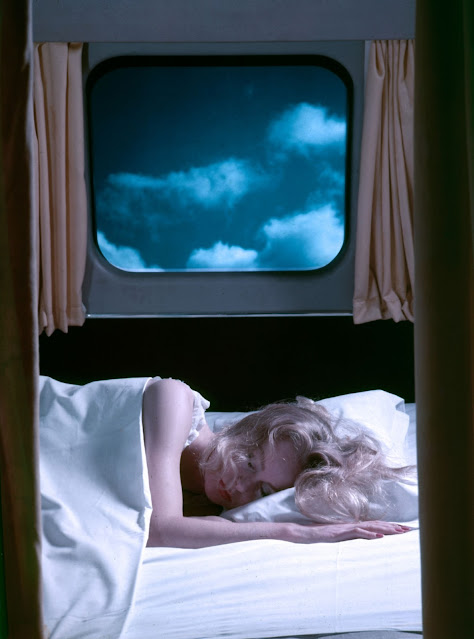
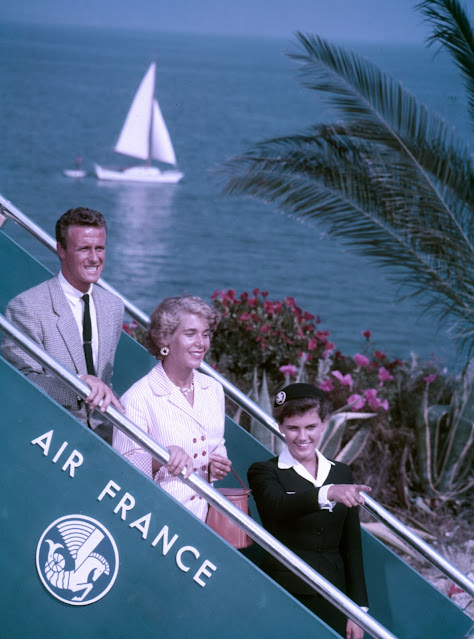
Breakfast in Bed: 24 Extraordinary Color Photographs Revealed the First Class of Air France in the 1950s

Air France, in full Compagnie Nationale Air France, French international airline originally formed in 1933 and today serving all parts of the globe. With British Airways, it was the first to fly the supersonic Concorde. Headquarters are in Paris.

By 1948 Air France operated 130 aircraft, one of the largest fleets in the world. Between 1947 and 1965 the airline operated Lockheed Constellations on passenger and cargo services worldwide.

During the mid-1950s it also operated the Vickers Viscount turboprop, with twelve entering services between May 1953 and August 1954 on the European routes. On September 26, 1953, the government instructed Air France to share long-distance routes with new private airlines. This was followed by the Ministry of Public Works and Transport’s imposition of an accord on Air France, Aigle Azur, TAI and UAT, under which some routes to Africa, Asia and the Pacific region were transferred to private carriers.

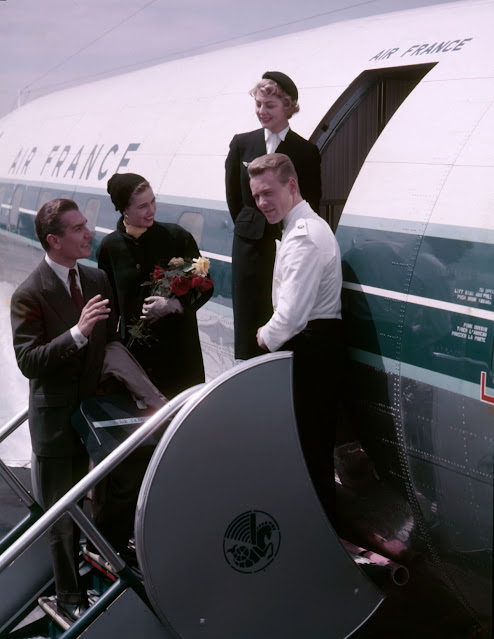
In 1957, Eugene Louis Kammerman (1920–1961) took a series of photographs for an advertising campaign for Air France. Photographer for the United States Army, he married a French woman and decided to stay in France. A reporter for the Saturday Evening Post, he collaborated to the young newspaper L’Express, then too “poor” to pay him. He started to work on advertising campaigns and did reportages on the major fashion houses, his images were published in magazines such as Elle, Paris Match and Life…

15 Glamorous Photos of the 1st Academy Awards Ceremony in 1929

Subscribe to get access

Read more of this content when you subscribe today.

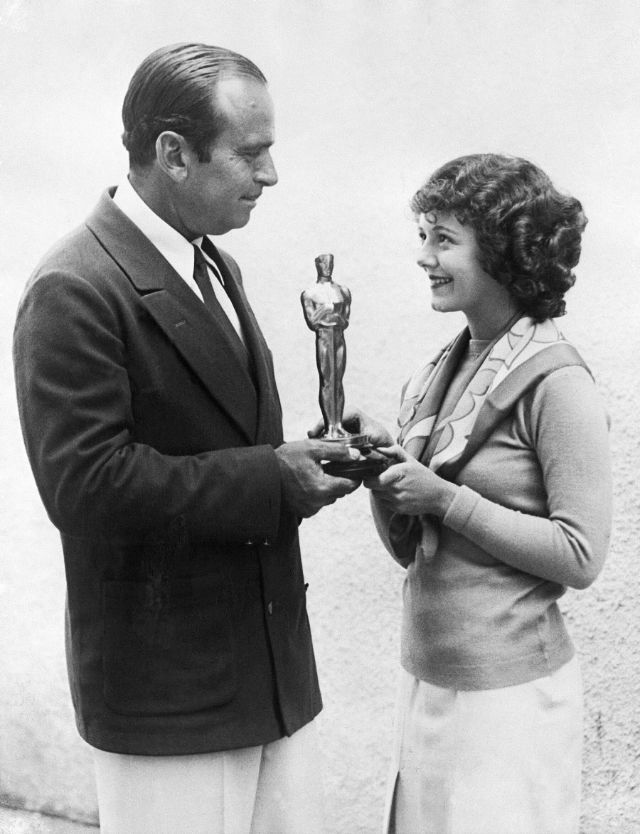
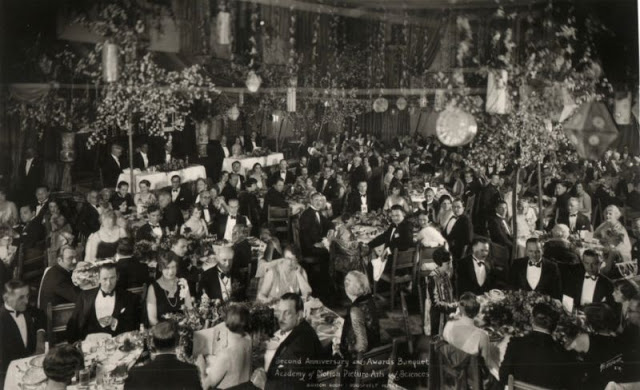
The 1st Academy Awards ceremony, presented by the Academy of Motion Picture Arts and Sciences (AMPAS), honored the best films of 1927 and 1928 and took place on May 16, 1929, at a private dinner held at the Hollywood Roosevelt Hotel in Los Angeles, California. AMPAS president Douglas Fairbanks hosted the show. Tickets cost $5 (which would be $74 in 2019, considering inflation), 270 people attended the event and the presentation ceremony lasted 15 minutes.

Awards were created by Louis B. Mayer, founder of Louis B. Mayer Pictures Corporation (at present merged into Metro-Goldwyn-Mayer). It is the only Academy Awards ceremony not to be broadcast either on radio or television. The radio broadcast was introduced during the 2nd Academy Awards.

During the ceremony, AMPAS presented Academy Awards – now colloquially known as the Oscars – in 12 categories. Winners were announced three months before the live event. Some nominations were announced without reference to a specific film.

These amazing photos captured wonderful moments of the 1st Academy Awards ceremony in 1929.

The 1st Academy Awards banquet, on May 16, 1929, at the Hollywood Roosevelt Hotel

Subscribe to continue reading

Become a paid subscriber to get access to the rest of this post and other exclusive content.
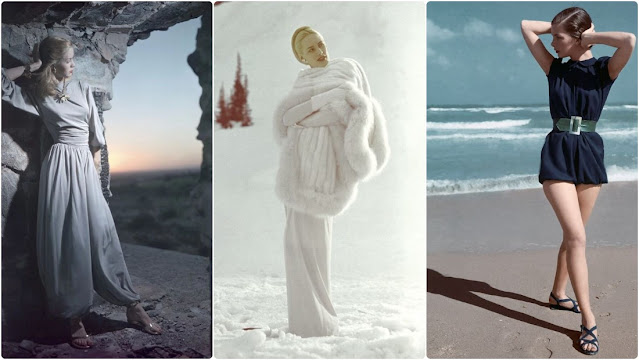
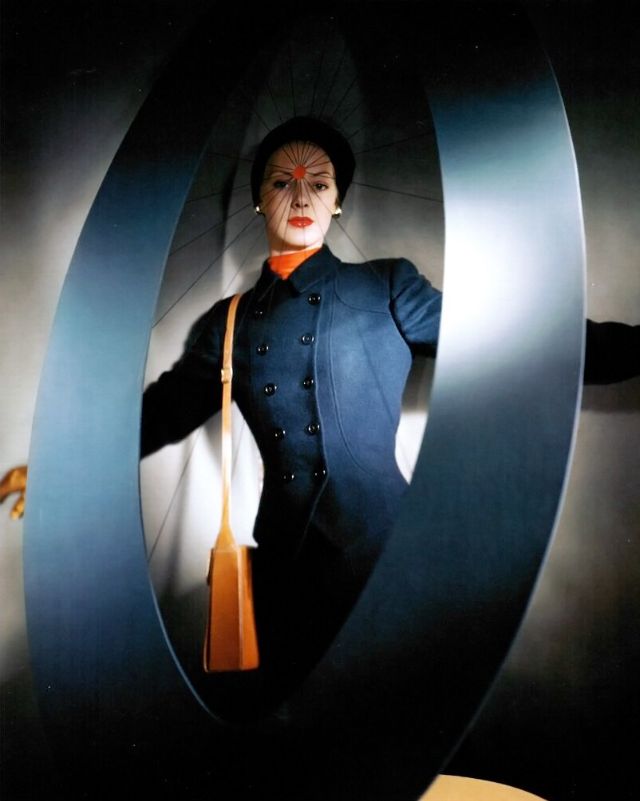
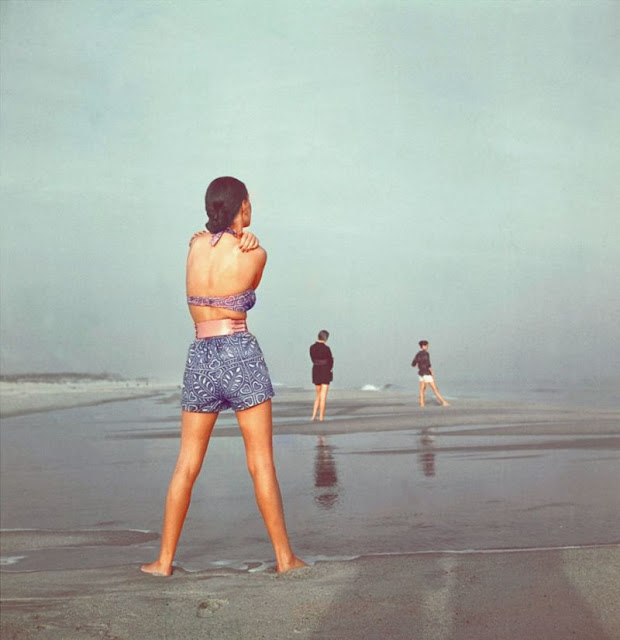
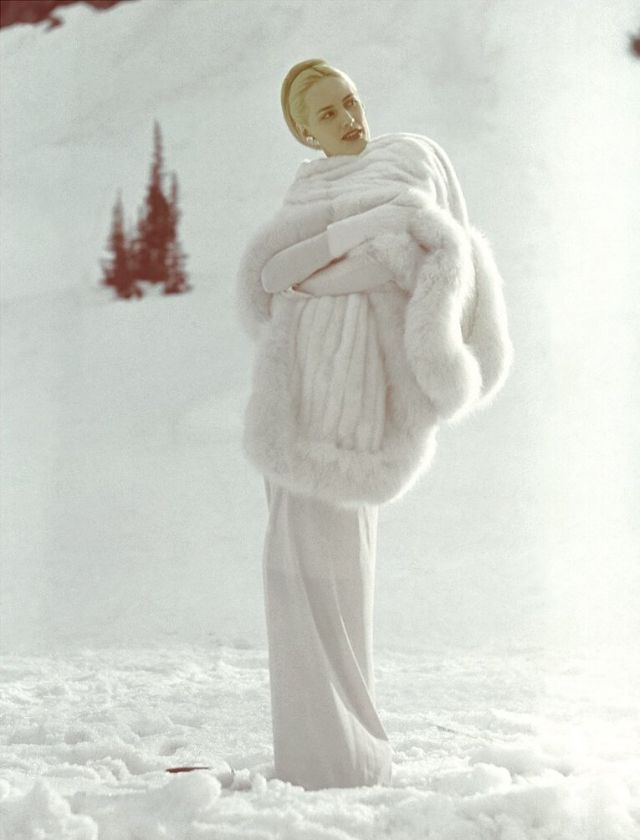
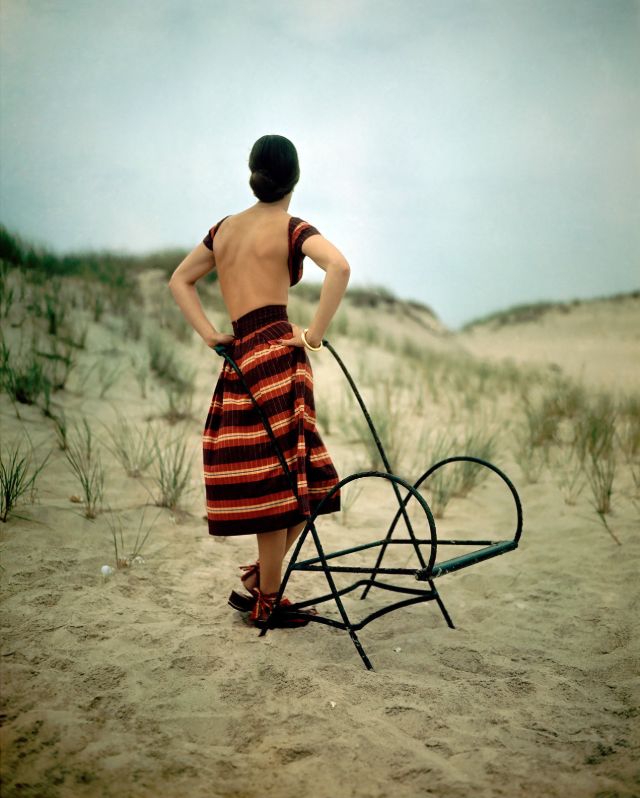
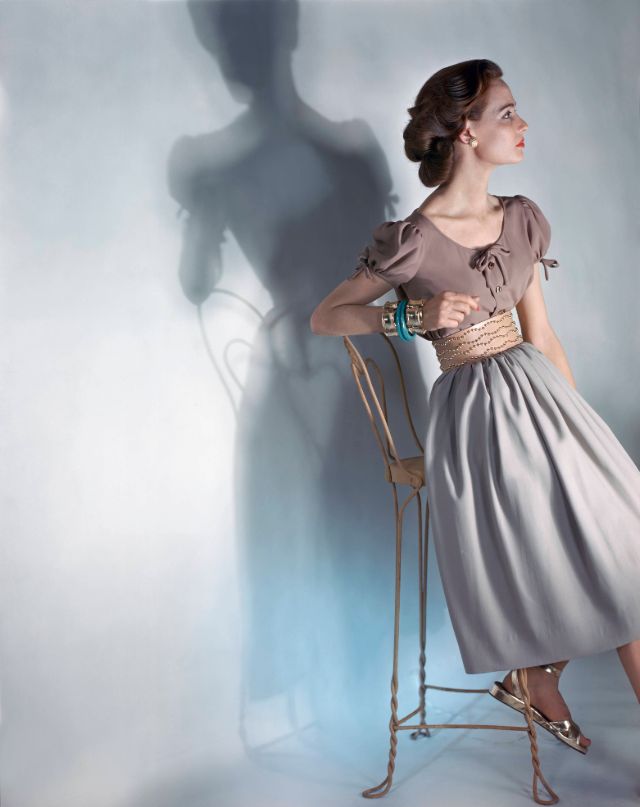
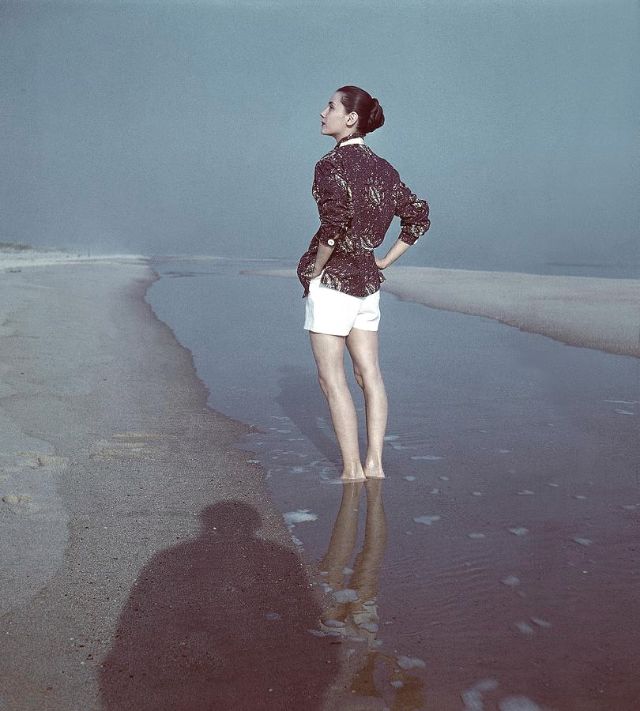
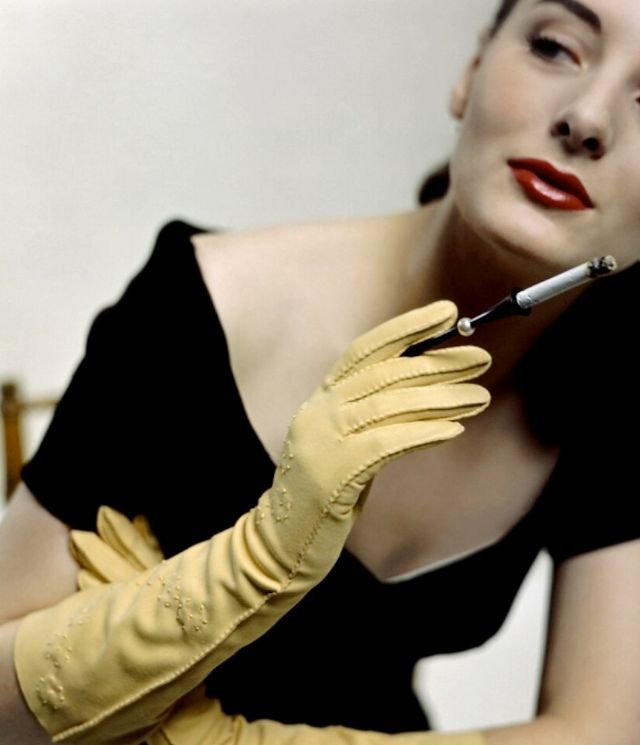
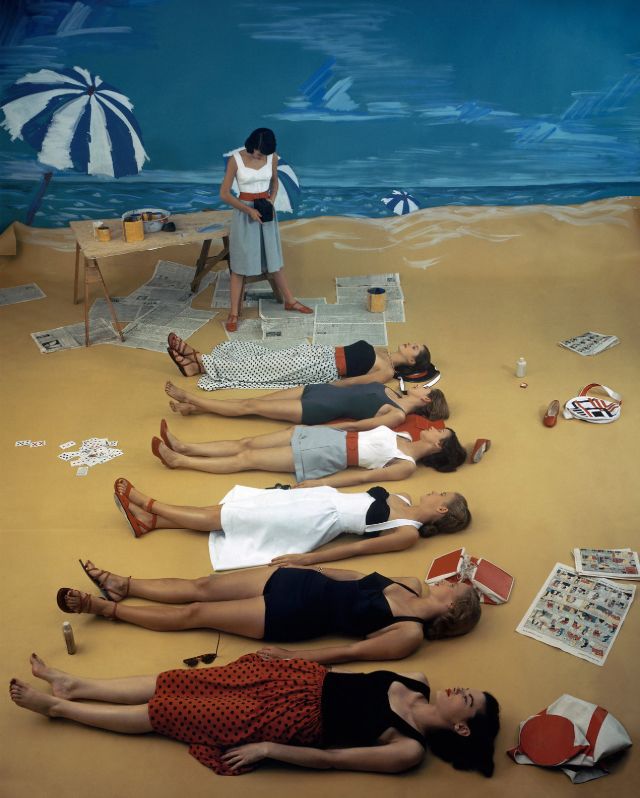
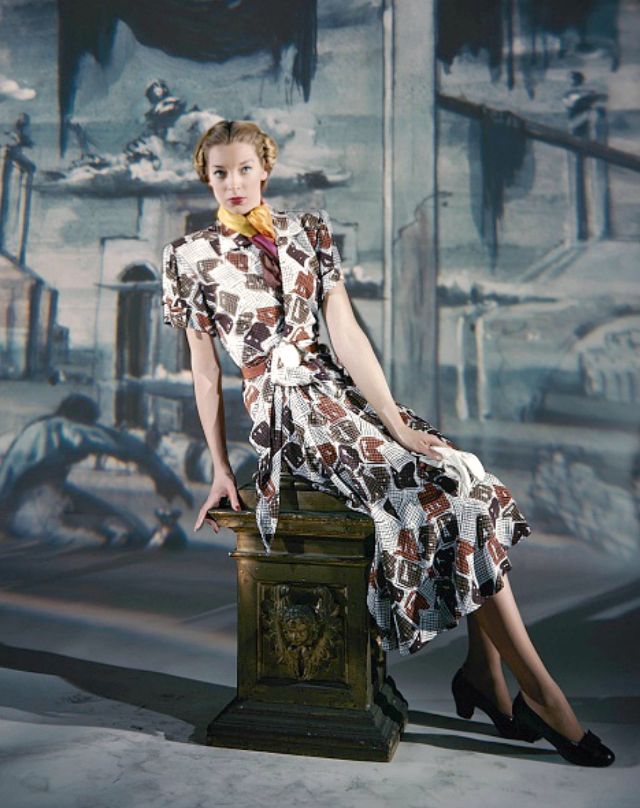
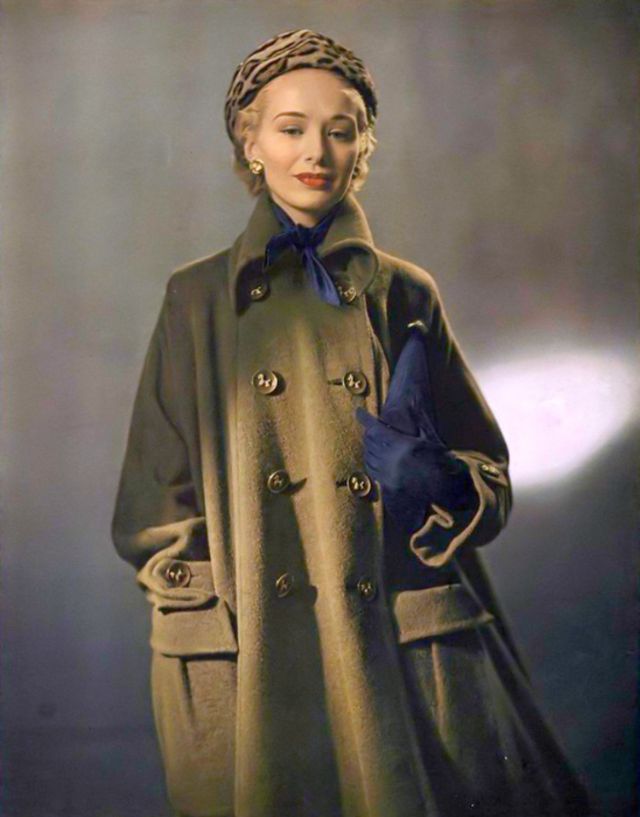
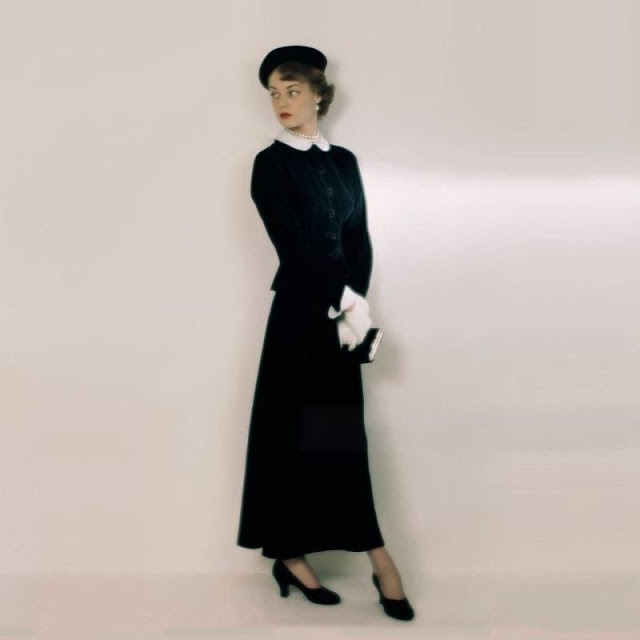
Stunning Fashion Photography by Serge Balkin in the 1940s

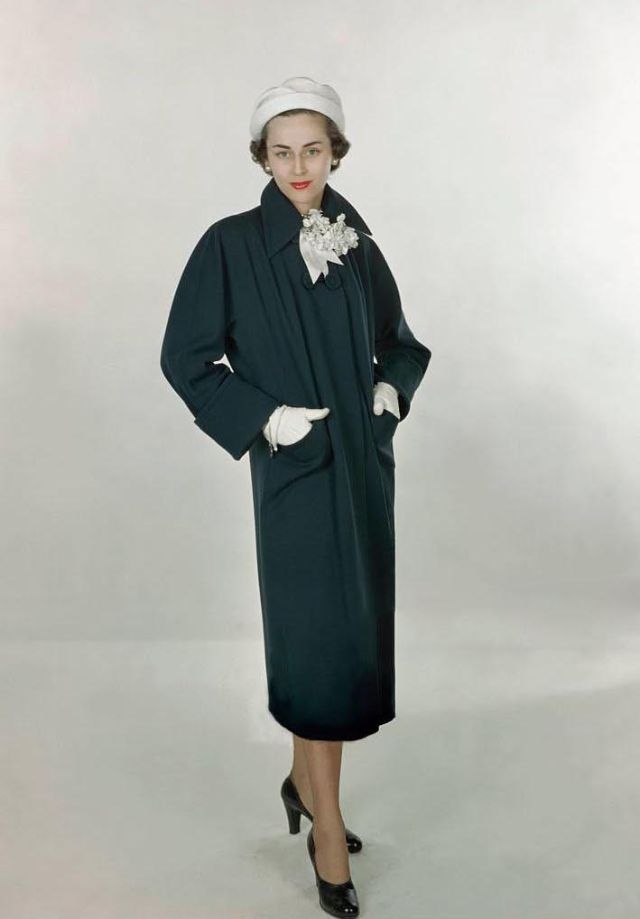
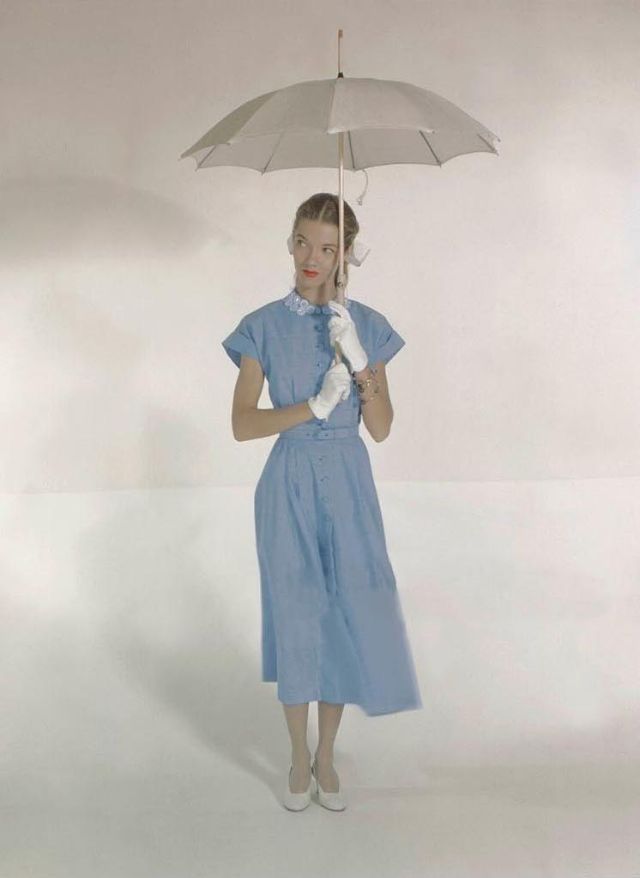
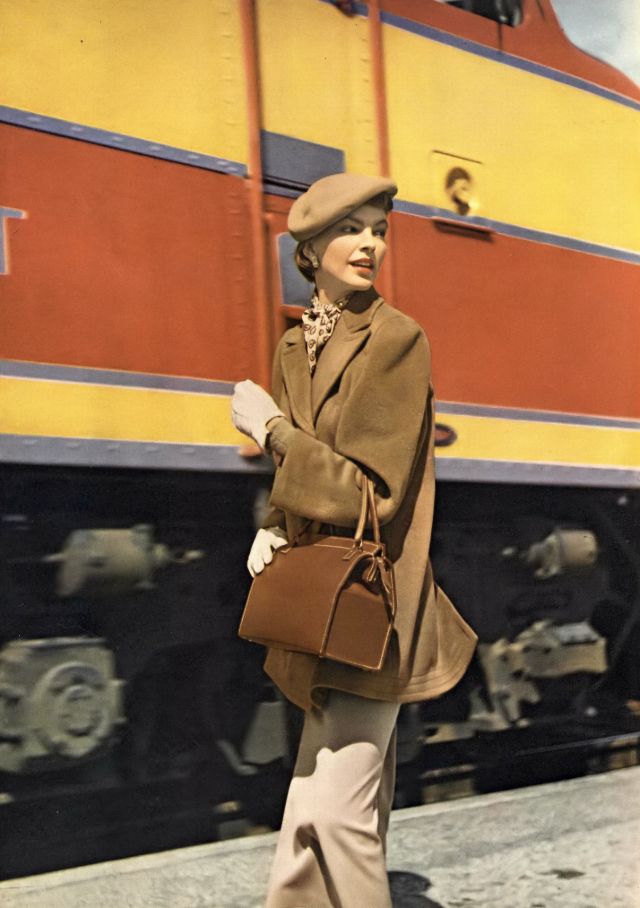
Born 1905, Serge Balkin was a celebrated photographer during his twenty-plus year career at Condé Nast Publications. An undeterred workhorse, Balkin’s images ran in Vogue, Glamour, and House & Garden. He used both black & white and color film to capture urban street scenes, celebrity portraits, fashion spreads, and home interiors, all with a sense of immediacy and elegance.

In 1950, Balkin collaborated with fellow Condé Nast photographers Fredrich Baker, Constantin Joffé and Herbert Matter in opening a studio for advertising photography called Studio Associates, Inc. Outside of his career, Balkin was also known for his marriage to Nina Leen, one of the first female photographers to work for Life magazine.

Balkin died in 1990 at the age of 84. These stunning photos are part of his work that Serge Balkin took portraits of classic beauties in the 1940s.

(Photo © Serge Balkin)

Family of Nine Living in Field on U.S. Route 70 Near the Tennessee River During the Depression, 1936

Subscribe to get access

Read more of this content when you subscribe today.

A native of Boston, Carl Mydans (1907–2004) was born into a family of second-generation Russian immigrants. He studied journalism at Boston University, where he first learned how to take and develop photographs. After he graduated in 1930, he found work as a reporter for American Banker, but eventually bought a 35-millimeter Contax camera. The Contax was small, and enabled its carrier to easily roam about and take photos with a minimum of advance preparation. He quickly mastered the camera, and began to sell his work to Time and other magazines.

In 1935, Mydans was hired as a photographer with a U.S. federal agency called the Resettlement Administration, which later became the Farm Security Administration. He traveled throughout New England and the South, documenting the failed end of a rural-based economy, and gained a reputation for his images of bedraggled Arkansas farmers and their families. It was the Great Depression, and the poorest of America’s poor were devastated by the economic downturn.

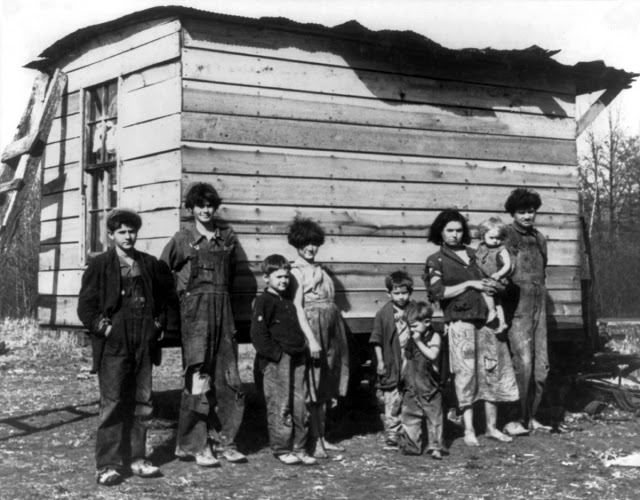
These pictures, of a Tennessee family of nine living in a hut built on an abandoned truck chassis, portray the misery of the times as starkly as any photographs by his more celebrated contemporaries in the FSA.

Resettlement Administration official investigating the case of nine living in field on U.S. Route 70 between Camden and Bruceton, Tennessee, near the Tennessee River. March 1936.

Subscribe to continue reading

Become a paid subscriber to get access to the rest of this post and other exclusive content.

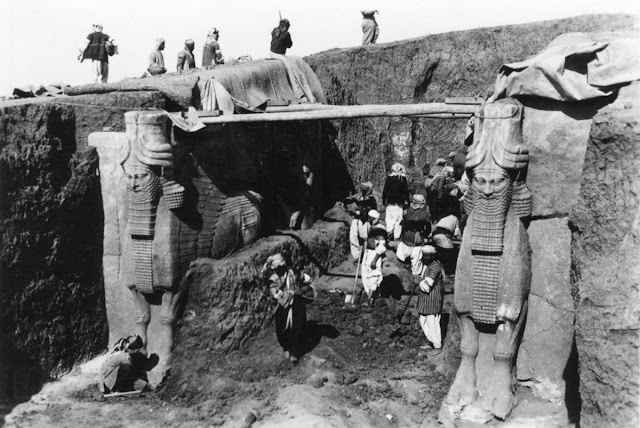
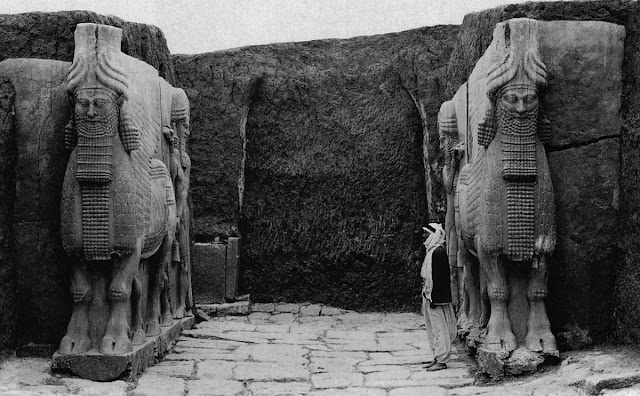
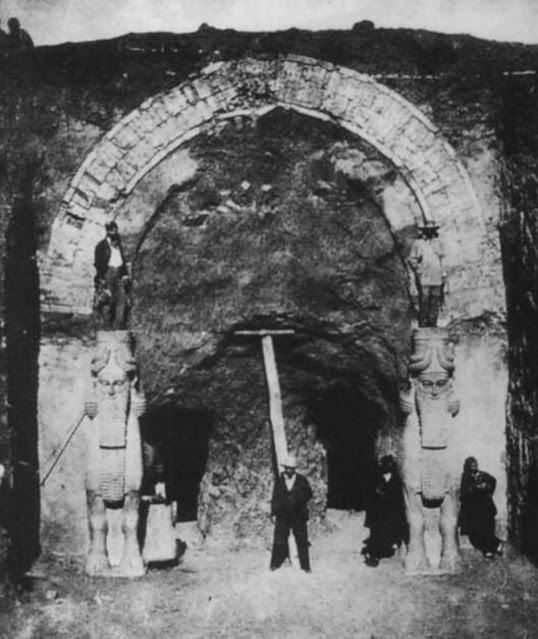
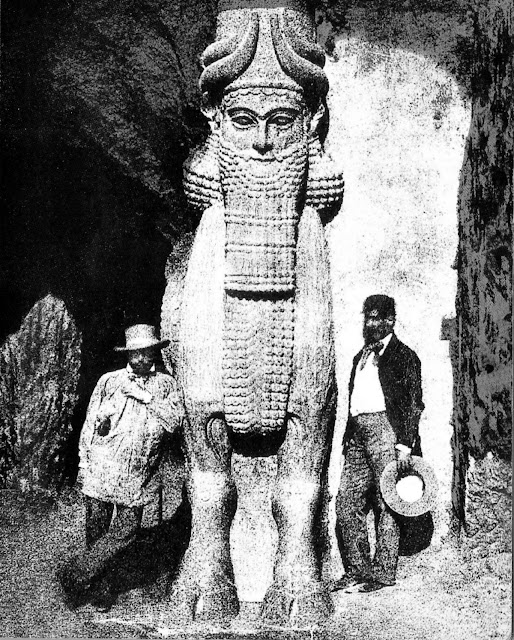
Rare Photos Taken During the Excavation of the Gate of the Citadel of Sargon II at Dur-Sharrukin, Iraq in the 19th Century

Dur-Sharrukin (“Fortress of Sargon”), present day Khorsabad, was the Assyrian capital in the time of Sargon II of Assyria. The great city was entirely built in the decade preceding 706 BC. After the unexpected death of Sargon in battle, the capital was shifted 20 km south to Nineveh.

While Dur-Sharrukin was abandoned in antiquity and thus did not attract the same level of attention as other ancient Assyrian sites, there was some awareness of the origins of the mound well before European excavation. Once the European presence in northern Iraq became more substantial in the mid-nineteenth century, archaeological exploration of the site of Dur-Sharrukin was neglected in favor of seemingly more promising sites such as Nineveh or Nimrud. This situation changed in April 1843, when the French Consul General at Mosul, Paul-Émile Botta, who had been excavating at Kuyunjik without success, was approached by a resident of the village of Khorsabad.

The interplay between local mediators and European archaeologists in Layard’s account effectively captures the necessary cooperation which enabled these early discoveries. With this initial excavation, the archaeological investigation of ancient Mesopotamia began in earnest. Unlike Kuyunjik, the Assyrian ruins at Khorsabad were much closer to the surface of the mound, and therefore it was not long before Botta and his team reached the ancient palace, leading to the discovery of numerous reliefs and sculptures. Unfortunately, this excitement was somewhat dulled by the destruction of many of these early discoveries due to sudden exposure to the outside environment. Botta’s consular duties also took up a majority of his time, preventing him from organizing systematic excavations of the site, and local Ottoman authorities grew suspicious of the true intentions behind the excavations, which at this time were technically illegal, as Botta had yet to receive official permission from Constantinople for his work, a common situation with early European excavations.
These difficulties caused formal excavations to cease by October 1843. Still, Botta’s initial reports back to France sparked considerable scholarly interest in the project, and eventually he received more funding and an artist, Eugène Flandin, from France. By spring of 1844 then, Botta resumed further excavations of the site, which required him to purchase the village of Khorsabad itself and resettle it at the foot of the mound. However, this new site was in swampy terrain, and malaria and other diseases were a constant threat to the residents and workers. The extensive finds convinced Botta that he had uncovered the true site of Nineveh, though this would be subsequently refuted by excavations at Kuyunjik by Layard and others. By October of that year, Botta had uncovered enough of the palace to cease further excavations and attempt to deliver some of the findings to France, which required an extensive operation of carts to transport the reliefs and sculptures to Mosul, which were then transported by raft and ship to Basra on the Persian Gulf and then to Paris, where they arrived in 1847. These were the first major Assyrian finds to arrive in Europe, and they fuelled a growing fascination with the ancient civilization which would lead to further excavations.
Yesterday Today

Bringing You the Wonder of Yesterday - Today

Skip to content ↓