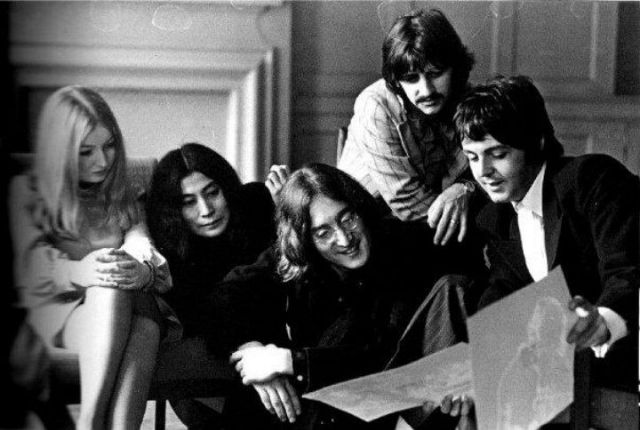
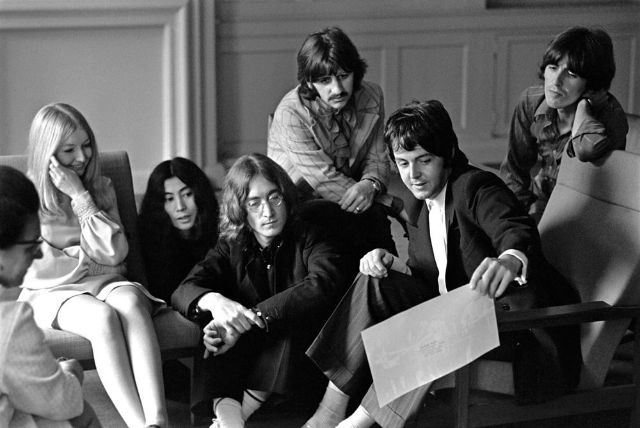
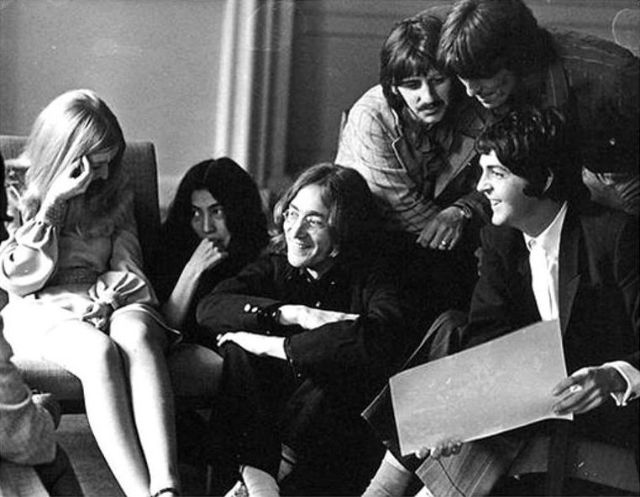
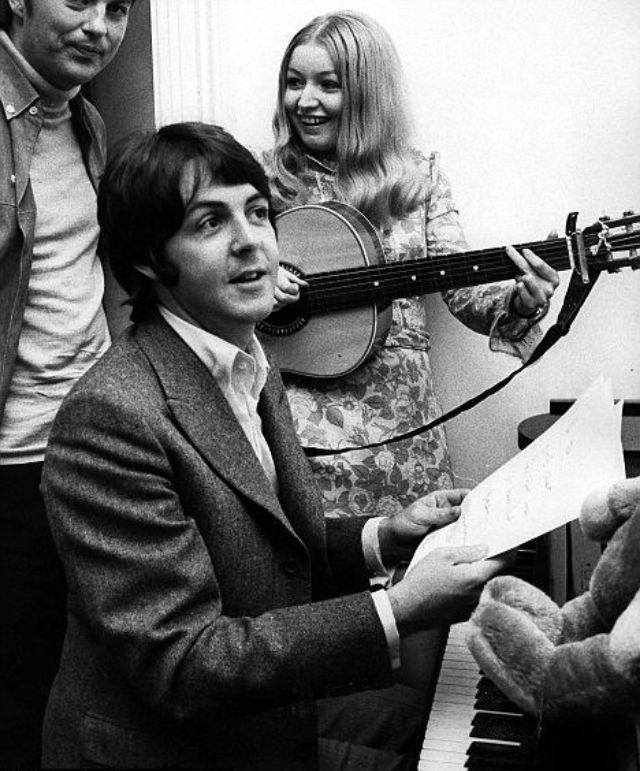
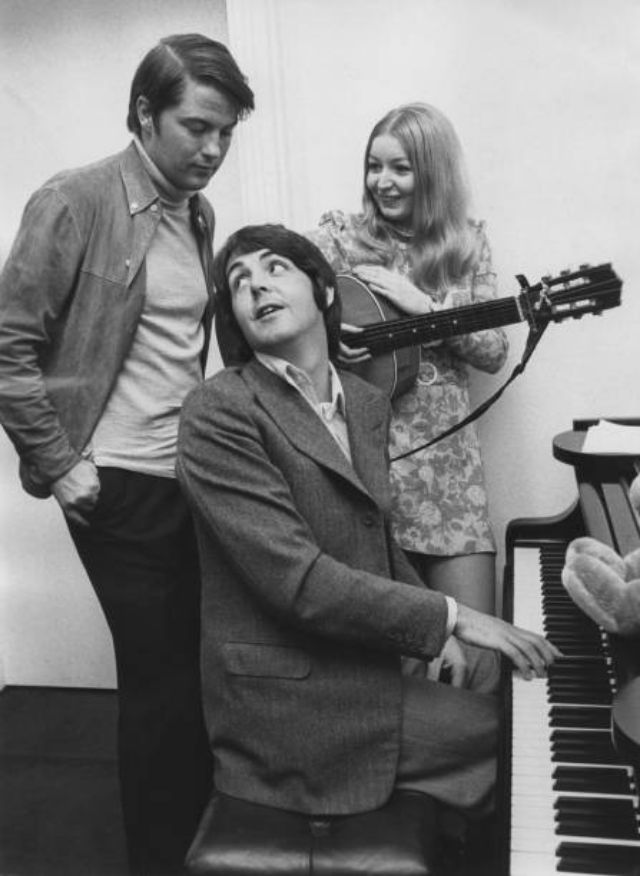
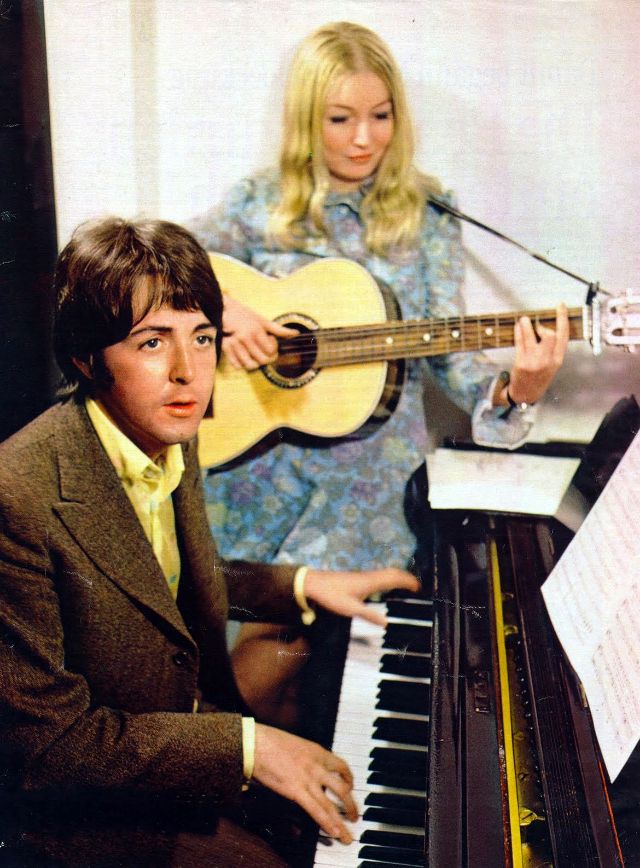
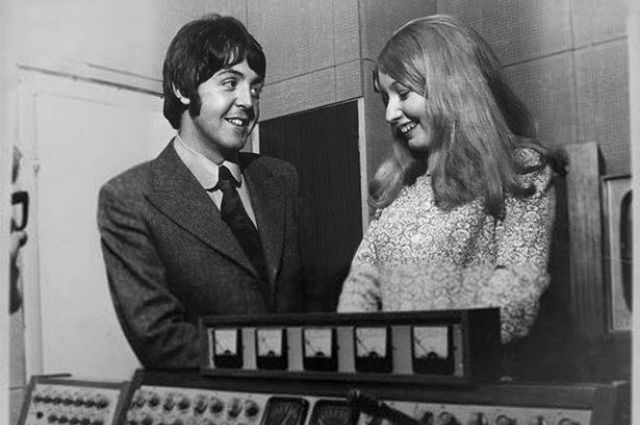
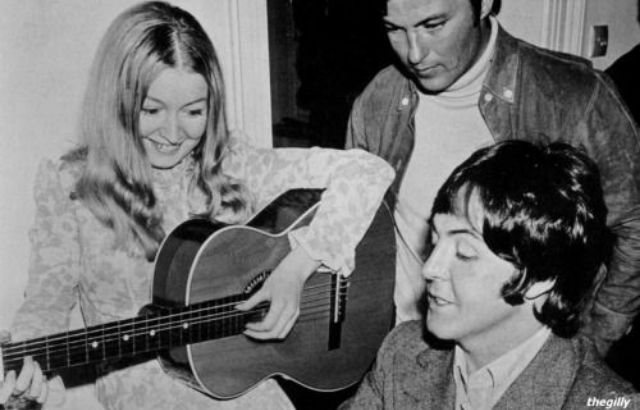
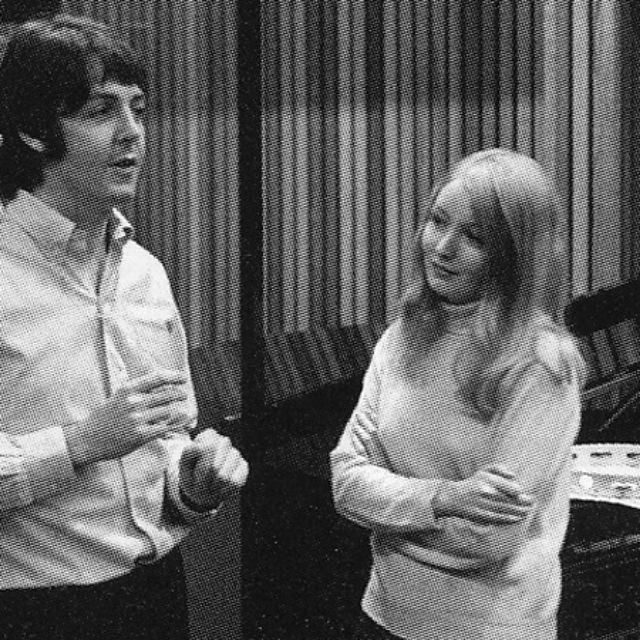
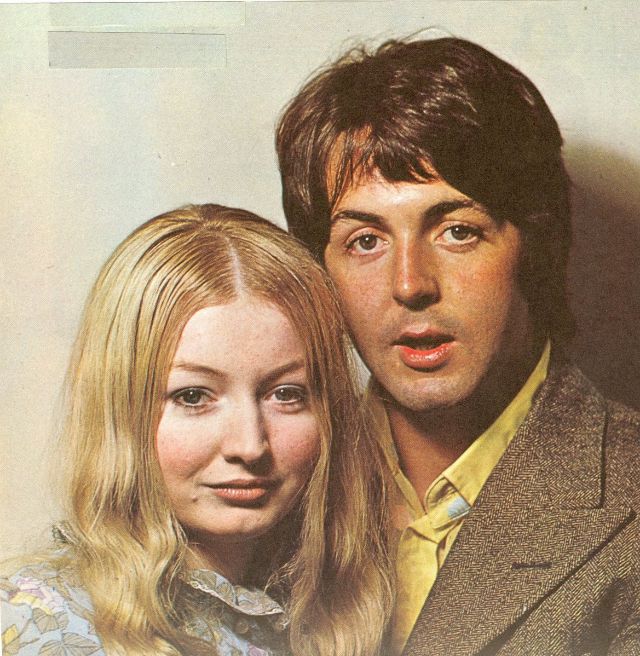
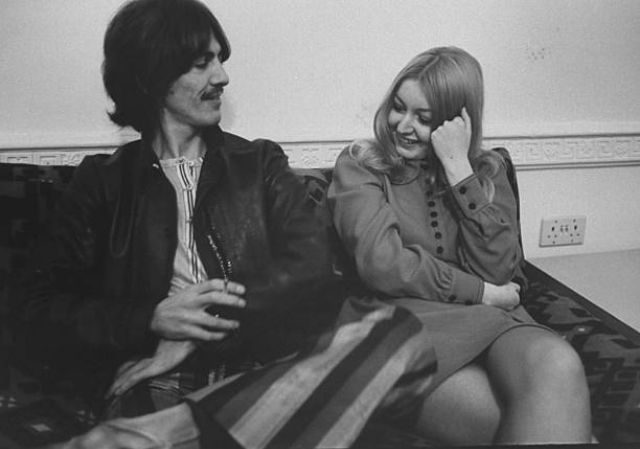
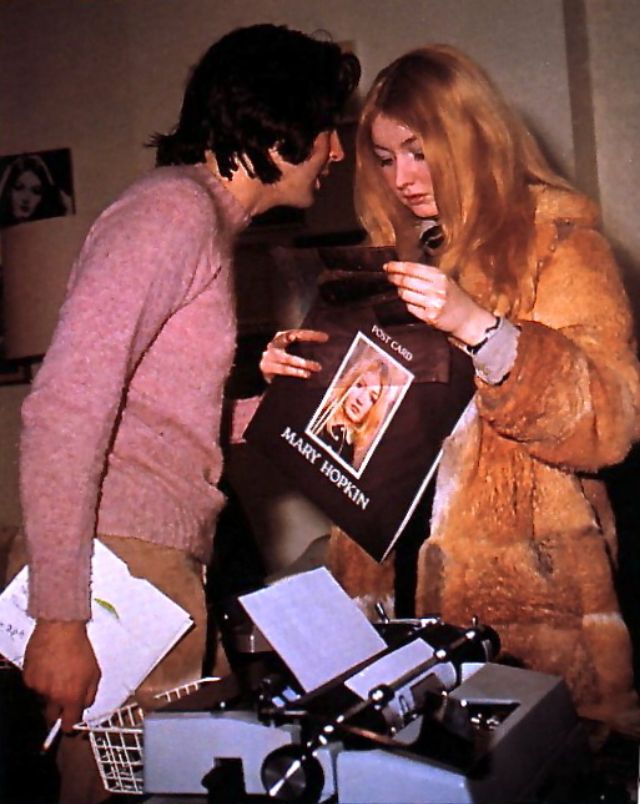
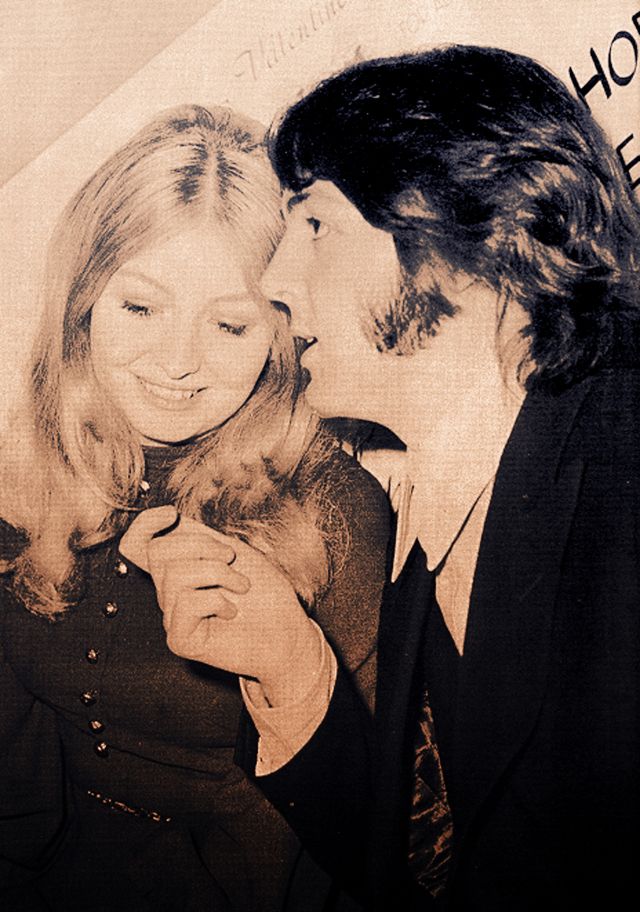
The singer Mary Hopkin’s appearance on television talent show “Opportunity Knocks” was broadcast on May 5, 1968. Her performance led to a contract with The Beatles’ Apple Records, and the multi-million selling debut single Those Were The Days.
The edition of “Opportunity Knocks” was shown just two days after Hopkin’s 18th birthday. The program showcased performances from new acts which were judged by public vote. It was recorded two days before transmission at ABC Television’s studios in Didsbury, Manchester.
The model Twiggy saw Hopkin’s performance on “Opportunity Knocks”, and suggested to Paul McCartney that the singer might be a good act for Apple to sign.
“I was a 17-year-old schoolgirl working at weekends with a group of local boys in a folk/rock band, and after about six months the group split up, so I carried on solo. Then my agent, to my absolute horror, put my name down for an audition for “Opportunity Knocks”, a good show for hopefuls in the music business but not really the sort of thing I wanted to do. But he persuaded me to go along for experience, so I went and sang a couple of songs; and the next thing I heard was that I’d been chosen for one of the programs.
“Rather reluctantly I made my appearance which, amazingly enough, Twiggy watched. She met with Paul McCartney that following weekend and when Paul was chatting to her about the new record label they were forming, Twiggy mentioned me. About two days later I got a telegram saying, ‘Ring Peter Brown at Apple Records’. It sat on the shelf for three days until my mother insisted I ring him.
“I was a great Beatles fan so I’d heard all about the Apple boutique, but I didn’t make any connection between the Beatles and this Peter Brown telegram. So I rang up and was put through to this guy with a Liverpool accent, who invited me to come up to London and sign a contract. Being a cautious young Welsh girl, I thought, “That’s a bit sudden!”, and became a bit evasive, so this guy said, “Well, go and ask your mum then!” I dragged my mother to the telephone and she proceeded to practically drop the thing because he said, “Oh, this is Paul McCartney, by the way!” I remember racing down the road to tell all my friends who I’d been talking to. The next day they sent a car for us and off I went with my mum to the big city.
“We went to the Dick James Music studio. Paul was in the control room and I did a couple of demos for him – Joan Baez and Donovan songs – broke a guitar string and muttered some swear words into the mike. We had lunch – he took us to the Angus Steak House which we were really impressed by – and I sailed through the day in a haze, painfully shy and totally in awe of Paul. I went back home and about two days later somebody rang and said, “Yes, we’d like to sign you.” So I made another trip to London and Paul said, “I’ve got a song that might suit you. I found it years ago and gave it to Donovan and it didn’t work out, I gave it to the Moody Blues, they loved it but it didn’t happen, and I’ve been looking for the right sound for it.” Then he strummed this song called Those Were The Days. I loved it immediately, but I must say that I’d probably have liked anything he would have played me at the time! A lot of people think Paul wrote the song, but he didn’t. Anyway, we recorded it a couple of weeks later, and five weeks after the release, in September 1968, I was number one.”
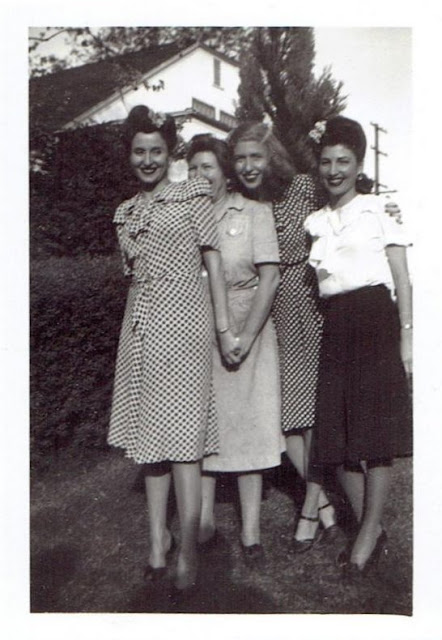
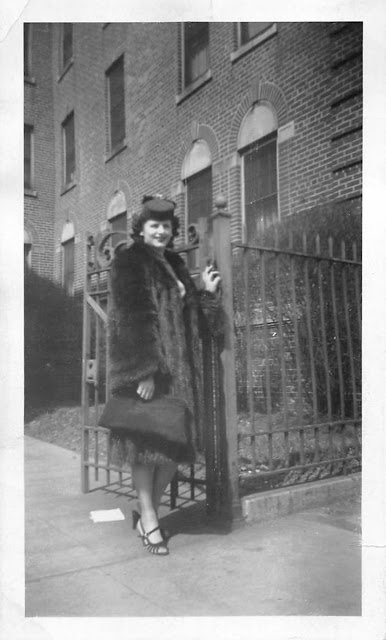
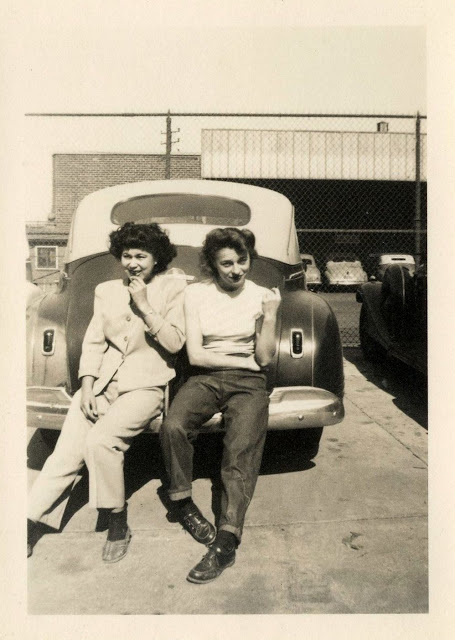
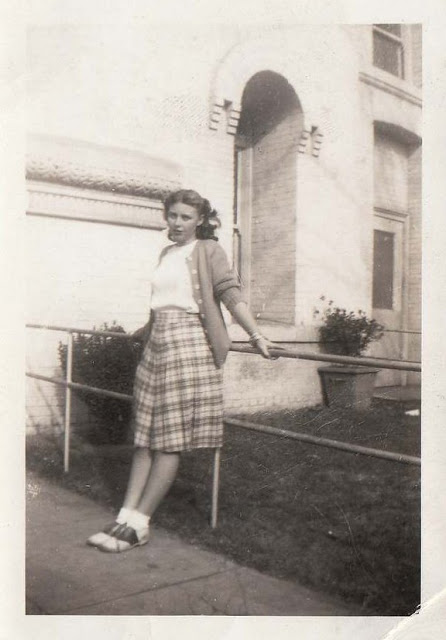
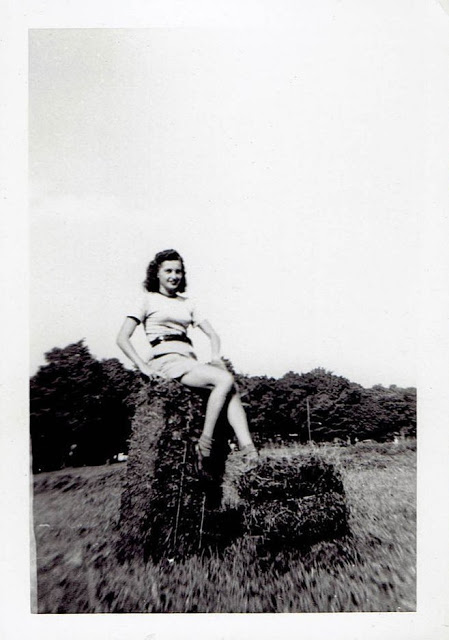
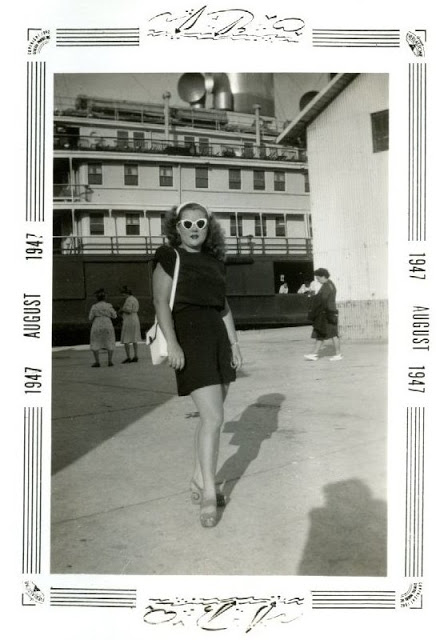
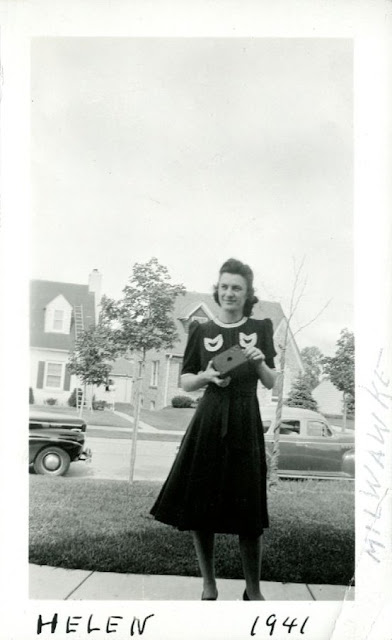
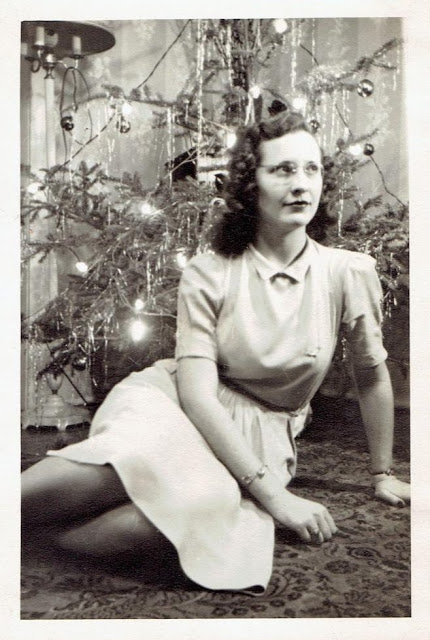
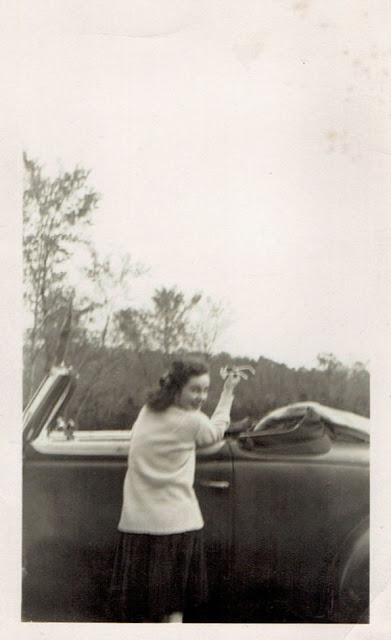
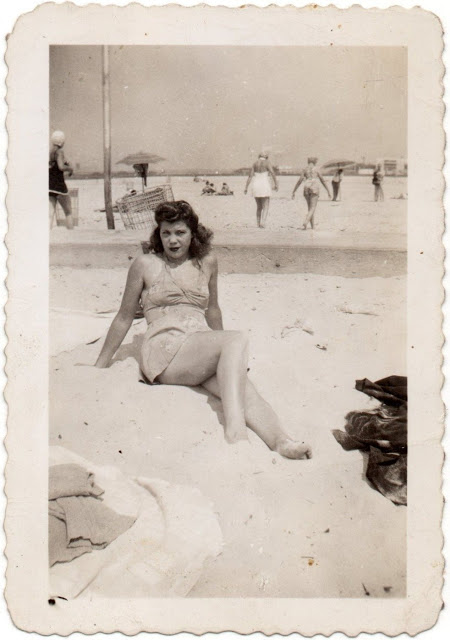
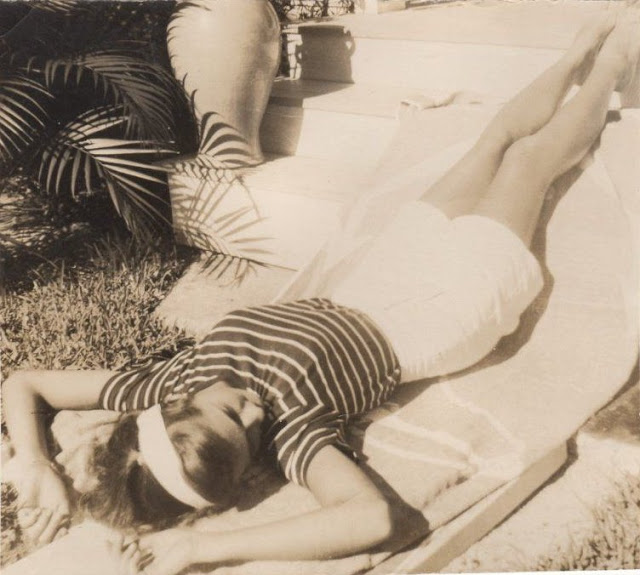
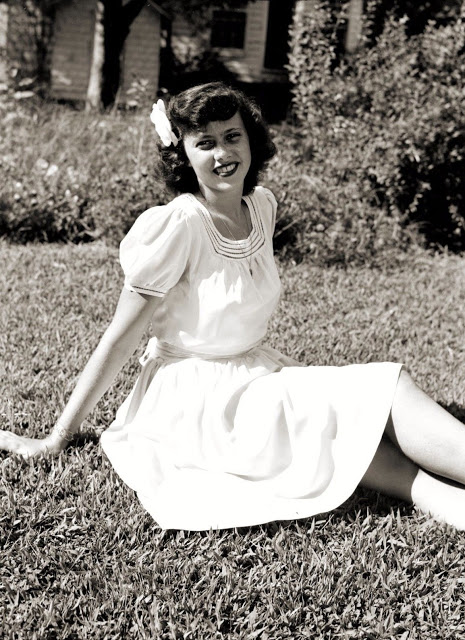
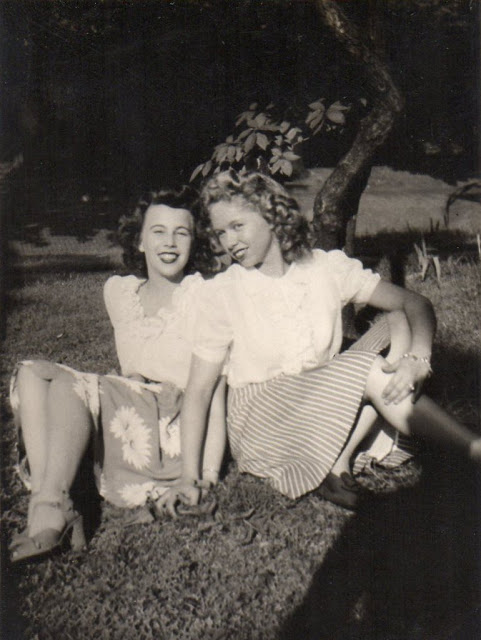
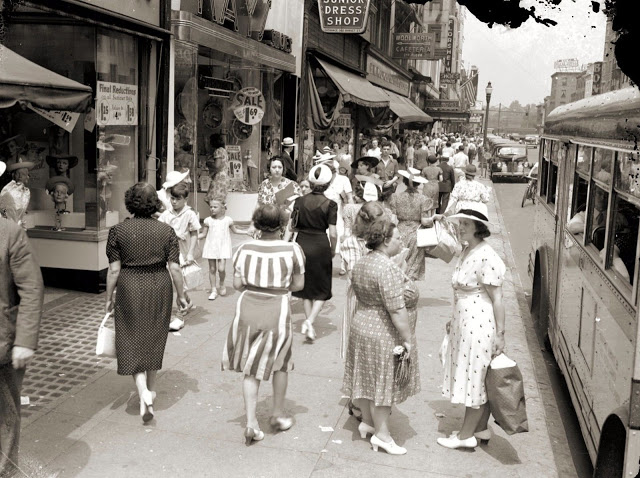
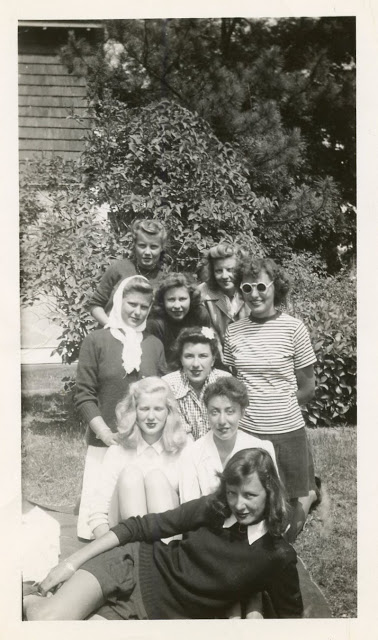
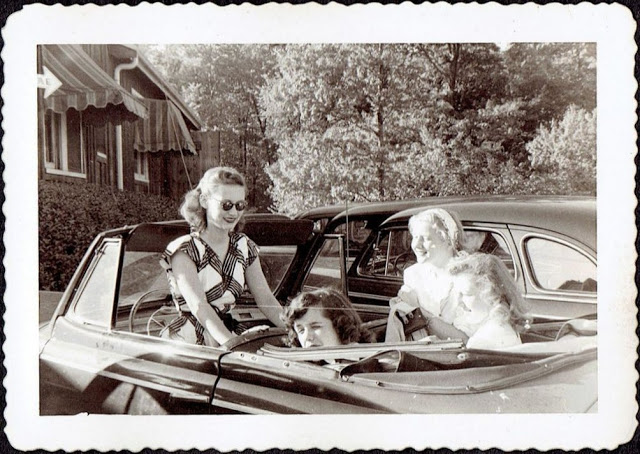
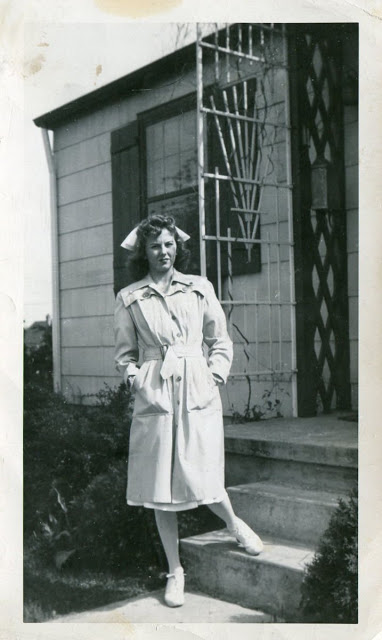
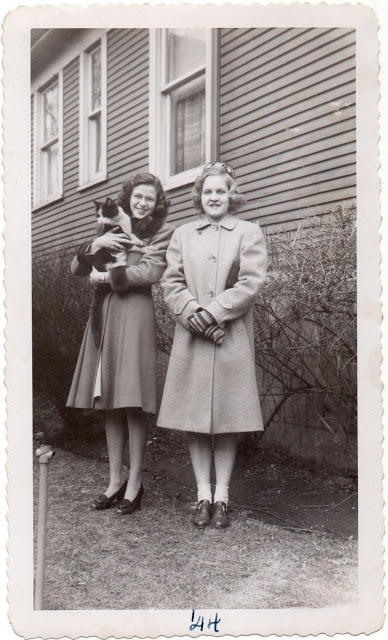
In a nutshell 1940s women’s fashion were about creating a certain silhouette. Wide padded shoulders, nipped in high waist tops, and a-line skirts that came down to the knee. This was the everyday shape for clothing from suits to dresses, even pants had a similar shape. Check out these vintage snapshots to see women’s fashion from the 1940s.
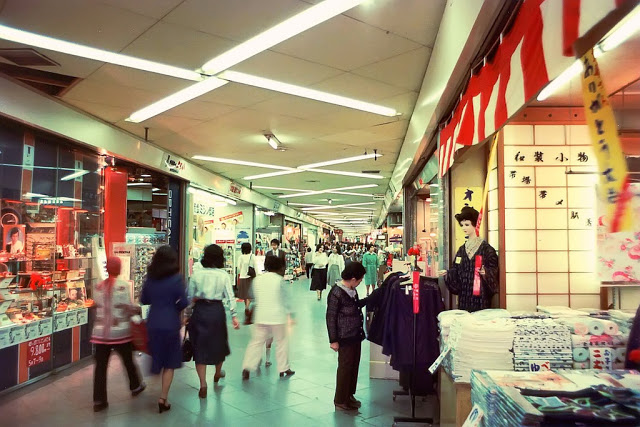
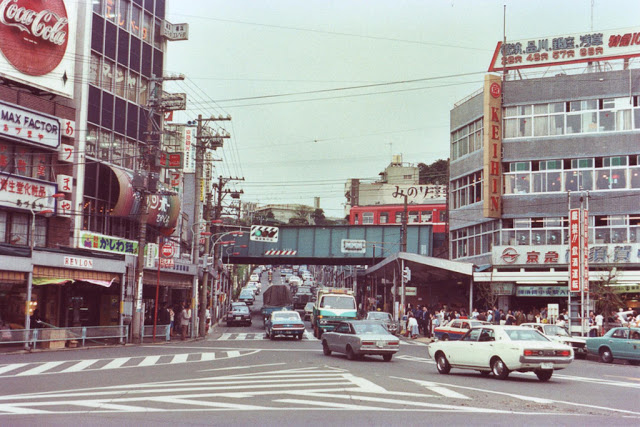
Yokosuka (横須賀市, Yokosuka-shi) is a city in Kanagawa Prefecture, Japan.
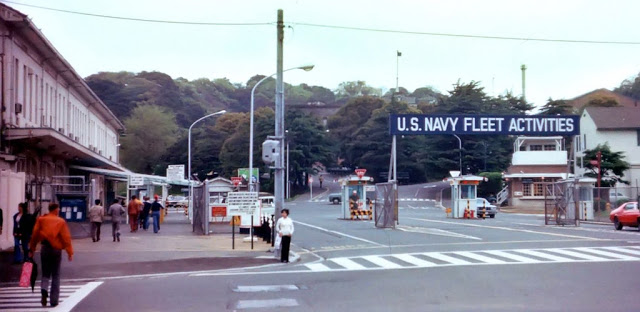
As of October 2017, the city has a population of 409,478, and a population density of 4,066 inhabitants per square kilometre (10,530/sq mi). The total area is 100.7 km2 (38.9 sq mi). Yokosuka is the 11th most populous city in the Greater Tokyo Area, and the 12th in the Kantō region. The city is host to United States Fleet Activities Yokosuka.
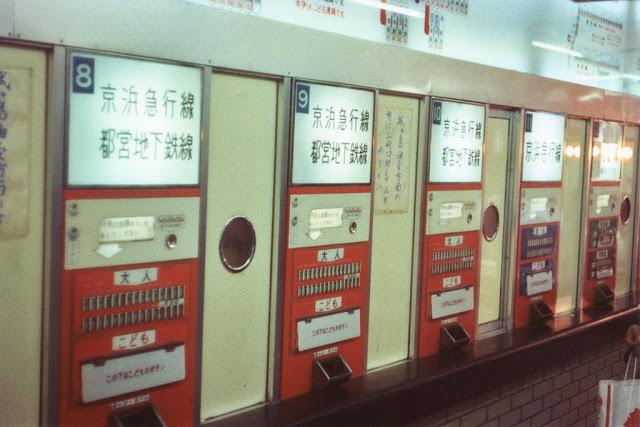
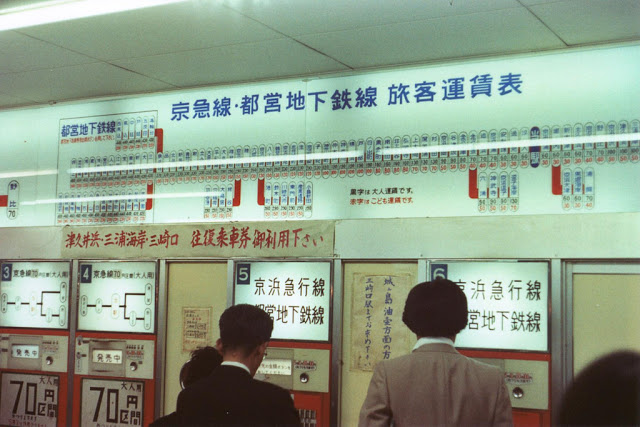
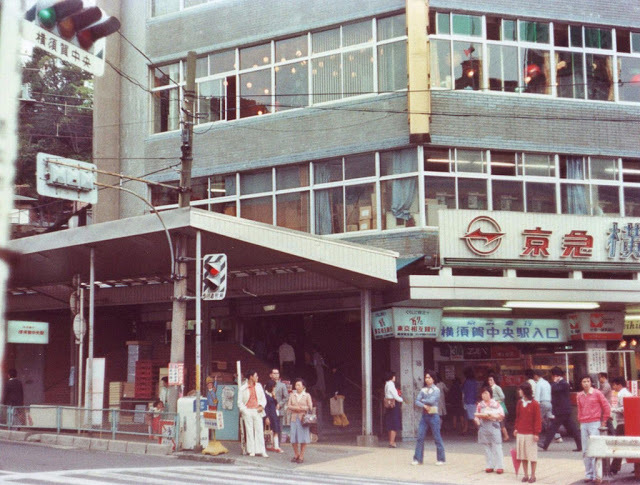
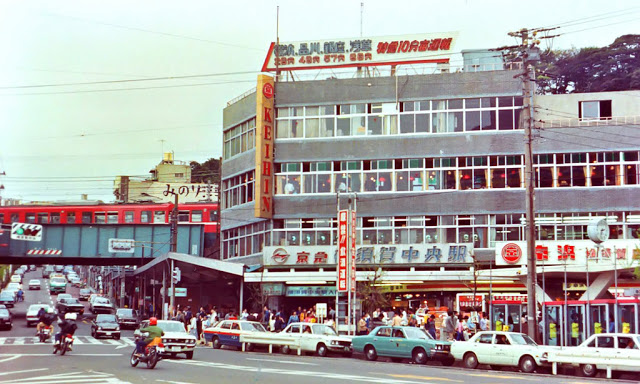
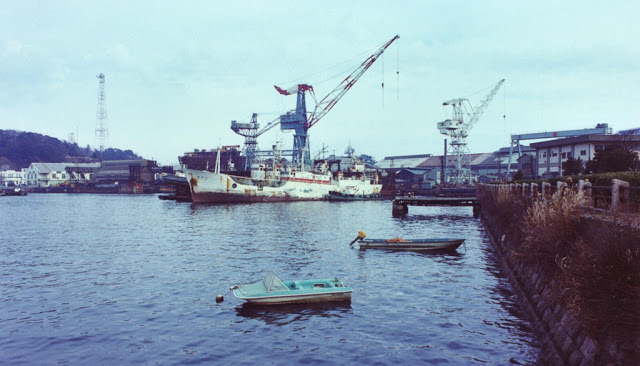
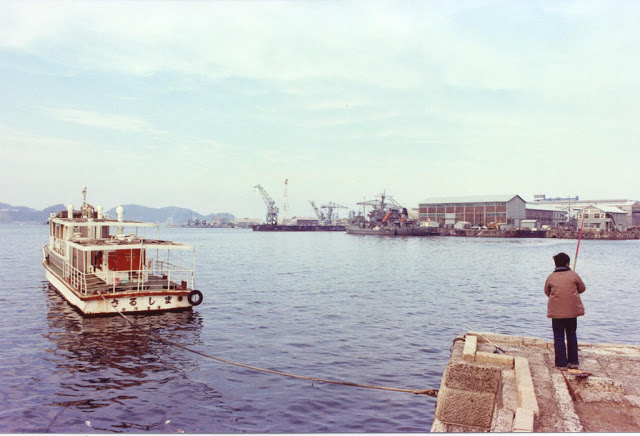
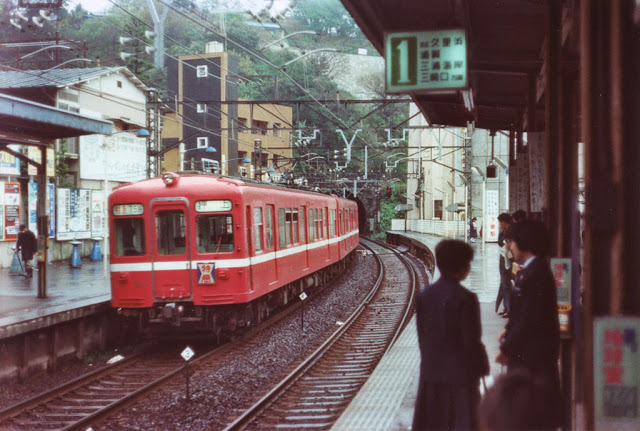
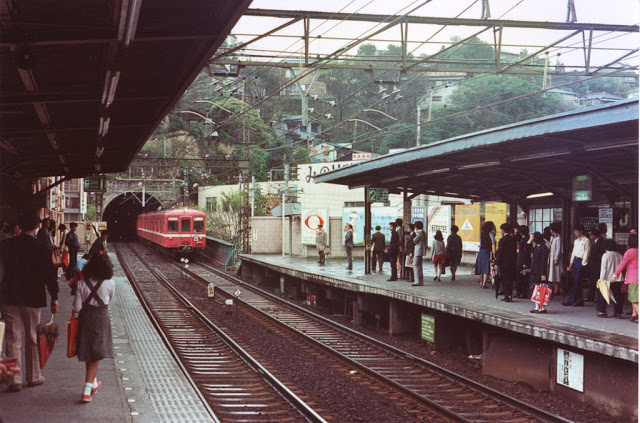
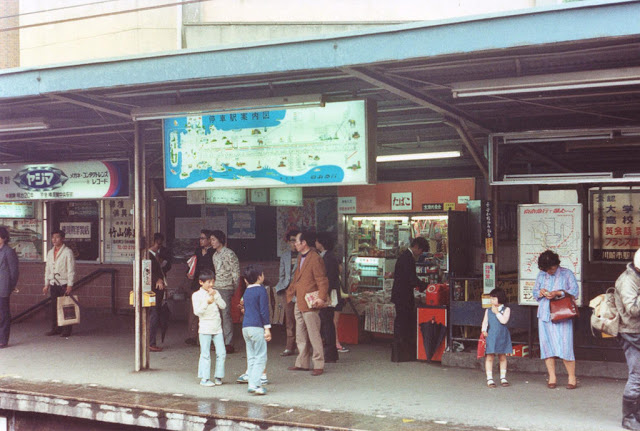
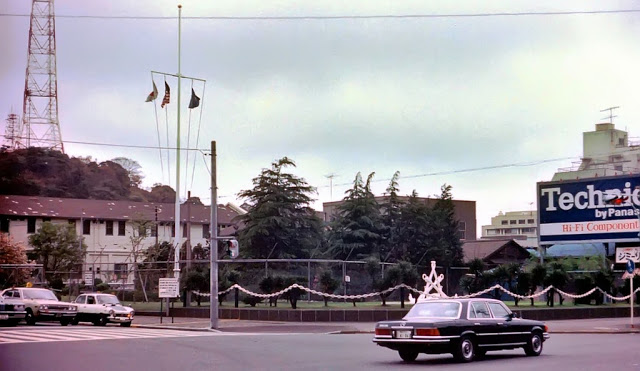
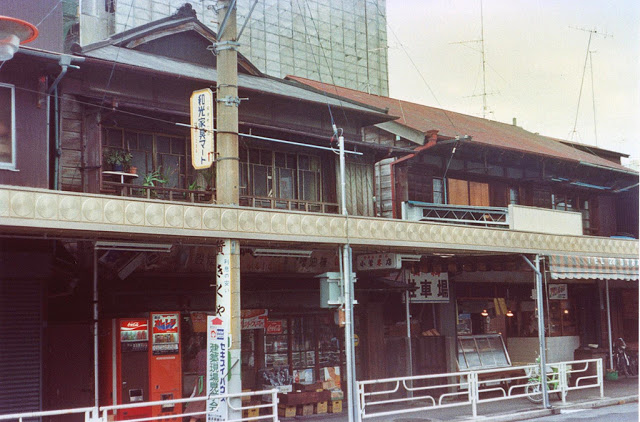
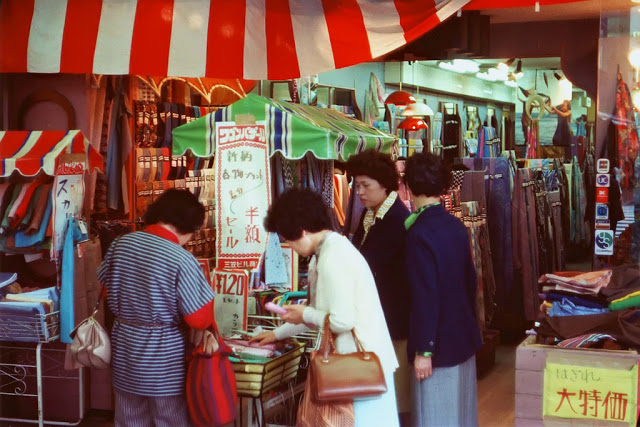
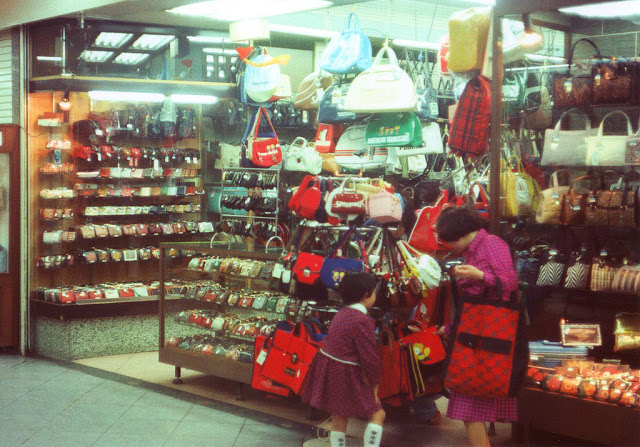
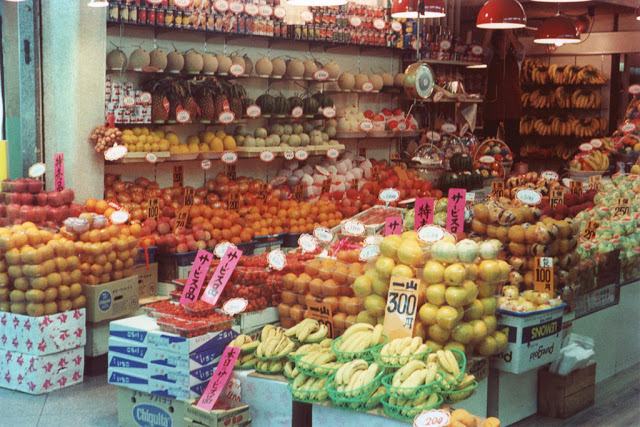
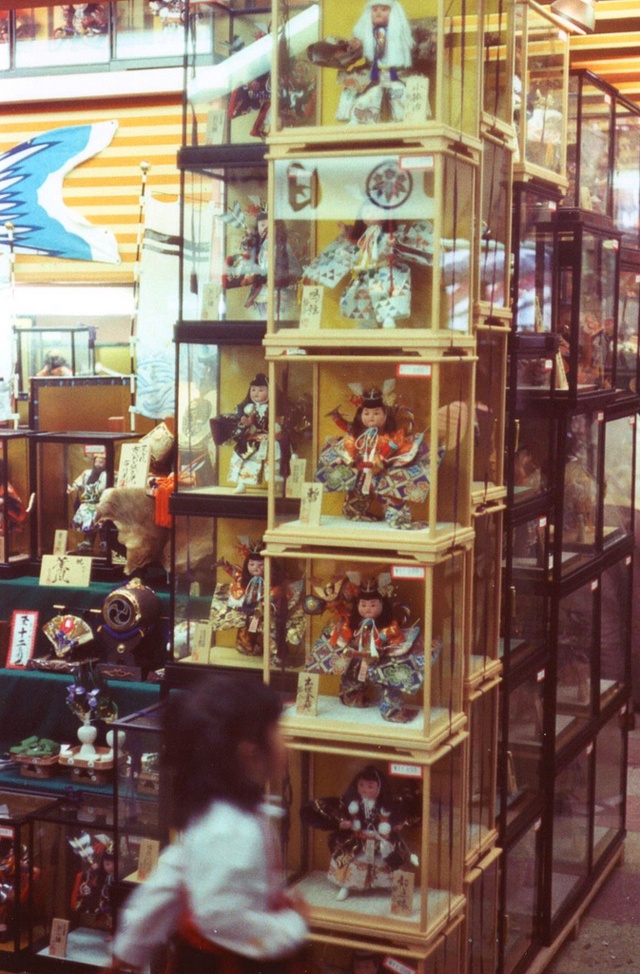
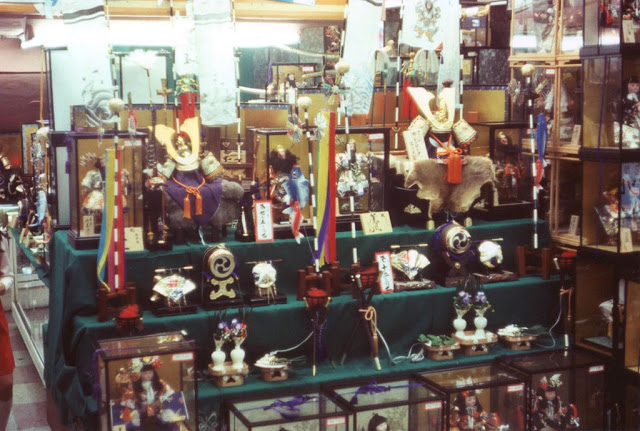
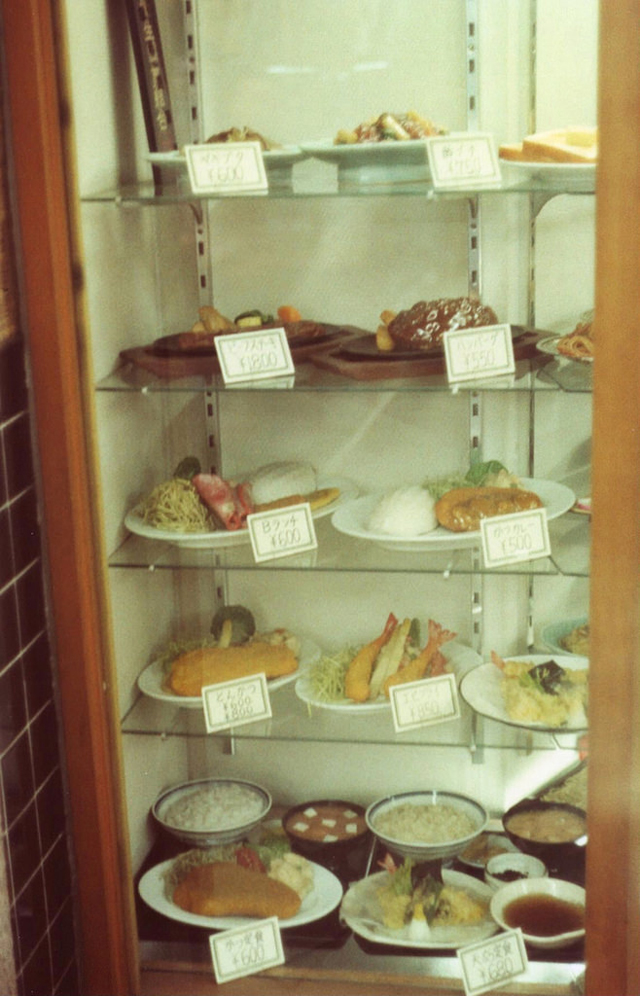
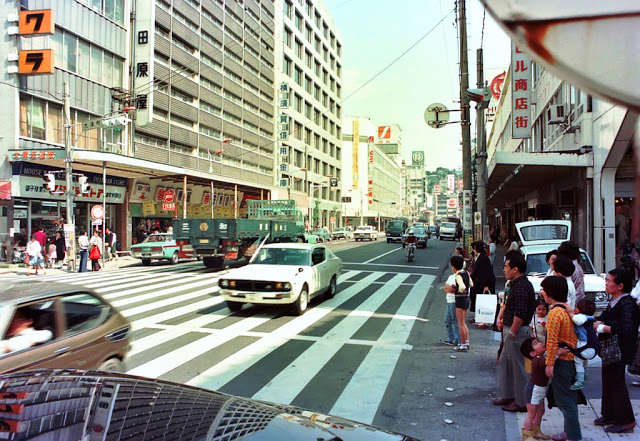
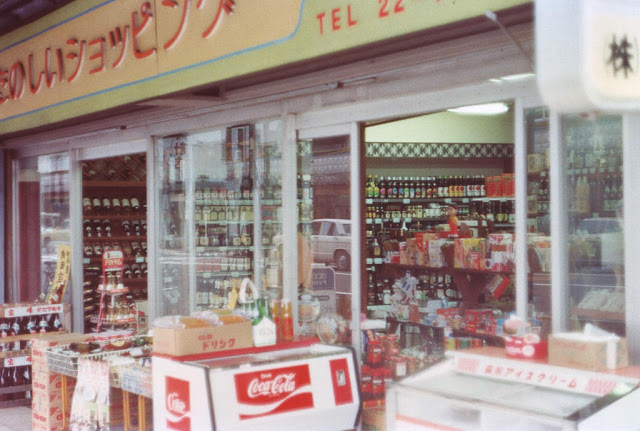
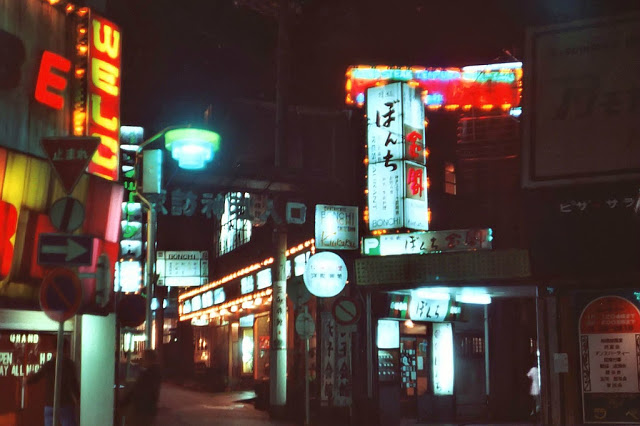
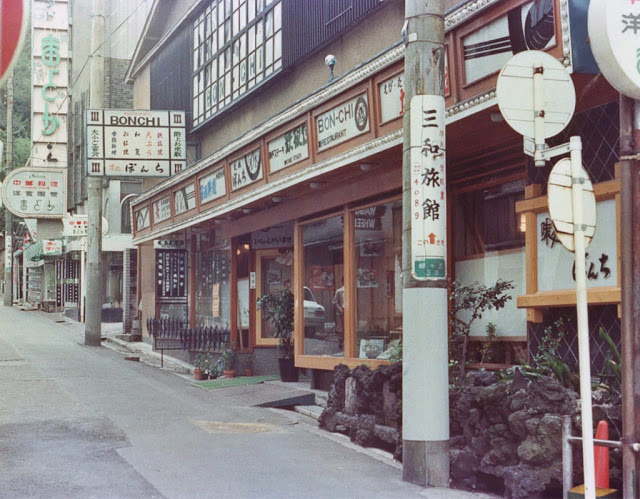
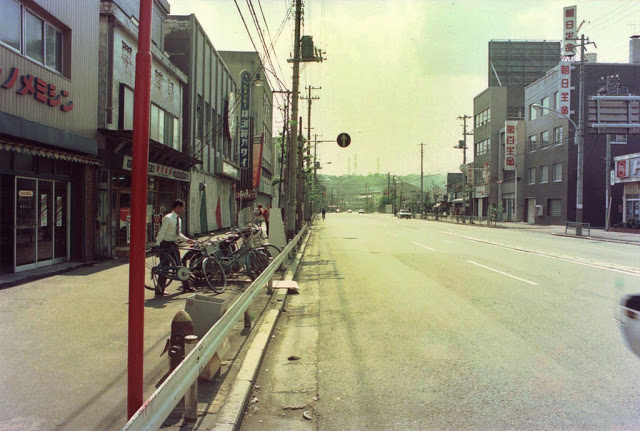
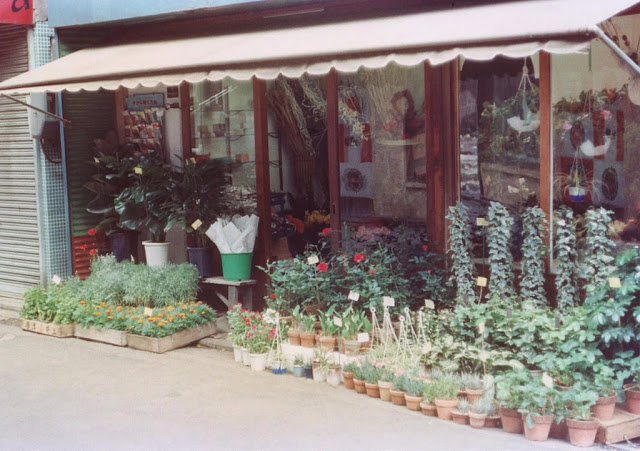
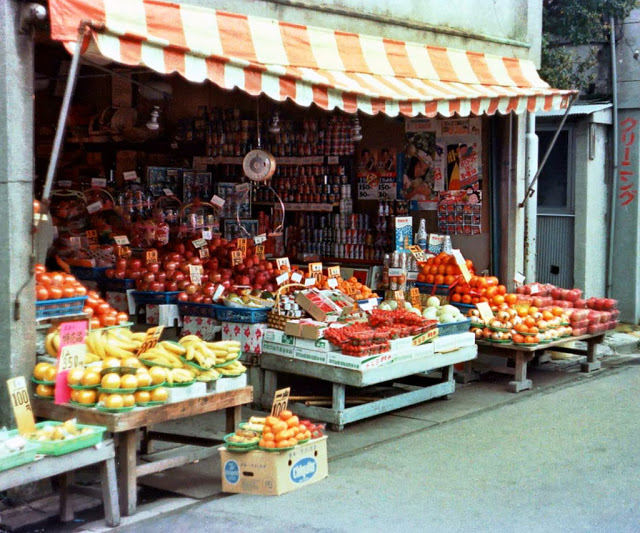
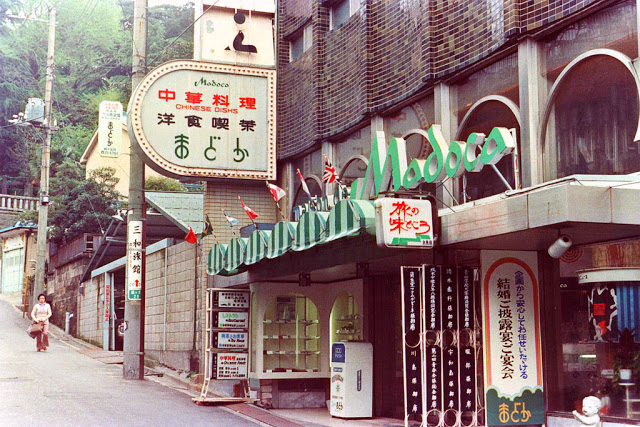
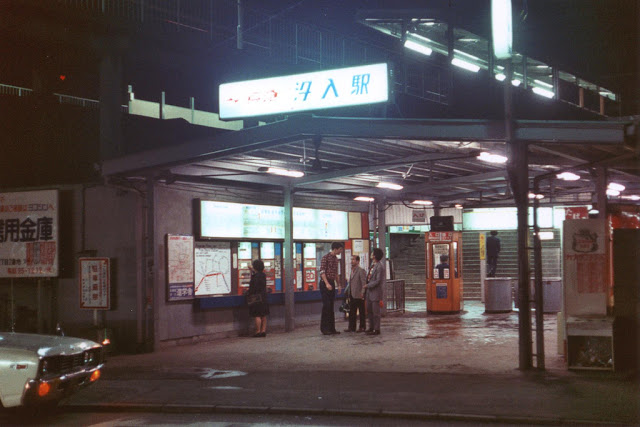
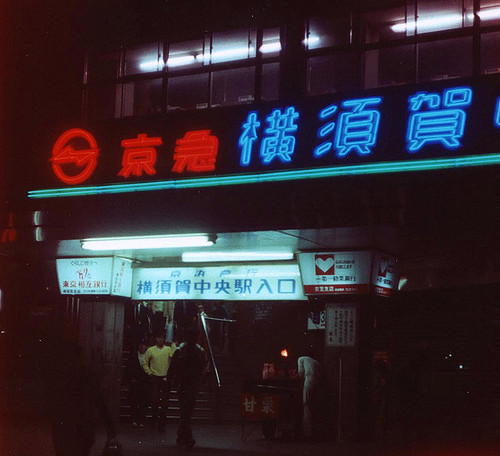
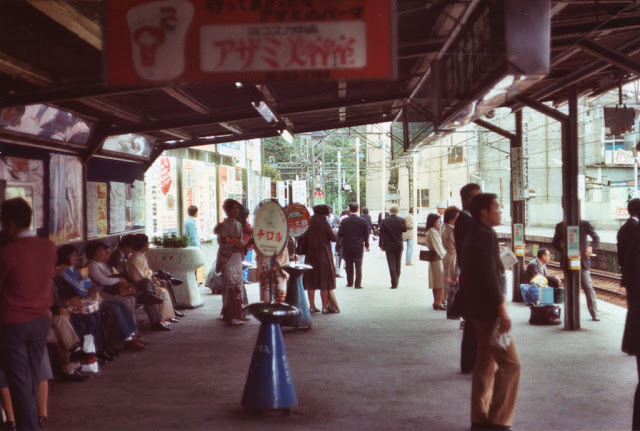
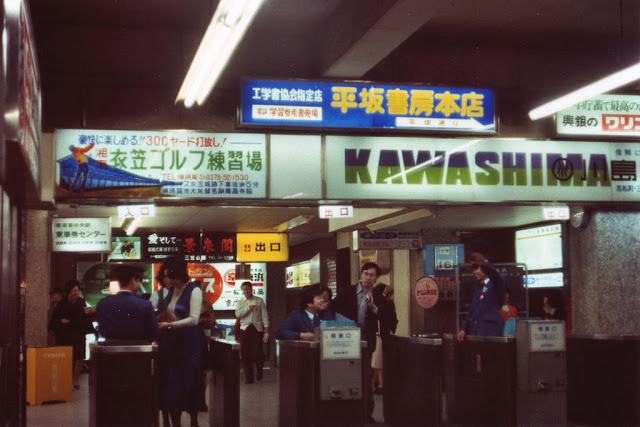
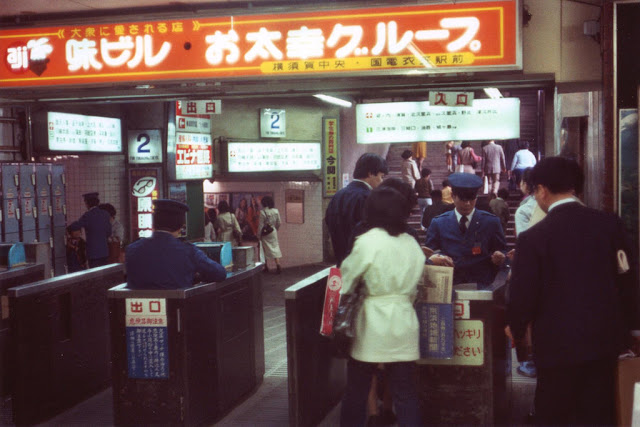
Here is a beautiful photo collection showing daily life of Yokosuka, the southernmost city on the west side of Tokyo Bay from 1975 to 1977.
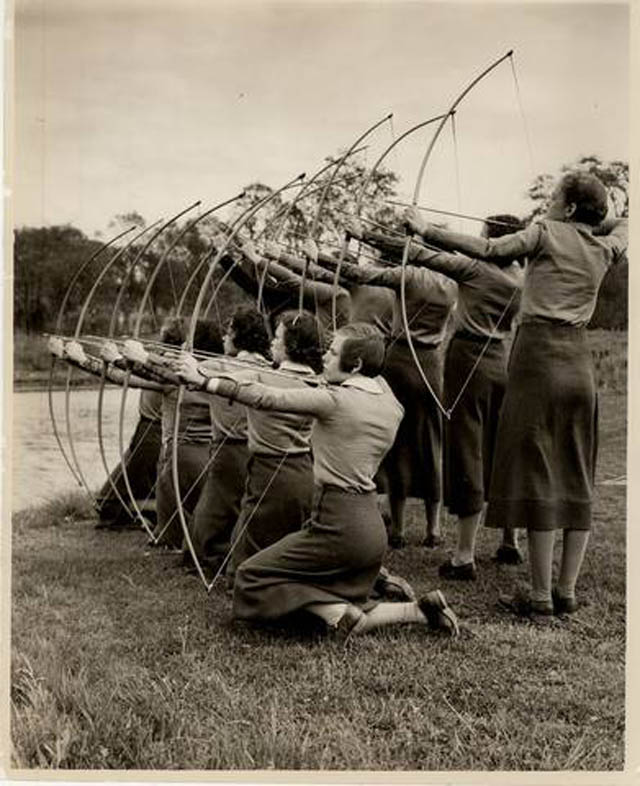
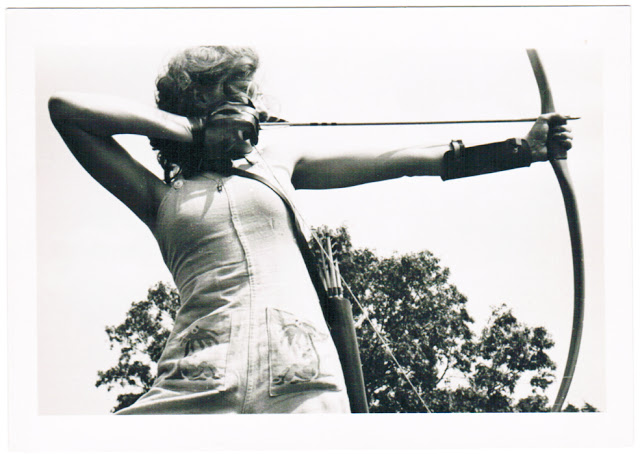
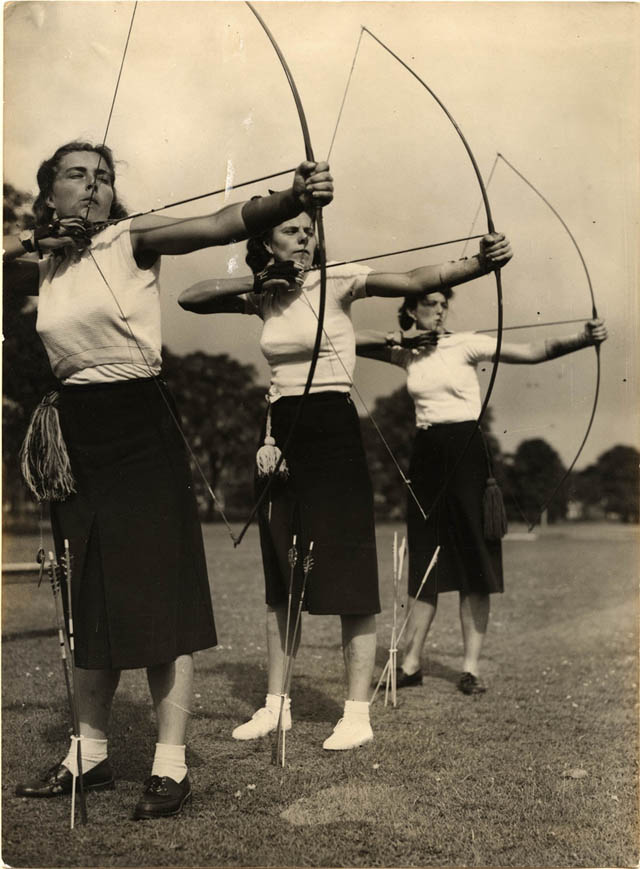
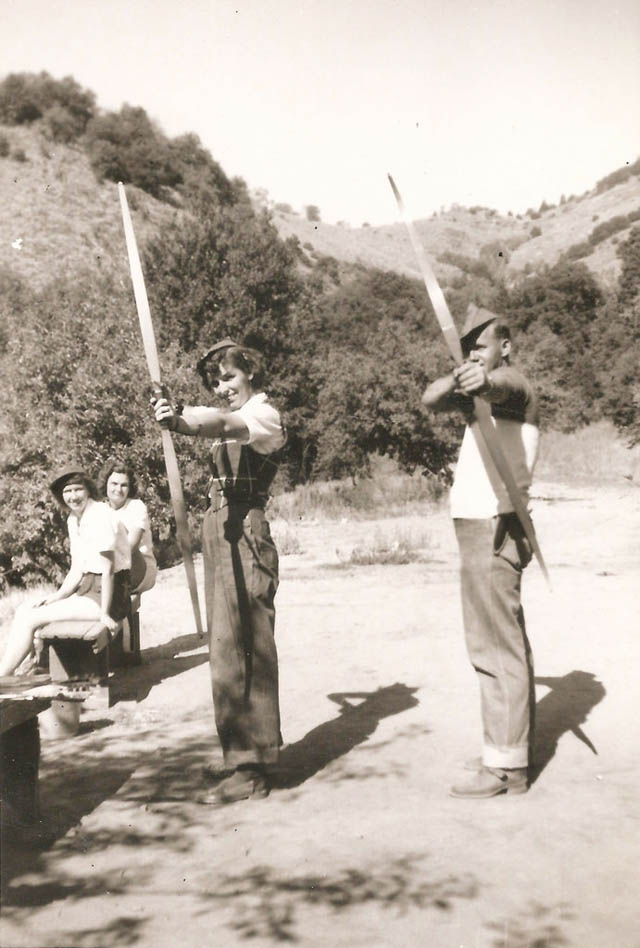
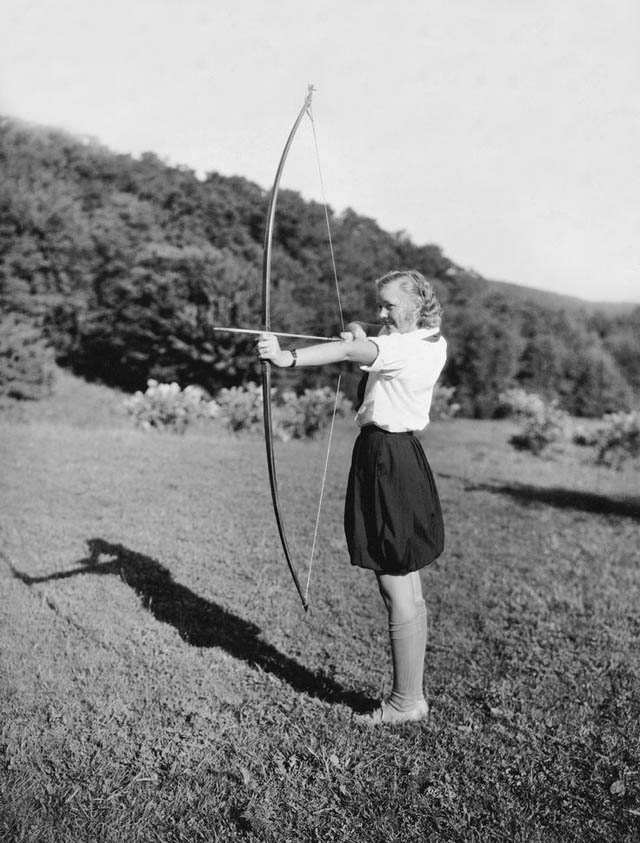
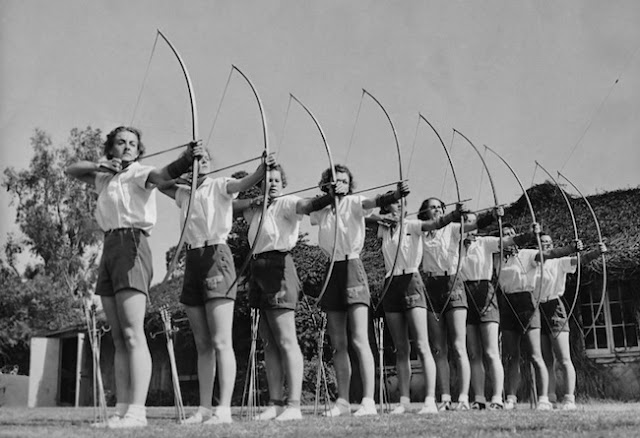
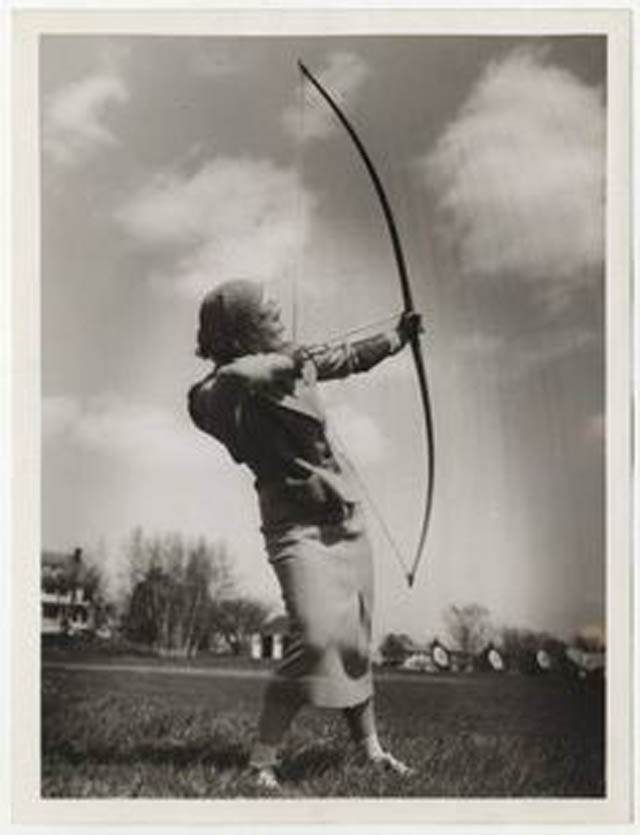
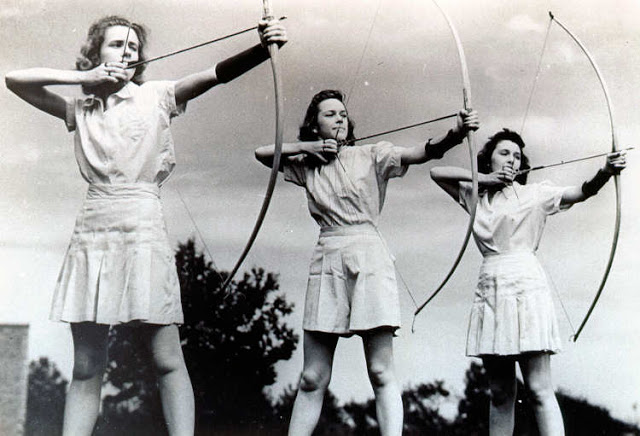
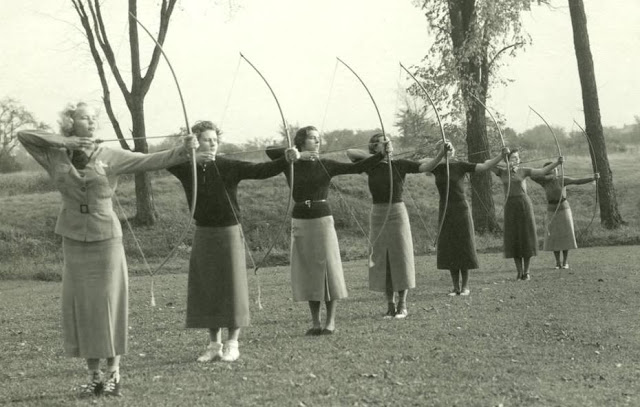
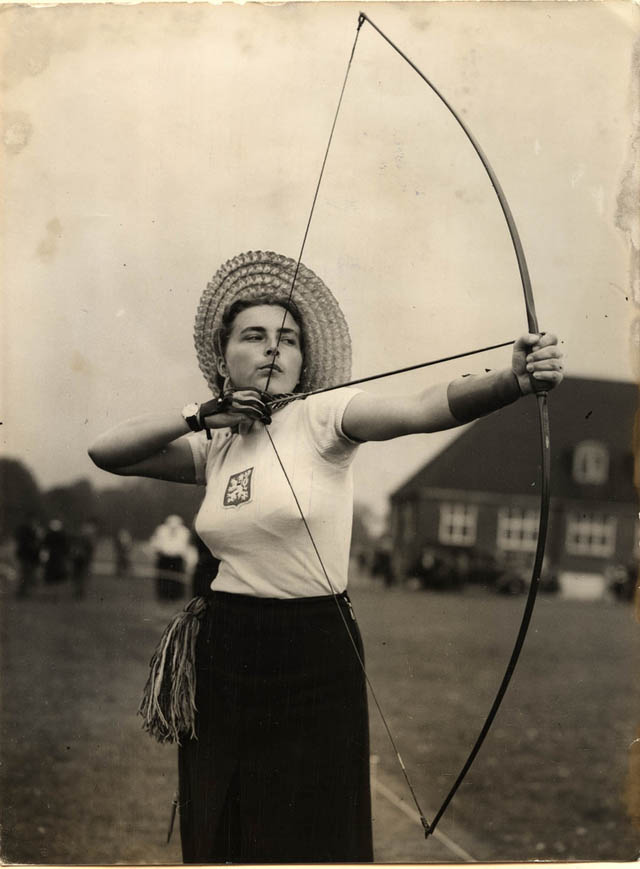
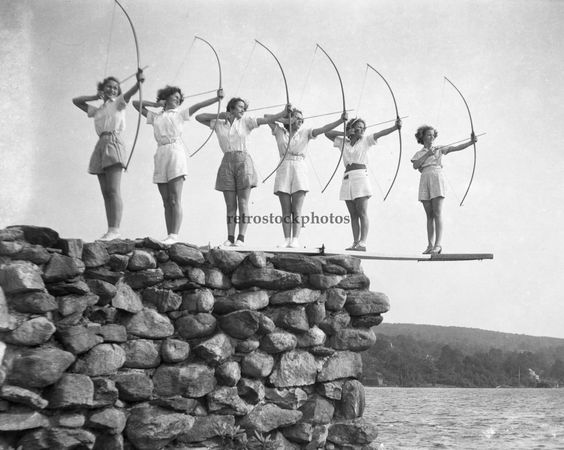
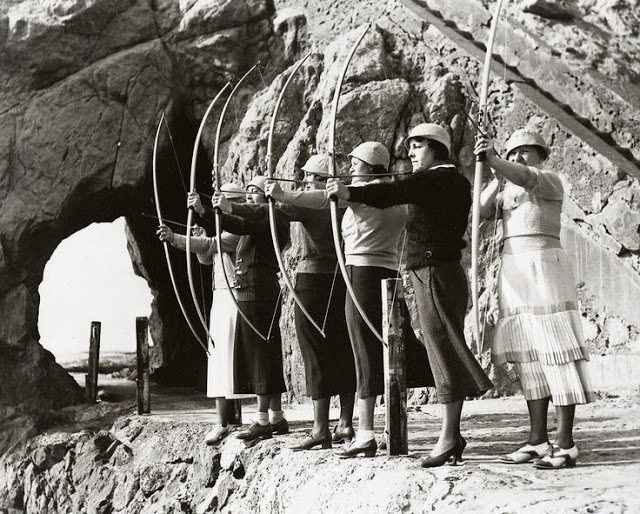
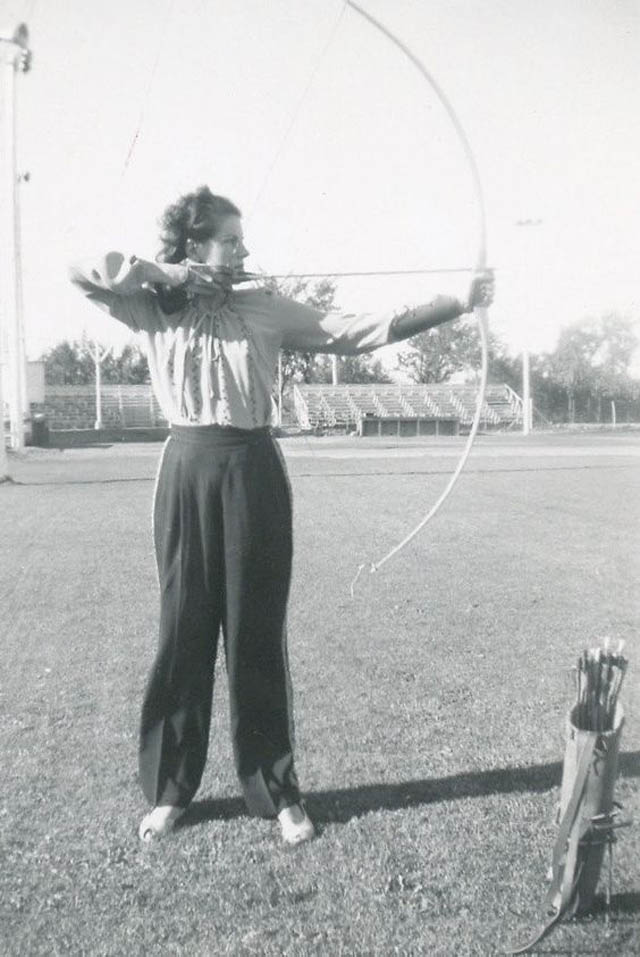
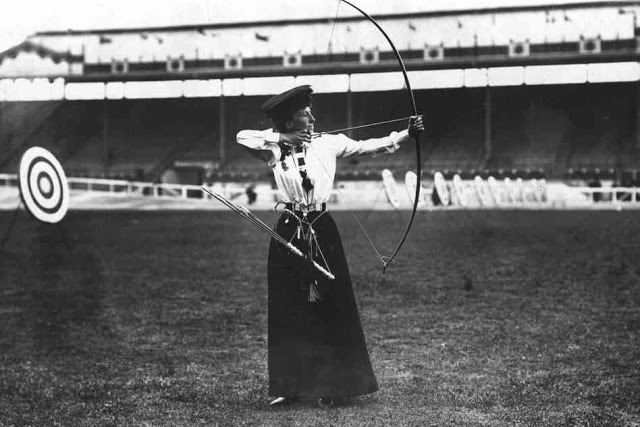
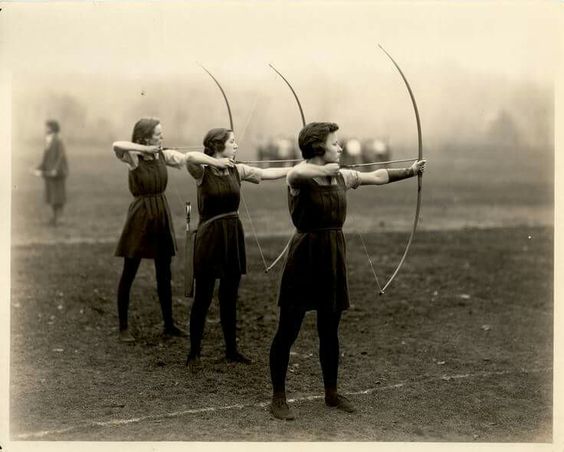
(left to right) Louise Herminghaus, Jane Riddle, Katherine Voelker, Ardis Miller, Virginia Wolfe, Evelyn Opie, Mary Klausen, Pym Lee Lucas and Betty Last of the Los Angeles Junior College during a practice session before the National Inter-Collegiate archery tournament on November 26, 1935. Girl campers playing archery.
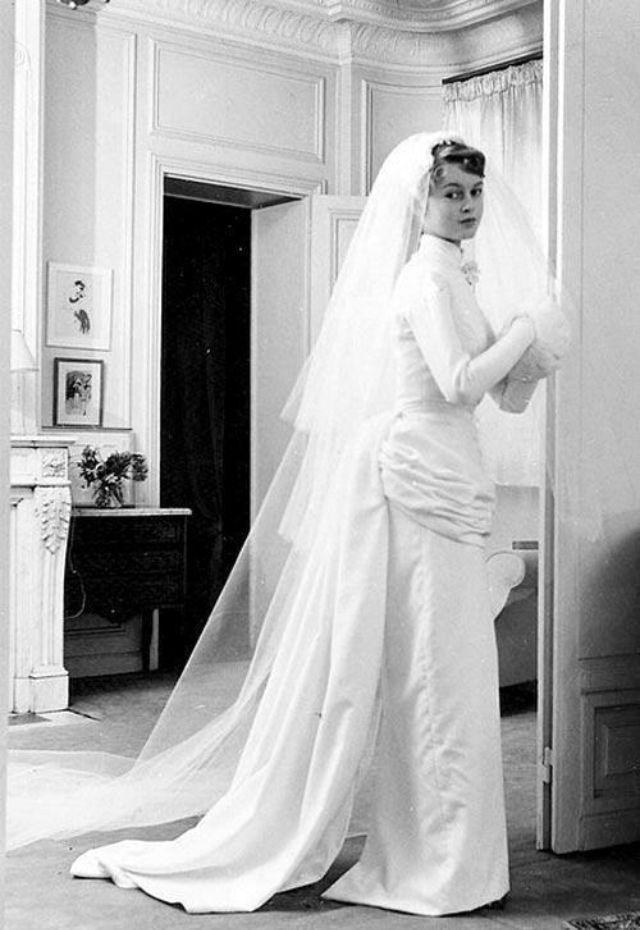
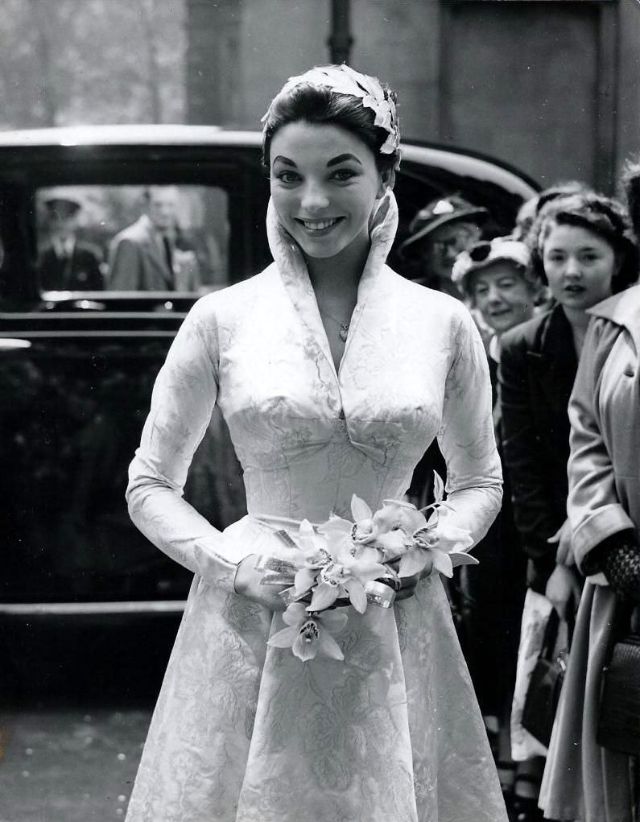
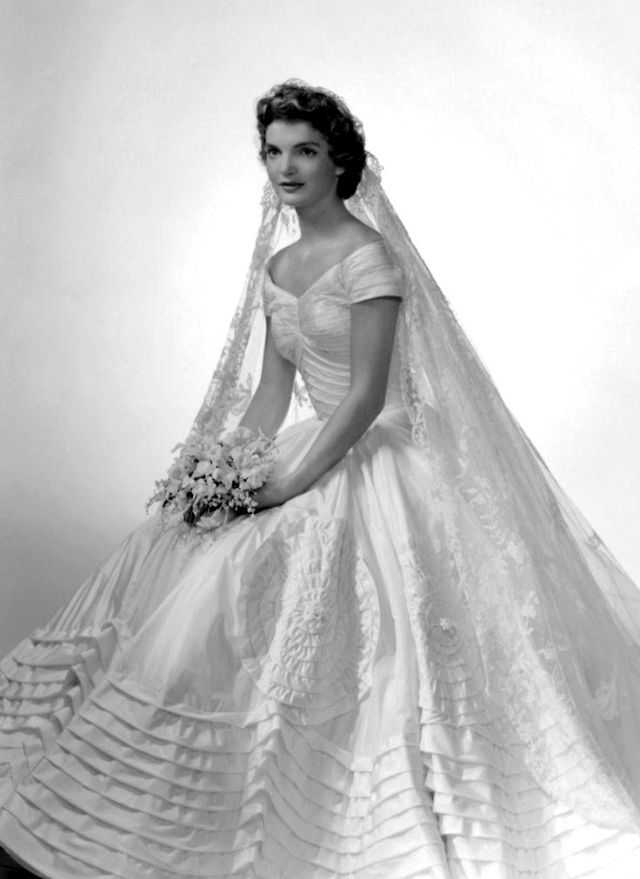
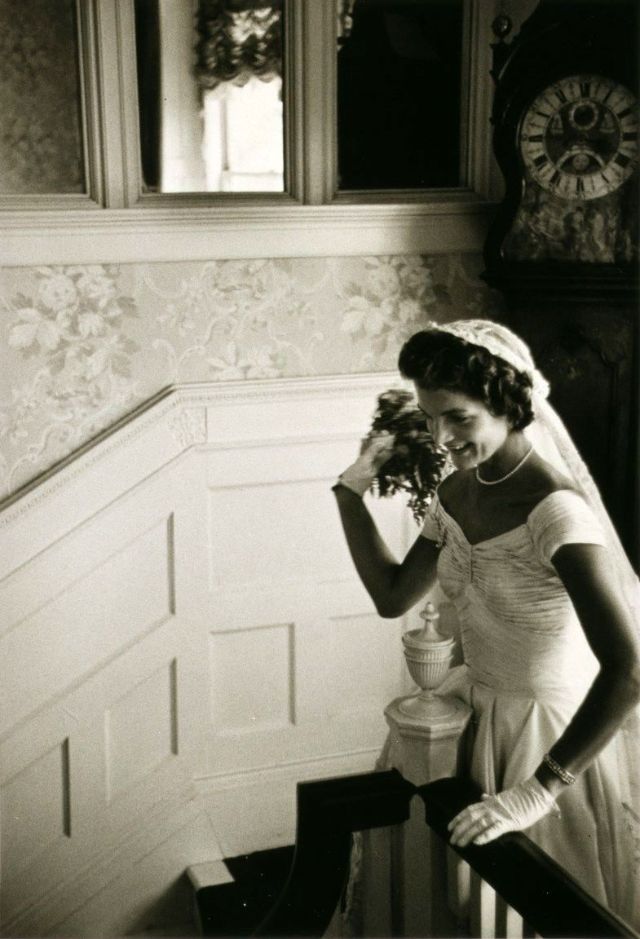
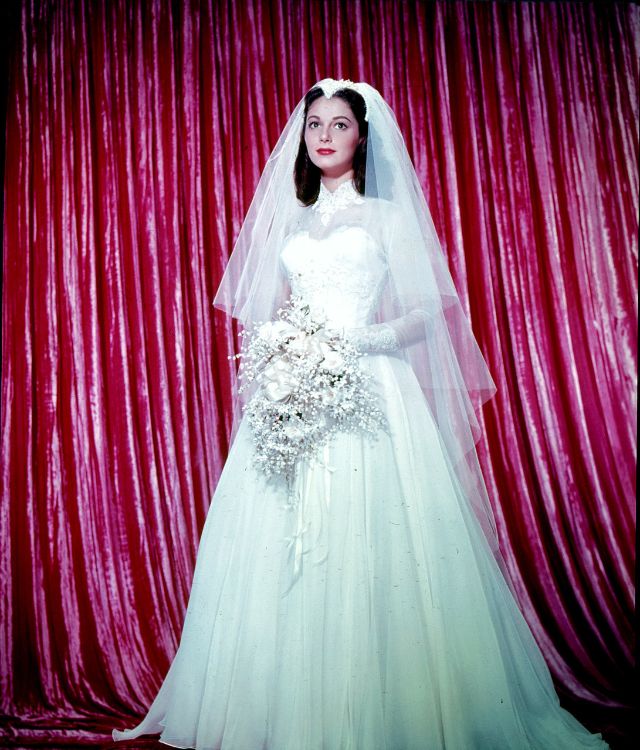
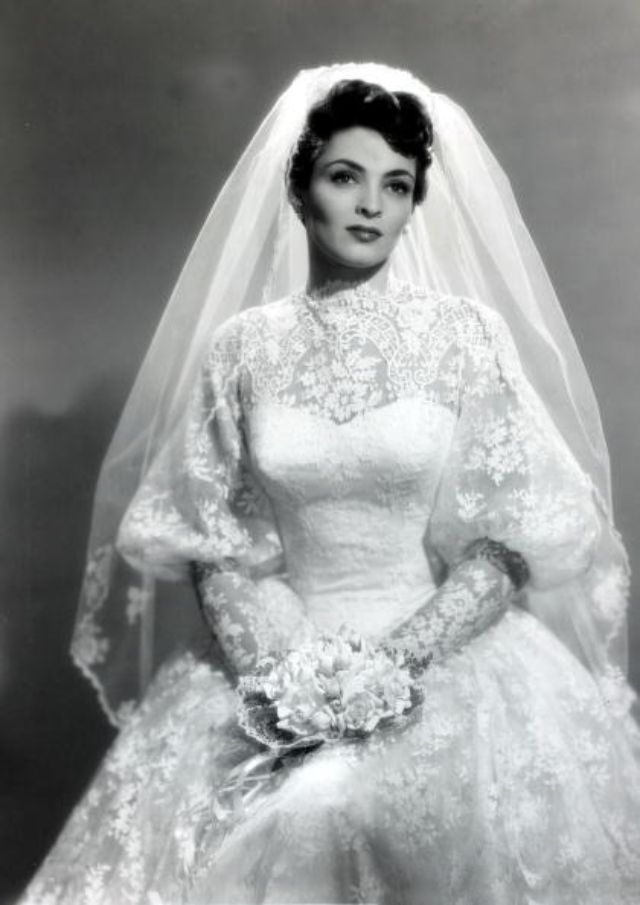
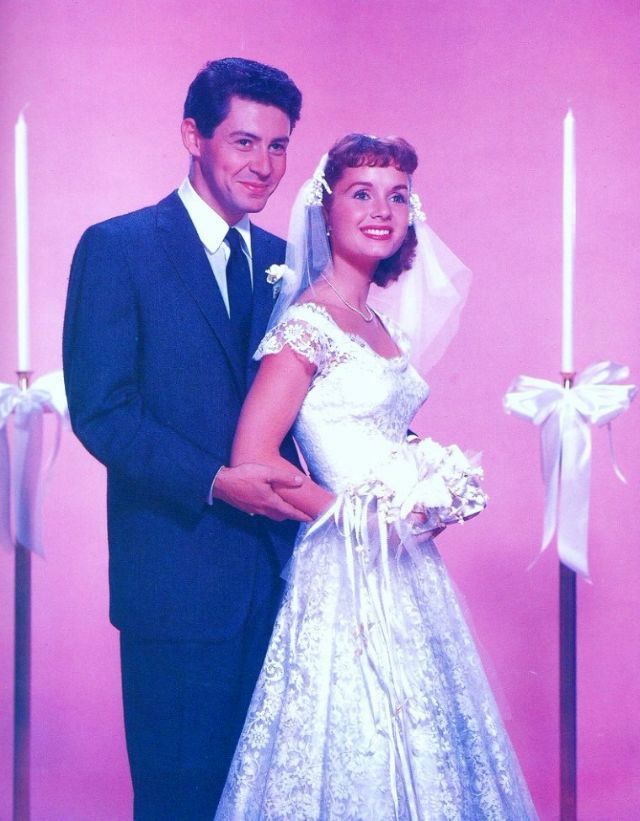
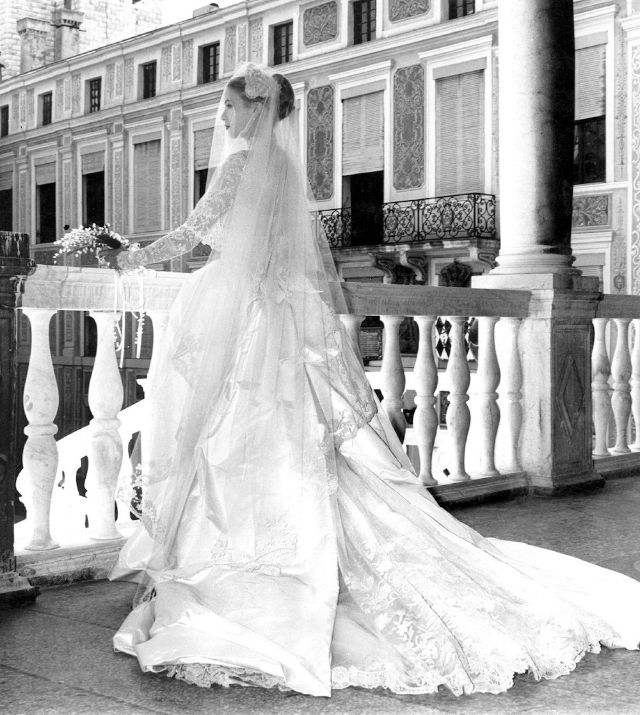
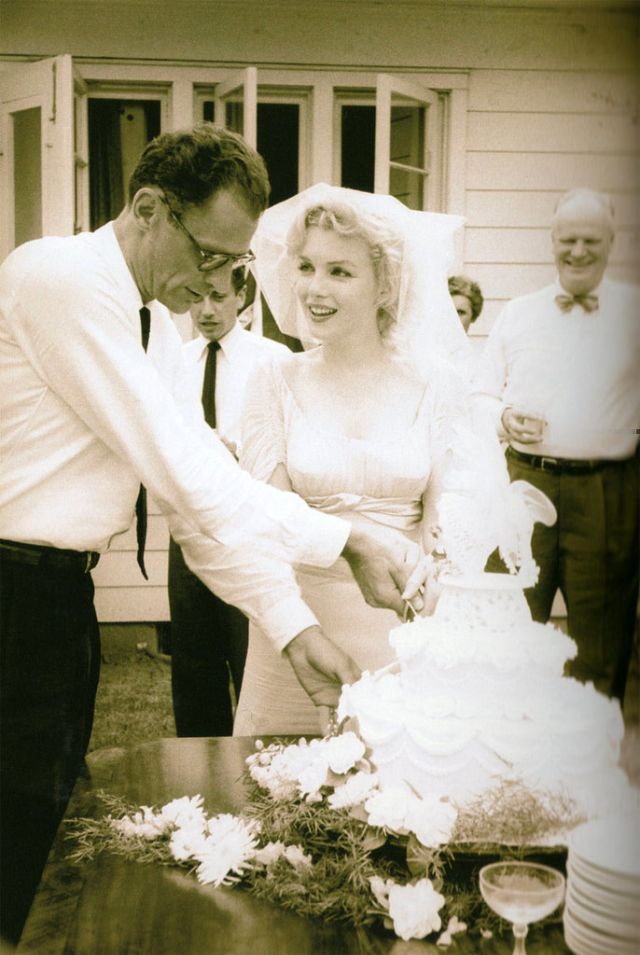
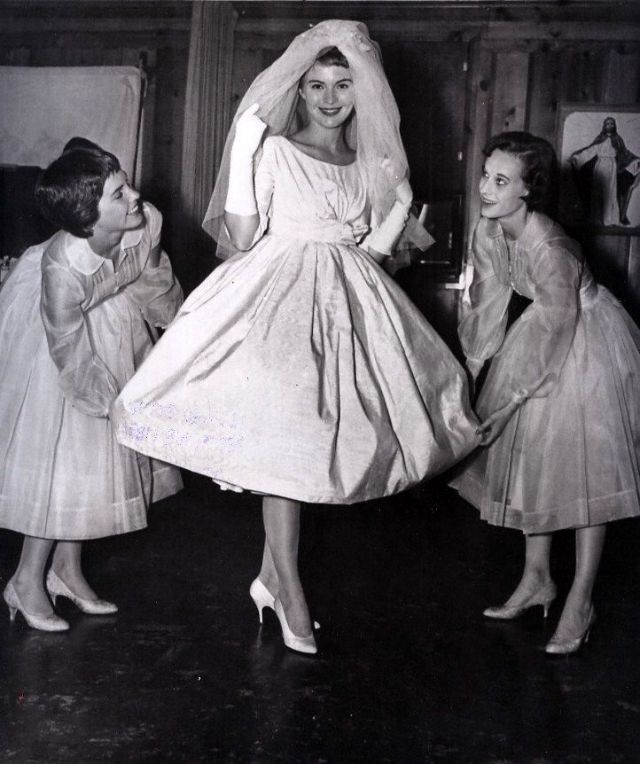
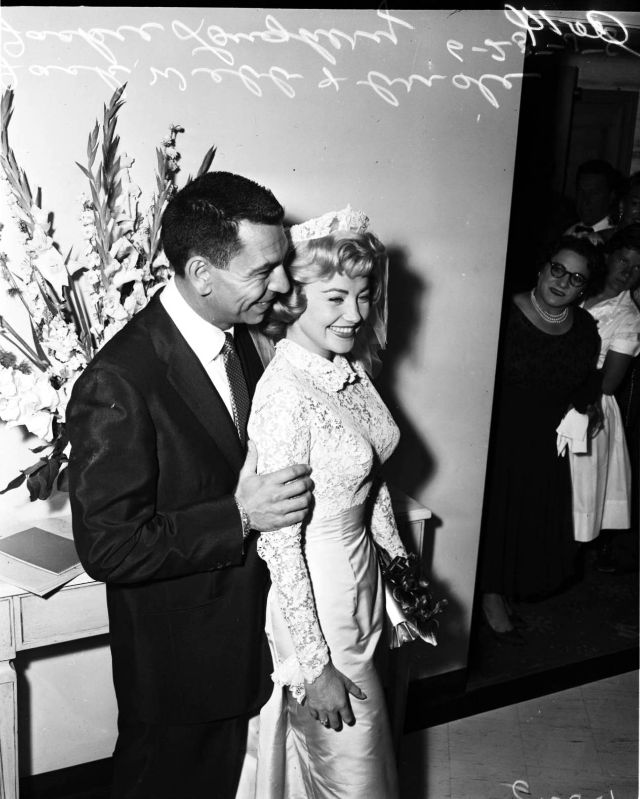
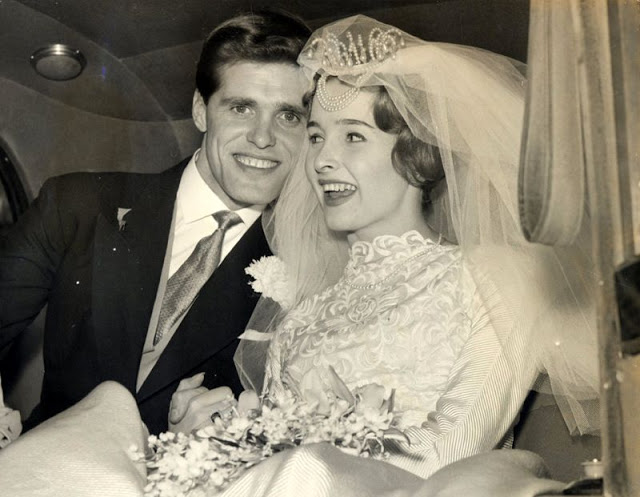
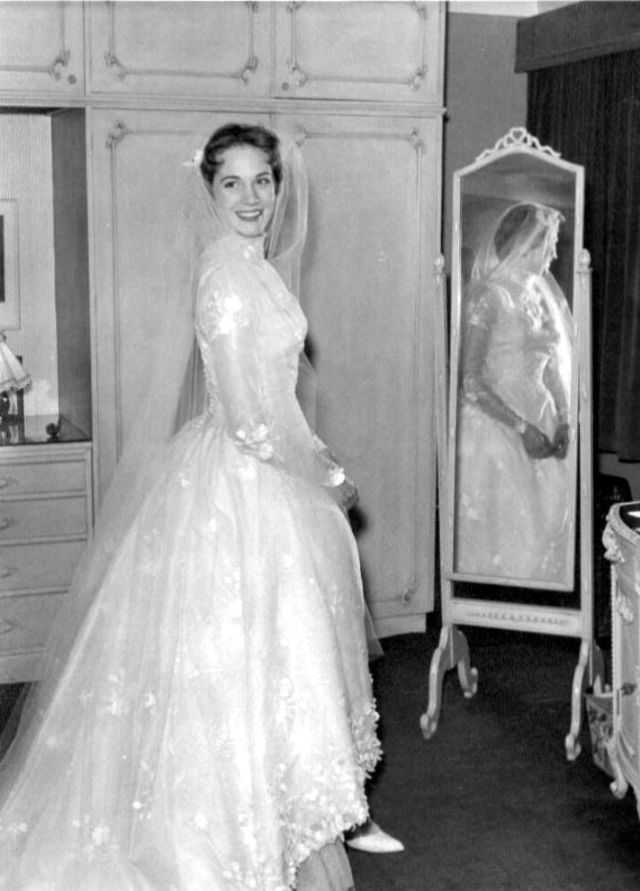
The 1950s was the boom period of dresses and gowns, and wedding dresses in this period were no exception! Tea length wedding gowns and Rockabilly swing dresses, tulle ballgowns, and elegant lace long sleeve dresses are only a few of the 1950s wedding dresses that are popular again today.
Elizabeth Taylor, Brigitte Bardot, Audrey Hepburn, or Grace Kelly,… they all had different styles of bridal dresses on their wedding days from the 1950s, and they were really glamorous.
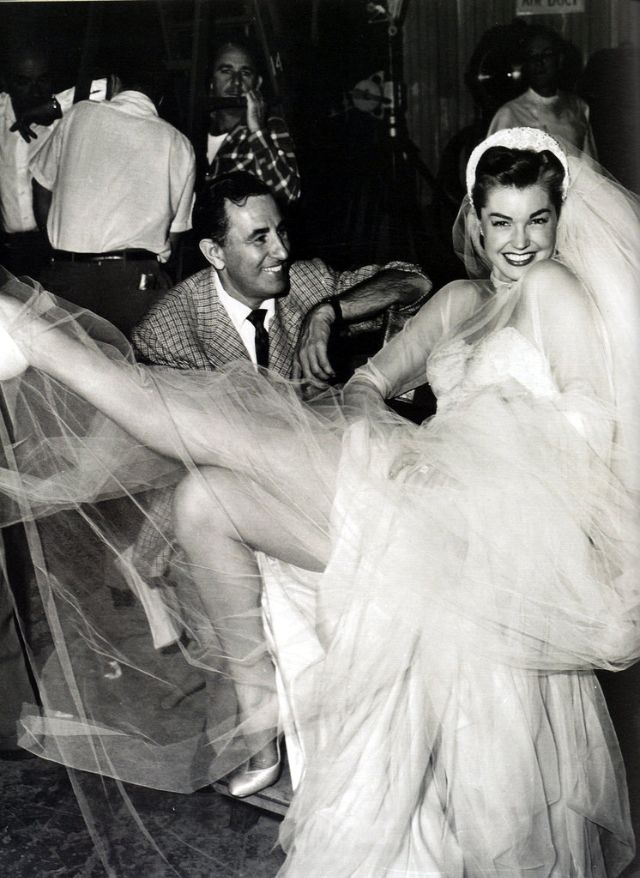
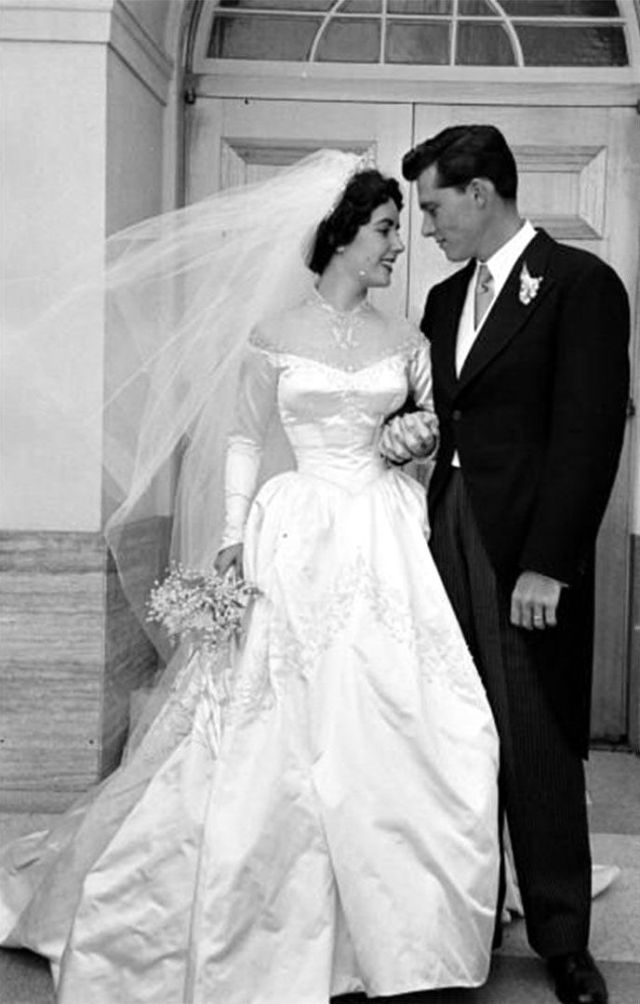
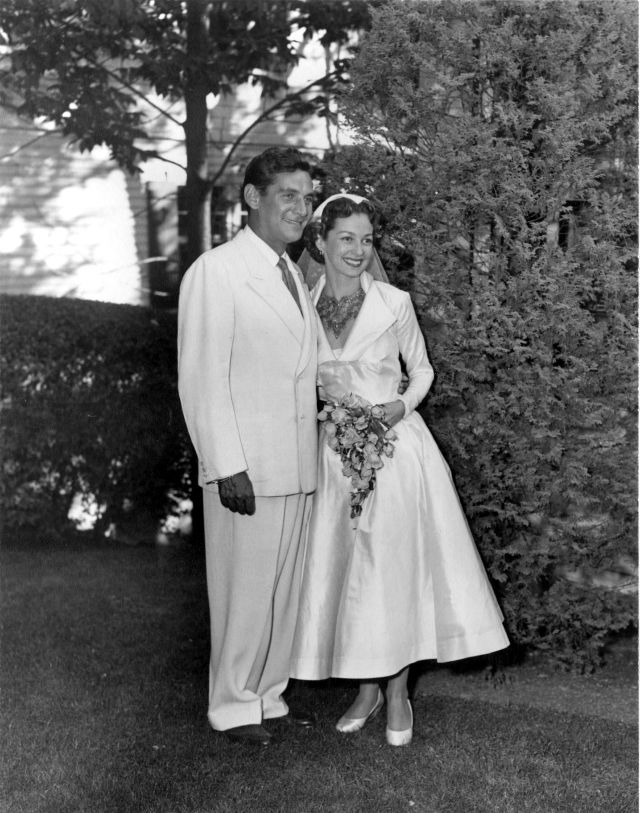
British ballet dancer and actress Moira Shearer photographed by Jane Brown, 1950Elizabeth Taylor in ‘Father of the Bride’, 1950Elizabeth Taylor’s first marriage, she wed hotel heir Conrad ‘Nicky’ Hilton in a gown designed by Hollywood costumer Helen Rose, 1950American actress Arlene Dahl and Lex Barker, 1951Chilean actress Felicia Cohn Montealegre married American composer and conductor Leonard Bernstein, 1951Brigitte Bardot on her first wedding day to Roger Vadim, 1952Esther Williams poses in a wedding dress, 1952Joan Collins at her first wedding to Maxwell Reed , 1952Jacqueline Bouvier married then-U.S. Representative John Fitzgerald ‘Jack’ Kennedy in September 1953 in Newport, Rhode Island. Her beautiful gown was designed by Ann Cole Lowe, an African American designer from Alabama who designed gowns for many of the upper crust of New York and HollywoodJacqueline Bouvier on her wedding day, 1953Jane O’Neil’s wedding dress, 1953Singer and actress Peggy Lee married husband Brad Dexter in Los Angeles, 1953Actors Fred MacMurray and June Haver married on June 28, 1954 in a simple ceremony in Ojai, CaliforniaActress Pier Angeli married singer Vic Damone in November of 1954. Her white, silk chiffon gown was designed by Helen Rose, the Hollywood film costumer who also designed Grace Kelly’s iconic wedding gownActress Suzan Ball married fellow actor Richard Long in 1954 while battling cancer that had developed in her right leg. Tragically, she passed away just one year later at the age of 21Audrey Hepburn and Mel Ferrer on their wedding day in Burgenstock, Switzerland, 1954Audrey Hepburn on her wedding day, 1954English actors Denholm Elliott and Virginia McKenna married, 1954Eddie Fisher and Debbie Reynolds on their wedding day, 1955Grace Kelly in her wedding dress, 1956Grace Kelly in her wedding dress, 1956Grace Kelly with her wedding party, 1956Lady Anne Glenconner in wedding gown designed by Norman Hartnell on her wedding day, 1956Marilyn Monroe on her wedding day, 1956American actress Jean Seberg married first husband French attorney (and aspiring filmmaker) François Moreuil in 1958 in Seberg’s hometown of Marshalltown, IowaHollywood actress Debra Paget married David Street in Los Angeles, California, 1958Jackie Loughery, winner of the first Miss USA pageant, married actor Jack Webb in Los Angeles, California, 1958Jayne Mansfield in her wedding gown for her marriage to Mickey Hargitay, January 13, 1958Singer Ronnie Carroll married actress Millicent Martin, 1958Brigitte Bardot and Jacques Charrier on their wedding day, 1959Elizabeth Taylor and Eddie Fisher at their wedding, 1959Julie Andrews on her wedding day, 1959
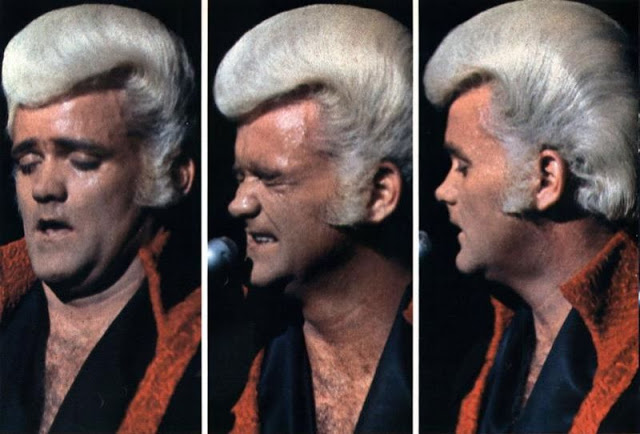
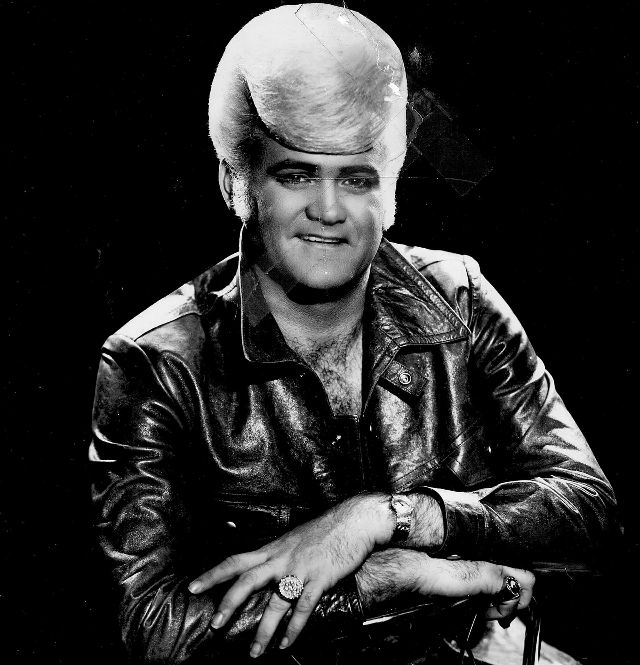
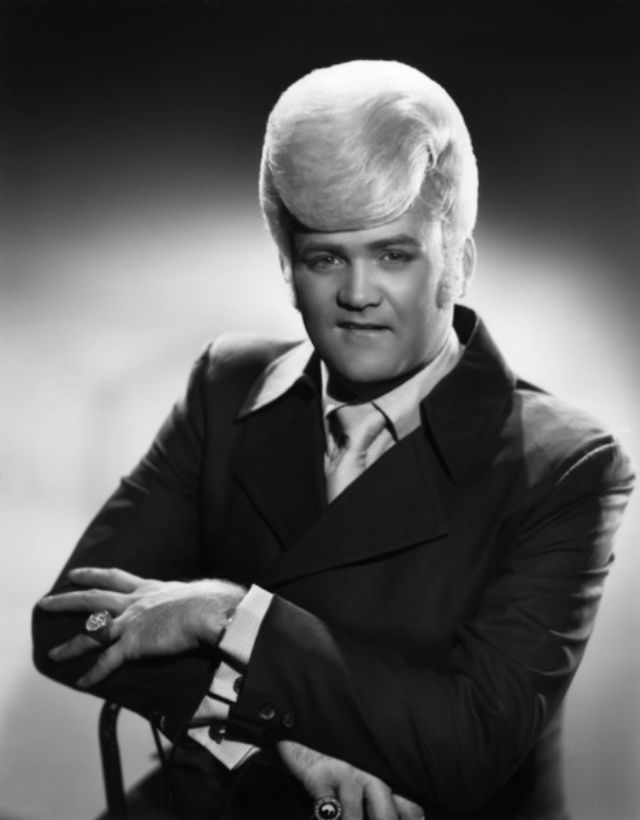
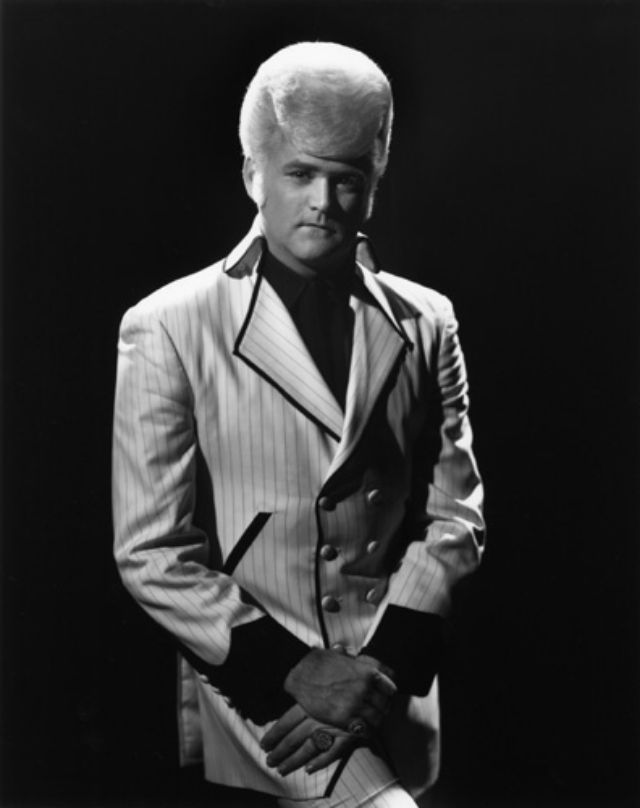
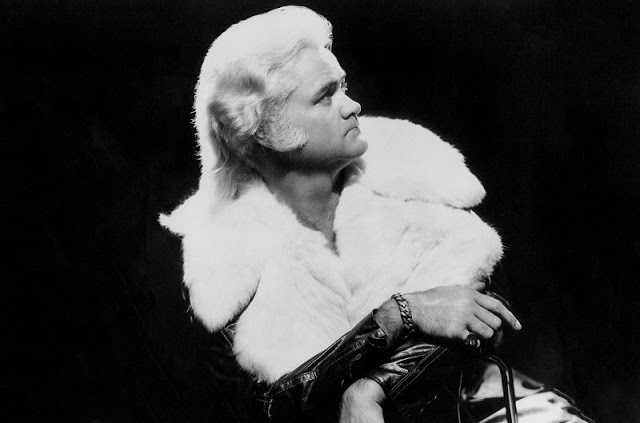
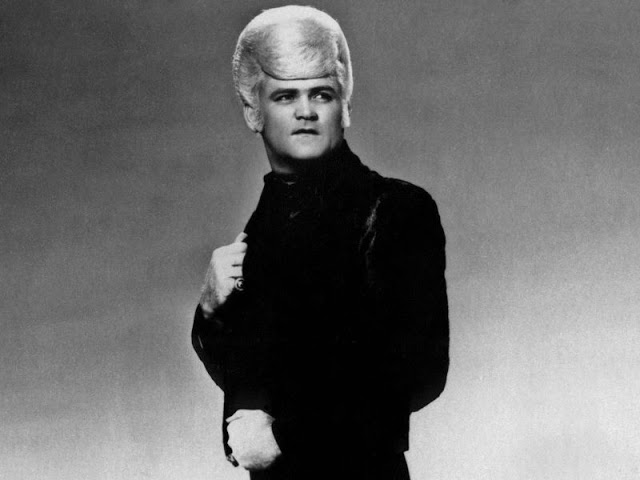
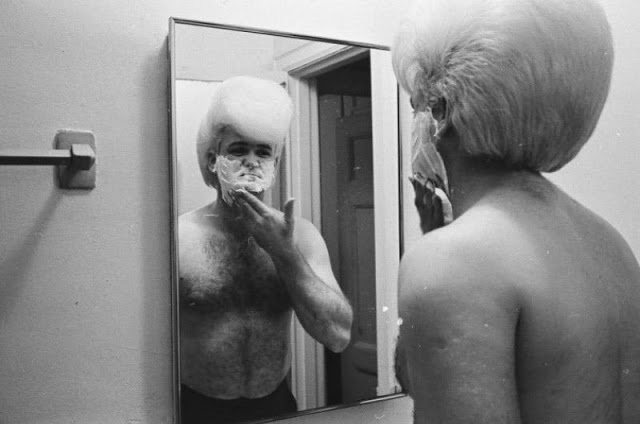
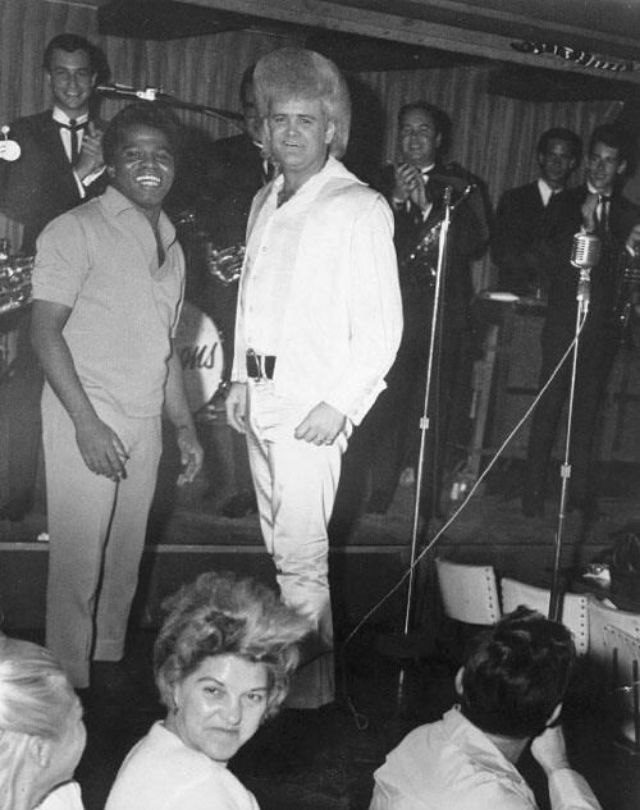
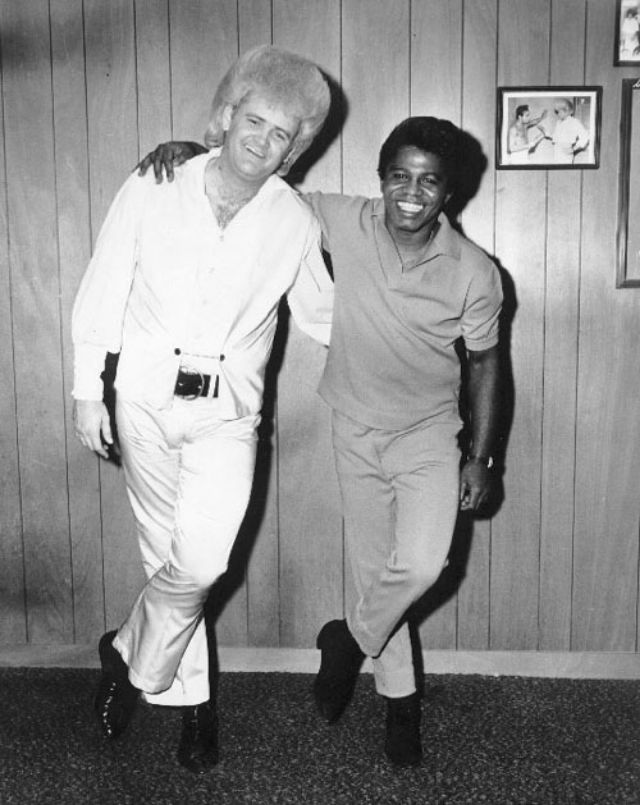
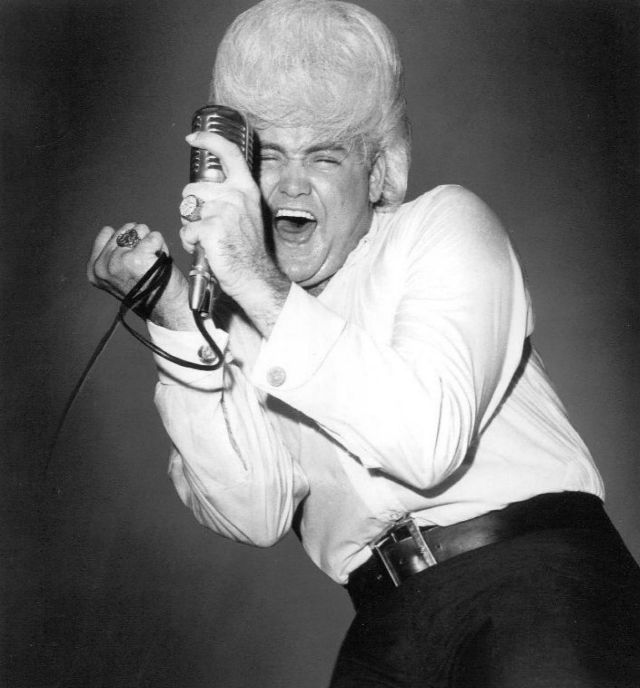
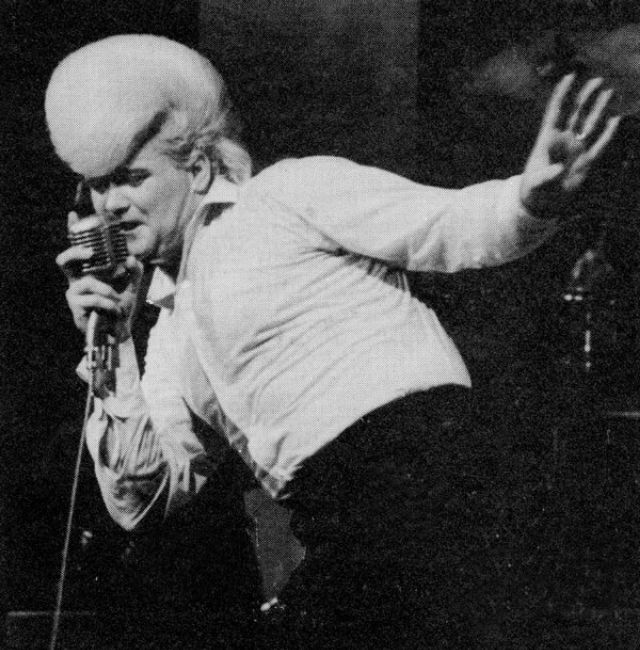
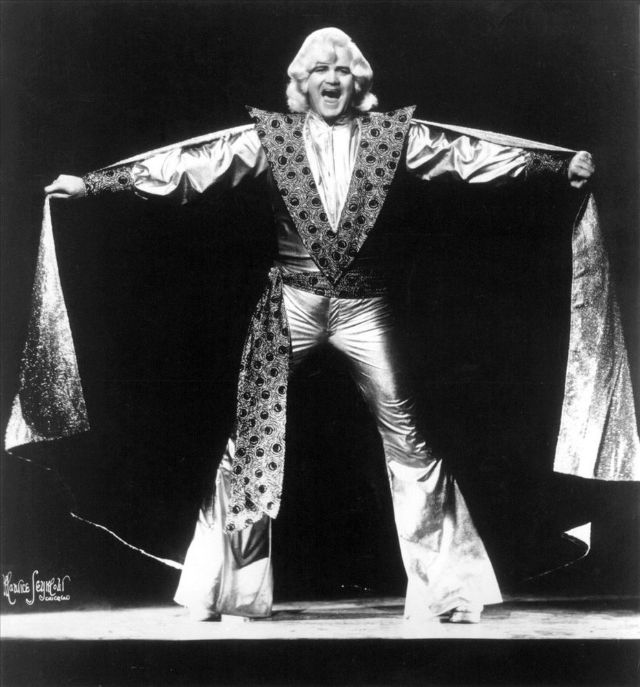
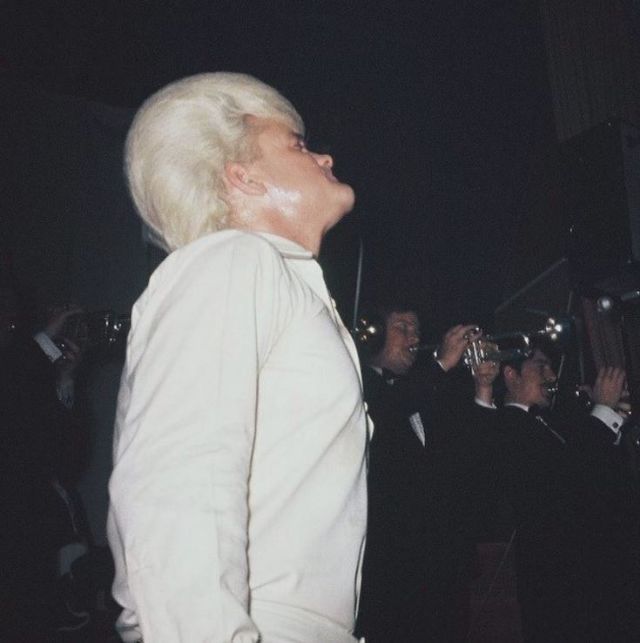
Blue-eyed soul singer Wayne Cochran was born in 1939 in Thomaston, Georgia. He started his first band in 1955 and was kicked out of high school for refusing to cut his flamboyant pompadour hairstyle.
Cochran recorded his debut single, My Little Girl, for the Scottie label in 1959. He went on to record a slew of singles throughout the 1960s for such labels as Gala (Funny Feeling, Liza Jane), Confederate (Linda Lu), Aire (Cindy Marie), King (Little Orphan Annie) and Mercury (Goin’ Back to Miami, which rates as one of his single most incendiary R&B songs and was later covered by The Blues Brothers).
In the early ’60s he wrote and recorded the morbid teen death item Last Kiss, which became a huge #2 Billboard pop chart hit for J. Frank Wilson & the Cavaliers in 1964. In 1963 he formed his own group called Wayne Cochran and the C.C. Ryders (Cochran’s Circuit Riders). The band amassed an enormous following in the South and Midwest by extensively touring and performing at clubs, lounges and seedy dives all over the region.
Cochran was famous for his massive white pompadour, outrageous outfits and full-throttle, raw-throated hoarse-n’-ragged vocals. The band was the immensely popular house band at the Miami club the Barn. Jackie Gleason in particular was a big fan of Cochran’s music and wrote the liner notes for his 1967 debut album. Cochran and the C.C. Riders appear as themselves in the biker exploitation flick C.C. & Company (1970). Moreover, Wayne not only made guest appearances on such TV programs.
Cochran eventually became a born-again Christian and started his own ministry in 1981. He and the C.C. Riders performed at two reunion shows in 2001: they did a gig on July 26 in Miami, Florida, and did a second reunion show on August 1 in Hollywood, Florida. Wayne lived in Miami, Florida with his wife Monica (who died in February, 2017). Cochran died at age 78 from cancer on November 21, 2017.
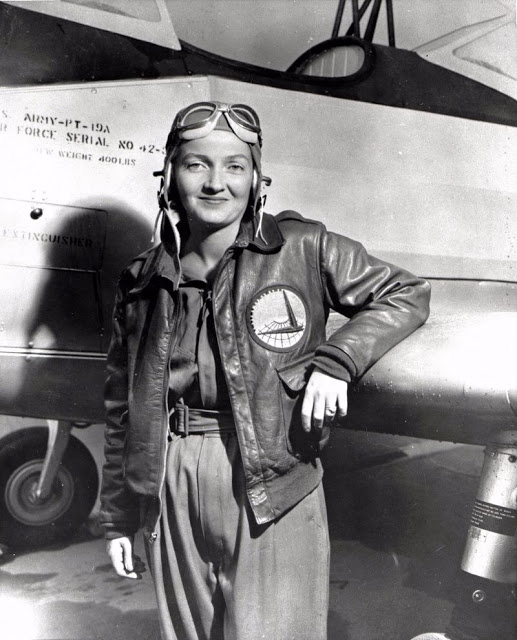
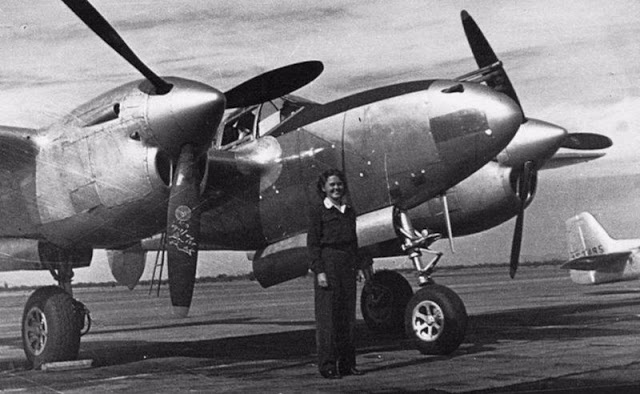
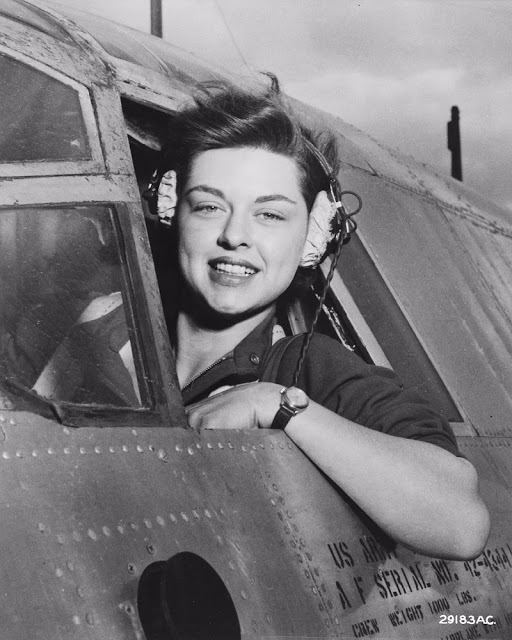
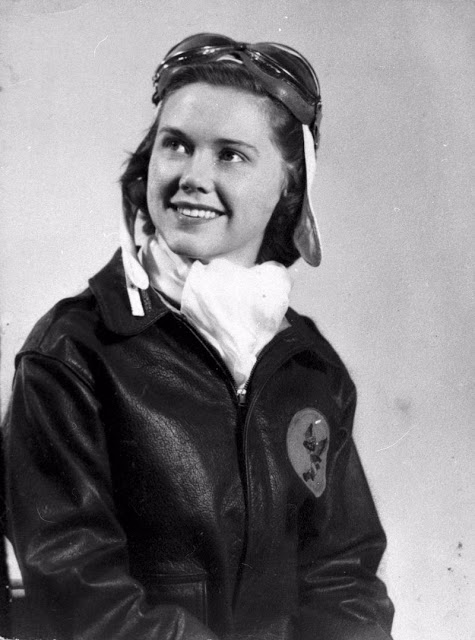
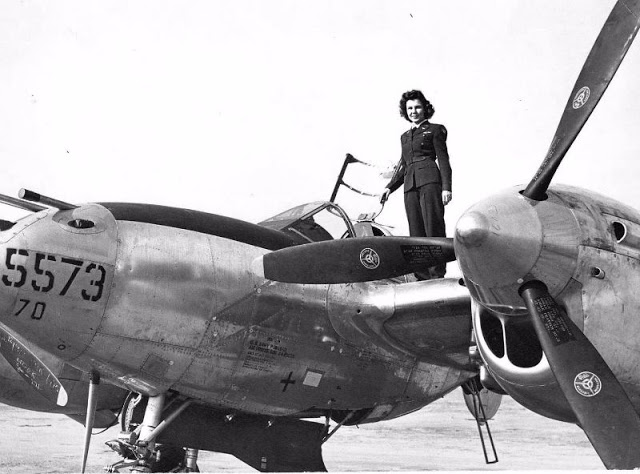
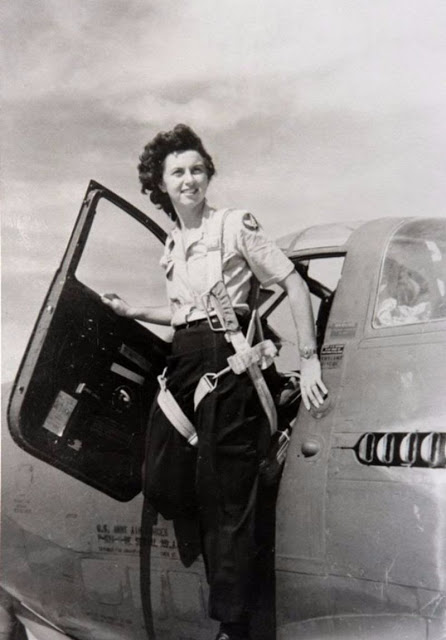
The Women Airforce Service Pilots (WASP) (also Women’s Army Service Pilots or Women’s Auxiliary Service Pilots) was a civilian women pilots’ organization, whose members were United States federal civil service employees. Members of WASP became trained pilots who tested aircraft, ferried aircraft, and trained other pilots. Their purpose was to free male pilots for combat roles during World War II. Despite various members of the armed forces being involved in the creation of the program, the WASP and its members had no military standing.
WASP was preceded by the Women’s Flying Training Detachment (WFTD) and the Women’s Auxiliary Ferrying Squadron (WAFS). Both were organized separately in September 1942. They were pioneering organizations of civilian women pilots, who were attached to the United States Army Air Forces to fly military aircraft during World War II. On August 5, 1943, the WFTD and WAFS merged to create the WASP organization.
The WASP arrangement with the US Army Air Forces ended on December 20, 1944. During its period of operation, each member’s service had freed a male pilot for military combat or other duties. They flew over 60 million miles; transported every type of military aircraft; towed targets for live anti-aircraft gun practice; simulated strafing missions and transported cargo. Thirty-eight WASP members lost their lives and one, Gertrude Tompkins, disappeared while on a ferry mission, her fate still unknown. In 1977, for their World War II service, the members were granted veteran status, and in 2009 awarded the Congressional Gold Medal. (Wikipedia)
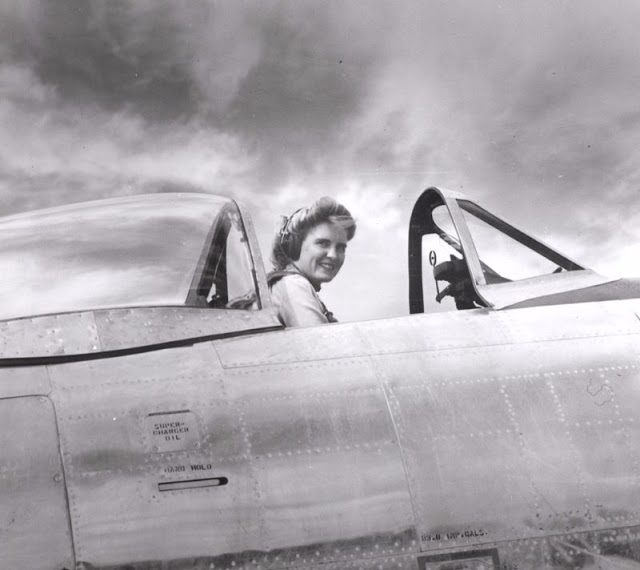
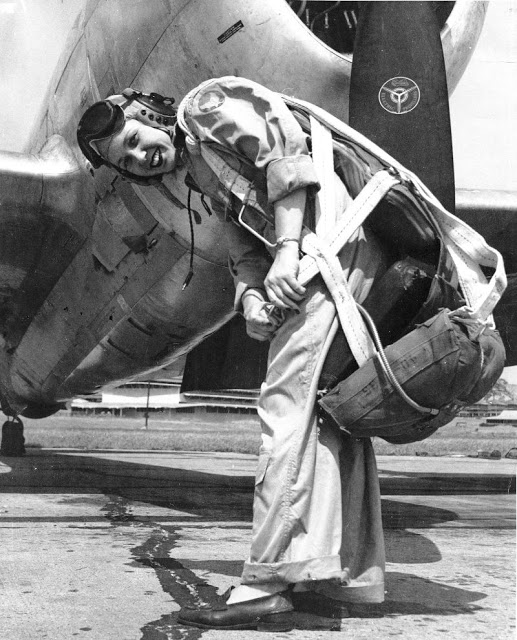
Betty Gillies posing besides an aircraft.Celia Hunter in the cockpit of a P-47 fighter.Hazel Lee posing with a biplane, circa 1930s.Cornelia Fort posing with a PT-19 aircraft.Jackie Cochran in the cockpit of P-40 Warhawk fighter, circa 1942-1945.WASP pilot Deanie (Bishop) Parrish in front of her P-47 Thunderbolt aircraft, circa early 1940s.Nancy Harkness Love posing in front of a PT-19A trainer aircraft, 1942-43. Note WAFS patch on her jacket (forerunner of the WASPs).WASP pilot Catherine Vail Bridge standing in front of a P-38 Lightning.WASP pilot Elizabeth L. Gardner at the window of her B-26 Marauder bomber, Harlingen Army Air Field, TexasWAFS pilot Florene Watson with an AT-6 Texan, Love Field, Dallas, Texas, Feb 1943.WASP cadets Leonora Anderson and Mildred Axton show off the oversized and ill-fitting jump suits provided to the WASP program, Avenger Field, Sweetwater, Texas, May 1943.WAFS pilot Nancy Harkness Love in the cockpit of B-17 Flying Fortress bomber ‘Queen Bee’, Sept 1943.WASP Nancy Love in the cockpit of Fairchild PT-19 trainer, 1944.WASP pilot Dawn Seymour at the controls of a B-17 Fortress, 1944.WASP pilot Ellen Wimberly Campbell, 44-W-7, at the controls of a Beech AT-10 Wichita trainer, 1944WASP pilot Nancy Nesbit seated in the cockpit of an AT-6 Texan at Love Field, Dallas, Texas, 1944.WASP pilot Susie Winston Bain, Avenger Field, Sweetwater, Texas, May 1944.WASP pilot Lillian Yonally seated in the cockpit of an A-25A Shrike at Camp Irwin airstrip, California, 1944WASP pilot Margaret Phelan Taylor, Avenger Field, Sweetwater, Texas, United States, June 1944.WASP pilot Anne Armstrong McClellan showing off the WASP dress white uniform blouse and pin showing the WASP mascot, Fifinella (designed by Walt Disney and used by the WASPs with permission), 1944.WASP pilot Ruth Dailey climbing into a P-38 Lightning aircraft, 28 Nov 1944.WASP pilot Dorothy Olsen on the wing of a P-38L Lightning, 1945.WASP pilot Vivian Eddy in the door of a P-39 Airacobra, 1945.Four pilots leaving their B-17, “Pistol Packin’ Mama” at the four-engine school at Lockbourne AAF base, Ohio, during WASP ferry training.
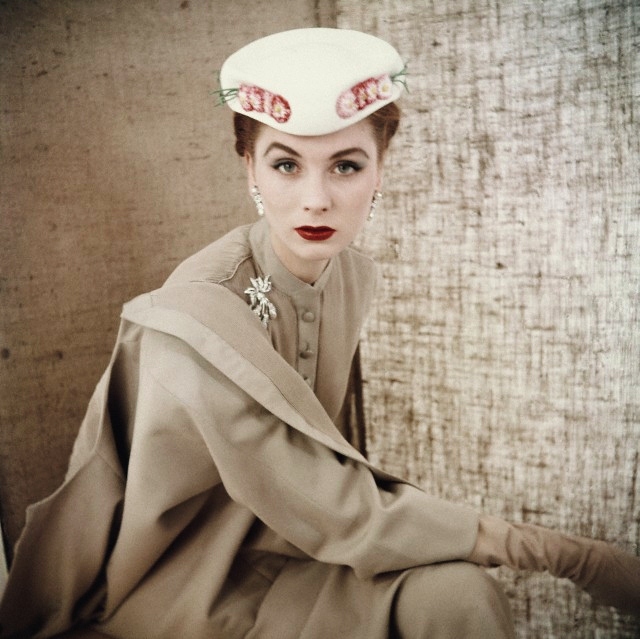
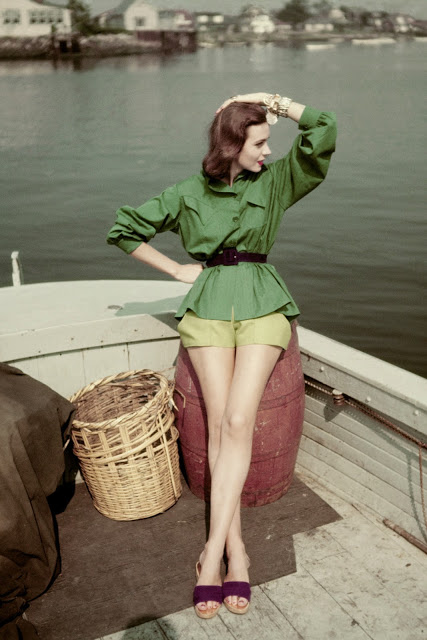
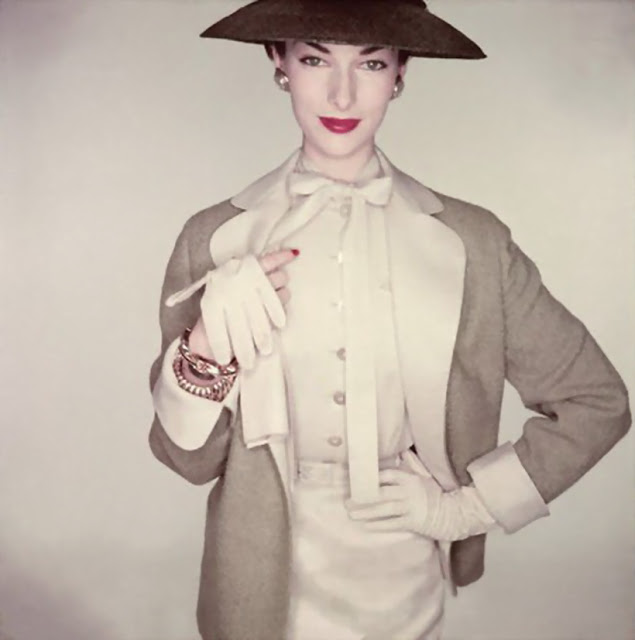
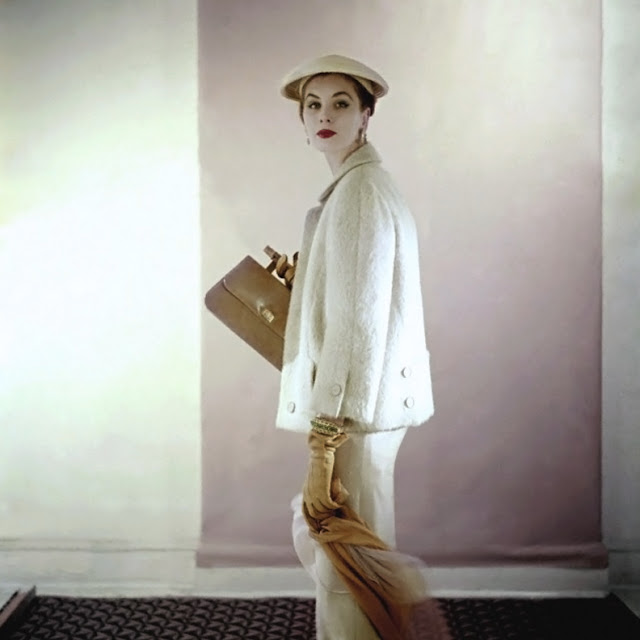
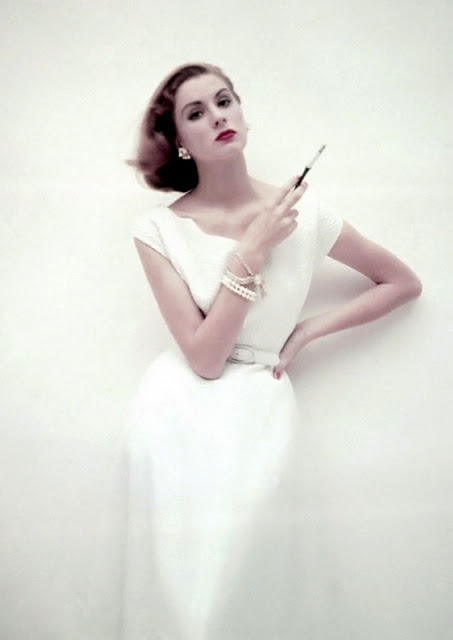
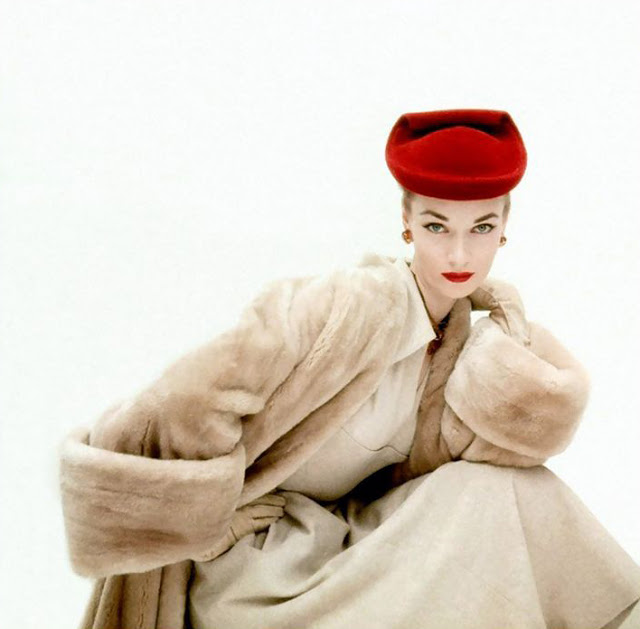
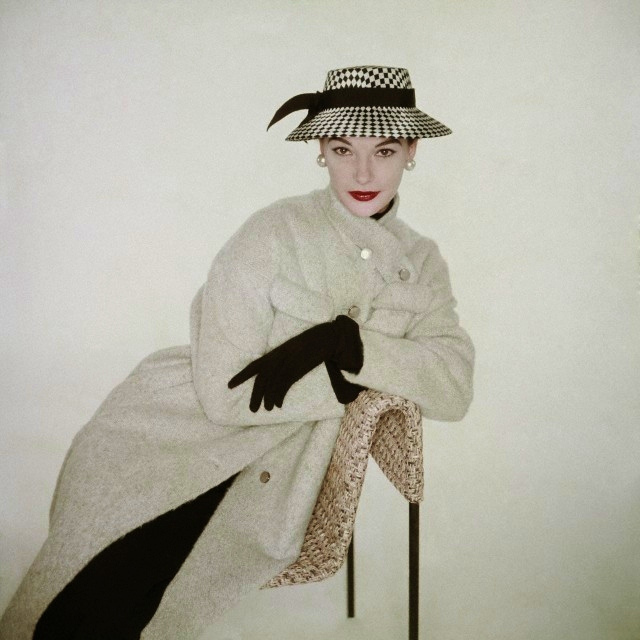
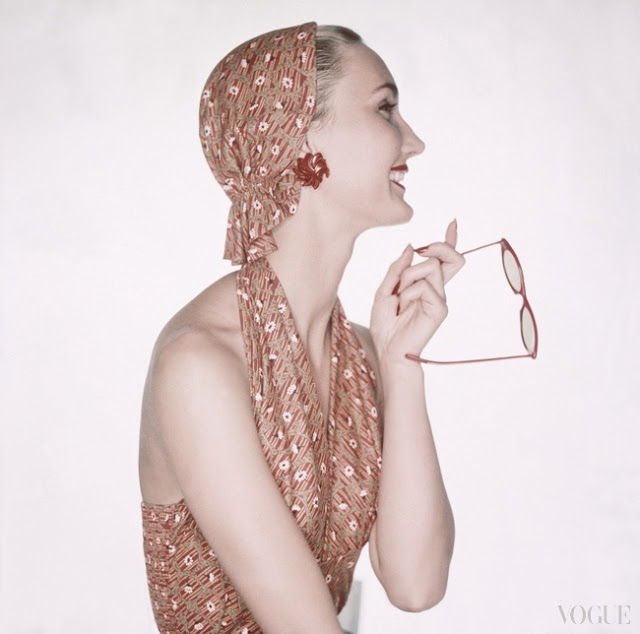
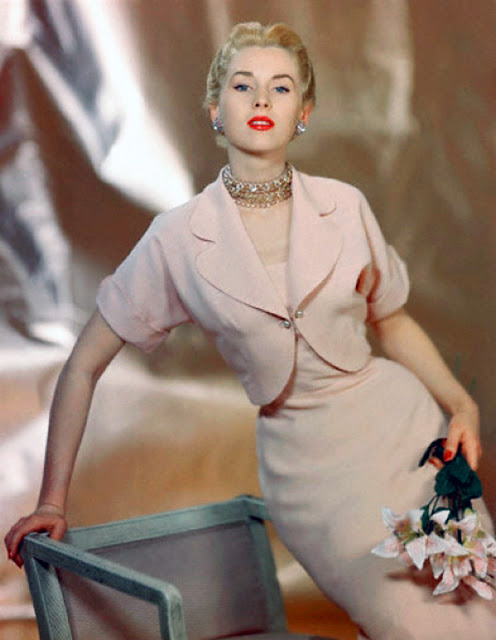
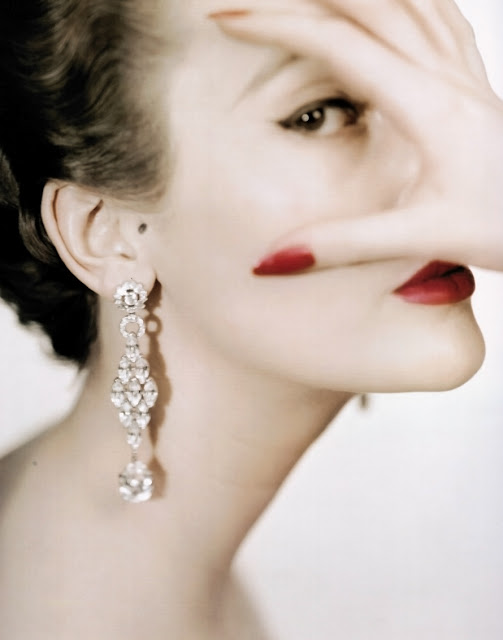
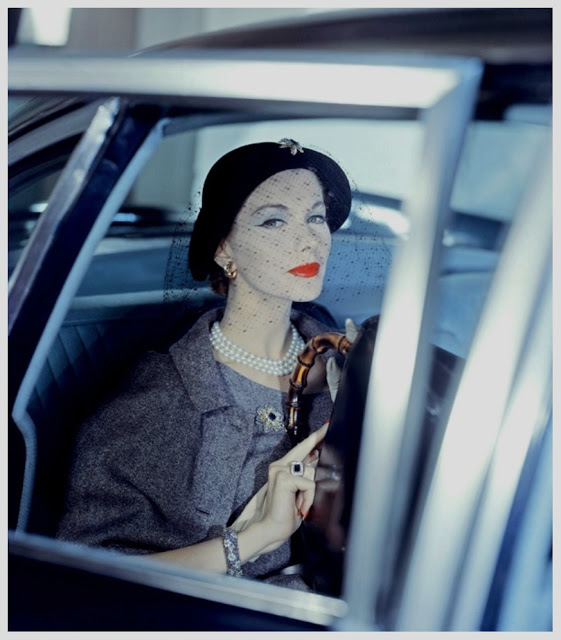
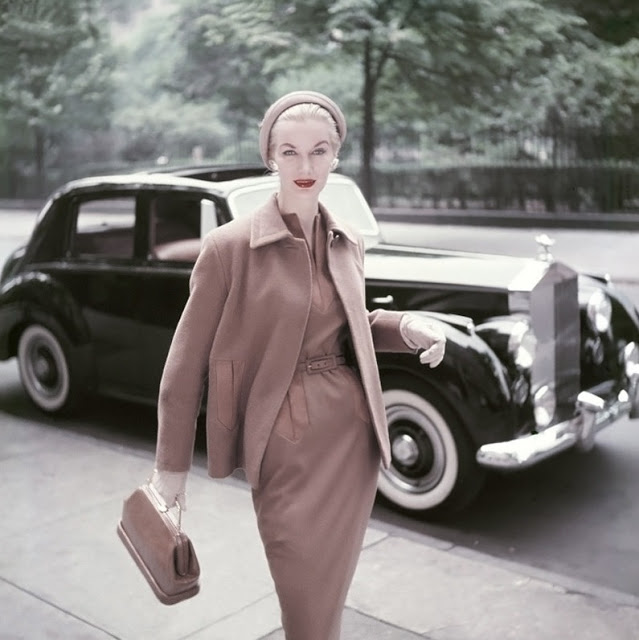
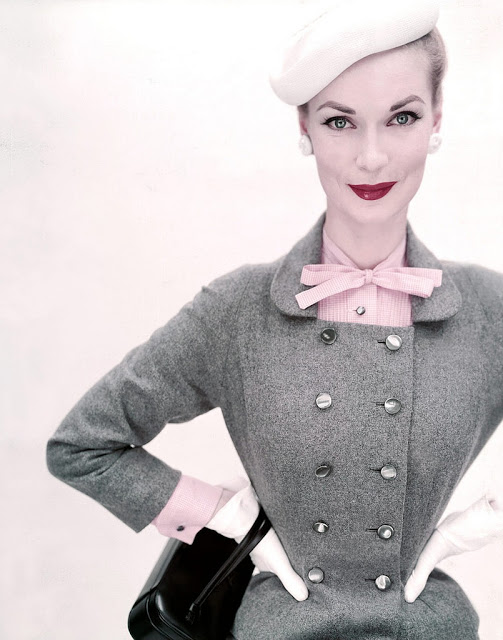
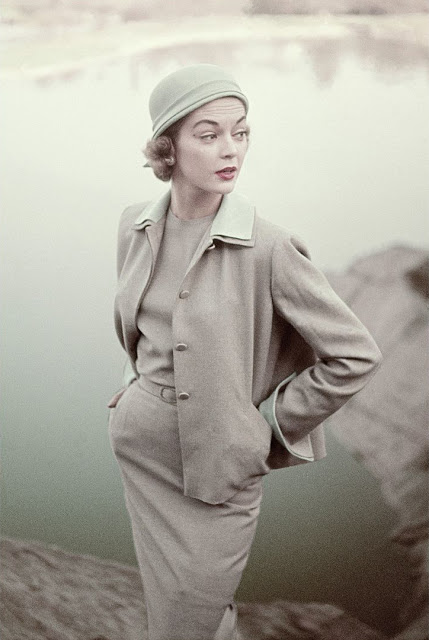
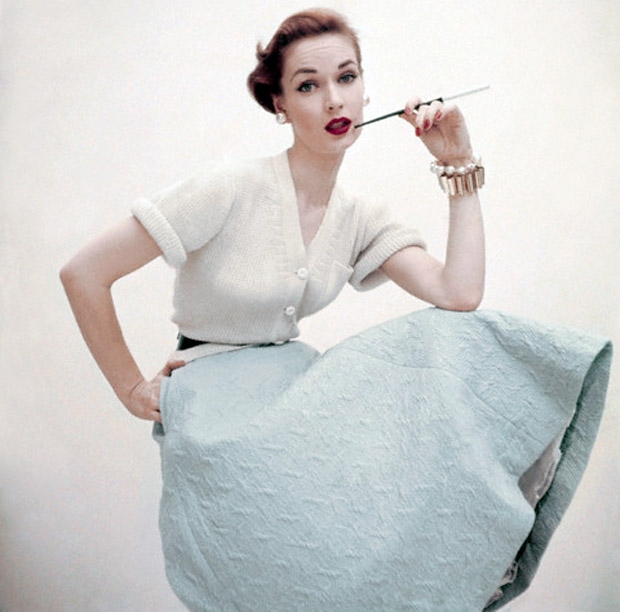
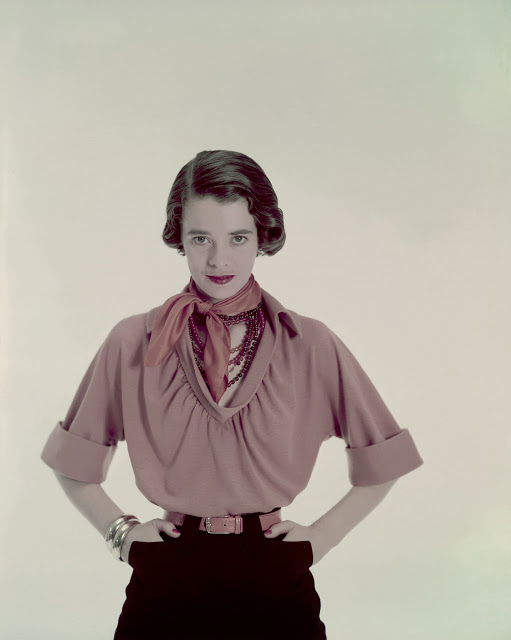
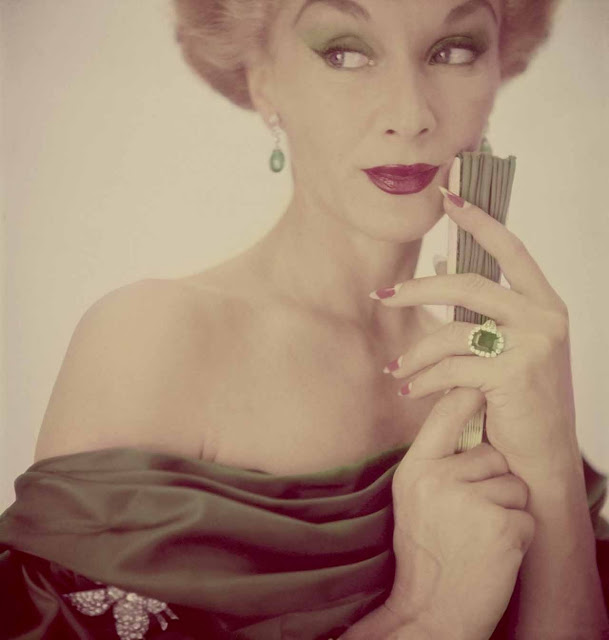
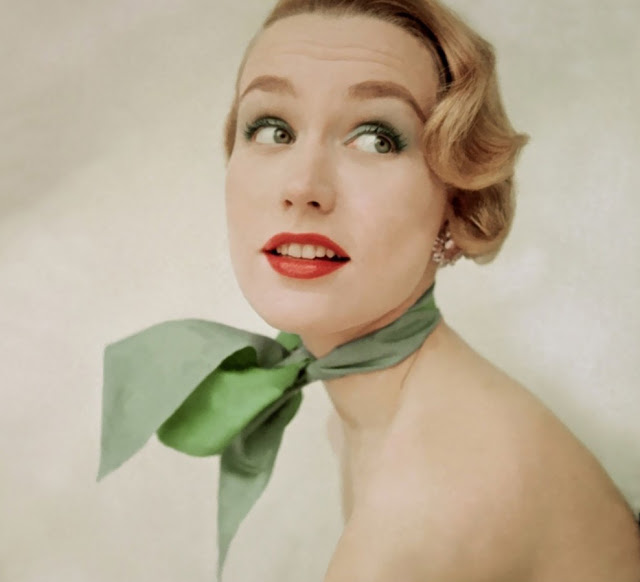
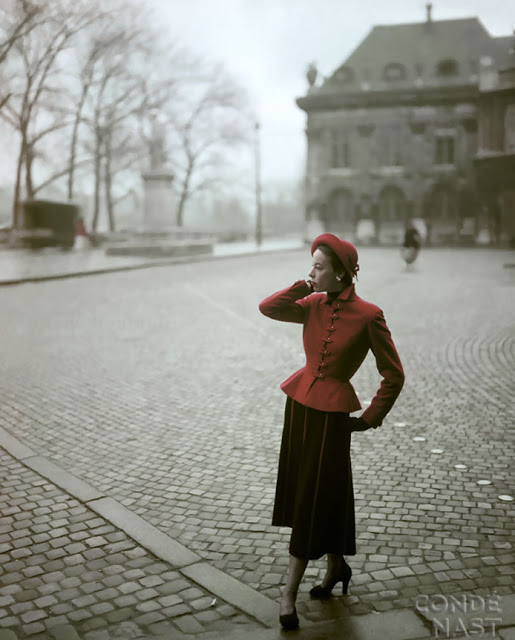
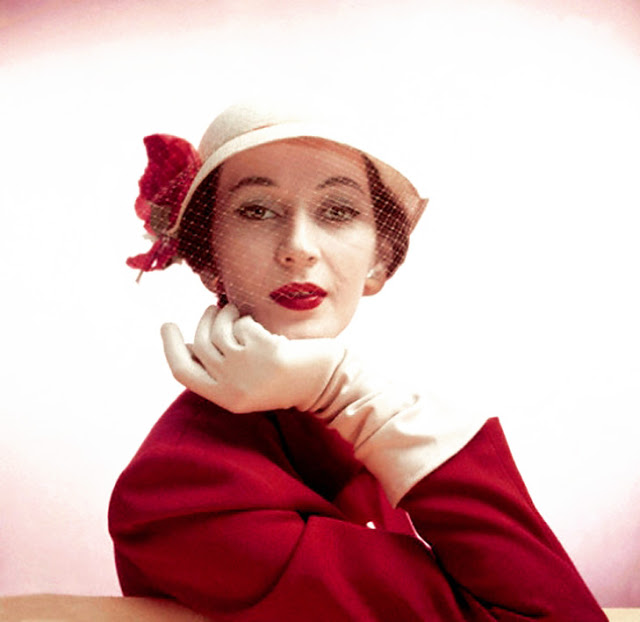
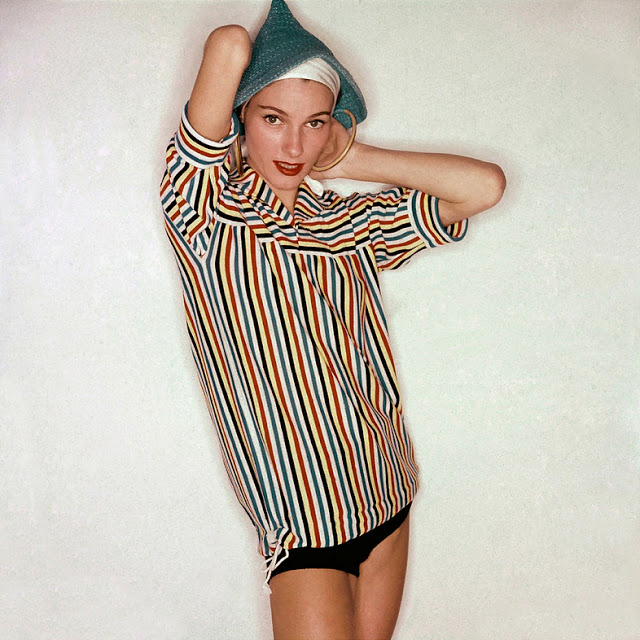
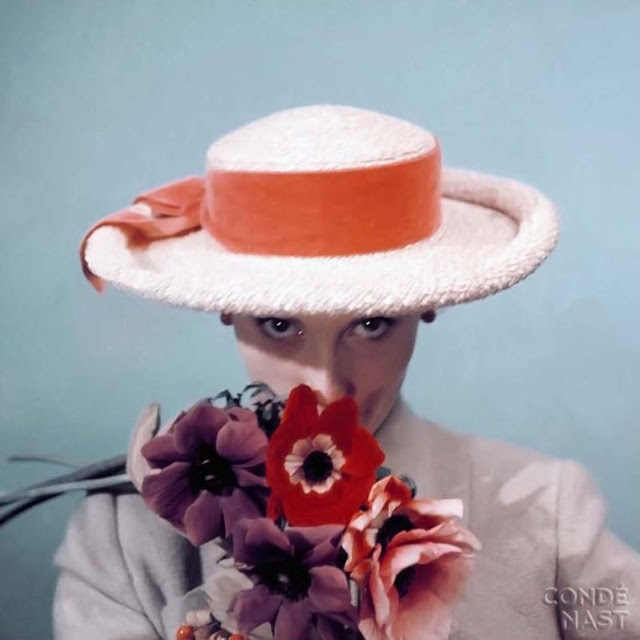
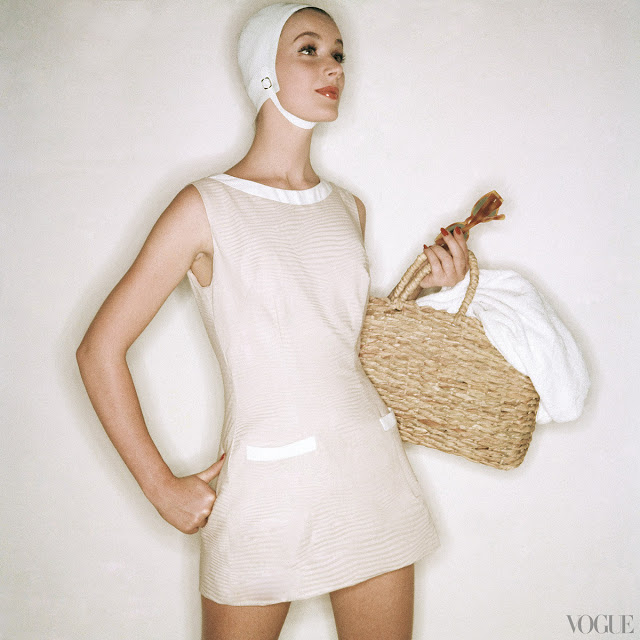
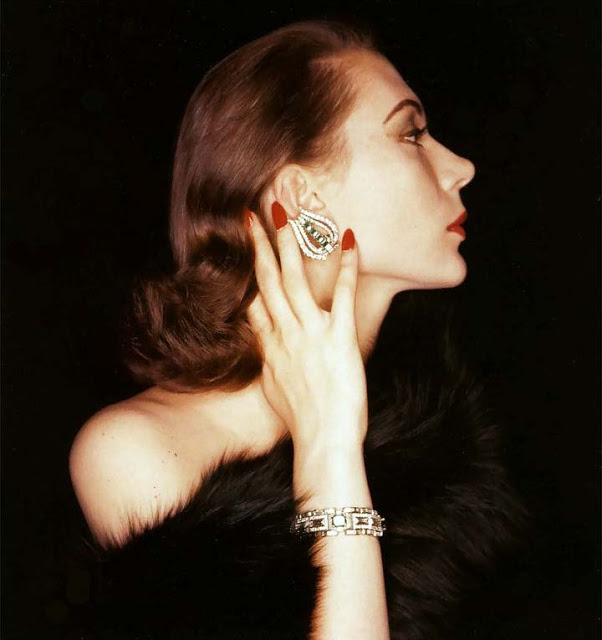
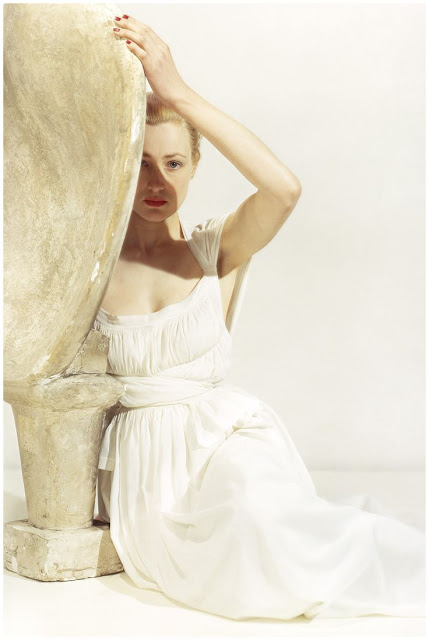
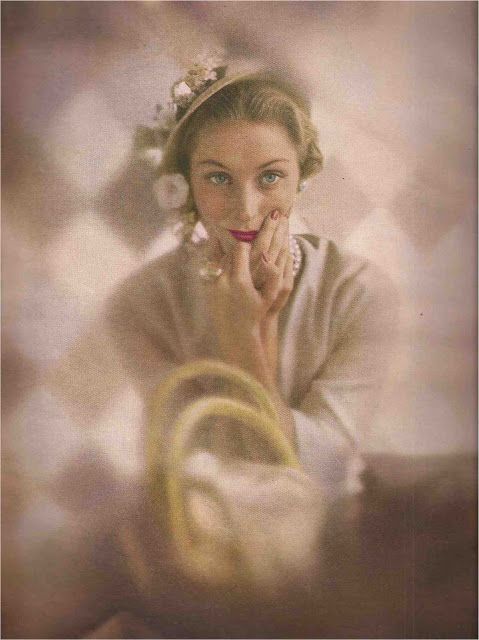
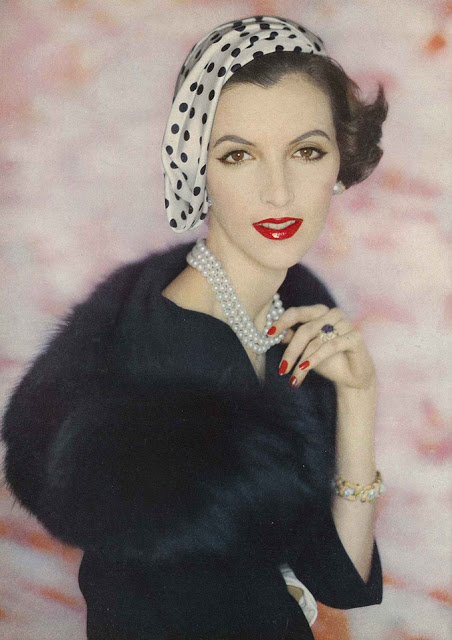
American photographer Clifford Coffin (1913-1972) is considered by many who knew him as the greatest of Vogue’s “lost” photographers – an artist far ahead of his time.
His innovative and intriguing fashion photographs of the 1940s and 1950s for such renowned magazines as Glamour, Vogue and Jardin des Modes in New York, London and Paris challenged the standards of the day.
Here’s a selection of some of his fabulous fashion shots for Vogue from between the 1940s and 1950s.
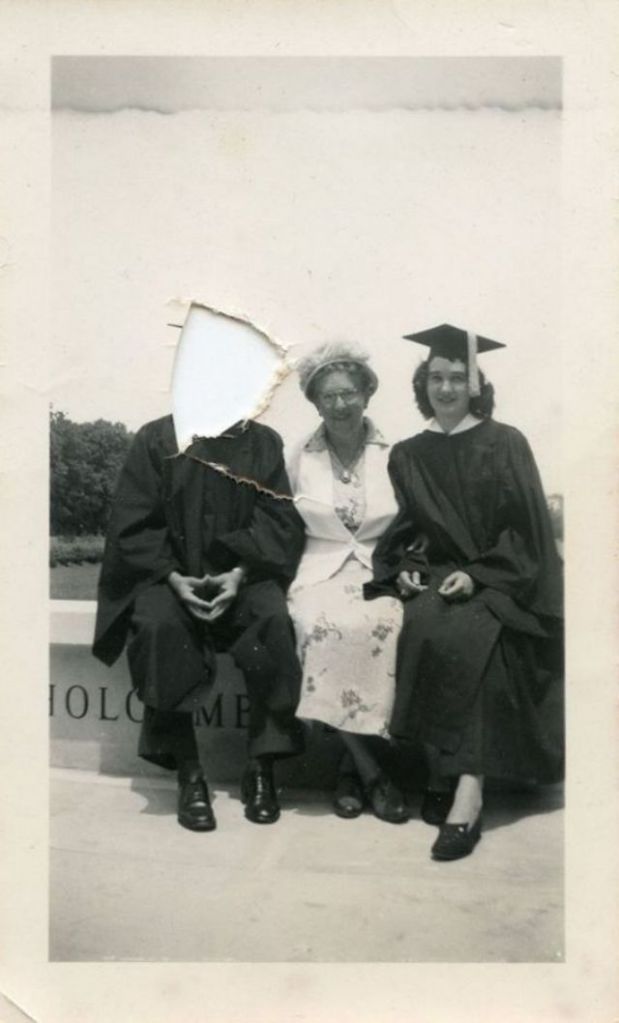
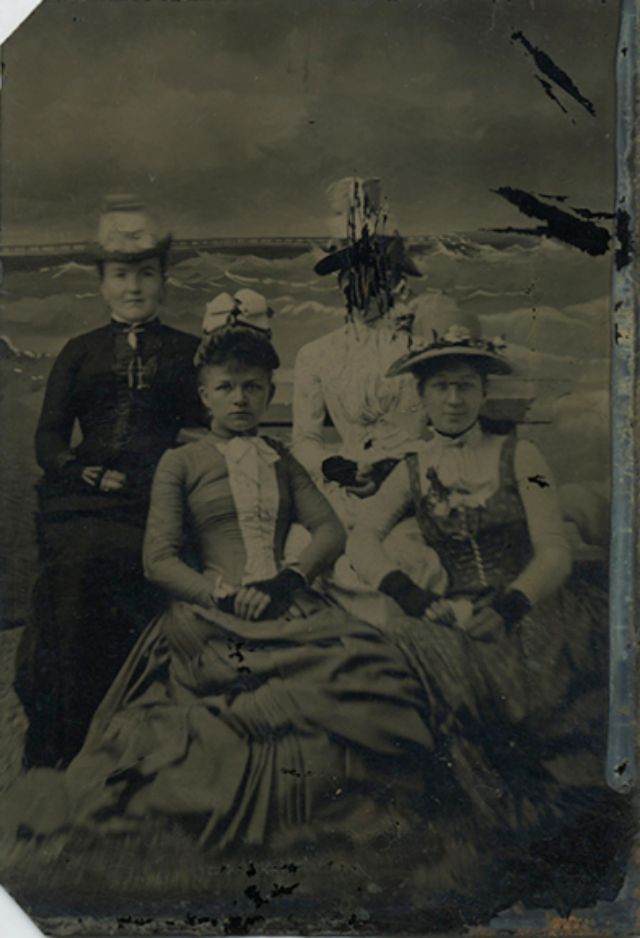
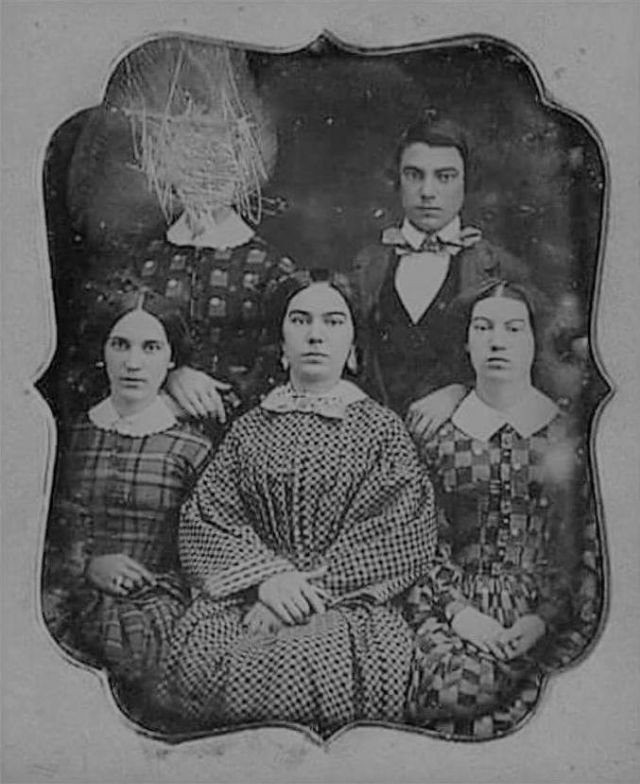
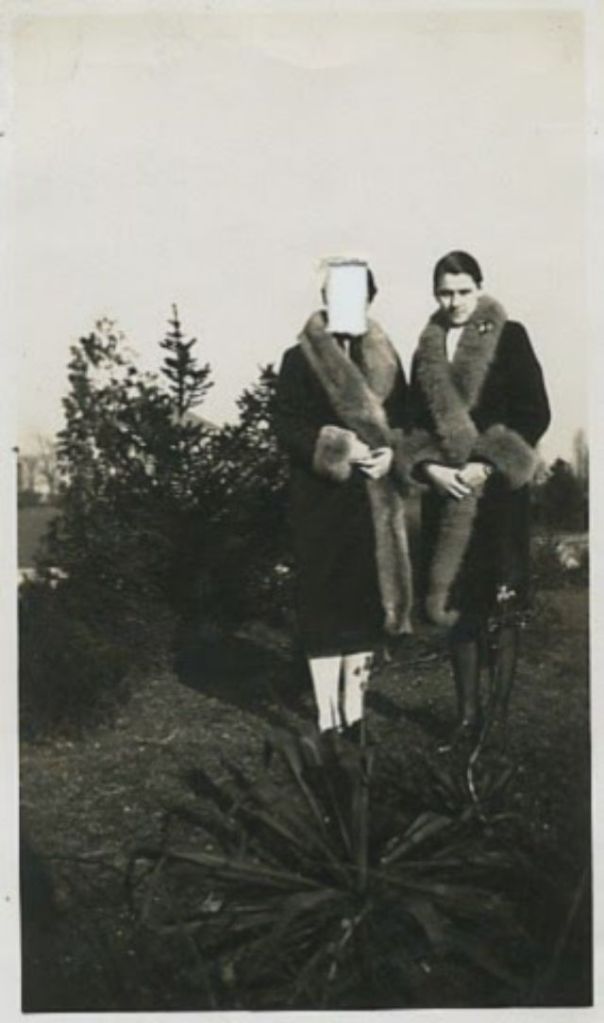
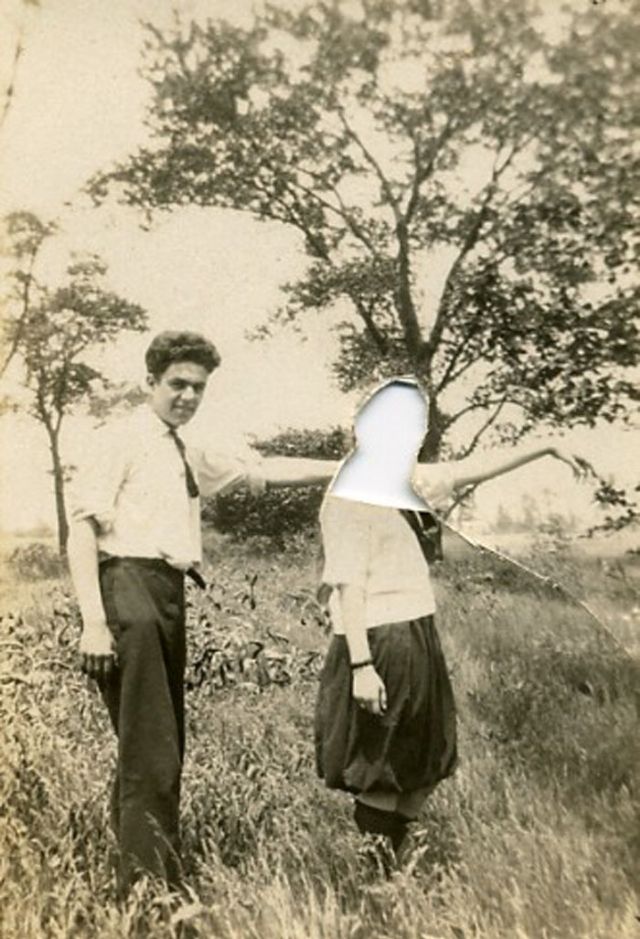
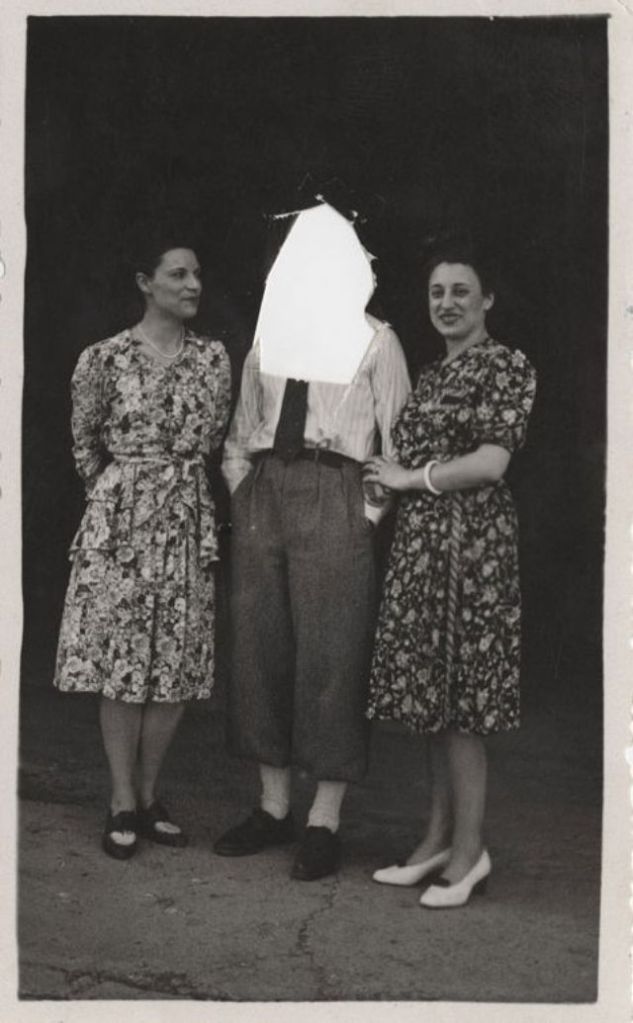
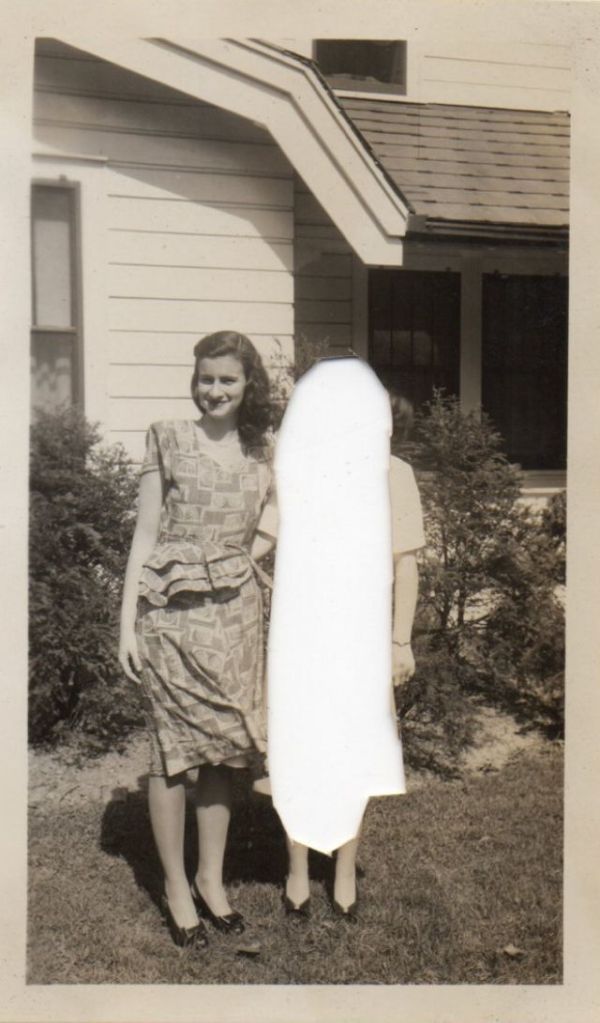
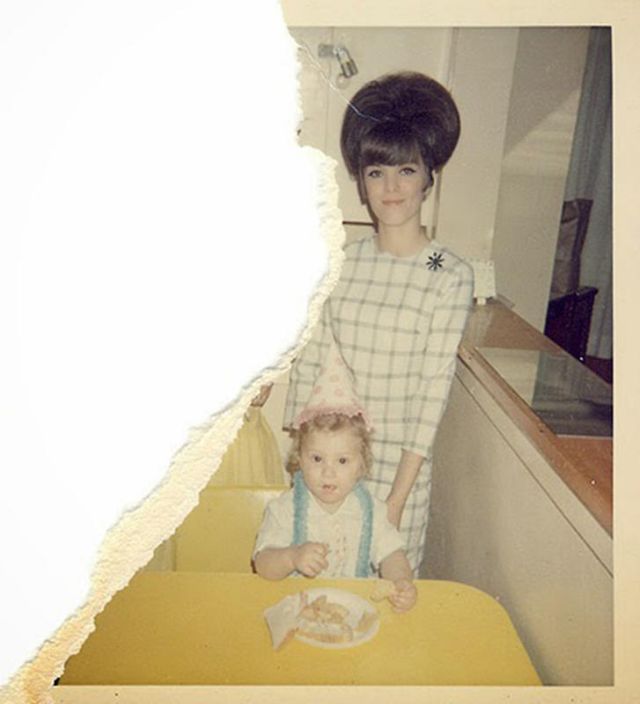
Remember when unfriending people was just scratching or tearing out their faces on your photographs… Below is a collection of 20 vintage photos show how we used to “unfriend” people back then.
Texas is a state in the South Central region of the United States. At 268,596 square miles (695,662 km2), and with more than 29.1 million residents in 2020, it is the second-largest U.S. state by both area (after Alaska) and population (after California). Texas shares borders with the states of Louisiana to the east, Arkansas to the northeast, Oklahoma to the north, New Mexico to the west, and the Mexican states of Chihuahua, Coahuila, Nuevo León, and Tamaulipas to the south and southwest; and has a coastline with the Gulf of Mexico to the southeast.
Houston is the most populous city in Texas and the fourth-largest in the U.S., while San Antonio is the second most populous in the state and seventh-largest in the U.S. Dallas–Fort Worth and Greater Houston are, respectively, the fourth- and fifth-largest metropolitan statistical areas in the country. Other major cities include Austin, the second most populous state capital in the U.S., and El Paso. Texas is nicknamed the “Lone Star State” for its former status as an independent republic, and as a reminder of the state’s struggle for independence from Mexico. The “Lone Star” can be found on the Texas state flag and on the Texas state seal. The origin of Texas’s name is from the Caddo word táysha’ meaning ‘friends’.
Due to its size and geologic features such as the Balcones Fault, Texas contains diverse landscapes common to both the U.S. Southern and the Southwestern regions. Although Texas is popularly associated with the U.S. southwestern deserts, less than ten percent of Texas’s land area is desert. Most of the population centers are in areas of former prairies, grasslands, forests, and the coastline. Traveling from east to west, one can observe terrain that ranges from coastal swamps and piney woods, to rolling plains and rugged hills, and finally the desert and mountains of the Big Bend.
The term “six flags over Texas” refers to several nations that have ruled over the territory.[note 1] Spain was the first European country to claim and control the area of Texas. France held a short-lived colony. Mexico controlled the territory until 1836 when Texas won its independence, becoming the Republic of Texas. In 1845, Texas joined the union as the 28th state. The state’s annexation set off a chain of events that led to the Mexican–American War in 1846. A slave state before the American Civil War, Texas declared its secession from the U.S. in early 1861, and officially joined the Confederate States of America on March 2 of the same year. After the Civil War and the restoration of its representation in the federal government, Texas entered a long period of economic stagnation.
Historically, four major industries shaped the Texas economy prior to World War II: cattle and bison, cotton, timber, and oil. Before and after the U.S. Civil War, the cattle industry—which Texas came to dominate—was a major economic driver for the state, and created the traditional image of the Texas cowboy. In the later 19th century, cotton and lumber grew to be major industries as the cattle industry became less lucrative. It was ultimately, though, the discovery of major petroleum deposits (Spindletop in particular) that initiated an economic boom which became the driving force behind the economy for much of the 20th century. Texas developed a diversified economy and high tech industry during the mid-20th century. As of 2015, it has the second most Fortune 500 company headquarters (54) in the United States. With a growing base of industry, the state leads in many industries, including tourism, agriculture, petrochemicals, energy, computers and electronics, aerospace, and biomedical sciences. Texas has led the U.S. in state export revenue since 2002, and has the second-highest gross state product. If Texas were a sovereign state, it would have the 10th-largest economy in the world. (Wikipedia)
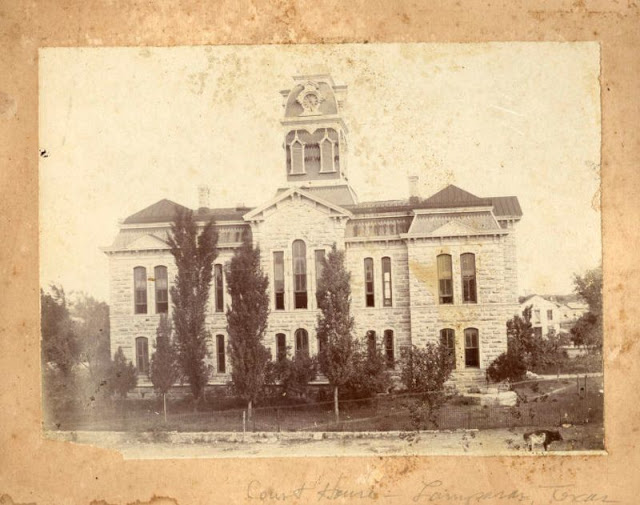
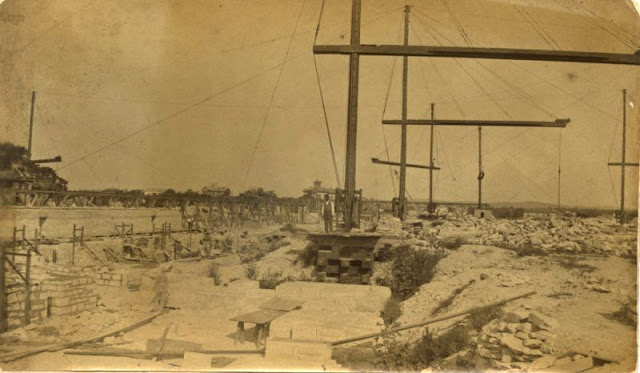
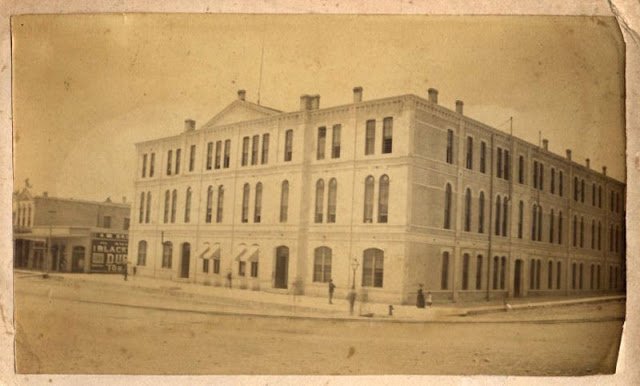
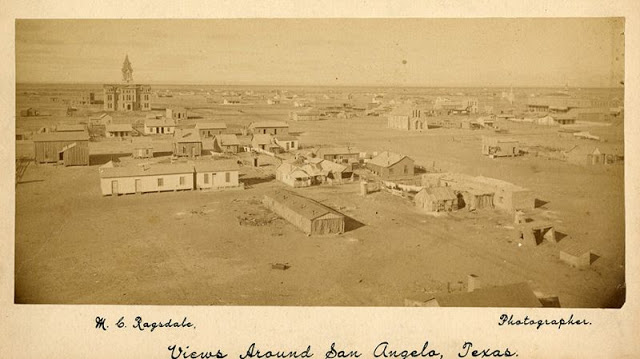
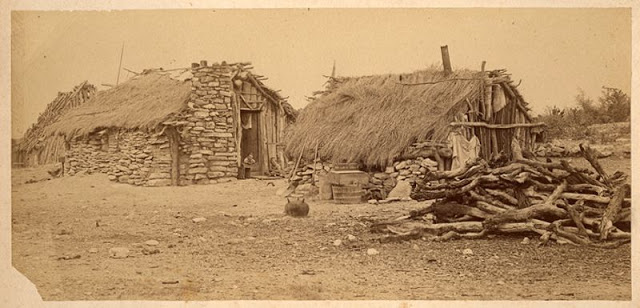
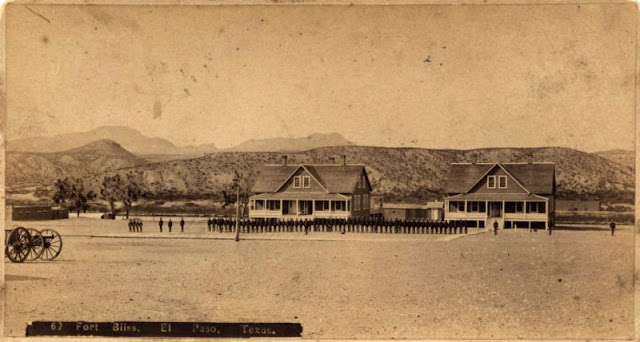
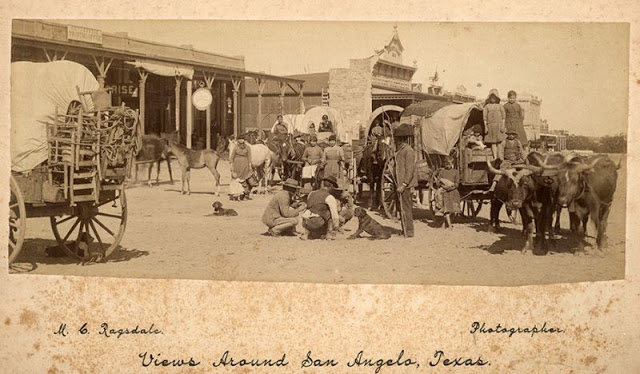
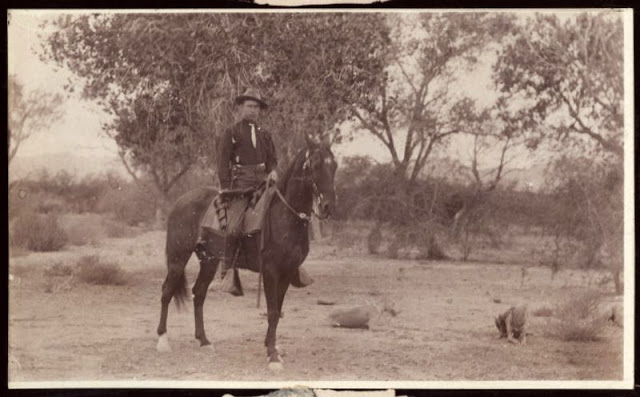
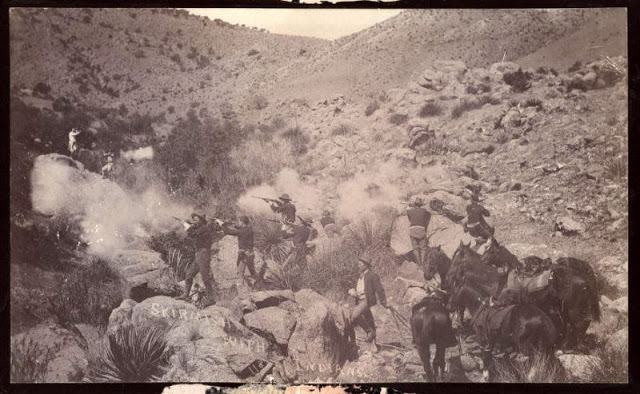
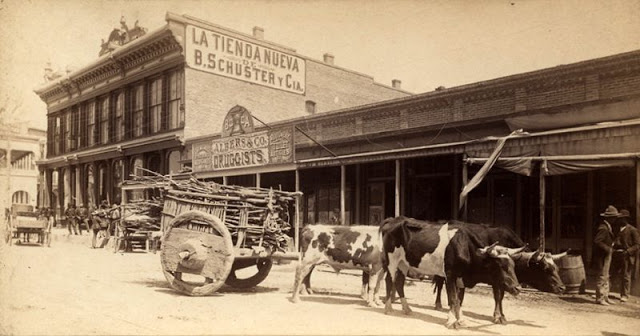
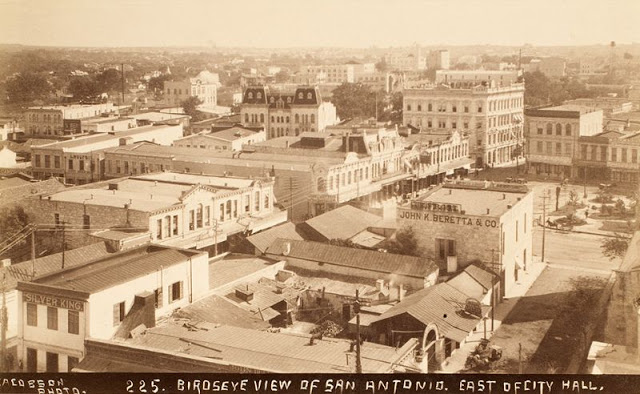
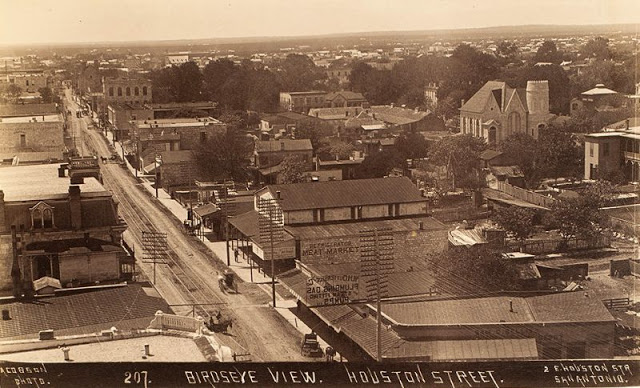
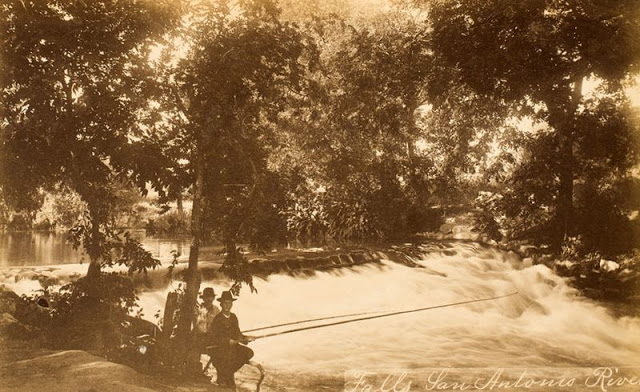
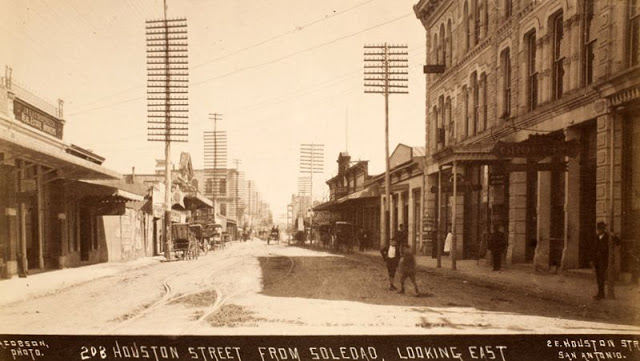
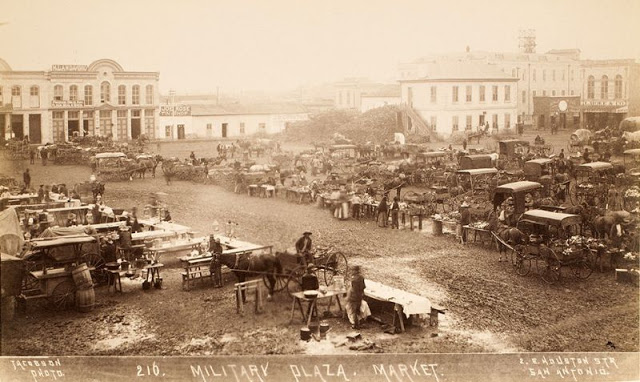
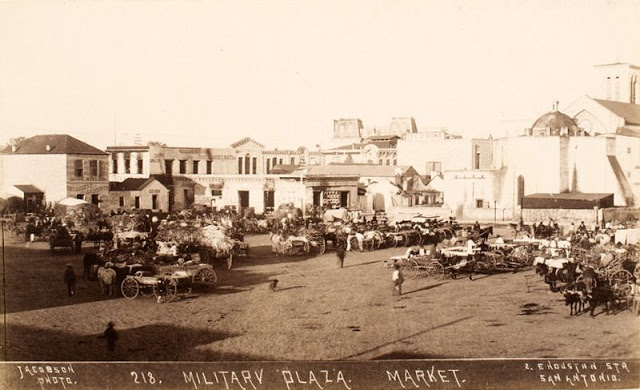
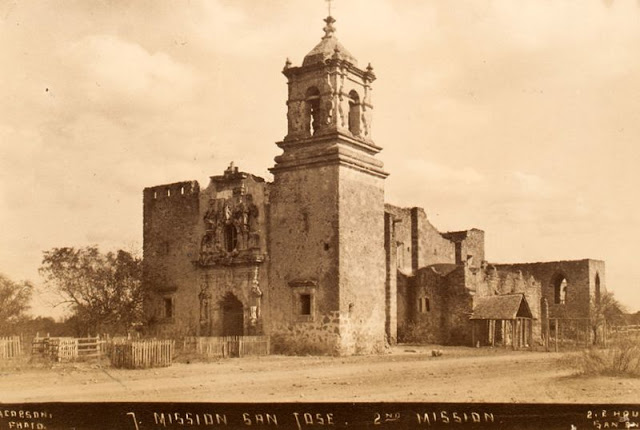
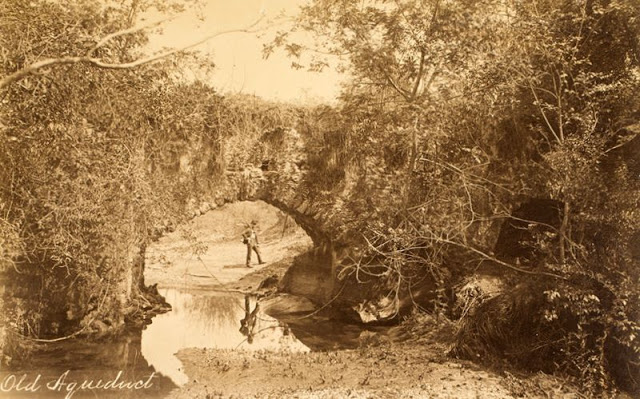
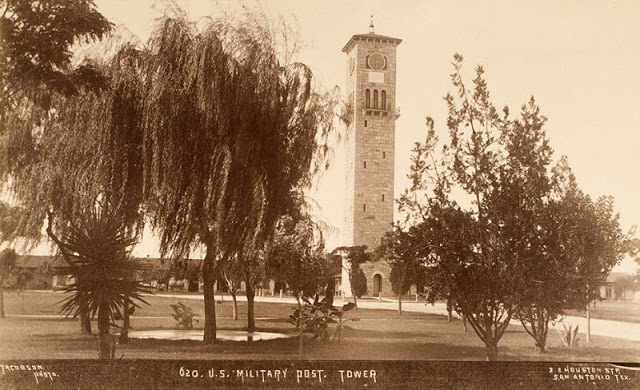
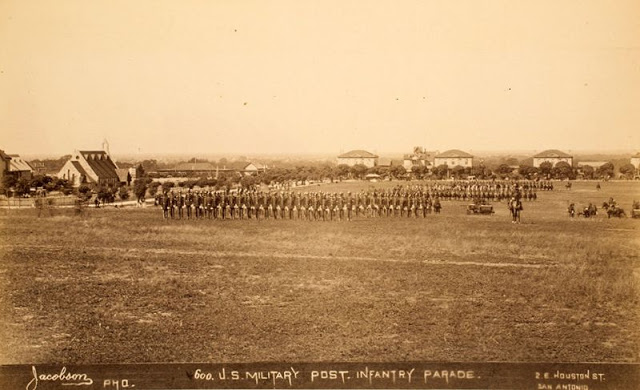
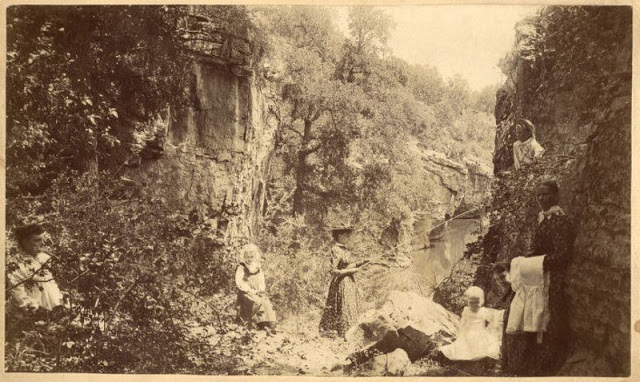
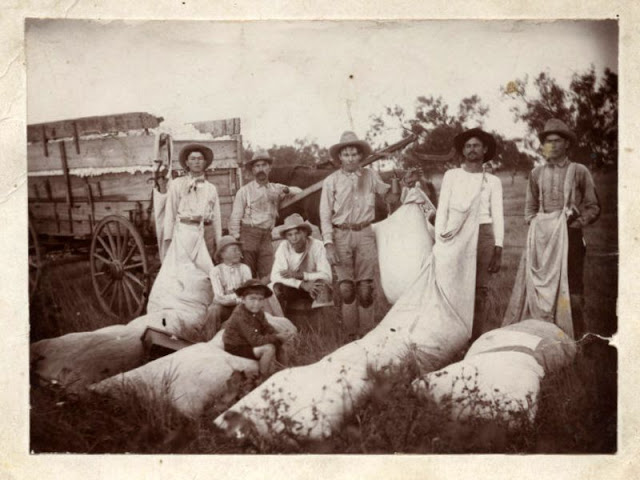
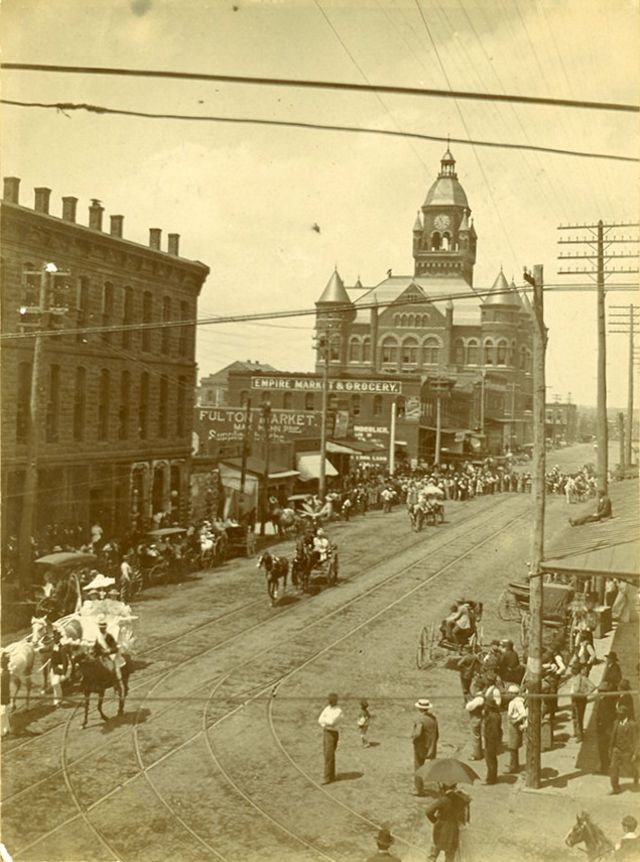
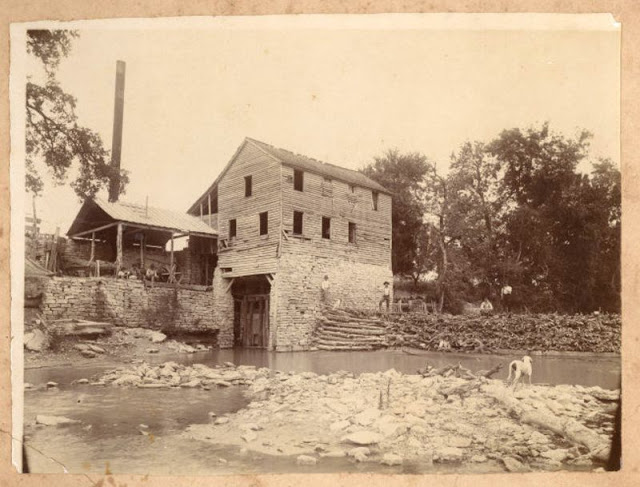
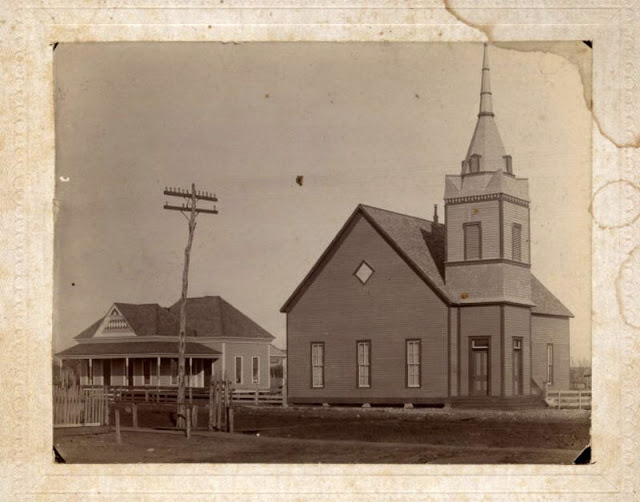
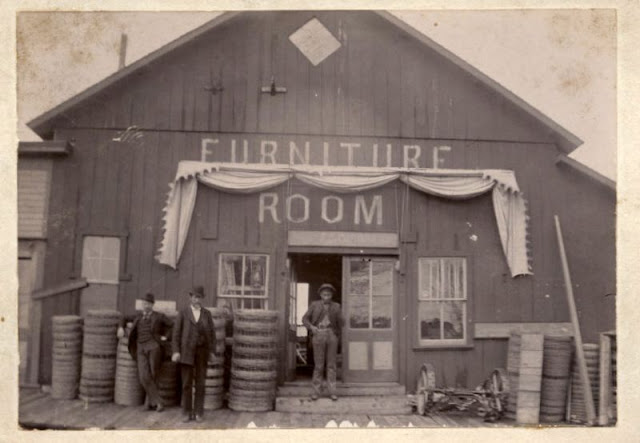
The photographs and information related to photos from SMU Libraries Digital Collections provide a unique glimpse into the social and domestic history, architecture, transportation, ranching, agriculture, commerce, material culture, costume, and urban and rural history of Texas in the 1880s and 1890s.
Empire Livery & Sale Stable, M. J. Dagnan, Proprietor, Austin, Texas, circa 1880Courthouse, Lampasas, Texas, circa 1880Texas State Capitol fire, 1881Foundation of Capitol Building, Austin, Travis County, Texas, circa 1882Pierson Hotel, El Paso, Texas, circa 1882-1895Temporary Capitol, Austin, Travis County, Texas, 1883-1888Bird’s-eye view of San Angelo, Texas, circa 1885Branding Caldwell in early days, Henrietta, Clay County, Texas, circa 1885Farm house, San Angelo, Texas, circa 1885Fort Bliss, El Paso, Texas, 1885Immigrants going through San Angelo, Texas, circa 1885Mr. Jacob Hoffman of Troop F, 3rd Cavalry, Fort Hancock, Texas, circa 1885Skirmish with Indians, Texas, circa 1885Congress Avenue, Austin, Texas, circa 1888Family in cotton field outside San Antonio, circa 1889-1892Comanche Camp, Texas, circa 1890Missouri, Kansas, and Texas Railway Collision, Texas, circa 1890Ox cart with storefronts in background, El Paso, Texas, circa 1890Maverick County Jail Guards, Eagle Pass Rifles, Texas, 1891A group on riverbank, San Antonio, Bexar County, Texas, circa 1892Aqueduct at Mission San Juan, San Antonio, Bexar County, Texas, circa 1892Beautics of San Antonio River. Guenthers Lower Mill, San Antonio, Bexar County, Texas, circa 1892Beauties of San Antonio River. Mill Dam, San Antonio, Bexar County, Texas, circa 1892Birdseye View of San Antonio. East of City Hall, San Antonio, Bexar County, Texas, circa 1892Birdseye View. Houston Street, San Antonio, Bexar County, Texas, circa 1892Commerce Str., Looking East, San Antonio, Bexar County, Texas, circa 1892Falls San Antonio River, San Antonio, Bexar County, Texas, circa 1892Fourth Mission, San Antonio, Bexar County, Texas, circa 1892Houston Street from Soledad, Looking East, San Antonio, Bexar County, Texas, circa 1892Mexican Cart and Burro, San Antonio, Bexar County, Texas, circa 1892Military Plaza. Market, San Antonio, Bexar County, Texas, circa 1892Military Plaza. Market, San Antonio, Bexar County, Texas, circa 1892Military Plaza. Market, San Antonio, Bexar County, Texas, circa 1892Mission Concepcion. 1st Mission, San Antonio, Bexar County, Texas, circa 1892Mission San Jose. 2nd Mission, San Antonio, Bexar County, Texas, circa 1892Mission San Juan Capistrano. 3d Mission, San Antonio, Bexar County, Texas, circa 1892Old aqueduct, San Antonio, Bexar County, Texas, circa 1892The Ursuline Convent, San Antonio, Bexar County, Texas, circa 1892U.S. Military Post, San Antonio, Bexar County, Texas, circa 1892.U.S. Military Post, San Antonio, Bexar County, Texas, circa 1892.U.S. Military Post. Infantry Parade, San Antonio, Bexar County, Texas, circa 1892View approaching ‘Lover’s Retreat’ 3 miles west from Palo Pinto, Texas, 1892Wood Market on Military Plaza, San Antonio, Bexar County, Texas, circa 1892Rise in North Concho, San Angelo, Texas, 1894Picking cotton, Eden, Texas, 1895View of charity circus parade from Trust building looking west toward the court house, Dallas, Texas, 1895View of Olive while snowbound, Texas, February 14, 1895Lanham mill, Somervell County, Texas, 1896Lanham mill, Somervell County, Texas, 1896Furniture Room store, Sherman, Texas, 1899