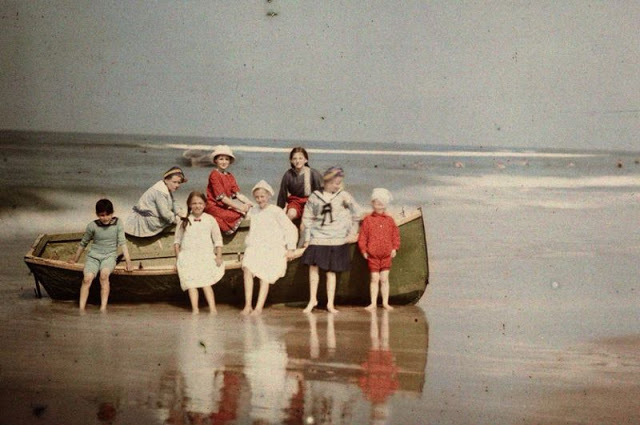
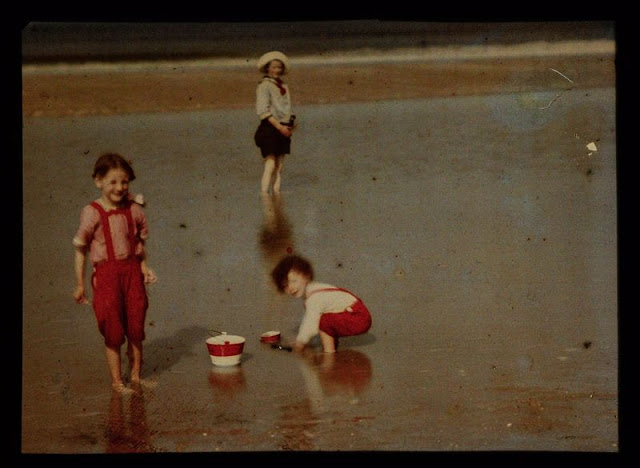
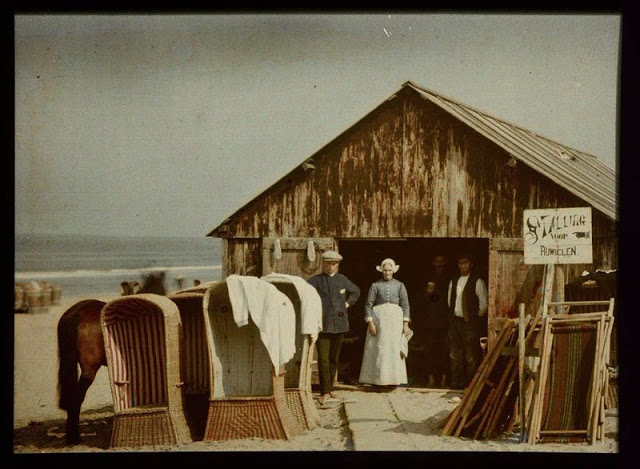
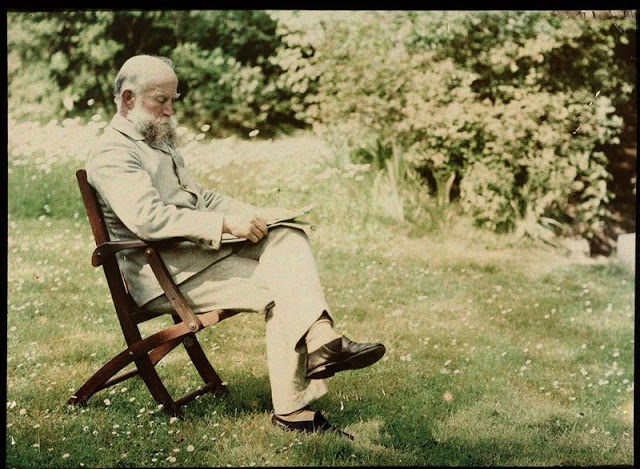
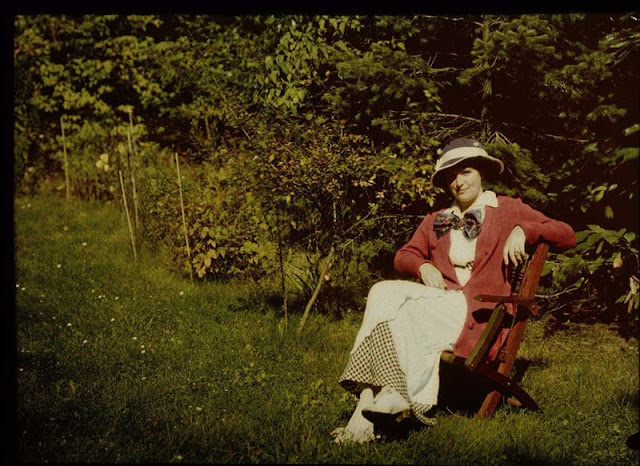
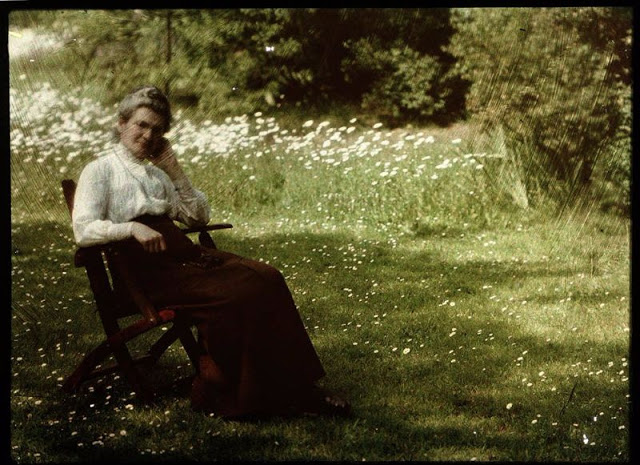
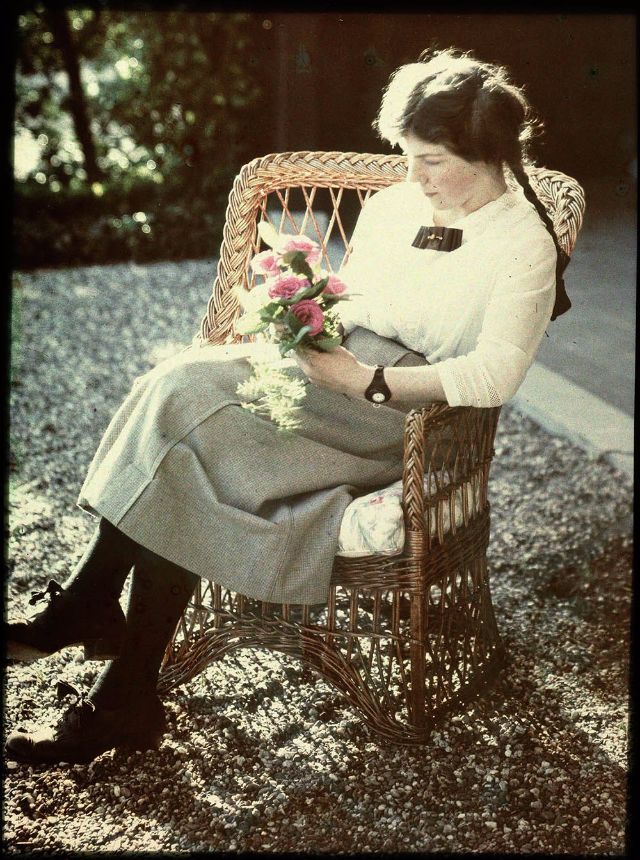
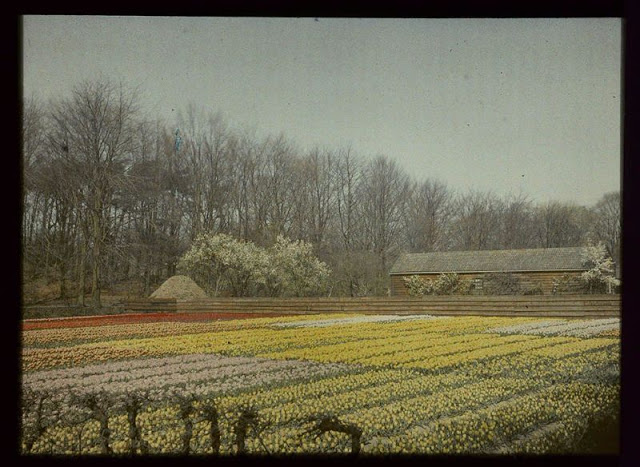
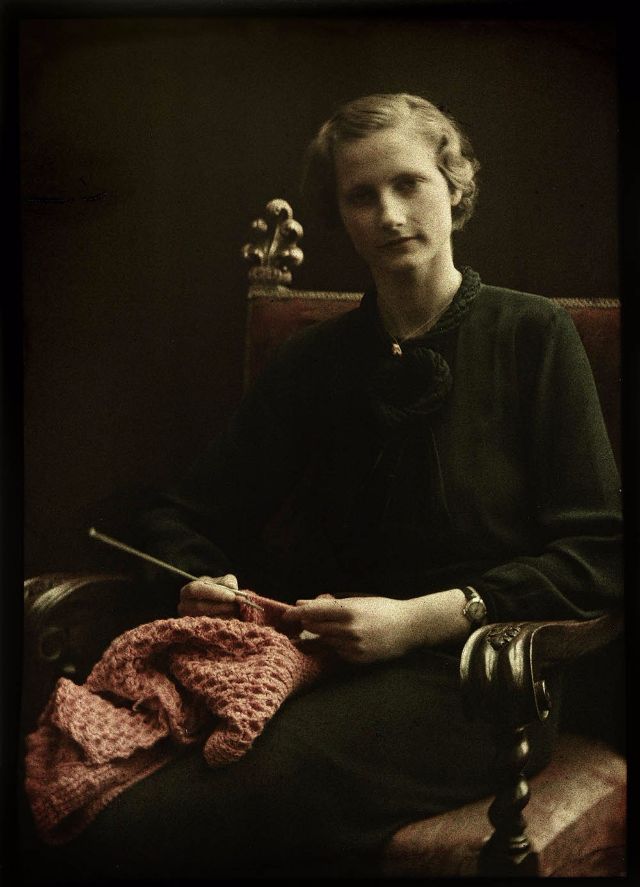
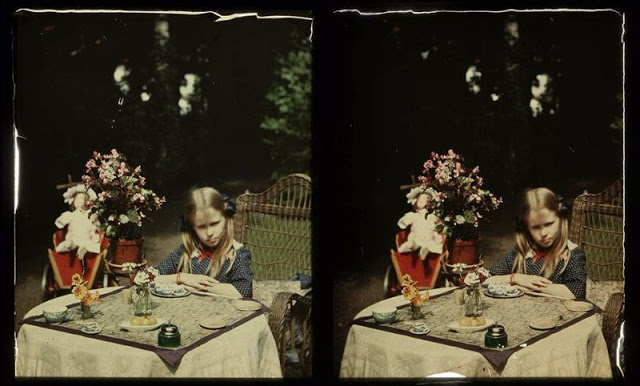
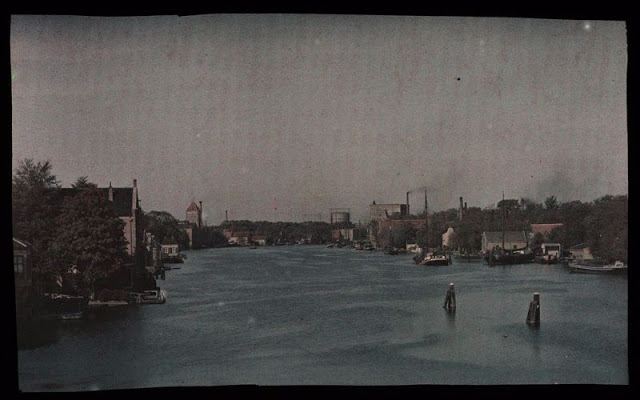
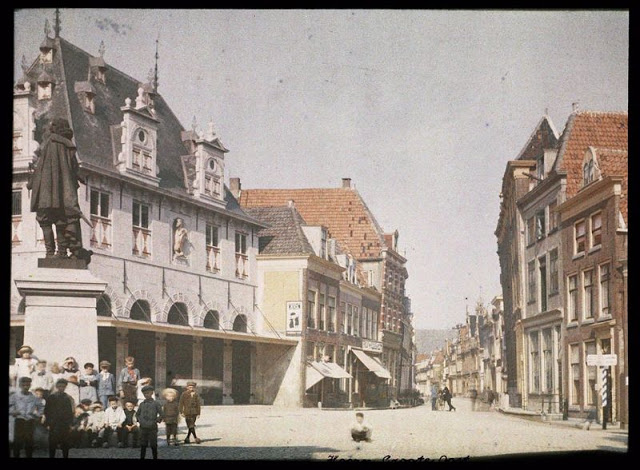
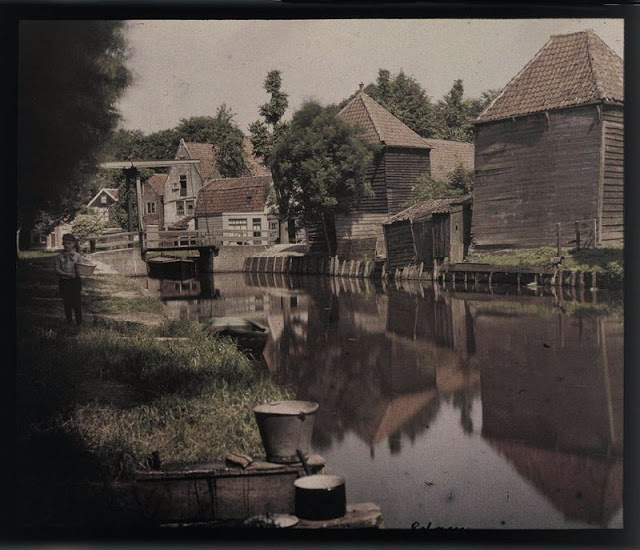
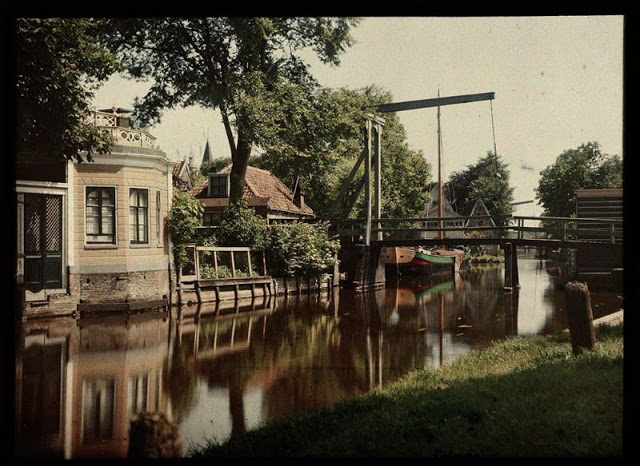
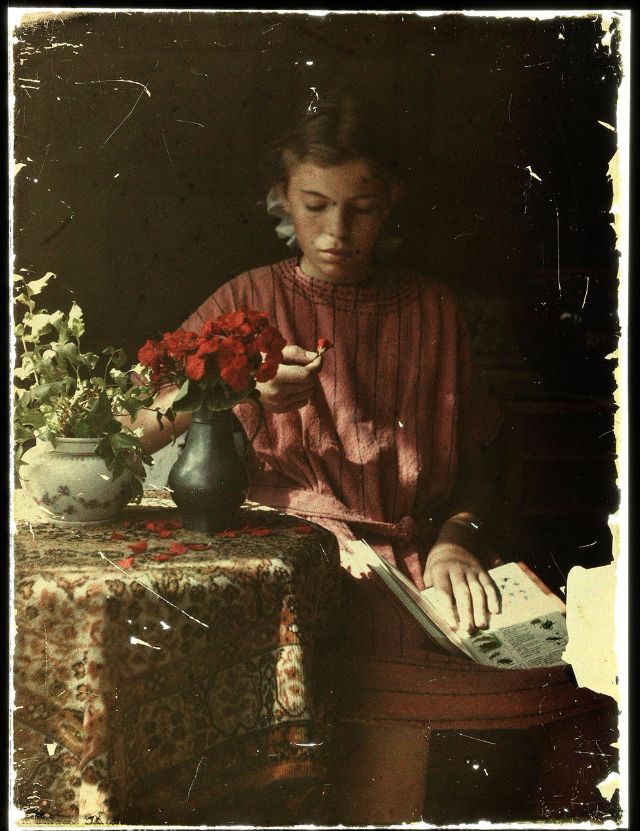
With photos from the past you automatically think about black and white. Even in our own childhood, almost no color photograph was made. Nevertheless, the technique for making color photographs has been around for more than 100 years!
In 1907, the two French brothers August and Louis Lumière invented a technique with which real color photographs could be made, the Autochrome Lumière. It was a very ingenious process that used glass plates on which a layer of microscopically colored potato starch granules were applied.
The photographs that were taken with them were beautiful and had a dreamy painting-like atmosphere. And now it is possible for us to see the world of more than 100 years ago in the original colors.
These wonderful photographs show how the Netherlands looked in color from the early 20th century.
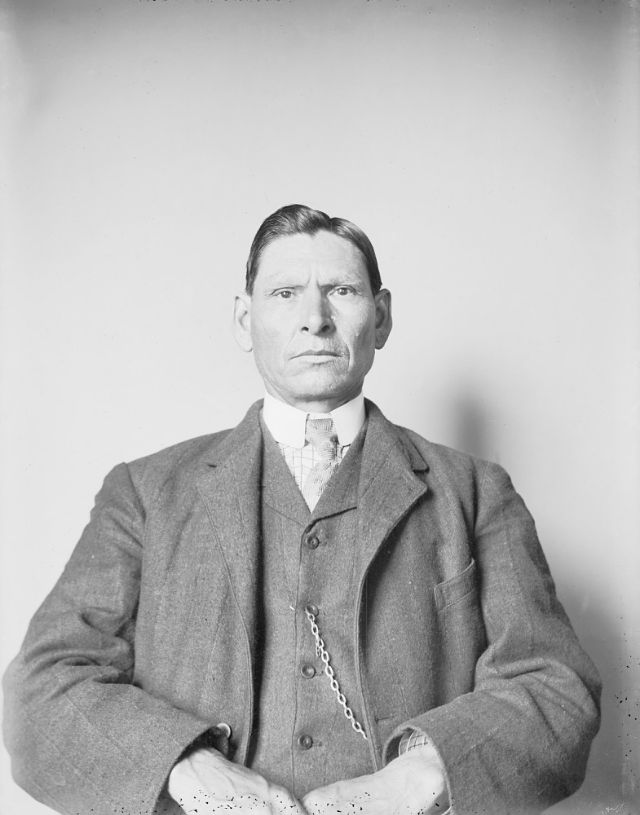
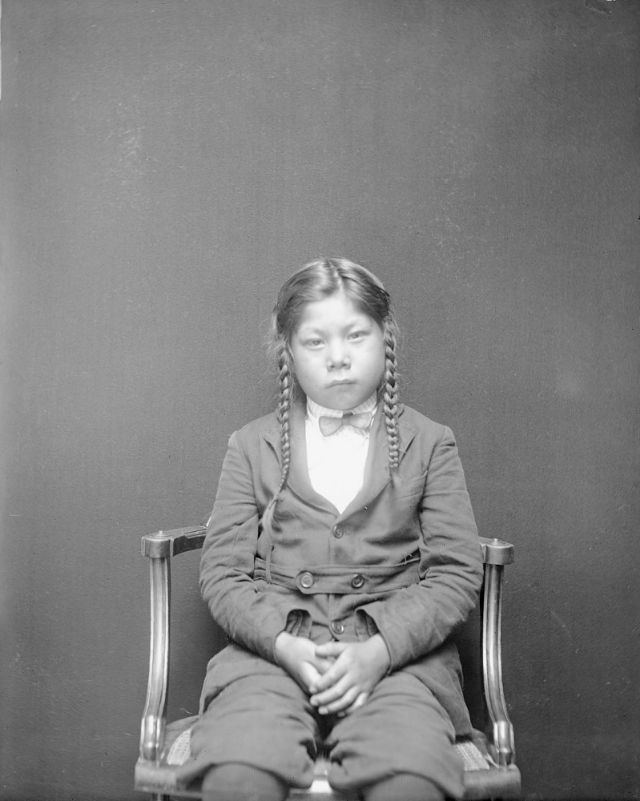
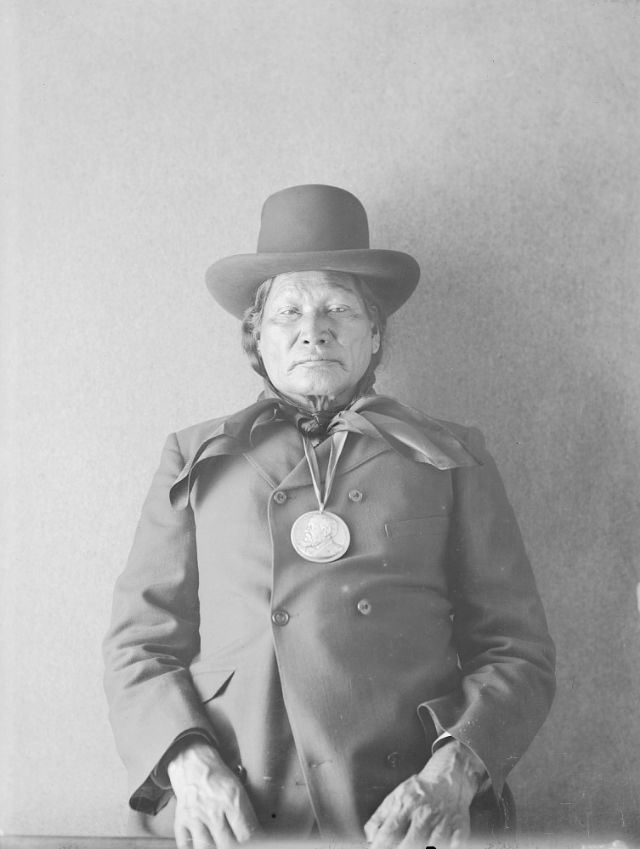
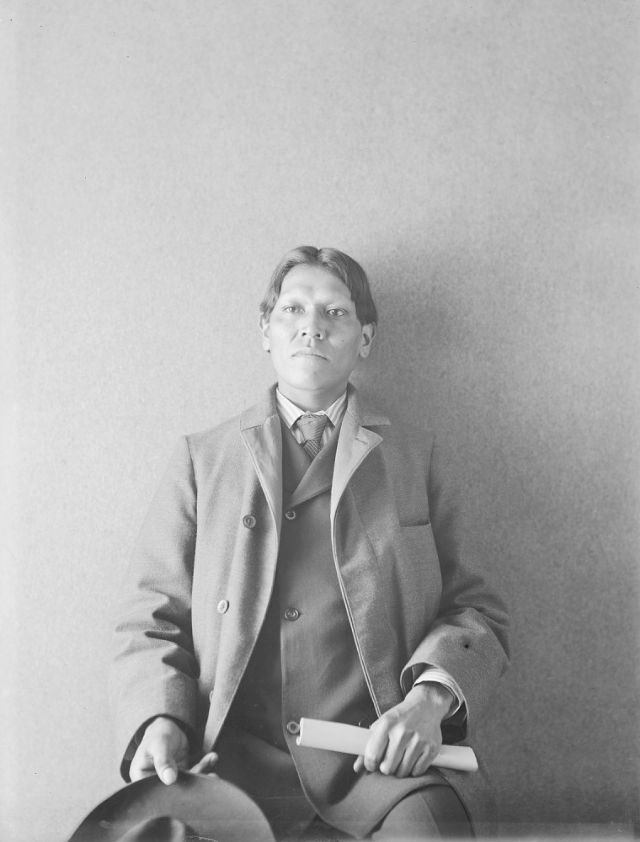
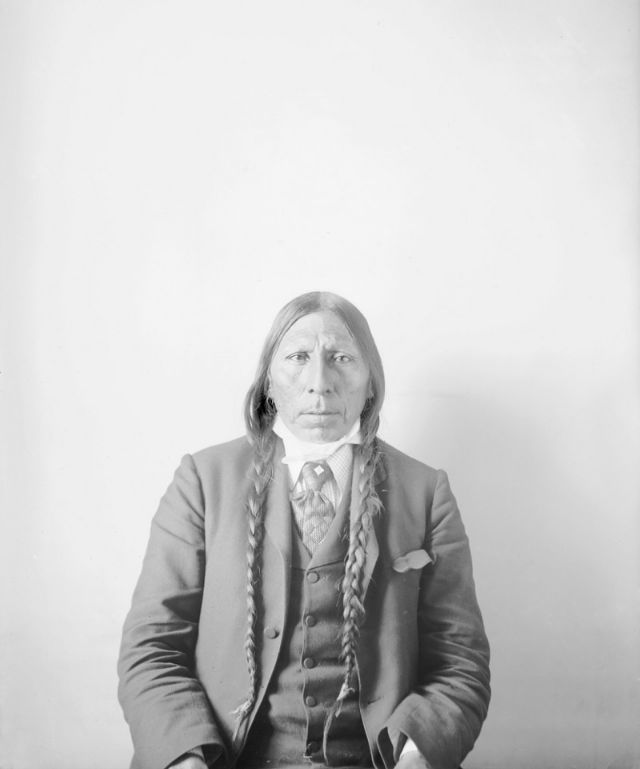
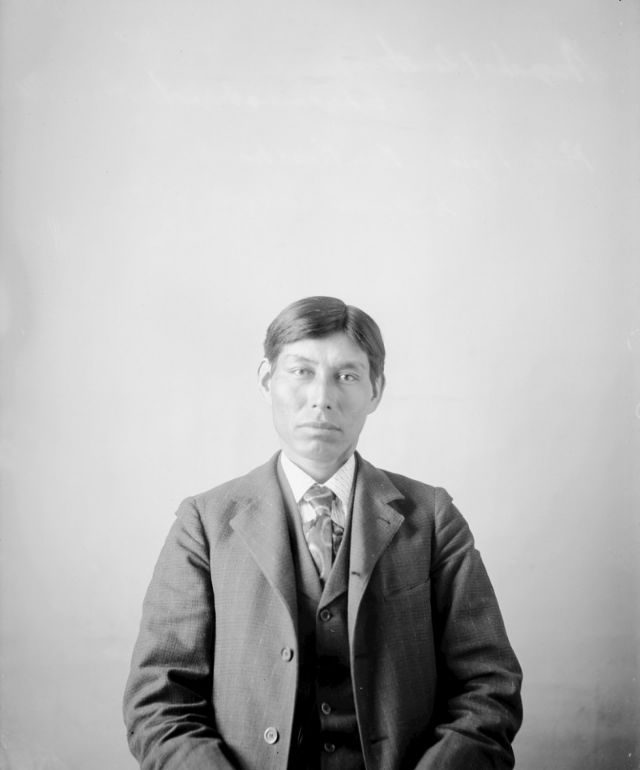
Forced assimilation is a process of forced cultural assimilation of religious or ethnic minority groups, into an established and generally larger community. This presumes a loss of many characteristics which make the minority different. The Native Americans suffered both ethnic and religious assimilation. The assimilation process took place between the years 1790 and 1920.
George Washington and Henry Knox were the first people to propose americanization of the Native Americans to Euro-American ways. In 1887 the Dawes act was formulated. This act was formulated to “encourage” Native Americans to assimilate. What they used to bribe the Native Americans was citizenship, land and education.
In exchange for these things, the Native Americans had to give their culture and religious views. After the Indian wars were over, it became illegal for Native Americans to practice traditional native american ceremonies. The Native Americans that decided to become citizens were treated unfairly. Their children were taken away from them, and they were sent off to boarding schools. The boarding schools that the Native Americans were sent to, were typically ran by missionaries.
At these boarding schools they were forced to go to church, speak only English, learn standard subjects, and never revisit their old tribal ways. They were given new Euro-American clothing, haircuts, and names.
By 1902, there were more than 25 boarding schools across the nation, and about 6000 Native Americans were enrolled. There are cases of mental, physical, and sexual abuse inflicted on the Native Americans. A quote by Henry Pratt: “A great general has once said, the only good Indian is a dead one, I agree with the sentiment, but only this. Kill the Indian in him and save the man.”
These portraits, made by Smithsonian staff photographers in the early 20th century, are an eye-level view of the assimilation process in action.
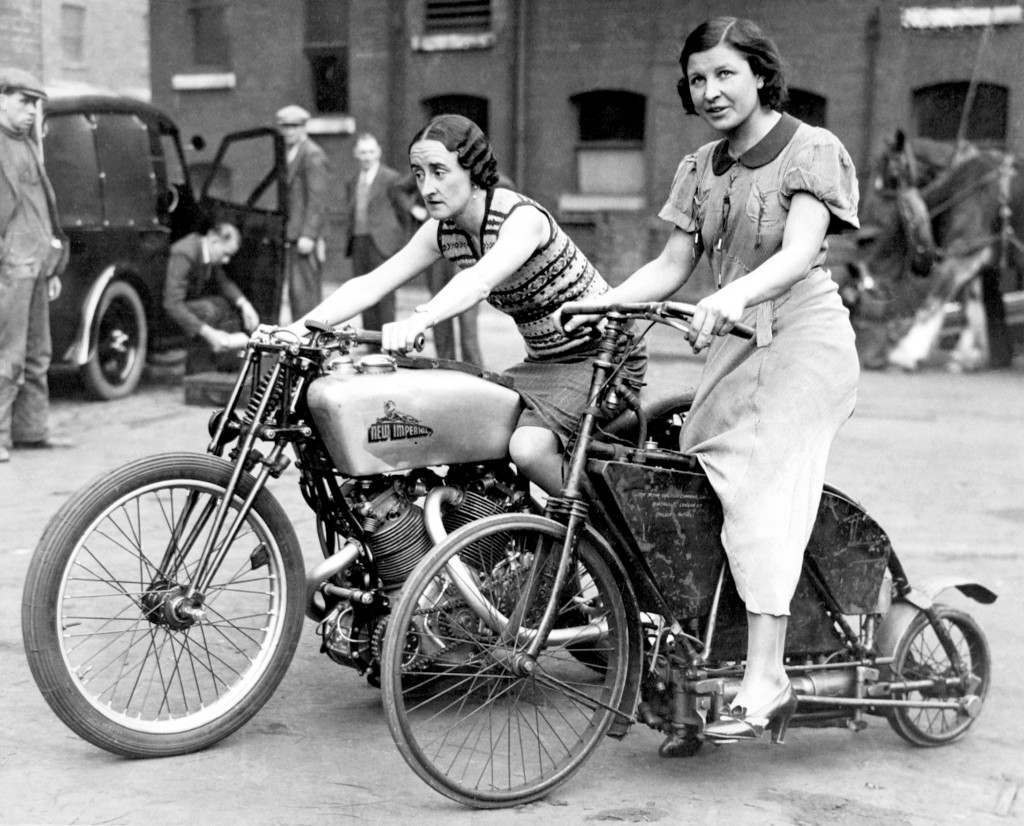
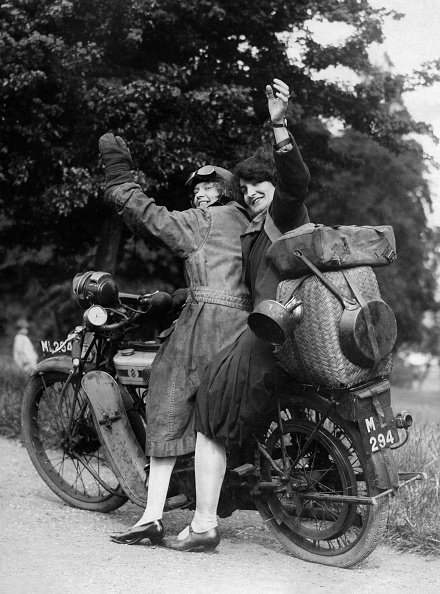
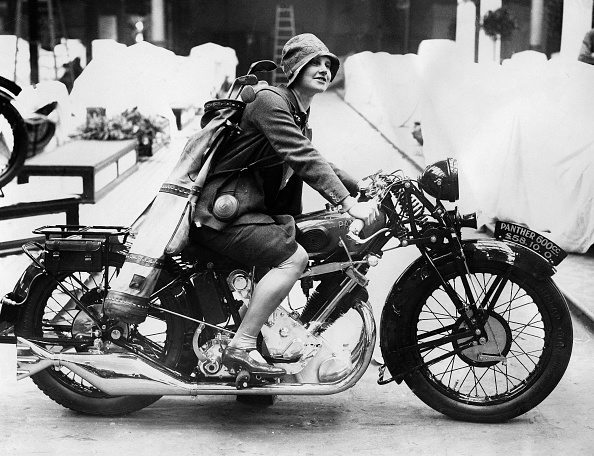
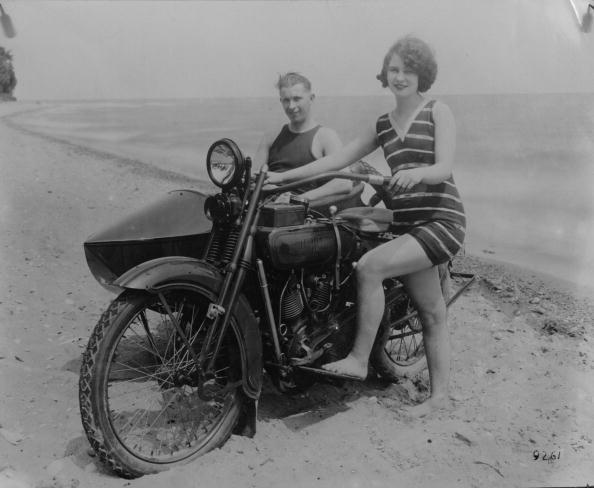
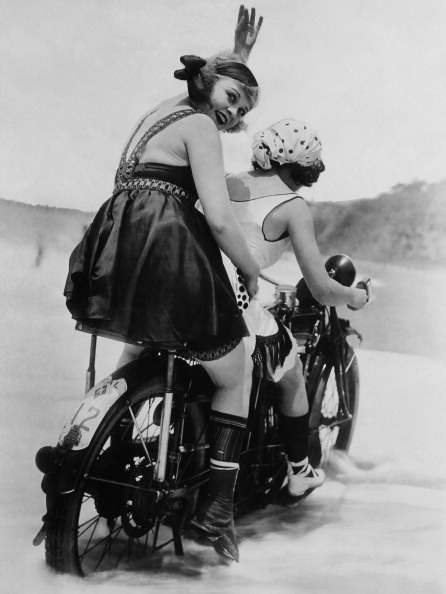
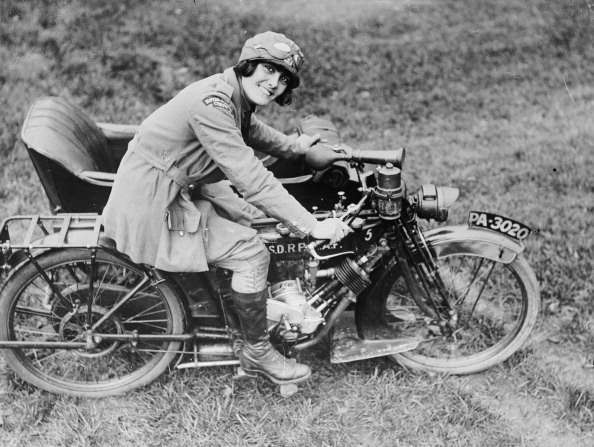
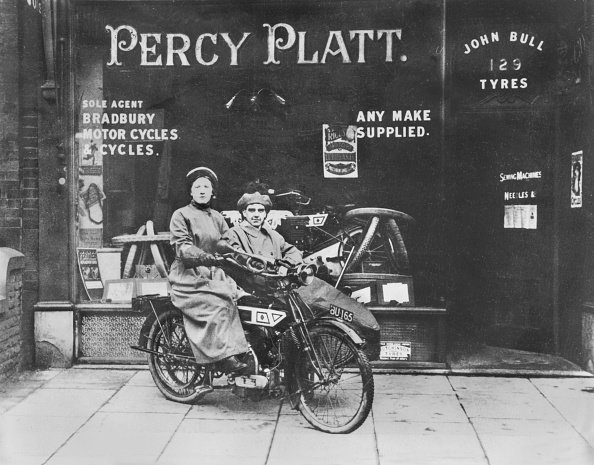
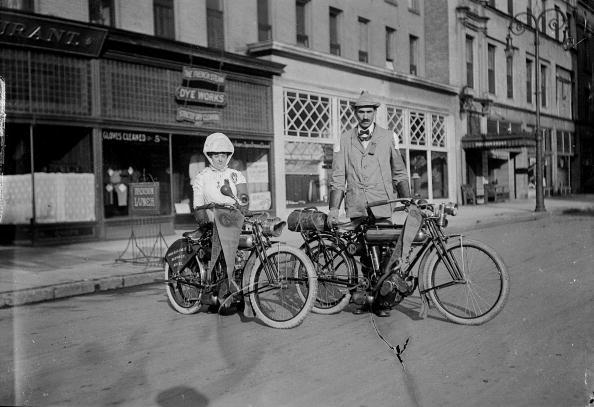
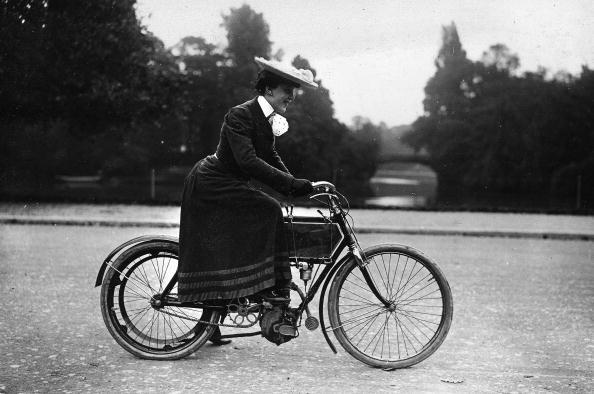
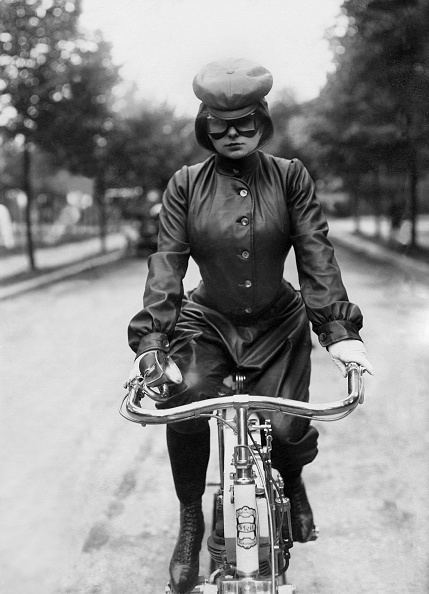
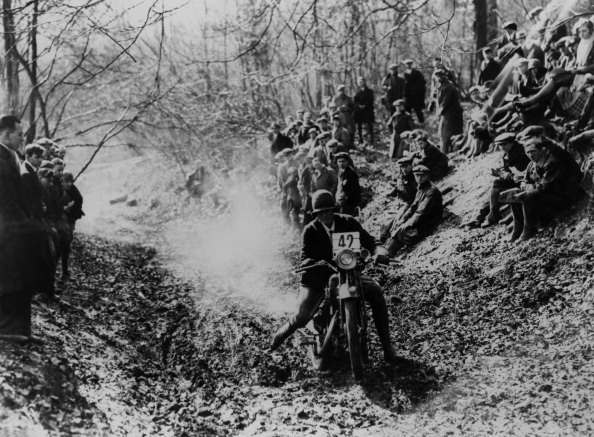
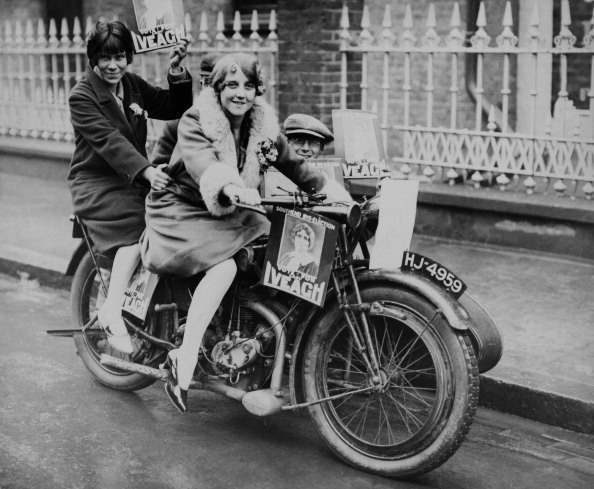
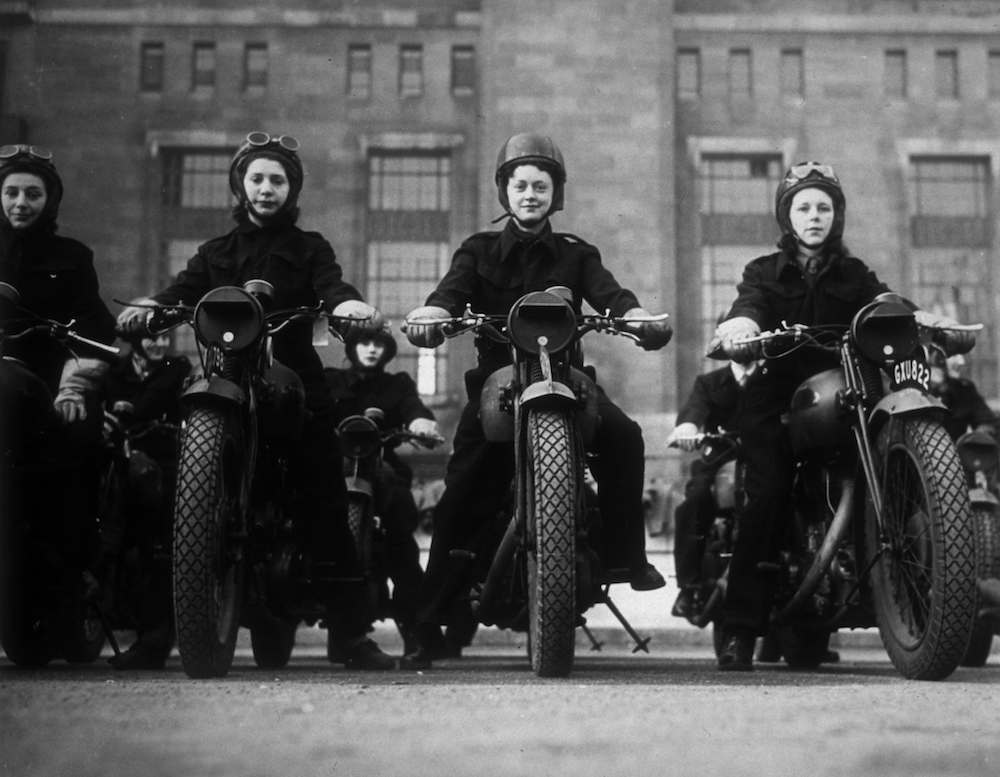
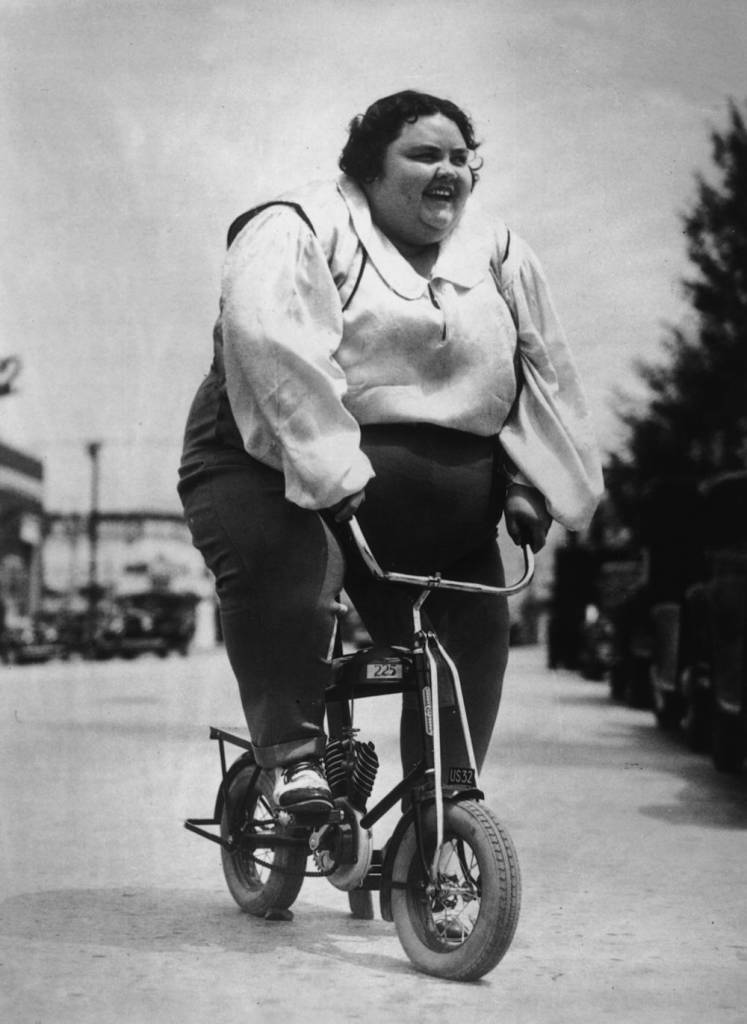
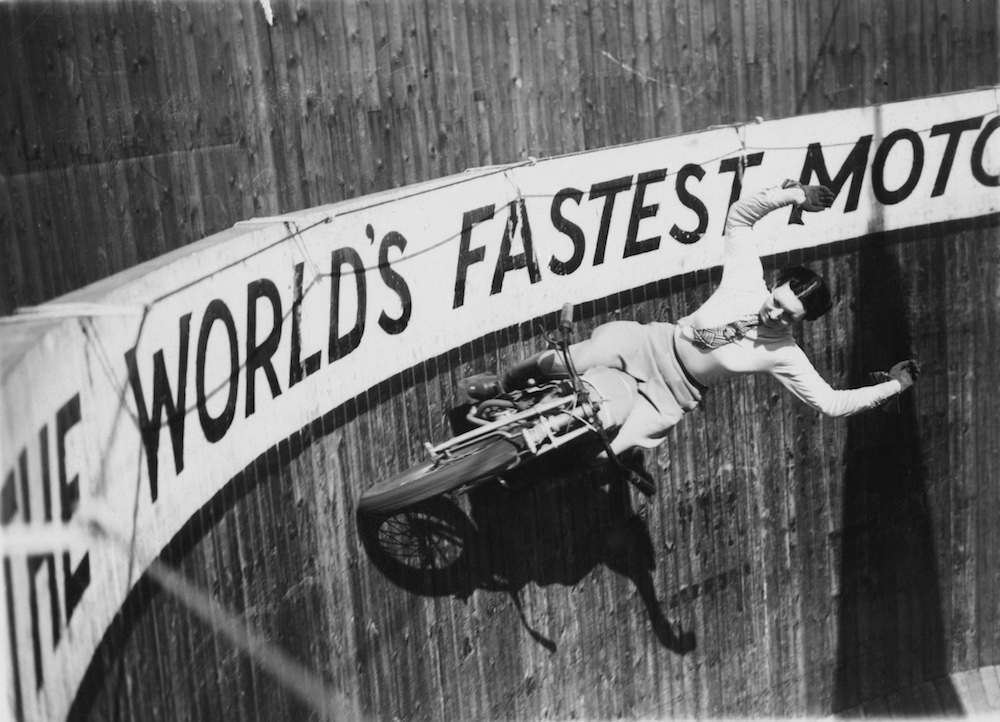
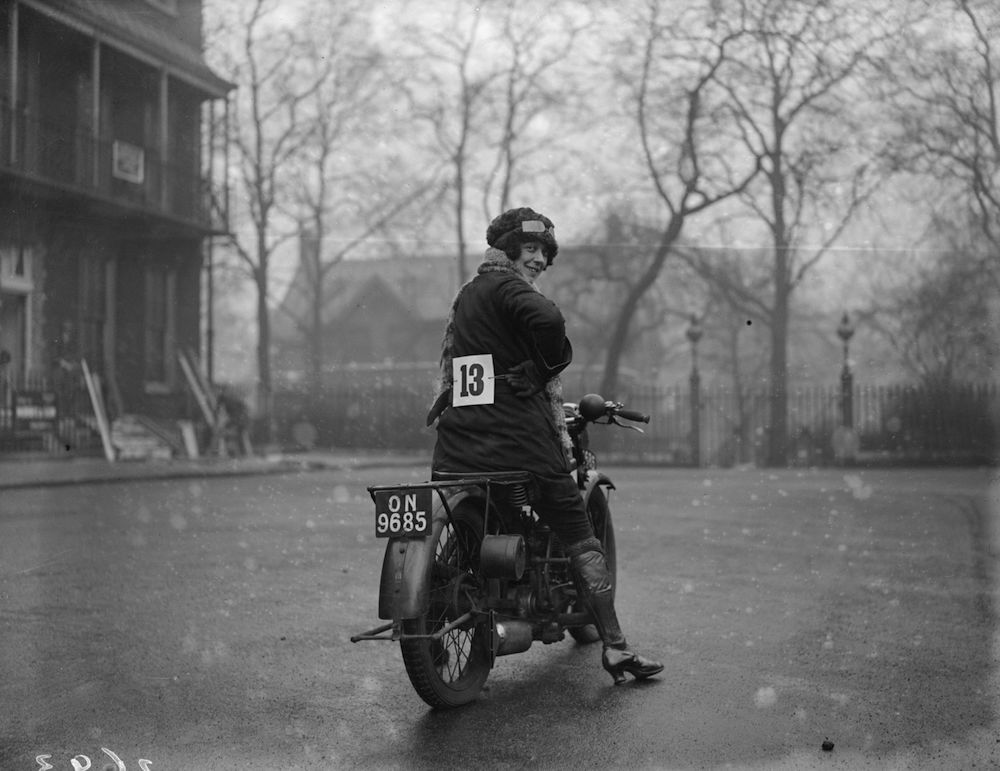
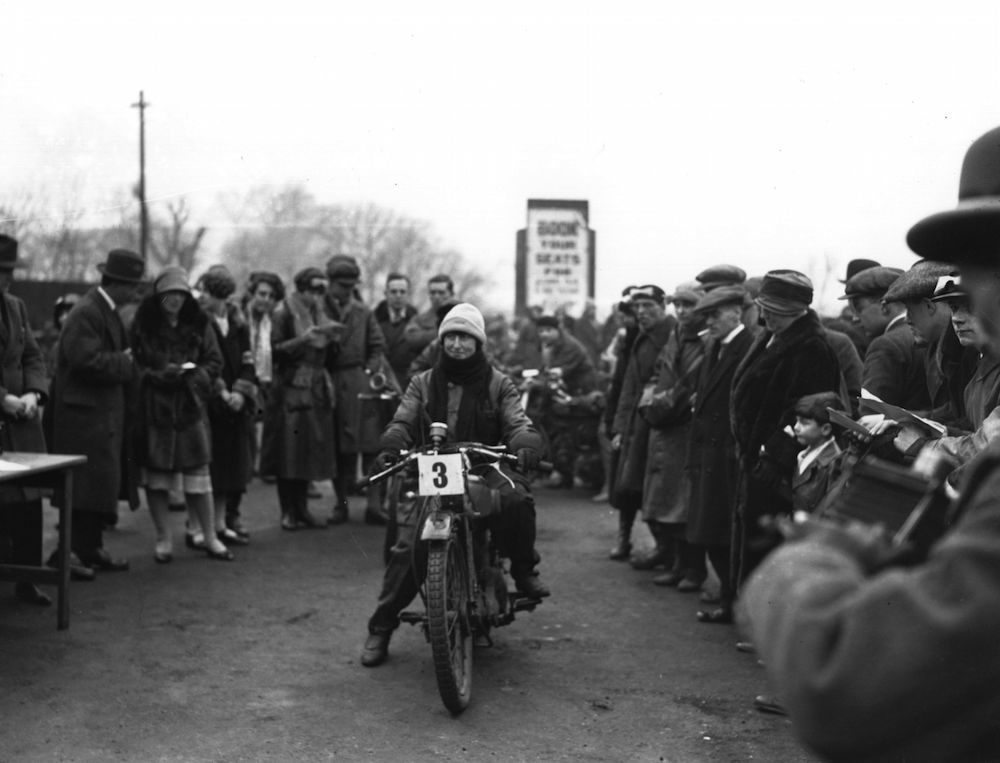
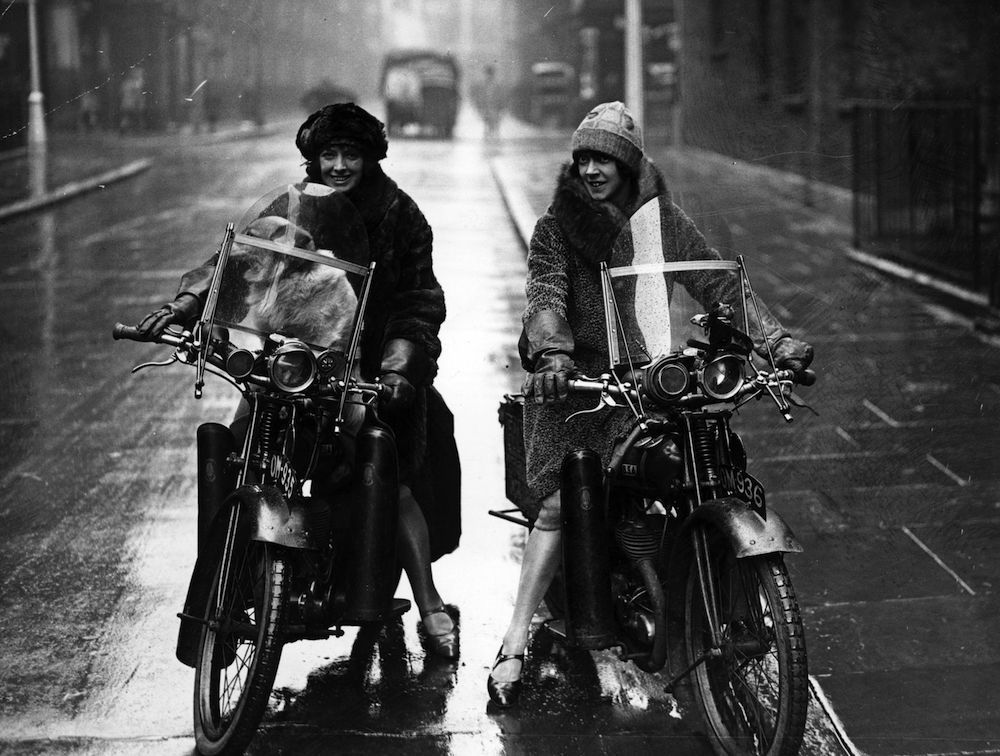
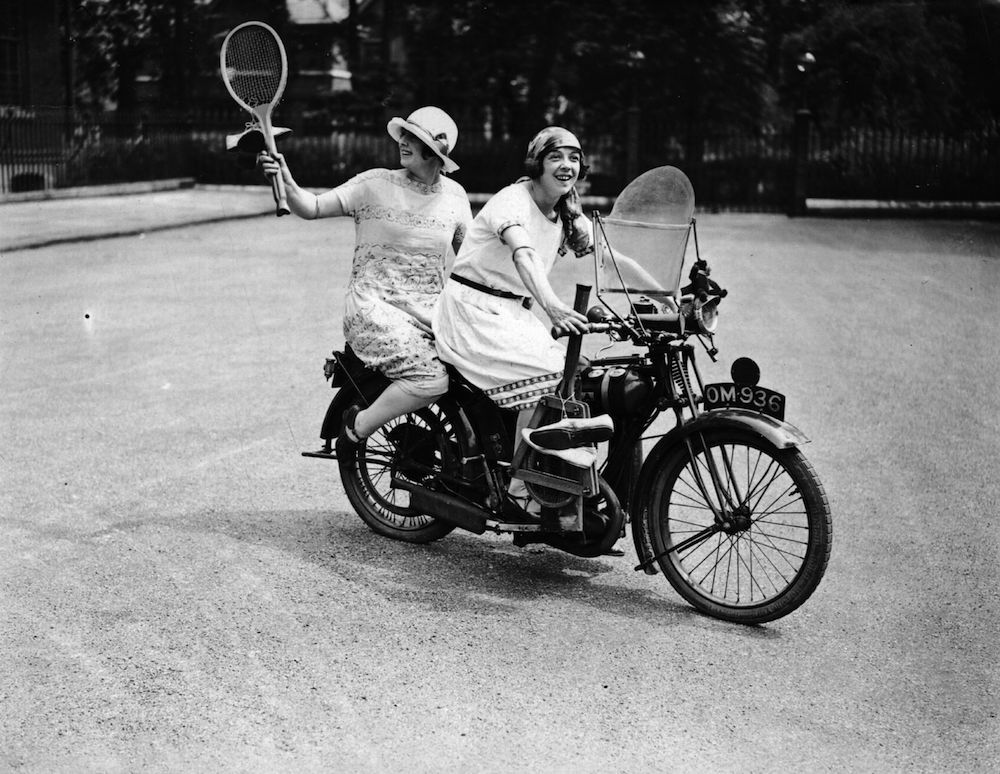
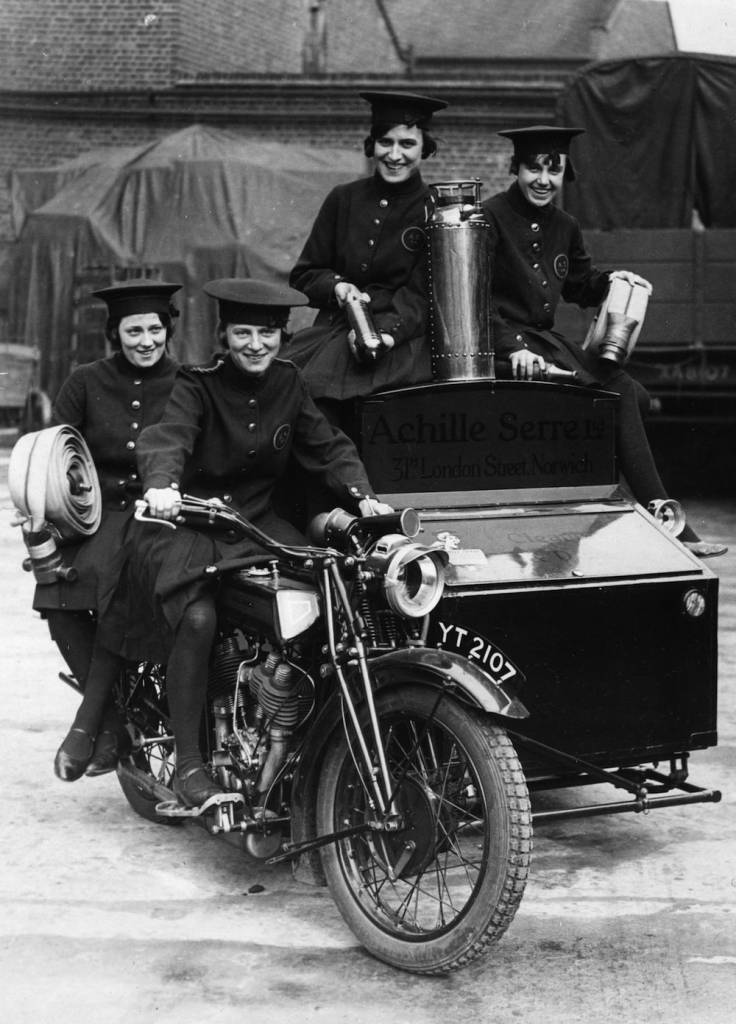
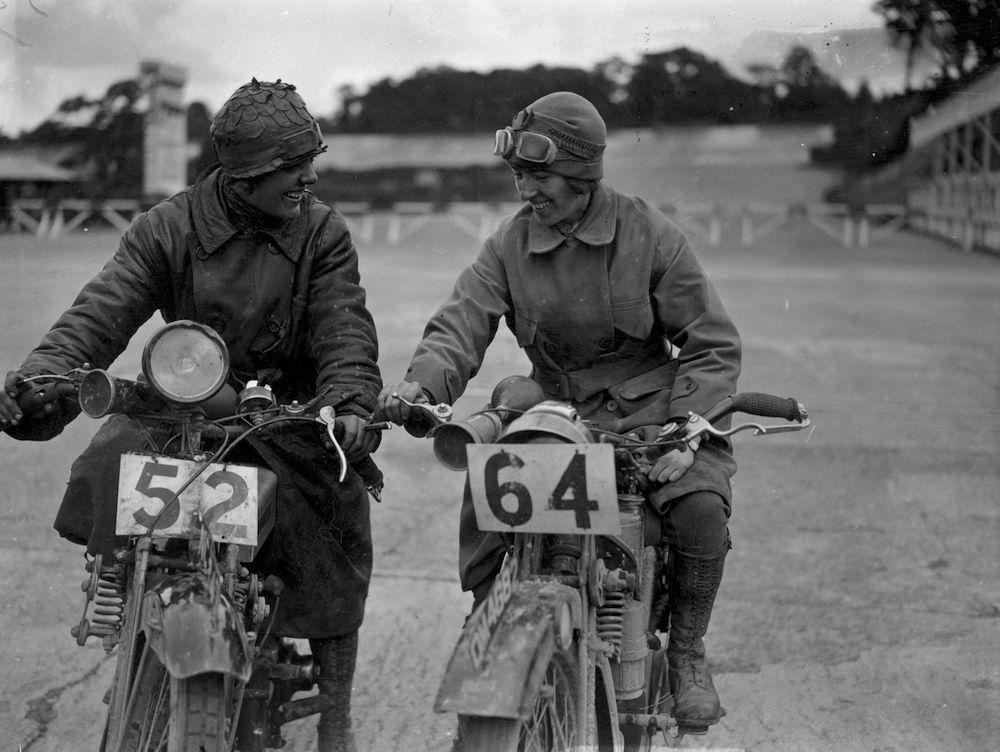
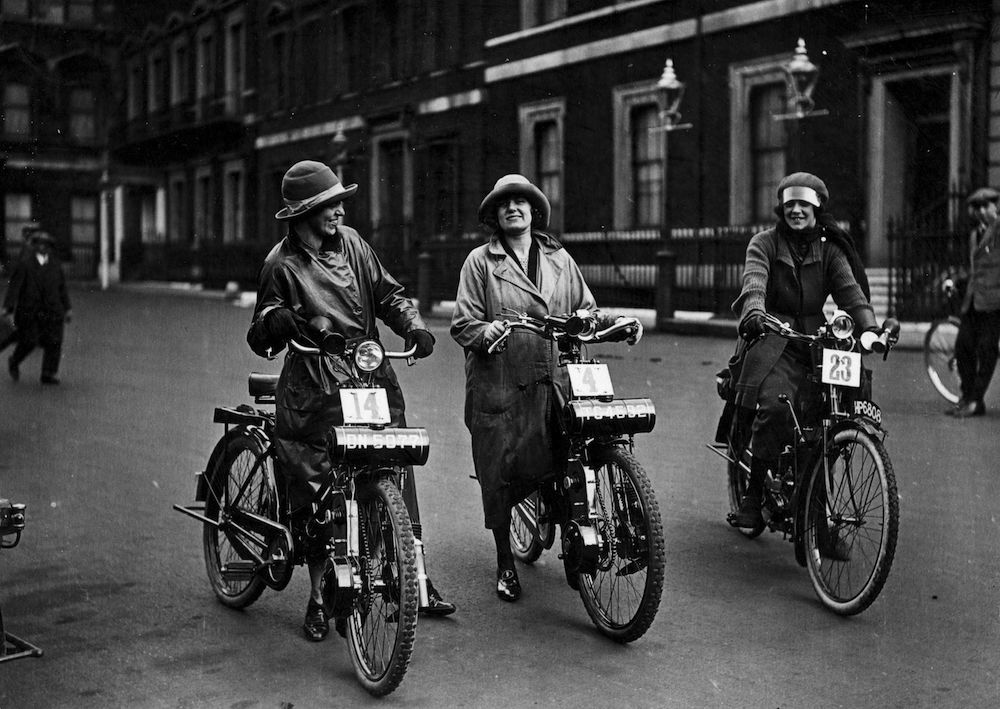
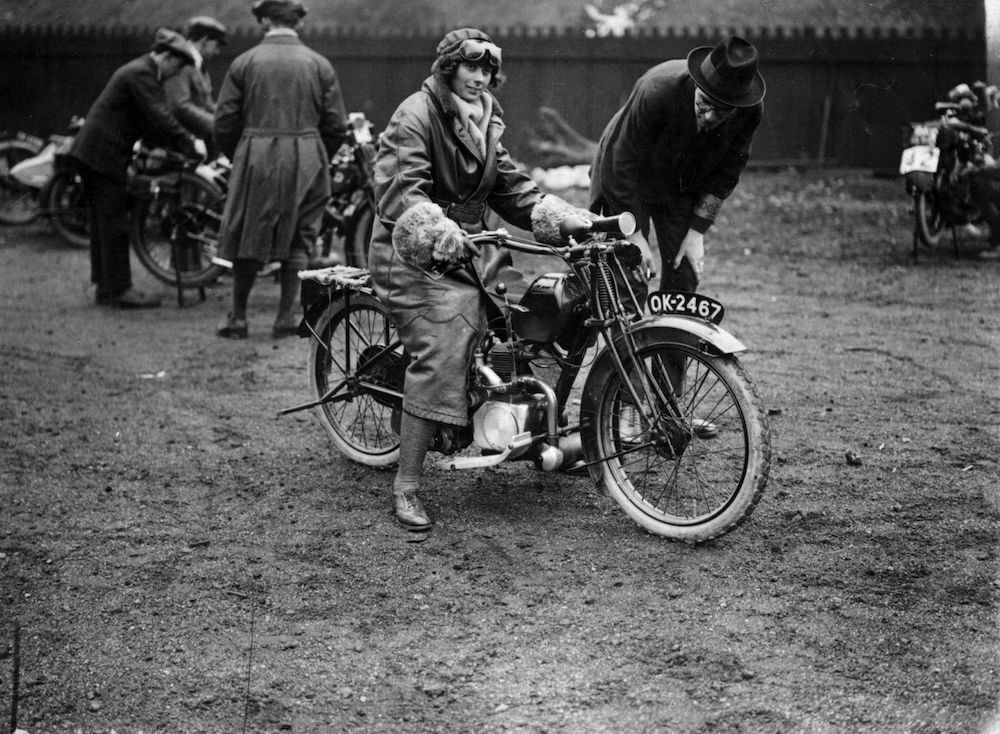
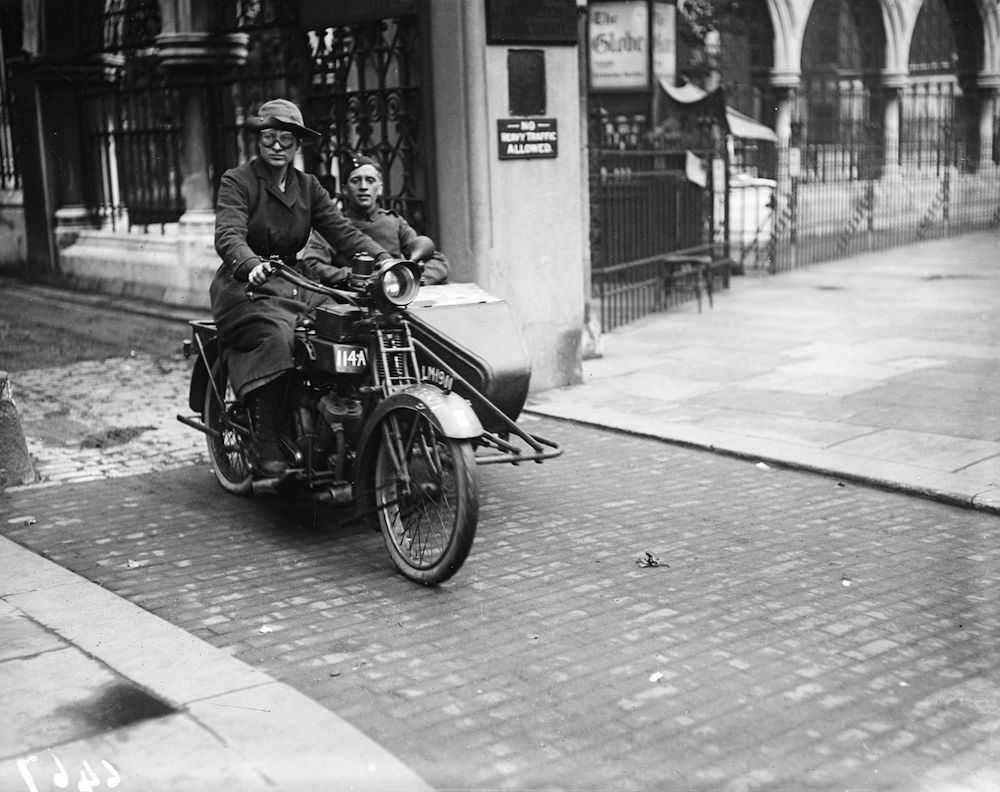
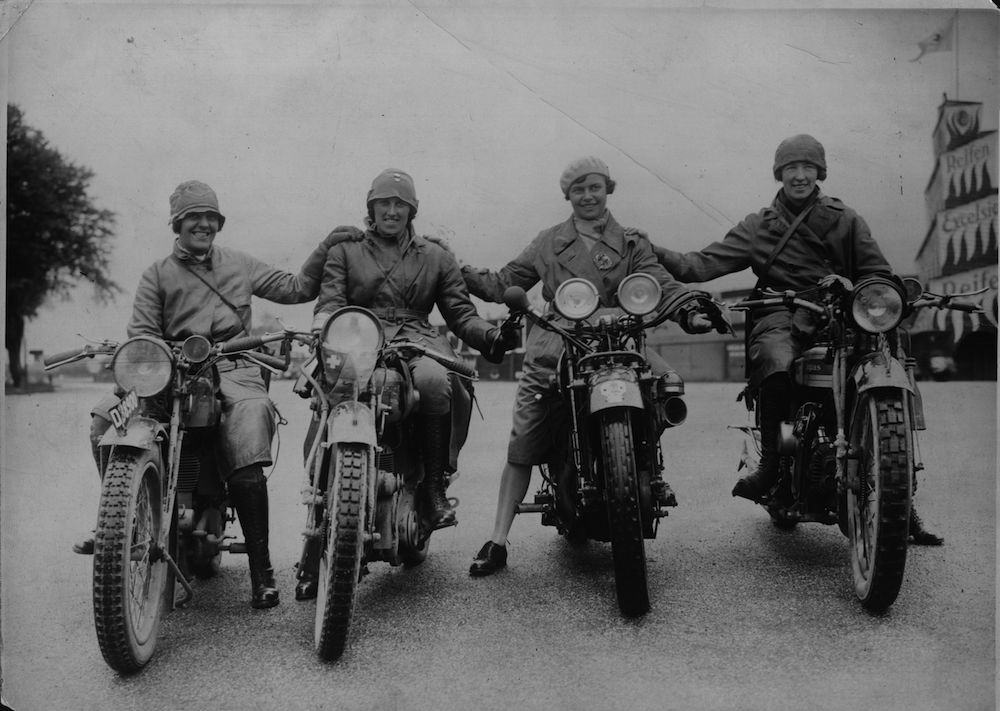
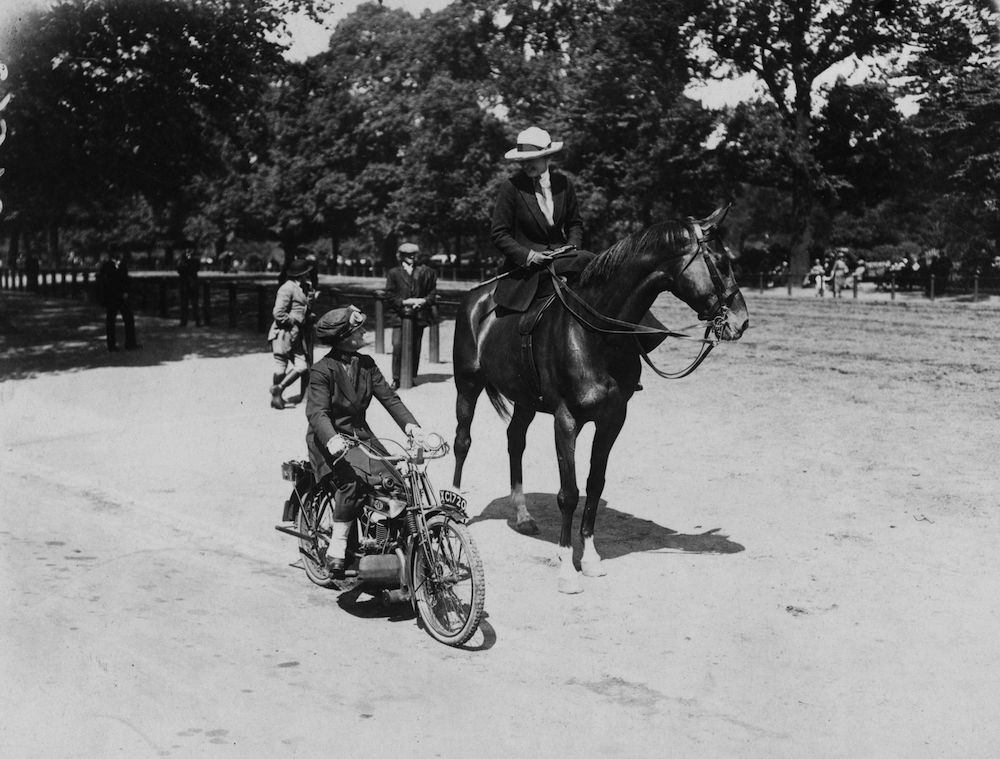
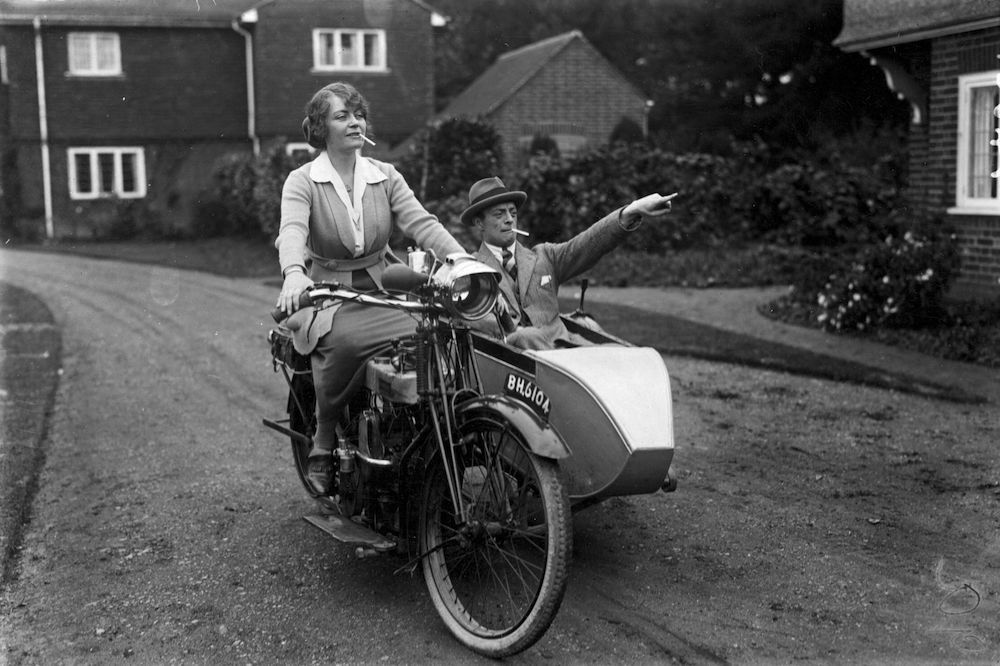
Two ladies astride an 1895 Crank Drive Motorcycle (r) and a 500 New Imperial Twin (l), which has reached 114 mph at Brooklandscirca 1925: A woman on a beach in California with her Harley Davidson and boyfriend, who is sitting in the side car. Santa Monica, California. 1920The Women’s Royal Air Force (WRAF) During The First World War, A motorcyclist with the Women’s Royal Air Force (WRAF) on a Clyno motorcycle combination, circa 1916.Percy Platt’s Motor Cycle Shop in Union Street. Oldham, Manchester, c1915. Portrait of two motorcyclists, a man and a woman, standing together with their vehicles, ca1910, United States 19051905circa 1940: Ministry of Information dispatch riders on their motorbikes.circa 1935: A rather large woman riding a mini-autobike.Tiny Griffin preparing to take part in a South California Bicycle Parade at Ocean Park.Marjorie Dare (Doris Smith) riding with around ‘The Wall of Death’ sideshow at the Kursaal amusement park in Southend, Essex, 1938.9th January 1927: A woman entrant in the Ladies only Motor Cycle Reliability Trial at Alexandra Palace, London. 1926: A competitor at the Ladies’ Bike Trials at Alexandra Palace, north London. 23rd September 1925: The Debenham sisters wearing fur and waterproof clothing for the winter motorcyclist. The women are riding BSA cycles. 1925: Two women set off on a BSA motorbike to play tennis after work.circa 1925: Women of Achille Serre Ltd’s Private Fire Brigade setting off on their motorcycle and sidecar to compete in the London Private Fire Brigades’ Tournament. They are defending champions in the women’s events.22nd August 1925: Miss E Foley and Miss L Ball on their motorcycles at the International Six Days Reliability Trials at Brooklands race track. September 1923: Three women waiting to start their midget motorcycle race.March 1923: A woman on a Velocette motorcycle at the ACU Trials in Birmingham.August 1917: Woman despatch rider for the A I D during World War I.circa 1920: Four women motorcycle racers in Germany, including Marjorie Cottle.June 1921: A woman riding a horse alongside a woman on a motorcycle in Hyde Park, London.3rd November 1920: British comic actor Leslie Henson (1891 – 1957) and his wife Madge Saunders at Slough.
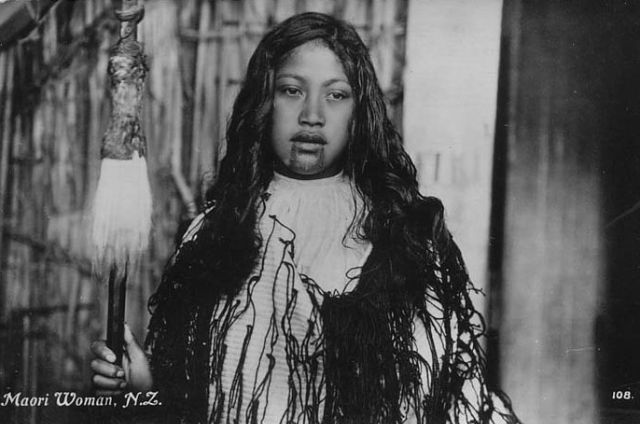
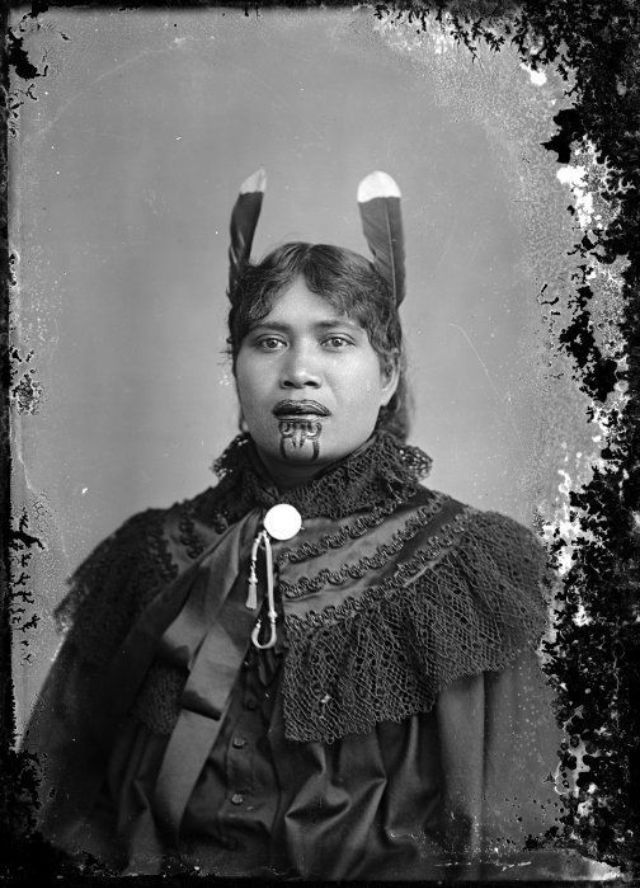
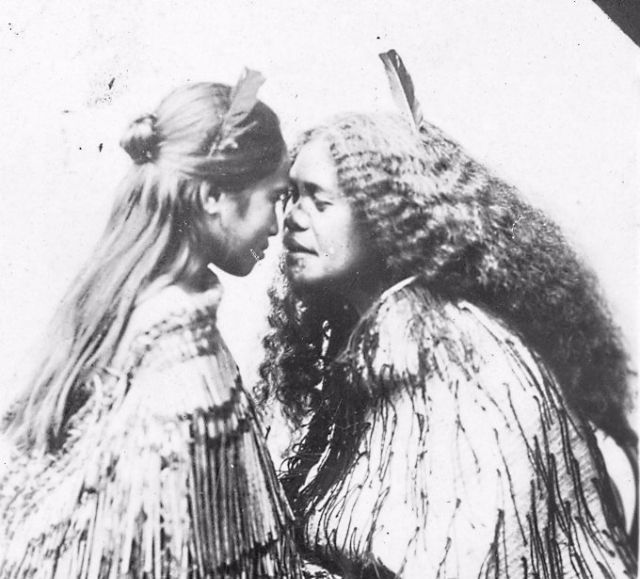
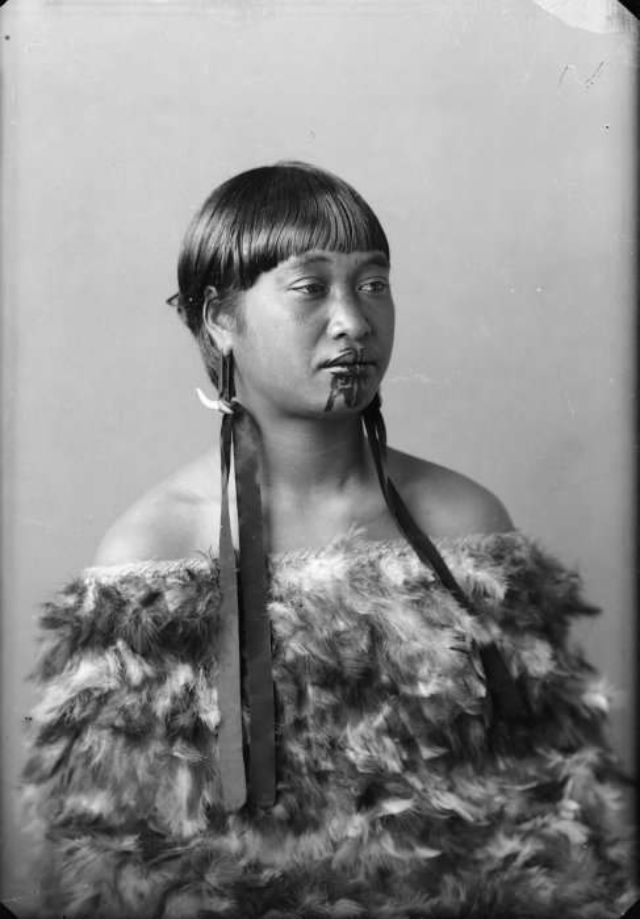
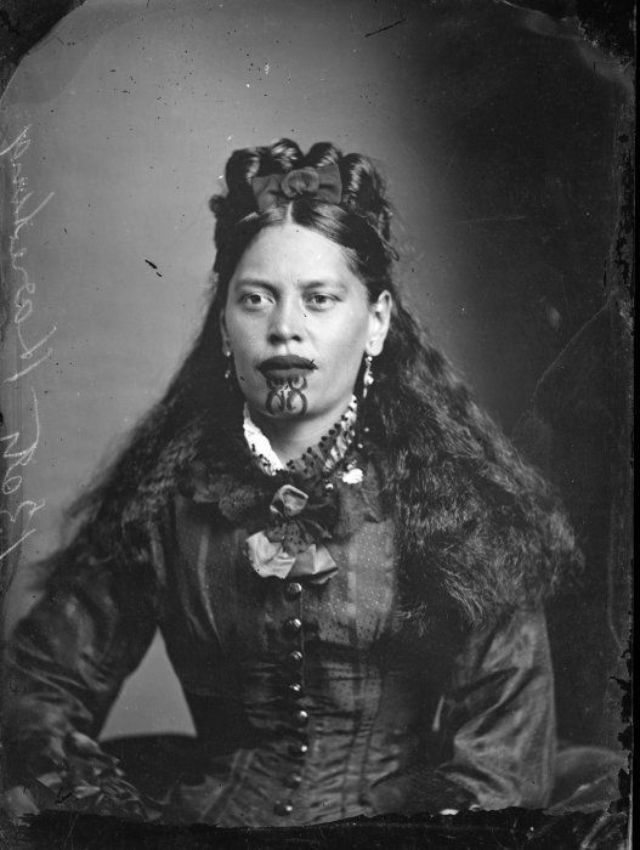
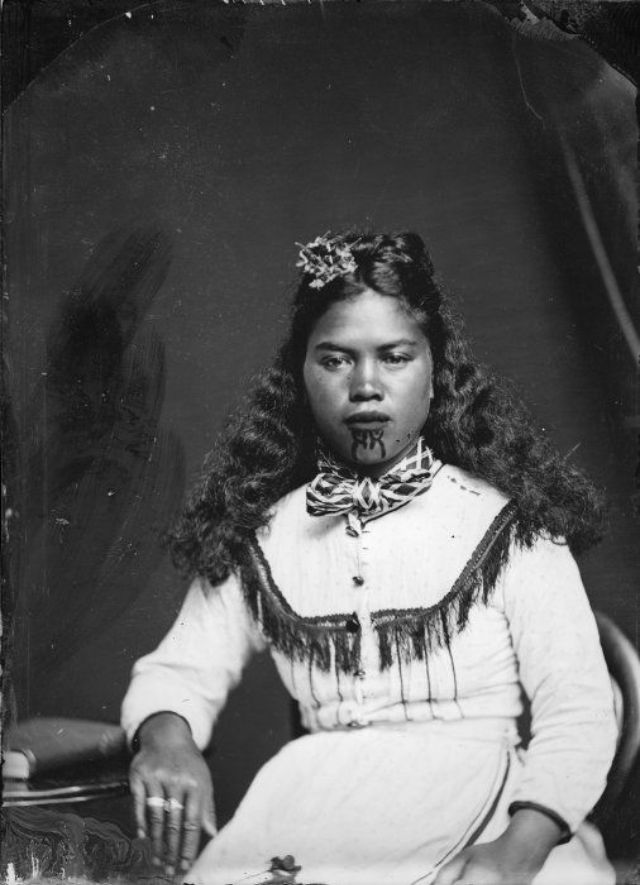
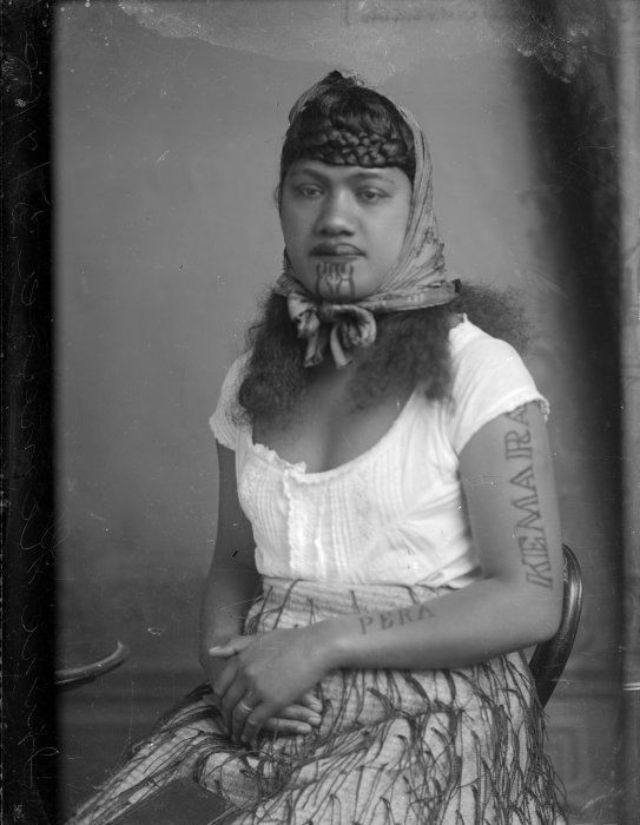
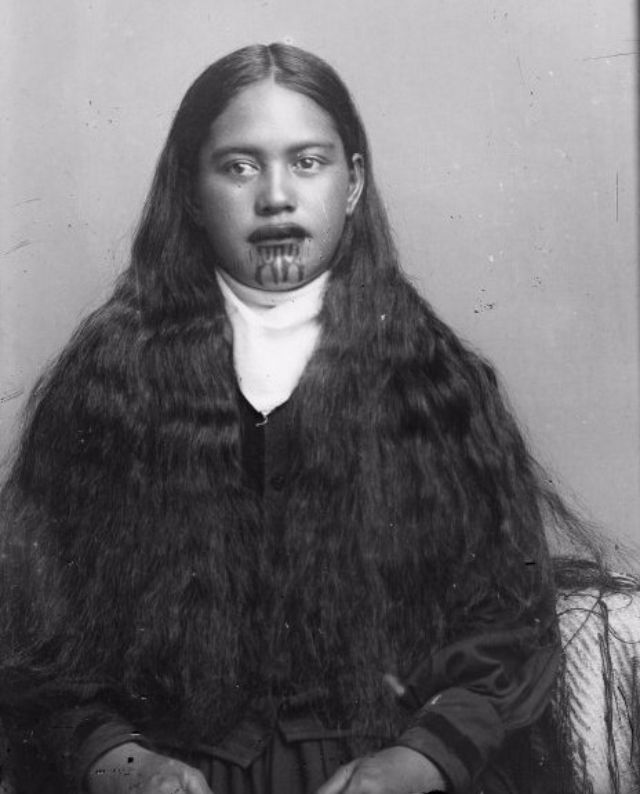
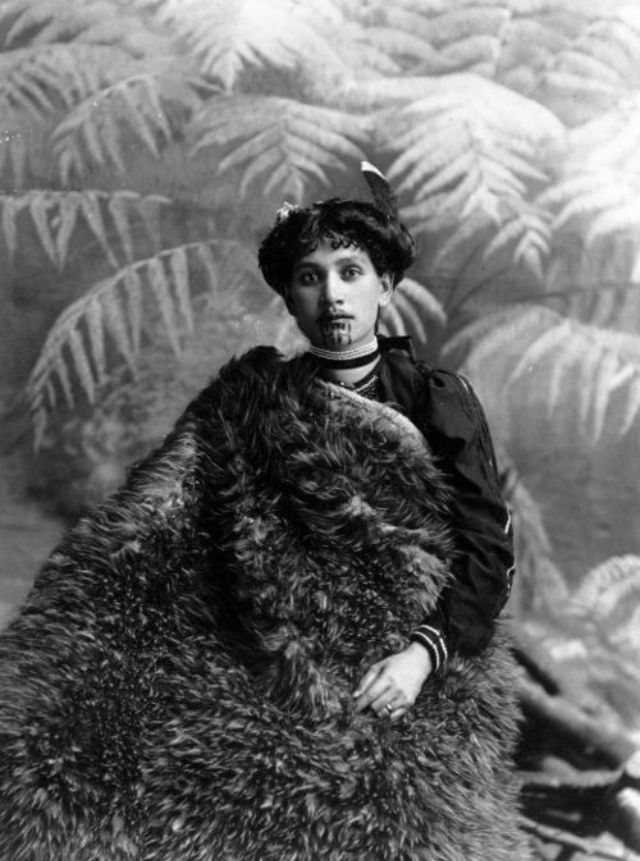
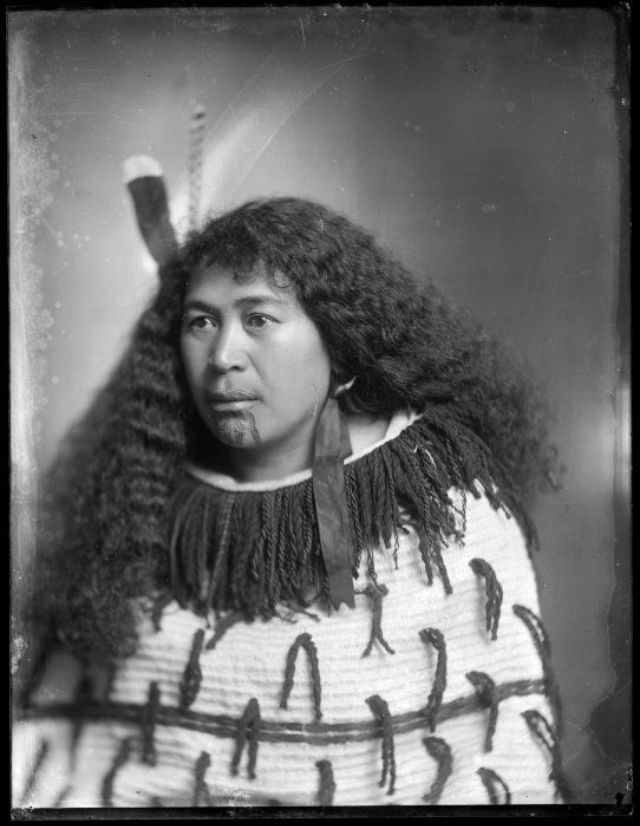
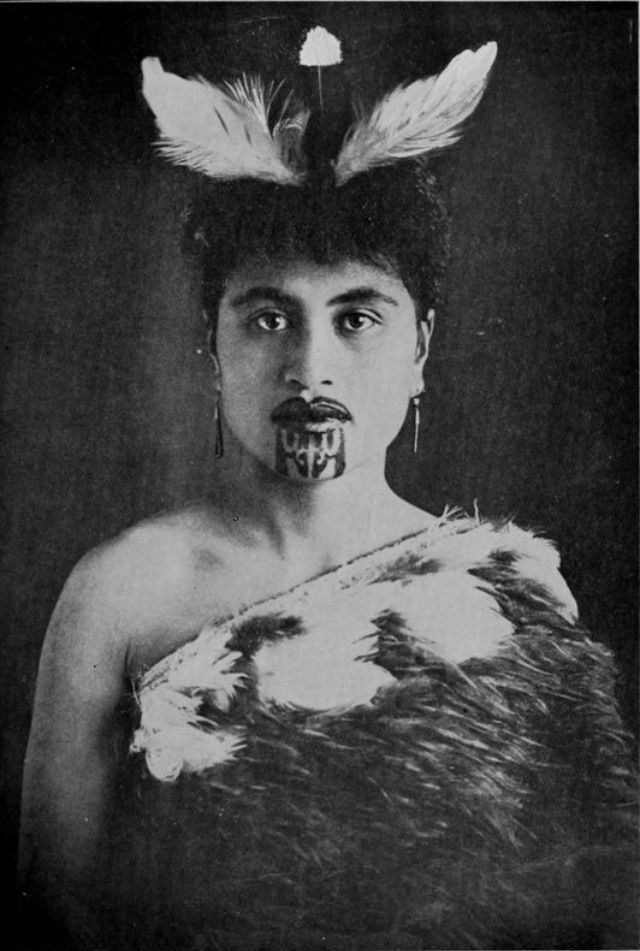
For New Zealand Maori women, the moko kauae, or traditional female chin tattoo, is considered a physical manifestation of their true identity. It is believed every Maori woman wears a moko on the inside, close to their heart; when they are ready, the tattoo artist simply brings it out to the surface.
The Maori are indigenous people that originated in New Zealand. They have a form of body art, known as moko but more commonly referred to as Maori tattooing. The art form was brought to the Maori from Polynesia and is considered highly sacred.
Since the Maori people consider the head to be the most sacred part of the body, the most popular kind of Maori tattoo was the facial tattoo, which was composed of curved shapes and spiral like patterns. Often this tattoo covered the whole face and was a symbol of rank, social status, power and prestige.
For Maori, tattooing was (and for some, still is) a rite of passage, which meant it was highly revered and ritualised. The tattooing would begin usually during adolescence.
The great thing about Maori tattoos is that to this day, no two tattoos are alike. Maori tattoos are one of a kind. They are always highly intricate and detailed and display the craftsmanship and artistry of not only the artist but of the Maori culture.
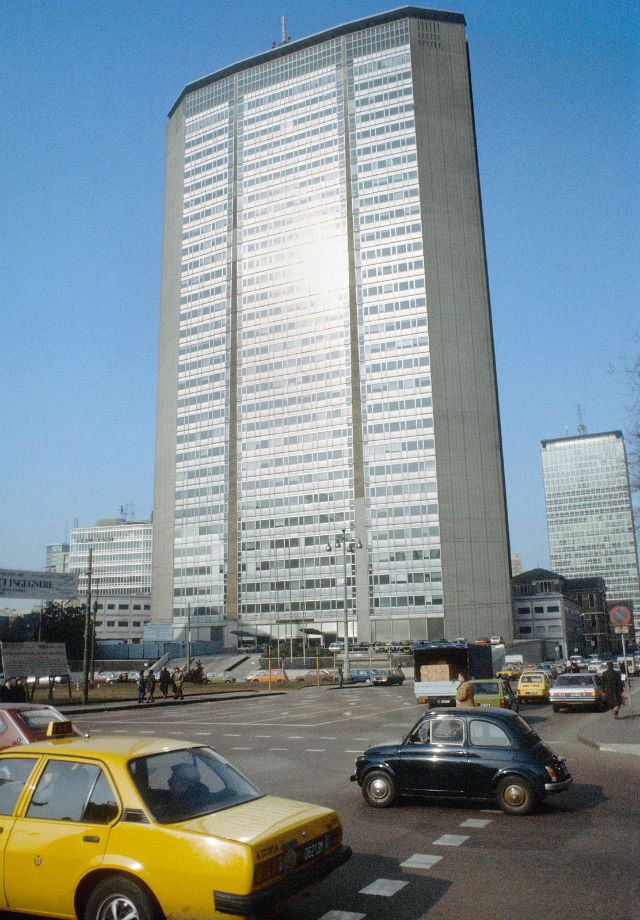
Milan is a city in northern Italy, capital of Lombardy, and the second-most populous city proper in Italy after Rome. The city proper has a population of about 1.4 million, while its metropolitan city has 3.26 million inhabitants. Its continuously built-up urban area, that stretches well beyond the boundaries of the administrative metropolitan city and into Switzerland, is the fourth largest in the EU with 5.27 million inhabitants. According to national sources, the population within the wider Milan metropolitan area (also known as Greater Milan), is estimated between 8.2 million and 12.5 million making it by far the largest metropolitan area in Italy and one of the largest in the EU.
Milan is considered a leading alpha global city, with strengths in the fields of art, commerce, design, education, entertainment, fashion, finance, healthcare, media, services, research and tourism. Its business district hosts Italy’s stock exchange (Italian: Borsa Italiana), and the headquarters of national and international banks and companies. In terms of GDP, Milan is the wealthiest city in Italy, has the third-largest economy among EU cities after Paris and Madrid, and is the wealthiest among EU non-capital cities. Milan is viewed along with Turin as the southernmost part of the Blue Banana urban development corridor (also known as the “European Megalopolis”), and one of the Four Motors for Europe.
The city’s role as a major political centre dates back to the late antiquity, when it served as the capital of the Western Roman Empire, while from the 12th century until the 16th century, Milan was one of the largest European cities, and a major trade and commercial centre, consequently becoming the capital of the Duchy of Milan, which was one of the greatest political, artistic and fashion forces in the Renaissance. Despite losing much of its political and cultural importance in the early modern period, the city regained its status as a major economic and political centre, being considered today as the industrial and financial capital of Italy.
The city has been recognized as one of the world’s four fashion capitals (the others being London, New York, and Paris) thanks to several international events and fairs, including Milan Fashion Week and the Milan Furniture Fair, which are among the world’s biggest in terms of revenue, visitors and growth. It hosted the Universal Exposition in 1906 and 2015. The city hosts numerous cultural institutions, academies and universities, with 11% of the national total of enrolled students. Milan received 10 million visitors in 2018, with the largest numbers of foreign visitors coming from China, United States, France and Germany. The tourists are attracted by Milan’s museums and art galleries that include some of the most important collections in the world, including major works by Leonardo da Vinci. The city is served by many luxury hotels and is the fifth-most starred in the world by Michelin Guide. Milan is also home to two of Europe’s most successful football teams, A.C. Milan and Inter Milan, and one of Europe’s main basketball teams, Olimpia Milano. Milan will host the Olympic and Paralympic games for the first time in 2026, together with Cortina d’Ampezzo. (Wikipedia)
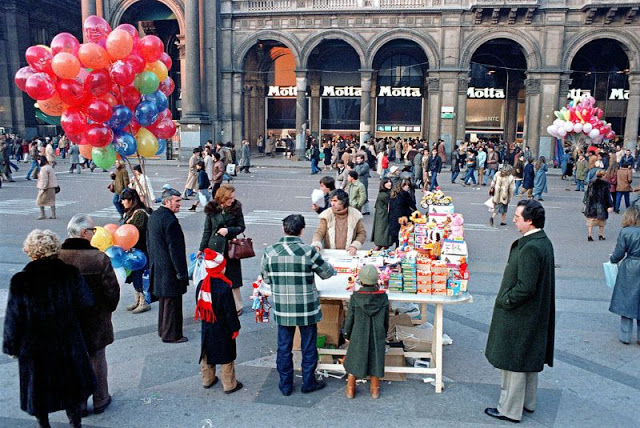
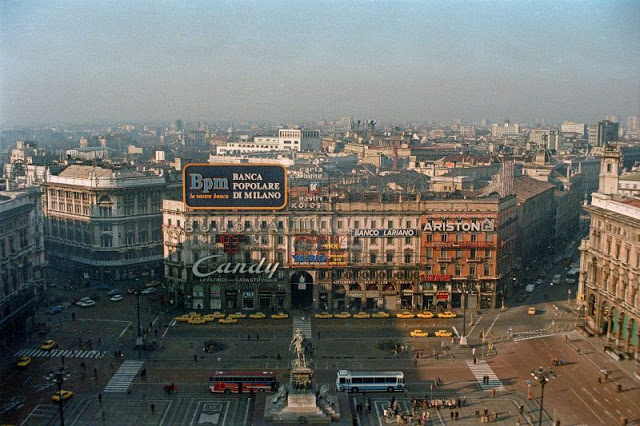
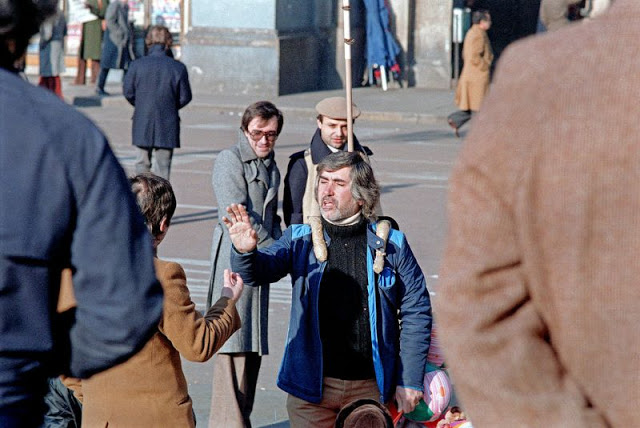
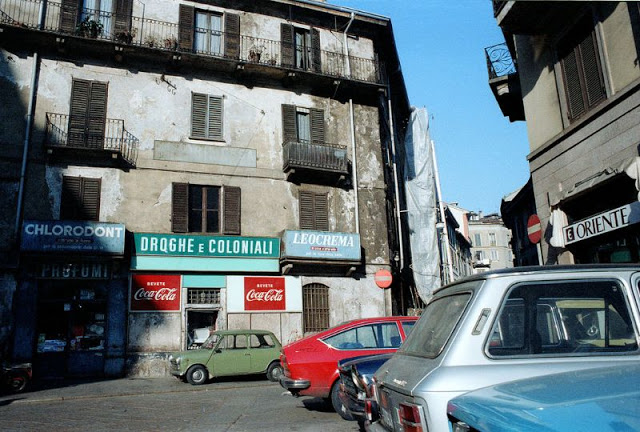
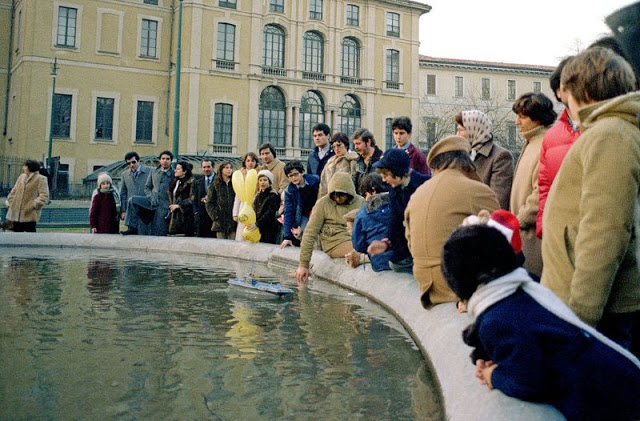
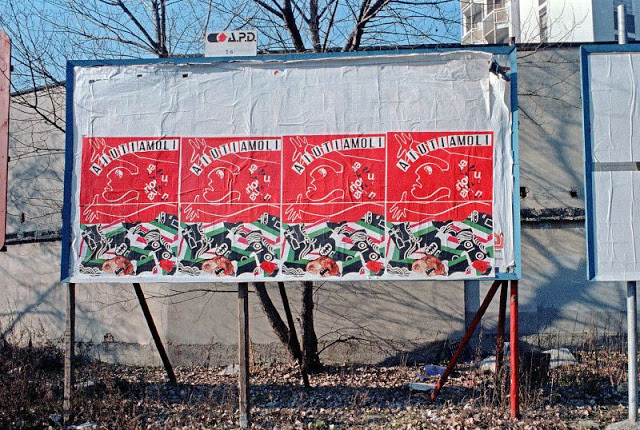
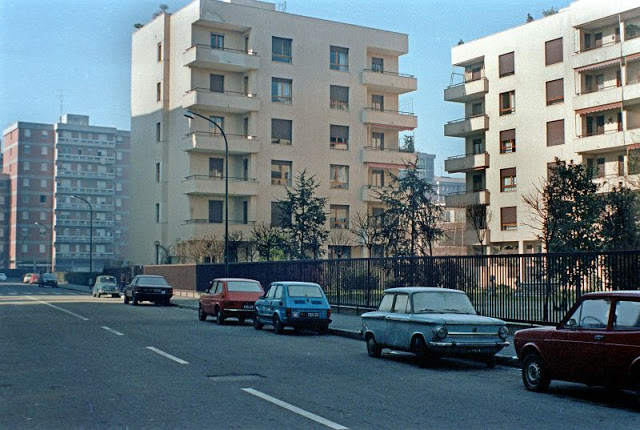
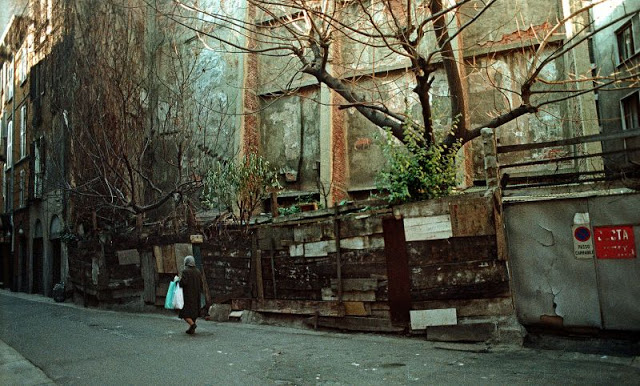
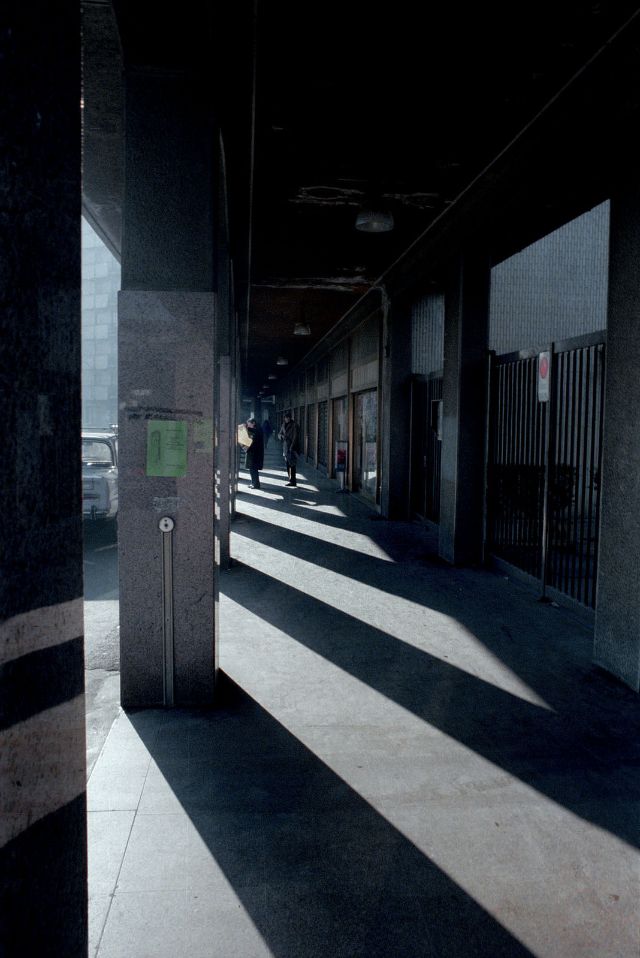
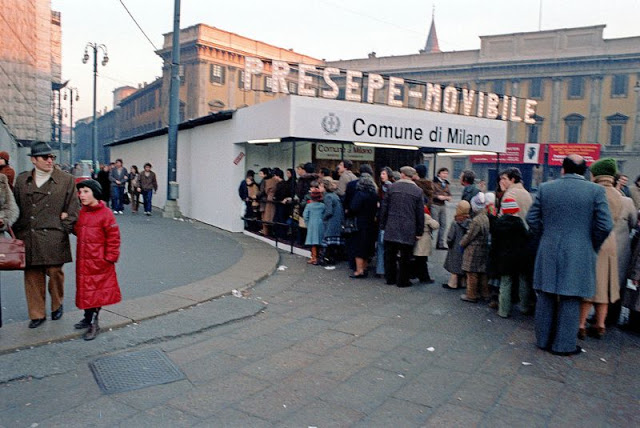
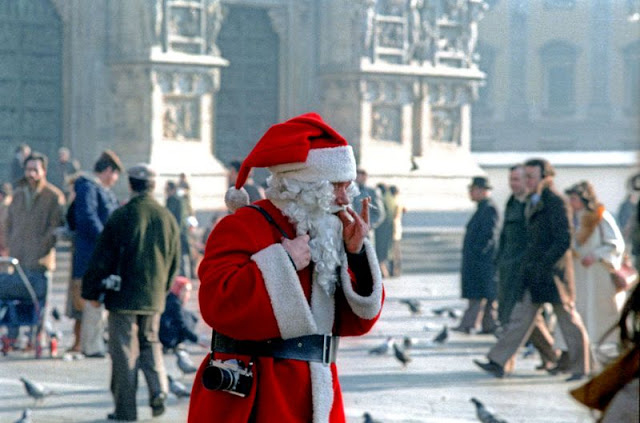
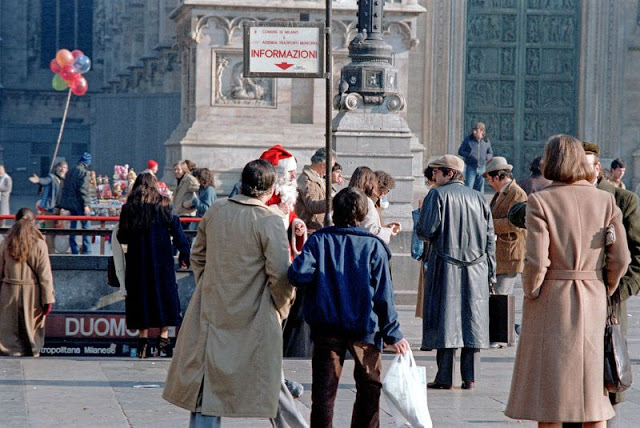
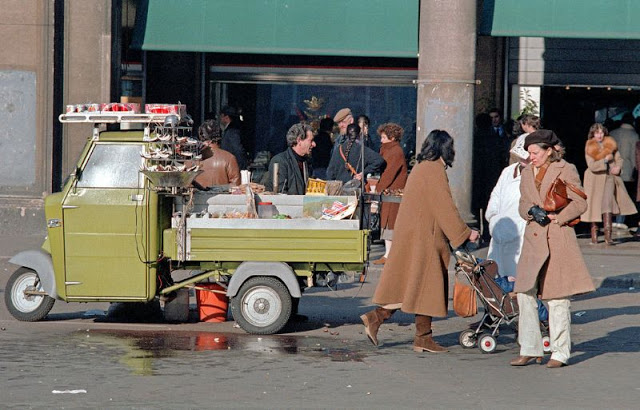
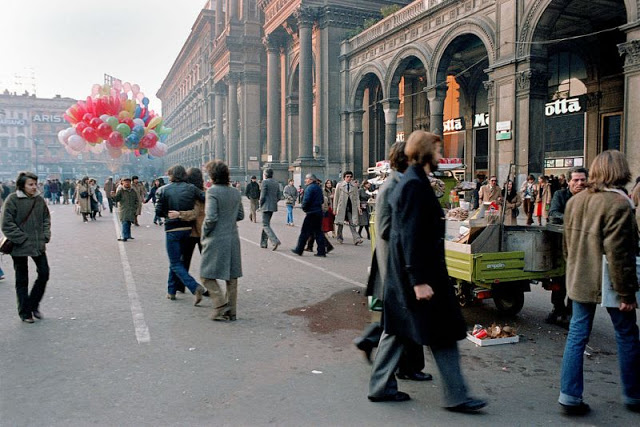
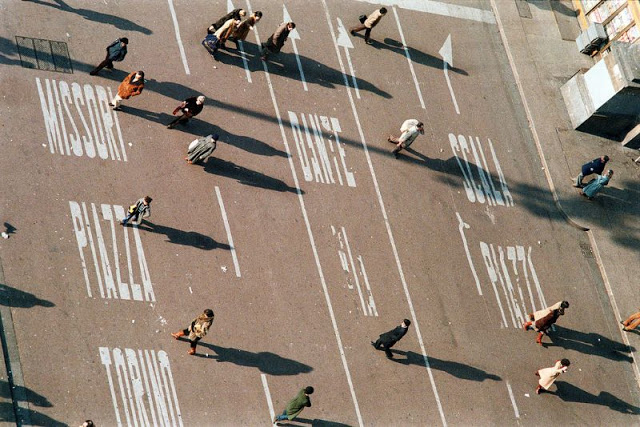
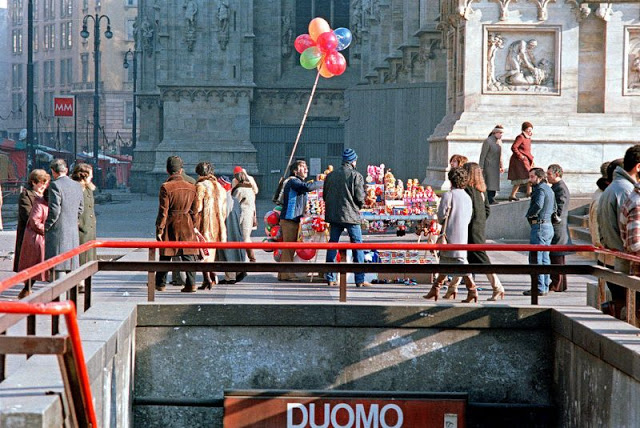
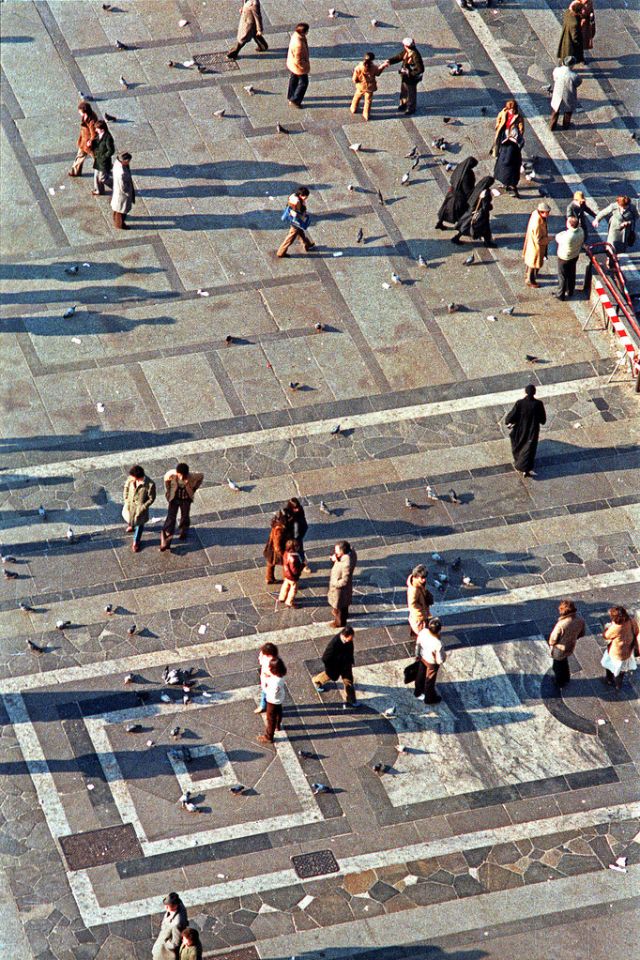
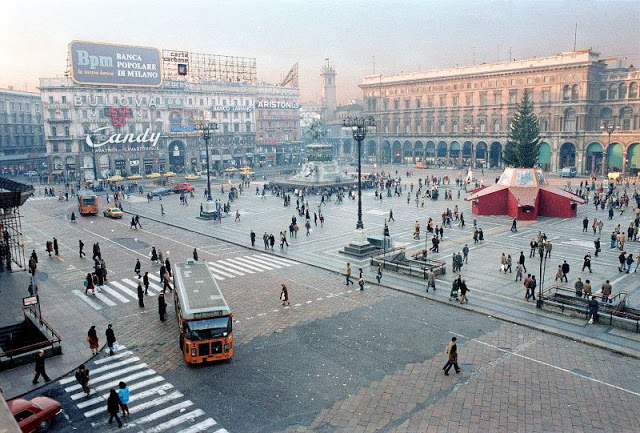
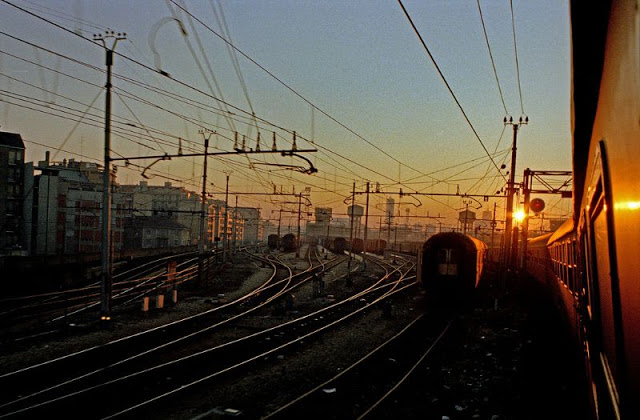
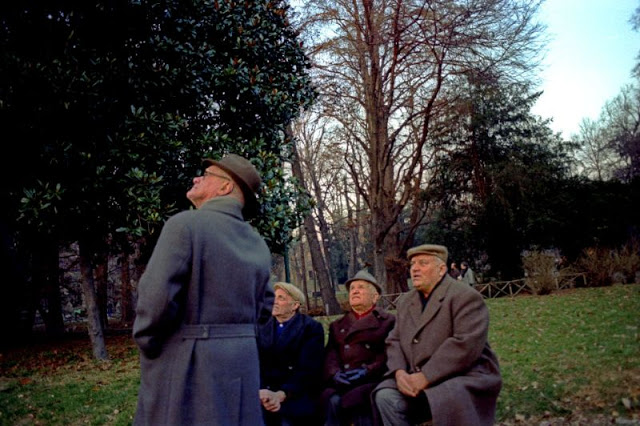
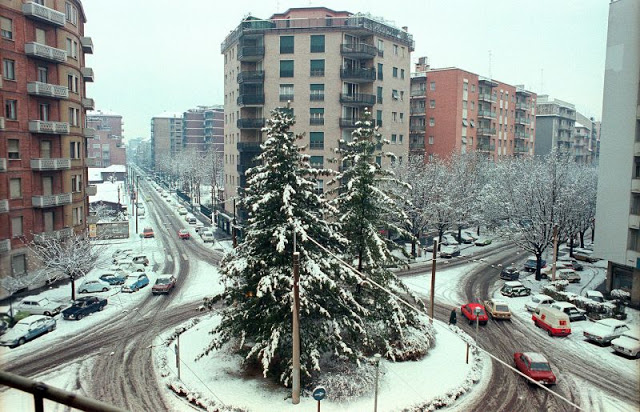
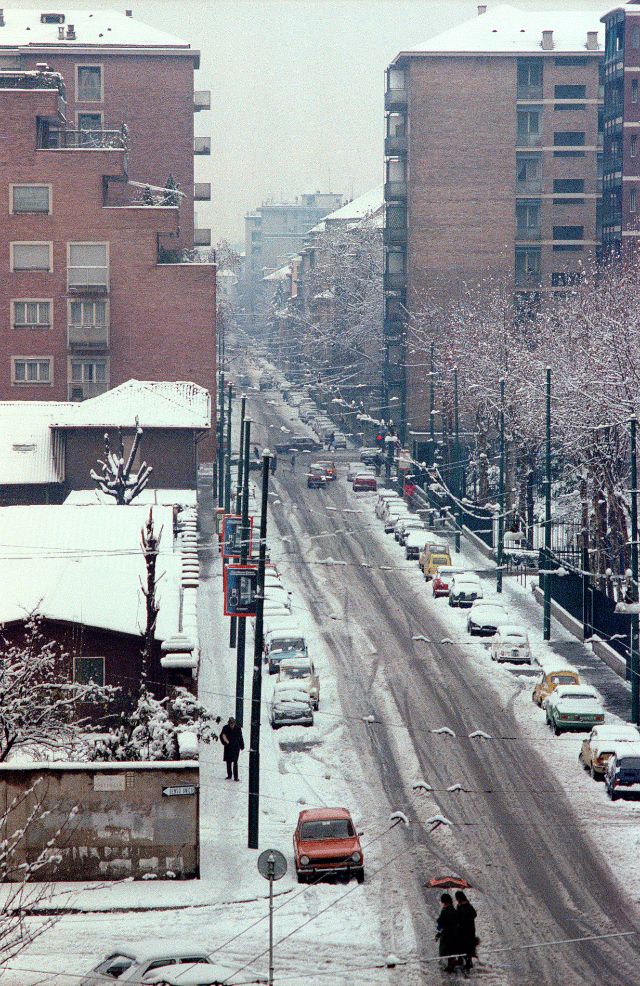
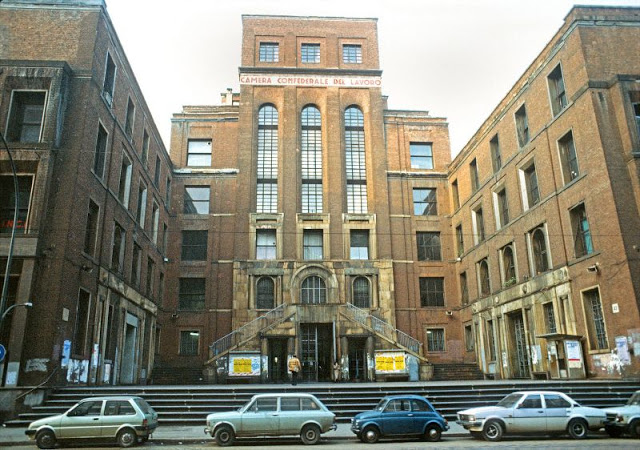
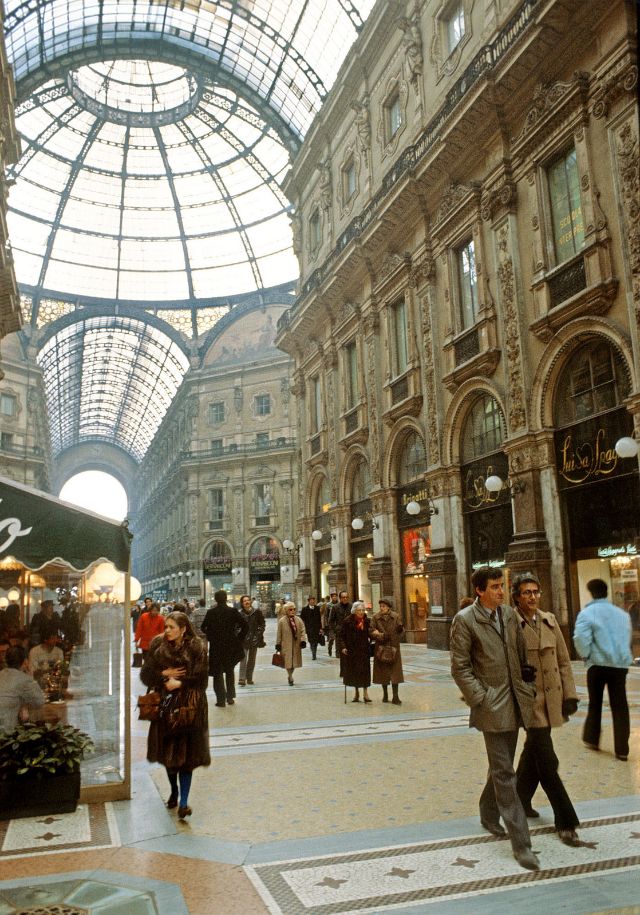
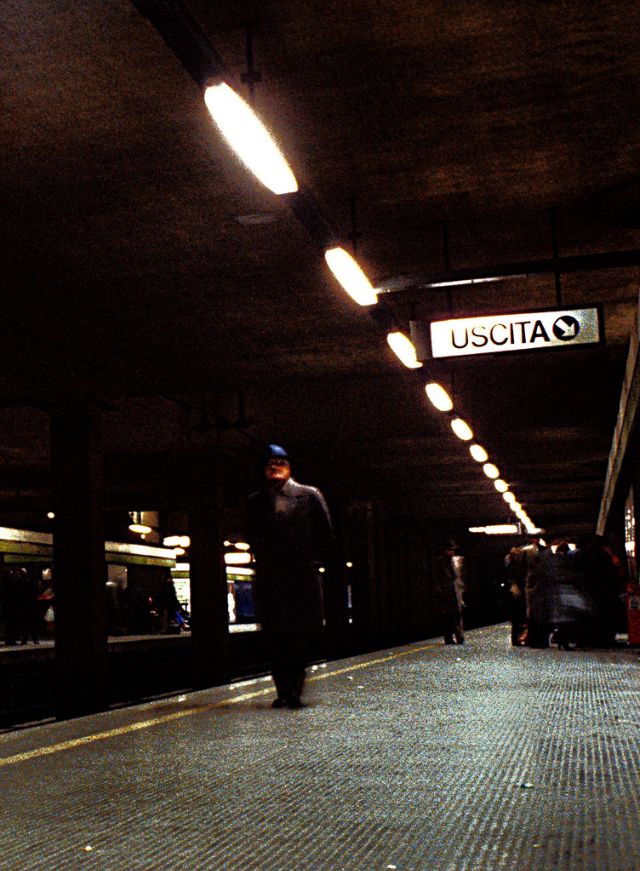
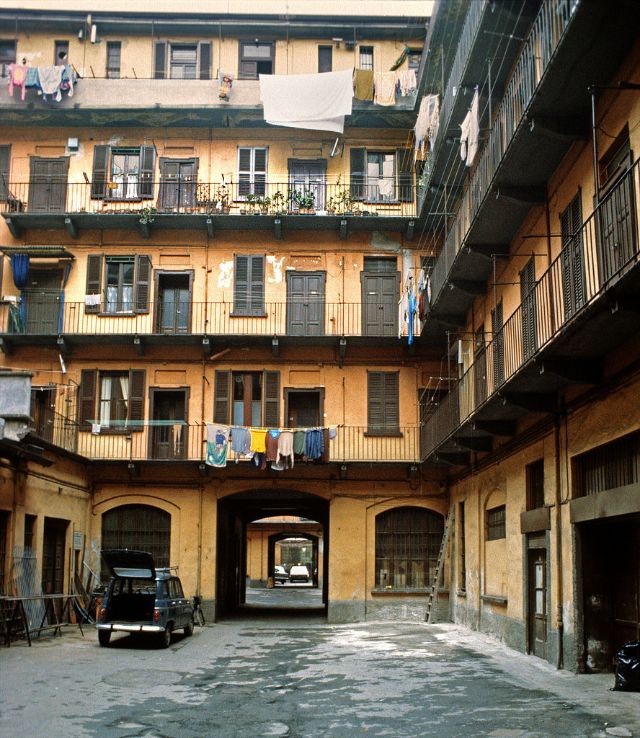
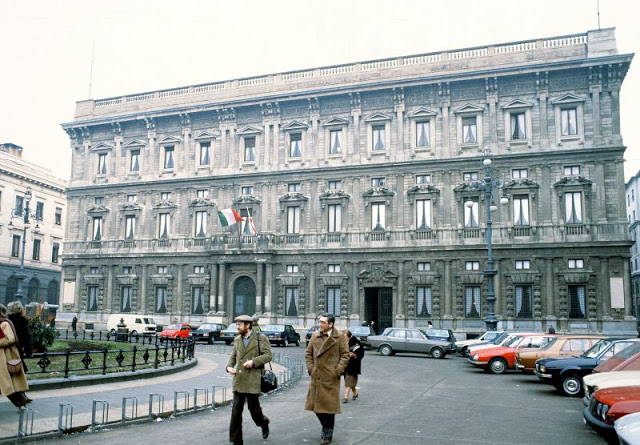
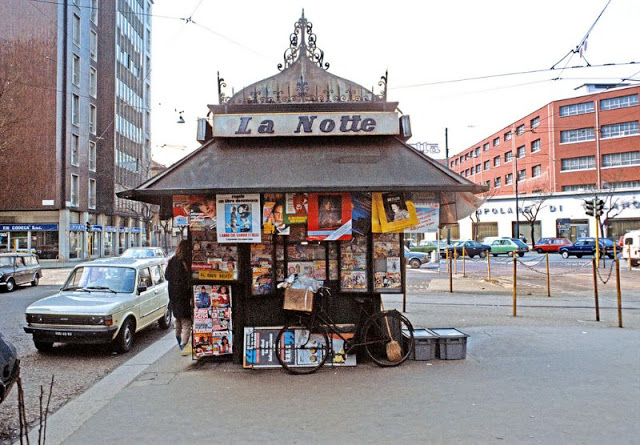
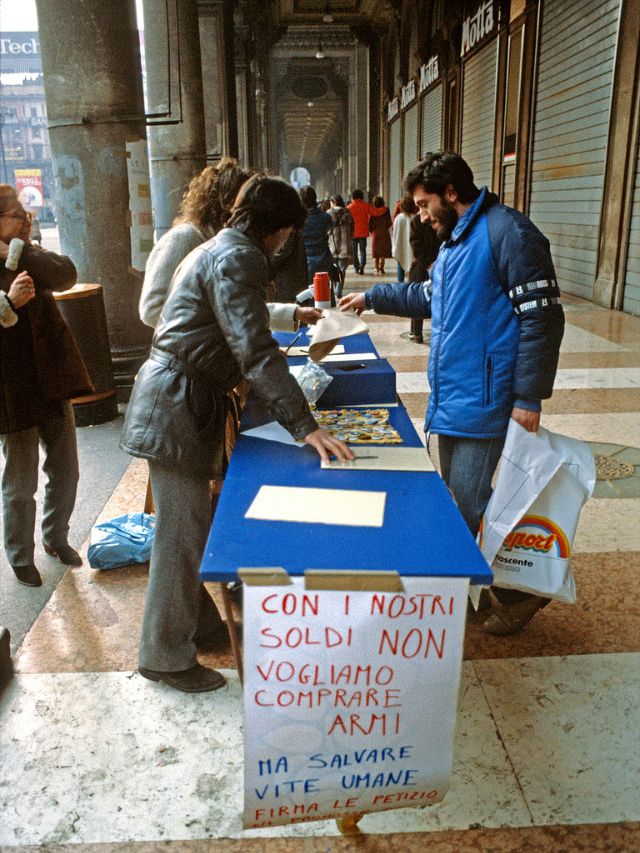
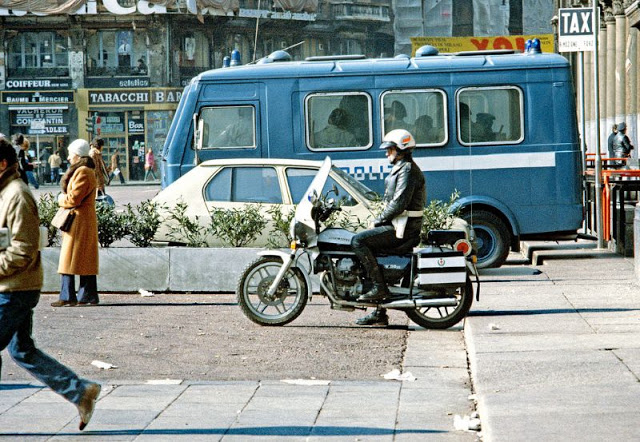
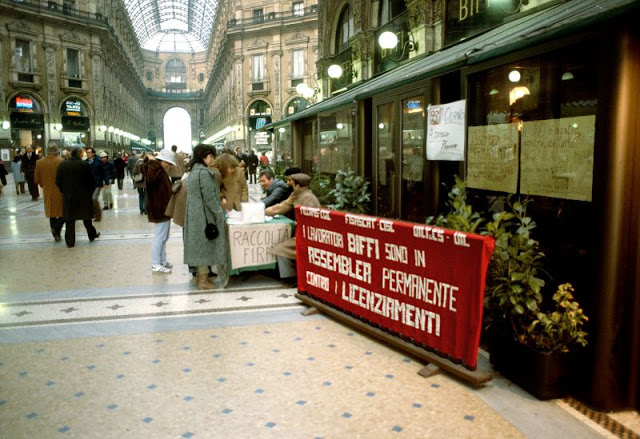
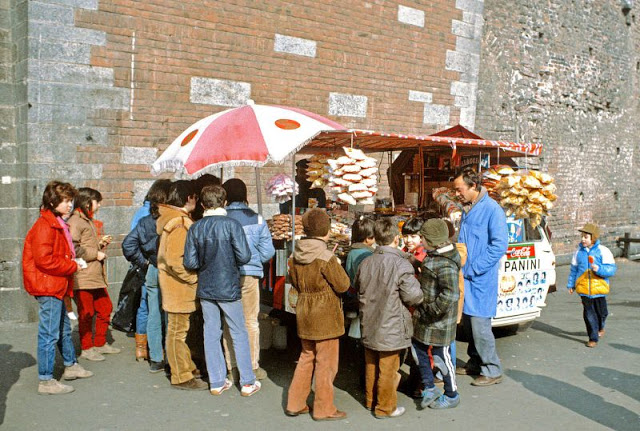
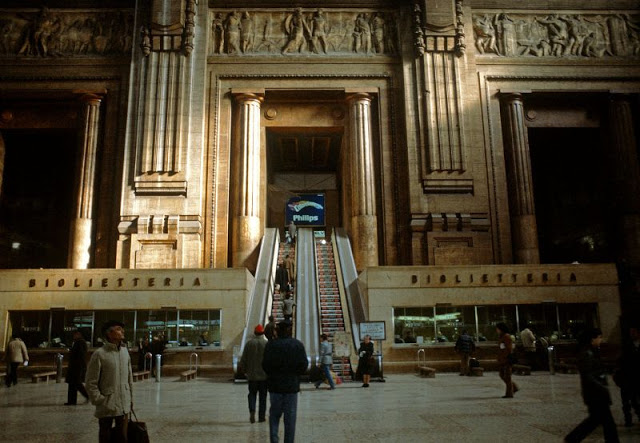
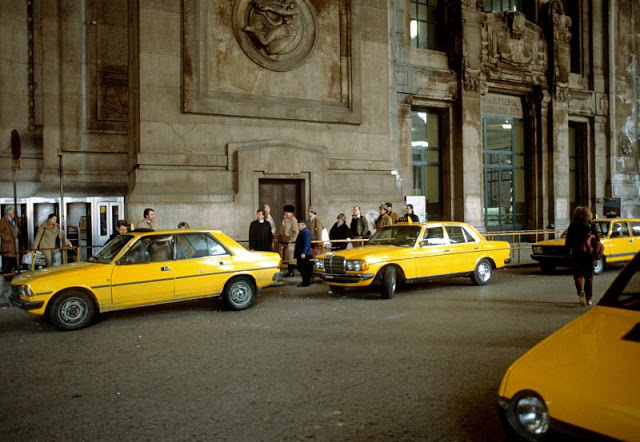
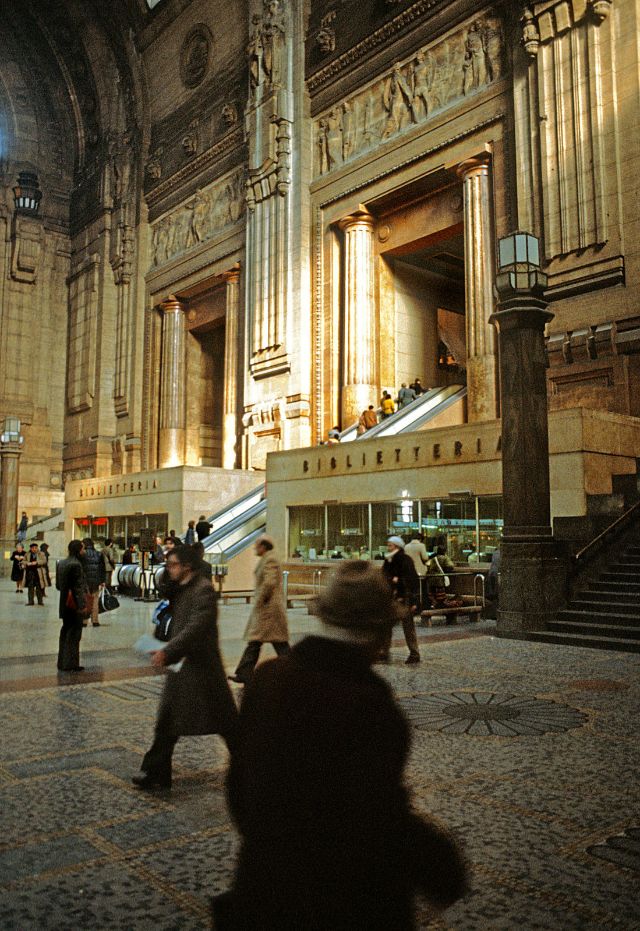
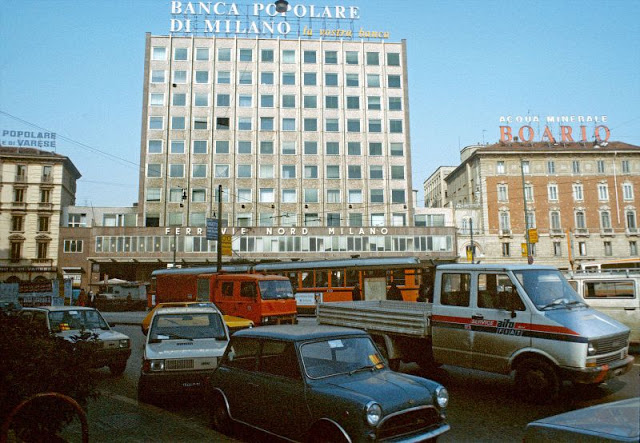
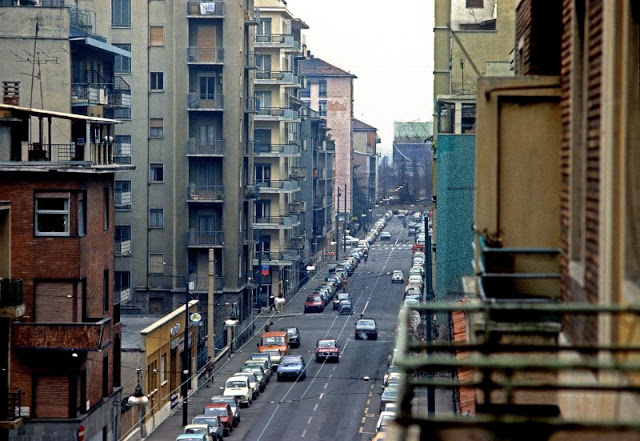
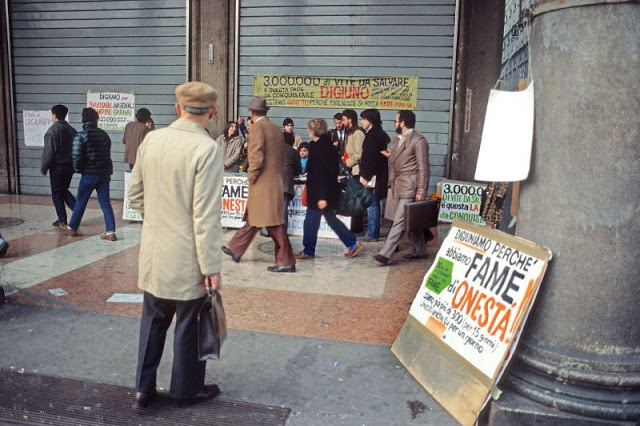
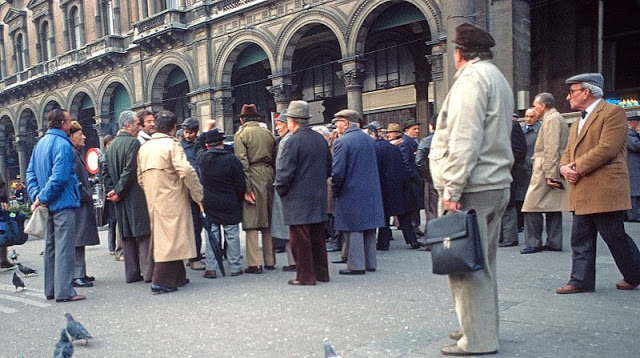
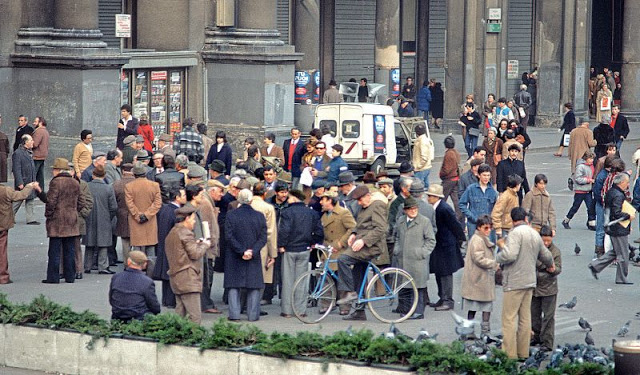
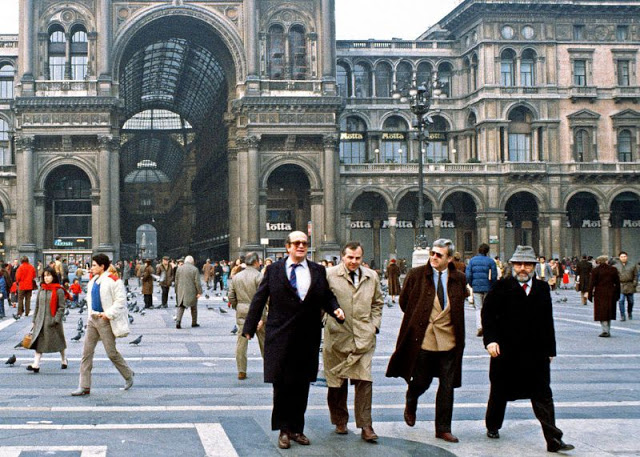
Piazza del Duomo, Milan, 1980Belligerent balloon seller, Piazza del Duomo, Milan, 1980Brera, Milan, 1980Giardini Pubblici, Milan, 1980‘Let’s help them’ – Earthquake appeal, Milan, 1980. The Irpinia earthquake in 1980 in Southern Italy killed nearly 3000 and left 300000 homelessMilan street scenes, 1980Milan, 1980Milan, 1980Piazza del Duomo, Milan, 1980Piazza del Duomo, Milan, 1980Piazza del Duomo, Milan, 1980Piazza del Duomo, Milan, 1980Piazza del Duomo, Milan, 1980Piazza del Duomo, Milan, 1980Piazza del Duomo, Milan, 1980Piazza del Duomo, Milan, 1980Piazza del Duomo, Milan, 1980Piazza del Duomo, Milan, 1980Stazione Centrale, Milan, 1980Men at Giardini Pubblici, Milan, 1981Piazza Adigrat, MIlan, 1981Via Sismondi looking west, Milan, 1981Camera del Lavoro, Milan, 1983Galleria, Milan, 1983Milan metro, 1983Milan, 1983Milan’s city hall Palazzo Marino, 1983Newsstand, Viale Corsica, Milan, 1983Piazza del Duomo, Milan, 1983Piazza del Duomo, Milan, 1983Picket at Biffi, Galleria, Milan, 1983Sforza Castle, Milan, 1983Stazione Centrale, Milan, 1983Stazione Centrale, Milan, 1983Stazione Centrale, Milan, 1983Stazione Nord, Milan, 1983The Pirelli Tower, Milan’s first skyscraper, 1983Via Sismondi looking east, Milan, 1983Peace hunger strikers, Piazza del Duomo, Milan 1984Piazza del Duomo, Milan, 1984Piazza del Duomo, Milan, 1984Piazza del Duomo, Milan, 1984
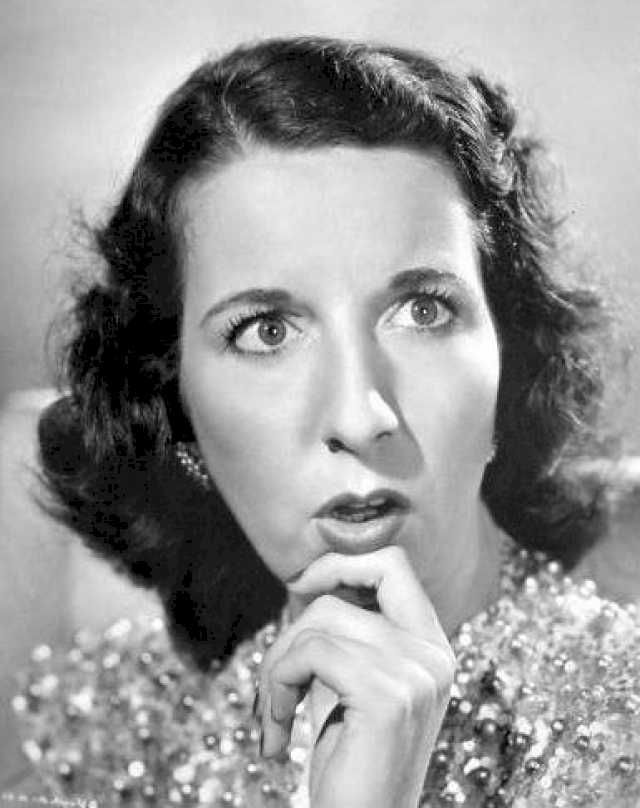
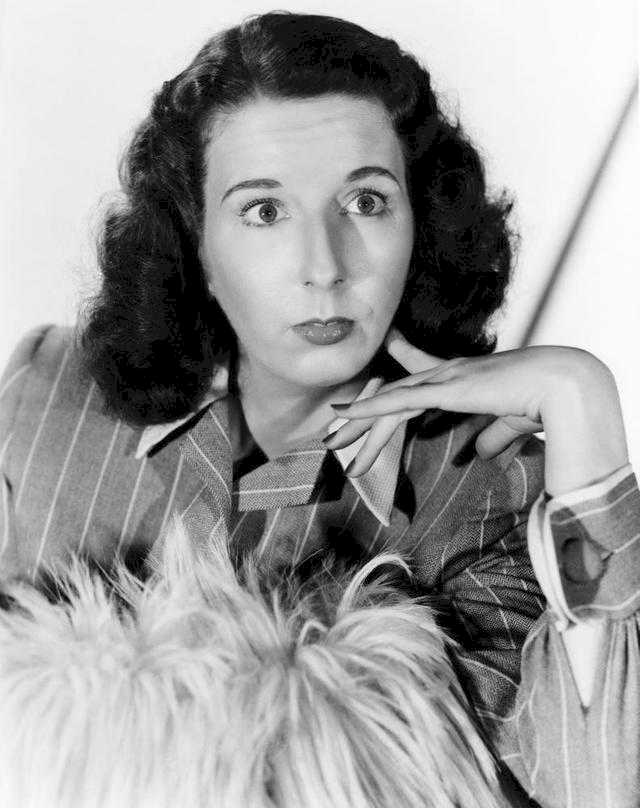
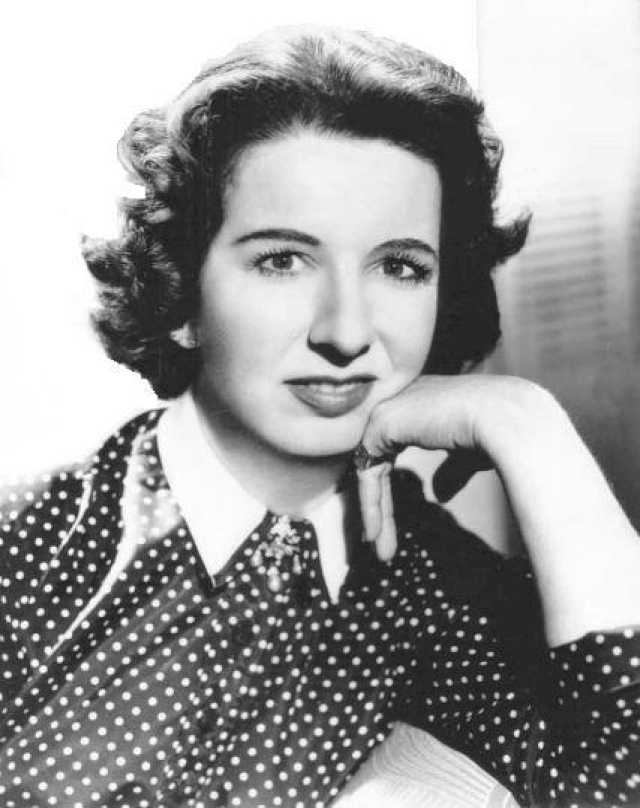
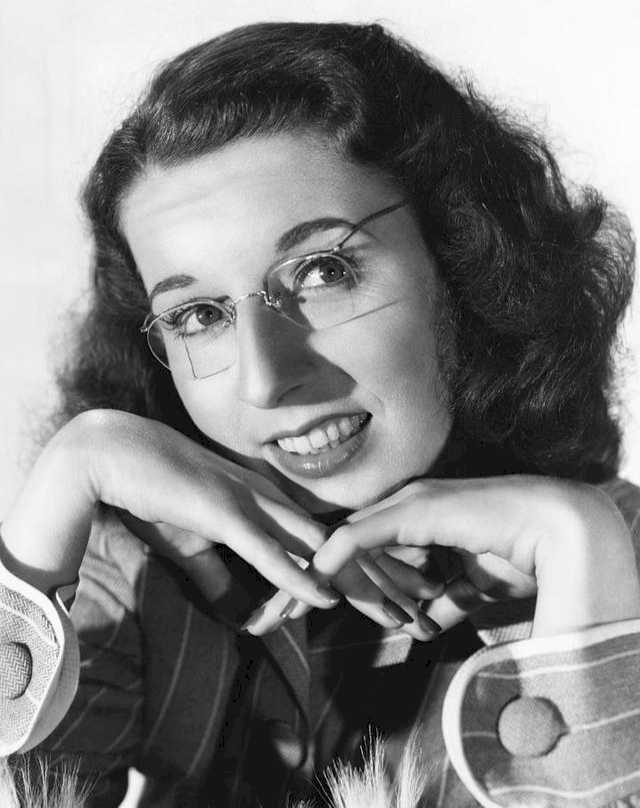
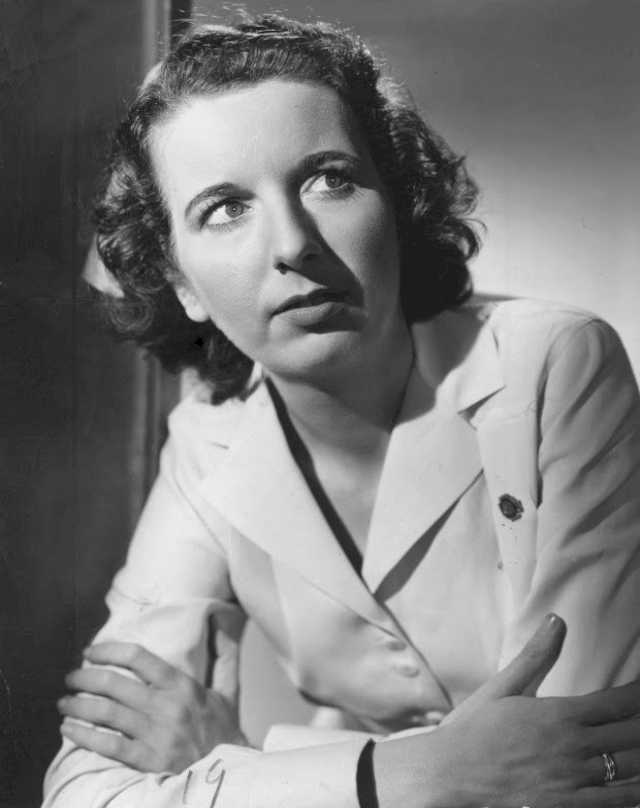
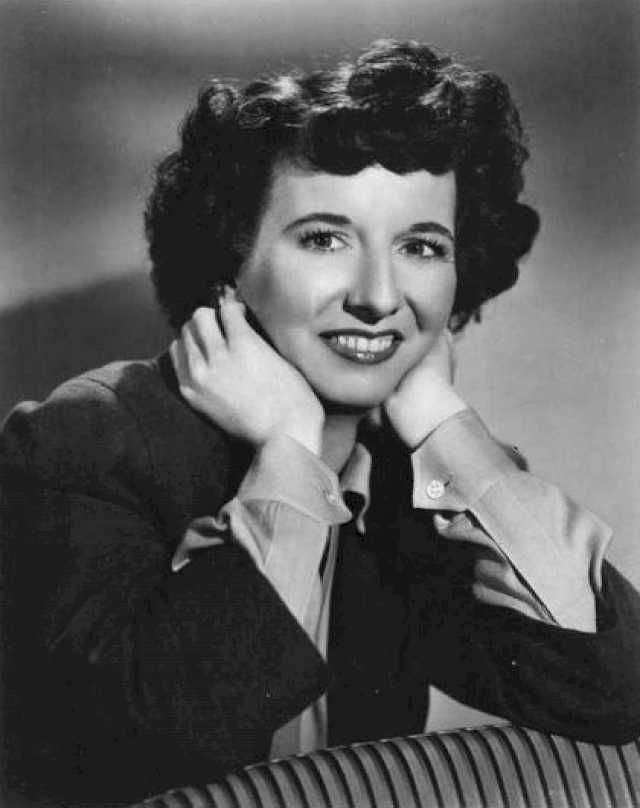
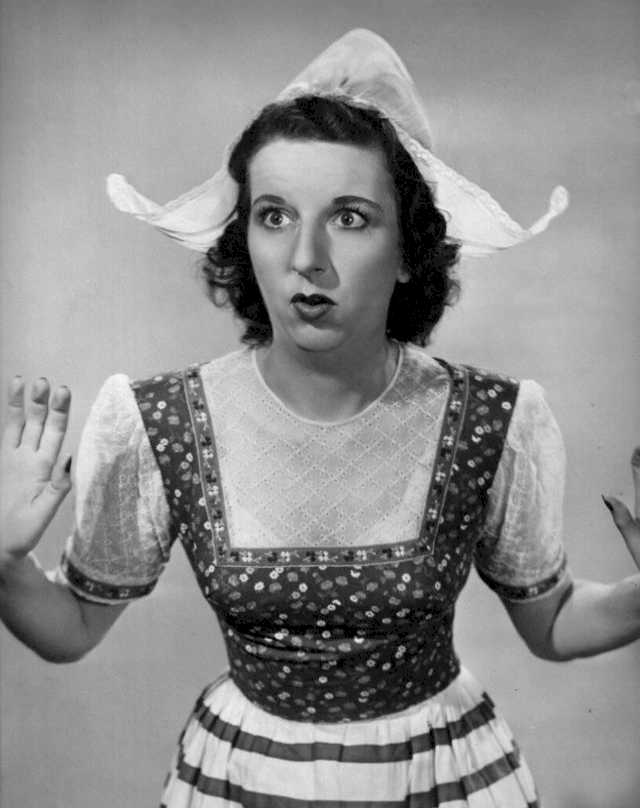
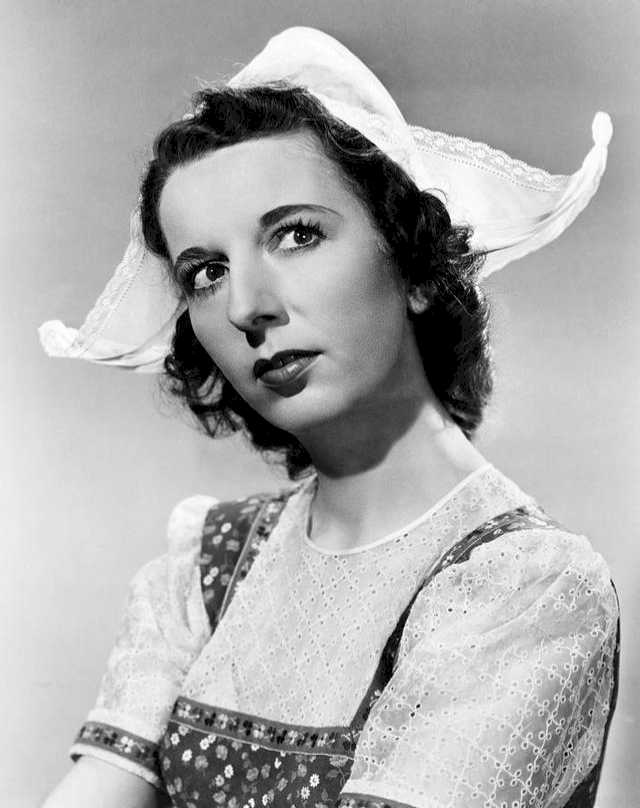
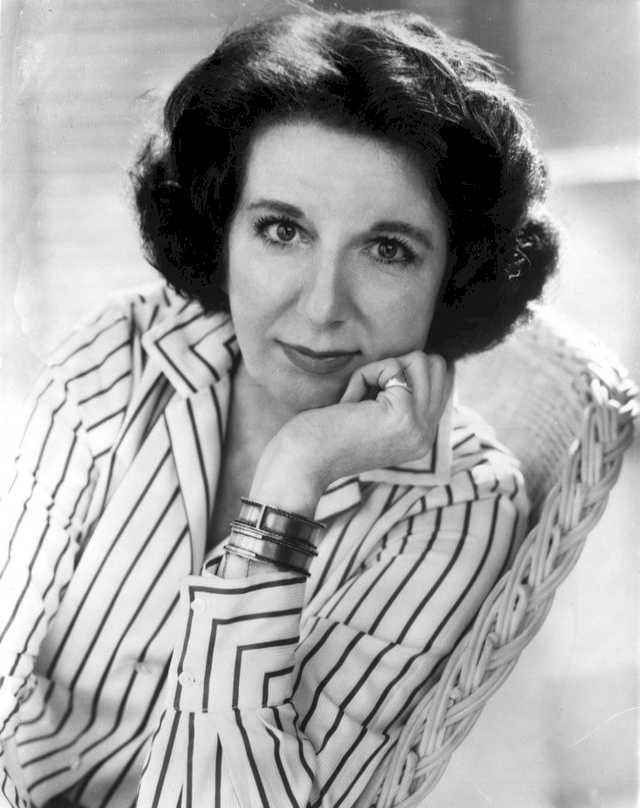
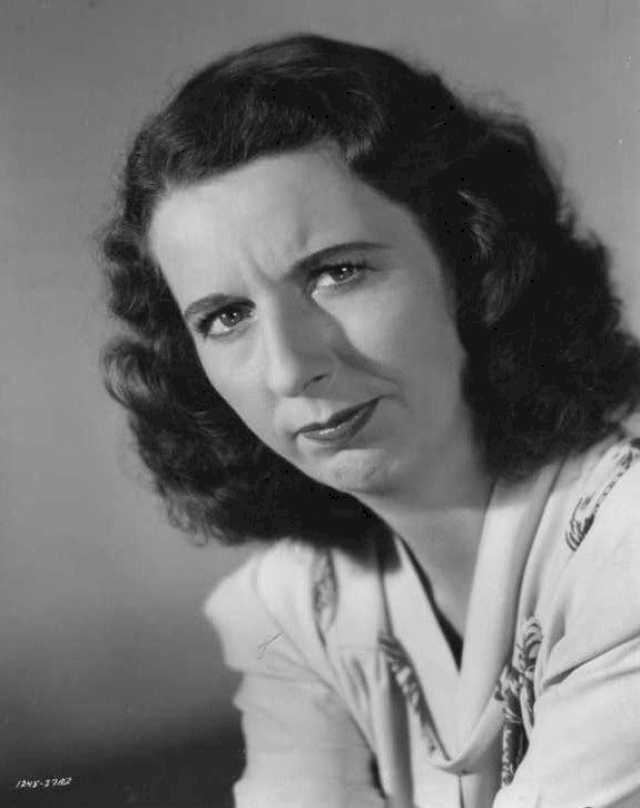
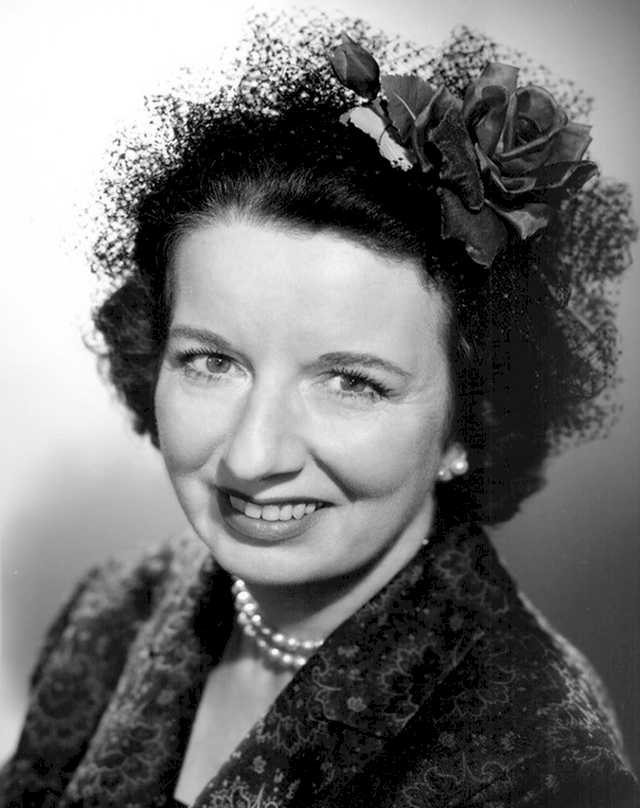
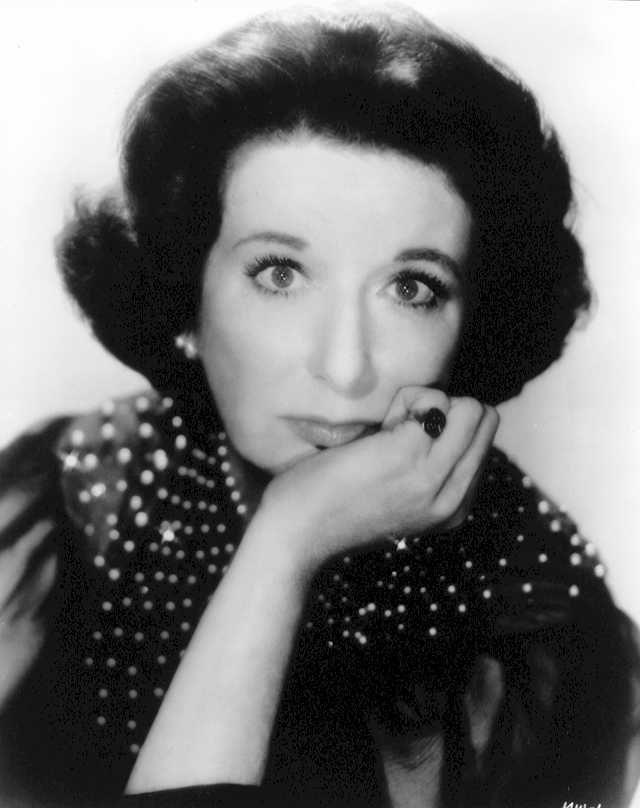
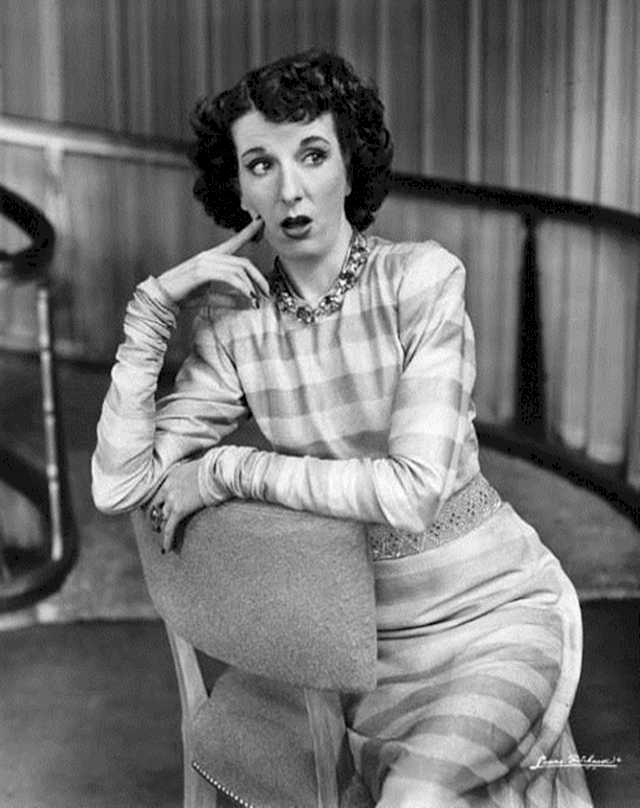
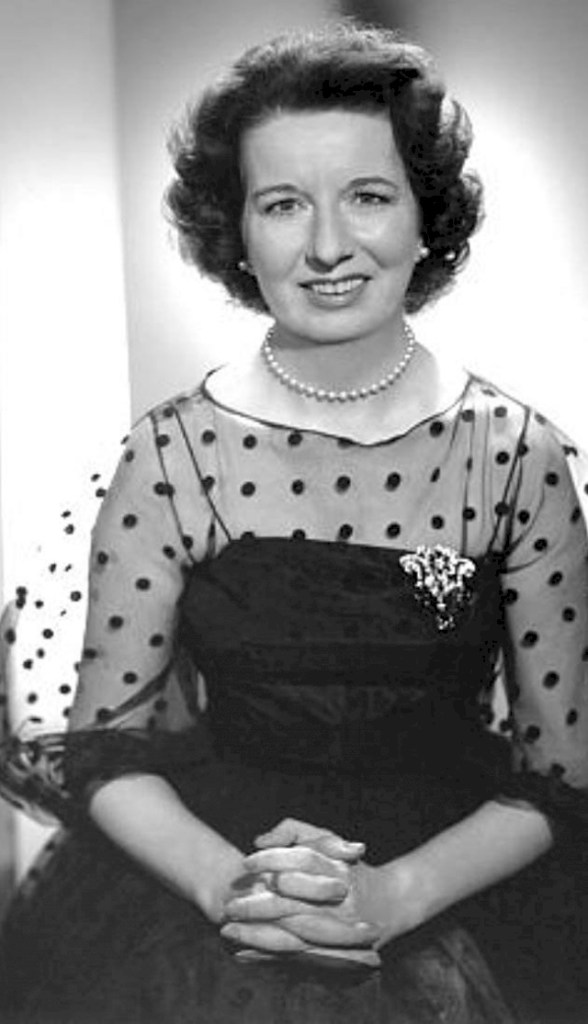
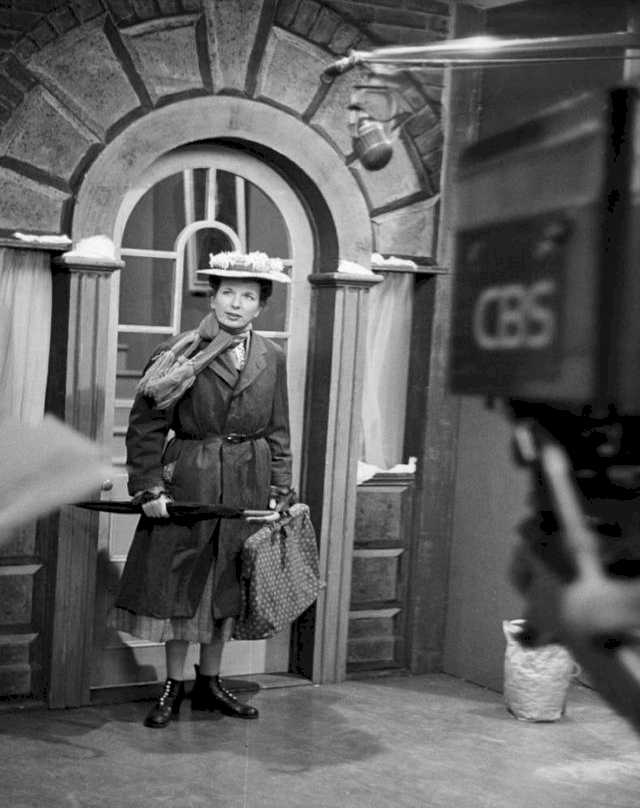
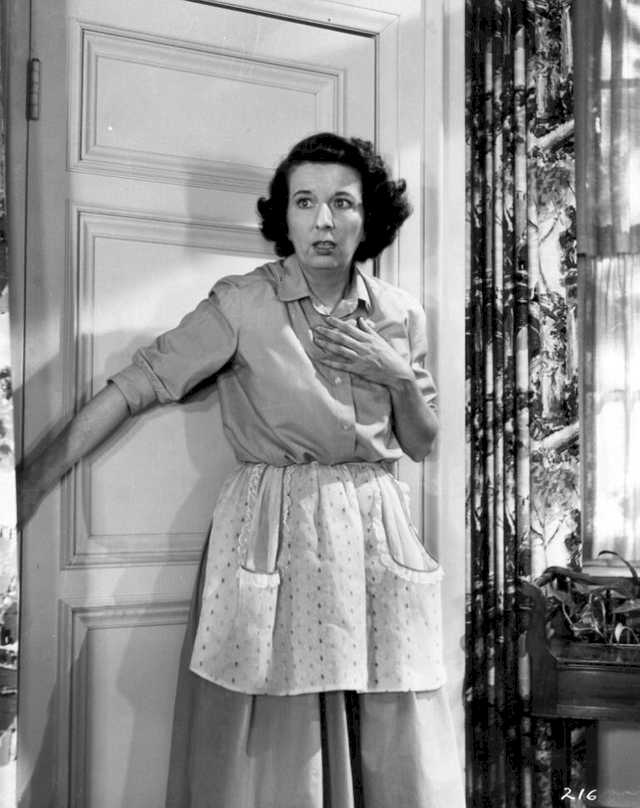
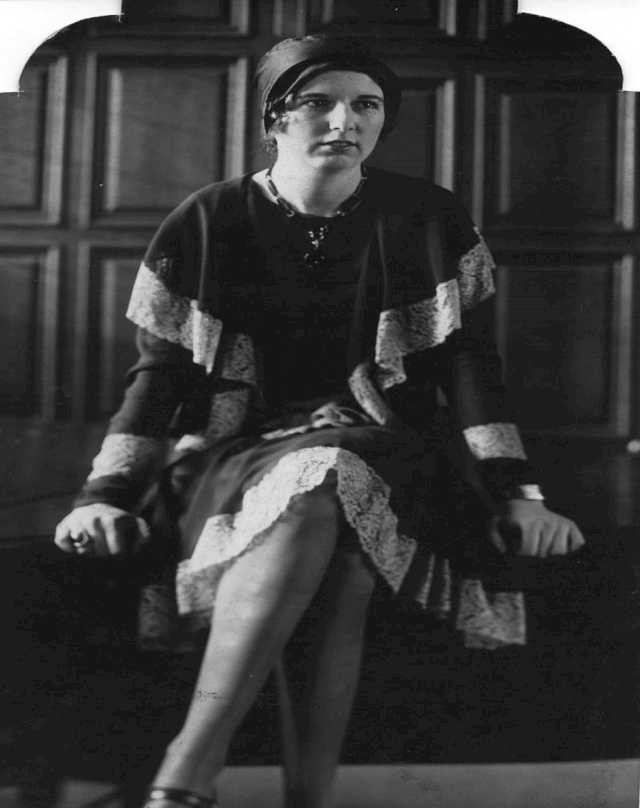
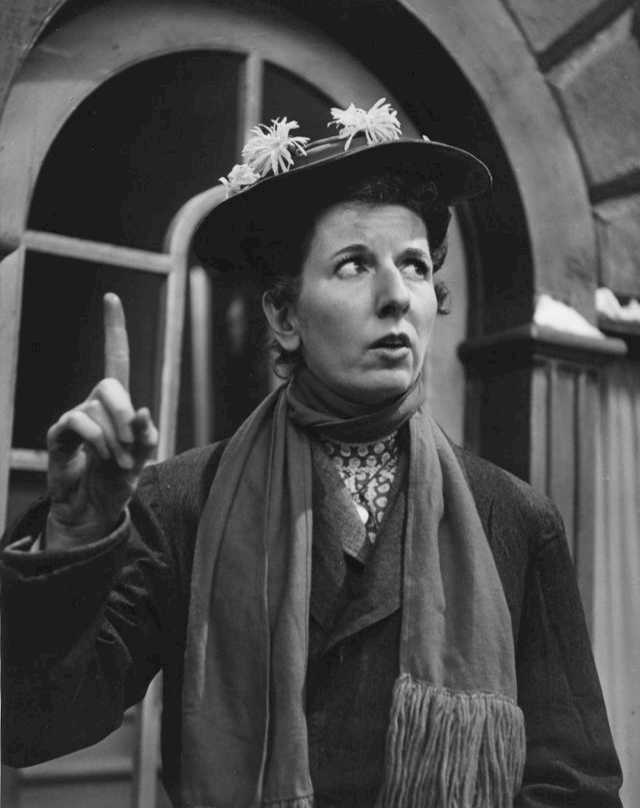
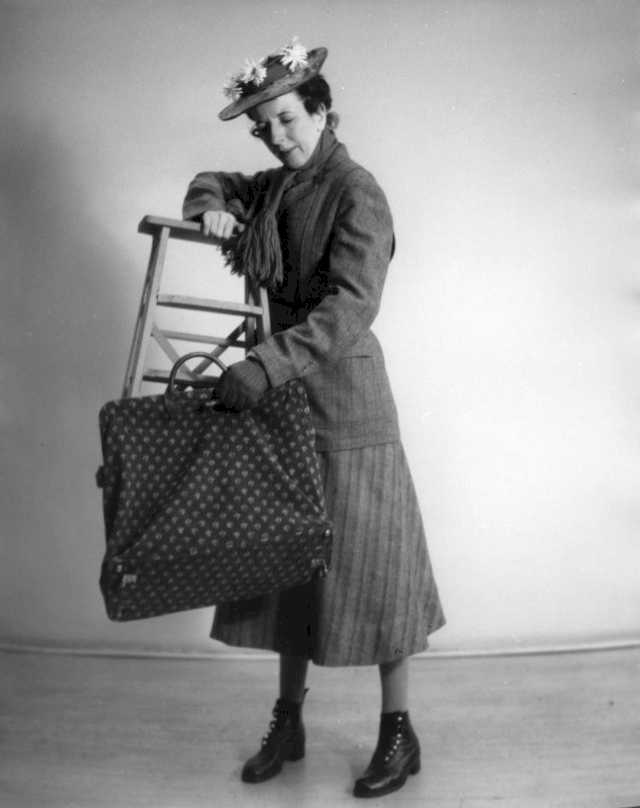
Mary Wickes was born Mary Isabella Wickenhauser in St. Louis, Missouri on June 13, 1910. She received her Bachelor of Arts degree from Washington University in St. Louis in 1930. She received the Distinguished Alumni Citation from Washington University in 1955. Later she was awarded an Honorary Doctor of Arts Degree from Washington University in 1969.
A tall, lanky character actress, Wickes was a durable and invaluable comedy player of innumerable housekeepers, nurses and nuns. With her gawky frame, deliciously angular features and famous recessed chin, she wisecracked, busybodied and nosed her way through almost 20 Broadway plays, hundreds of stock productions, ten TV series, countless small-screen guest spots and nearly 50 feature films.
Wickes began on stage in the early 1930s and acted in five plays either written or directed by George S. Kaufman. Her breakthrough came when she hilariously played Miss Preen, the endlessly harassed nurse to the vituperative Sheridan Whiteside (Monty Woolley) in Kaufman and Hart’s The Man Who Came to Dinner (1939–40). Wickes later recreated her most famous role as her film debut in 1941, in a radio production starring Fred Allen and in a 1972 TV version with Orson Welles.
Wickes never got married and she never had any children. She put all her money and estate in the establishment of ‘The Isabella and Frank Wickenhauser Memorial Library Fund for Television, Film and Theatre Arts’ at Washington University in St. Louis.
During the last years of her life, Mary suffered from several ailments and health issues. She had a kidney failure, low blood pressure, anaemia, respiratory problems, an unknown stage of breast cancer, gastrointestinal bleeding etc. While in the hospital, Mary also suffered from a broken hip due to an accidental fall.
On October 22, 1995, Wickens took her last breath. She was 85 years old. Mary Wickens rests peacefully at the Shilloh Valley Cemetery in Shilloh, Illinois. She was interred beside her parents.
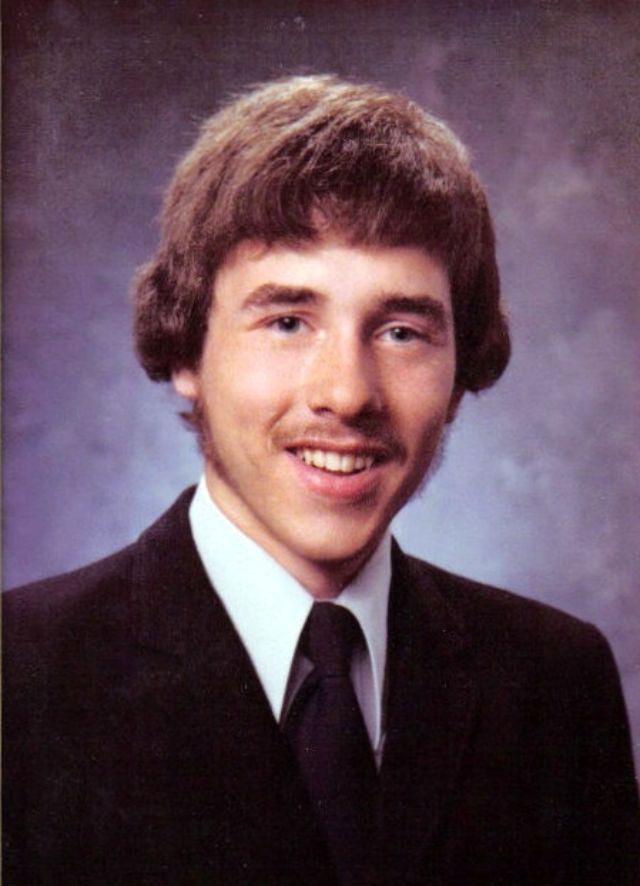
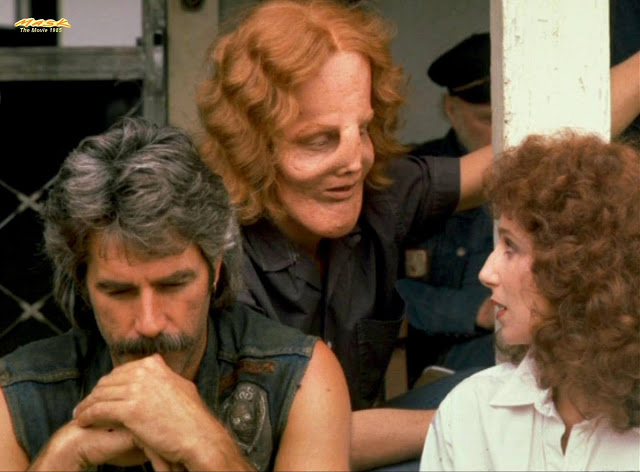
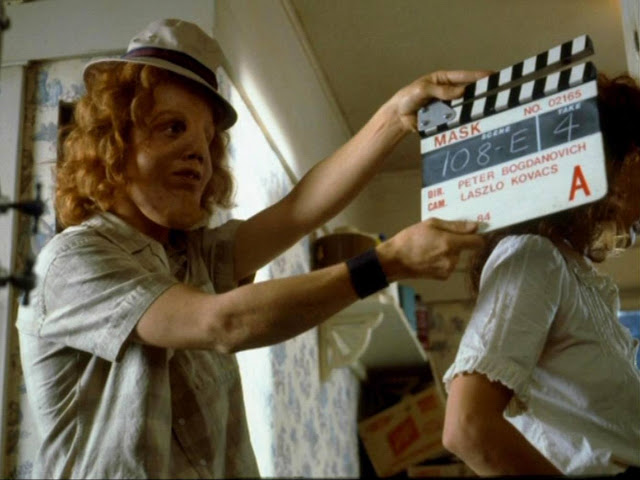
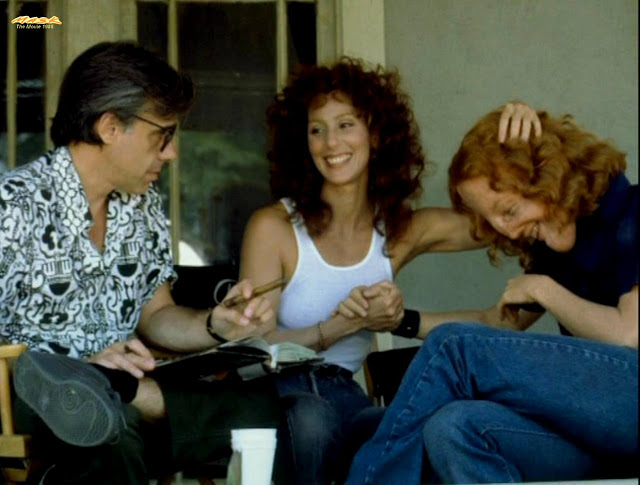
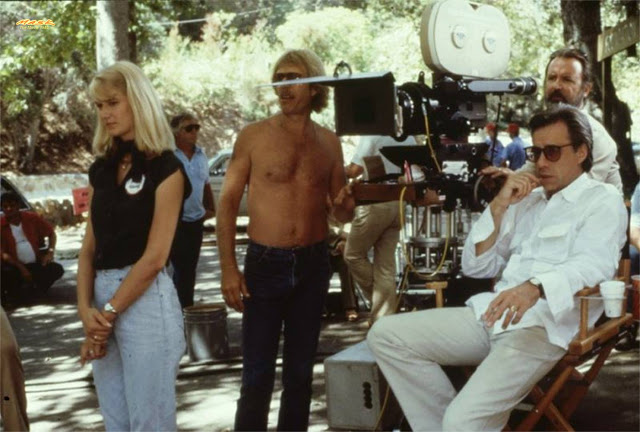
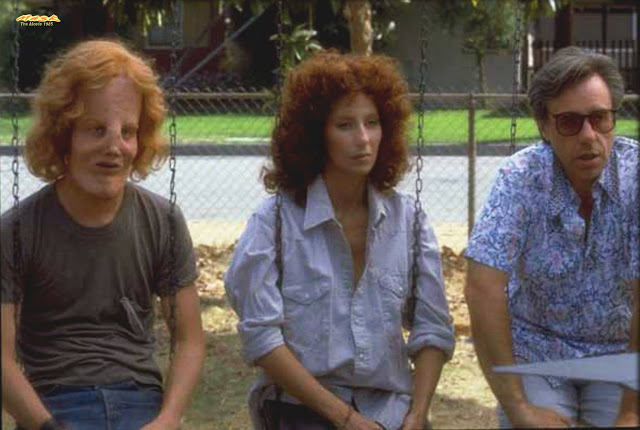
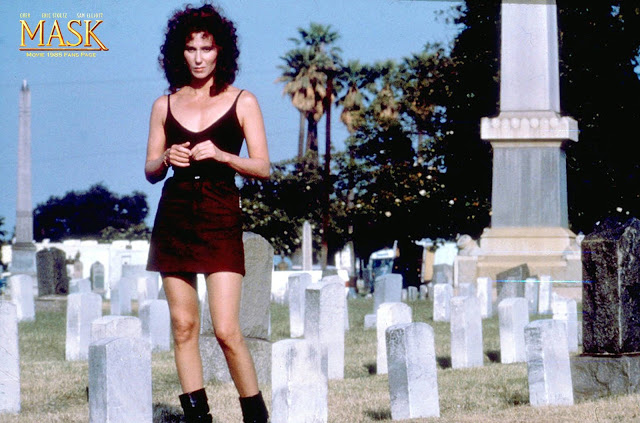
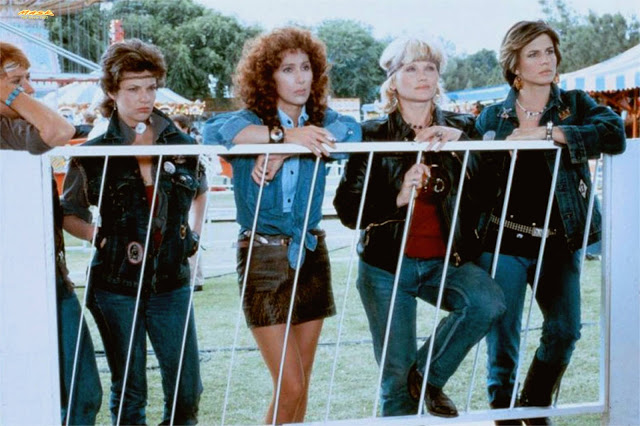
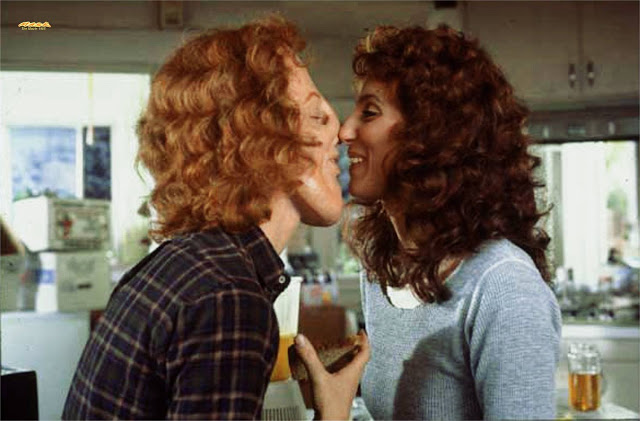
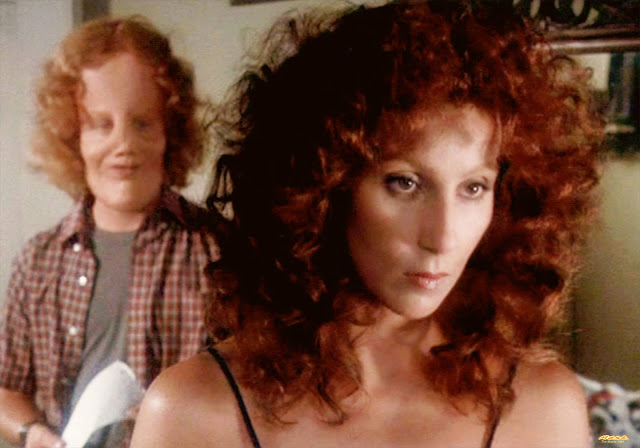
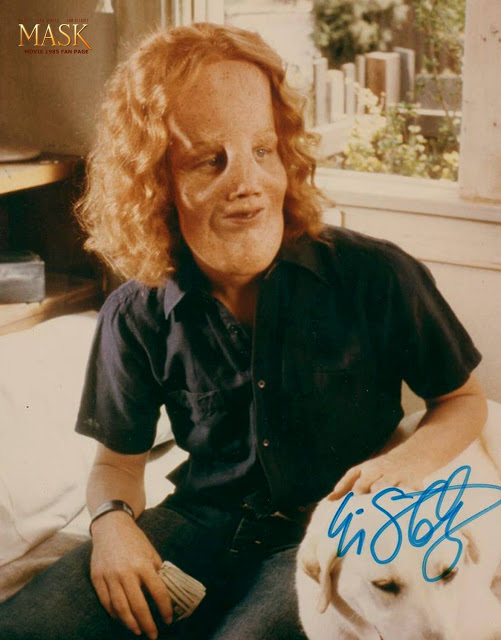
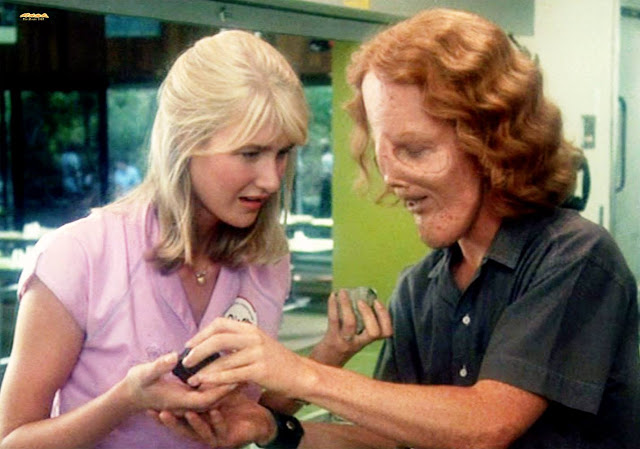
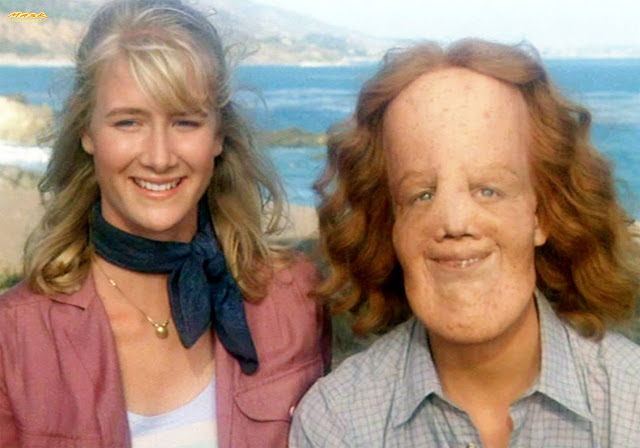
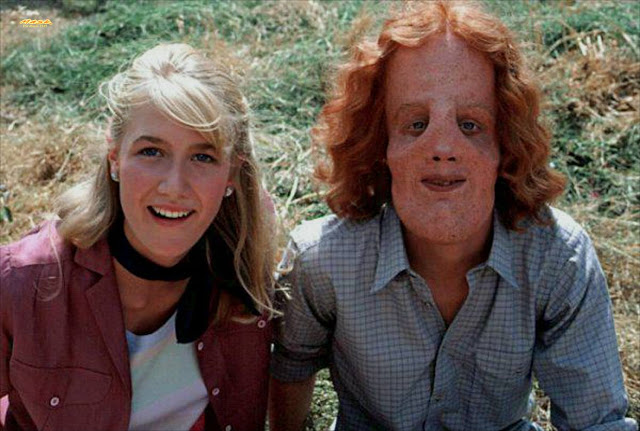
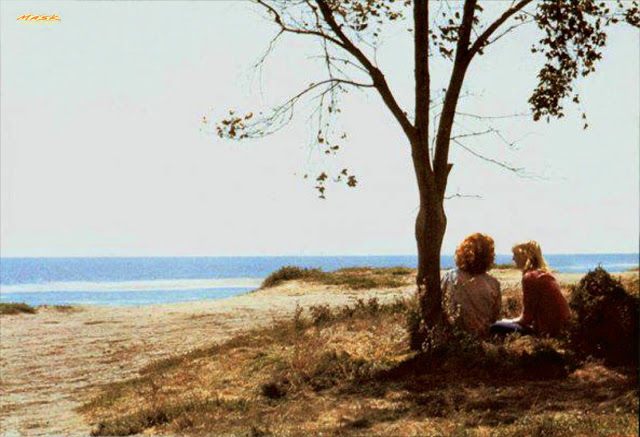
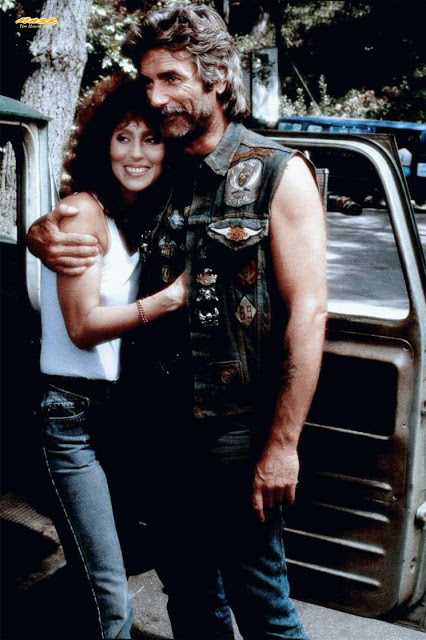
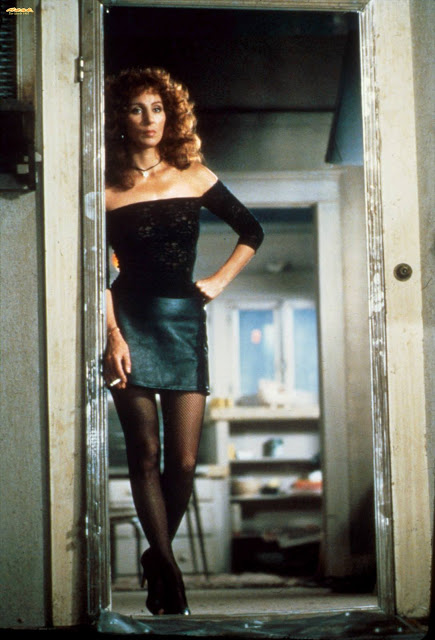
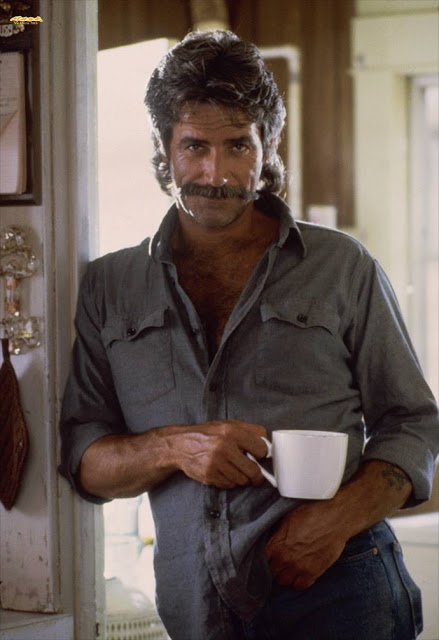
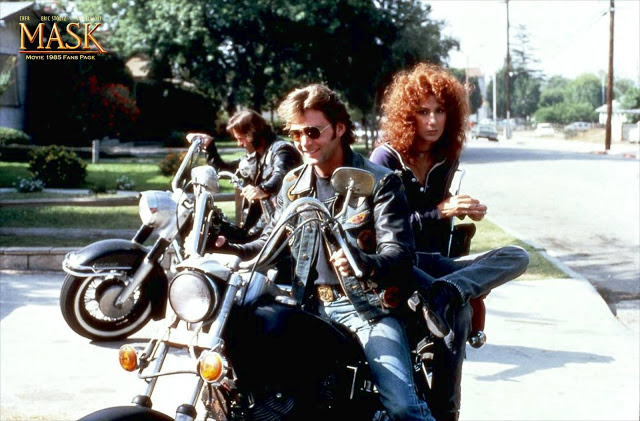
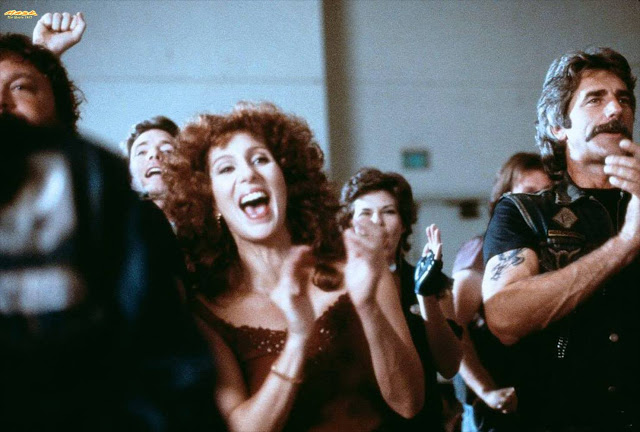
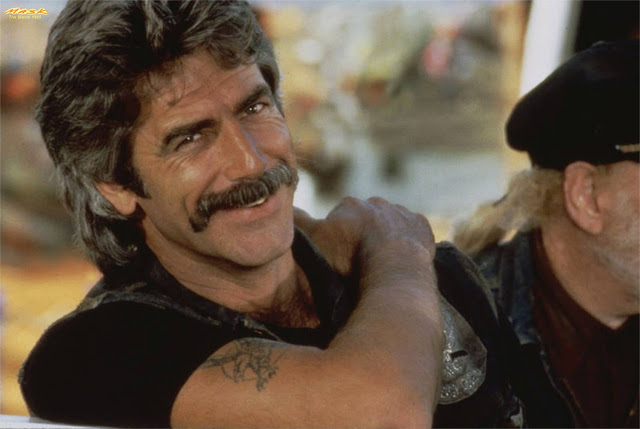
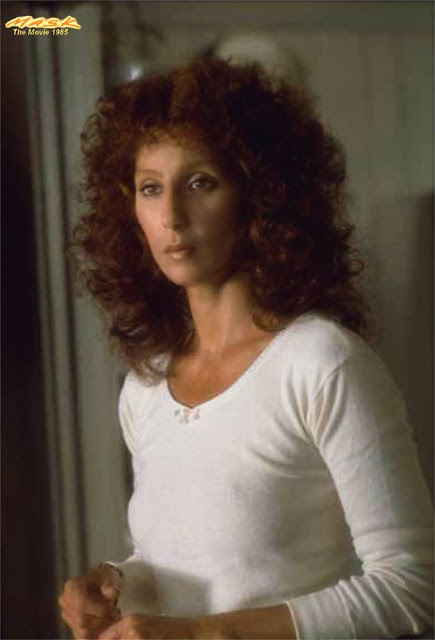
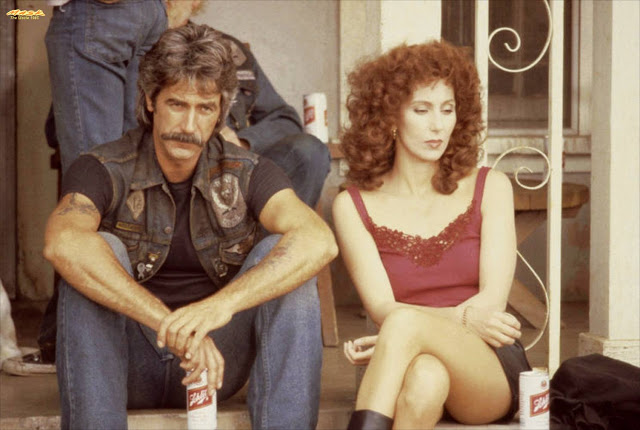
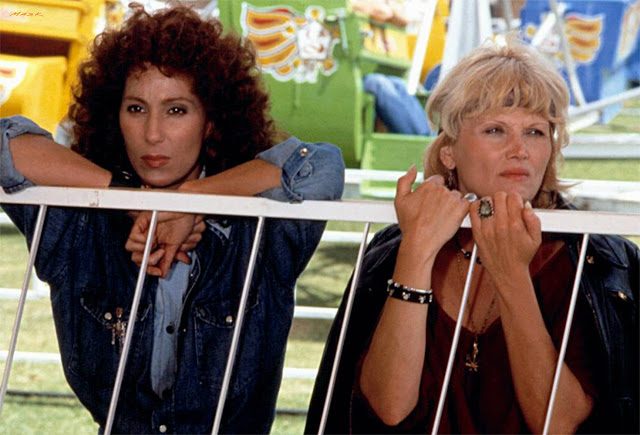
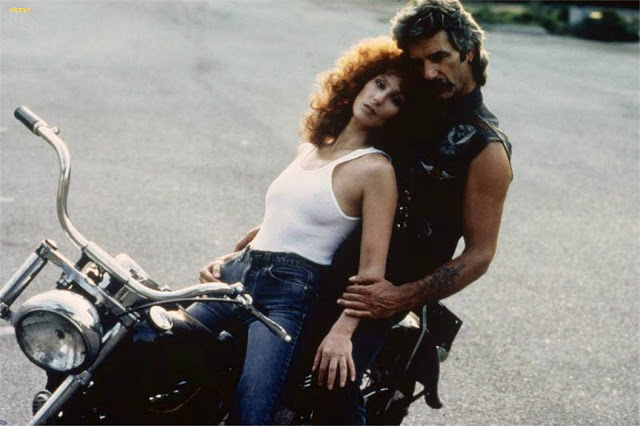
Movies don’t often grab us as quickly as Mask does. Mask is a 1985 American biographical drama film directed by Peter Bogdanovich, starring Cher, Sam Elliott, and Eric Stoltz with supporting roles played by Dennis Burkley, Laura Dern, Estelle Getty, and Richard Dysart.
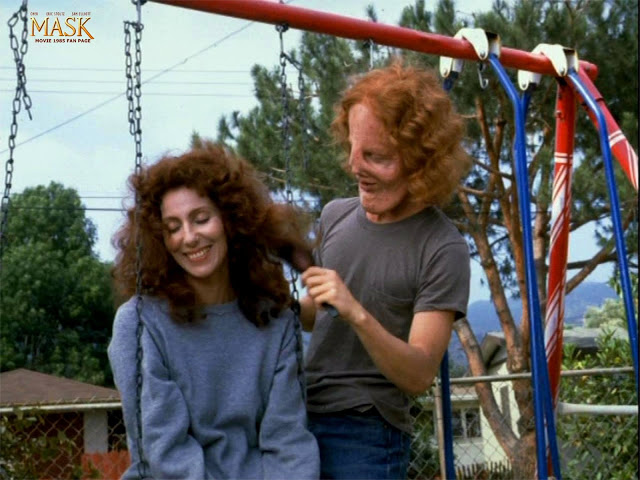
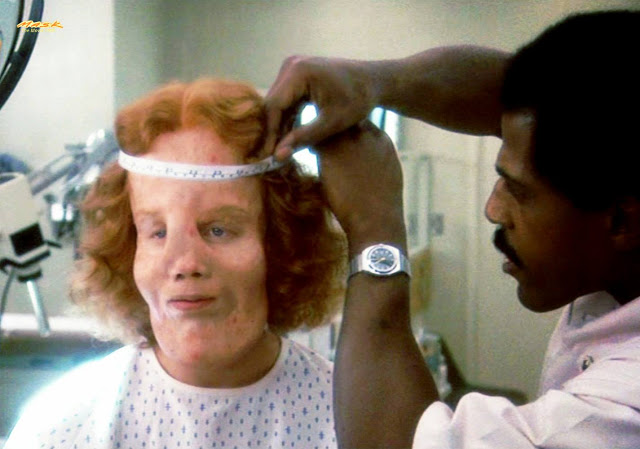
The film is based on the life and early death of Roy L. “Rocky” Dennis, a boy who had craniodiaphyseal dysplasia, an extremely rare disorder known commonly as lionitis due to the disfiguring cranial enlargements that it causes.
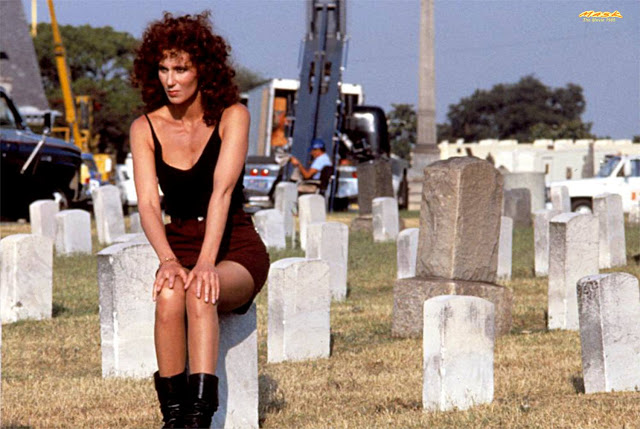
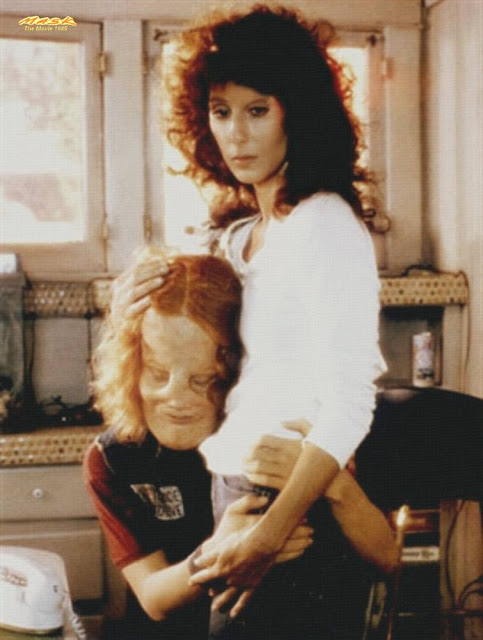
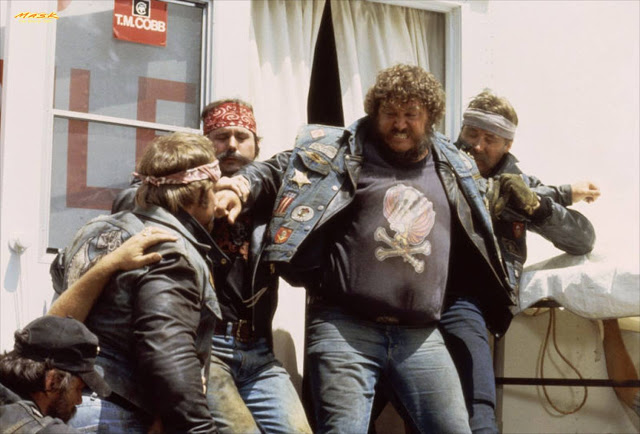
And the most extraordinary person in the movie, surprisingly, is not Rocky, but his mother, Rusty. She is not your normal mom, either. She rides with a motorcycle gang, abuses drugs, shacks up with gang members, and has no visible means of employment. But within about, 10 minutes, we know that she is the ideal mom for Rocky.
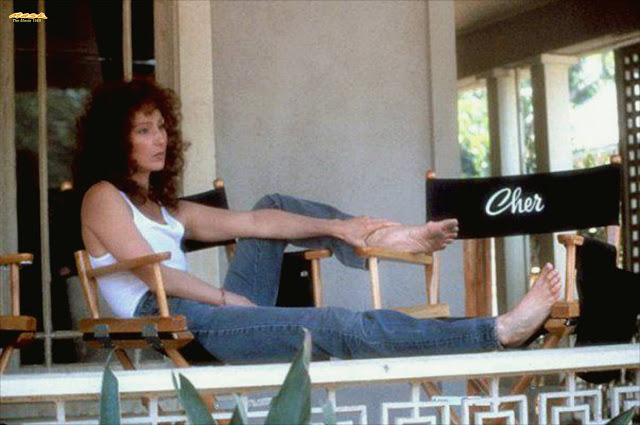
Rusty Dennis is played by Cher as a complicated, angry, high-energy woman with a great capacity to love her son and encourage him to live as fully as he can. Rocky is a great kid, but because he succeeds so well at being a teenager, he is not a special case like, say, the Elephant Man. He is a kid with a handicap. It is a tribute to Eric Stoltz, who plays the role beneath the completely convincing makeup of Michael Westmore, that we accept him on his own terms.
Cher received the 1985 Cannes Film Festival award for Best Actress. Mask won the Academy Award for Best Makeup while Cher and Stoltz received Golden Globe Award nominations for their performances.
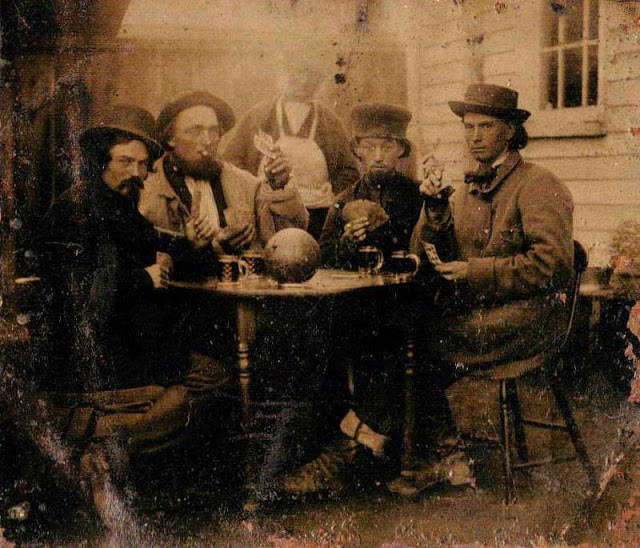
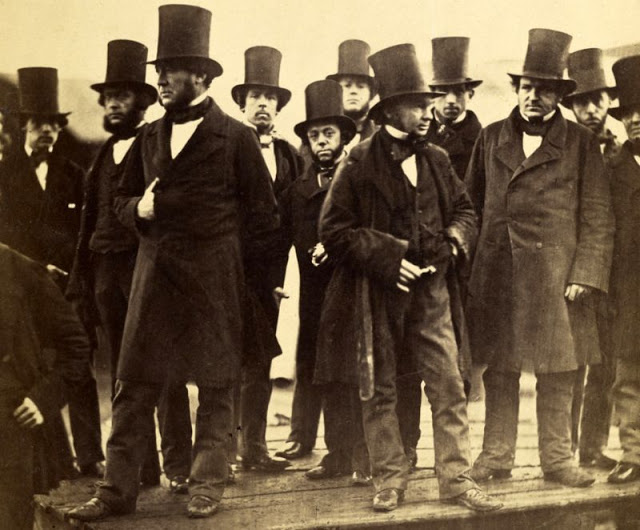
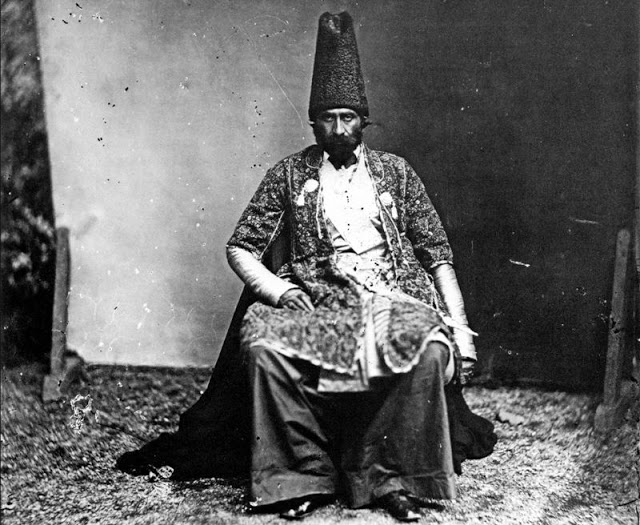
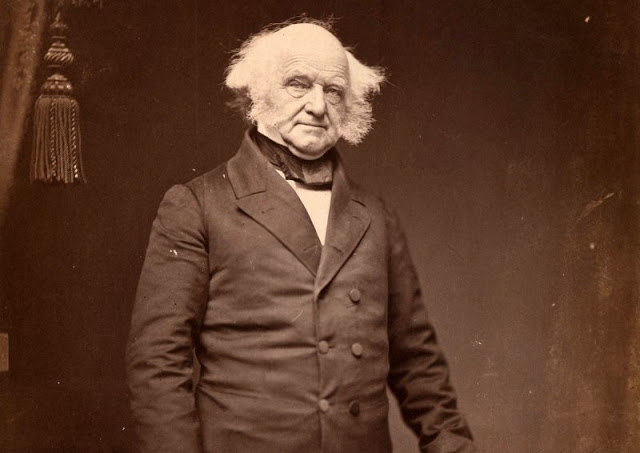
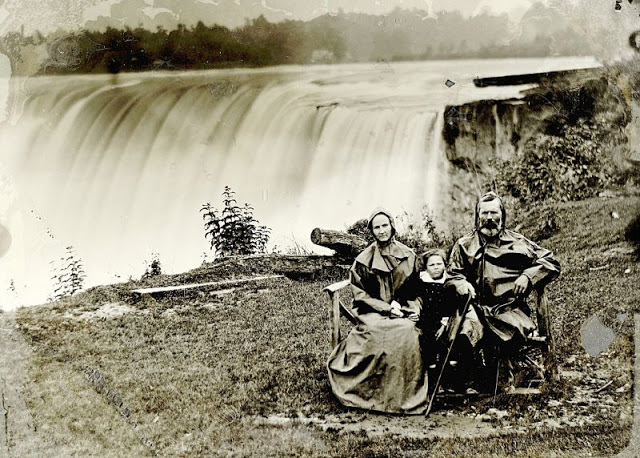
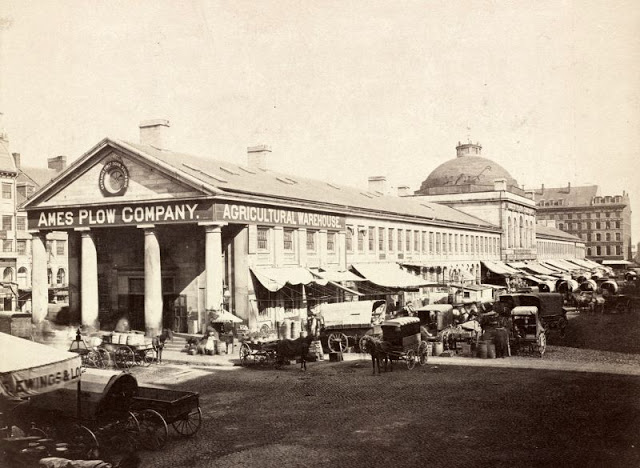
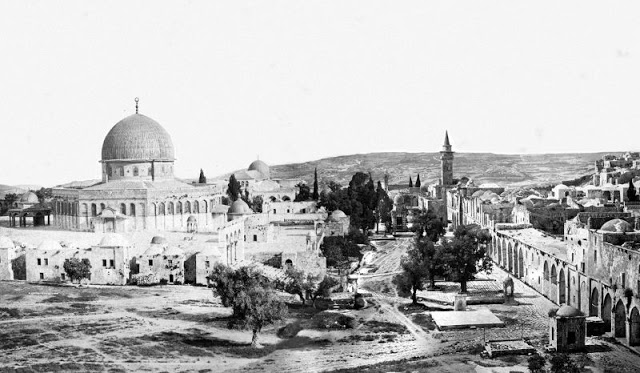
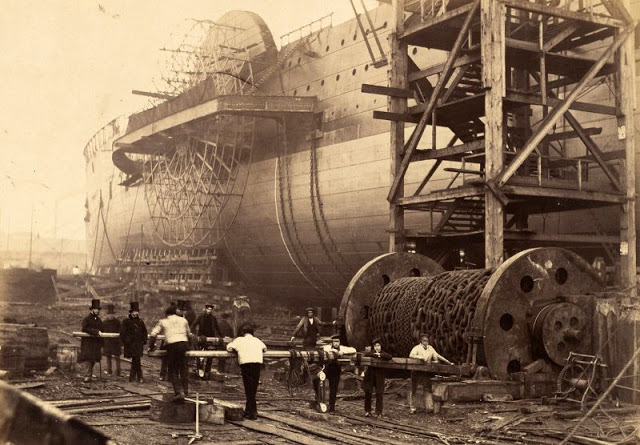
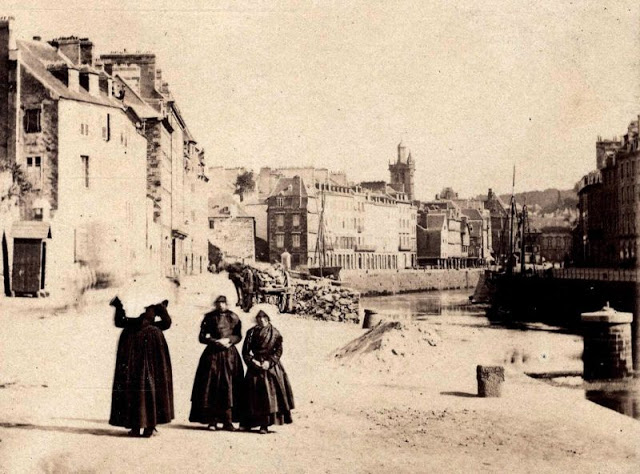
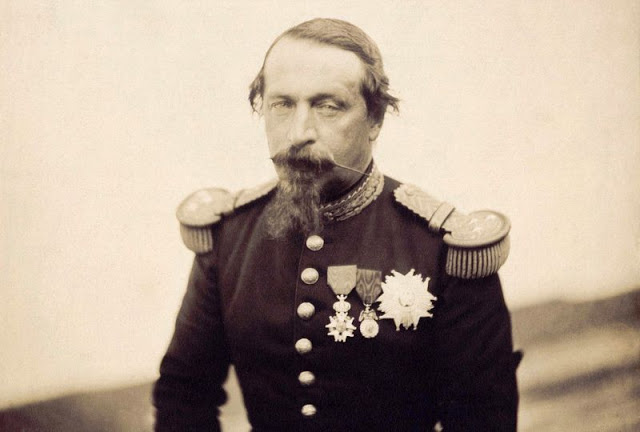
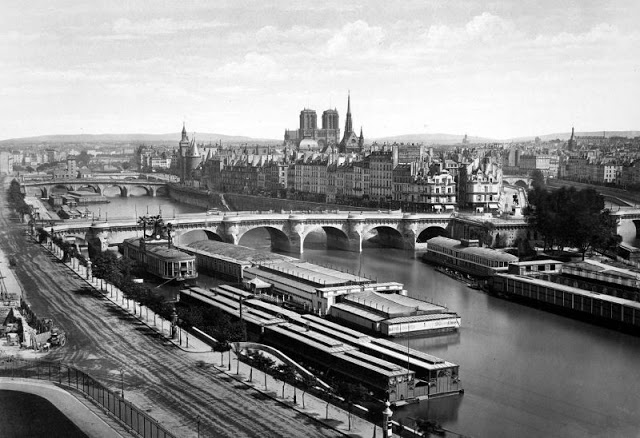
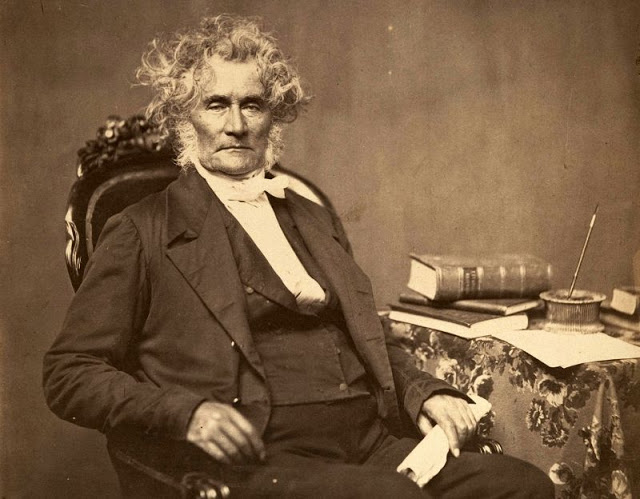
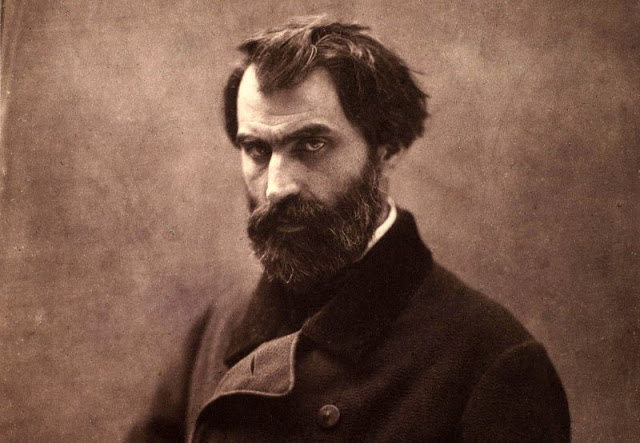
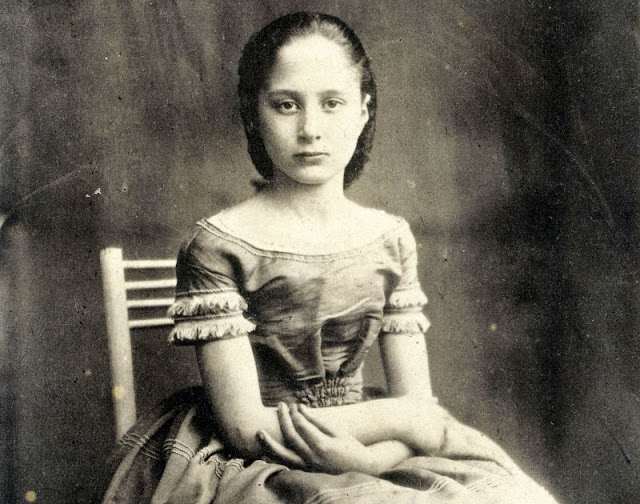
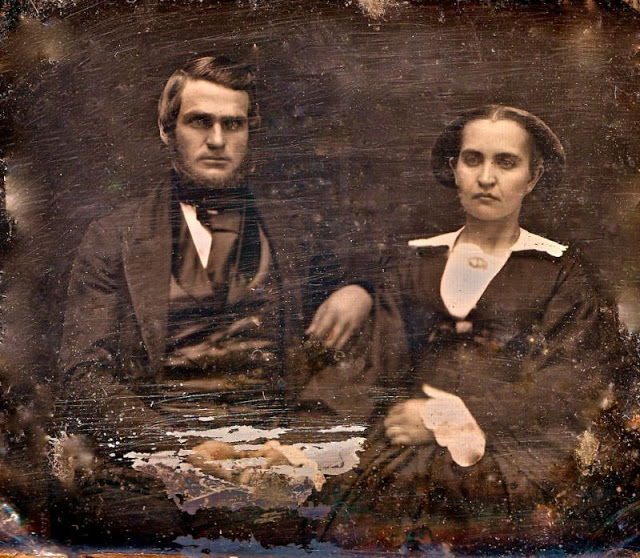
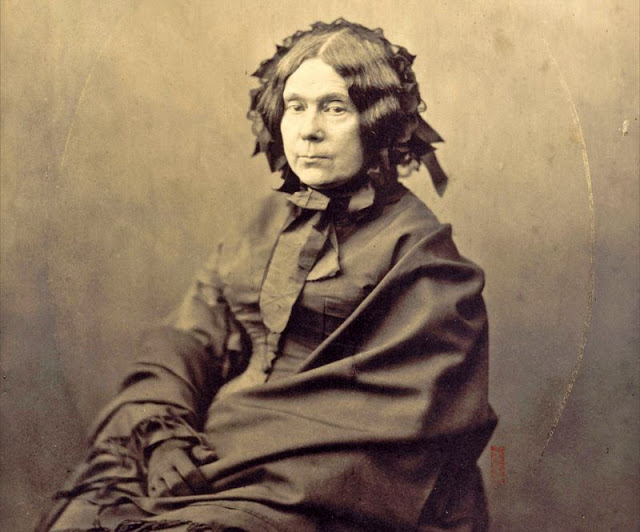
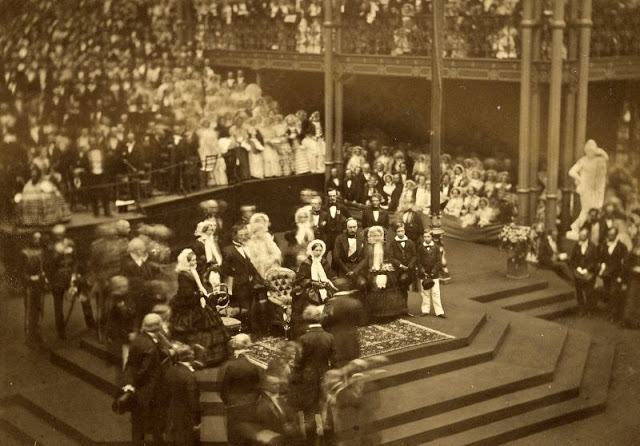
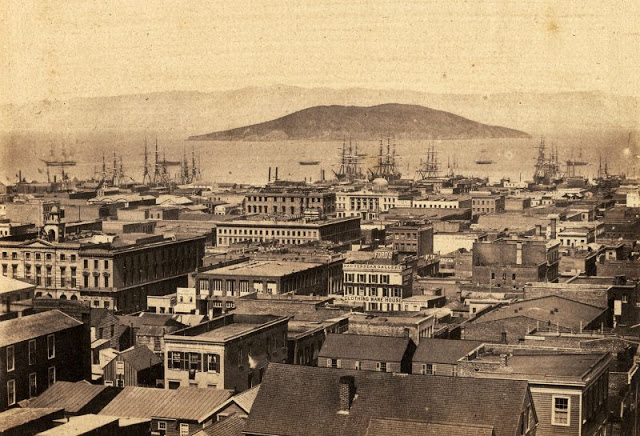
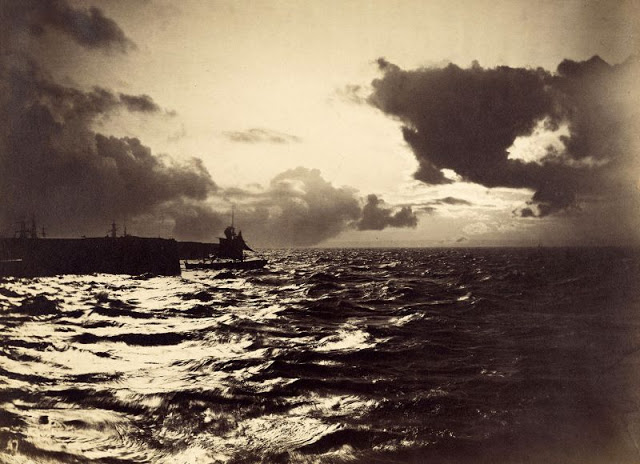
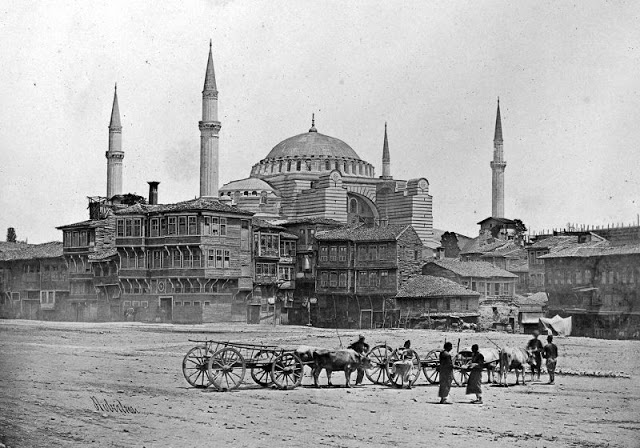
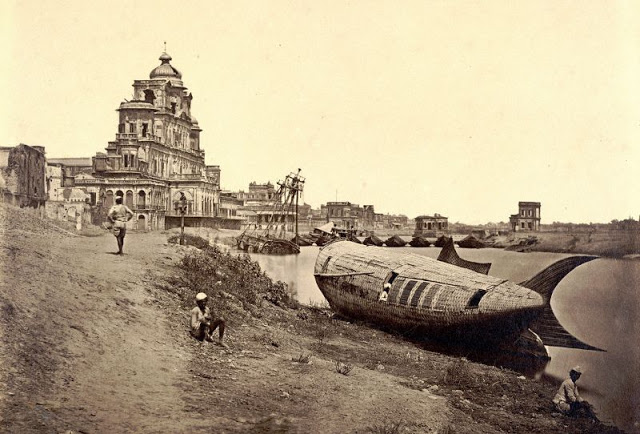
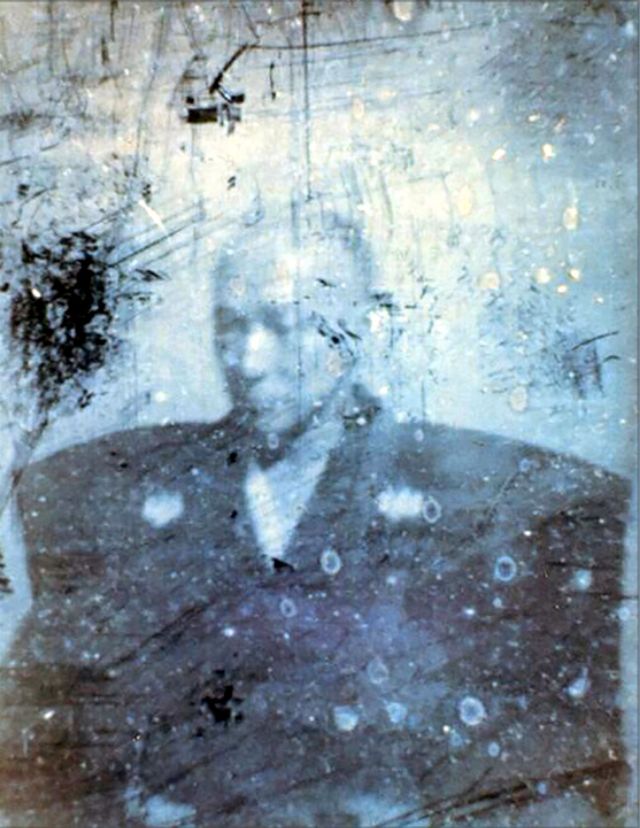
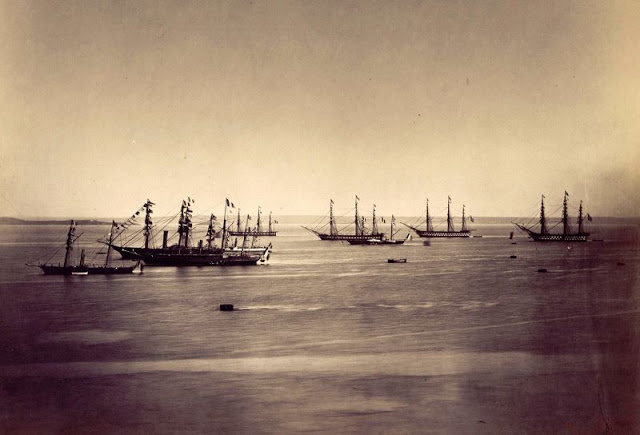
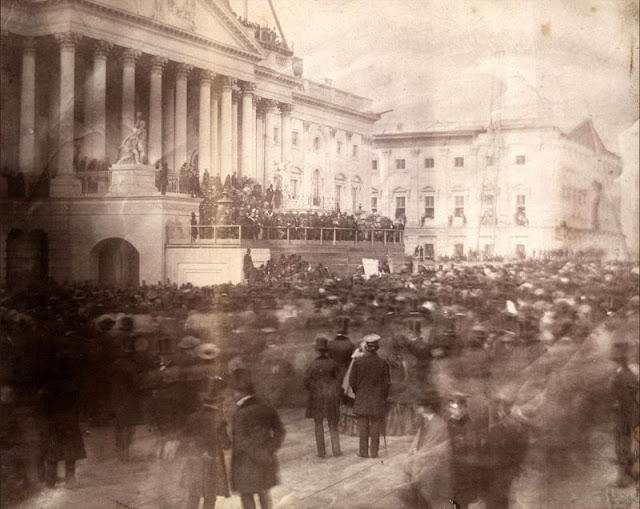
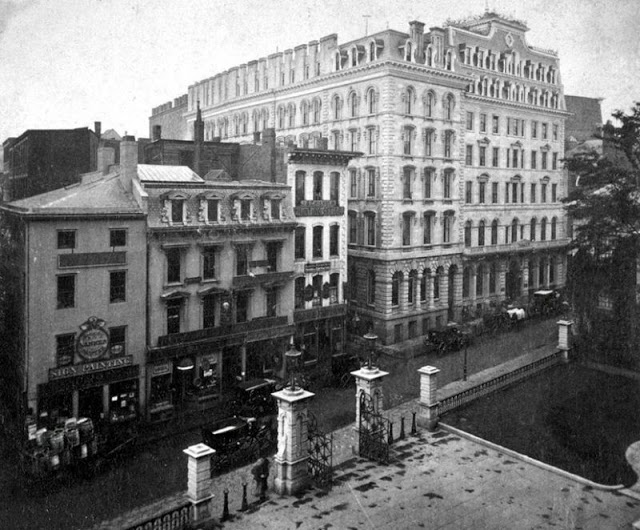
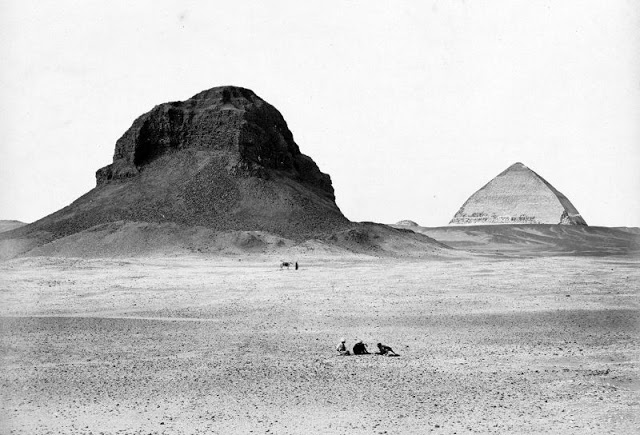
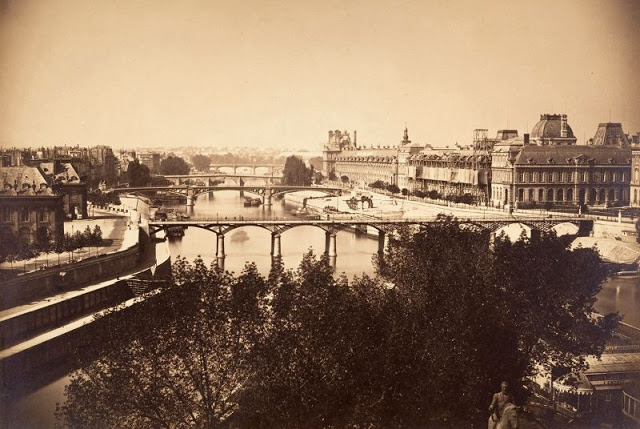
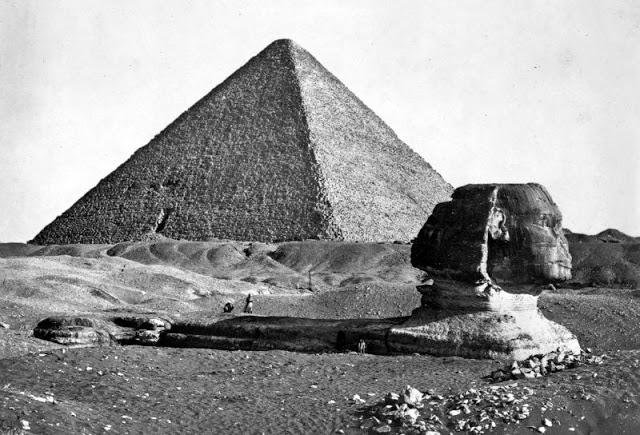
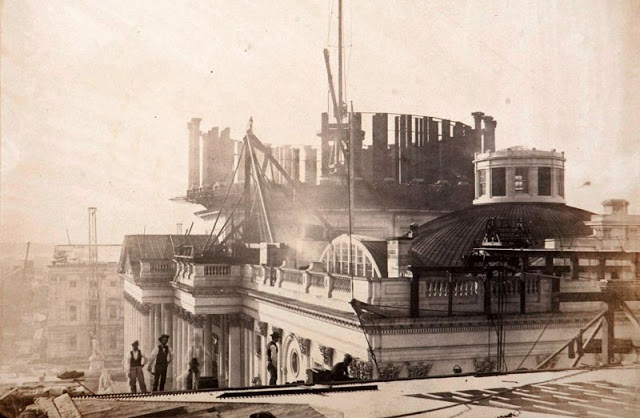
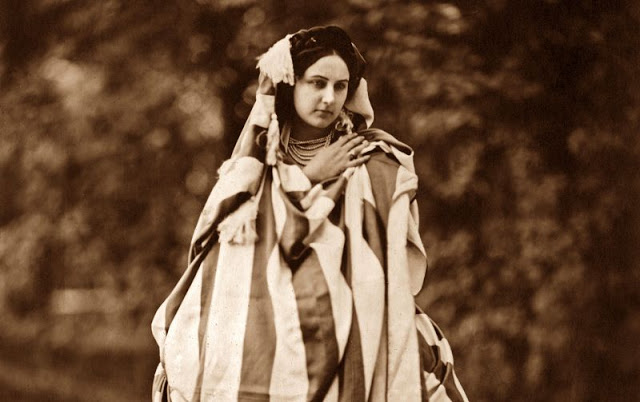
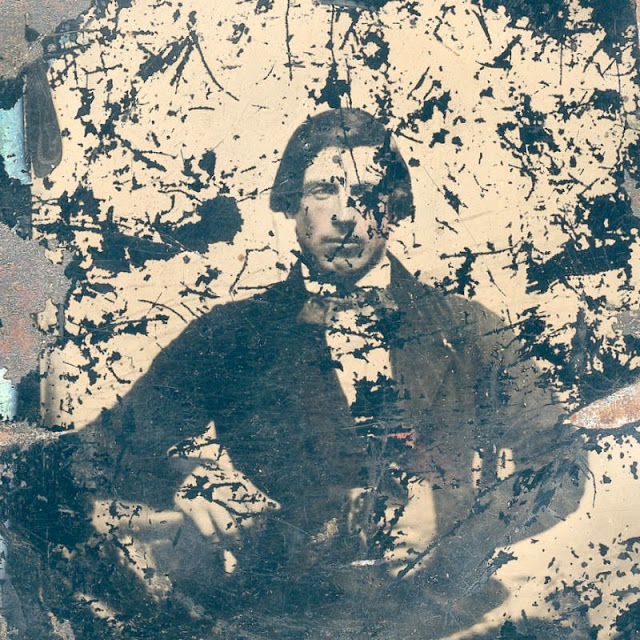
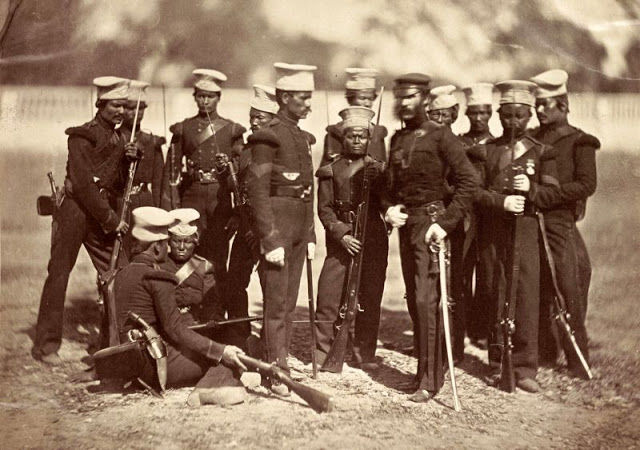
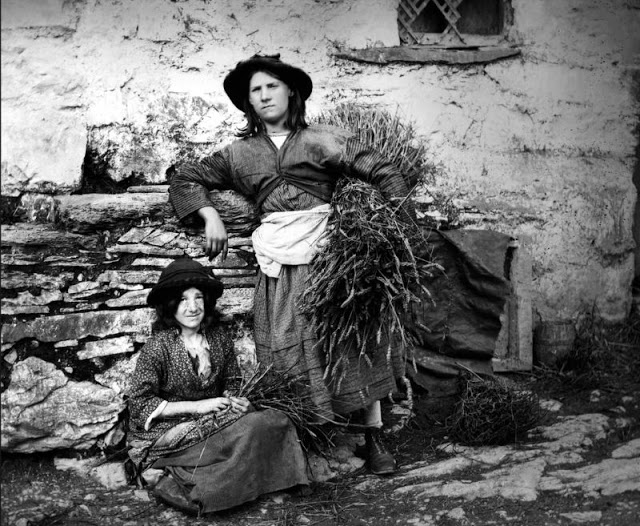
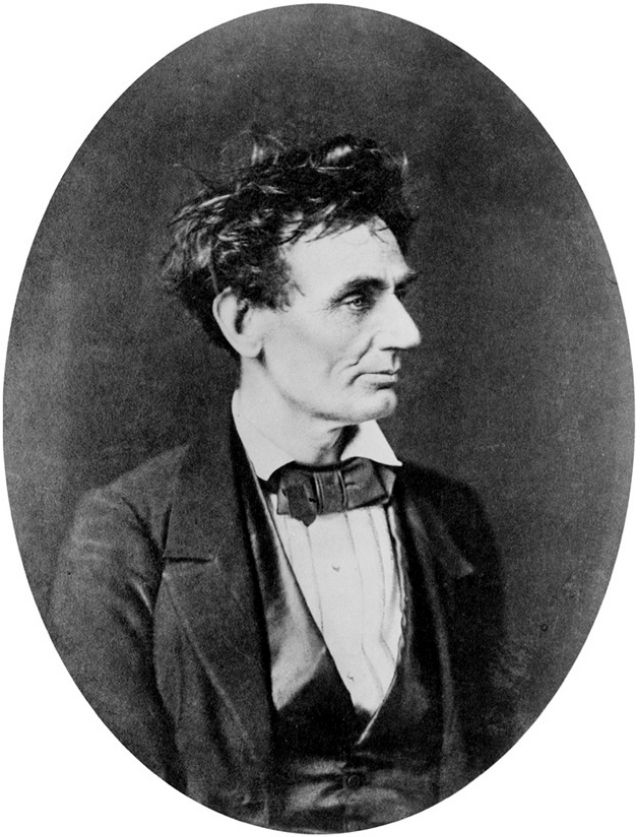
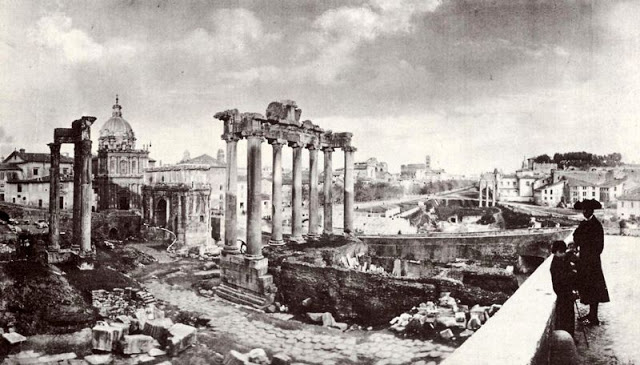
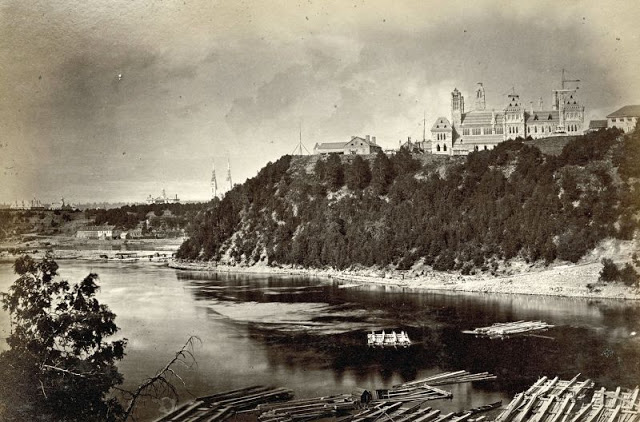
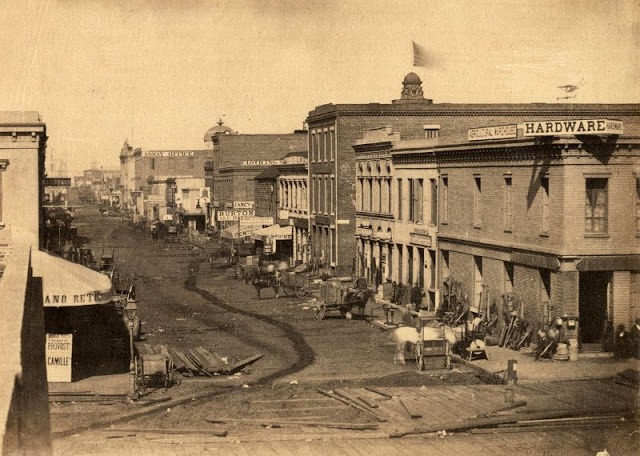
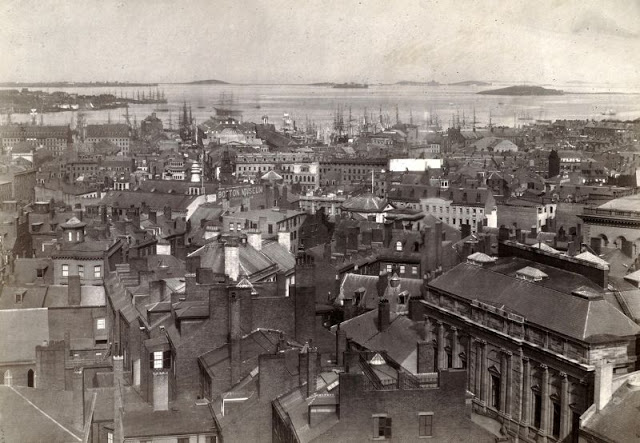
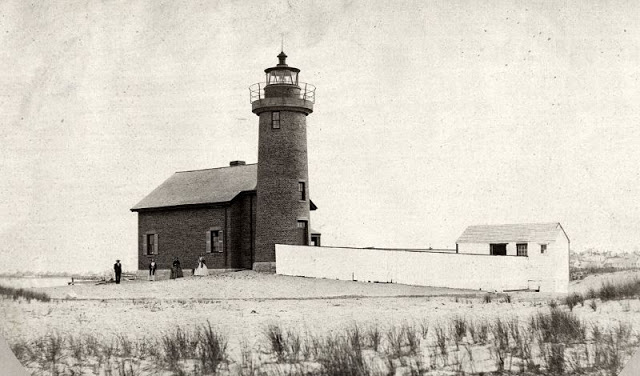
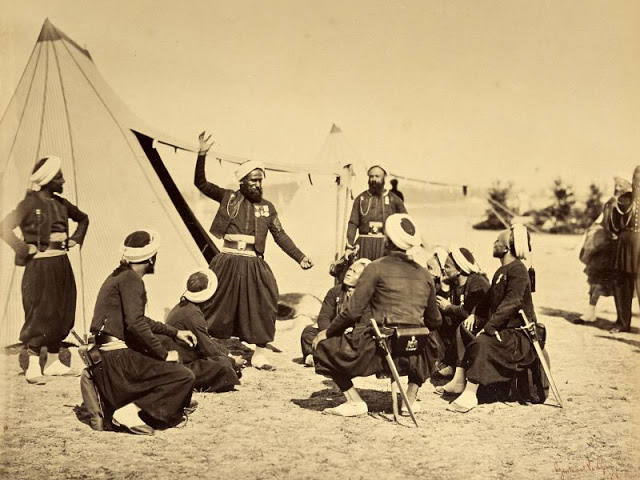
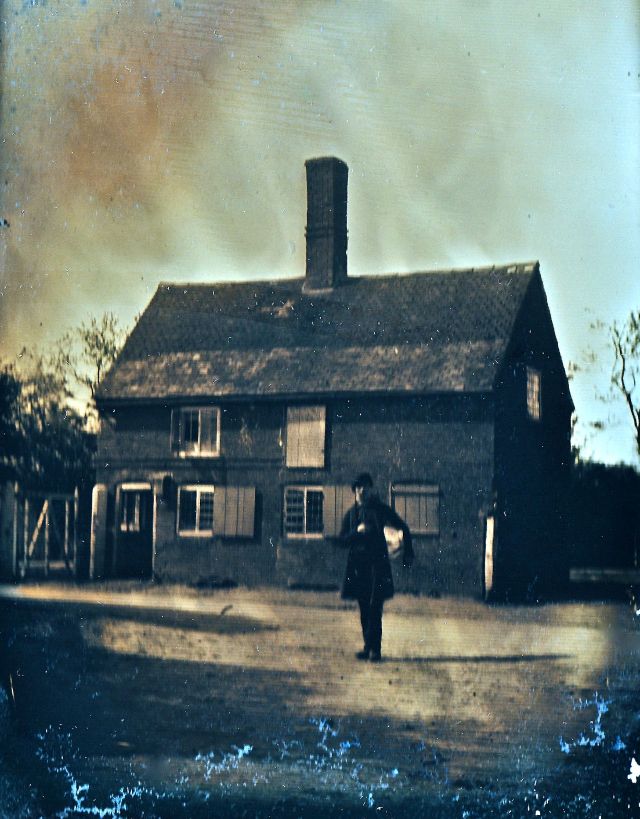
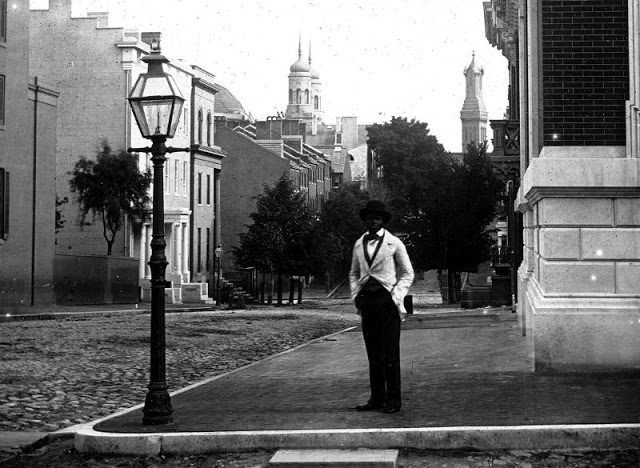
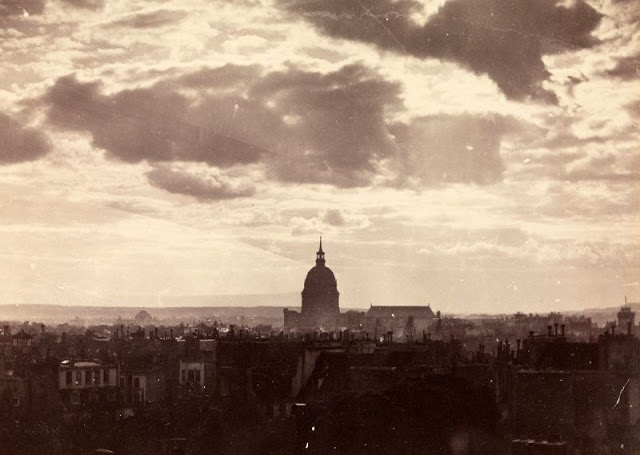
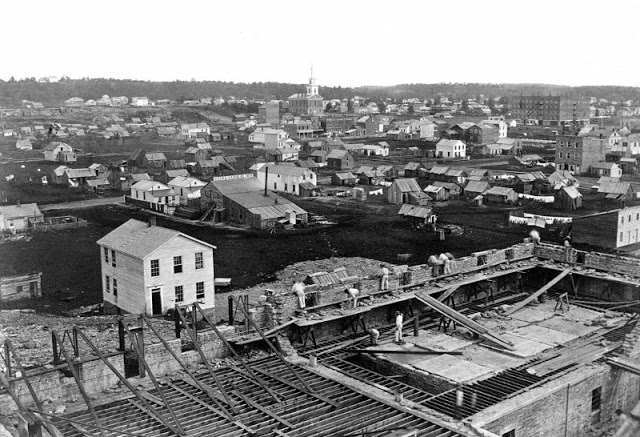
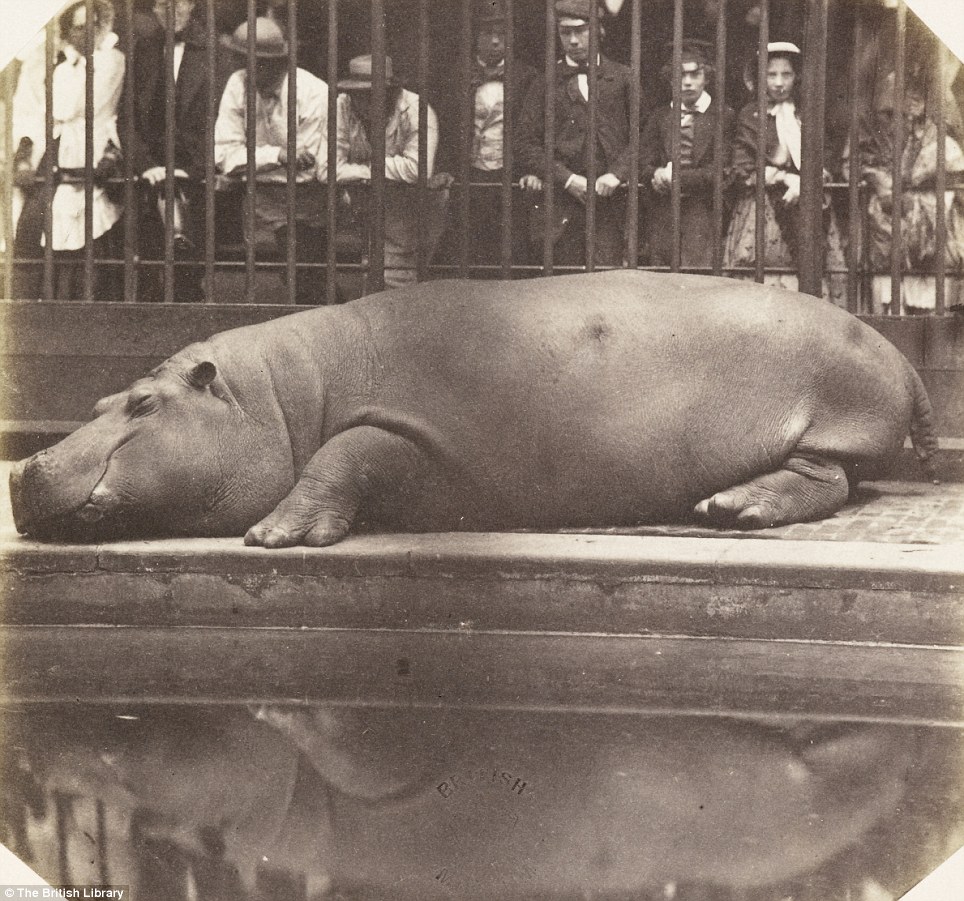
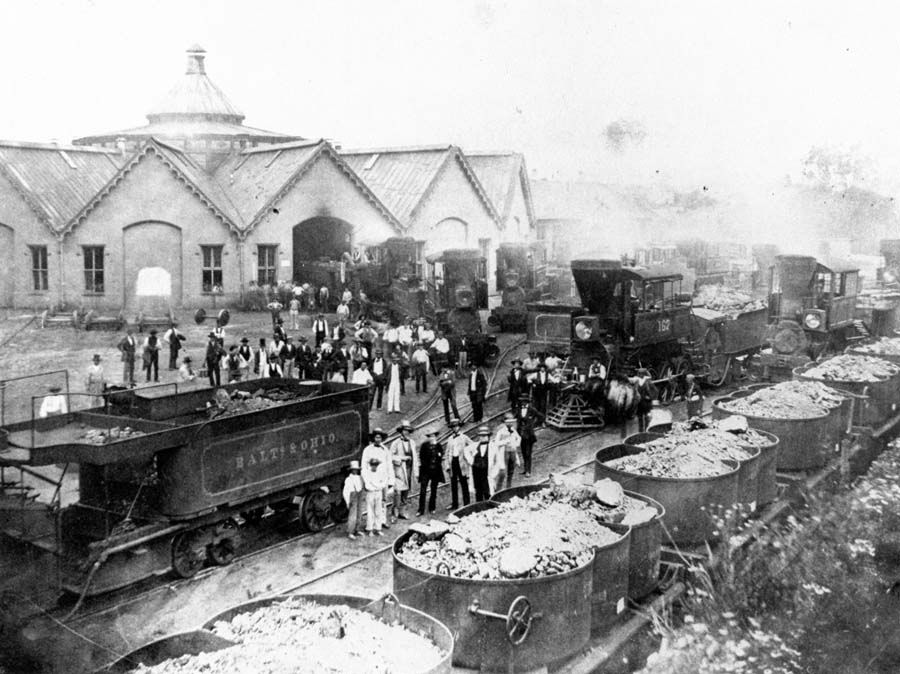
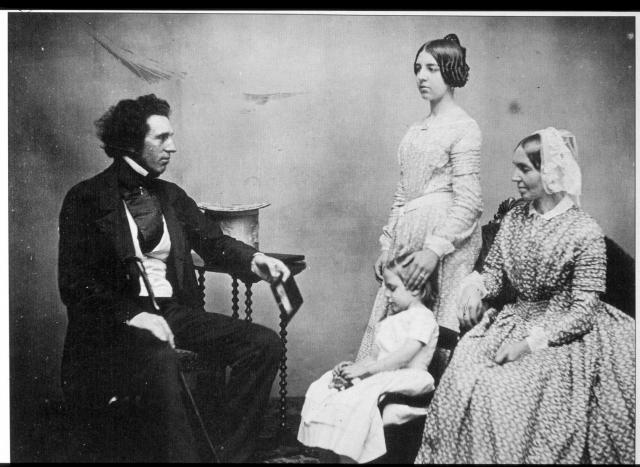
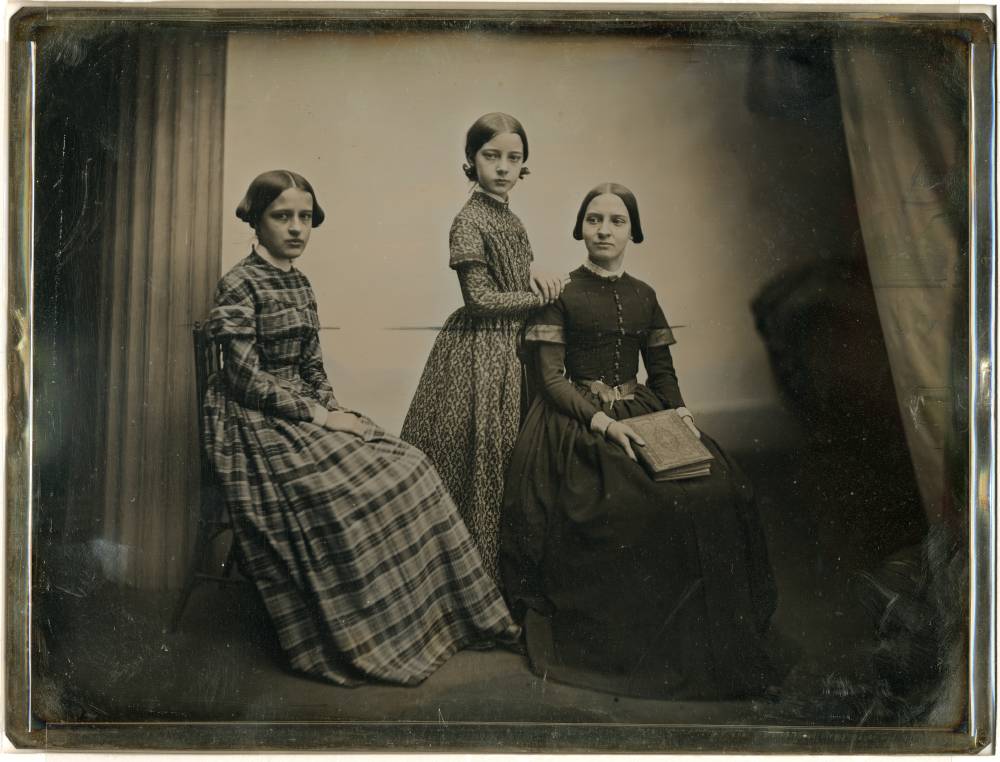
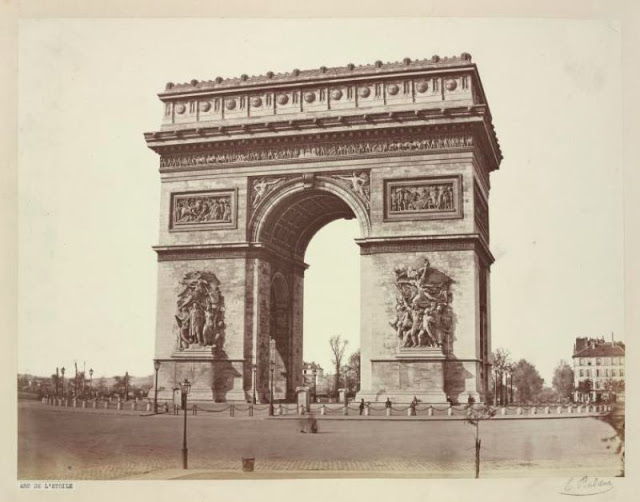
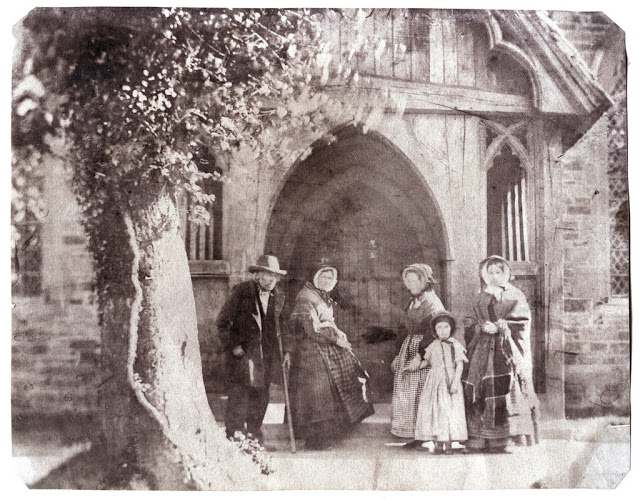
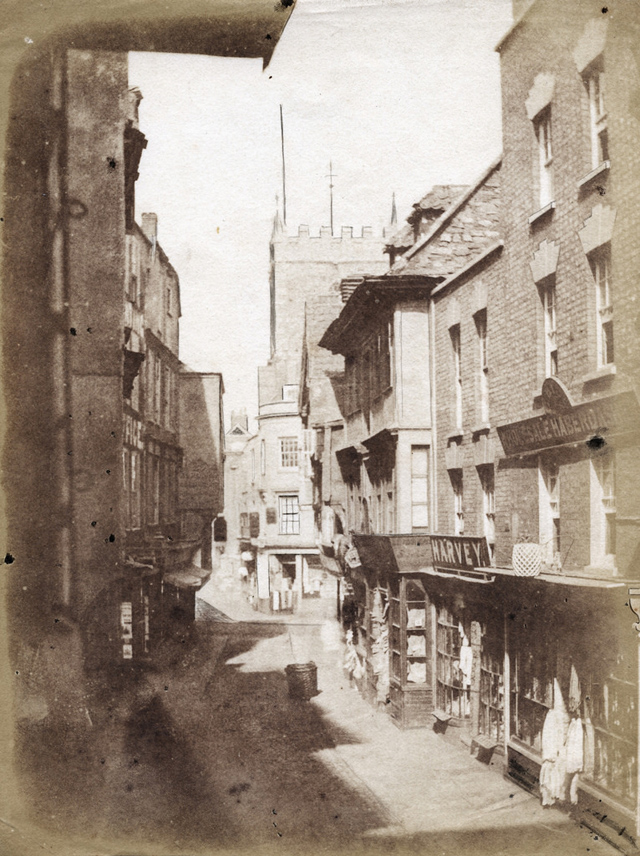
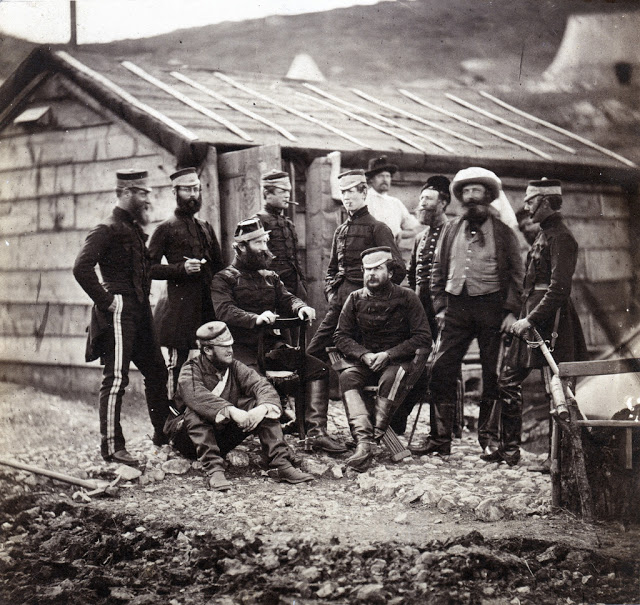
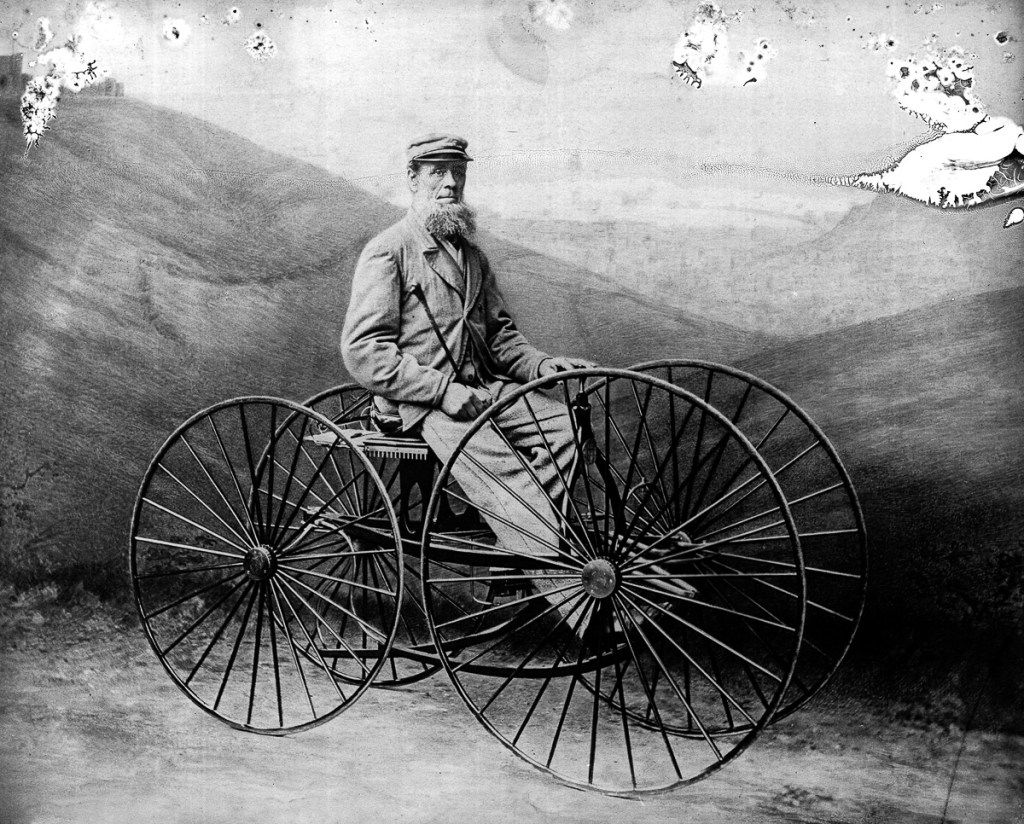
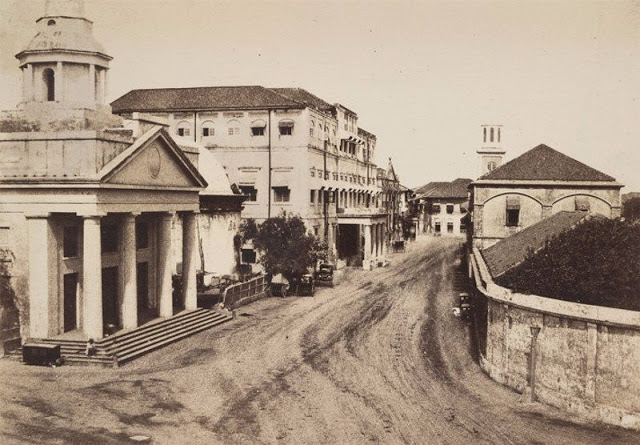
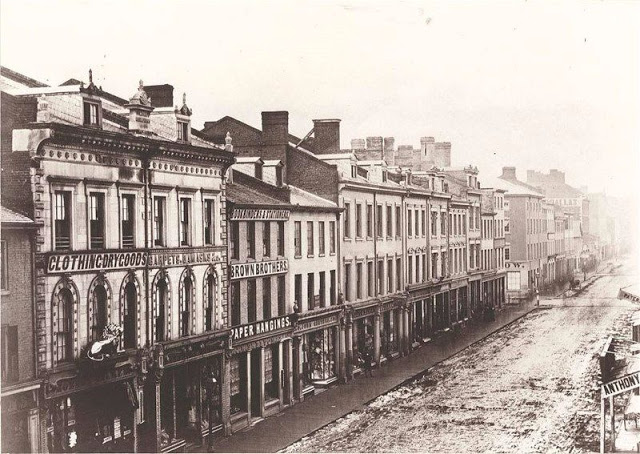
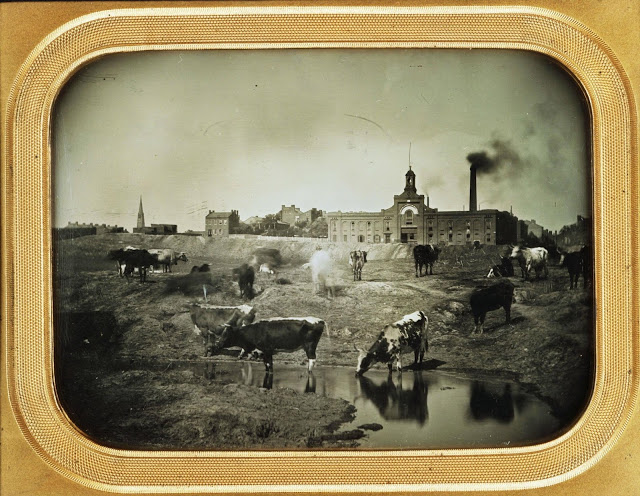
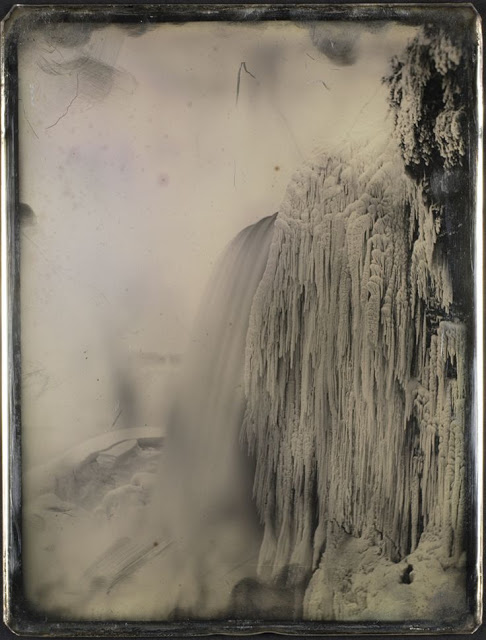
Drinking and cards, late 1850sEngineer Isambard Kingdom Brunel (front row, center-right) and others observe the SS Great Eastern launch attempt in Blackwall, London, November 1857. It was a massive steamship, the largest ship ever built when it launchedFaruk Khan, vice premier to the court of Mozaffar ad-Din Shah Qajar, and the Persian ambassador to French emperor Napoleon III, and Queen Victoria, circa 1857Former President Martin Van Buren, the eighth president of the United States, posing in photographer Mathew Brady’s New York portrait studio, circa 1855-1858Group portrait of a man, woman, and boy, with Niagara Falls in the background, 1855Horses and carts surround a busy Quincy Public Market in downtown Boston, 1857Jerusalem, Site of the Temple on Mount Moriah, and Jerusalem, Court of the Mosque of Omar, 1857Men at work beside the launching chains of the Great Eastern while under construction at London’s Millwall Iron Works on the River Thames, November 18, 1857Morlaix – Le quai de Tréguier, 1857Napoleon III, emperor of France, 1857Paris looking back toward the Ile de la Cité from across the Seine, circa 1857Peter Force, American editor, publisher, and historian, served as the 12th mayor of Washington, D.C., from 1836 to 1840, circa 1857Pierre Clément Eugène Pelletan, a French writer, journalist, and passionate critic, circa 1855-1859Portrait of a girl in the Netherlands, circa 1855Portrait of newlyweds Dorman and Eliza Egbert Cortright, Battle Creek, Michigan, 1850Portrait of the Baroness of Séverac, 1856-1859Queen Victoria’s visit to the Manchester Exhibition of Art Treasures of the United Kingdom in Manchester, England, June 1857Samuel Morse, the American artist and inventor, standing in a studio with an automatic telegraph receiver, which would record incoming morse-code messages onto paper, 1857San Francisco and the harbor from Stockton Street, containing the portions between Washington and Sacramento Streets, 1856Seascape with a ship leaving port in Sète, France, 1857St. Sophia (Hagia Sophia) from the Hypodrome, Constantinople, Turkey, in 1857.The Chattar Manzil palace wall in Lucknow, India, which was destroyed by mutineers during the Indian Rebellion of 1857The earliest surviving photo of Japanese feudal lord, Shimazu Nariakira, dressed formally, September 17, 1857The French-English fleet in the harbor of Cherbourg-Cotentin, France, August 1858The inauguration of President James Buchanan, at the east front of the United States Capitol Building, March 4, 1857The Parker House Hotel, late 1850sThe Pyramids of Dahshoor from the east, 1857The River Seine in Paris, from the Square du Vert-Galant, a park at the tip of the Ile de la Cité, 1857The Sphinx, built during the Egyptian Fourth Dynasty, stands in the desert with the Pyramid Cheops nearby in Giza, 1857The U.S. Capitol Building dome under construction, looking south from the roof of the Senate wing, showing the first row of columns near completion and the cast-irons pillars up, 1857Virginia Oldoini, Countess of Castiglione, an Italian aristocrat who achieved notoriety as a mistress of Emperor Napoleon III of France, 1857Young gentleman of the 1850sA group of Gurkha soldiers with their British officer, during the Indian Mutiny or Great Sepoy Rebellion, 1857A portrait of two women gleaners in rural England, 1857Abraham Lincoln, immediately prior to his Senate nomination in Chicago, Illinois, February 28, 1857An abbot accompanies students visiting the Roman Forum in Rome, Italy, 1857Barrack Hill, Ottawa, during the construction of the Parliament Buildings, 1857Battery Street in San Francisco, California, 1856Boston and a busy Boston Harbor looking north from the State House dome in 1858Brant Point Light Station, on Nantucket Harbor, Nantucket Island, Massachusetts in the 1850sCamp de Châlons; The Zouave storyteller, Chalons, France, 1857Canadian man posing in front of his house, 1855Cathedral, Baltimore, Maryland, 1856Cloud study over Paris, 1850sConstruction workers build a new jail in St. Paul, Minnesota, 1857Hippo Obaysch is spotted taking a nap in the Zoological Gardens in Regent’s Park, 1852. He was donated by Egypt in 1850 in exchange for English greyhounds and deerhounds, and he lived until 1878The Baltimore & Ohio Railroad’s roundhouse at Martinsburg, West Virginia in June 1858.Family Portrait, 1850sThree Young Women, 1856A Beautiful Bride, 1850Arc de Triomphe de l’Étoile, Paris, France, 1850sFamily group at church, England, 1854Mary Le Port Street, Bristol, England, 1854Officers of the 4th Light Dragoons, England, 1855UNITED KINGDOM – JUNE 30: Photograph. There were various forms of ‘pedamotive carriage’ or velocipede during the 19th century. It was an early form of bicycle which was propelled forward by the rider pedalling cranks fixed to the front wheel(s). Interest in velocipedes dropped after the introduction of the bicycle in the form we know it today, which was both cheaper and less cumbersome. Bombay, India, 1850Toronto, Canada, 1856Chouteau’s Pond, St. Louis, Missouri, 1854American Falls from below prospect point, Niagara, 1850
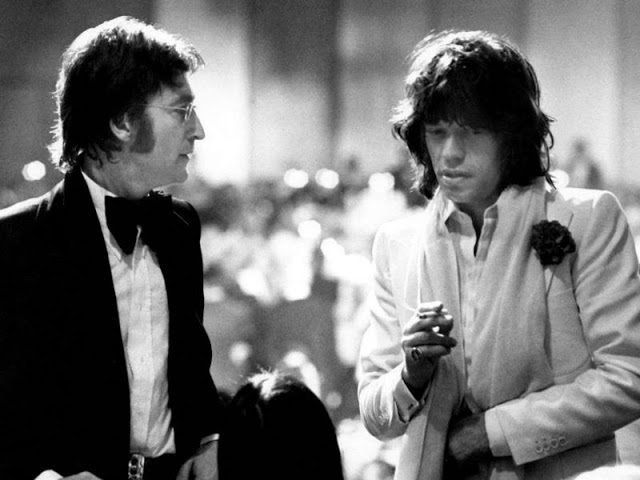
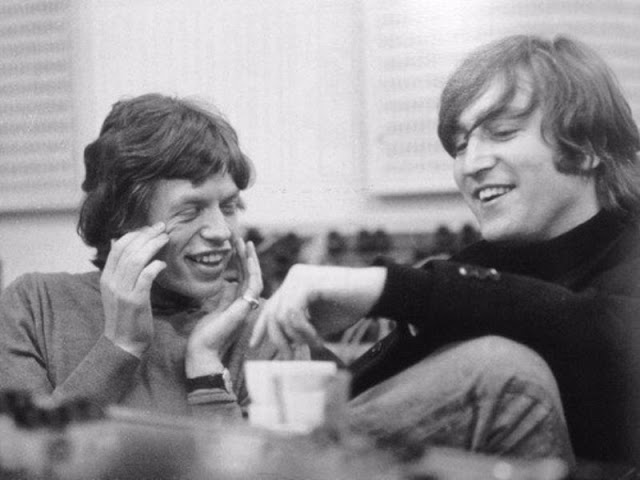
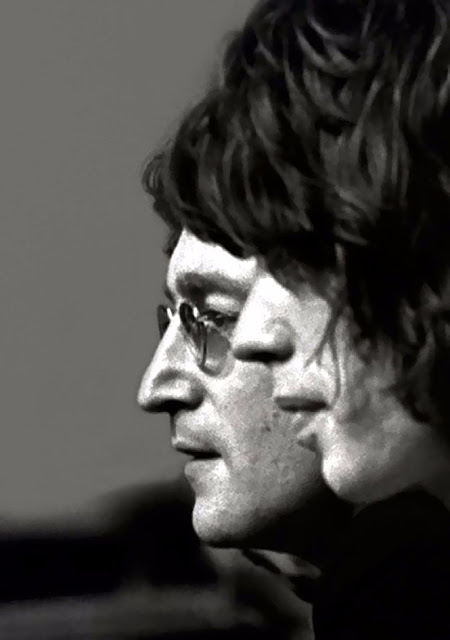
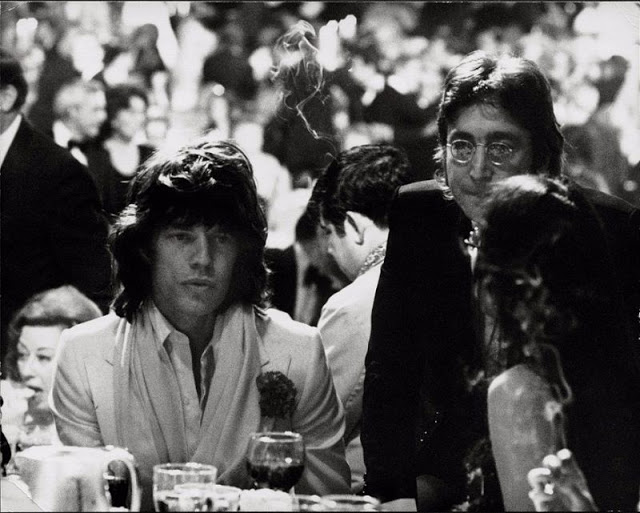
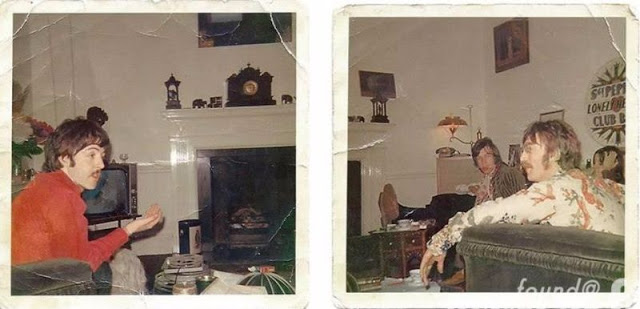
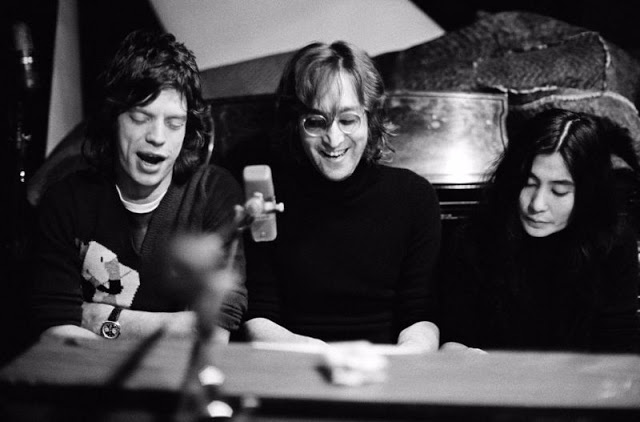
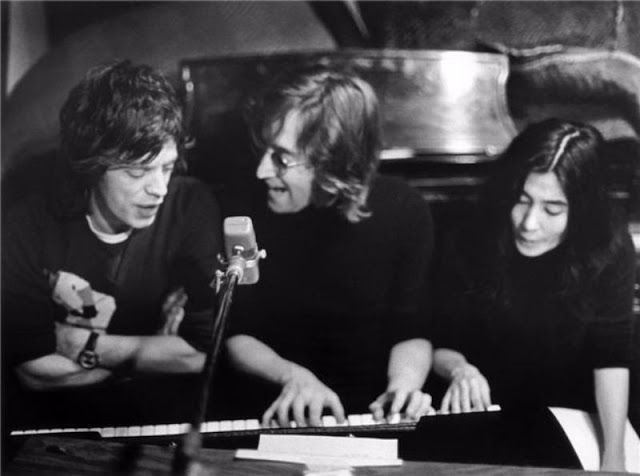
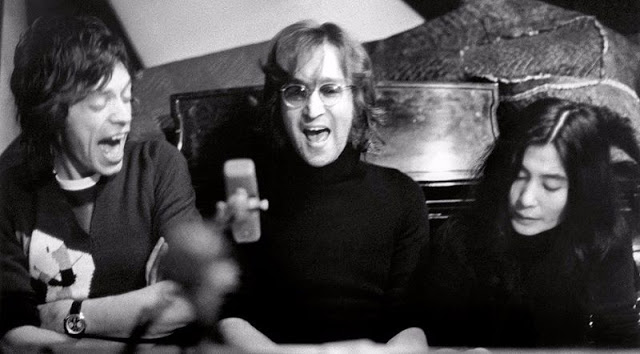
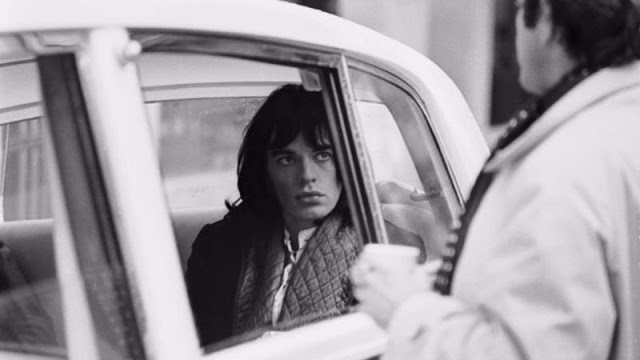
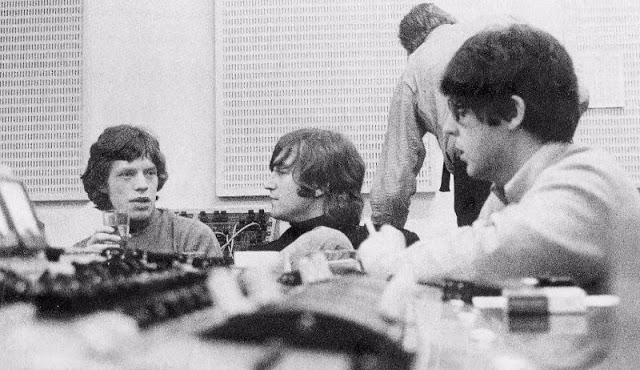
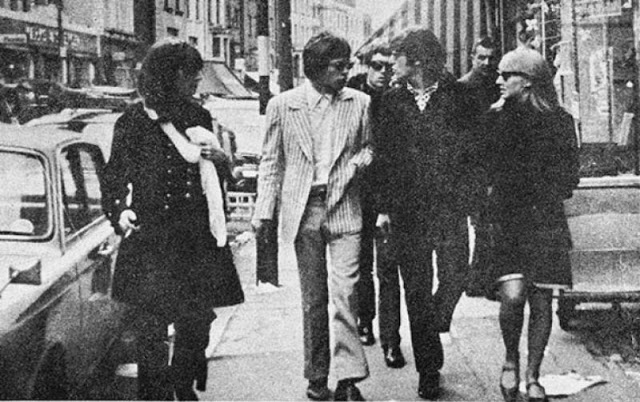
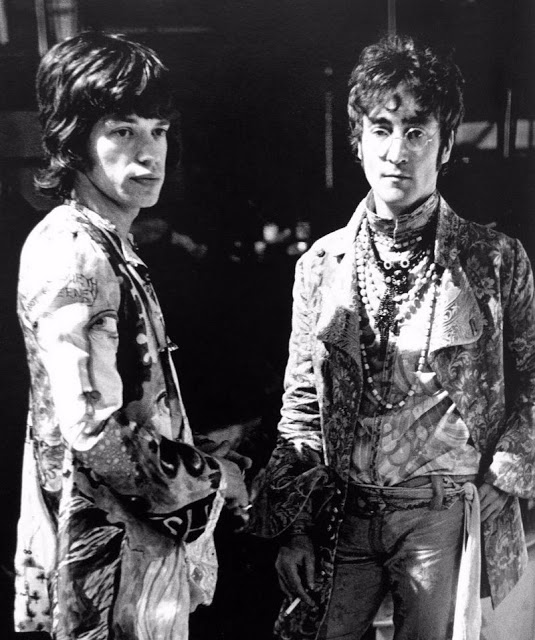
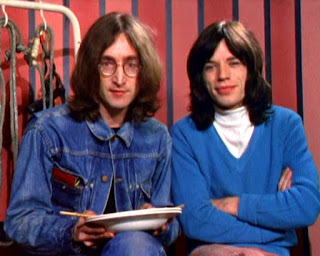
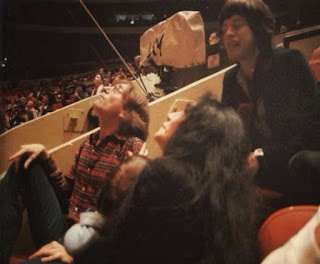
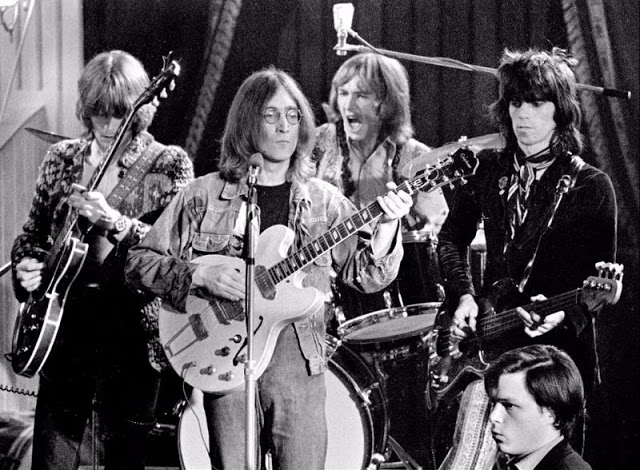
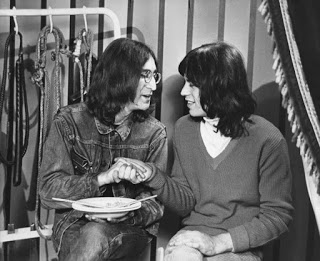
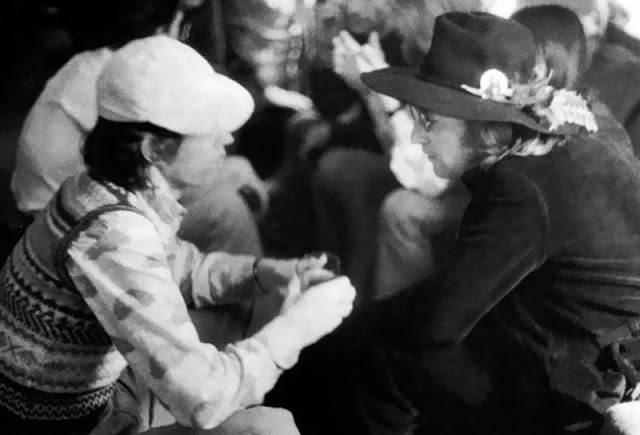
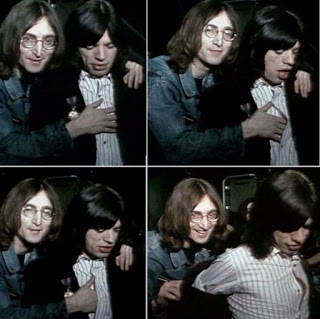
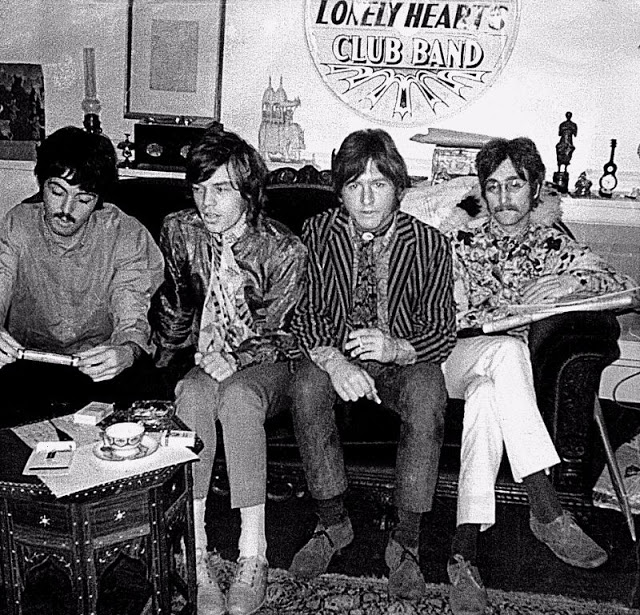
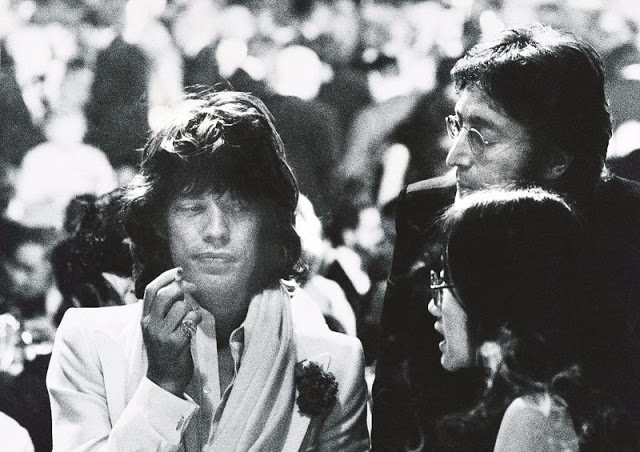
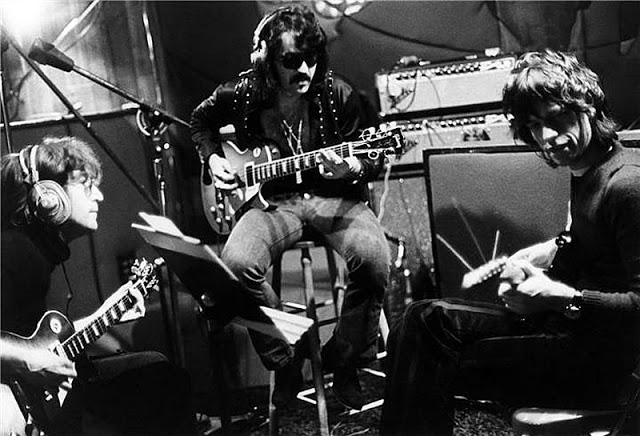
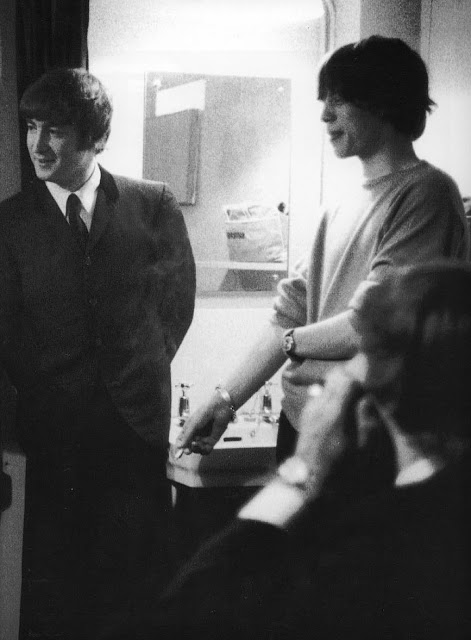
The Beatles and The Rolling Stones, are arguably the two most profound British Rock & Roll bands to come to the U.S. as part of the 1960s British Invasion. John Lennon was arguably the leader of the Beatles as was Mick Jagger with The Rolling Stones. This assortment of historical images of John Lennon and Mick Jagger really show you just how close their friendship was.
1966.John Lennon and Mick Jagger, 1974.1972.Mick Jagger, John Lennon and May Pang during American Film Institute Salute to James Cagney at Century Plaza, 1974.John Lennon and Mick Jagger at Paul’s Cavendish Avenue in London, 1967.Mick Jagger, John Lennon and Yoko Ono. New York City, 1972.Mick Jagger, John Lennon and Yoko Ono. New York City, 1972.Mick Jagger, John Lennon and Yoko Ono. New York City, 1972.Mick Jagger borrows a Rolls Royce from John Lennon for a scene in the Nicolas Roeg film Performance, 1968.Mick Jagger visits EMI Studios while the Beatles are recording “Revolver”, 1966.John Lennon and Mick Jagger go shopping in Portobello Rd, 1966. The main picture shows (left to right) Chrissie Shrimpton, Mick Jagger and John Lennon with his wife Cynthia.Mick Jagger and John Lennon at Our World broadcast from Abbey Road Studios, 1967.John Lennon and Mick Jagger during American Film Institute Salute to James Cagney at Century Plaza Hotel, 1974.John Lennon and Mick Jagger in The Rolling Stones’ Rock and Roll Circus film, December 1968.John, Sean and Yoko with Mick Jagger at MSG Circus, April, 1977.John Lennon, Keith Richards & Eric Clapton in The Rolling Stones’ Rock and Roll Circus.John Lennon and Mick Jagger, 1968.Mick Jagger and John Lennon, 1974.John Lennon and Mick Jagger, Rock and Roll Circus, 1968.18th April 1967. Paul McCartney, John Lennon and Mick Jagger at Cavendish Avenue with interviewer Stuart Kendall.Mick Jagger, John Lennon and May Pang during American Film Institute Salute to James Cagney at Century Plaza, 1974.John playing the song Too Many Cooks (Spoil the Soup) with Mick and Jesse Davis, 1972. John ended up producing the song for Mick.1964