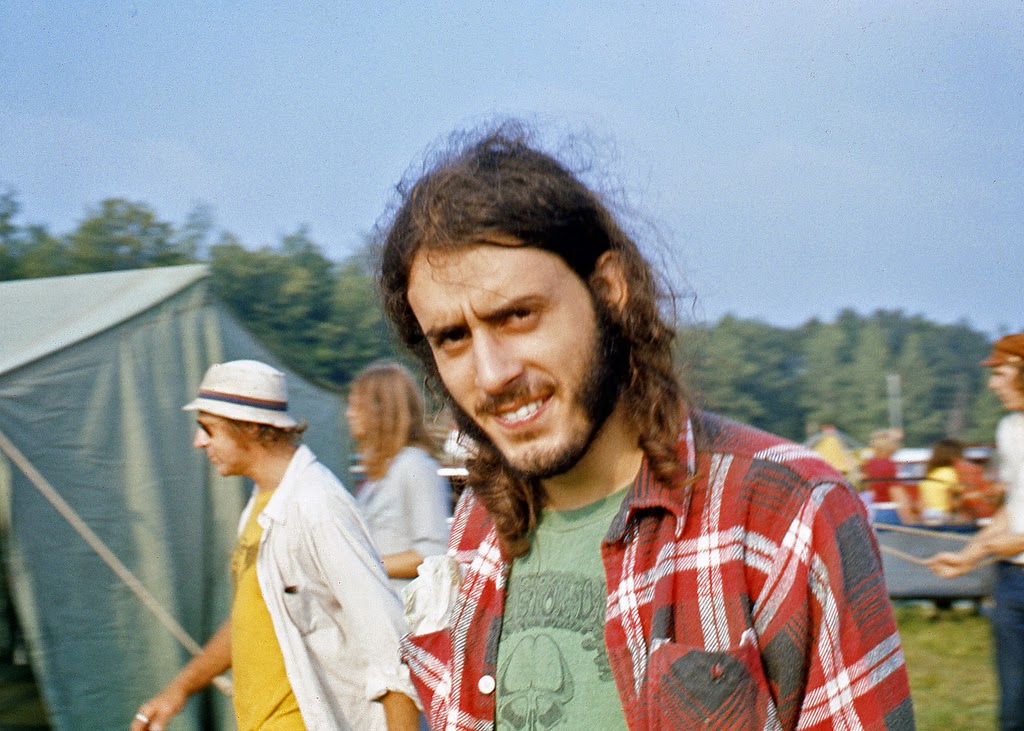
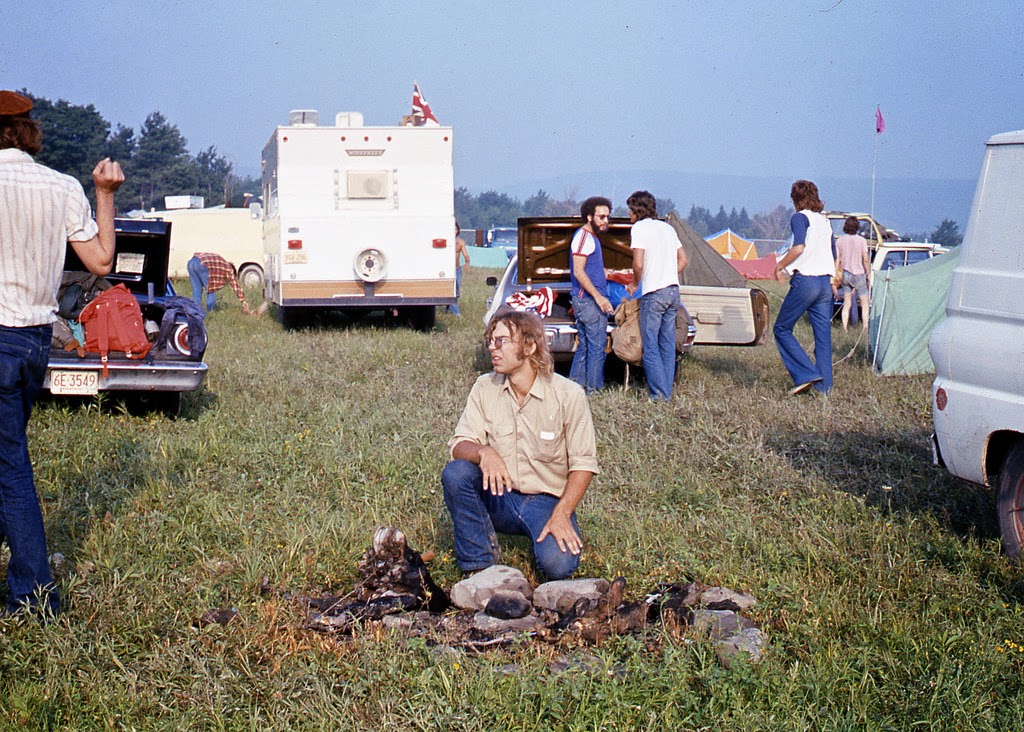
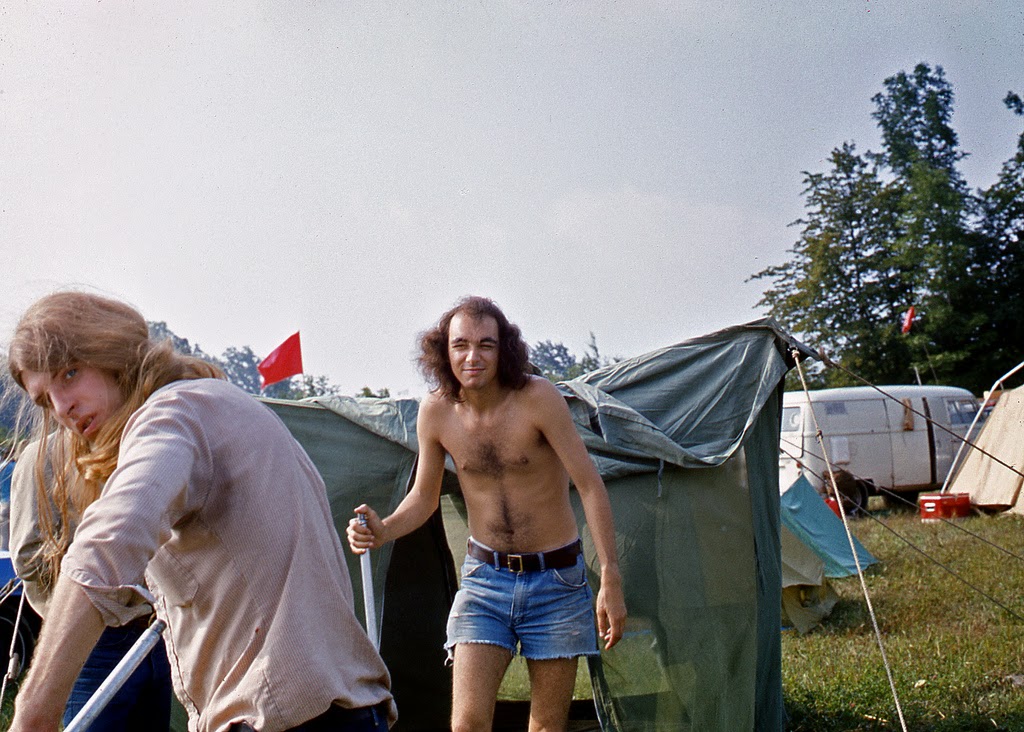
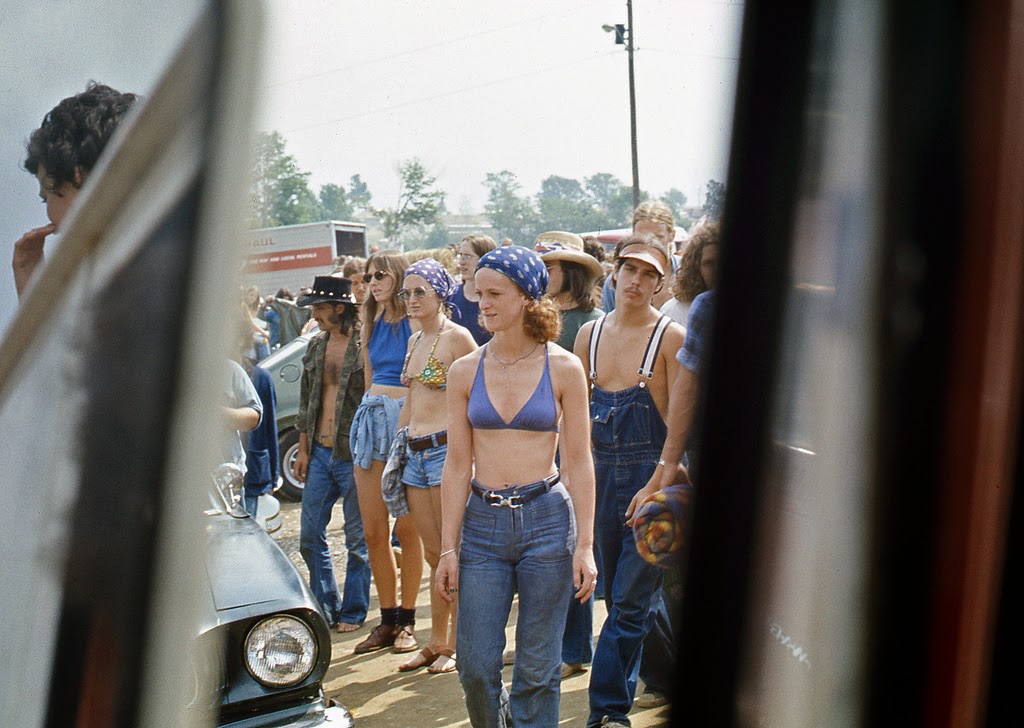
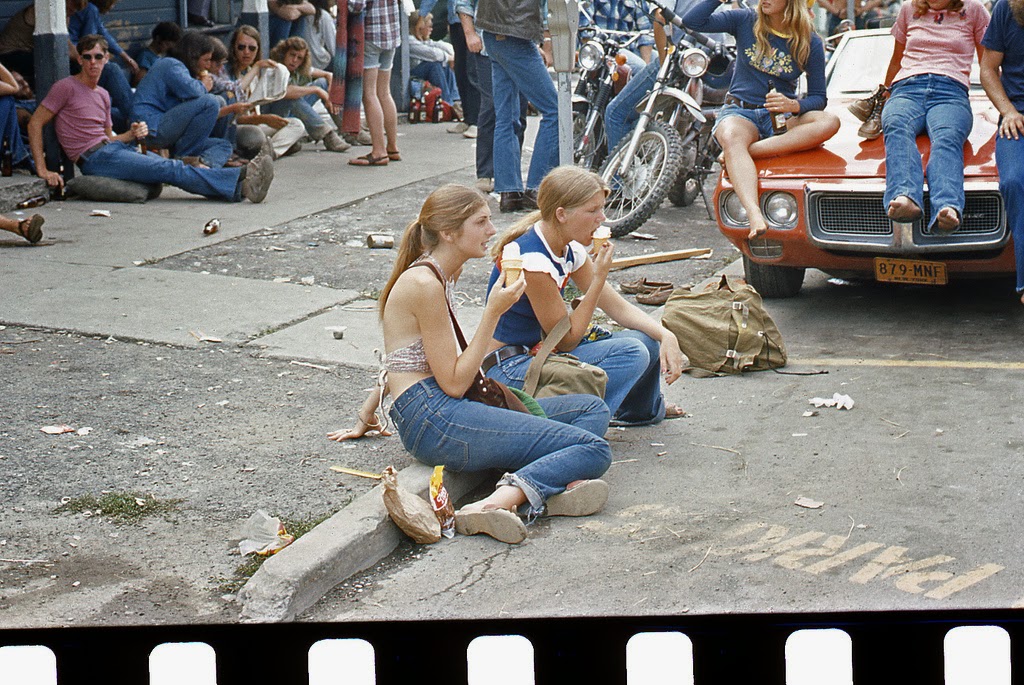
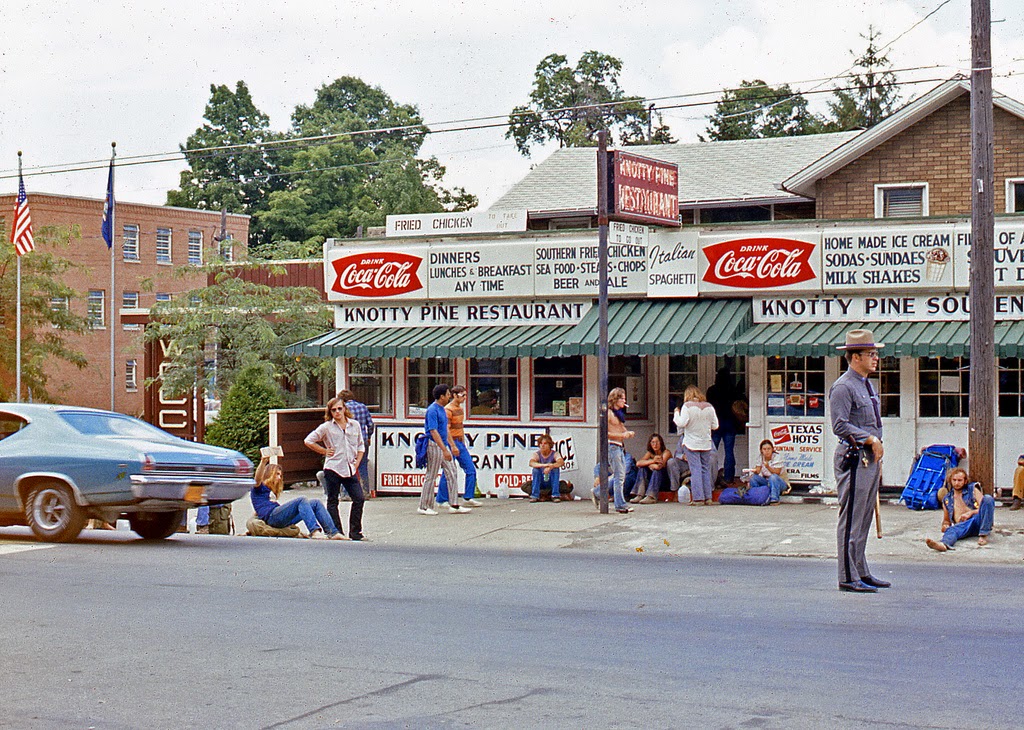
22 Fantastic Photos of Fans at 1973 Summer Jam Rock Festival at Watkins Glen

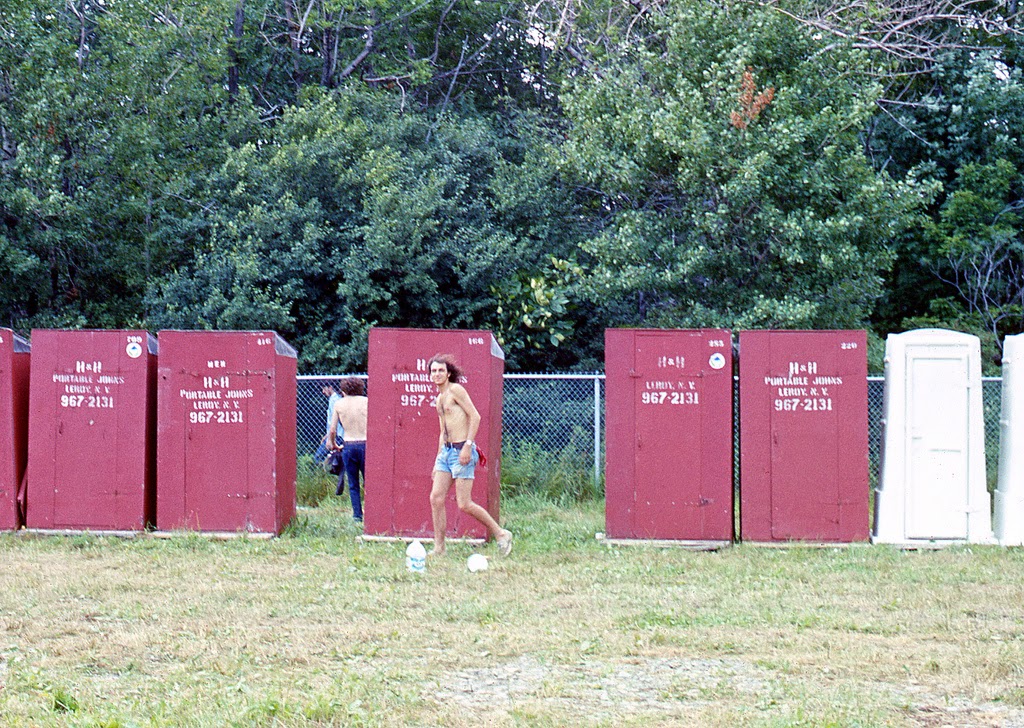
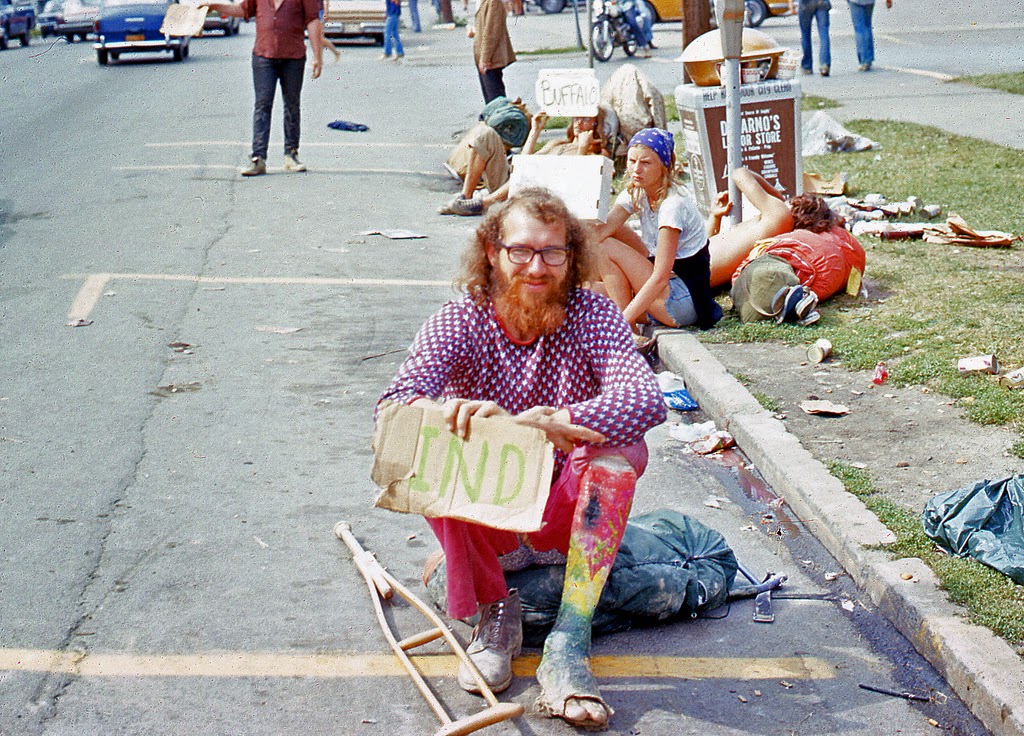
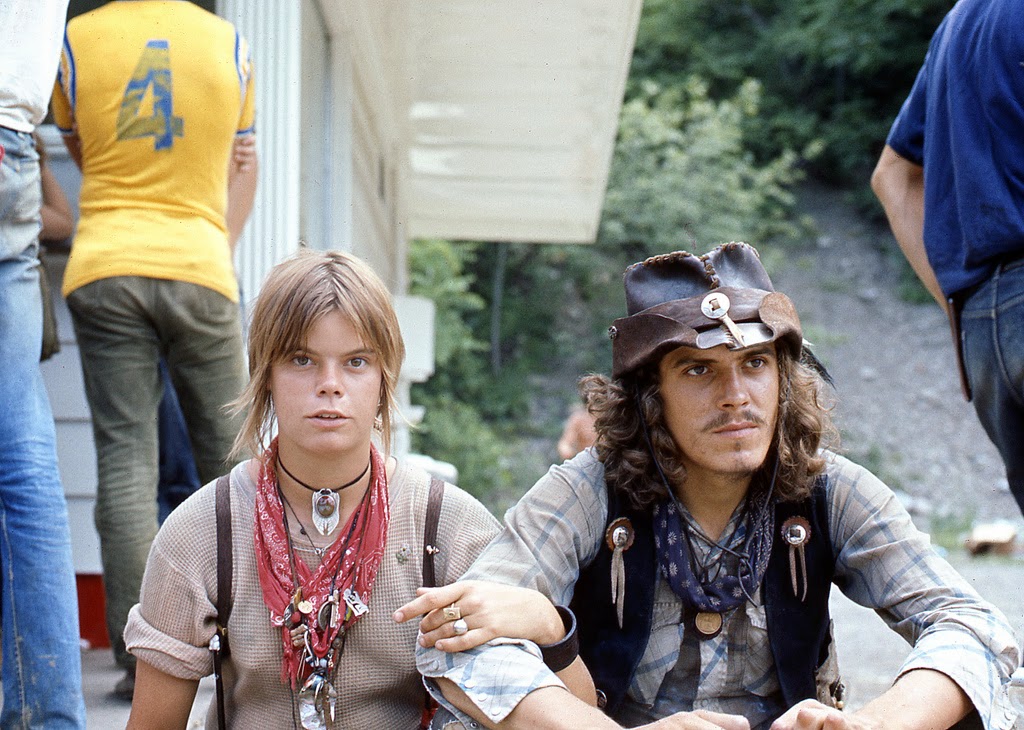
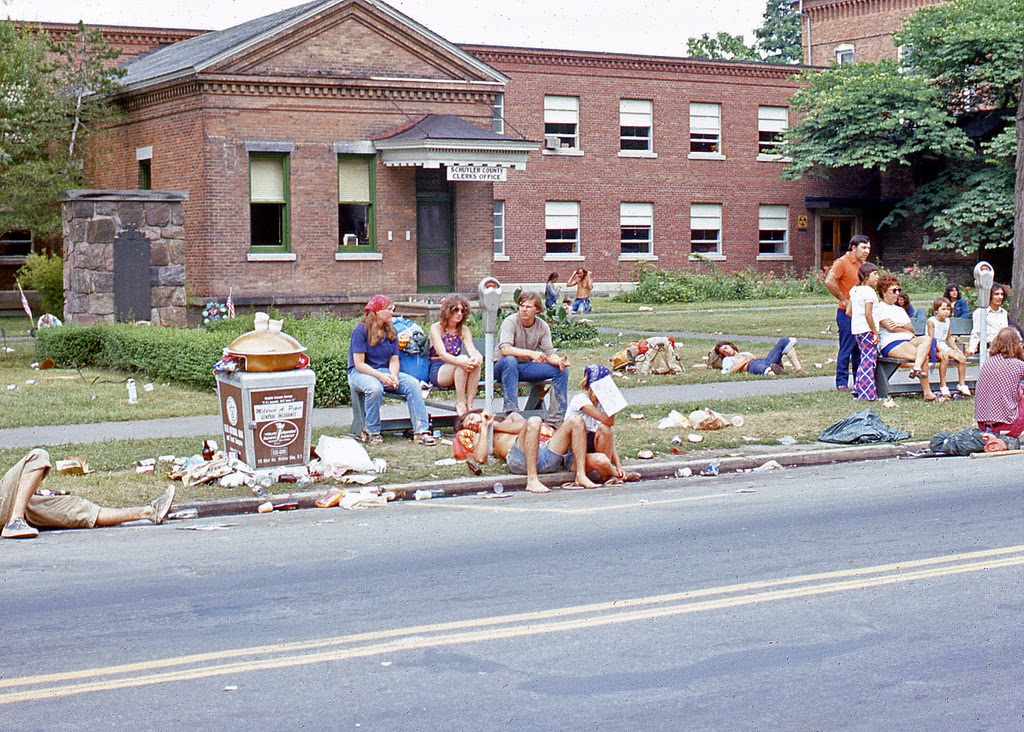
The Summer Jam at Watkins Glen was a 1973 rock festival which once received the Guinness Book of World Records entry for “Largest audience at a pop festival.” An estimated 600,000 rock fans came to the Watkins Glen Grand Prix Raceway outside Watkins Glen, New York, on July 28, 1973, to see the Allman Brothers Band, Grateful Dead and The Band perform.

The concert was produced by Shelly Finkel and Jim Koplik, two promoters who had organized a successful Grateful Dead concert at Dillon Stadium, Hartford, Connecticut, in 1972. At the Dillon Stadium concert, the Grateful Dead were joined on-stage by Dickey Betts, Berry Oakley, and Jai Johanny Johanson, members of The Allman Brothers Band. This impromptu jam planted the seeds that would eventually spawn the “Summer Jam” concert in Watkins Glen, NY.

Bill Graham’s FM Productions provided lights, staging and a 50,000-watt sound system. The sound system introduced a new concept: Digital delay lines to compensate for the speed of sound in air. New Jersey electronics company Eventide brought three digital delay units each capable of 200 milliseconds of delay. Four speaker towers were placed 200 feet (60 m) from the stage, their signal delayed 175 ms to compensate for the speed of sound between the main stage speakers and the delay towers. Six more speaker towers were placed 400 feet from the stage, requiring 350 ms of delay, and a further six towers were placed 600 feet away from the stage, fed with 525 ms of delay, the audio signal coming through all three modules. The most distant audience areas were unable to see the stage because of terrain, but they could hear the concert. Each Eventide DDL 1745 module contained many 1000-bit shift register integrated chips, and cost the same as a new car. The concept meant that the people in the front were not blasted with too much sound in an attempt to reach the back, and the people in the back enjoyed high fidelity sound. The system worked very well.

Similar to the 1969 Woodstock Festival, an enormous traffic jam created chaos for those who attempted to make it to the concert site. Long and narrow country roads forced fans to abandon their vehicles and walk 5–8 miles on that hot summer day. 150,000 tickets were sold for $10 each, but for all the other people it was a free concert.

Although the concert was scheduled to start on July 28, thousands of music fans were already at the concert site on the 27th. Robbie Robertson of the Band requested to do a soundcheck, but was perplexed that so many people were sitting in front of the stage. Bill Graham allowed the soundcheck with the crowd of people in front, and The Band ran through a few numbers to the delight of the audience. The Allman Brothers Band did their soundcheck next, playing “One Way Out” and “Ramblin’ Man”. Grateful Dead’s soundcheck turned into a legendary two-set marathon, featuring their familiar tunes such as “Sugaree”, “Tennessee Jed” and “Wharf Rat”. They also performed a unique jam that was eventually included on their retrospective CD box set So Many Roads (1965-1995).

On July 28, the day of the concert, 600,000 music fans had arrived in Watkins Glen. Grateful Dead performed first, playing two long sets. They opened with “Bertha” and played many hits such as “Box Of Rain”, “Jack Straw”, “Playing in the Band”, “China Cat Sunflower” and “Eyes of the World”.

The Band followed the Dead with one two-hour set. However, their set was cut in half by a drenching thunderstorm, in a scene again reminiscent of Woodstock, people were covered with mud. During the storm, keyboardist Garth Hudson performed his signature organ improvisation “The Genetic Method”; when the rain finally let up, the full Band joined Hudson on stage, and segued into their signature song “Chest Fever”.

Finally, the Allman Brothers Band performed for three hours. Their performance included songs from their soon-to-be-released album Brothers and Sisters, along with their standards “In Memory of Elizabeth Reed”, “Statesboro Blues”, “Les Brers in A Minor” and “Whipping Post”.

Following the Allmans’ second set, there was an hour encore jam featuring musicians from all three bands. The jam featured spirited renditions of “Not Fade Away”, “Mountain Jam”, and “Johnny B. Goode”.

Although there were no reports of violence at Watkins Glen, the day was marred by the death of Willard Smith, 35, a skydiver from Syracuse, New York. Smith dived from an airplane carrying flares. One of the flares ignited his body suit, and he was engulfed in flames. Smith’s body was eventually found in the woods near the concert site. There is also the unsolved disappearance of two high school teenagers (Mitchel Weiser and Bonnie Bickwit) from Brooklyn who were hitchhiking to the concert.

Many historians claimed that the Watkins Glen event was the largest gathering of people in the history of the United States. In essence, that meant that on July 28, one out of every 350 people living in America at the time was listening to the sounds of rock at the New York state racetrack. Considering that most of those who attended the event hailed from the Northeast, and that the average age of those present was approximately seventeen to twenty-four, close to one out of every three young people from Boston to New York was at the festival.

Summer Jam was the last concert event to be held at Watkins Glen International until 2011, when the rock band Phish organized and performed at a three day festival, called Super Ball IX, at the complex.

In 2013, a maintenance crew from Watkins Glen International found abandoned cars from the event in the woods on track property. (Wikipedia)

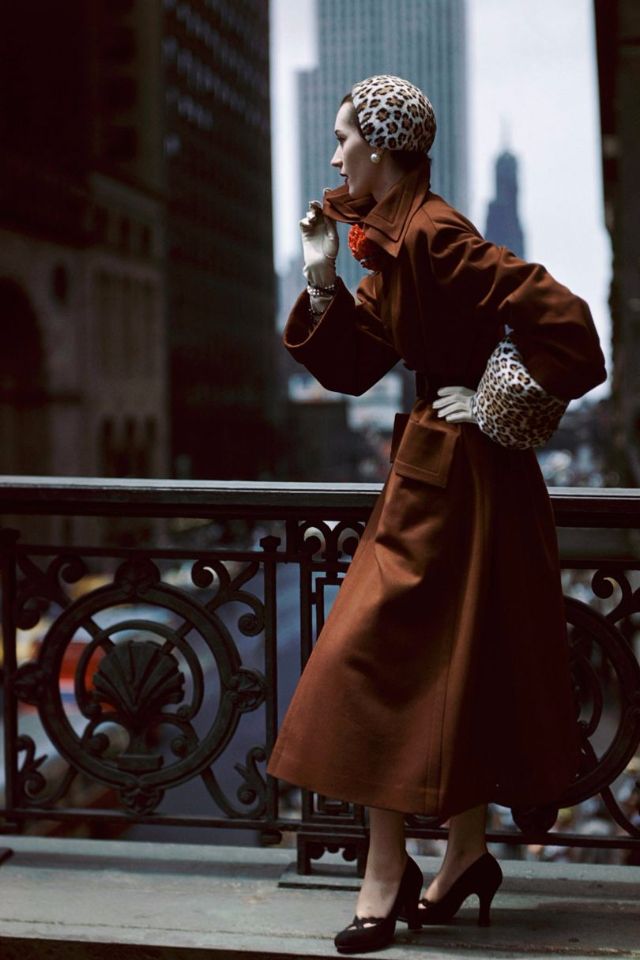
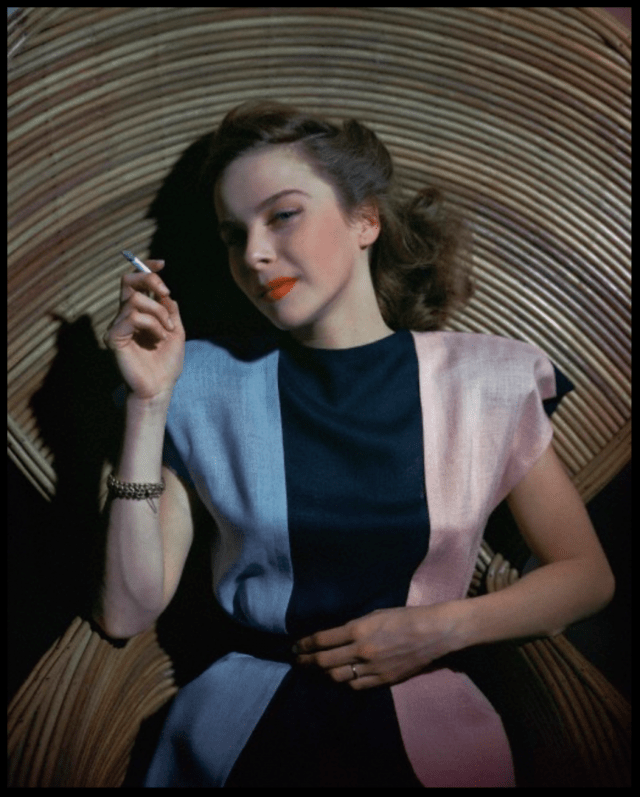
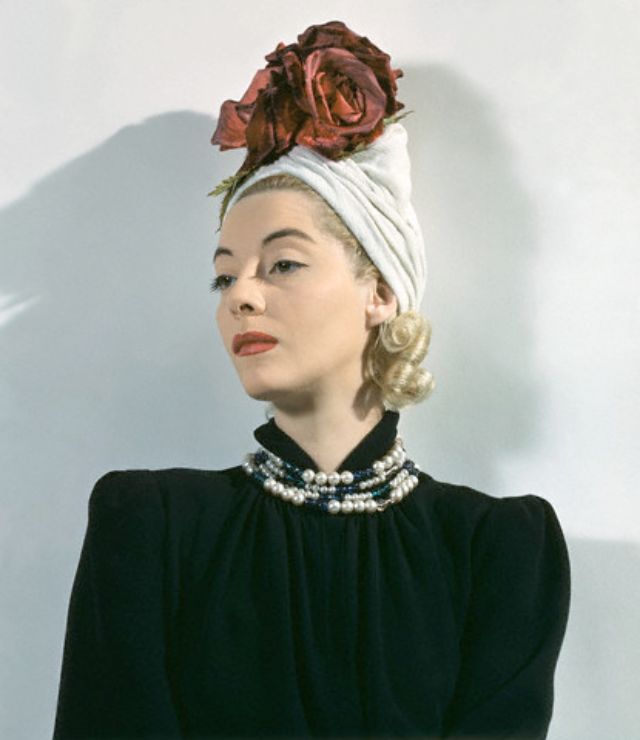
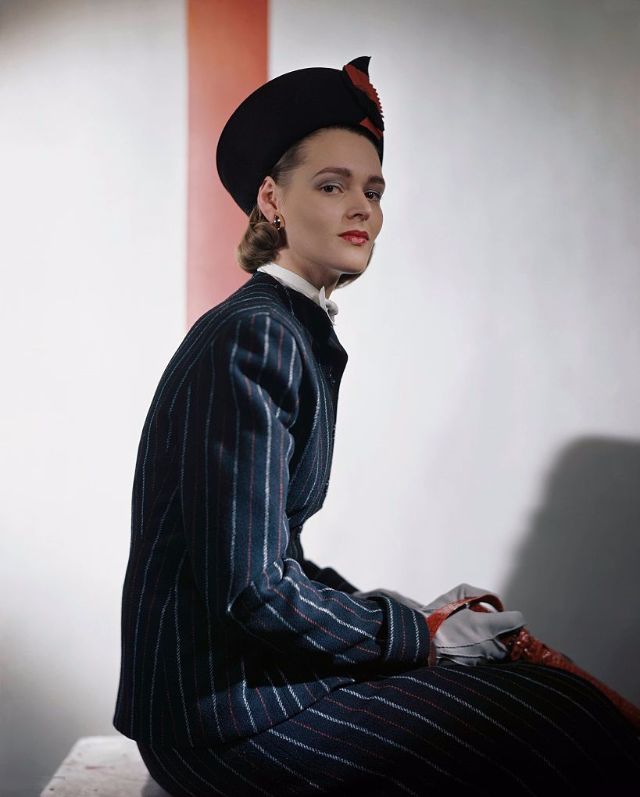
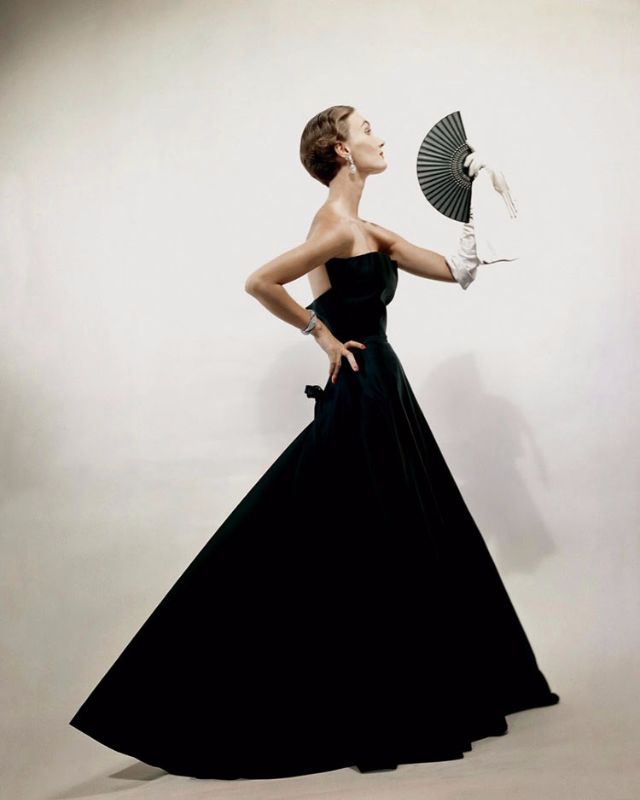
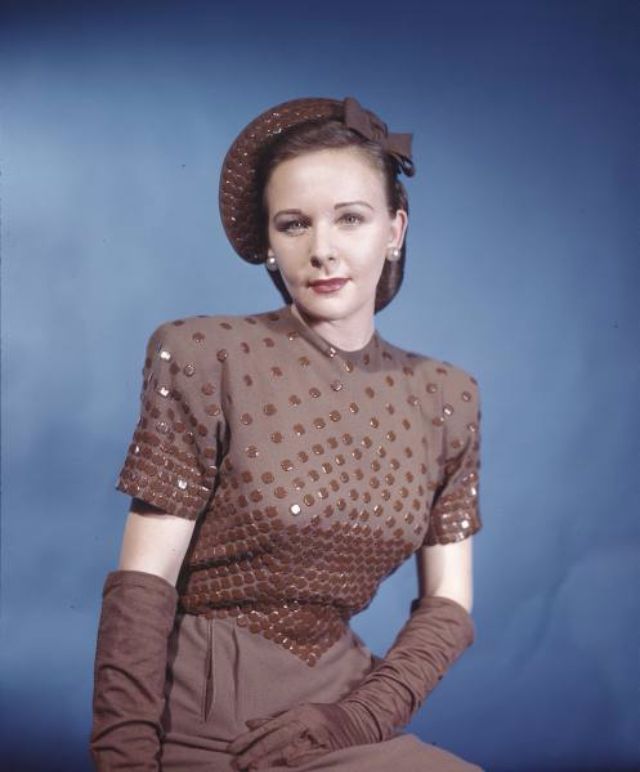
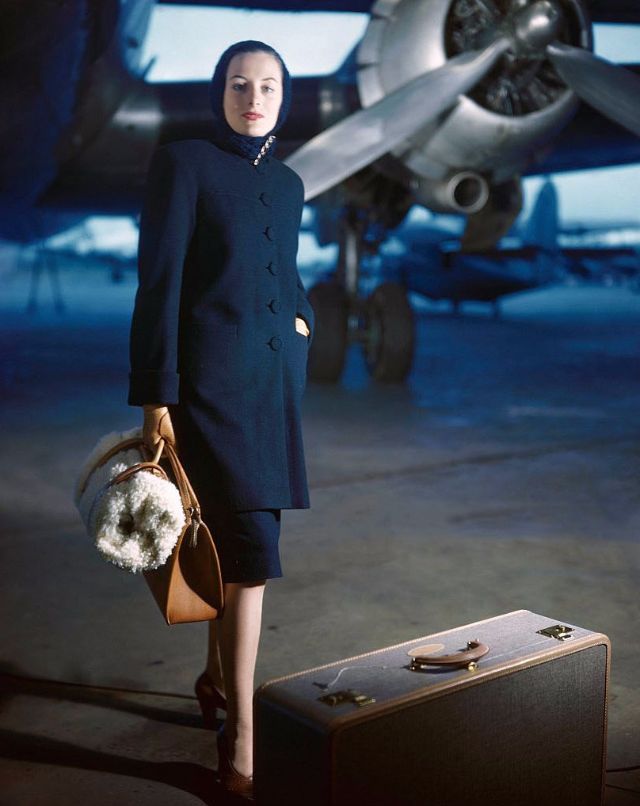
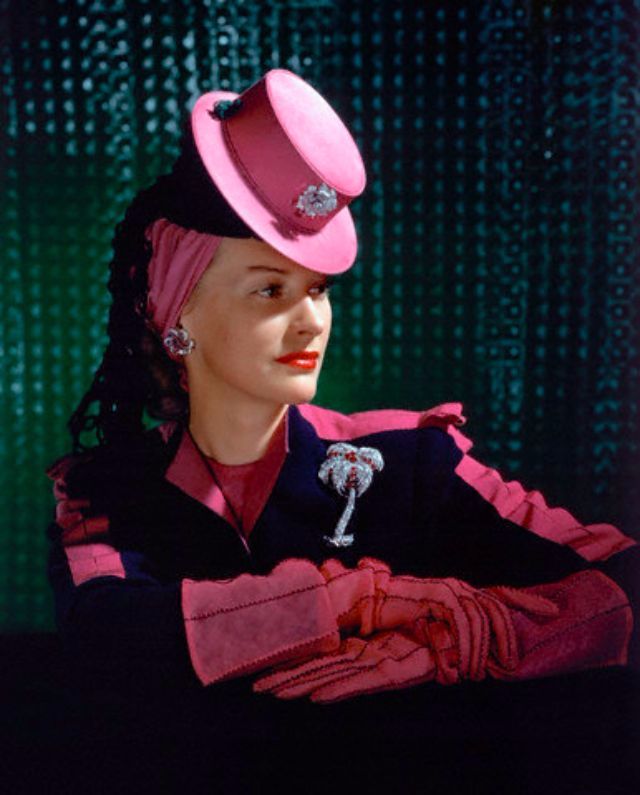
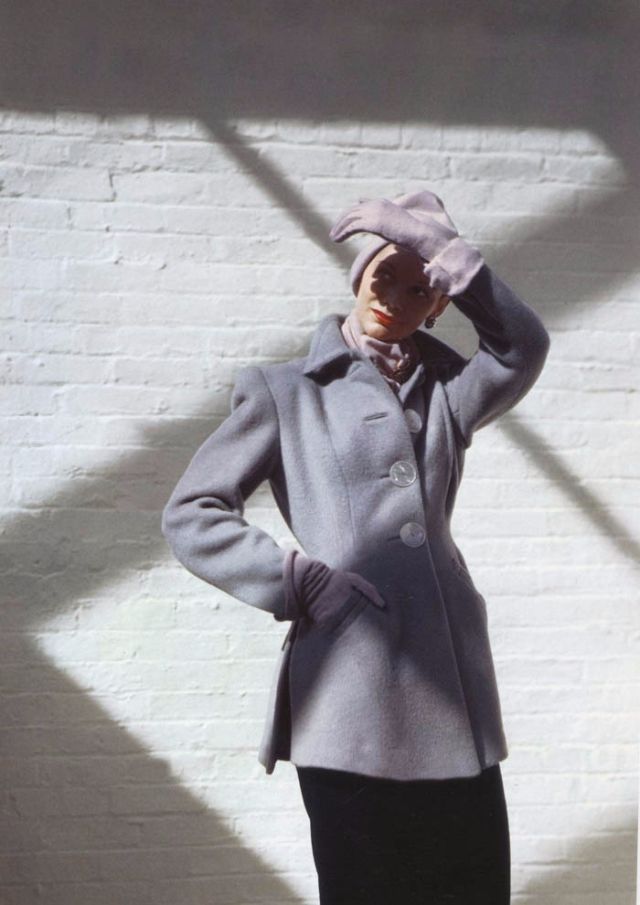
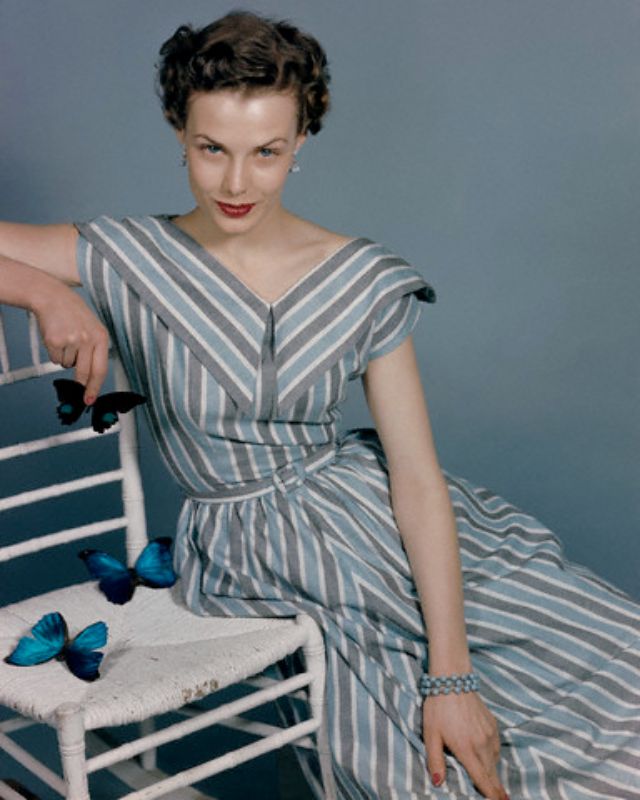
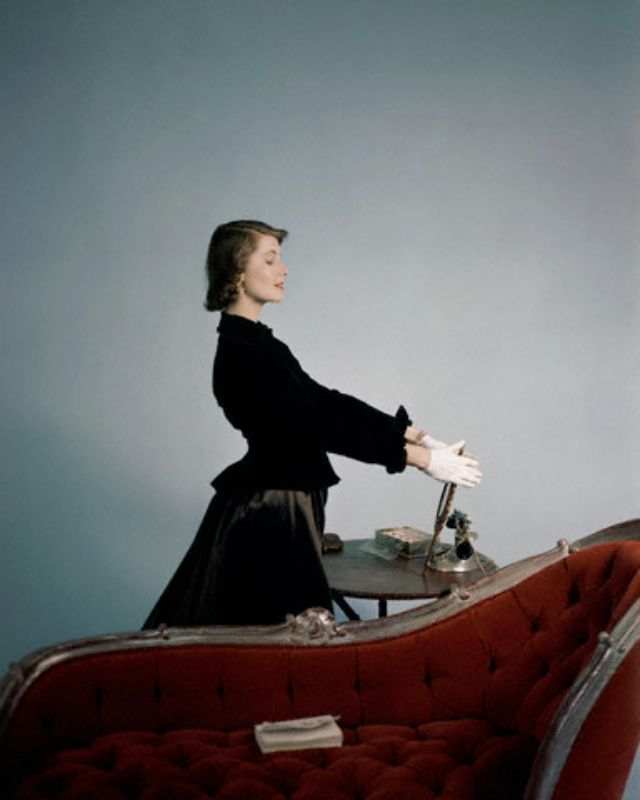
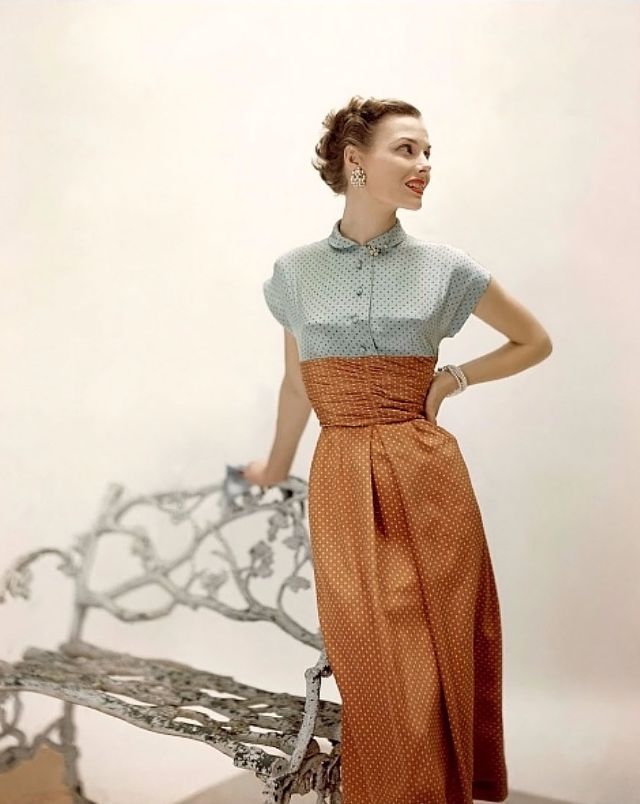
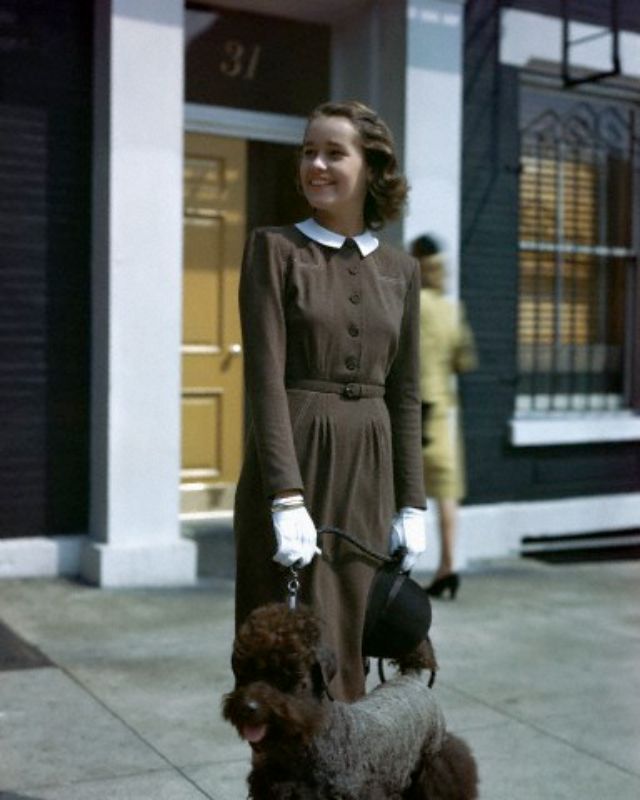
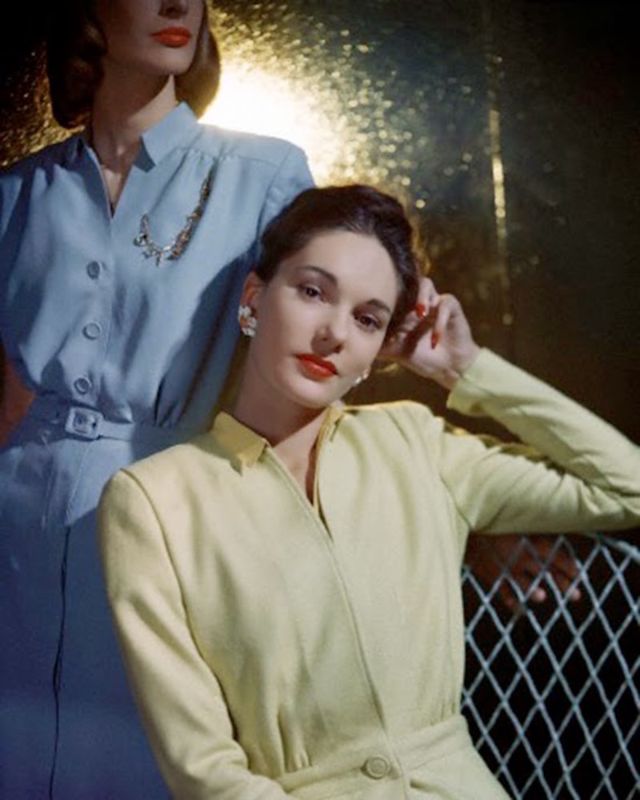
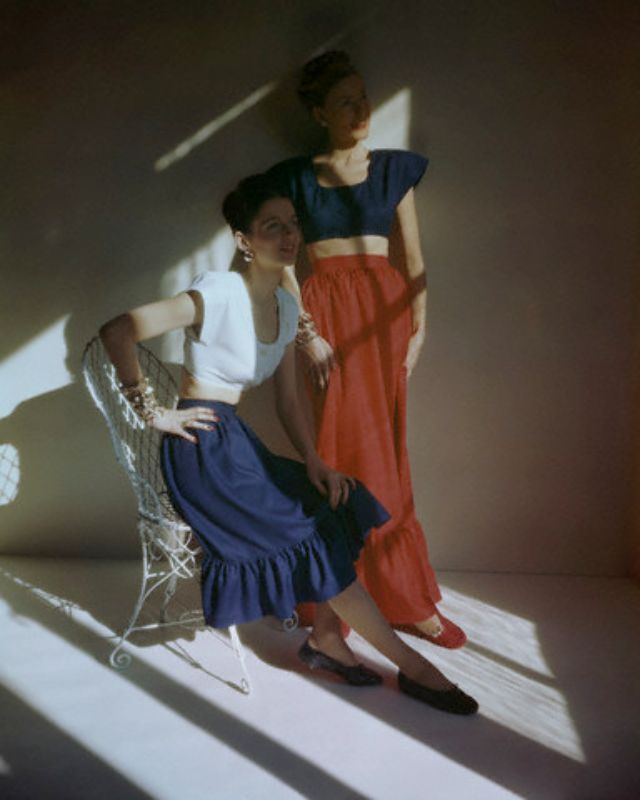
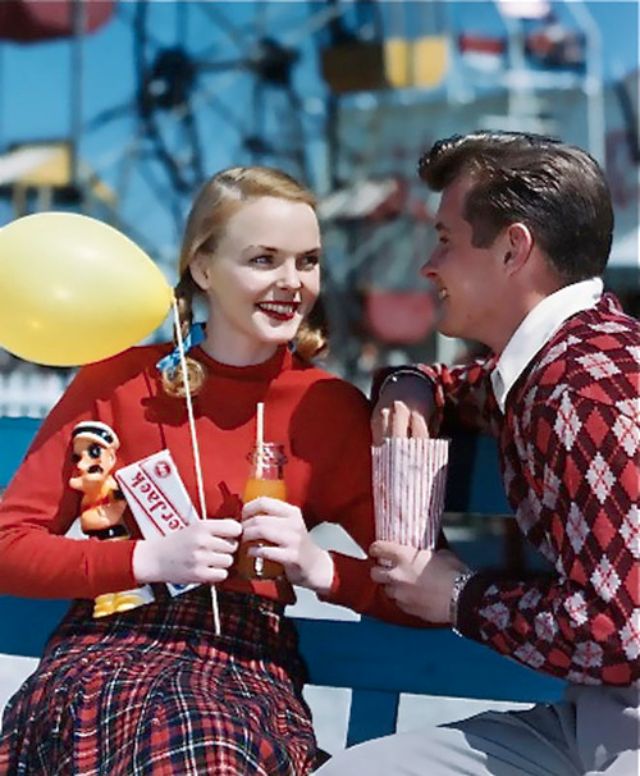
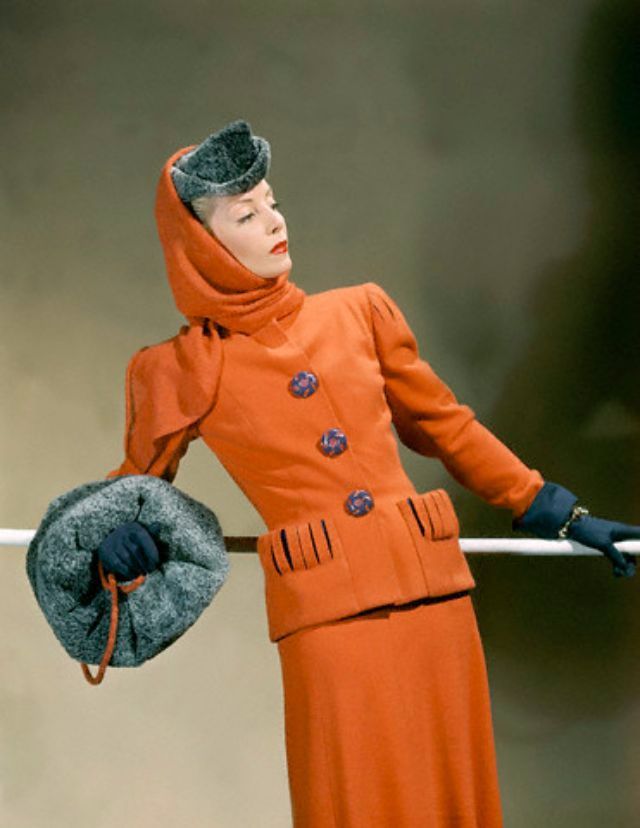
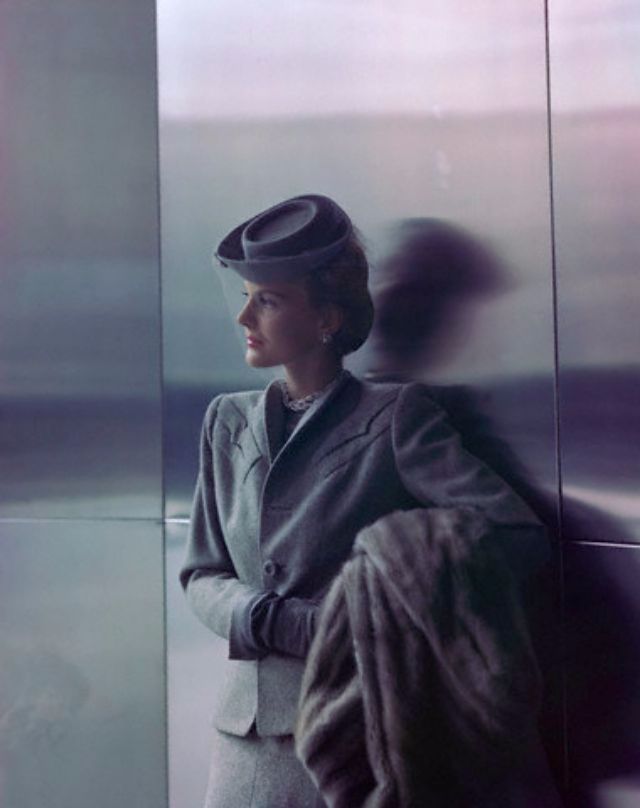
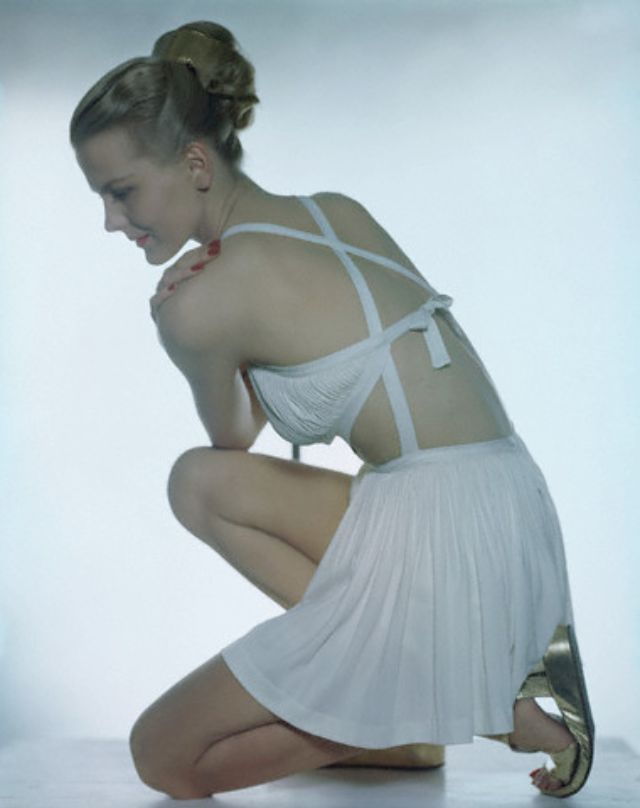
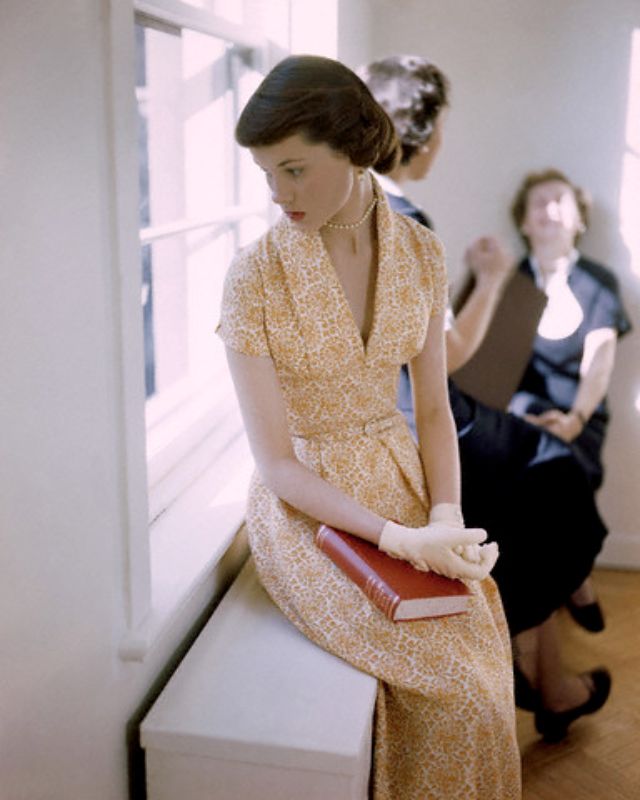
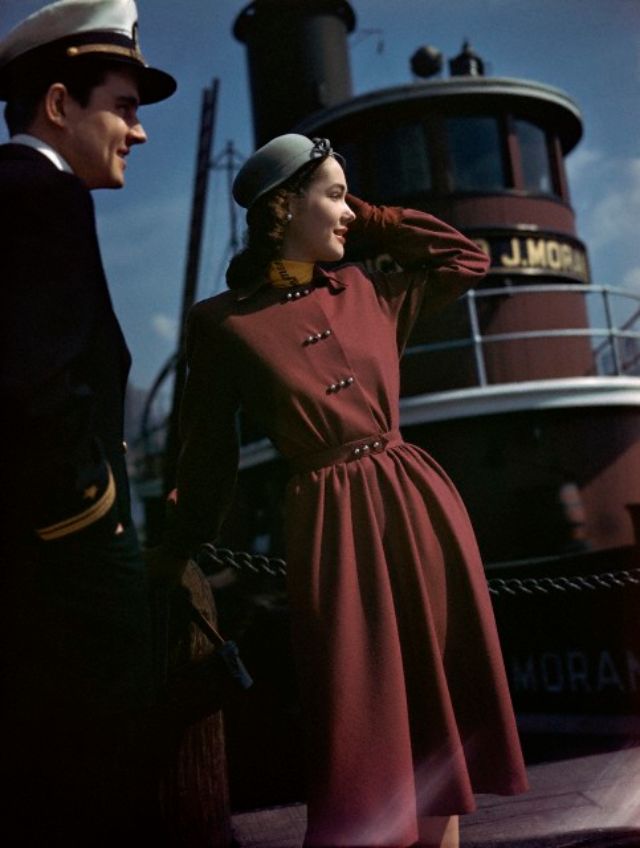
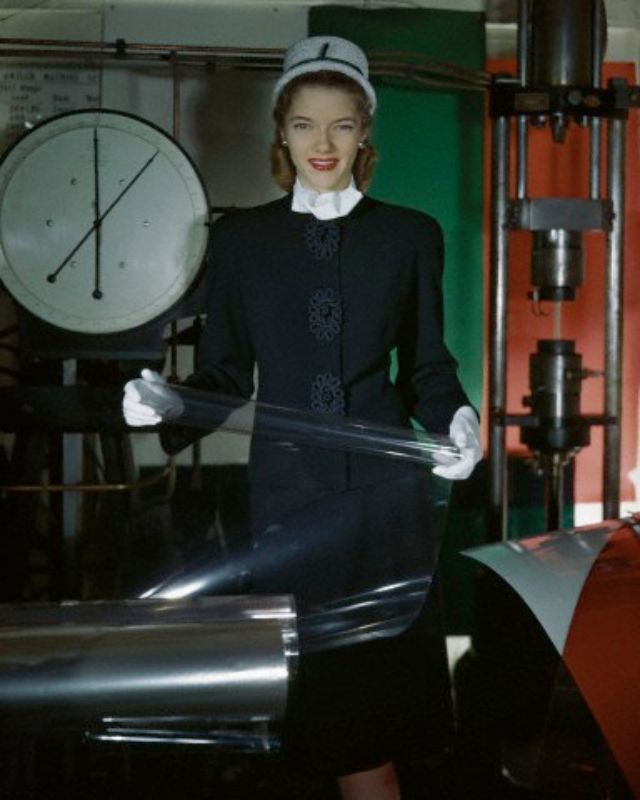
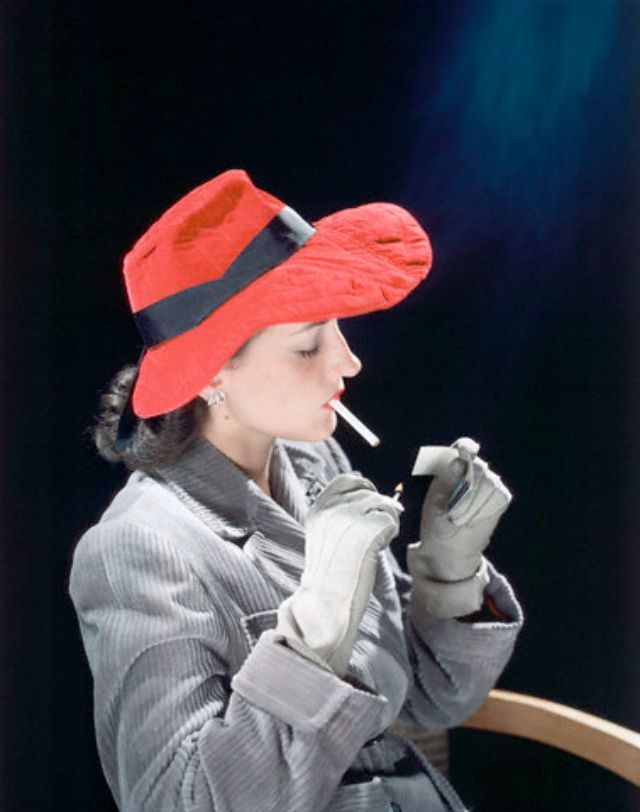
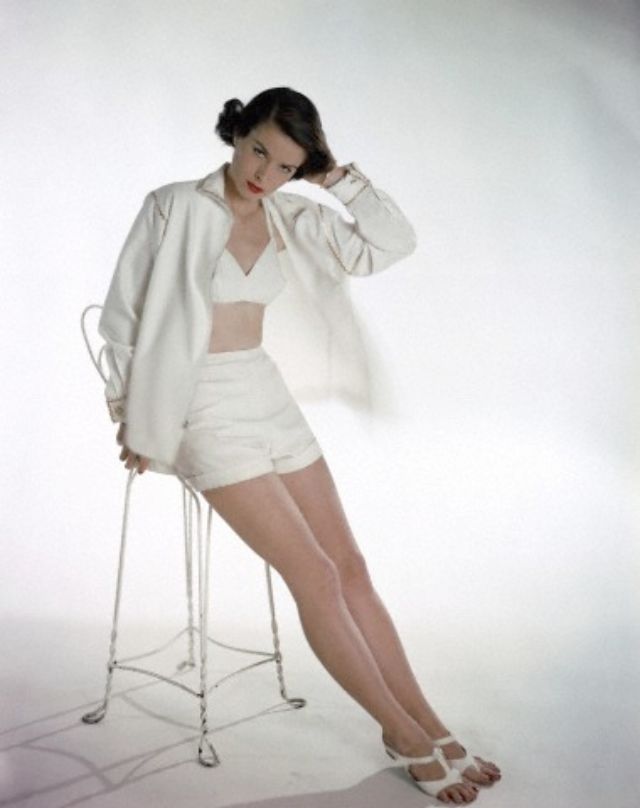
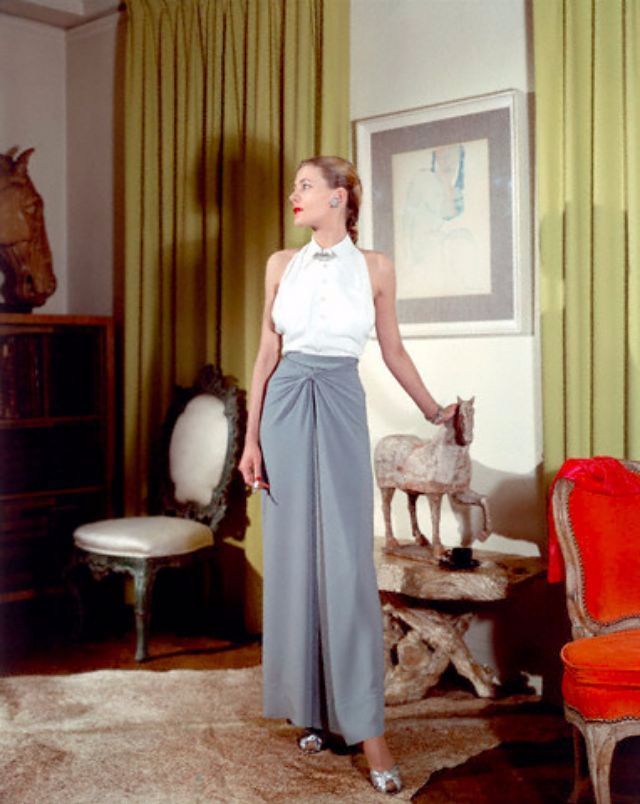
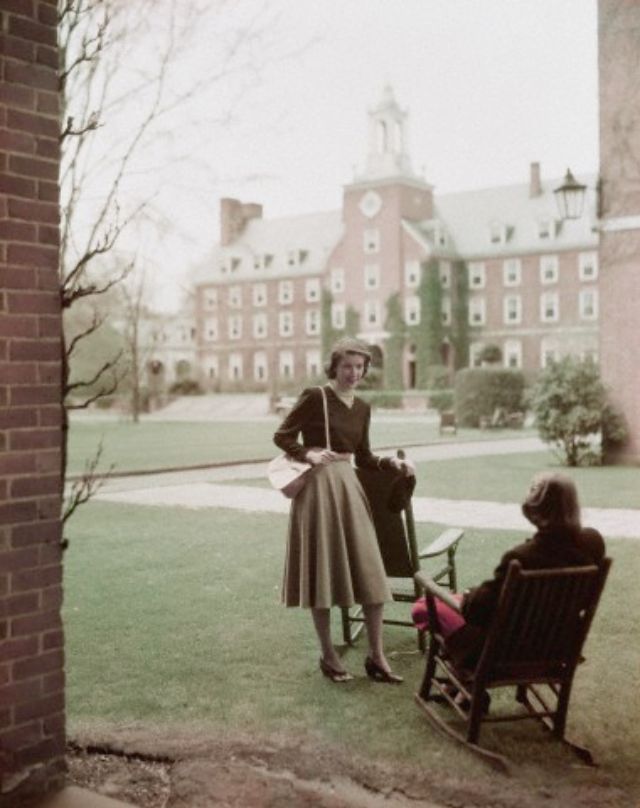
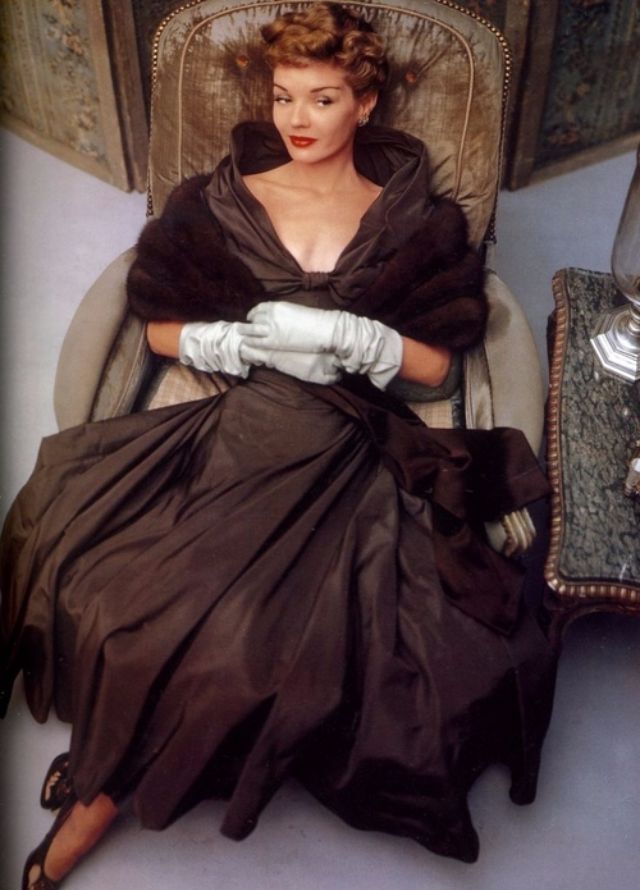
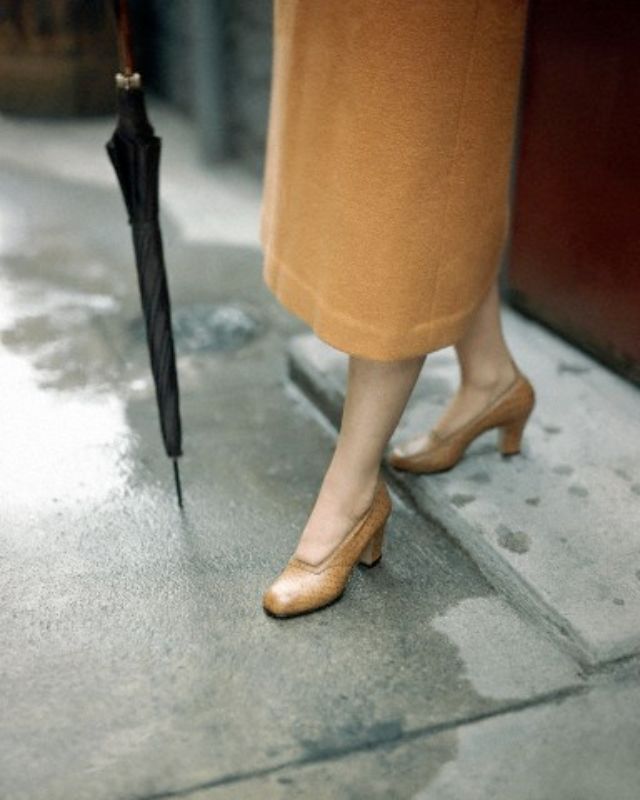
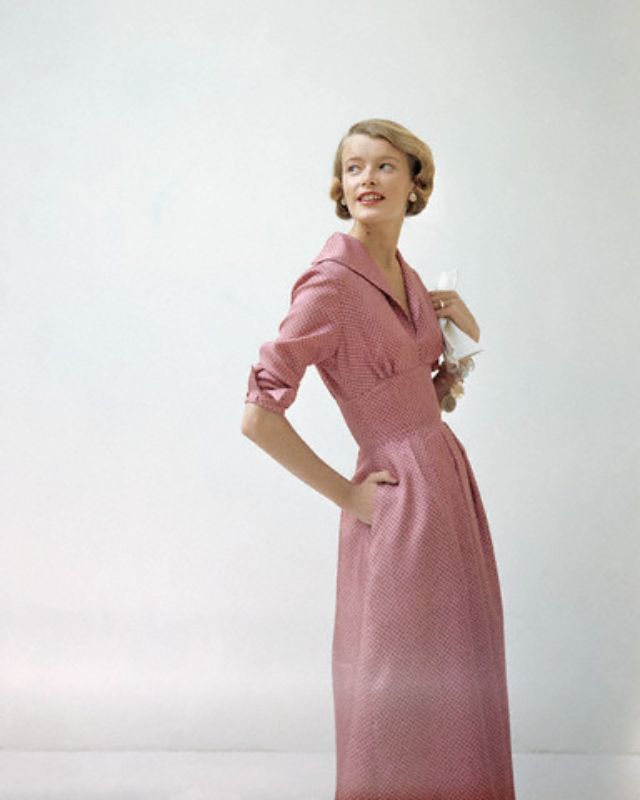
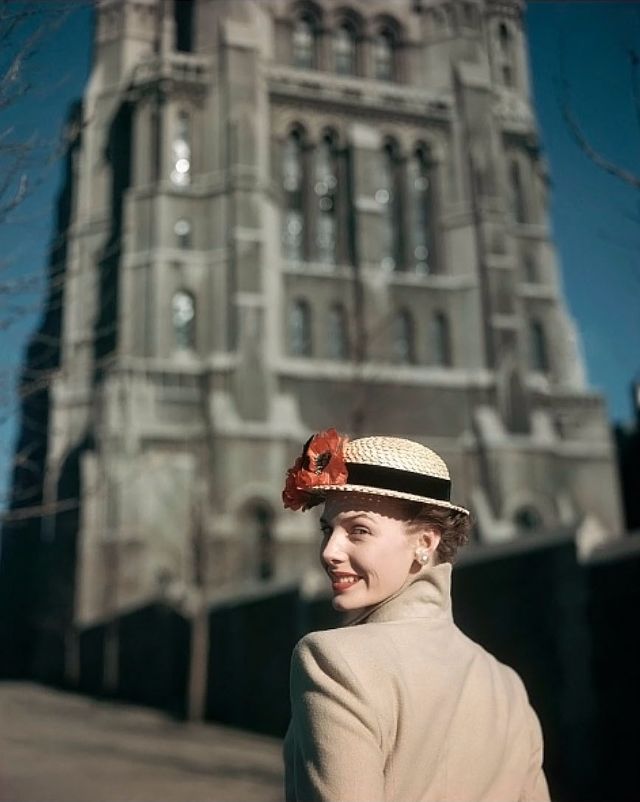
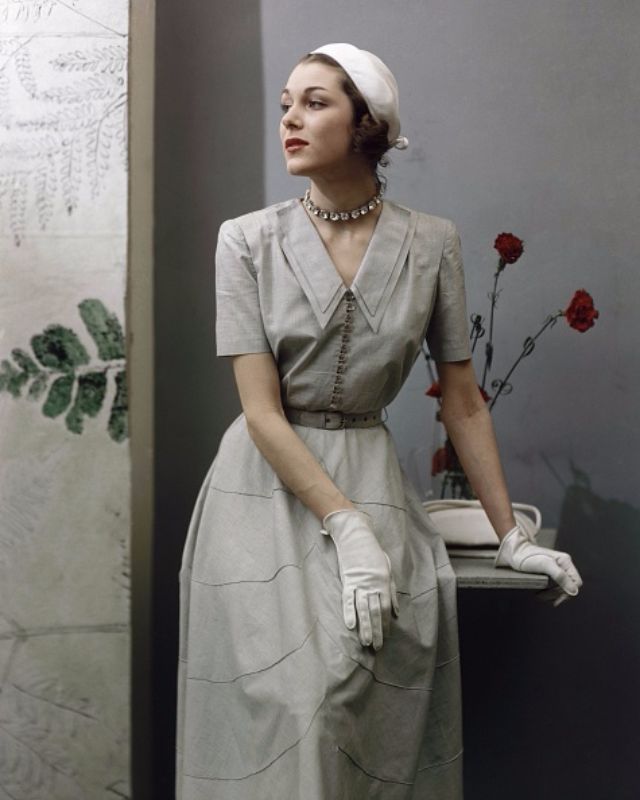
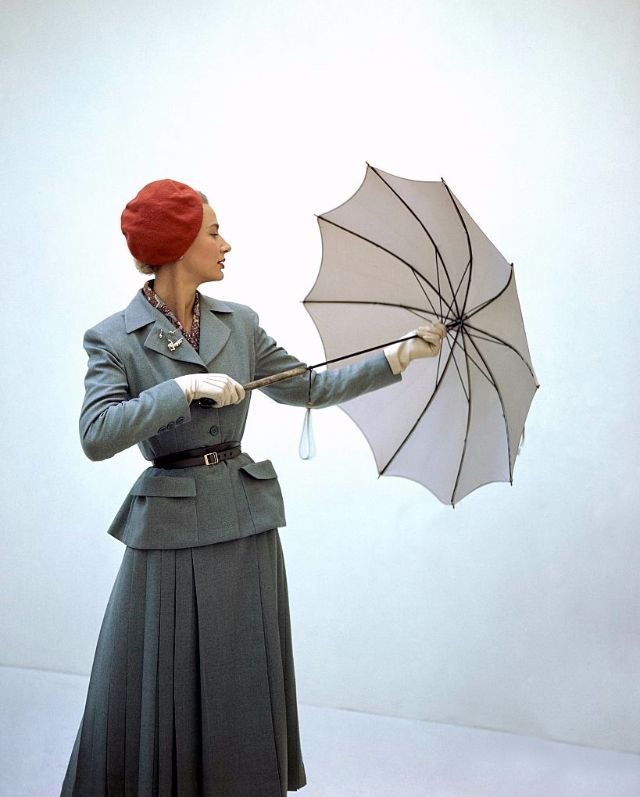
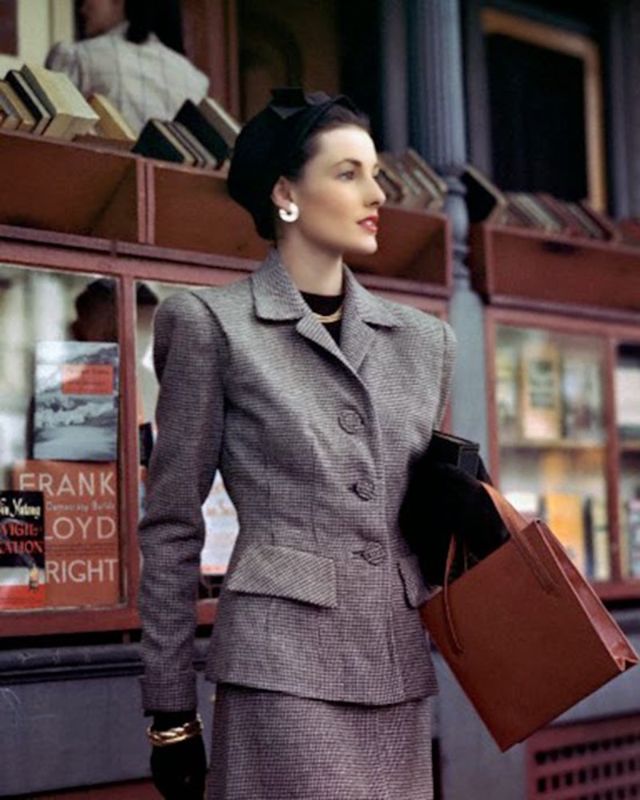
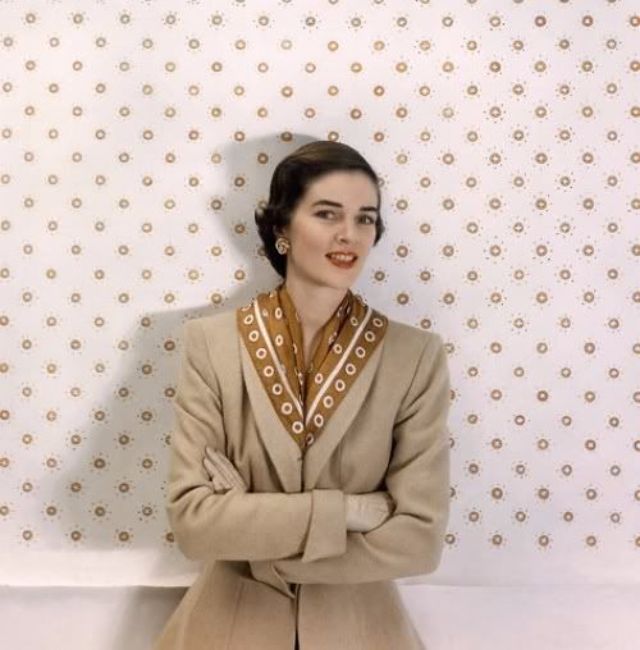
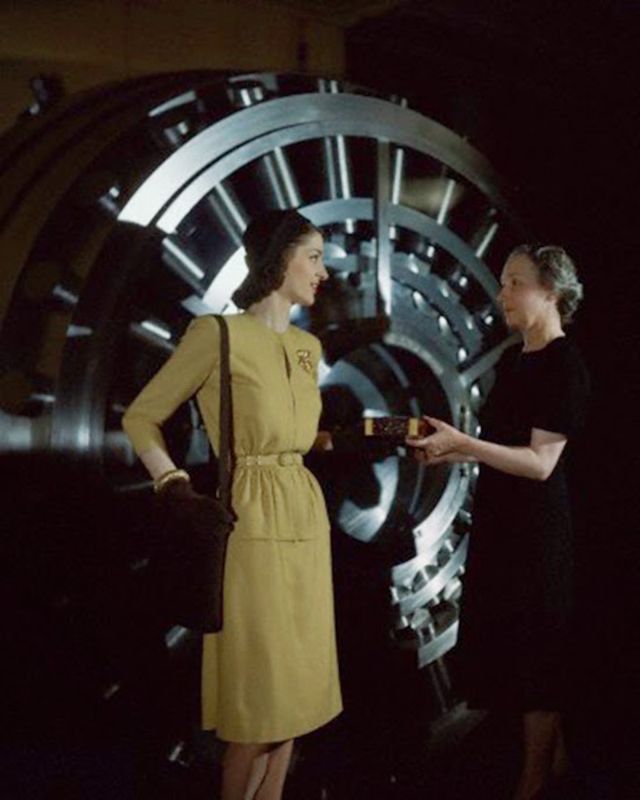
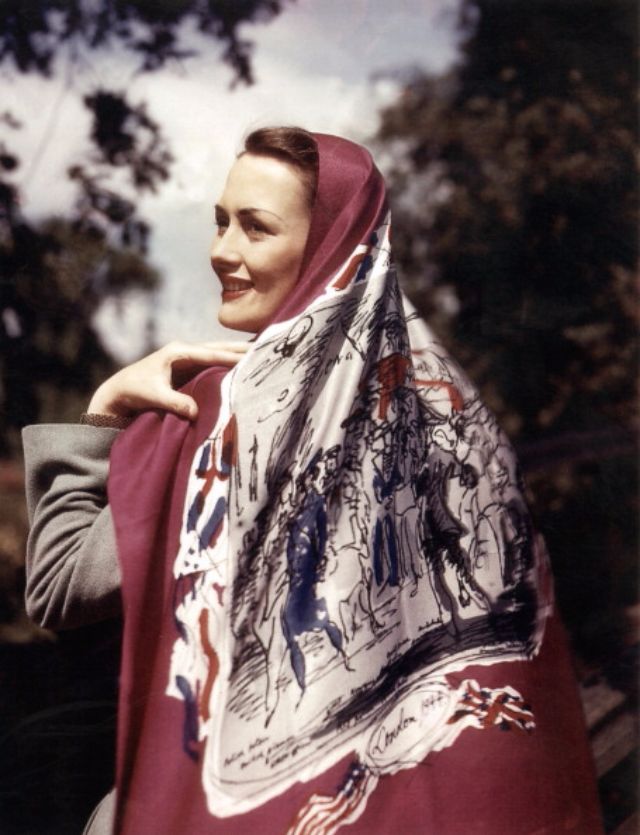
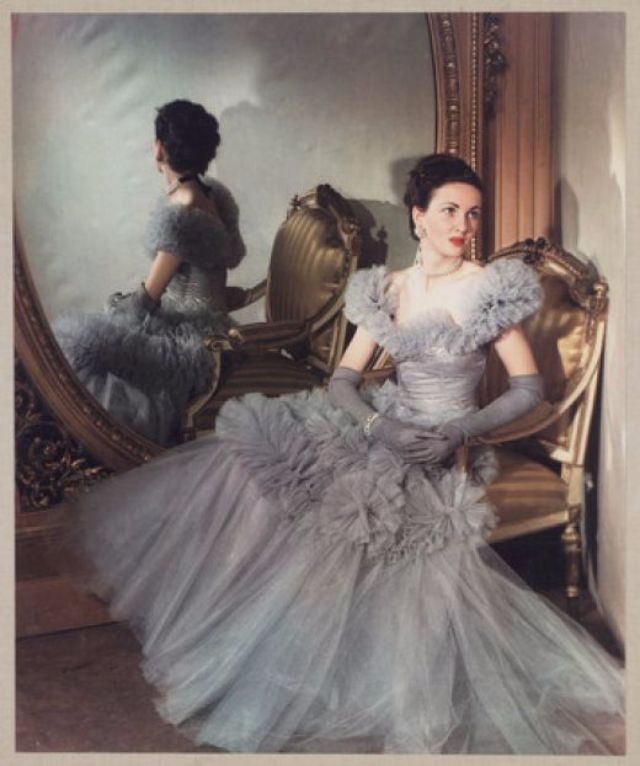
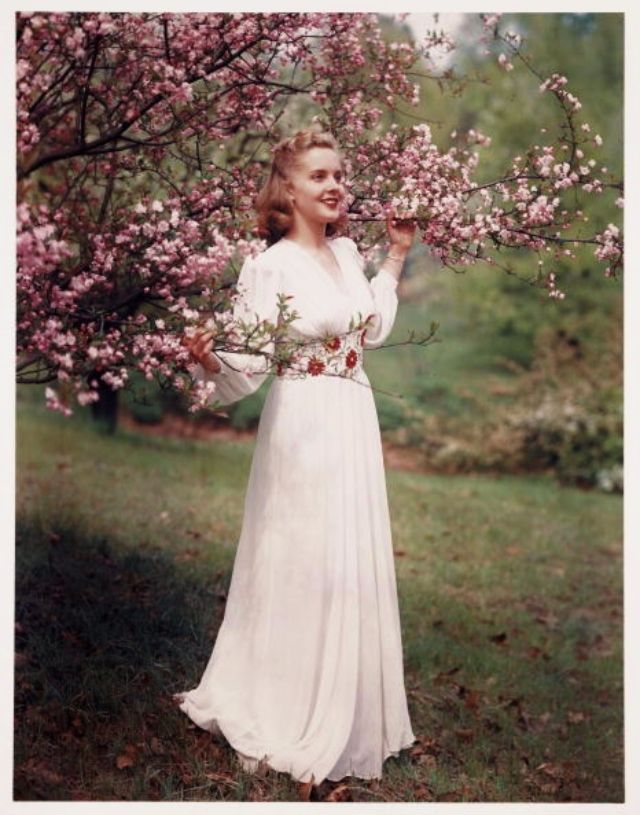
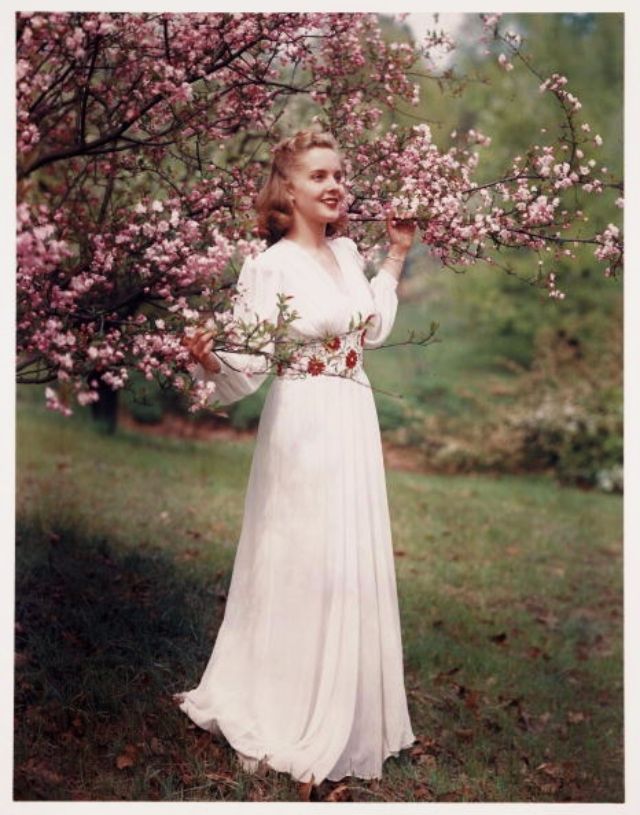
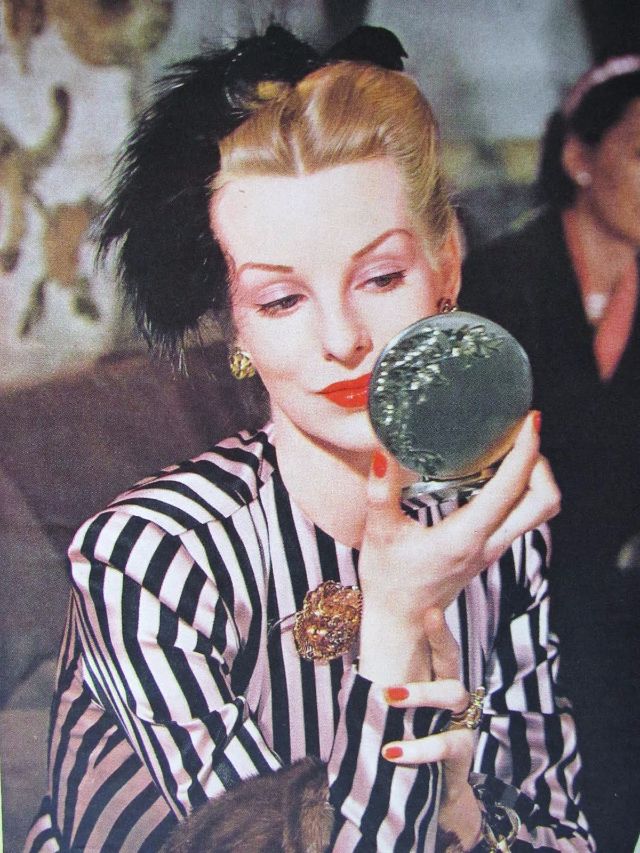
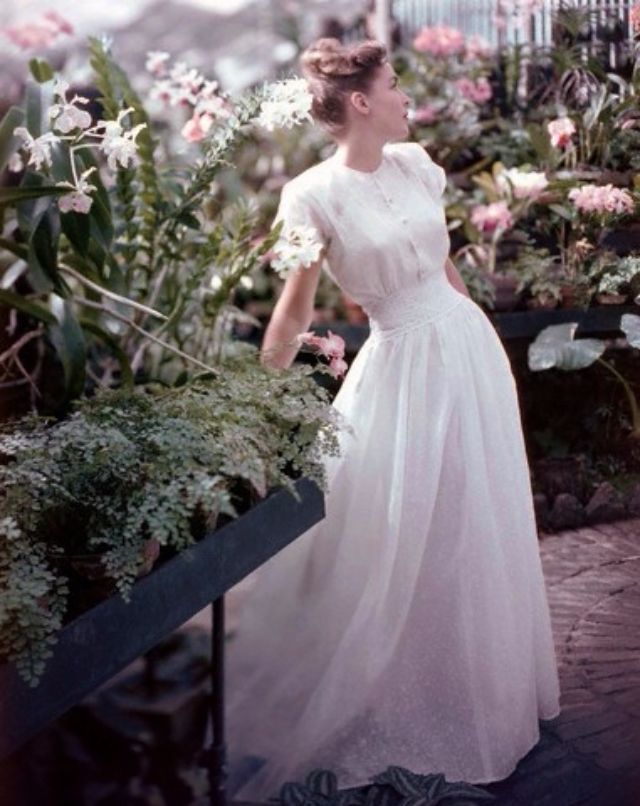
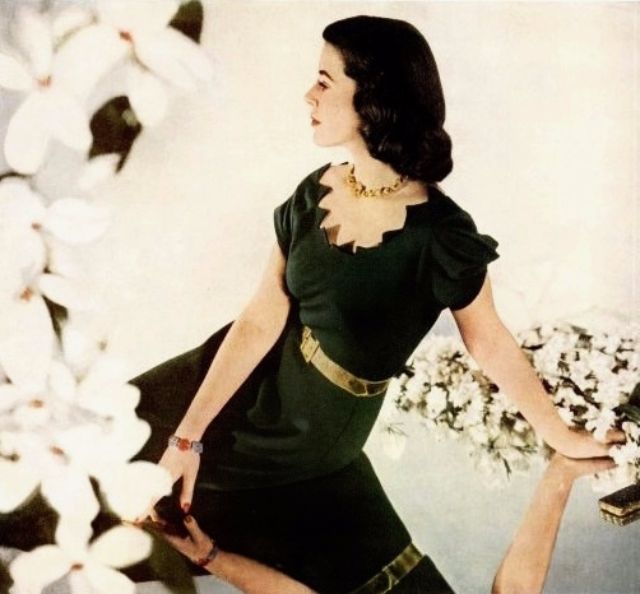
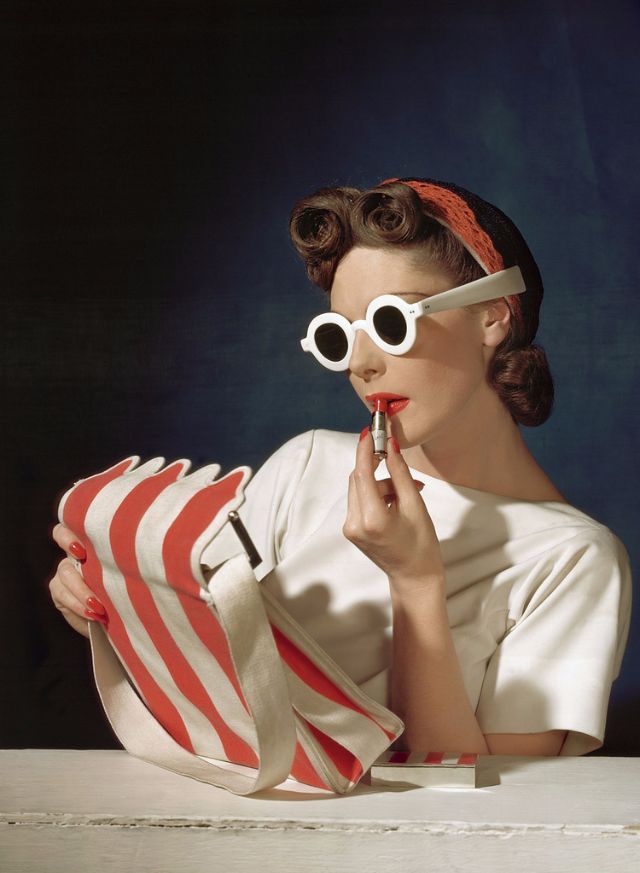
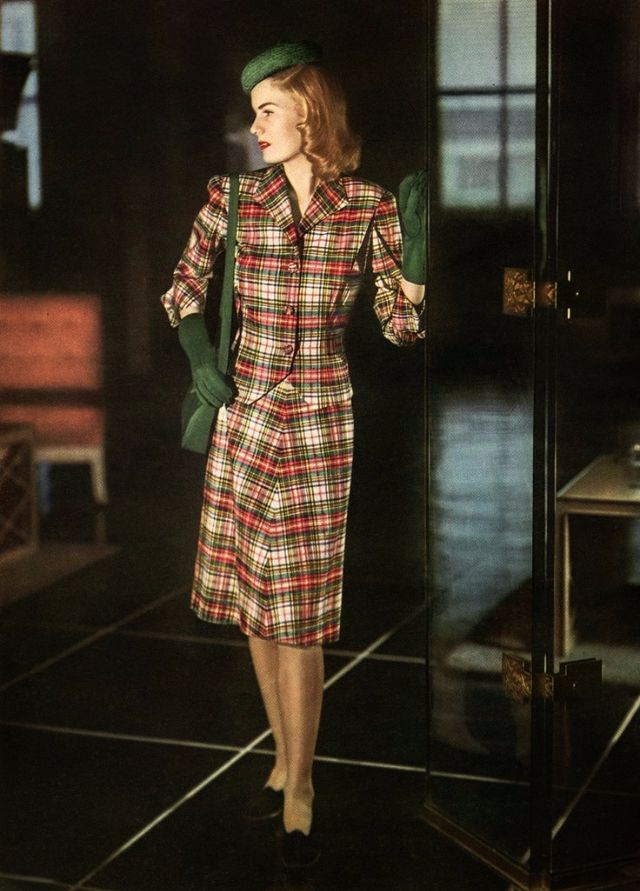
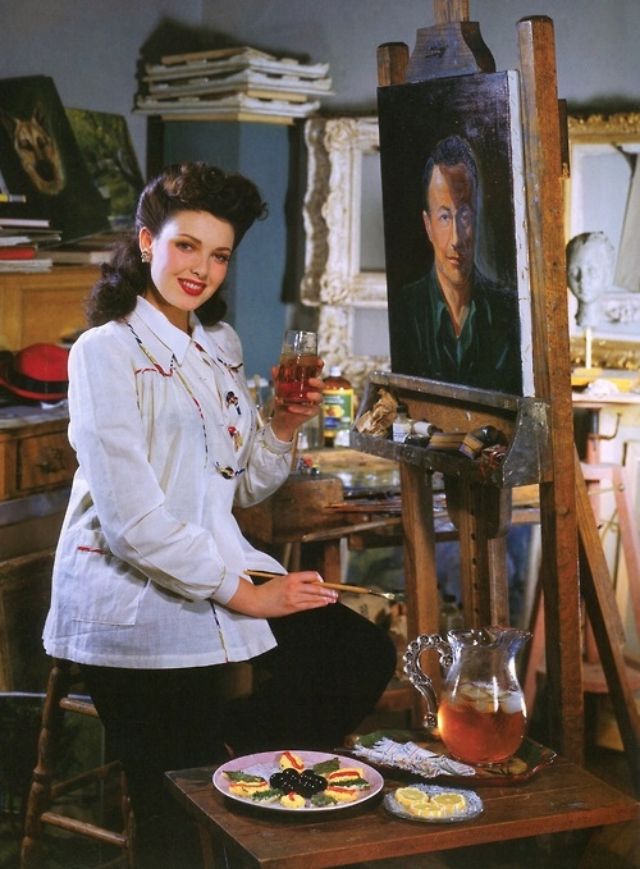
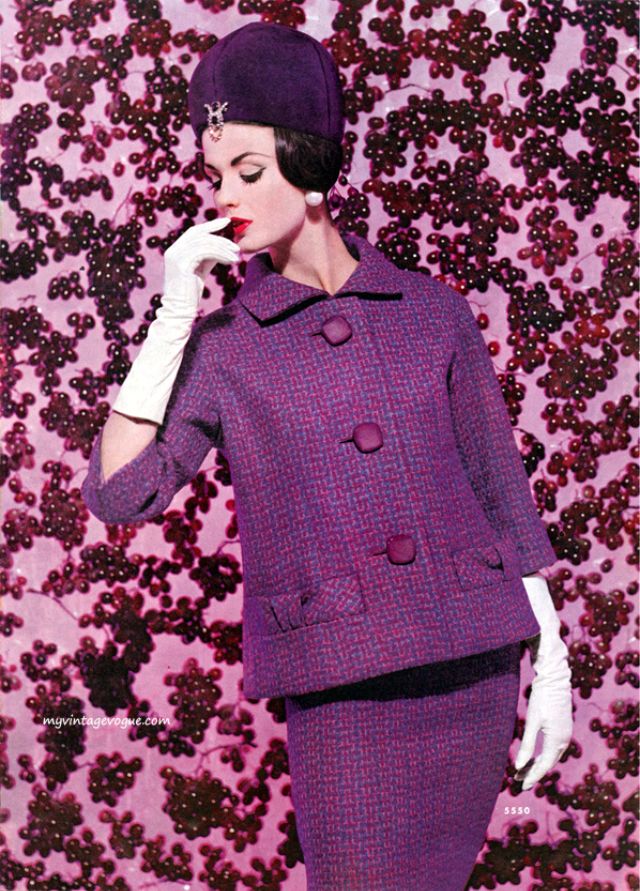
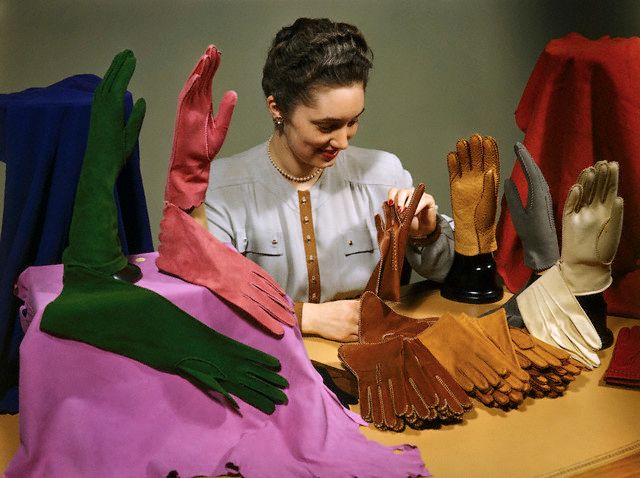
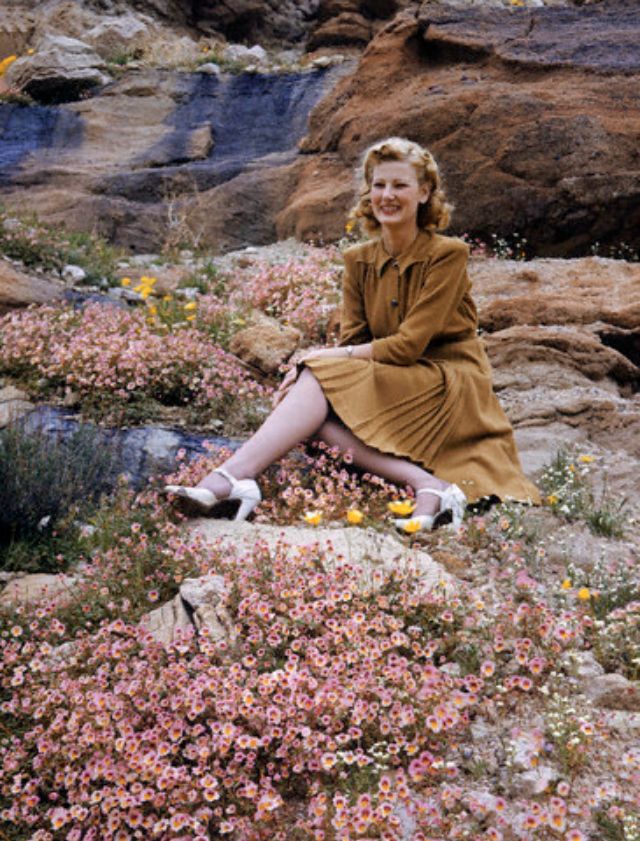
53 Gorgeous Color Photos Showing 1940s Female Fashion

Wartime austerity led to restrictions on the number of new clothes that people bought and the amount of fabric that clothing manufacturers could use. Women working on war service adopted trousers as a practical necessity. The United States government requisitioned all silk supplies, forcing the hosiery industry to completely switch to nylon. In March 1942 the government then requisitioned all nylon for parachutes and other war uses, leaving only the unpopular cotton and rayon stockings. The industry feared that not wearing stockings would become a fad, and advised stores to increase hosiery advertising. When nylon stockings reappeared in the shops there were “nylon riots” as customers fought over the first deliveries.

In Britain, clothing was strictly rationed, with a system of “points”, and the Board of Trade issued regulations for “Utility Clothes” in 1941. In America the War Production Board issued its Regulation L85 on March 8, 1942, specifying restrictions for every item of women’s clothing. Because the military used so much green and brown dye, manufacturers used more red dye in clothing. Easily laddered stockings were a particular concern in Britain; women were forced to either paint them on (including the back seam) or to join the WRNS, who continued to issue them, in a cunning aid to recruitment. Later in the war, American soldiers became a source of the new nylon stockings.

Most women wore skirts at or near knee-length, with simply-cut blouses or shirts and square-shouldered jackets. Popular magazines and pattern companies advised women on how to remake men’s suits into smart outfits, since the men were in uniform and the cloth would otherwise sit unused. Eisenhower jackets became popular in this period. Influenced by the military, these jackets were bloused at the chest and fitted at the waist with a belt. The combination of neat blouses and sensibly tailored suits became the distinctive attire of the working woman, college girl, and young society matron.

The shirtwaist dress, an all-purpose garment, also emerged during the 1930s. The shirtwaist dress was worn for all occasions, besides those that were extremely formal, and were modest in design. The dress could either have long or short sleeves, a modest neckline and skirt that fell below the knee. The bust was rounded but not particularly emphasized and the waistline was often belted in its normal position. Pockets were both functional and used for decoration and were accompanied by buttons down the front, around the sides or up the back of the dress. These dresses often were accompanied by coordination coats, which were made out of contrasting fabric but lined with the dress fabric. The jacket was often constructed in a boxy fashion and had wide lapels, wide shoulders and numerous pockets. The dress and coat combination created an overall effect of sensibility, modesty and girl next door lifestyle that contrasted the very popular, second-skin like style of the bias-cut evening gown.

The 1940s was a period marked by iconic headwear. Because of the war, current European fashion was no longer available to women in the United States. In 1941, hatmakers failed to popularize Chinese and American Indian-based designs, causing one milliner to lament “How different when Paris was the fountainhead of style”. As with hosiery hatmakers feared that bareheadness would become popular, and introduced new designs such as “Winged Victory Turbans” and “Commando Caps” in “Victory Gold”. American designers, who were often overlooked, became more popular as American women began to wear their designs. American designers of ready-to-wear contributed in other ways too. They made improvements to sizing standards and began to use fiber content and care labels in clothing. Hats were one of the few pieces of clothing that was not rationed during WWII, therefore there was a lot of attention paid to these headpieces. Styles ranged from turbans to straw hats. The snood was an important accessory to a woman working in the factory. Snoods were fashionable and functional at the same time, they enabled factory women who were wearing pants and jumpsuits to still look feminine. Snoods pulled hair out of the face by containing it all at the back of the head in a hanging net. With all the long hair hanging in the net, the front of the hair was left out and could be curled and styled to glamourize the factory uniforms. Other popular headpieces were variations of headscarves, such as the bandana Rosie the Riveter is pictured wearing in the recruitment posters. Another variation of the headscarf was simply tying a square scarf folded in half under the chin. Later in the 1950s and 60s these headscarves became highly glamorized by celebrities like Audrey Hepburn, Brigitte Bardot, and Jacqueline Kennedy. This glamorized look came from women in the 1940s who wore headscarves over their victory rolls in order to make their simple clothes look dressed up. Draped turbans – sometimes fashioned from headscarves – also made an appearance in fashion, representing the working woman of the period. These were worn by women of all classes.This type of headwear could be glamorous or practical. Turbans were the most functional for the working woman because she was able to have all her hair out of her face and skip washing her hair by covering it with the turban. Both turbans and headscarves were useful for hiding curlers so when a woman got off work all she had to do was take out her curlers and her hair would be set for a night out. All these alternative options to hats were popular, not only for function and glamour, but also because the look could be achieved quite inexpensively.

An important style that became popular due to the war was the two-piece swimsuit which later led to the Bikini. In 1942, the War Production Board passed a law called the L-85 which put restrictions on clothing production. For swimwear companies the L-85 meant they had to use 10 percent less fabric in all their designs, as a result swimsuits became smaller. Swimsuits had been becoming more minimal for a while but in 1944 Tina Leser debuted one of the first two-piece swimsuits. Even though the bottoms were high waisted, cut low on the legs, and paired with a modest bandeau, Lesers’ two piece was still considered a daring style for the era. According to Sarah Kennedy, author of The Swimsuit: A History of Twentieth-Century Fashion, unlike the bikini the two-piece was created out of necessity and was not meant to be shocking. Apparently there was an unspoken rule that bellybuttons must never show which accounts for the high waisted bottoms. Despite it being scandalous to some, the two-piece was eventually accepted because there really wasn’t another option. The L-85 did not only make swimsuits smaller, but it also pushed designers to become more creative with their designs, this led to suits that accentuated and drew attention to women’s bodies. This was done by putting boning in the swimwear. Two years after Leser debuted one of the first two-pieces, the bikini was invented in 1946 by a French engineer named Louis Réard. It was apparently named after the Bikini Atoll, which was the site of a nuclear bomb test in 1946, because Réard hoped its impact would be explosive in the fashion world. The bikini was even more daring than the two-piece, thus it did not become popular until 1953 when Brigitte Bardot was photographed in one at the Cannes Film Festival. Although the bikini did become popular in Europe in 1953 it did not become popular in the United States until the 1960s. (Wikipedia)
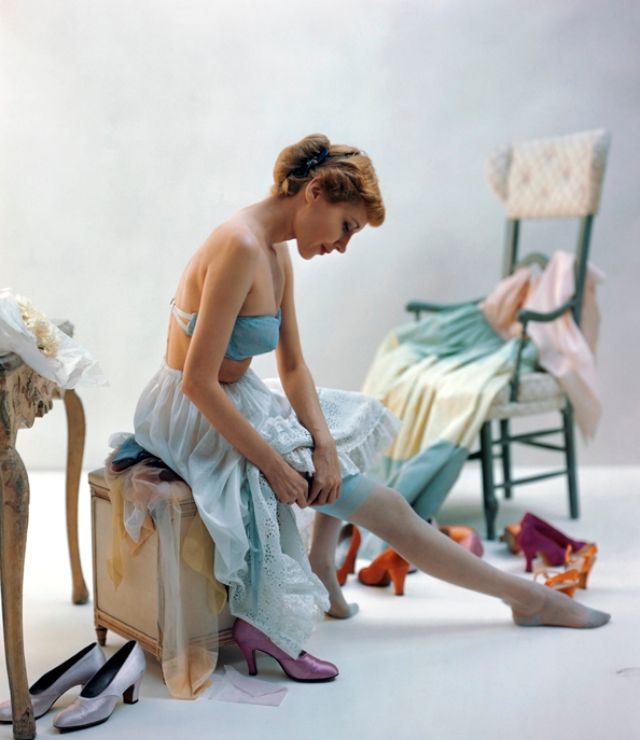
Despite the impact of the 2nd World War, the 1940s fashion still had its own definition. Take a look.

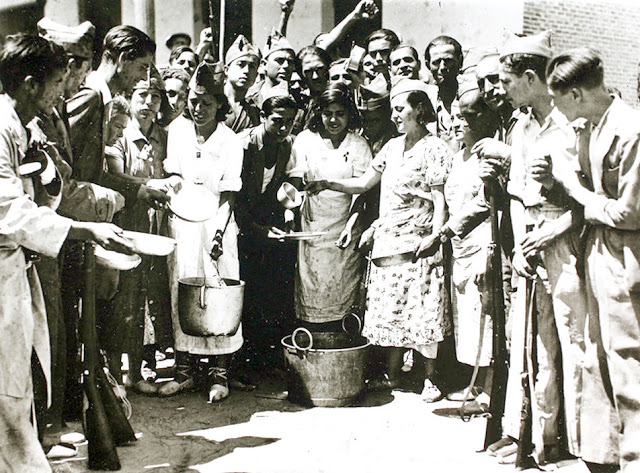
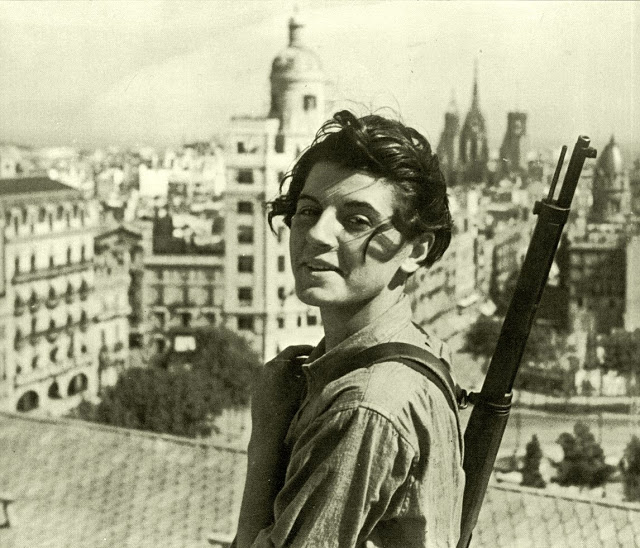
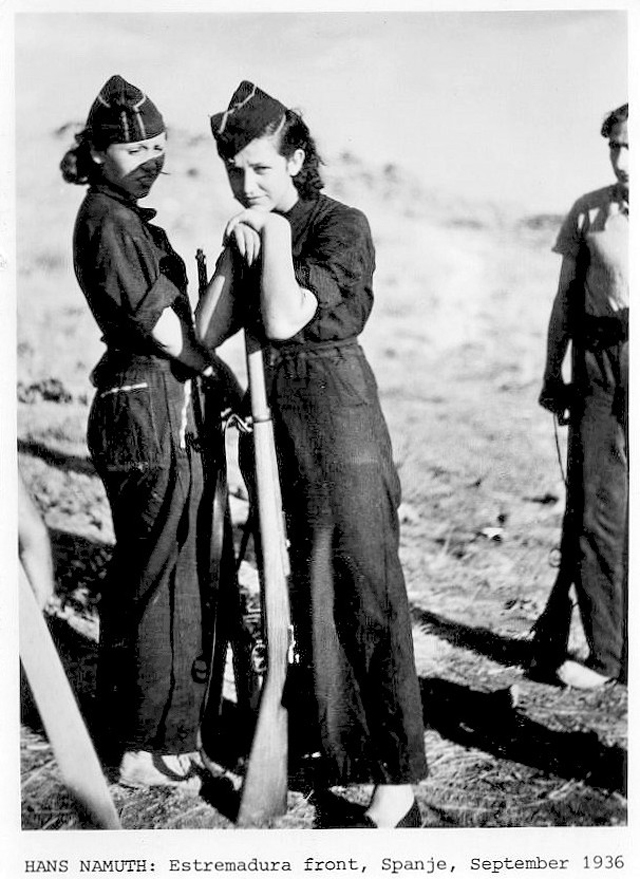
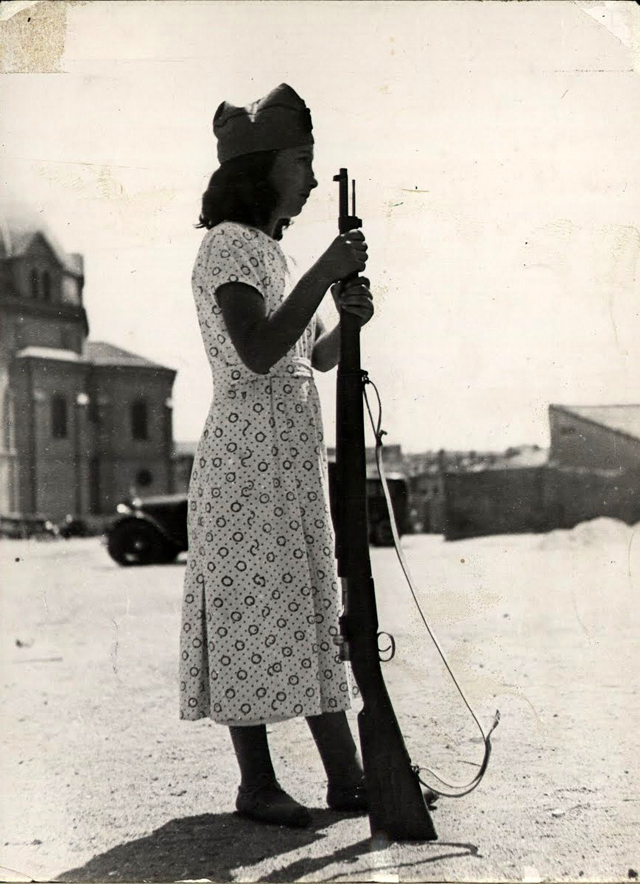
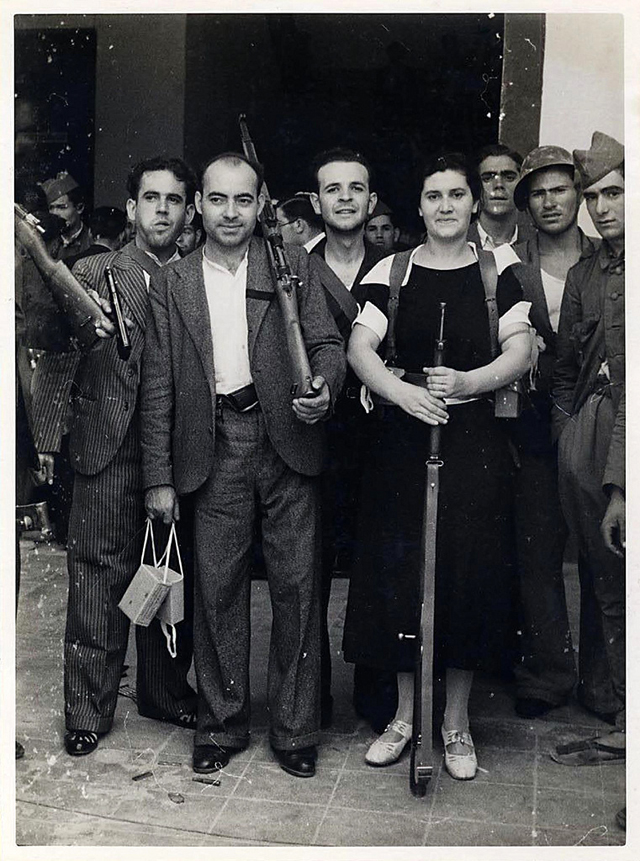
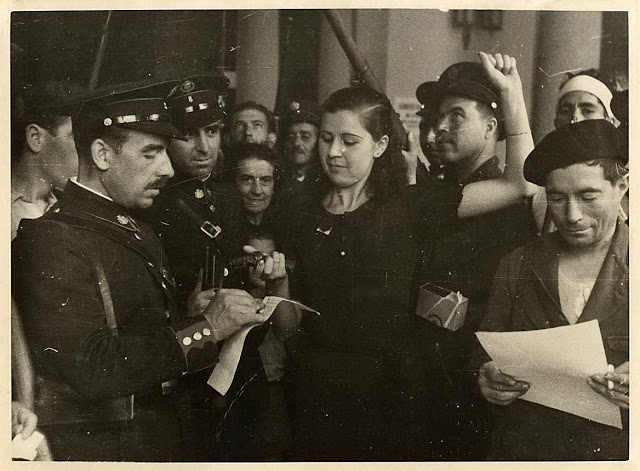
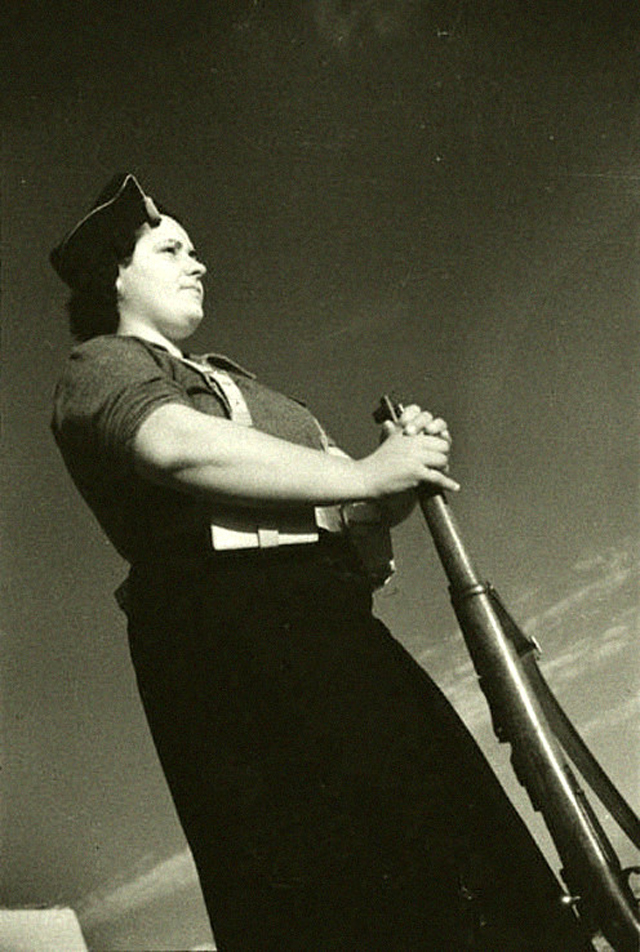
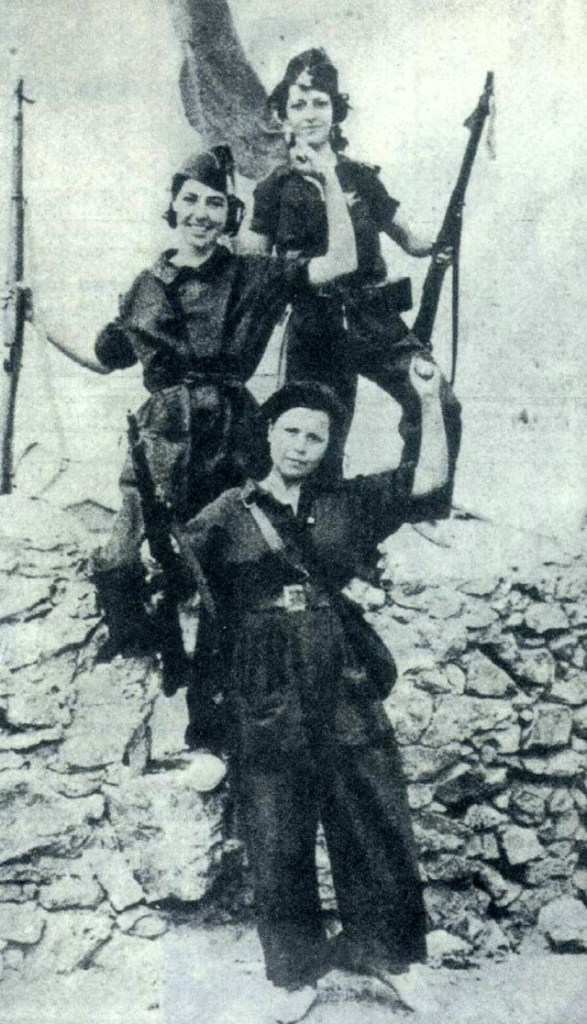
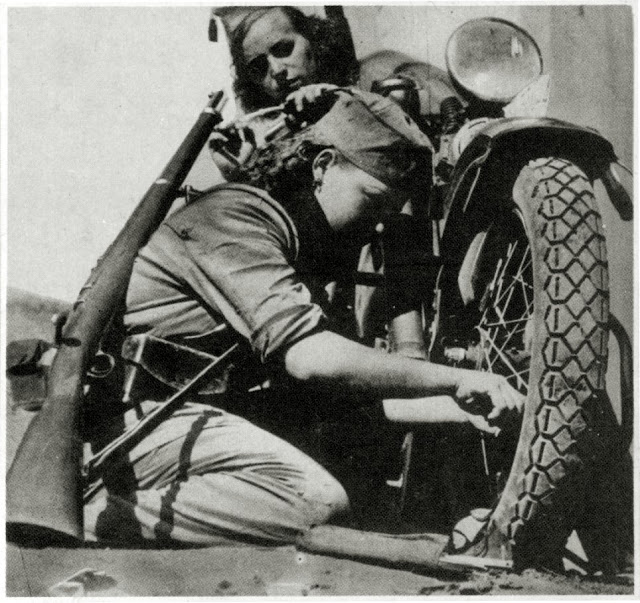
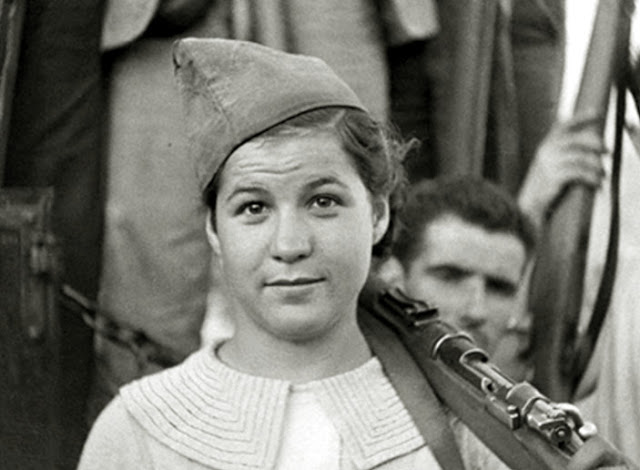
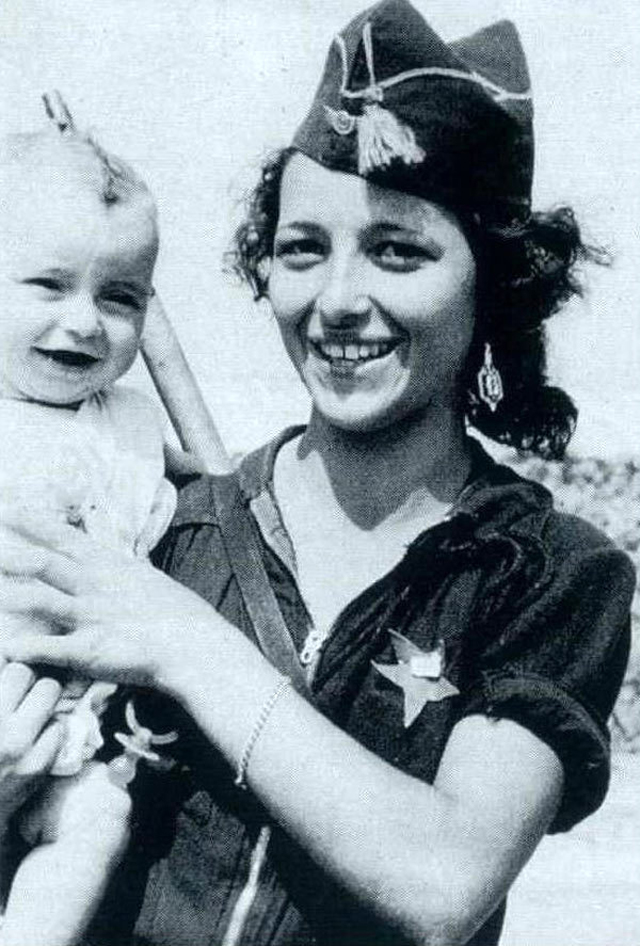
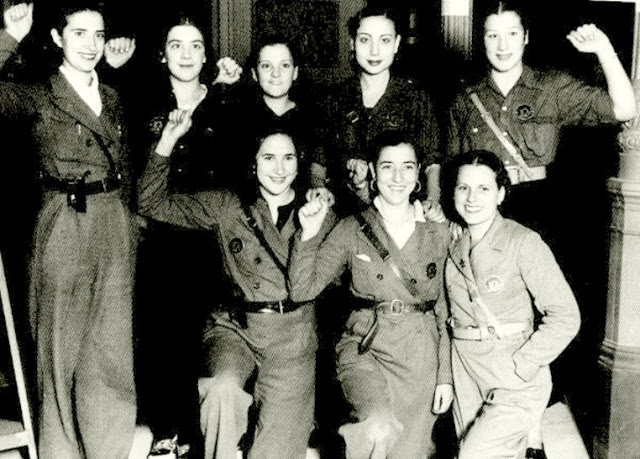
30 Amazing Photos of Female Combatants in the Spanish Civil War

During the first few days of the Spanish Civil War, women played an integral role in the spontaneous uprising that prevented the immediate success of the Nationalist coup. Around one thousand of these women went on to join the militias who fought at the front. Women also played an important role in the defense of cities, with another several thousand forming sections of the armed rearguard. Indeed, women’s participation in the anti-fascist resistance constituted one of the greatest mass political mobilizations of women in Spain’s history.

By late 1936, attitudes towards women in combat began to change drastically, and by March 1937, the majority of milicianas had been removed from their combat positions. Though there existed a consensus around this issue among the male leadership of both the Republican government and left-wing political groups, female combatants viewed this turn of events differently. The majority of the milicianas had deep reservations about their recall from the front, and saw it as a retreat from the gains women had made during the war and revolution. Indeed, while the political leadership within the Republic presented numerous arguments for why it was necessary to remove women from combat, this book argues that the reason it was initially considered acceptable for women to fight, and then seen as undesirable eight months later, was connected to the course of the social revolution.

The Spanish Civil War (Spanish: Guerra Civil Española) was a civil war in Spain fought from 1936 to 1939. Republicans were loyal to the left-leaning Popular Front government of the Second Spanish Republic. The Popular Front was constituted by the Spanish Socialist Workers’ Party (PSOE), Communist Party of Spain (PCE), and the republicans: Republican Left (IR), (led by Azaña) and Republican Union (UR), led by Diego Martínez Barrio. This pact was supported by Galician (PG) and Catalan nationalists (ERC), the POUM, socialist union Workers’ General Union (UGT), and the anarchist trade union, the Confederación Nacional del Trabajo (CNT). Many anarchists who would later fight alongside Popular Front forces during the Spanish Civil War did not support them in the election, urging abstention instead. The Popular Front, fought against an insurrection by the Nationalists, an alliance of Falangists, monarchists, conservatives and traditionalists, led by a military junta among whom General Francisco Franco quickly achieved a preponderant role. Due to the international political climate at the time, the war had many facets and was variously viewed as class struggle, a religious struggle, a struggle between dictatorship and republican democracy, between revolution and counterrevolution, and between fascism and communism. According to Claude Bowers, U.S. ambassador to Spain during the war, it was the “dress rehearsal” for World War II. The Nationalists won the war, which ended in early 1939, and ruled Spain until Franco’s death in November 1975.

The war began after a pronunciamiento (a declaration of military opposition, of revolt) against the Republican government by a group of generals of the Spanish Republican Armed Forces, with General Emilio Mola as the primary planner and leader and having General José Sanjurjo as a figurehead. The government at the time was a coalition of Republicans, supported in the Cortes by communist and socialist parties, under the leadership of centre-left President Manuel Azaña. The Nationalist group was supported by a number of conservative groups, including CEDA, monarchists, including both the opposing Alfonsists and the religious conservative Carlists, and the Falange Española de las JONS, a fascist political party. After the deaths of Sanjurjo, Emilio Mola and Manuel Goded Llopis, Franco emerged as the remaining leader of the Nationalist side.

The coup was supported by military units in Morocco, Pamplona, Burgos, Zaragoza, Valladolid, Cádiz, Córdoba, and Seville. However, rebelling units in almost all important cities—such as Madrid, Barcelona, Valencia, Bilbao, and Málaga—did not gain control, and those cities remained under the control of the government. This left Spain militarily and politically divided. The Nationalists and the Republican government fought for control of the country. The Nationalist forces received munitions, soldiers, and air support from Fascist Italy and Nazi Germany, while the Republican side received support from the Soviet Union and Mexico. Other countries, such as the United Kingdom, the French Third Republic, and the United States, continued to recognise the Republican government but followed an official policy of non-intervention. Despite this policy, tens of thousands of citizens from non-interventionist countries directly participated in the conflict. They fought mostly in the pro-Republican International Brigades, which also included several thousand exiles from pro-Nationalist regimes.

The Nationalists advanced from their strongholds in the south and west, capturing most of Spain’s northern coastline in 1937. They also besieged Madrid and the area to its south and west for much of the war. After much of Catalonia was captured in 1938 and 1939, and Madrid cut off from Barcelona, the Republican military position became hopeless. Following the fall without resistance of Barcelona in January 1939, the Francoist regime was recognised by France and the United Kingdom in February 1939. On 5 March 1939, Colonel Segismundo Casado led a military coup against the Republican government. Following internal conflict between Republican factions in Madrid in the same month, Franco entered the capital and declared victory on 1 April 1939. Hundreds of thousands of Spaniards fled to refugee camps in southern France. Those associated with the losing Republicans who stayed were persecuted by the victorious Nationalists. Franco established a dictatorship in which all right-wing parties were fused into the structure of the Franco regime.

The war became notable for the passion and political division it inspired and for the many atrocities that occurred, on both sides. Organised purges occurred in territory captured by Franco’s forces so they could consolidate their future regime. Mass executions on a lesser scale also took place in areas controlled by the Republicans, with the participation of local authorities varying from location to location. (Wikipedia)
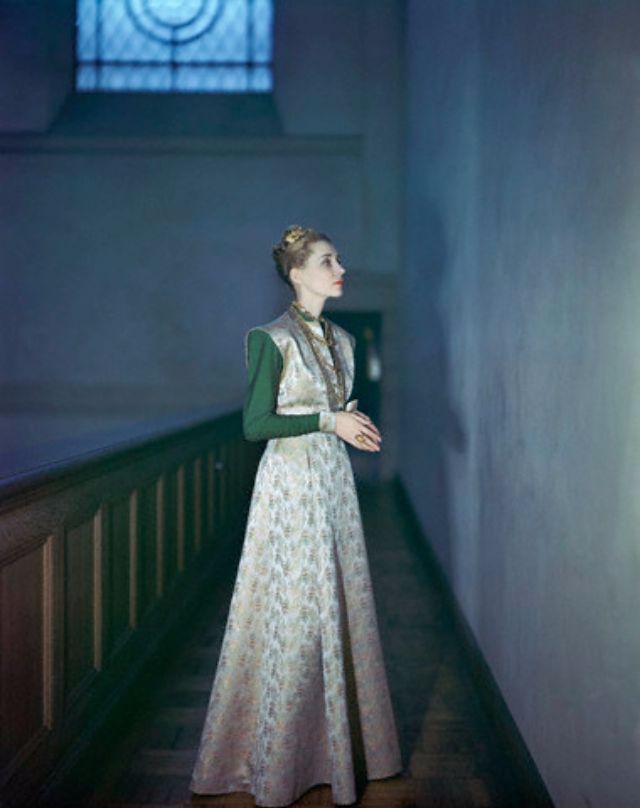
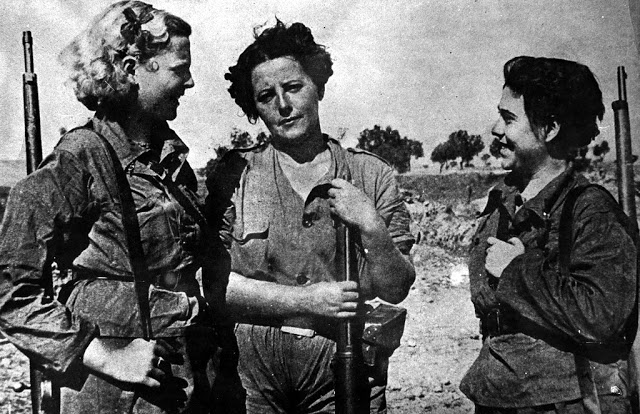
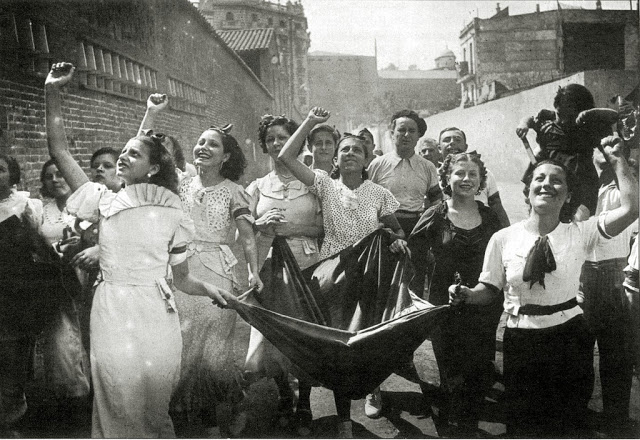
Here, below is a collection of 30 vintage photographs of female combatants during the Spanish Civil War from 1936 to 1939.

ca. 1936, Spain — A young Spanish woman who has joined the Republicans to fight against the rebel nationalist forces in the Civil War.

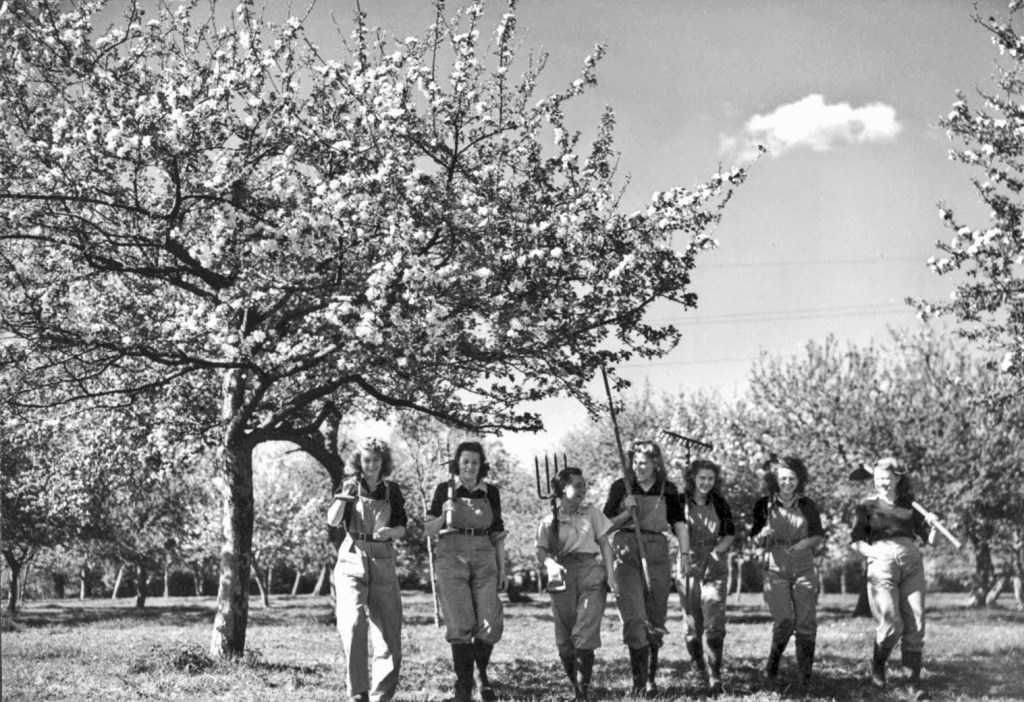
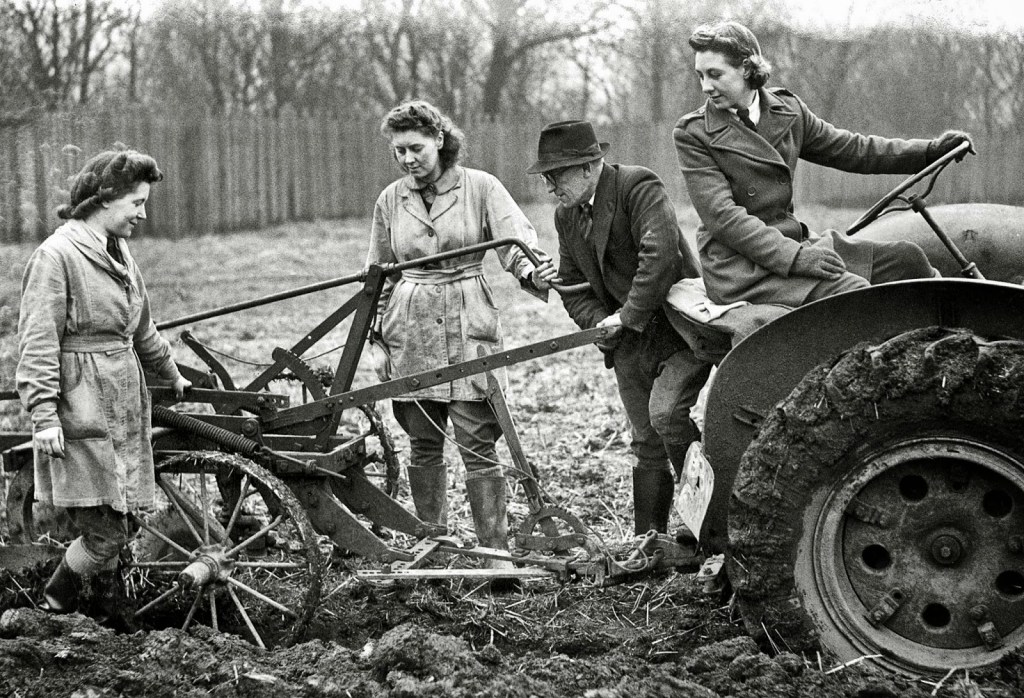
16 Vintage Photos of Land Girls During World War II

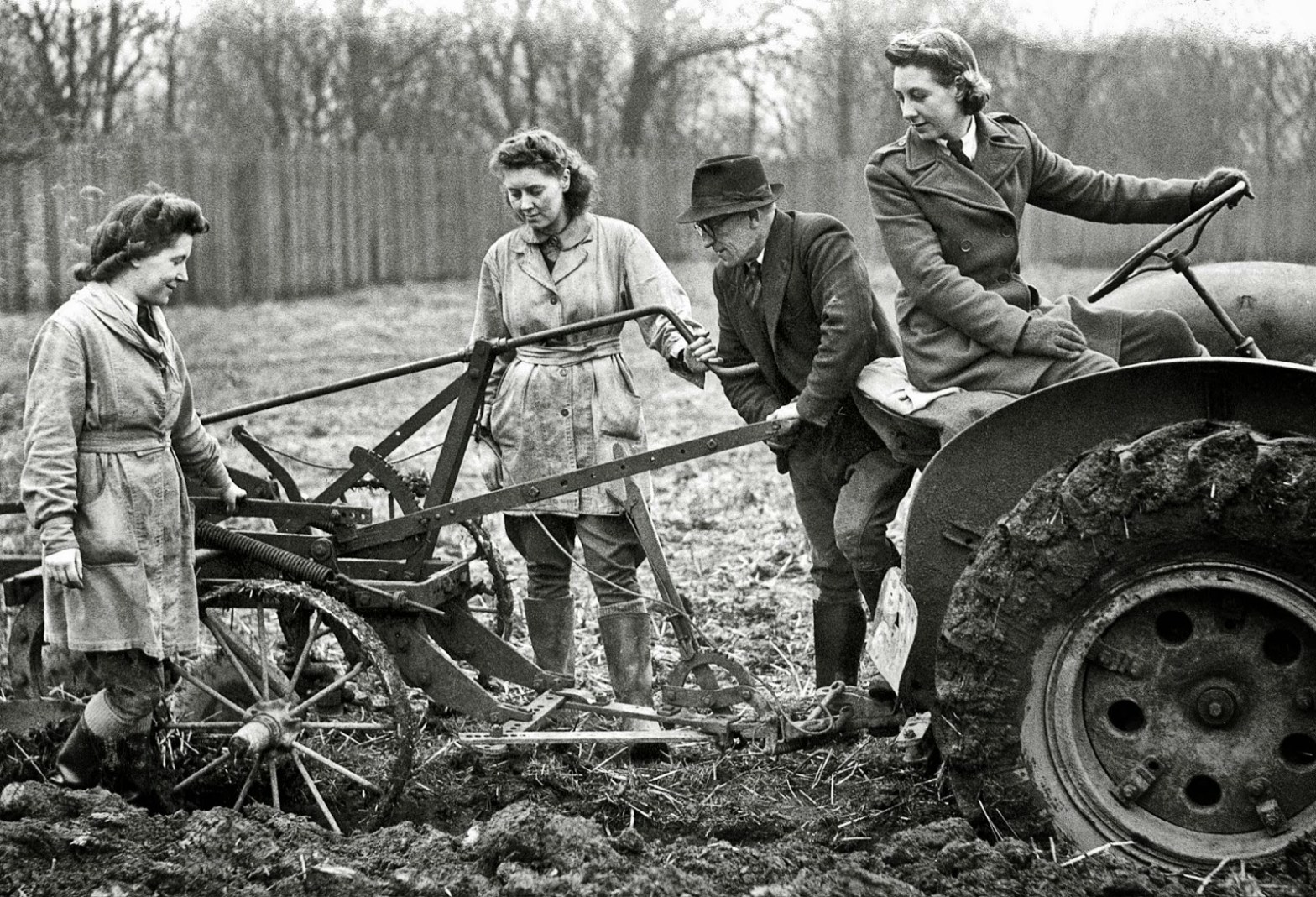
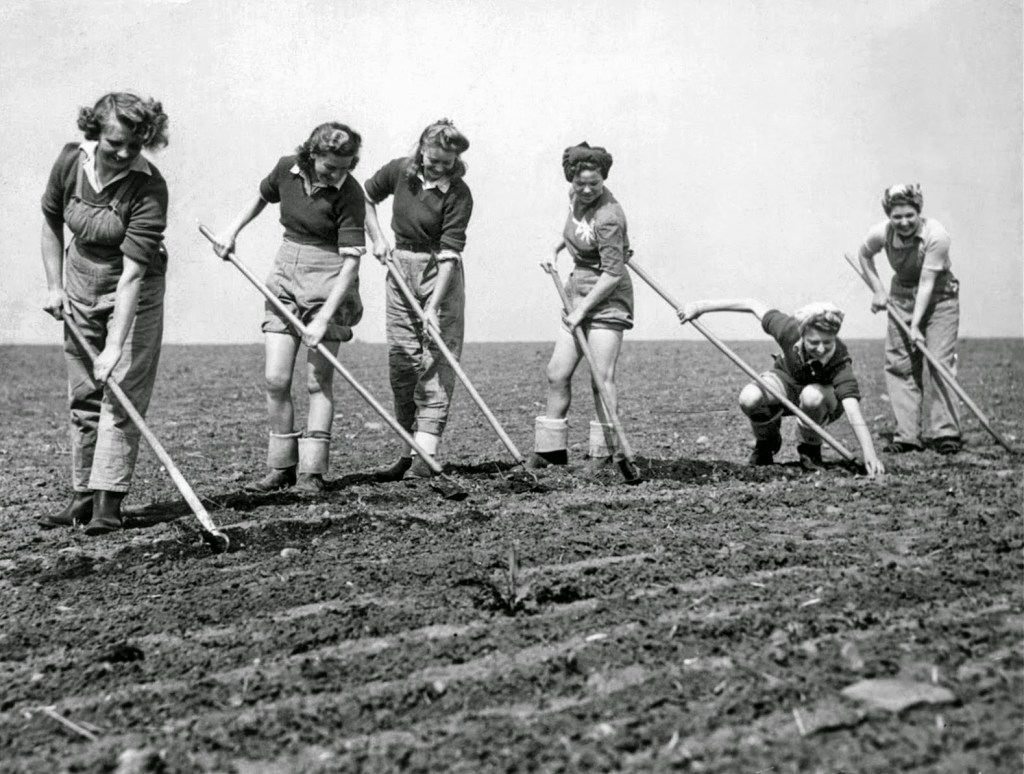
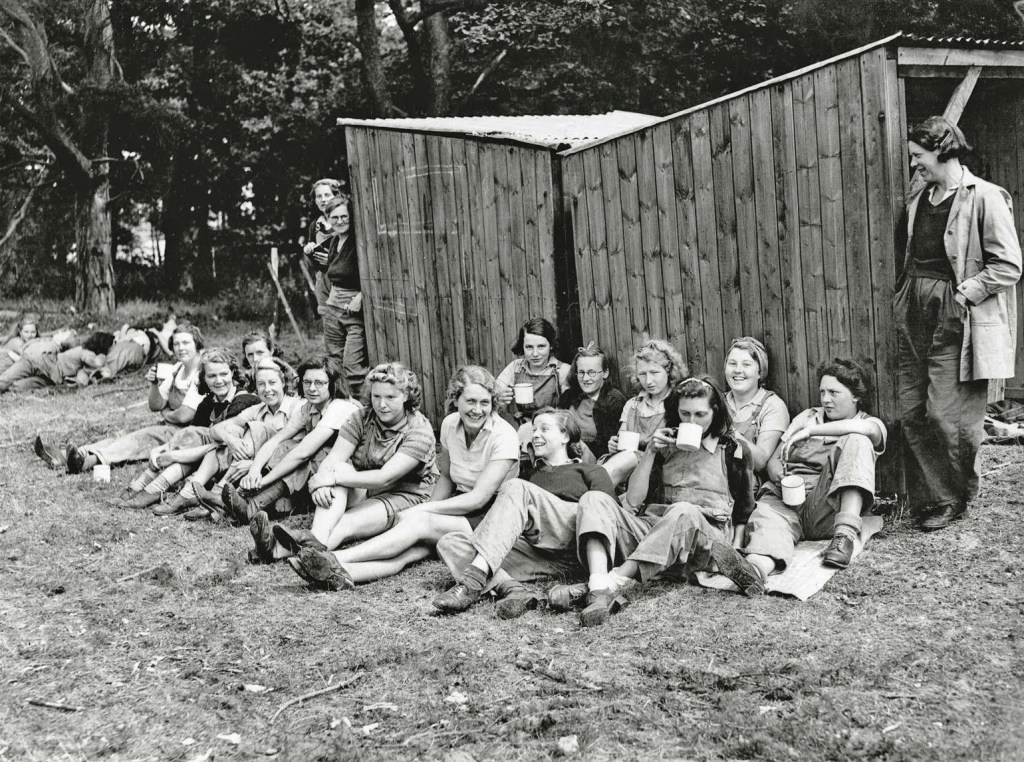
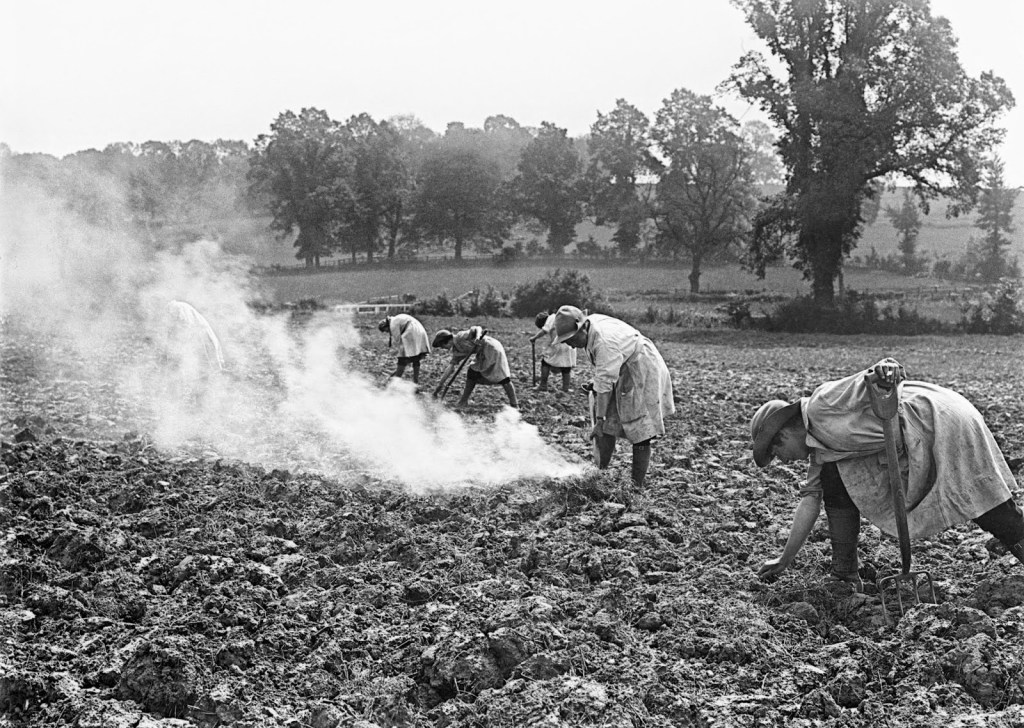
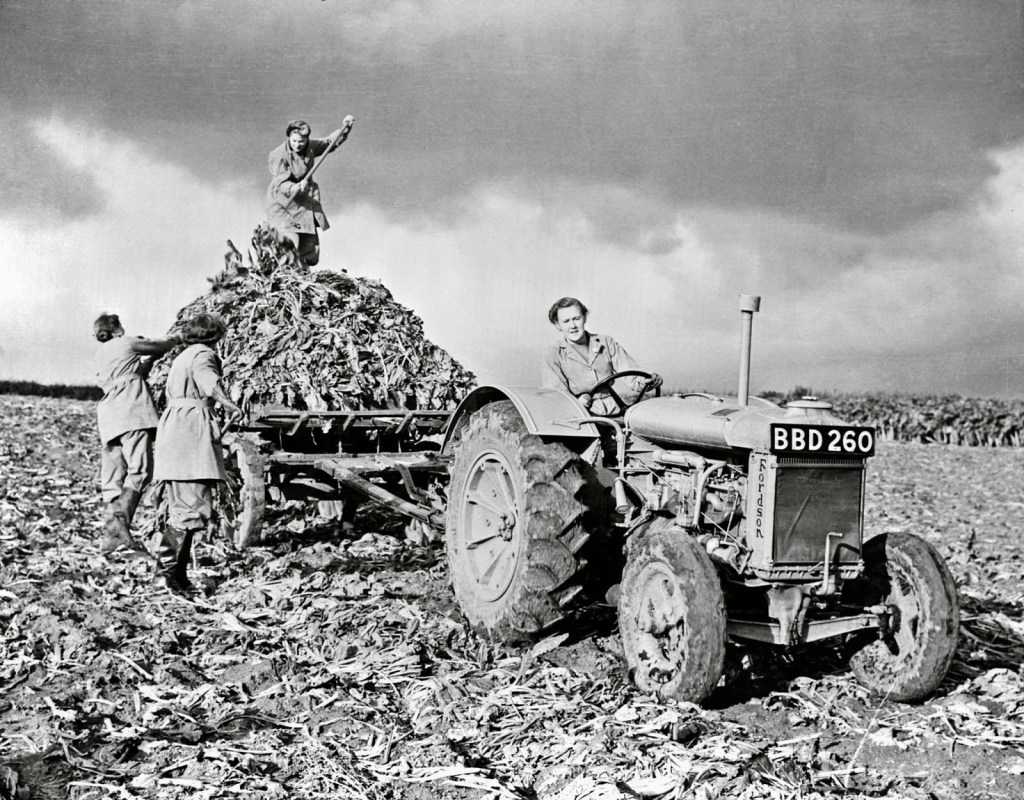
The Women’s Land Army (WLA) was a British civilian organisation created in 1917 during World War I so women could work in agriculture. It was revived from the disbanded World War One organisation in 1939 so that it could again organise women to replace workers called up to the military. Women who worked for the WLA were commonly known as Land Girls. In effect the Land Army operated to place women with farms that needed workers, the farmers being their employers. They picked crops and did all the jobs that the men had done. Notable members include Joan Quennell, later a Member of Parliament.

As the prospect of war became increasingly likely, the government wanted to increase the amount of food grown within Britain. To grow more food, more help was needed on the farms and so the government started the Women’s Land Army in July 1939. Though under the Ministry of Agriculture and Fisheries, it was given an honorary head – Lady Denman. At first it asked for volunteers. This was supplemented by conscription, so that by 1944 it had over 80,000 members.

Inez Jenkins, who had served as Lady Deman’s assistant director during the establishment of the WLA served as Chief Administrative Officer until 1948. The last Chief of the WLA was Amy Curtis. The WLA lasted until its official disbandment on 30th November 1950.

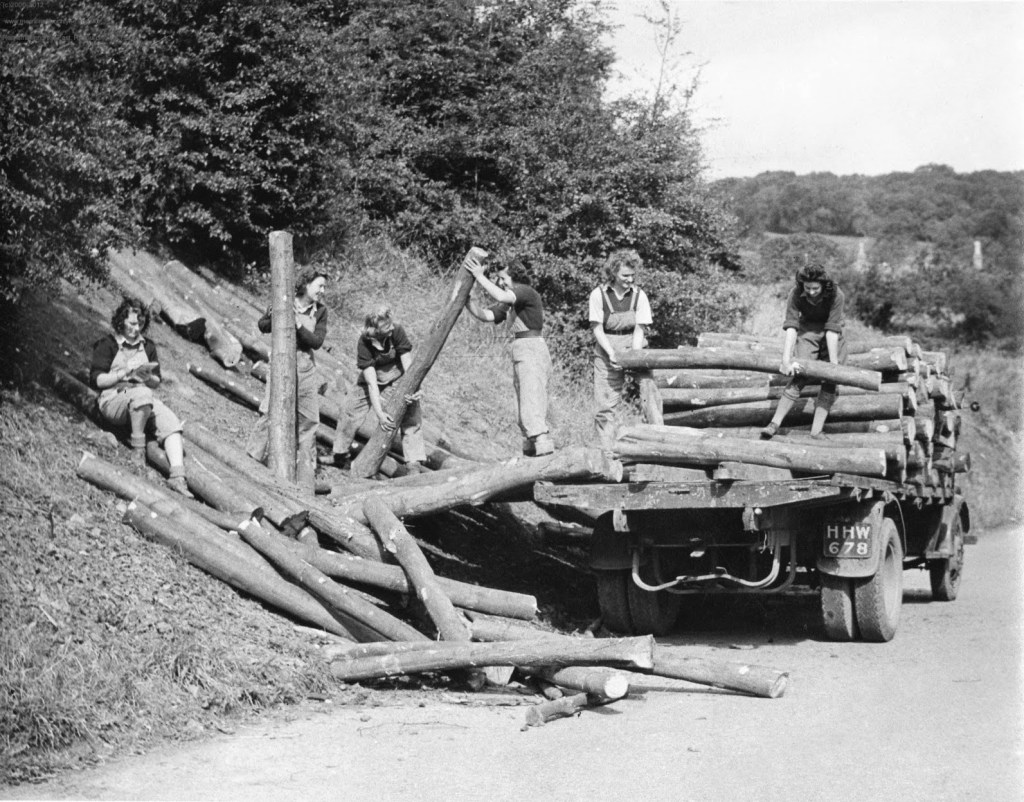
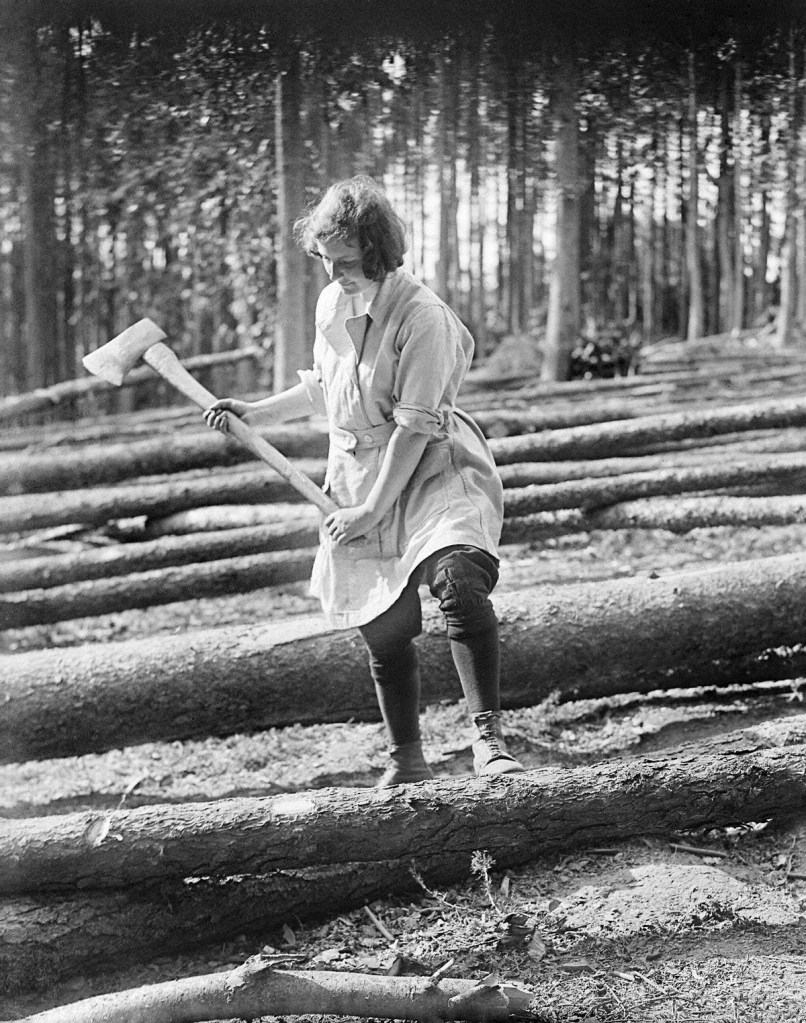
The majority of the Land Girls already lived in the countryside but more than a third came from London and the industrial cities of the north of England. A separate branch was set up in 1942 for forestry industry work, officially known as the Women’s Timber Corps and with its members colloquially known as “Lumber Jills” – this was disbanded in 1946.

In 1943, during World War II, Amelia King was refused work because she was black. The decision was overturned after being raised in the House of Commons by her MP, Walter Edwards.

In December 2007, following campaigning by former Land Girl Hilda Gibson, the Department for Environment, Food and Rural Affairs (DEFRA) announced that the efforts of the Women’s Land Army and the Women’s Timber Corps would be formally recognised with the presentation of a specially designed commemorative badge to the surviving members. The badge of honour was awarded in July 2008 to over 45,000 former Land Girls.

In October 2012, the Prince of Wales unveiled the first memorial to the WLA of both World Wars, on the Fochabers estate in Moray, Scotland. The sculpture was designed by Peter Naylor. In October 2014, a memorial statue to the Women’s Timber Corps and both incarnations of the Women’s Land Army was unveiled at the National Memorial Arboretum in Staffordshire, England. (Wikipedia)
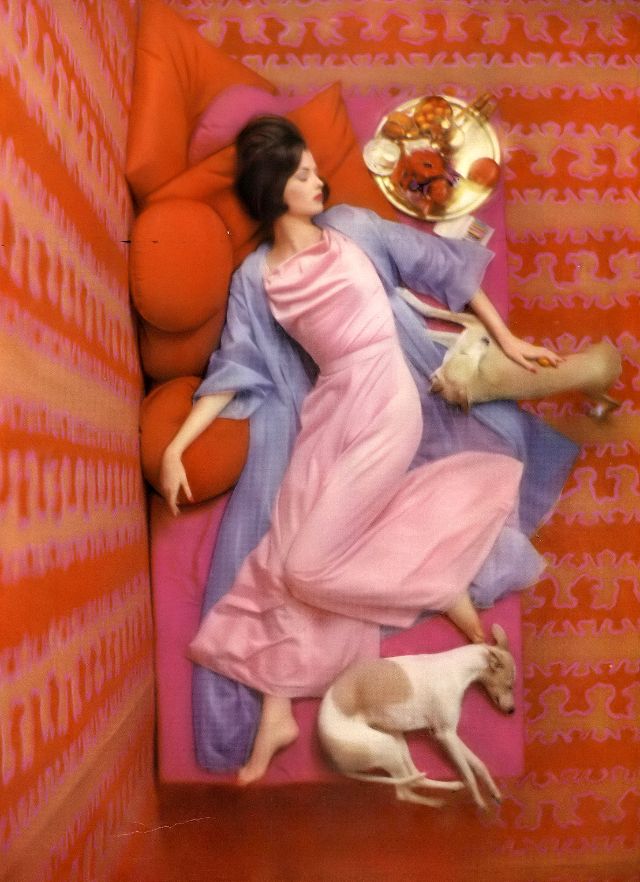
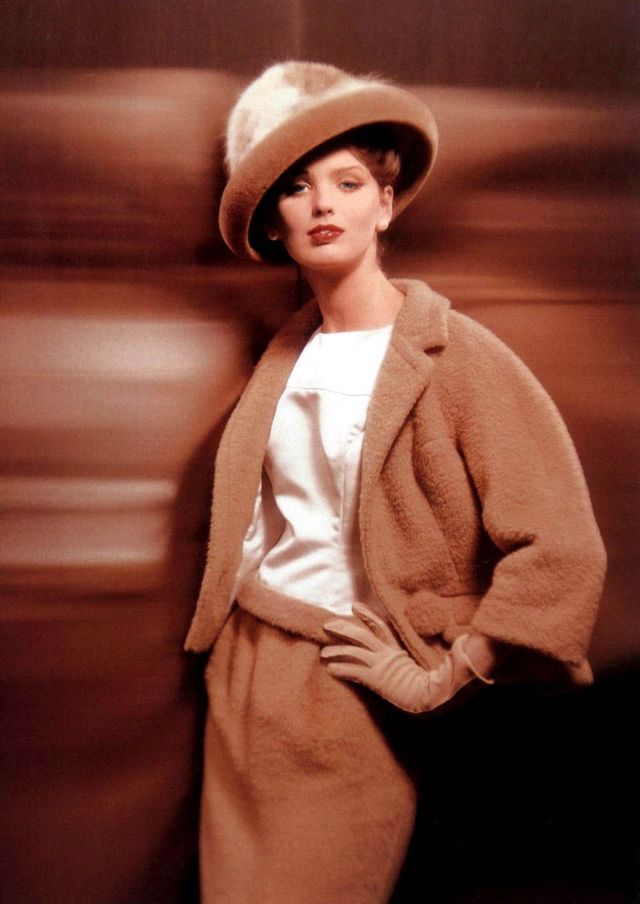
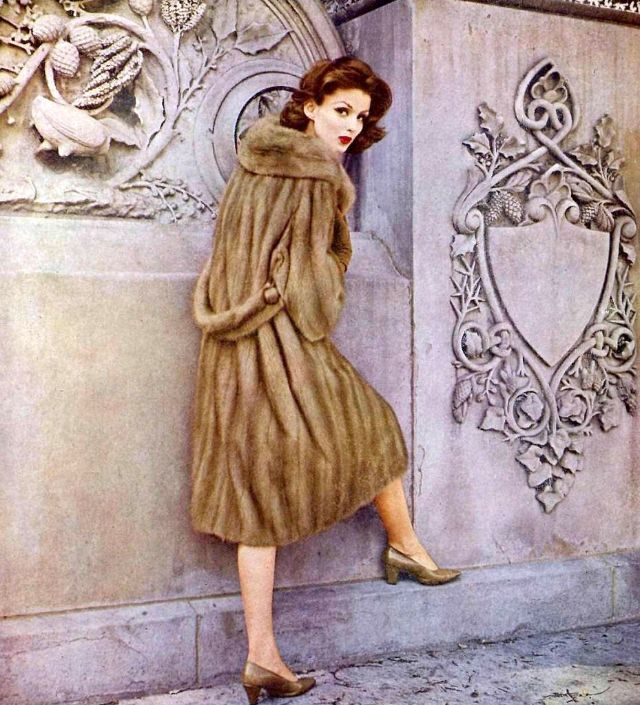
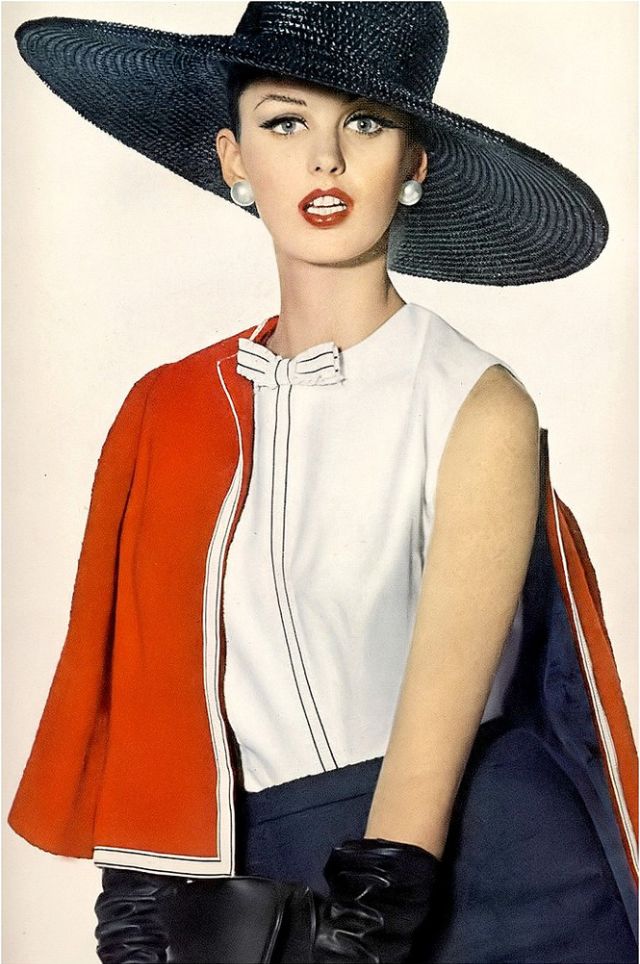
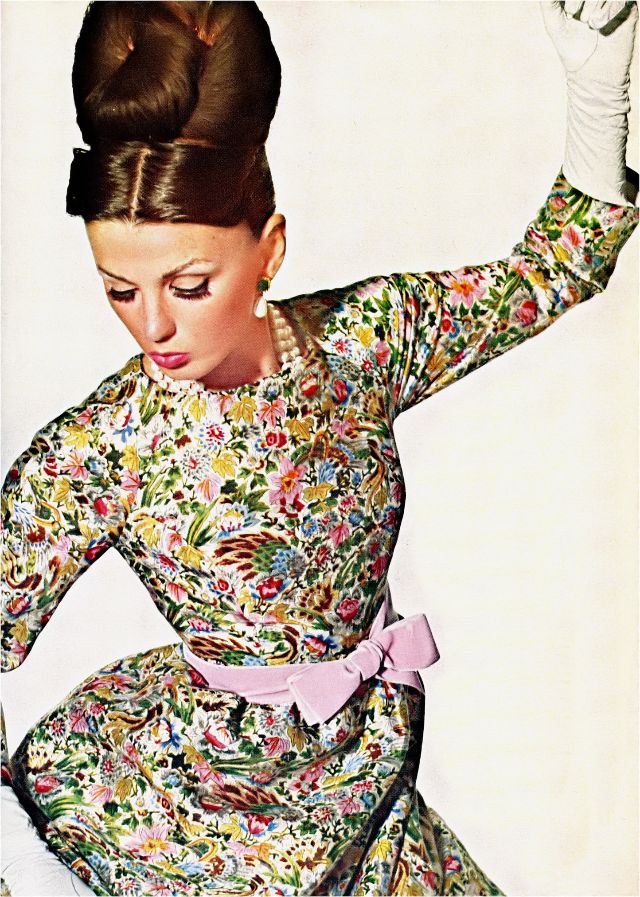
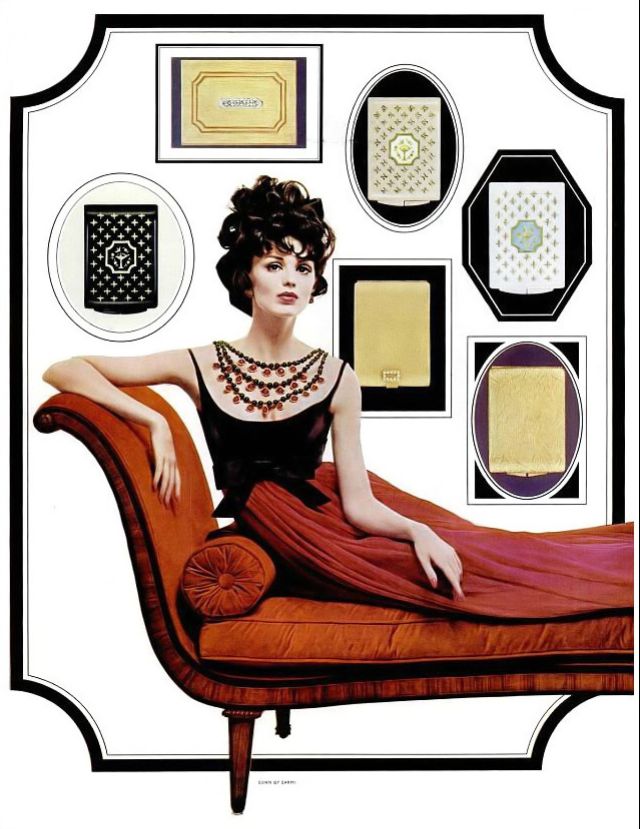
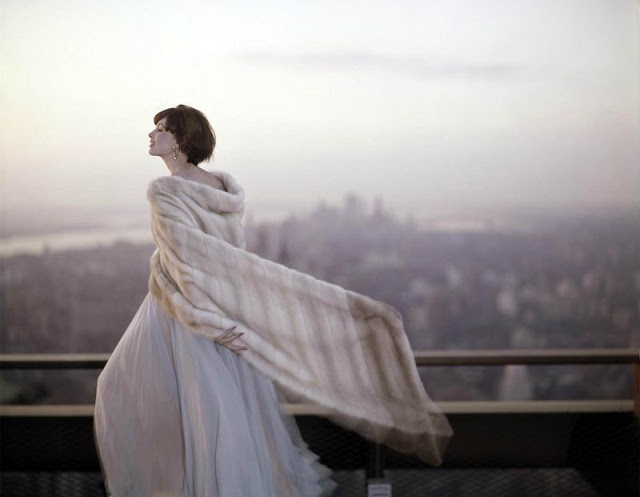
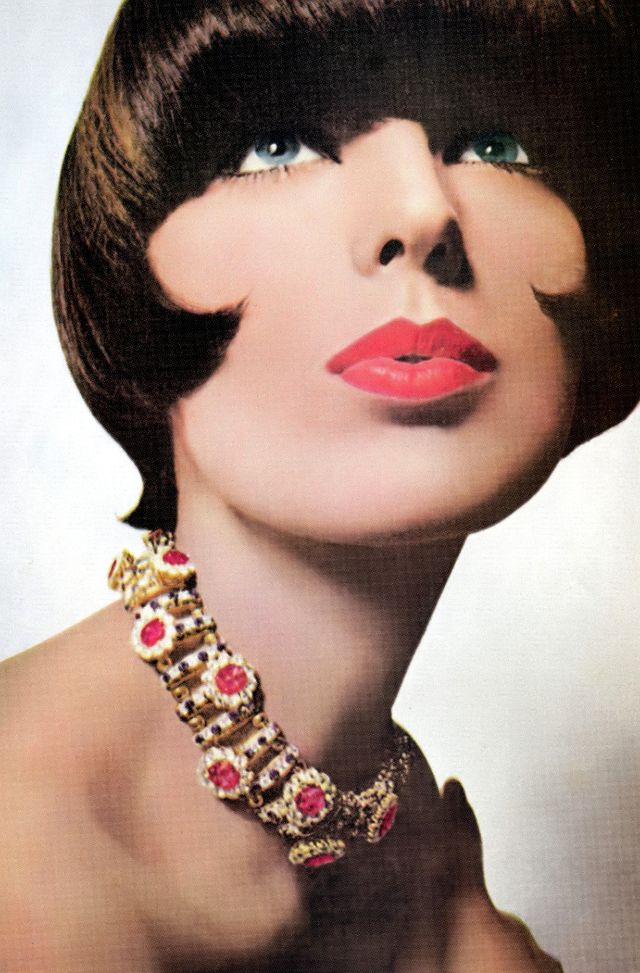
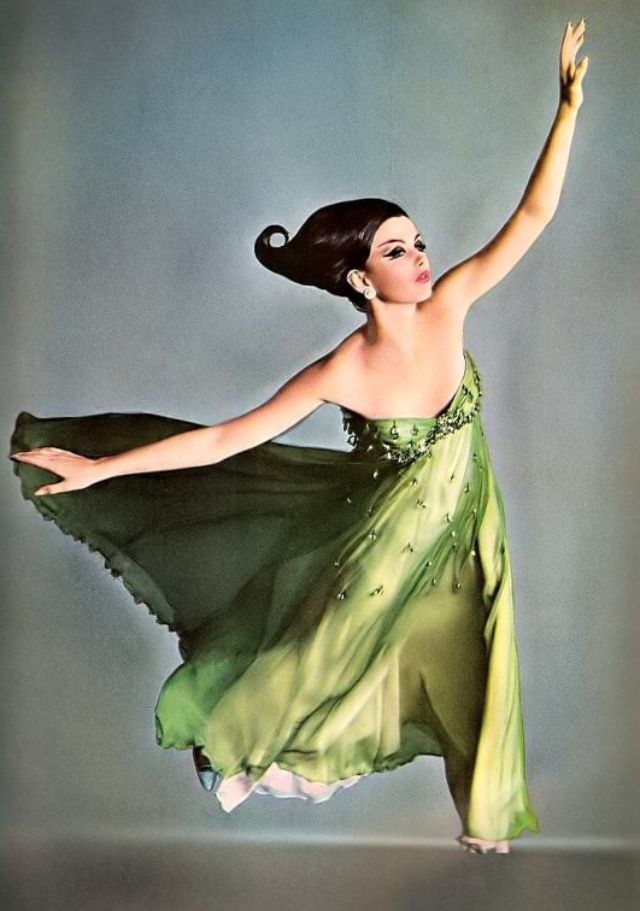
Discovered From a Crowd of The Beatles’ Fans, Beautiful Girl Dorothea McGowan Became a Professional Model in the 1960s

Born 1939 in Brooklyn, New York, former model and actress Dorothea (Dorothy) McGowan was discovered as a talent agent picked her out of a crowd of Beatles fans at Kennedy Airport. Her sole screen credit is for the 1966 French film Who Are You, Polly Maggoo?, in which she had the starring role of a supermodel.

As a model, McGowan appeared on countless covers of Vogue, Harper’s Bazaar, Elle, Glamour, and other publications in the 1960s. She was photographed by Richard Avedon, Irving Penn, Melvin Sokolsky, Francesco Scavullo, and others.

McGowan was one of photographer William Klein’s favorite models. After the release of his film Who Are You, Polly Maggoo?, she disappeared from public view and apparently neither acted nor modeled again.

She was married to, and divorced, from photographer Didier Dorot with whom she has two children.

In 2007, McGowan was living in Mamaroneck, New York.

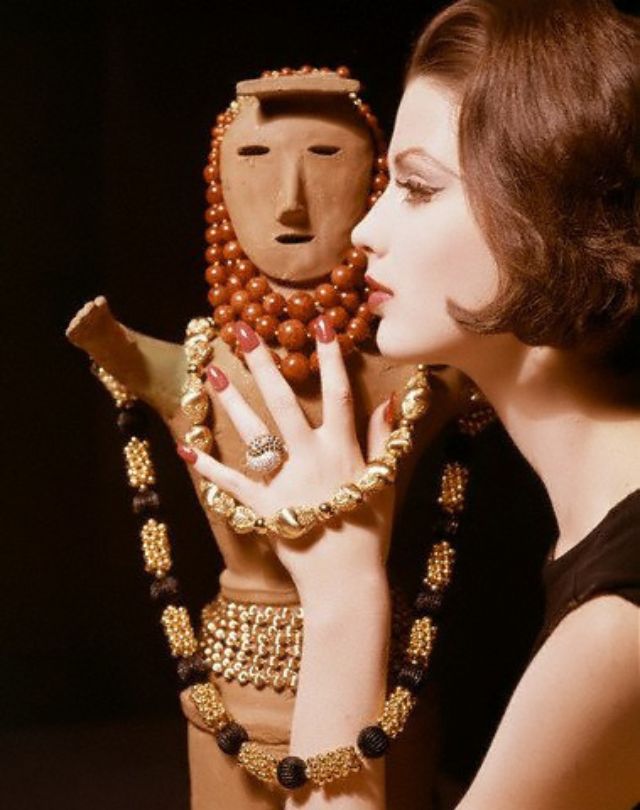
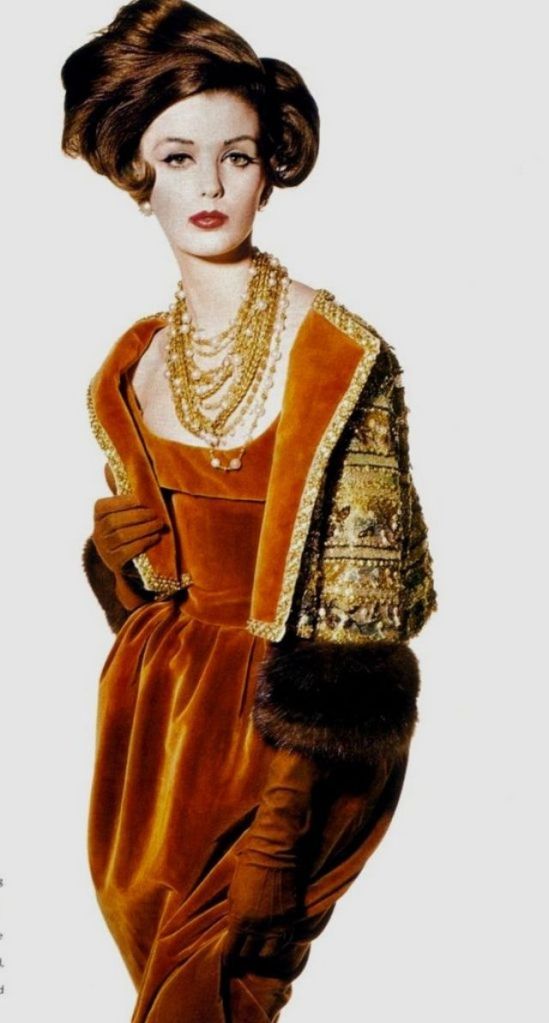
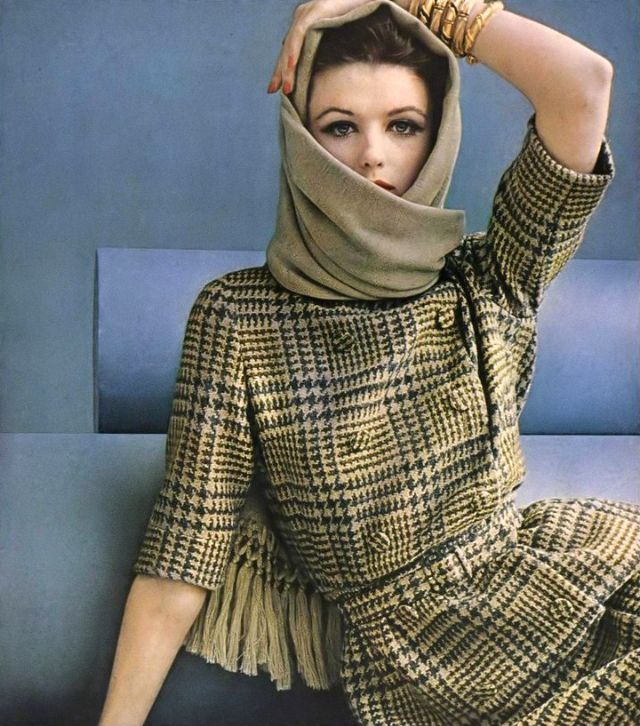
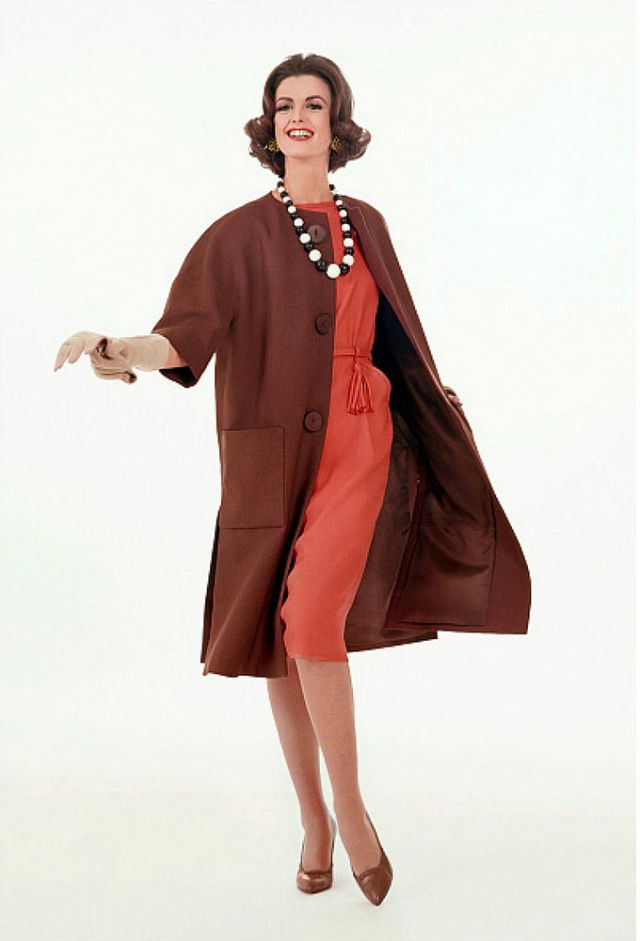
These glamorous color pictures that captured portrait of young Dorothea McGowan when she was a model from the 1960s.

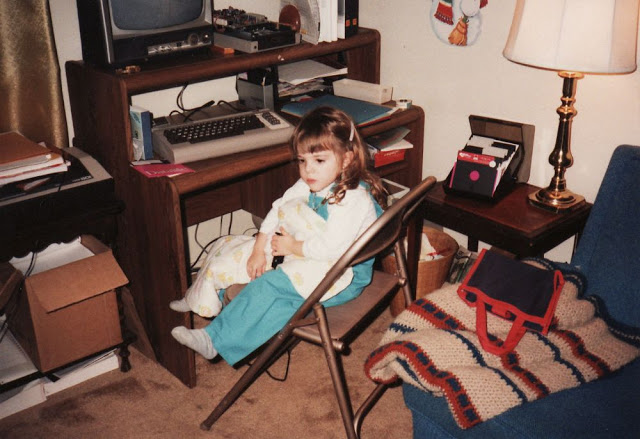
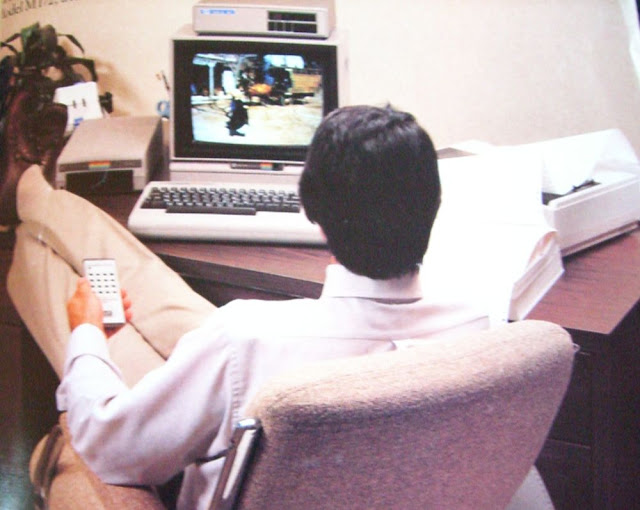
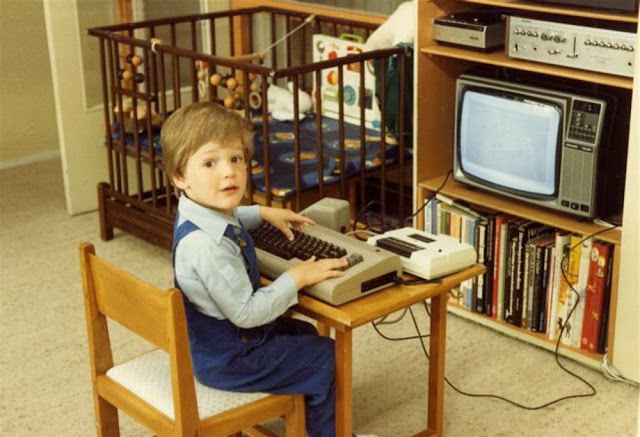
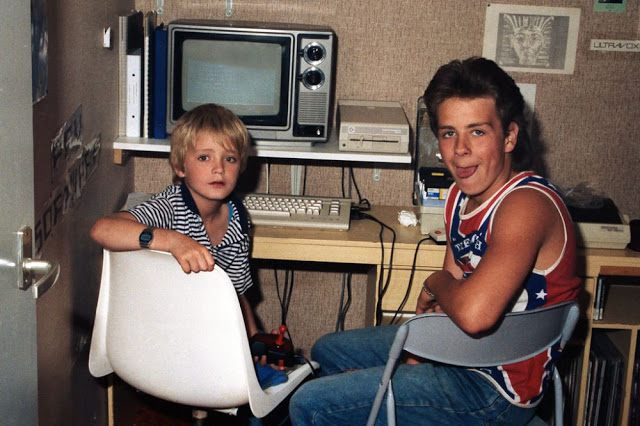
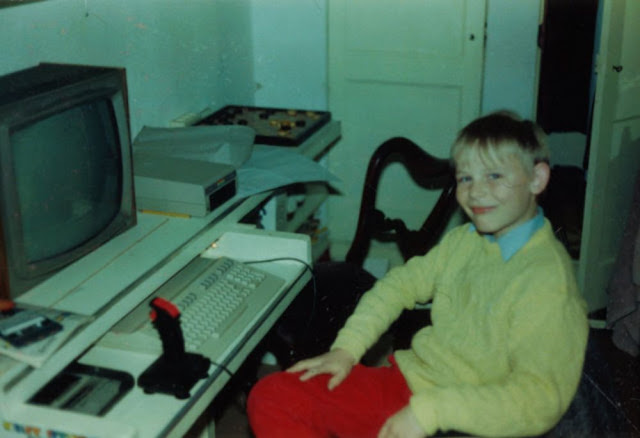
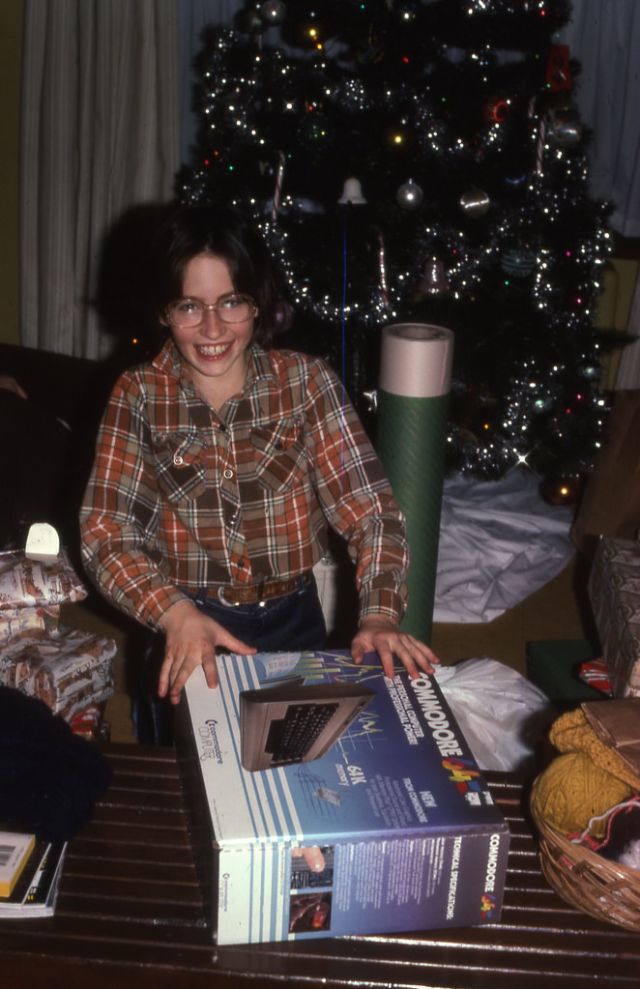
20 Vintage Photographs of People With Their Commodore 64, One of the Most Beloved Home Computers of All Time

The 8-bit home computer Commodore 64 (commonly known as the C64 or C=64), introduced by Commodore International in January, 1982, was a machine with remarkable market success. Volume production started sometime in the spring of 1982, with machines being released on to the market in August at a price of $595. During the his lifetime, sales totaled some 17 million units, making it the best-selling single personal computer model of all time.

For a substantial period of time (1983-1986), the Commodore 64 dominated the market with between 30% and 40% share and 2 million units sold per year, outselling the IBM PC clones, Apple computers, and Atari computers. Sam Tramiel, a former Atari president said in a 1989 interview “When I was at Commodore we were building 400 000 C64s a month for a couple of years.”

Part of the Commodore 64 success was because it was sold in retail stores instead of electronics stores, and that these machines can be directly plugged into an existing home television without any modifications. Commodore produced many of its parts in-house to control supplies and cost. Improving the reliability, as well as reduce manufacturing costs, eventually, it cost only about $25.00 to manufacture, and the consumer price of the C-64 dropped to around $200.00.

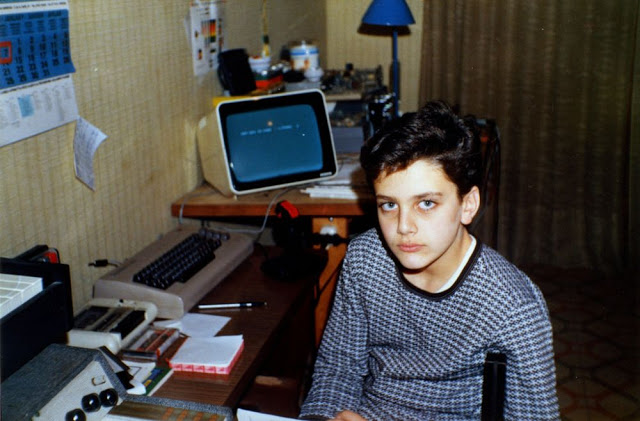
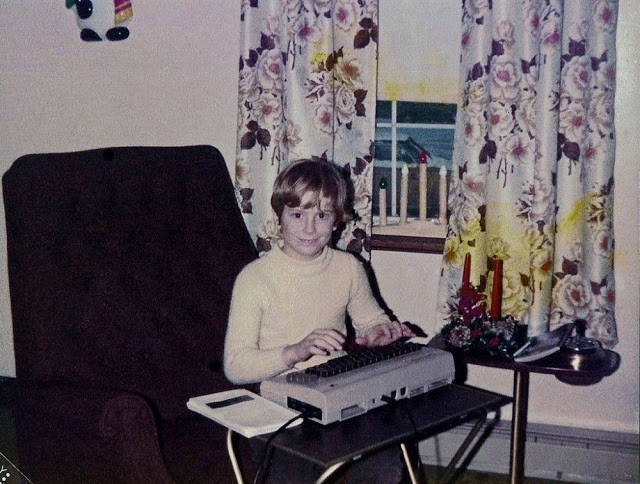
Another part of the Commodore 64 success was because approximately 10000 commercial software titles were made for the Commodore 64 including development tools, office applications, and games. The machine is also credited with popularizing the computer demo scene. The Commodore 64 is still used today by some computer hobbyists. Below are some amazing photographs of people posing with their Commodore 64 from the 1980s.

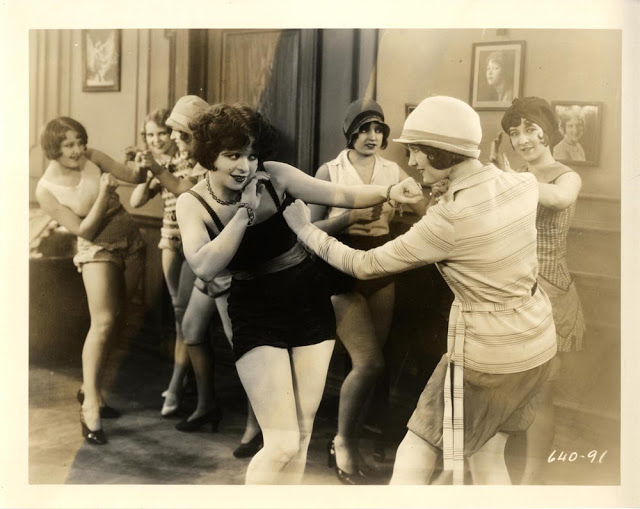
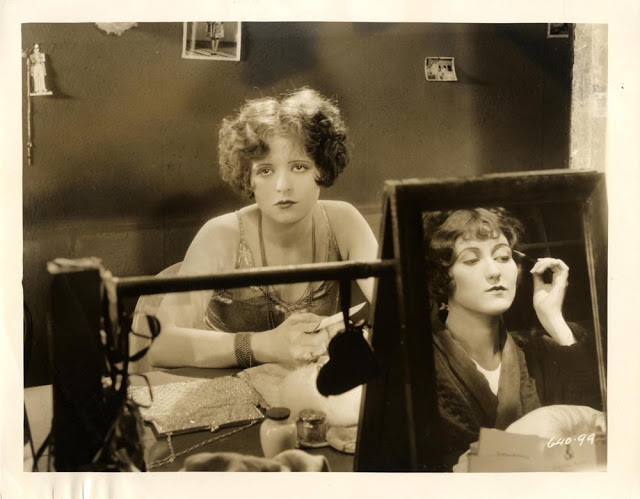
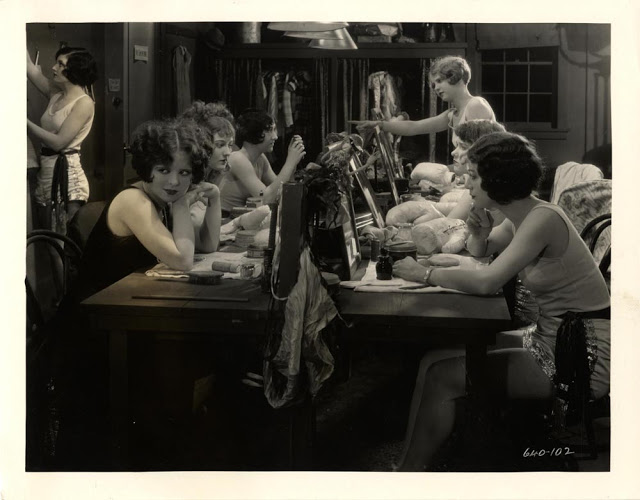
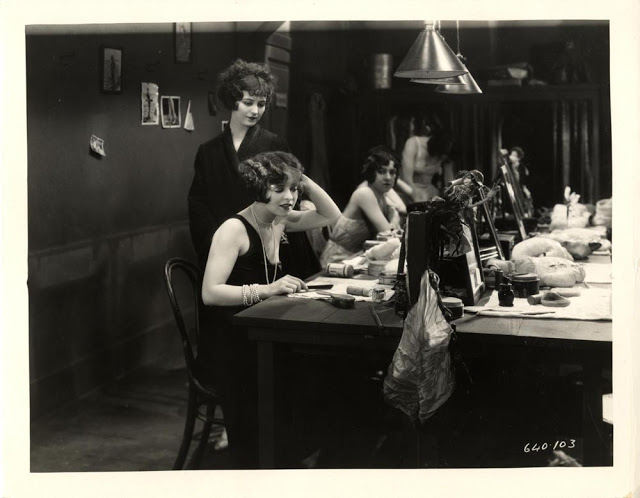
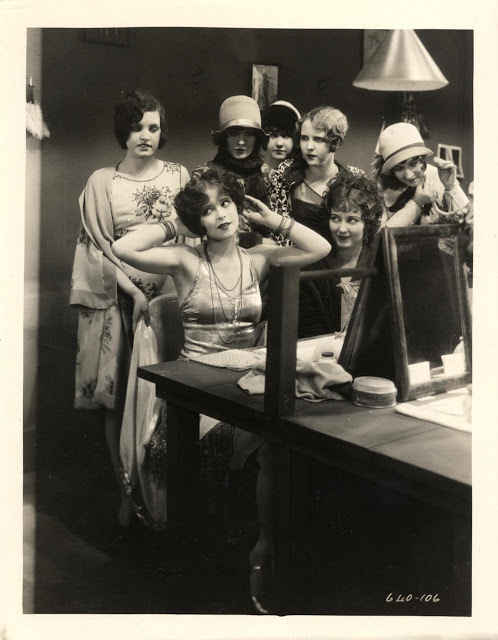
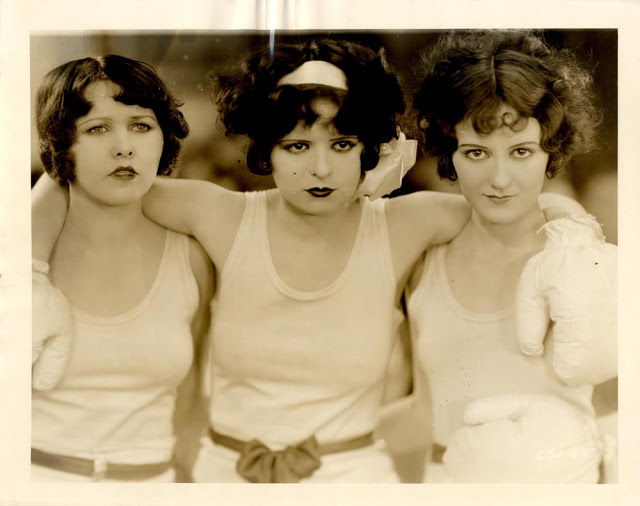
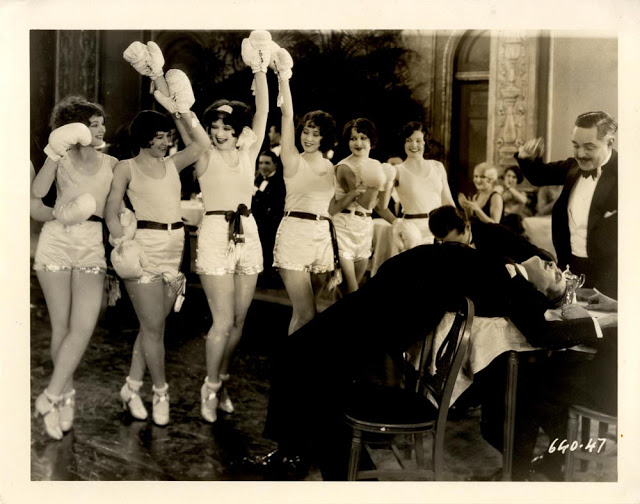
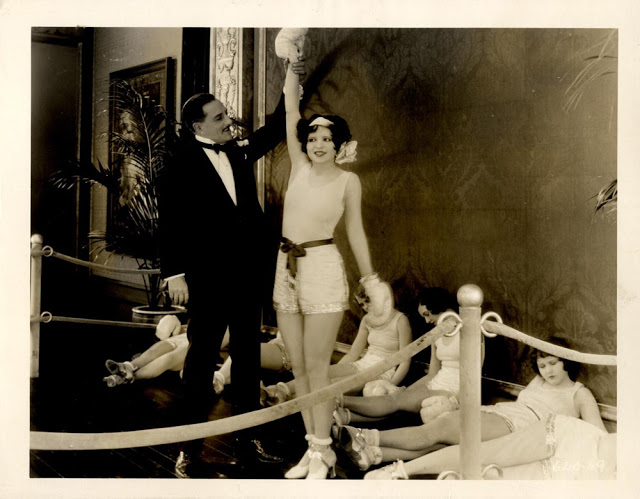
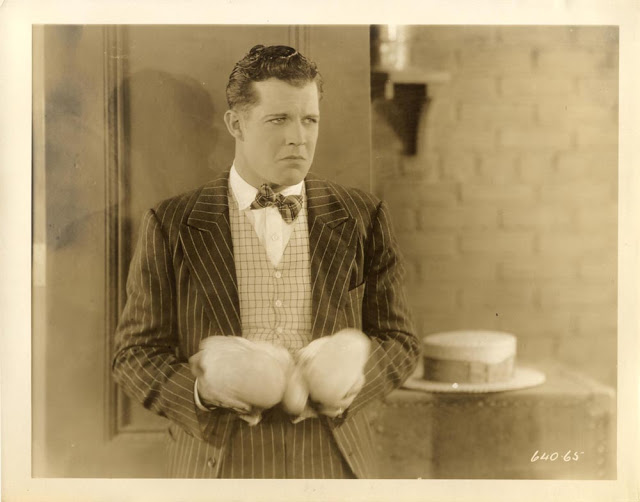
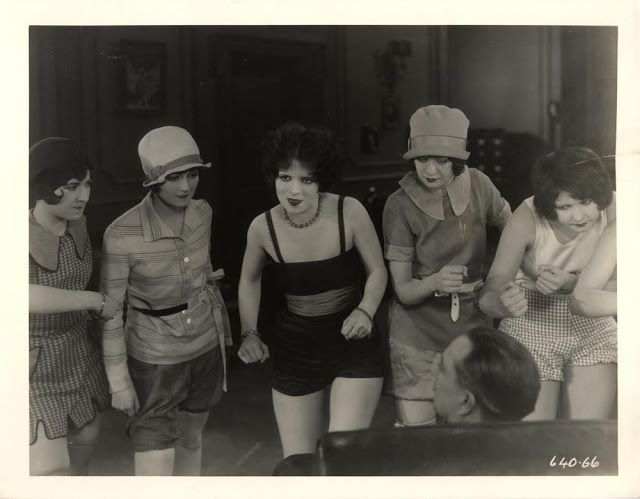
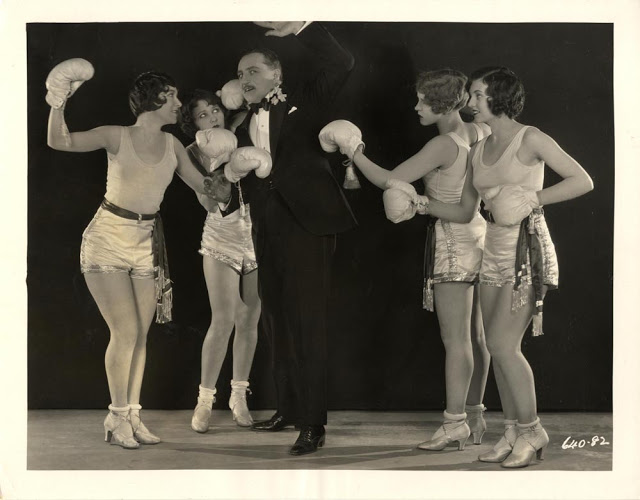
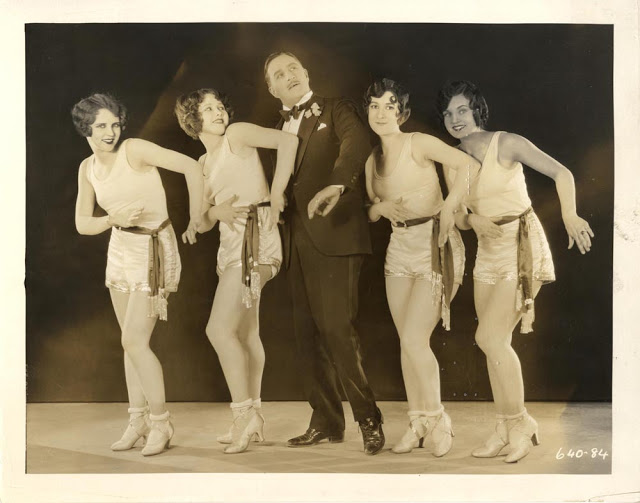
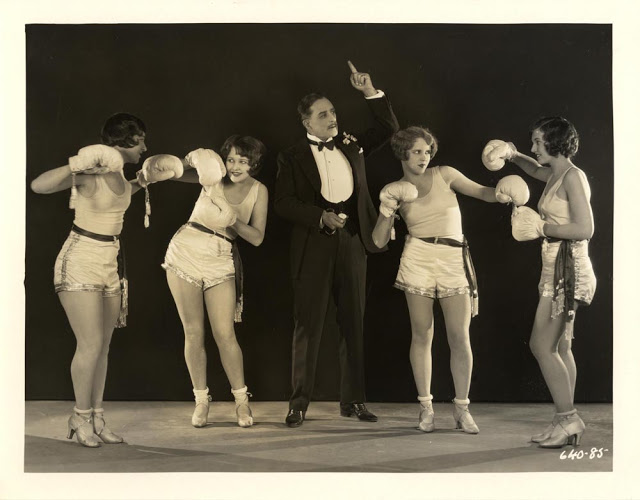
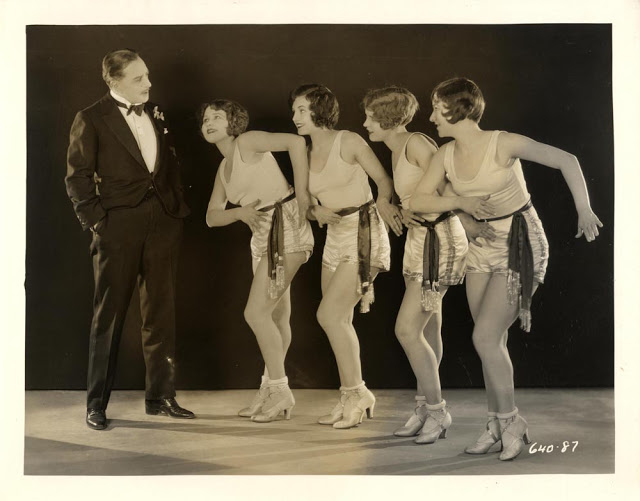
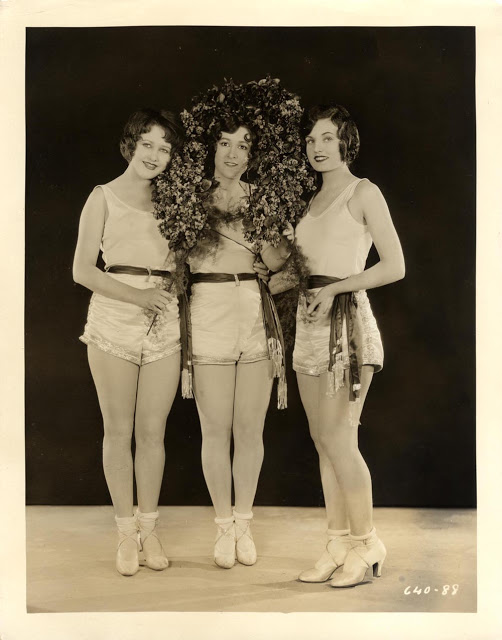
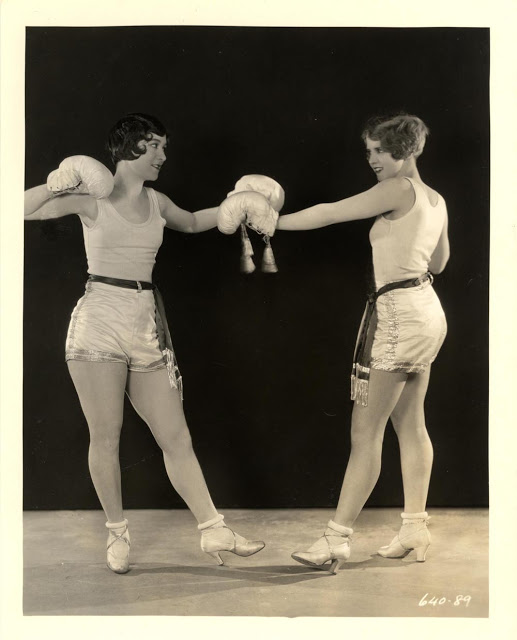
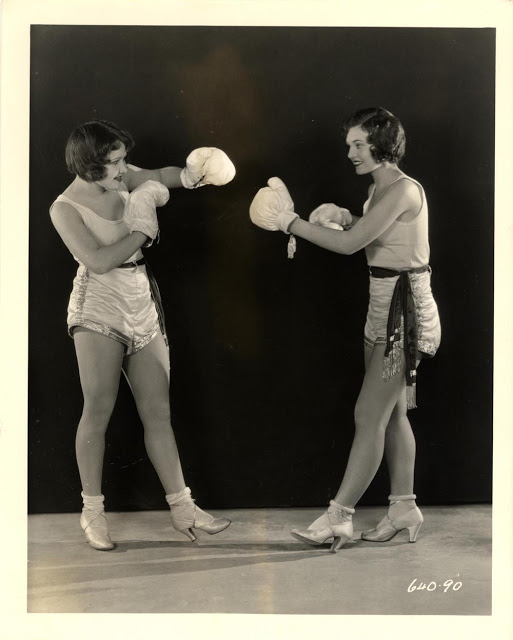
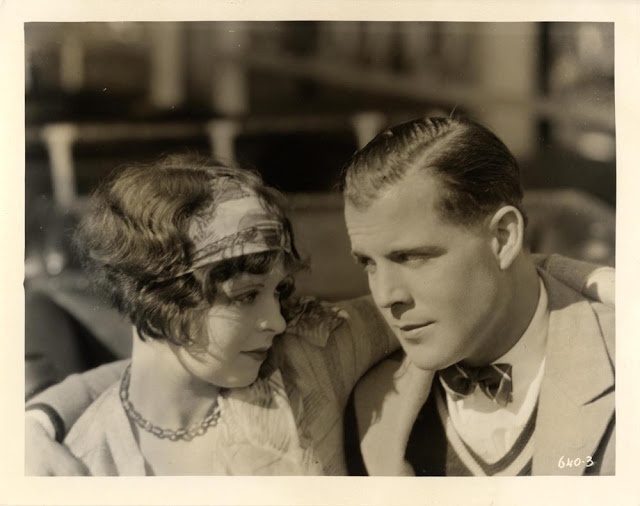
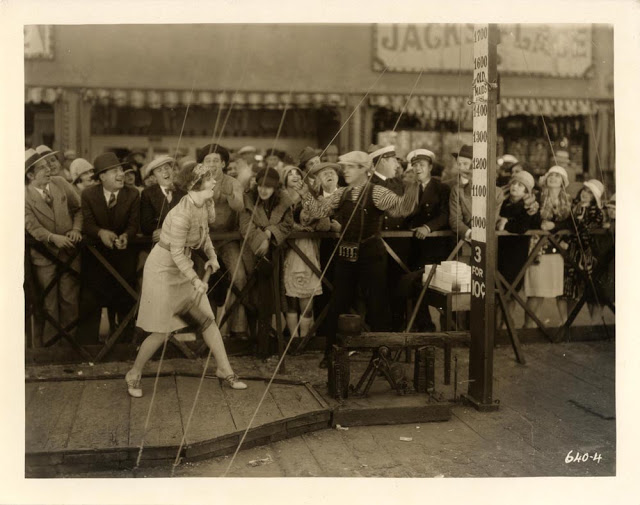
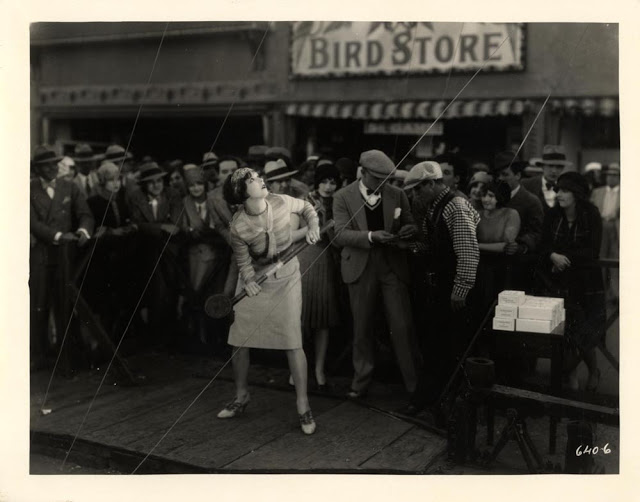
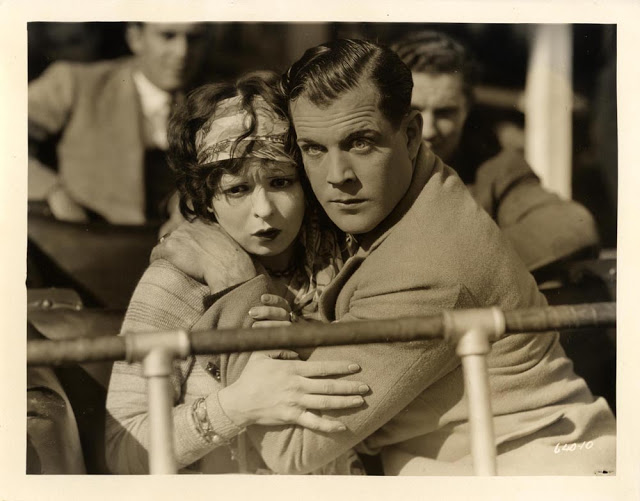
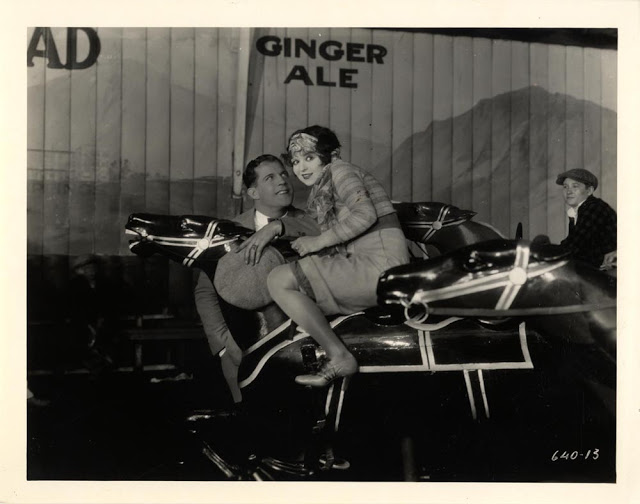
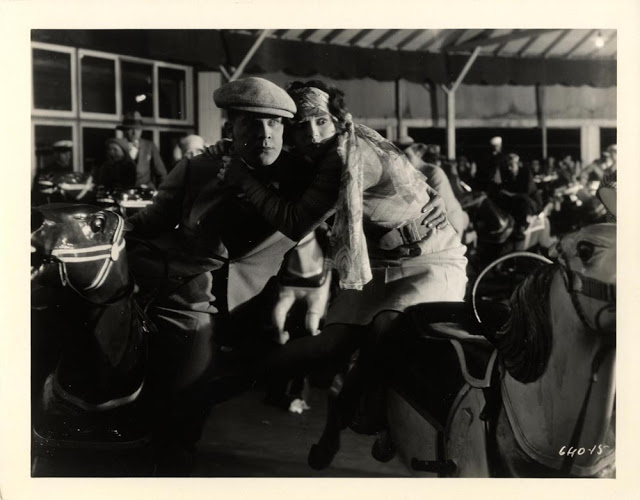
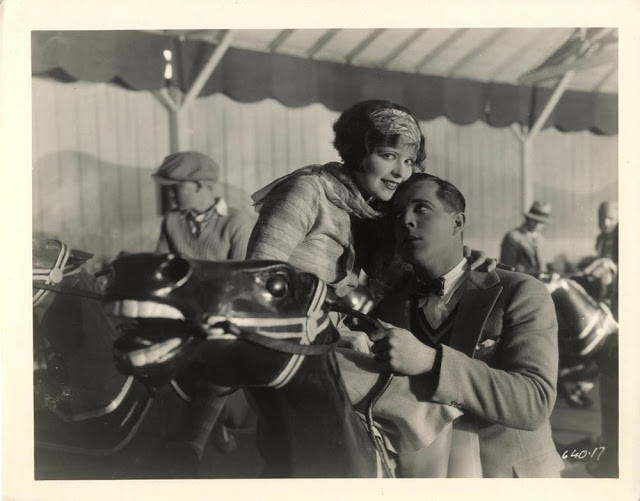
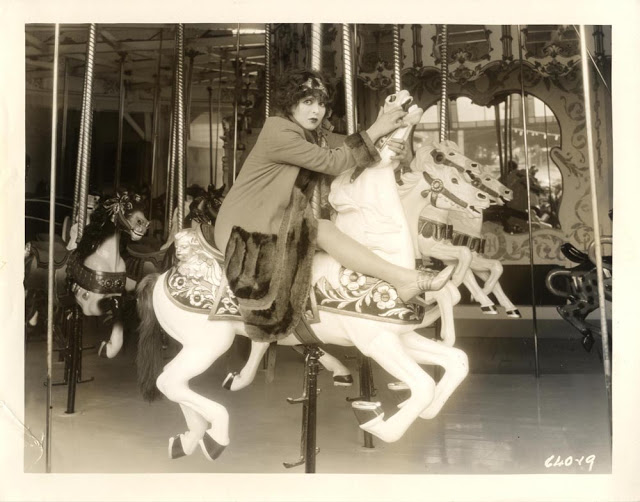
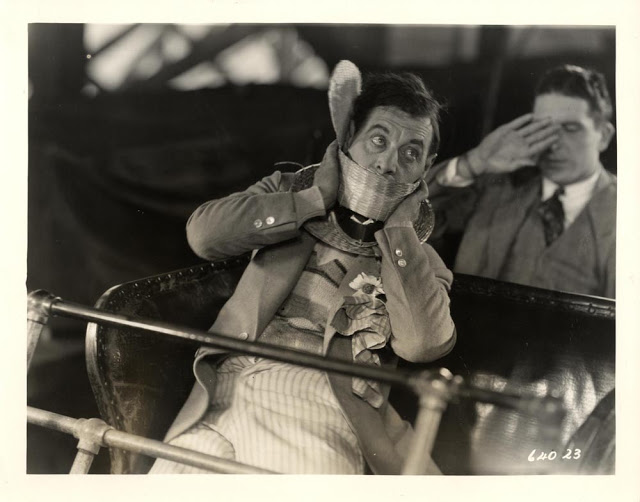
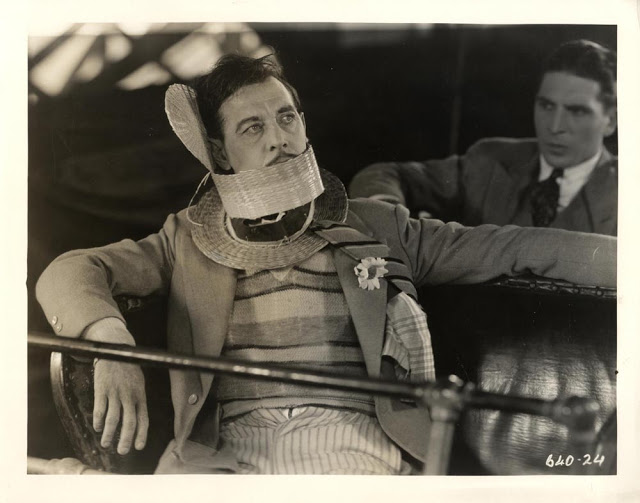
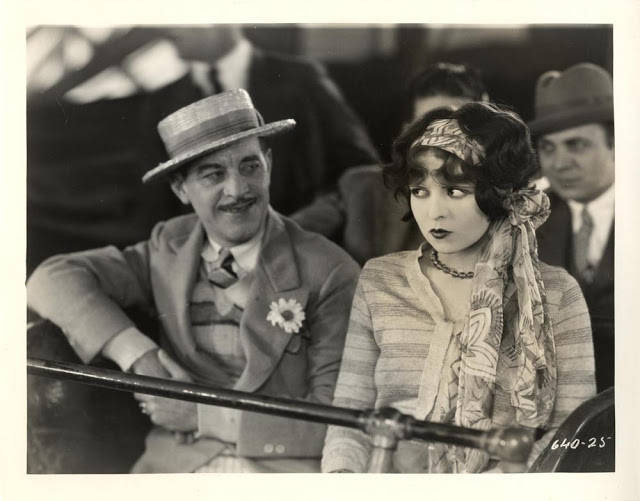
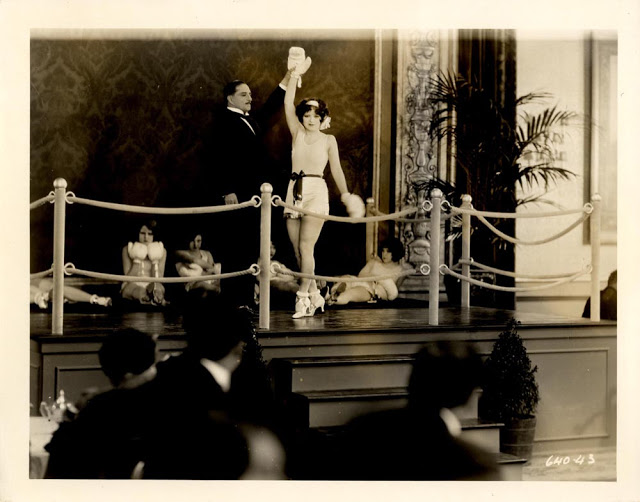
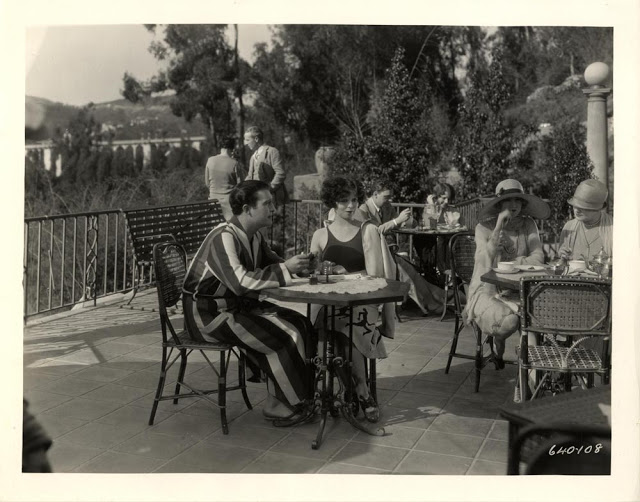
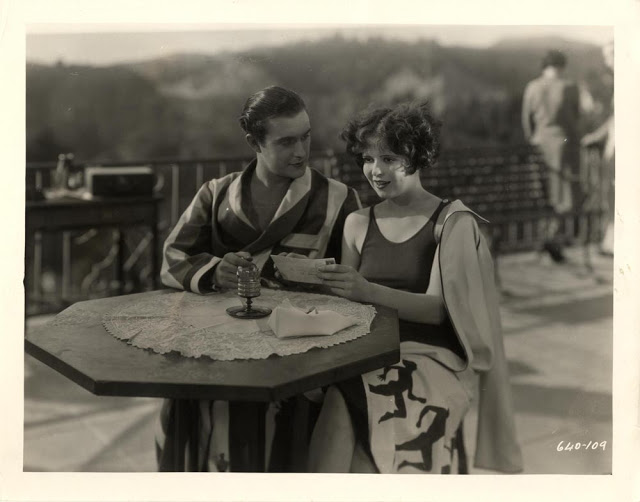
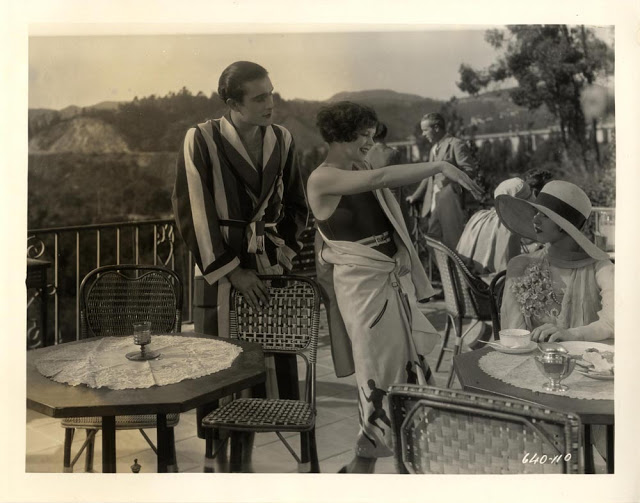
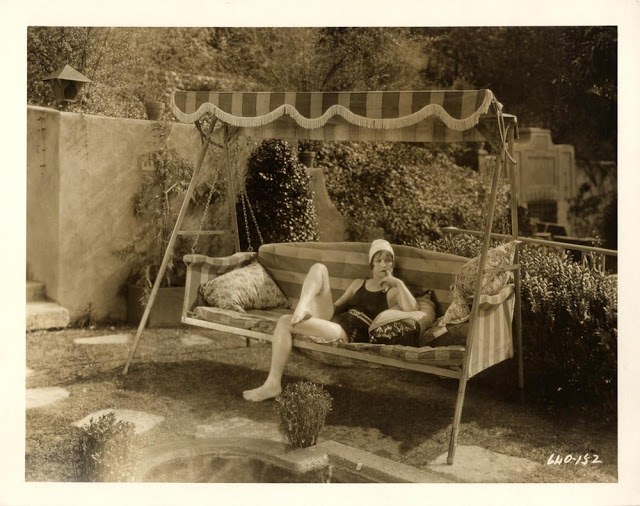
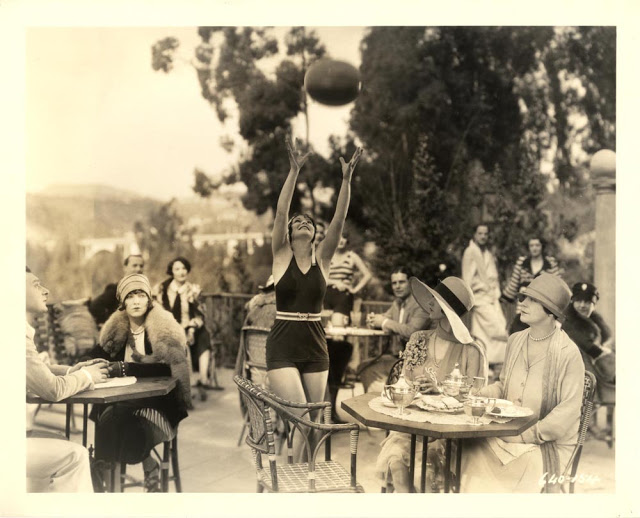
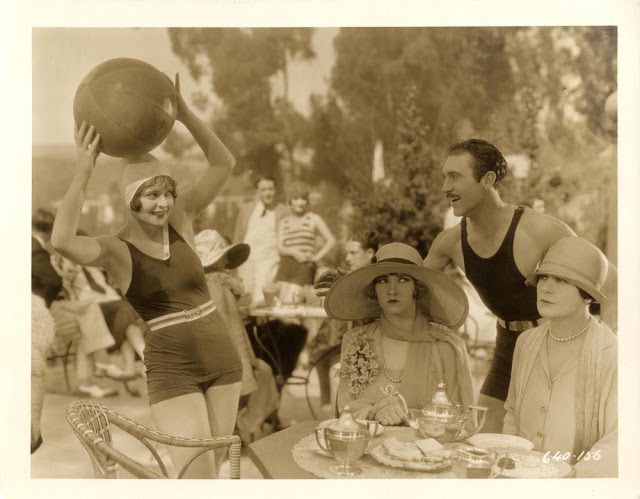
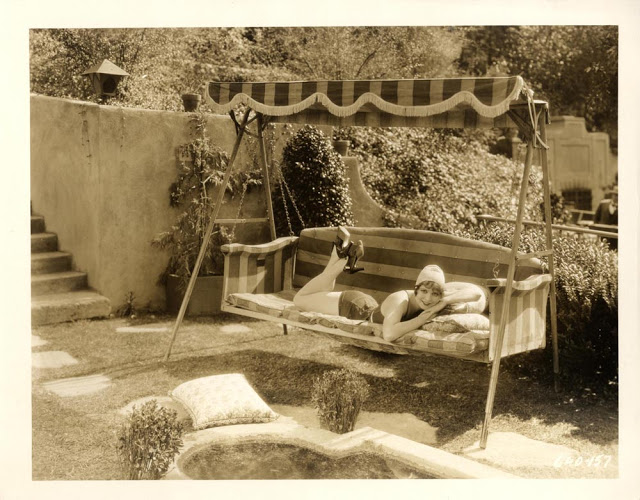
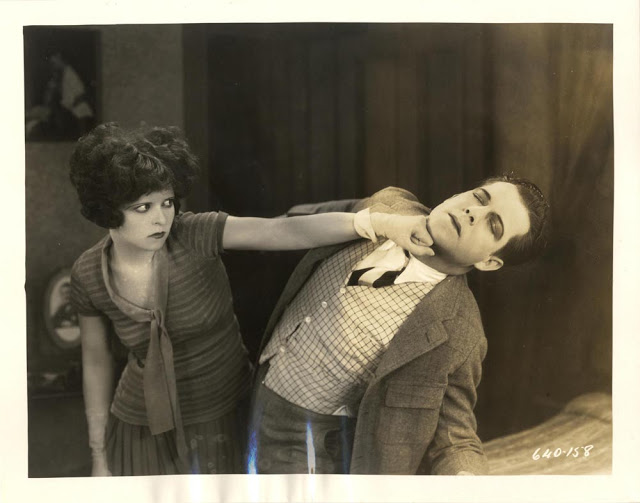
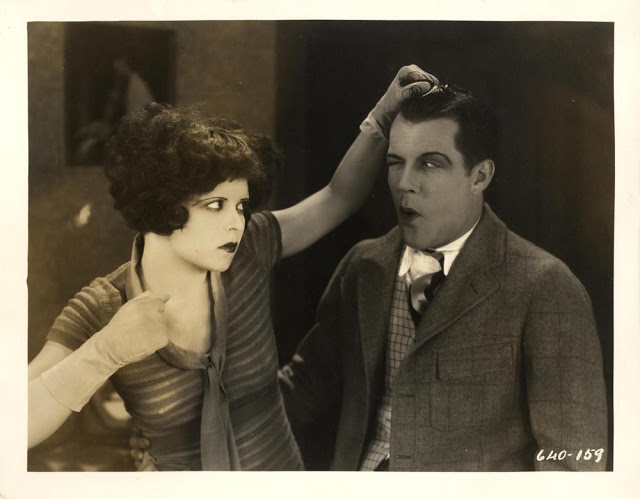
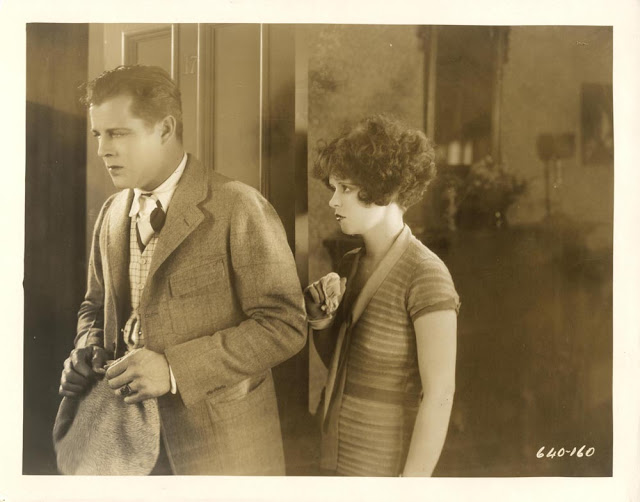
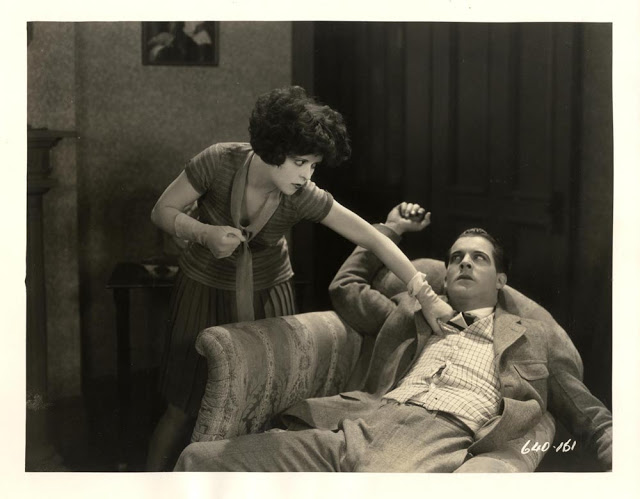
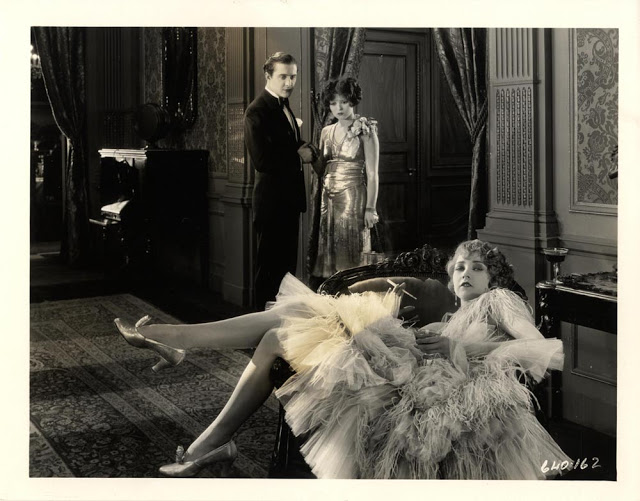
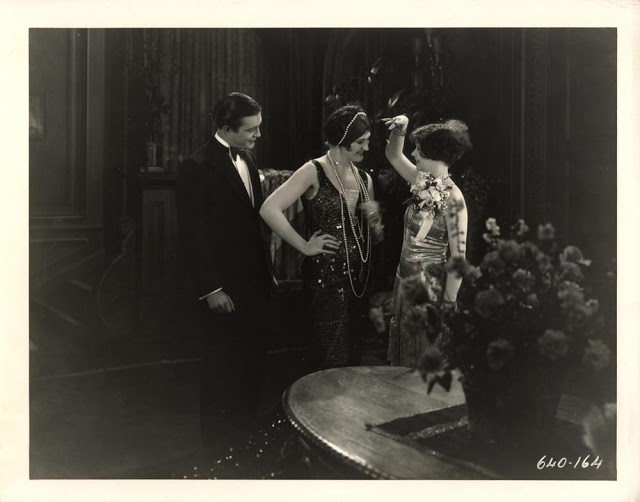
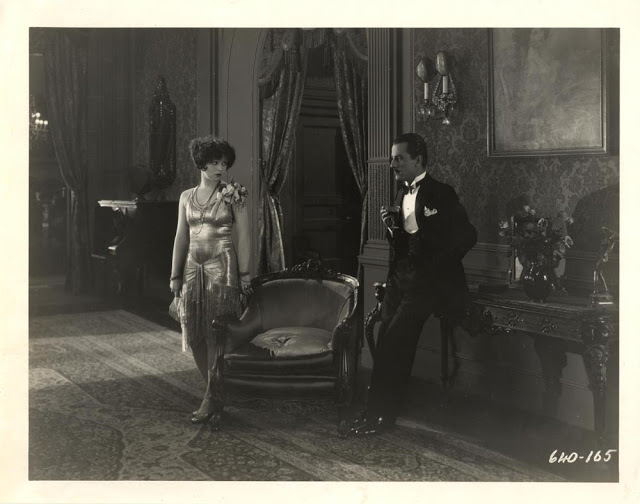
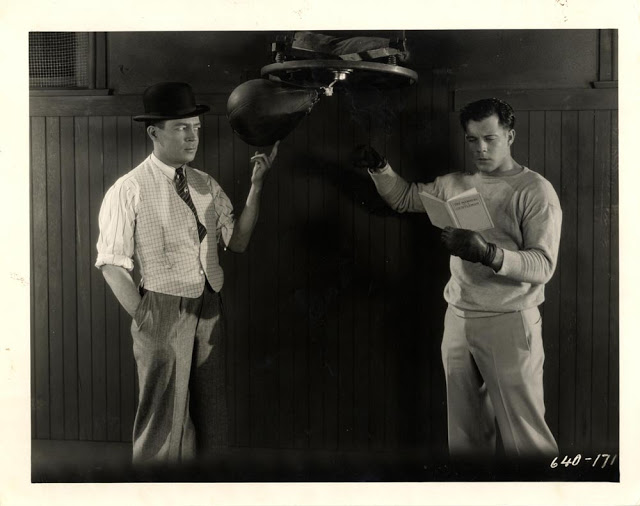
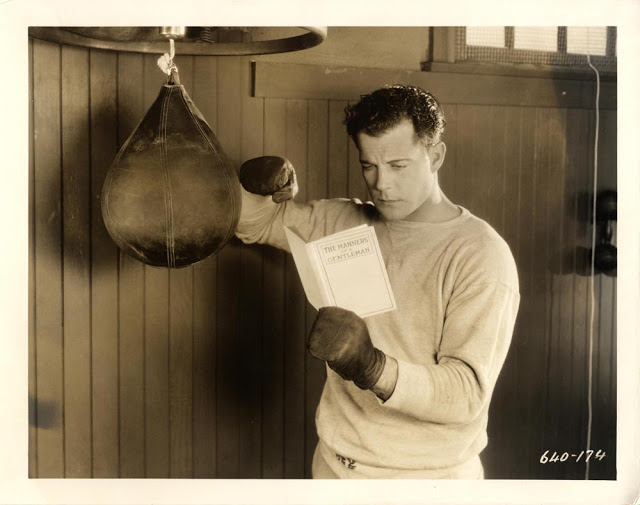
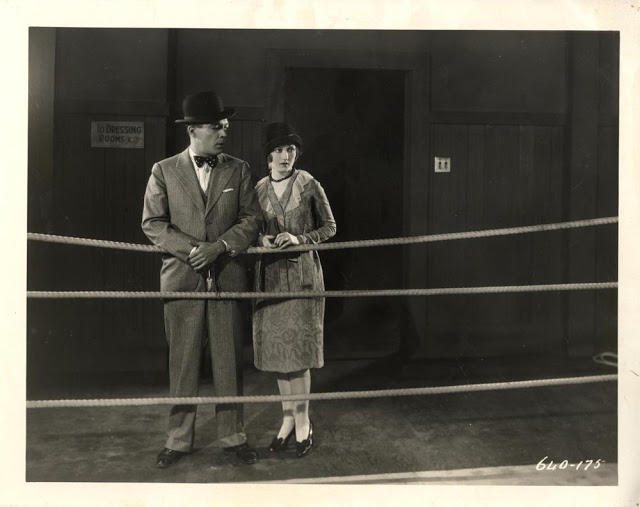
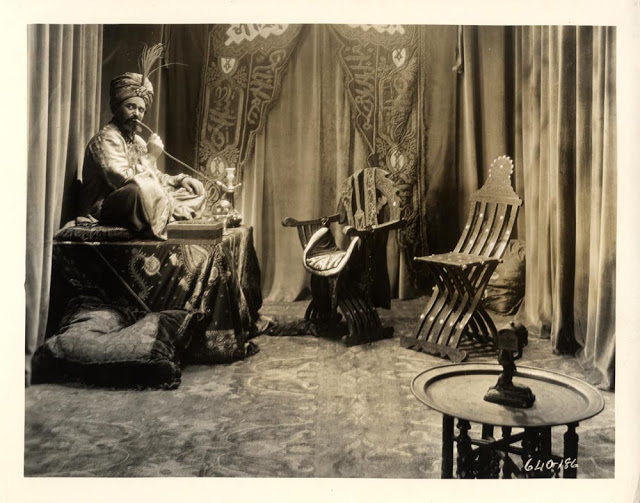
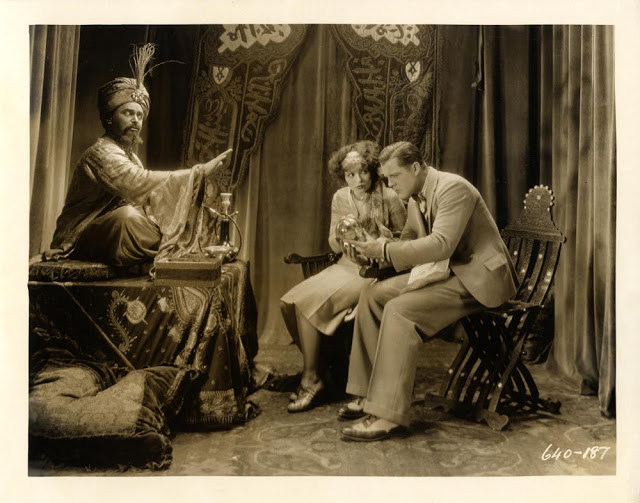
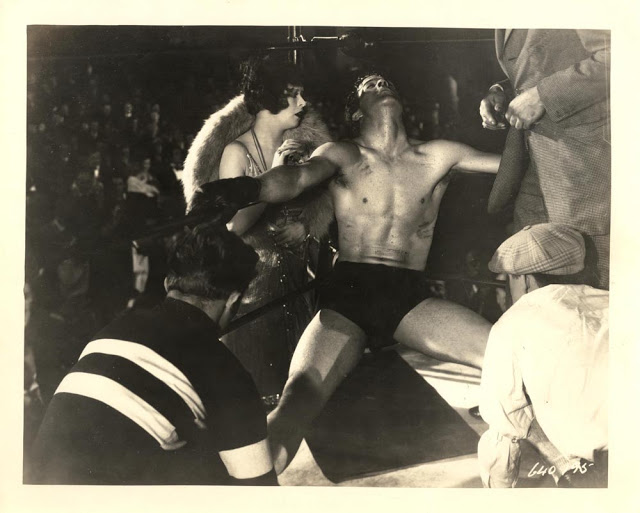
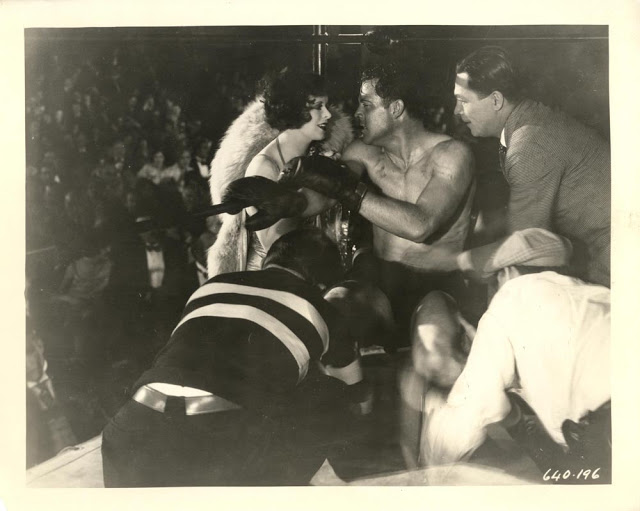
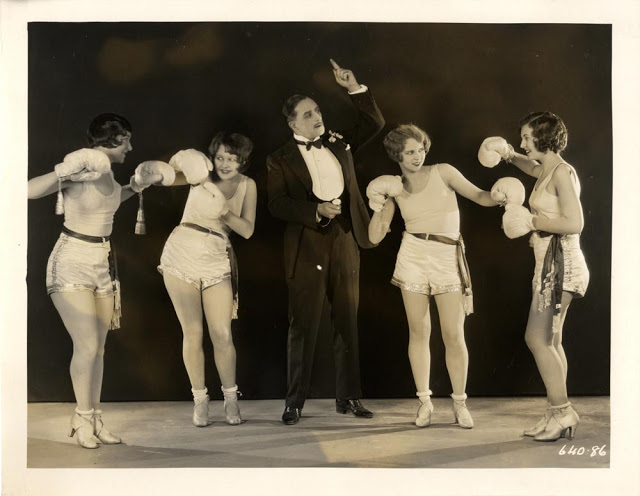
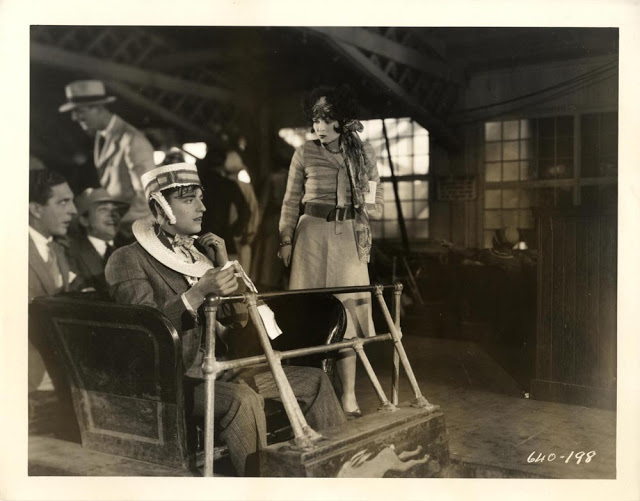
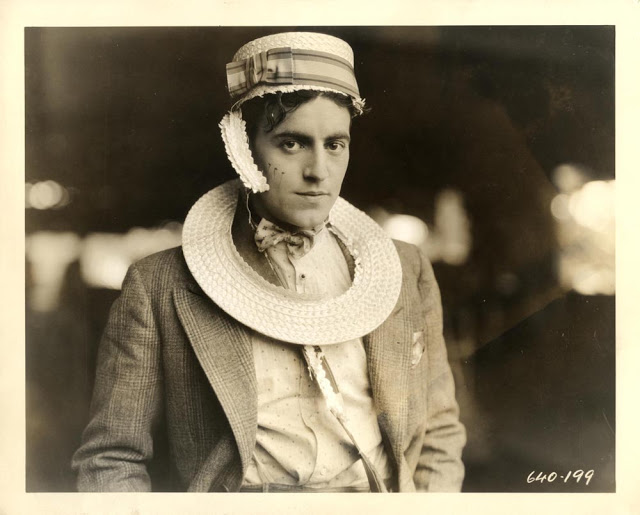
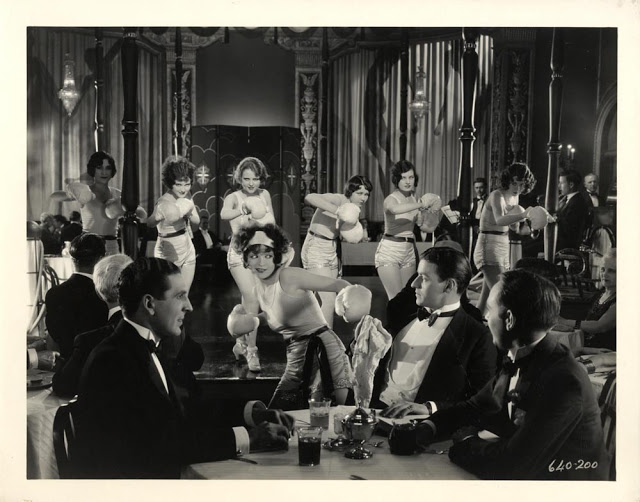
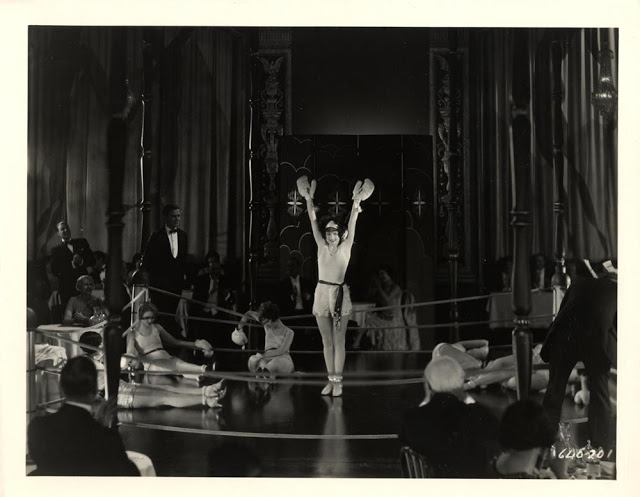
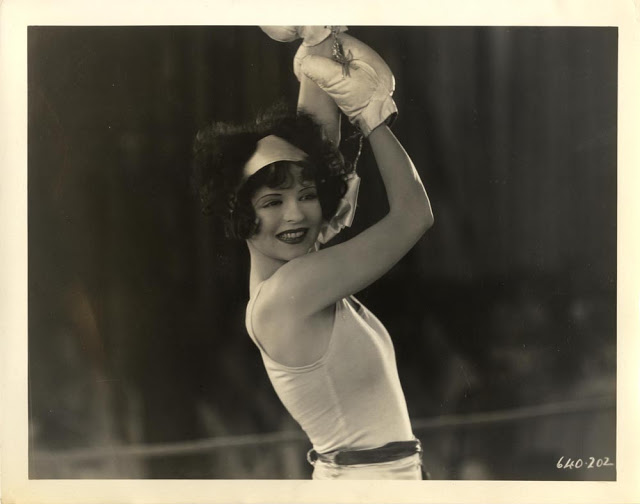
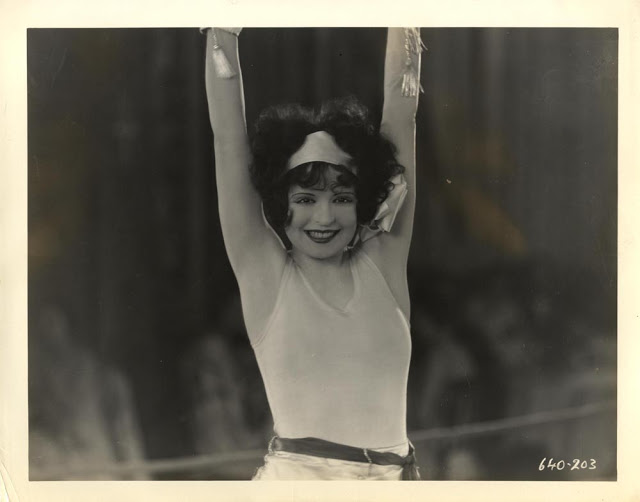
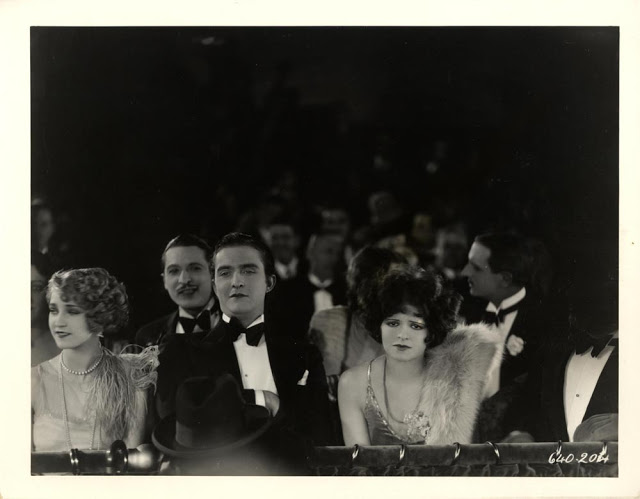
59 Vintage Photos From the Missing Clara Bow Film, “Rough House Rosie”, 1927

Clara Gordon Bow, destined to become “The It Girl”, was born on July 29, 1905 in Brooklyn, New York, and was raised in poverty and violence. Her often absentee and brutish father could not or did not provide and her schizophrenic mother tried to slit Clara’s throat when the girl spoke of becoming an actress. Bow, nonetheless, won a photo beauty contest which launched her movie career that would eventually number 58 films, from 1922 to 1933.

The movie It (1927) defined her career. The film starred Clara as a shopgirl who was asked out by the store’s owner. As you watch the silent film you can see the excitement as she prepared for her date with the boss, her friend trying hard to assist her. She used a pair of scissors to modify her dress to try to look “sexier.” The movie did much to change society’s mores as there were only a few years between World War I and Clara Bow, but this movie went a long way in how society looked at itself. Clara was flaming youth in rebellion. In the film she presented a worldly wisdom that somehow sex meant having a good time. But the movie shouldn’t mislead the viewer, because when her boss tries to kiss her goodnight, she slaps him. At the height of her popularity she received over 45,000 fan letters a month. Also, she was probably the most overworked and underpaid star in the industry. With the coming of sound, her popularity waned. Clara was also involved in several court battles ranging from unpaid taxes to being in divorce court for “stealing” women’s husbands. After the court trials, she made a couple of attempts to get back in the public eye. One was Call Her Savage (1932) in 1932. It was somewhat of a failure at the box office and her last was in 1933 in a film called Hoopla (1933).

She then married cowboy star Rex Bell at 26 and retired from the film world at 28. She doted on her two sons and did everything to please them. Haunted by a weight problem and a mental imbalance, she never re-entered show business. She was confined to sanitariums from time to time and prohibited access to her beloved sons. She died of a heart attack in West Los Angeles, on September 26, 1965 at age 60. Today she is finding a renaissance among movie buffs, who are recently discovering the virtues of silent film. The actress who wanted so much to be like the wonderful young lady in It (1927) has the legacy of her films to confirm that she was a wonderful lady and America’s first sex symbol. (IMDB)

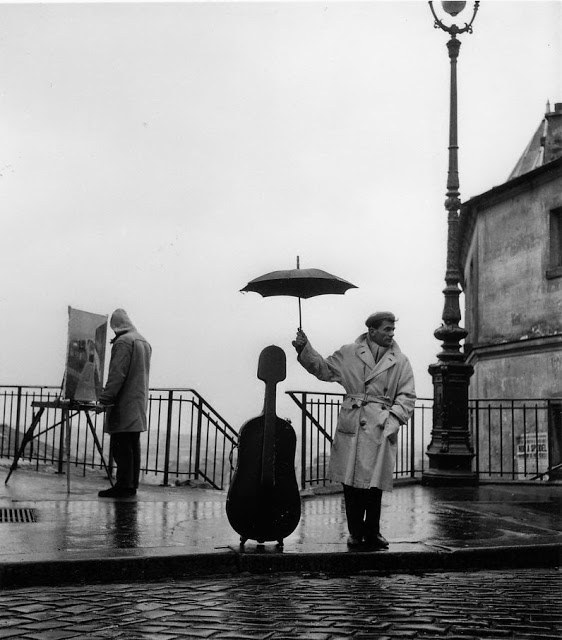
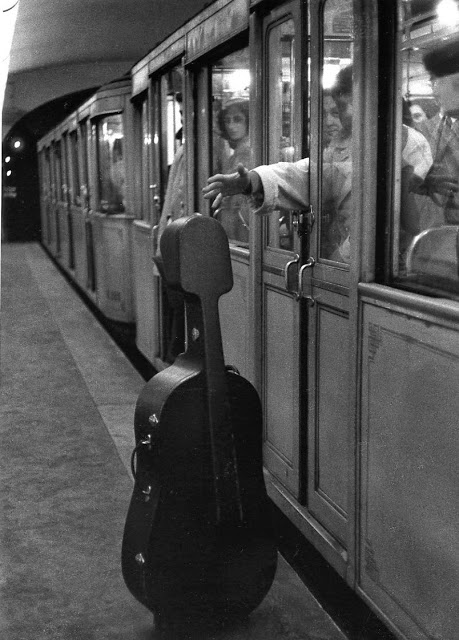
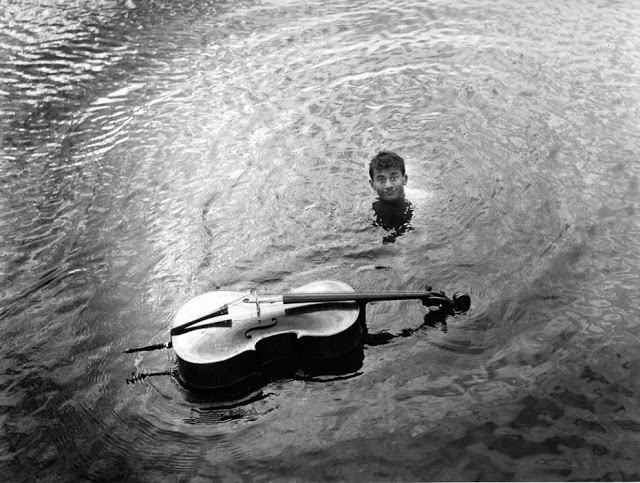
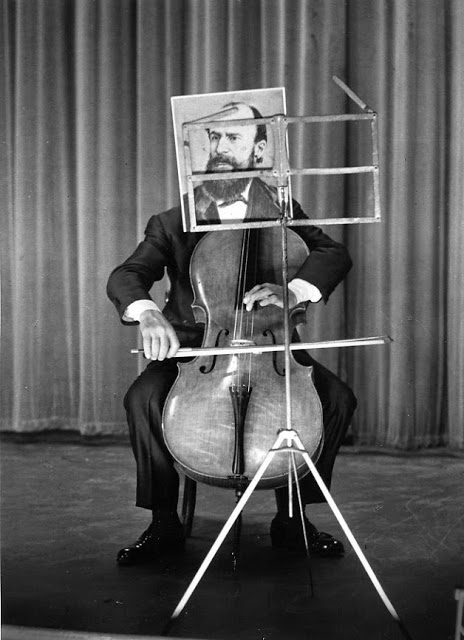
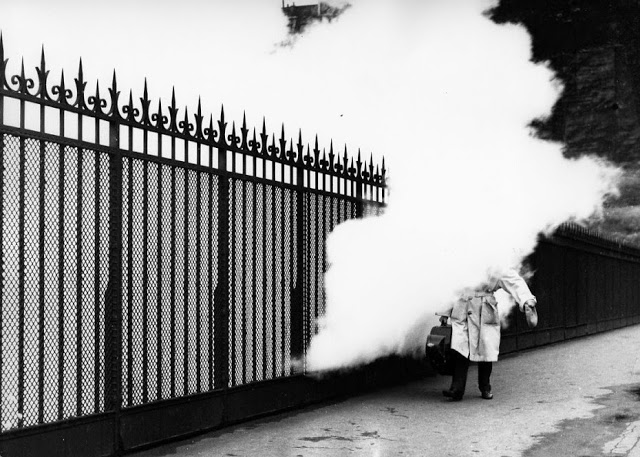
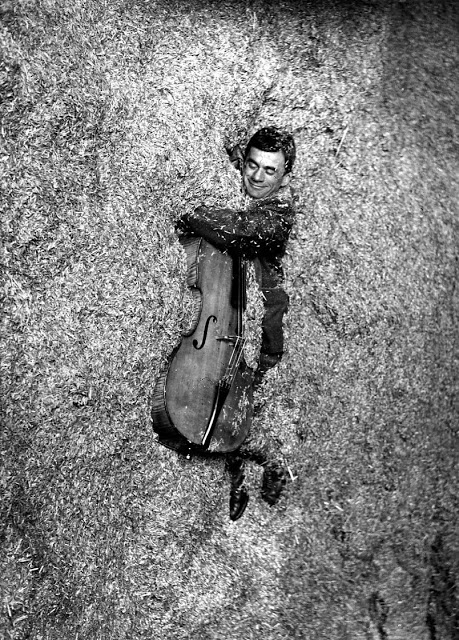
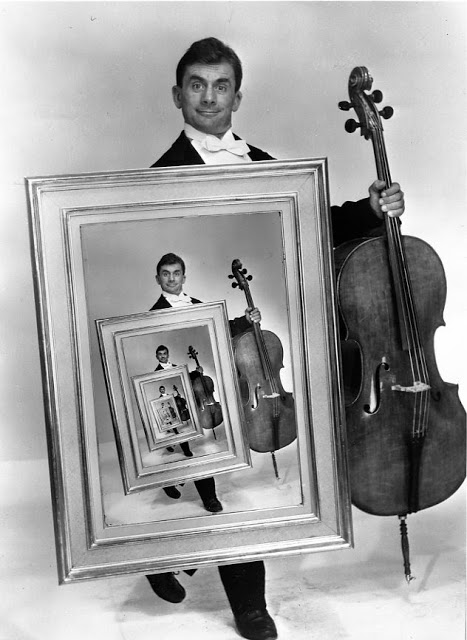
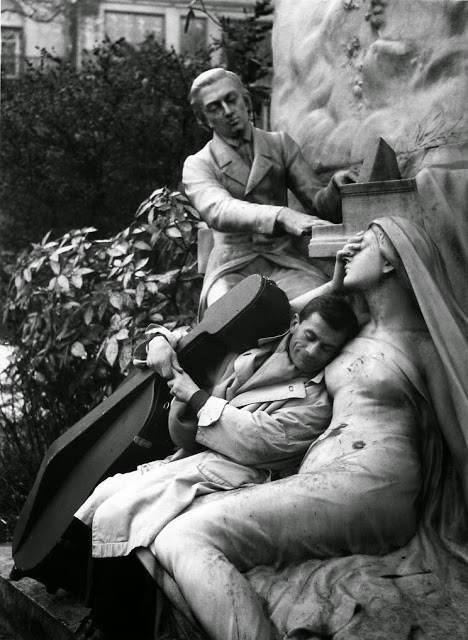
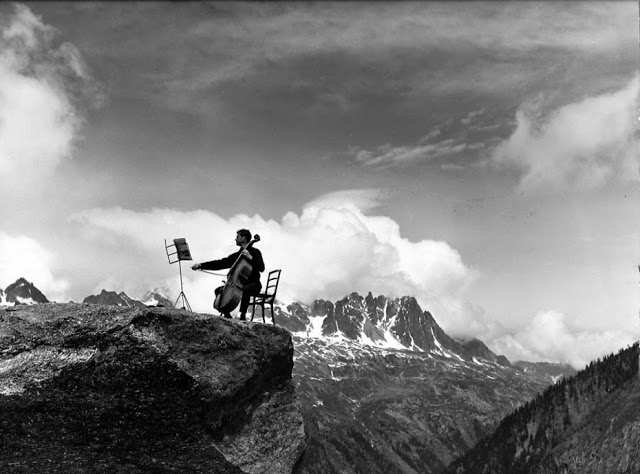
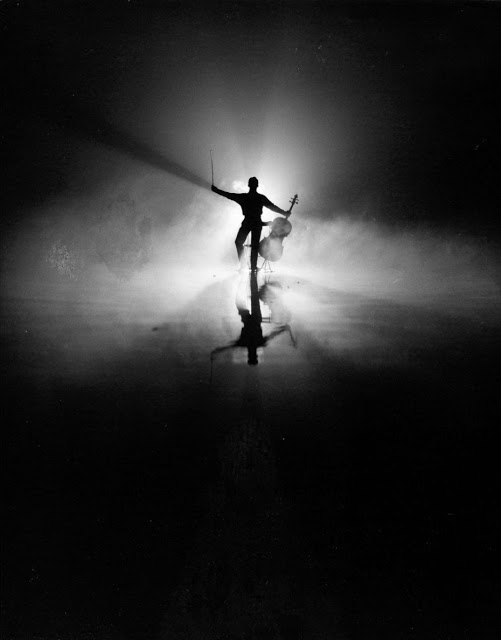
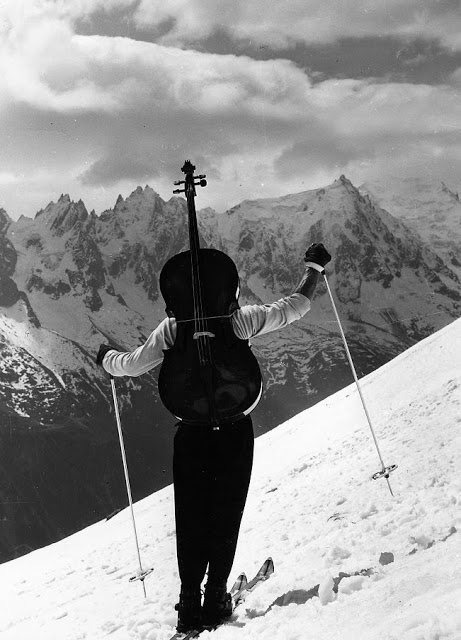
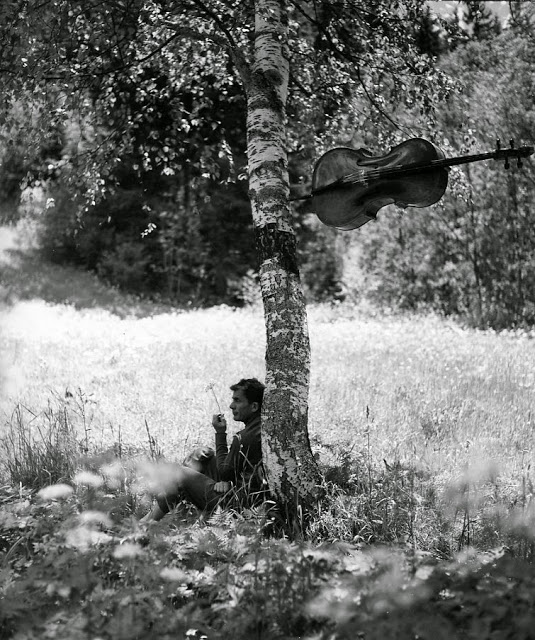
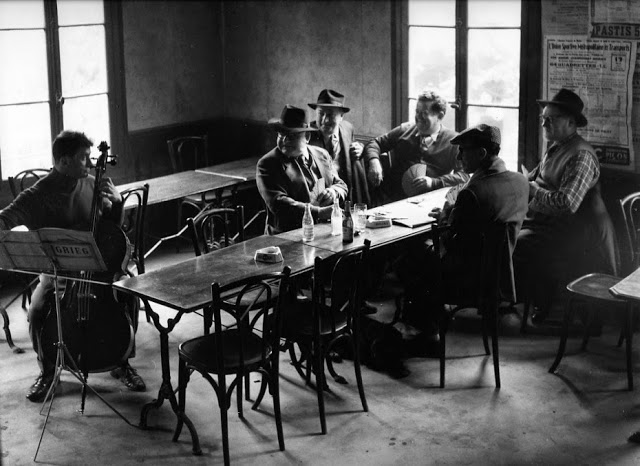
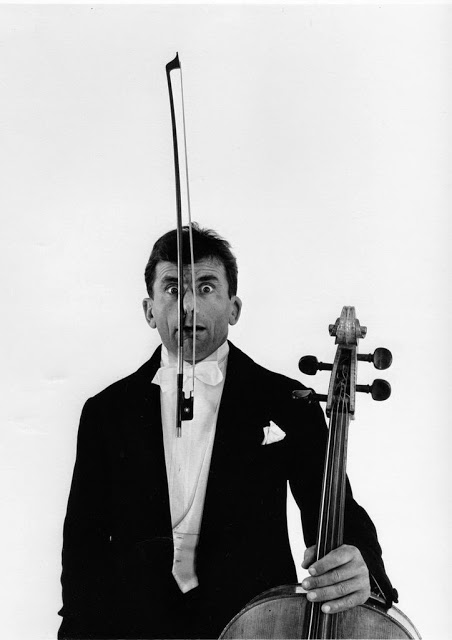
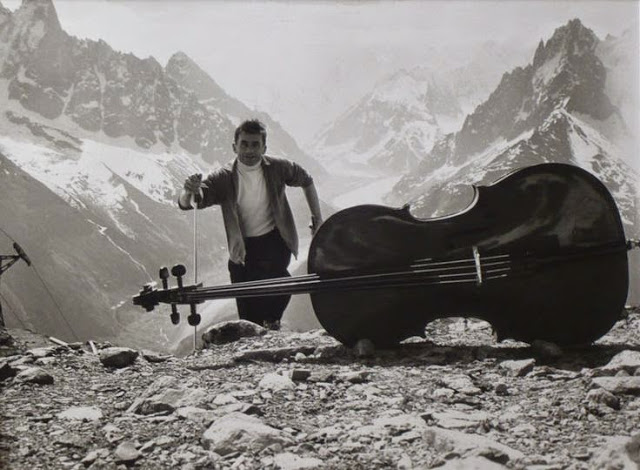
16 Stunning Photos of French Cellist Maurice Baquet With His Cello in the 1950s

Maurice Baquet is a multi-talented man: gifted cellist (1st prize at the Conservatoire de Paris), skier (member of the 1936 French Olympic Team), mountain climber (this talent used in several movies, including Premier de Cordée). He attracted poet Jacques Prevert’s attention when riding on his bicycle, holding his cello, and soon joined Prevert’s famed theater October group. Movies followed rapidly, and he became a favorite of the French public.

He has been active in several fields, outside of movies: a one-man show, music-hall, operettas (most of them with Luis Mariano; one of them was filmed – Andalousie (1951). He appeared on Broadway (My Aunt’s Feather, with Liliane Montevecchi), and on the London stage.

A great friend of famed photographer Robert Doineau, he wrote “Ballade pour violoncelle et chambre noire” adorned with magnificent photos of himself by Doisneau.

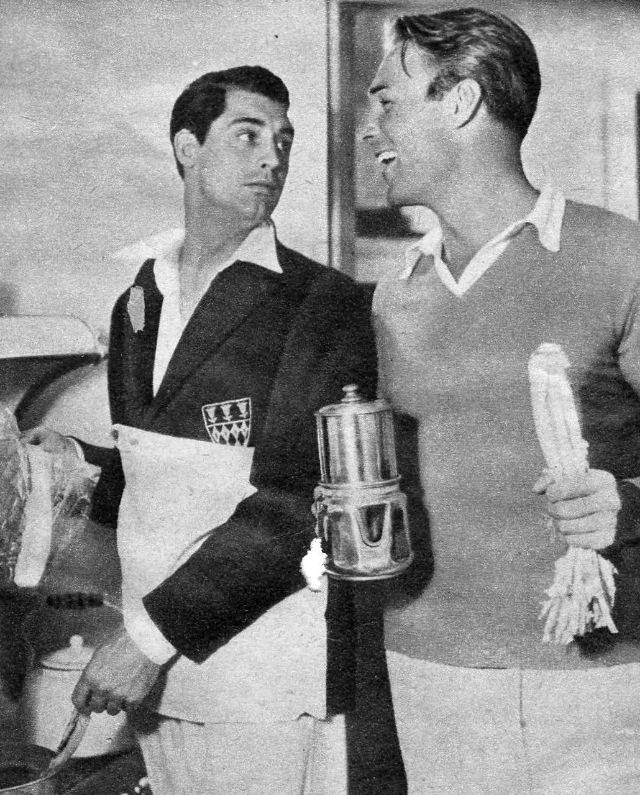
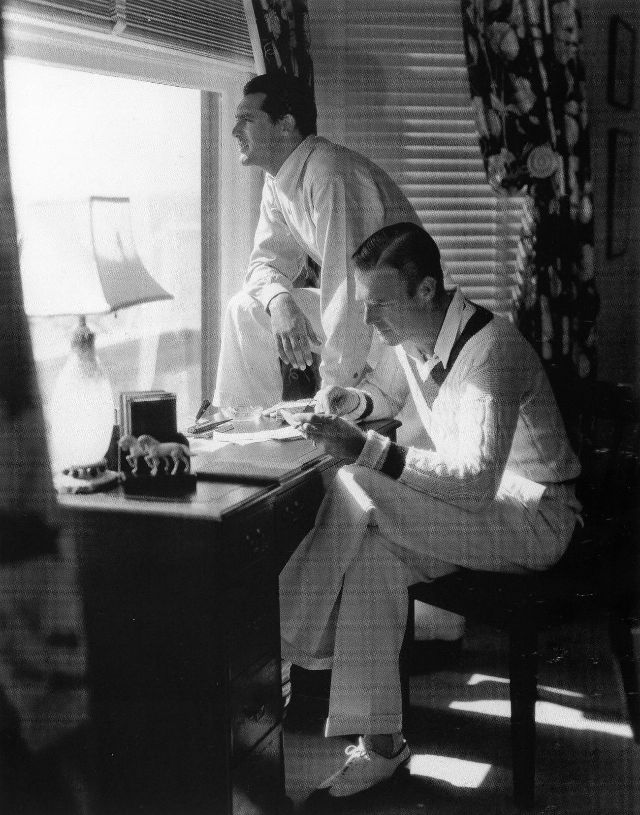
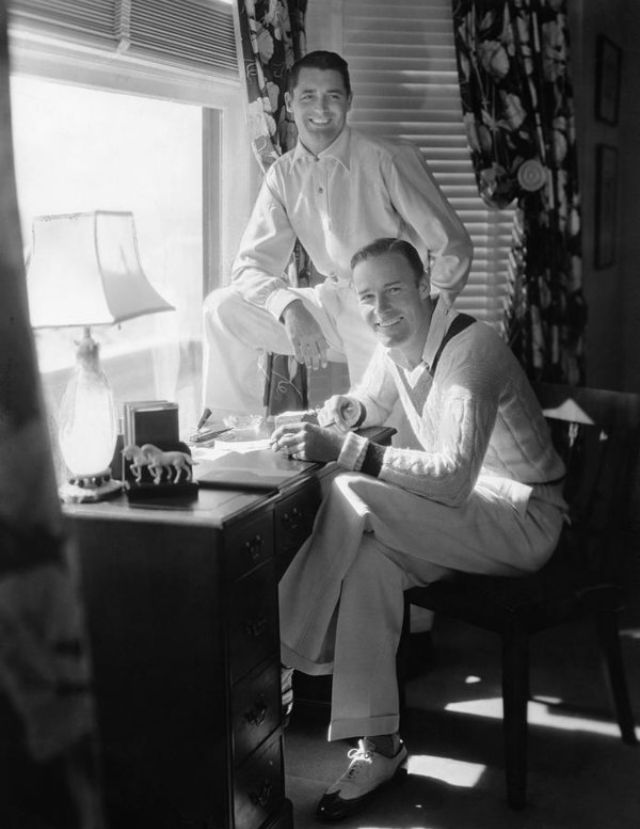
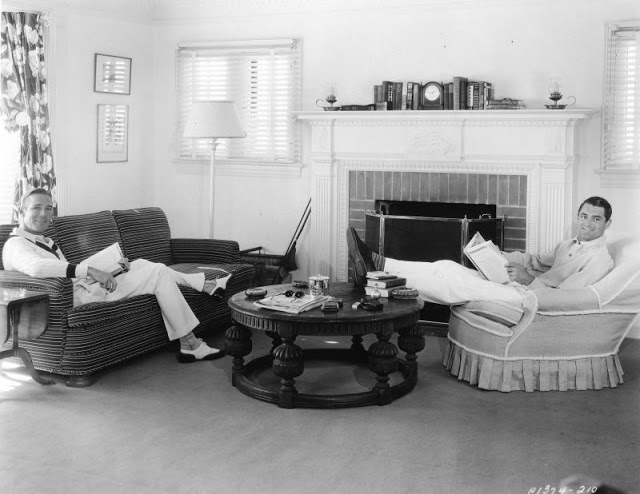
23 Vintage Photos of Cary Grant and Randolph Scott Together

In the 1930s, rumours spread fast that two very handsome Hollywood heartthrobs at the time, Cary Grant and Randolph Scott, were in a romantic relationship. But was it true, when Hollywood of that period was run by the strict studio system? With their public and personal life always got arranged by the studio, these leading men were, undoubtedly, never granted the rights to have their own homosexual relationships in plain sight.

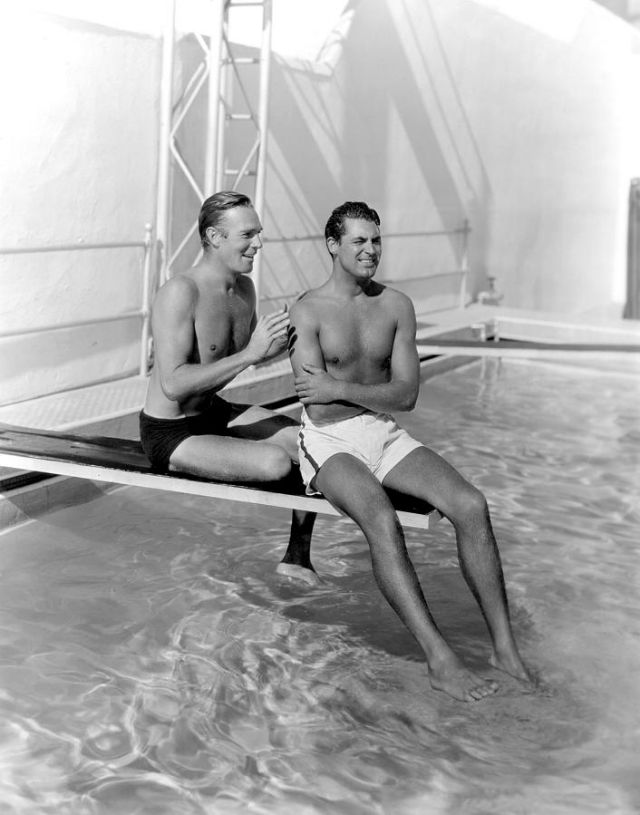
They were said to first meet in 1932, on the set of the Paramount drama Hot Saturday, on which they immediately got along well with each other. Soon they began living together, sharing a Santa Monica beach house, which was jokingly known as “Bachelor Hall,” and a mansion in Los Feliz. For nearly 12 years, they lived together from time to time. There were also various reports of attractive and beautiful women repeatedly passing in and out of their house, though it was said that they were all made up by the studios.

Carole Lombard, the pair’s mutual friend, once quipped, “Their relationship is perfect. Randy pays the bills, and Cary mails them.” American fashion critic Richard Blackwell claimed in his memoir that they were “deeply, madly in love, their devotion complete” during his months living with them. However, Jennifer Grant, daughter of the two-time Oscar nominee, wrote in her memoir that, “Dad somewhat enjoyed being called gay. He said it made women want to prove the assertion wrong.”

By the mid-1940s, the pair were no longer living together. It was rumoured that their parting came from constant pressure from the studio heads to protect their image. Nonetheless, Grant and Scott still remained extremely close throughout their lives.

Here are some photos capturing the two of them together:

Chocolate birthday cake for both Cary Grant and Randolph Scott from Nancy Carroll on the Paramount set.
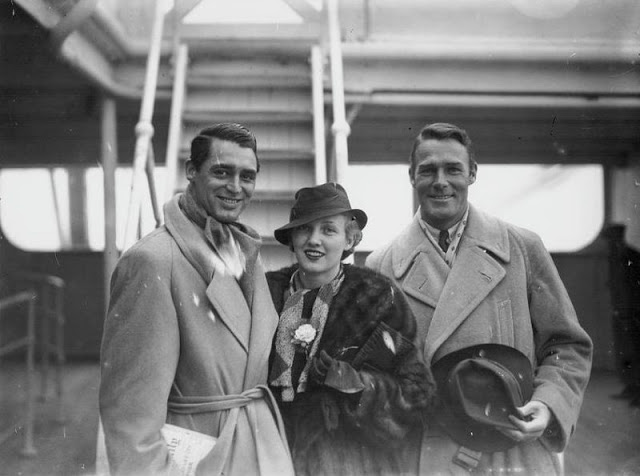
November 24, 1933. Cary Grant, Randolph Scott and Virginia Cherrill aboard the SS Pars on its arrival at Plymouth, England.
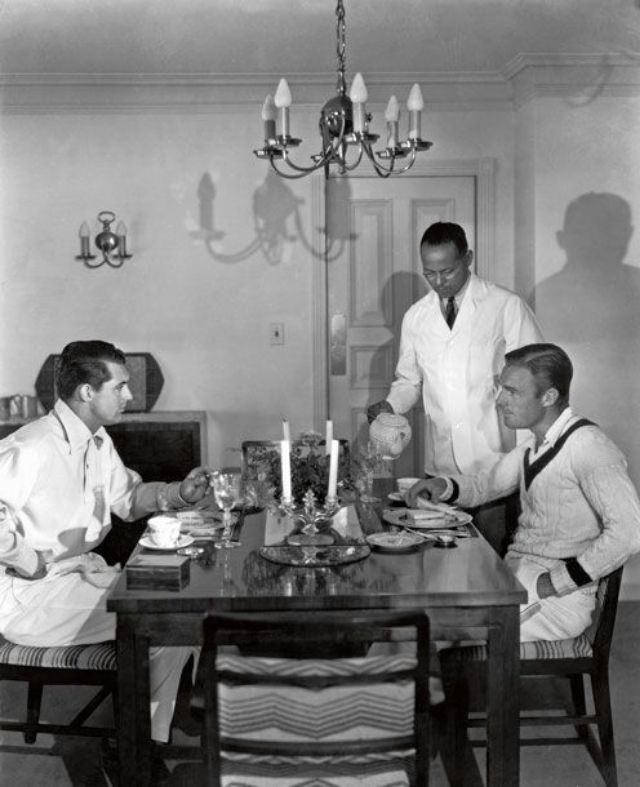
A servant pouring tea for the actors in their house.
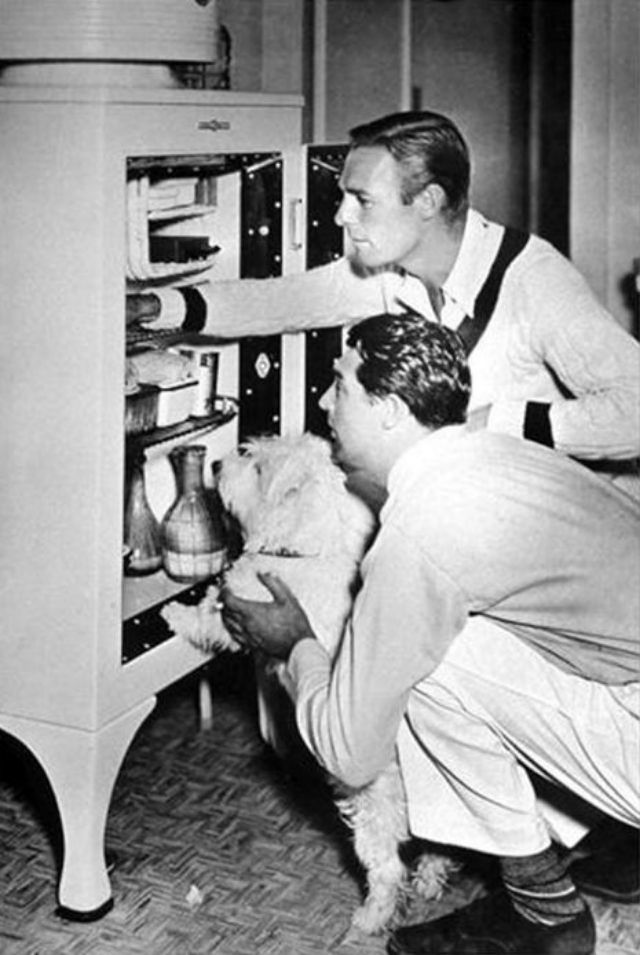
Grant and Scott doing their daily activities in their house.
Washing dishes together.
In their house in Santa Monica.
Grant playing the piano while Scott listening.
The two actors casually chatting.
Grant and Scott doing their daily activities in their house.
Singing together.
The two actors standing in front of their house in Santa Monica.
In front of their new home which looks out over Santa Monica sea front.
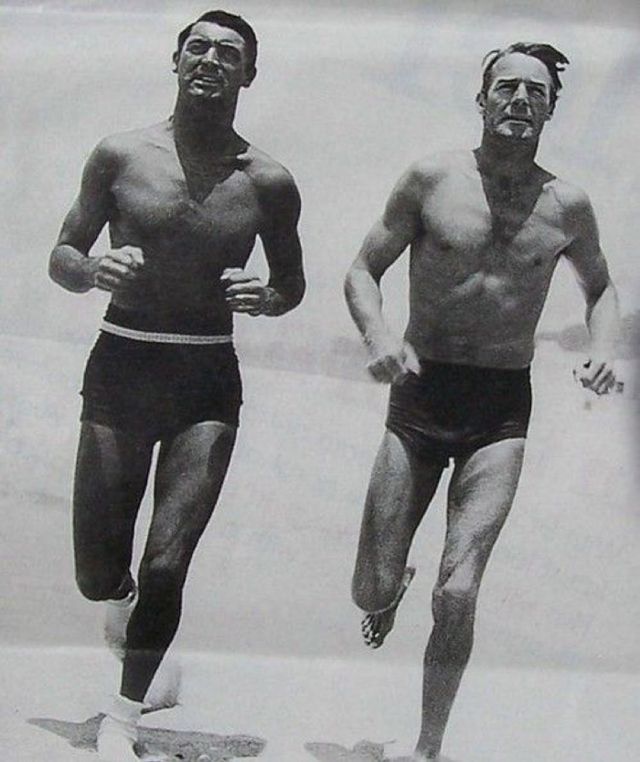
Working out together.
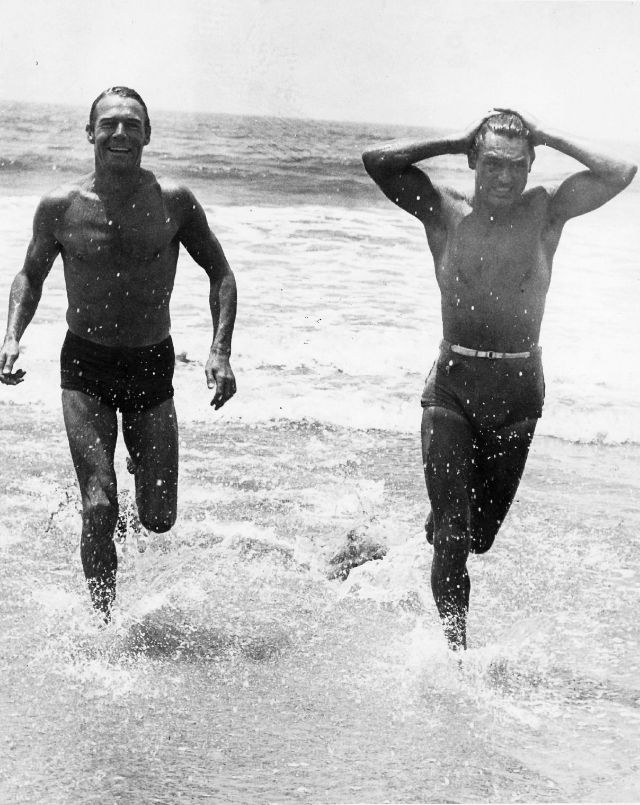
Running on the beach.
Poolside at their Santa Monica beach front house.
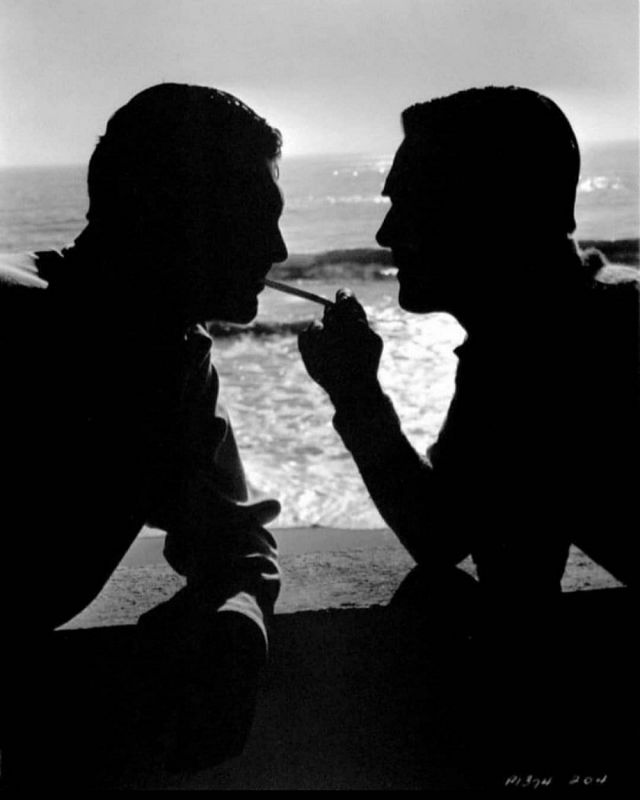
Chatting and sharing smokes.
Randolph Scott, Virginia Bruce and Cary Grant enjoying beverages at a Hollywood event in California.

22 Wonderful Photos Showing Budapest During the Mid-1960s

Budapest is the capital and most populous city of Hungary. It is the ninth-largest city in the European Union by population within city limits; the city has an estimated population of 1,752,286 over a land area of about 525 square kilometres (203 square miles). Budapest, which is both a city and county, forms the centre of the Budapest metropolitan area, which has an area of 7,626 square kilometres (2,944 square miles) and a population of 3,303,786, comprising 33% of the population of Hungary.

The history of Budapest began when an early Celtic settlement transformed into the Roman town of Aquincum, the capital of Lower Pannonia. The Hungarians arrived in the territory in the late 9th century, but the area was pillaged by the Mongols in 1241–42. Re-established Buda became one of the centres of Renaissance humanist culture by the 15th century. The Battle of Mohács, in 1526, was followed by nearly 150 years of Ottoman rule. After the reconquest of Buda in 1686, the region entered a new age of prosperity, with Pest-Buda becoming a global city after the unification of Buda, Óbuda and Pest on 17 November 1873, with the name ‘Budapest’ given to the new capital. Budapest also became the co-capital of the Austro-Hungarian Empire, a great power that dissolved in 1918, following World War I. The city was the focal point of the Hungarian Revolution of 1848, the Battle of Budapest in 1945, as well as the Hungarian Revolution of 1956.

Budapest is a Beta + global city with strengths in commerce, finance, media, art, fashion, research, technology, education and entertainment. Hungary’s financial centre, it was ranked as the second fastest-developing urban economy in Europe in 2014. Budapest is the headquarters of the European Institute of Innovation and Technology, the European Police College and the first foreign office of the China Investment Promotion Agency. Over 40 colleges and universities are located in Budapest, including the Eötvös Loránd University, the Corvinus University, Semmelweis University and the Budapest University of Technology and Economics. Opened in 1896, the city’s subway system, the Budapest Metro, serves 1.27 million, while the Budapest Tram Network serves 1.08 million passengers daily.

The central area of Budapest along the Danube River is classified as a UNESCO World Heritage Site and has several notable monuments of classical architecture, including the Hungarian Parliament and the Buda Castle. The city also has around 80 geothermal springs, the largest thermal water cave system, second largest synagogue, and third largest Parliament building in the world. Budapest attracts around 12 million international tourists per year, making it a highly popular destination in Europe. It also topped the Best European Destinations 2020 list by Big7Media. Budapest also ranks as the third-best European city in a similar poll conducted by Which?. (Wikipedia)
Yesterday Today

Bringing You the Wonder of Yesterday - Today

Skip to content ↓