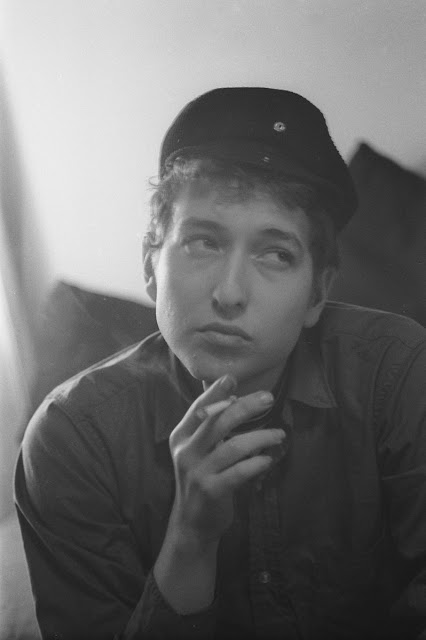
Bob Dylan’s Early Days in New York: 17 Intimate Photos of 20-Year-Old Folk Singer Inside His First Apartment

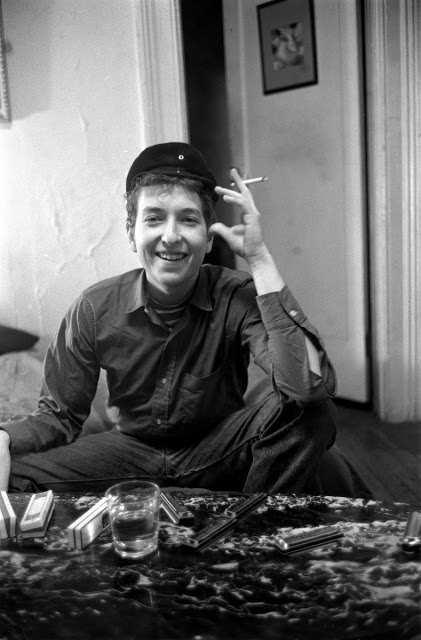
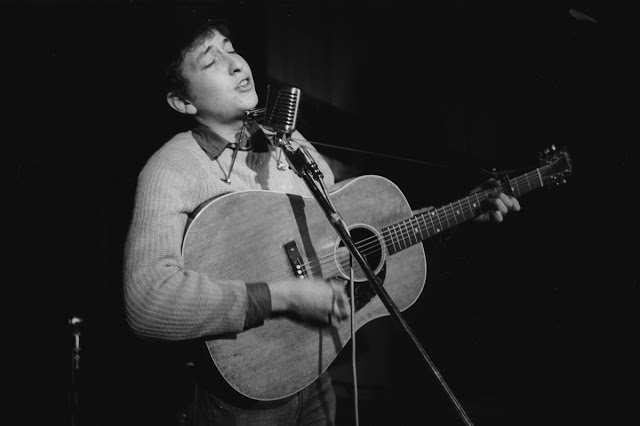
In November 1961, Bob Dylan was just 20 years old, a young folk Singer on the cusp of fame. His first paid performances, at Gerde’s Folk City in New York’s Greenwich Village, were starting to attract interest.

His first review had just come out, a surprising rave in the New York Times, which said, “Mr. Dylan is both a comedian and a tragedian.”

Meanwhile, Ted Russell was a photojournalist working regularly for LIFE magazine in New York when an RCA Records publicist hired him to photograph the label’s latest discovery, Ann-Margret.

Shortly afterward, the publicist moved to Columbia Records and invited Russell to take some pictures of its new hire, Bob Dylan. Russell liked the idea, thinking a story on an up-and-coming Village folk singer could interest LIFE.

“I wanted to do an essay on the trials and tribulations of an up-and-coming folk singer trying to make it in the big city,” Russell told the NY Times. “[The LIFE editors] gave me a big yawn, not the slightest interest.” Despite the lack of interest in that shoot, Russell ended up shooting Dylan twice more in 1963 and 1964, when he was already a star.

Robert Dylan (born Robert Allen Zimmerman; May 24, 1941) is an American singer-songwriter. Often regarded as one of the greatest songwriters of all time, Dylan has been a major figure in popular culture during a career spanning more than 60 years. Much of his most celebrated work dates from the 1960s, when songs such as “Blowin’ in the Wind” (1963) and “The Times They Are a-Changin'” (1964) became anthems for the civil rights and anti-war movements. His lyrics during this period incorporated a range of political, social, philosophical, and literary influences, defying pop music conventions and appealing to the burgeoning counterculture.

Following his self-titled debut album in 1962, which mainly comprised traditional folk songs, Dylan made his breakthrough as a songwriter with the release of The Freewheelin’ Bob Dylan the following year. The album features “Blowin’ in the Wind” and the thematically complex “A Hard Rain’s a-Gonna Fall”. Many of his songs adapted the tunes and phraseology of older folk songs. He went on to release the politically charged The Times They Are a-Changin’ and the more lyrically abstract and introspective Another Side of Bob Dylan in 1964. In 1965 and 1966, Dylan drew controversy when he adopted electrically amplified rock instrumentation, and in the space of 15 months recorded three of the most important and influential rock albums of the 1960s: Bringing It All Back Home (1965), Highway 61 Revisited (1965) and Blonde on Blonde (1966). His six-minute single “Like a Rolling Stone” (1965) expanded commercial and creative boundaries in popular music.

In July 1966, a motorcycle accident led to Dylan’s withdrawal from touring. During this period, he recorded a large body of songs with members of the Band, who had previously backed him on tour. These recordings were released as the collaborative album The Basement Tapes in 1975. In the late 1960s and early 1970s, Dylan explored country music and rural themes in John Wesley Harding (1967), Nashville Skyline (1969), and New Morning (1970). In 1975, he released Blood on the Tracks, which many saw as a return to form. In the late 1970s, he became a born-again Christian and released a series of albums of contemporary gospel music before returning to his more familiar rock-based idiom in the early 1980s. Dylan’s 1997 album Time Out of Mind marked the beginning of a renaissance for his career. He has released five critically acclaimed albums of original material since then, the most recent being Rough and Rowdy Ways (2020). He also recorded a series of three albums in the 2010s comprising versions of traditional American standards, especially songs recorded by Frank Sinatra. Dylan has toured continuously since the late 1980s on what has become known as the Never Ending Tour.

Since 1994, Dylan has published eight books of drawings and paintings, and his work has been exhibited in major art galleries. He has sold more than 125 million records, making him one of the best-selling musicians of all time. He has received numerous awards, including the Presidential Medal of Freedom, ten Grammy Awards, a Golden Globe Award and an Academy Award. Dylan has been inducted into the Rock and Roll Hall of Fame, Nashville Songwriters Hall of Fame and the Songwriters Hall of Fame. The Pulitzer Prize Board in 2008 awarded him a special citation for “his profound impact on popular music and American culture, marked by lyrical compositions of extraordinary poetic power”. In 2016, Dylan was awarded the Nobel Prize in Literature “for having created new poetic expressions within the great American song tradition”. (Wikipedia)

Dylan and Suze Rotolo
Dylan inside the kitchen of his W. 4th Street apartment
Dylan inside his first apartment in NYC on W. 4th Street
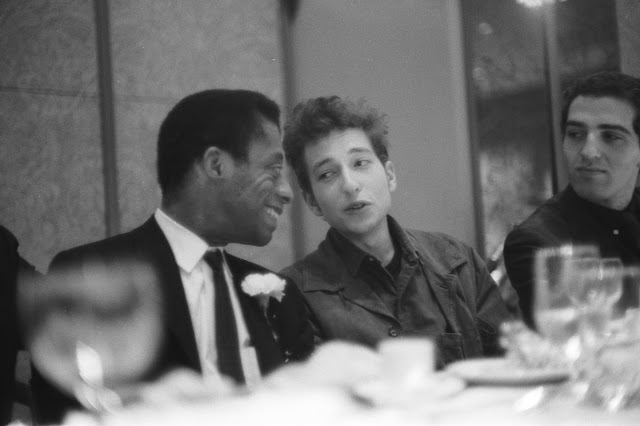
Dylan talking to James Baldwin at the Emergency Civil Liberties Committee’s Bill of Rights Dinner
Dylan singing at Gerde’s Folk City in Greenwich Village
Dylan hands in pockets and smiling
Dylan with Mark Spoelstra in the basement of Gerde’s Folk City in Greenwich Village
Dylan about to go onstage at Gerde’s Folk City
Dylan and Rotolo
Dylan singing “House of The Rising Sun” at Gerde’s
Dylan on bed playing guitar and harmonica
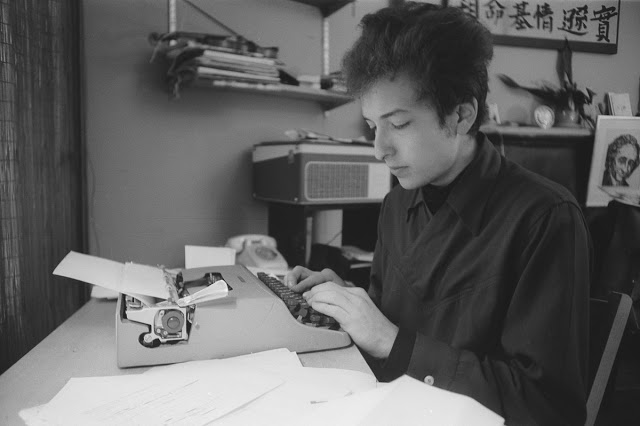
Bob Dylan typing
Dylan taking a break from writing
Dylan playing a record
Dylan smoking at typewriter
Dylan smoking cigarette
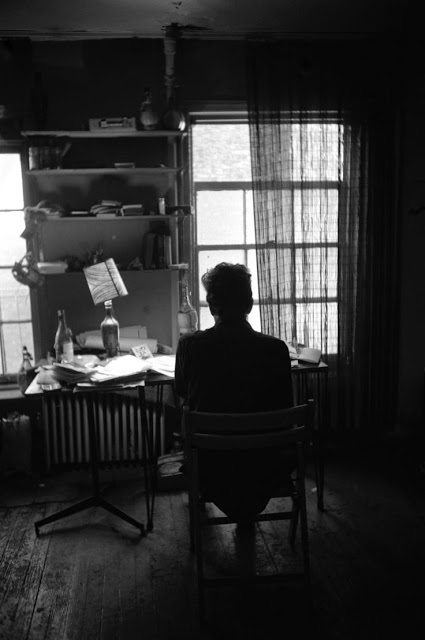
Dylan silhouetted against window

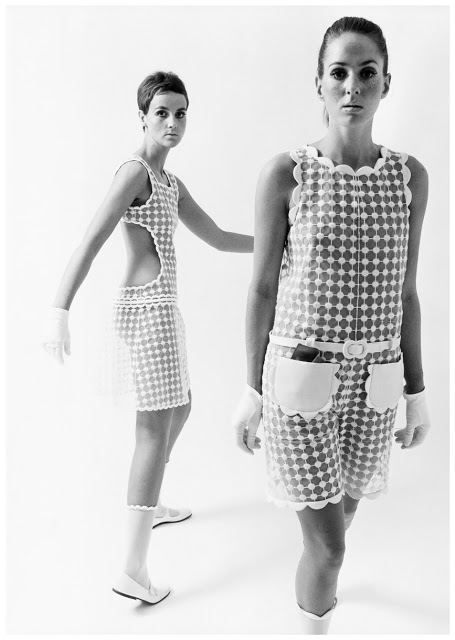
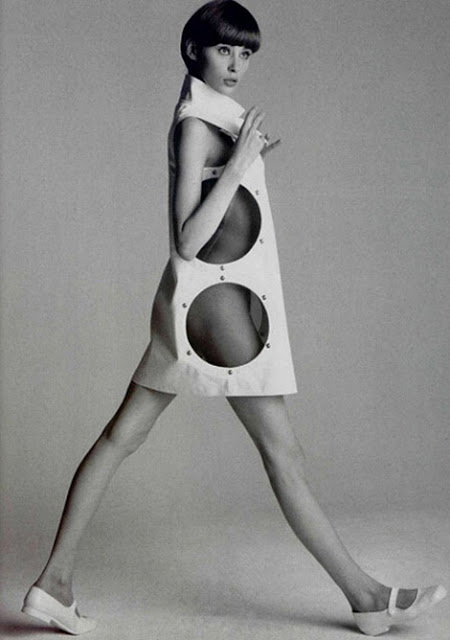
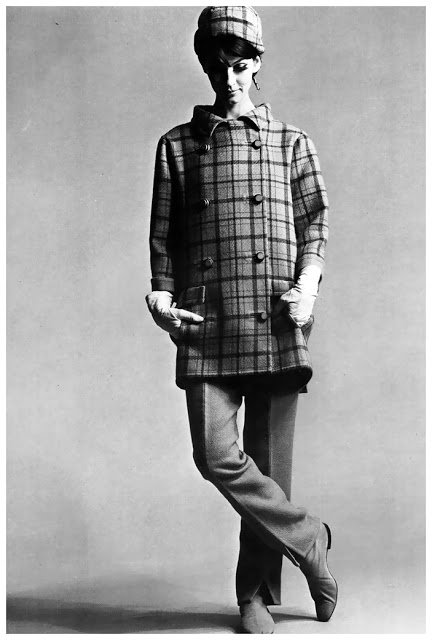
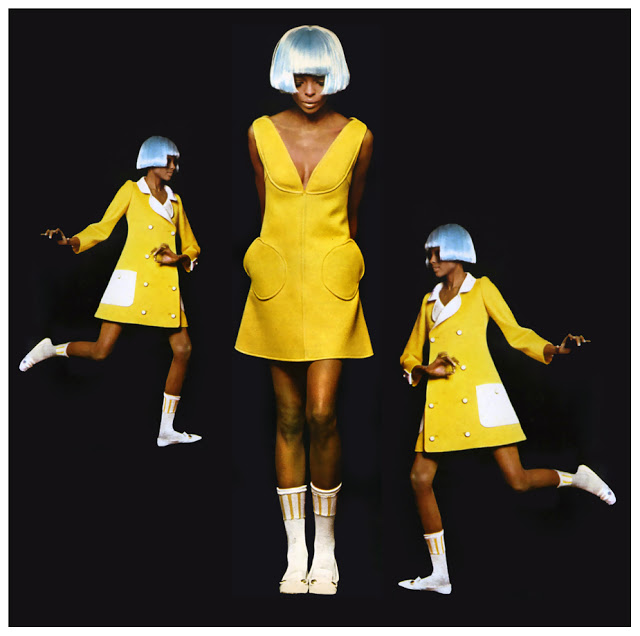
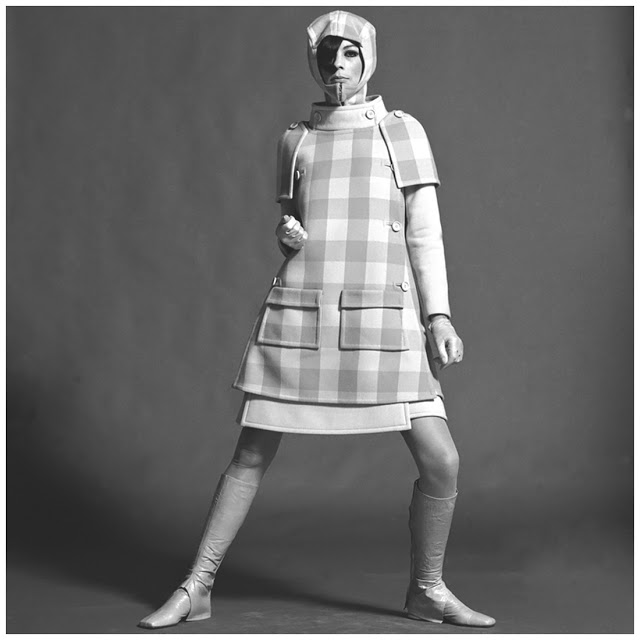
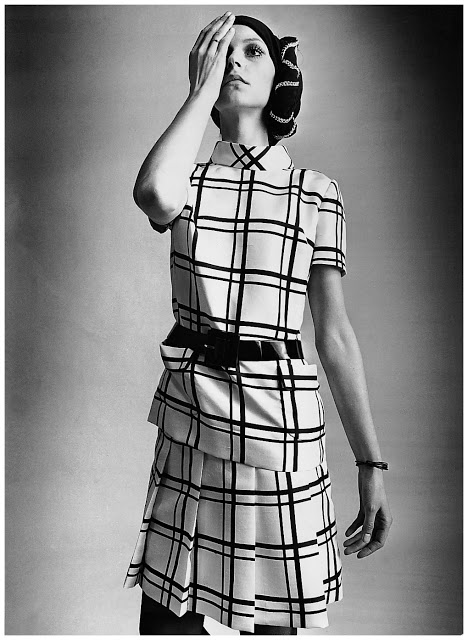
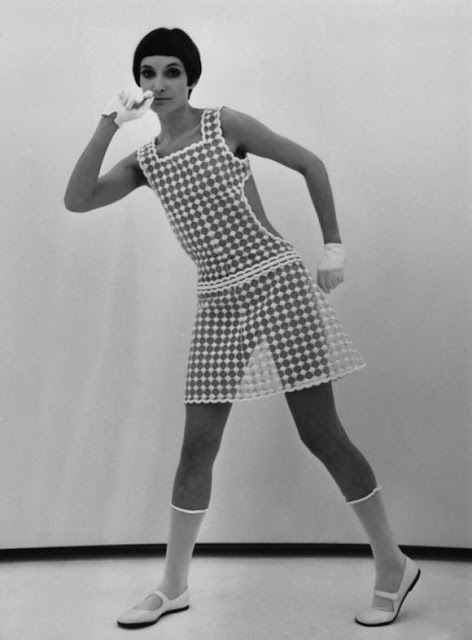
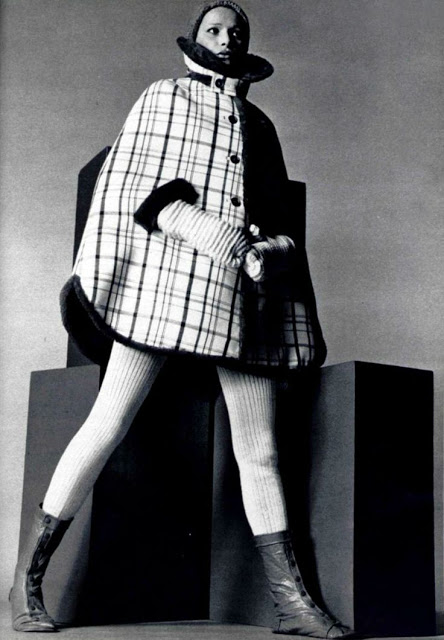
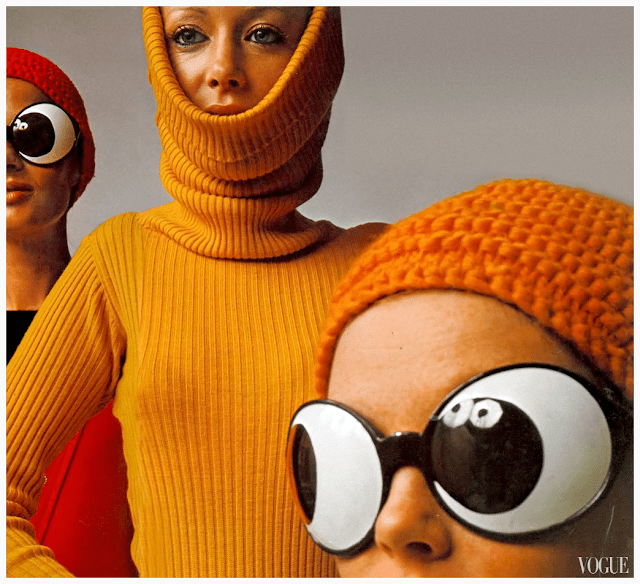
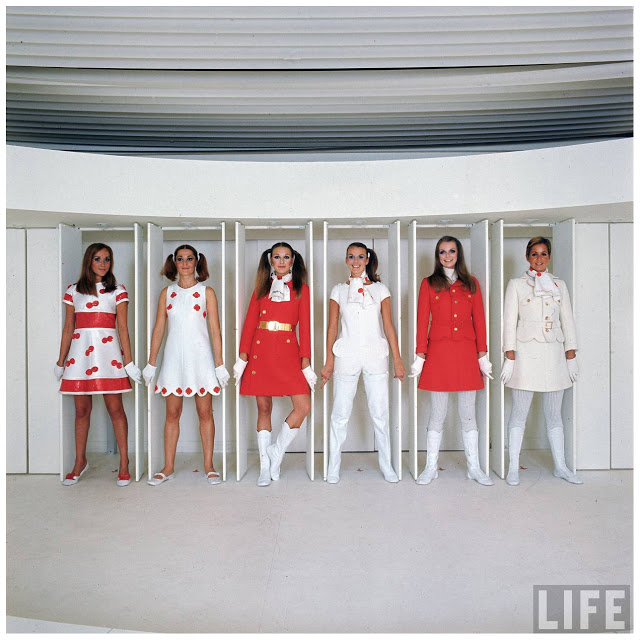
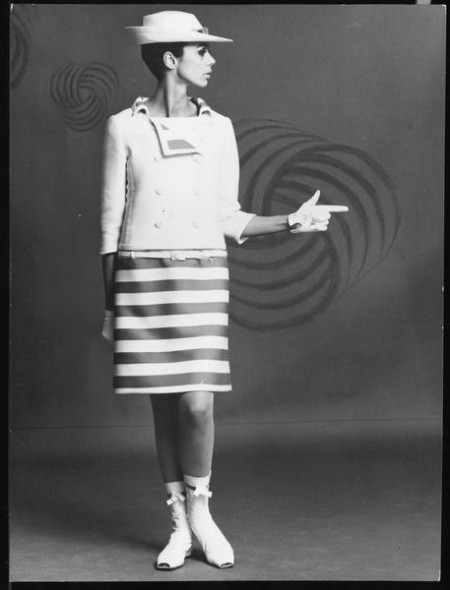
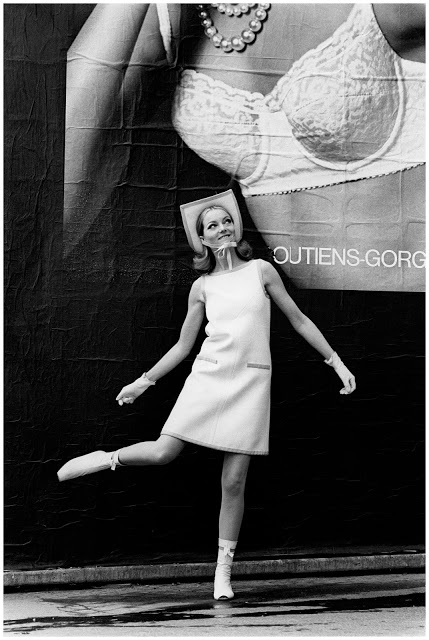
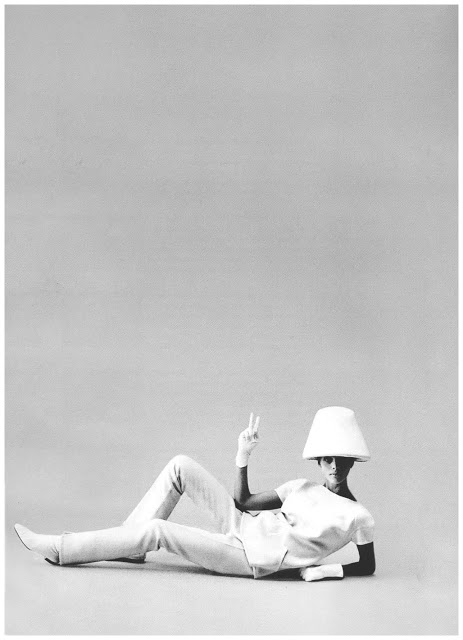
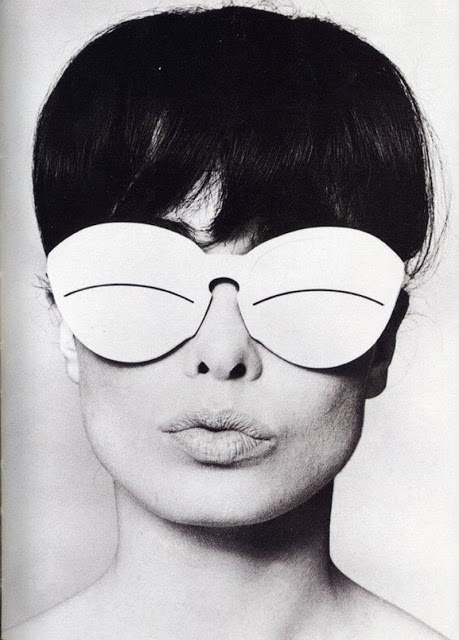
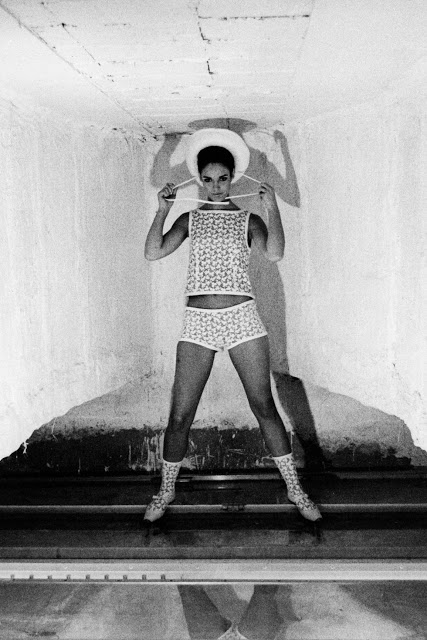
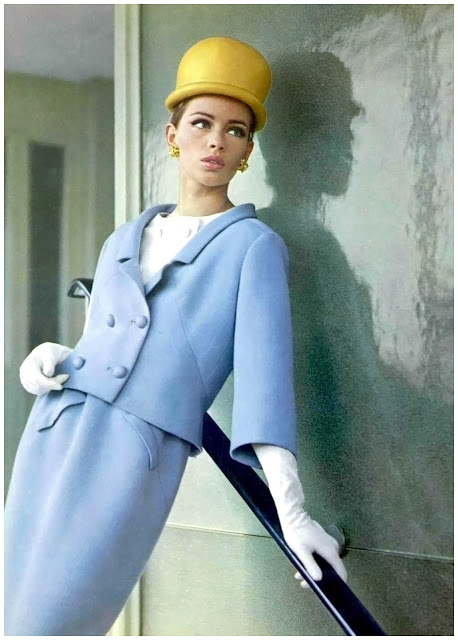
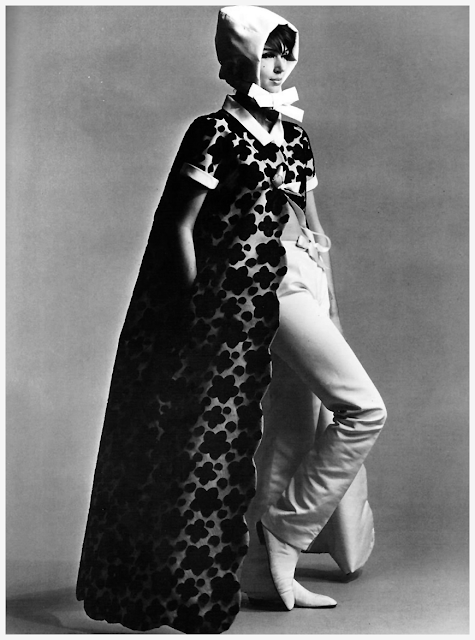
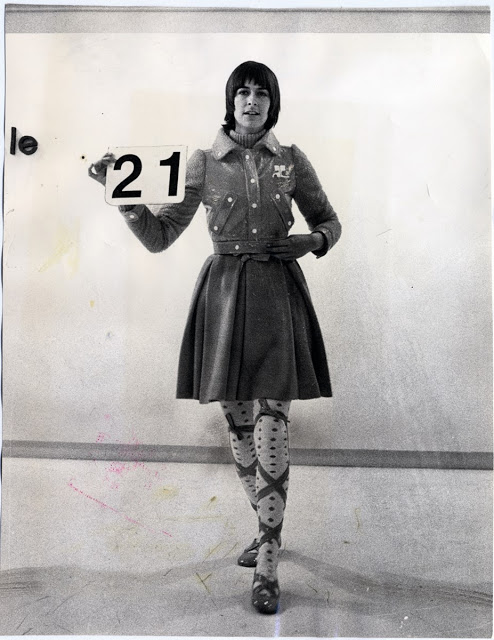
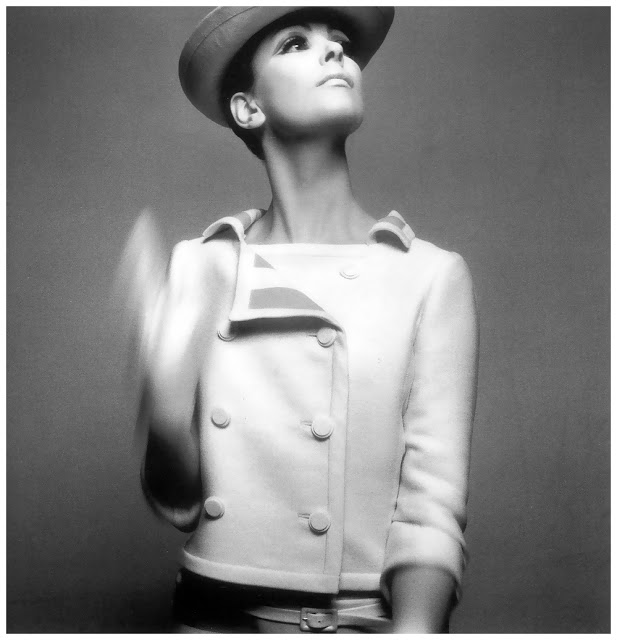
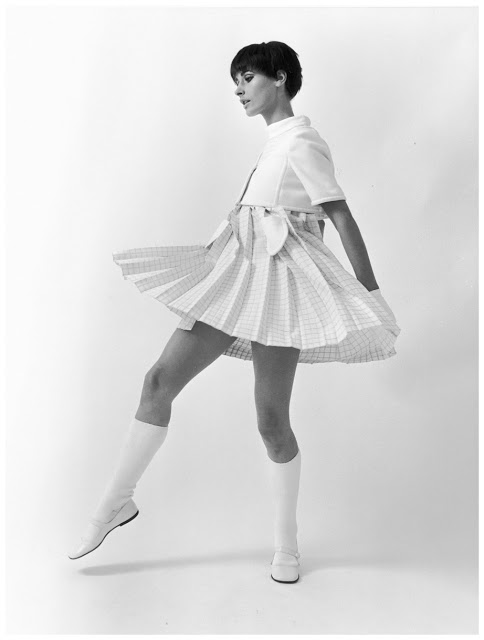
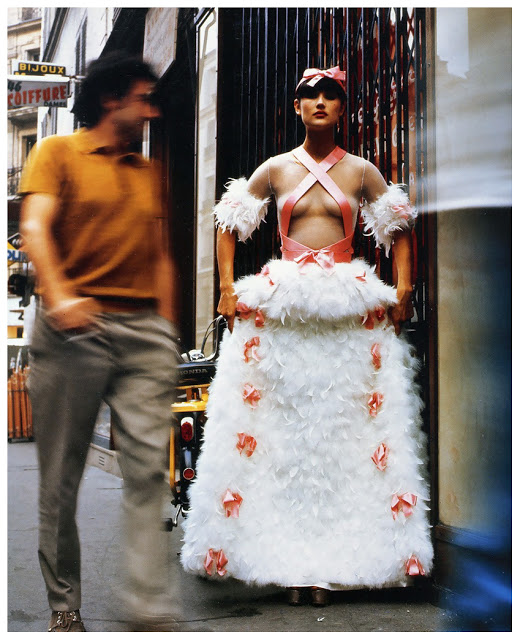
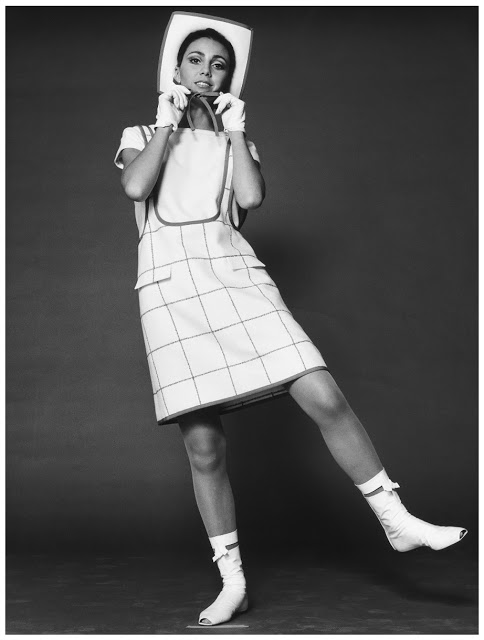
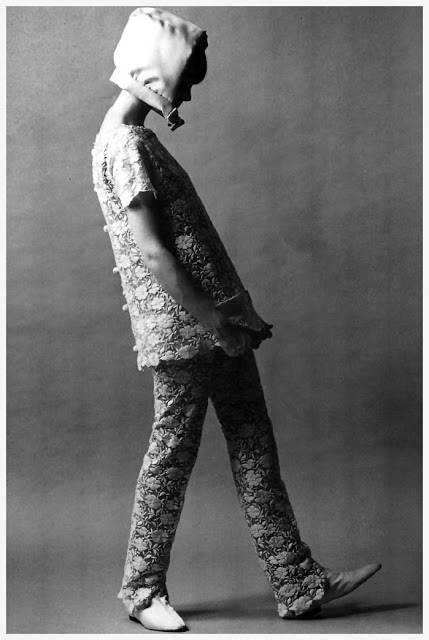
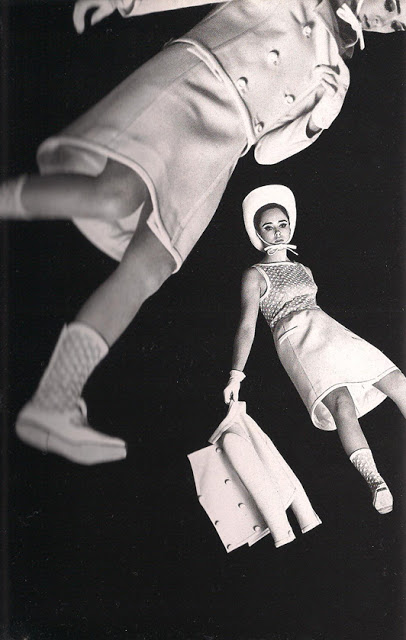
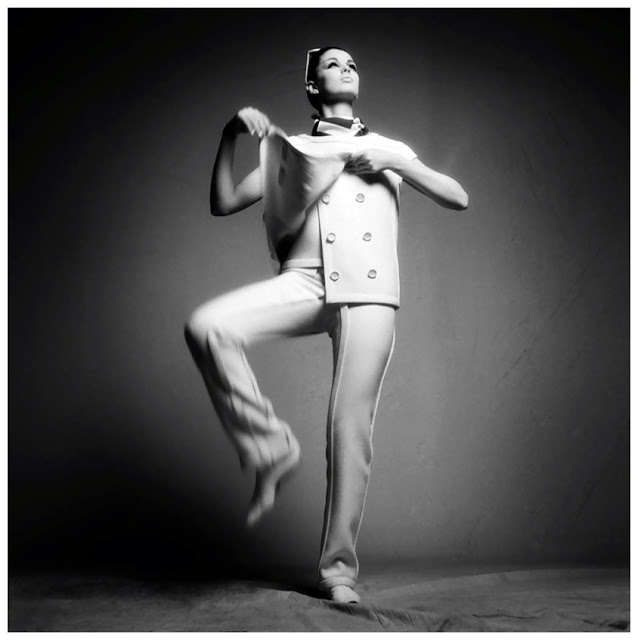
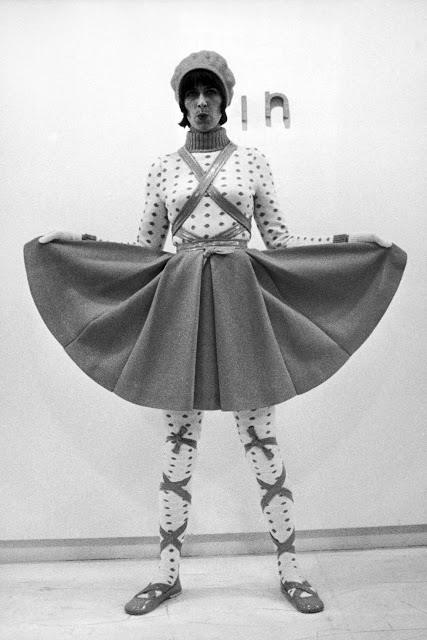
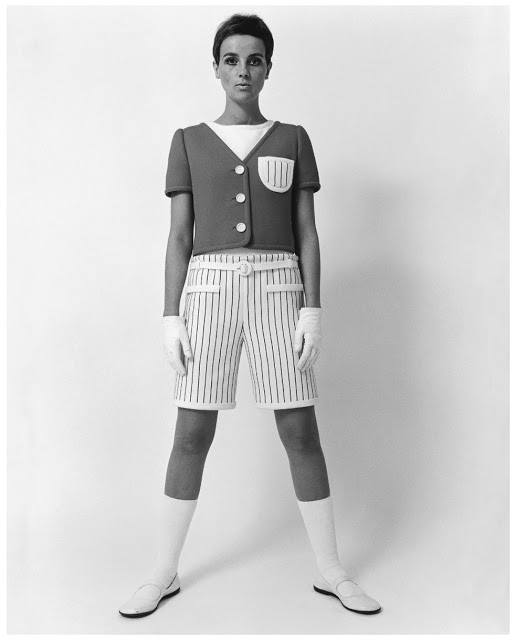
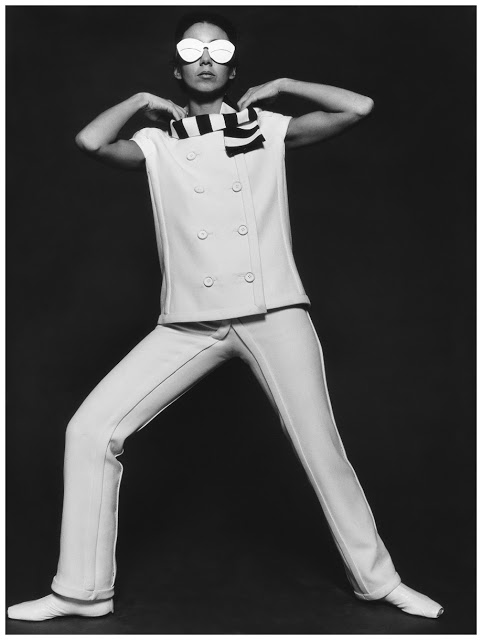
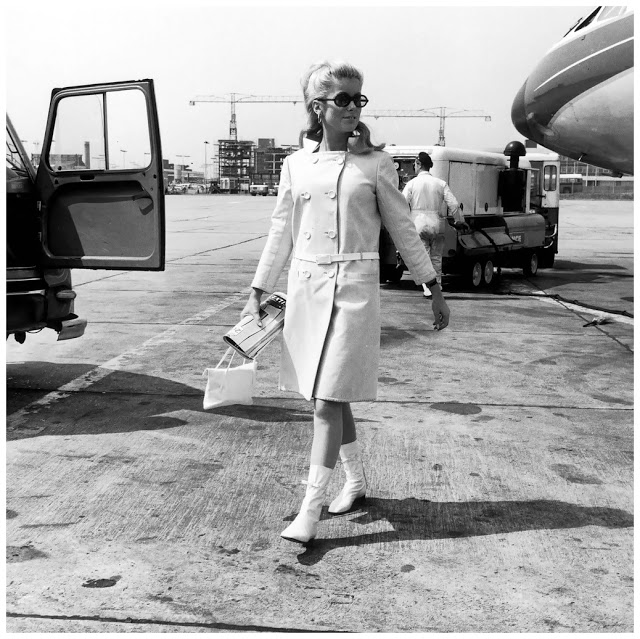
Futuristic Fashion Designs by André Courrèges from the 1960s

André Courrèges (9 March 1923 – 7 January 2016) was a French fashion designer. He was particularly known for his streamlined 1960s designs influenced by modernism and futurism, exploiting modern technology and new fabrics. Courrèges defined the go-go boot and along with Mary Quant, is one of the designers credited with inventing the miniskirt.

IWS_1319
IWS_1316
IWS_1313

29 Amazing Photos from the Making of the Film ‘The African Queen’ in 1951

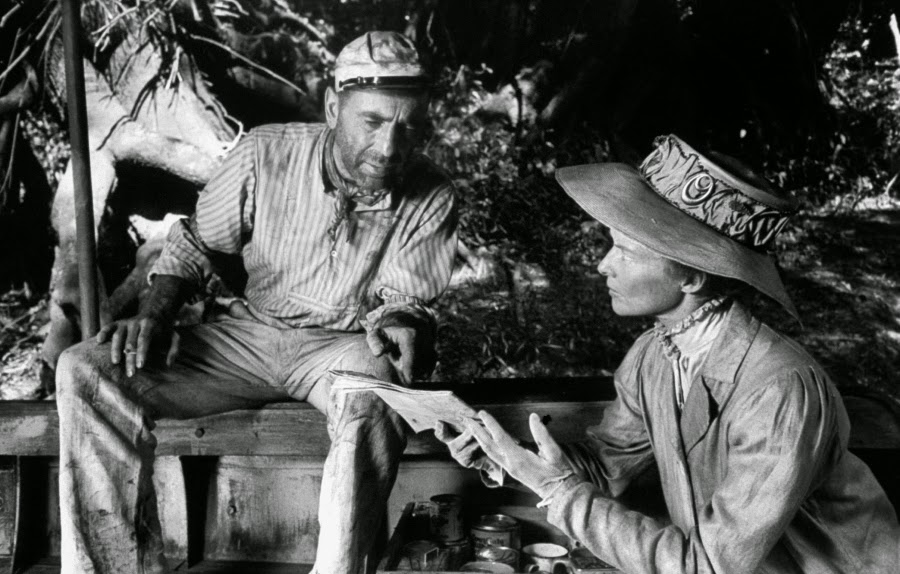
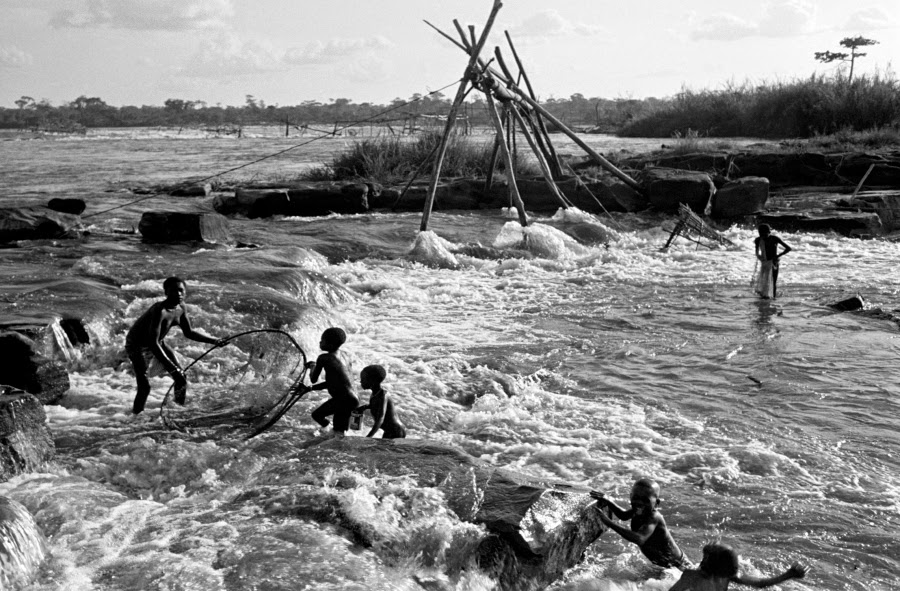
In 1951, two of the world’s most beloved — and highest paid — movie stars, Katharine Hepburn and Humphrey Bogart, followed director John Huston to a most un-Hollywood location: the sweltering jungle around the Ruki River, in the Belgian Congo (today known as the Democratic Republic of the Congo).

There, they spent seven weeks filming a WWI-era romantic-comedy-adventure film about a hard-drinking riverboat captain, Charlie Allnut (Bogart), and his burgeoning love affair with a prim Christian missionary, Rose Sayer (Hepburn). LIFE photographer Eliot Elisofon was there, too, capturing the stars and crew between takes on the arduous shoot.

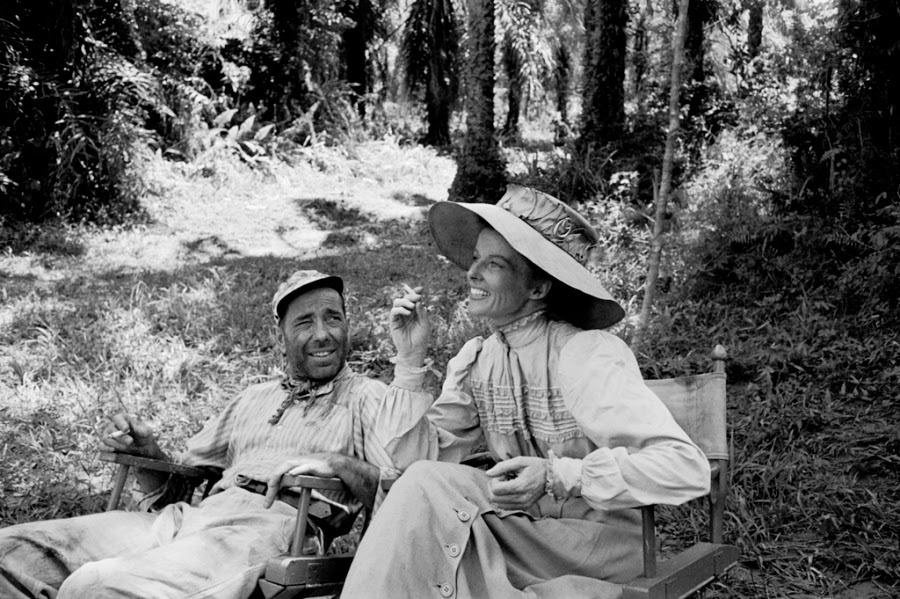
Humphrey Bogart and Katharine Hepburn on location in Africa for the filming of The African Queen, 1951.
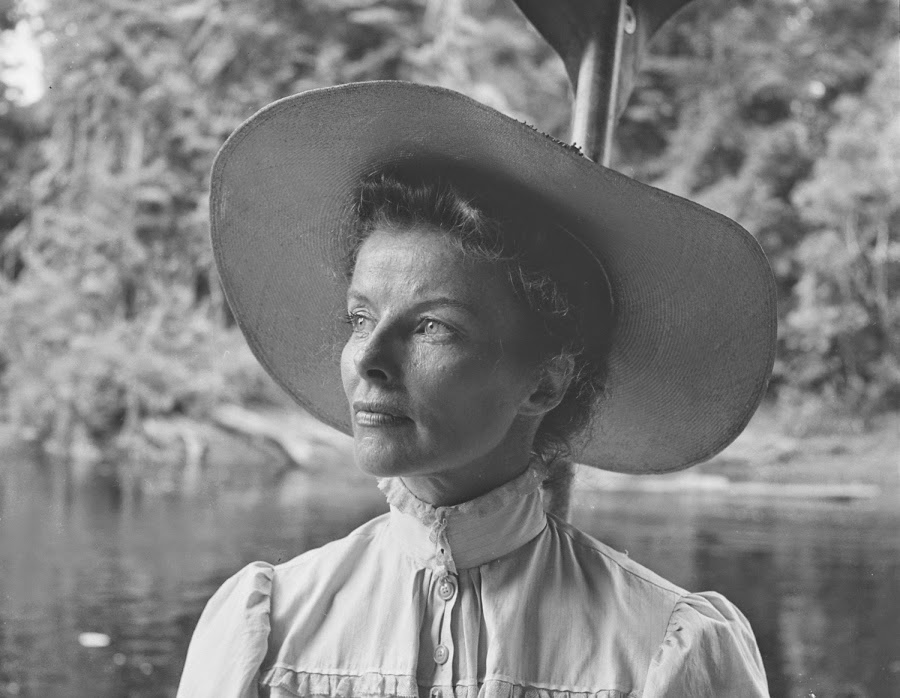
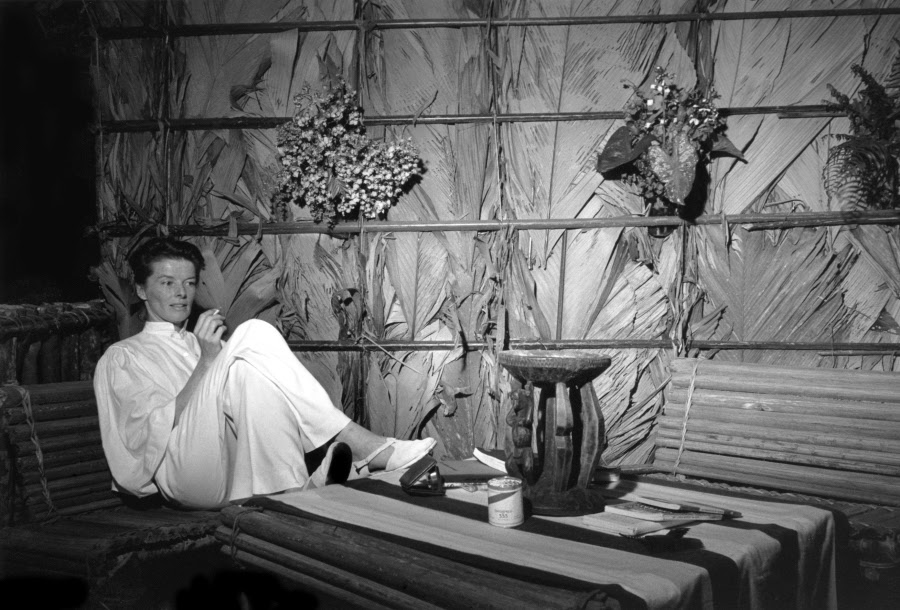
Katharine Hepburn on location in Africa for the filming of The African Queen, 1951.
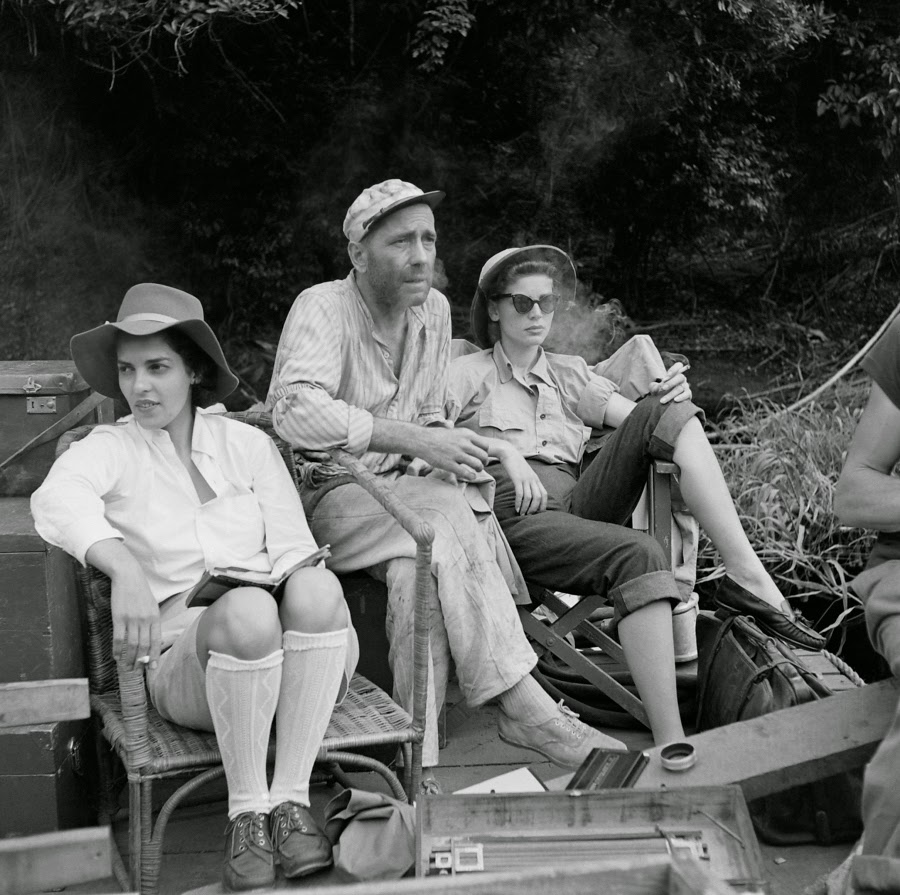
Humphrey Bogart’s wife Lauren Bacall kept him company during production; here, the couple enjoys a smoke with an unidentified woman, 1951.
Humphrey Bogart and Katharine Hepburn on location in Africa for the filming of The African Queen, 1951.
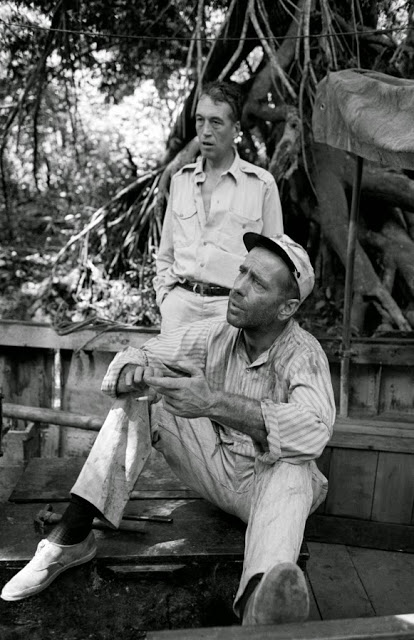
Director John Huston and Humphrey Bogart during filming of The African Queen, 1951.
Humphrey Bogart and Katharine Hepburn on location in Africa for the filming of The African Queen, 1951.
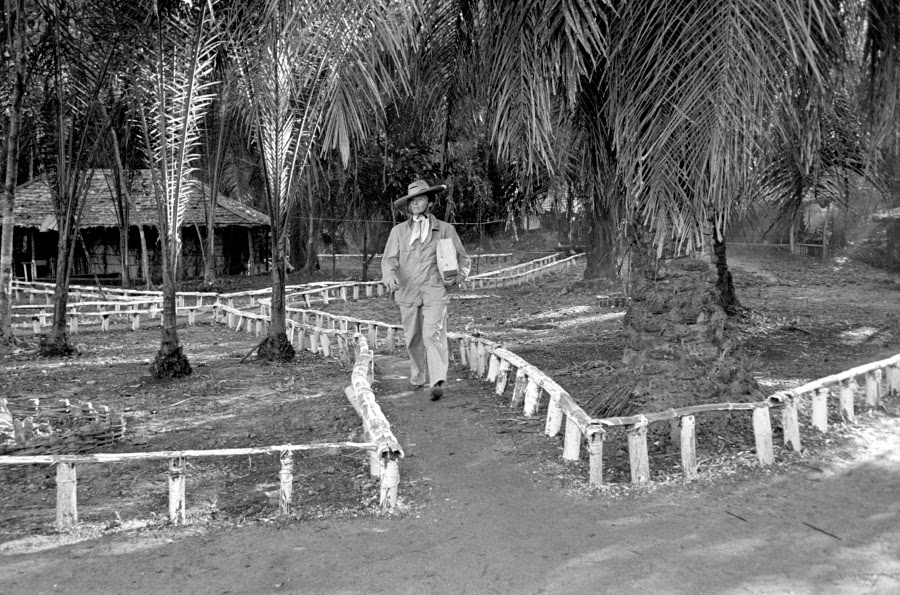
Off to work goes Hepburn, leaving the private bungalow which she decorated charmingly with native spears and flowers.
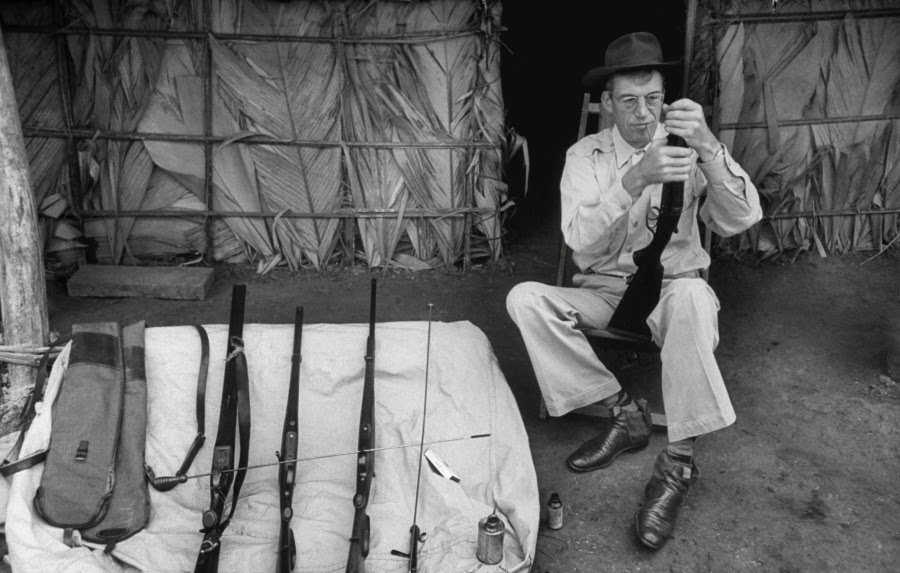
Director John Huston examines one of his rifles during filming of The African Queen, 1951.
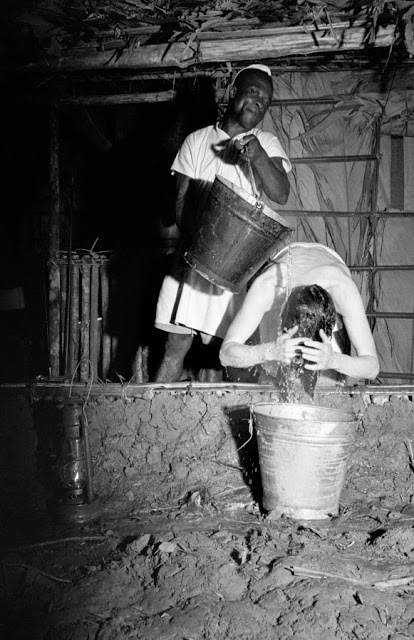
Katharine Hepburn gives her hair its nightly wash on the set of The African Queen, with the help of Sonduco, a production employee.
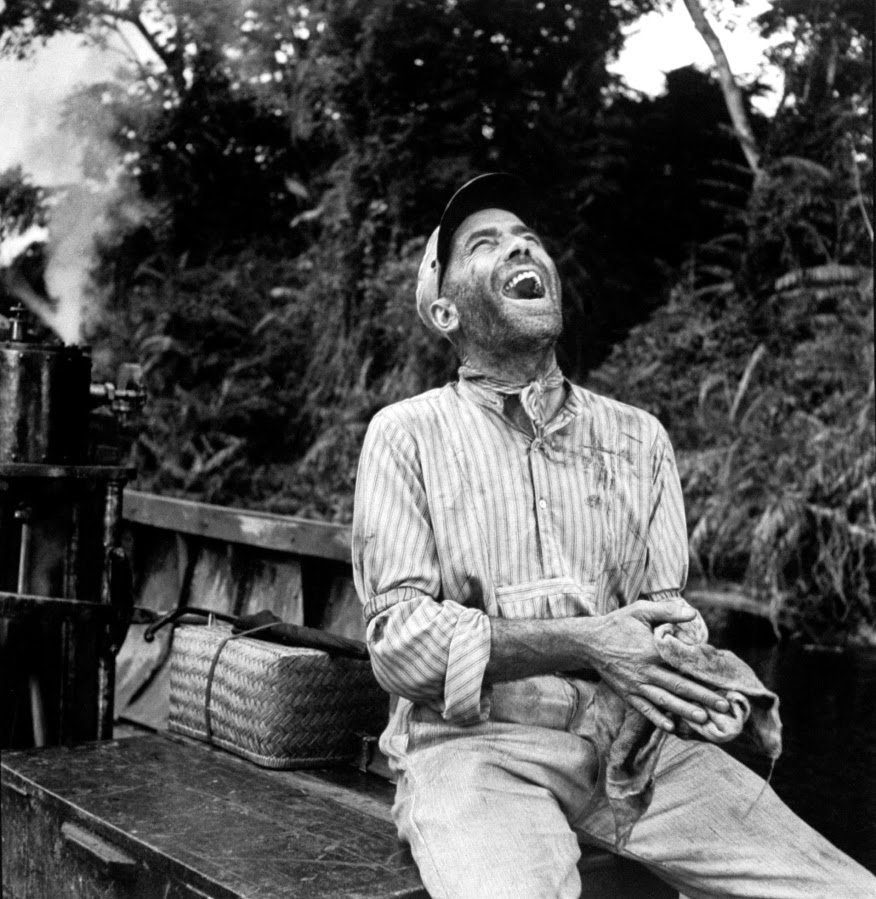
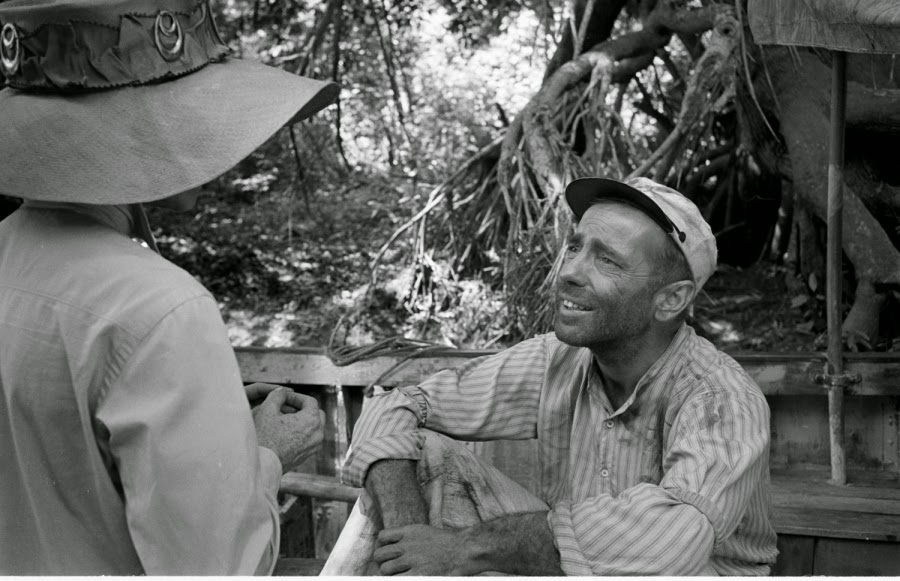
A deeply amused Humphrey Bogart on location in Africa for the filming of The African Queen.
Katharine Hepburn allows LIFE’s Eliot Elisofon inside her private bungalow during filming of The African Queen.
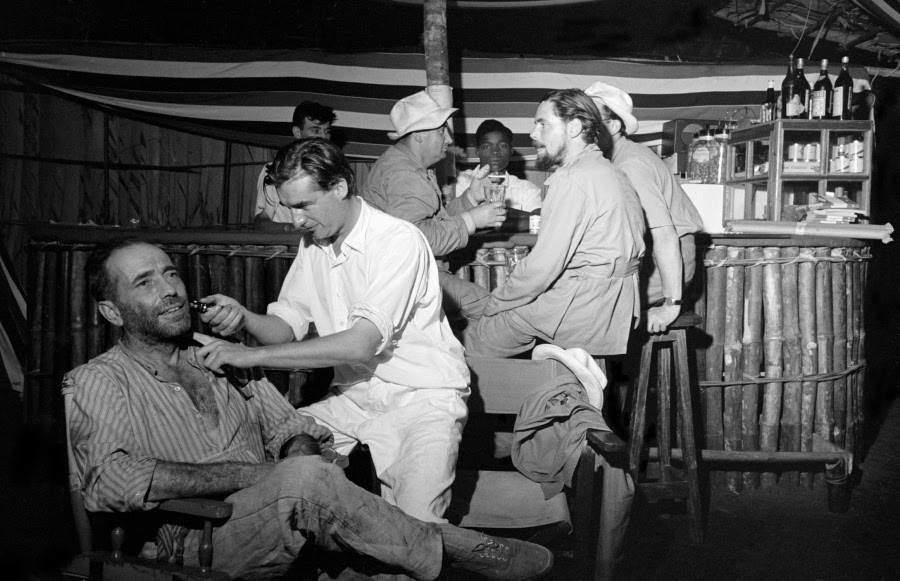
Humphrey Bogart’s beard gets a touch-up during filming of The African Queen.
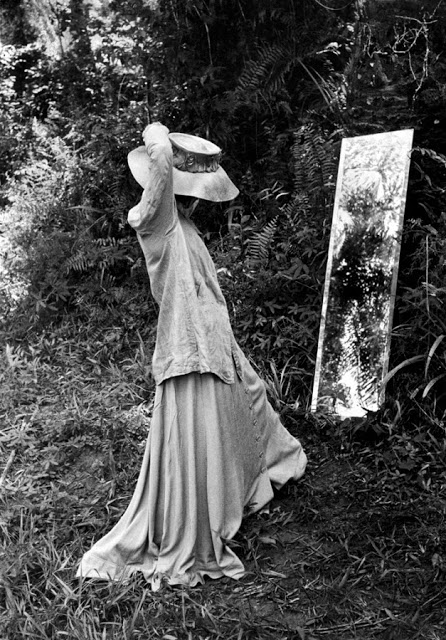
Katharine Hepburn adjusts her costume before a full-length mirror which was soon broken.
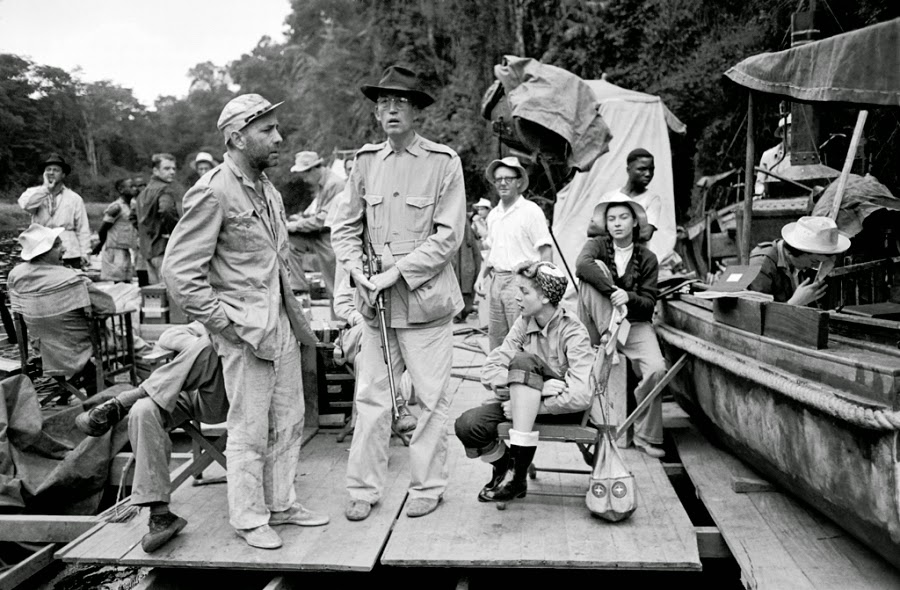
Humphrey Bogart and director John Huston joined on the set by Lauren Bacall and crew members during filming of The African Queen.
Swimming in the river during filming of The African Queen.
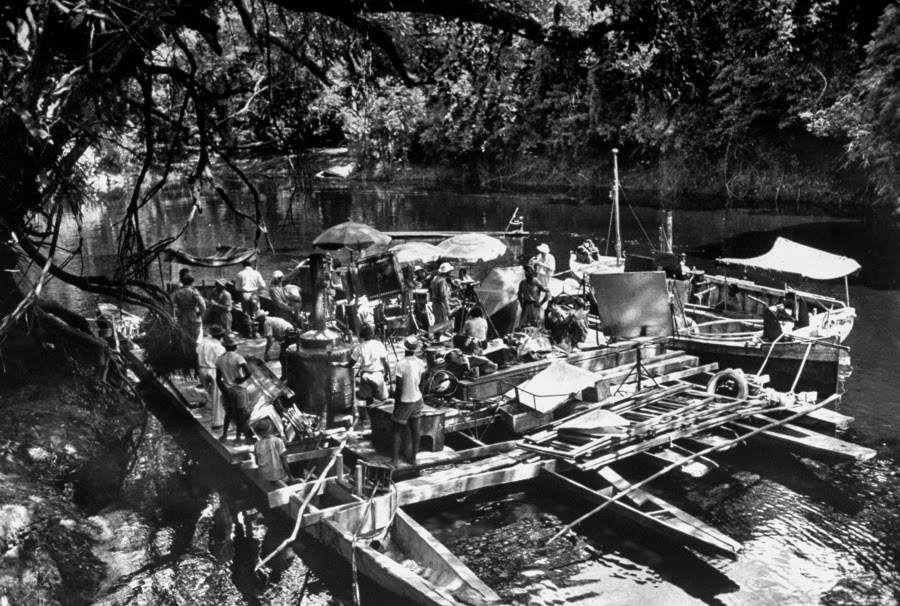
A view of the rig necessary to allow filming of Charlie Allnut’s boat on the river in The African Queen.
Humphrey Bogart and Katharine Hepburn on location in Africa for the filming of The African Queen.
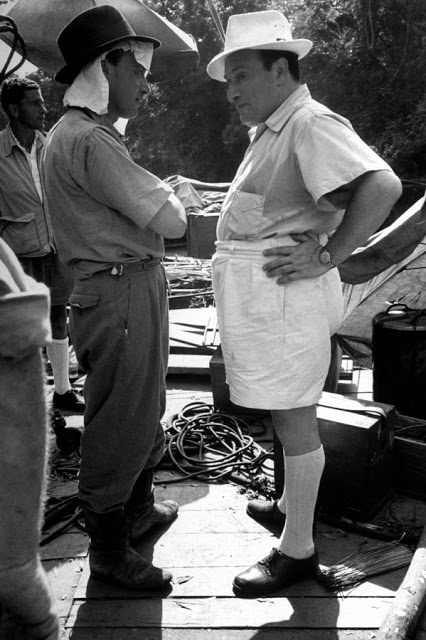
Chief cameraman Jack Cardiff and producer Sam Spiegel discuss technical specifications during filming of The African Queen. Spiegel went on to produce 1962’s Lawrence of Arabia, which won the Oscar for Best Picture.
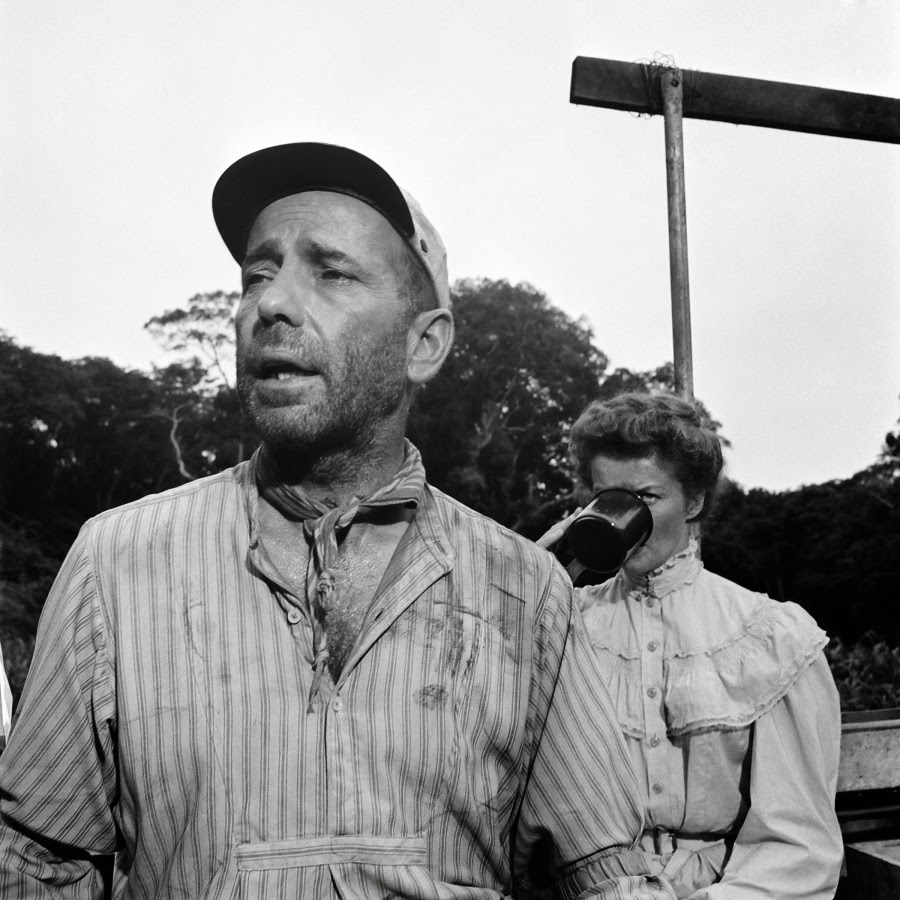
Humphrey Bogart and Katharine Hepburn in Africa during filming of The African Queen.
Katharine Hepburn on location in Africa for the filming of The African Queen, 1951.
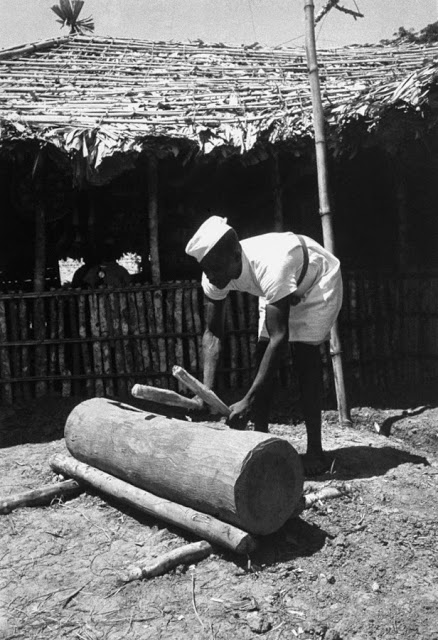
A man beats a hollow log with sticks — the daily 6 a.m. wake-up call for the cast and crew of The African Queen.
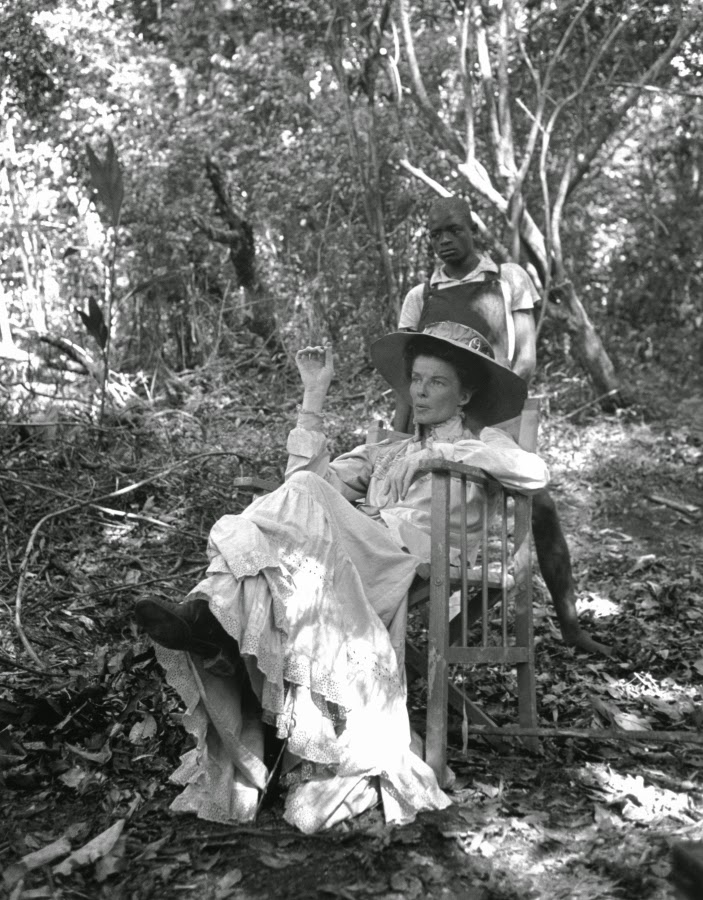
Katharine Hepburn enjoys a moment away from the filming of The African Queen.
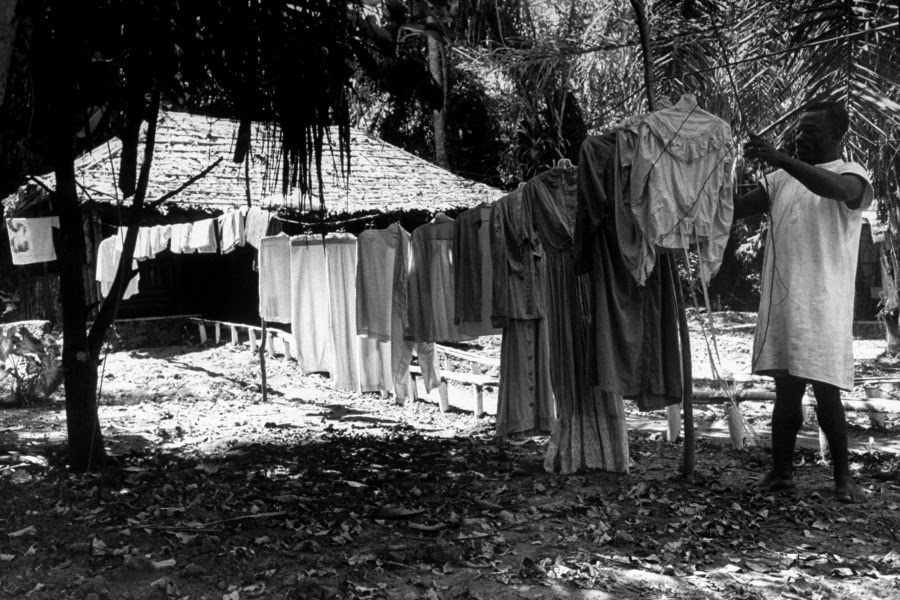
A local resident tends to the wardrobe for Katharine Hepburn on location for The African Queen.
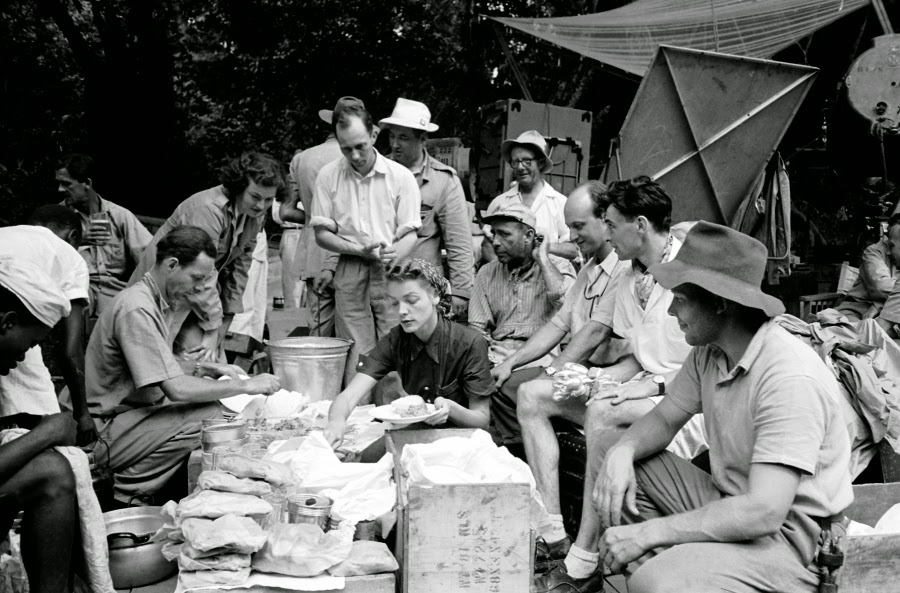
Lauren Bacall makes sandwiches while surrounded by her husband and the crew during a lunch break on location for The African Queen.
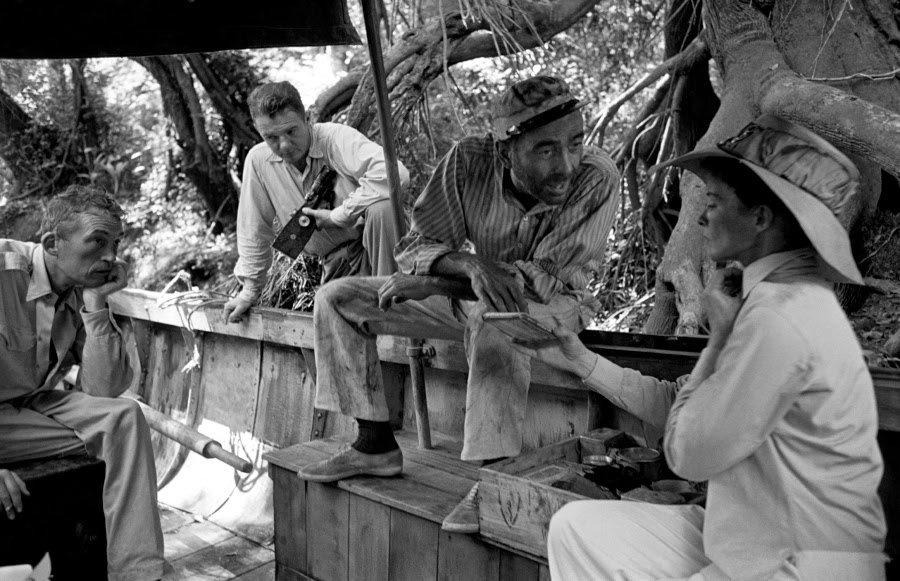
Humphrey Bogart and Katharine Hepburn rehearse a scene while crew members watch, on location for The African Queen.
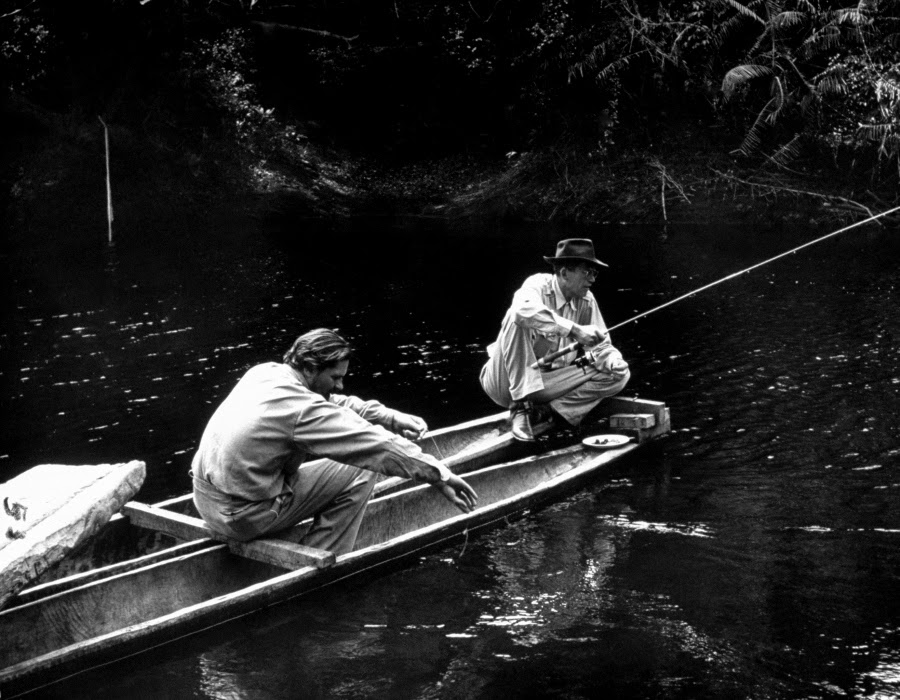
At siesta time after lunch everybody took it easy. Director Huston (right) fished doggedly with technician Kevin McClory, never caught a thing.
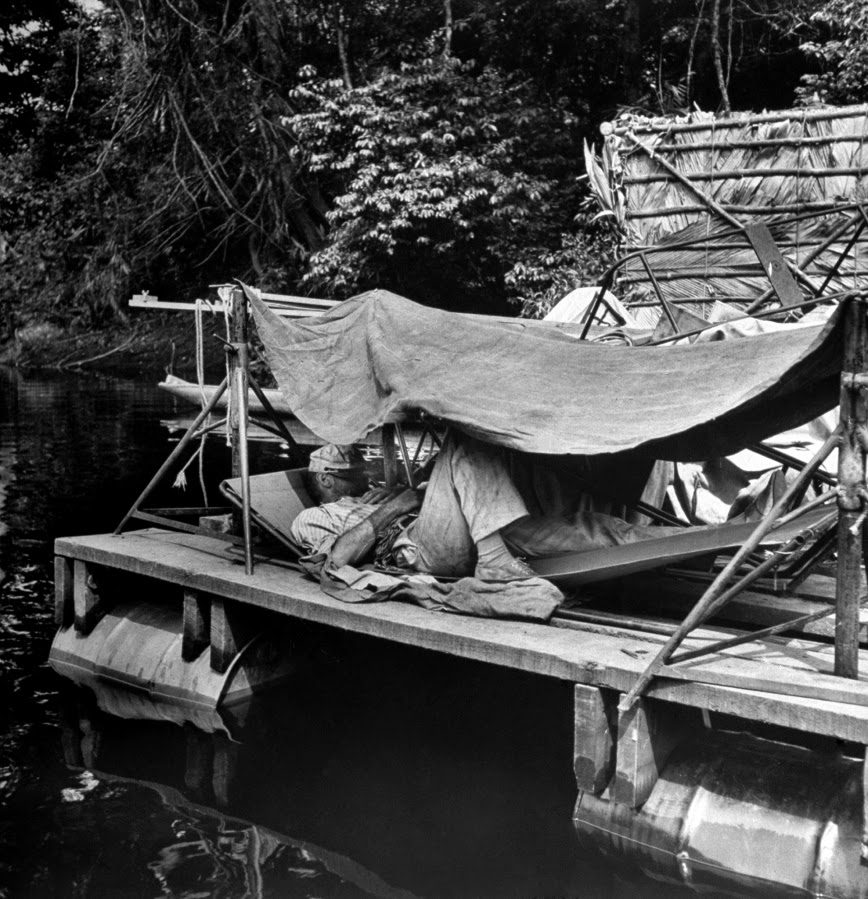
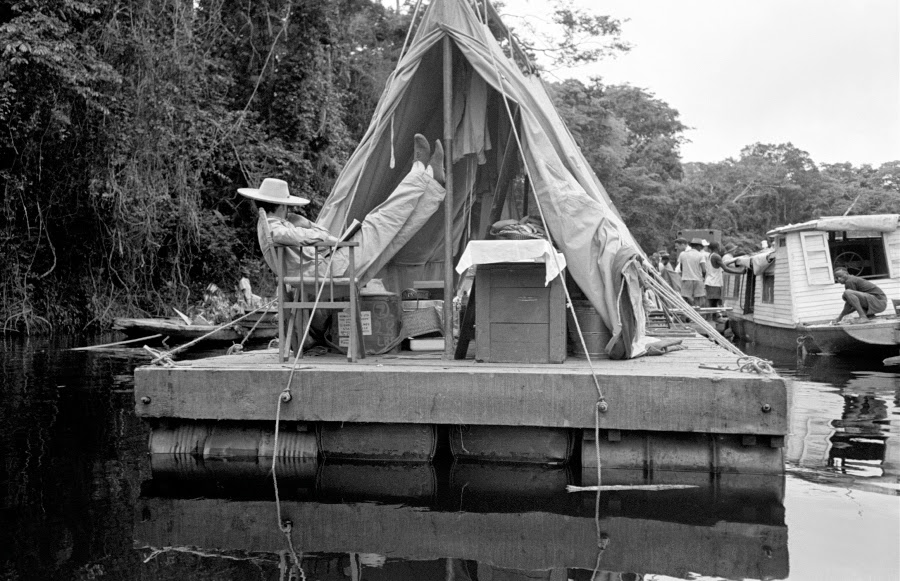
Bogart snoozes in a hammock under makeshift shelter on an equipment raft. He never had to study lines, learned them after two or three readings.
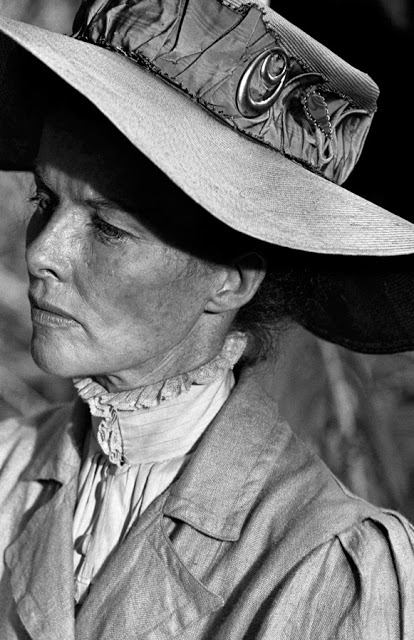
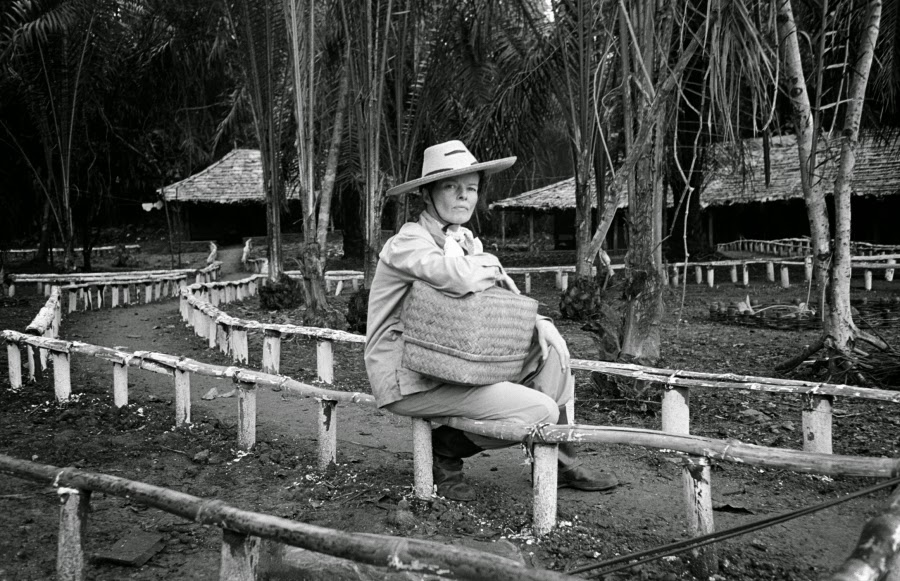
Katharine Hepburn, her face concealed by her massive hat, puts up her feet.
Katharine Hepburn on location in Africa for the filming of The African Queen, 1951.

(Photos by Eliot Elisofon—Time & Life Pictures/Getty Images)

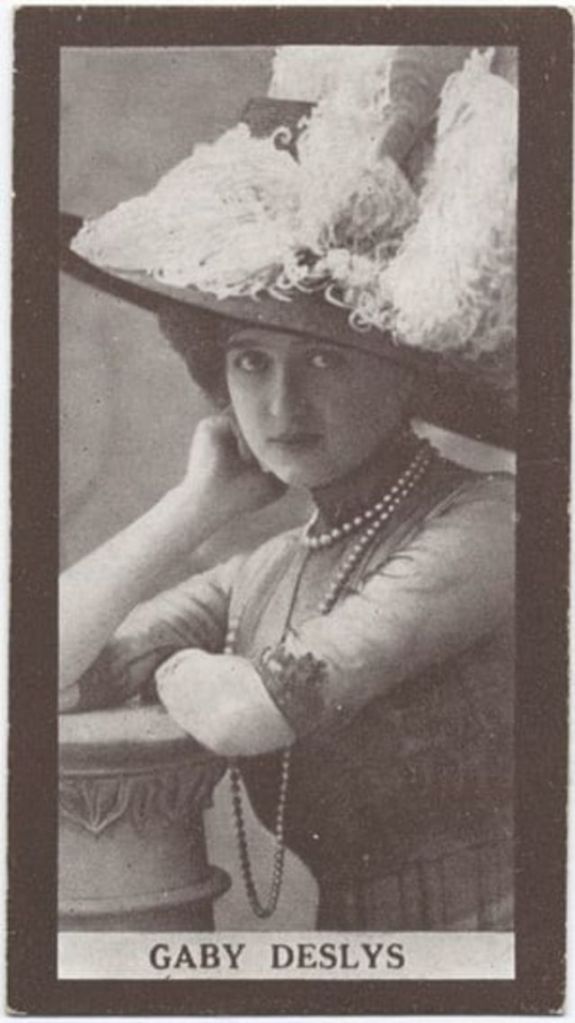
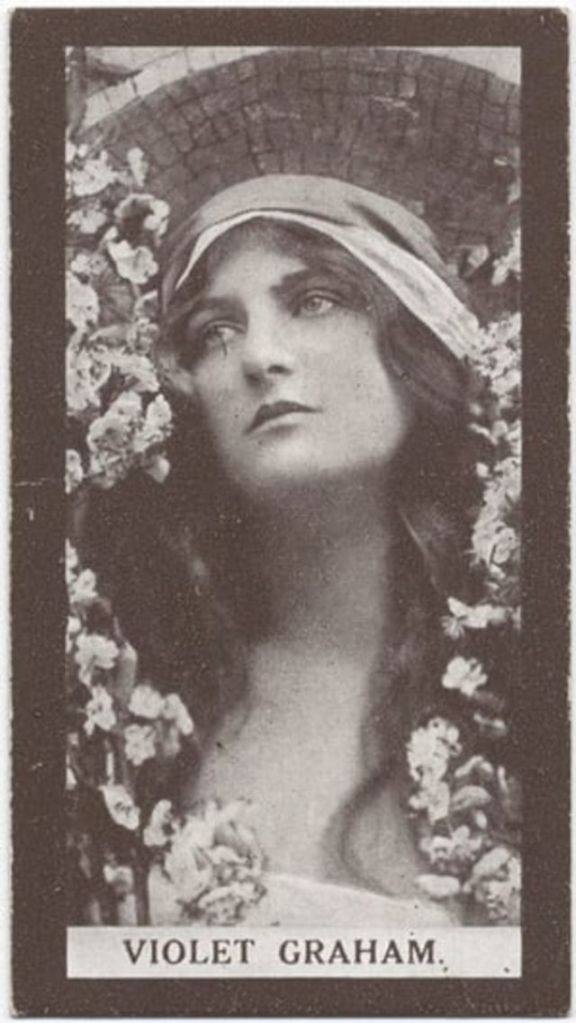
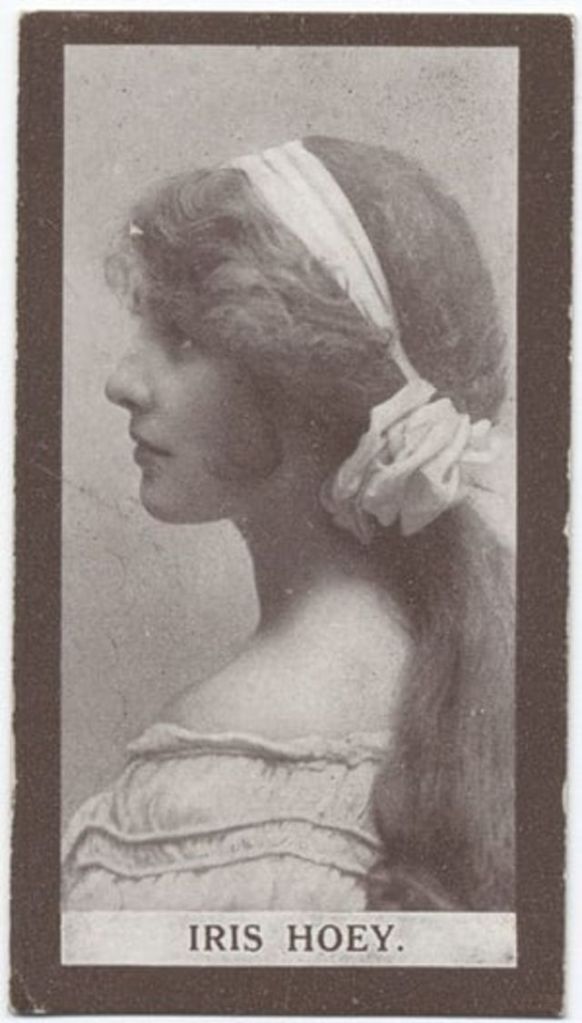
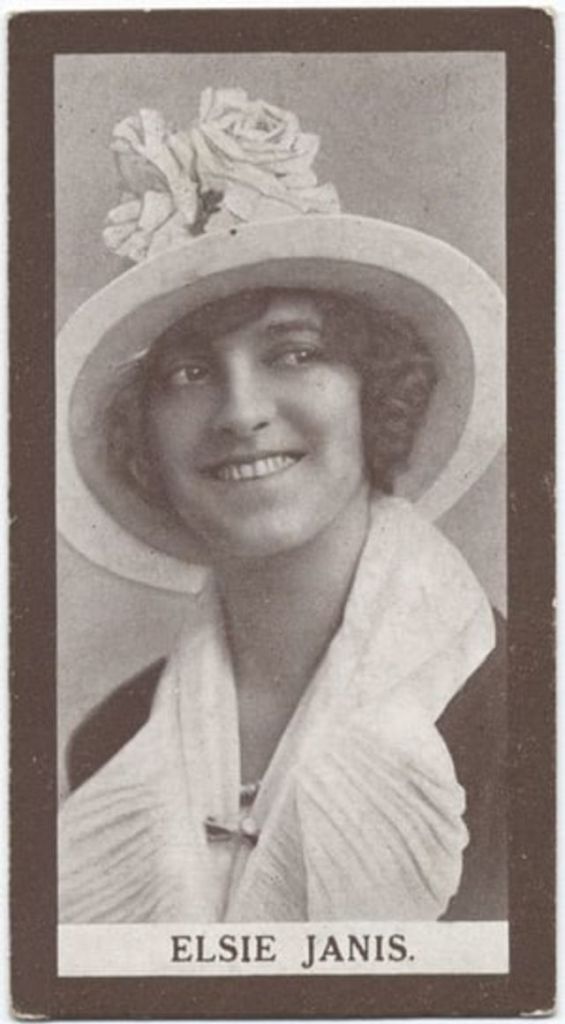
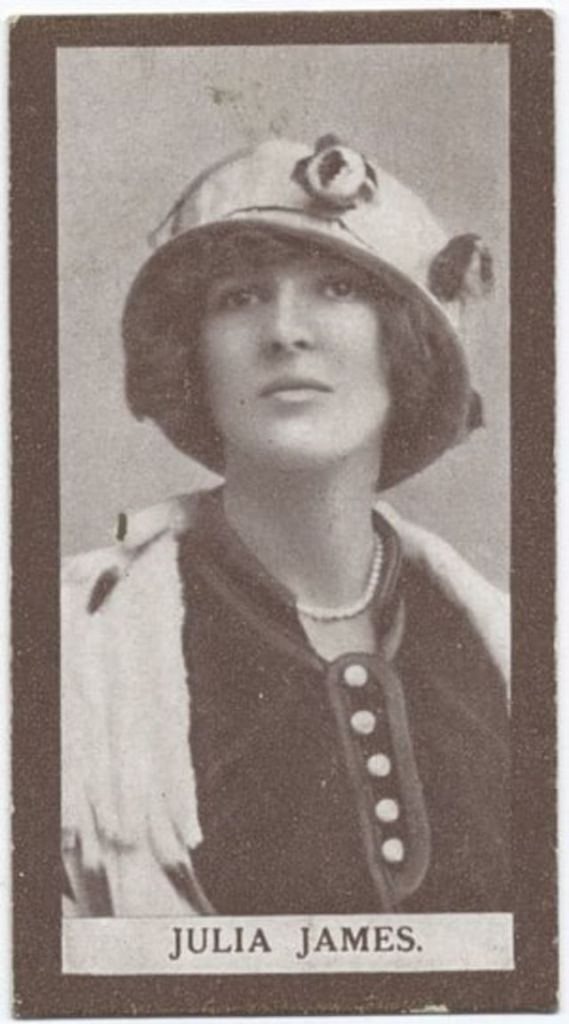
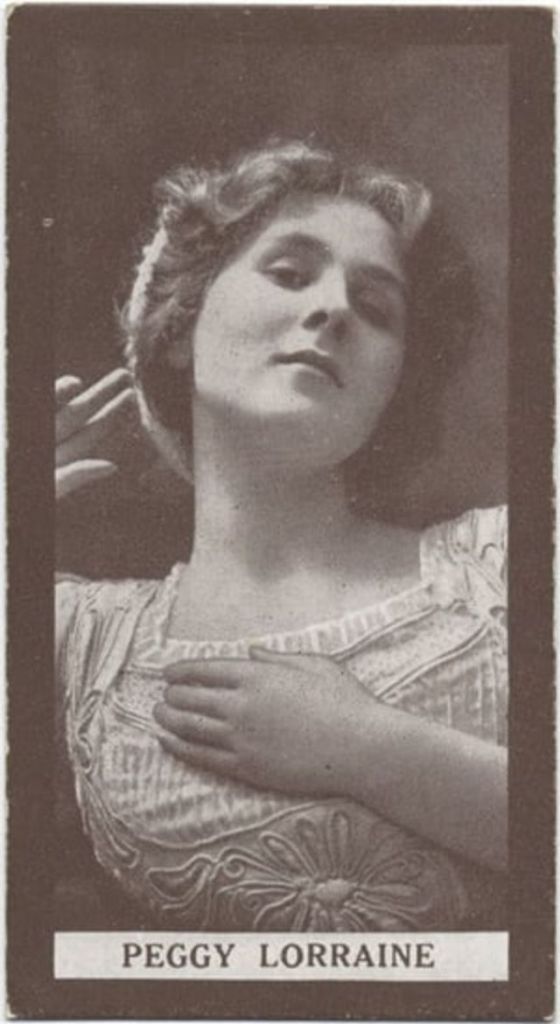
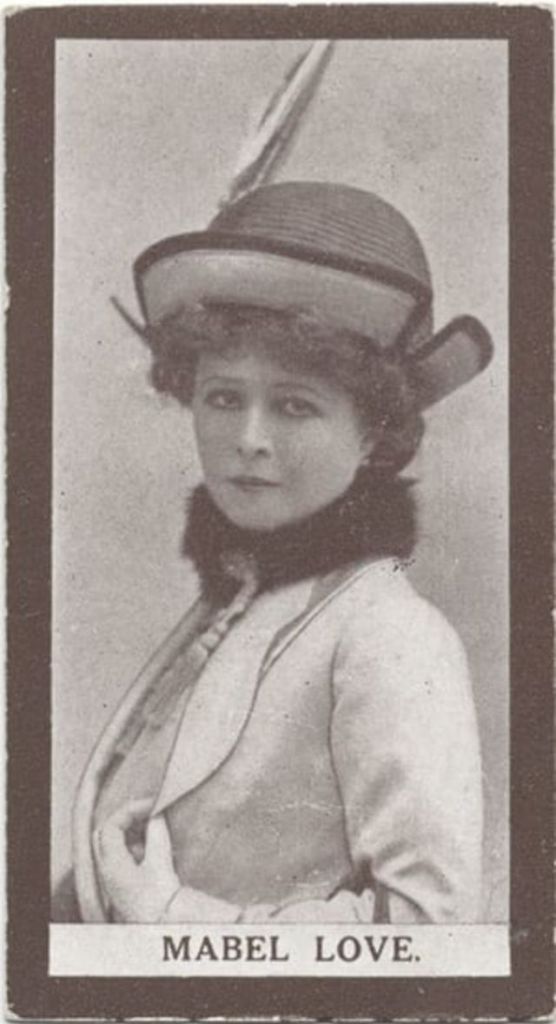
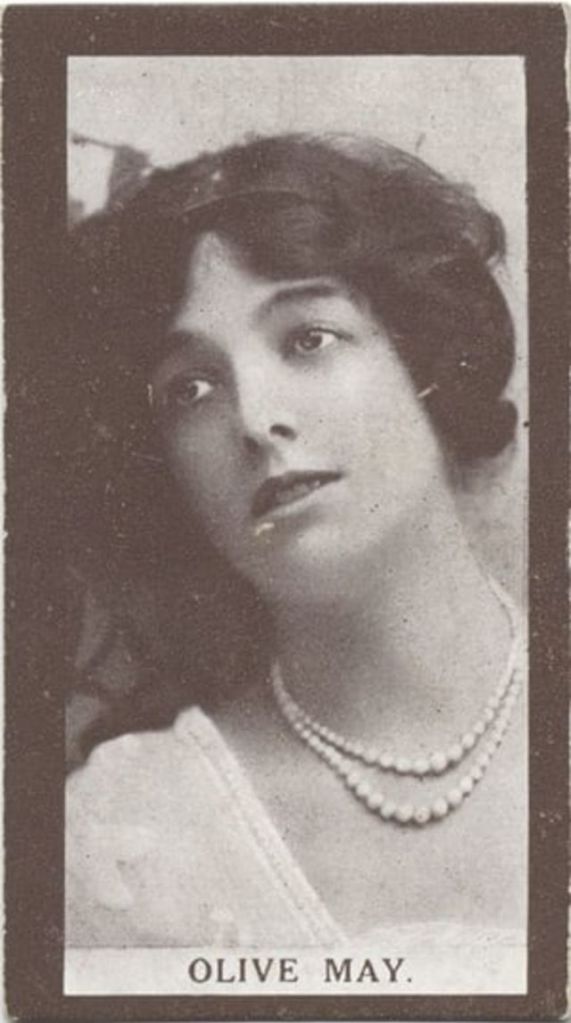
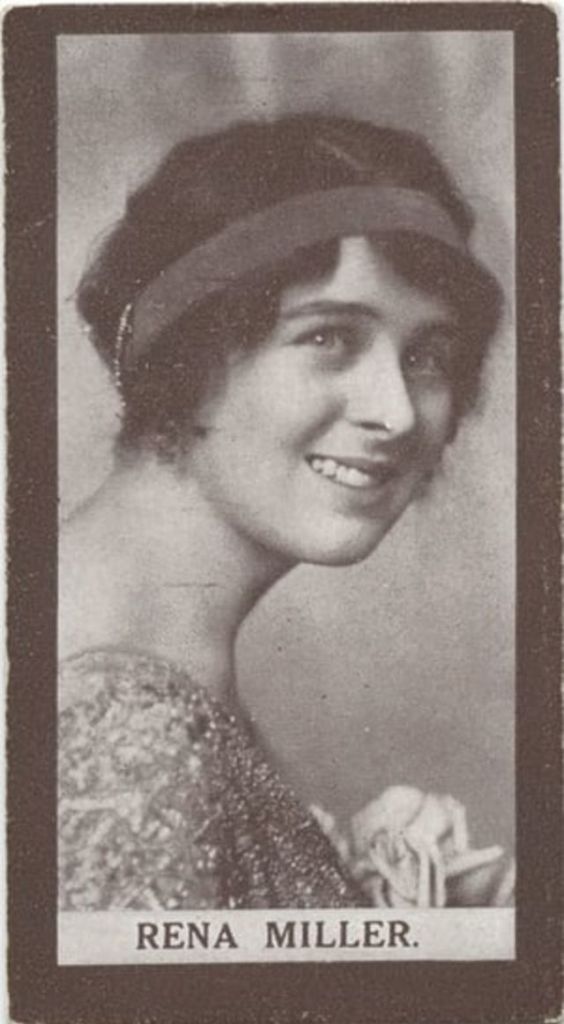
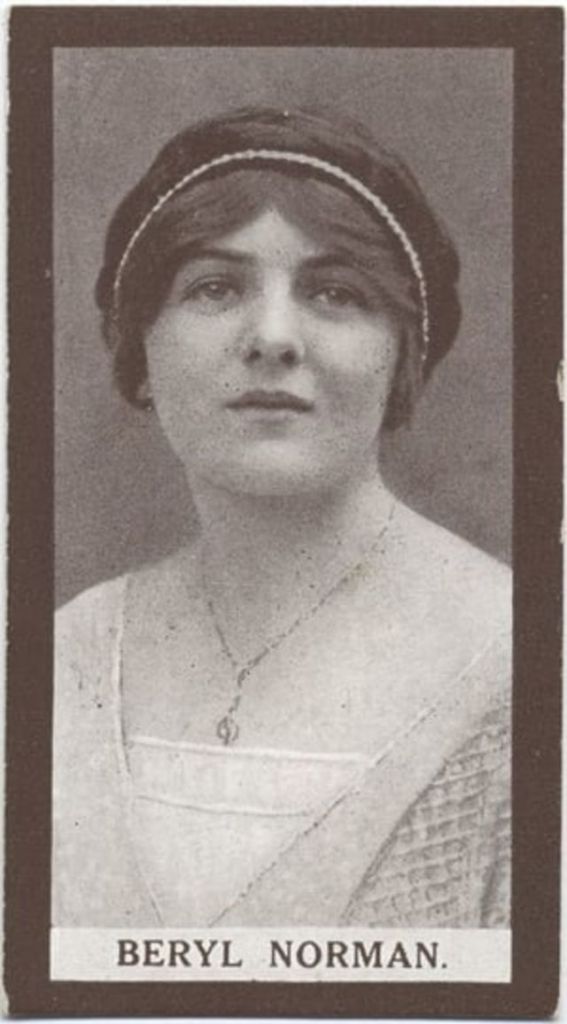
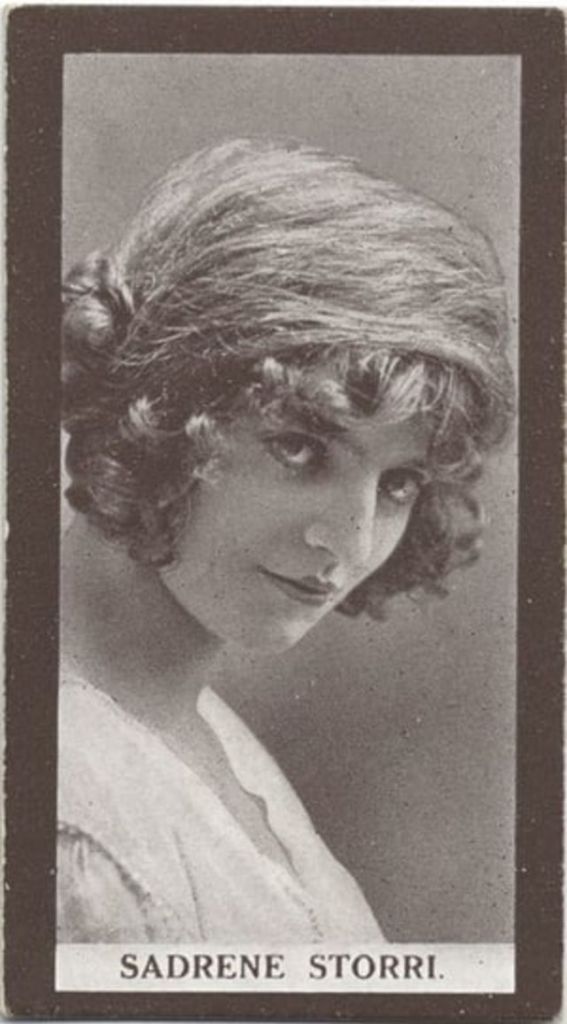
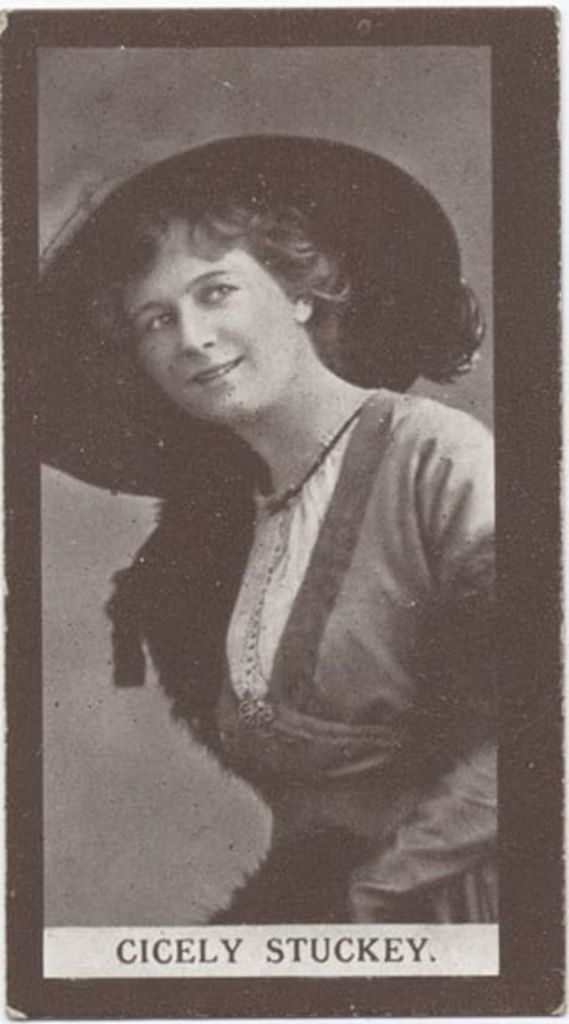
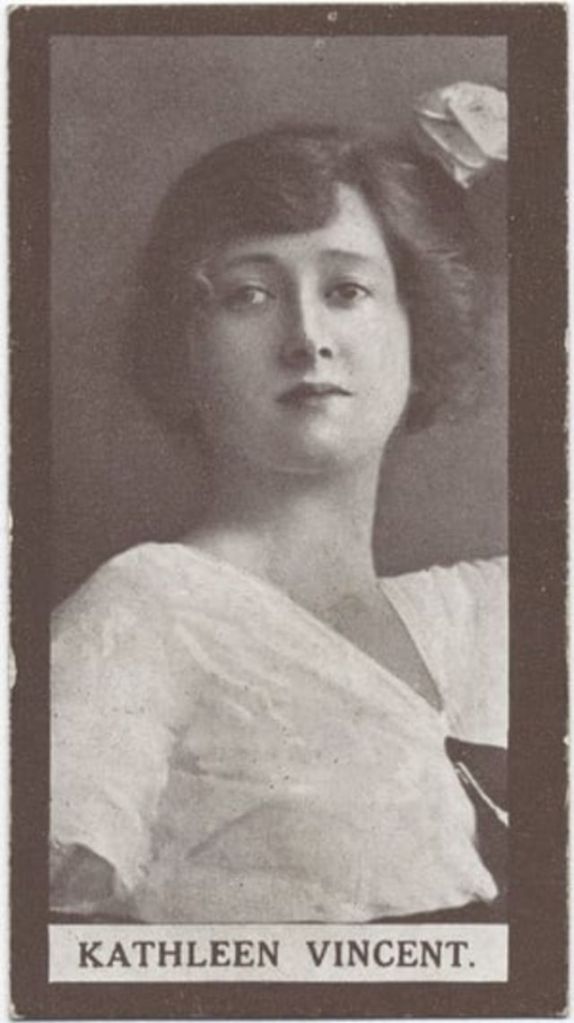
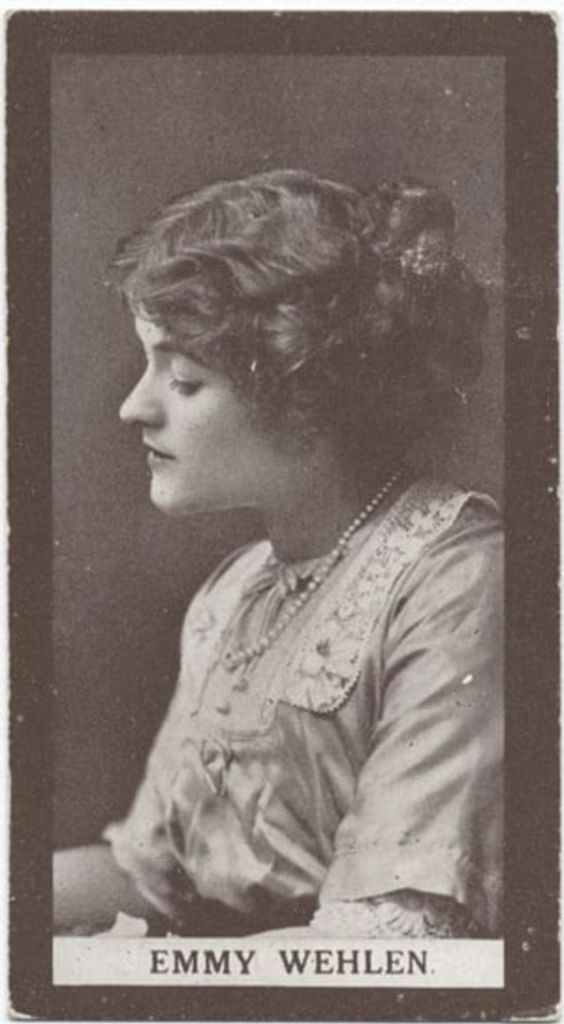
Vintage Portraits of 30 Beautiful Young Actresses on Cigarettes Tobacco Cards From the Early 1900s

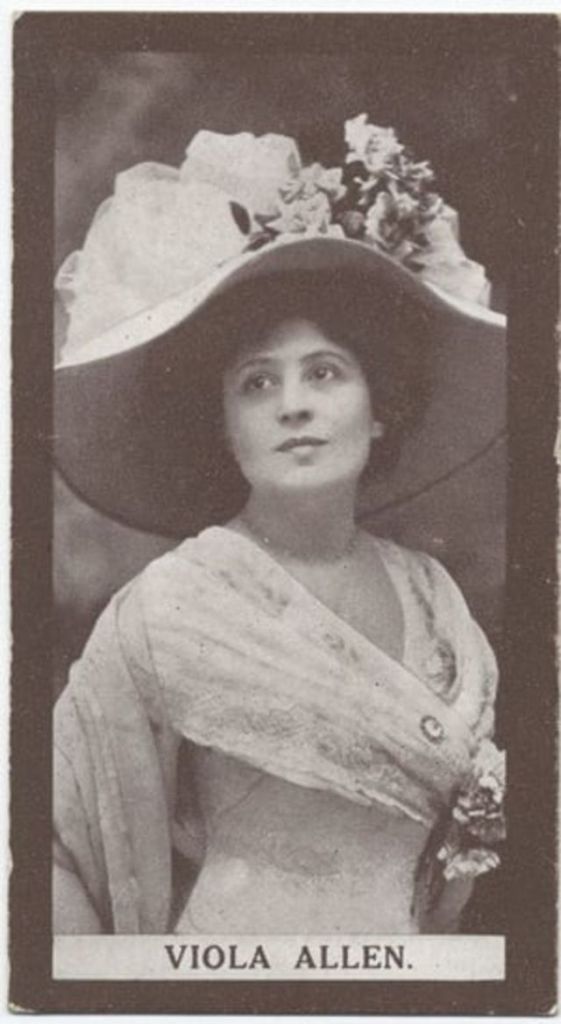
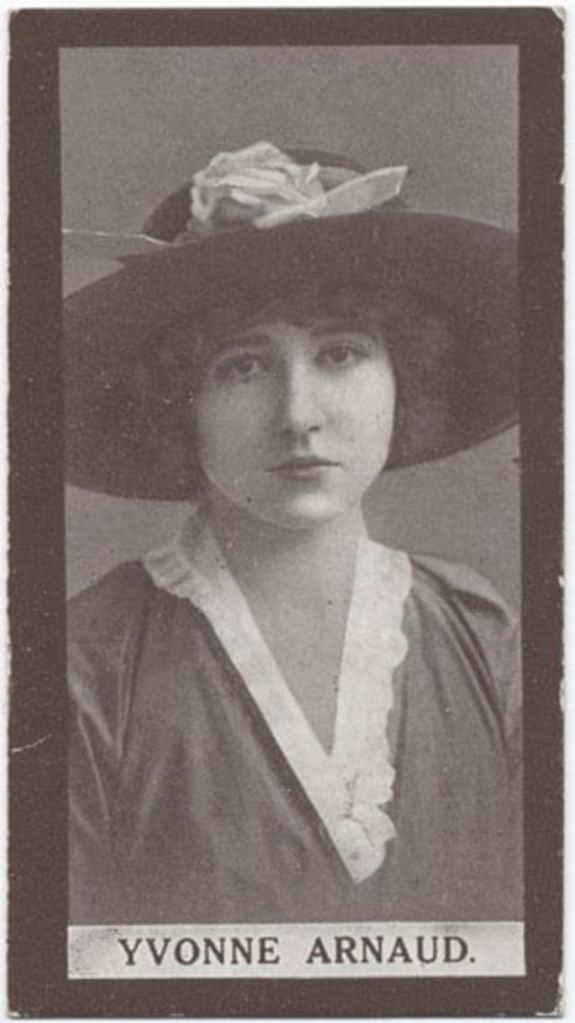
Tobacco cards were first included in cigarette packs in the 1870s, with the purpose of stiffening each pack to lessen the chance that it would be crushed or bent. It wasn’t long before some enterprising soul saw their potential for brand promotion and a new advertising medium was born.

By the mid-1880s, manufacturers were printing themed sets of tobacco cards, with each card in the set bearing a unique image. The idea was to encourage brand loyalty by creating consumers’ desire to complete a set — so the themes capitalized on the popularity of certain cultural interests. Baseball players, boxers, and aviators all appeared on tobacco cards. And so, of course, did beautiful young actresses.

Below is a collection of 30 portraits of stage actresses cigarette cards from the early 1900s:

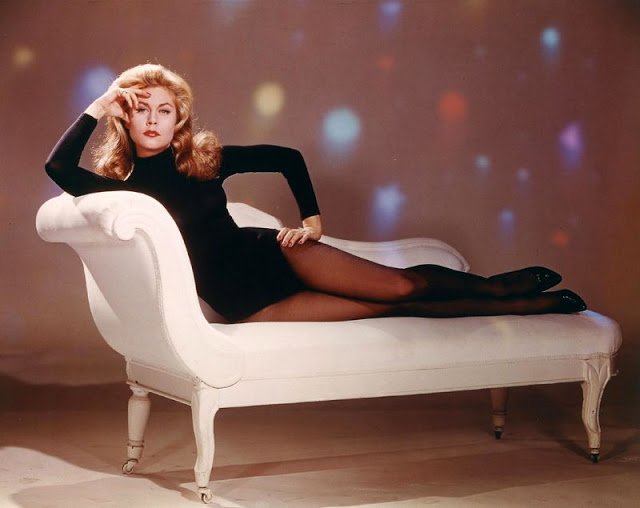
40 Stunning Photos of Elizabeth Montgomery in the 1960s and Early 1970s

Born 1933 in Los Angeles, California, American film, stage, and television actress Elizabeth Montgomery whose career spanned five decades. She is best remembered for her leading role as Samantha Stephens on the television series Bewitched.

Montgomery began her career in the 1950s with a role on her father’s television series Robert Montgomery Presents, and won a Theater World Award for her 1956 Broadway debut in the production Late Love. In the 1960s, she became known for her role as Samantha Stephens on the ABC sitcom Bewitched. Her work on the series earned her five Primetime Emmy Award nominations and four Golden Globe Award nominations.

Subscribe to get access

Read more of this content when you subscribe today.

After Bewitched ended its run in 1972, Montgomery continued her career with roles in numerous television films, including A Case of Rape (1974), as Ellen Harrod, and The Legend of Lizzie Borden (1975) in the title role. Both roles earned her additional Emmy Award nominations.

Throughout her career, Montgomery was involved in various forms of political activism and charitable work. She has been cited as one of the earliest celebrities to support gay rights and advocate for AIDS patients, volunteering with the AIDS Project Los Angeles and amfAR at the height of the AIDS epidemic.

Montgomery died at home in 1995 because of colon cancer, at the age of 62. A star on the Hollywood Walk of Fame was presented in honor of Montgomery’s work in television on January 4, 2008.

Take a look at these glamorous photos to see the beauty of young Elizabeth Montgomery in the 1960s and early 1970s.

Subscribe to continue reading

Become a paid subscriber to get access to the rest of this post and other exclusive content.

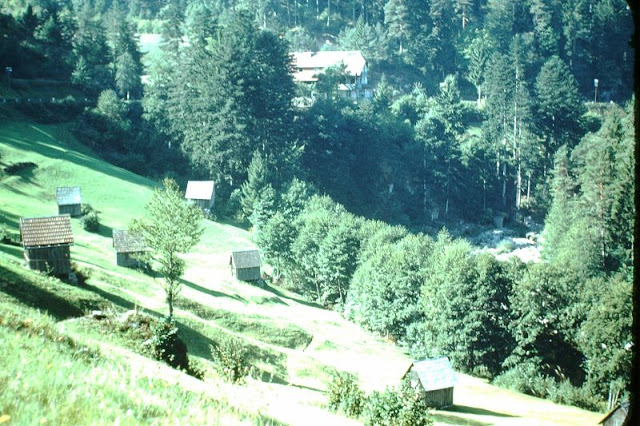
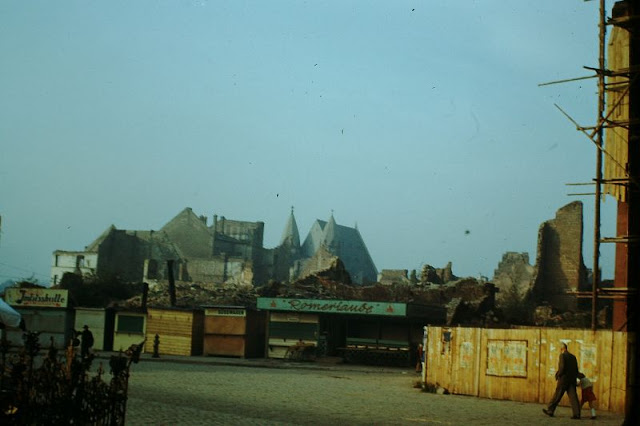
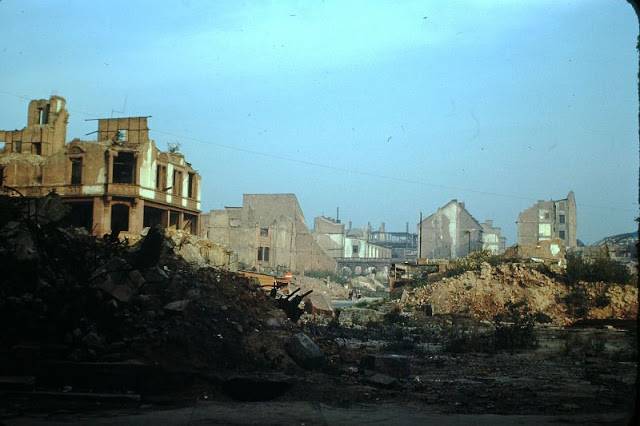
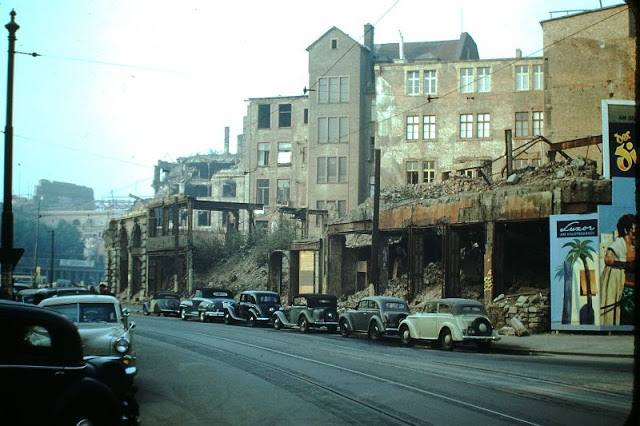
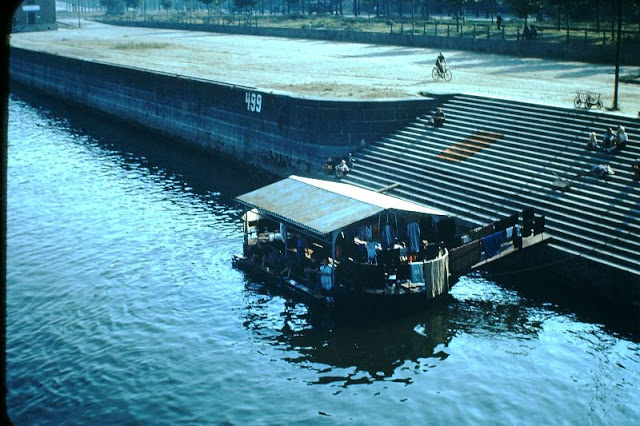
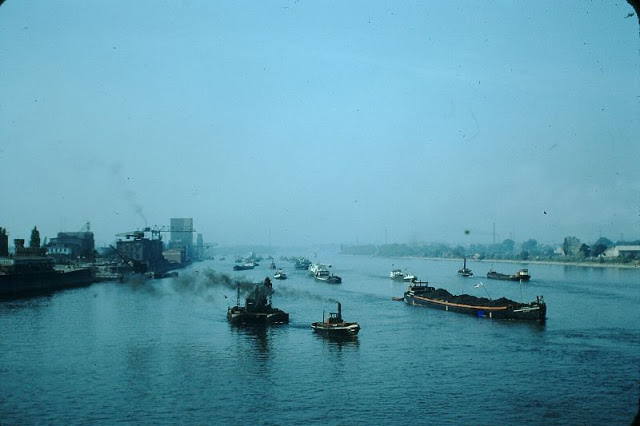
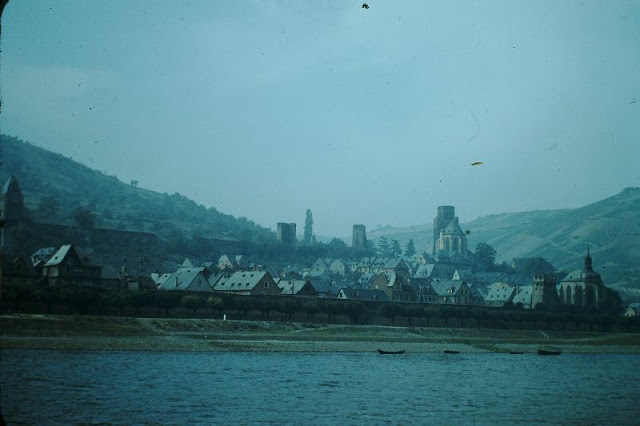
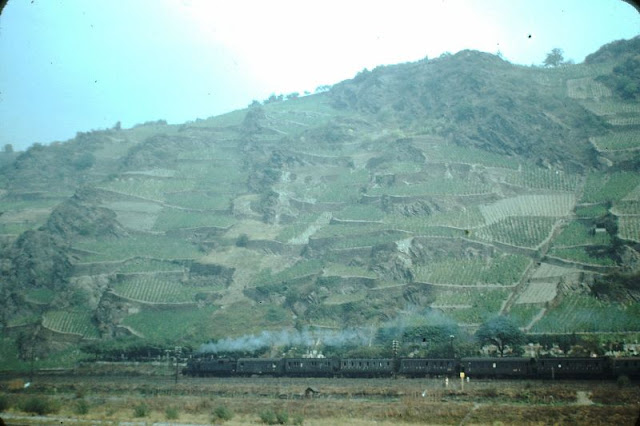
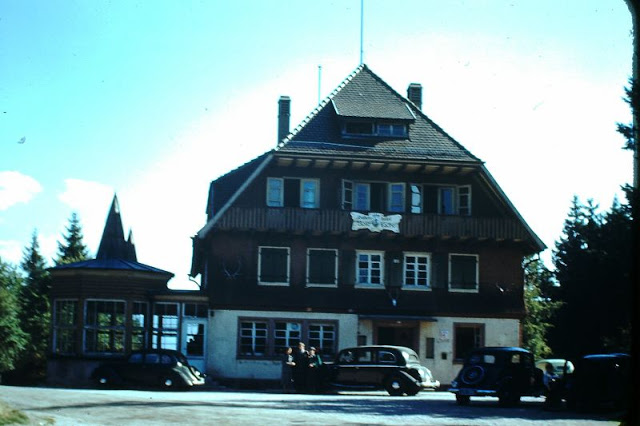
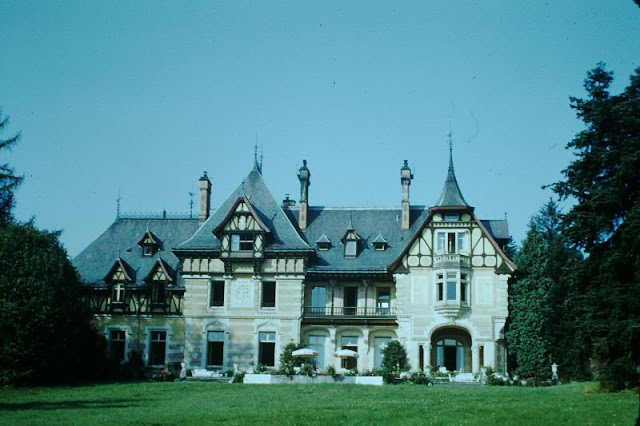
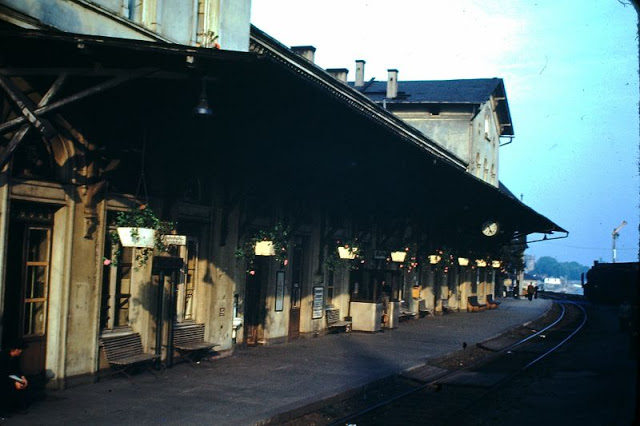
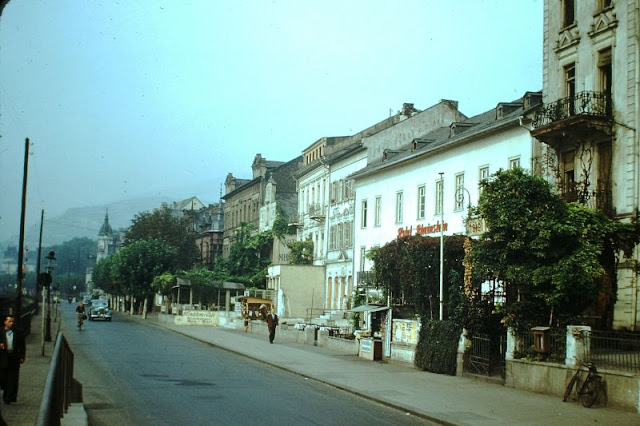
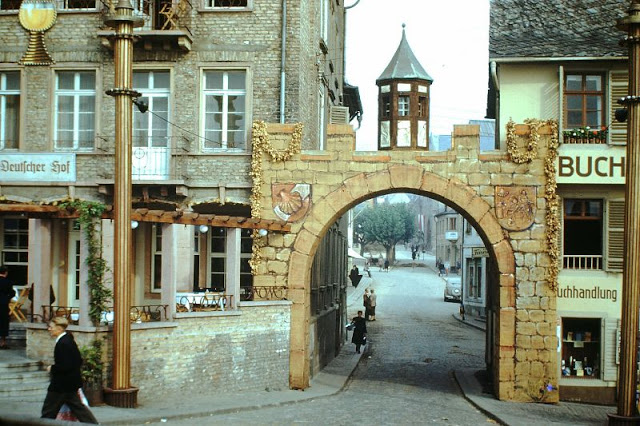
52 Amazing Photos Showing Life in West Germany in 1949

West Germany is the common English name for the Federal Republic of Germany, BRD) between its formation on 23 May 1949 and the German reunification through the accession of East Germany on 3 October 1990. During this Cold War period, the western portion of Germany and West Berlin were parts of the Western Bloc. West Germany was formed as a political entity during the Allied occupation of Germany after World War II, established from eleven states formed in the three Allied zones of occupation held by the United States, the United Kingdom, and France. Its provisional capital was the city of Bonn, and West Germany is retrospectively designated as the Bonn Republic.

At the onset of the Cold War, Europe was divided between the Western and Eastern blocs. Germany was de facto divided into two countries and two special territories, the Saarland and a divided Berlin. Initially, West Germany claimed an exclusive mandate for all of Germany, identifying as the sole democratically reorganised continuation of the 1871–1945 German Reich.

Three southwestern states of West Germany merged to form Baden-Württemberg in 1952, and the Saarland joined West Germany in 1957. In addition to the resulting ten states, West Berlin was considered an unofficial de facto eleventh state. While legally not part of West Germany, as Berlin was under the control of the Allied Control Council, West Berlin politically aligned with West Germany and was directly or indirectly represented in its federal institutions.

The foundation for the influential position held by Germany today was laid during the economic miracle of the 1950s (Wirtschaftswunder), when West Germany rose from the enormous destruction wrought by World War II to become the world’s third-largest economy. The first chancellor Konrad Adenauer, who remained in office until 1963, worked for a full alignment with NATO rather than neutrality, and secured membership in the military alliance. Adenauer was also a proponent of agreements that developed into the present-day European Union. When the G6 was established in 1975, there was no serious debate as to whether West Germany would become a member.

Following the collapse of the Eastern Bloc, symbolised by the opening of the Berlin Wall, both territories took action to achieve German reunification. East Germany voted to dissolve and accede to the Federal Republic of Germany in 1990. Its five post-war states (Länder) were reconstituted, along with the reunited Berlin, which ended its special status and formed an additional Land. They formally joined the federal republic on 3 October 1990, raising the total number of states from ten to sixteen, and ending the division of Germany. The reunited Germany is the direct continuation of the state previously informally called West Germany and not a new state, as the process was essentially a voluntary act of accession: the Federal Republic of Germany was enlarged to include the additional six states of the former German Democratic Republic. The expanded federal republic retained West Germany’s political culture and continued its existing memberships in international organisations, as well as its Western foreign policy alignment and affiliation to Western alliances such as the United Nations, NATO, OECD, and the European Economic Community. (Wikipedia)

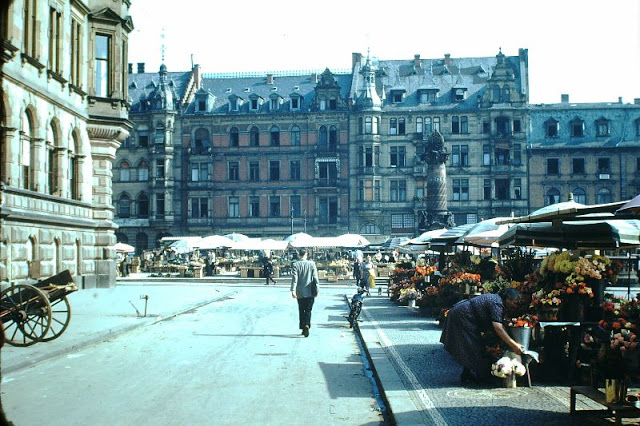
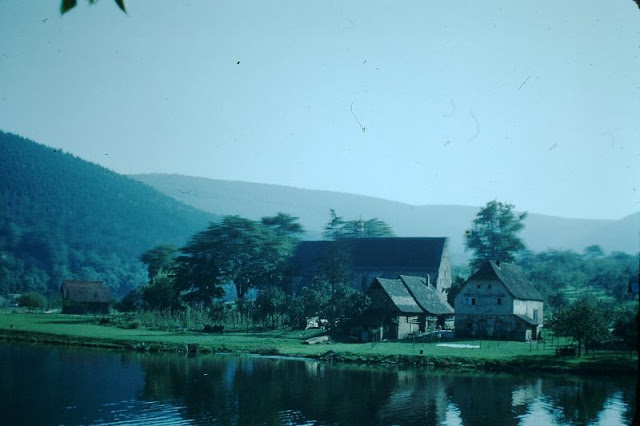
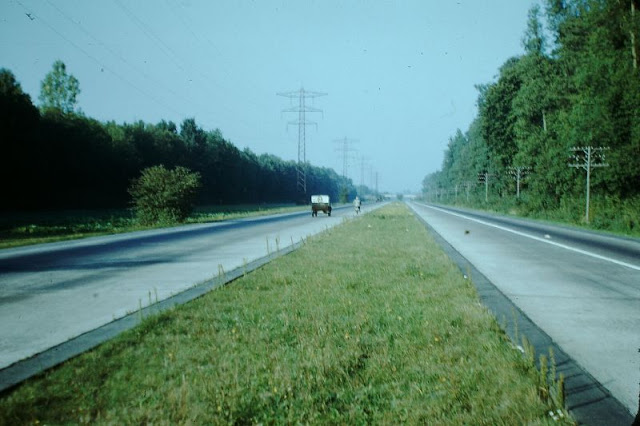
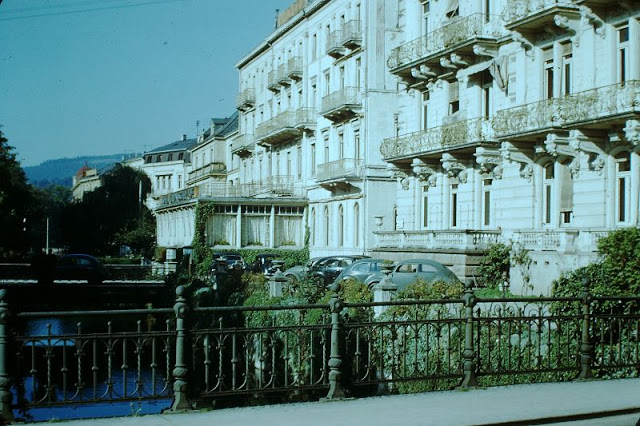
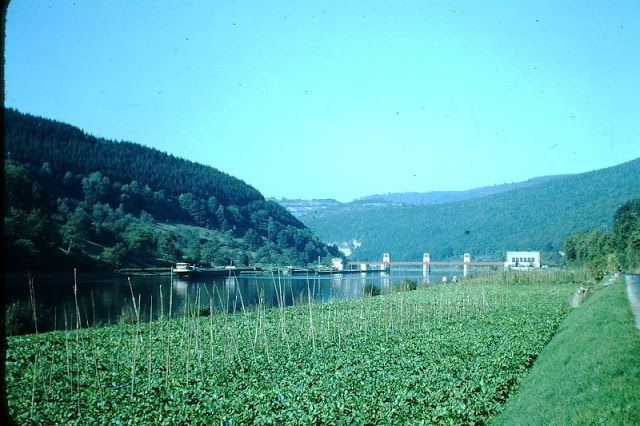
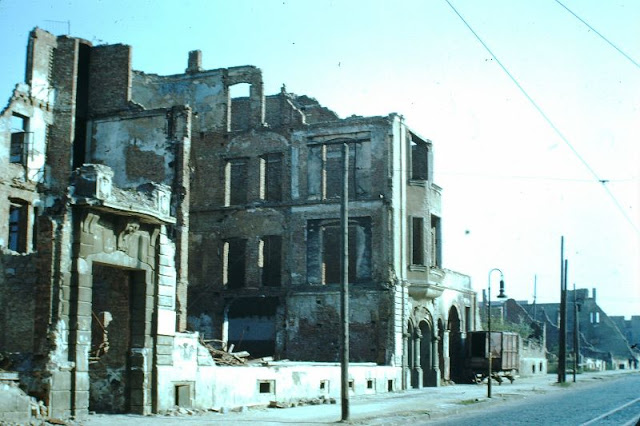
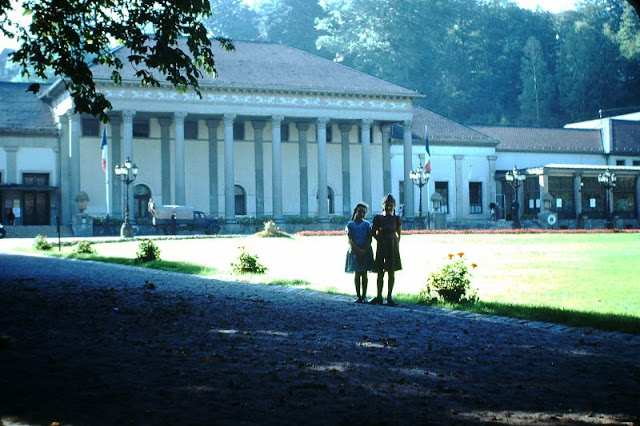
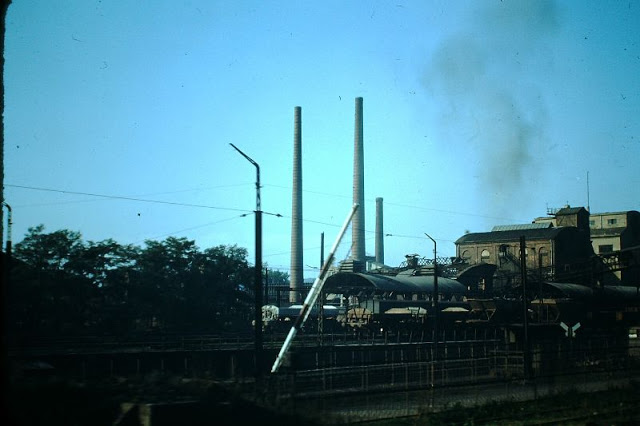
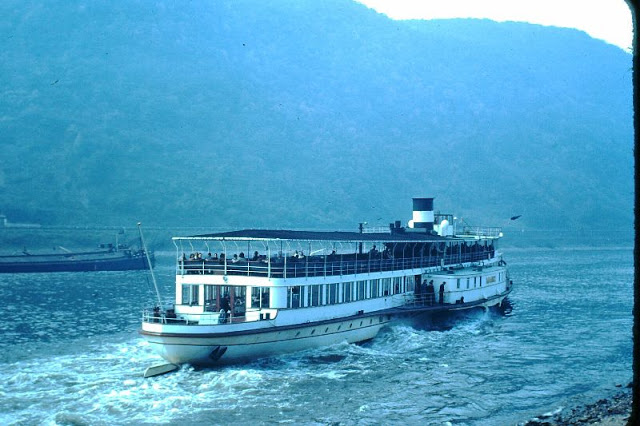
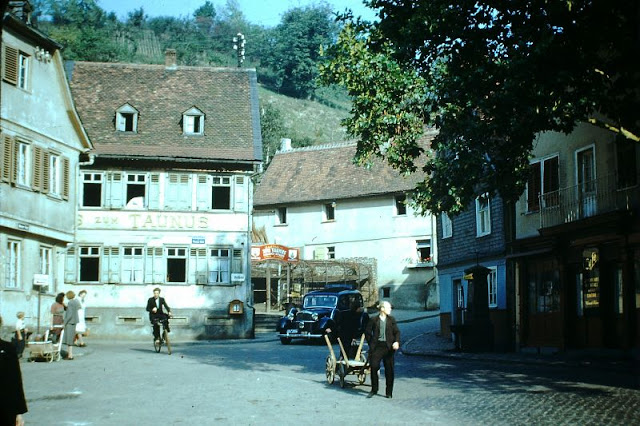
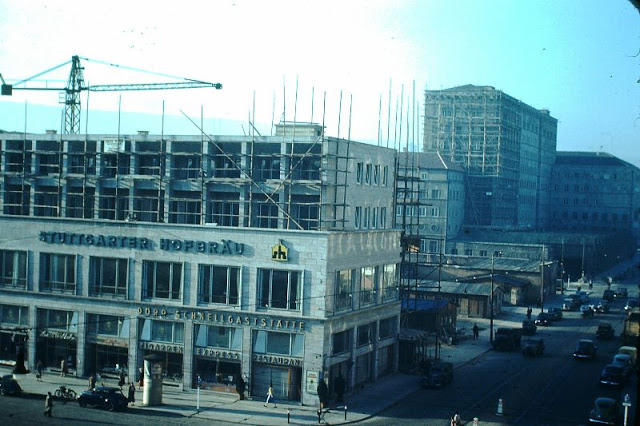
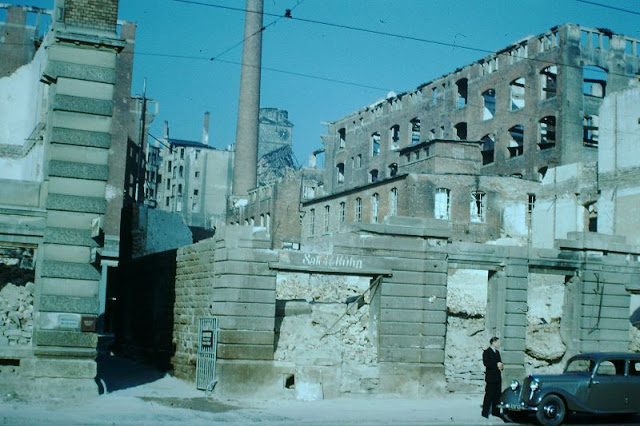
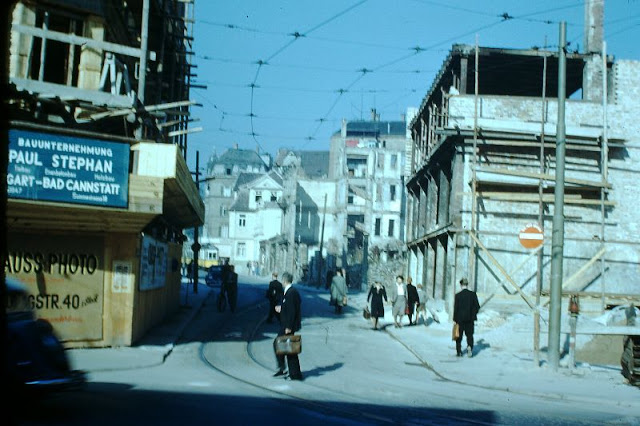
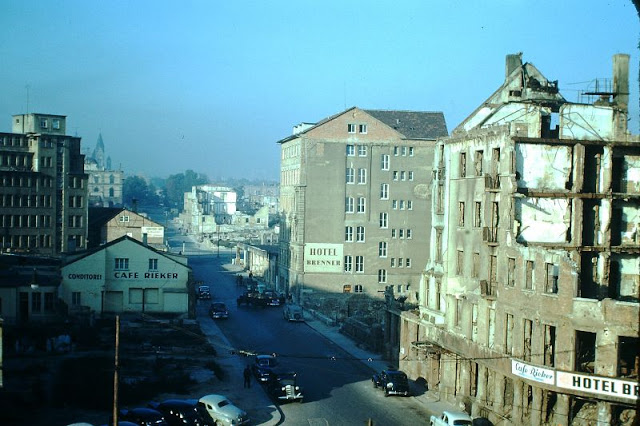
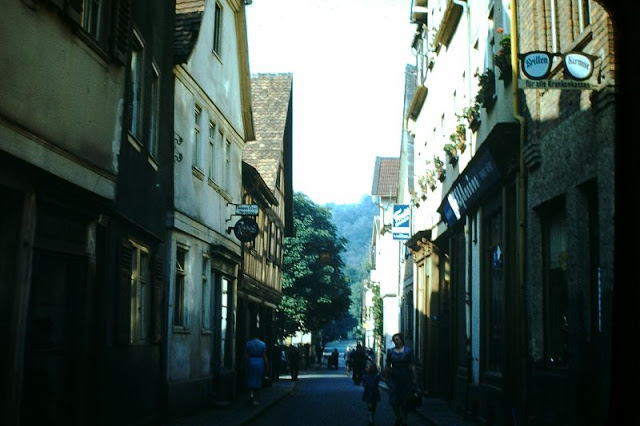
These color photos from Slides that capture everyday life of West Germany in 1949.

Wiesbaden Market
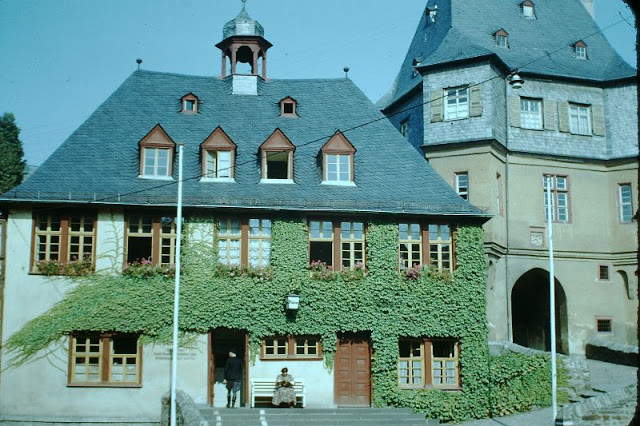
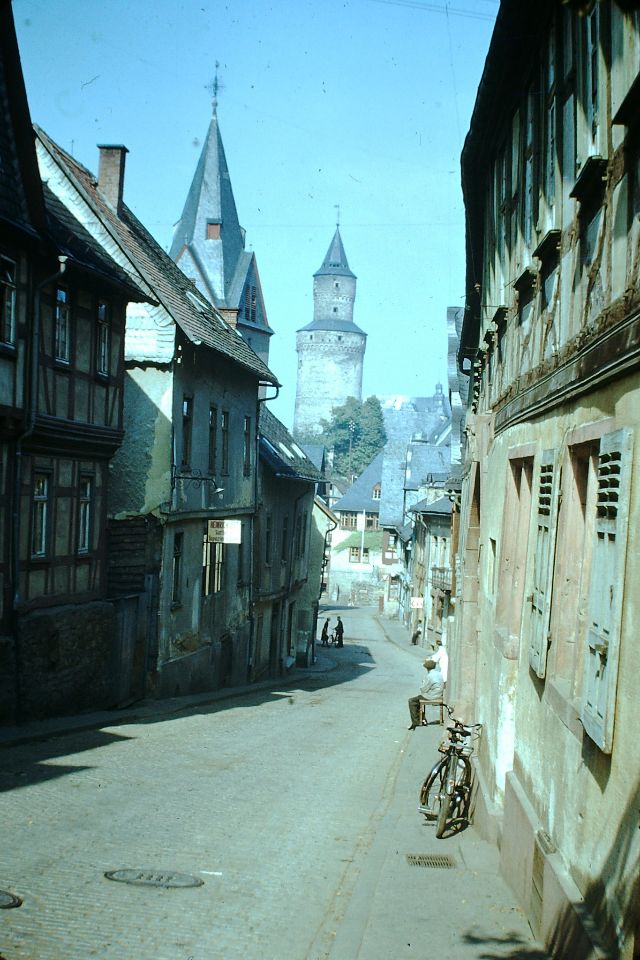
1590 building in Idstein
Along the Neckar River
Autobahn-Karlsruhe to Frankfurt
Baden-Baden
Barge on Neckar River
Between Wildbad and Baden-Baden
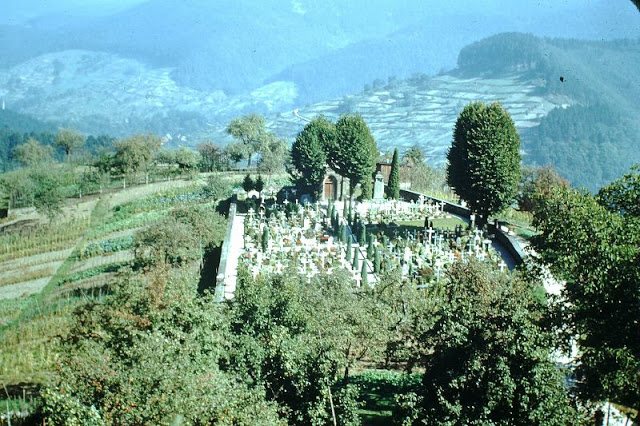
Cemetery in Black Forest
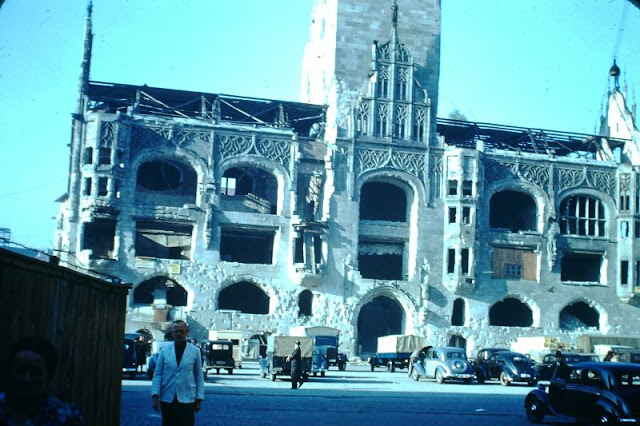
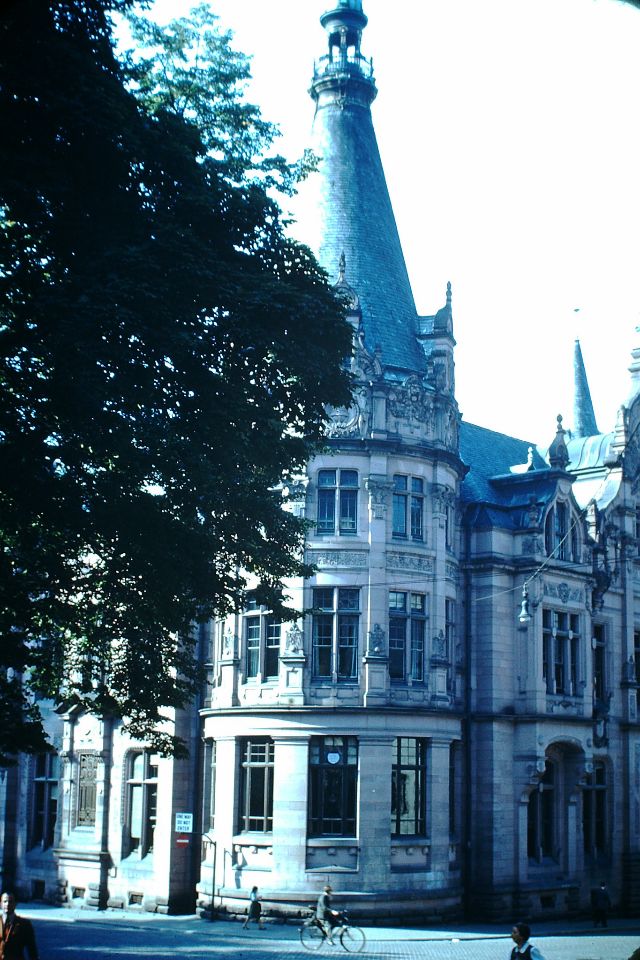
City Hall in Stuttgart
Darmstadt
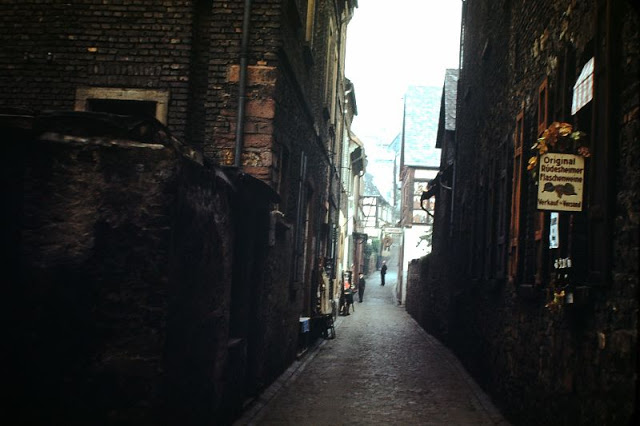
Drosselgasse Street of wineshops, Rüdesheim am Rhein
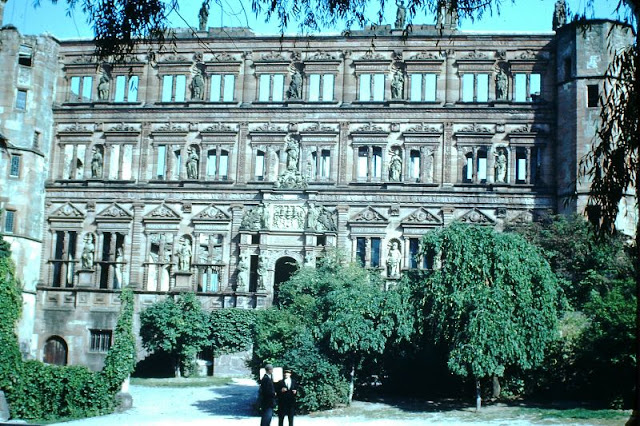
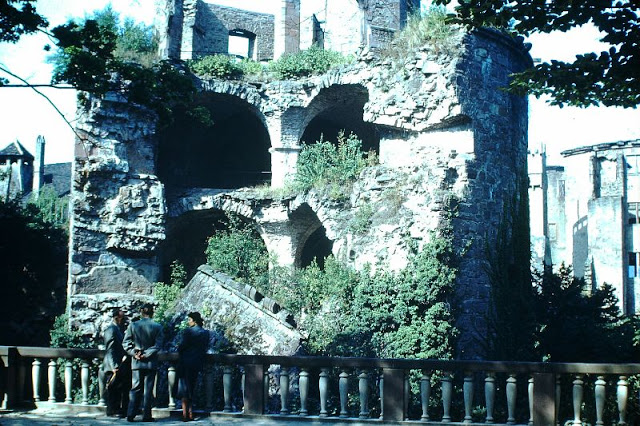
Facade in Heidelberg Castle
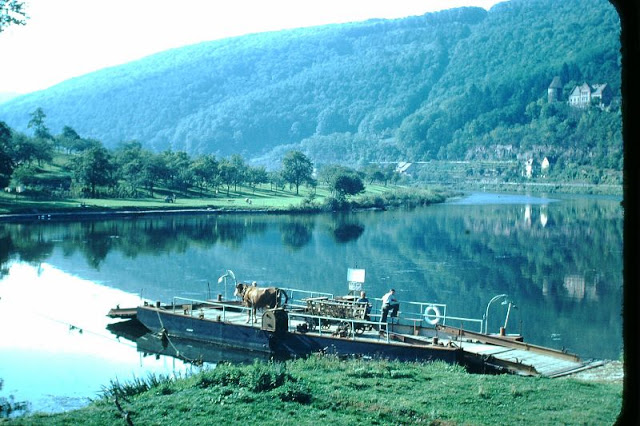
Ferry on the River Neckar
Firehouse in Idstein
Frankfurt
Frankfurt
Frankfurt
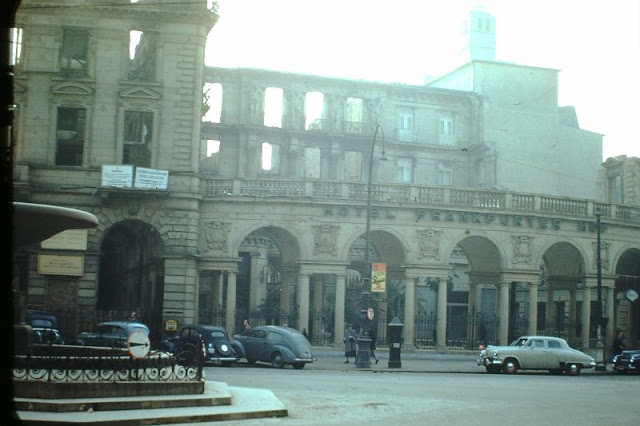
Frankfurter Hof, Frankfurt
Grape wagon in Rüdesheim
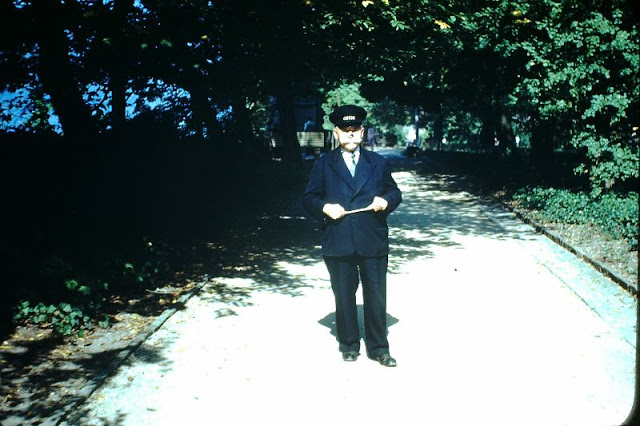
Guide at Heidelberg Castle
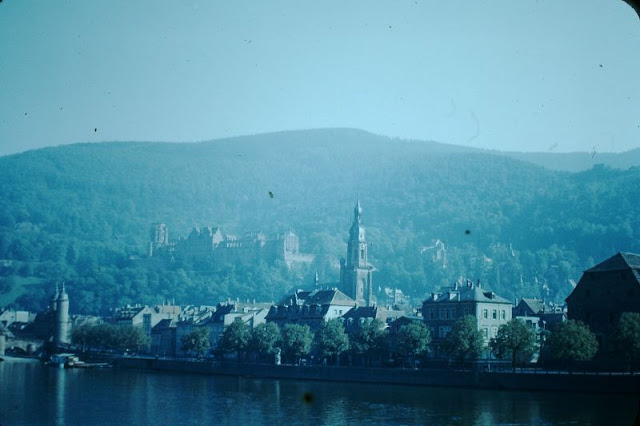
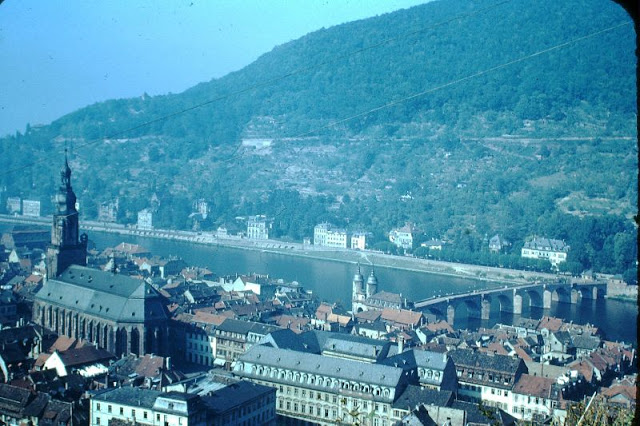
Heidelberg castle from across the Neckar River
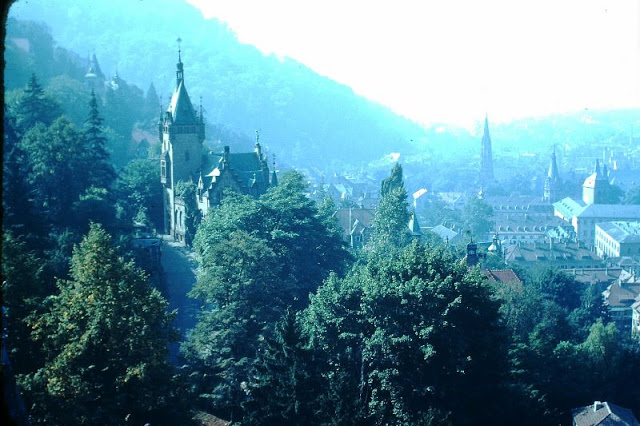
Heidelberg from the Castle
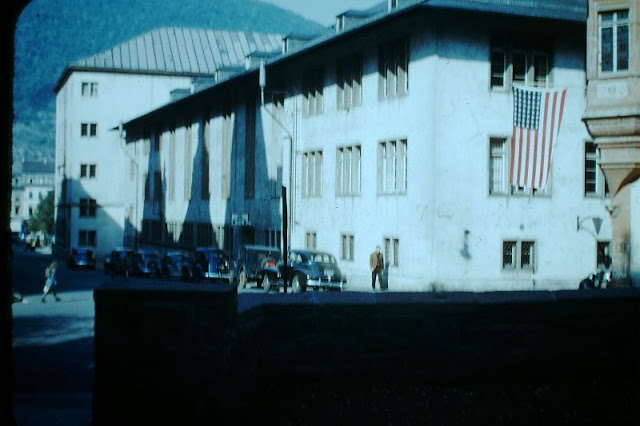
Heidelberg University
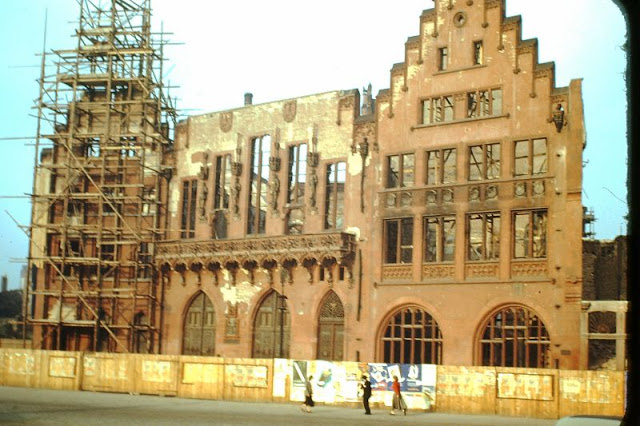
Historic Building where German Kings were crowned, Frankfurt
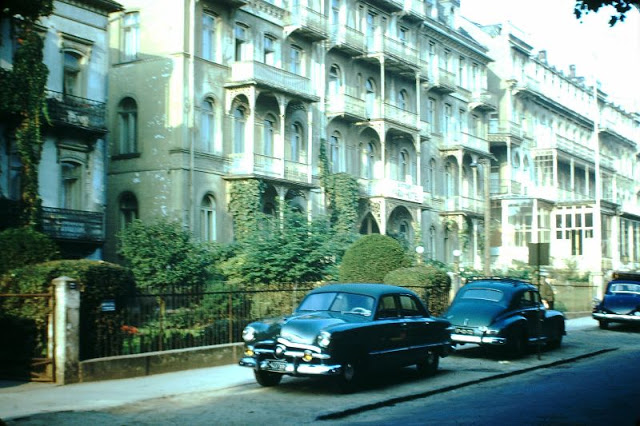
Hotel Ritters Park, Bad Homburg
HQ Finest Hotel in Baden-Baden
In Heidelberg Castle
Königstein, Saxony
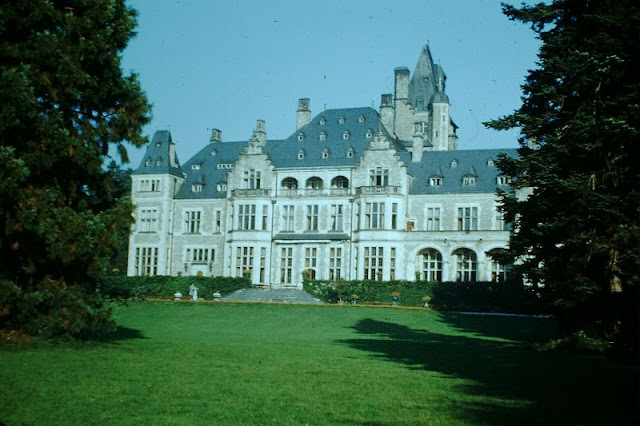
Kronberg Castle
Library of Heidelberg University
Lindenfels
Near Lorelei, Rhine River
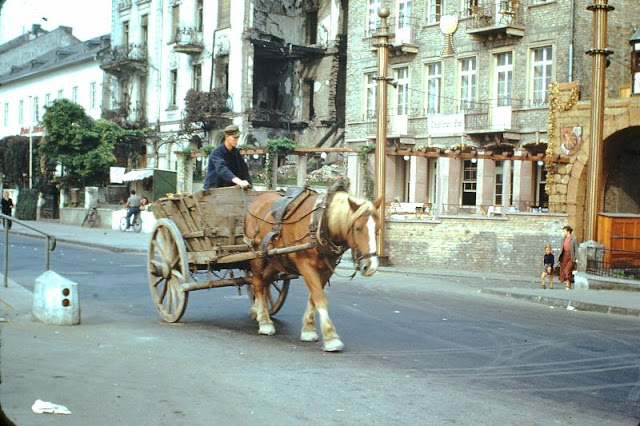
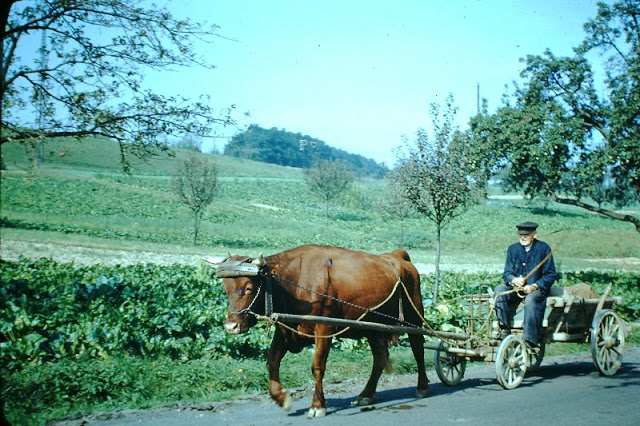
Old man with oxen wagon
Public washhouse, The Rhine at Mainz
Rhine River at Mainz
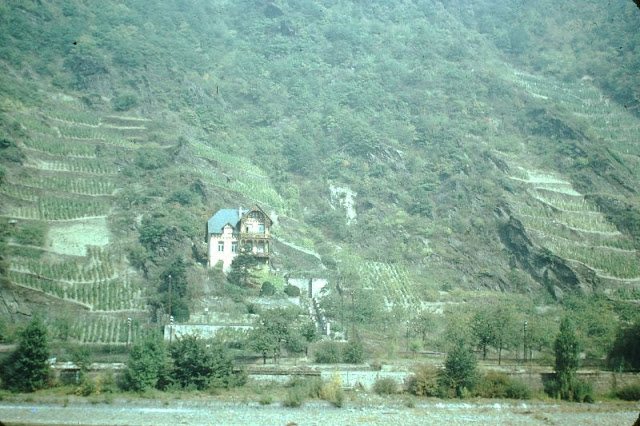
Rhine River in South of Koblenz
Rhine River
Rote Lache Inn, Black Forest
Rothschild Home near Frankfurt
Rüdesheim Railway Station
Rüdesheim street along the Rhine
Rüdesheim
Saarbrücken
Steamer leaving Niederlahnstein, Rhine River
Street in Eppstein
Stuttgart
Stuttgart
Stuttgart
Stuttgart
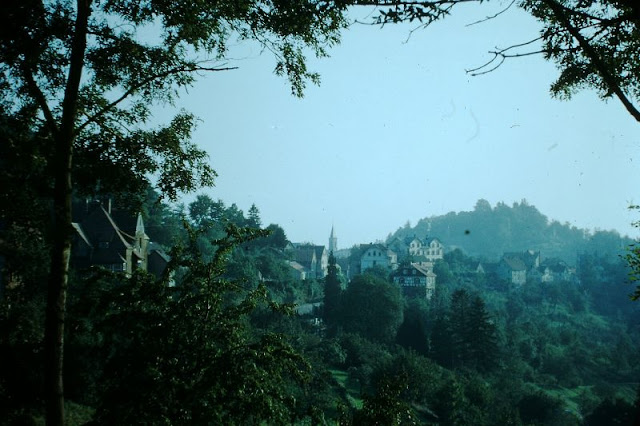
Trees of Black Forest
Village in Nassau

50 Amazing Vintage Photos From the 1970s Volume 6

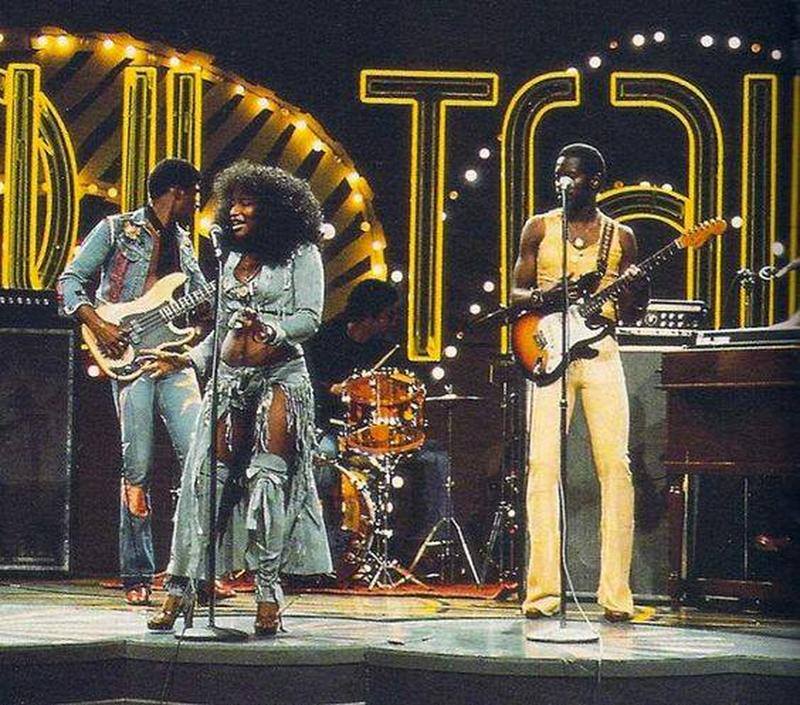
Chaka Khan performing on Soul Train, back in the 1970s
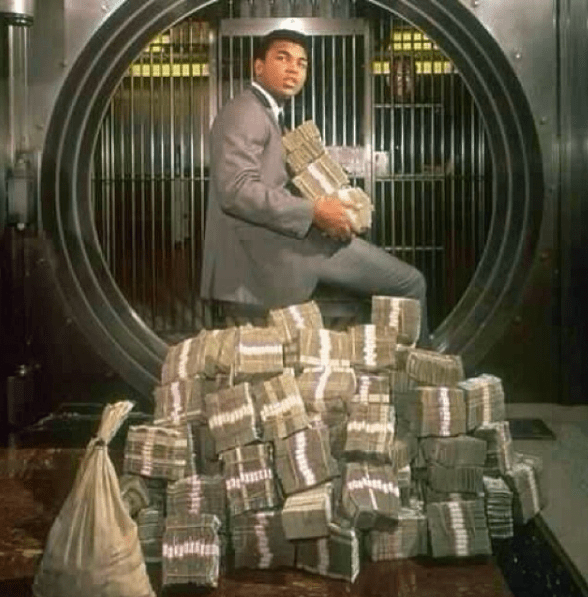
Muhammad Ali with his winnings, 1974
Robin Williams, at the age of 28, performing on a New York City street in front of a big crowd before he hit the big time (1979)
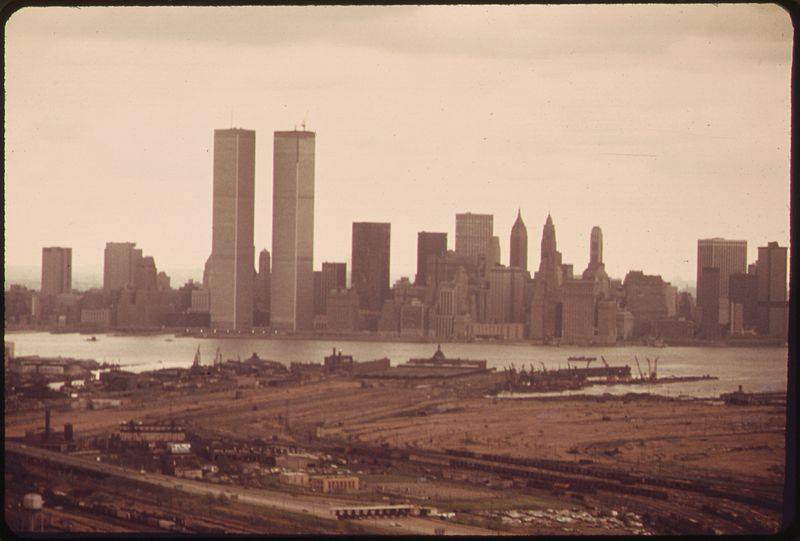
Twin Towers, New York, May 1973
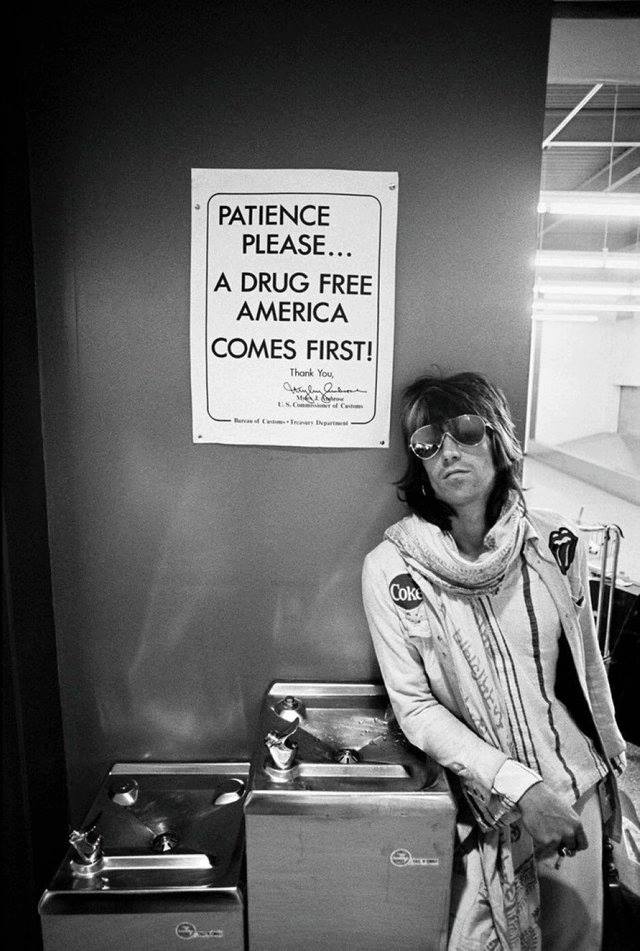
Keith Richards posing by a sign in 1972.
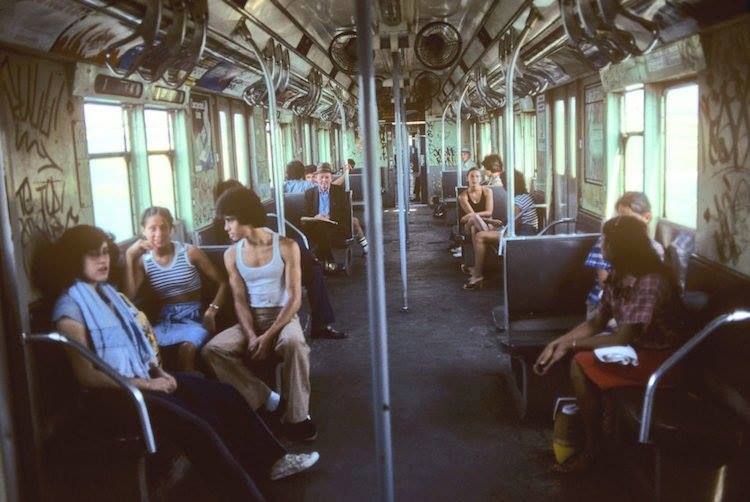
Taking a ride on the NYC subway in 1970s.
Paul McCartney playing a song for daughter Stella in Los Angeles, 1975.
Shafts of sunlight illuminating St. Peter’s Basilica in the Vatican, 1971.
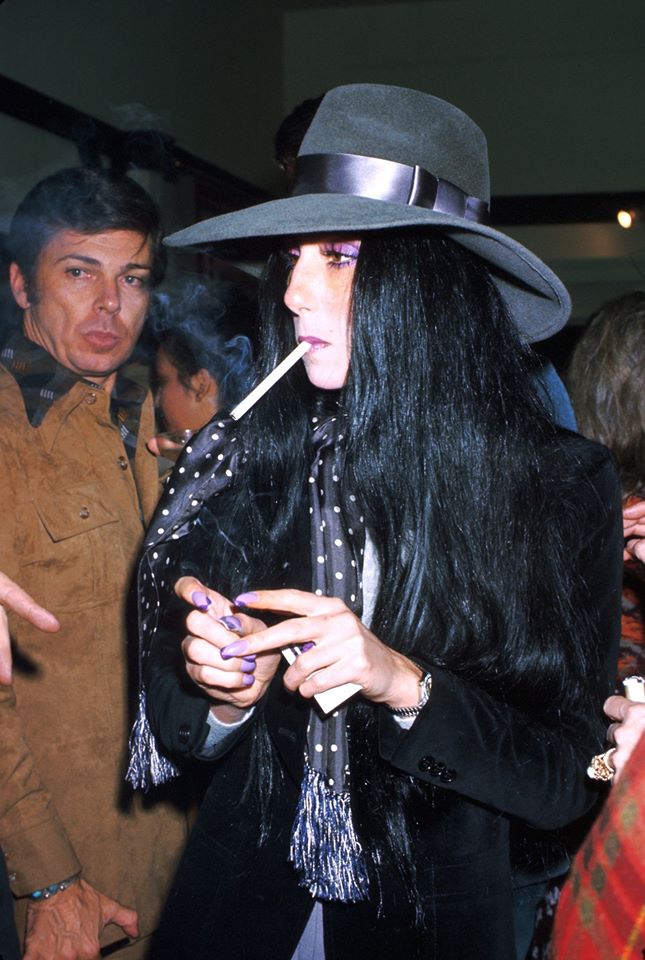
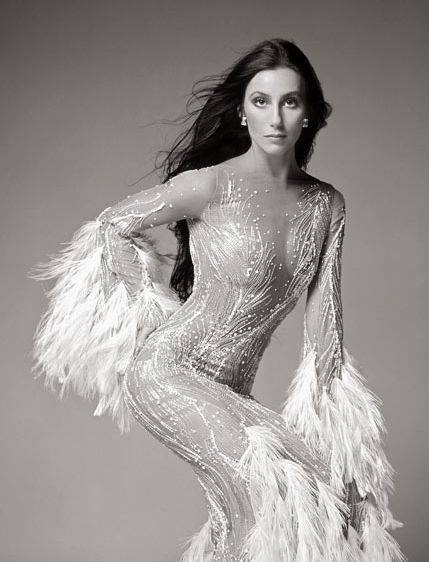
Cher, 1974.
Clint Eastwood and Clyde on the set of “Every Which Way but Loose” (1978)
Mississippi’s first interracial couple were married in 1970.
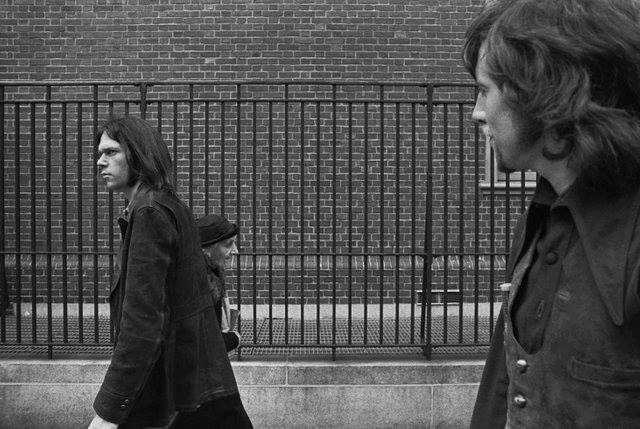
Neil Young and Graham Nash wandering around New York City in 1970.
Frank Zappa holding the burnt Stratocaster guitar that his friend Jimi Hendrix gave to him. (1977)
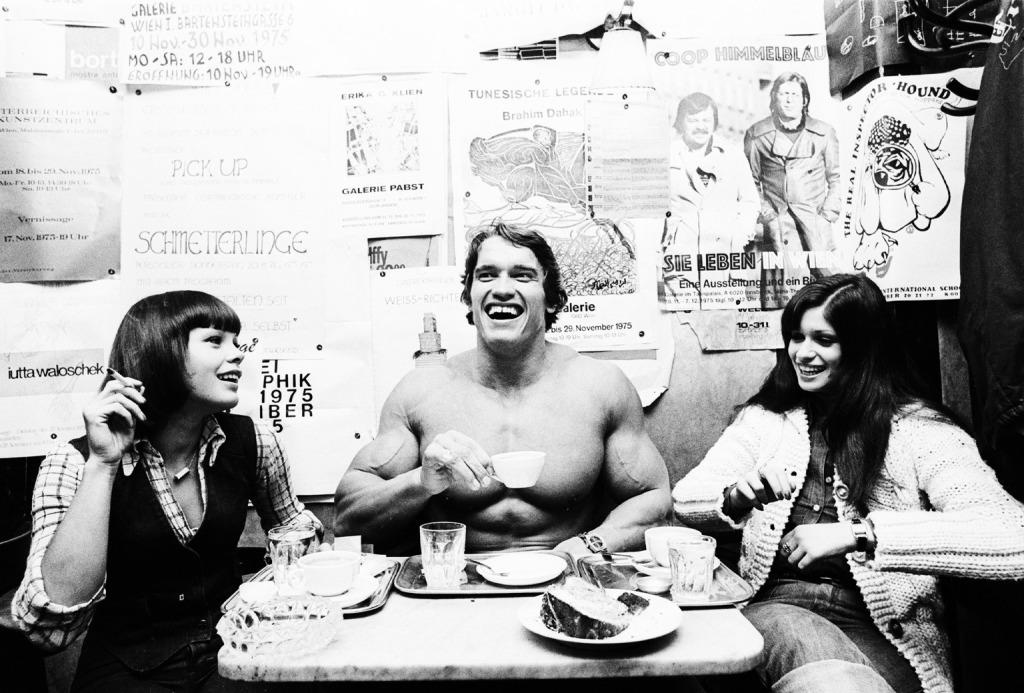
Arnold Schwarzenegger at Cafe Hawelka in Vienna, 1975
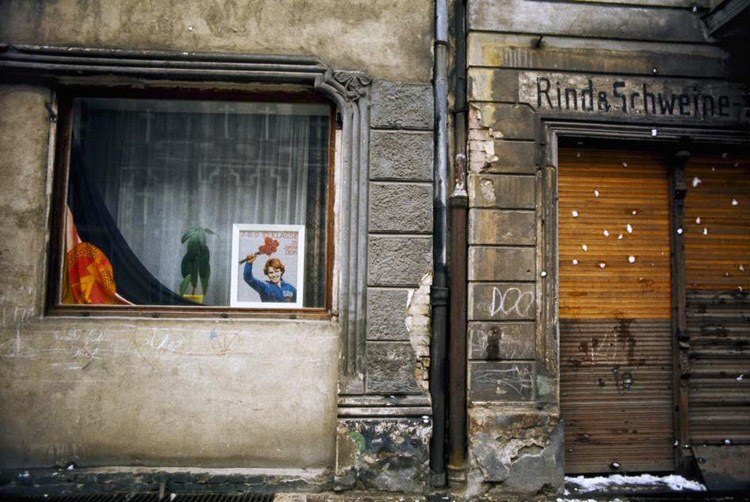
A storefront displays a propaganda poster in East Berlin, 1974
John Wayne on location in Colorado for “The Cowboys,” 1971.
Lower Manhattan, 1979.
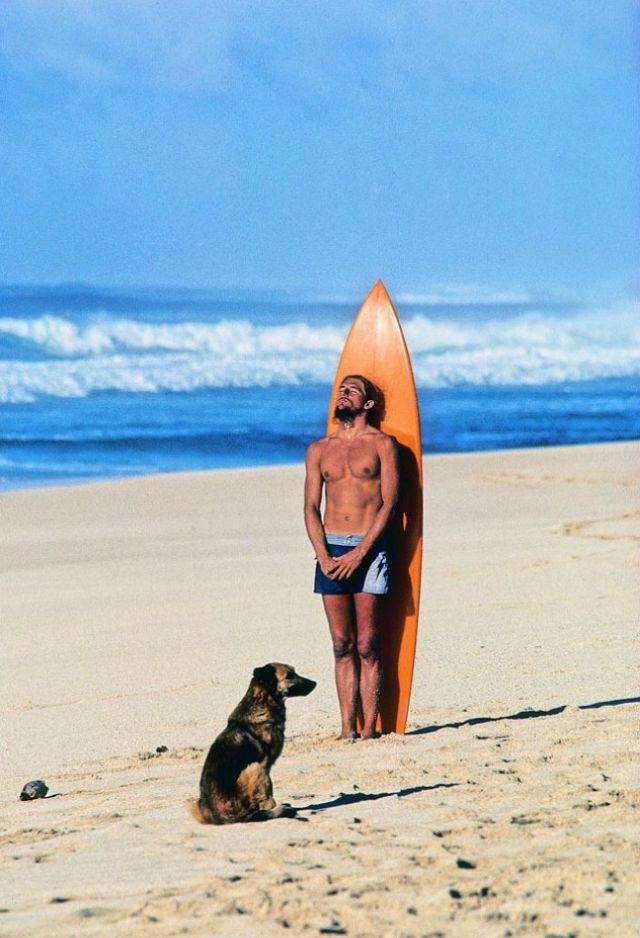
North Shore, Oahu, Hawaii, 1974.
“Every bubble’s passed its FIZZical!” Corona fizzy drinks from the 1970s.
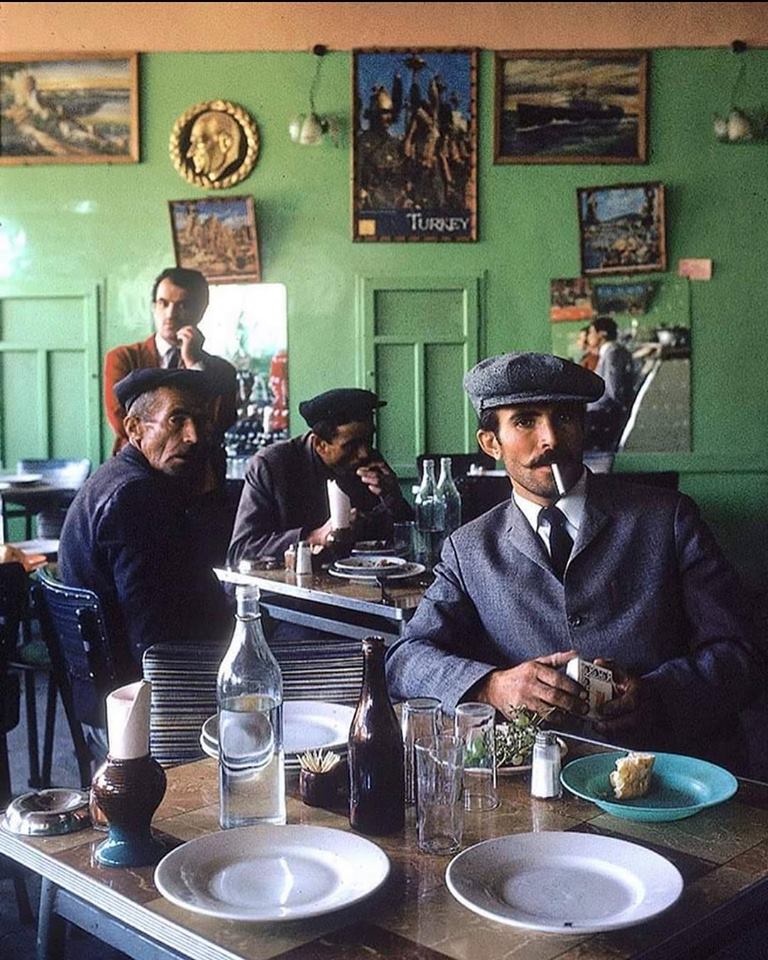
Turkish men having lunch in Lokanda restaurant in the province of Nevsehir, 1970.
14th Street, between 9th and 10th Avenues, NYC, 1976.
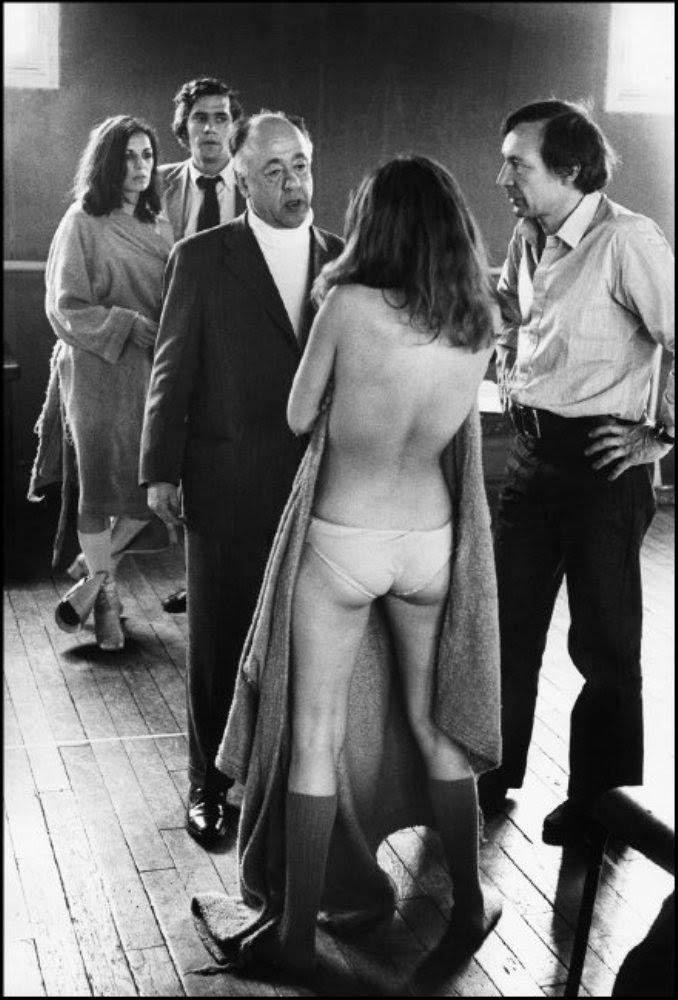
Playwright Eugene Ionesco during a rehearsal of “Oh, Calcutta”, Paris, 1971
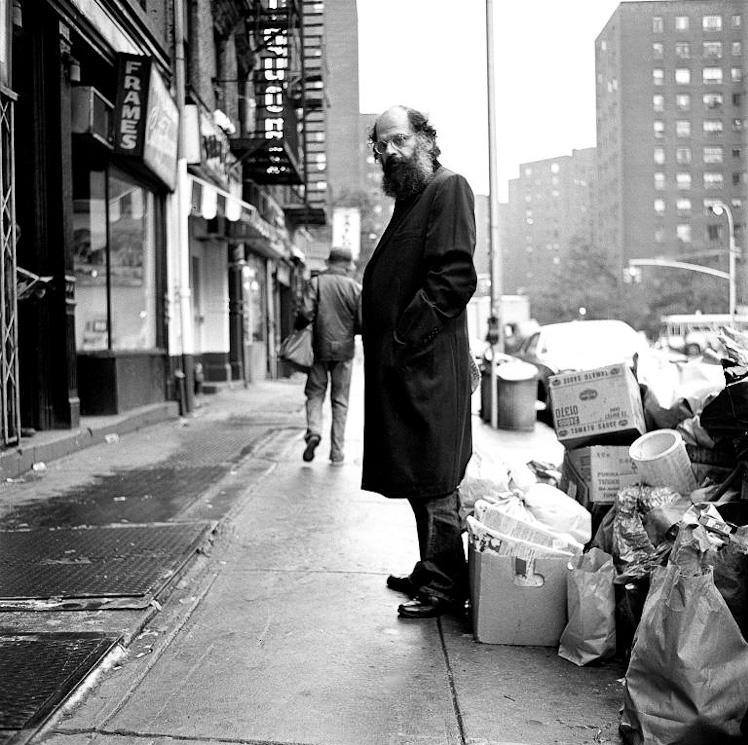
Allen Ginsberg in New York City, 1974.
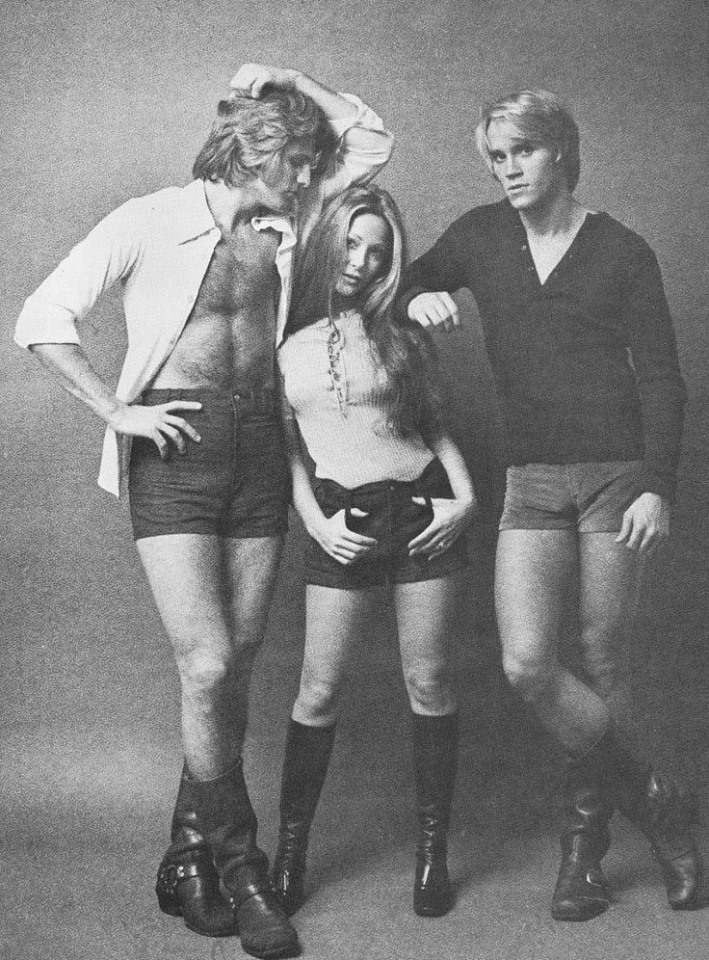
Hot Pants & Boots for Men & Women, 1972
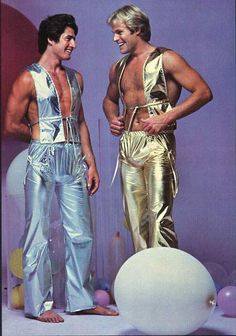
Futuristic-disco fashions for men in the late 1970s.
Cher, 1974.
Woman cutting her birthday cake in Tehran, Iran, 1973.
Elizabeth Taylor and Richard Burton at London’s Heathrow airport in July 1971
David Bowie leaving the Cherokee Recording Studio in Hollywood (1975)
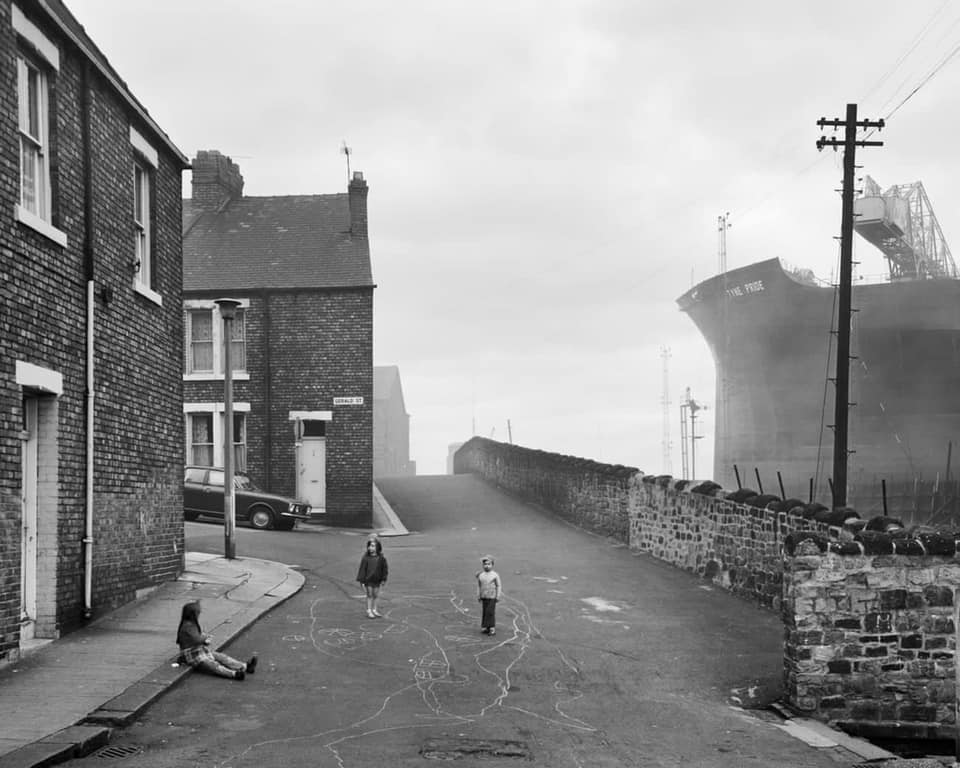
Looking east on Camp Road, Wallsend, 1975.
‘Unfriending’ before Facebook
Drive-In Brains, 1970s
1972 – The winning entry for the Co-op National Milkmen’s Uniform Design Competition
IRA women members of Cumann na mBan on Easter Sunday in Scotch Street, Downpatrick, Northern Ireland, 1974.
Mars selection box from Christmas 1971 containing a Mars Bar, Twix, Treets, Milky Way, Marathon, Spangles and Treets!
Brooklyn by the East River, New York, 1974
Dog On Wheels: Paris by Robert Doisneau – 1977
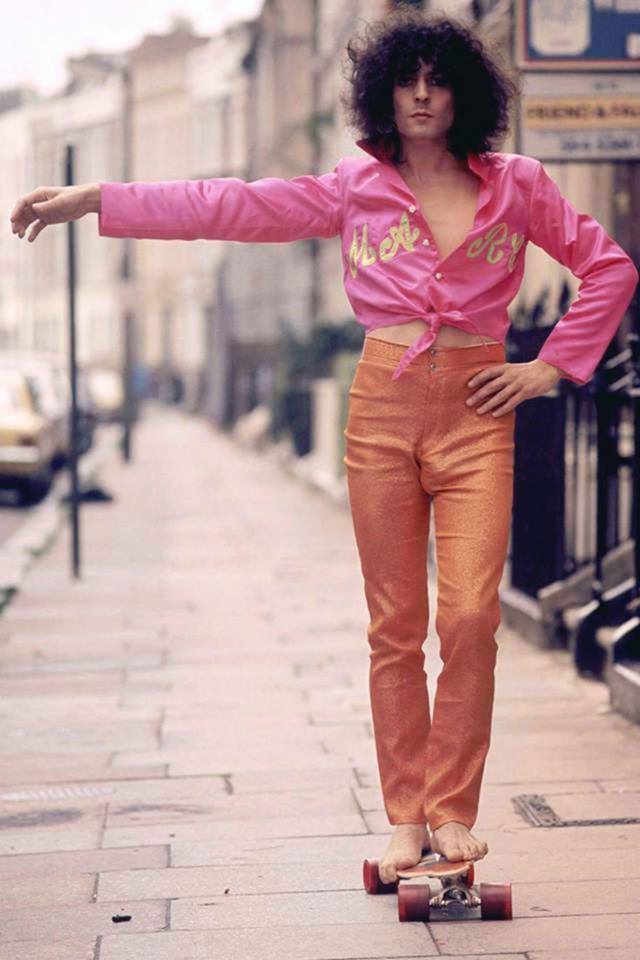
Marc Bolan, 1970s
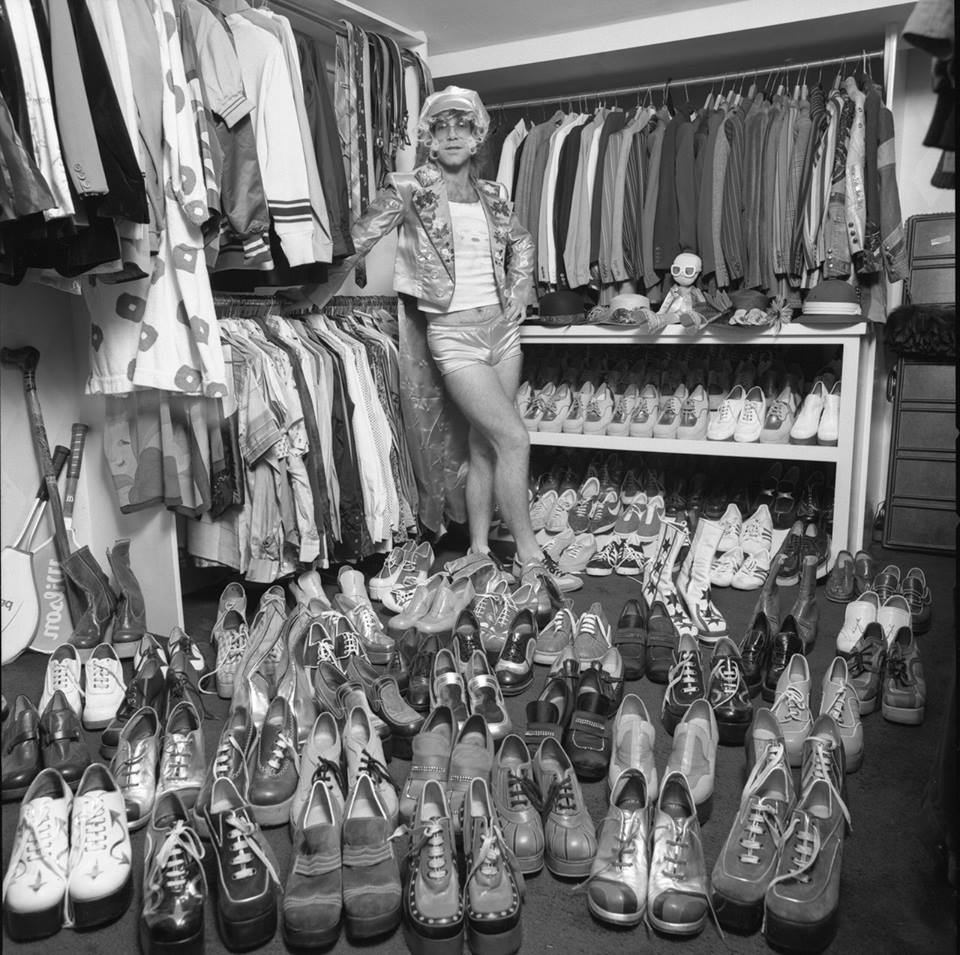
Elton John at home in 1975
1970s Family Photo
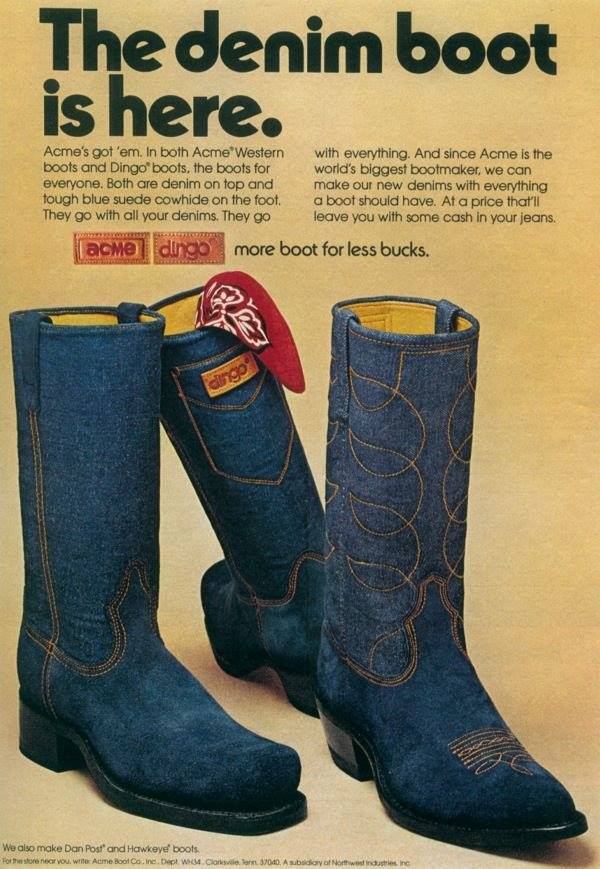
‘The Denim Boot Is Here” – 1974
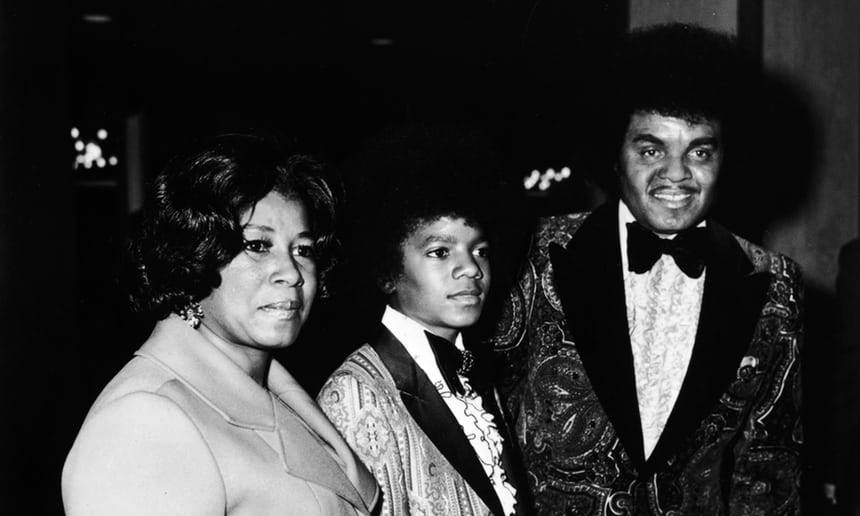
Joe Jackson and Katherine at the Golden Globe awards with son Michel Jackson in 1973.
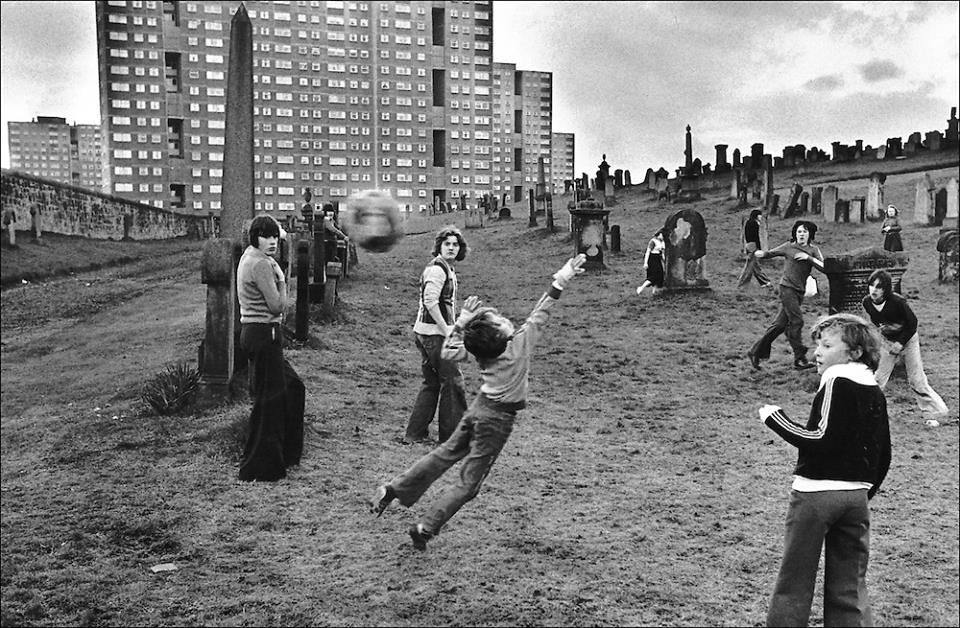
Boys playing football at Sighthill Cemetary, Glasgow, 1976.
Two boys in the mining village of Holmewood, Derbyshire, England, in 1973.
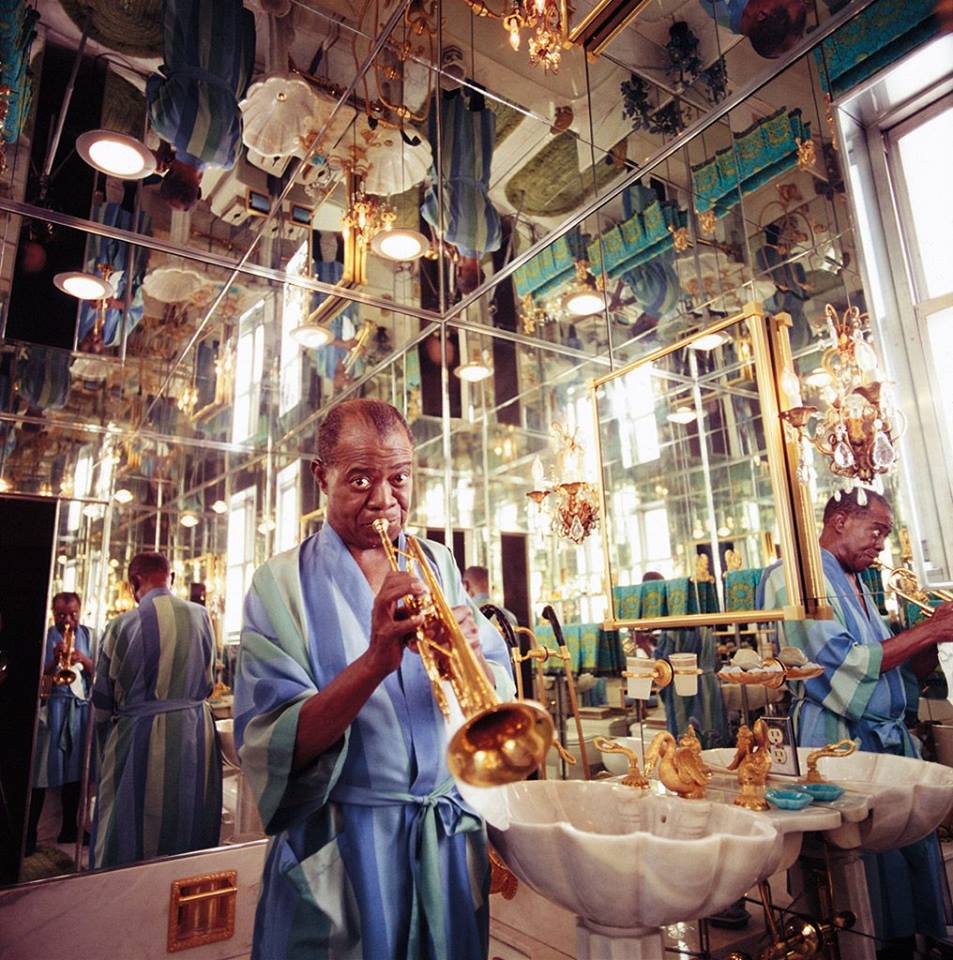
Louis Armstrong in his mirrored bathroom (1971)
Jack Nicholson and Anjelica Huston – 1974
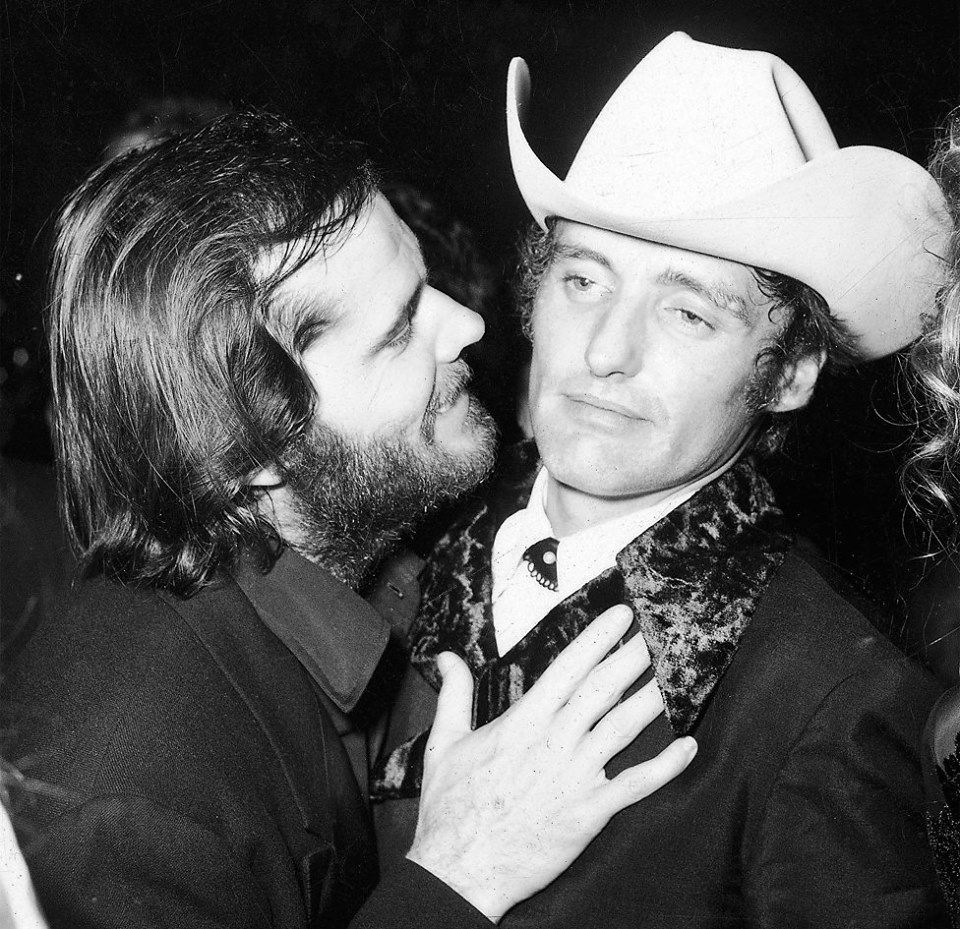
Jack Nicholson and Dennis Hopper talk at an Oscars after party, Los Angeles, April 1970
Faye Dunaway at the Beverly Hills Hotel, 29 March 1977
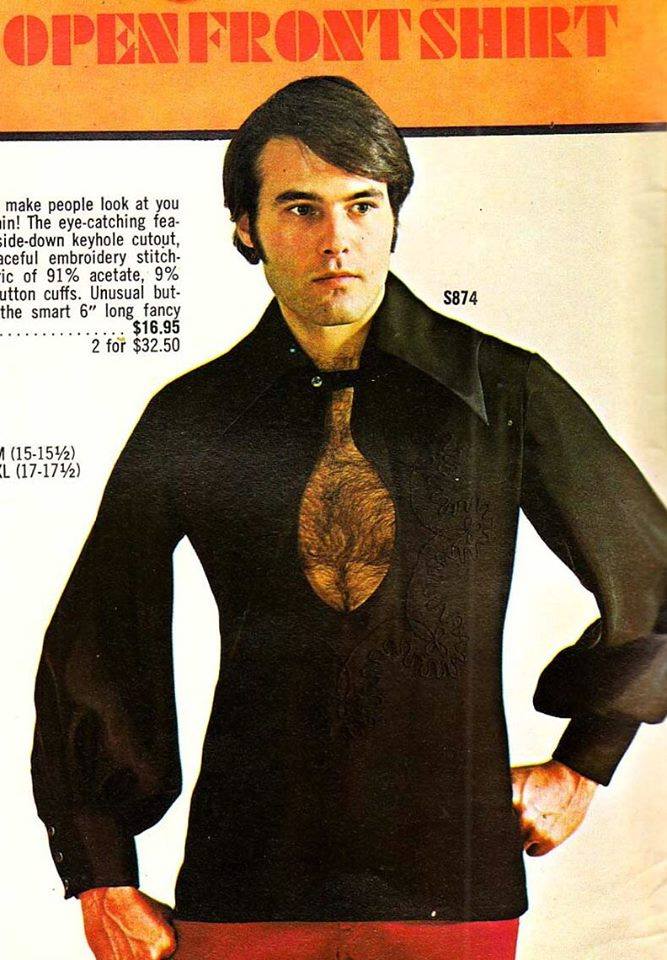
‘Open Front Shirt’, 1970s
Marlon Brando before and after makeup on the set of The Godfather (1972)

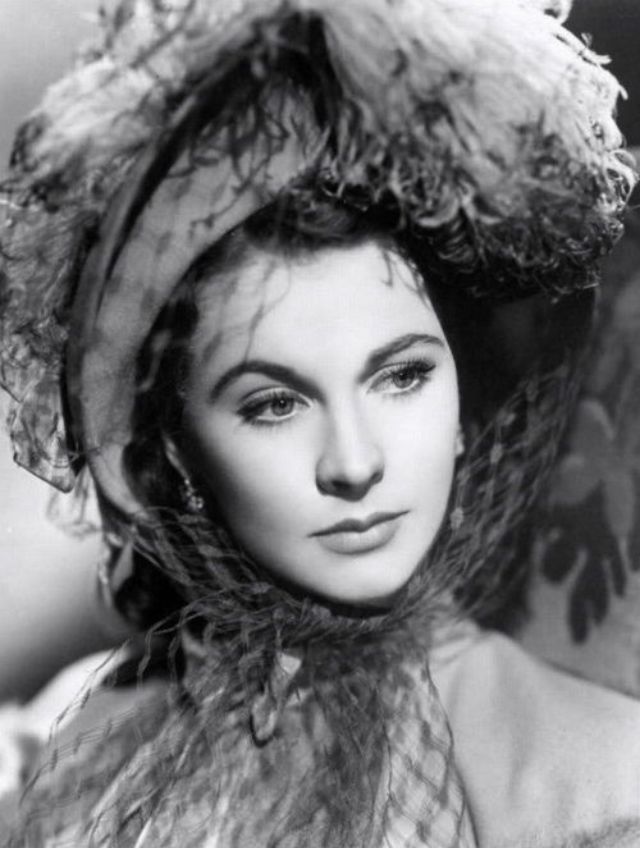
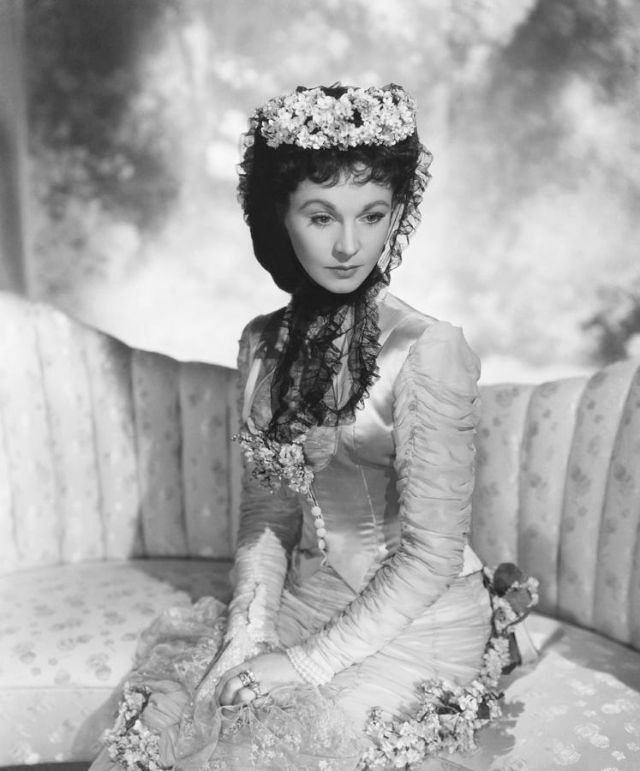
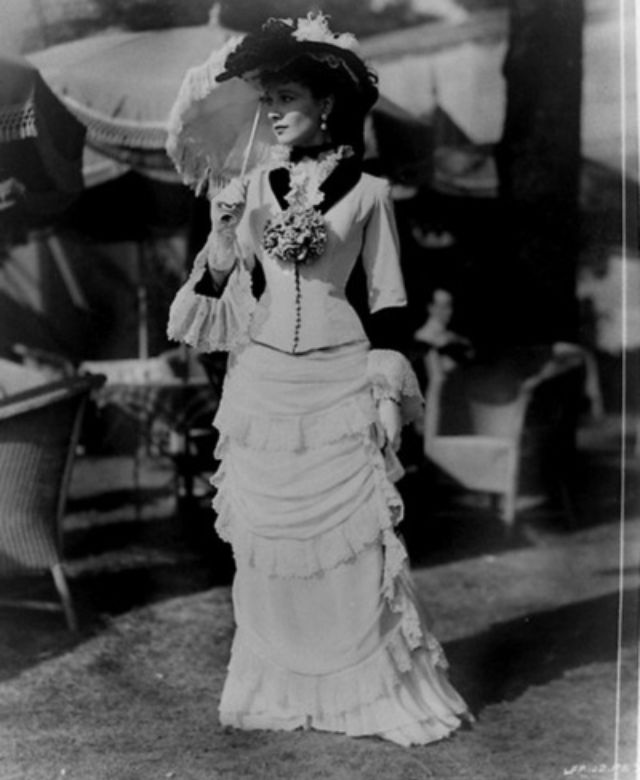
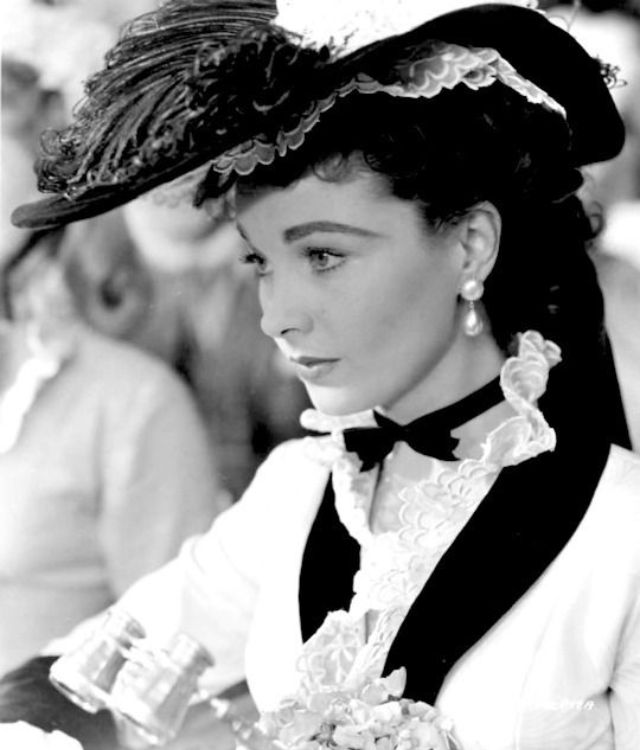
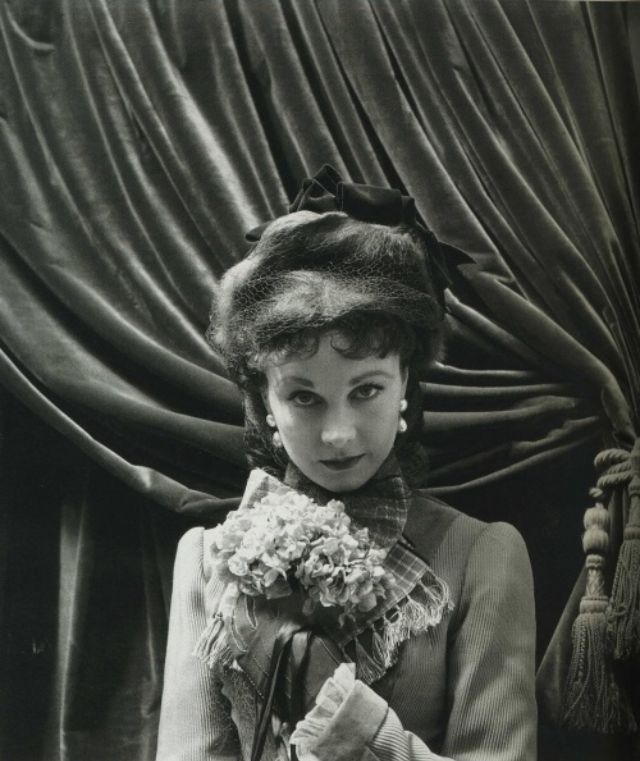
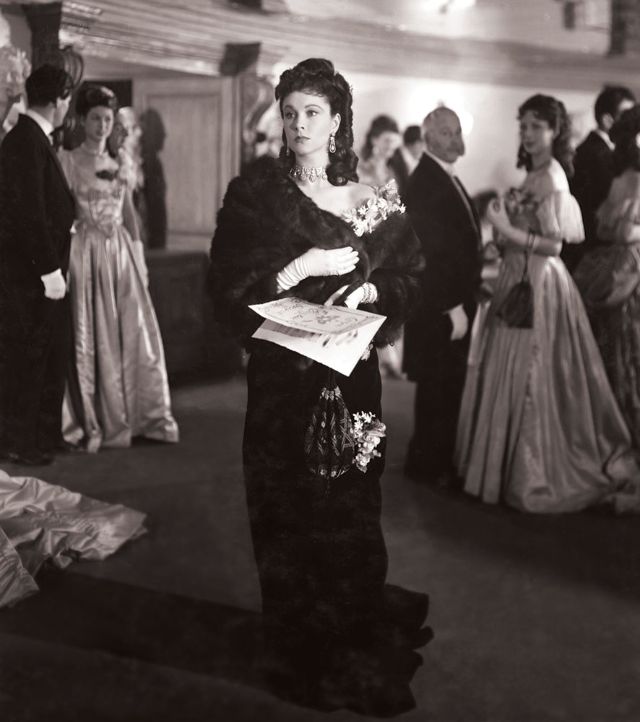
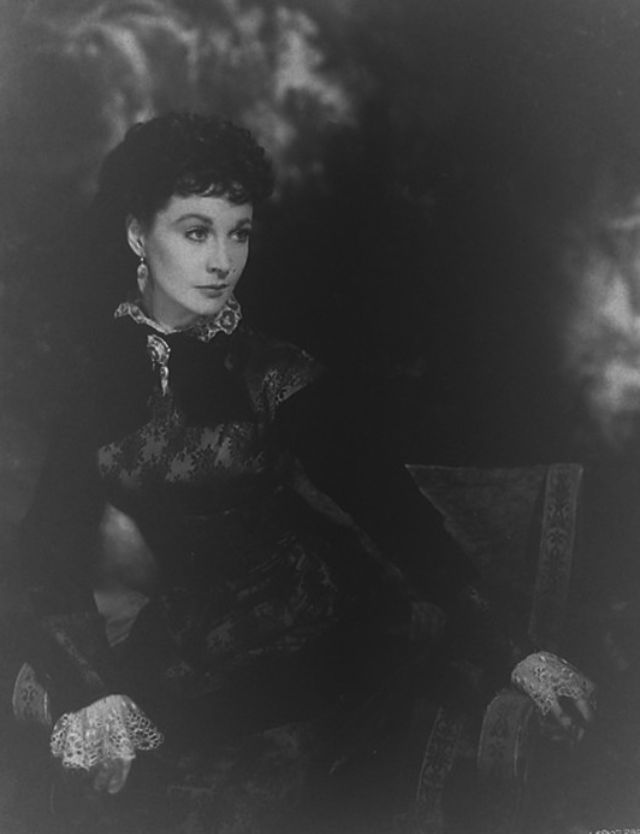
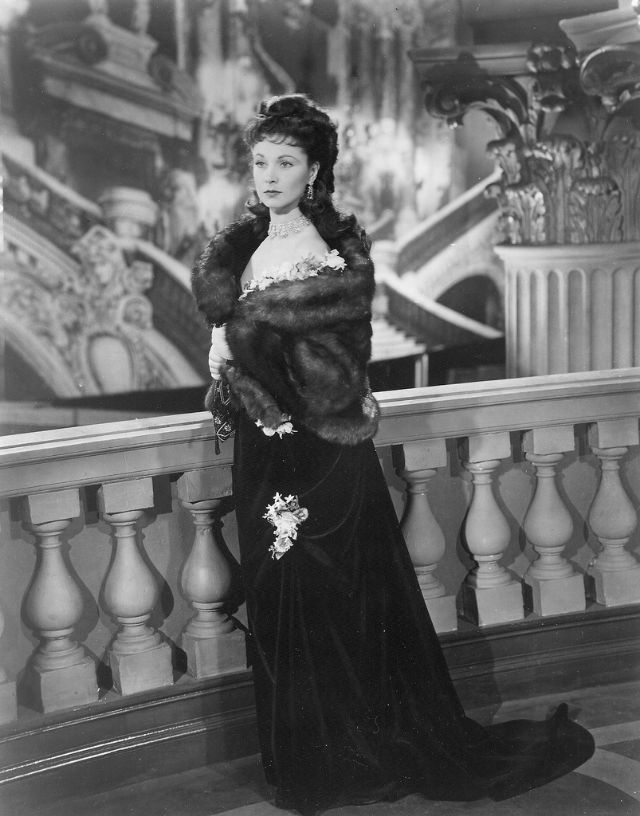
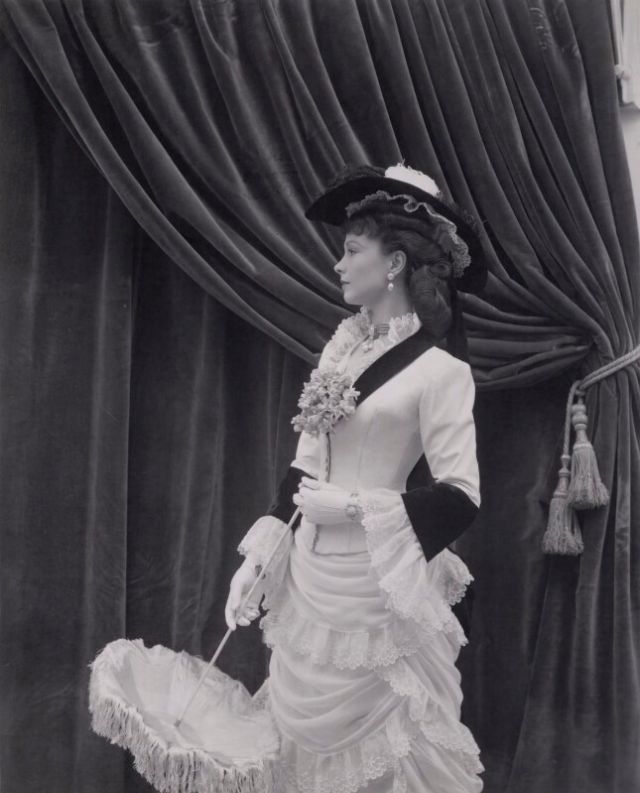
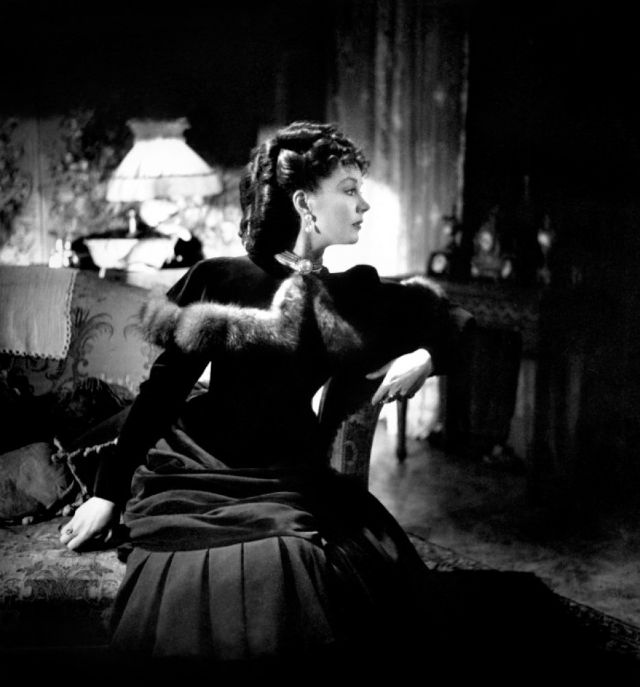
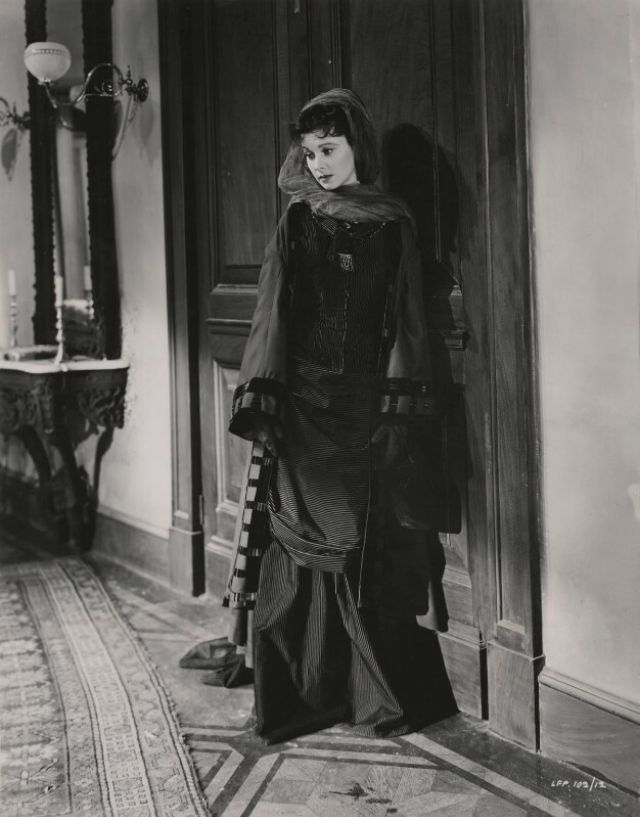
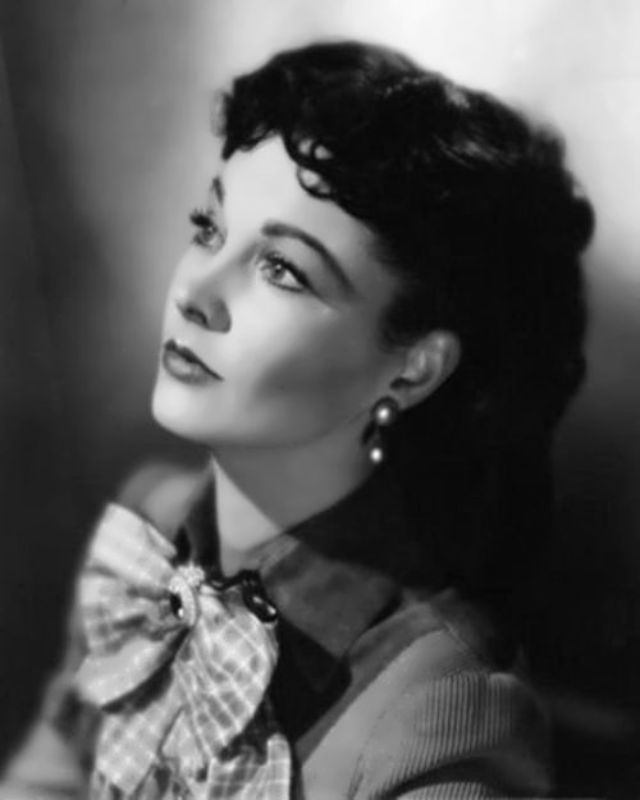
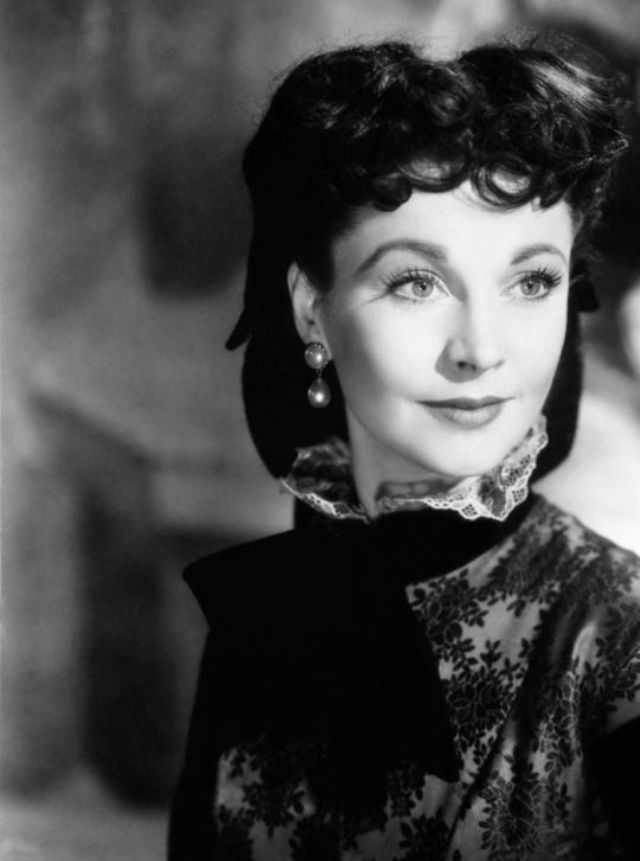
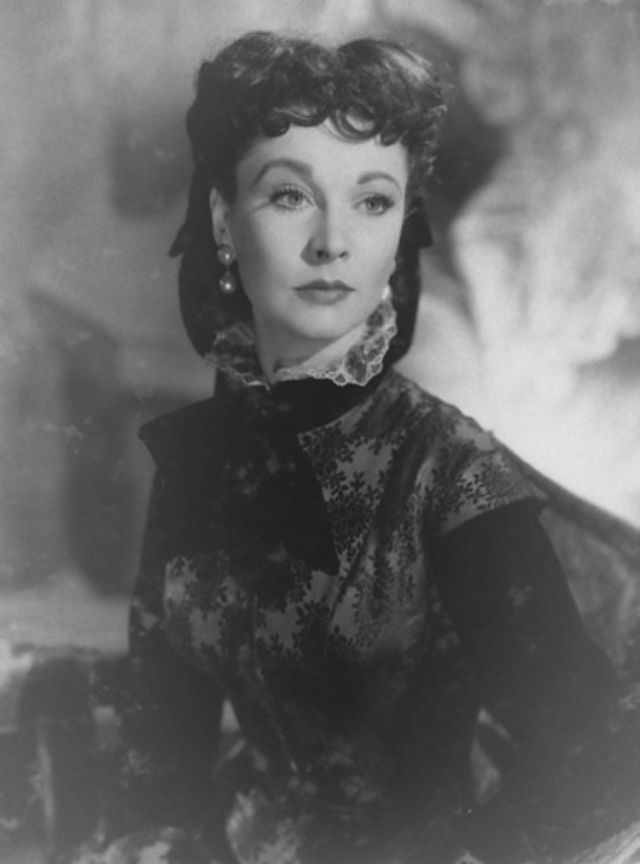
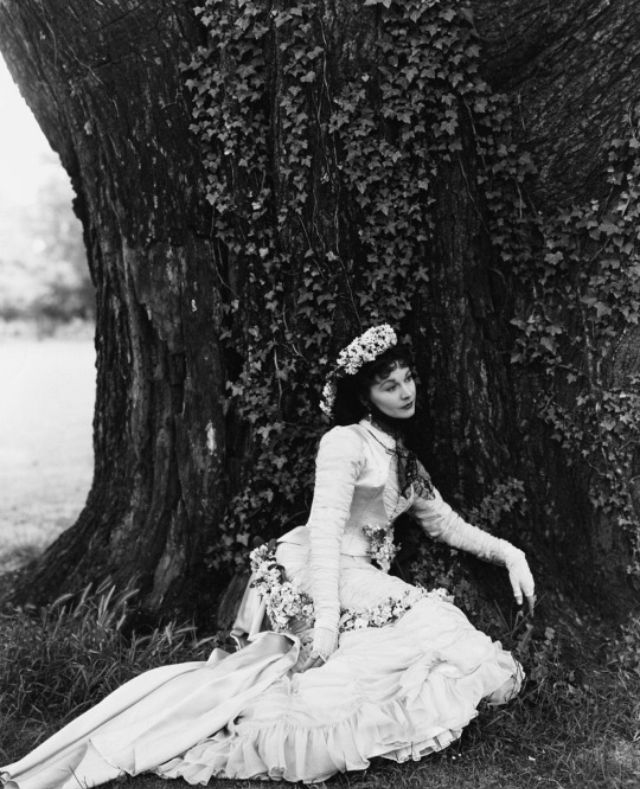
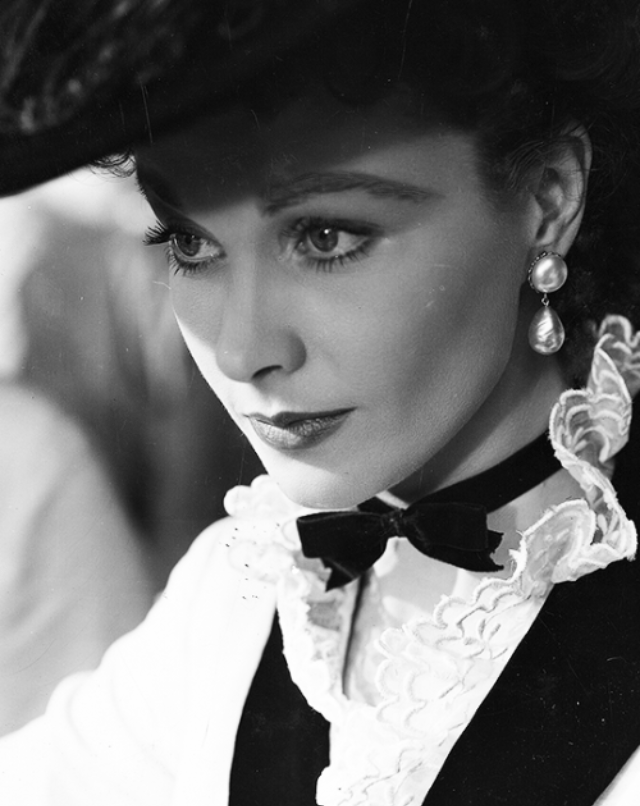
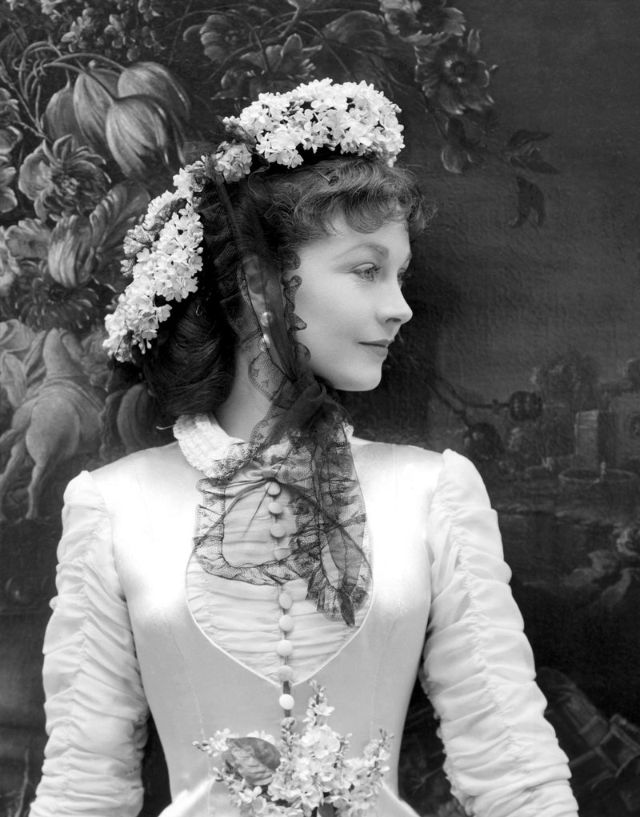
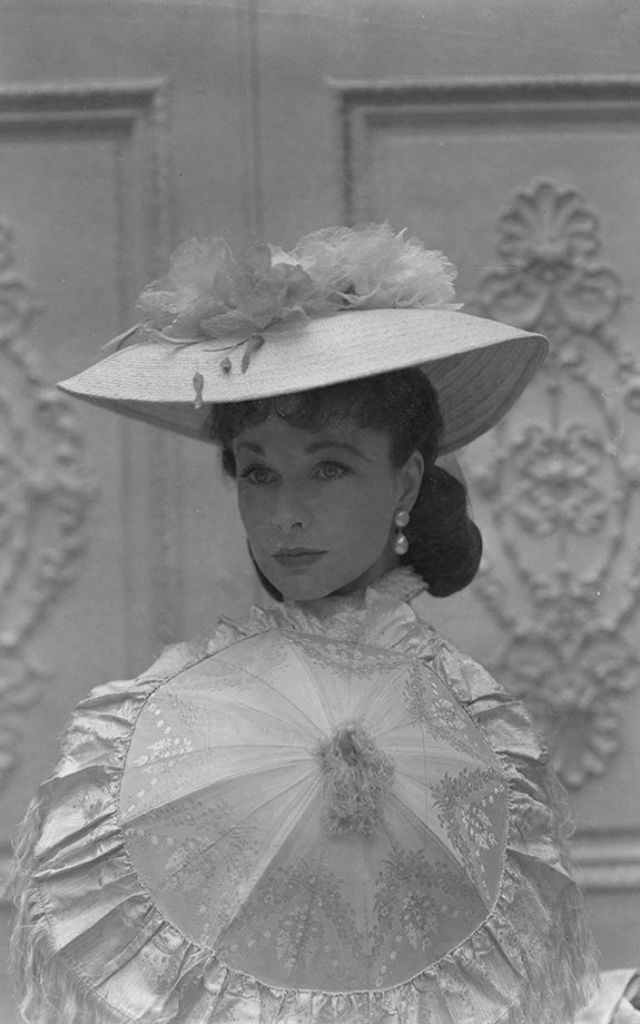
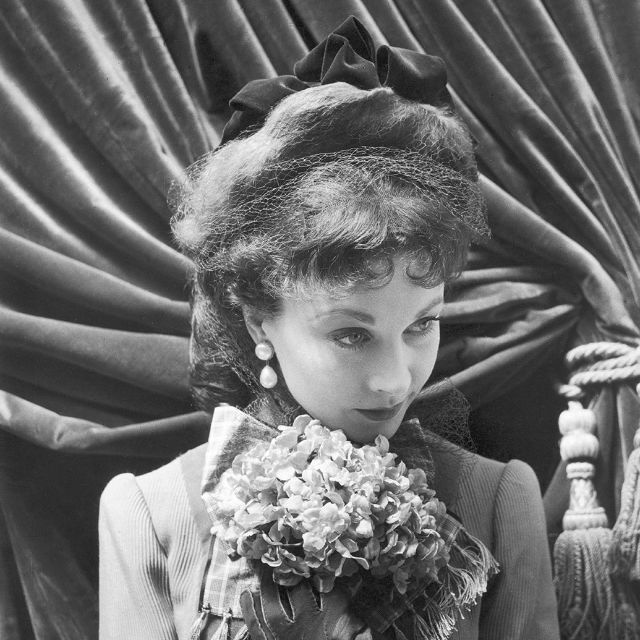
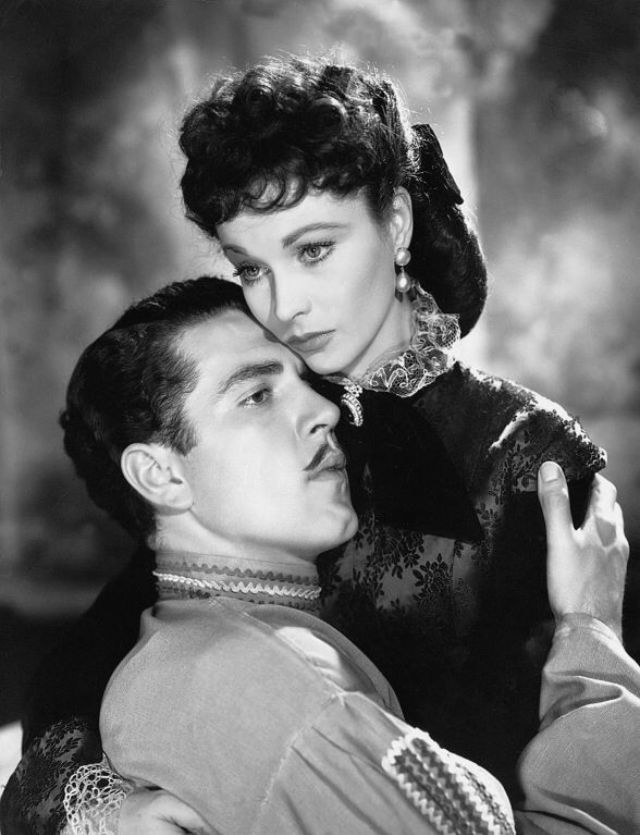
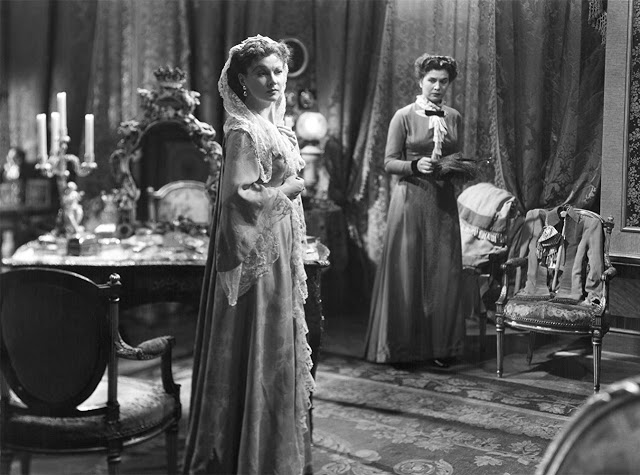
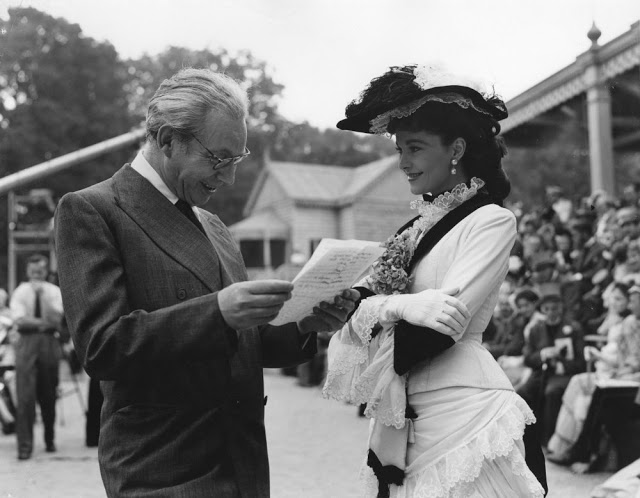
23 Stunning Photos of Vivien Leigh in the 1948 Film ‘Anna Karenina’

Anna Karenina is a 1948 British film based on the 19th-century novel of the same title by the Russian writer Leo Tolstoy, produced by Alexander Korda and distributed in the United States by 20th Century Fox. The film was directed by Julien Duvivier, and starred Vivien Leigh, Ralph Richardson and Kieron Moore, with costumes designed by Cecil Beaton.

Leigh plays the title role, a gentlewoman married to Alexei Karenin, a cold government official in St Petersburg. Anna is swept off her feet by Vronsky, a dashing young military officer, while he is also instantly infatuated with her on the day they met at the train station in Moscow. Their ensuing love affair will lead to tragic results.

Vivien Leigh (5 November 1913 – 8 July 1967; born Vivian Mary Hartley and styled as Lady Olivier after 1947) was a British actress. She won the Academy Award for Best Actress twice, for her definitive performances as Scarlett O’Hara in Gone with the Wind (1939) and Blanche DuBois in the film version of A Streetcar Named Desire (1951), a role she had also played on stage in London’s West End in 1949. She also won a Tony Award for her work in the Broadway musical version of Tovarich (1963). Although her career had periods of inactivity, in 1999 the American Film Institute ranked Leigh as the 16th greatest female movie star of classic Hollywood cinema.

After completing her drama school education, Leigh appeared in small roles in four films in 1935 and progressed to the role of heroine in Fire Over England (1937). Lauded for her beauty, Leigh felt that her physical attributes sometimes prevented her from being taken seriously as an actress. Despite her fame as a screen actress, Leigh was primarily a stage performer. During her 30-year career, she played roles ranging from the heroines of Noël Coward and George Bernard Shaw comedies to classic Shakespearean characters such as Ophelia, Cleopatra, Juliet and Lady Macbeth. Later in life, she performed as a character actress in a few films.

At the time, the public strongly identified Leigh with her second husband, Laurence Olivier, who was her spouse from 1940 to 1960. Leigh and Olivier starred together in many stage productions, with Olivier often directing, and in three films. She earned a reputation for being difficult to work with and for much of her adult life, she had bipolar disorder, as well as recurrent bouts of chronic tuberculosis, which was first diagnosed in the mid-1940s and ultimately led to her death at the age of 53. (Wikipedia)
Here are some stunning photos of her as Anna:

17 Vintage Tennis Style Photos From Between 1900s and 1920s

Tennis is a racket sport that can be played individually against a single opponent (singles) or between two teams of two players each (doubles). Each player uses a tennis racket that is strung with cord to strike a hollow rubber ball covered with felt over or around a net and into the opponent’s court. The object of the game is to manoeuvre the ball in such a way that the opponent is not able to play a valid return. The player who is unable to return the ball validly will not gain a point, while the opposite player will.

Tennis is an Olympic sport and is played at all levels of society and at all ages. The sport can be played by anyone who can hold a racket, including wheelchair users. The modern game of tennis originated in Birmingham, England, in the late 19th century as lawn tennis. It had close connections both to various field (lawn) games such as croquet and bowls as well as to the older racket sport today called real tennis.

The rules of modern tennis have changed little since the 1890s. Two exceptions are that until 1961 the server had to keep one foot on the ground at all times, and the adoption of the tiebreak in the 1970s. A recent addition to professional tennis has been the adoption of electronic review technology coupled with a point-challenge system, which allows a player to contest the line call of a point, a system known as Hawk-Eye.

Tennis is played by millions of recreational players and is also a popular worldwide spectator sport. The four Grand Slam tournaments (also referred to as the Majors) are especially popular: the Australian Open played on hard courts, the French Open played on red clay courts, Wimbledon played on grass courts, and the US Open also played on hard courts. (Wikipedia)

Tennis players, 1906.
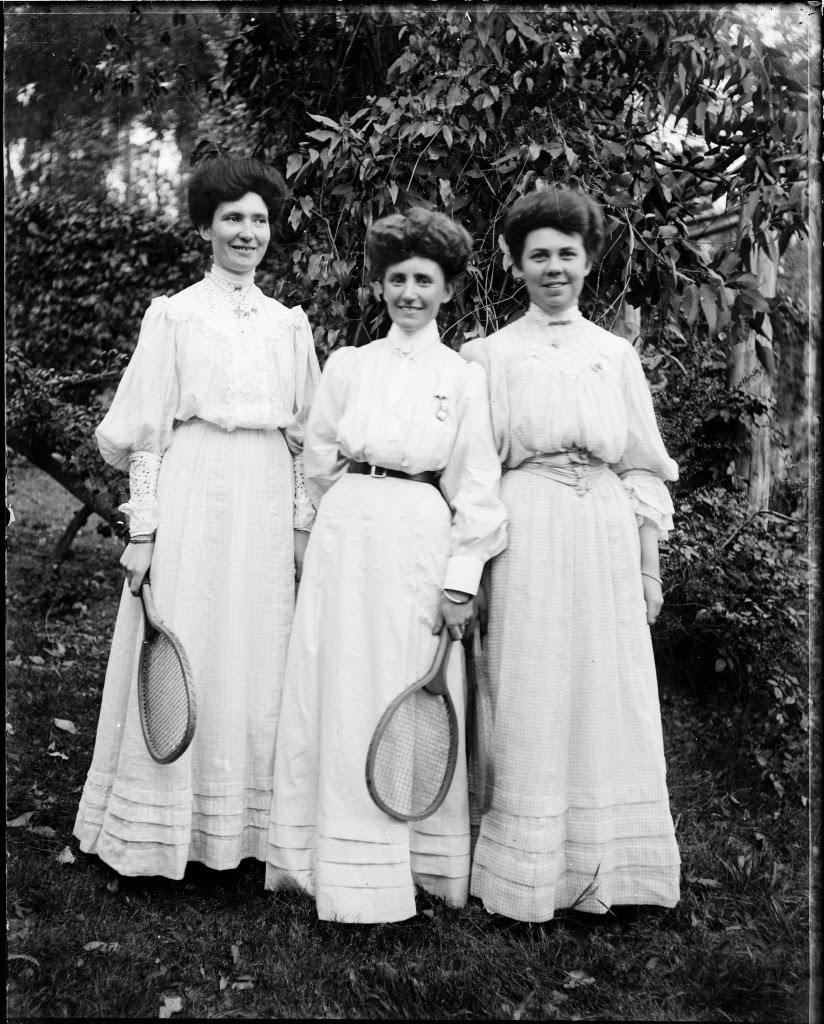
Three young women in light dresses holding tennis racquets, ca. 1900.
Women playing tennis, 1906.
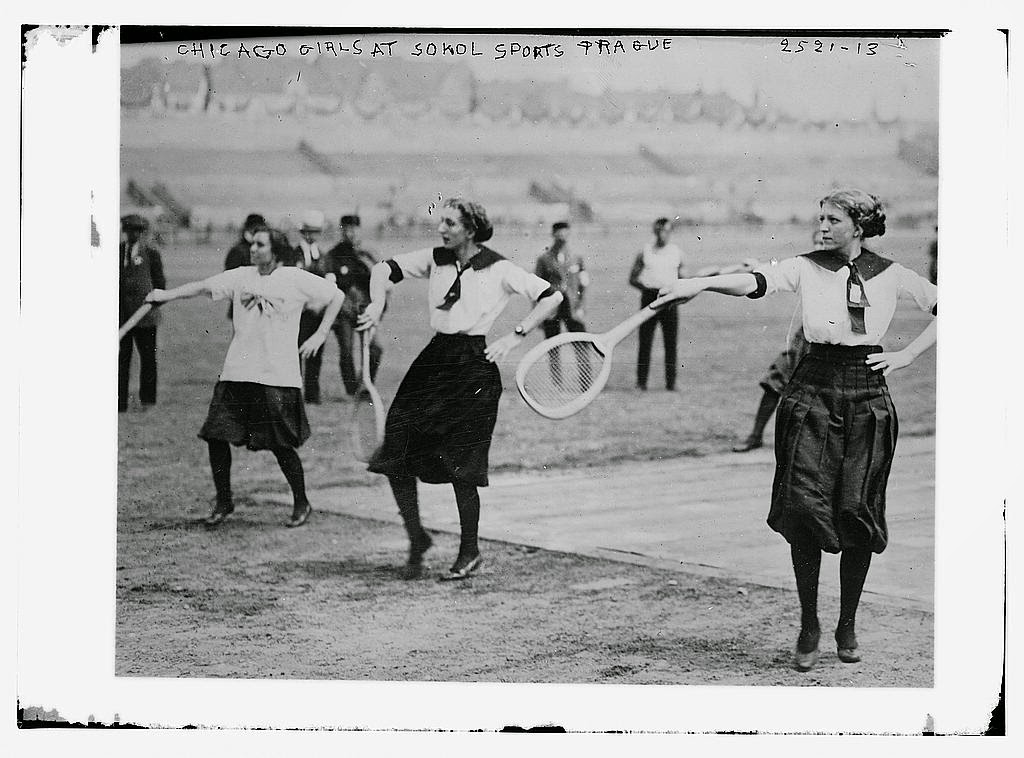
Chicago girls at Sokol Sports, Prague, Austria, ca. 1912.
Gladys Ingalls, ca. 1910s.
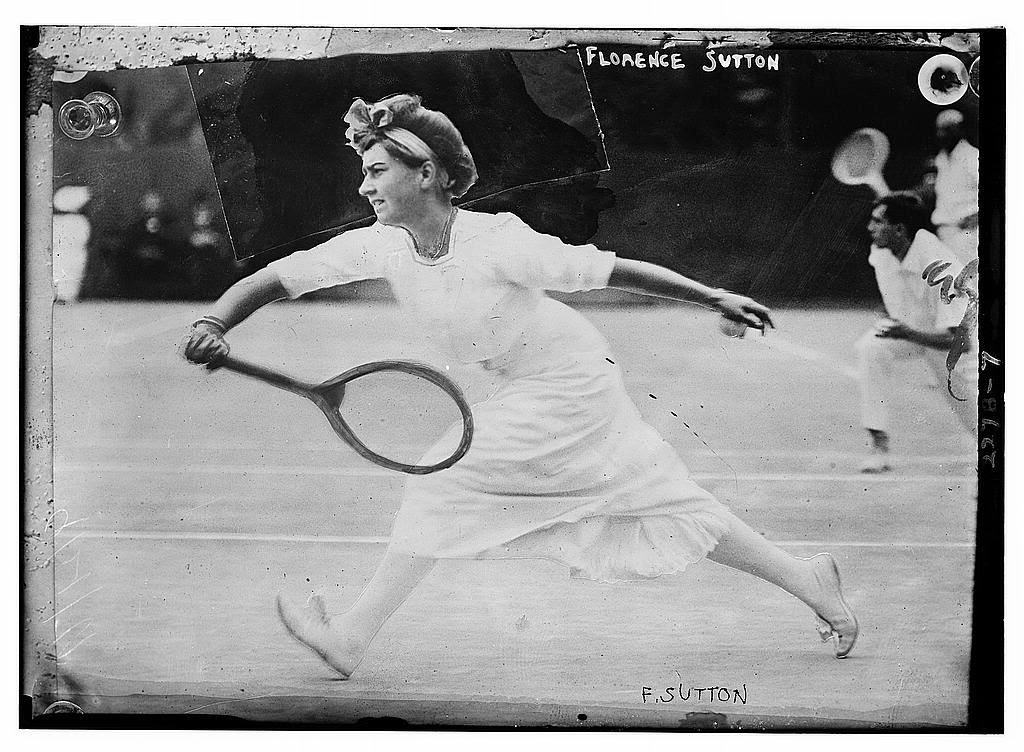
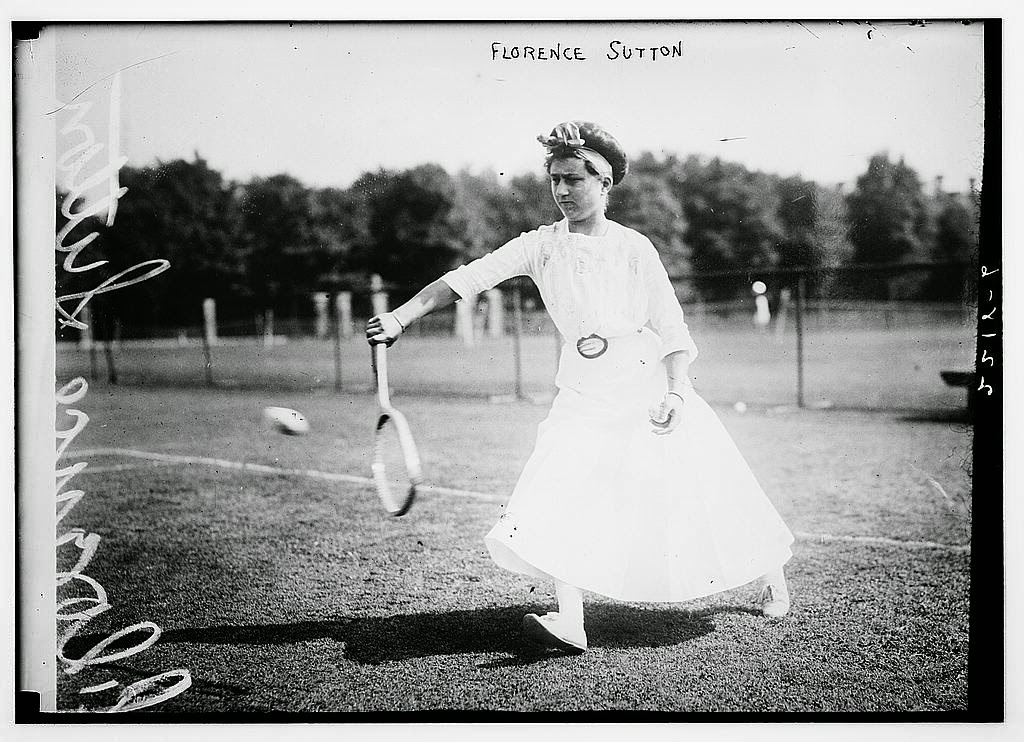
American tennis player Florence E. Sutton (1883-1974), ca. 1910s.
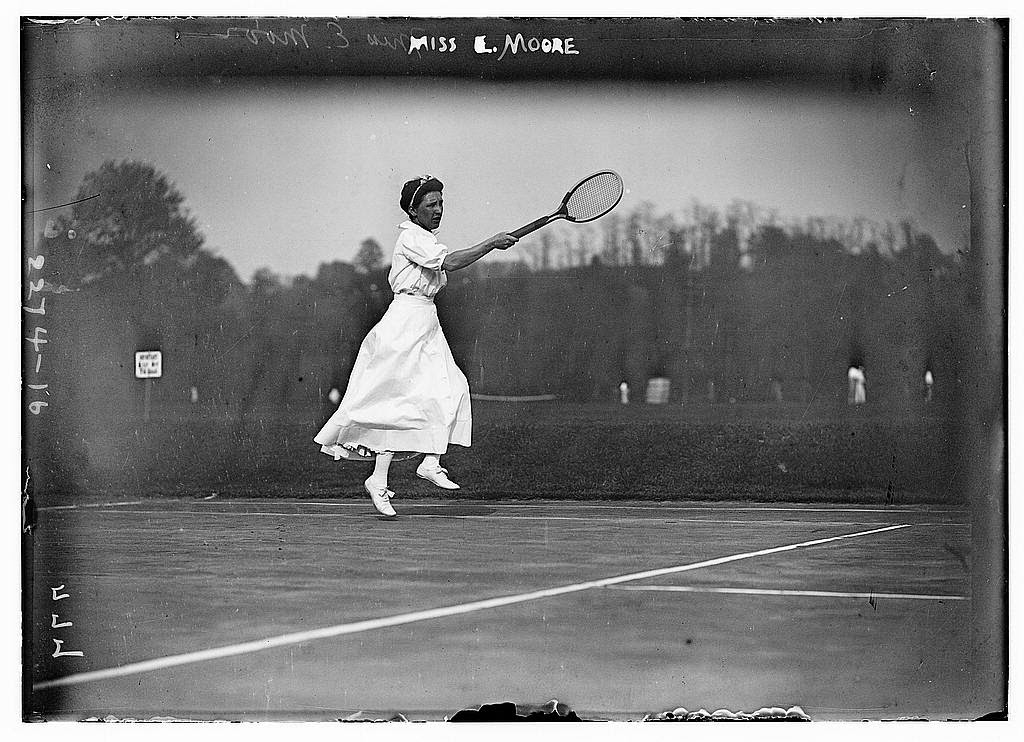
Elisabeth “Bessie” Holmes Moore (1876-1959), ca. 1910s. Elisabeth was a young tennis champion who won her first U.S. title in 1896.
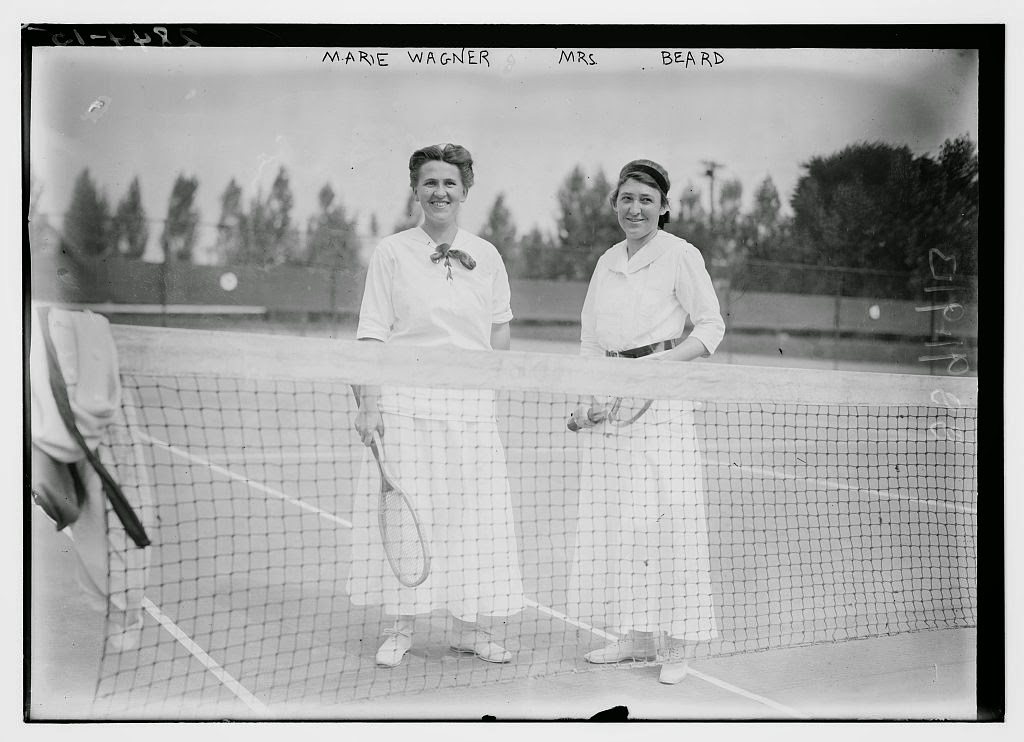
American tennis champion Marie Wagner (1883-1975) with Mrs. C.N. Beard, 1913.
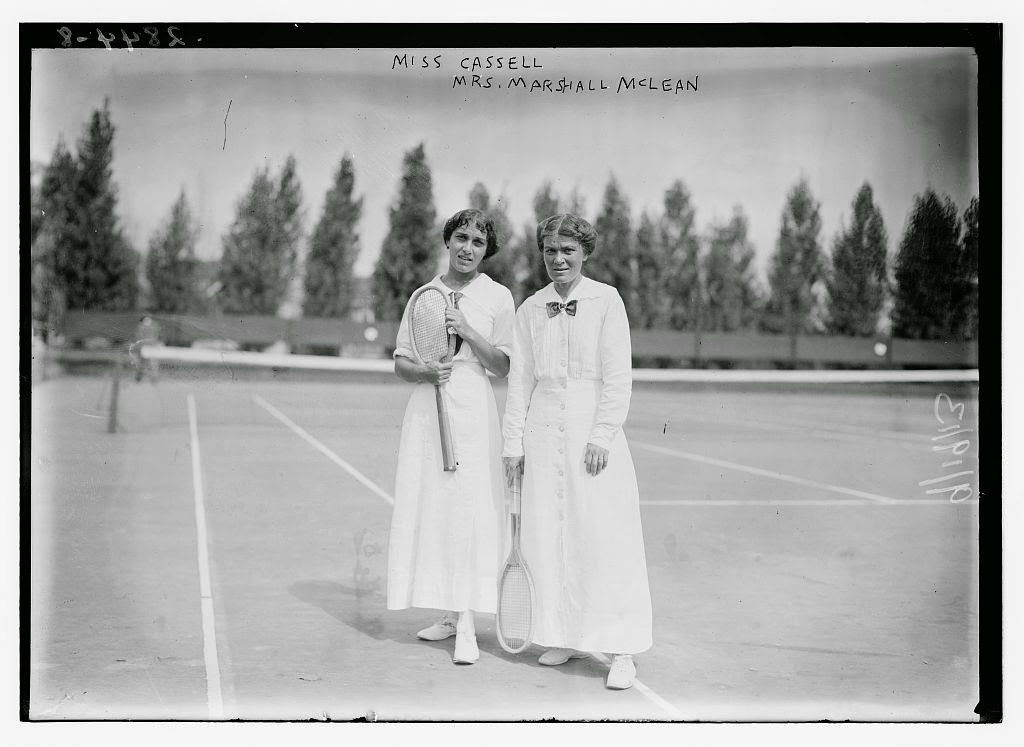
Tennis champions Clare Cassell and Mrs. Marshall McLean at the Montclair Athletic Club women’s singles tournament in Montclair, N.J., 1913.
American tennis player Florence E. Sutton (1883-1974), ca. 1910s.
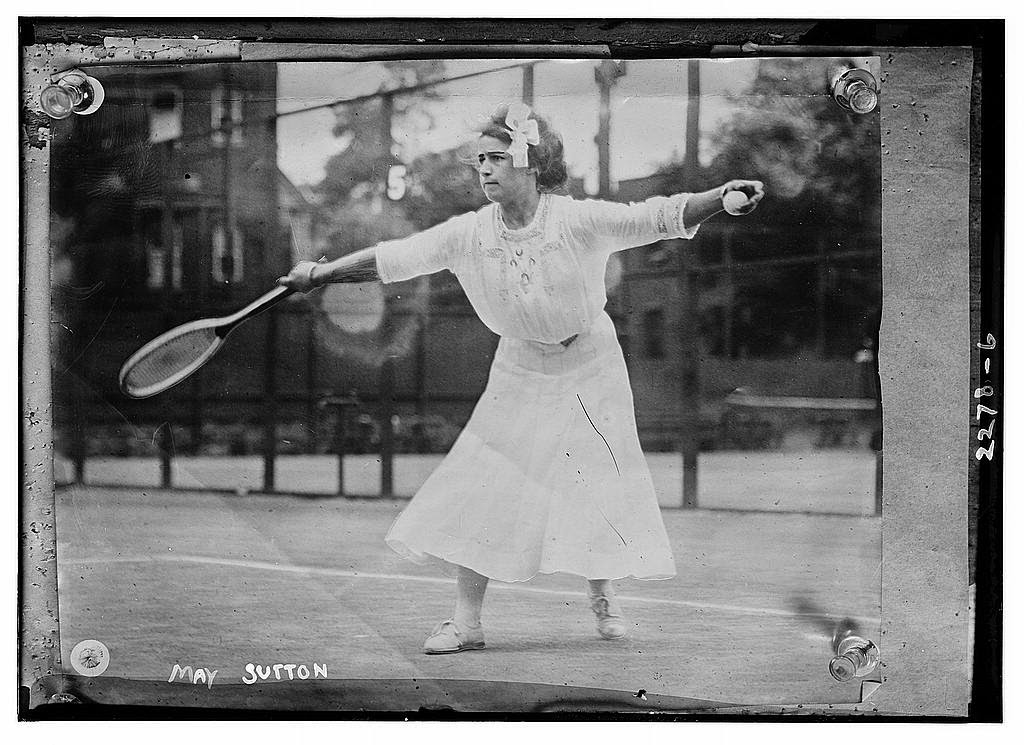
May Sutton, ca. 1910s.
American tennis player Florence E. Sutton (1883-1974), ca. 1910s.
Tennis player Alberta Weber who played in the Women’s National Indoor Tennis Tournament at the Seventh Regiment Armory (Park Avenue Armory), New York City in March of 1915.
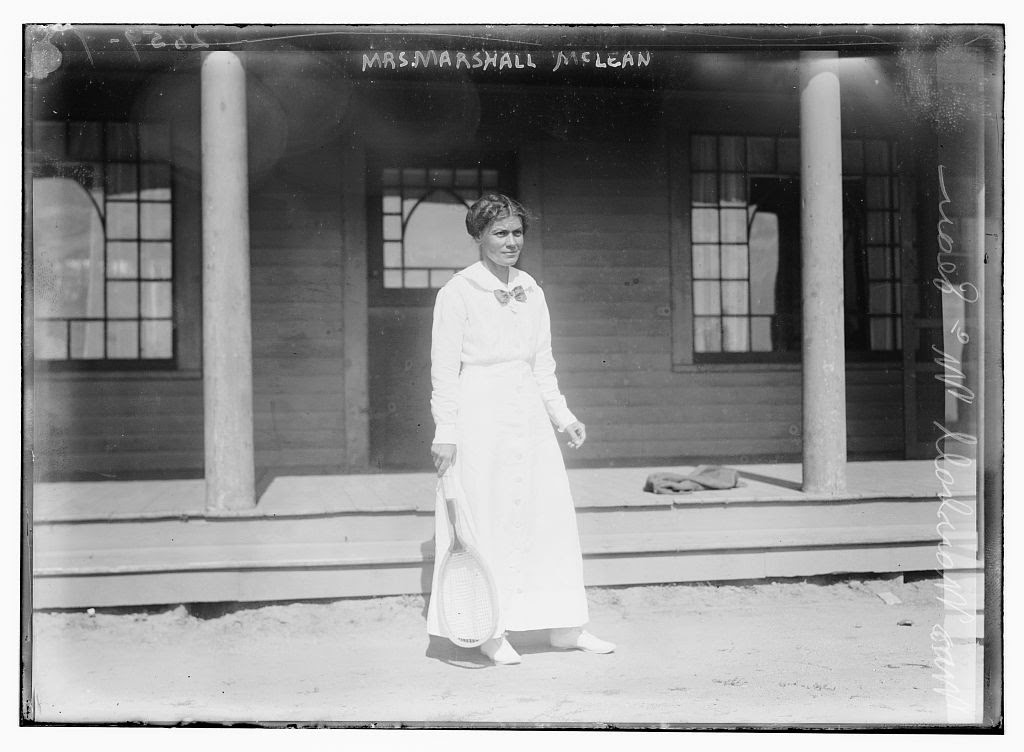
tennis champion Mrs. Marshall McLean probably at the Montclair Athletic Club women’s singles tournament in Montclair, N.J., ca. 1910s.
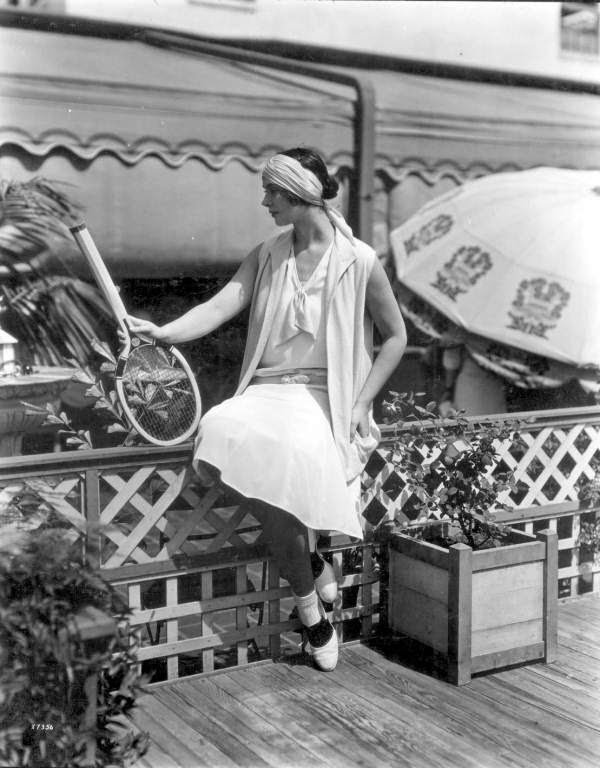
Woman models tennis fashions at Burdine’s: Miami, Florida, 1929.
Walking women at Fyris Square, Uppsala, Sweden, 1902.
St. Anne’s Union Lawn tennis club, Waterford, 1924.

Yesterday Today

Bringing You the Wonder of Yesterday - Today

Skip to content ↓