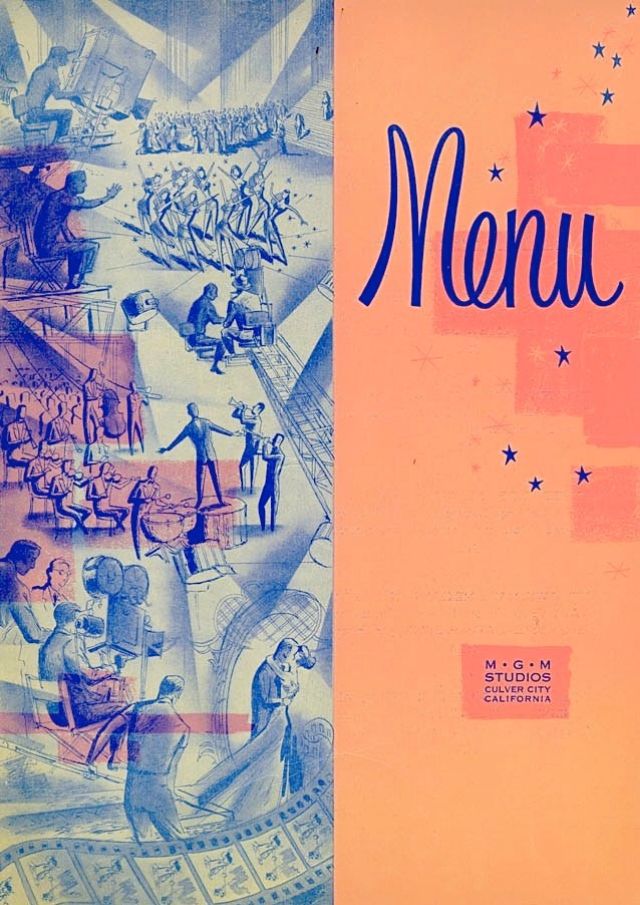
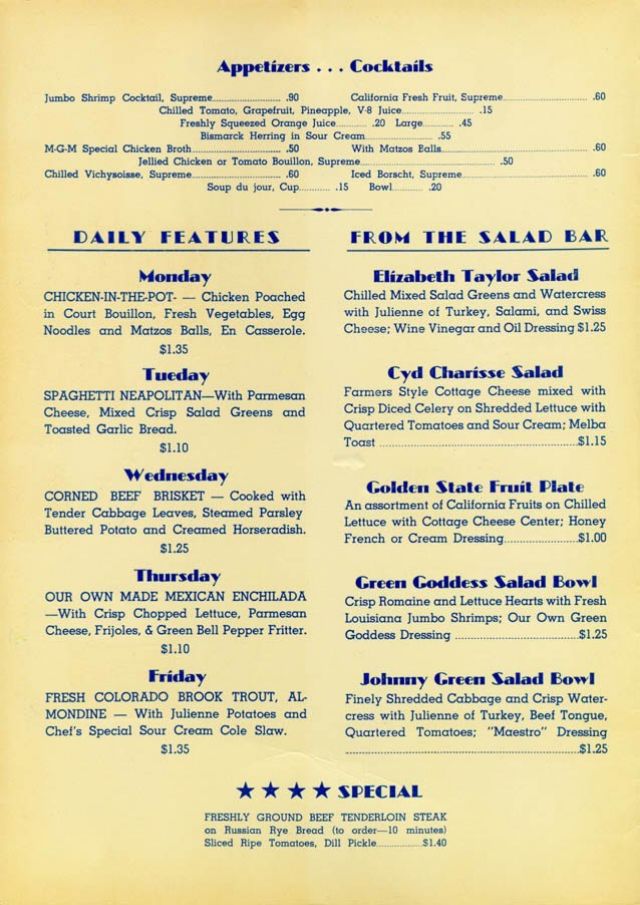
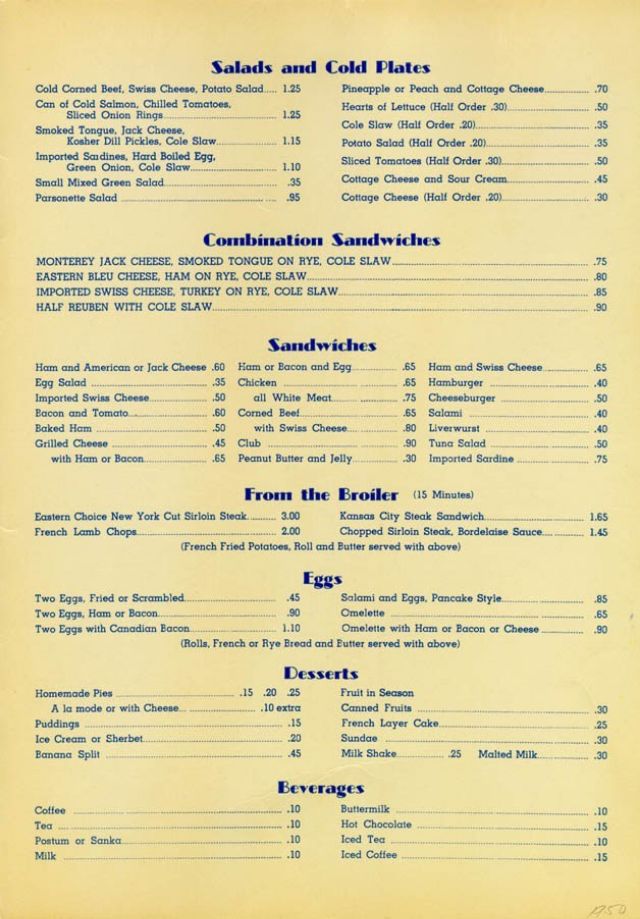
If you were lucky enough to be dining at the Metro-Goldwyn-Mayer commissary menu in the late 1950s and early 1960s, this would have been the menu you’d have been handed.
Elizabeth Taylor Salad or Cyd Charisse Salad, anyone? You knew you’d made it at MGM when they named a salad after you. To see the various choices you can see the inside pages on the website—and just get a load of the back page!
Grace Kelly eating with Ann Blyth and Janet Leigh in the MGM commissary. Elizabeth is in the background.
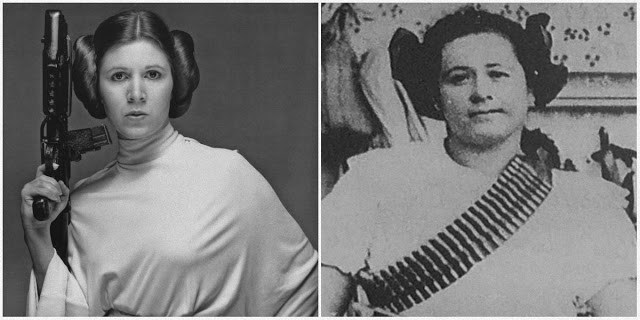
It was revealed in this galaxy not so long ago: The famous hairdo that defined Star Wars’ Princess Leia image was inspired by revolutionary Mexican women.
Back in 2002, when Episode II of Star Wars, Attack of the Clones was released, director George Lucas told TIME magazine that he “was working very hard to create something different that wasn’t fashion.” Inspiration came, as Lucas put it, from a “turn-of-the-century Mexico” and “kind of Southwestern Pancho Villa woman revolutionary look.”
The buns became then the signature feature of Carrie Fisher’s legendary character.
But it wasn’t until Fisher’s death that the serendipity of social media made this previously little-known Princess Leia trivia become viral.
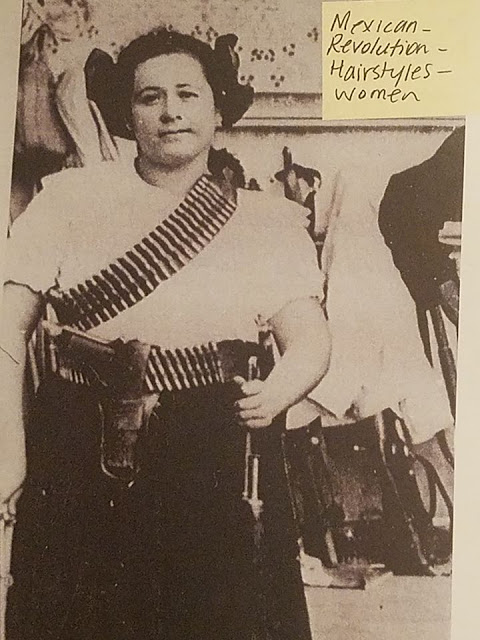
It all started with a photo that the University of Texas at Austin associate professor Eric Tang posted on his Facebook wall. He visited an exhibition at the Denver Museum of Art called Star Wars and the Power of Costume and was surprised when he saw the photo of an unidentified revolutionary Mexican woman credited as the inspiration for big Leia’s buns.
Tang was “excited to learn that the iconic hairdo was lovingly hijacked from women of the Mexican Revolution,” as he posted on his wall.
The serendipity of social media also made possible to identify the woman in the historical picture when her descendant Alexandra de la Rocha saw Tang’s post. Her name was Clara de la Rocha, a noted colonel in the Mexican Revolution (1910-1920), a movement against the long dictatorship of Porfirio Díaz. She is one of Alexandra de la Rocha’s ancestors — her dad’s distant cousin. She died in 1970 and, in the photo below, is standing next to her father, General Herculano de la Rocha.
She is known for a key 1911 battle in Sinaloa, in northern Mexico. “She actually crossed a river on horseback… and was able to take out a power station in order to allow the rebel forces to attack during night without being seen,” says the younger De la Rocha. “She was a grizzled woman, as her father was. They were mountain people, and were actually miners and owned a lot of land. They were business people.”
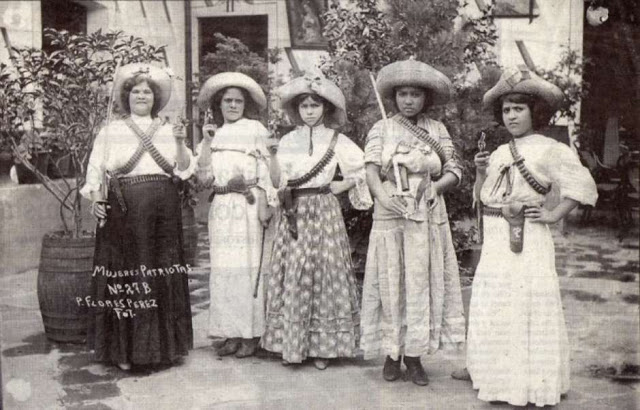
At the time, George Lucas believed he was basing Leia’s style on turn-of-the-century female “soldaderas” in Mexico like Petra Herrera, Beatriz González Ortega, Angela ‘Angel’ Jiménez, Dolores Jiménez y Muro, and Margarita Neri who had fought valiantly during the Mexican Revolution and the Spanish Civil War by transporting goods, cooking meals, setting up camp sites, carrying equipment, and smuggling ammunition and medicine across the front lines.
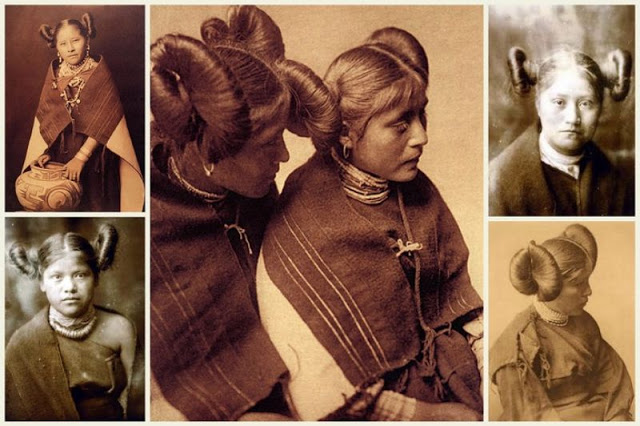
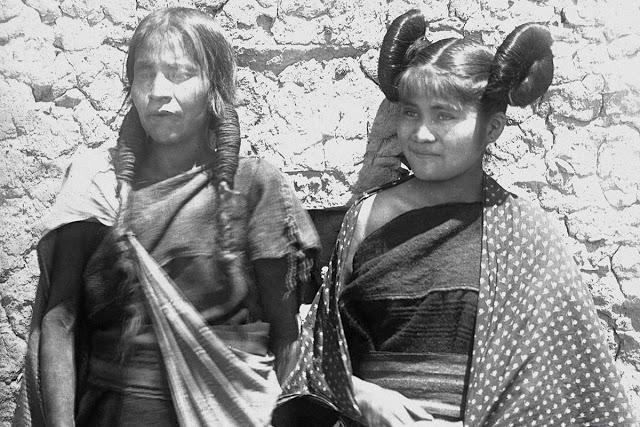
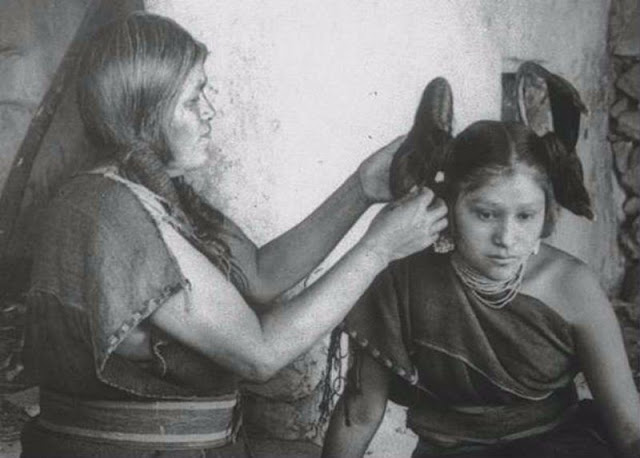
Kendra Van Cleave of Frock Flicks, a website that reviews Hollywood historical costuming, told the BBC how some young Hopi women wore a “squash blossom” hairstyle – used during a ceremony that celebrated the time of the winter solstice, Soya’la – which bares a striking resemblance to the one rooted in Hollywood lore.
“[The hairstyle] consists of two side arrangements which aren’t actually buns – they’re more loops of hair. The hair is parted in the center, then wrapped around a U-shaped ‘hair bow’ made of wood. The hair is wrapped in a figure of eight pattern, then tied at the middle and spread out to create the two semi-circles,” she said.
This hairstyle became more widely known in the early 20th century due to photography.
“Many of the arty, bohemian women of the 1920s adopted ‘ethnic’ fashion as a means of demonstrating their difference from the mainstream and therefore as a feminist statement.” Van Cleave added.
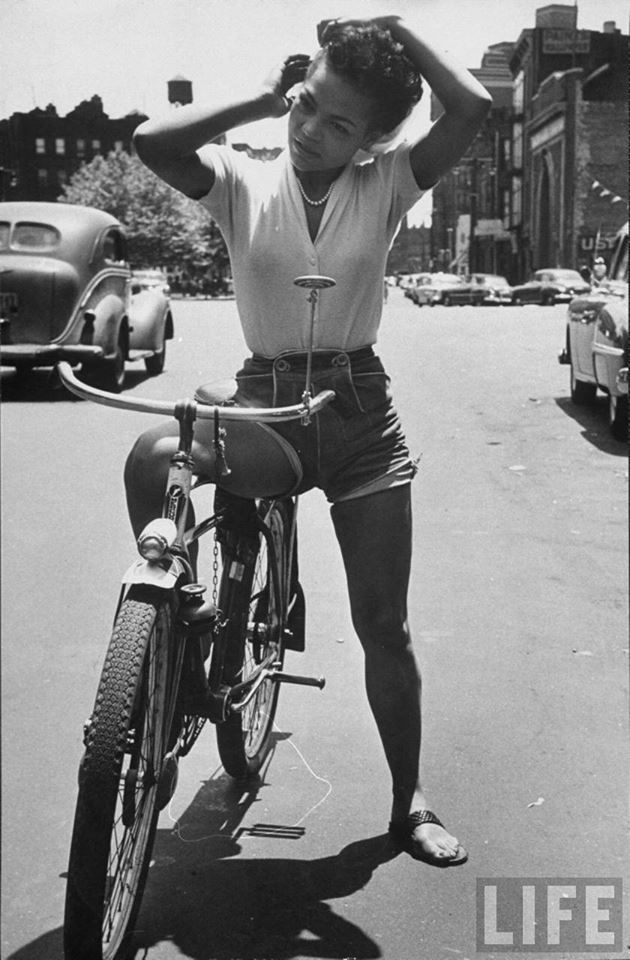
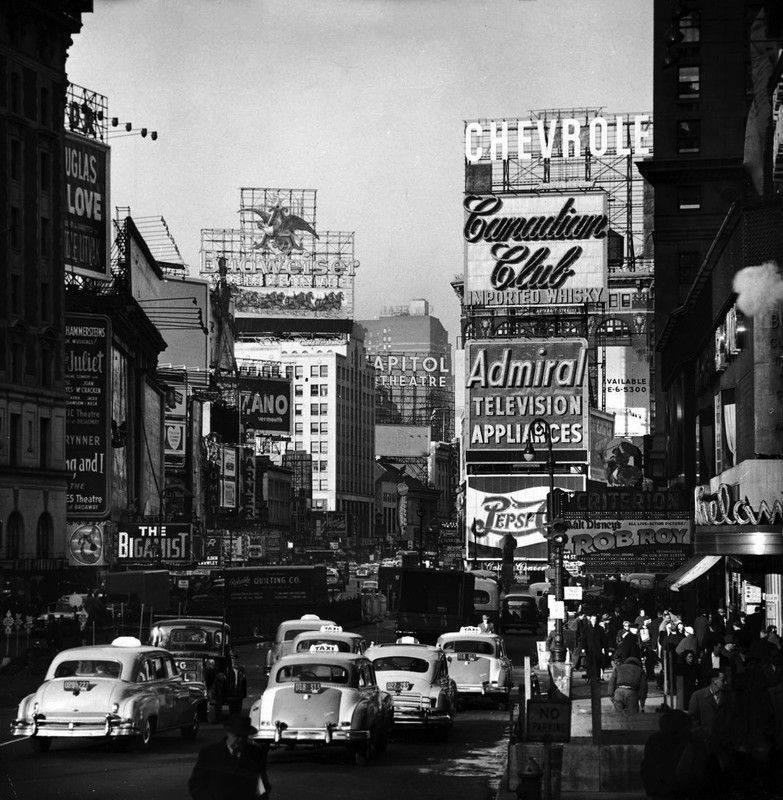
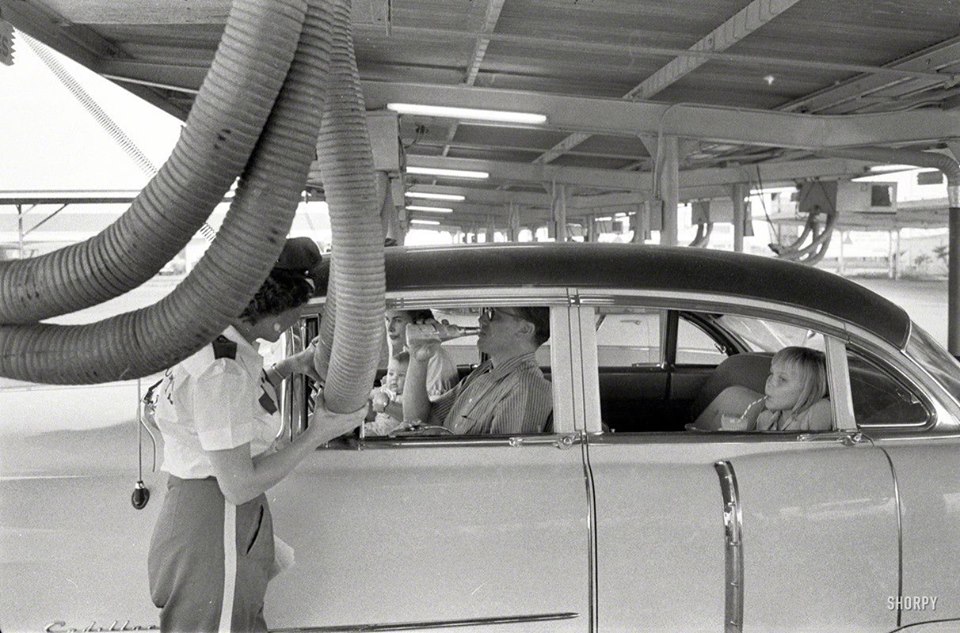
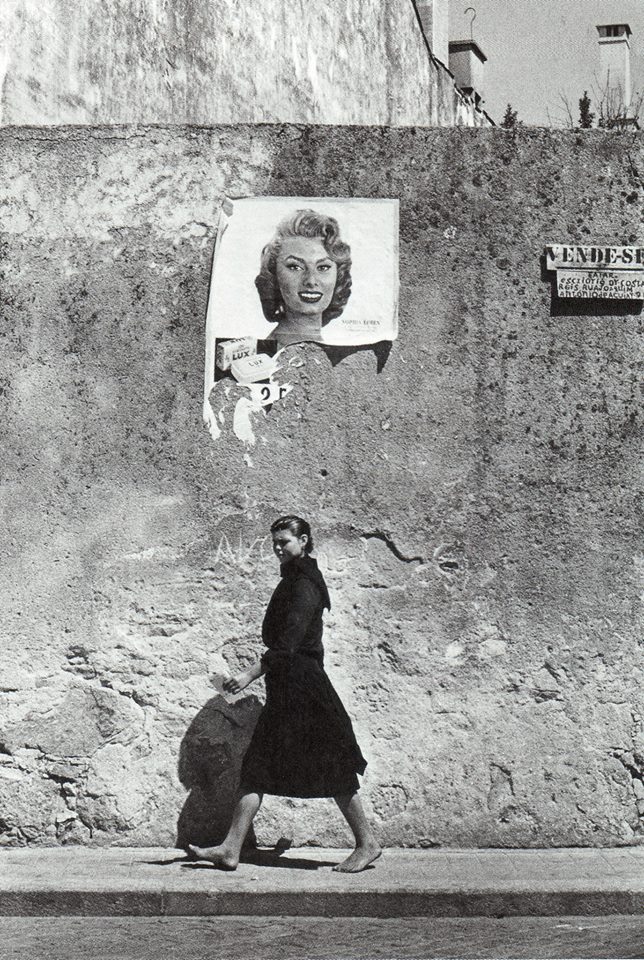
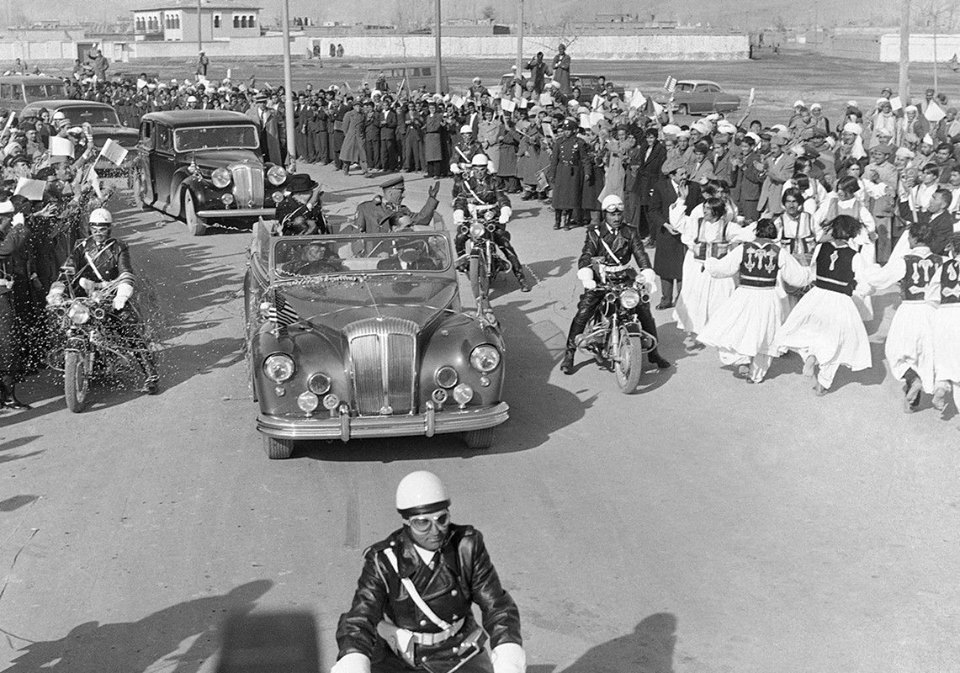
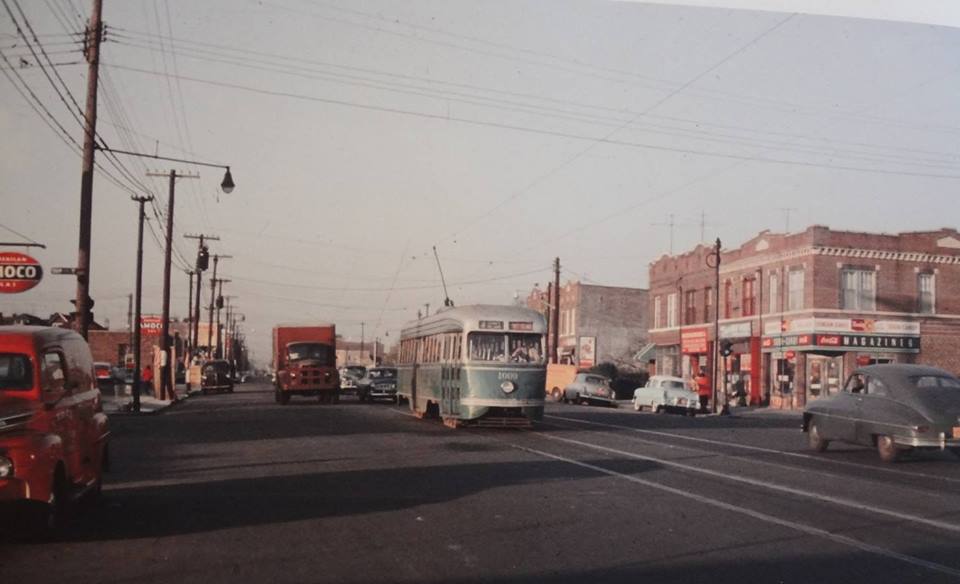
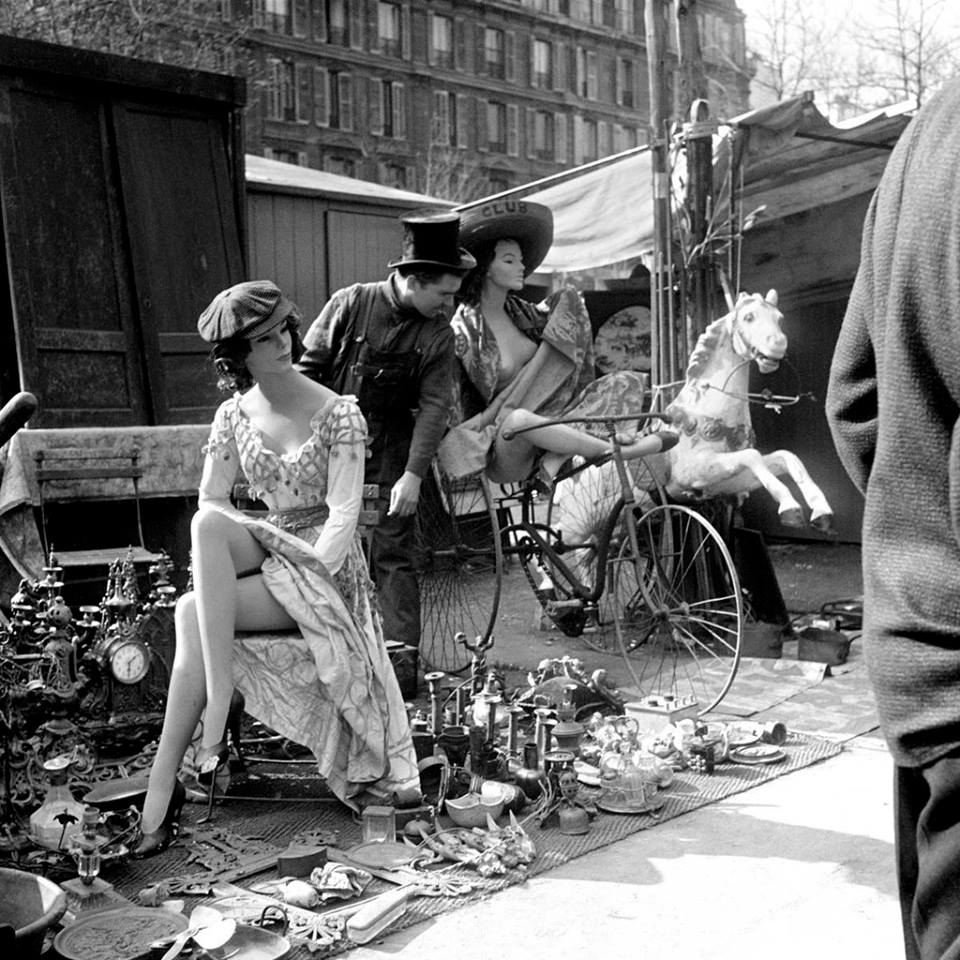
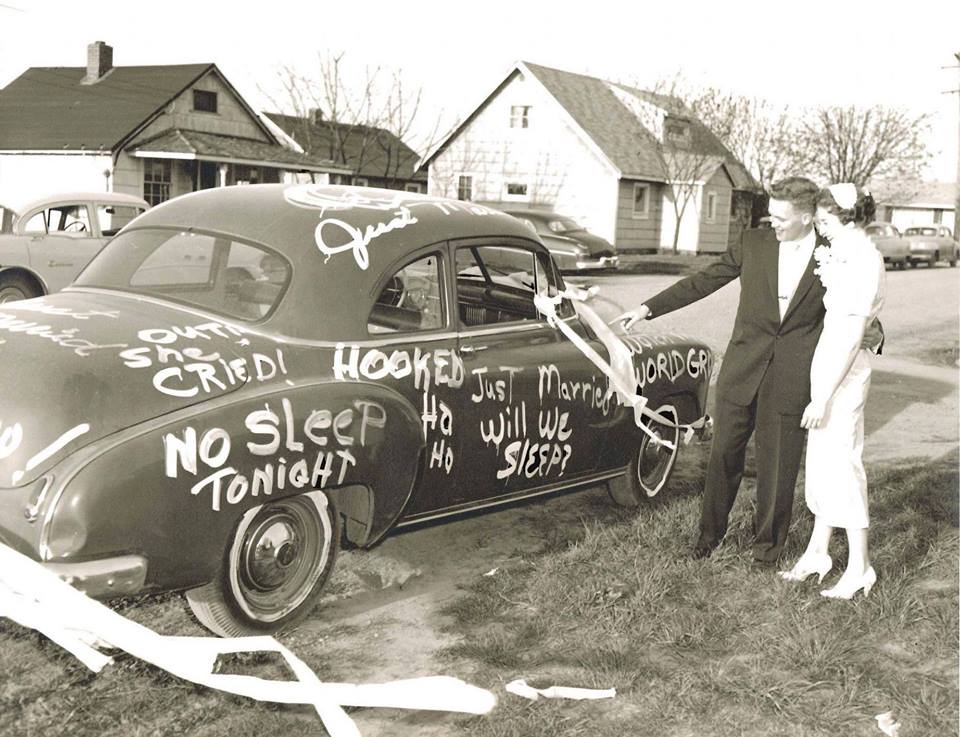
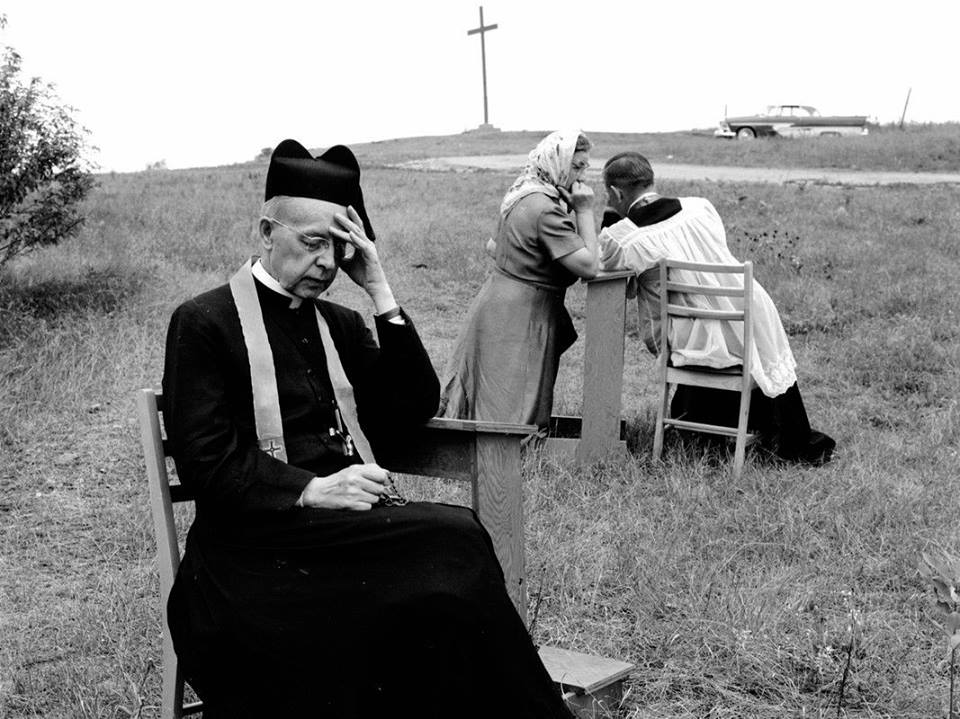
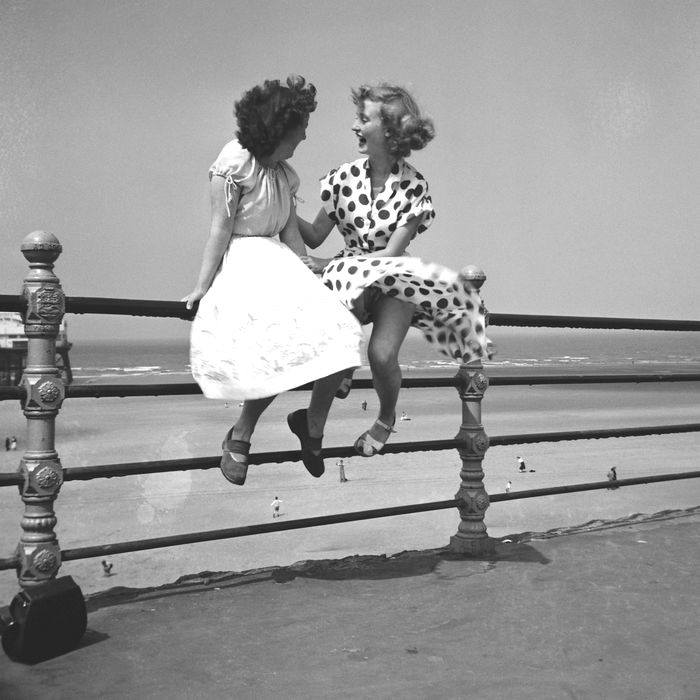
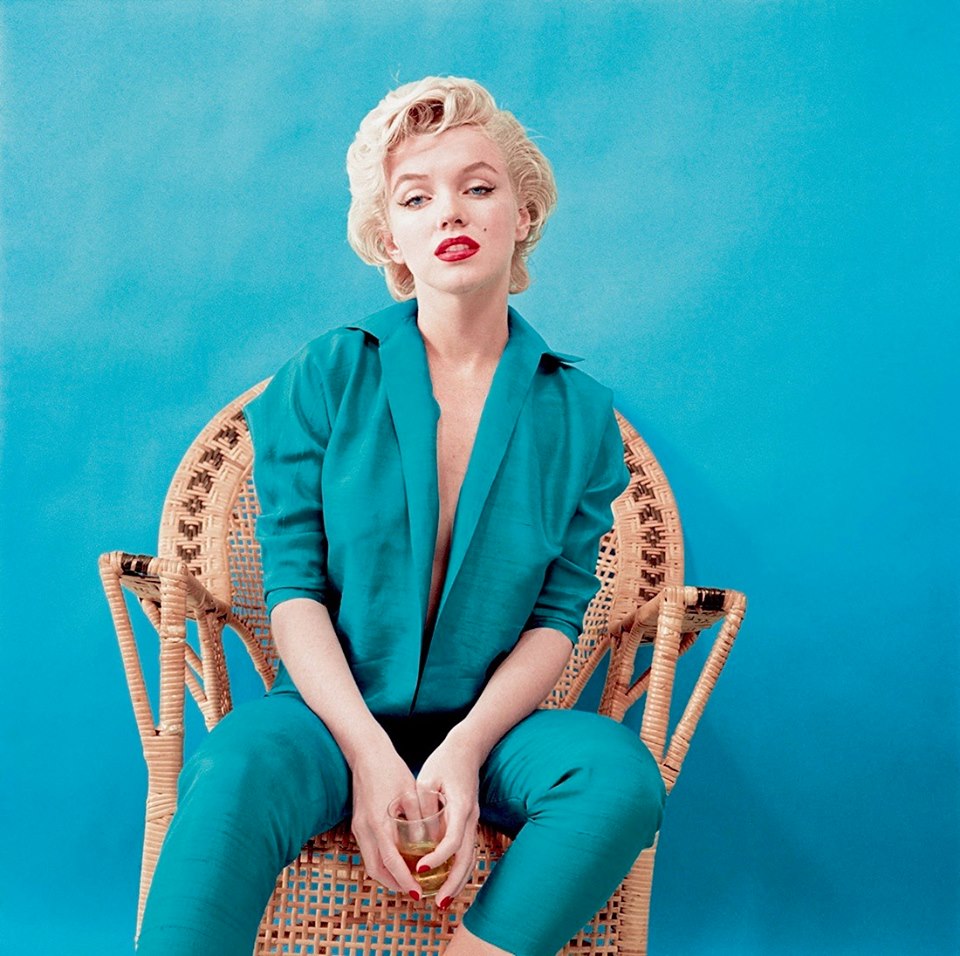
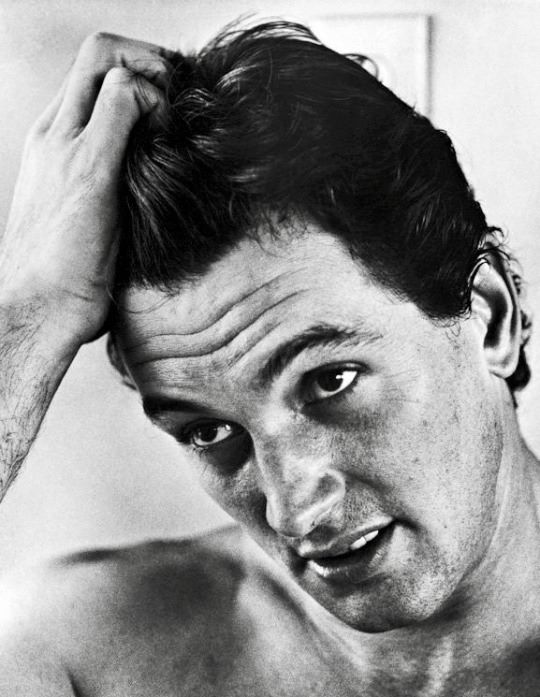
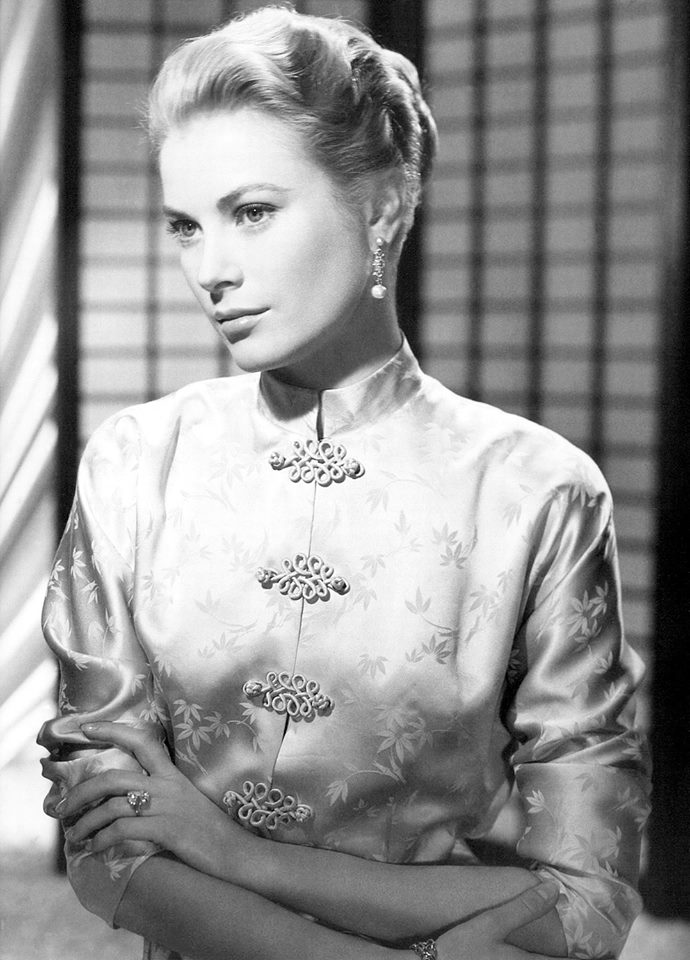
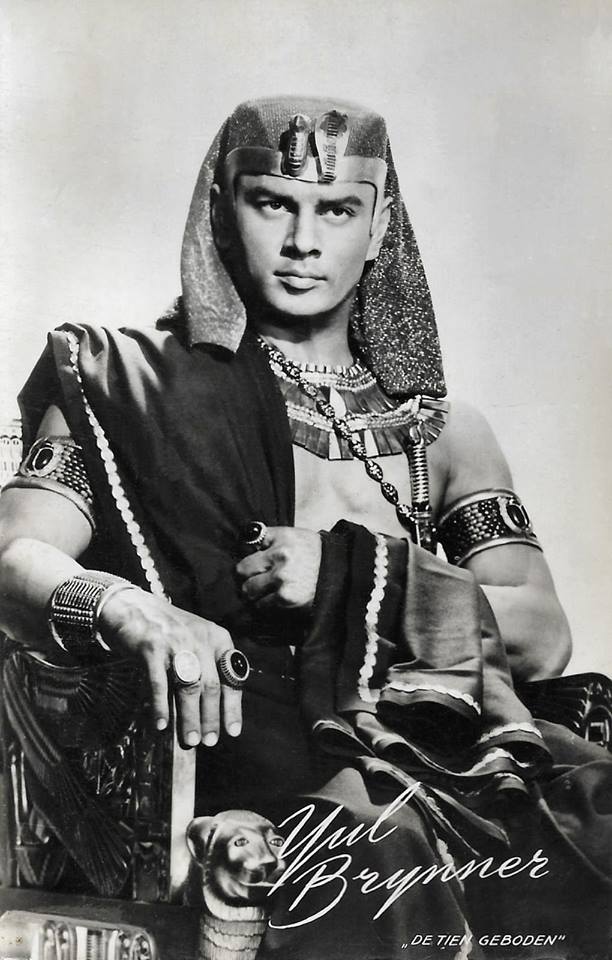
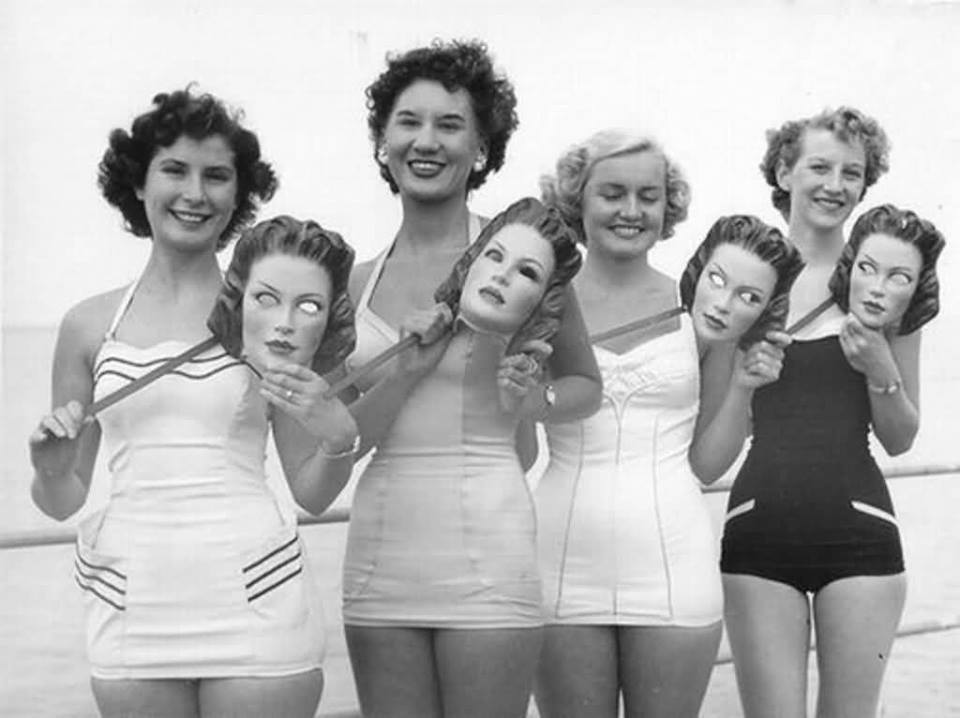
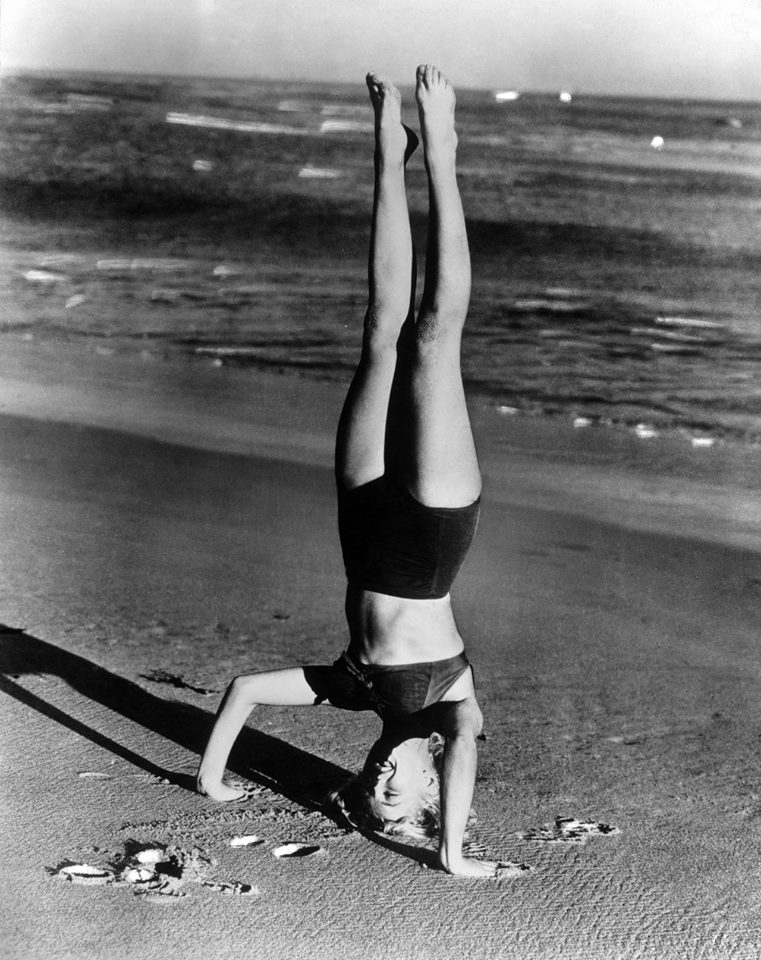
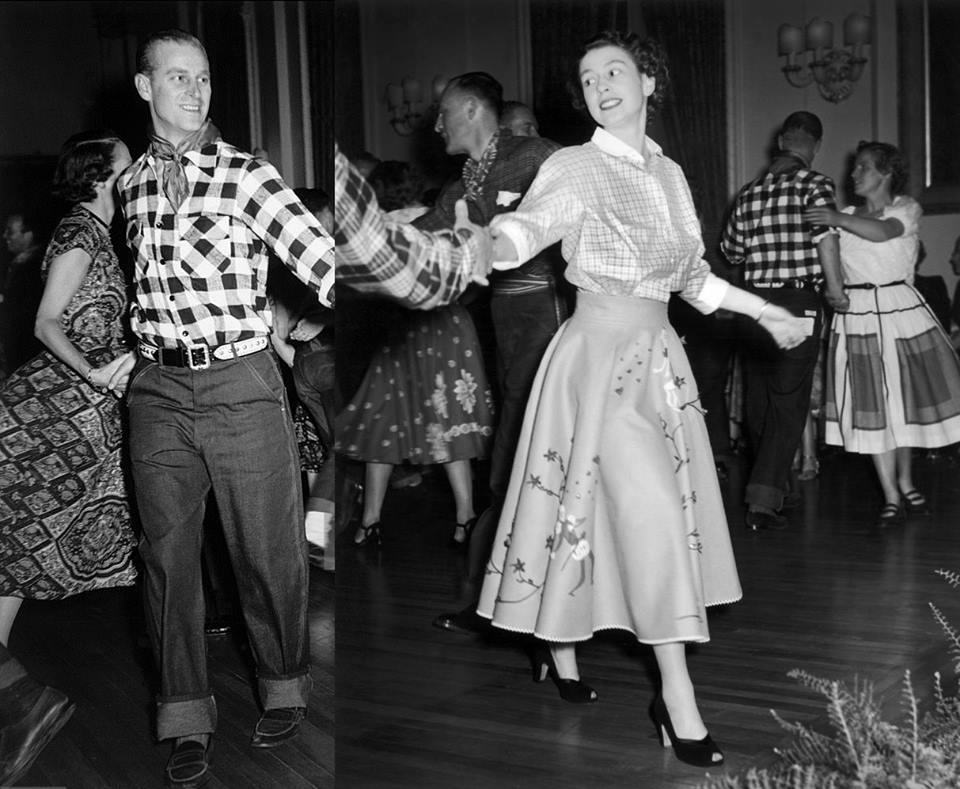
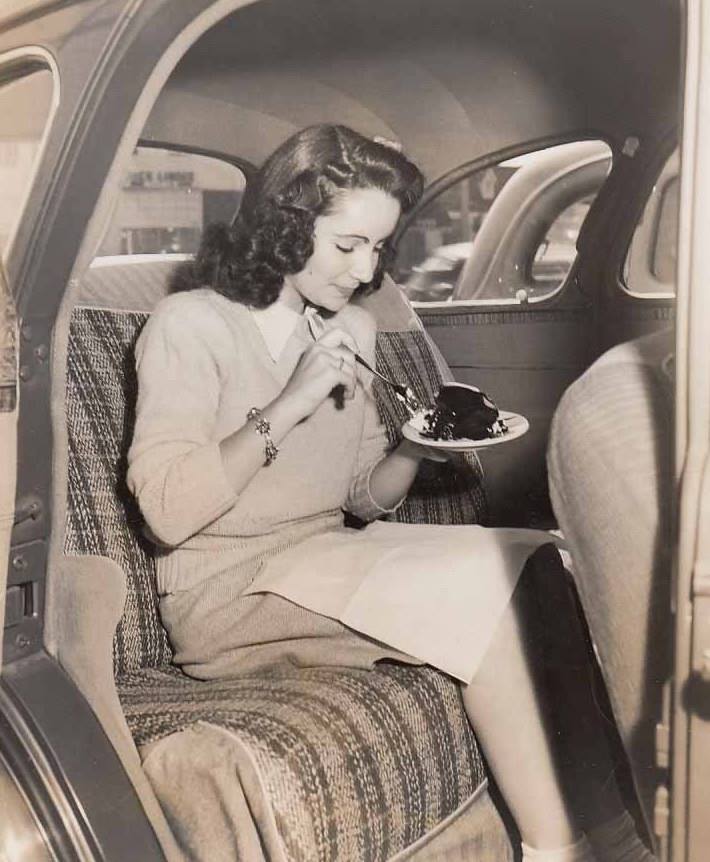
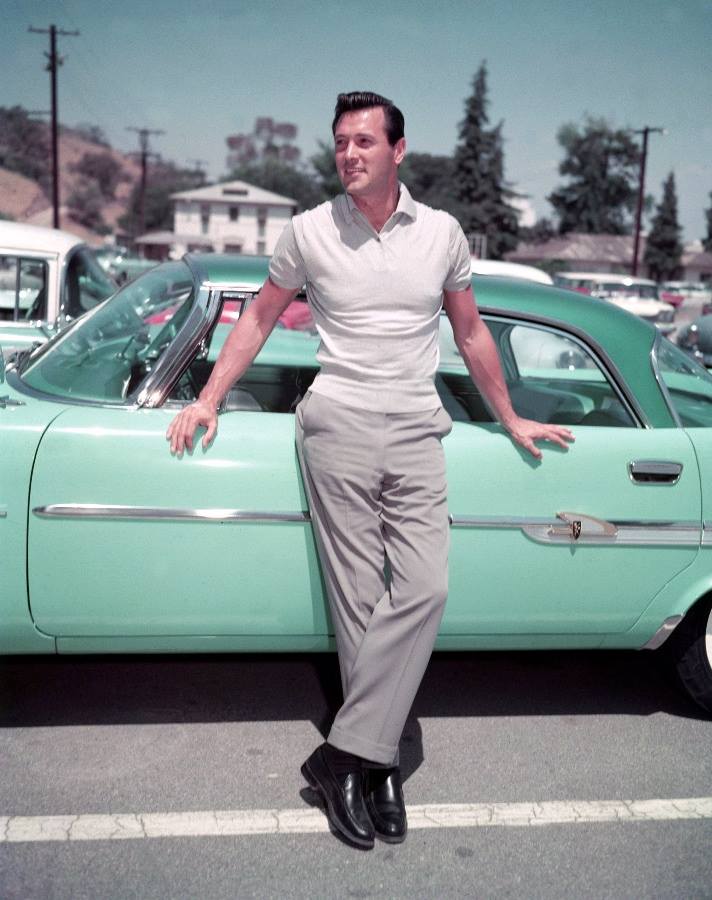
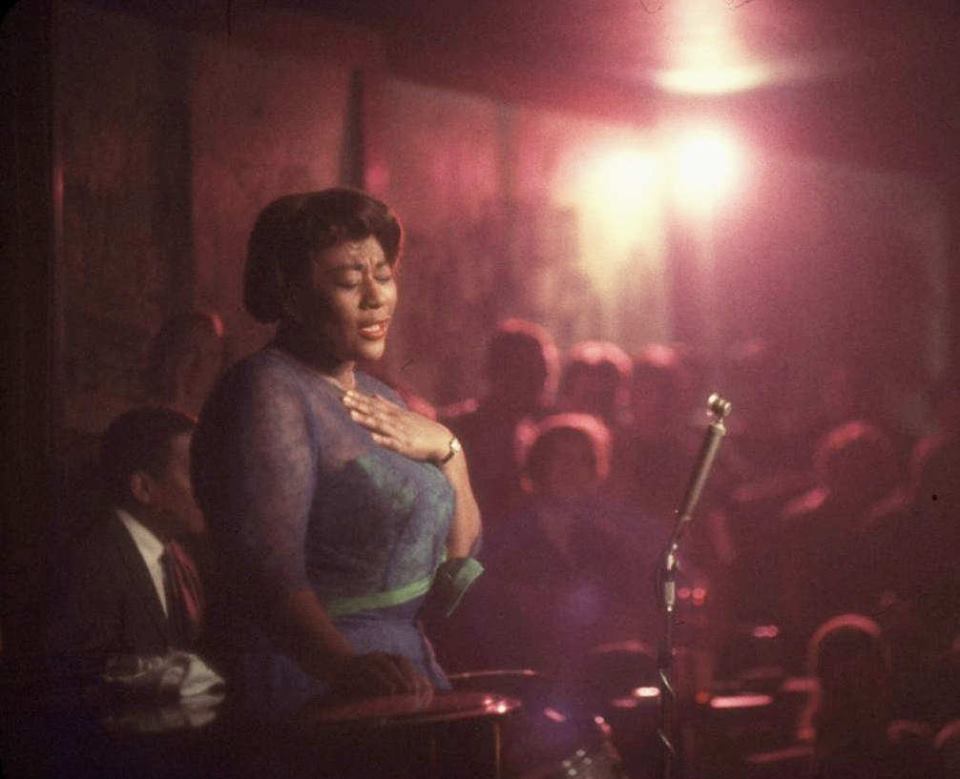
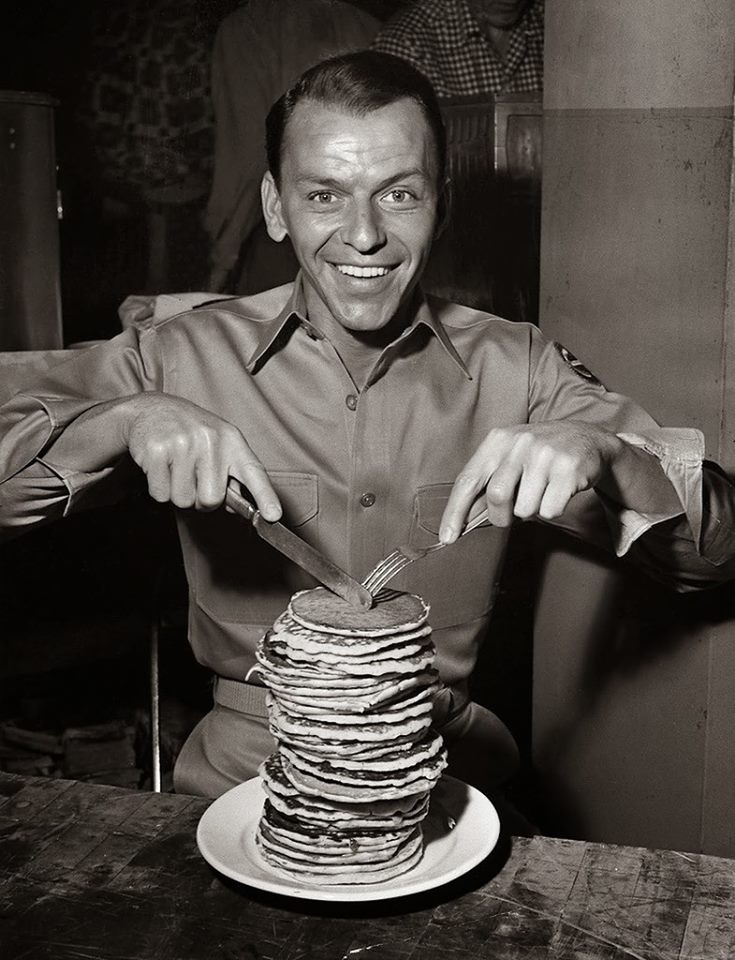
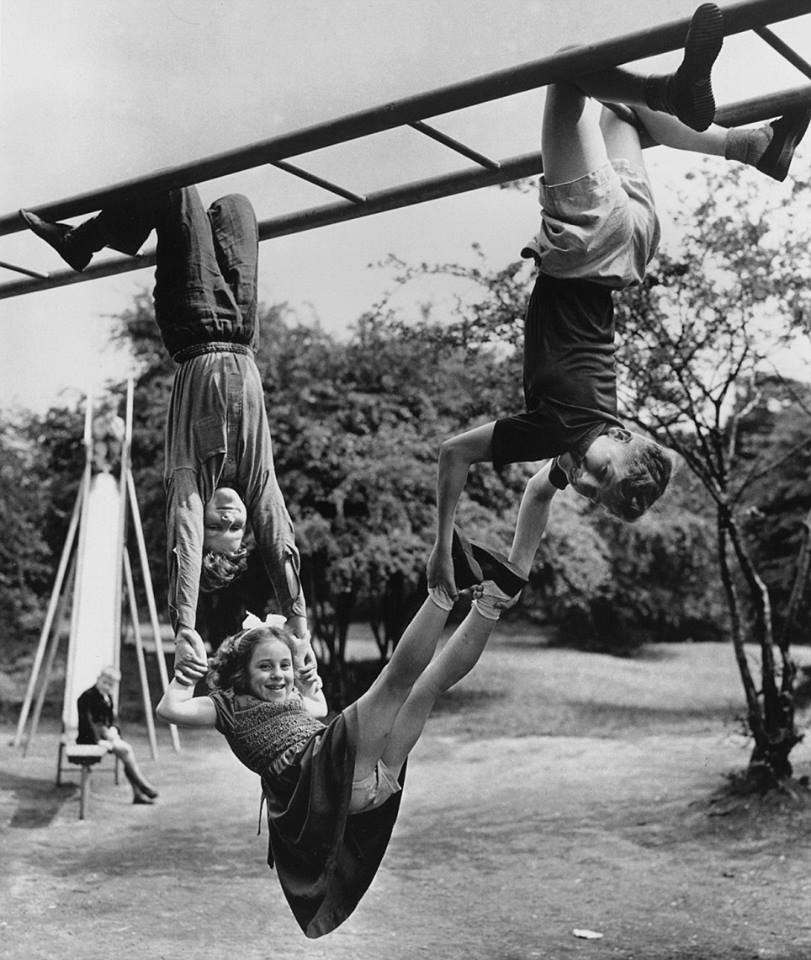
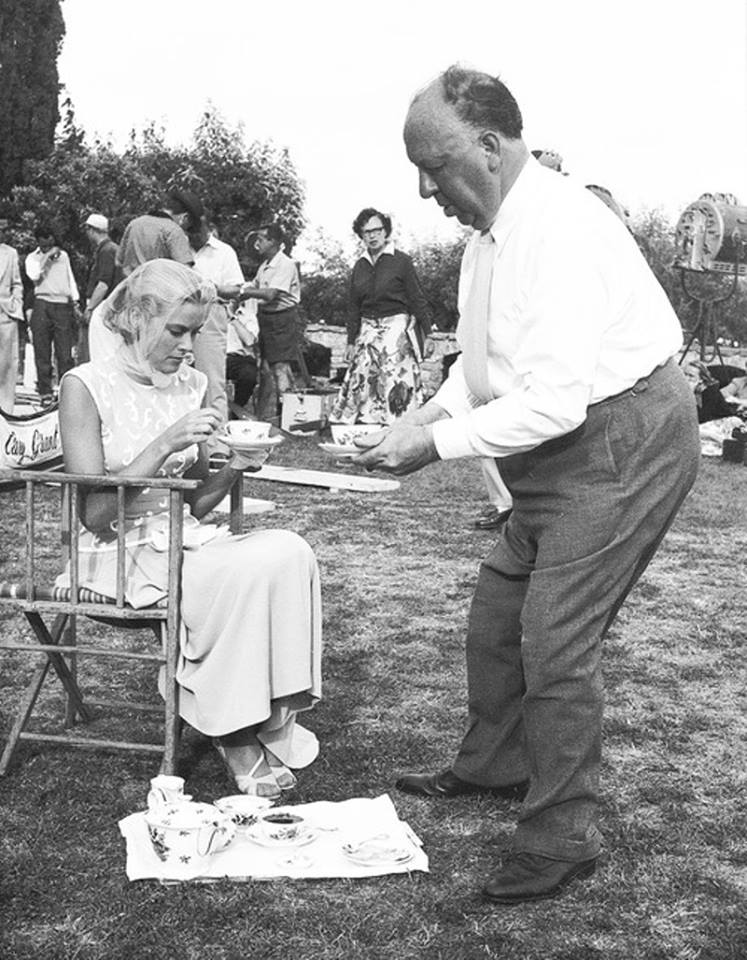
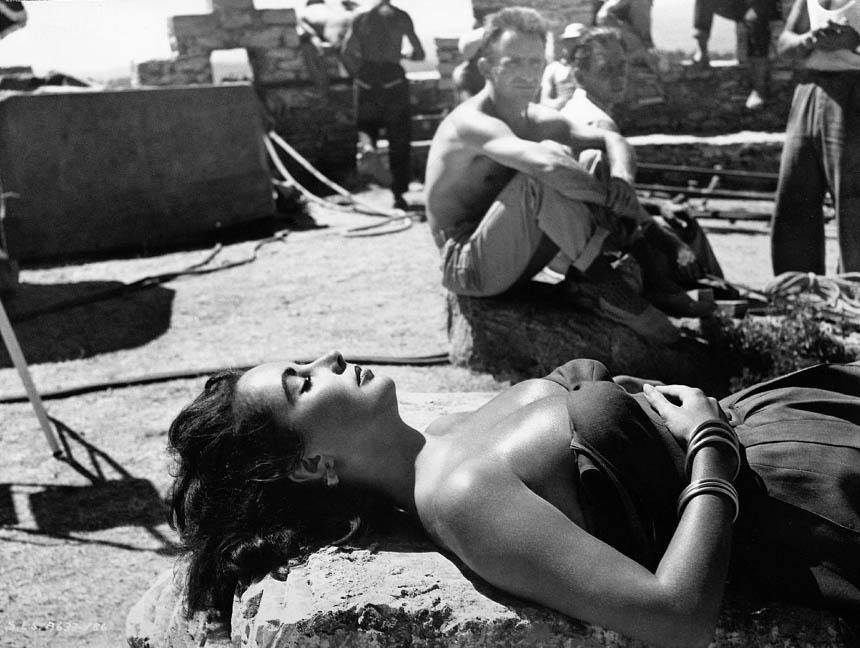
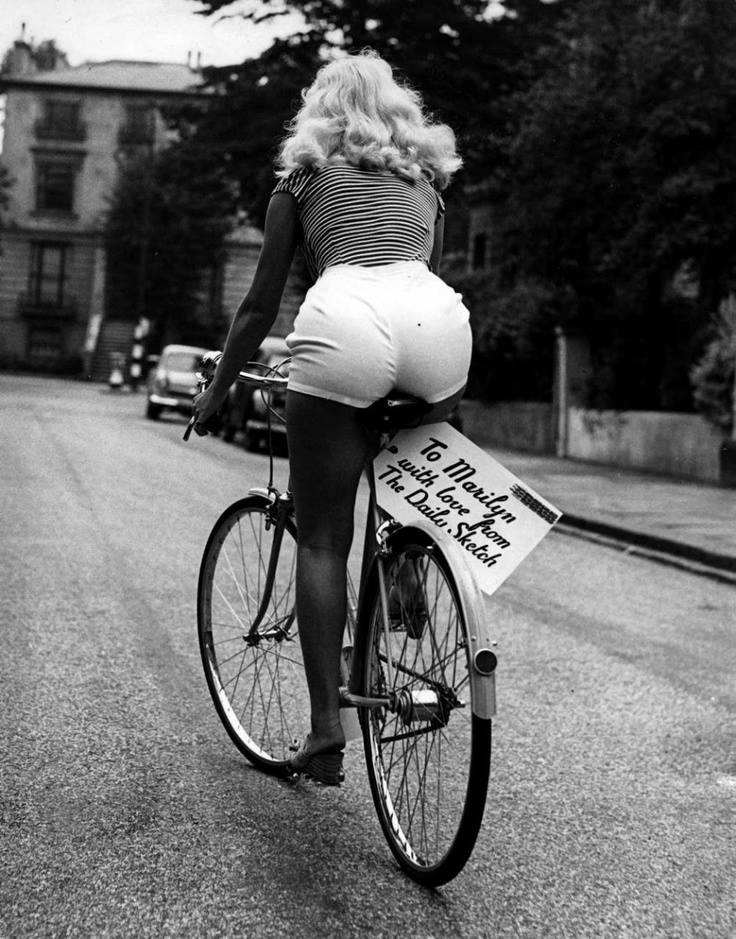
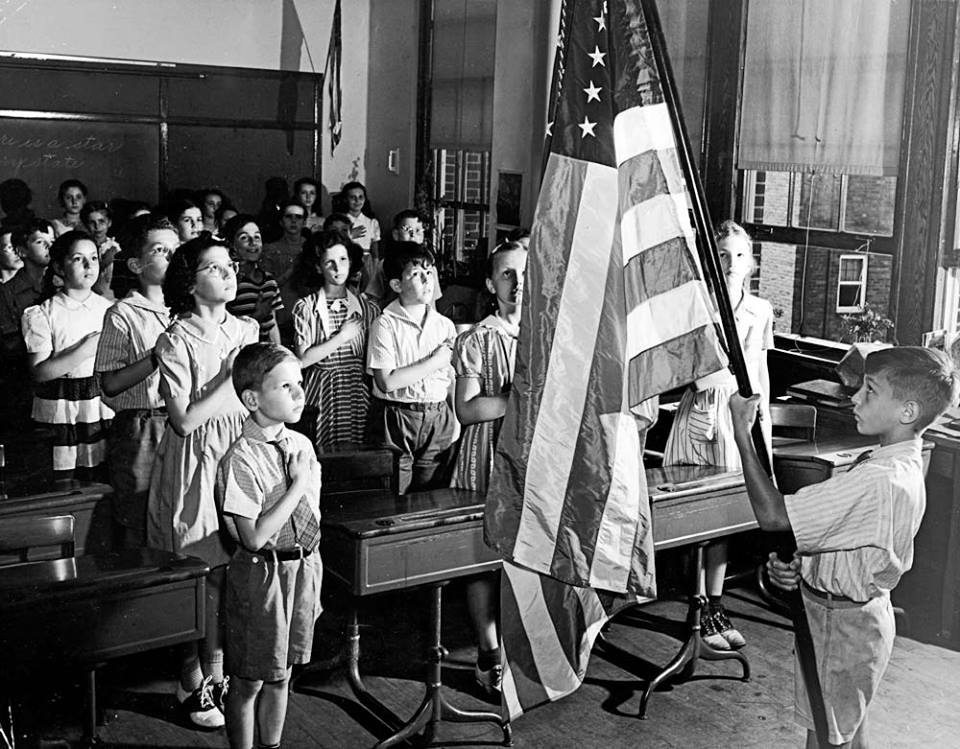
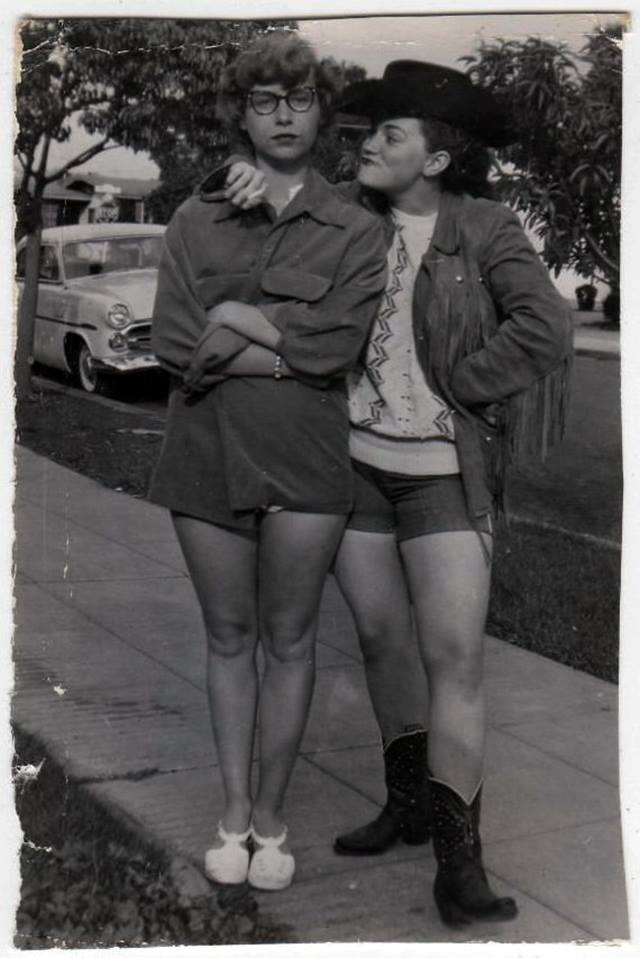
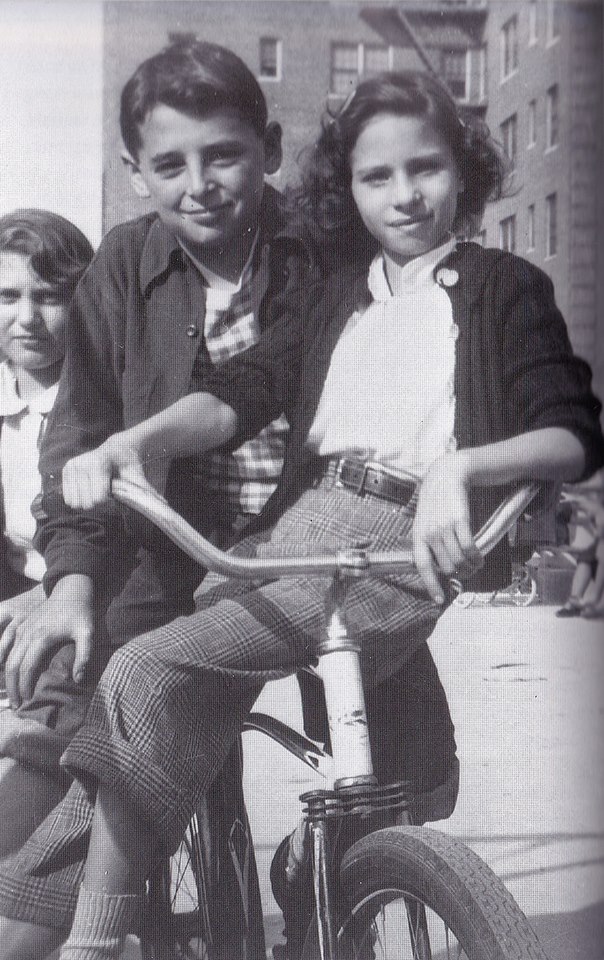
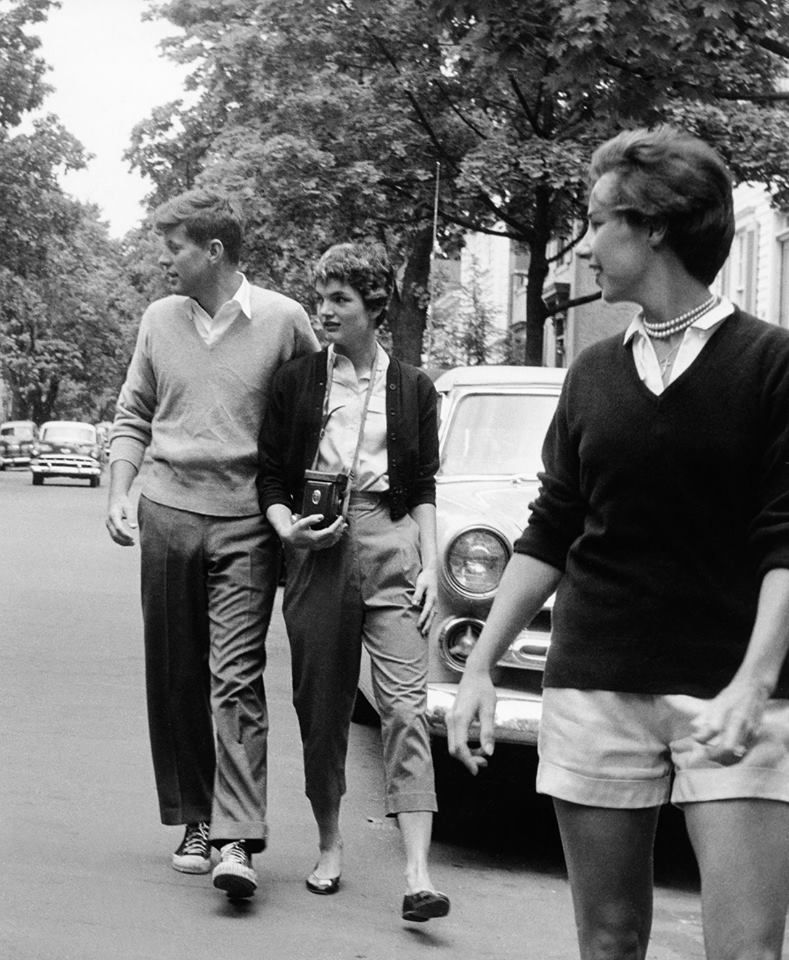
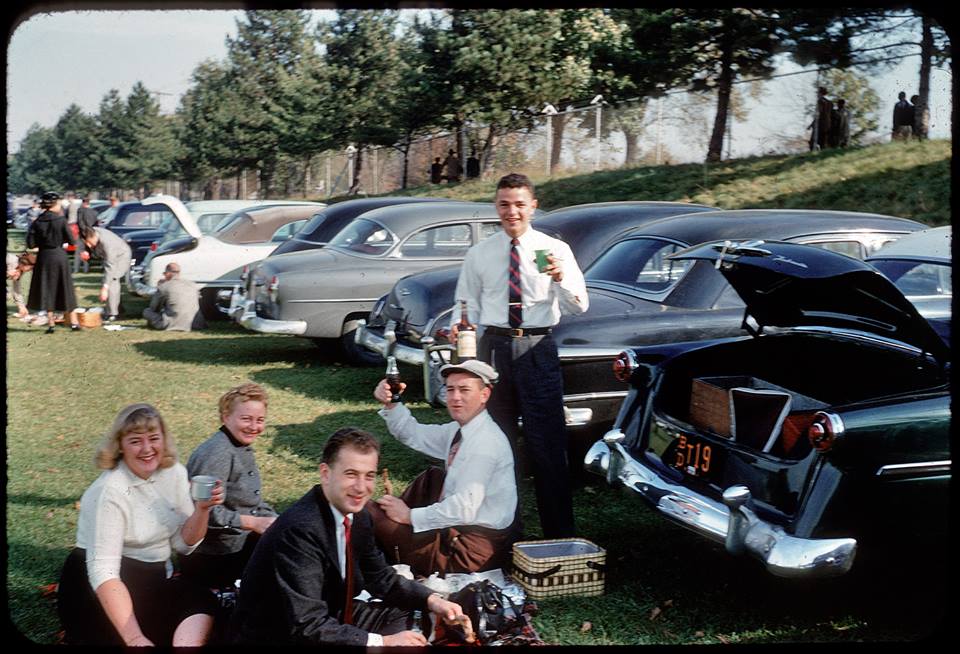
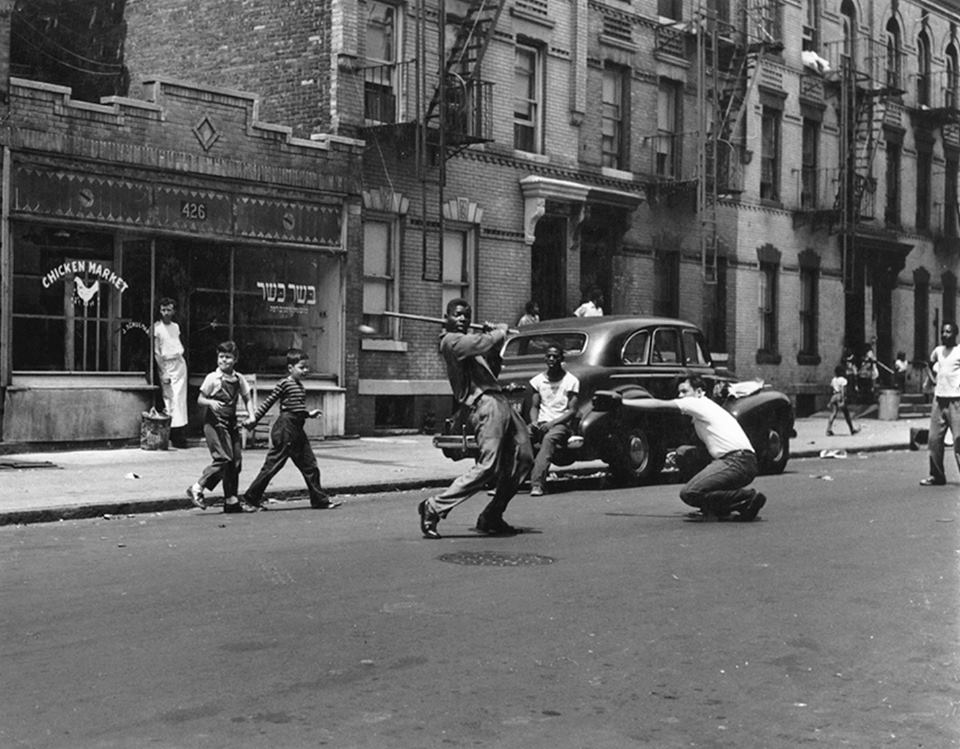
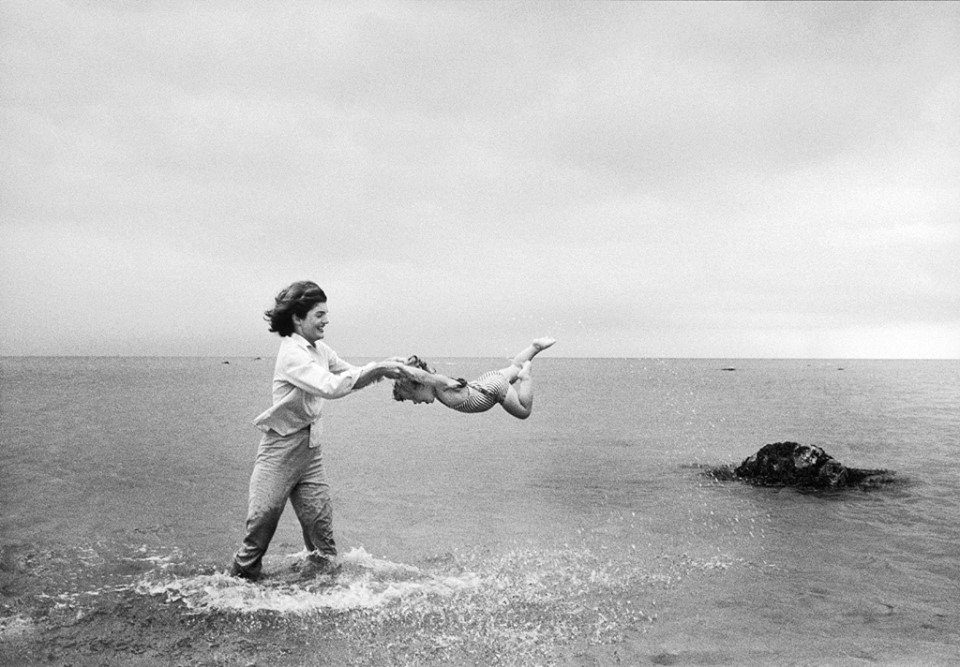
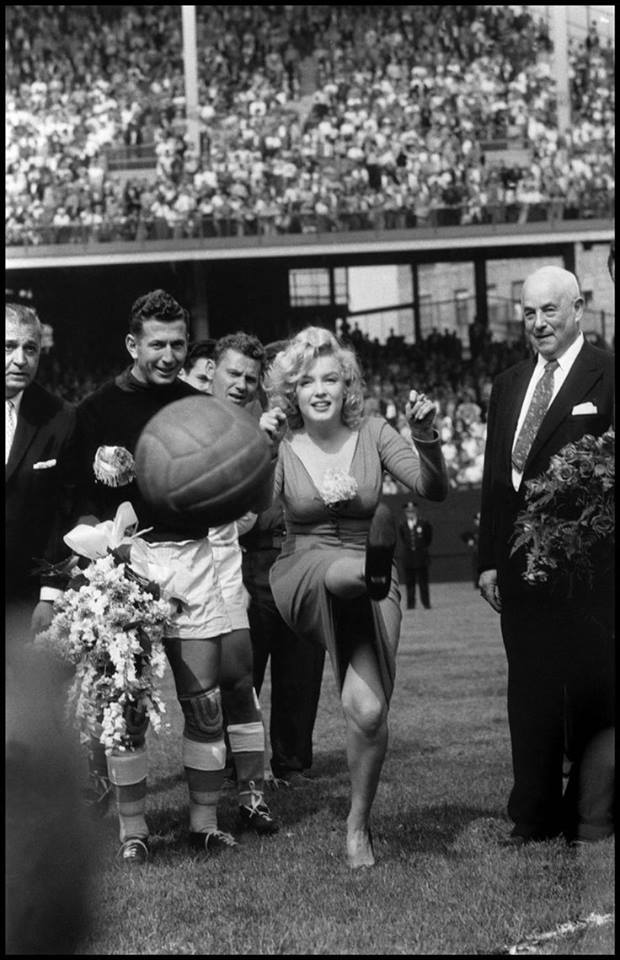
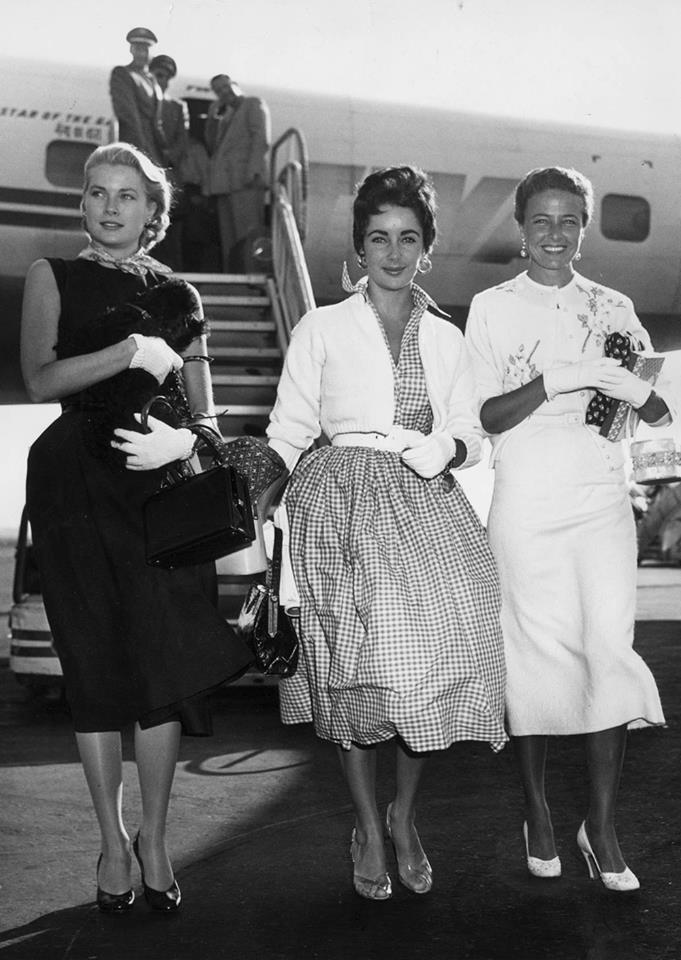
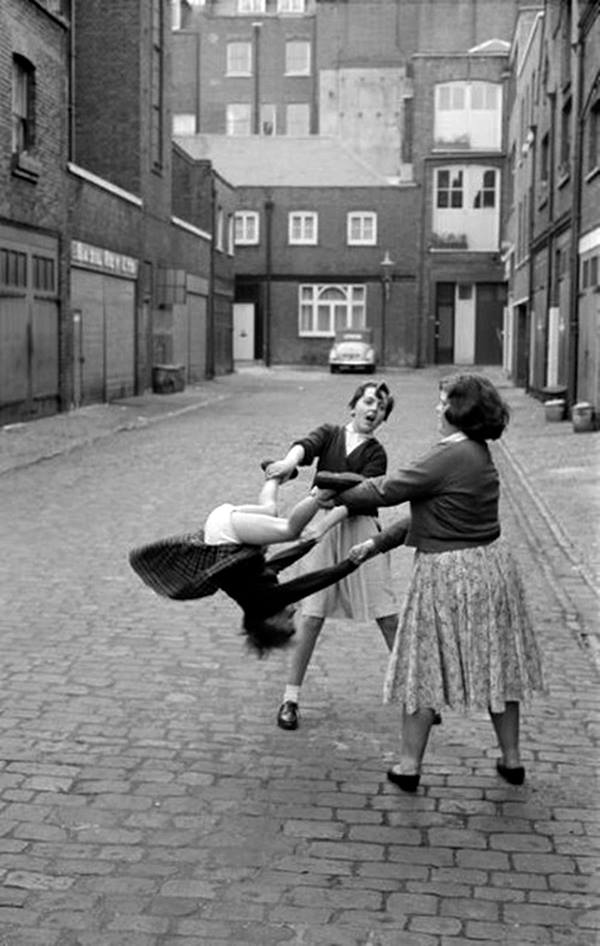
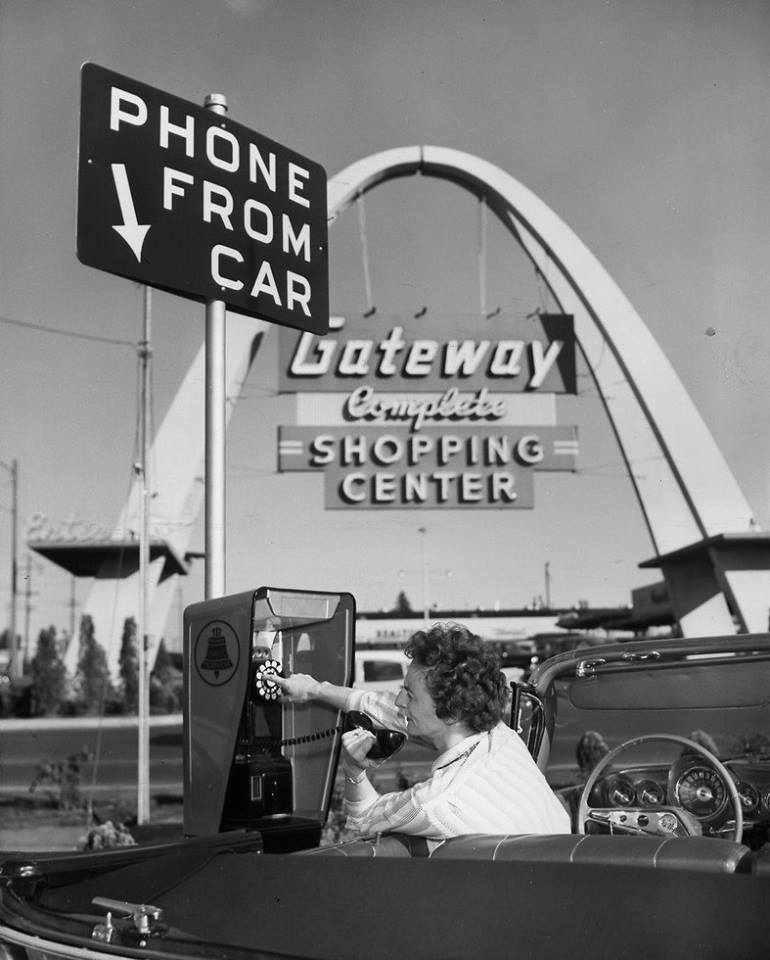
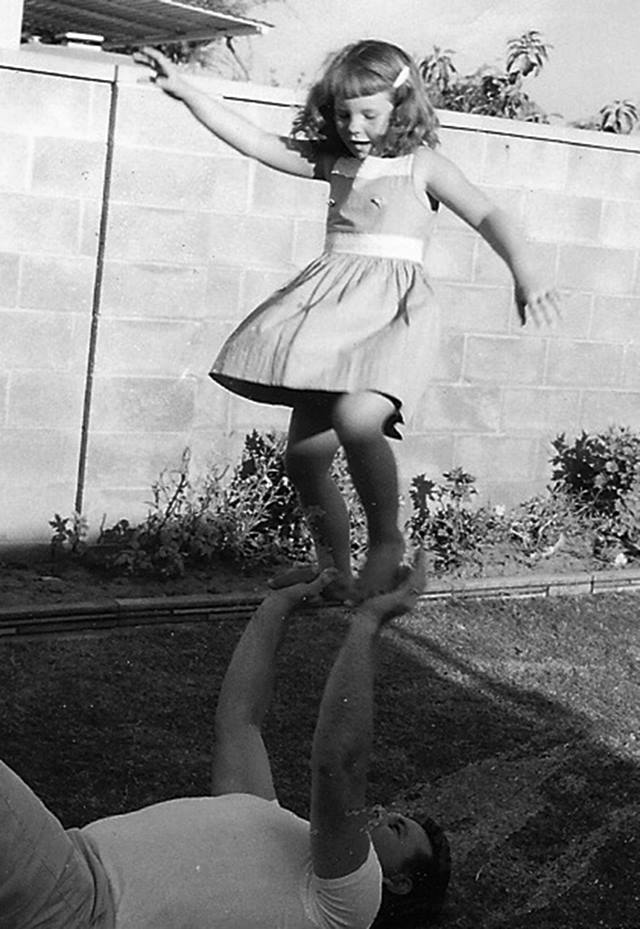
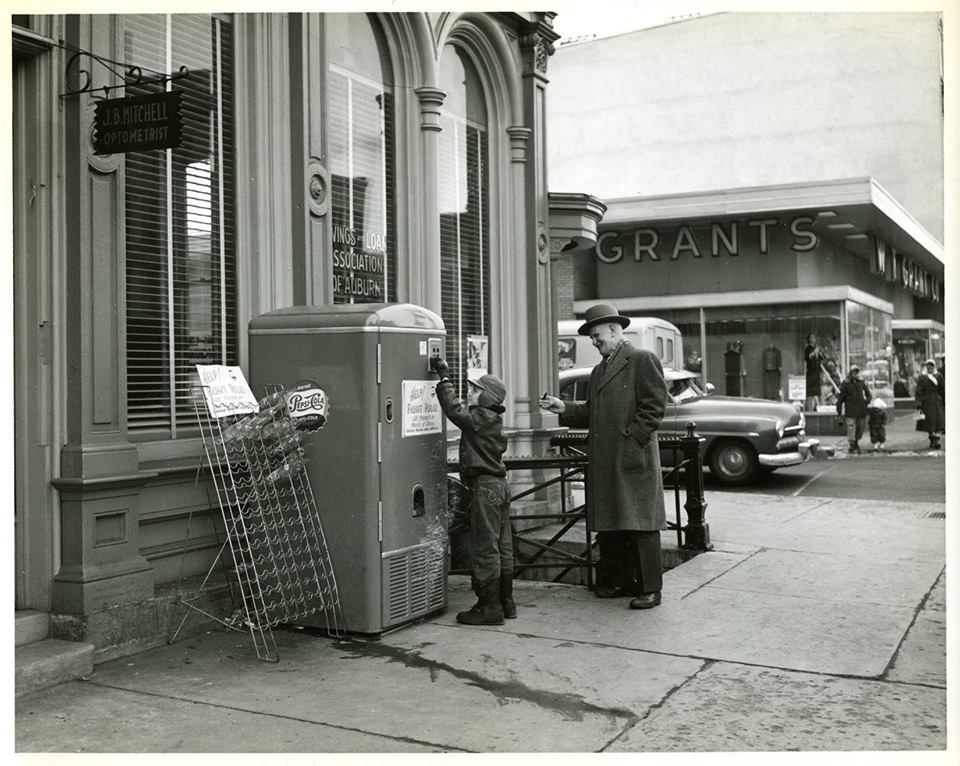
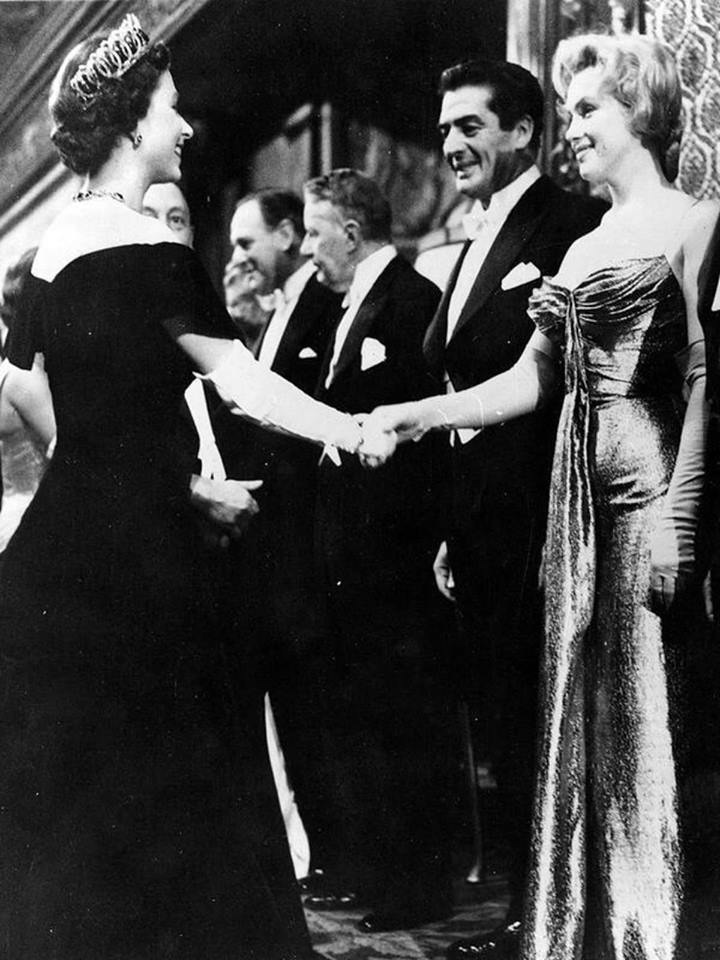
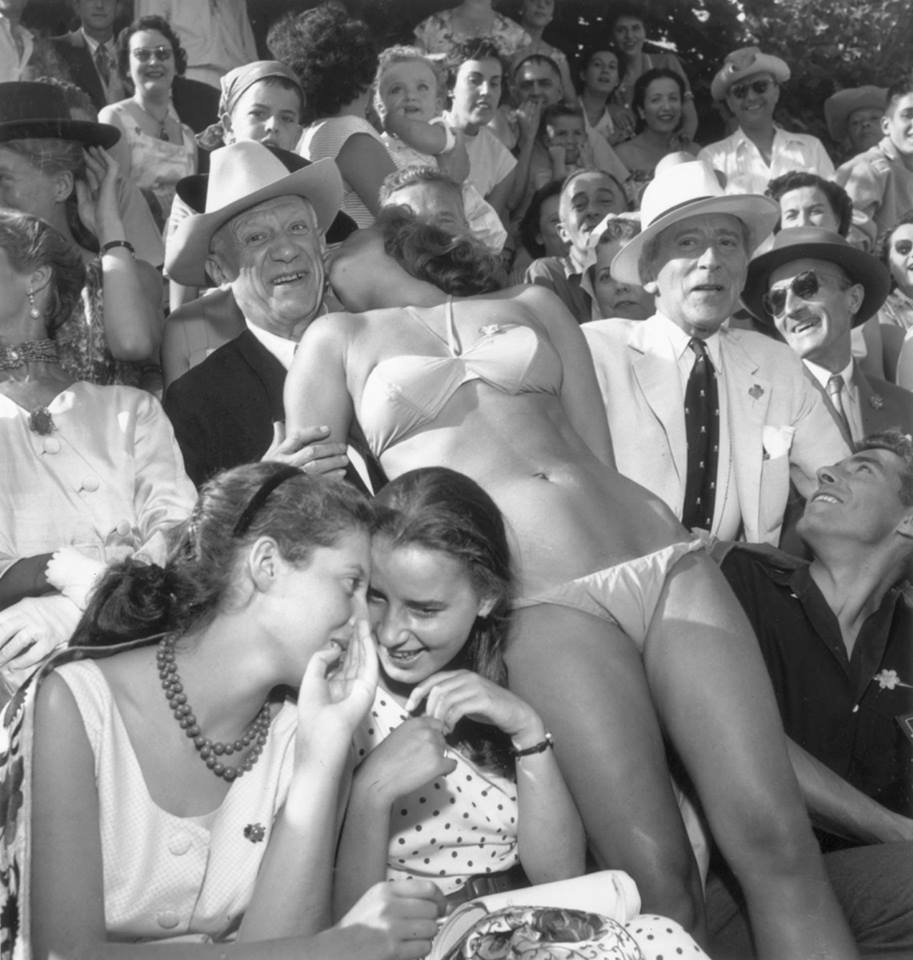
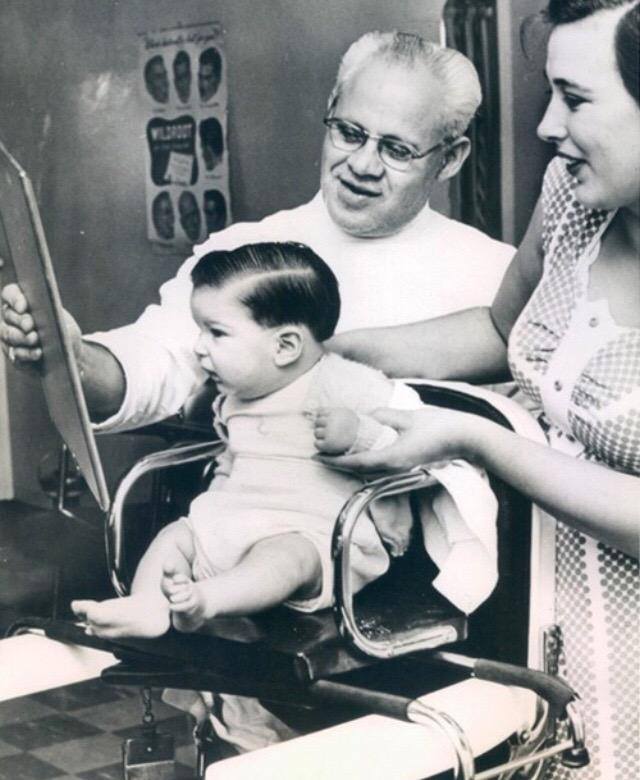
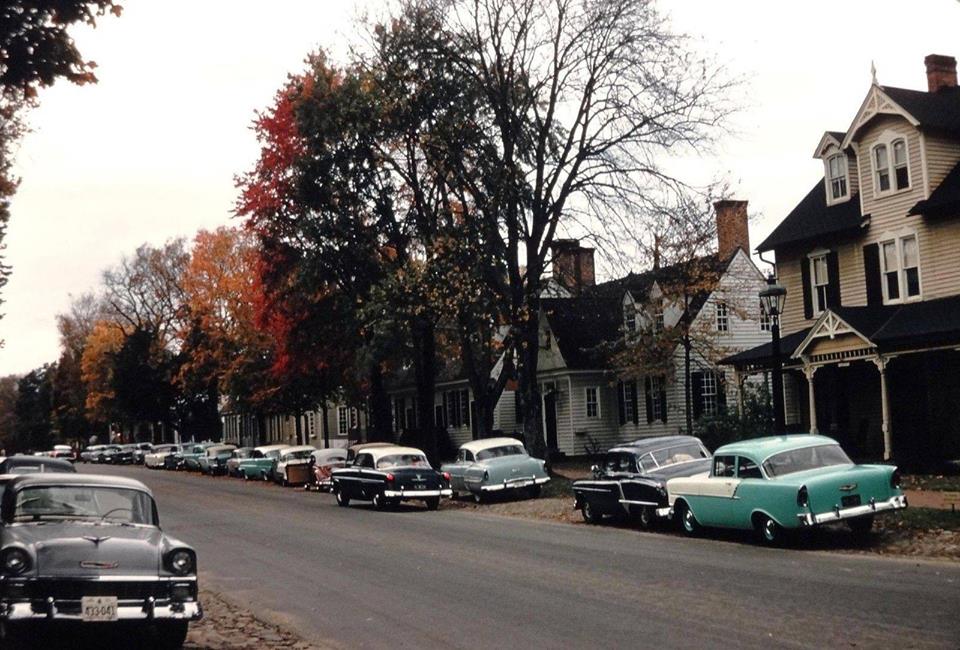
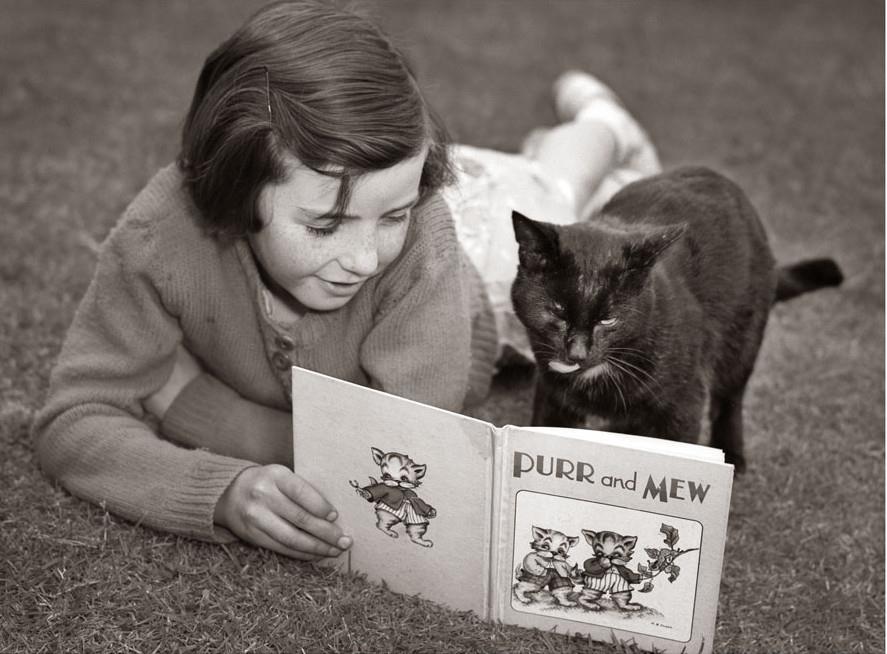
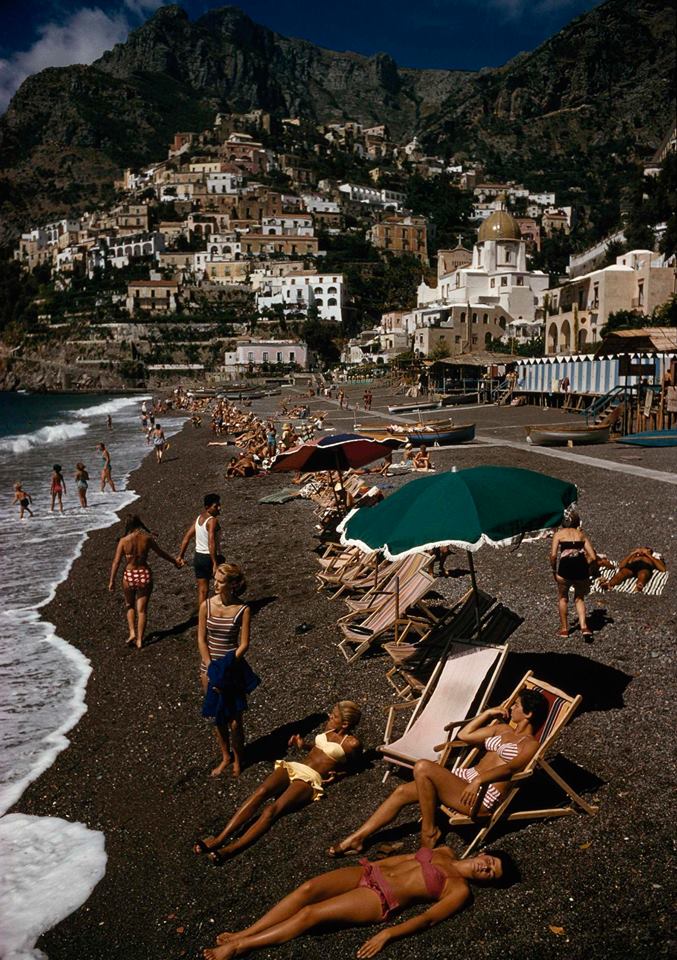
Singer Eartha Kitt riding her bicycle down the street, New York, 1952.Traffic congestion on Broadway Looking North in New York City, 1954.A family in Houston at a drive-in restaurant having cool air piped into their car, 1957.Sofia Loren in Portugal, 1956.President Dwight Eisenhower driving through Kabul, Afghanistan in an open-top limo. December 9, 1959.Crawford Avenue and Coney Island Avenue, New York City, 1955.Mannequins and Carousel, Paris, 1955.A newlywed couple admires their post-wedding car, 1956.Jesuit priests hear confessions at the Martyr’s Shrine, near Midland, Ontario, Canada, 1955.Two women chatting on the railings in Blackpool, 1951.Marilyn Monroe, 1955Rock Hudson, 1950sGrace Kelly in 1955.Yul Brynner in the 1956 movie “The Ten Commandments.”Colorful campus fashions, 1957.Ladies in bathing suits with creepy masks, 1950s.Marilyn Monroe doing a headstand at the beach, 1952.Princess Elizabeth in poodle skirt and her husband Prince Philip enjoy an old-fashioned hoedown at a private party in Ottawa, Canada, October 11, 1951.Elizabeth Taylor, early 1950s.Rock Hudson, 1958.Ella Fitzgerald singing at Mr. Kelly’s, Chicago, 1958.Frank Sinatra digs into a tall stack of pancakes during the filming of “From Here to Eternity”, 1953.Unicycle Window Kiss, 1950s.Friuli, Italy, 1952.Two boys, a girl, and some monkey bars, 1954.Alfred Hitchcock serves tea to Grace Kelly on the set of Dial M for Murder (1954).Elizabeth Taylor on the set of Suddenly, Last Summer, 1959Life-size dollhouse, 1950s.To Marilyn with Love , 1956.Snorkeling in Montego Bay, Jamaica, 1958.Getting to hold the flag for the pledge of allegiance, 1950s.Smoking cowgirl and her unimpressed friend, 1950s.Barbra Streisand and brother, Sheldon in Brooklyn, 1952.Jack Kennedy & Jacqueline Bouvier walking together, 1952.Tailgate party, 1954.1956 Ford Fairlane Sunliner Convertible in fab two-tone with matching interior fabrics.Stickball, New York City, 1950.Jacqueline Kennedy swings her daughter Caroline in the shallows at Hyannis Port, Massachusetts in 1959.Marilyn Monroe at the opening of the USA-Israel Football International, at Ebbets Field in 1959.Grace Kelly, Elizabeth Taylor, and Laraine Day arriving at the New York International Airport, 1954.Girls playing on the street, 1956.Phone from car, 1950s.Little girl balancing on her dad’s hands, 1959.A boy getting a Pepsi, 1950s.Marilyn Monroe and Queen Elizabeth (both 30 at the time) meet at a movie premier in London. October 1956.Picasso and Jean Cocteau at a bullfight in Vallauris, France, 1956First haircut, 1955.A quiet street in Virginia, 1957.A little girl sharing a story with the family feline, Melbourne, Australia, 1950sTimeless sunbathers in Positano, Italy, 1959.
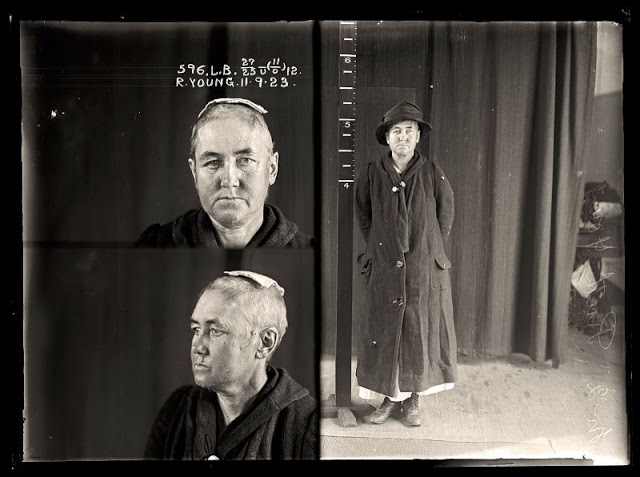
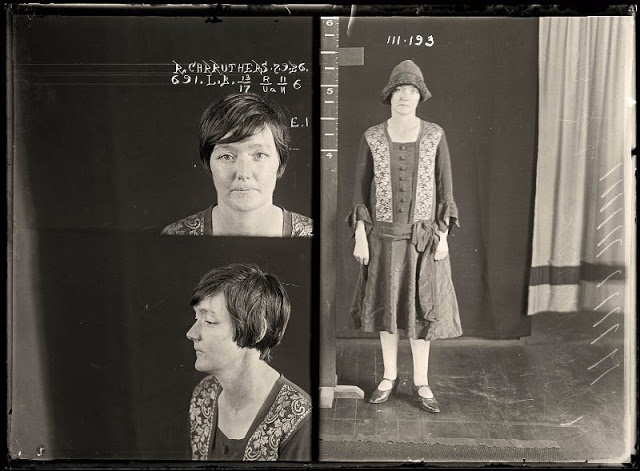
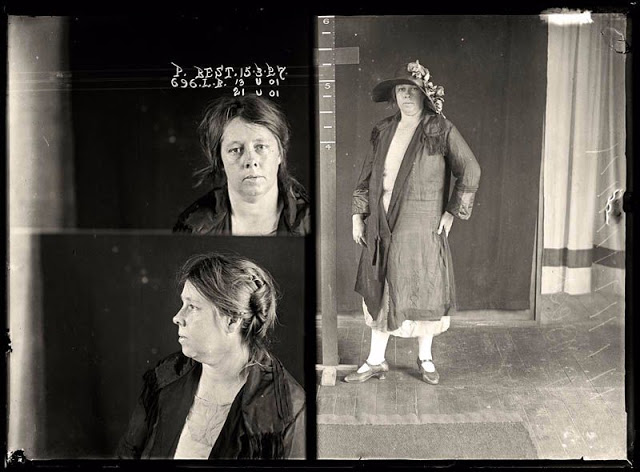
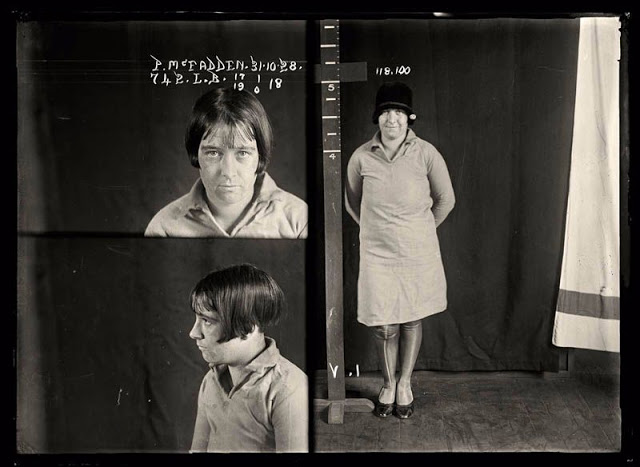
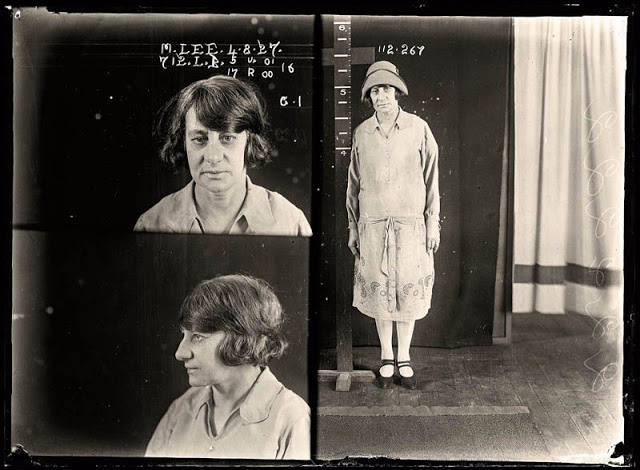
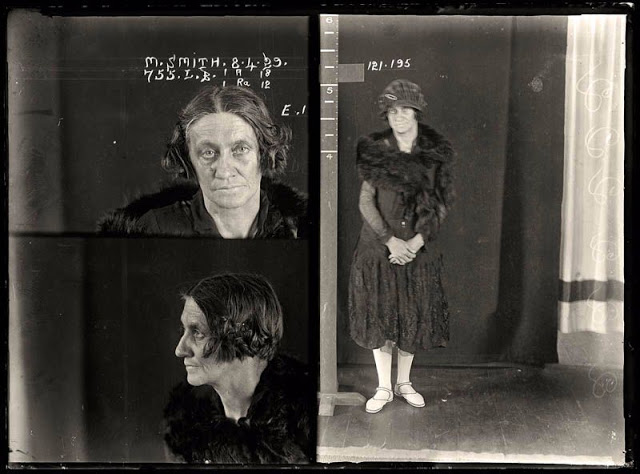
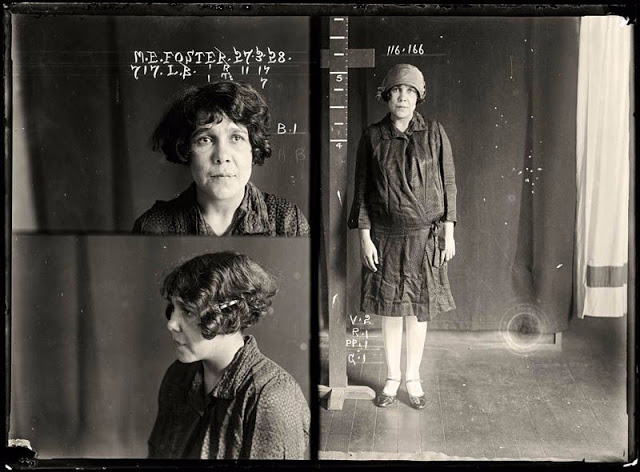
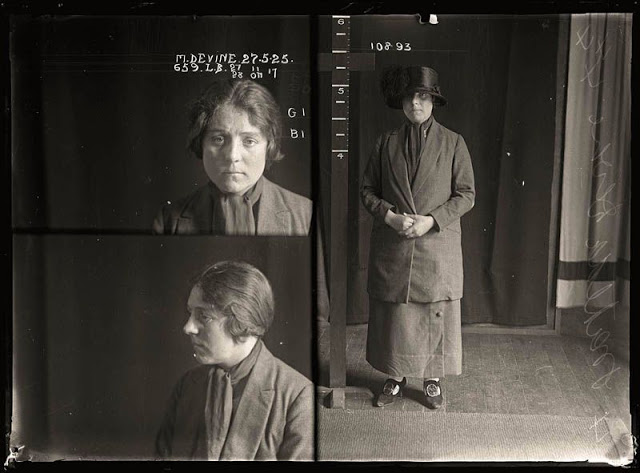
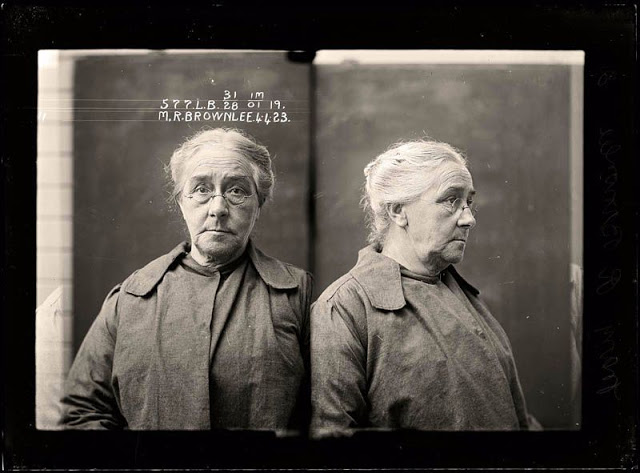
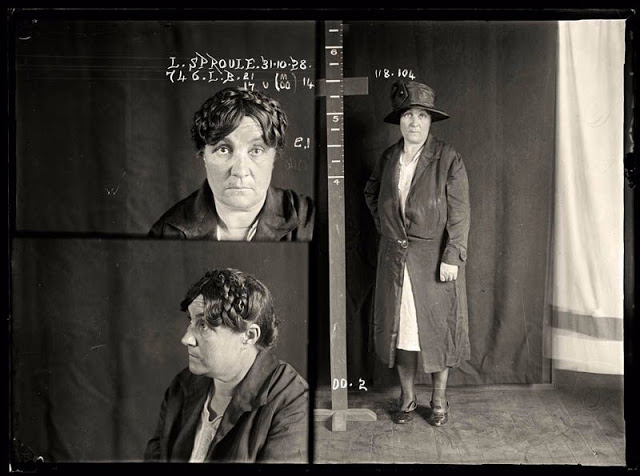
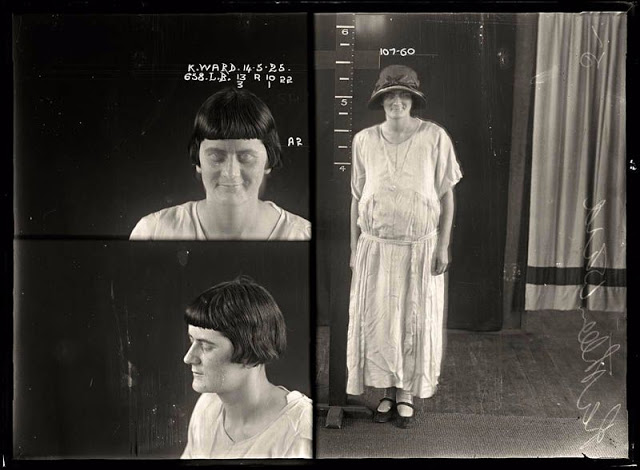
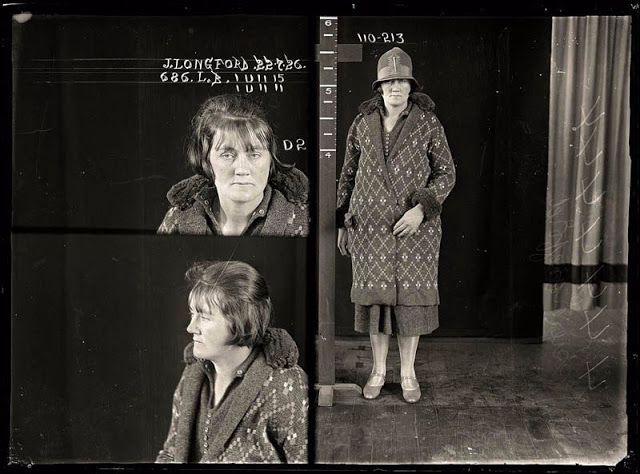
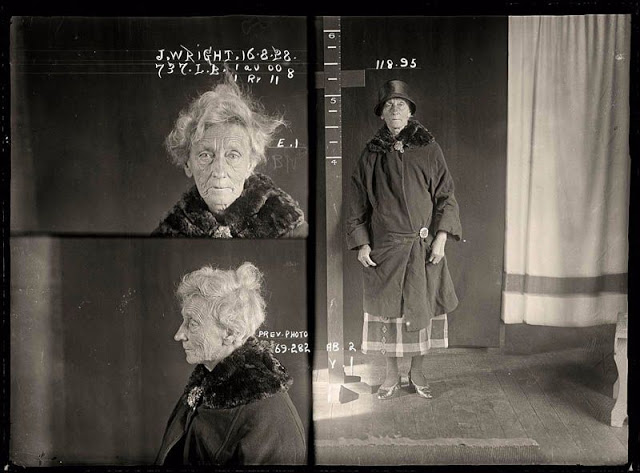
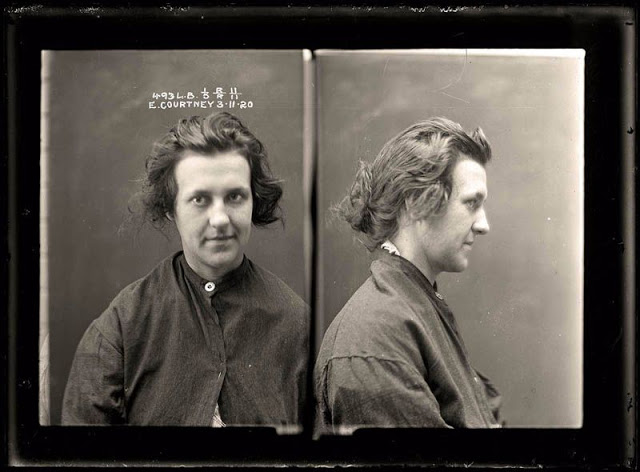
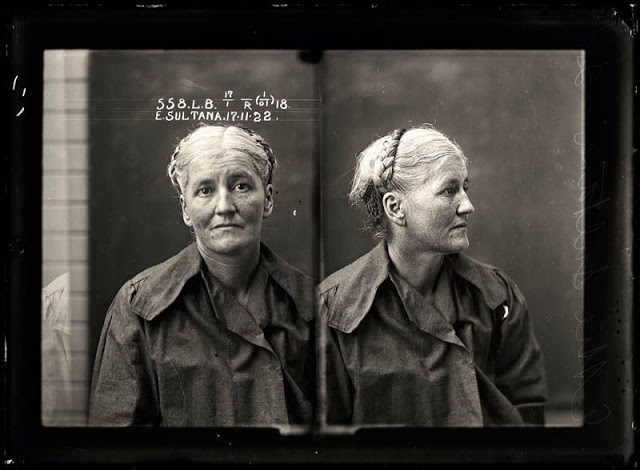
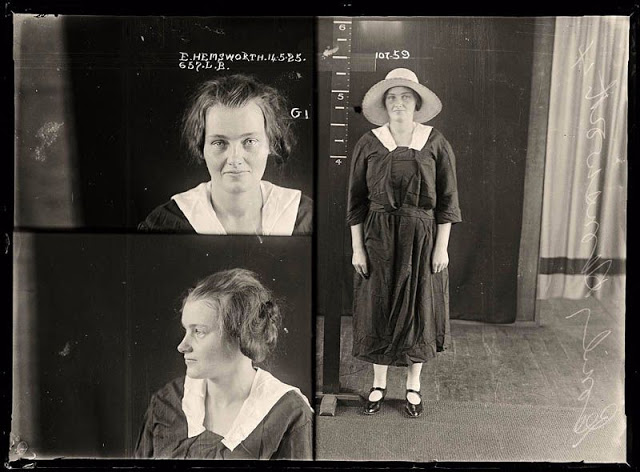
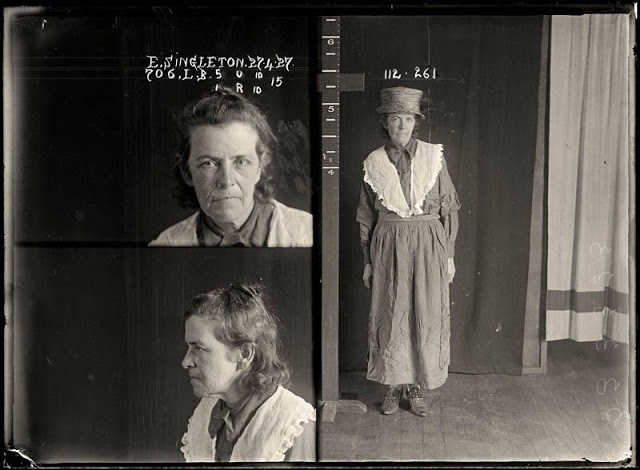
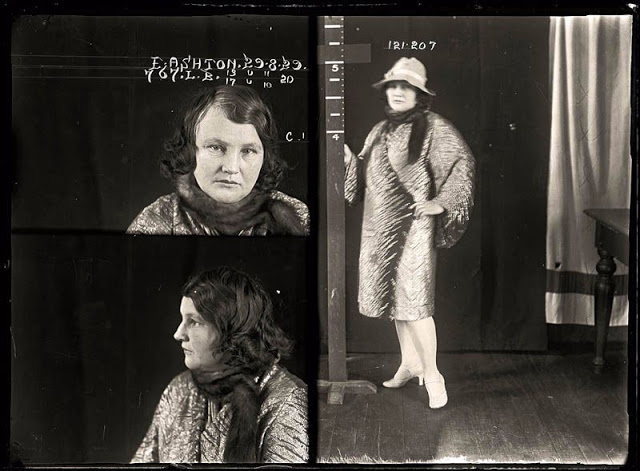
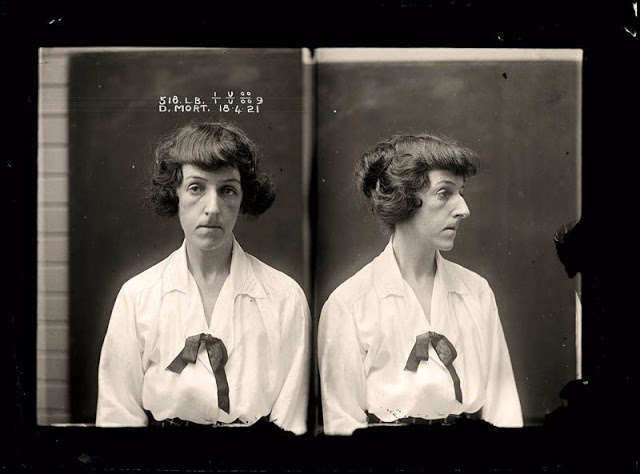
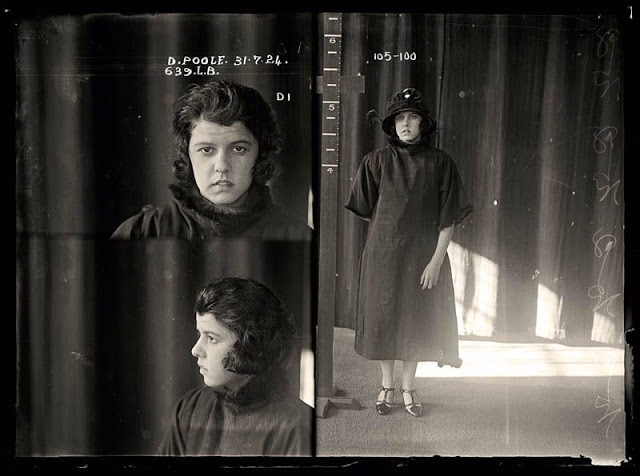
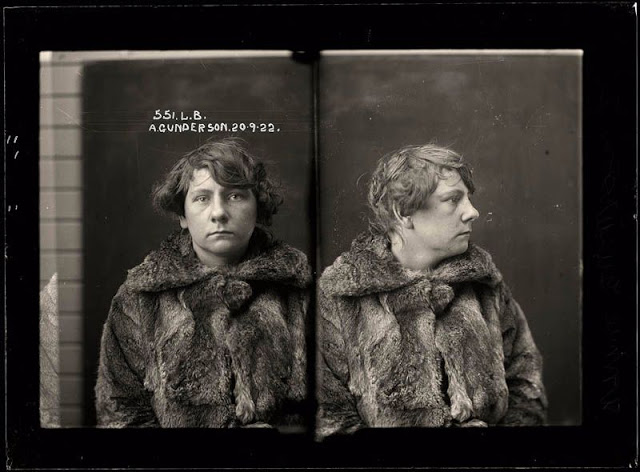
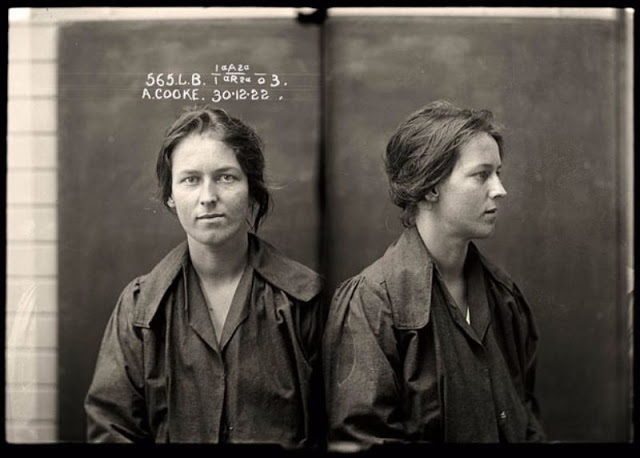
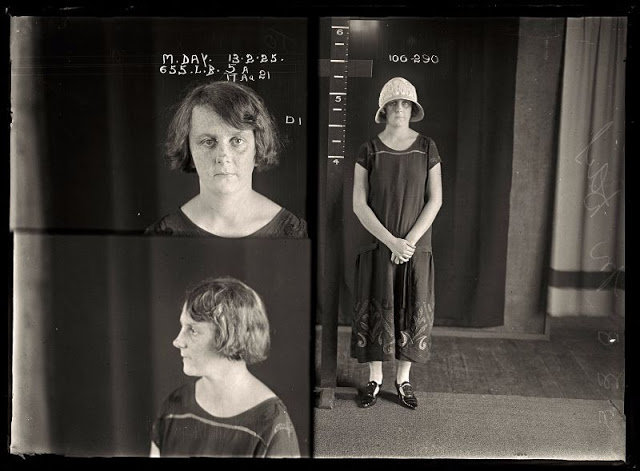
These mugshots show women criminals from the 1920s. They mostly came from Australia and New Zealand.
Ruth Young (1923. Aged: 43). She had a problem with alcohol and was often homeless. She had multiple convictions for drunkenness, vagrancy and petty theft.Ruth Carruthers (1926. Aged: 28). Convicted of false pretenses. Ruth Carruthers went on a criminal spree in 1926, using the art of persuasion to obtain goods and money from hapless shopkeepers. She was eventually convicted on four charges of false pretenses and sentenced to six months at Long Bay.Philomena Mary Best (1927. Aged: 33).Convicted of theft and sentenced to 12 months with light labor. Philomena Best stole silk and other goods valued at over 36 pounds (about $2000 today) from a Bourke shopkeeper in north-western New South Wales. She was convicted and sentenced to 12 months with light labor.Pearl McFadden (1928. Aged: 18). Convicted of prostitution and vagrancy. Sentenced to six months with hard labor. Pearl McFadden may have been supporting herself by working as a prostitute. Many sex workers were charged with vagrancy and having insufficient means of support, as it was a relatively easy charge to prove. McFadden was sentenced to six months with hard labor.Myrtle Lee (1927. Aged: 35). Convicted of assault (stabbing another woman). Lee was sentenced to six months gaol. Myrtle Lee, described in the media as ‘a well-dressed woman’, stabbed Mary Moon twice at the residence of a Chinese man in Alexandria. The press emphasized the racial nature of the attack with a headline ‘White and Yellow’. Lee was sentenced to six months gaol.May Smith (1929. Aged: 49). May Smith, alias ‘Botany May’, was an infamous drug dealer. She once chased policewoman Lillian Armfield with a red-hot iron to avoid arrest. Smith was sentenced to 10 months with hard labor.May Ethel Foster (1928. Aged: 27).Convicted of break & enter. She was sentenced to six months with hard labor.May Foster worked with a male accomplice to break into numerous houses and steal the contents. She had previous convictions for vagrancy, failing to appear in court and receiving stolen goods. She was sentenced to six months with hard labor.Matilda Devine (1925. Aged: 25).Matilda ‘Tilly’ Devine used a razor to slash a man’s face in a barber’s shop and was sentenced to two years gaol. She was Sydney’s best-known brothel madam and her public quarrels with sly-grog queen Kate Leigh provided the media with an abundance of material.Mary Rubina Brownlee (1923. Aged: 64). Convicted of unlawfully using an instrument to procure a miscarriage. Mary Brownlee was a backyard abortionist who was caught during an extensive police investigation. She was sentenced to 12 months light labor, but her male accomplice was acquitted.Tasmanian Lillian Sproule (1928. Aged: 50). Became involved in Sydney’s cocaine trade. She was labeled a ‘parasite in skirts’ by the newspapers and had multiple convictions relating to drug dealing. She was sentenced to six months in prison.Kathleen Ward (1925. Aged: 21). Had convictions for drunkenness, indecent language and theft. She obviously enjoyed thumbing her nose at the authorities.Jessie Longford (1926. Aged: 30). A well-known shoplifter.Janet Wright (1922. Aged: 68). Convicted of using an instrument to procure a miscarriage. Janet Wright was a former nurse who performed illegal abortions from her house in Kippax Street, Surry Hills. One of her teenage patients almost died after a procedure and Wright was prosecuted and sentenced to 12 months hard labor.Evelyn Courtney (1920. Aged: 19). Stole a remarkable array of items, ranging from an umbrella to Irish linen napkins. She was a suspect in at least seven different robberies during 1920.Eugenia Falleni (1920. Aged: 43). Eugenia Falleni spent most of her life masquerading as a man (Harry Crawford). In 1913 Falleni married a widow, Annie Birkett, whom she later murdered. Convicted of murder in 1928, the case whipped the public into a frenzy as they clamored for details of the ‘man-woman’ murderer.Ettie Sultana (1922. Aged: 37). Worked in northern New South Wales and in the Queensland cities of Brisbane and Toowoomba for most of her career. She had multiple convictions for prostitution, theft, drunkenness, swearing and vagrancy. She was sentenced to six months with hard labor.Emily Gertrude Hemsworth (1925. Aged: 24). Killed her three-week-old son but could not remember any details of the murder. She was found not guilty due to insanity. Hemsworth was to be detained in custody until judged fit to return to society – it is unknown if she was ever released.Elizabeth Singleton (1927. Aged: 22).Had multiple convictions for soliciting and was described in police records as a ‘common prostitute’. She was imprisoned at Long Bay but the details of her sentence have been lost.Edith Florence Ashton (1929. Aged: 37). Was a backyard abortionist who also dabbled in theft and fencing stolen goods. Described in the media as a ‘social somebody’ and an ‘equestrienne’ she was, however, not adept at performing abortions and was suspected of contributing to the deaths of at least two women.Dorothy Mort (1921. Aged: 32). Convicted of murder. Mrs. Dorothy Mort was having an affair with dashing young doctor Claude Tozer. On 21 December 1920, Tozer visited her home with the intention of breaking off the relationship. Mort shot him dead before she attempted suicide.Doris Winifred Poole (1924. Aged: 21). Appeared before the Newtown Police Court charged with stealing jewelry and clothing. She had previously been convicted on a similar charge in North Sydney and so received a six-month sentence with light labor.Annie Gunderson (1922. Aged: 19). Teenager Annie Gunderson was charged with stealing a fur coat from a Sydney department store called Winn’s Limited, in 1922. Police records do not indicate whether the fur she is wearing is the stolen item.Alice Adeline Cooke (1922. Aged: 24). Was convicted of bigamy and theft. By the age of 24 she had amassed an impressive number of aliases and at least two husbands. She was described by police as ‘rather good looking’.Marjorie Day (alias Elma Walton) (1925. Aged: 20). Marjorie Day convinced a shopkeeper to let her take two dresses home to show her mother. She promised to return promptly but instead sold the clothes at a second-hand clothing shop. A repeat offender, Day was sentenced to six months prison.
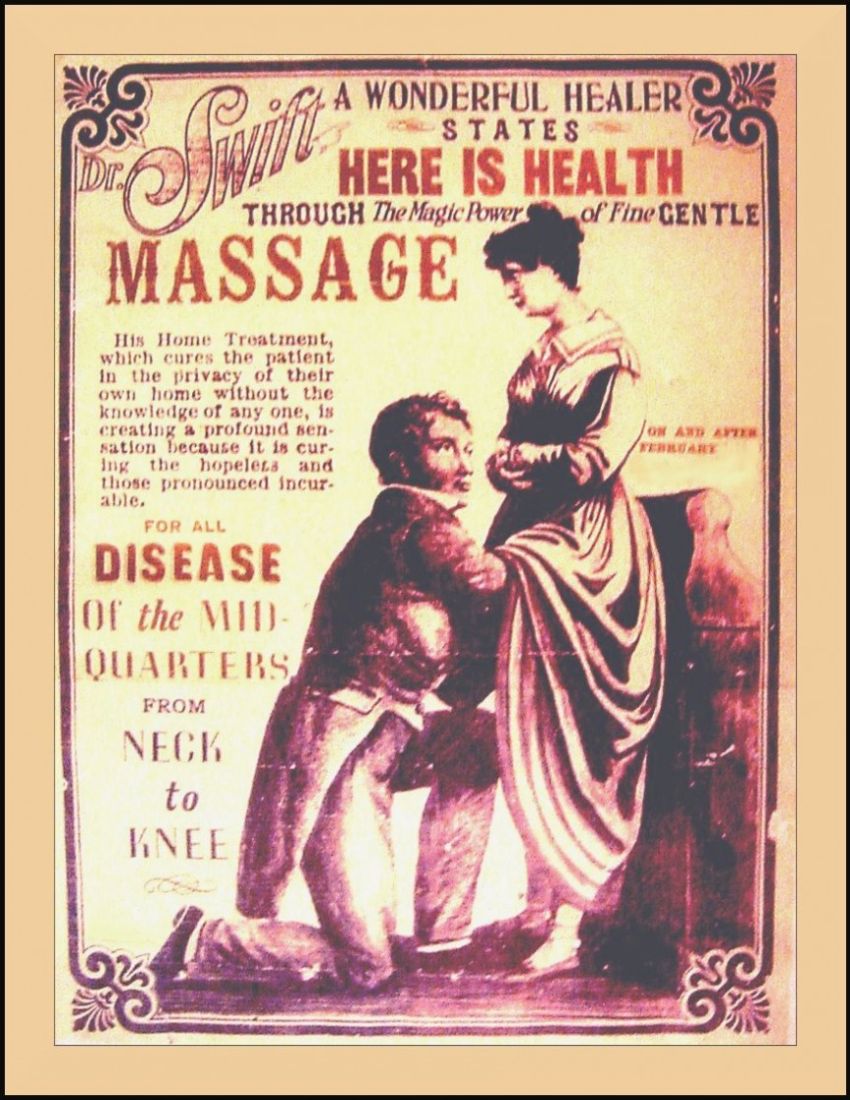
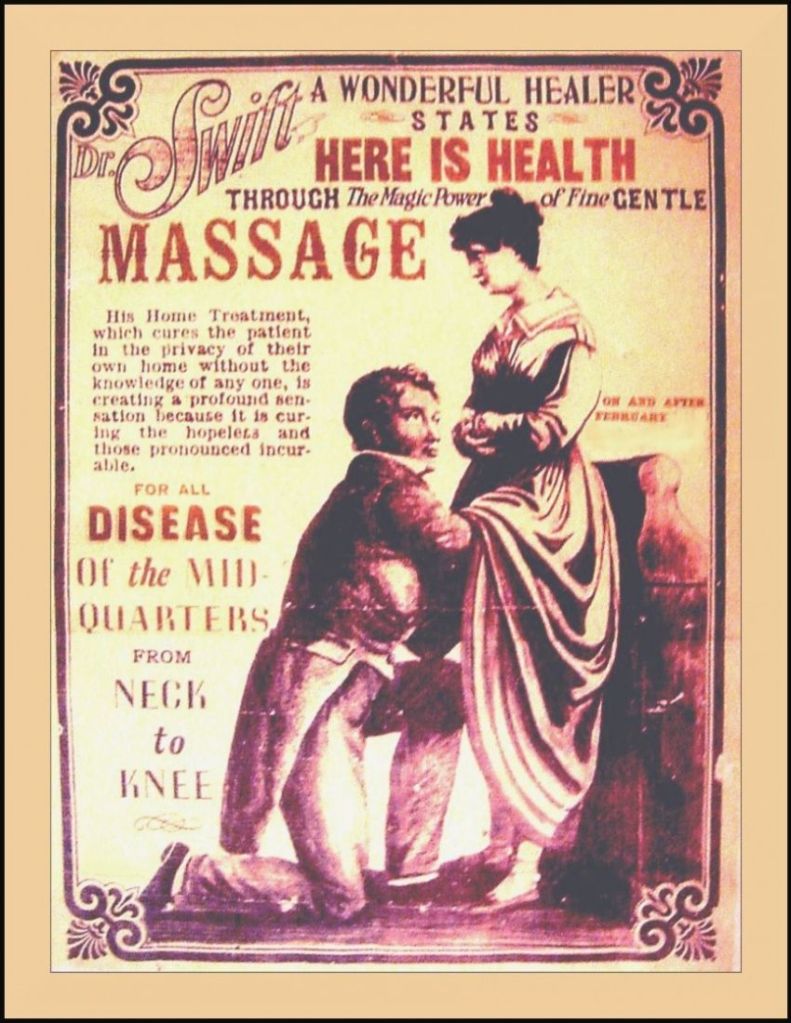
Victorian era advertisement for a massage treatment to cure female “hysteria.” You don’t have to be Einstein to figure out exactly what the “doctor” is doing, and as shocking as it may seem to modern sensibilities, treatments such as this were considered perfectly acceptable in the 19th and early 20th century.
The ad definitely appears to say that “His Home Treatment, which cures the patient in the privacy of their home without the knowledge of any one, is creating a profound sensation because it is curing the hopeless and those pronounced incurable for all disease of the mid-quarters from neck to knee.”
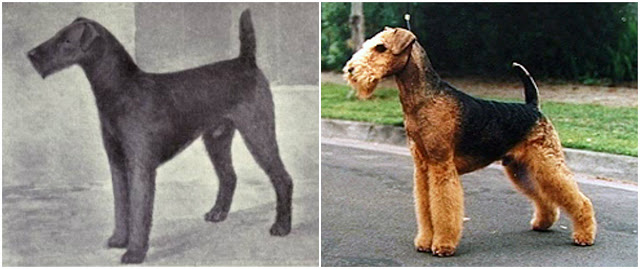
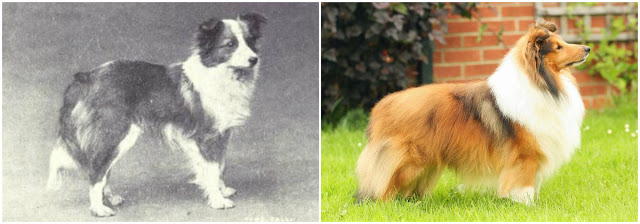
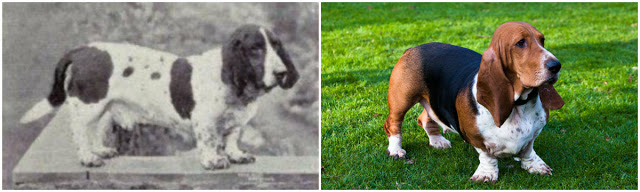
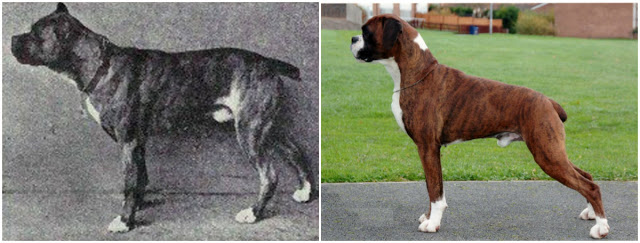
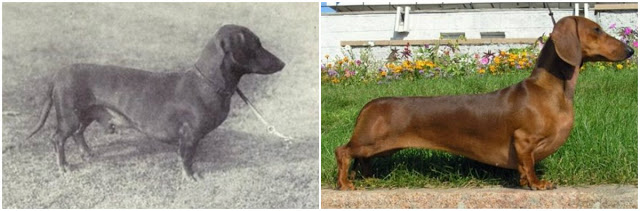
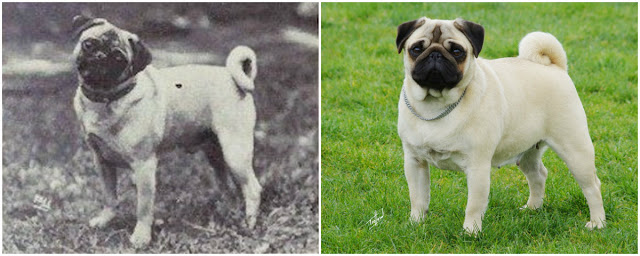
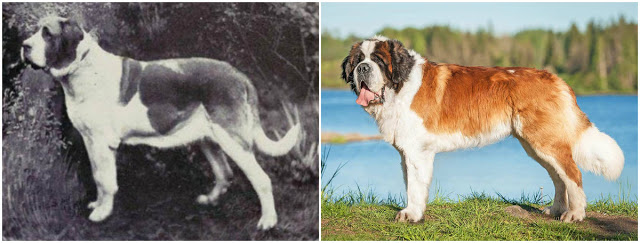
They may be man’s best friend, but man has also changed them beyond all recognition, these incredible pictures of dog breeds reveal.
A hundred years ago, dogs like the Bull Terrier, Boxer, English Bulldog, and Dachshund were well-proportioned, generally healthy, and physically active. Today’s versions of these breeds are markedly different.
Over the years, several breeds have been bred to exaggerate certain physical traits at the expense of their health, longevity, and quality of life. The Science of Dogs blog put together a side-by-side comparison of several popular dog breeds from the 1915 book Dogs of All Nations by Walter Esplin Mason showing what they look like today.
Bull Terrier
The bull terrier was first recognized as a breed by the American Kennel Club (AKC) in 1885. In 1915, it appears to have been a fit, good-looking dog, with a well-proportioned head and slim torso. Dogs of All Nations called it “the embodiment of agility, grace, elegance and determination”, and the “gladiator of the canine race”.
But today, bull terriers are bred to have a football-shaped head and thick, squat body – a far cry from the lean and handsome dog of 1915.
The AKC now states that the dog’s face “should be oval in outline and be filled completely up giving the impression of fullness with a surface devoid of hollows or indentations, ie, egg shaped”. According to Science of Dogs, it also developed extra teeth and a habit of chasing its tail.
English Bulldog
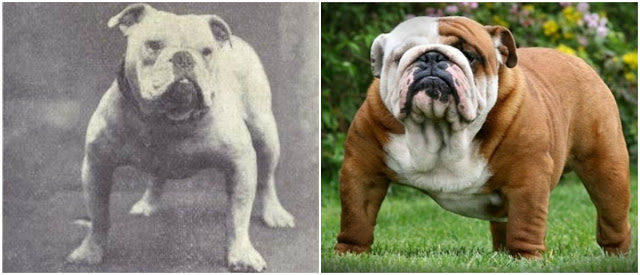
Few dogs have been as artificially shaped by breeding as the English bulldog. In Great Britain, the dogs were used for bull-baiting – a bloodsport where dogs were used to bait and attack bulls – until it became illegal in 1835. In 1915, the bulldog already had some of the characteristic features we see today, like saggy jowls and a squat stance.
Today, breeders have bred the bulldog to have more pronounced facial wrinkles, and an even thicker and squater body. The AKC describes the ideal dog as having a “heavy, thick-set, low-swung body, massive short-faced head, wide shoulders and sturdy limbs”. Sadly, bulldogs suffer from a number of health issues, such as breathing problems and overheating.
German Shepherd
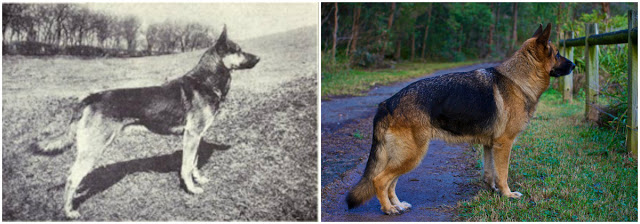
German shepherds have come to symbolise everything from loyalty and companionship to police brutality. The AKC first recognised is as a breed in 1908. In 1915, Dogs of All Nations describes it as a “medium sized dog” weighing just 55 lbs (24 kg), with a “deep chest, straight back and strong loins”.
But today’s German shepherds are bred to be considerably larger (75 to 95 lbs or 34 to 43 kg), with a more sloping back. The AKC describes the ideal specimen as “a strong, agile, well muscled animal, alert and full of life”.
However, they are also prone to health problems, such as hip dysplasia, where the leg bones don’t fit properly into the hip socket, and bloat, a condition in which the stomach can expand with air and twist, which can sometimes be fatal.
Airedale Terrier
Though you can’t tell from this photo, Dogs of All Nations described the coloring of the Airedale’s head and ears as a rich tan, as well as the legs up to the thighs and elbows. And the dog’s coat was “hard and wiry”, but not long enough to be “ragged”.
Today, the color appears not to have changed much, but the fur of modern Airedales definitely looks longer and more “ragged” than it was in 1915. Airedales are considered the largest of all terriers, and are sporting and playful.
Shetland Sheepdog
The Shetland sheepdog, or Sheltie, wasn’t recognized by the American Kennel Club until 1911, just four years before the book this image is from was published. At that time, the book reports that it weighed just 7 to 10 lbs (3 to 4 kg), and appears to have had medium-length fur.
Today, the dogs have been bred to be larger, weighing at least 20 lbs (9 kg), though still sleight. And their fur has become unmistakably longer than in 1915. The AKC now describes them as “small, alert, rough-coated, longhaired working dog”. They are also very intelligent, and good at herding.
Basset Hound
Look at how low to the ground today’s Basset Hound is. His shorter stature is the result of changes to the rear leg structure. He also has surplus skin, and needlessly long ears. Today’s Basset Hound’s droopy eyes are prone to eyelid abnormalities, and he also often suffers from problems related to his vertebra.
Boxer
See how much shorter the Boxer’s face on the right is? Boxers are brachycephalic dogs, meaning they have pushed-in faces. Like many brachy breeds, the Boxer’s already short muzzle has been bred even shorter over the years, and slightly upturned as well. Brachys have difficulty breathing and controlling their body temperature, which often places extreme limitations on their physical abilities.
Dachshund
Dachshunds a century ago had short but functional legs and necks in proportion to their overall size. Since then, they have been bred for longer backs and necks, jutting chests, and legs so short their bellies barely clear the floor. Doxies have the highest risk of any breed for intervertebral disc disease, which can cause paralysis. They are also prone to dwarfism-related disorders, progressive retinal atrophy (PRA), and leg problems.
Pug
The Pug is another brachycephalic dog that has been bred to exaggerate the trait. The result? High blood pressure, heart problems, low blood oxygen levels, breathing problems, a tendency to overheat/develop heatstroke, dental issues, and skin fold dermatitis. At the other end of this poor dog is a “highly desirable” double-curl tail, which is actually a genetic defect that can result in paralysis.
St. Bernard
Today’s version of this once-highly skilled working dog is supersized, with a pushed-in face and excess skin. The St. Bernard doesn’t do much work these days, because he quickly overheats. Some of the diseases he’s prone to include eye and eyelid abnormalities, Stockard’s paralysis (a spinal cord disorder), and bleeding disorders.
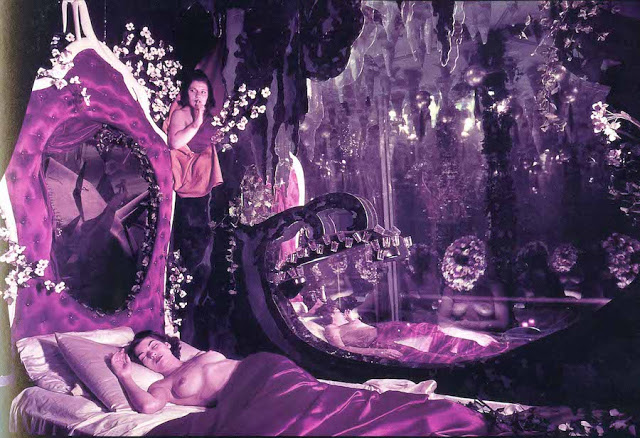
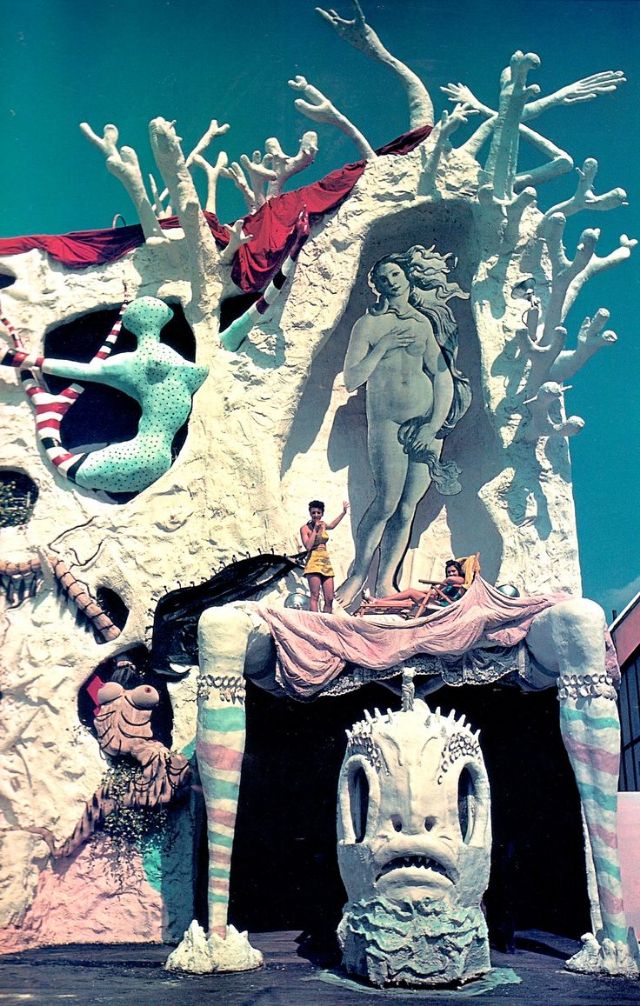
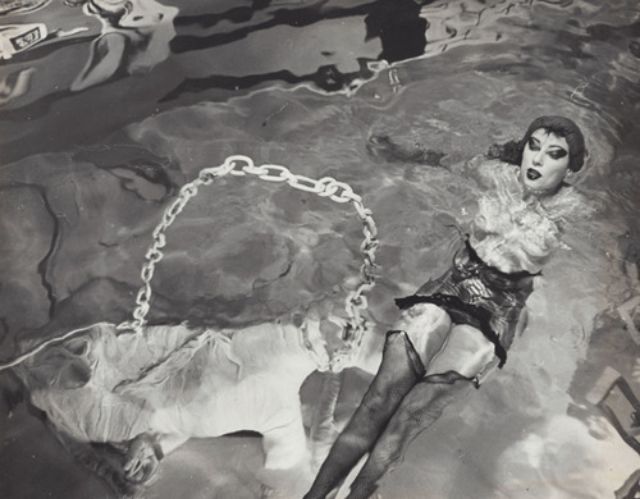
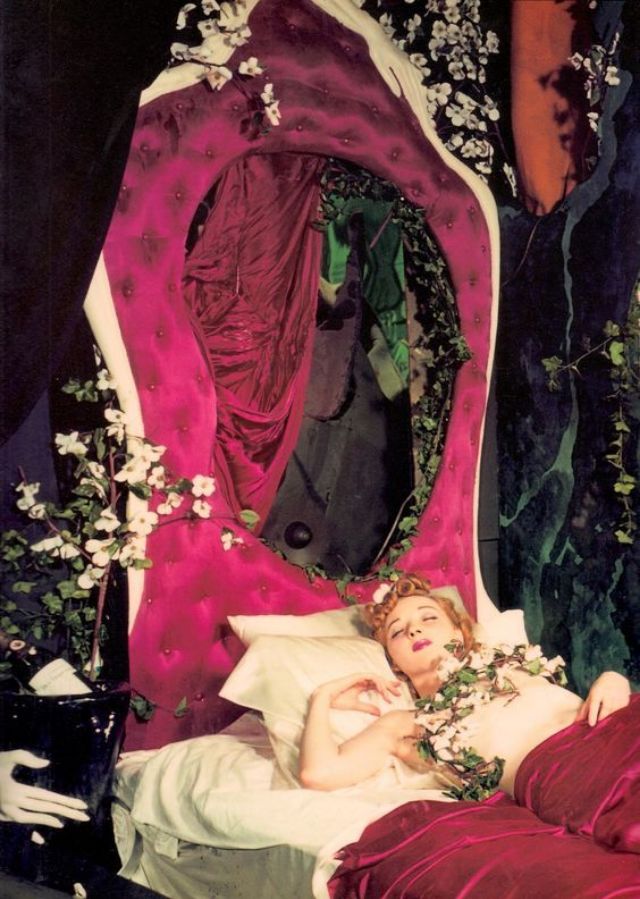
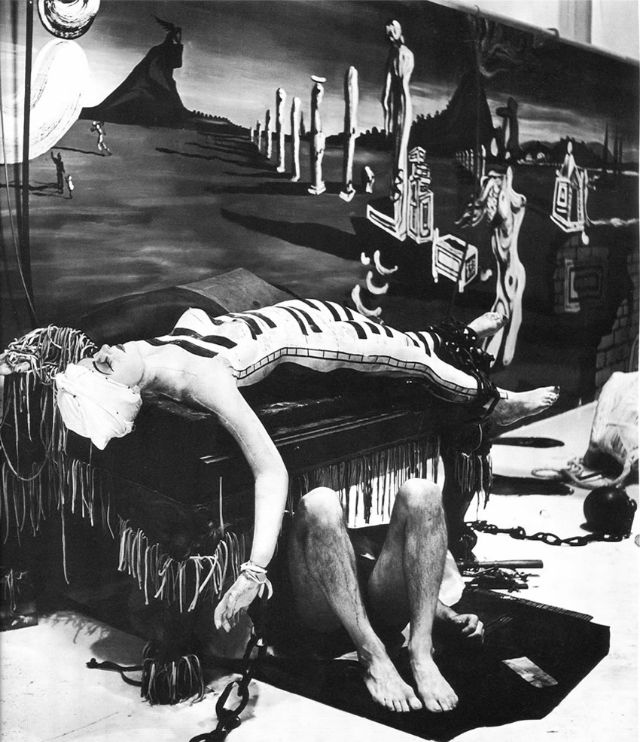
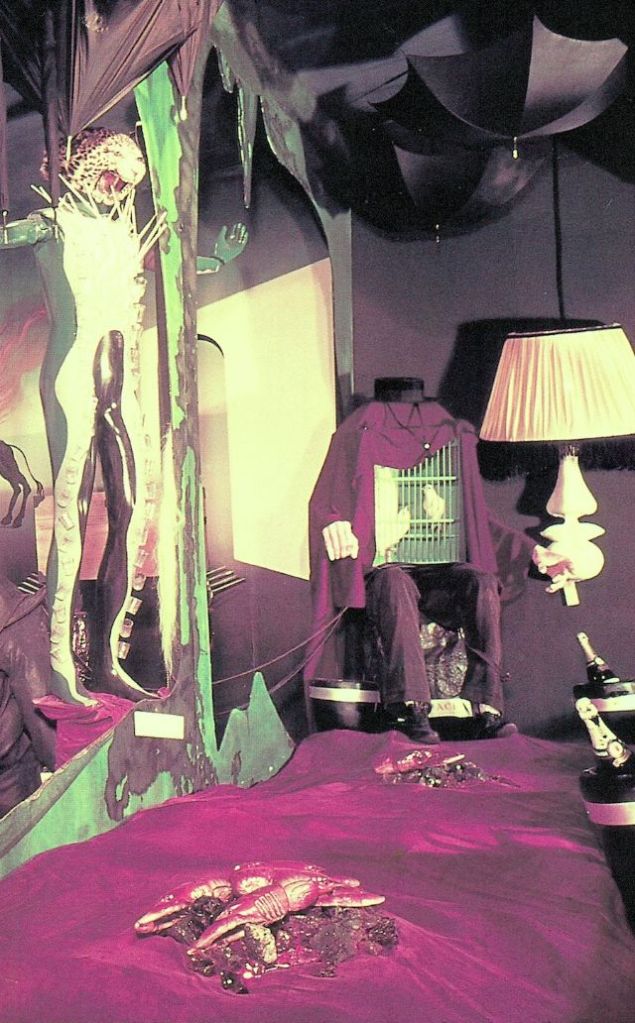
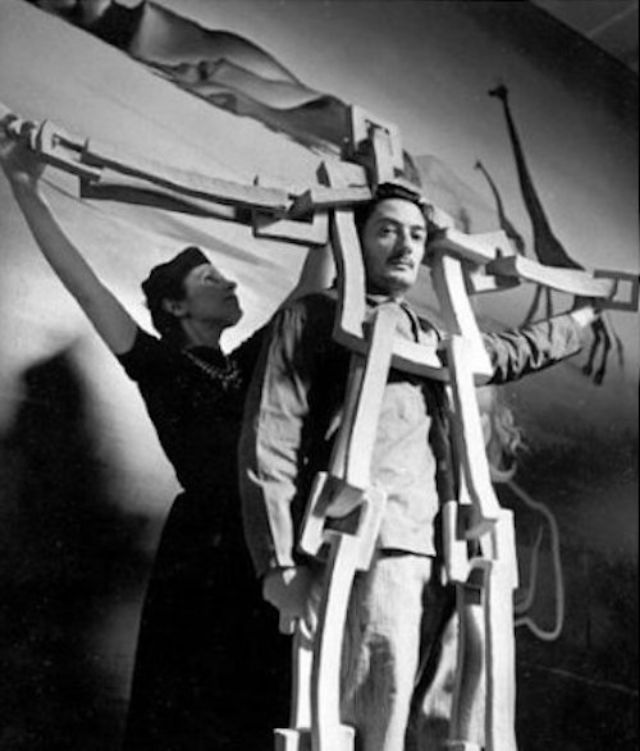
In June 1939 Salvador Dalí designed a pavilion for the New York World’s Fair built by the architect Ian Woodner. The building was named Dream of Venus.
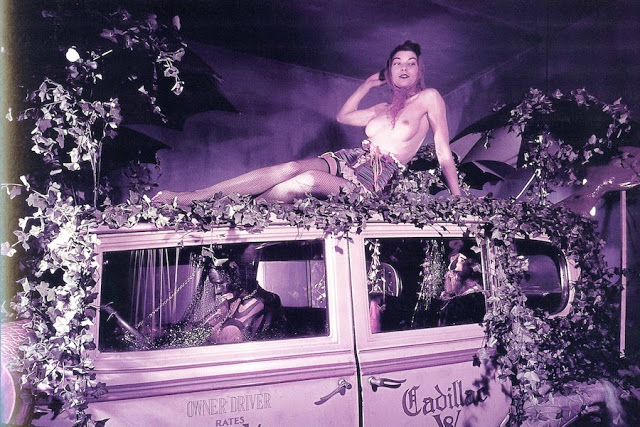
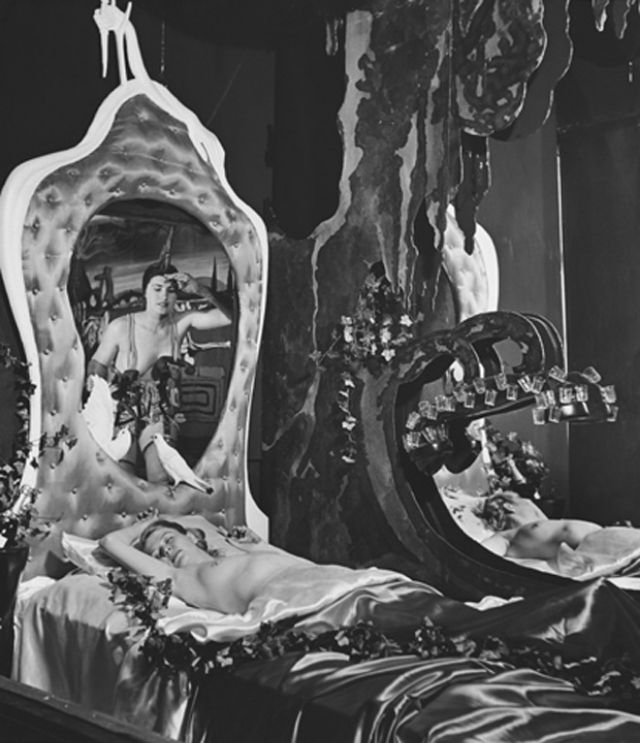
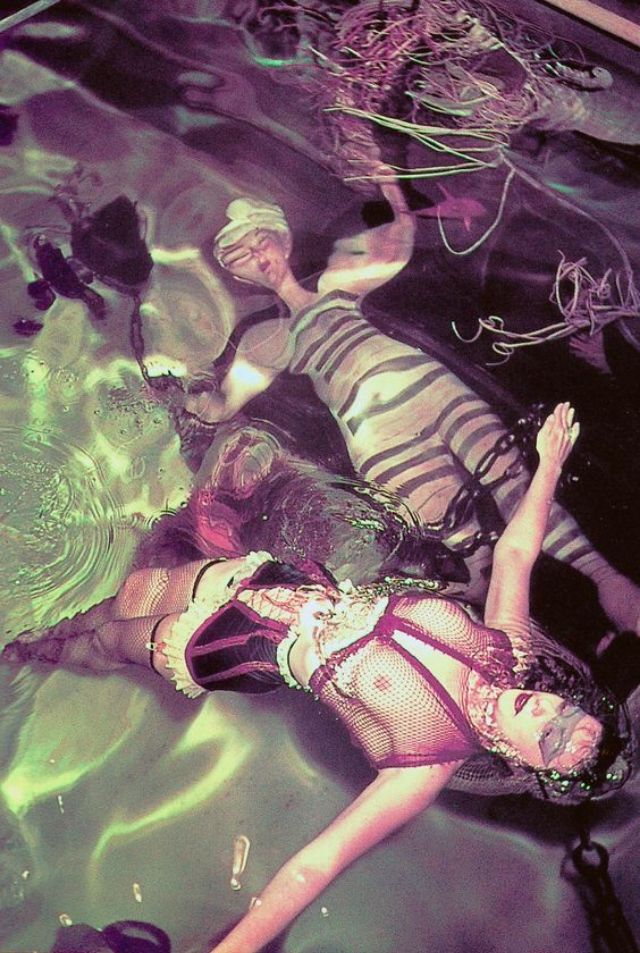
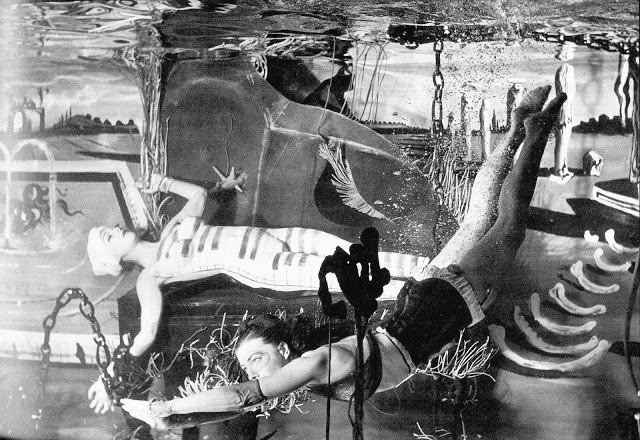
Dalí’s Dream of Venus is the most recent addition to the still-growing list of amusement-area girl shows and easily the most amazing. Weird building contains a dry tank and a wet tank. In the wet tank girls swim under water, milk a bandaged-up cow, tap typewriter keys which float like seaweed. Keyboard of piano is painted on the recumbent female figure made of rubber. In dry tank… a sleeping Venus reclines in 36-foot bed, covered with white and red satin, flowers, and leaves. Scattered about the bed are lobsters frying on beds of hot coals and bottles of champagne… All this is most amusing and interesting.
The building’s modern, expressionistic exterior, with an entrance framed by a woman’s legs, and shocking interior, including the bare-breasted “living liquid ladies” who occupied the tanks, caused quite a stir. The funhouse was so successful that it reopened for a second season, but once torn down it faded from memory and its outlandishness became the stuff of urban myth.
These photographs of the Dream of Venus by Eric Schaal has been discovered in 2002. In stunning black-and-white and early Kodachrome, they show both the construction and the completion of the funhouse-from Dalí painting a melting clock to showgirls parading for their audience. Salvador Dalí’s Dream of Venus reveals not only an eccentric work of architecture, but also a one-of-a-kind creation by one of the most fertile imaginations of the 20th century.
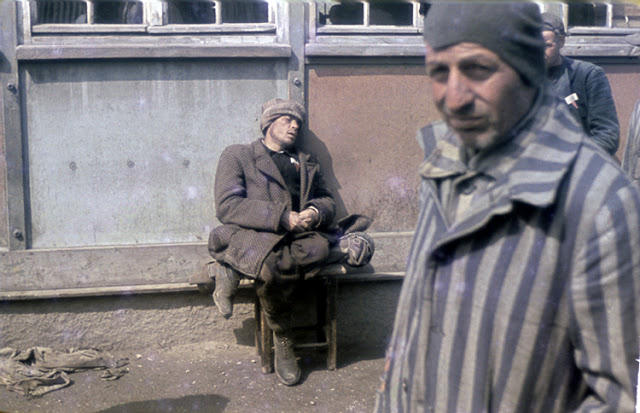
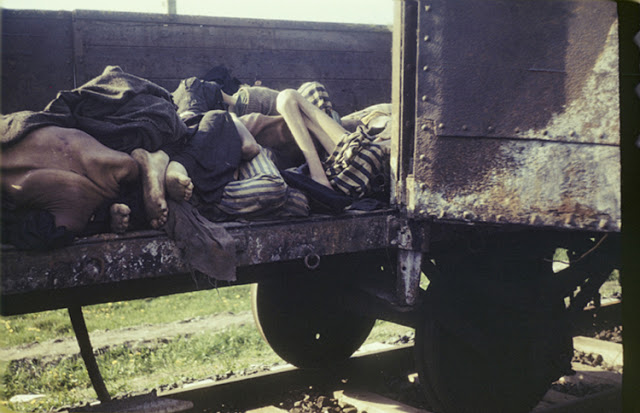
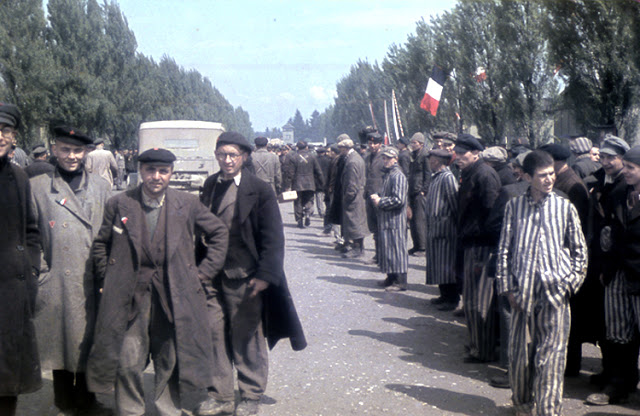
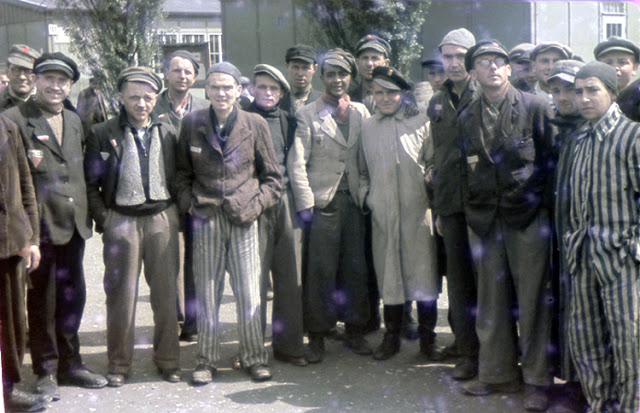
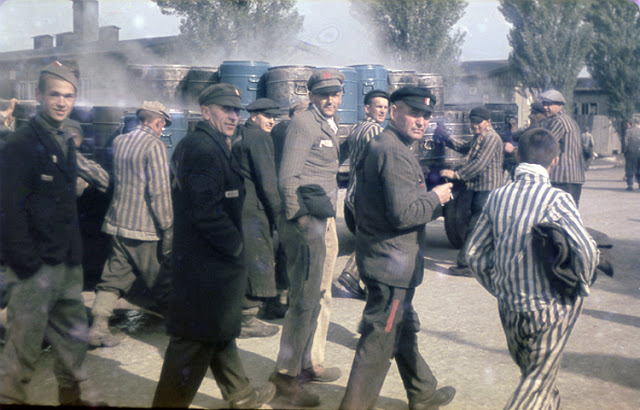
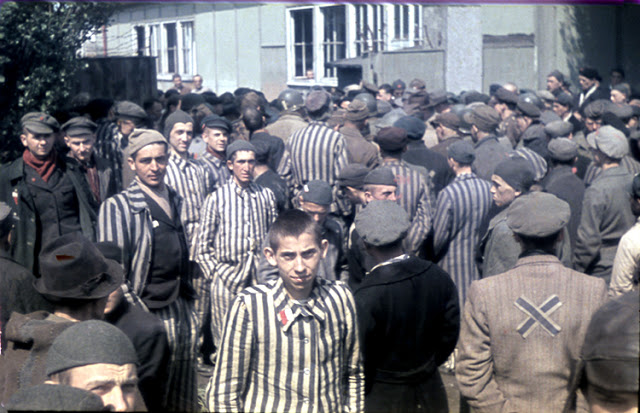
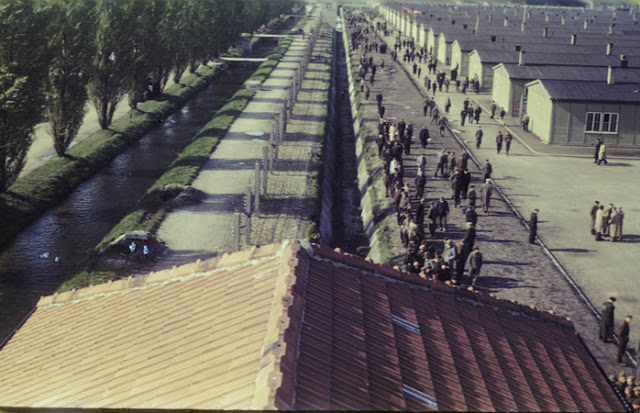
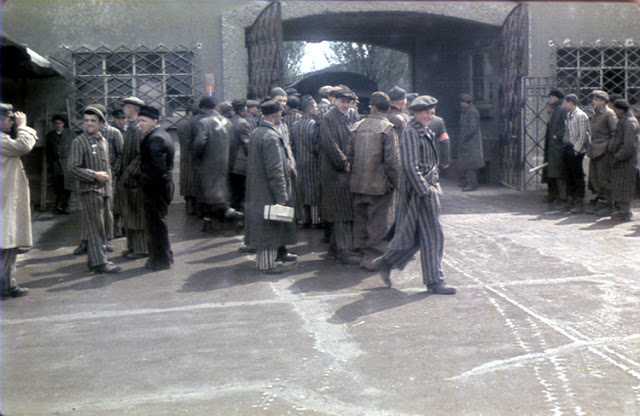
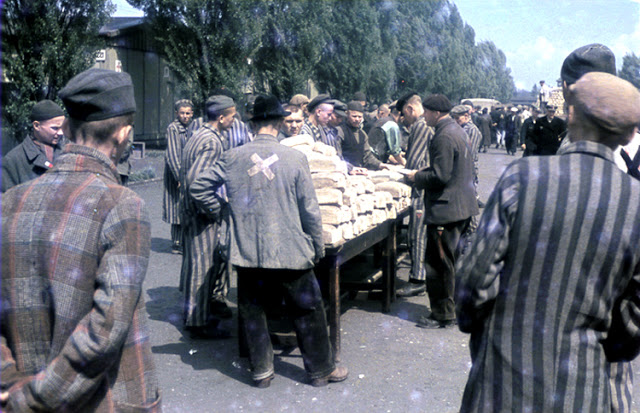
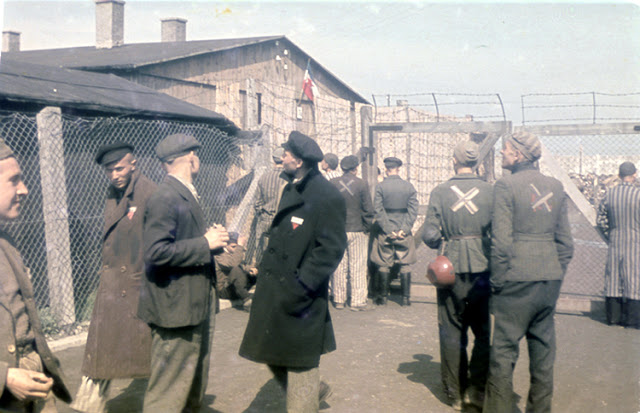
Nazi Germany maintained concentration camps throughout the territories it controlled before and during the Second World War. The first Nazi camps were erected in Germany in March 1933 immediately after Hitler became Chancellor and his Nazi Party was given control over the police through Reich Interior Minister Wilhelm Frick and Prussian Acting Interior Minister Hermann Göring. Used to hold and torture political opponents and union organizers, the camps initially held around 45,000 prisoners.
Heinrich Himmler’s SS took full control of the police and concentration camps throughout Germany in 1934–35. Himmler expanded the role of the camps to holding so-called “racially undesirable elements” of German society, such as Jews, criminals, homosexuals, and Romani.
Marijuana is the evil weed that will drive you to madness. Here are some of old pictures of famous faces who have been arrested for cannabis possession.
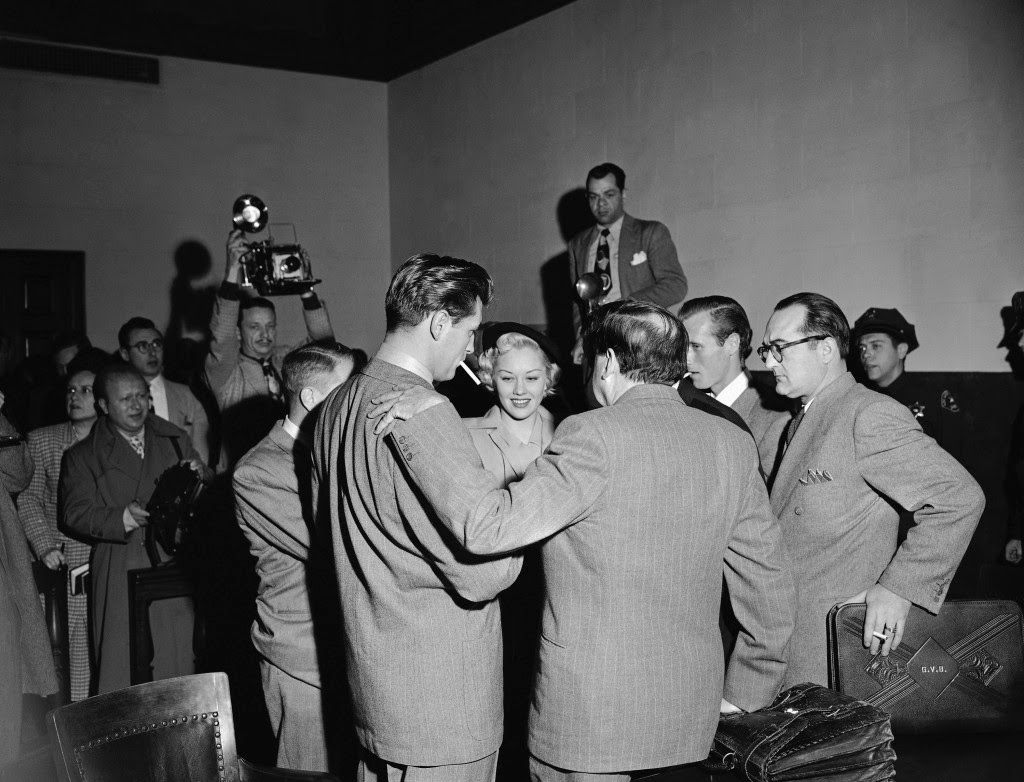
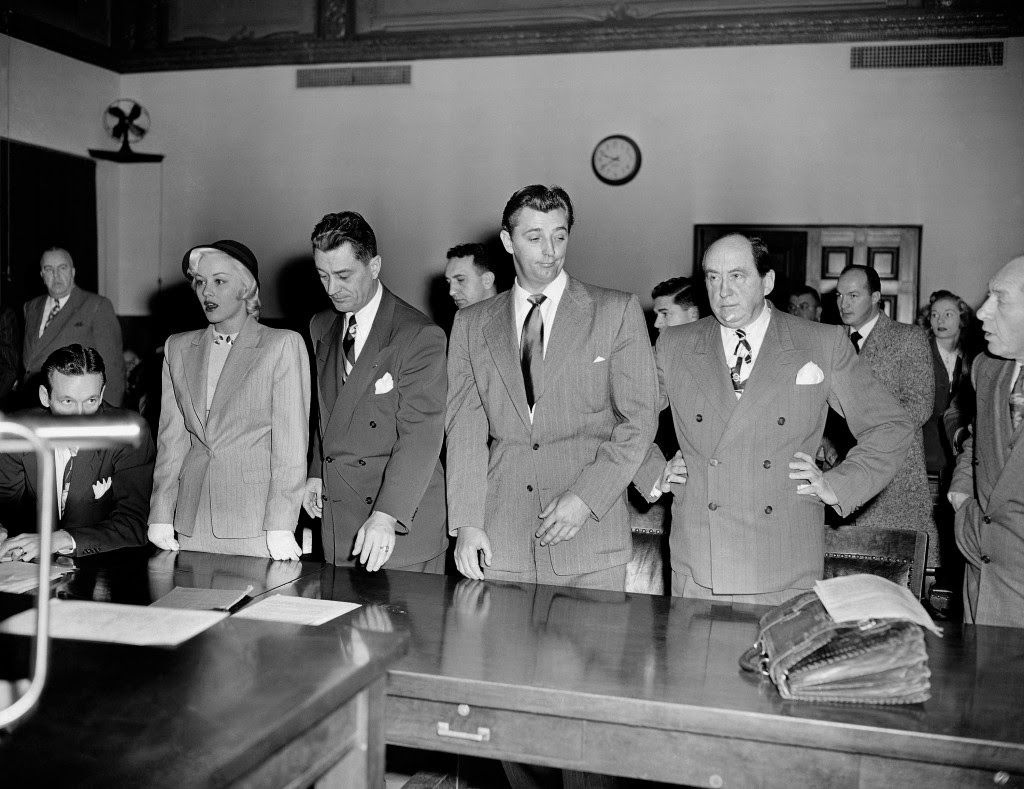
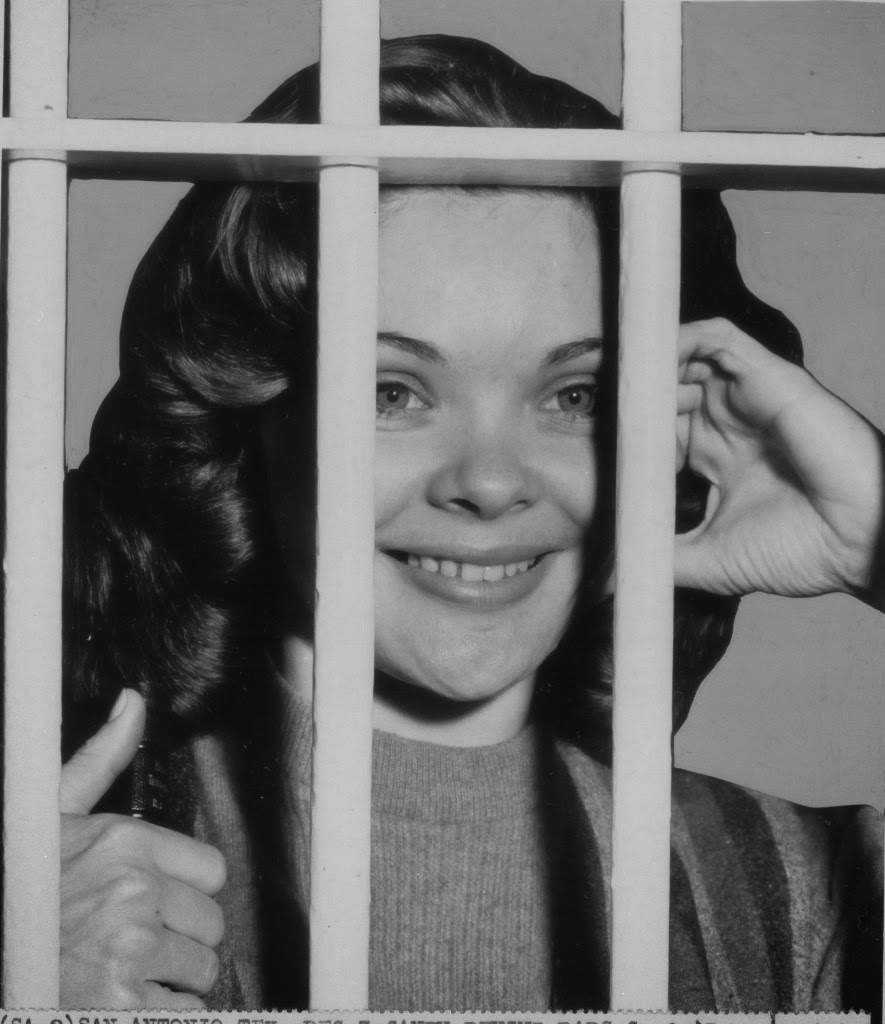
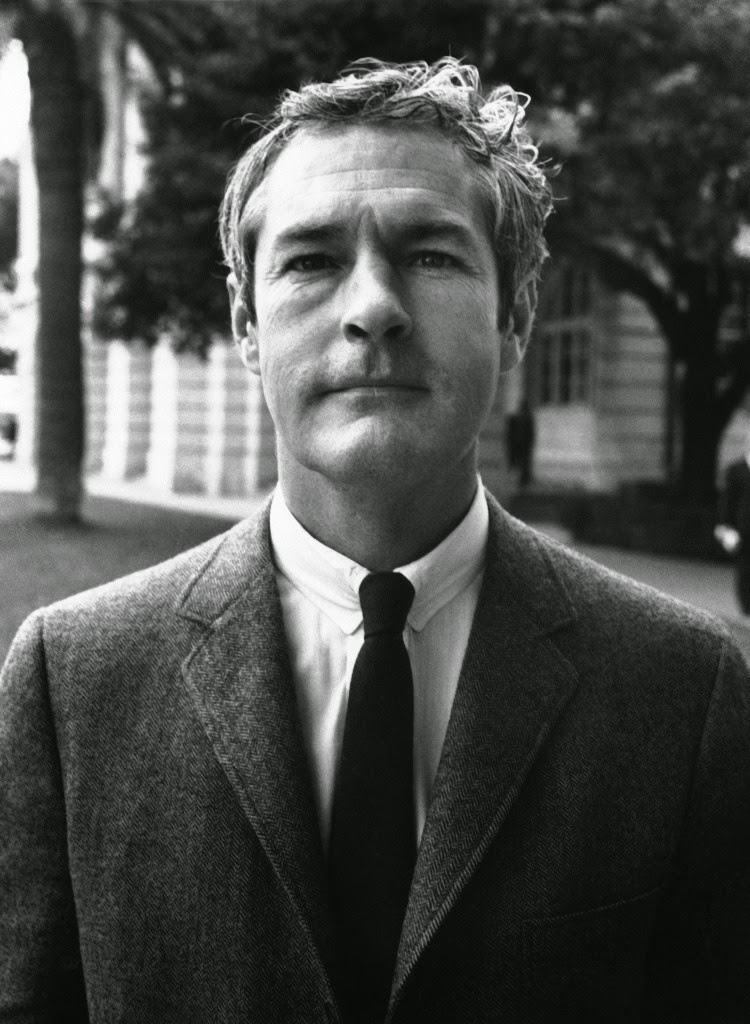
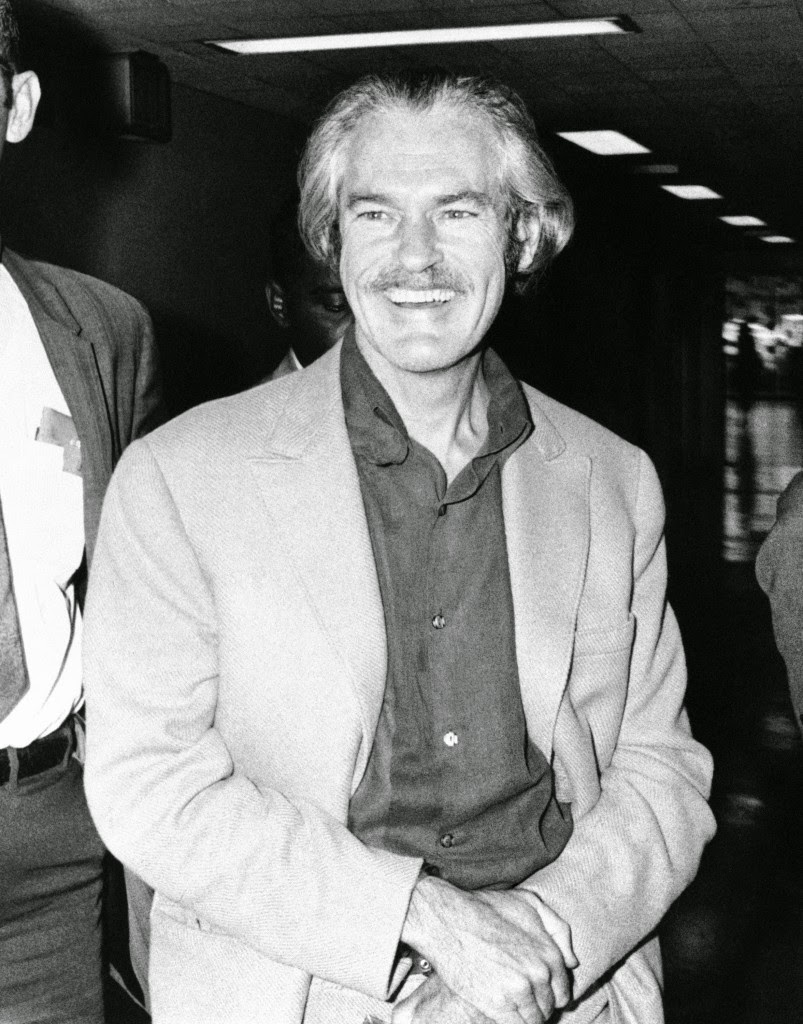
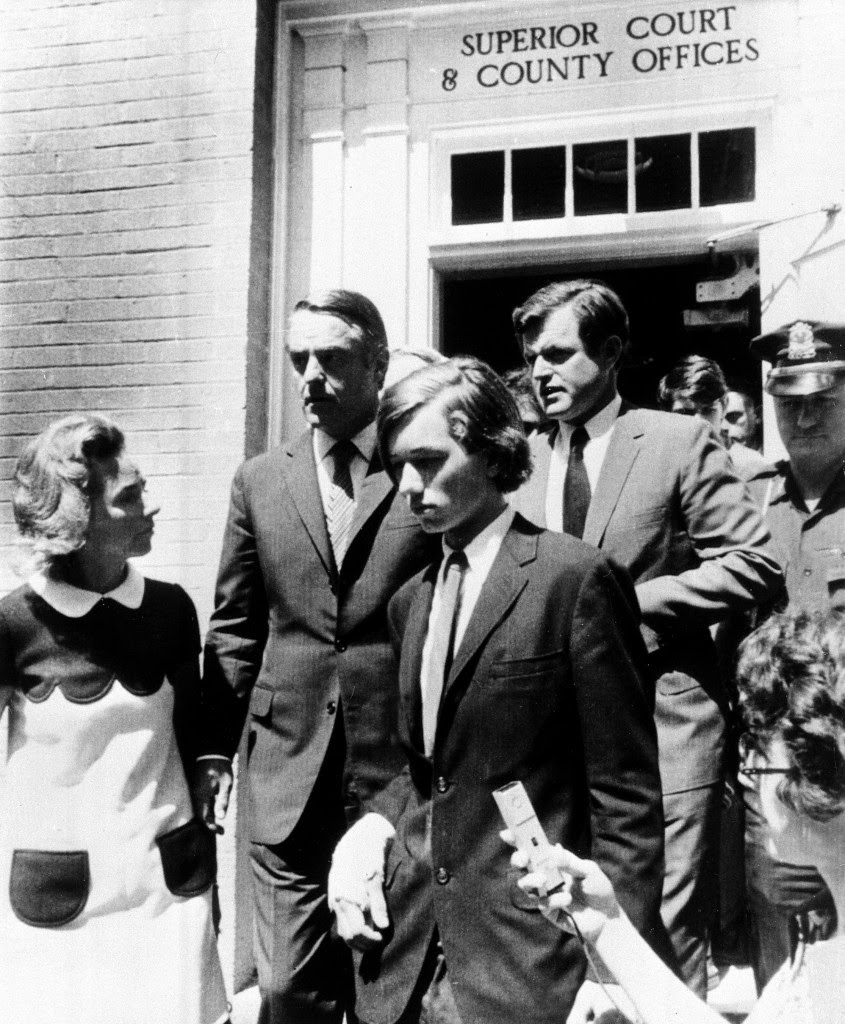
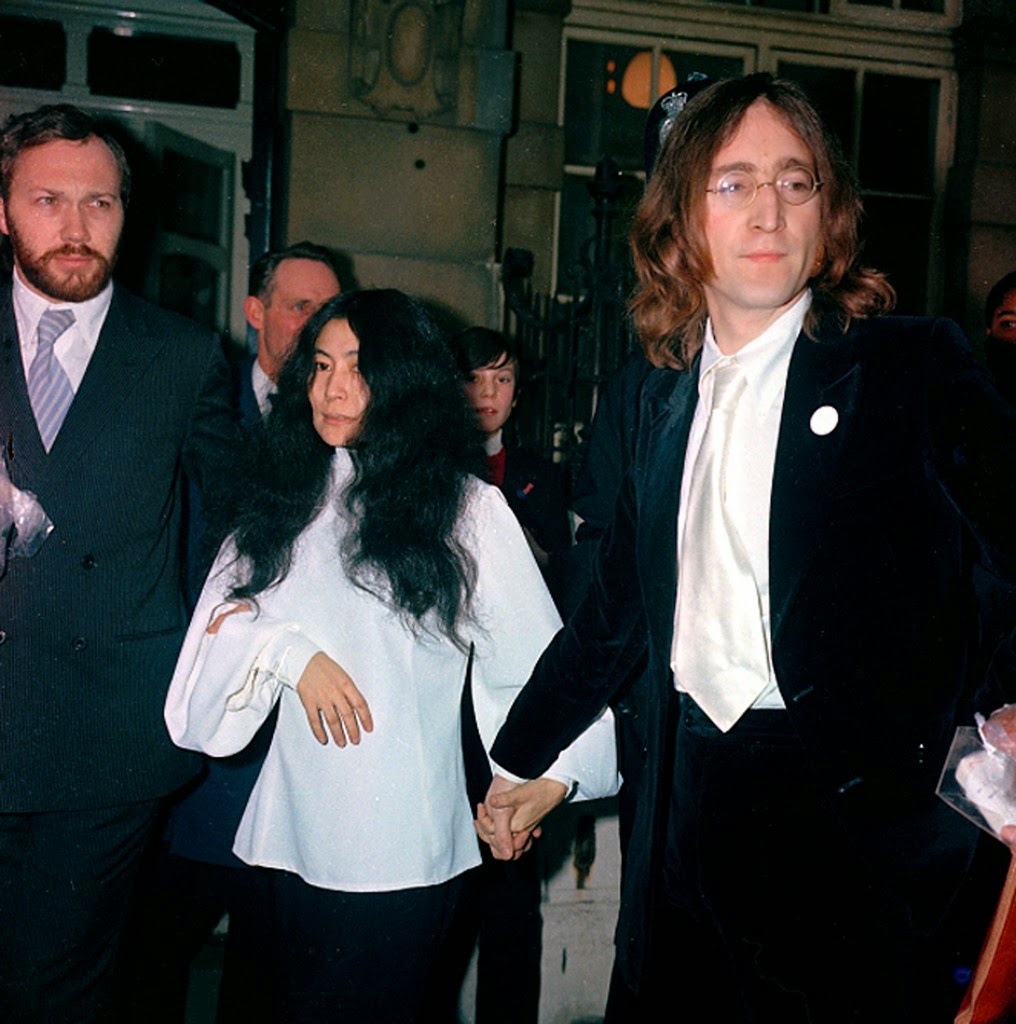
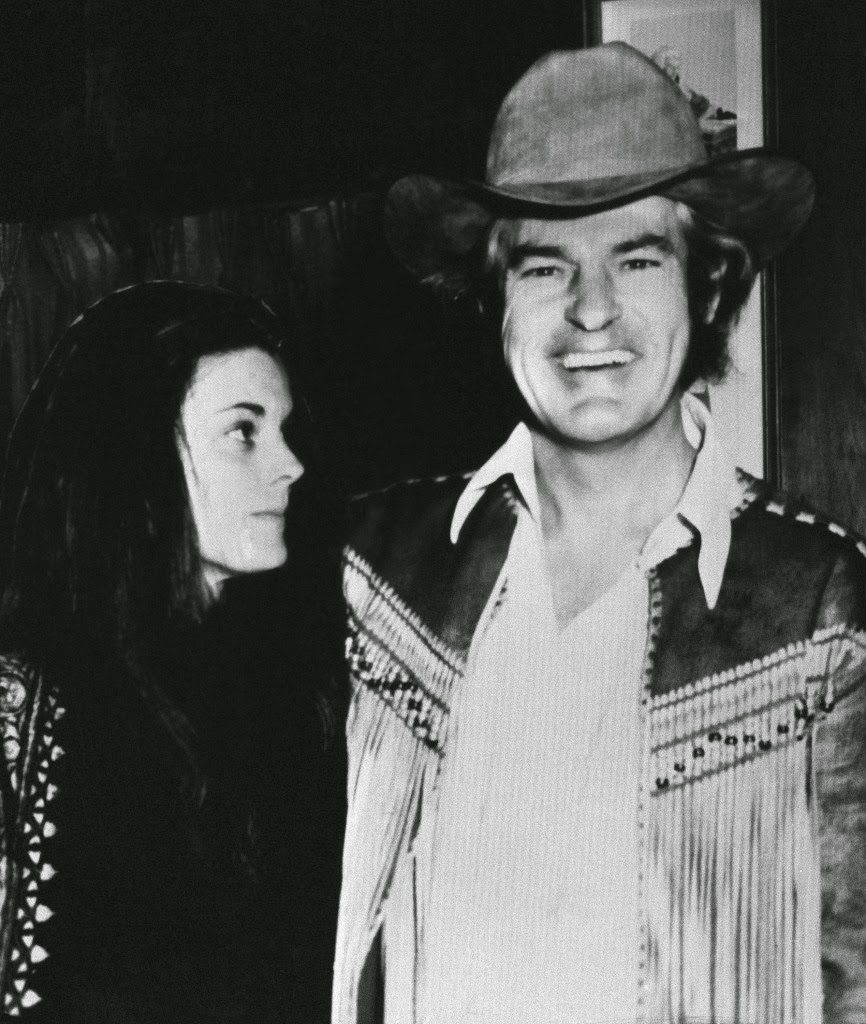
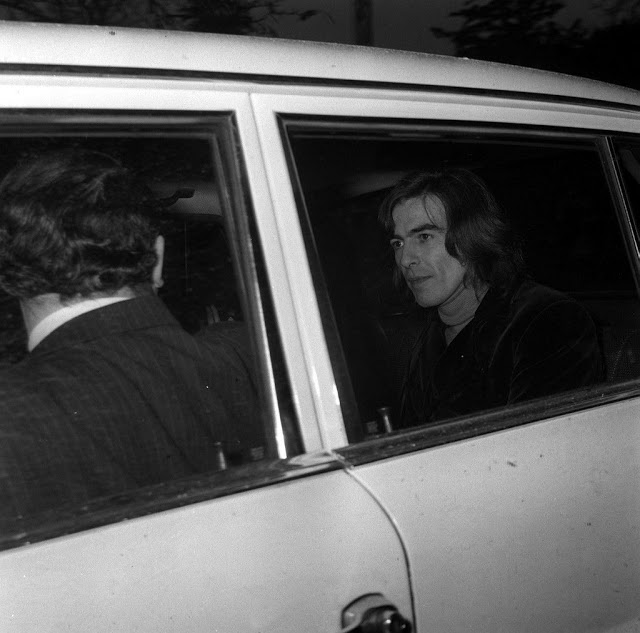
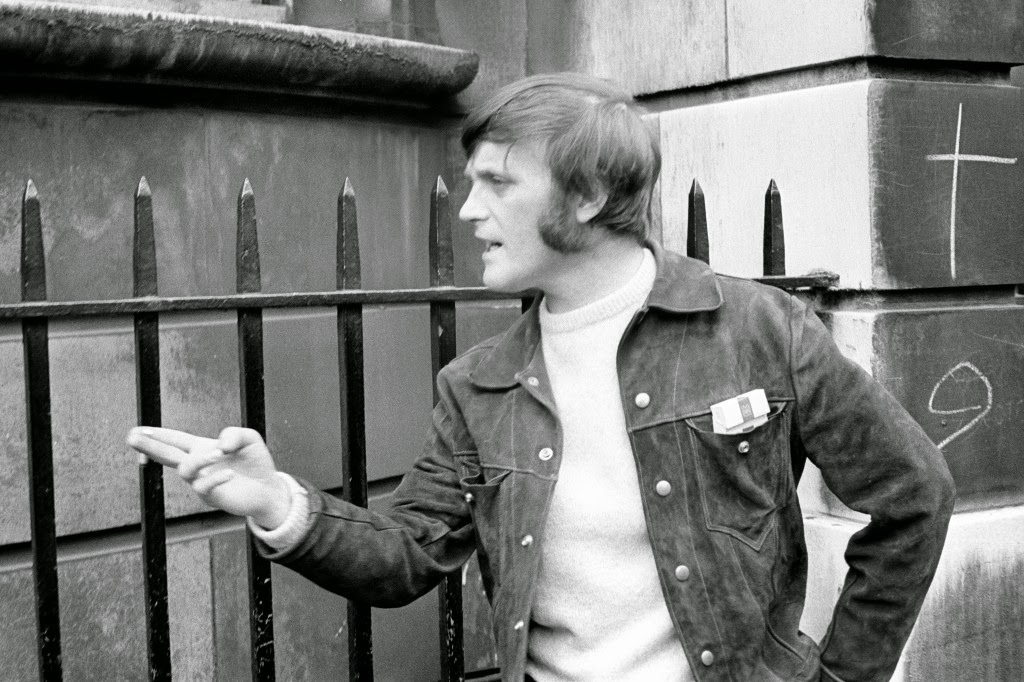
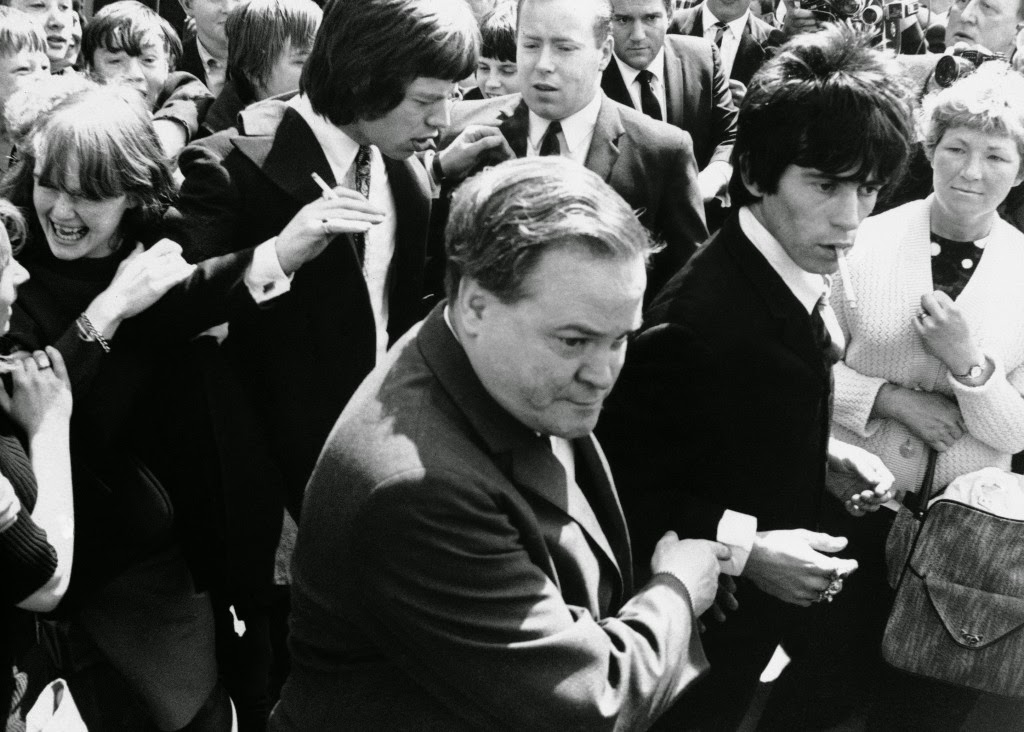
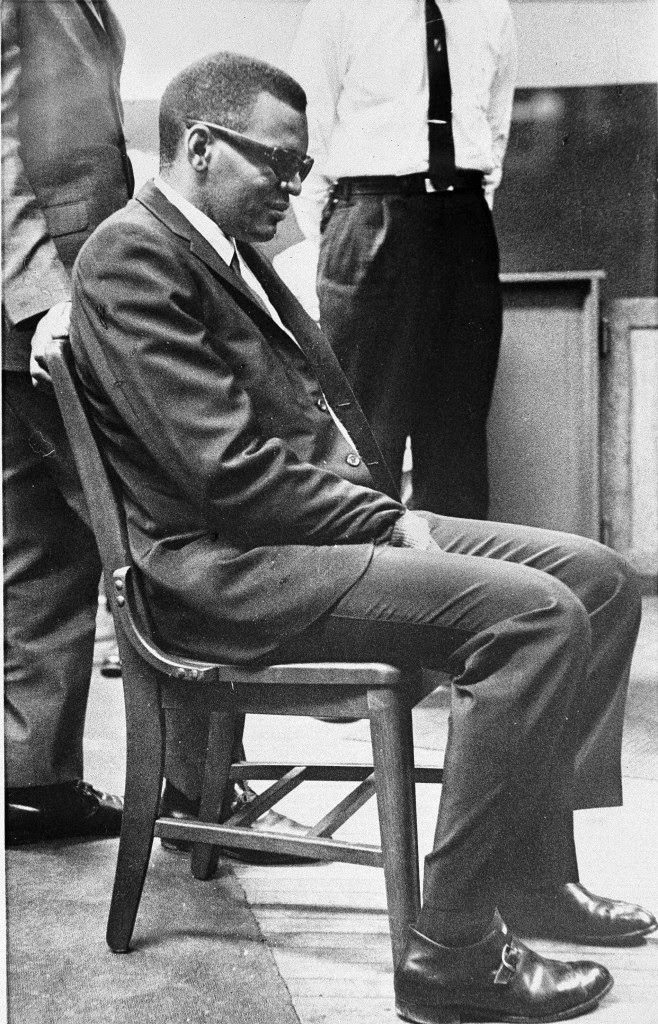
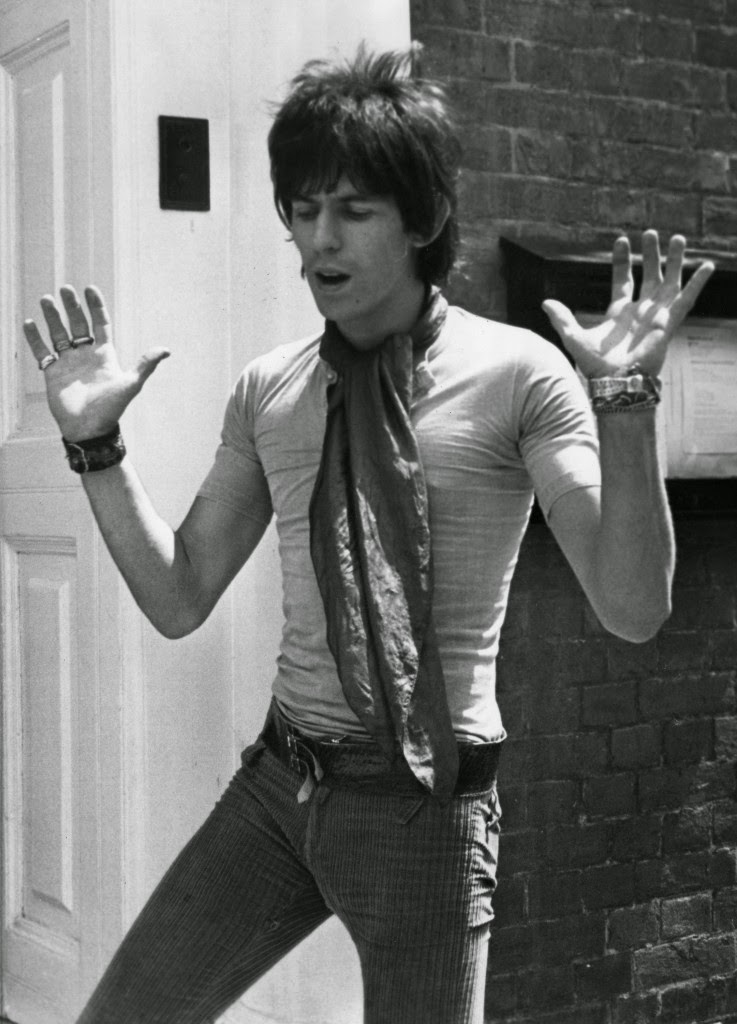
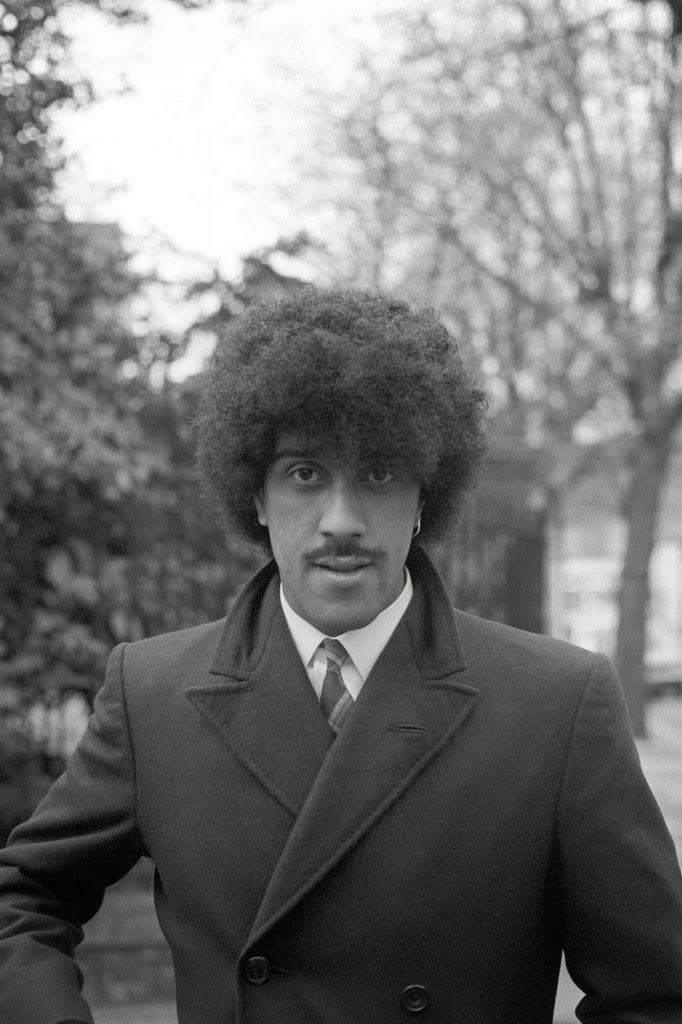
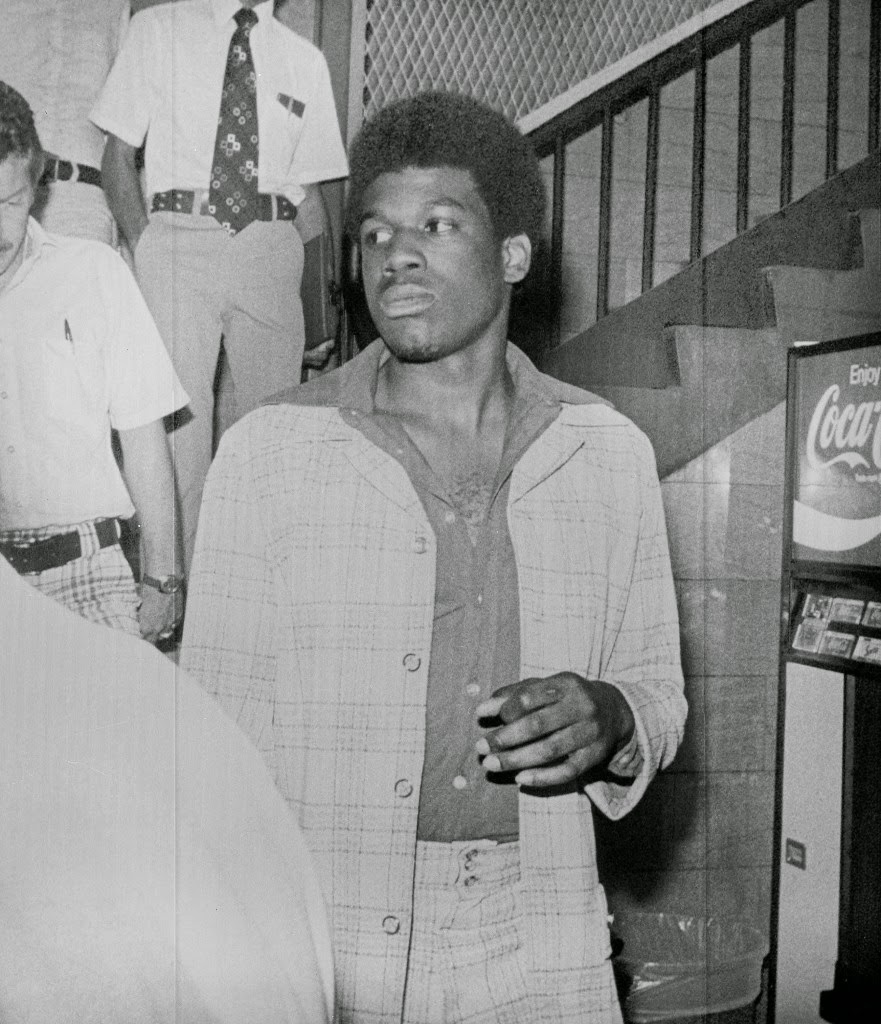
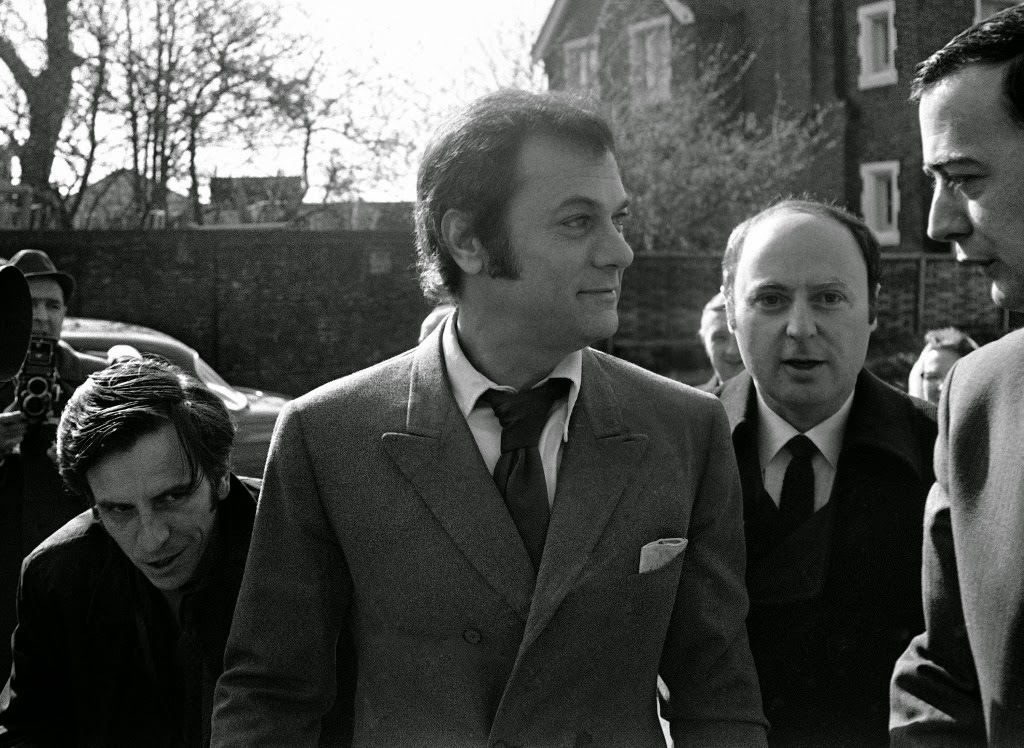
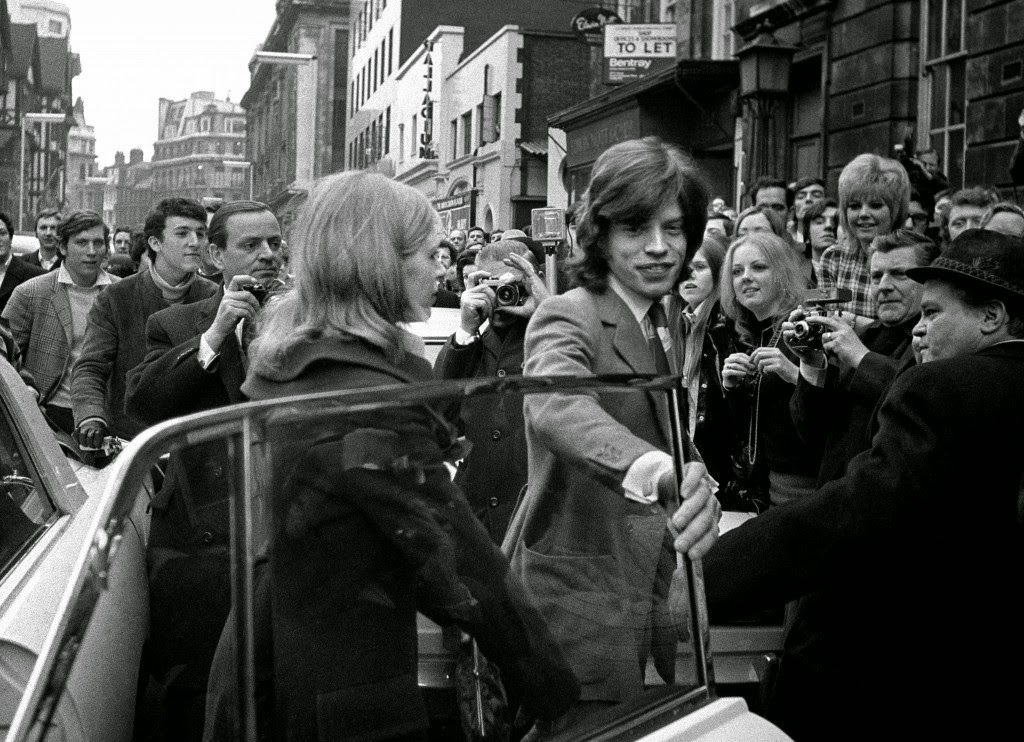
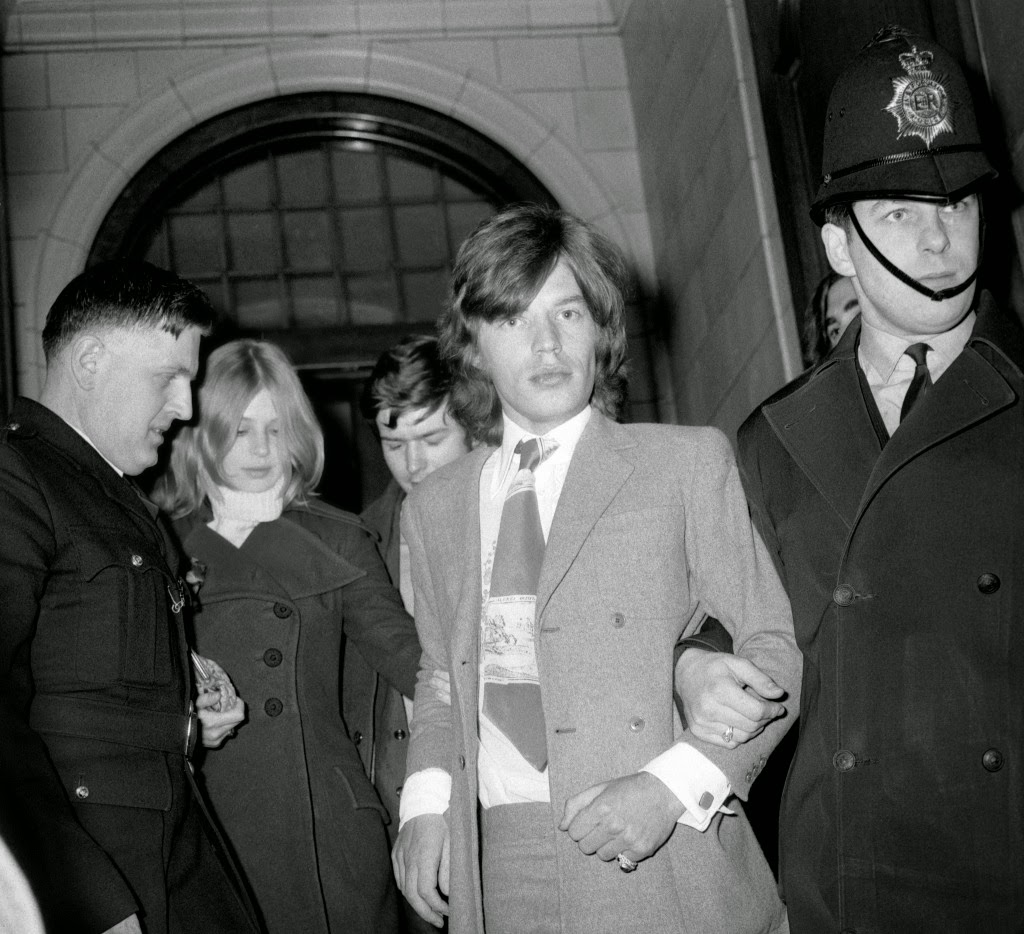
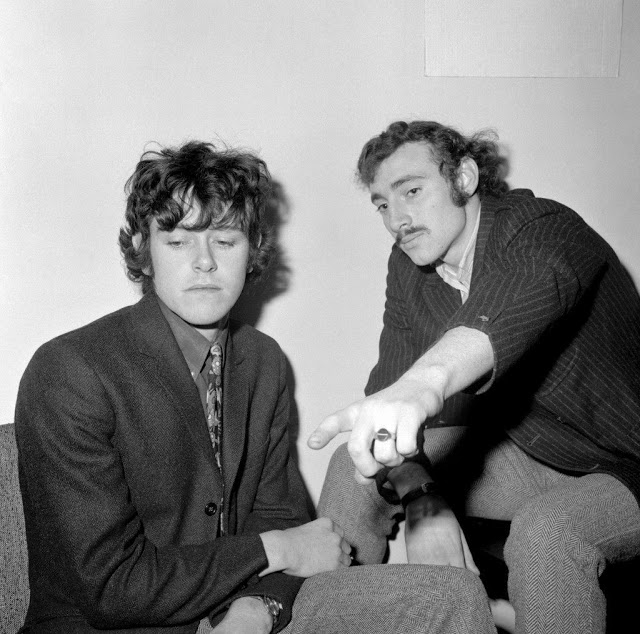
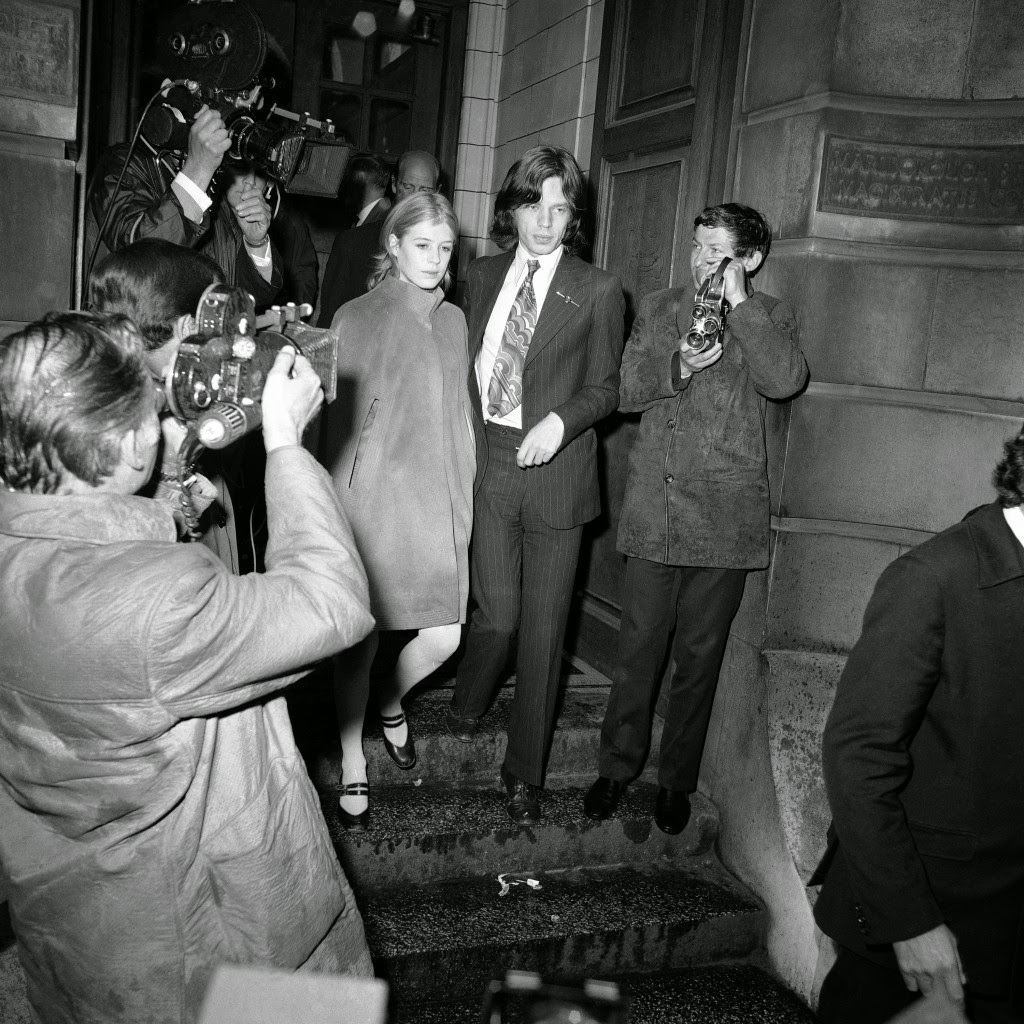
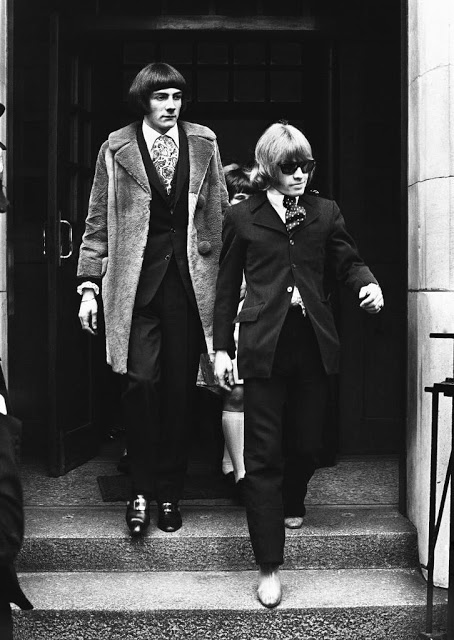
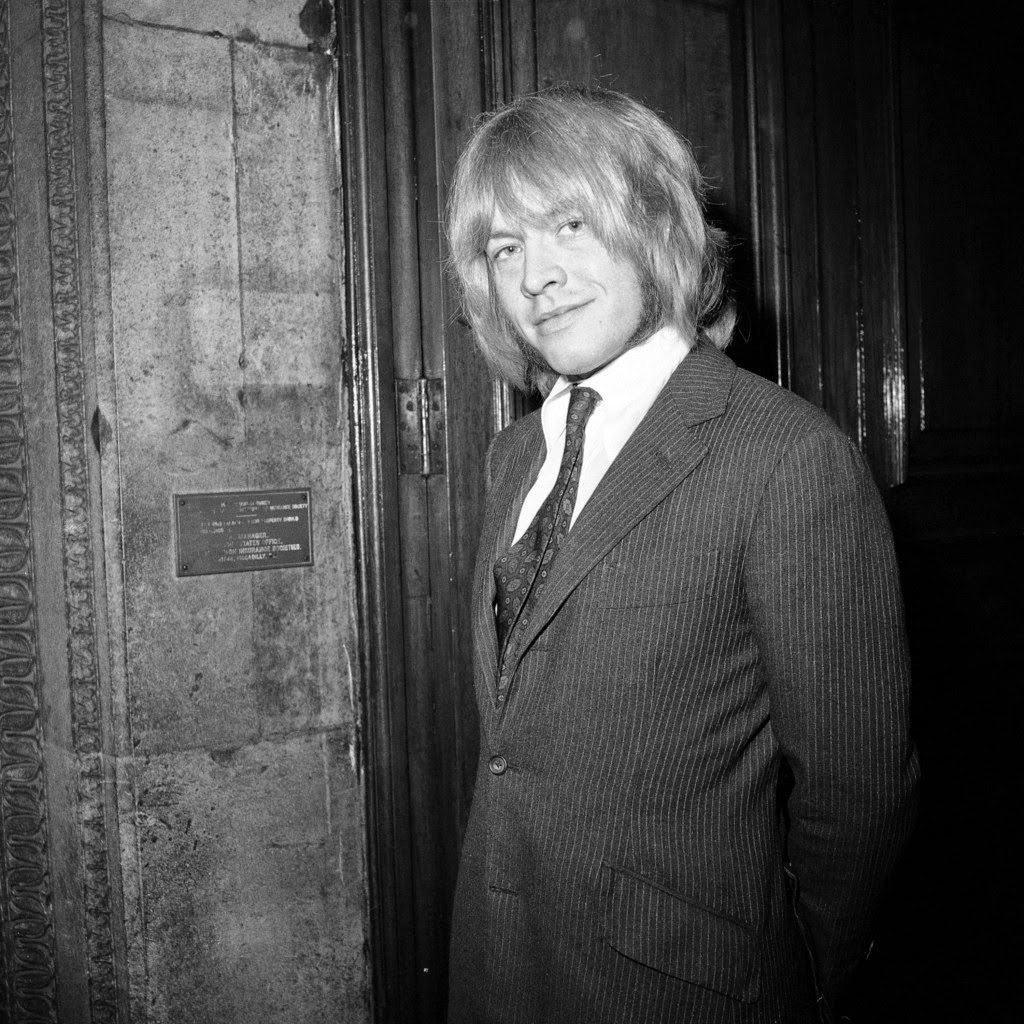
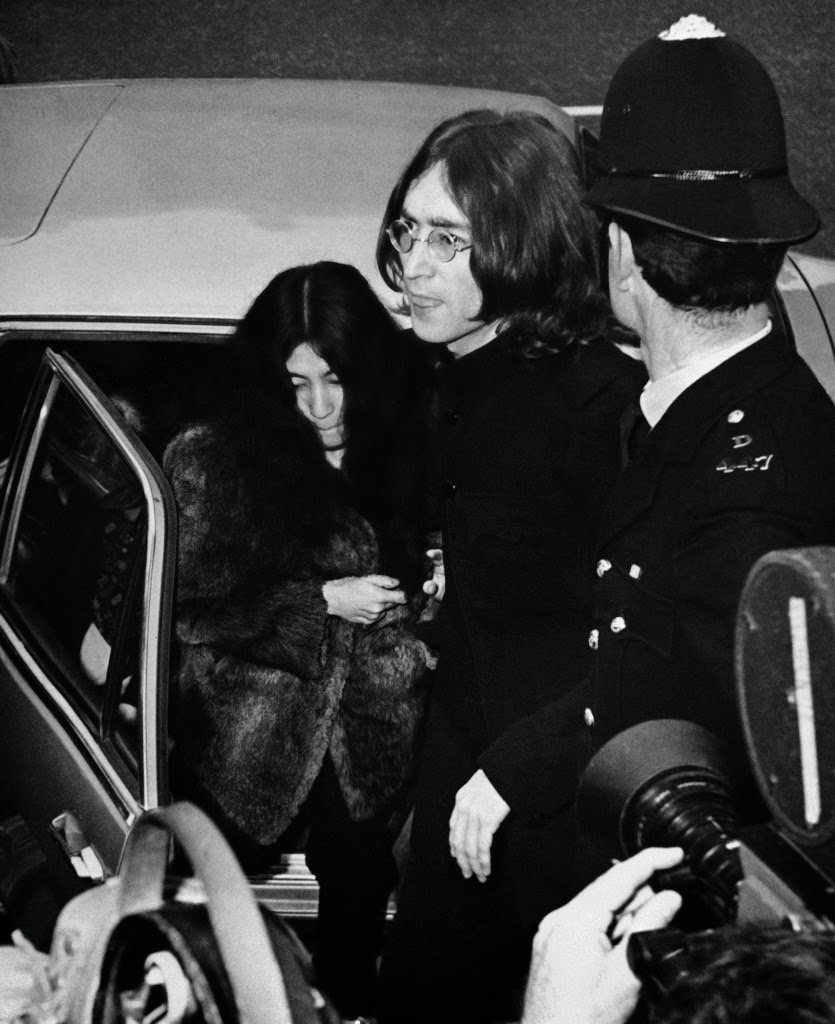
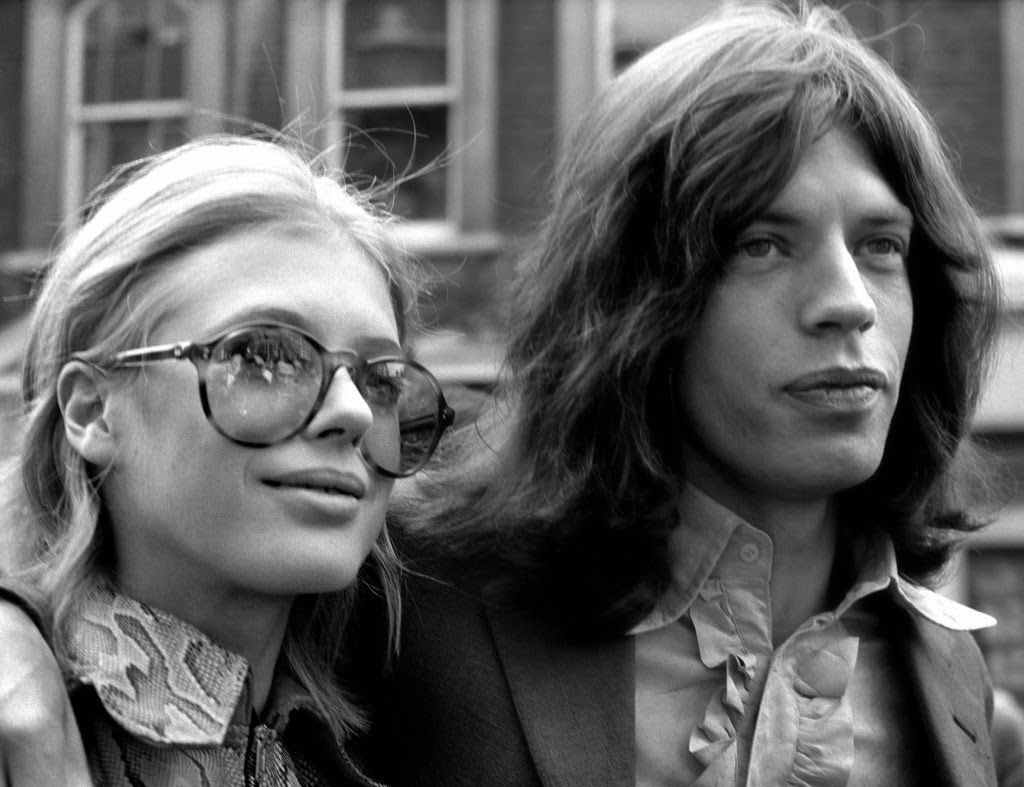
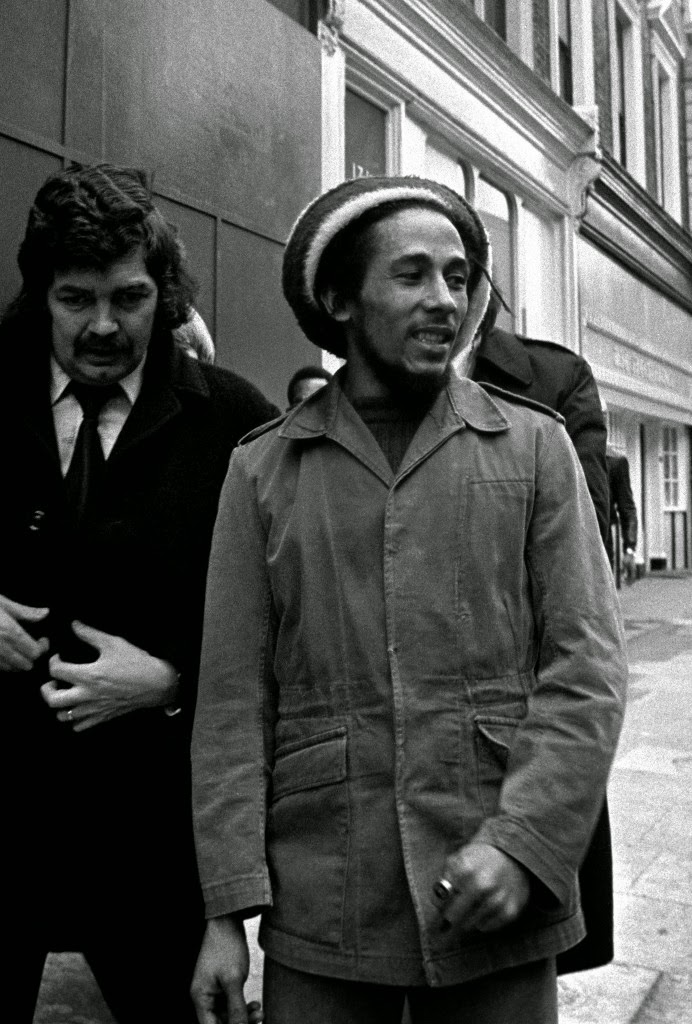
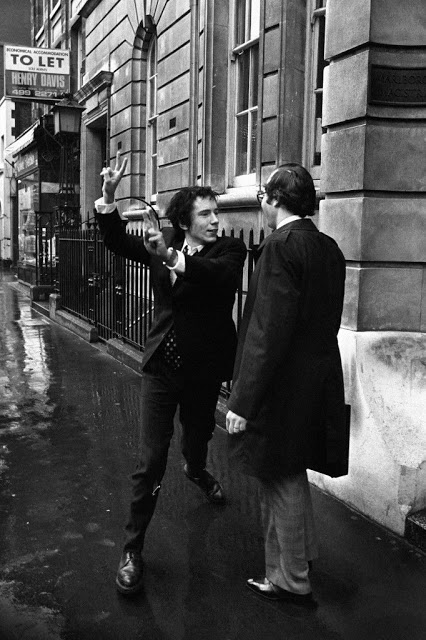
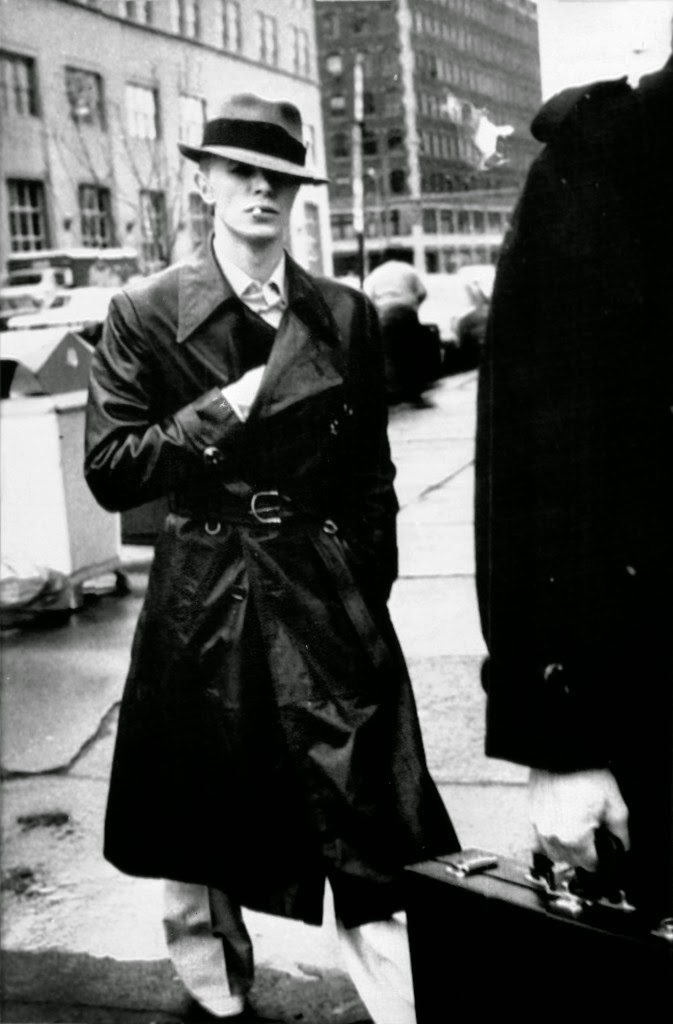
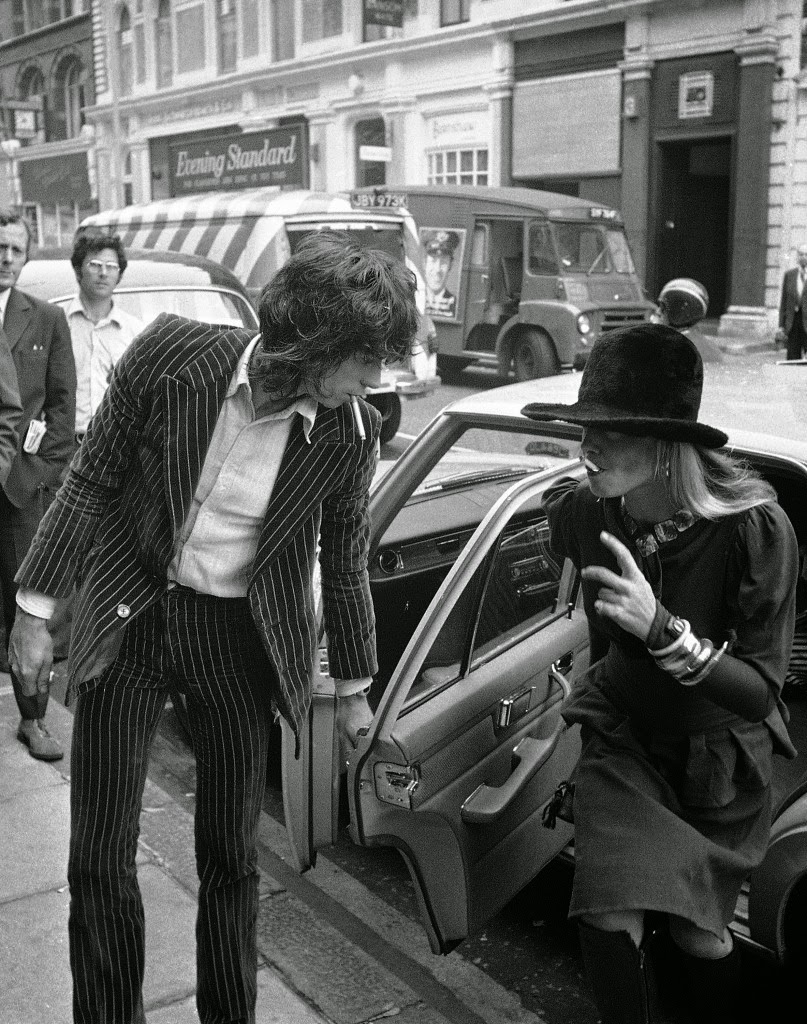
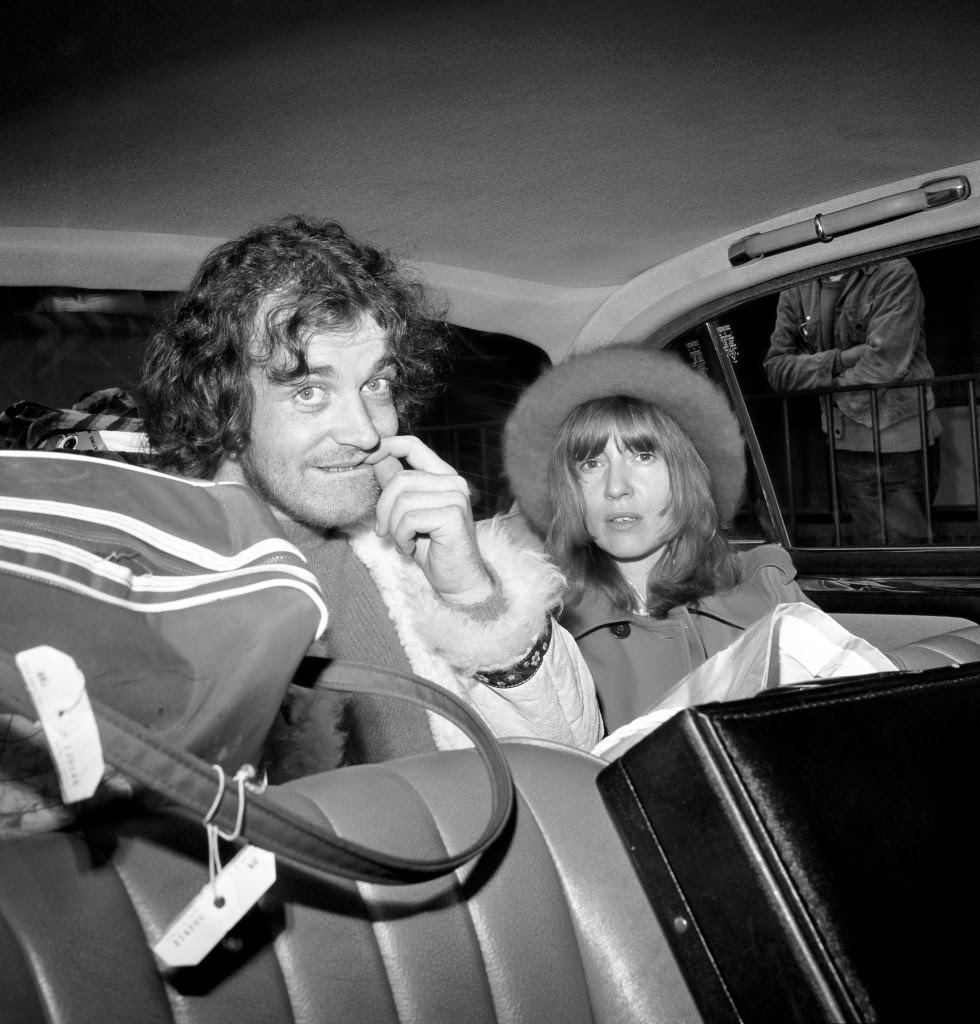
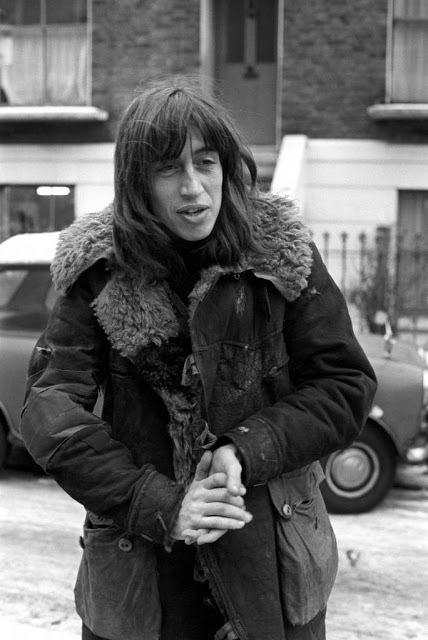
Robert Mitchum and Lila Leeds, both at left, talk with their attorneys and real estate man Robin Ford, second from right, immediately after the screen players and Ford were convicted, Jan 10, 1949 in Los Angeles.In this Feb. 9, 1949, actor Robert Mitchum, center right, and actress Lila Leeds, left, are sentenced to 60 days in jail on charges of conspiracy to possess marijuana cigarettes in Los Angeles.Burlesque dancer Candy Barr, went behind bars after turning herself in to Bexar County Sheriff near noon, Thursday, Dec. 3, 1959, San Antonio, Texas.Timothy Leary, a New York researcher who experiments with changing human consciousness, is scheduled to go on trial in Laredo, March 2, 1966, on a charge of smuggling marijuana into the United States. His 18-year-old daughter is also charged and is to stand trial at the same time.This is a 1970 photo of Dr. Timothy Leary, in custody of federal marshals as he leaves the Federal Building in Houston, Jan. 16, 1973 after being sentenced to 10 years in prison on marijuana charges.Robert Kennedy Jr., 16-year-old son of the late Robert Kennedy, leaves court at Barnstable, Mass., after a hearing on charges of possession of marijuana, Aug. 6, 1970.Beatle John Lennon, right, and companion Yoko Ono are arrested for possesion of marijuana after their flat was raided in London, England, on Oct. 18, 1968.Dr. Timothy Leary, 49, former Harvard instructor and exponent of using marijuana and LSD, is with his wife, Rosemary, 33, as they arrived for Leary’’s trial in Laredo, Texas, Jan. 20, 1970.Beatle George Harrison. Both Harrison and his wife George Harrison were remanded on bail until March 31 at Esher and Walton court acused of being in possession of cannabis resin without being duly authorised ghgal. Date: 18/03/1969.Terence Harris of Porchester Terrace, Paddington – 29 year old pop musician Jet Harris – former bass guitarist with “The Shadows” – at Marlborough Street Magistrates, London when he appeared on remand on a drink-drive charge, and possession of drugs charge. Date: 11/09/1968.Longhaired Mick Jagger, left center, holding cigarette, and Keith Richard, right, smoking cigarette, leave Chichester, England court, May 10, 1967 after electing to be tried by jury on drug possession charges.Singer Ray Charles sits in Indianapolis Municipal Court during preliminary hearings on narcotics charges filed against him last November, Jan. 9, 1962.Keith Richards, 23, guitarist of the British rock band “The Rolling Stones”, gestures with his hands in Chichester, Sussex, Great Britain, June 27, 1967. Richards will stand trial tomorrow for permitting premises to be used for smoking Marijuana.Phil Lynott, guitarist and singer with rock group ‘Thin Lizzy’, at Richmond where he appeared at the local magistrates’ court accused of possessing cocaine and cannabis resin and with cultivating a cannabis plant at his home in Kew Road, Richmond. Date: 24/04/1980.Former Beatle Paul McCartney is rushed from a police car to a drug investigation unit in Tokyo after spending a night in jail on Jan. 17, 1980. He was arrested at Tokyo’’s Narita Airport after customs officers found marijuana in his luggage.Montreal Expos pitcher Bill Lee, wearing a Jackson Browne t-shirt, talks to reporters in a news conference at the offices of the American Civil Liberties Union in New York City on Sept. 20, 1979. Lee was fined $250 by baseball commissioner Bowie Kuhn for marijuana use and is suing major league baseball in response, claiming abuse of his feedom of speech.Bernard King, former Tenn. basketball star and first round draft choice of the New Jersey Nets, is seen going to court in Knoxville, Tenn., Aug. 1, 1977 where he pleaded guilty to possession of marijuana and resisting arrest.Tony Curtis, famous Hollywood film star is pictured in London, United Kingdom, on April 27, 1970, before appearing at Uxbridge Court, Middlesex, England where he pleaded guilty to having in his possession a quantity of cannabis resin, when he arrived at London Airport Heathrow at night. He was fined £50 (dollars 120).Mick Jagger of the Rolling Stones and actress Marianna Faithfull arrive for the resumed hearing of the case in which they have denied possessing cannabis resin. Date: 26/01/1970Mick Jagger, lead singer of the Rolling Stones, and his former girl friend Marianne Faithfull after the conclusion of the case at Marlborough Street Court, in which they had pleaded not guilty to possessing cannabis resin. The charge against Marianne was dropped but Jagger was fined £200 with 50 guineas costs.Donovan Phillip Leitch, known a pop singer Donovan, who appeared at Marylebone Court, London charged with being in possession of the drug cannabis, with David John Mills, described as a musical director, who was charged with him, also known a ‘Gypsy Dave’.Lead singer of the Rolling Stones pop-group, Mick Jagger, 25, and friend, actress Marianne Faithfull, 22, in London, England on June 23, 1966. The couple appeared at Marlborough St. Court charged with possessing the drug Cannabis. They were on remand from May 29 on £50 bail each. The case was adjourned until September to allow the couple to fulfill film commitments in Australia.Rolling Stones Brian Jones, right, and Swiss entertainer Prince Stanislas Klossowski de Rola, Baron de Watteville, in London on May 11, 1967. Earlier the two were remanded on bail until June 2, after appearing at a London Magistrates Court charged with being in possession of dangerous drugs, 50 grains of cannabis resin.Brian Jones, a member of The Rolling Stones pop group before appearing at the Inner Sessions House Crown Court in London, England on Sept. 26, 1968. He is charged with having possessing an unknown quantity of the Cannabis drug at his flat in London, without lawful authority.John Lennon, one of the Beatles, and his Japanese girl friend, Yoko Ono, leave car to enter Marylebone court in London on Oct. 19, 1968. They appeared on charges of possessing cannabis, the British name for hashish. The trial was set for late November after the police asked for time to have the seized drugs analyzed.Mick Jagger, lead singer of the Rolling Stones, and actress Marianne Faithfull, on their way to Marlborough Street Court on a charge of possessing cannabis. Date: 29/05/1969.Jamaican reggae artist Bob Marley in London, where he appeared at Marylebone Magistrates Court charged with possessing cannabis. Date: 06/05/1977.Bob Marley, the 31 year old reggae singer, arriving at Marylebone Magistrates Court in London, where he was charged with possessing cannabis. Date: 06/04/1977.Johnny Rotten, lead singer with the Sex Pistols, giving a double V-sign to journalists after he had been fined £40 on a drugs charge at Marlborough Street Magistrates Court, London. Date: 11/03/1977.David Bowie visits his attorney before his city court appearance in Rochester to answer to charges of illegal possession of drugs, Thursday, March 25, 1976. Bowie was arrested early on Sunday, March 21, 1976, folowing a concert in Rochester.Keith Richards, from The Rolling Stones, 29, accused of drugs and firearm charges, opens the door of car for girlfriend, actress Anita Pallenberg, 31, also charged with possessing drugs, on arrival at Marlborough Street Court in London, England on June 27, 1973. (AP Photo/Robert Rider Rider)Joe Cocker, the British pop singer who was ordered out of Australia after being convicted of possessing drugs, drives away from Heathrow Airport with his girl friend Eileen Webster. Date: 30/10/1972.Richard Neville, 29, editor and director of the underground magazine Oz. Neville, appearing on a drugs charge, was remanded on bail until January 6th by West London Magistrates. Date: 28/12/1970.
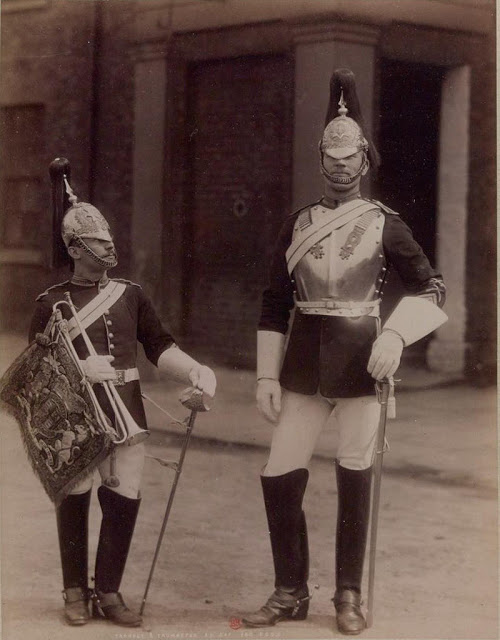
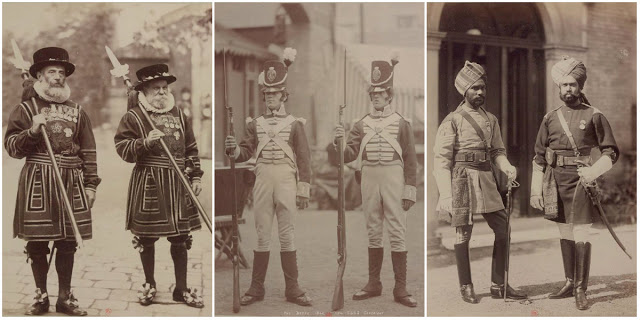
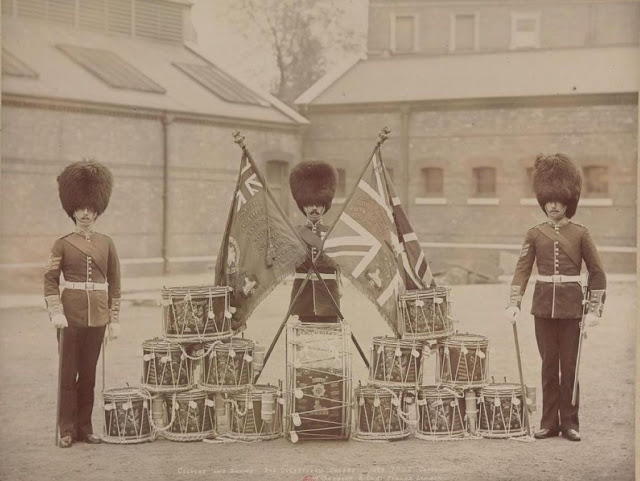
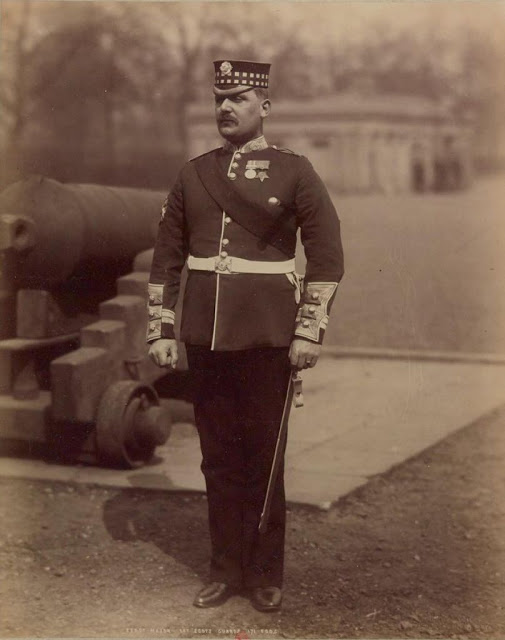
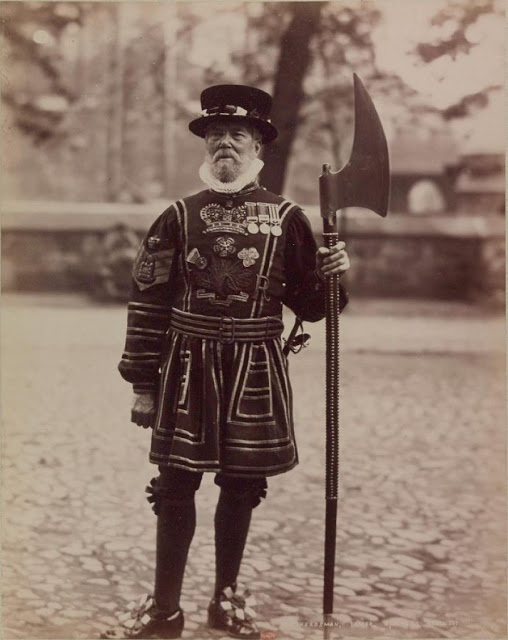
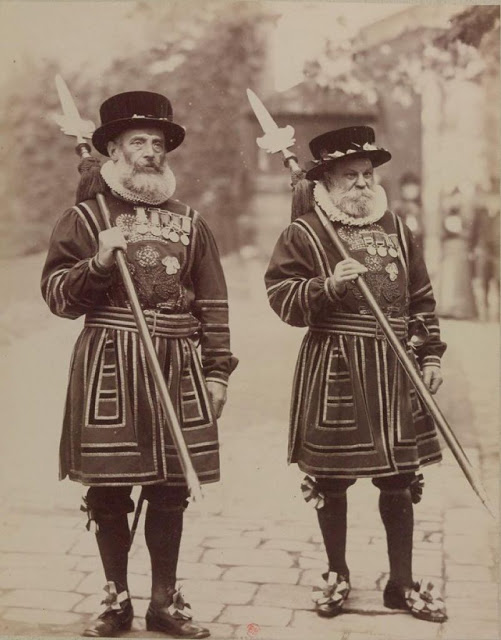
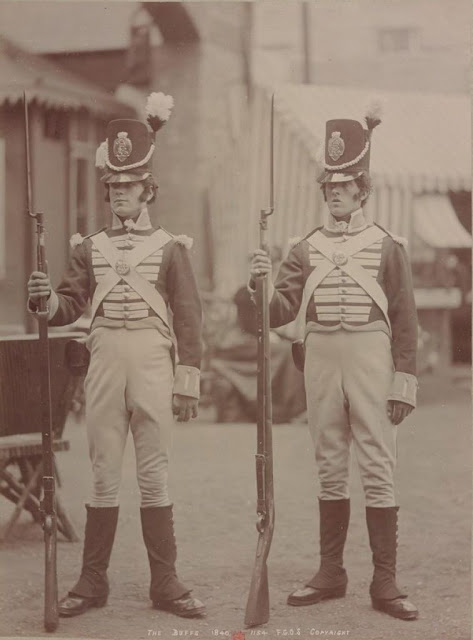
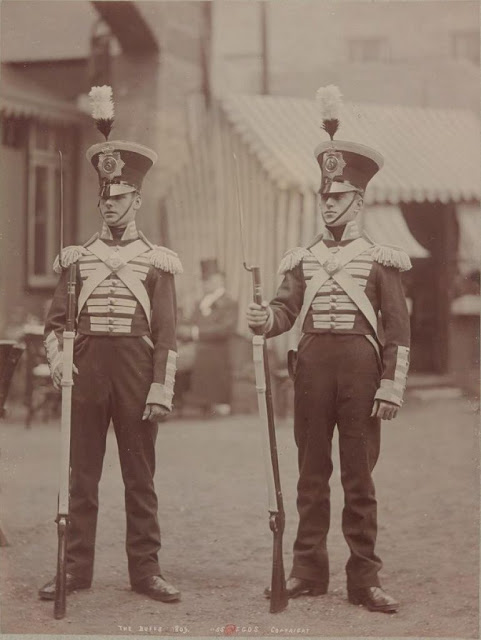
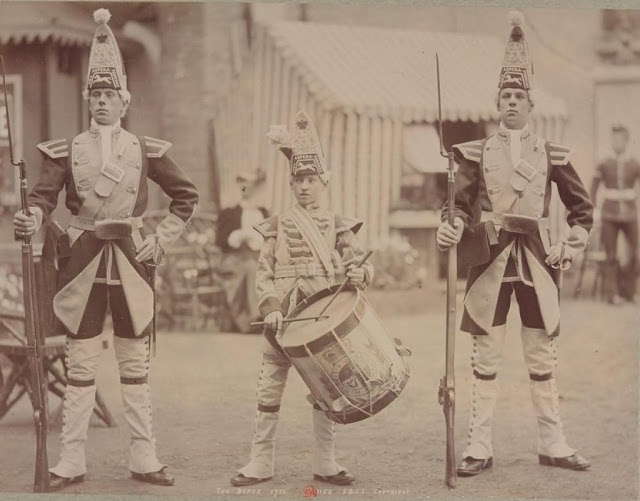
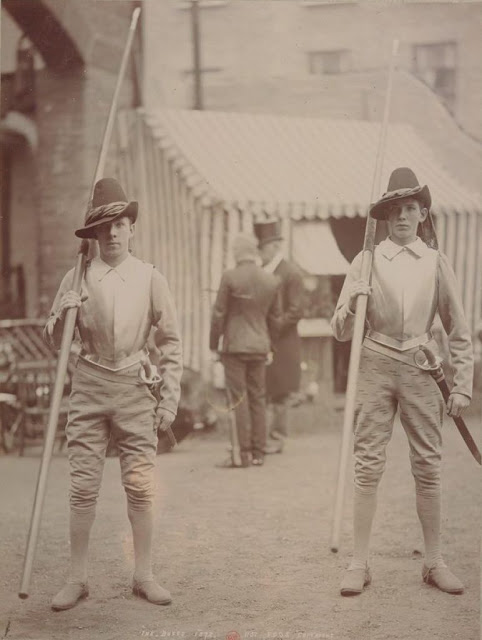
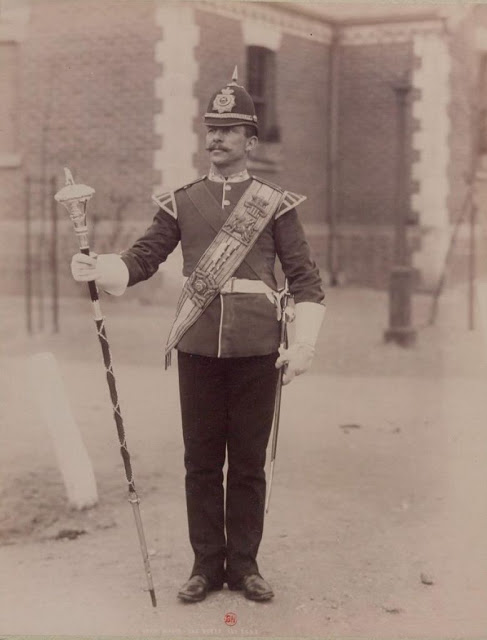
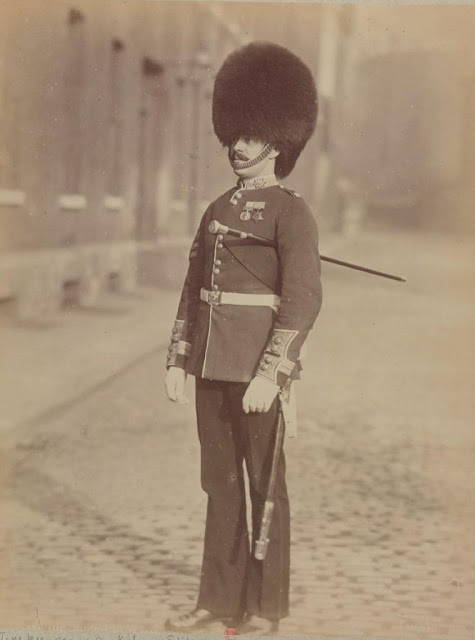
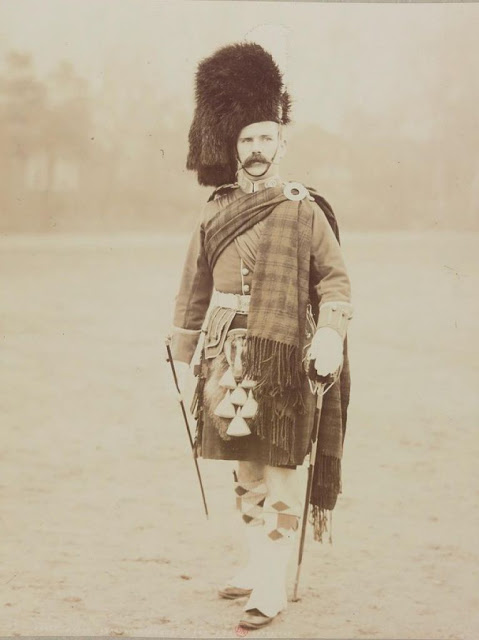
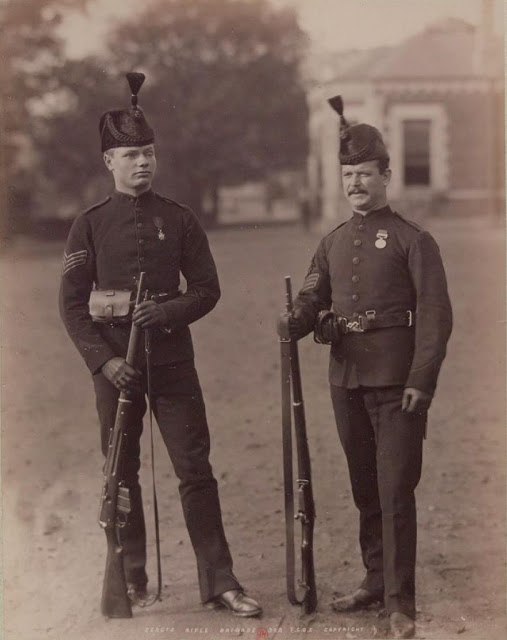
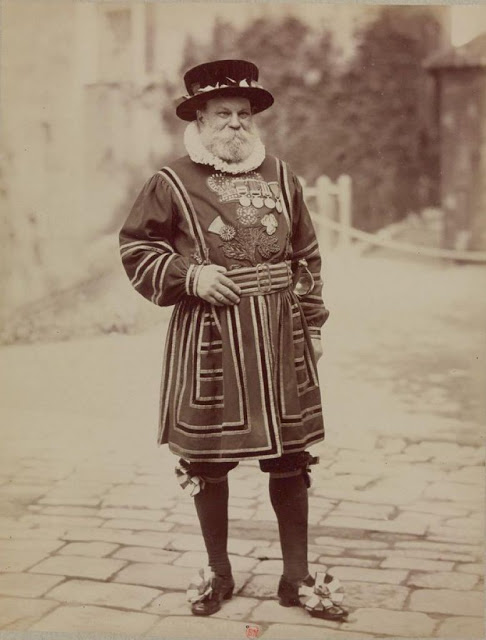
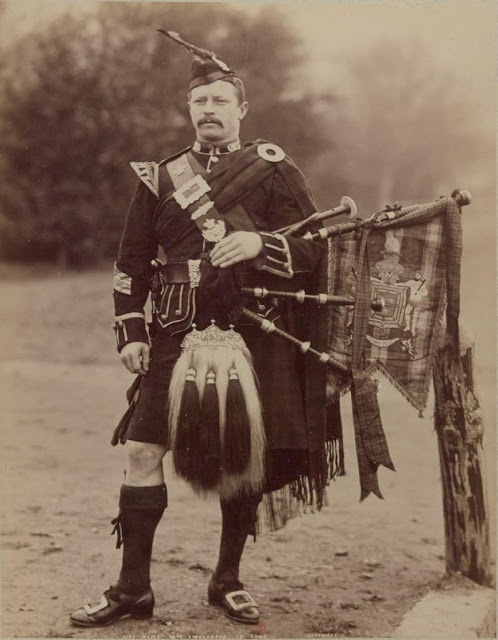
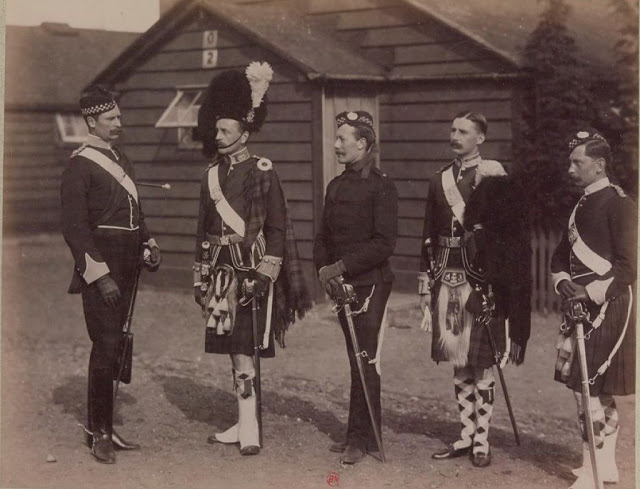
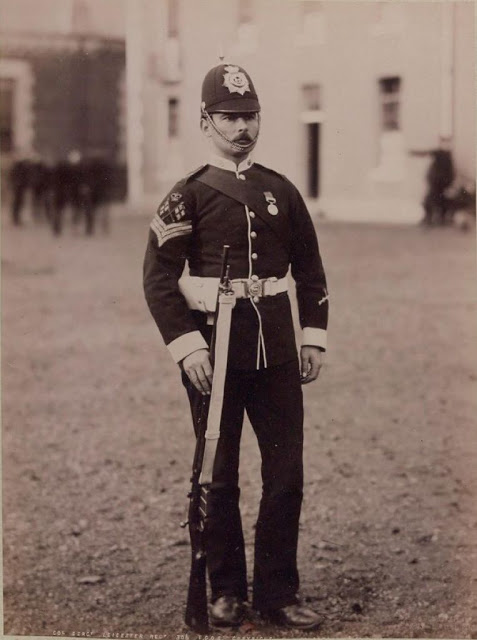
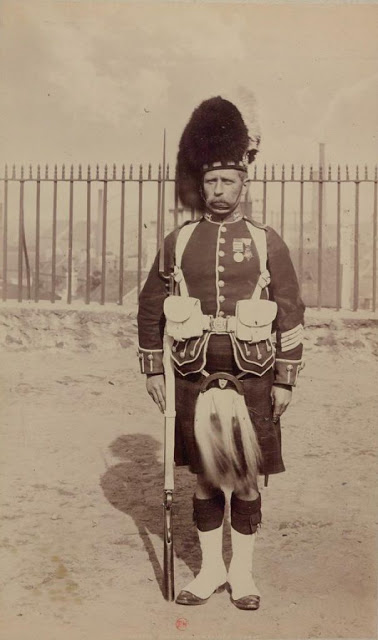
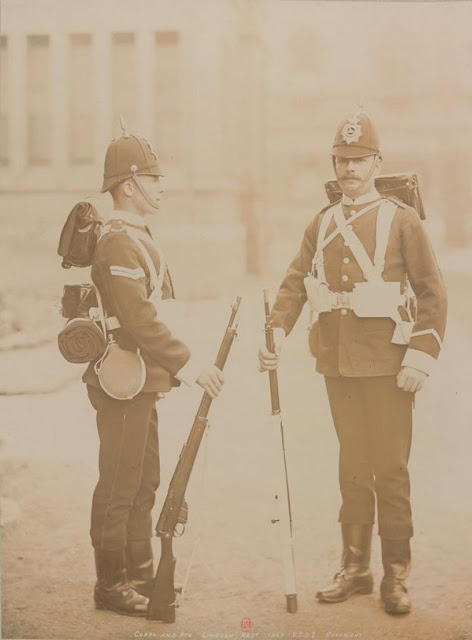
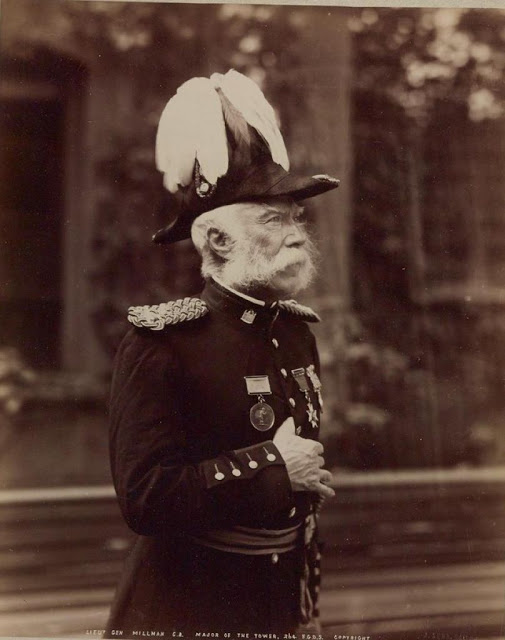
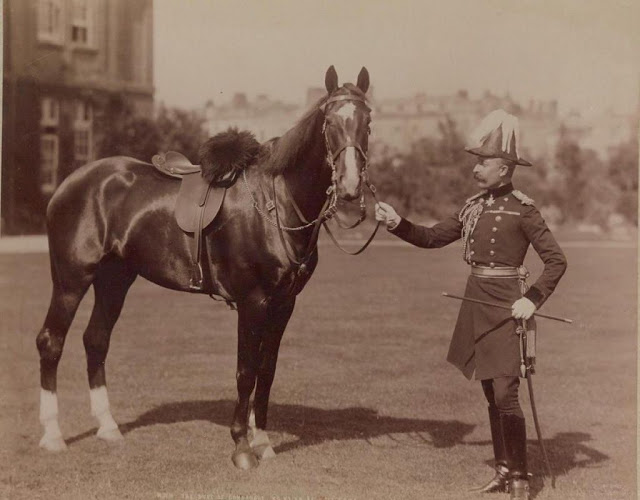
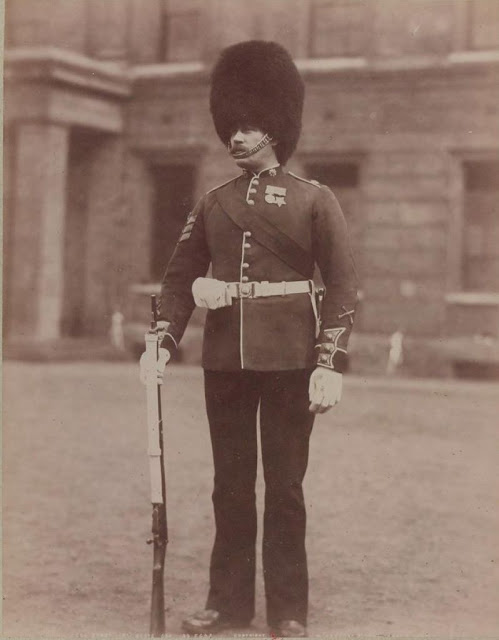
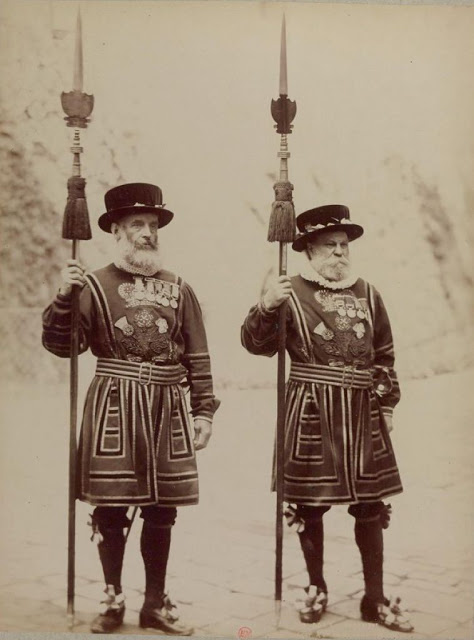
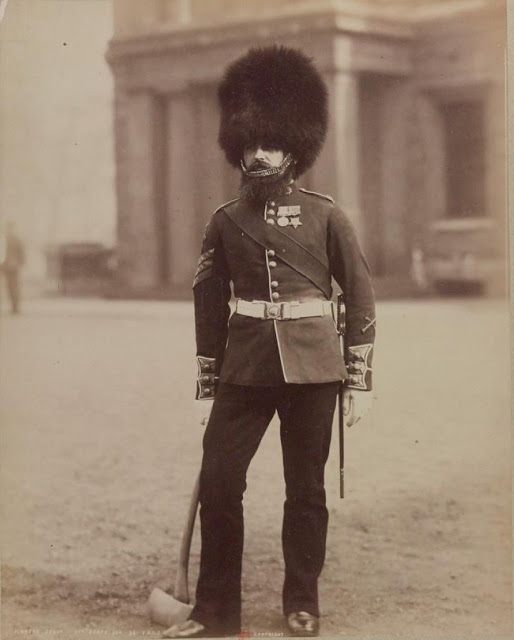
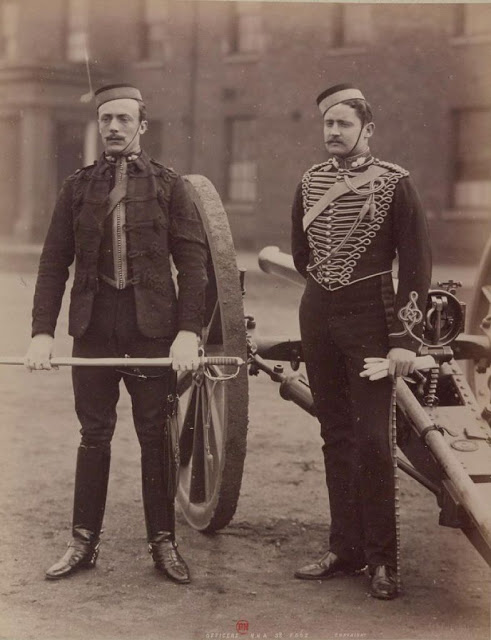
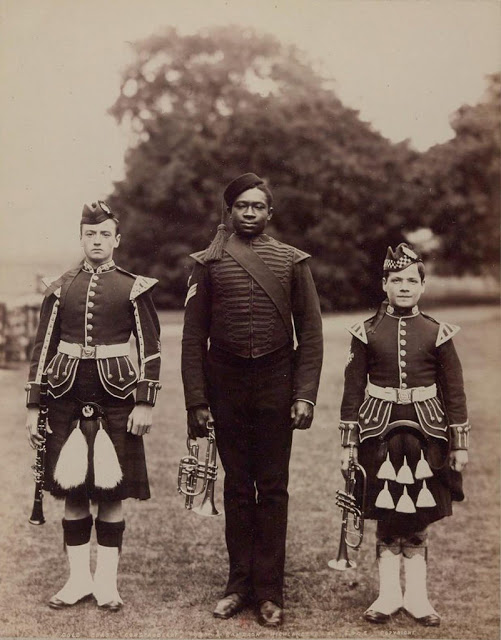
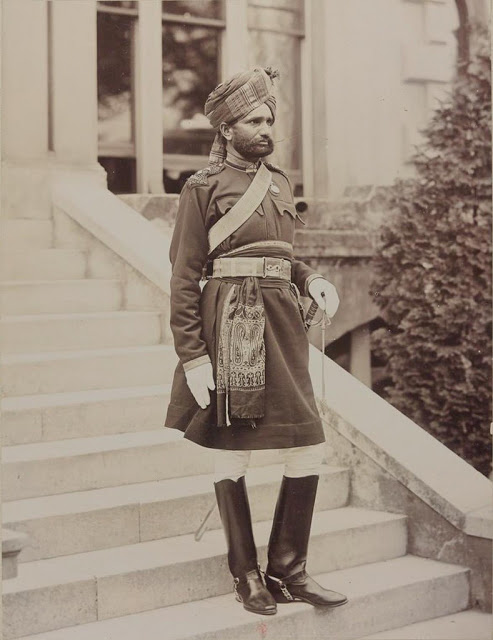
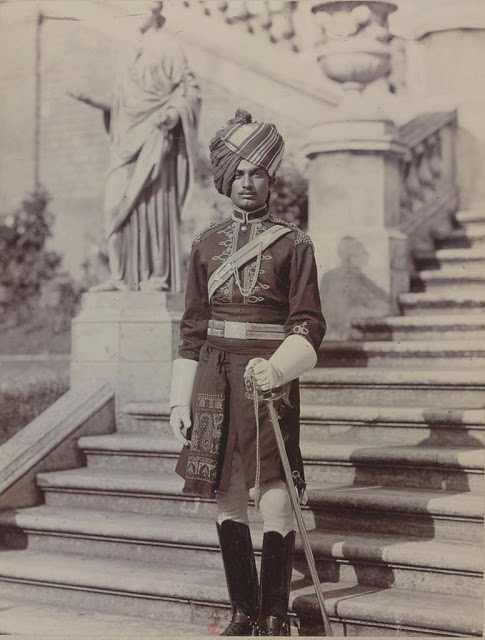
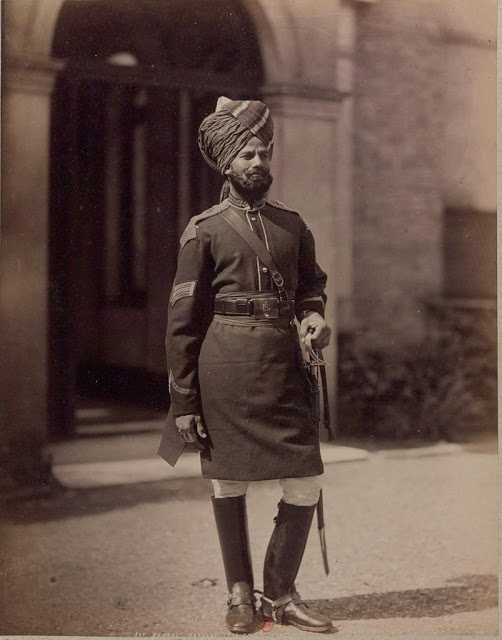
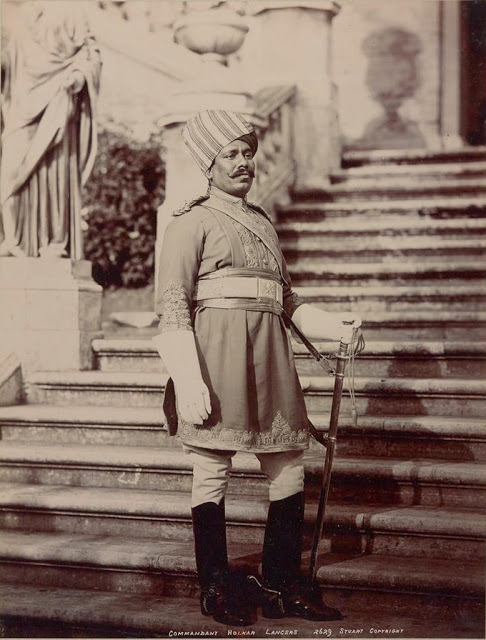
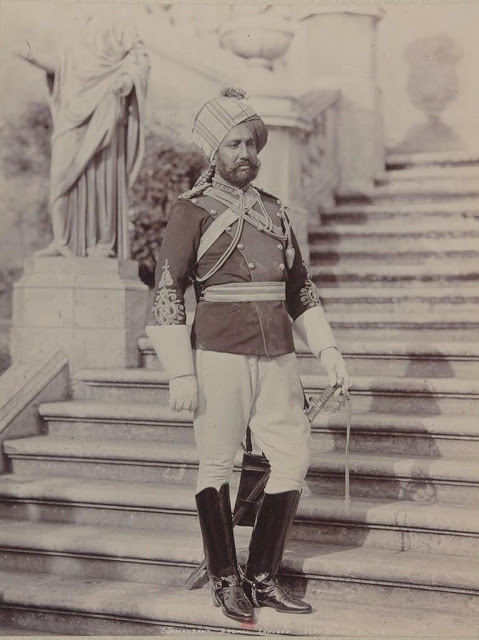
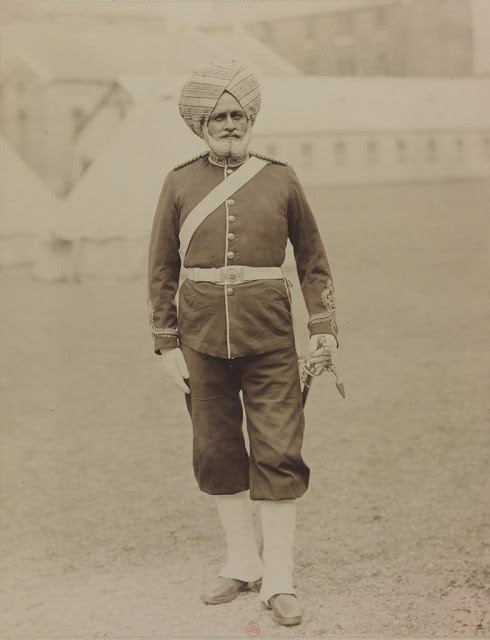
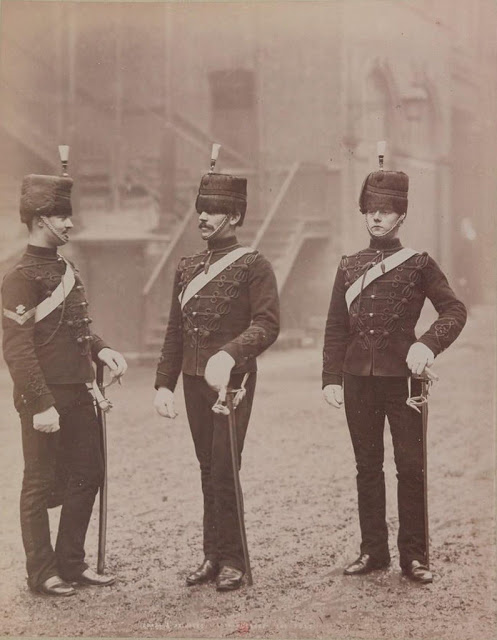
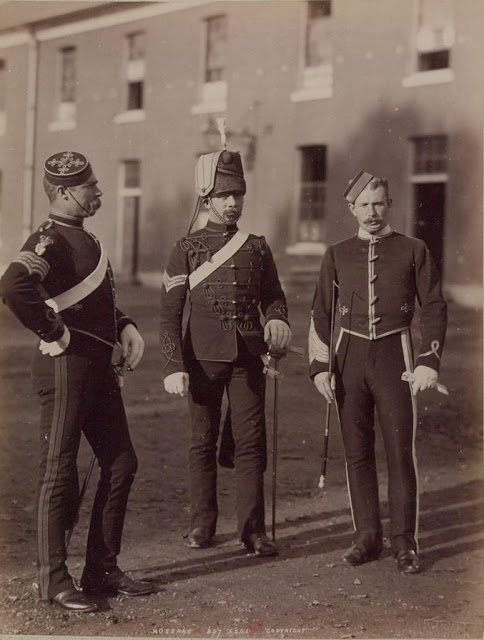
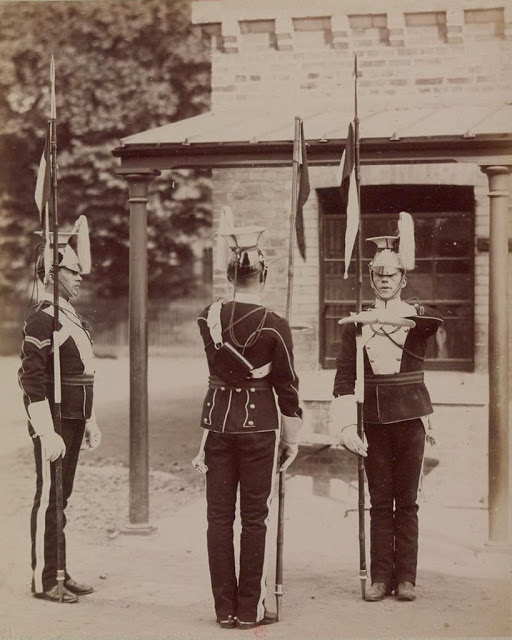
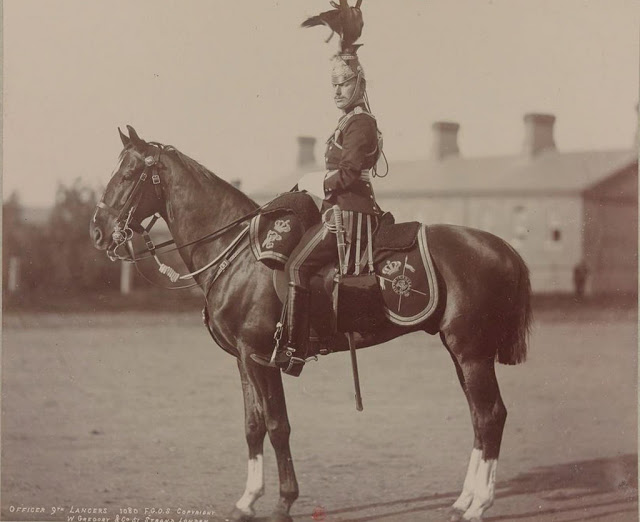
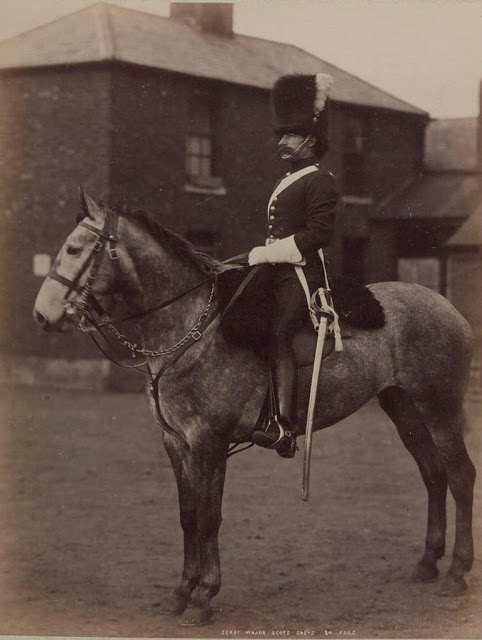
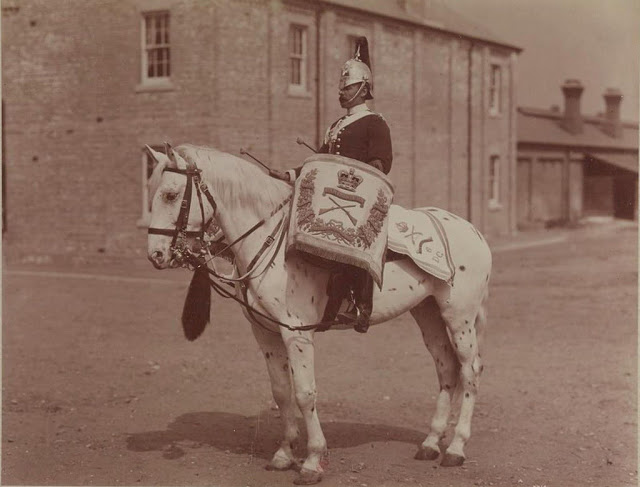
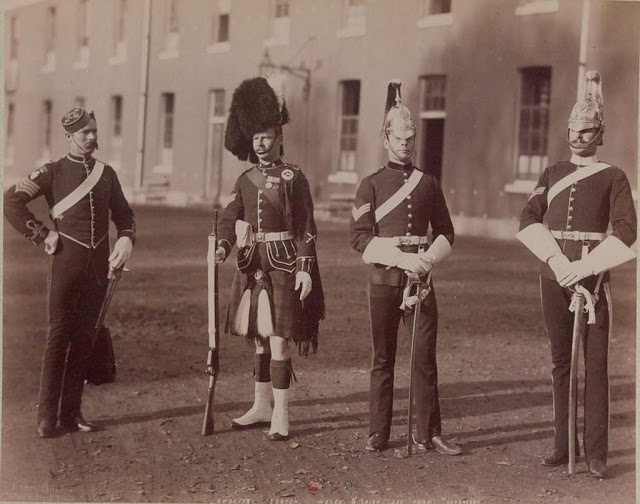
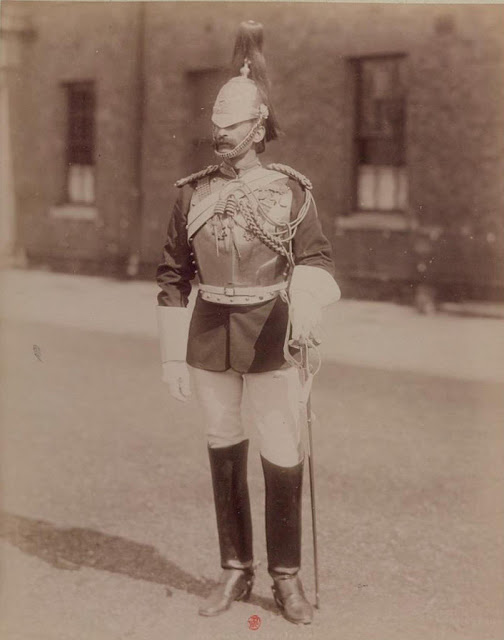
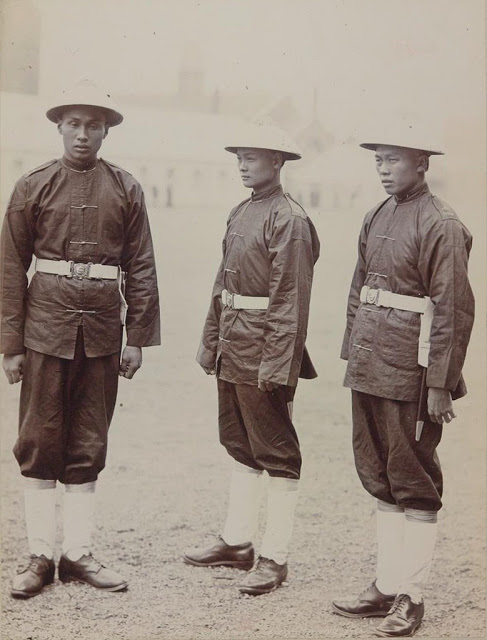
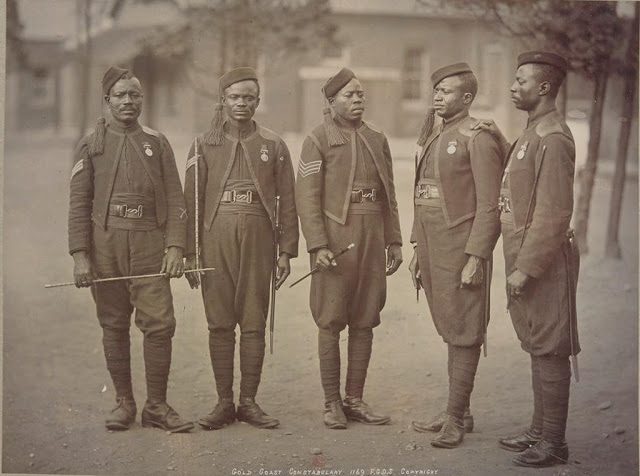
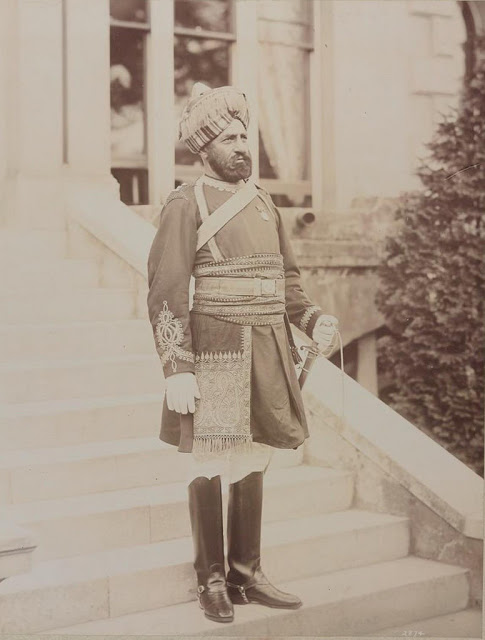
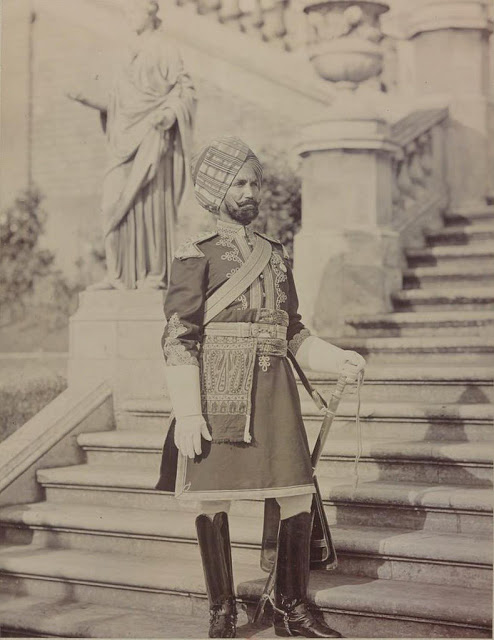
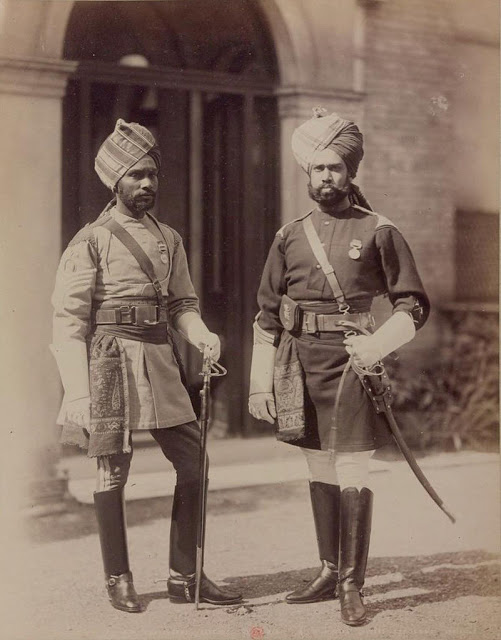
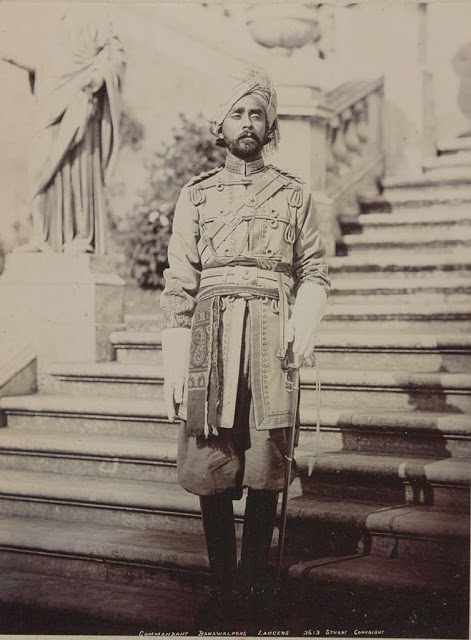
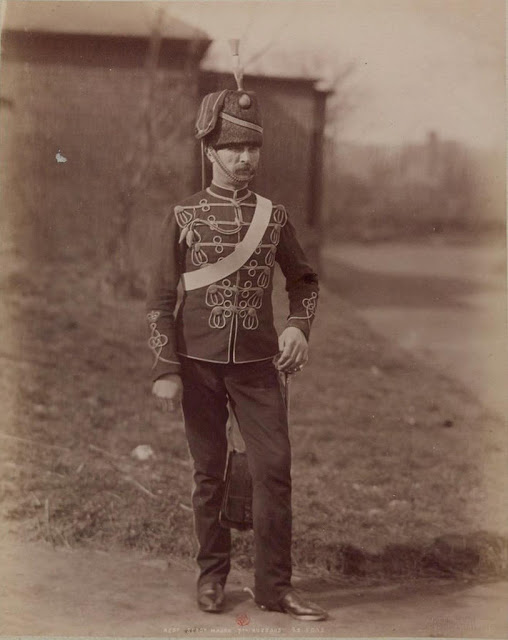
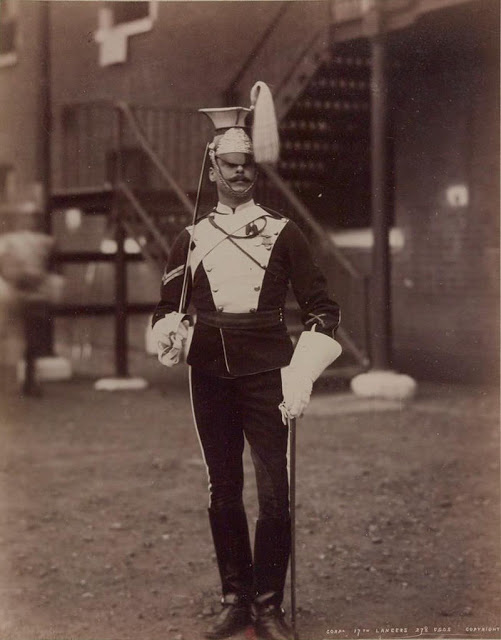
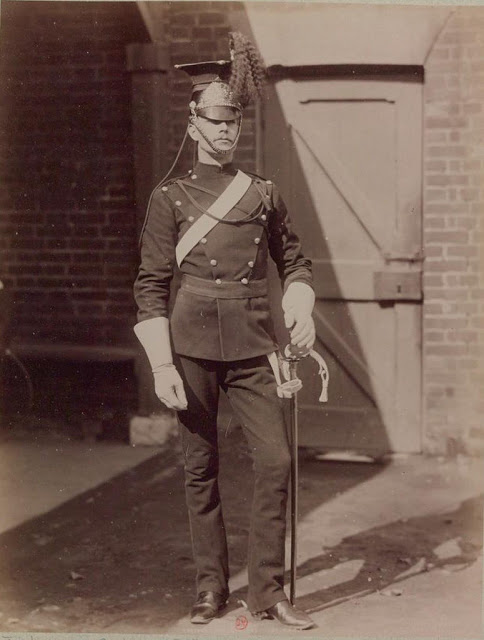
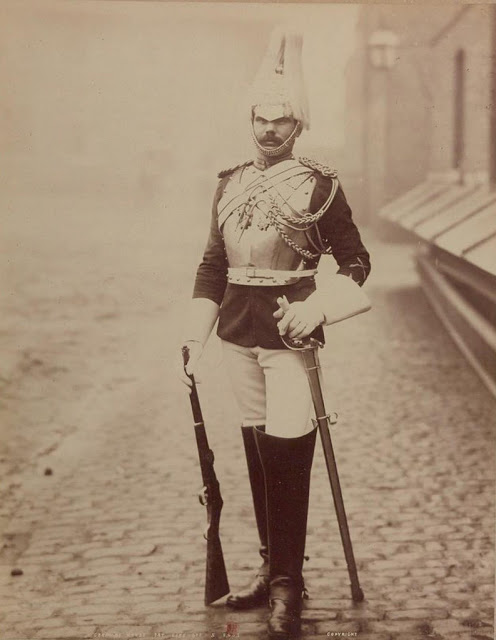
The British Army during the Victorian era served through a period of great technological and social change. Queen Victoria ascended the throne in 1837, and died in 1901. Her long reign was marked by the steady expansion and consolidation of the British Empire, and industrialisation and the enactment of liberal reforms (by both Liberal and Conservative governments) within Britain.
The British Army began the period with few differences from the British Army of the Napoleonic Wars that fought at Waterloo. There were three main periods of the Army’s development during the era. From the end of the Napoleonic Wars to the mid-1850s, the Duke of Wellington and his successors attempted to maintain its organisation and tactics as they had been in 1815, with only detail changes. In 1854, the Crimean War, and the Indian Rebellion of 1857 highlighted the shortcomings of the Army, but entrenched interests prevented major reforms from taking place. From 1868 to 1881, sweeping changes were made by Liberal governments, giving it the broad structure it retained until 1914.
On Victoria’s death, the Army was still engaged in the Second Boer War, but other than expedients adopted for that war, it was recognisably the army that would enter the First World War. The Industrial Revolution had changed its weapons, transport and equipment, and social changes such as better education had prompted changes to the terms of service and outlook of many soldiers. Nevertheless, it retained many features inherited from the Duke of Wellington’s army, and since its prime function was to maintain the expanding British Empire, it differed in many ways from the conscripted armies of continental Europe.