32 Interesting Photos Showing Life in London During the 1970s

London is the capital and largest city of England and the United Kingdom. It stands on the River Thames in south-east England at the head of a 50-mile (80 km) estuary down to the North Sea, and has been a major settlement for two millennia. The City of London, its ancient core and financial centre, was founded by the Romans as Londinium and retains boundaries close to its medieval ones. Since the 19th century, “London” has also referred to the metropolis around this core, historically split between the counties of Middlesex, Essex, Surrey, Kent, and Hertfordshire, which largely comprises Greater London, governed by the Greater London Authority. The City of Westminster, to the west of the City of London, has for centuries held the national government and parliament.

London, as one of the world’s global cities, exerts strong influence on its arts, commerce, education, entertainment, fashion, finance, health care, media, tourism, and communications. Its GDP (€801.66 billion in 2017) makes it the biggest urban economy in Europe and one of the major financial centres in the world. In 2019 it had the second-highest number of ultra high-net-worth individuals in Europe after Paris and the second-highest number of billionaires of any city in Europe after Moscow. With Europe’s largest concentration of higher education institutions, it includes Imperial College London in natural and applied sciences, the London School of Economics in social sciences, and the comprehensive University College London. The city is home to the most 5-star hotels of any city in the world. In 2012, London became the first city to host three Summer Olympic Games.

London’s diverse cultures mean over 300 languages are spoken. The mid-2018 population of Greater London of about 9 million[5] made it Europe’s third-most populous city. It accounts for 13.4 per cent of the UK population.[26] Greater London Built-up Area is the fourth-most populous in Europe, after Istanbul, Moscow and Paris, with 9,787,426 inhabitants at the 2011 census. The London metropolitan area is the third-most populous in Europe after Istanbul’s and Moscow’s, with 14,040,163 inhabitants in 2016.

London has four World Heritage Sites: the Tower of London; Kew Gardens; the combined Palace of Westminster, Westminster Abbey, and St Margaret’s Church; and also the historic settlement in Greenwich, where the Royal Observatory, Greenwich defines the Prime Meridian (0° longitude) and Greenwich Mean Time. Other landmarks include Buckingham Palace, the London Eye, Piccadilly Circus, St Paul’s Cathedral, Tower Bridge and Trafalgar Square. It has numerous museums, galleries, libraries and sporting venues, including the British Museum, National Gallery, Natural History Museum, Tate Modern, British Library and West End theatres. The London Underground is the oldest rapid transit system in the world. (Wikipedia)
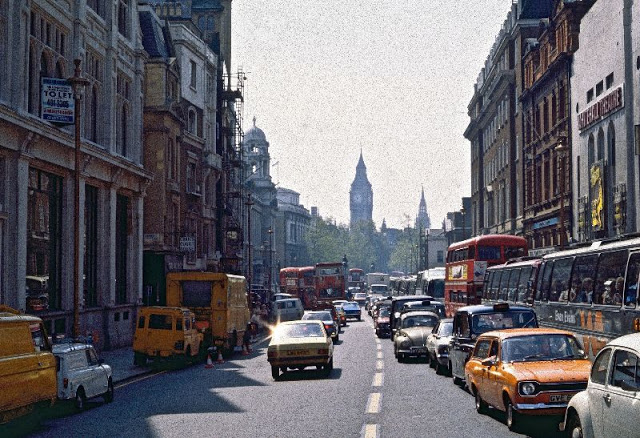
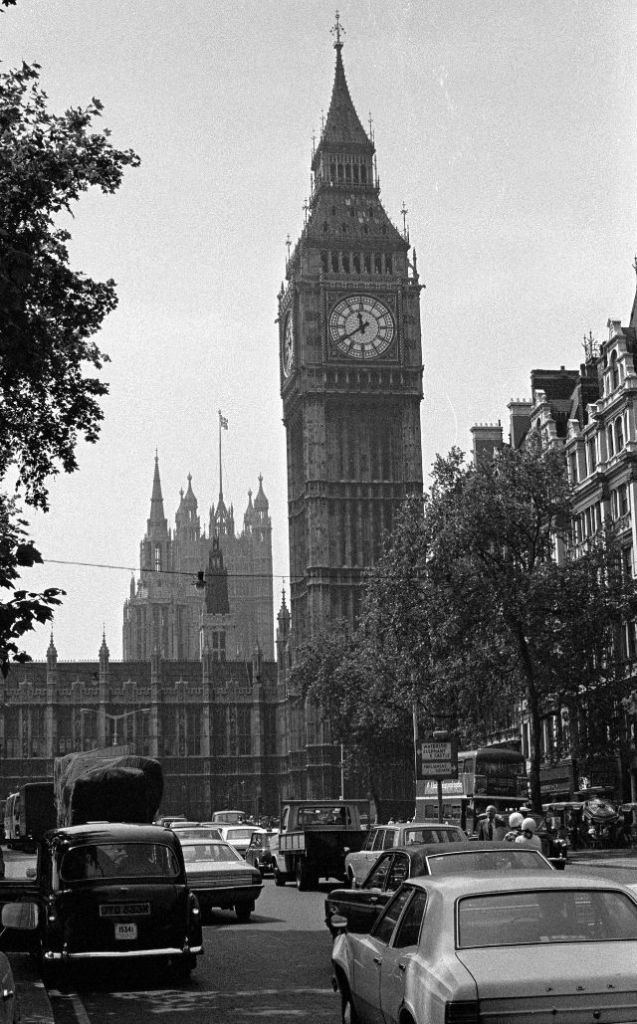
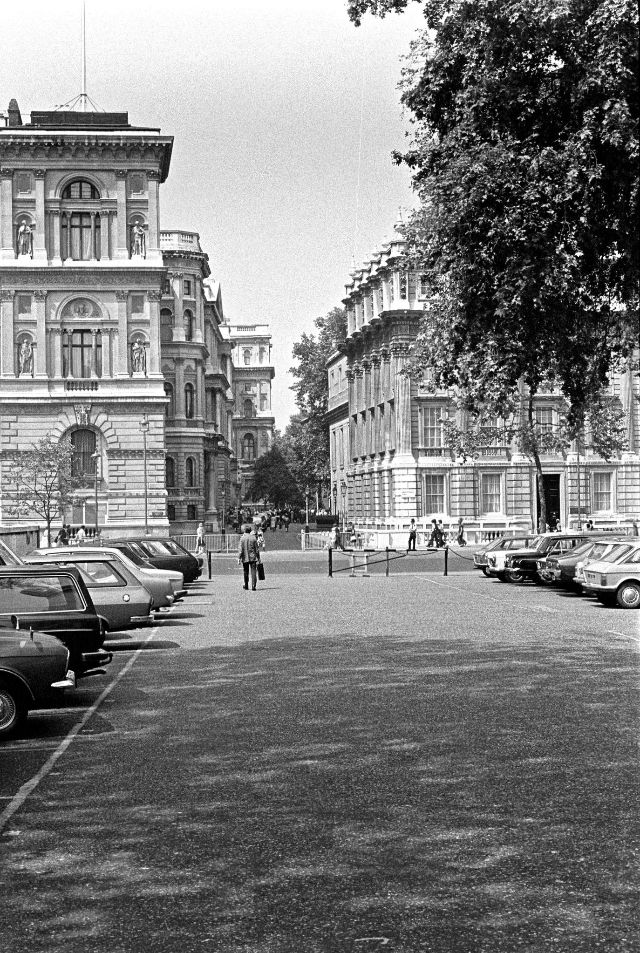
Street & Clock Tower, London, circa 1970s
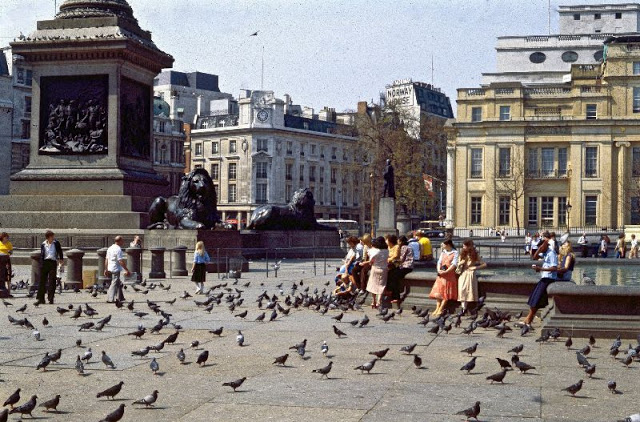
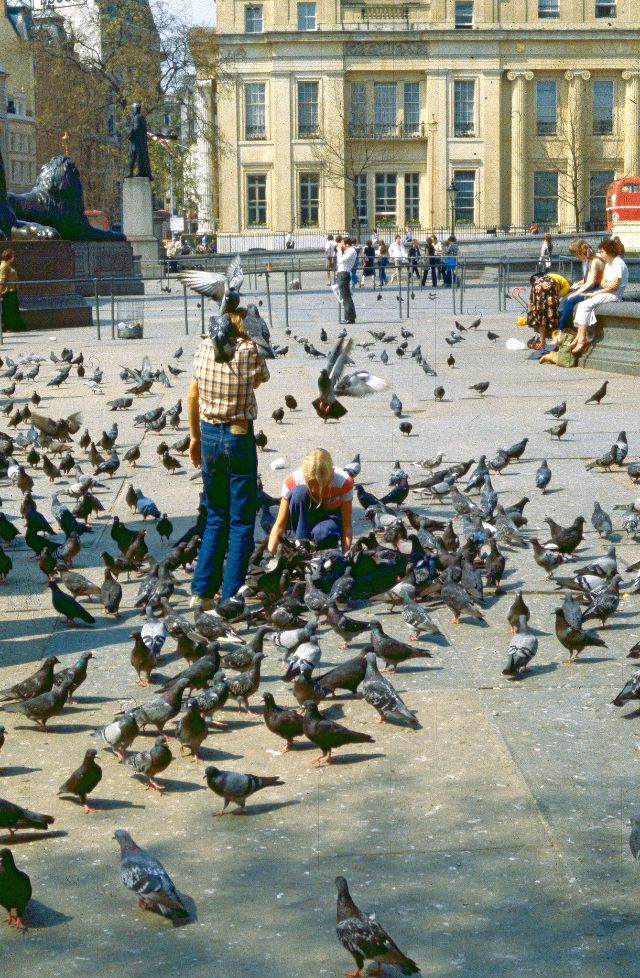
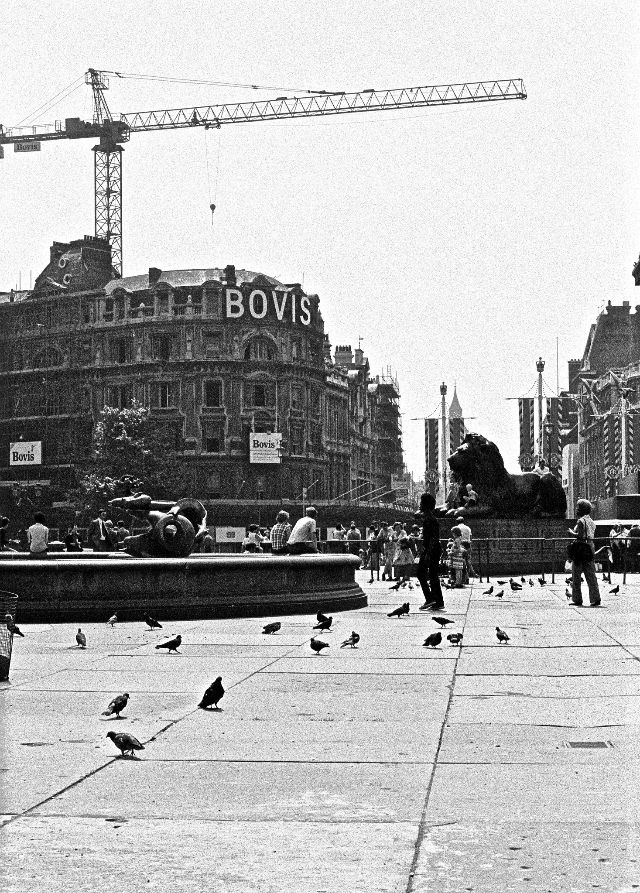
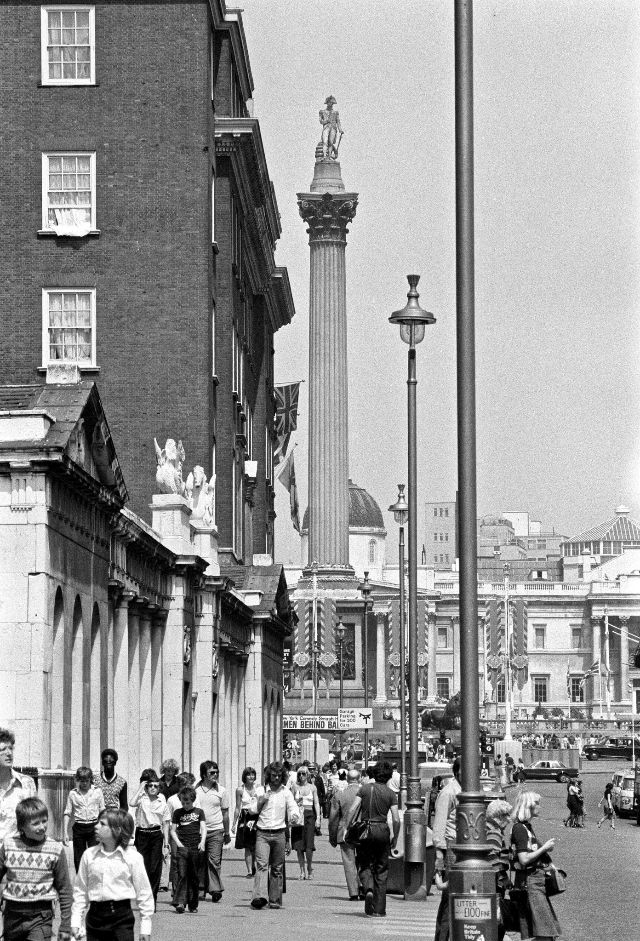
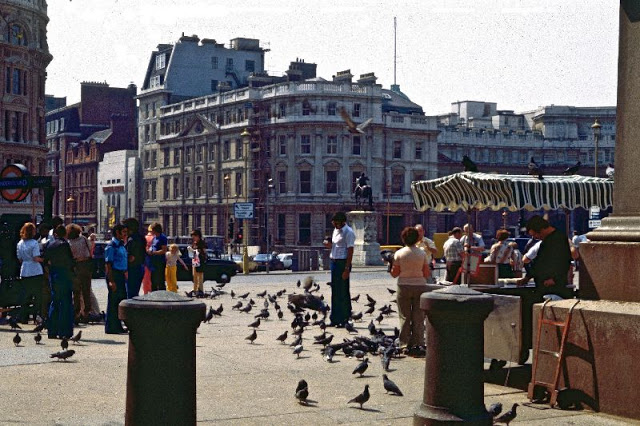
Trafalgar Square, London, circa 1970s
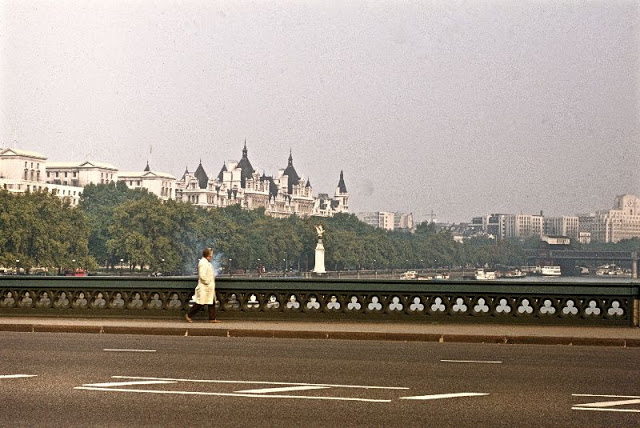
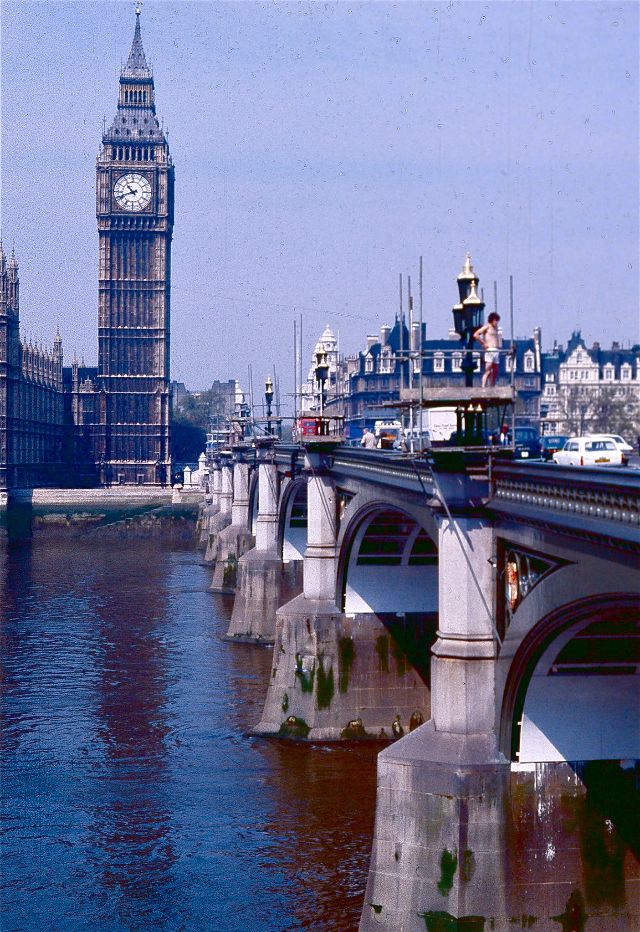
Westminster Bridge, London, circa 1970s
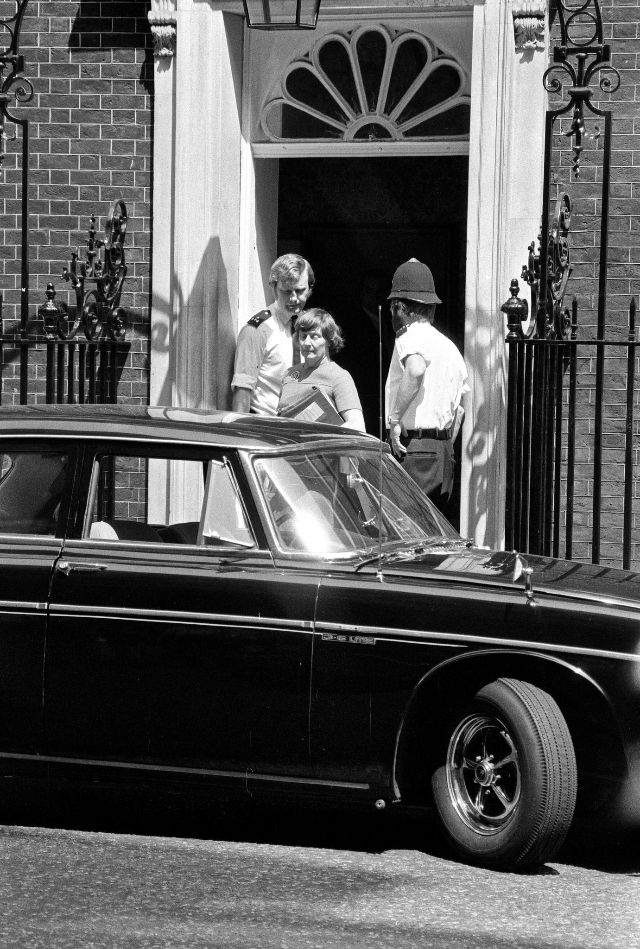
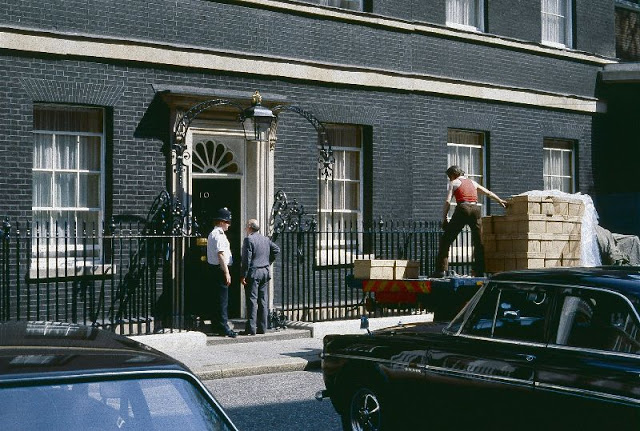
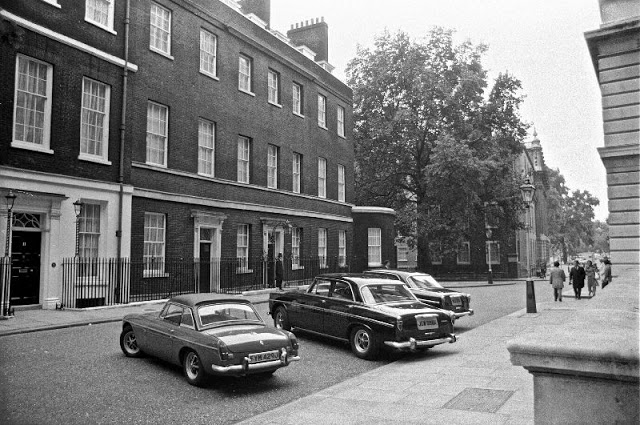
10 Downing Street When Labour Were In Power, London, circa 1970s
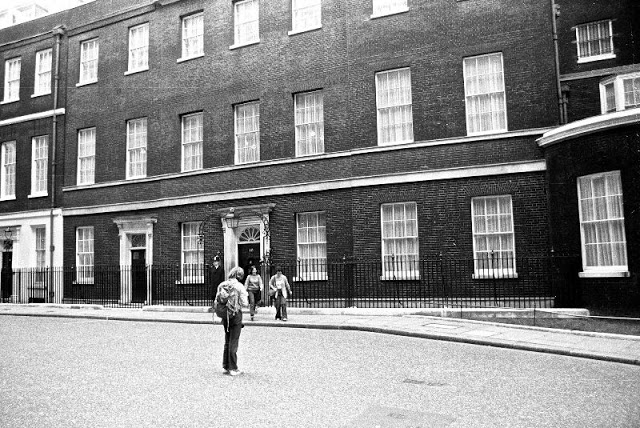
10 Downing Street, London, circa 1970s
429 Strand, Government Of Rhodesia, London, circa 1970s
Before The Railings, London, circa 1970s
Big Ben (Elizabeth Tower) Westminster Bridge, London, circa 1970s
Big Ben Clock Tower, London, circa 1970s
Big Ben, London, circa 1970s
Bovis Crane, Building Renovation, Trafalgar Square, London, circa 1970s
Bus, London, circa 1970s
Buying An Ice-cream, Westminster Bridge, London, circa 1970s
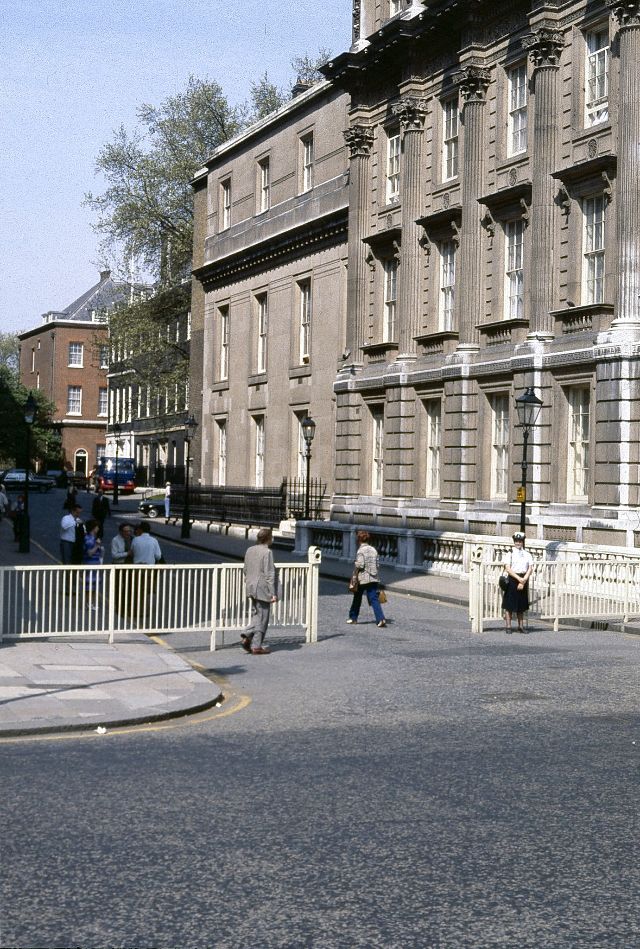
Downing Street, London, circa 1970s
Greater London Council, Westminster Pier, Entrance, circa 1970s
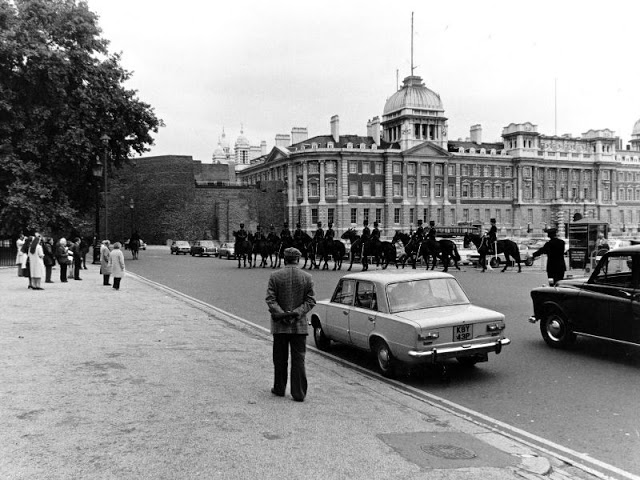
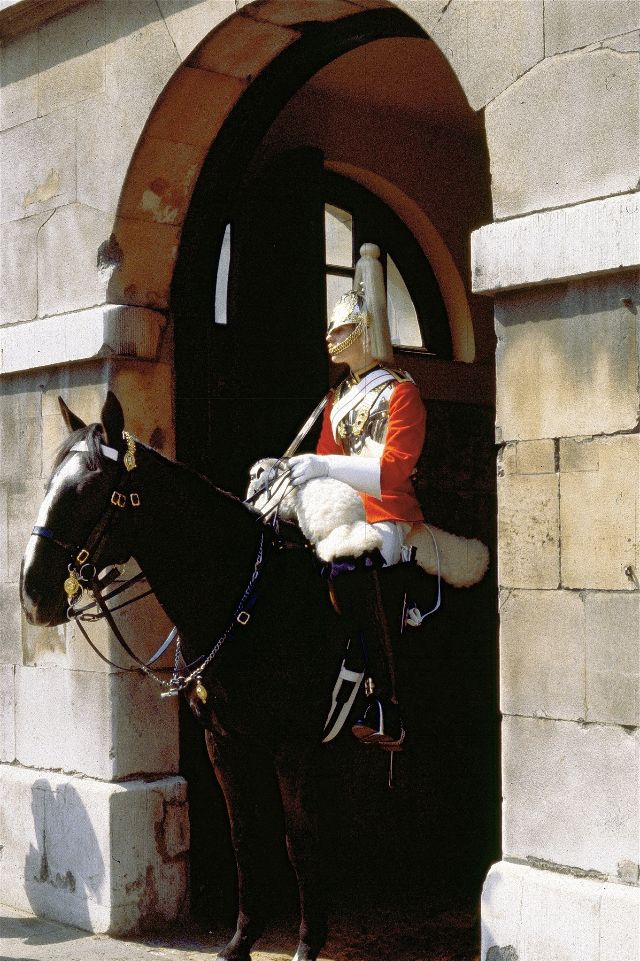
Horse Guard, London, circa 1970s
London in the 1970s
Maintenance On Westminster Bridge, London, circa 1970s
Nelsons Column, London, circa 1970s
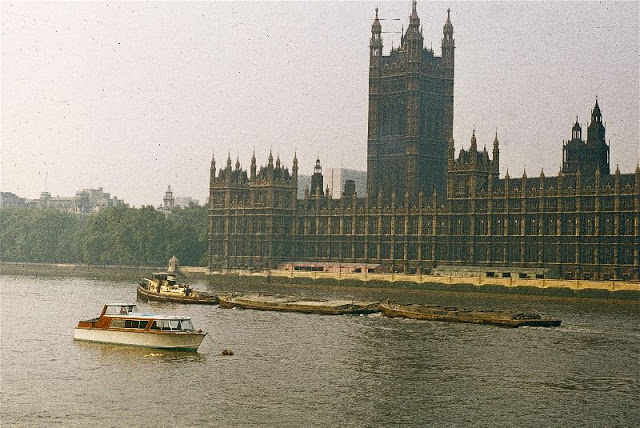
River Thames, London, circa 1970s

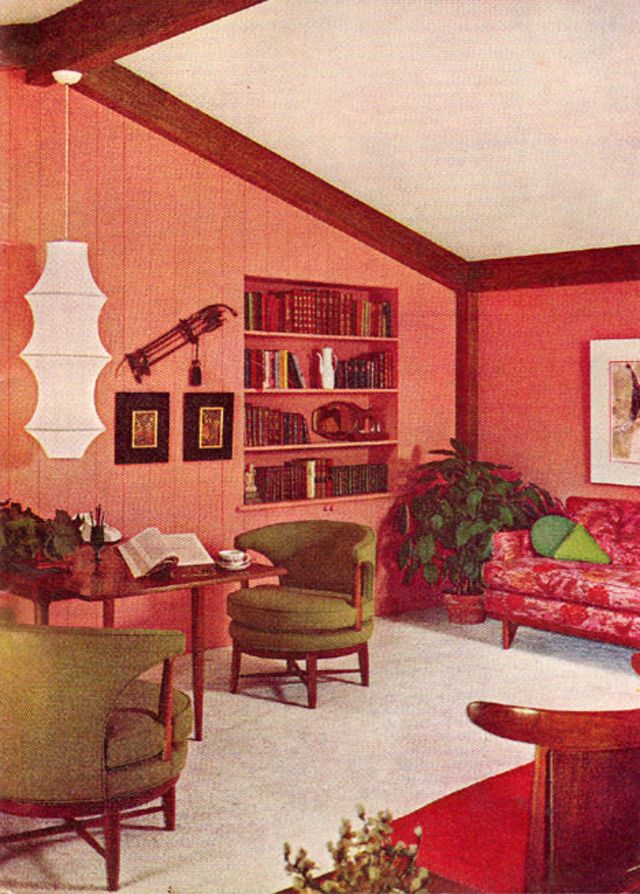
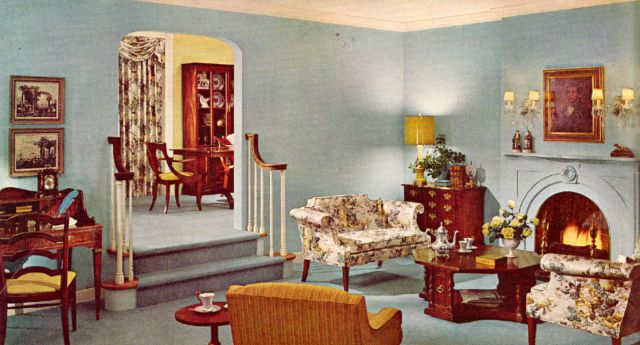
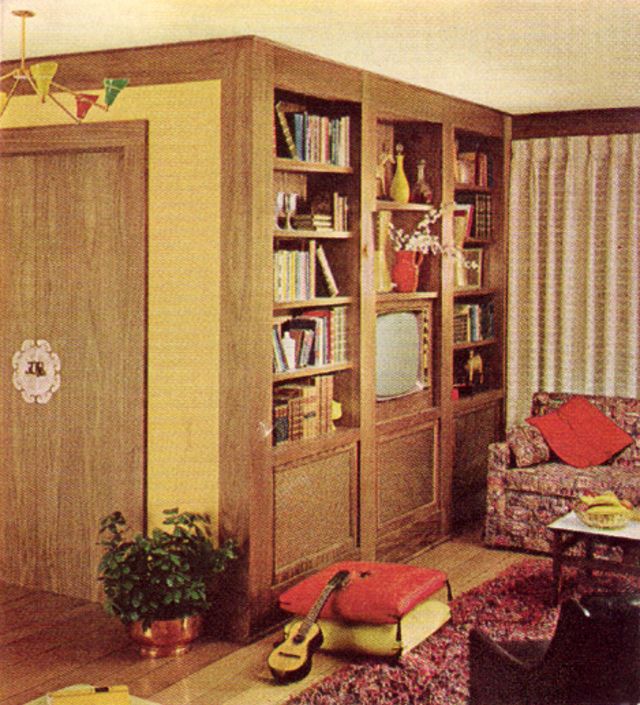
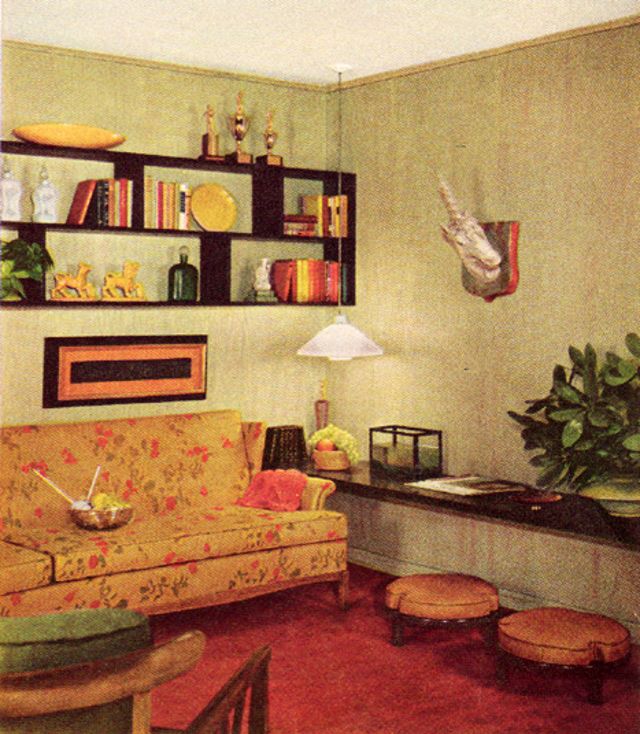
36 Wonderful Photos That Show 1960s Home Decoration by Sherwin-Williams

Founded by Henry Sherwin and Edward Williams in Cleveland, Ohio in 1866, Sherwin-Williams Company operates through four segments: The Americas Group (known as ‘Sherwin-Williams Stores’), Consumer Brands Group, Latin America Coatings Group, and Performance Coatings Group.

The company is an American Fortune 500 company in the general building materials industry. It primarily engages in the manufacture, distribution, and sale of paints, coatings and related products to professional, industrial, commercial, and retail customers primarily in North and South America and Europe. The company is mostly known through its Sherwin-Williams Paints line.

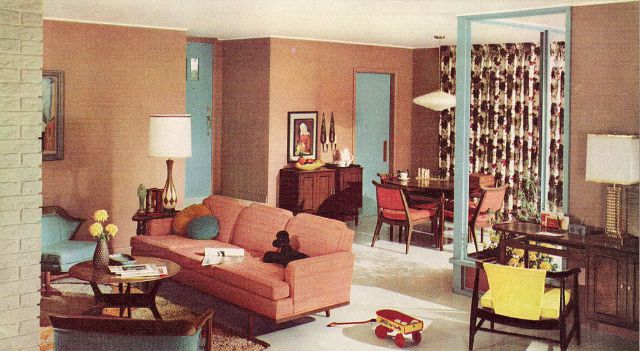
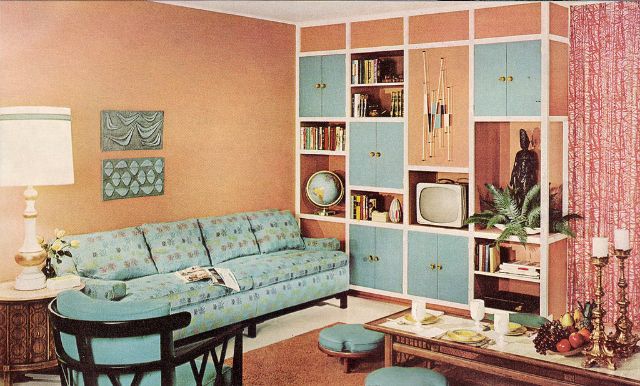
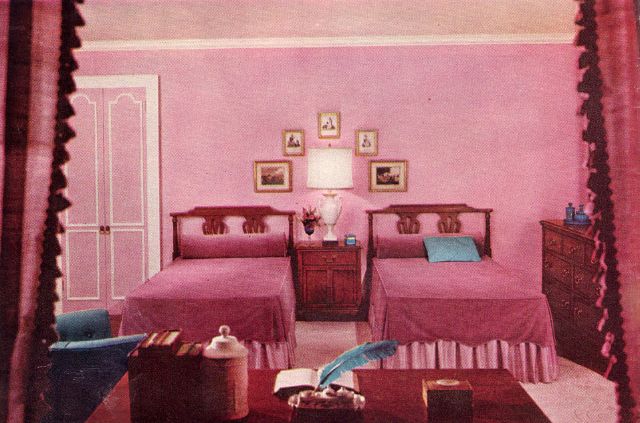
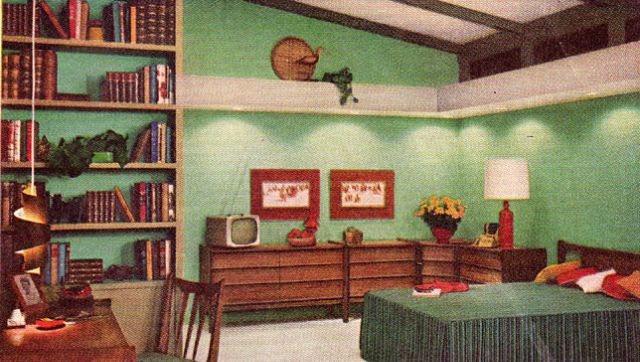
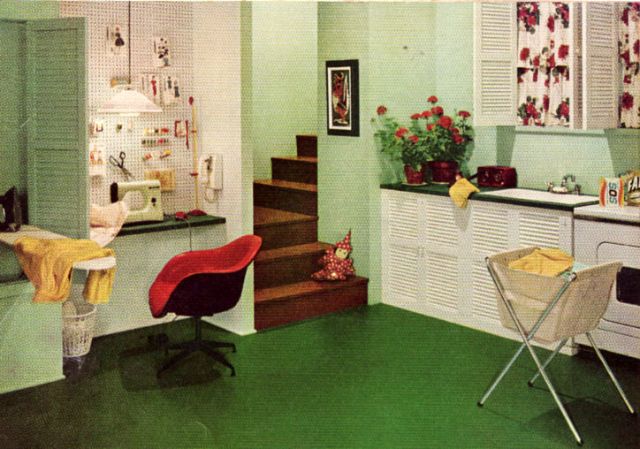
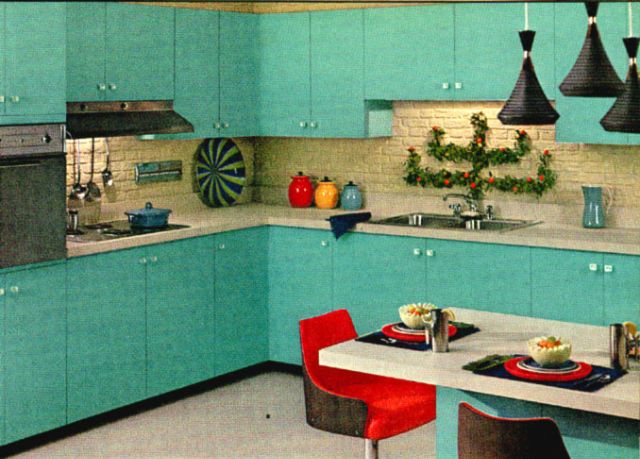
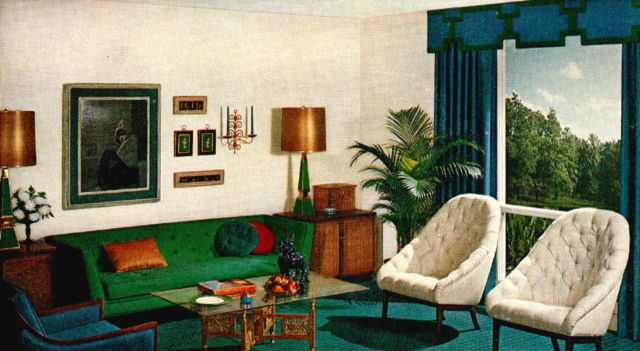
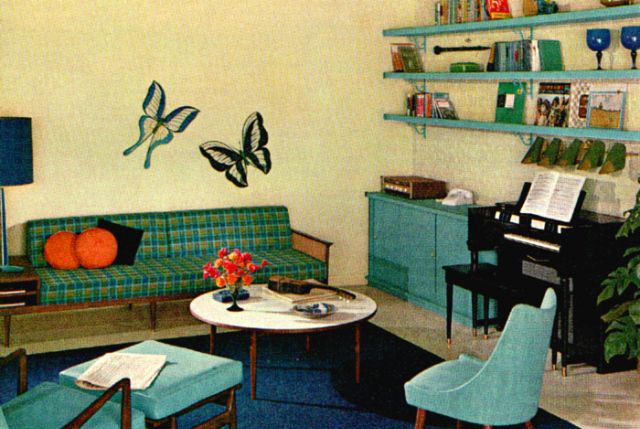
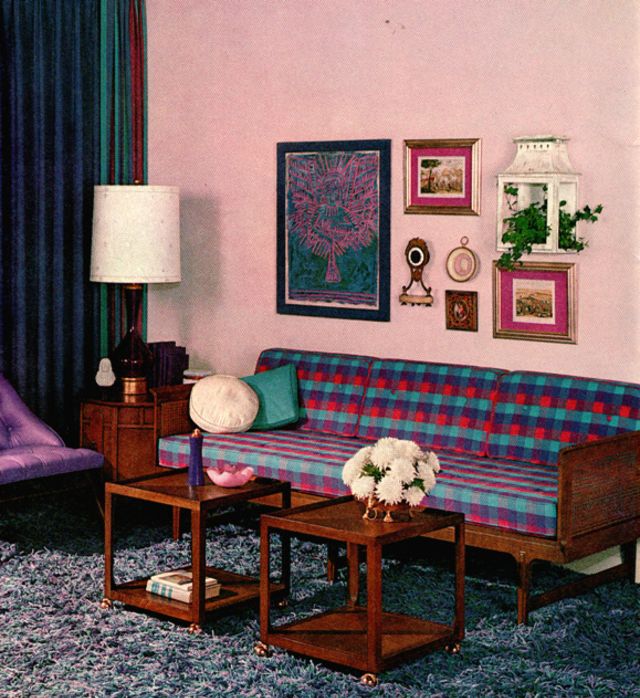
Here below is a beautiful photo collection scanned from magazines, newspapers, booklets, ads,… that shows home decoration by Sherwin-Williams from the early 1960s.

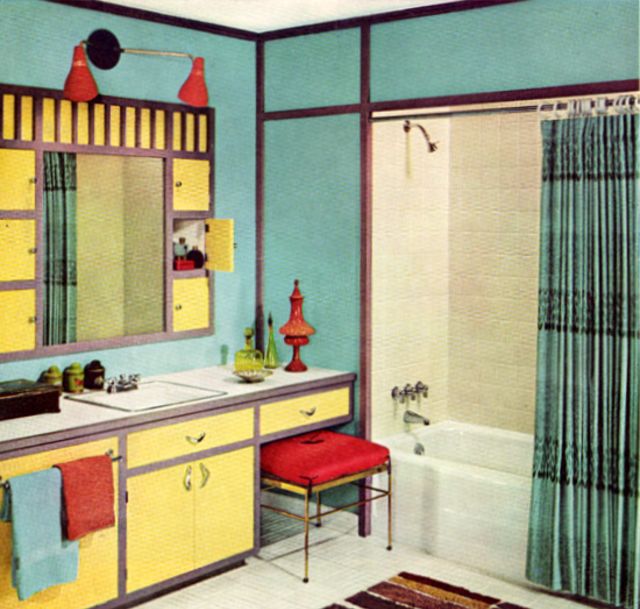
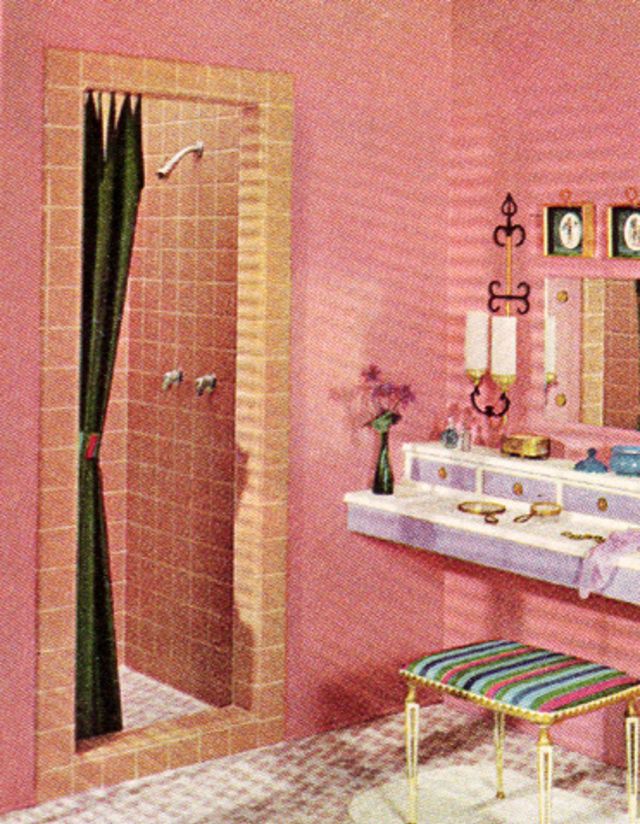
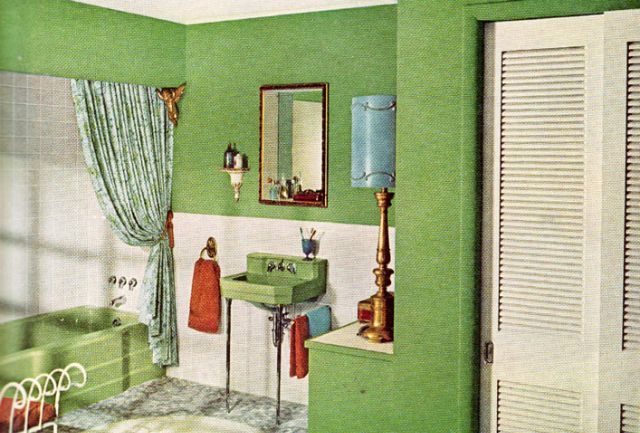
1960 bathroom
1960 bathroom
1960 bathroom
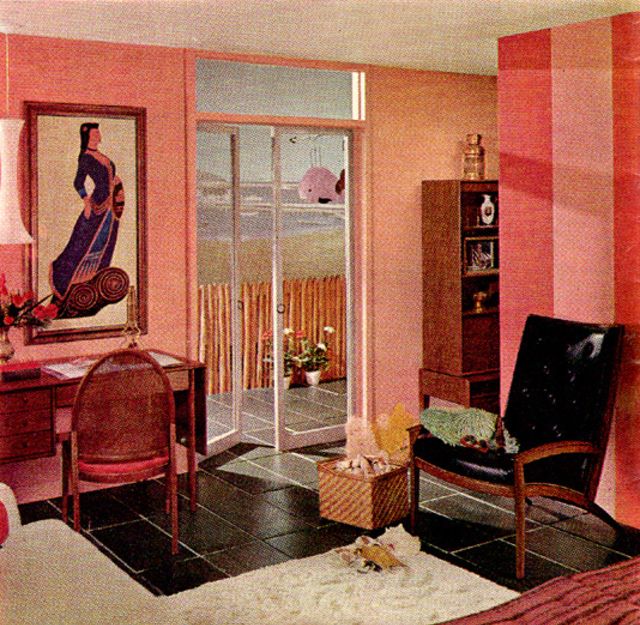
1960 bedroom
1960 bedroom
1960 bedroom
1960 bedroom
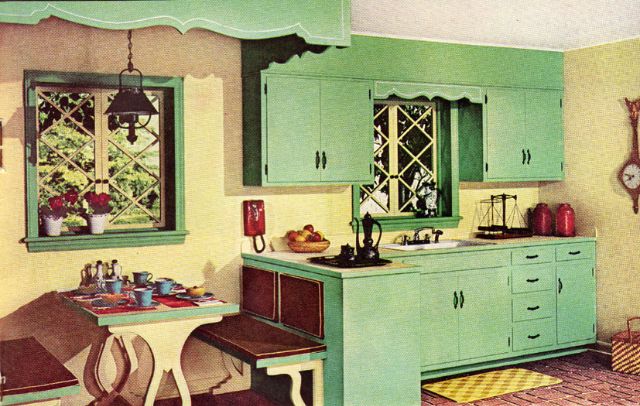
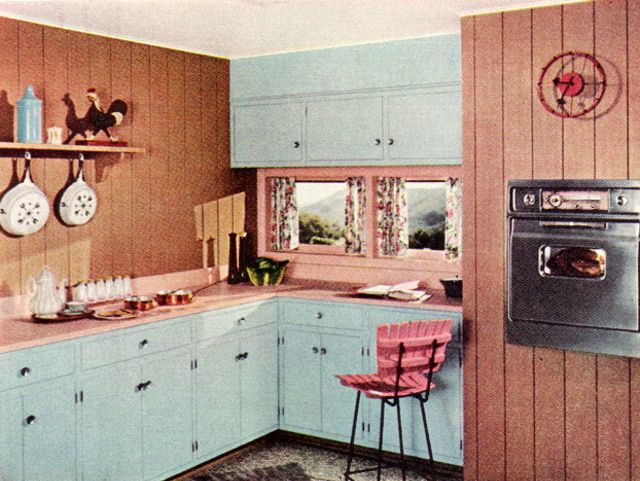
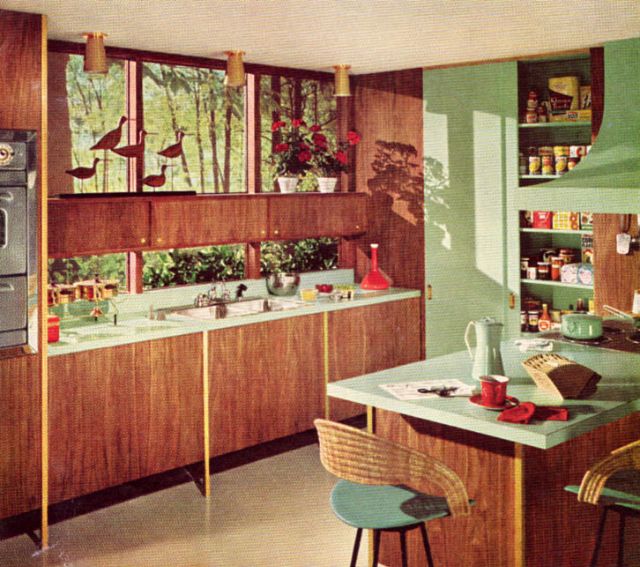
1960 kitchen
1960 kitchen
1960 kitchen
1960 kitchen
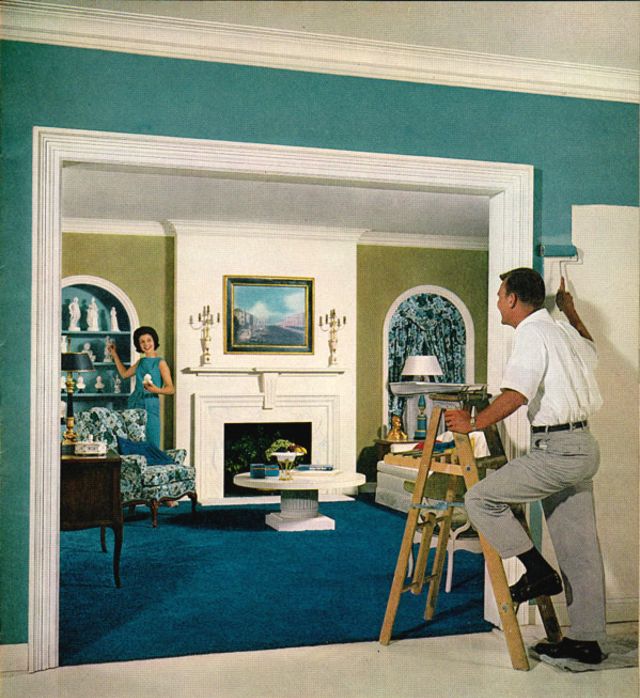
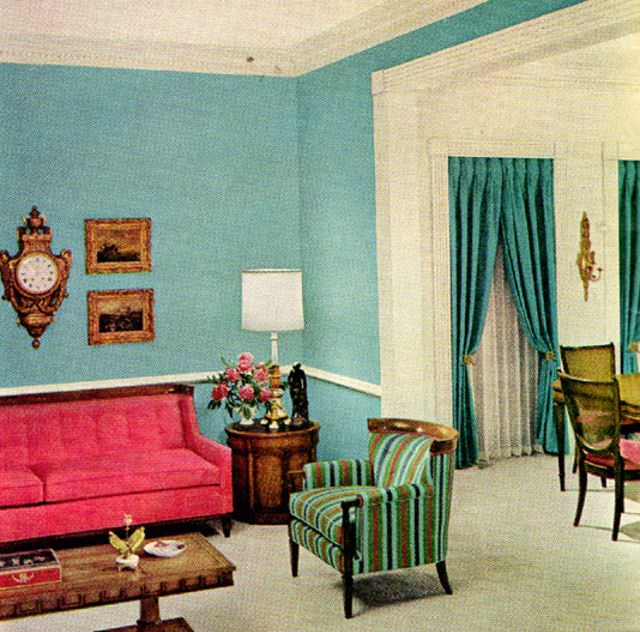
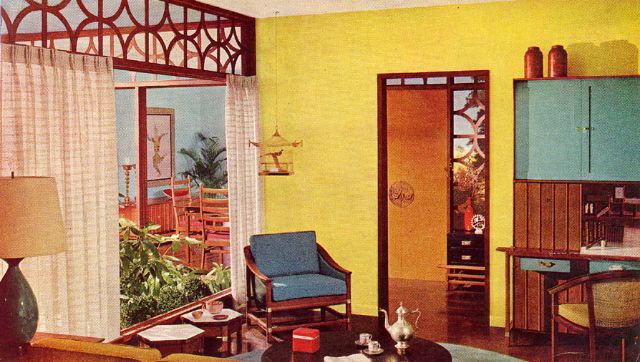
1960 living room
1960 living room
1960 living room
1961 bathroom
1961 bedroom
1961 bedroom
1961 kitchen
1961 kitchen
1961 kitchen
1961 kitchen
1961 living room
1961 living room
1961 living room
1961 living room
1961 living room
1961 living room
1961 living room
1961 washroom
1963 bedroom
1963 kitchen
1963 kitchen
1963 living room
1963 living room
1963 living room
1963 living room

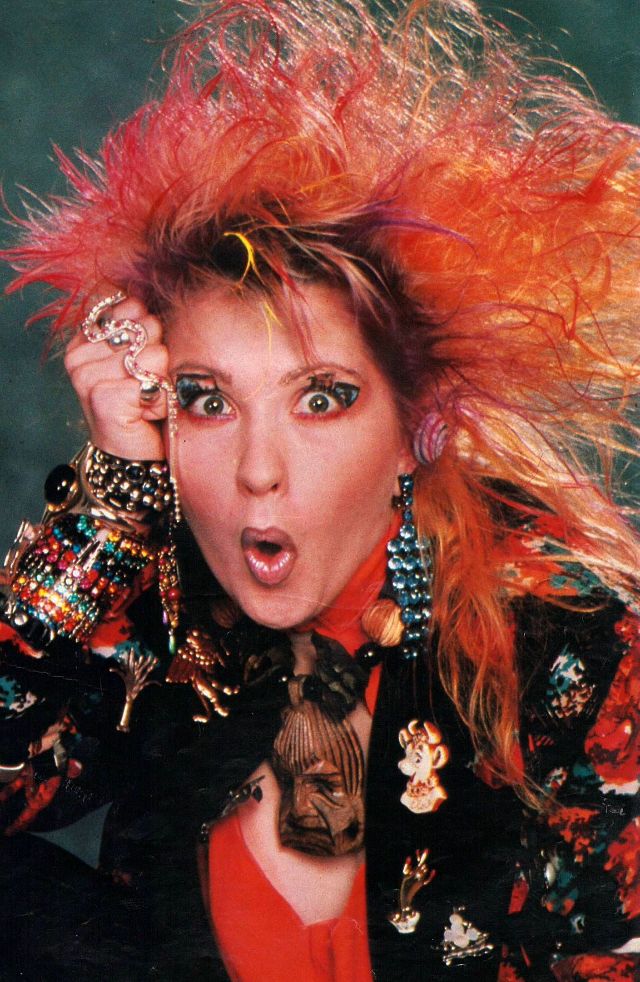
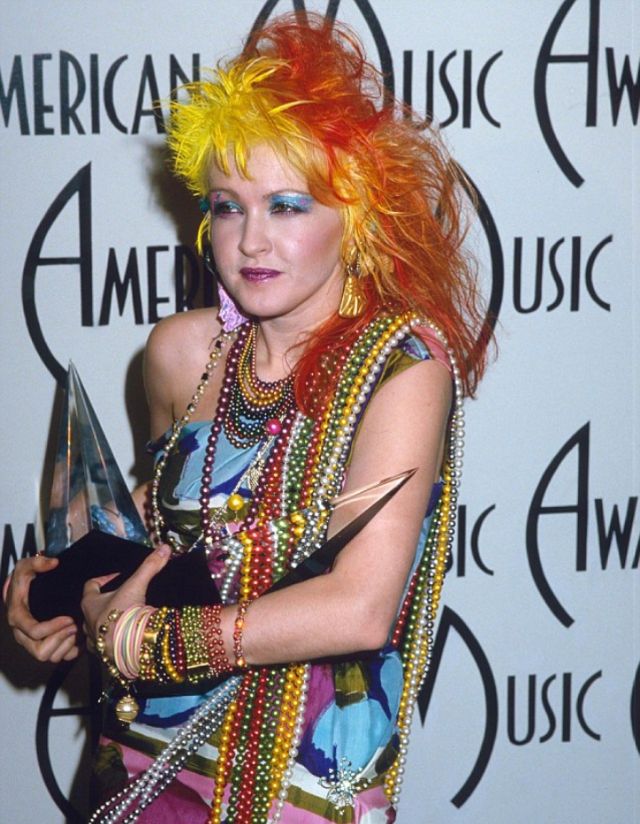
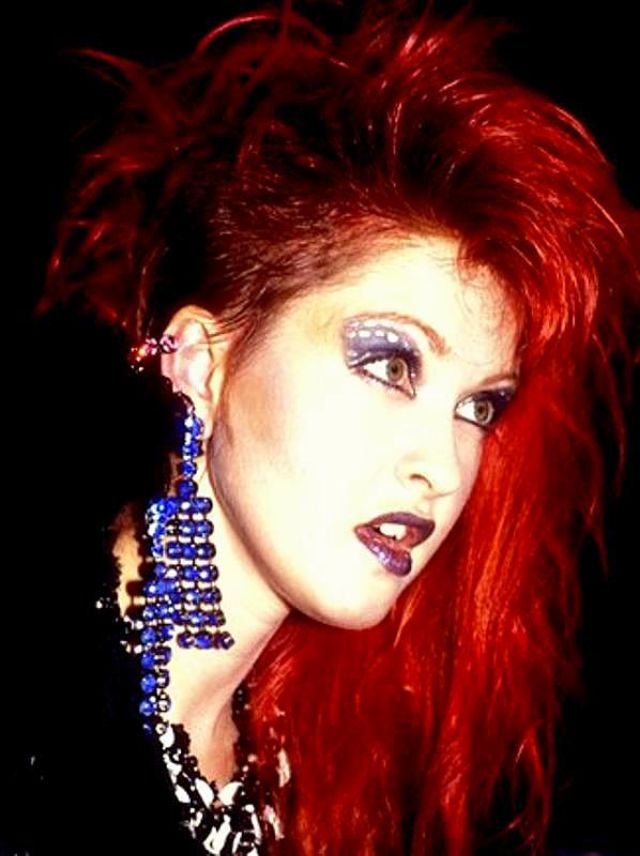
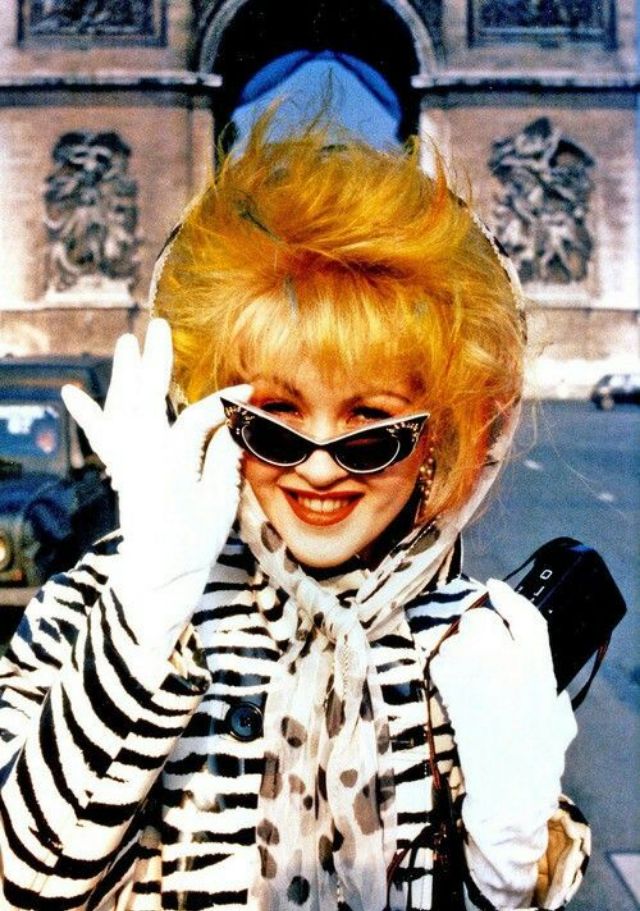
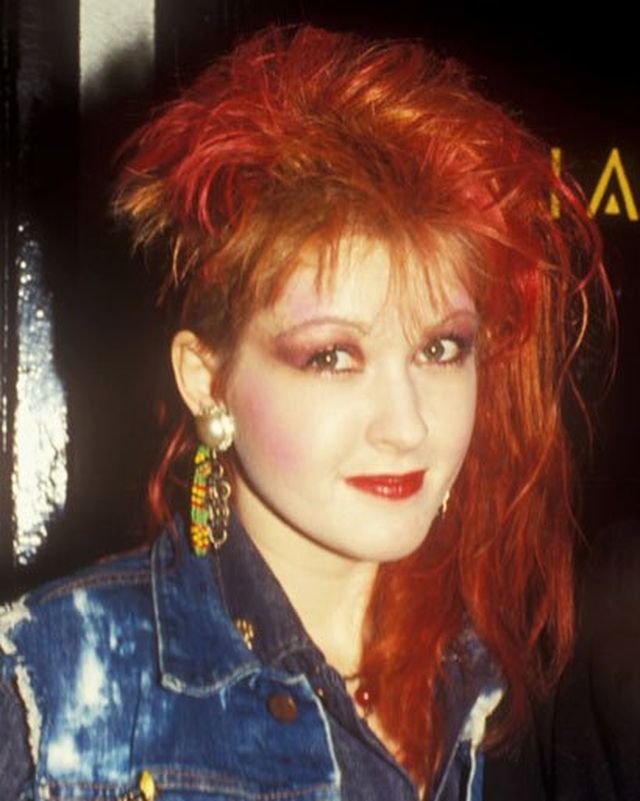
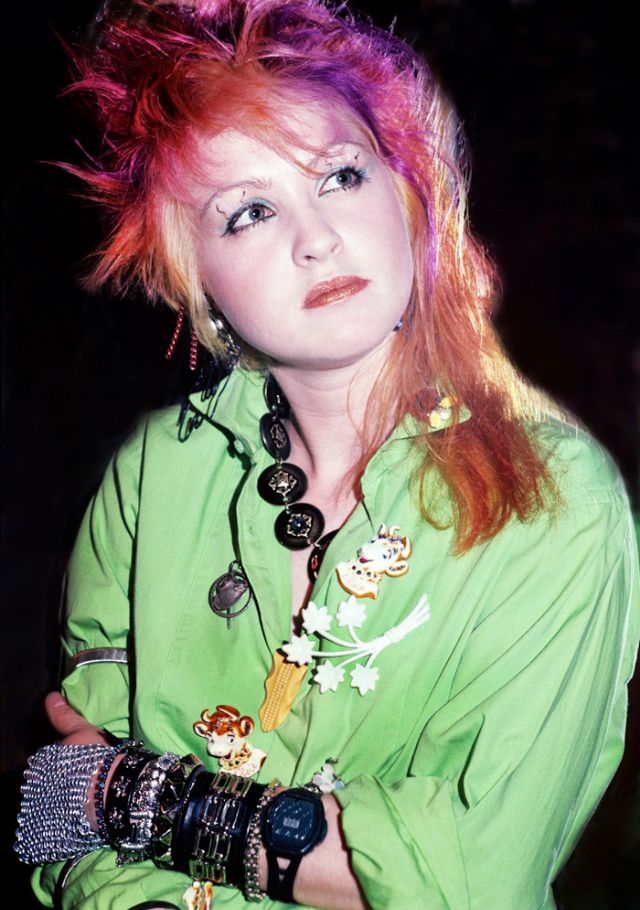
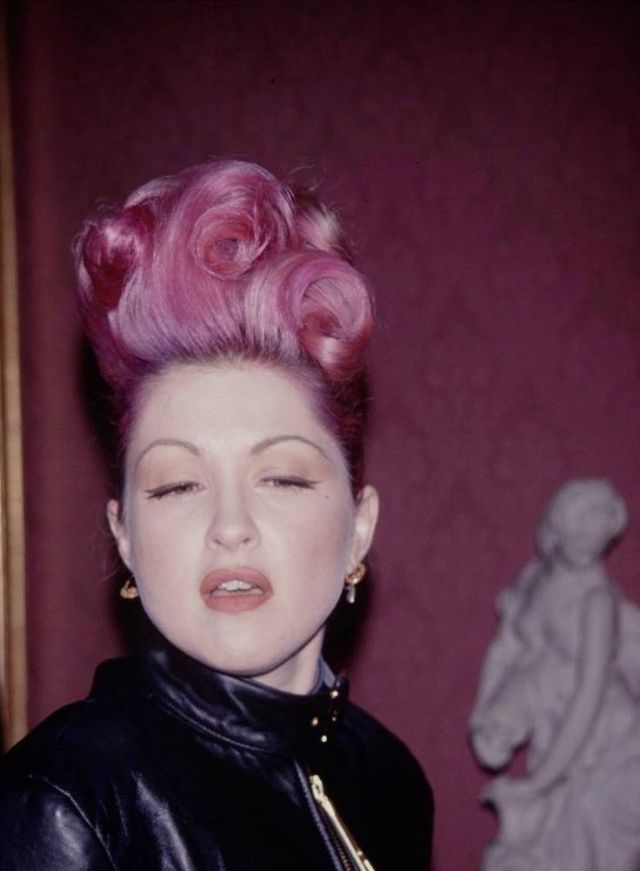
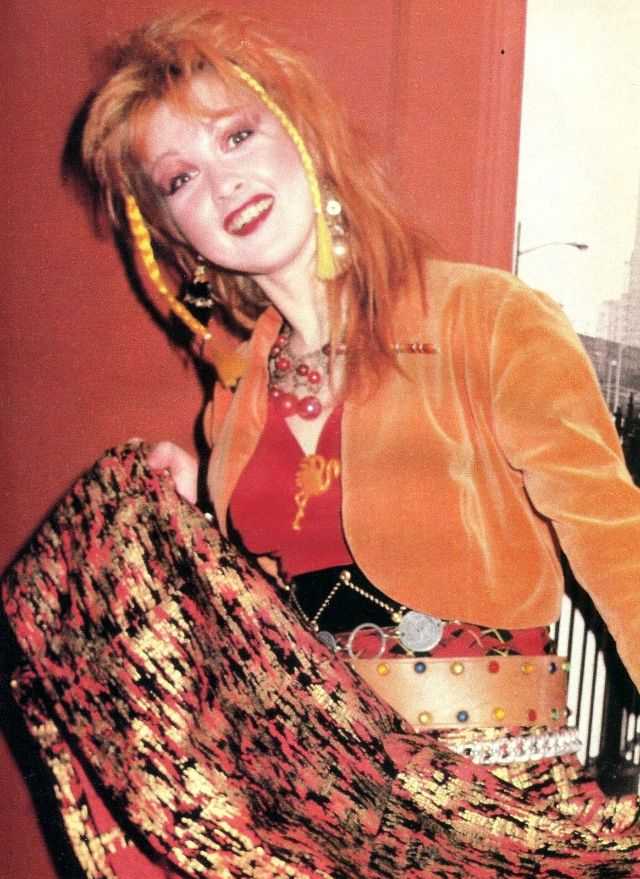
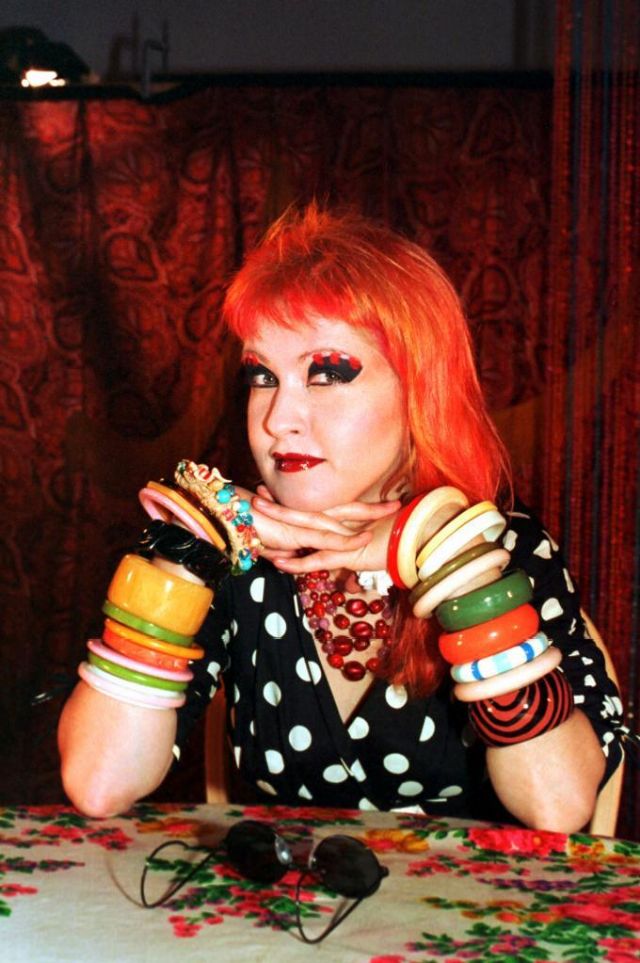
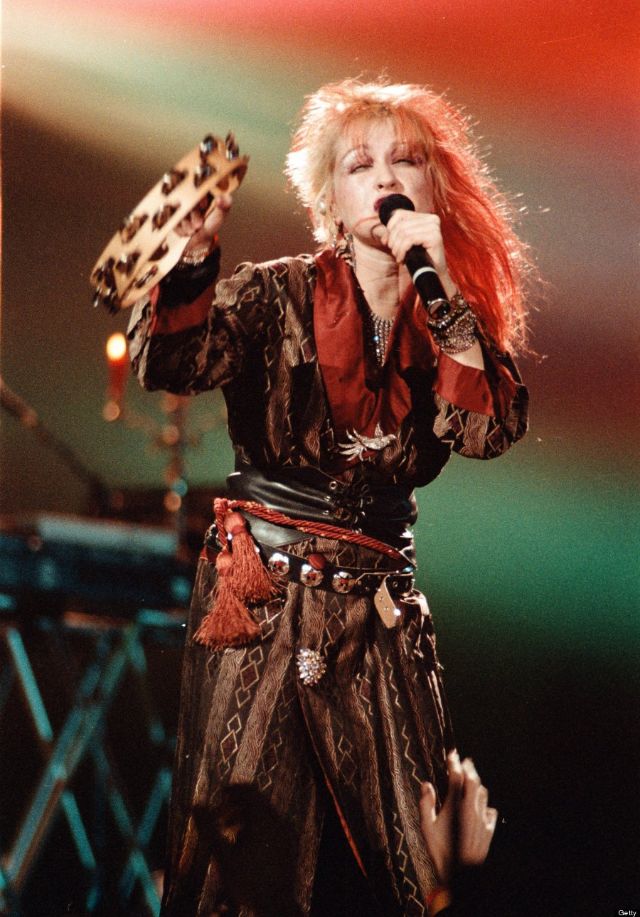
30 Incredible Photos Showing Cyndi Lauper During the 1980s

Cynthia Ann Stephanie Lauper Thornton (born June 22, 1953) is an American singer, songwriter, actress, and activist. Her career has spanned over 40 years. Her album She’s So Unusual (1983) was the first debut album by a female artist to achieve four top-five hits on the Billboard Hot 100—”Girls Just Want to Have Fun”, “Time After Time”, “She Bop”, and “All Through the Night”—and earned Lauper the Best New Artist award at the 27th Annual Grammy Awards in 1985. Her success continued with the soundtrack for the motion picture The Goonies and her second record True Colors (1986). This album included the number one single “True Colors” and “Change of Heart”, which peaked at number three. In 1989, she had a hit with “I Drove All Night”.

Since 1983, Lauper has released eleven studio albums and participated in many other projects. In 2010, Memphis Blues became Billboard’s most successful blues album of the year, remaining at number one on the Billboard Blues Albums chart for 13 consecutive weeks. In 2013, she won the Tony Award for best original score for composing the Broadway musical Kinky Boots, making her the first woman to win the category by herself. The musical was awarded five other Tonys including Tony Award for Best New Musical. In 2014, Lauper was awarded the Grammy Award for Best Musical Theater Album for the cast recording. In 2016, the West End production won Best New Musical at the Olivier Awards.

Lauper has sold over 50 million records worldwide. She has won awards at the Grammys, Emmys, Tonys, the New York’s Outer Critics Circle, MTV Video Music Awards (VMAs), Billboard Awards, and American Music Awards (AMAs). An inductee into both the Songwriters Hall of Fame and the Hollywood Walk of Fame, Lauper is one of the few singers to win three of the four major American entertainment awards (EGOT). She won the inaugural Best Female Video prize at the 1984 VMAs for “Girls Just Want to Have Fun”. This music video is recognized by MTV, VH1 and Rolling Stone as one of the greatest music videos of the era. She is featured in the Rock and Roll Hall of Fame’s Women Who Rock exhibit. Her debut album is included in Rolling Stone’s list of the 500 Greatest Albums of All Time, while “Time After Time” is included in VH1’s list of the 100 Best Songs of the Past 25 years. VH1 has ranked Lauper No. 58 of the 100 Greatest Women of Rock & Roll.

Lauper is known for her distinctive image, featuring a variety of hair colors and eccentric clothing, and for her powerful and distinctive four-octave singing range. She has been celebrated for her humanitarian work, particularly as an advocate for LGBT rights in the United States. Her charitable efforts were acknowledged in 2013 when she was invited as a special guest to attend U.S. President Barack Obama’s second-term inauguration. (Wikipedia)
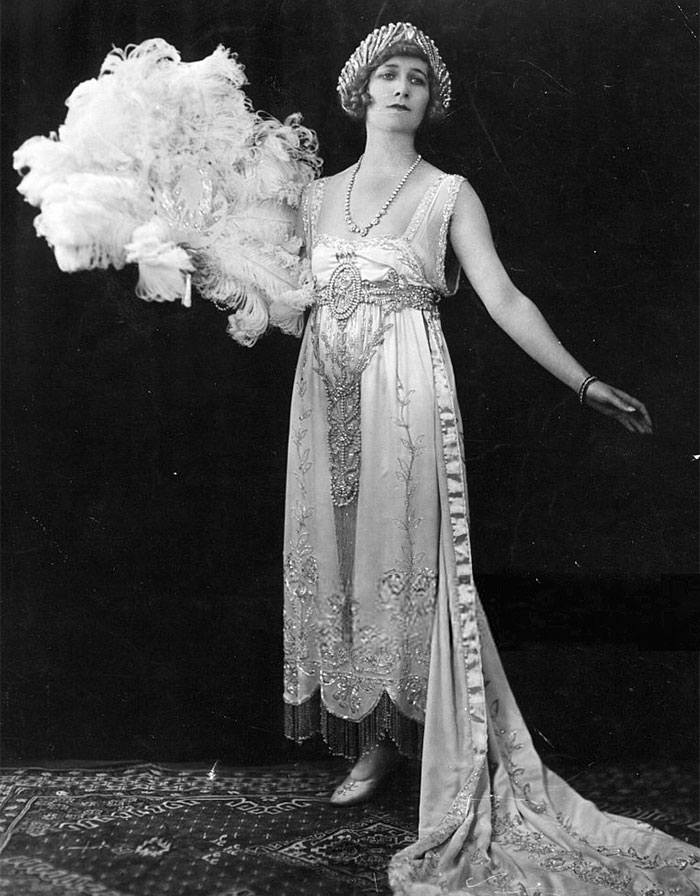
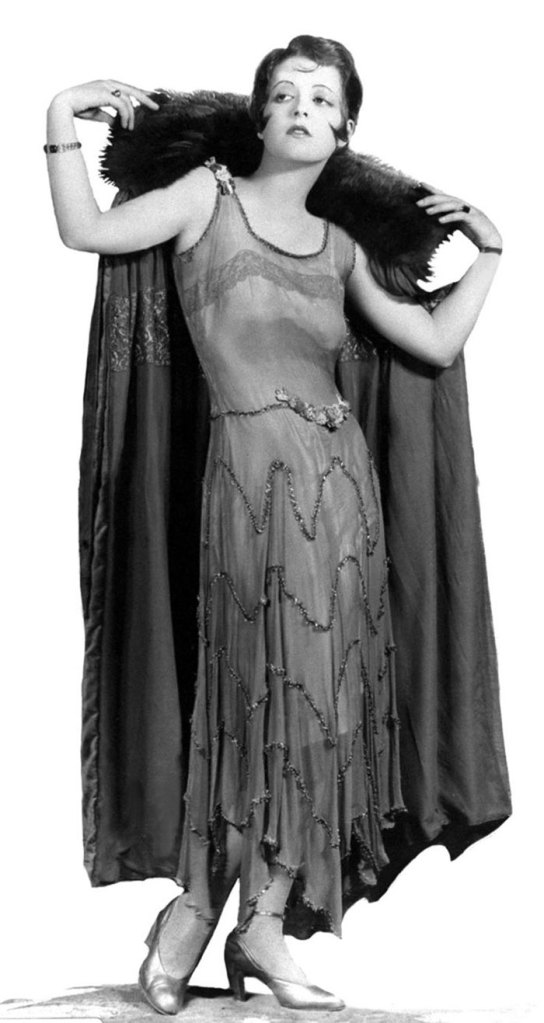
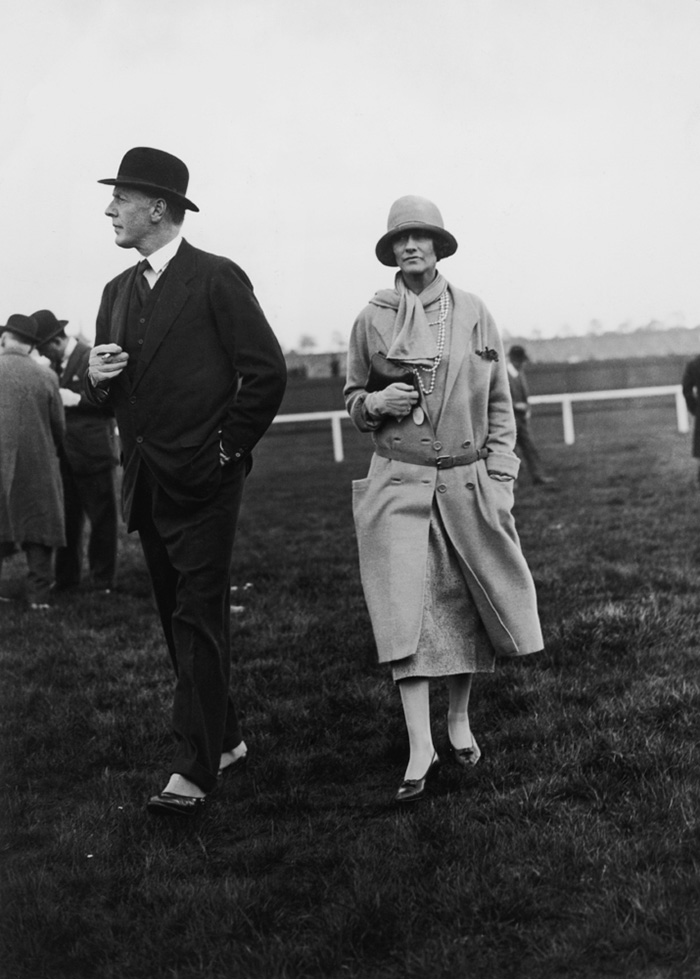
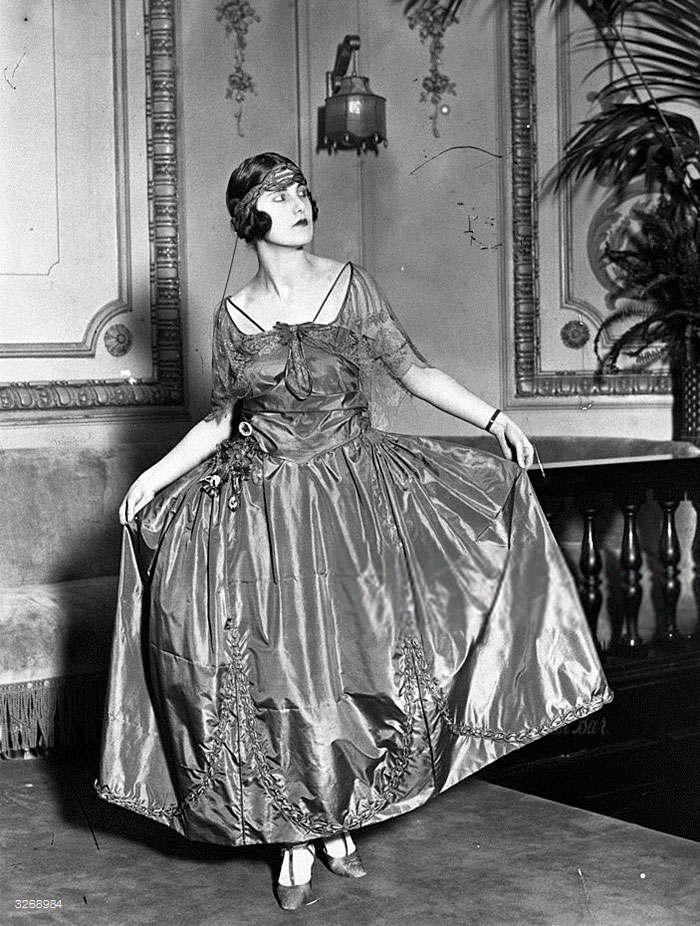
71 Fabulous Photos of Women’s Fashion during the 1920s

Women Drinking Coffee In A Terrace Of A Cafe, Paris, 1925
French Born Actress Claudette Colbert In “The Phantom President”, 1922
Actress Adrienne Ames
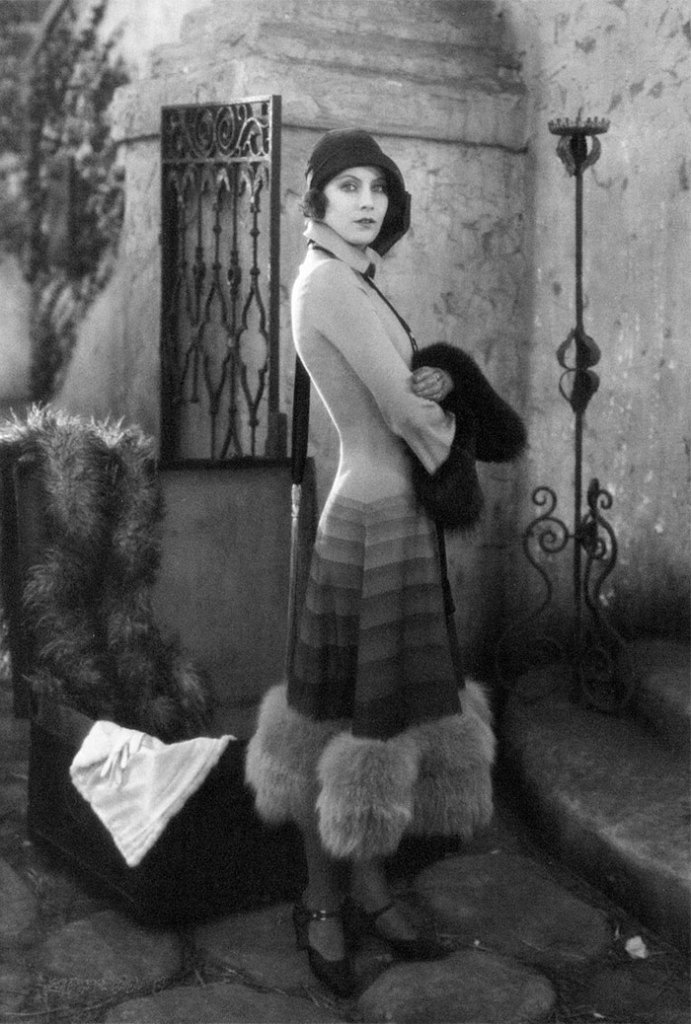
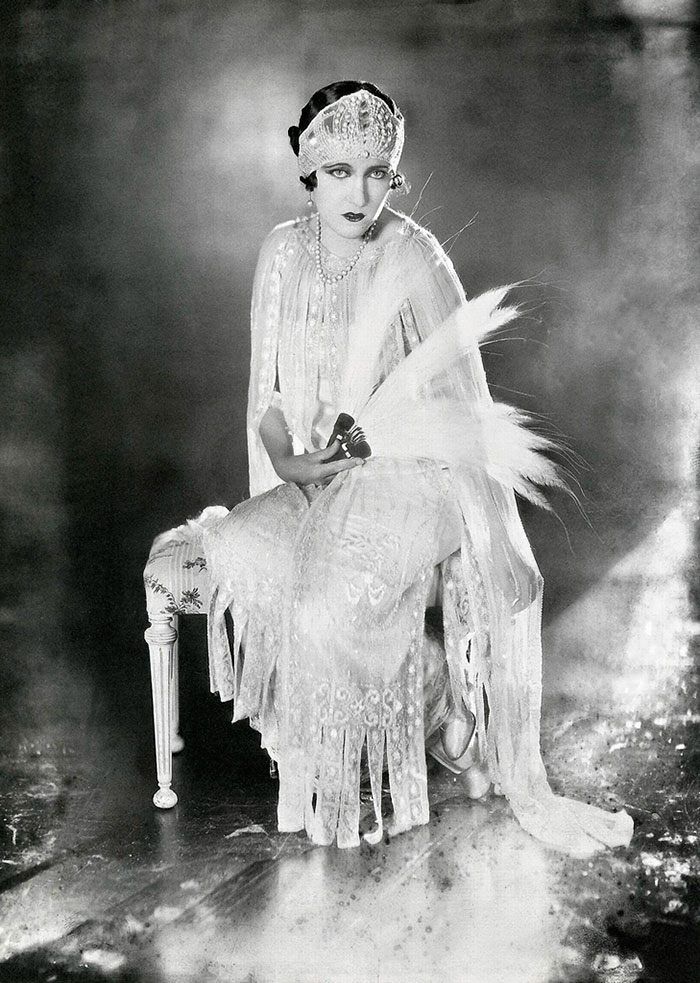
Greta Garbo, In the Movie “The Torrent”, 1926
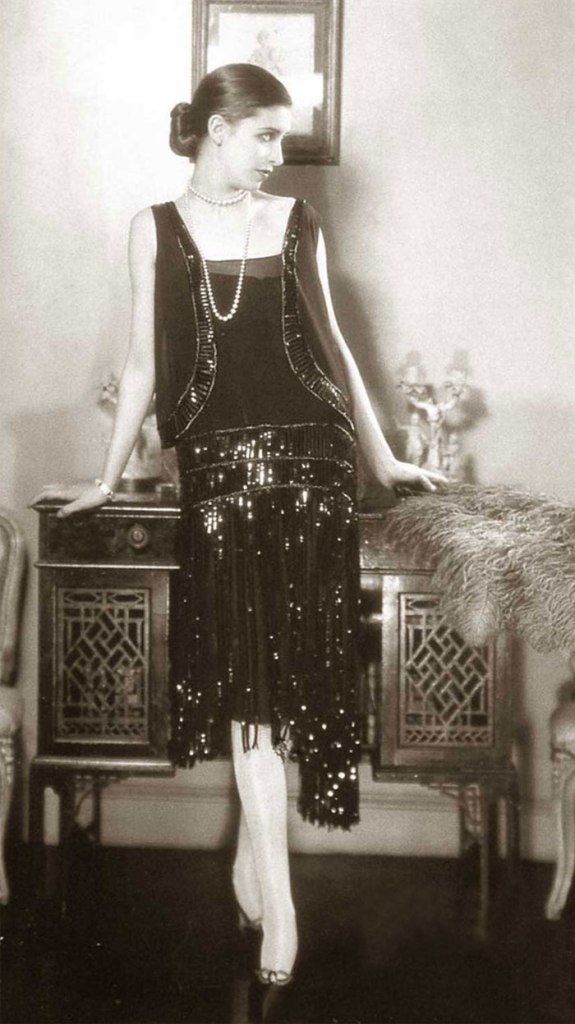
Alden Gay Wearing Pearls And A Gown Of Black And White Georgette Crepe By Chanel, 1924
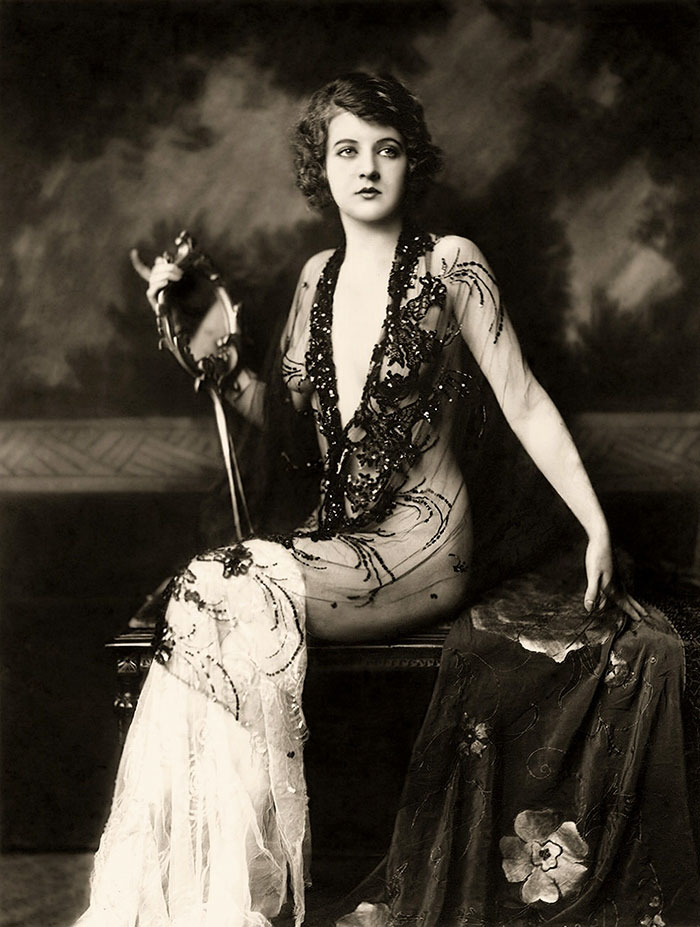
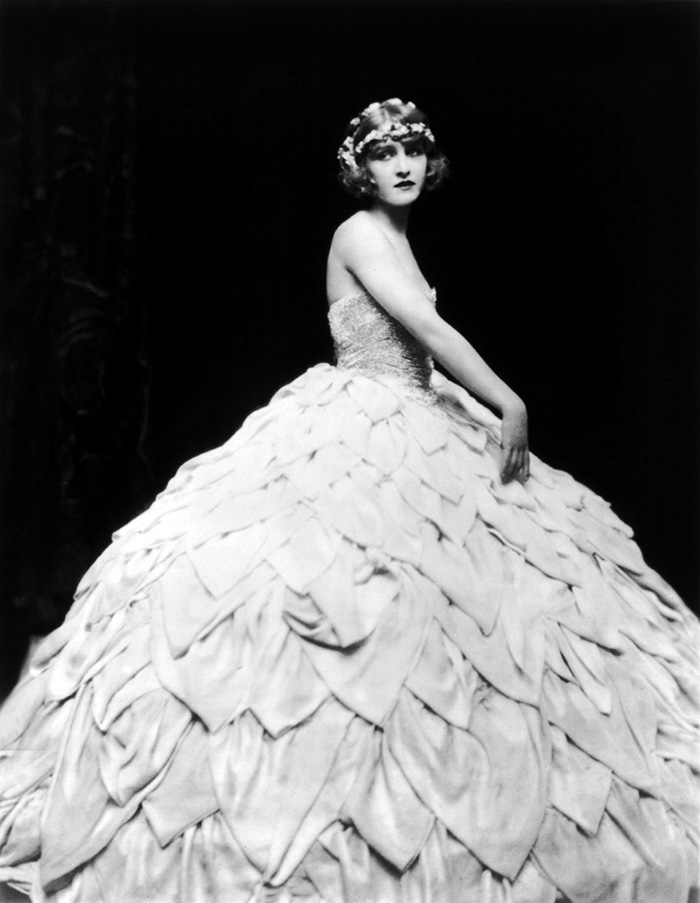
Katherine Burke, Performed In The Ziegfeld Follies From 1925 To 1931
Woman Wearing Culottes And Smoking, 1928
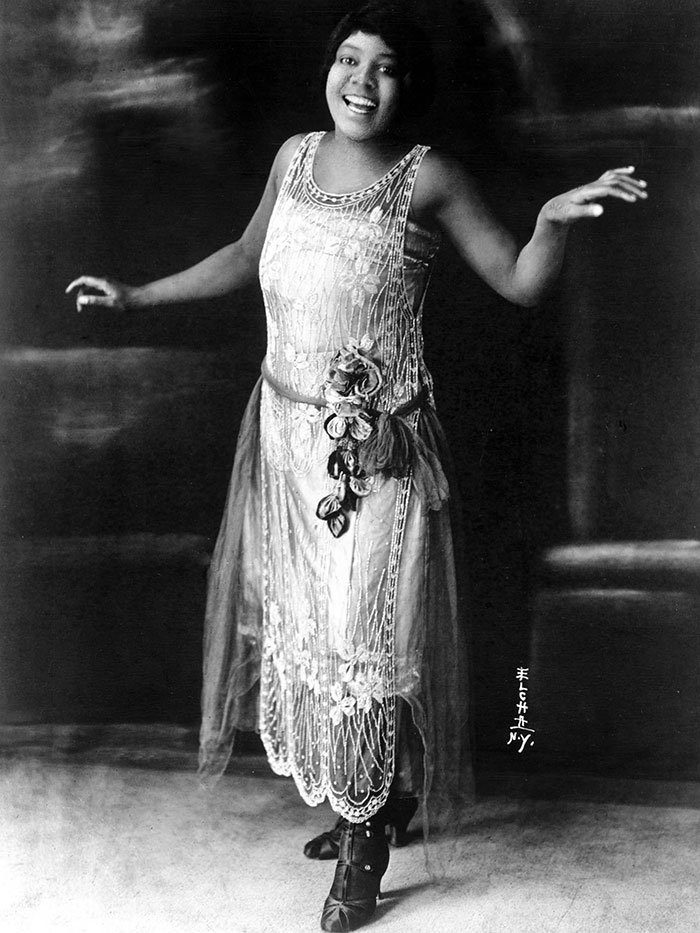
Blues Singer Bessie Smith Poses For A Portrait In New York City, 1925
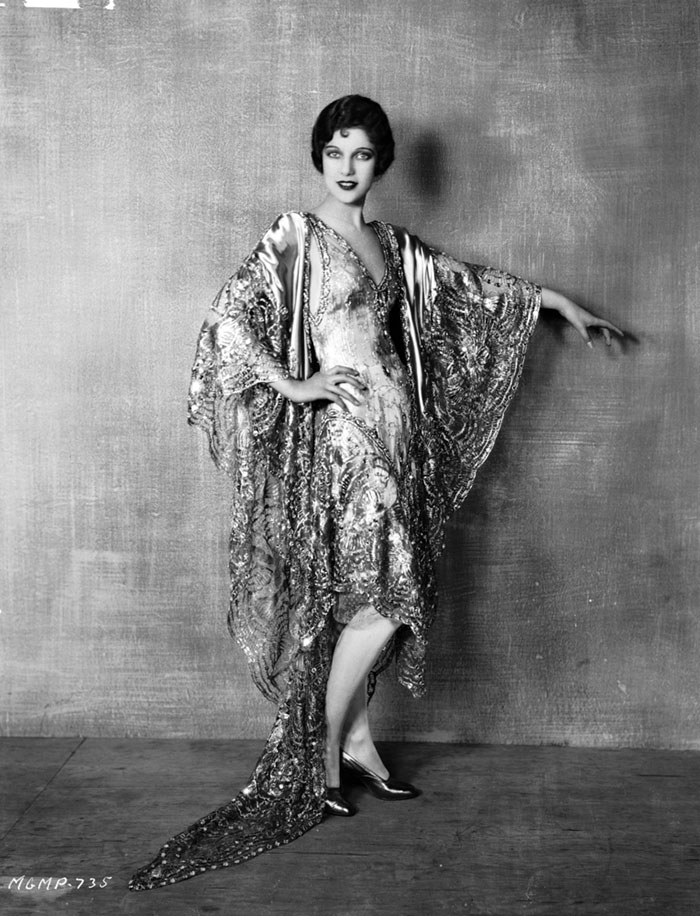
Teenaged American Actress Loretta Young Wearing A 1920s Metallic Lace Evening Dress, 1928
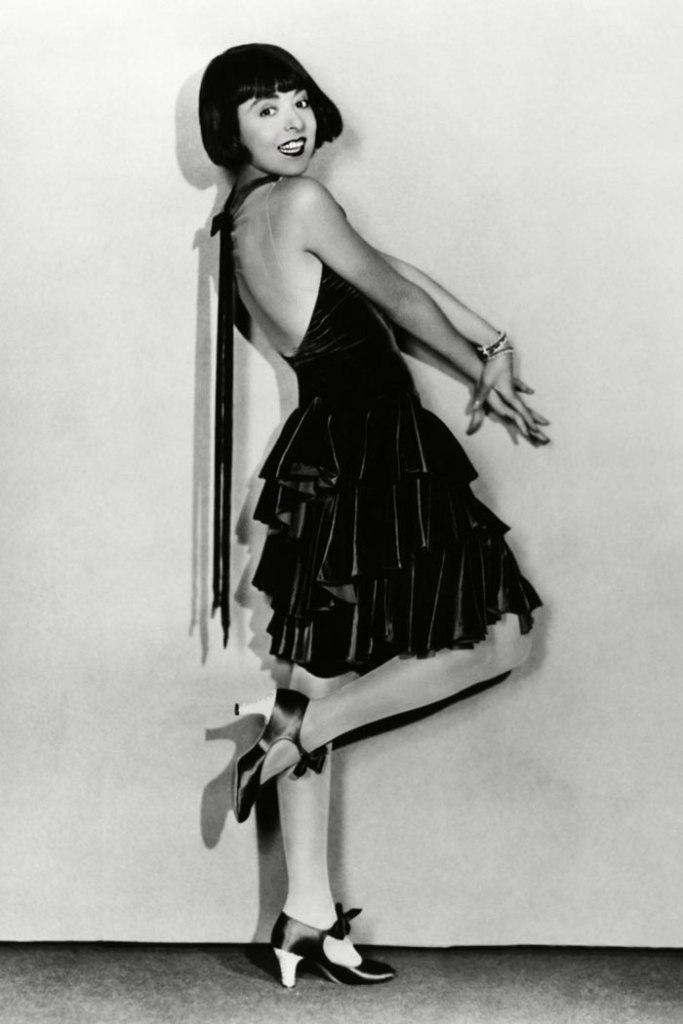
Silent Film Actress Colleen Moore Basically Invented The Bob, 1929
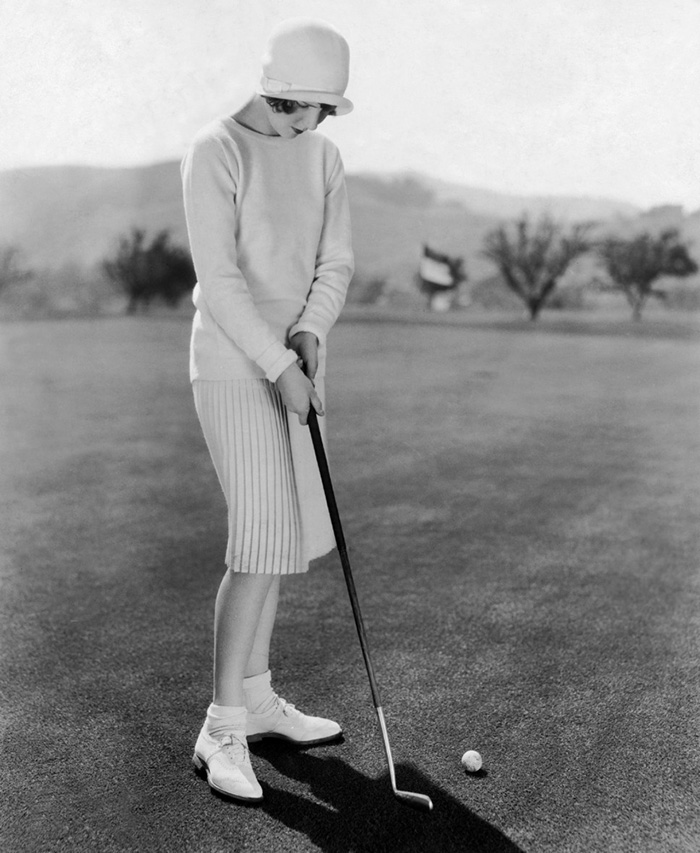
American Actress, Jean Arthur Playing Golf, 1920s
American Actresses Joan Crawford And Dorothy Sebastian Enjoys A Picnic On The Beach, 1927
A Woman Wearing A Cloche Hat Decorated With Flowers, 1927
Madeleine Vionnet In A Norman Hartnell Dress, 1924
Dancer, Singer And Actress Mary Eaton, 1921
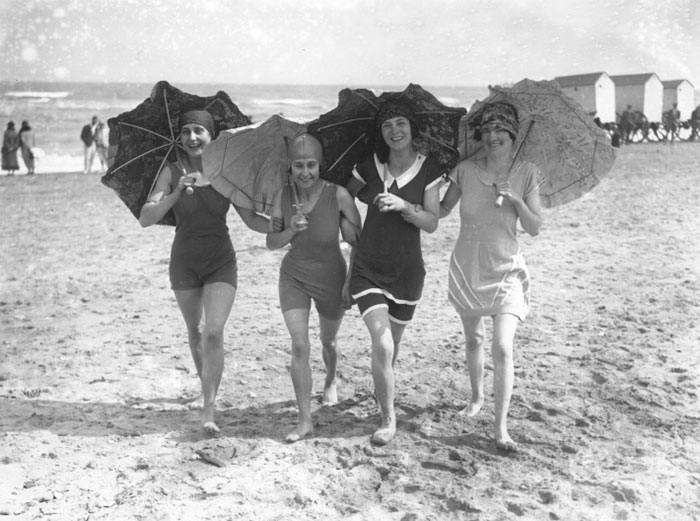
Four Bathing Belles Shading Themselves With Parasols On The Beach At Skegness, 1926
A Model Wearing A Norman Hartnell Evening Gown, 1929
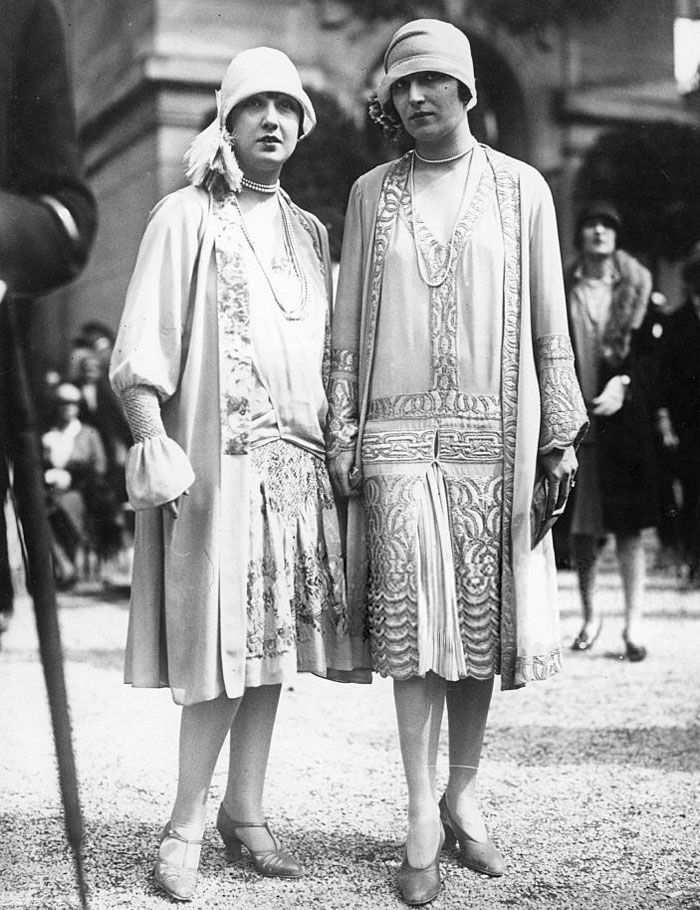
Three Well-Dressed Women, 1920s
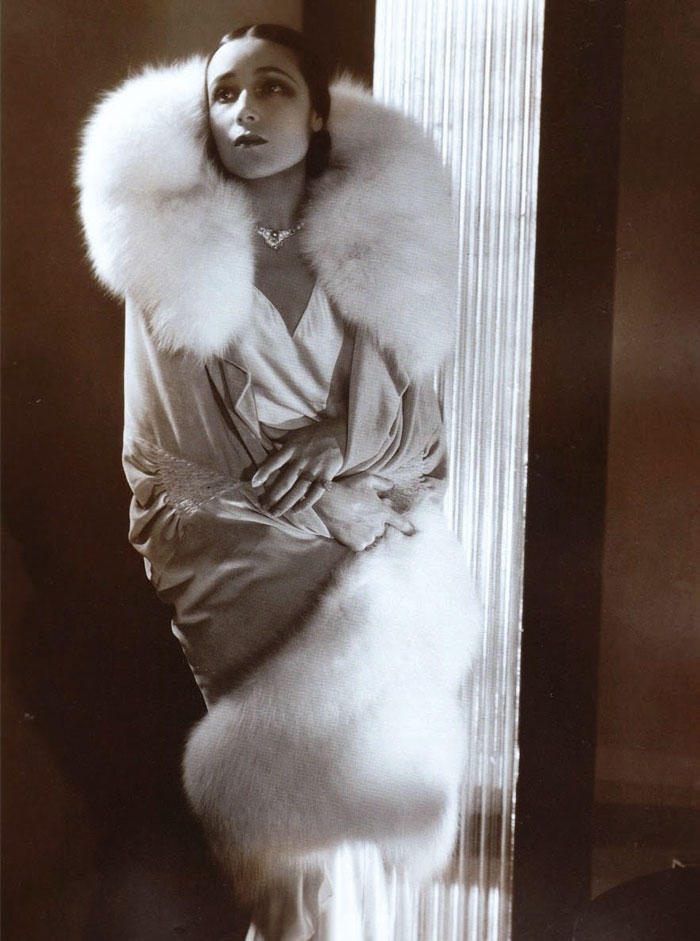
Actress Dolores Del Rio, 1929
American Actress Nancy Carroll, 1920s
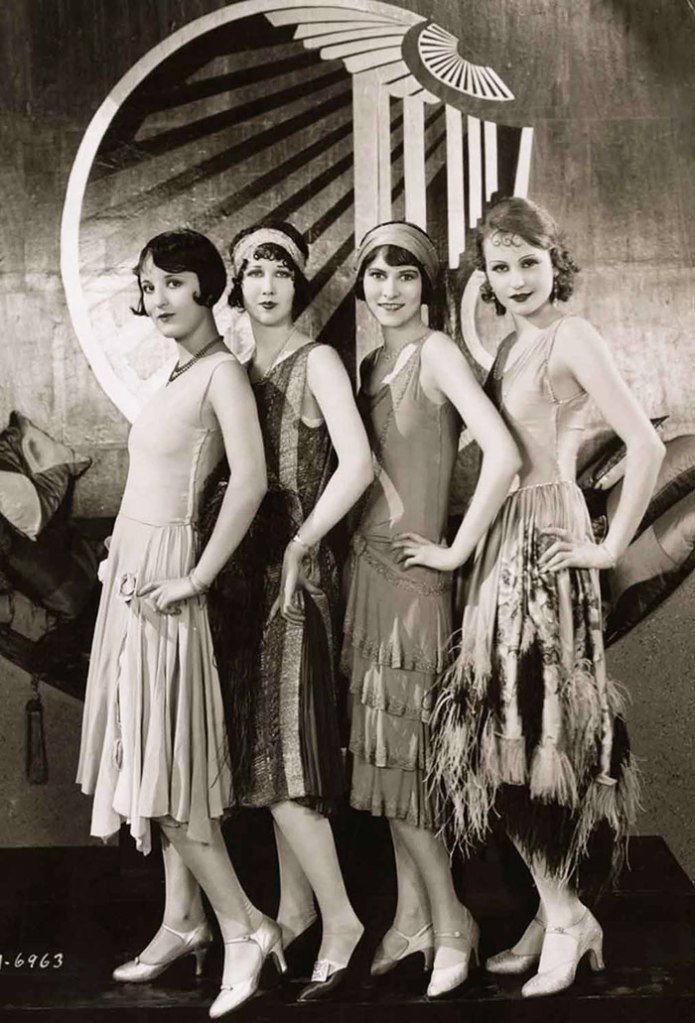
Four Ladies
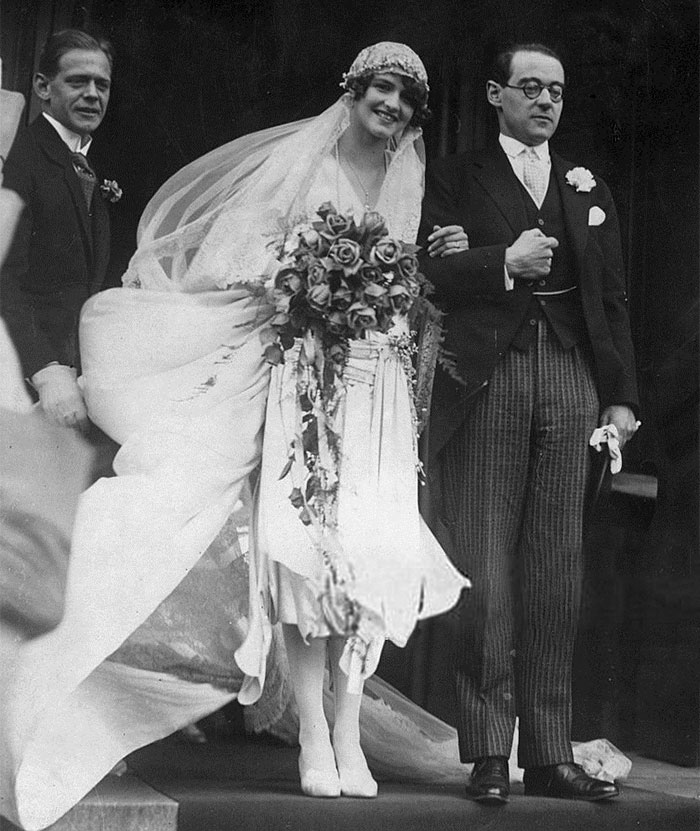
Prince Otto Von Bismarck On His Wedding Day. The Bride Is Wearing A Fashionable Twenties Dress
Evelyn Brent, The Hollywood Actress, 1928
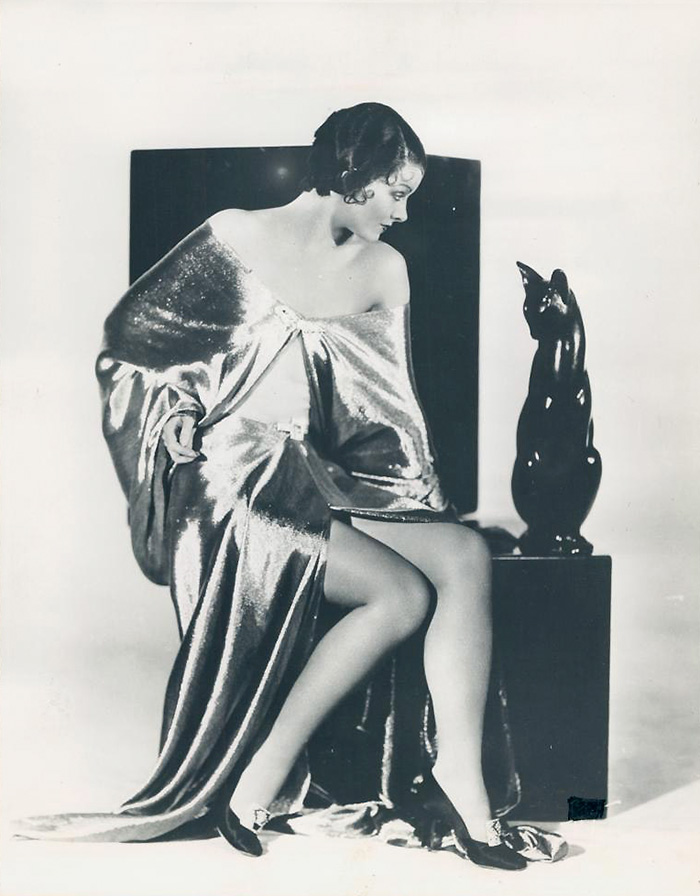
American Actress Myrna Loy In 1920s
American-Born French Dancer, Singer And Actress Josephine Baker, Hamburg, 1925
Canadian-American Actress Norma Shearer, 1920s
American Actress Carole Lombard, 1920s
American Actress And Producer Gloria Swanson, 1922
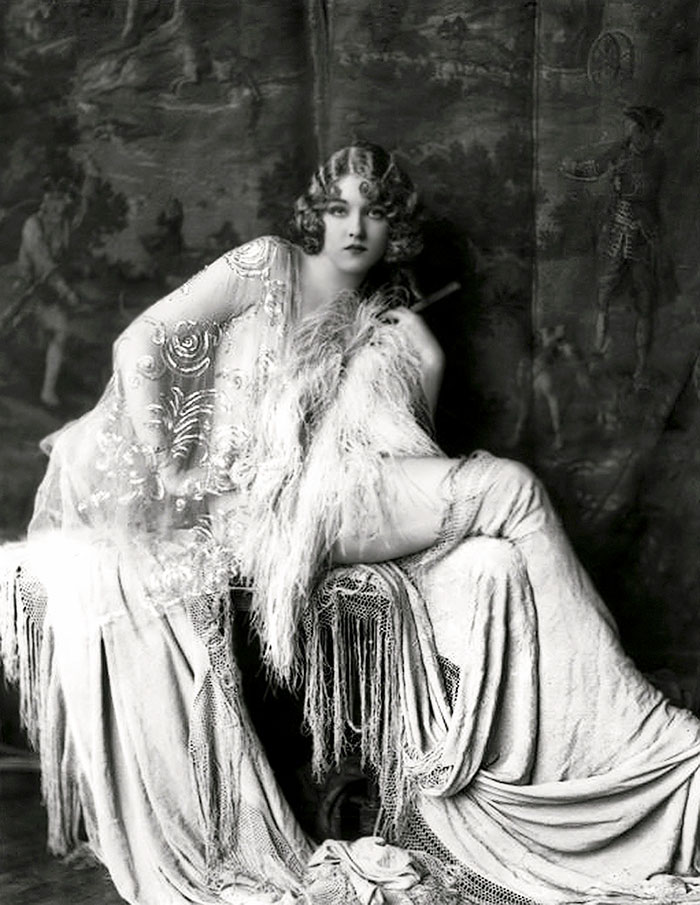
Gladys Glad, Ziegfeld Follies Showgirl
Dinarzade In A Black, Peplumed-Bodice, Velvet Dress Trimmed With Horizontal Bands Of Velvet
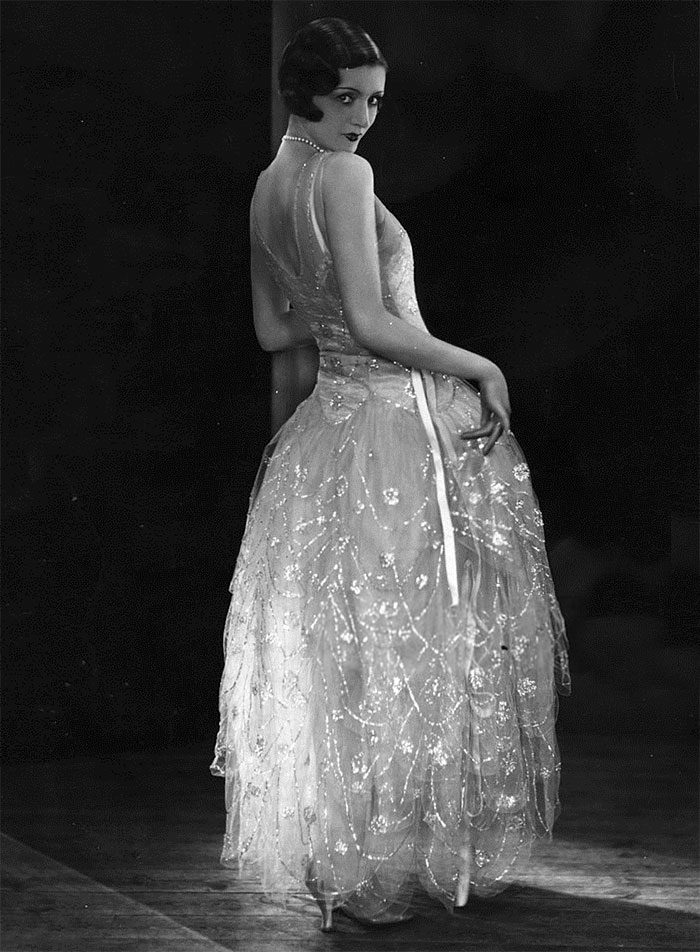
Actress Alice Joyce In A Straight Dress With A Sheer Beaded Overdress, 1926
Fay Wray
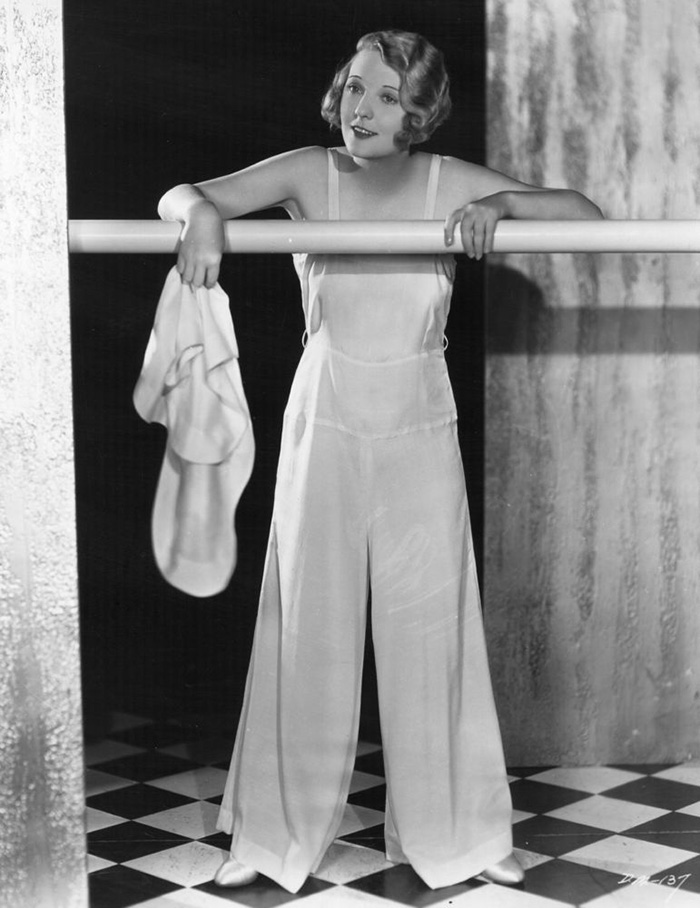
British Actress Dorothy Mackaill Dressed In Silk Dungarees For The Film “Party Husband”, 1920s
Hollywood Film Actress, Singer And Dancer Gilda Gray Wearing A Beaded Blue Dress, 1924
Anita Page, Film Actress Is Pictured Wearing A Stunning Striped Dress, 1920s
Actresses Marie Fitzgerald And Sonia Watson At The Make-up Mirror, 1926
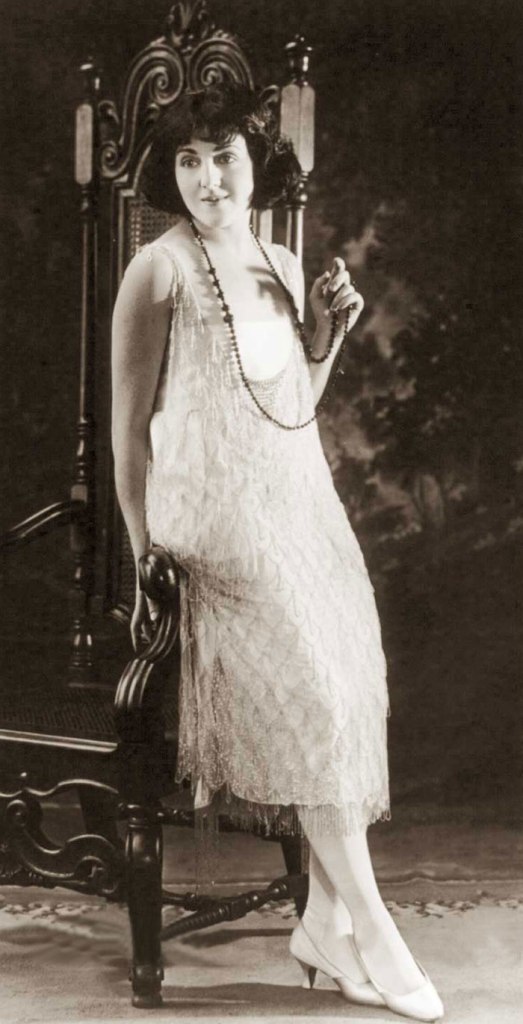
Flapper Fashion At The Beginning Of 1920s
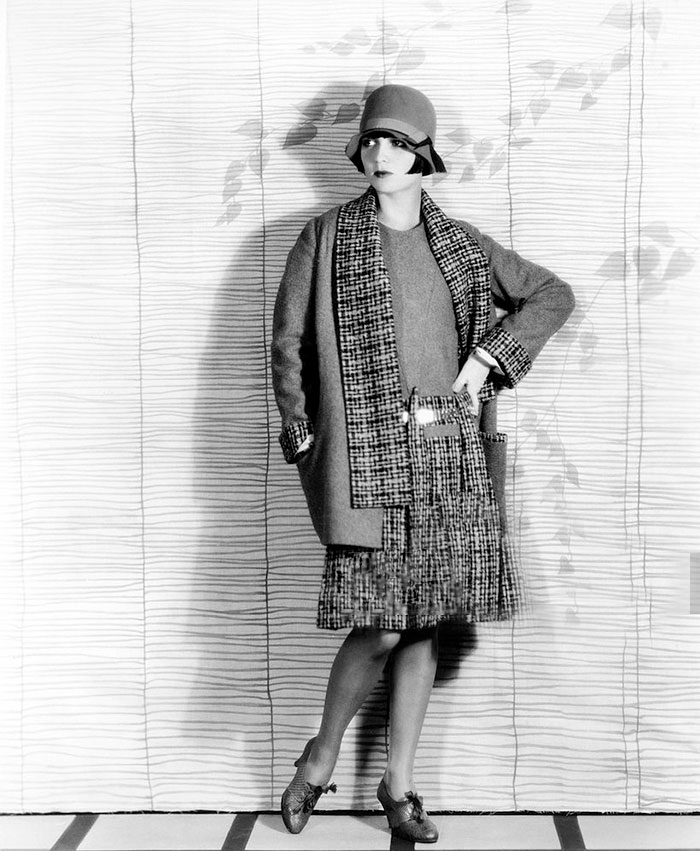
Model In Coat, Vogue,1929
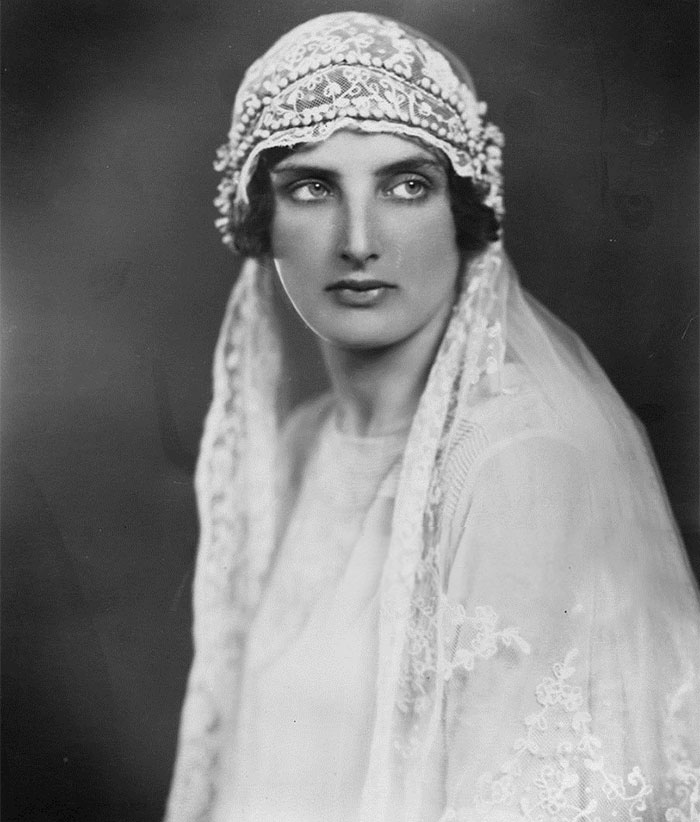
A Young Bride Wearing A Train Decorated With Lace, 1927
Film Star, Mae Murray Poses In A Neglige, 1925
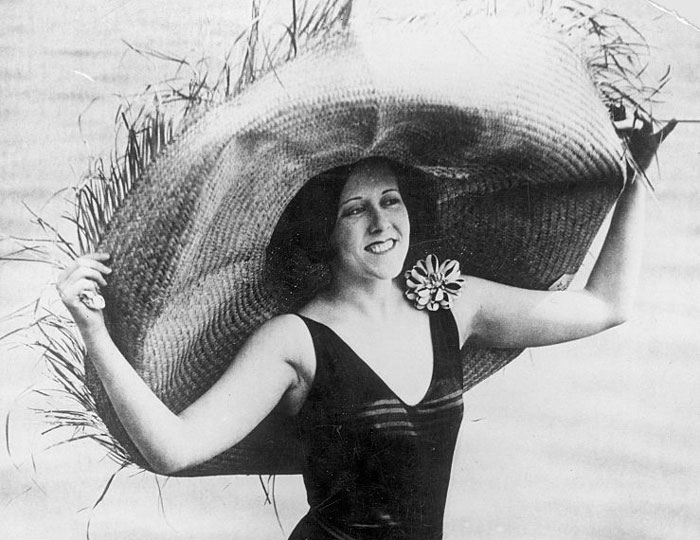
A Straw Hat That Is Guaranteed To Keep The Sun At Bay, Worn With A Bathing Costume, 1923
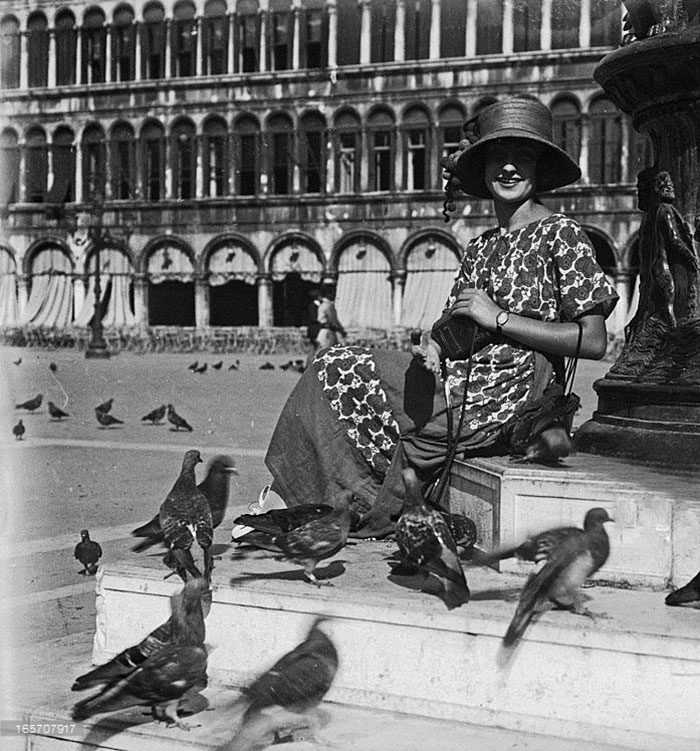
Young Woman In Piazza San Marco, 1922
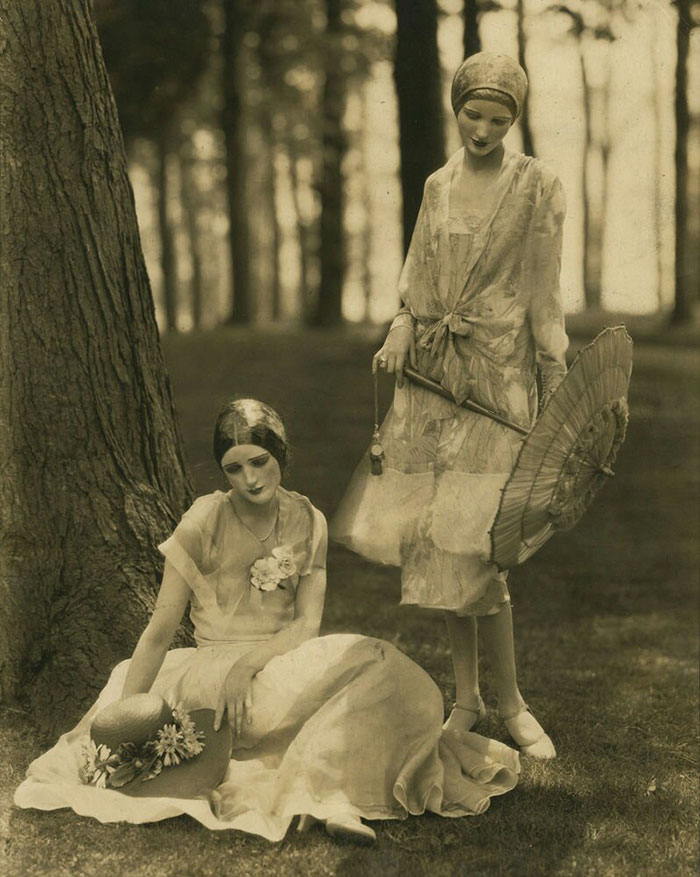
American Models Marion Morehouse and Helen Lyons wearing masks
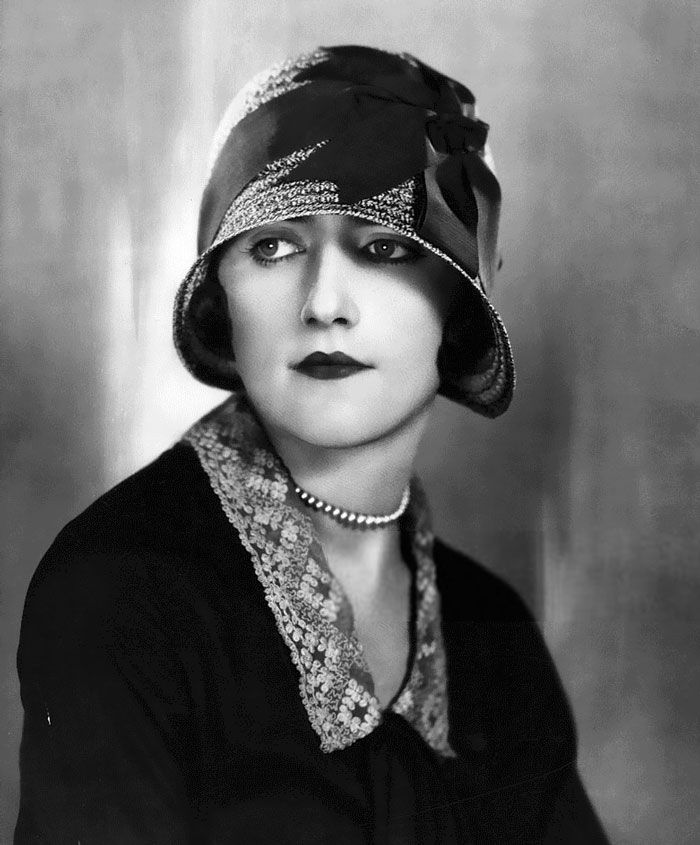
A 1920s Cloche Hat, 1929
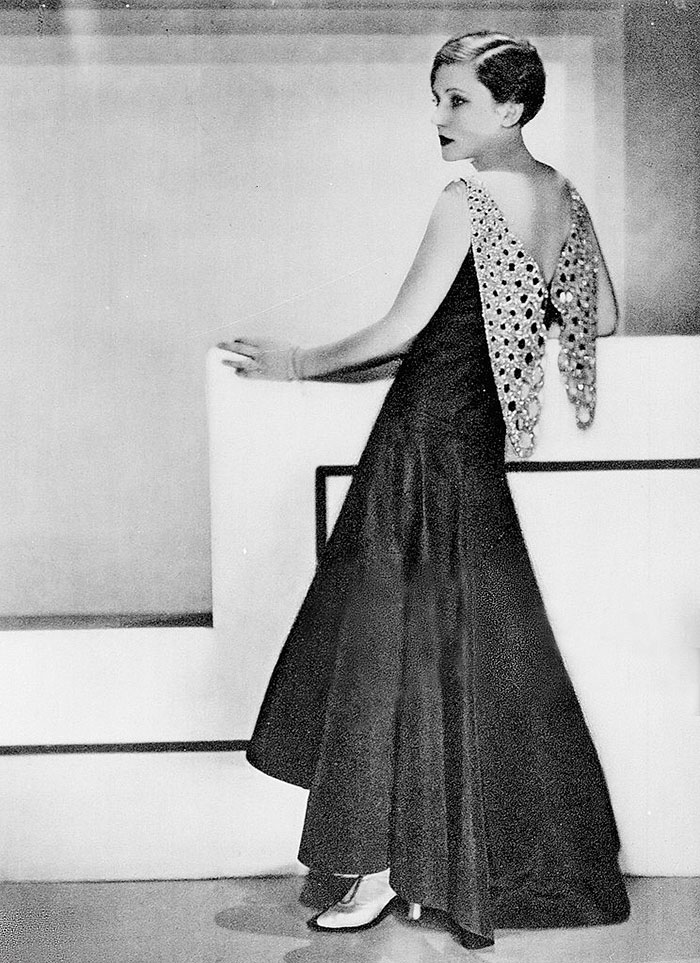
A Women Models A Dress Of Jeanne Lanvin’s Black Fault, On 1929 In Paris, France
Actress Alden Gay Wearing A Dress By Chanel, 1924
Lee Miller, 1928. Black Tulle Evening Dress Lelong. Black Satin Pumps Delman. Jewels Marcus. In Condé Nast’s Apartment
1928 – Dorothy Sebastian, Joan Crawford, And Anita Page In The Movie “Our Dancing Daughters”
Marion Morehouse In Crepe Romain Dress By Chanel, 1926
Portrait Of Marion Davies, 1926
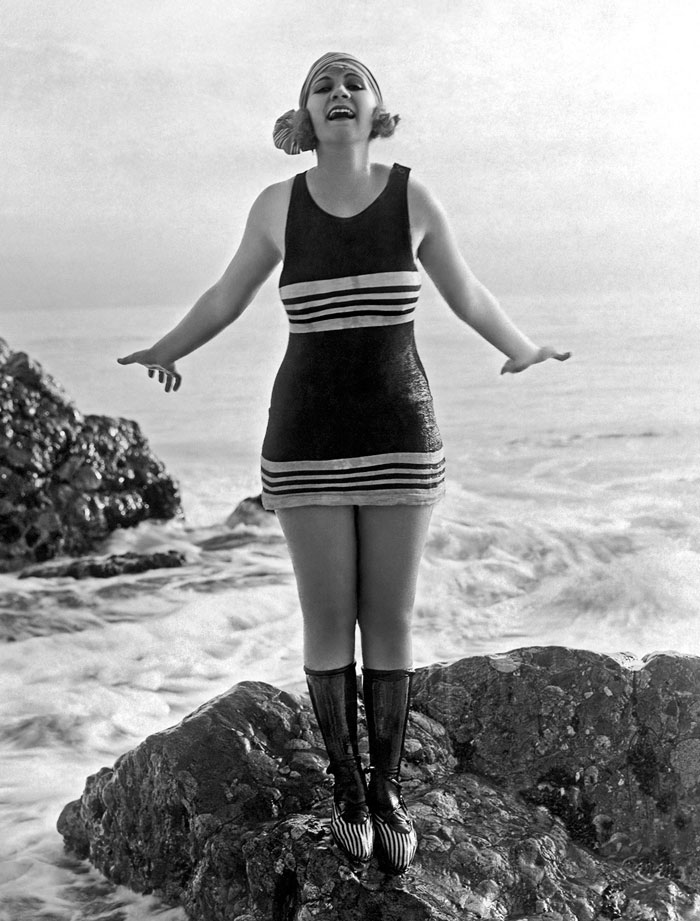
A Flapper In Her Bathing Suit On A Rock At The Beach, Los Angeles, 1922
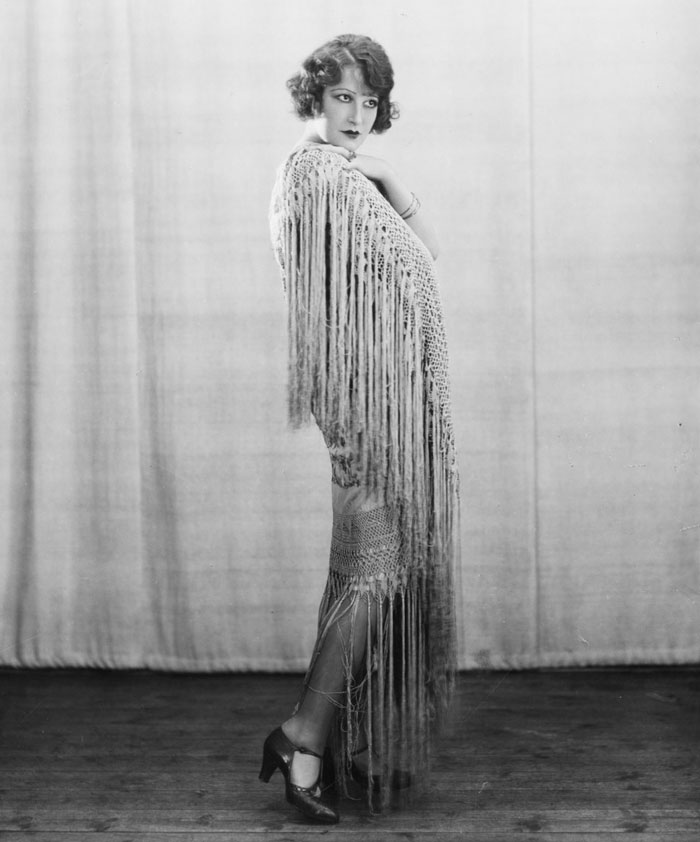
A Glamorous Brunette Wearing A Matching Fringed Wrap And Dress, 1928
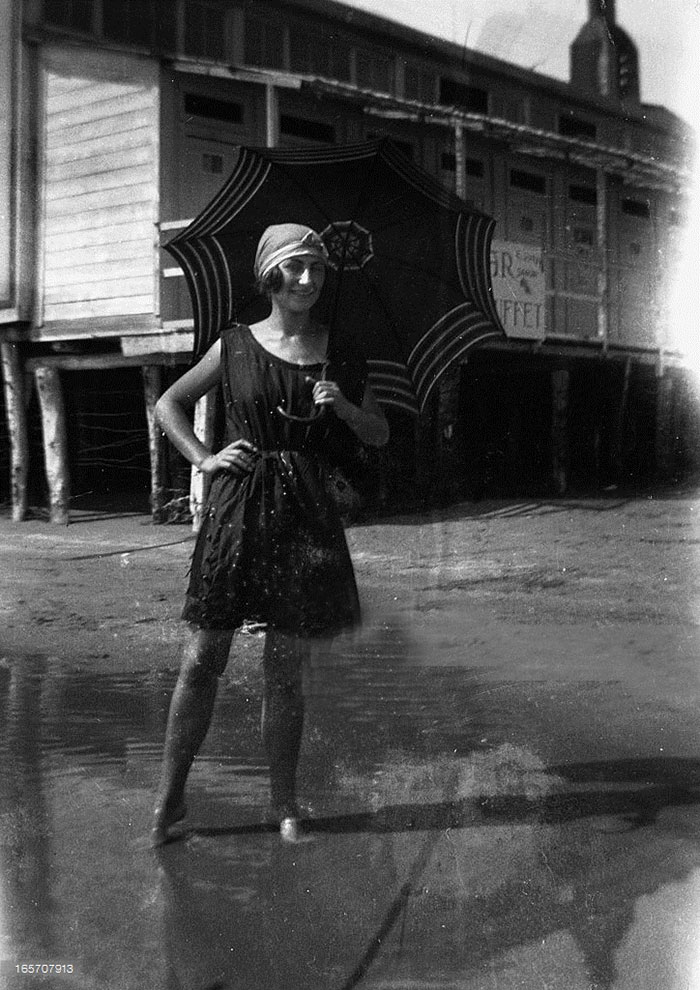
Woman With An Umbrella, 1921
The Actress Jeanne Eagels Taking A Break From ‘Rain’ In 1928
Two Fashionable Women, Wearing Twenties Drop-waist Dresses And Cloche Hats, 1925
American Actress Louise Brooks, 1927
American Actress Colleen Moore, As She Appeared In The 1923 Film “Flaming Youth”
Ballerina Ruth Page, Wearing An Off-The-Shoulder Dress, 1920
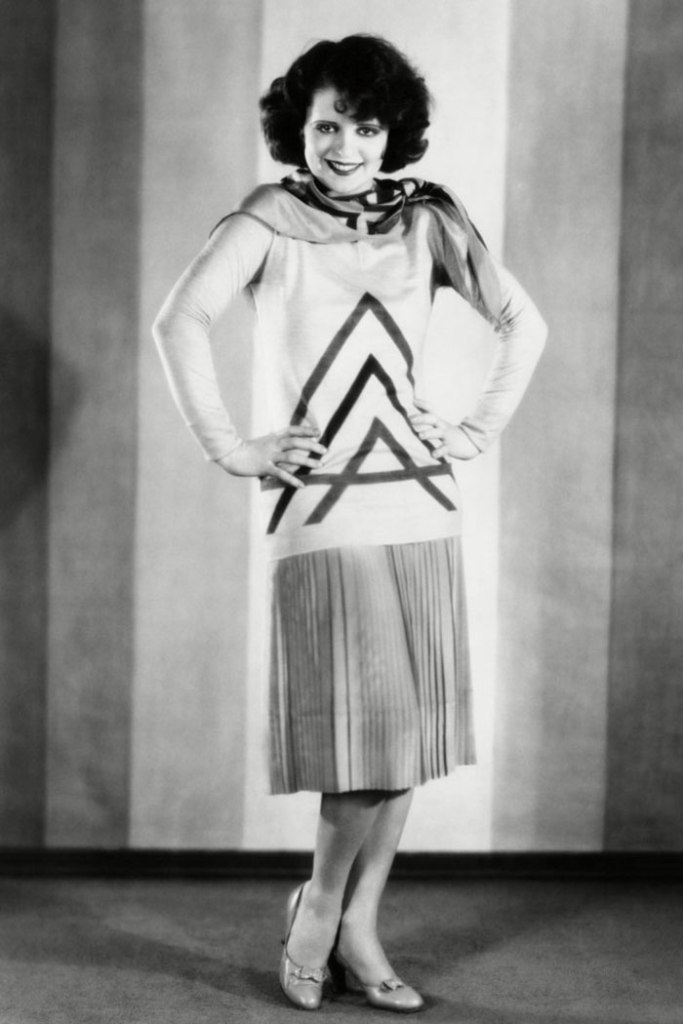
Actress Clara Bow, Modelling An Ideal 1920s Ensemble
Lanvin, 1927
A 1920s Evening Dress, 1925
1920s Women Fashion
American Actress Joan Crawford, 1926
Clara Bow, 1926
Hollywood Actress Marion Davies, 1920s
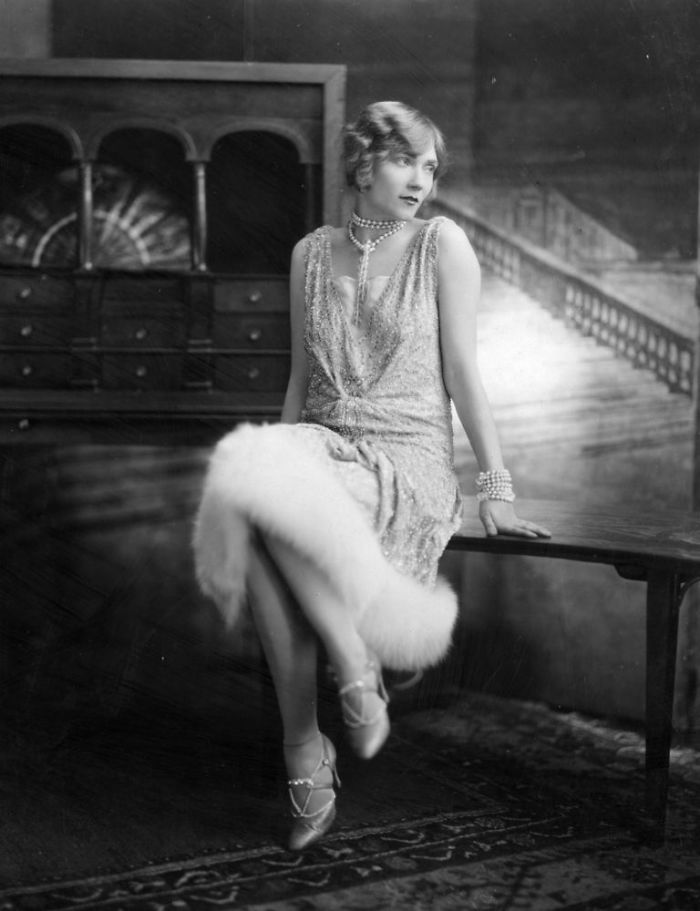
American Actress Eleanor Boardman Wearing A Fur-Trimmed Outfit, 1925
French Fashion Designer Coco Chanel, 1924
American Dancer Cynthia Perot Poses In A Sparkling, Sleeveless, Dress, By Jenny
A Model Wearing An Evening Dress, 1922

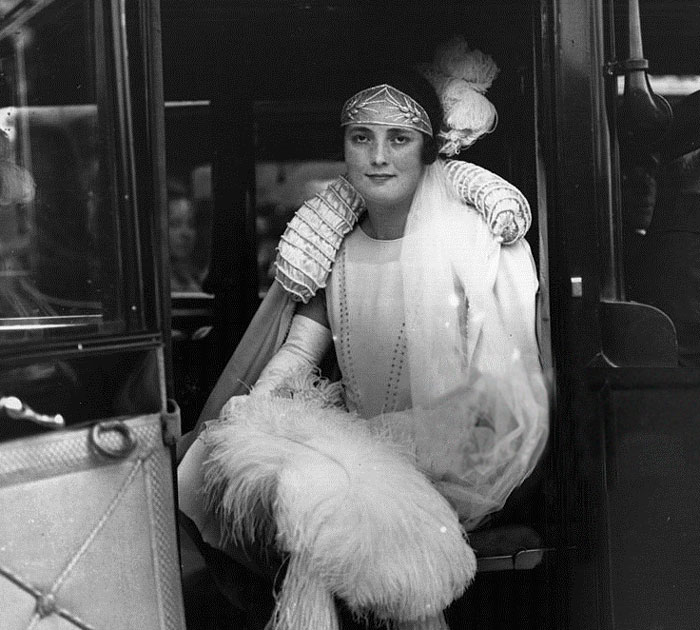
Debutante Maud Hyde Arrives At Buckingham Palace To Be Presented, 1924

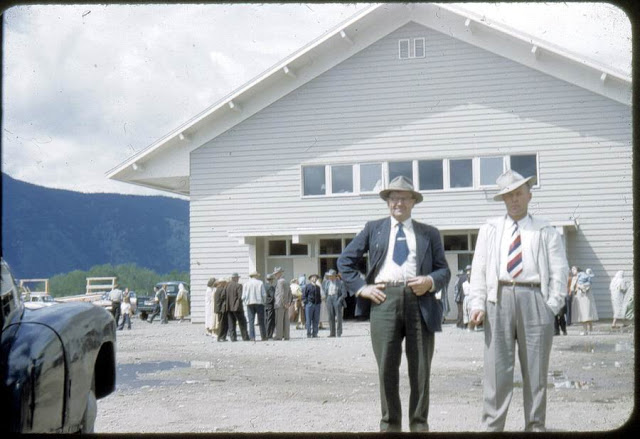
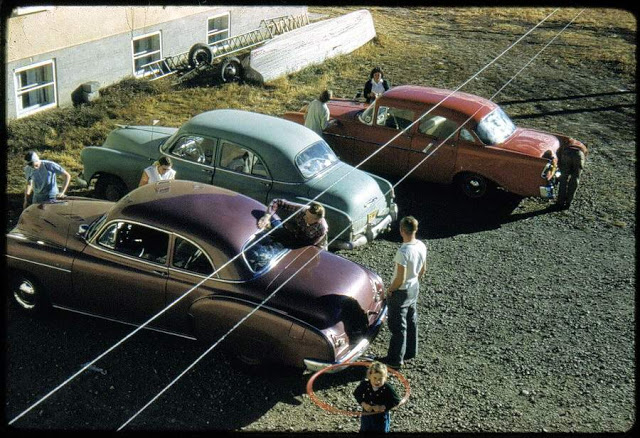
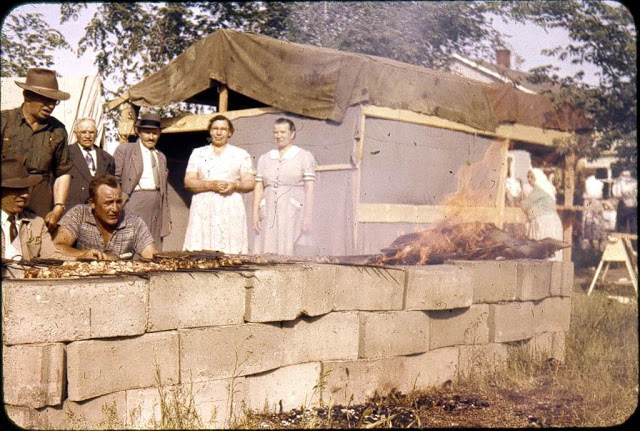
48 Vintage Photos of Life in Canada during the 1950s

Canada is a country in North America. Its ten provinces and three territories extend from the Atlantic to the Pacific and northward into the Arctic Ocean, covering 9.98 million square kilometres (3.85 million square miles), making it the world’s second-largest country by total area. Its southern and western border with the United States, stretching 8,891 kilometres (5,525 mi), is the world’s longest bi-national land border. Canada’s capital is Ottawa, and its three largest metropolitan areas are Toronto, Montreal, and Vancouver.

Indigenous peoples have continuously inhabited what is now Canada for thousands of years. Beginning in the 16th century, British and French expeditions explored and later settled along the Atlantic coast. As a consequence of various armed conflicts, France ceded nearly all of its colonies in North America in 1763. In 1867, with the union of three British North American colonies through Confederation, Canada was formed as a federal dominion of four provinces. This began an accretion of provinces and territories and a process of increasing autonomy from the United Kingdom. This widening autonomy was highlighted by the Statute of Westminster 1931 and culminated in the Canada Act 1982, which severed the vestiges of legal dependence on the Parliament of the United Kingdom.

Canada is a parliamentary democracy and a constitutional monarchy in the Westminster tradition. The country’s head of government is the prime minister—who holds office by virtue of their ability to command the confidence of the elected House of Commons—and is appointed by the governor general, representing the monarch, who serves as head of state. The country is a Commonwealth realm and is officially bilingual at the federal level. It ranks among the highest in international measurements of government transparency, civil liberties, quality of life, economic freedom, and education. It is one of the world’s most ethnically diverse and multicultural nations, the product of large-scale immigration from many other countries. Canada’s long and complex relationship with the United States has had a significant impact on its economy and culture.

A highly developed country, Canada has the 24th highest nominal per-capita income globally and the sixteenth-highest ranking in the Human Development Index. Its advanced economy is the ninth-largest in the world, relying chiefly upon its abundant natural resources and well-developed international trade networks. Canada is part of several major international and intergovernmental institutions or groupings including the United Nations, NATO, the G7, the Group of Ten, the G20, the Organisation for Economic Co-operation and Development (OECD), the World Trade Organization (WTO), the Commonwealth of Nations, the Arctic Council, the Organisation internationale de la Francophonie, the Asia-Pacific Economic Cooperation forum, and the Organization of American States. (Wikipedia)

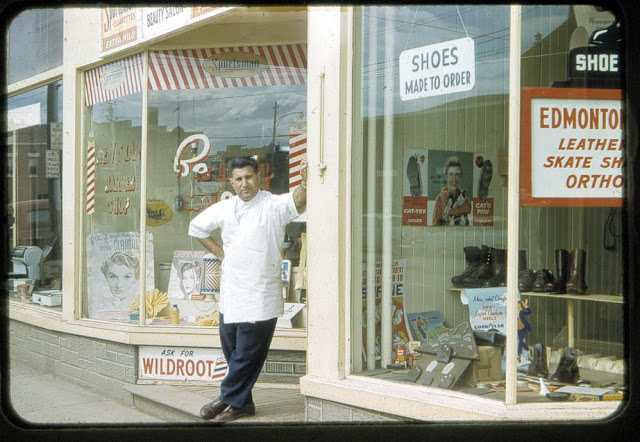
A barber shop owner in Edmonton, Alberta
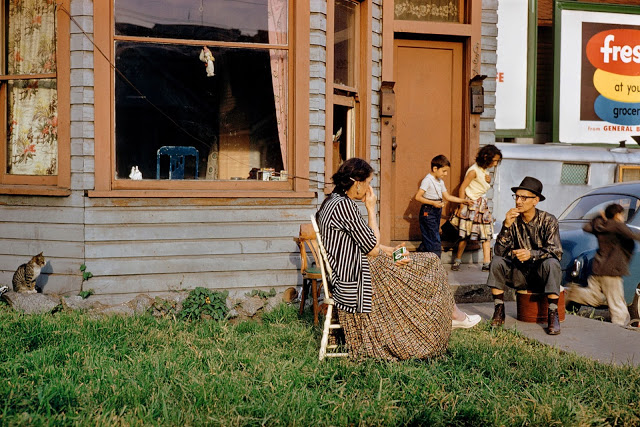
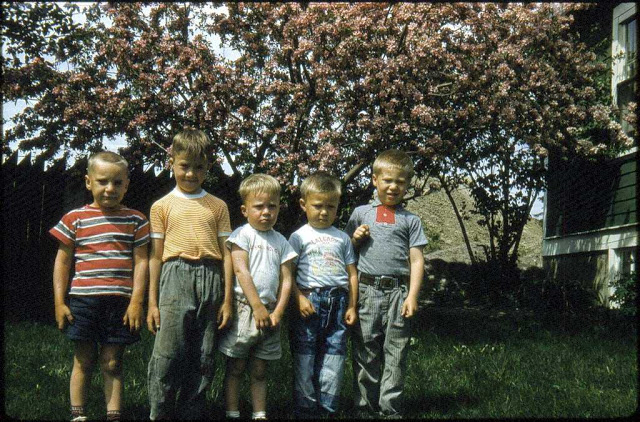
Family on Lawn, Vancouver, B.C.
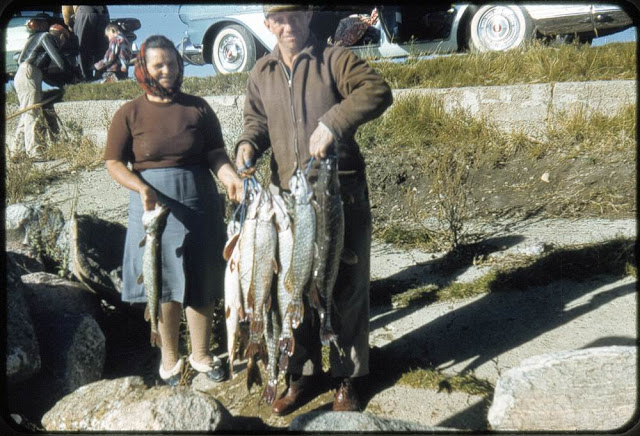
A big catch of Northern Pike proudly being shown off, Calgary, Alberta
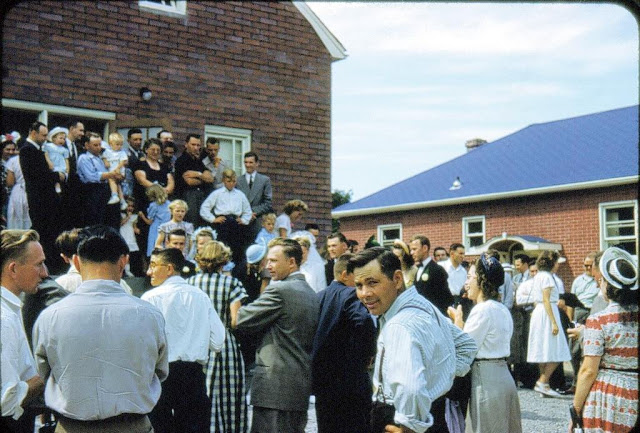
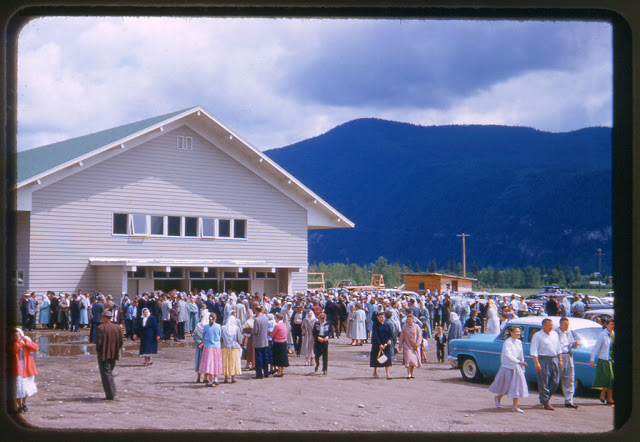
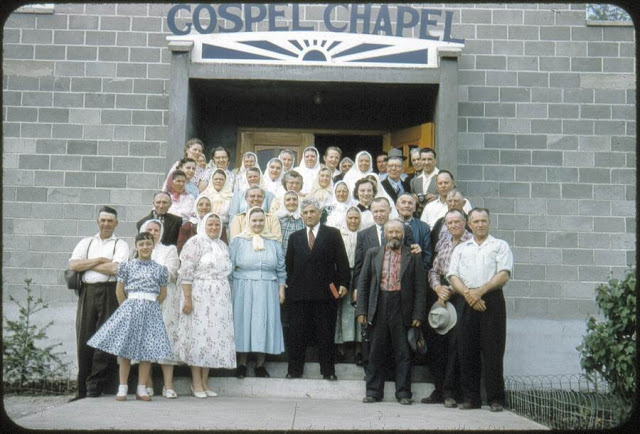
A church gathering in St. Catharines, Ontario
A family and their 1957 Chev Nomad wagon, Calgary, Alberta
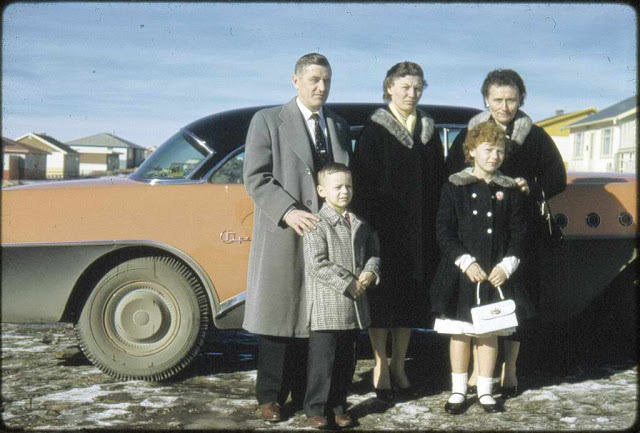
A family in Calgary, Alberta in the late 1950s
A group of people at Berean Bible College, Calgary, Alberta
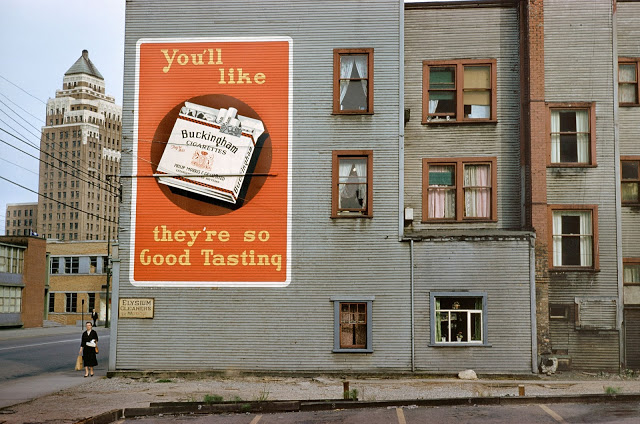
Elysium Cleaners, Vancouver, B.C.
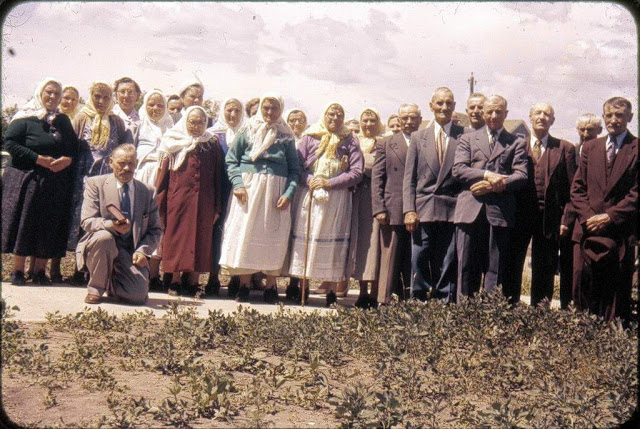
A group of people from the Russian Church in Kamsack, Saskatchewan
A group of people, posing for the camera in the village of Kamsack, Saskatchewan
A group of workers in the southern interior of British Columbia, 1958
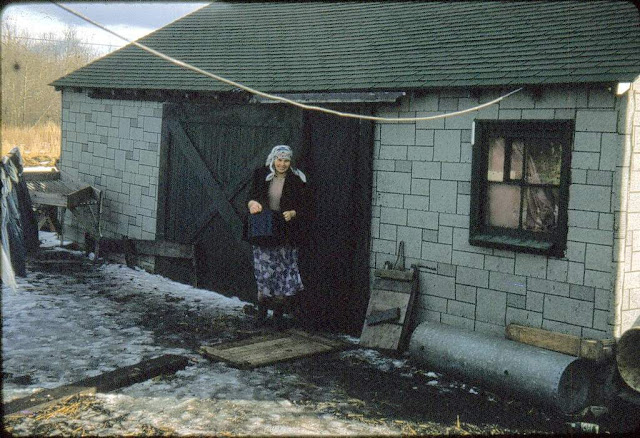
A woman standing by the door of a shed in Newmarket, Ontario
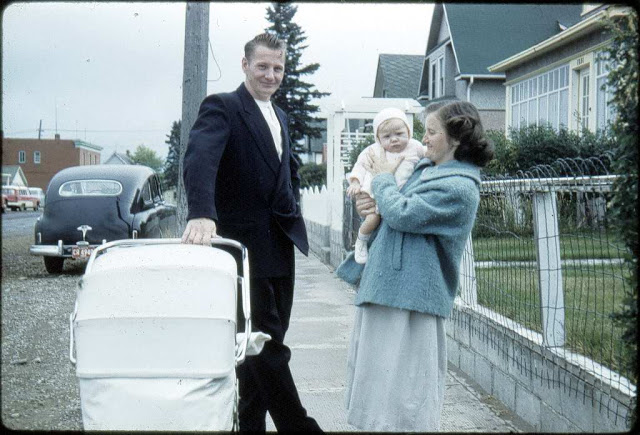
A young couple and their baby in Calgary, Alberta, ca. 1950s
After the Sunday church service in Toronto, Ontario
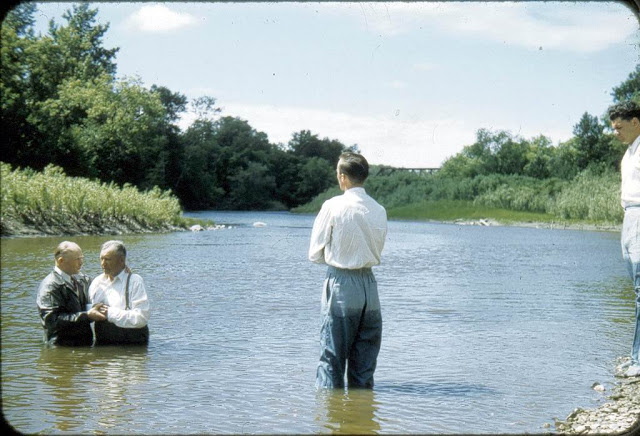
An outdoor baptism in Saskatchewan in the late 1950s
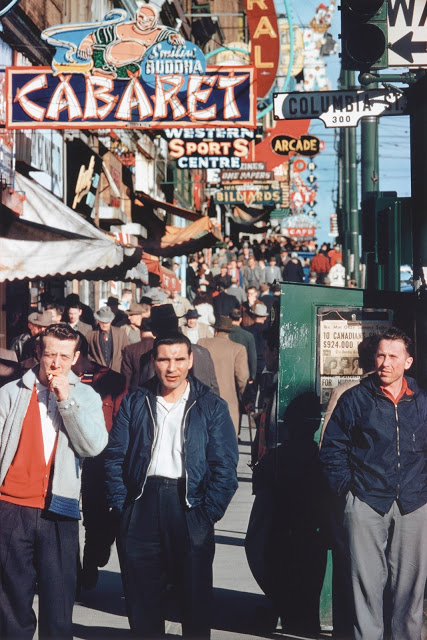
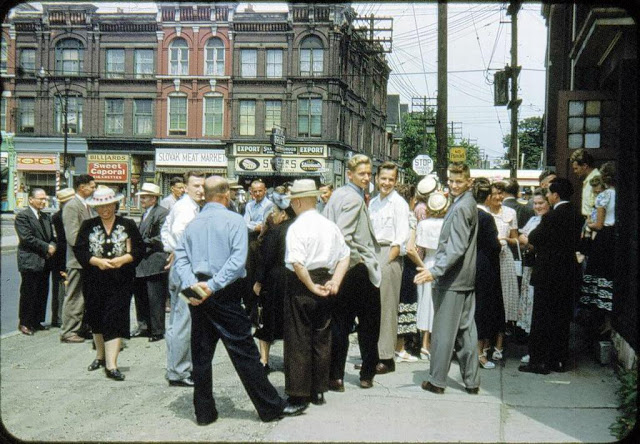
Hastings and Columbia Street, Vancouver, B.C., 1958
An outdoor baptism in Saskatchewan in the late 1950s
An outdoor baptism in the late 1950s in Saskatchewan
Calgary, Alberta, late 1950s
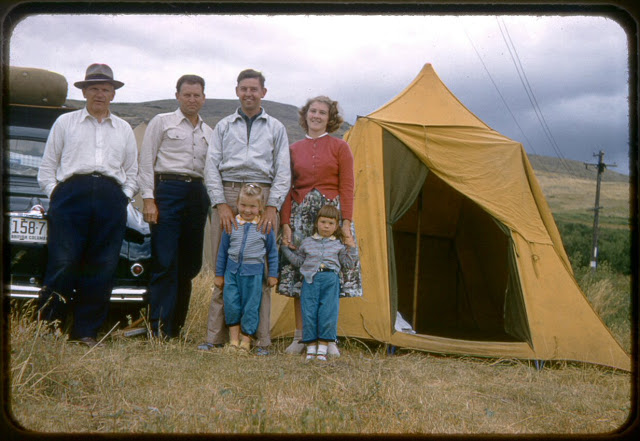
Camping in Vernon, B.C, 1958
Children in Calgary, Alberta
Digging a well in Smokey Lake, Alberta
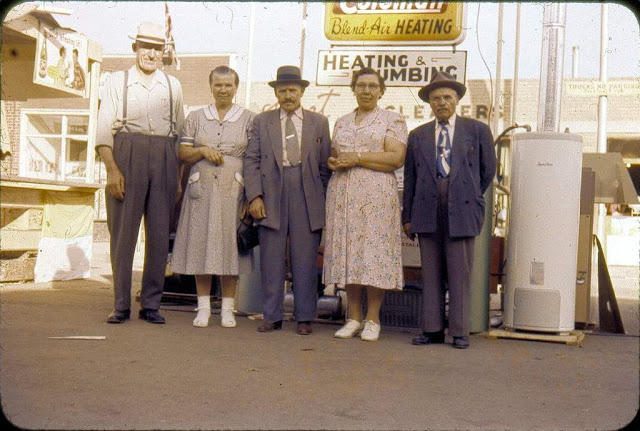
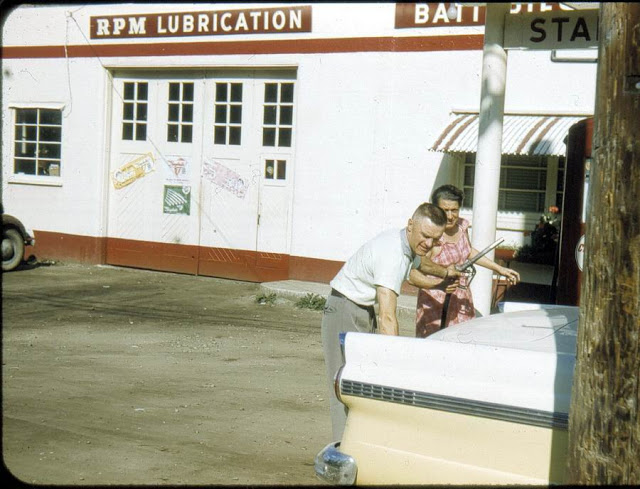
Filling up with gas in southern interior of British Columbia, ca. 1950s
Fishing in Calgary, Alberta in the late 1950s
Grand Forks, B.C, 1957
Main Street of small-town Saskatchewan in the late 1950s
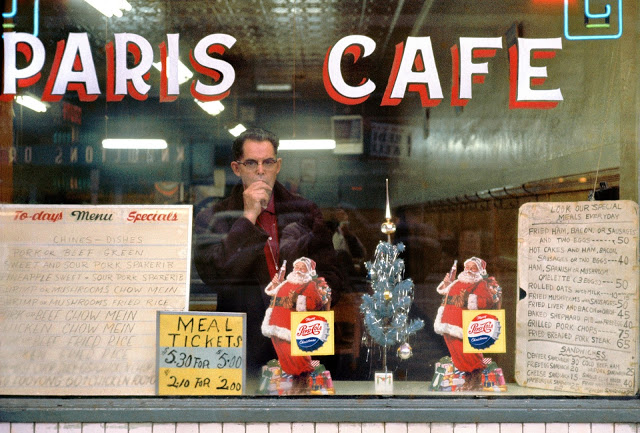
Paris Cafe, Vancouver, B.C., 1959
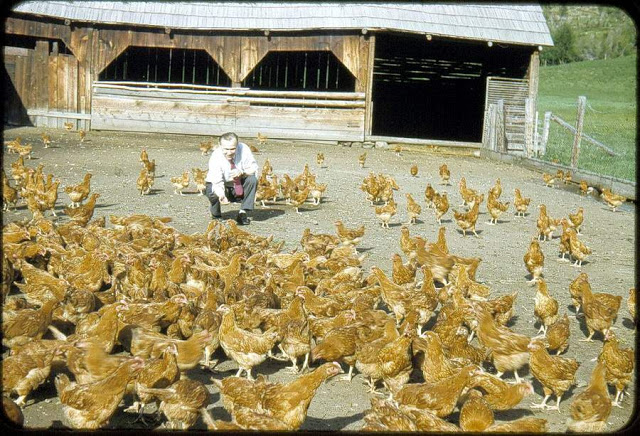
Man feeds the chickens, Grand Forks, B.C, 1957
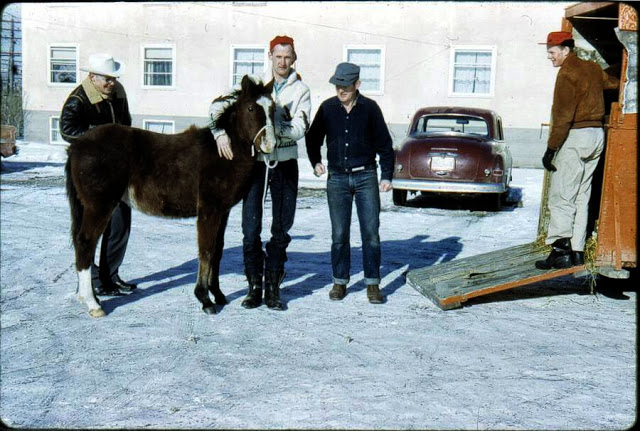
Man with his white horse, Grand Forks, B.C, 1957
Men at Prairie Bible Institute in Three Hills, Alberta
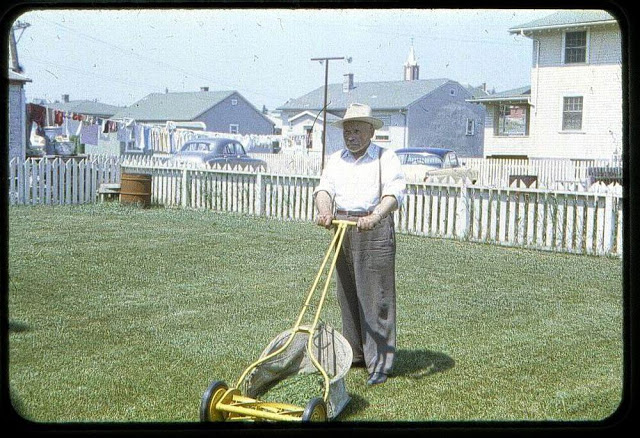
Mowing the lawn in Calgary, Alberta
People on their trip in Calgary, Alberta, ca. 1950s
People at Berean Bible College, Calgary, Alberta, 1959
A gathering of people after the Sunday church service in Toronto, Ontario
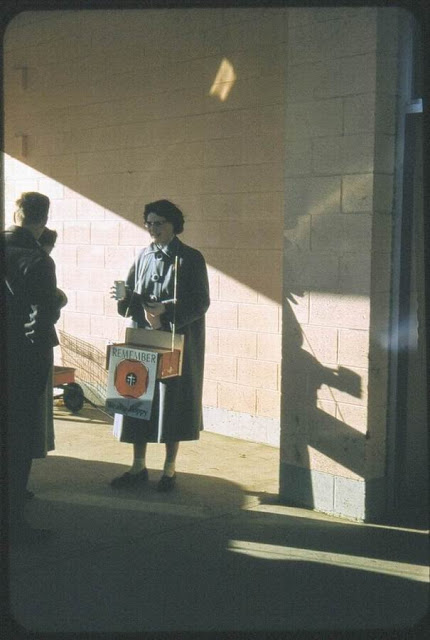
Selling Remembrance Day poppies in Calgary, 1958
Suppertime in Kamsack, Saskatchewan
The Dominion Bridge company, Calgary in the late 1950s
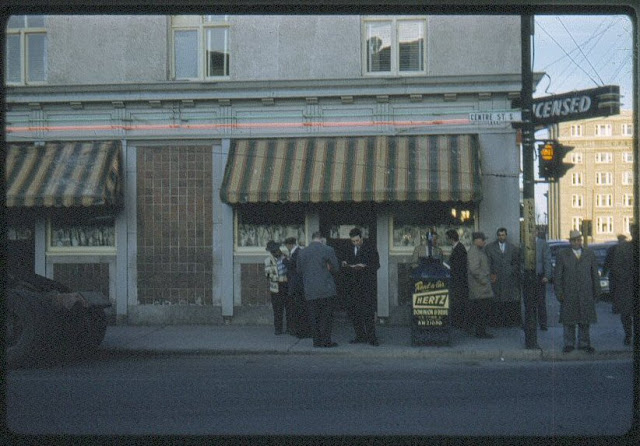
The interesection of Centre St and 9th Avenue South in downtown Calgary, Alberta, 1959
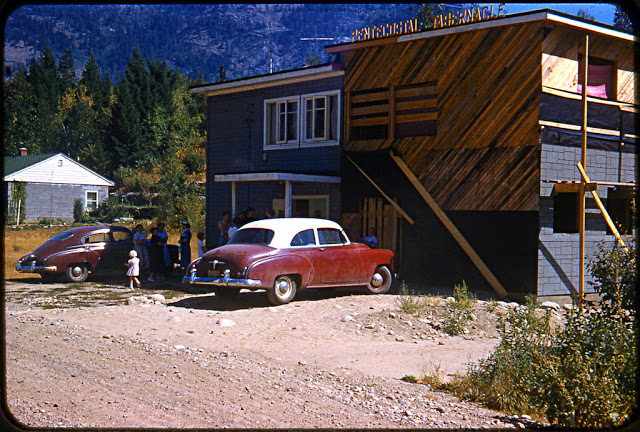
The Pentecostal Tabernacle in Castlegar, B.C, 1957
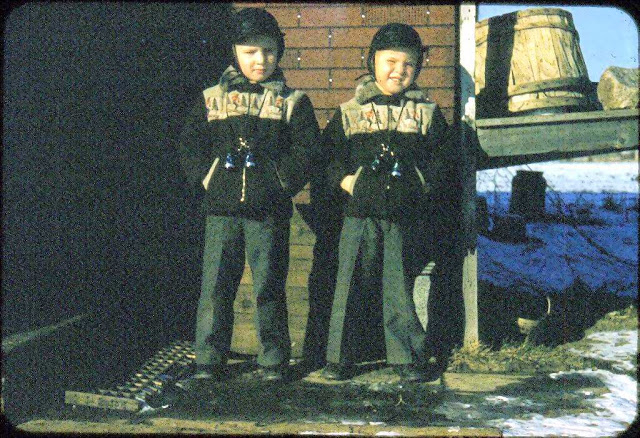
Two young boys in their winter garbs in Newmarket, Ontario
Vernon, B.C, 1959
Working an apple orchard in southern British Columbia, 1958
The corner of Yonge and Gerrard in Toronto, 1950s
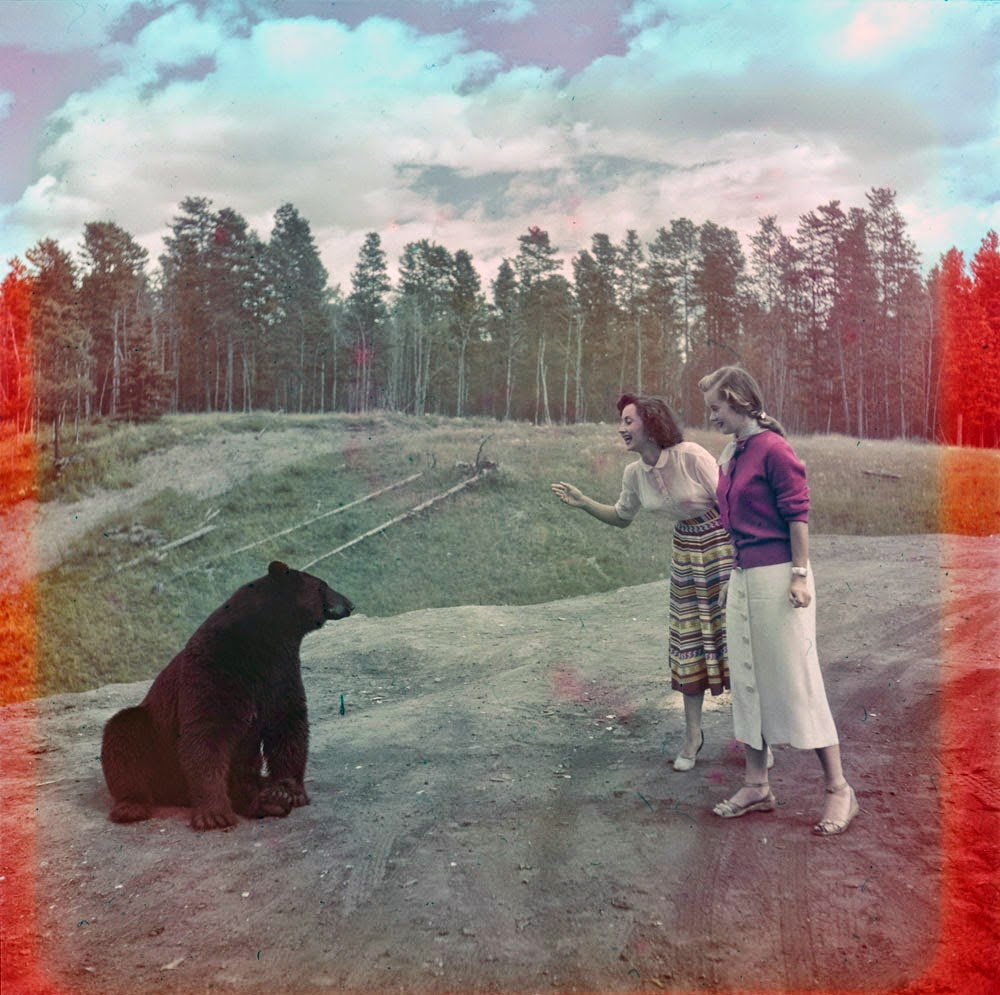
Women coming far too close to a black bear, Banff, Alberta, 1951.
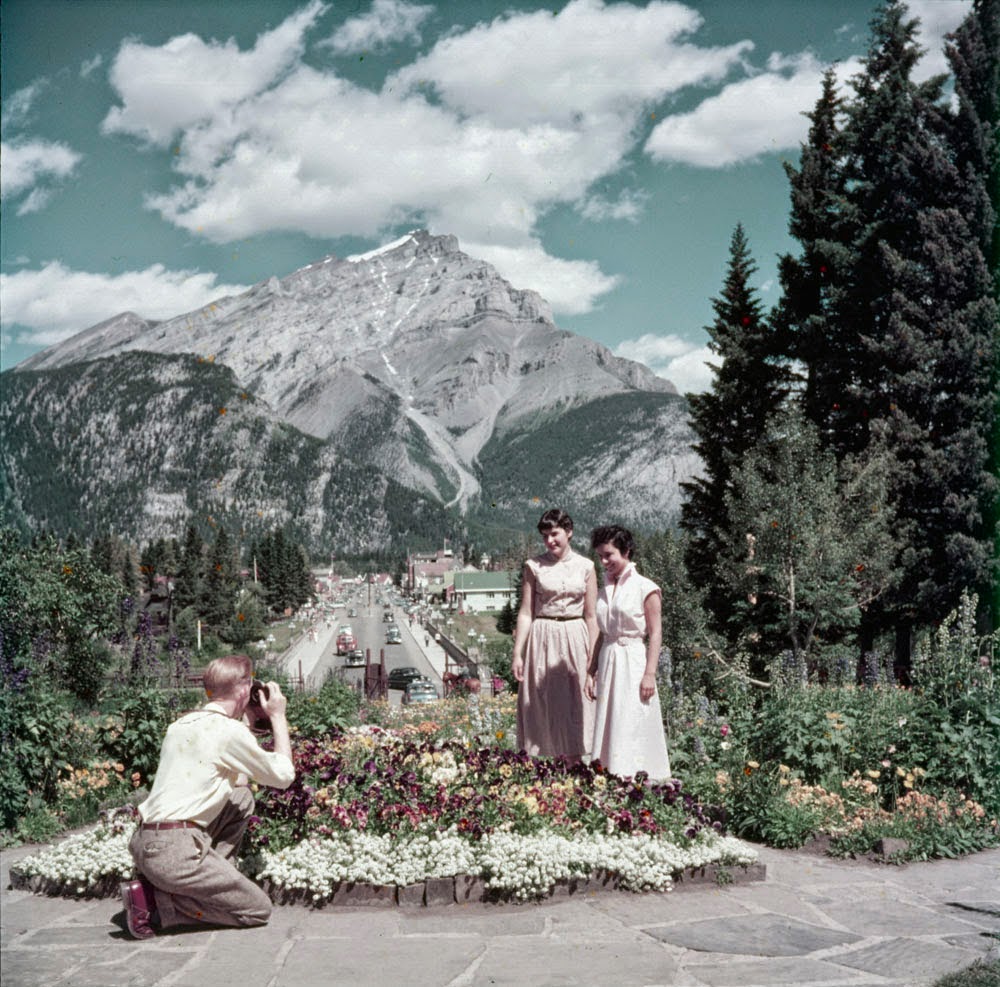
Banff, Alberta, 1952.

45 Fascinating Historical Photos Volume 3

57,000 German prisoners of war are herded through downtown Moscow, July 1944
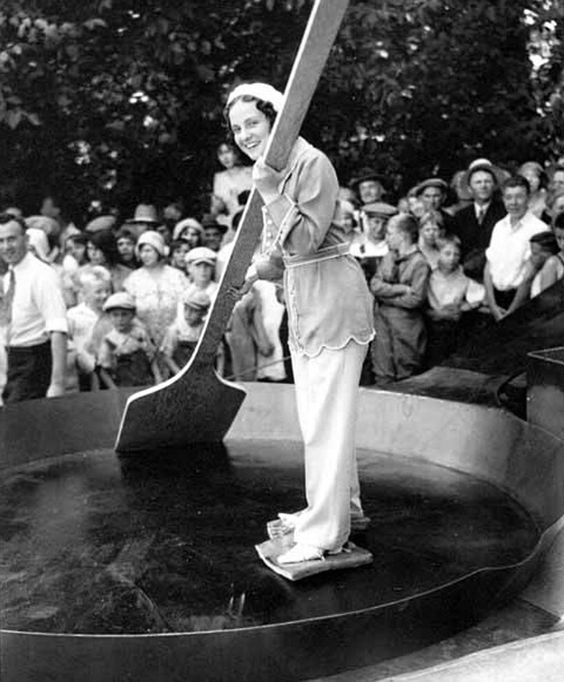
Woman in a giant frying pan with bacon tied to her feet before 7200 eggs are added to a record breaking omelette, Sweden, Nov 1931.
Chester E. Macduffee next to his newly patented, 250 kilo diving suit, 1911.
Corporal Luther E. Boger of US 82nd Airborne Division reading a warning sign, Cologne, Germany, 4th April 1945.
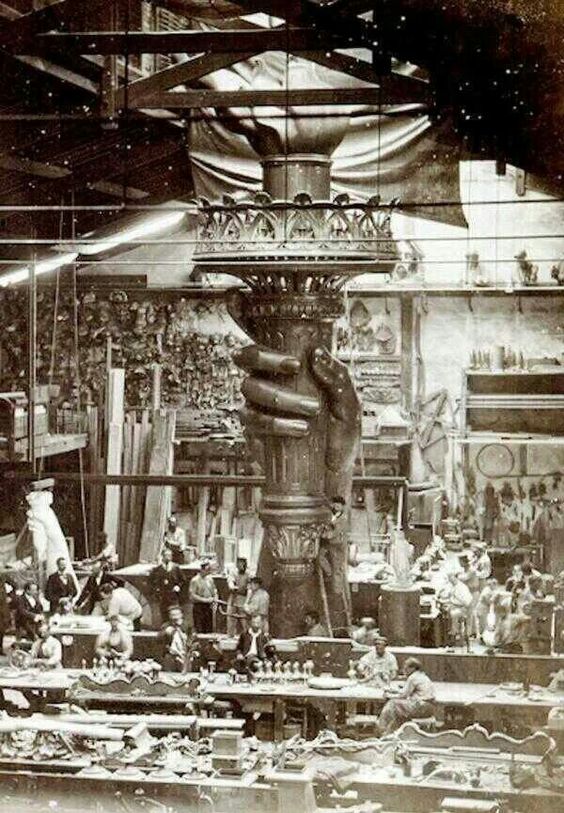
Making the Statue of Liberty flame 1876
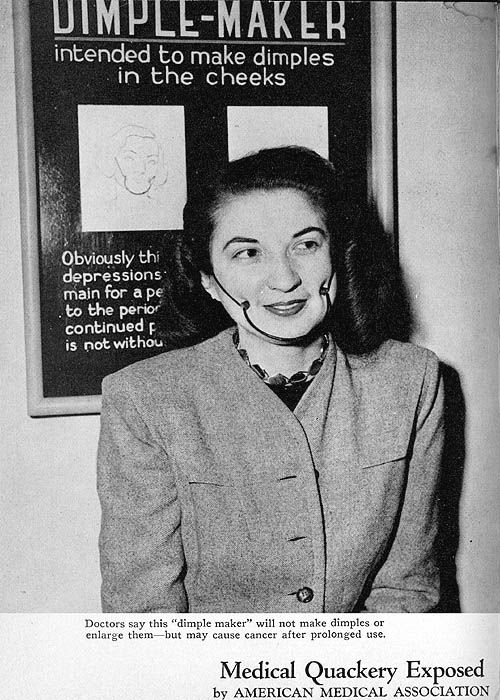
Dimple-maker device
A 75 yard wide shell crater in Ypres, Belgium. October, 1917
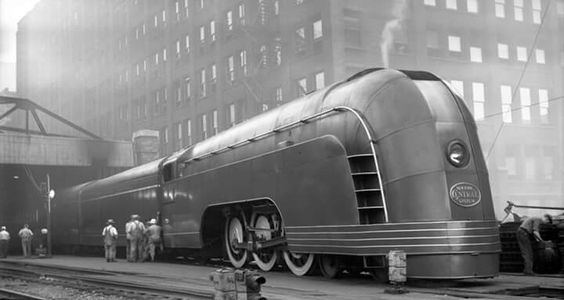
1936 NY Central Mercury in Chicago
The US Pavilion for Expo 67 engulfed in flames after a fire broke out during structural renovations. Montreal, May 20, 1976
A US Marine prepares to enter a Vietcong tunnel, 1969.
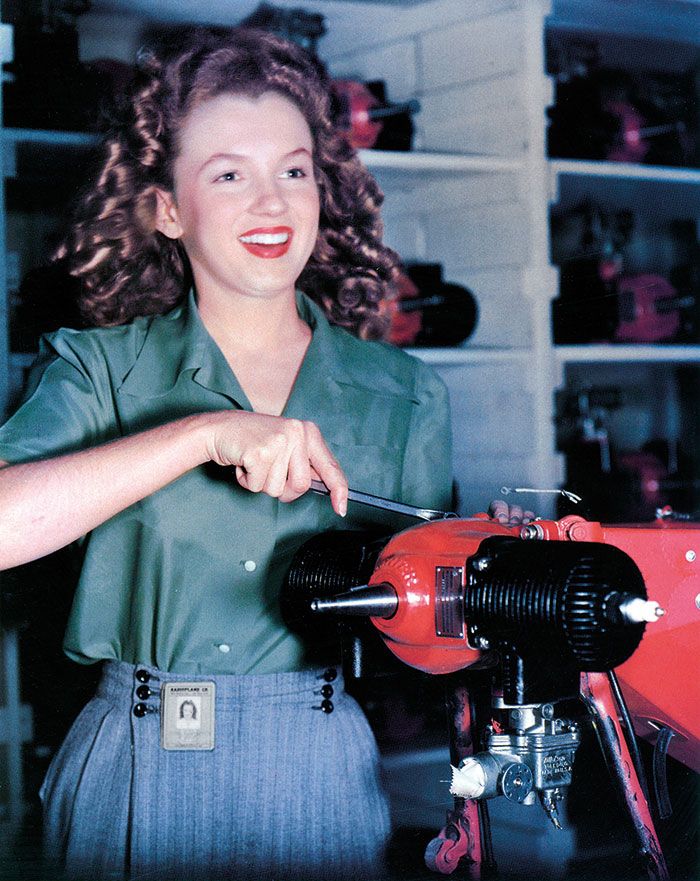
This worker in a Van Nuys CA factory in 1944 soon started calling herself Marilyn Monroe.
A Panzer III tank crewman surrenders to an advancing British soldier during the Battle of El Alamein, 1942.
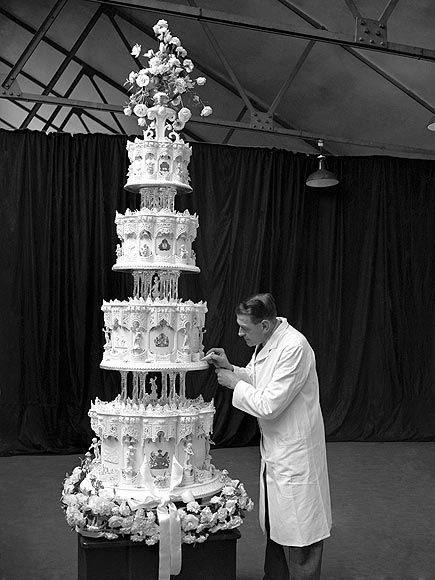
Queen Elizabeth II’s wedding cake 1947.
Che Guevara and Fidel Castro,1965.
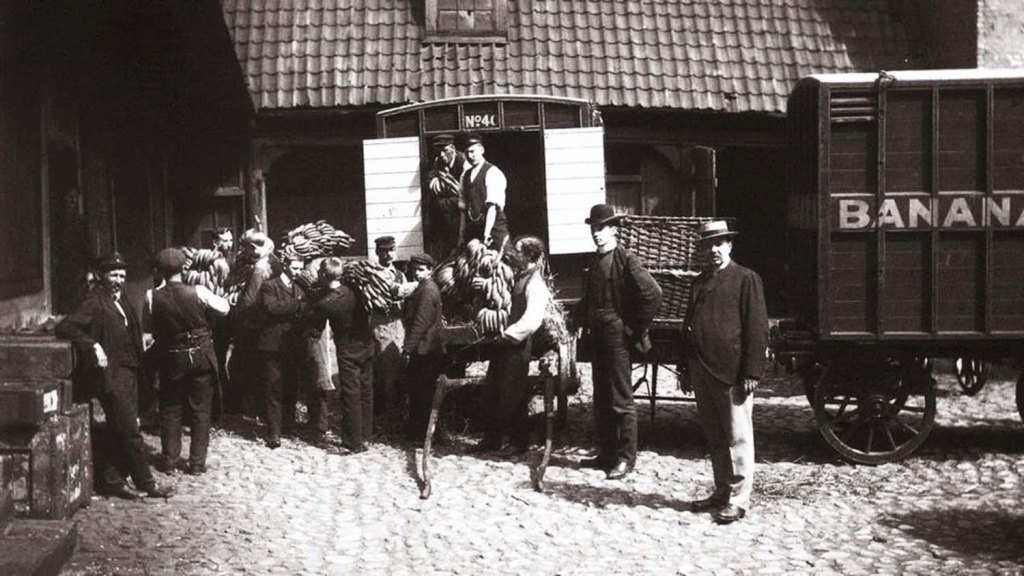
The first bananas to arrive in Norway, 1905.
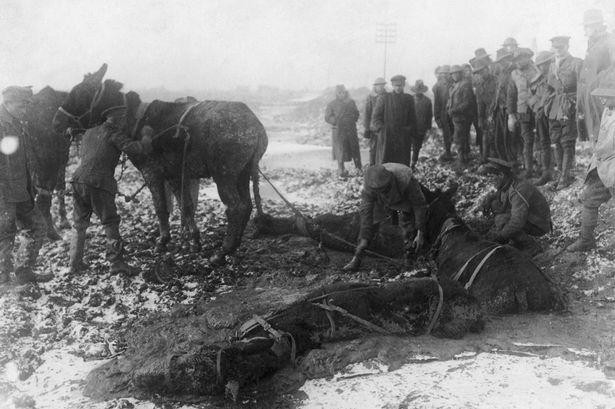
British Army mules in the mud of the Western Front in 1918
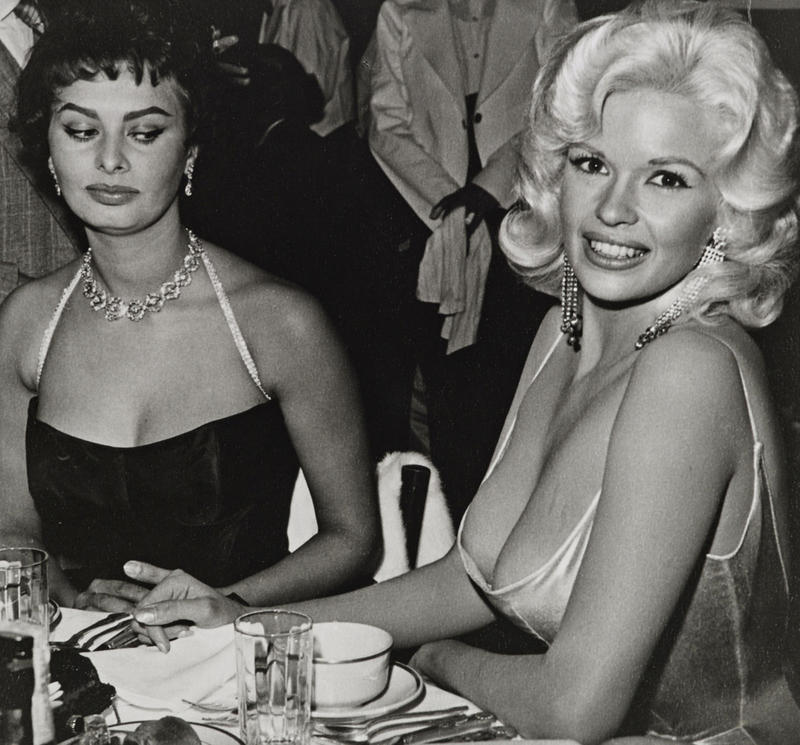
Sophia Loren and Jayne Mansfield, 1957
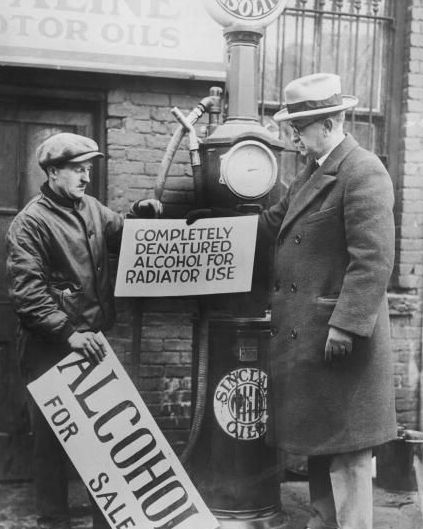
Prohibition, 1920s.
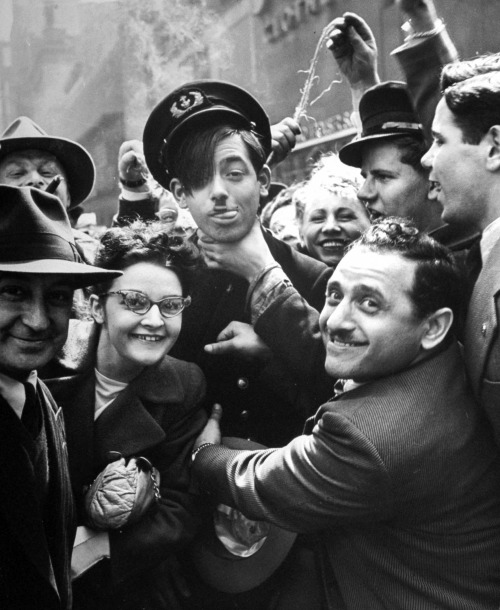
V-E Day. Times Square, New York City – May 8, 1945
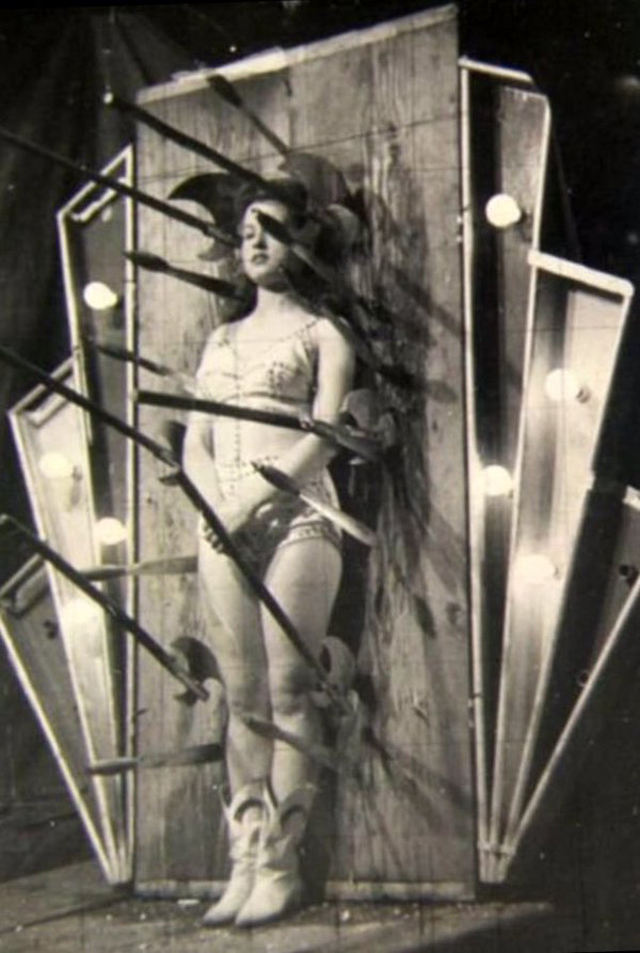
Rosie Comer knife thrower’s assistant, 1930’s
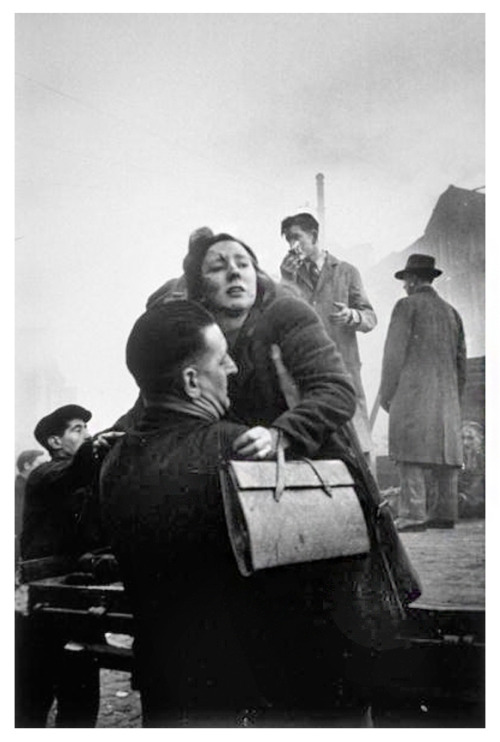
Farringdon Market, London, after the dropping of a V-2 bomb killed over 300 people. March 8, 1945
Dodge Deora – a 1965 Dodge A100 pickup truck
A man stands next the stacks of lumber at Cedar Mill, Seattle, 1919
Gentleman in top hats playing a cricket match in 1908
Great Chicago Fire, 1871
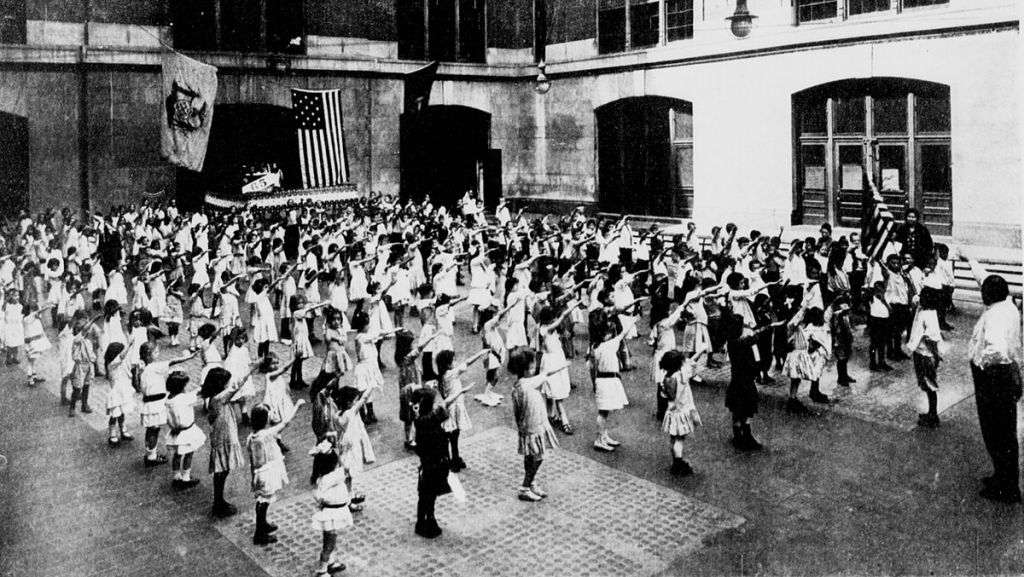
Before 1942 American school children performed “Bellamy Salute” during recitation of the Pledge of Allegiance
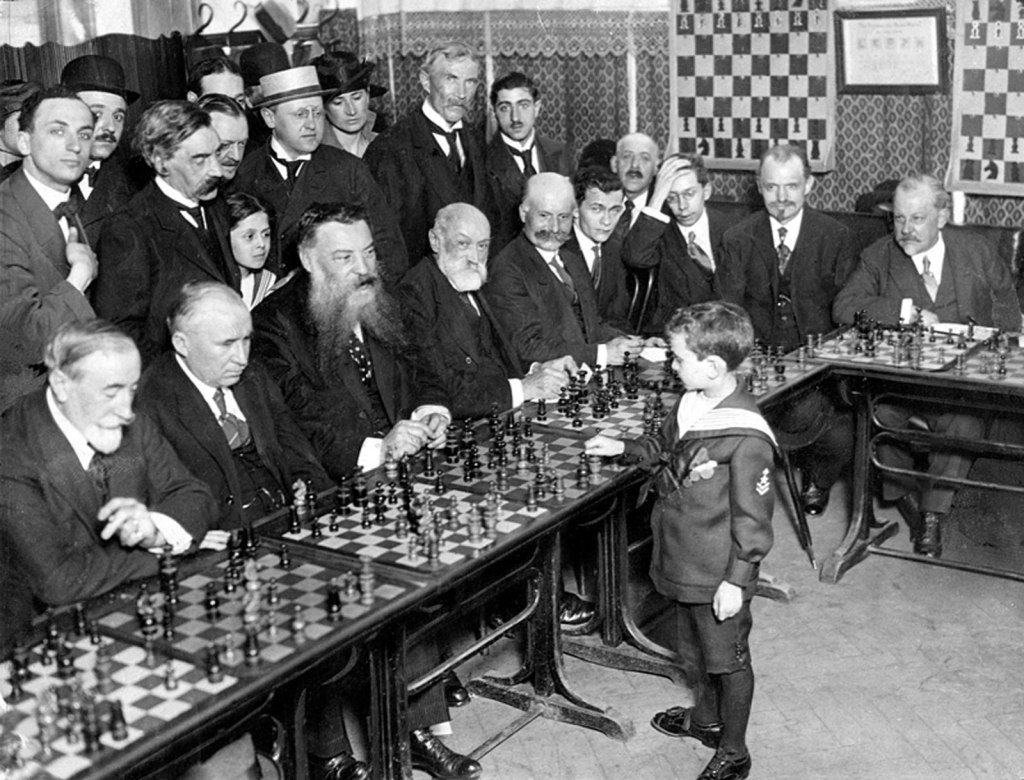
Samuel Reshevsky, age 8, defeating several chess masters at once in France, 1920
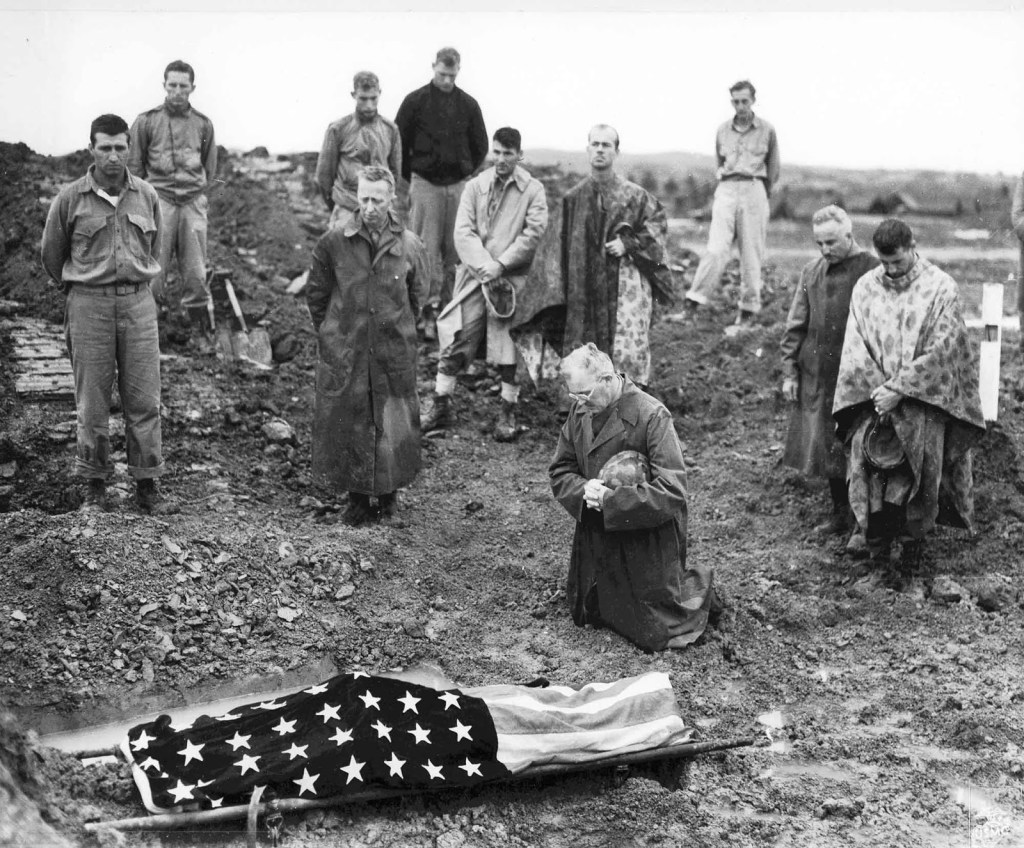
US Marine Colonel Francis Fenton conducting the funeral of his son Private First Class Mike Fenton, Okinawa, 1945
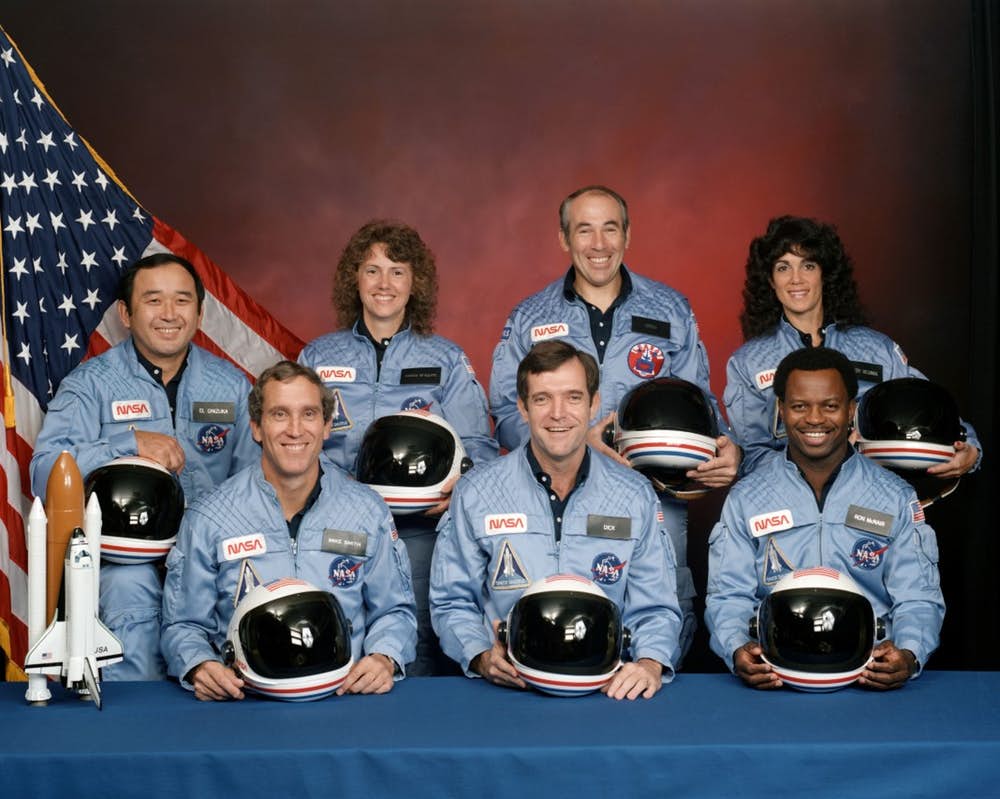
On January 28, 1986 the world was shocked viewing the American space shuttle “Challenger” taking off for a long-awaited space journey and exploding in the air a minute later.
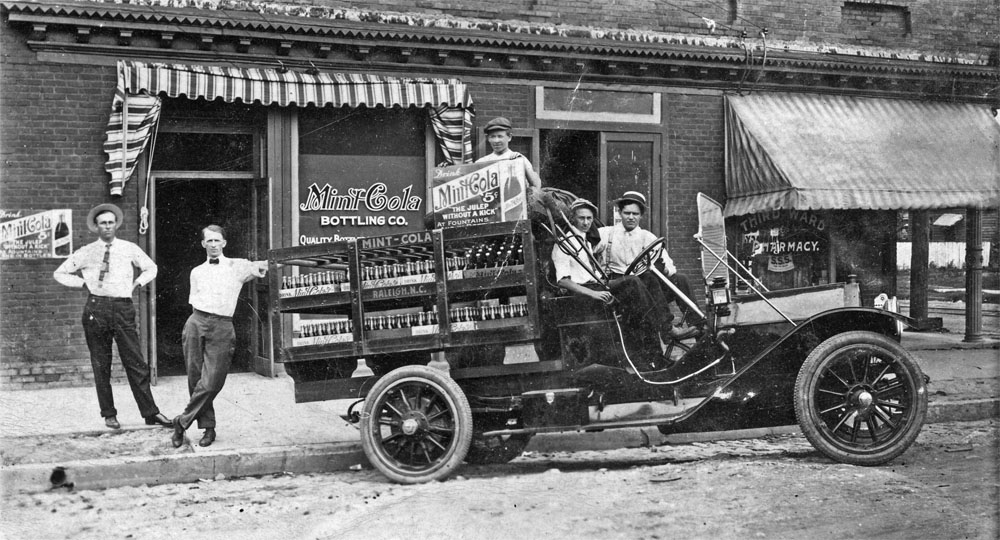
Mint Cola Bottling Company, Raleigh, NC, 1910s
New York City, 1913.
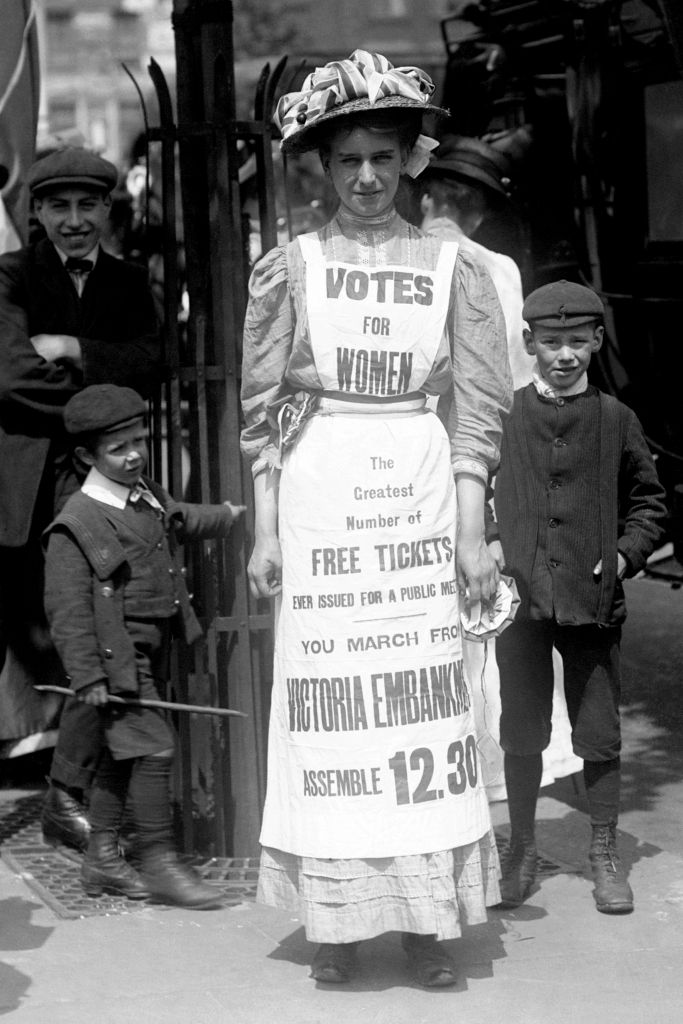
A suffragette campaigning for the vote in 1908
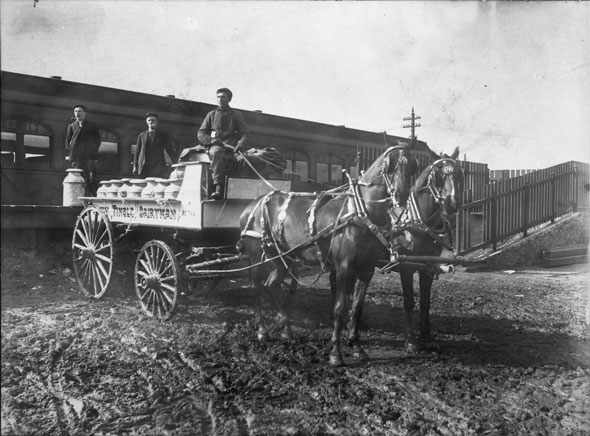
John Tingle, “dairyman,” Toronto, Canada, 1910.
A group of Japanese Maiko girls on a balcony overlooking the Kamo River in Kyoto, ca. late 1910s
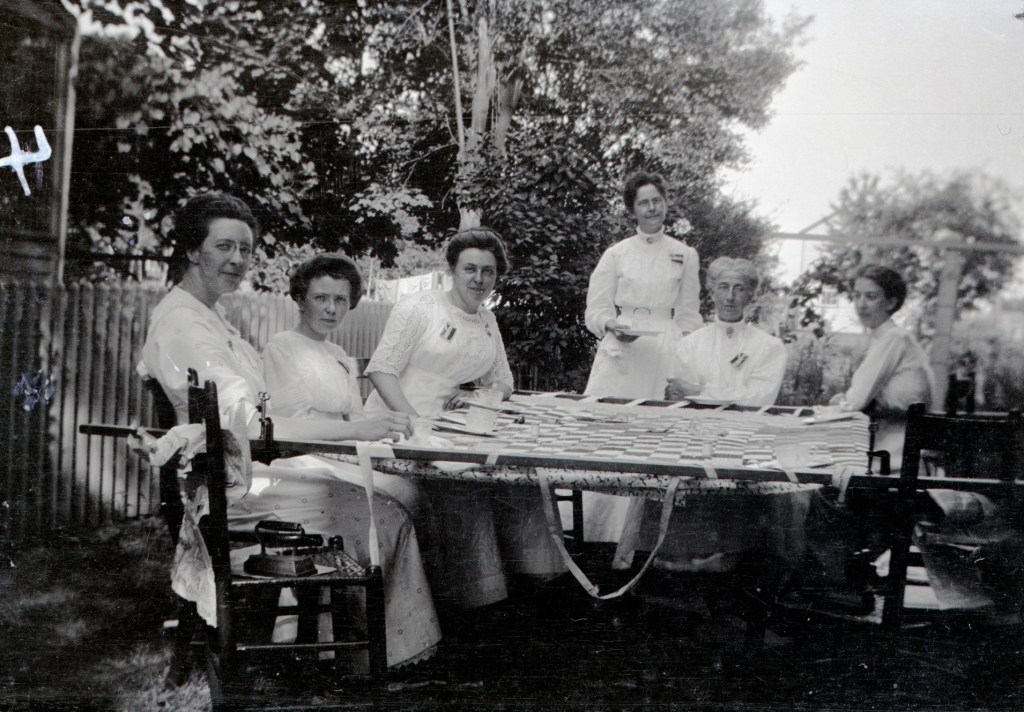
Quilting bee, circa 1910s
1920
Charles Lindbergh standing beside the Spirit of St. Louis. 1927
Elvis during the ‘Hound Dog’ recording session at RCA’s New York studio, July 2, 1956.
1971 Early Portable DJ Console
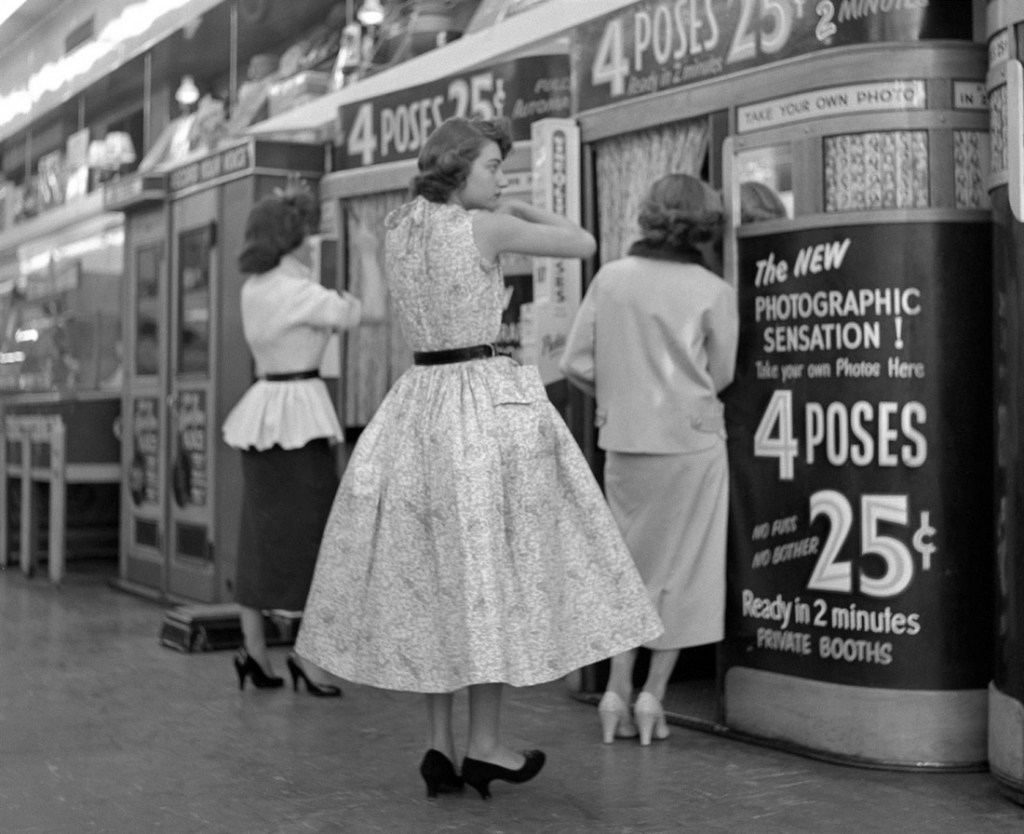
Photo booth, 1950s.
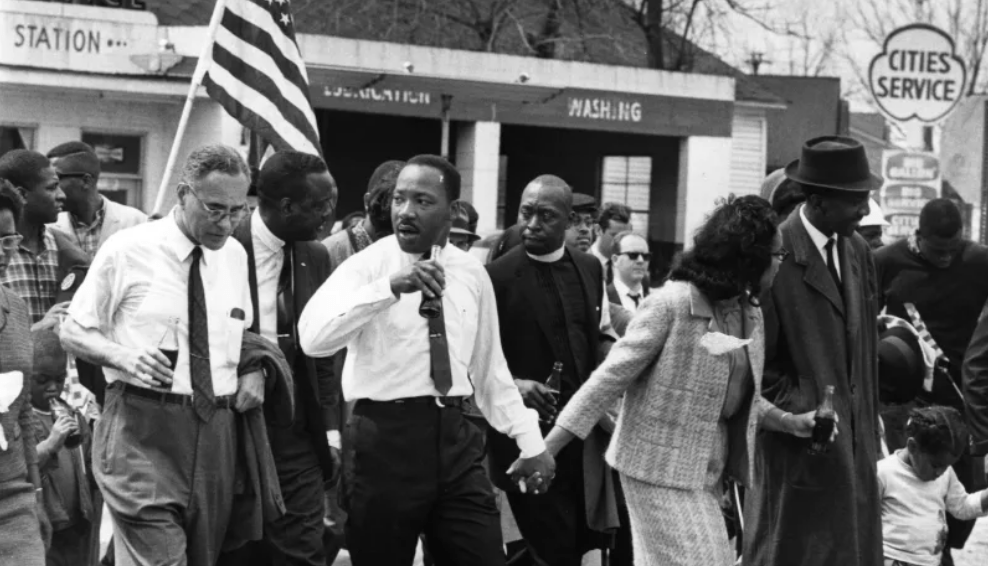
Martin Luther King Jr. (second from left) and his wife, Coretta Scott King, lead a civil rights march from Selma, Ala., to the state capital in Montgomery in March 1965.
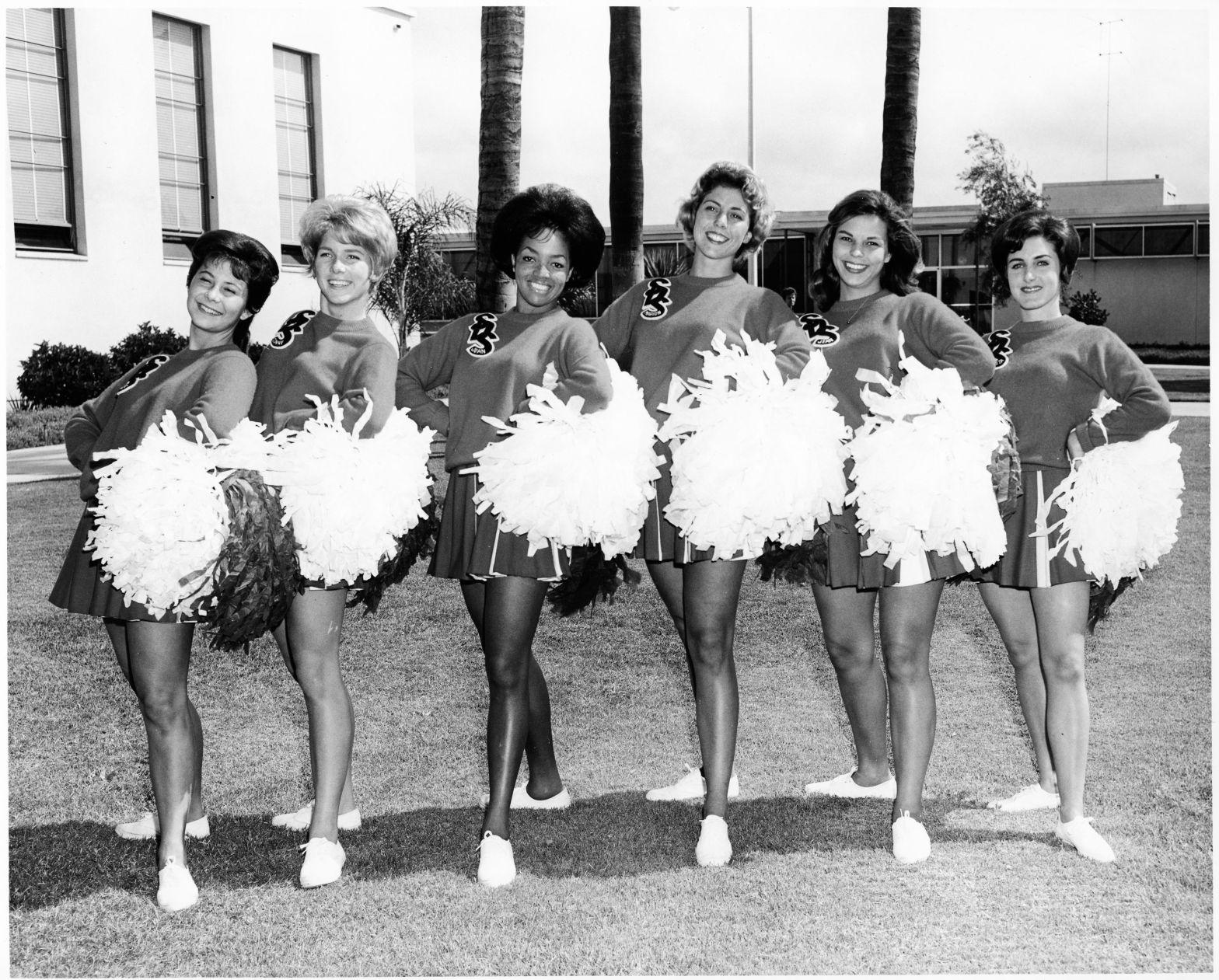
San Diego State University Cheerleaders in the 1960s
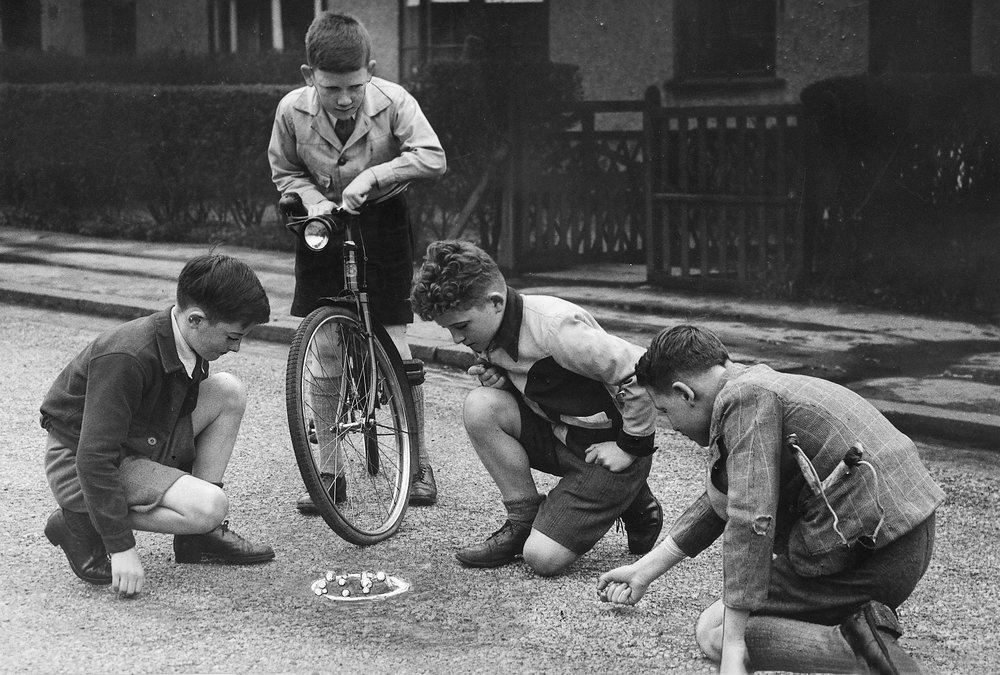
Playing marbles in the 1940s.
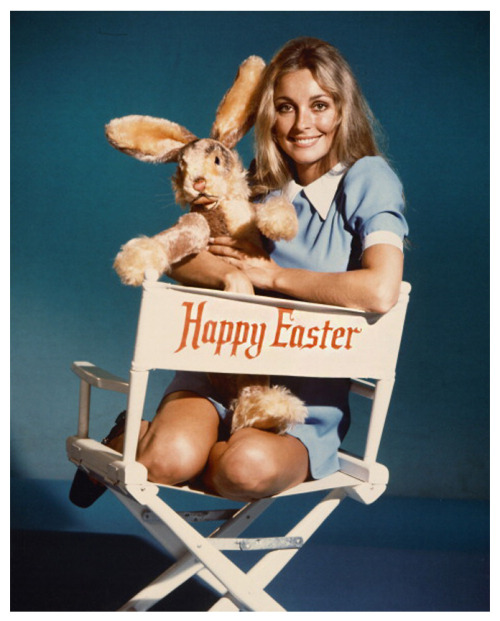
Sharon Tate – 1965
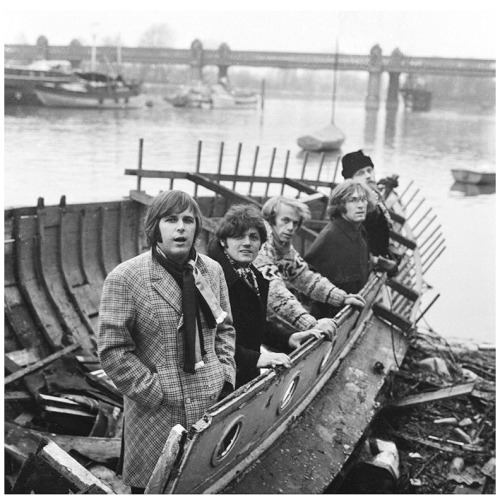
The Beach Boys – London, December 1968

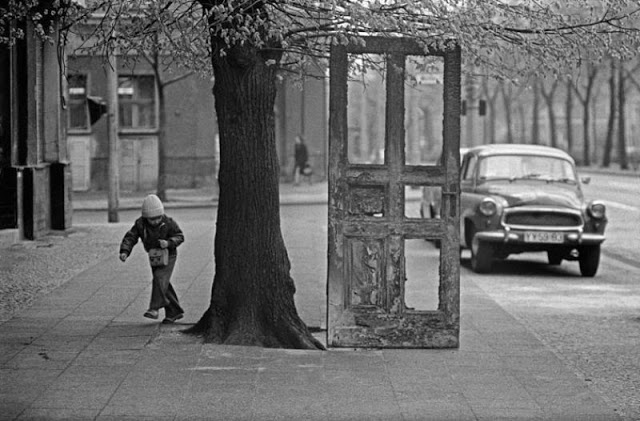
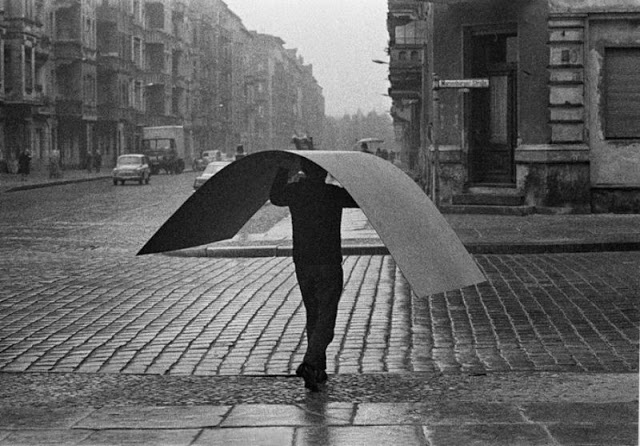
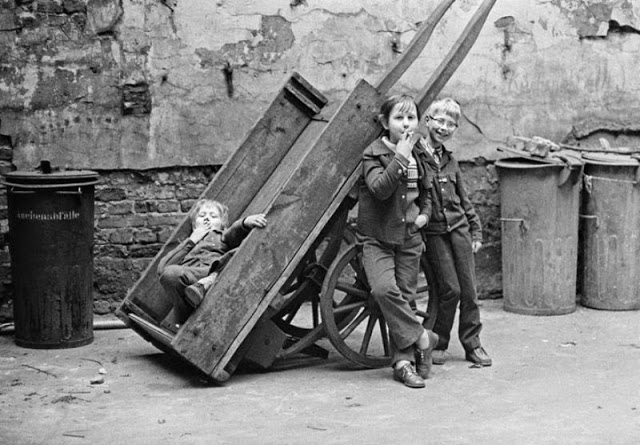
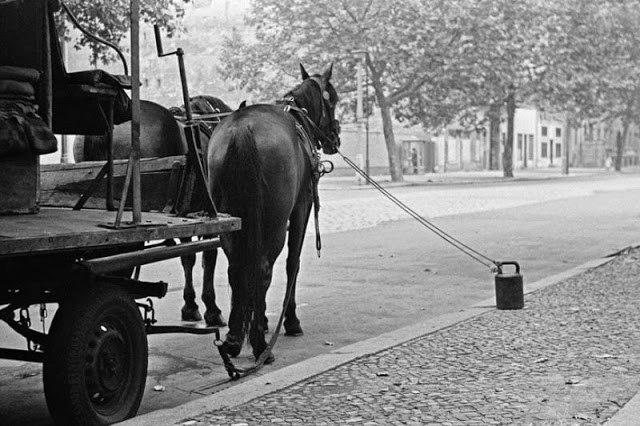
25 Remarkable Photographs of Life in East Berlin During the 1970s and the 1980s

East Berlin was the de facto capital city of the German Democratic Republic from 1949 to 1990. Formally, it was the Soviet sector of Berlin, established in 1945. The American, British, and French sectors were known as West Berlin. From 13 August 1961 until 9 November 1989, East Berlin was separated from West Berlin by the Berlin Wall. The Western Allied powers did not recognise East Berlin as the GDR’s capital, nor the GDR’s authority to govern East Berlin. On 3 October 1990, the day Germany was officially reunified, East and West Berlin formally reunited as the city of Berlin. (Wikipedia)

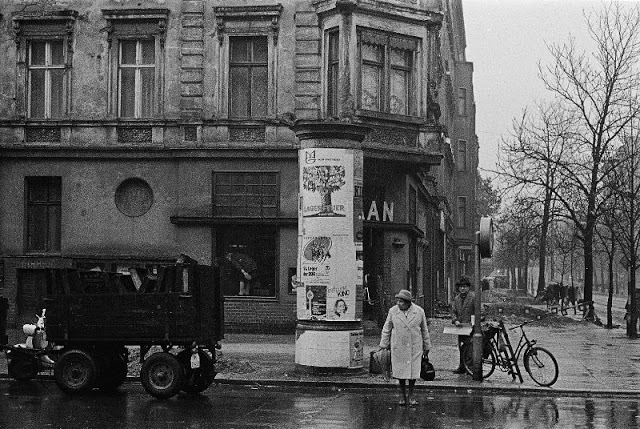
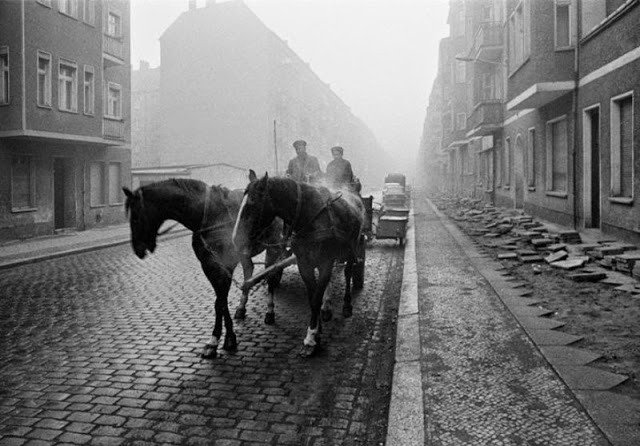
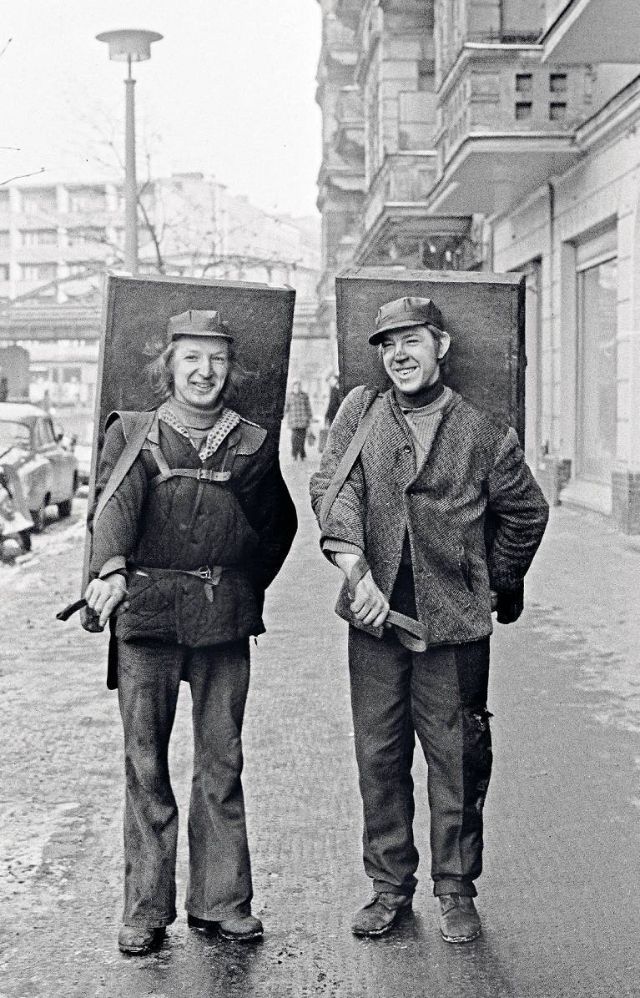
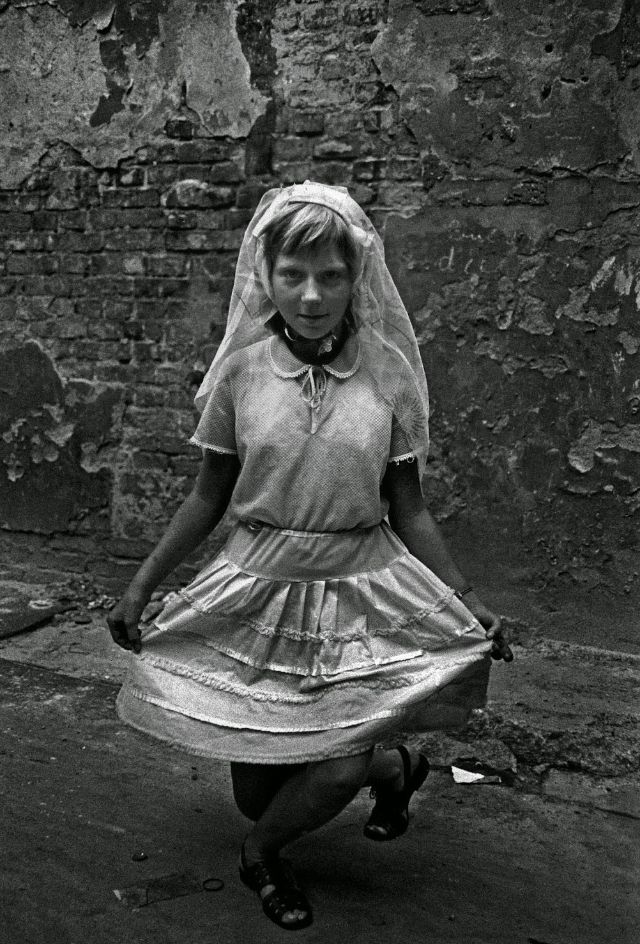
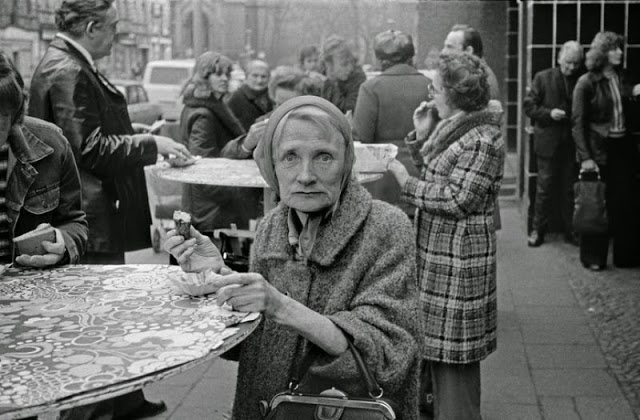
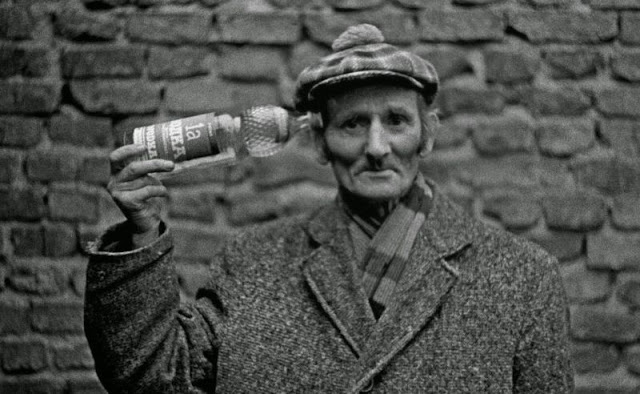
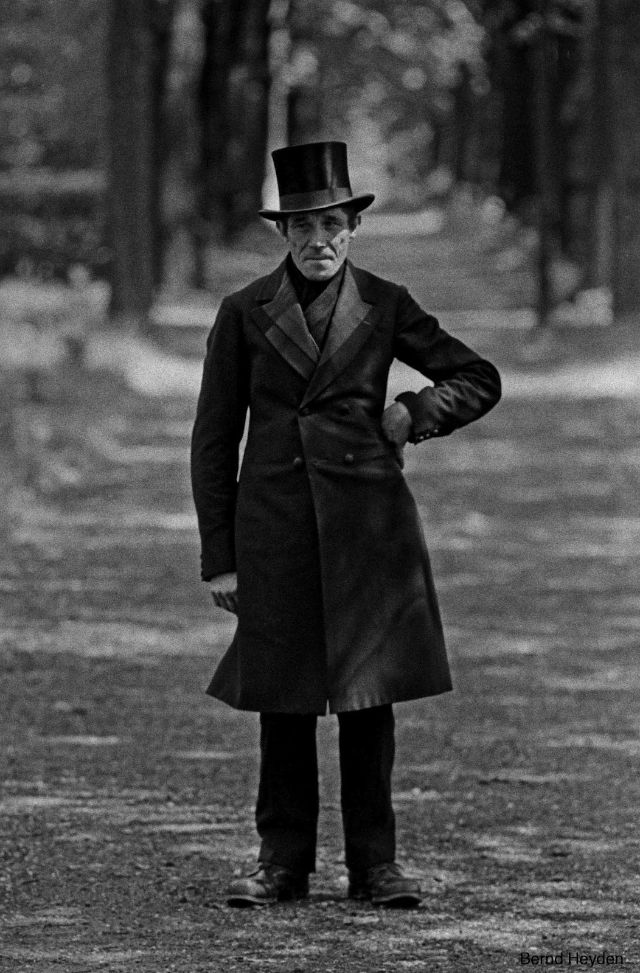
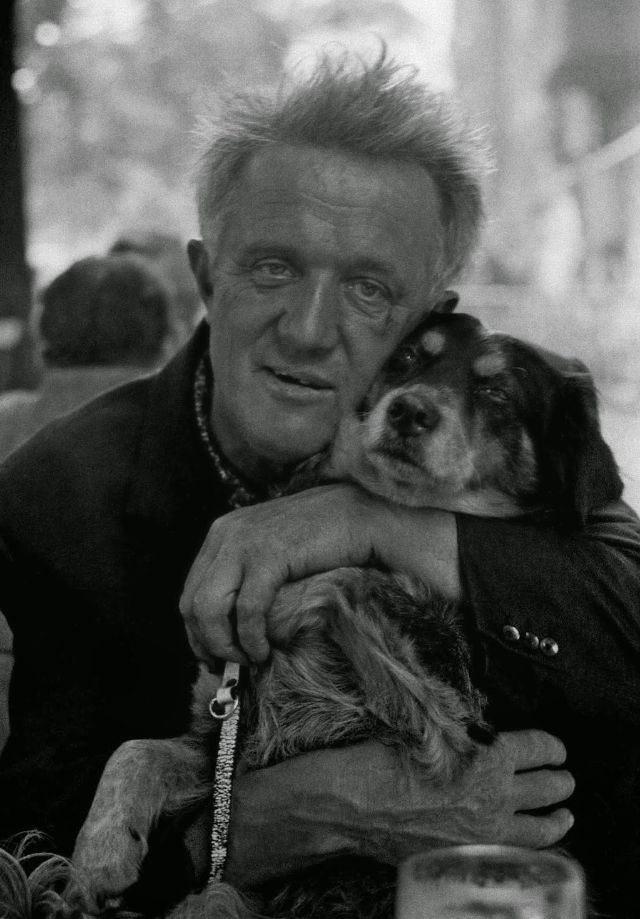
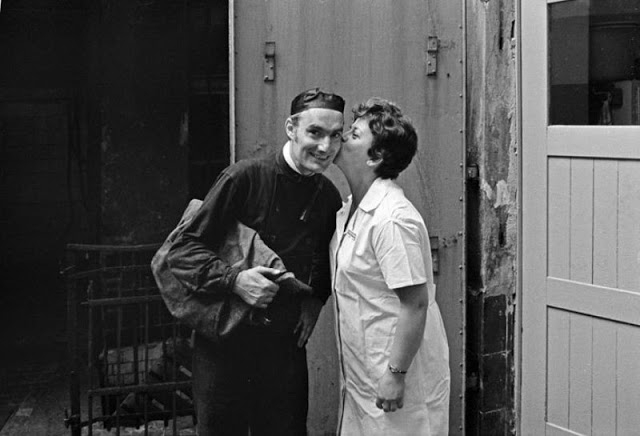
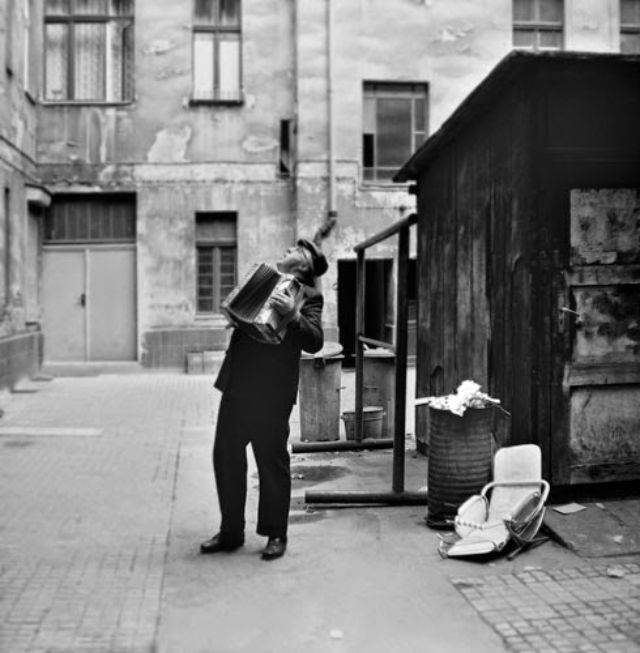
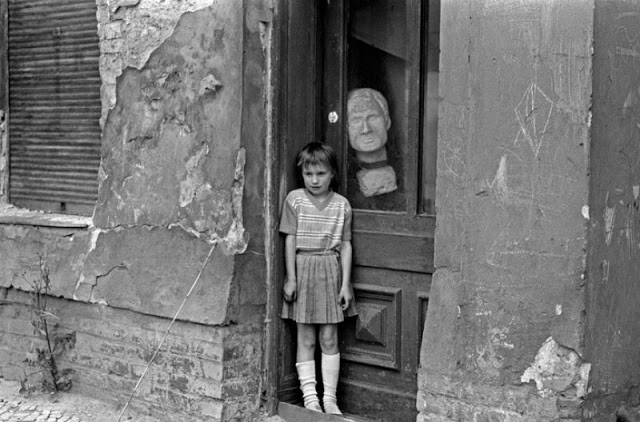
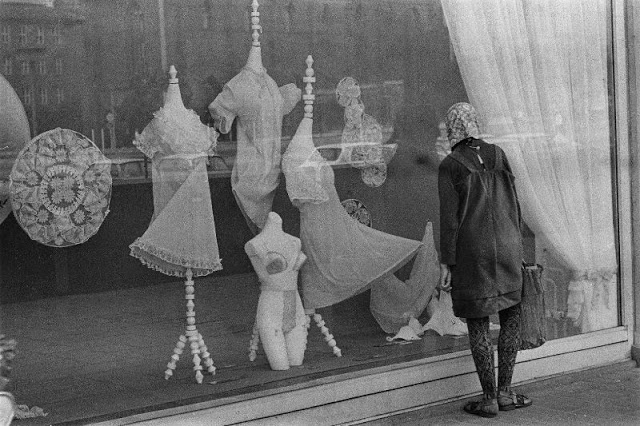
Bernd Heyden’s photographic vision remains fascinating to this day. Viewers not only experience passers-by from a former time, but gain insights into the living conditions and everyday life in East Berlin of the 1970s and 1980s. Along with people working in the stores and on the streets, Heyden took portraits of the old, frail and stranded as well as the merry, sad, cheeky children for whom the broken-down neighbourhood around Prenzlauer Allee was a gigantic playground.

For the East Berliner photographer Bernd Heyden, Berlin is first and foremost a backdrop against which life unfolds. All of a sudden, in finely gradated tones of grey, a sense of familiarity with this lost world is there again. Heyden (1940-1984) started taking pictures in the mid-1960s; beginning in 1967, he worked in the Club of Young Photographers, founded by Arno Fischer and Sibylle Bergemann. Nearly all of his existing photographs of Prenzlauer Berg were taken between 1970 and 1980, a total of well over one thousand motifs.

(Photos by Bernd Heyden)

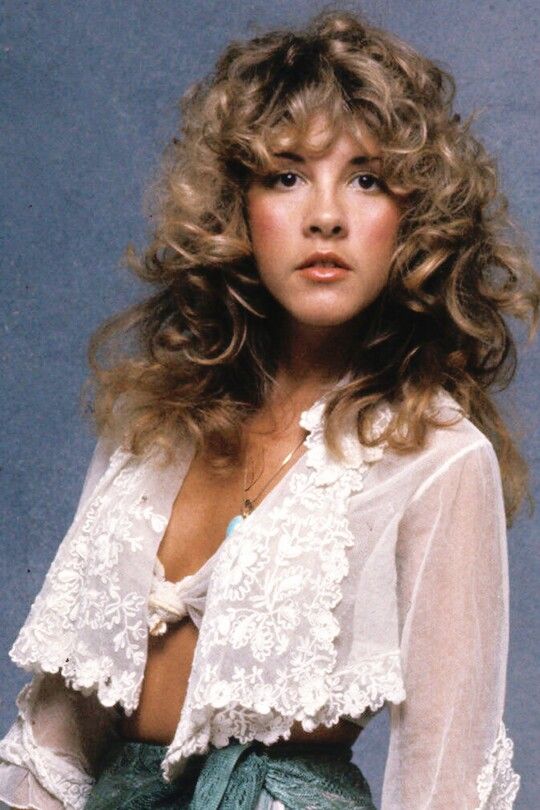
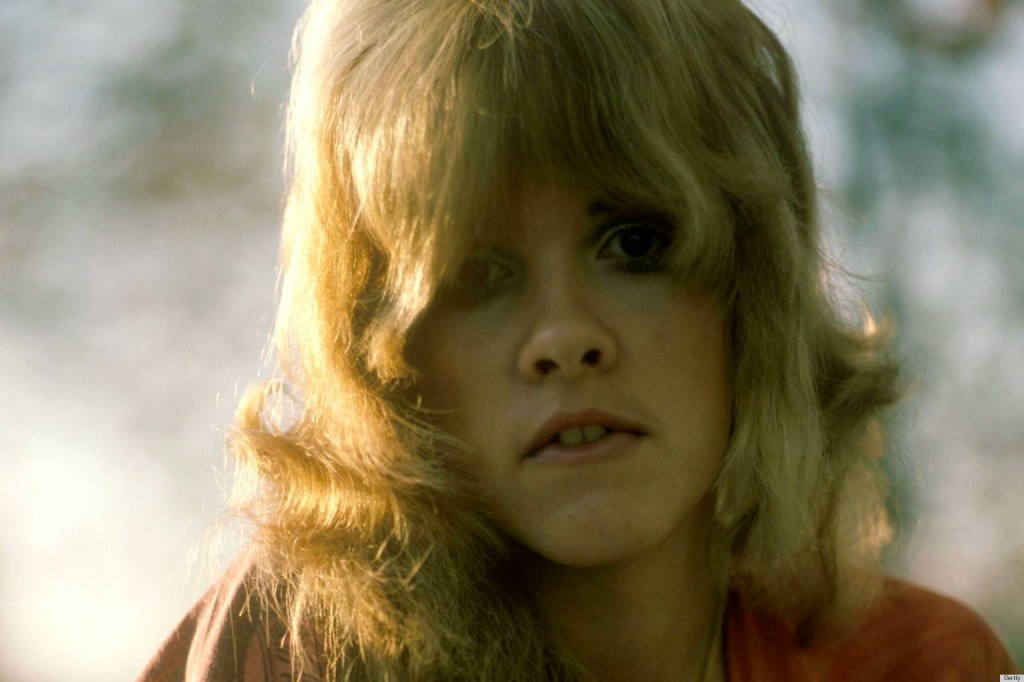
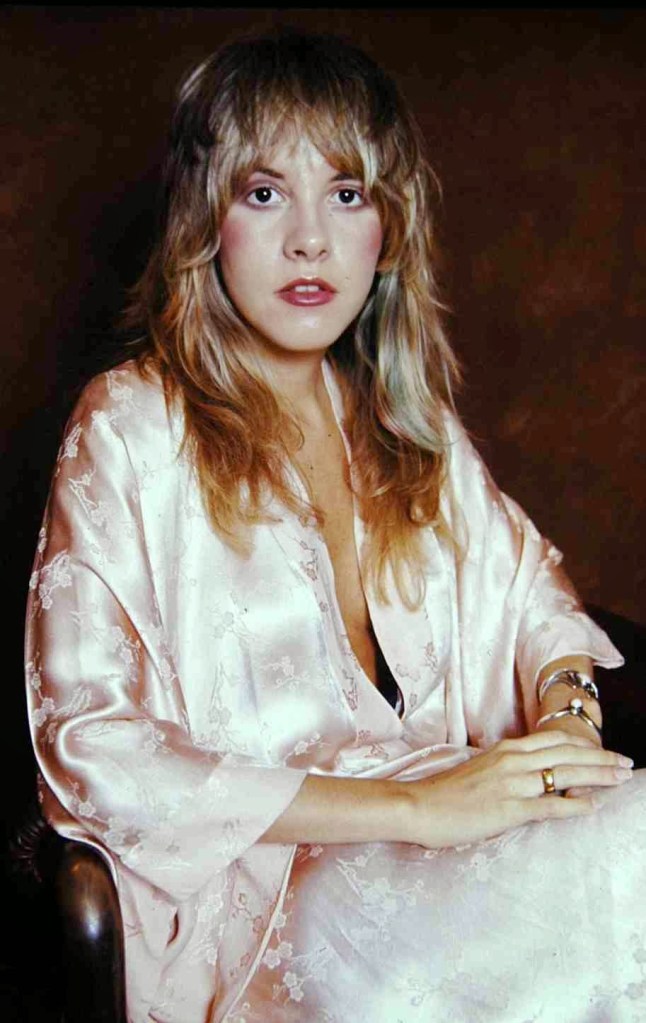
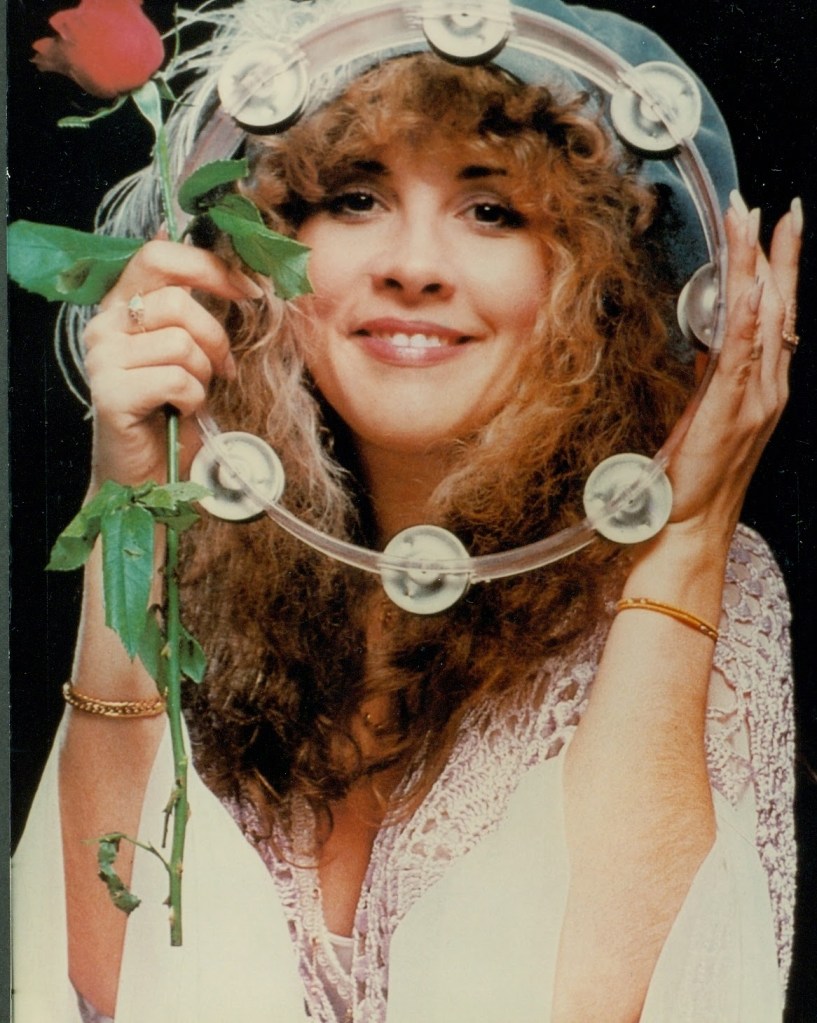
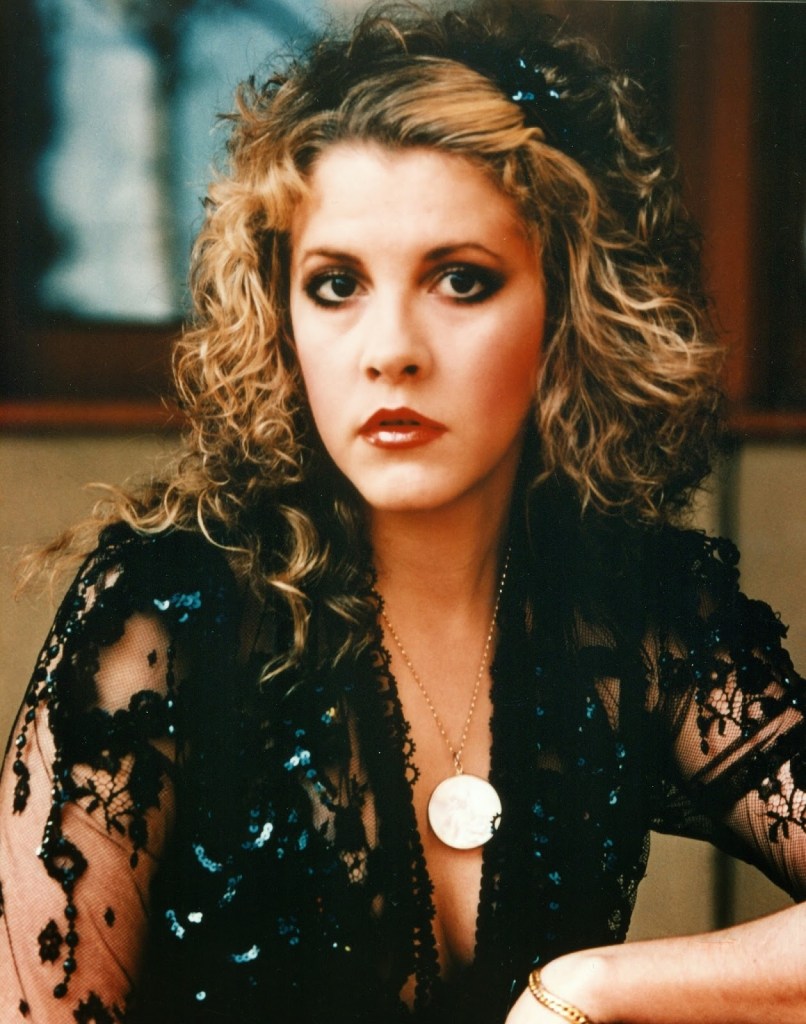
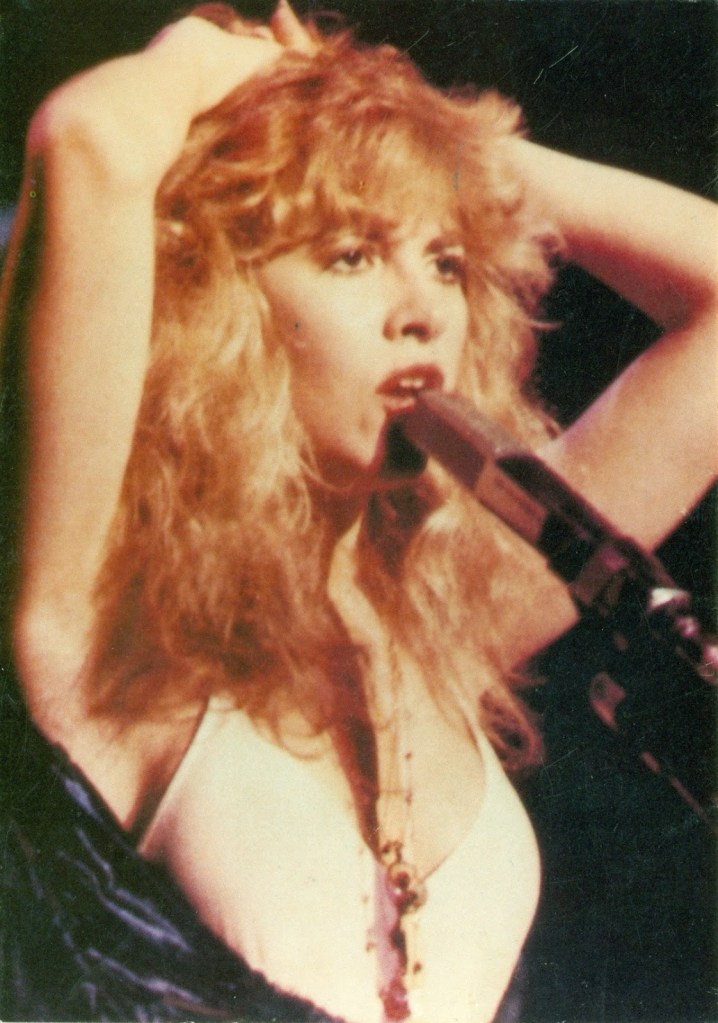
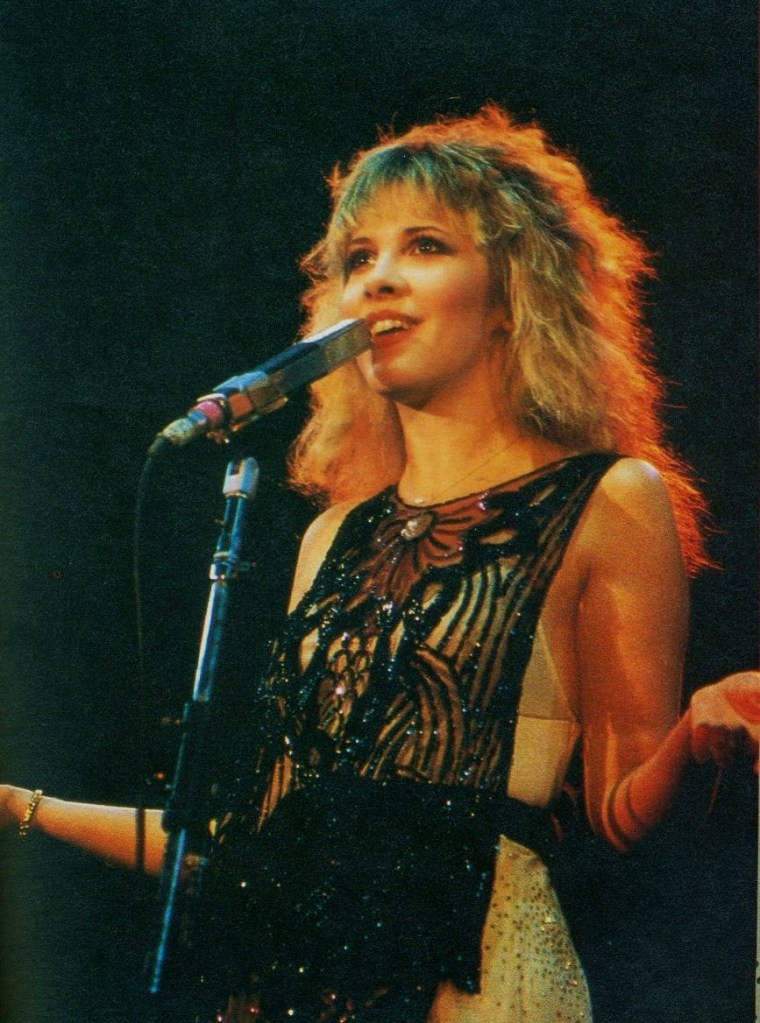
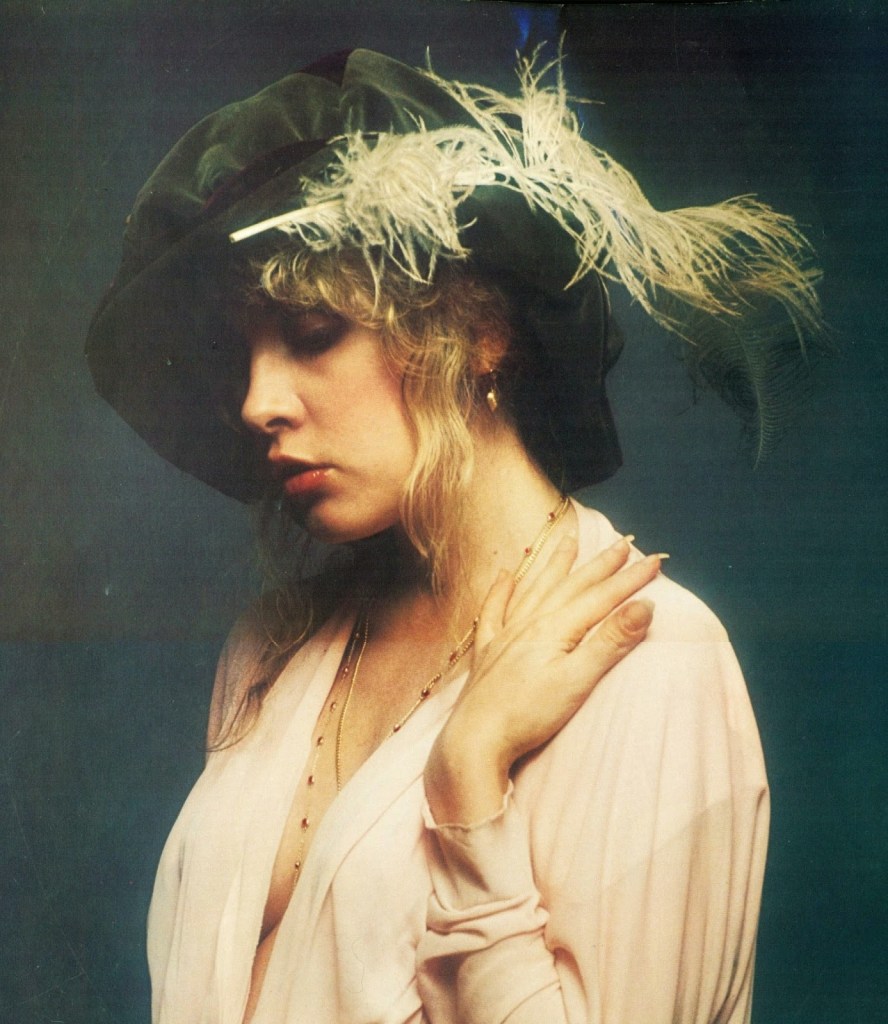
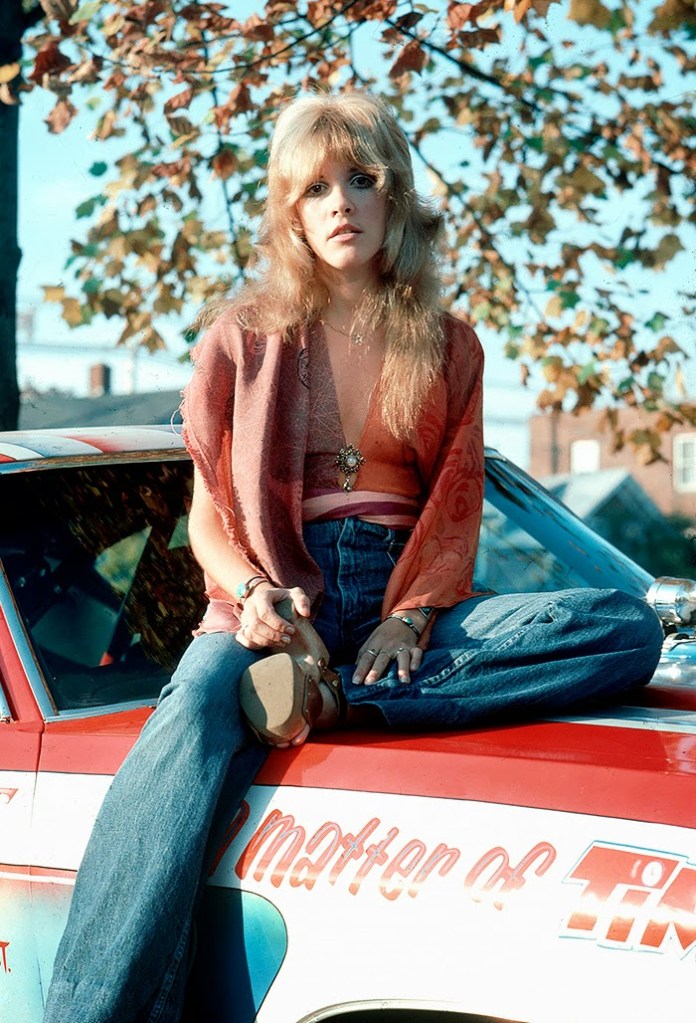
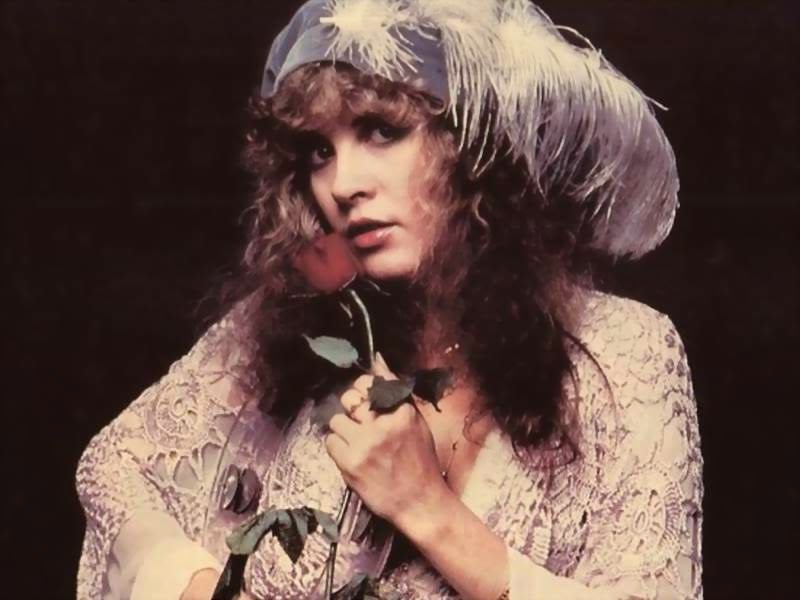
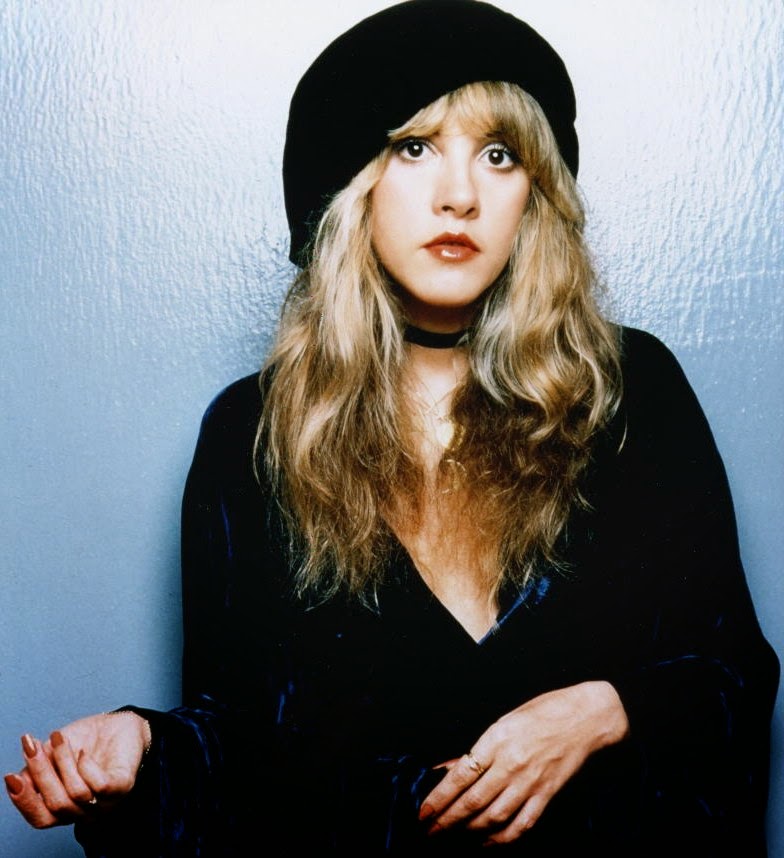
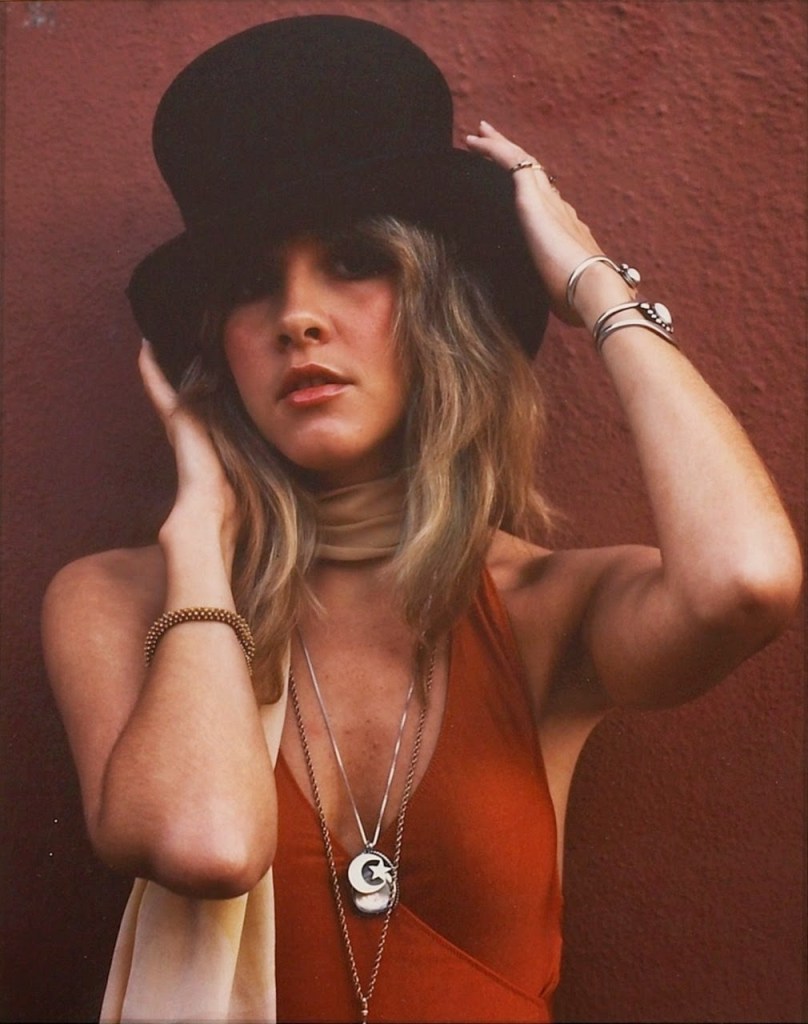
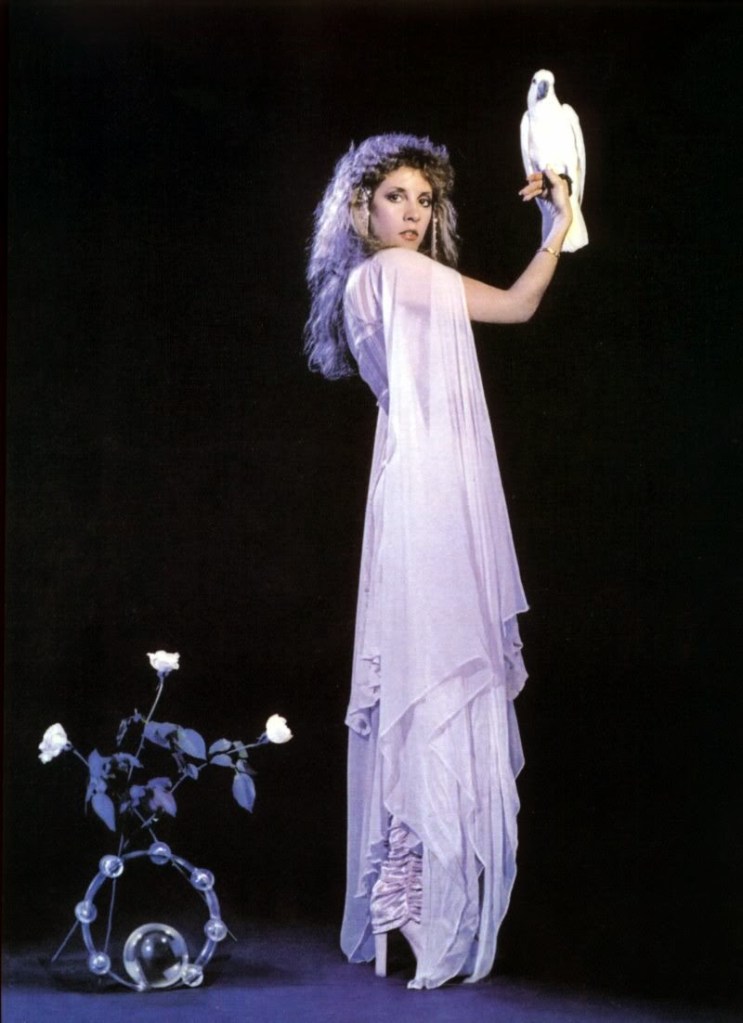
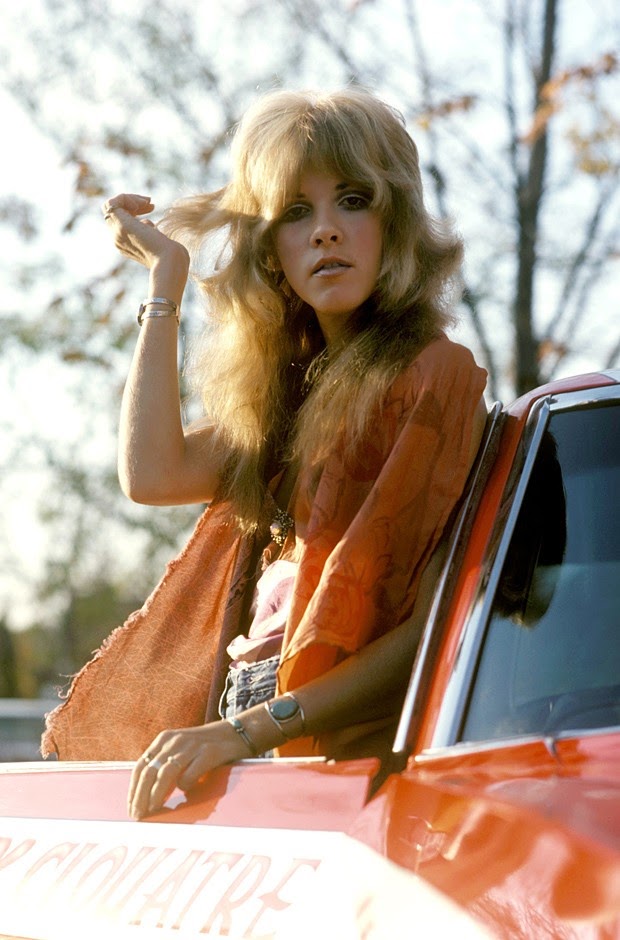
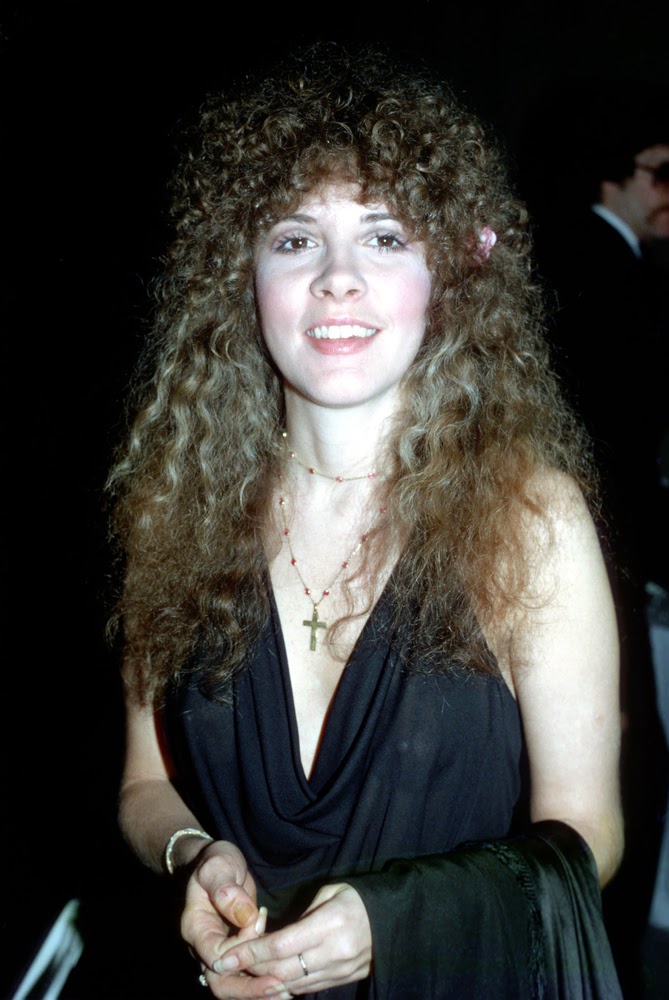
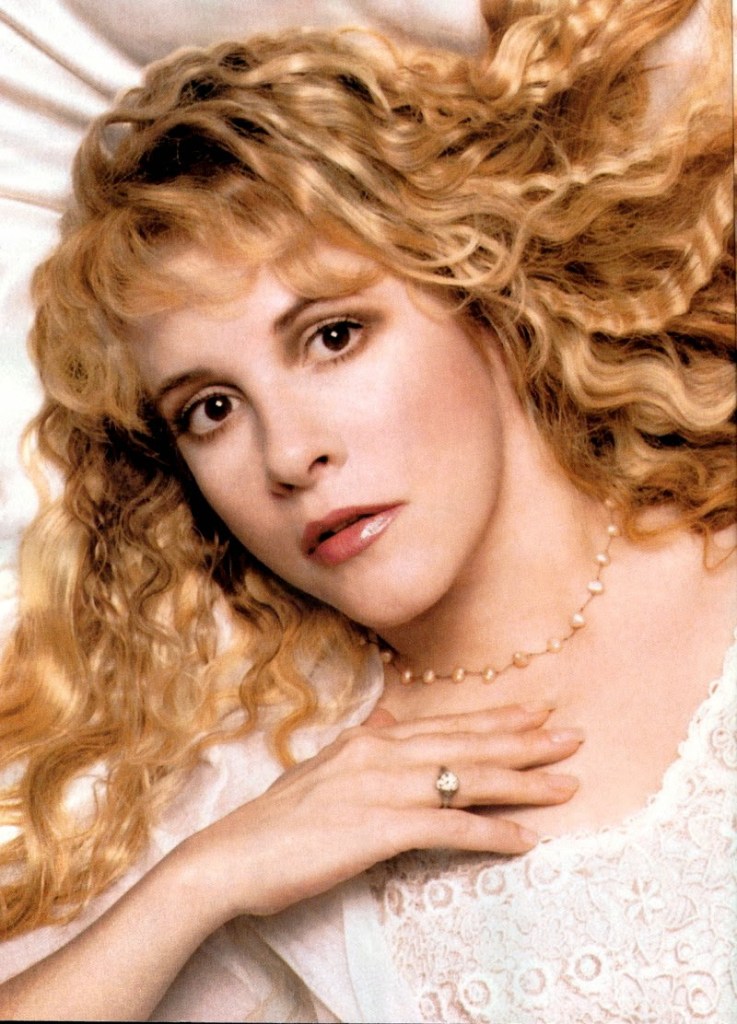
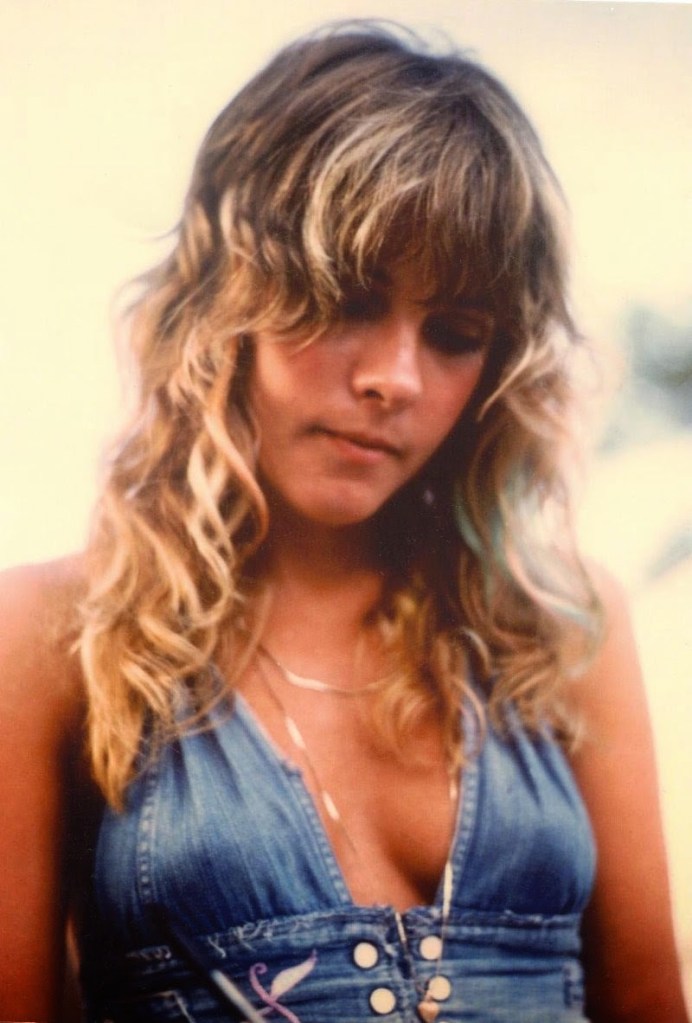
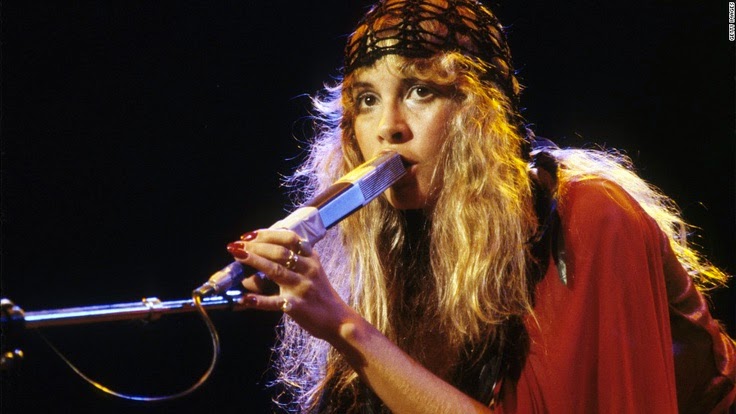
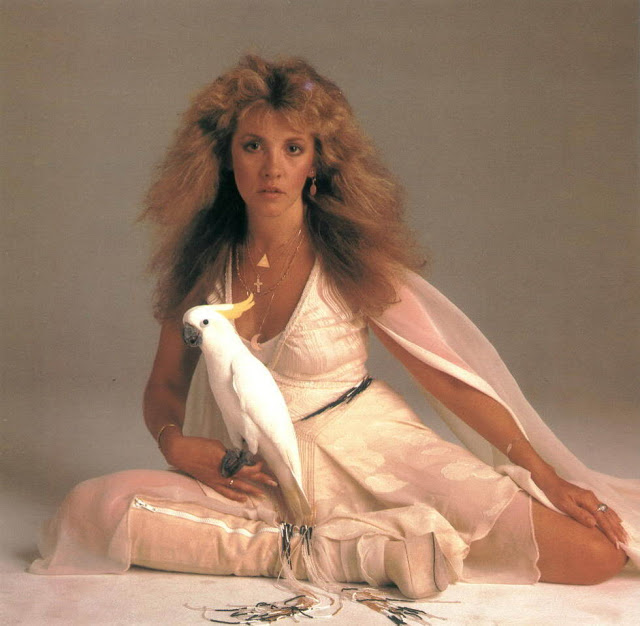
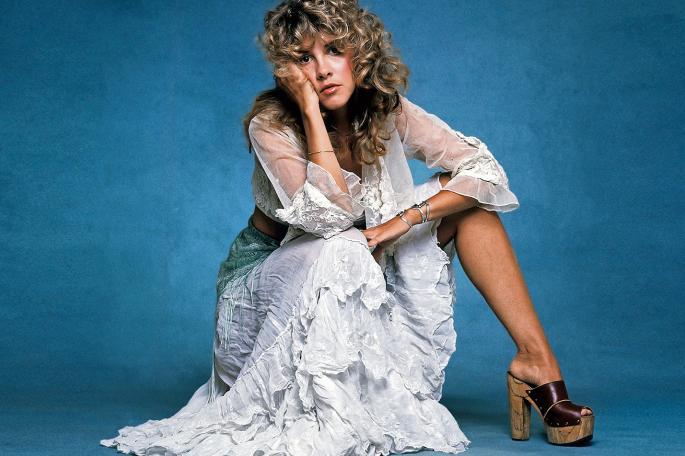
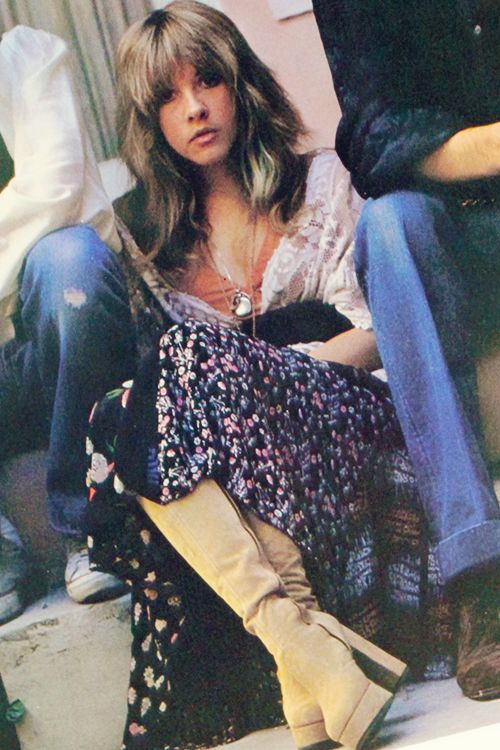
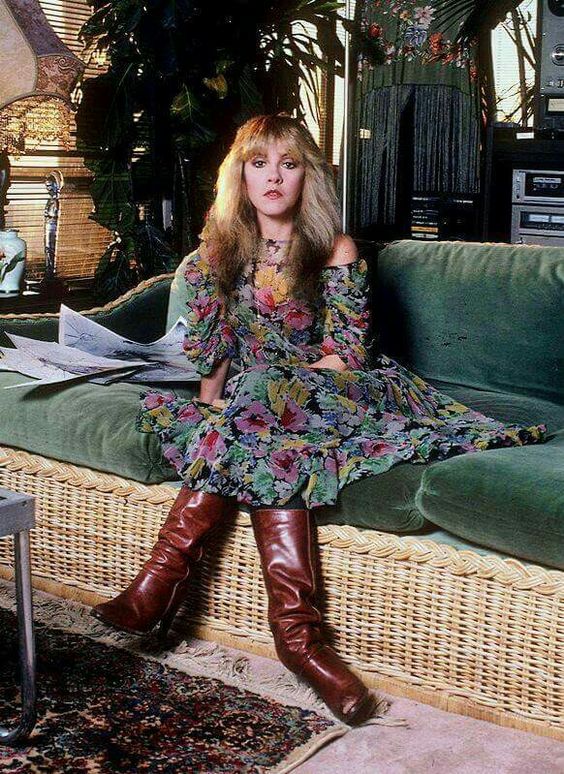
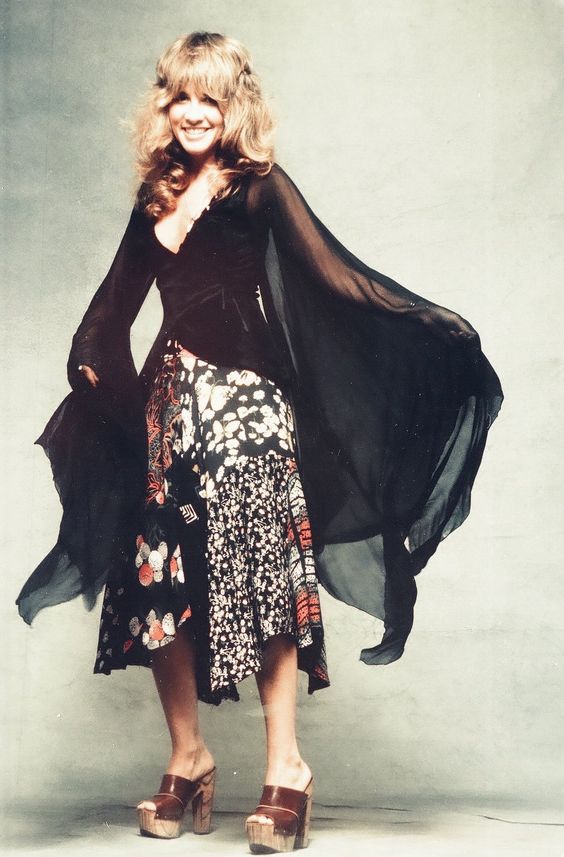
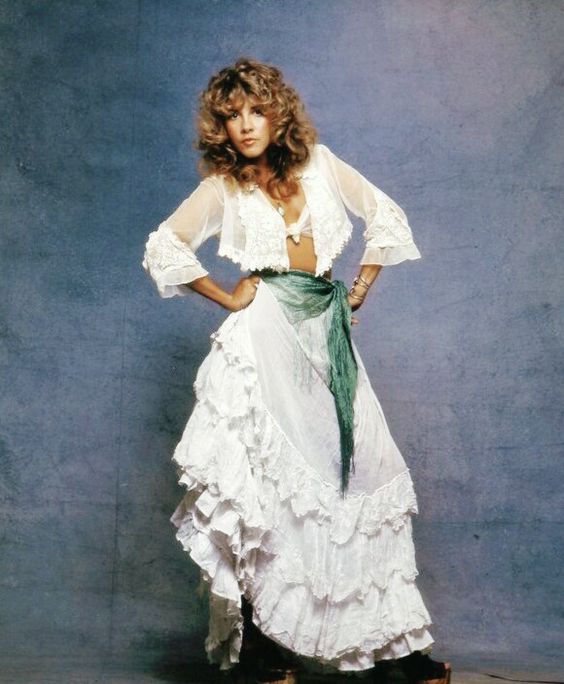
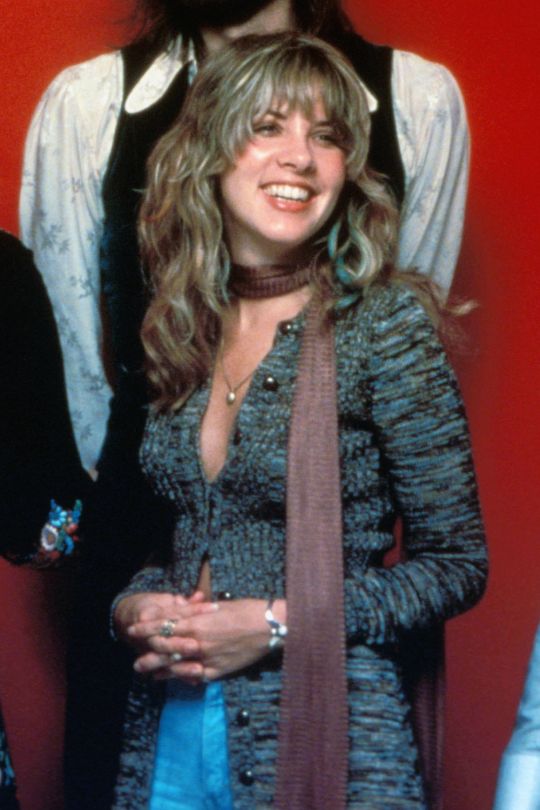
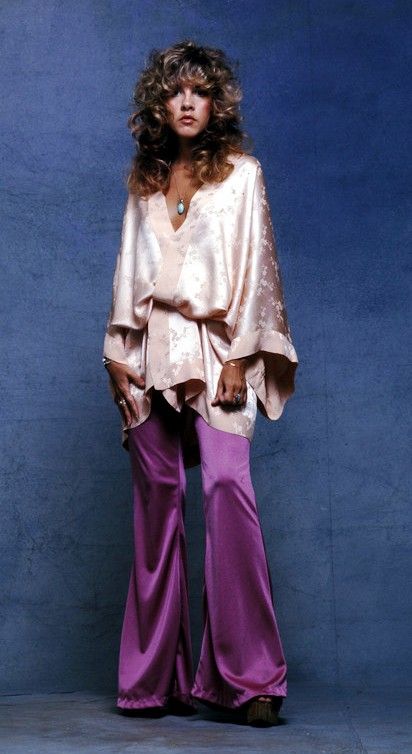
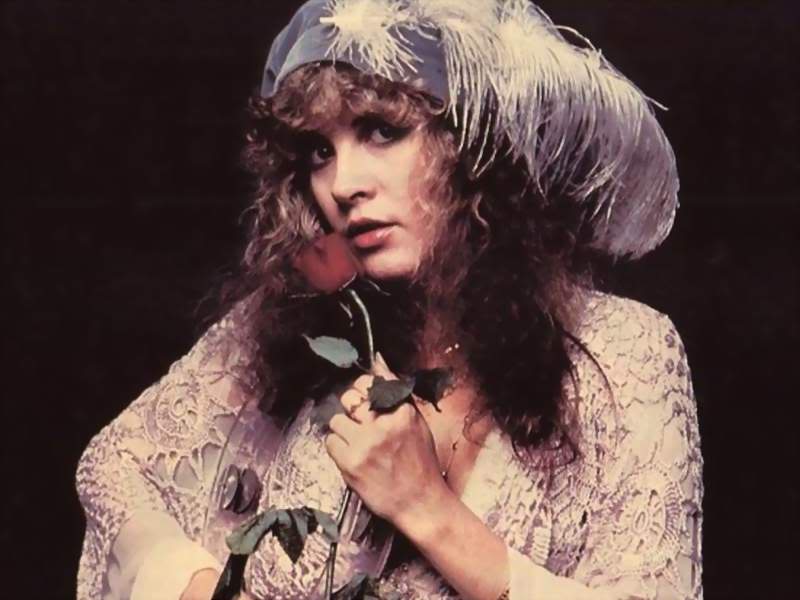
32 Beautiful Photos of Stevie Nicks in the 1970s

Stephanie Lynn Nicks (born May 26, 1948) is an American singer, songwriter, and producer known for her work with the band Fleetwood Mac and as a solo artist. She is known for her distinctive voice, mystical stage persona and poetic, symbolic lyrics.

After starting her career as a duo with her then-boyfriend Lindsey Buckingham, releasing the album Buckingham Nicks to little success, Nicks joined Fleetwood Mac in 1975, helping the band to become one of the best-selling music acts of all time with over 120 million records sold worldwide. Rumours, the band’s second album with Nicks, became one of the best-selling albums of all time, being certified 20× platinum in the US. In 1981, while remaining a member of Fleetwood Mac, Nicks began her solo career, releasing the studio album Bella Donna, which topped the Billboard 200 and has reached multiplatinum status. She has released eight studio solo albums and seven studio albums with Fleetwood Mac, selling a certified total of 65 million copies in the US only.

After the release of her first solo album, Rolling Stone named her the “Reigning Queen of Rock and Roll”. Nicks was named one of the 100 Greatest Songwriters of All Time and one of the 100 Greatest Singers of All Time by Rolling Stone. Her Fleetwood Mac songs “Landslide” and “Dreams”, with the latter being the band’s only number one hit in the US, together with her solo hit “Edge of Seventeen”, have been included in Rolling Stone’s list of the 500 Greatest Songs of All Time. She is the first woman to have been inducted twice into the Rock and Roll Hall of Fame, as a member of Fleetwood Mac in 1998 and as a solo artist in 2019. She has garnered eight Grammy Award nominations and two American Music Award nominations as a solo artist. She has won numerous awards with Fleetwood Mac, including a Grammy Award for Album of the Year in 1978 for Rumours. The 1975 album Fleetwood Mac, Rumours and Bella Donna have been included in the “Greatest of All Time Billboard 200 Albums” chart by Billboard. Furthermore, Rumours was rated the seventh-greatest album of all time in Rolling Stone’s list of the “500 Greatest Albums of All Time”, as well as the fourth-greatest album by female acts. (Wikipedia)
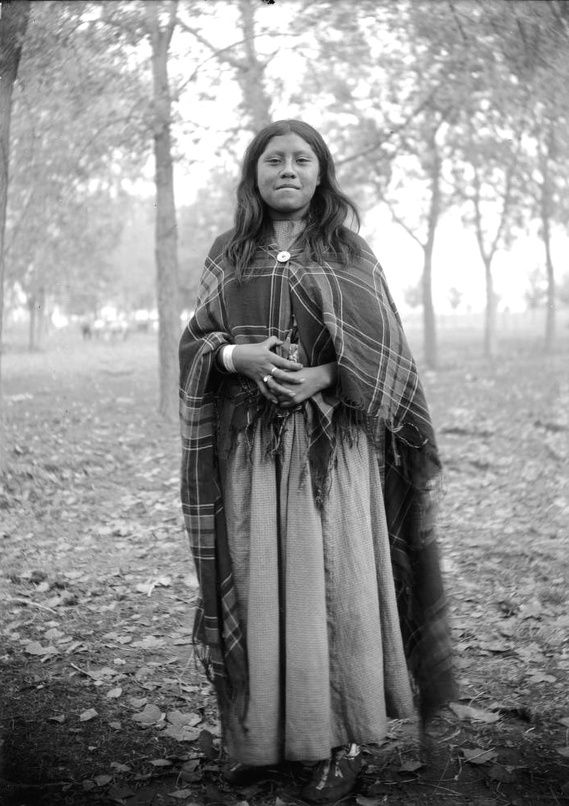
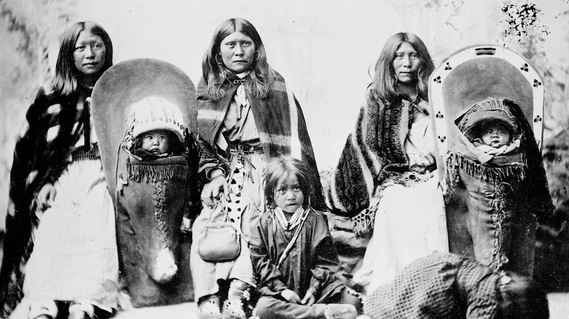
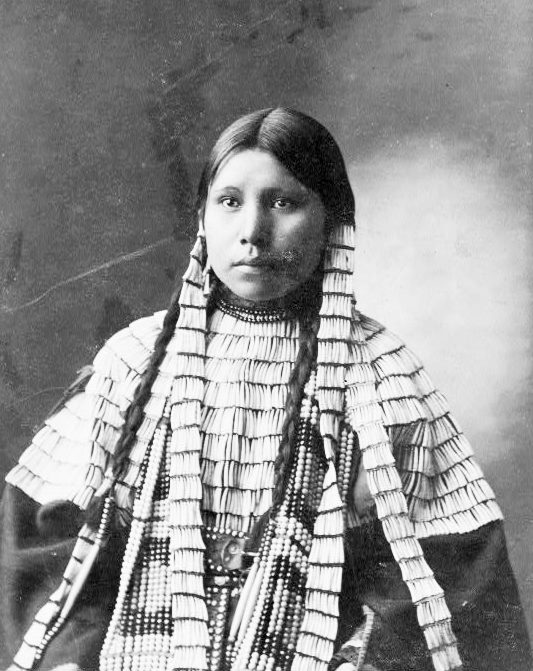
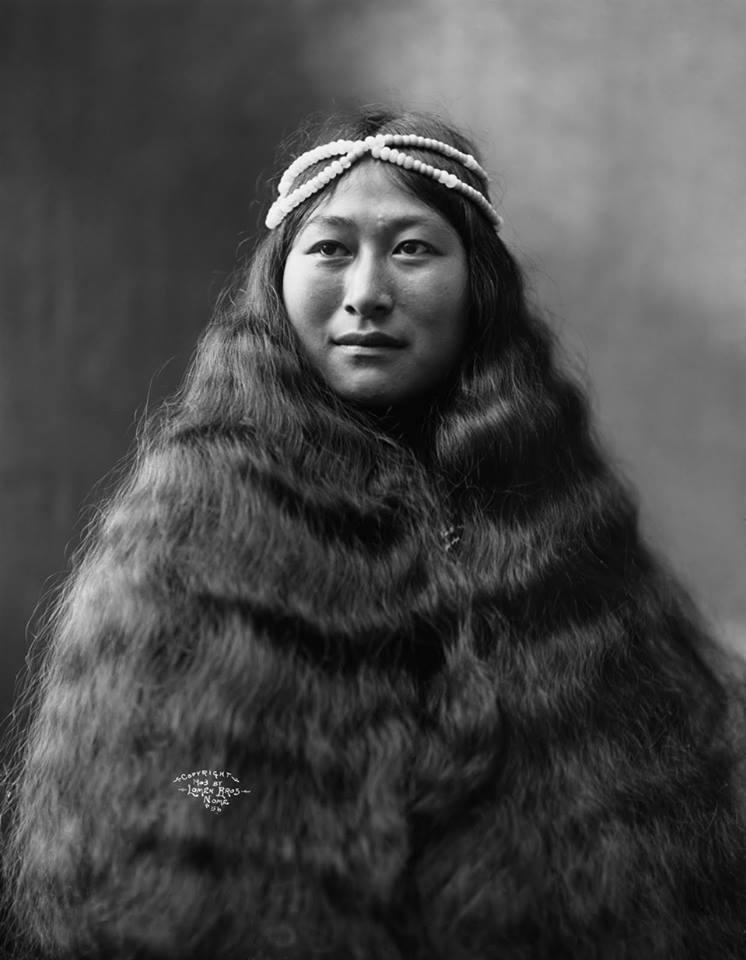
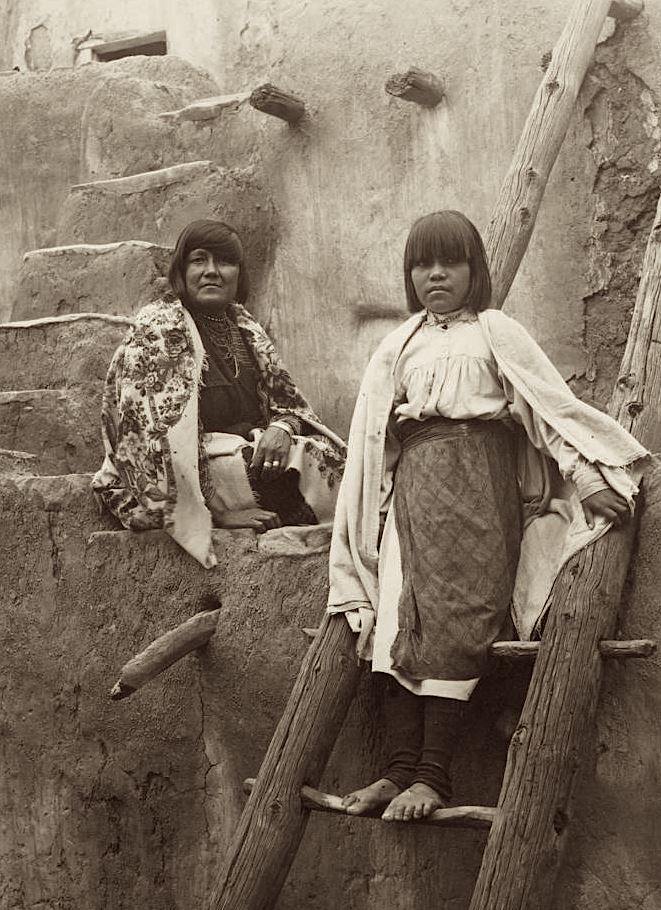
31 Amazing Historical Photos of Native American Women From the Past

Pretty Nose, a Cheyenne woman. Photographed in 1878 at Fort Keogh, Montana
A young Ute woman. Photo from 1880-1900.
Isleta Pueblo women – Carlotta Chiwiwi and her daughters, María and Felicíta Toura. Early 1900s.
Cheyenne girl in a beaded dress and breastplate, early 1900s. Oklahoma.
Blackfoot woman and child. Late 1880s. Calgary, Alberta.
Little Bird. An Ojibwe woman. 1908.
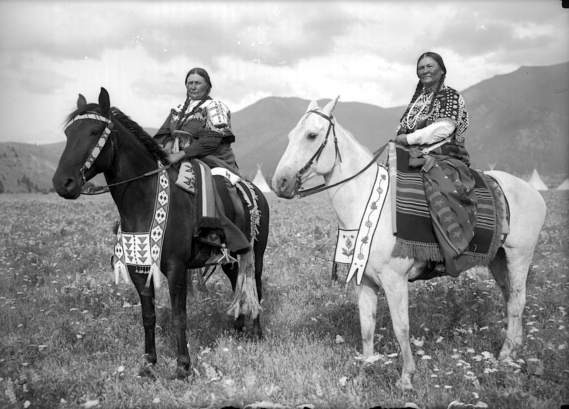
Flathead women. Flathead Indian Reservation in western Montana. Photo taken between 1905-1907.
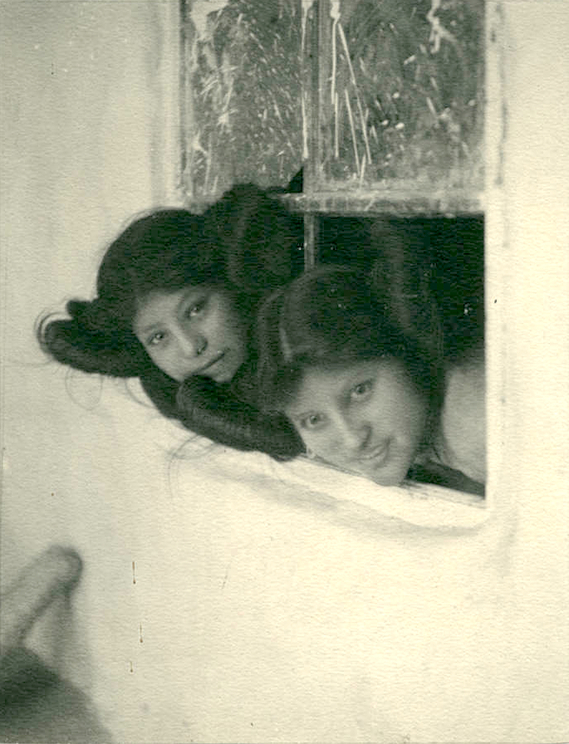
Hopi girls looking out window, Hopi, Arizona. 1900.
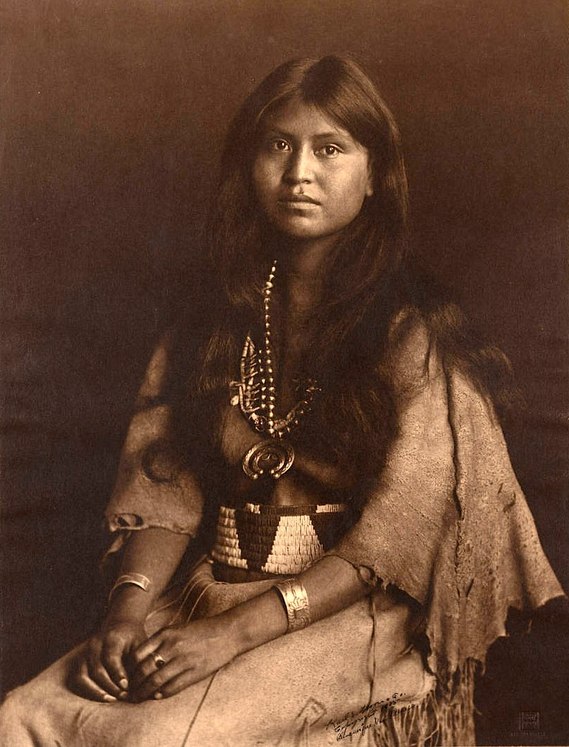
Loti-kee-yah-tede. “The Chief’s Daughter.” Laguna Pueblo, New Mexico. 1905.
Stella Yellow Shirt and baby. Brule Sioux. 1899.
Hopi girls, Sichomovi, First Mesa, Arizona. ca. 1900.
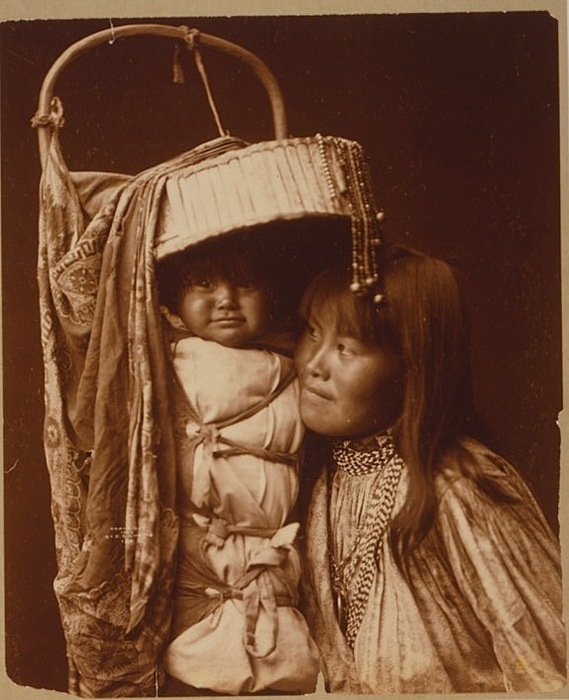
Apache girl and papoose. 1903.
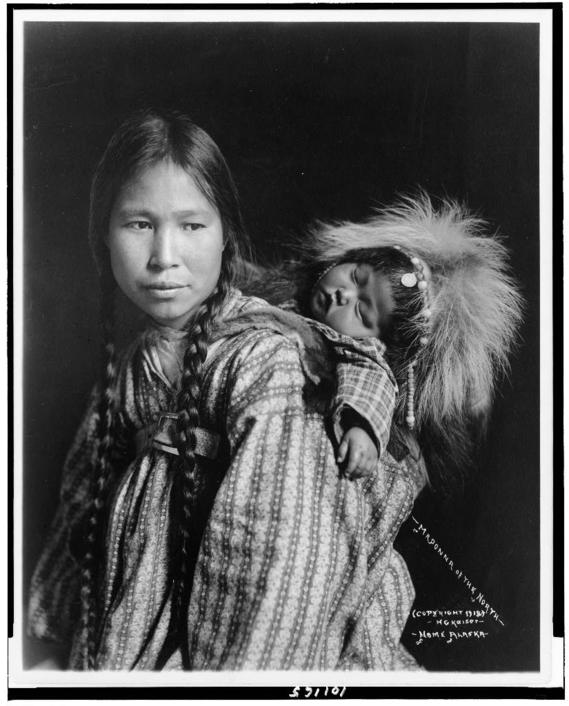
An Inuit woman with child. 1900. Alaska.
A girl at Taos Pueblo. New Mexico. 1895.
A Kiowa girl. 1892.
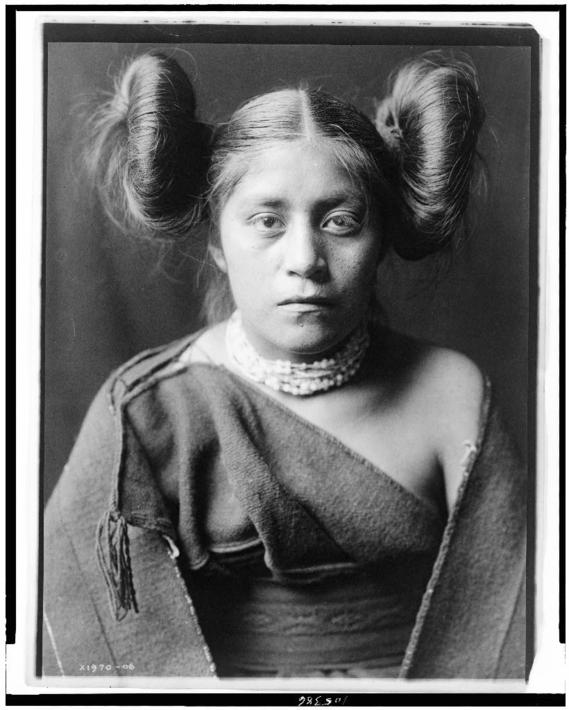
A Tewa girl. 1906.
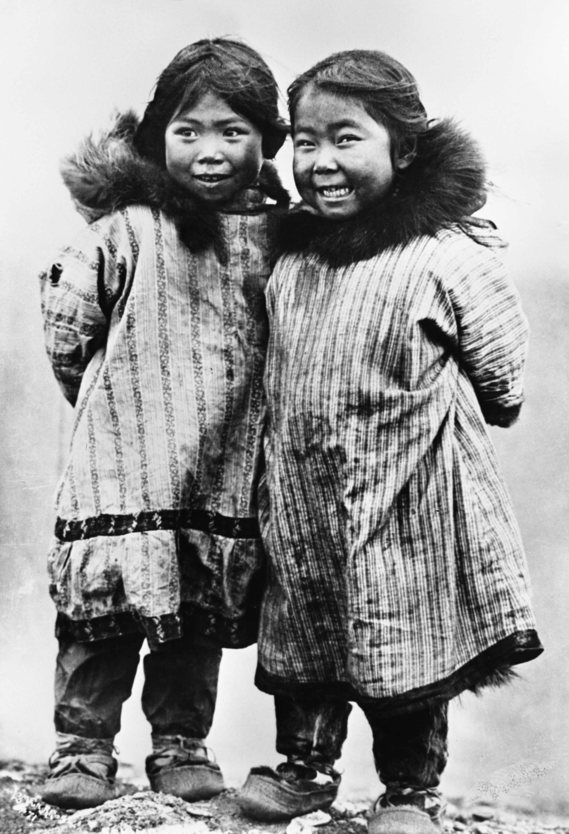
Two Inuit children, Nome, Alaska. ca. 1900-1908.
Ute women and children. 1894.
Marie and Juan Pierre, children on the Flathead Indian Reservation in western Montana,1905-1907.
Crow women and child. Early 1900s. Crow Indian Reservation, Montana.
Nez Perce girls. Montana. Early 1900s.
Miss Two Bears. Yanktonai. Fort Yates, North Dakota. 1902.
Nowadluk (also known as Nora). Inuit. Nome, Alaska. 1903.
Acoma. Mother and daughter. ca. 1900.
A Crow mother. 1912.
Every Wind. Ojibwe. circa 1910
Nancy Columbia. Inuit. 1904.
Hopi children. 1905
Apache girl with basket. 1902.
Cheyenne girls. 1895
Winyan Tanka with her daughter. Oglala Lakota. 1895

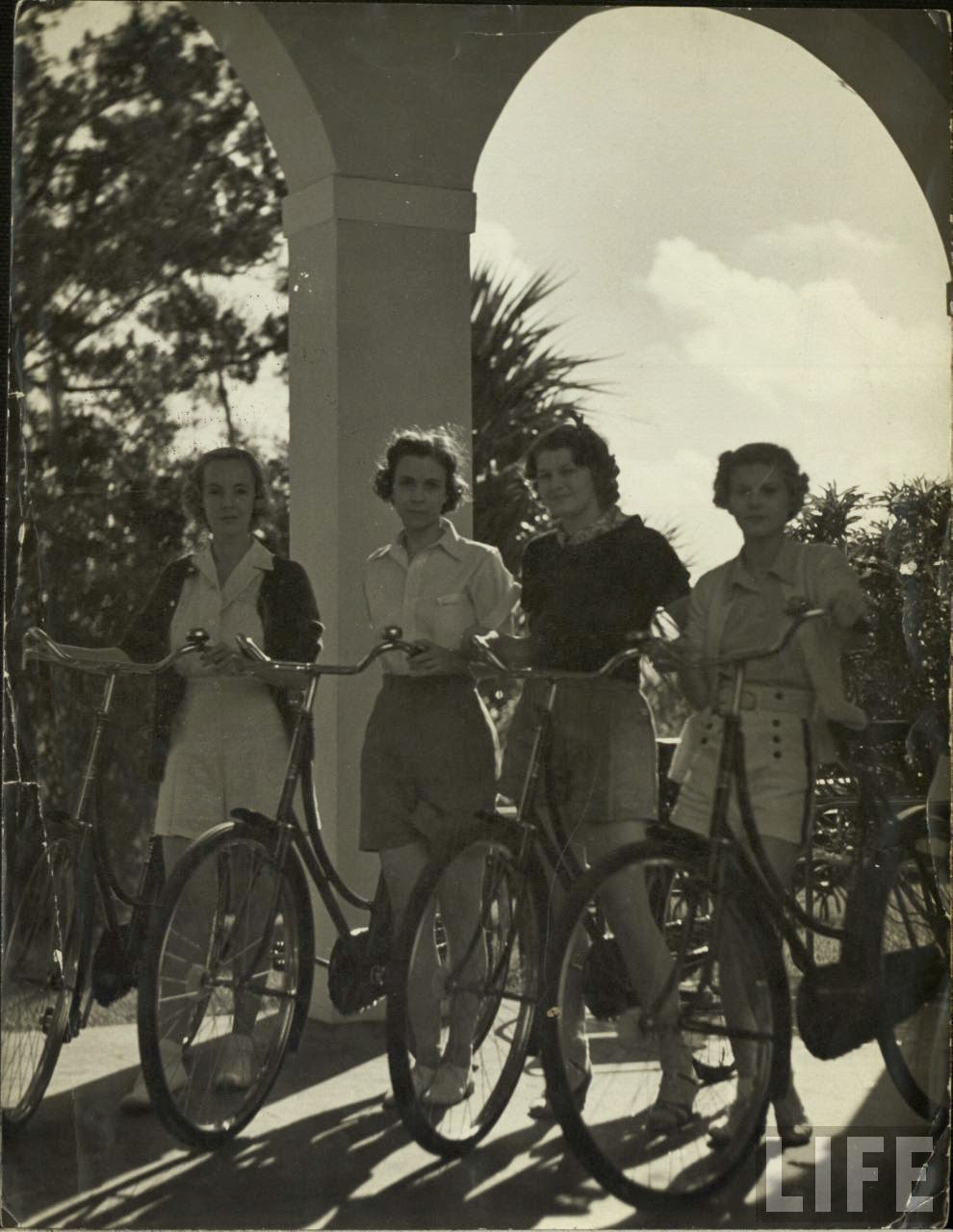
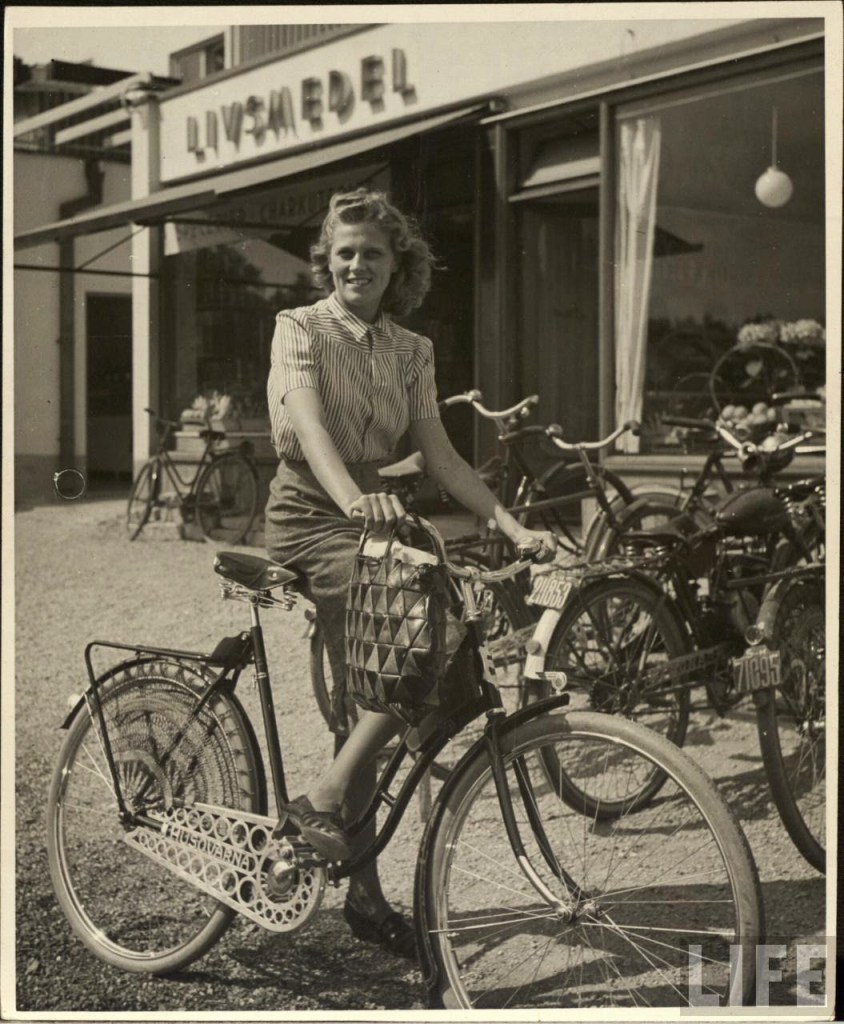
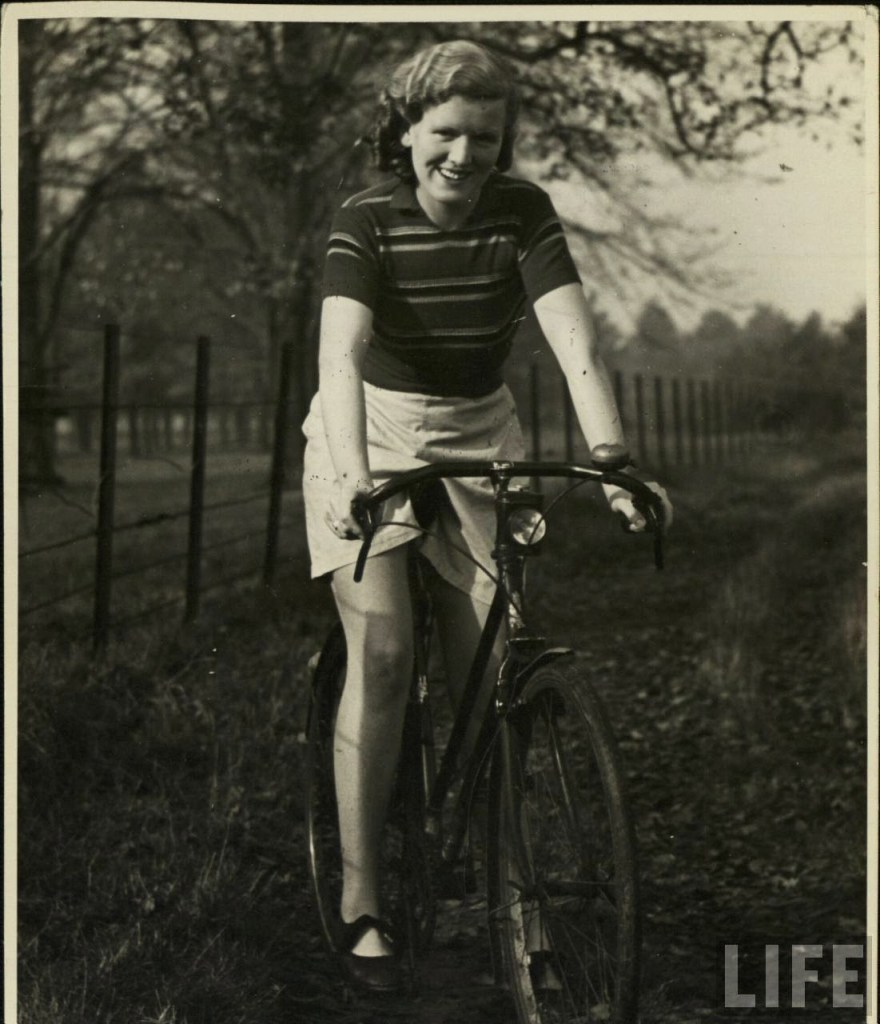
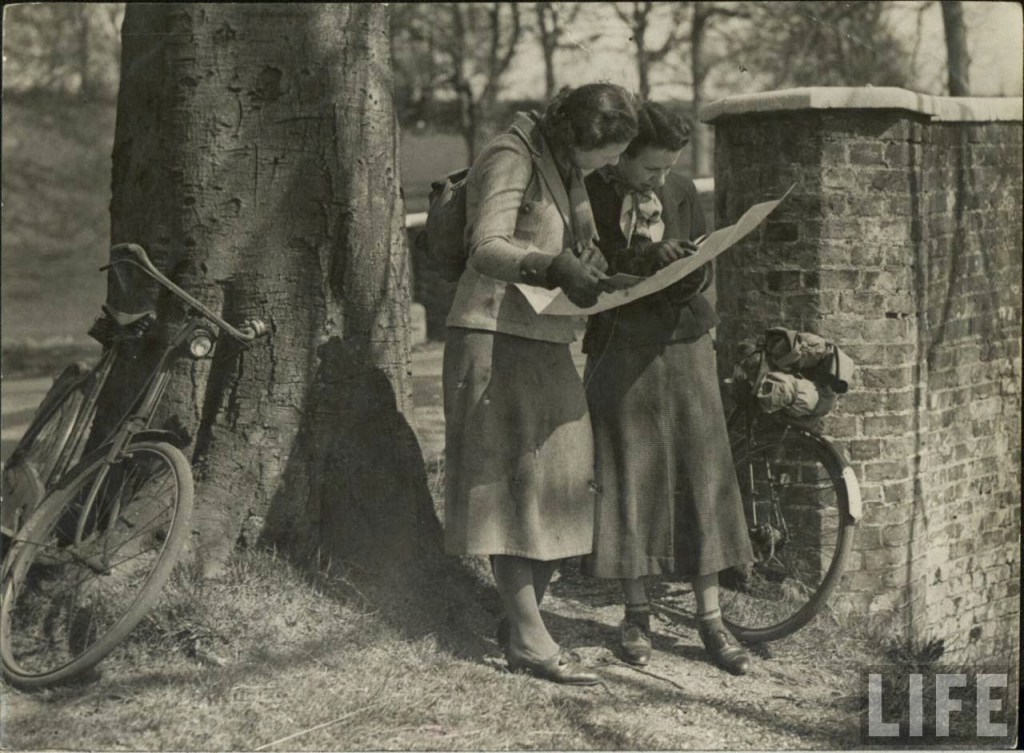
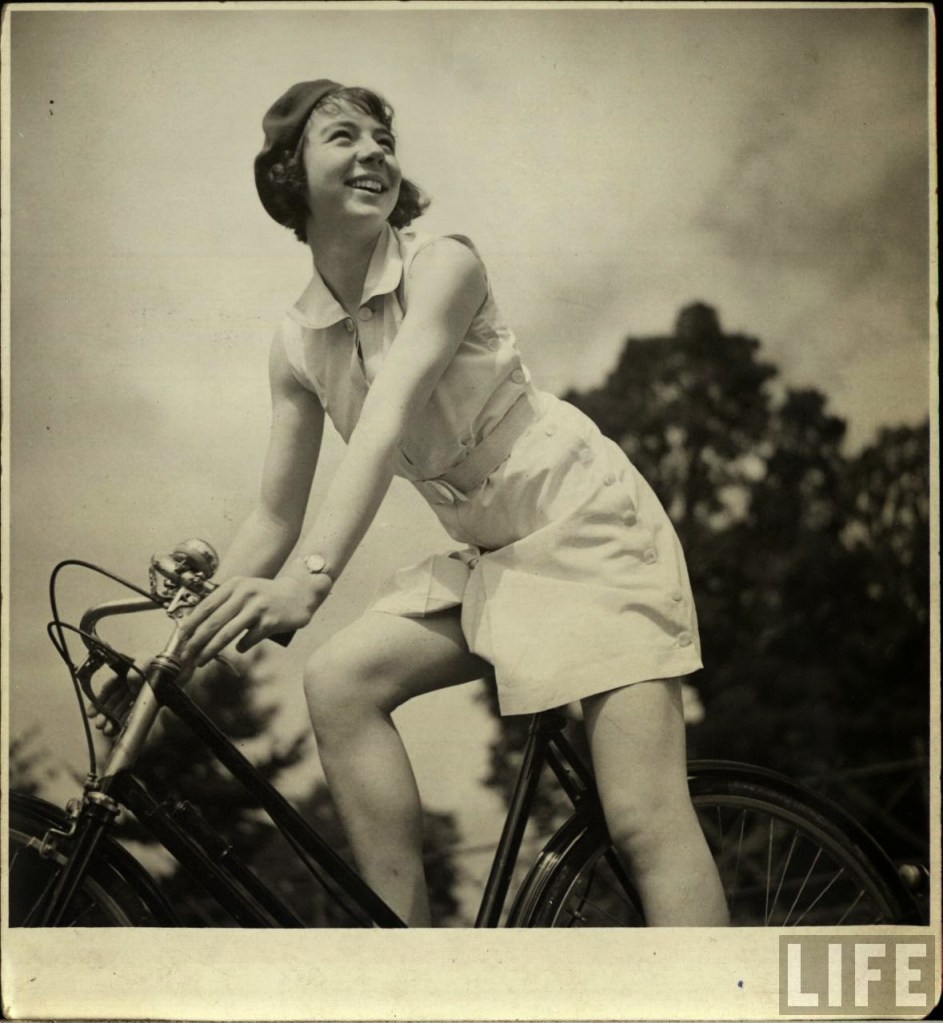
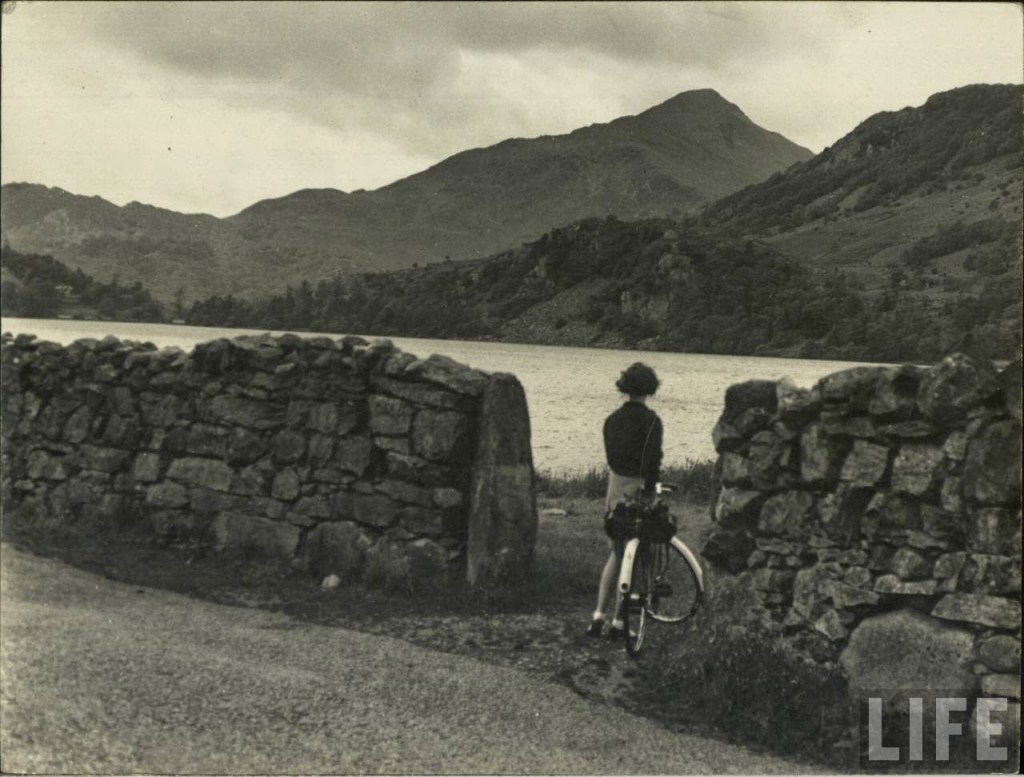
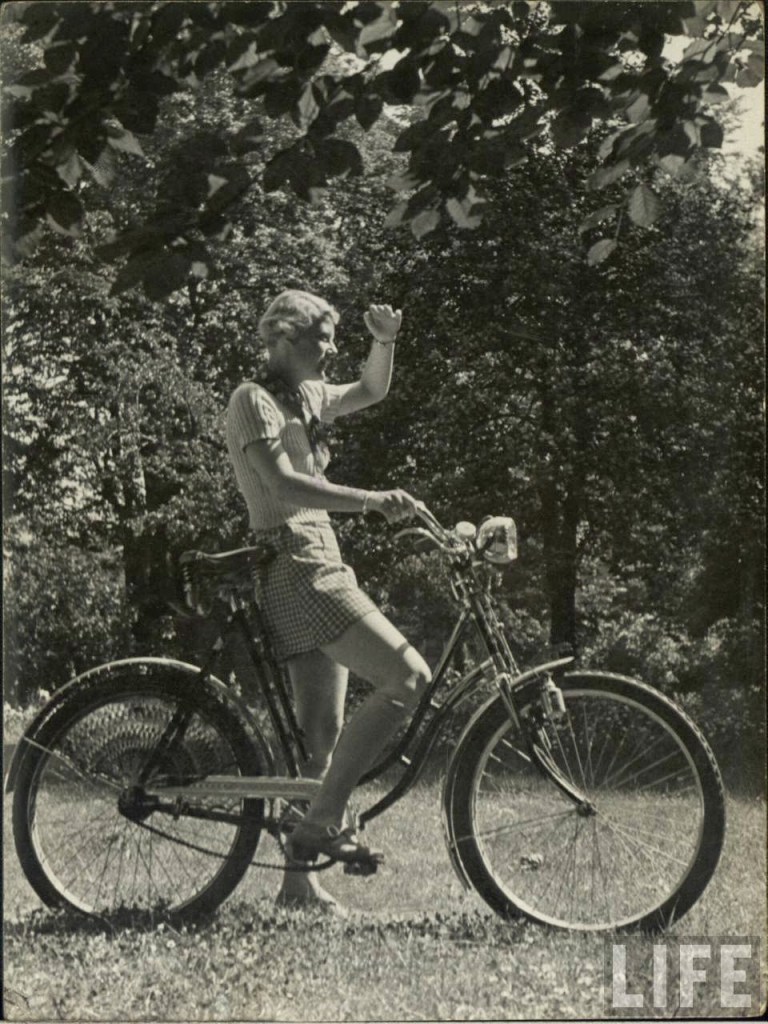
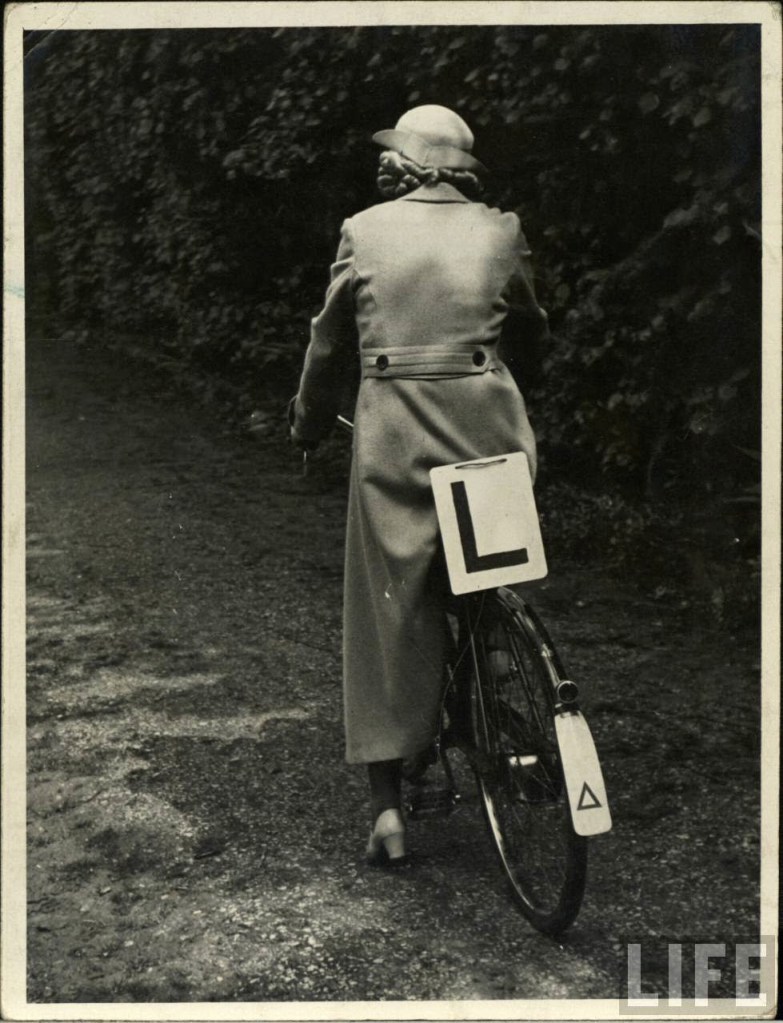
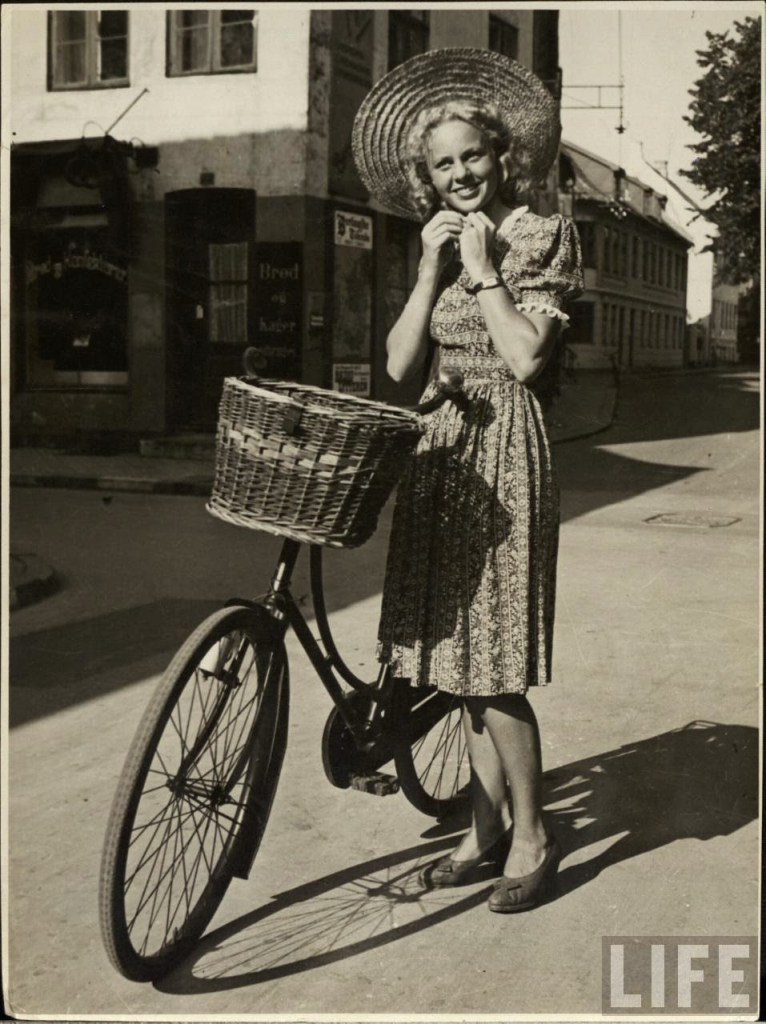
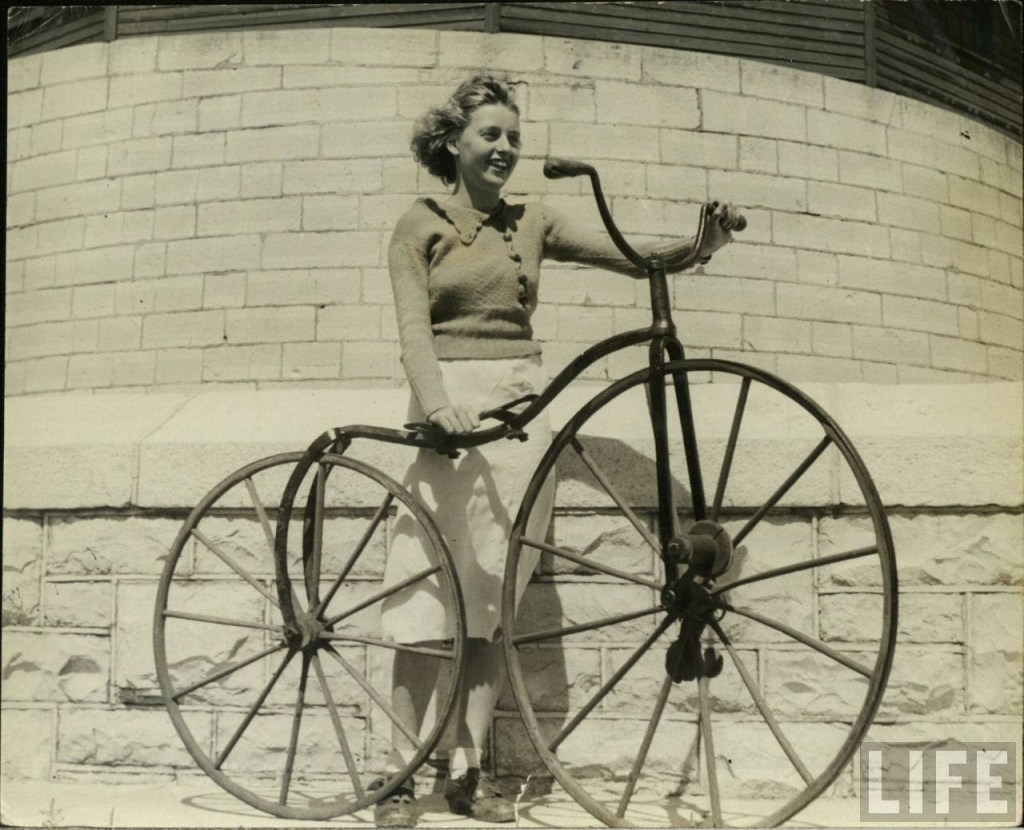
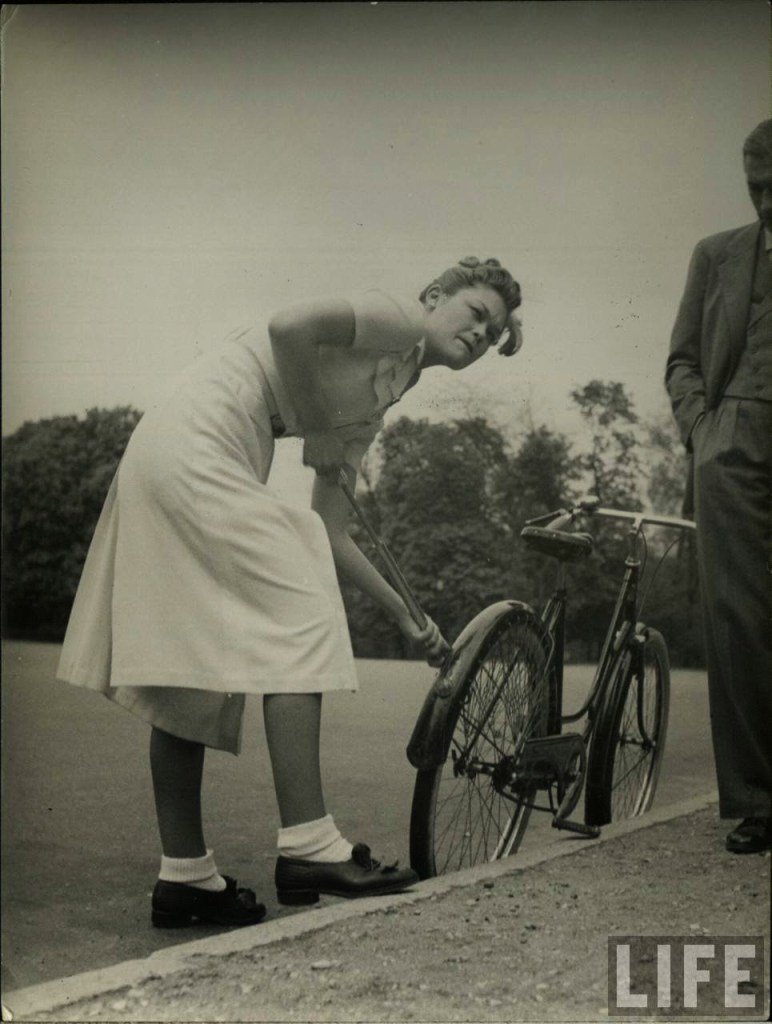
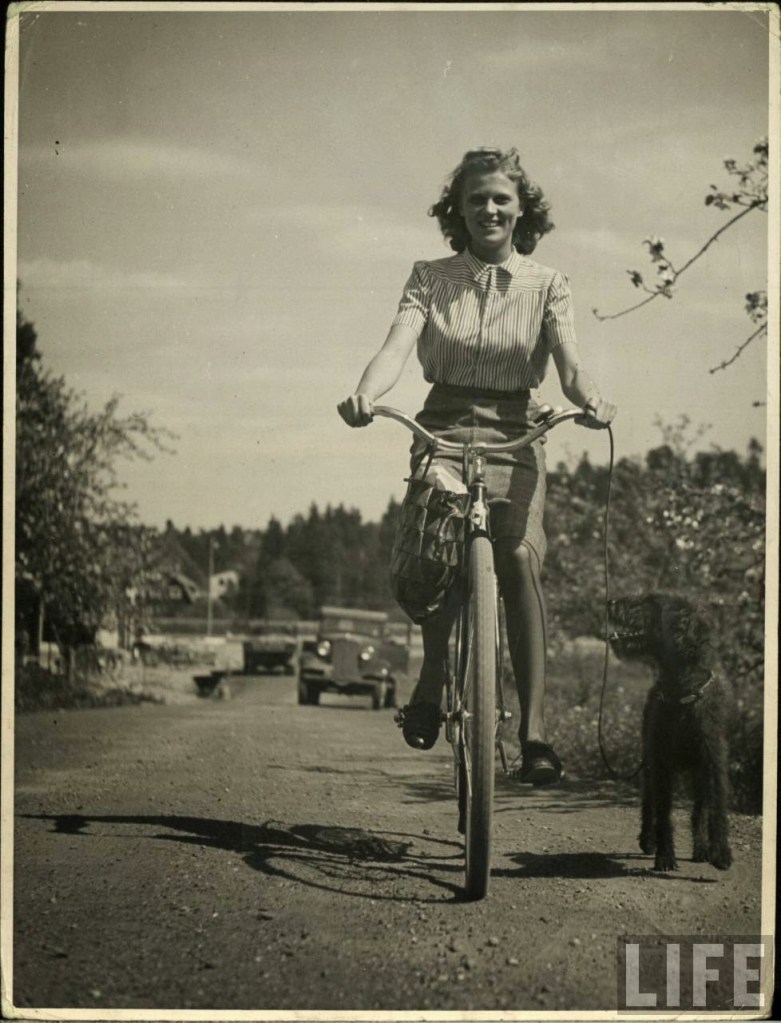
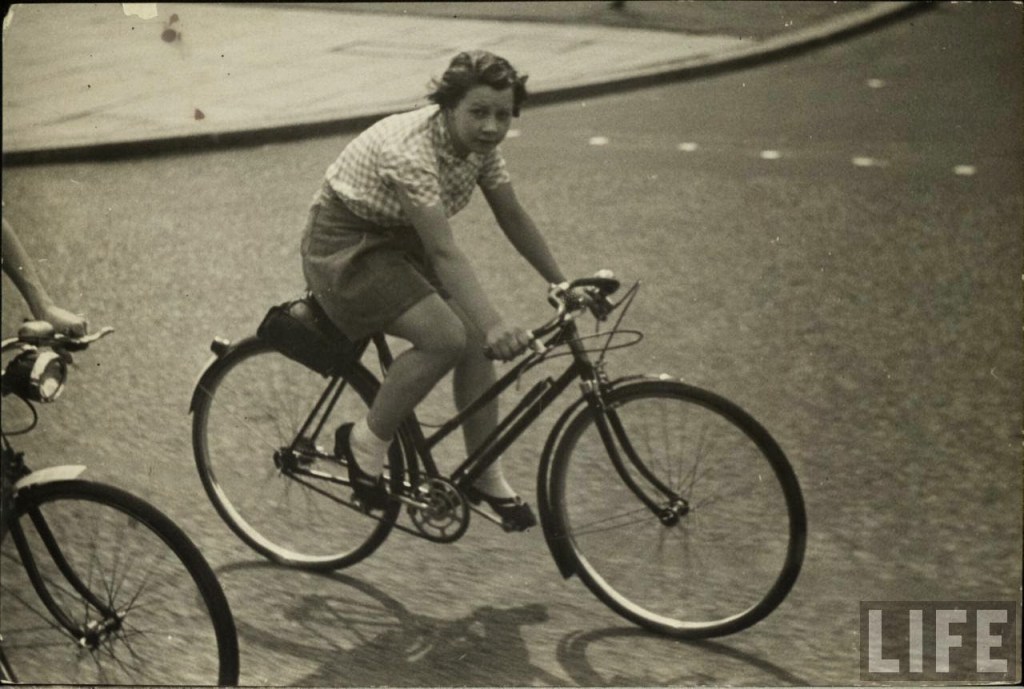
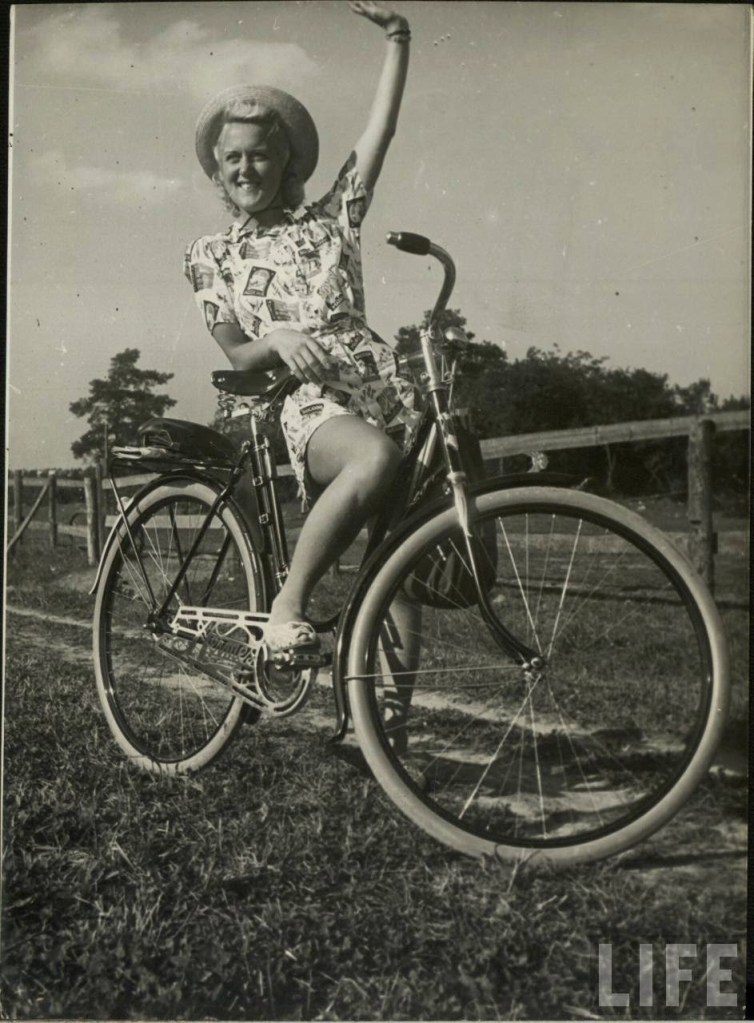
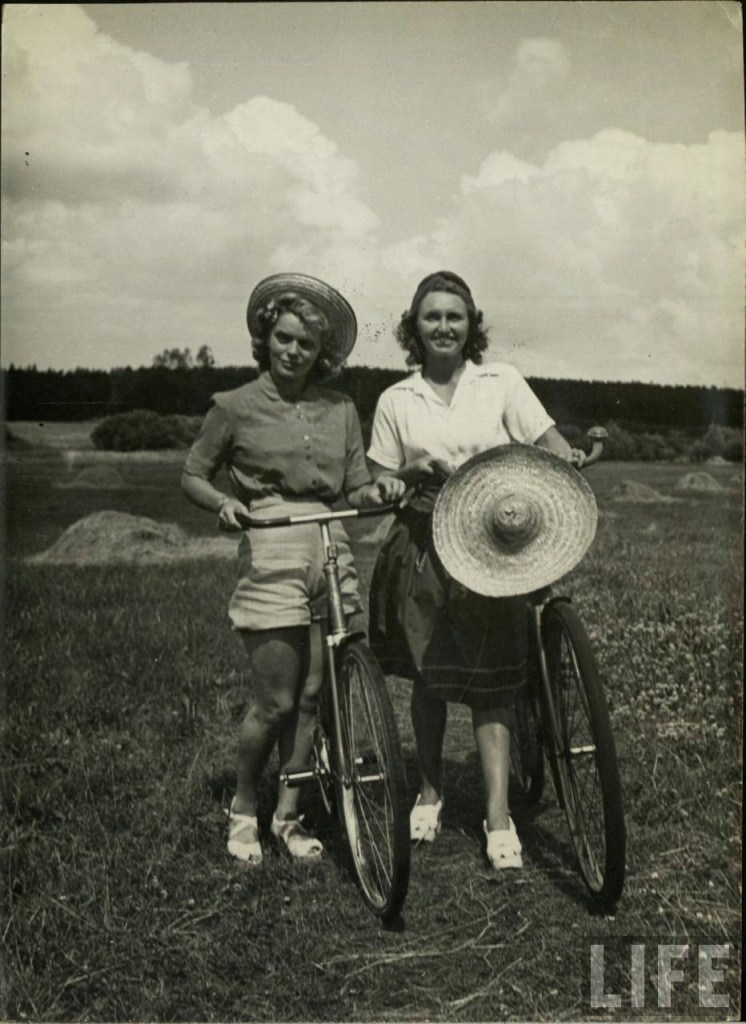
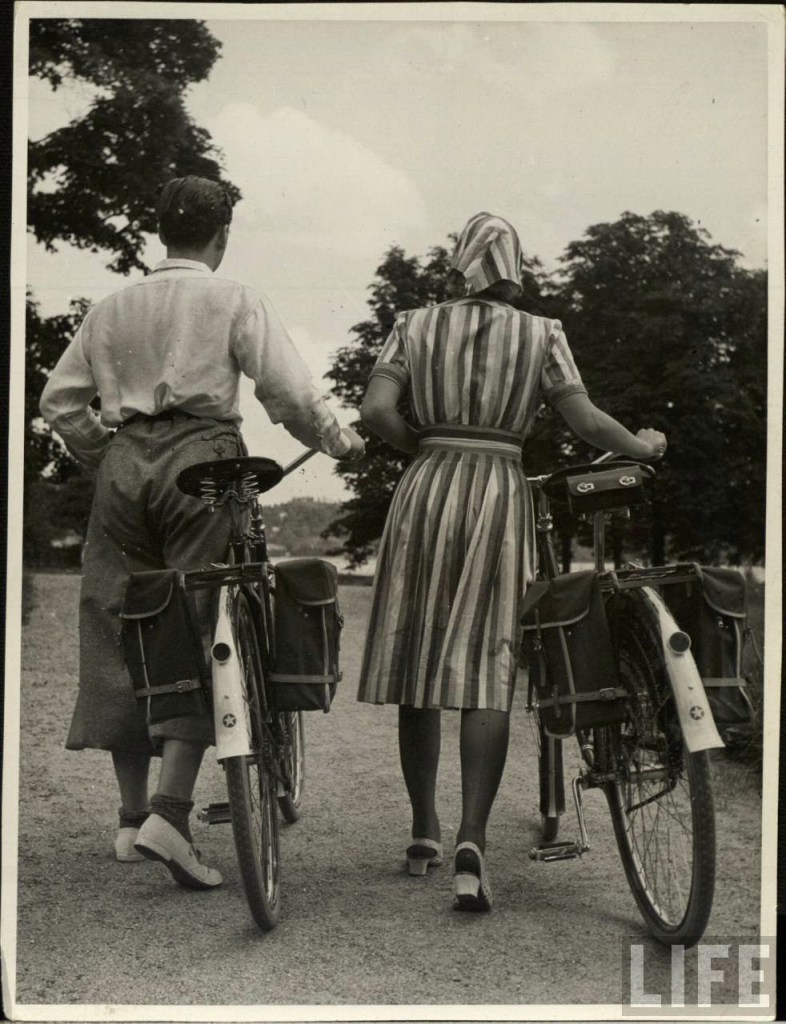
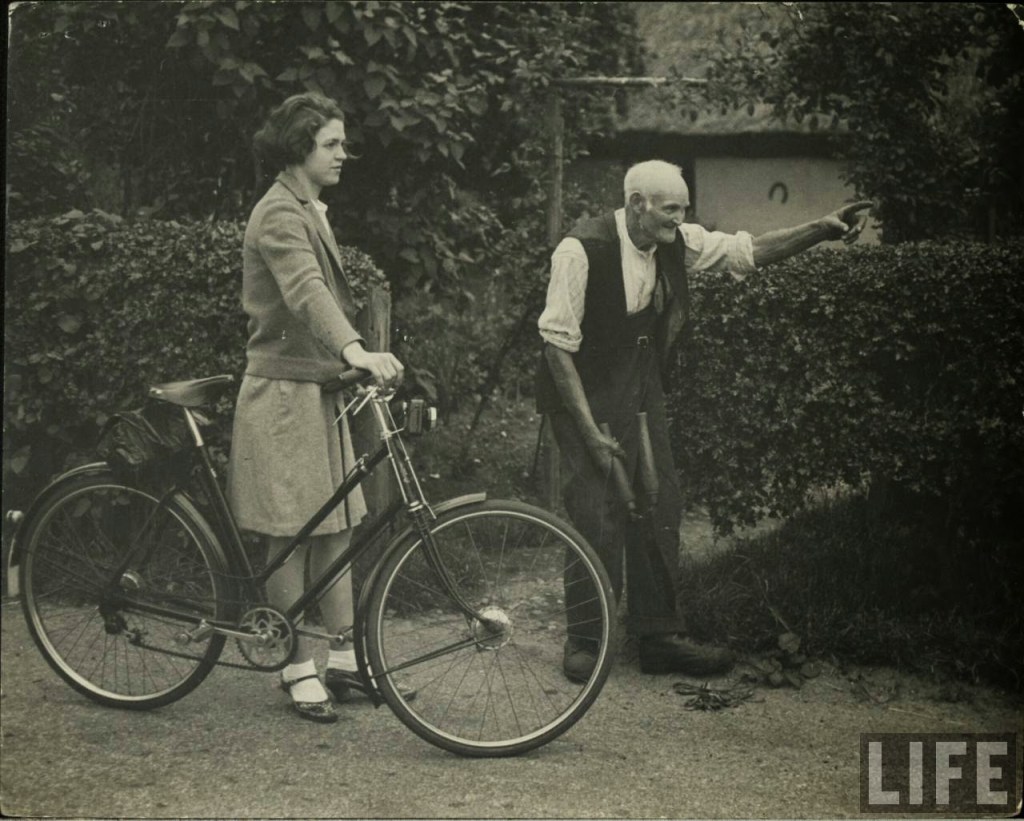
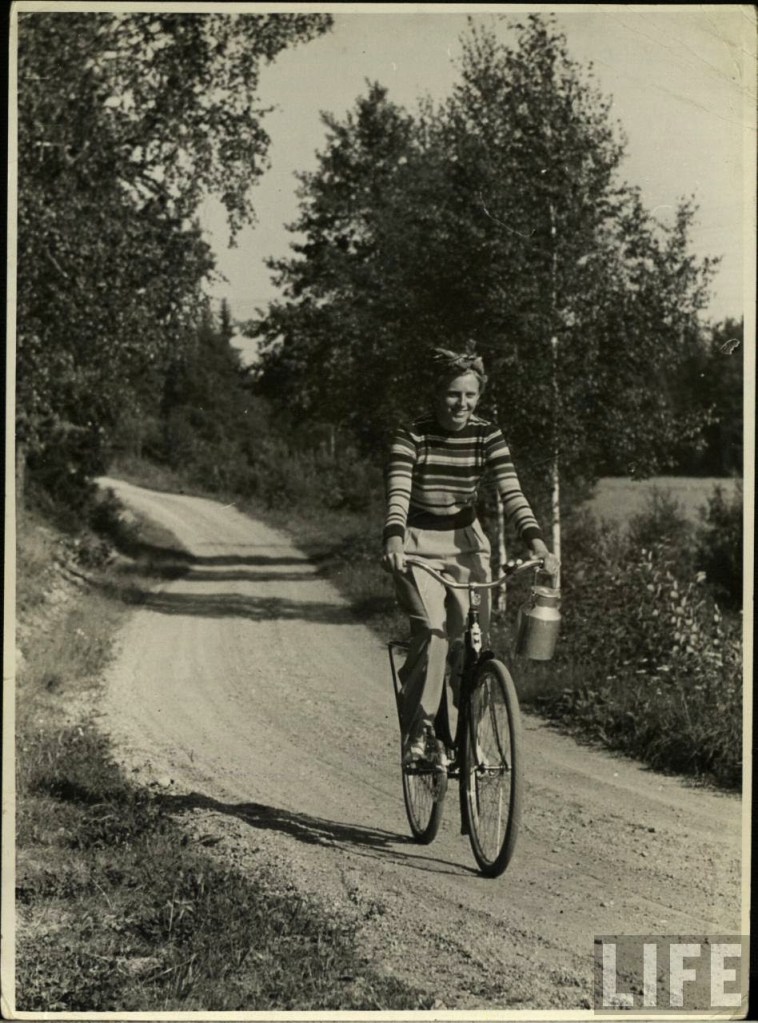
30 Wonderful Vintage Photographs of Women Posing With Their Bicycles

Today’s fashionable “lady cyclist” is likely wearing spandex, skin-tight bicycle shorts. Consider the women of 1894 and their persistence in finding some way to enjoy that new contraption, the bicycle.

“What shall we wear?” is a query rising from every channel of woman’s life: for upon each occasion we must be suitably clad to enjoy its peculiar benefits. This is especially noticeable for such exercise as bicycling, for, in this case, it is not only a matter of appearing well, but the health, the comfort and safety demand a carefully selected costume and equipment.

In 1878, the first bicycles were manufactured in America. Very quickly, women began to experiment with riding the new personal vehicles.

(via LIFE archives)

Yesterday Today

Bringing You the Wonder of Yesterday - Today

Skip to content ↓