



Bringing You the Wonder of Yesterday – Today
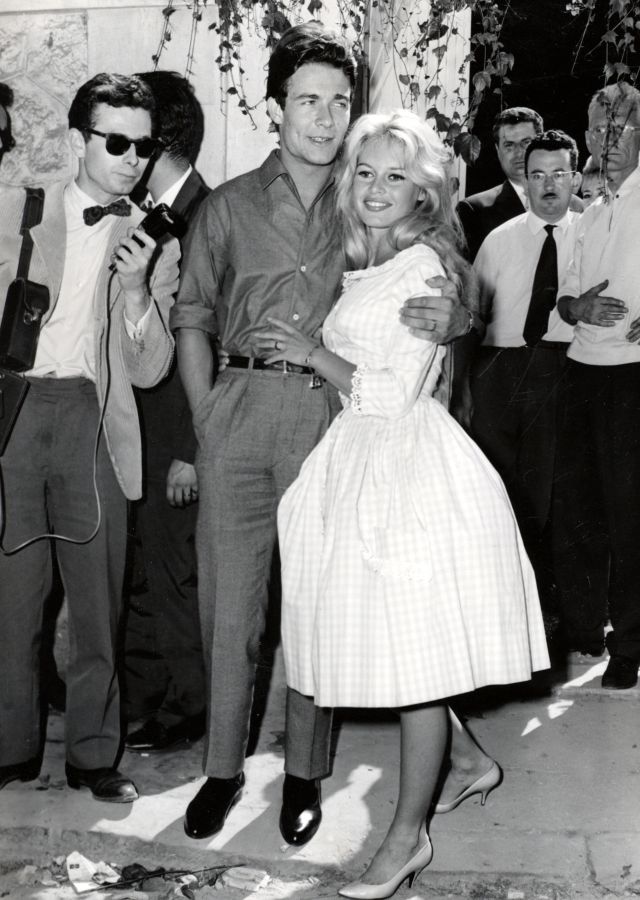


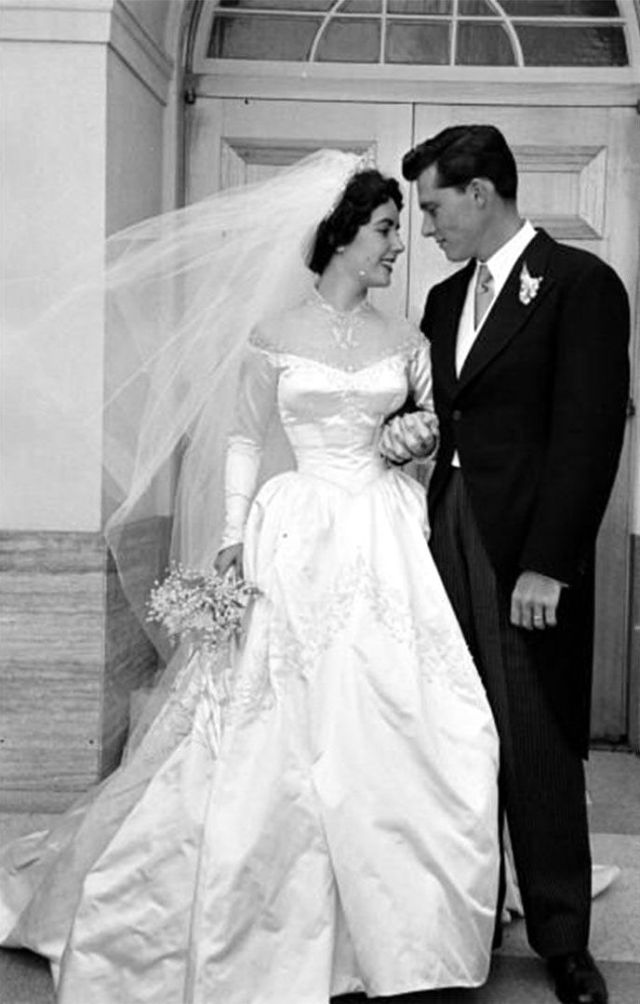
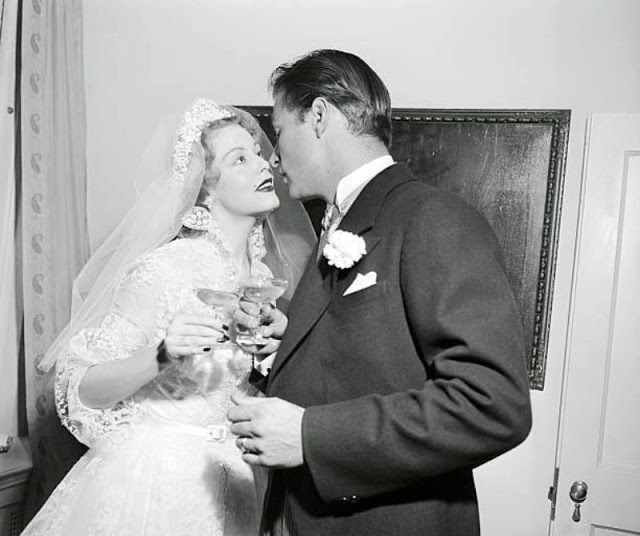

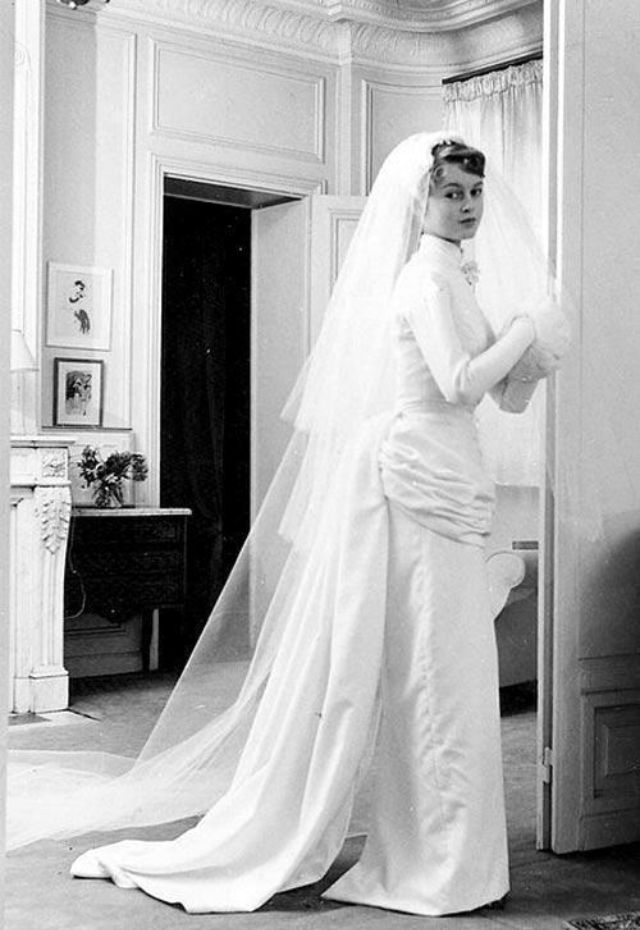
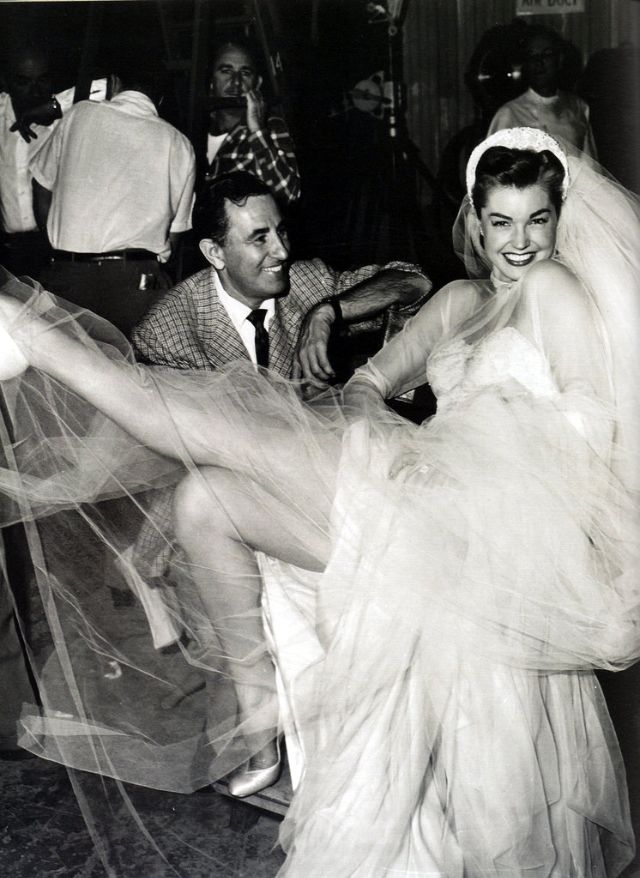



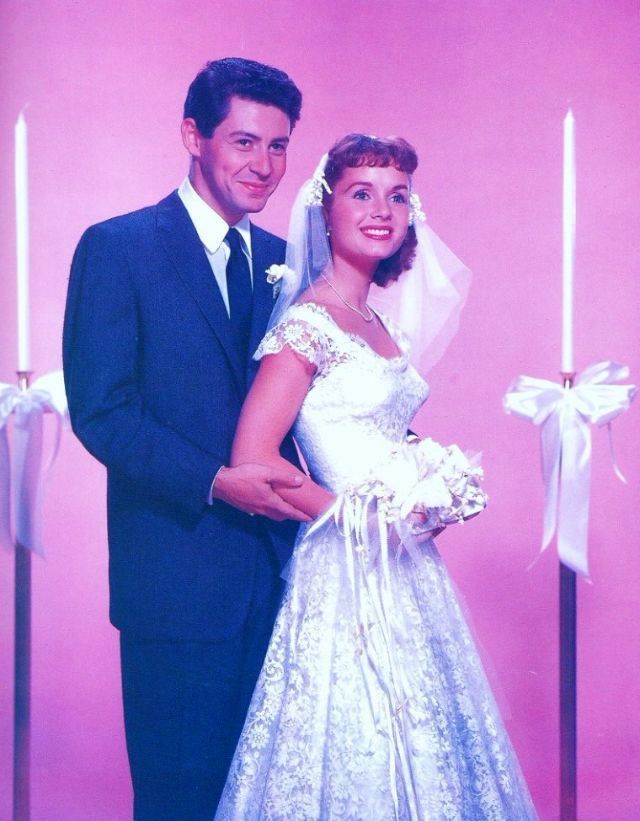


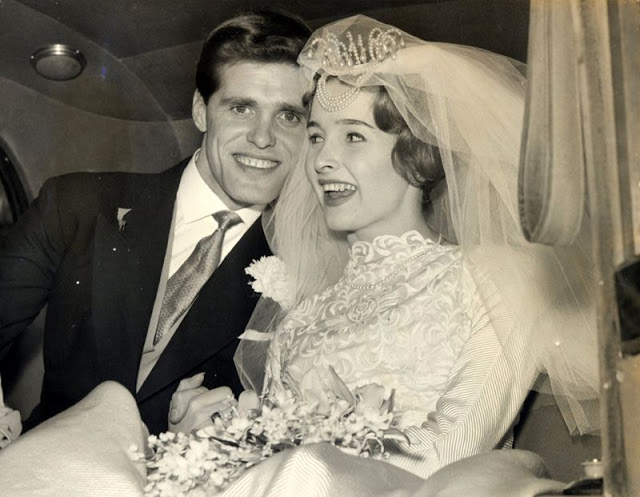
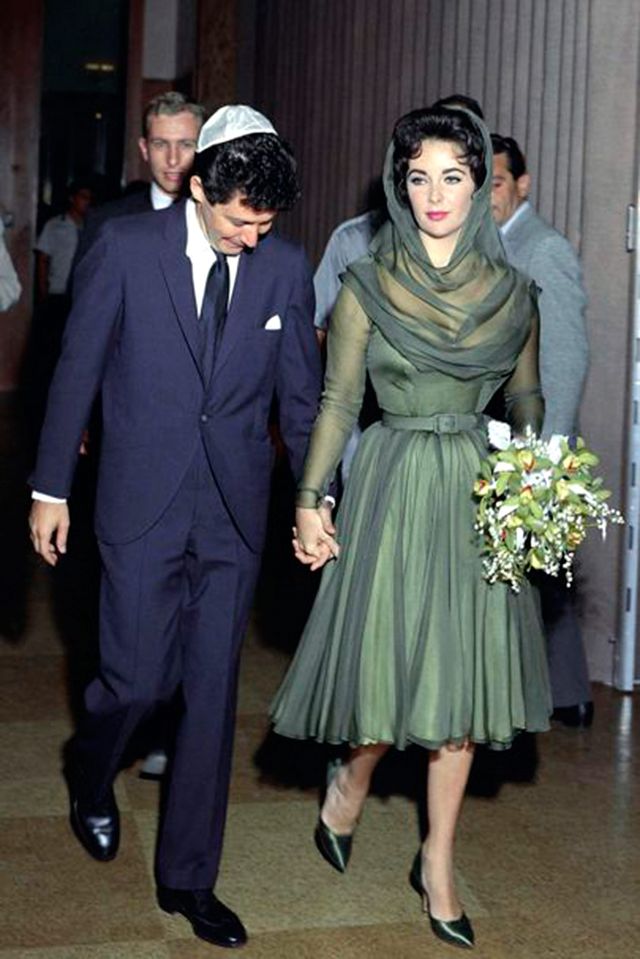
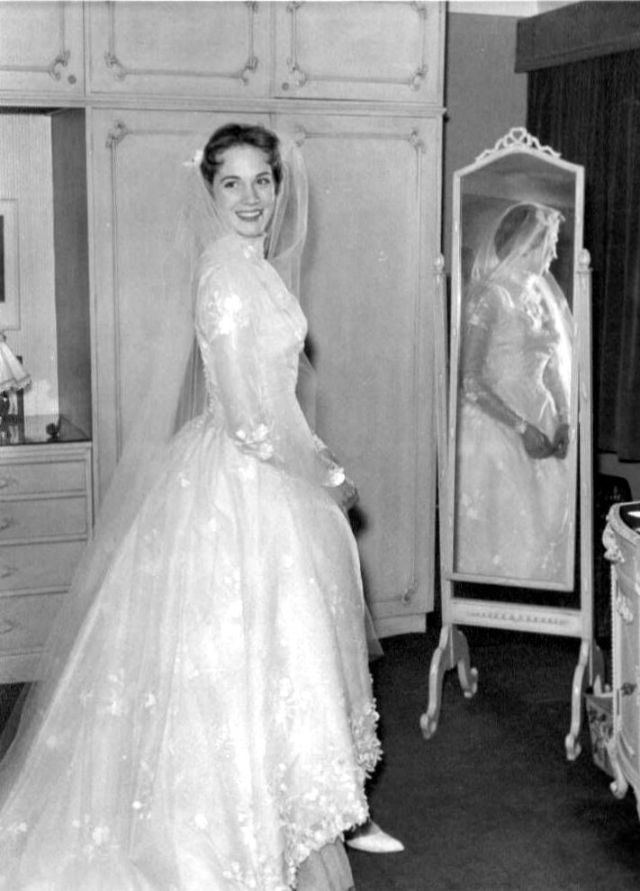
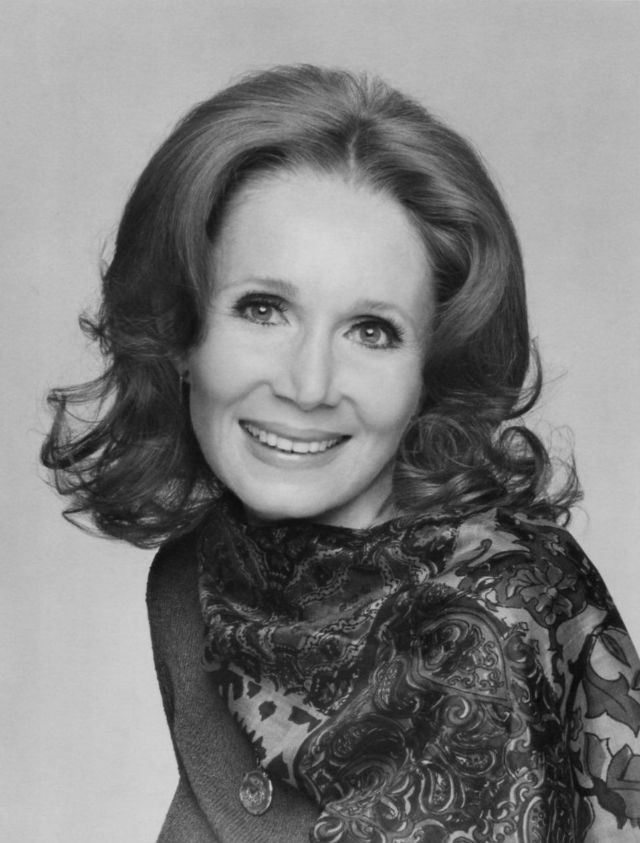
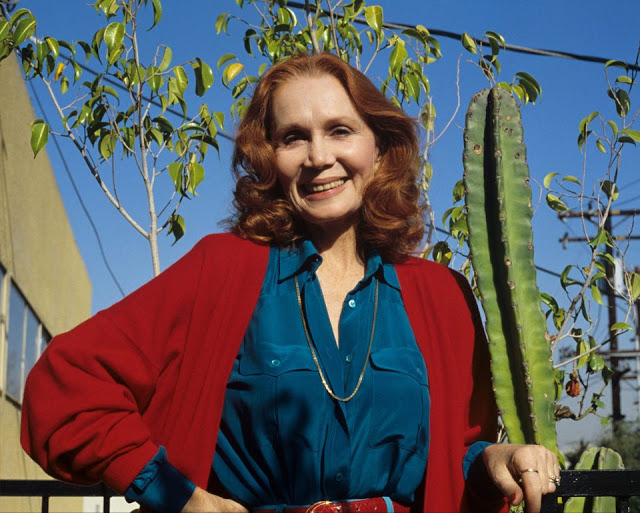
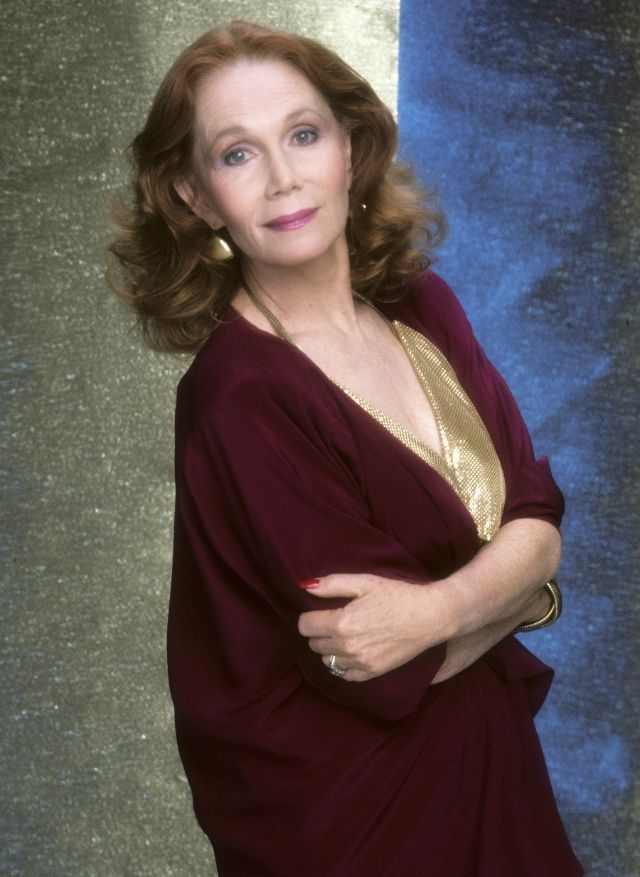
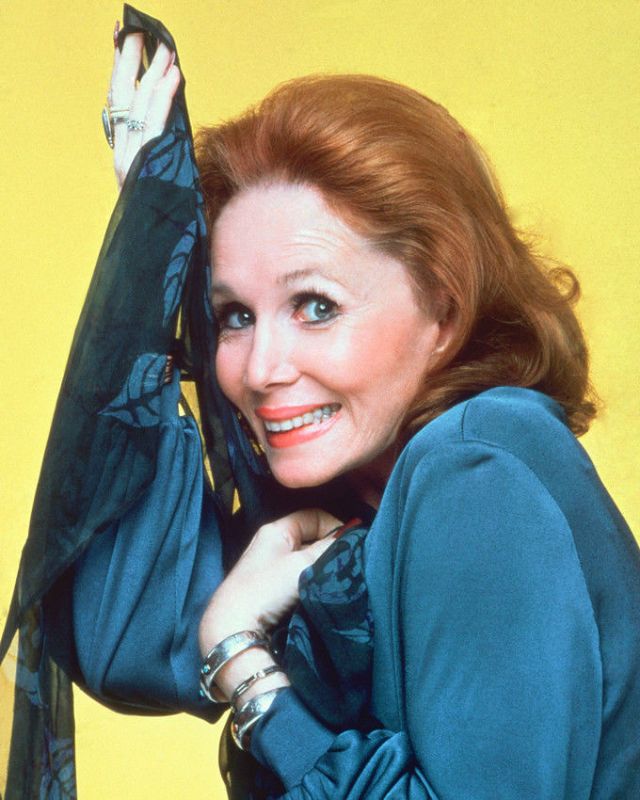
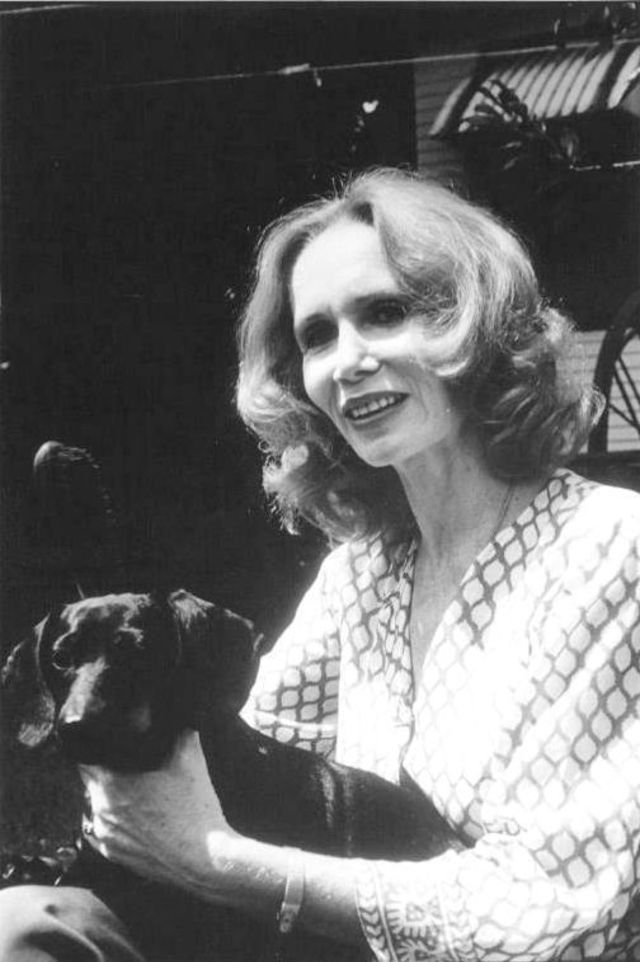
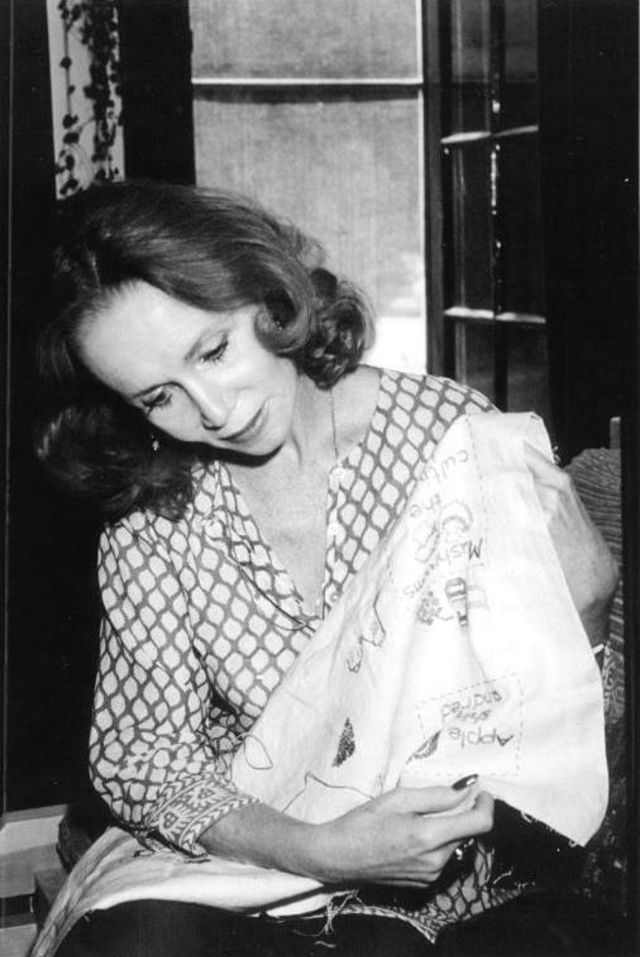
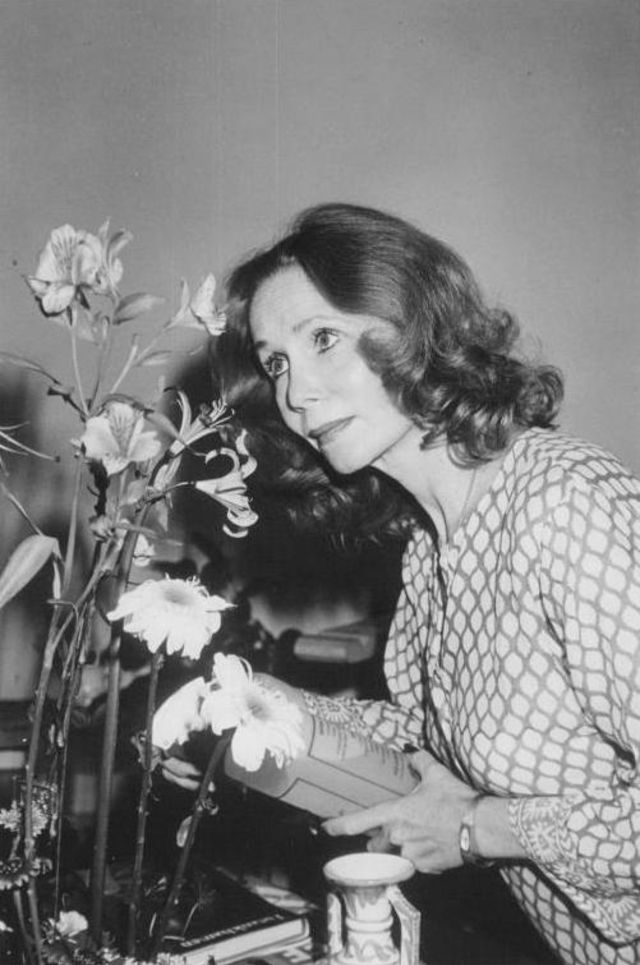
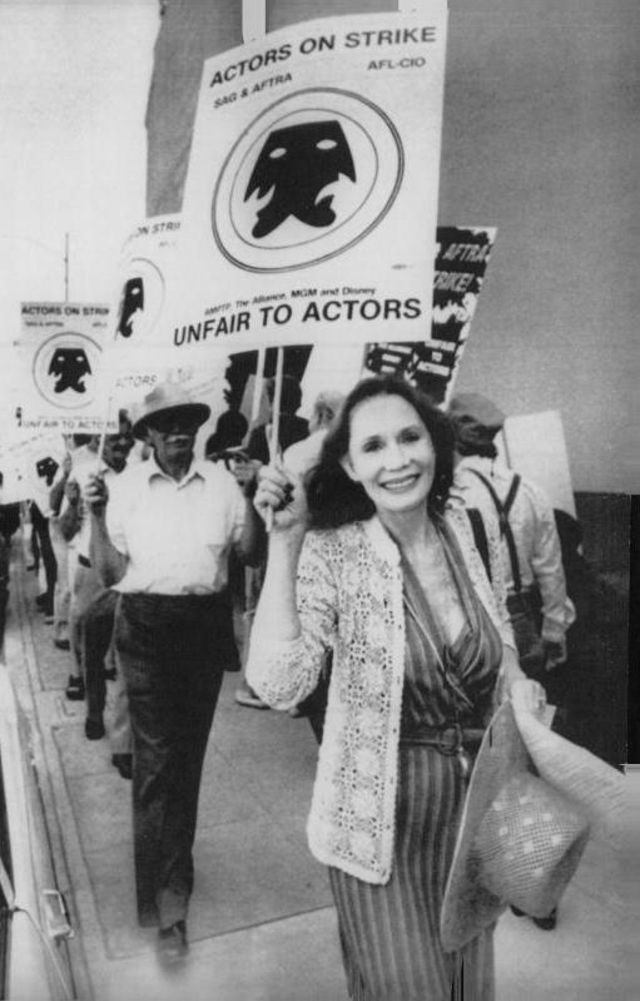
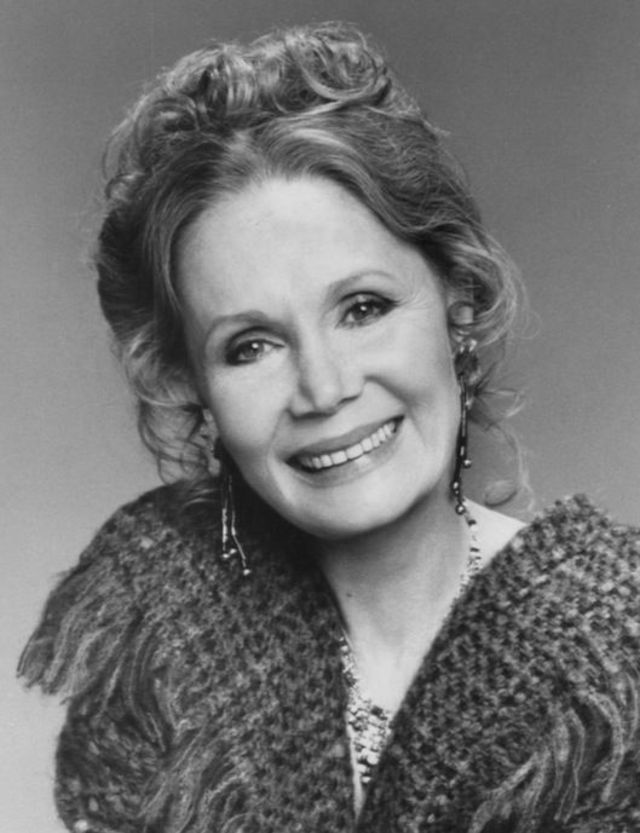
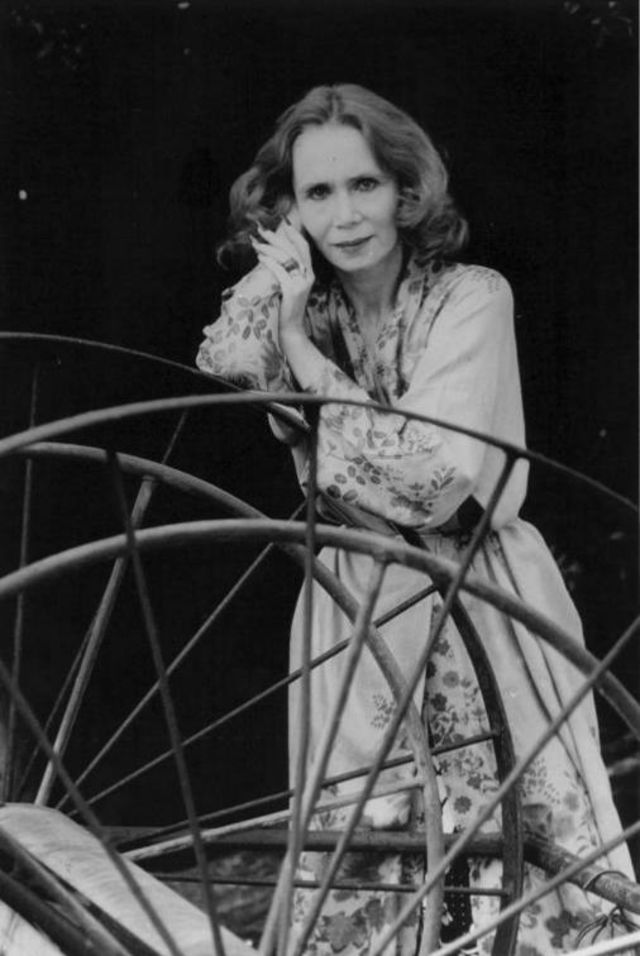
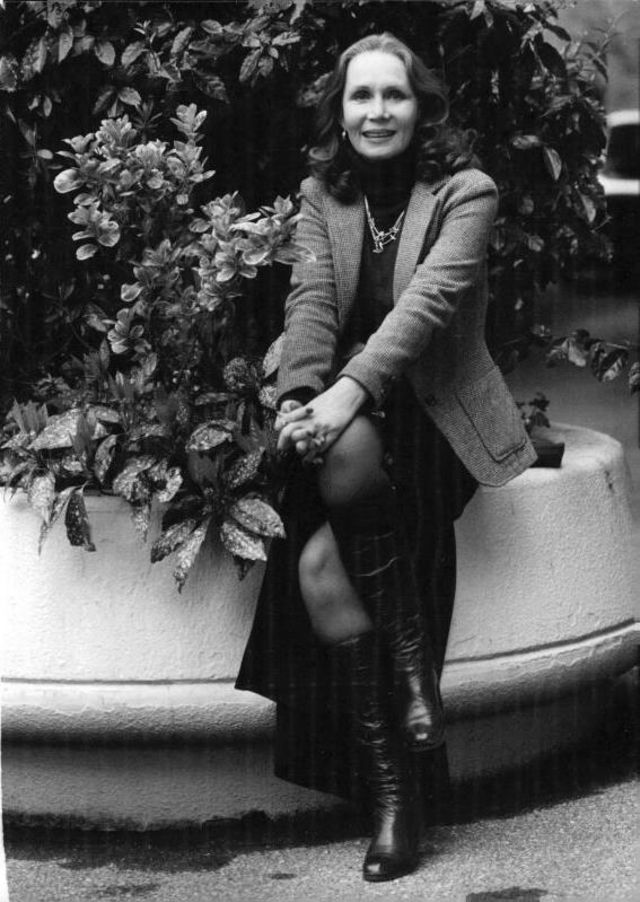
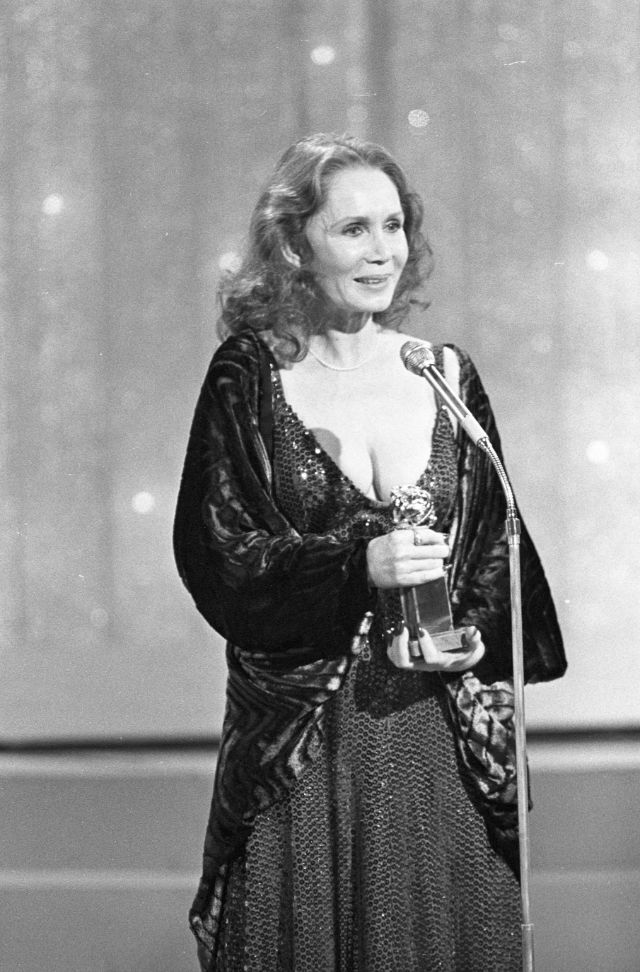
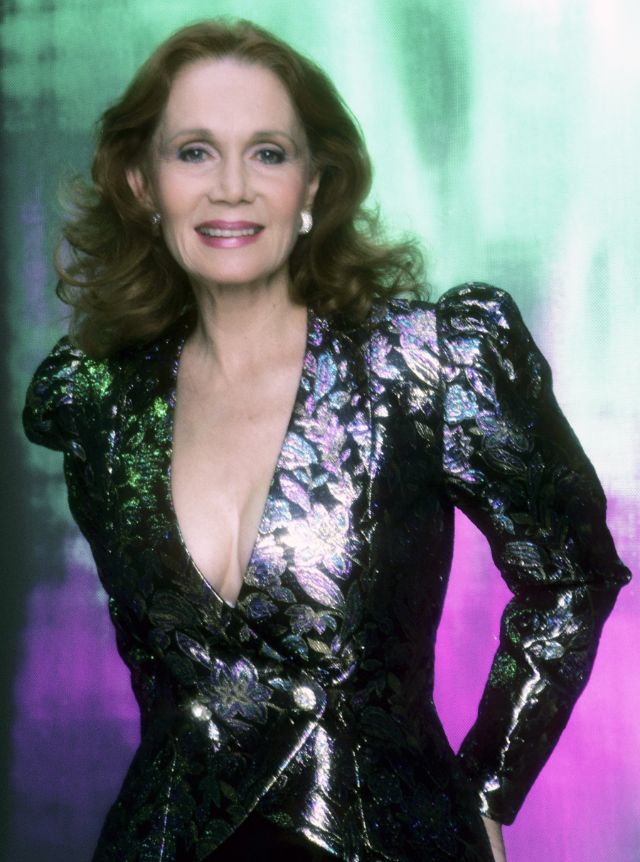
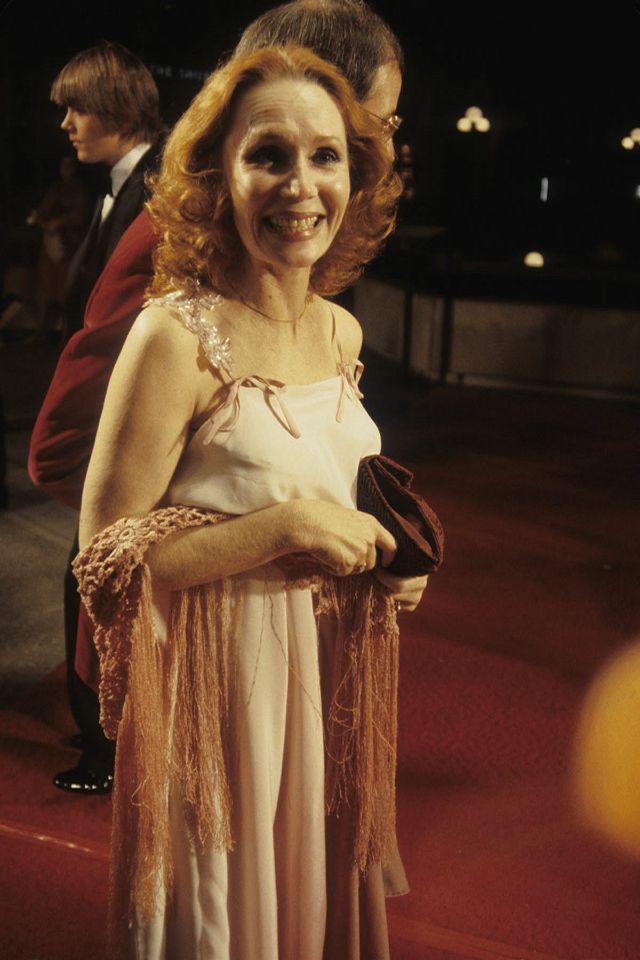
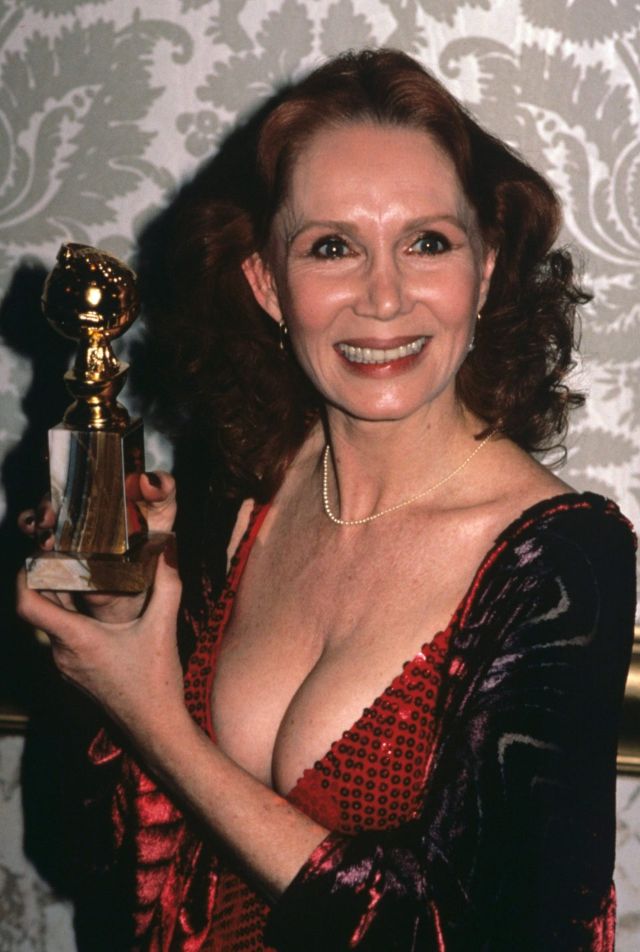
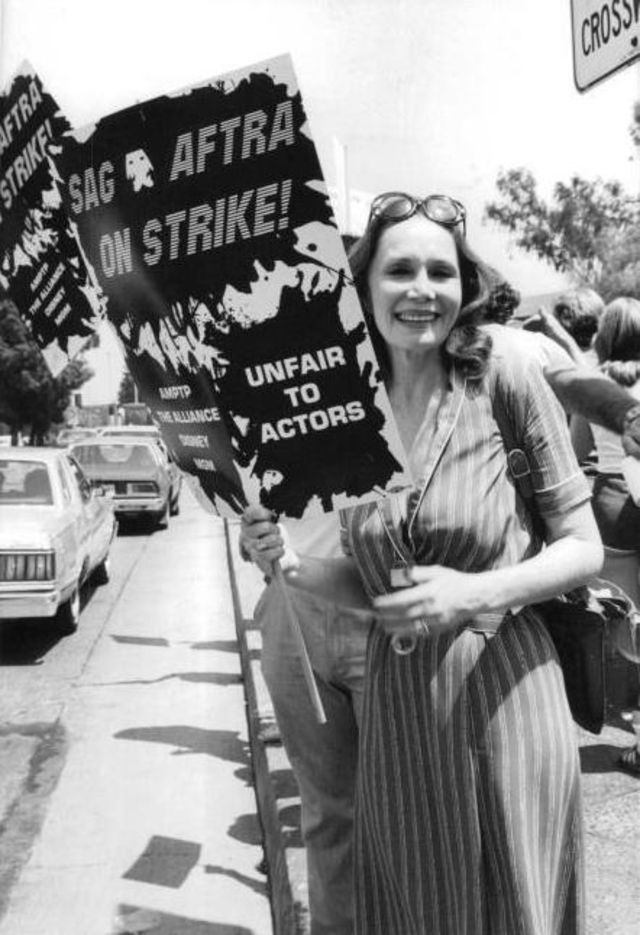
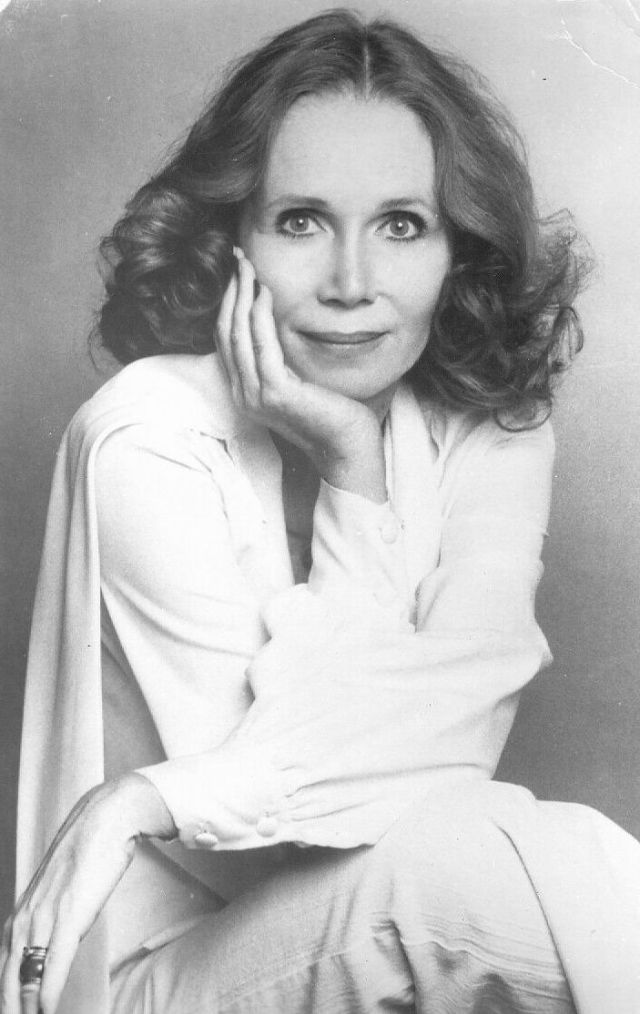
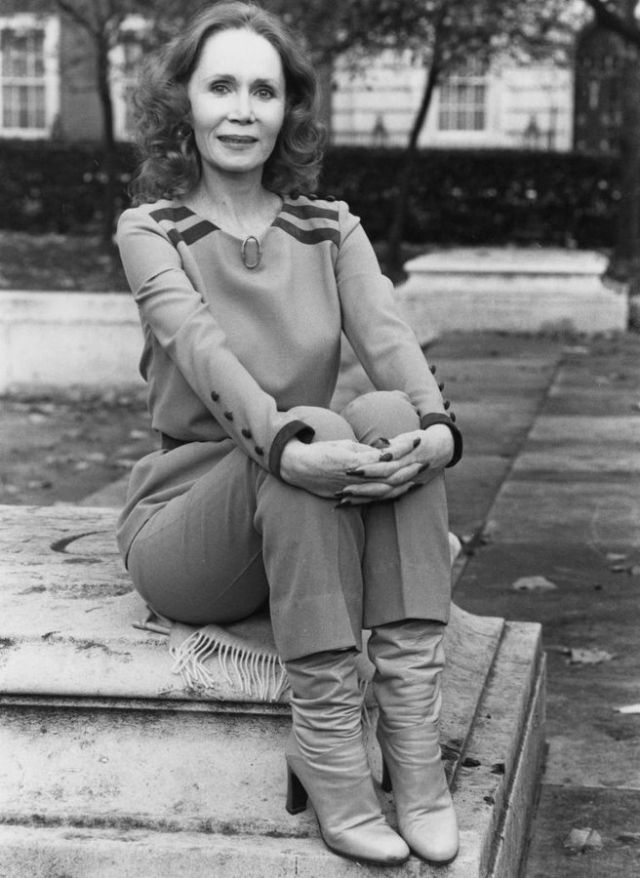
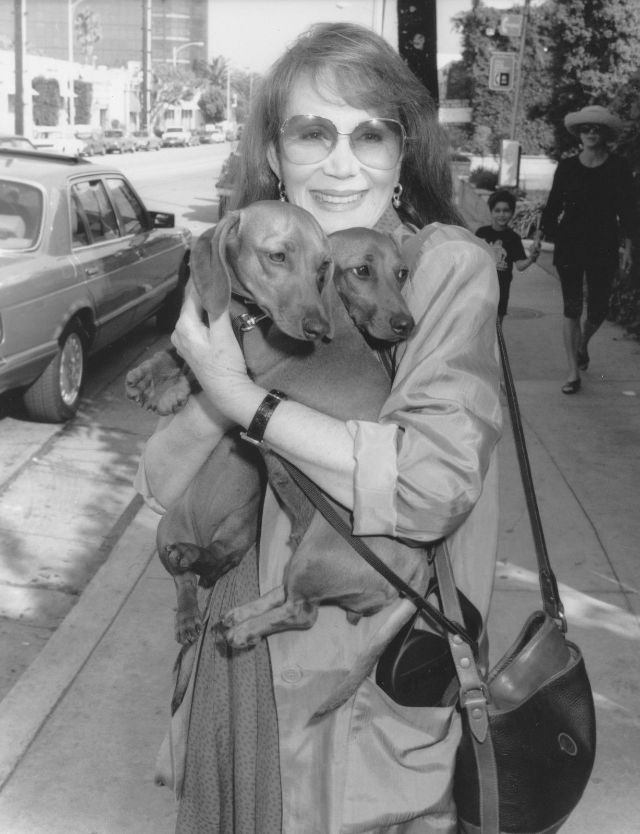
Katherine Helmond, the seven-time Emmy-nominated Texas actress who played the feisty, man-crazy mother Mona Robinson on the long-running ABC sitcom Who’s the Boss? died on February 23, 2019 at her Los Angeles home due to complications from Alzheimer’s disease. She was 89.
Born on Galveston Island in Texas on July 5, 1929, Katherine Marie Helmond was the only child of Joseph and Thelma Helmond. Her father was a fireman and her mother a housewife. Her parents divorced a few years after she was born, and she was raised in a strict Roman Catholic tradition by her mother and grandmother.
After her stage debut in As You Like It, Helmond began working in New York in 1955. She later ran a summer theatre in the Catskills for three seasons and taught acting in university theatre programs. She made her television debut in 1962, but would not achieve a high profile until the 1970s. She also acted on stage, earning a Tony nomination for her performance on Broadway in Eugene O’Neill’s The Great God Brown (1973). Other Broadway productions include Private Lives, Don Juan and Mixed Emotions.
Helmond appeared in such feature films as Family Plot (1976) and Brazil (1985), in which she played the mother of Jonathan Pryce’s character. In 1983, she studied at the American Film Institute’s Directing Workshop. She went on to direct four episodes of the television series Benson as well as one episode of Who’s the Boss? (1984). She picked up Emmy nominations for her role as Mona Robinson in Who’s the Boss? and as Lois Whelan in Everybody Loves Raymond. She also received acclaim for her stage performance in Eve Ensler’s The Vagina Monologues.
Helmond appeared in The Legend of Lizzie Borden (1975) as Emma Borden, the title character’s sister. She appeared in an episode of the short-lived 1976 CBS adventure series, Spencer’s Pilots, starring Gene Evans. Helmond gained prominence as Jessica Tate, the ditzy matriarch of the Tate family in Soap (1977–1981) on ABC. From 1984 to 1992, she played the role of Mona Robinson on the ABC sitcom Who’s the Boss?. The show was a ratings success, running for eight seasons and finishing in the Nielsen ‘Top 10’ four straight years. In 1993, she appeared in one episode of the British version of Who’s the Boss?, The Upper Hand.
From 1995 to 1997, she starred in the ABC sitcom Coach as Doris Sherman, eccentric owner of the fictional Orlando Breakers professional football team. From 1996 to 2004, she had a recurring role on Everybody Loves Raymond as Lois Whelan (Ray Barone’s mother-in-law). On July 25, 2010, she guest-starred on A&E’s The Glades. She also guest starred as Caroline Bellefleur on HBO’s True Blood.
Despite many difficult times on set, Helmond “never fell out of love” with acting. “I felt I blossomed as a person when I got a chance to act,” she said. “It’s been like an incredible marriage that really worked. I enjoyed every minute of it.”


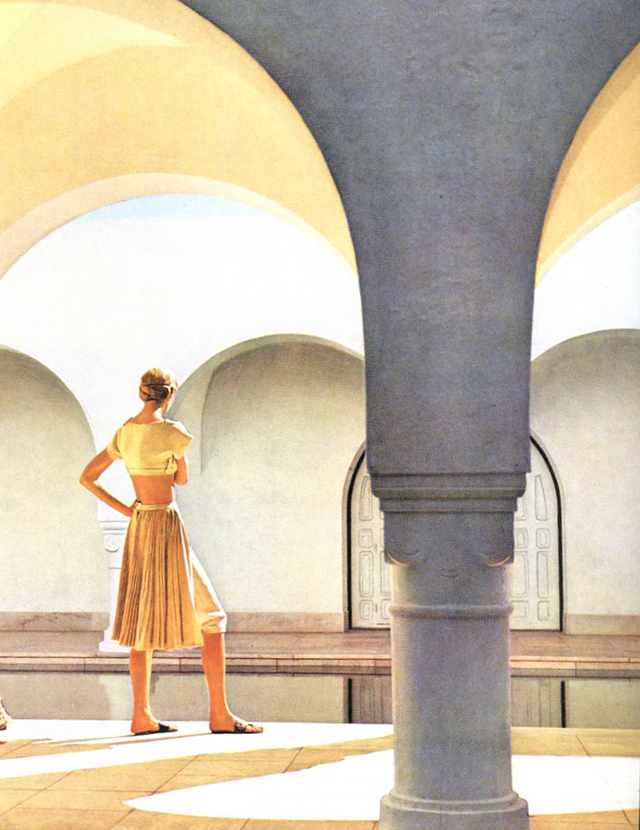
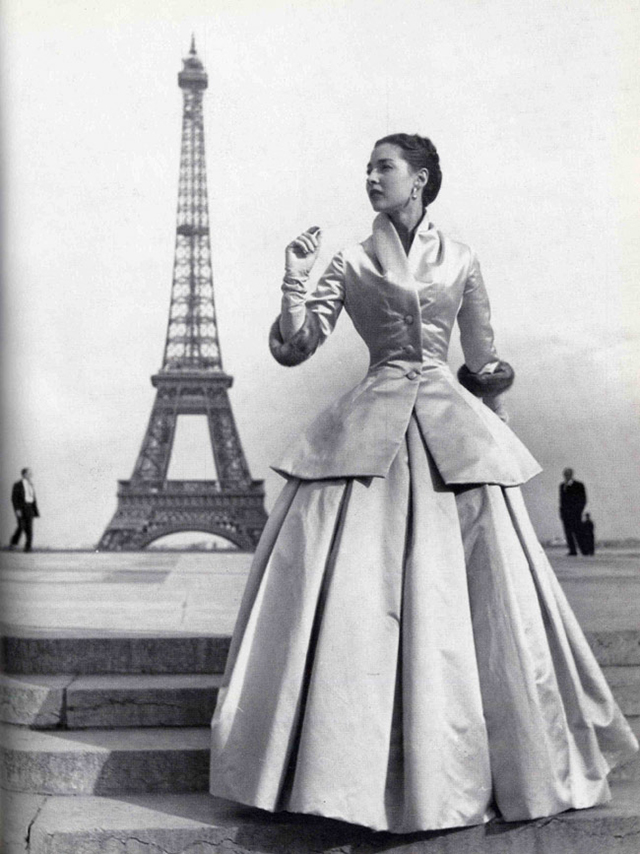
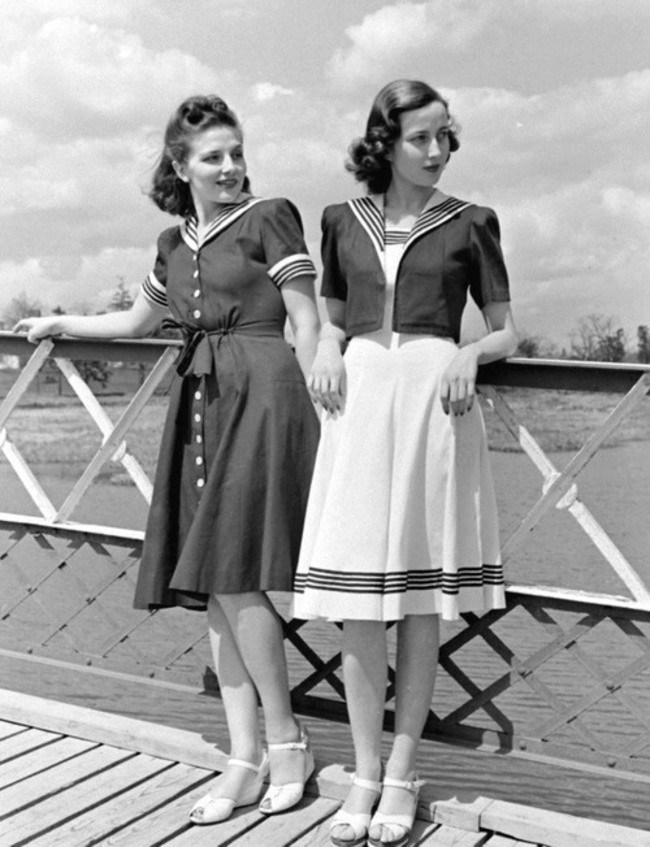
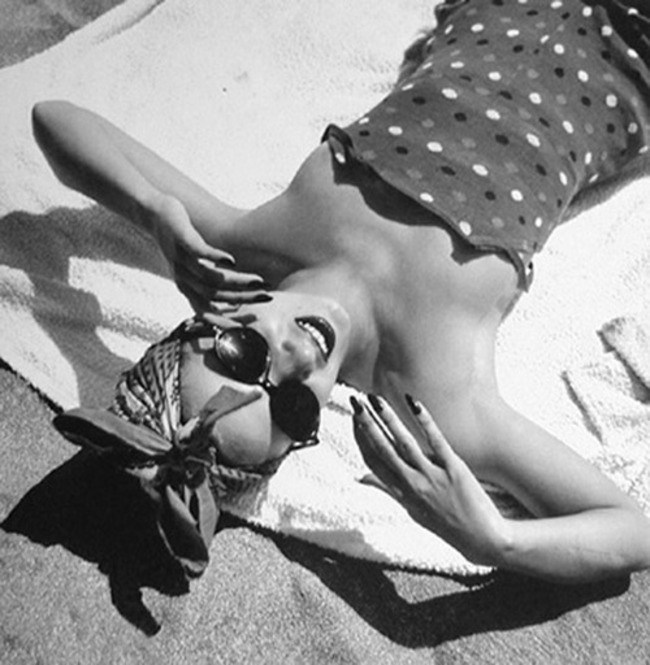
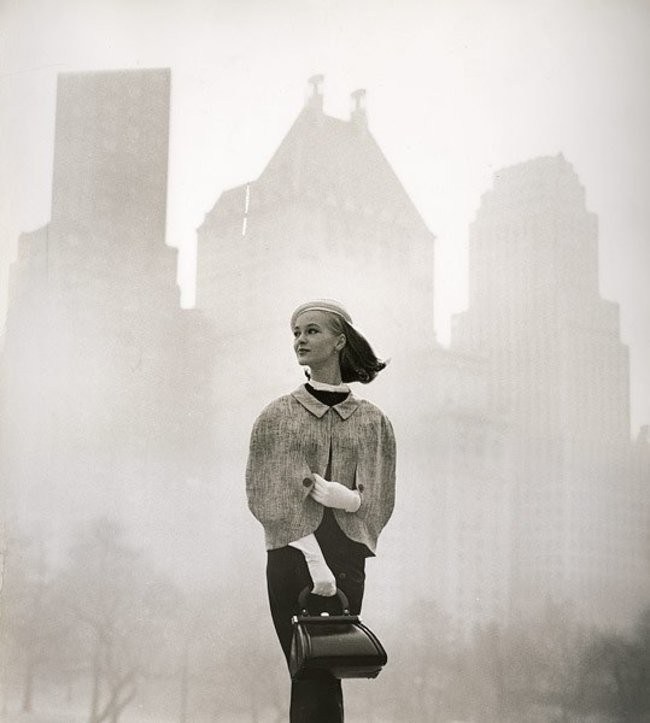
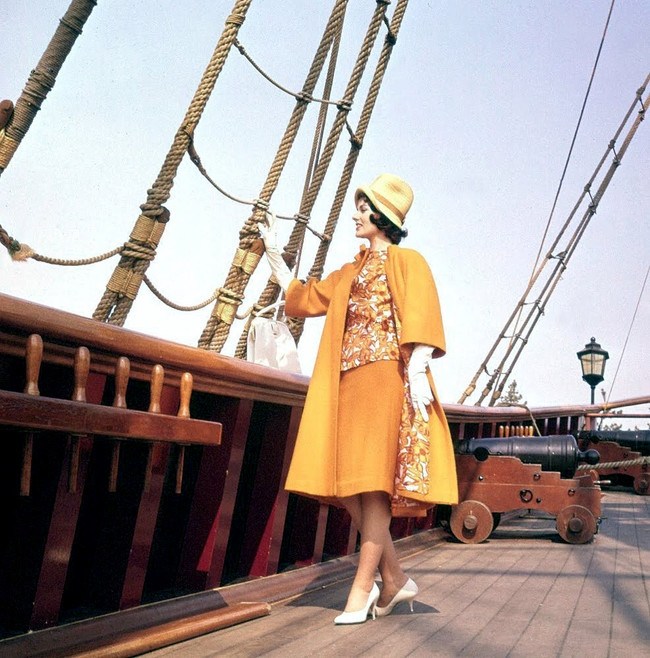
As a staff photographer for Harper’s Bazaar, Louise Dahl-Wolfe introduced a witty naturalism to the staid conventions of fashion photography and helped pioneer the use of color film.
After studying painting, figure drawing, and design at the San Francisco Institute of Art, Dahl-Wolfe began experimenting with photography in 1921, inspired by Anne Brigman’s photographs. In 1928, Dahl-Wolfe married American sculptor Meyer (Mike) Wolfe and soon established herself as a professional photographer.
Dahl-Wolfe often juxtaposed her models with famous works of art, resulting in surprising and irreverent compositions. Fashion assignments led her to locations around the world, where she posed her models outdoors, in natural light. Throughout this period, Dahl-Wolfe also created striking portrait photographs of society figures and art world celebrities, including authors Carson McCullers and Colette, designer Christian Dior, and sculptor Isamu Noguchi.




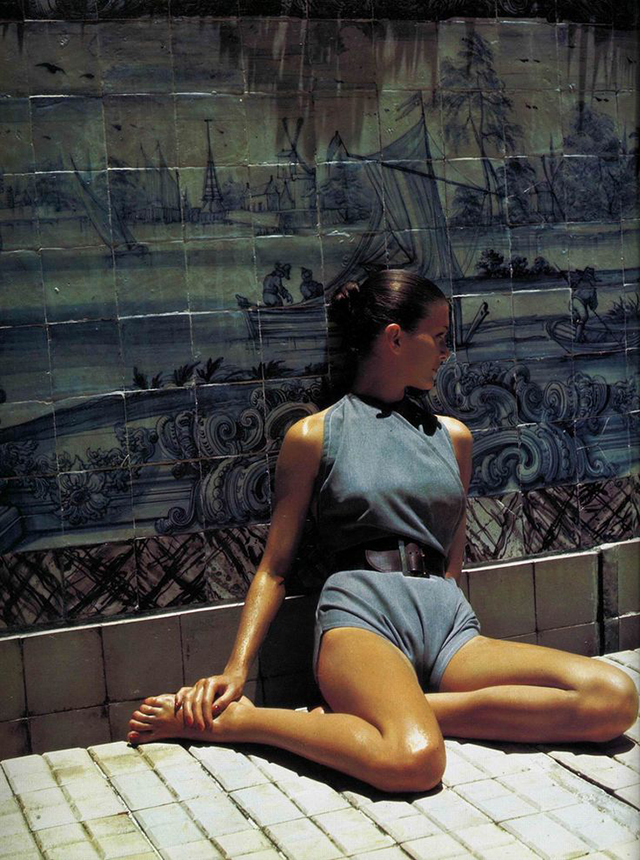

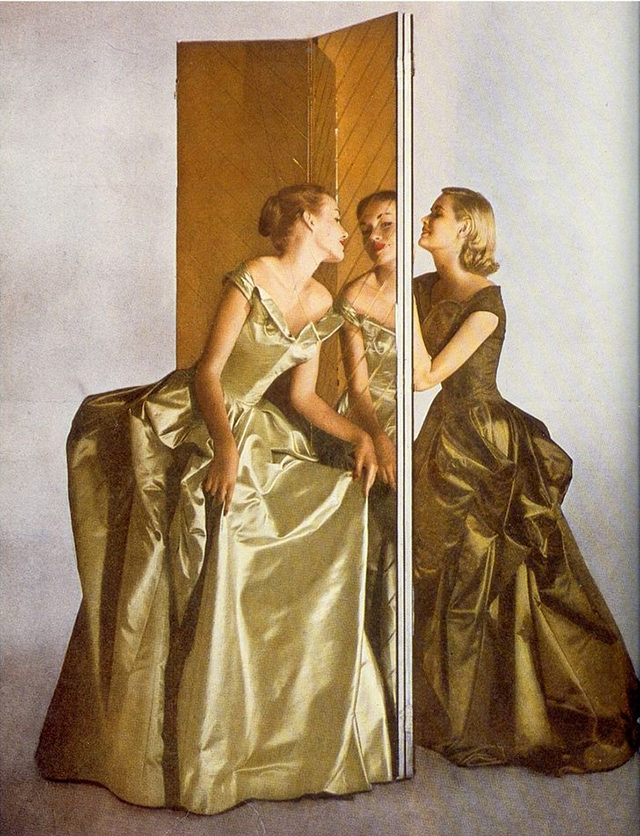


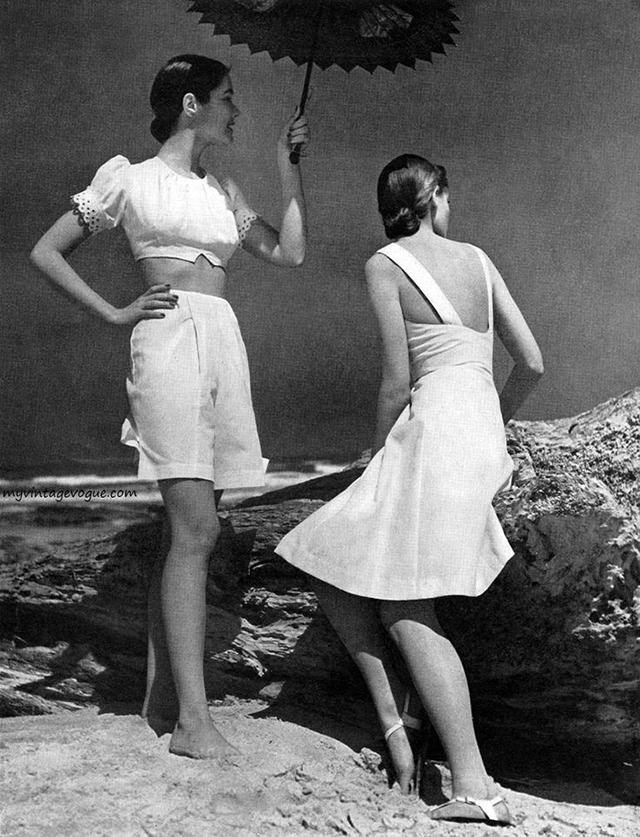


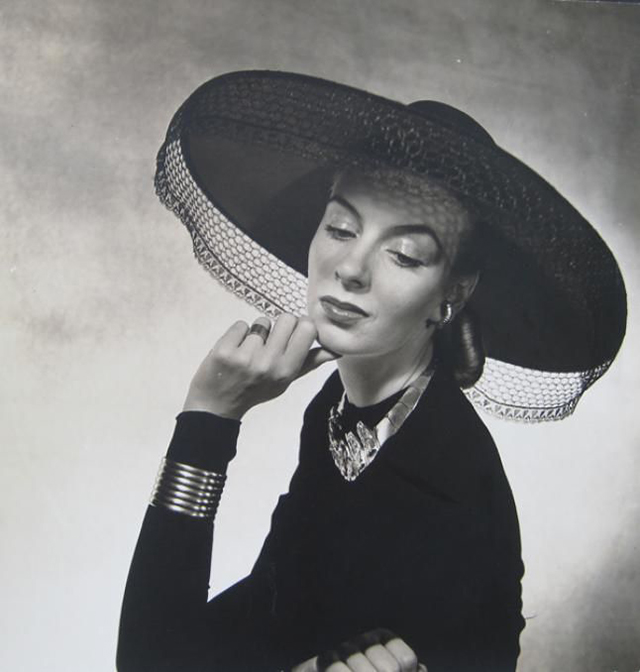

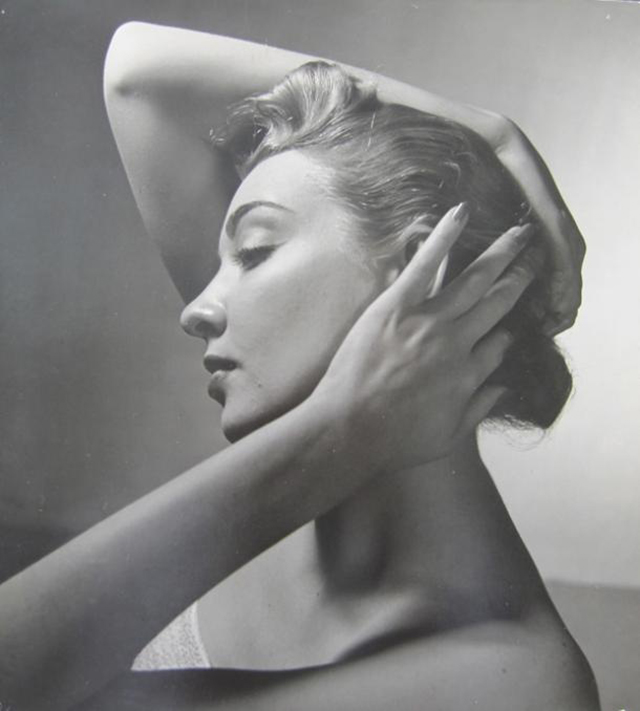
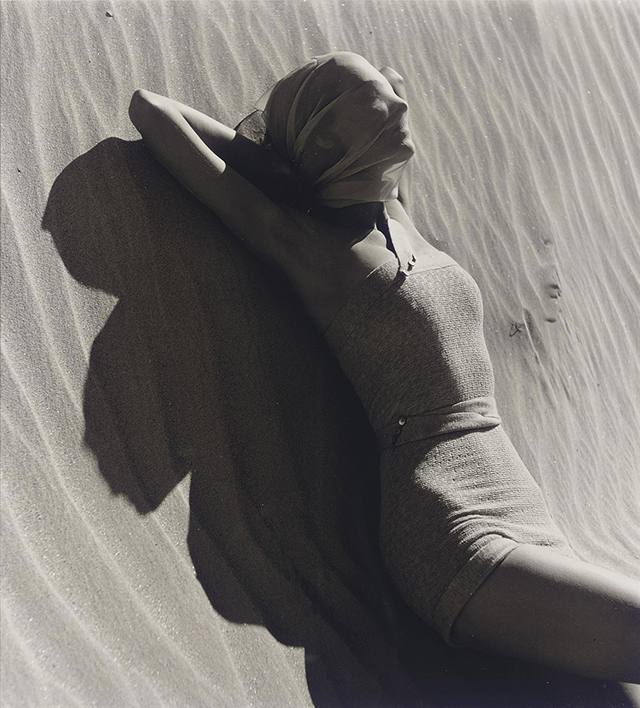

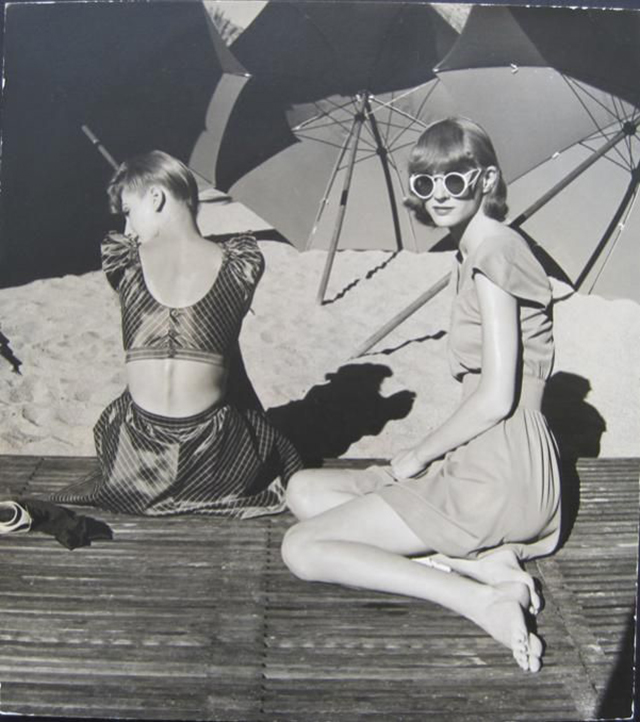


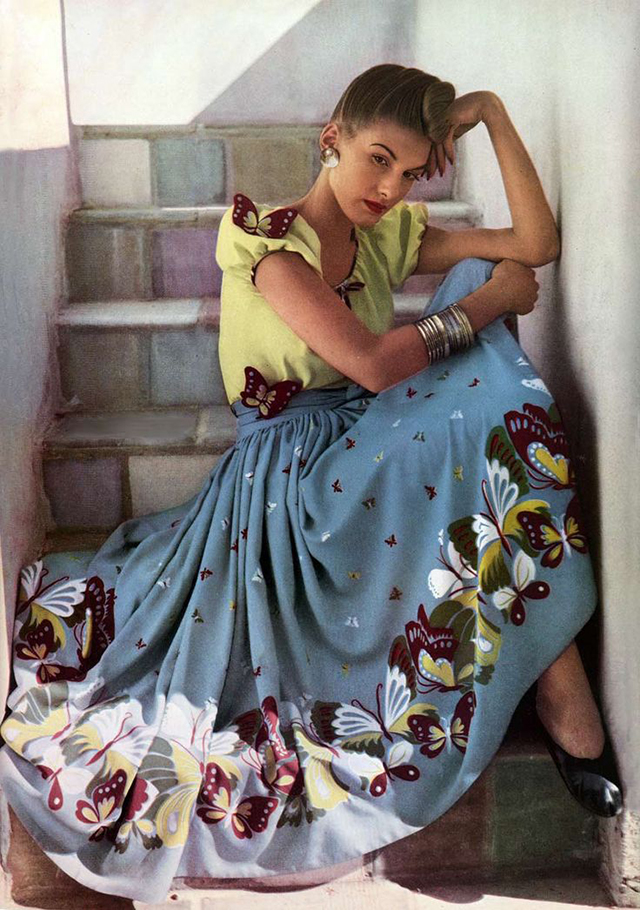
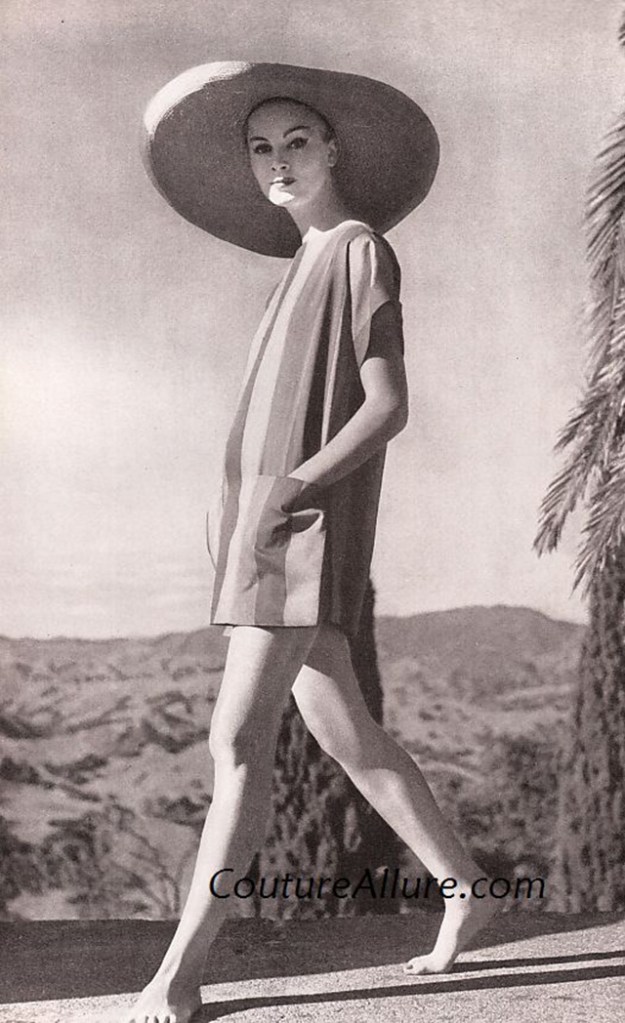
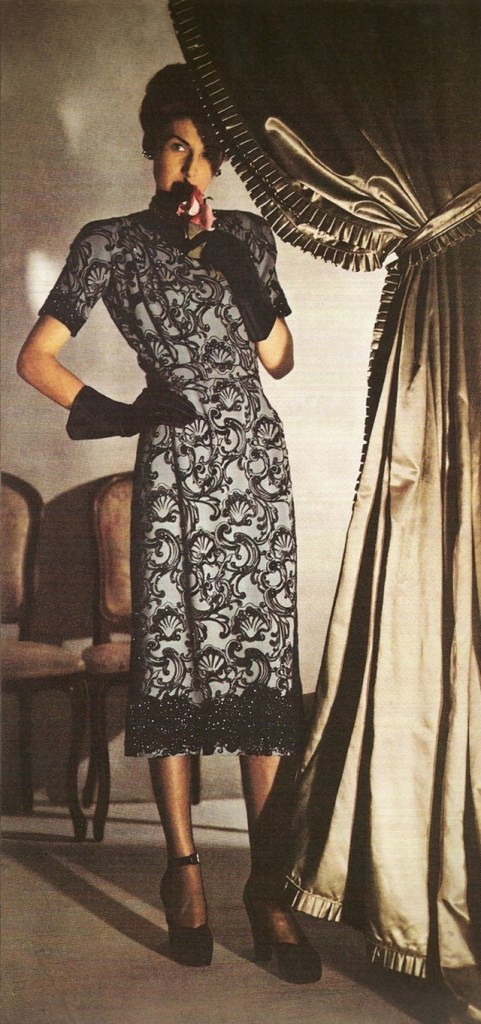

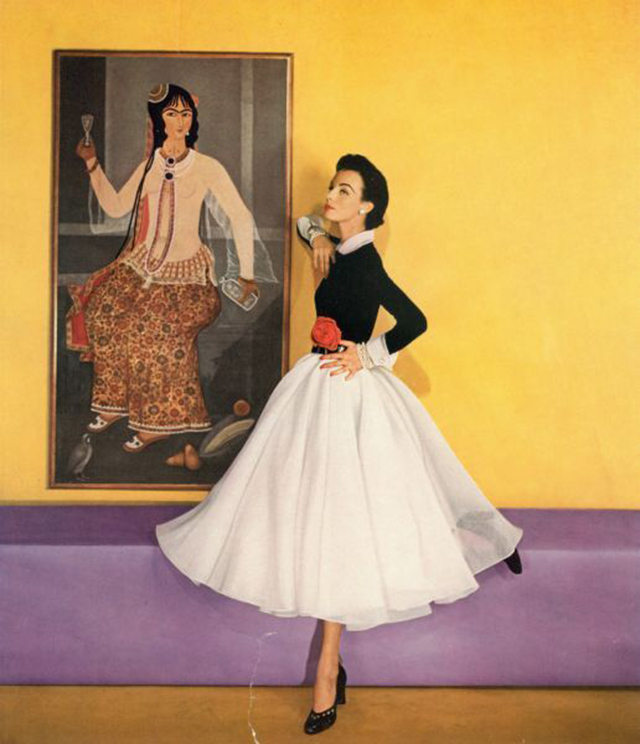
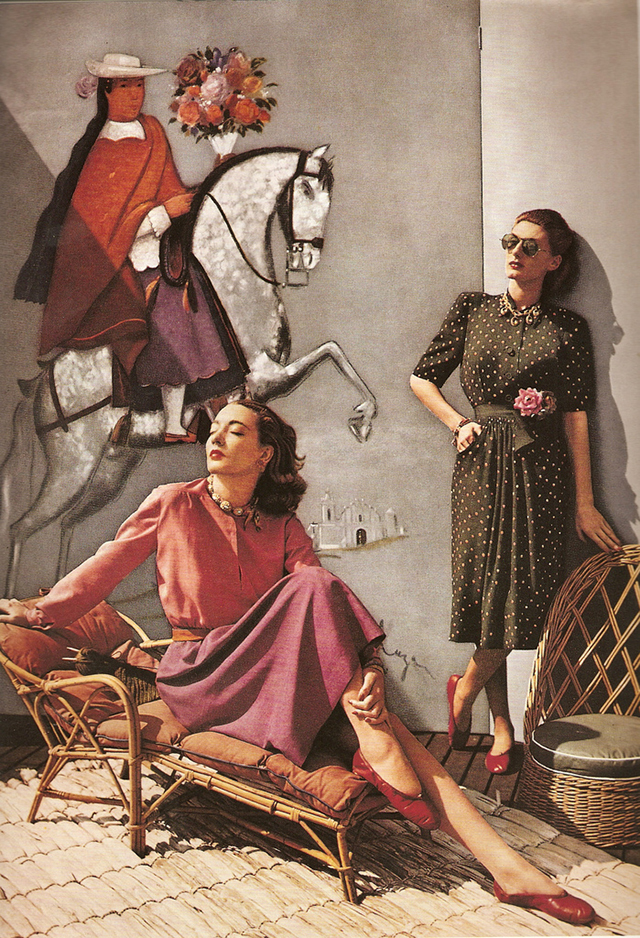
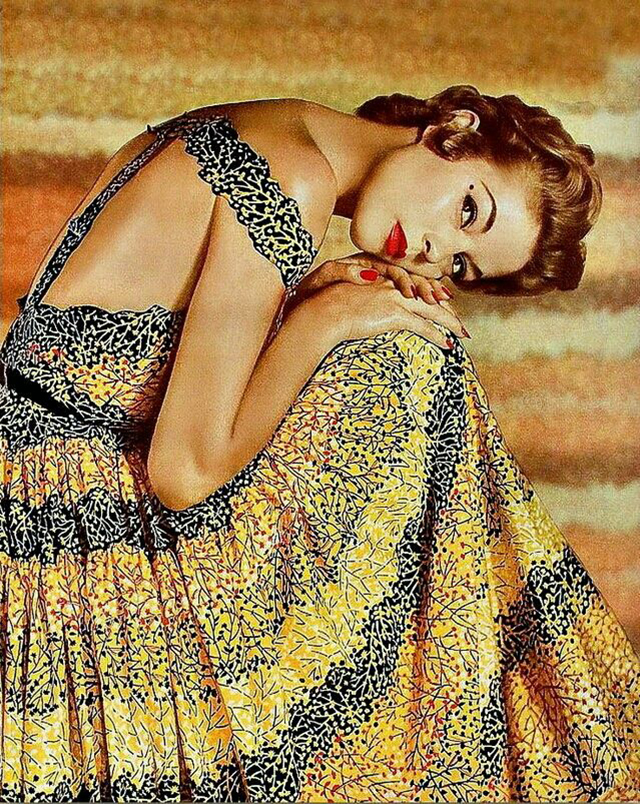
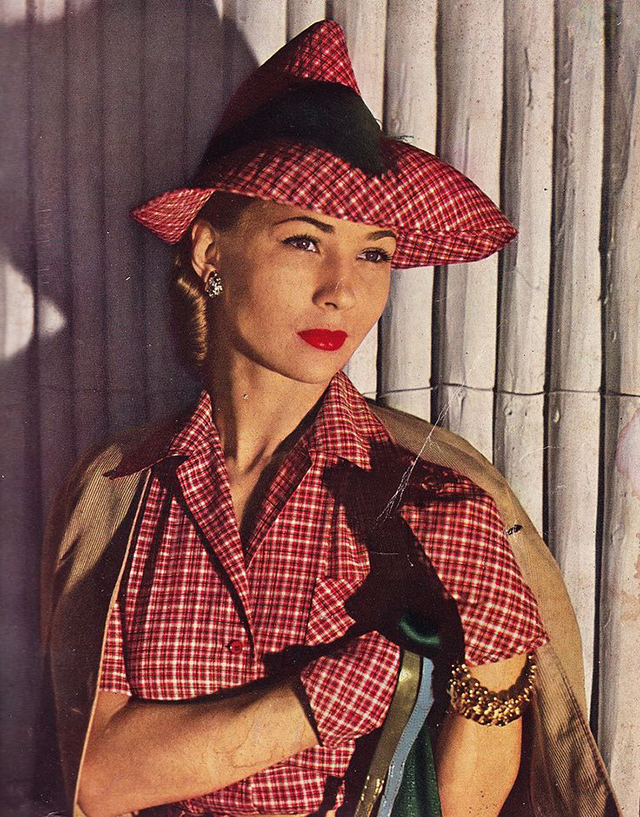


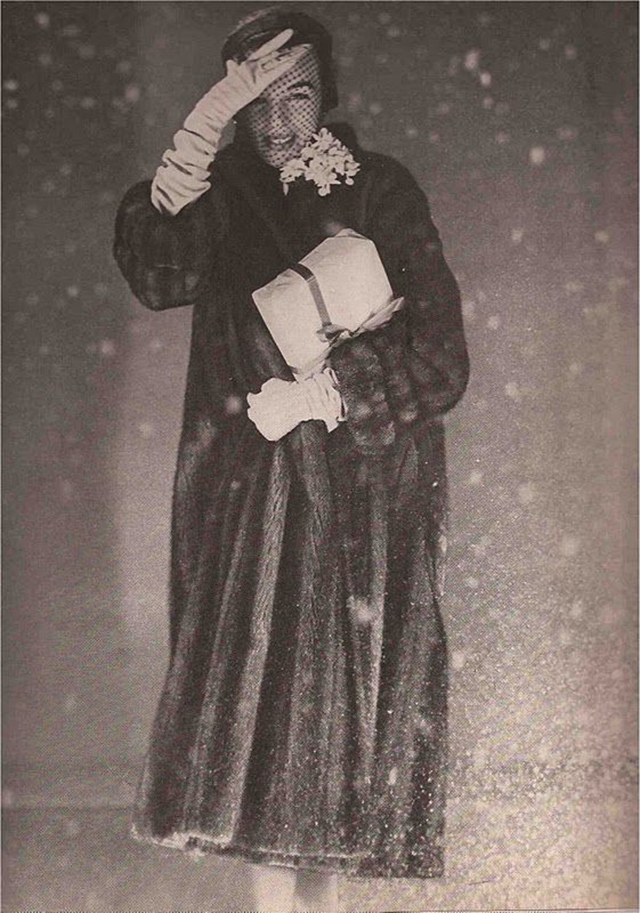
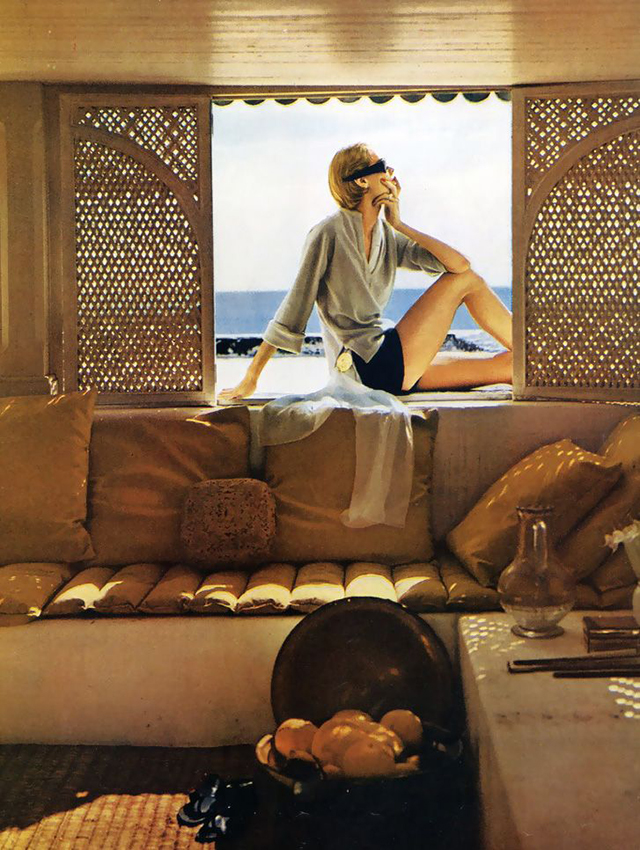


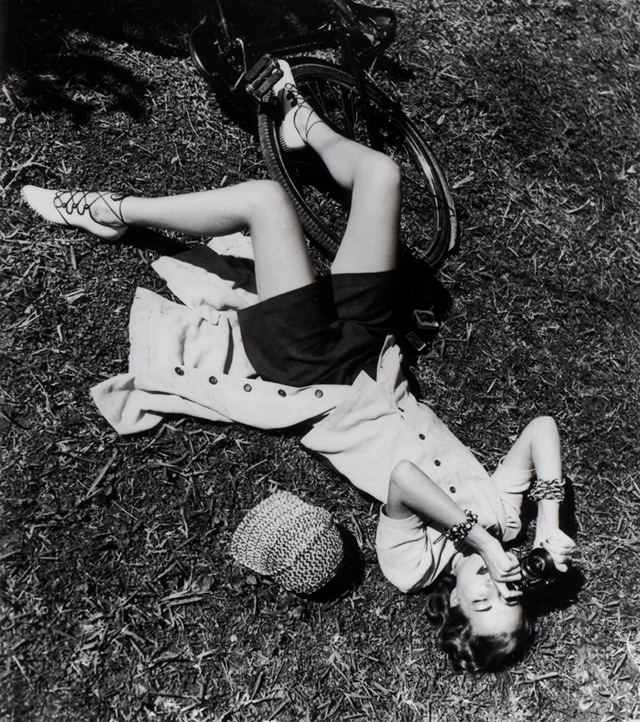


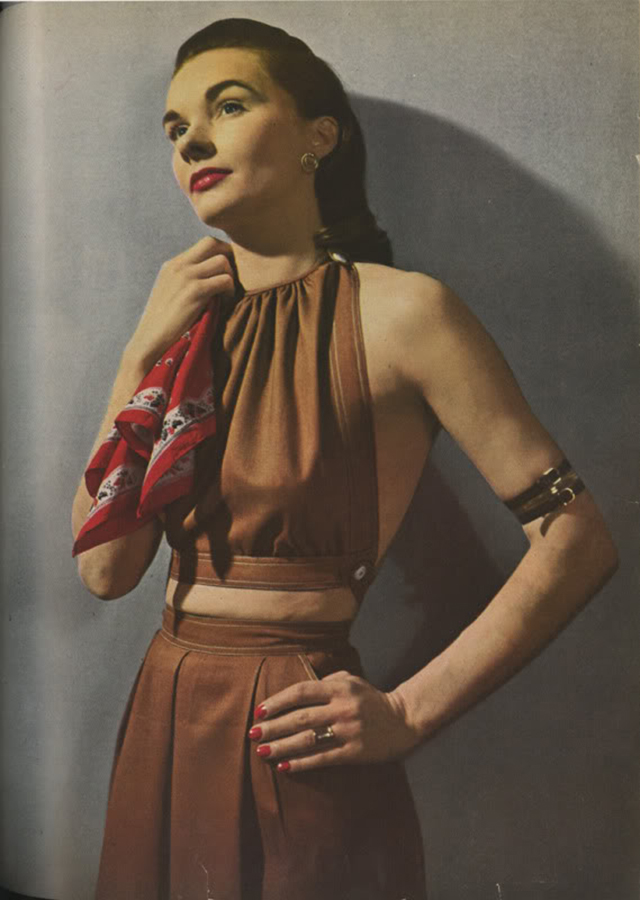

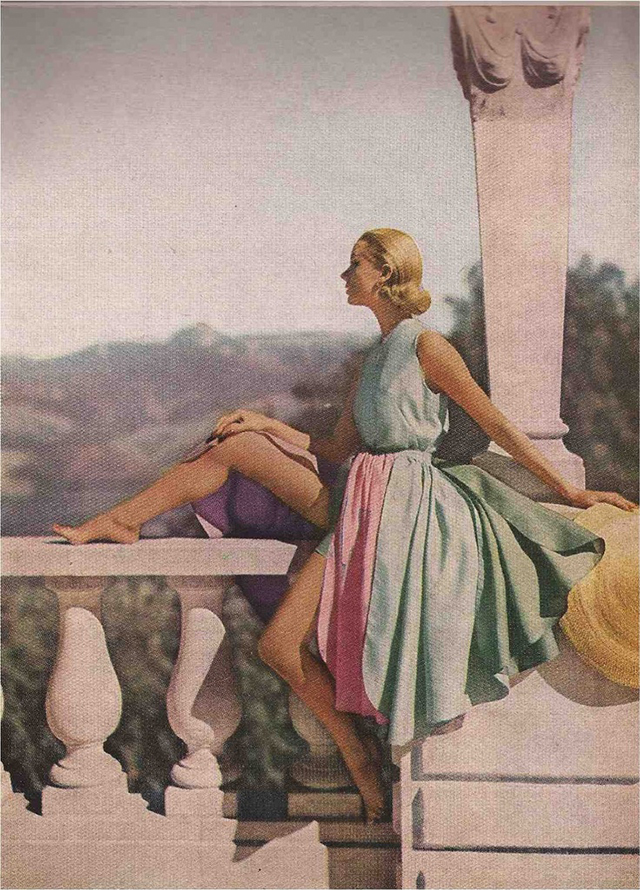

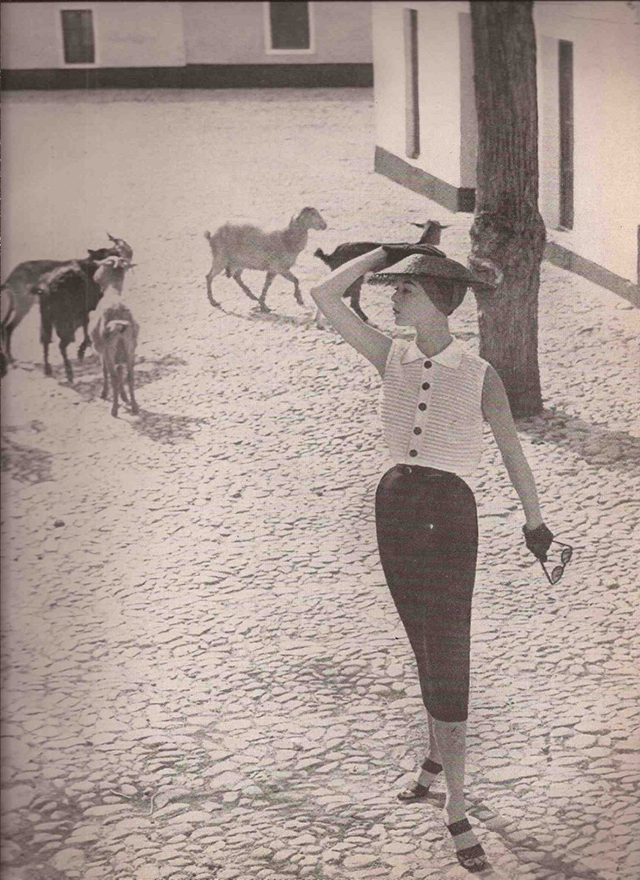

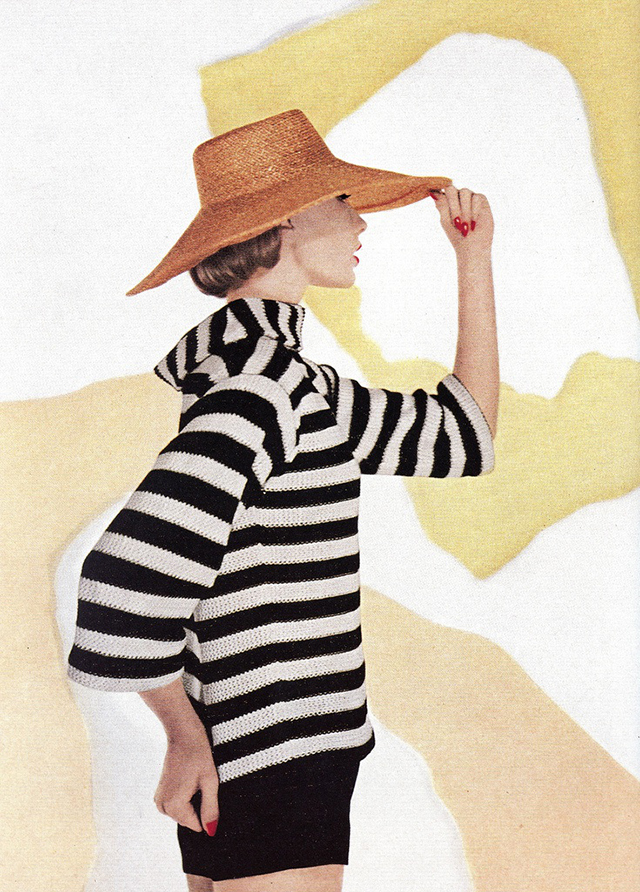
(Photos by Louise Dahl-Wolfe)

Read more of this content when you subscribe today.
An untold number of children were touched by the atrocities of World War II. Throughout the war, the proportion of civilian deaths to military deaths is said to have been as high as three to one — and some countries were definitely affected much worse than others.
The country most affected during the war was Poland. More than 6 million people, equal to one-sixth of the country’s pre-war population, died during World War II. All of these victims were predominantly civilian, with a great many of them being children.
However, getting caught up in the maelstrom of war, whether it be a mass execution or a bombing raid were not the only tragic circumstances that Polish children had to worry about. Many of them faced the distinct possibility of being kidnapped by their German oppressors. Under “Generalplan Ost” — the Nazi plan for genocide and ethnic cleansing in Europe — tens of thousands of Polish children were kidnapped and taken to Germany to become “Germanized.”
It has been calculated that over 250,000 Polish children were kidnapped during World War II. It is estimated that nearly 75 percent of these children never made it back home to their families in Poland after the war.
Aside from Poland, a large number of other countries suffered immensely horrifying civilian casualties during World War II. Some of the countries include include the Soviet Union, China, Germany (where an estimated 76,000 children died as a direct result of Allied bombing raids), Japan, India, and the Philippines.
Let us not forget that more than 1 million Jewish children were killed by the Nazis and their allies or packed into ghettos across Eastern Europe. In these ghettos, children often died from starvation and other privations. Those that did not die in the ghettos were either consigned to the death camps to be gassed or were executed and placed in mass graves.
Only those adults and children who were considered productive and useful to the German war effort were spared and even then, their fate was effectively secured by the horrendous working conditions and the miniscule amount of food given to each needed for subsistence. What made these mass killings even worse was the fact that, during the war, most of the world thought that these stories of mass extermination and death camps were propaganda – tales not to be belived.
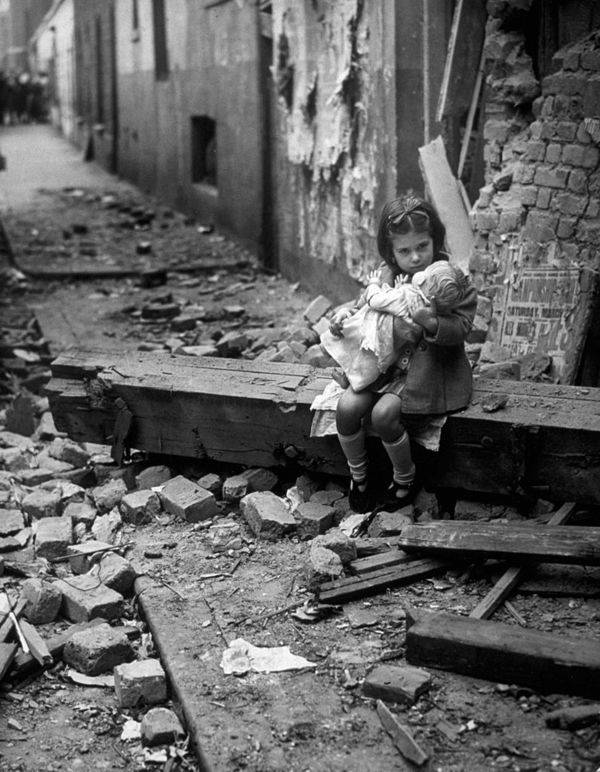
Many of the most touching photographs that depict children during World War 2 show Britain during the Blitz. A large number of British children were sent away to the countryside as part of the government’s evacuation scheme known as Operation Pied Piper. The evacuation scheme had been touted as a great success in the media but in actual fact, by early 1940, more than 60 percent of children had returned home, just in time to witness the Blitz. All told, at least 5,028 children died during the Blitz.
While historians have tended to focus on other more high profiles topics relating to the Second World War the facy remains that without a doubt, children are the forgotten victims of the war.

Become a paid subscriber to get access to the rest of this post and other exclusive content.
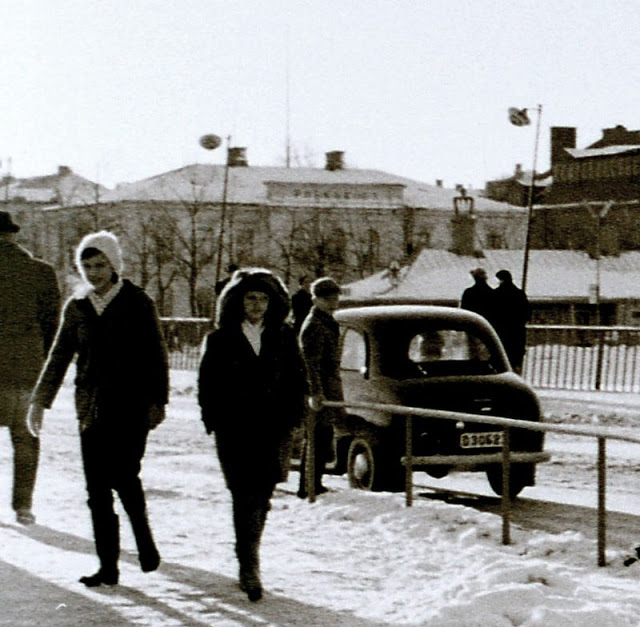
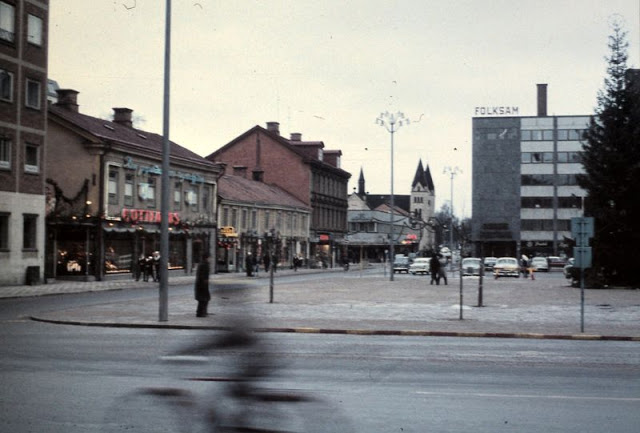
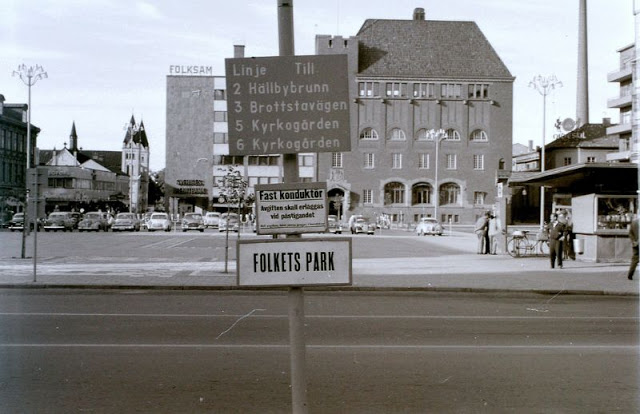
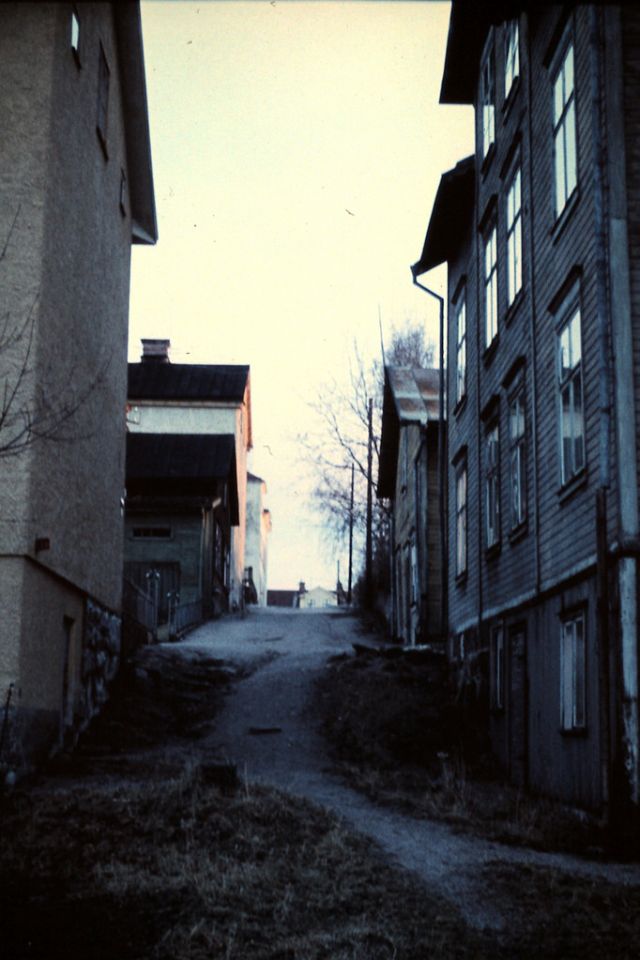
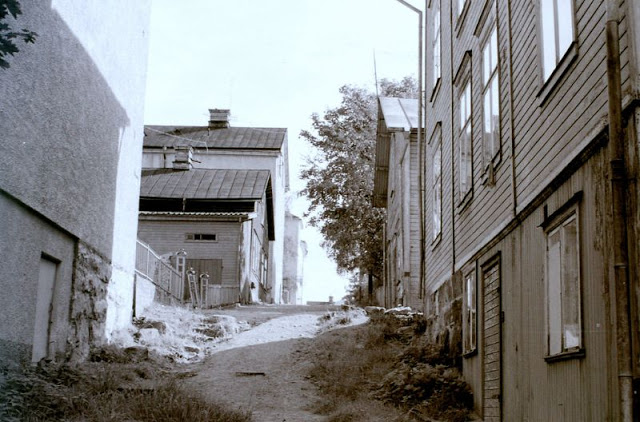
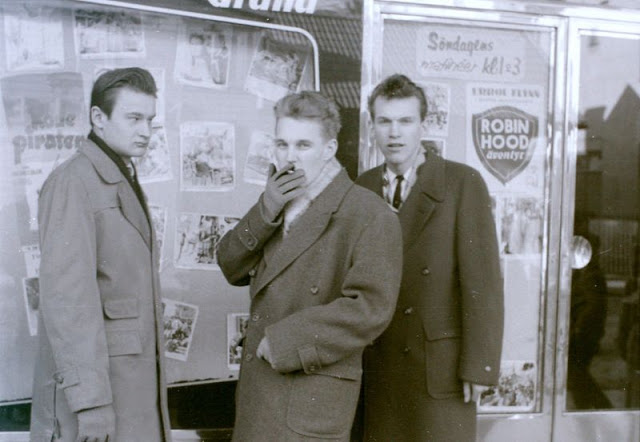
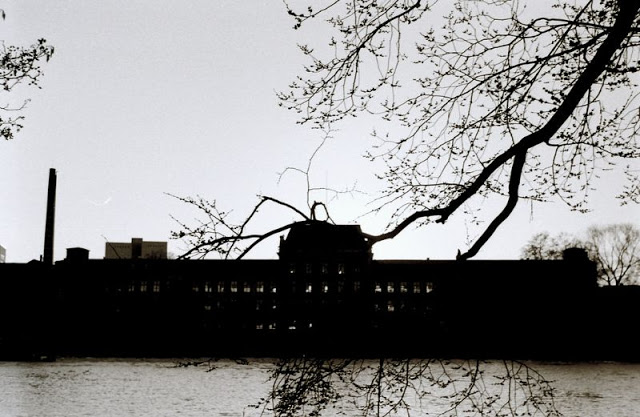
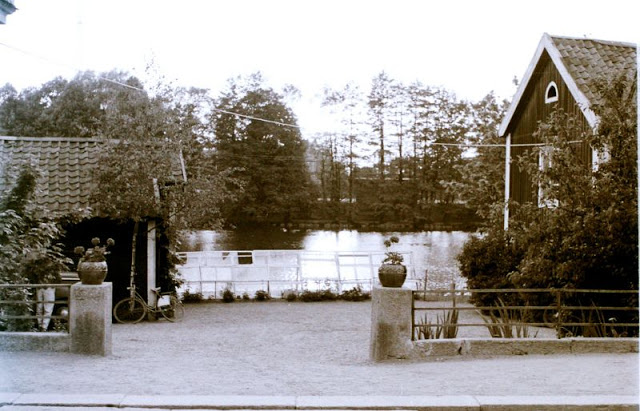
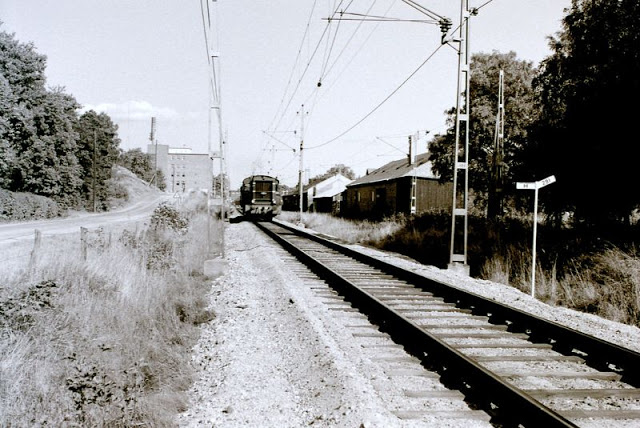
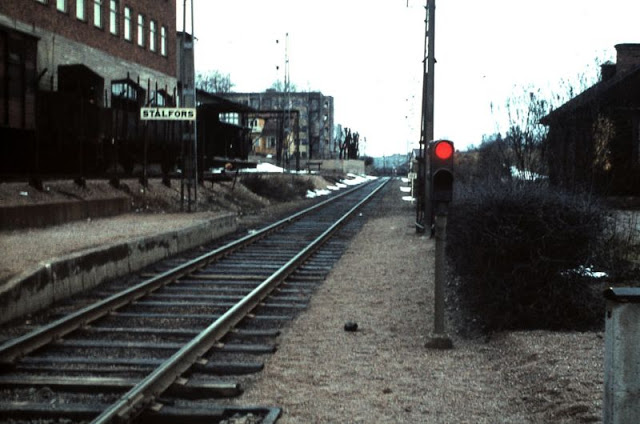
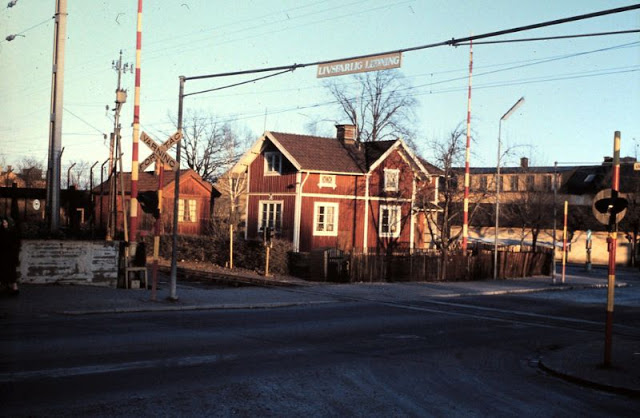
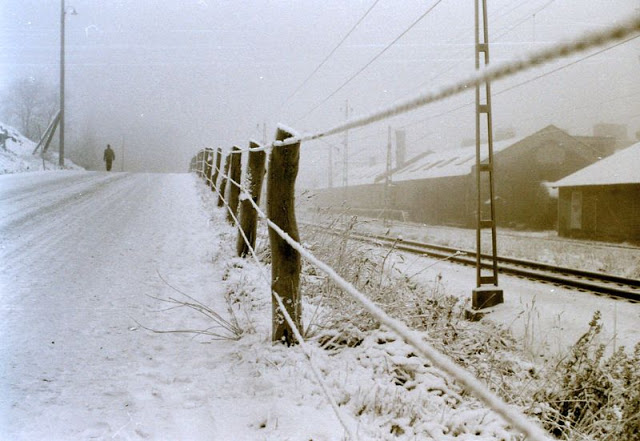
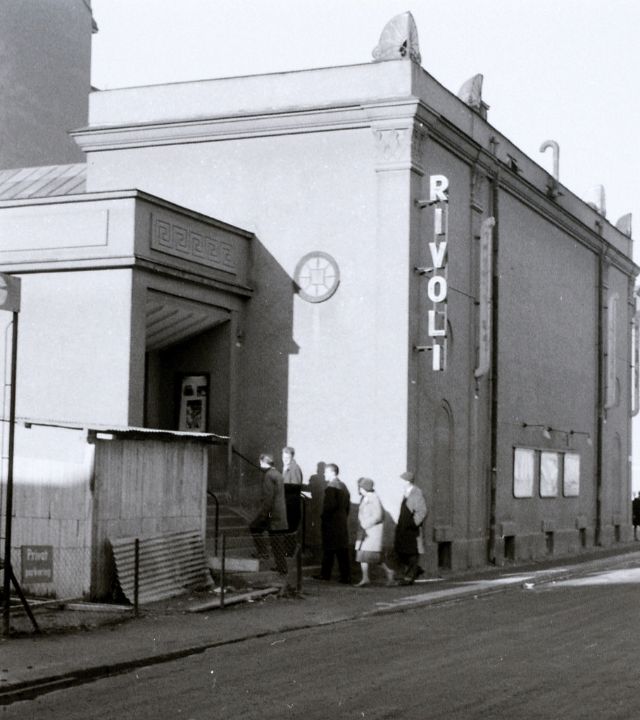
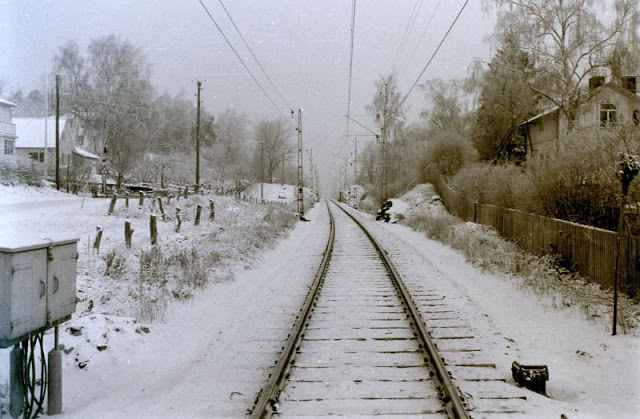
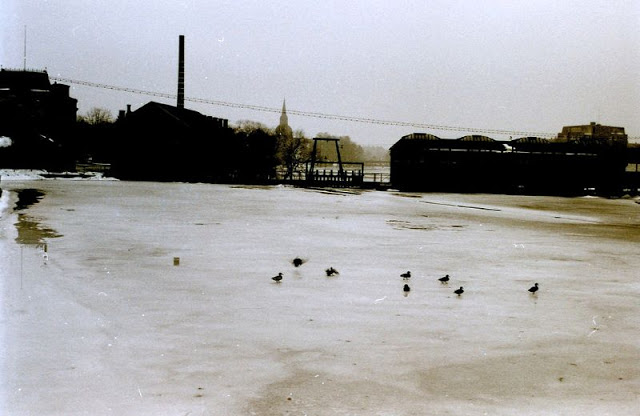
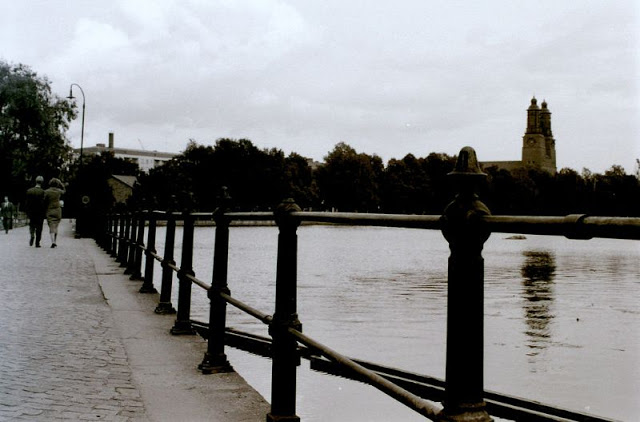
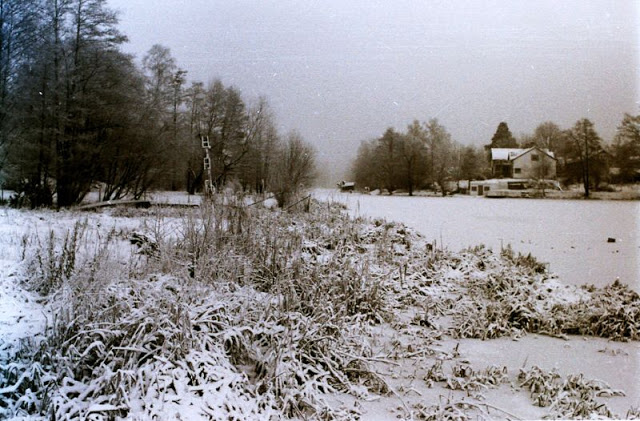
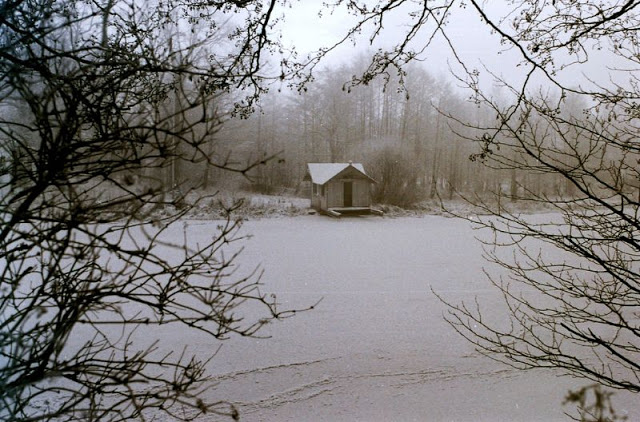
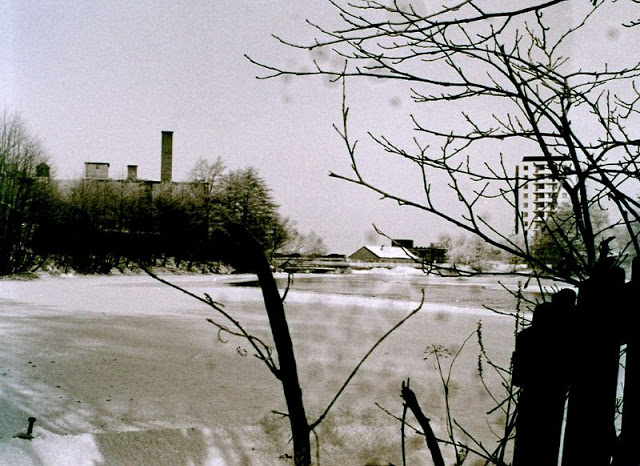
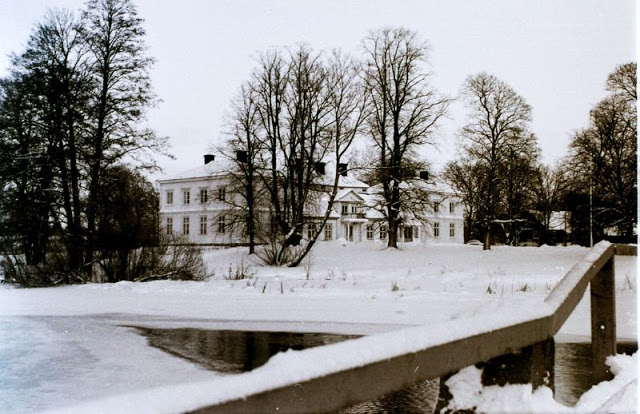
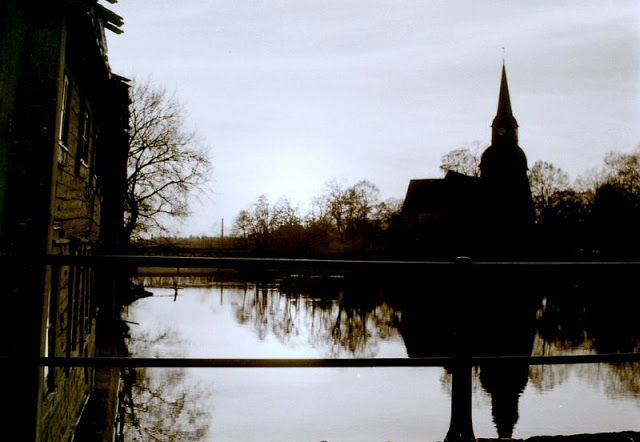
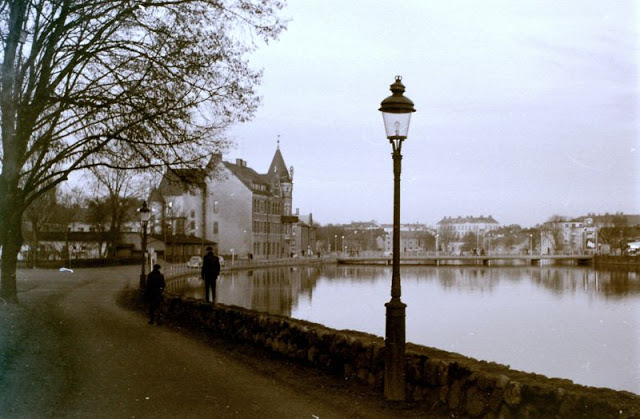
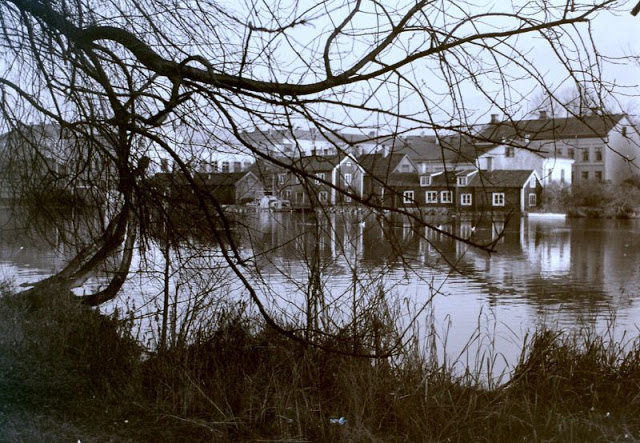
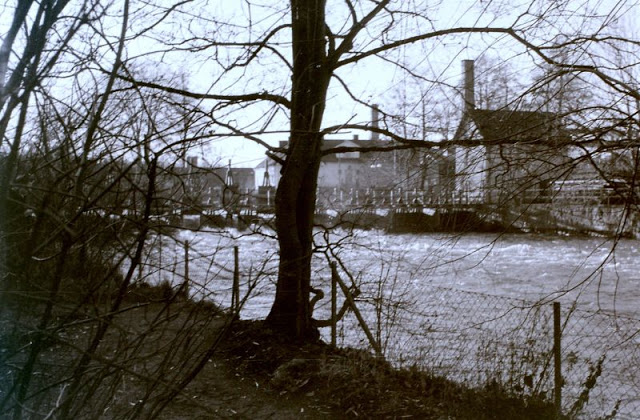
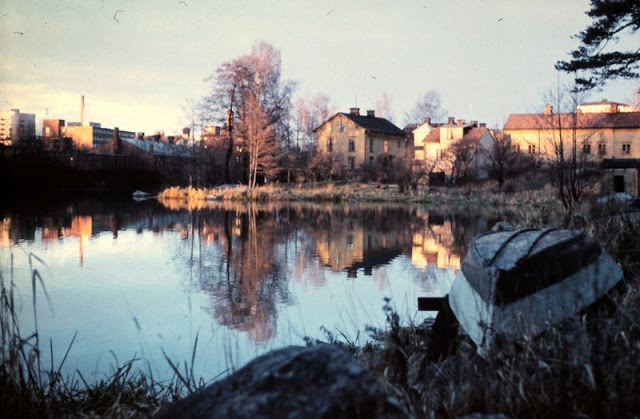
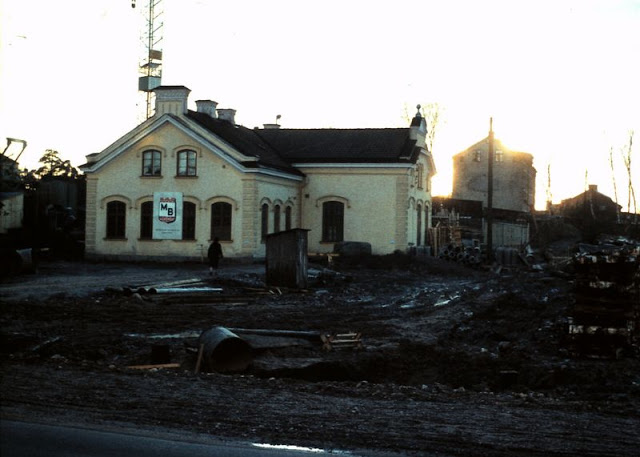
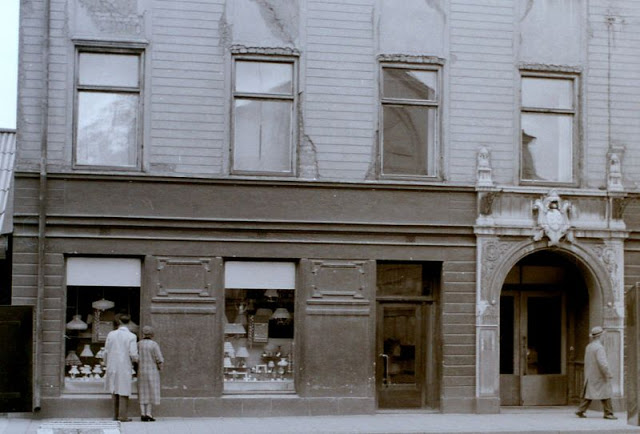
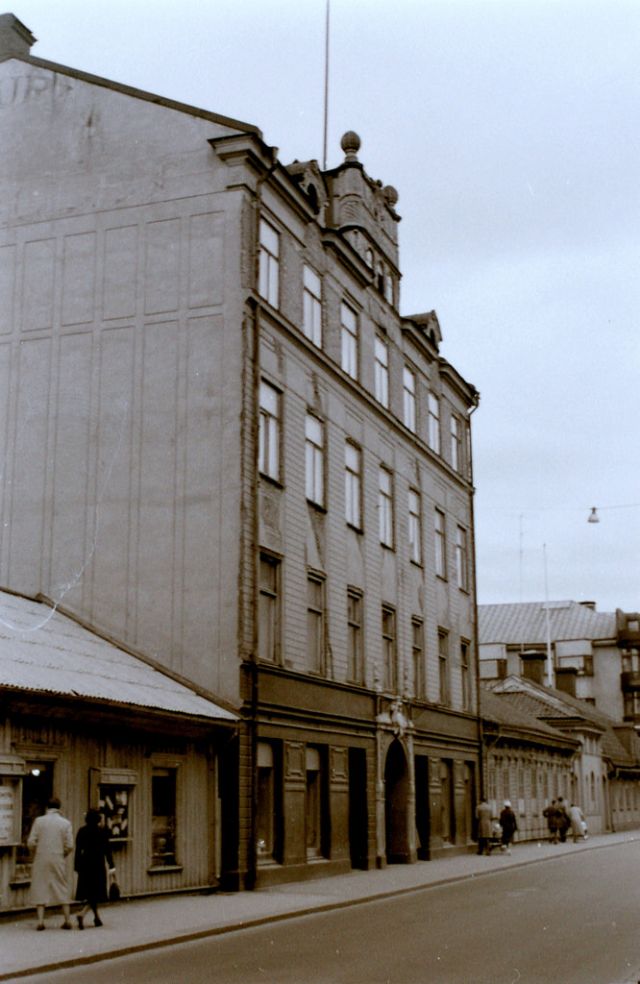
Eskilstuna is a city and the seat of Eskilstuna Municipality, Södermanland County, Sweden. The city of Eskilstuna had 67,359 inhabitants in 2015, with a total population of 100,092 inhabitants in Eskilstuna municipality (2014). Eskilstuna has a large Sweden Finn population. The town is located on the River Eskilstunaån, which connects Lake Hjälmaren and Lake Mälaren.
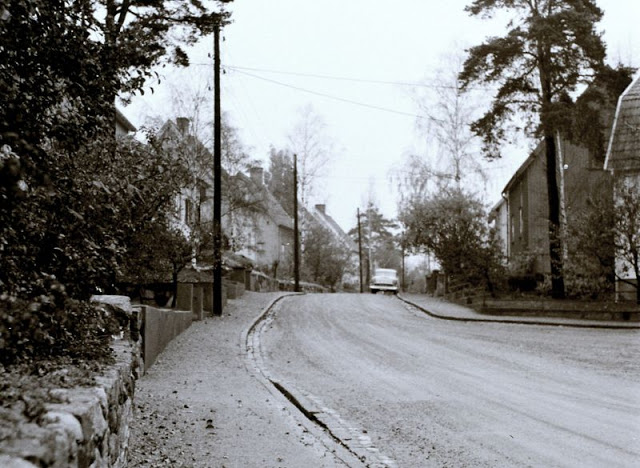
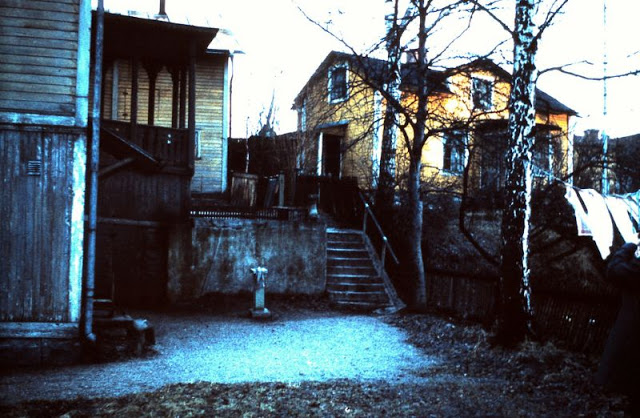
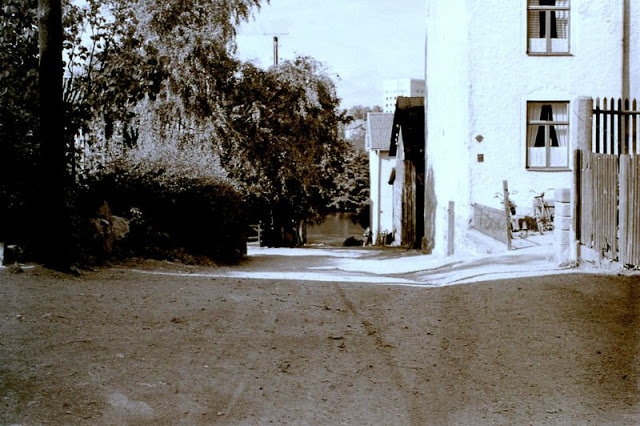
These fascinating photos documented everyday life of Eskilstuna, Sweden in the late 1950s.







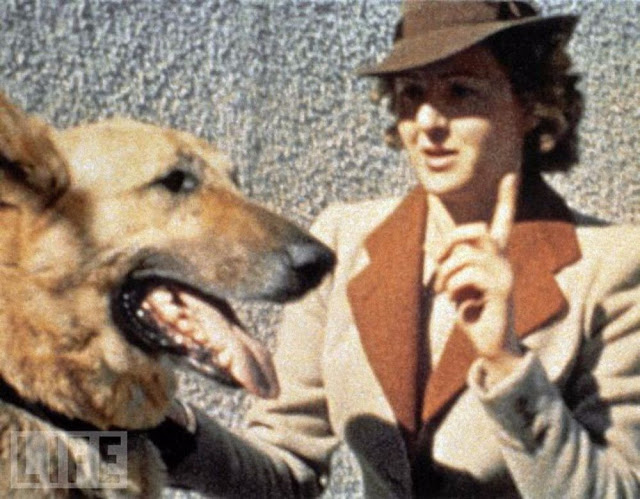
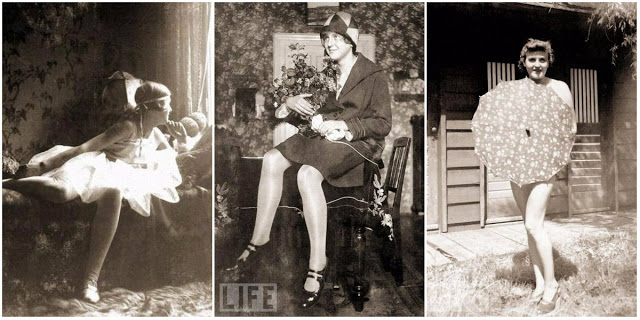
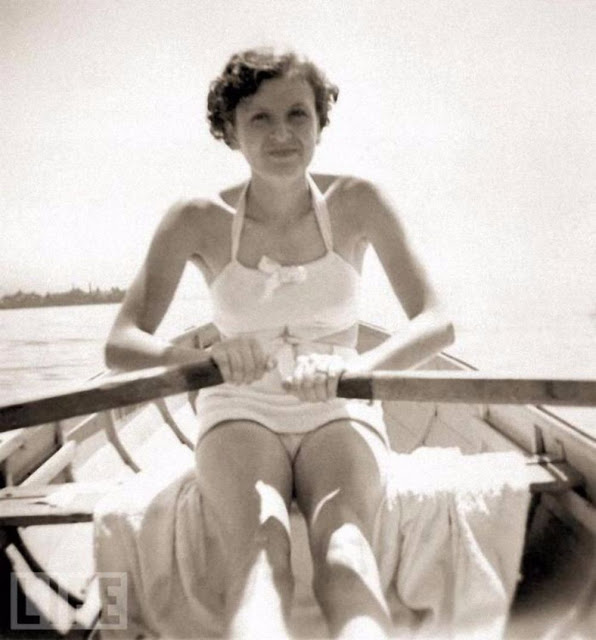
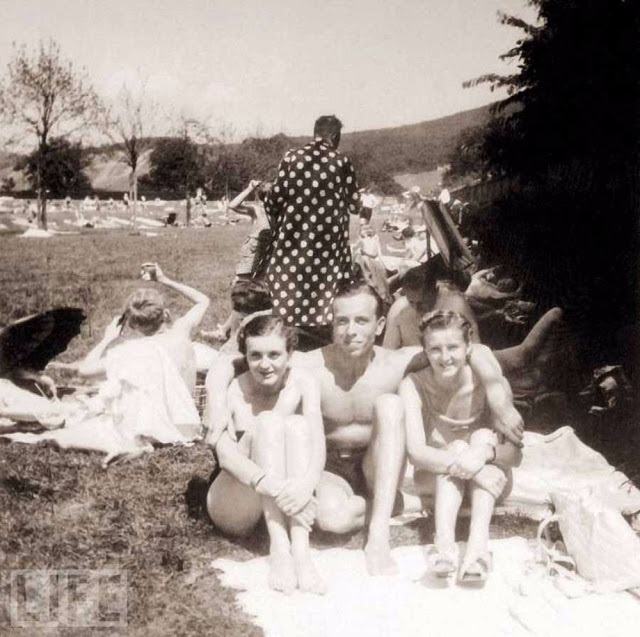
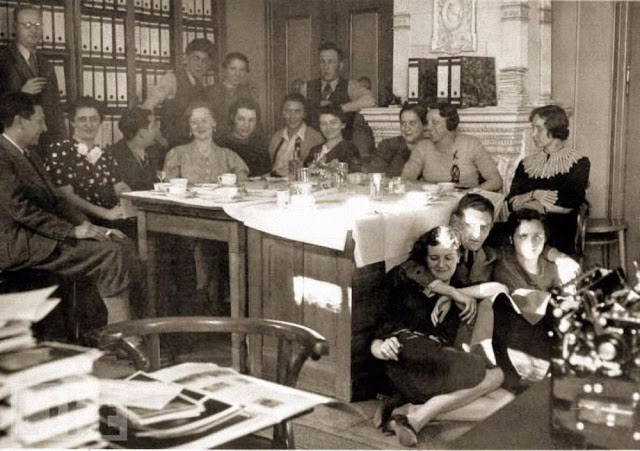
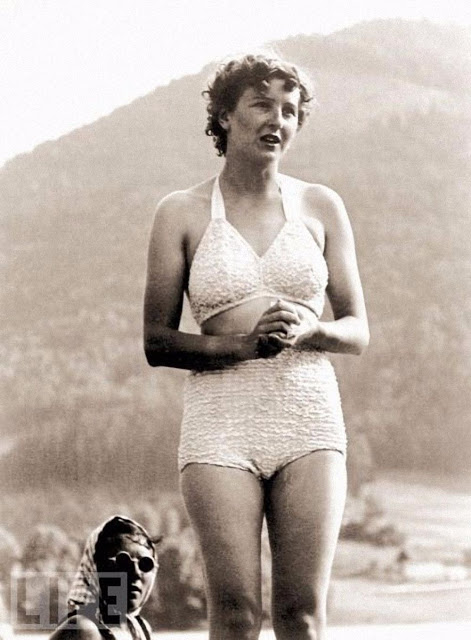
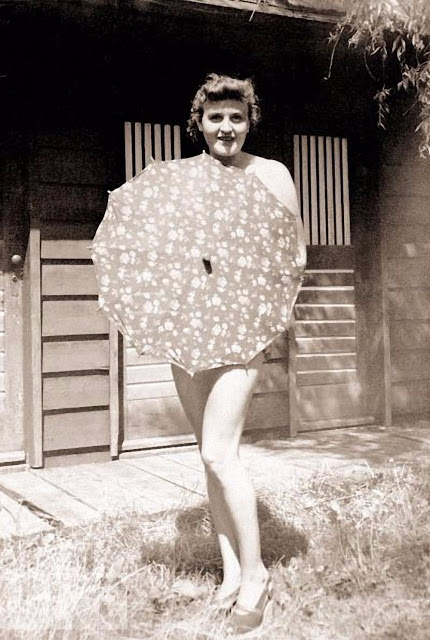
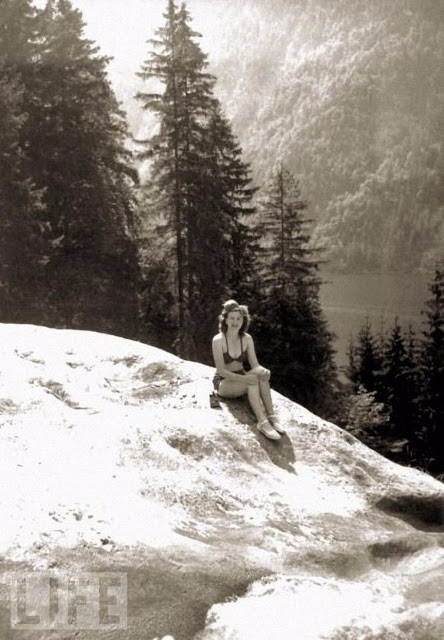
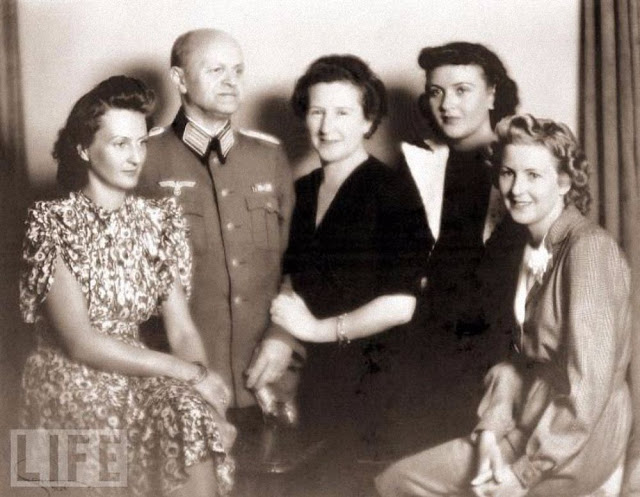
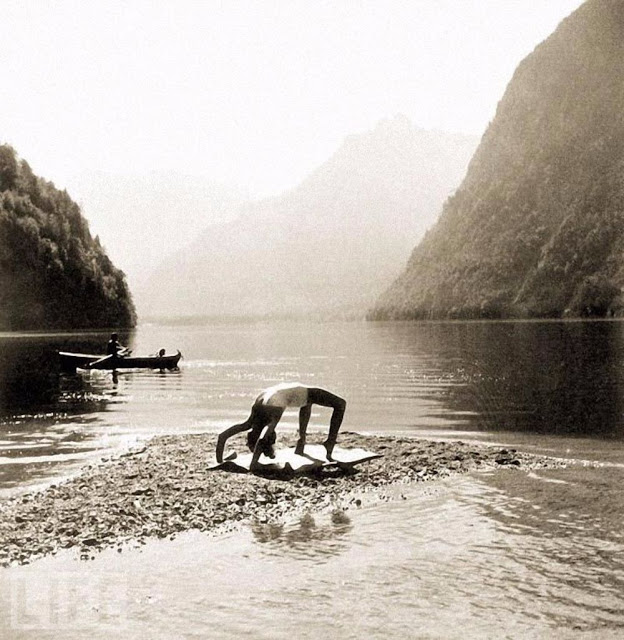
These photographs from Eva Braun’s personal picture albums reveal new dimensions of the woman who was Adolf Hitler’s longtime girlfriend and, in their last, frantic hours together, his wife. Braun became the central woman in Hitler’s life after the 1931 suicide of Geli Raubal, the future Führer’s 23-year-old niece (and rumored lover).
By all accounts, Eva was an unpretentious companion for the Nazi leader, but also a woman at once frivolous and vain — unsurprising characteristics, perhaps, in a former teenage model, but striking in a figure long associated with the darkest chapters of the 20th century.
Showing Eva Braun relaxing with friends at home and posing glamorously in a swimsuit while on vacation, this collection of rare and previously unseen photos comes from a cache of images confiscated by the U.S. Army in 1945 and brought to light by collector and curator Reinhard Schulz exclusively for LIFE.
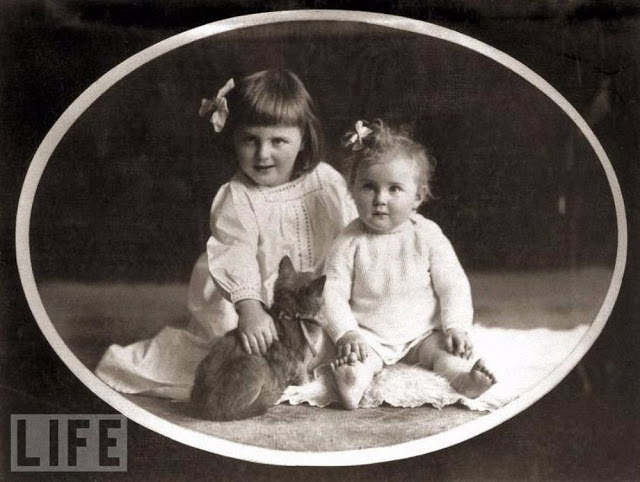

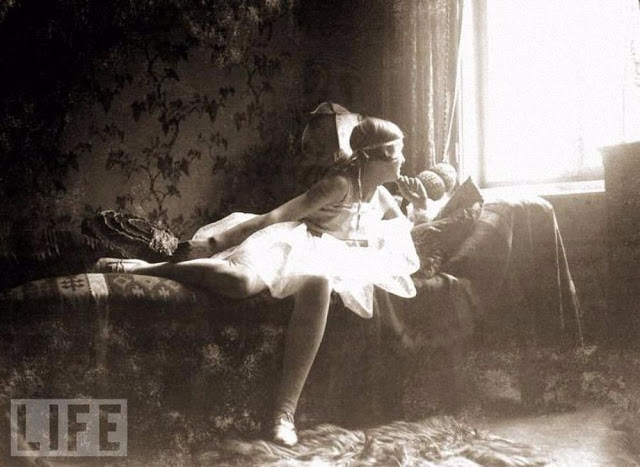
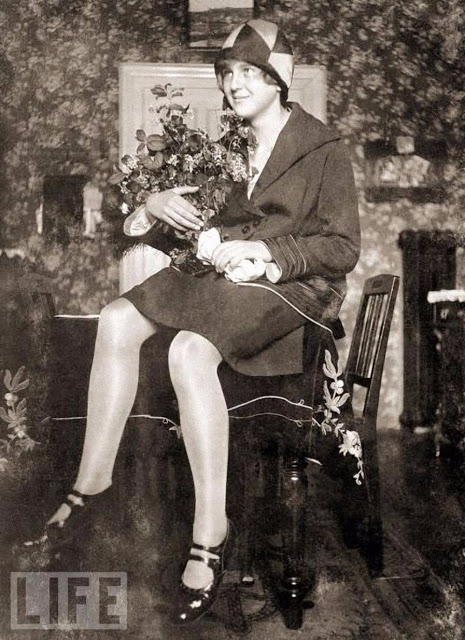
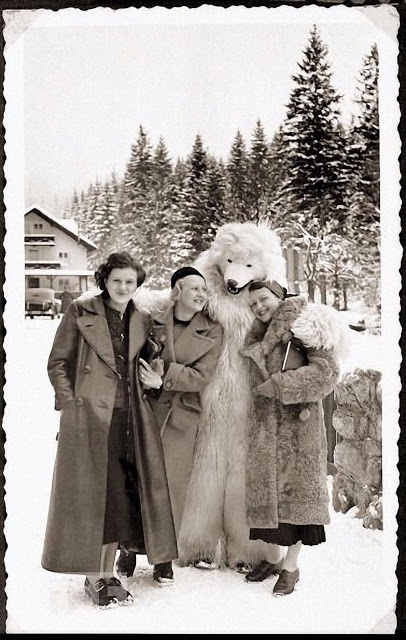

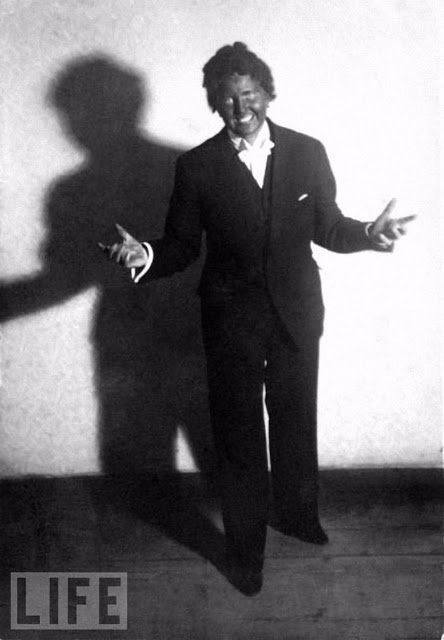




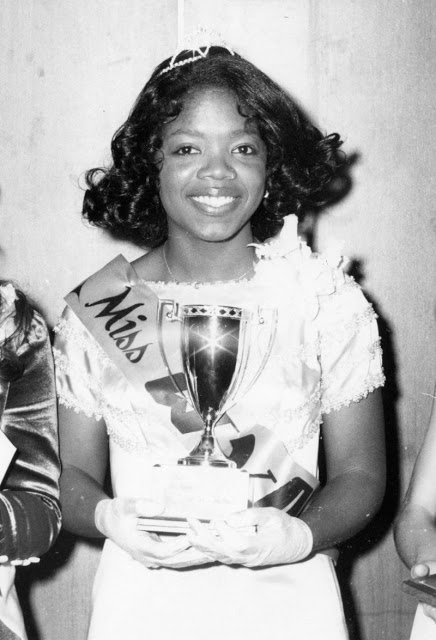
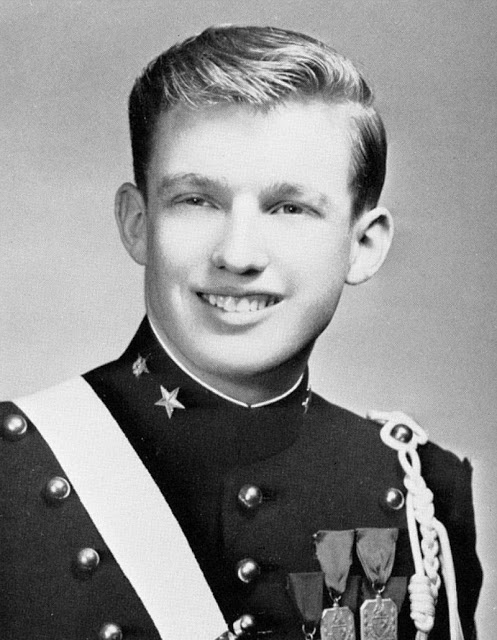
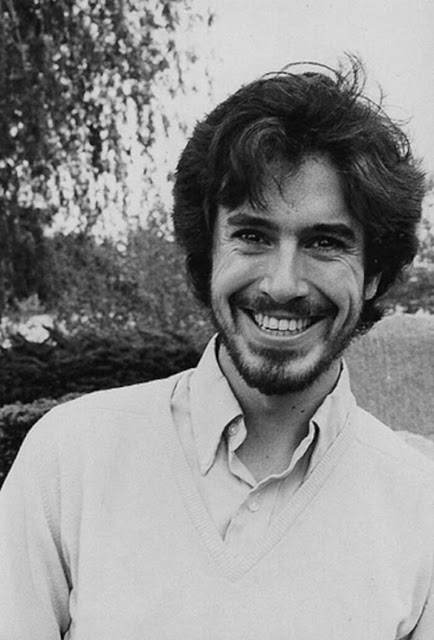
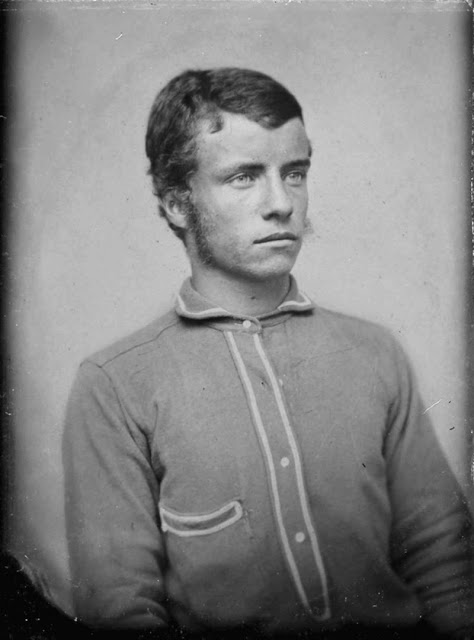
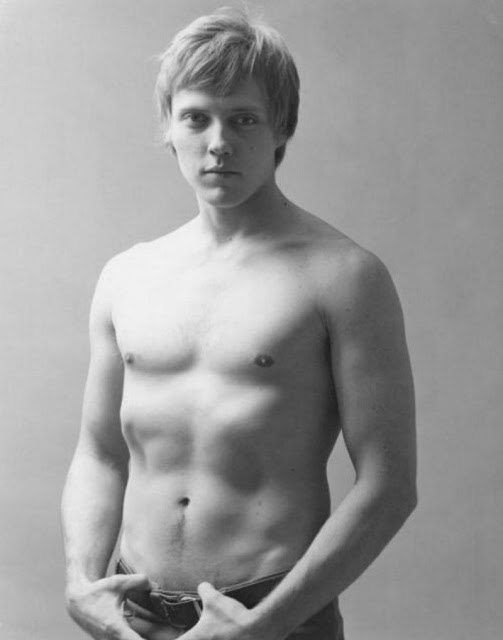
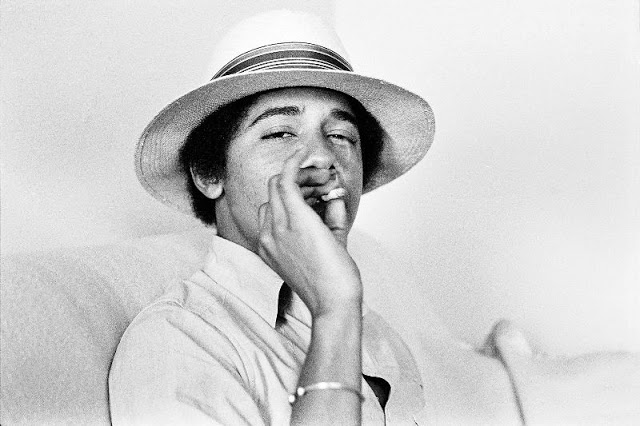
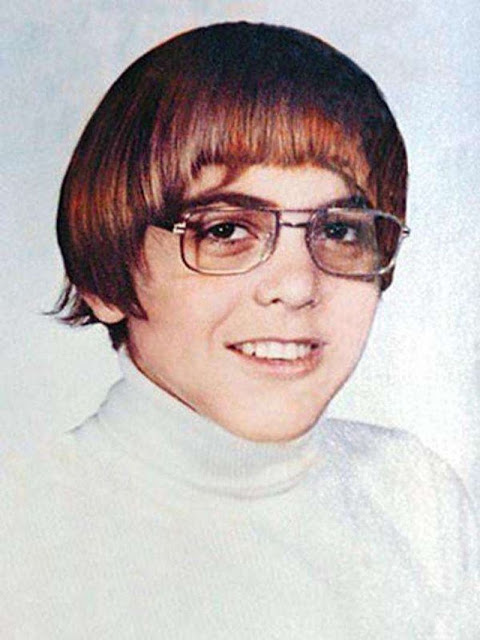
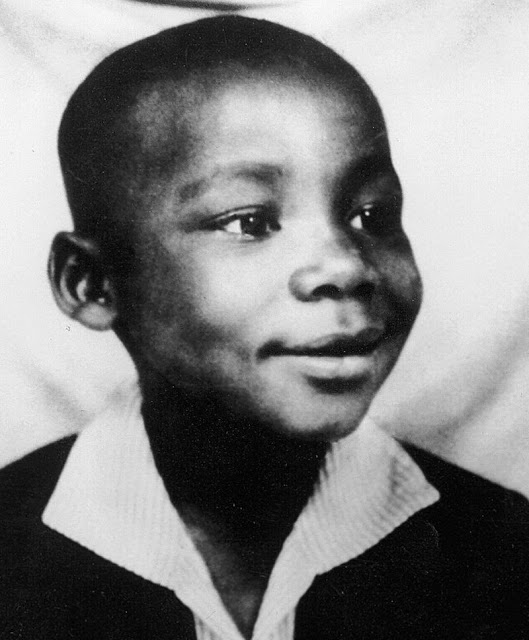
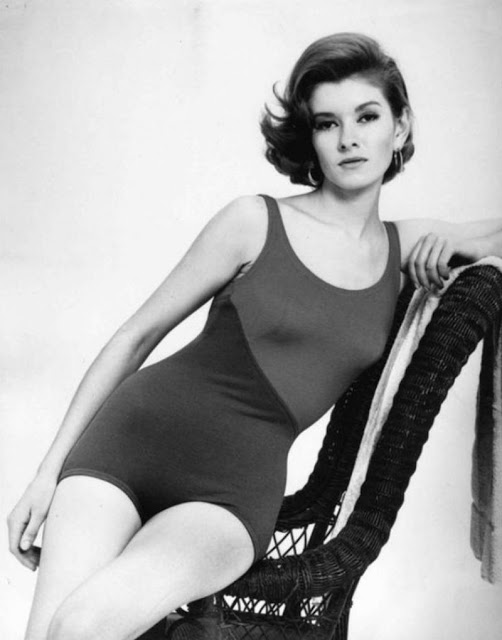
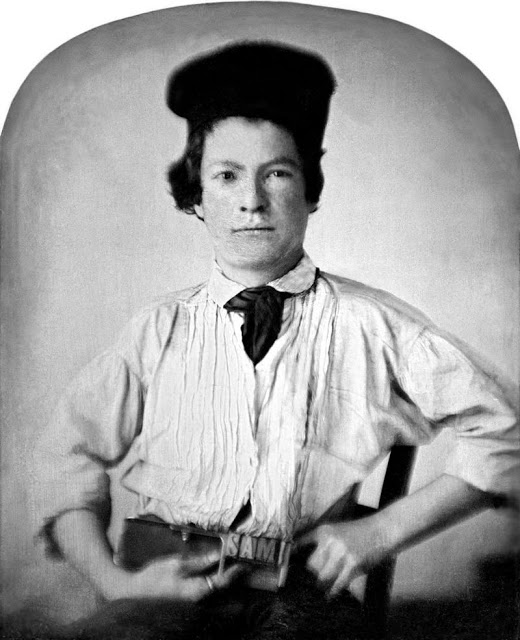
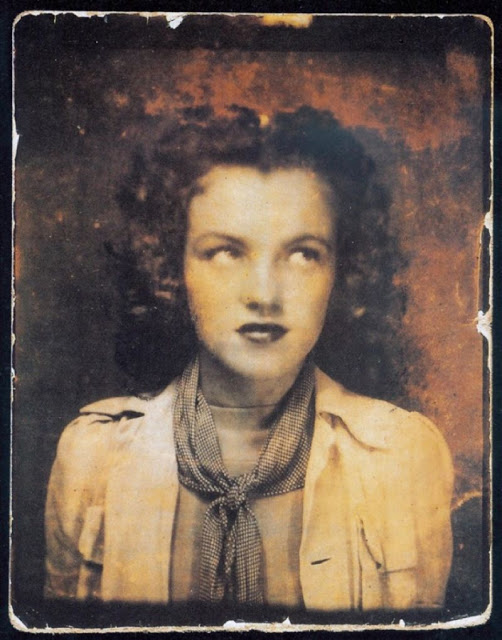
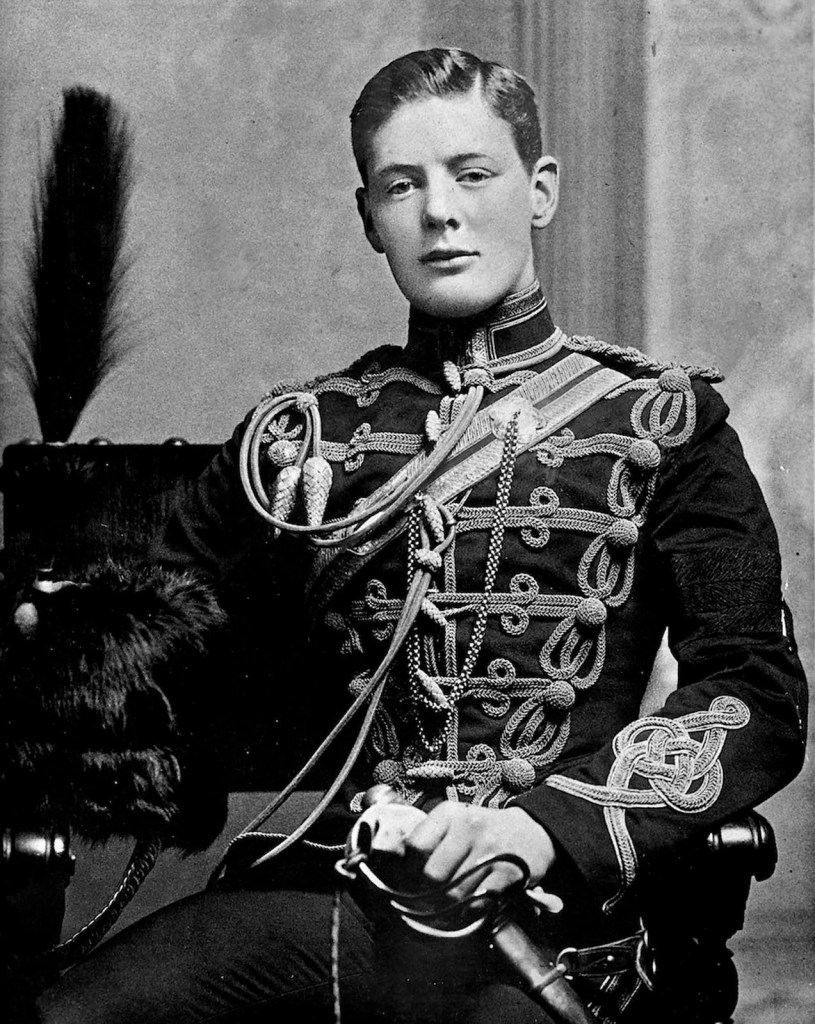
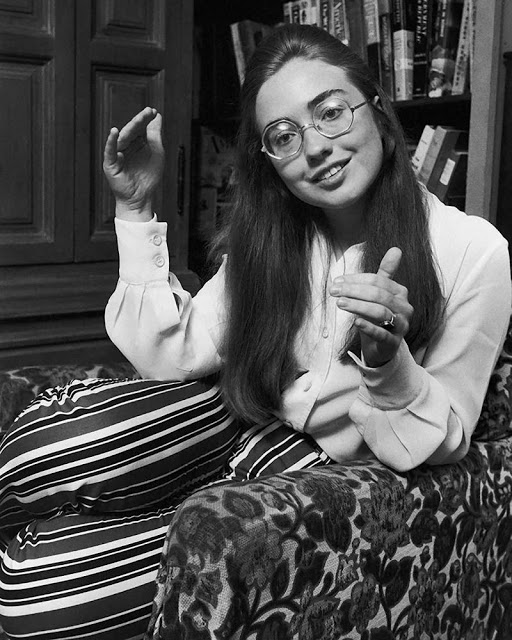
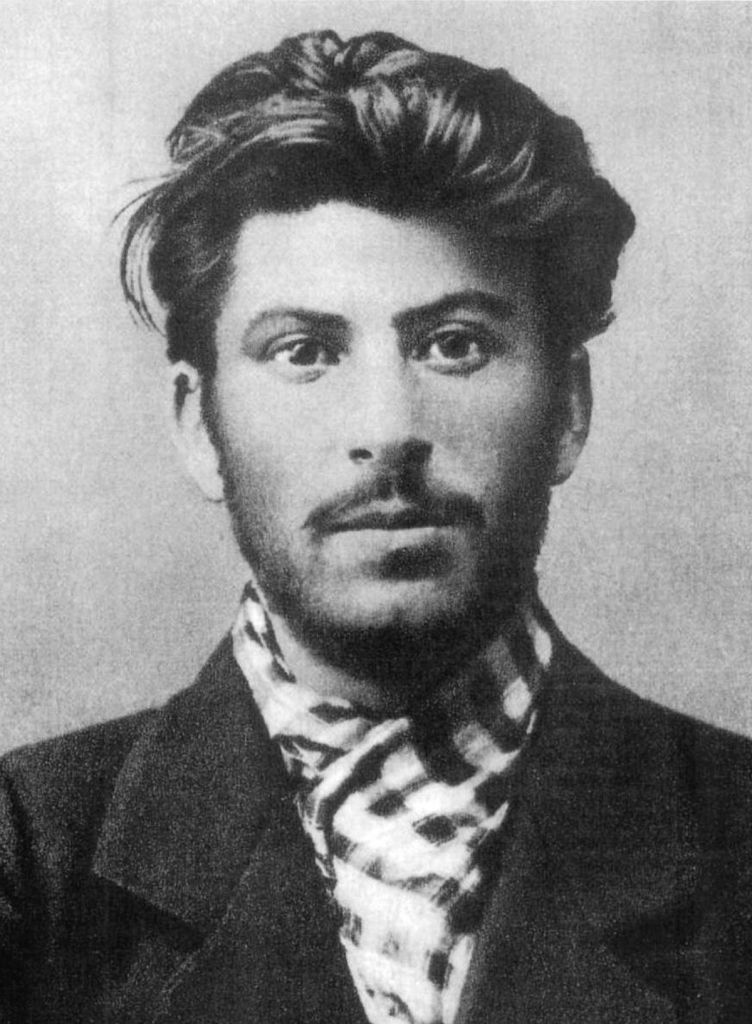
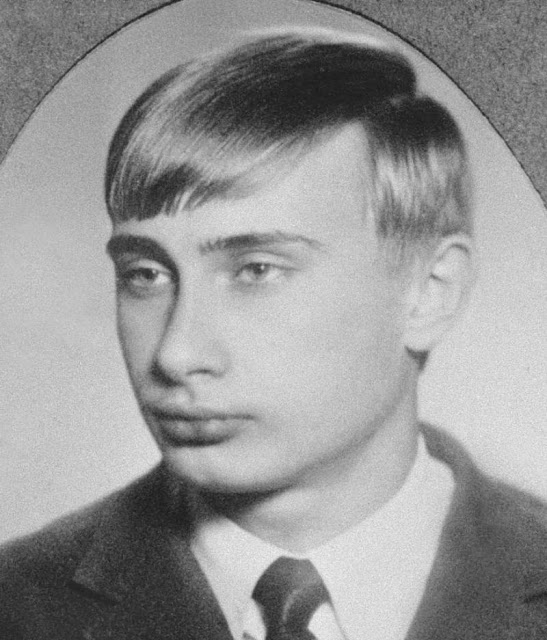
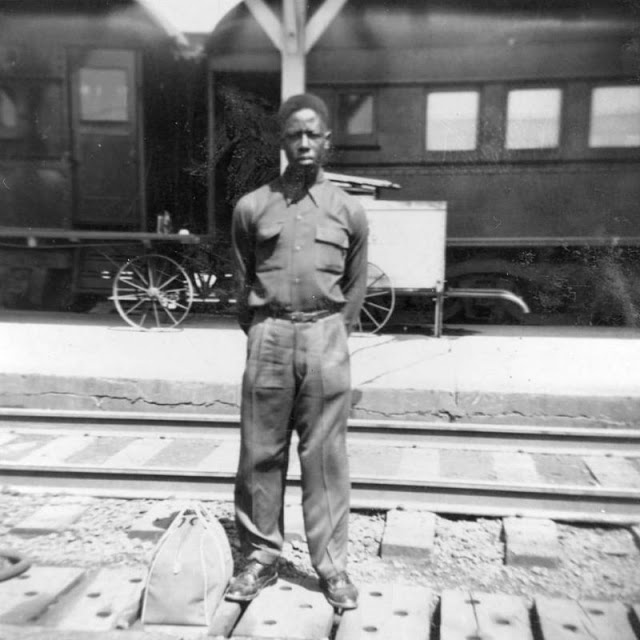
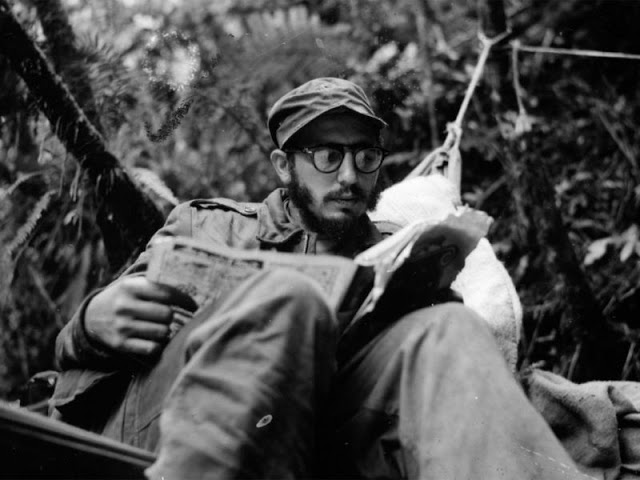
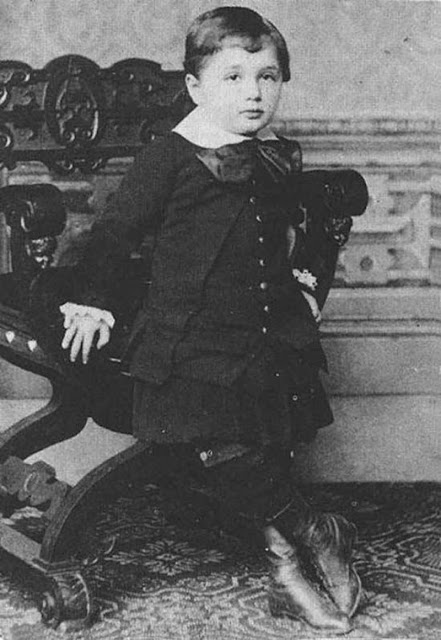
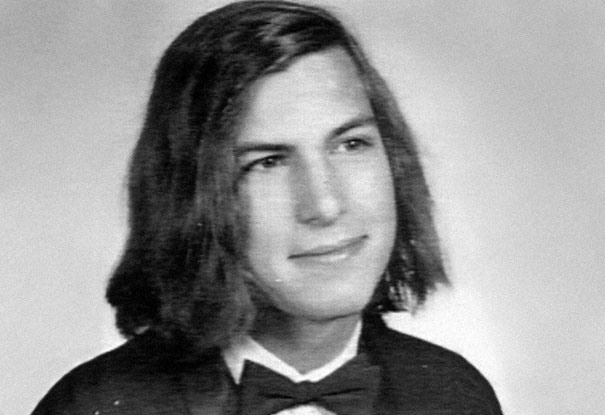
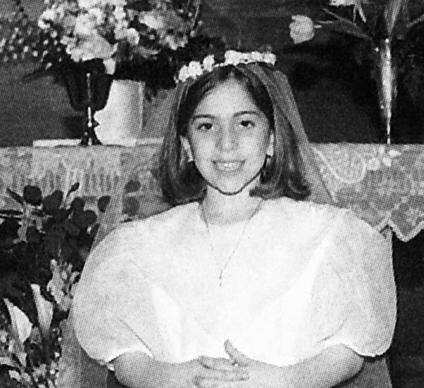
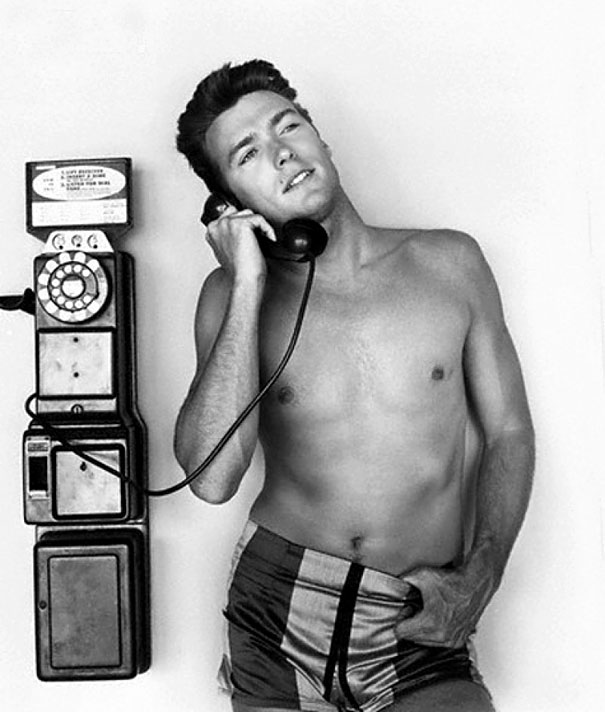
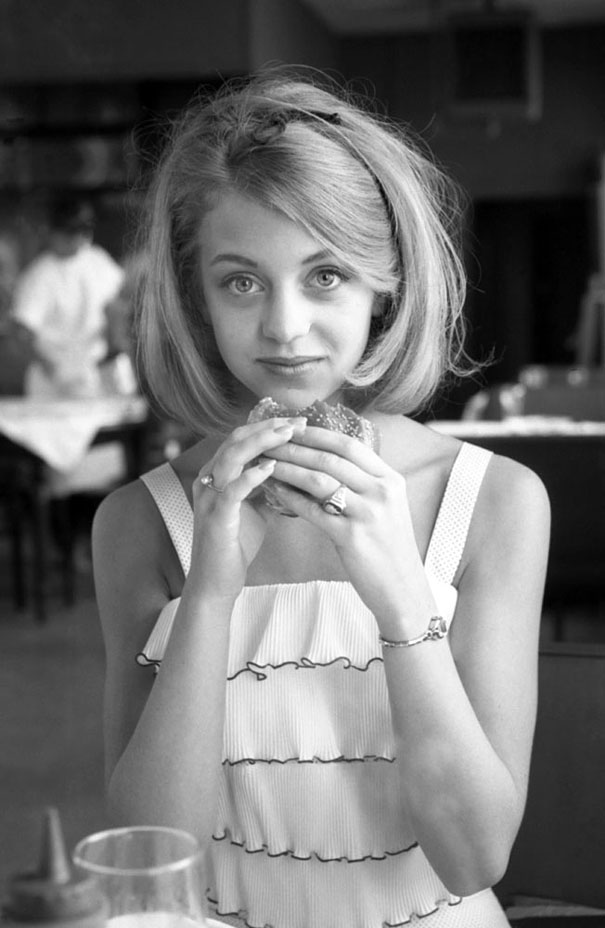
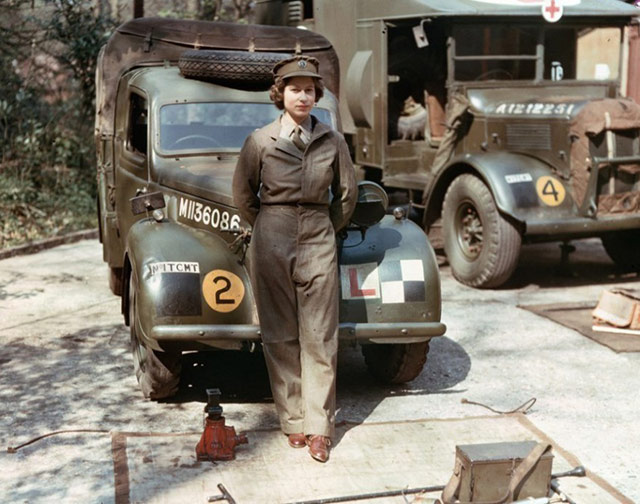
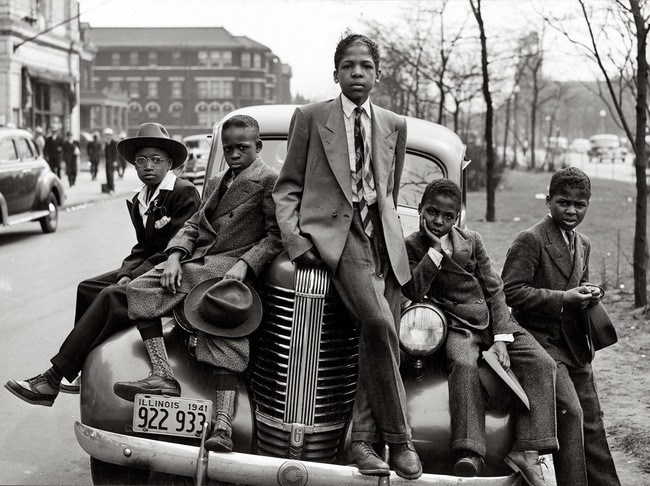
Everyone was young once. It is a hard thing to believe sometimes, but it is true. Which makes it all the more curious to see what famous (or infamous) people looked like during their younger days. Take a look at 35 influential people before they became famous. You may be suprised.





























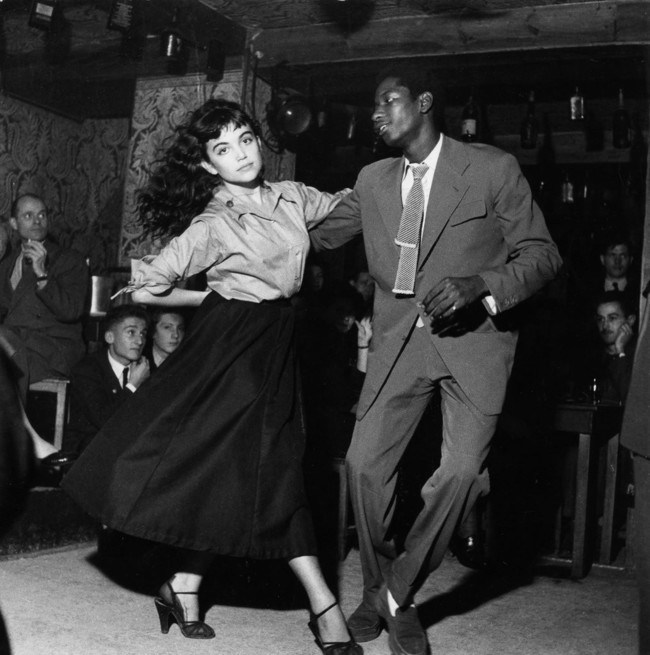
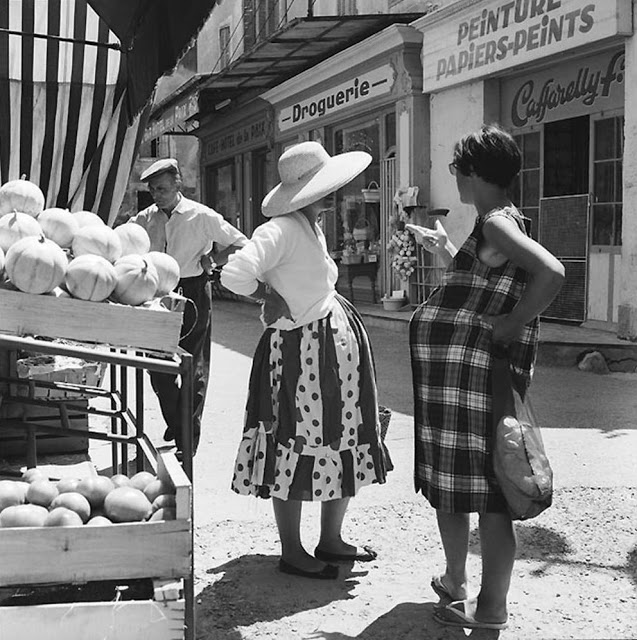
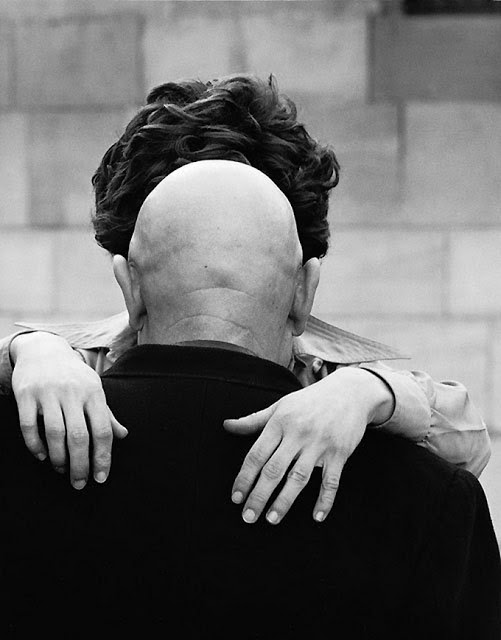
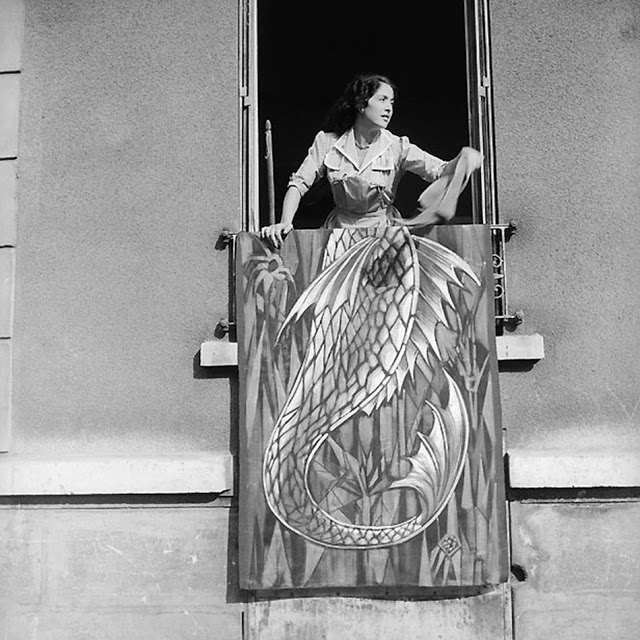
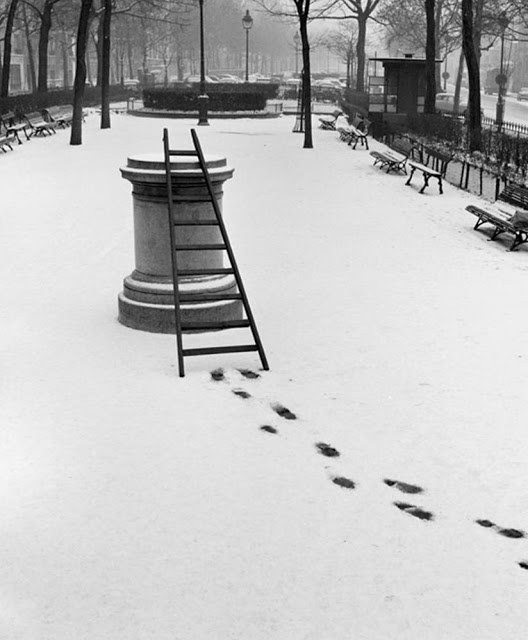
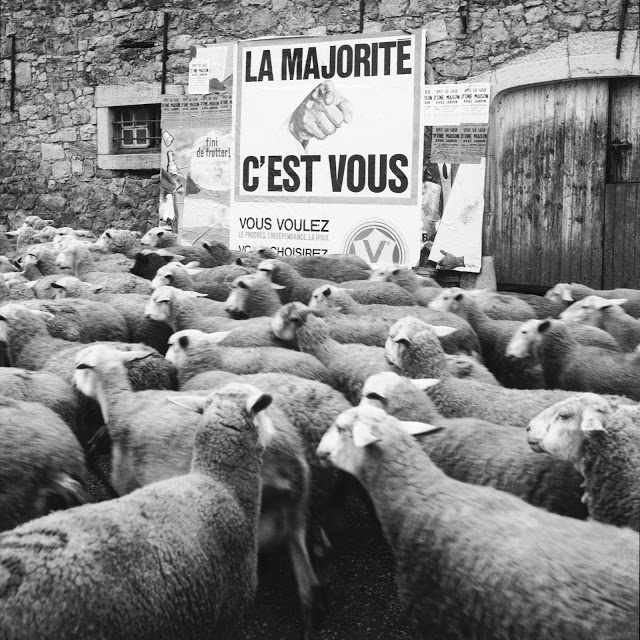
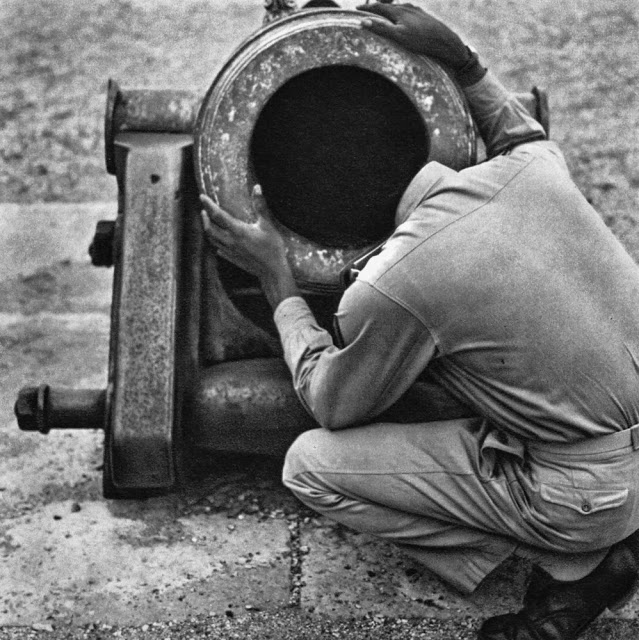
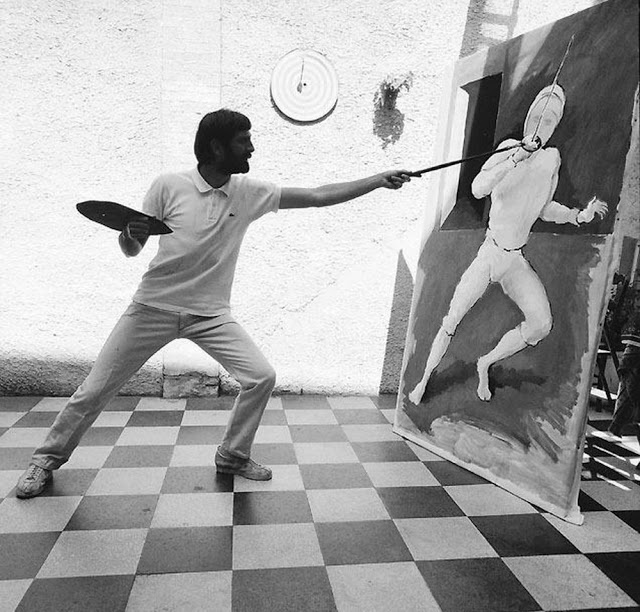
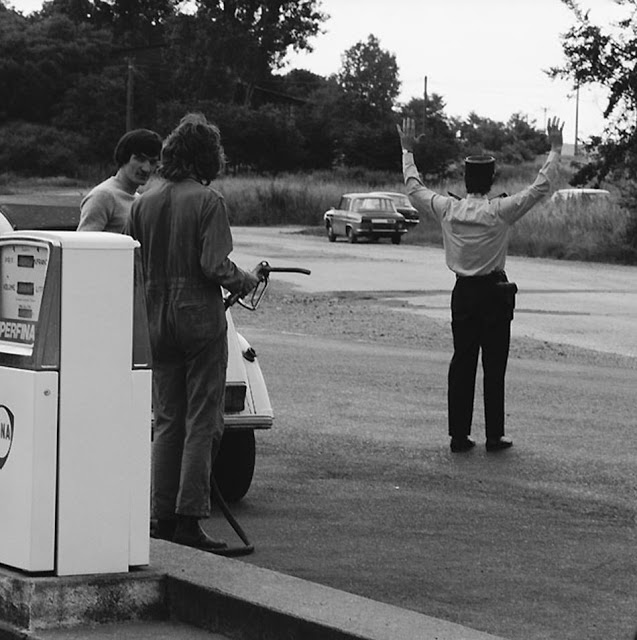
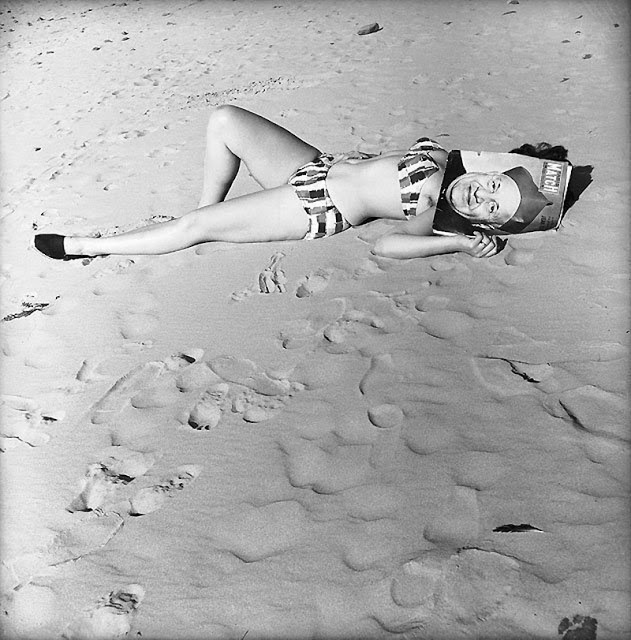
René Maltête (1930–2000) was a French photographer. He was inspired by playful and candid photography. He always found the way to be funny and whimsical with his art. He was interested in capturing French life and all of its characteristics.
Most of his photographs were taken on streets, capturing everyday life of French people. From sunbathing on the beach, to casual walking down the streets. But in all those everyday moments René managed to create clever images with a lot of humor. He used surroundings perfectly and told a little story on each and every of his photographs. He wasn’t afraid to touch all parts of society he lived and created like a free man. Most of his images are black and white but with his genius he painted so many minds throughout his life.
René’s pictures are based on incongruity and surprise: humor is always present, but more than just a picture, there is often a philosophical dimension. You can enjoy some of his amazing work here below.






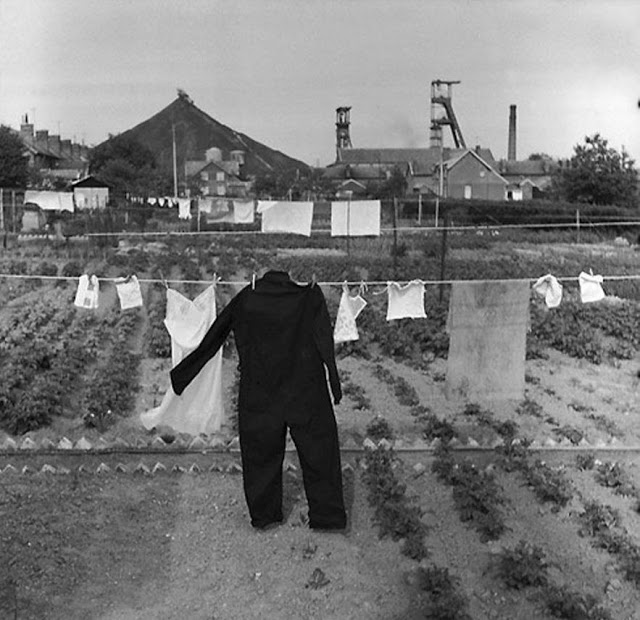
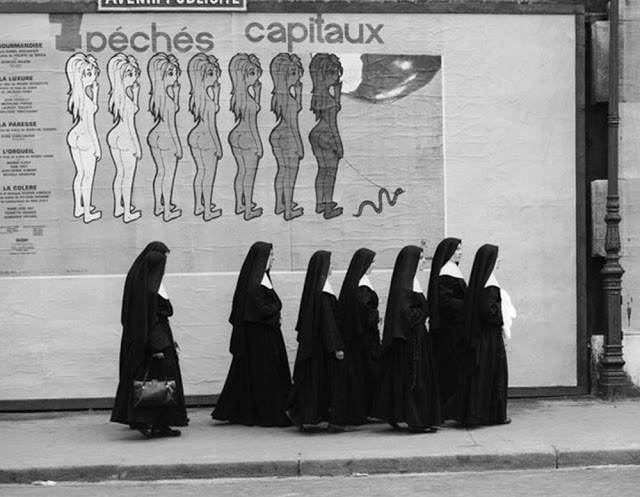
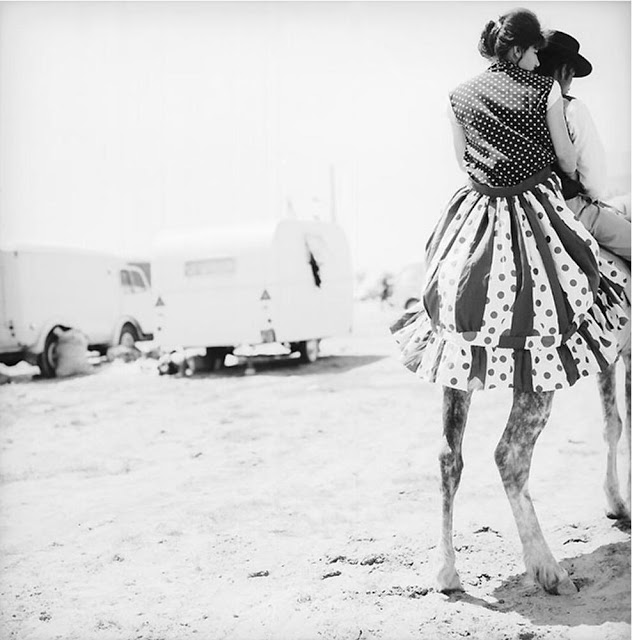
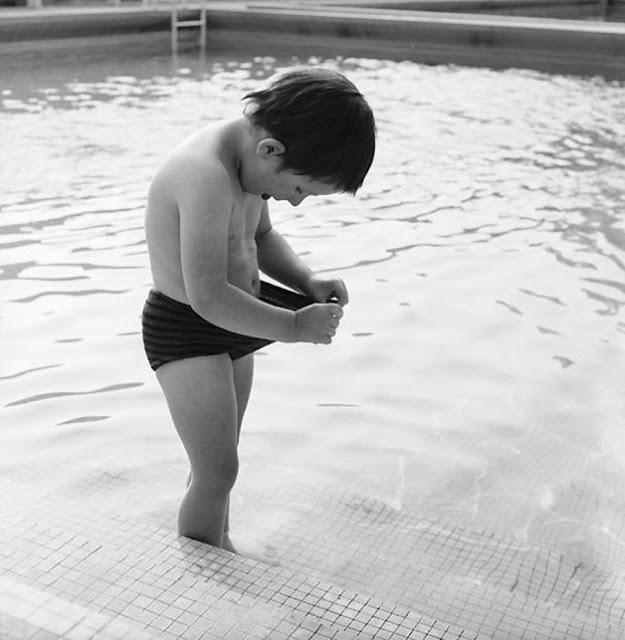
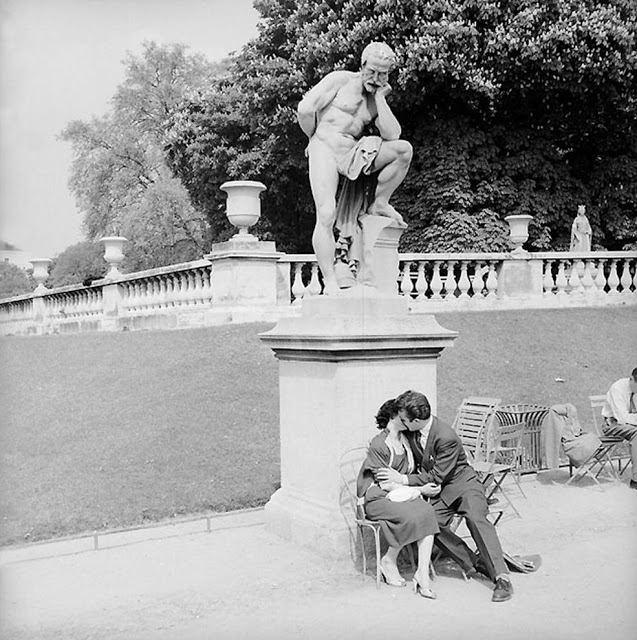

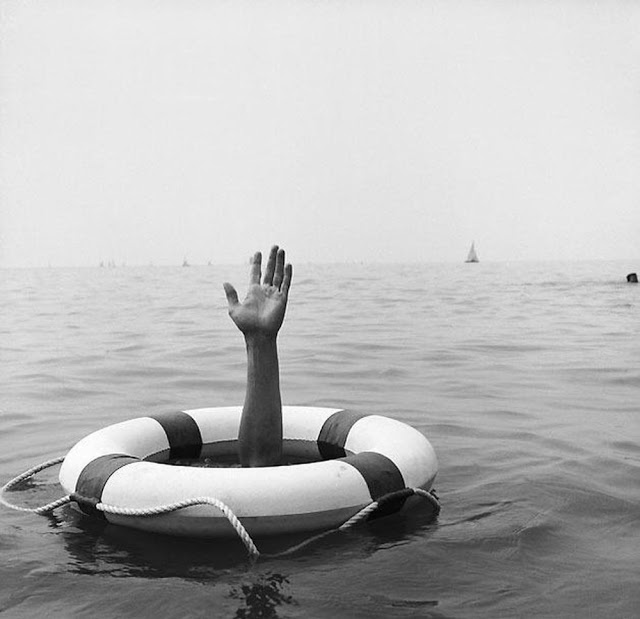


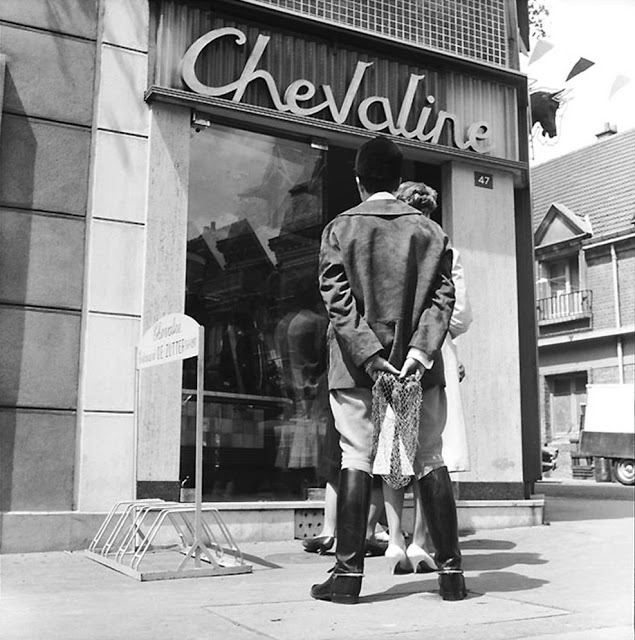
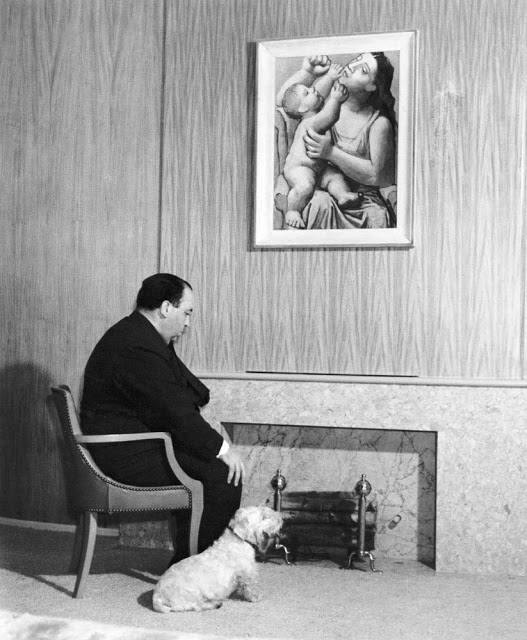




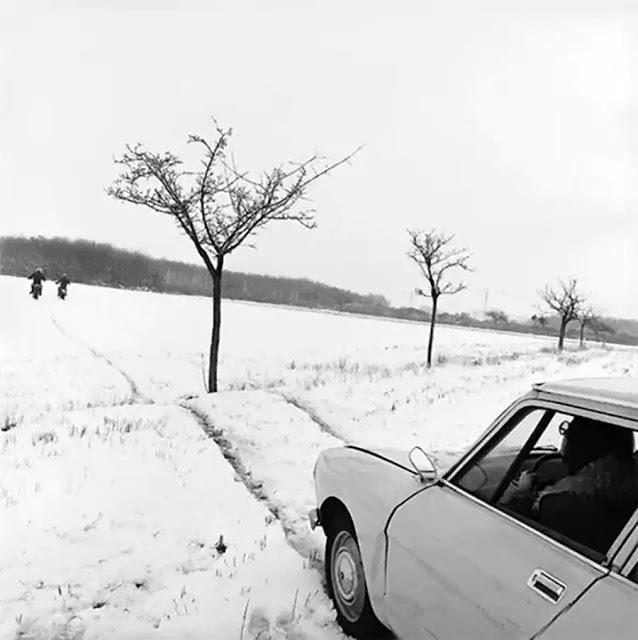

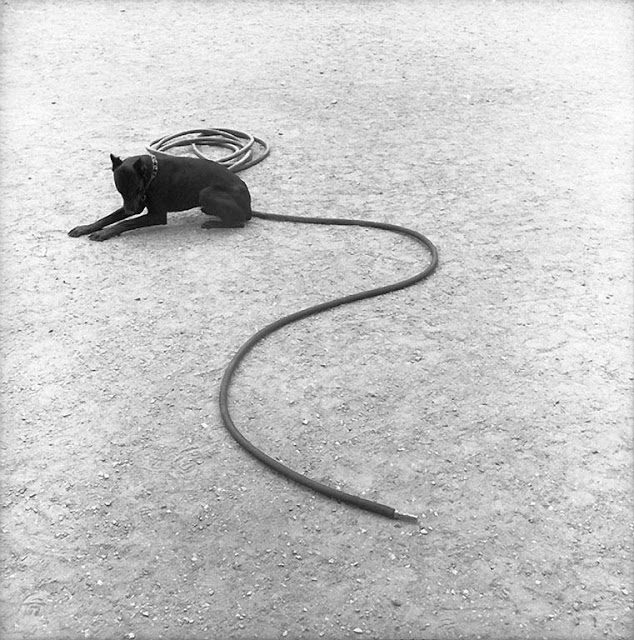
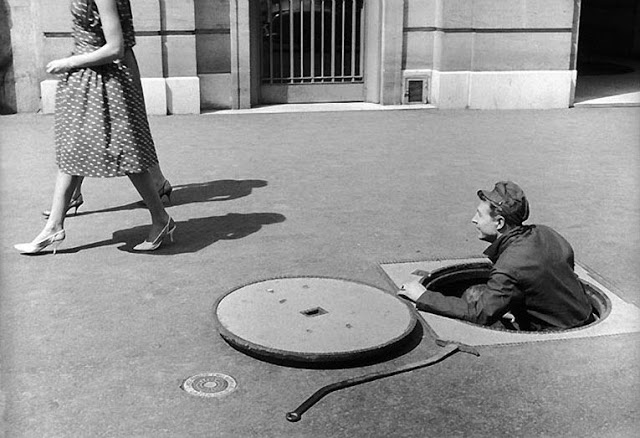

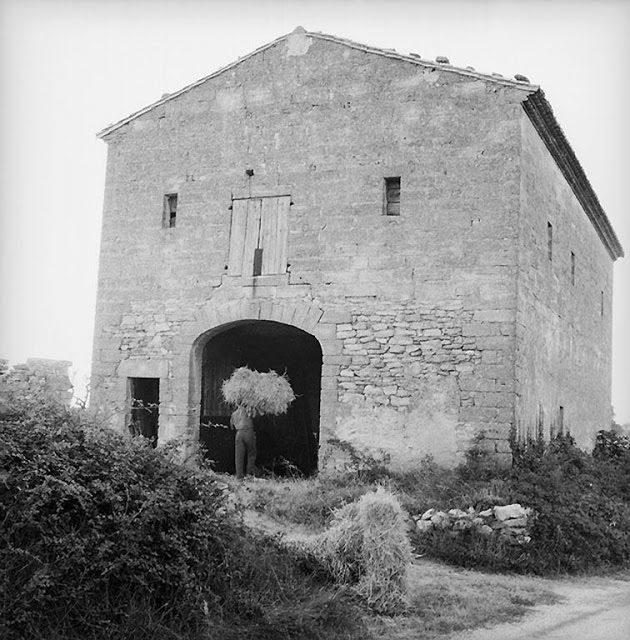


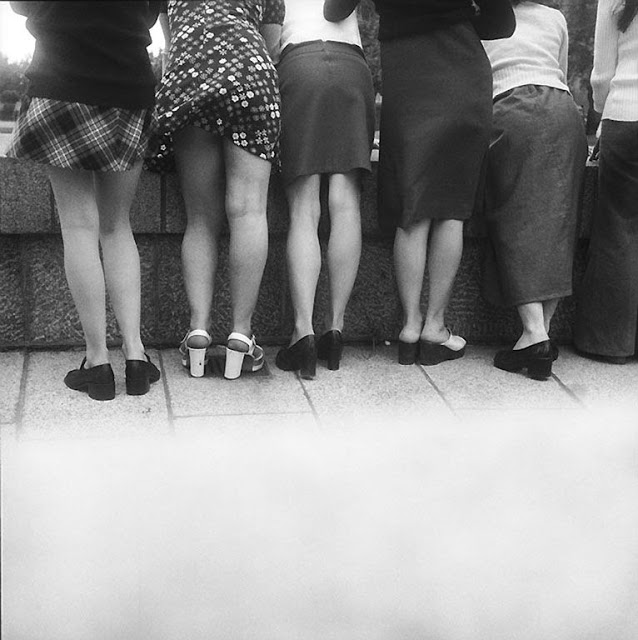
(Photos by René Maltête)
