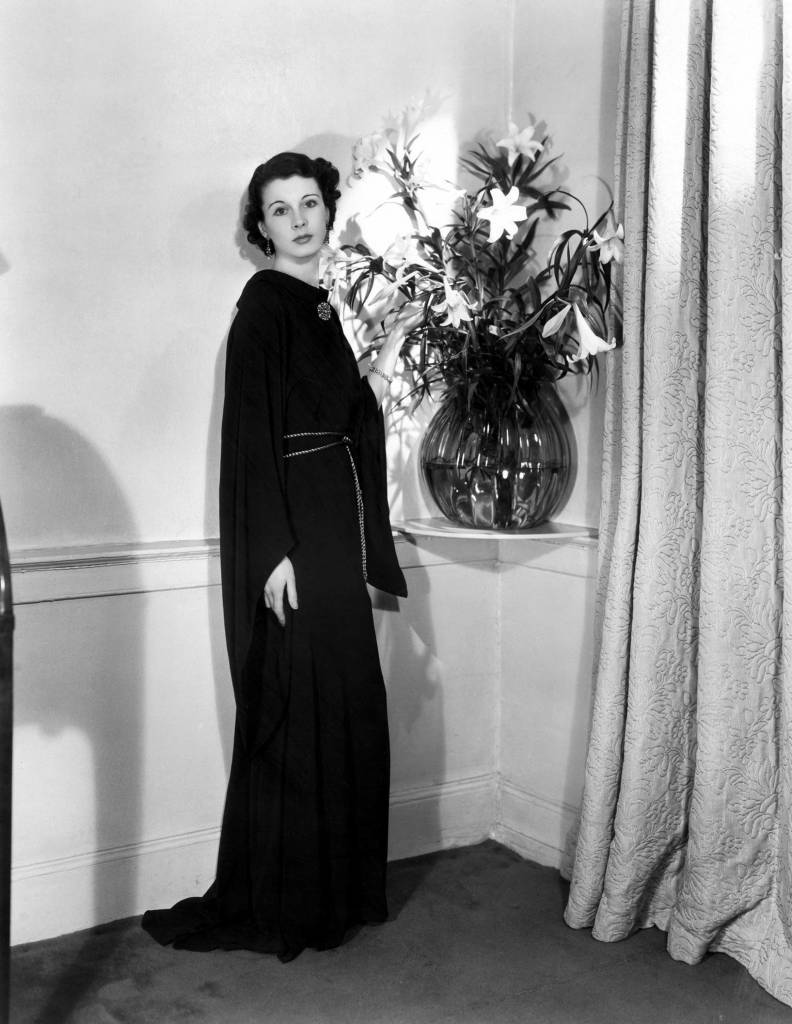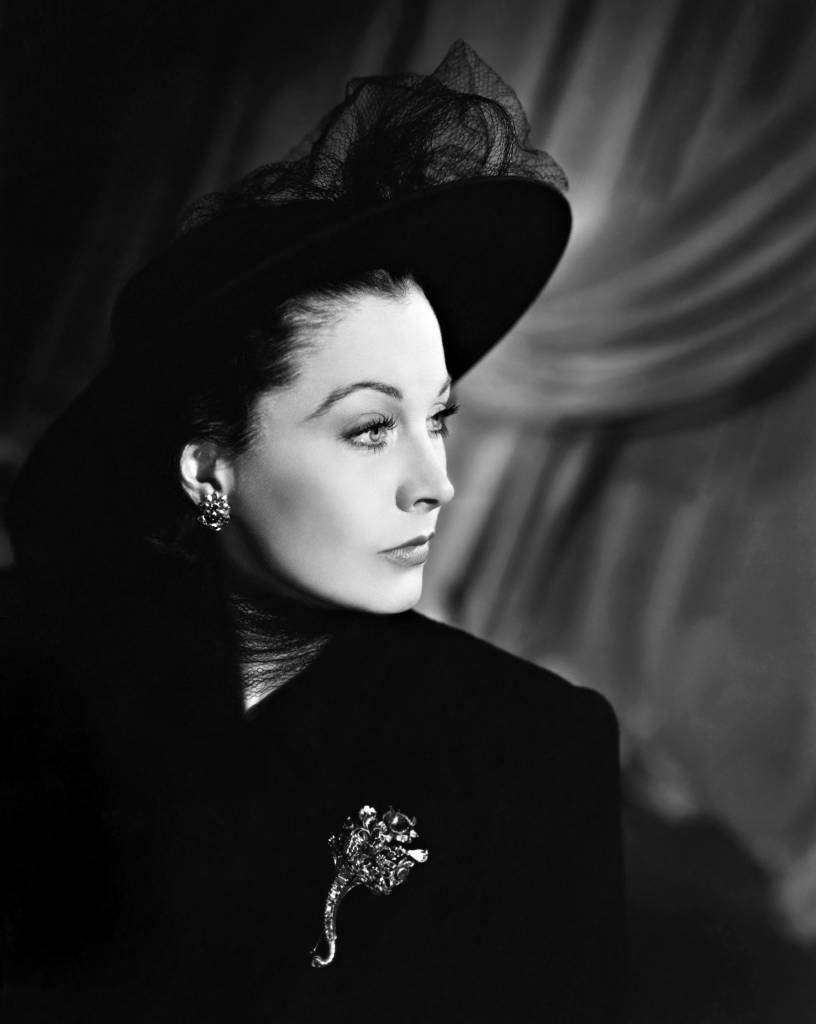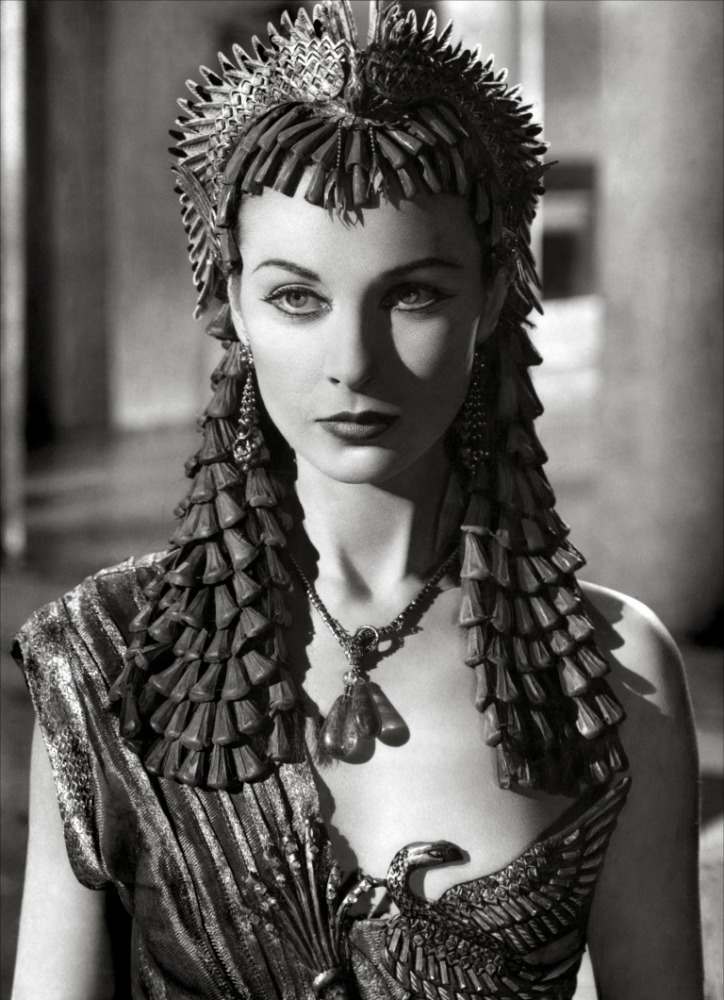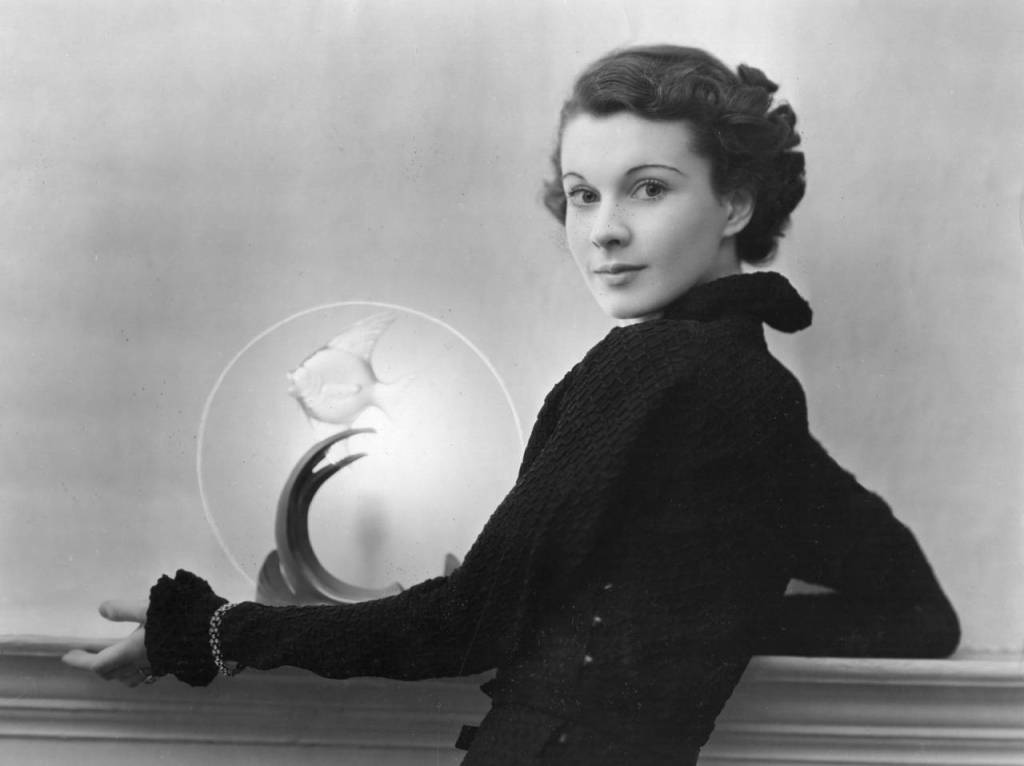
36 Stunning Photos of Actress Vivien Leigh From the 1930s to the 1960s

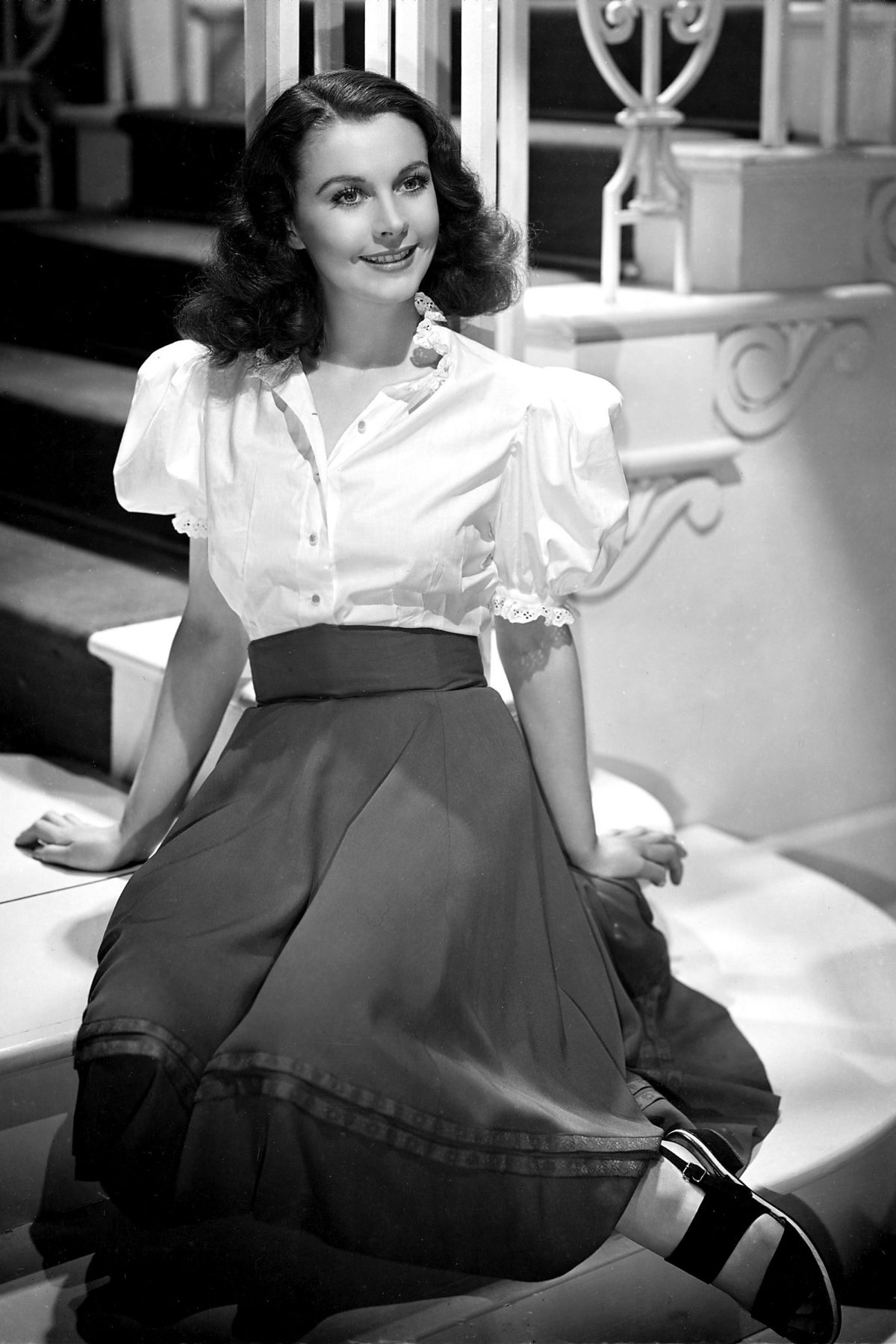
Throughout her life Vivien Leigh was considered by most as one of the most beautiful actresses of her day, and for that matter any other day. It was George Cukor, the original director of Gone With the Wind, who said Vivien Leigh was the “consumate actress, hampered by beauty.” When she was once asked, however, if she considered her beauty to have ever been a problem, she said:

People think that if you look fairly reasonable, you can’t possibly act, and as I only care about acting, I think beauty can be a great handicap, if you really want to look like the part you’re playing, which isn’t necessarily like you.

Laurence Oliver who had married Leigh in 1940 in a ceremony in Santa Barbara in California hosted by Ronald and Benita Coleman said that her critics should:

Give her credit for being an actress and not go on forever letting their judgments be distorted by her great beauty.

Garson Kanin, the great screen writer and with Katharine Hepburn a witness to Olivier and Leigh’s wedding, described the Indian-born English actress as:

A stunner whose ravishing beauty often tended to obscure her staggering achievements as an actress. Great beauties are infrequently great actresses – simply because they don’t need to be. Vivien was different; ambitious, persevering, serious, often inspired.

Although well known in Britain it wasn’t until the release of Gone with the Wind in 1939 that Leigh became famous in America and throughout the rest of the world. In December 1939 the New York Times wrote,

Miss Leigh’s Scarlett has vindicated the absurd talent quest that indirectly turned her up. She is so perfectly designed for the part by art and nature that any other actress in the role would be inconceivable.

Kate Shapland, the beauty editor of the Daily Telegraph once described Vivien Leigh simply:

She wore Joy by Patou. She hated her hands. She loved chocolate. She drank martinis and gin and tonic, never tea. She slept no more than six hours a night. She smoked packets of fags. She was good at cards.

Shapland in the same article at salihughesbeauty.com describes her beauty routine:

She knew which lipstick/nail polish nuance it had to be (light), she had the foundation nailed, she didn’t wear powder (she told her daughter, Suzanne, it was ageing), she only wore eyeshadow in the evening, and her naturally curly hair – attempting a break from an otherwise forced look – was straightened every week. Her skincare regime would have been Elizabeth Arden – I can see a pot of Eight Hour Cream on her dressing table; the visits to Arden’s salon in Bond Street, with its crinoline staircase and chinoiserie wallpaper, regular. She never got fat.

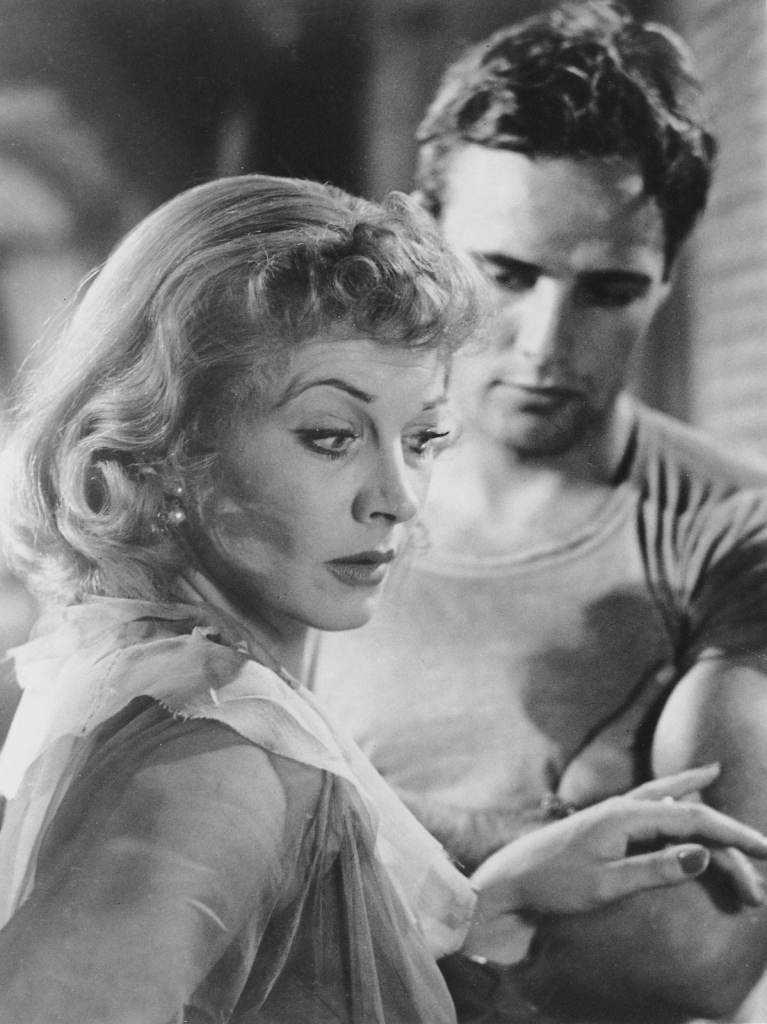
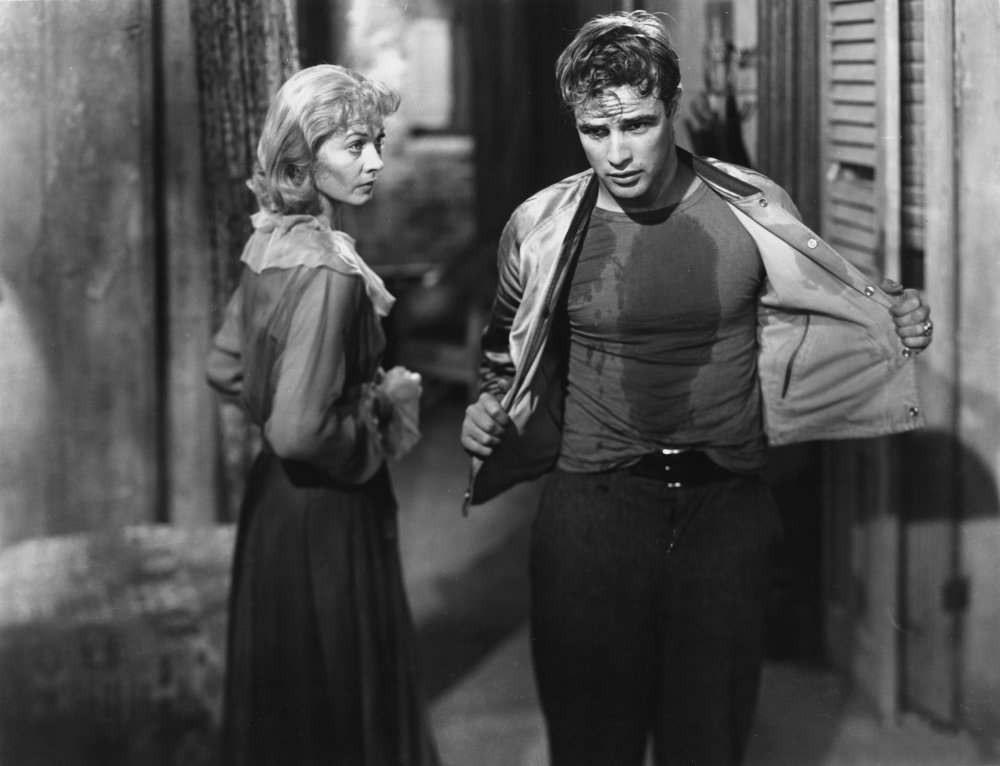
Leigh’s 1949 performance in the West End production of A Streetcar Named Desire was described by the poet and theatre historian Phyllis Hartnell as “proof of greater powers as an actress than she had hitherto shown”. While in the film version of Tennessee Williams’ play that was released in 1951 and directed by Elia Kazan, the critic Pauline Kael wrote that Leigh and Marlon Brando gave “two of the greatest performances ever put on film” and that Leigh’s was “one of those rare performances that can truly be said to evoke both fear and pity.”

In 1965 Leigh appeared in her last film Ship of Fools. The producer and director Stanley Kramer was initially unaware of the fragile mental and physical health of his star. Later Kramer remembered her courage in taking on the difficult role, “She was ill, and the courage to go ahead, the courage to make the film – was almost unbelievable.” Leigh’s performance was tinged by paranoia and resulted in outbursts that marred her relationship with other actors, although both Simone Signoret and Lee Marvin were sympathetic and understanding. Although during the attempted rape scene, Leigh became particularly distraught and hit Marvin so hard with a spiked shoe, that it marked his face.

n May 1967 Leigh was rehearsing with Michael Redgrave in Edward Albee’s A Delicate Balance when she became ill with tuberculosis. A few weeks later she collapsed one night walking to the bathroom – her lungs filled with liquid. Olivier who was receiving treatment for prostate cancer nearby rushed to Leigh’s residence but could only pay his respects. In his autobiography he described that he: “stood and prayed for forgiveness for all the evils that had sprung up between us”.

On the public announcement of her death on 8 July, the lights of every theatre in central London were extinguished for an hour.

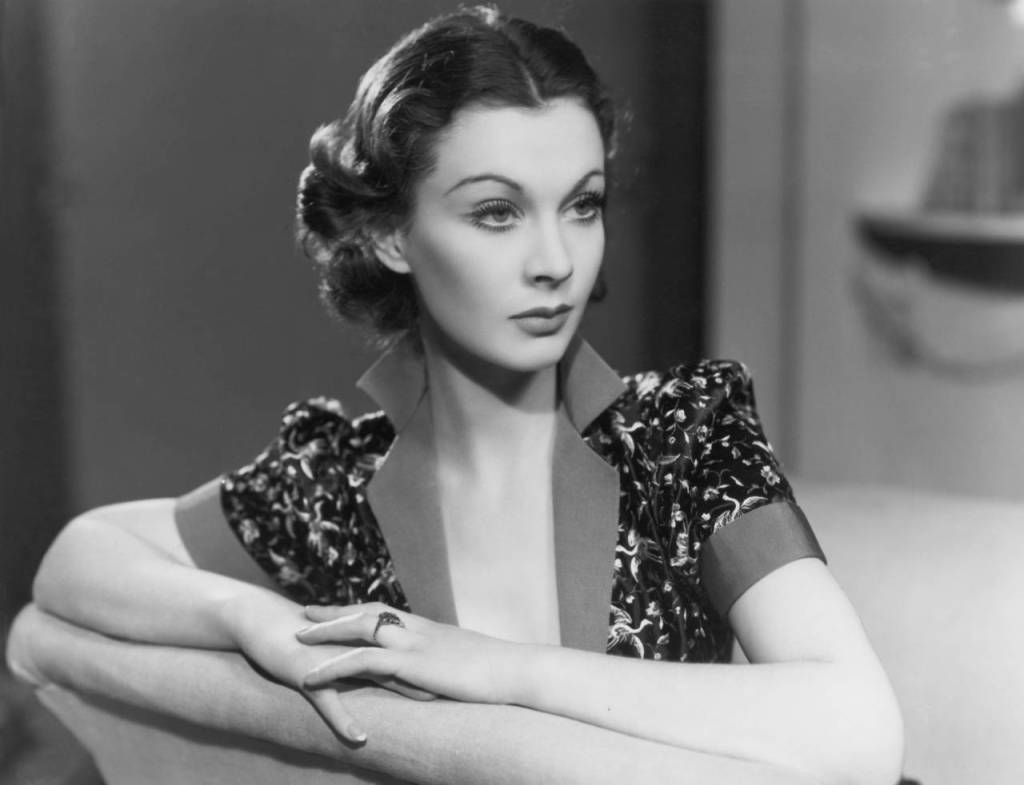
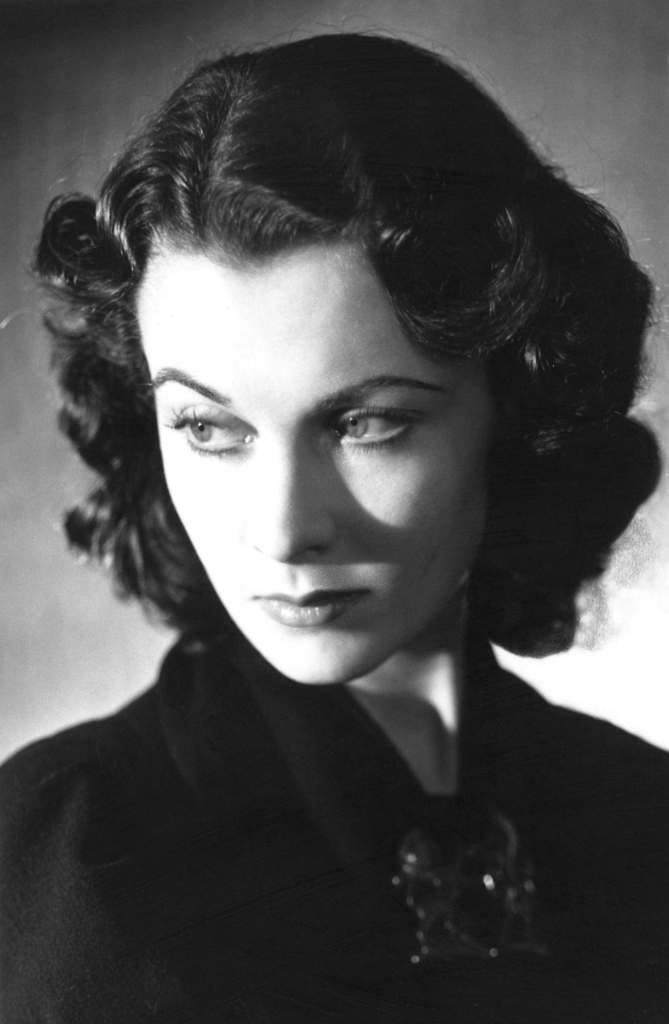
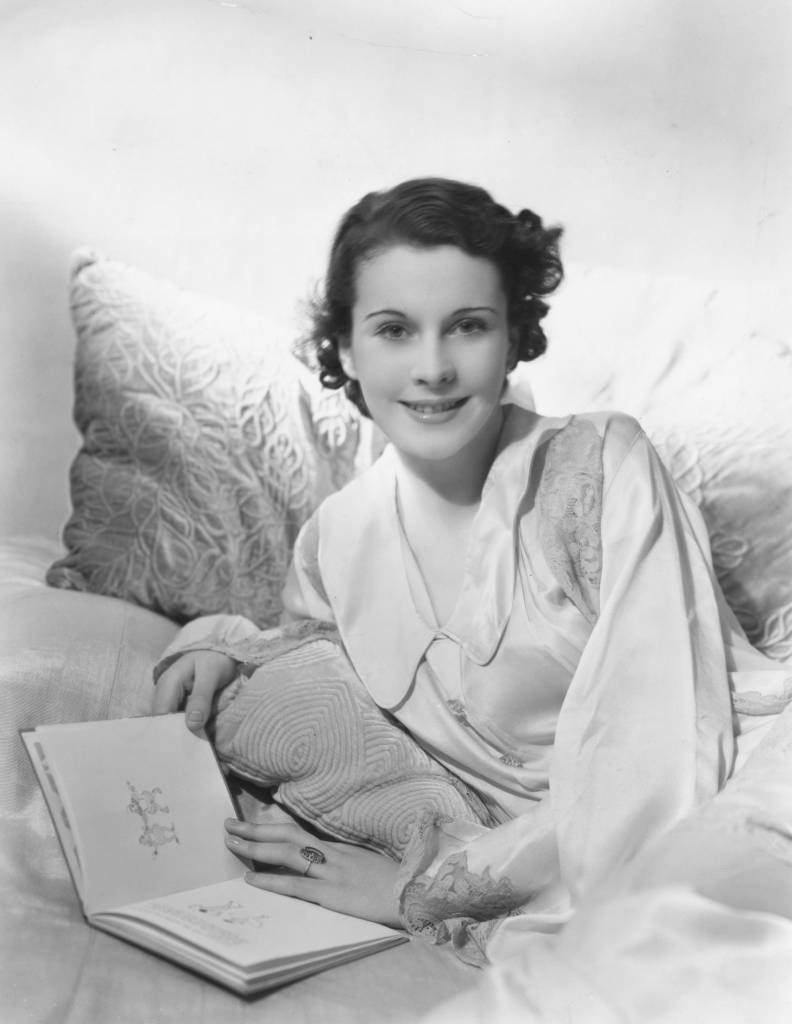
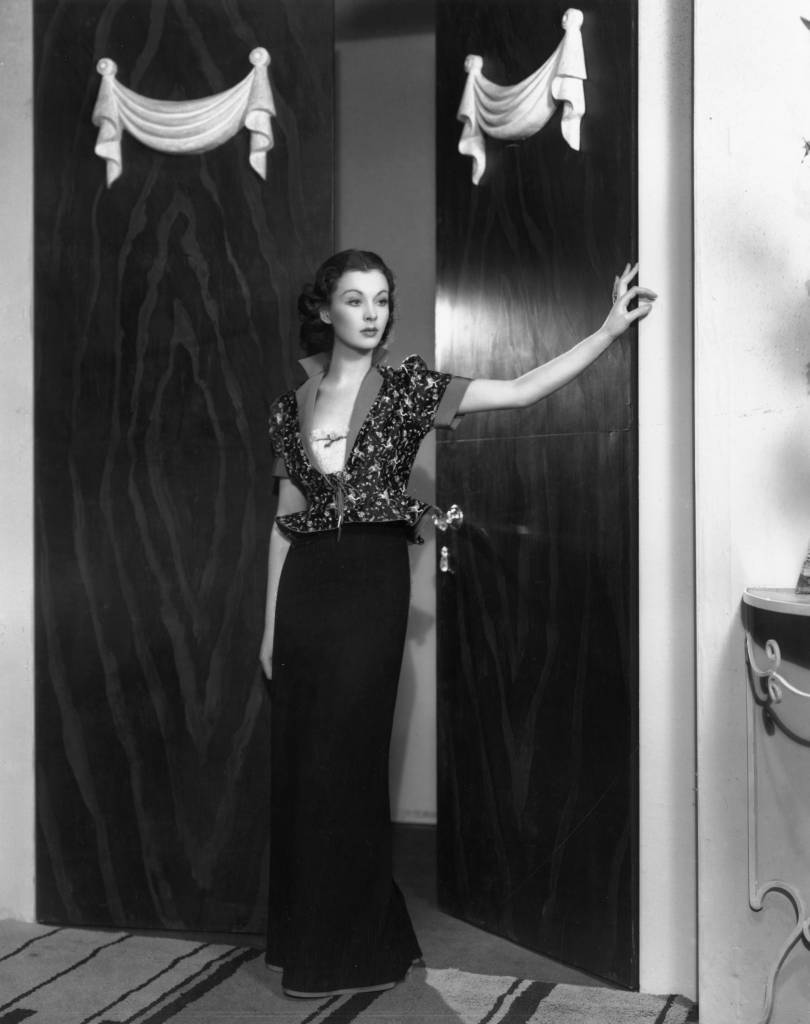
Vivien Leigh, 1937.
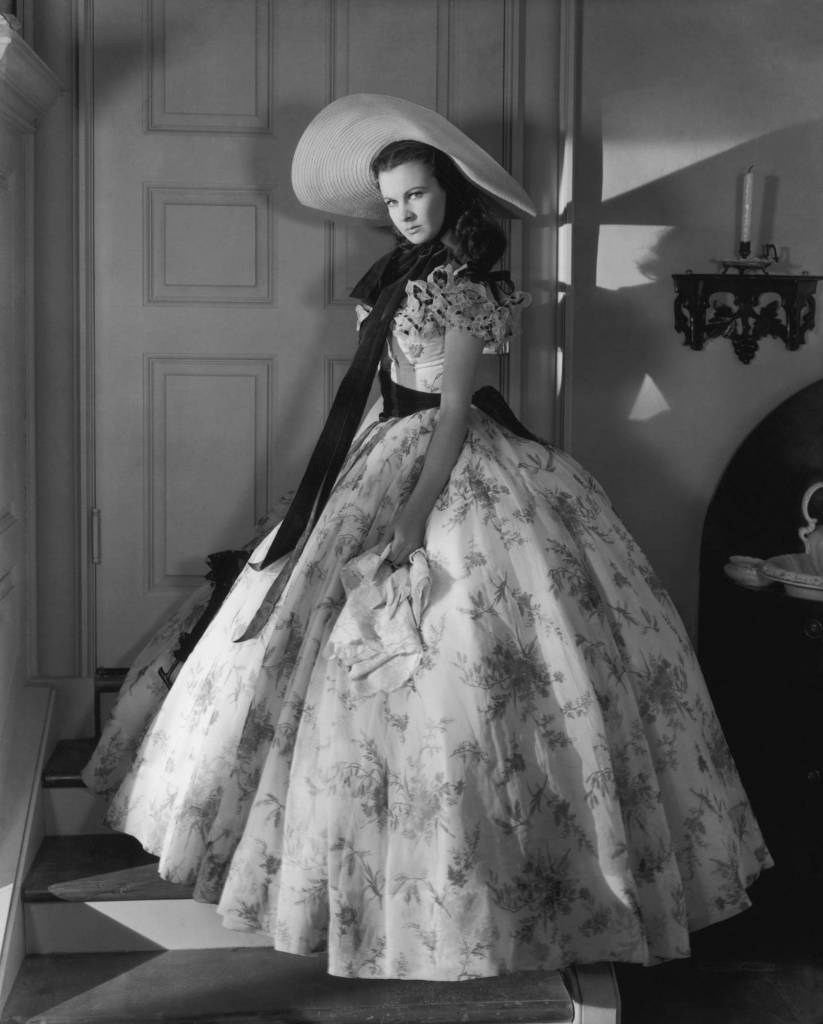
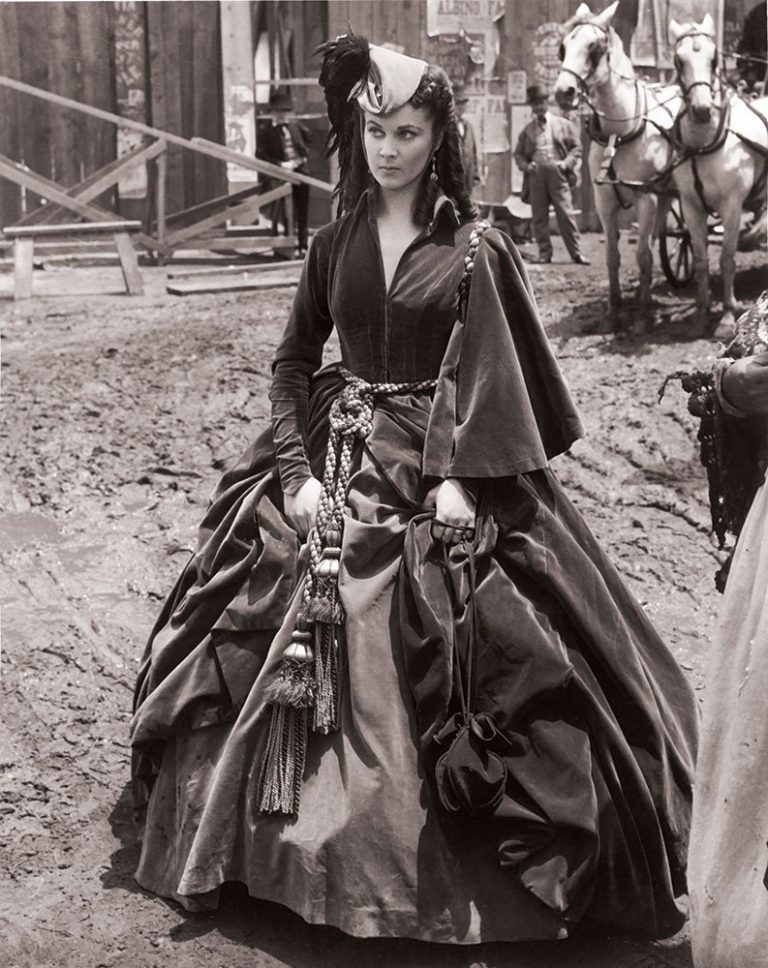
Vivien Leigh as Scarlett O’Hara in Gone With the Wind
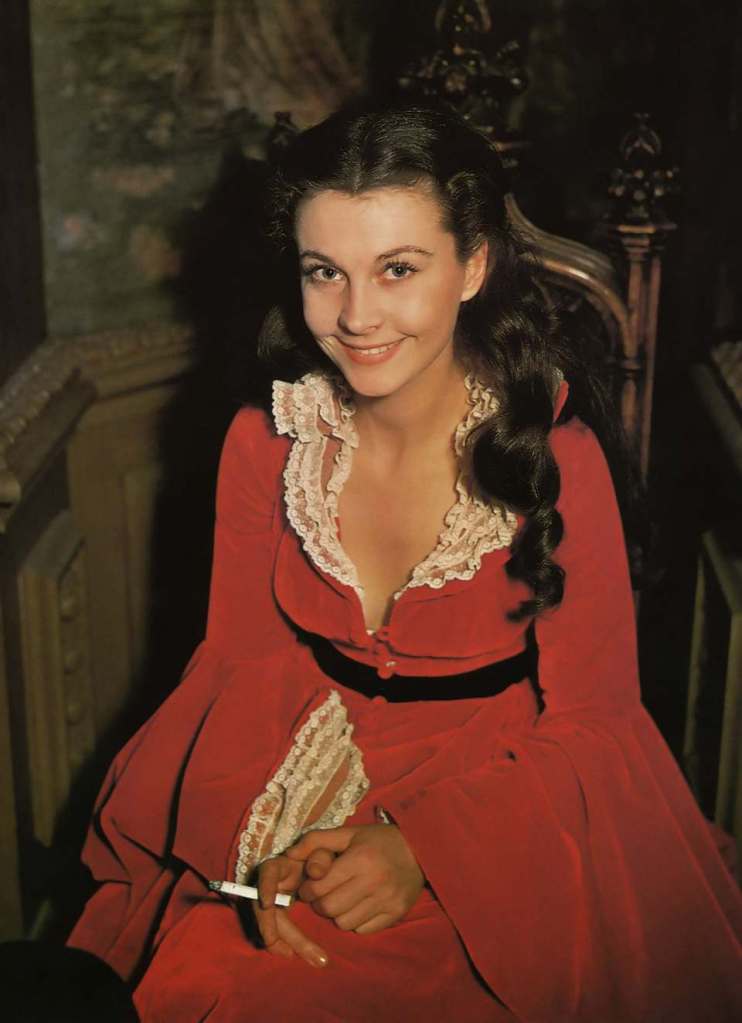
A smoking Vivien Leigh during the filming of Gone with the Wind
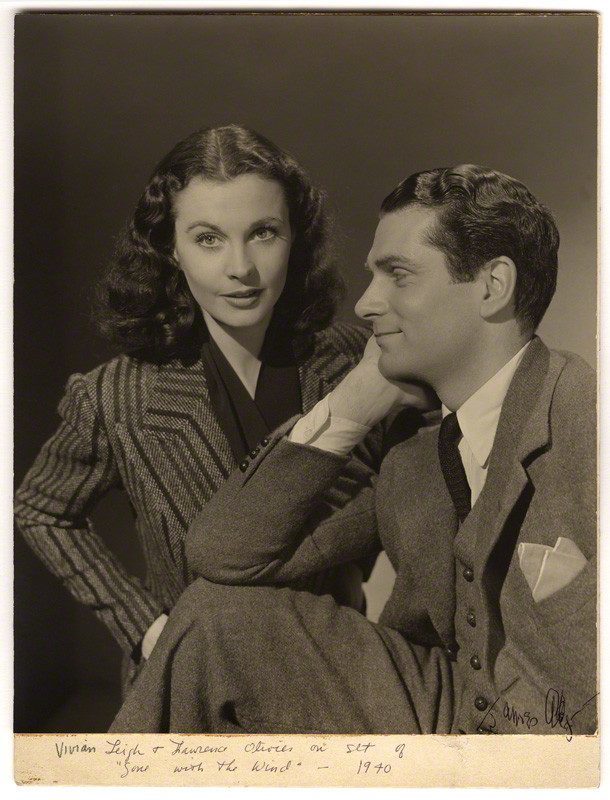
Vivien Leigh and Laurence Olivier, 1939
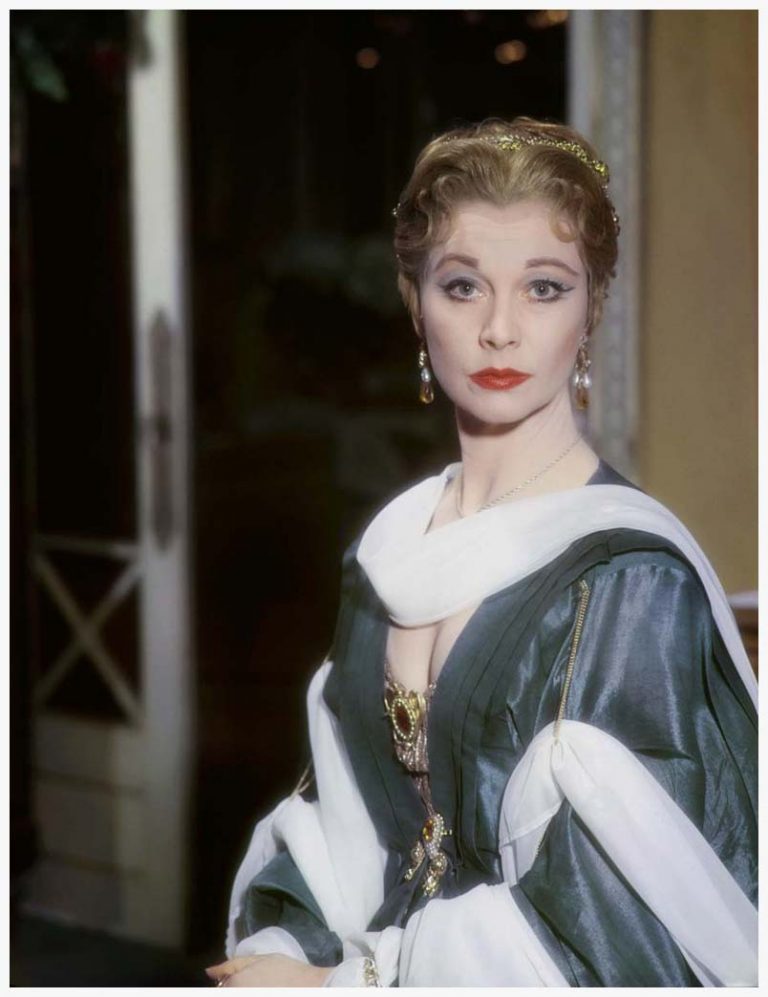
Leigh as Titania from A Midsummer Night’s Dream, 1937
Vivien Leigh, 1935
Vivien Leigh (1913-1967) relaxing at home. 1935
Vivien Leigh, 1937
British actors Vivien Leigh (1913-1967) and Laurence Olivier (1907-1989) entertaining millionaire Sir Victor Sassoon on the set of ‘Waterloo Bridge’, 1940
Vivien Leigh, 1941
Vivien Leigh as she appears in ‘Serena Blandish’ at the Gate Theatre. Sept 1938
Vivien Leigh (1913 – 1967) flirts with the camera, 1935
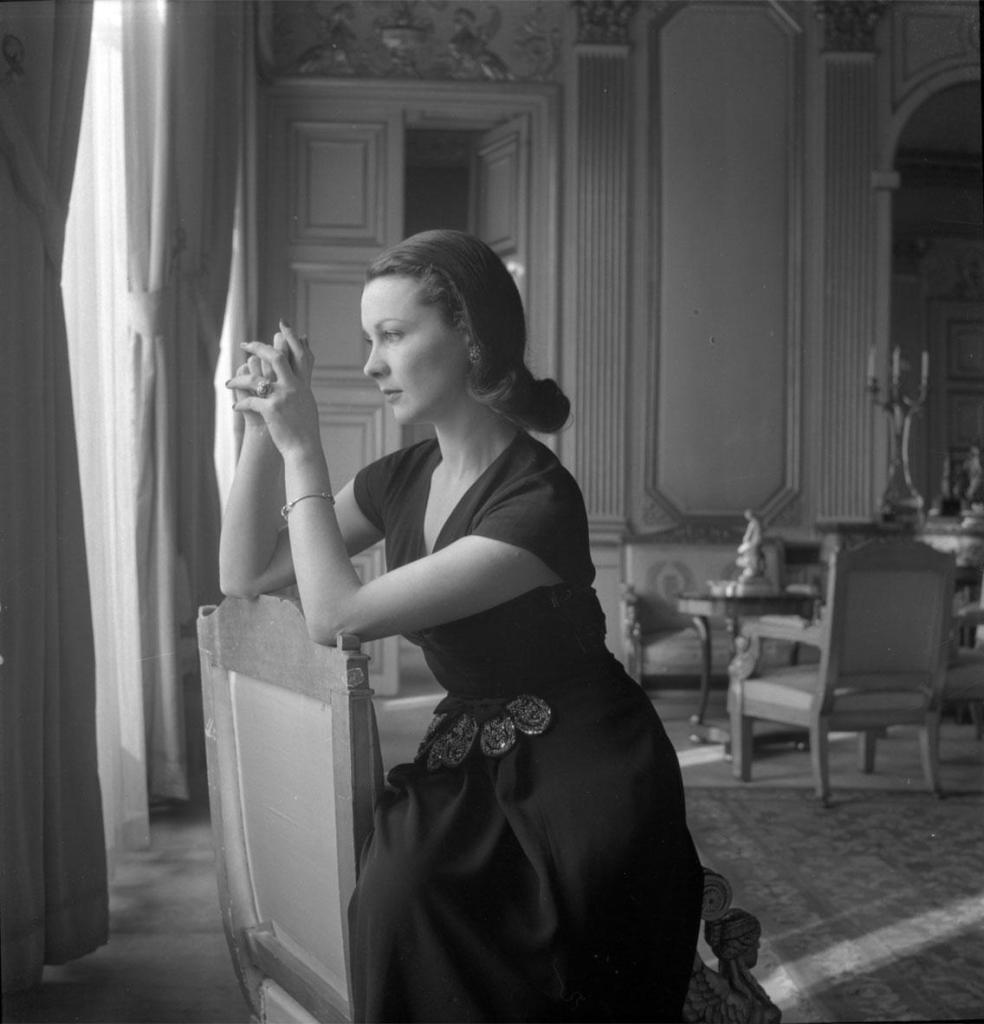
Vivien Leigh, Paris, 1952
Vivien Leigh 1940
Leigh on the set of Lady Hamilton 1941
Vivien Leigh as Lady Macbeth, Laurence Olivier as Macbeth, 1955.
Vivien Leigh, British Embassy, Paris, 1947
Vivien and Larry
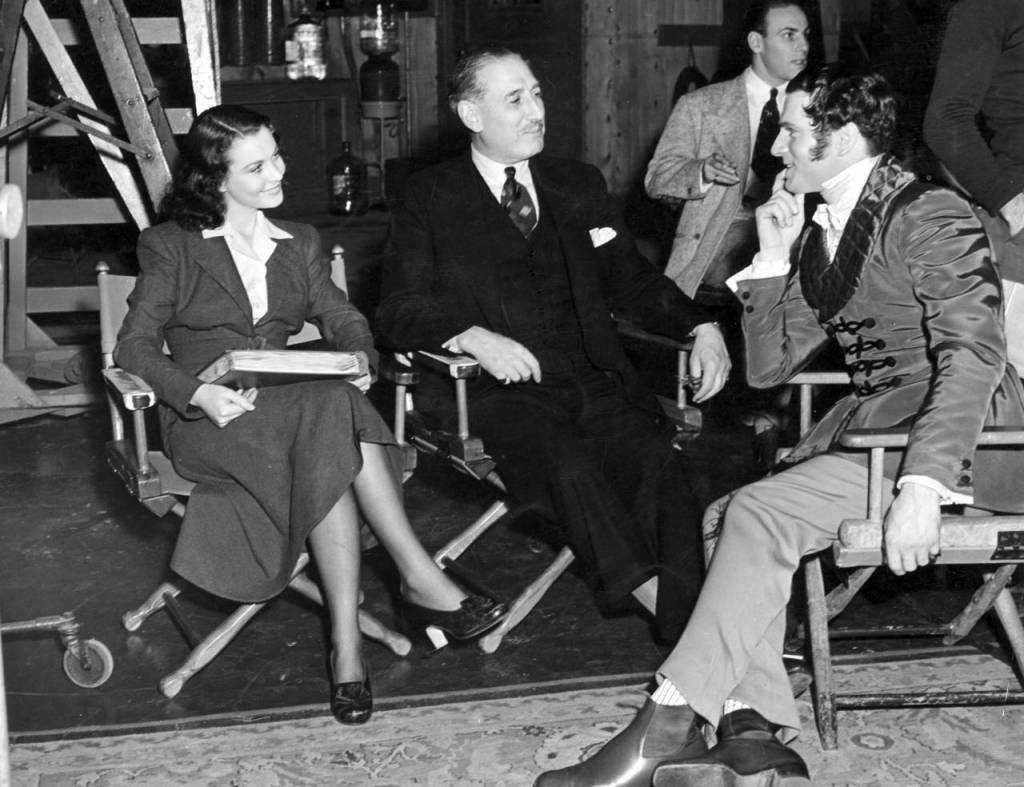
Waiting to film the scene when Scarlett visits Rhett Butler in jail on the Gone with the Wind set.
British film stars Laurence Olivier and Vivien Leigh after visiting a London theatre to see a revival of ‘Dear Brutus’. The stars have flown to London from Hollywood to play their part in the war. Olivier hopes to join the RAF and Vivien Leigh is hoping to join a stage company touring Britain.
Vivien Leigh catches up with some paperwork in her dressing room, 1943.
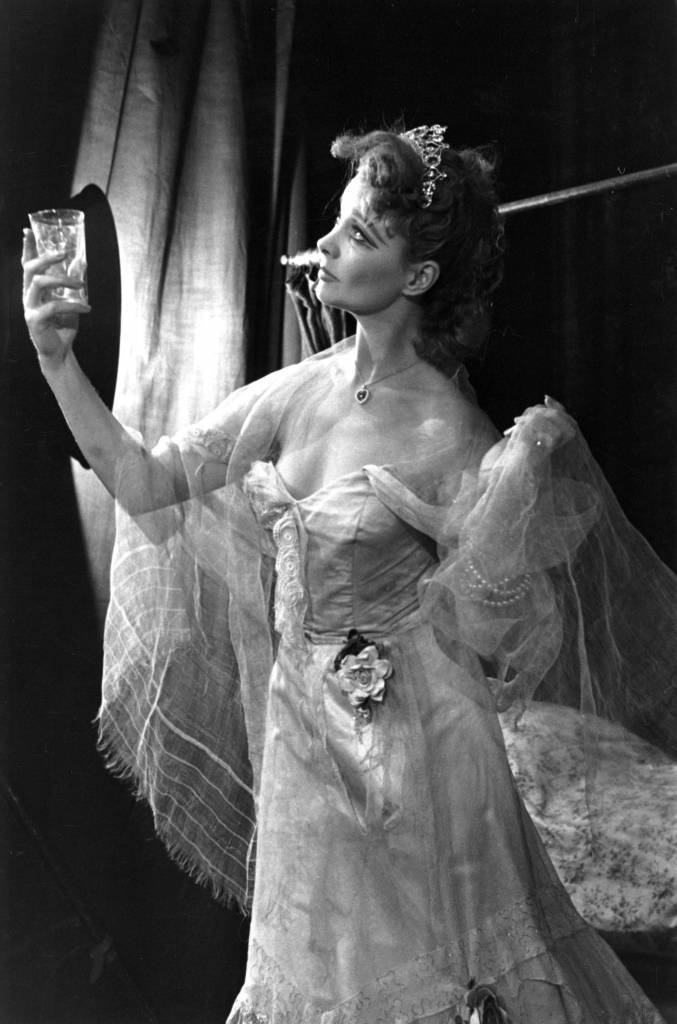
October 1949: Vivien Leigh toasts the stars in her role as Blanche in ‘A Streetcar Named Desire’, playing at the Aldwych Theatre, London.
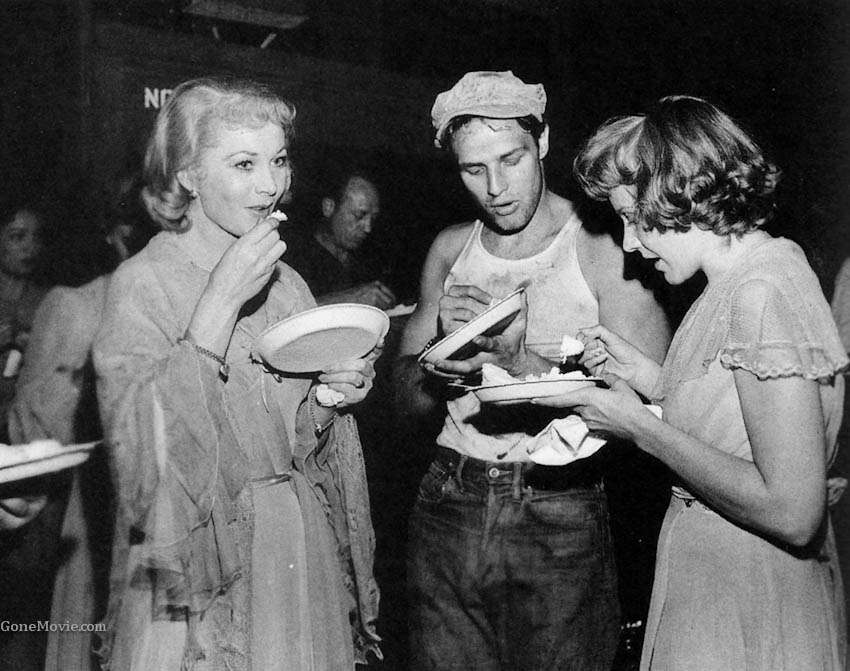
Vivien Leigh lunches with Marlon Brando and Kim Hunter.
A Streetcar Named Desire with Vivien Leigh and Marlon Brando
A Streetcar Named Desire
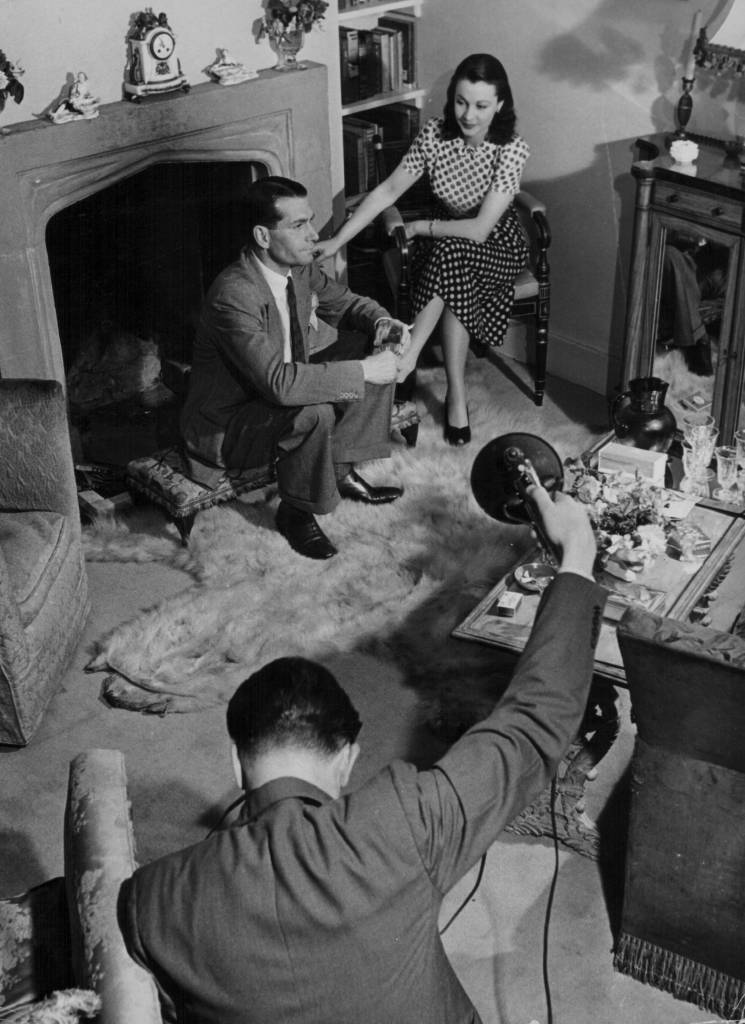
Actors and spouses Laurence Olivier and Vivien Leigh, posing for a LIFE magazine photographer in their home, Chelsea, London, 1950.
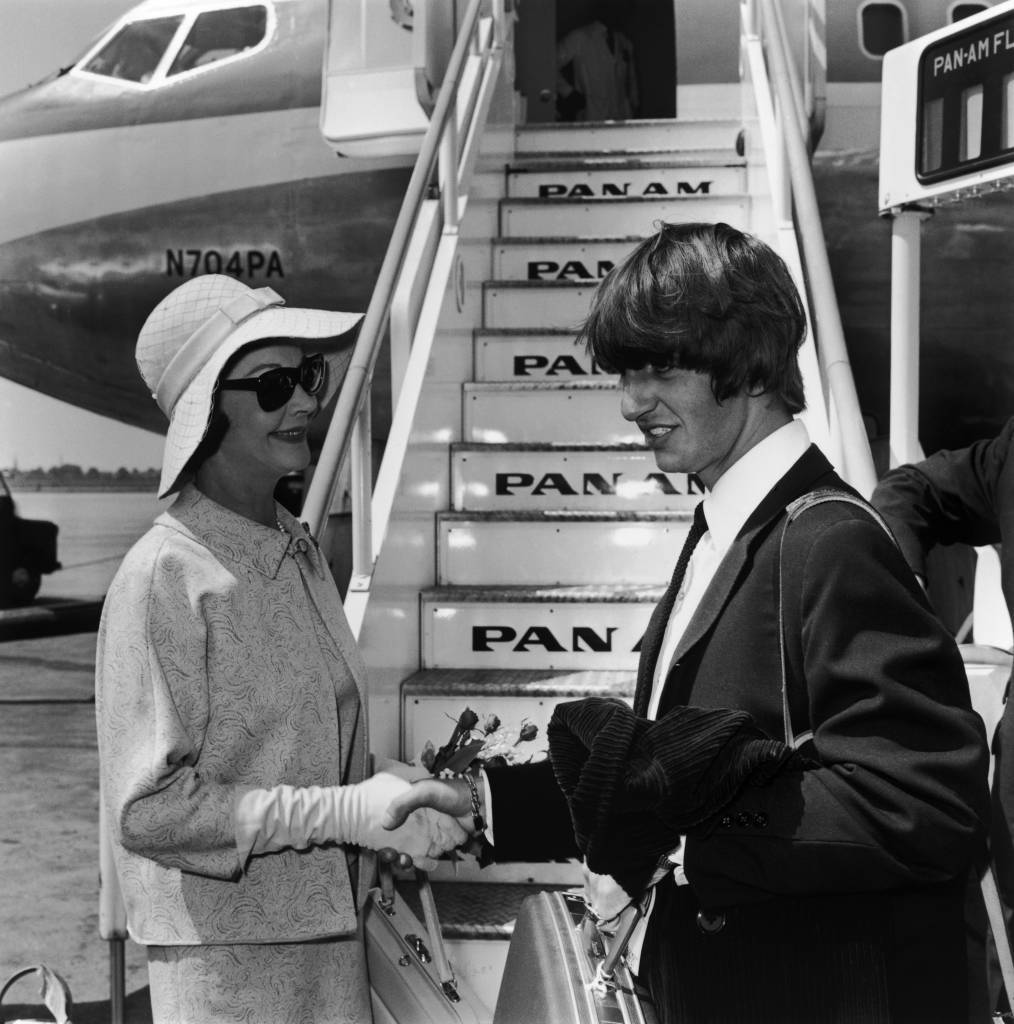
Beatles drummer Ringo Starr boarding a plane at London Airport (now Heathrow) with actress Vivien Leigh, 12th June 1964. Starr is flying to Australia to join the rest of the Beatles on their 1964 world tour.
Ship Of Fools, Vivien Leigh, 1965

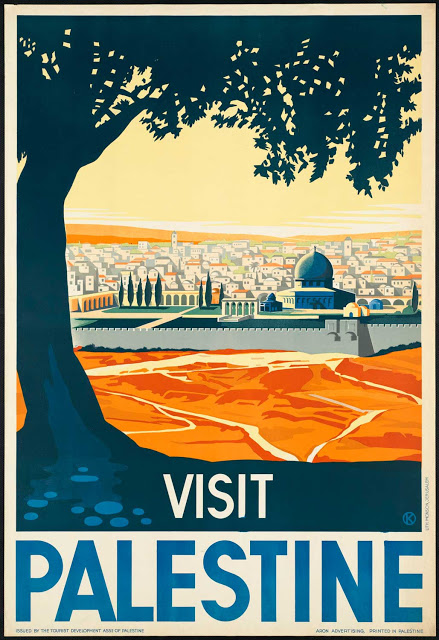
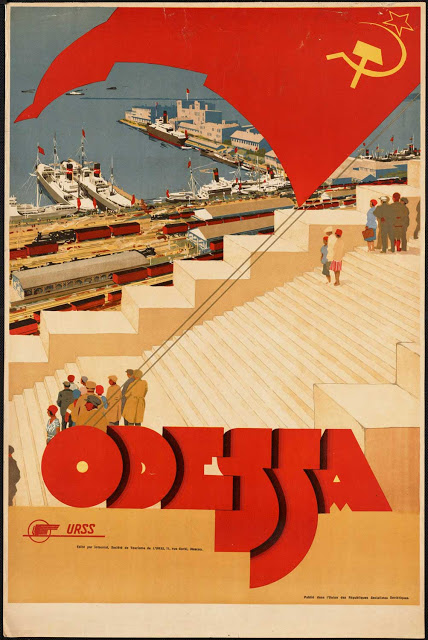
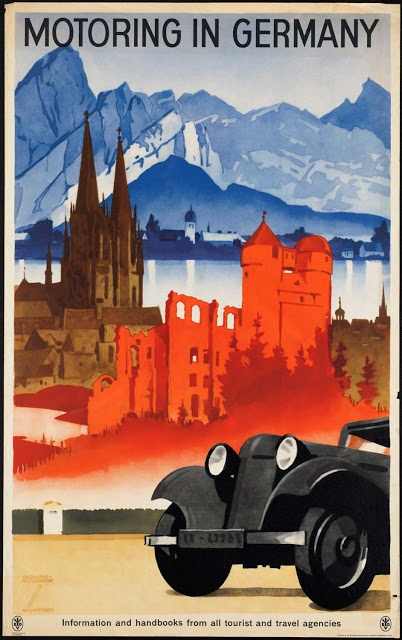
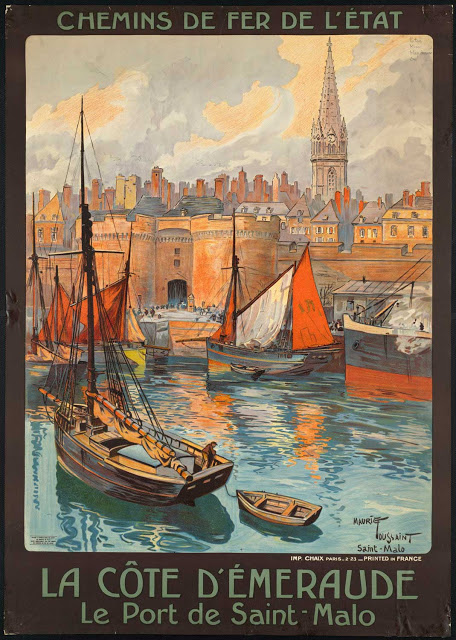
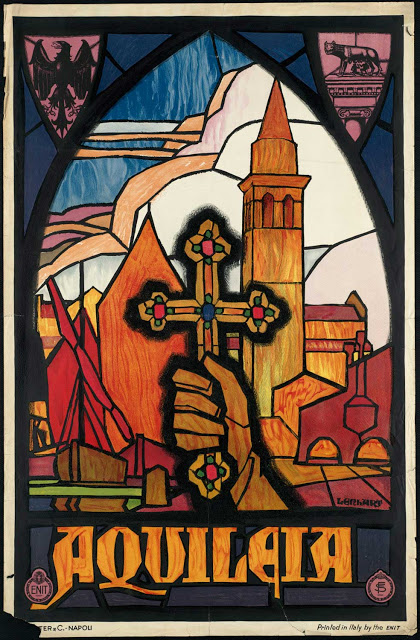
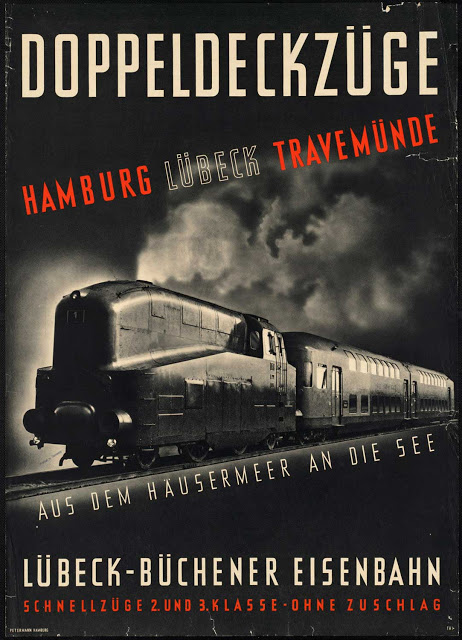
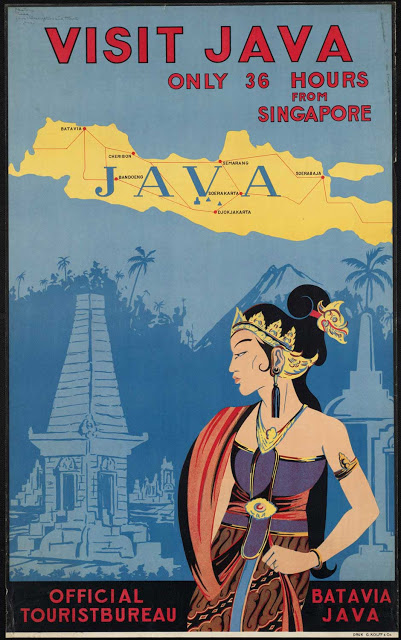
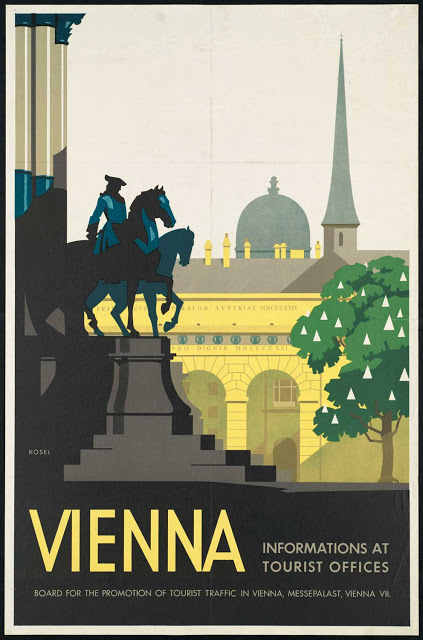
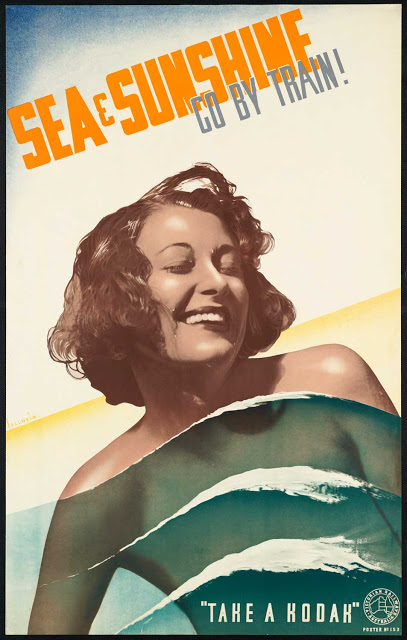
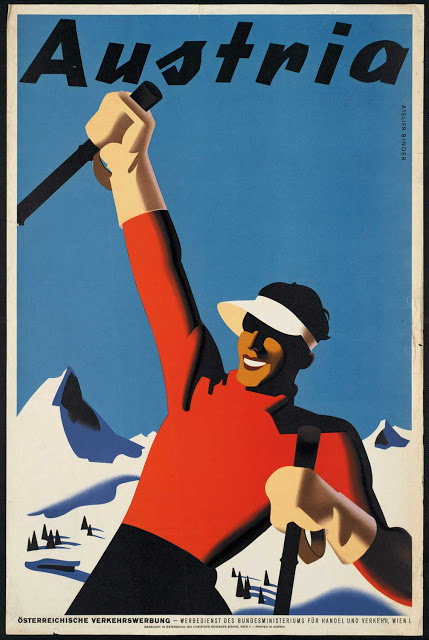
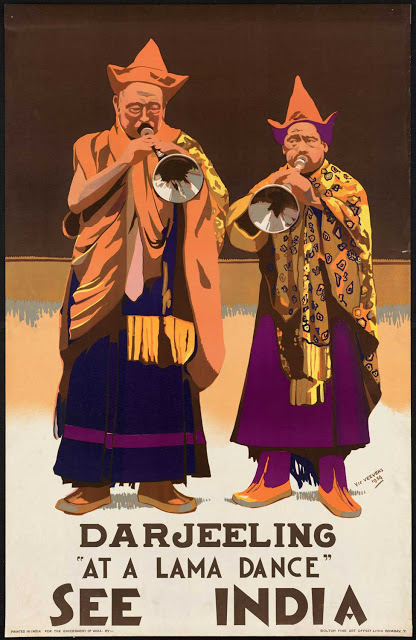
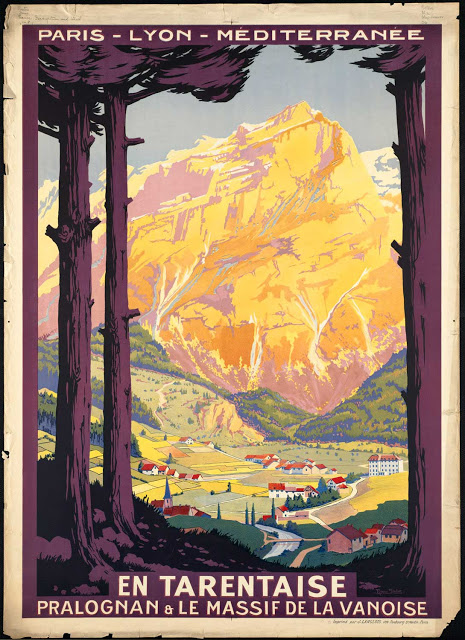
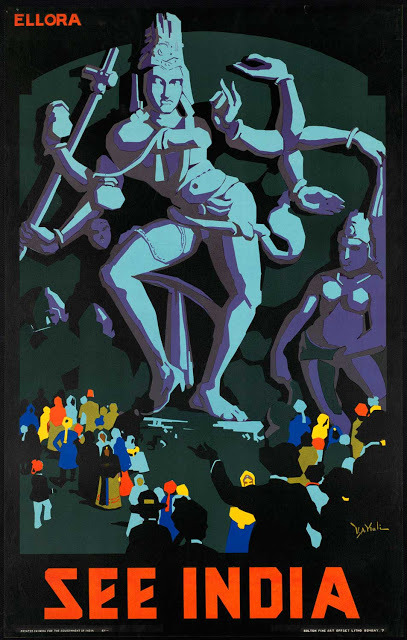
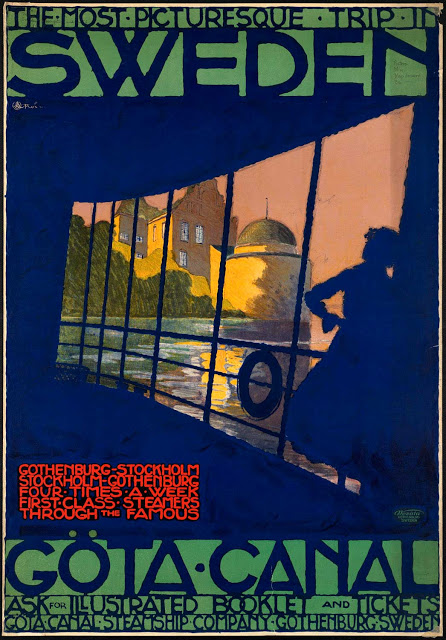
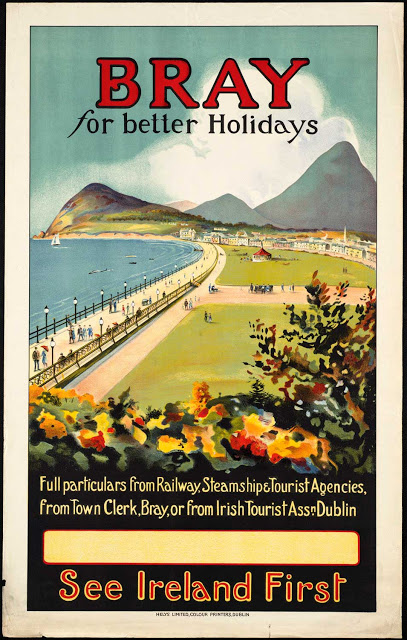
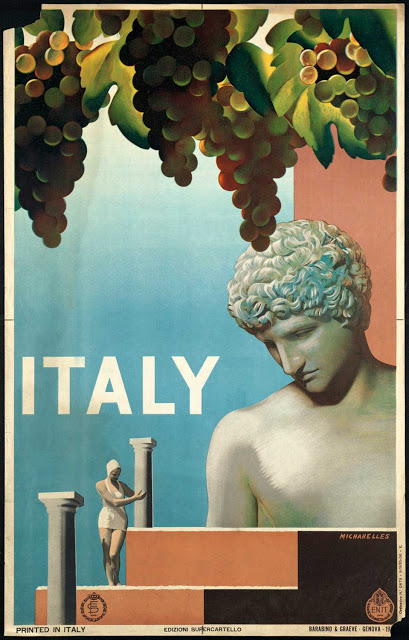
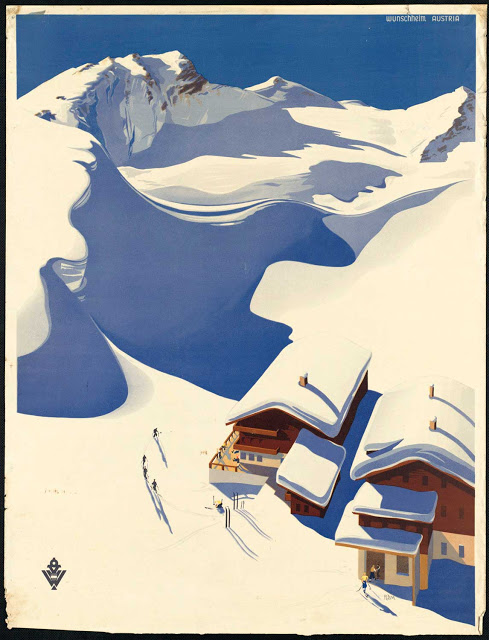
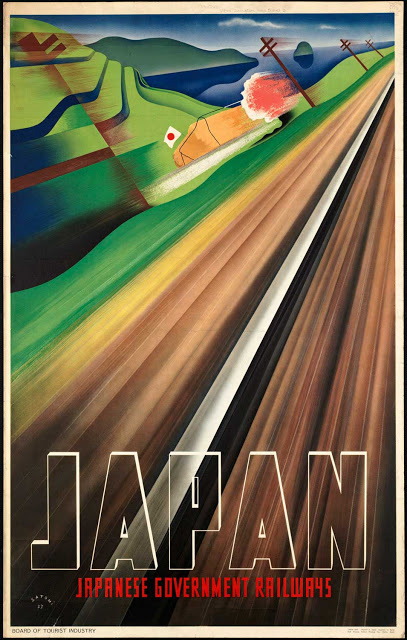
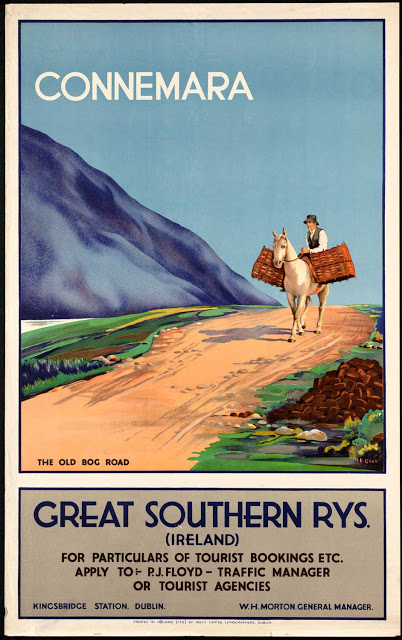
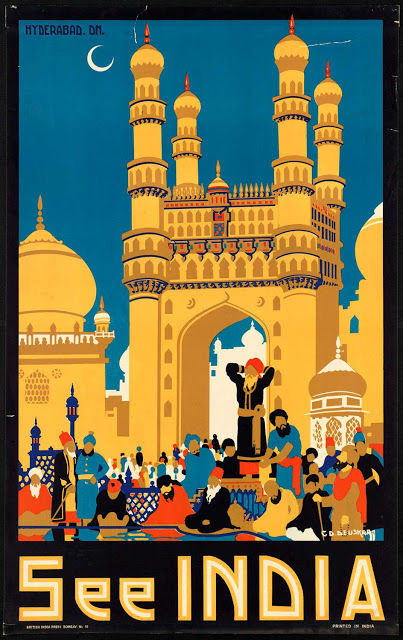
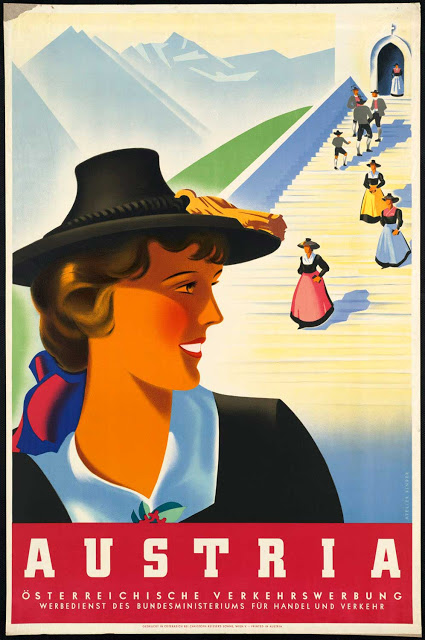
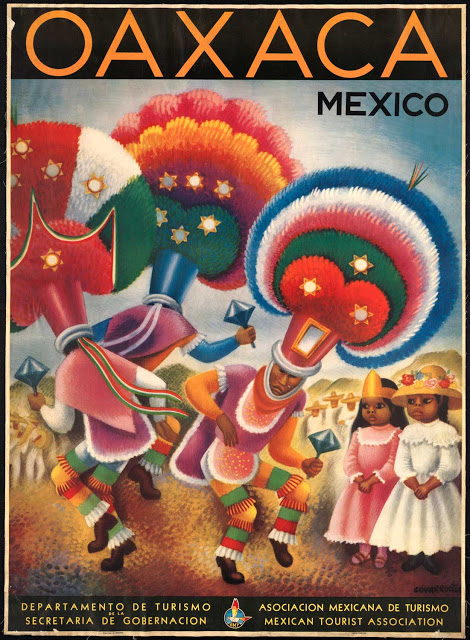
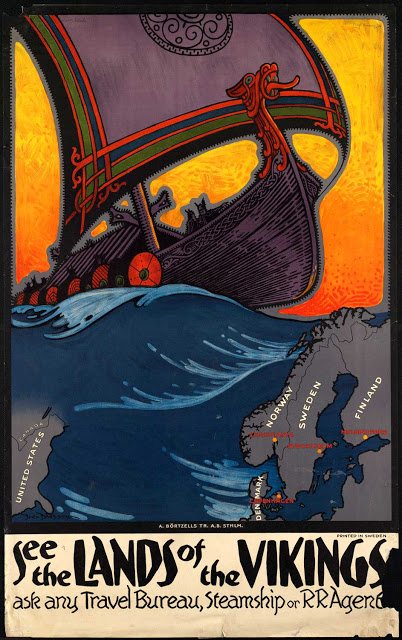
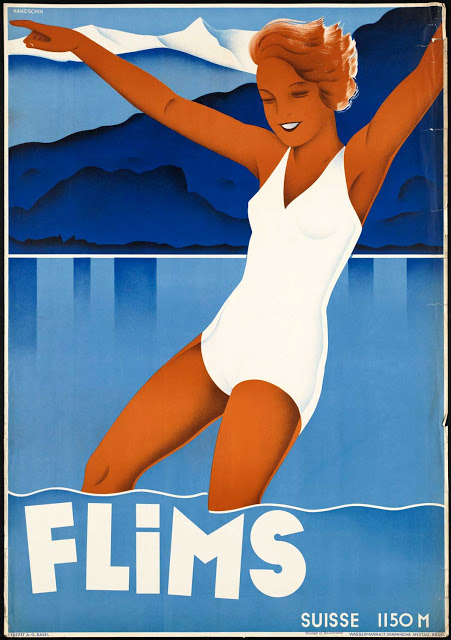
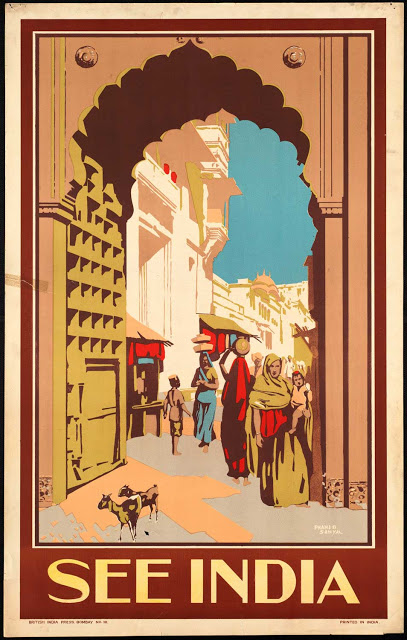
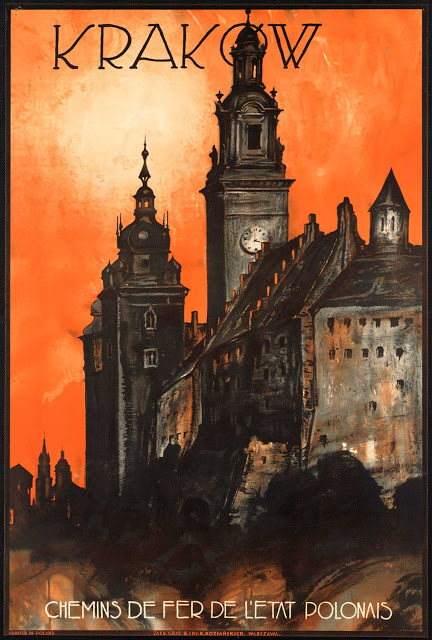
58 Wonderful Vintage Travel Posters From Around the World Between the 1920s and 1940s

Railways opened up America and Europe, luxe ocean liners introduced elegance into overseas voyages, and drivers took to the road in record numbers in their new automobiles. By the mid-1940s, new airlines crisscrossed the globe, winging adventure-seekers to far-flung destinations.

Travel agents and ticket offices during this period were festooned with vivid, eye-catching posters, all designed to capture the beauty, excitement and adventure of travel and to promote a world of enticing destinations and new modes of transportation. Individual artists gained fame for their distinctive graphic styles and iconic imagery, and many posters from this era still remain important works of art long after their original advertising purposes have faded.

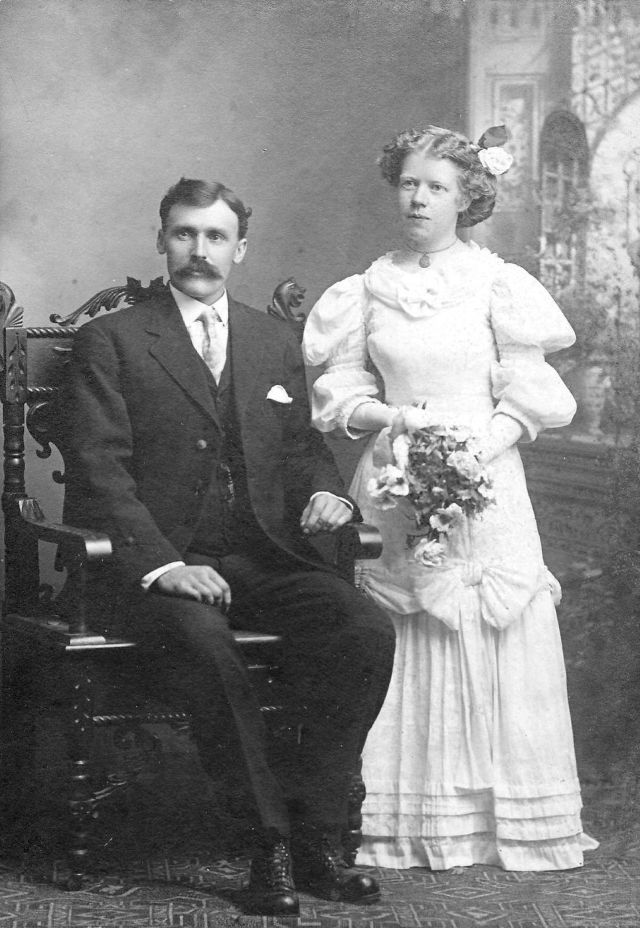
40 Wonderful Portraits of Victorian Couples on Their Wedding Days

Subscribe to get access

Read more of this content when you subscribe today.

The wedding day was considered to be the most important day in the life of a Victorian girl. The girls were taught from the early age to marry and to take care of the family. The marriage of a girl was something very special for the mother, the soon to be bride and her family.

Victorian weddings were more or less similar to the wedding celebrations we have today. Many traditions of Victorian weddings are still being followed and one of them is the color and style of the wedding attire.

The wedding dress of the Victorian era had a fitted bodice with a small waist and long skirt. It was made of organdie, silk, linen, lace, gauze, tulle and cashmere.

The wedding was also very important for the grooms and they were also concerned with fashion. The Victorian groom often wore a frock coat made of blue color with best flower favor in his lapel.

Take a look at these beautiful photos to see what Victorian couples looked like on their wedding days.

Subscribe to continue reading

Become a paid subscriber to get access to the rest of this post and other exclusive content.

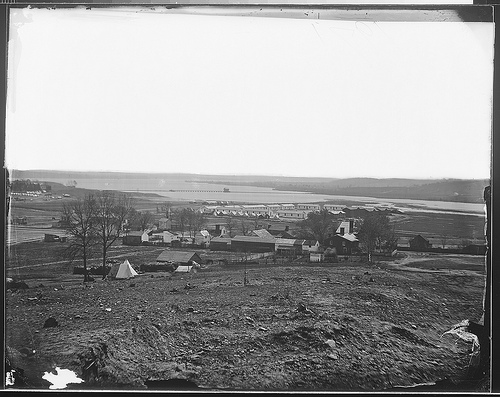
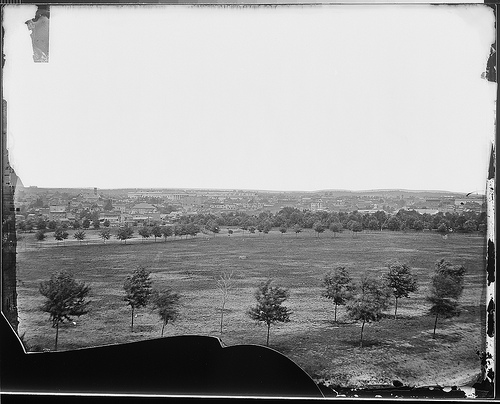
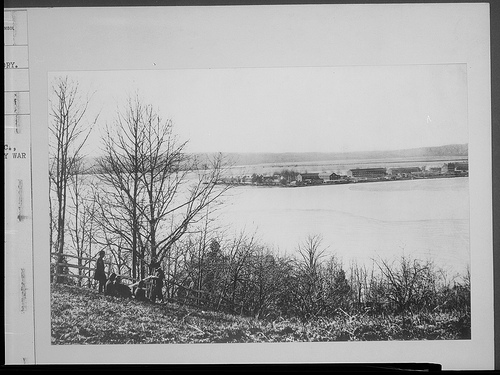
55 Amazing Vintage Photos of Washington D.C. from 1860-1865

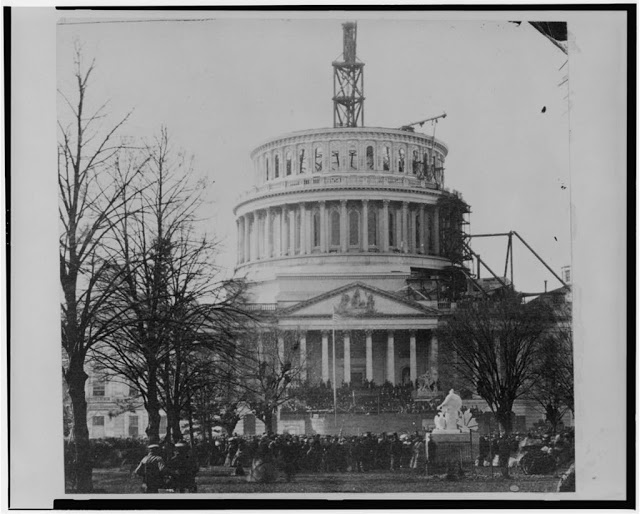
Abraham Lincoln was inaugurated for a second time on March 4th, 1865
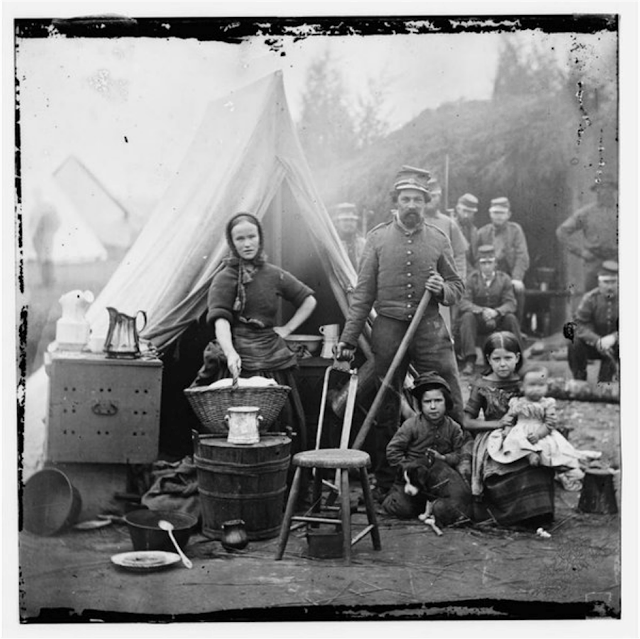
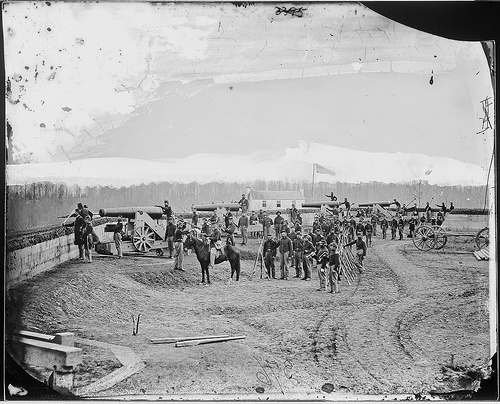
A Civil War Camp near Washington, DC in 1862
Adjusting the rope for the execution of captain Henry Wirz, Washington, DC, November 10, 1865
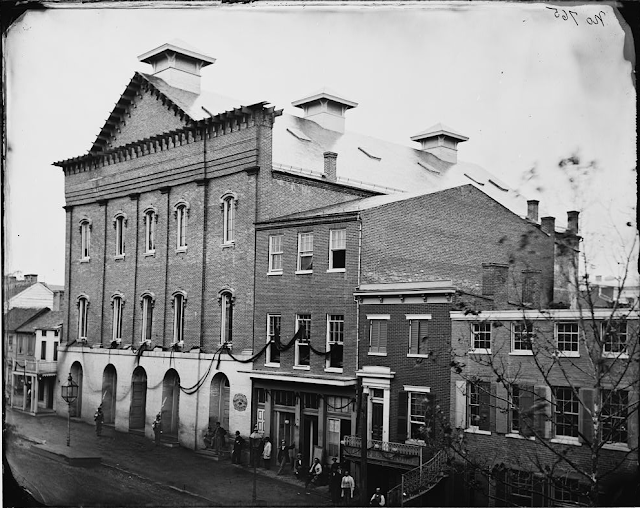
Ford’s Theatre, draped in mourning after Lincoln’s assassination, 1865
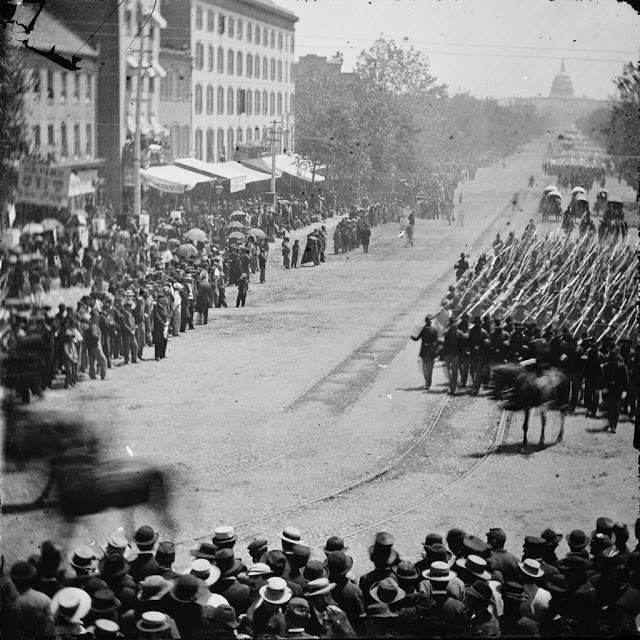
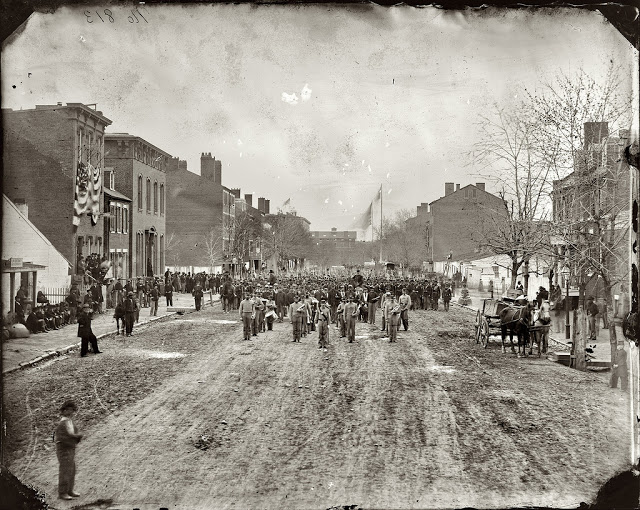
Civil War victory parade on Pennsylvania Avenue, Washington, D.C., 1865
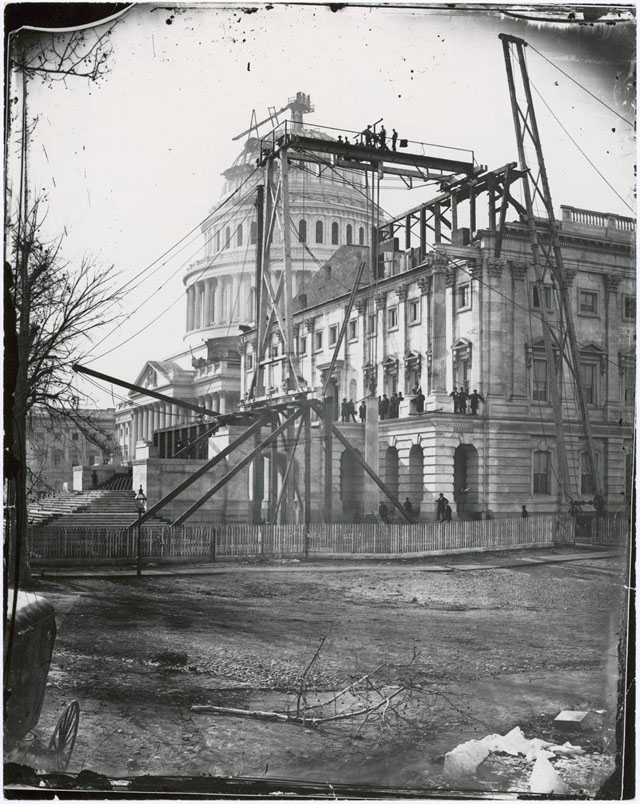
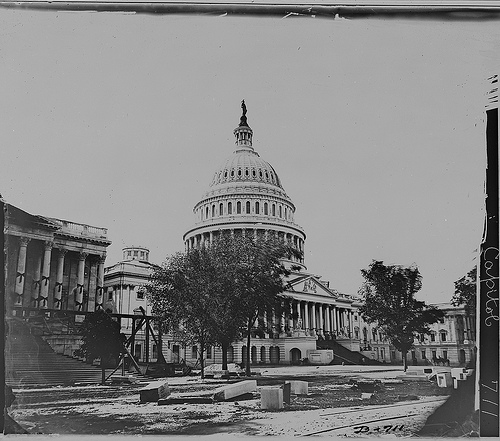
The Capitol in 1861
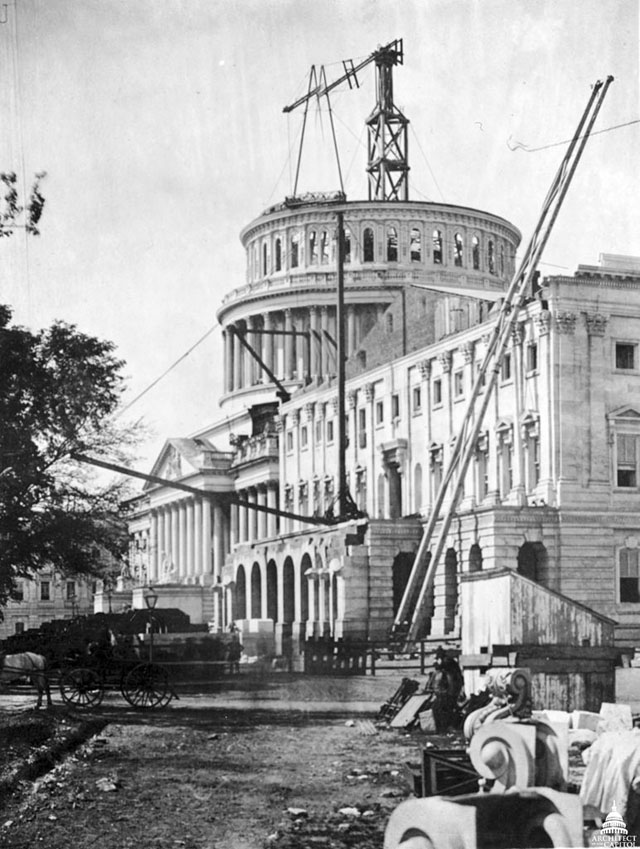
During the Civil War, Capital dome not finished, Washington DC,1863
Guards examine passes near Georgetown, Washington D.C., on the banks of the Potomac River, during the Civil War in 1865
Maimed soldiers and others before Office of U.S. Christian Commission, Washington, D.C., April 1865
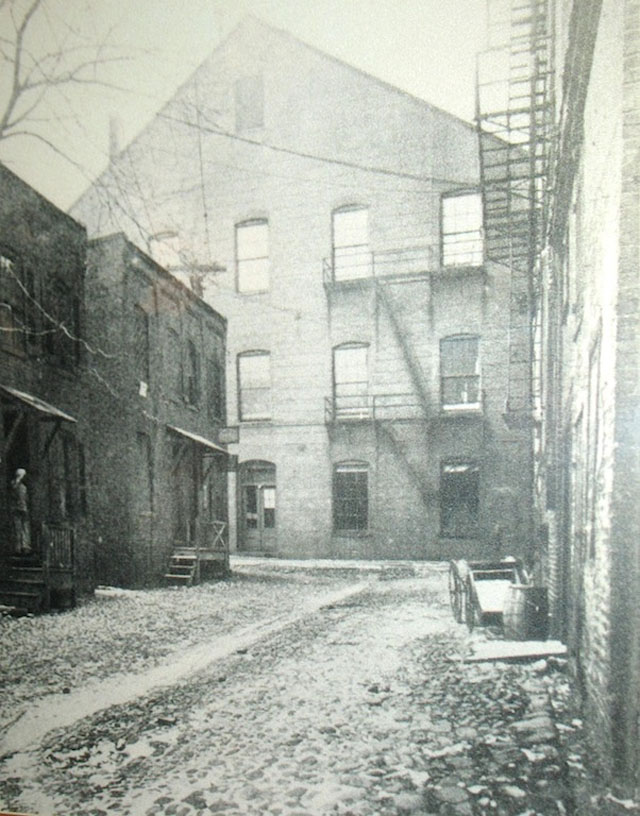
The alley behind Ford’s Theater, 1865
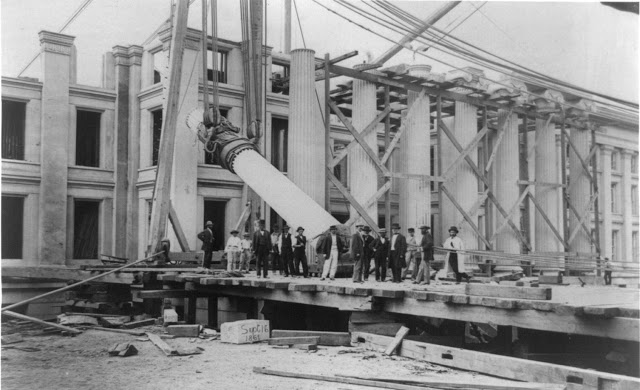
Capitol Building progress, circa 1864
The Inauguration of Abraham Lincoln at the unfinished Capitol, Washington D.C, March 4, 1861
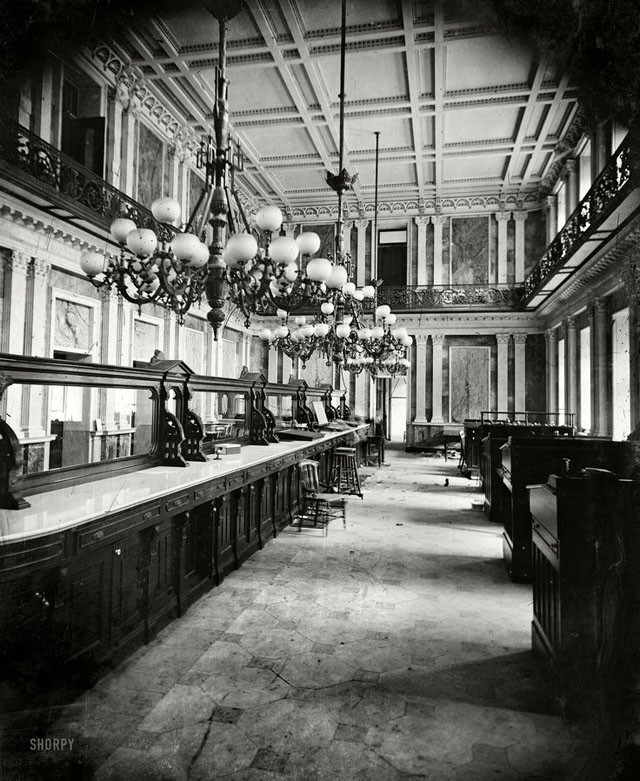
The Treasury Department Building under construction, 16 September 1861
Treasury Department in the early 1860s
U.S. volunteer infantry in Washington, D.C, March 1865
US Capitol, Washington, D.C, 1861
Washington during the Civil War, 1865
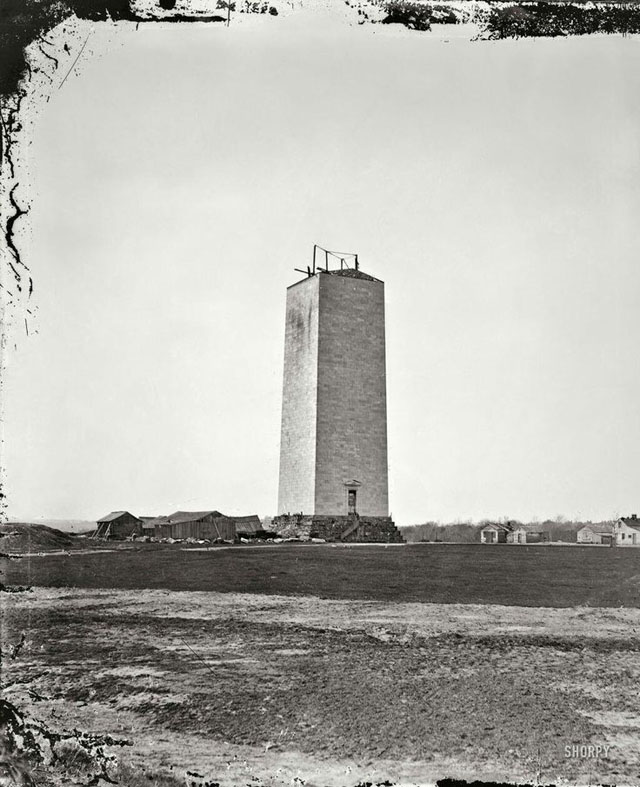
Washington Monument in 1860
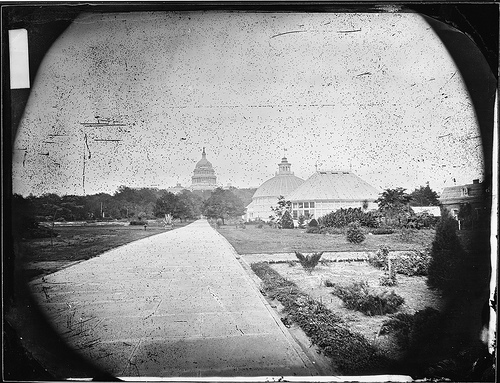
Botanical Gardens, Washington D.C., 1860-1865
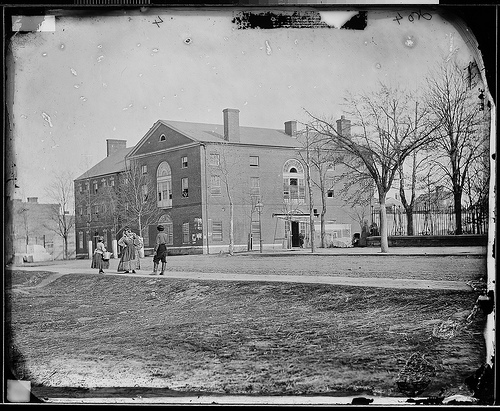
Old Capitol Prison, Washington D.C., 1860-1865
Cavalry Depot at Giesboro, D.C., 1860-1865
Fort Carroll. Defenses of Washington, D.C., near Giesboro, 1860-1865
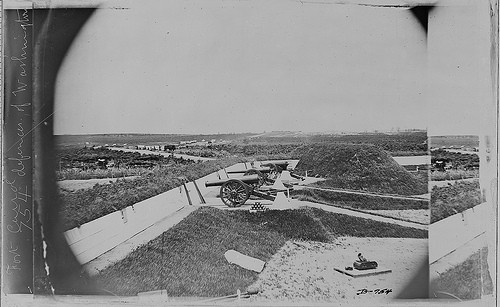
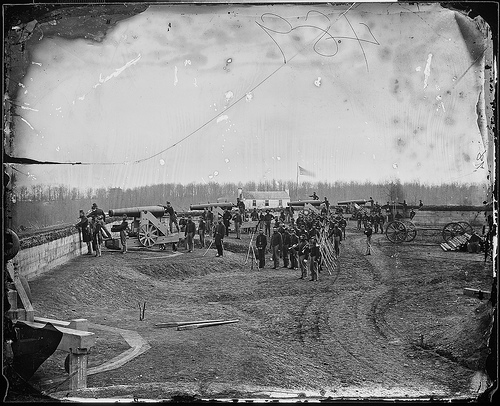
Fort Carroll, interior view, District of Columbia, 1860-1865
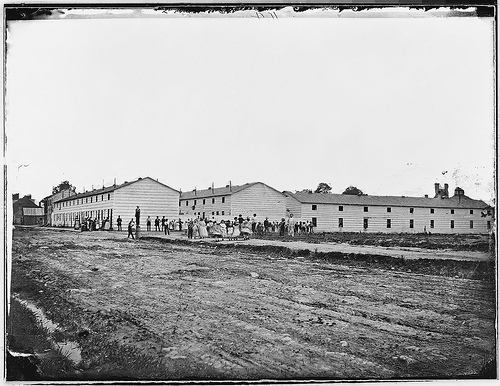
Barracks, Fort Meigs, D.C., 1860-1865
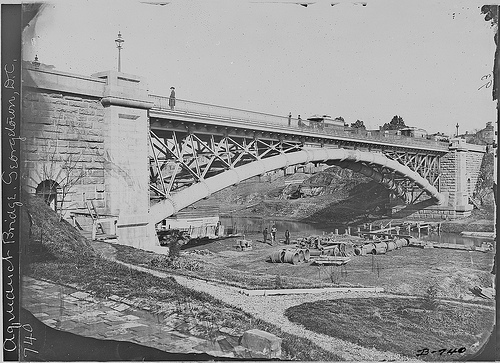
Aqueduct Bridge at Georgetown, D.C. or Meigs Bridge, 1860-1865
Arsenal Grounds, Washington, D.C., 1860-1865
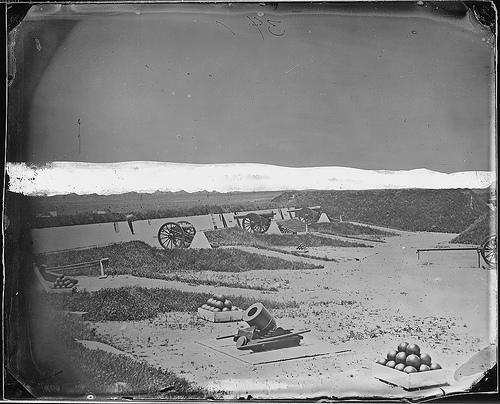
Fort Totten, near Washington, D.C., 1860-1865
Fort Totten, near Rock Creek Church, D.C., 1860-1865
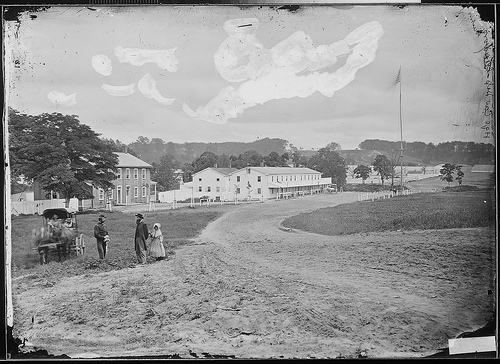
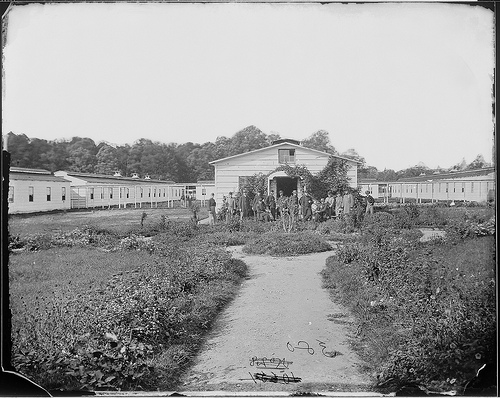
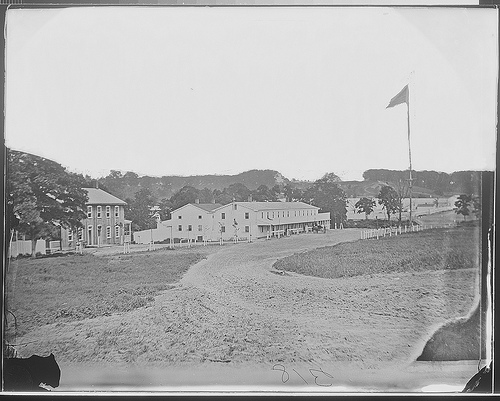
Hospital near Washington, D.C., 1860-1865
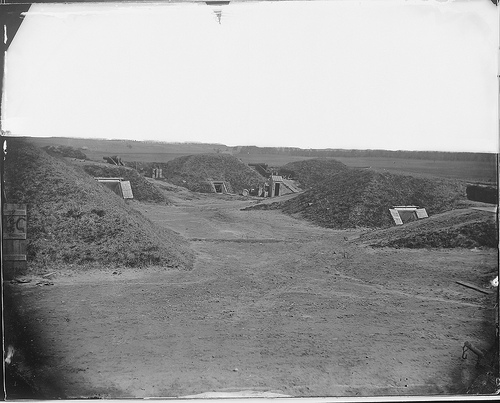
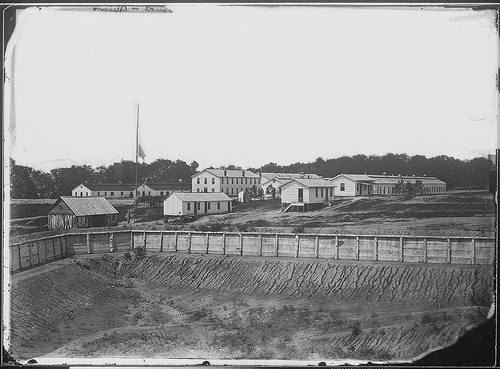
Fort near Washington, D.C., 1860-1865
Fort Carroll, near Washington, D.C., 1860-1865
Bridge across the Eastern Branch, Washington, D.C., 1862
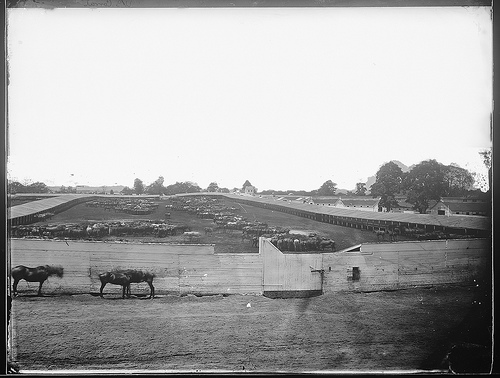
Cavalry stables, Geisboro, D.C., 1860-1865
Headquarters, Giesboro, D.C., 1860-1865
Surgeons of Harewood Hospital, Washington, D.C., 1860-1865
Hospital near Washington, D.C., 1860-1865
Barracks at Fort Carroll near Giesboro Point, D.C., 1860-1865
Fort Totten, D.C. Defenses of Washington, D.C., 1860-1865
Camp scene and Fort near Washington, D.C., 1860-1865
Officers of 55th Inf. at Fort Tennalytown, D.C., 1860-1865
Fort near Washington, D.C., 1860-1865
Capitol of the United States, Washington, D.C., 1860-1865
Corral at Giesboro, D.C., 1860-1865
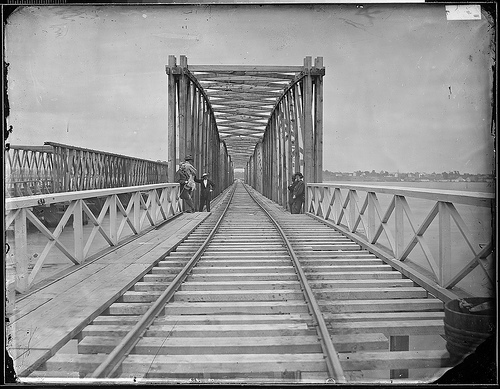
Long Bridge, Washington, D.C., 1860-1865
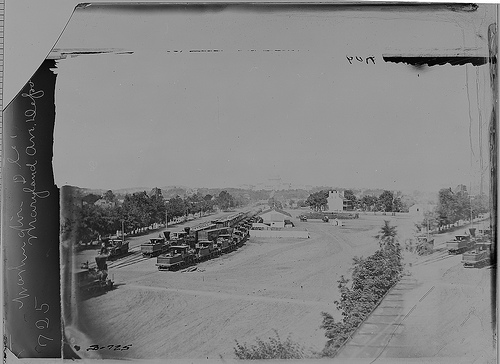
Maryland Avenue Depot at Washington, D.C., 1860-1865
Hospital near Washington, D.C., 1860-1865
Carver Hospital, Washington, D.C. Interior View., 1860-1865
Hospital near Washington, D.C., 1860-1865
Wiard 6 lb. Guns, Washington Arsenal. Excelsior Brigade, 1860-1865
Harewood Hospital near Washington City, D.C, 1860-1865
View of Washington, D.C, 1860-1865
Washington Barracks, D.C. Old Caption Arsenal at Washington, 1860-1865
Hospital near Washington City, D.C., 1860-1865
Grand Review, 1865. Washington, Showing Reviewing Stand with General Grant, Cabinet.

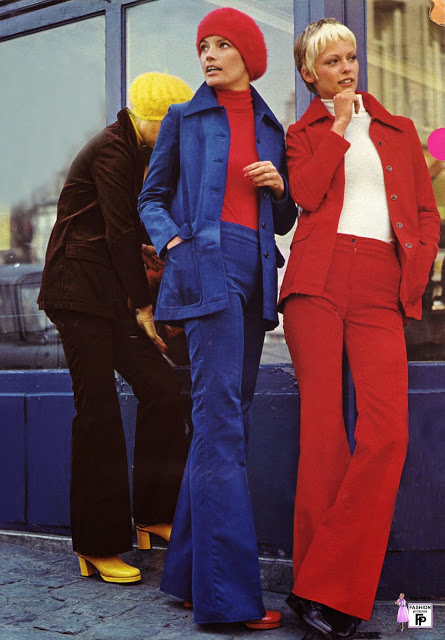
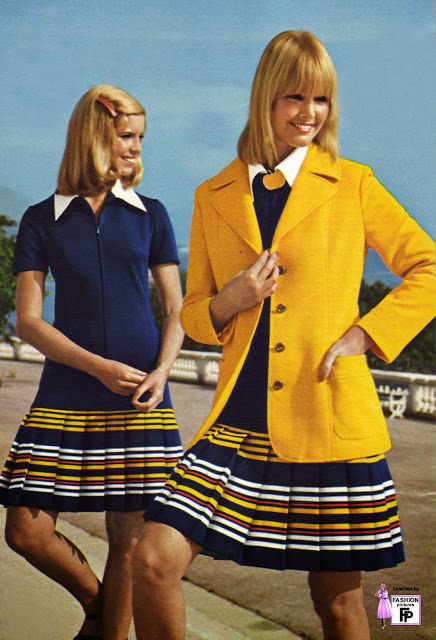
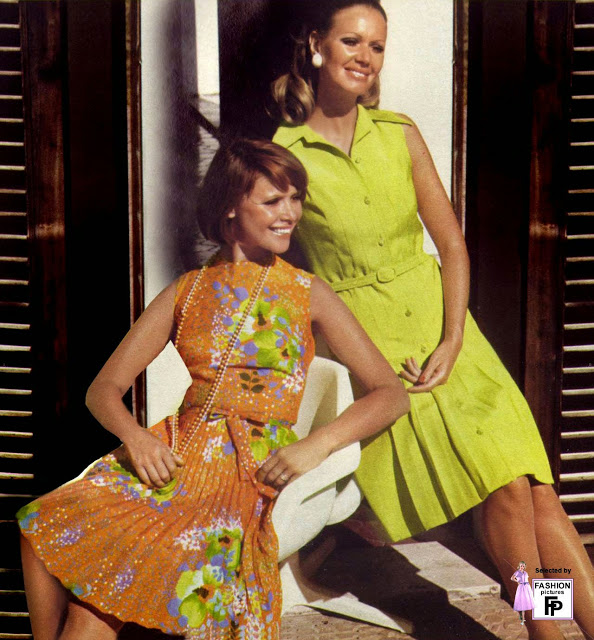
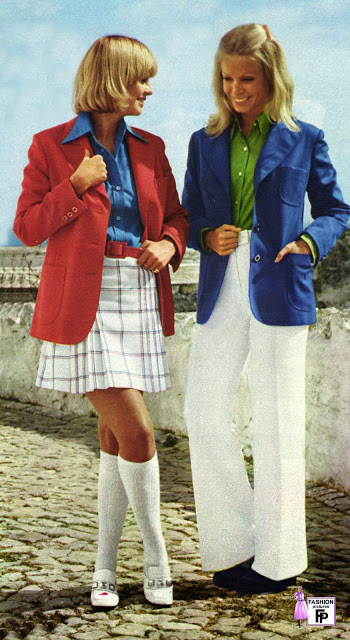
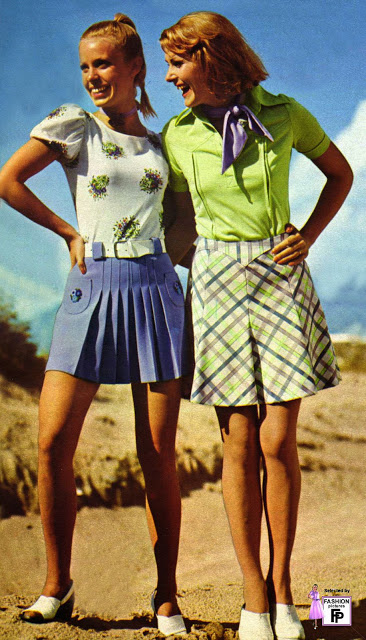
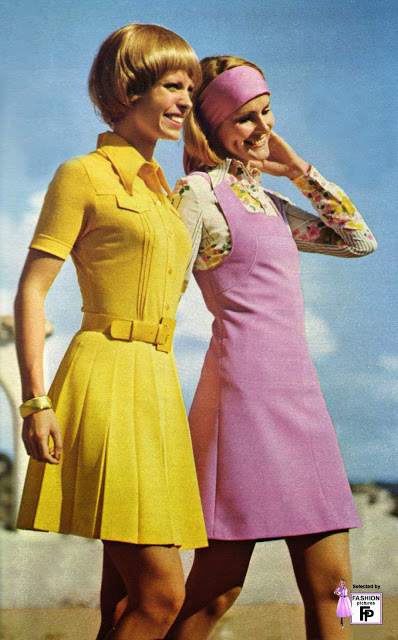
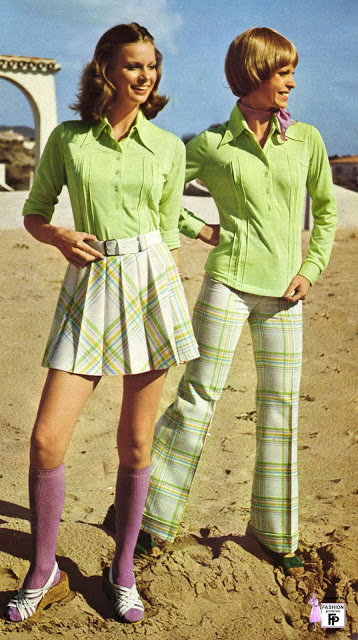
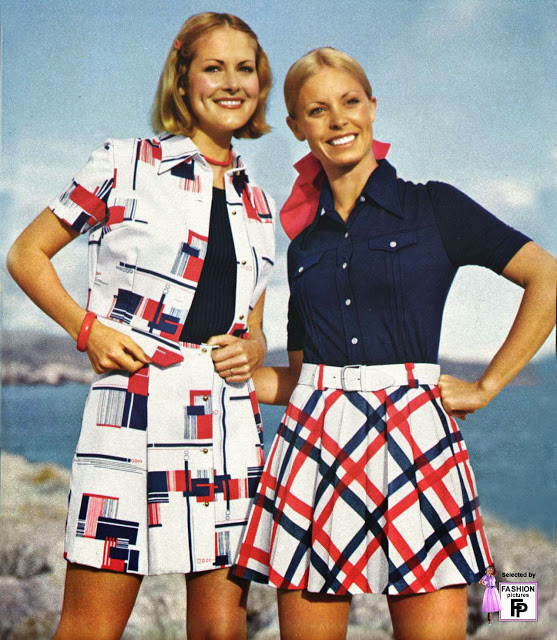
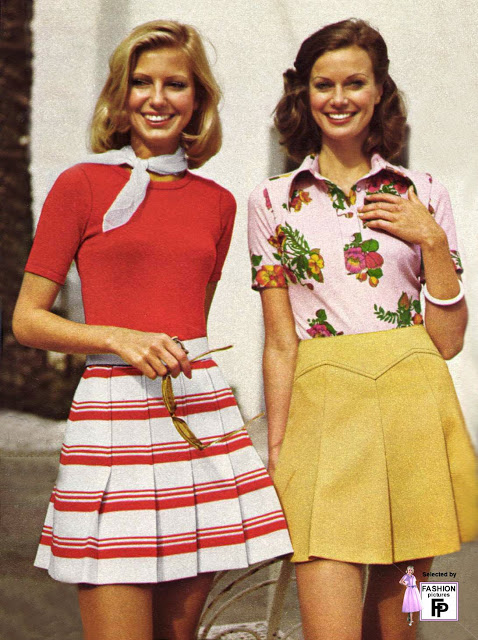
22 Colorful Vintage Women’s Street Fashions in the Early 1970s

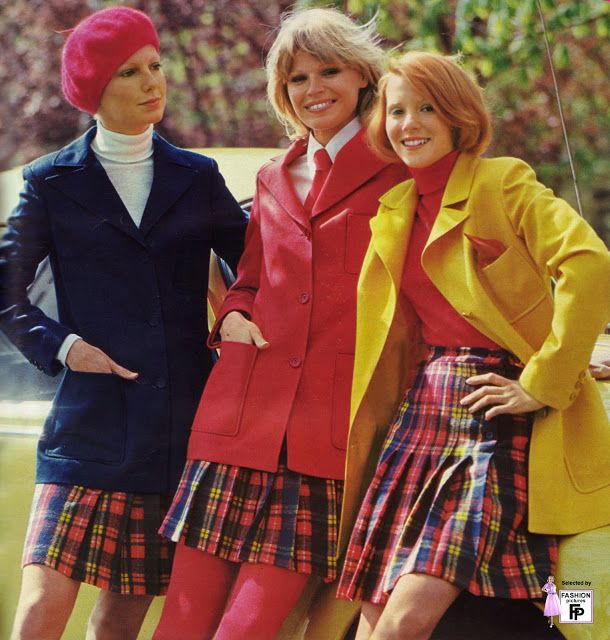
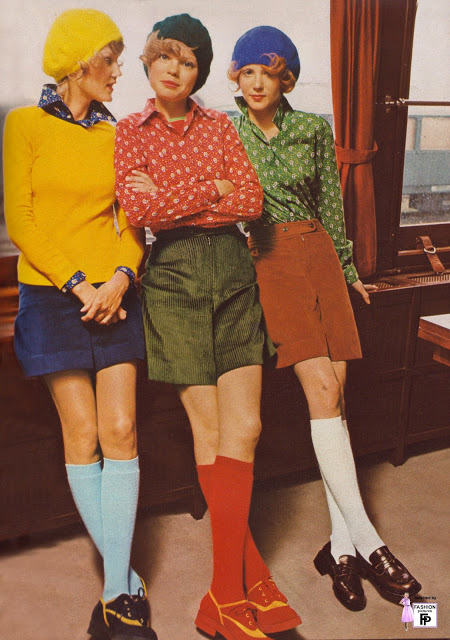
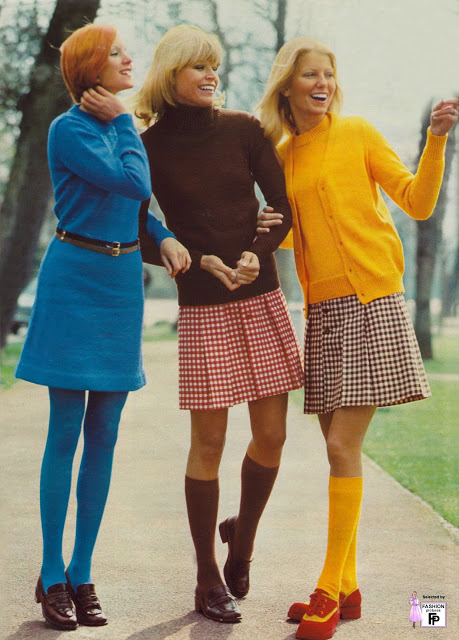
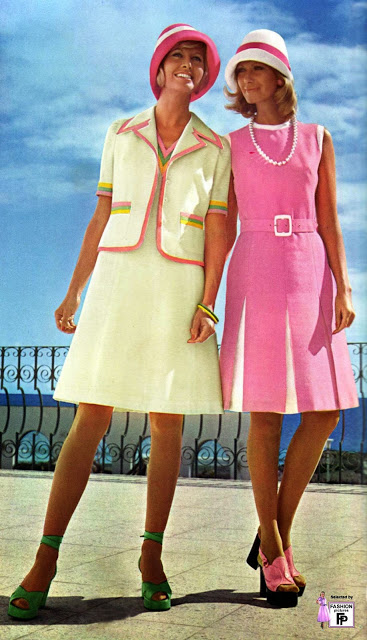
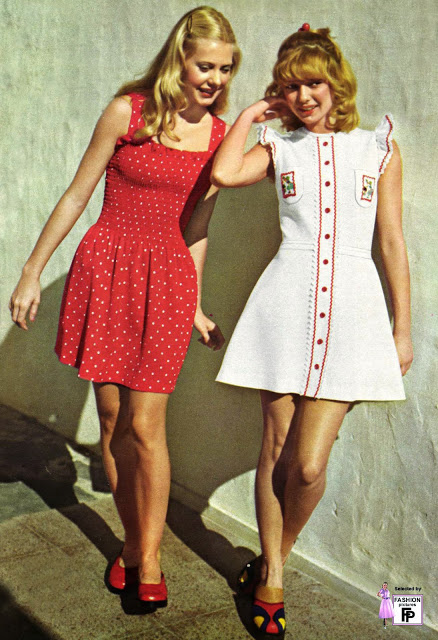
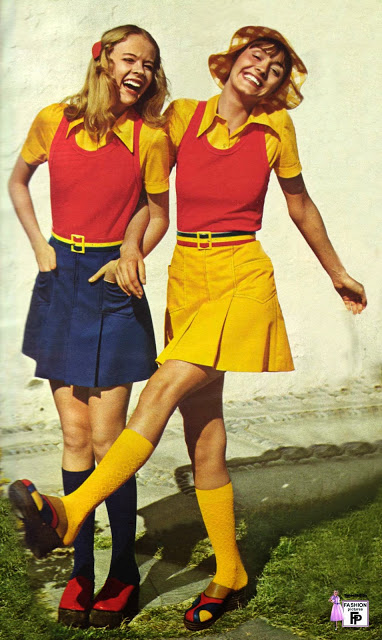
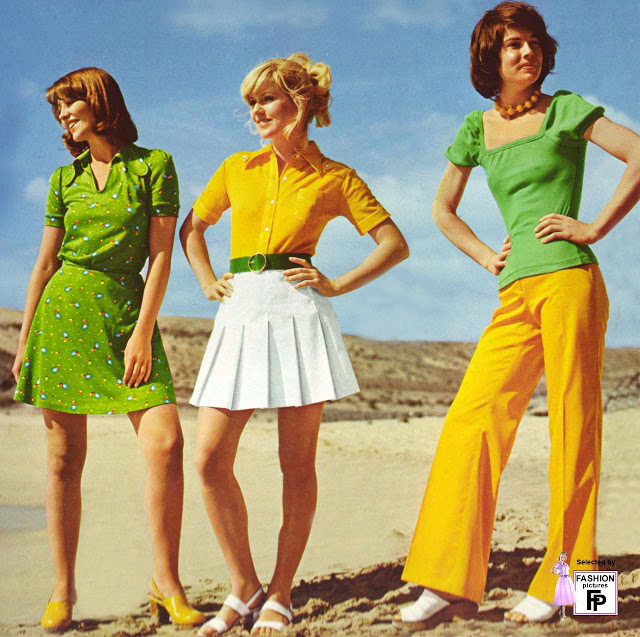
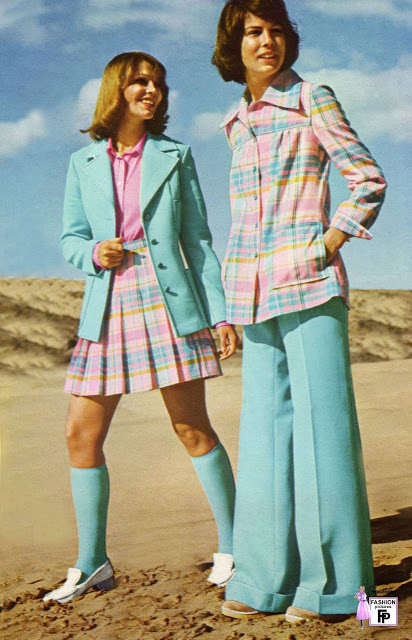
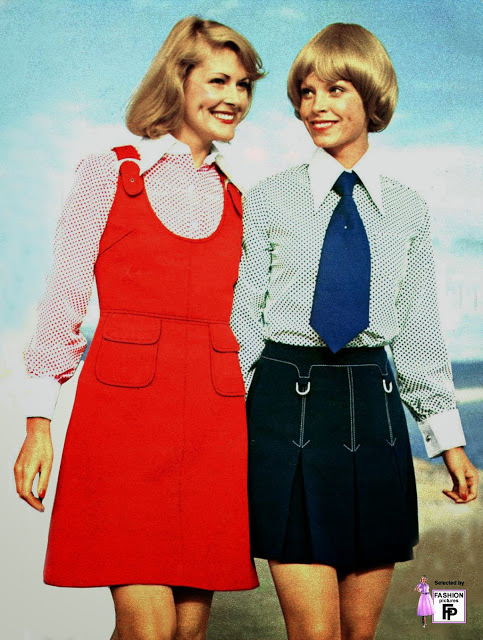
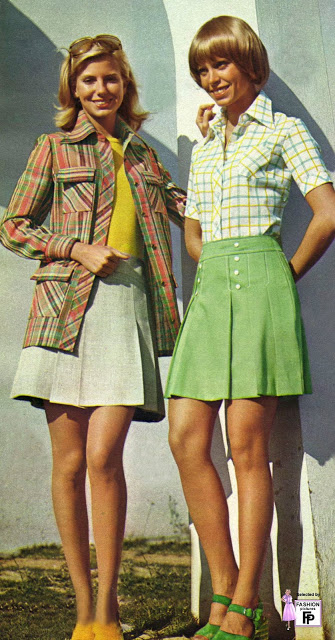
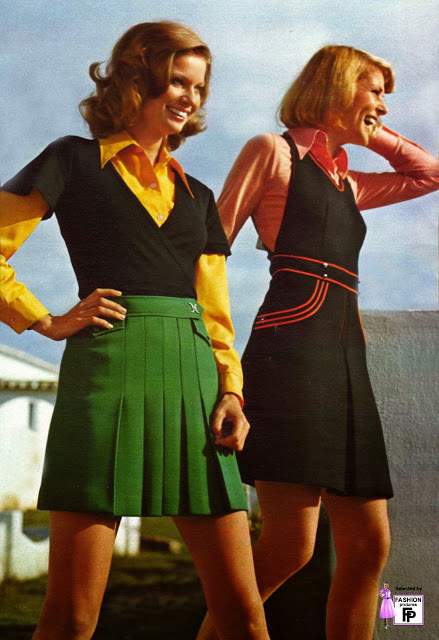
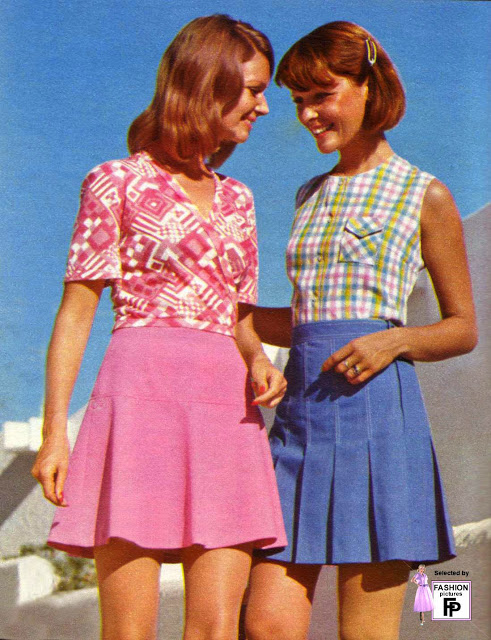
Although the hippie look was widespread, it was not adopted by everyone. Many women still continued to dress up with more glamorous clothes. Other women just adopted simple casual fashions. More simple early 1970s trends for women included fitted blazers (coming in a multitude of fabrics along with wide lapels), long and short dresses, mini skirts, maxi evening gowns, hot pants (extremely brief, tight-fitting shorts) paired with skin-tight t-shirts, his & hers outfits (matching outfits that were nearly identical to each other), and flared pants.

Pastel colors were most commonly used for this style of clothing, such as mauve, peach, apple green, pink, yellow, white, wheat, camel, gray, and baby blue.

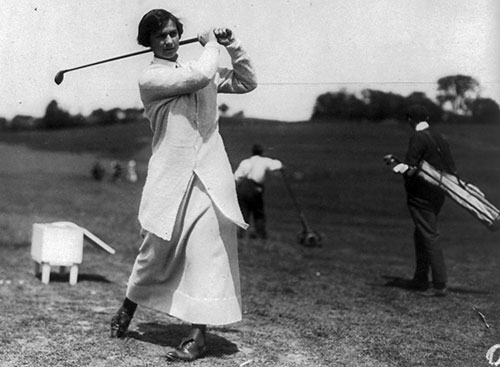
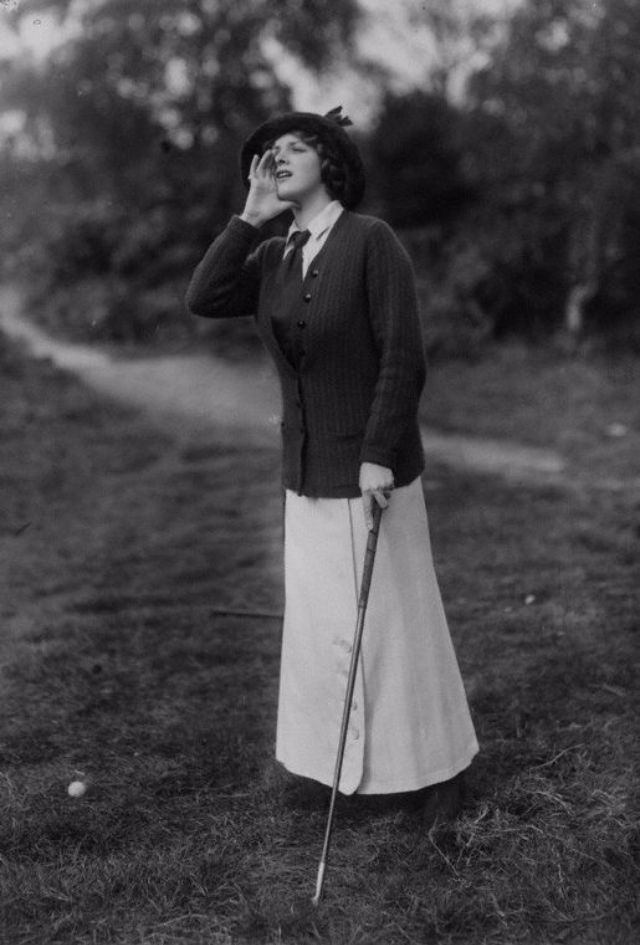
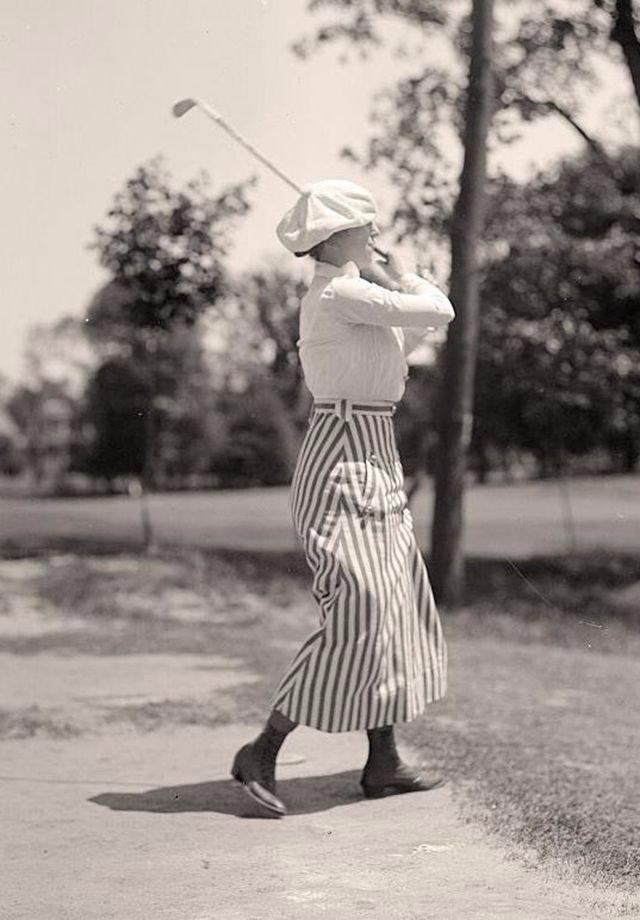
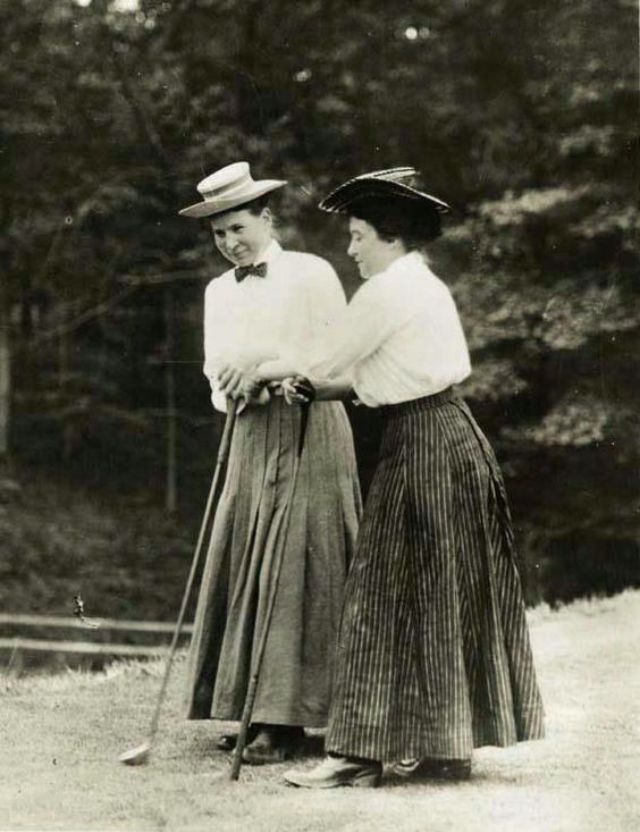
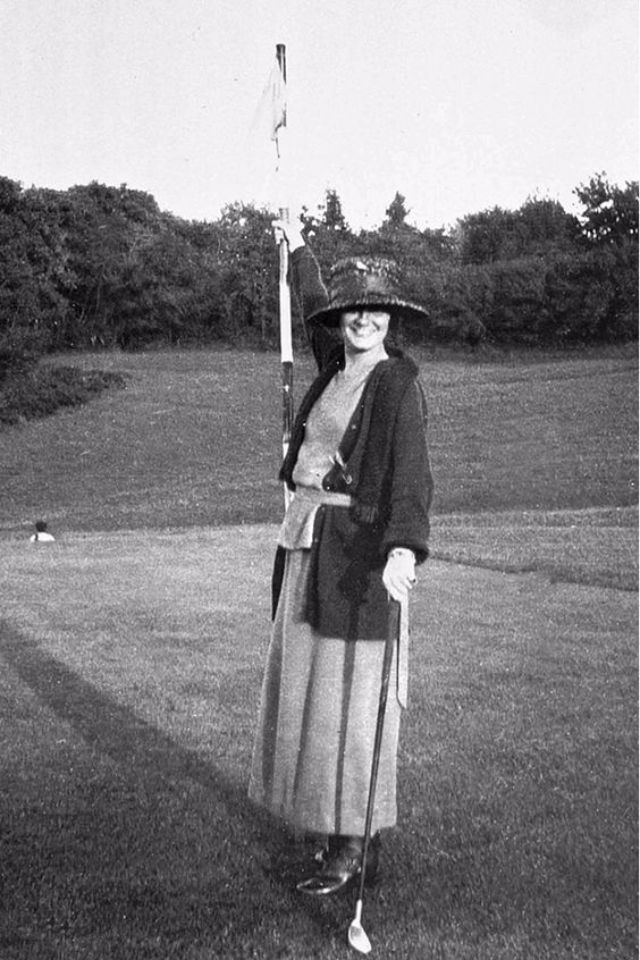
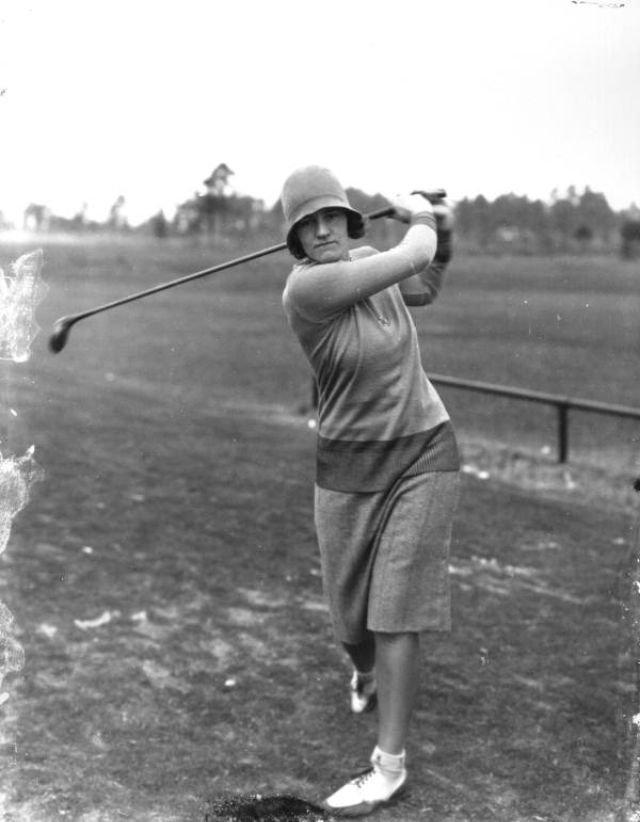
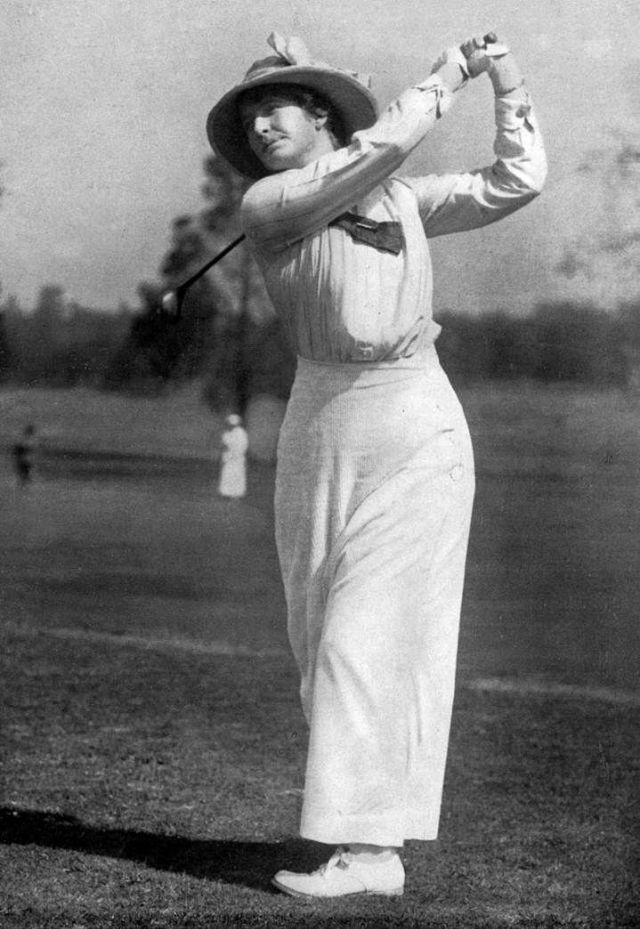
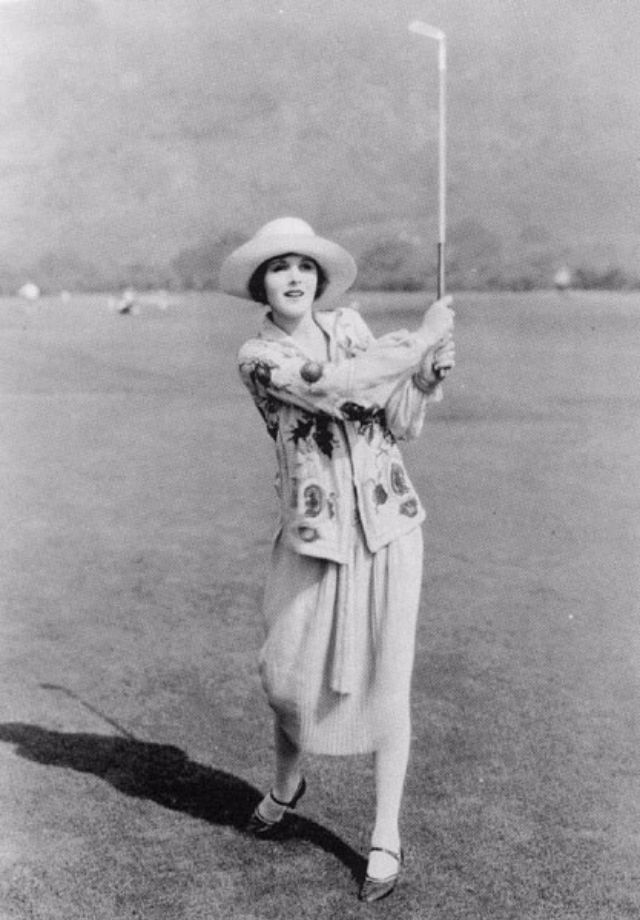
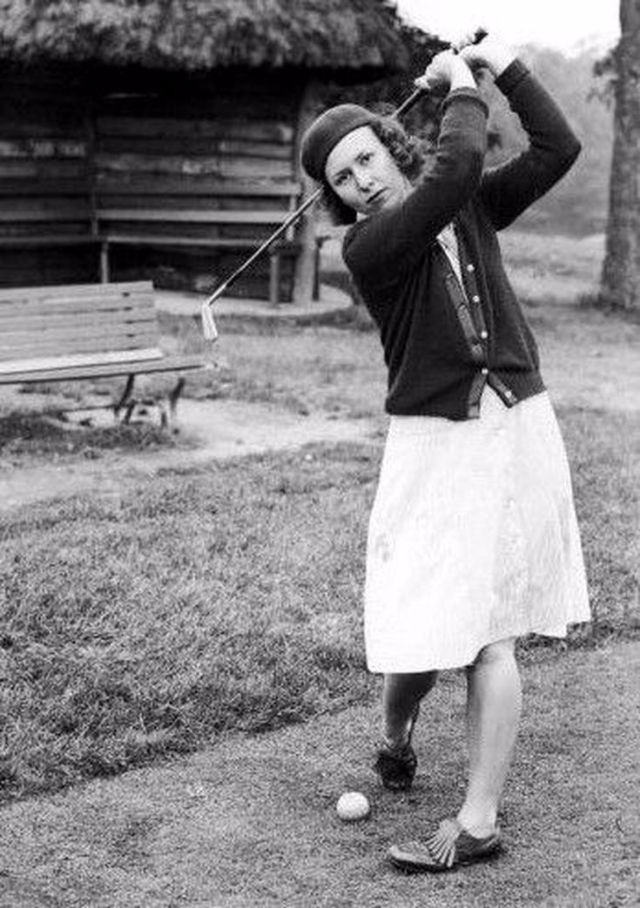
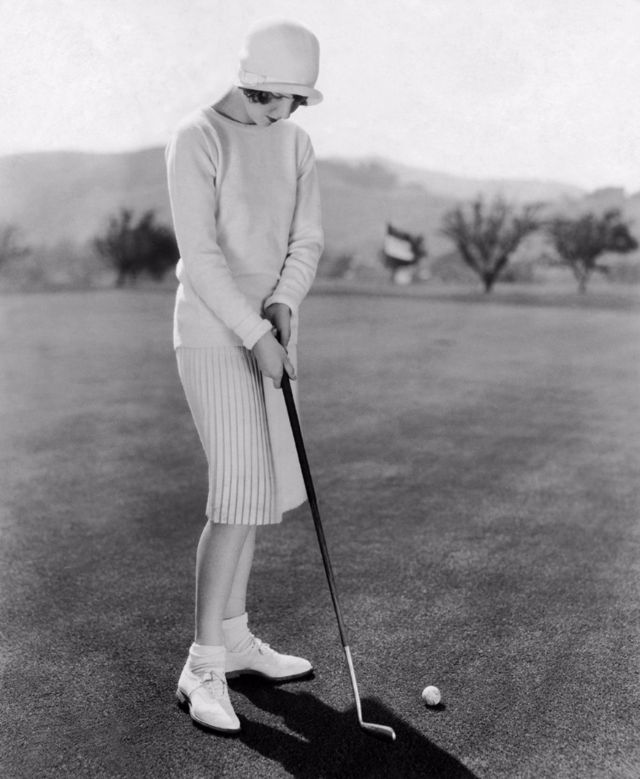
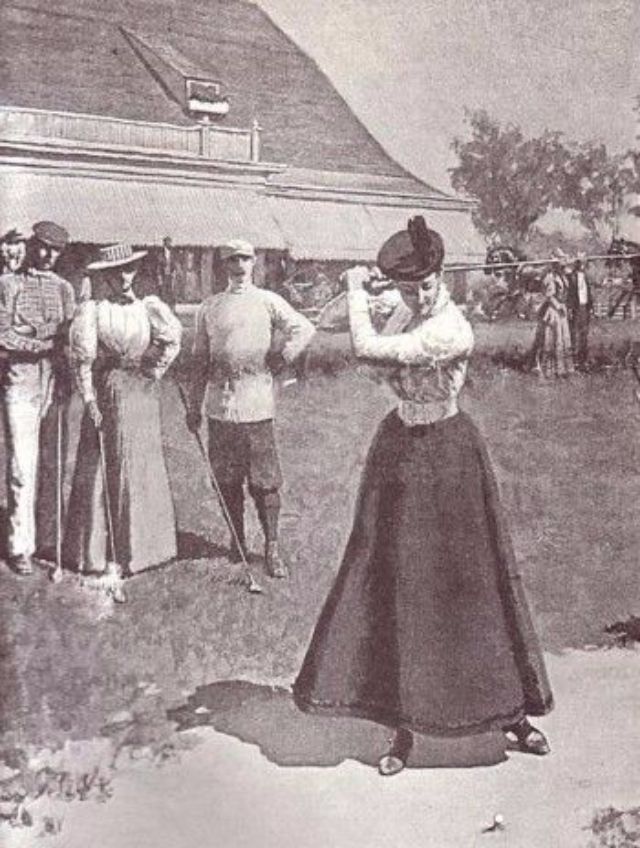
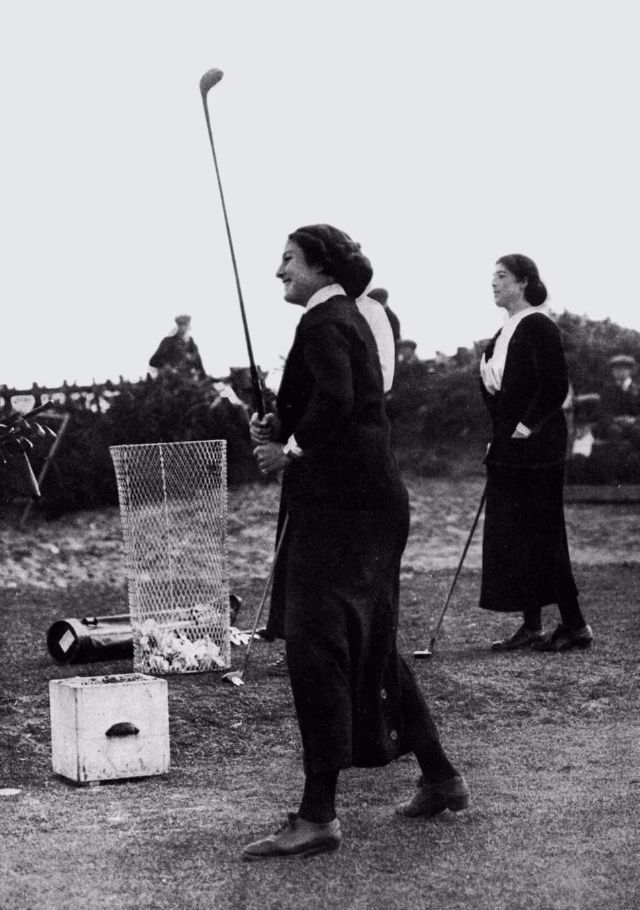
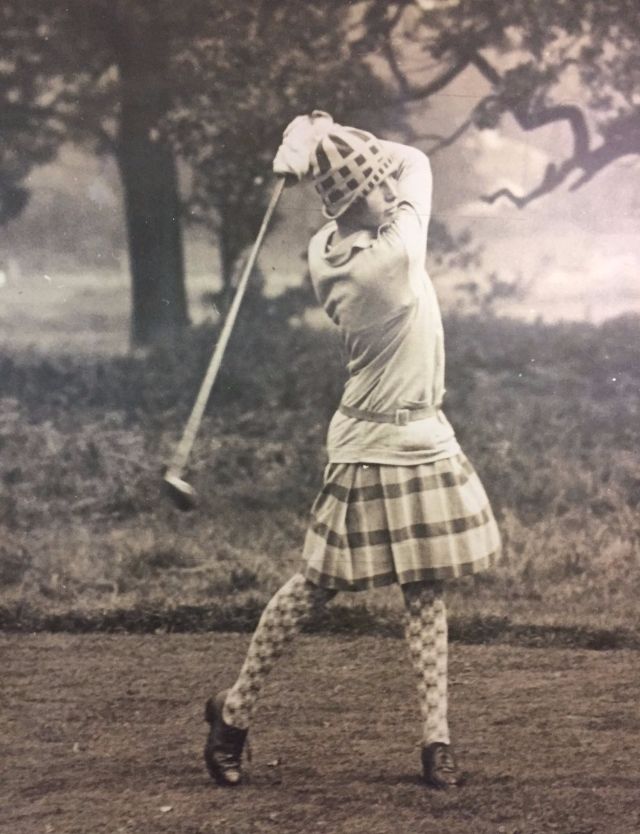
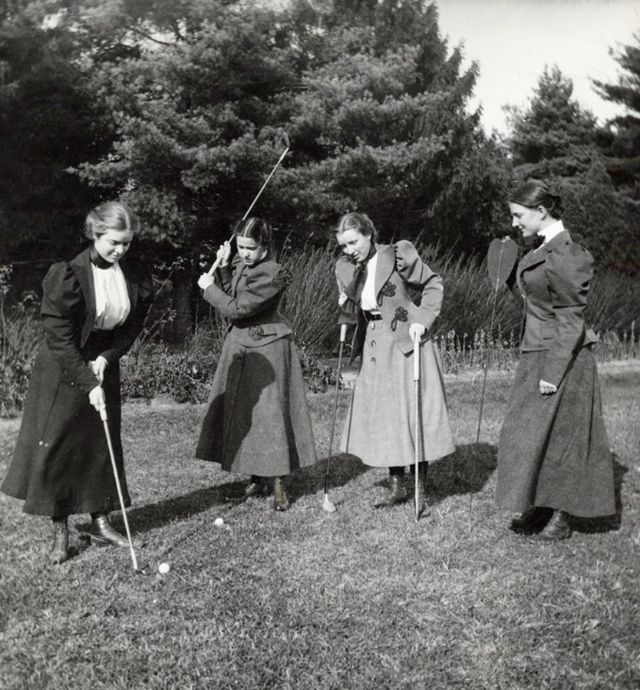
22 Interesting Vintage Photographs of Women Playing Golf From Between the Late 19th and Early 20th Century

The involvement of women in golf may go back further than people think, given that the early historians traced the precursor of the golf ball to legendary classical female characters.

Though there are references to women playing golf in 15th century, and other related stick and ball games, care needs to be taken as these may not refer to golf or to the game as we know it.

The first secure mention of women playing golf is at Bruntsfield Links in 1738 and the first reference to links golf is in 1811 at Musselburgh, though women’s golf societies were not formed until the last quarter of the 19th century. Then came an explosion of interest in women’s golf and golf clubs.

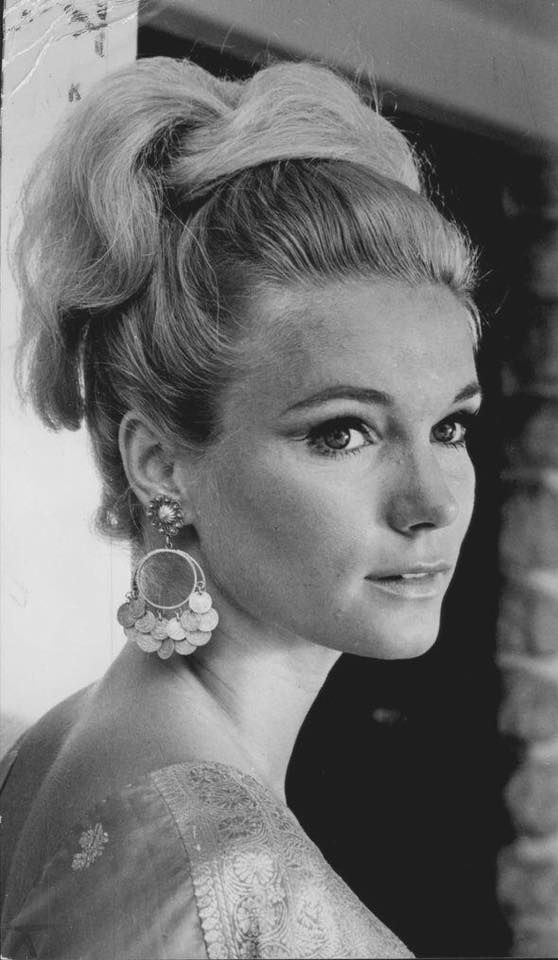
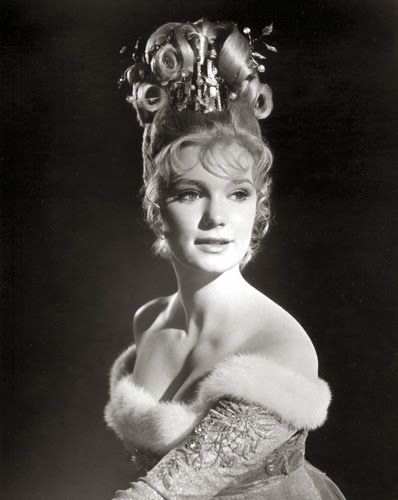
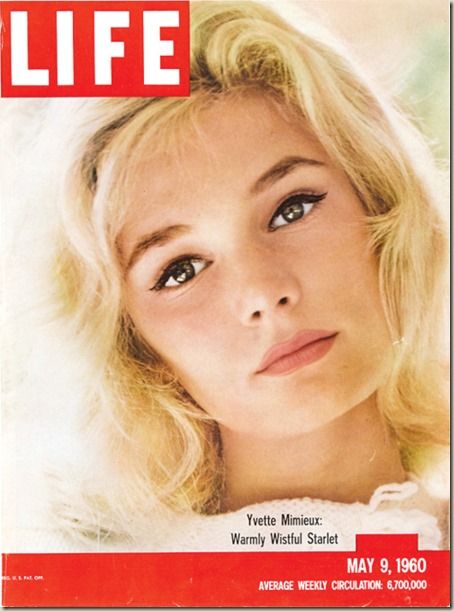
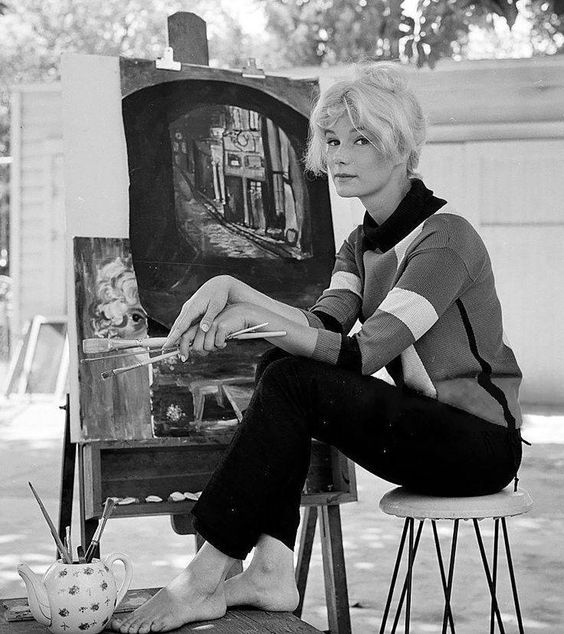
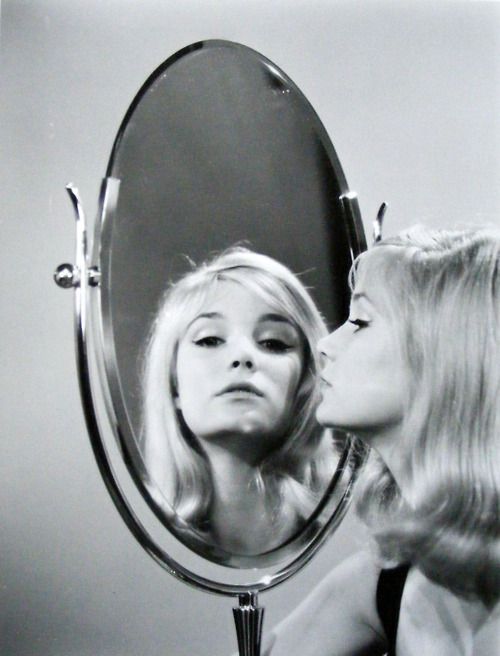
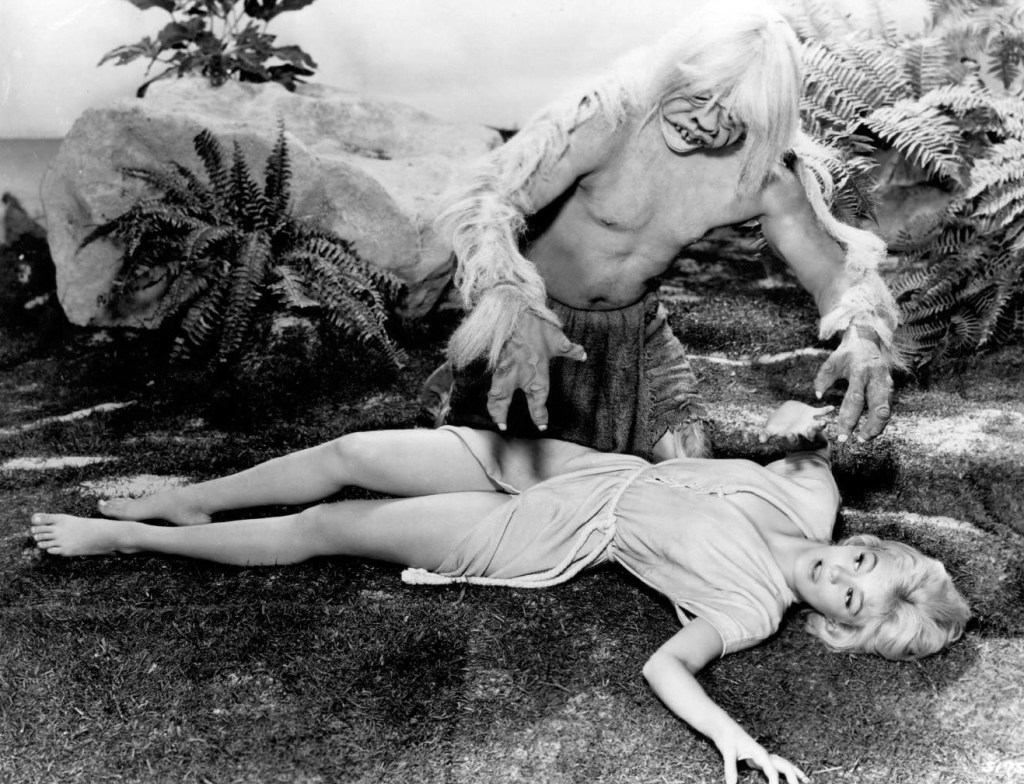
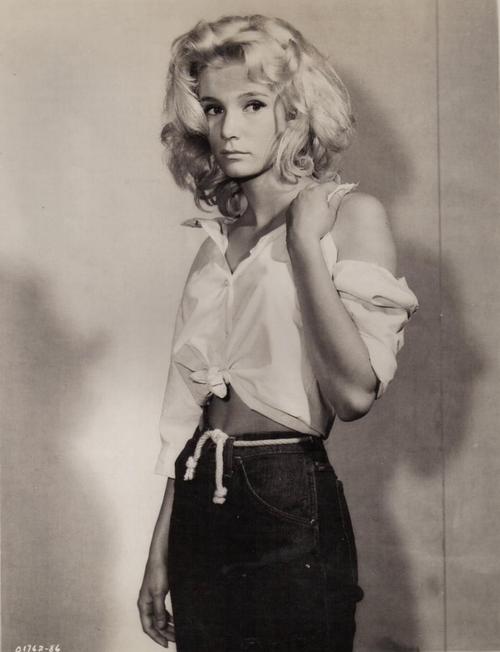
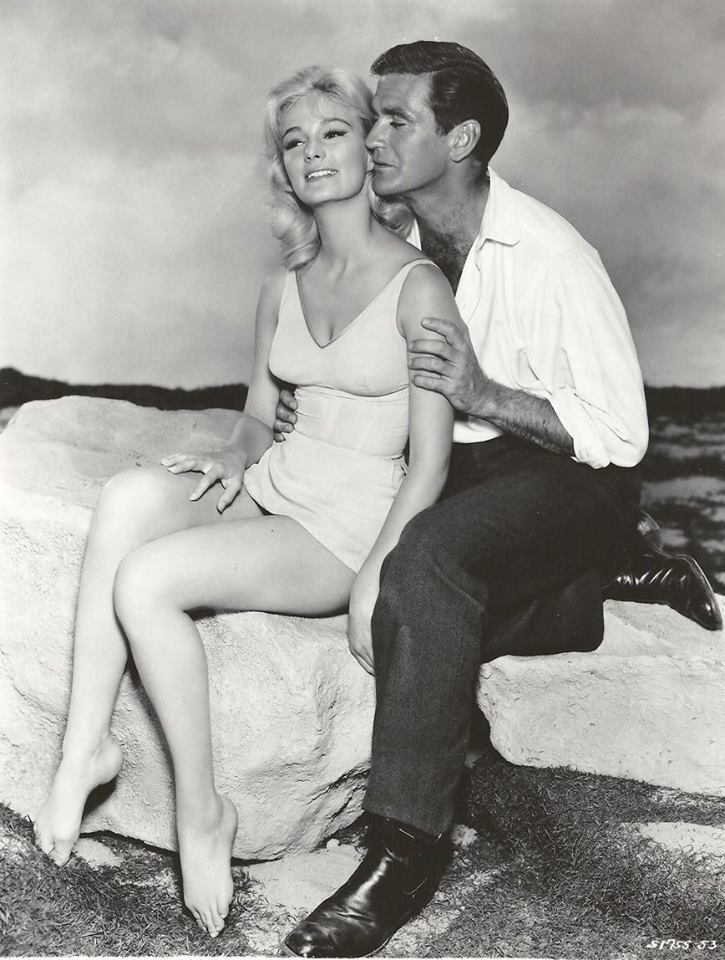
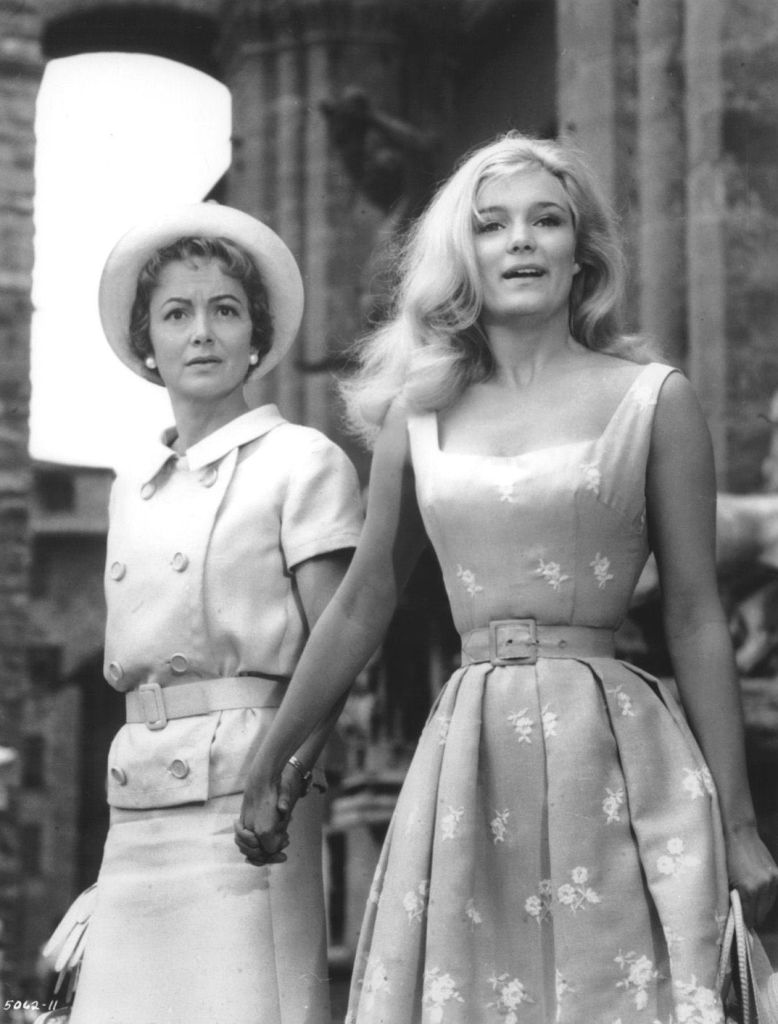
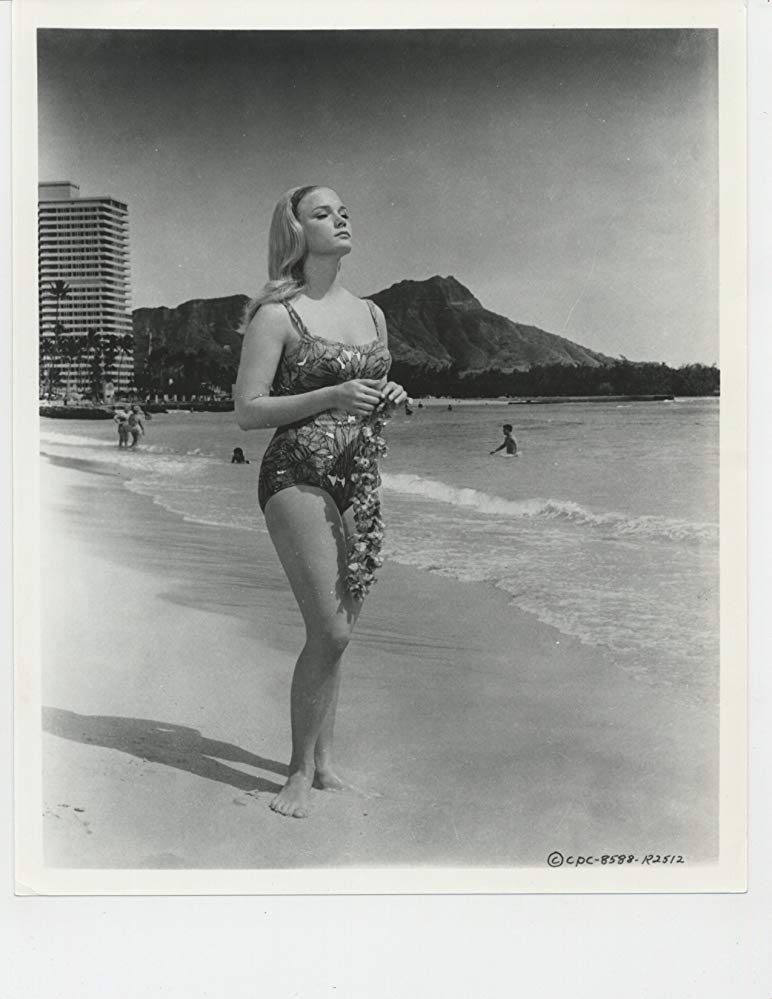
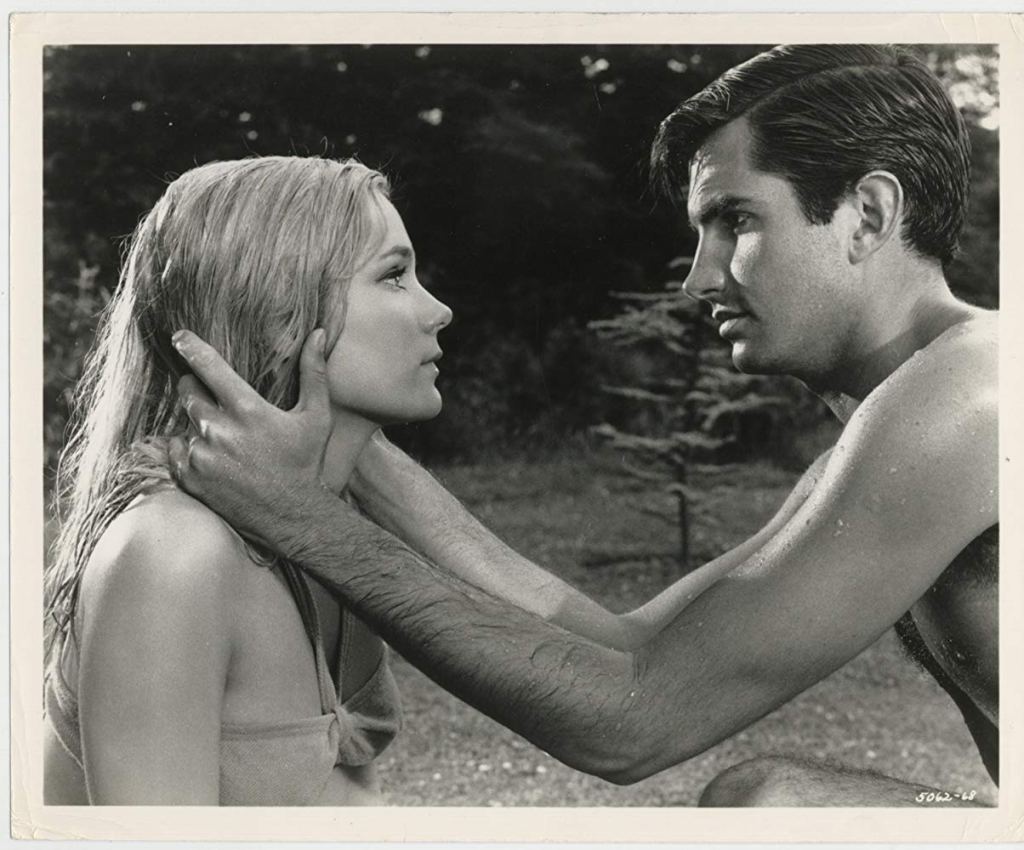
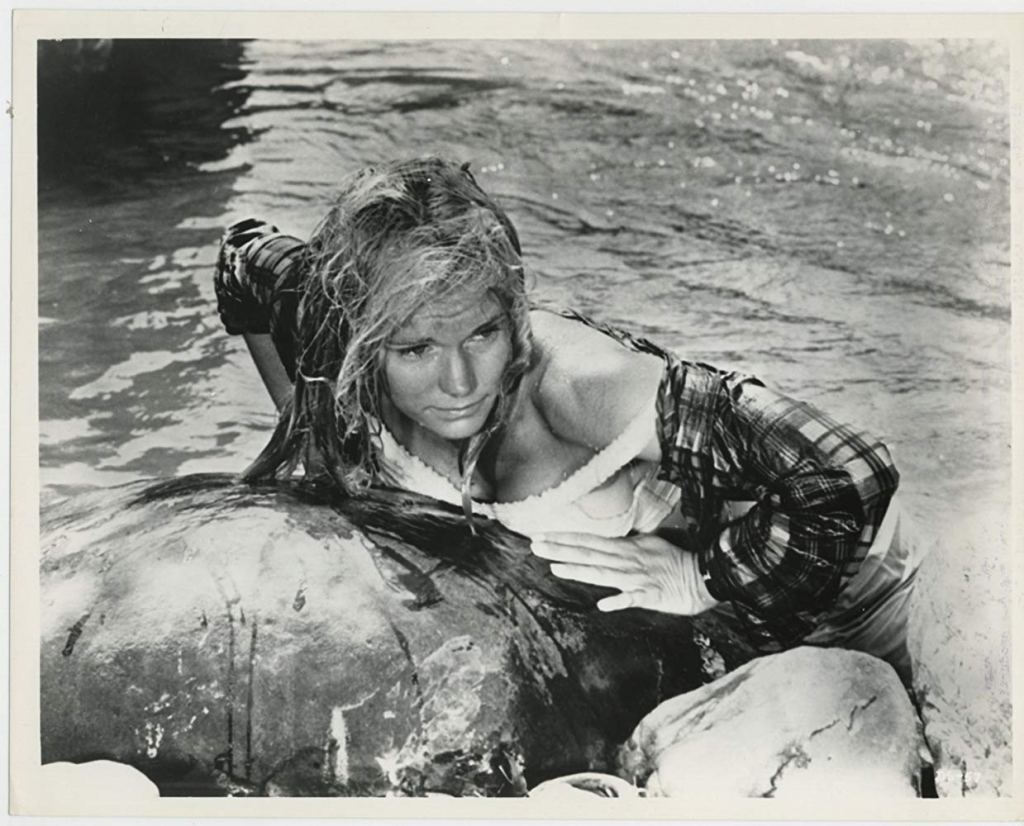
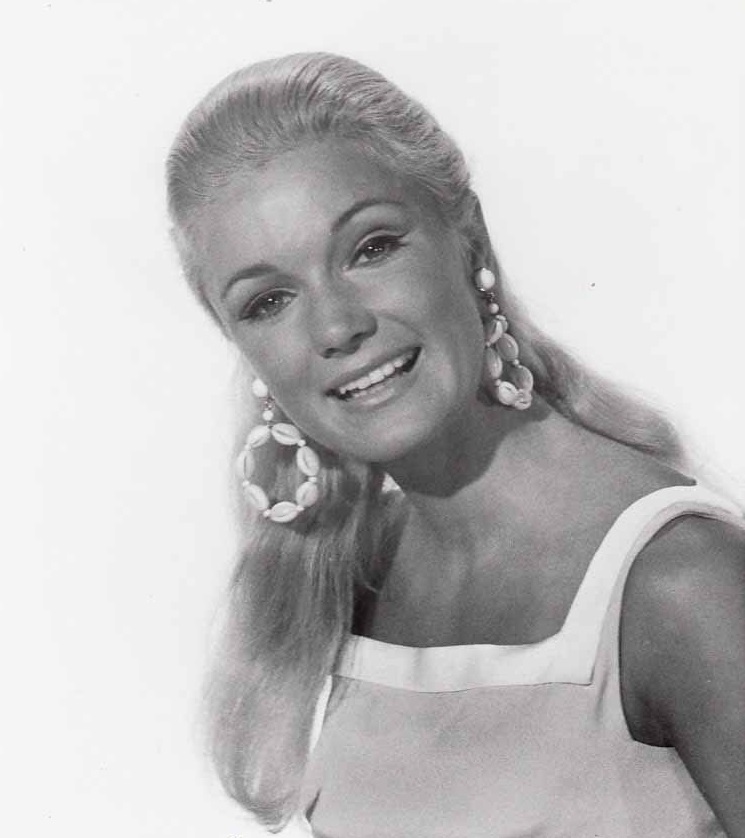
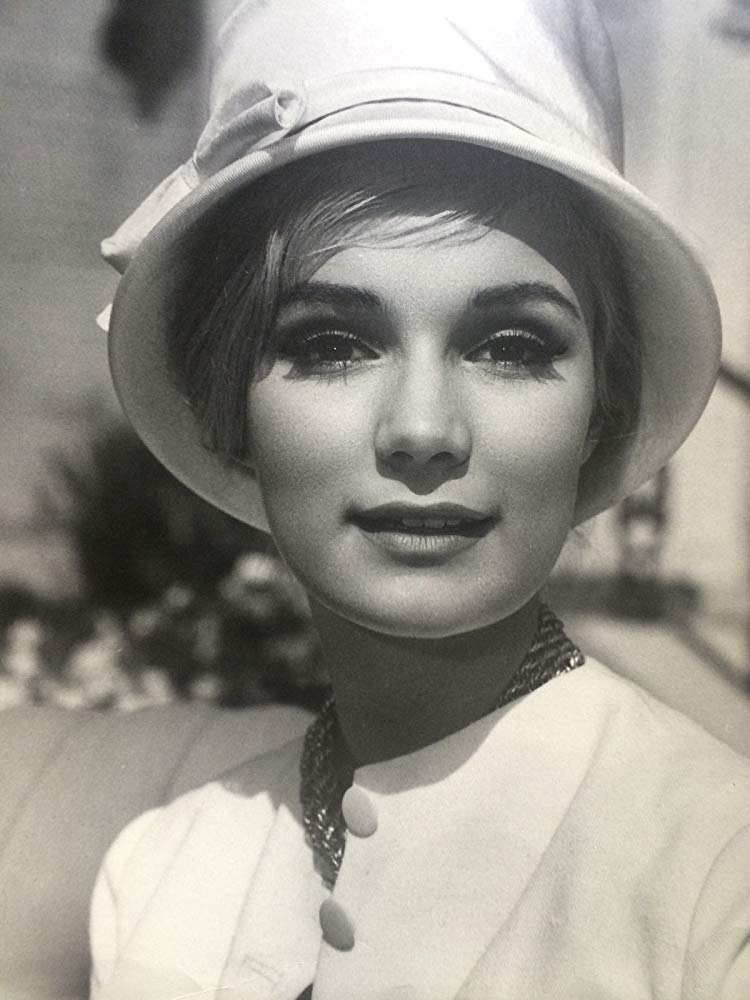
54 Stunning Photos of American Actress Yvette Mimieux during the 1960s

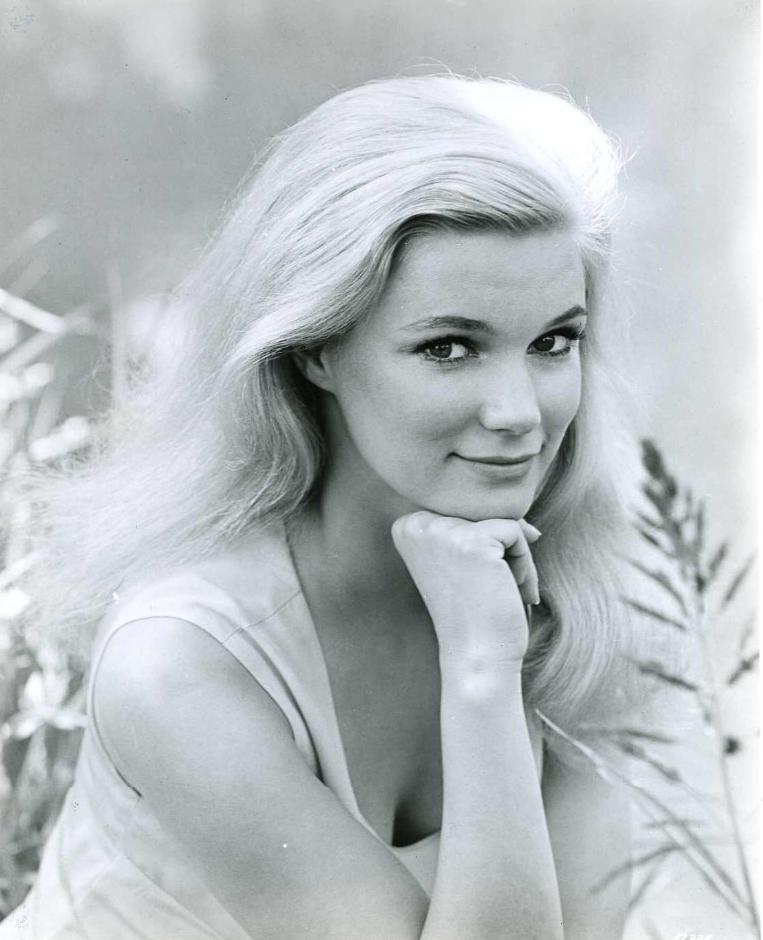
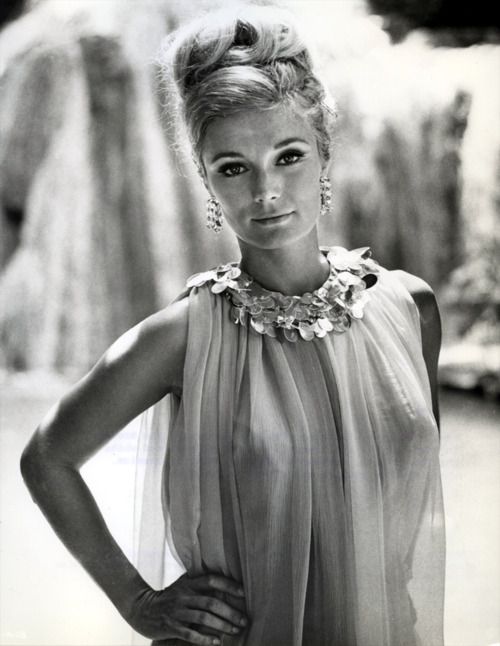
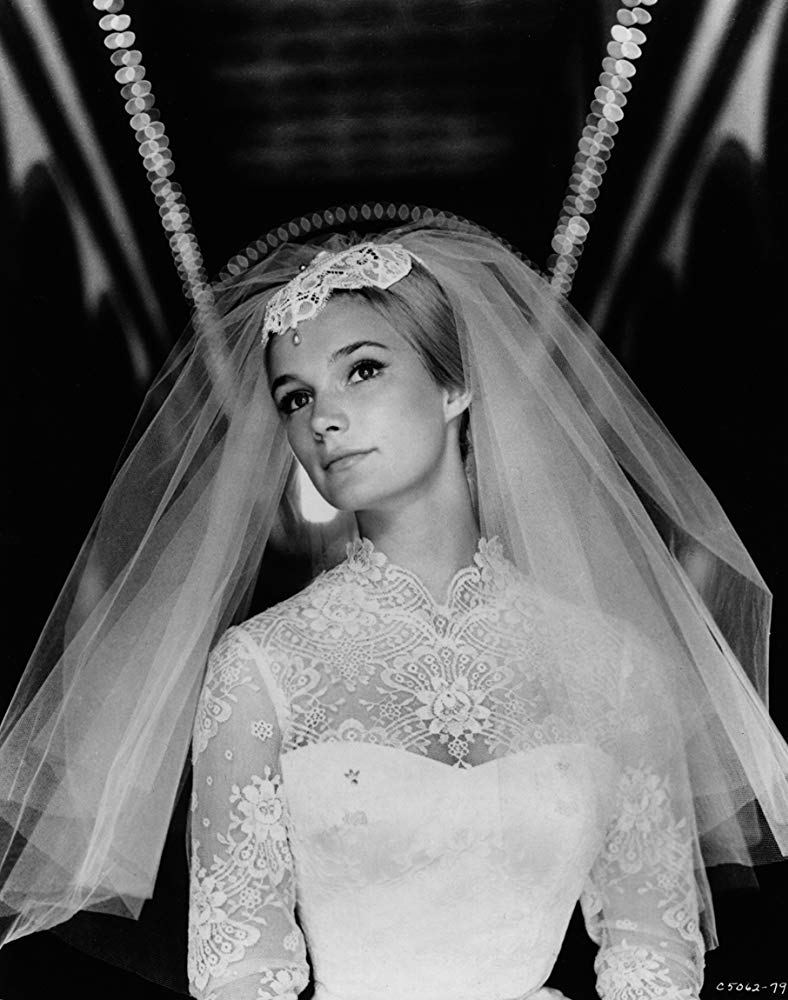
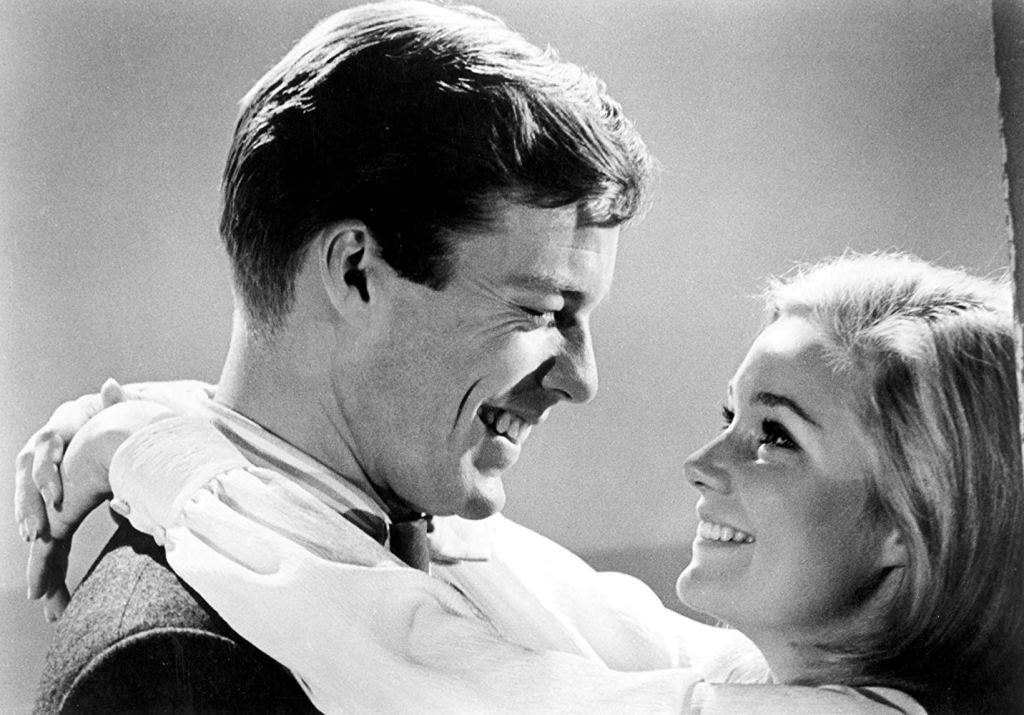
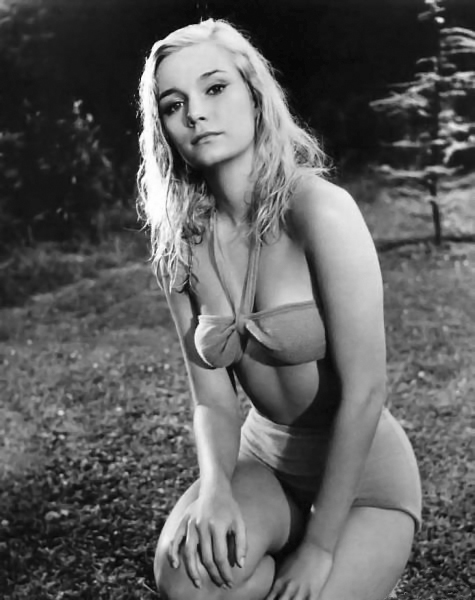
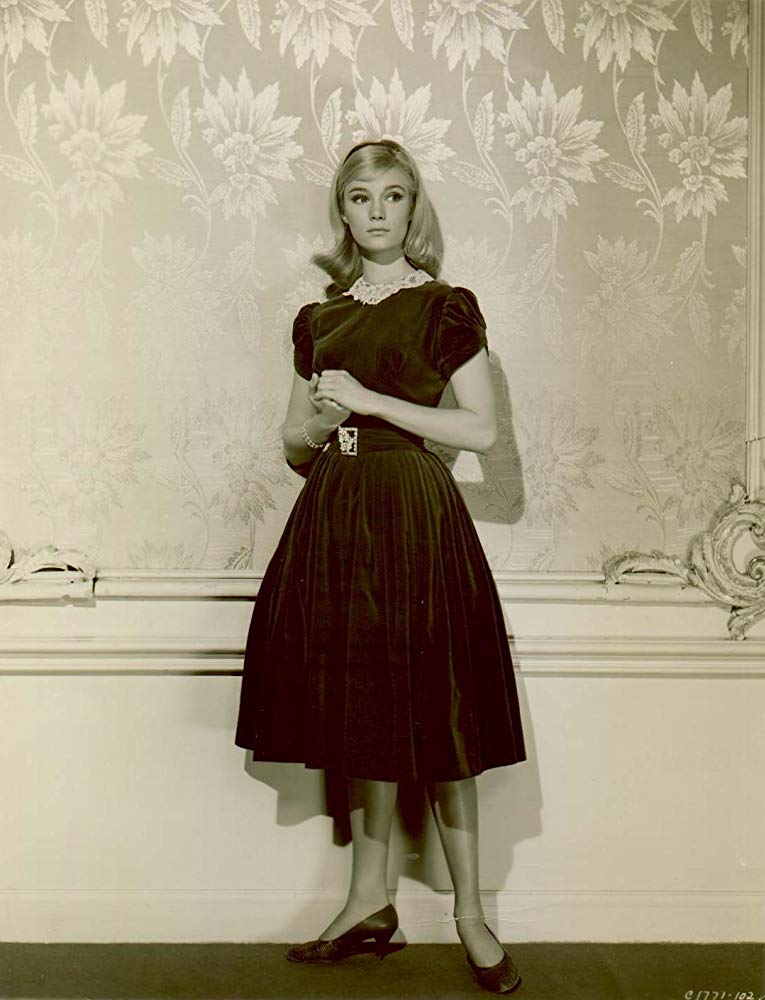
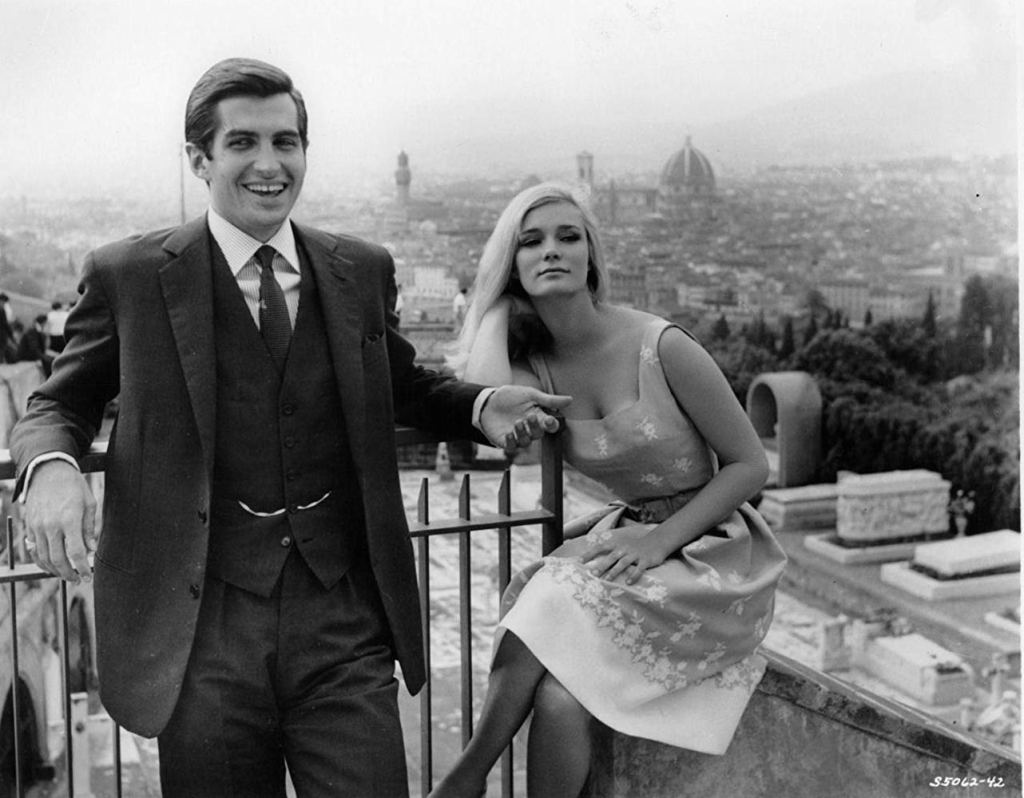
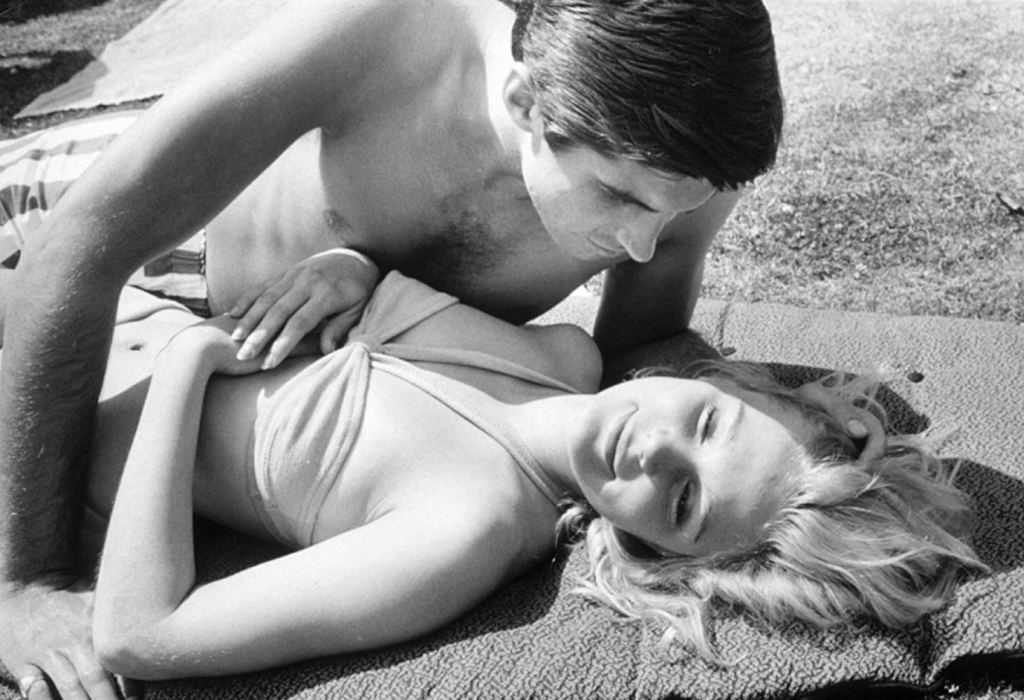
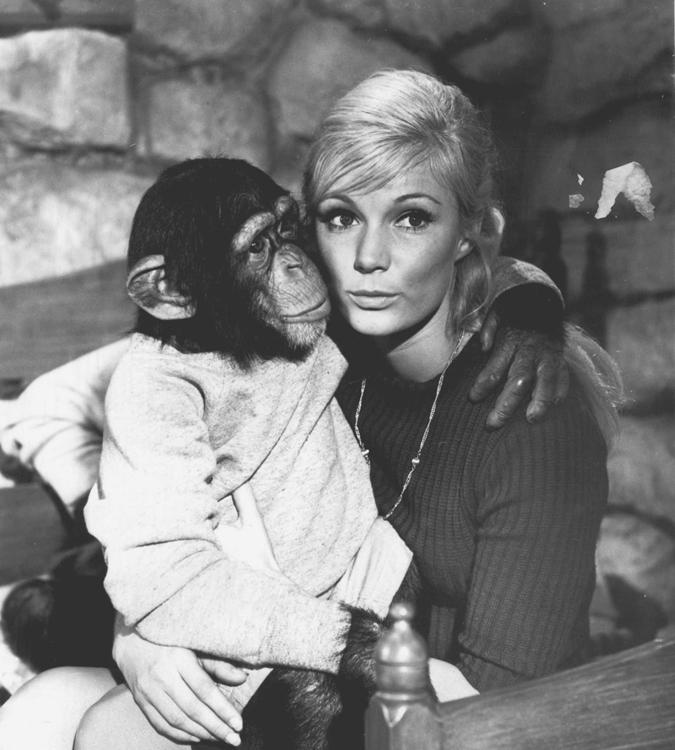
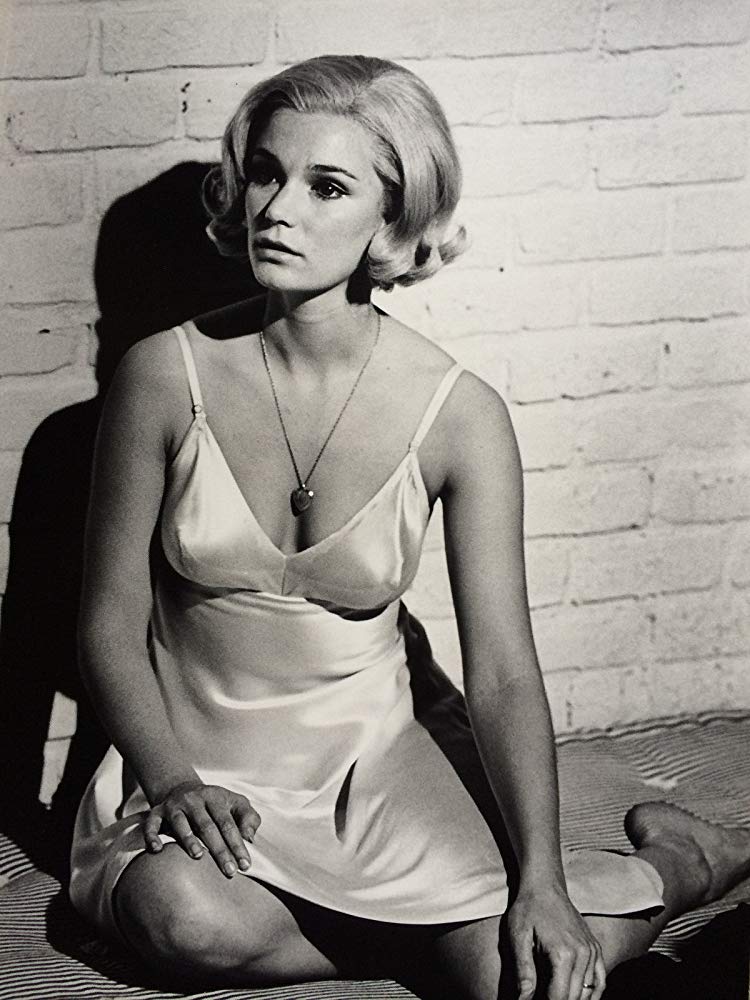
Yvette Mimieux was born on January 8, 1942 in Hollywood, California, USA as Yvette Carmen Mimieux. She is an actress and writer, known for The Time Machine (1960), Where the Boys Are (1960), The Black Hole (1979) and Dark of the Sun (1968). She has been married to Howard Ruby since December 20, 1986. She was previously married to Stanley Donen.

Statuesque Yvette Mimieux’s film career took off in 1960 with two major parts demonstrating her versatility. In George Pal’s version of “The Time Machine,” she compelled attention as Weena, a primitive cavewoman in a an apocalyptic future. Later that year, her appearance as a happy-go-lucky teenager on vacation in the smash hit “Where The Boys Are” garnered her praise as much for her portrayal of a young woman struggling with sexual assault as for her bikini scenes. For the rest of her career, Mimieux struggled to find equally compelling parts that would allow her to show off her dramatic talents as much as her body. While her role as an unjustly imprisoned woman in 1976’s exploitation movie “Jackson County Jail” briefly helped revive her big screen popularity, from the 1970s up to the time of her retirement Mimieux concentrated on TV movies, two of which included parts she wrote or conceived for herself. As a remorseless assassin in 1974’s “Hit Lady” and a deranged stalker in 1984’s dark drama “Obsessive Love,” Mimieux finally had the chance to demonstrate her range. After her last appearance in the 1992 TV movie “Lady Boss,” Mimieux retired from acting, turning her attention to real estate.

THE WONDERFUL WORLD OF THE BROTHERS GRIMM [US 1962] YVETTE MIMIEUX

Operation Barbarossa in 50 Stunning Images

Operation Barbarossa (German: Unternehmen Barbarossa) also known as the German invasion of the Soviet Union was the code name for the invasion of the Soviet Union by Nazi Germany and some of its Axis allies, which started on Sunday, 22 June 1941, during World War II. The operation put into action Nazi Germany’s ideological goal of conquering the western Soviet Union so as to repopulate it with Germans. The German Generalplan Ost aimed to use some of the conquered people as slave labour for the Axis war effort while acquiring the oil reserves of the Caucasus as well as the agricultural resources of various Soviet territories. Their ultimate goal included the eventual extermination, enslavement, Germanization and mass deportation to Siberia of the Slavic peoples, and to create more Lebensraum (living space) for Germany.

In the two years leading up to the invasion, Germany and the Soviet Union signed political and economic pacts for strategic purposes. Following the Soviet occupation of Bessarabia and Northern Bukovina, the German High Command began planning an invasion of the Soviet Union in July 1940 (under the codename Operation Otto), which Adolf Hitler authorized on 18 December 1940. Over the course of the operation, about three million personnel of the Axis powers—the largest invasion force in the history of warfare—invaded the western Soviet Union along a 2,900-kilometer (1,800 mi) front, with 600,000 motor vehicles and over 600,000 horses for non-combat operations. The offensive marked a massive escalation of World War II, both geographically and in the formation of the Allied coalition including the Soviet Union.

The operation opened up the Eastern Front, in which more forces were committed than in any other theater of war in history. The area saw some of the world’s largest battles, most horrific atrocities, and highest casualties (for Soviet and Axis forces alike), all of which influenced the course of World War II and the subsequent history of the 20th century. The German armies eventually captured some five million Soviet Red Army troops. The Nazis deliberately starved to death or otherwise killed 3.3 million Soviet prisoners of war, and a vast number of civilians, as the “Hunger Plan” worked to solve German food shortages and exterminate the Slavic population through starvation. Mass shootings and gassing operations, carried out by the Nazis or willing collaborators, murdered over a million Soviet Jews as part of the Holocaust.

The failure of Operation Barbarossa reversed the fortunes of Nazi Germany. Operationally, German forces achieved significant victories and occupied some of the most important economic areas of the Soviet Union (mainly in Ukraine) and inflicted, as well as sustained, heavy casualties. Despite these early successes, the German offensive stalled in the Battle of Moscow at the end of 1941, and the subsequent Soviet winter counteroffensive pushed the Germans about 250 km back. The Germans had confidently expected a quick collapse of Soviet resistance as in Poland, but the Red Army absorbed the German Wehrmacht’s strongest blows and bogged it down in a war of attrition for which the Germans were unprepared. The Wehrmacht’s diminished forces could no longer attack along the entire Eastern Front, and subsequent operations to retake the initiative and drive deep into Soviet territory—such as Case Blue in 1942 and Operation Citadel in 1943—eventually failed, which resulted in the Wehrmacht’s retreat and collapse.

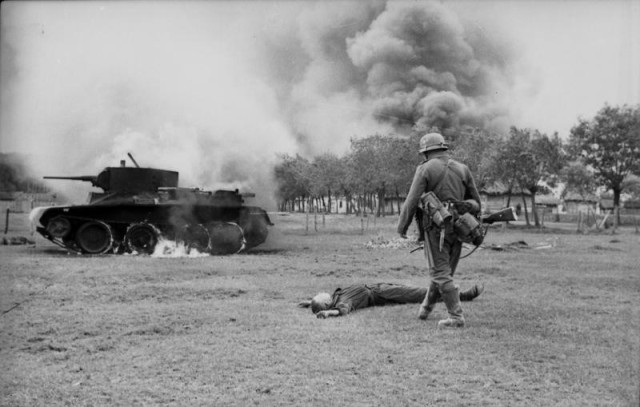
German soldier looking at corpse of Soviet soldier and destroyed tank BT-7 on steppes of Ukraine during Operation Barbarossa. 1941.
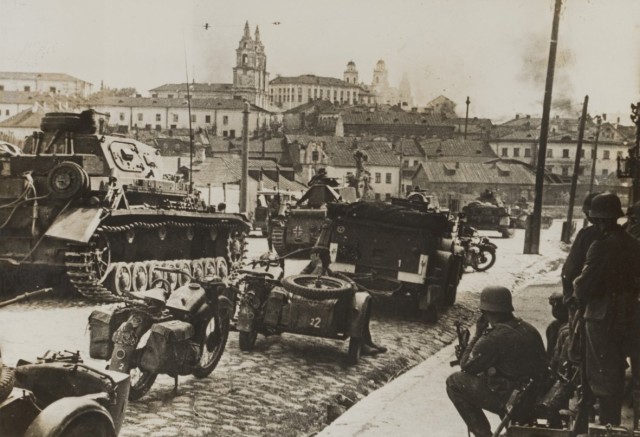
Panzer Division enters Minsk. June 1941
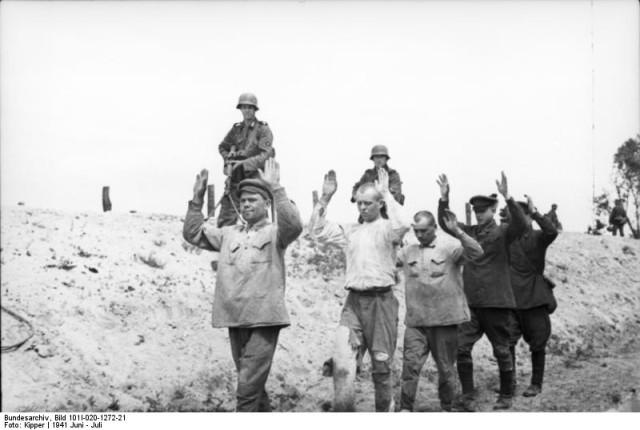
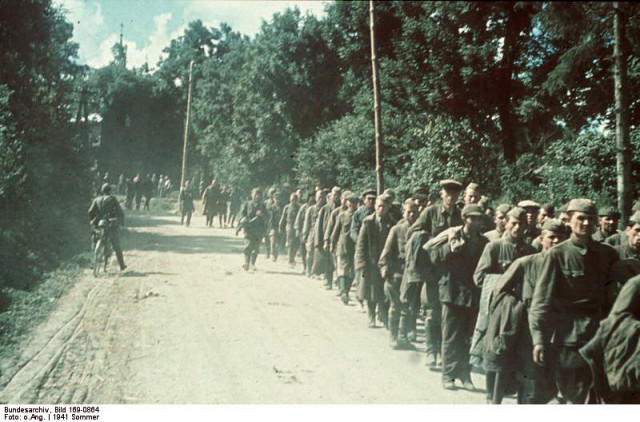
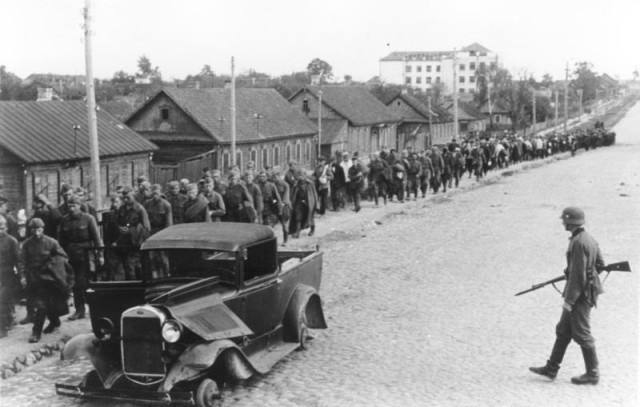
Soviet POWs, captured in summer, 1941.
Soviet POWs near Charkov. 1941.
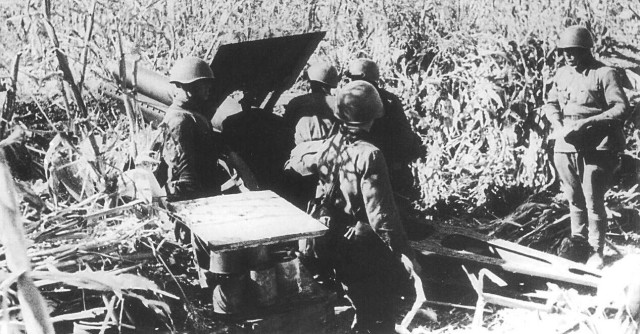
Soviet gun crew in action at Odessa. 1941
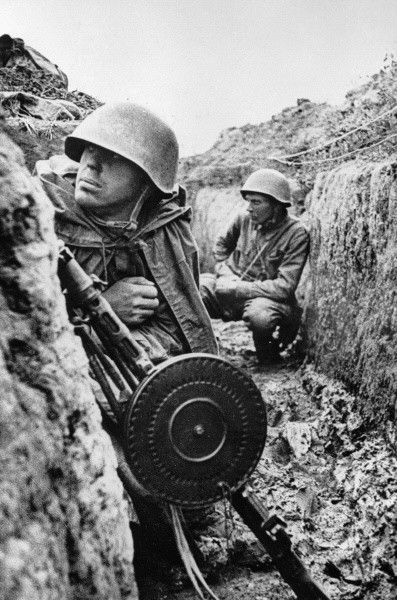
Soldiers in the trenches on the Leningrad Front before an offensive.
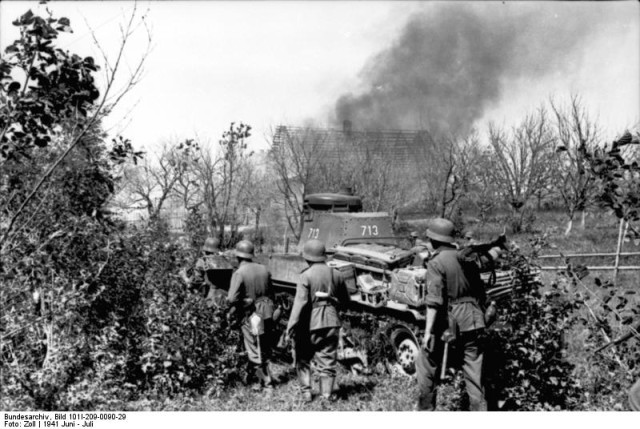
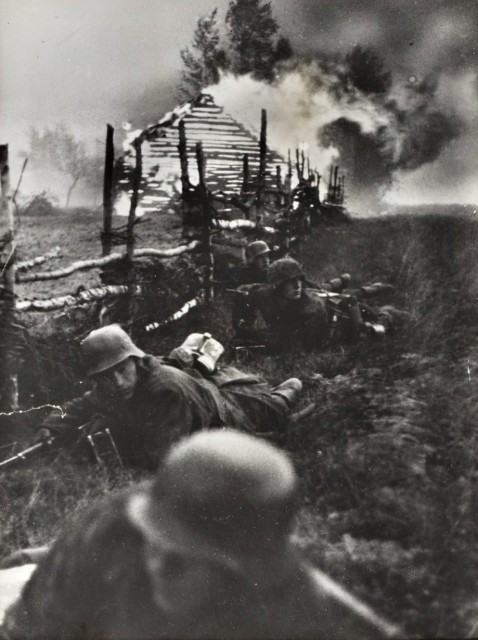
PzKpfw 35(t) from the Army Group North during ‘Operation Barbarossa’, in the background, a village is on fire. July 1941.
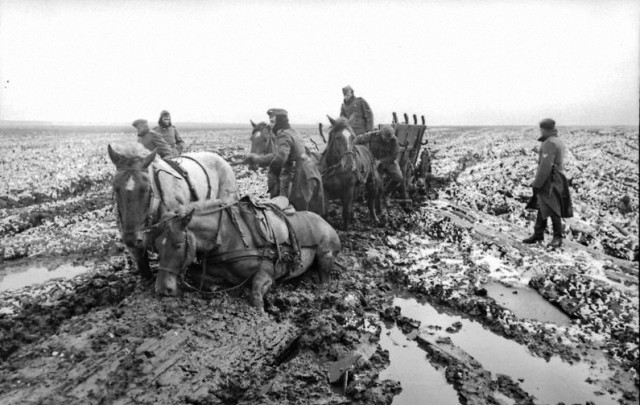
Over 100 years earlier Napoleon also met this obstacle on the same route.
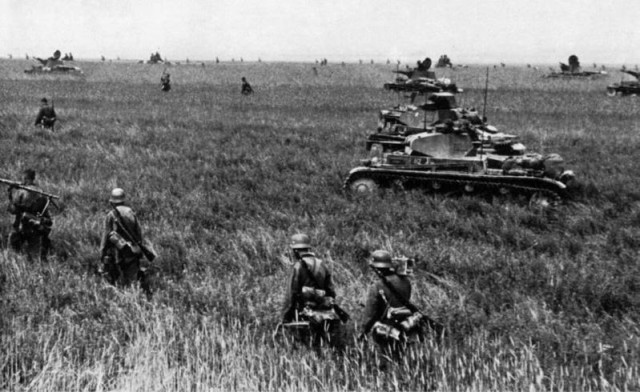
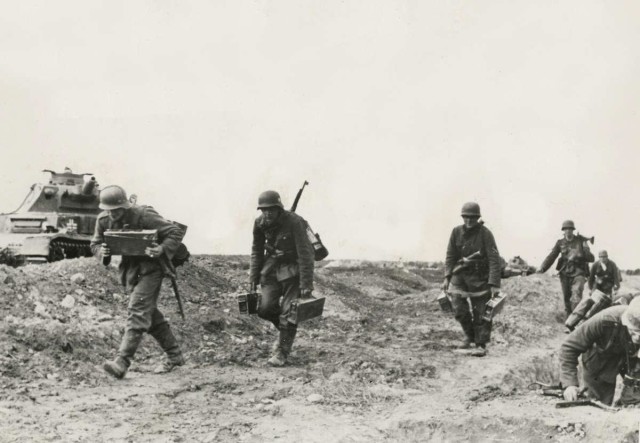
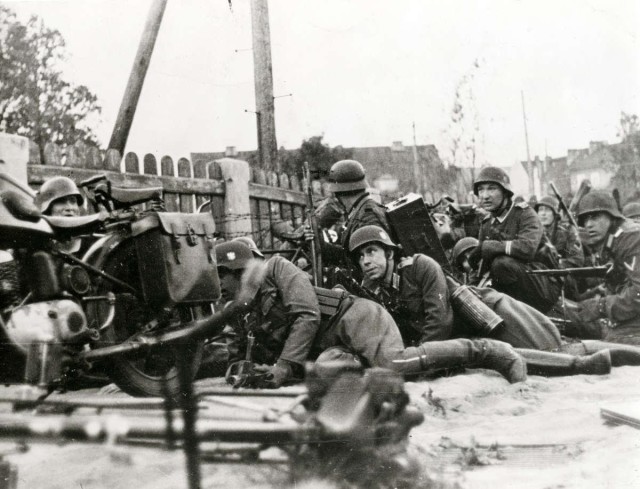
MG-34 team and Panzer IV. 1941.
Latvians welcoming Wehrmacht soldiers in Riga. 7 July 1941.
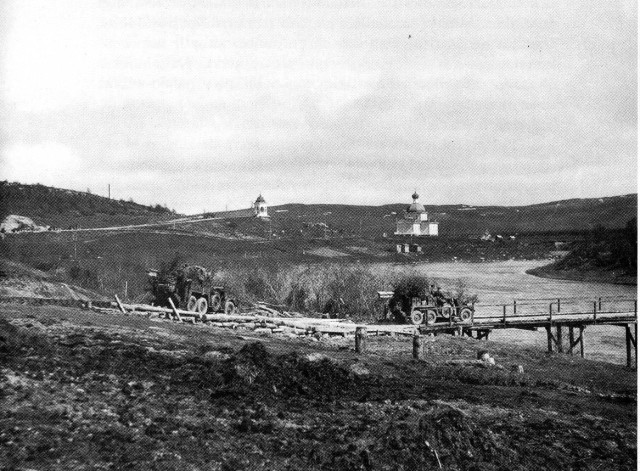
German vehicles driving across the river near Petsamo during operation ‘Silberfuchs’. 29 June 1941.
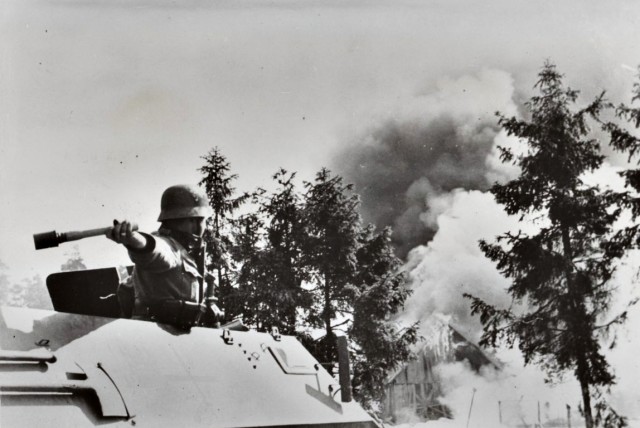
German soldier throwing Stg24 stick hand grenade.
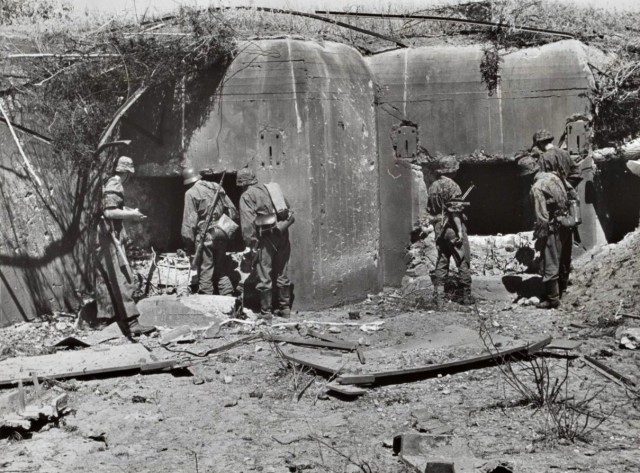
German Soldiers inspecting the so-called ‘Stalin Line’, which was a line of fortifications on Polish-Soviet border.
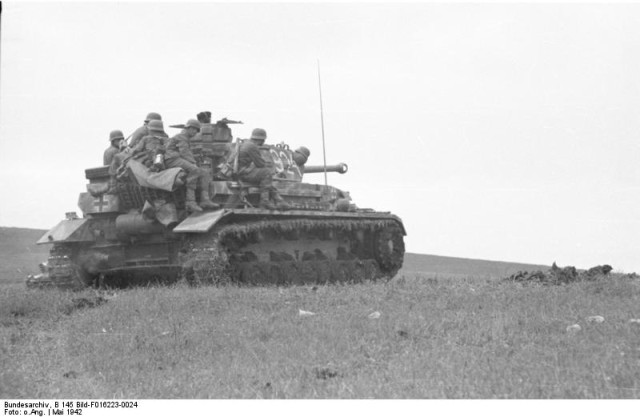
German soldiers on PzKpfw IV during campaign in Crimea. May 1942.
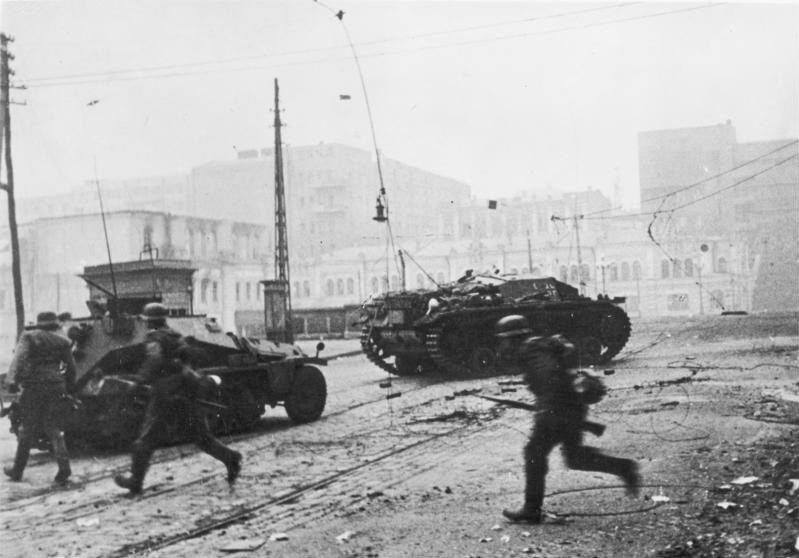
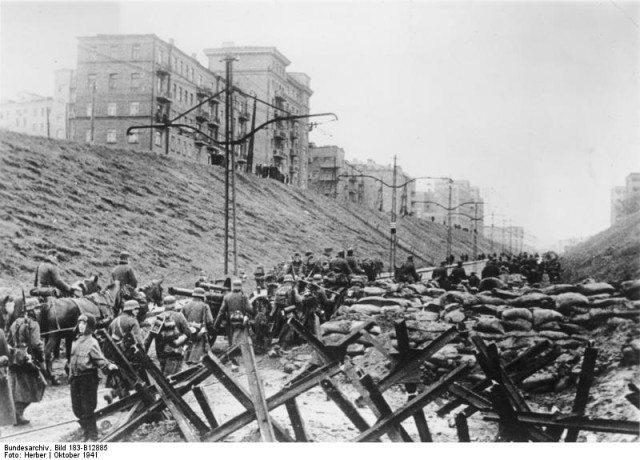
German soldiers passing by Soviet barricades on street in Charkov. October 1941.
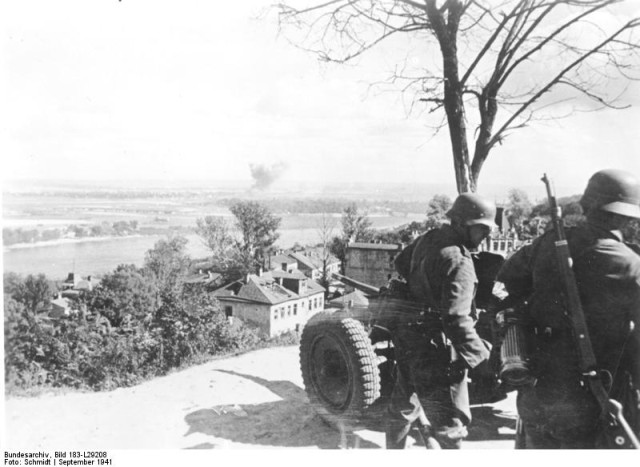
German soldiers shoot the Soviet positions on the other side of Dniepr River with anti-tank gun PaK 36. 20th September 1941.
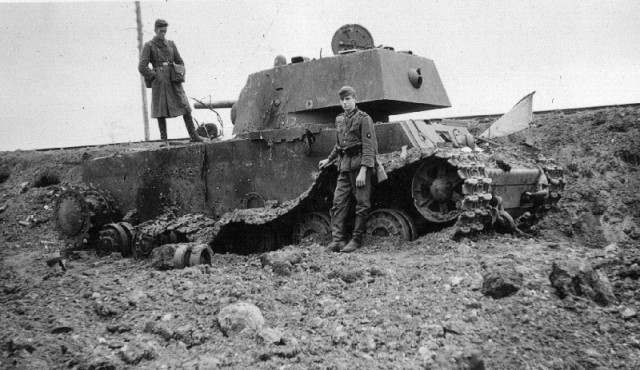
German soldiers with destroyed Soviet tank KW-1 in Kowno.
German Soldiers with Mauser Kar98k carbines, standard infantry rifle. 1941.
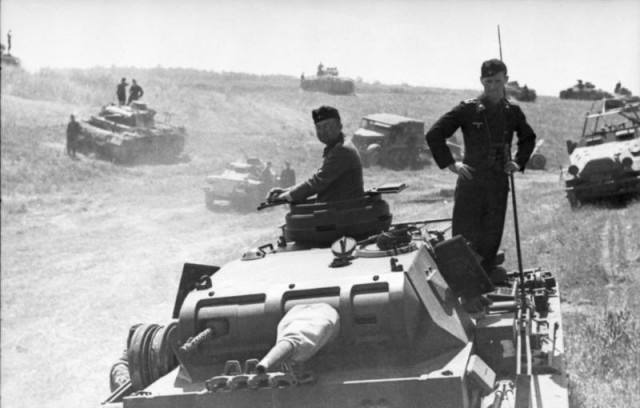
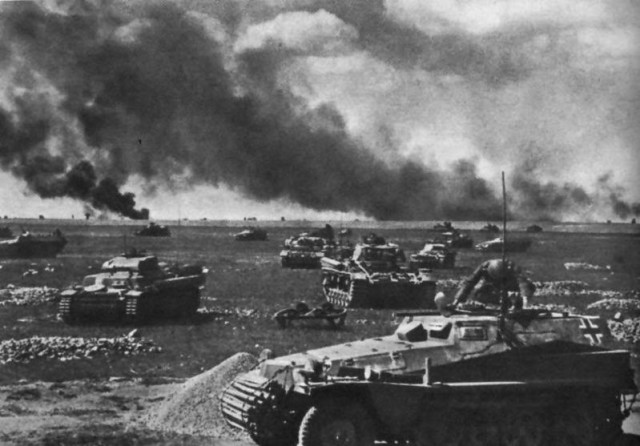
German tanks PzKpfw III of 13. Panzer Division during first phase of the Operation Barbarossa.
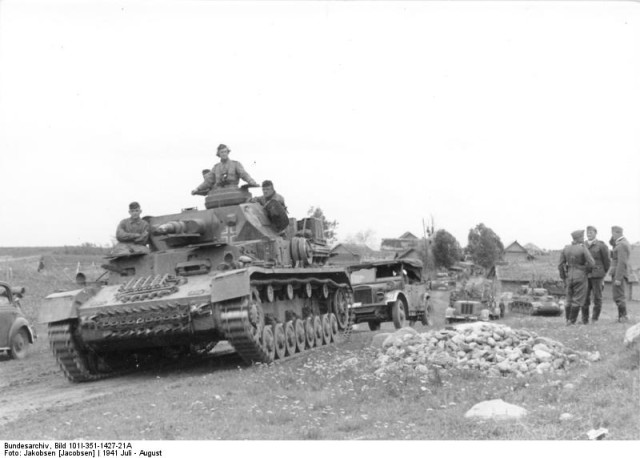
German tanks PzKpfw IV in Witebsk, July 1941.
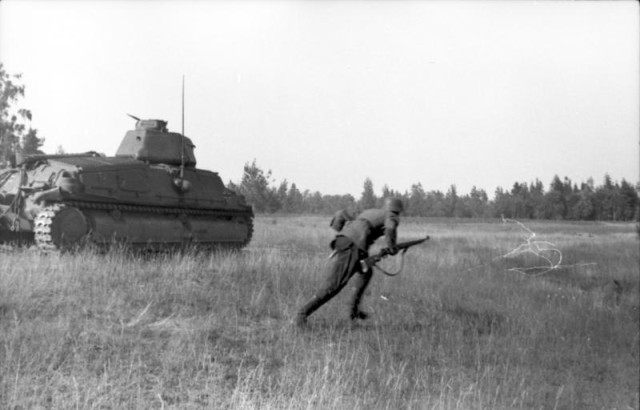
German soldier during advance, beside captured french tank Somua S-35. September 1941.
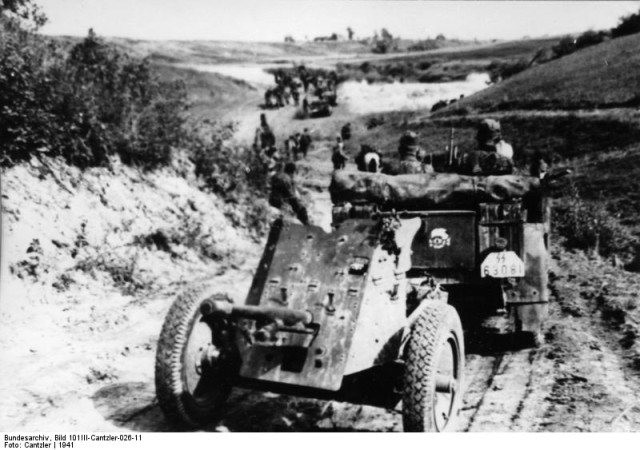
German motorised unit during advance on Smolensk. Note the anti-tank gun PaK 36.
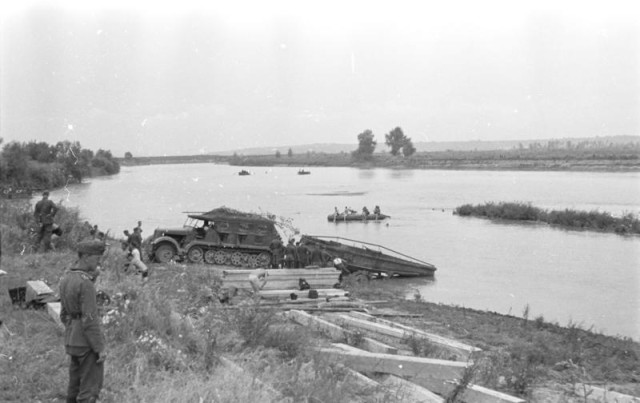
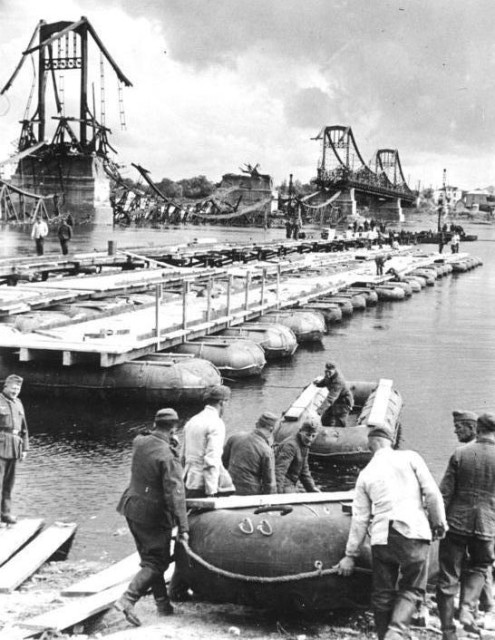
German military engineers of 11th Army during building of floating bridge on Prut river. 1 July 1941.
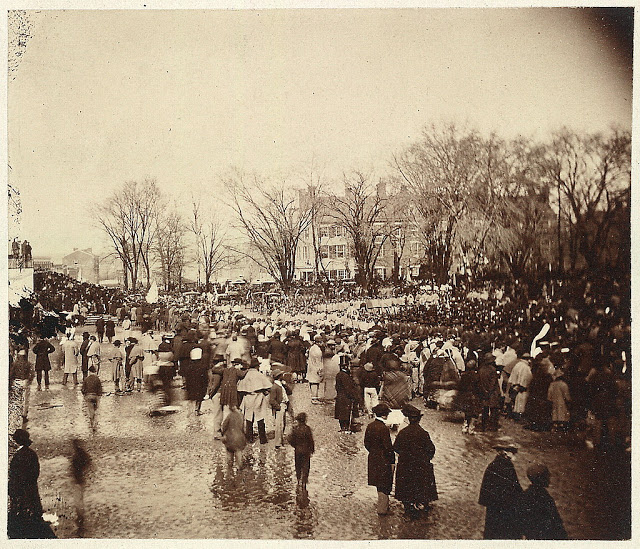
German infantry during street fights in Charkov. 25th October 1941.
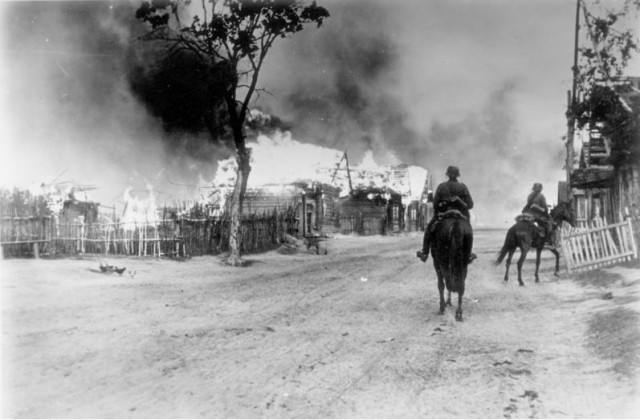
German Cavalry in village burning village, near Mohylev, 16th July 1941.
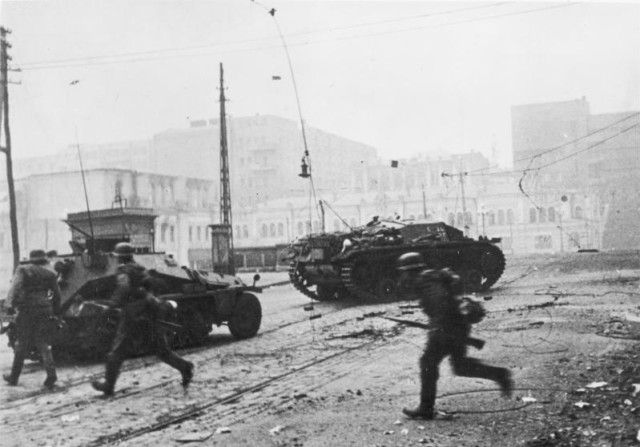
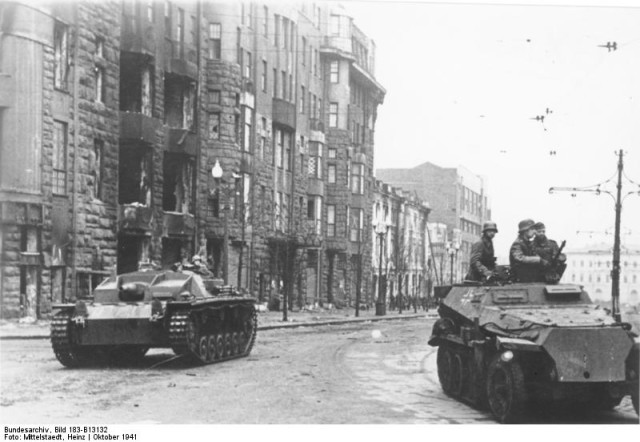
German assault gun Sturmgeshutz III and light armoured half-track Sd.Kfz.250 on streets in Charkov. October 1941.
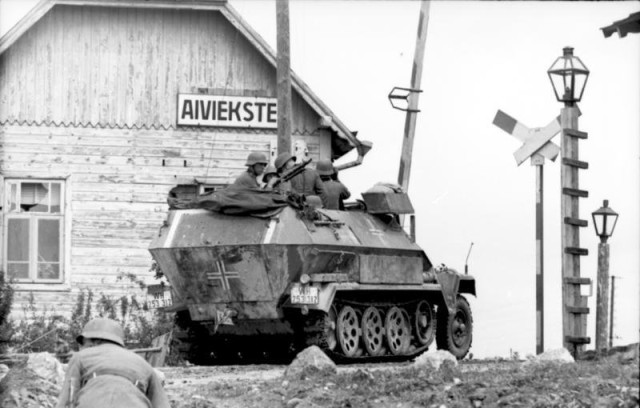
German armored fighting vehicle Sd.Kfz.251 in a city in Latvia. June 1941.
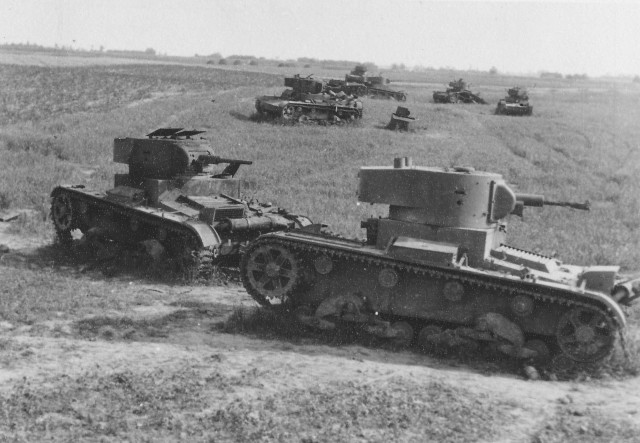
Destroyed tanks T-26 of 19. Panzer Division, 22 Mechanized Corps, near Lutsk.
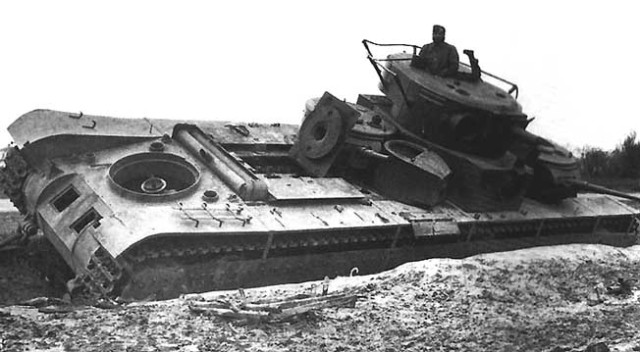
Destroyed Soviet tank T-35.
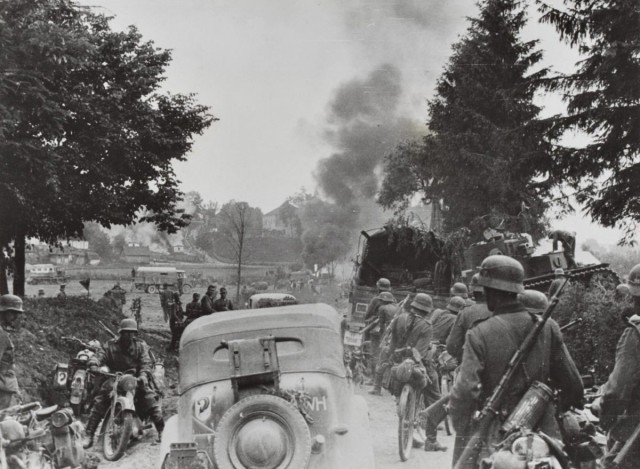
A jammed road wasn’t unusual for such massive invasion. 1941.
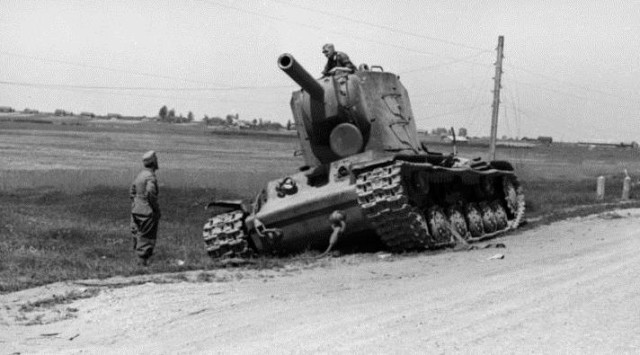
Abandoned Soviet tank KW-2, after the battle of Raseiniai, 1941. A single tank of this type held off the entire sixth PanzerDivisionn for a whole day.
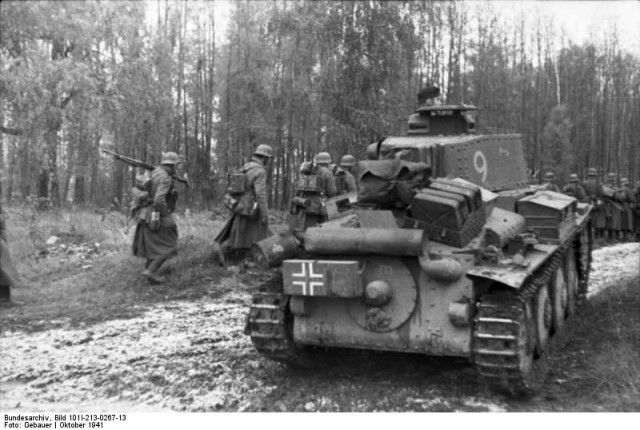
Army Group North enter pine grove near Leningrad. October 1941.
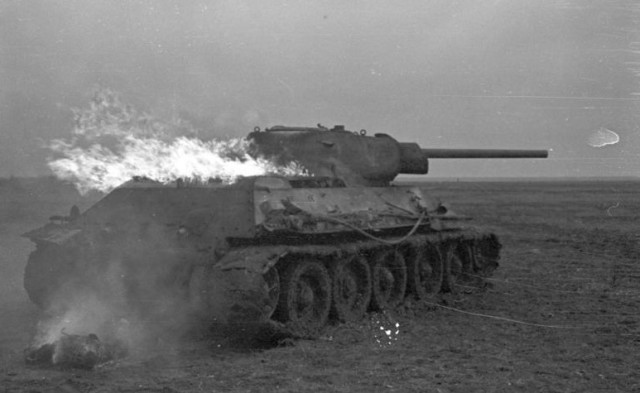
Burning T-34 in 1941.
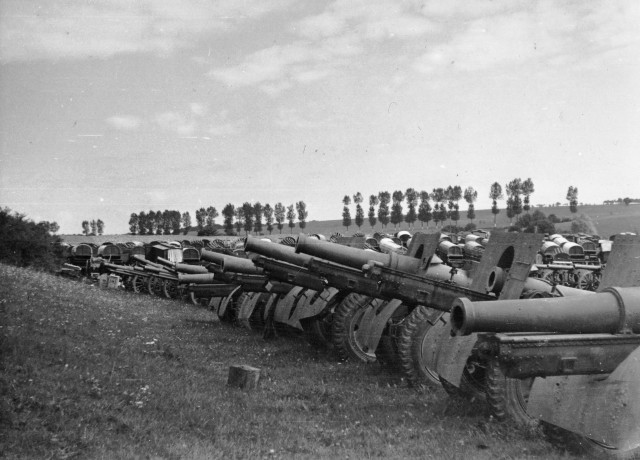
Captured soviet armour, looted by Germans in early phases of the Operation Barbarossa.
Column of Soviet POWs on the street of Minsk. 2nd July 1941.
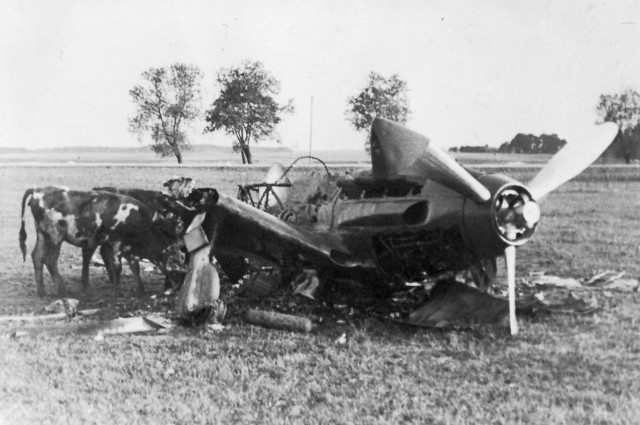
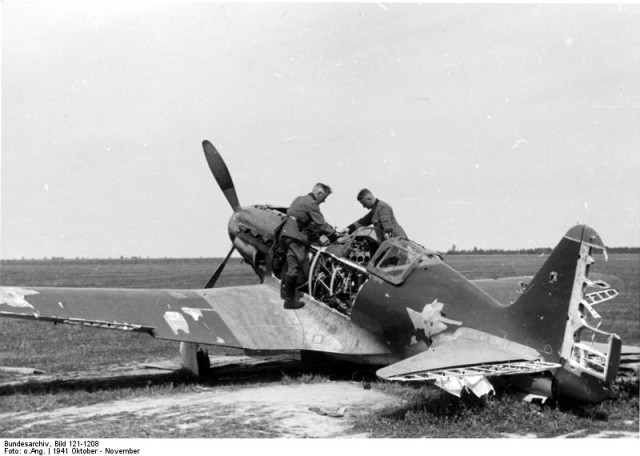
Destroyed MiG-3 during first days of the Operation Barbarossa
Destroyed MiG-3 during first days of the Operation Barbarossa.
1st Panzer Group after the Battle of Brody. June 30 1941.
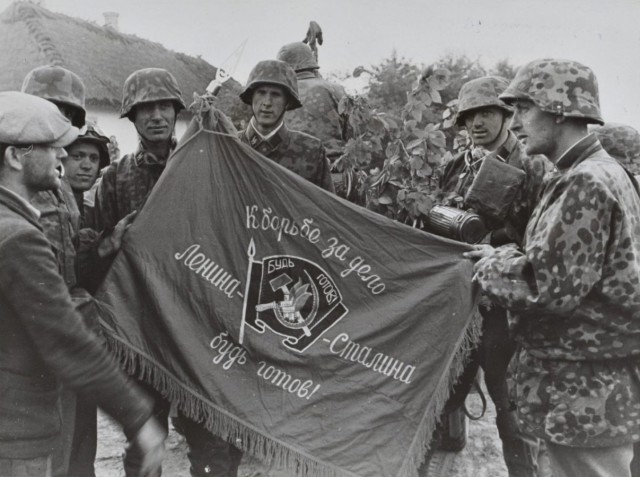
“To fight for Lenin’s – Stalin’s cause be ready!”.
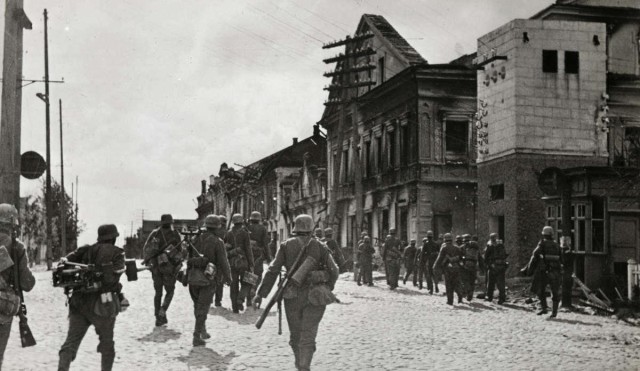
Wehrmacht on the street of destroyed city of Pskov. 1941.
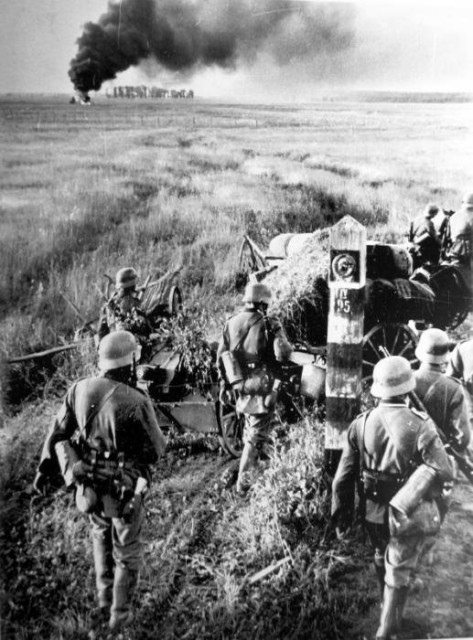
Wehrmacht crossing the border of the USSR at the beginning of the Operation Barbarossa.
Wehrmacht builds floating bridge in Kiev. September 1941.
Waffen-SS troops seeking some cover during fights. 1941.
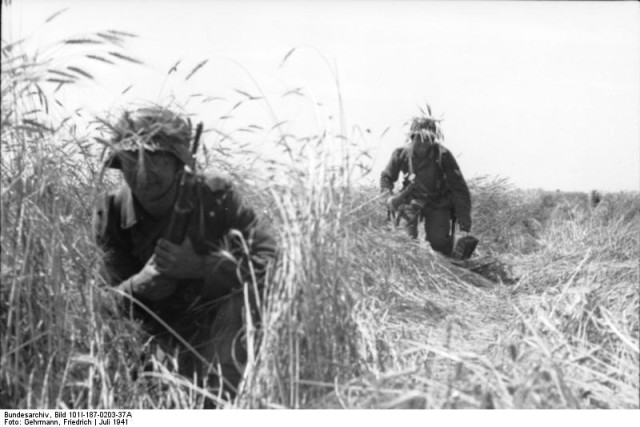
Two German soldiers during the fight in Ukraine, July 1941.
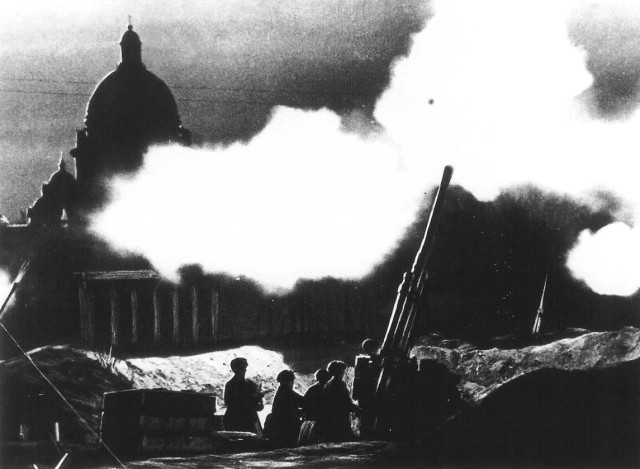
The fire of anti-aircraft guns deployed in the neighborhood of St. Isaac’s cathedral during the defense of Leningrad, 1941.
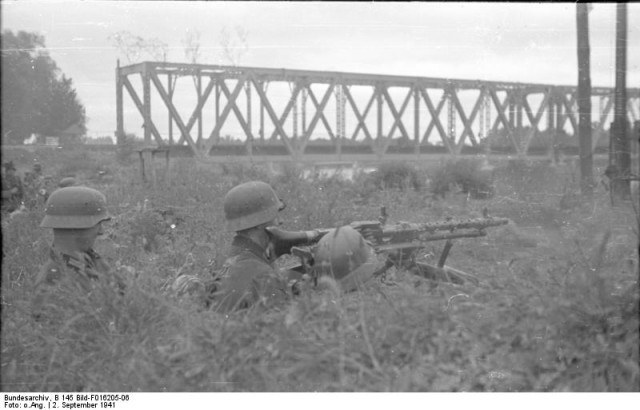
Station of German MG-34 during fights on Ukraine, near bridge over Psel River. 2nd September 1941.
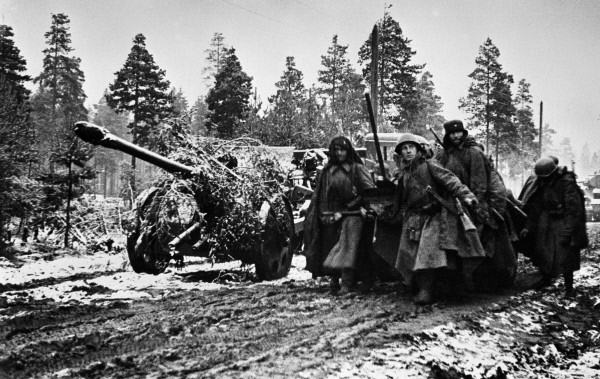
Soviet soldiers from units of Leningrad Front along with masked artillery cannon during fights on Leningrad suburbs. 1st November, 1941.
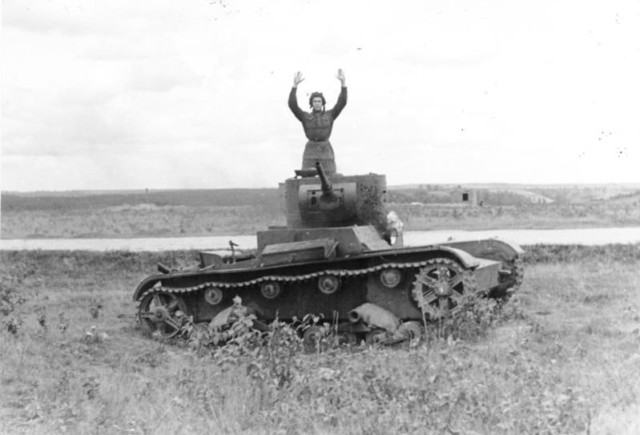
Soviet soldier surrender himself and his tank T-26 to Germans after battle Raseiniai.
Germans battle Soviet defenders on the streets of Kharkov, 25 October 1941

Yesterday Today

Bringing You the Wonder of Yesterday - Today

Skip to content ↓