



















Bringing You the Wonder of Yesterday – Today












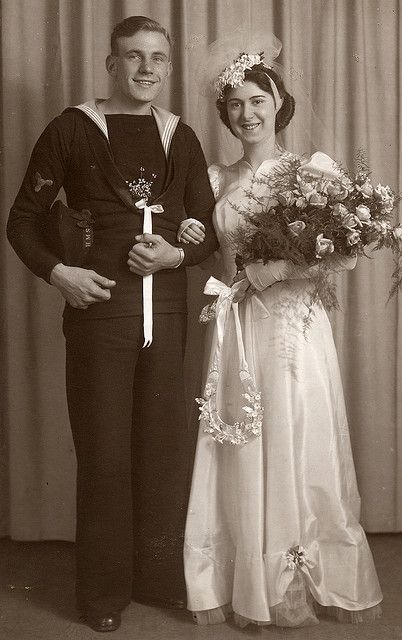

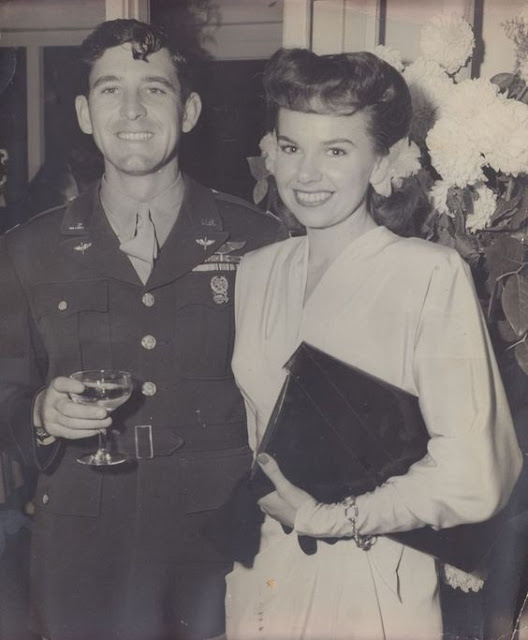

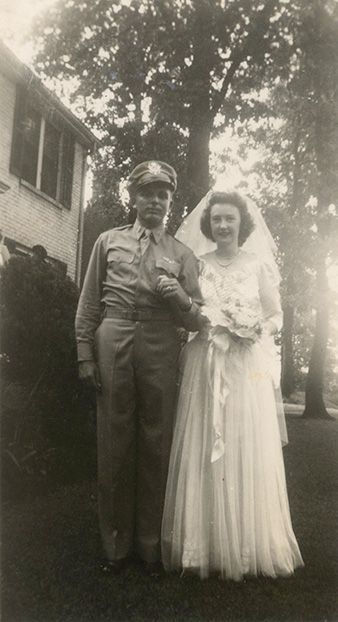
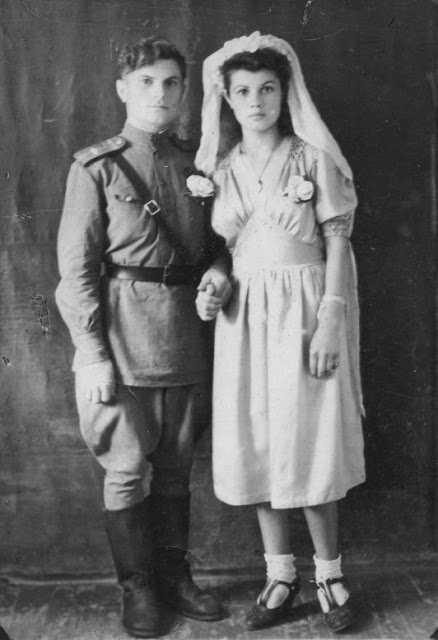

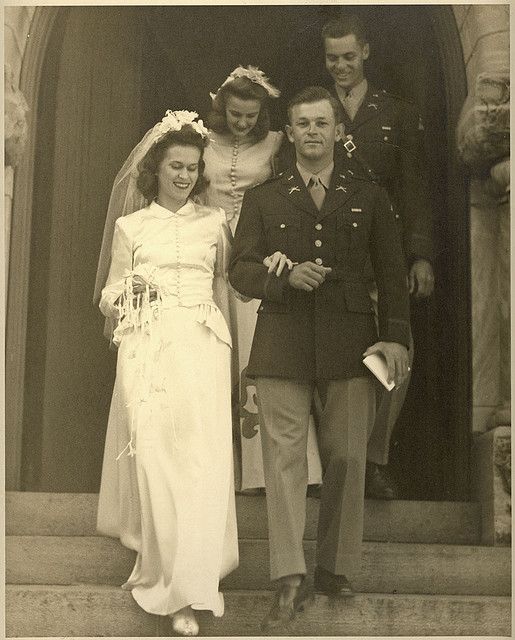


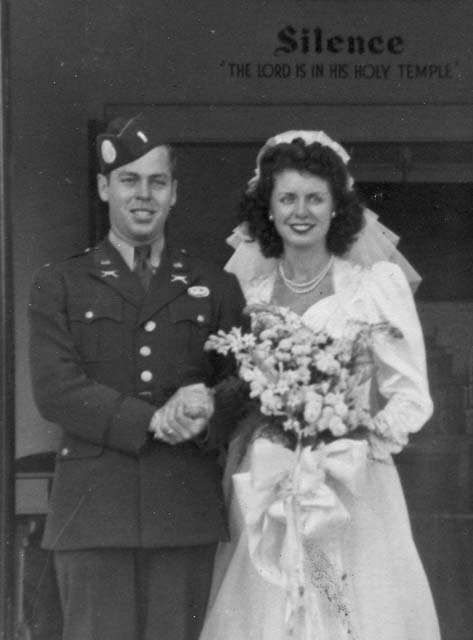


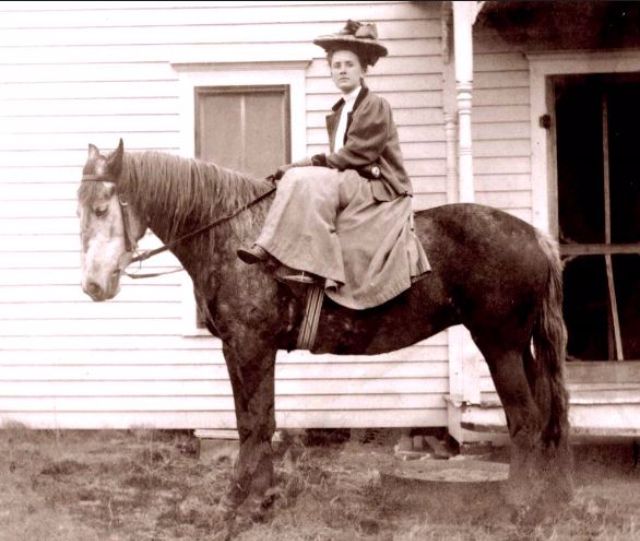
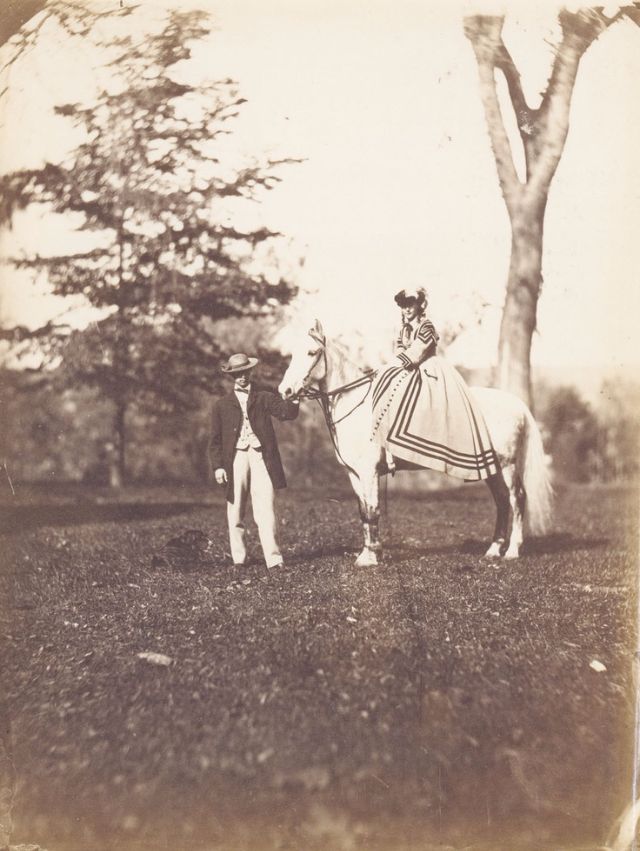
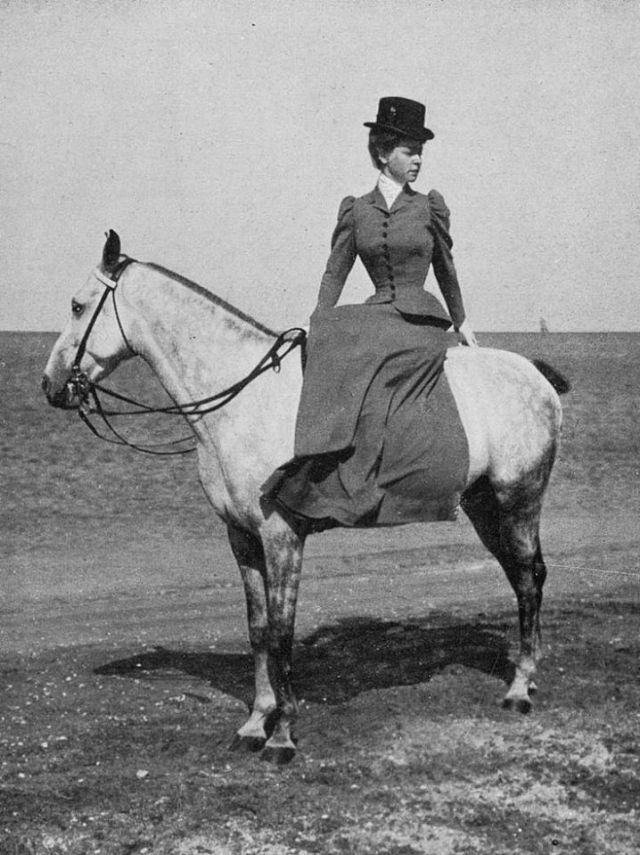
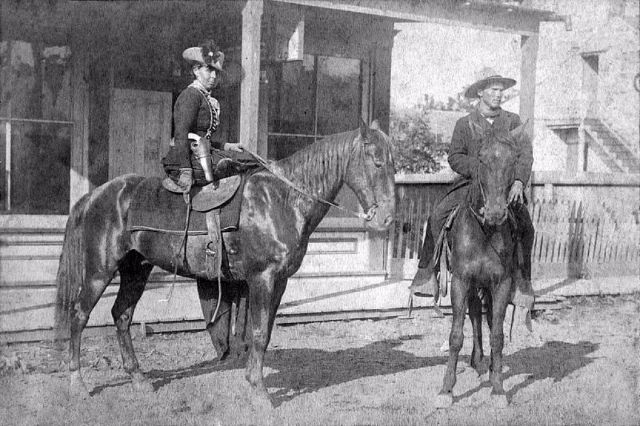
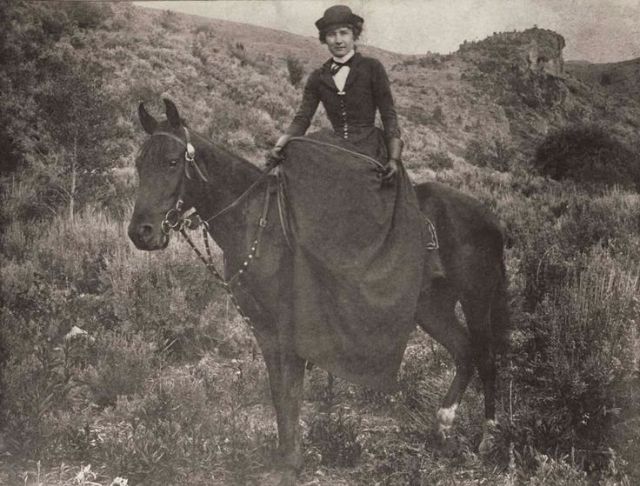
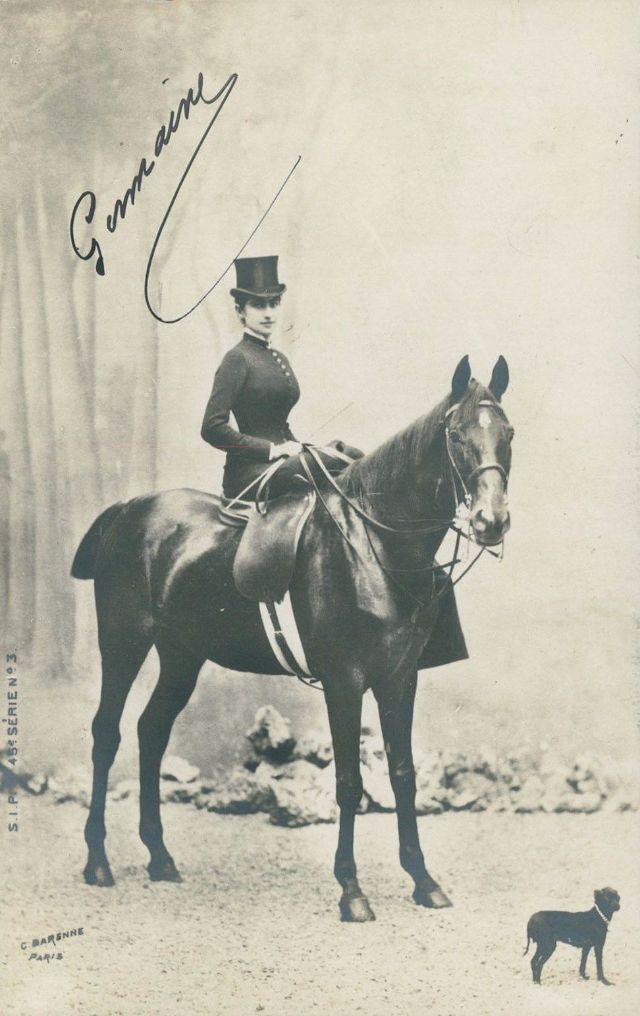
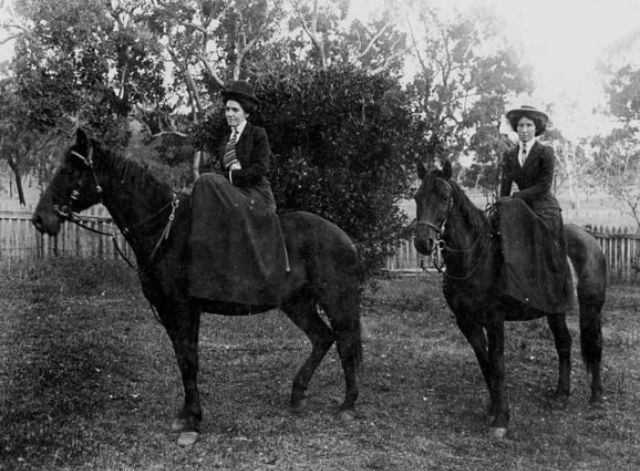
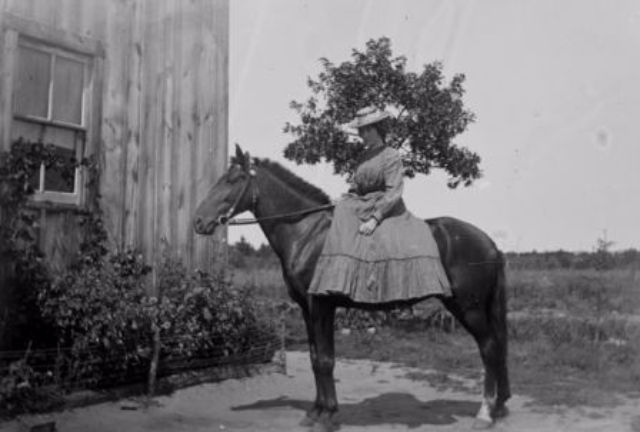
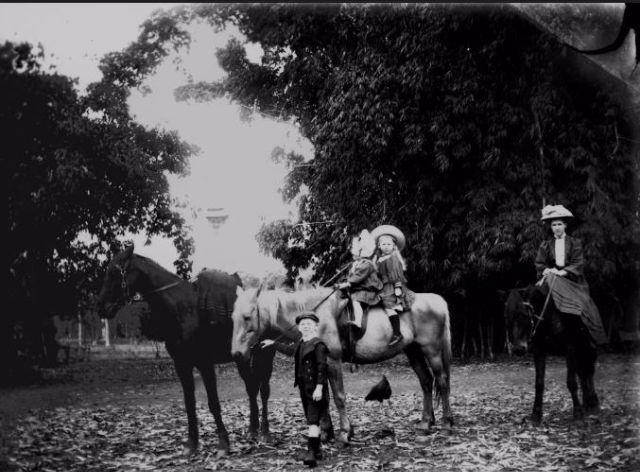
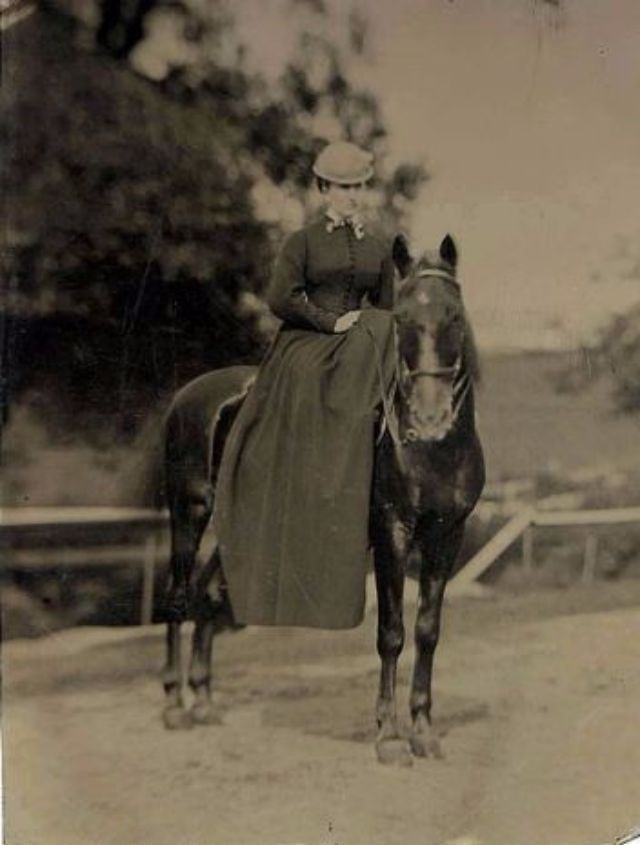
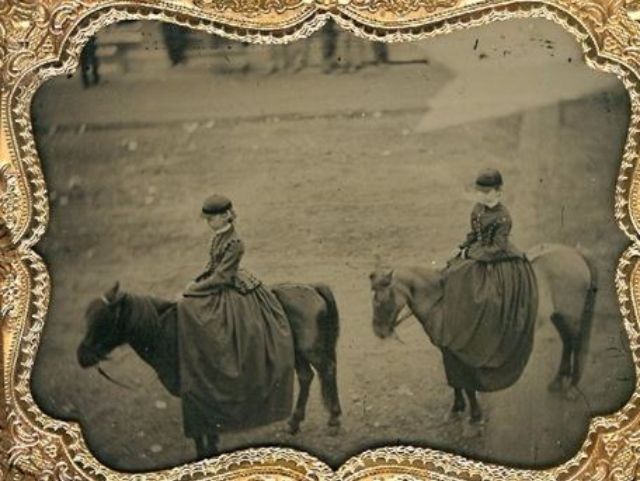
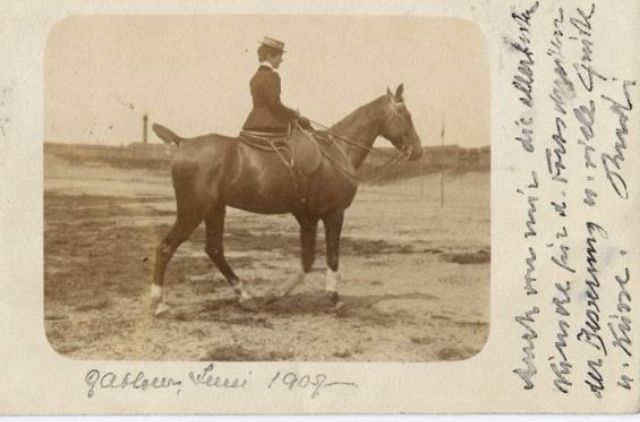
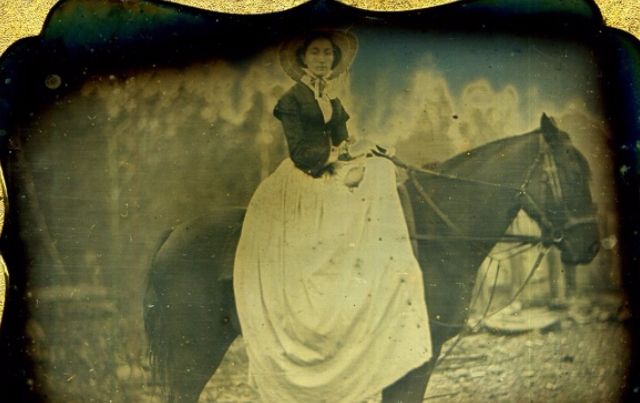
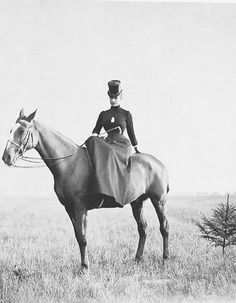
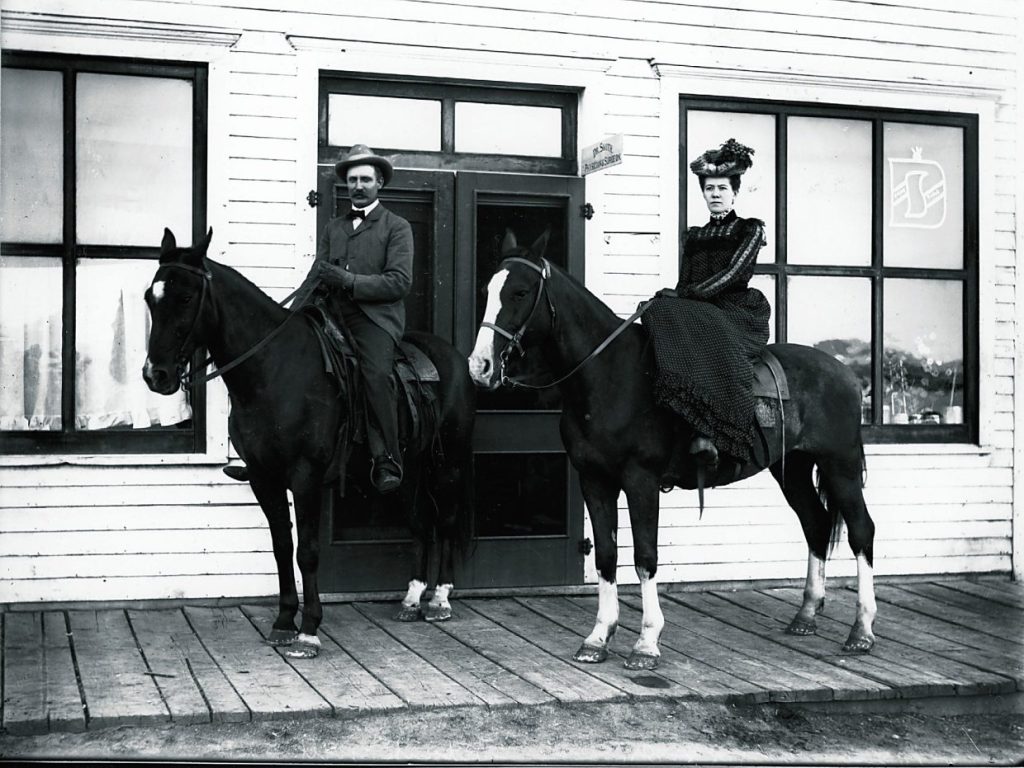
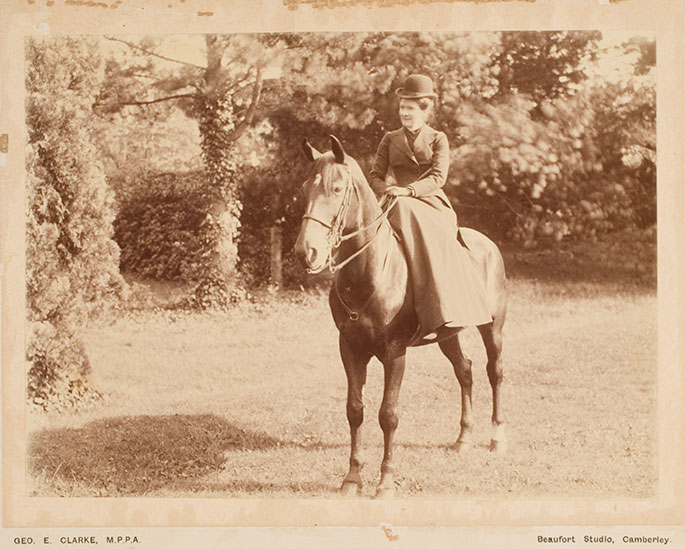
For women, sitting aside on a horse dates back to antiquity. For the main part, men rode horses; women were merely passengers, sitting behind the men, either holding the man around the waist or sitting on a small padded seat or pillion. This was partly due to their long, heavy skirts; it was impractical to ride astride. Also riding side-saddle was seen to preserve the ladies’ modesty.
The idea of it being indecent for a lady to ride astride can be traced back to 1382, when Princess Anne of Bohemia rode side-saddle across Europe on her way to marry King Richard II. Riding side-saddle was seen as a way to protect her virginity. Soon it was considered vulgar for any woman to ride astride.
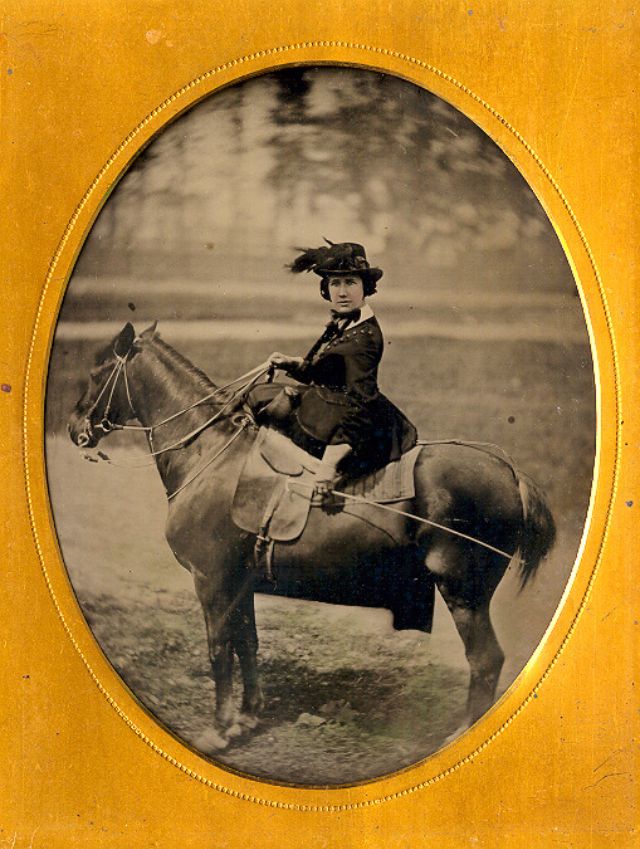
The sidesaddle was considerably improved over the years, especially during the Victorian period. The first specifically designed side saddle accommodated a women sitting fully sideways in a “planchette” saddle which was like a chair with a footrest.
Women riding alone probably began by ride a standard saddle with one horn. But specially-designed side-saddles were soon developed. Various arrangements of single or double stirrups and pommels were in use, with the women still sitting to the side with both feet side-by side in one or two stirrups or on a shelf.
In the early 20th century it became socially acceptable for women to ride astride while wearing split skirts or breeches, and the side-saddle began to fall out of fashion. The rise of women’s suffrage also played a role; to the Suffragettes, riding side-saddle was a symbol of male domination. And so by 1930, riding astride had become totally acceptable and the preferred method of riding for women.

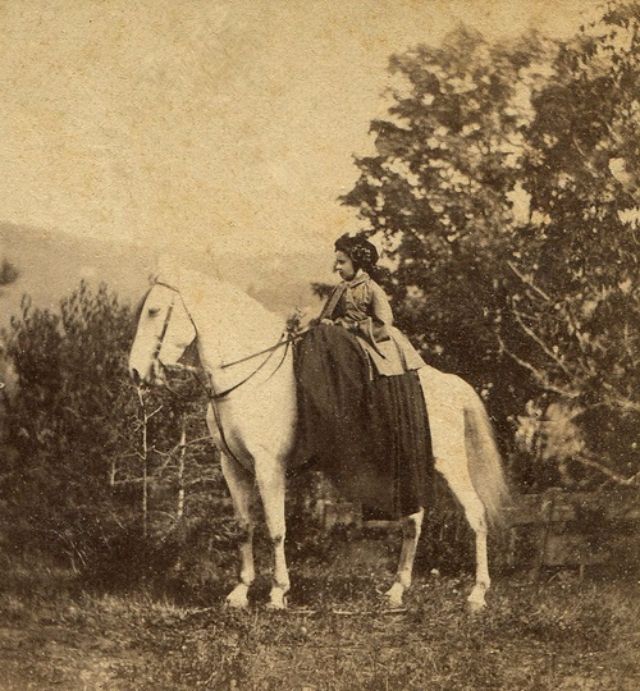
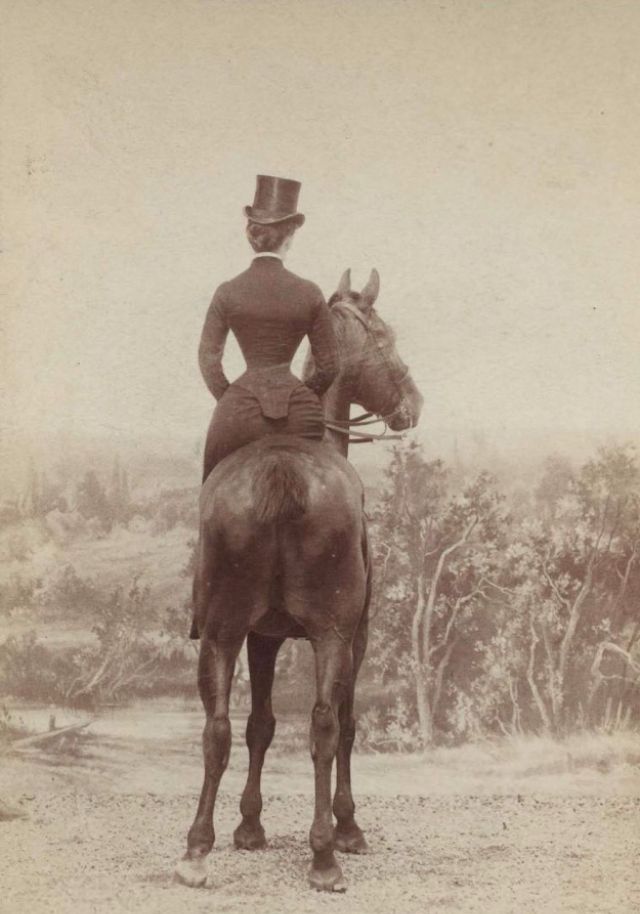

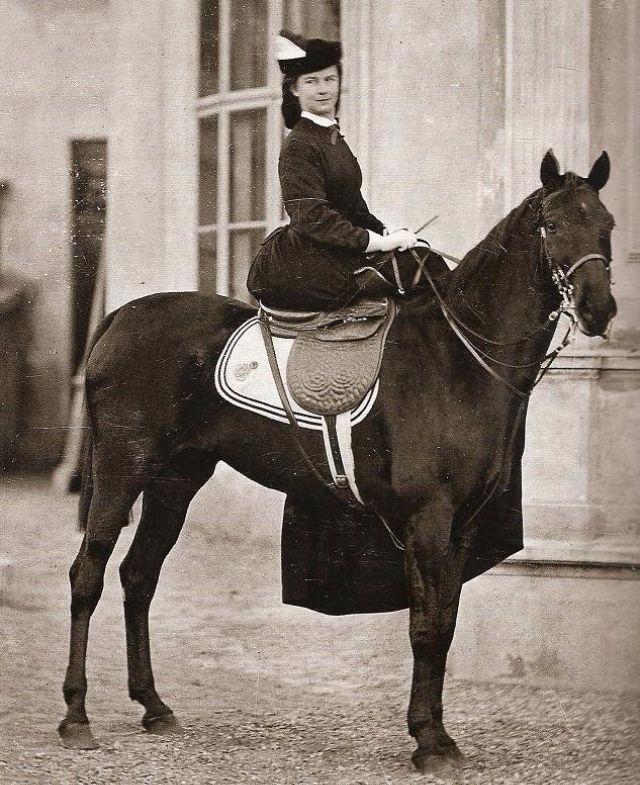
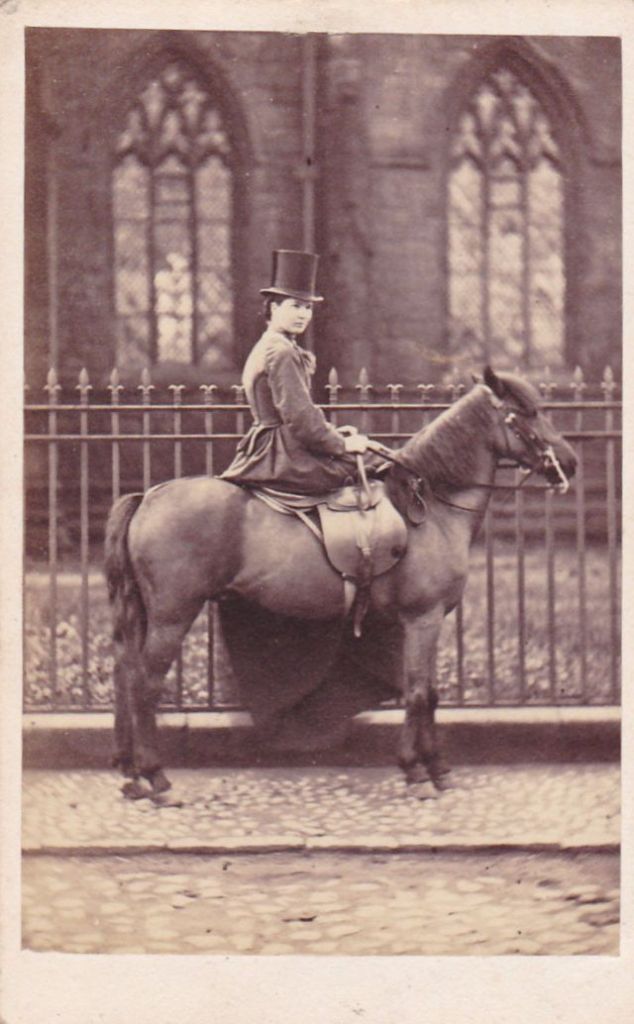






















Become a paid subscriber to get access to the rest of this post and other exclusive content.

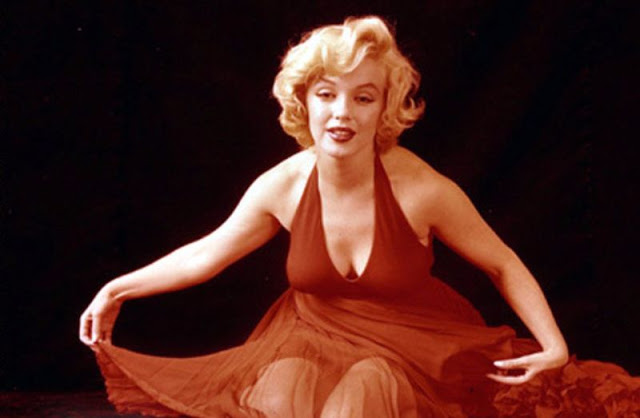
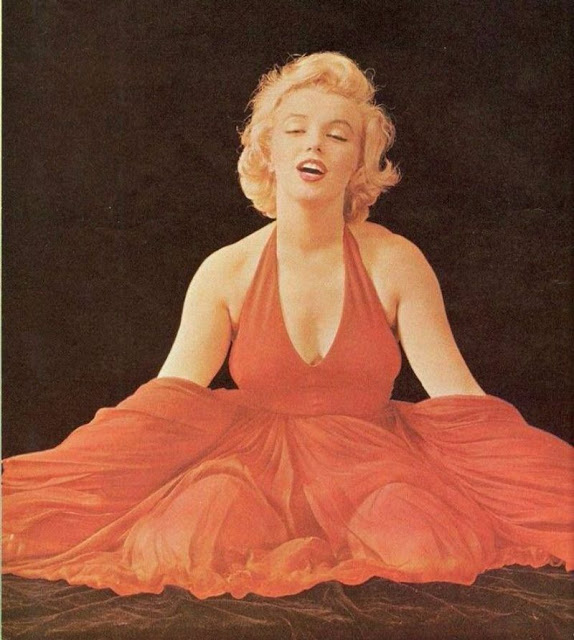
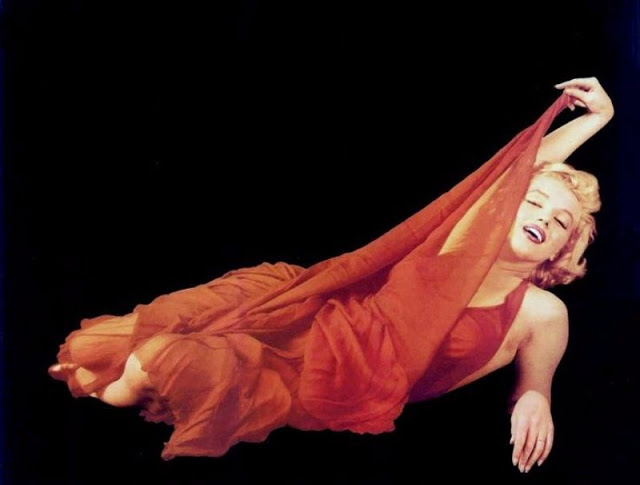
Milton Greene photographed Marilyn Monroe in this series, appropriately titled “The Red Dress Sitting” for Life Magazine in January 1957, after Marilyn had returned from her honeymoon in Jamaica with Arthur Miller.
This series produced several memorable images, displaying the playful eroticism that was apparent in all their work together. Marilyn teases with her hair in this sensuous image with one leg crossed in front, her elbow propped on the other. Her fiery red heels match her dress and pop perfectly against a black background.
Milton used a twin lens Rolleiflex with a 2.8 Planar lens and early Kodak E-3 Ektachrome color positive film. No longer printable photographically, the original film was drum-scanned. This was the last photo session Marilyn and Milton did together.



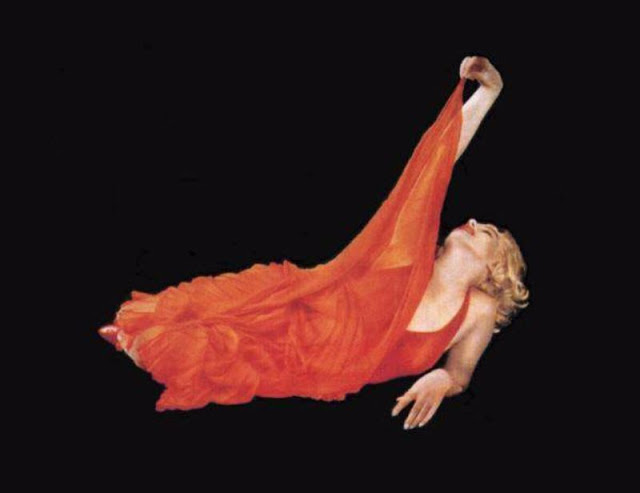


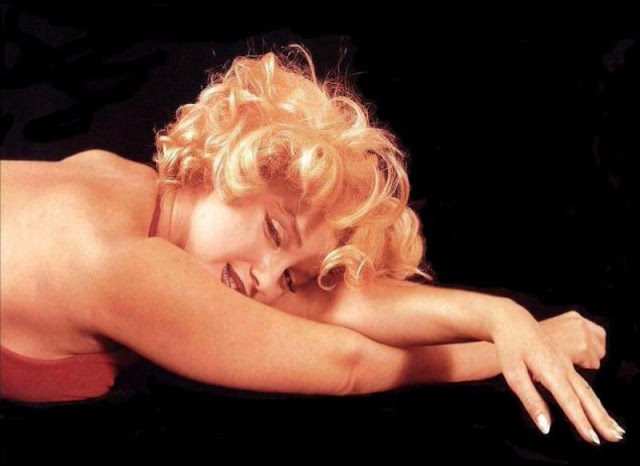
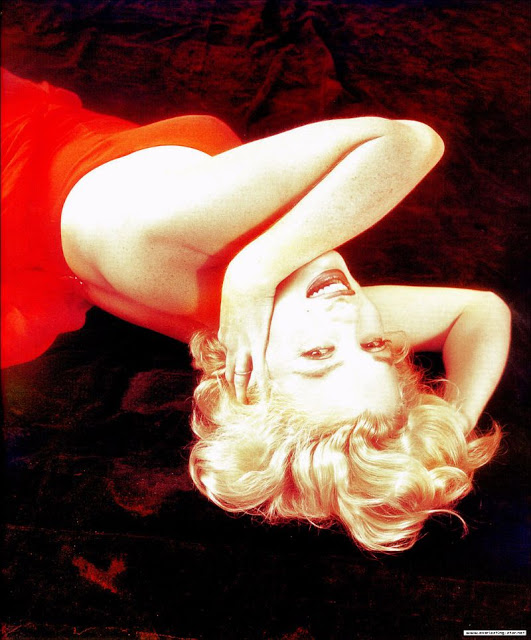


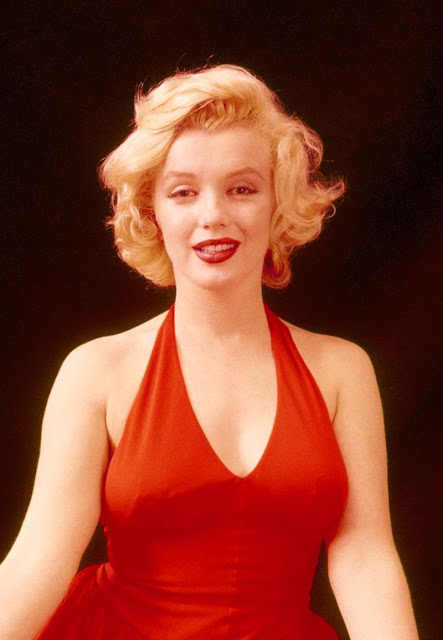
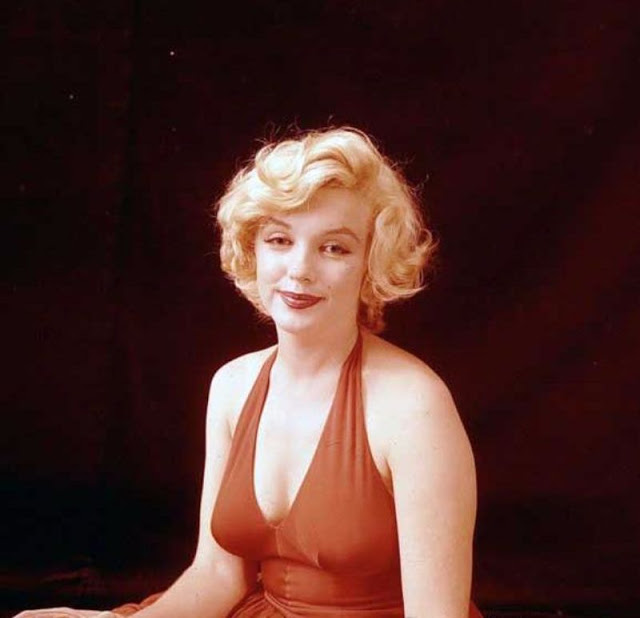

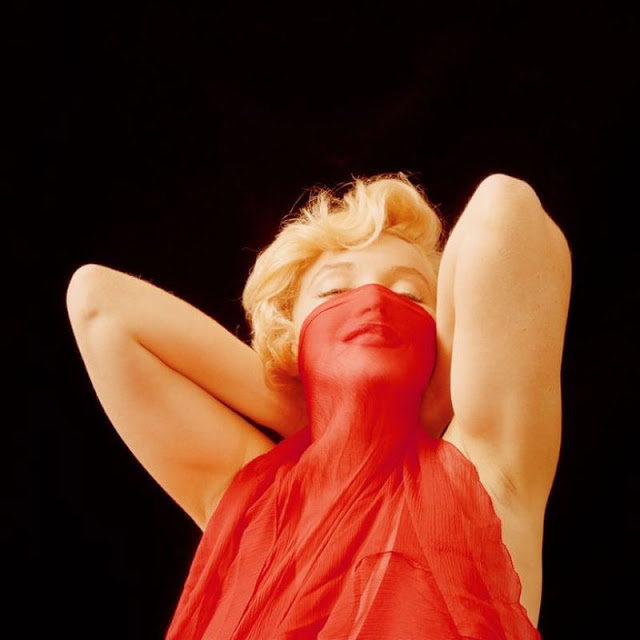
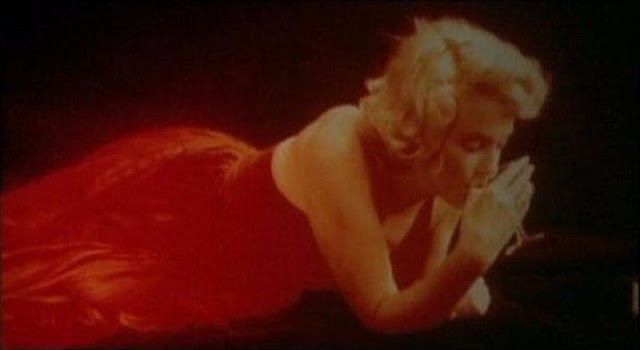
(Photos by Milton Greene)

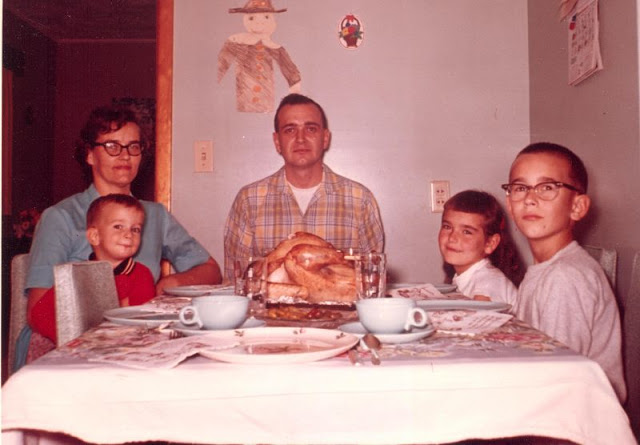
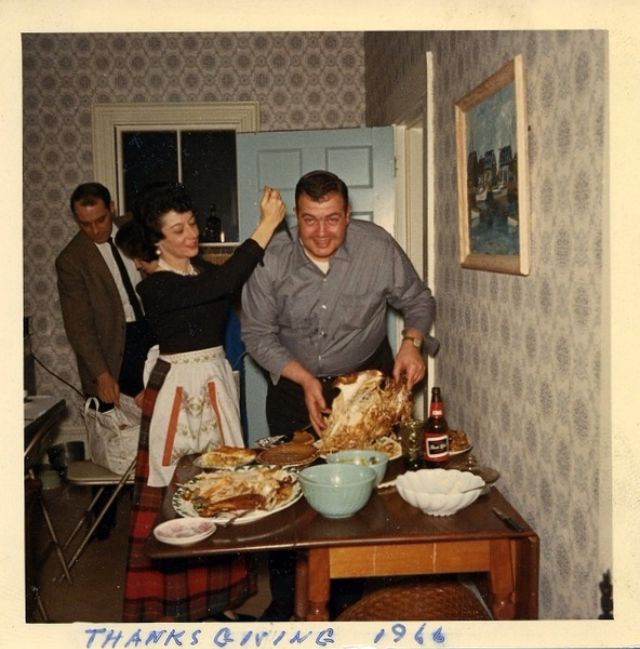
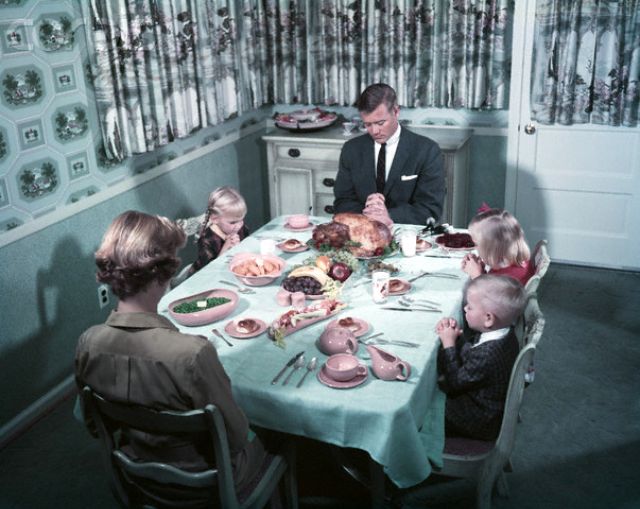
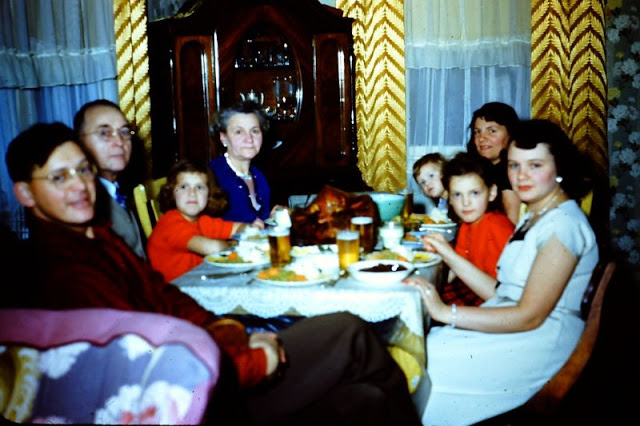
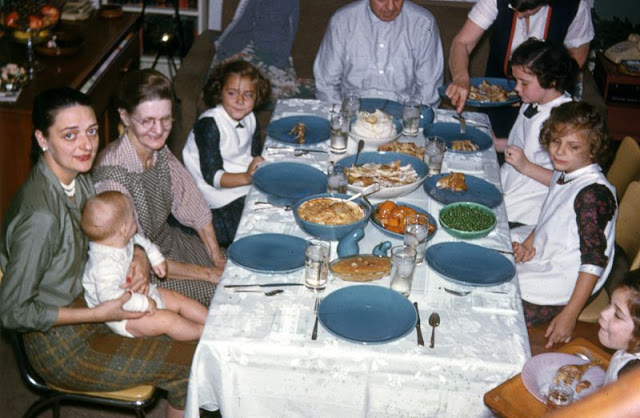
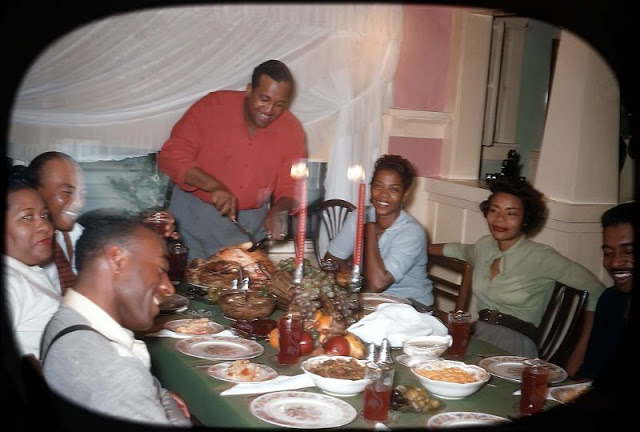
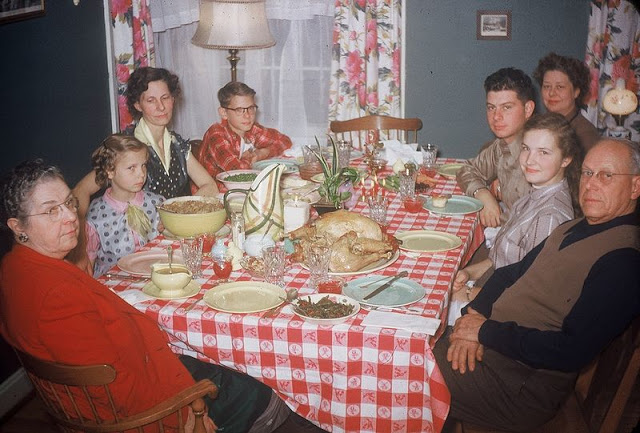
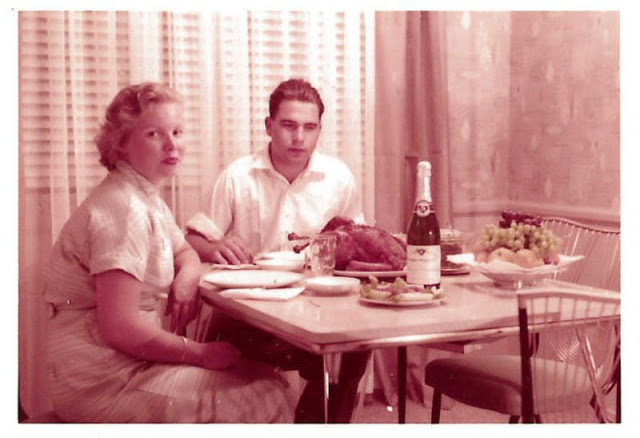
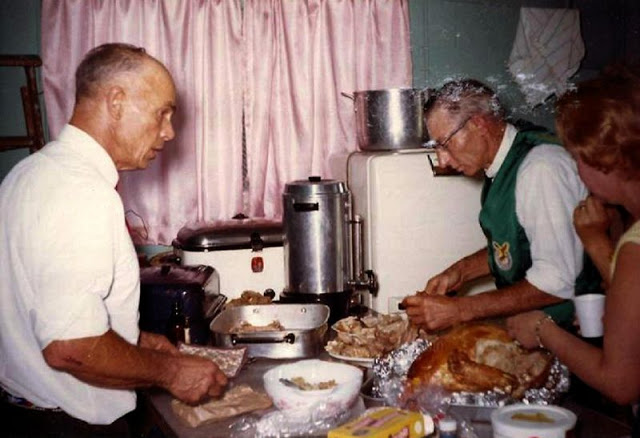
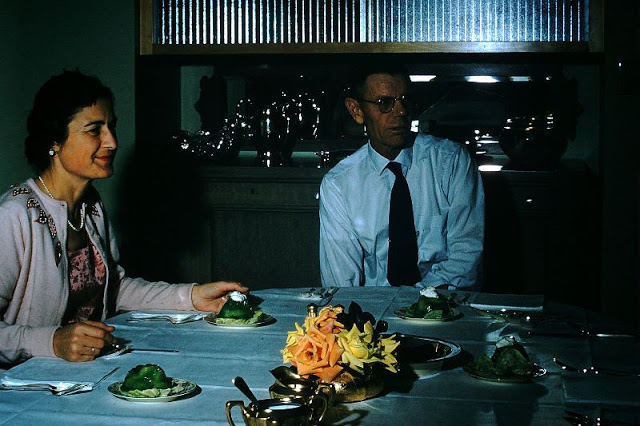
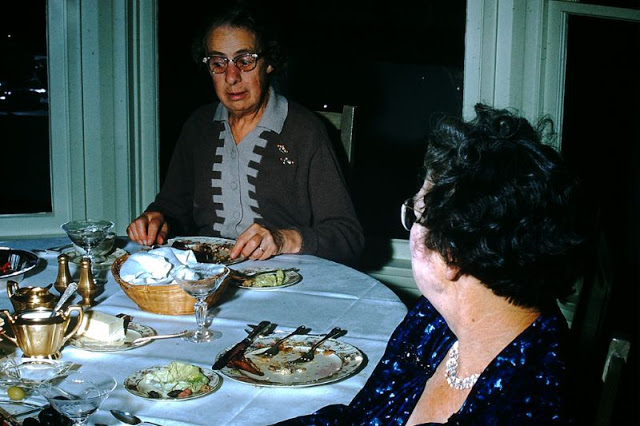
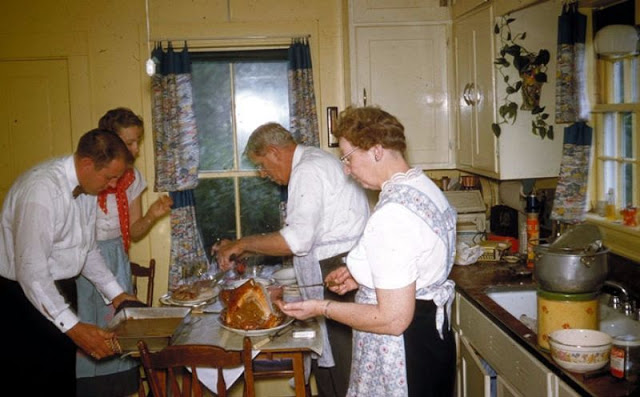
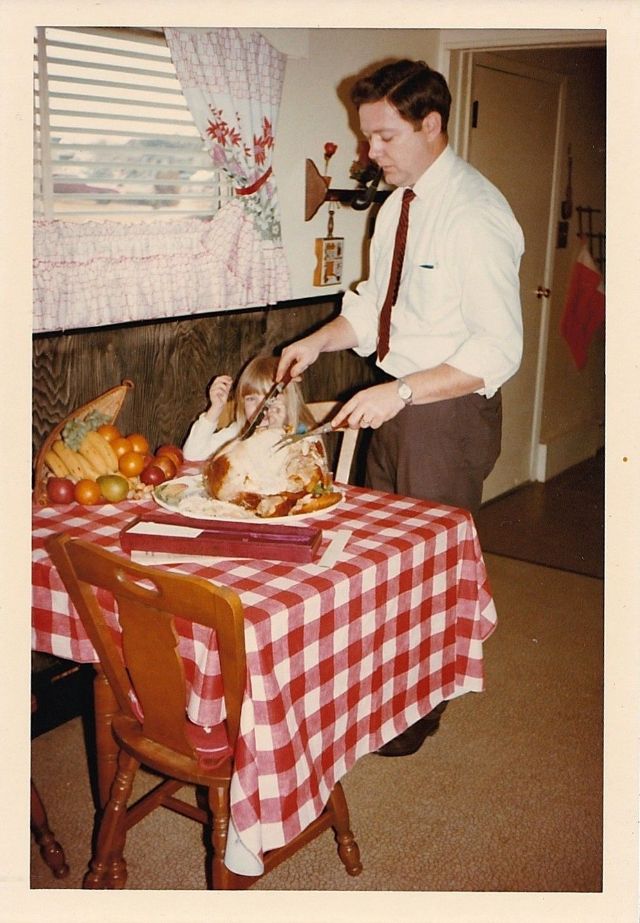
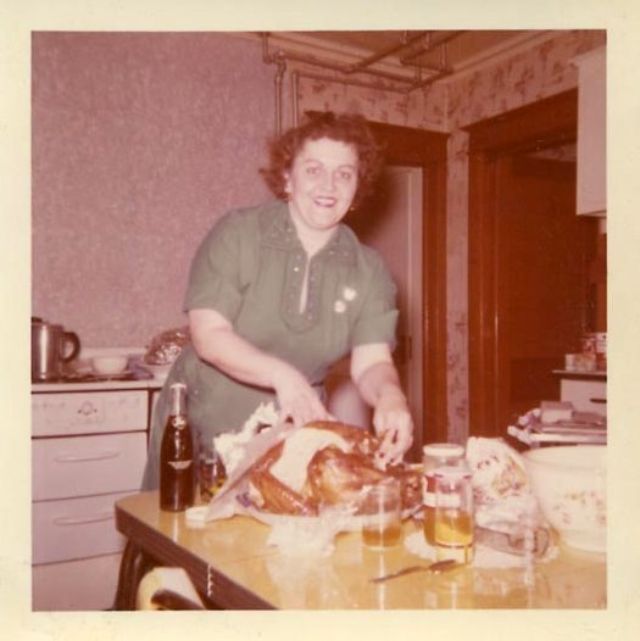
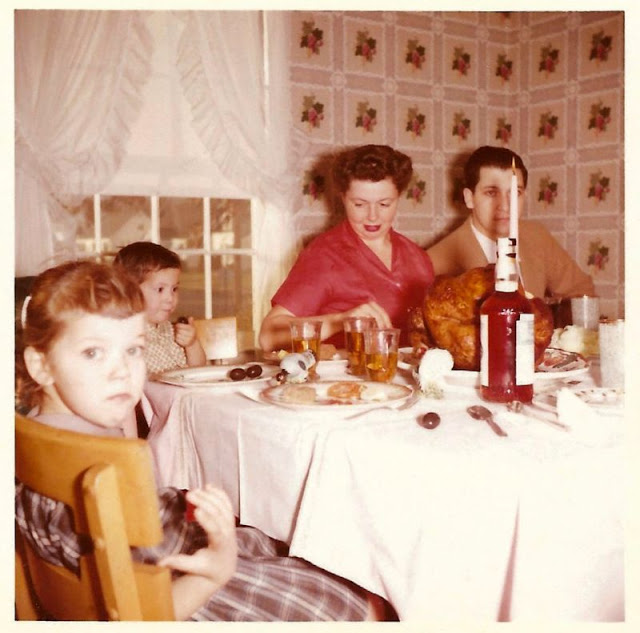
These intimate snapshots that show the atmosphere of Thanksgiving dinners from the 1950s and 1960s.













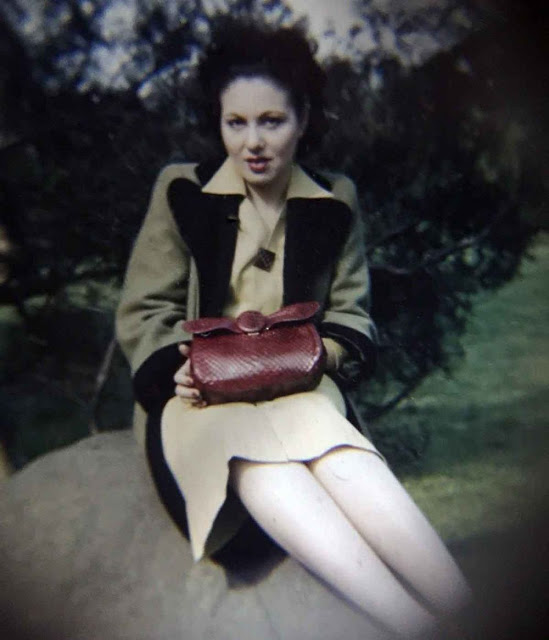
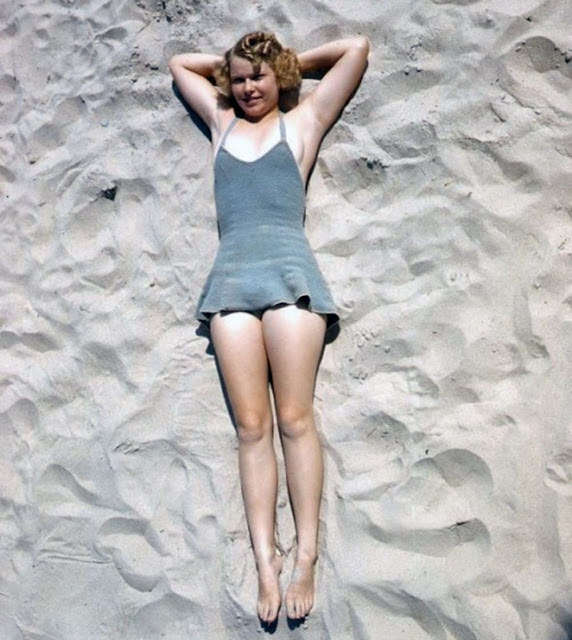
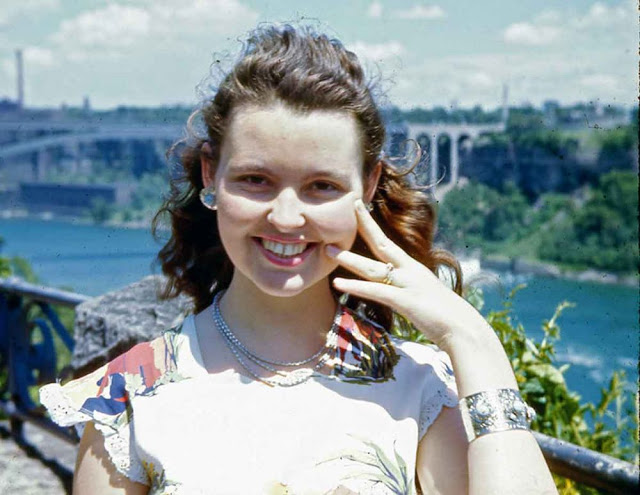
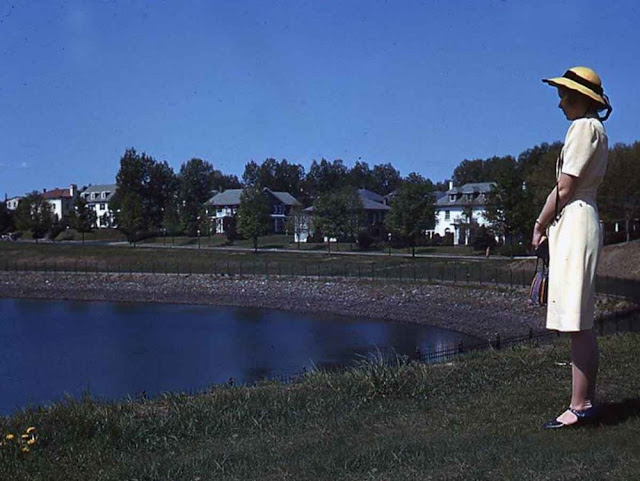
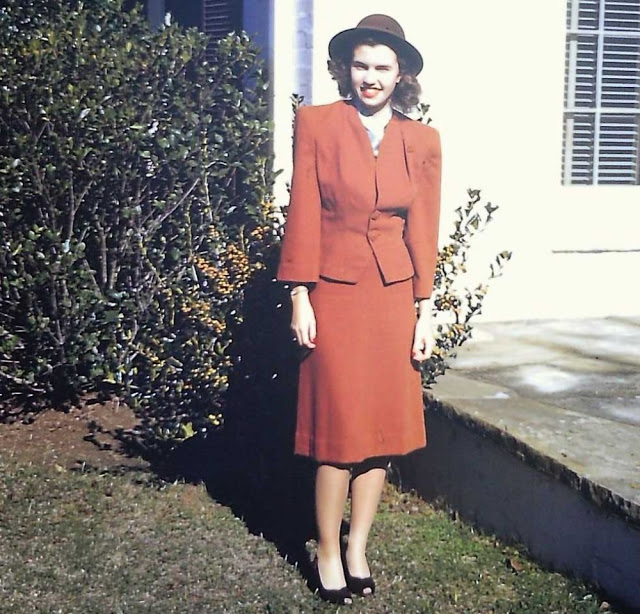
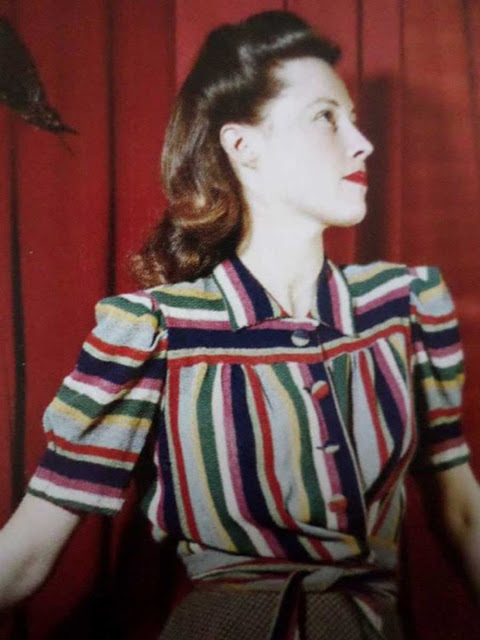
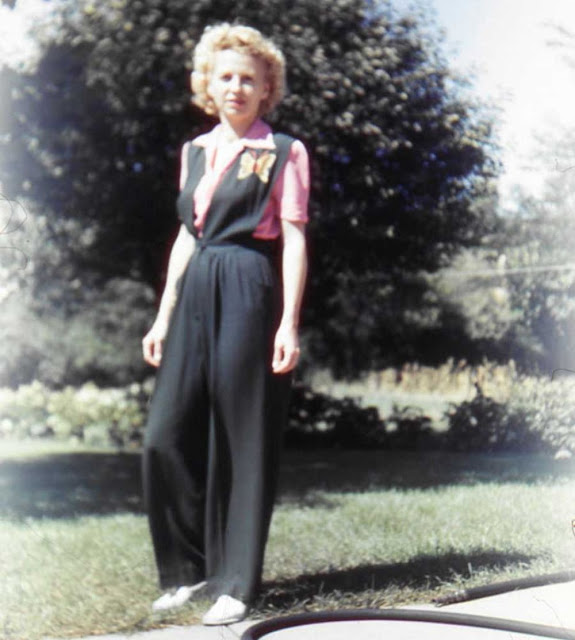
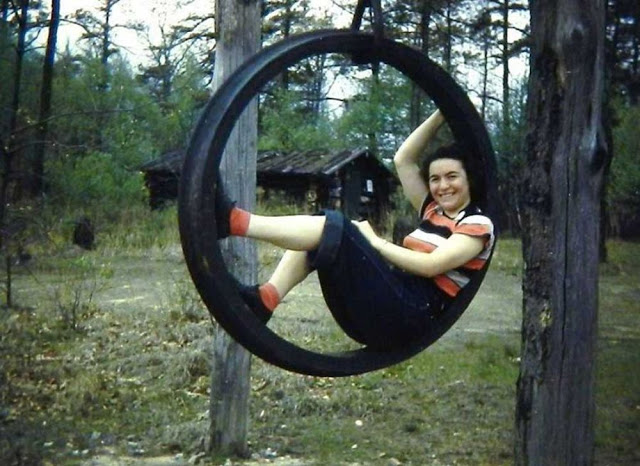
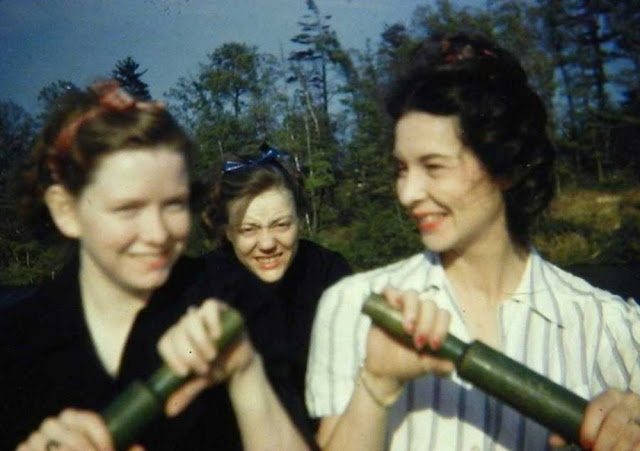
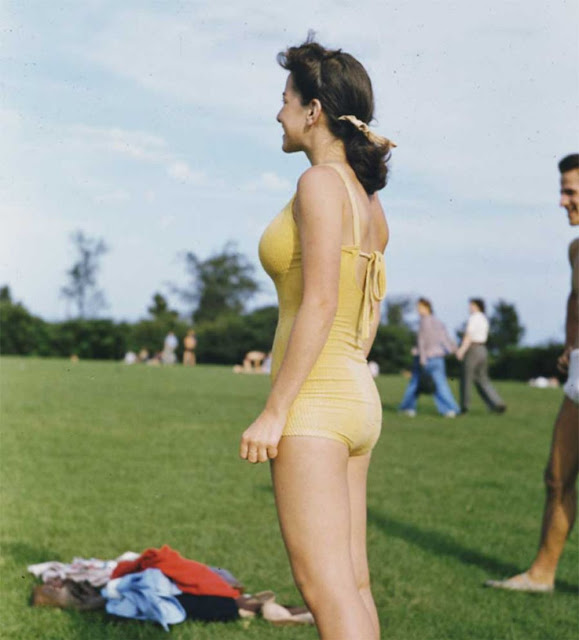
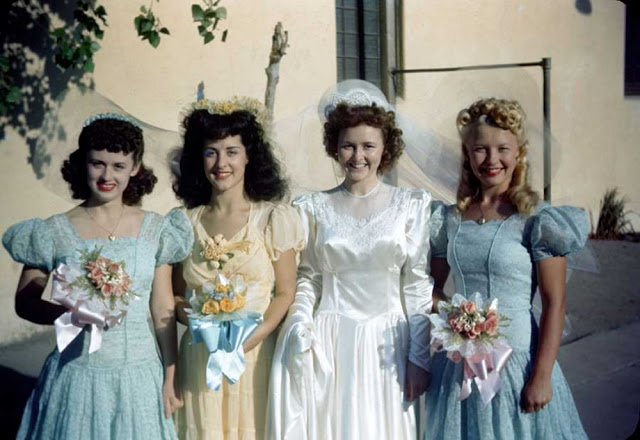
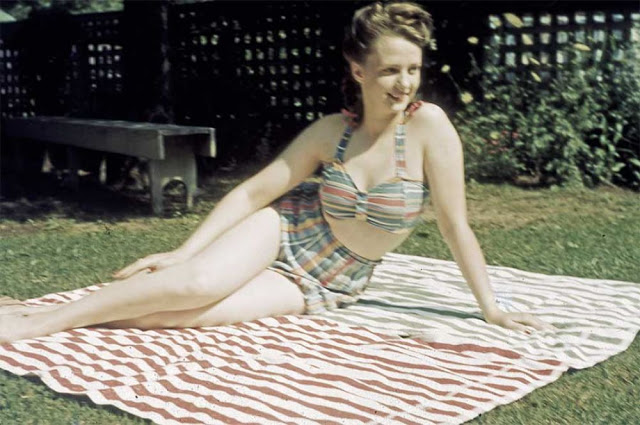
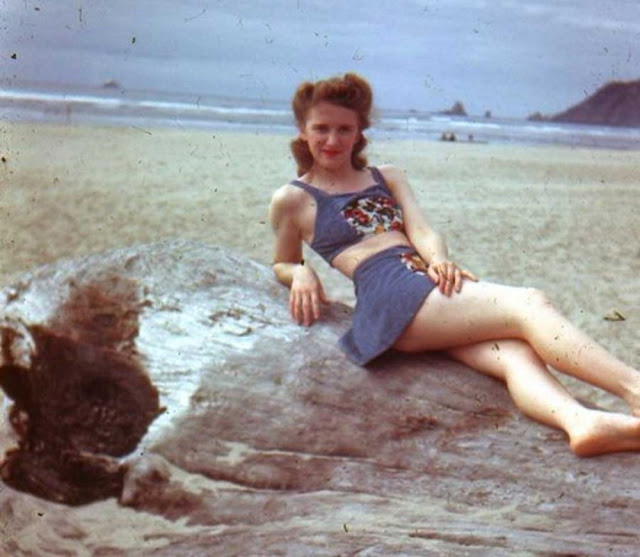
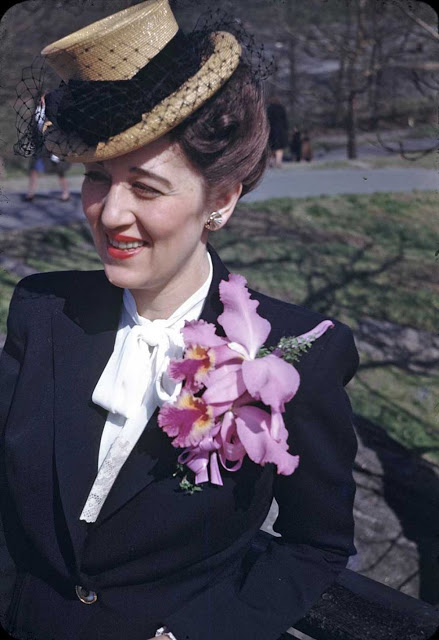
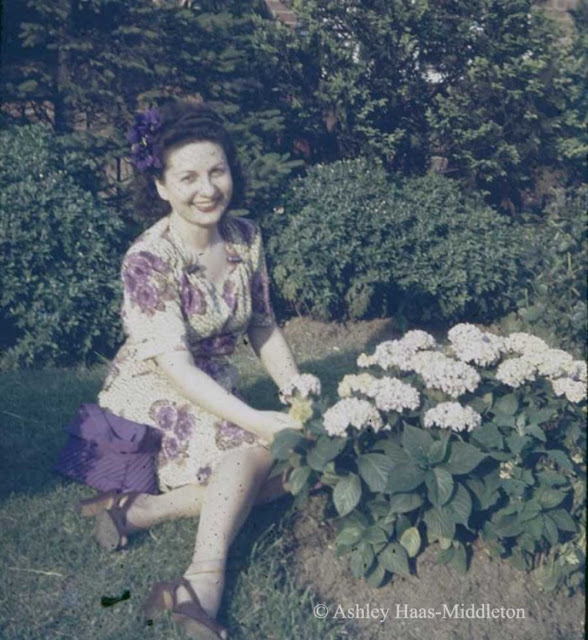
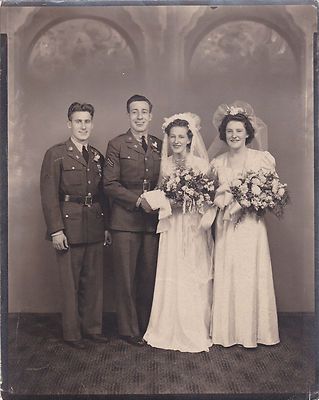
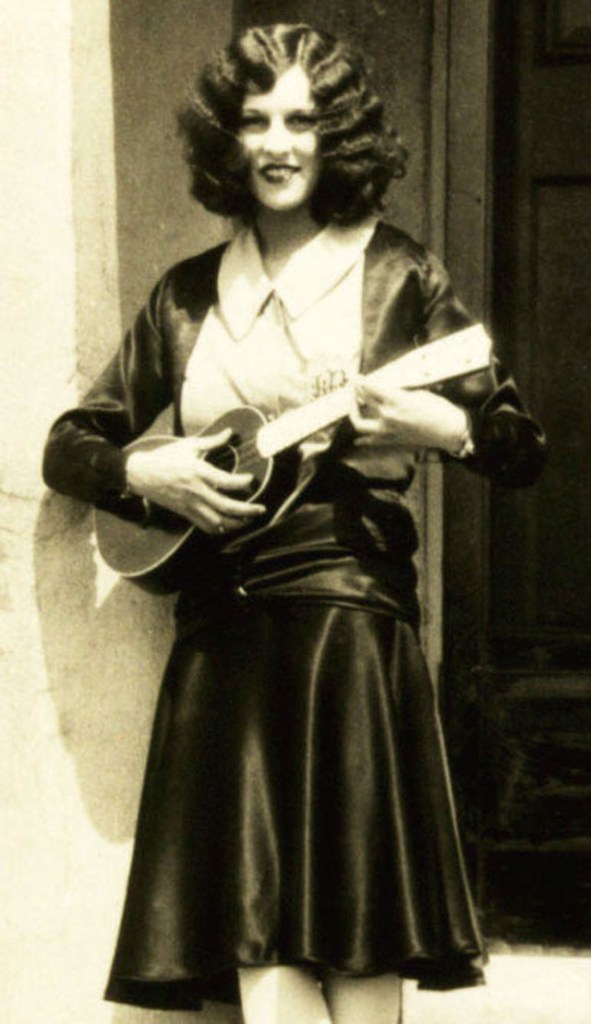
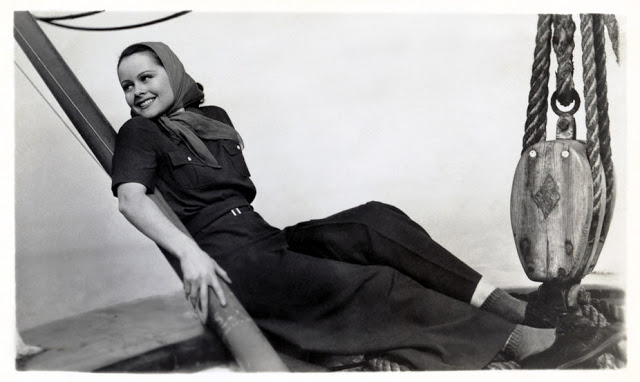
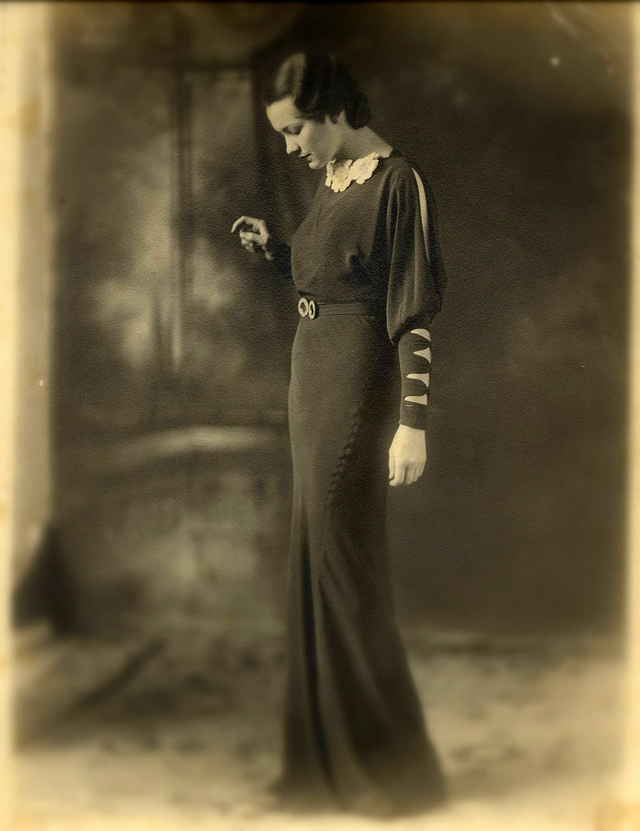
Step back into a decade defined by resilience and refinement, where elegance was not just a style but a way of life. These rare photographs of women from the 1930s give us a glimpse of a world caught between tradition and modernity—moments of quiet grace, bold fashion, and unspoken strength which are preserved in silver tones. Each image whispers of forgotten stories, inviting us to rediscover the beauty, poise, and spirit of a generation that shaped the course of history.
Your giving makes all of this possible. Thank you for your support.
Michael
Yesterday Today
Choose an amount
Or enter a custom amount
Your contribution is appreciated.
Your contribution is appreciated.
Your contribution is appreciated.
DonateDonate monthlyDonate yearlyDuring the 1930s, women’s lives were marked by hardship, resilience, and slow but significant social change. The Great Depression changed their roles at home and in the workforce, requiring them to adapt in ways that would lay the groundwork for future transformations.
The 1930s were a turbulent time for women. During the previous decade, many women had celebrated the hard-won right to vote. Still, the optimism of that decade was very quickly snatched from their grip by the terrible effects of the Great Depression. The economic collapse that occurred marked women’s lives increasingly by scarcity, improvisation, and the new requirement to contribute financially to their households. Families were forced to rely on women’s wages more than ever before in history.
At home, women had become the managers of survival. With family incomes drastically reduced—median annual earnings in 1935–1936 were around $1,160, translating to only $20–25 a week—women were forced to make every dollar count. They began working outside the home to purchase essential household goods. Women would continue with their traditional tasks like sewing clothes, preserving food, and practicing small economies, likes buying day-old bread or cooking multiple dishes at once in order to save fuel. Eleanor Roosevelt eloquently wrote about this spirit in her 1933 book It’s Up to the Women, in which she urged women to face the current crisis with courage and determination. For so many, the daily rhythm of cooking, cleaning, and mending became even more prominent because their family’s survival depended on their ingenuity.
In the workforce, women faced both necessity and hostility. Those women who were married increasingly sought jobs to support their families. They did this despite being often criticized for “taking jobs” from unemployed men. Single women, meanwhile, were a vital part of the workforce, mostly working as teachers, secretaries, or nurses. It should be noted that women faced a large amount of discrimination: women subsequently were paid less than men, and Black women in particular were often given the lowest-paying jobs, most often in domestic service. Employers frequently assumed men were more valuable, so women had to be better educated to compete with men who had far less education.
Despite all the pitfalls that they faced, women’s contributions were significant. They were instrumental in keeping their families afloat, and their inclusion in the workplace strongly sparked debates about gender roles and fairness. The Depression of the 1930s highlighted the paradox of a woman’s place in society: they were required and expected to remain homemakers, yet the survival of their family often dictated that, for the unit to survive, the household became very dependent on their wages. This dichotomy laid bare the fragility of traditional gender norms and signalled the expanded roles women would take on during World War II.
From a cultural perspective, women were still expected to uphold society’s ideals of femininity and domesticity. Photographs from this era often show women dressed neatly, even when their lives were filled with household labour. The traditional female role was that women would greet their husbands with a clean home and a hot meal, reinforcing the notion that their first duty was to maintain and sustain family stability. Yet beneath these images lay the reality of exhaustion, sacrifice, and quiet strength.
The onset of the 1930s saw the start of a newly reinvigorated and organized women’s activism. While the large-scale feminist movements of earlier decades had diminished after suffrage, women’s enduring fortitude during the Depression would lay a strong foundation for future change. Because they could endure great hardship, manage households under impossible conditions, and work while facing workplace discrimination, they laid the foundation for the more dynamic women’s movements of the mid-20th century.
In sum, women in the 1930s lived lives of contradiction: celebrated as homemakers yet indispensable as workers, confined by stereotypes yet quietly reshaping society. Their resilience during the Great Depression not only sustained families but also redefined gender roles, proving that women’s labour—whether in the kitchen or the office—was central to survival and progress.
Become a paid subscriber to get access to the rest of this post and other exclusive content.
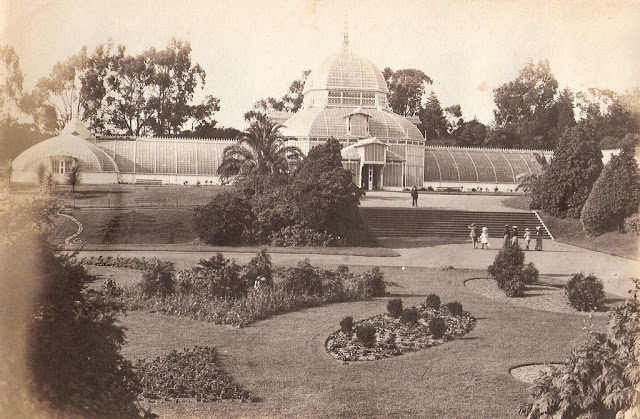
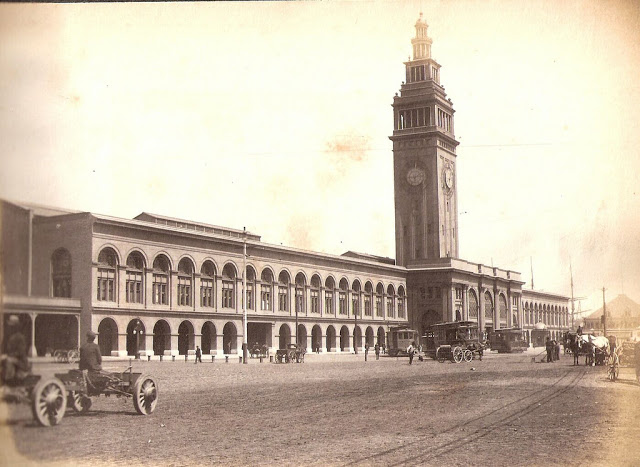
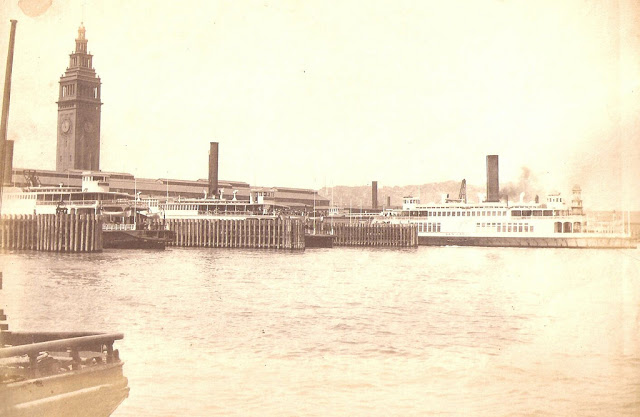
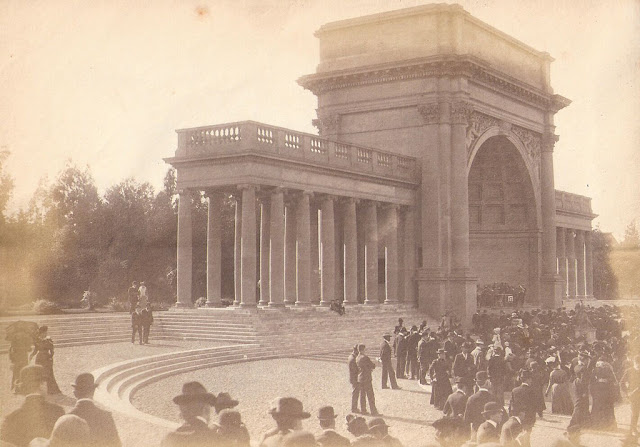
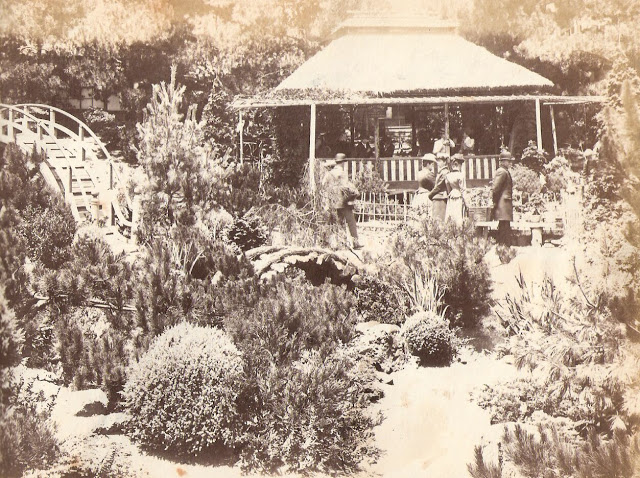
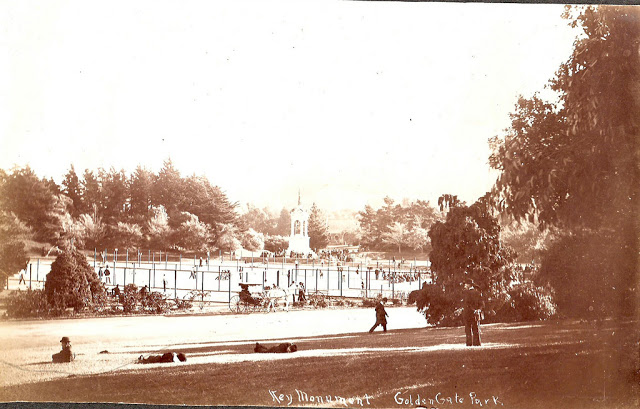
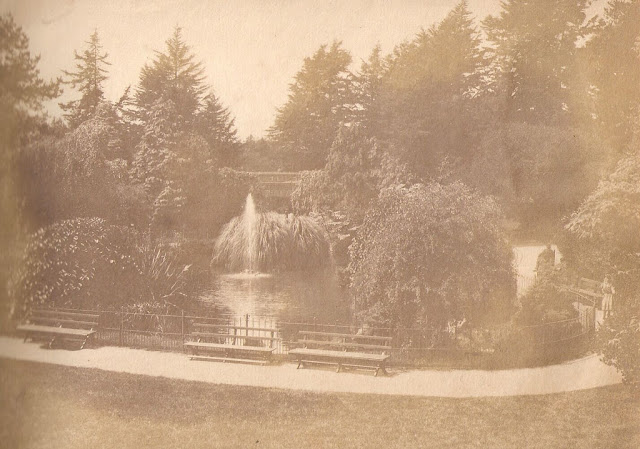
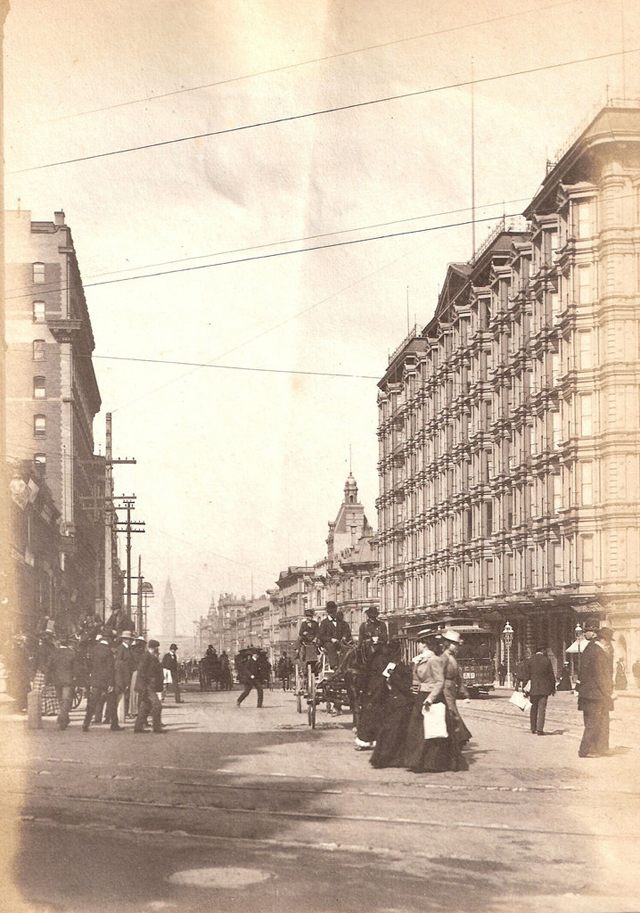
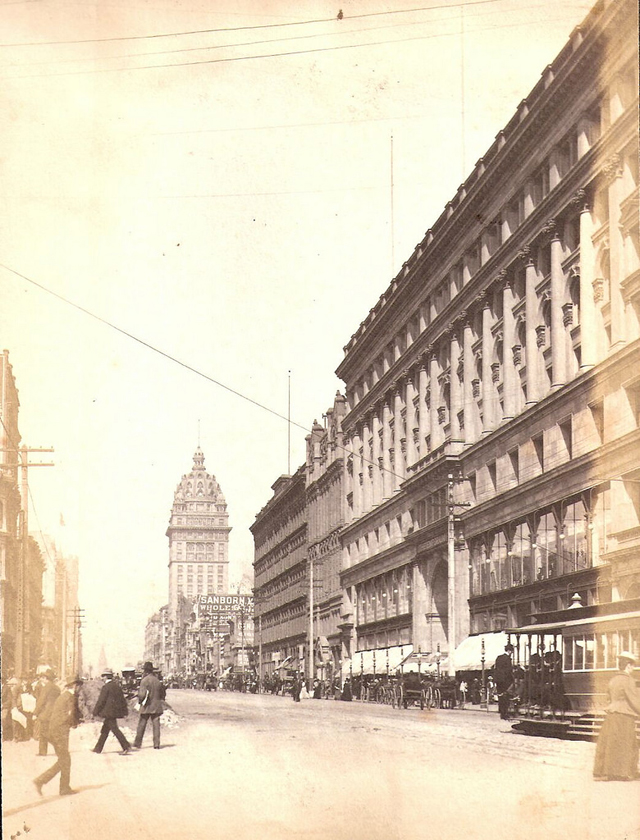
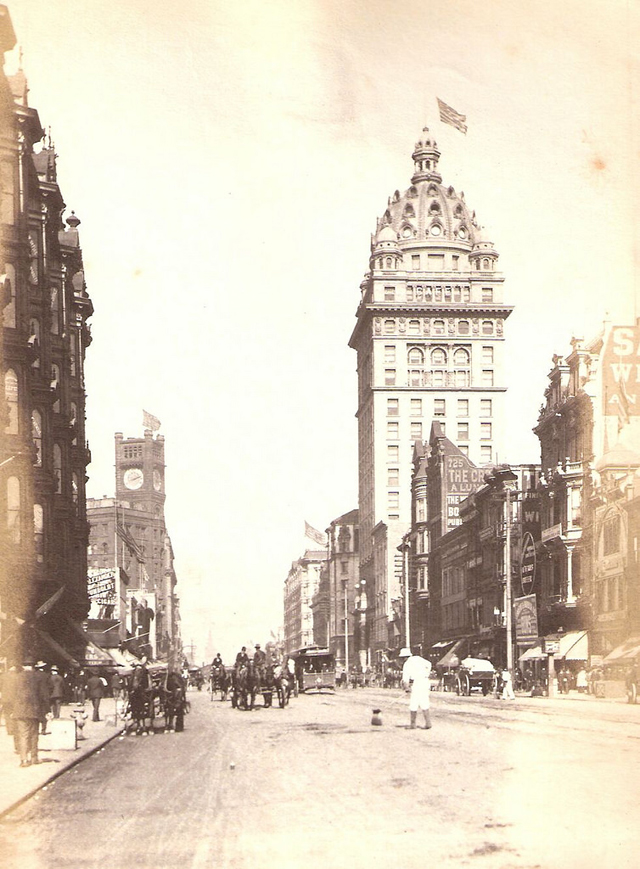
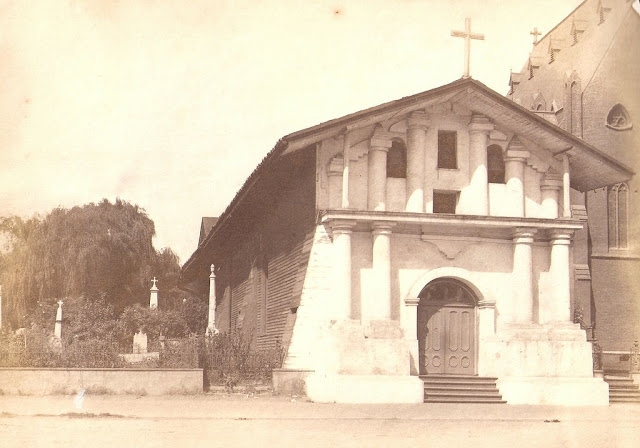
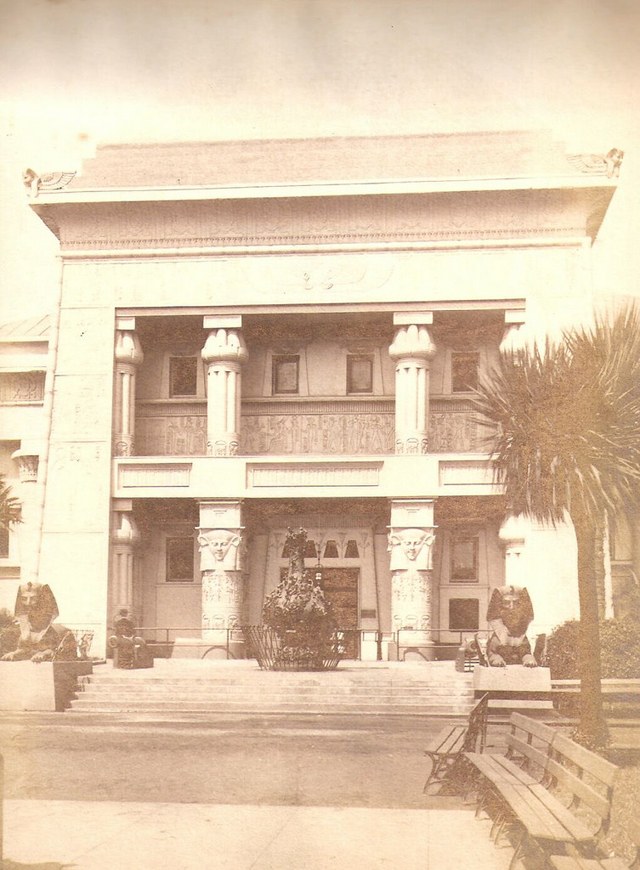
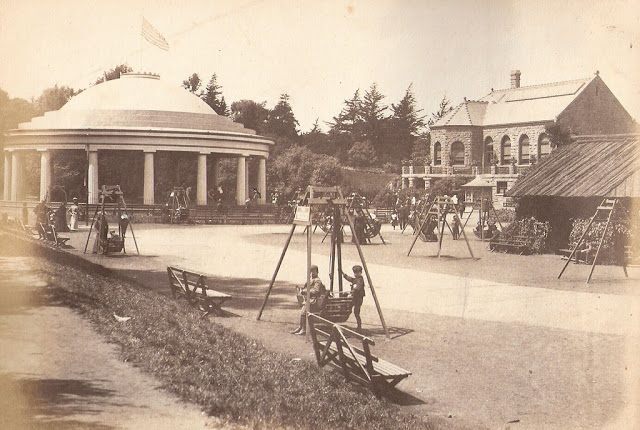
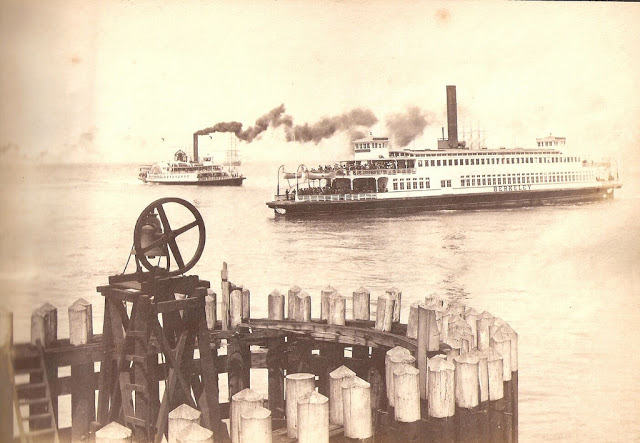
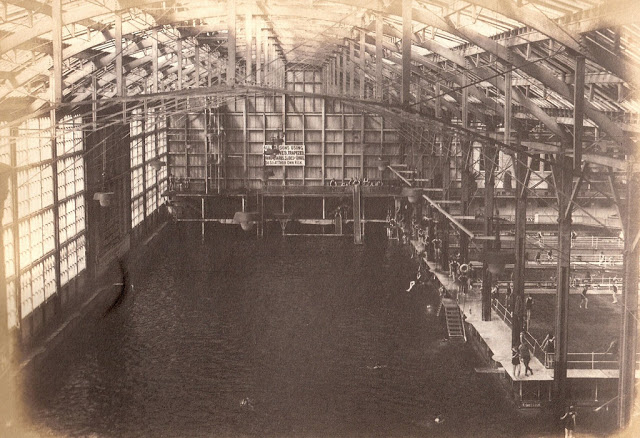
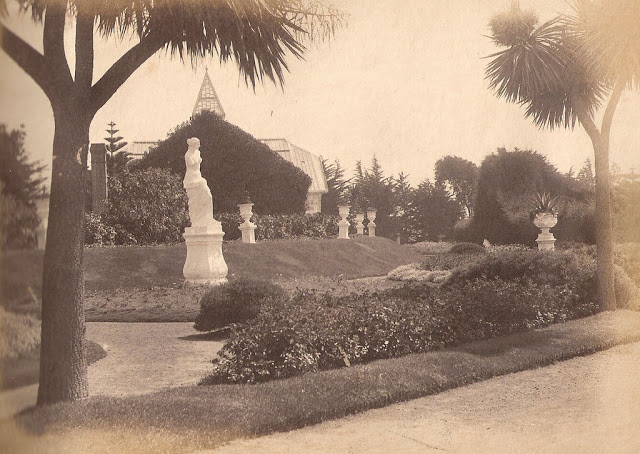
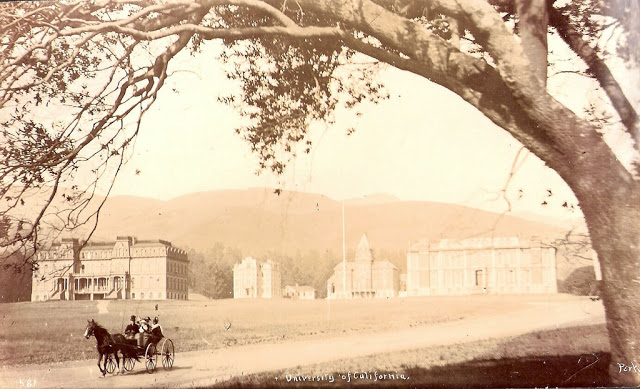

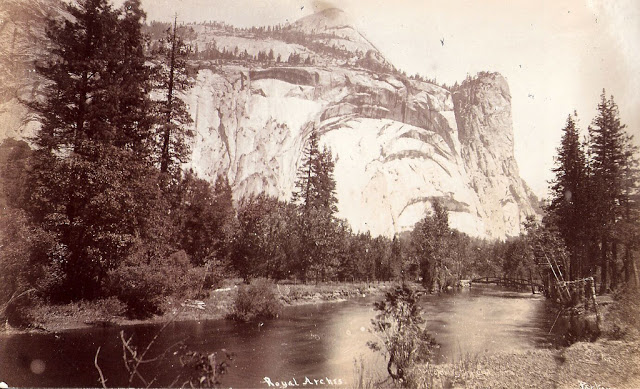
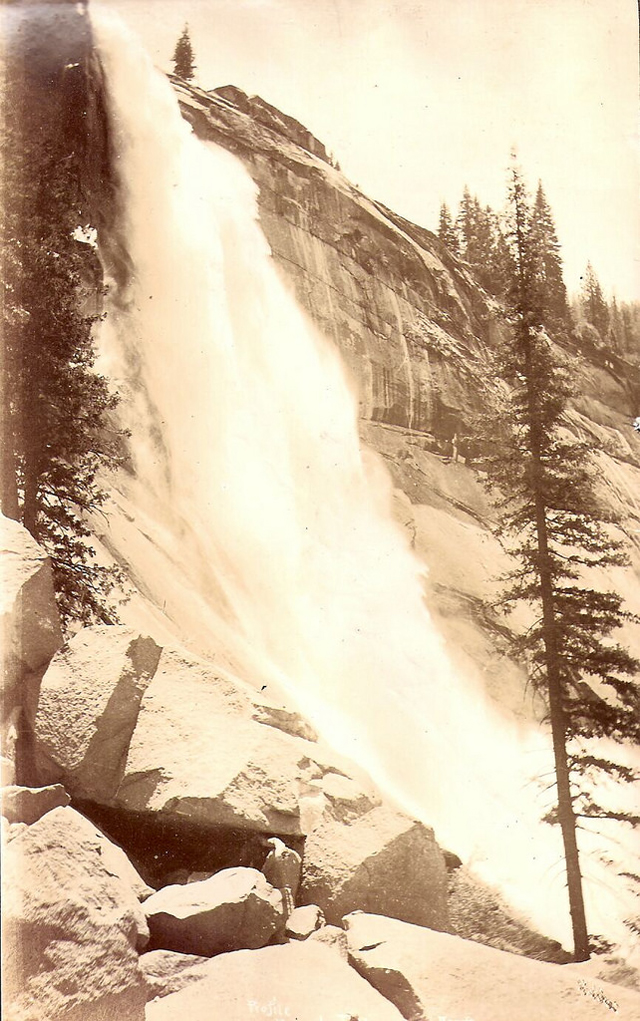
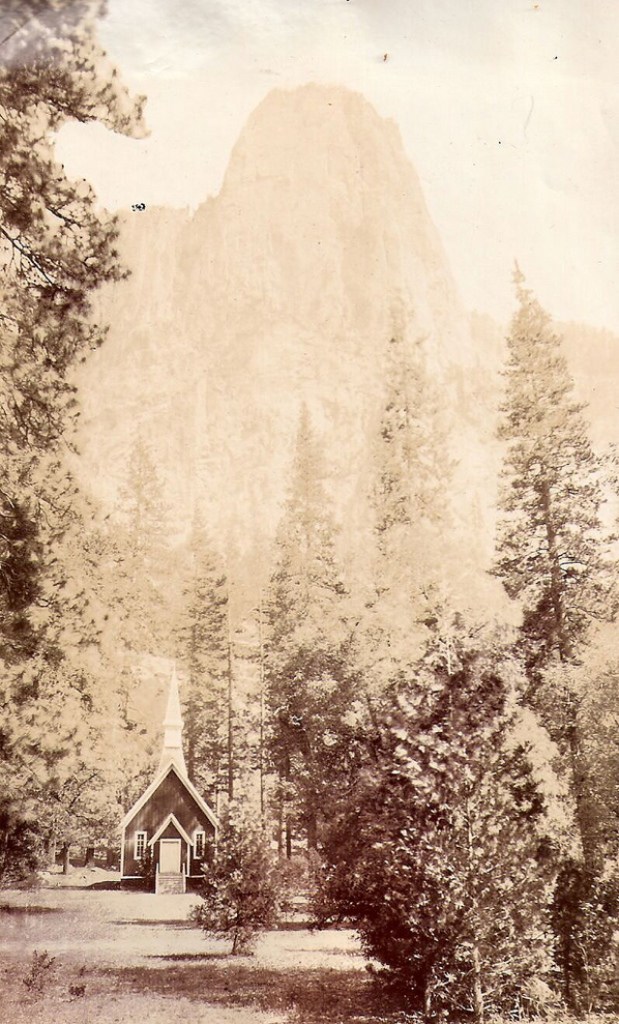

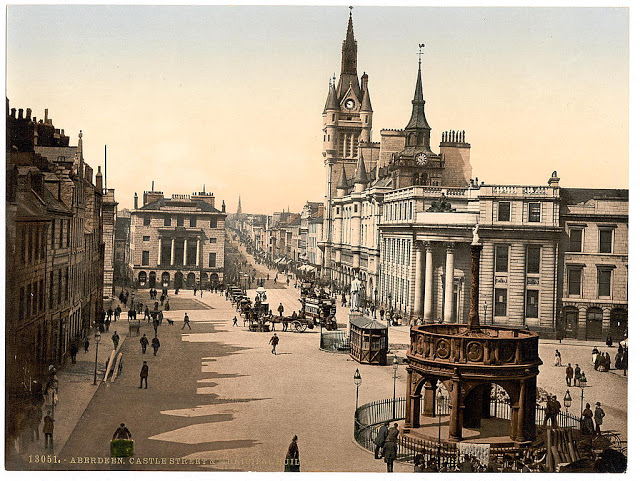
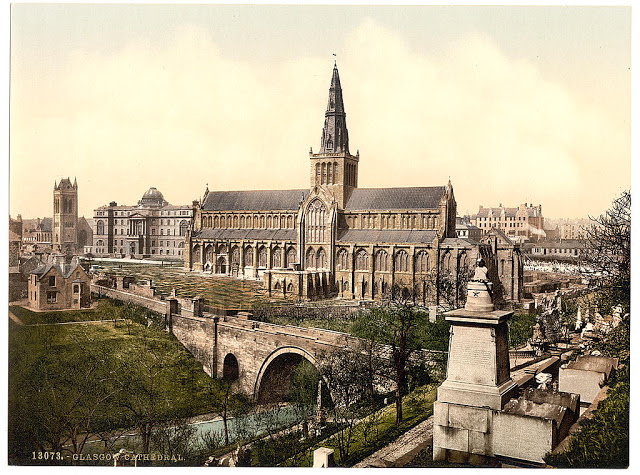
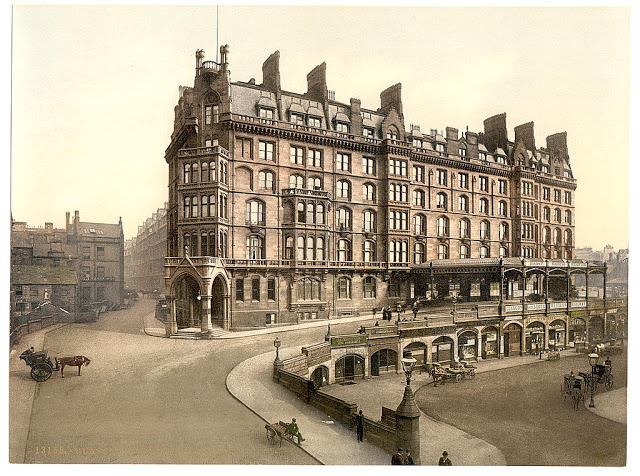
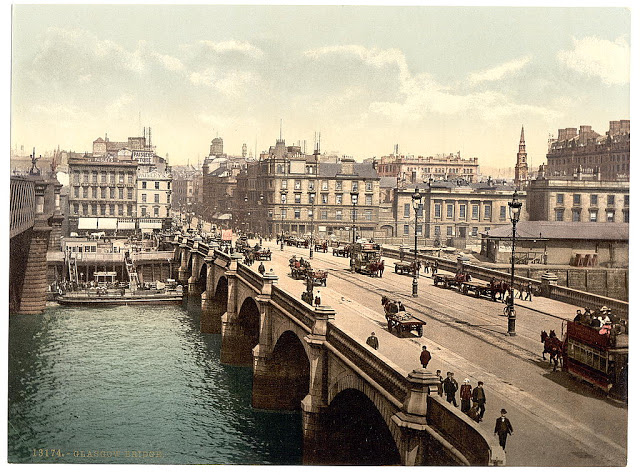
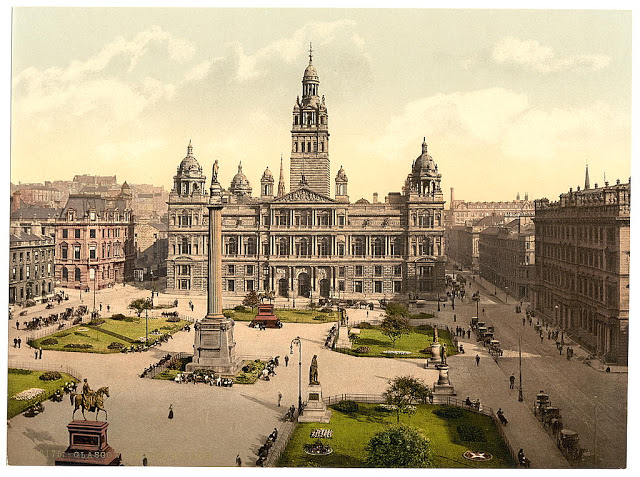
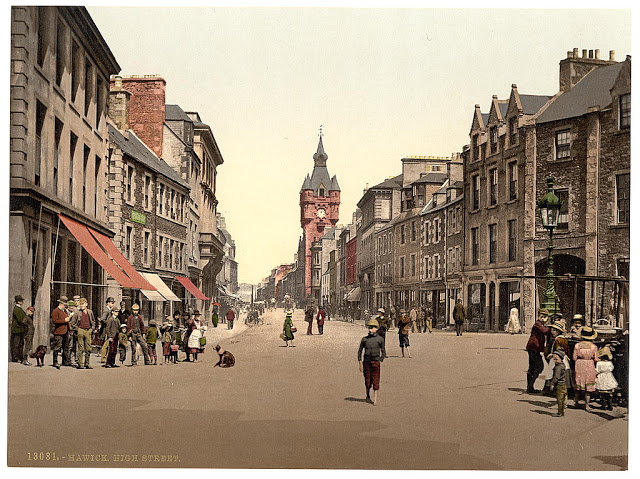
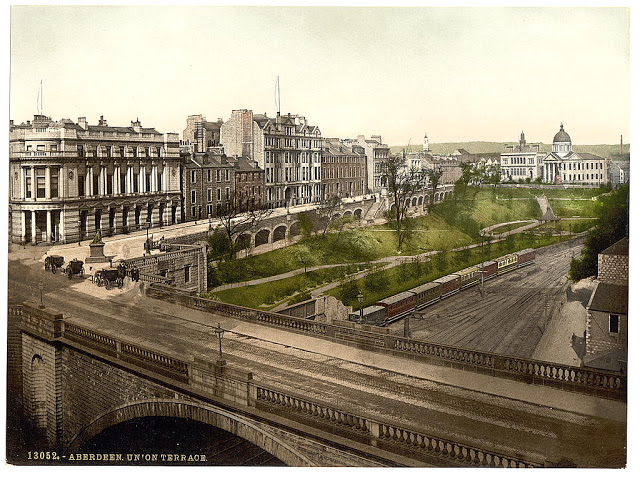
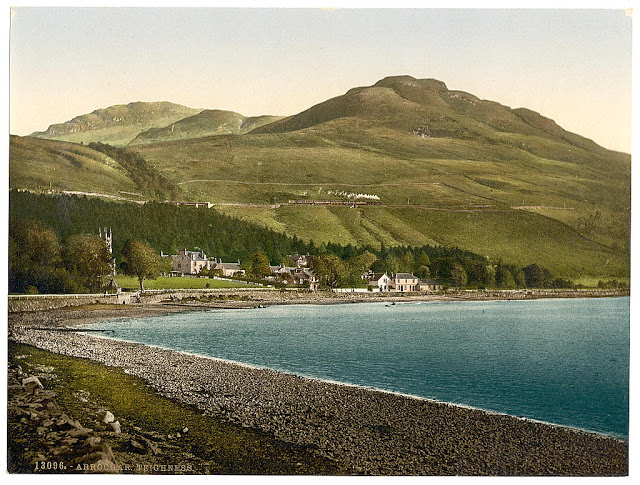
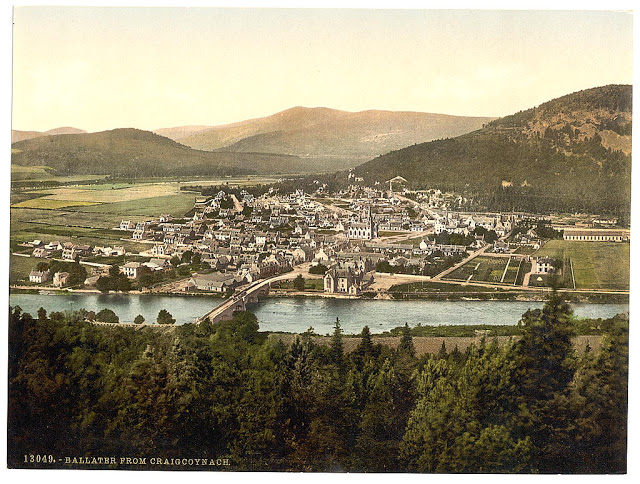
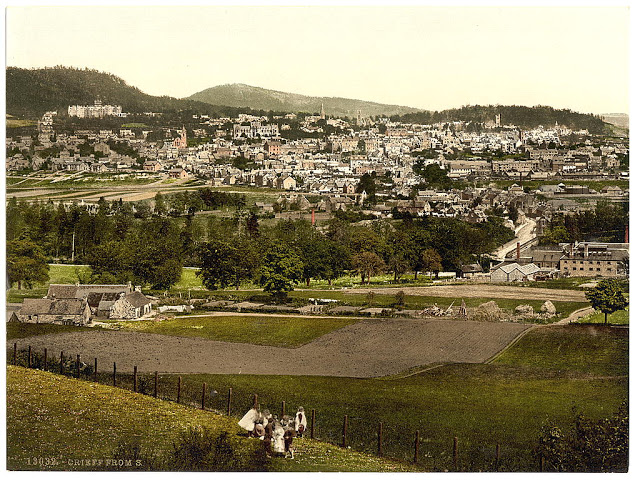
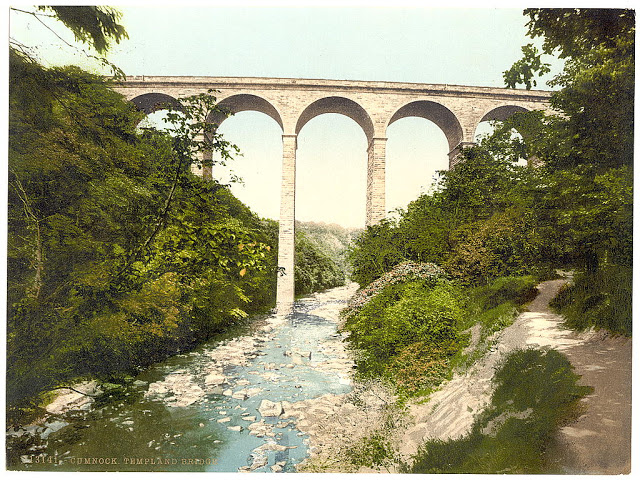
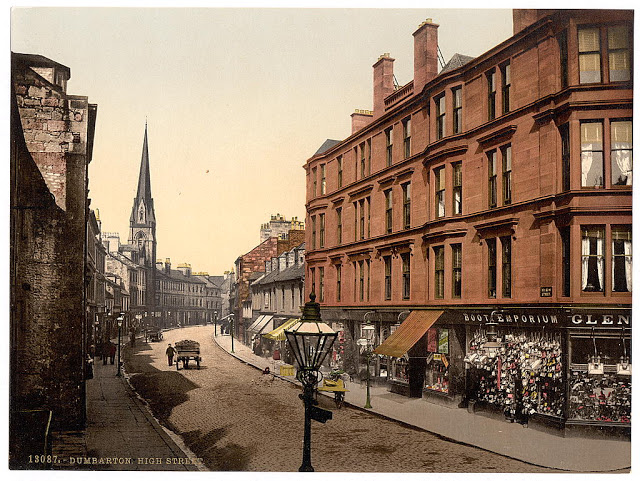
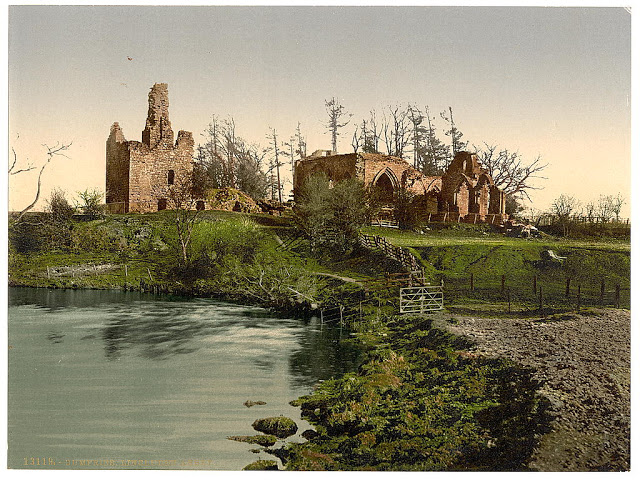
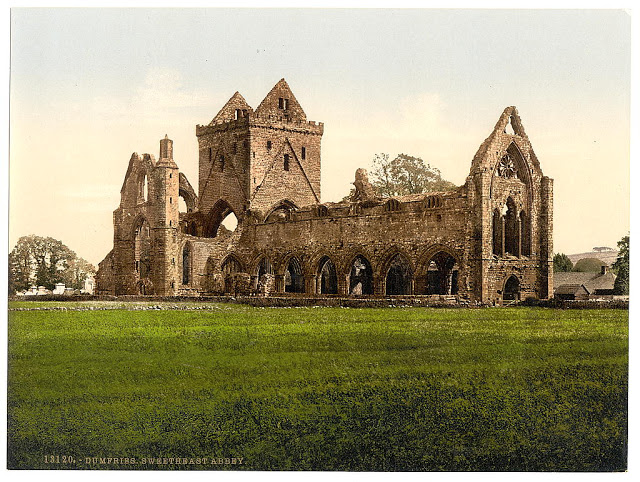
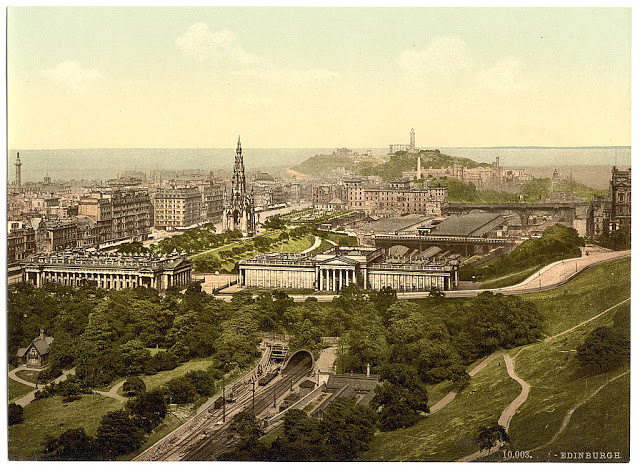
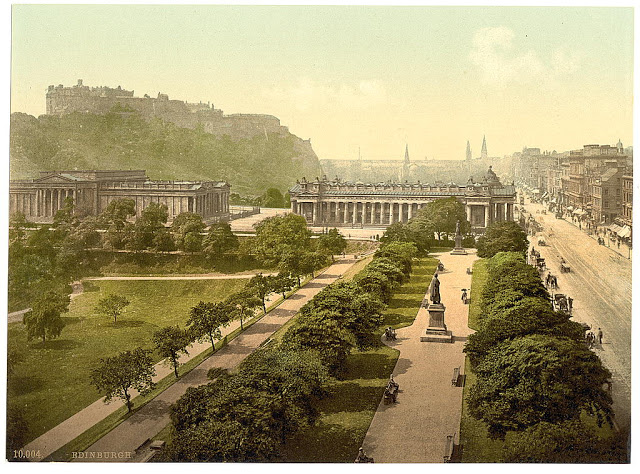
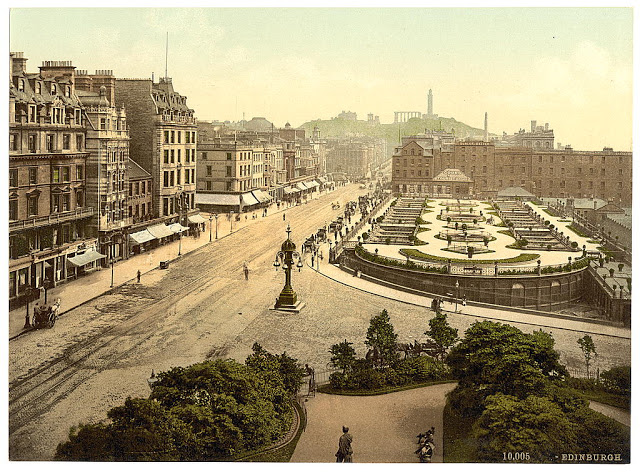
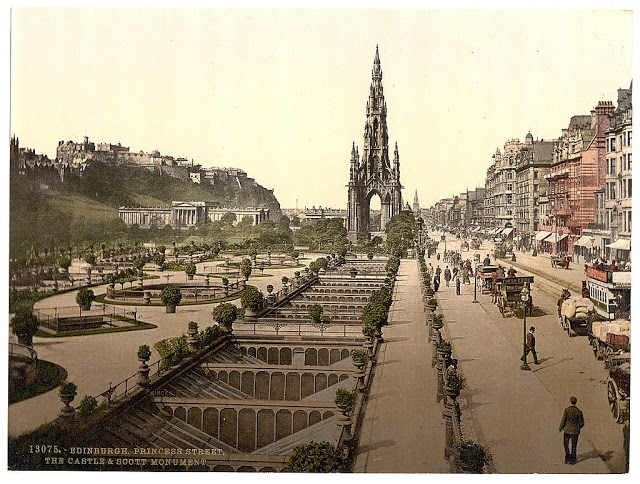
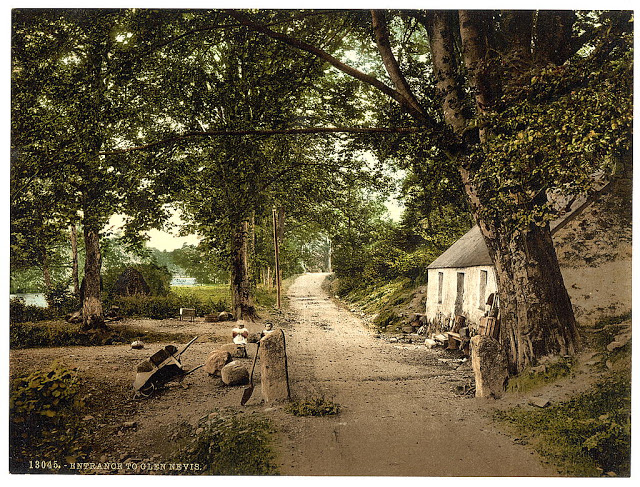
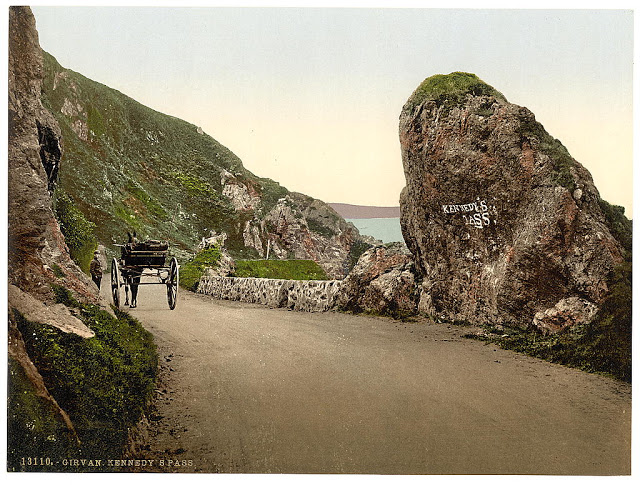
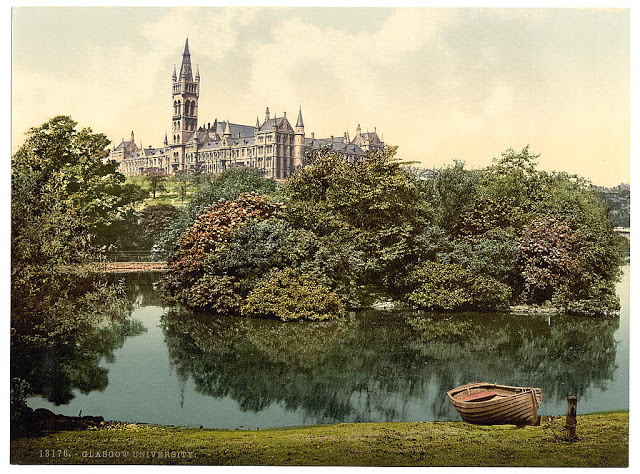
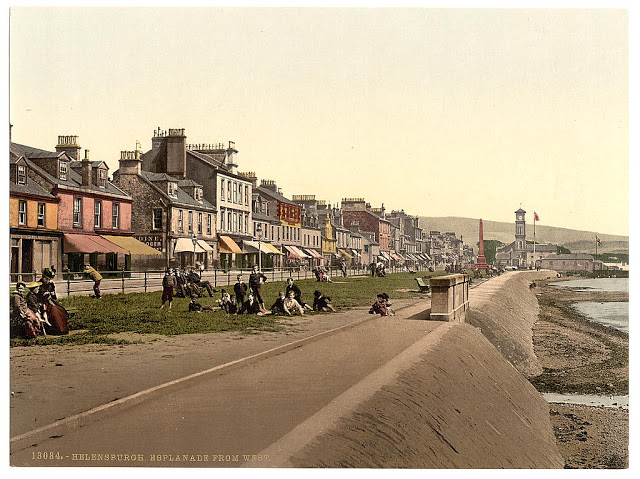
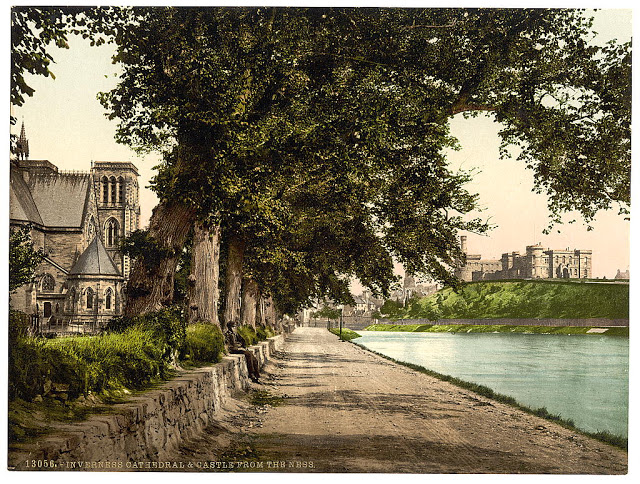
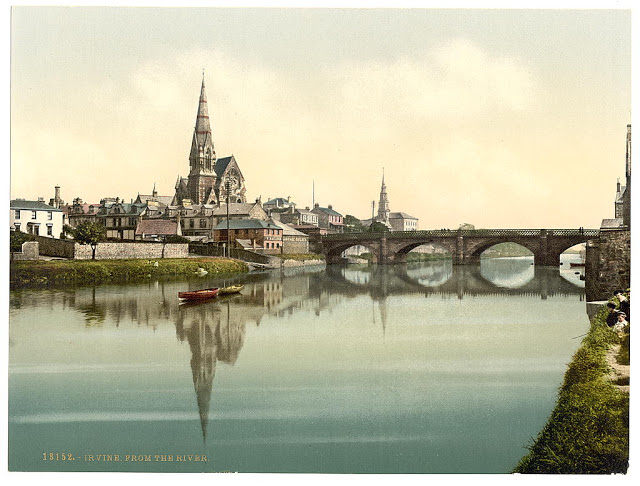
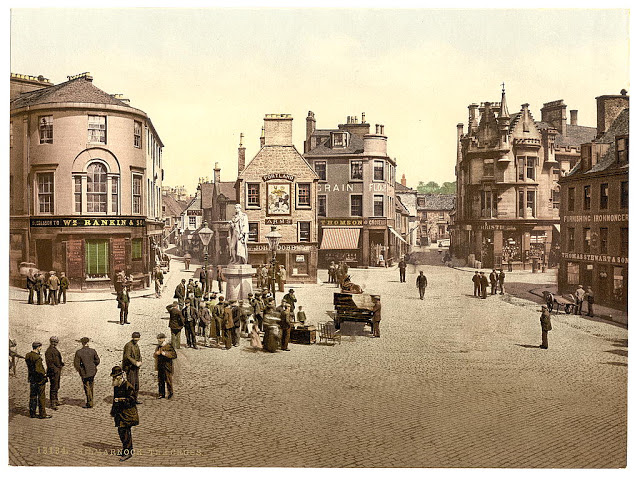
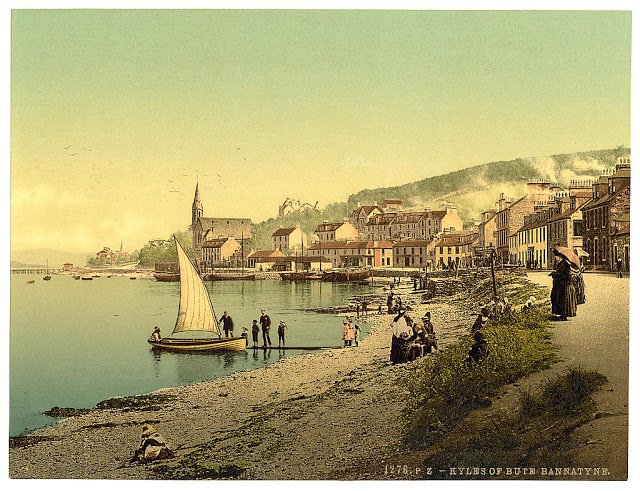
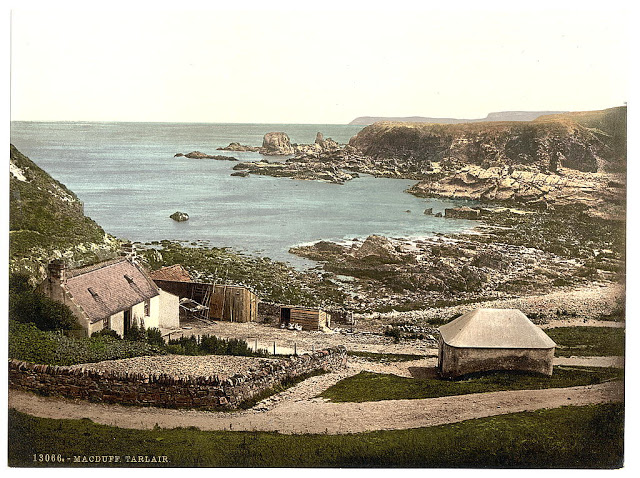
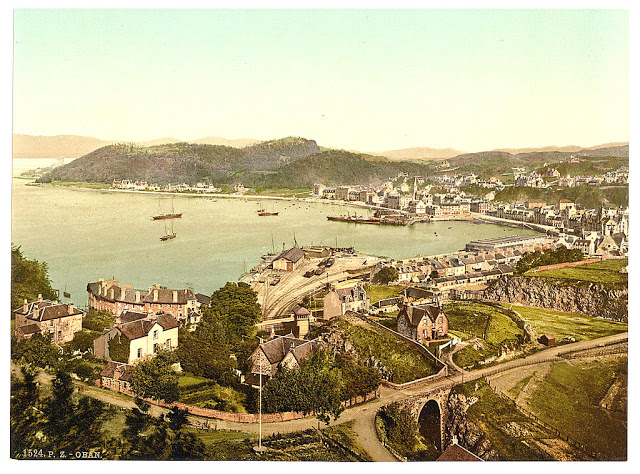
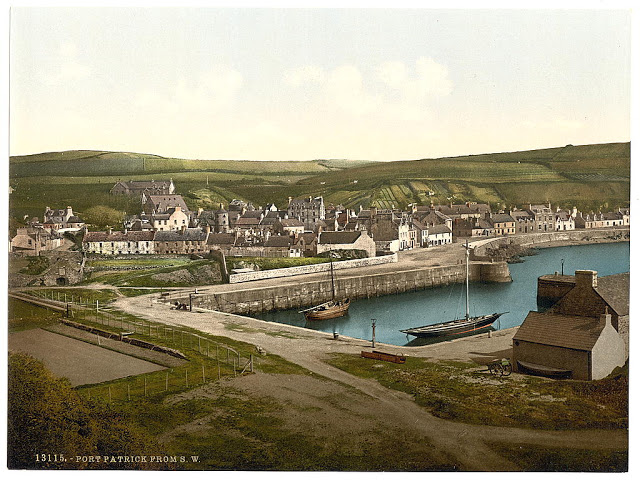
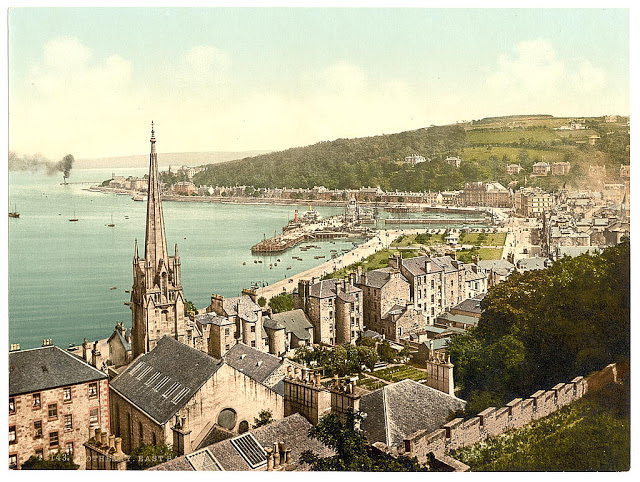
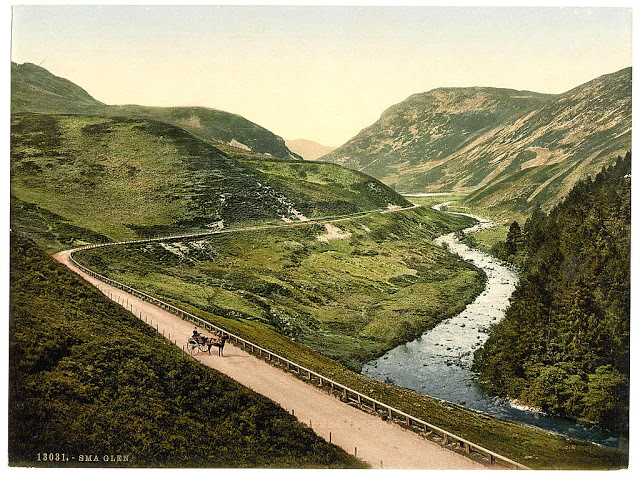
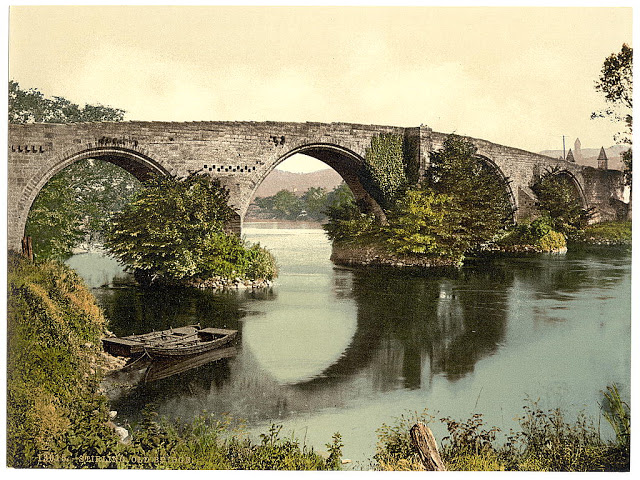
The following images show Scottish cities, towns and attractions during the 1890s – and in color. They were created using the Photochrom technique pioneered by Photoglob Zürich AG, which sees color manually added to black and white negatives.
The process was extremely time-consuming and required painstaking attention to detail, but the result was color postcards which captured the cities, moors, and ruined castles of Scotland with an impressive degree of verisimilitude, particularly at a time when true color photography was just being developed.