











Bringing You the Wonder of Yesterday – Today











Read more of this content when you subscribe today.

Become a paid subscriber to get access to the rest of this post and other exclusive content.
Become a paid subscriber to get access to the rest of this post and other exclusive content.

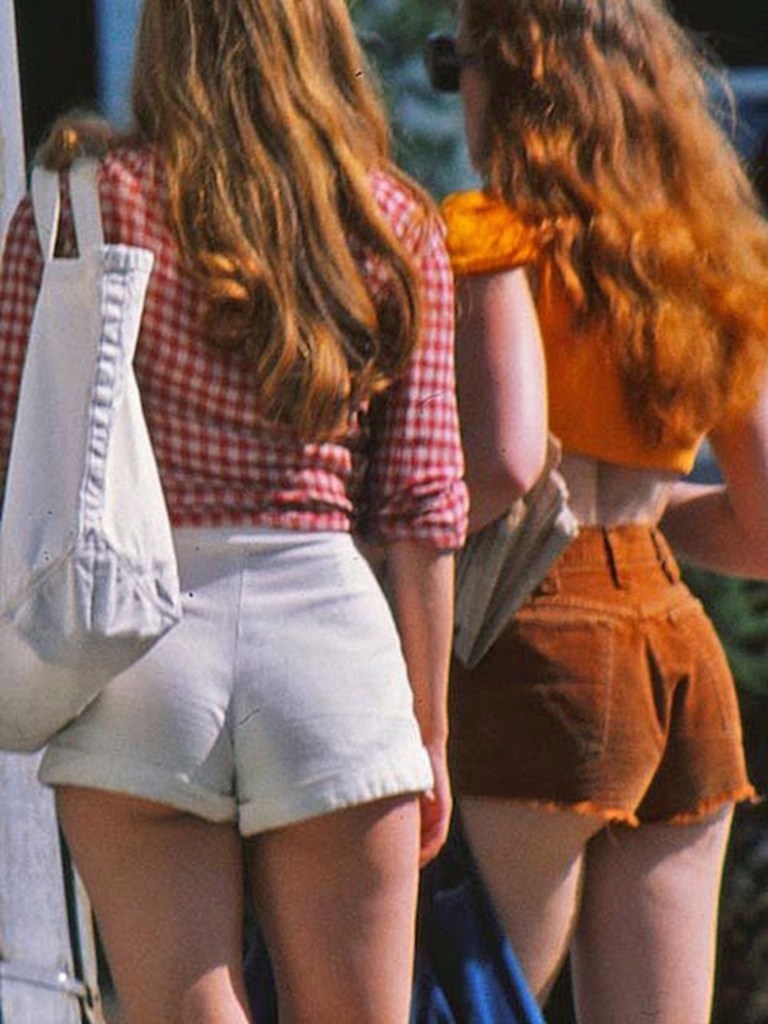
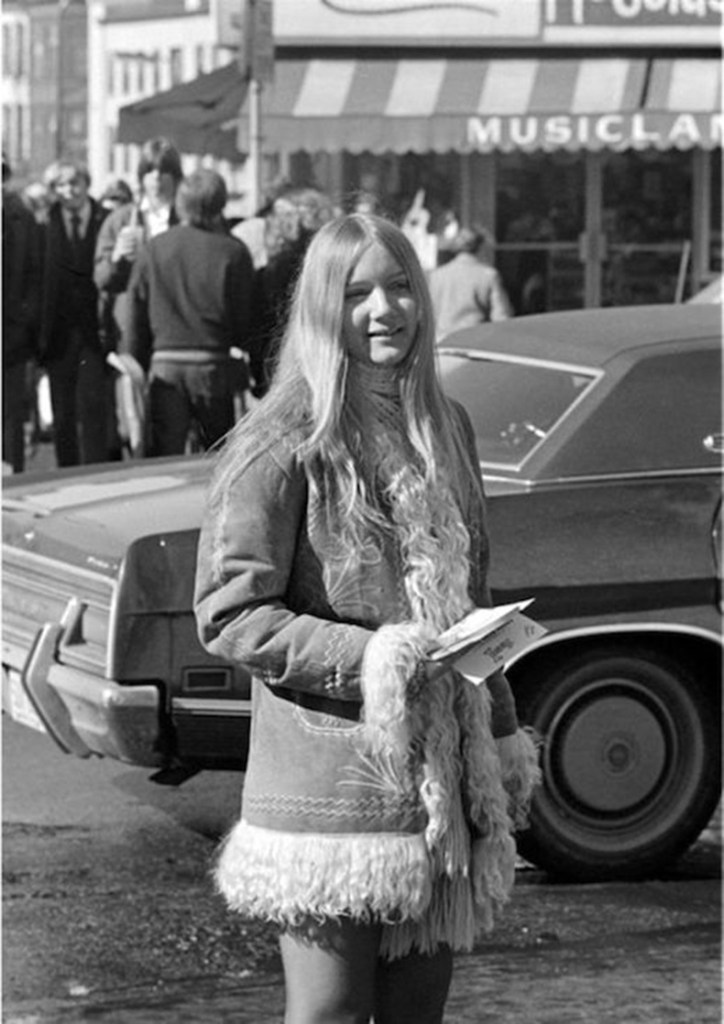
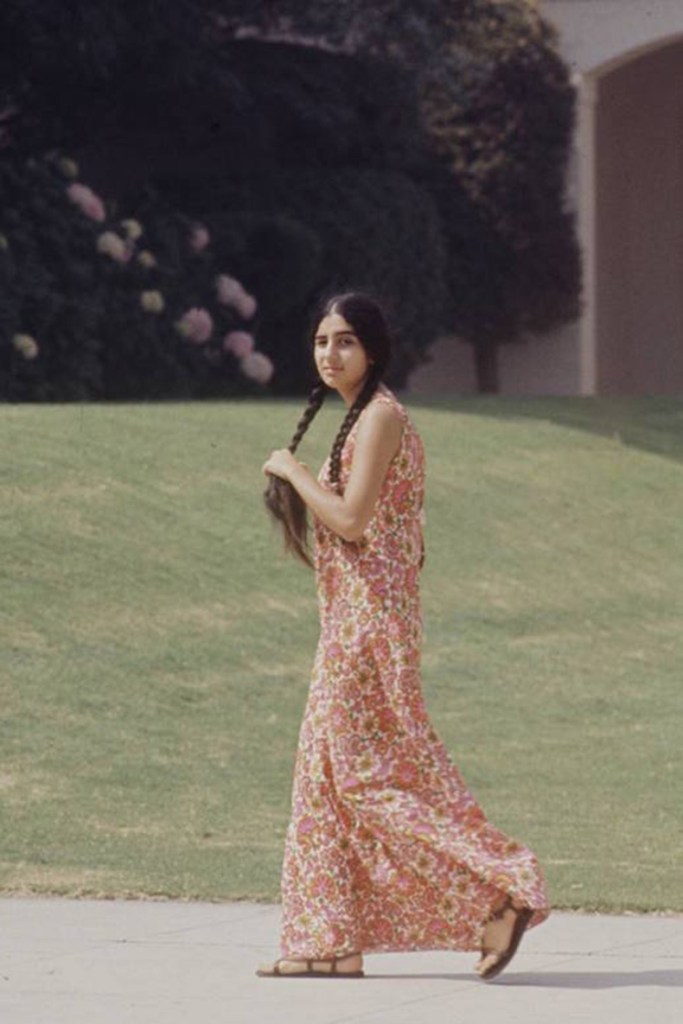
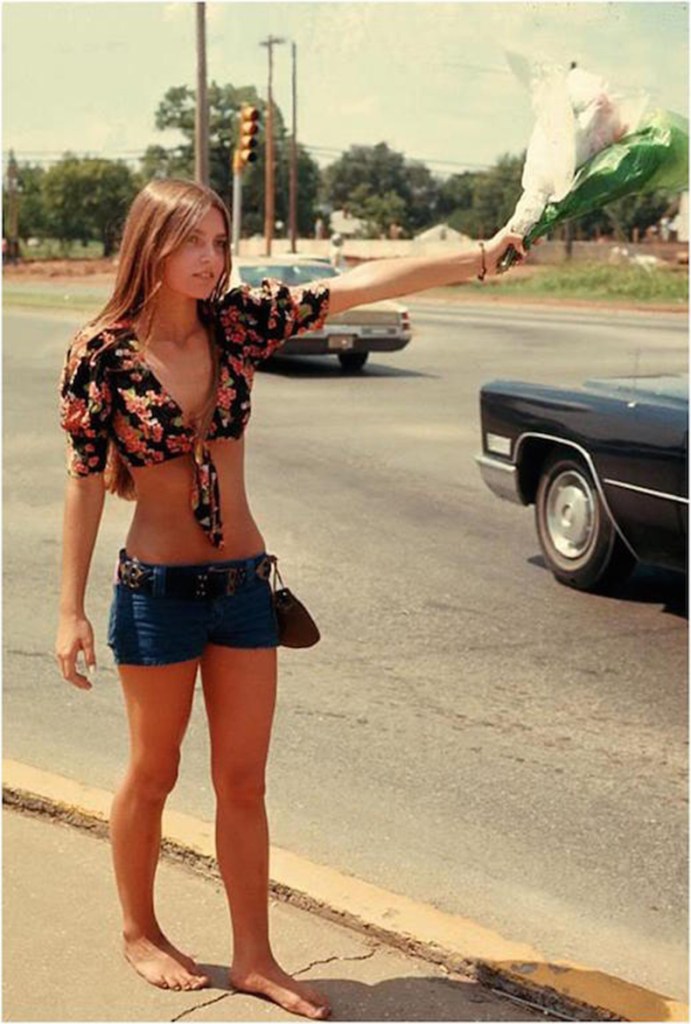
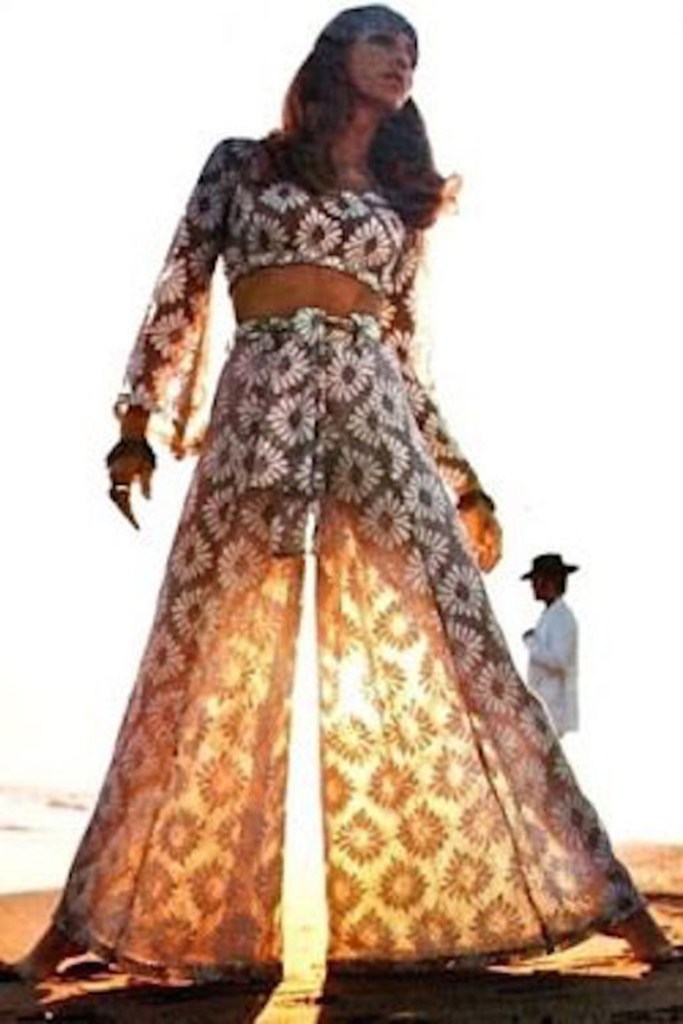
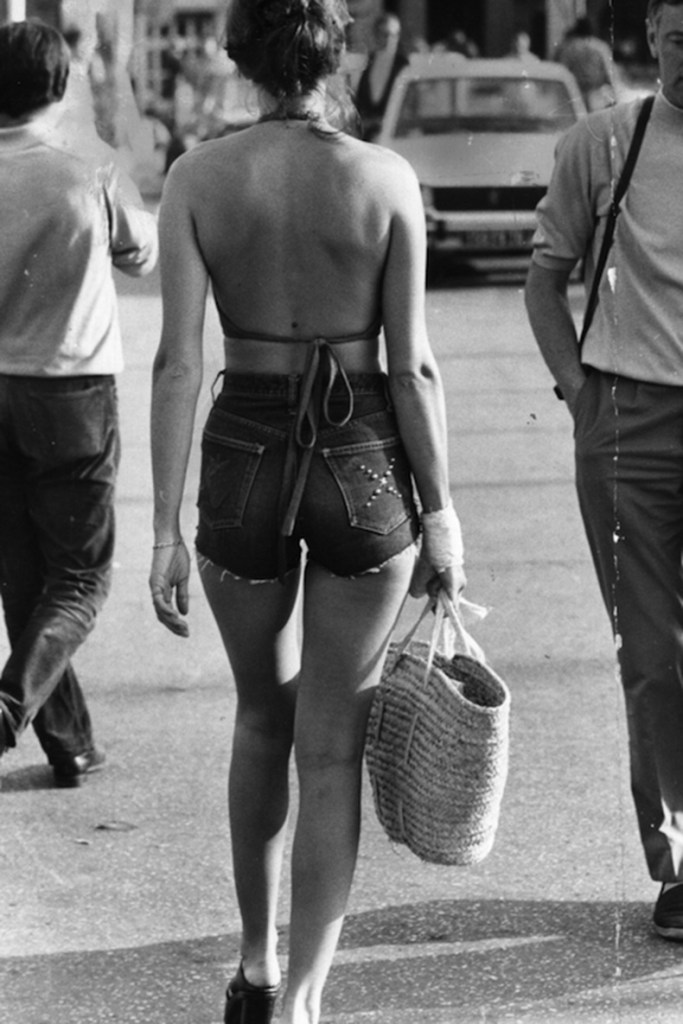
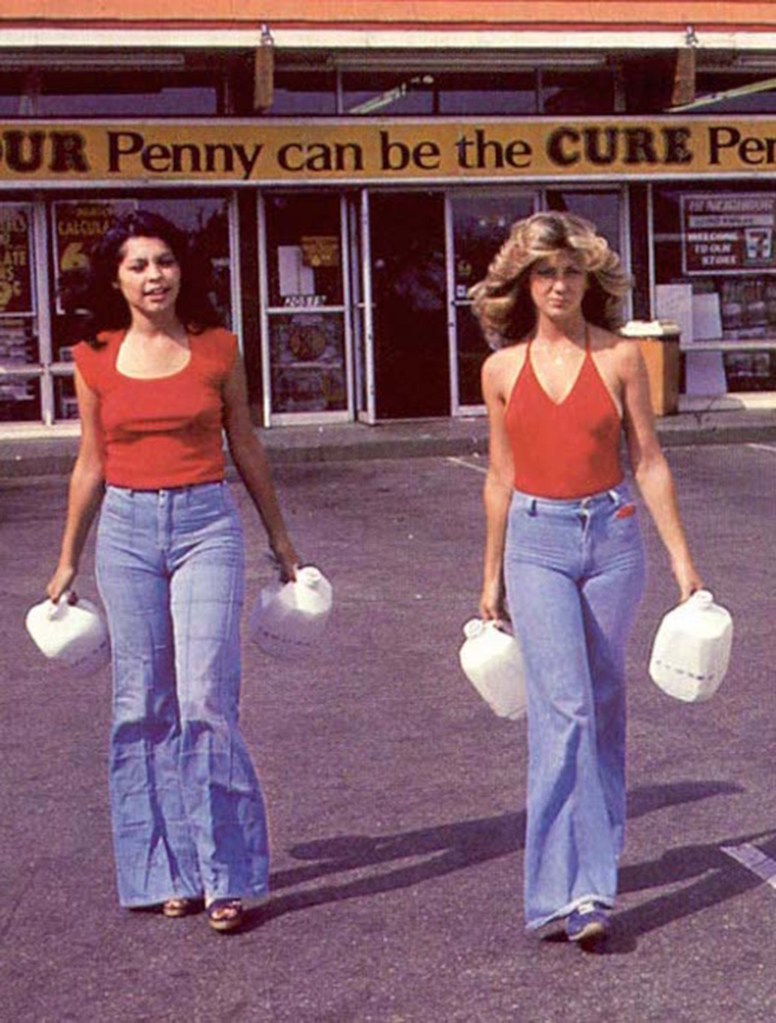
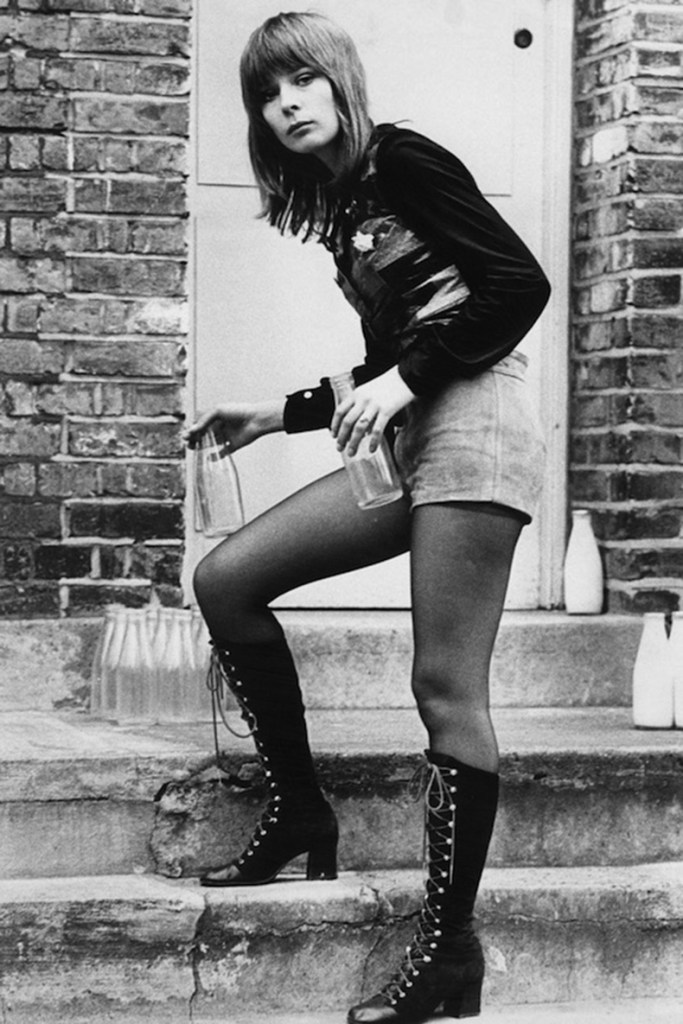
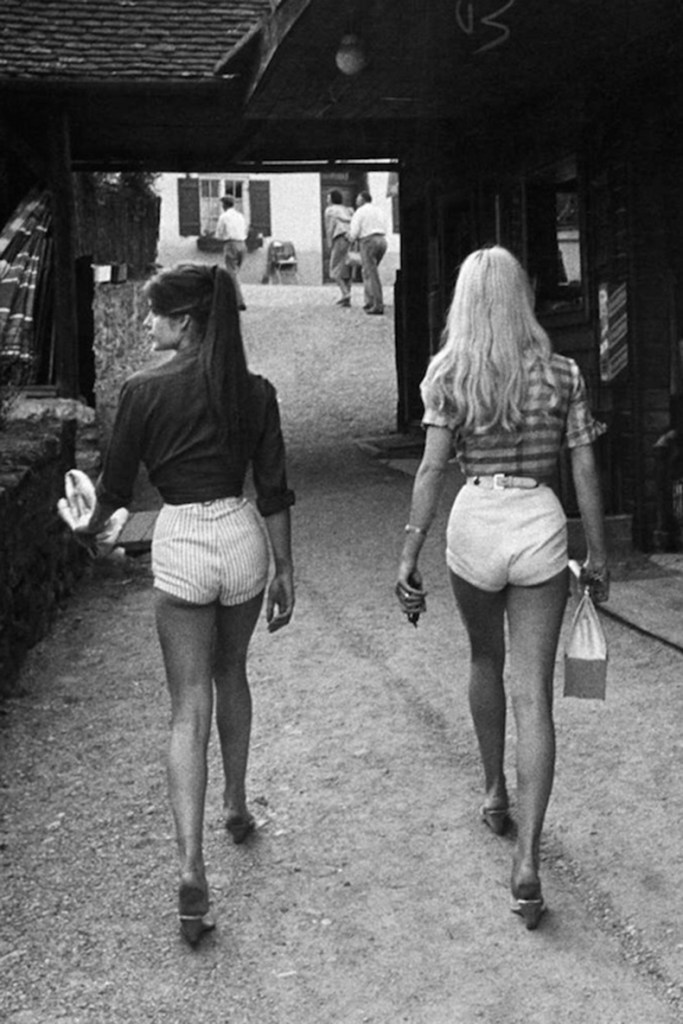
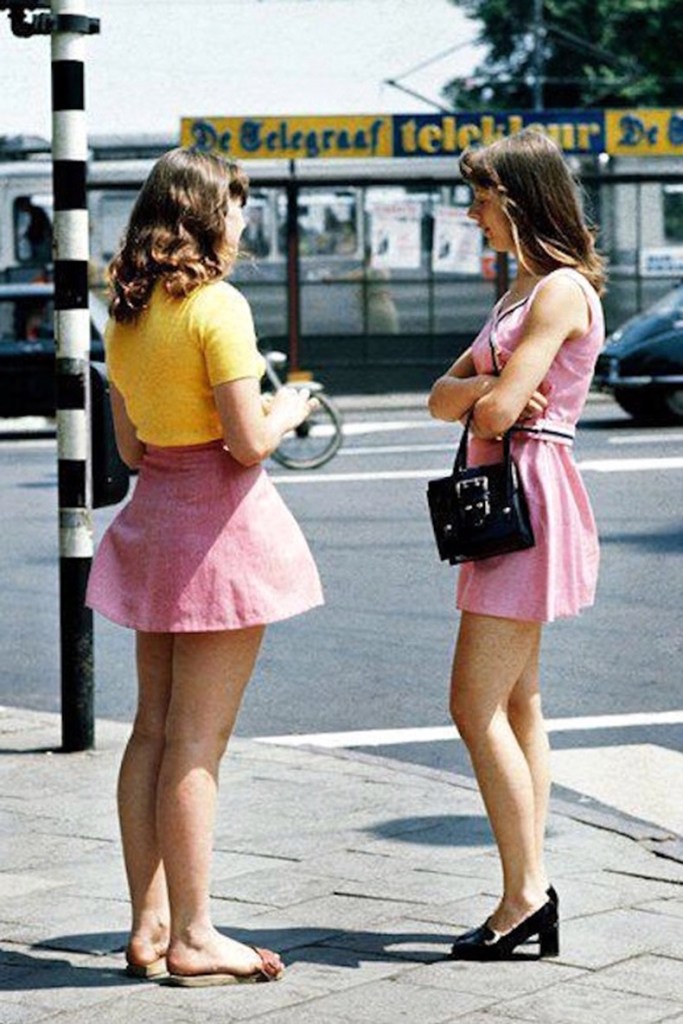
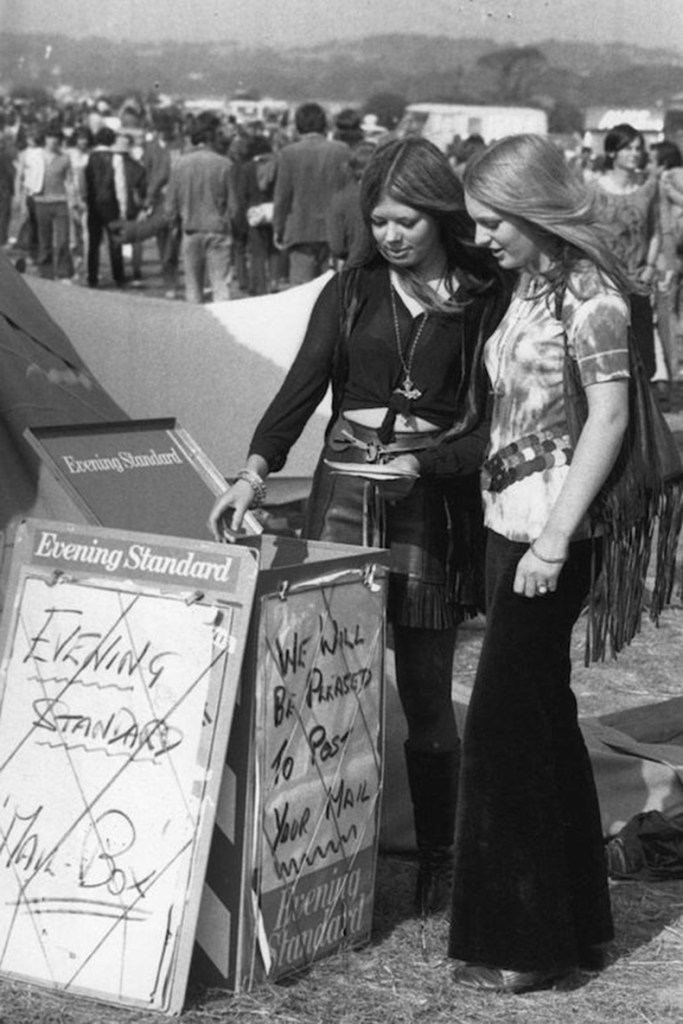
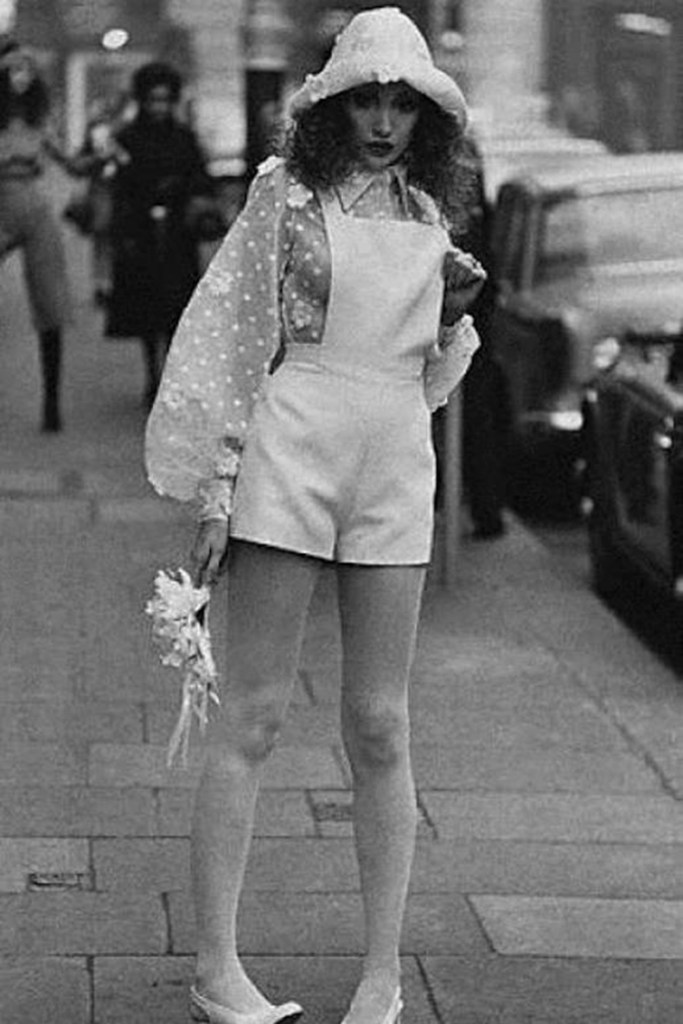
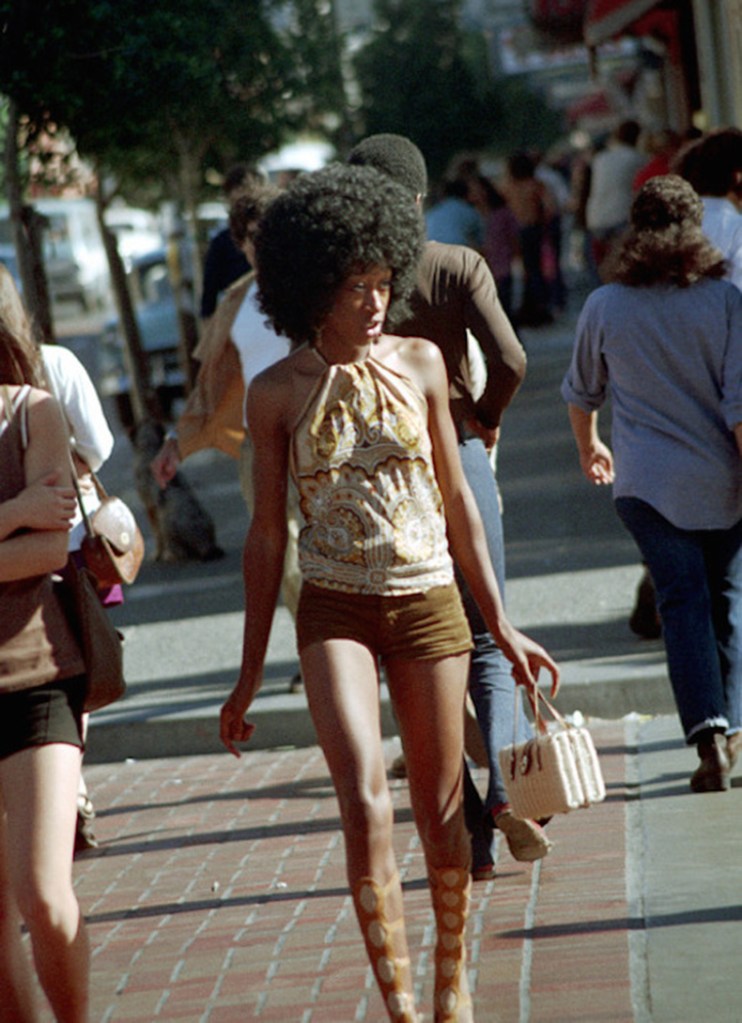
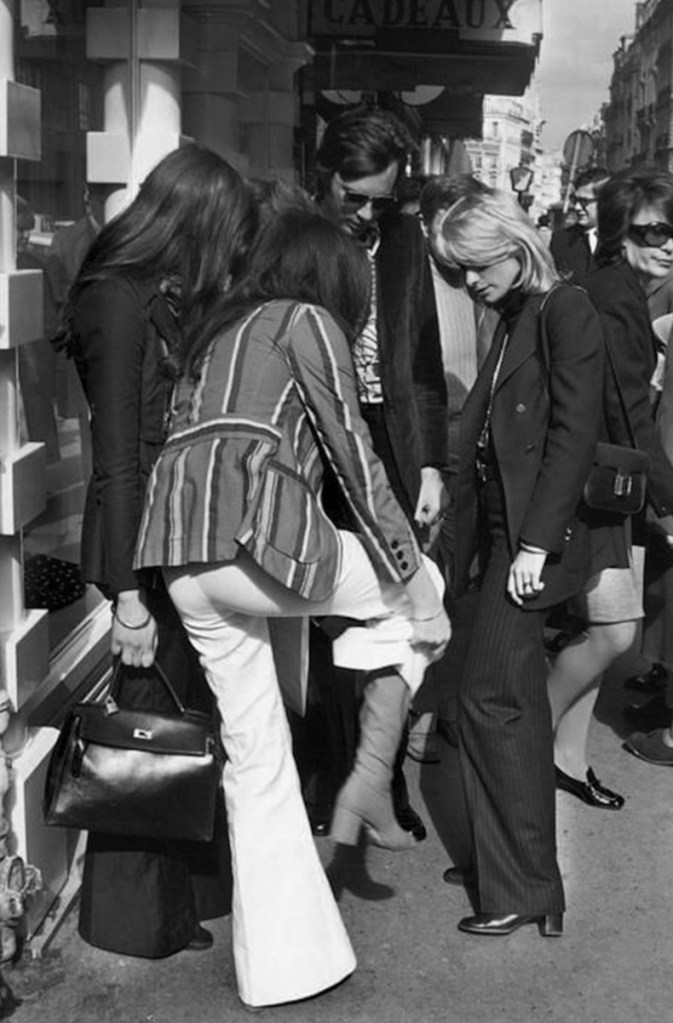
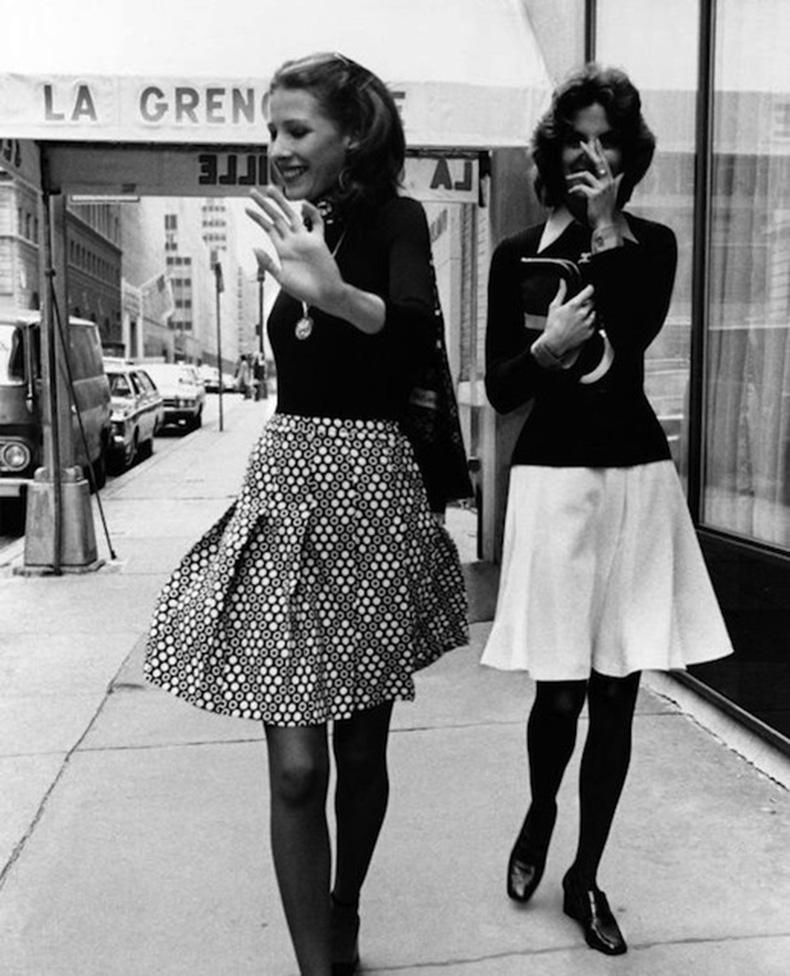
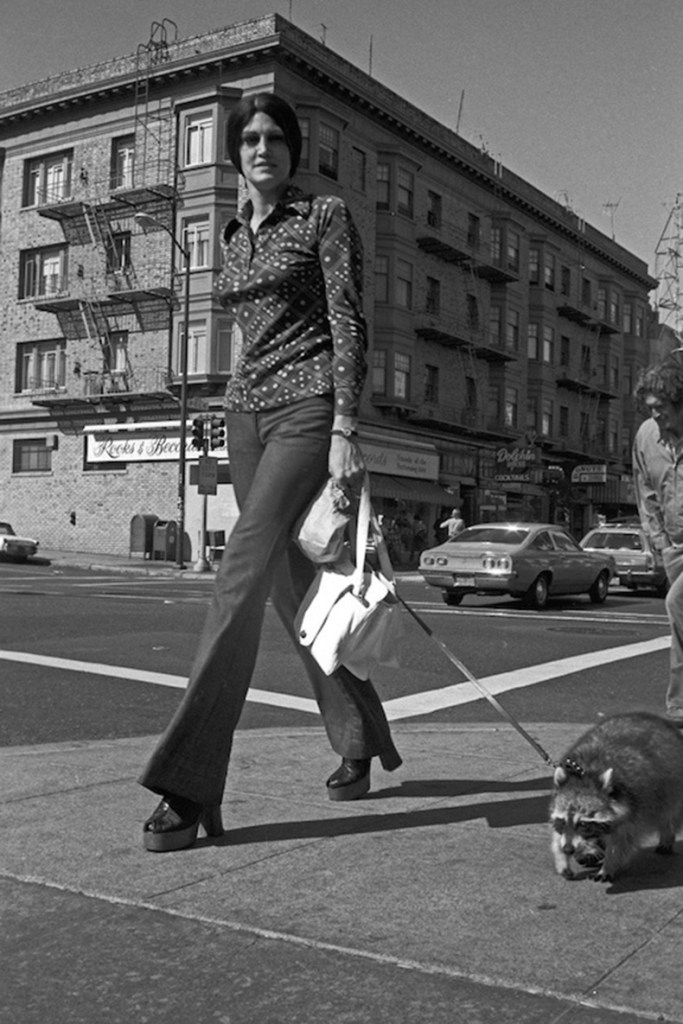
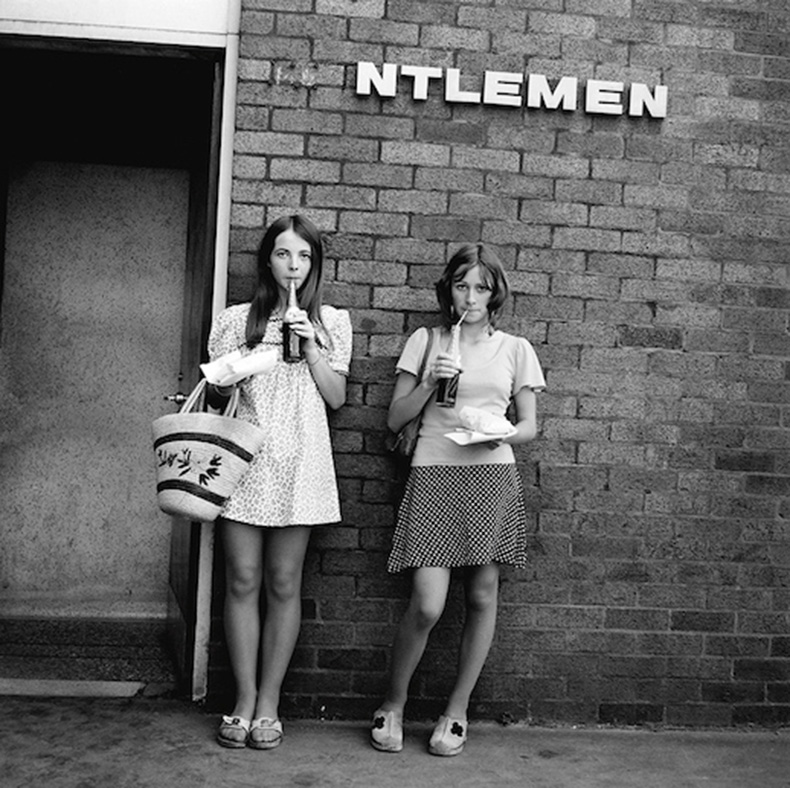
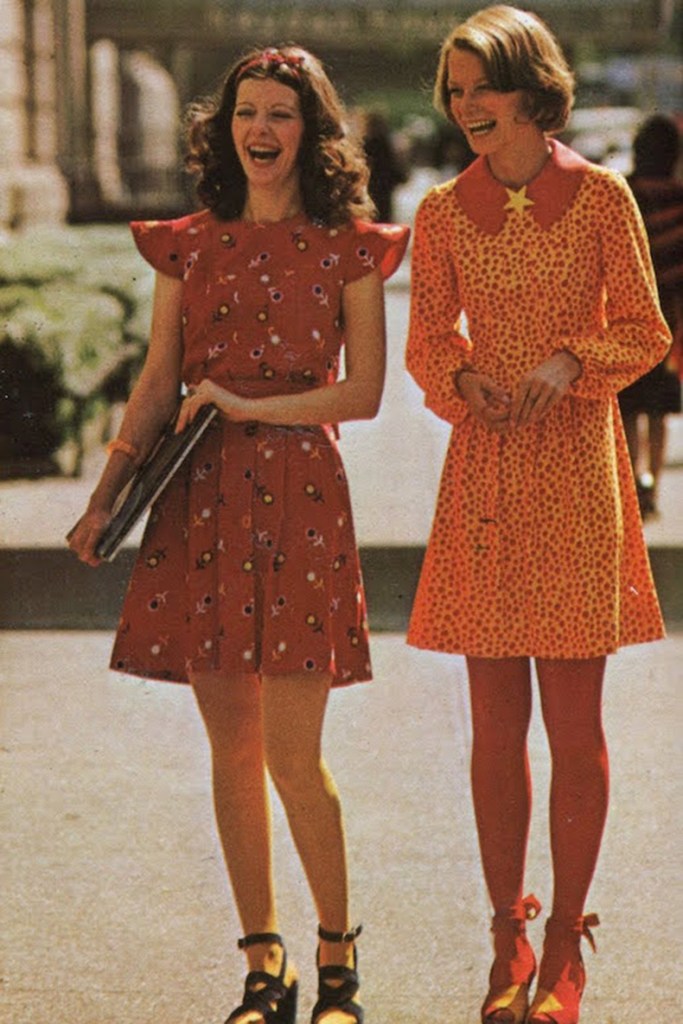
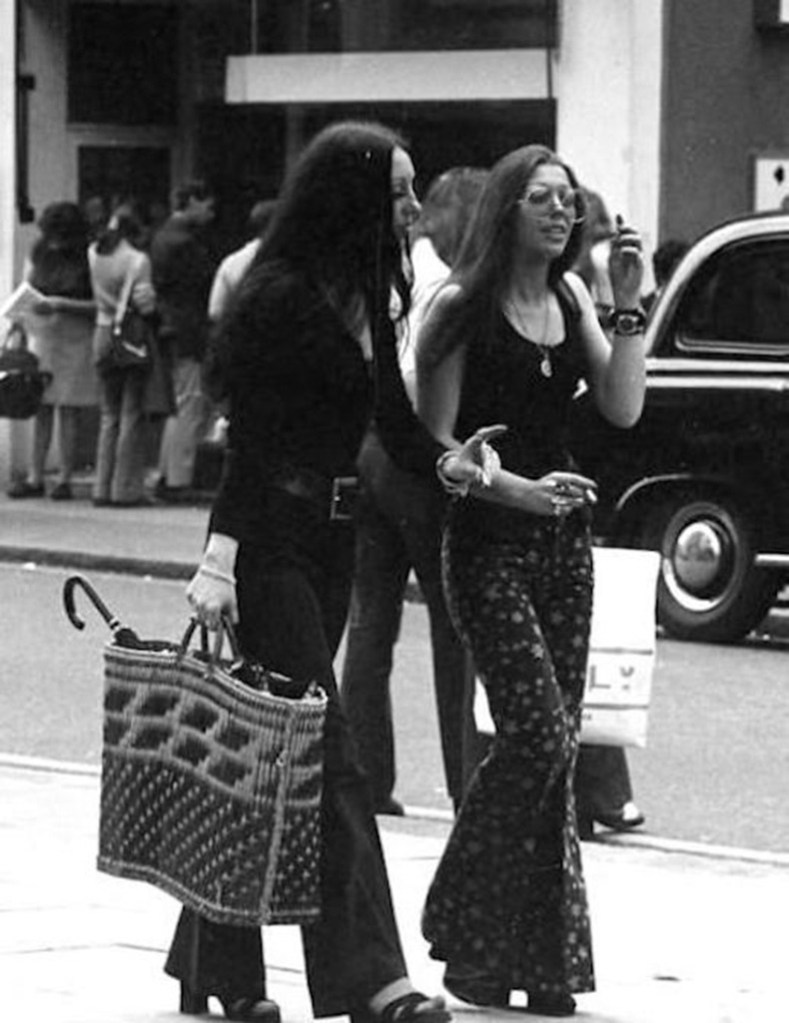
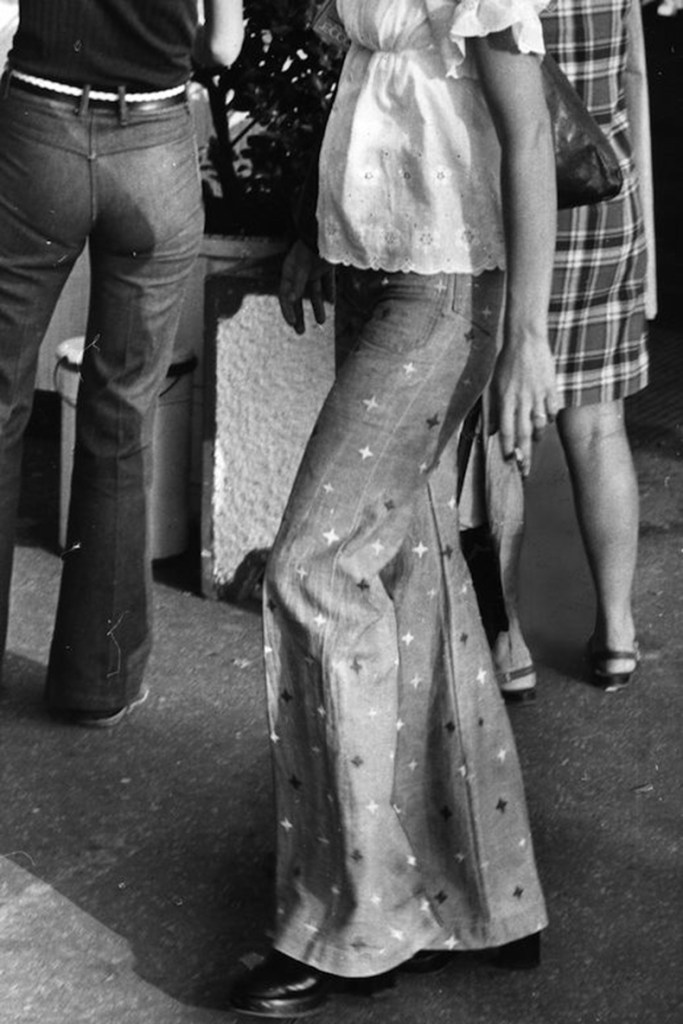
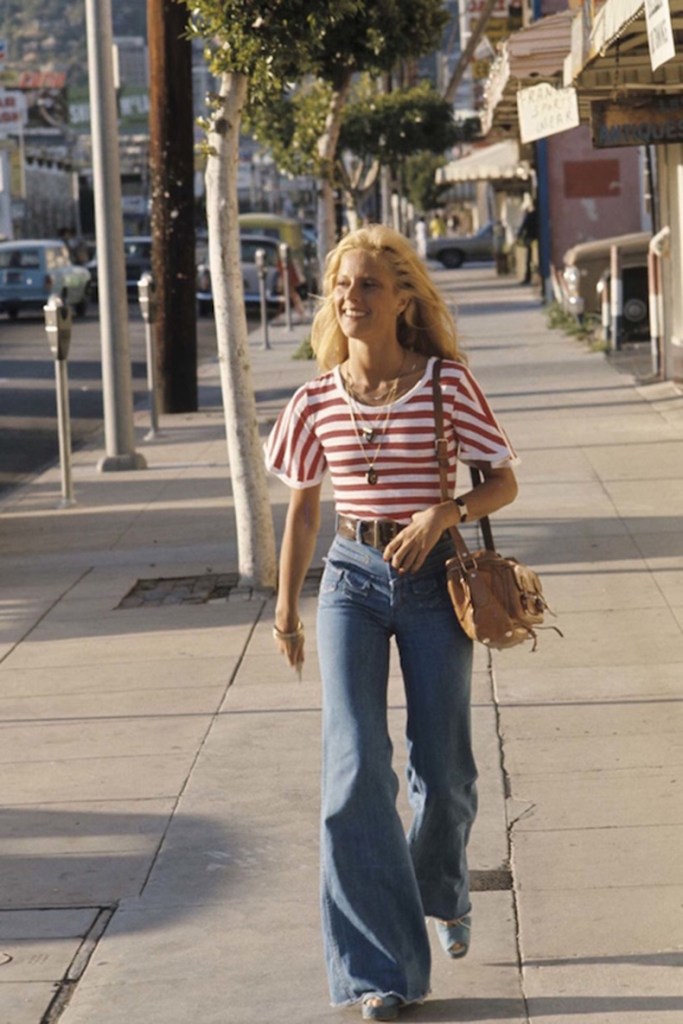
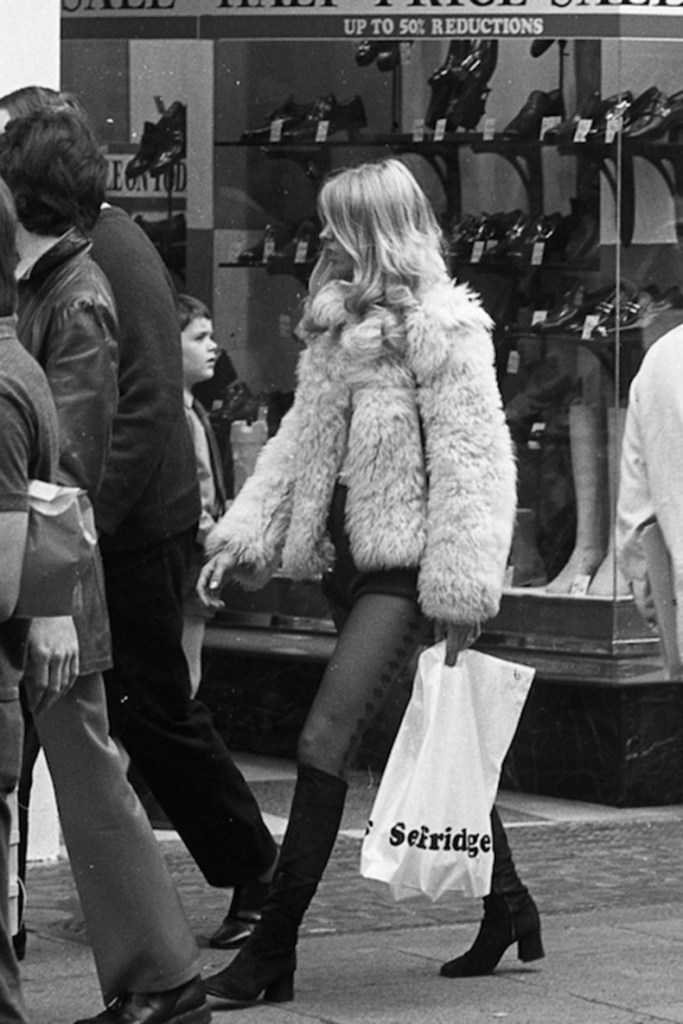
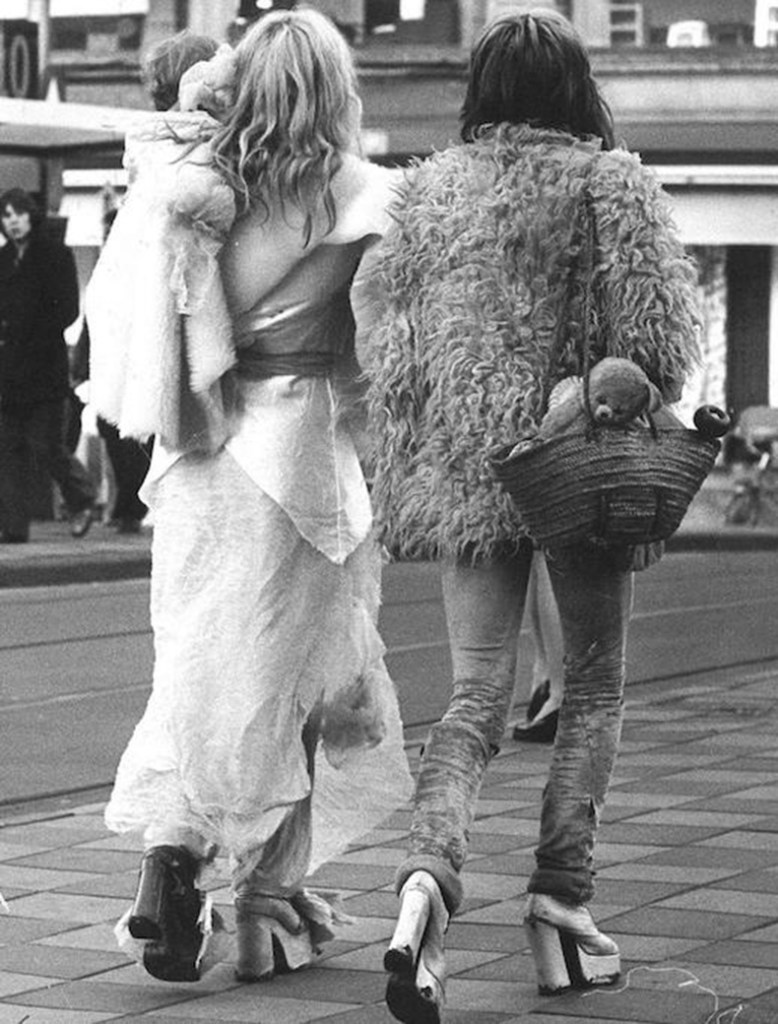
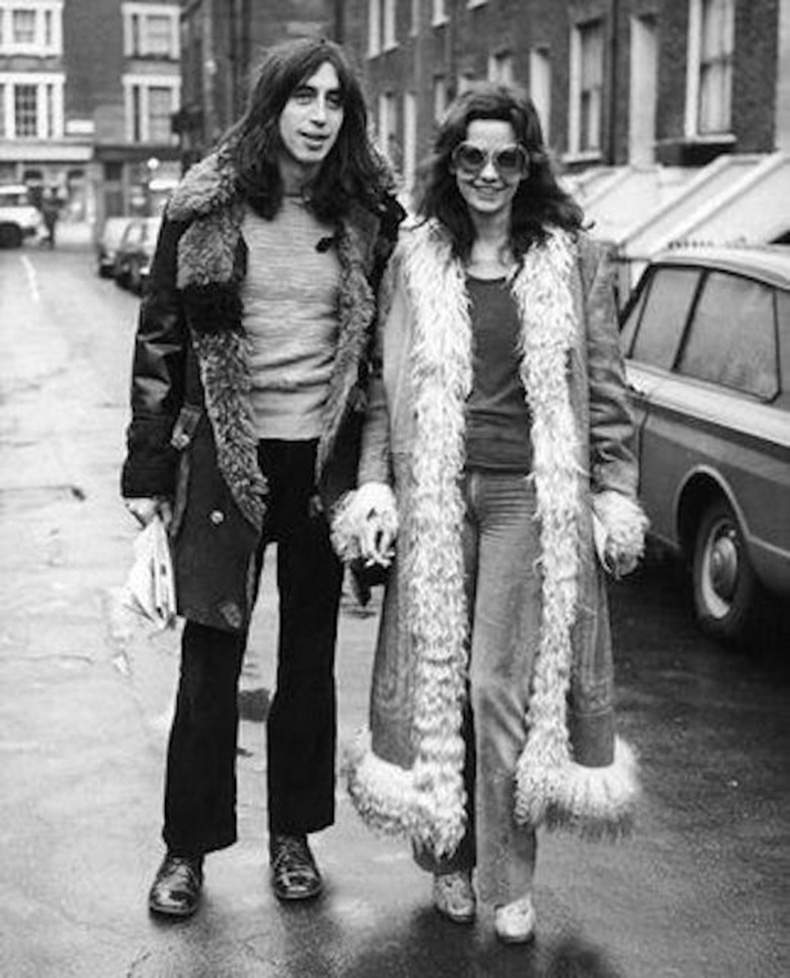
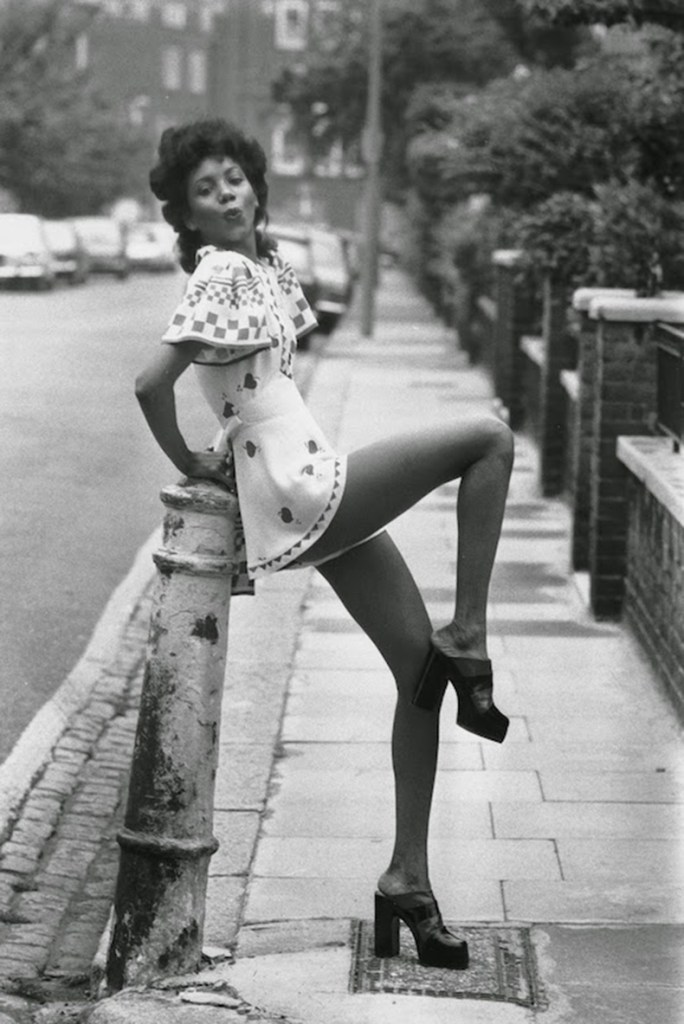
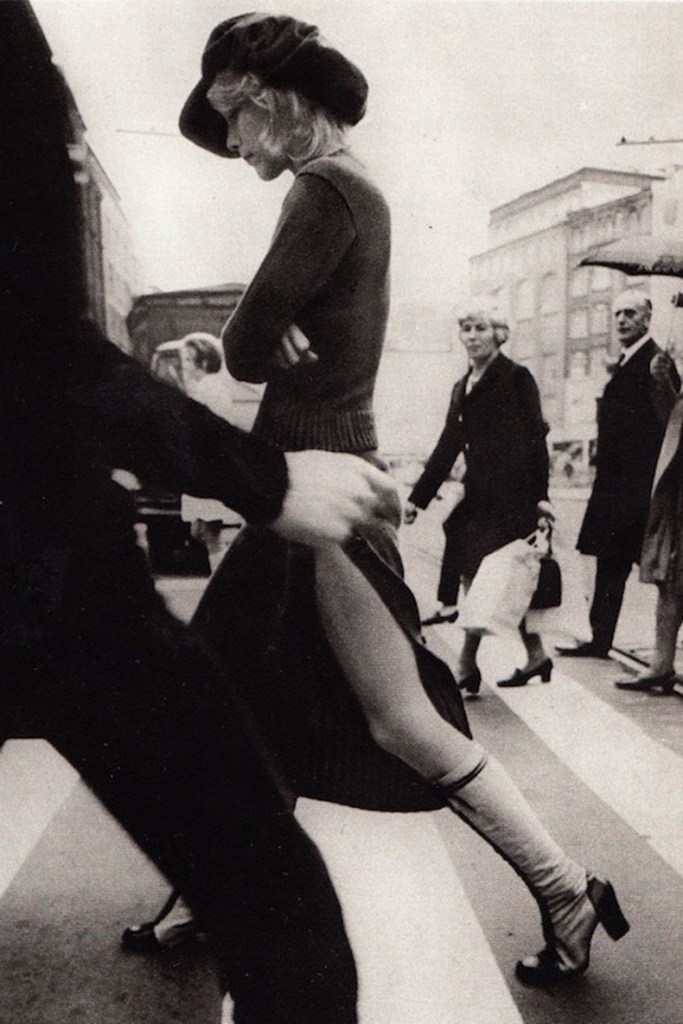
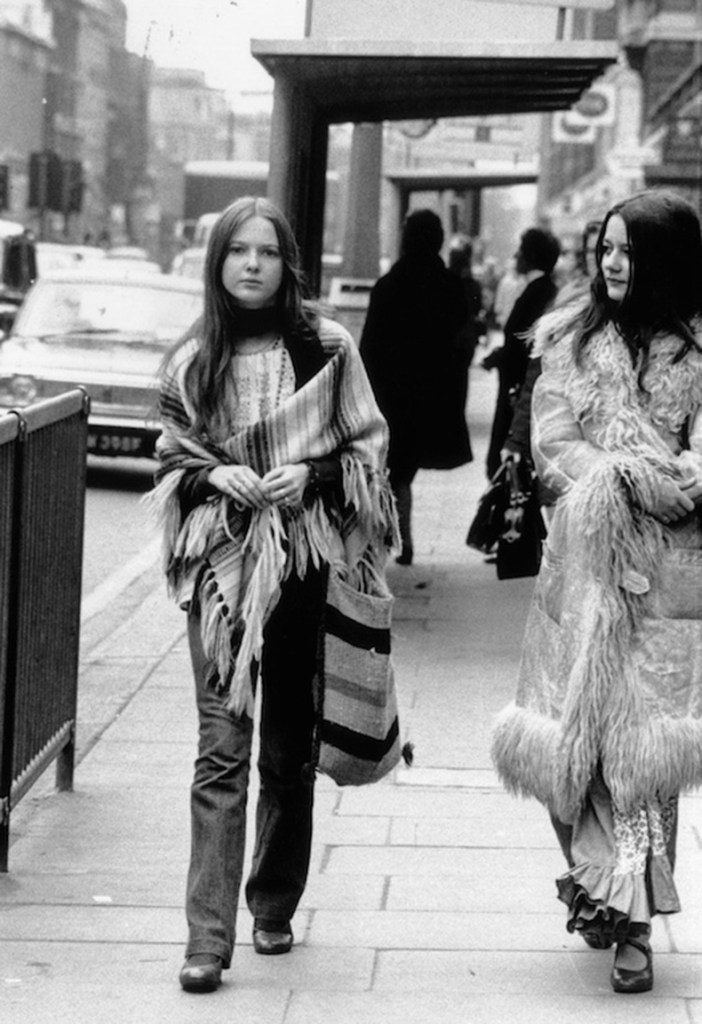
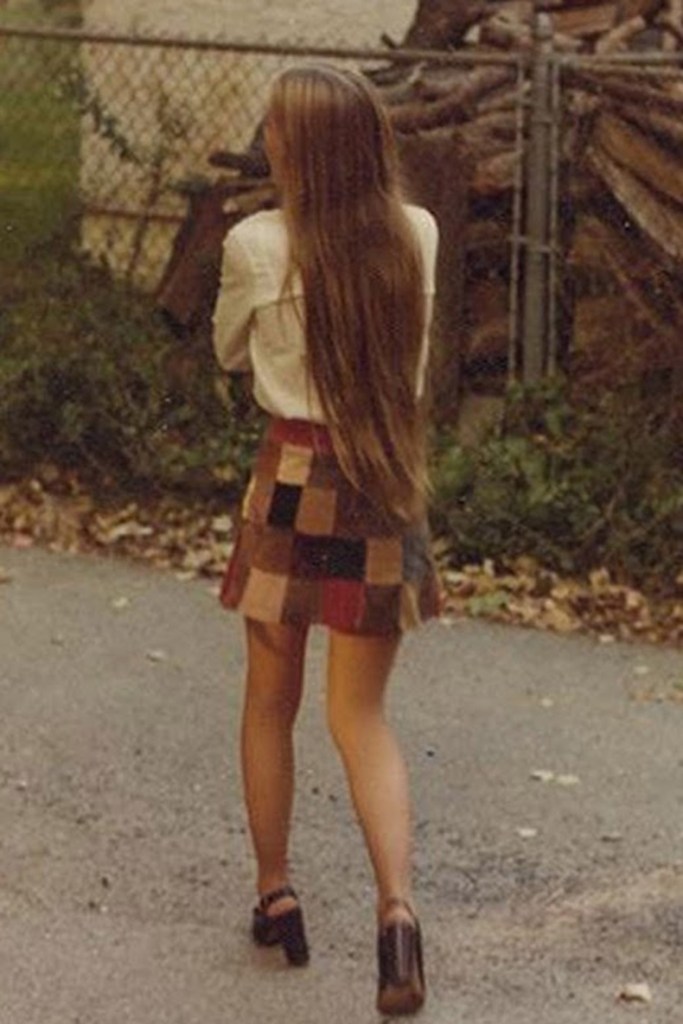
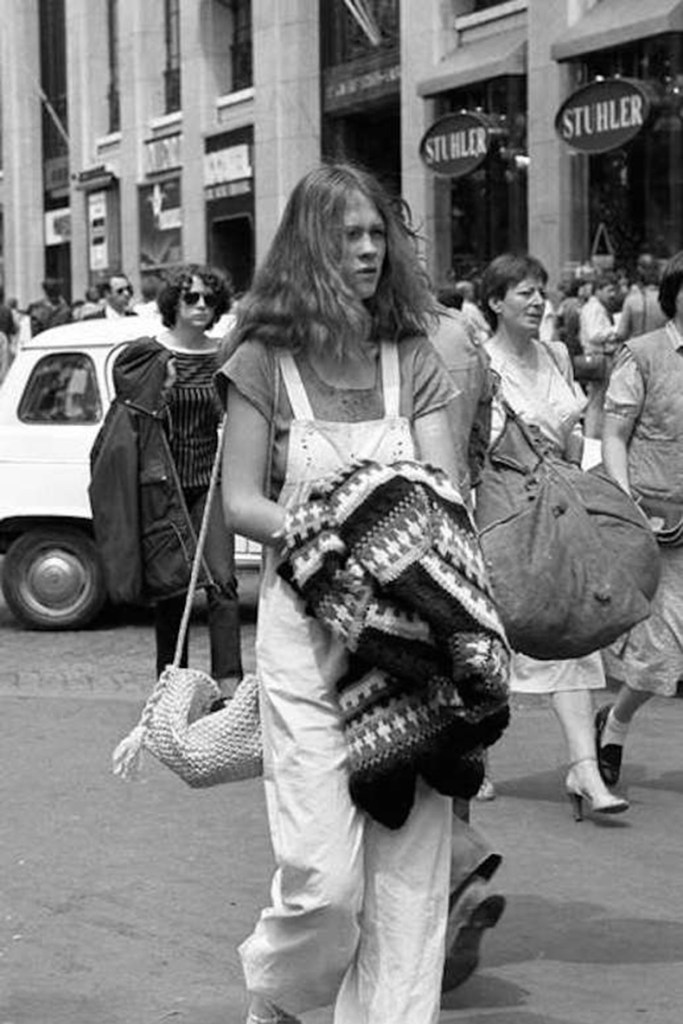
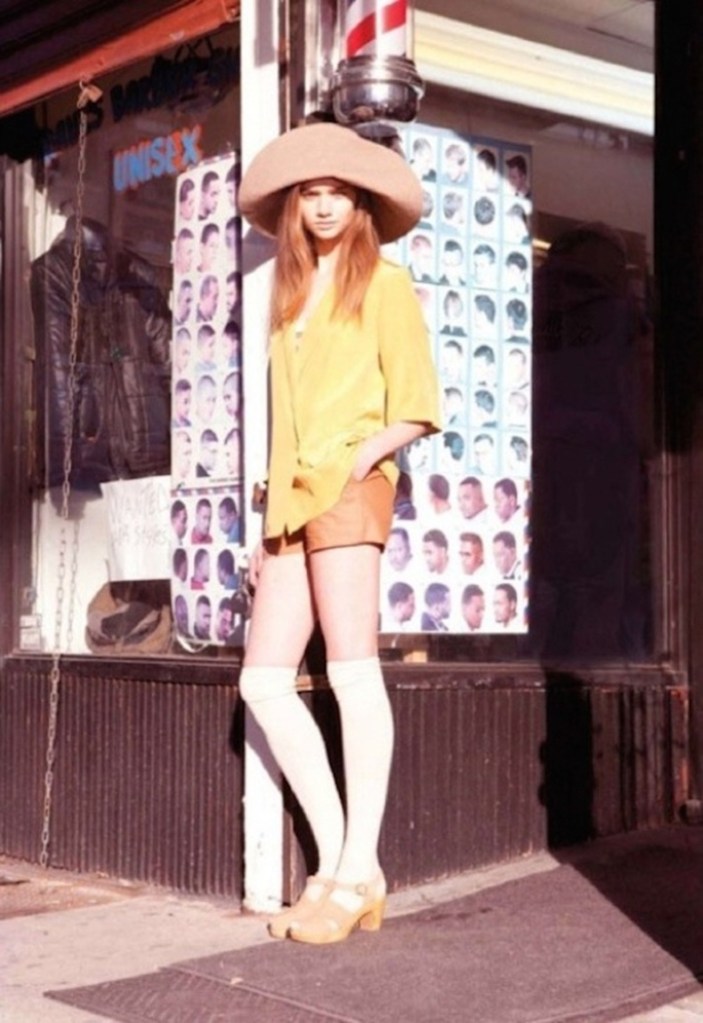
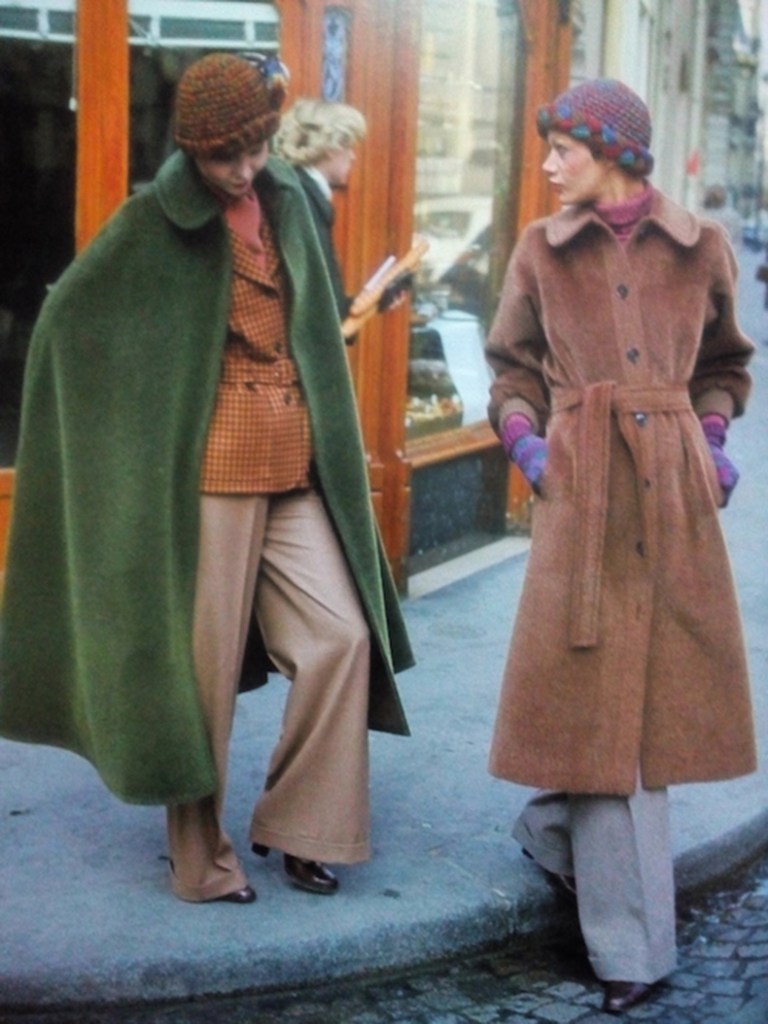
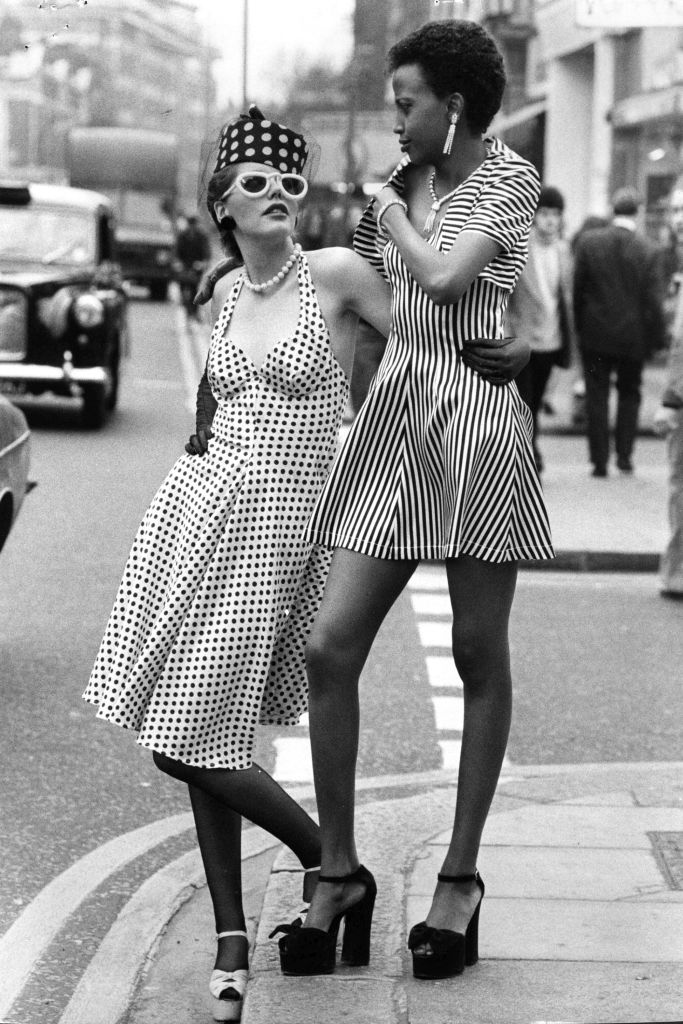
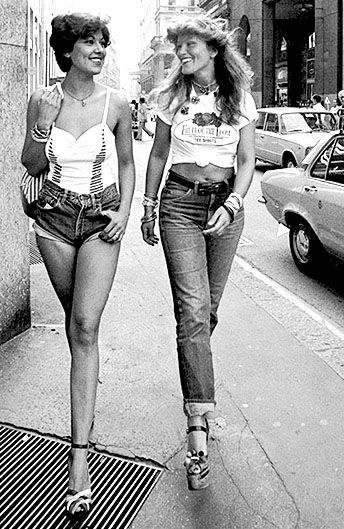
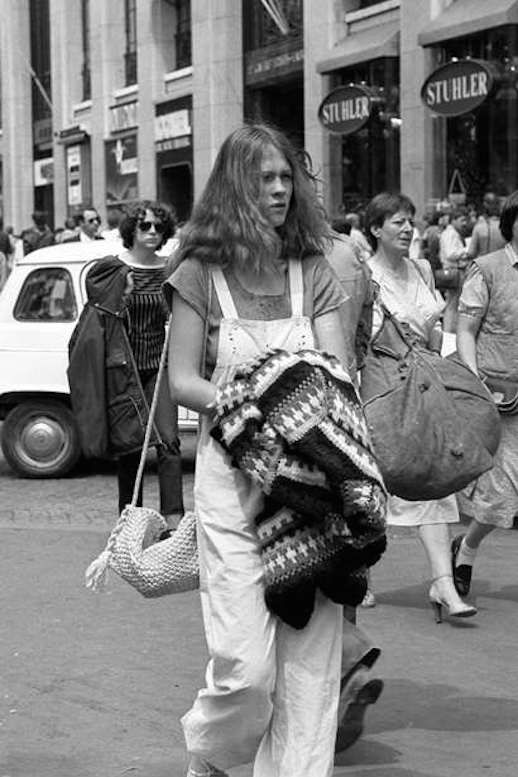
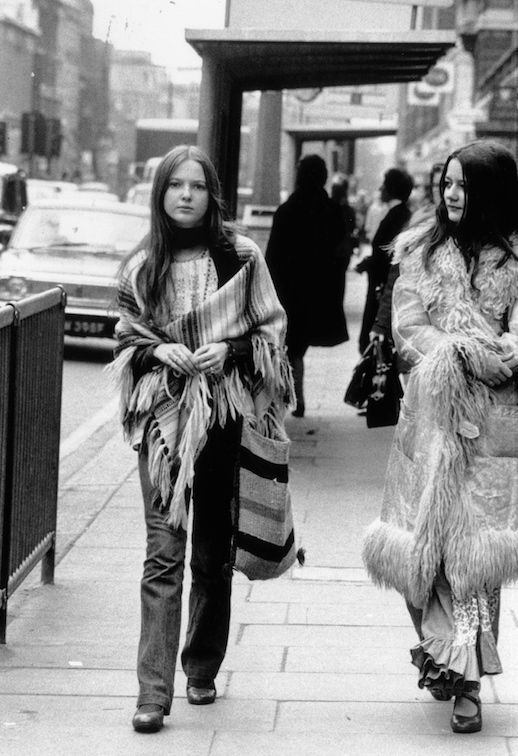
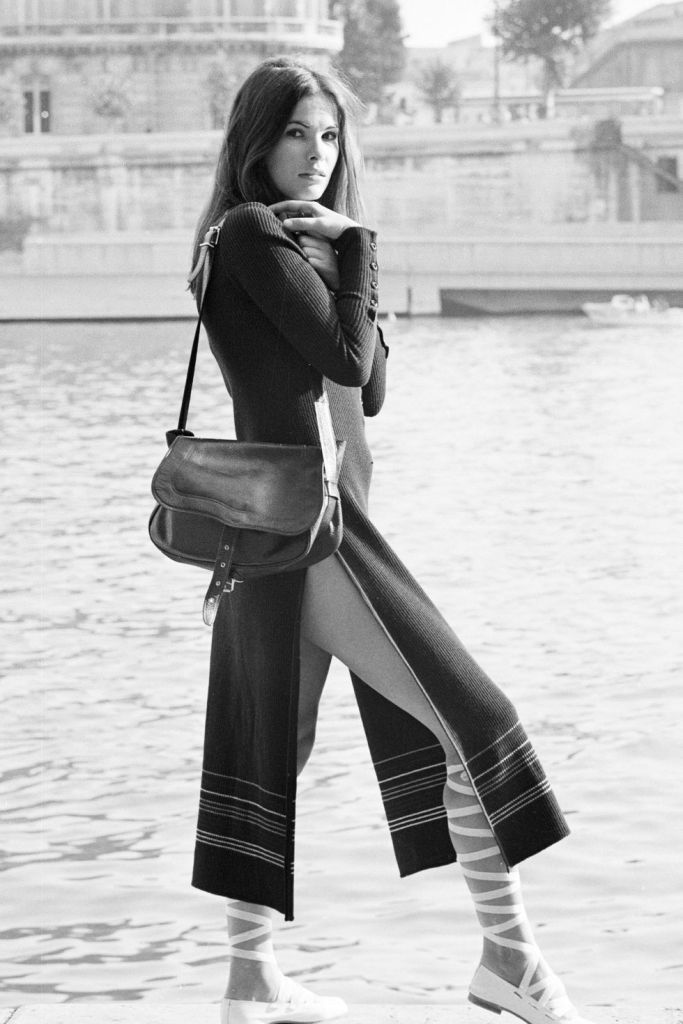
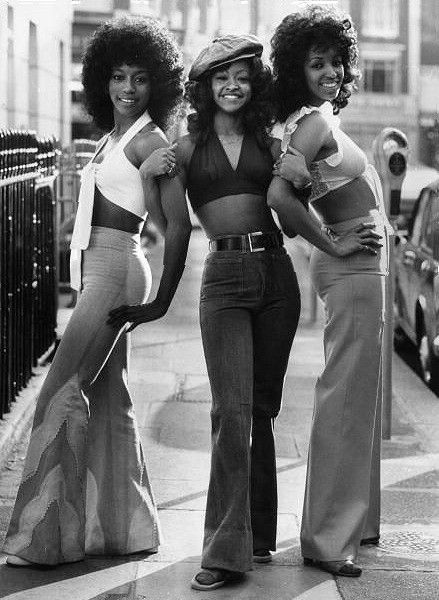
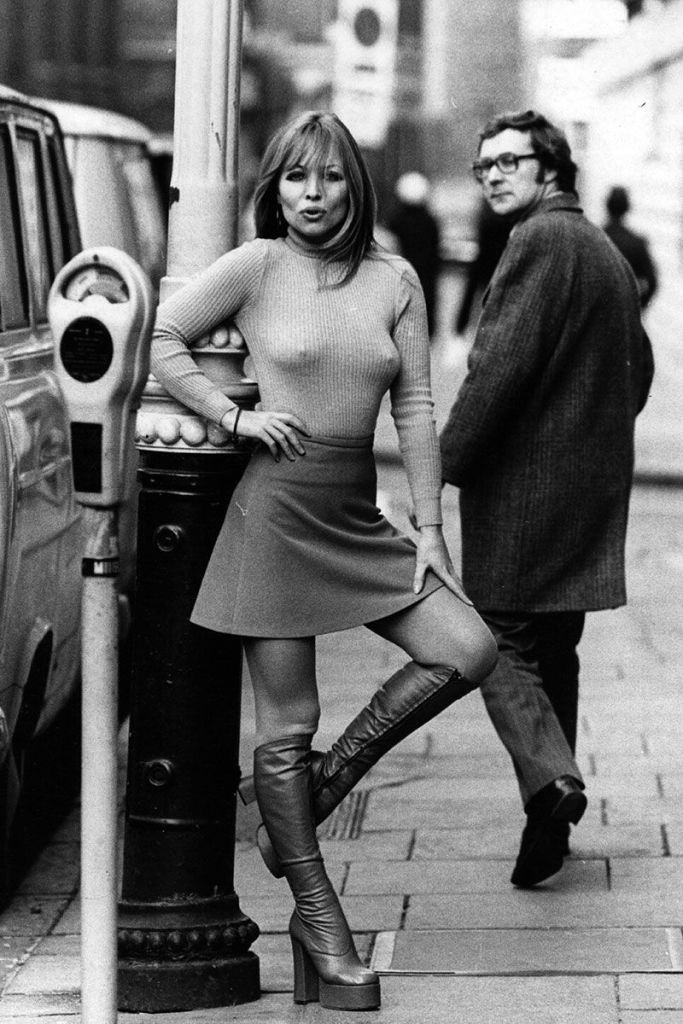
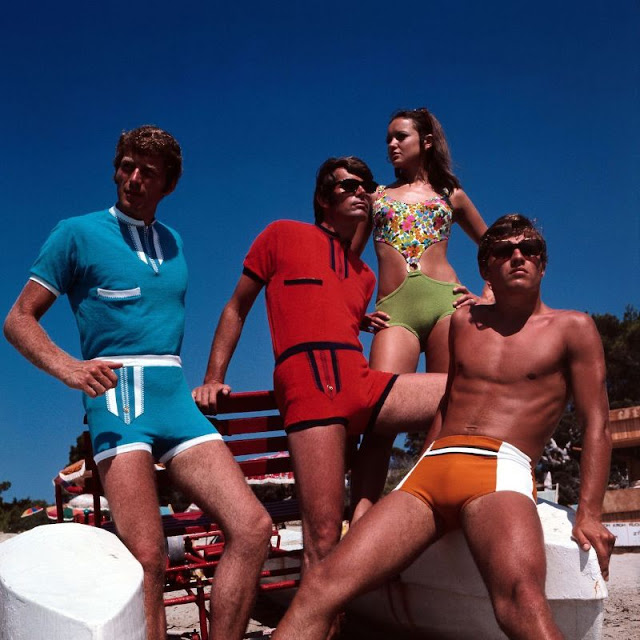
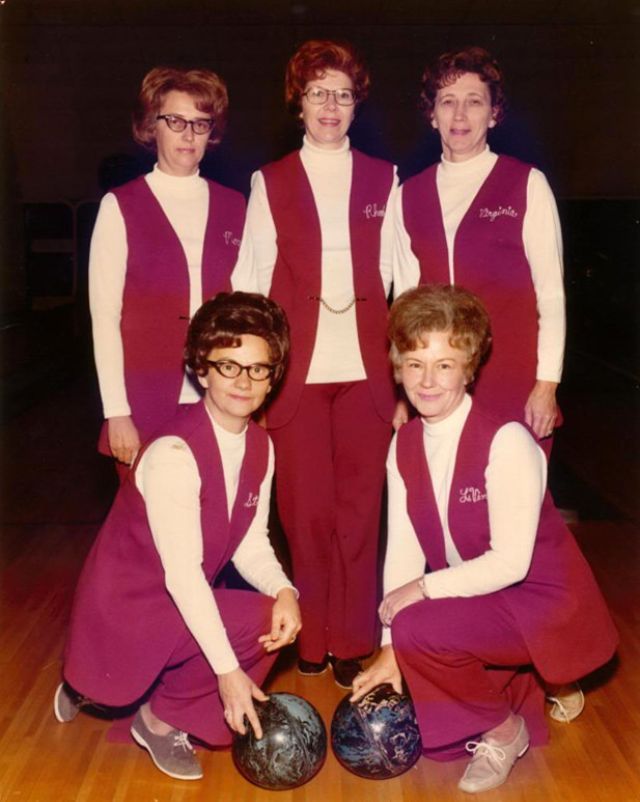
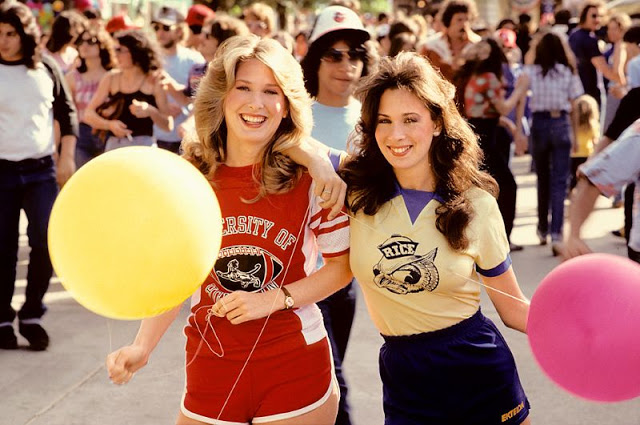
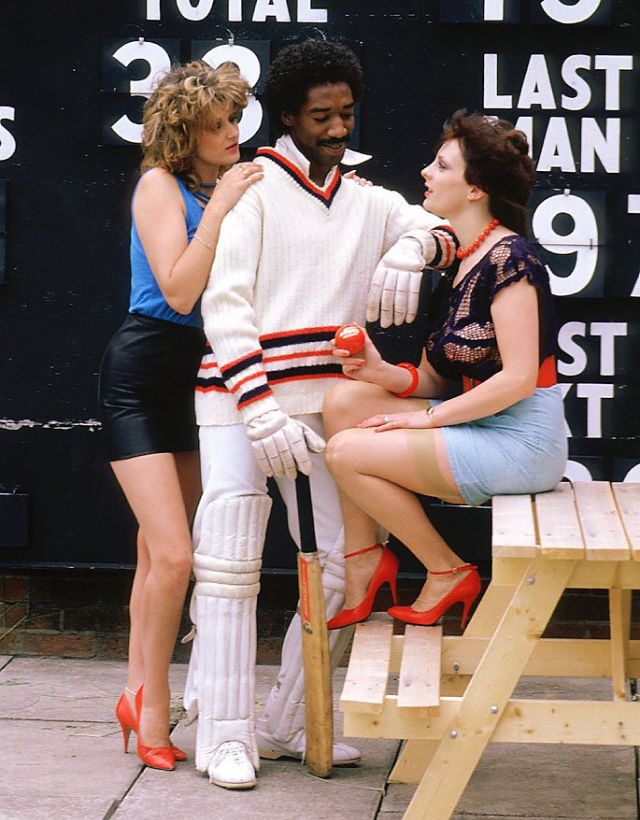
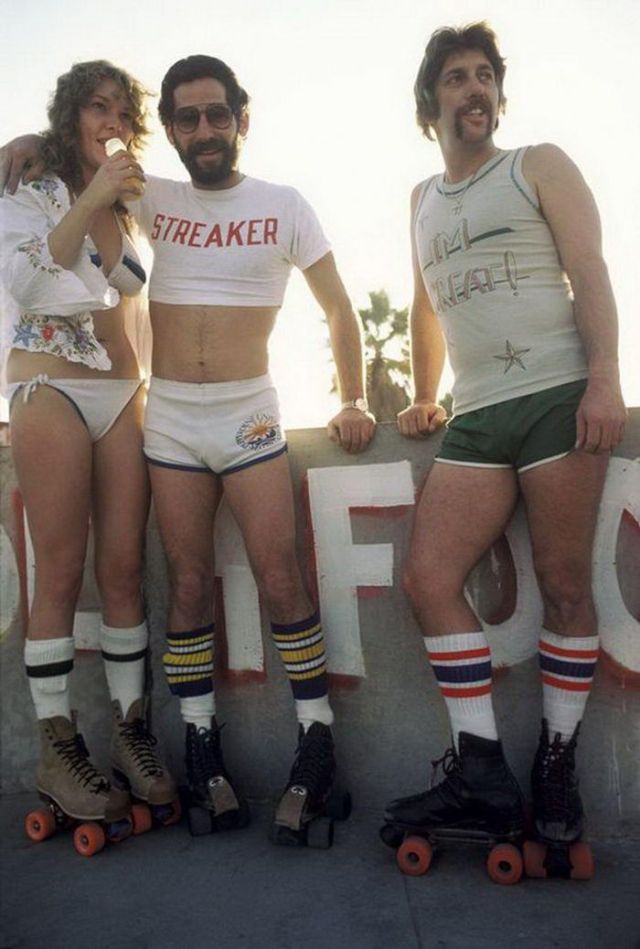
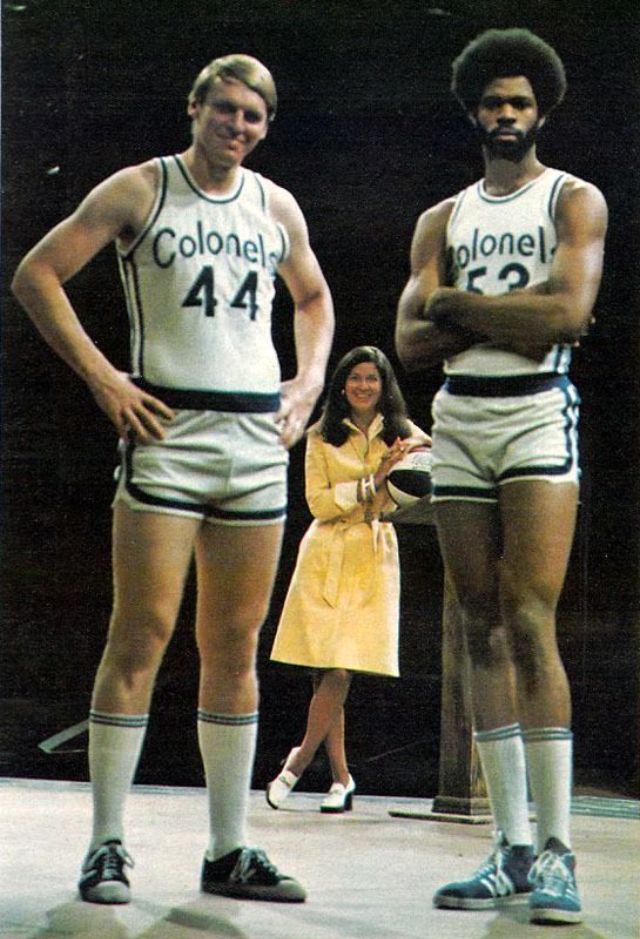
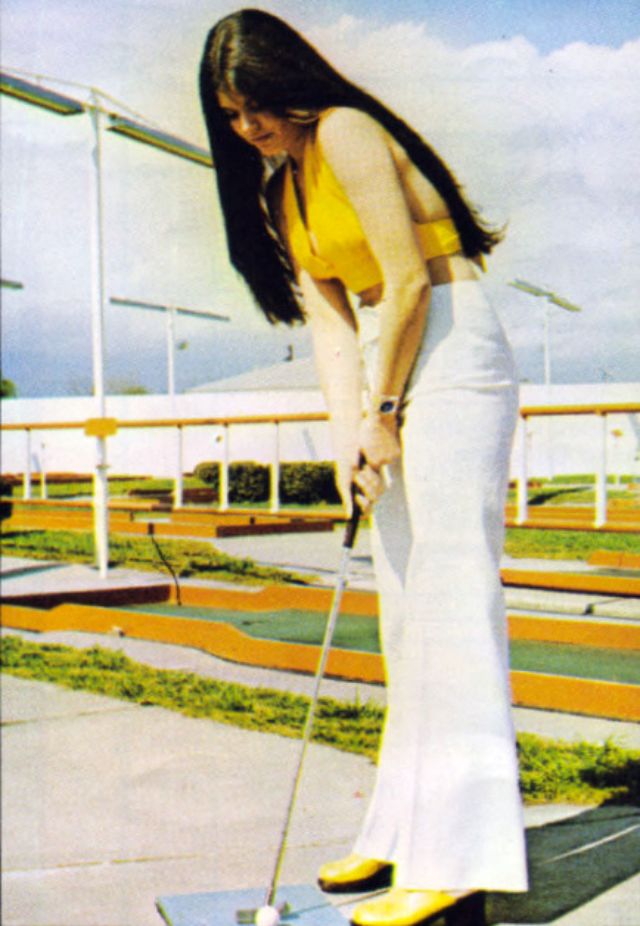
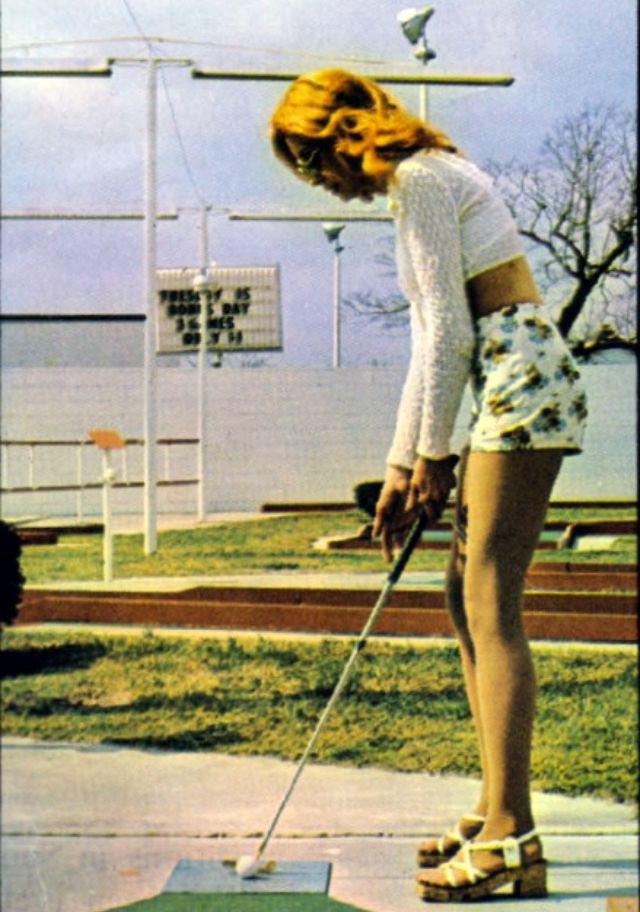
The 1970s fashion was a fun era. The early 1970s fashion scene was very similar to 1969, just a bit more flamboyant. It wouldn’t be hyperbole to say that a fashion revolution occurred in the 1970s.
Polyester was the material of choice and bright colors were everywhere. Men and women alike were wearing very tight fitting pants. Especially, sportswear has become popular street fashion since this period.
Sportswear has come full circle: from athletic impacting high fashion and streetwear, to streetwear influencing how athletic wear companies design and market their collections.
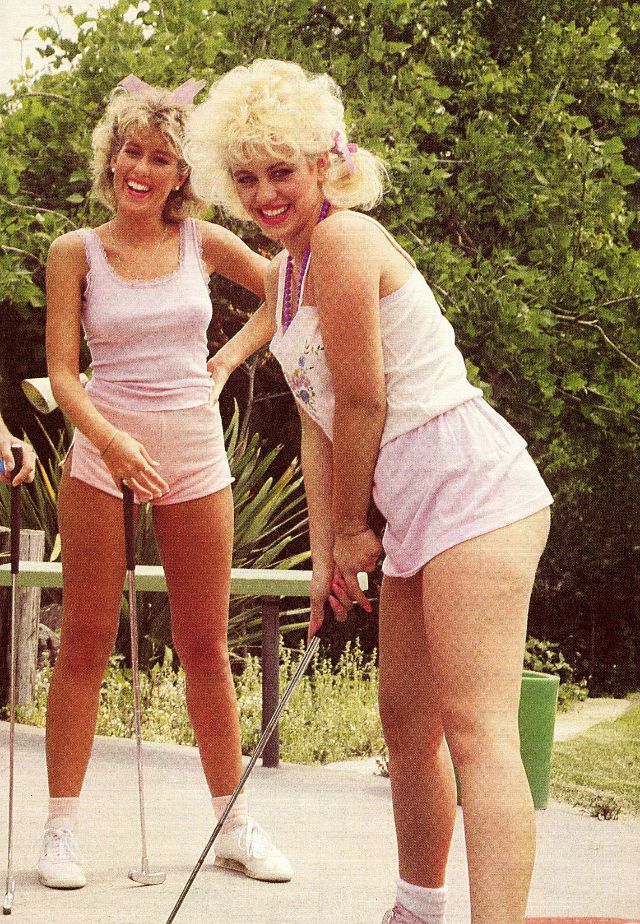
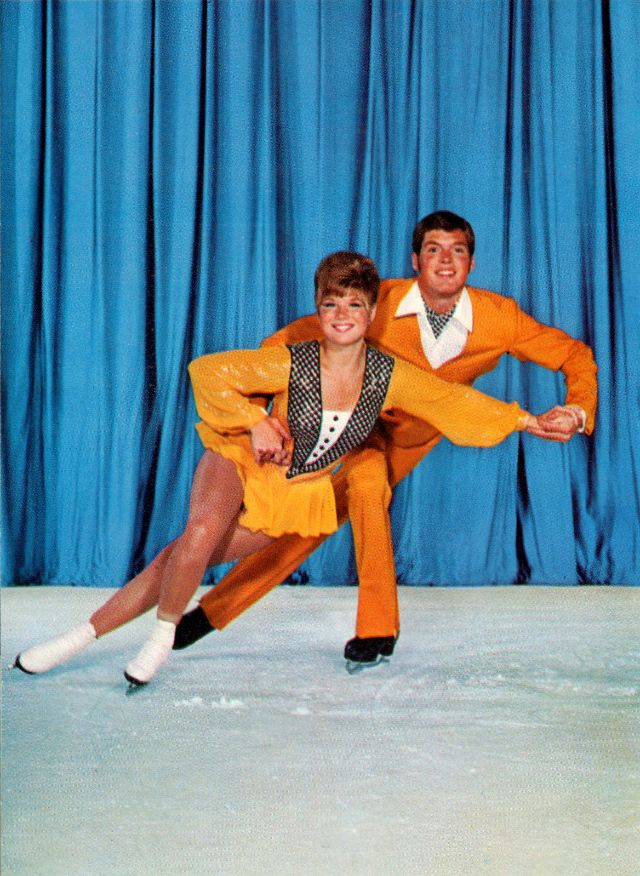
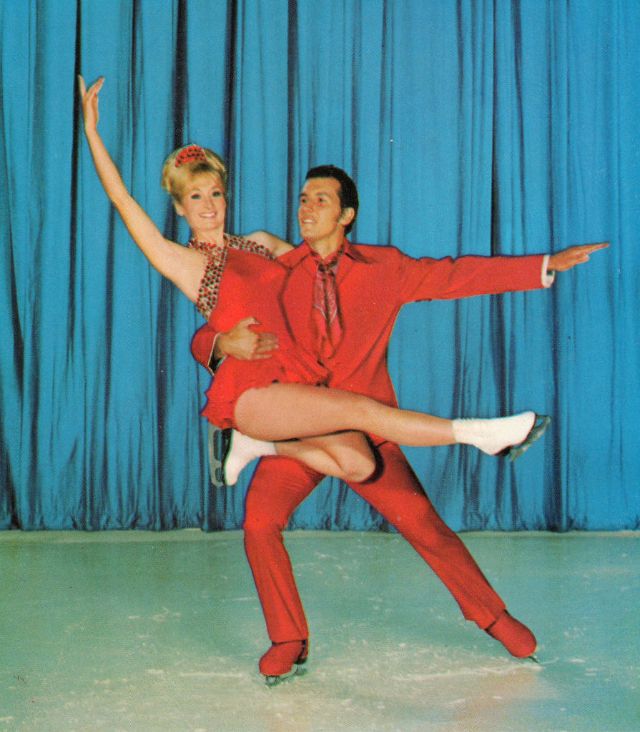
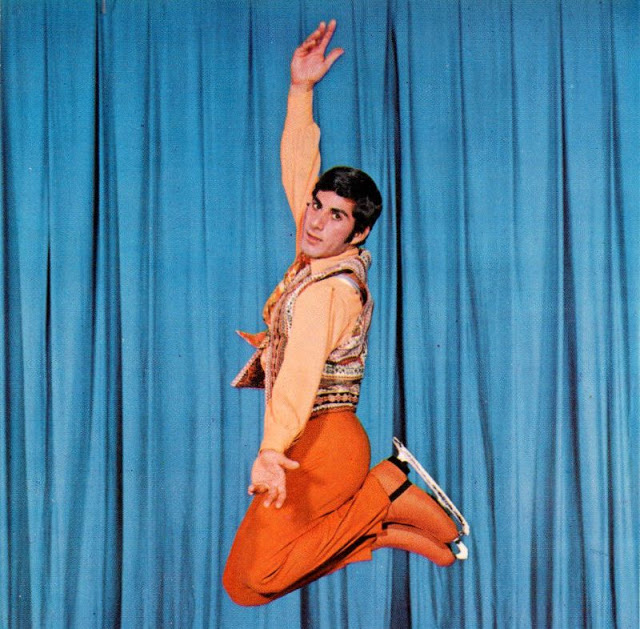
Take a look at these cool pics to see what sportswear looked like in the 1970s.












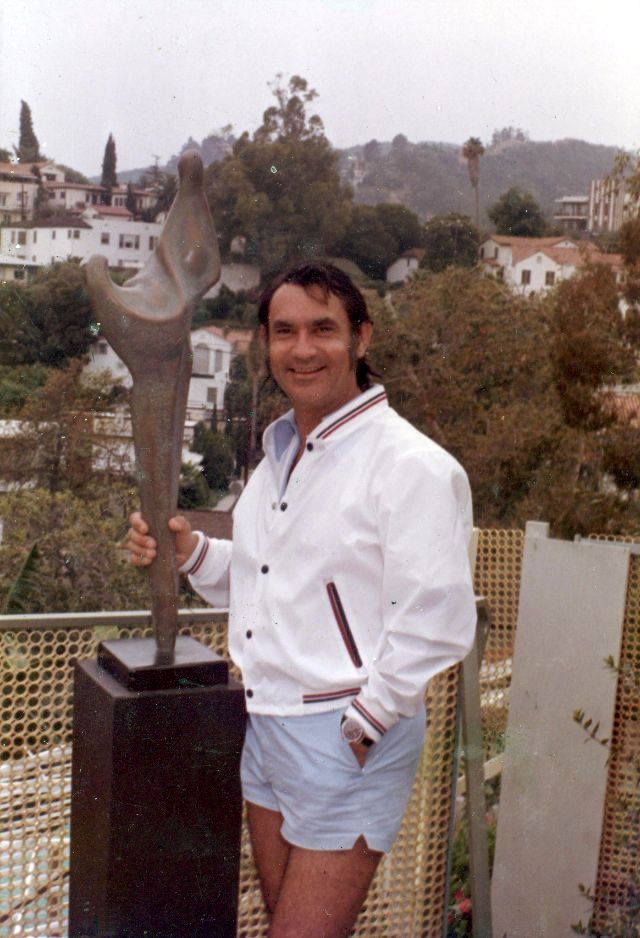
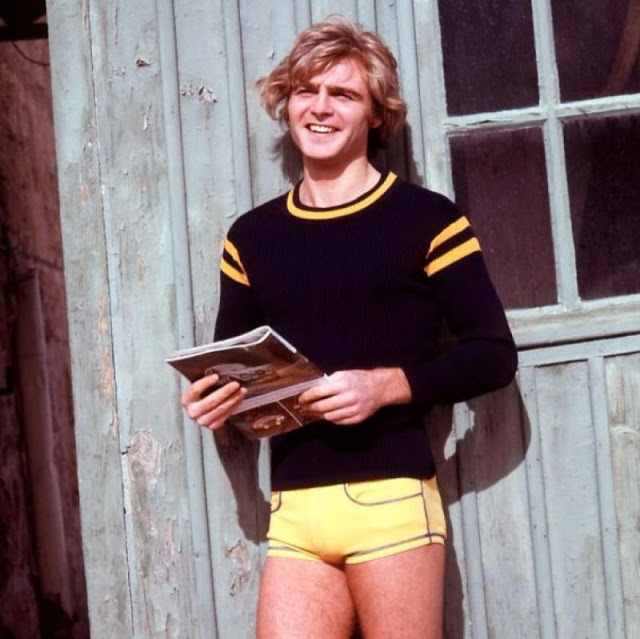
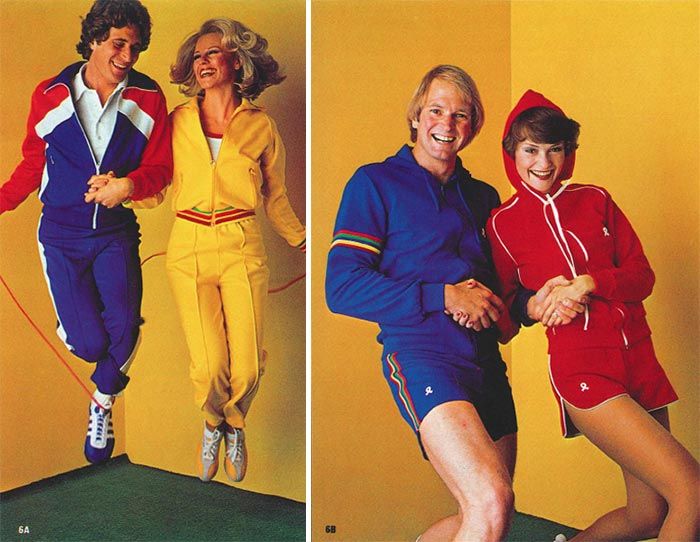

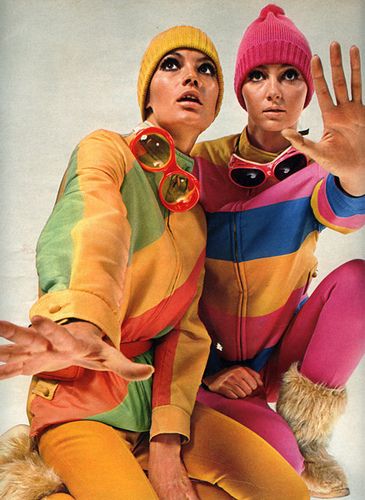

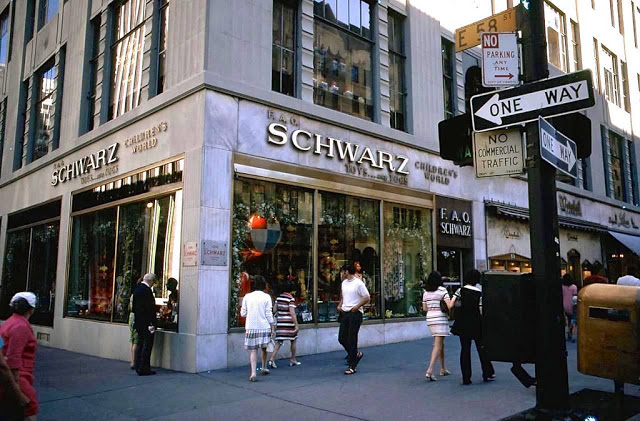
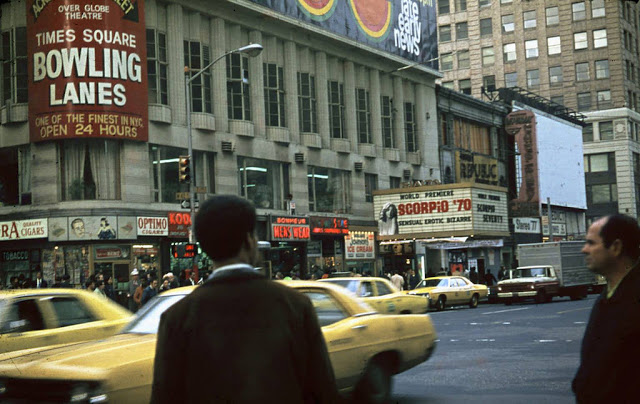
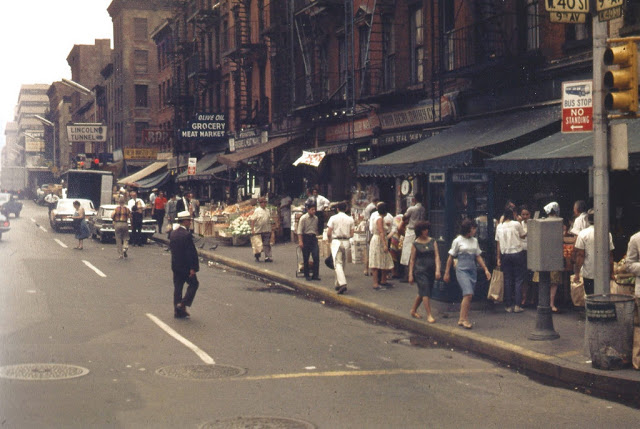
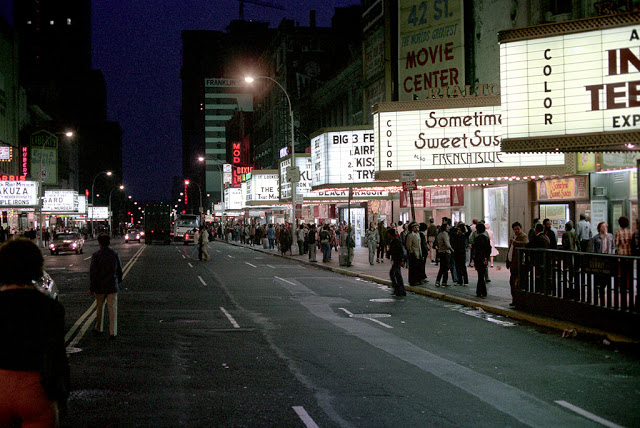
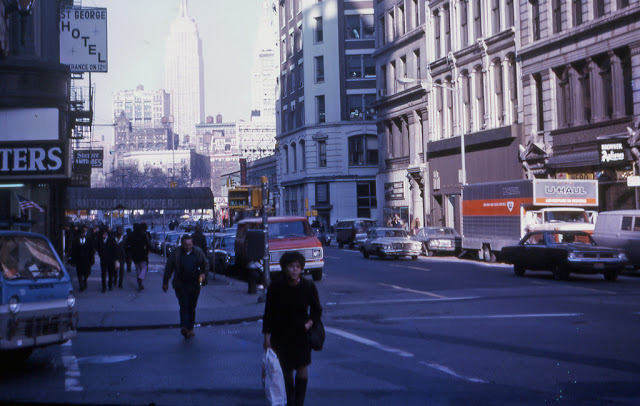
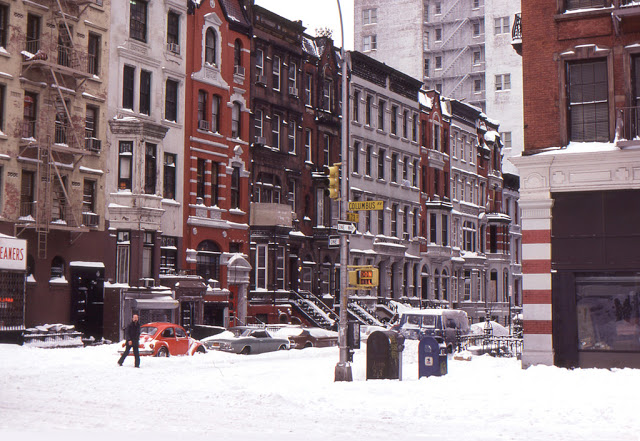
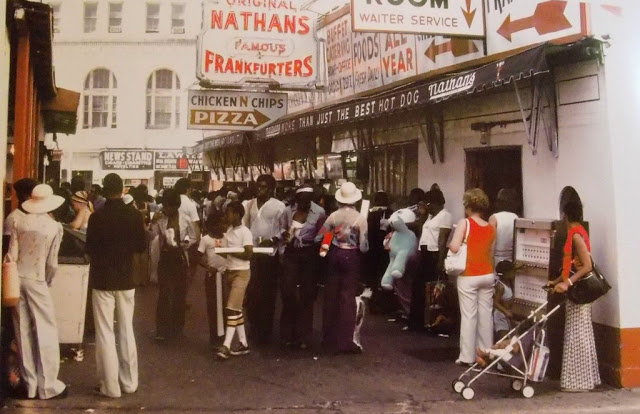
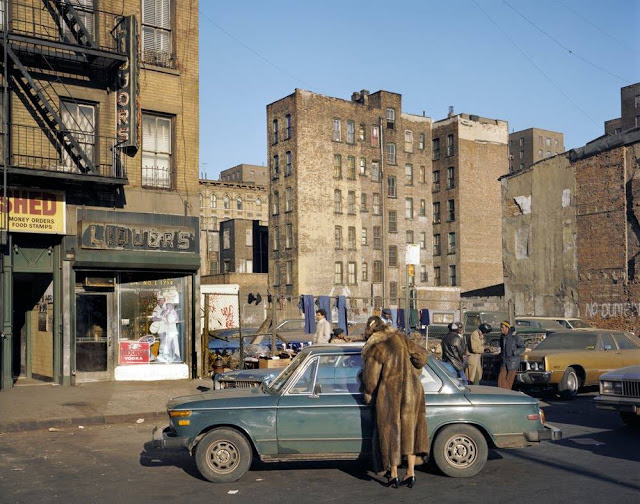
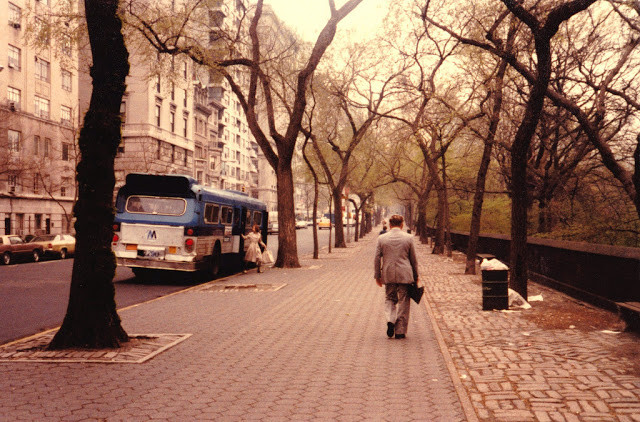
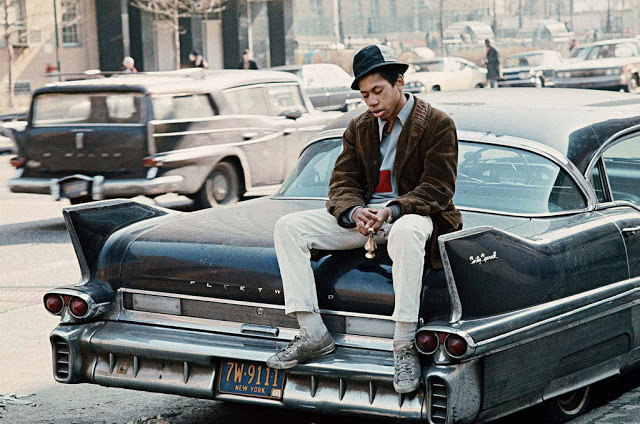
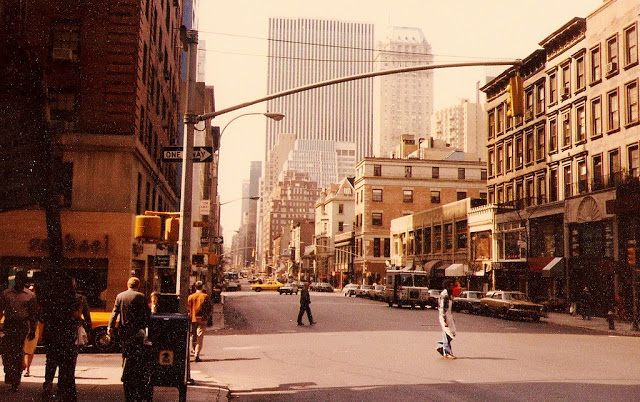
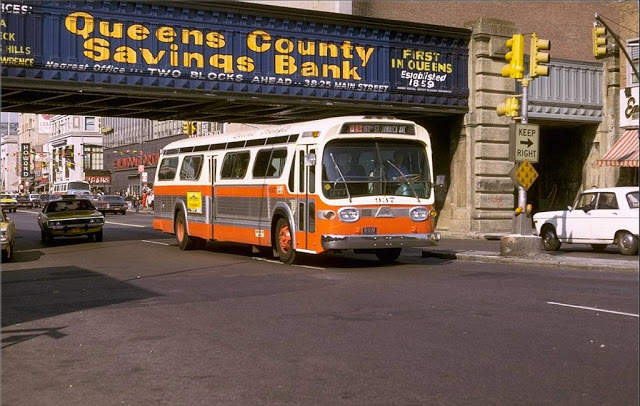
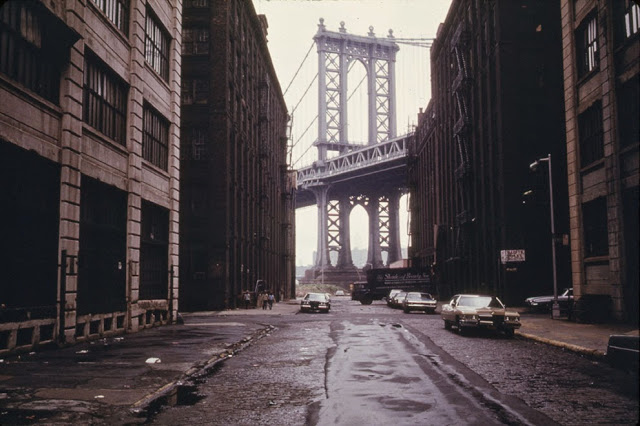
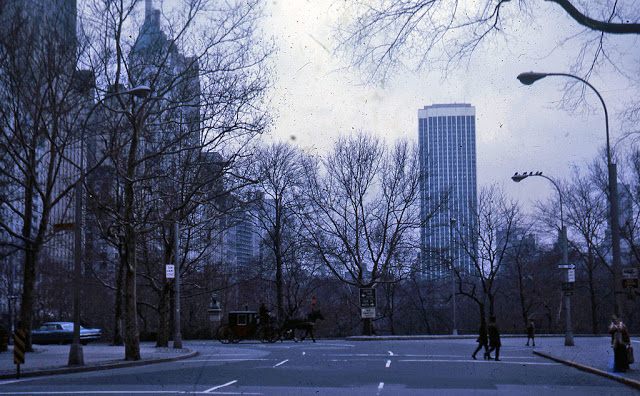
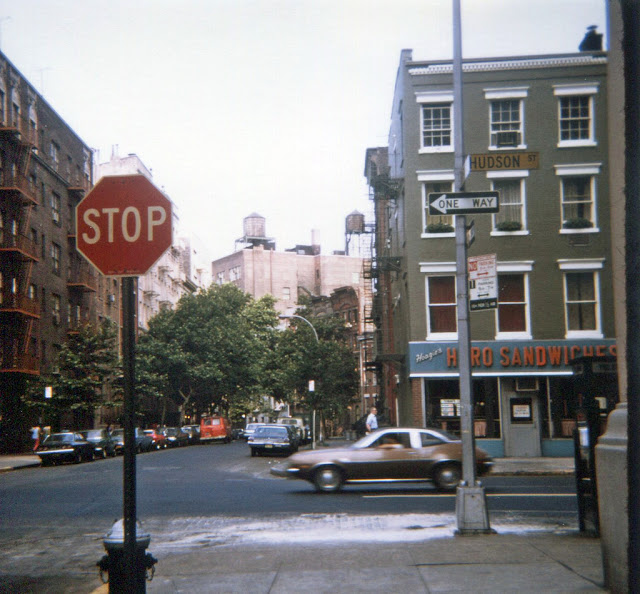
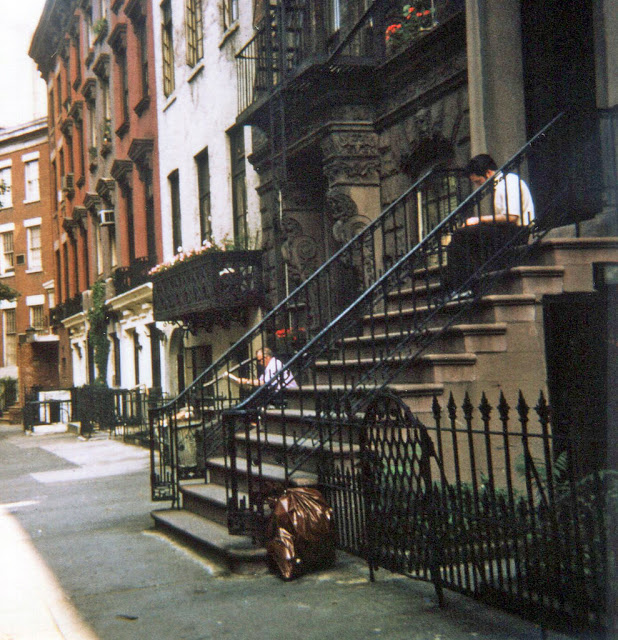
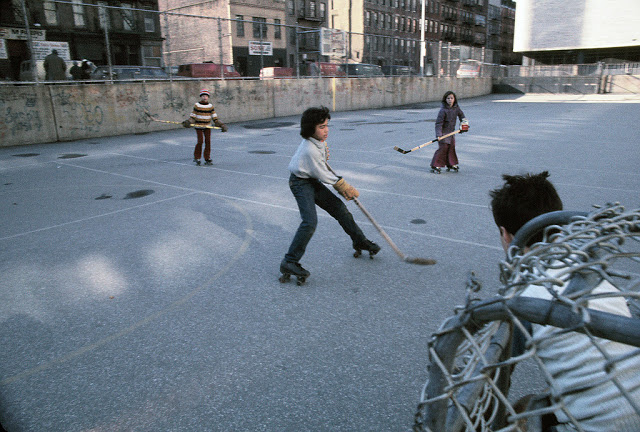
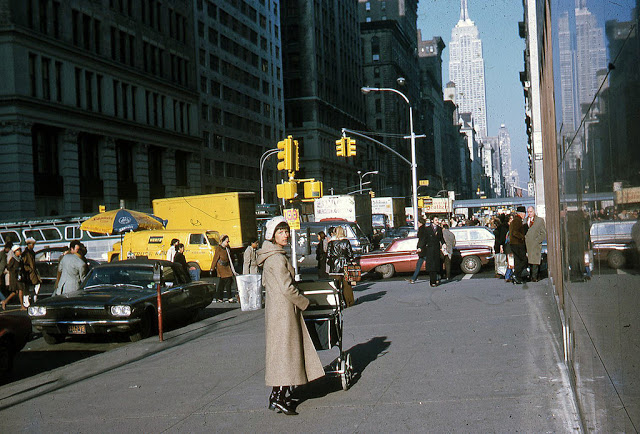
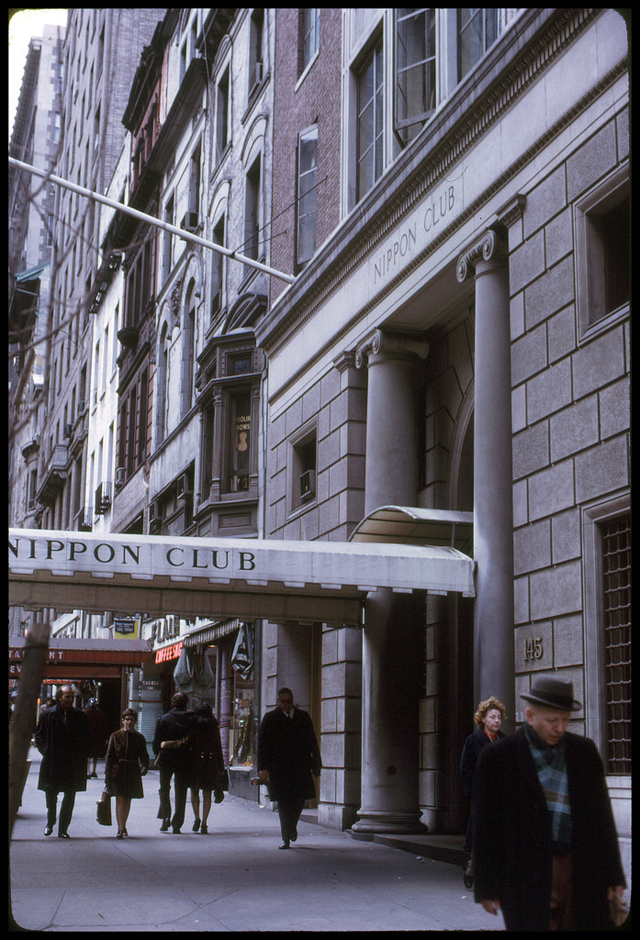
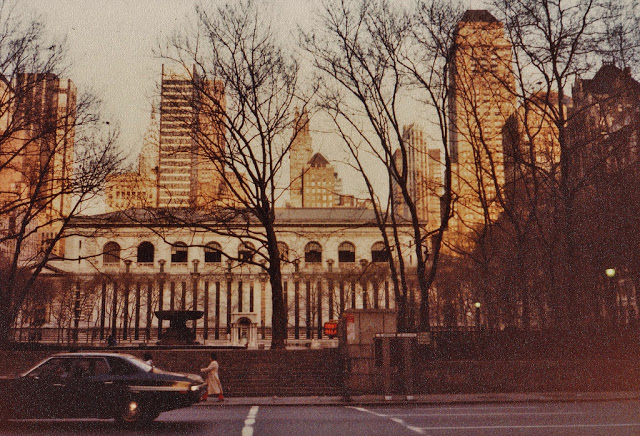
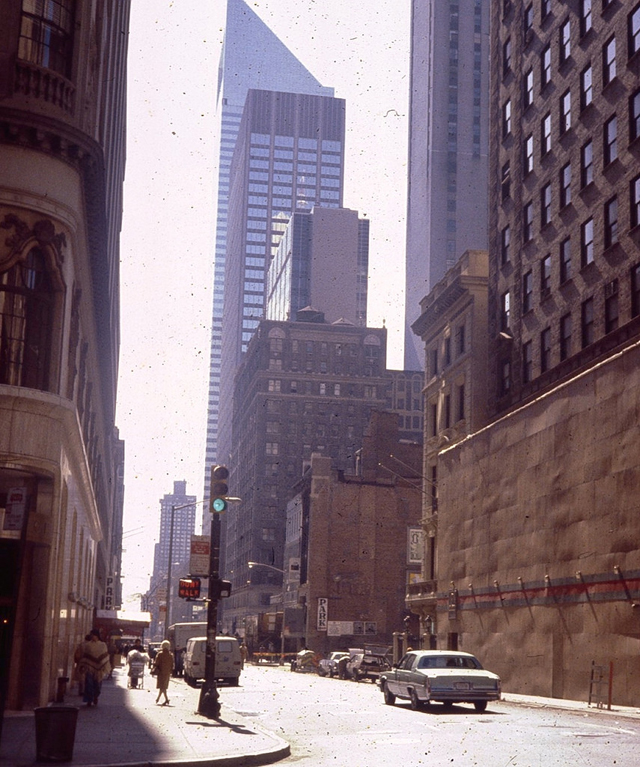
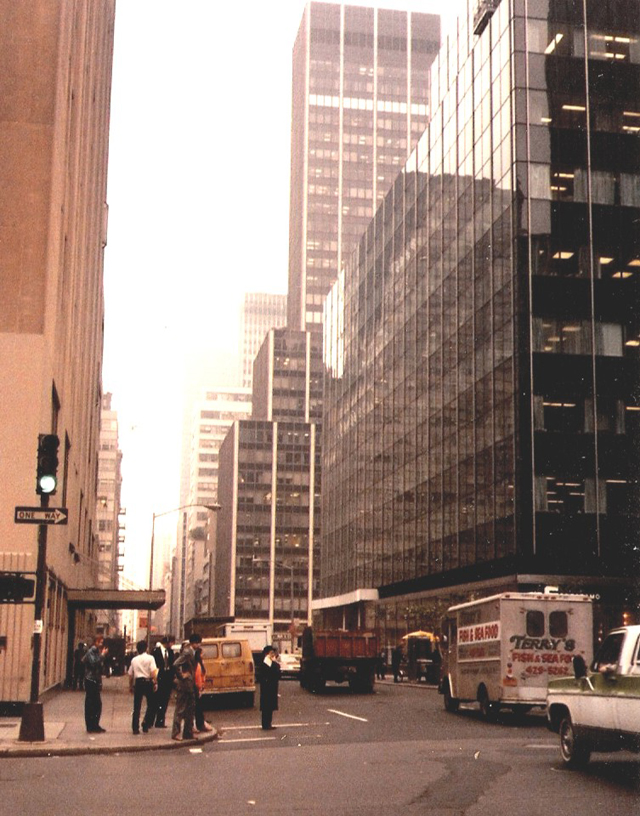
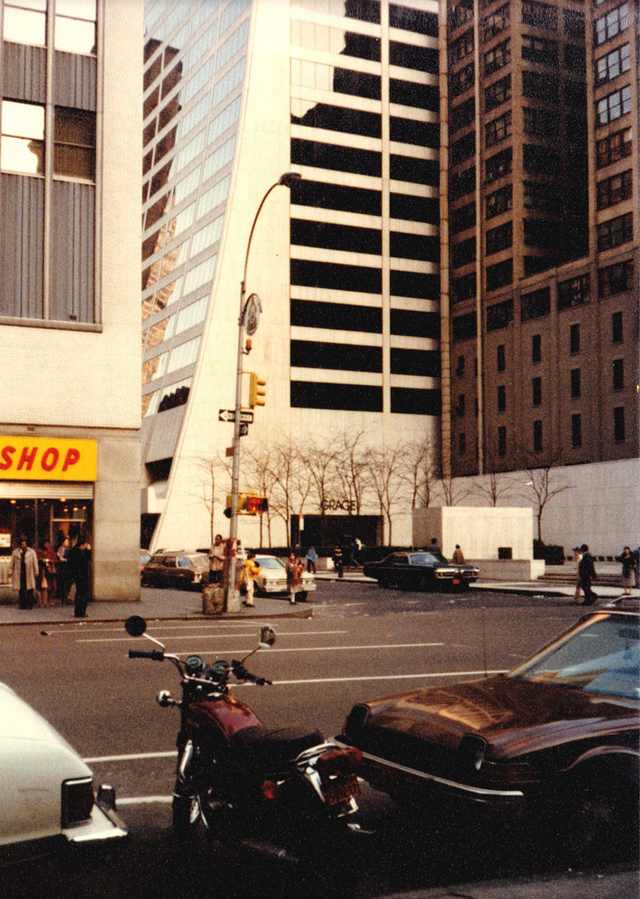
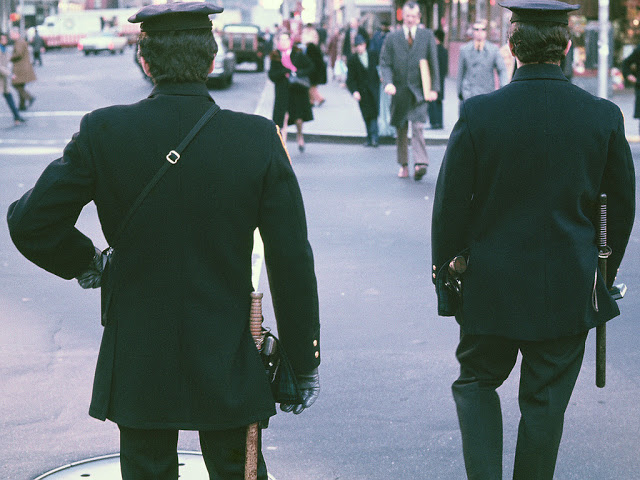
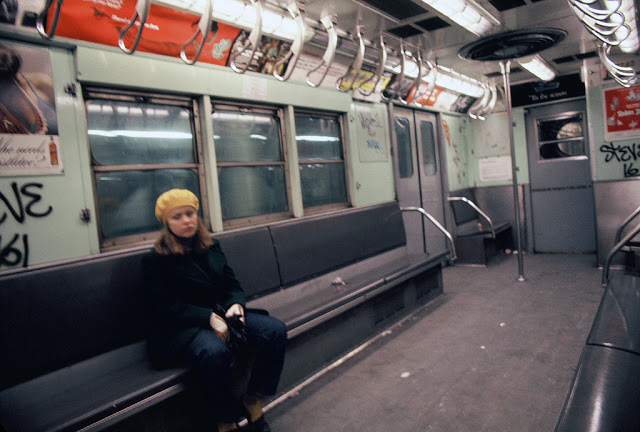
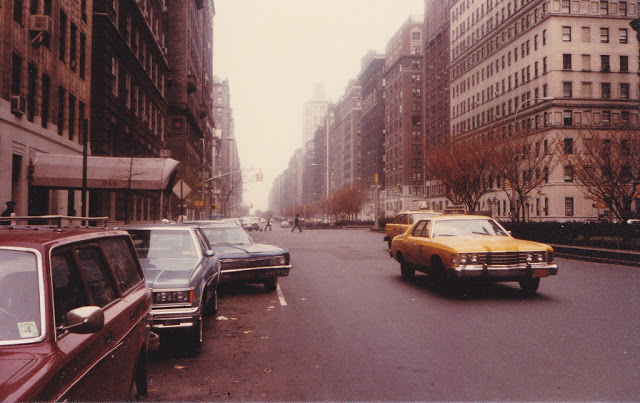
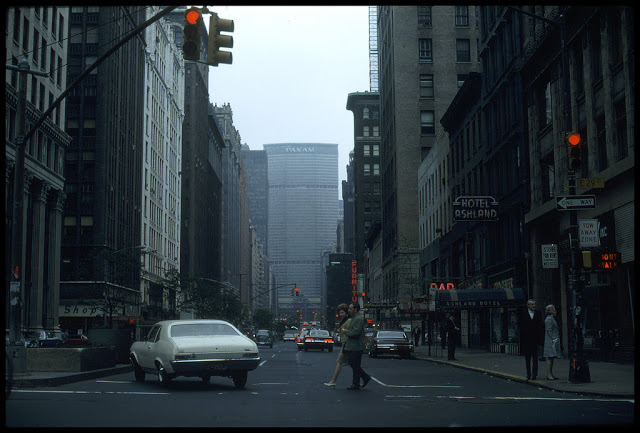
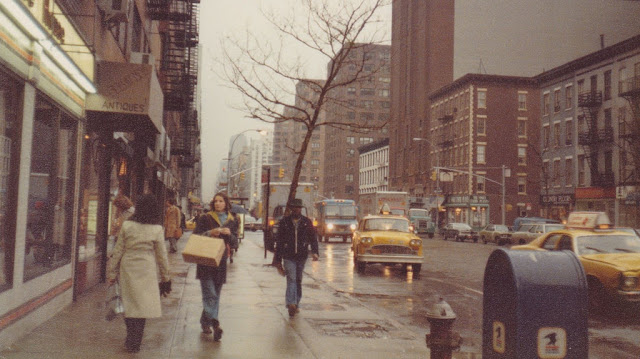
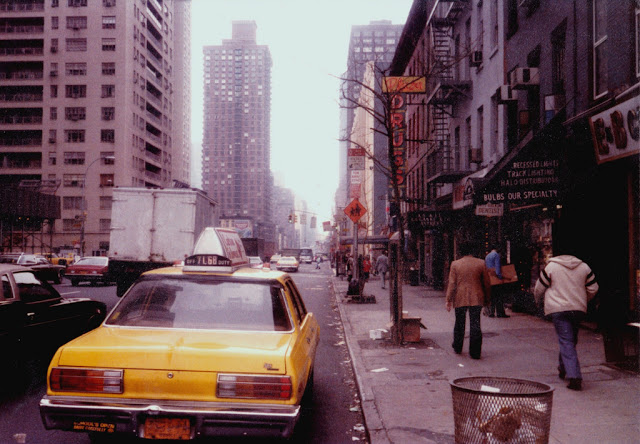
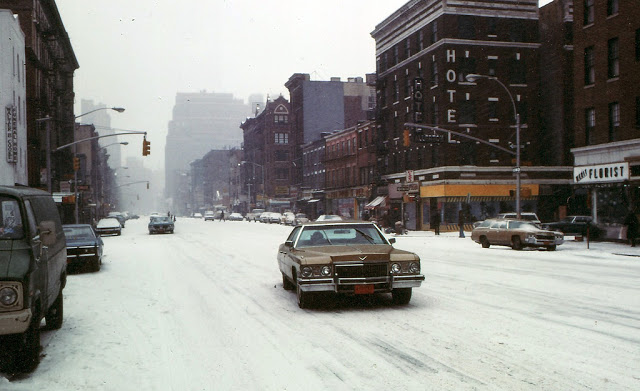
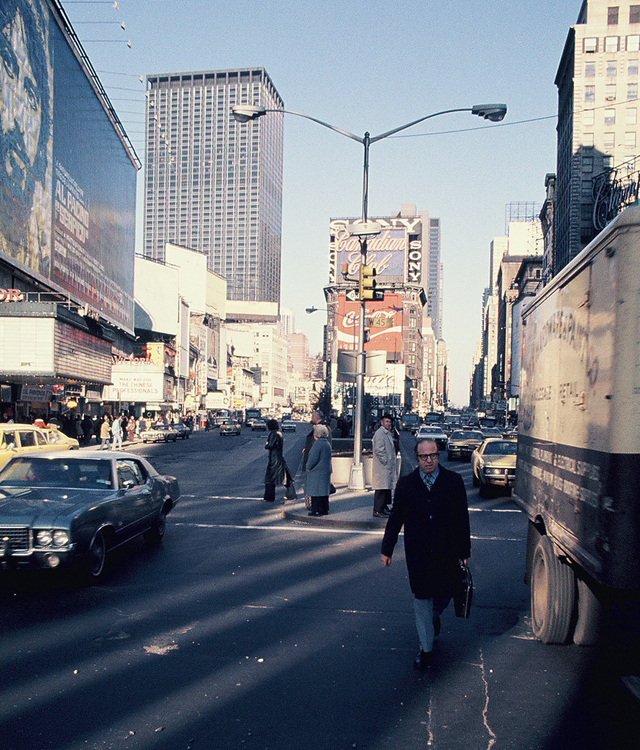
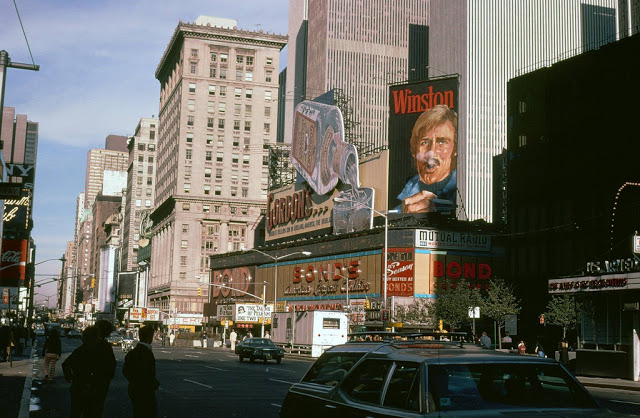
Take a look to see how much New York has changed from the 1970s through these amazing color snapshots below.






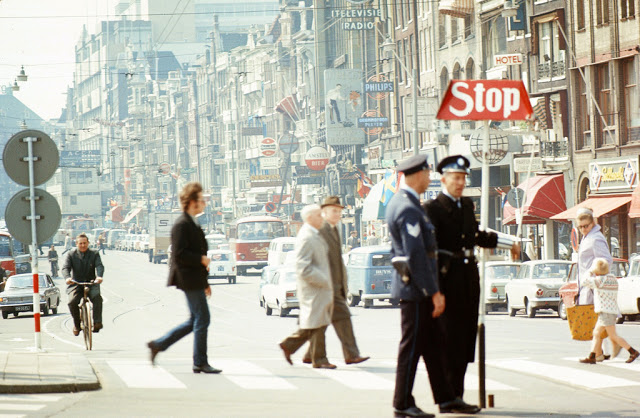













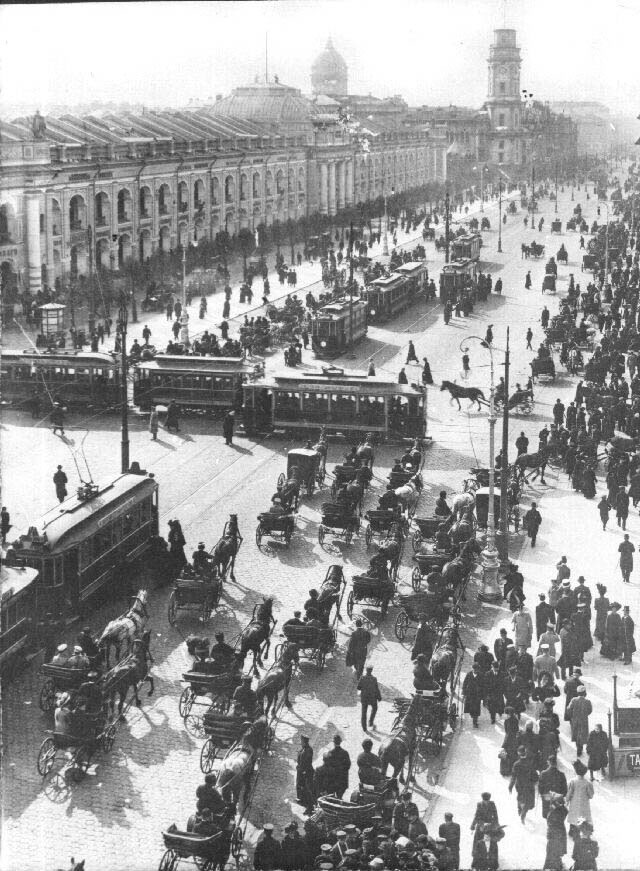
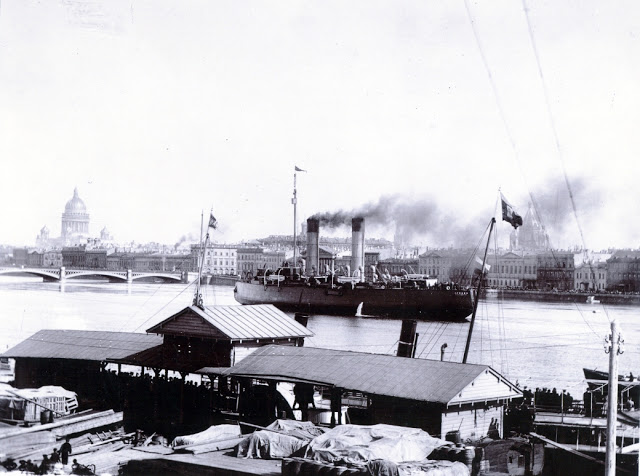
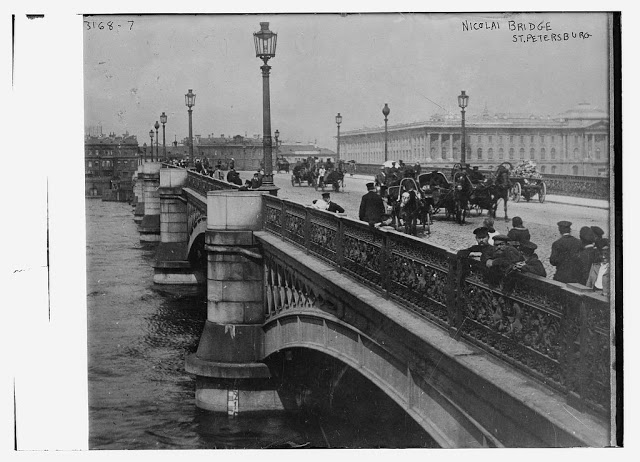
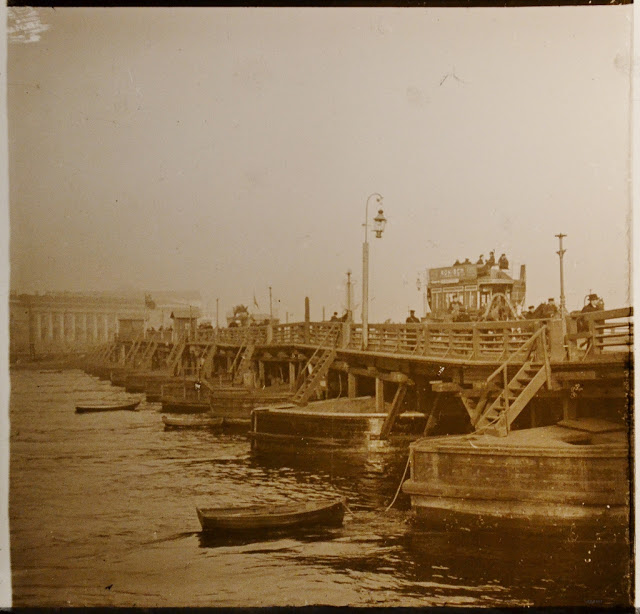
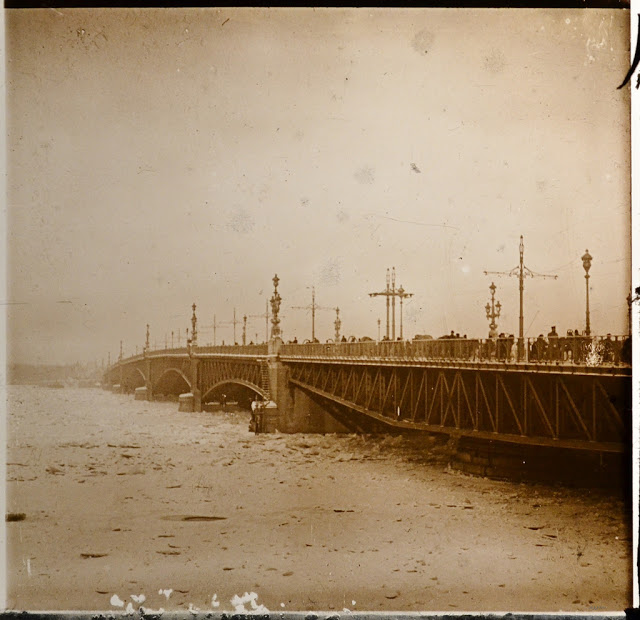
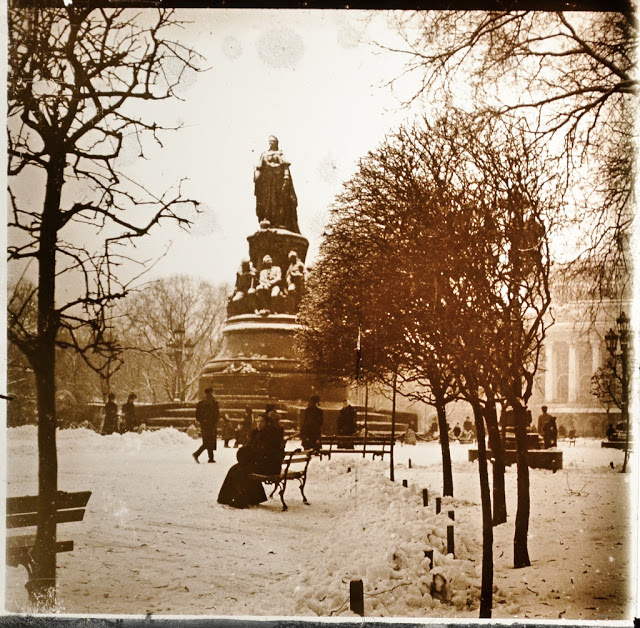
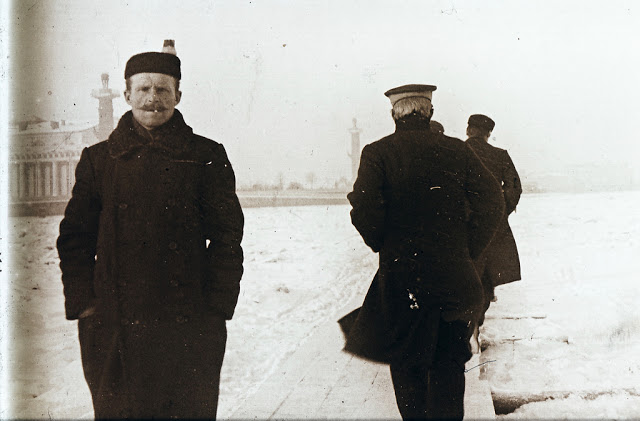
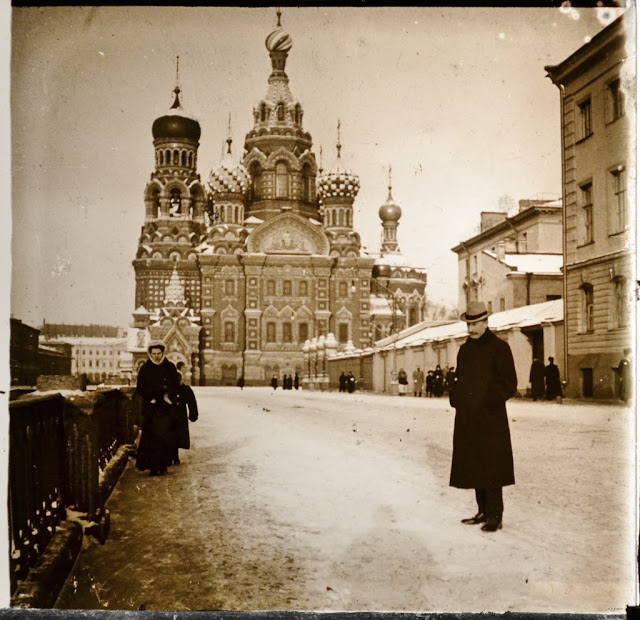
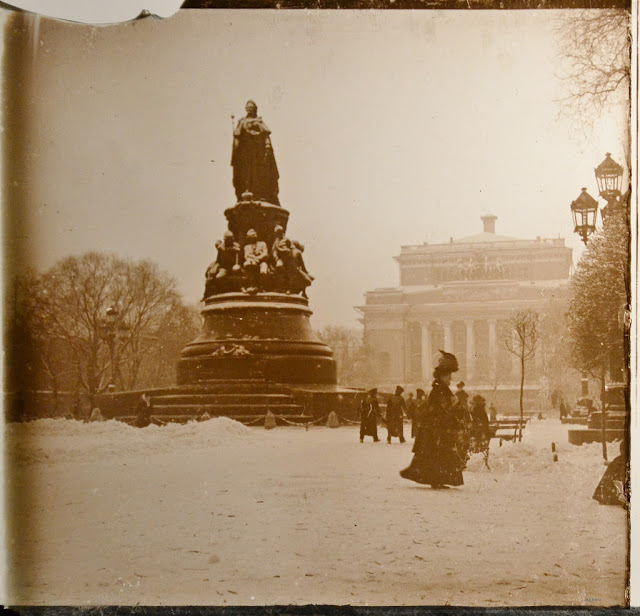
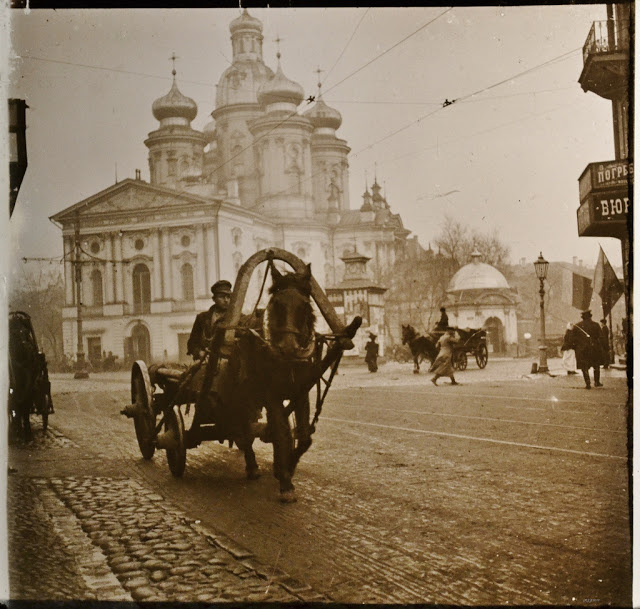
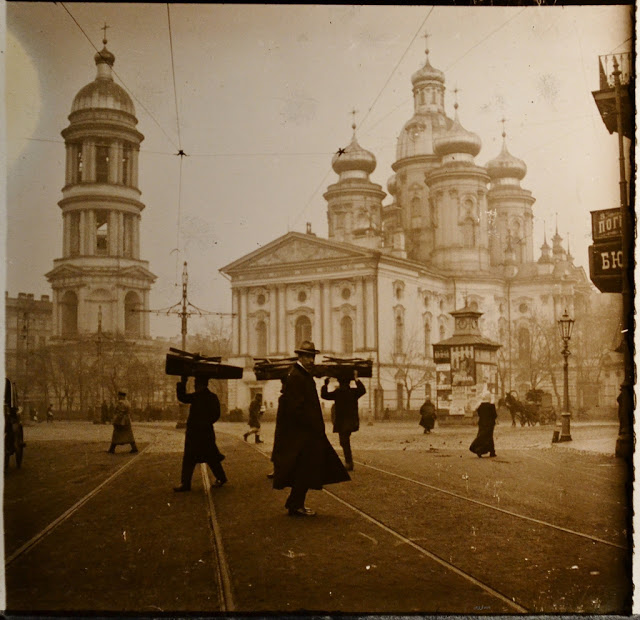
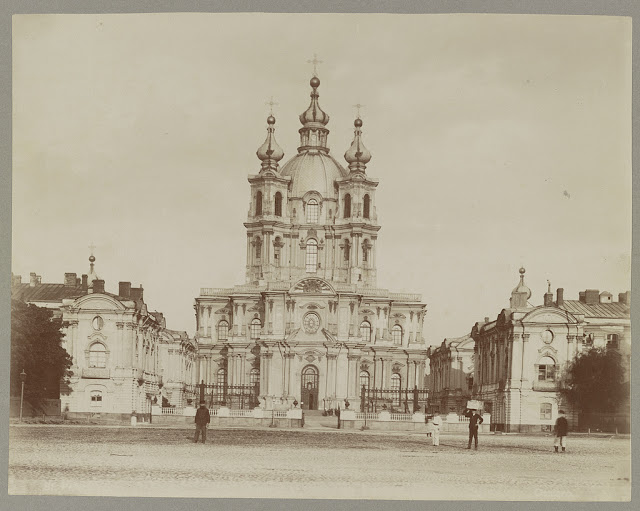
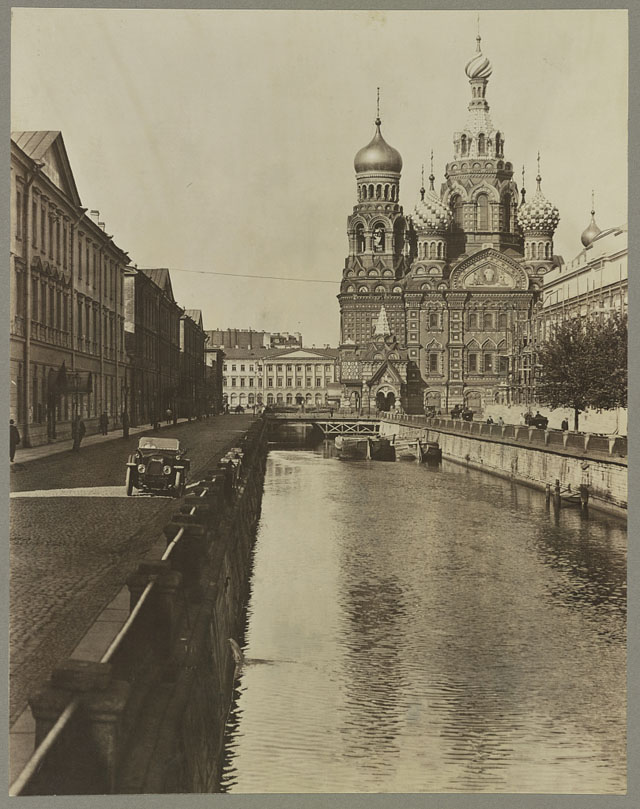
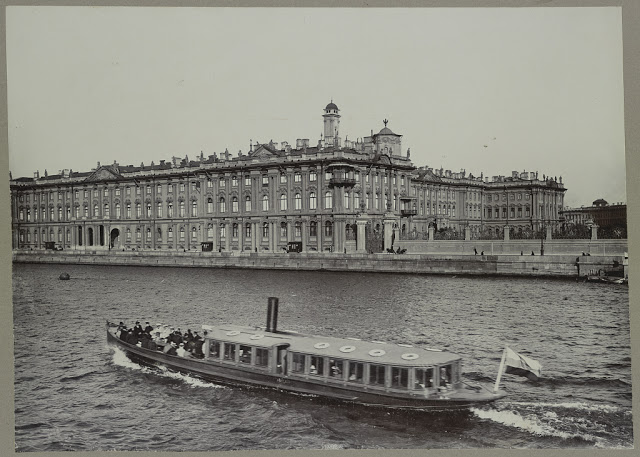
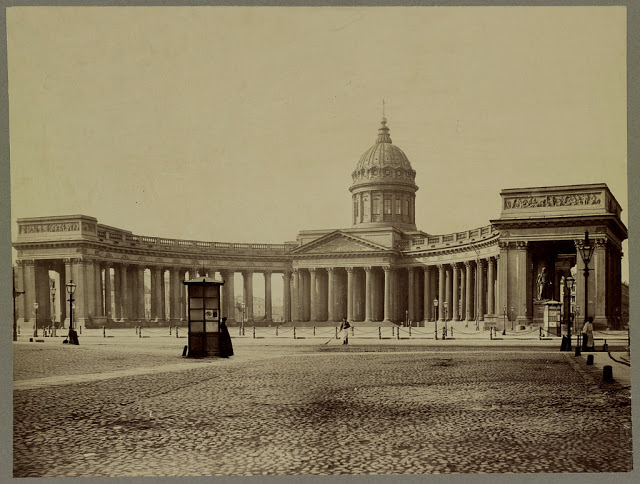
Saint Petersburg, formerly known as Petrograd (1914–1924) and later Leningrad (1924–1991), is the second-largest city in Russia. It is situated on the Neva River, at the head of the Gulf of Finland on the Baltic Sea, with a population of roughly 5.4 million residents. Saint Petersburg is the fourth-most populous city in Europe, the most populous city on the Baltic Sea, as well as the world’s northernmost city with over 1 million residents. As Russia’s Imperial capital, and a historically strategic port, it is governed as a federal city.
The city was founded by Tsar Peter the Great on 27 May 1703 on the site of a captured Swedish fortress, and was named after apostle Saint Peter. Saint Petersburg is historically and culturally associated with the birth of the Russian Empire and Russia’s entry into modern history as a European great power. It served as a capital of the Tsardom of Russia and the subsequent Russian Empire from 1713 to 1918 (being replaced by Moscow for a short period of time between 1728 and 1730). After the October Revolution in 1917, the Bolsheviks moved their government to Moscow.
Saint Petersburg is known as the “Cultural Capital of Russia”, and received over 15 million tourists in 2018. It is considered an important economic, scientific, cultural, and tourism centre of Russia and Europe. In modern times, the city has the nickname of the “Northern Capital” and serves as a home to some federal government bodies such as the Constitutional Court of Russia and the Heraldic Council of the President of the Russian Federation. It is also a seat for the National Library of Russia and a planned location for the Supreme Court of Russia, as well as the home to the headquarters of the Russian Navy, and the Western Military District of the Russian Armed Forces. The Historic Centre of Saint Petersburg and Related Groups of Monuments constitute a UNESCO World Heritage Site. Saint Petersburg is home to the Hermitage, one of the largest art museums in the world, the Lakhta Center, the tallest skyscraper in Europe, and was one of the host cities of the 2018 FIFA World Cup and the UEFA Euro 2020. (Wikipedia)
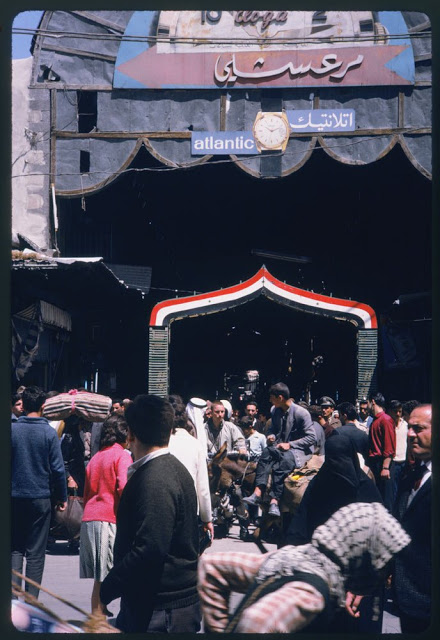
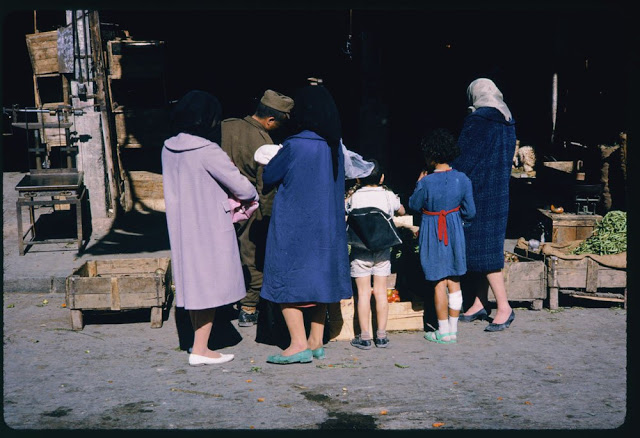
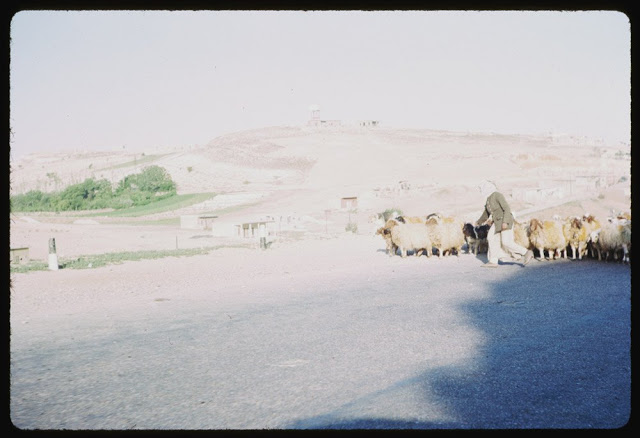
Syria is a country in Western Asia, bordering Lebanon to the southwest, the Mediterranean Sea to the west, Turkey to the north, Iraq to the east, Jordan to the south, and Israel to the southwest. Its capital and largest city is Damascus. A country of fertile plains, high mountains, and deserts, Syria is home to diverse ethnic and religious groups, including the majority Syrian Arabs, Kurds, Turkmens, Assyrians, Armenians, Circassians, Mandaeans, and Greeks. Religious groups include Sunnis, Christians, Alawites, Druze, Isma’ilis, Mandaeans, Shiites, Salafis, and Yazidis. Arabs are the largest ethnic group, and Sunnis are the largest religious group.
Syria is a unitary republic consisting of 14 governorates and is the only country that politically espouses Ba’athism. It is a member of one international organization other than the United Nations, the Non-Aligned Movement; it was suspended from the Arab League in November 2011 and the Organisation of Islamic Cooperation, and self-suspended from the Union for the Mediterranean.
The name “Syria” historically referred to a wider region, broadly synonymous with the Levant, and known in Arabic as al-Sham. The modern state encompasses the sites of several ancient kingdoms and empires, including the Eblan civilization of the 3rd millennium BC. Aleppo and the capital city Damascus are among the oldest continuously inhabited cities in the world. In the Islamic era, Damascus was the seat of the Umayyad Caliphate and a provincial capital of the Mamluk Sultanate in Egypt.
The modern Syrian state was established in the mid-20th century after centuries of Ottoman rule, and after a brief period as a French mandate, the newly created state represented the largest Arab state to emerge from the formerly Ottoman-ruled Syrian provinces. It gained de jure independence as a parliamentary republic on 24 October 1945, when the Republic of Syria became a founding member of the United Nations, an act which legally ended the former French Mandate, although French troops did not leave the country until April 1946.
The post-independence period was tumultuous, with many military coups and coup attempts shaking the country from 1949 to 1971. In 1958, Syria entered a brief union with Egypt called the United Arab Republic, which was terminated by the 1961 Syrian coup d’état. The republic was renamed as the Arab Republic of Syria in late 1961 after the December 1 constitutional referendum of that year, and was increasingly unstable until the 1963 Ba’athist coup d’état, since which the Ba’ath Party has maintained its power. Syria was under Emergency Law from 1963 to 2011, effectively suspending most constitutional protections for citizens.
Bashar al-Assad has been president since 2000 and was preceded by his father Hafez al-Assad, who was in office from 1971 to 2000. Throughout his rule, Syria and the ruling Ba’ath Party have been condemned and criticized for various human rights abuses, including frequent executions of citizens and political prisoners, and massive censorship. Since March 2011, Syria has been embroiled in a multi-sided civil war, with a number of countries in the region and beyond involved militarily or otherwise. As a result, a number of self-proclaimed political entities have emerged on Syrian territory, including the Syrian opposition, Rojava, Tahrir al-Sham and Islamic State of Iraq and the Levant. Syria was ranked last on the Global Peace Index from 2016 to 2018, making it the most violent country in the world due to the war. The conflict has killed more than 570,000 people, caused 7.6 million internally displaced people (July 2015 UNHCR estimate) and over 5 million refugees (July 2017 registered by UNHCR), making population assessment difficult in recent years. (Wikipedia)
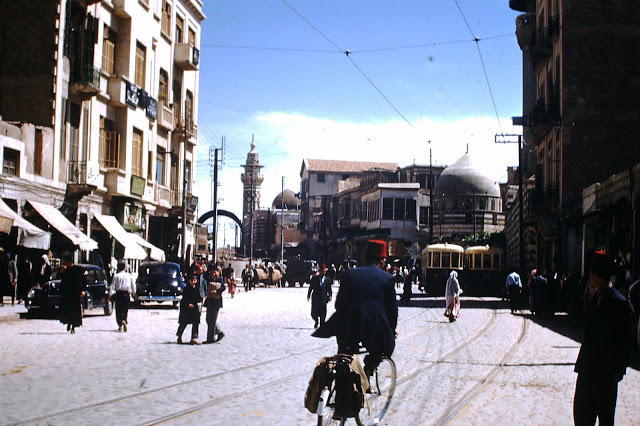
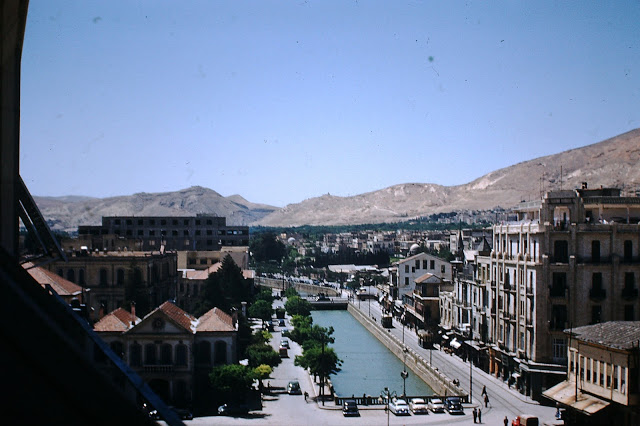
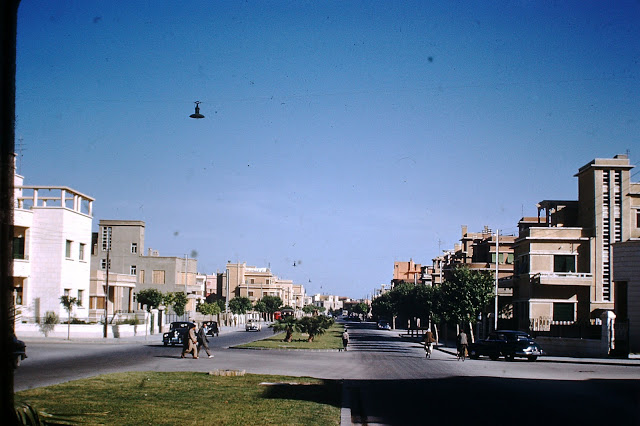
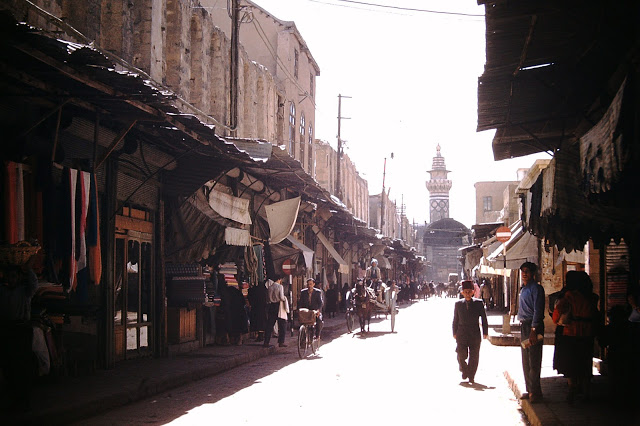
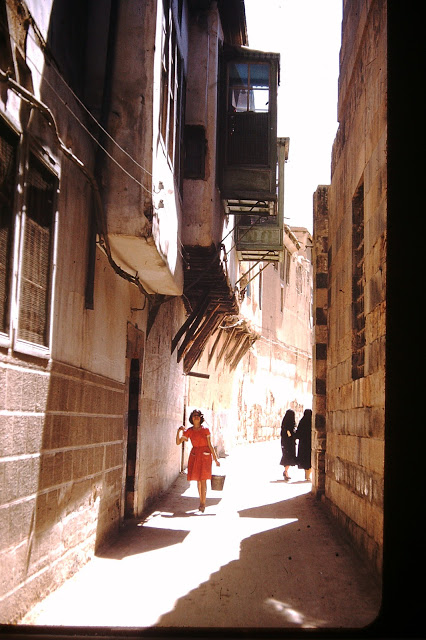

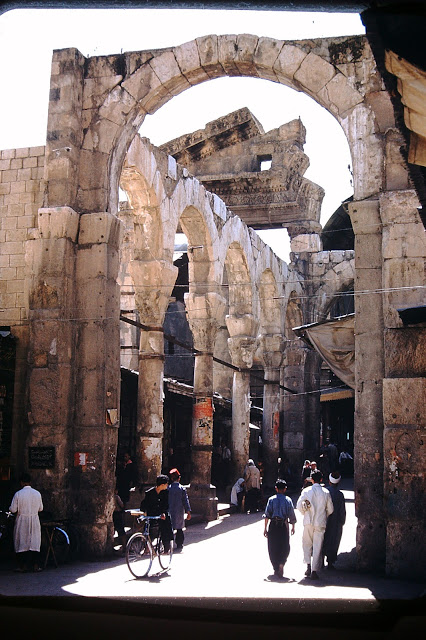
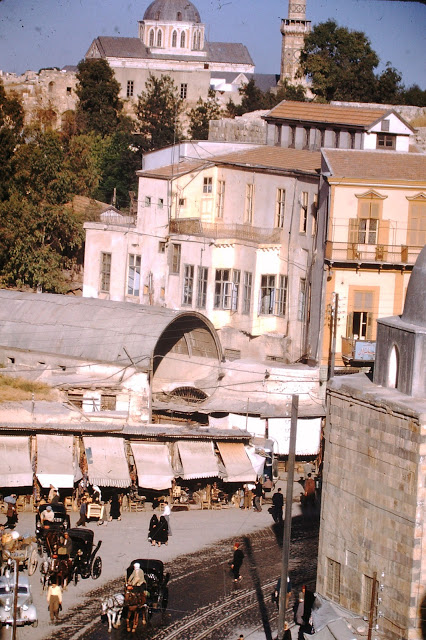
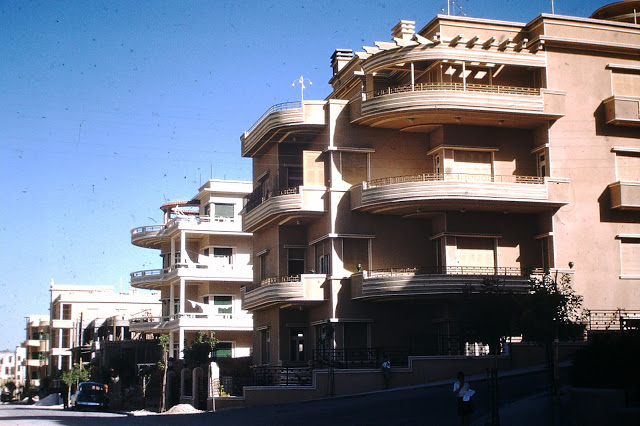
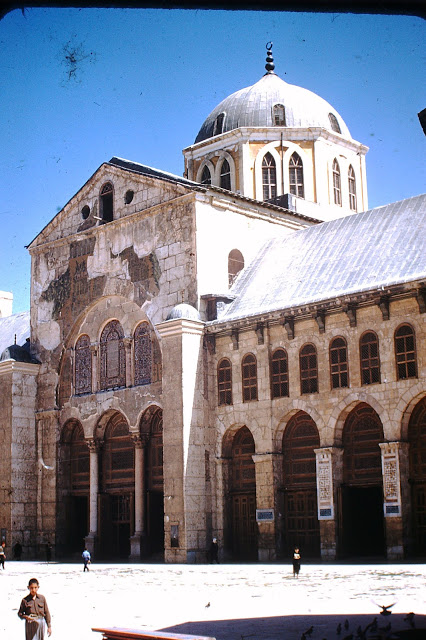
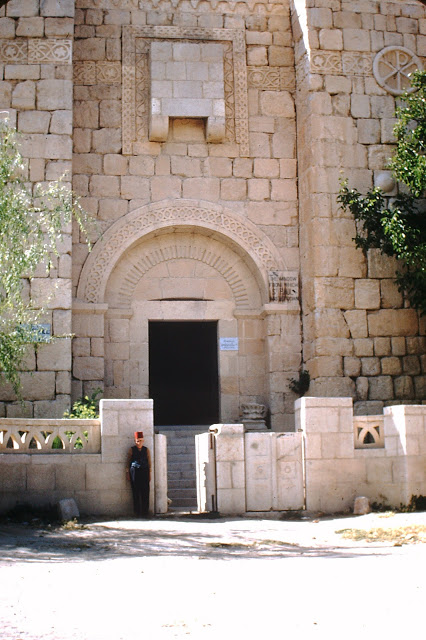

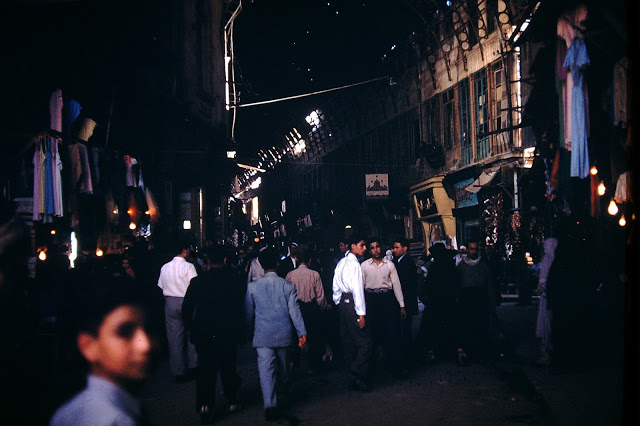
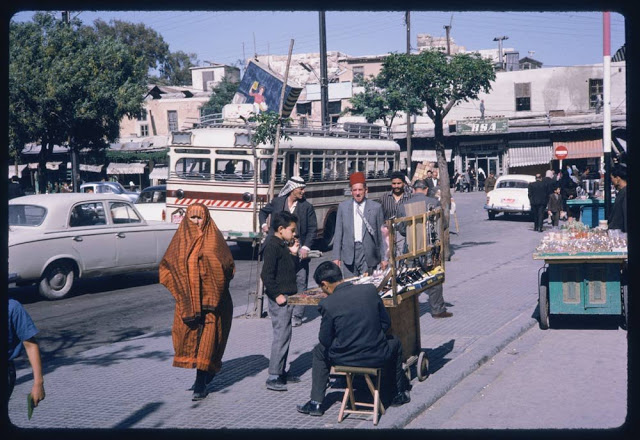
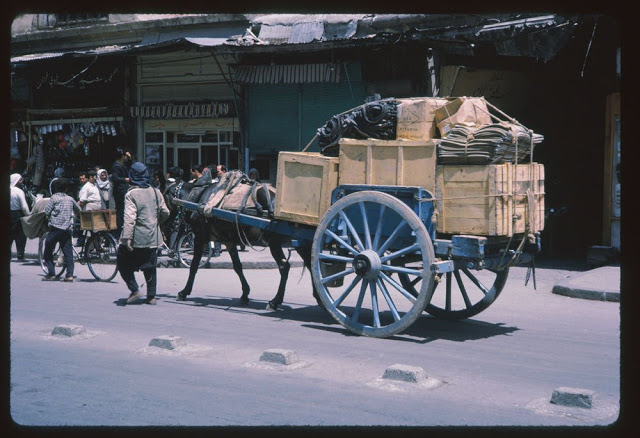
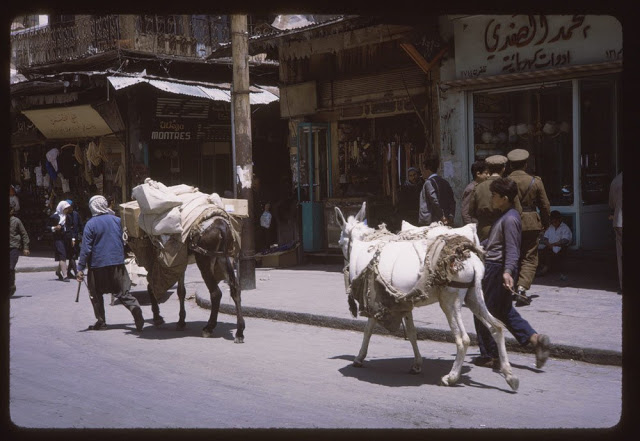

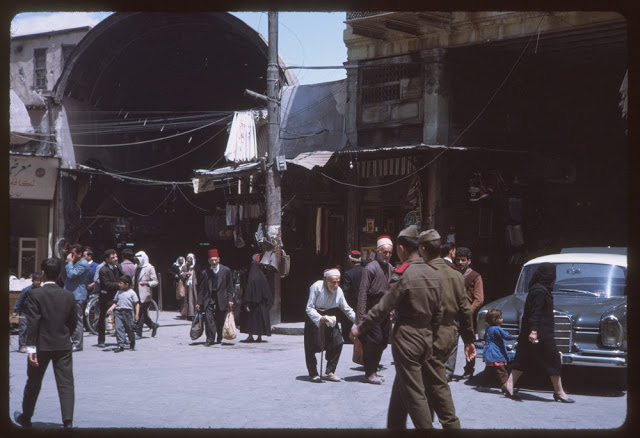
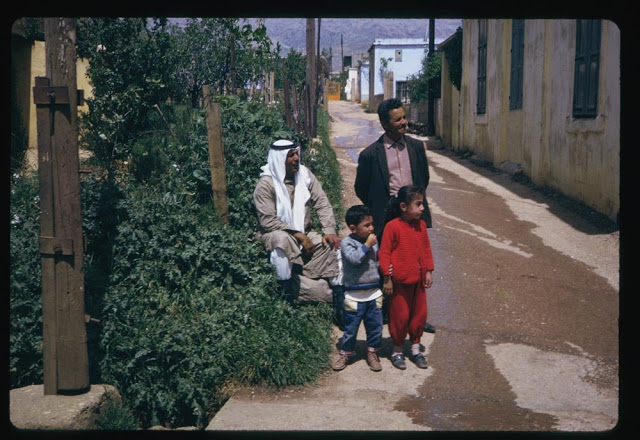
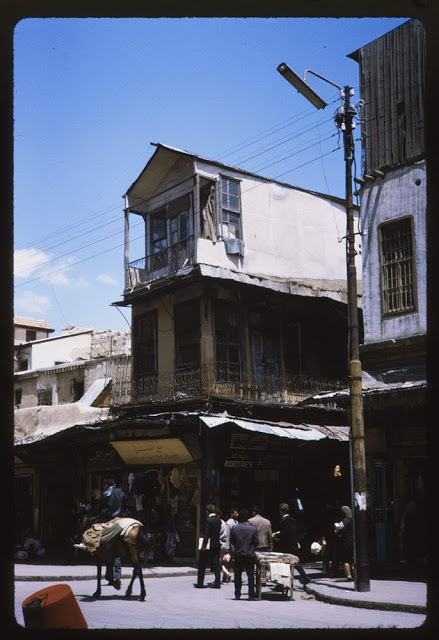


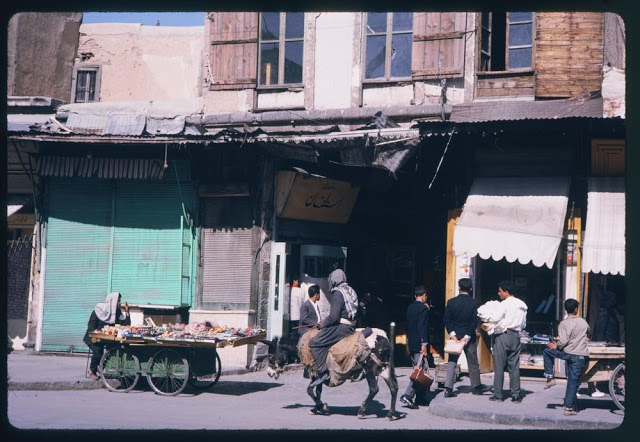

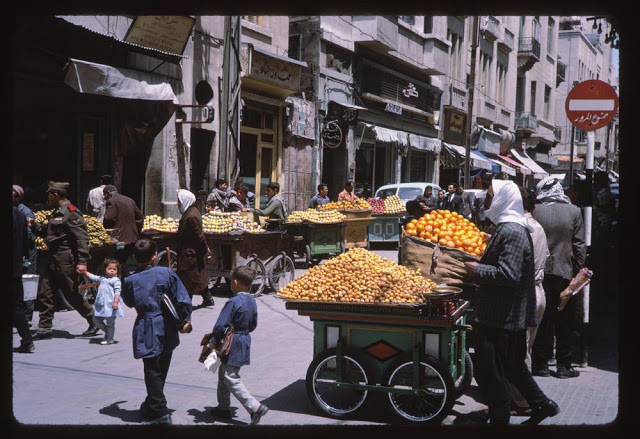
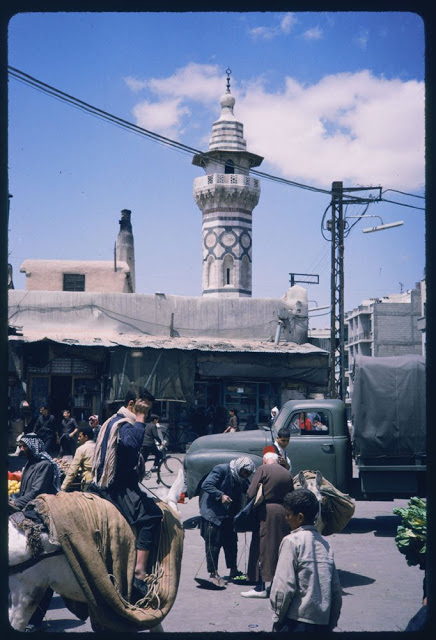
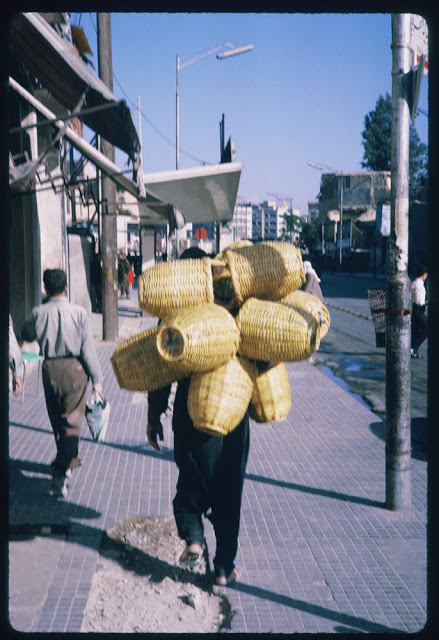
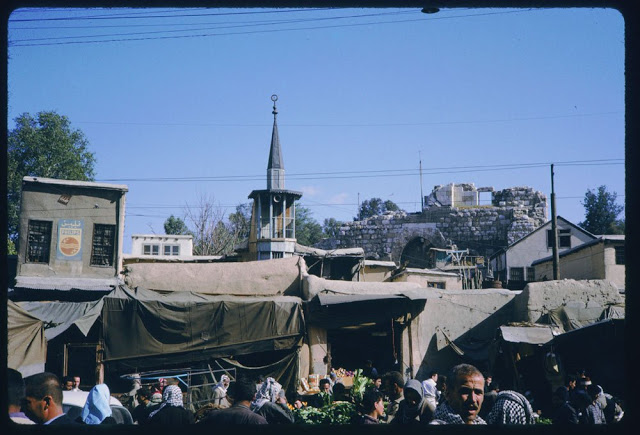


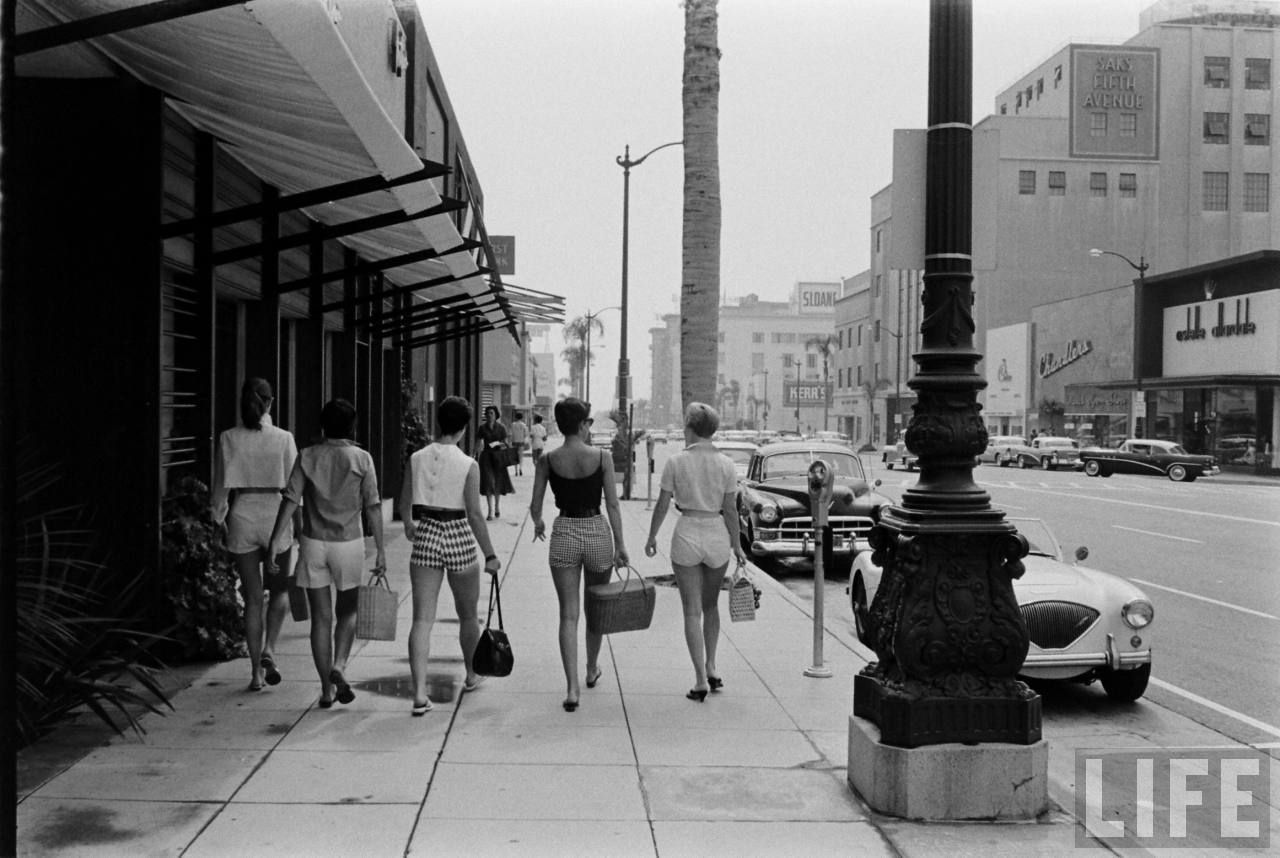



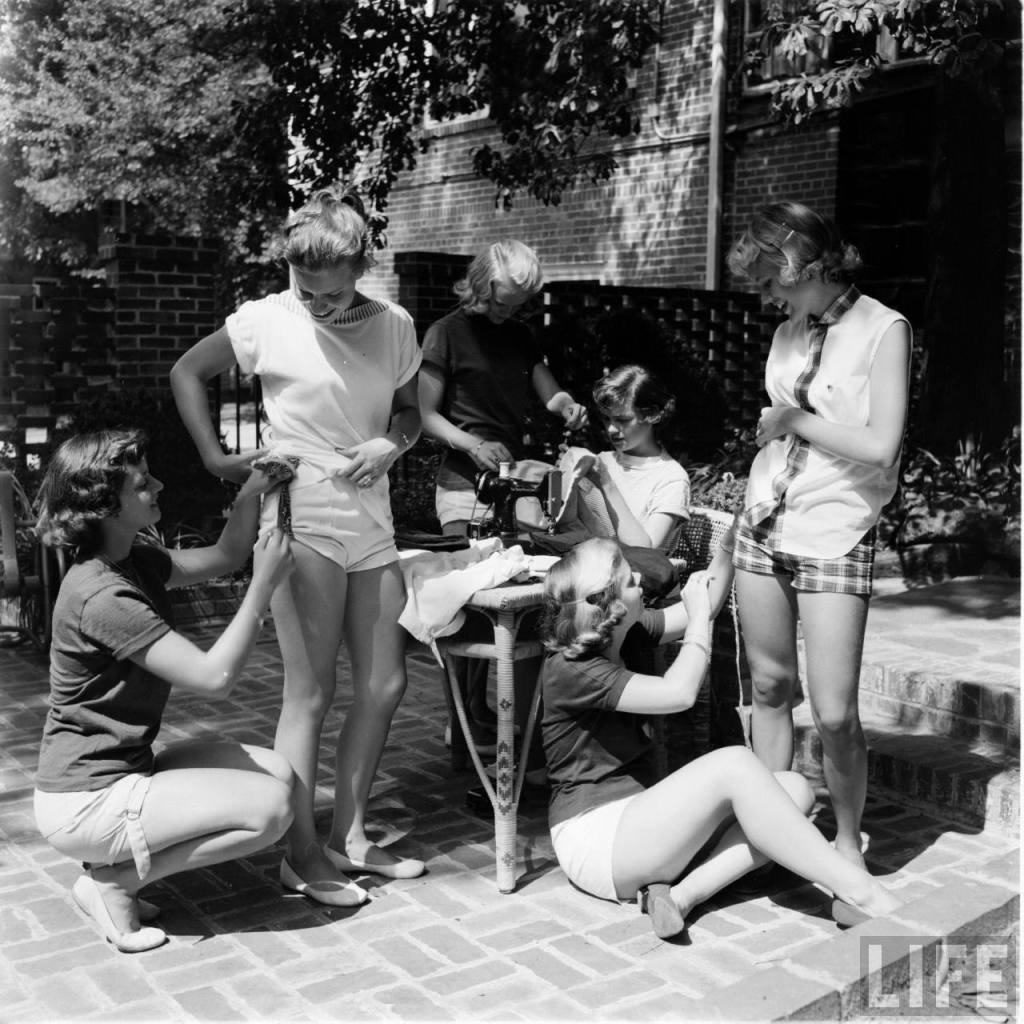
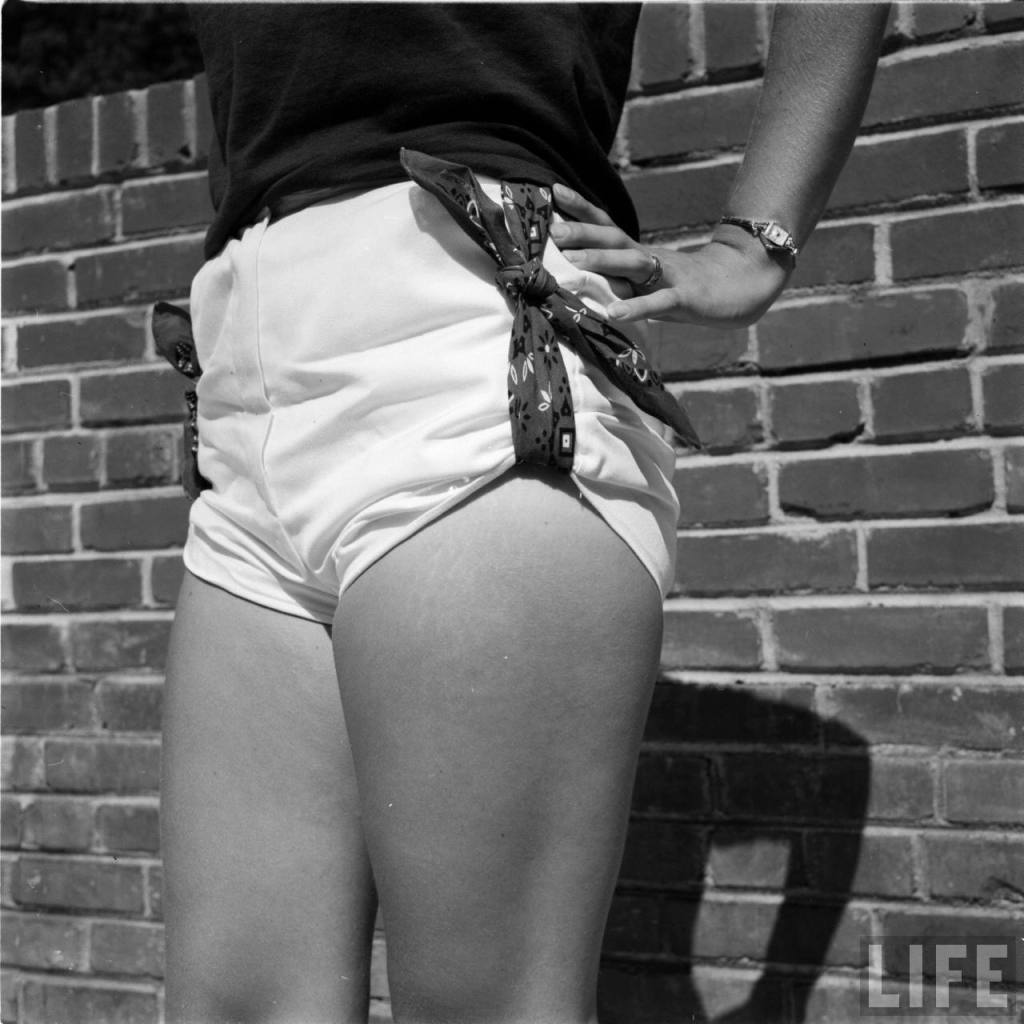

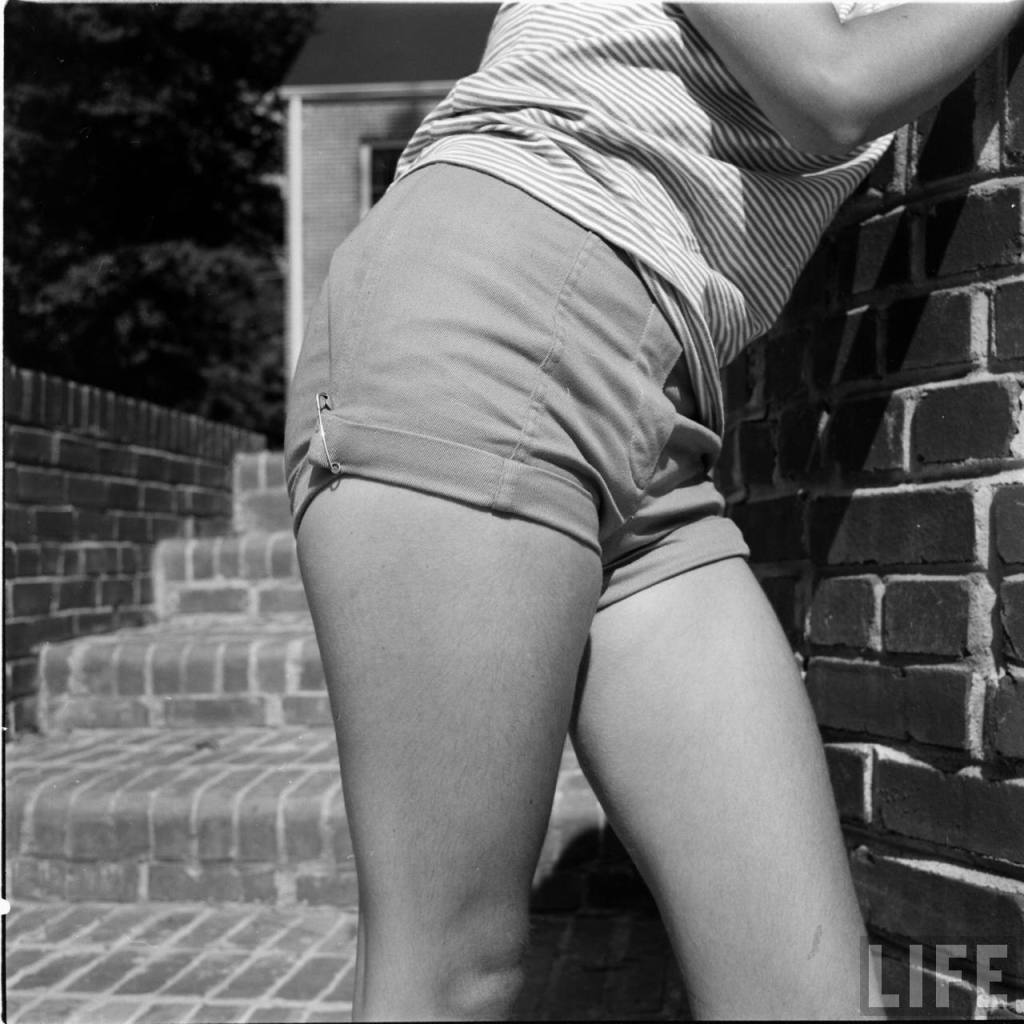

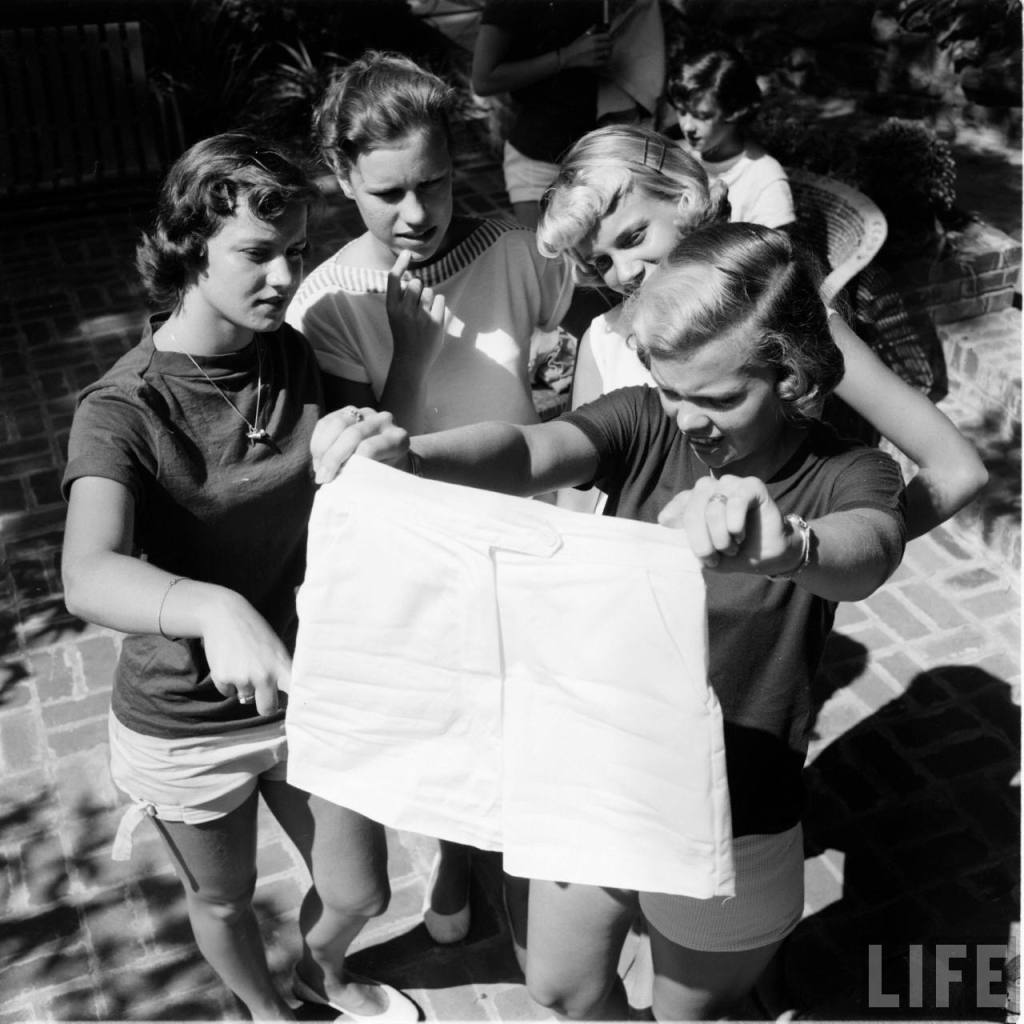


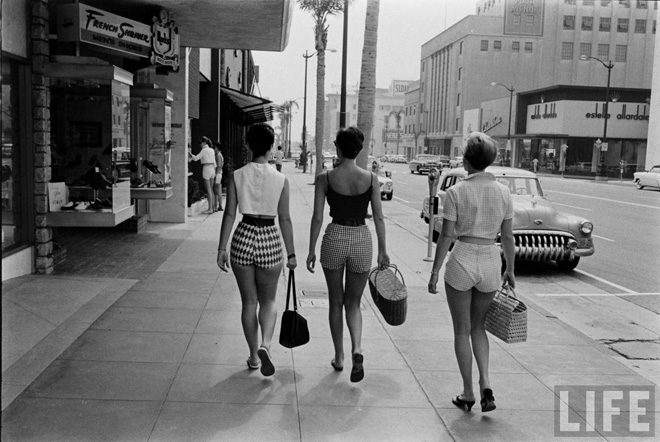


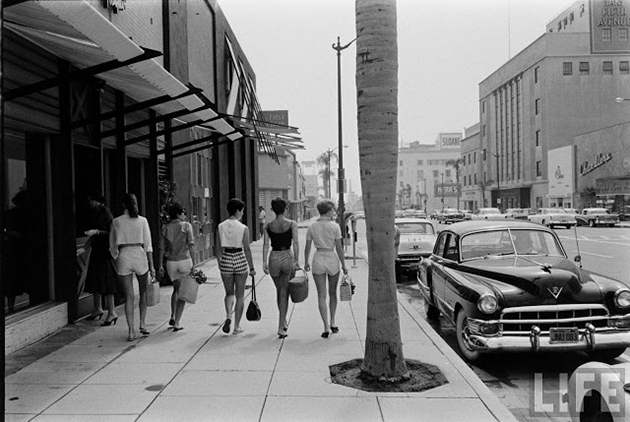

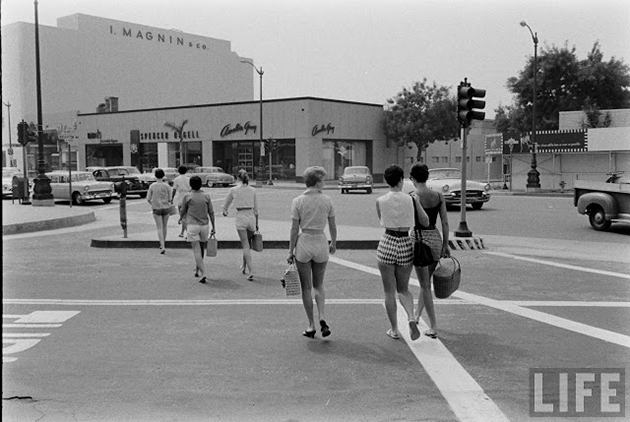
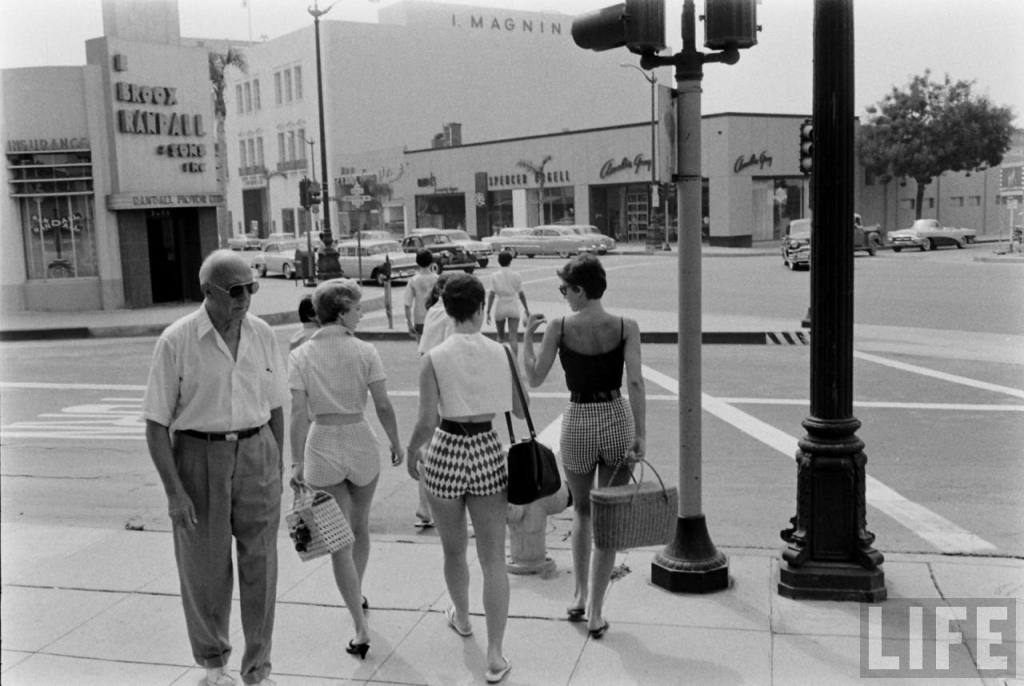


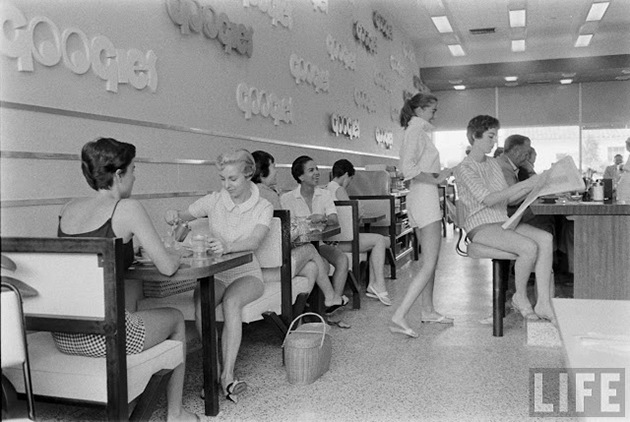

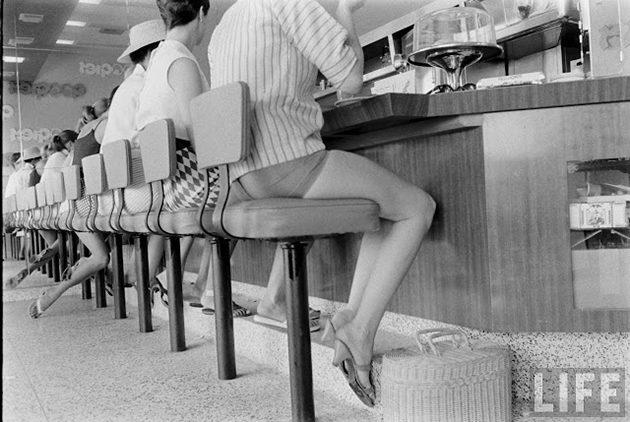


(Photos: Allan Grant & Robert Kelley, LIFE archives)
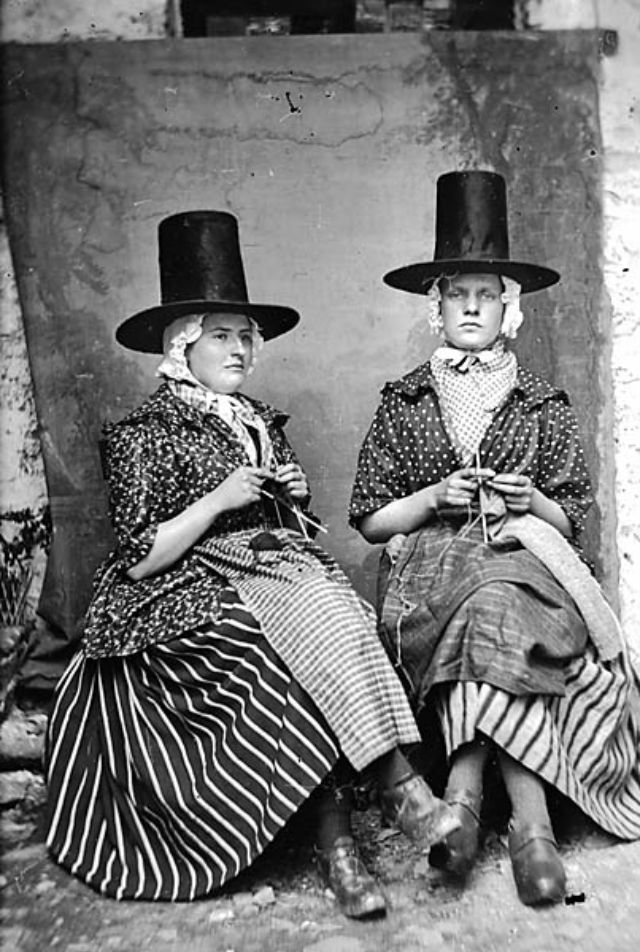
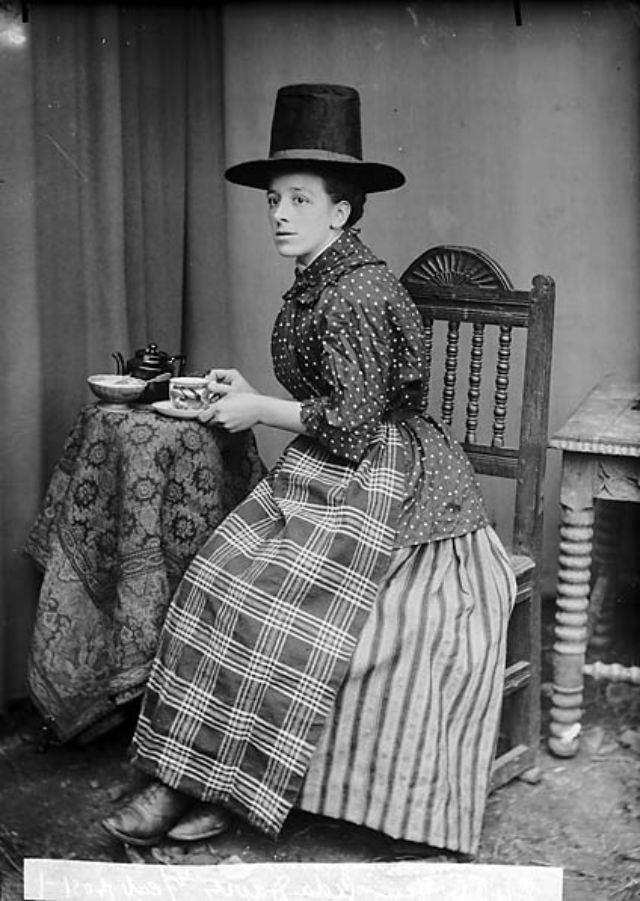
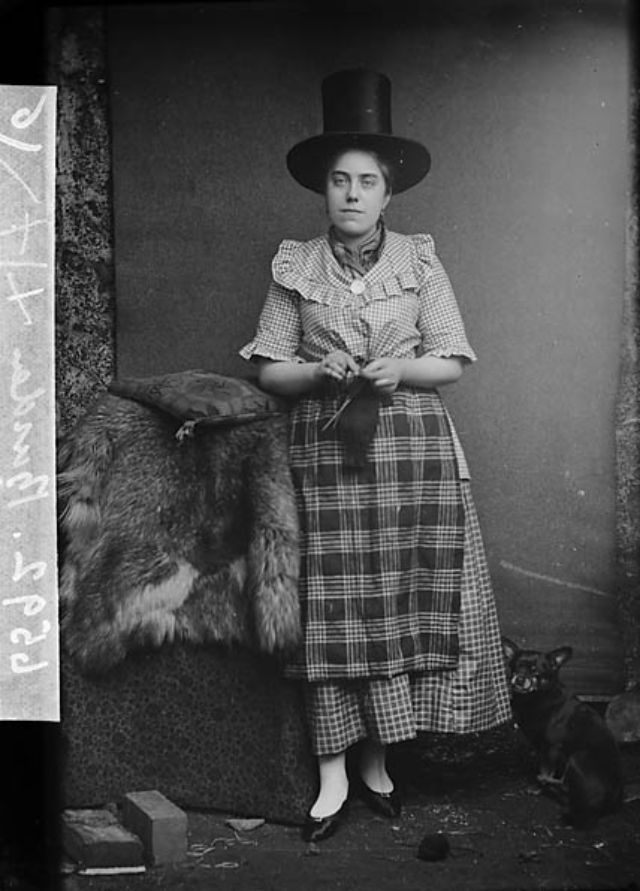
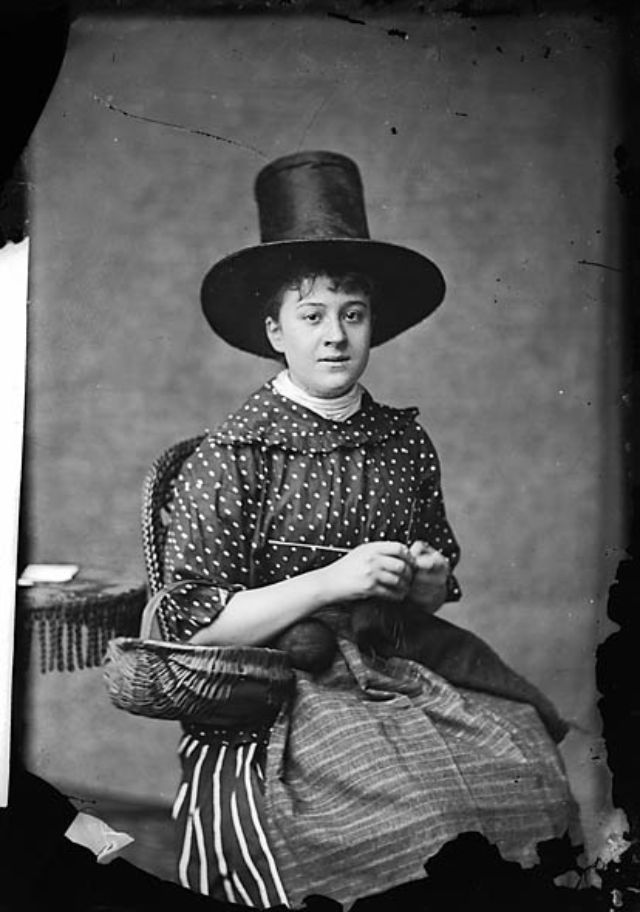
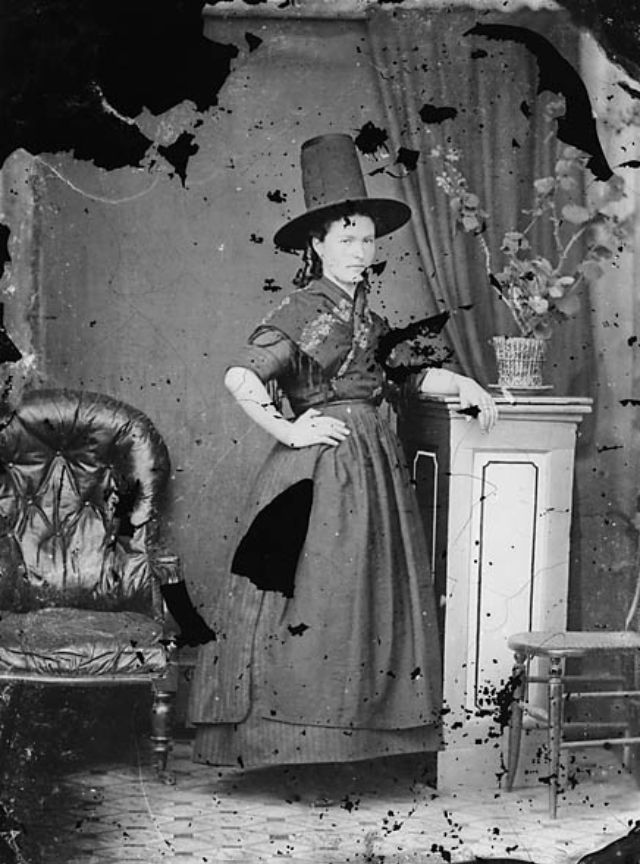
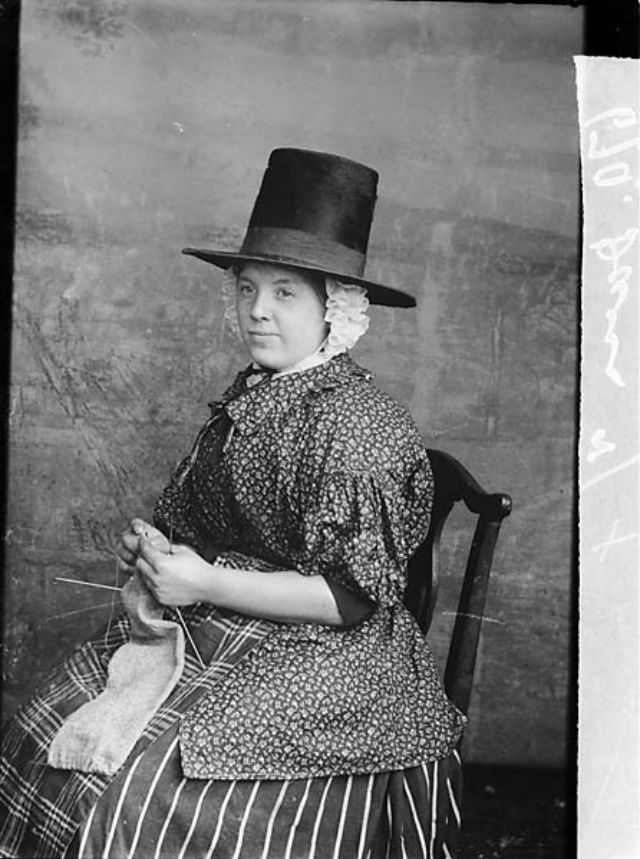
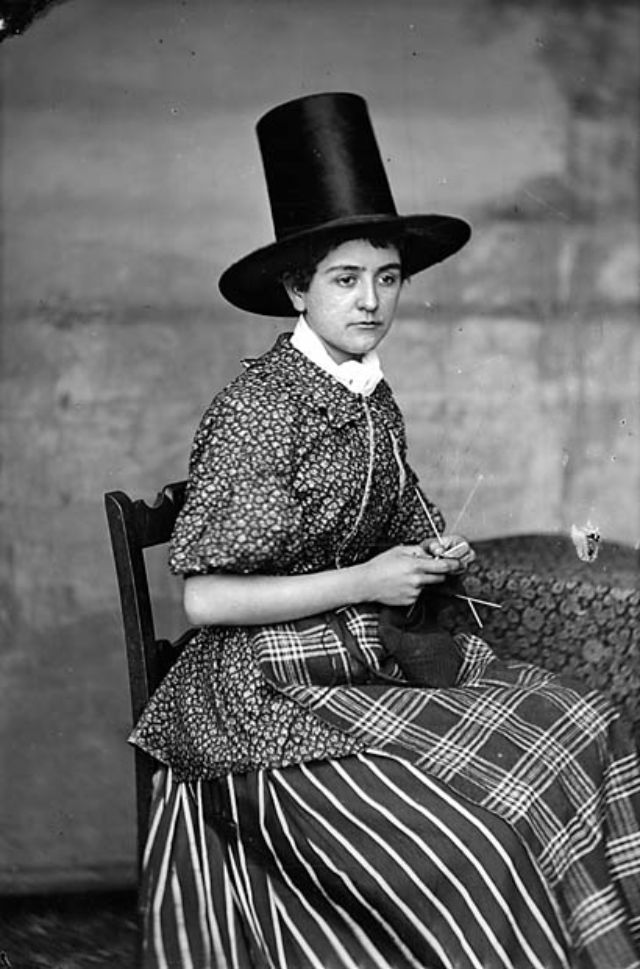
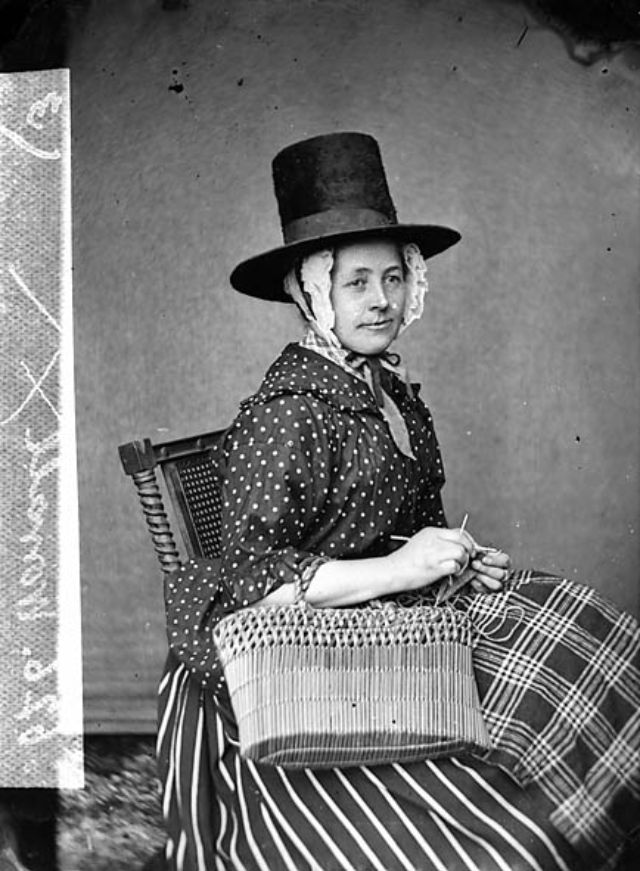
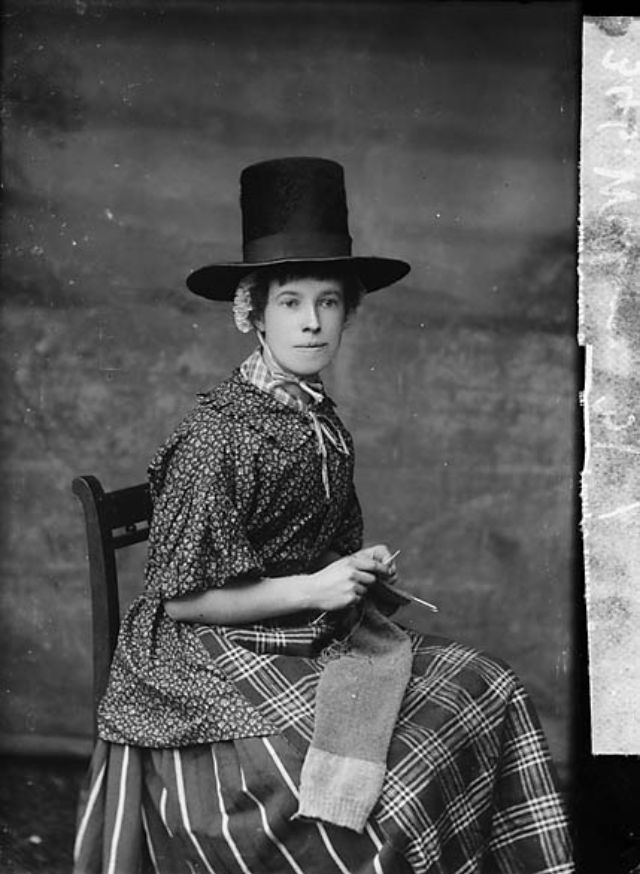
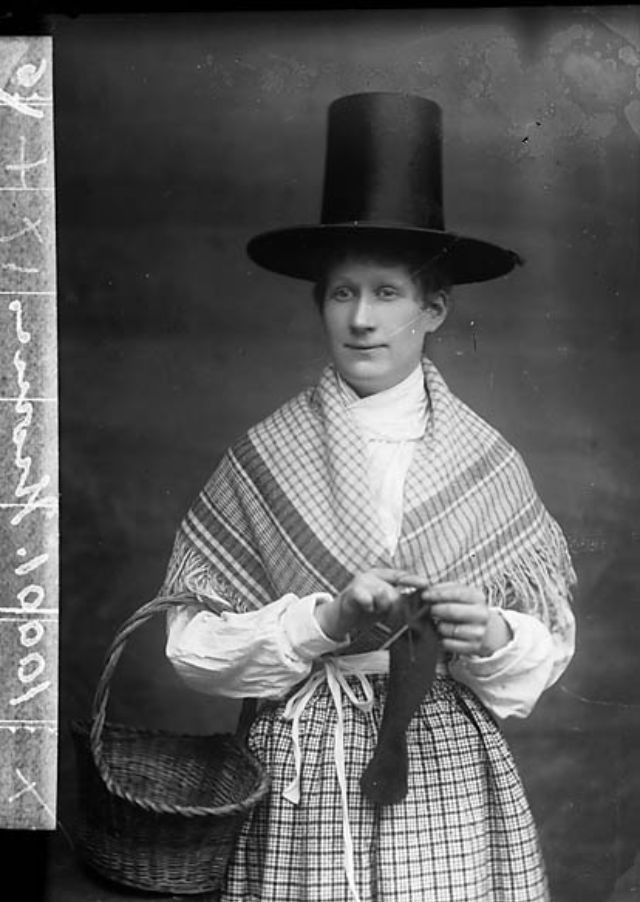
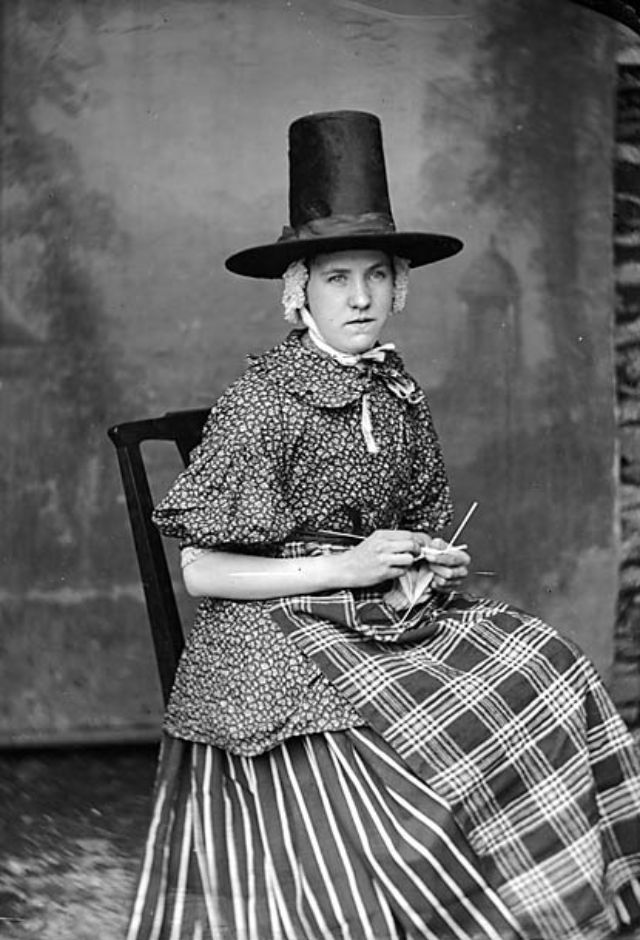
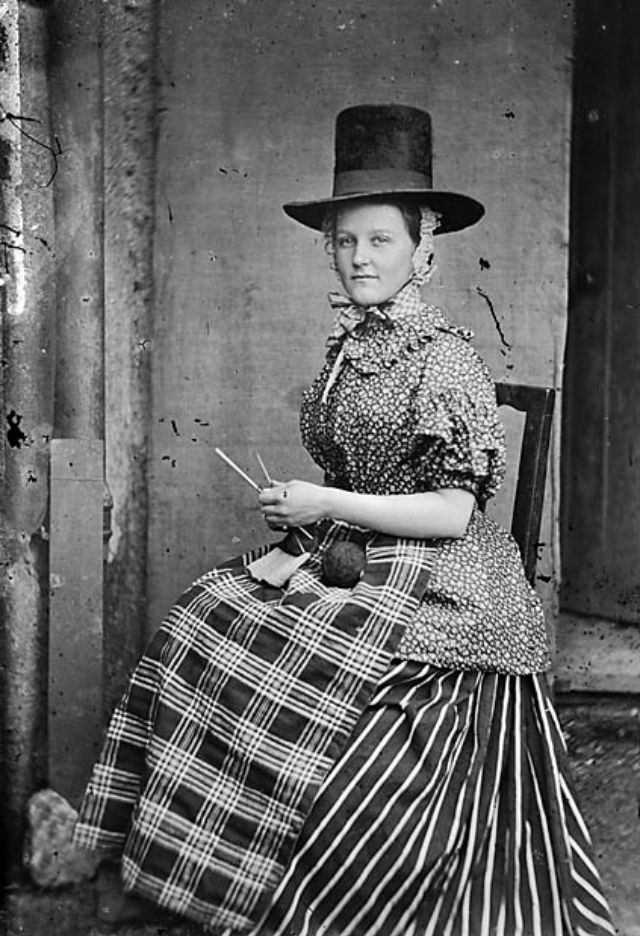
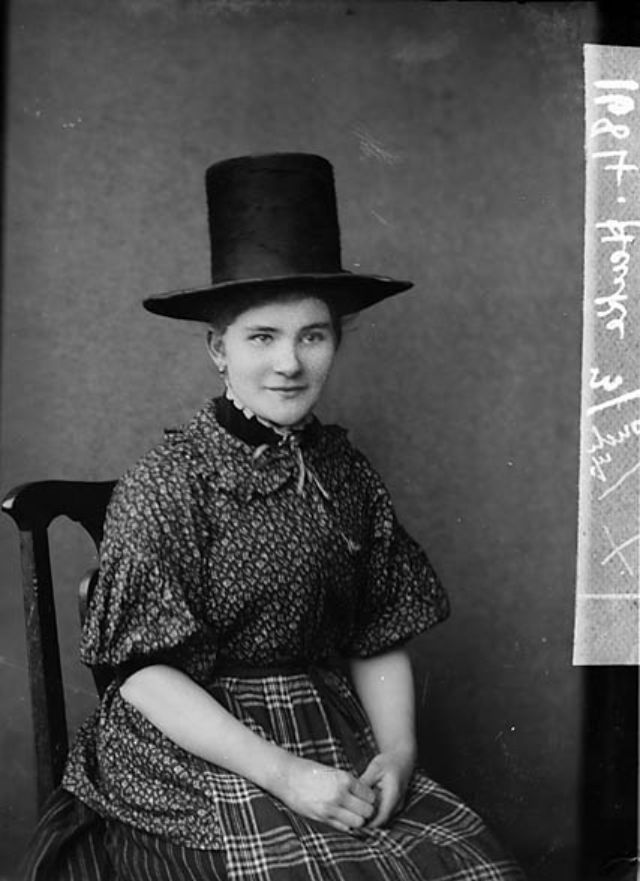
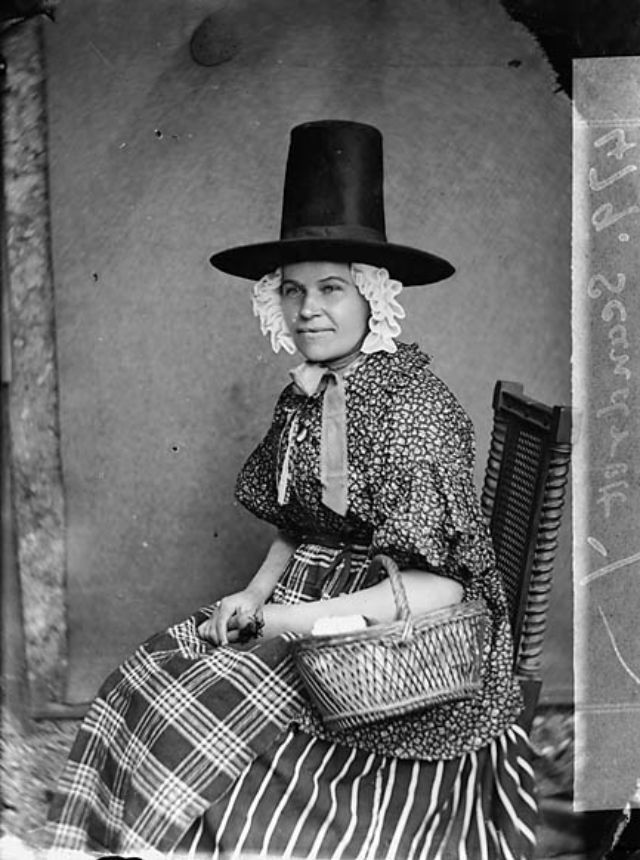
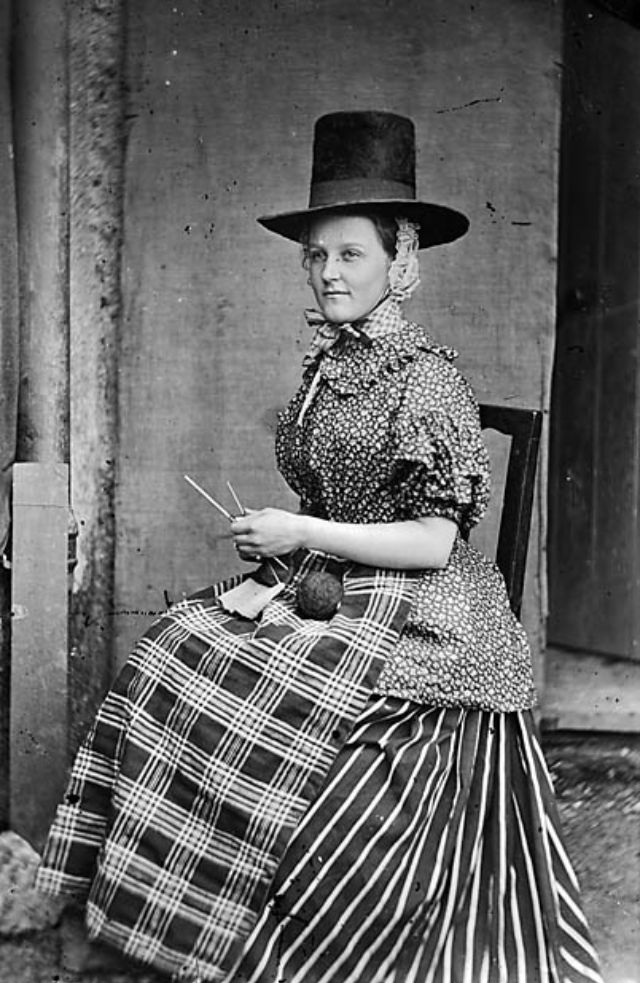
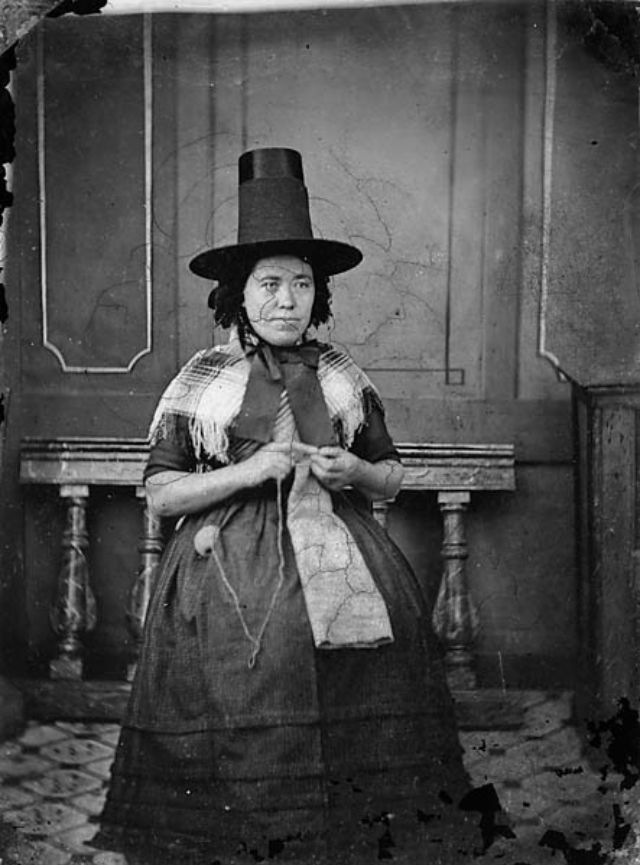
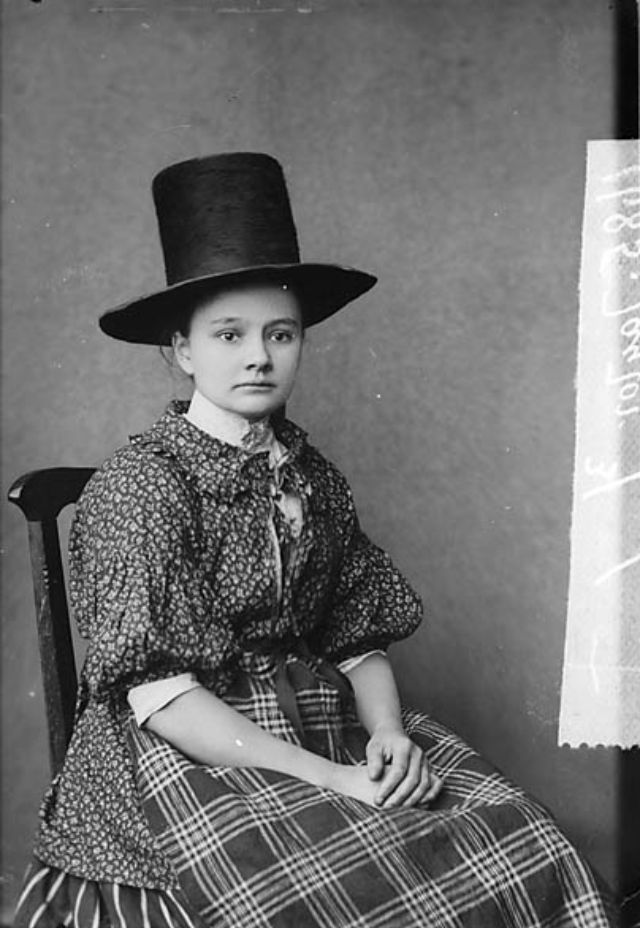
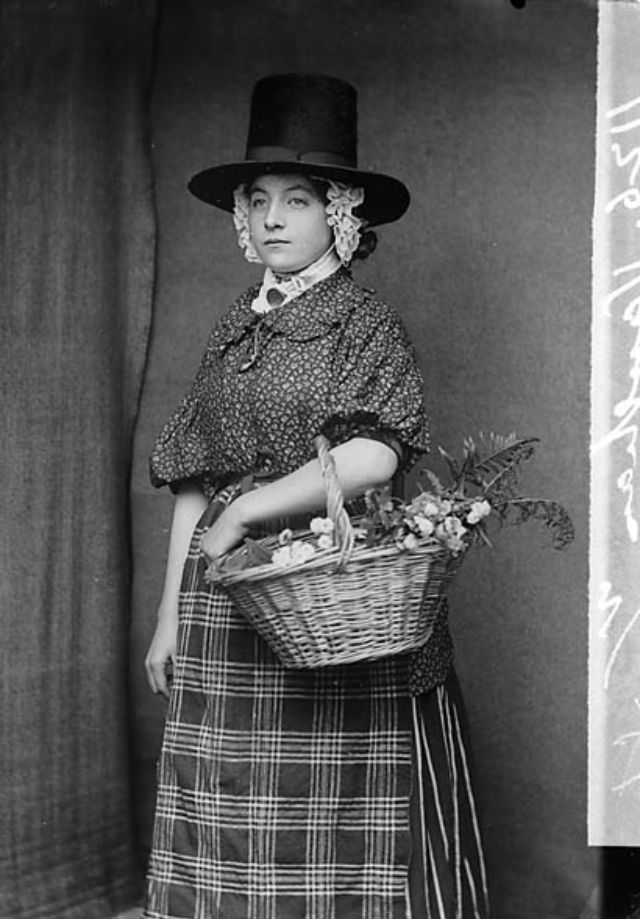
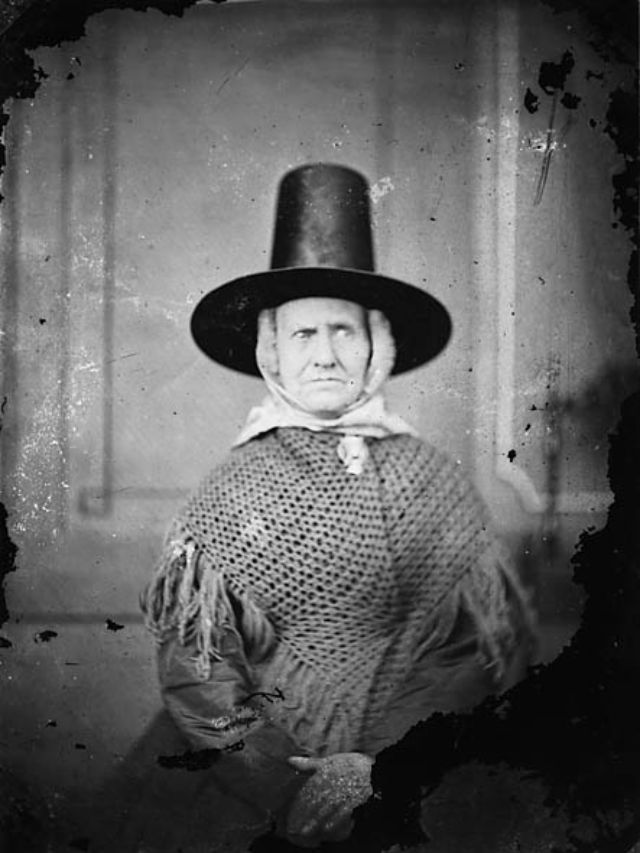
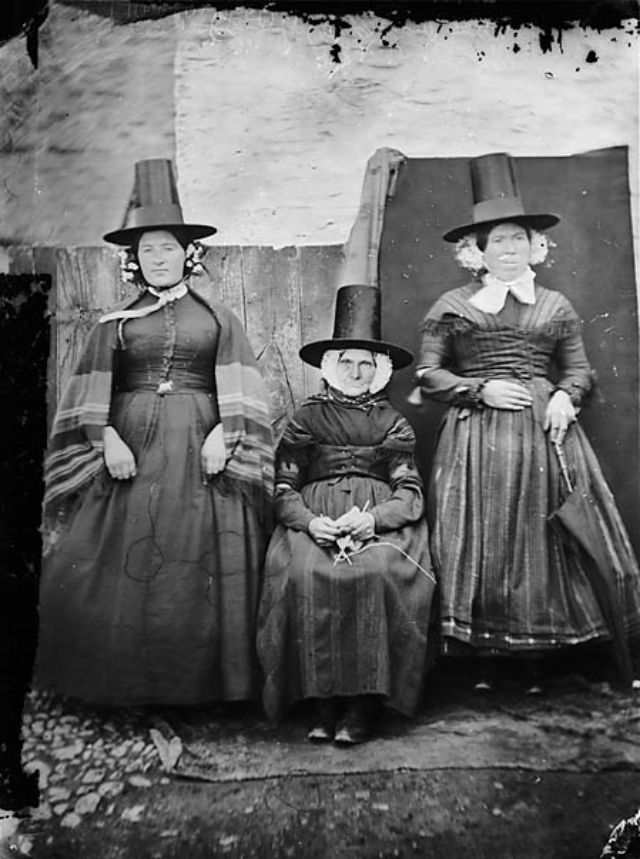
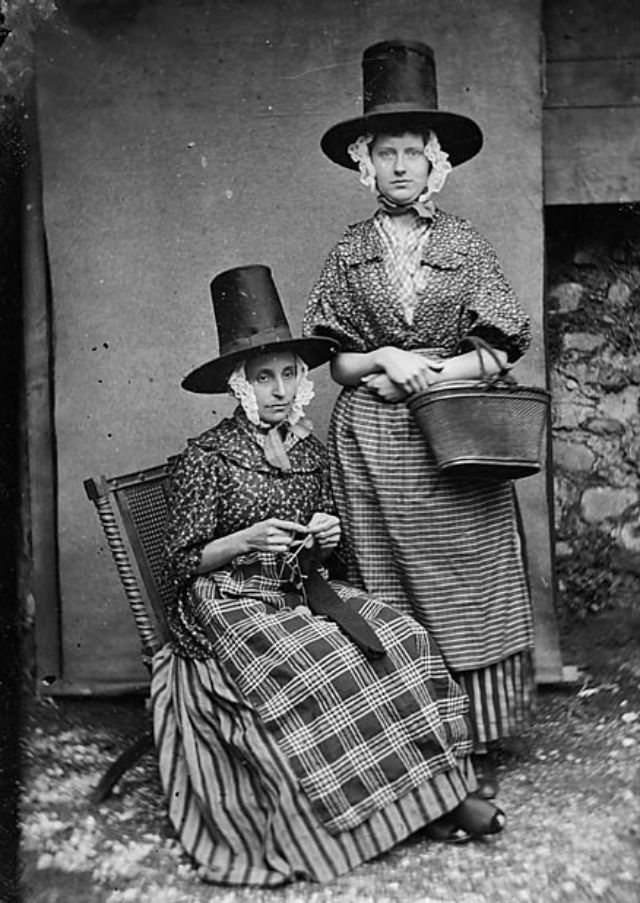
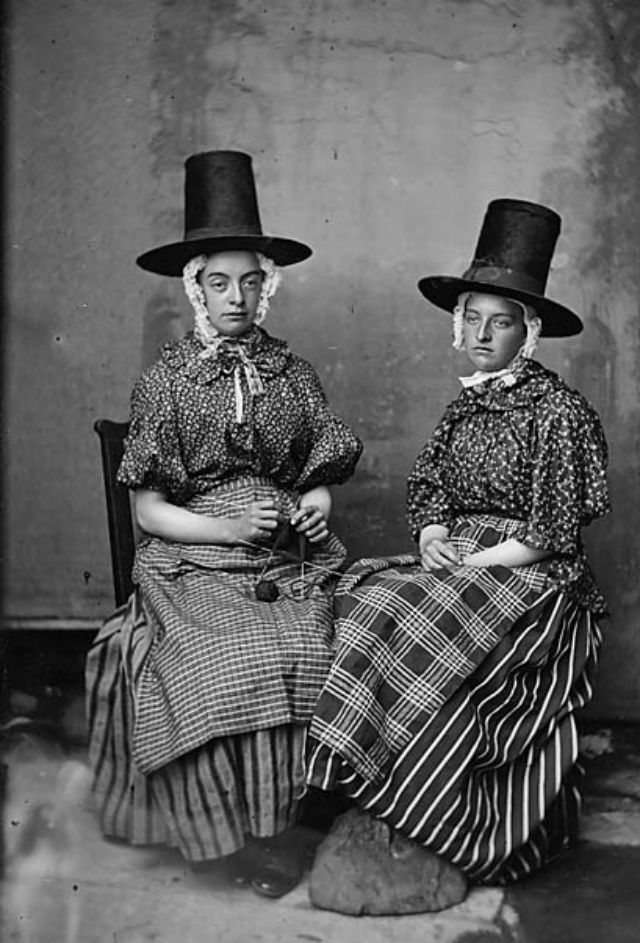
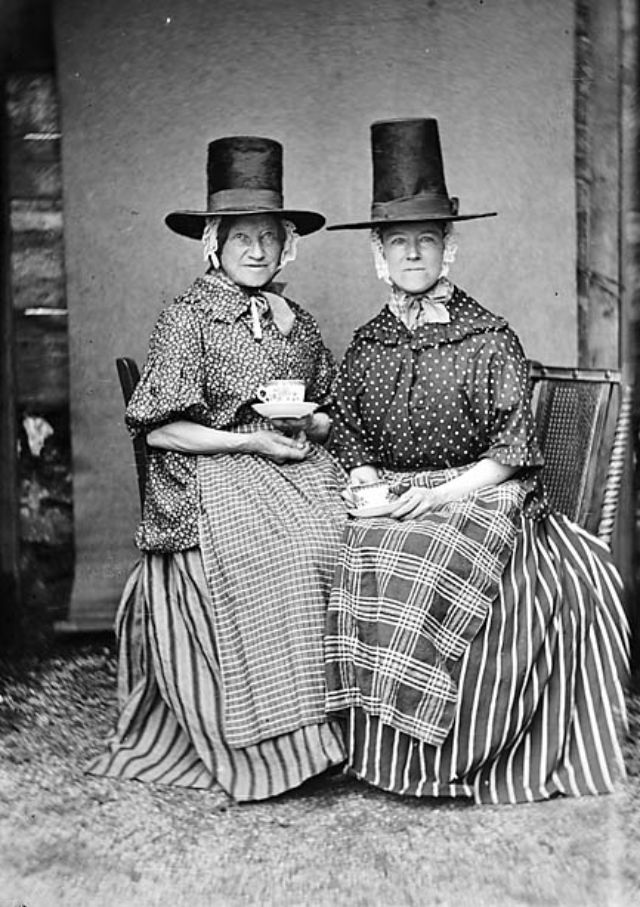
First appearing during the 1830s, the Welsh hat worn by women as part of Welsh national costume is a tall stovepipe-style hat, similar to a top hat, or the capotain. It is still worn by women, and particularly schoolgirls, in Wales on St David’s Day, but rarely on other occasions.
Two main shapes of Welsh hat were made during the 19th century: those with drum shaped (vertical sided) crowns were worn in north-west Wales, and those with slightly tapering crowns were found in the rest of Wales.
A collection of 49 amazing pictures that shows Welsh women wore traditional costumes with these special hats in the 19 century.