Subscribe to continue reading
Become a paid subscriber to get access to the rest of this post and other exclusive content.
Bringing You the Wonder of Yesterday – Today
Become a paid subscriber to get access to the rest of this post and other exclusive content.

Rome became first one of the major centres of the Italian Renaissance, and then the birthplace of both the Baroque style and Neoclassicism. Famous artists, painters, sculptors and architects made Rome the centre of their activity, creating masterpieces throughout the city.
In 1871, Rome became the capital of the Kingdom of Italy, which in 1946 became the Italian Republic. It is a special comune, and serves as the capital of the Lazio region, and the country’s most populated comune.
Located in the central-western portion of the Italian Peninsula, within Lazio (Latium), along the shores of the Tiber, Rome is the fourth-most populous city in the European Union by population within city limits. It is the centre of the Metropolitan City of Rome.
The Vatican City is an independent country inside the city boundaries of Rome, the only existing example of a country within a city: for this reason Rome has been often defined as capital of two states.
Rome has the status of a global city, and is also an important fashion and design centre thanks to renowned international brands centered in the city.
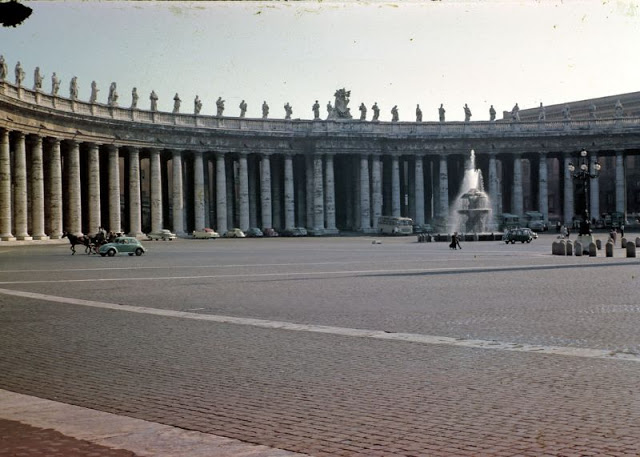
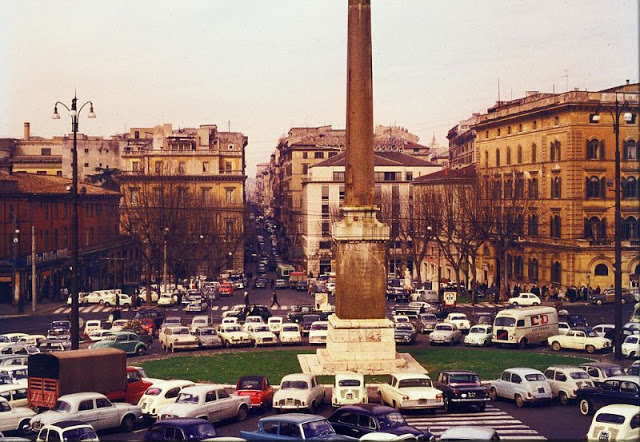
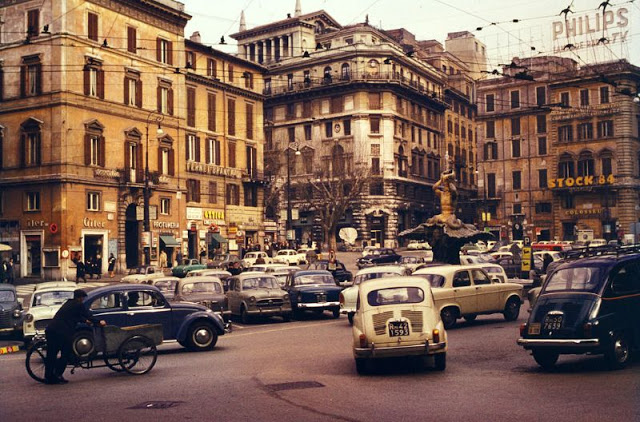
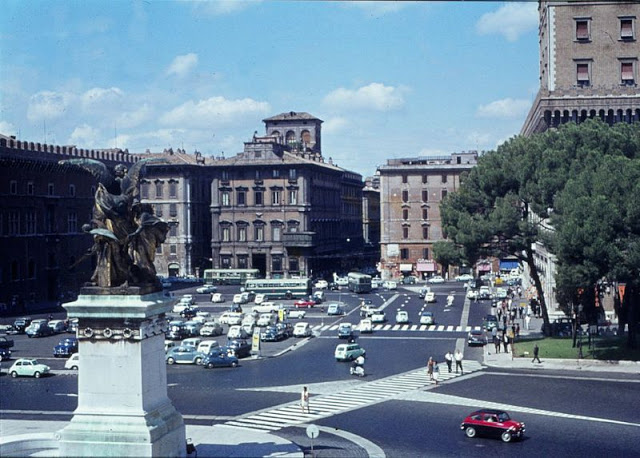
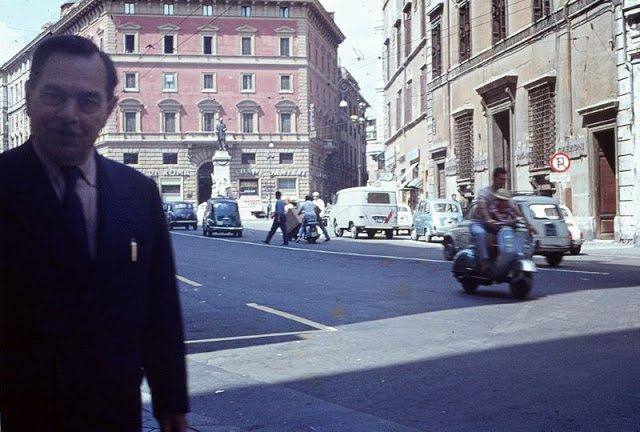
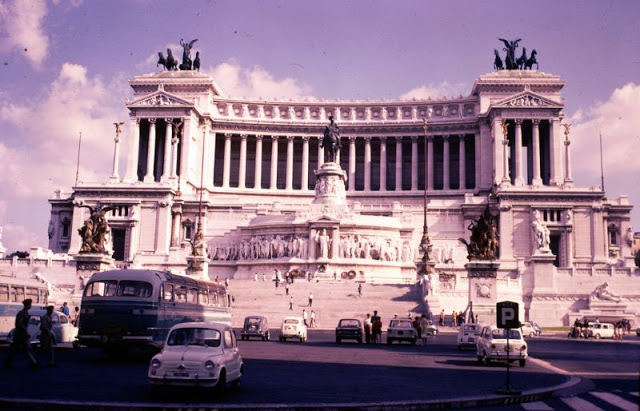
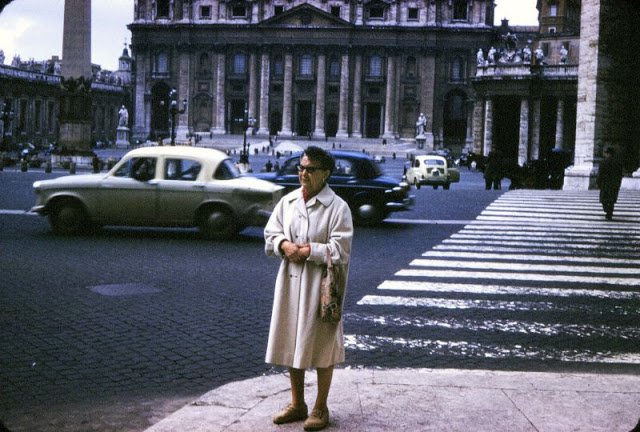
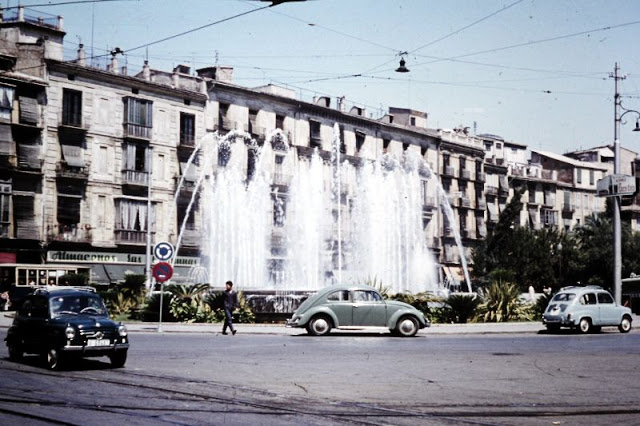
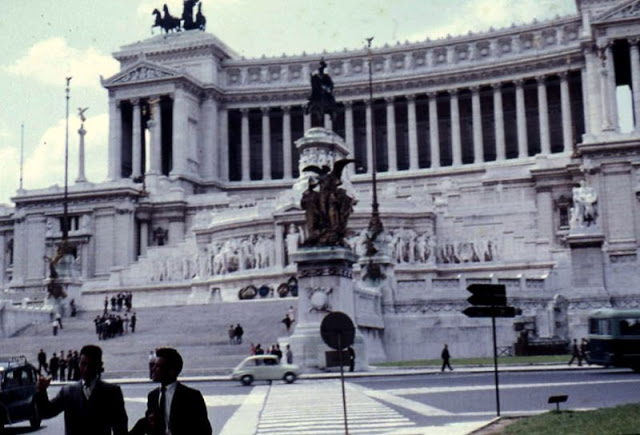
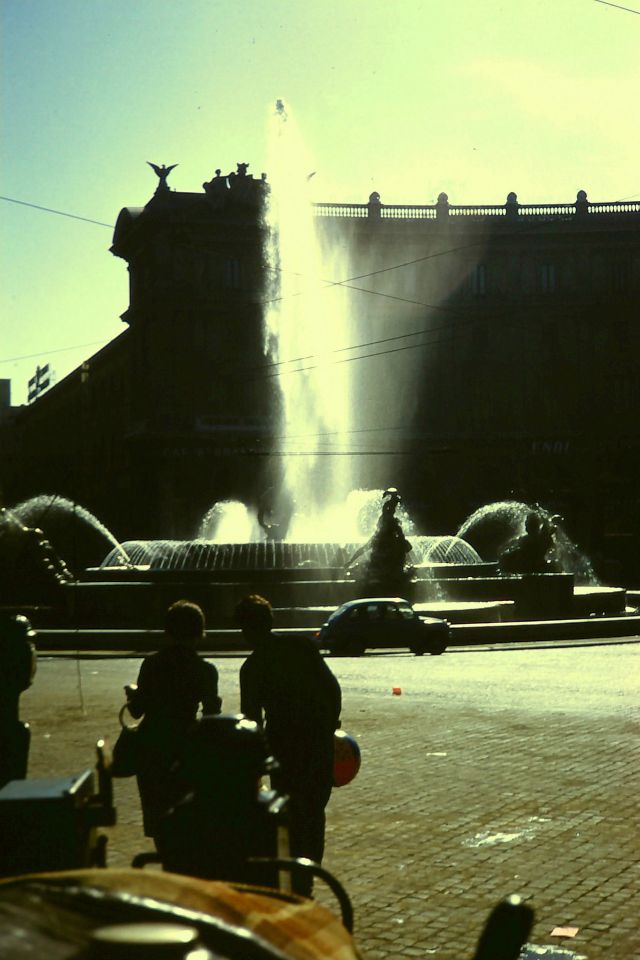
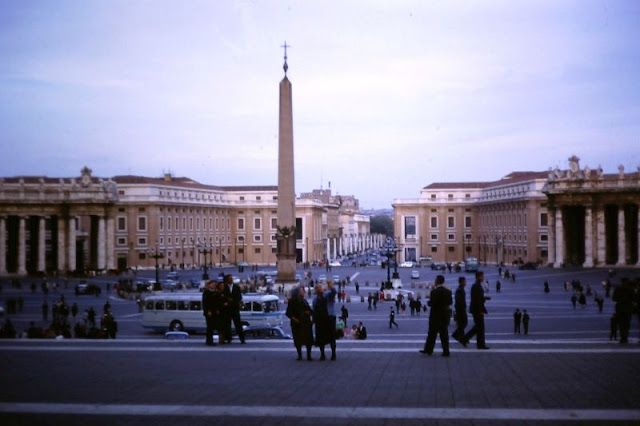
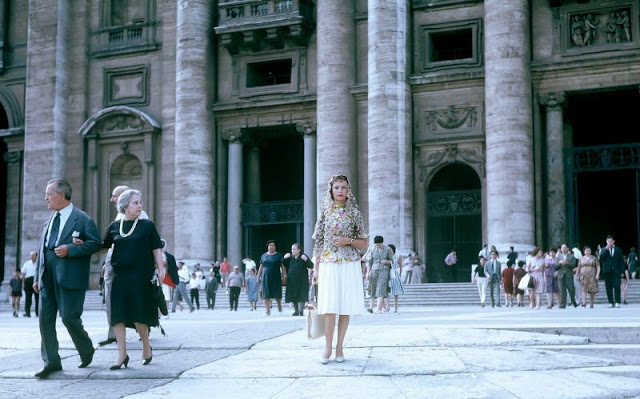
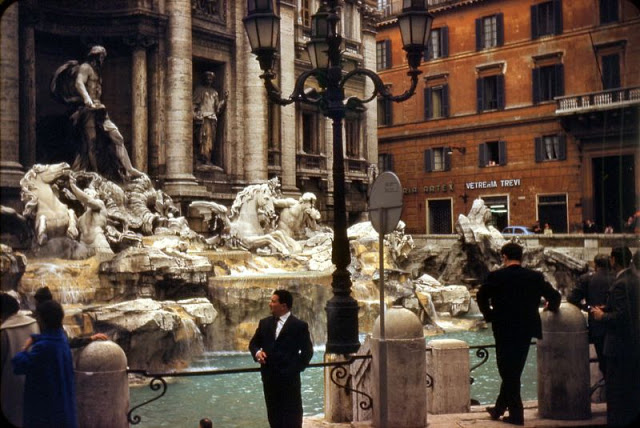
Turned back over 60 years ago to see what Rome looked like around 1960 and 1963 through these fascinating photographs.

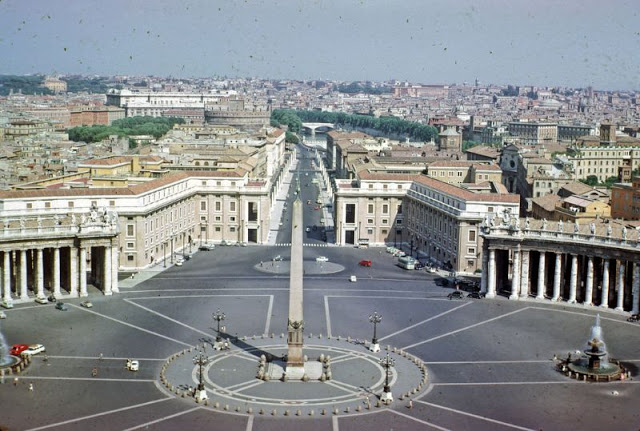


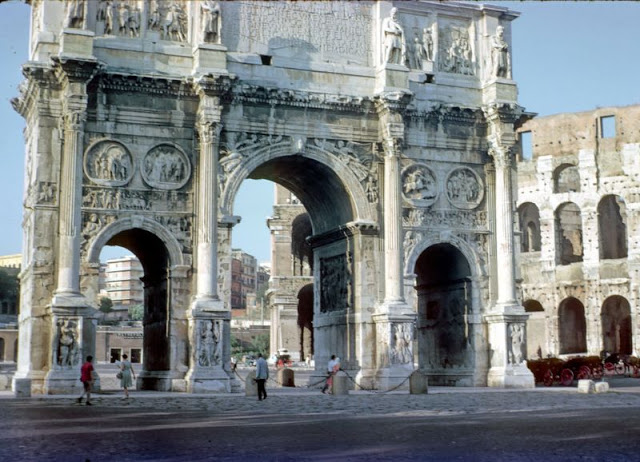


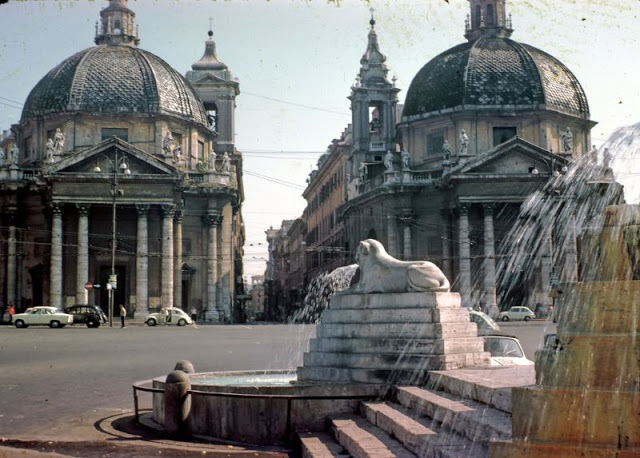


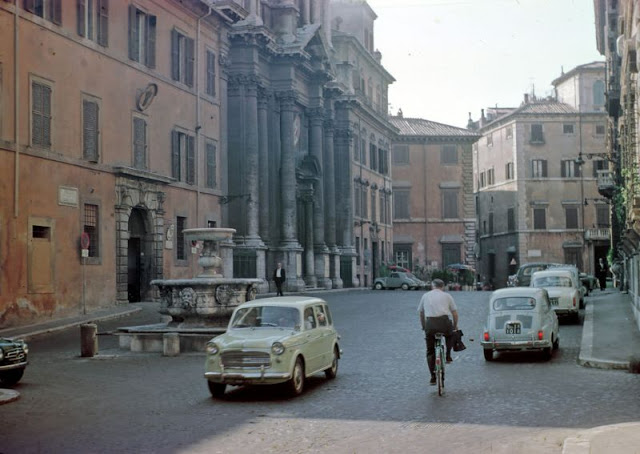













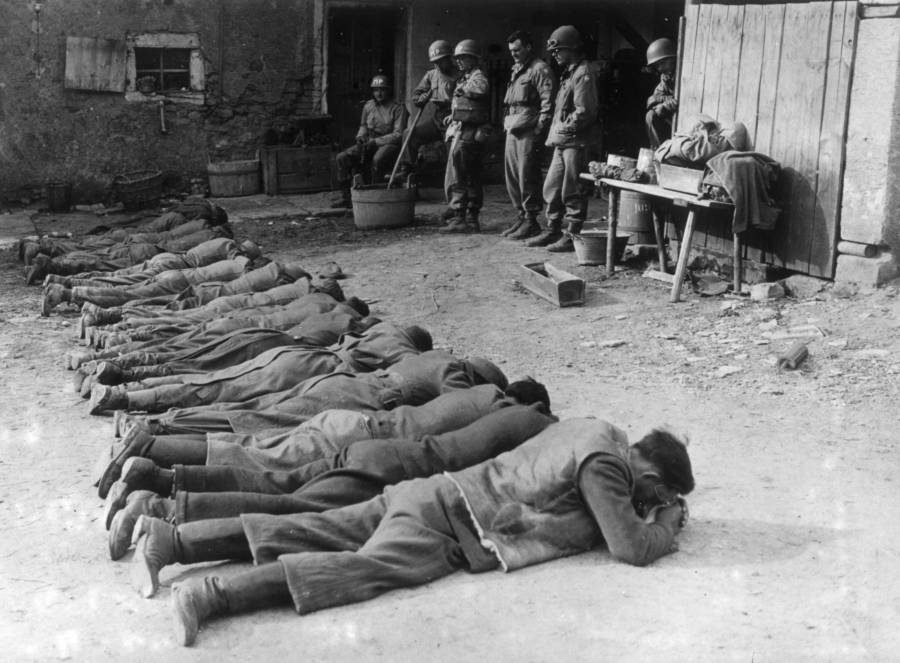
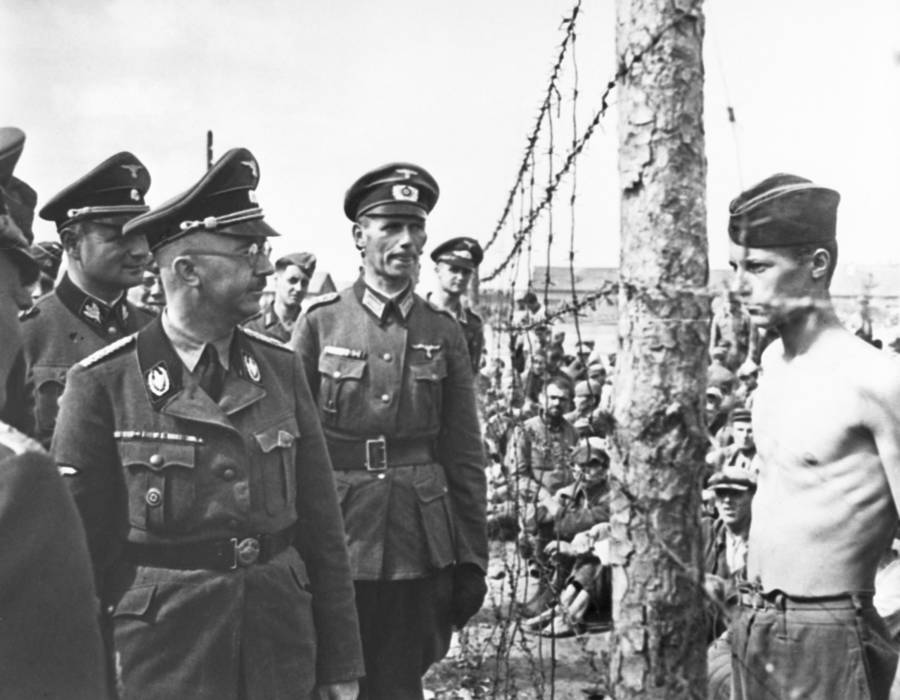
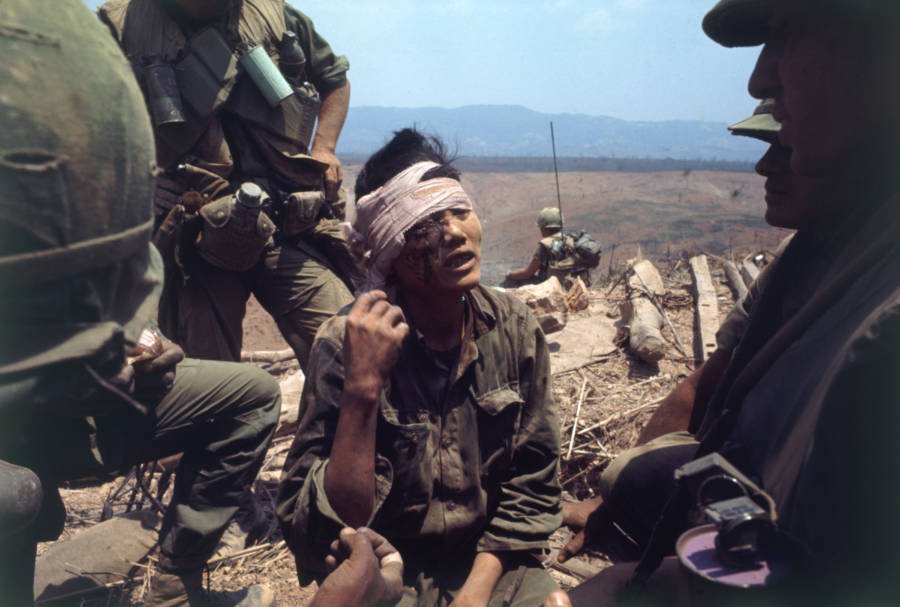
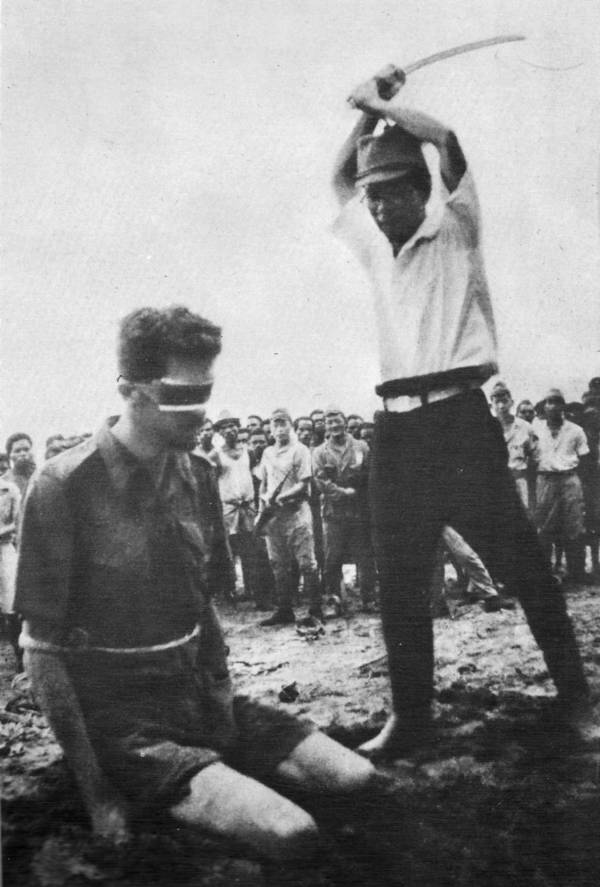
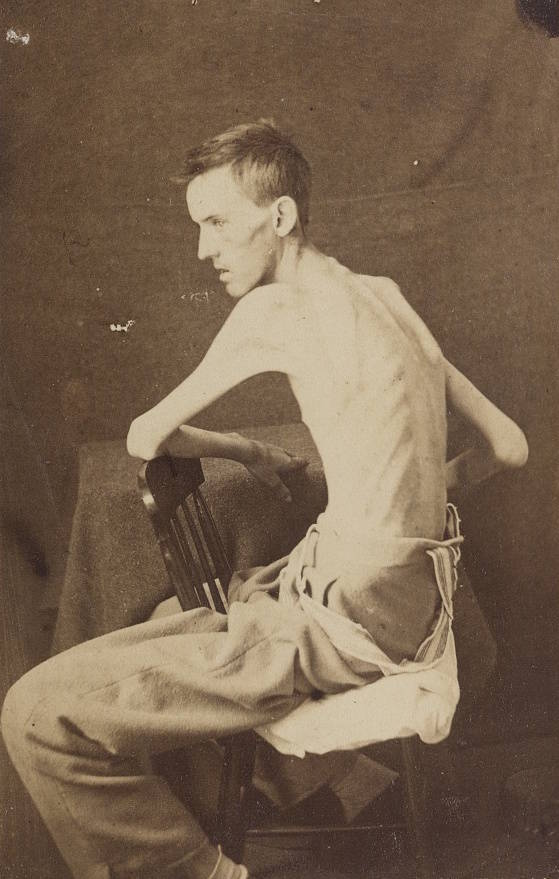
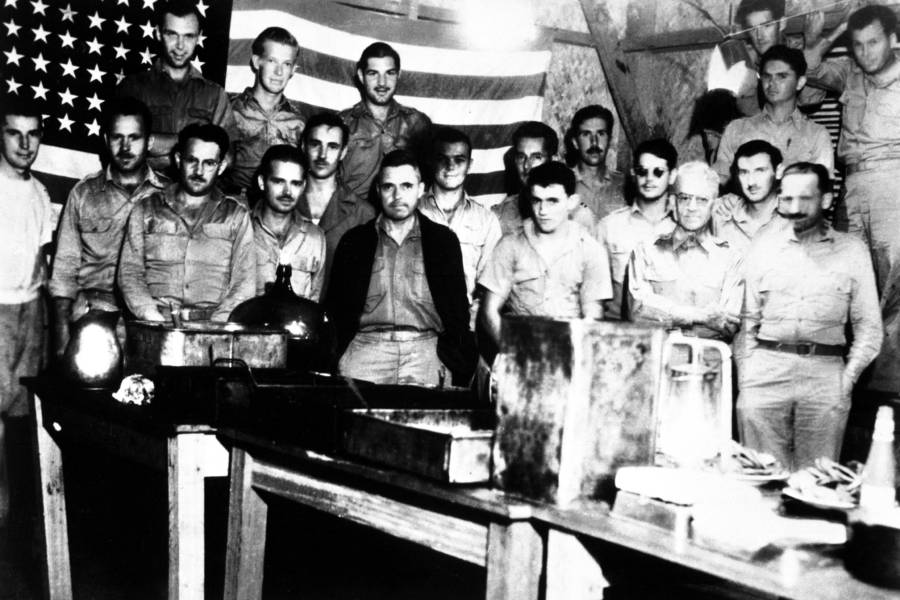
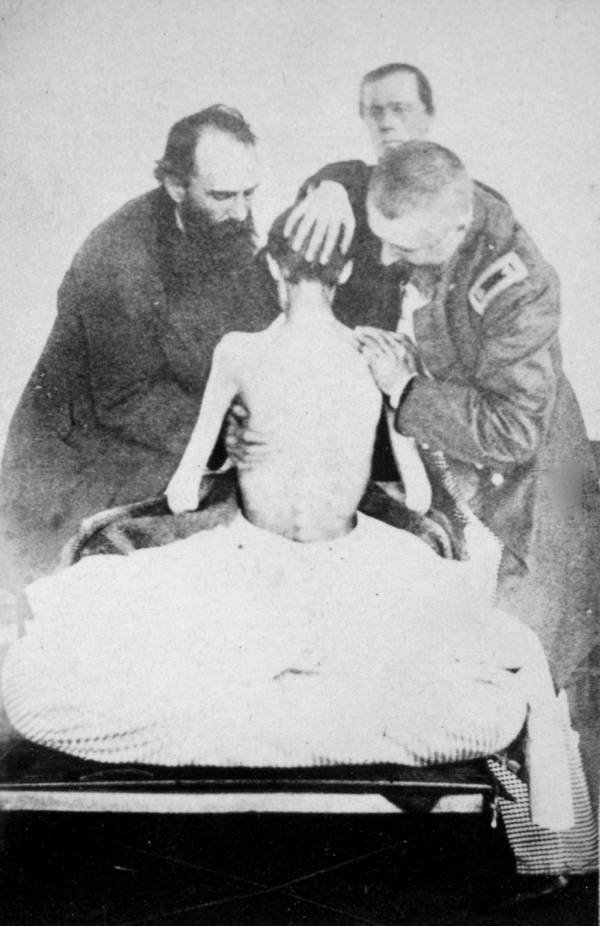
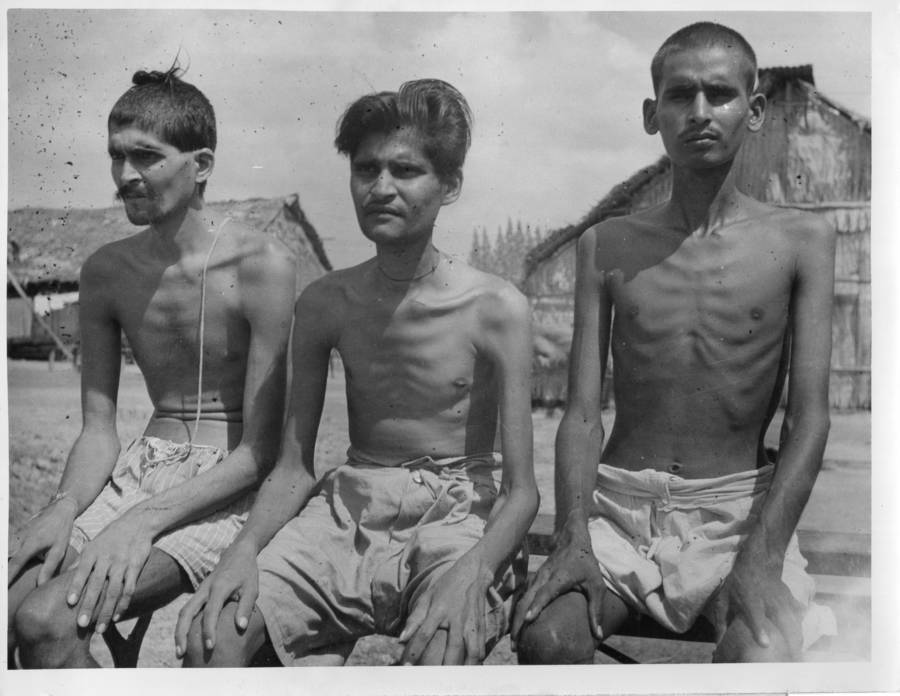
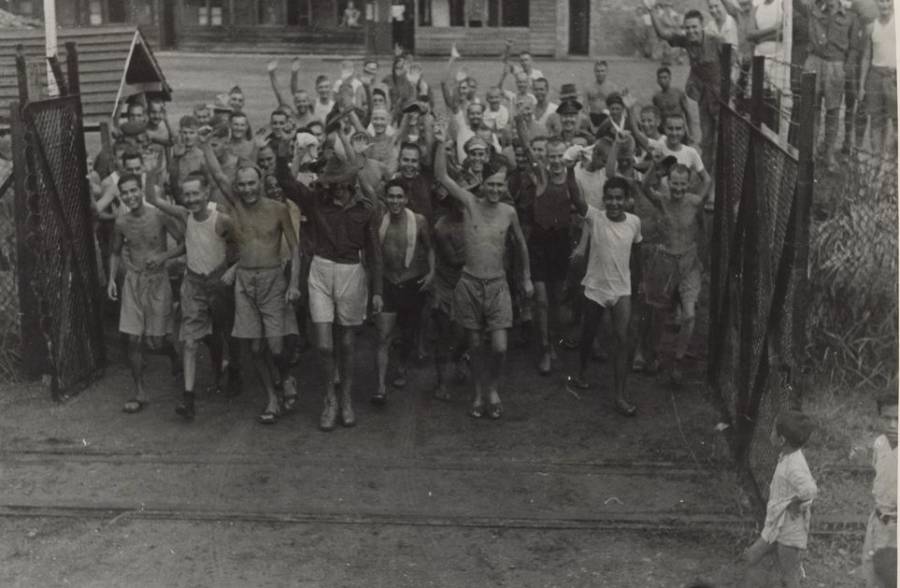
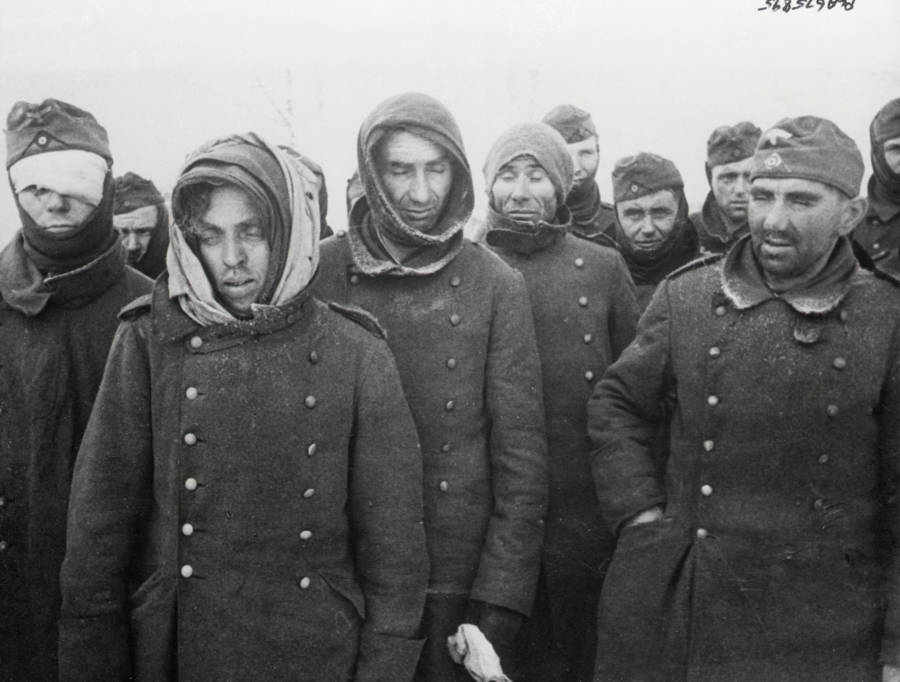
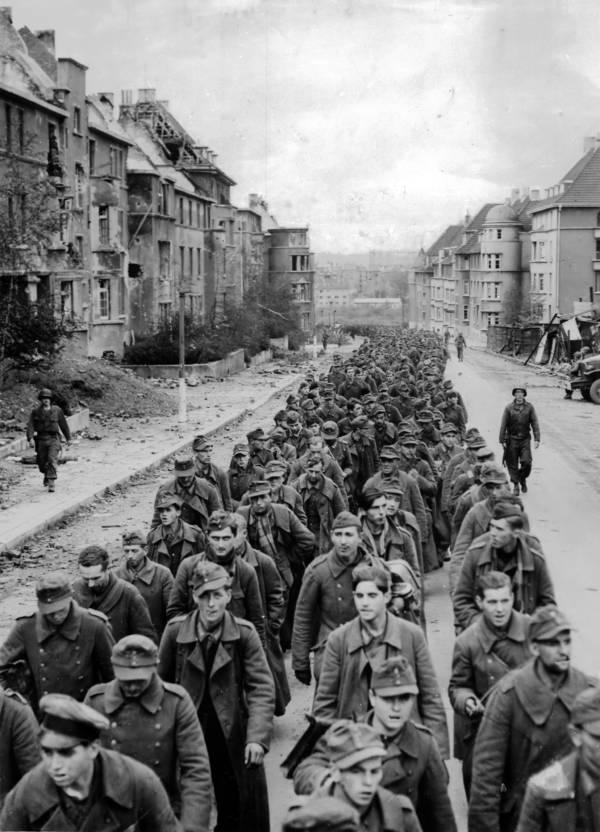
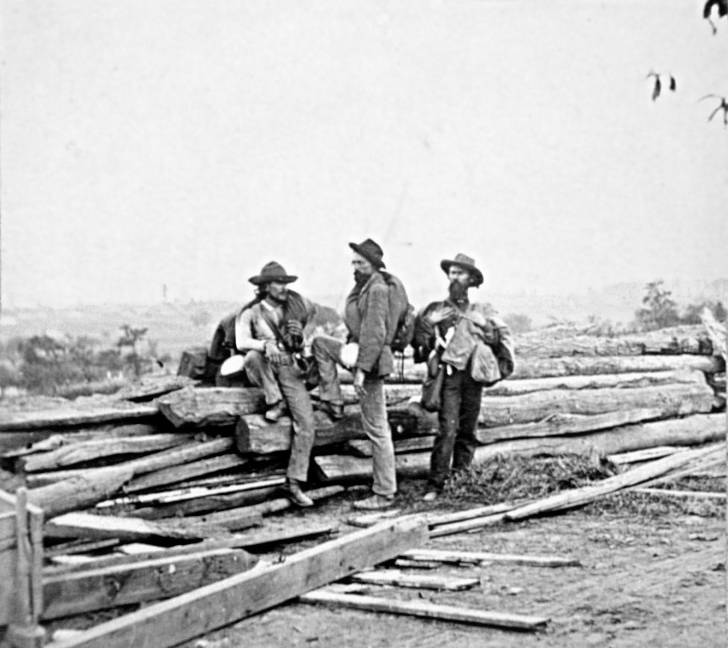
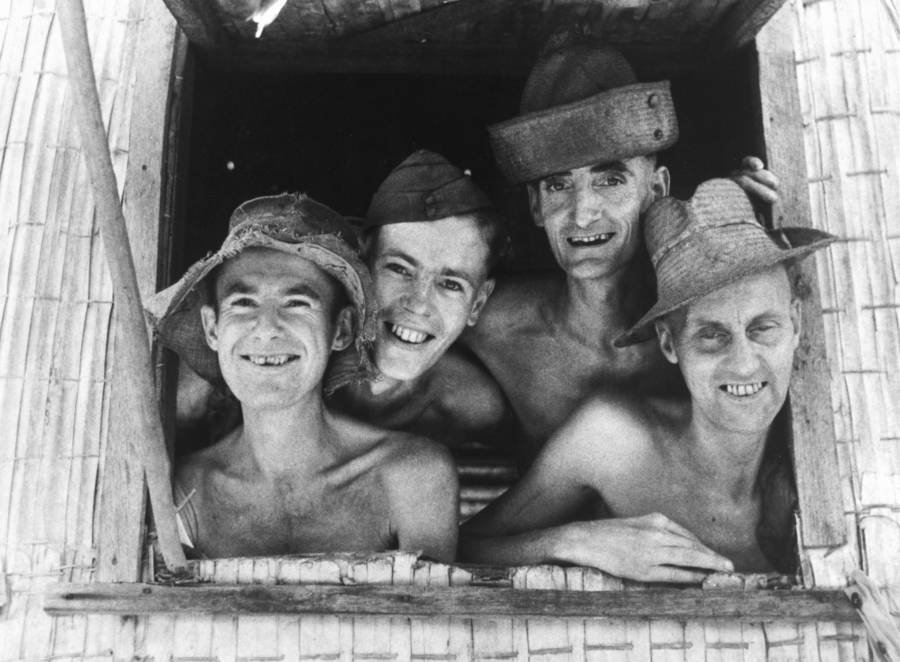
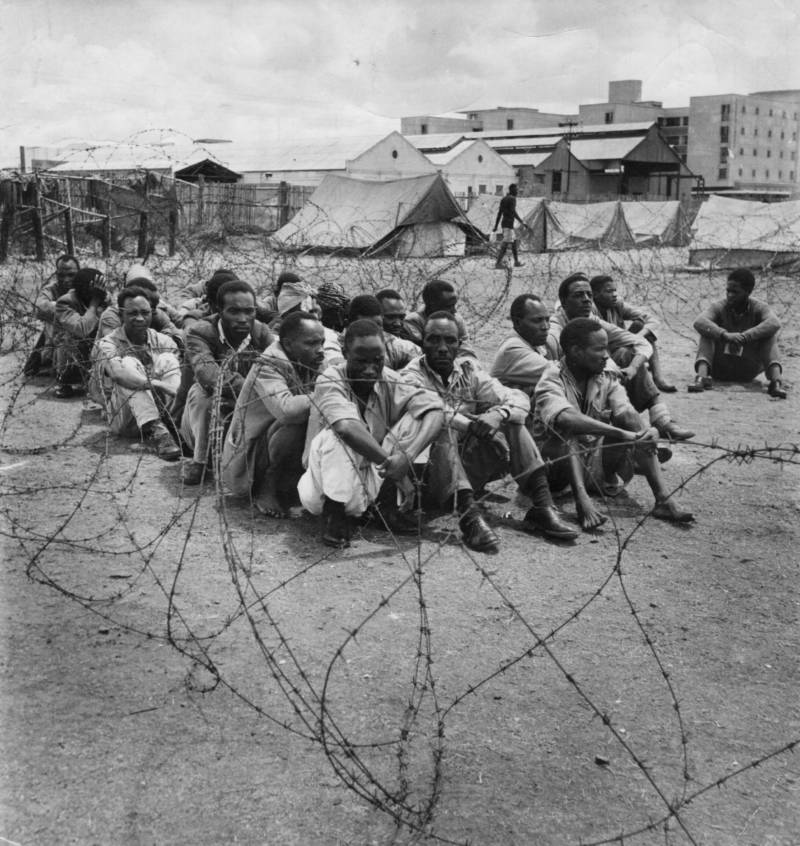
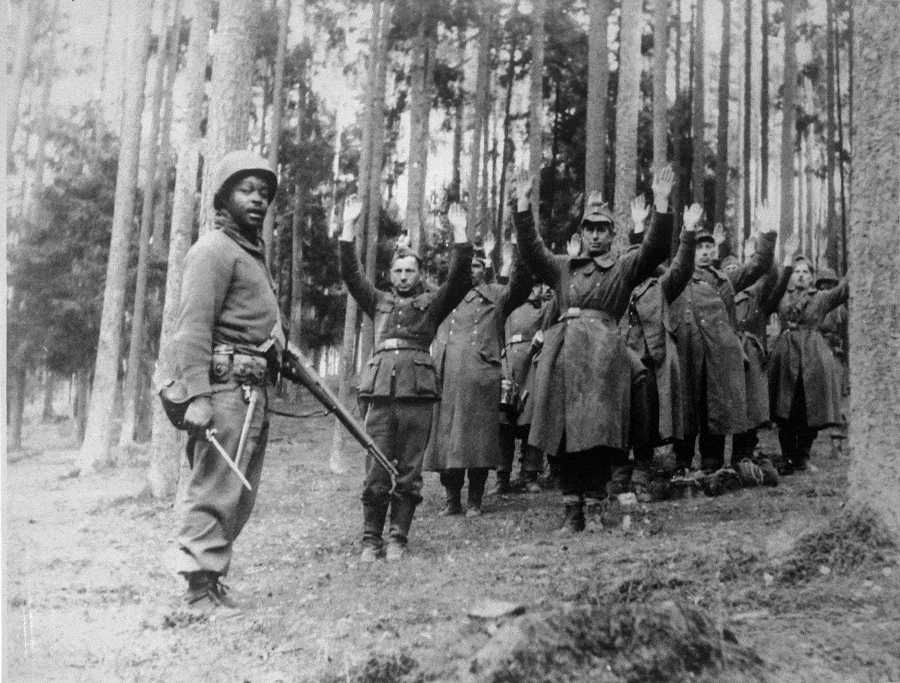
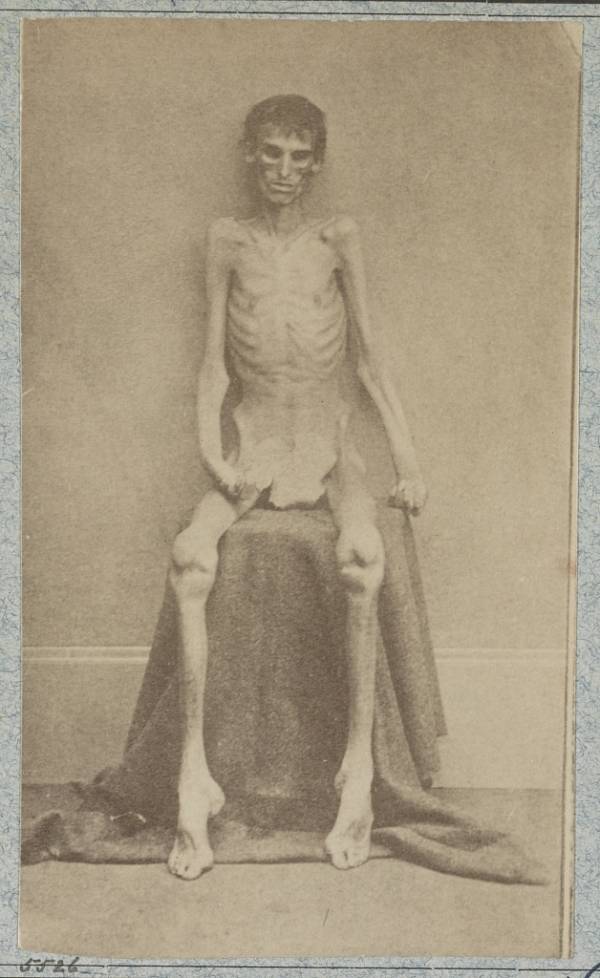
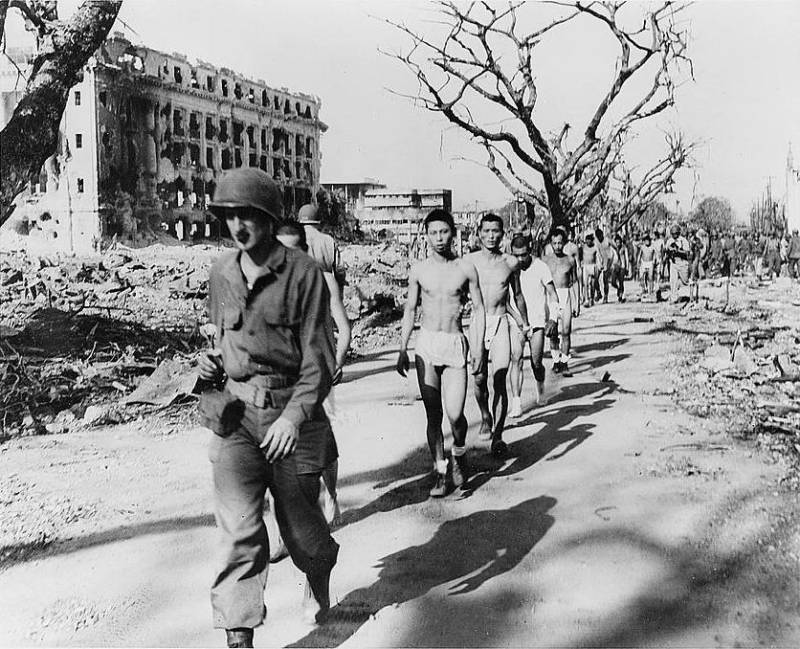
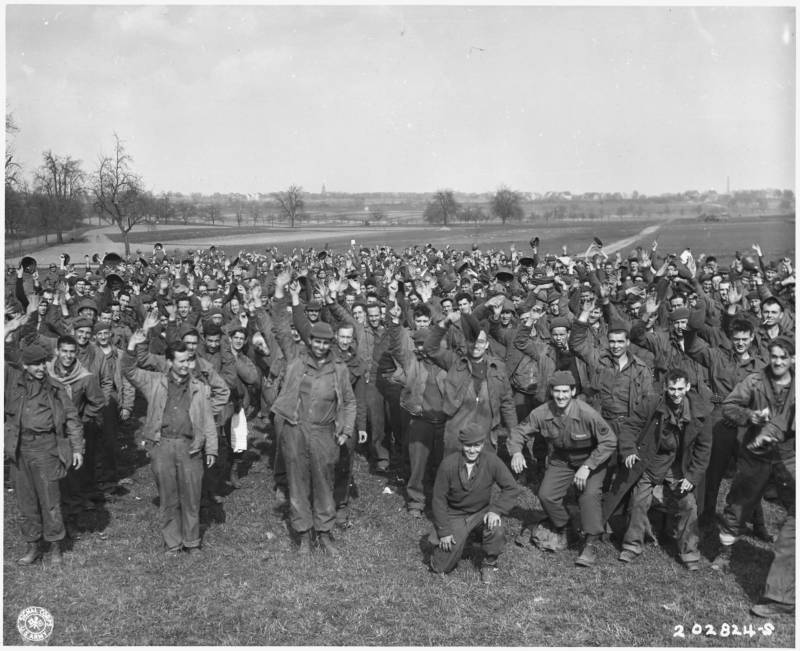
As seen from these POW images, not all of war’s worst victims die on the battlefield.
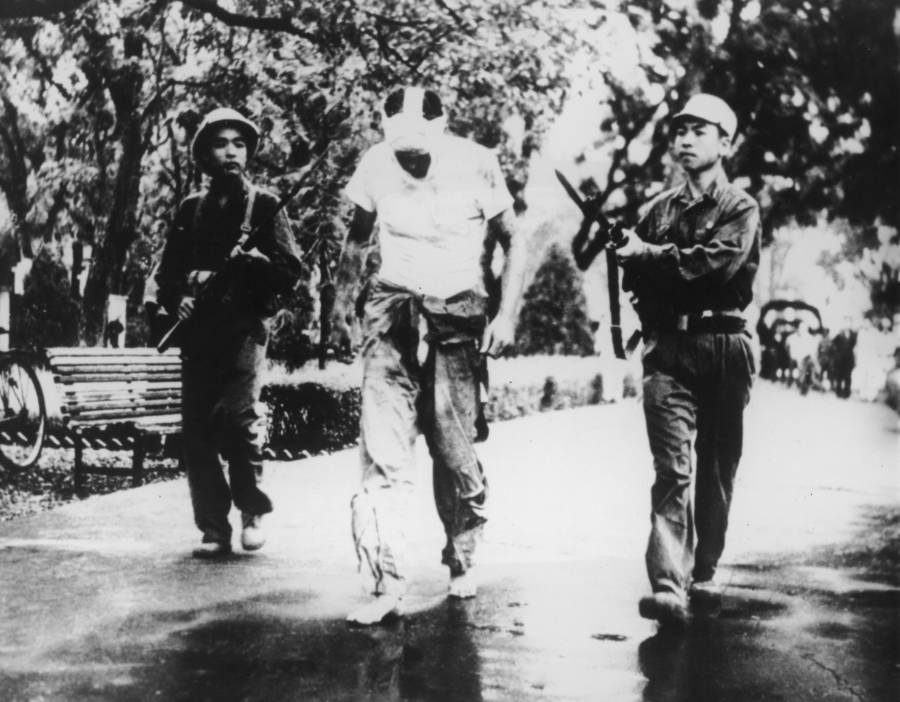
When Everett Alvarez Jr. signed up for the U.S. Air Force in 1960, he didn’t imagine that he would become the first and nearly longest-held American prisoner of war in Vietnam; he just wanted to fly.
Alvarez, the son of two poor Mexican immigrants, had just graduated as an engineer from Santa Clara University and hoped his service in the Air Force could be a stepping stone to becoming an astronaut.
Those dreams changed when his plane was shot by an anti-aircraft gun while flying on a bombing run on Hanoi, forcing him to eject from his plane. Alvarez was quickly captured by the North Vietnamese forces and brought to the infamous H?a Lò Prison, sarcastically referred to as the “Hanoi Hilton” by its prisoners.
In H?a Lò Prison, Alvarez was beaten and tortured. He was fed feathered blackbirds and fed almost nothing for months. He was interrogated constantly, though he refused to give up any information. At one point, he had his wrists cut and was beaten so badly that, even after multiple surgeries back home, his hands still shake.
After nearly nine years in prison, Alvarez was finally released at the end of the war and now lives in Virginia, where he runs a multimillion-dollar IT consulting firm. However, his scars remain.
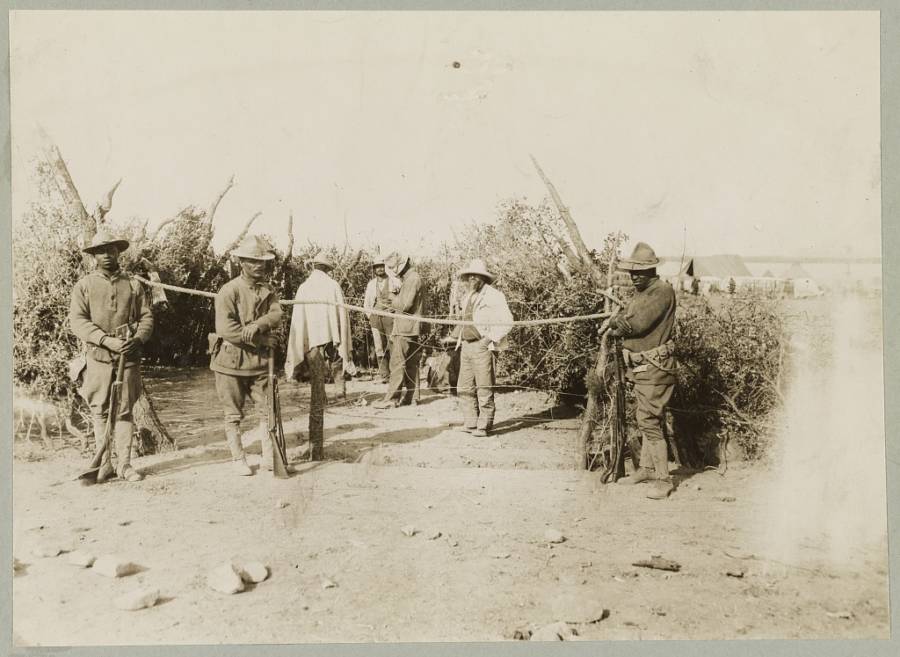
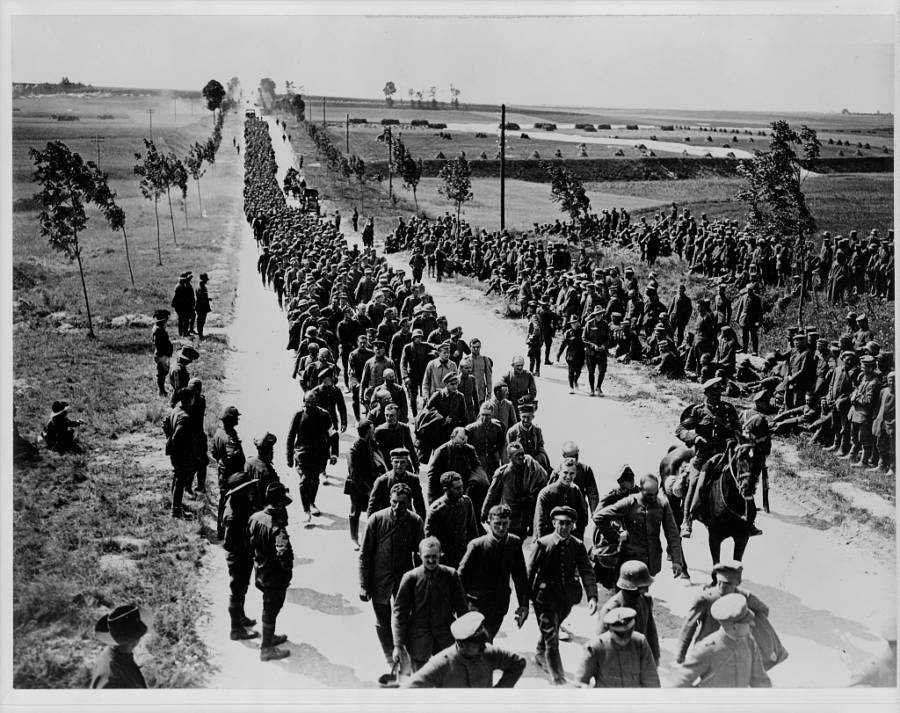
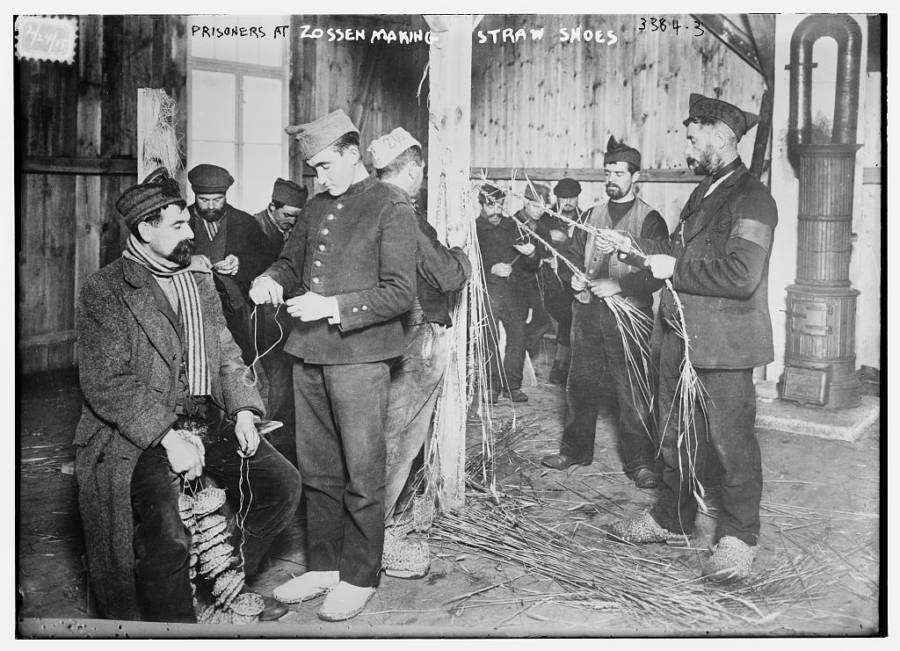
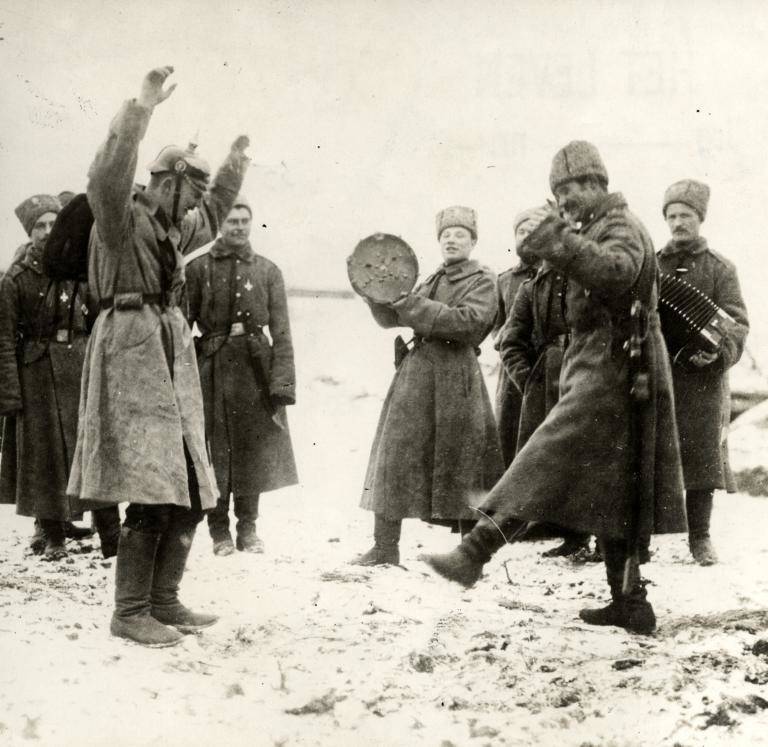
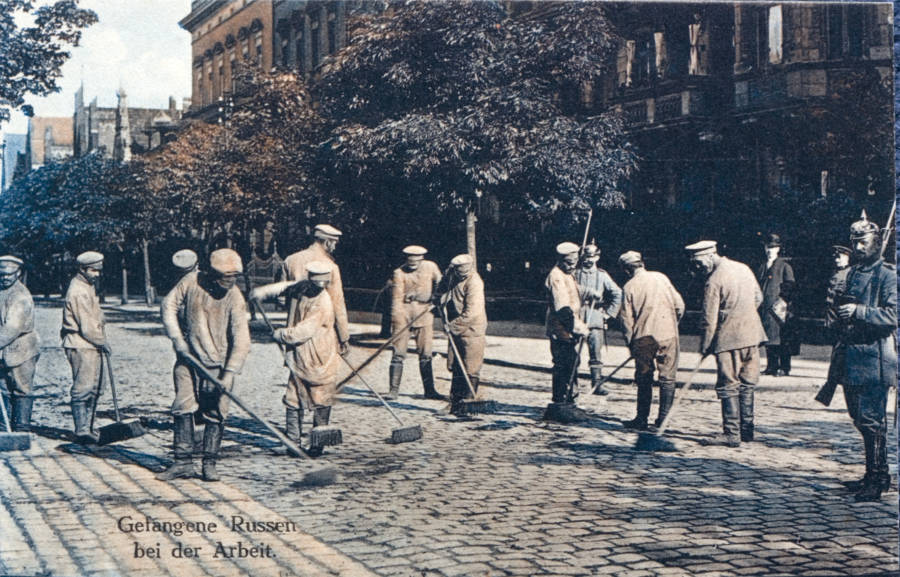
From Vietnam to World War II and back through history, prisoners of war have existed for as long as war itself. Since the time of humankind’s first armed conflicts, there have been numerous incentives to capture rather than immediately kill enemy forces. For one, it gives an army the ability to trade captive soldiers for prisoners taken by the other side. In addition, prisoners of war were also often used for their labor, sold into slavery, or killed in ritual sacrifice.
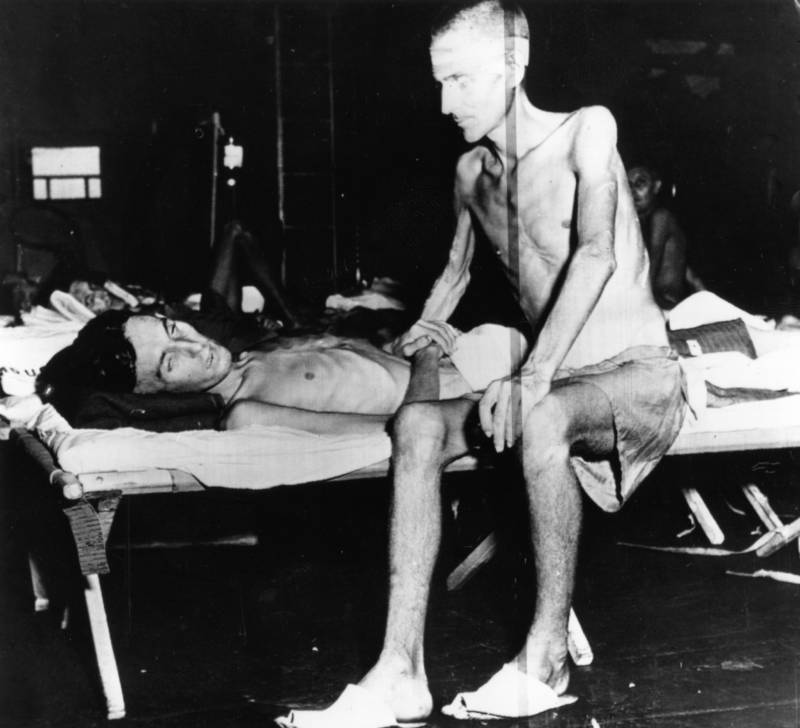
In modern times, prisoners of war are rarely sacrificed or sold to slavers, but that doesn’t mean that conditions have uniformly become better. While the severity of the horrors at prison camps are dependent on the army in question, as well as the conflict they are engaged in, being a prisoner of war, even in modern times, can be accompanied by such horrors as starvation, torture, and death.
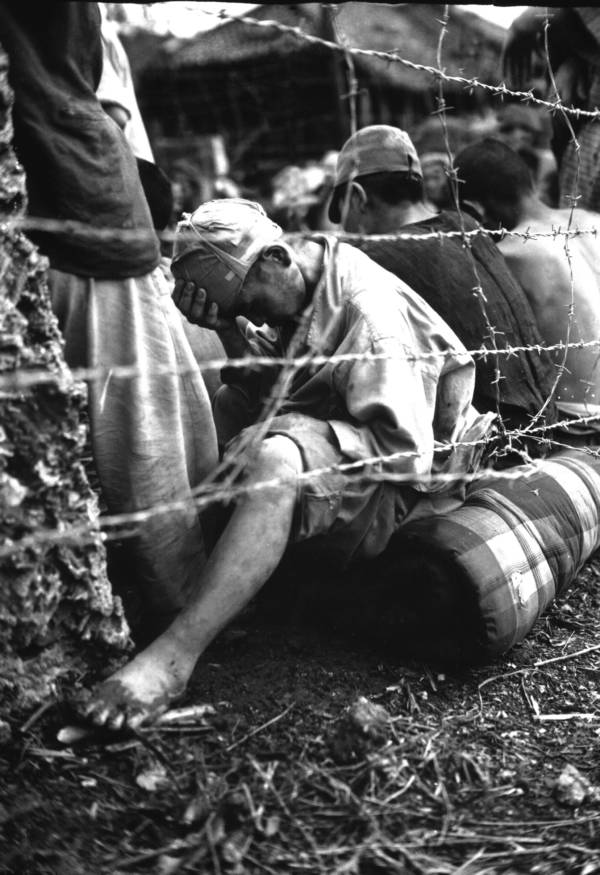
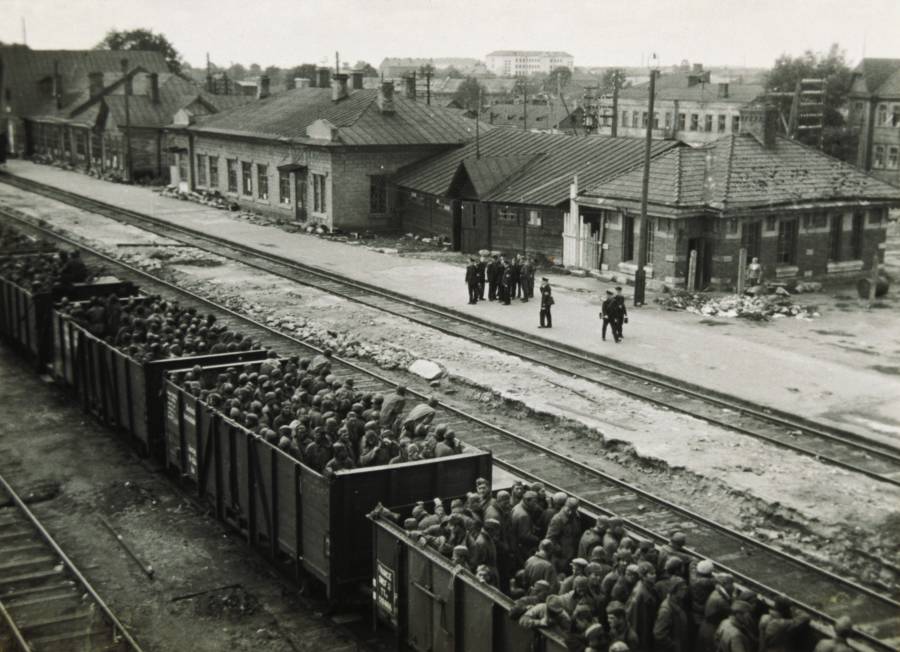
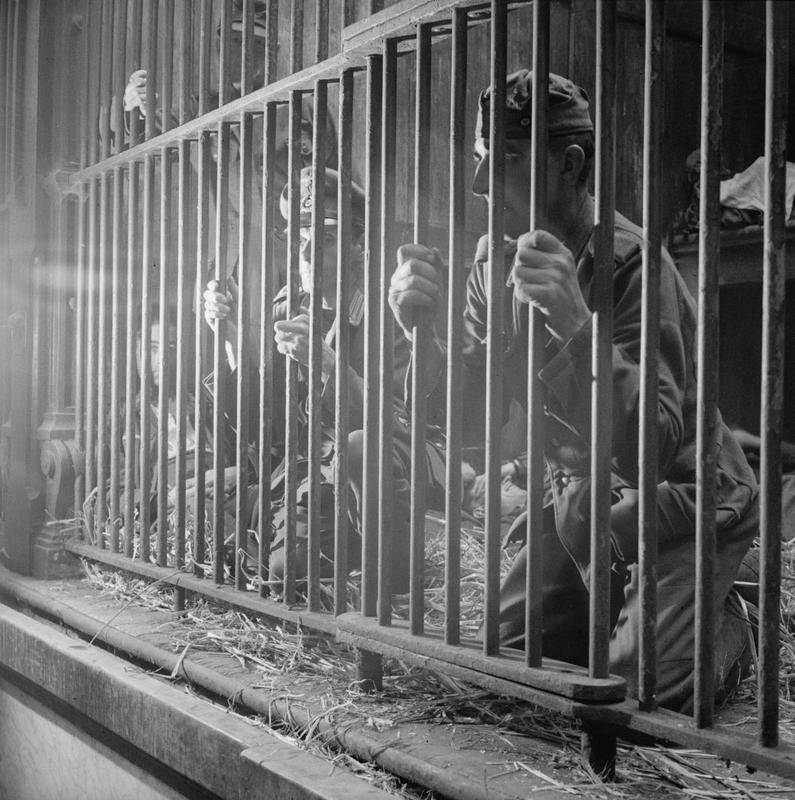
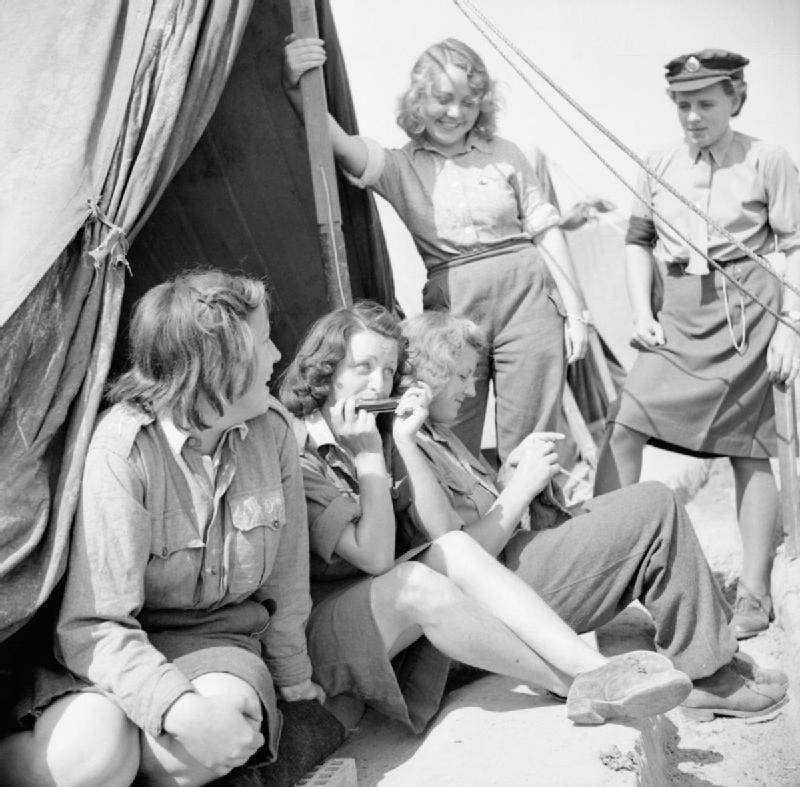
The images below reveal how the experience of prisoners of war has changed over time, and how it has, tragically, remained the same.

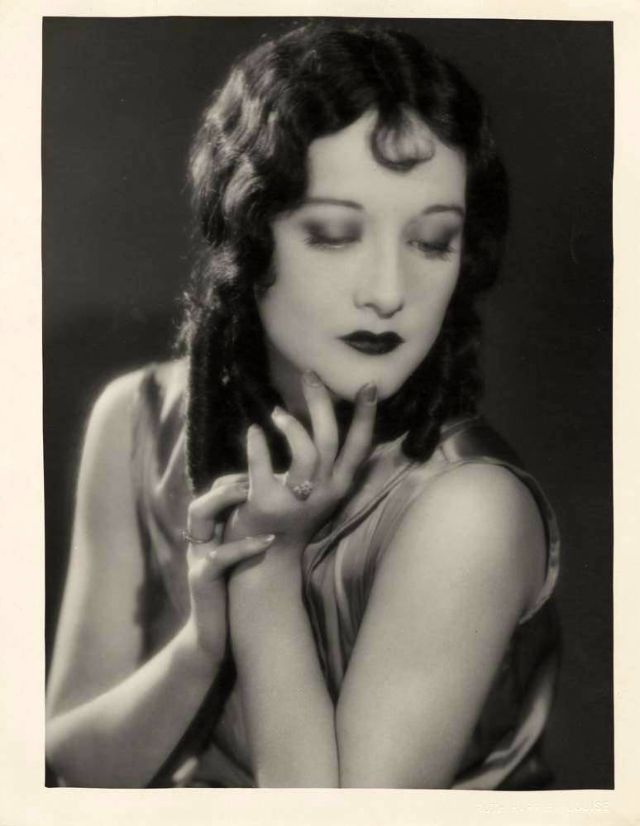
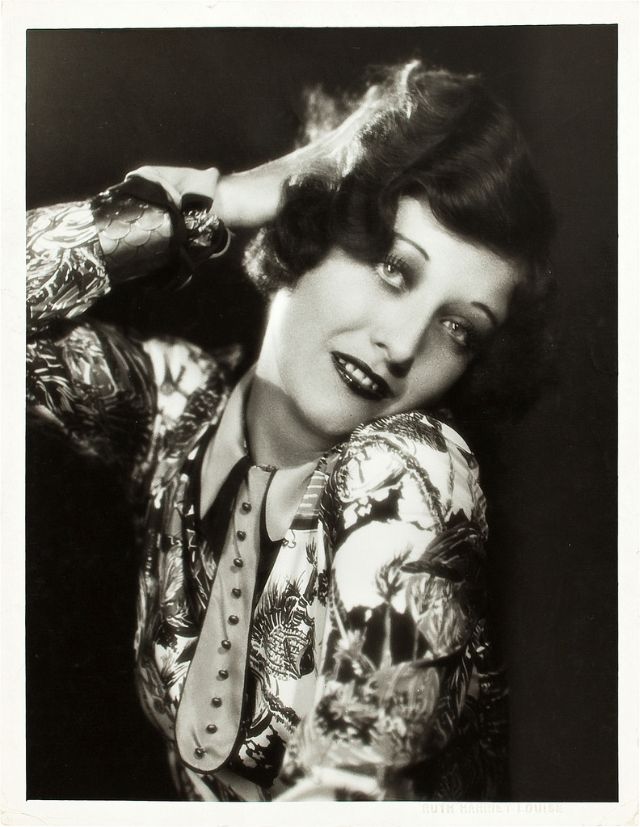
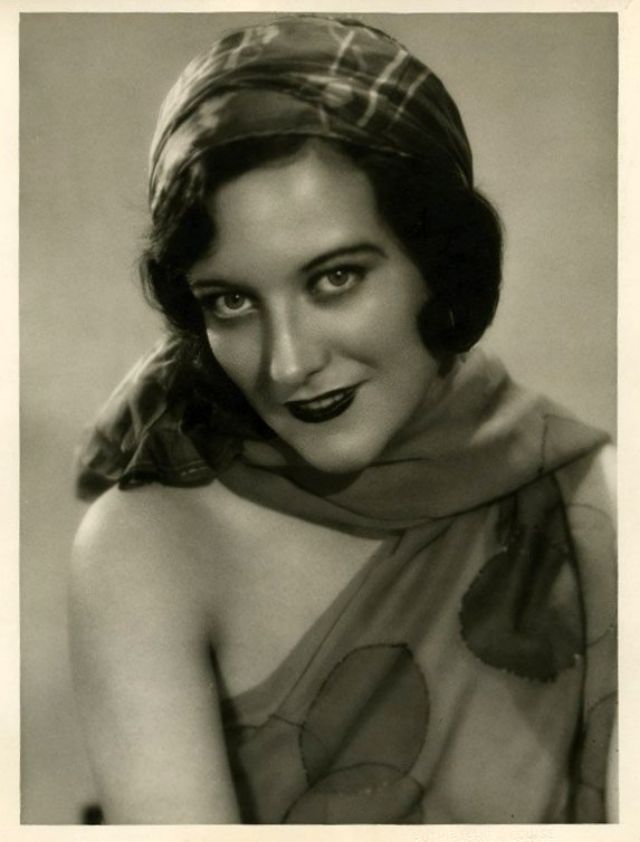
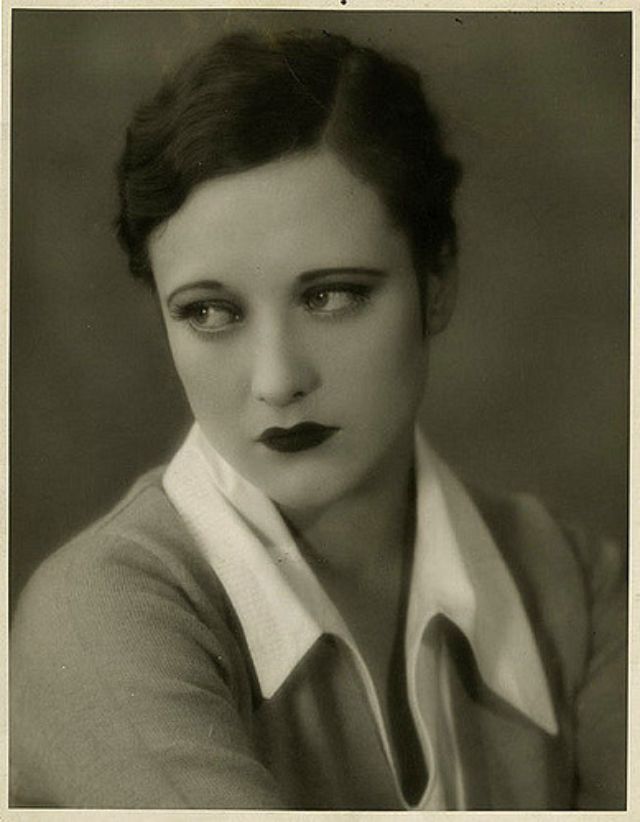
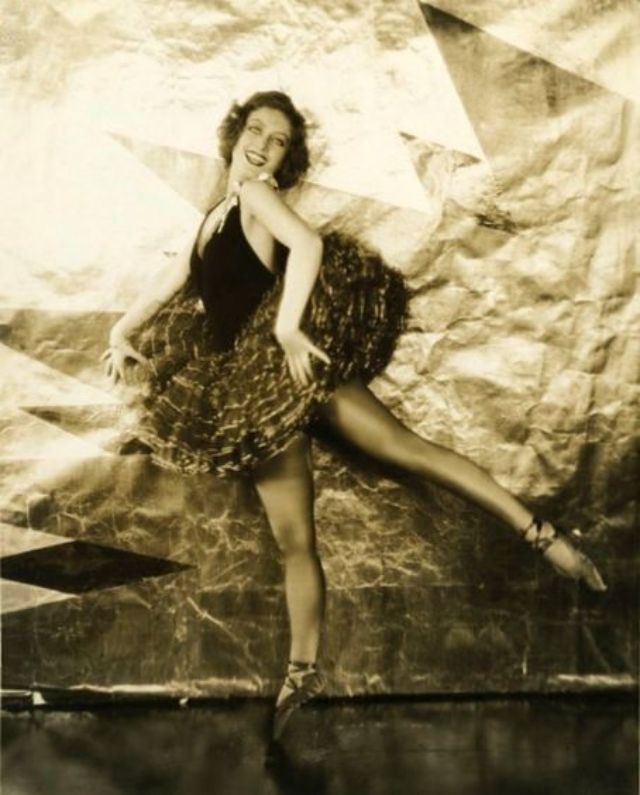
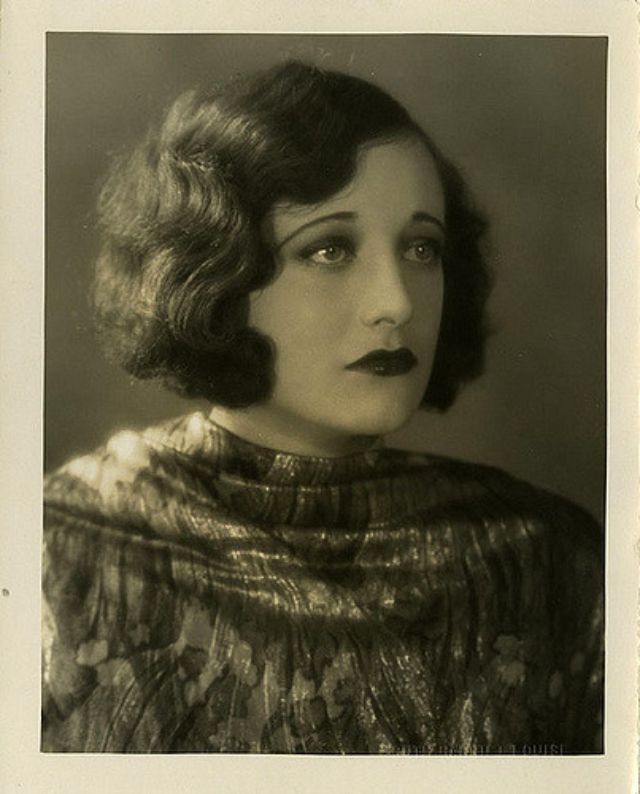
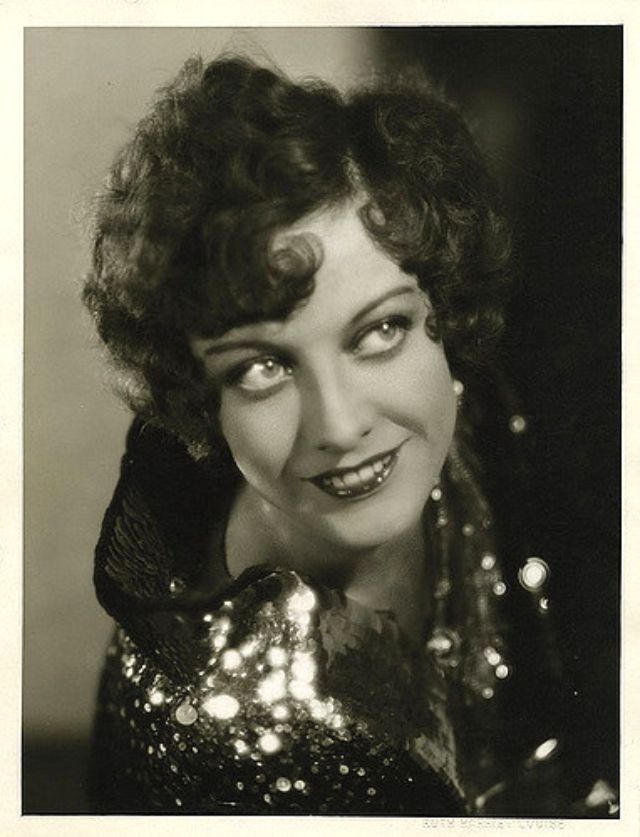
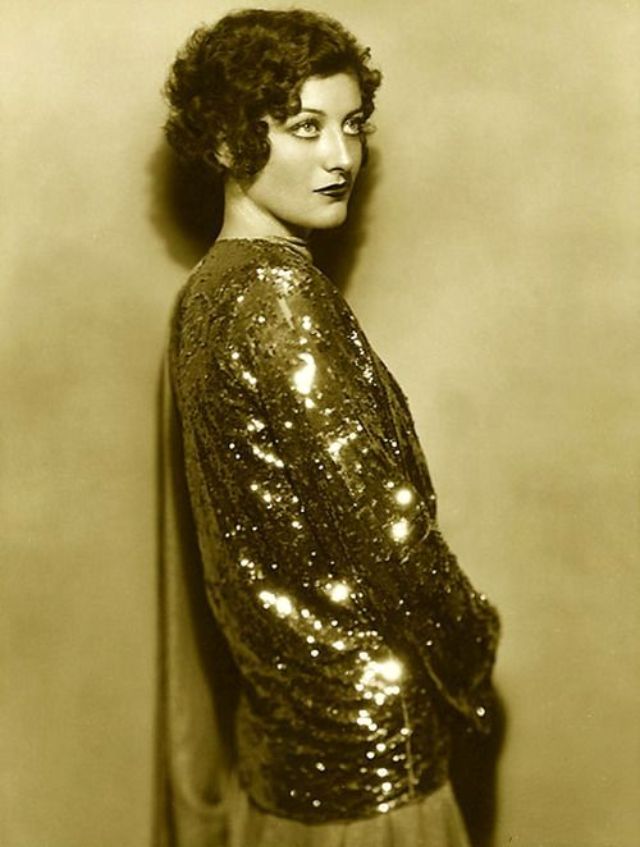
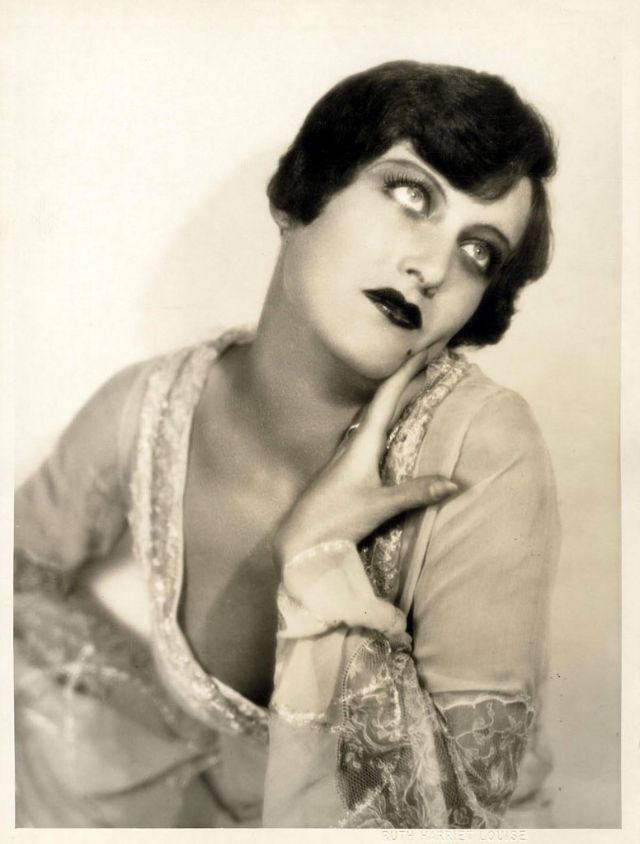
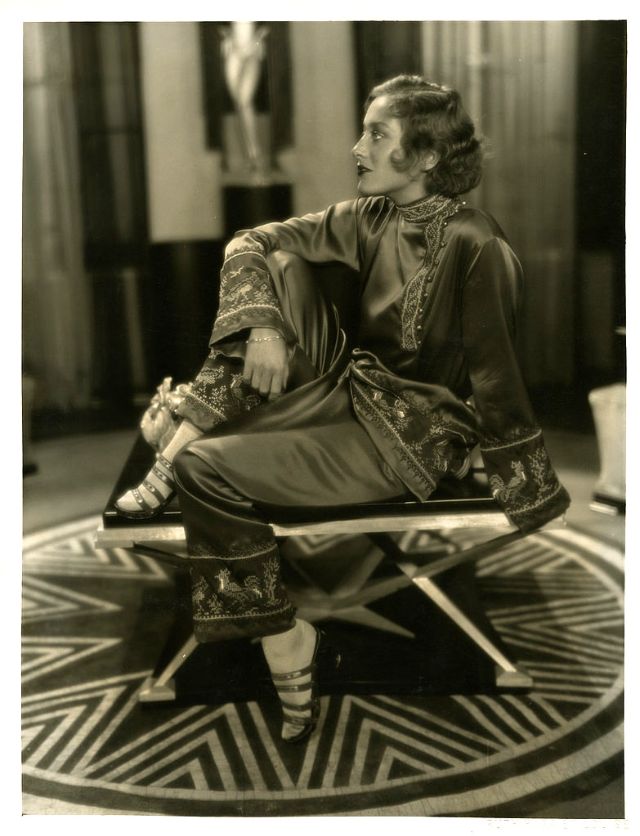
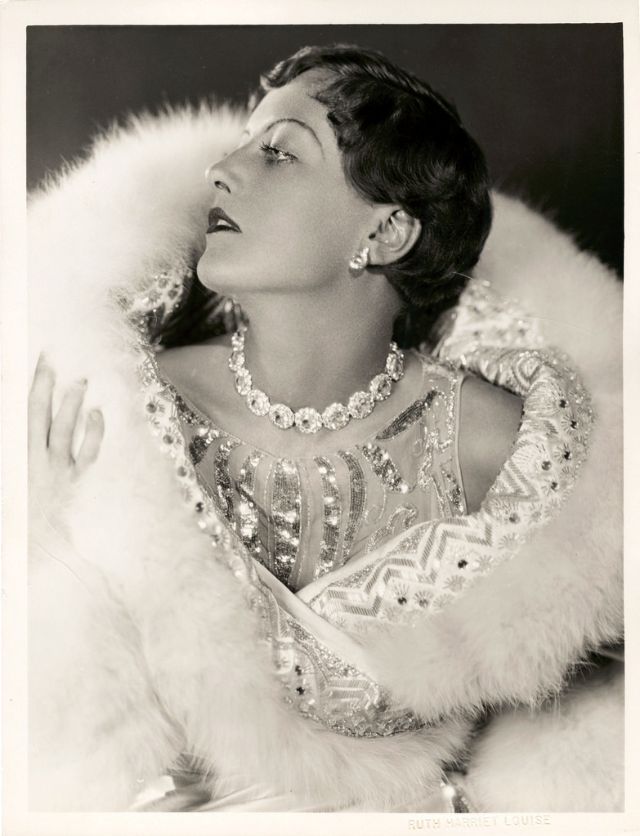
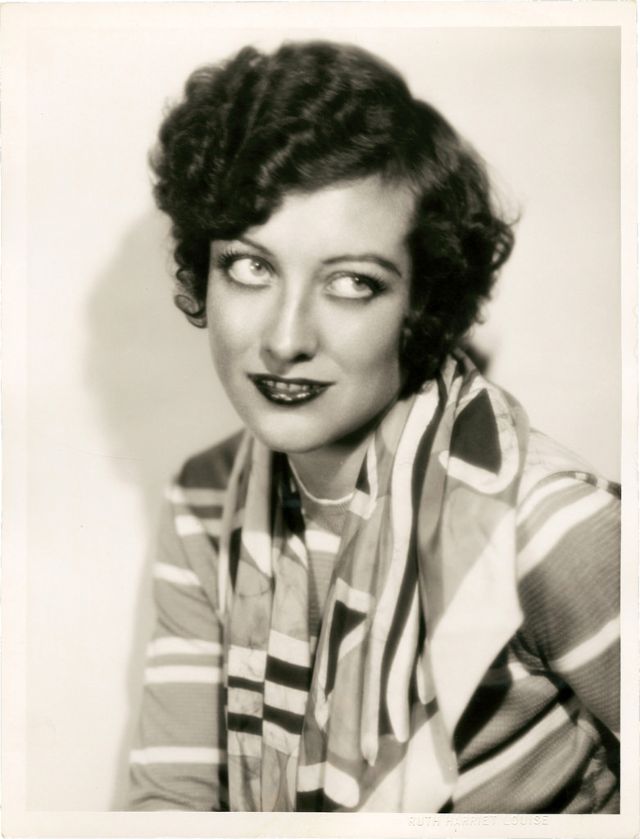
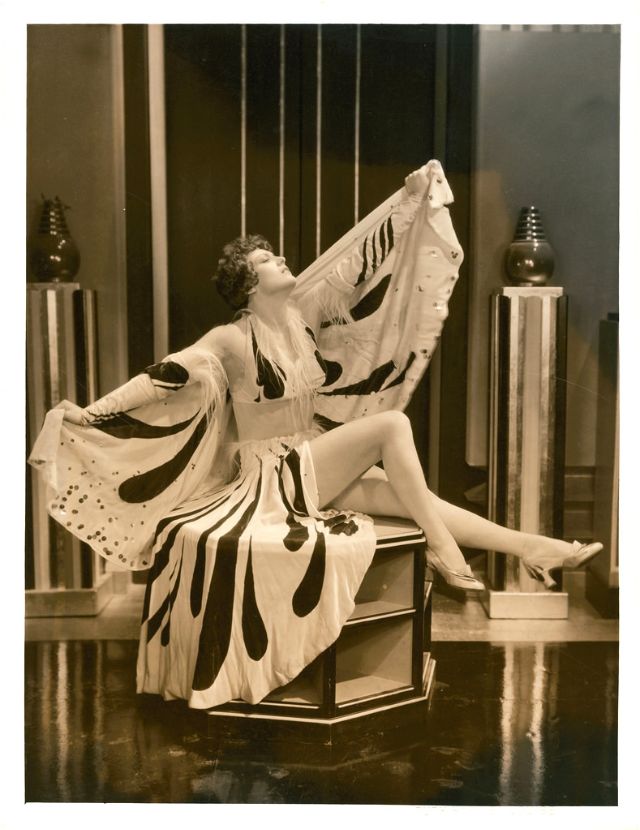
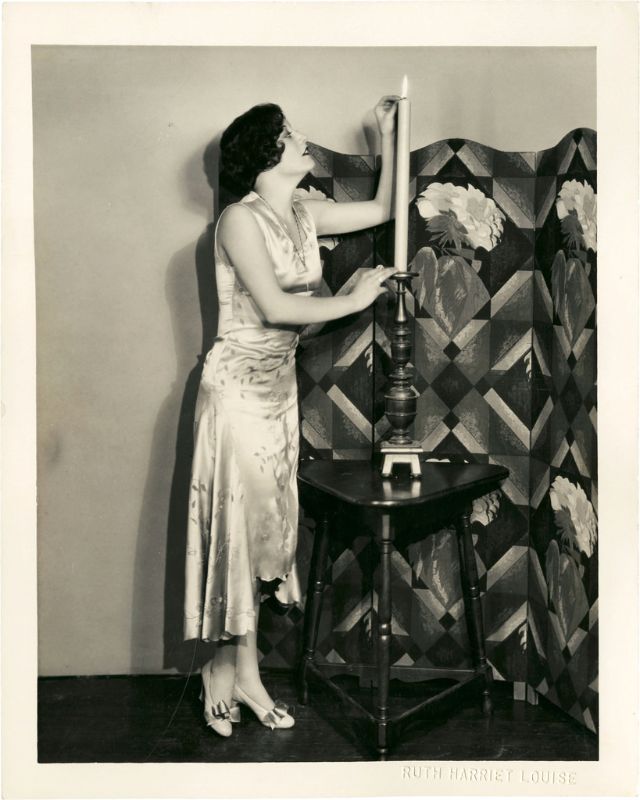
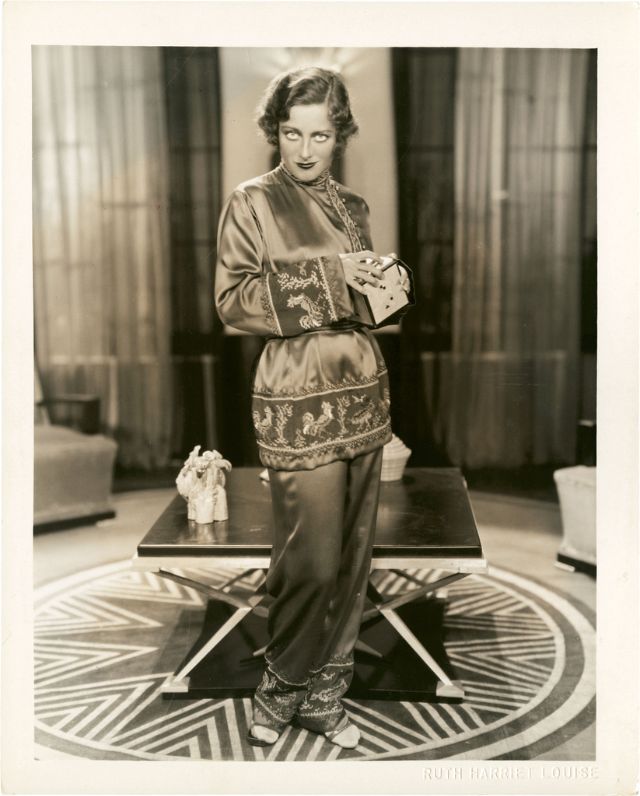
Born Ruth Goldstein in 1903 in New York City, but raised in New Brunswick, New Jersey. Ruth Harriet Louise was hired by Metro Goldwyn Mayer as chief portrait photographer in the summer of 1925, at the young age of 22 years old and became the only woman doing so for the Hollywood studios at the time.
From 1925 to 1930, she took many portrait photographs of starlets and major performers including Greta Garbo, Lon Chaney, John Gilbert, Joan Crawford, Marion Davies, Norma Shearer, Lili Damita, Buster Keaton, Myrna Loy, Douglas Fairbanks Jr., Bessie Love, Lillian Gish, and Anna Sten…
Louise was among the first Hollywood photographers to break away from the old-fashioned convention of staid portrait shots and introduce the nuance of her sitter’s perosnality. When she photographed stars in costume she attempted to find something of the character being portrayed.
Louise decided to retire from her career in 1930 to marry director Leigh Jason. Sadly, after ten years of martial bliss, she died in 1940 from complications from childbirth in Los Angeles, California.
It is estimated that she took more than 100,000 photos during her tenure at MGM. Today she is considered an equal with George Hurrell Sr. and other renowned glamour photographers of the era.
These portrait photos of Joan Crawford that she took in the 1920s are so gorgeous.






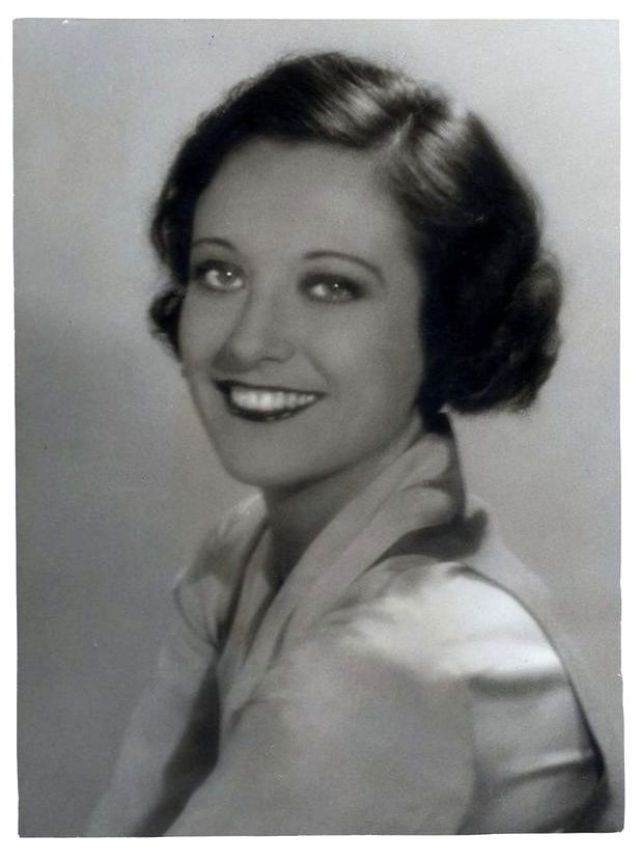

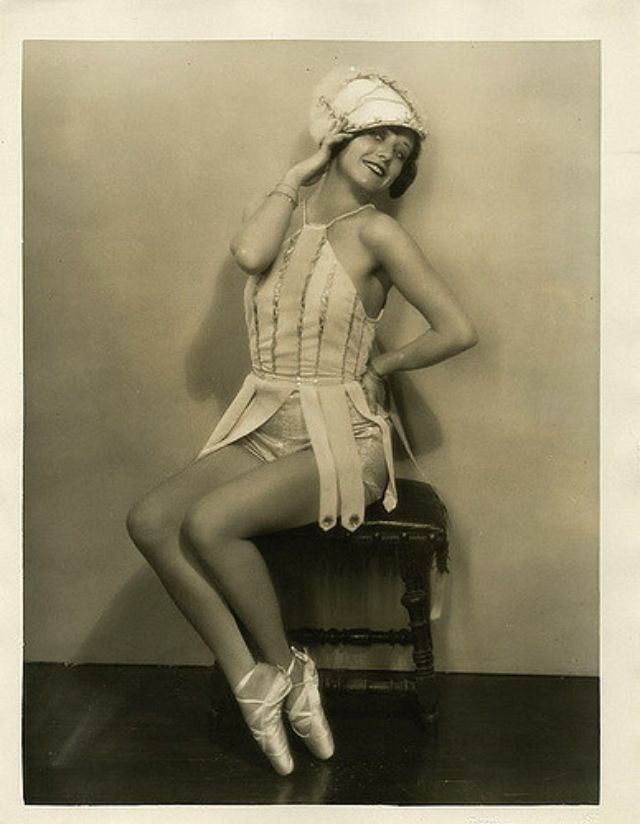
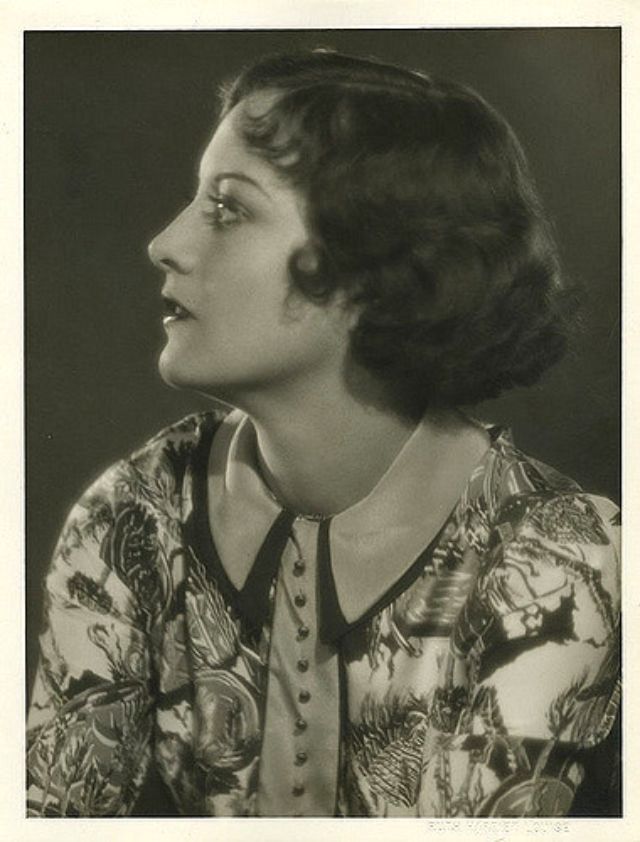
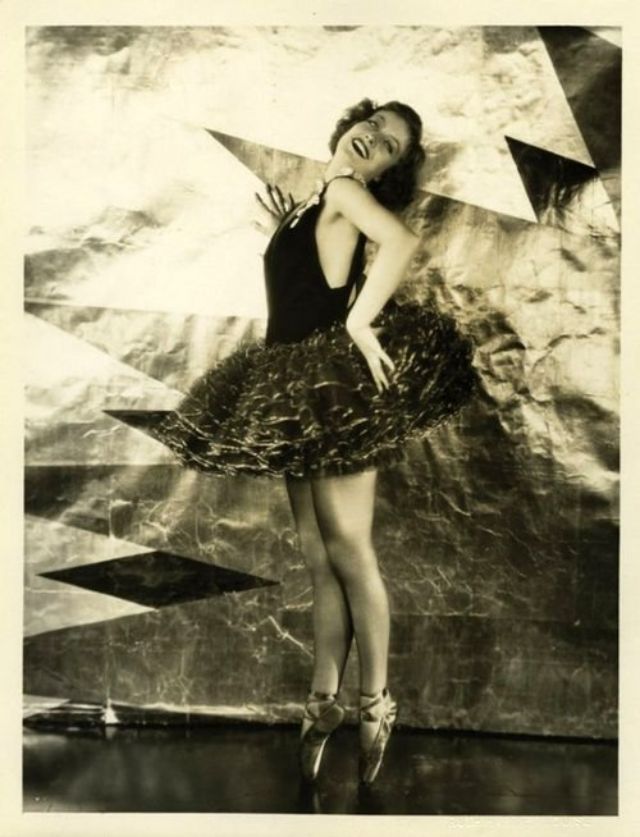

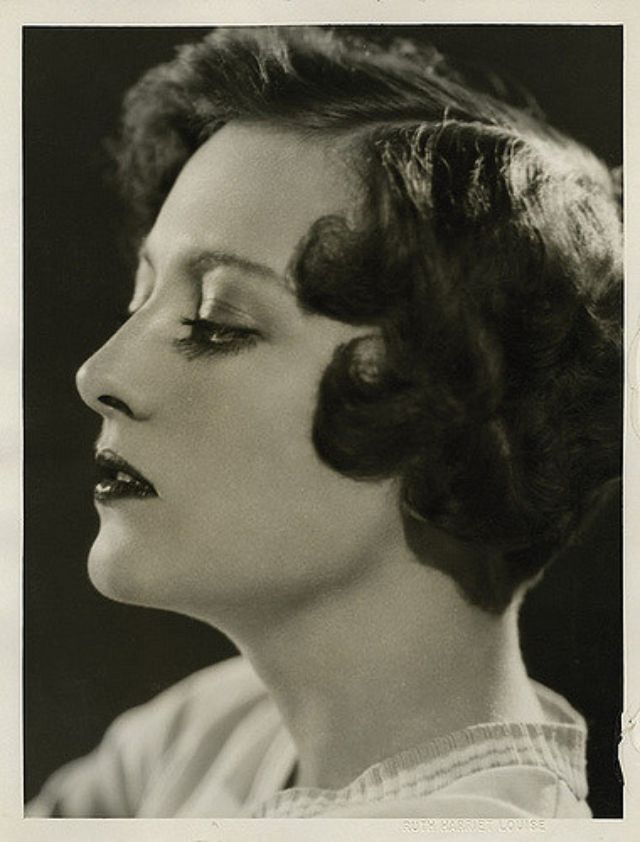
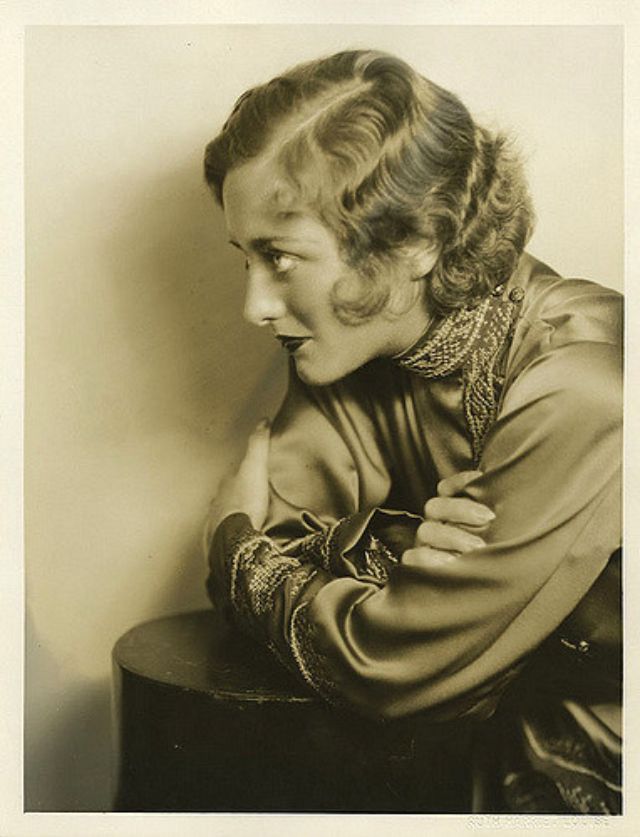
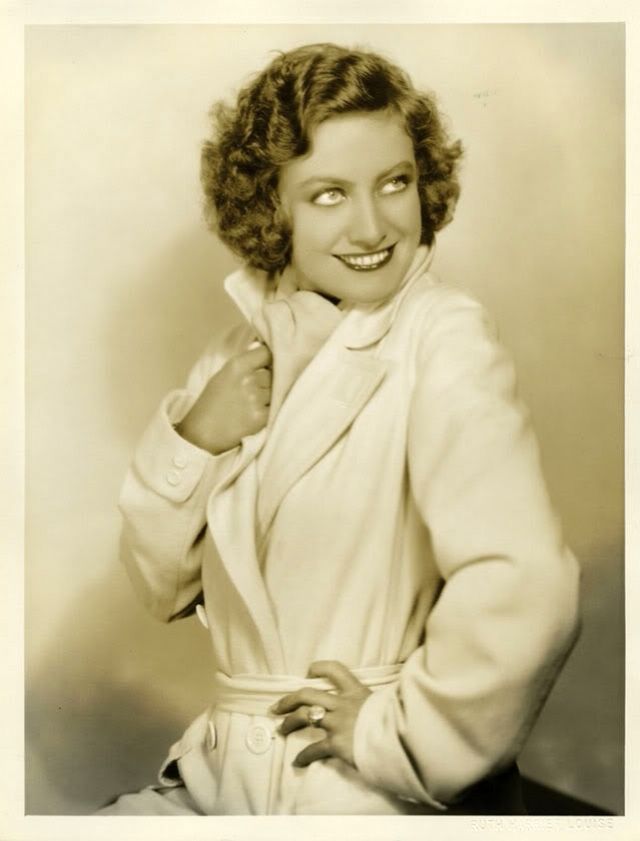


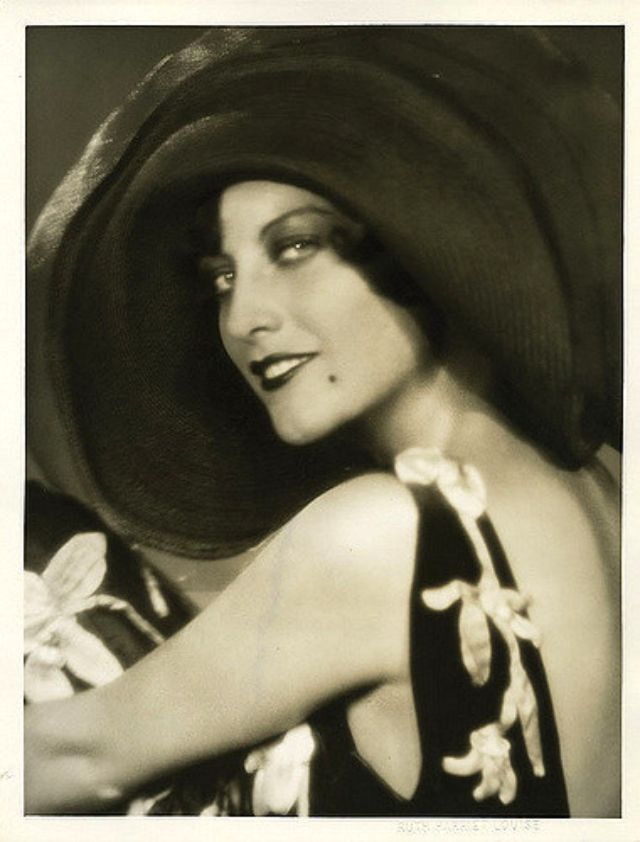









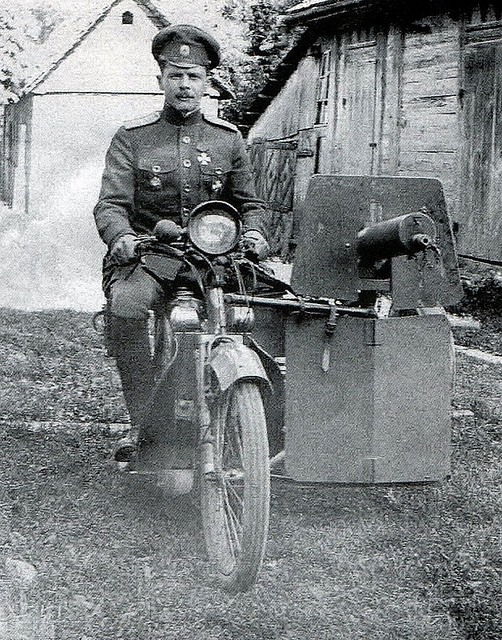
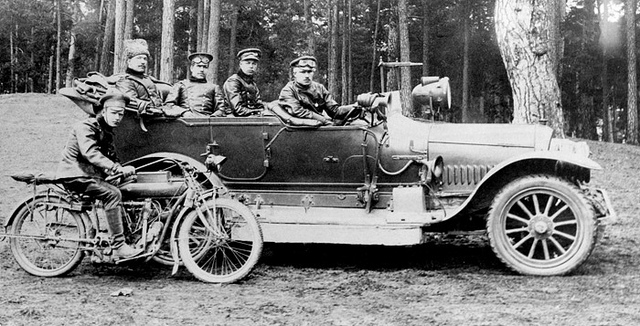
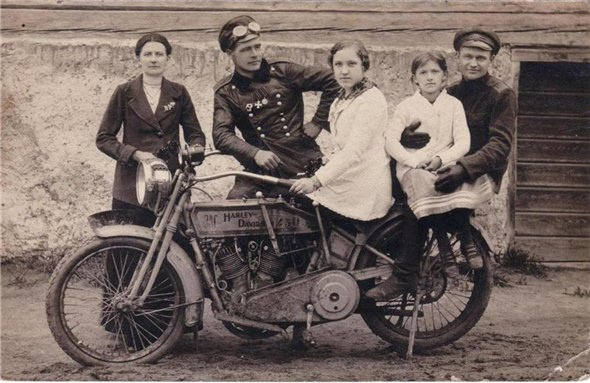
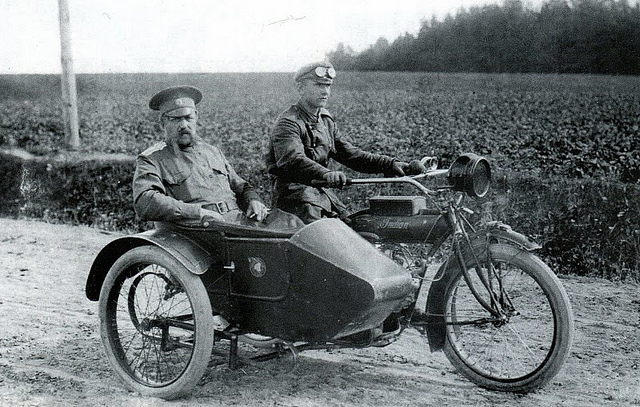
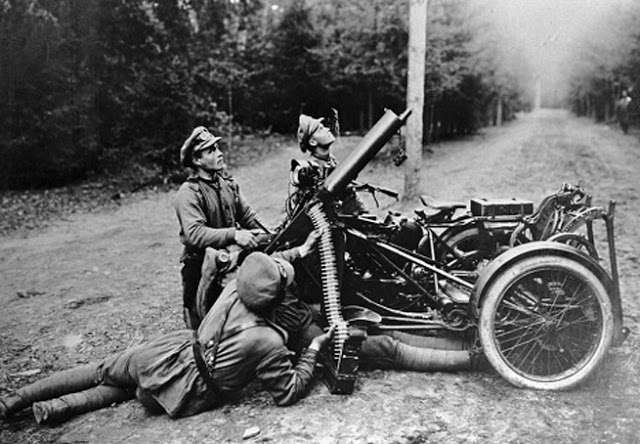
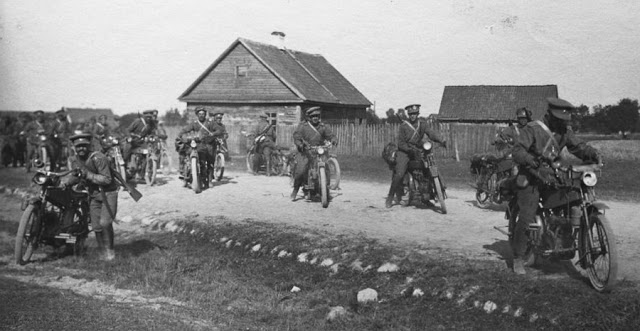
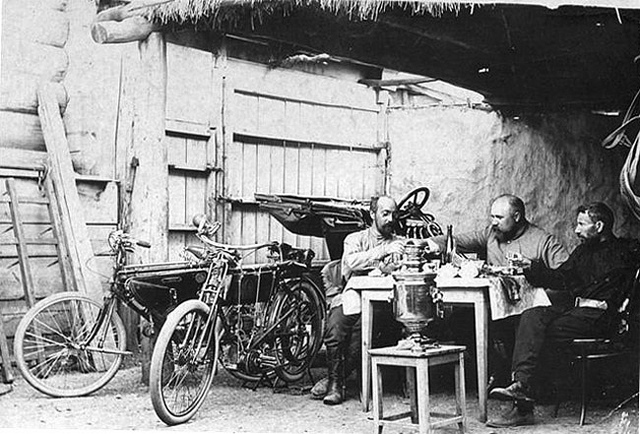
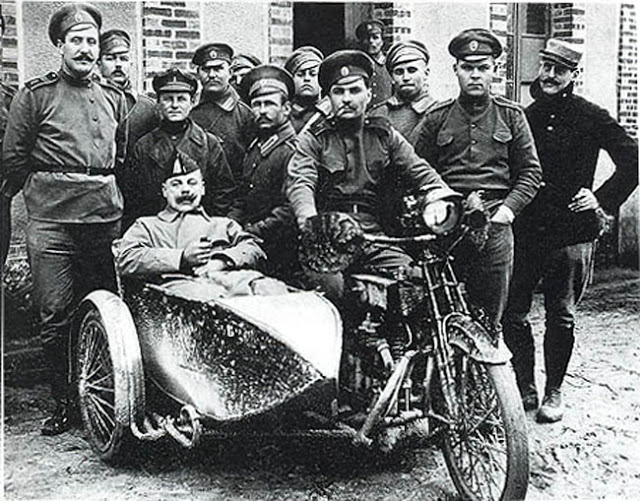
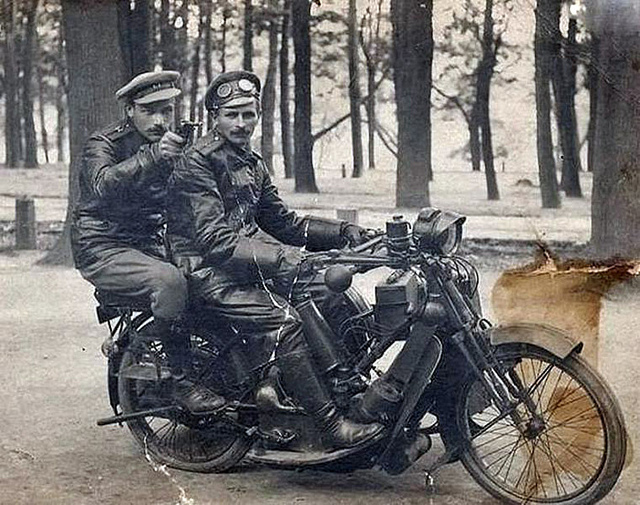
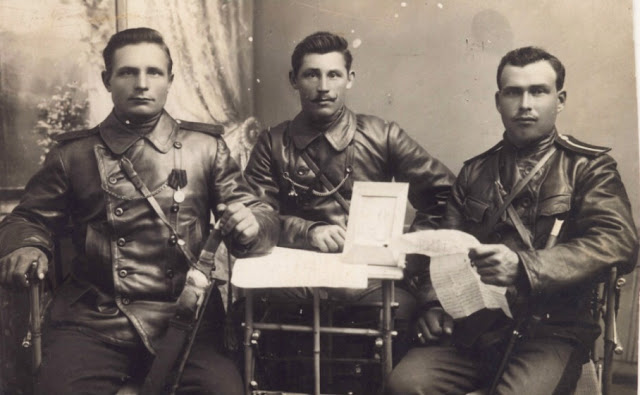
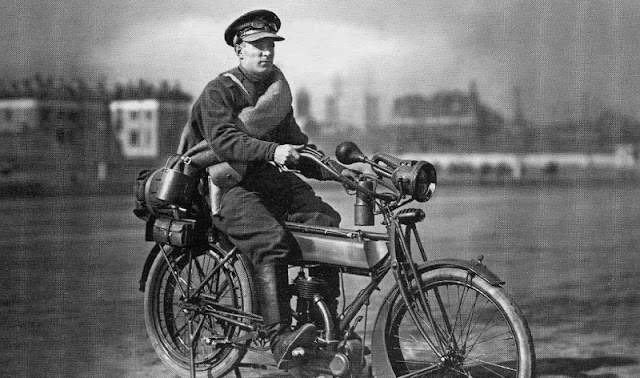
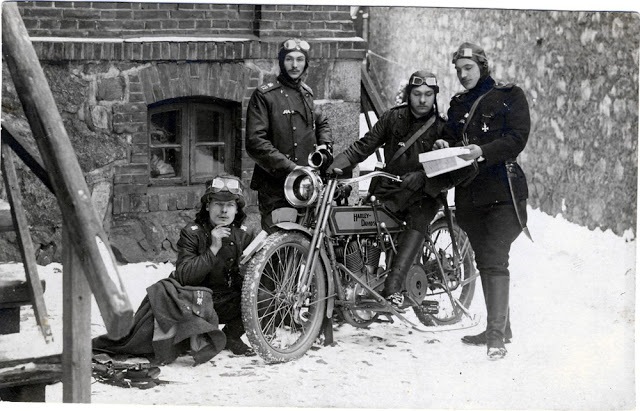


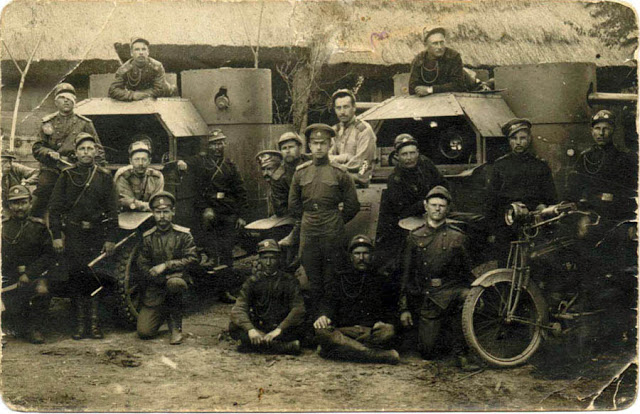
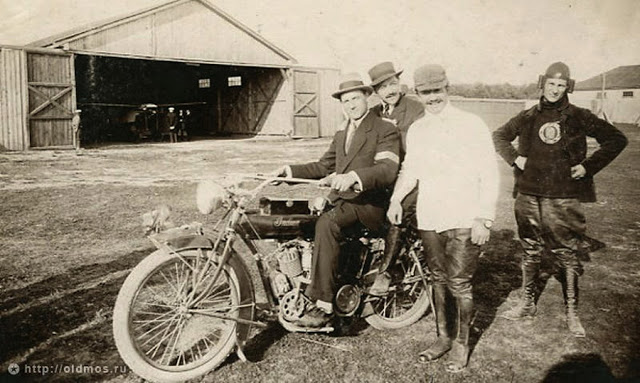
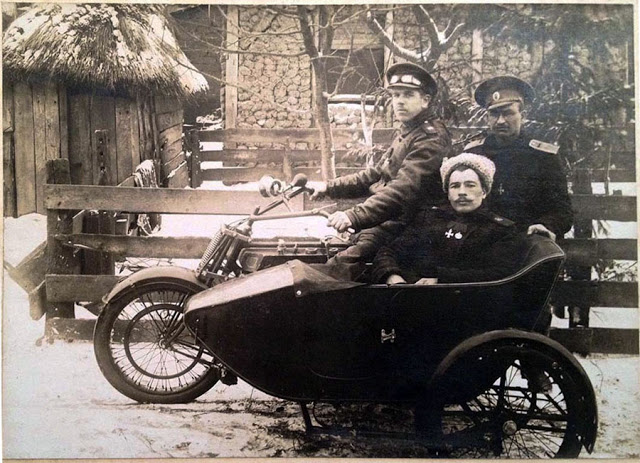
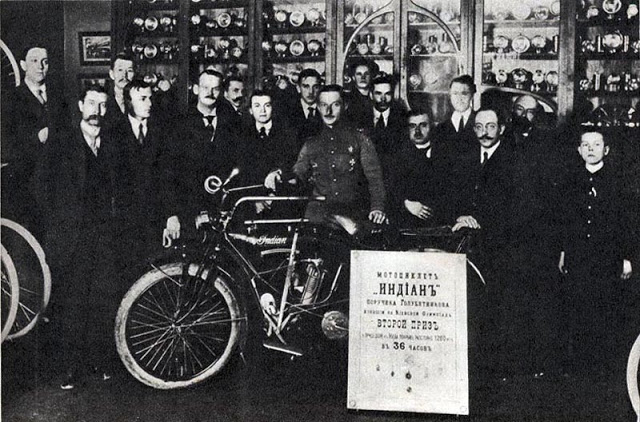
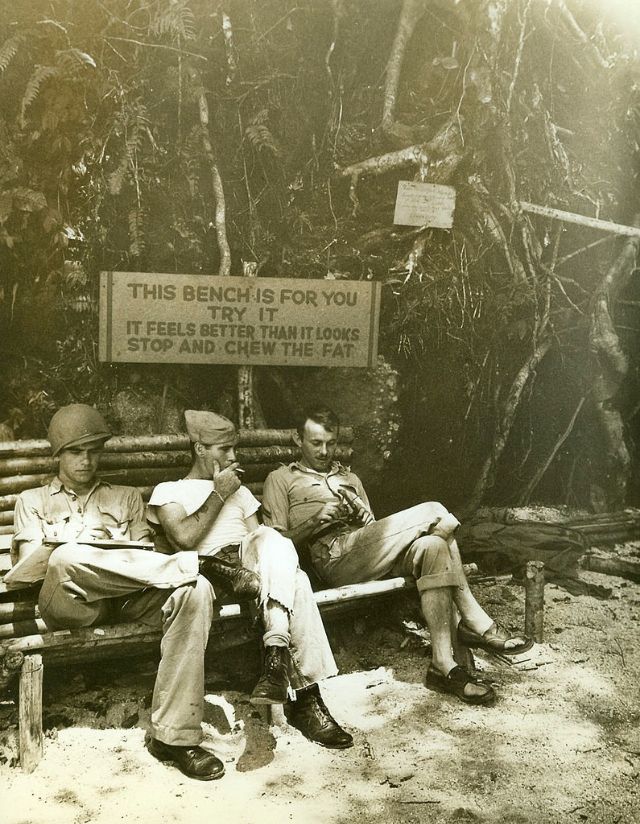
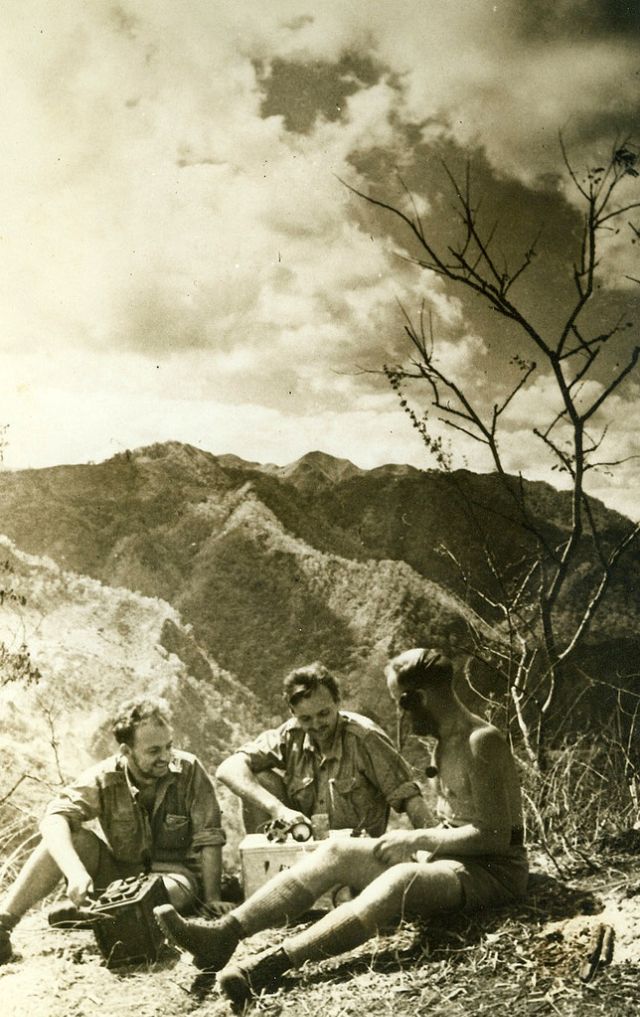
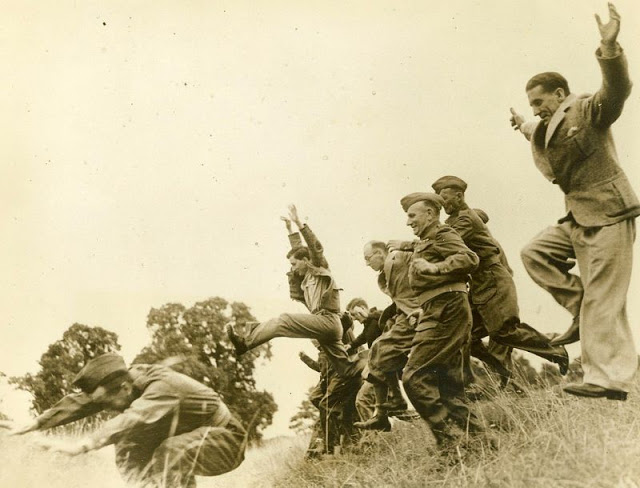
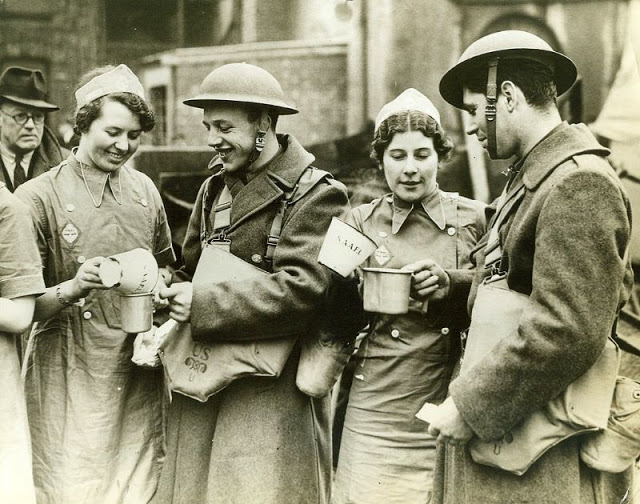
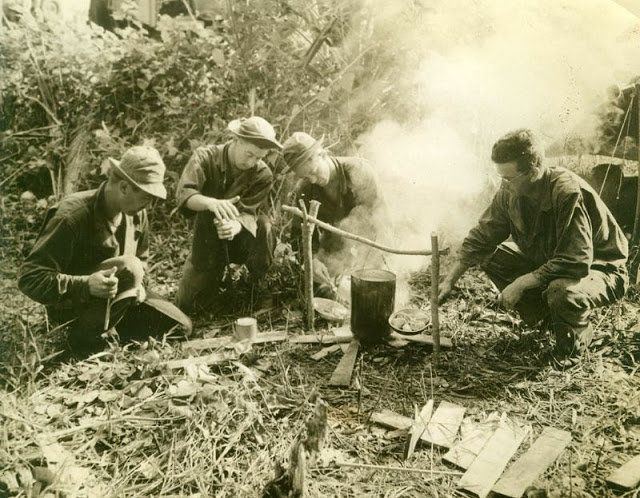
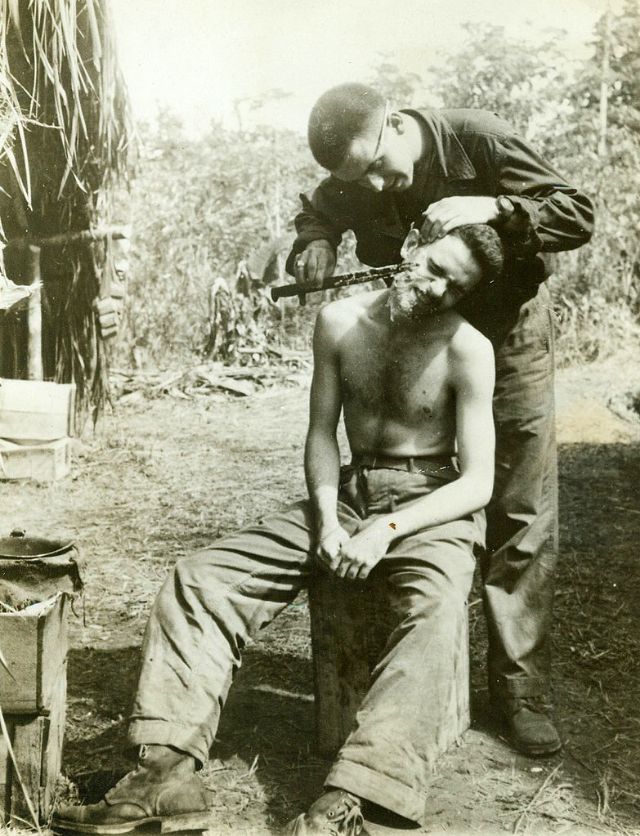
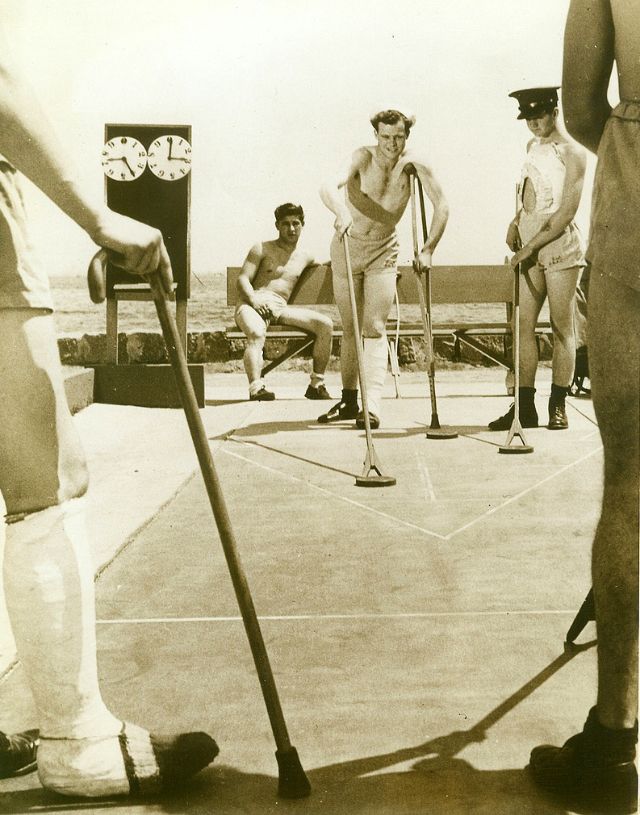
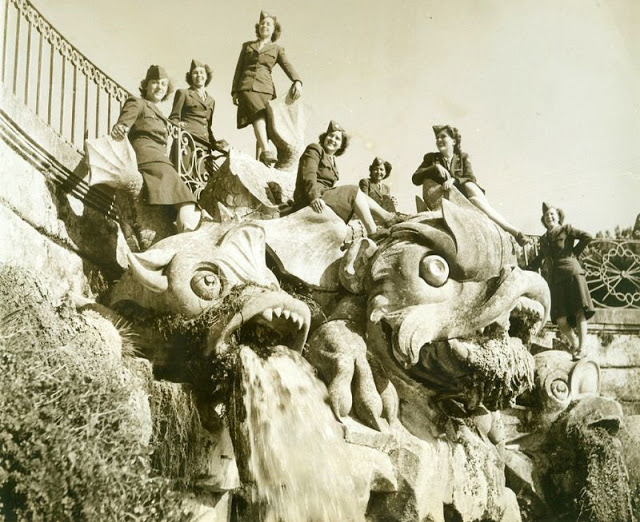
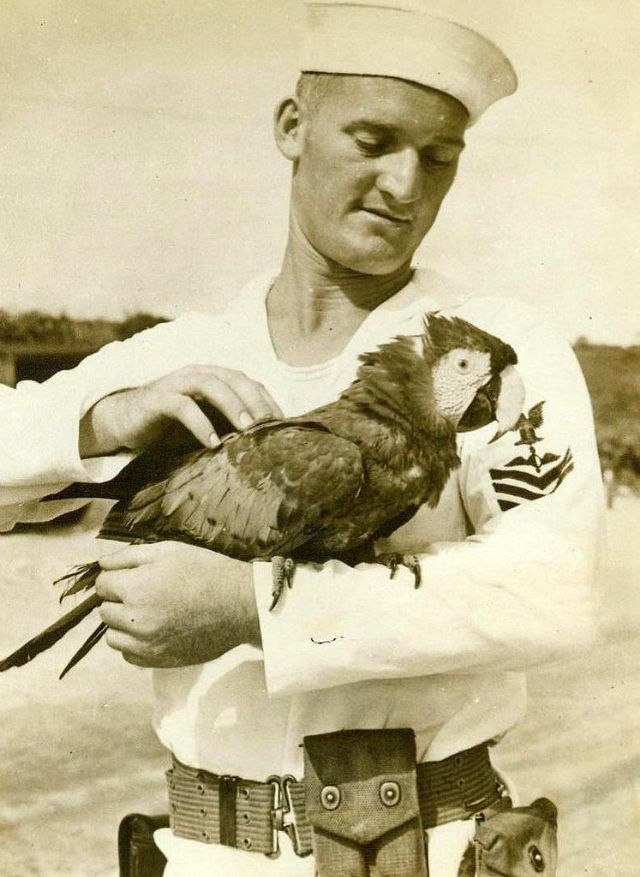
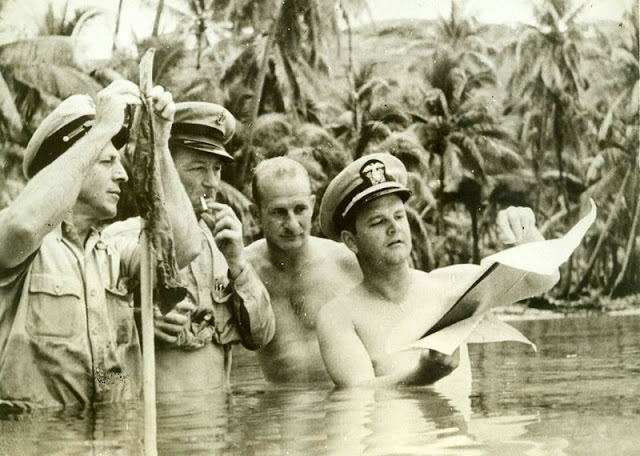
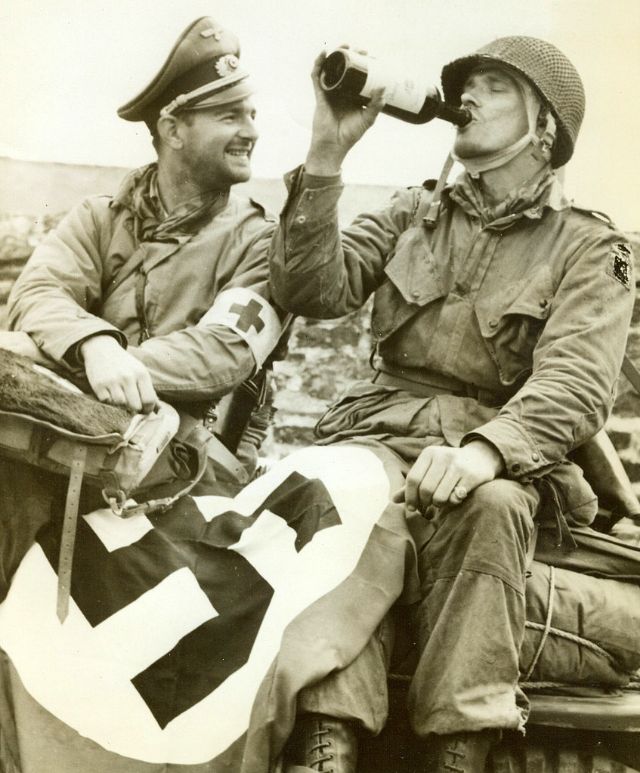
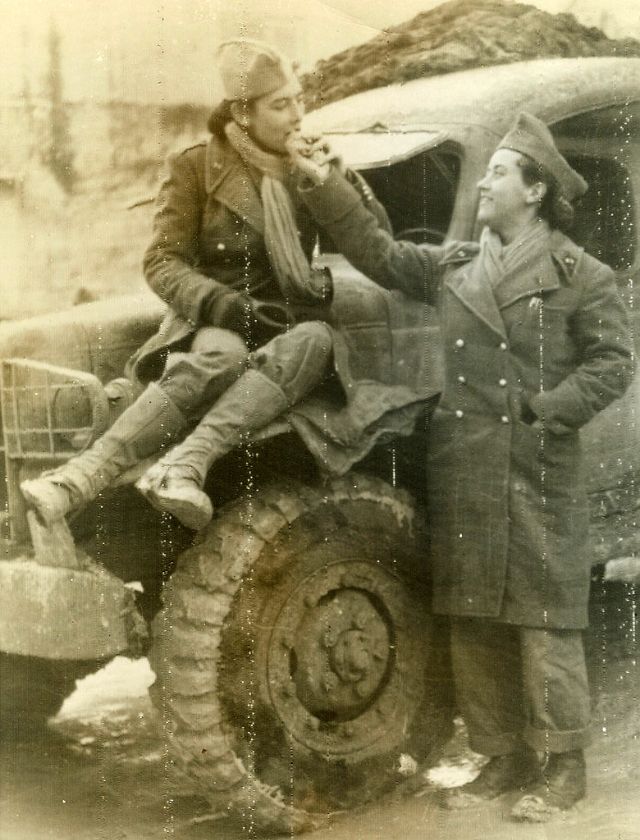
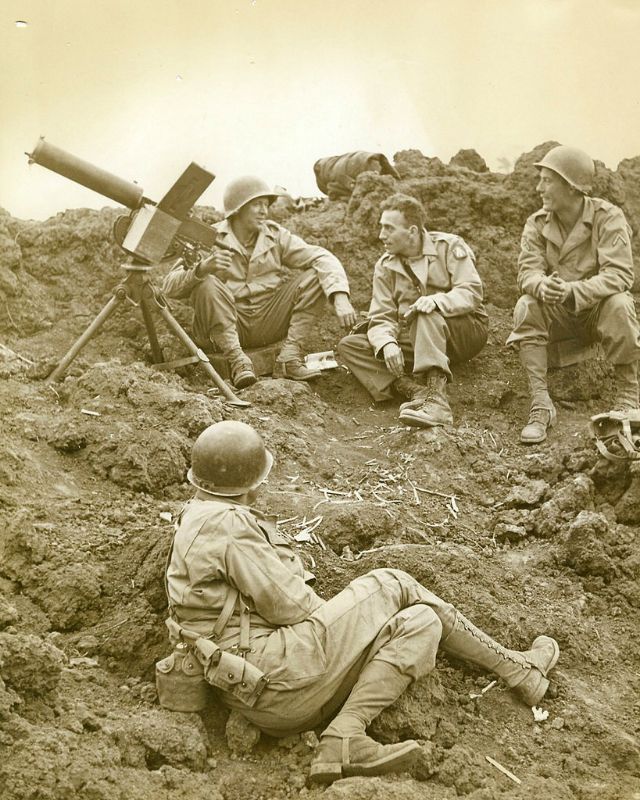
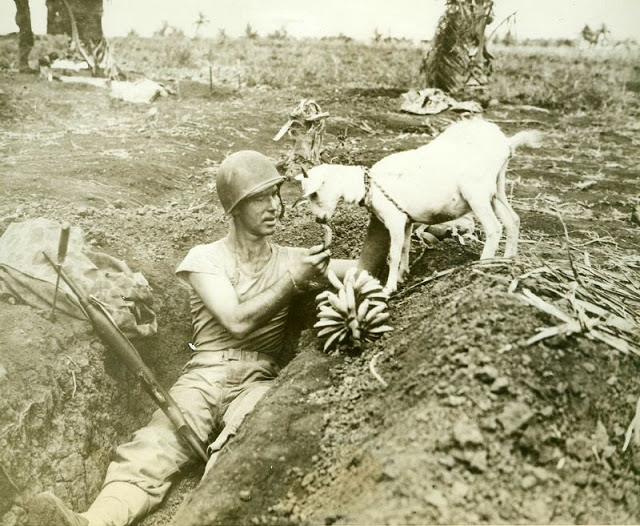
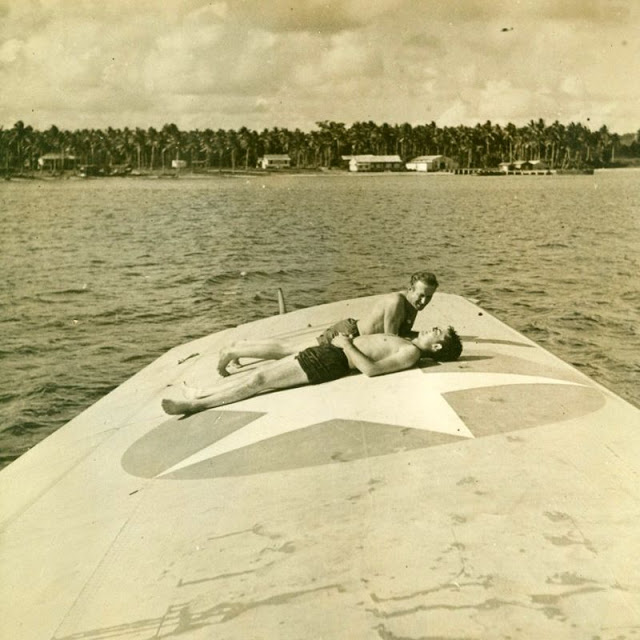
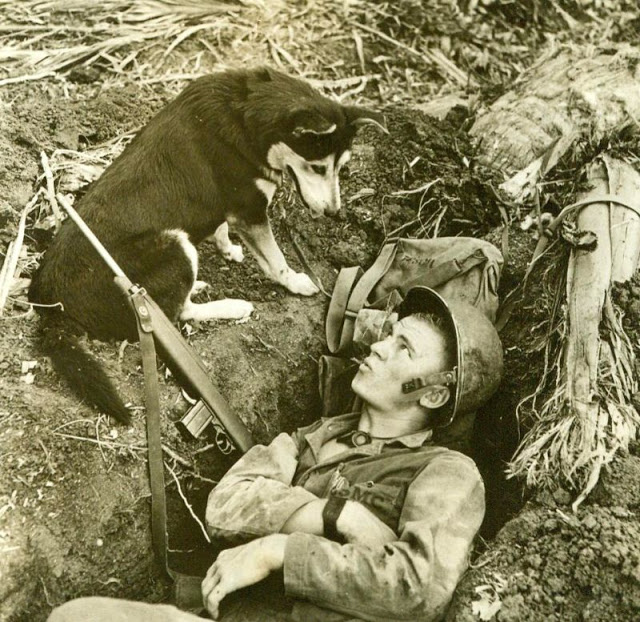
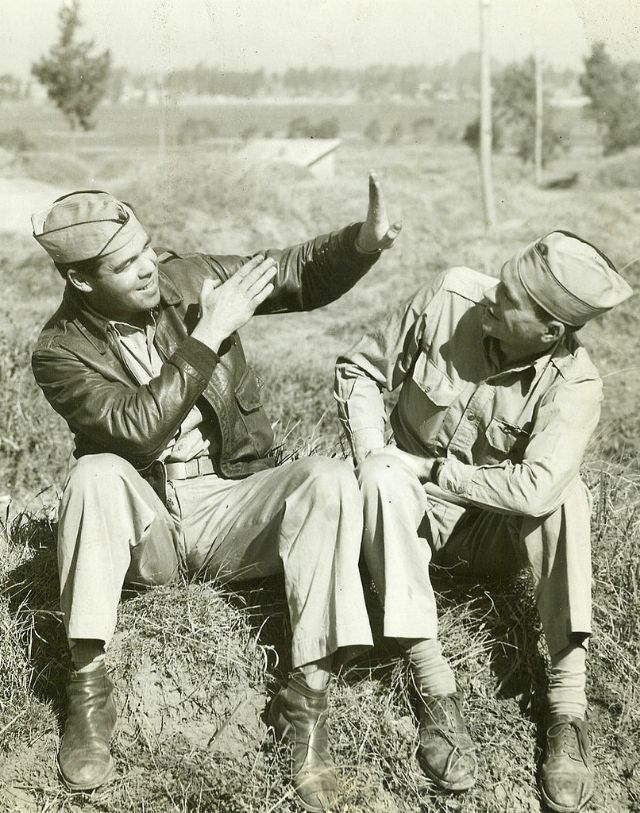
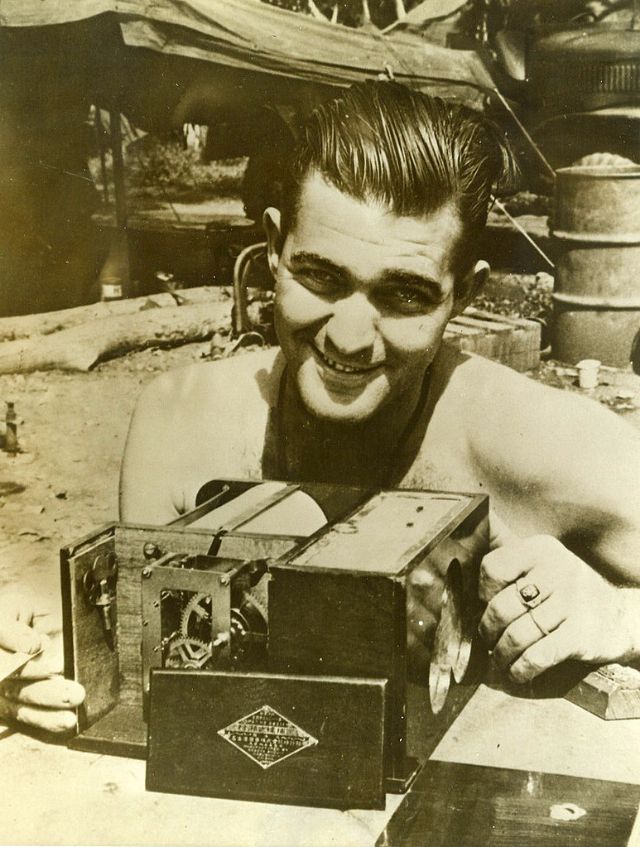
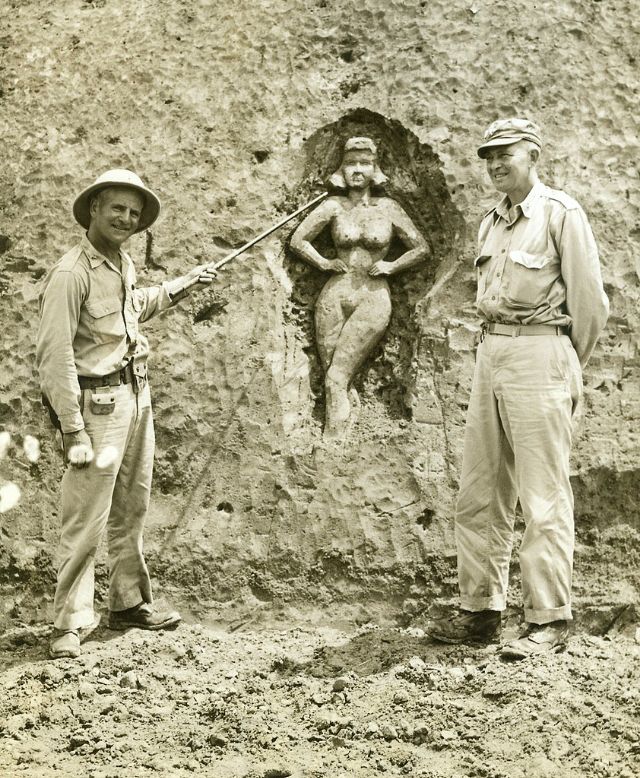
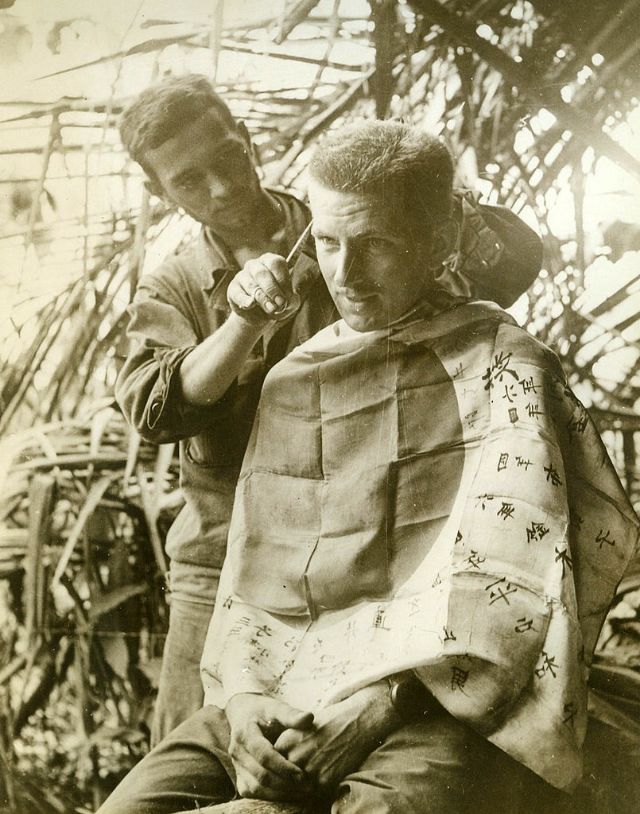
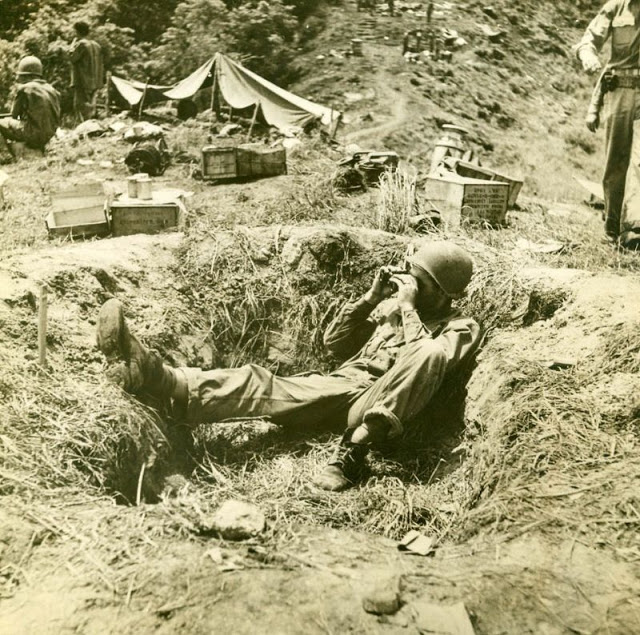
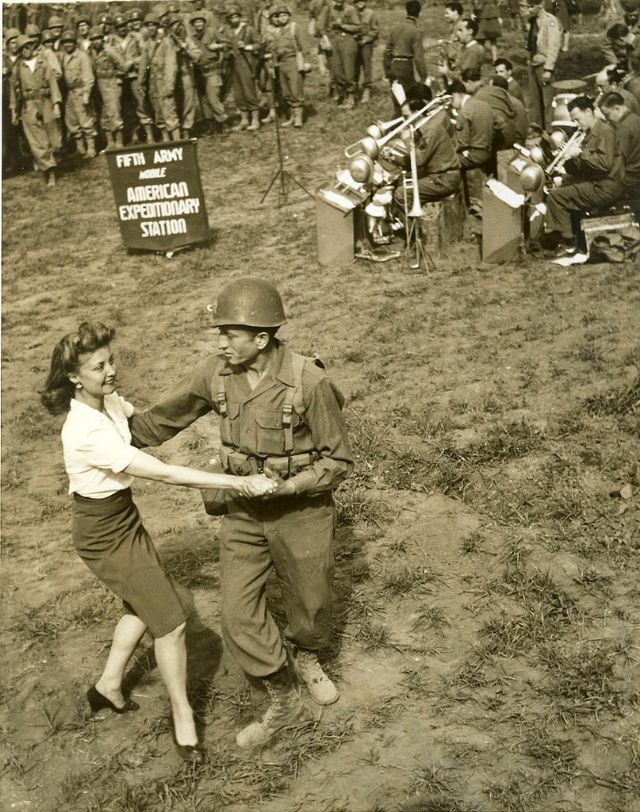
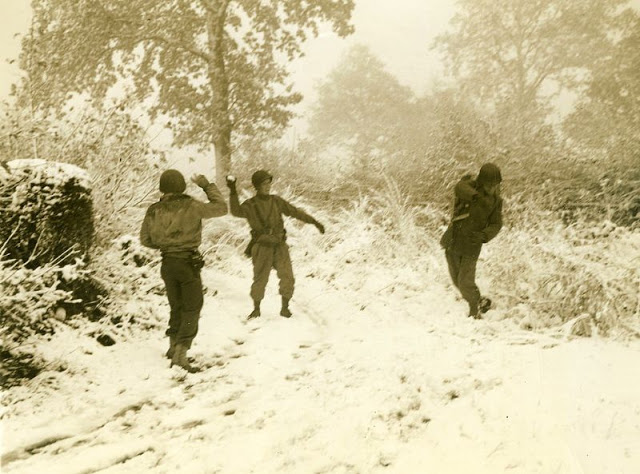
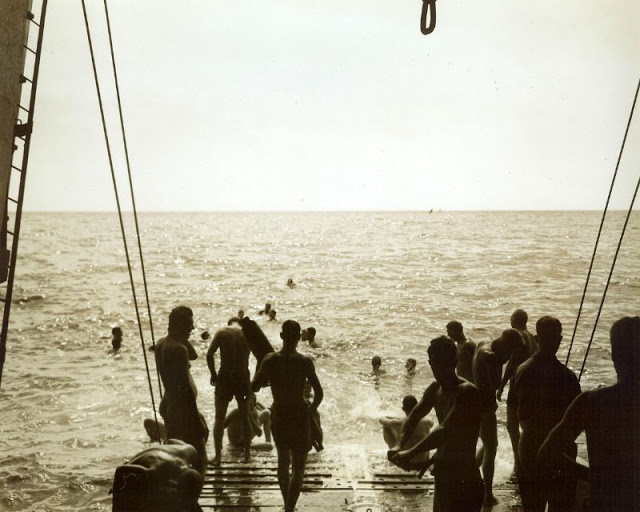
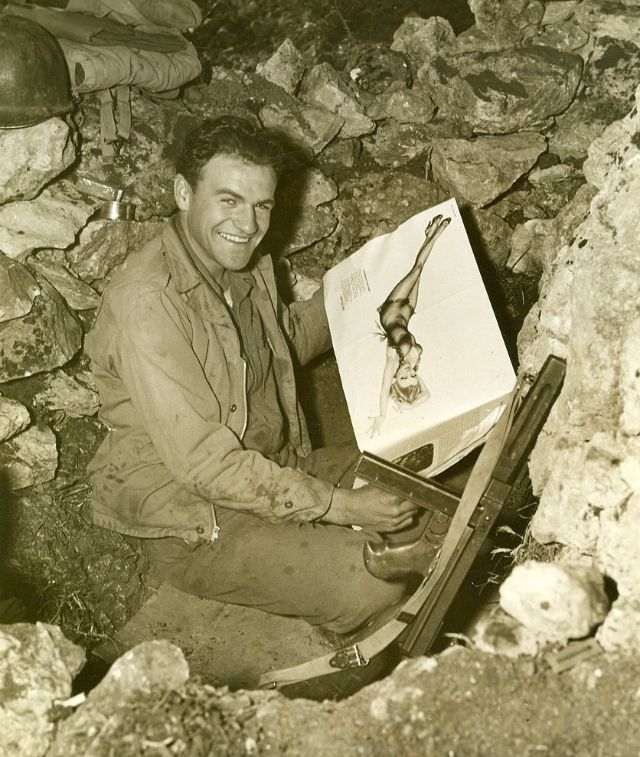
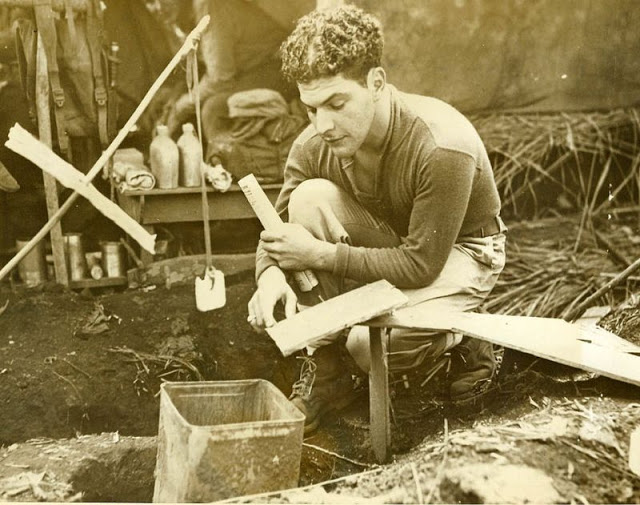
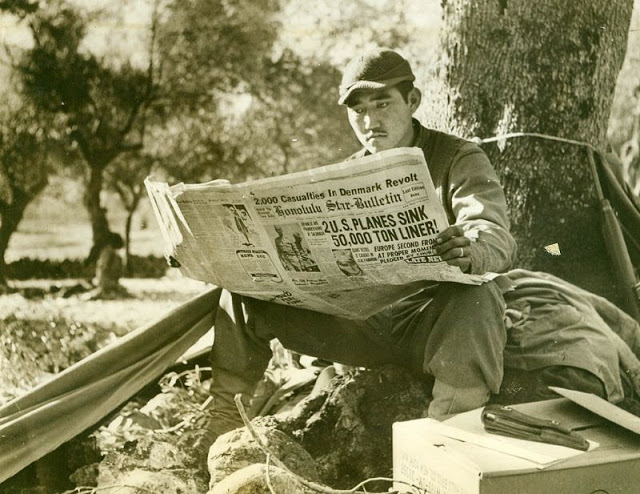
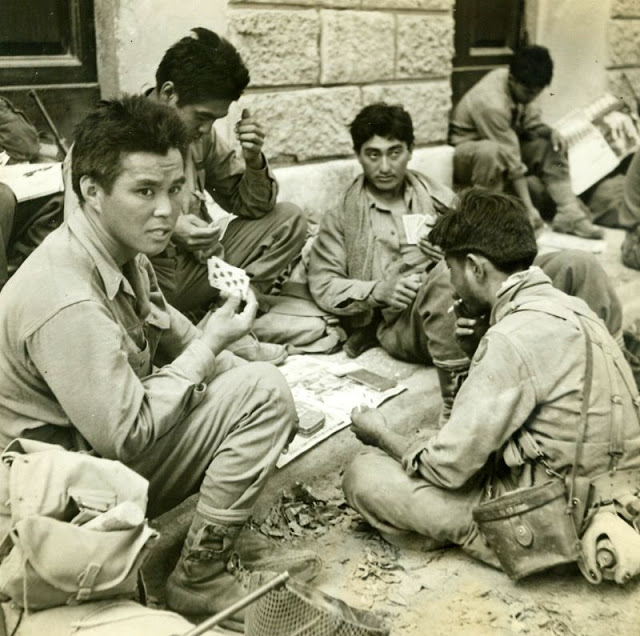
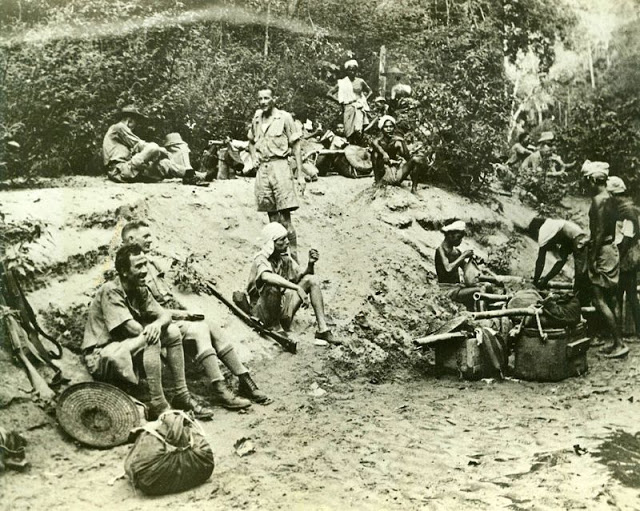
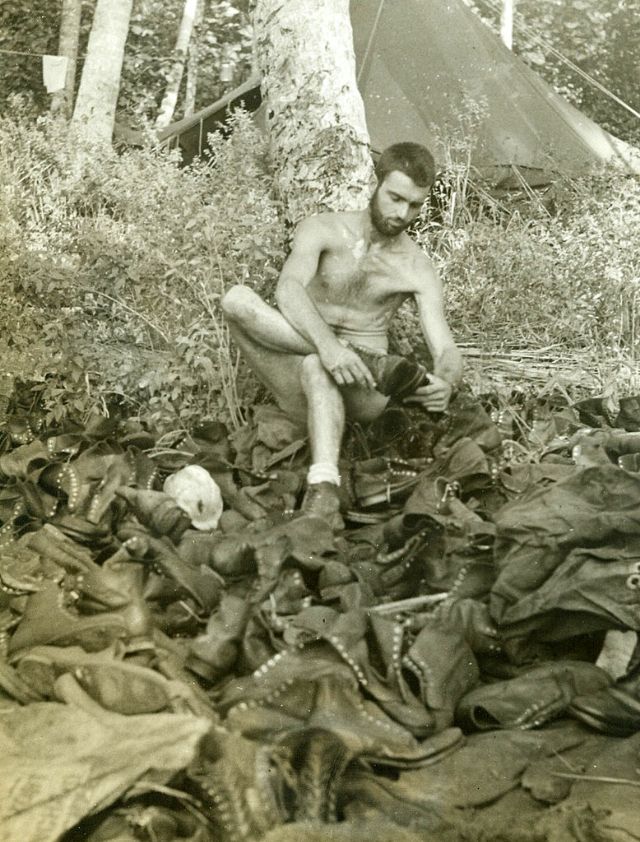
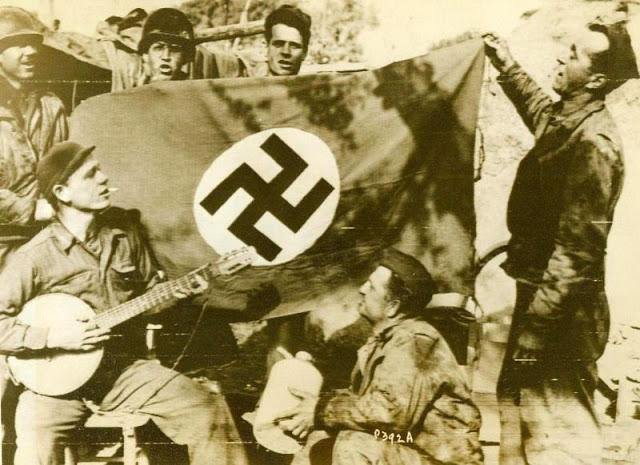
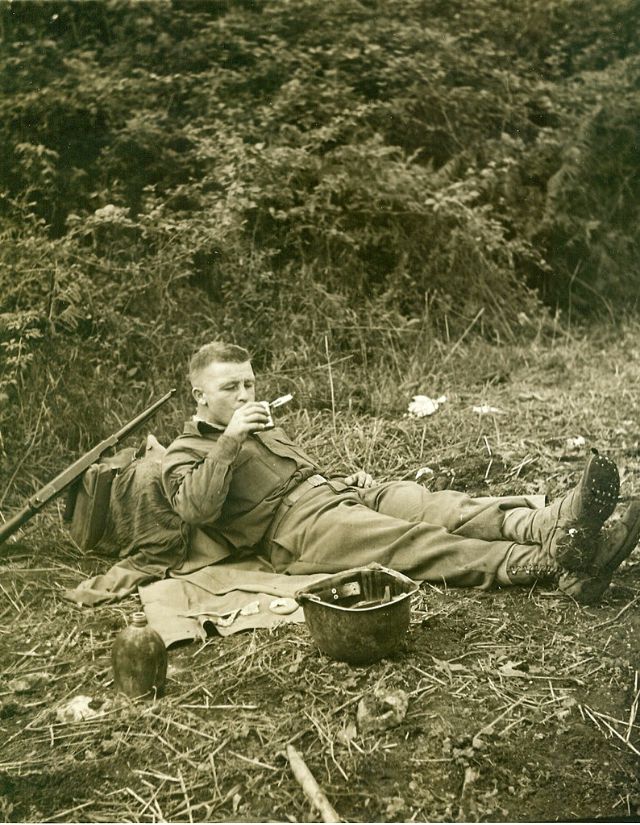
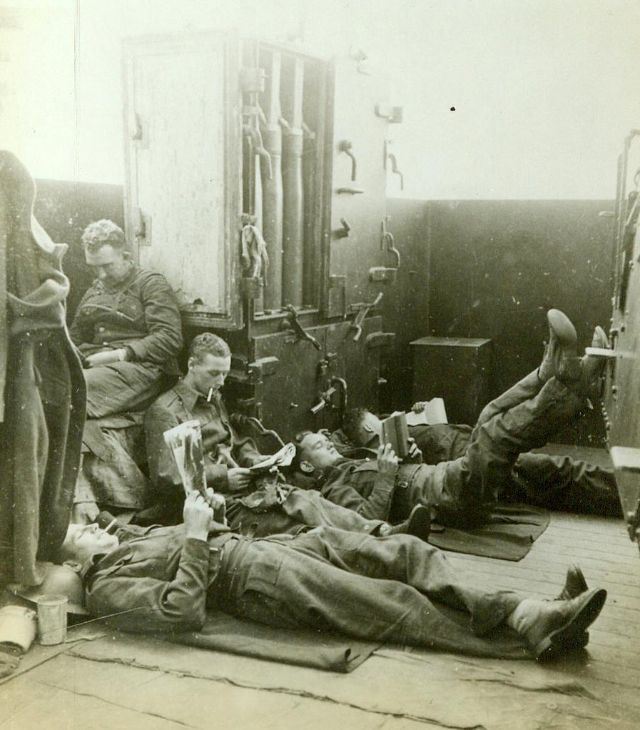
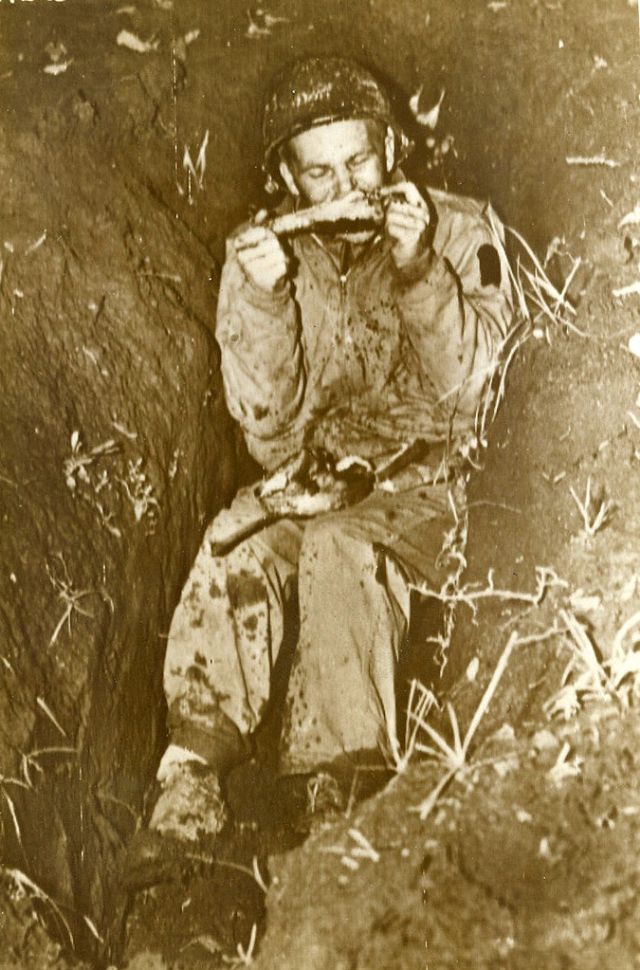
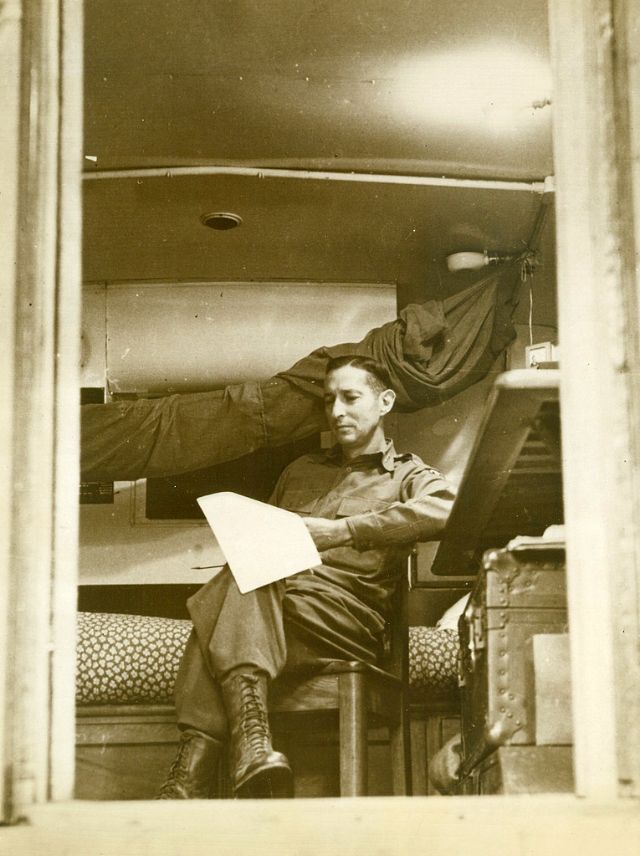
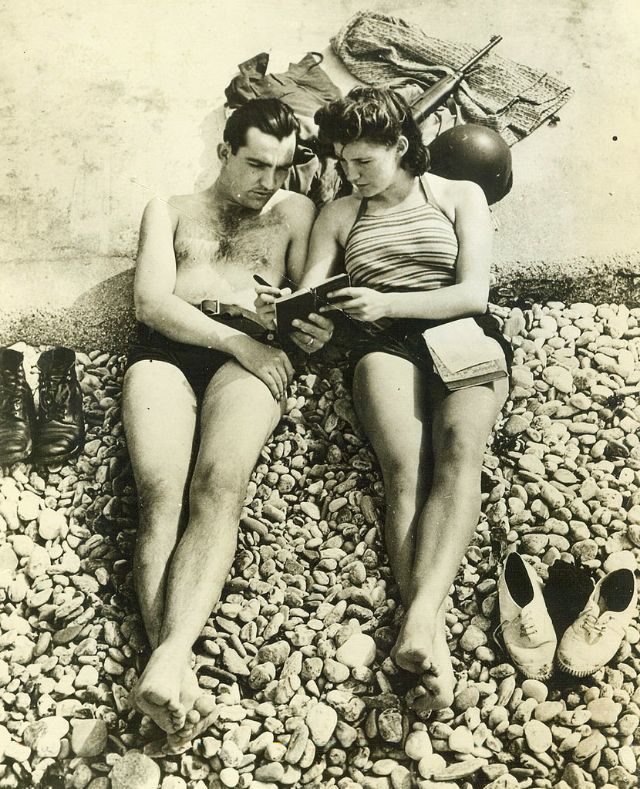
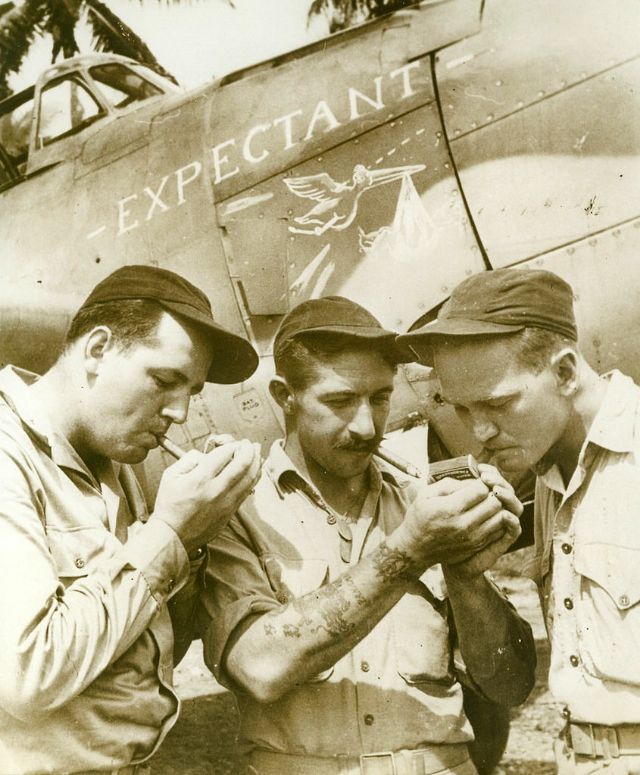
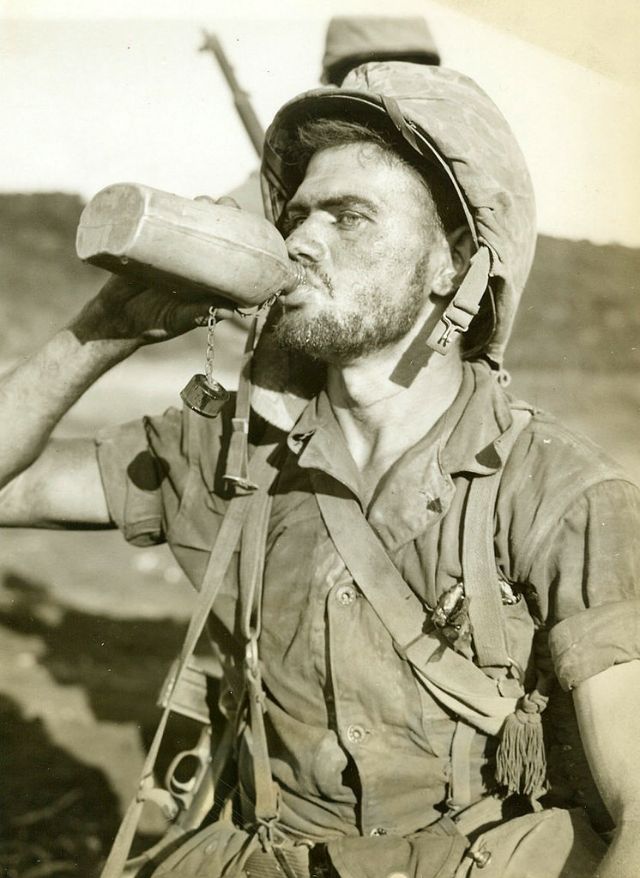
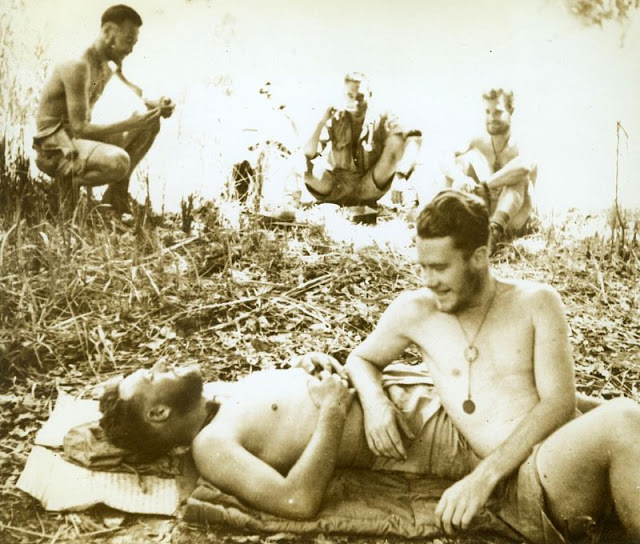
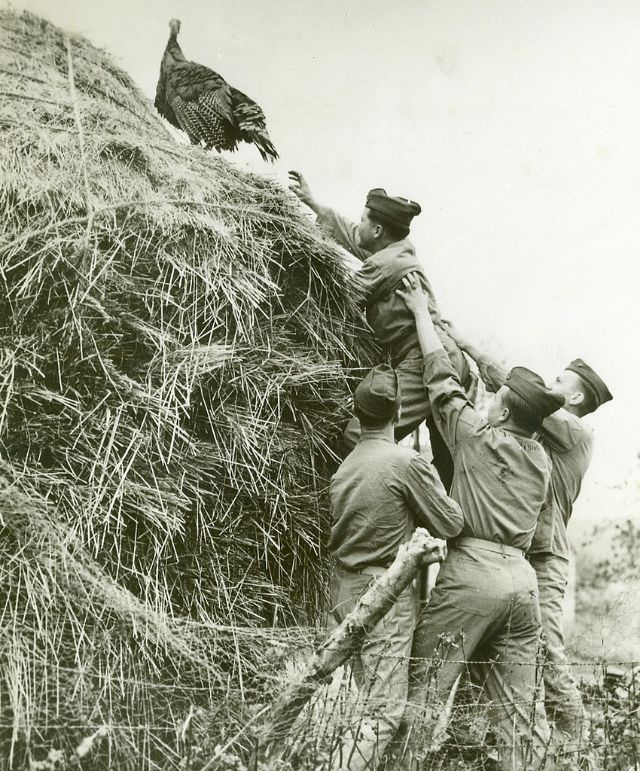
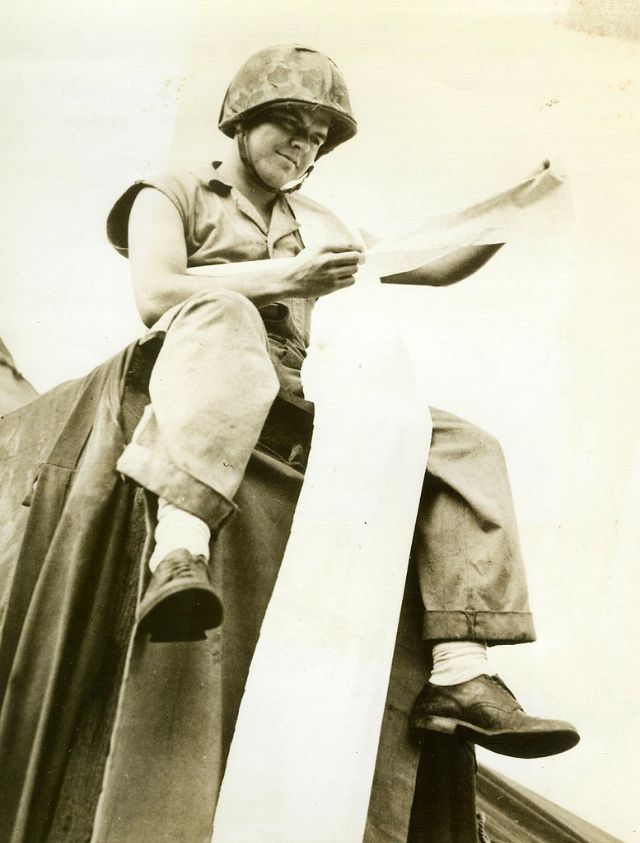
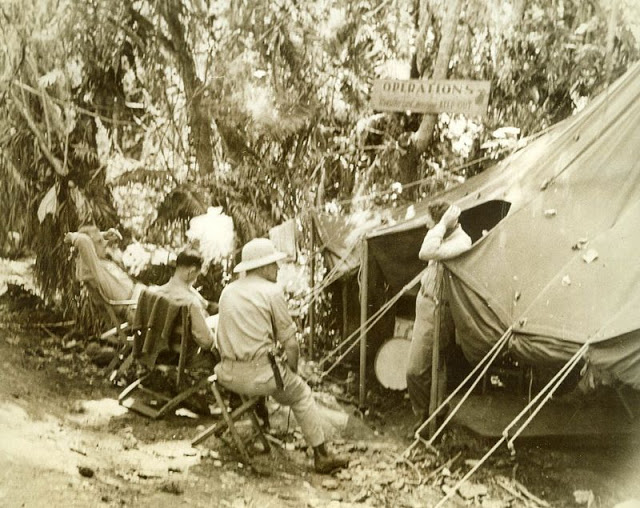
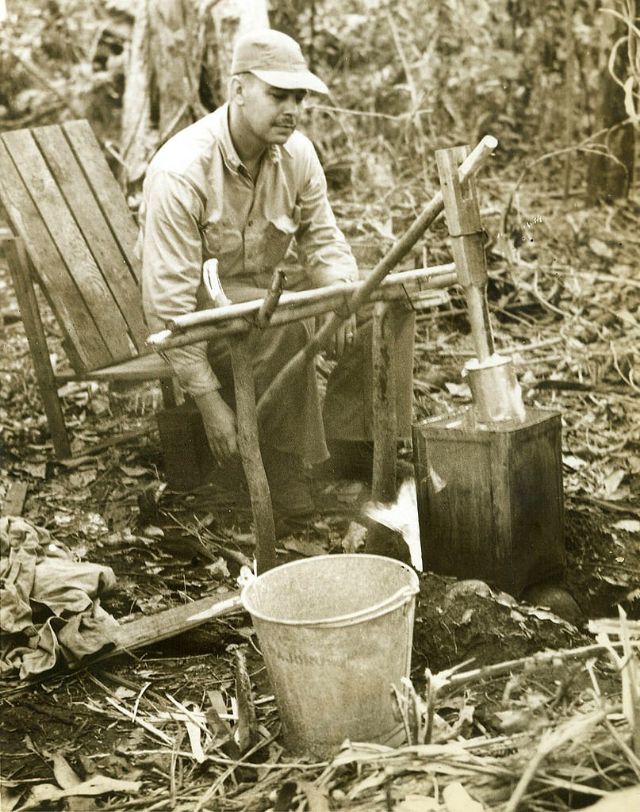
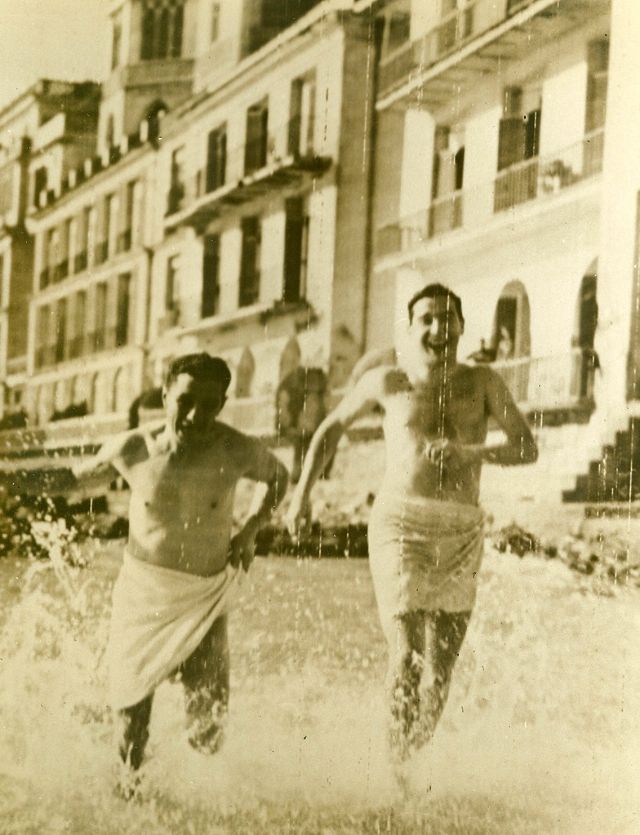
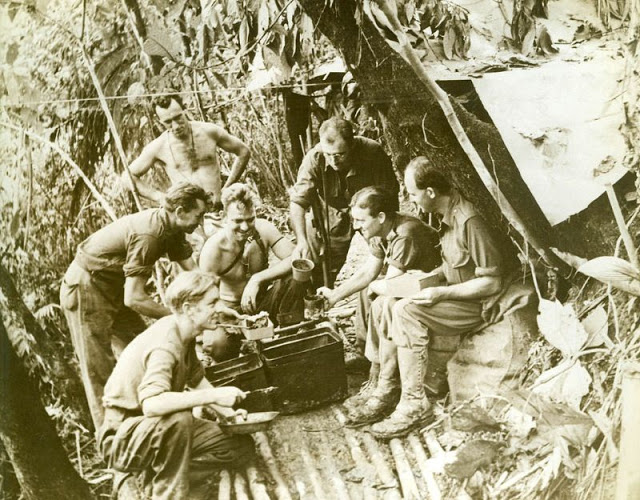
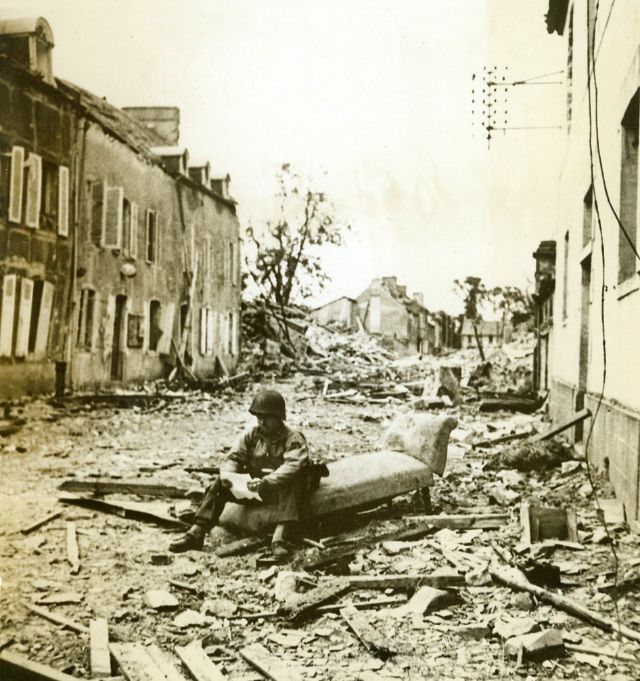
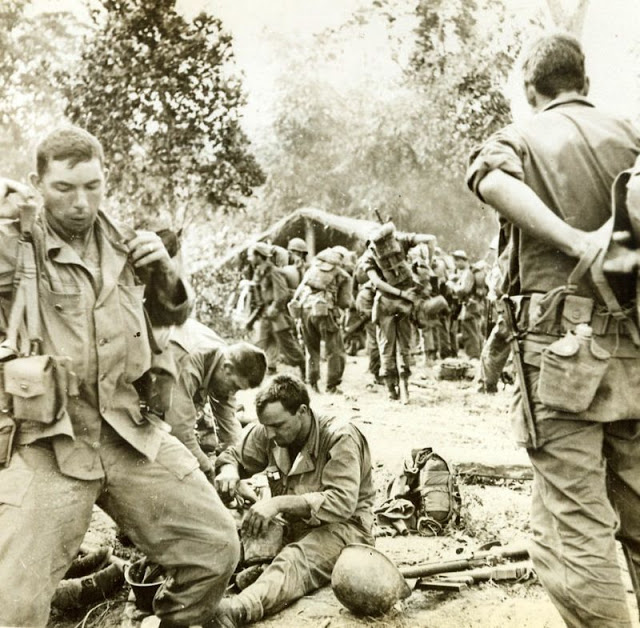
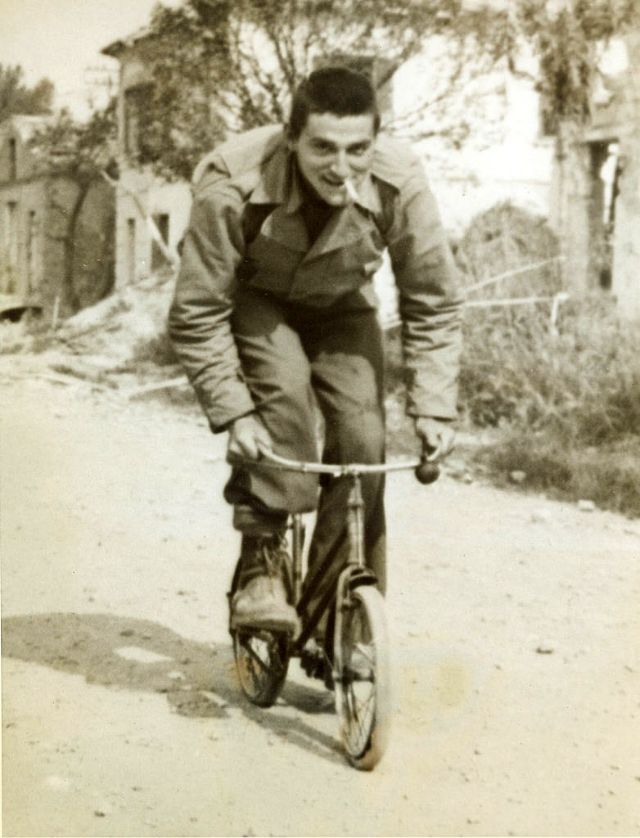
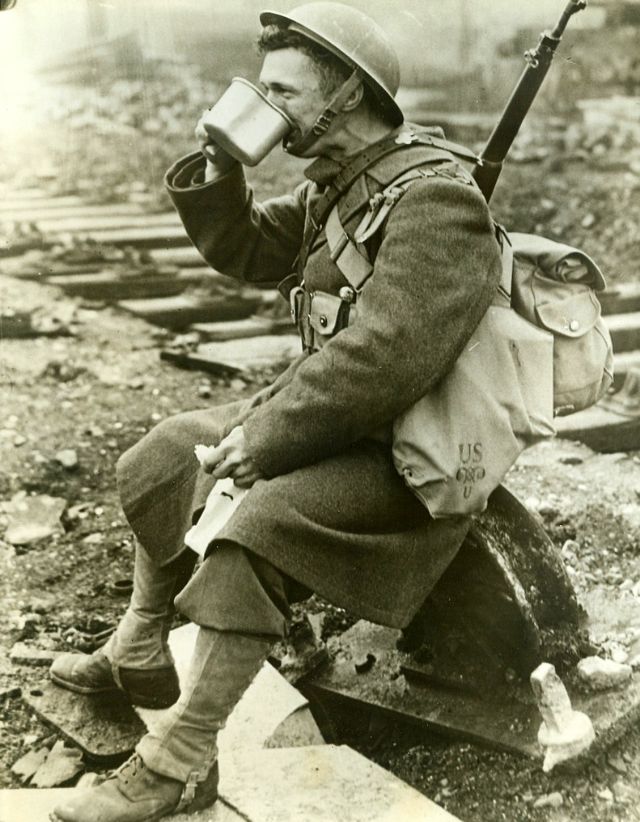
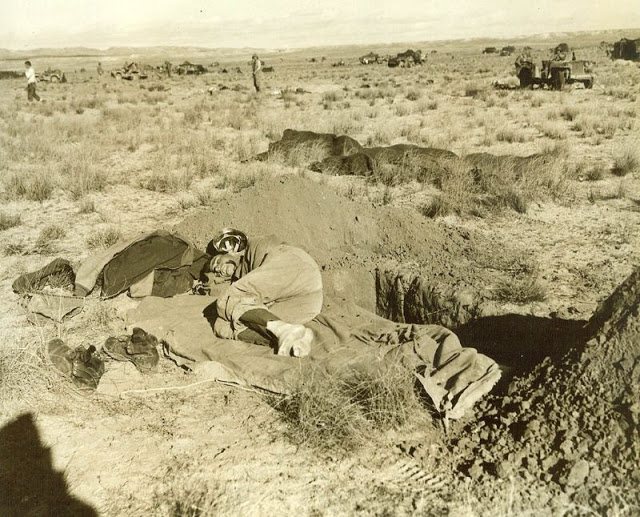
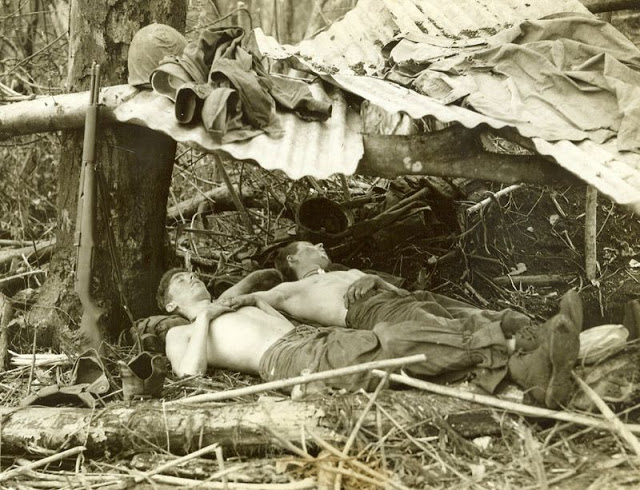
War brings pain, sacrifice. It is really cruel, especially for the soldiers directly involved in combat. Private moments for soldiers are really something rare and worthwhile.
A collection of emotional pictures from MacArthur Museum that shows rare private moments of soldiers resting during the World War II.







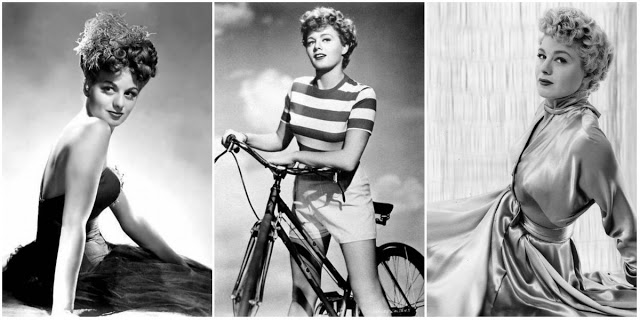
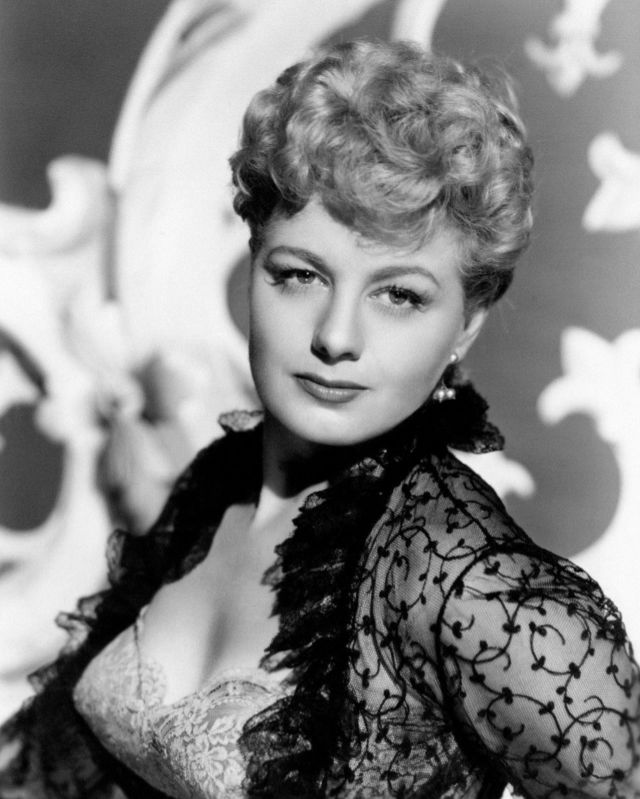
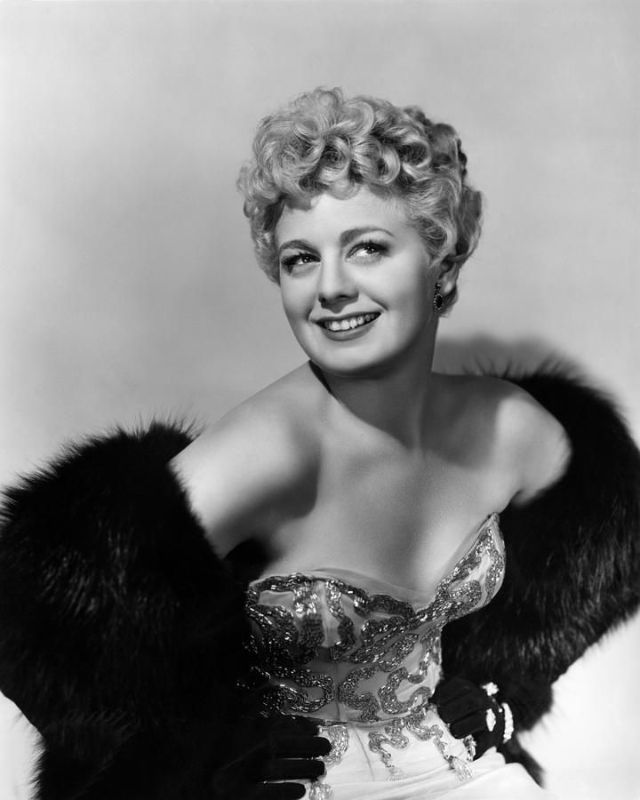
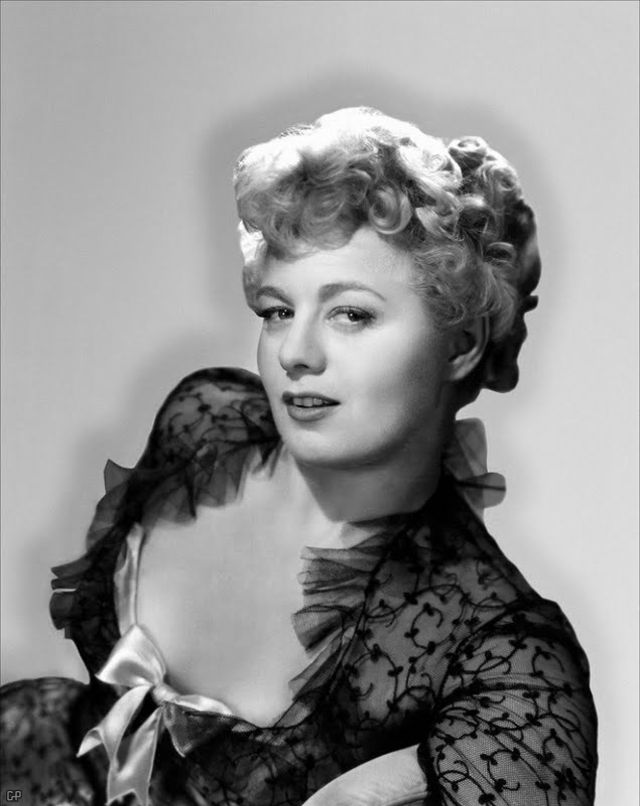
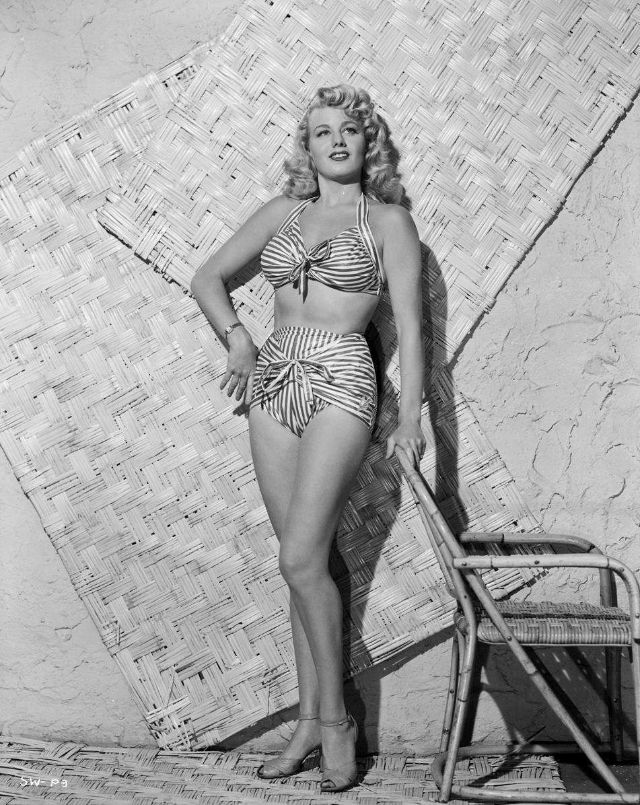
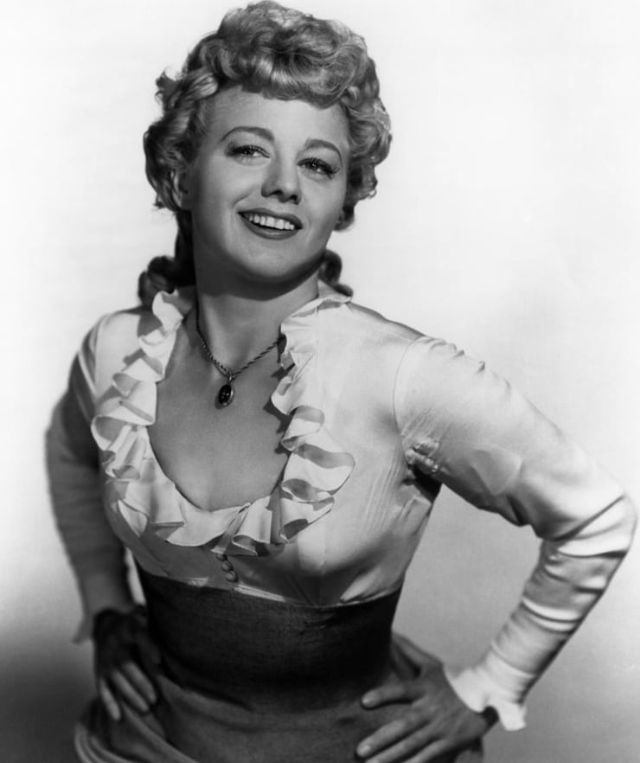
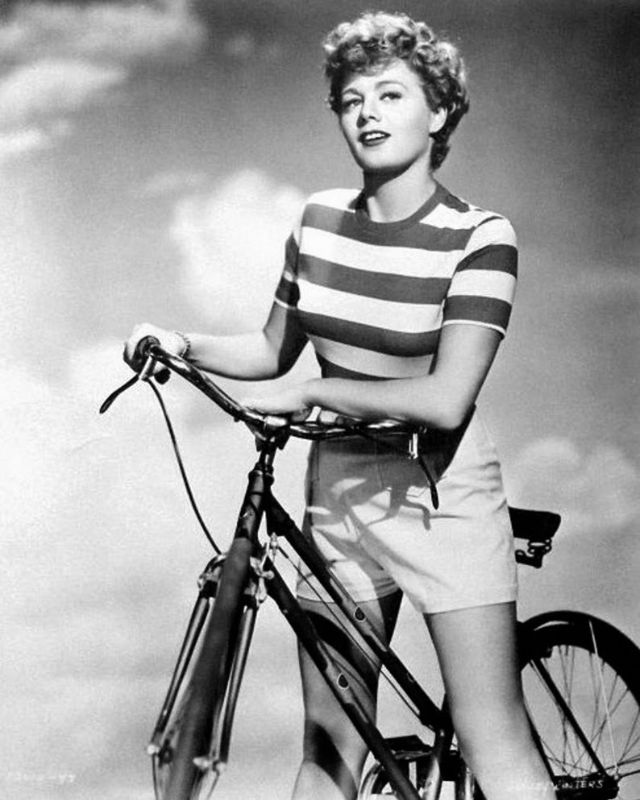
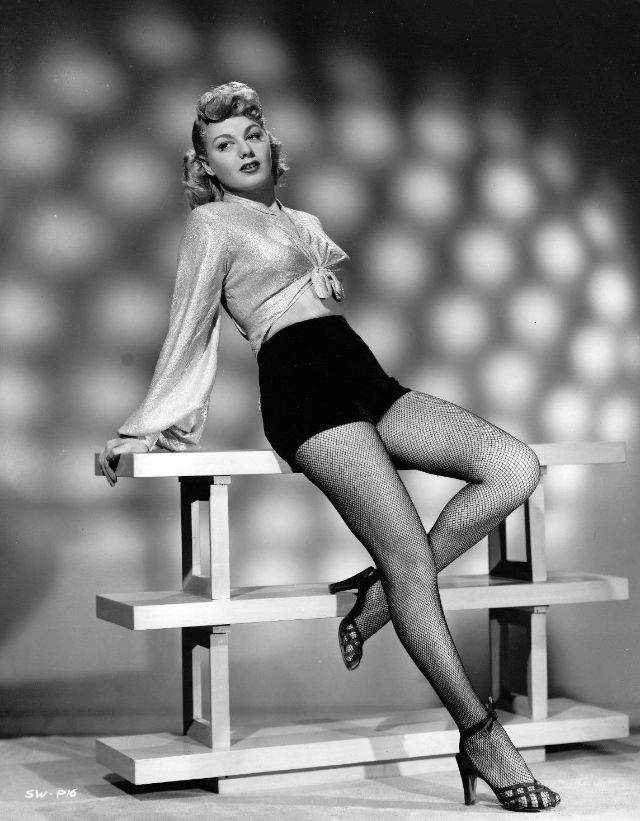
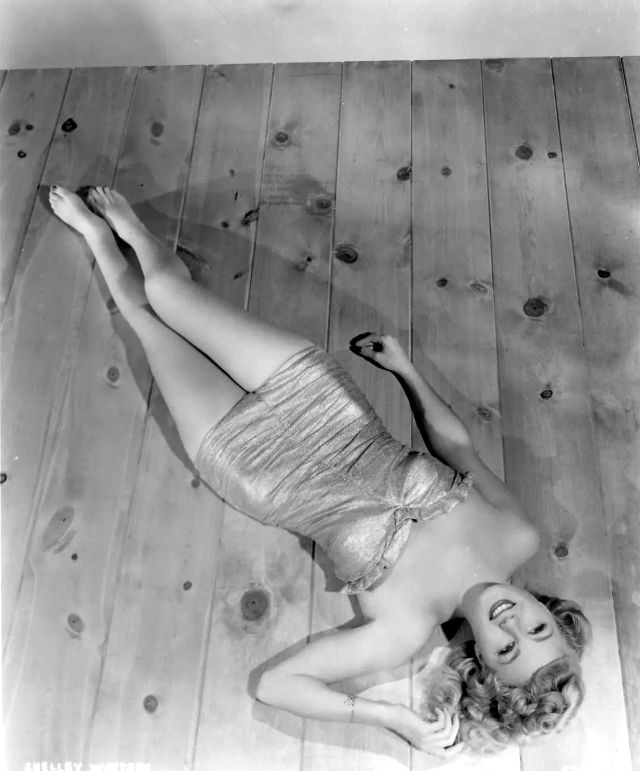
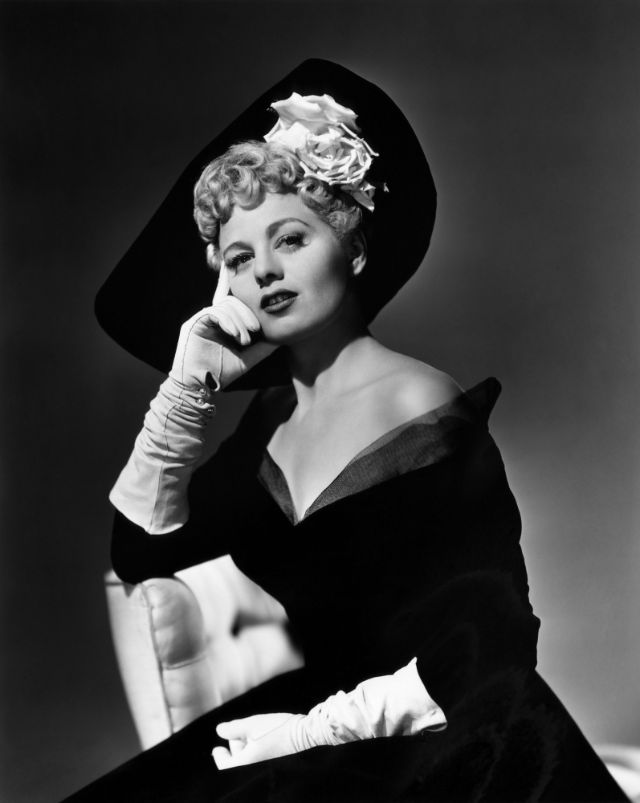
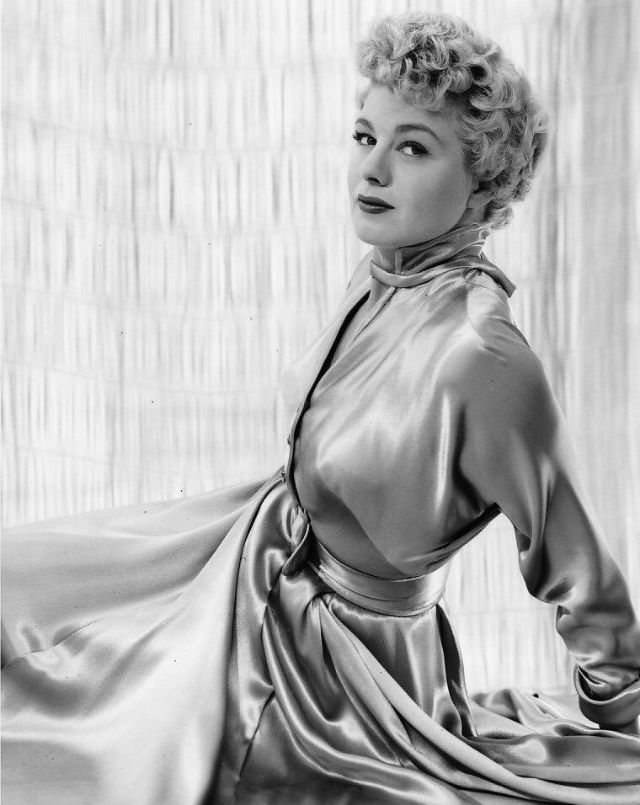
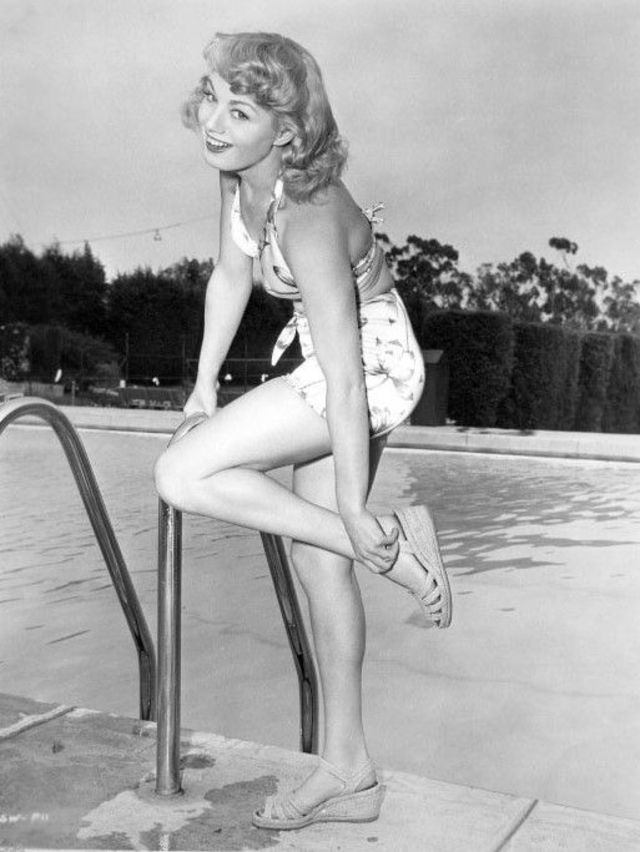
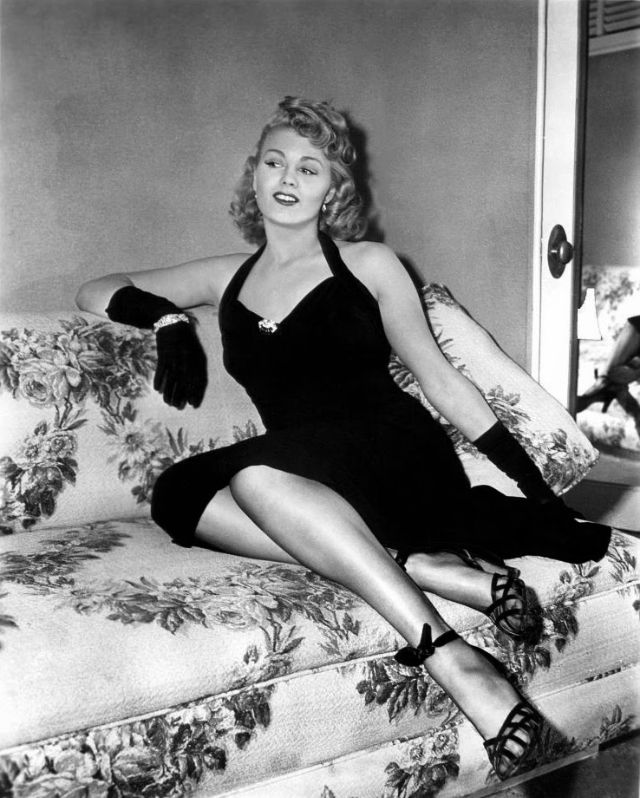
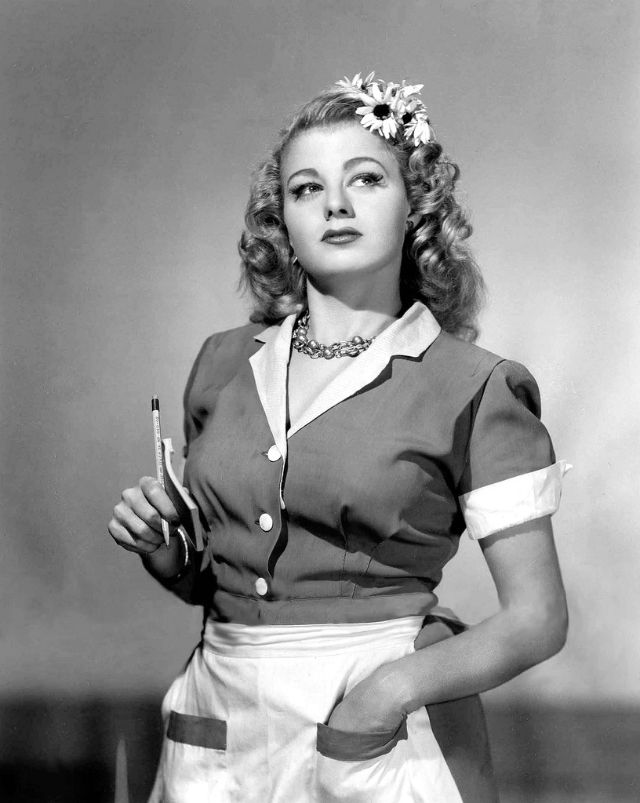
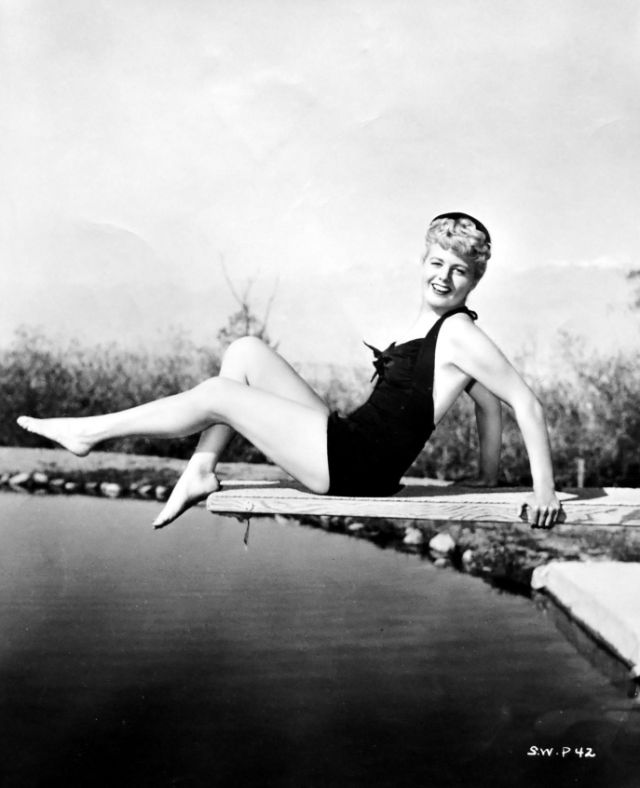
Shelley Winters (born August 18, 1920 – January 14, 2006) was an American actress whose career spanned almost six decades. She won two Academy Awards for her supporting roles in Hollywood films, but her zany, wisecracking real-life persona entertained a much larger audience over the years as a frequent talk-show guest. Winters nevertheless left behind an impressive body of work, playing “victims, babes, shrews, and matriarchs with sassy confidence,” noted her Times of London obituary. “Whatever Winters may have lacked in looks she made up for in presence and star quality. She specialized in big, ballsy, independent, modern women… Her characters often knew what they wanted, though they did not necessarily get it.”
Winters was born in 1920, though when she arrived in Hollywood she gave her birthdate as 1922. She grew up in Brooklyn, New York, and began entering local beauty pageants during her teen years. Determined to become an actress, she even auditioned for the Scarlett O’Hara role in Gone with the Wind during a nationwide talent search. She later recalled that the director, George Cukor, treated her kindly during her tryout, and urged her to finish her schooling and begin with stage roles. Winters began taking drama classes at the New School for Social Research in New York City, and in between small roles in plays and musicals worked as an entertainer at the summer resorts in the Catskills of upstate New York.
Winters’ break came when Hollywood studio executive Harry Cohn saw her on Broadway in Rosalinda , and signed her to Columbia Pictures. She made a saucy screen debut in What a Woman! in 1943, a Rosalind Russell film, but was unhappy with the bit parts to which the studio seemed to confine her. Returning once again to the classroom, she took courses at the Actors Studio in Los Angeles, and shared an apartment with a relatively unknown starlet who would later go on to fame as Marilyn Monroe. At one point, the two single women decided they would date like men, and not become emotionally attached, and each went on to enjoy a string of romances with some well-known names, which Winters would later detail in her autobiography. She also claimed to have taught Monroe the open-mouthed pout that later made her famous.
Winters reconnected with Cukor when he hired her for what became her breakout role in a 1947 film called A Double Life. In it, she was cast as the first of many murder victims on screen, or as women otherwise abused by life. In 1951, Winters convinced George Stevens to hire her for the part of a frumpy factory worker when he was casting A Place in the Sun . She did so by pleading with him to meet her in a hotel lobby, and then dressing in so shabby an outfit that Stevens failed to recognize her. With that she won the part of a young woman slain by her beau, Montgomery Clift, when she becomes pregnant and jeopardizes his relationship with Elizabeth Taylor’s heiress character. A Place in the Sun earned Winters an Academy Award nomination for Best Actress in a Leading Role.
Winters won more rave reviews in a 1955 film, The Night of the Hunter, and earned her first Oscar for her turn as Mrs. Van Daan in The Diary of Anne Frank in 1959, this time in the Best Supporting Actress category. Six years later, she won again for her performance as the vicious mother of a blind woman in A Patch of Blue, making her the first actress ever to win the Best Supporting Actress Award twice.
Other memorable film roles for Winters included the 1962 adaptation of Vladimir Nabokov’s shocking novel Lolita, a Stanley Kubrick project, and the original Poseidon Adventure ocean-liner disaster flick from 1972. She taught classes at the Actors Studio in New York City for a number of years, and helped one of her students, Robert De Niro, obtain one of his first solid roles as her son in Bloody Mama. In the 1970s, she made regular appearances on all the television talk shows, and earned a reputation for a somewhat bawdy sense of humor and divulging juicy tales about dating in Hollywood during its golden era. She recounted many of these stories in her 1980 memoir, Shelley, Also Known as Shirley, which became a bestseller for its dishy tales of romances with Marlon Brando, William Holden, and Sean Connery.
Winters may be better known to a younger generation for her recurring role as Roseanne’s grandmother on the hit 1990s series of the same name. She died of heart failure in a Beverly Hills, California, convalescent center on January 14, 2006, at the age of 85.


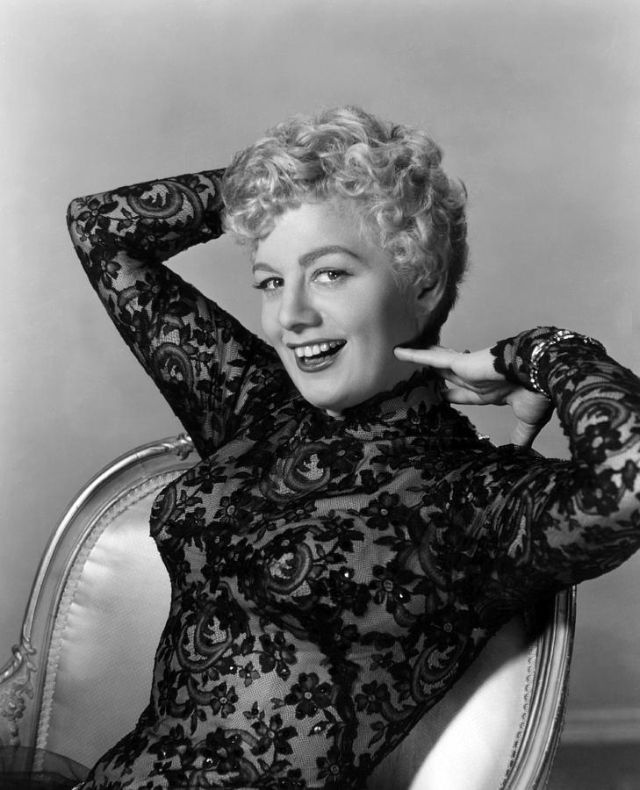

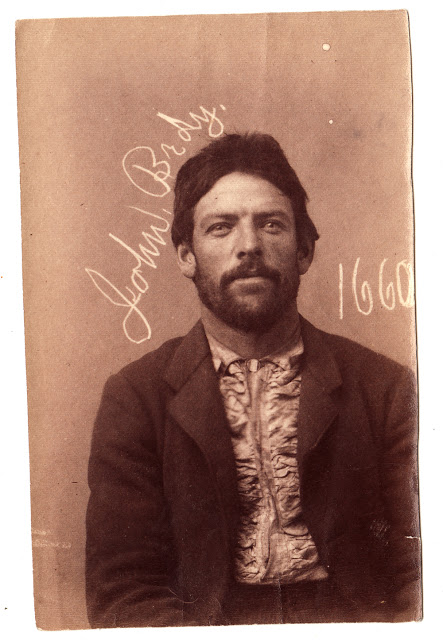
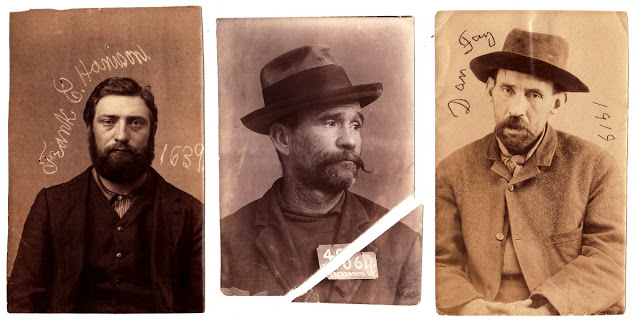
Murder and mayhem have long fascinated photographers and film aficionados, and are also inextricably linked with collectors of vernacular photography. But, how did the mugshot become a fine-art collectible? For New York-based collector and curator Mark Michaelson the answer is personal. In an interview with the New York Daily News he noted, “I’m looking for photos that move me for whatever reason. From things that are terribly funny to things that are terribly tragic.”

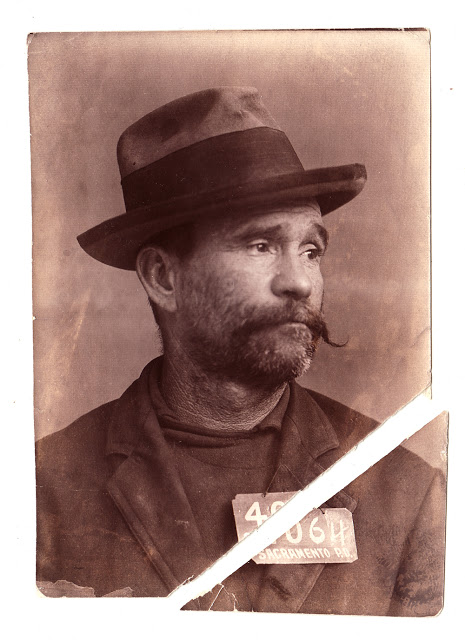
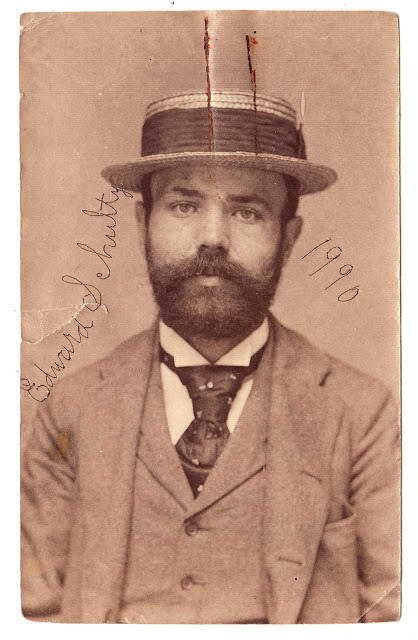
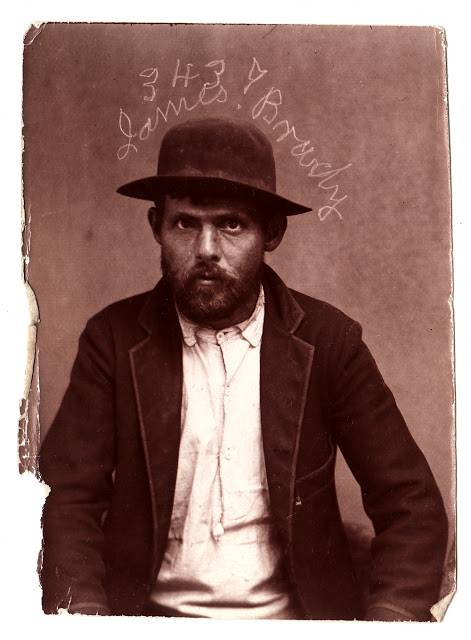
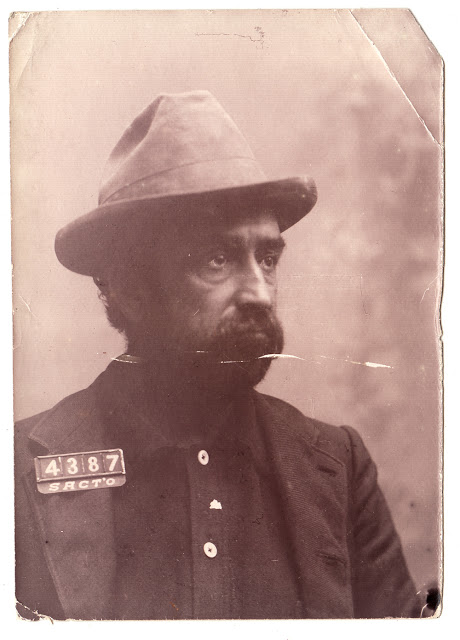
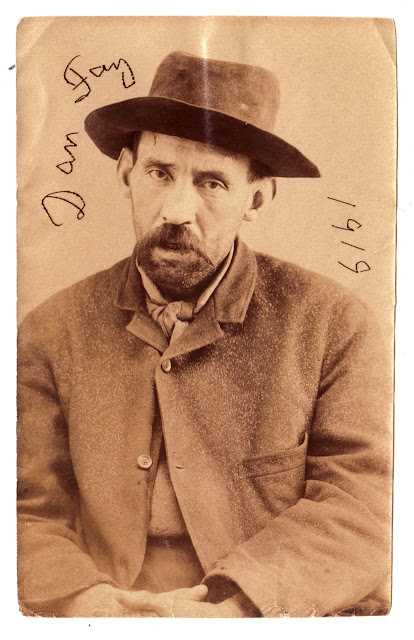
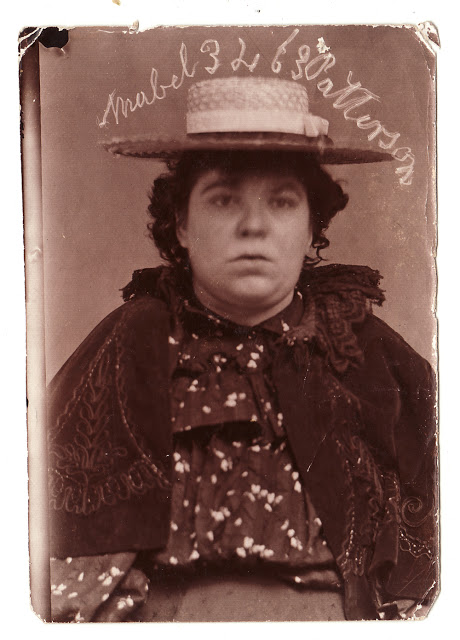
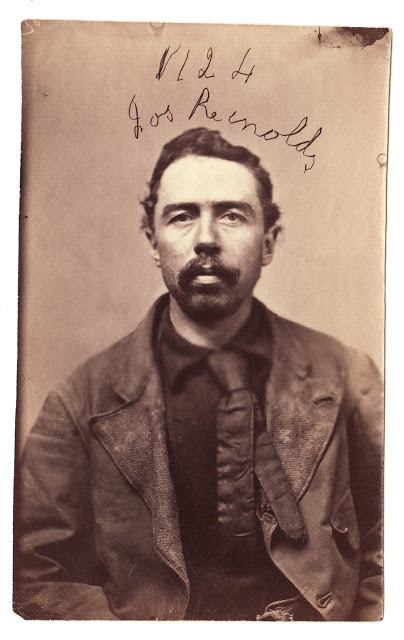
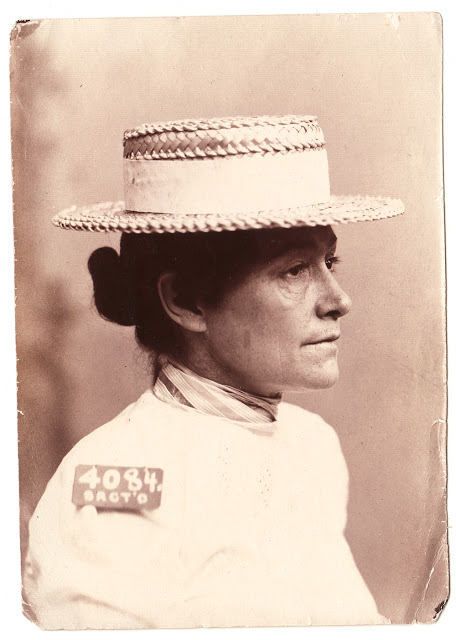
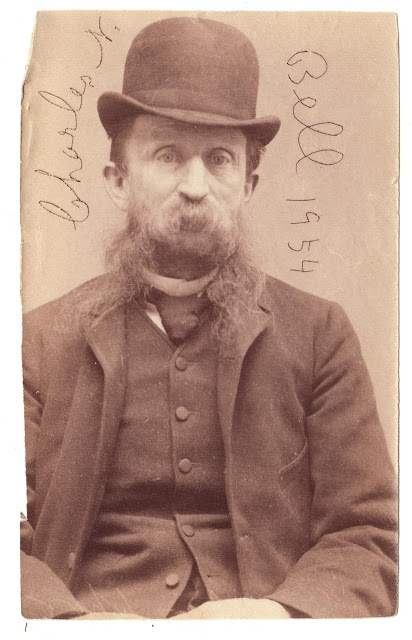
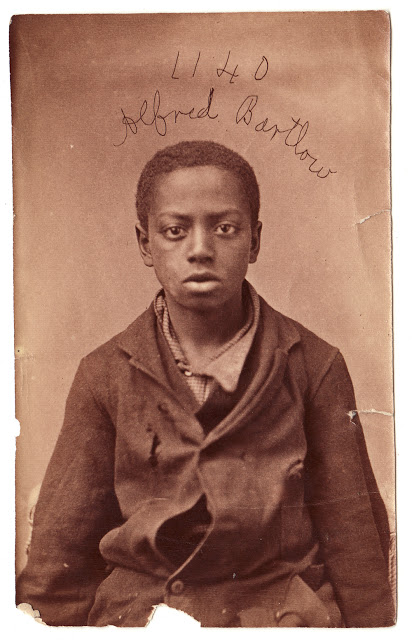
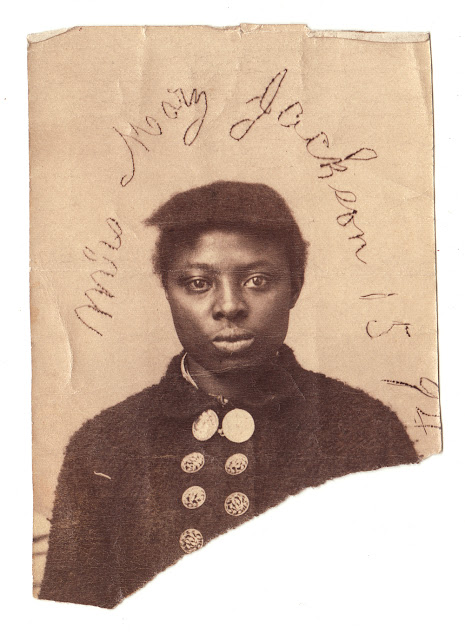
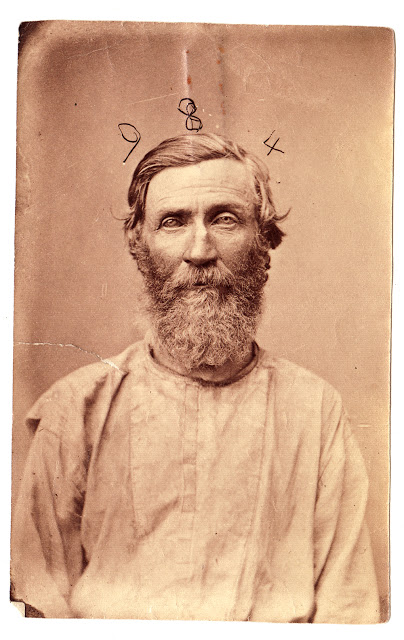
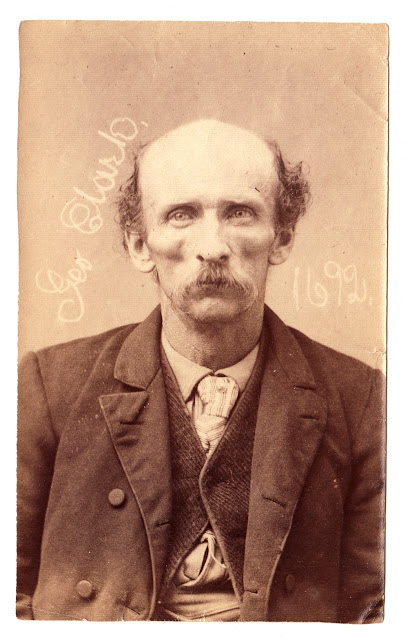
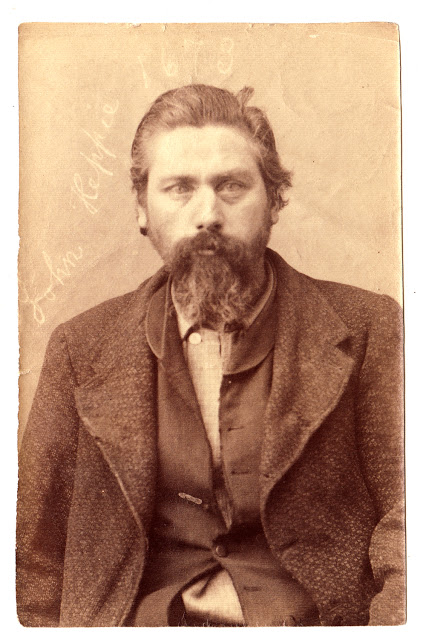

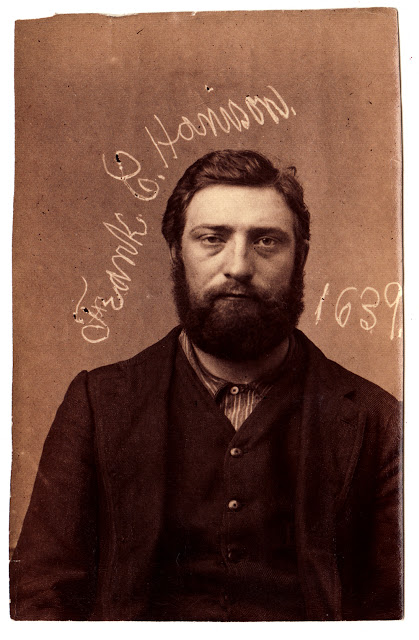
(Photos via Mark Michaelson)
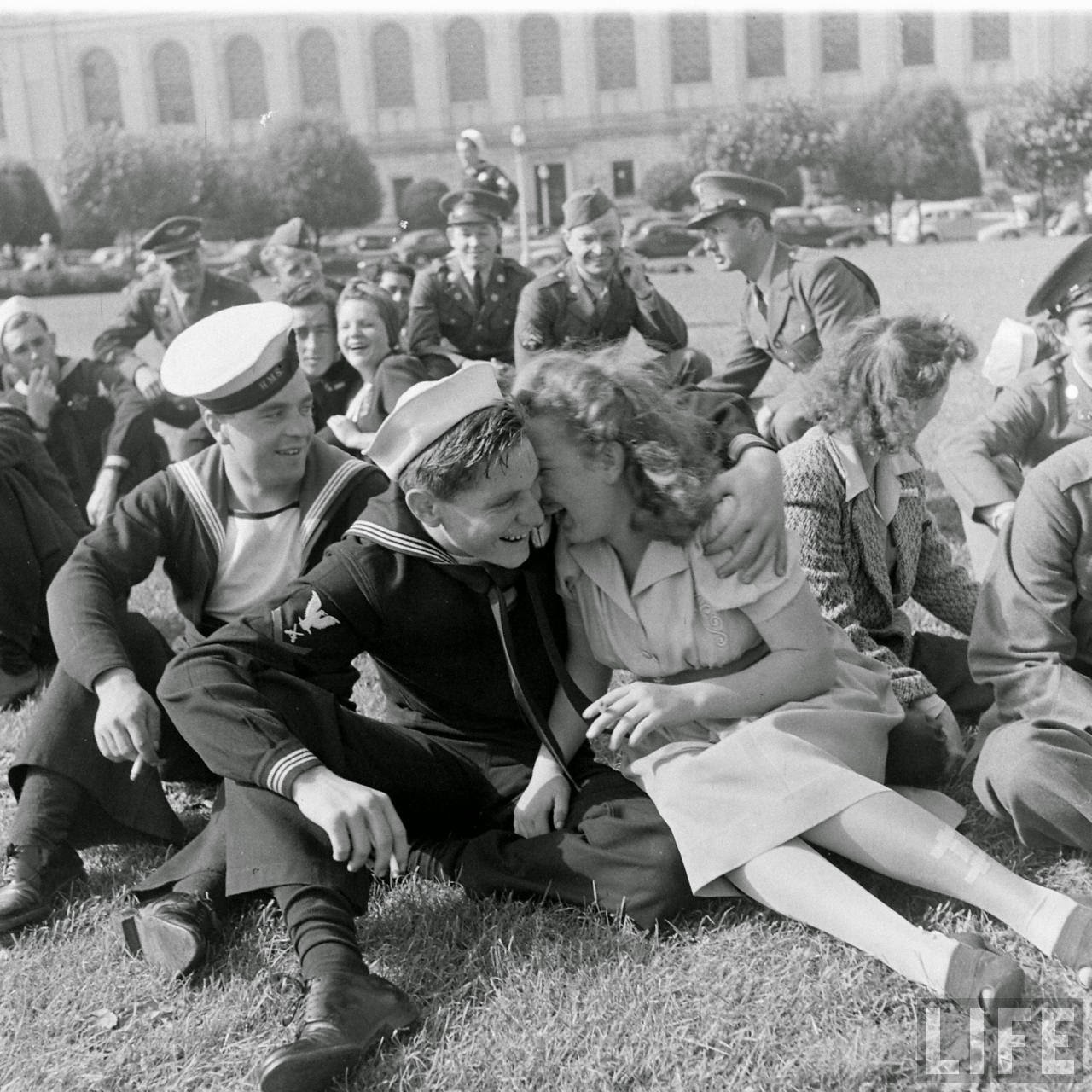
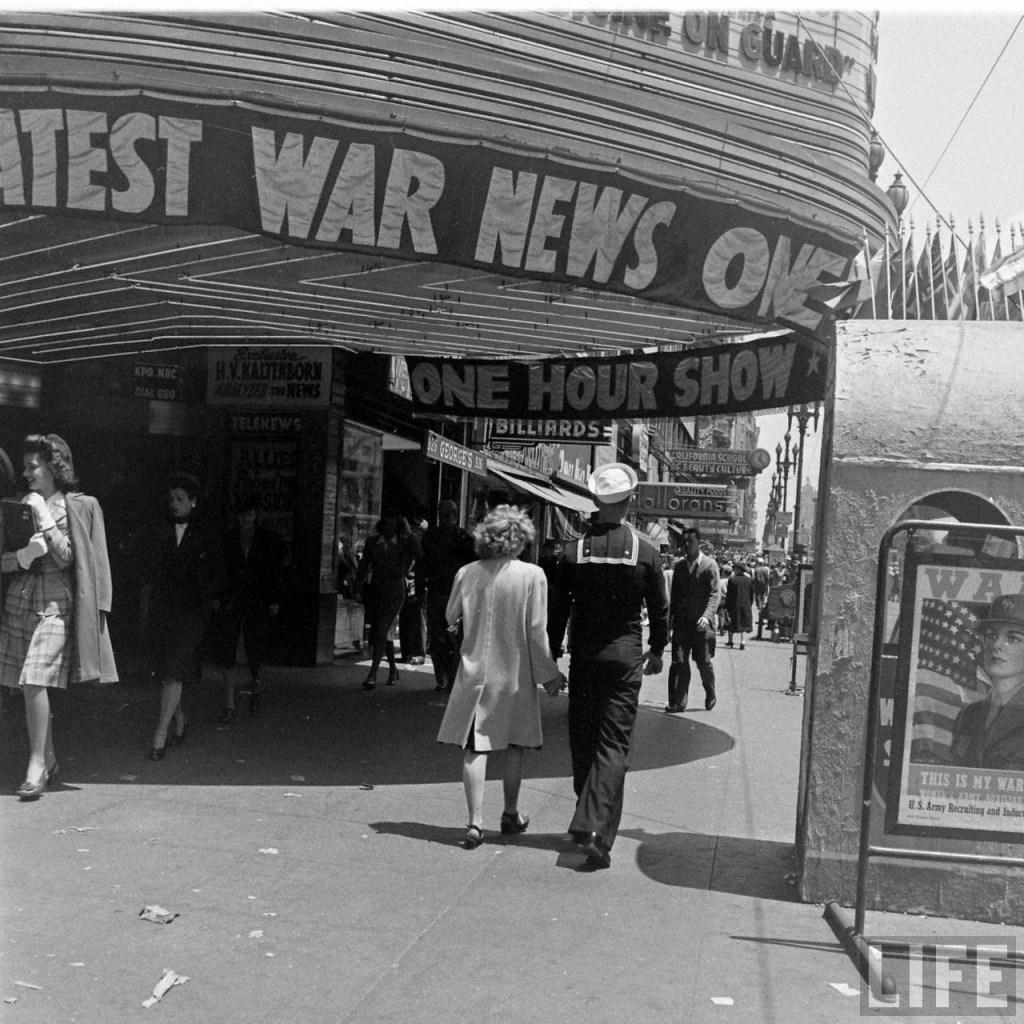
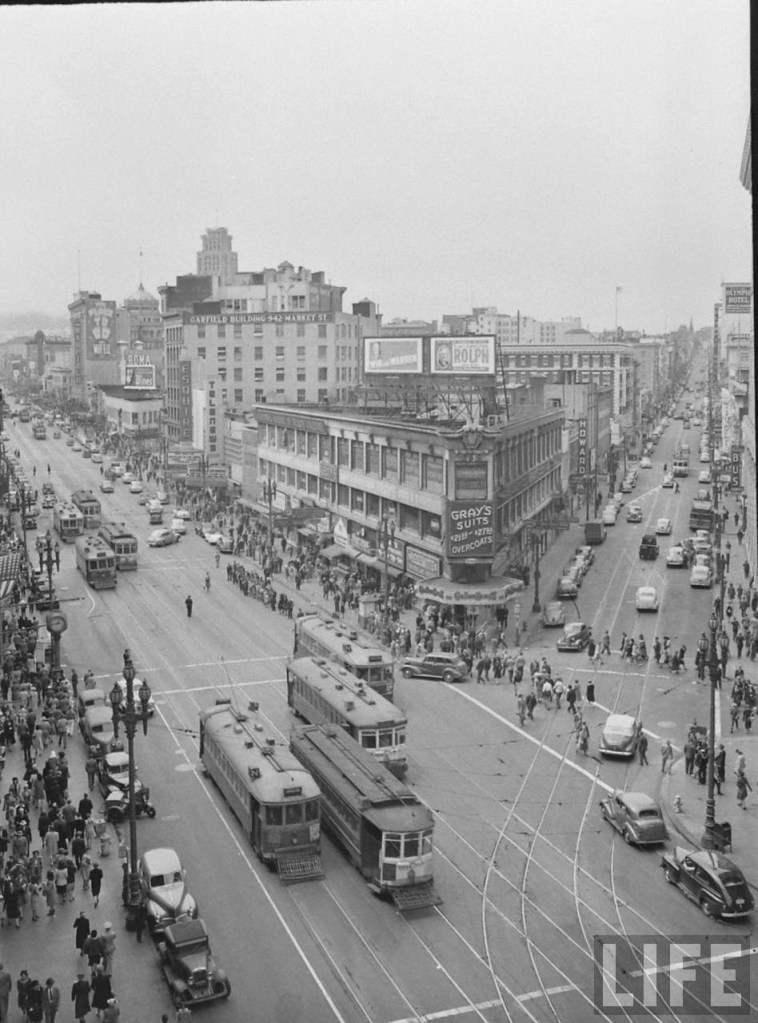
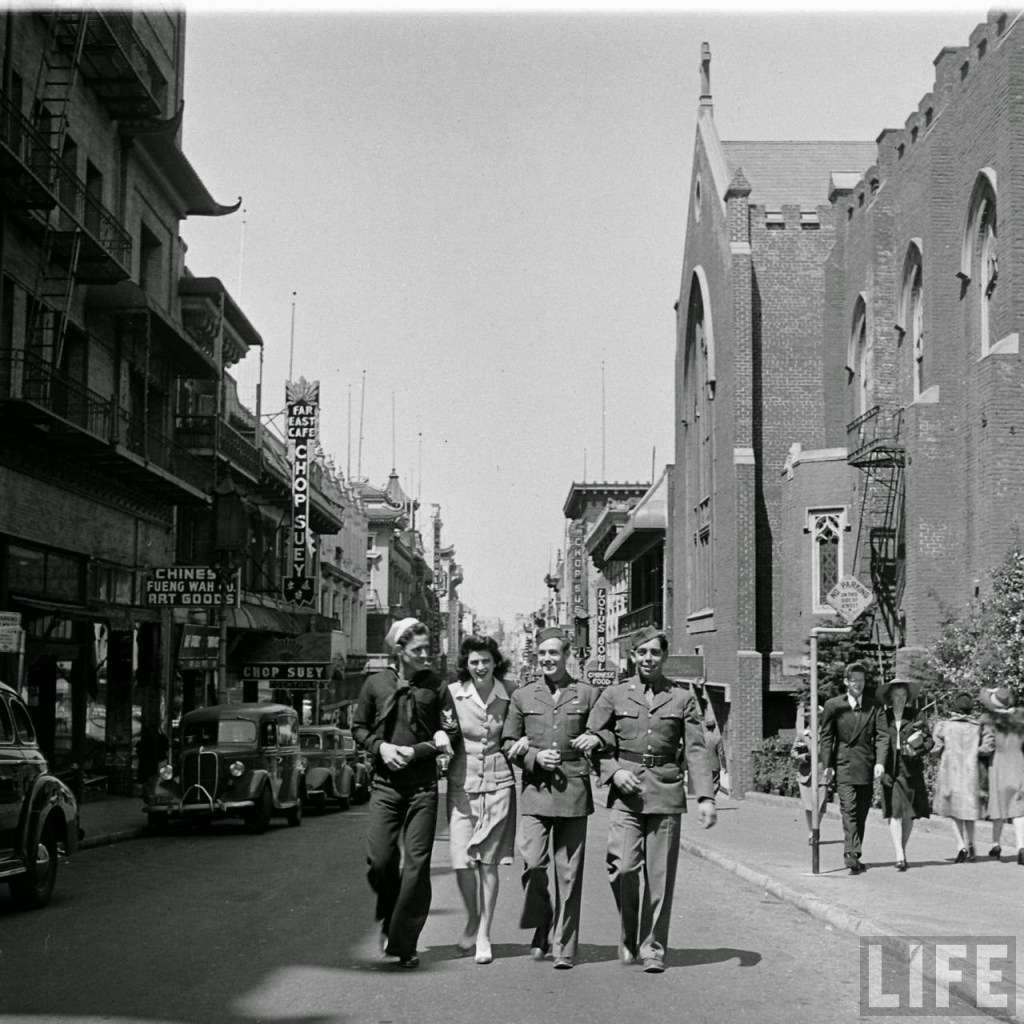
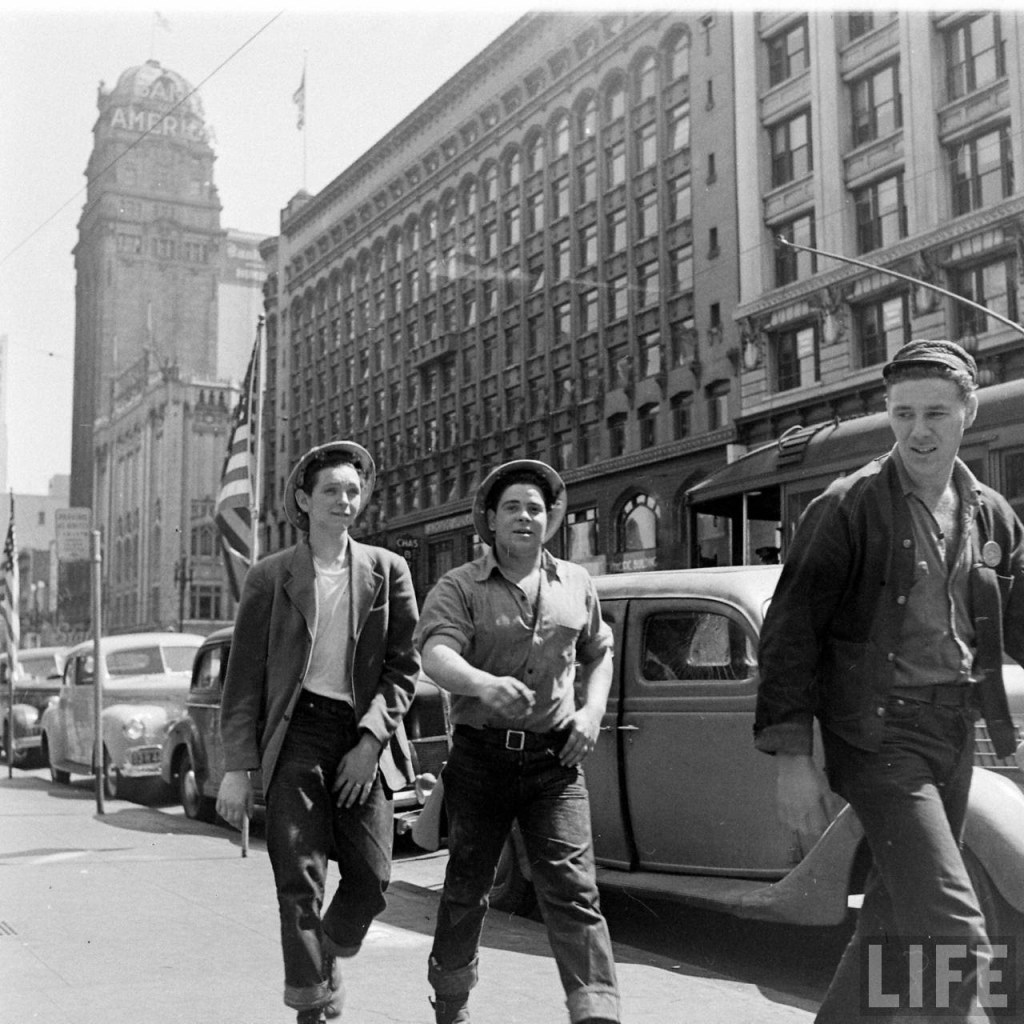
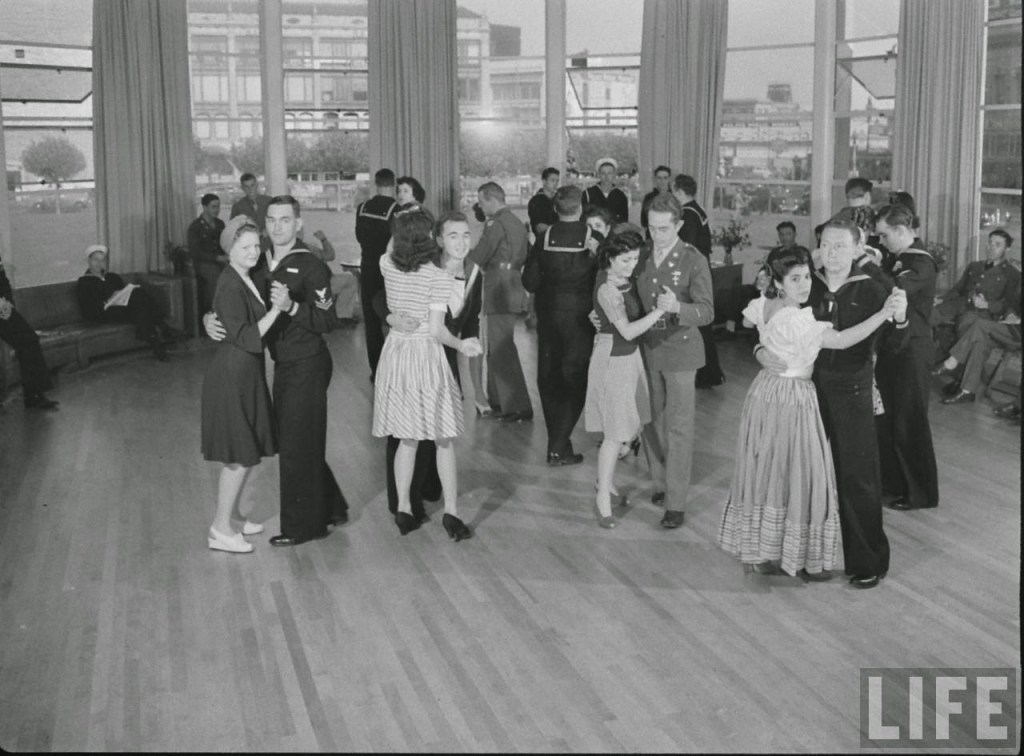
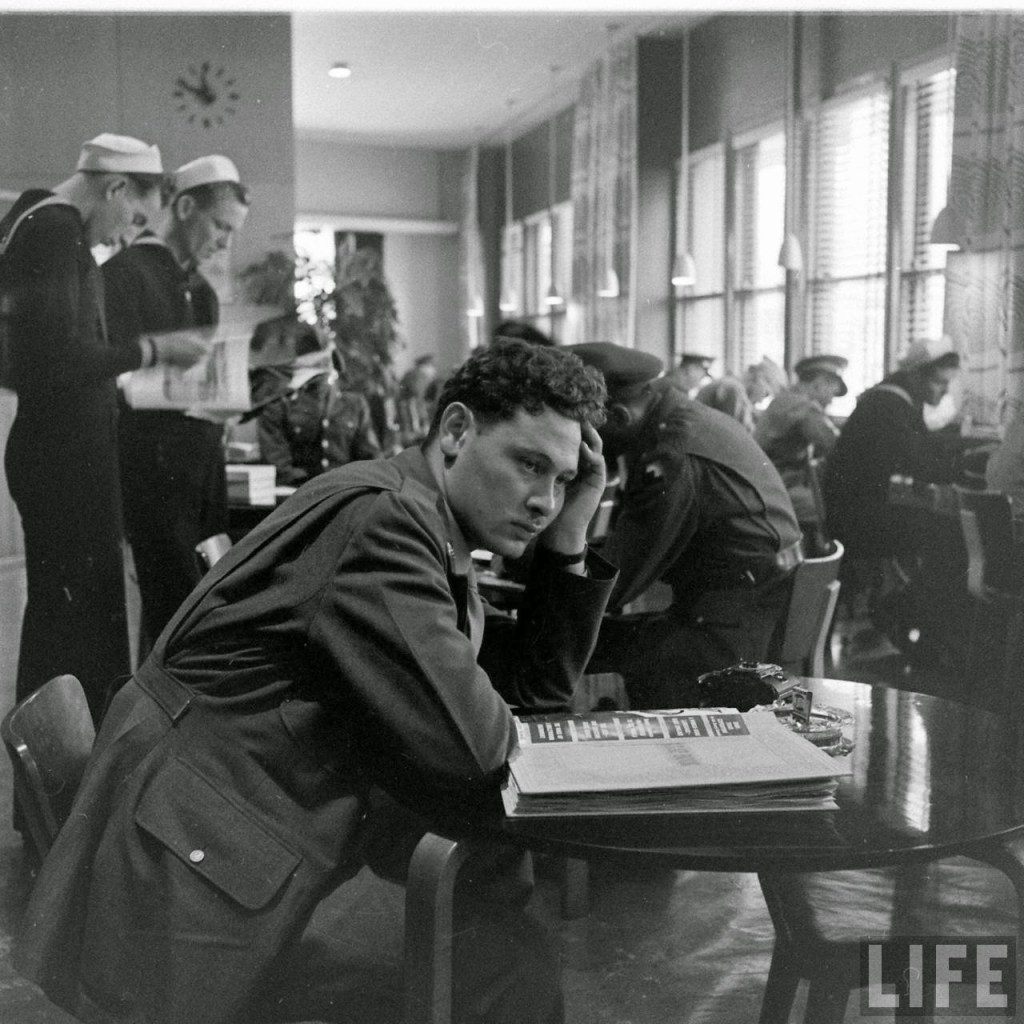
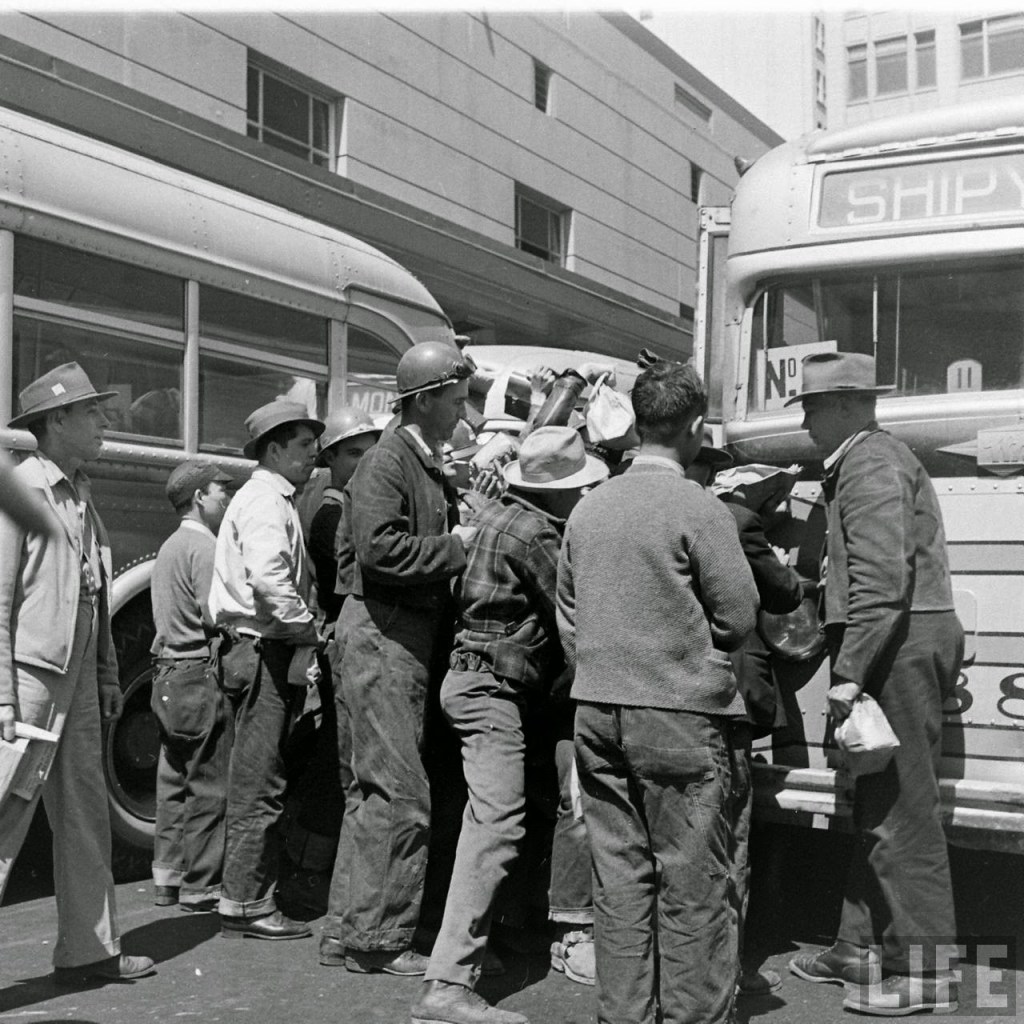
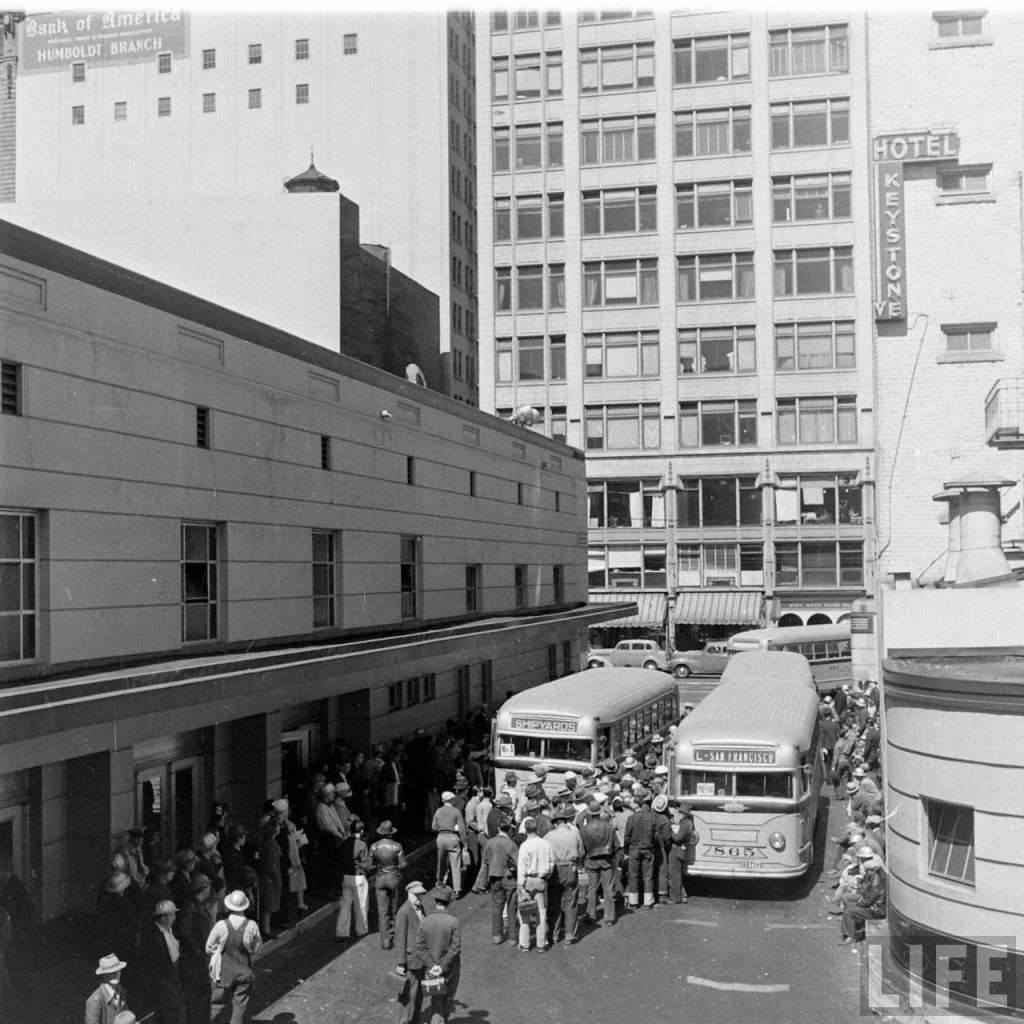
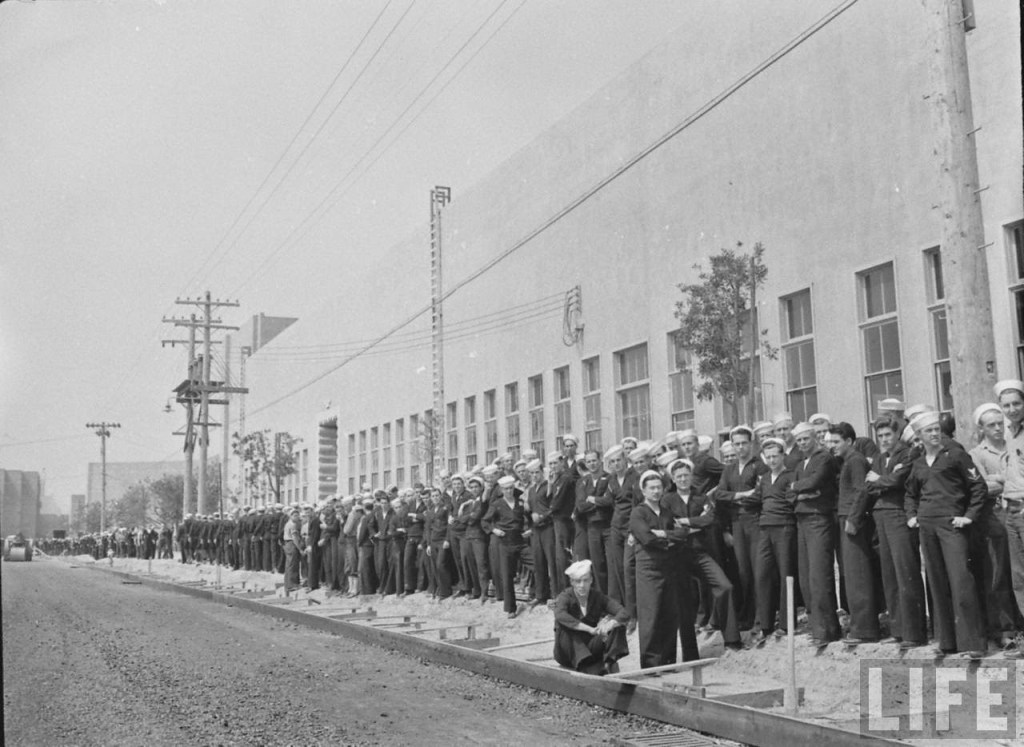
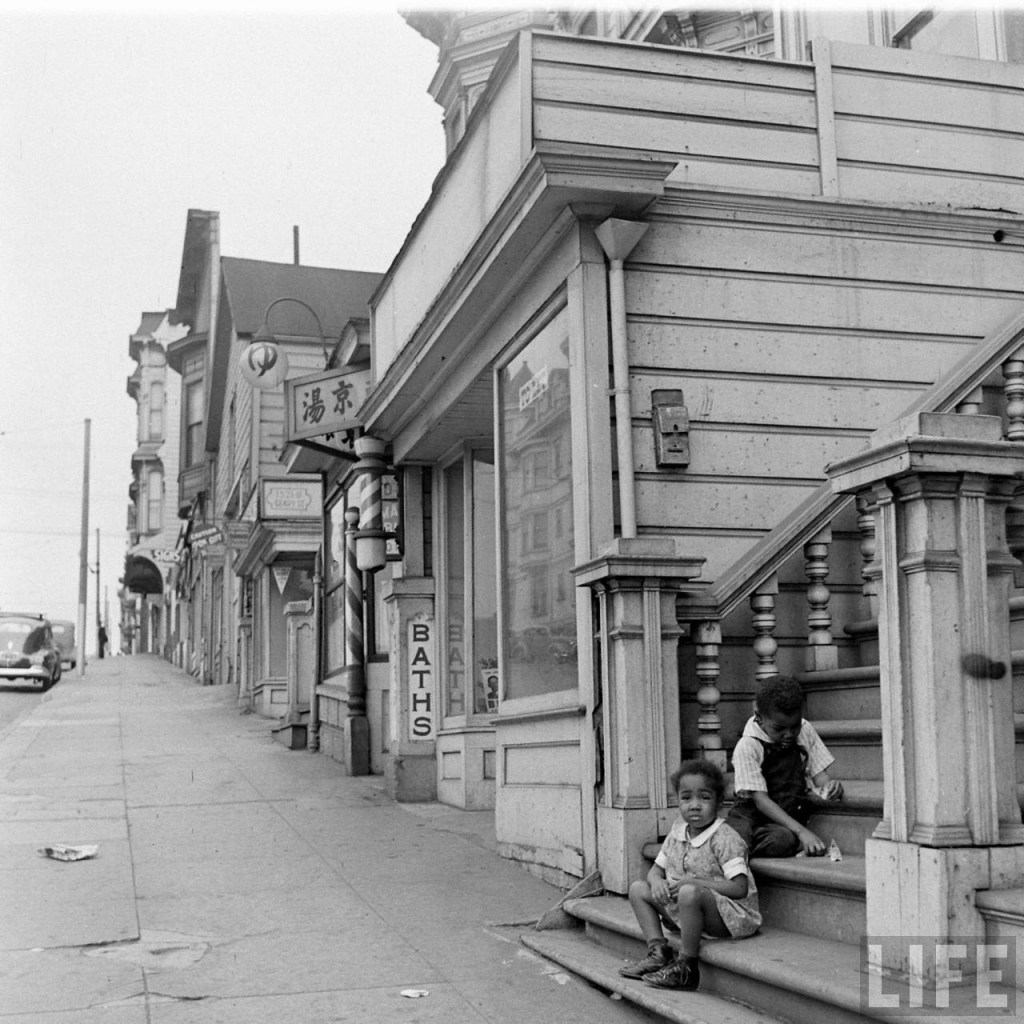
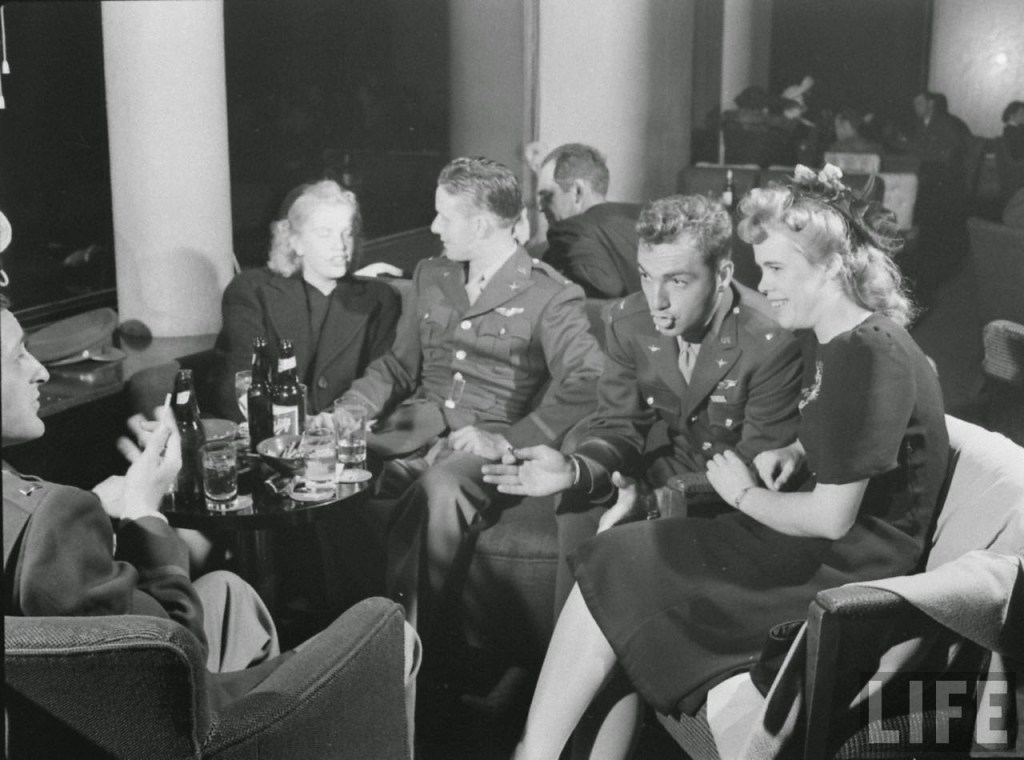
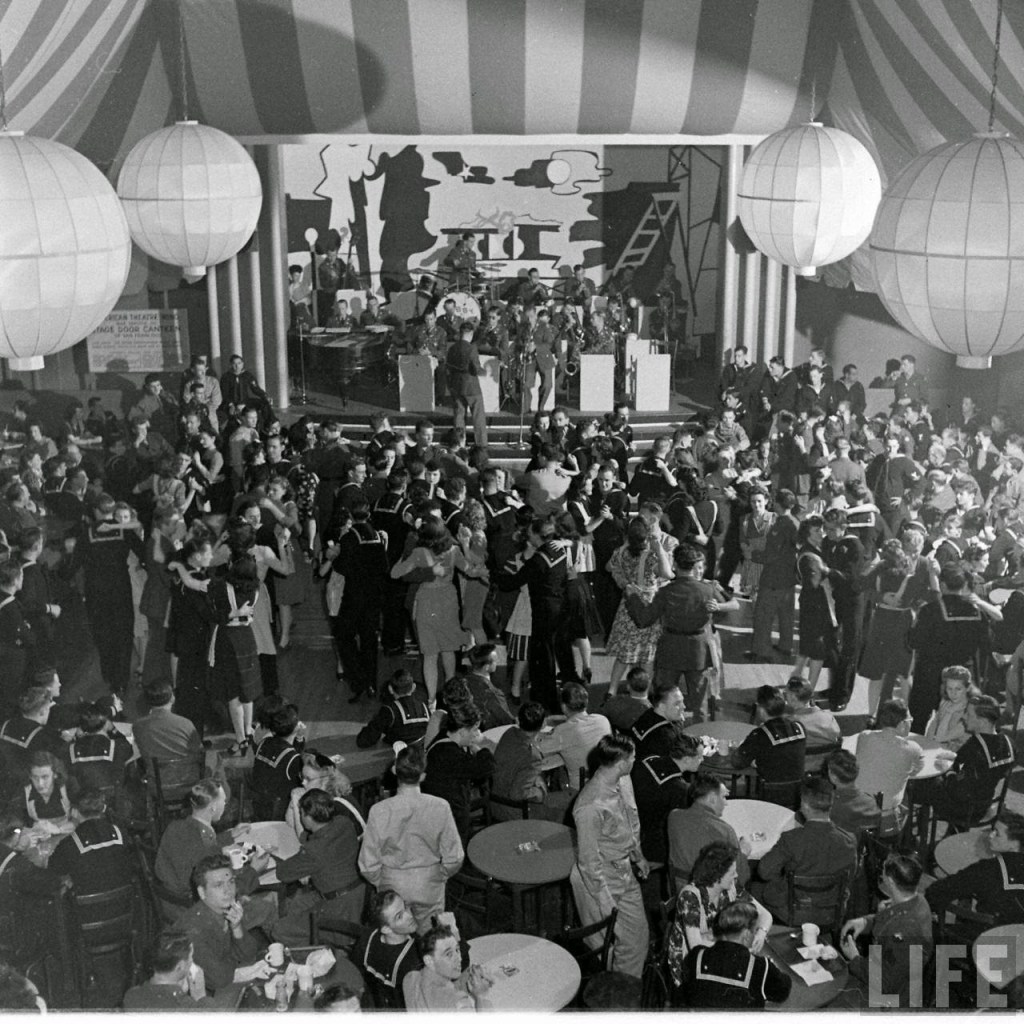
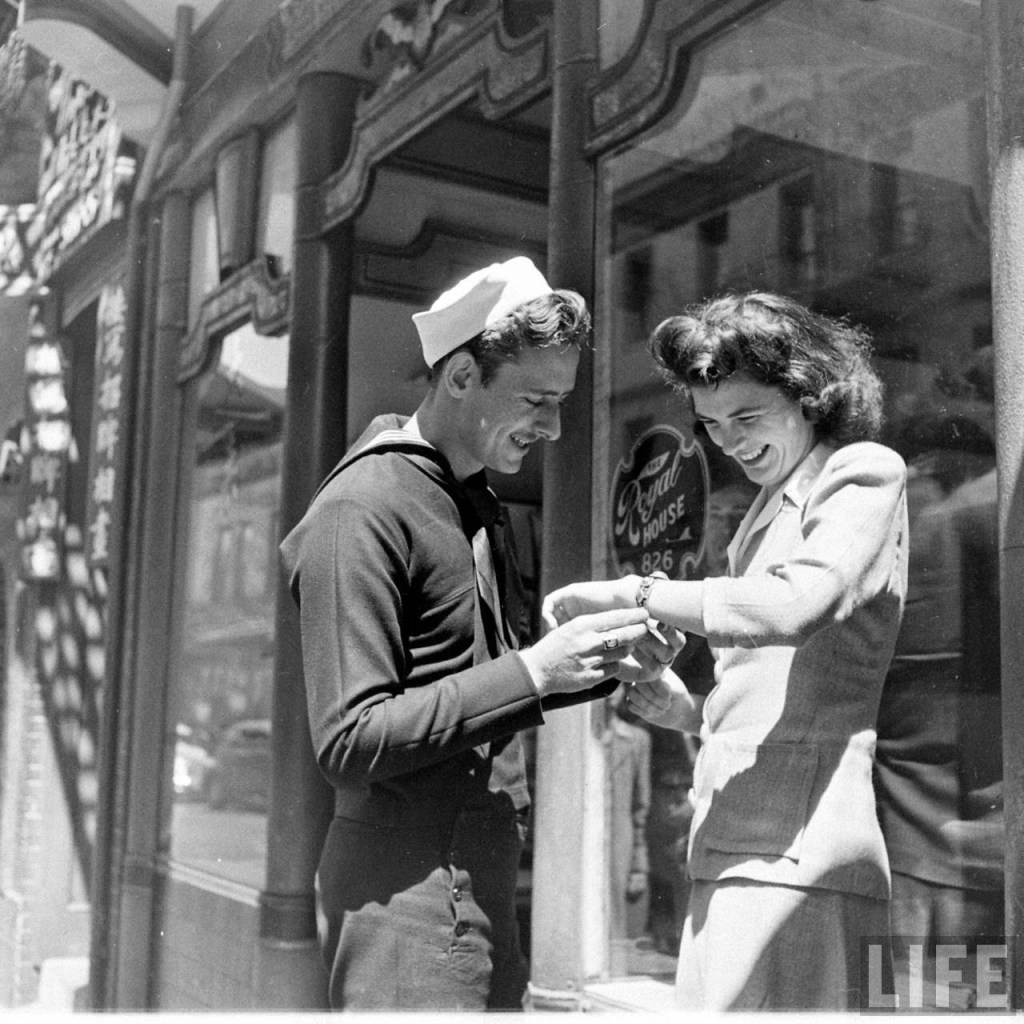
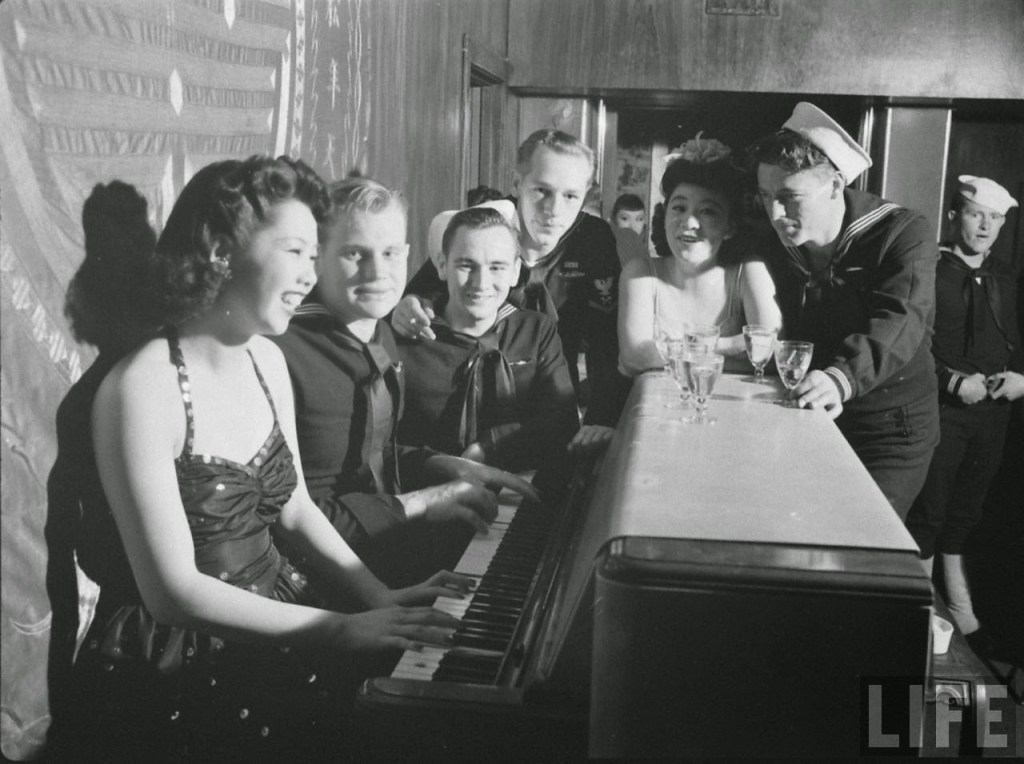
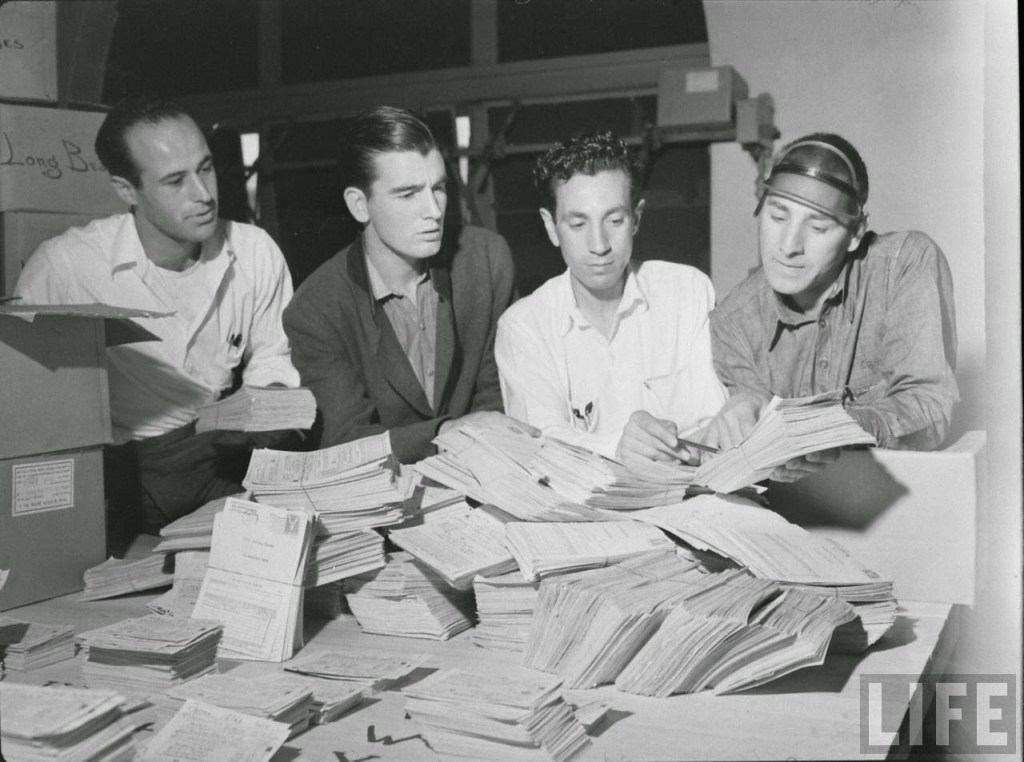
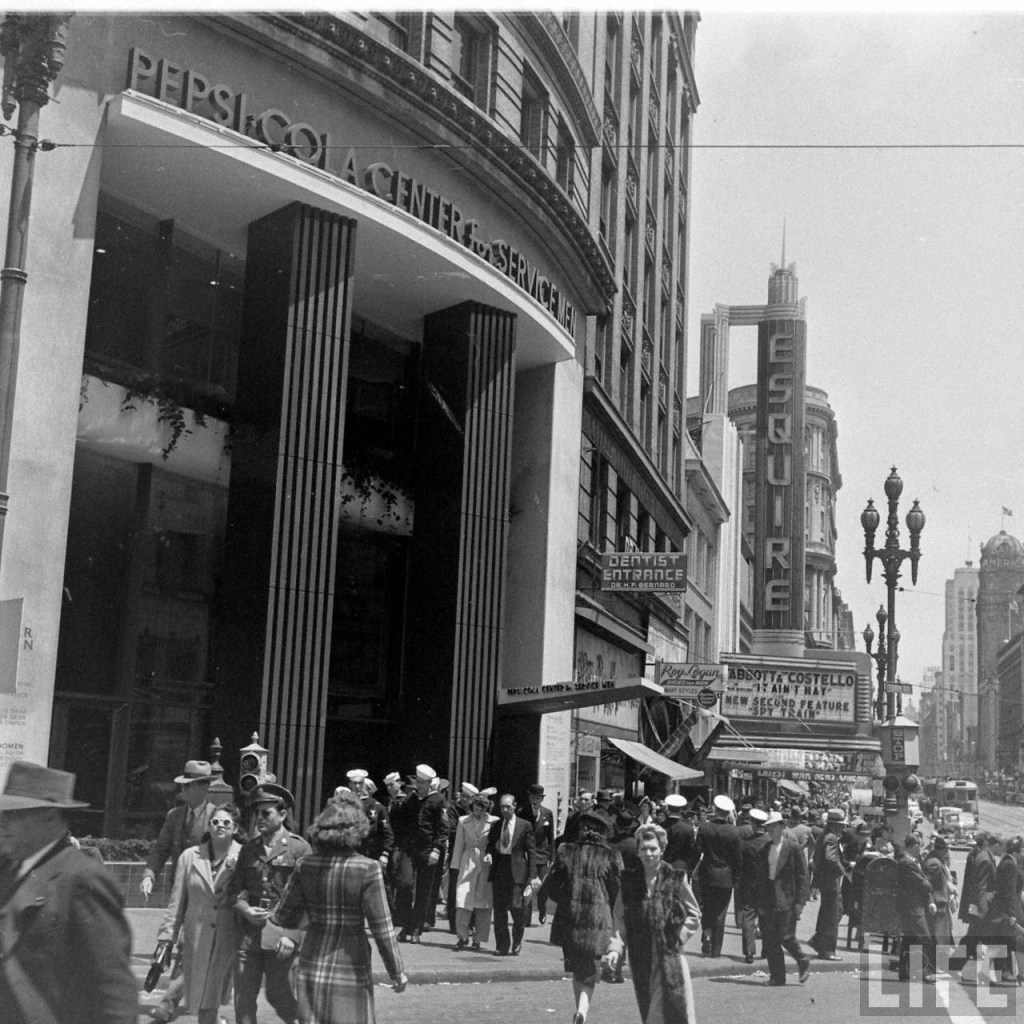
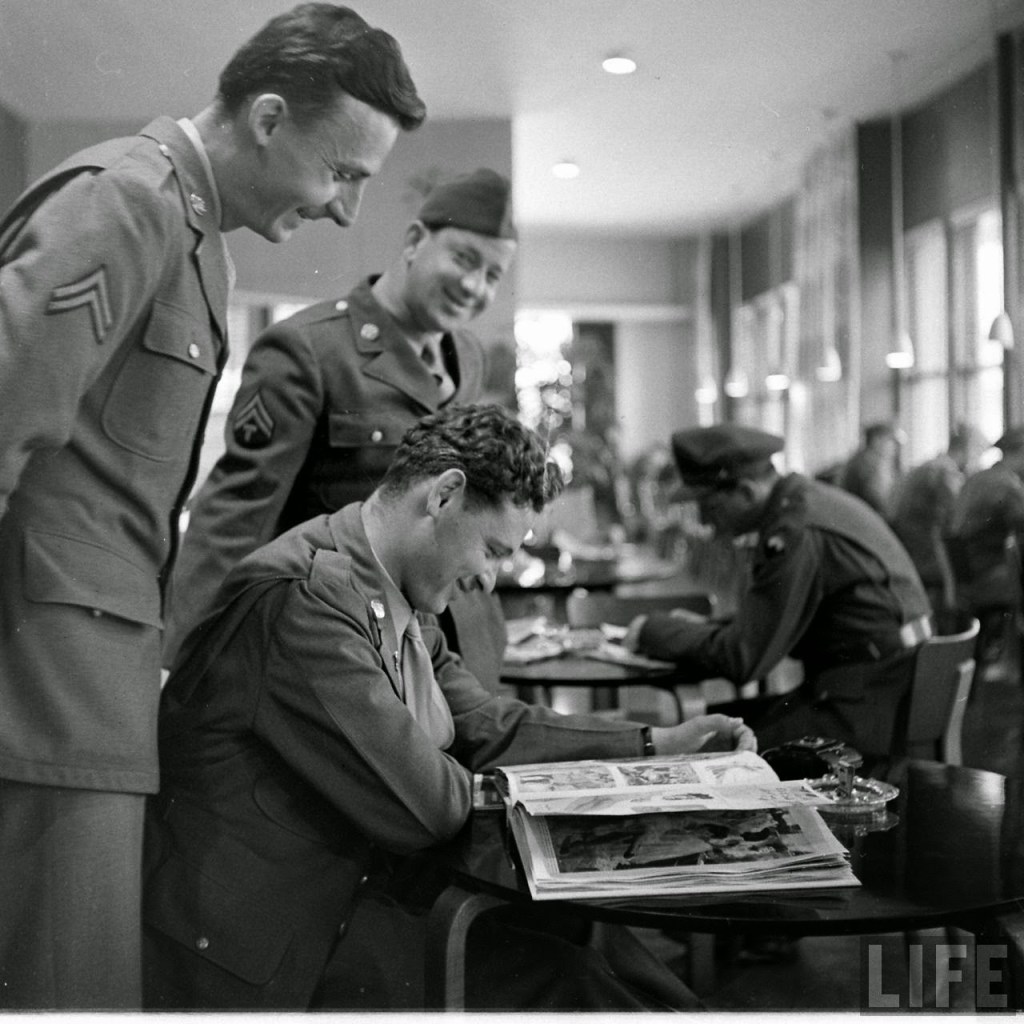
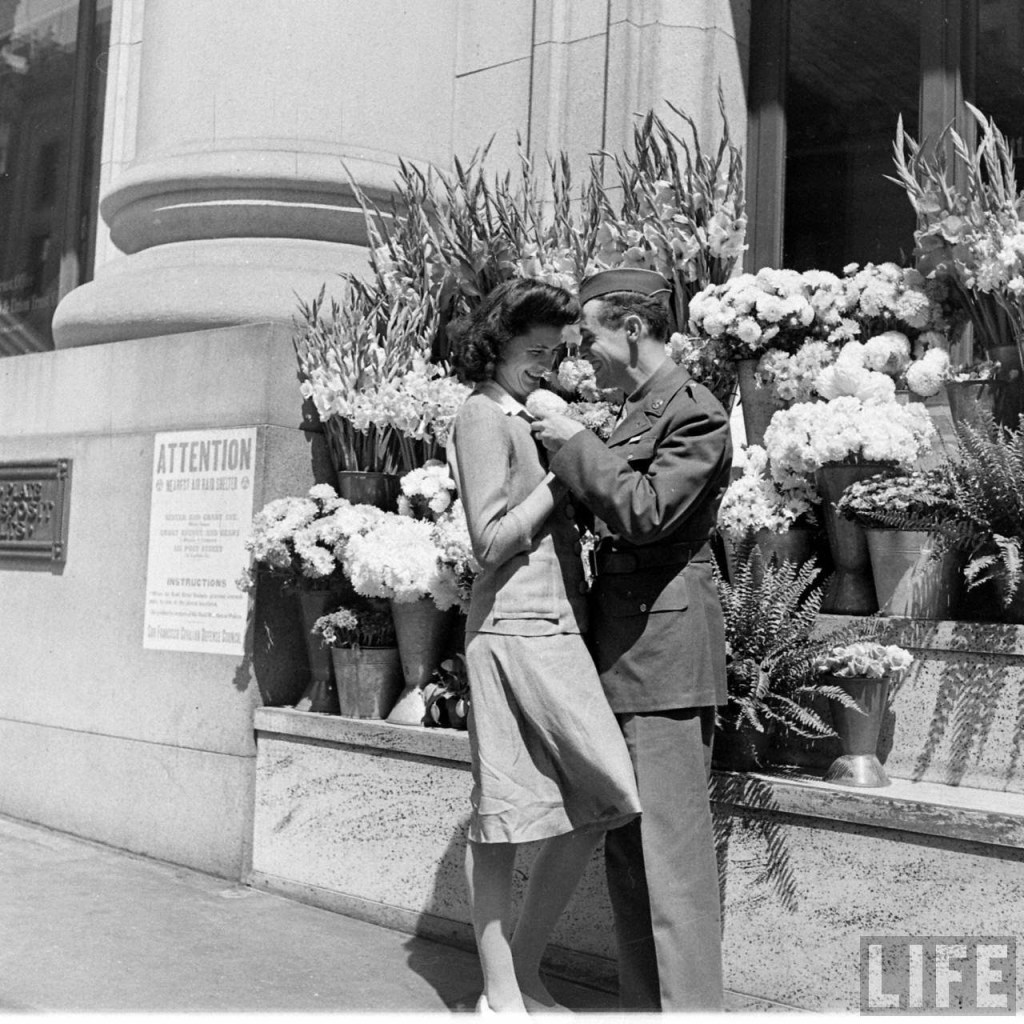
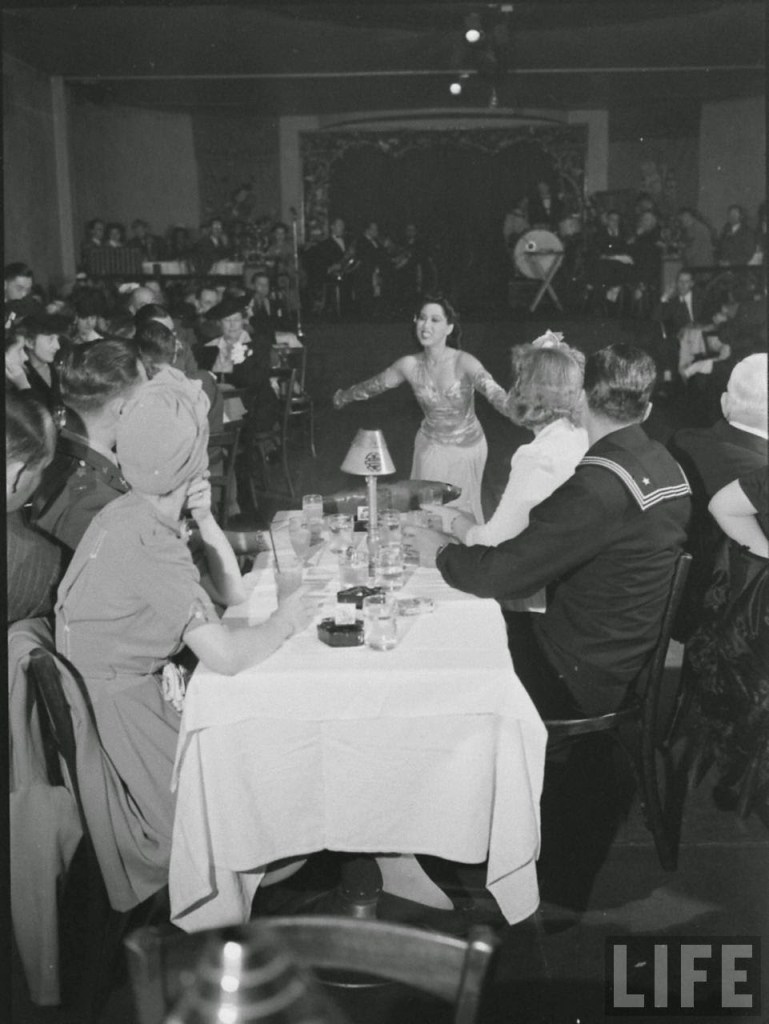
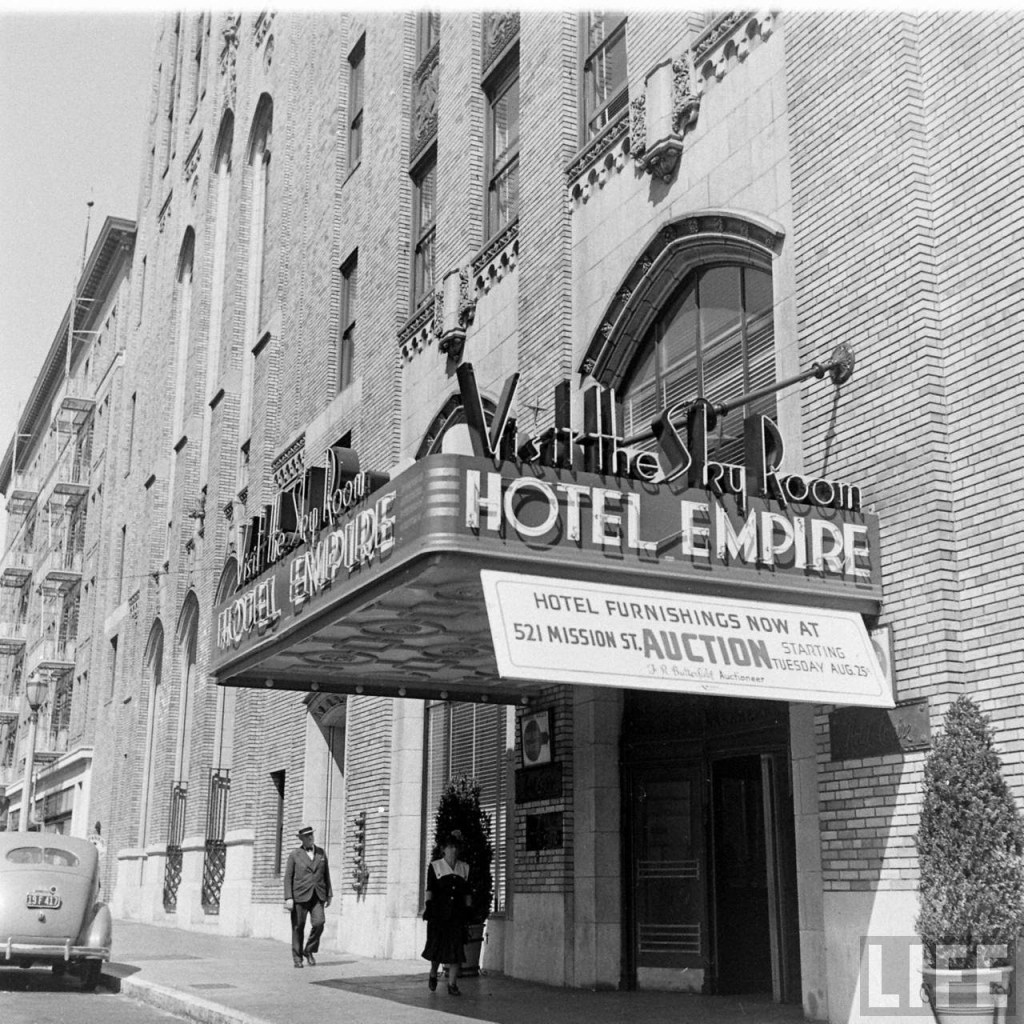
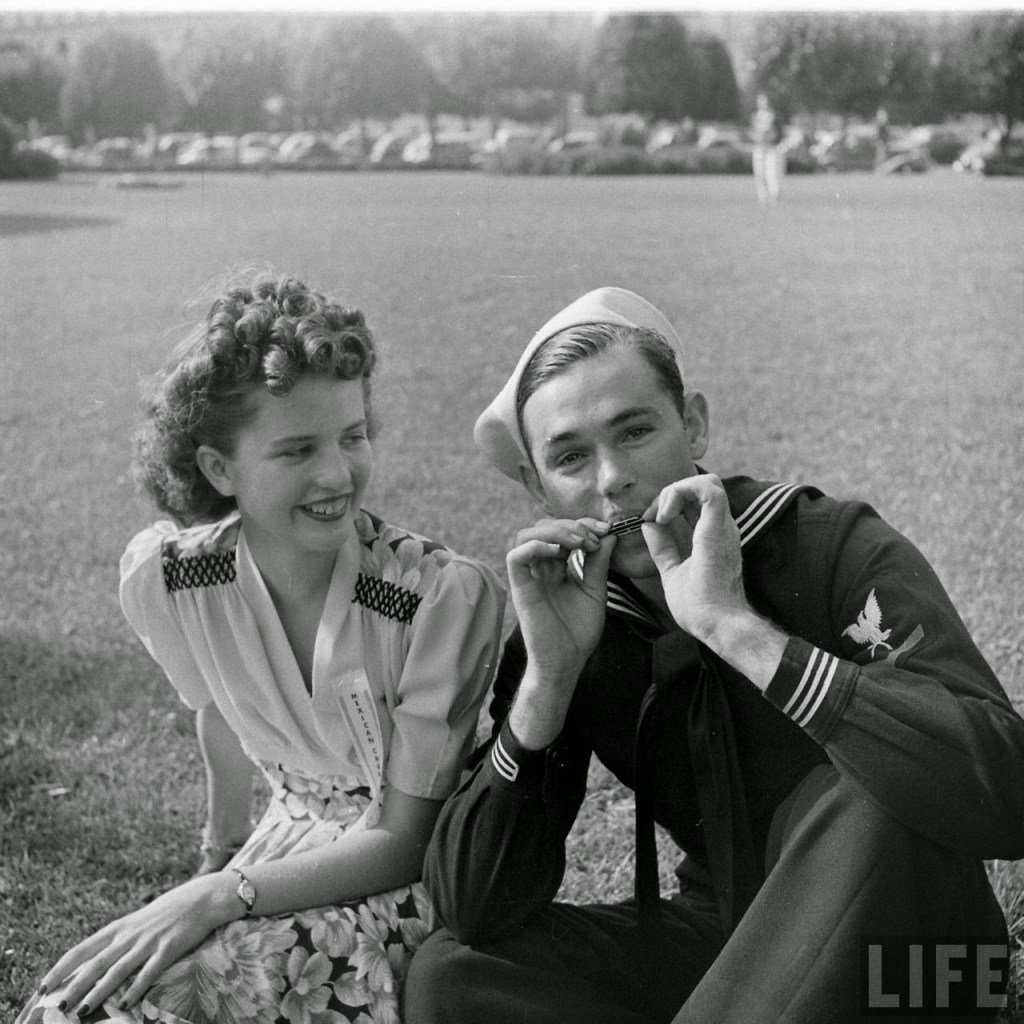
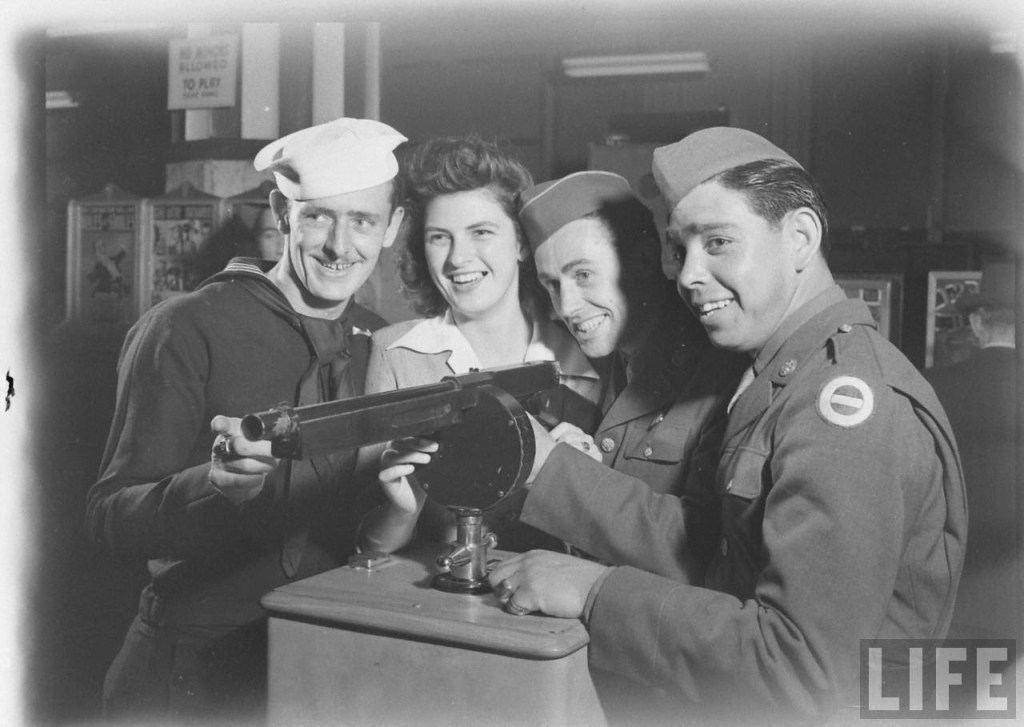
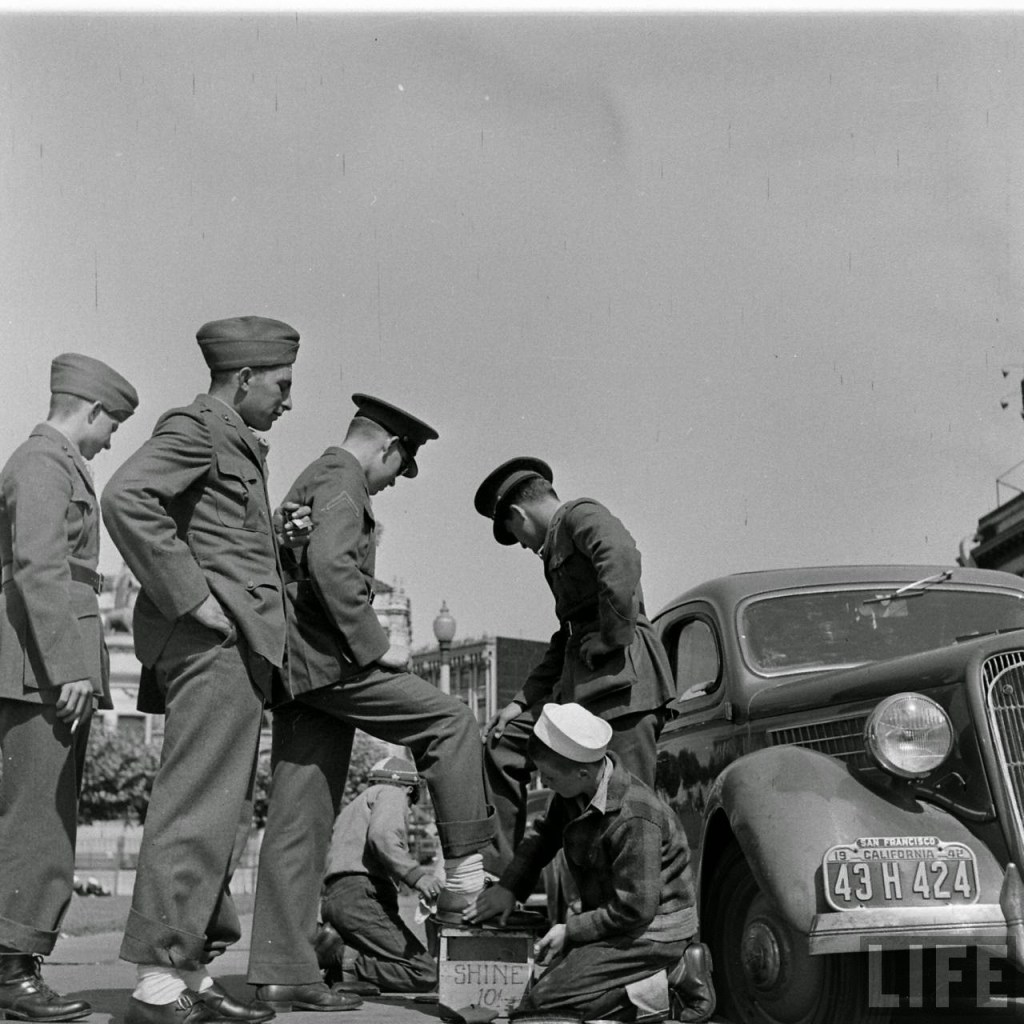
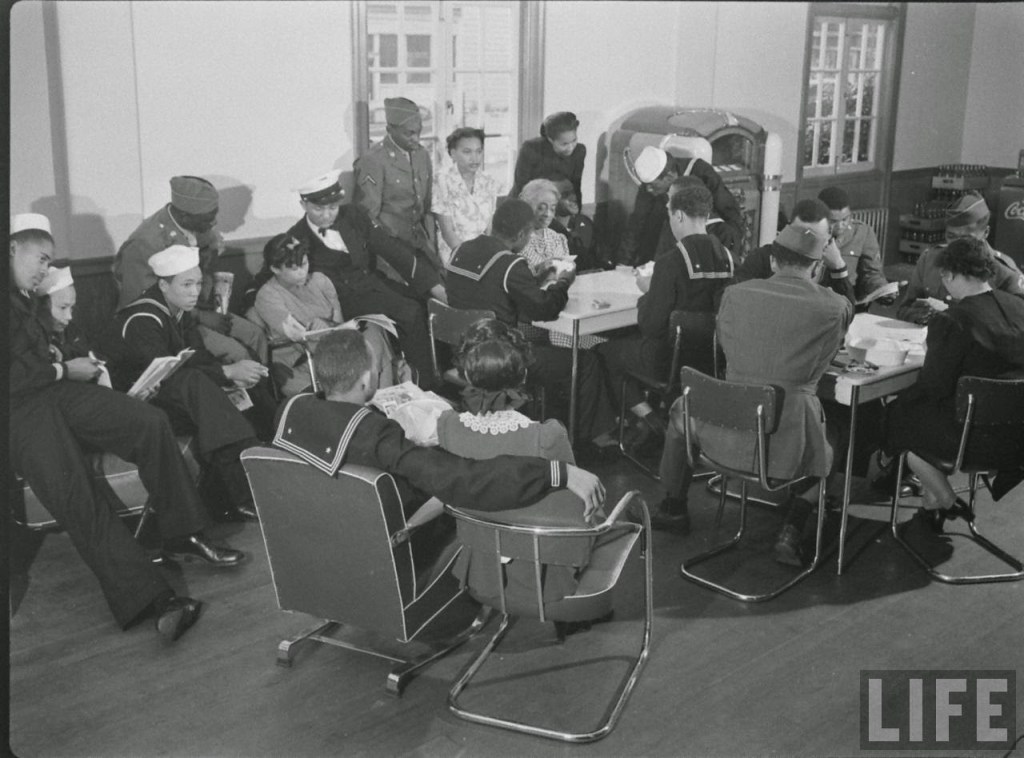
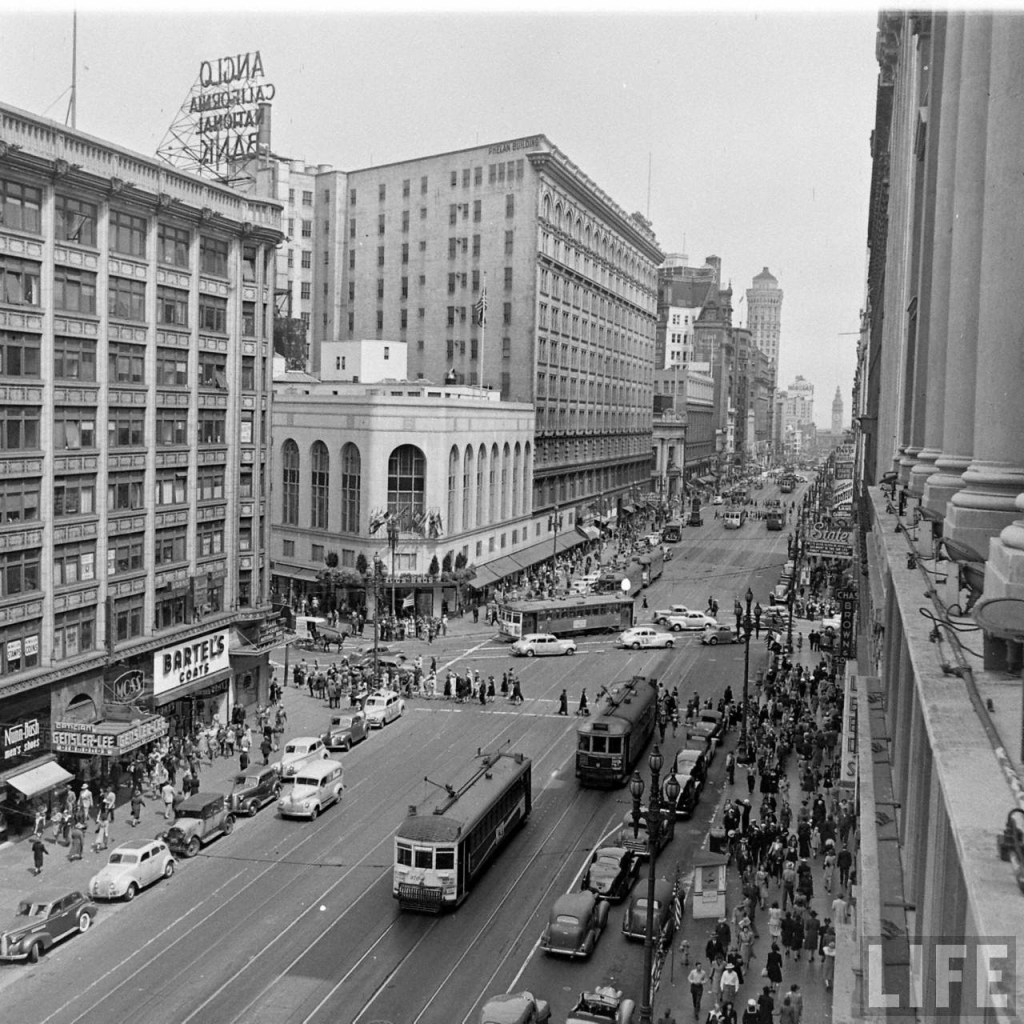
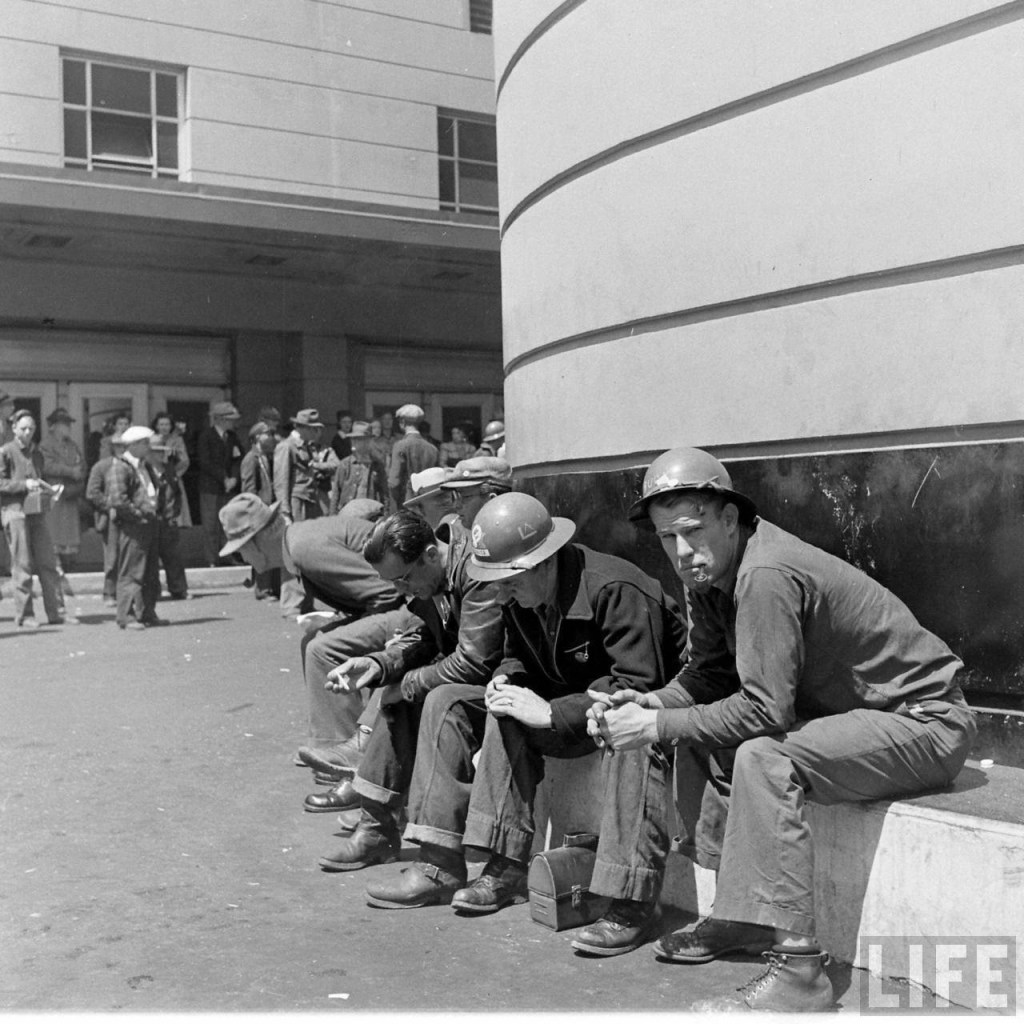
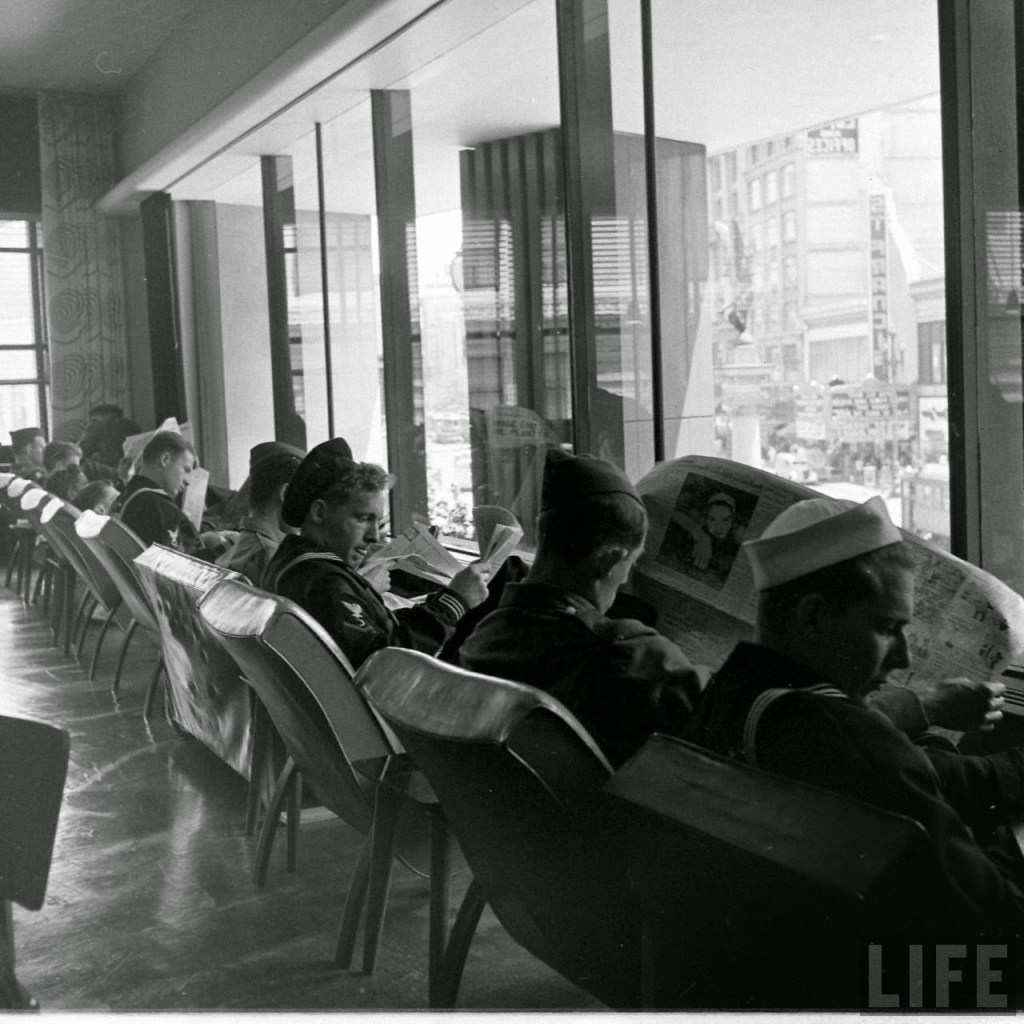
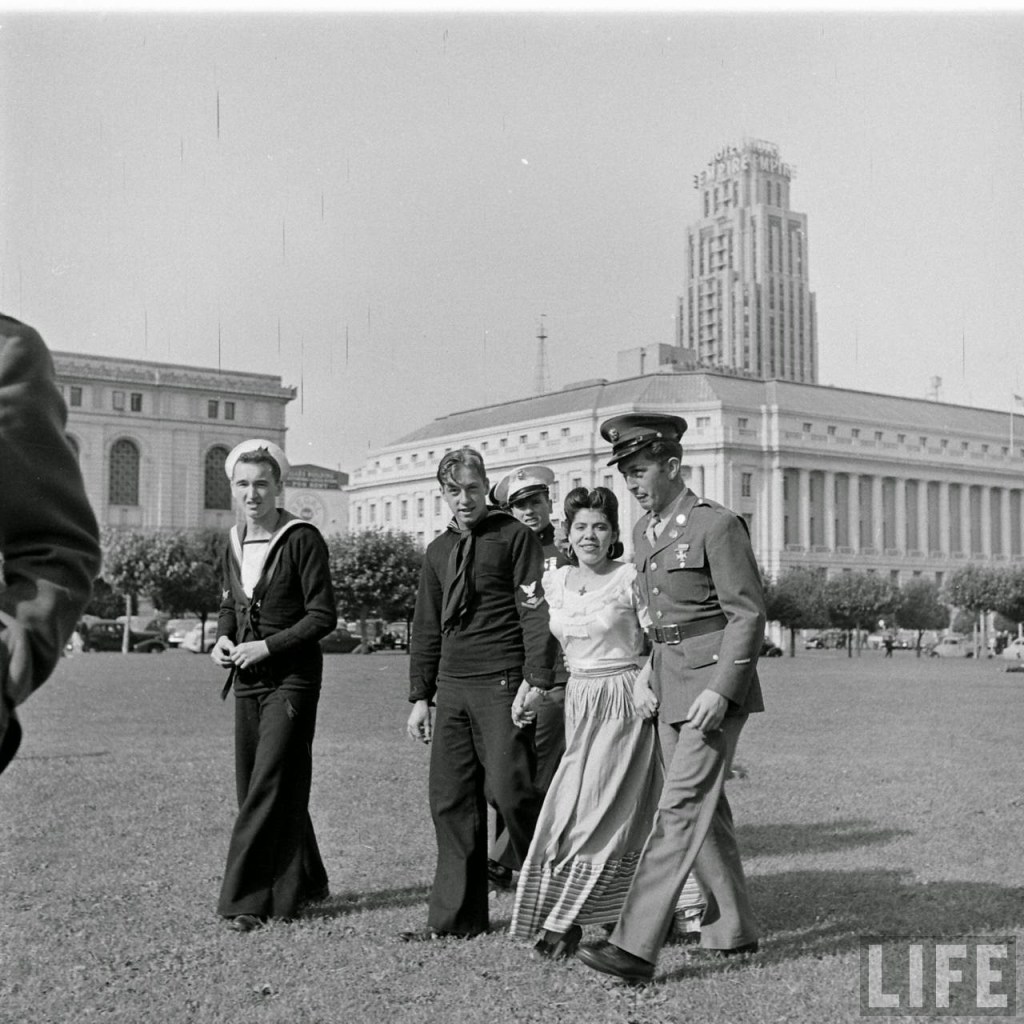
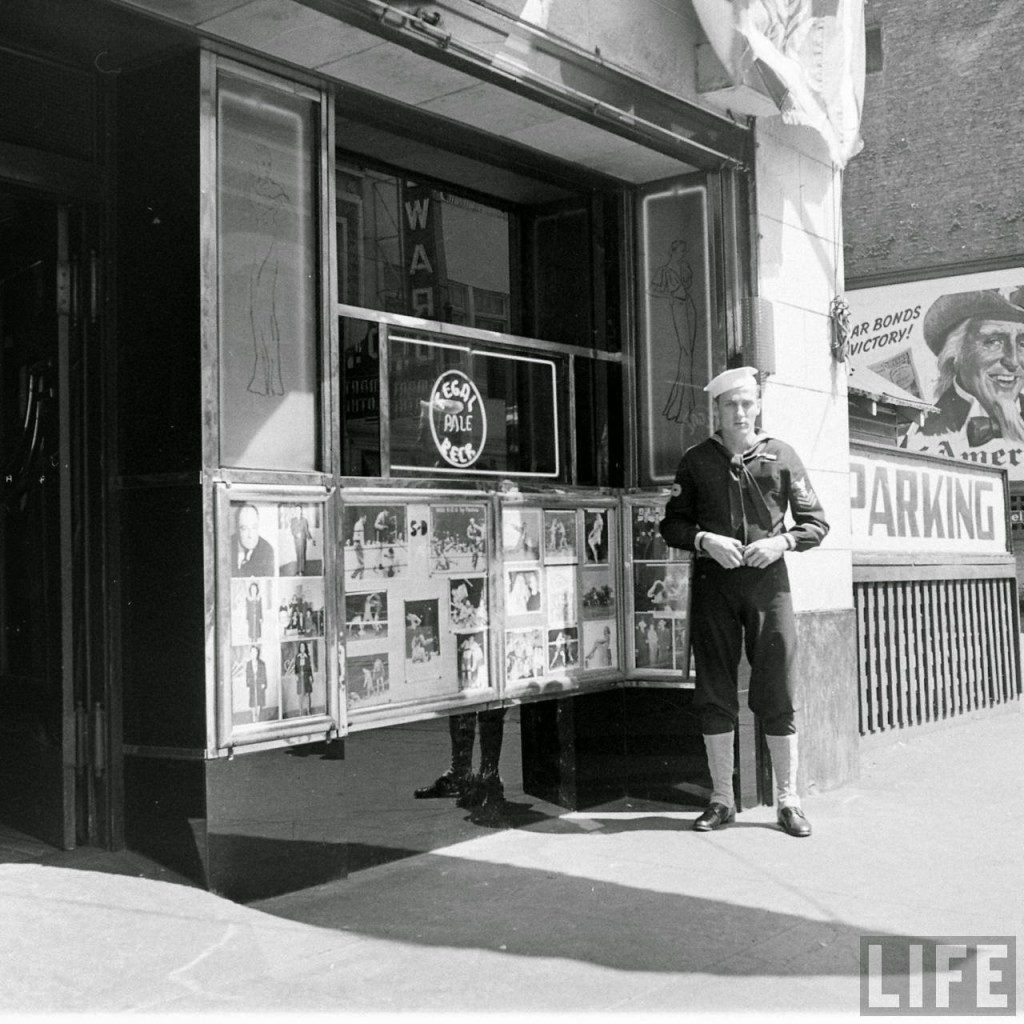
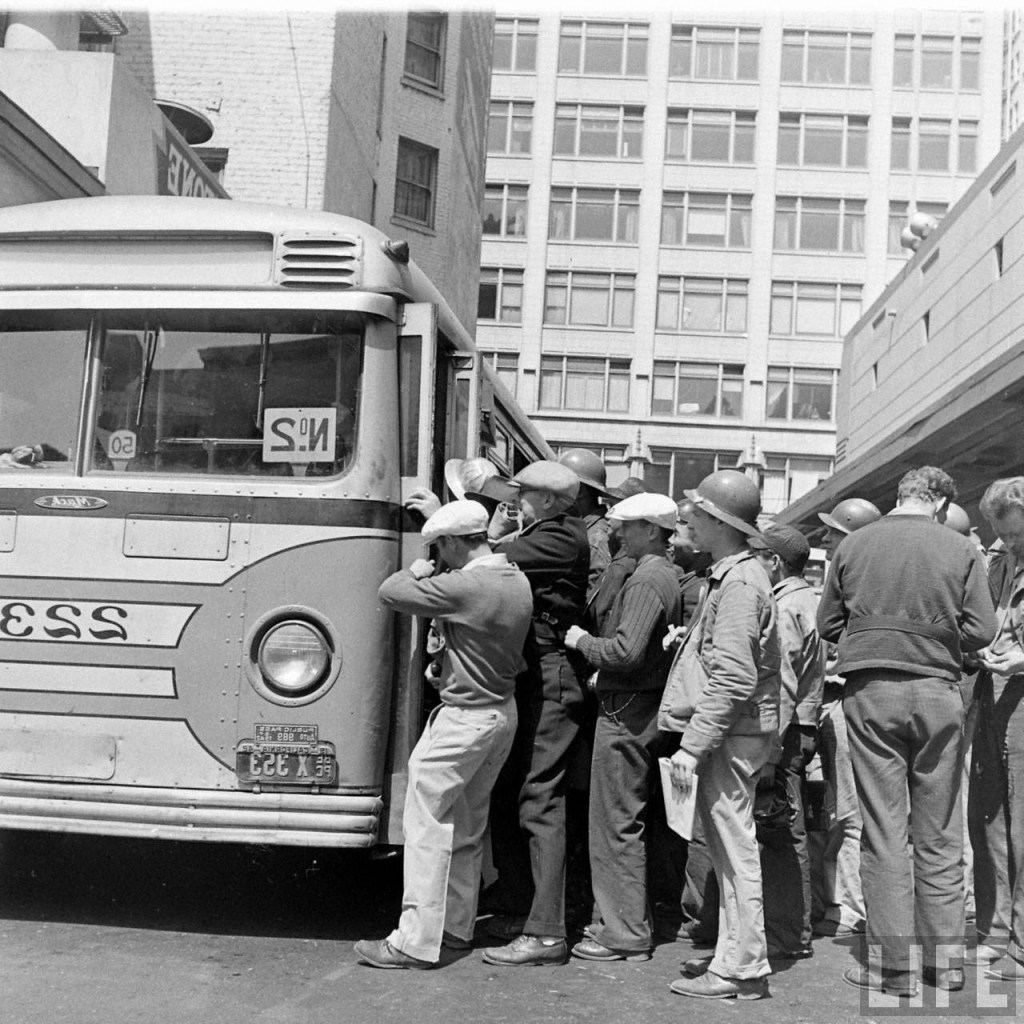
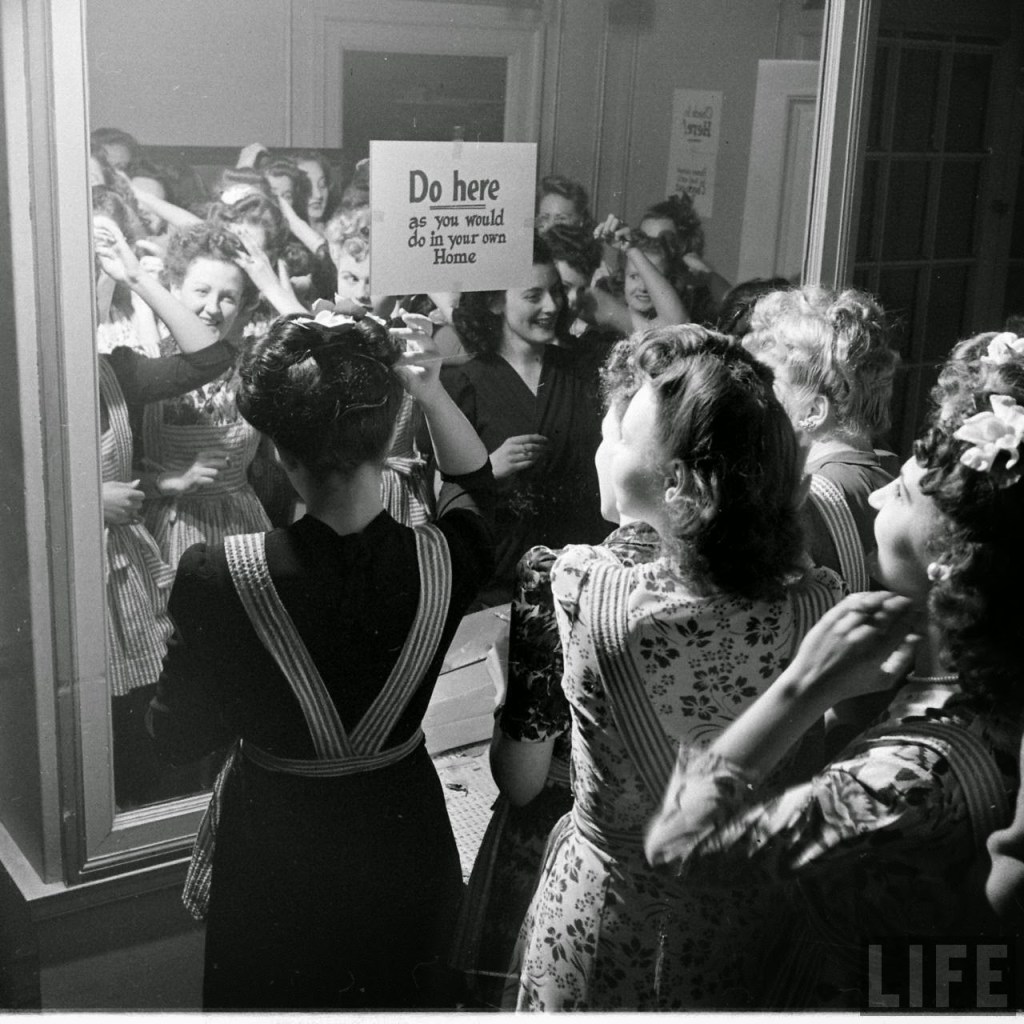
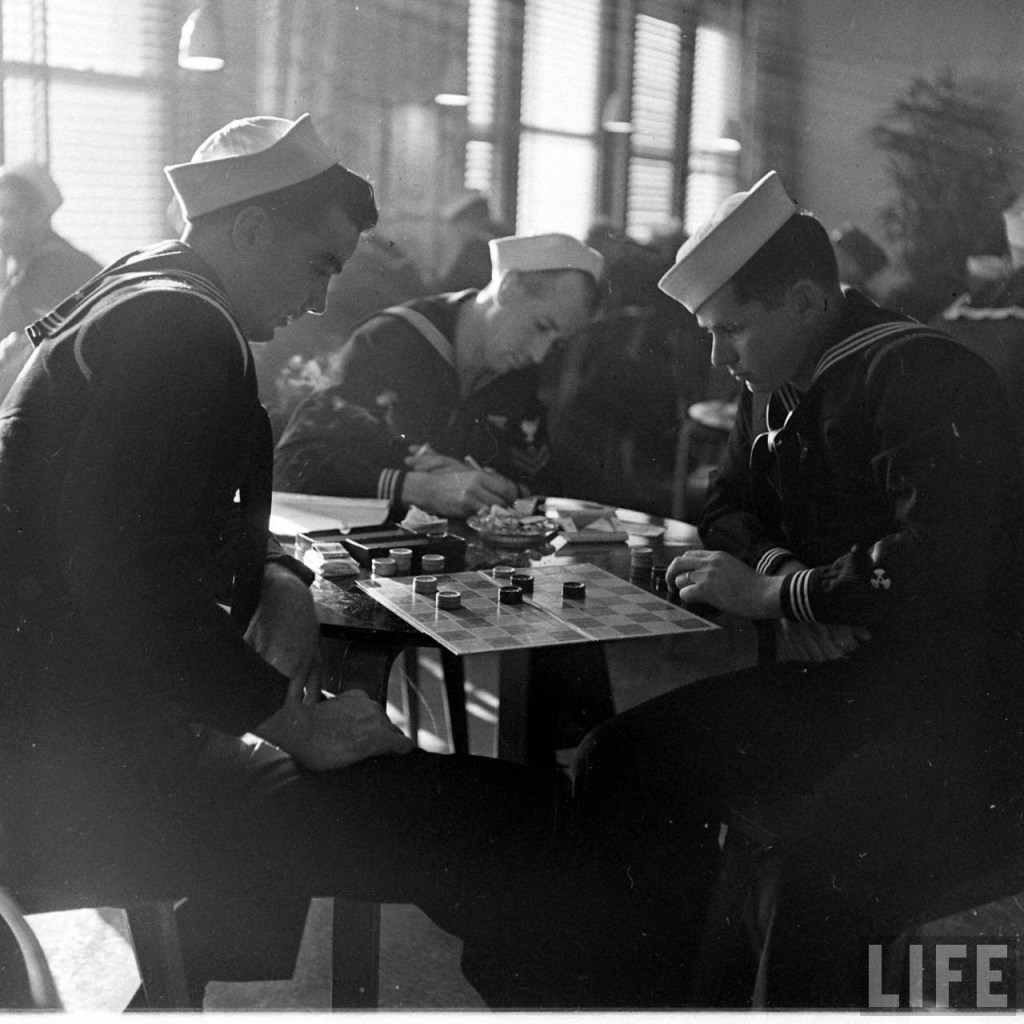
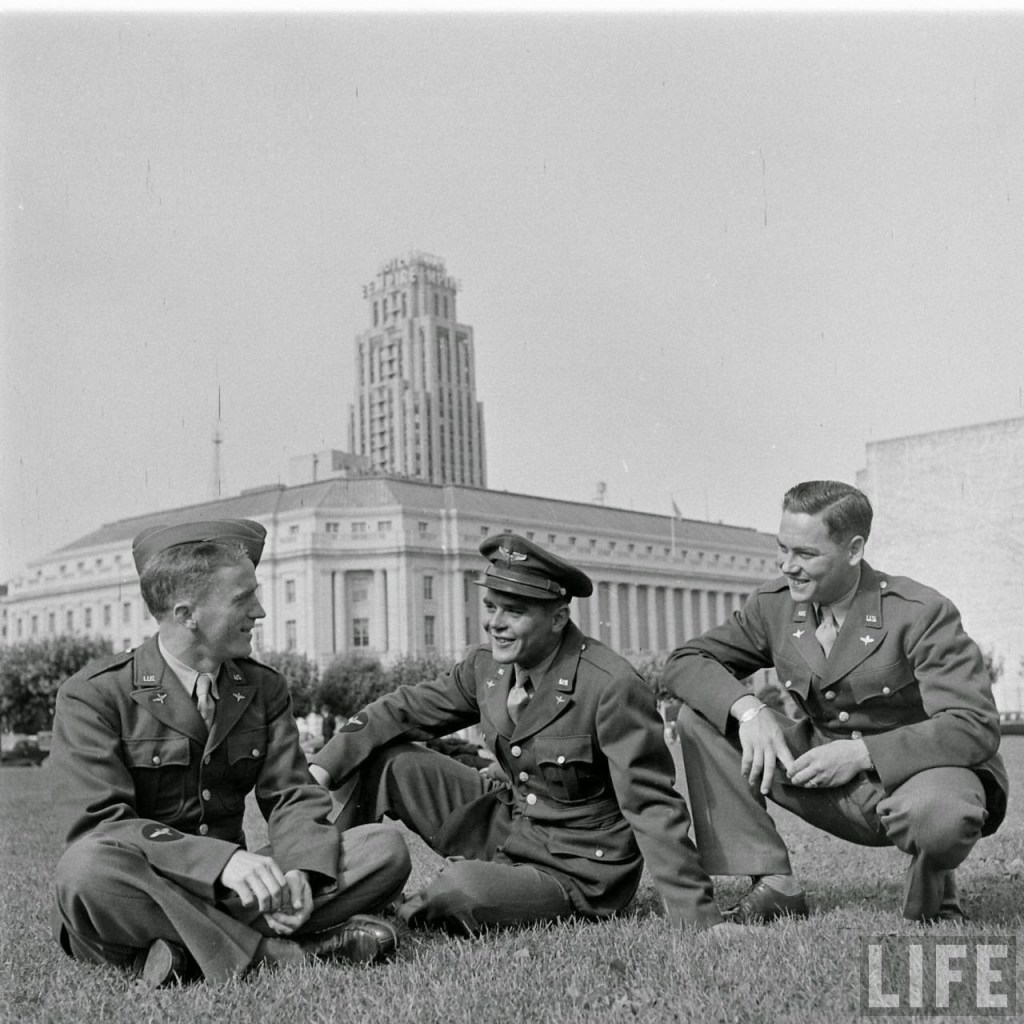
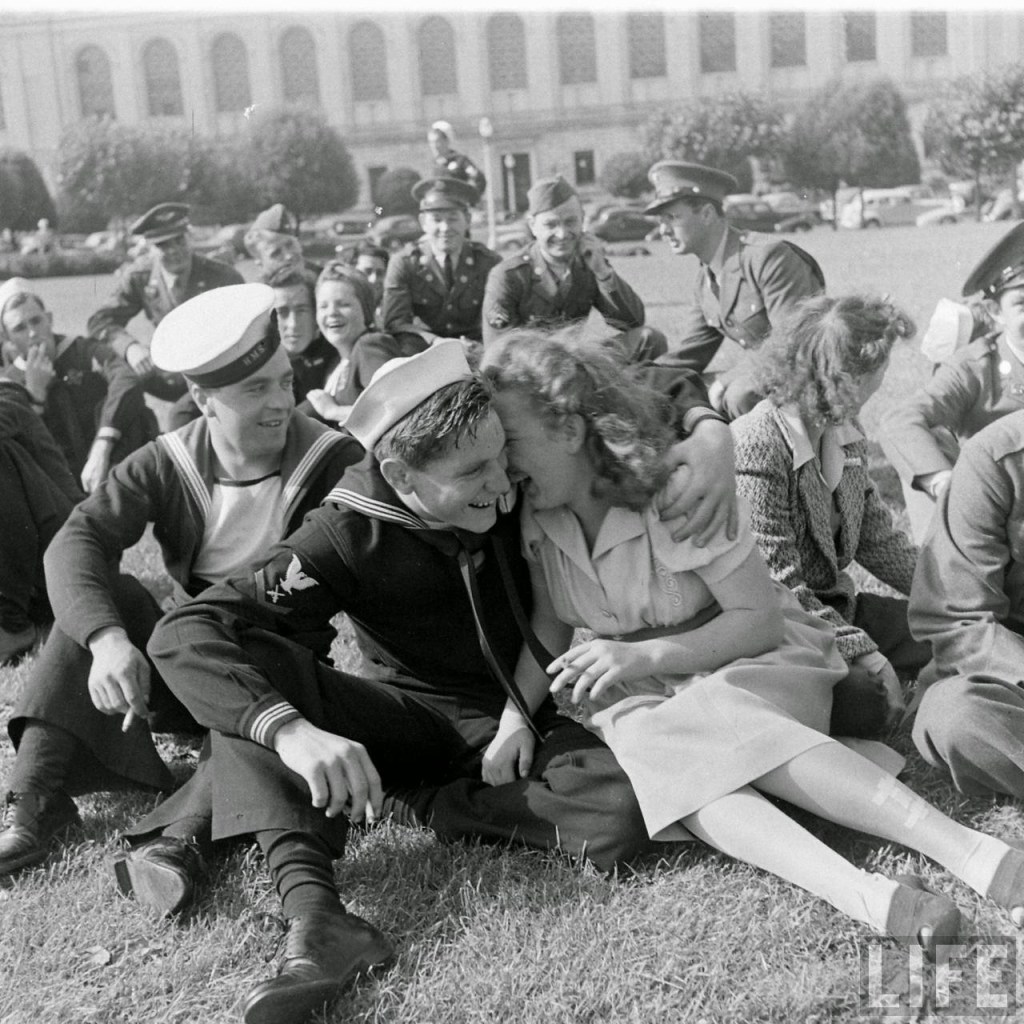
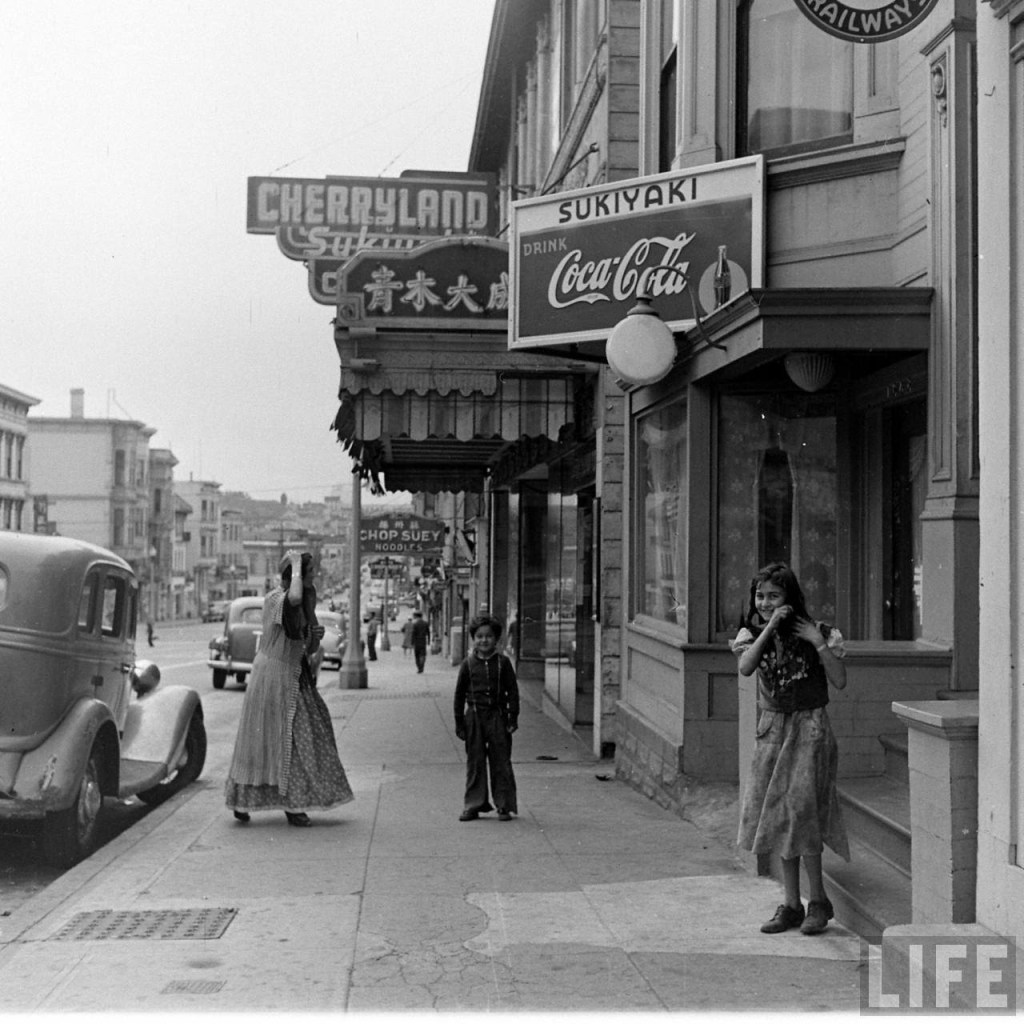
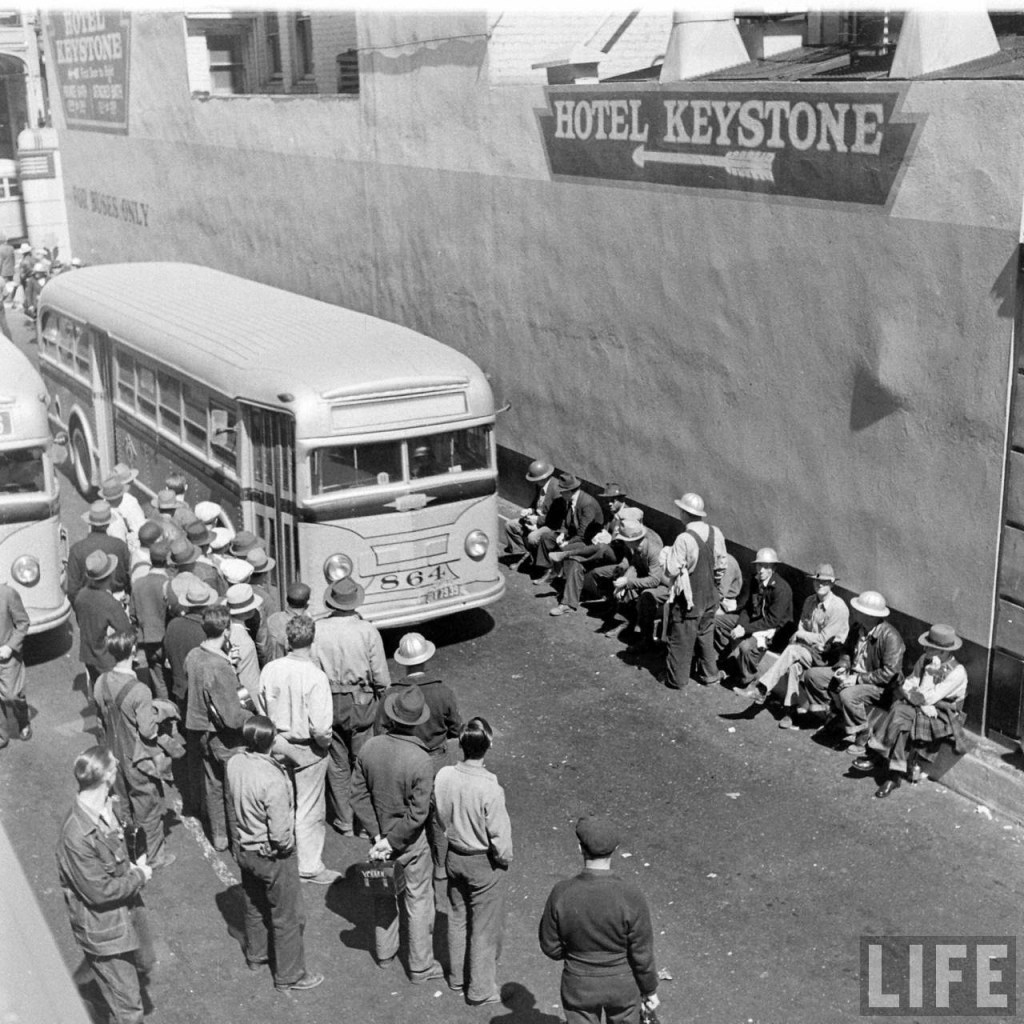
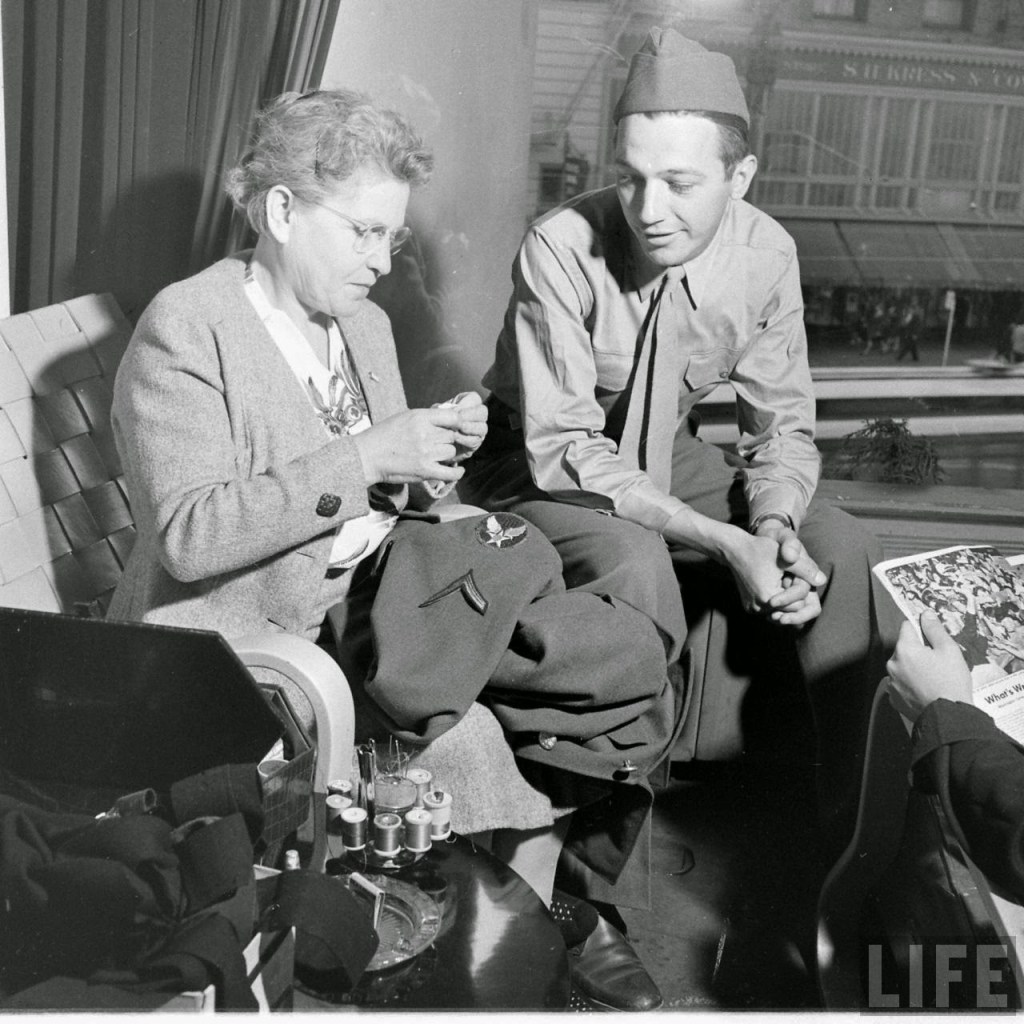
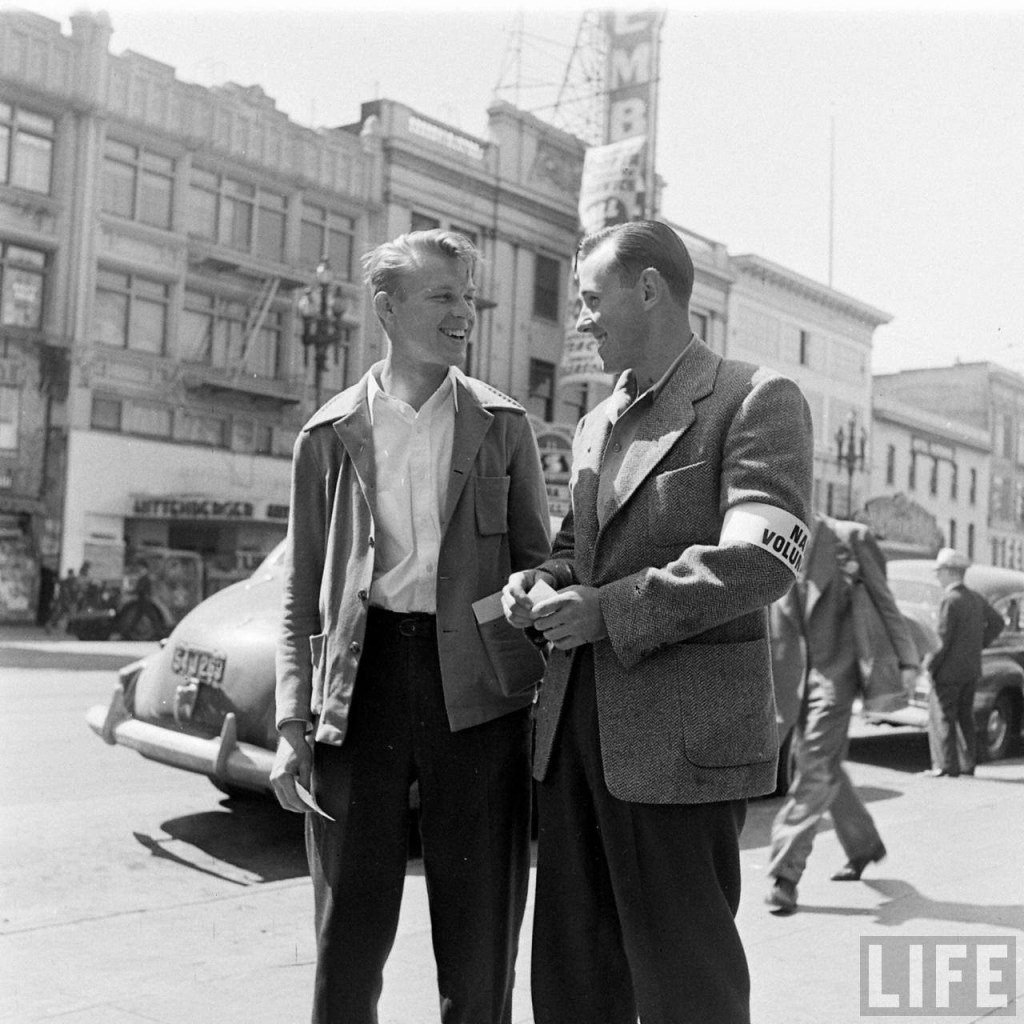
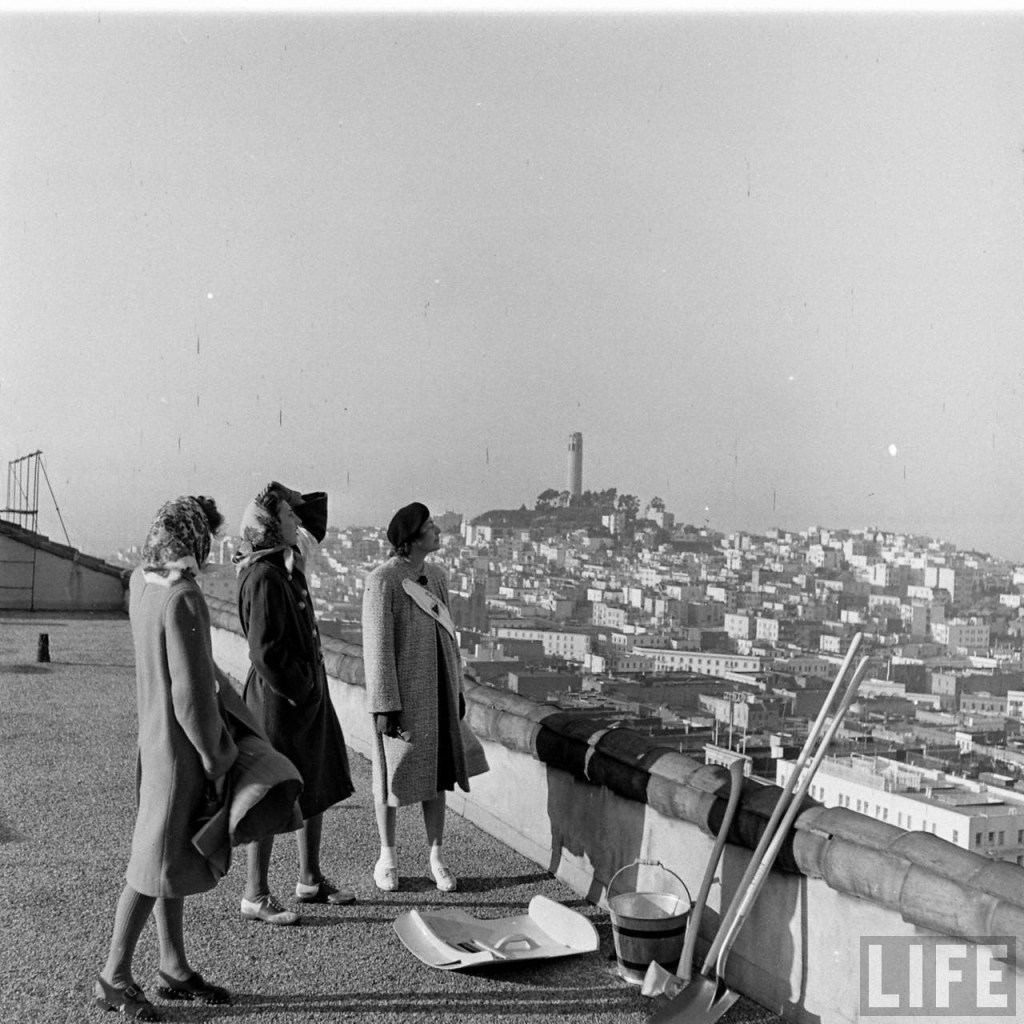
Here’s a collection of interesting black and white photographs of daily life in San Francisco during wartime. All photographs were taken by LIFE photographer Meith Hagel in 1943.

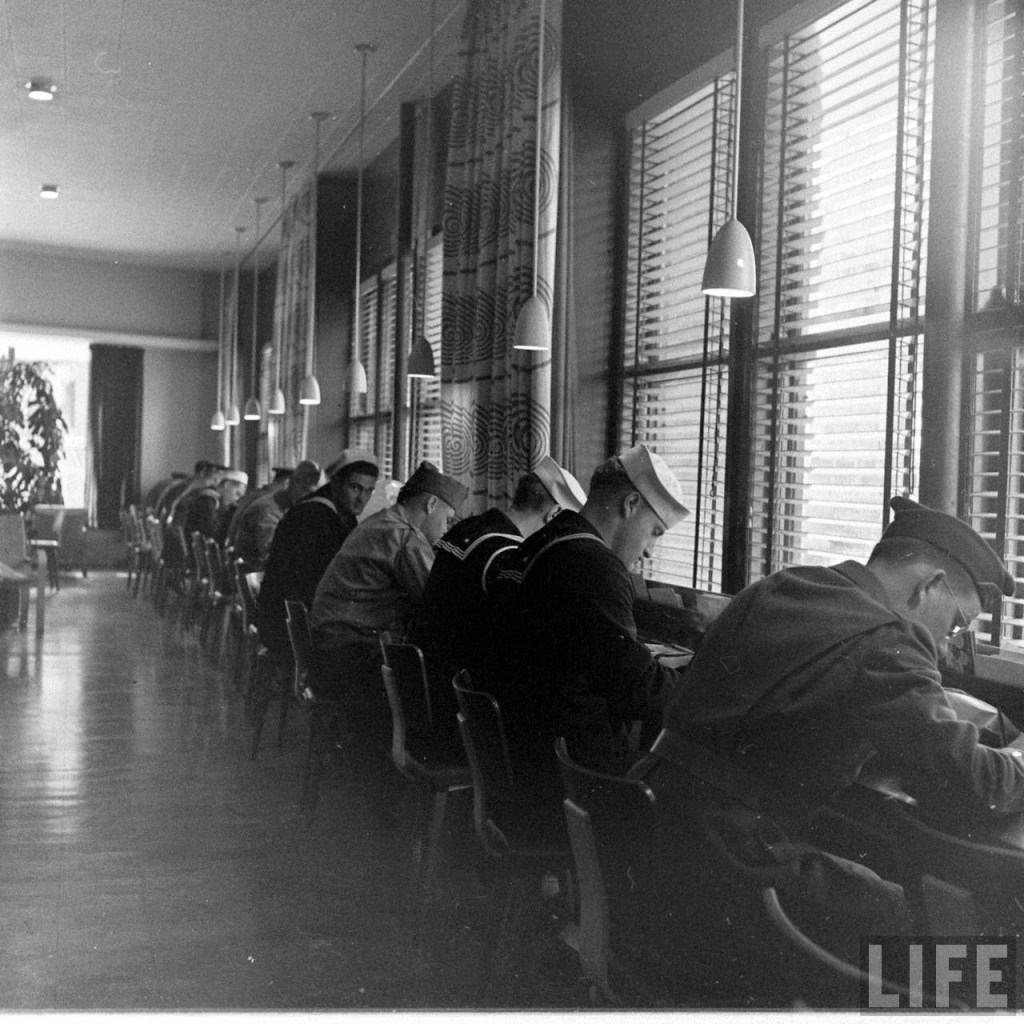
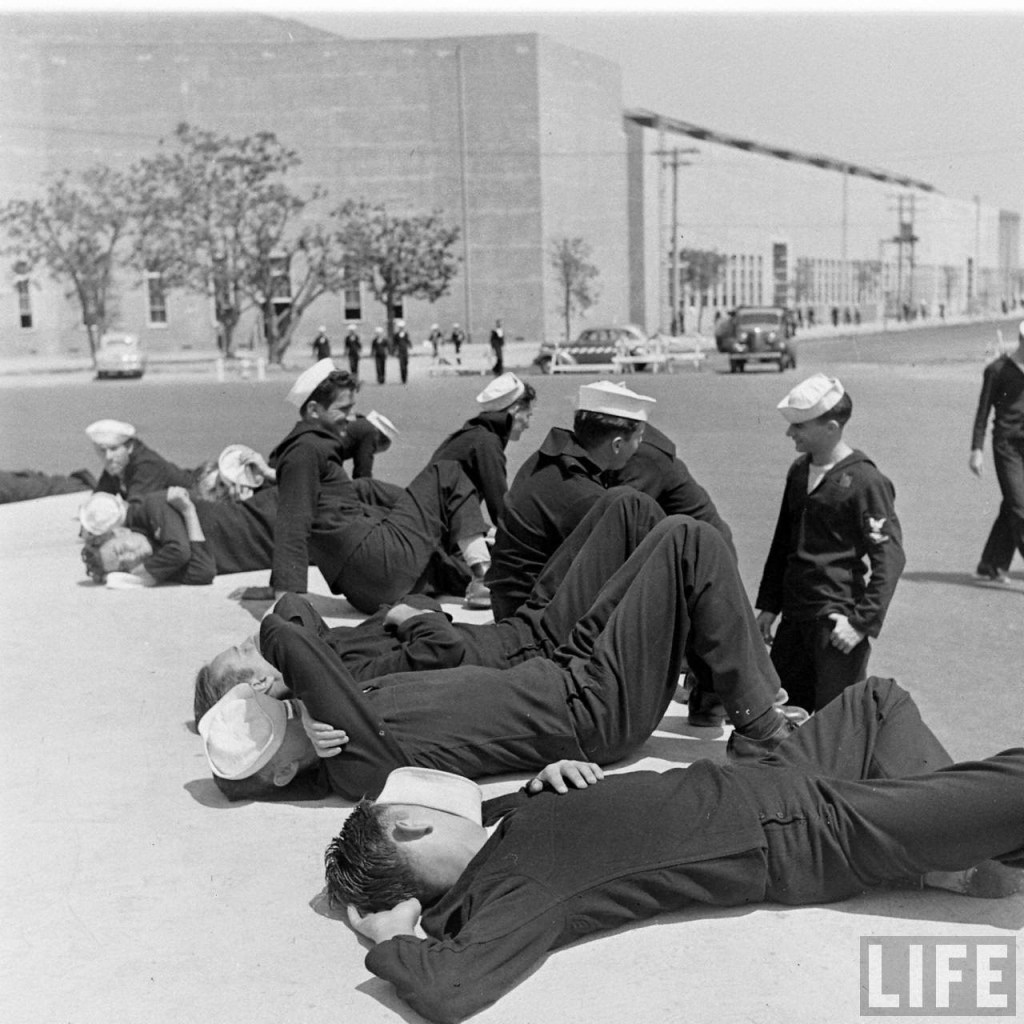
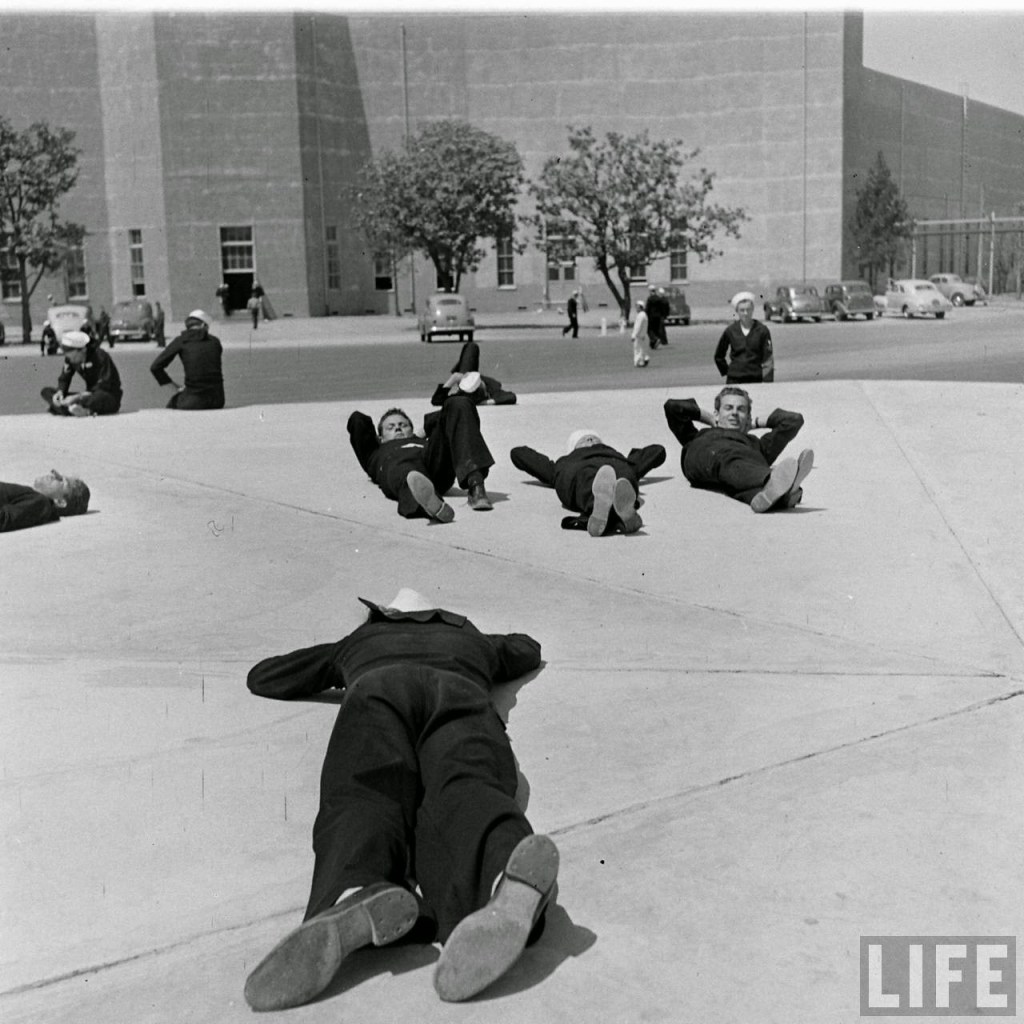

Norfolk is an independent city in the Commonwealth of Virginia in the United States. It is the second-most populous city in Virginia after neighboring Virginia Beach.
Norfolk is located at the core of the Hampton Roads metropolitan area, named for the large natural harbor of the same name located at the mouth of Chesapeake Bay. It is one of nine cities and seven counties that constitute the Hampton Roads metro area, officially known as the Virginia Beach-Norfolk-Newport News, VA-NC MSA.
The city is bordered to the west by the Elizabeth River and to the north by the Chesapeake Bay. It also shares land borders with the independent cities of Chesapeake to its south and Virginia Beach to its east. Norfolk is one of the oldest cities in Hampton Roads, and is considered to be the historic, urban, financial, and cultural center of the region.
As the city is bordered by multiple bodies of water, Norfolk has many miles of riverfront and bayfront property, including beaches on the Chesapeake Bay. It is linked to its neighbors by an extensive network of Interstate highways, bridges, tunnels, and three bridge-tunnel complexes, which are the only bridge-tunnels in the United States.
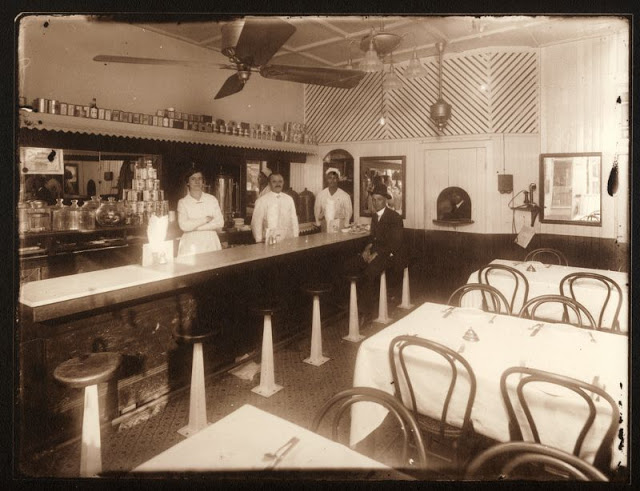
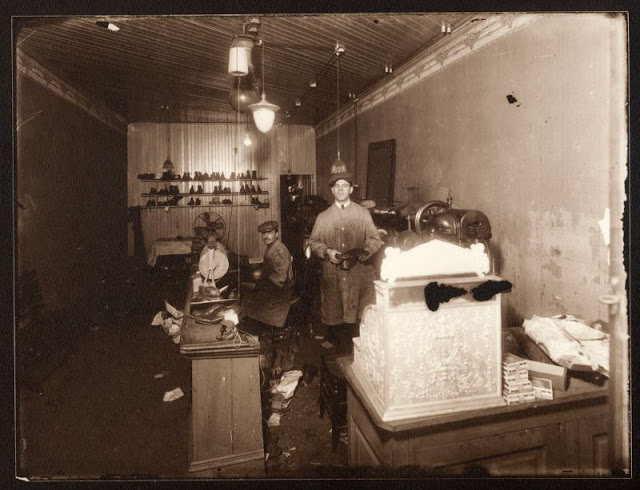
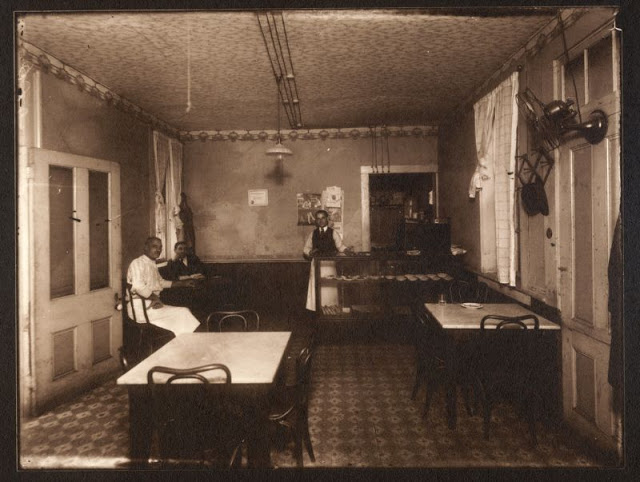
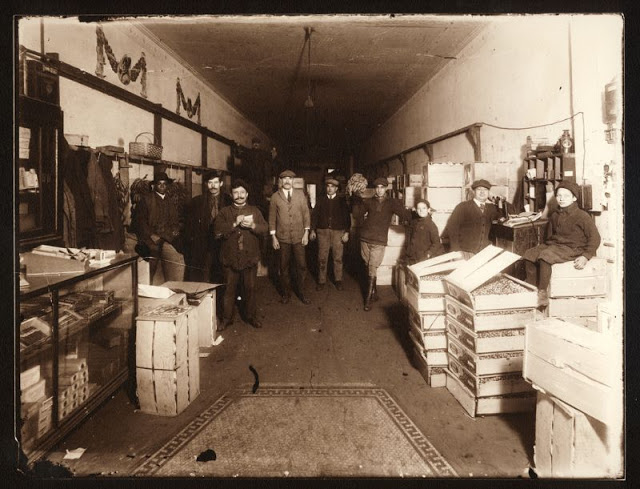
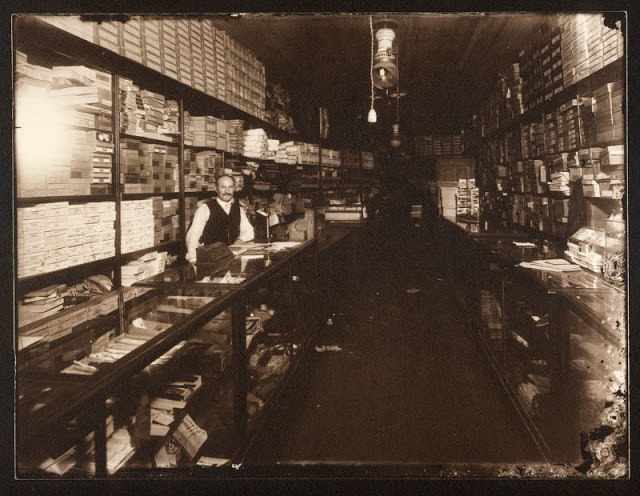
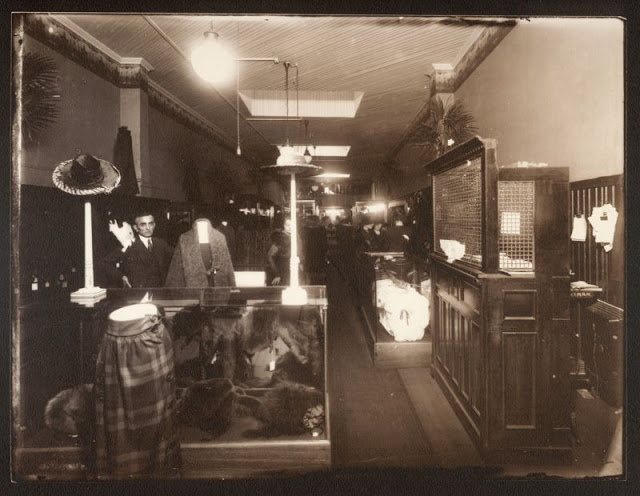
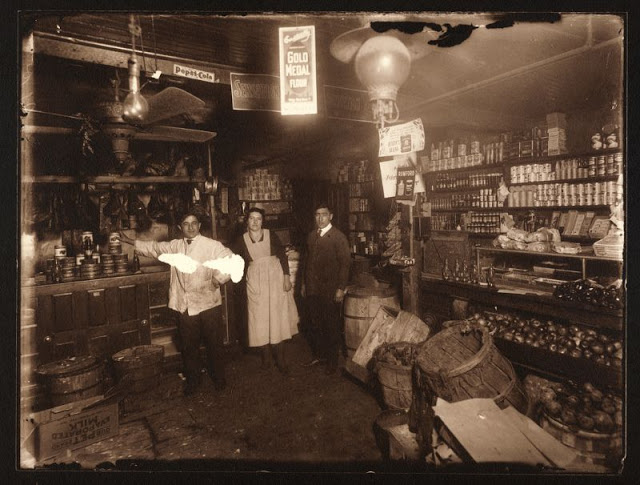
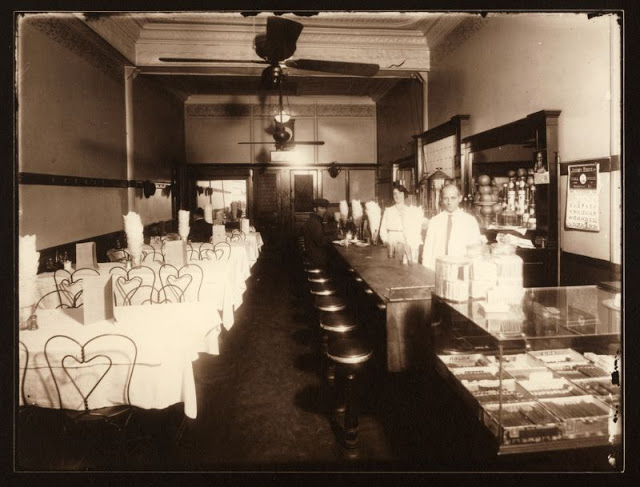
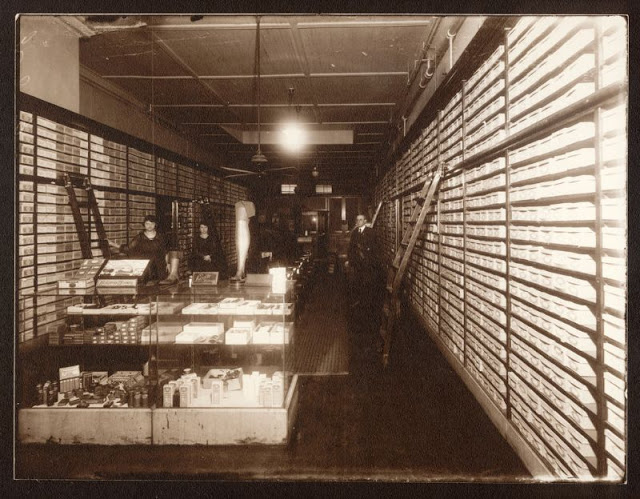
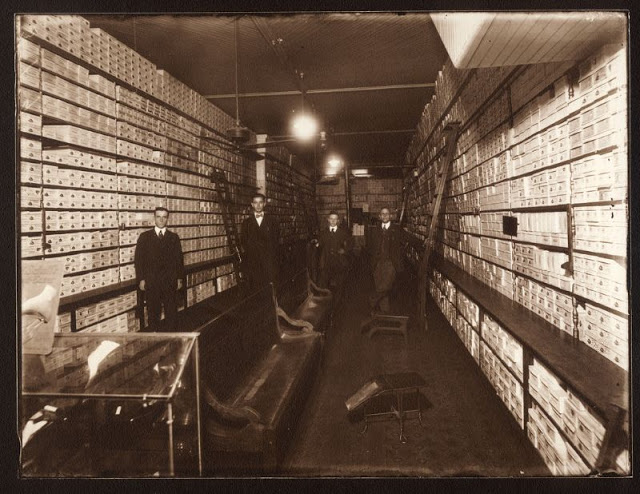
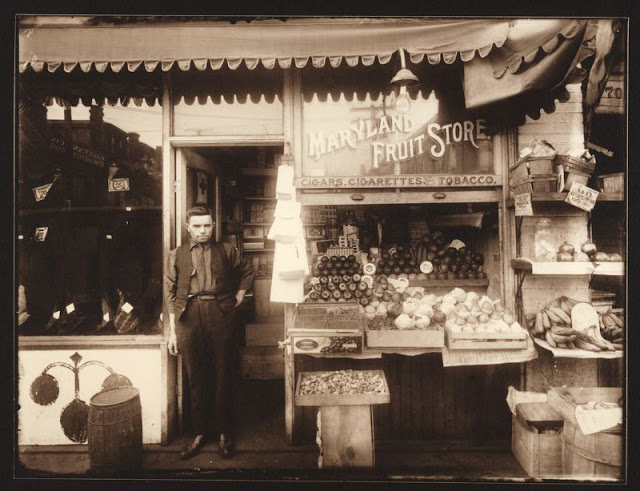
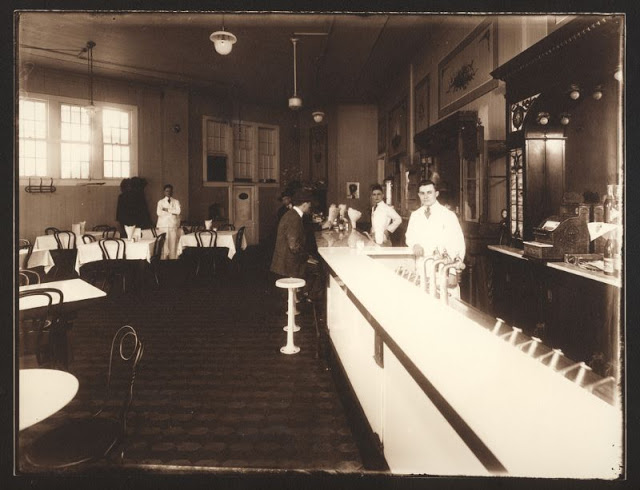
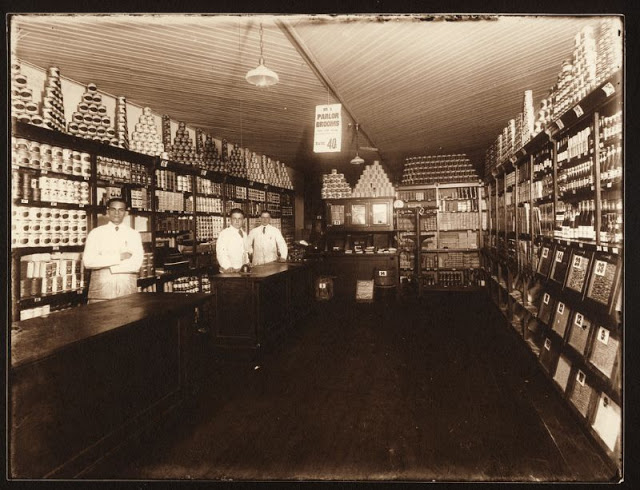
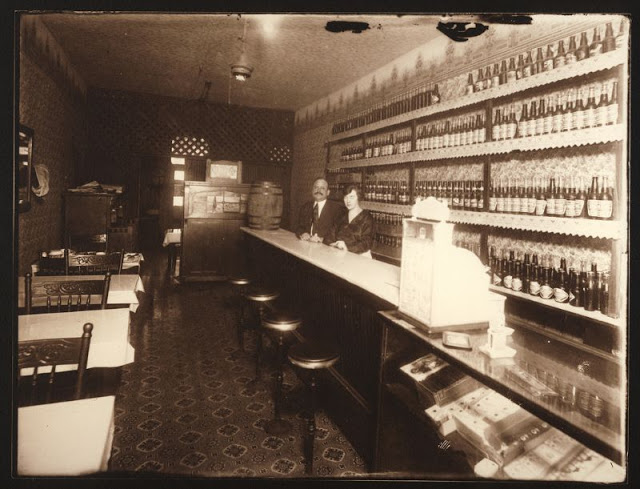
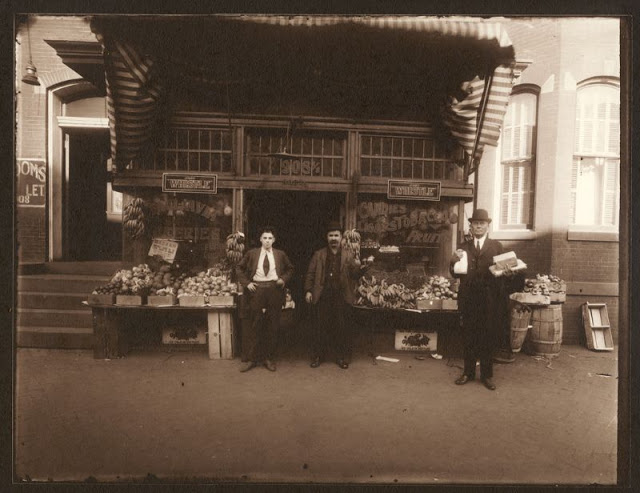
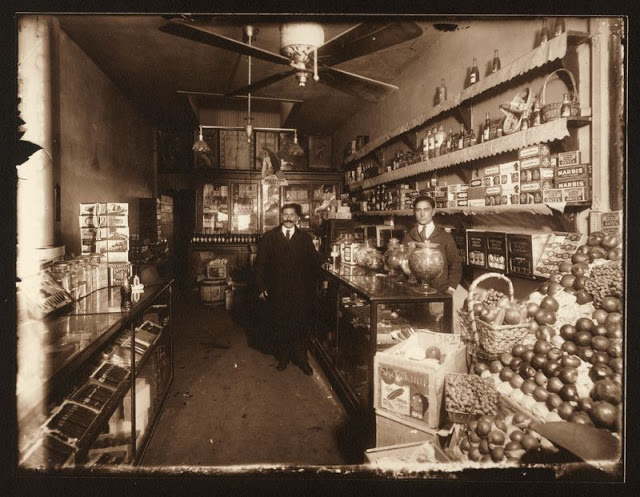
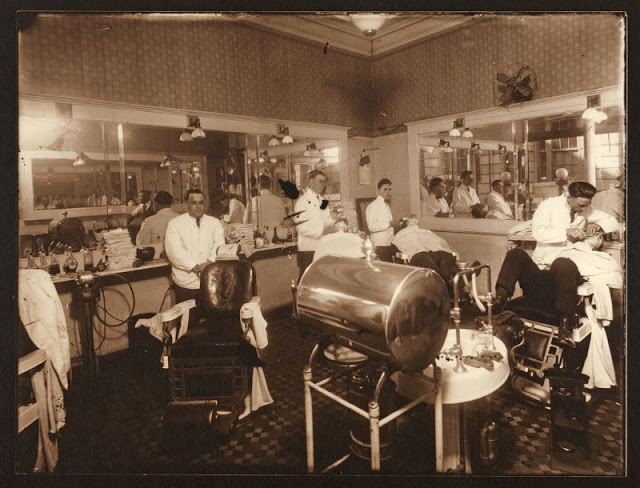
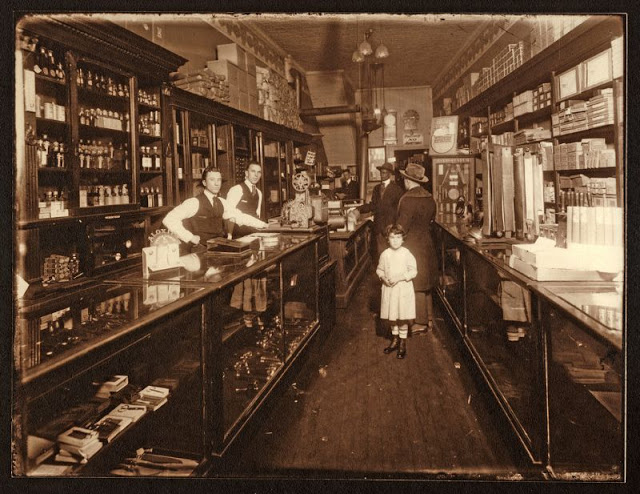
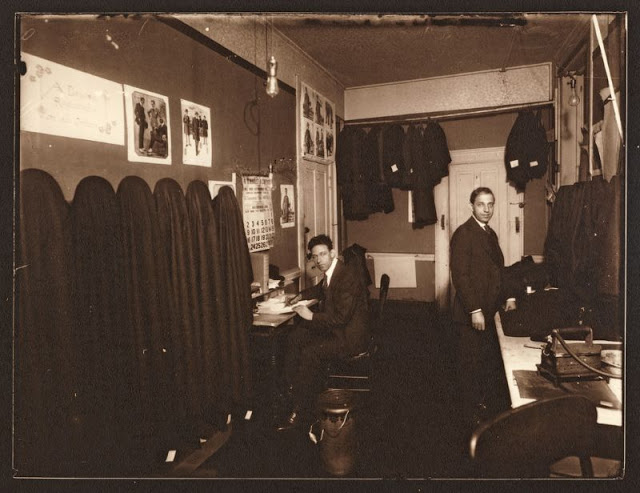
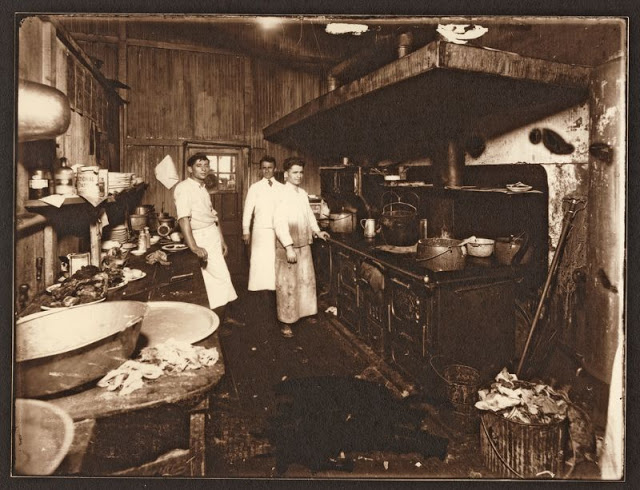
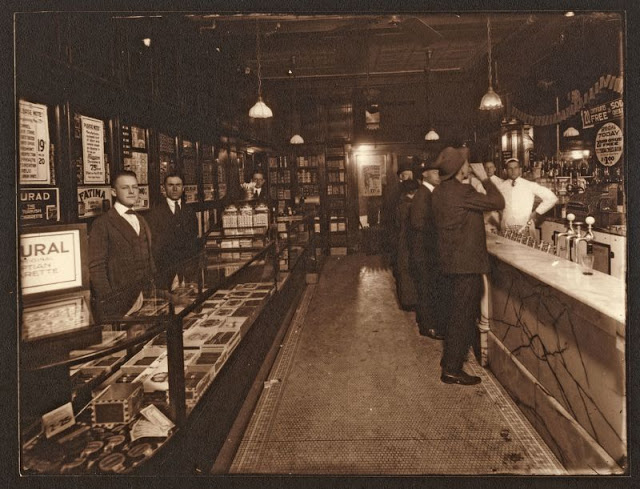
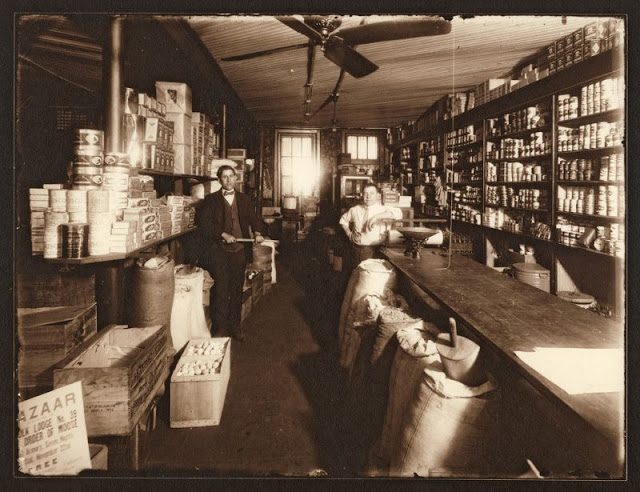
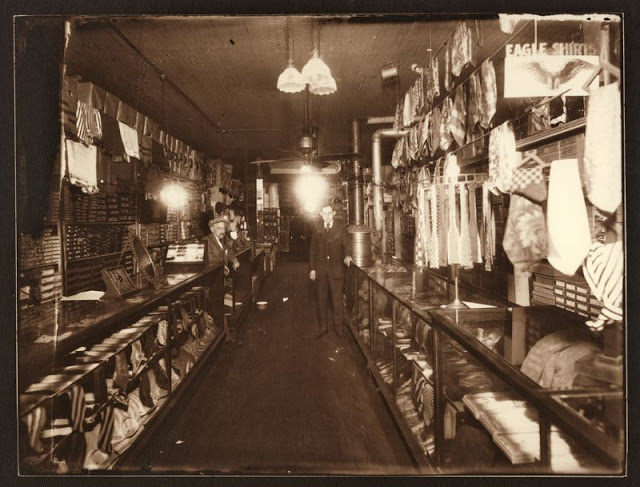
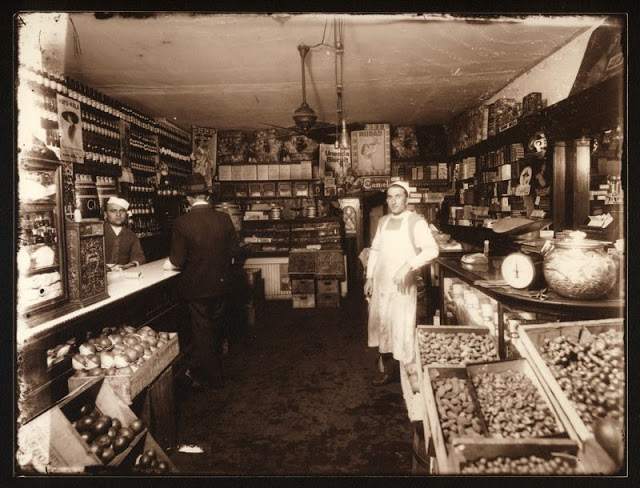
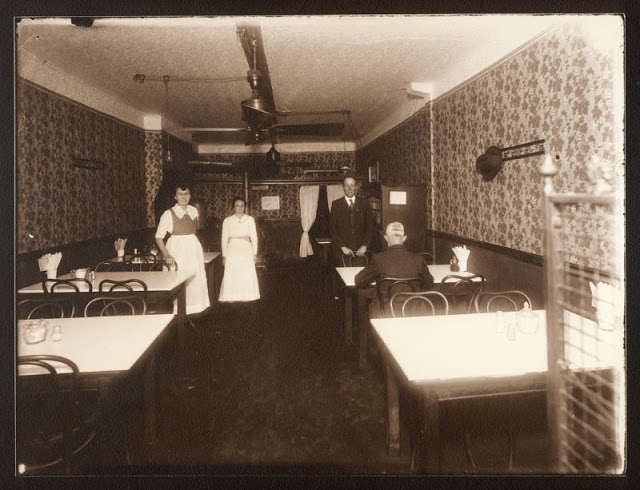
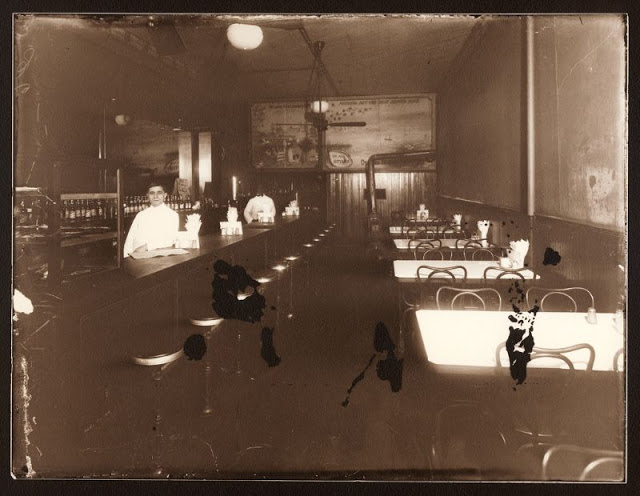
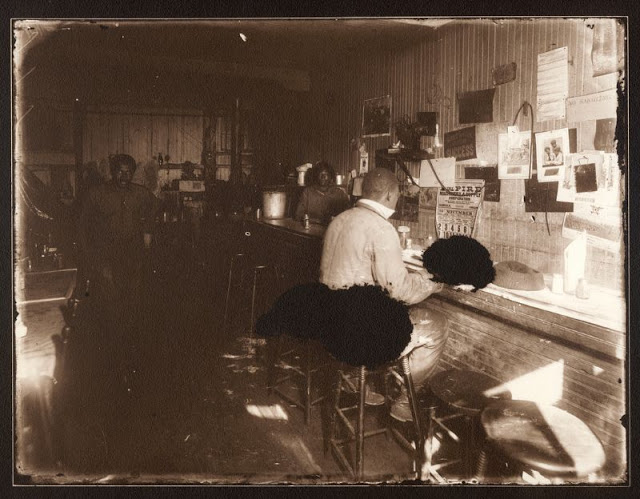
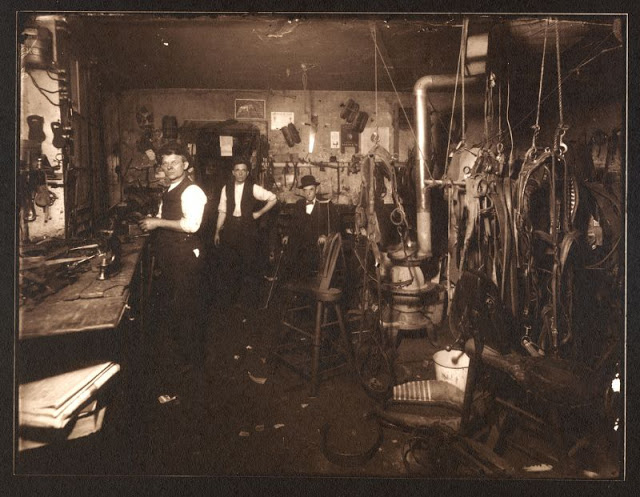
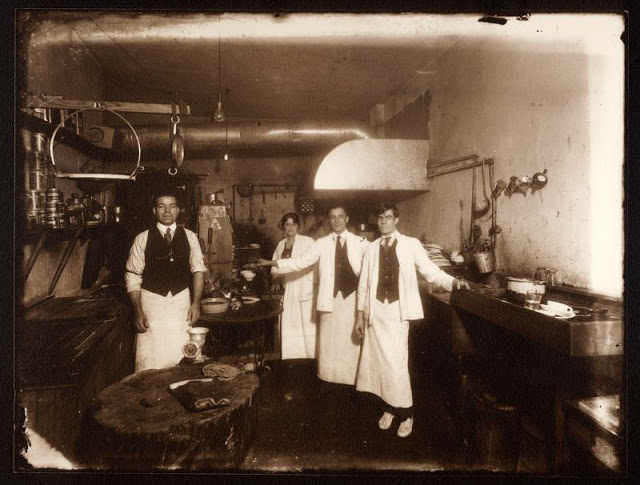
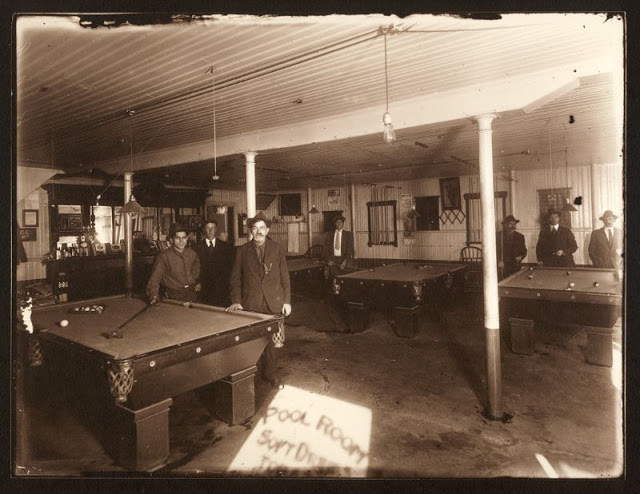
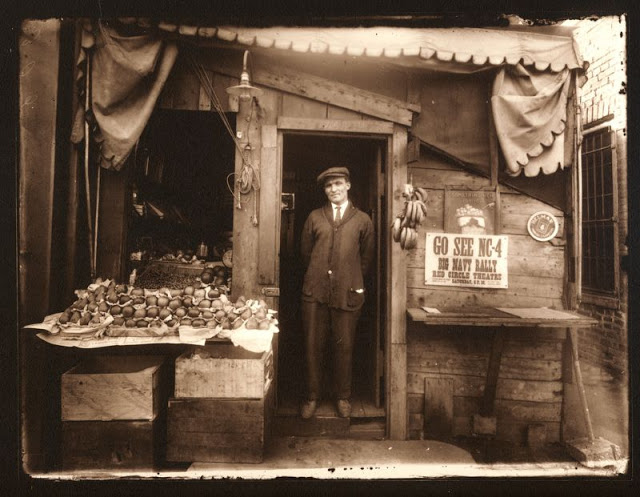
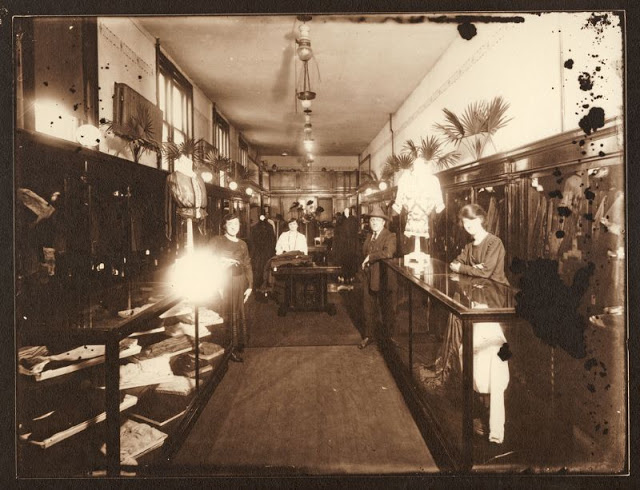
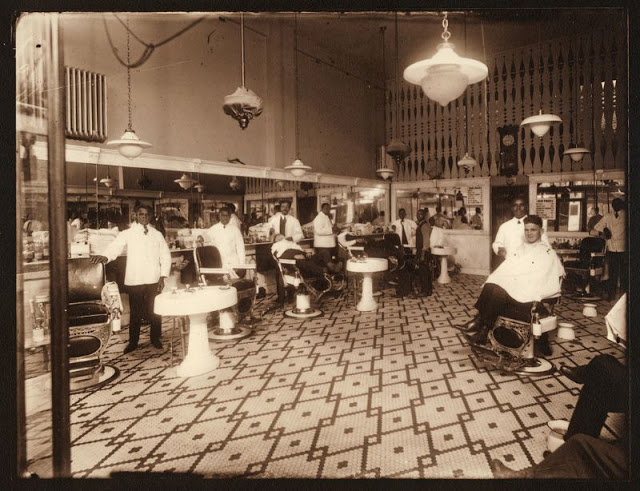
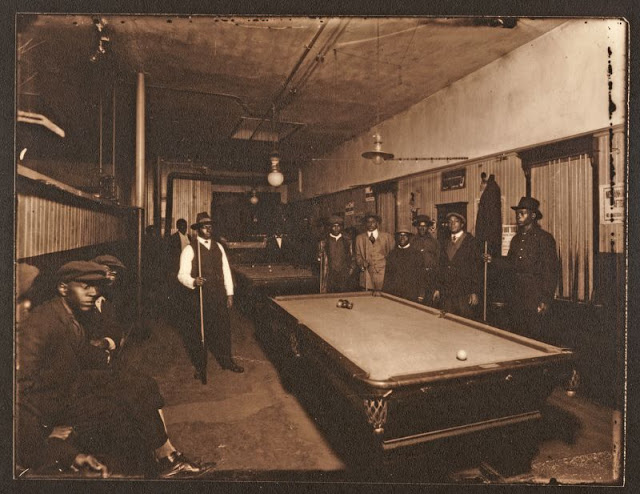
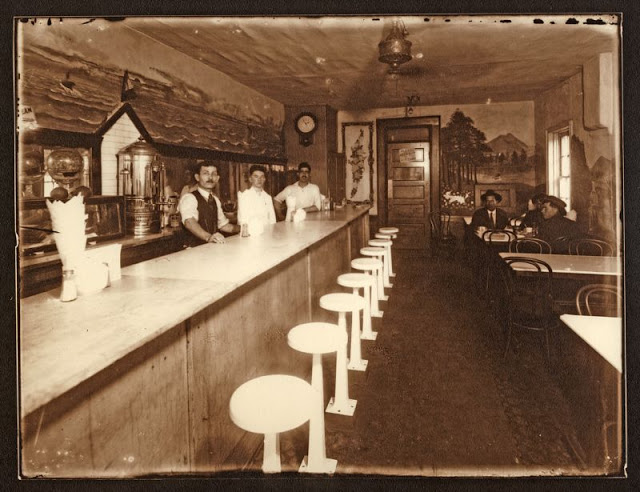
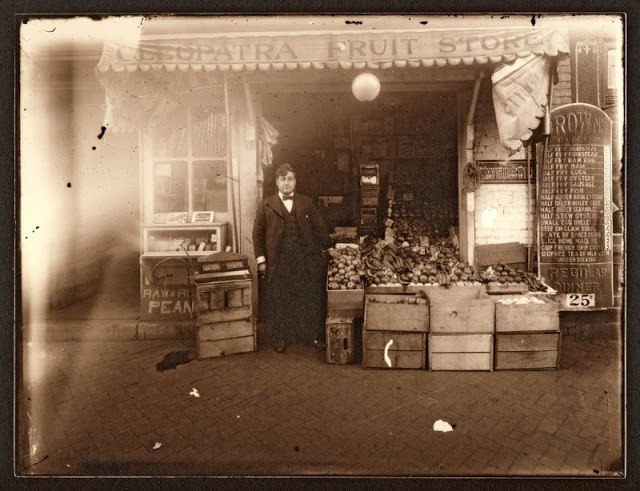
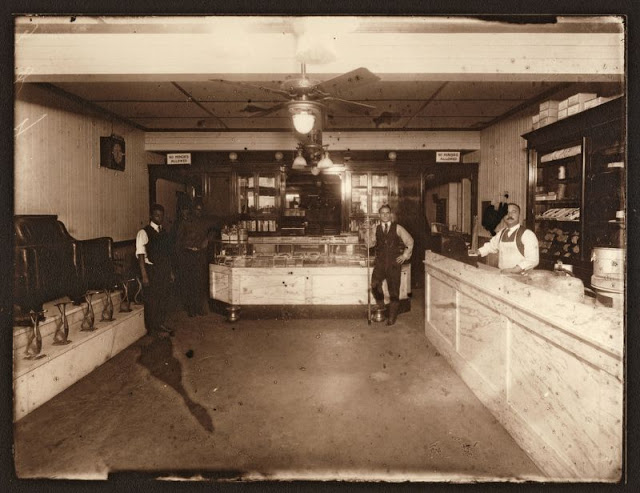
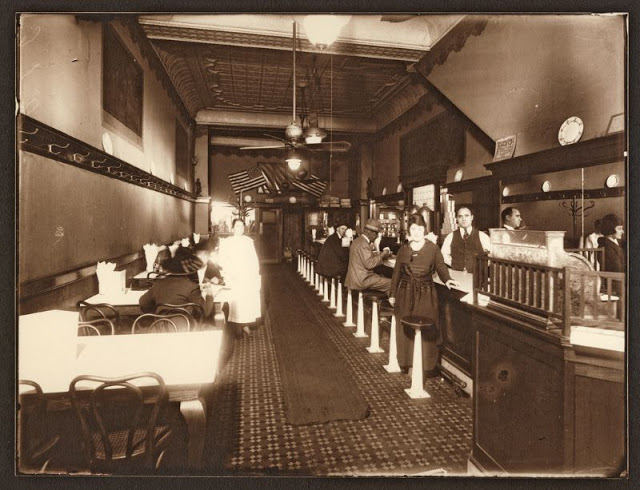
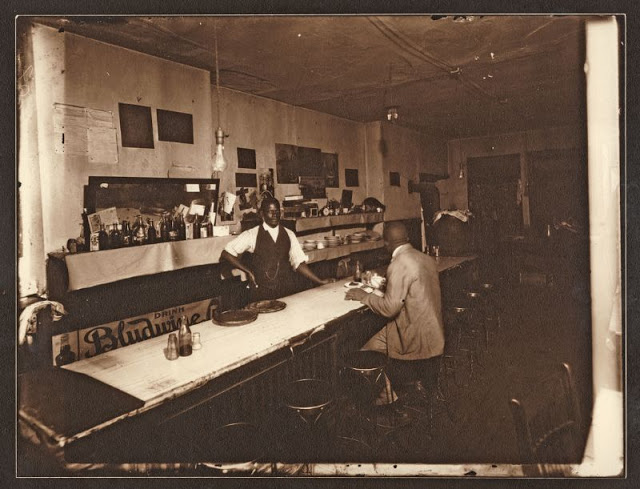
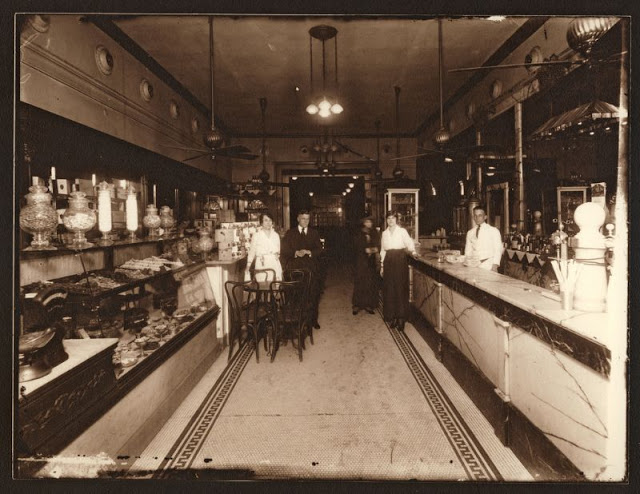
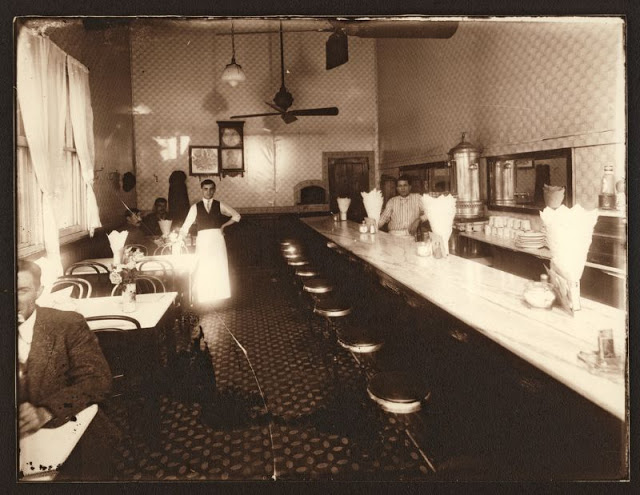
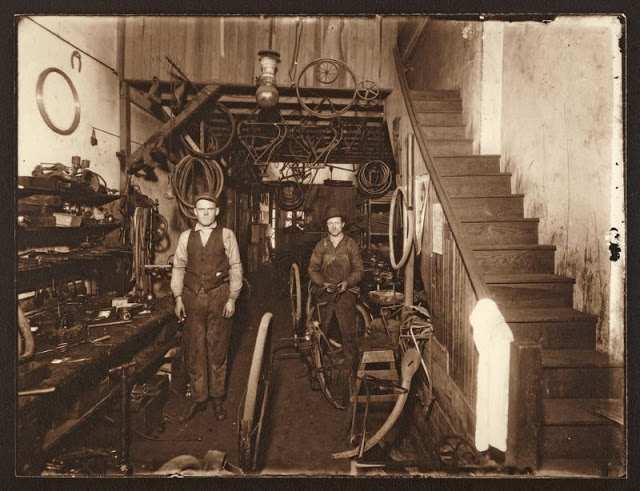
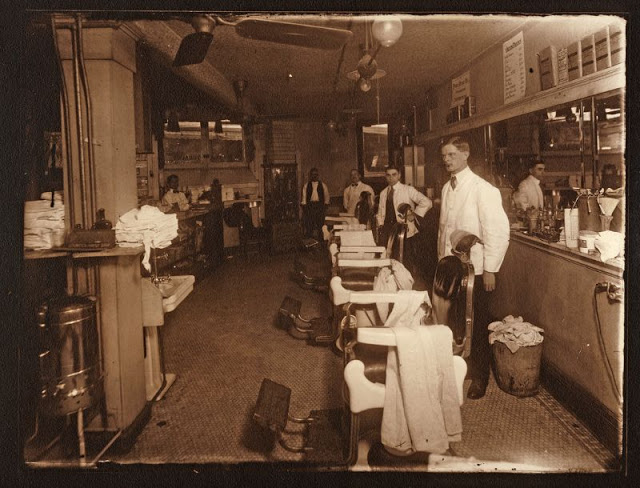
Here below is an amazing photo collection that shows what daily life at restaurants and stores of Norfolk looked like in 1919.