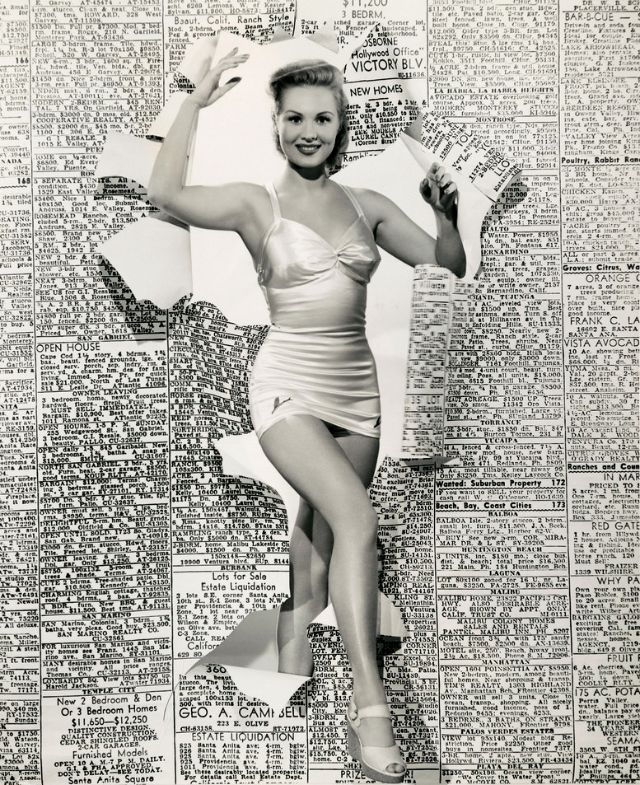
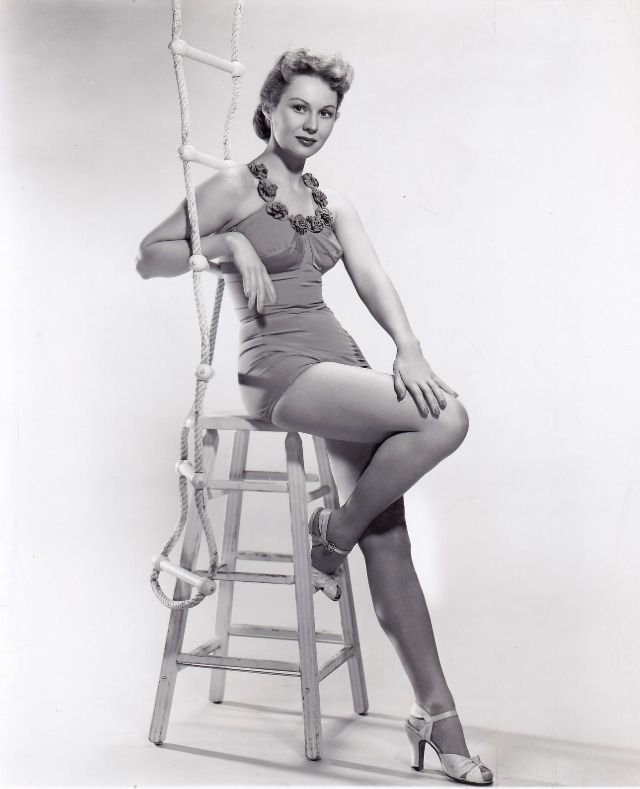
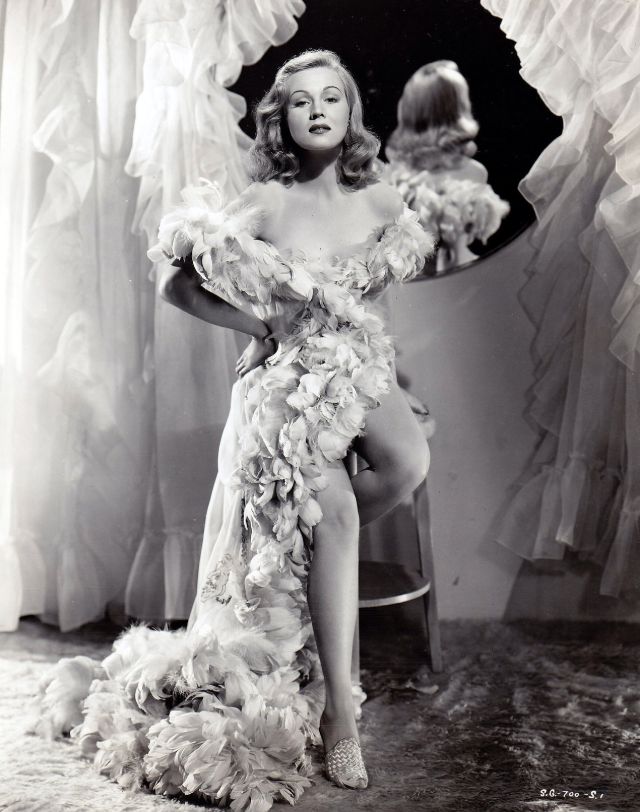
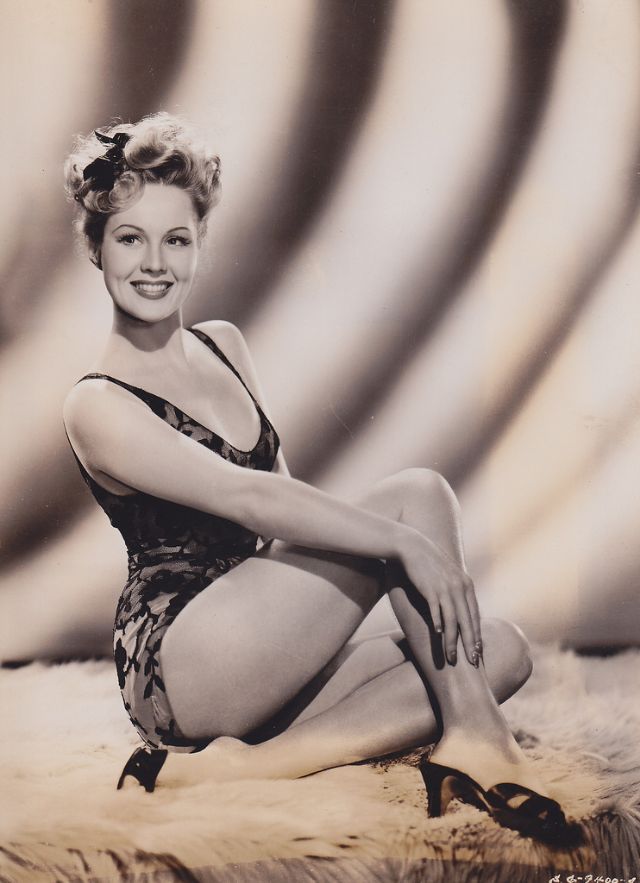
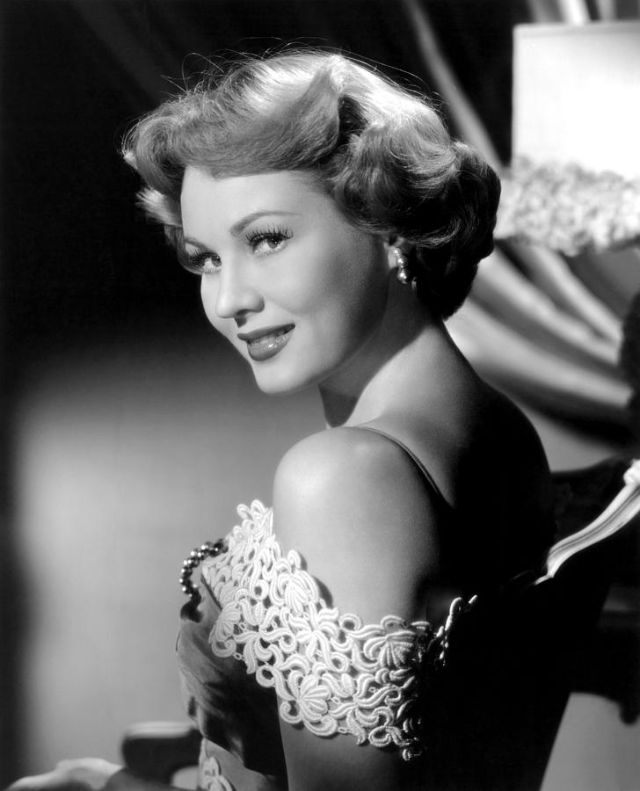
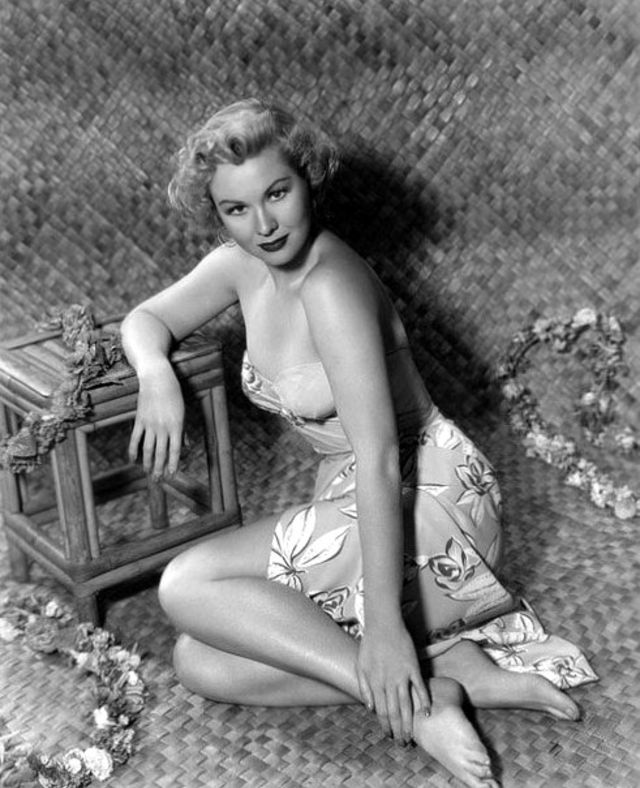
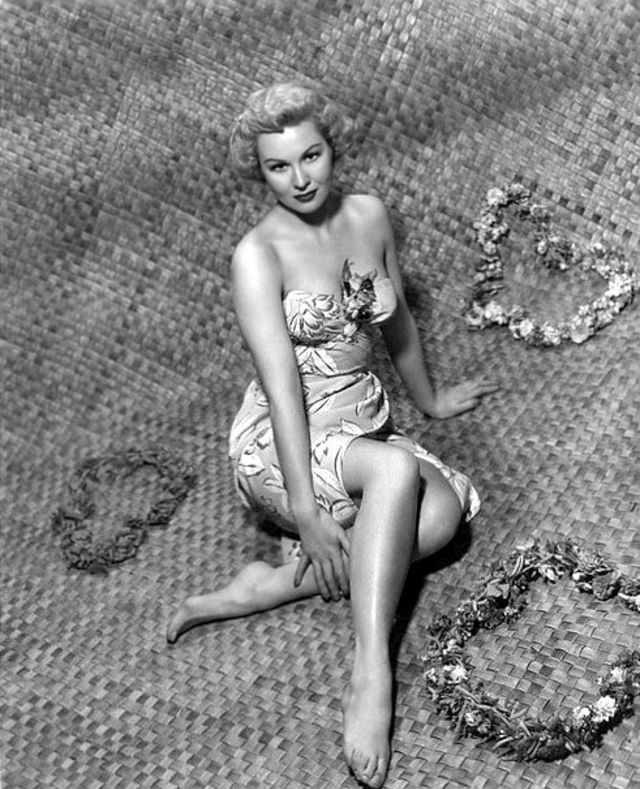
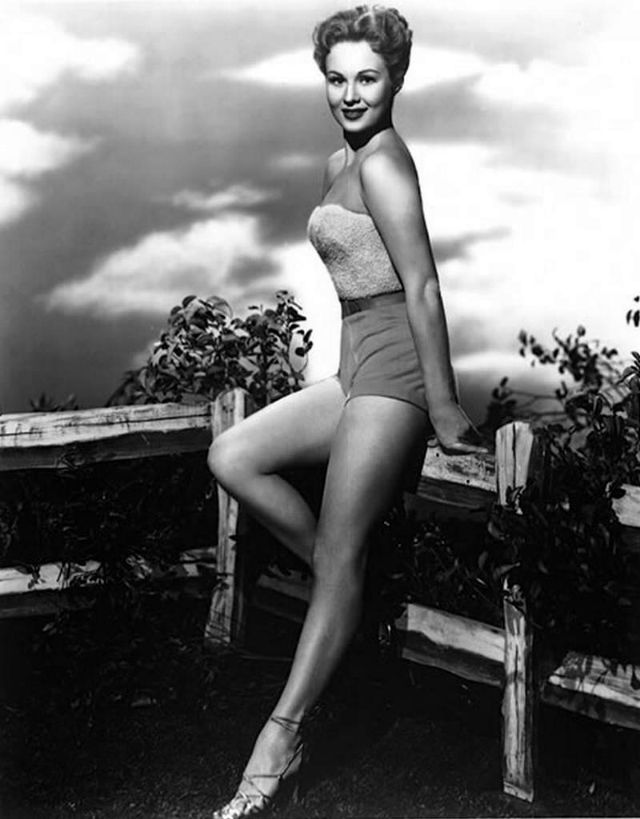
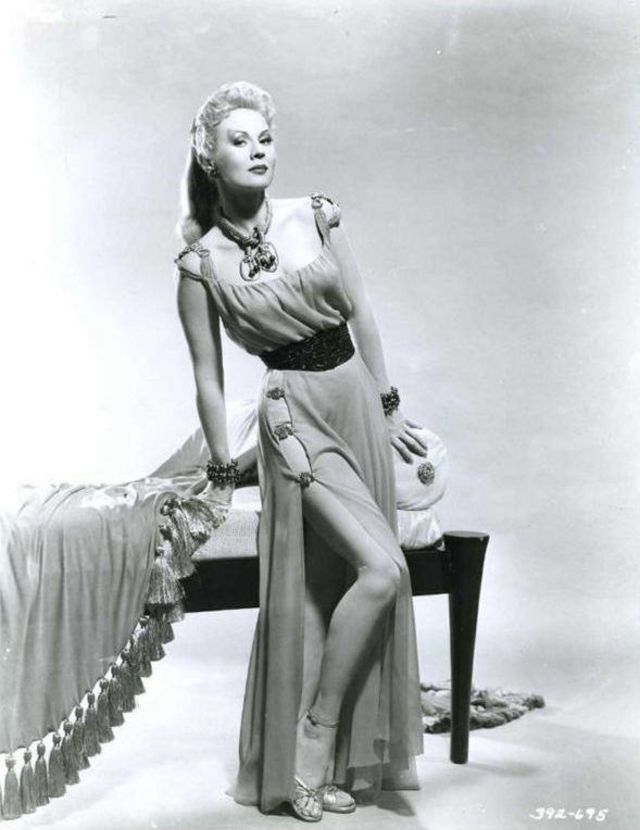
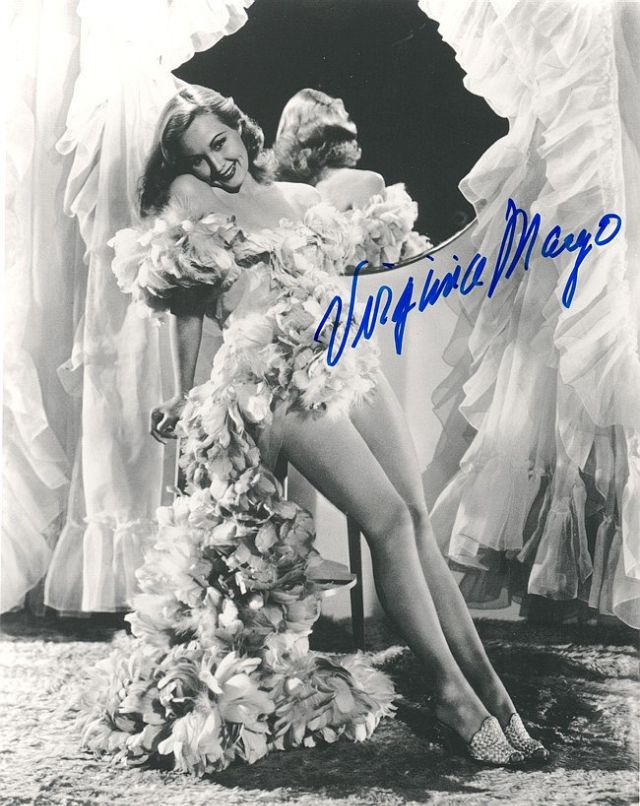
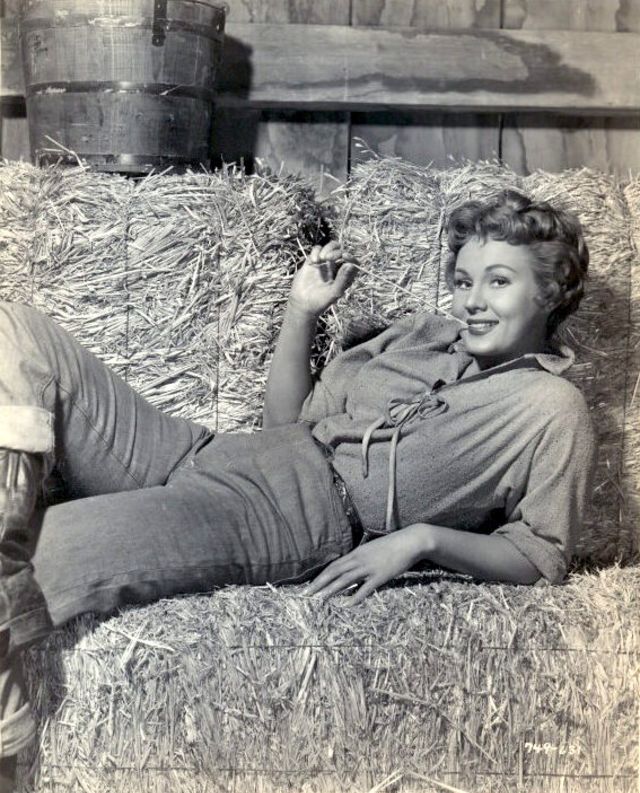
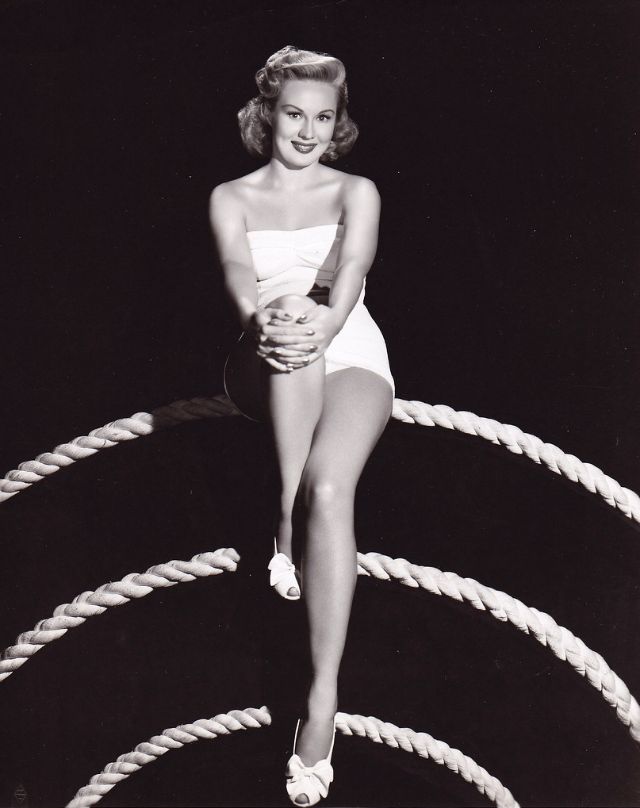
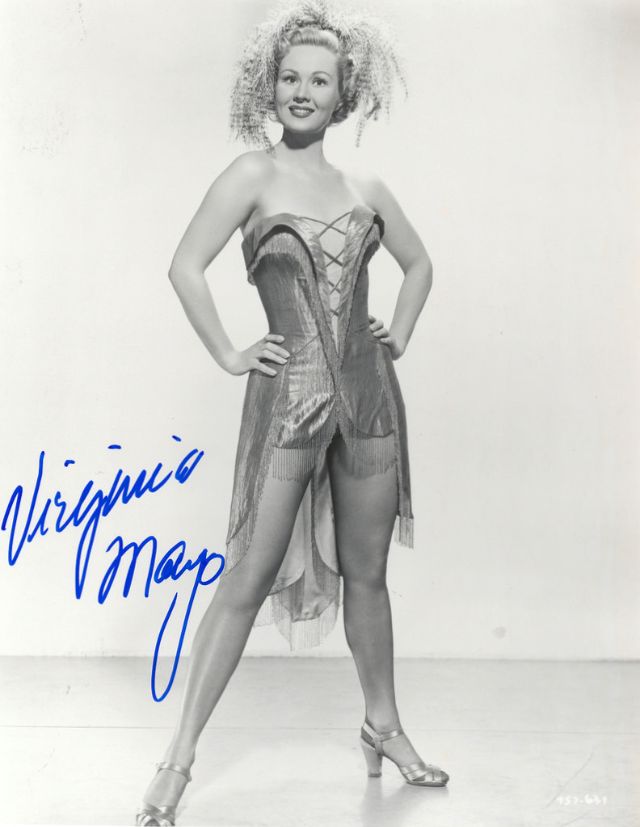
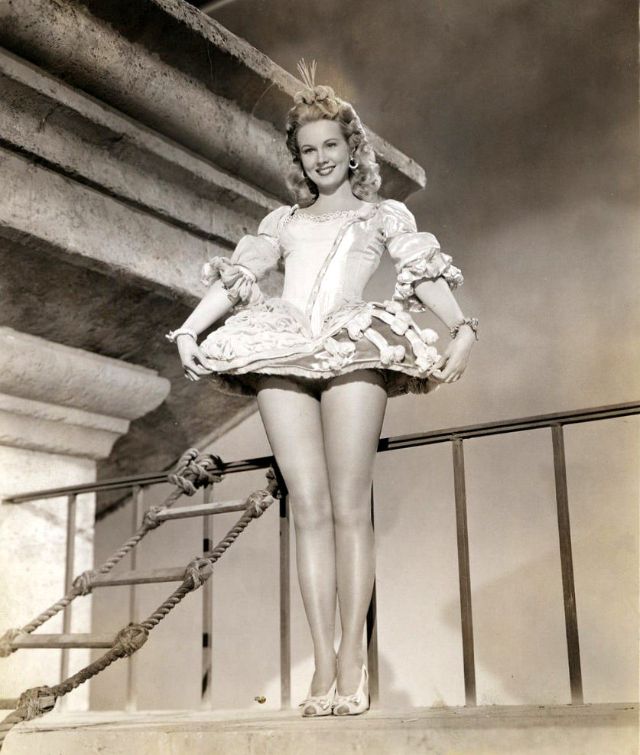
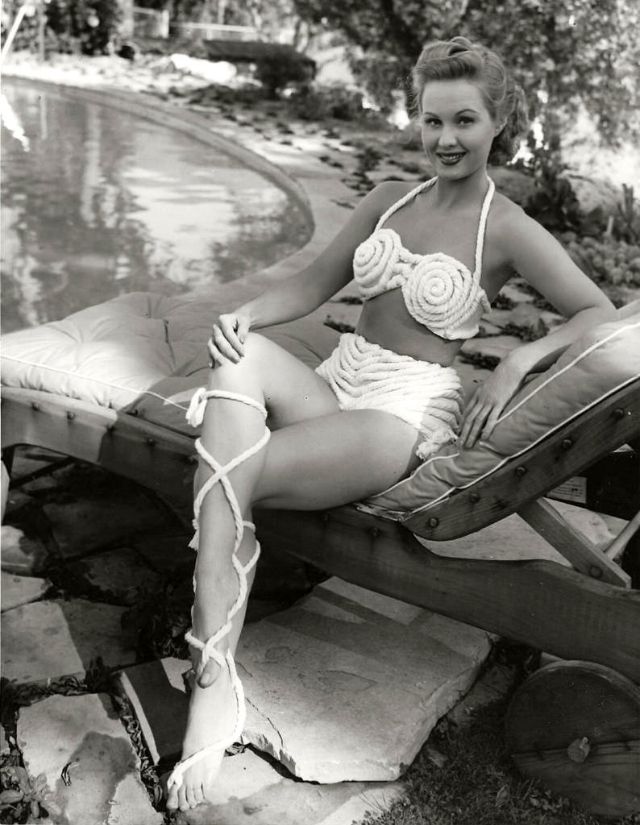
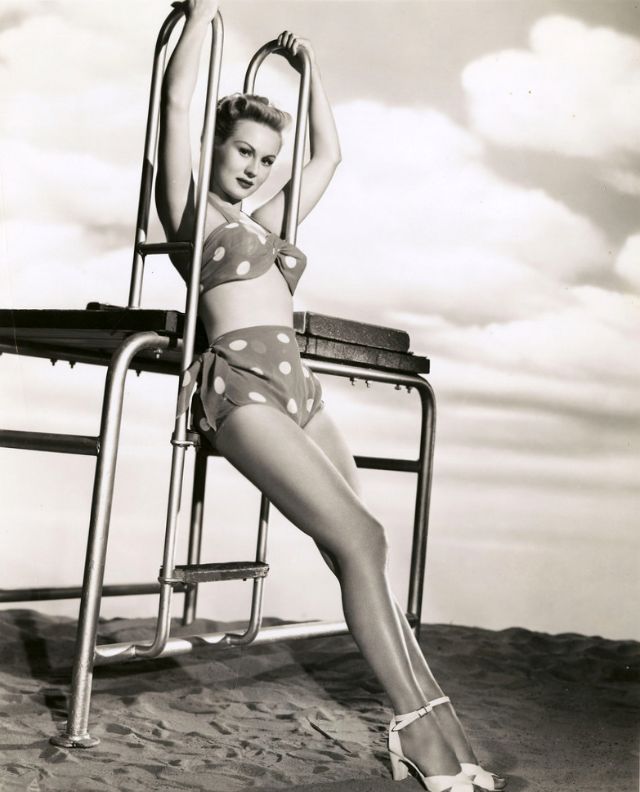
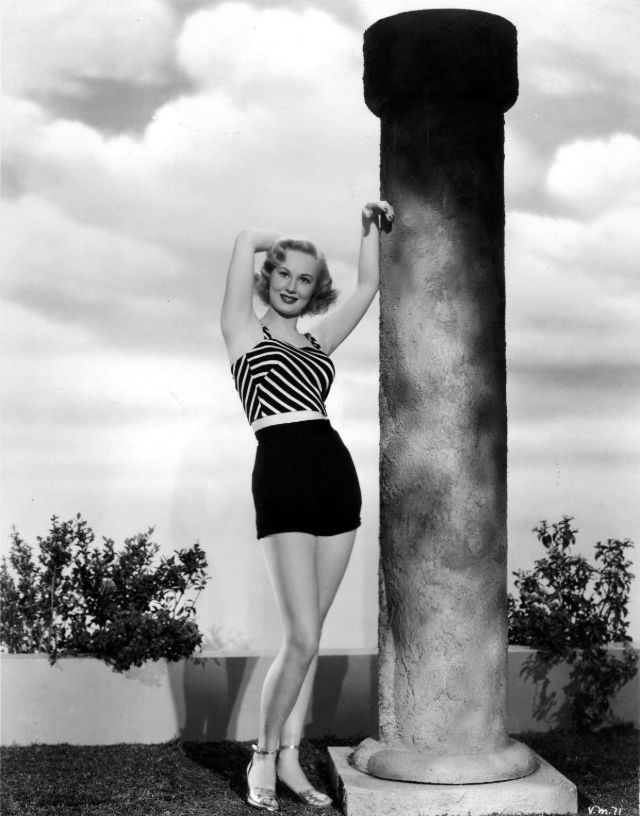
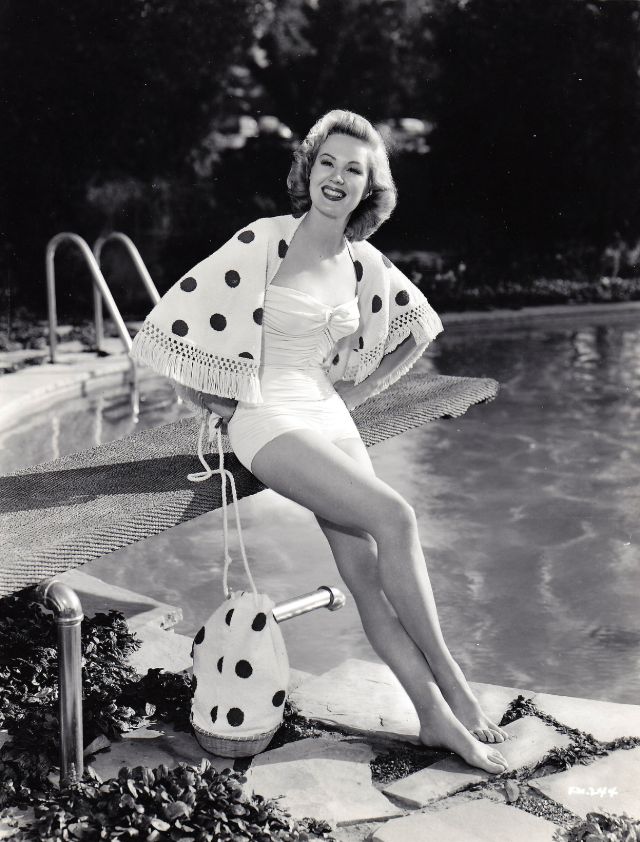
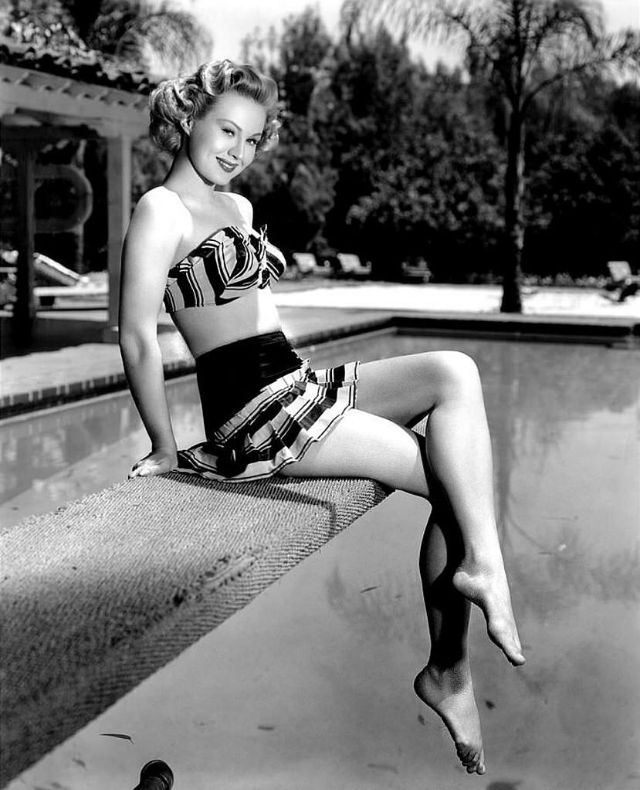
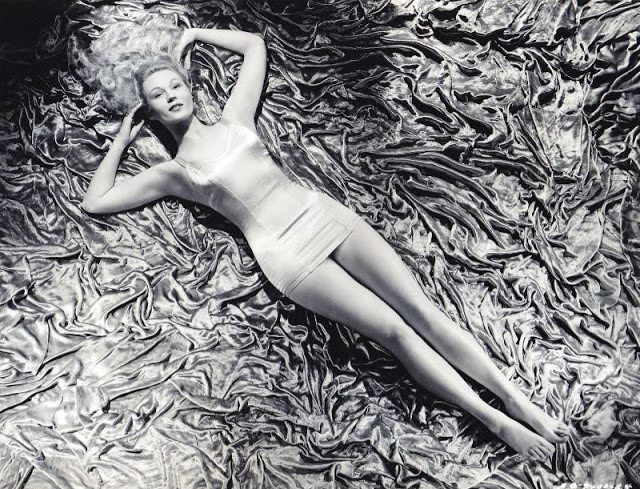
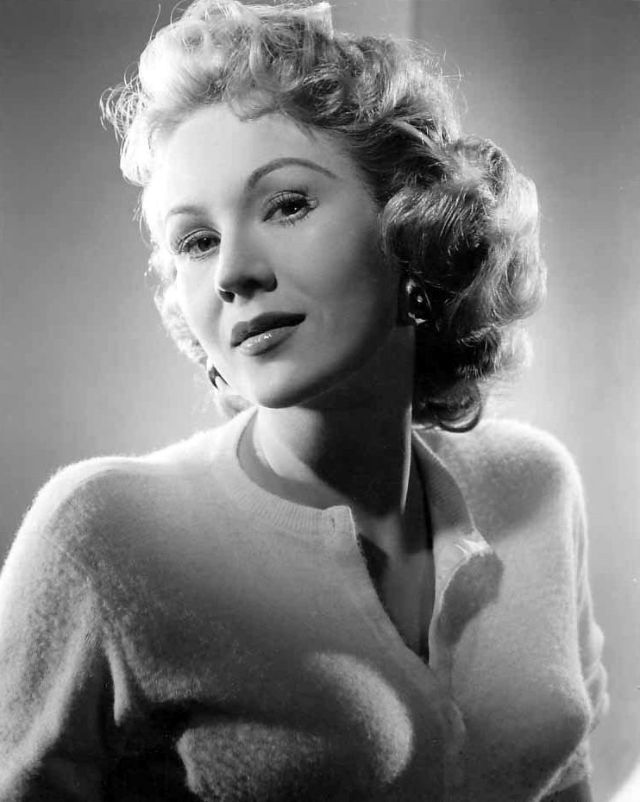
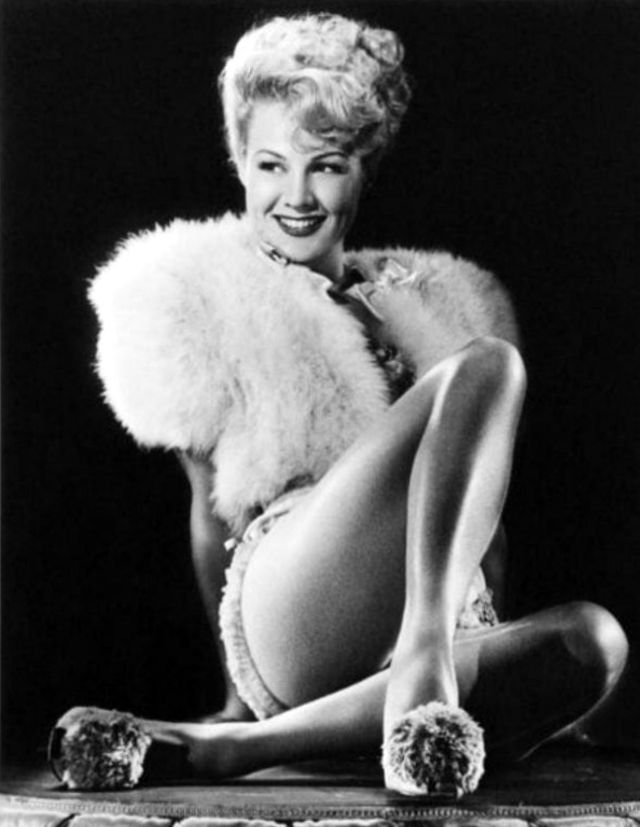
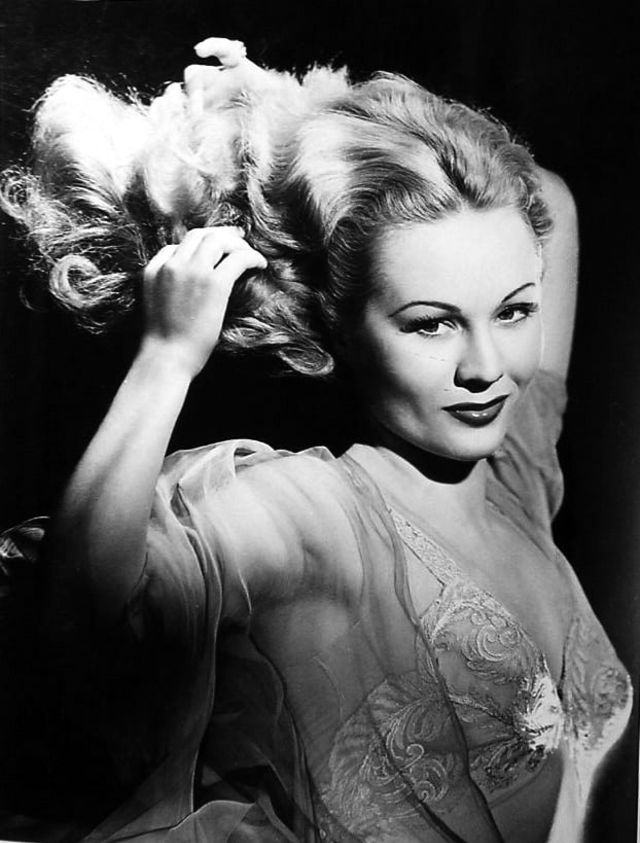
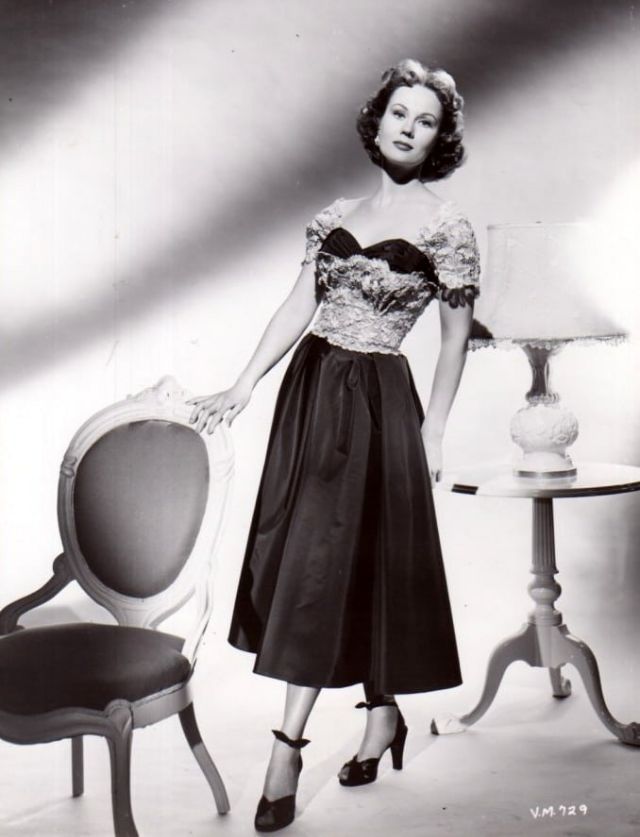
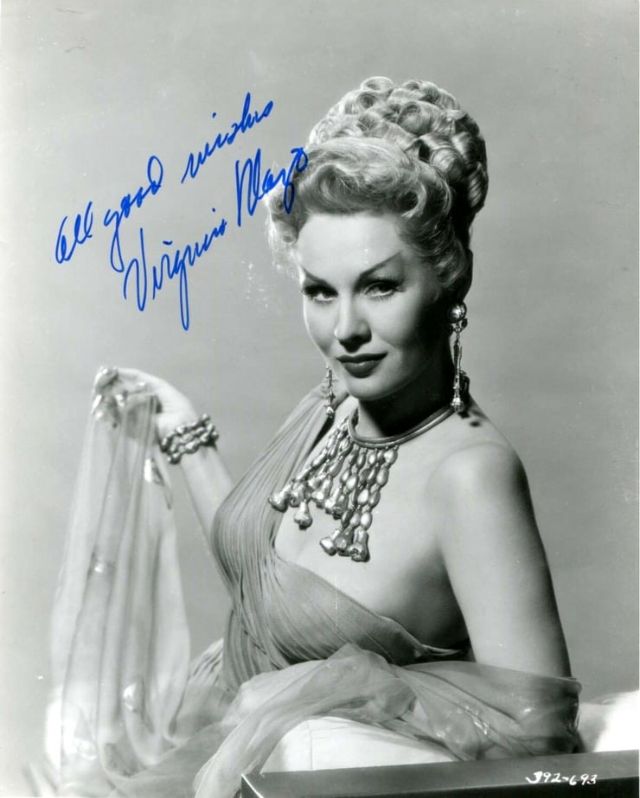
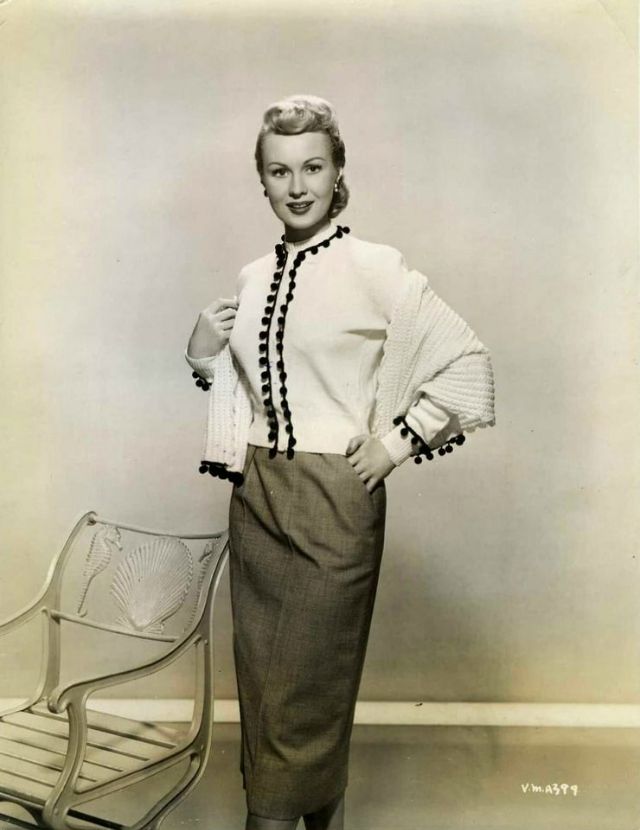
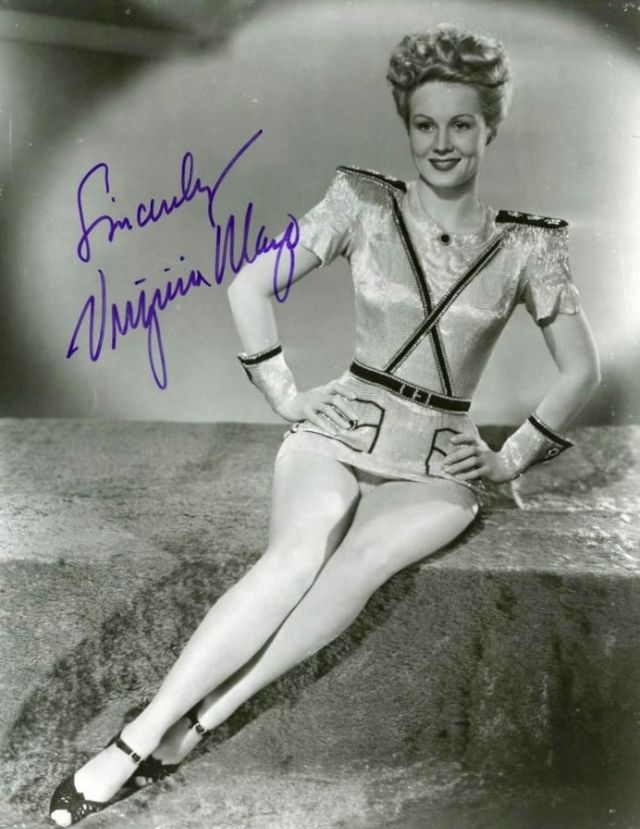
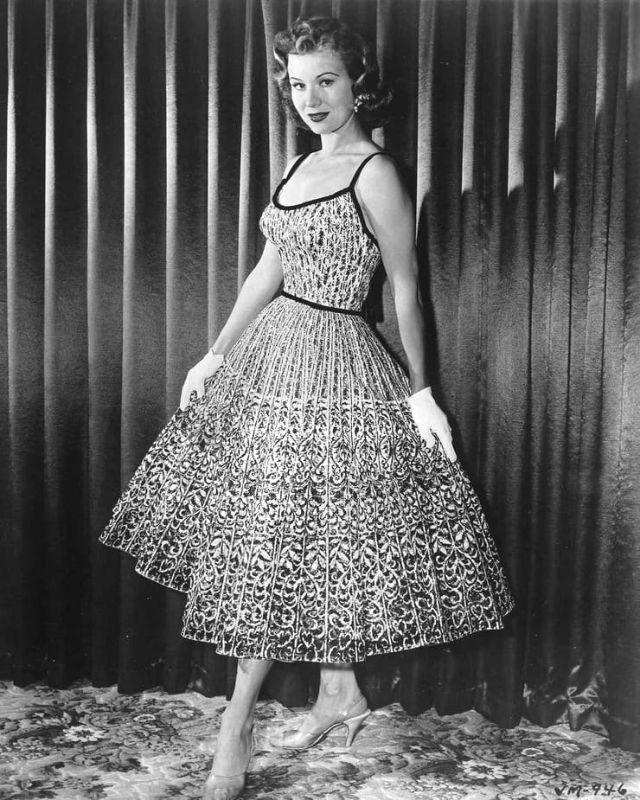
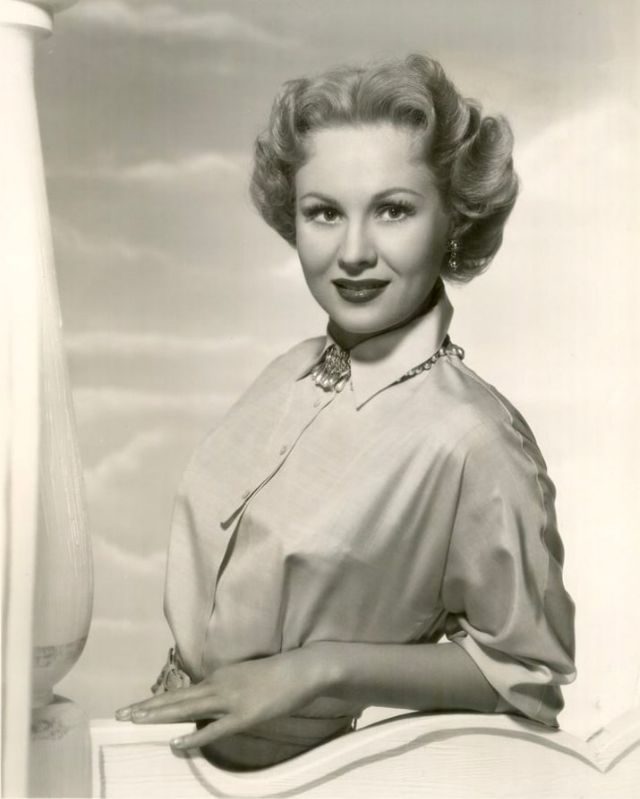
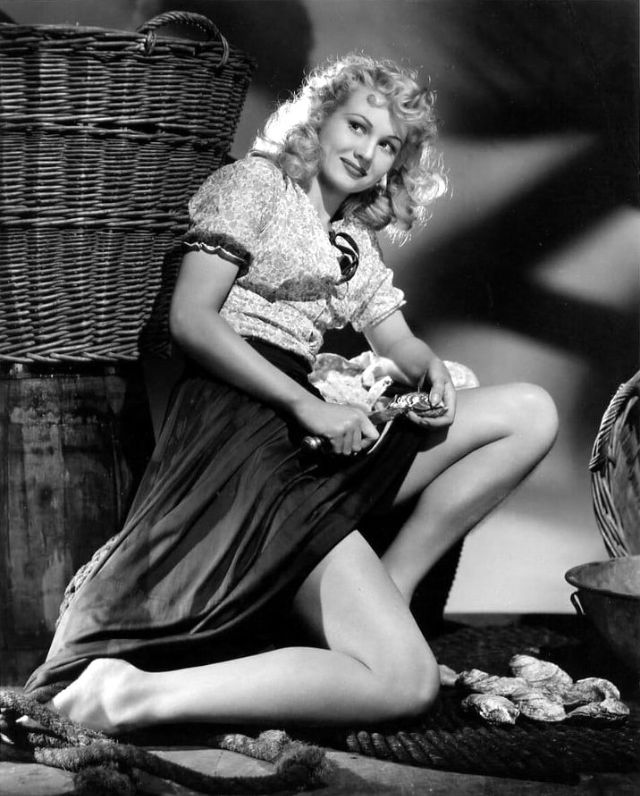
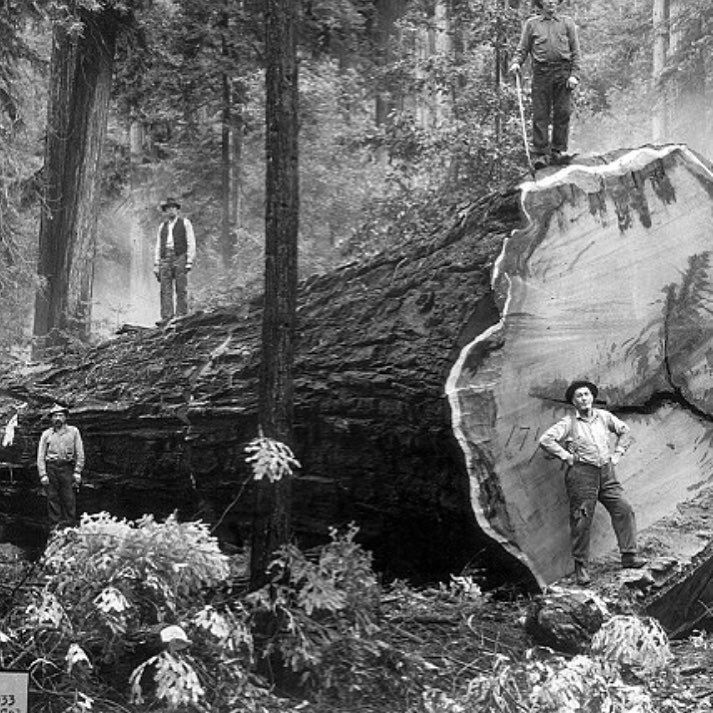
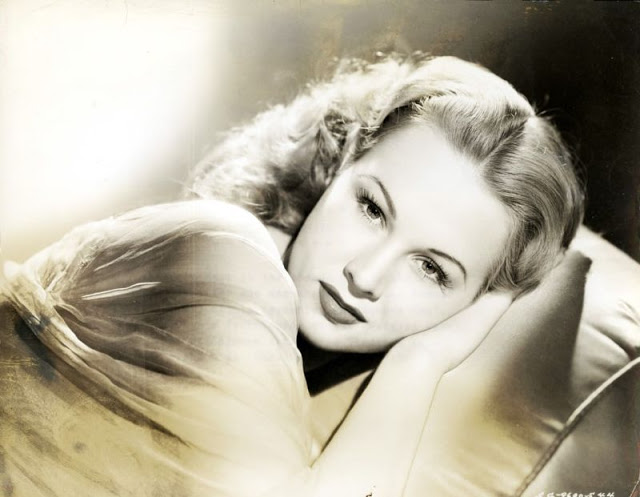
60 Stunning Photos of Actress Virginia Mayo in the 1940s

Virginia Clara Jones was born on November 30, 1920 in St. Louis, Missouri, the daughter of a newspaper reporter and his wife. The family had a rich heritage in the St. Louis area: her great-great-great-grandfather served in the American Revolution and later founded the city of East Saint Louis, Illinois, located right across the Mississippi River from its namesake. Virginia was interested in show business from an early age. Her aunt operated a dance studio and Virginia began taking lessons at the age of six. After graduating from high school in 1937, she became a member of the St. Louis Municipal Opera before she was signed to a contract by Samuel Goldwyn after being spotted by an MGM talent scout during a Broadway revue. David O. Selznick gave her a screen test, but decided she wouldn’t fit into films. Goldwyn, however, believed that her talent as an actress was there and cast her in a small role in 1943’s Jack London (1943). She later had a walk-on part in Follies Girl (1943) that same year. Believing there was more to her than her obvious ravishing beauty, producers thought it was time to give her bigger and better roles. In 1944 she was cast as Princess Margaret in The Princess and the Pirate (1944), with Bob Hope and a year later appeared as Ellen Shavley in Wonder Man (1945). Her popularity increasing with every appearance, Virginia was cast in two more films in 1946, The Kid from Brooklyn (1946), with Danny Kaye, and The Best Years of Our Lives (1946), with Dana Andrews, and received good notices as Andrews’ avaricious, unfaithful wife. Her roles may have been coming in slow, but with each one her popularity with audiences rose. She finally struck paydirt in 1947 with a plum assignment in the well-received The Secret Life of Walter Mitty (1947) as Rosalind van Hoorn. That same year she married Michael O’Shea and would remain with him until his death in 1973 (the union produced a daughter, Mary Catherine, in 1953). She got some of the best reviews of her career in James Cagney’s return to the gangster genre, White Heat (1949), as Verna, the scheming, cheating wife of homicidal killer Cody Jarrett (Cagney). The striking beauty had still more plum roles in the 1950s. Parts in Backfire (1950), She’s Working Her Way Through College (1952) and South Sea Woman (1953) all showed she was still a force to be reckoned with. As the decade ended, Virginia’s career began to slow down. She had four roles in the 1960s and four more in the following decade. Her last role was as Janet Wilson in 1990’s Evil Spirits (1990). She died on January 17, 2005.

Take a look at these glamorous photos to see the beauty of Virginia Mayo in the 1940s and early 1950s.
15 Fascinating Mugshots Of Criminals From Nebraska during the Late 19th Century

Photography revolutionized crime investigations. Beginning in the mid 1800s, police photographed the faces of known criminals. Called “mug shots” (after the British slang word “mug” meaning “face”) these images replaced drawings and descriptions on wanted posters. Scientists even studied mug shots to see if physical traits could predict criminal behavior.

The Nebraska State Penitentiary used photography beginning in 1867 to record the likeness of the state’s most infamous residents. The Omaha police photographed suspects when arrested. Whether the people depicted were guilty or innocent, behind every photograph is a human story. This glimpse back at some of the thousands of photographs in the Nebraska State Penitentiary and Omaha Police Court Collections at the Nebraska State Historical Society and their accompanying tales offer insights into how earlier Nebraskans ran afoul of the law, and how some attitudes about crime and punishment may have changed.

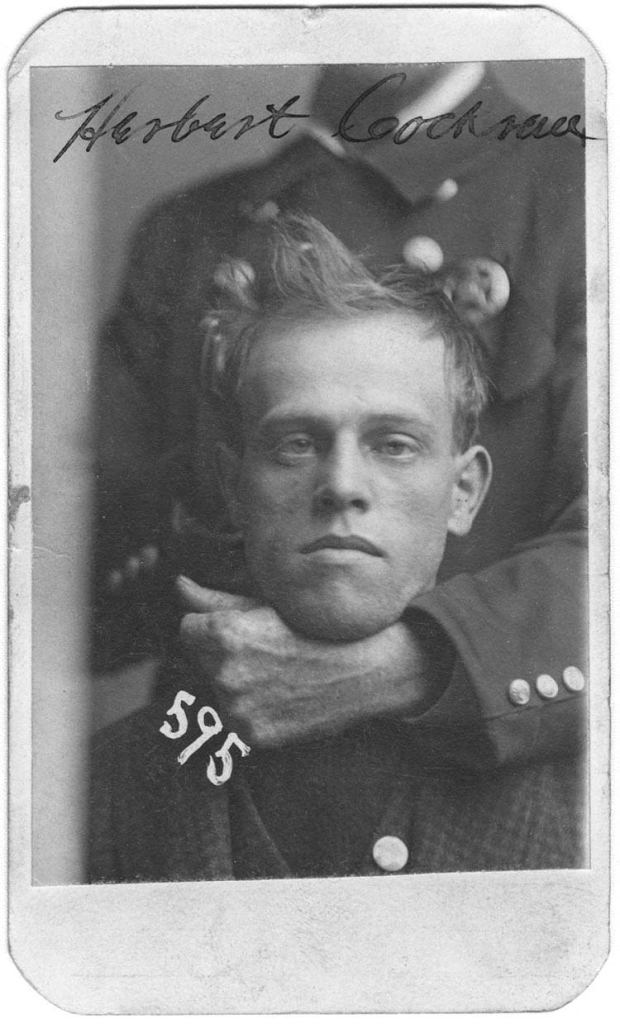
An unidentified member of the Omaha police force holds Herbert Cockran in a headlock during his mug shot in November 1899. Cockran was arrested on burglary charges.
Goldie Williams, arrested on January 29, 1898. The five-foot tall, 110-pound woman was defiant upon her arrest for vagrancy. Williams reported her hometown as Chicago and her occupation as a prostitute.
George Ray’s 1890s mugshot is rare in that the prisoner is smiling. Not only did most arrestees have little to smile about, the length of time it took for the exposure to develop made it even less likely that a recently incarcerated person would hold a grin.
James Collins, a 23-year-old tailor, is shown in his mugshot with a bandaged head after being arrested for burglary, escaping, and promptly being rearrested on May 12, 1897.
Mrs. H.C. Adams was arrested in Omaha on April 12, 1900 for blackmail. She listed her residence as Palisade, Nebraska, and her occupation as a prostitute.
Albert Johnson arrives at the Nebraska State Prison sporting an impressive handlebar mustache in March 1885. He was sentenced to 18 months in prison for grand larceny. Johnson’s hair and luxurious mustache were shaved off by officials due to a lice scare.
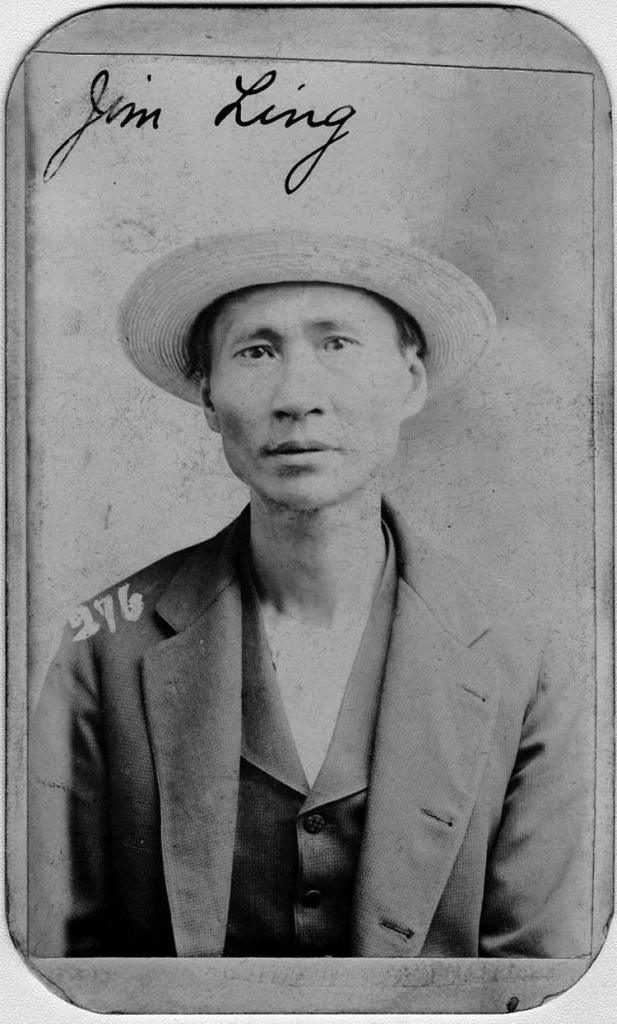
June 3, 1898. At five feet, six inches and a meager 104 pounds, Jim Ling had a listed occupation of “Thief.” Ling was arrested for running an opium joint.
In 1872, James Whitewater killed two men. While in prison (until 1889) he embraced Christianity. That same year, the Nebraska legislature passed an act allowing the governor to pardon two inmates who had “been in jail more than 10 years, or whose conduct while incarcerated merited such mercy.” When released, Whitewater walked through the prison gates and “rolled in the grass from joy.”
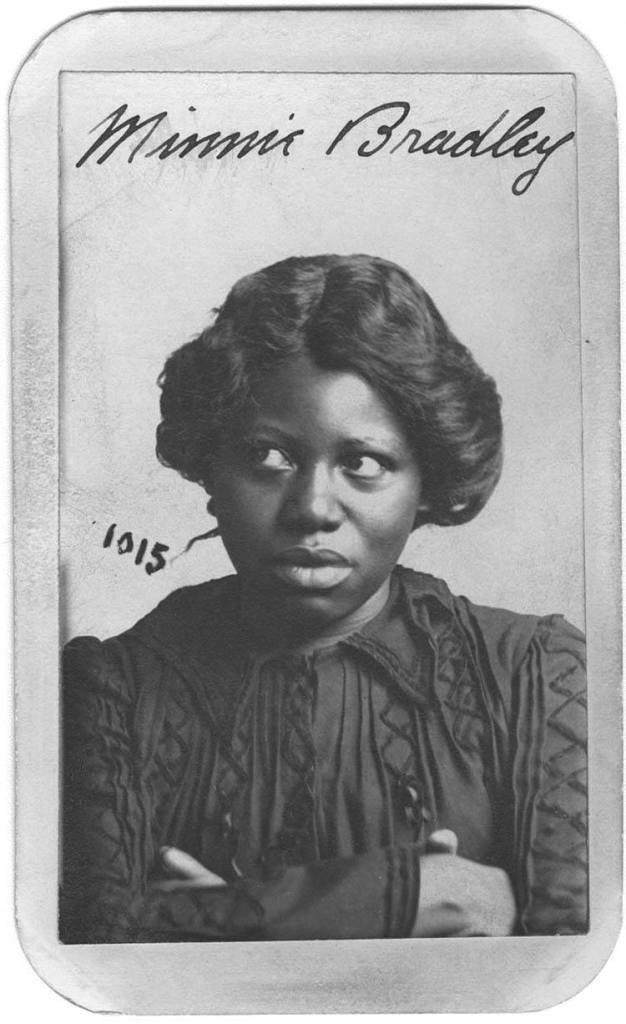
Minnie Bradley refused to look at the camera in her Omaha Police Court mugshot on December 13, 1902. She was arrested for “larceny from a person” and her booking record noted that she wore a wig.
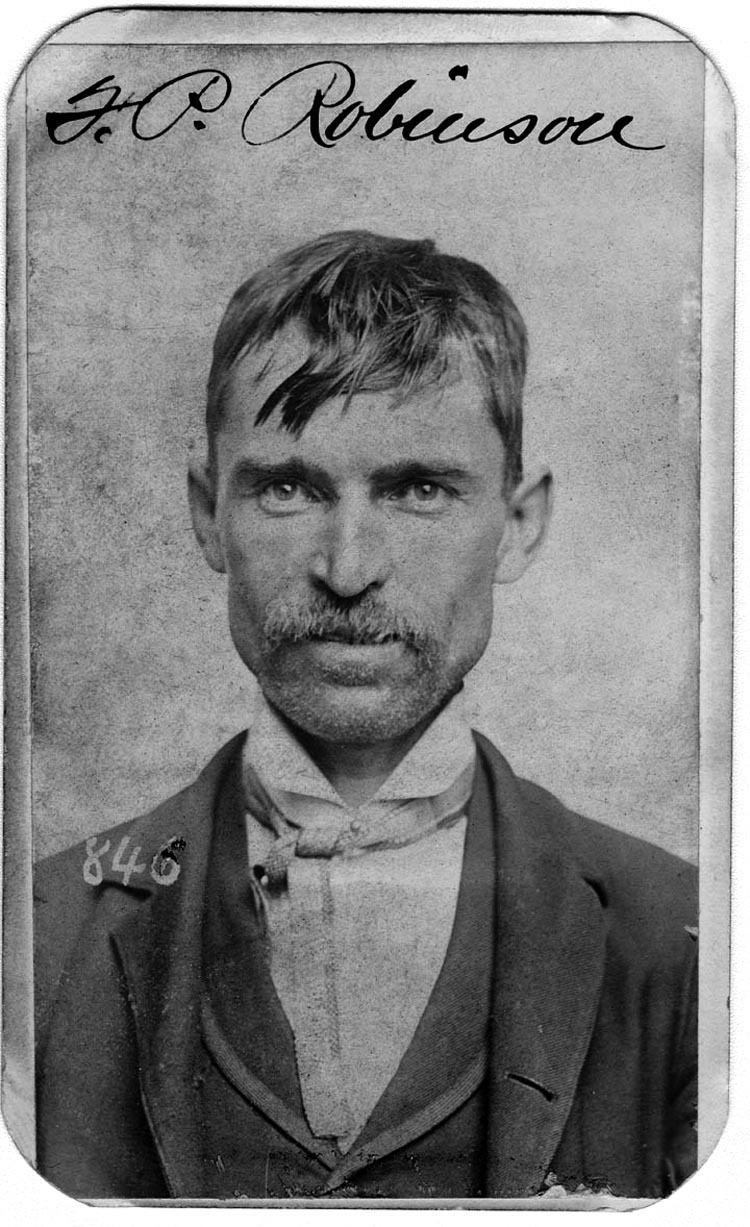
J.P. Robinson, 1901. “Robinson attempted to pay for a glass of beer in a lower Douglas Street saloon in Omaha with a Mexican dollar, on Nov. 21, 1901. The beer cost only a nickel and Robinson received 95 cents of American money in change. At the time, the foreign dollar looked very similar to the American currency, but was only worth about 45 cents. This clever money scam left Robinson 50 cents and a glass of lager ahead of the game, until he was arrested.”
Three burglars blew up a safe located in a bank vault in Sheridan, Missouri on the night of February 15, 1898. Charles Martin was among them and was eventually captured after a multi-state chase.
Bertha Liebbeke was reported to be one of the Midwest’s most notorious pickpockets. She would search out a well-dressed man–ideally with a diamond-studded lapel pin — stumble into the man, and pretend to faint and fall into his arms. While the hapless man attempted to help her, Bertha would relieve the gentleman of his valuables or wallet. This trick earned her the nickname “Fainting Bertha.” May 1903.
“A double murder rocked the tiny town of Odessa, Buffalo County on the night of December 4, 1899. Lillian Dinsmore was found dead in the kitchen of the house in which she and her charismatic husband Frank L. Dinsmore boarded. Fred Laue, the boarding house owner was shot in his bedroom…Unhappy in his marriage, Dinsmore supposedly plotted to kill his young wife and murder Laue.”
Typically there would be three mug shots taken of each male prisoner; one before the head was shaved, and a both full-faced and profile image after their hair was removed. Females had only a full-face and profile image and did not have their hair cut.
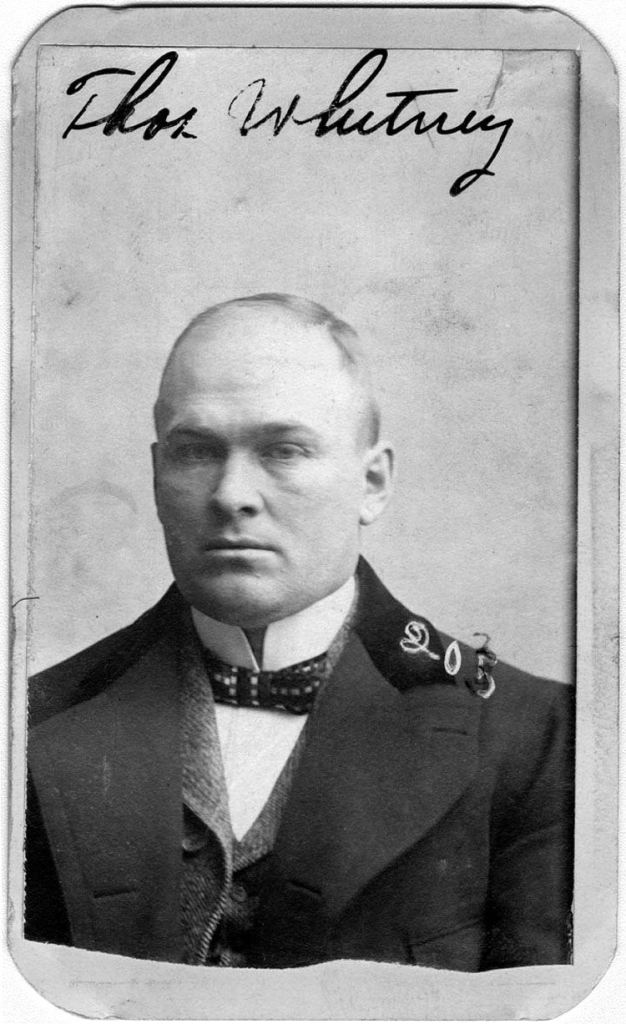
Thomas Whitney advertised his clairvoyance and palm reading services in Omaha newspapers. One of his customers proved to be unsatisfied with the readings and he was arrested for obtaining money under false pretenses in December 1915.

(Via Nebraska State Historical Society)

36 Amazing Vintage Photos of America During World War 2

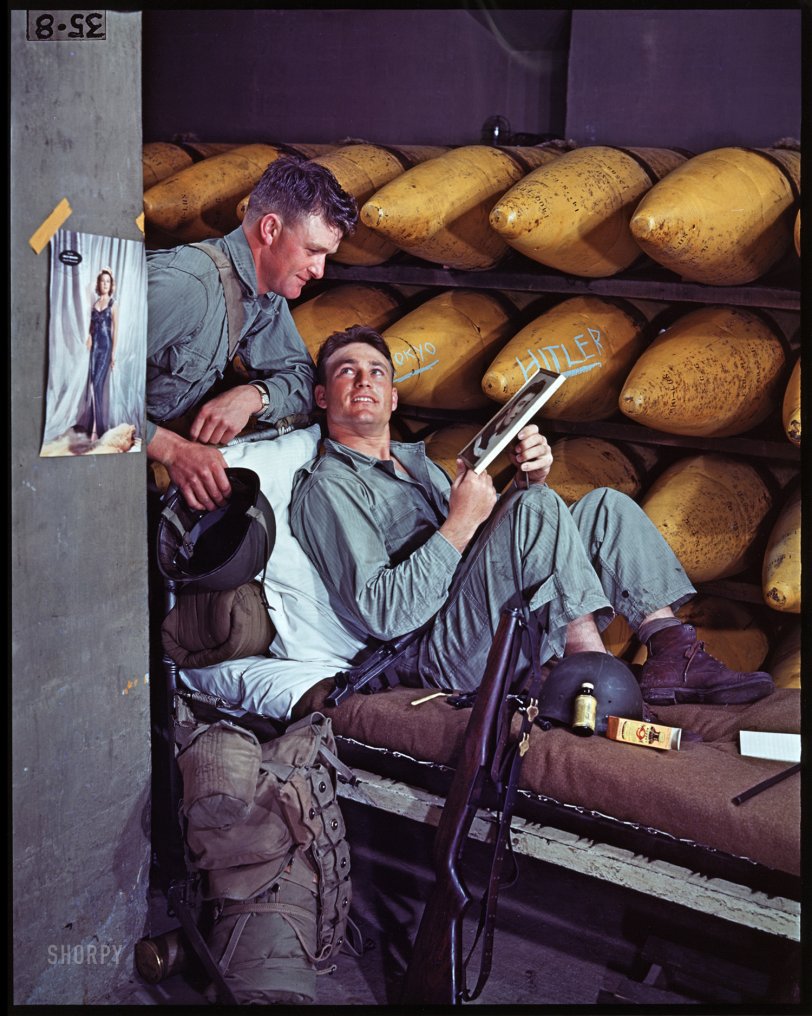
‘At Ease.’ Two soldiers in a bomb storage facility at Camp Pendleton, Calif., admiring portrait of a young woman. Pinup of Susan Hayward hangs nearby. 1943
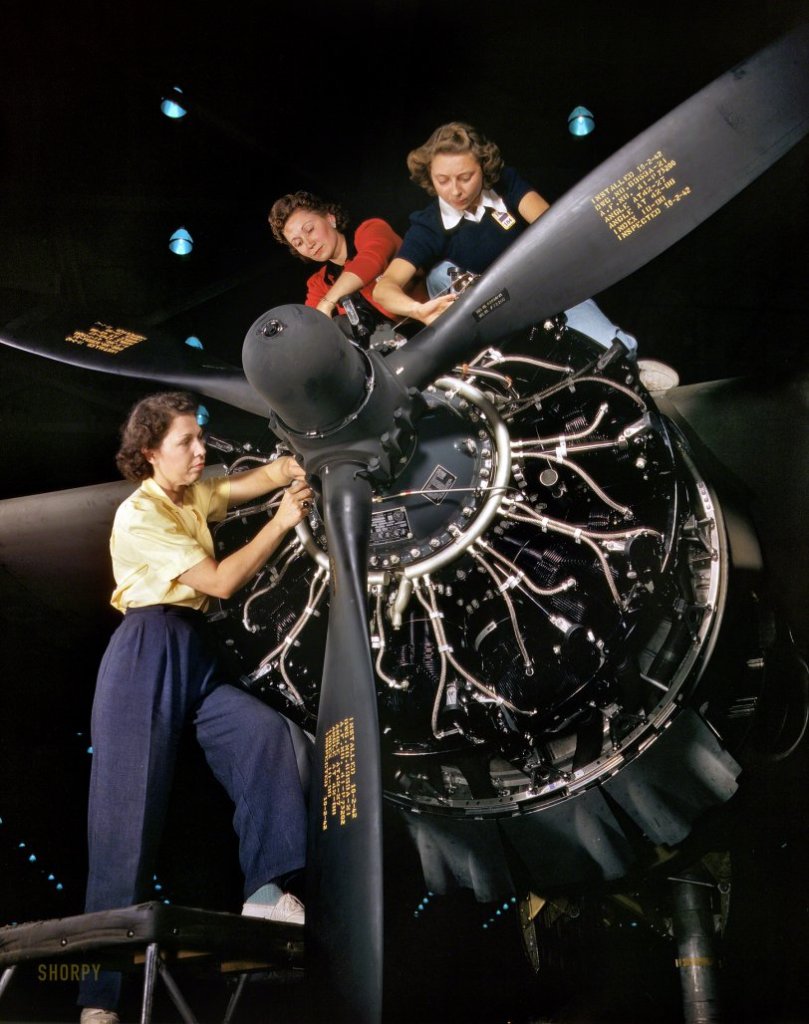
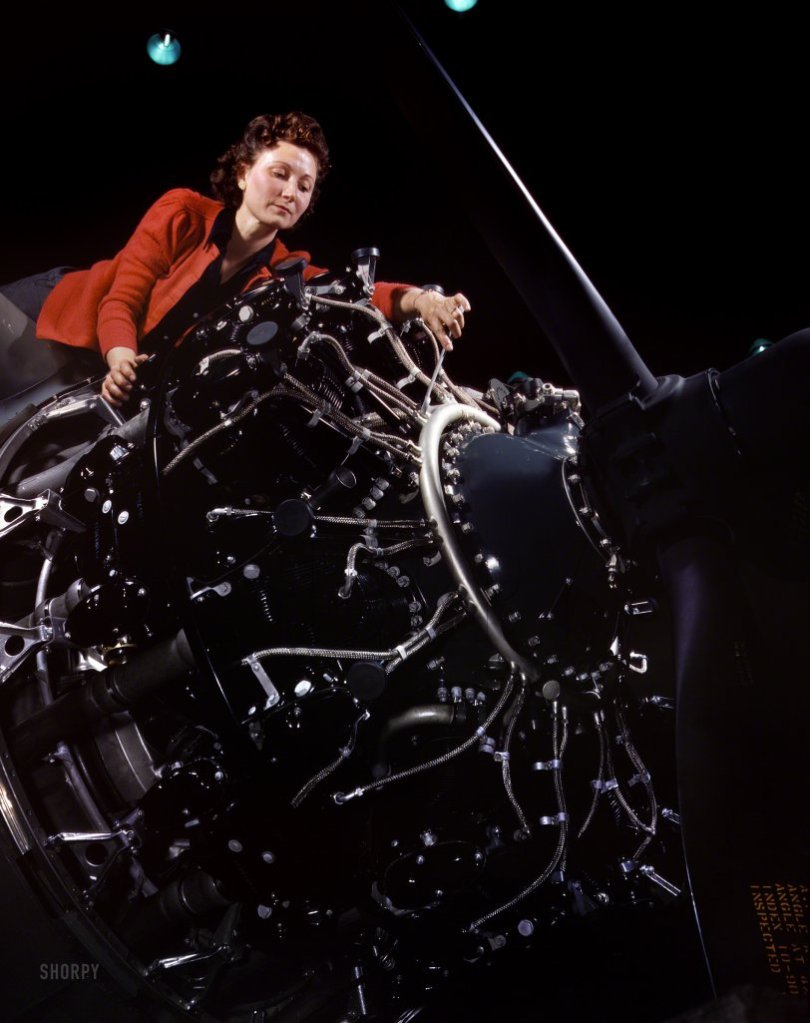
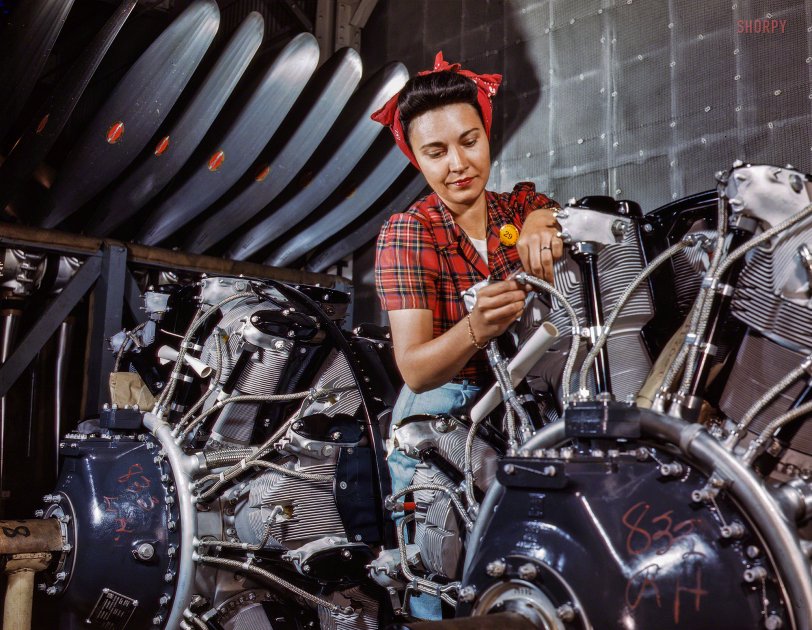
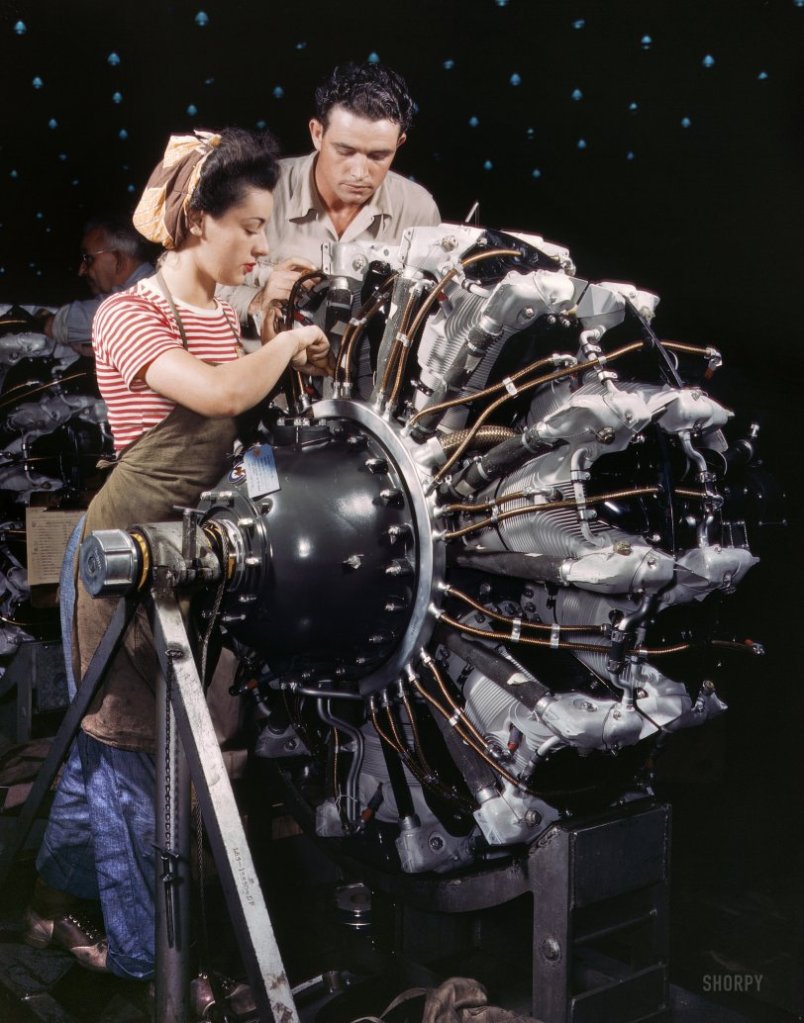
The careful hands of women are trained in precise aircraft engine installation duties at Douglas Aircraft Company, Long Beach, Calif. October 1942.
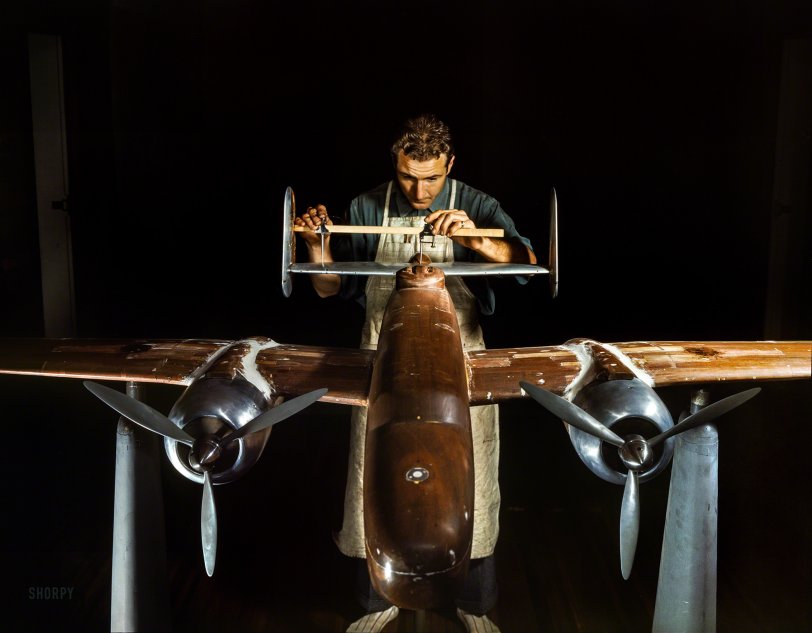
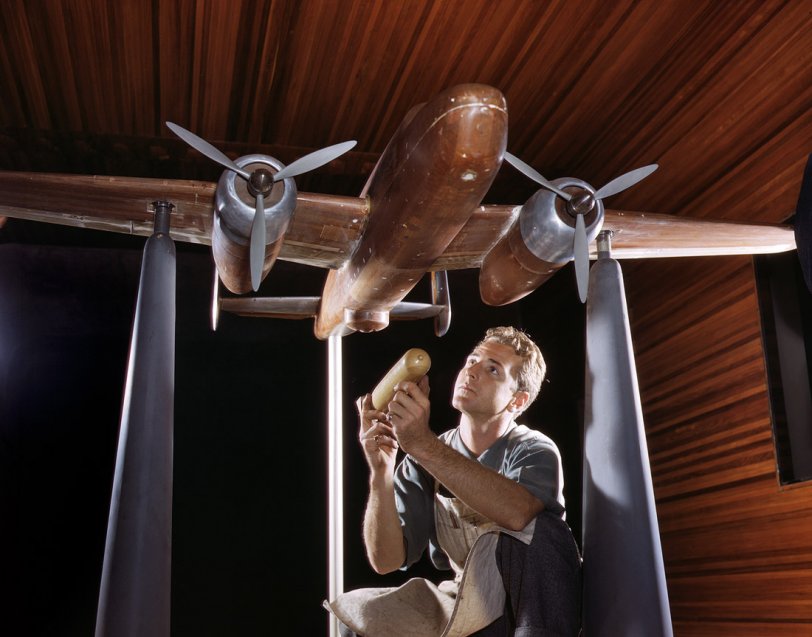
Preparing a model of the B-25 bomber for the wind tunnel at North American Aviation’s plant at Inglewood, Calif. October 1942.
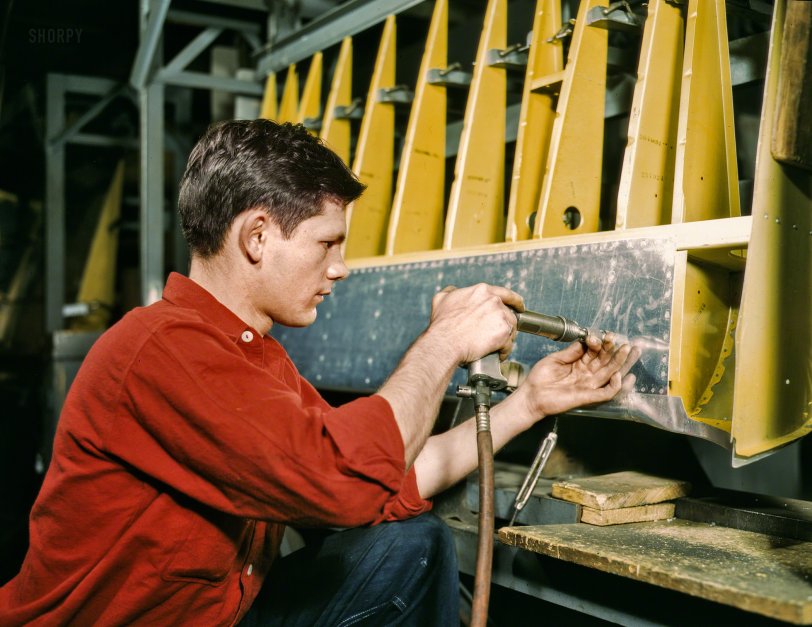
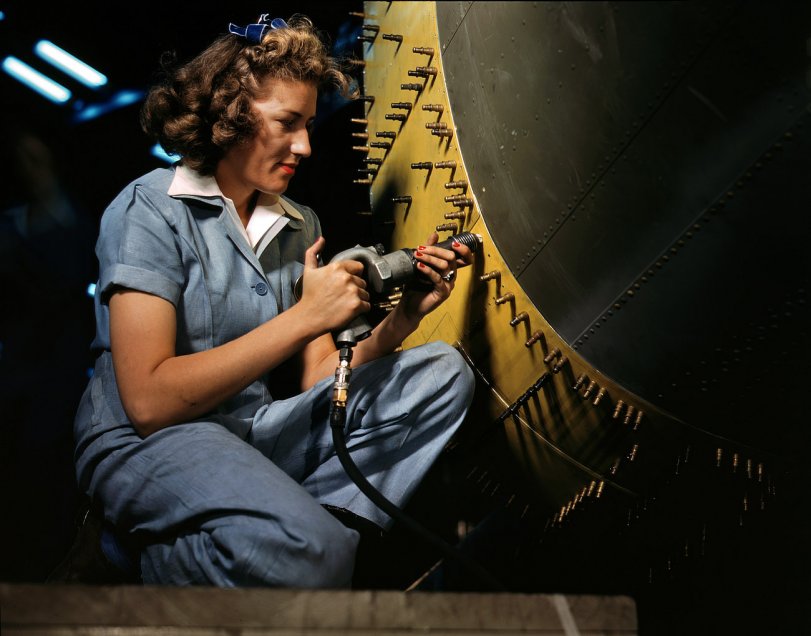
Riveter at work at the Douglas Aircraft plant in Long Beach, California. October 1942.
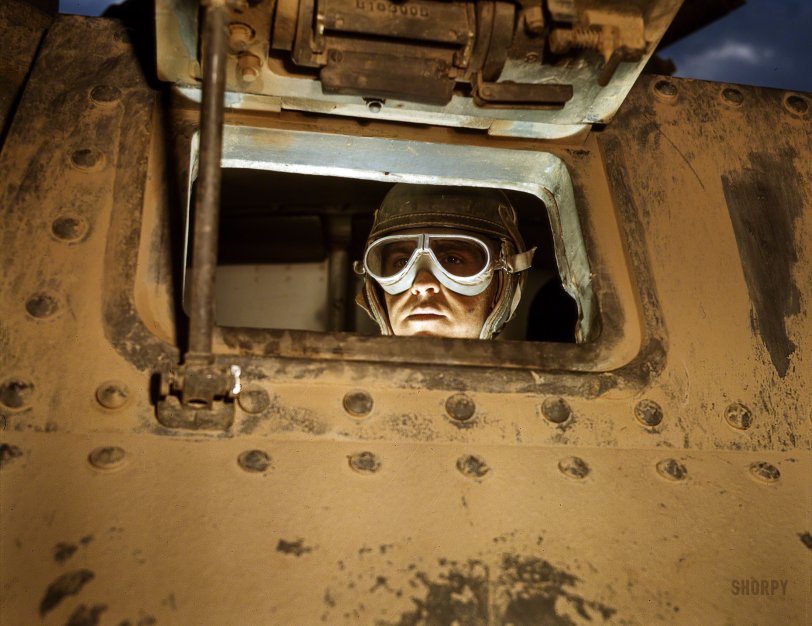
Tank driver — Fort Knox, Kentucky. June 1942.
Woman at work on bomber motor, Douglas Aircraft Co., Long Beach, California. October 1942
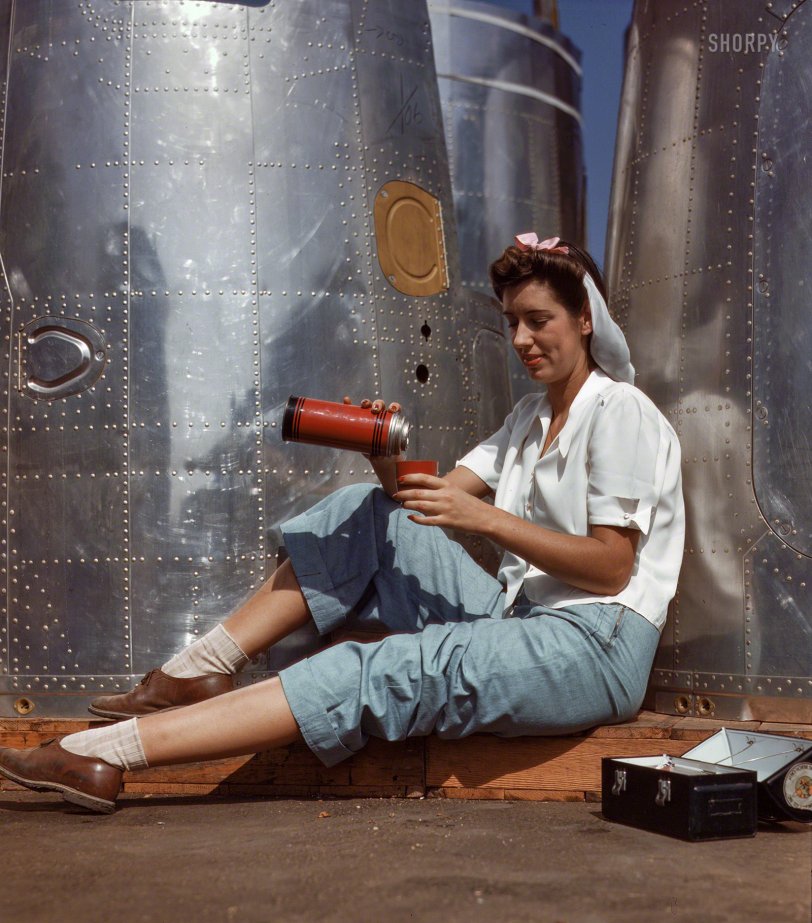
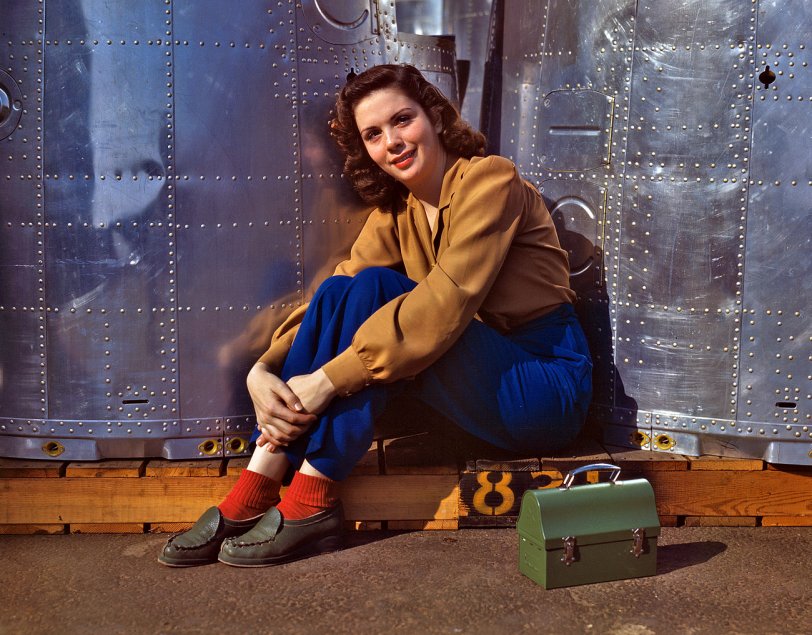
Worker at lunch also absorbing California sunshine, Douglas Aircraft Company, Long Beach. October 1942
Inspecting a Cyclone airplane motor at North American Aviation in Long Beach, Calif. June 1942.
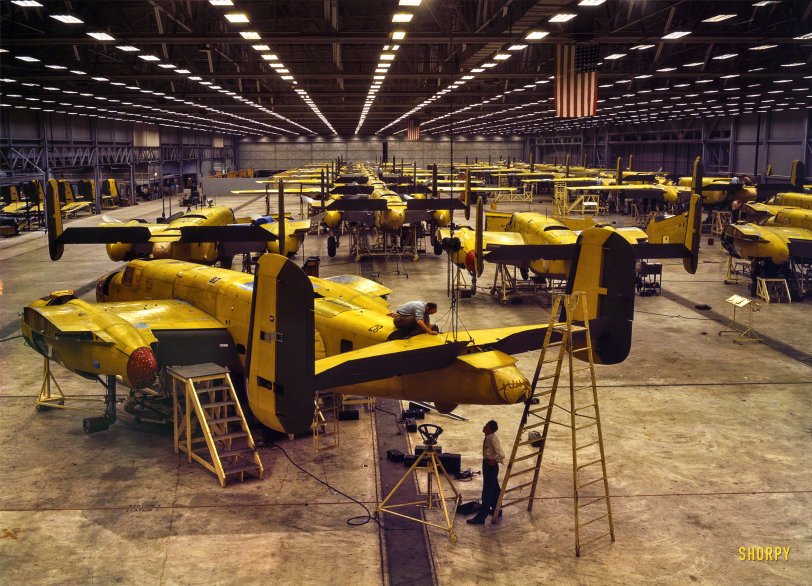
B-25 bomber assembly hall, North American Aviation, Kansas City. October 1942
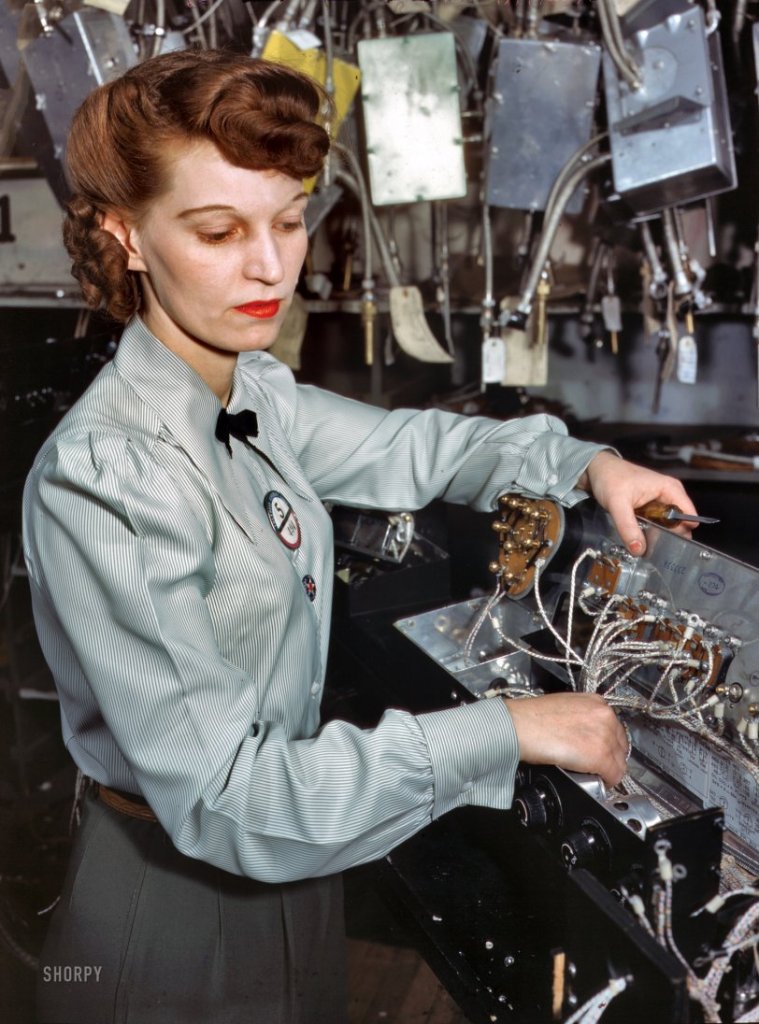
Electronics technician, Goodyear Aircraft Corp., Akron, Ohio. December 1941.
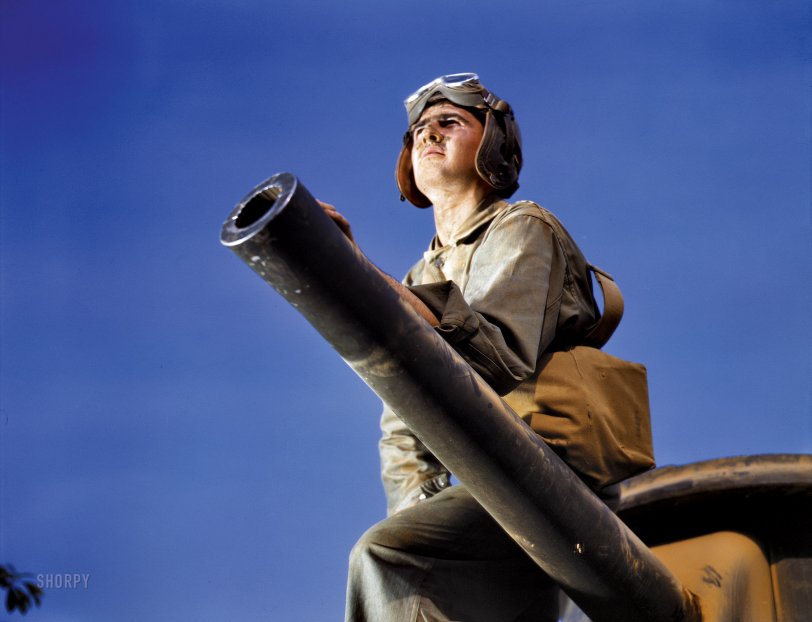
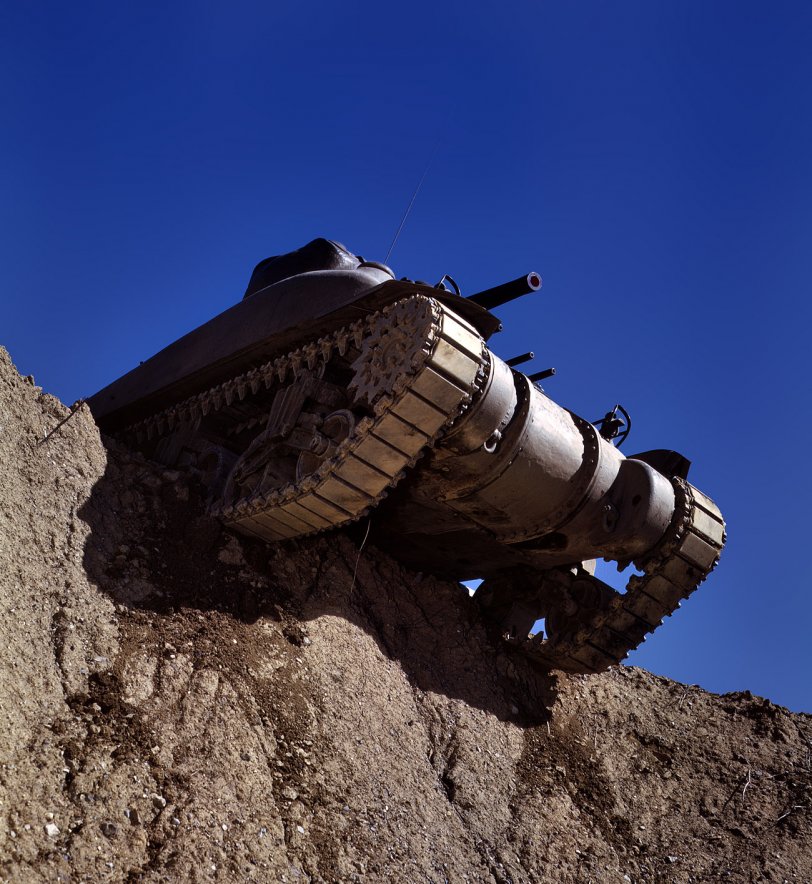
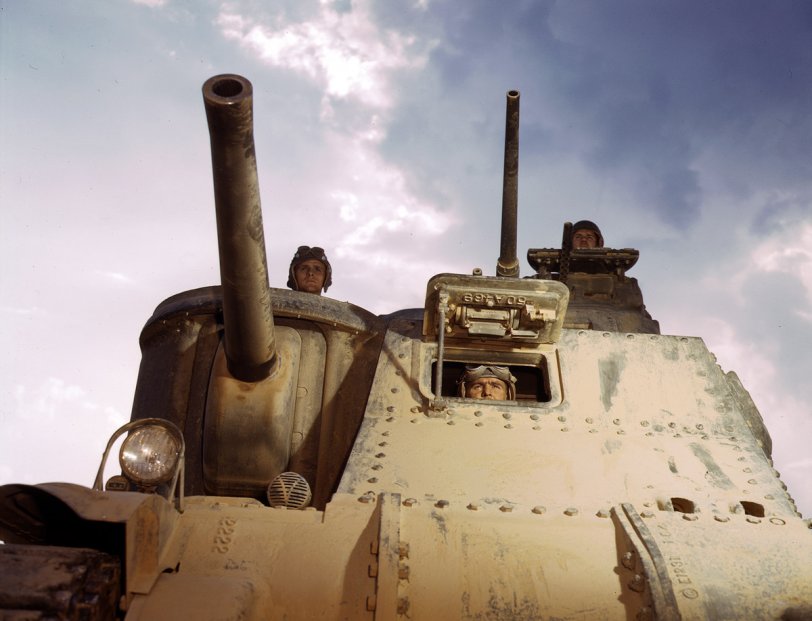
Crewman of an M-3 tank, Fort Knox, Kentucky. June 1942.
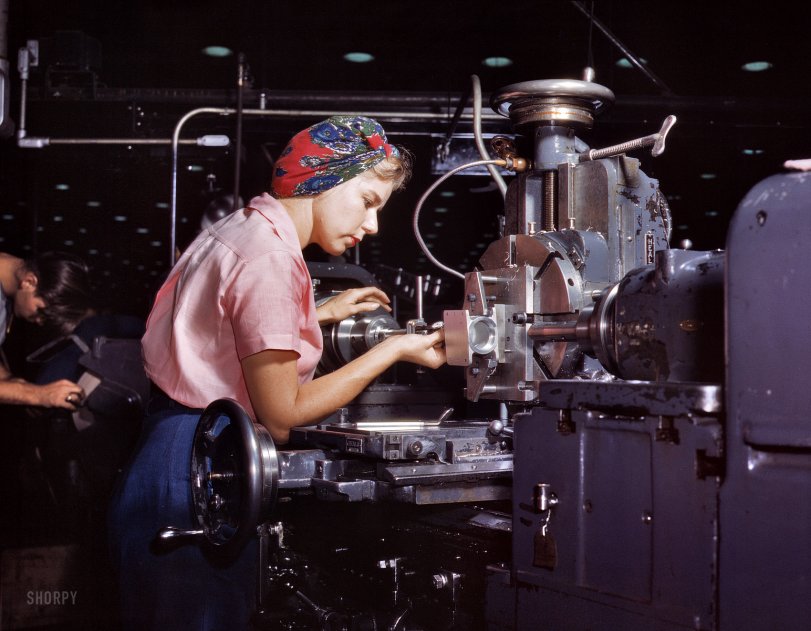
Women become skilled shop technicians after careful training in the school at the Douglas Aircraft Company plant in Long Beach, California. Planes made here include the B-17F Flying Fortress heavy bomber, A-20 assault bomber and C-47 transport. October 1942
Women are trained as engine mechanics in thorough Douglas training methods. Douglas Aircraft Company, Long Beach, California. October 1942
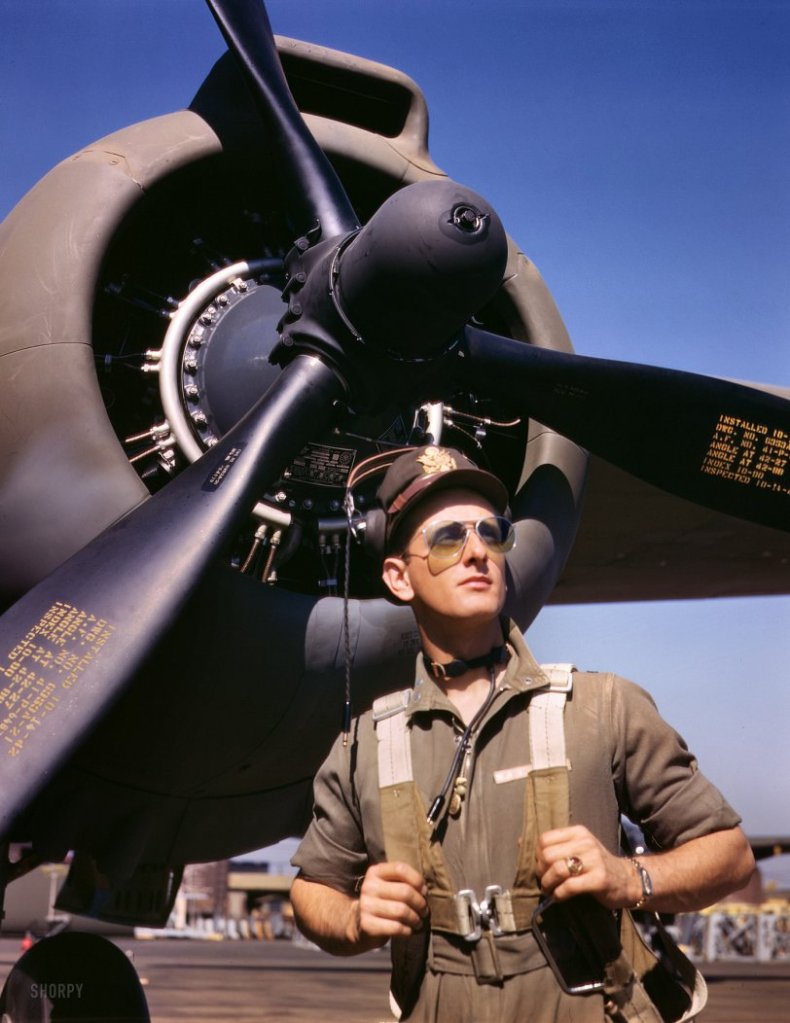
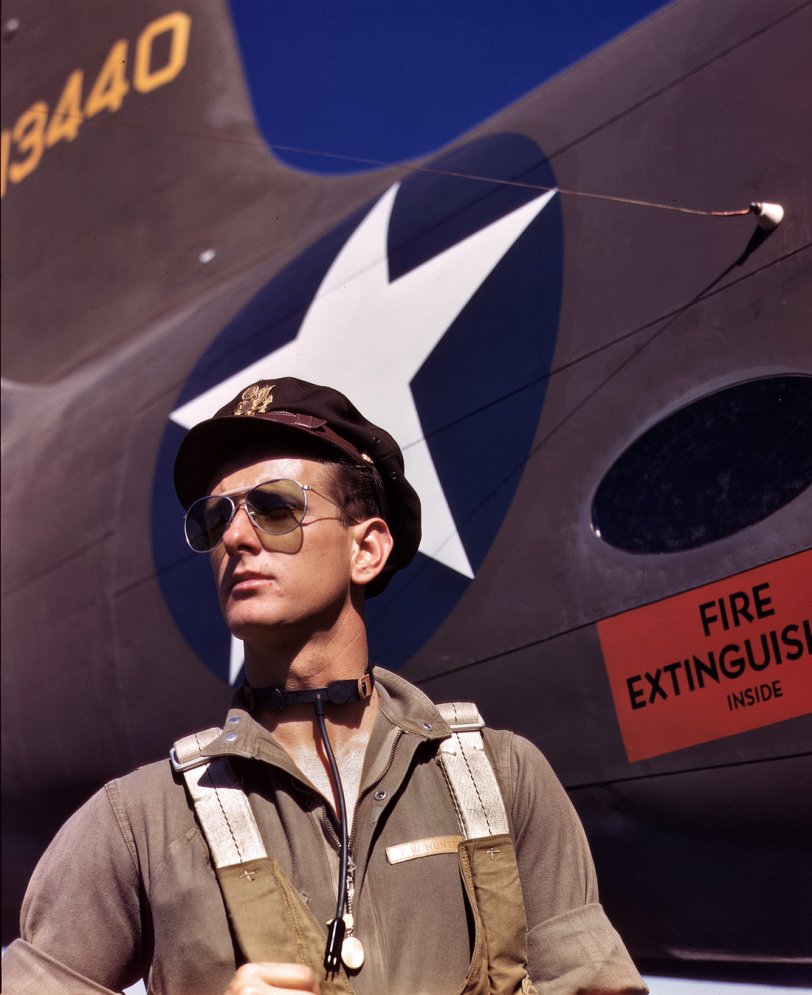
Lieutenant ‘Mike’ Hunter, Army test pilot assigned to Douglas Aircraft Company, Long Beach, California. October 1942
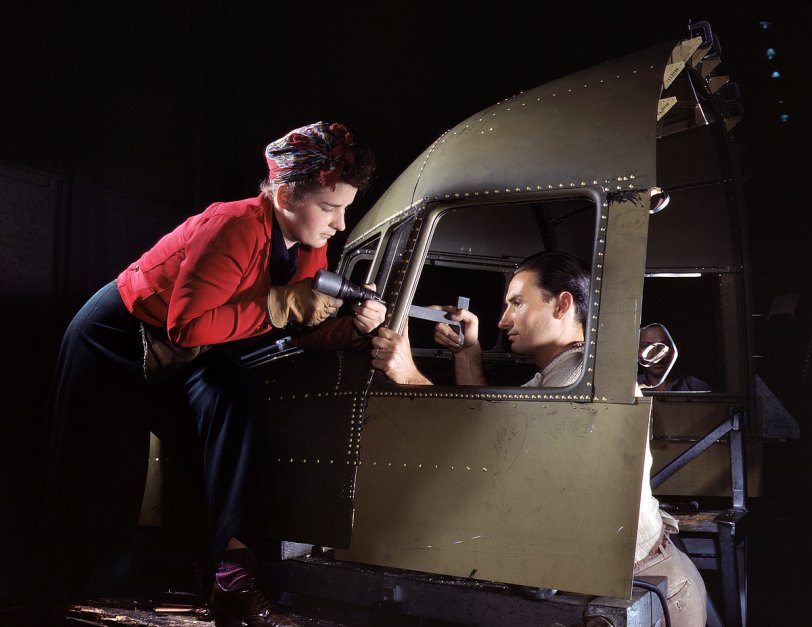
Riveting team working on the cockpit shell of a C-47 transport at Douglas Aircraft Company, Long Beach, Calif. The versatile C-47 performs many important tasks for the Army. It ferries men and cargo across the oceans and mountains, tows gliders and brings paratroopers and their equipment to scenes of action. October 1942
F.W. Hunter, Army test pilot, at the Douglas Aircraft plant in Long Beach, Calif. October 1942
Noontime rest for an assembly worker at the Long Beach, Calif., plant of Douglas Aircraft Company. Nacelle parts for a heavy bomber form the background. October 1942
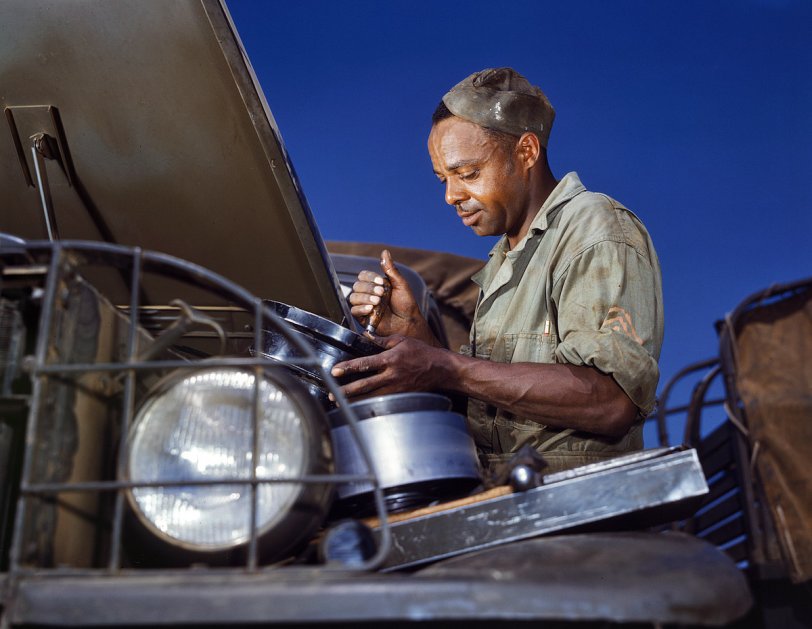
A good job in the air cleaner of an Army truck. This soldier, who serves as truck driver and mechanic, plays an important part in keeping Army transport fleets in operation. Fort Knox, Kentucky. June 1942.
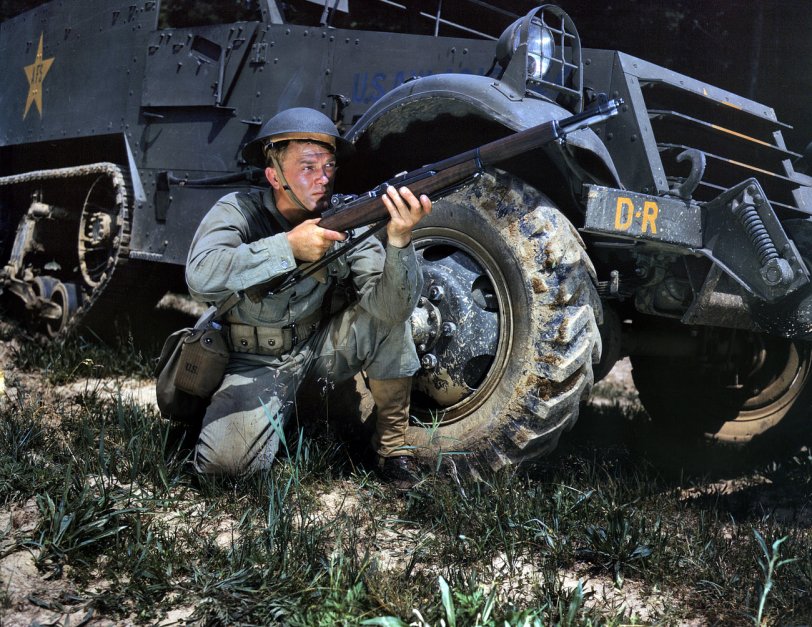
Infantryman with halftrack. A young soldier sights his Garand rifle like an old-timer. He likes the piece for its fine firing qualities and its rugged, dependable mechanism. Fort Knox, Kentucky. June 1942.
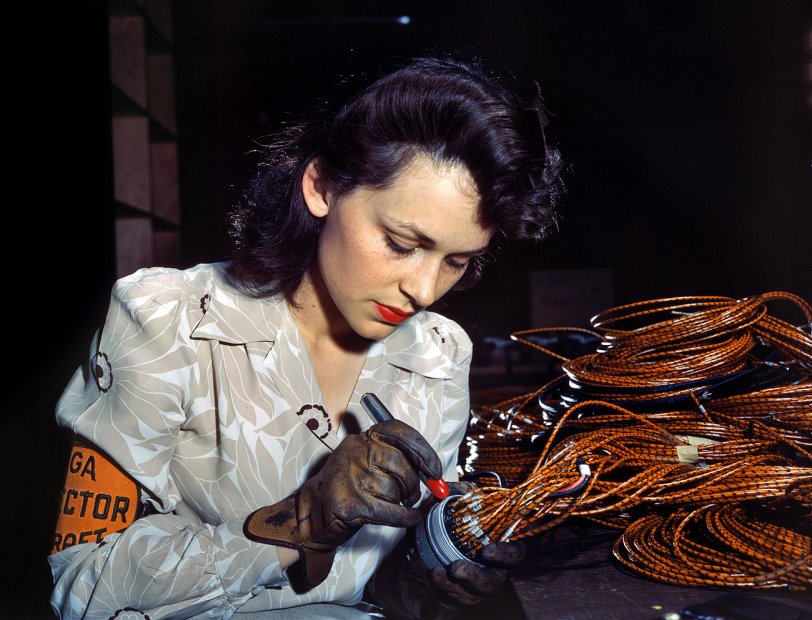
Lockheed Vega aircraft plant at Burbank, California. Hollywood missed a good bet when they overlooked this attractive aircraft worker, who is shown checking electrical sub-assemblies. June 1942.
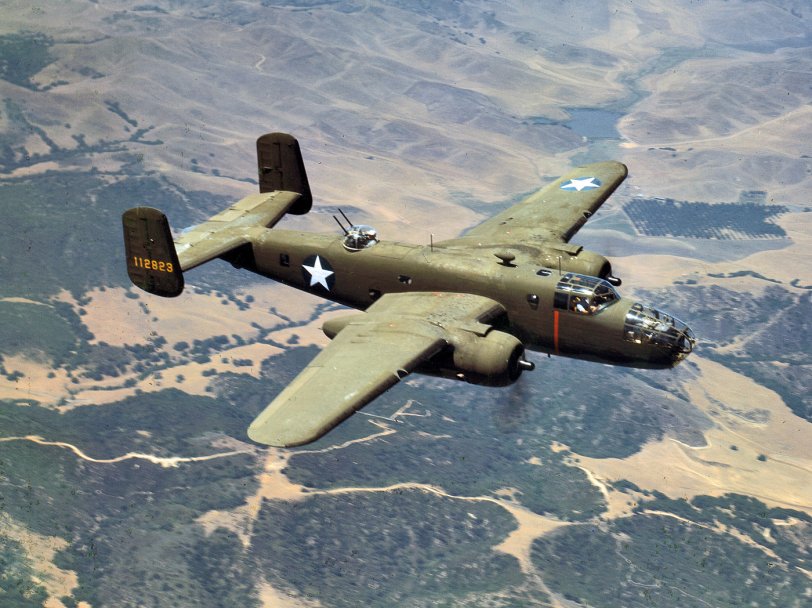
North American Aviation B-25 medium bomber 41-12823 over the mountains near Inglewood, California. October 1942.
Riveter at work on a bomber at the Consolidated Aircraft factory in Fort Worth. October 1942.
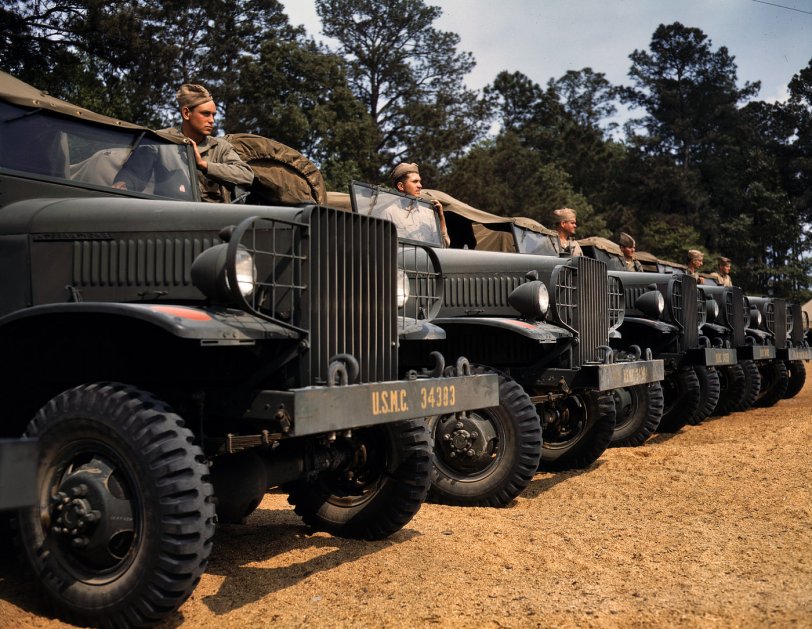
Motor detachment at the New River, North Carolina, Marine base. May 1942.
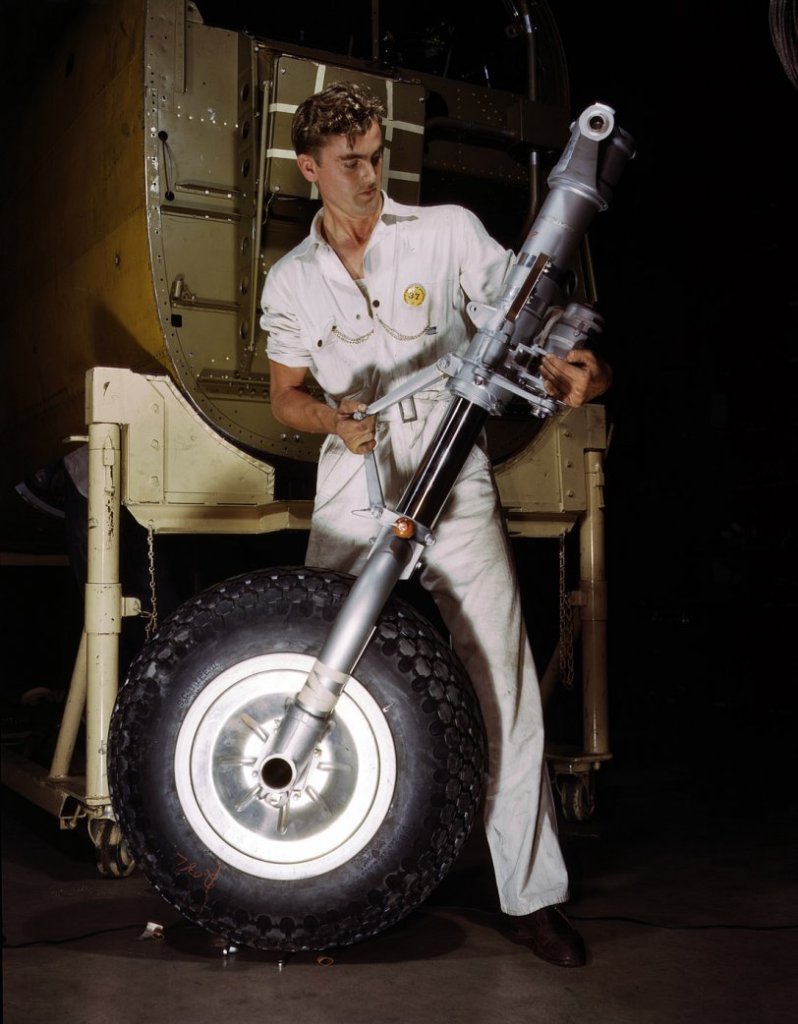
B-25 bomber nose wheel and landing gear assembly at the North American Aviation plant in Inglewood, California. October 1942.
An M-4 tank at Fort Knox, Kentucky. June 1942.
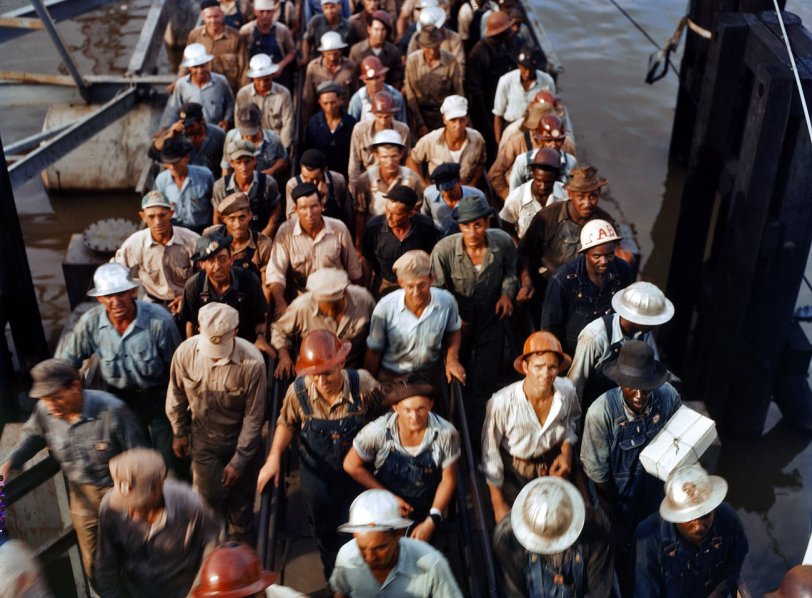
Workers leaving the Pennsylvania shipyards at Beaumont, Texas. June 1943.
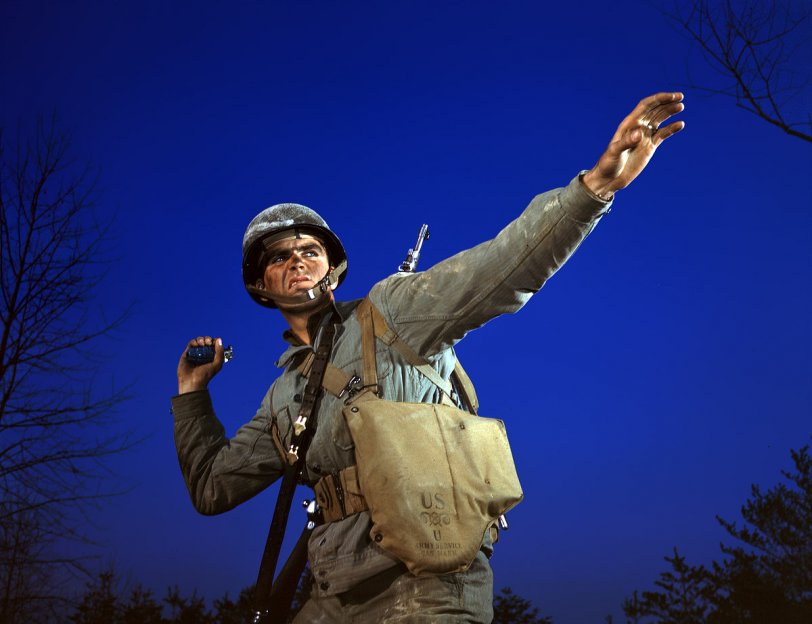
An American pineapple, of the kind the Axis finds hard to digest, is ready to leave the hand of an infantryman in training at Fort Belvoir, Va. November 1942.
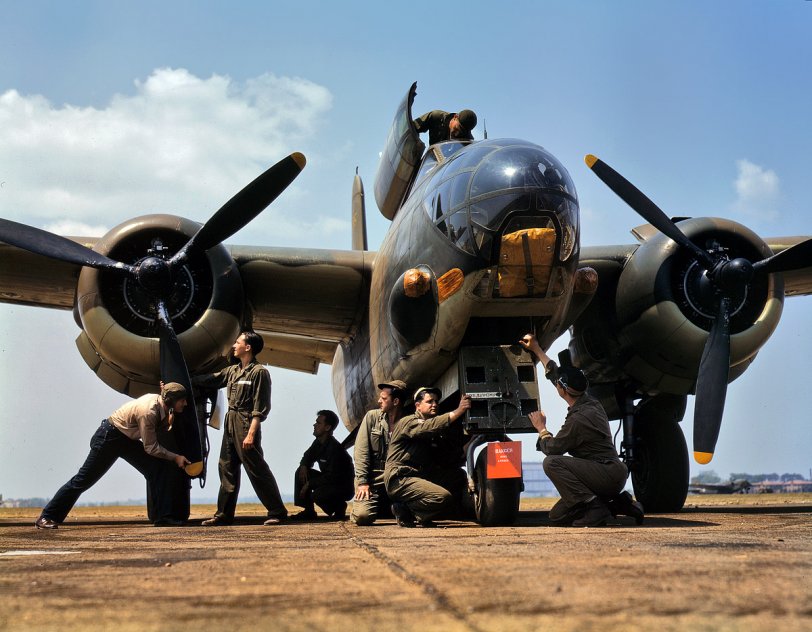
Servicing an A-20 bomber at Langley Field, Virginia. July 1942.
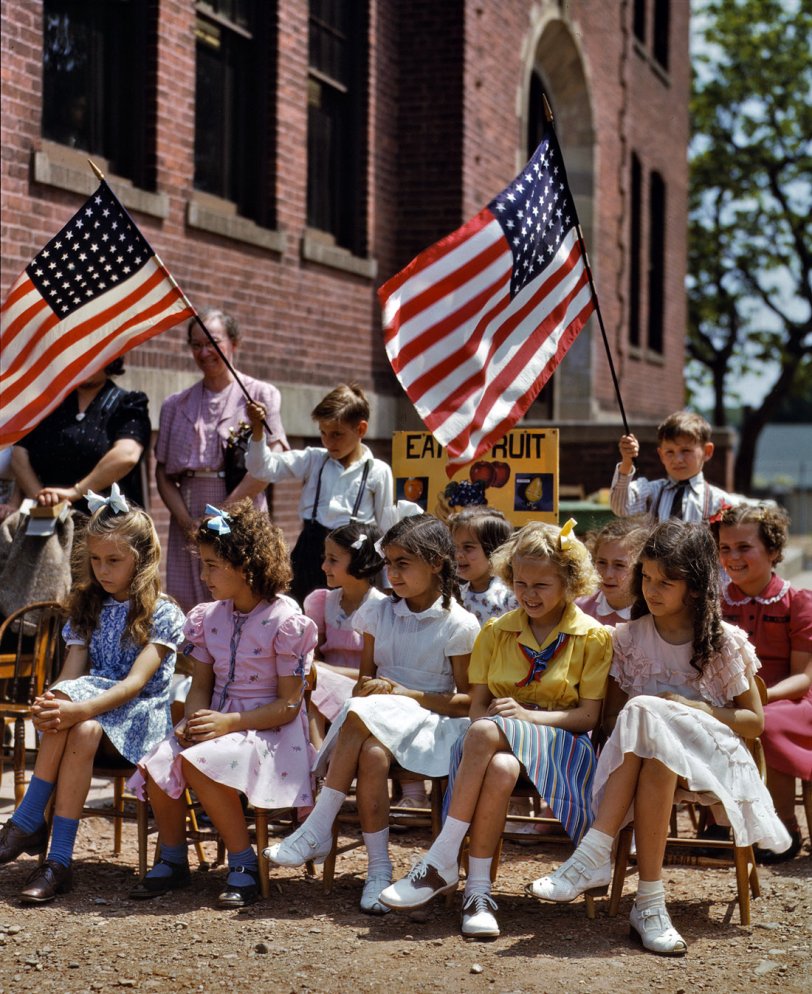
Patriotic display at the Beecher Street School in Southington, Conn. May 1942.
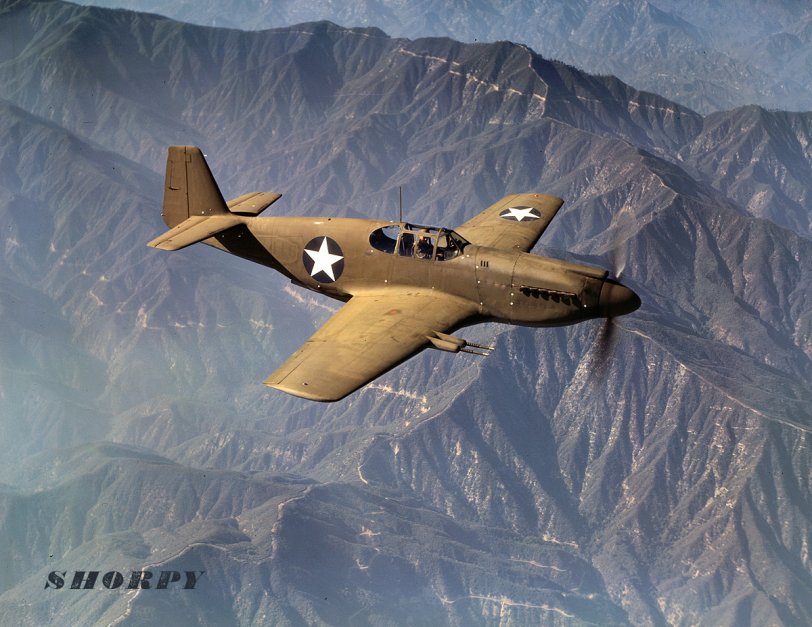
P-51 “Mustang” fighter in flight near the Inglewood, California, plant of North American Aviation. October 1942.
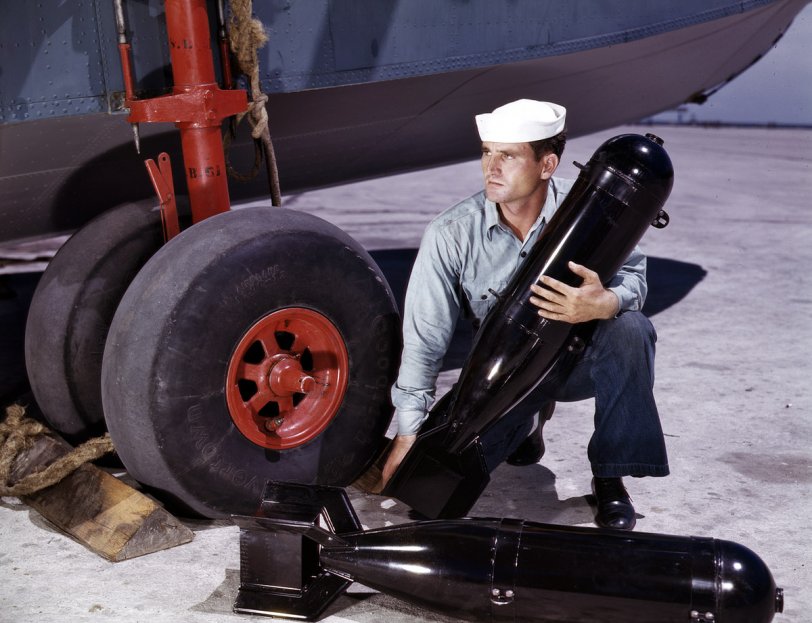
Preparing a model of the B-25 bomber for the wind tunnel at North American Aviation’s plant at Inglewood, California. October 1942. The model maker holds an exact miniature reproduction of the type of bomb the plane will carry.
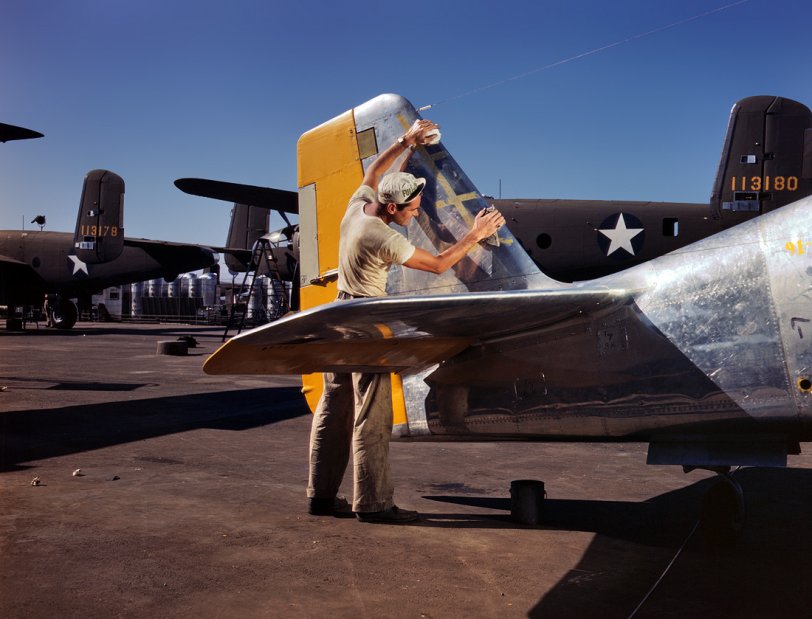
A painter cleans the tail section of a P-51 Mustang fighter prior to spraying with olive-drab camouflage. North American Aviation plant, Inglewood, California. October 1942.
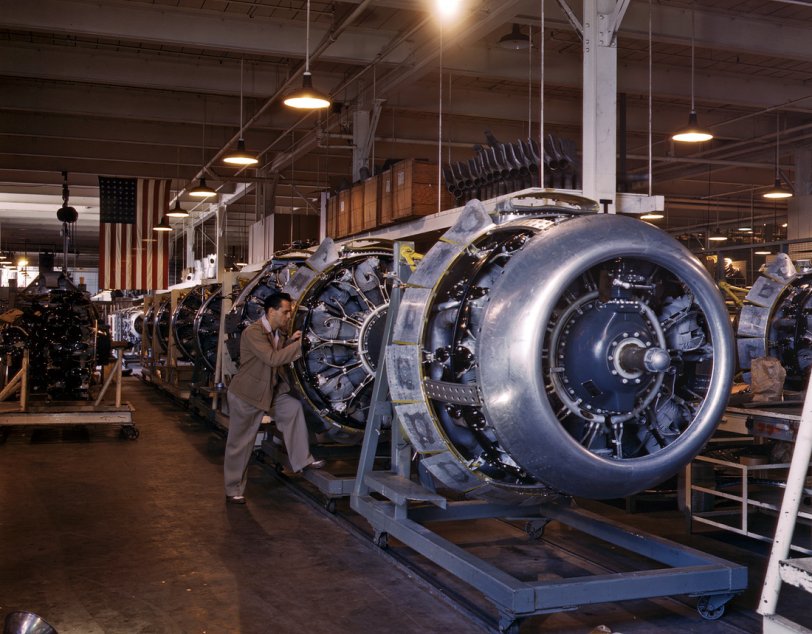
Cowling and control rods are added to motors for B-25 bombers as they move down the assembly line at North American Aviation, Inglewood, Calif. October 1942.
J.D. Estes at the Naval Air Base, Corpus Christi, Texas. August 1942.
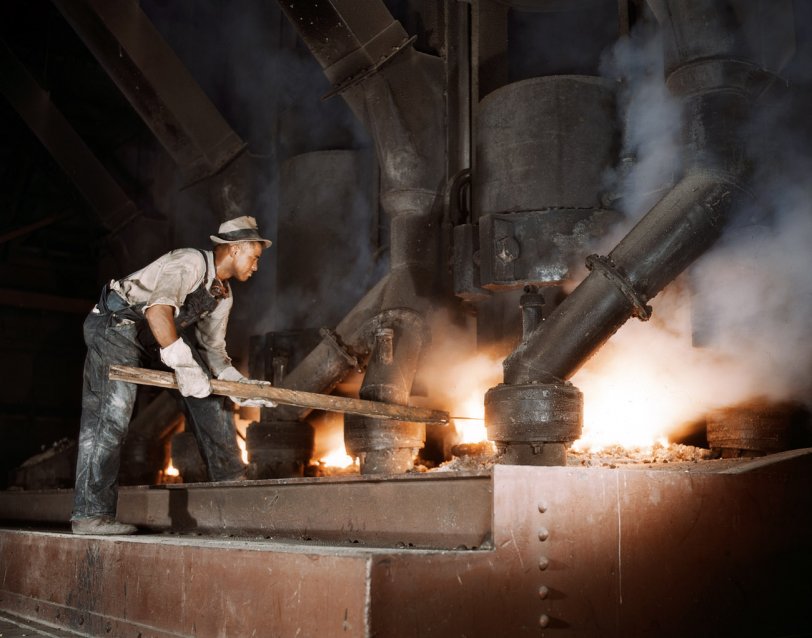
Furnace man at phosphate smelter, TVA chemical plant near Muscle Shoals, Alabama. June 1942.
M-3 tank and crew at Fort Knox, Kentucky. June 1942.

(Photos via Shorpy)

36 Stunning Vintage Photos of Pattie Boyd in the 1960s

Subscribe to get access

Read more of this content when you subscribe today.

Pattie Boyd was the face of the ’60s. Her blonde hair, deep bangs, long legs, and perfect pout got her on magazine covers and snared her a bit part in the Beatles’ first film, A Hard Day’s Night. She met George Harrison on the very first day of filming, and he asked her out—thinking that she looked exactly like Brigitte Bardot.
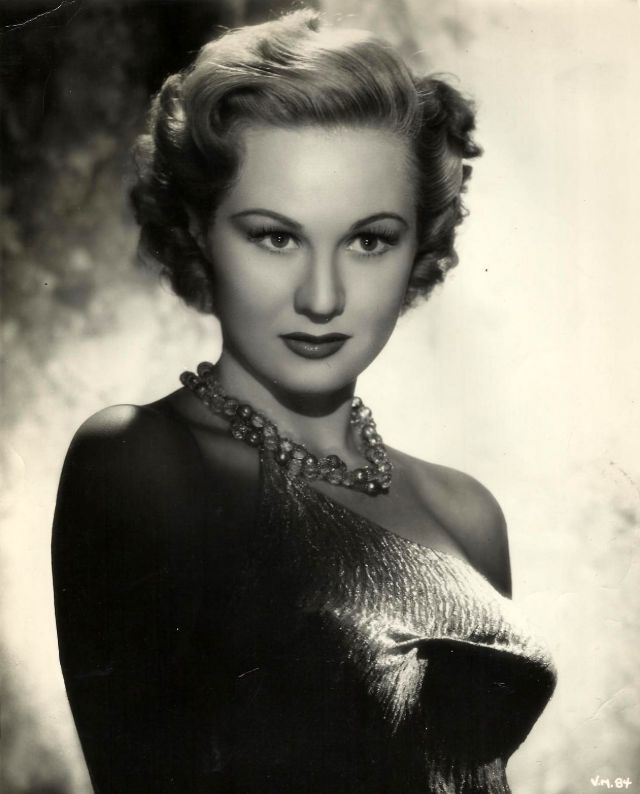
She married the quiet Beatle, living a rarified life that few of us will ever experience. Boyd not only is famous for her iconic beauty, but for introducing the Fab Four to Maharishi Mahesh Yogi and also for leaving Harrison for his best friend Eric Clapton and inspiring some of rock’s most heart-torn classics like Harrison’s “Something,” “I Need You,” and Clapton’s “Layla” and “Wonderful Tonight.”

Subscribe to continue reading

Become a paid subscriber to get access to the rest of this post and other exclusive content.

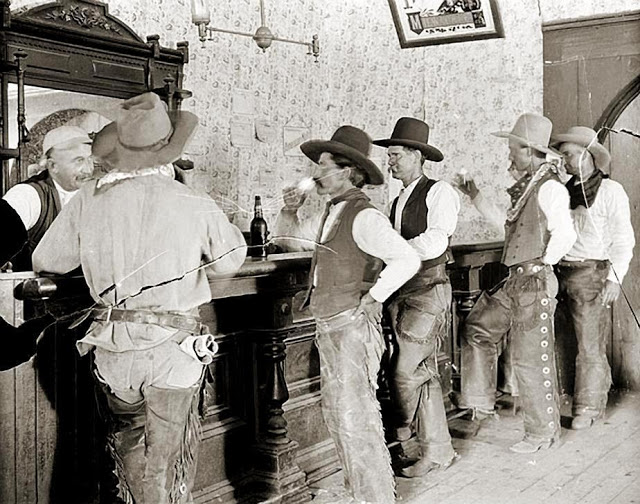
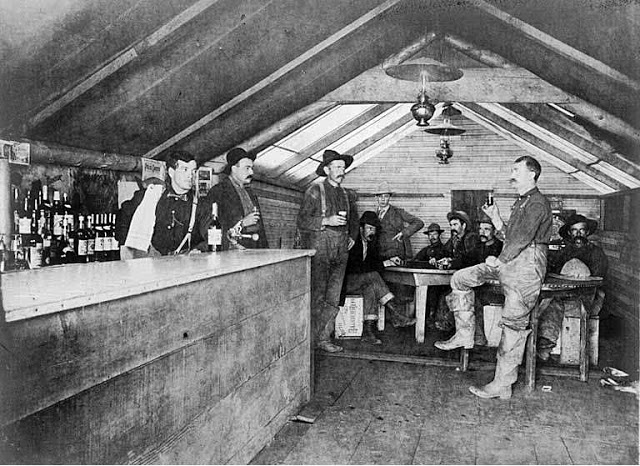
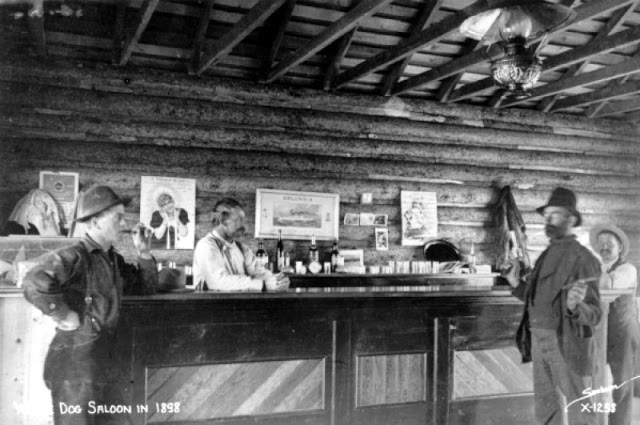
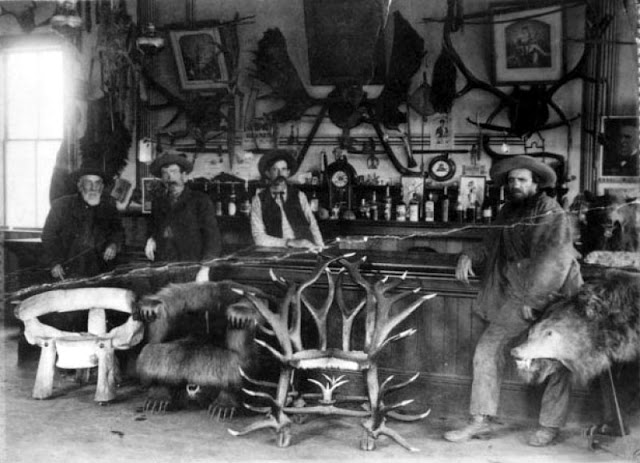
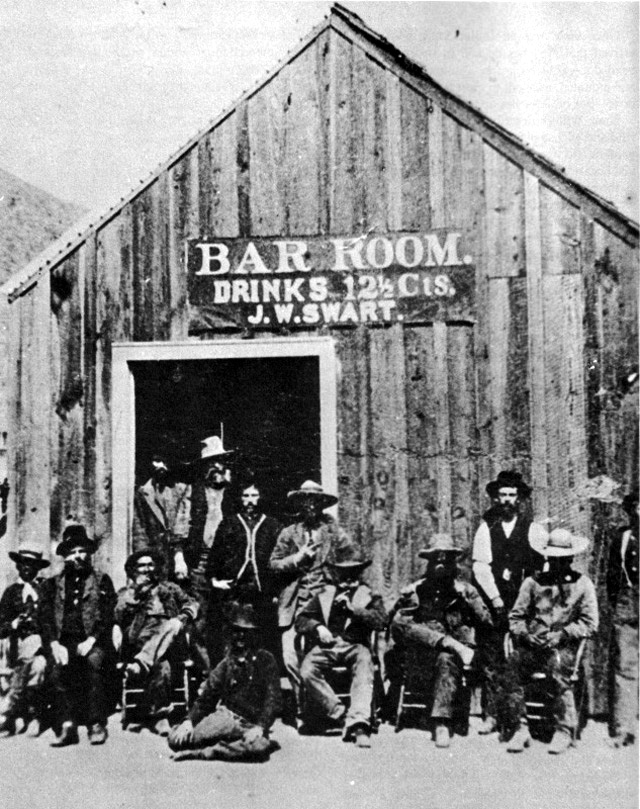
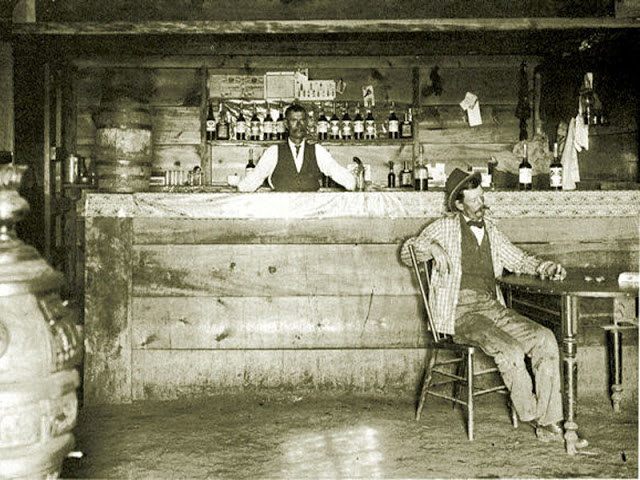
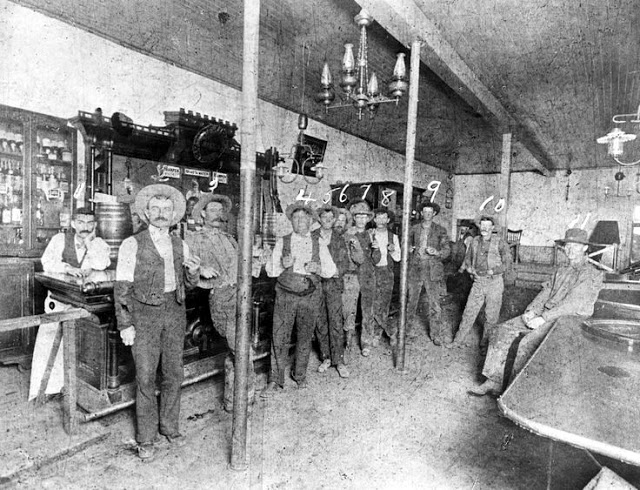
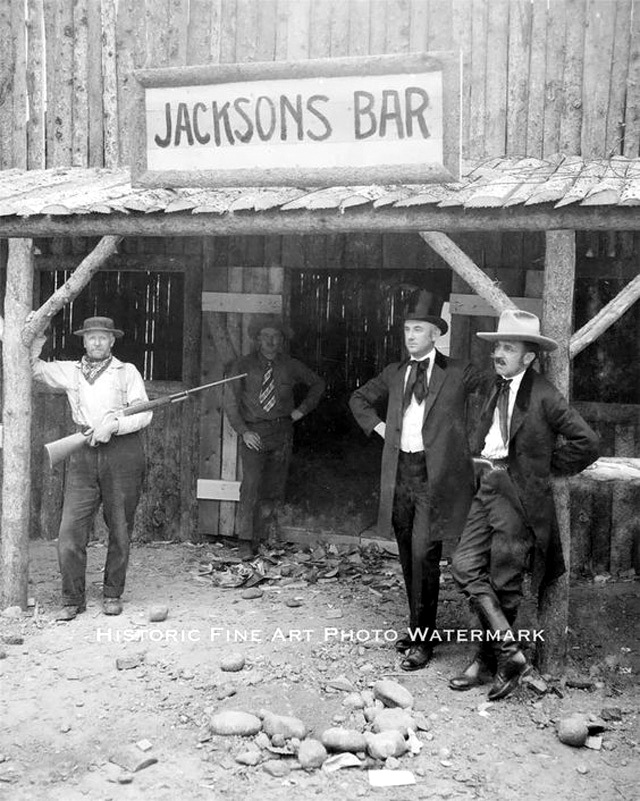
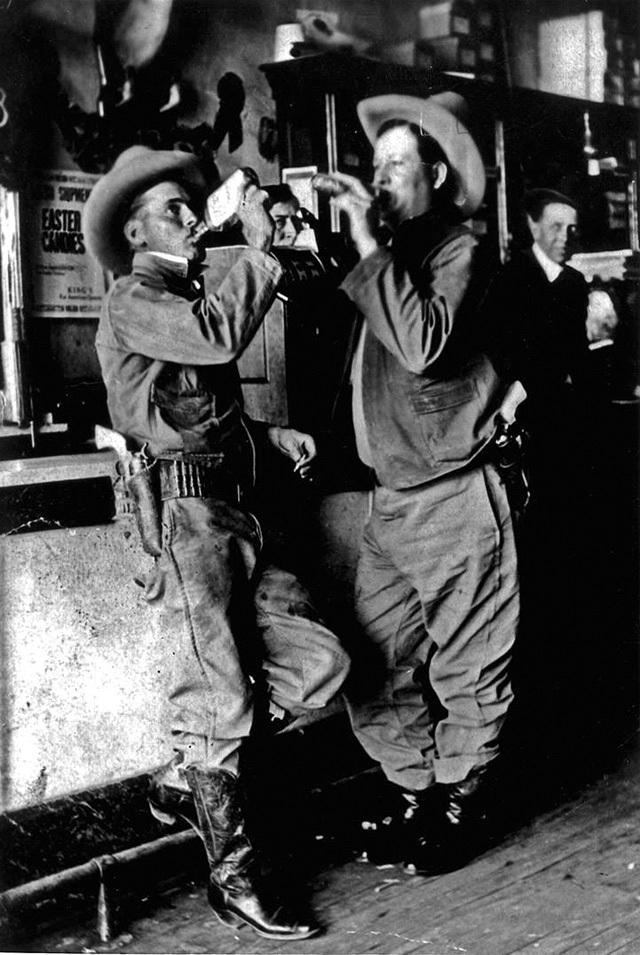
Vintage Photos Showing Old West Saloons From the 19th and Early 20th Centuries

In the American Old West, a saloon designates a café or hotel. The first was established in 1822 at Brown’s Hole, Wyoming, between Colorado and Utah, to serve trappers during the harsh fur season. The popularity of these establishments is attested by the fact that even a city of 3,000 inhabitants, such as Livingston (Montana), recorded up to 33 saloons in 1883.

Who goes to the saloon? Cowboys to negotiate cattle, drink alcohol, play poker… There are trappers, travelers, gold diggers, soldiers, lawyers, railwaymen … The myth of the smoky saloon was born. Many saloons welcome their clients 24 hours a day, 7 days a week. They are often accused of being propitious to scenes of “general fights”, or pistol duels that end in shootings in the street or public hangings.

Take a look at these rare photos to see what real cowboys at saloons looked like in the 19th and early years of 20th centuries.
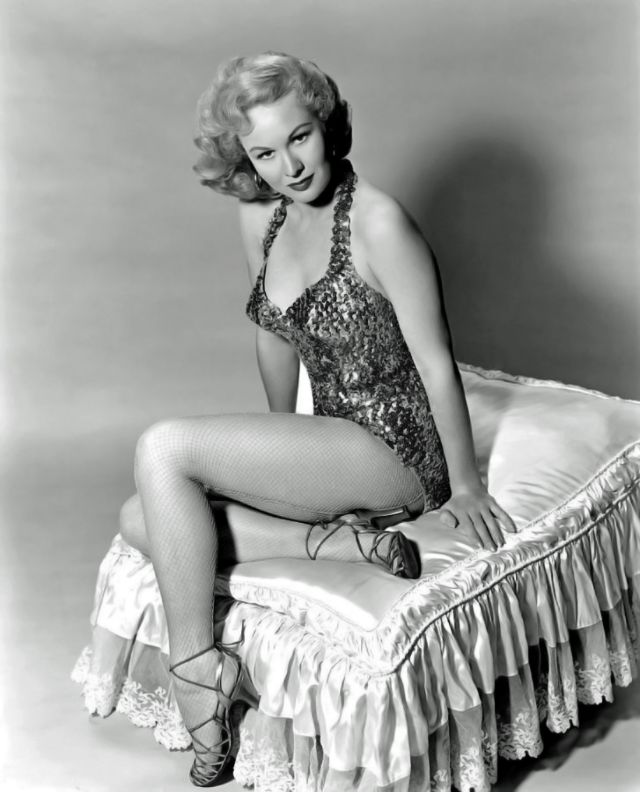
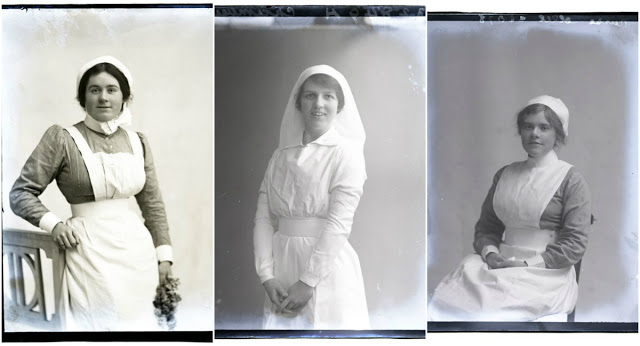
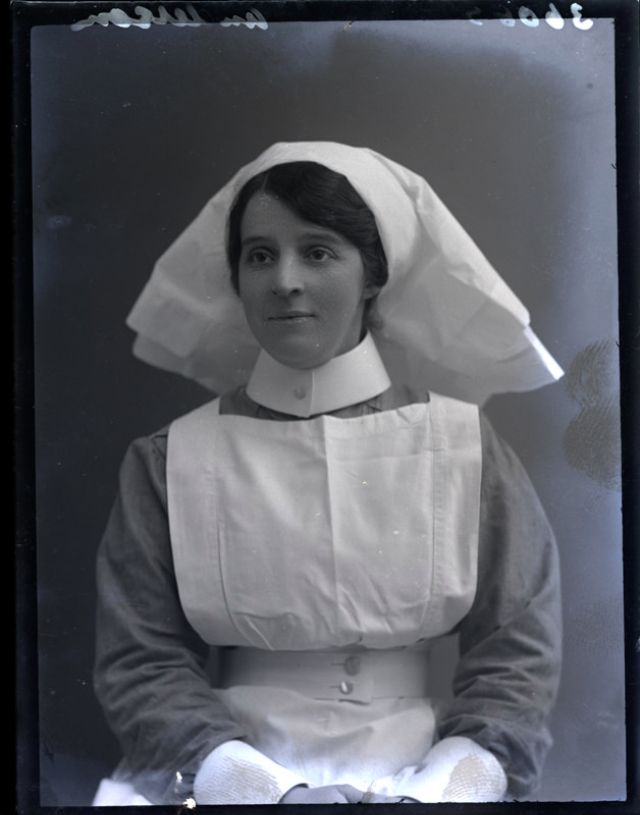
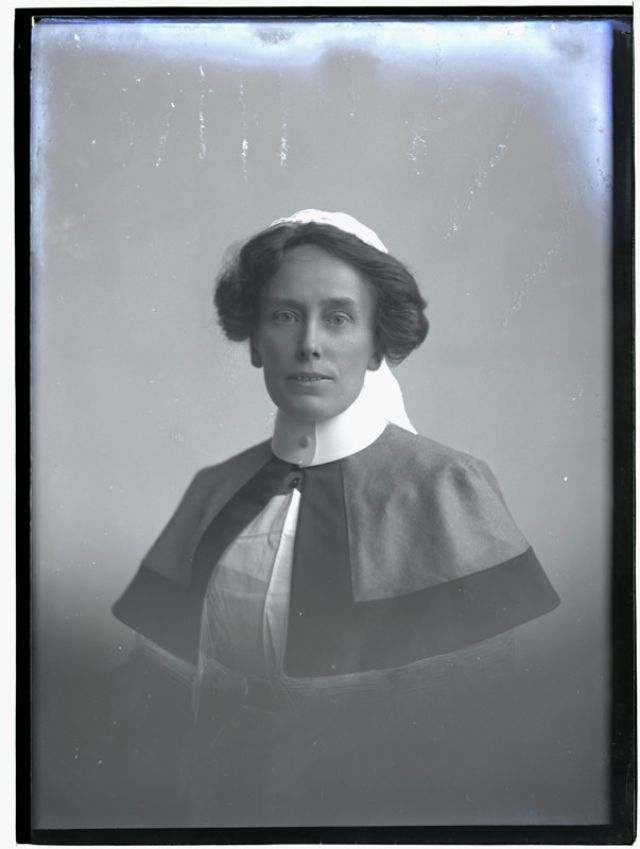
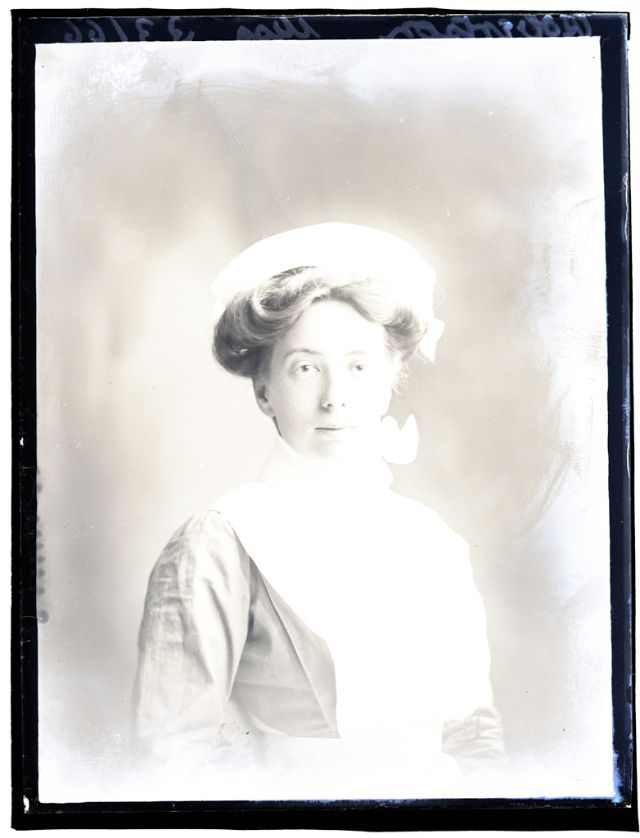
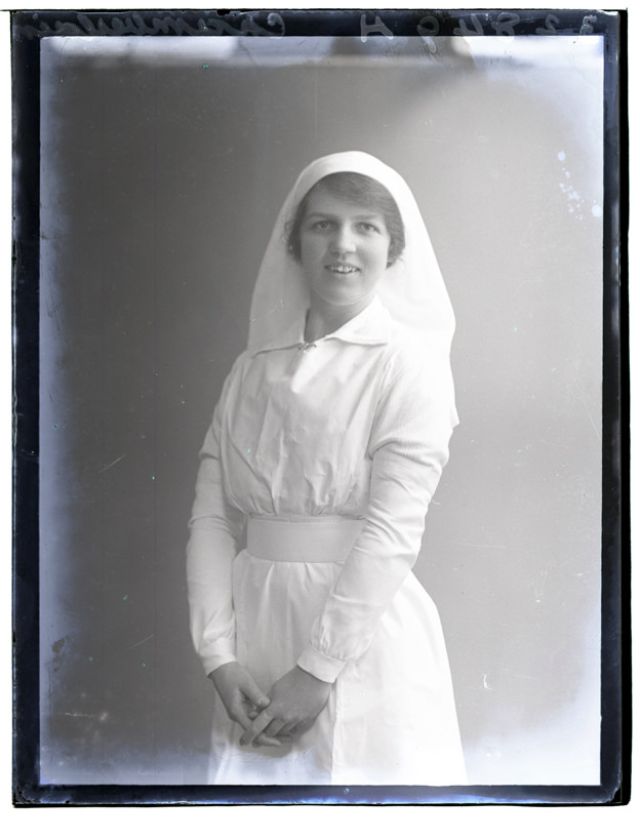
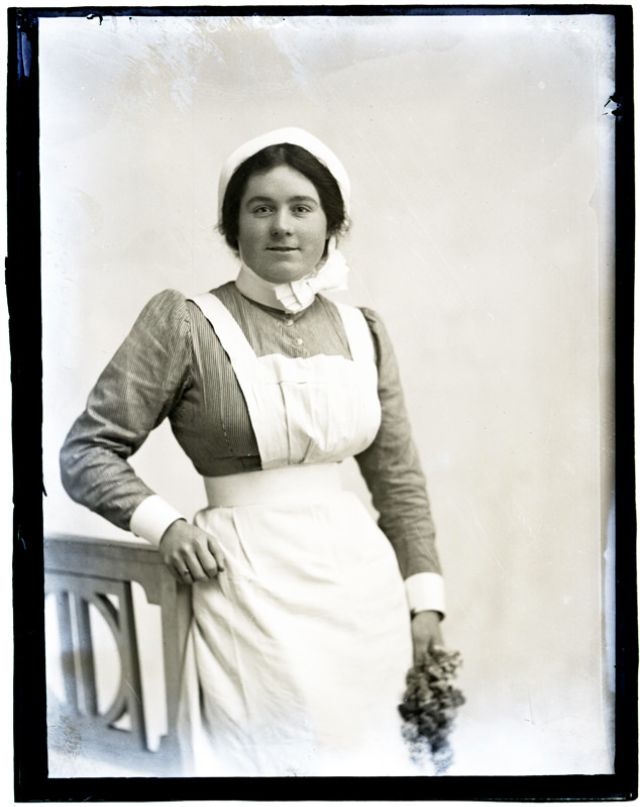
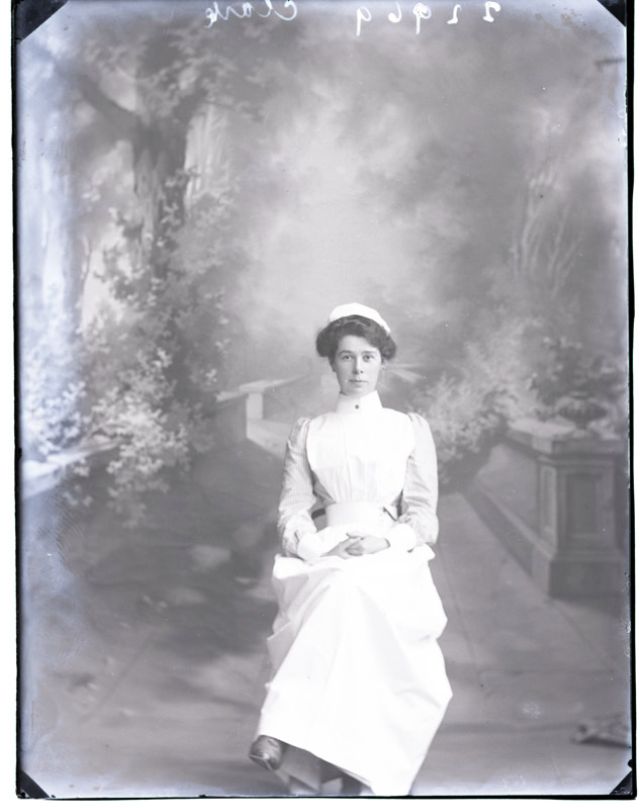
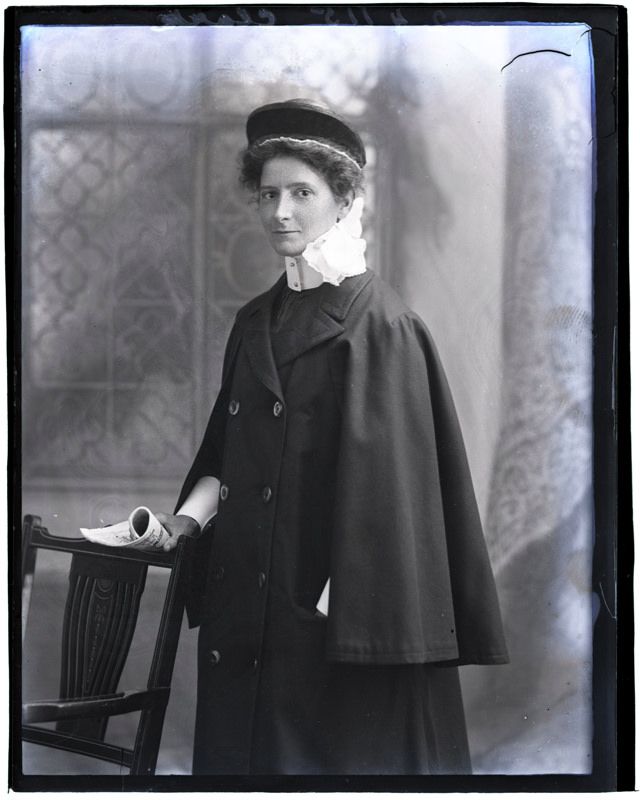
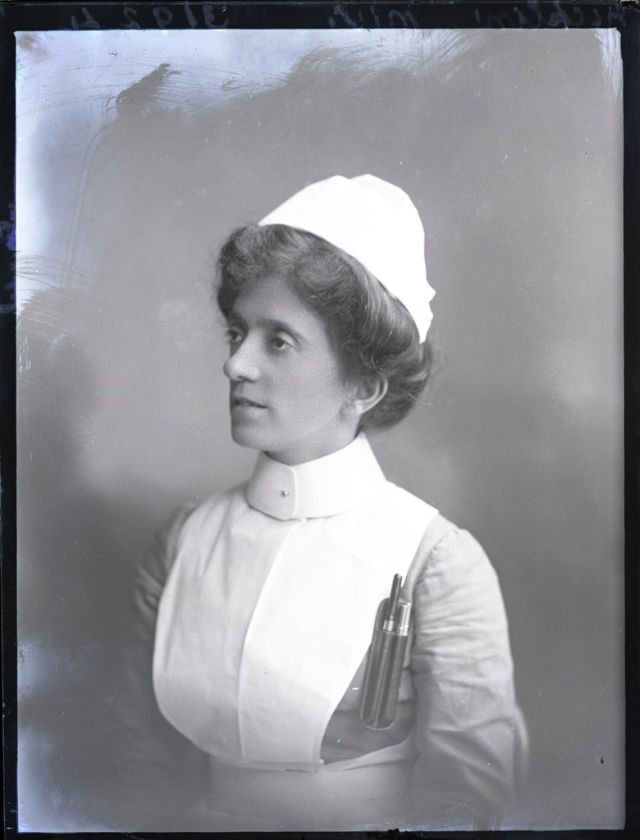
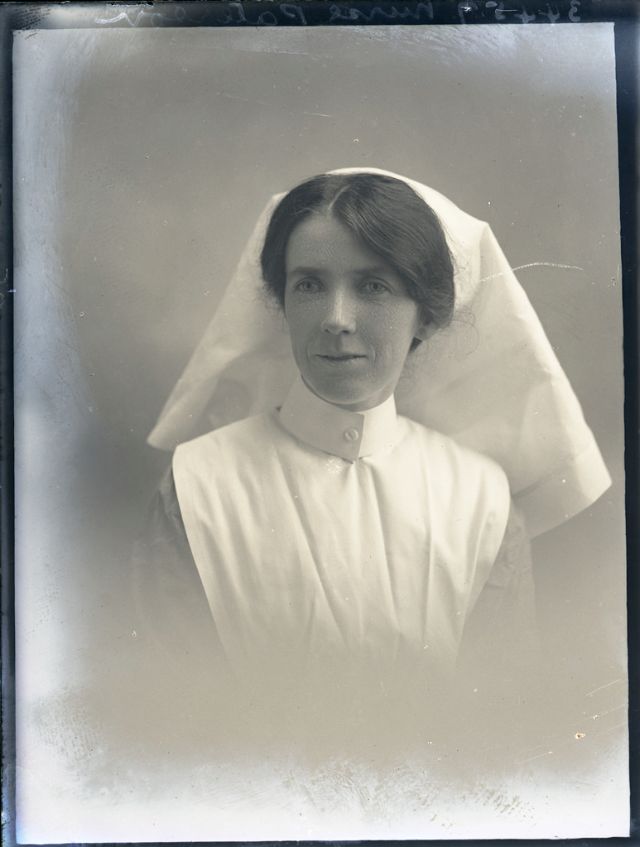
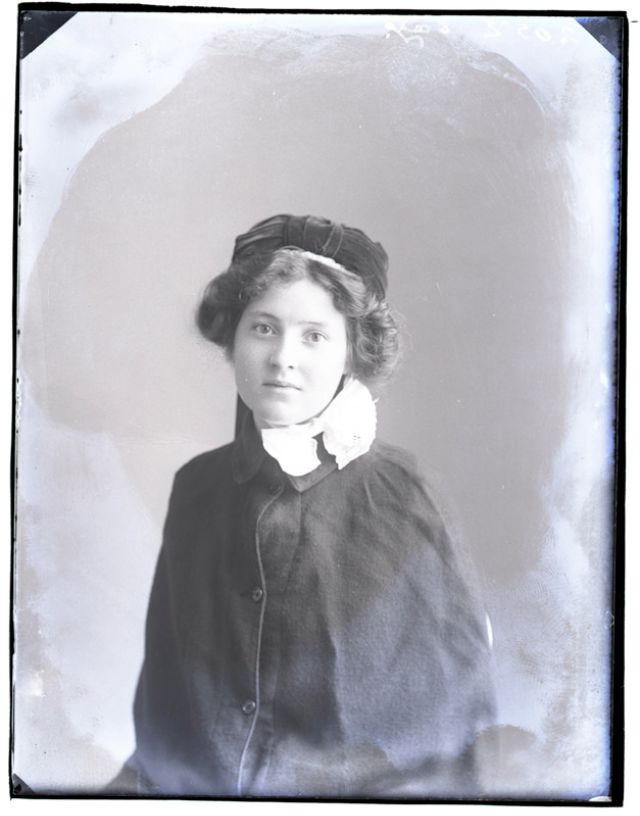
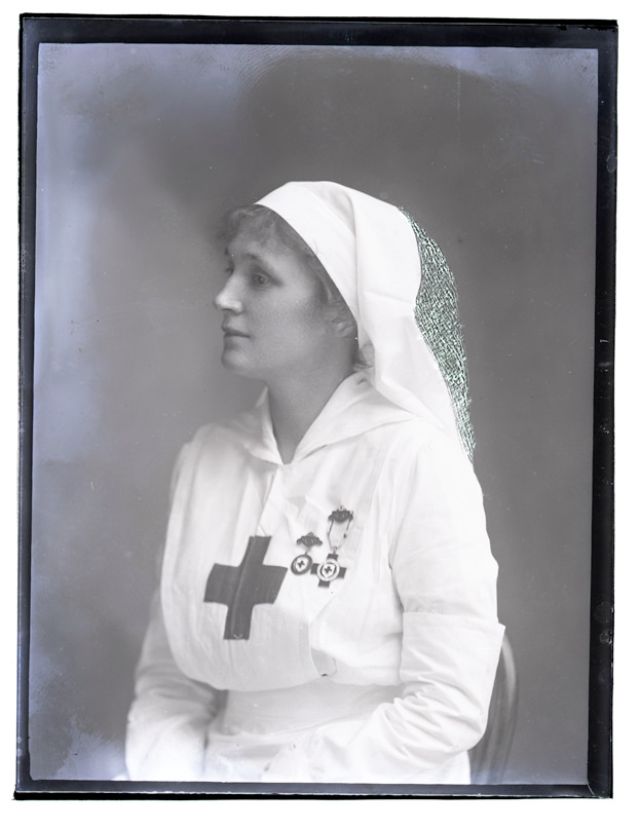
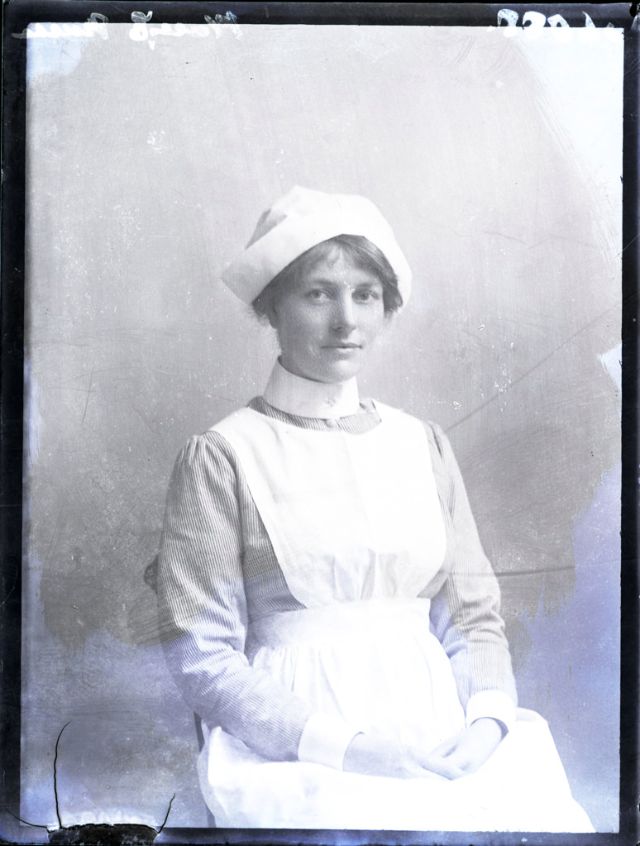
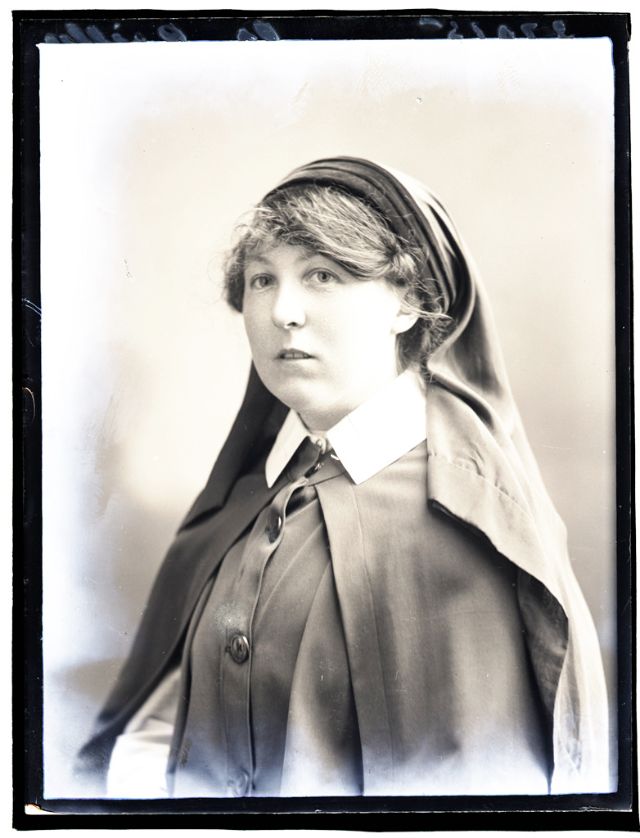
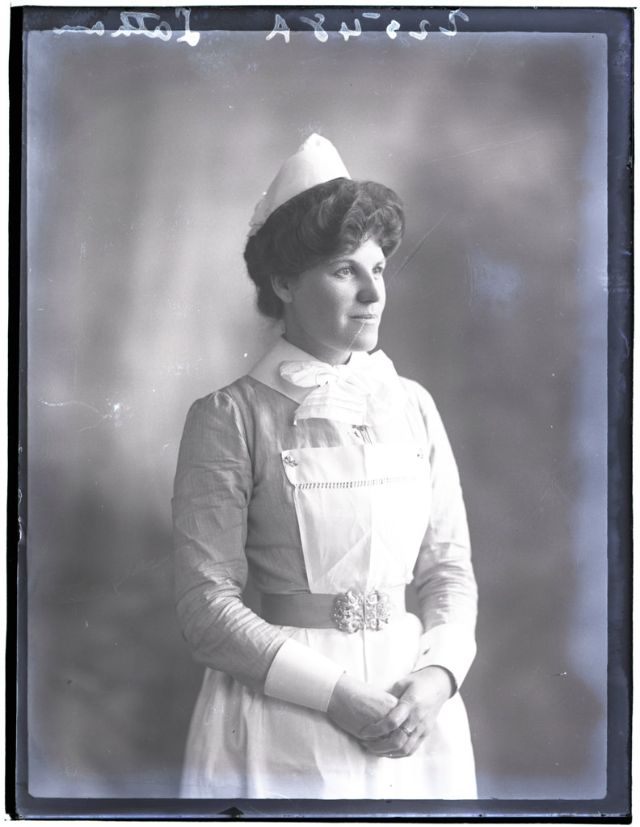
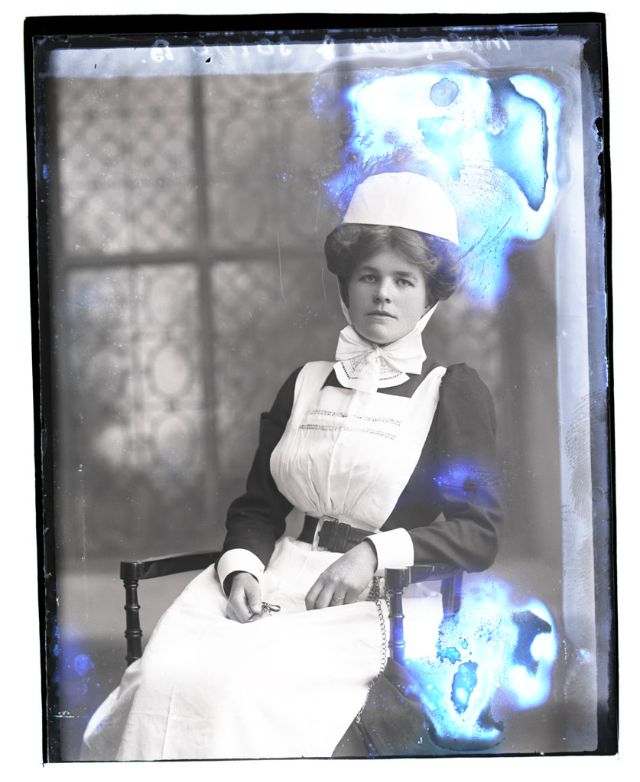
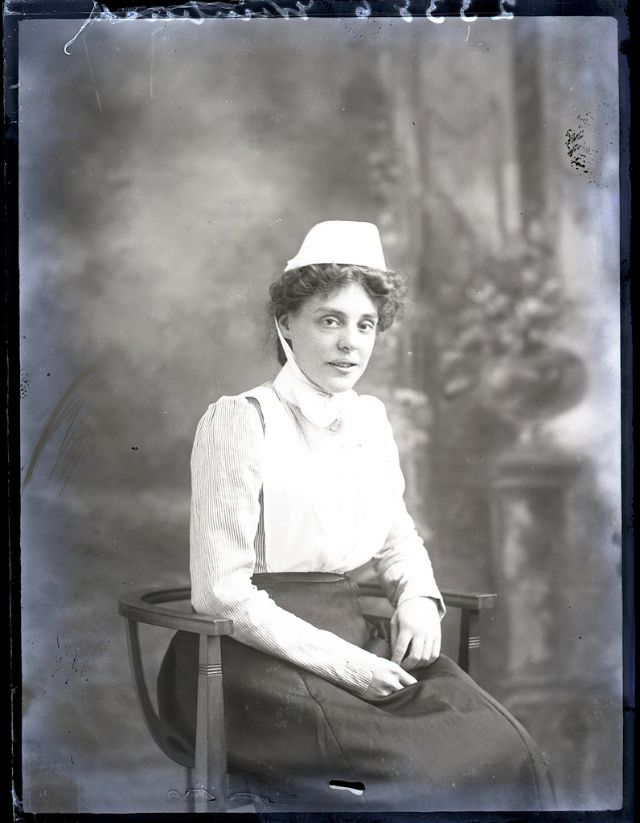
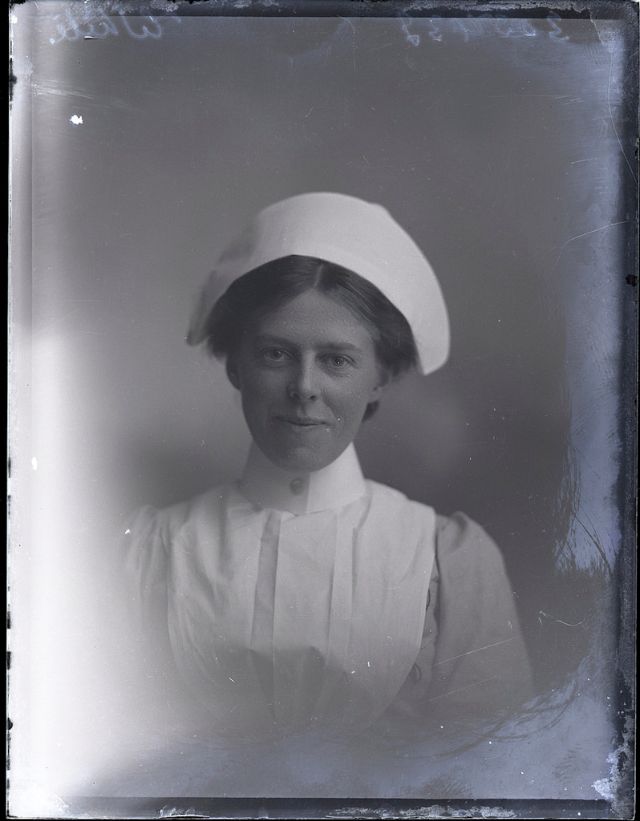
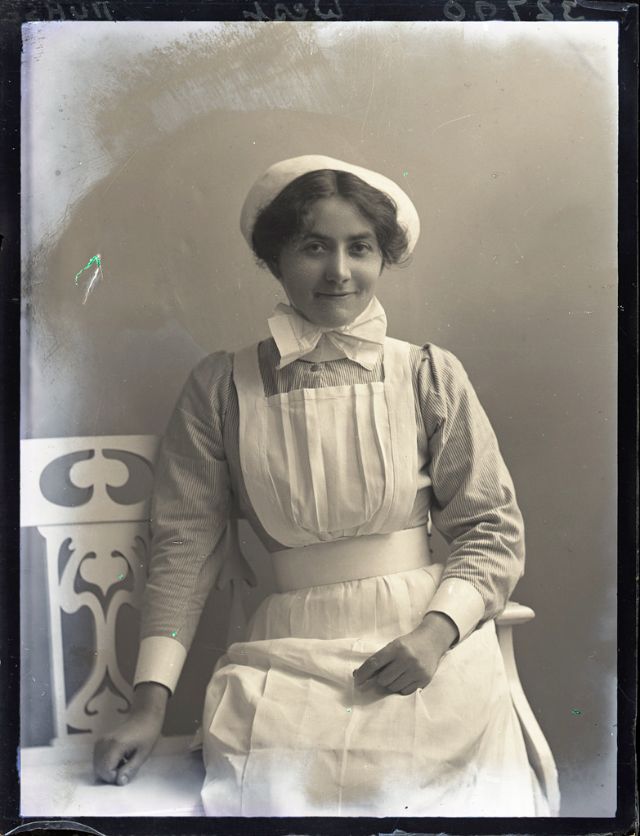
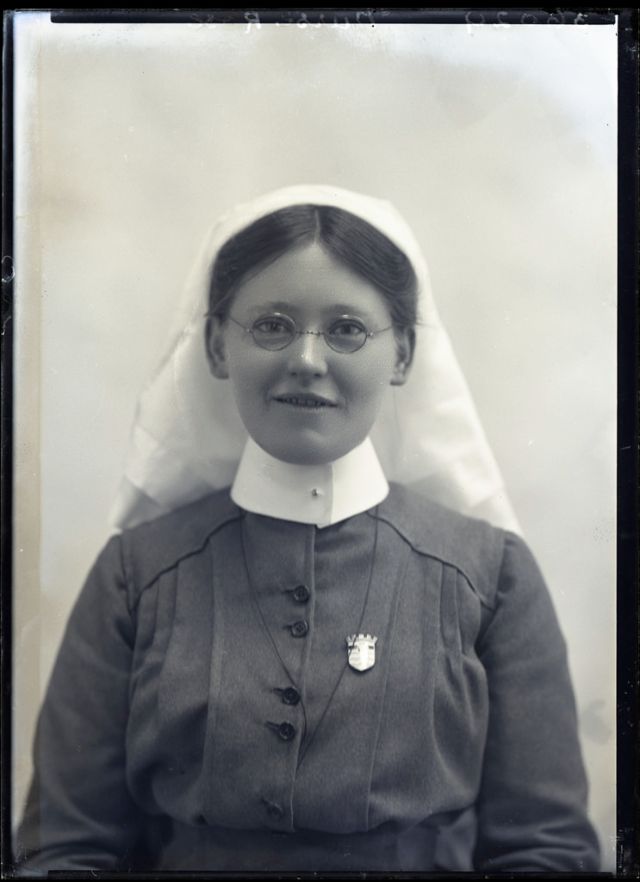
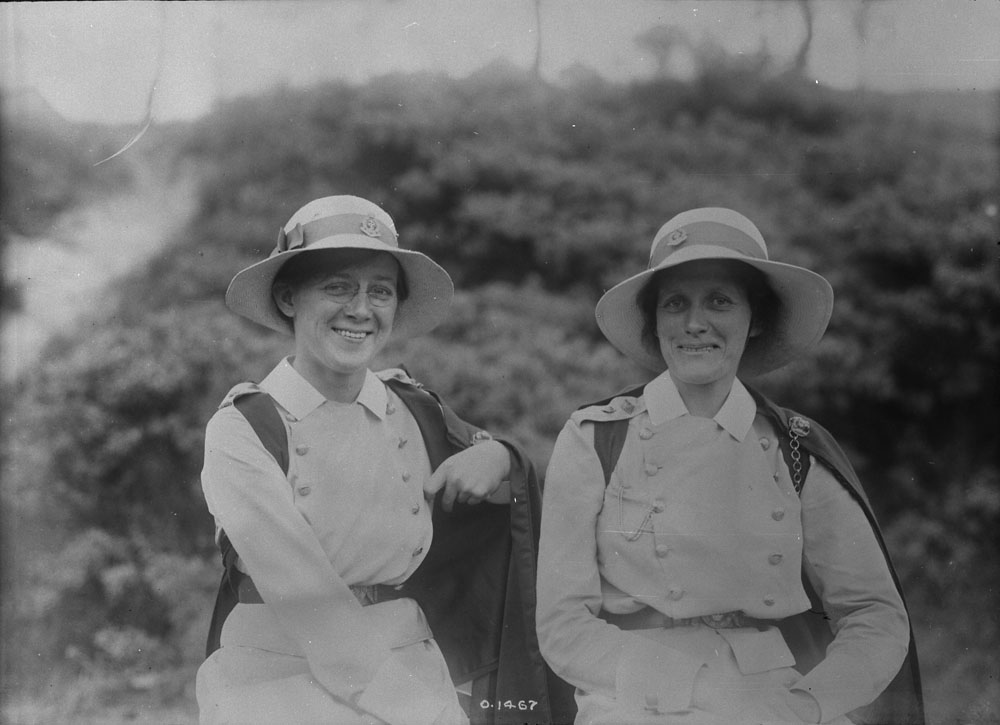
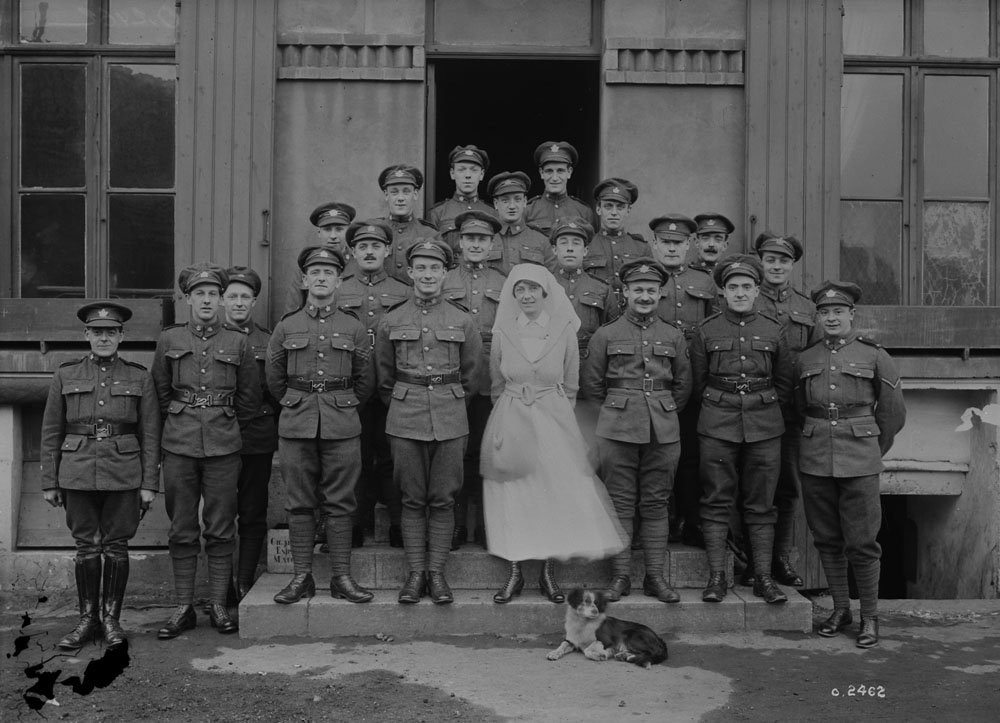
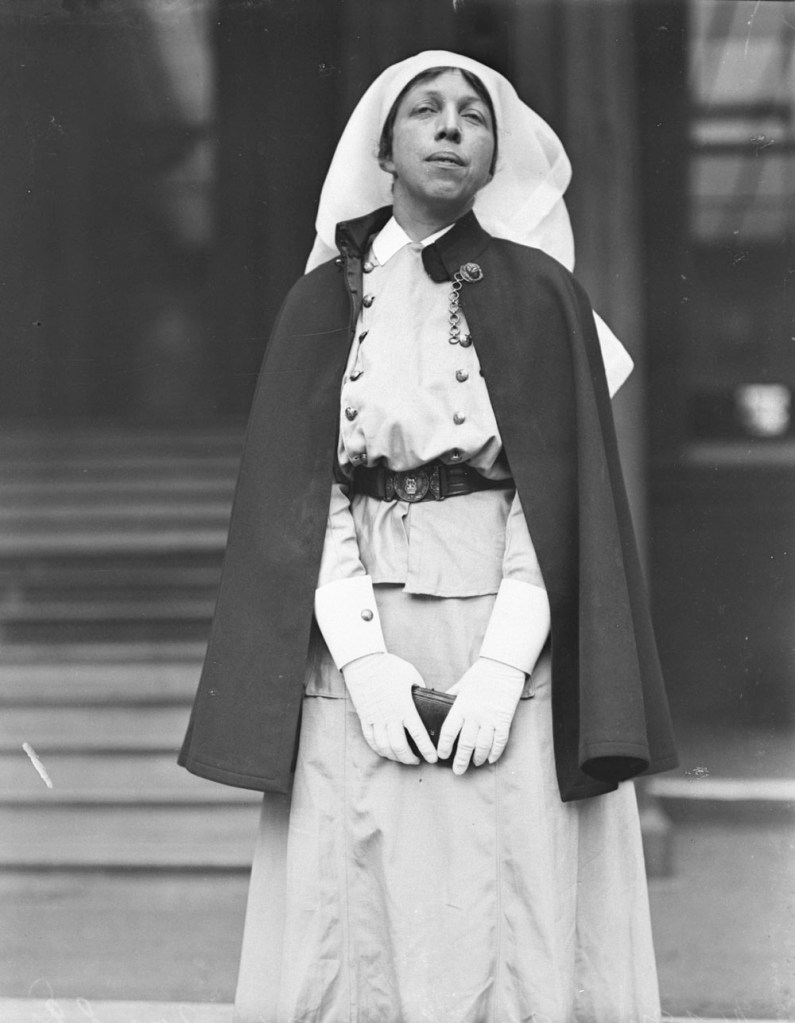
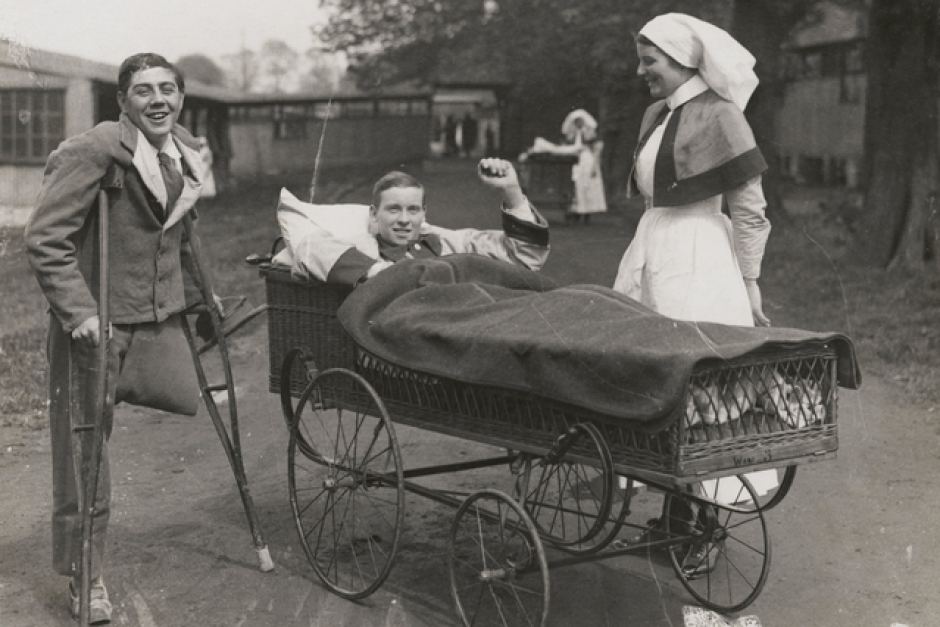
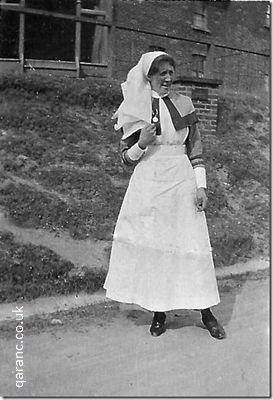
54 Incredible Photos of Nurses in World War 1

Nursing played a crucial role during the First World War. Emergency medical practices evolved enormously during the war years (1914–1918) and thousands more medical workers were involved than in previous wars. New and innovative practices included blood transfusions, the use of antiseptics, local anesthetics, and painkillers. During the course of the War, membership in the American Red Cross grew from 17,000 to more than 20 million, and 20,000 registered nurses were recruited for military service. In the United Kingdom, 38,000 members of the Voluntary Aid Detachment (VAD) served in hospitals or worked as ambulance drivers and cooks.
Modern medical nursing finds its origins in the remarkable career of Florence Nightingale, the “ministering angel” and “lady with the lamp” who served day and night during the Crimean War (1853–1856). Her understanding of the importance of hygiene saved countless lives and set the stage for nursing as we know it today. Nightingale’s model was followed and greatly expanded upon during the First World War by remarkable women such as Edith Cavell, who saved many lives from both sides of the conflict but ended up before a German firing squad; and the subversive motorbike-riding team of Mairi Chisholm and Elsie Knocker, who left their military medical stations to set up their own clinic closer to the front lines where they could save lives rather than simply provide transportation to the morgue. Similarly, novelist Mary Borden founded a field station that she called “the second battlefield” close to the front lines. https://www.theworldwar.org/explore/exhibitions/past-exhibitions/nurses

Yesterday Today

Bringing You the Wonder of Yesterday - Today

Skip to content ↓