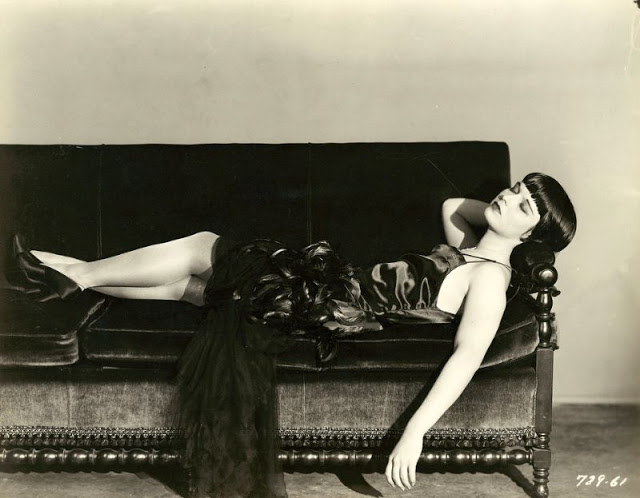
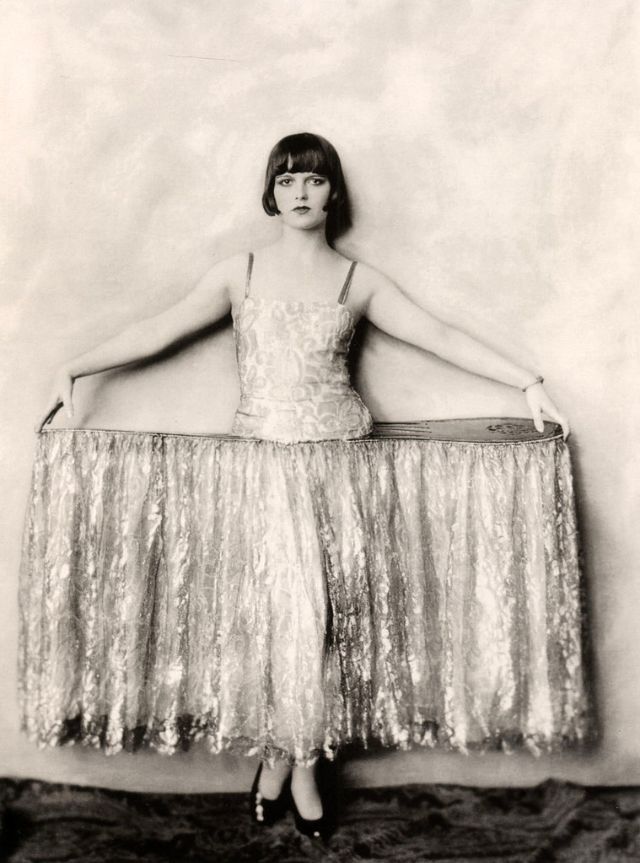
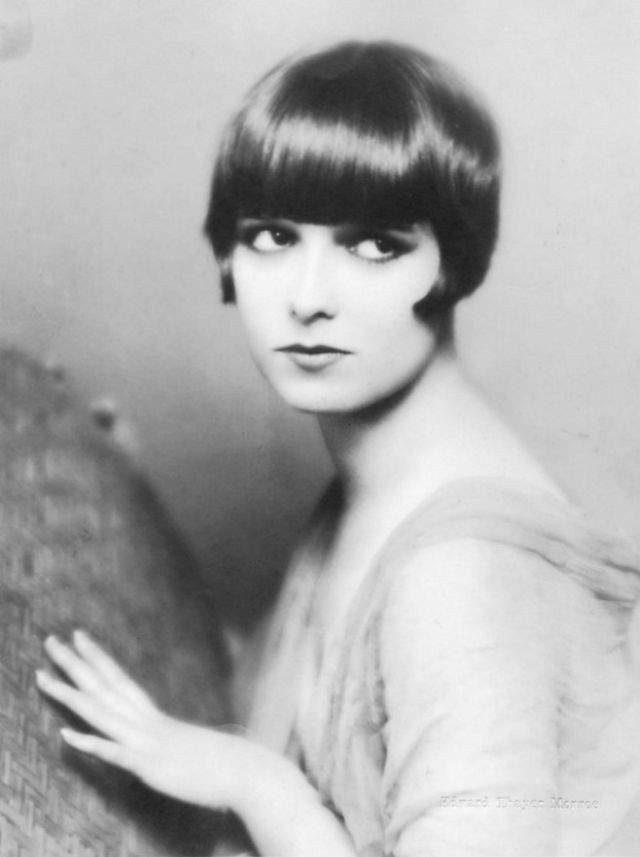
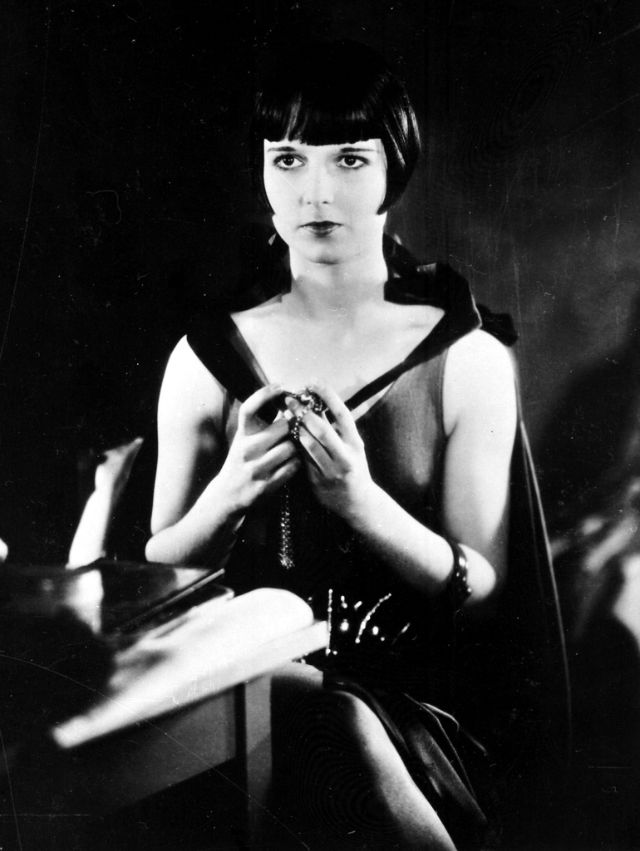
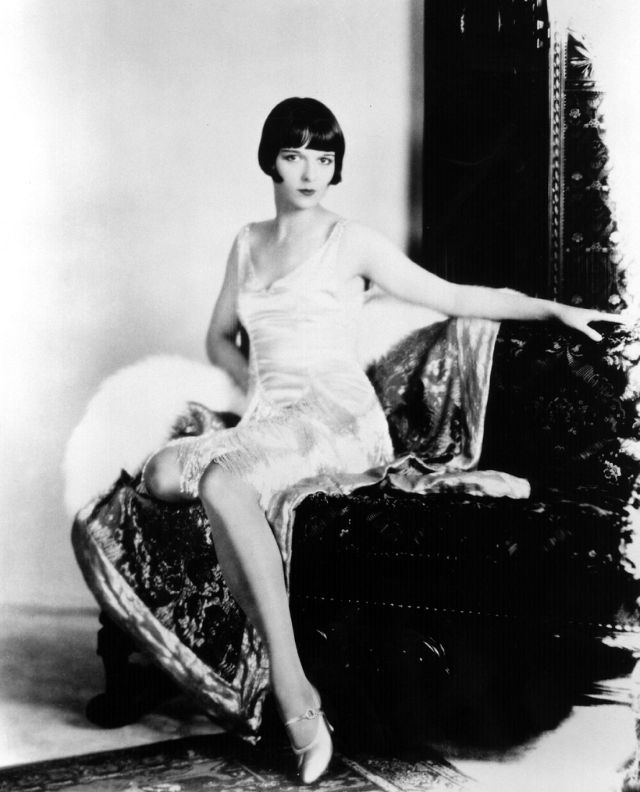
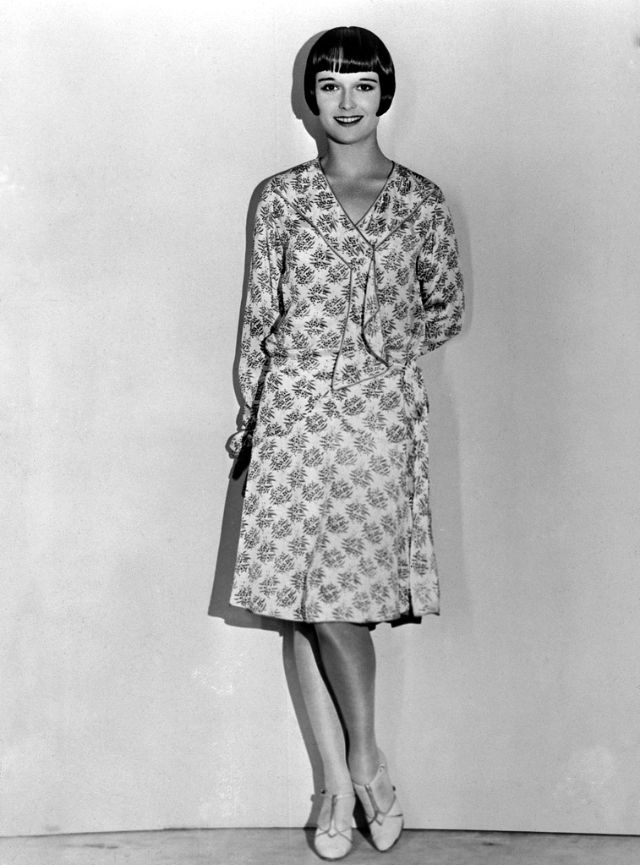
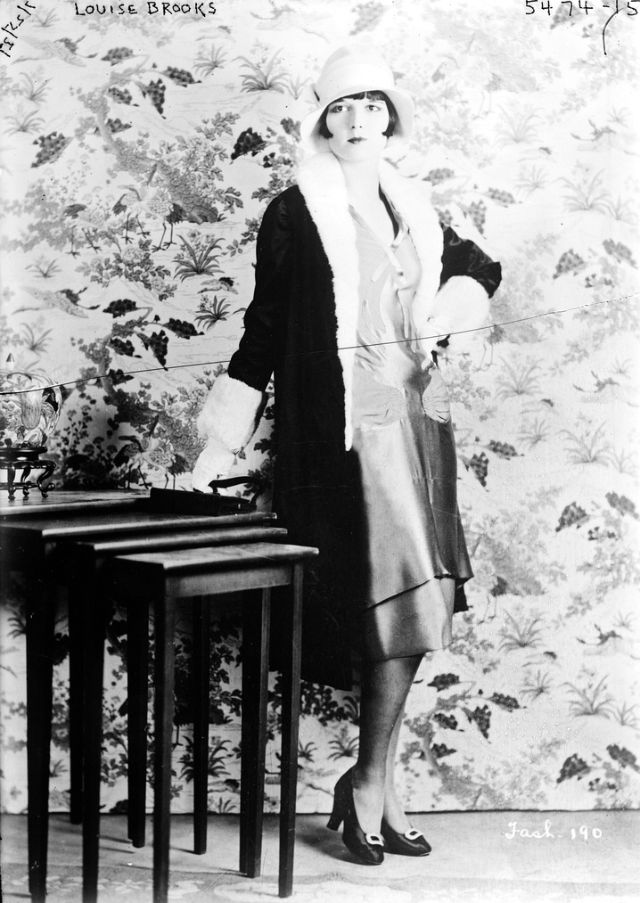
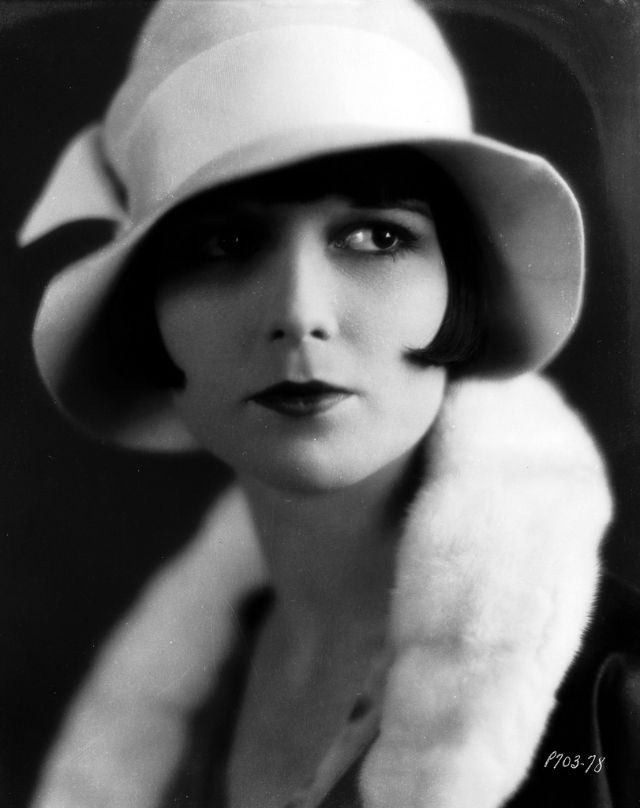
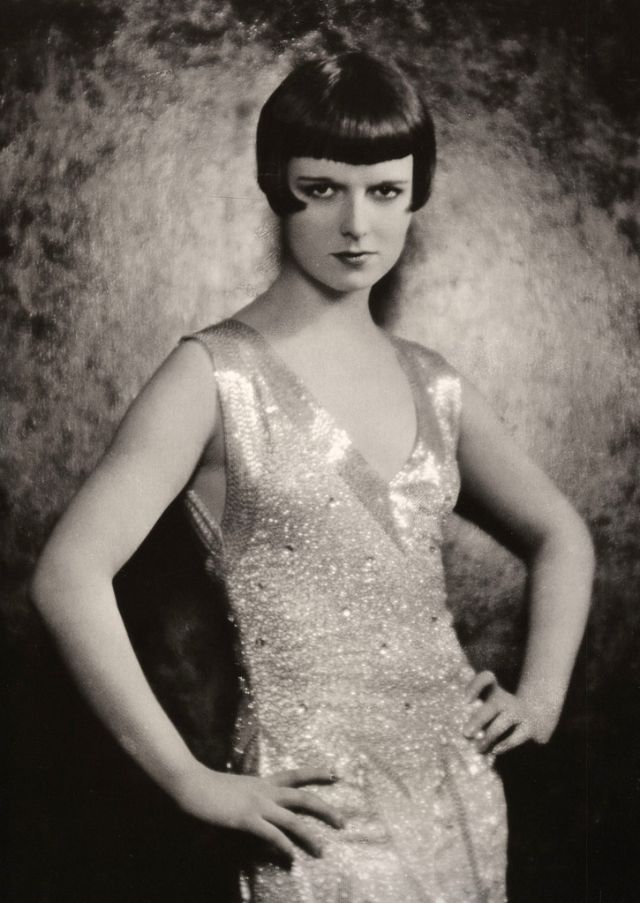
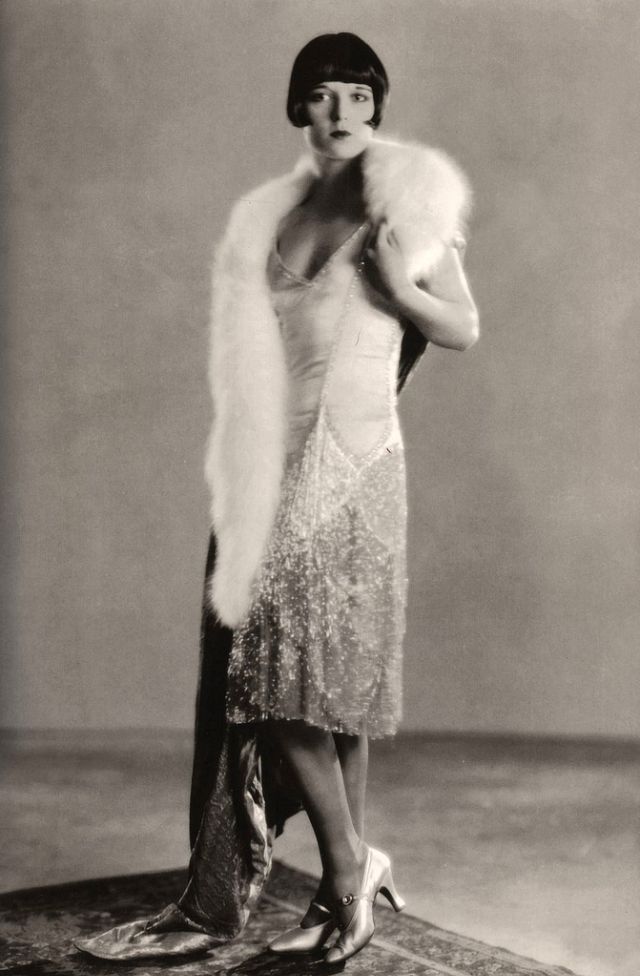
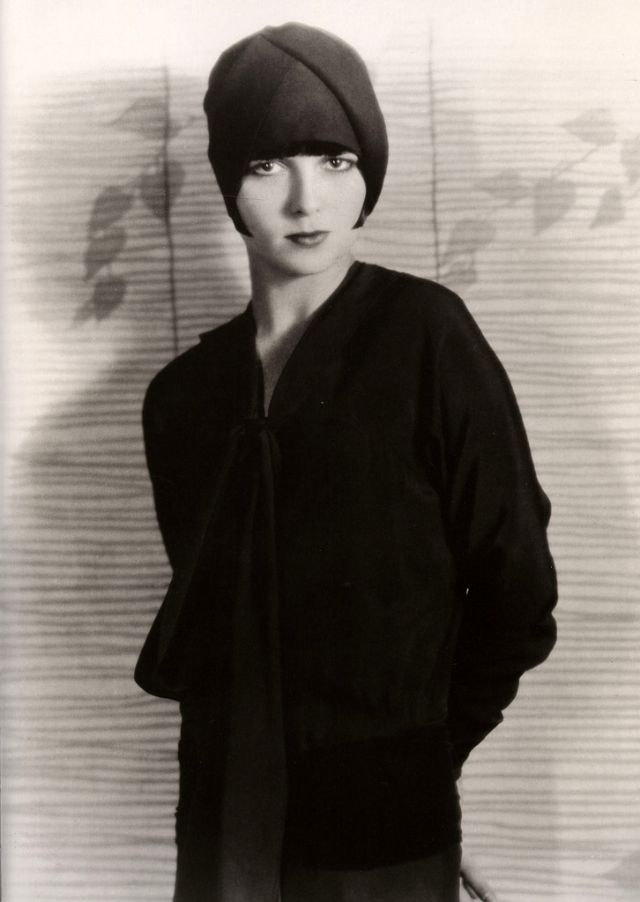
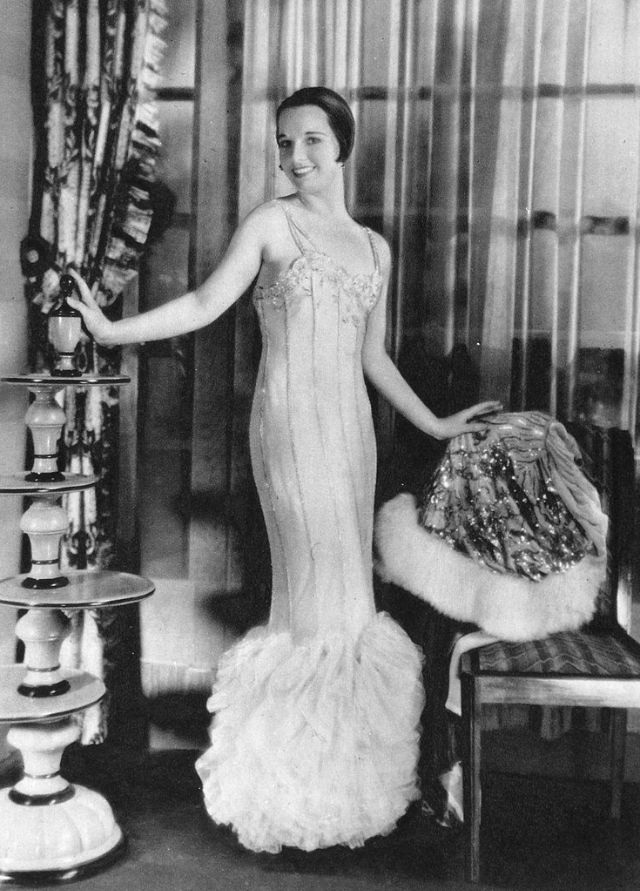
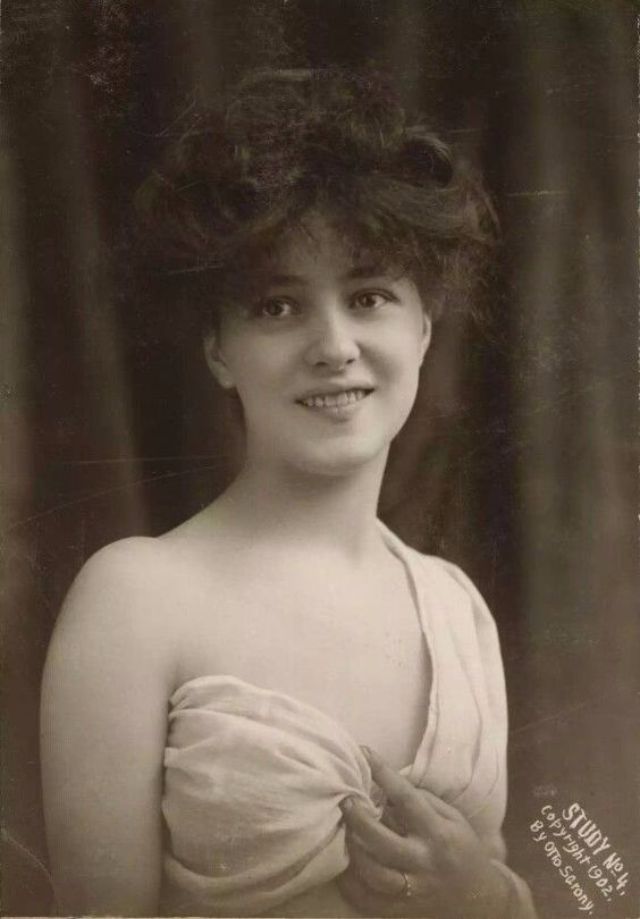
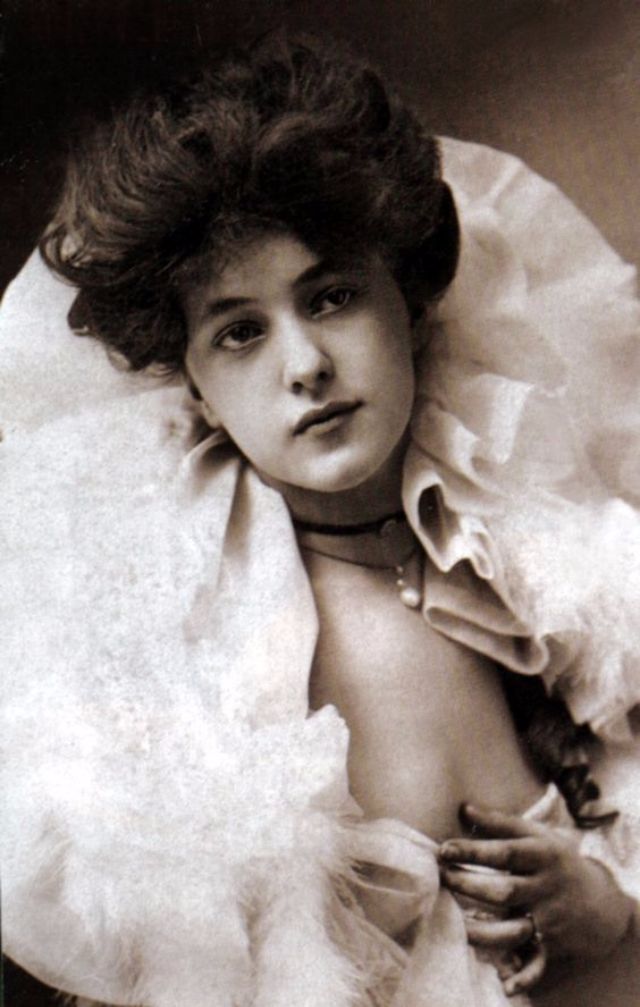
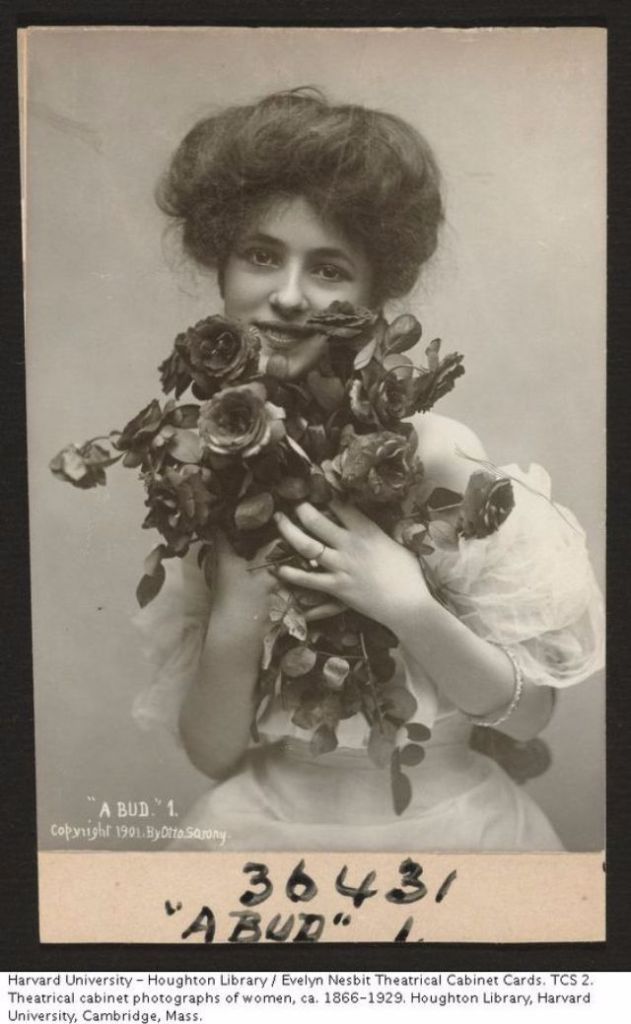
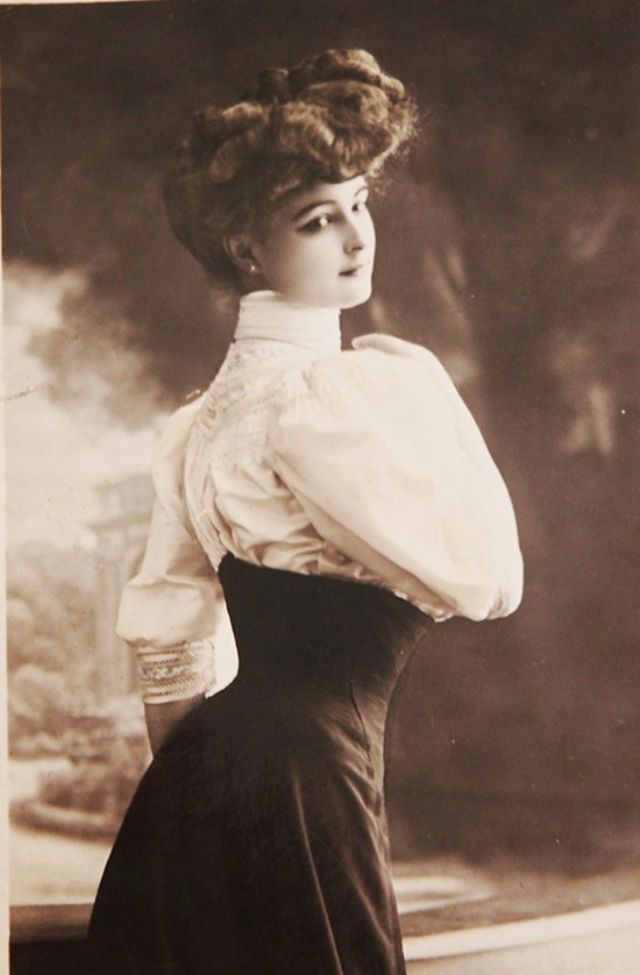
Flapper Icon and Sex Symbol: 50 Stunning Photos of Actress Louise Brooks in the 1920s

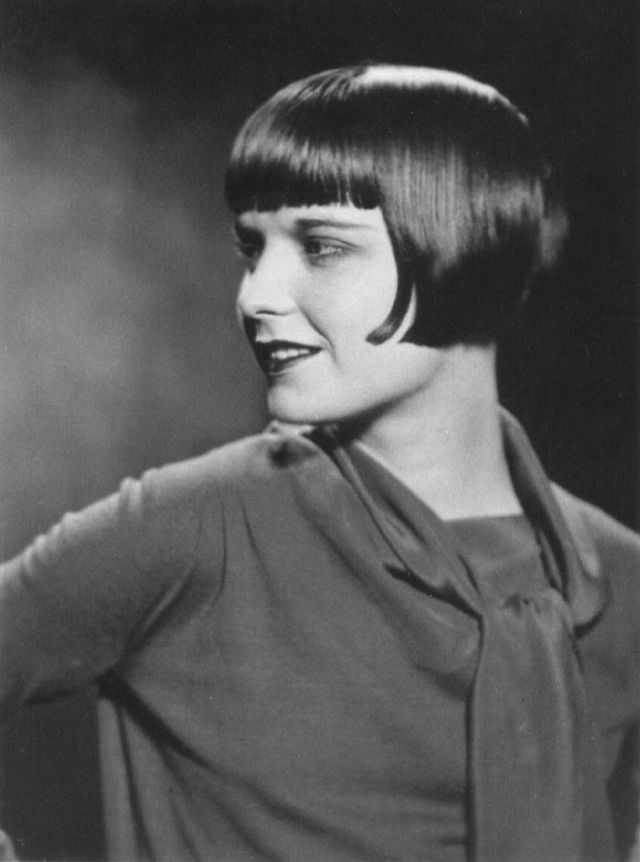
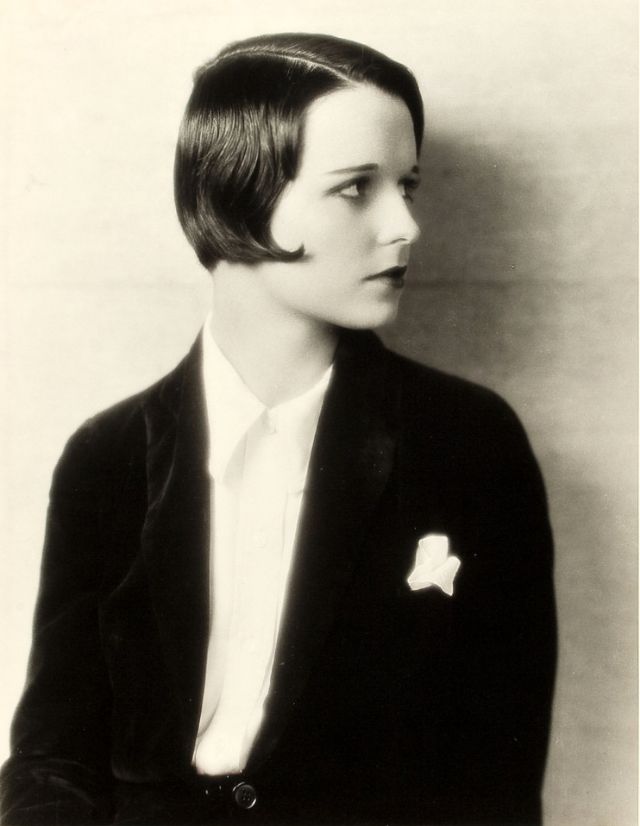
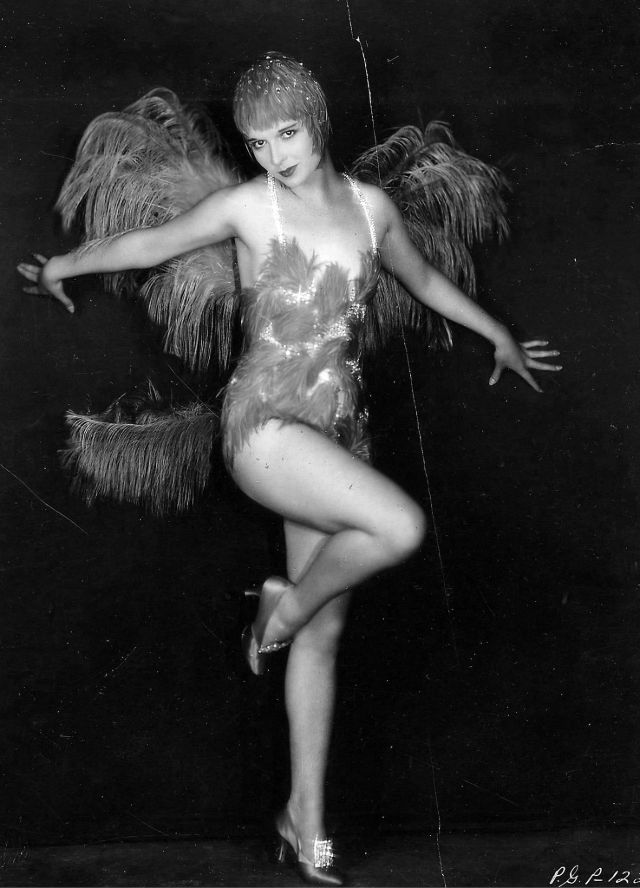
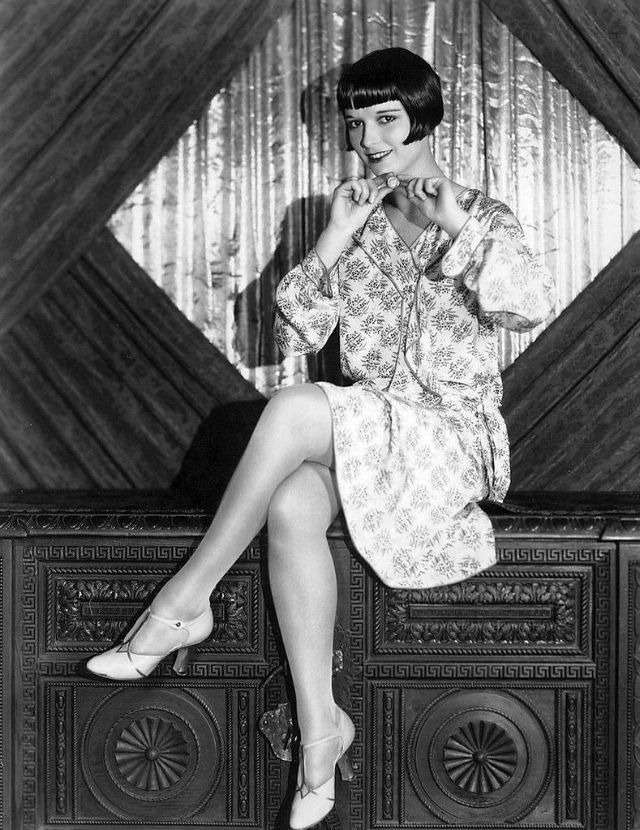
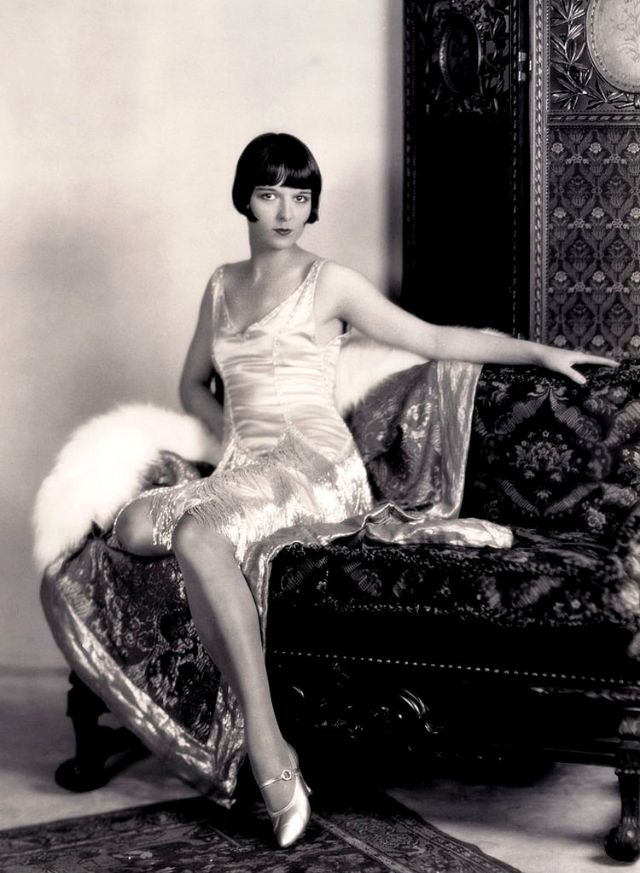
Mary Louise Brooks, known professionally as Louise Brooks, was an American film actress and dancer during the 1920s and 1930s. She began dancing at an early age with the Denishawn Dancers (which was how she left Kansas and went to New York) and then became one of the most fascinating and alluring personalities ever to grace the silver screen.

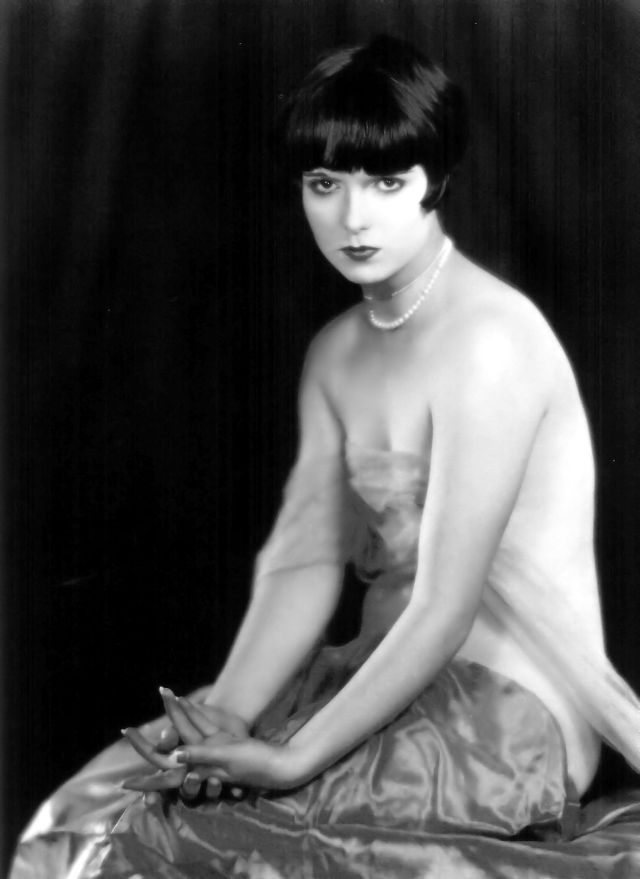
Brooks is famous for her bob hairstyle that she helped popularize during the prime of her career. Thousands of women were attracted to that style and adopted it as their own.

Brooks of her dark haired look and being the beautiful woman that she was, plus being a modern female, she was not especially popular among Hollywood’s clientle. She just did not go along with the norms of the film society.

Brooks really came into her own when she left Hollywood for Europe. There she appeared in a few German productions which were very well made and continued to prove she was an actress with an enduring talent. Until she ended her career in film in 1938, she had made only 25 movies. After that, she spent most of her time reading and painting. She also became an accomplished writer, authoring a number of books, including her autobiography.

Brooks died of a heart attack in Rochester, New York in 1985. She was 78 years old.

Take a look at these gorgeous photos to see the beauty of Louise Brooks in the 1920s.

Lee Miller’s Stunning Images of Women During World War II

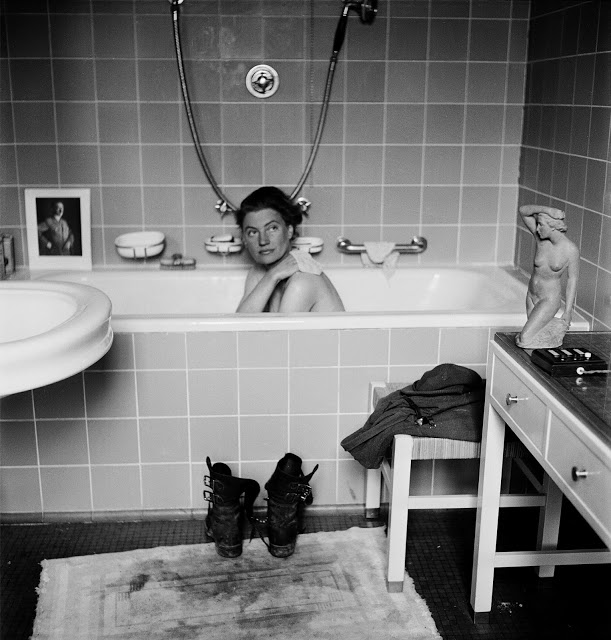
Raped aged seven. Spotted by Conde Nast aged 19. Muse to Man Ray in her twenties. Painted by Picasso aged 30. And the woman in Hitler’s bathtub in 1945, aged 38.

She is Lee Miller, a model who left the world of fashion to become a fearless war photographer during the dark days of the 1940s.

Lee Miller photographed innumerable women during her career, first as a fashion photographer and then as a journalist during the Second World War, documenting the social consequences of the conflict, particularly the impact of the war on women across Europe. Her work as a war photographer is perhaps that for which she is best remembered – in fact she was among the 20th century’s most important photographers on the subject.

Lee Miller in Hitler’s bathtub, Munich, Germany, 1945. Miller’s friend David Scherman took this photograph, and it’s very carefully staged, from the picture of Hitler on the tub to the slightly kitschy statue on the right, to the boots on the bathmat beside the tub. These are the boots Miller had worn to visit the concentration camp at Dachau earlier that day, and the dirt on the bathmat is dirt from Dachau.
Anna Leska, Air Transport Auxilliary, Polish pilot flying a spitfire, White Waltham, Berkshire, England, 1942.
A French woman is accused of collaborating with the Germans, Rennes, France, 1944.
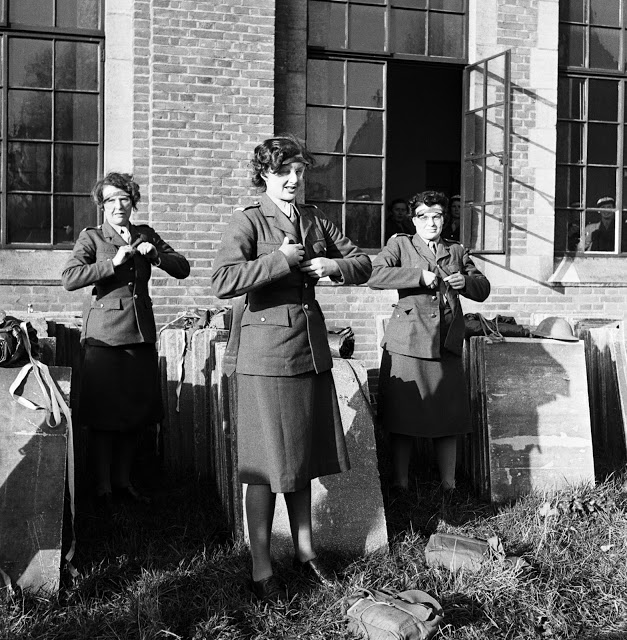
ATS officers getting changed in Camberley, Surrey, 1944.
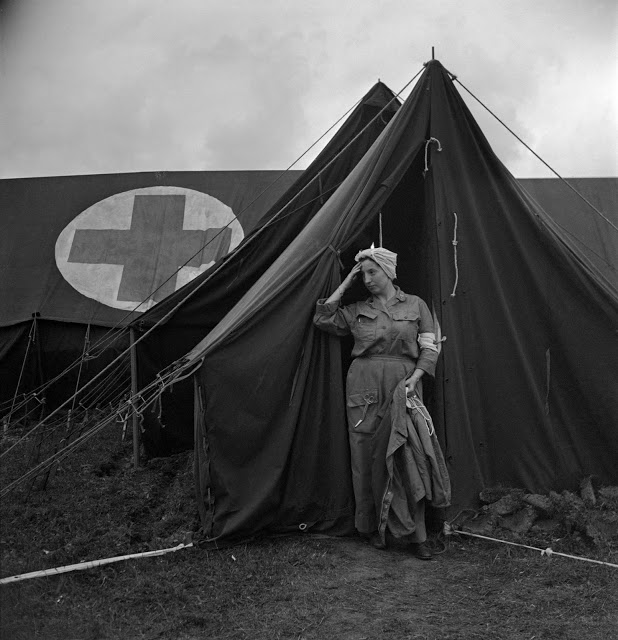
An exhausted nurse at the 44th evacuation hospital, Normandy, France, 1944.
A tired mother and son wait at a crossroads for transport, Luxembourg, 1945.
Homeless children in Budapest, Hungary, 1946. Miller’s first assignment after the war.
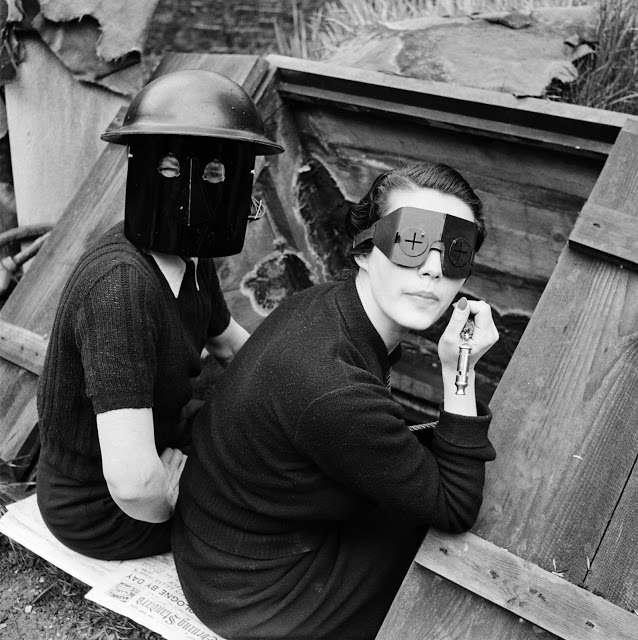
Women in fire masks, Downshire Hill, Hampstead, London, 1941.
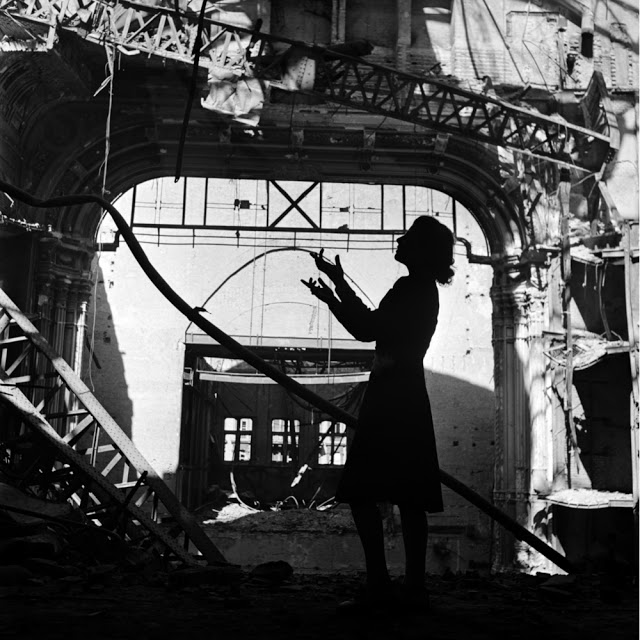
Irmgard Seefried, Opera singer, singing an aria from ‘Madame Butterfly’, Vienna Opera House, Vienna, Austria, 1945.
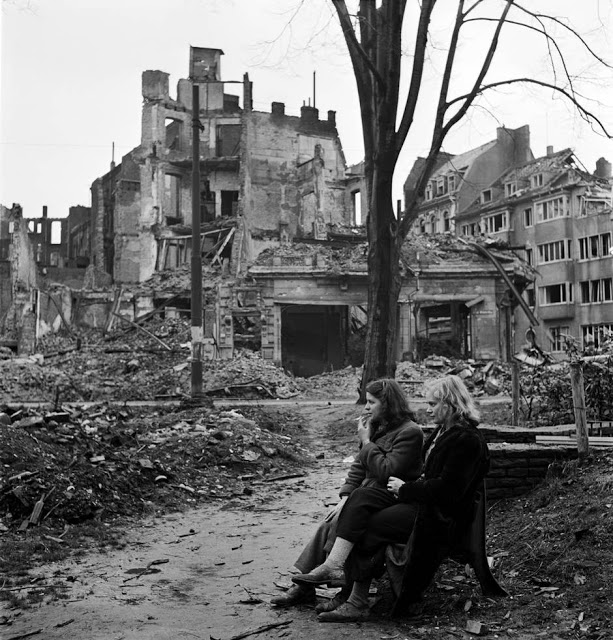
Two German women in ruined Cologne, 1945.
FFI Worker, Paris, France, 1944.
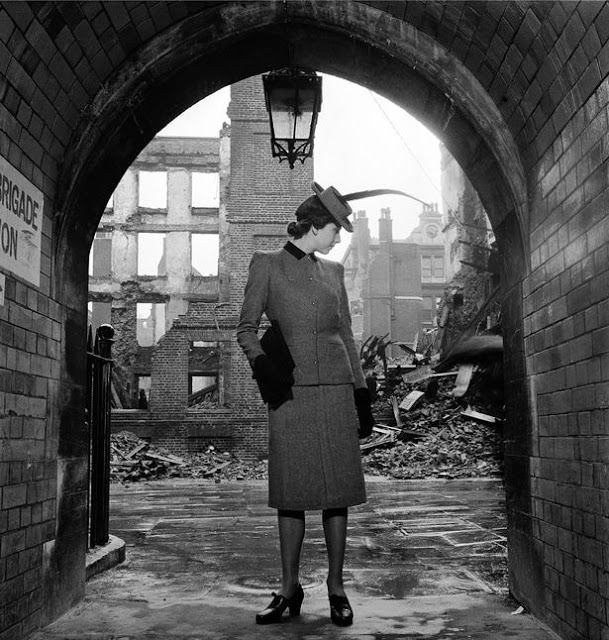
Model shot with the backdrop of bomb damage in London, 1940.
The daughter of the Deputy Mayor of Leipzig after the family committed suicide on 20th April 1945 as American troops were entering the city.
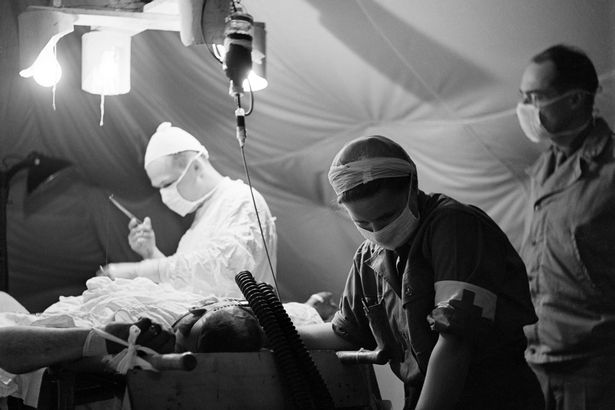
Surgeons at a field hospital in Normandy in 1944.
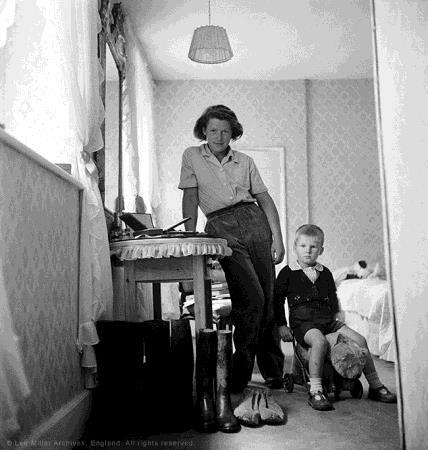
Lady Mary Dunn and young evacuee, Buckinghamshire, England, 1941.
Mlle Christiane Poignet, law student, Paris, France, 1944.
Lee Miller in steel helmet specially designed for using a camera, Normandy, France 1944

Rare Photographs Showing Life Aboard Titanic Shortly Before Its Sinking in 1912

The Reverend Francis Patrick Mary Browne (1880-1960) was a distinguished Irish Jesuit and a prolific photographer. His best known photographs are those of the RMS Titanic and its passengers and crew taken shortly before its sinking in 1912.

In April 1912 he received a present from his uncle: a ticket for the maiden voyage of RMS Titanic from Southampton, England to Queenstown, Ireland, via Cherbourg, France. He traveled to Southampton via Liverpool and London, boarding the Titanic on the afternoon of 10 April 1912. He was booked in cabin no. A37 on the Promenade Deck. Browne took dozens of photographs of life aboard Titanic on that day and the next morning; he shot pictures of the gymnasium, the Marconi room, the first-class dining saloon, his own cabin, and of passengers enjoying walks on the Promenade and Boat decks. He captured the last known images of many crew and passengers, including Captain Edward J. Smith, gymnasium manager T.W. McCawley, engineer William Parr, Major Archibald Butt, and numerous third-class passengers whose names are unknown.
During his voyage on the Titanic, Browne was befriended by an American millionaire couple who were seated at his table in the liner’s first-class dining saloon. They offered to pay his way to New York and back in return for Browne spending the voyage to New York in their company. Browne telegraphed his superior requesting permission, but the reply was an unambiguous “GET OFF THAT SHIP – PROVINCIAL”.

Browne left the Titanic when she docked in Queenstown and returned to Dublin to continue his theological studies. When the news of the ship’s sinking reached him, he realized that his photos would be of great interest, and he negotiated their sale to various newspapers and news cartels. They appeared in publications around the world. Browne retained the negatives. His most famous album has been described as the Titanic Album of Father Browne.

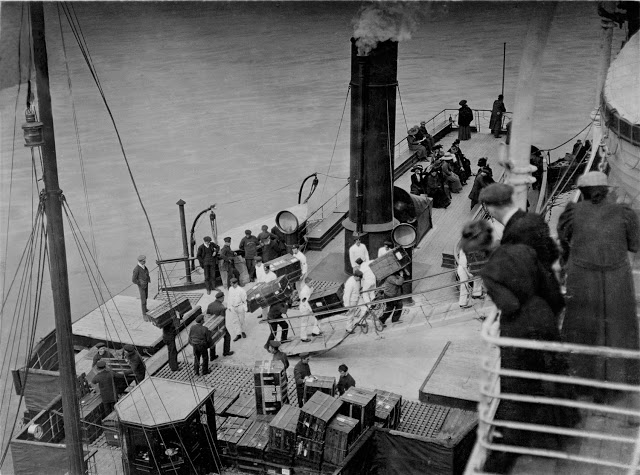
Trunks being carried aboard the Titanic, April 11, 1912.
Promenade deck of the Titanic, after leaving Southampton and passing the Portuguese RMSP Tagus, 1912.
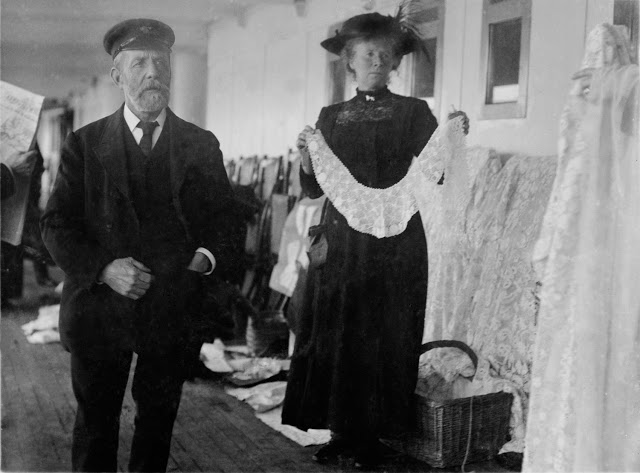
Woman selling Irish lace aboard the Titanic, April 11, 1912.
The Titanic at Portsmouth, April 10, 1912.
Gymnasium on the Titanic, 1912.
Doug Spedden playing on the deck of the Titanic, April 12 1912.
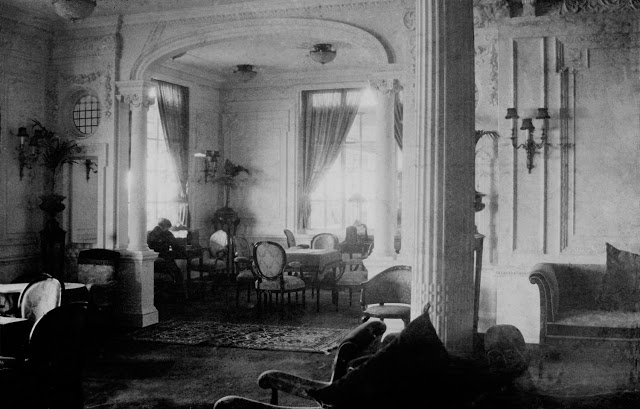
Reading and writing room aboard the Titanic, 1912.
Father Browne’s first class stateroom on the Titanic, 1912.
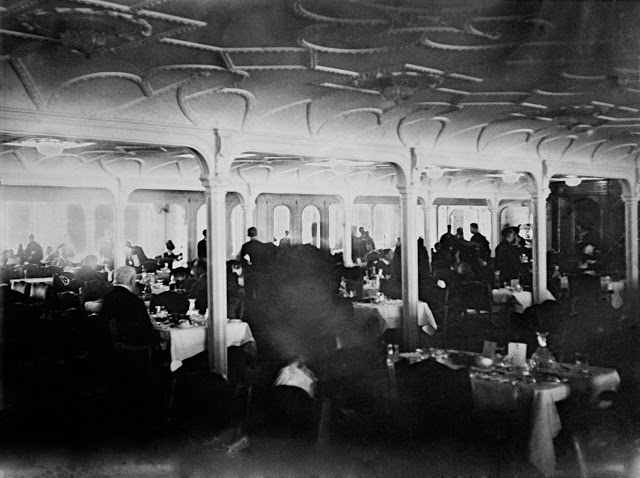
First-class dining room on the Titanic, 1912.
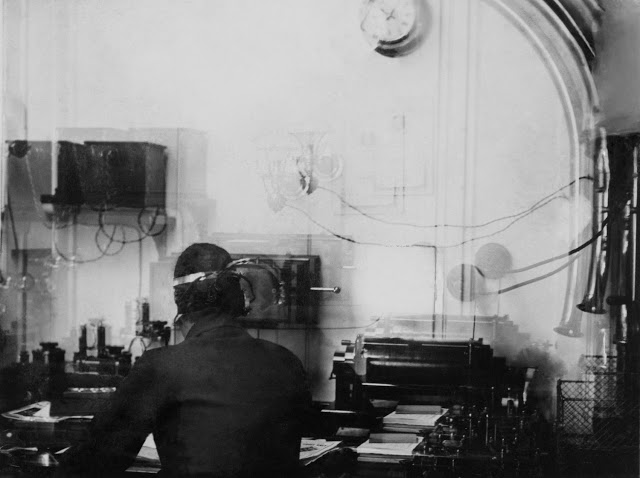
Wireless operator Harold Bride at work in the Marconi Room on the Titanic, 1912.
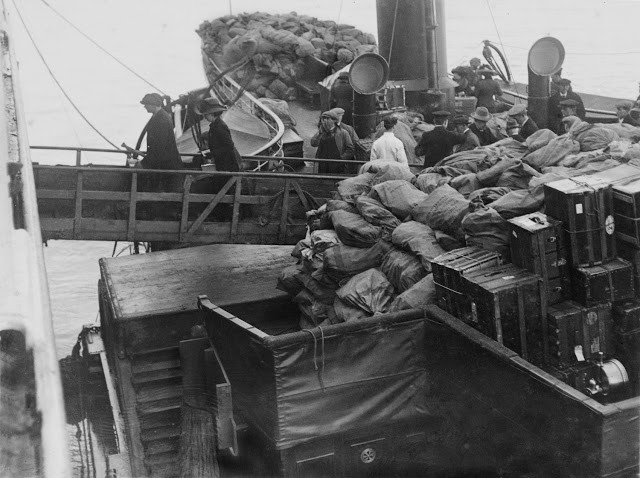
Mail bags and trunks being loaded onto the Titanic, April 11, 1912.
Inspection of signal lamps aboard a tender used to ferry passengers to the Titanic, 1912.
Tugs ‘Hector’ and ‘Neptune’ nudging the bow of the Titanic away from a near collision, 1912.
Raising the anchor for the last time, the Titanic departs Queenstown (Cobh), Ireland, at 1:55pm on April 11, 1912.
Last picture of the TItanic leaving Queenstown (Cobh), Ireland on her maiden voyage to New York, April 12, 1912.

(Photos: Fr Browne SJ Collection—UIG/The Bridgeman Art Library)

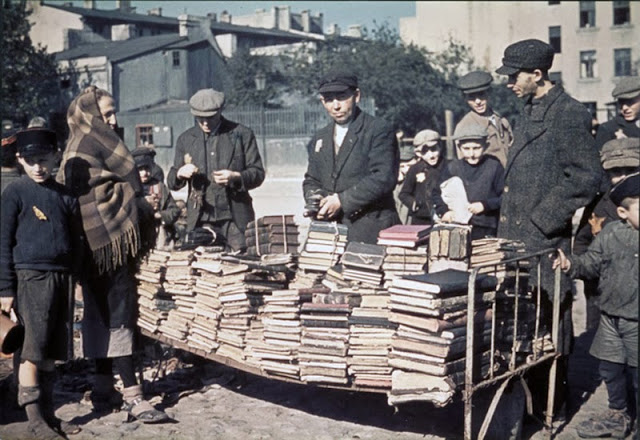
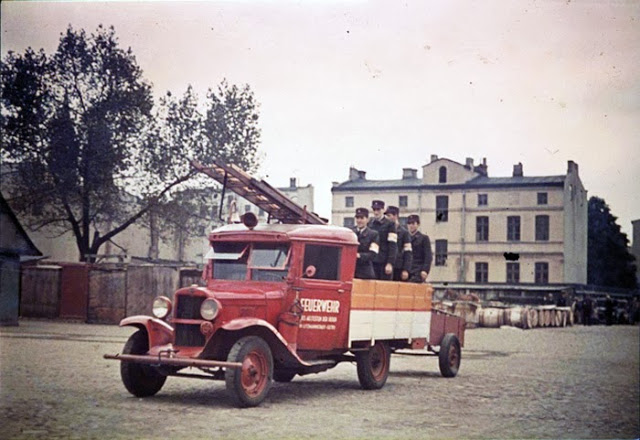
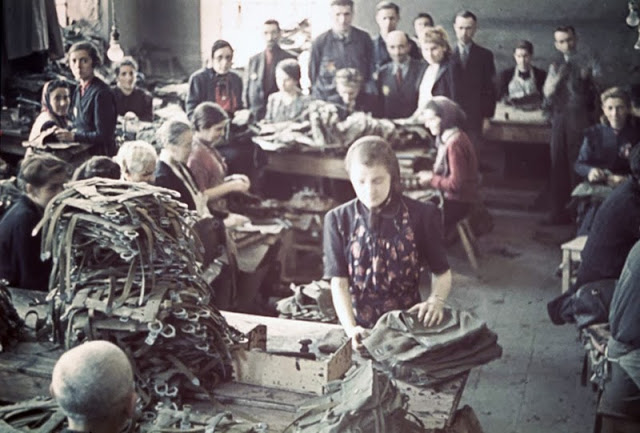
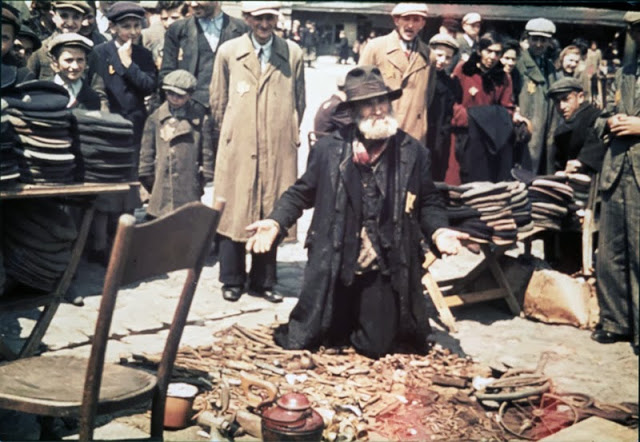
17 Rare Color Photos Showing Life at the Lodz Ghetto in Poland during the Early 1940s

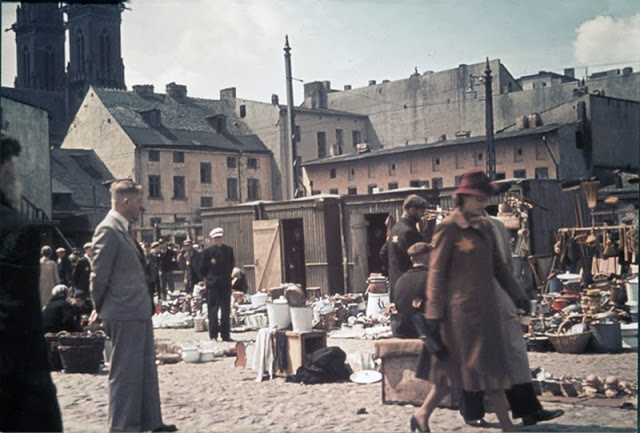
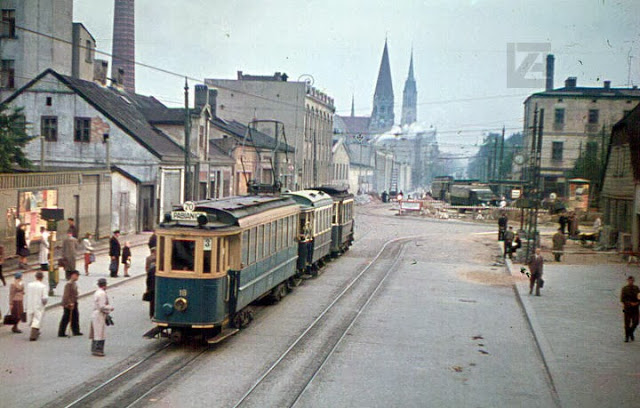
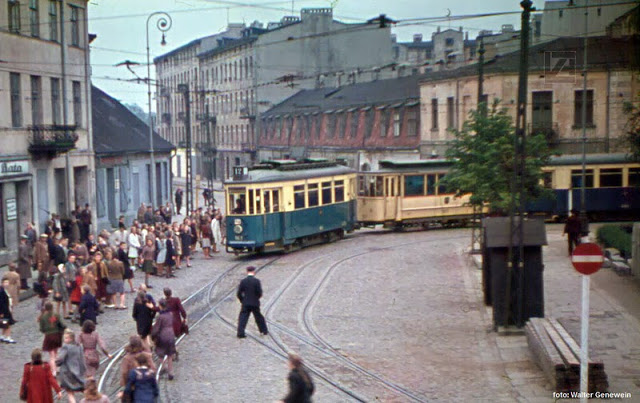
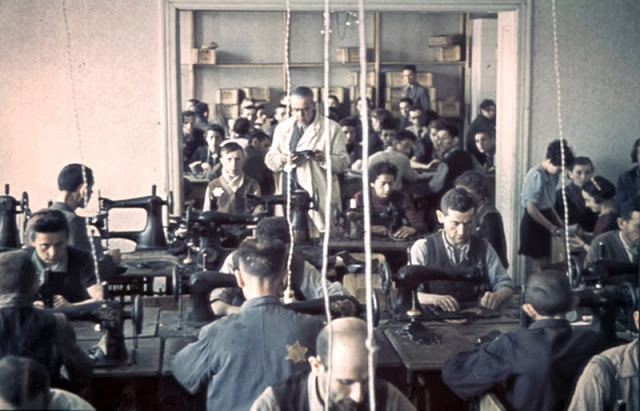
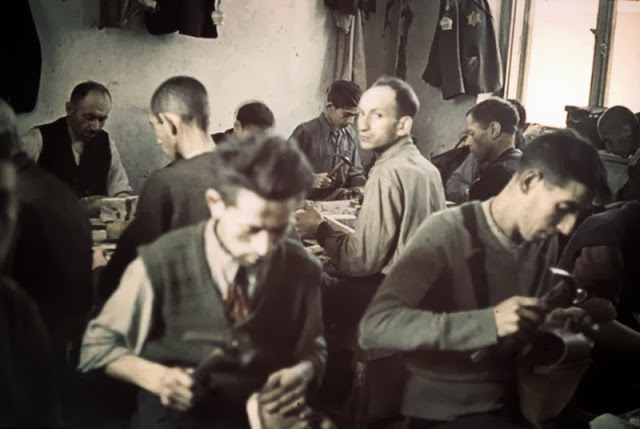
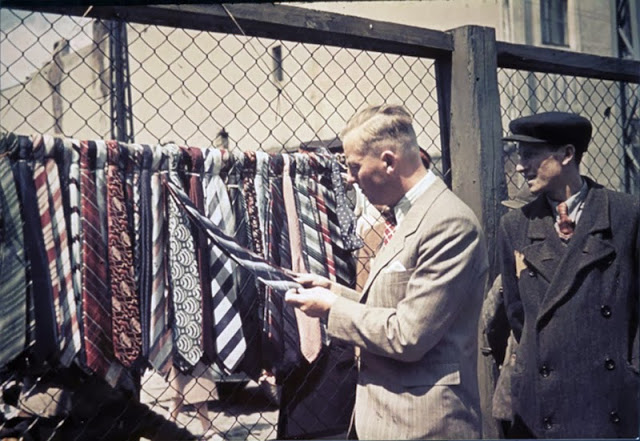
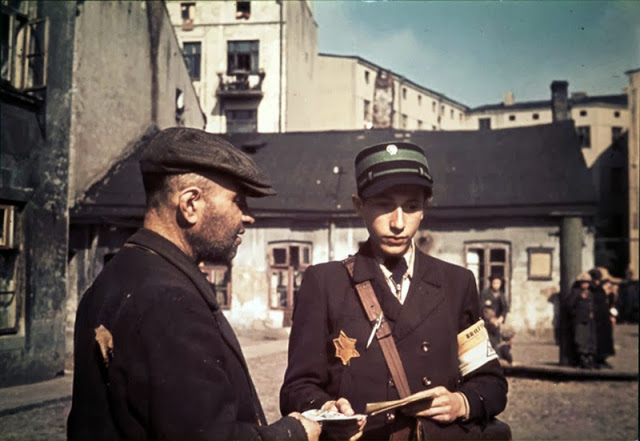
The Lodz Ghetto was a World War II ghetto established for Polish Jews and Roma following the 1939 invasion of Poland. It was the second-largest ghetto in all of German-occupied Europe after the Warsaw Ghetto.

Shown are some rare color photographs that capture daily life at the Lodz Ghetto in 1943.

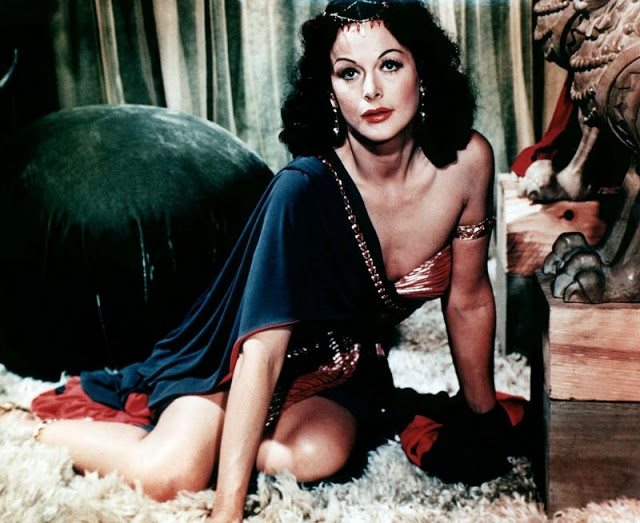
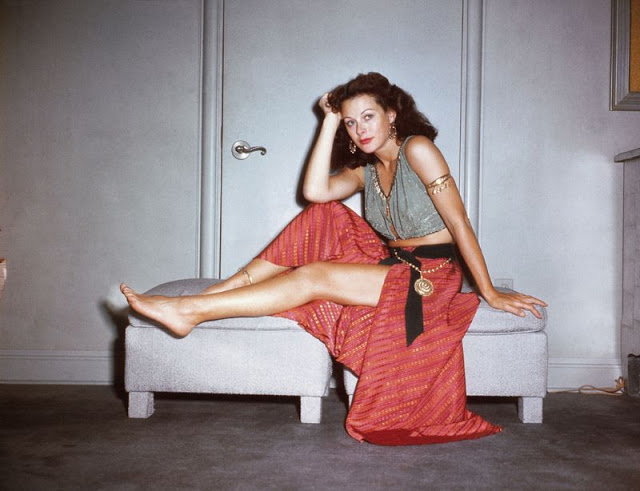
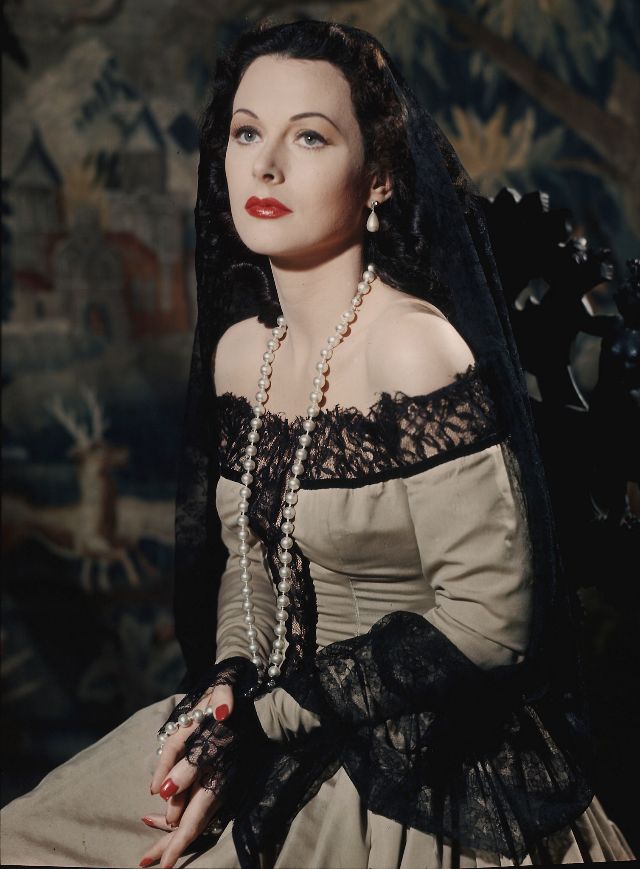
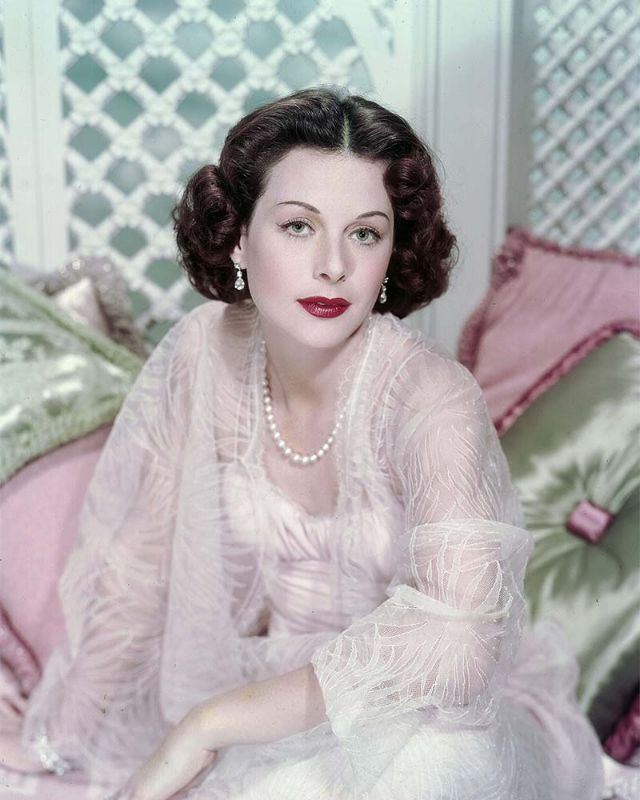
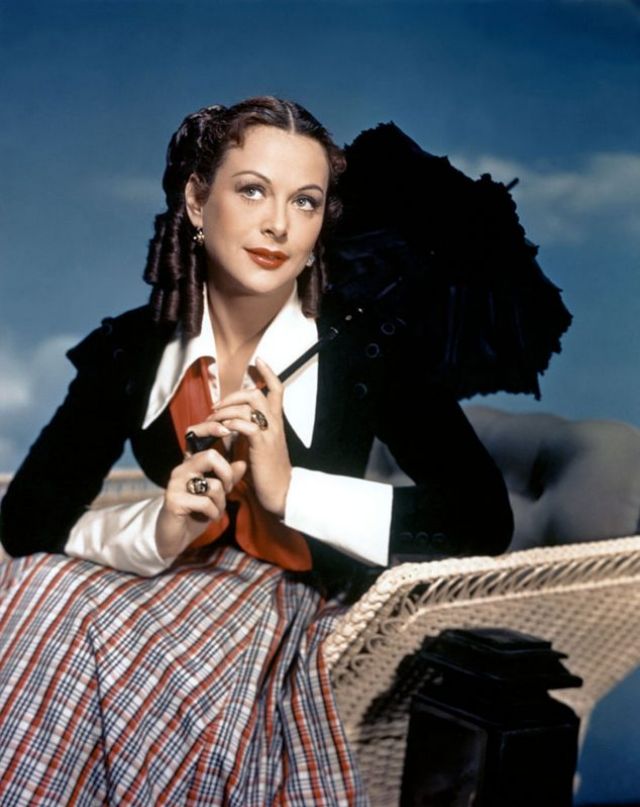
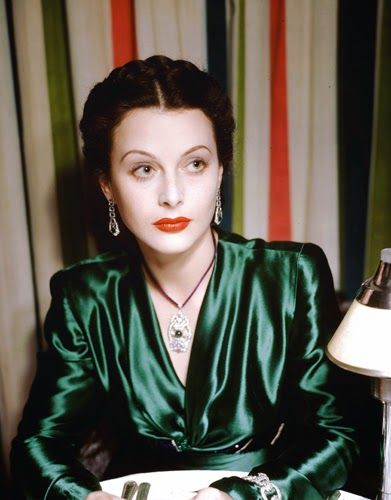
47 Gorgeous Photos of Actress and Inventor Hedy Lamar During the 1930s & 1940s

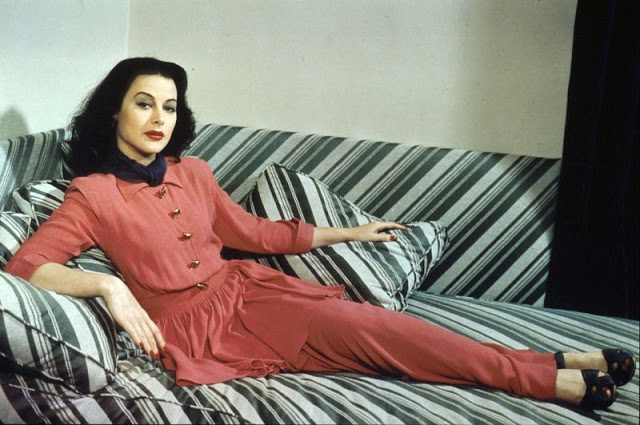
After a brief early film career in Czechoslovakia, she fled from her husband, a wealthy Austrian ammunition manufacturer, and secretly moved to Paris. There, she met Metro-Goldwyn-Mayer studio head Louis B. Mayer, who offered her a movie contract in Hollywood, where she became a film star from the late 1930s to the 1950s.

Among Lamarr’s best known films are Algiers (1938), Boom Town (1940), I Take This Woman (1940), Comrade X (1940), Come Live With Me (1941), H.M. Pulham, Esq. (1941), and Samson and Delilah (1949).

Lamarr is also credited with being an inventor. At the beginning of World War II, she and composer George Antheil developed a radio guidance system for Allied torpedoes, which used spread spectrum and frequency hopping technology to defeat the threat of jamming by the Axis powers.

Although the US Navy did not adopt the technology until the 1960s, the principles of their work are arguably incorporated into Bluetooth technology, and are similar to methods used in legacy versions of CDMA and Wi-Fi.

Lamarr was married six times, had two sons and a daughter. She died in 2000 in Casselberry, Florida, of heart disease, aged 85.

Take a look at these glamorous photos to see the beauty of this talented woman from the 1930s and 1940s.

40 Vintage Photos of Hollywood Actors in Their Daily Lives

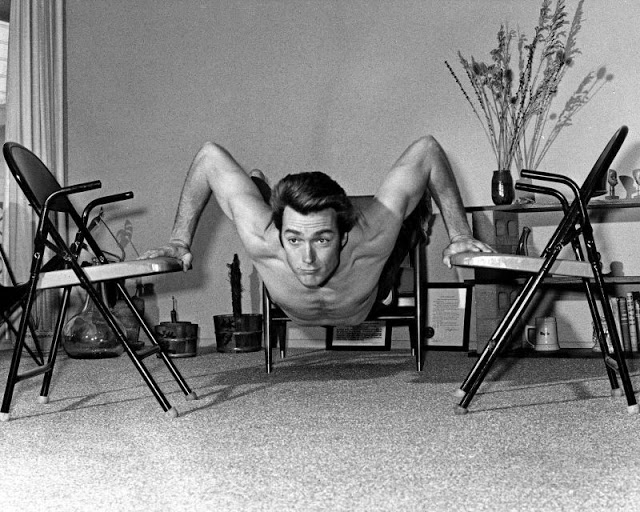
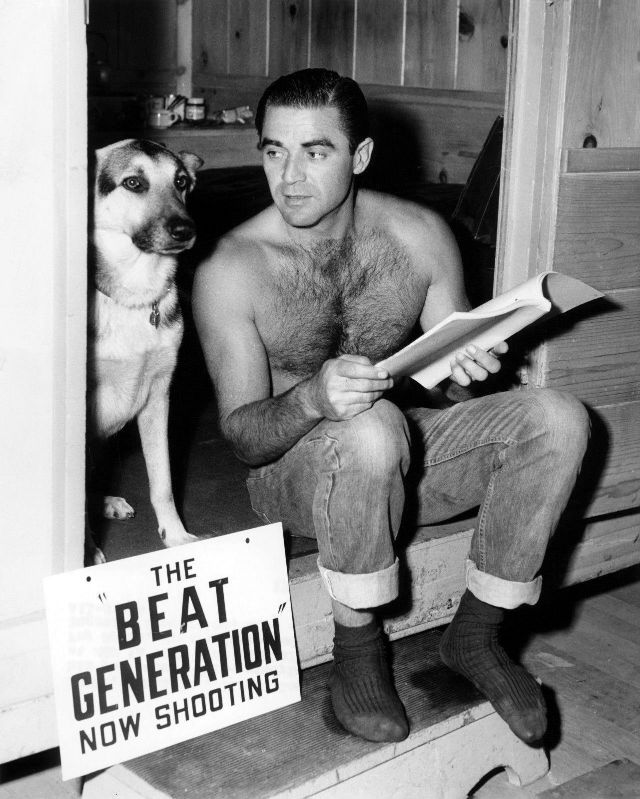
Clint Eastwood
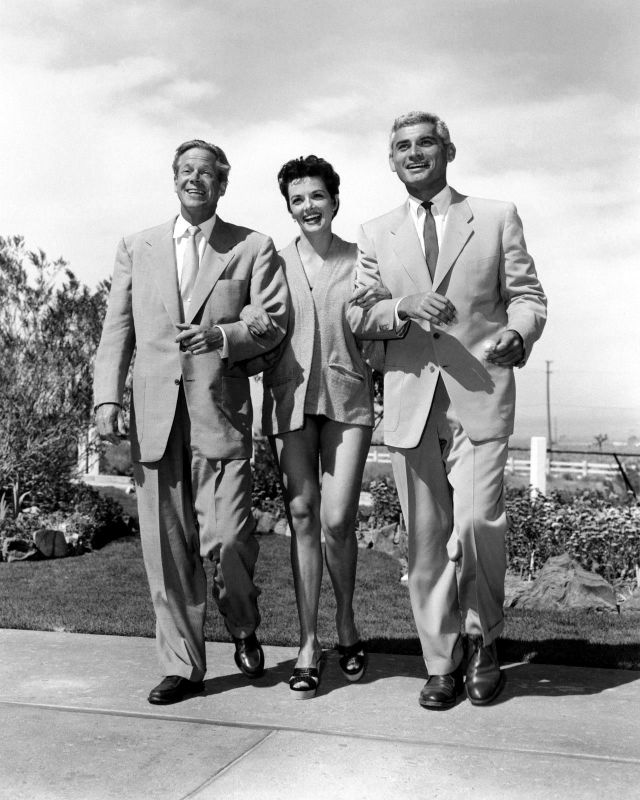
Dan Duryea, Jane Russell and Jeff Chandler
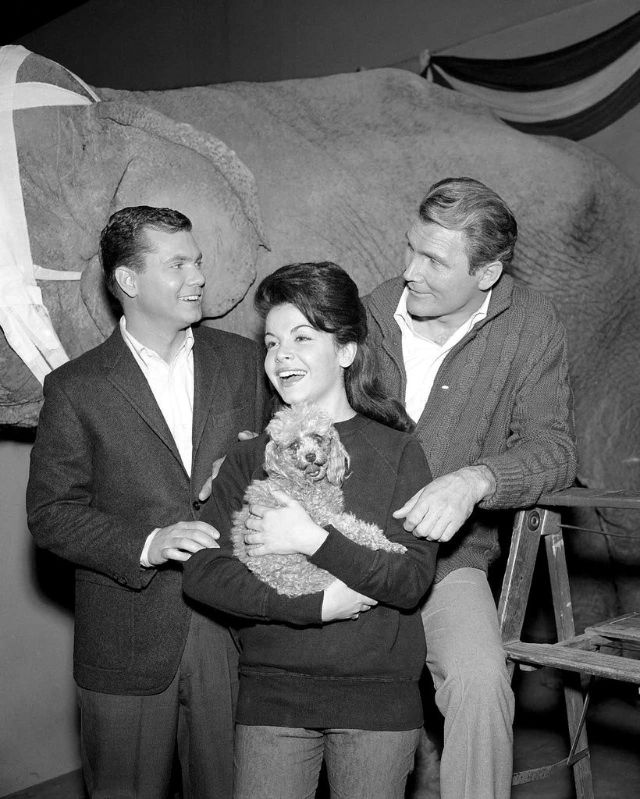
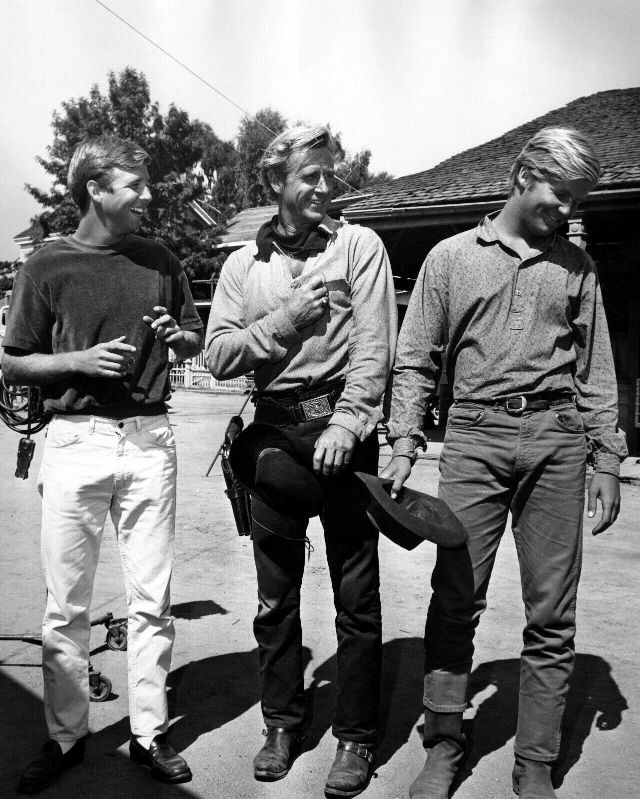
Dwayne Hickman, Annette Funicello, and Jack Palance
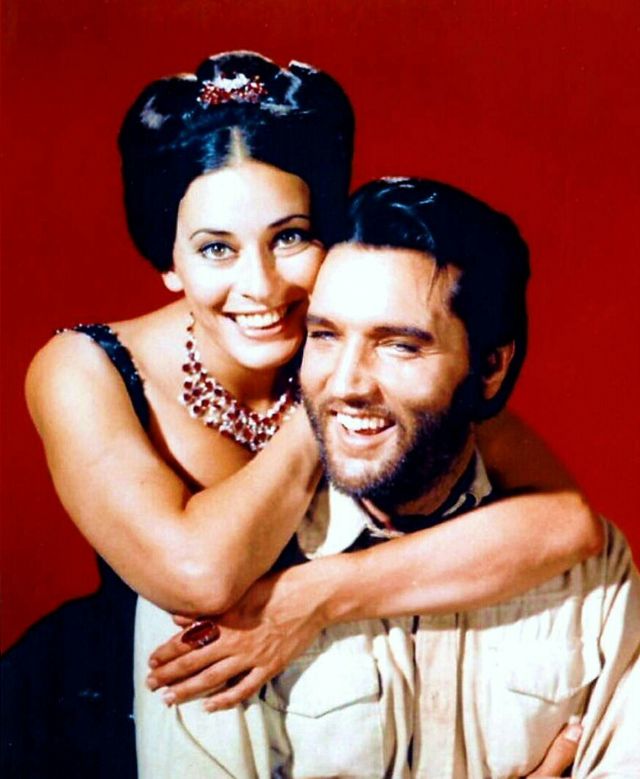
Elvis Presley and Ina Balin
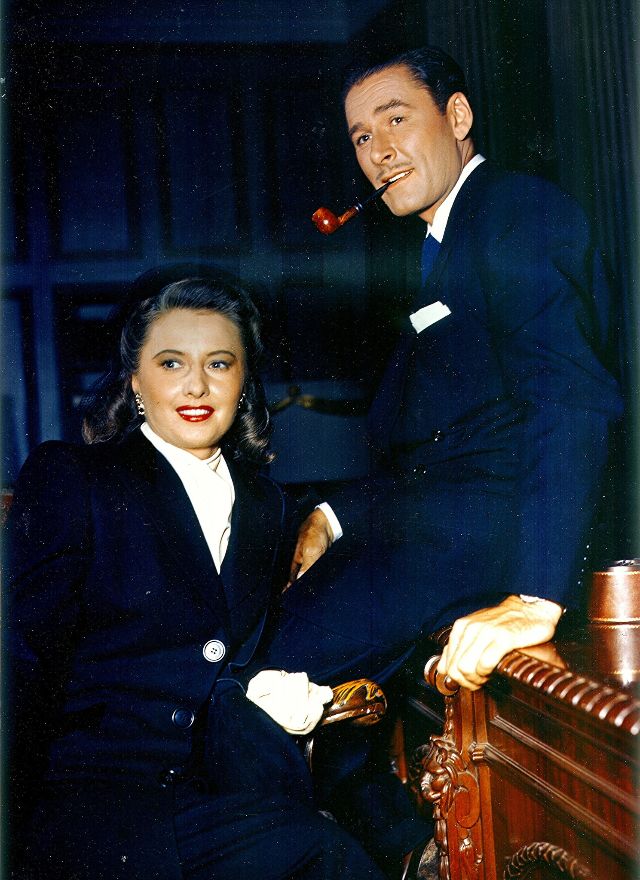
Errol Flynn and Barbara Stanwyck
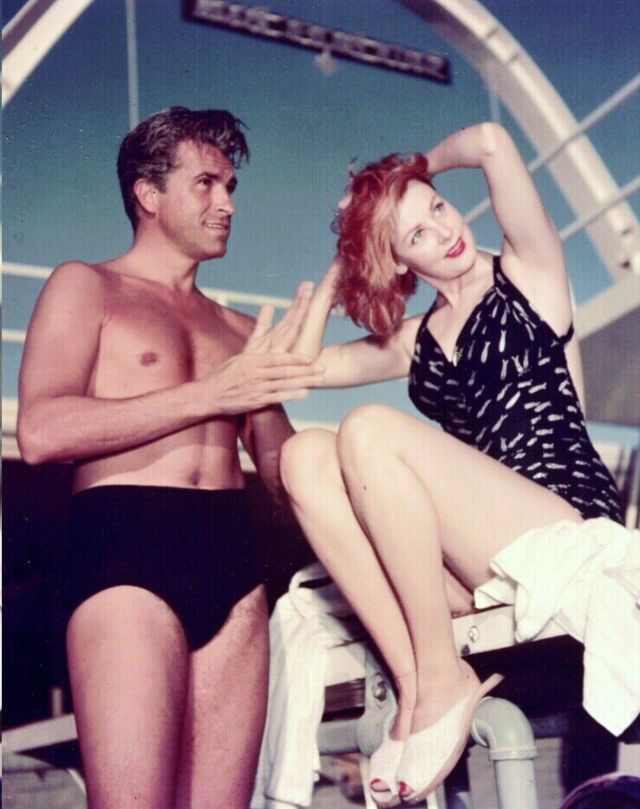
Fernando Lamas and Esther Williams
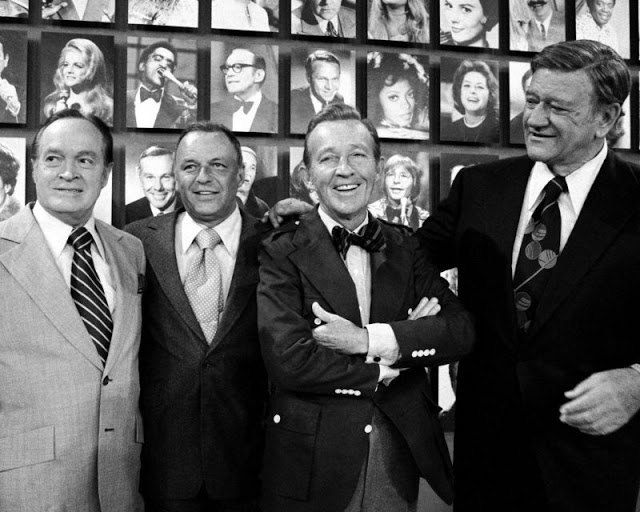
Frank Sinatra, Bob Hope, John Wayne, and Bing Crosby for NBC
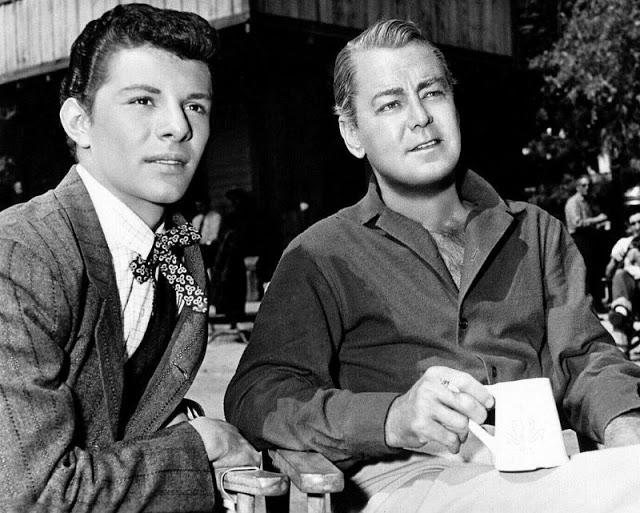
Frankie Avalon and Alan Ladd
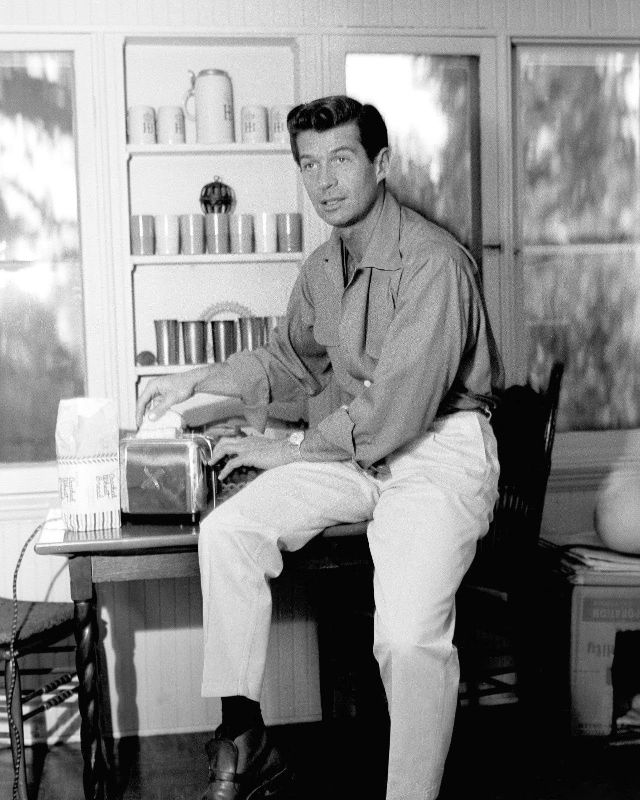
George Nader making a toast at the kitchen of his home in Los Angeles
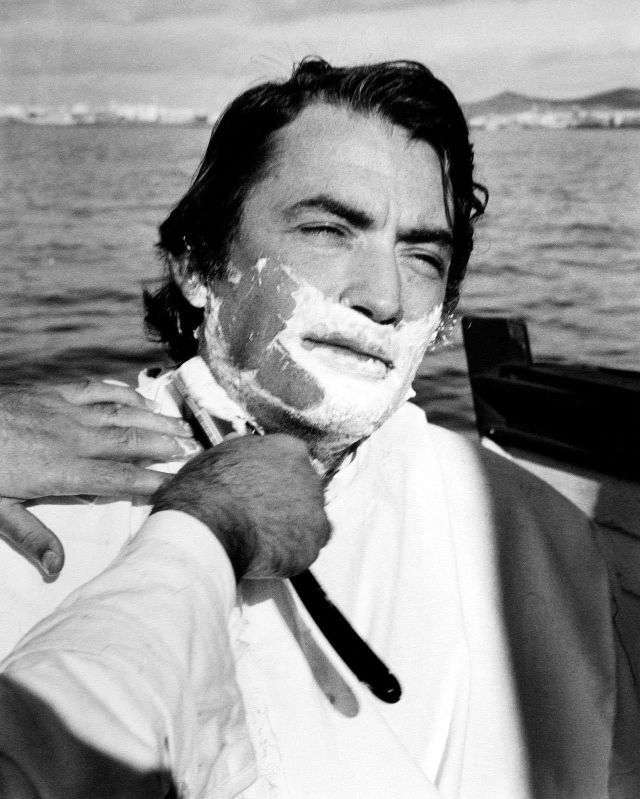
Gregory Peck getting shaved
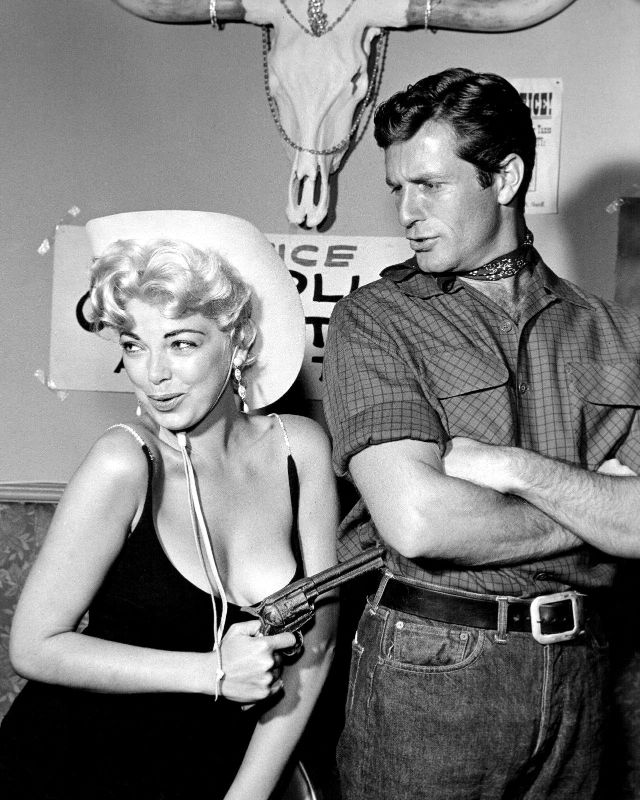
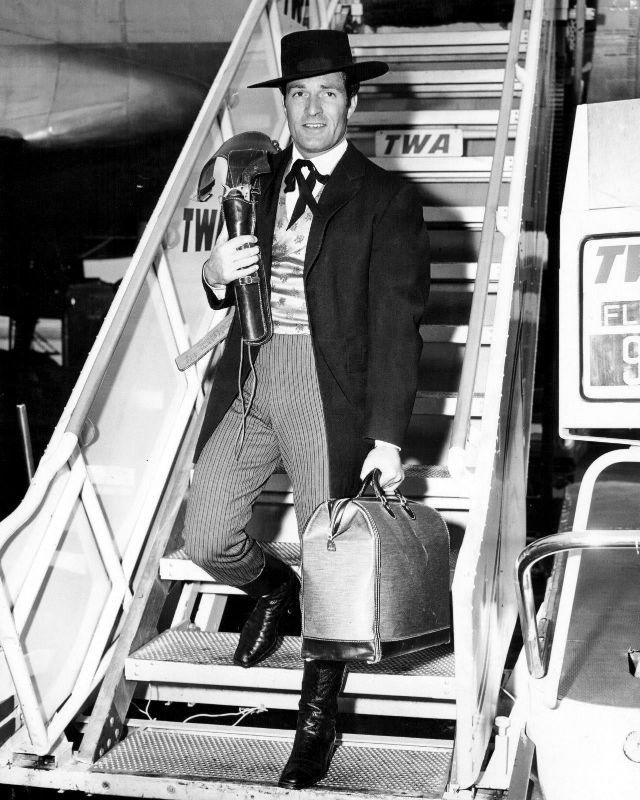
Hugh O’Brian and Barbara Nichols as cowboys at charity fundraiser party
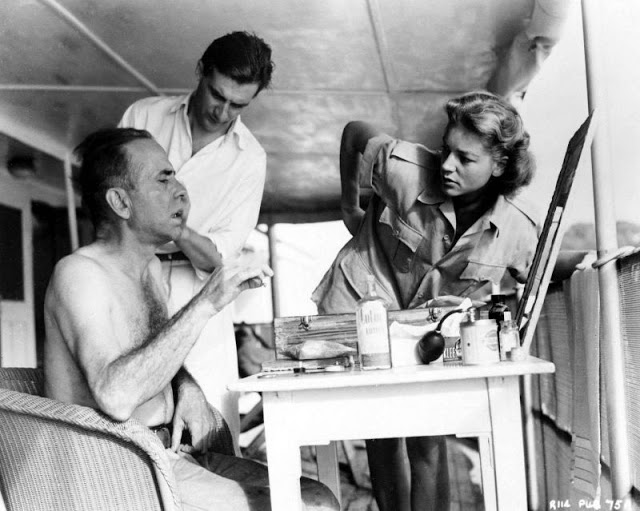
Humphrey Bogart and his wife Lauren Bacall
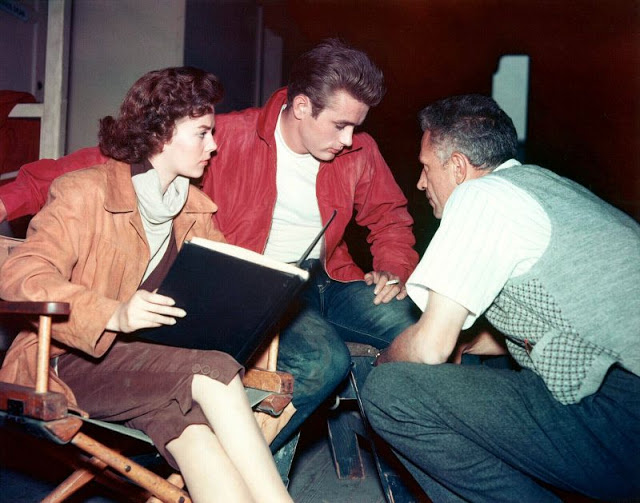
James Dean
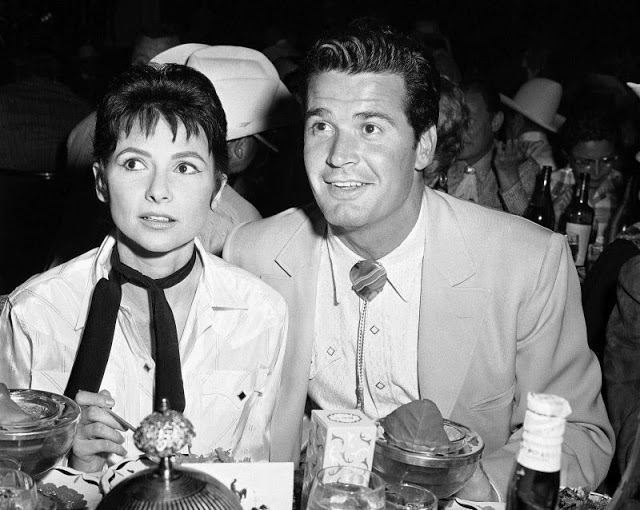
James Garner and his wife Lois
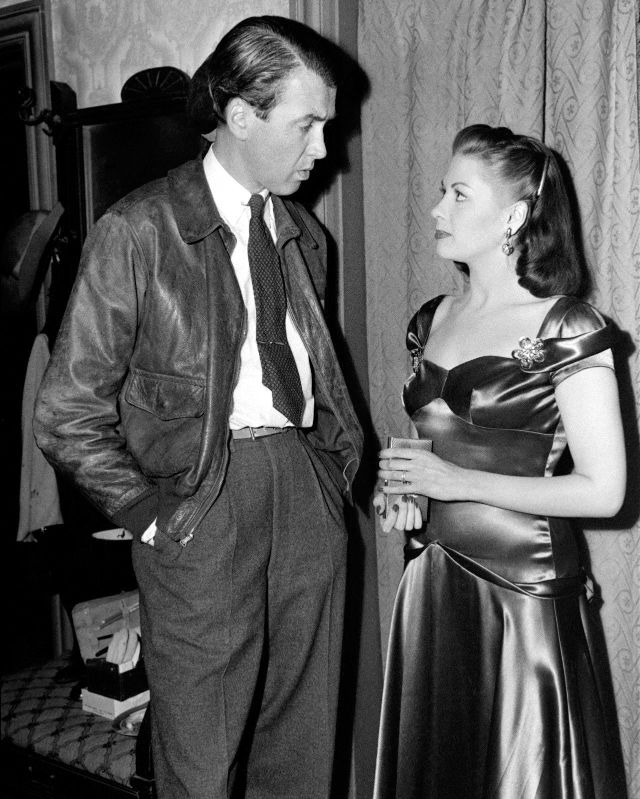
James Stewart speaking with Yvonne De Carlo
Lex Barker
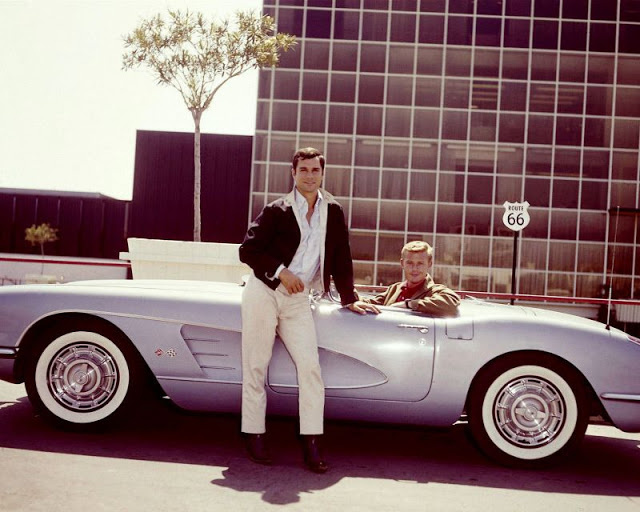
Martin Milner and George Maharis
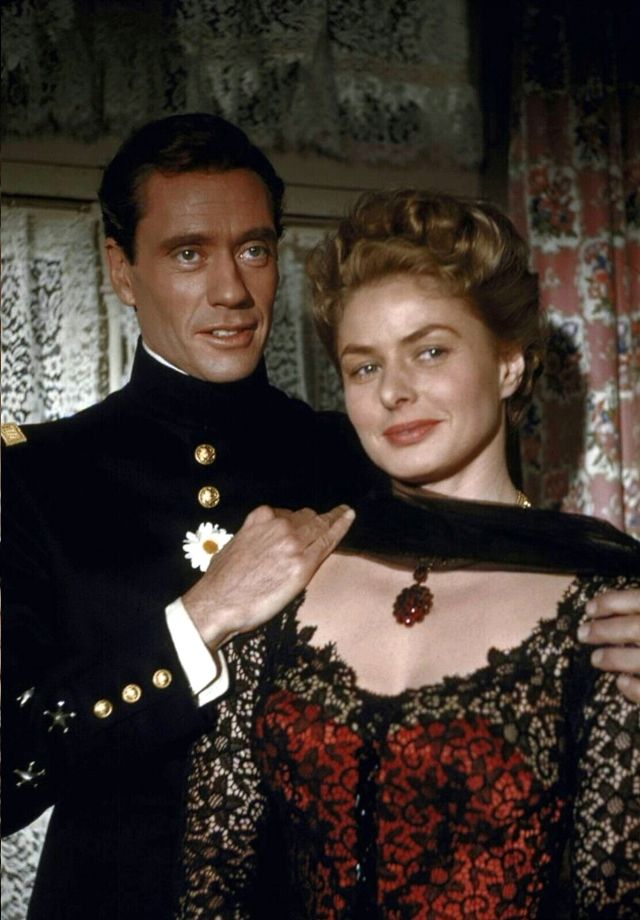
Mel Ferrer and Ingrid Bergman
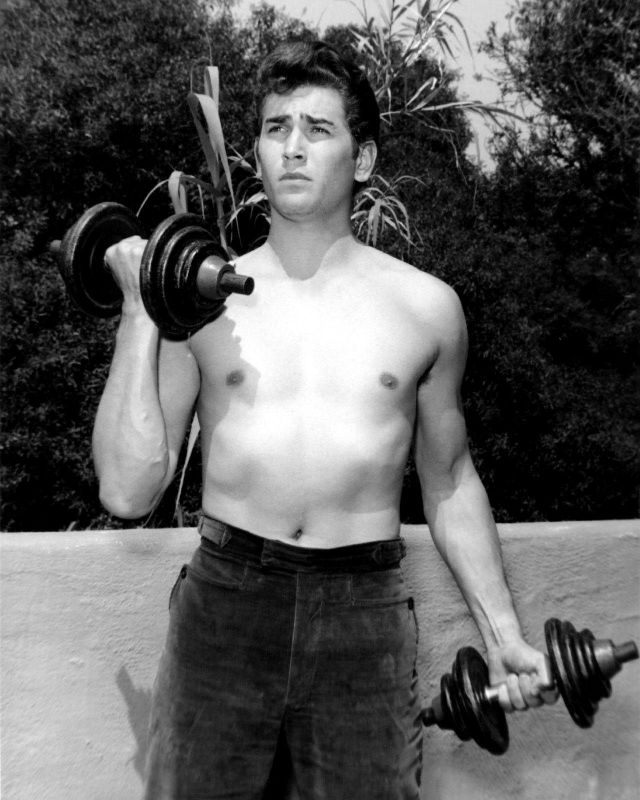
Michael Landon
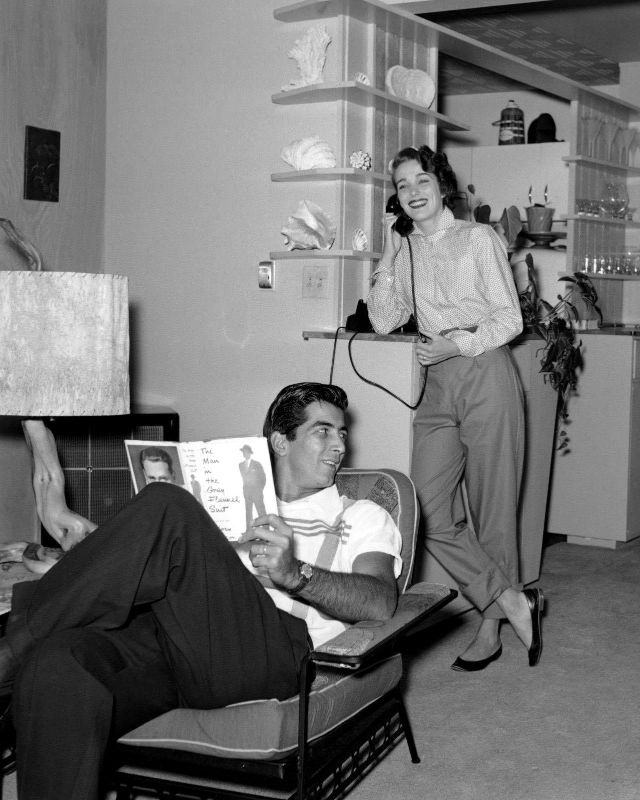
Ray Danton at home with his wife Julie Adams
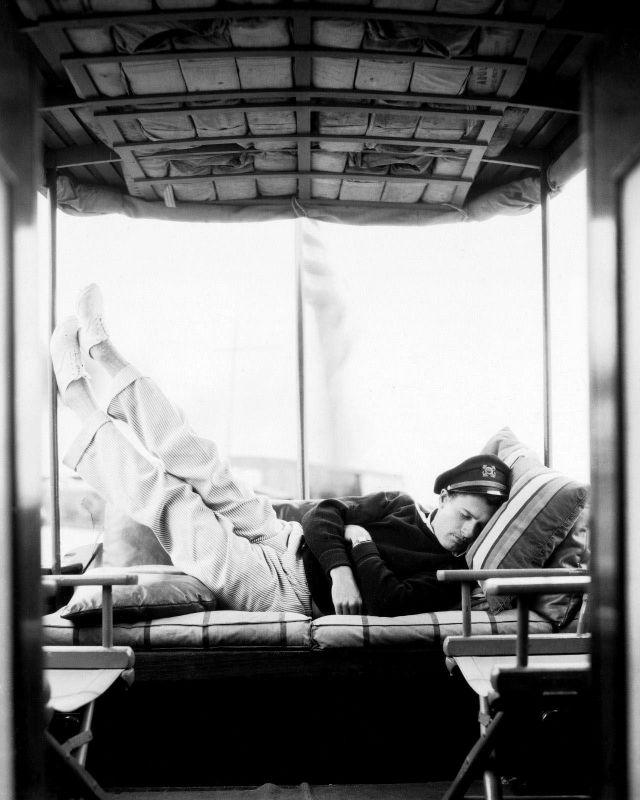
Richard Arlen asleep on his 51-foot yacht
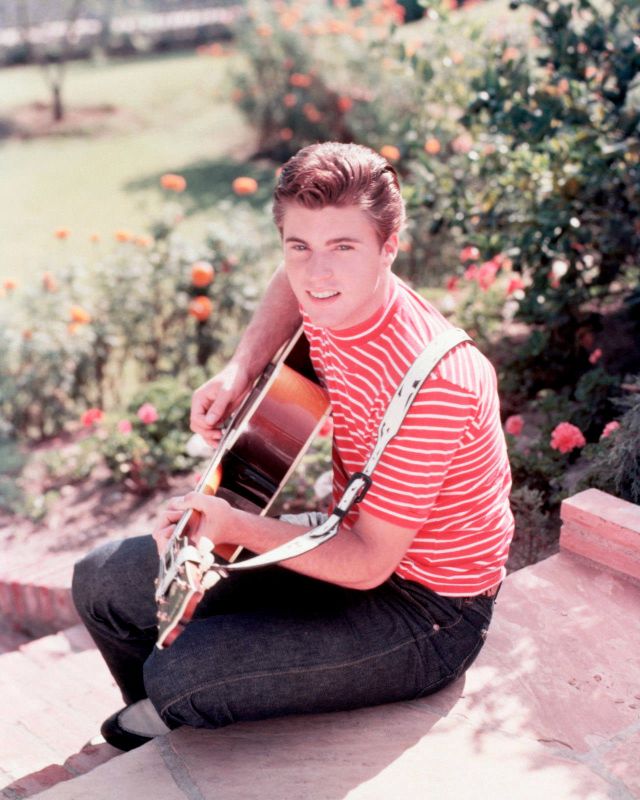
Ricky Nelson
Robert Mitchum at home with his sons James & Christopher
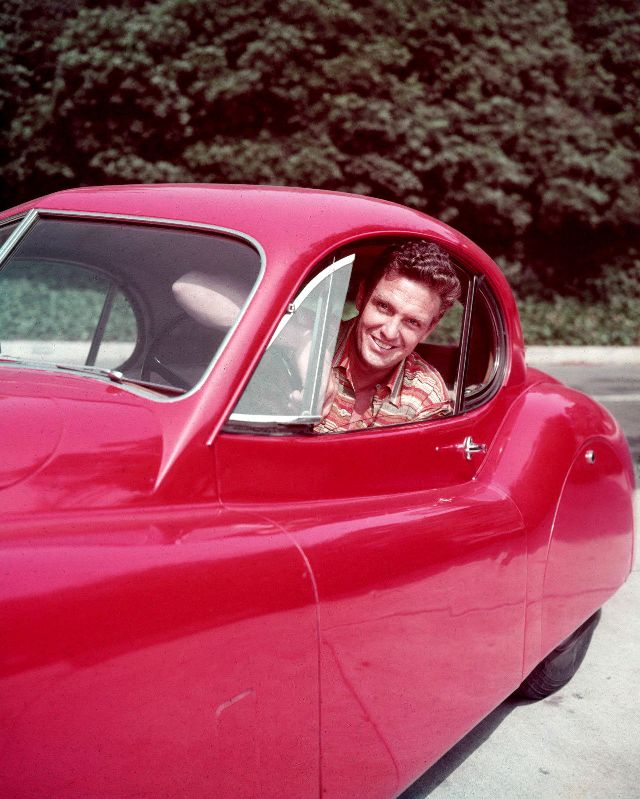
Robert Stack
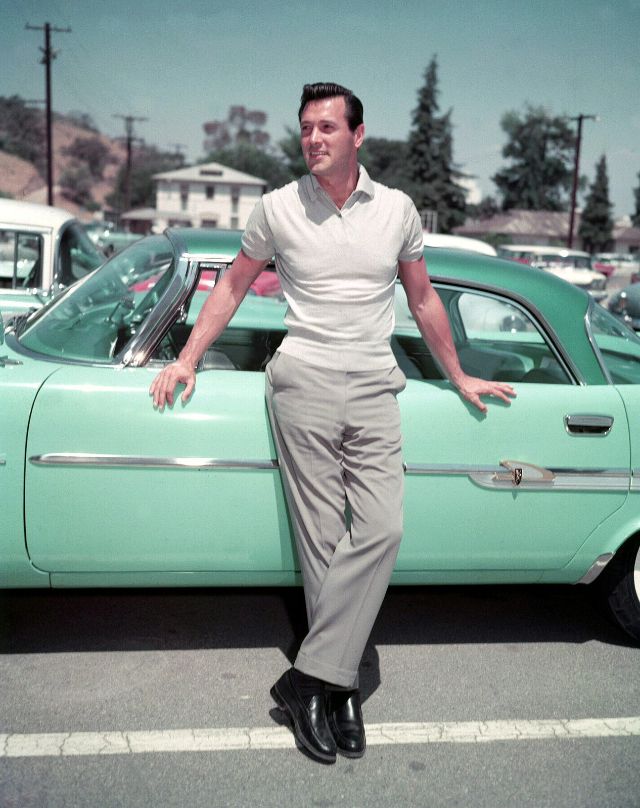
Rock Hudson
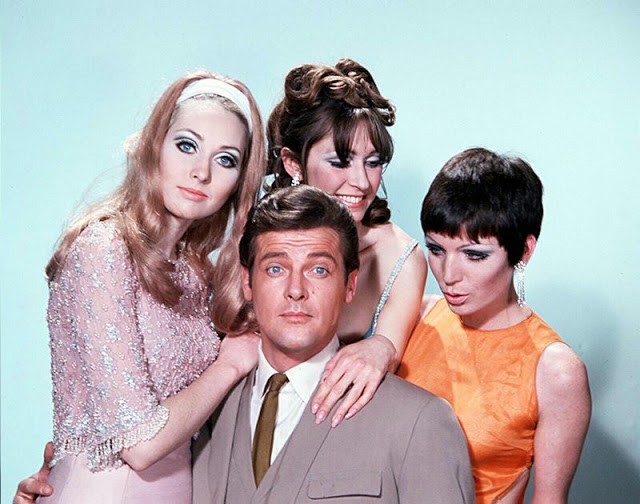
Roger Moore
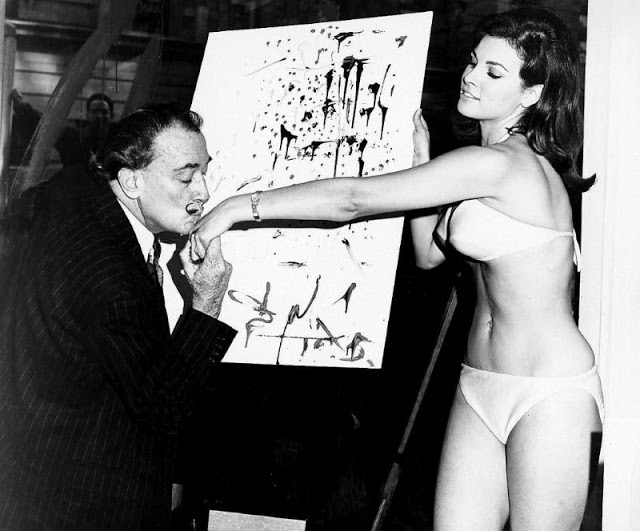
Salvador Dali and Raquel Welch
Sean Connery and Ursula Andress
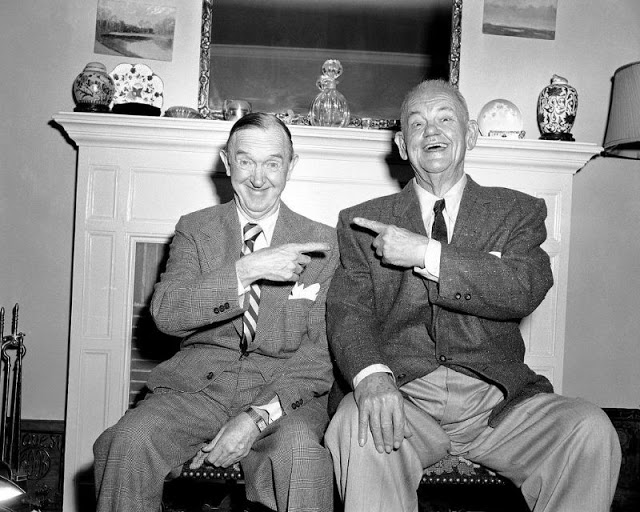
Stan Laurel and Oliver Hardy
Steve Cochran
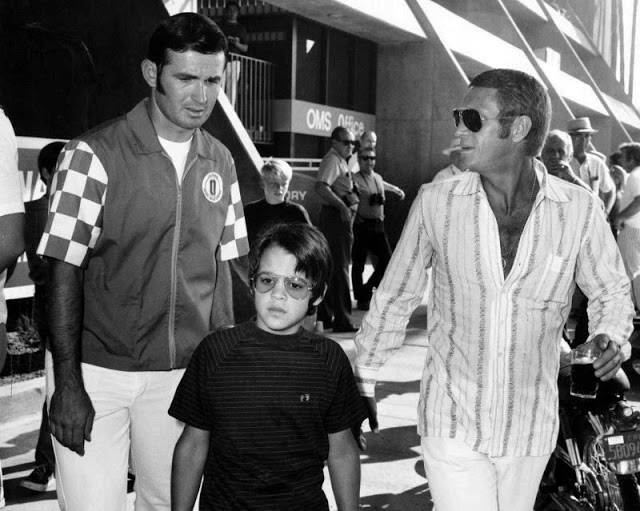
Steve McQueen with his son Chad at California-500 Indycar Race in Ontario
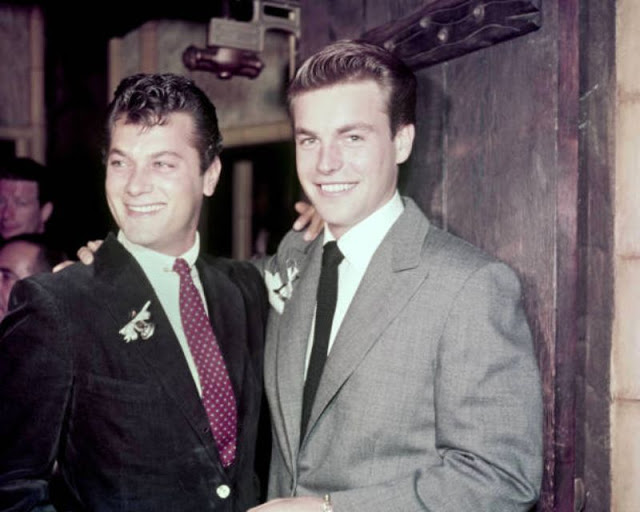
Tony Curtis and Robert Wagner during cocktails at the Hollywood Press Club, Los Angeles
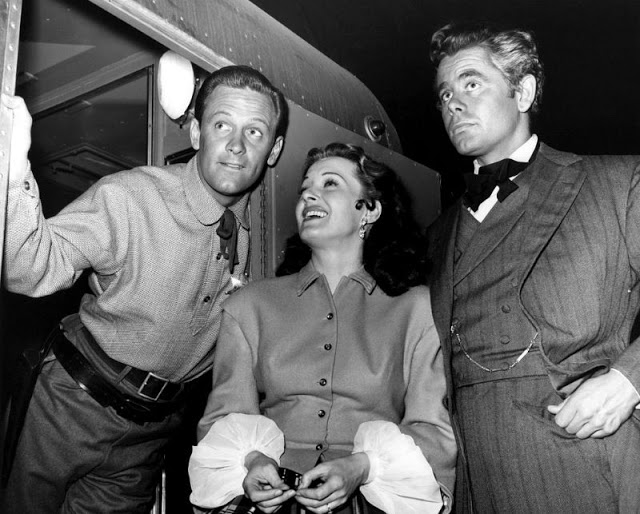
William Holden, Ellen Drew, and Glenn Ford
Wyatt Earp
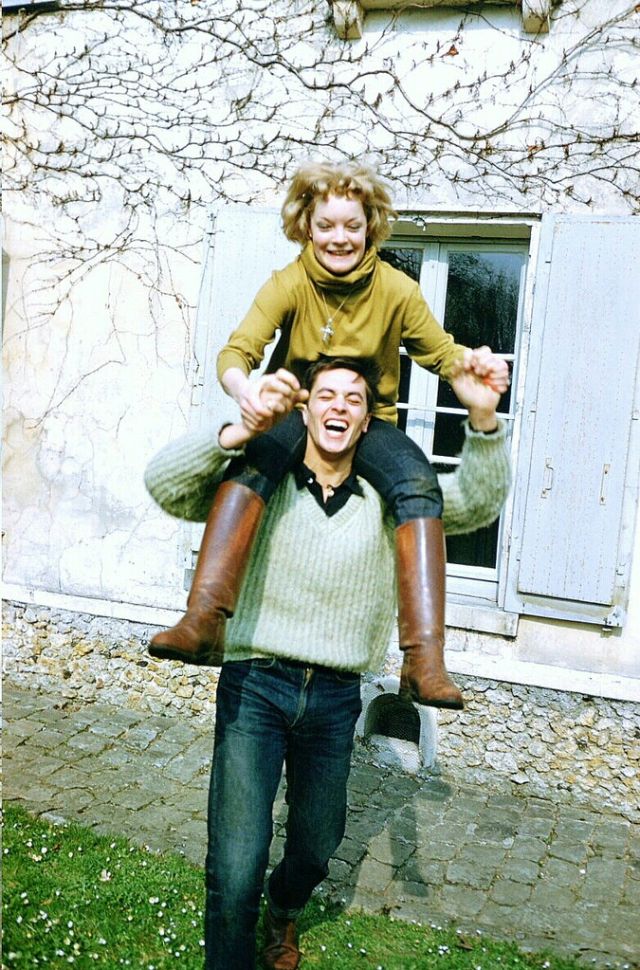
Alain Delon and Romy Schneider
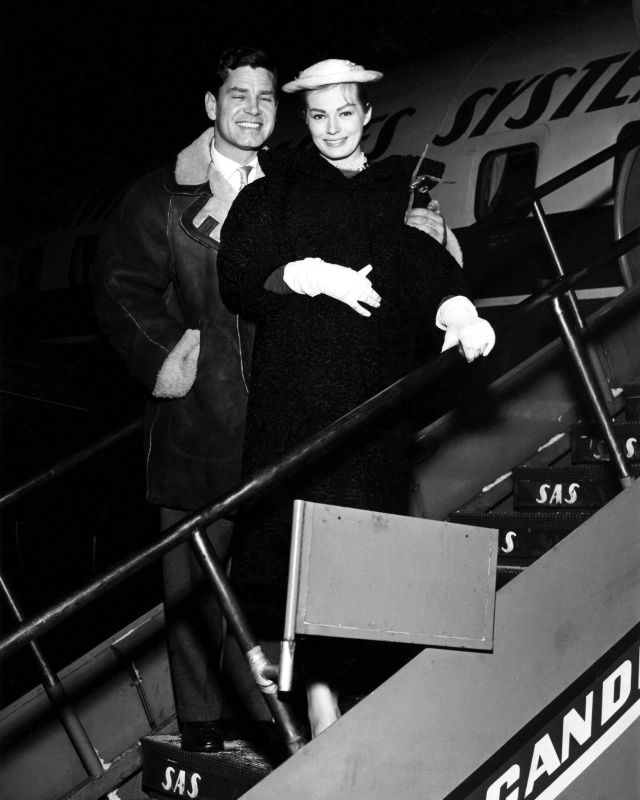
Anthony Steel and Anita Ekberg
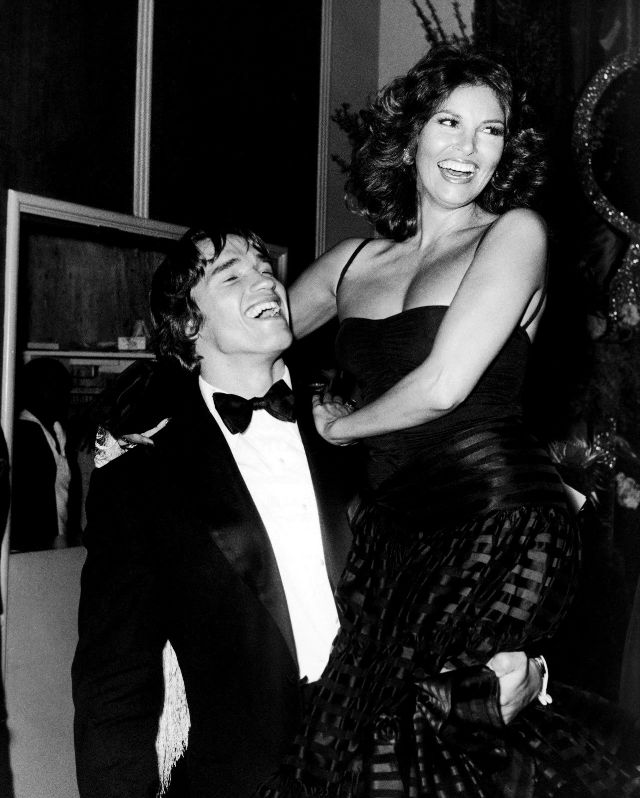
Arnold Schwarzenegger holds Raquel Welch at the Golden Globe Awards
Beau, Lloyd, and Jeff Bridges
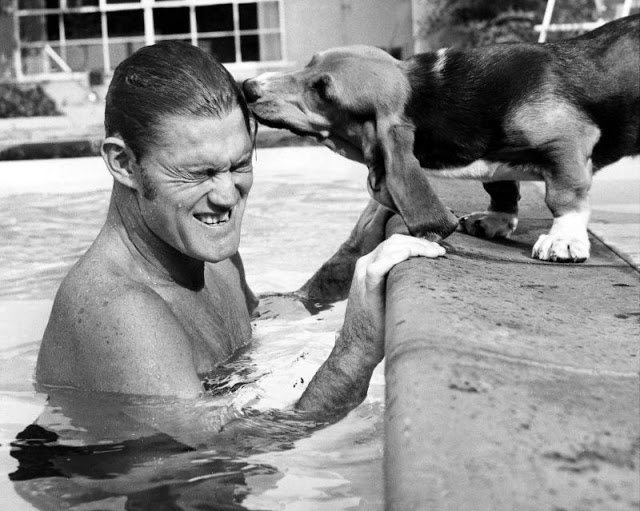
Chuck Connors with his dog relaxing in his swimming pool
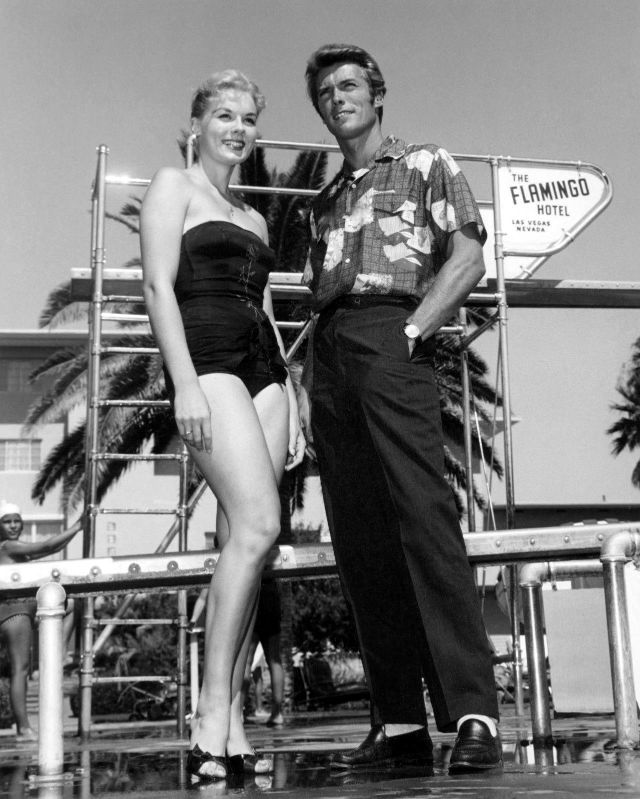
Clint Eastwood with a girl by the pool of the Hotel Flamingo in Las Vegas

Historic Photos Taken Before, During, and After the Hindenburg Disaster in 1937

The crash of the Hindenburg was one of the most jarring aviation disasters of its day.

On May 6, 1937, the massive German airship caught fire while attempting to land near Lakehurst, New Jersey, killing 35 people aboard, plus one ground crew member. Of the 97 passengers and crew members on board, 62 managed to survive.

The horrifying incident was captured by reporters and photographers and replayed on radio broadcasts, in newsprint, and on newsreels. News of the disaster led to a public loss of confidence in airship travel, ending an era. The 245 m (803 f) Hindenburg used flammable hydrogen for lift, which incinerated the airship in a massive fireball, but the actual cause of the initial fire remains unknown.

Here are 33 historic images of the Hindenburg’s first successful year of transatlantic travel, and of its tragic ending in May 1937.

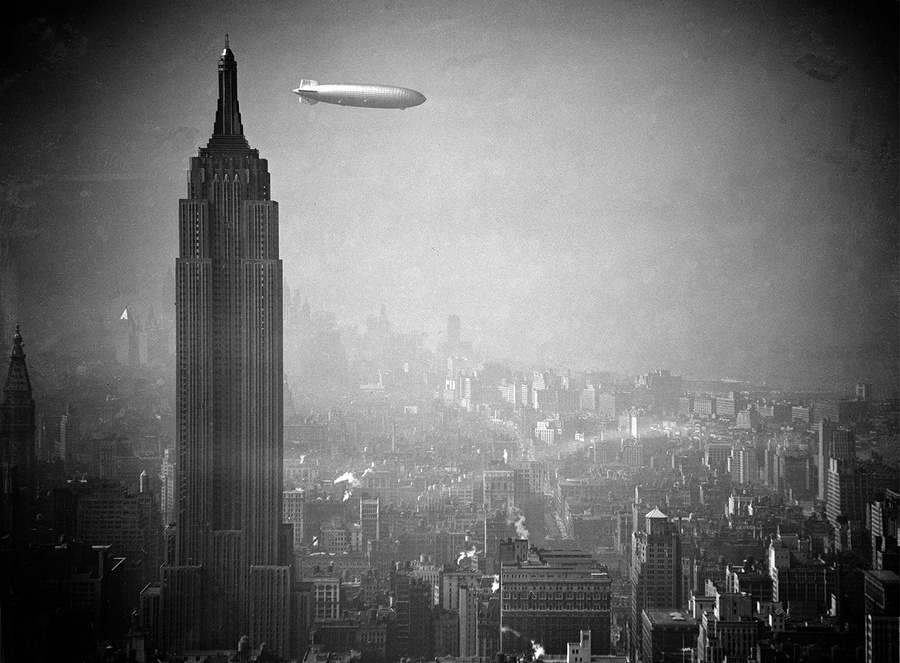
The German zeppelin Hindenburg flies over Manhattan on May 6, 1937. A few hours later, the ship burst into flames in an attempt to land at Lakehurst, New Jersey
Finishing touches are applied to the A/S Hindenburg in the huge German construction hangar at Friedrichshafen. Workmen, dwarfed in comparison with the ship’s huge tail surfaces, are chemically treating the fabric covering the huge hull.
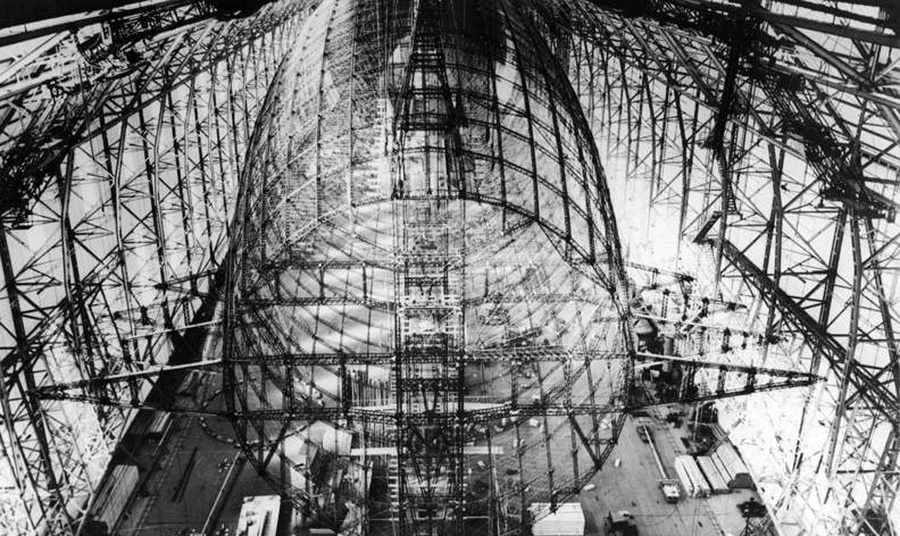
The steel skeleton of “LZ 129”, the new German airship, under construction in Friedrichshafen. The airship would later be named after the late Field Marshal Paul von Hindenburg, former President of Germany.
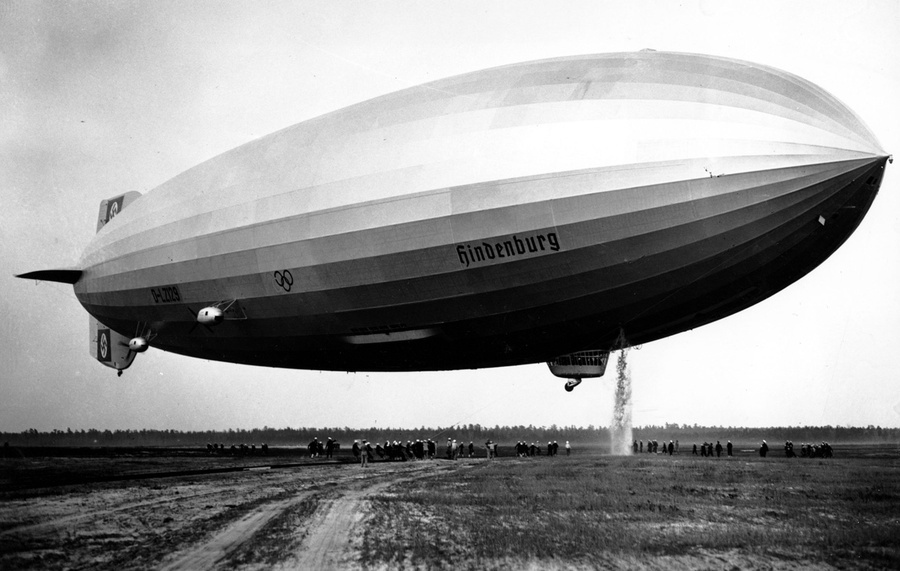
The Hindenburg dumps water to ensure a smoother landing in Lakehurst, New Jersey, on May 9, 1936. The airship made 17 round trips across the Atlantic Ocean in 1936, transporting 2,600 passengers in comfort at speeds up to 135 km/h (85 mph). The Zeppelin Company began constructing the Hindenburg in 1931, several years before Adolf Hitler’s appointment as German Chancellor. For the 14 months it operated, the airship flew under the newly-changed German national flag, the swastika flag of the Nazi Party.
Spectators and ground crew surround the gondola of the Hindenburg as the lighter-than-air ship prepares to depart the U.S. Naval Station at Lakehurst, New Jersey, on May 11, 1936, on a return trip to Germany.
A color photograph of the dining room aboard the Hindenburg.
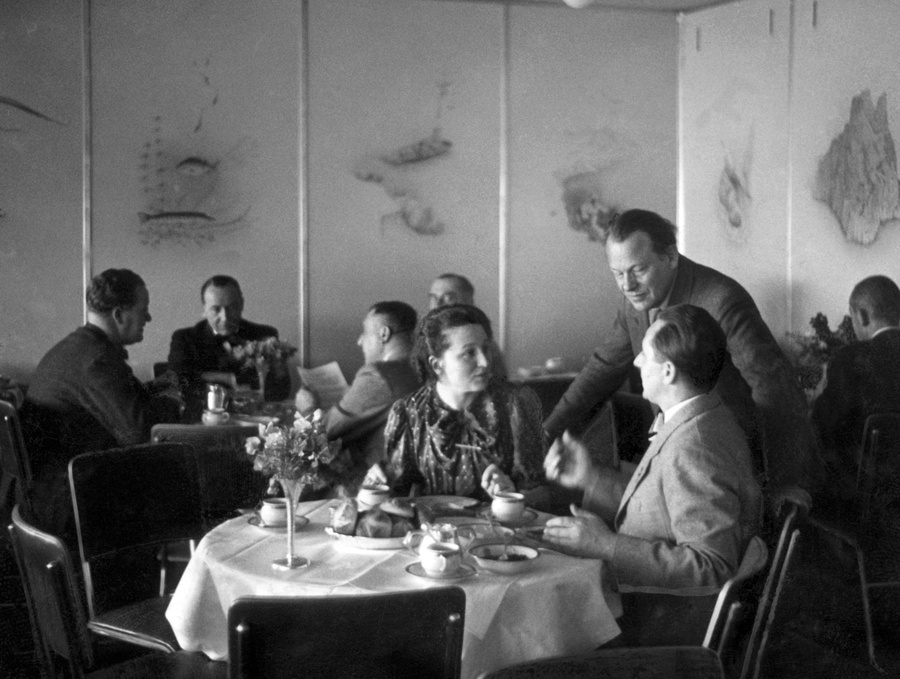
Passengers in the dining room of the Hindenburg, in April of 1936.
The Hindenburg flies over the Boston Common in Boston, Massachusetts in 1936. Another small plane can also be seen at top right.
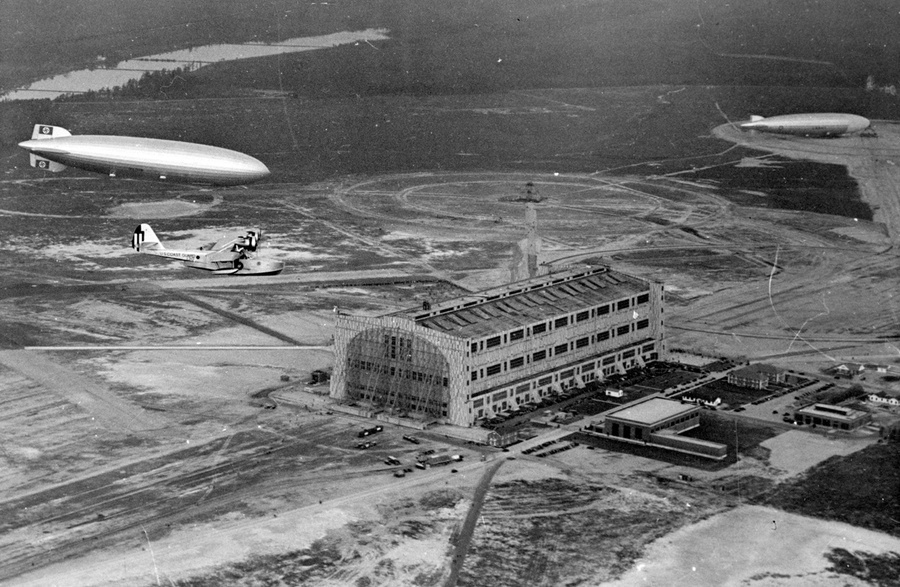
A U.S. Coast Guard plane escorts the Hindenburg to a landing at Lakehurst, New Jersey, on its inaugural flight between Freidrichshafen and Lakehurst in 1936.
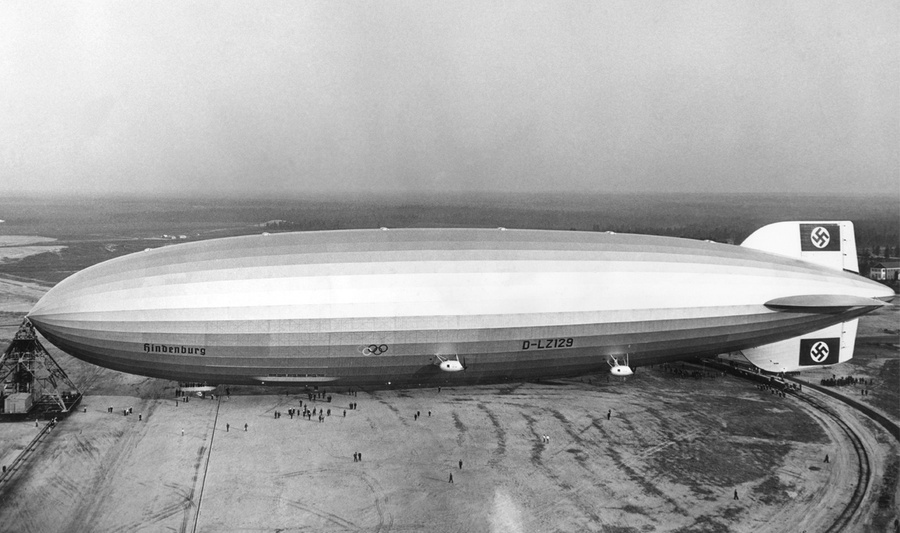
The giant German zeppelin Hindenburg, in Lakehurst, New Jersey, in May of 1936. The Olympic rings on the side were promoting the 1936 Berlin Summer Olympics.
The Hindenburg trundles into the U.S. Navy hangar, its nose hooked to the mobile mooring tower, at Lakehurst, New Jersey, on May 9, 1936. The rigid airship had just set a record for its first north Atlantic crossing, the first leg of ten scheduled round trips between Germany and America.
The German-built zeppelin Hindenburg is shown from behind, with the Swastika symbol on its tail wing, as the dirigible is partially enclosed by its hangar at the U.S. Navy Air Station in Lakehurst, New Jersey, May 9, 1936.
The Hindenburg, above ground crew at the U.S. Navy Air Station in Lakehurst, New Jersey.
The Hindenburg floats past the Empire State Building over Manhattan on August 8, 1936, en route to Lakehurst, New Jersey, from Germany.
A modern, electrically equipped kitchen aboard the Hindenburg provided for the passengers and crew, seen in this undated photograph.
Interior of the lounge aboard the Hindenburg, where passenger windows could be opened.
The Hindenburg floats over Manhattan Island in New York City on May 6, 1937, just hours from disaster in nearby New Jersey.
The German dirigible Hindenburg, just before it crashed before landing at the U.S. Naval Station in Lakehurst, New Jersey, on May 6, 1937.
At approximately 7:25 p.m. local time, the German zeppelin Hindenburg burst into flames as it nosed toward the mooring post at the Naval Air Station in Lakehurst, New Jersey, on May 6, 1937. The airship was still some 200 feet above the ground.
The Hindenburg quickly went up in flames — less than a minute passed between the first signs of trouble and complete disaster. This image captures a moment between the second and third explosions before the airship hit the ground.
As the lifting Hydrogen gas burned and escaped from the rear of the Hindenburg, the tail dropped to the ground, sending a burst of flame punching through the nose. Ground crew below scatter to flee the inferno.
A survivor flees the collapsing structure of the airship Hindenburg. (Note, the hand-retouching in this photo came from the original)
The wreckage of the Hindenburg in Lakehurst, New Jersey, on May 6, 1937.
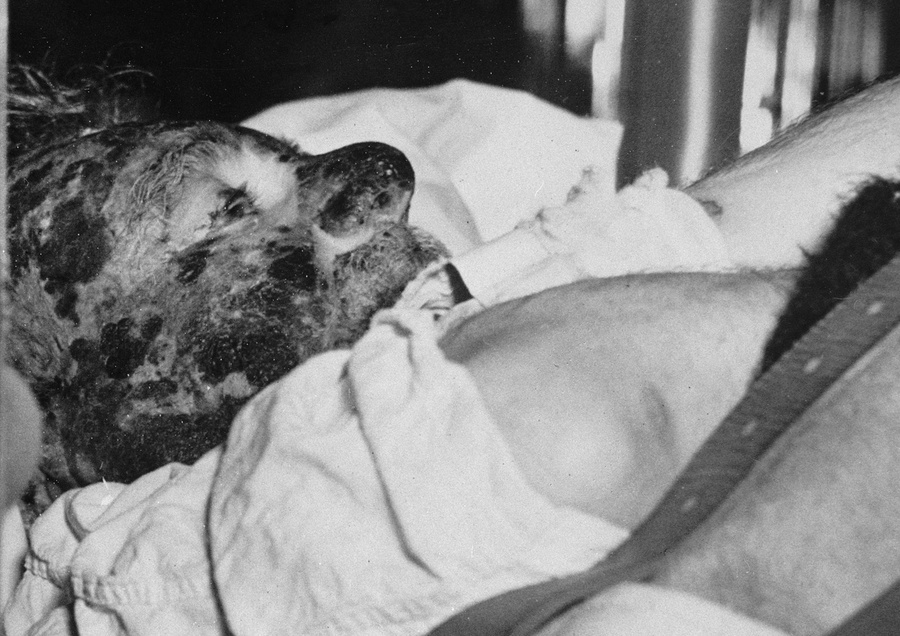
Major Hans Hugo Witt of the German Luftwaffe, who was severely burned in the Hindenburg disaster, is seen as he is transferred from Paul Kimball Hospital in Lakewood, New Jersey, to another area hospital, on May 7, 1937.
An unidentified woman survivor is led from the scene of the Hindenburg disaster at the U.S. Naval Station in Lakehurst, New Jersey, on May 6, 1937.
Adolf Fisher, an injured mechanic from the German airship Hindenburg, is transferred from Paul Kimball Hospital in Lakewood, New Jersey, to an ambulance going to another area hospital, on May 7, 1937.
Members of the U.S. Navy Board of Inquiry inspect the wreckage of the German zeppelin Hindenburg on the field in New Jersey, on May 8, 1937.
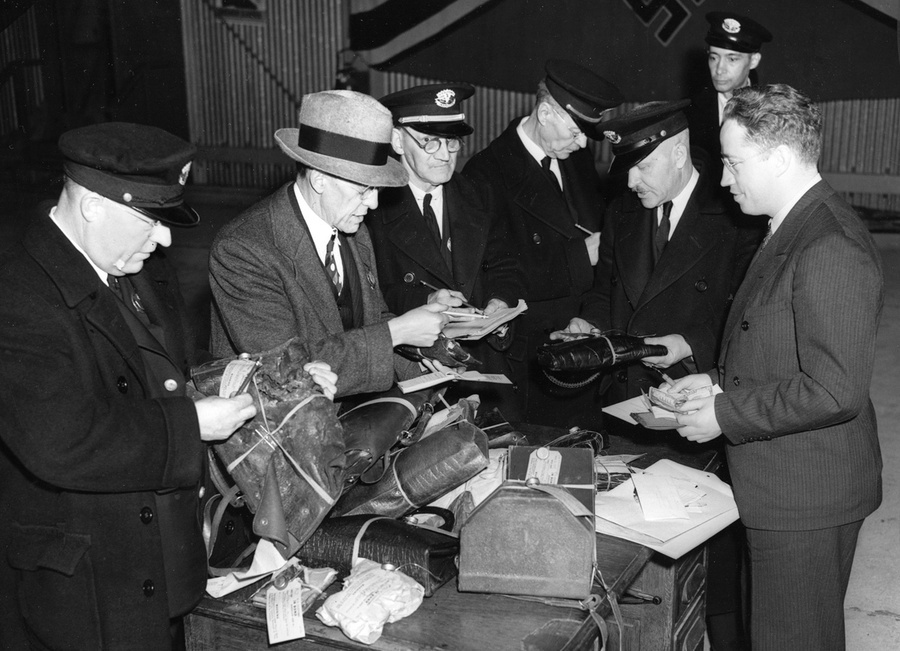
Customs officers search through baggage items salvaged in the Hindenburg explosion in Lakehurst, New Jersey, May 6, 1937.
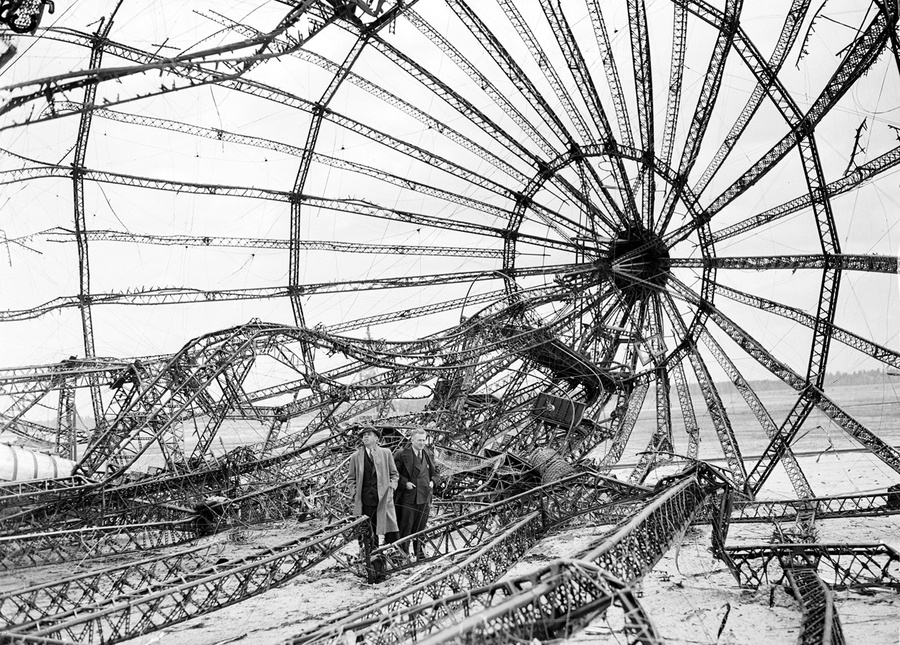
Two men inspect the twisted metal framework of the Hindenburg in New Jersey in May of 1937.
In New York City, funeral services for the 28 Germans who lost their lives in the Hindenburg disaster are held on the Hamburg-American pier, on May 11, 1937. About 10,000 members of German organizations lined the pier.
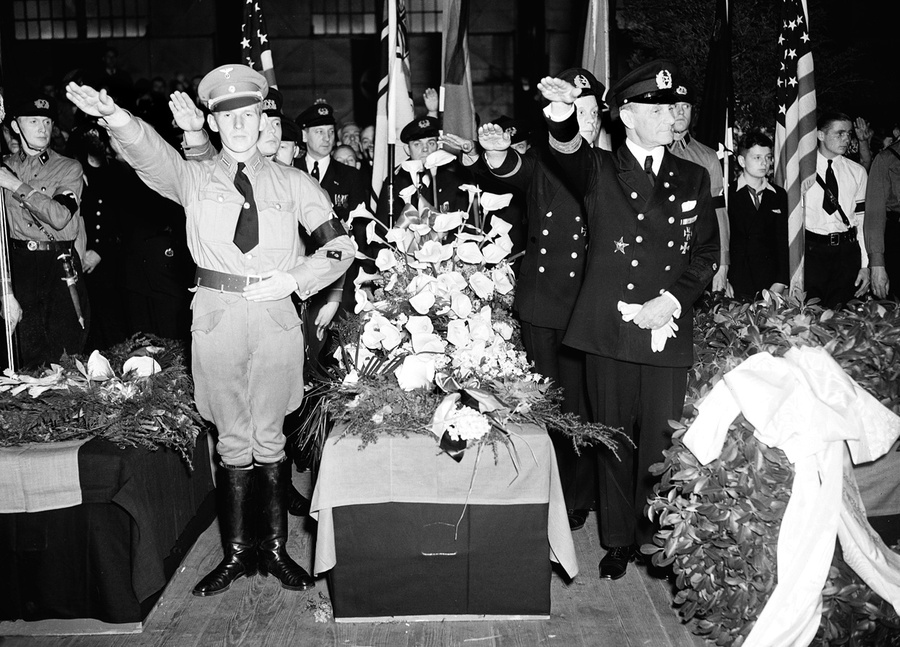
German soldiers give the salute as they stand beside the casket of Capt. Ernest A. Lehmann, former commander of the zeppelin Hindenburg, during funeral services held on the Hamburg-American pier in New York City, on May 11, 1937. The swastika-draped caskets were placed on board the SS Hamburg for their return to Europe.
Surviving members of the crew aboard the ill-fated German zeppelin Hindenburg are photographed at the Naval Air station in Lakehurst, New Jersey, on May 7, 1937. Rudolph Sauter, chief engineer, is at center wearing white cap; behind him is Heinrich Kubis, a steward; Heinrich Bauer, watch officer, is third from right wearing black cap; and 13-year-old Werner Franz, cabin boy, is center front row. Several members of the airship’s crew are wearing U.S. Marine summer clothing furnished them to replace clothing burned from many of their bodies as they escaped from the flaming dirigible.
An aerial view of the wreckage of the Hindenburg airship near the hangar at the Naval Air station in Lakehurst, New Jersey, on May 7, 1937.

(via The Atlantic)

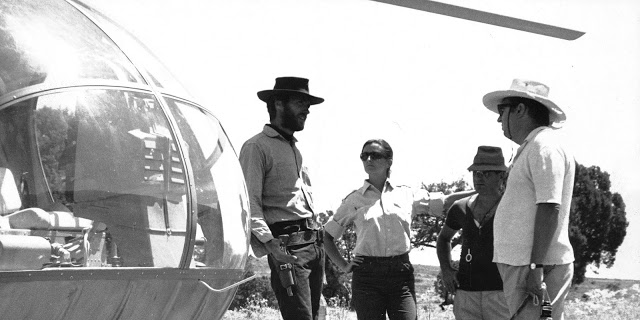
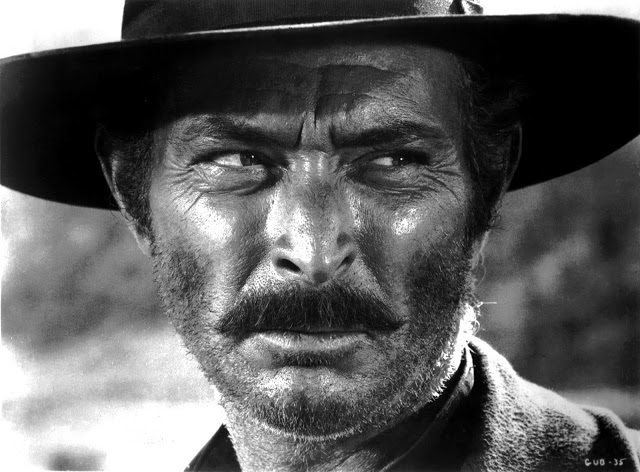
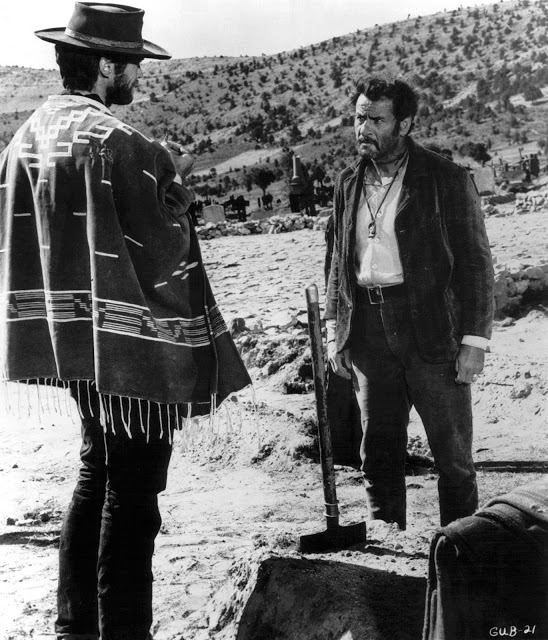
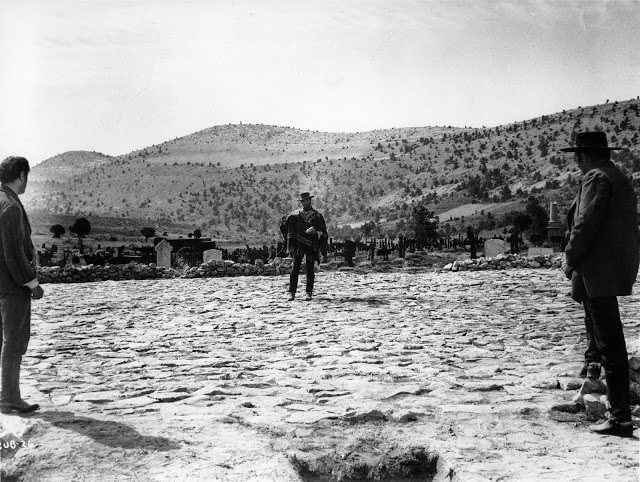
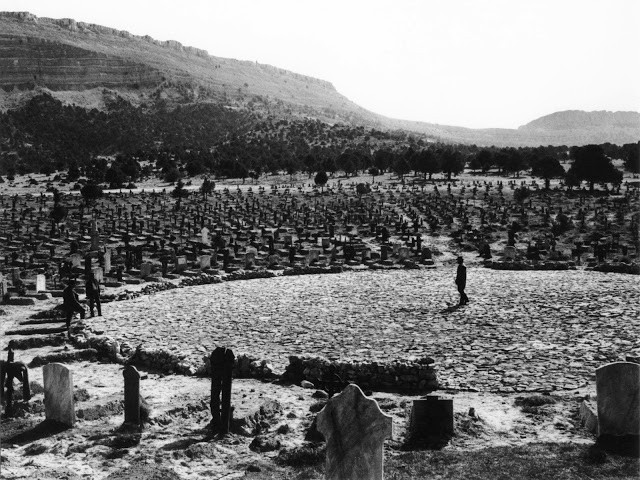
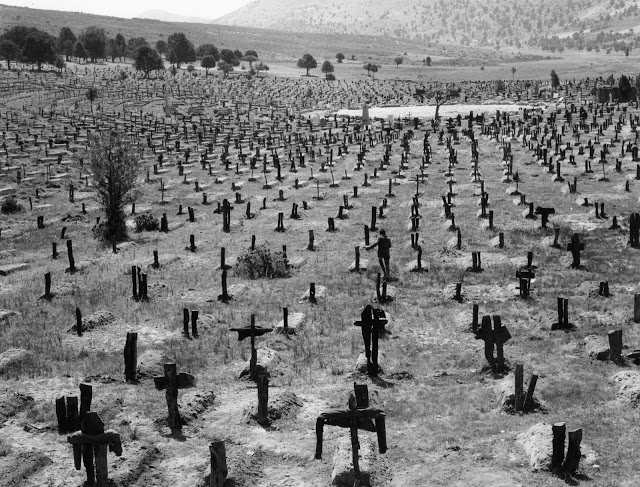
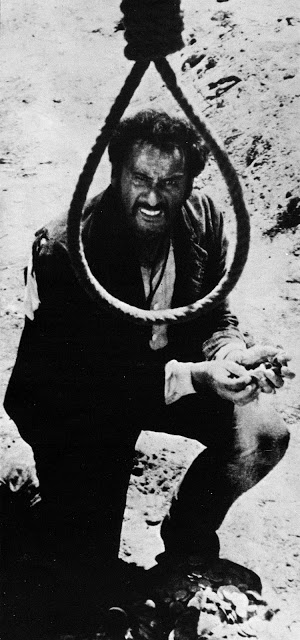
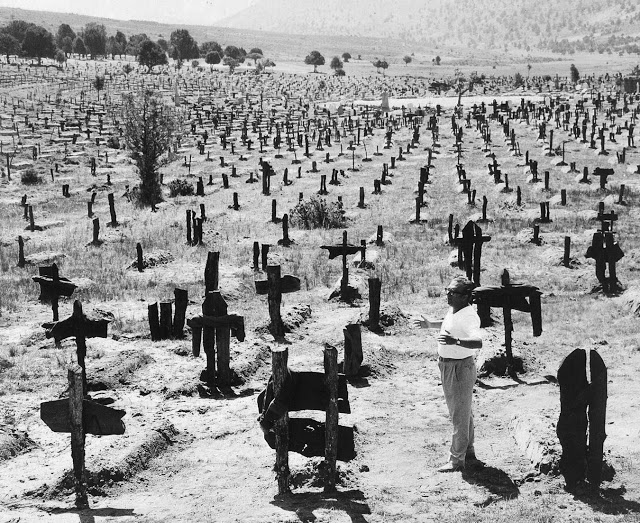
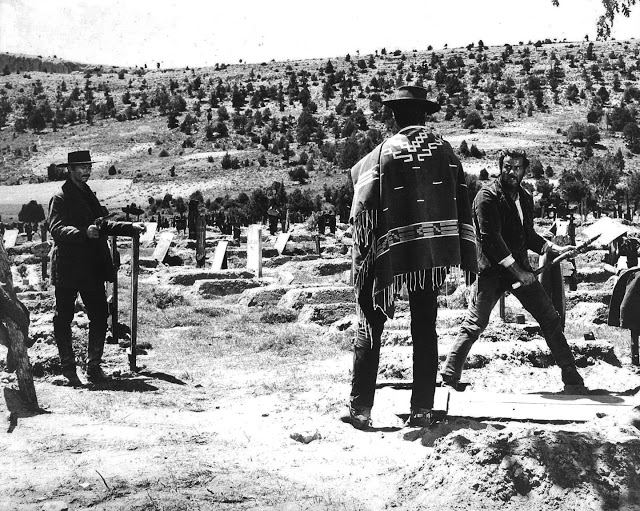
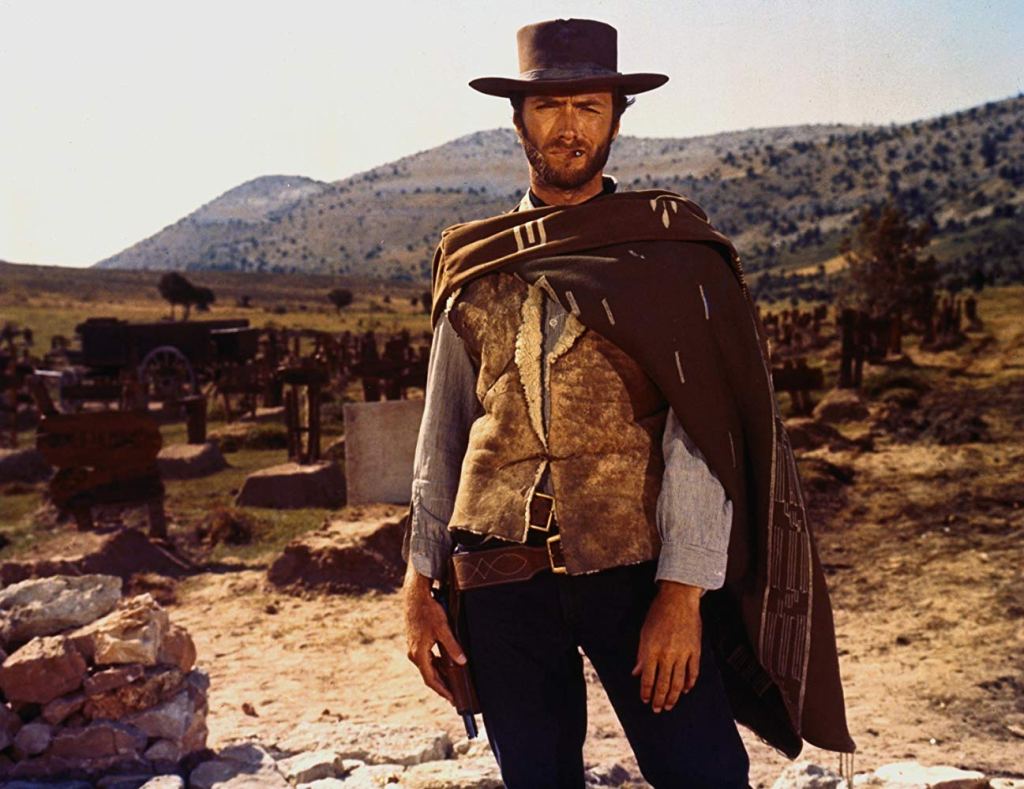
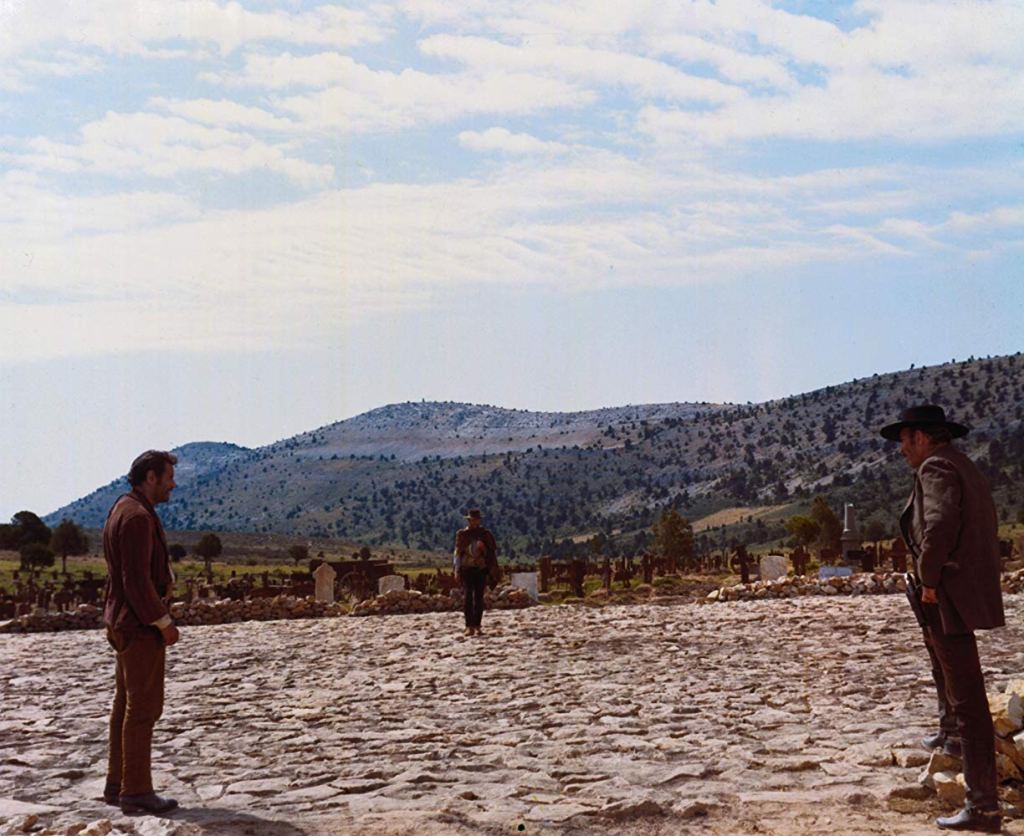
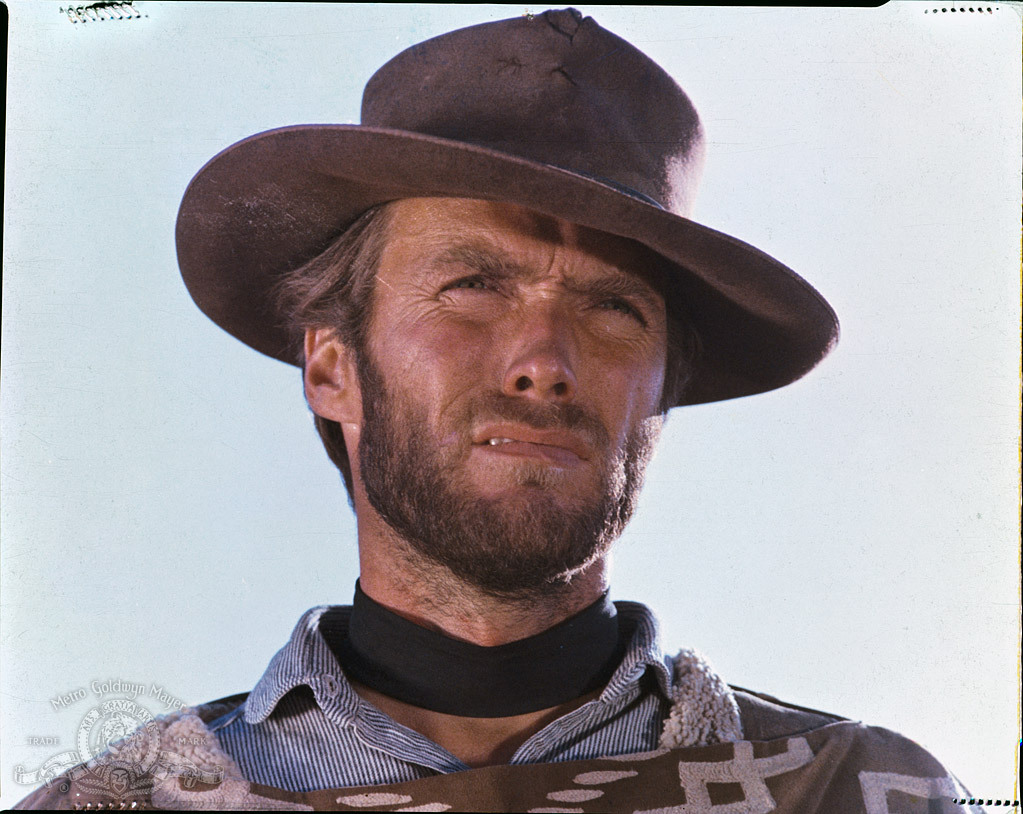
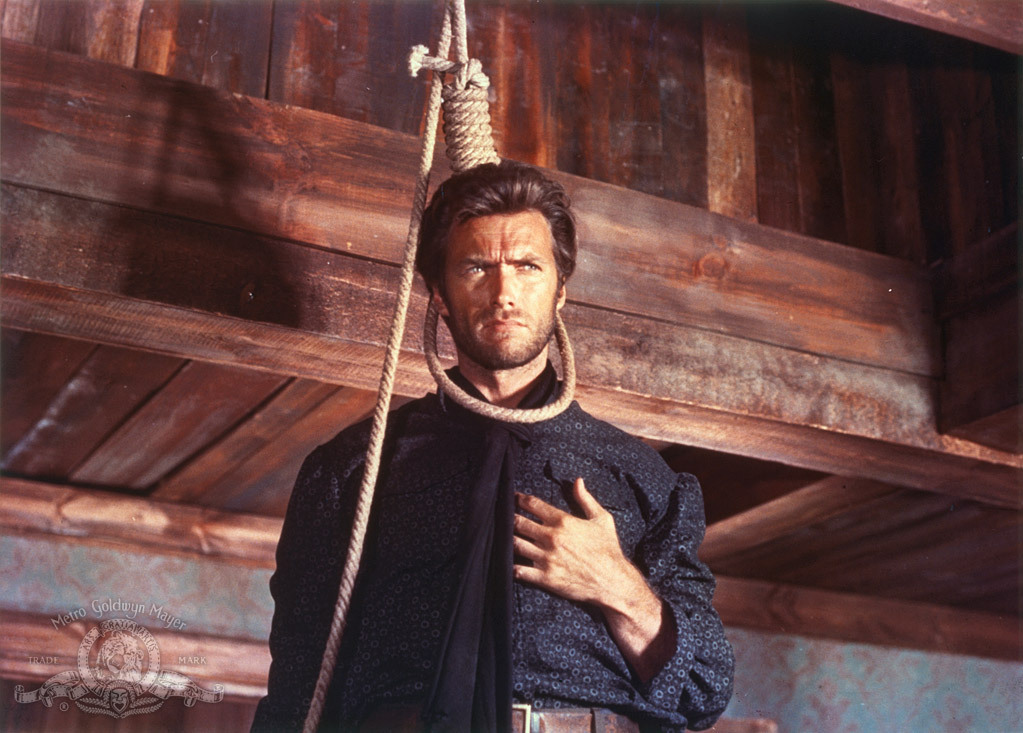
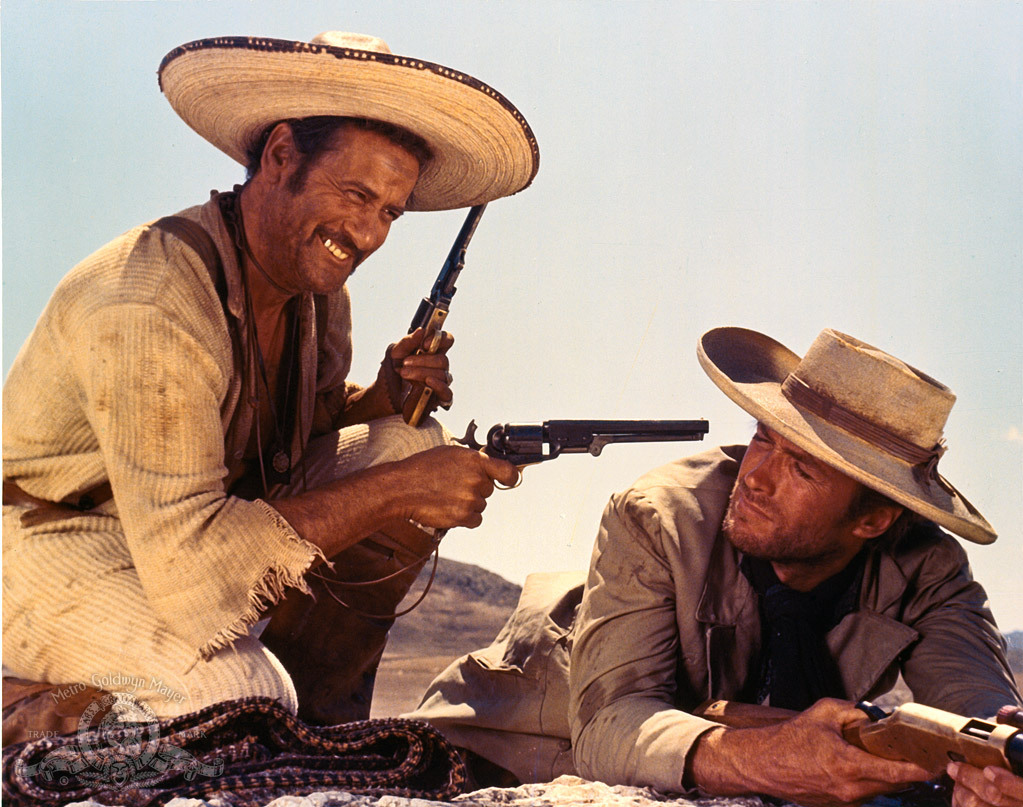
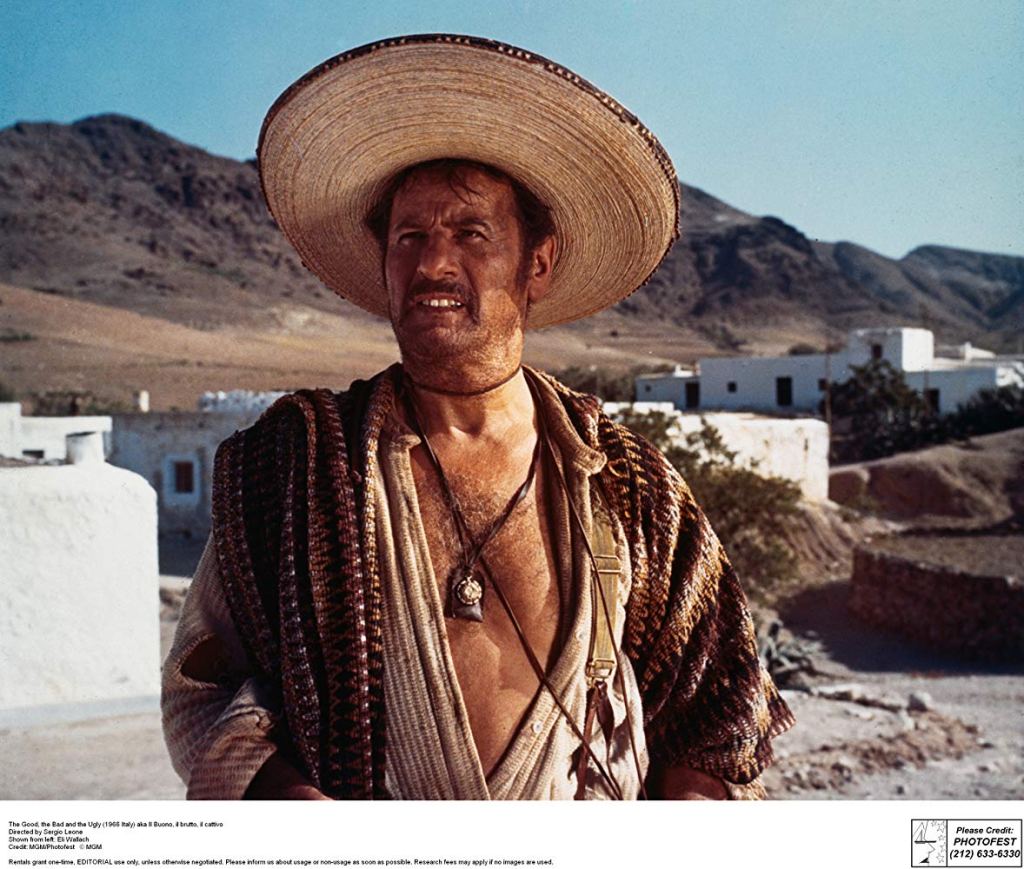
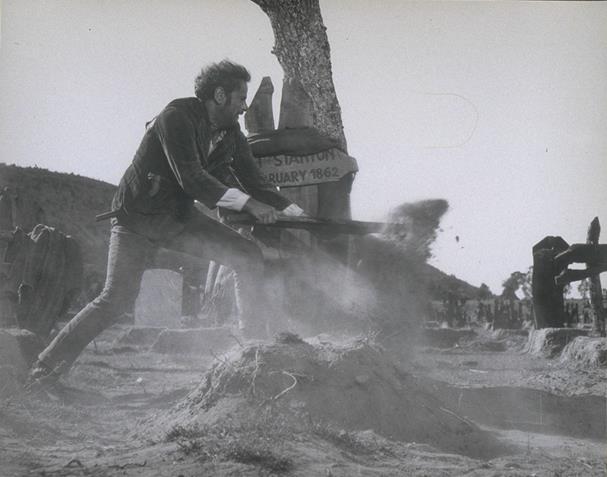
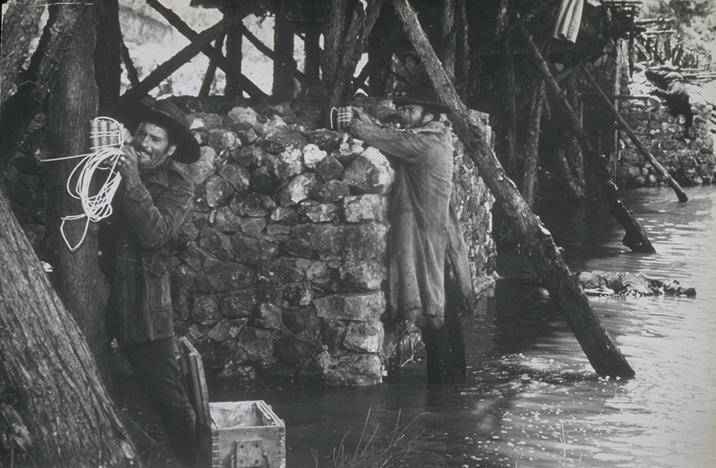
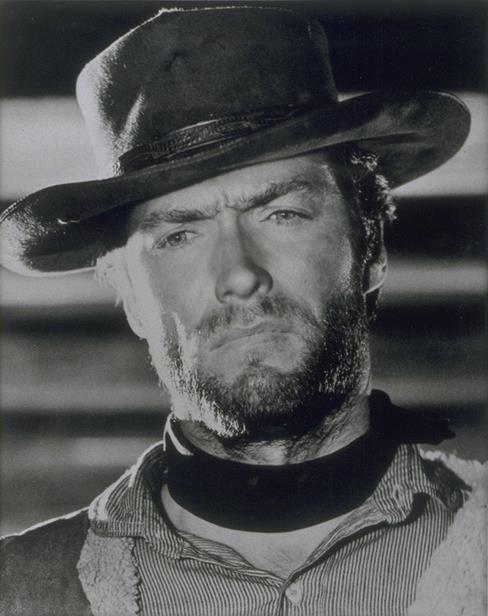
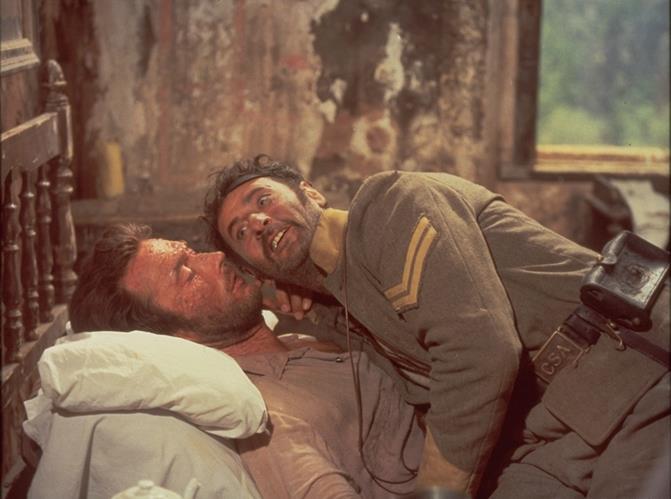
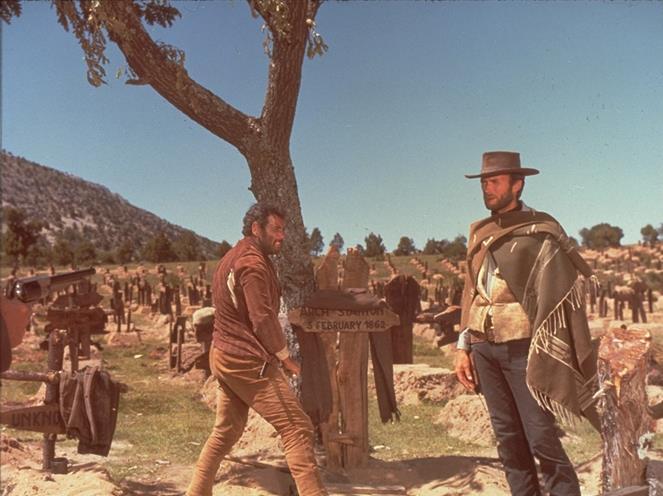
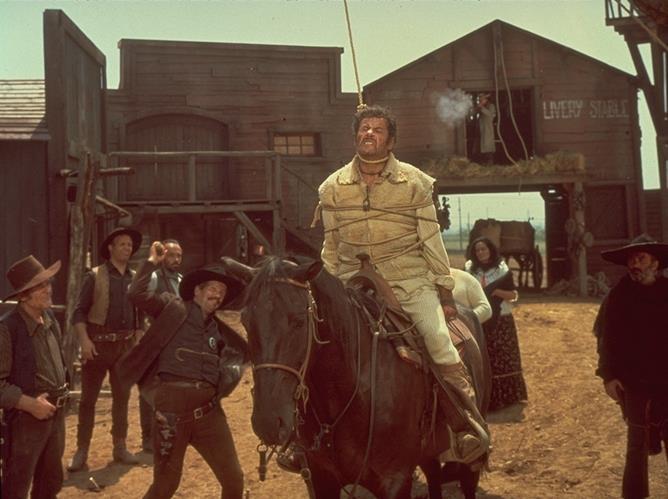
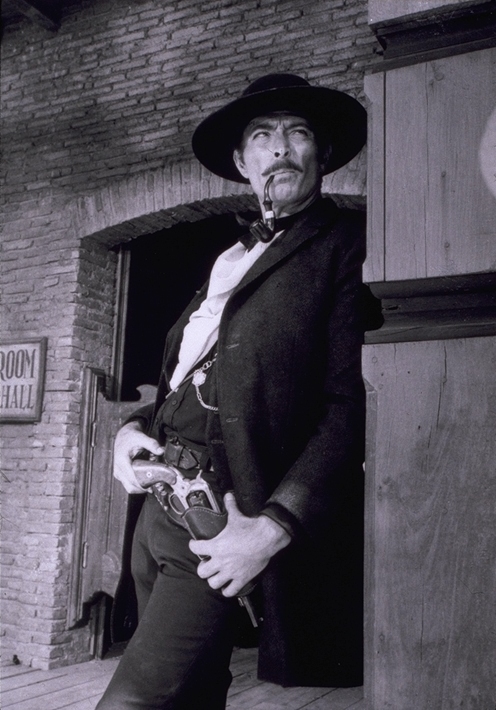
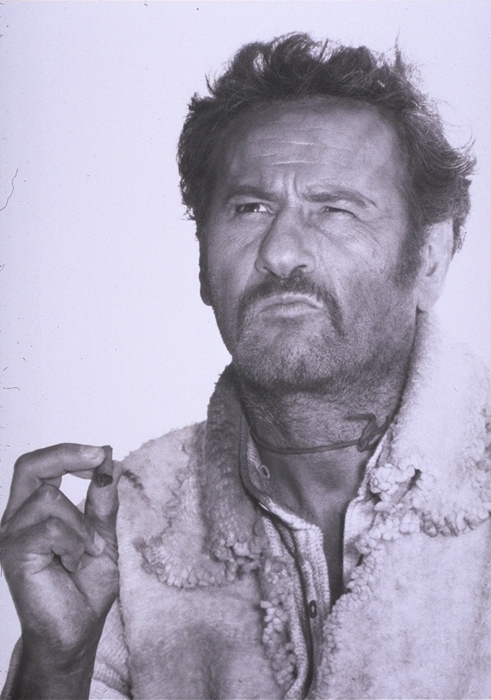
46 Rare Behind the Scenes Photos from the Film ‘The Good, the Bad and the Ugly’ (1966)

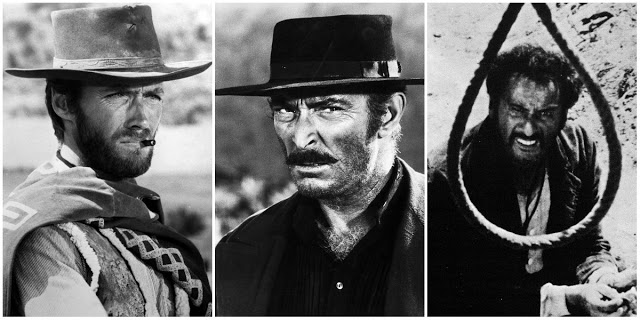
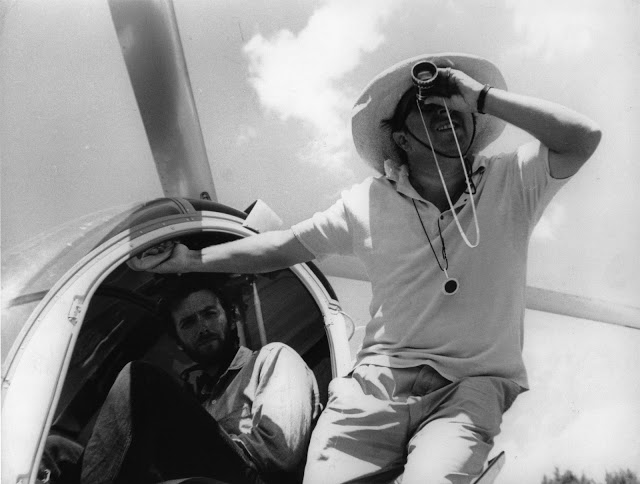
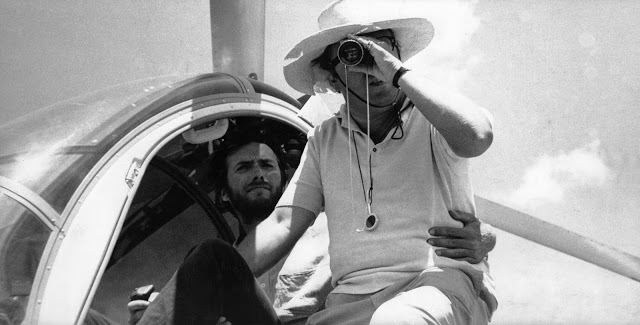
The Good, the Bad and the Ugly is a 1966 Italian epic Spaghetti Western film directed by Sergio Leone and starring Clint Eastwood, Lee Van Cleef, and Eli Wallach in their respective title roles. Its screenplay was written by Age & Scarpelli, Luciano Vincenzoni and Leone (with additional screenplay material and dialogue provided by an uncredited Sergio Donati), based on a story by Vincenzoni and Leone. Director of photography Tonino Delli Colli was responsible for the film’s sweeping widescreen cinematography, and Ennio Morricone composed the film’s score including its main theme. It is an Italian-led production with co-producers in Spain, West Germany and the United States.

The film is known for Leone’s use of long shots and close-up cinematography, as well as his distinctive use of violence, tension, and stylistic gunfights. The plot revolves around three gunslingers competing to find fortune in a buried cache of Confederate gold amid the violent chaos of the American Civil War (specifically the New Mexico Campaign in 1862), while participating in many battles and duels along the way. The film was the third collaboration between Leone and Clint Eastwood, and the second with Lee Van Cleef.

The Good, the Bad and the Ugly was marketed as the third and final installment in the Dollars Trilogy, following A Fistful of Dollars and For a Few Dollars More. The film was a financial success, grossing over $25 million at the box office, and is credited with catapulting Eastwood into stardom. Due to general disapproval of the Spaghetti Western genre at the time, critical reception of the film following its release was mixed, but it gained critical acclaim in later years. The Good, the Bad and the Ugly is now seen as one of the greatest and most influential Western movies.

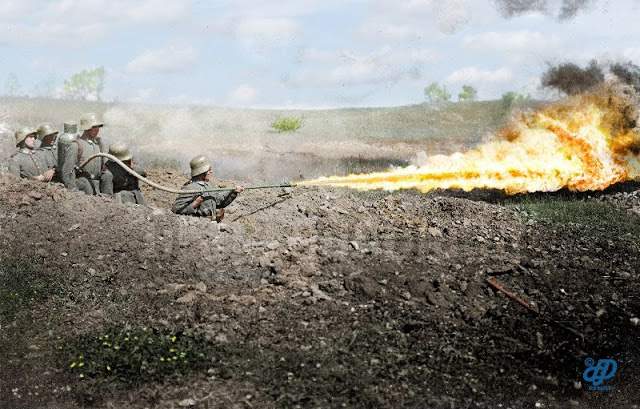
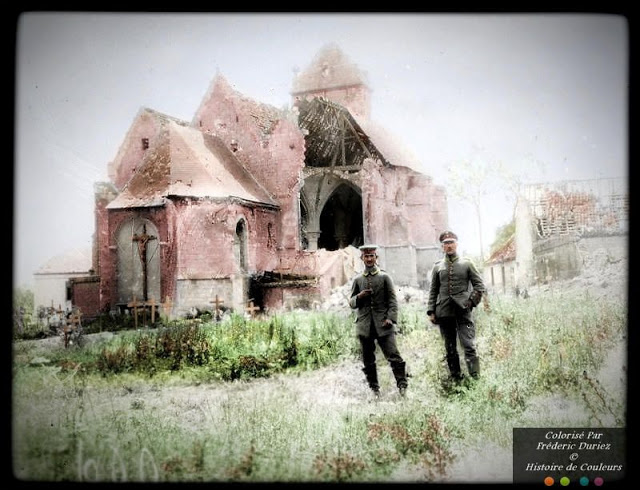
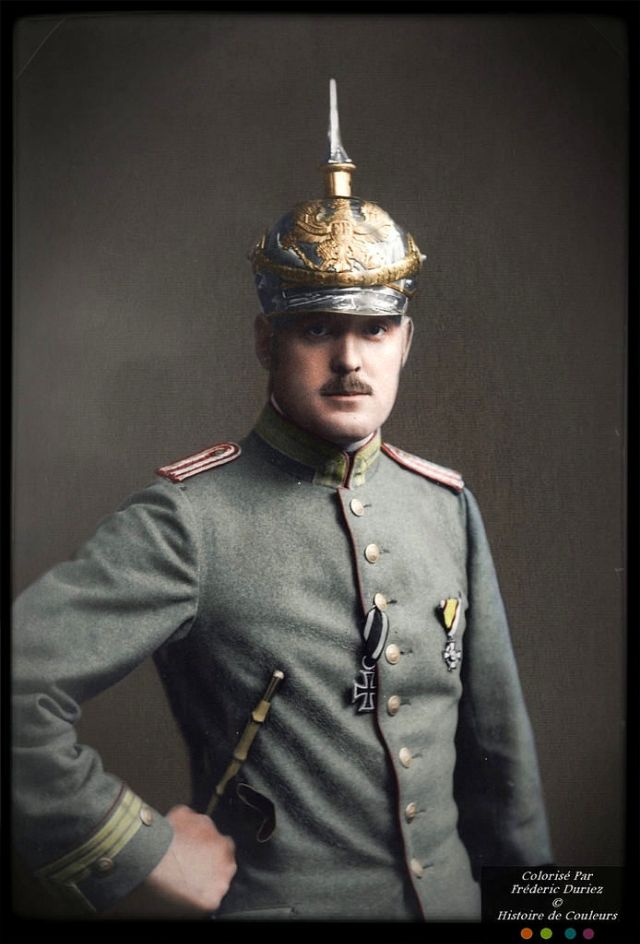
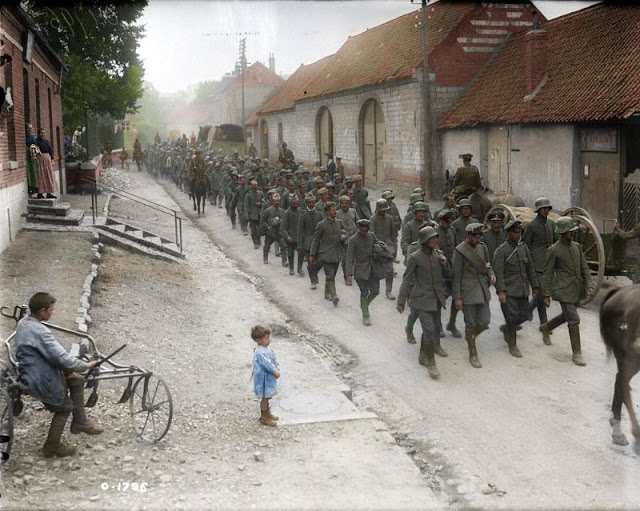
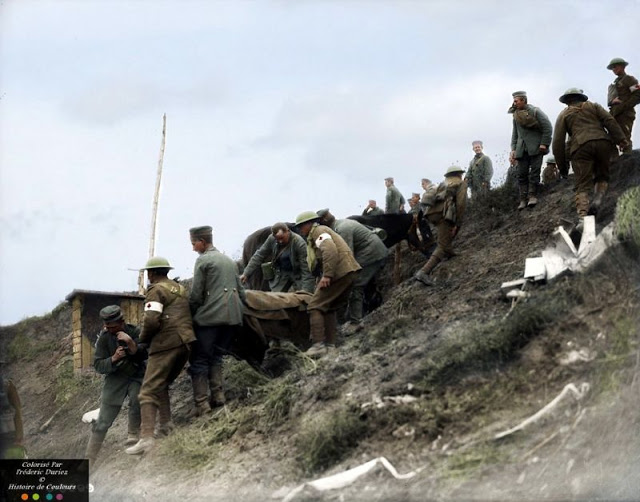
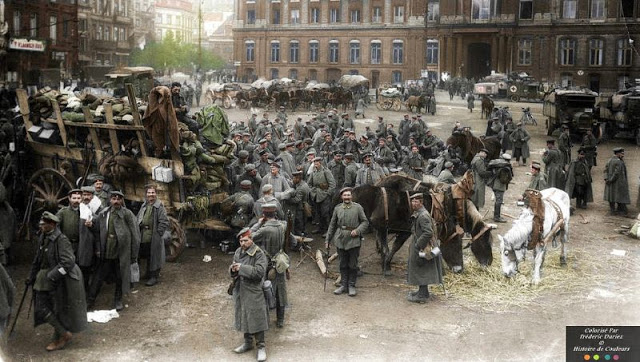
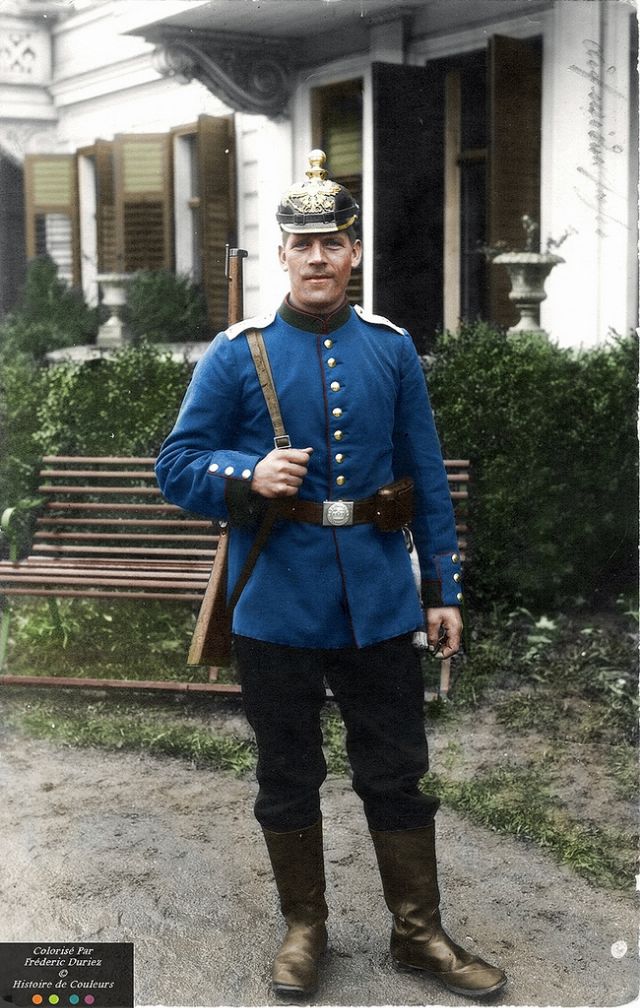
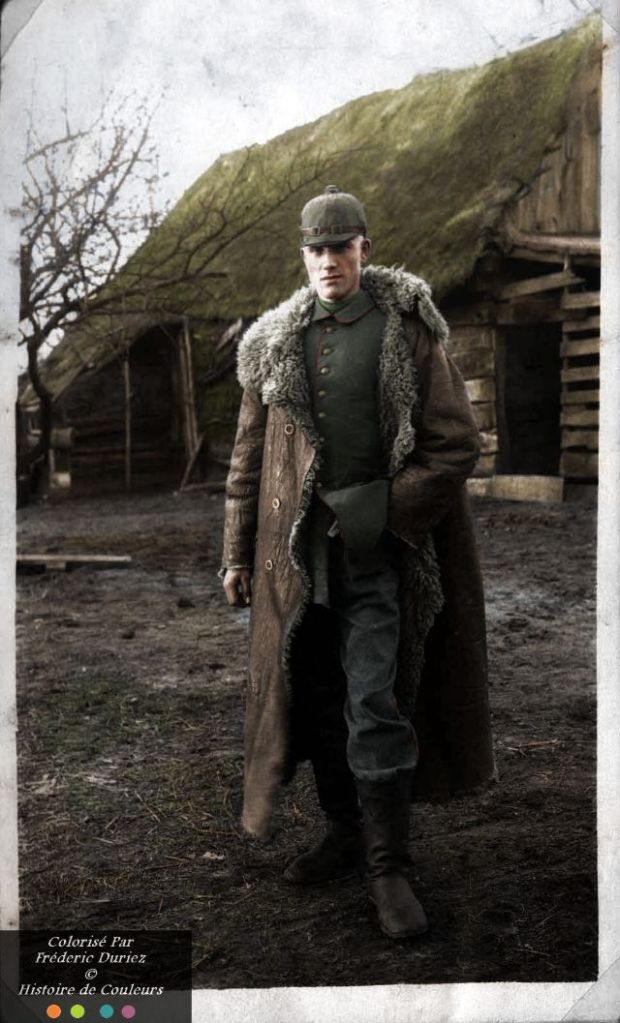
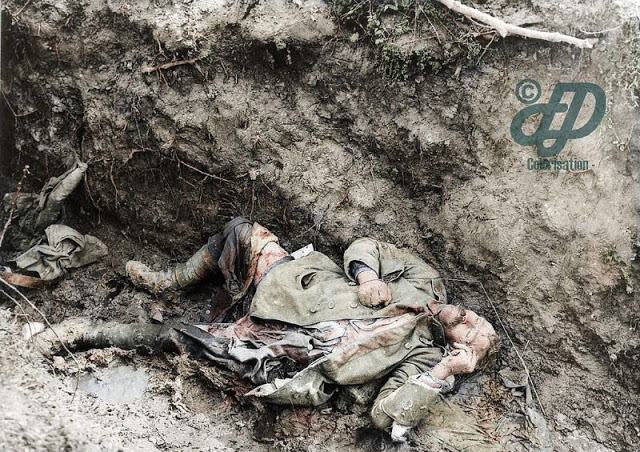
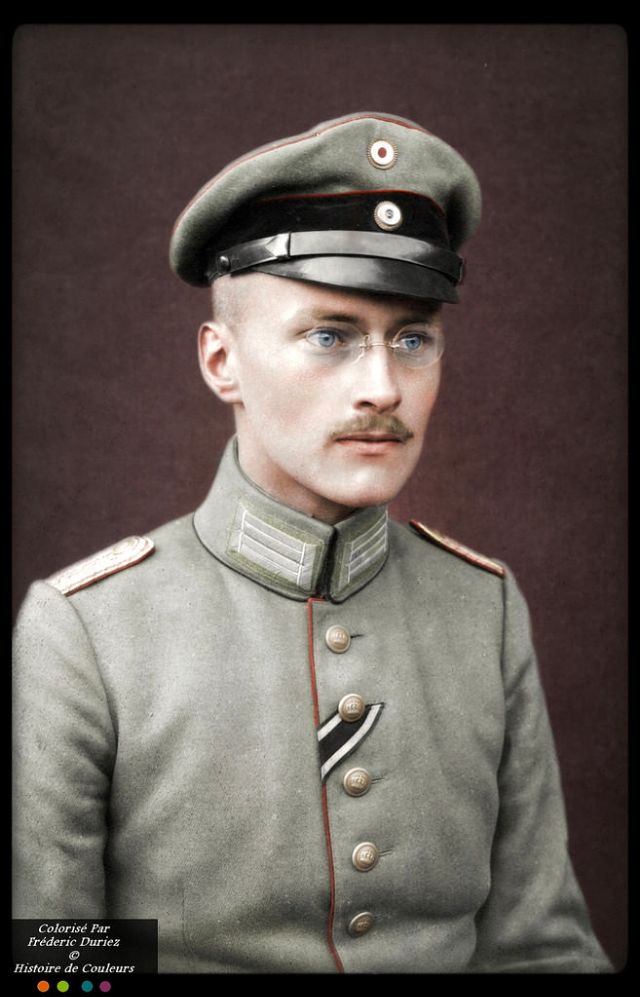
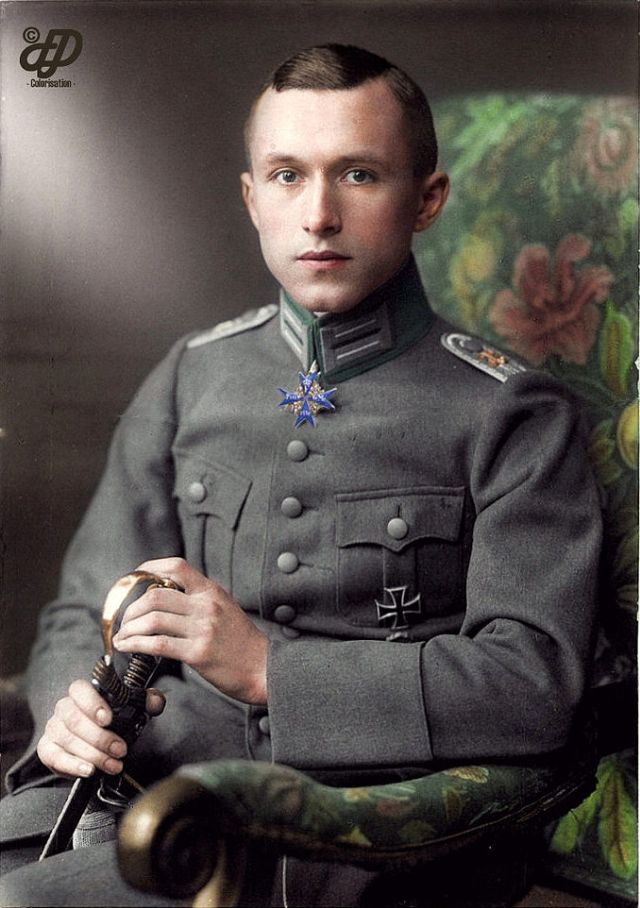
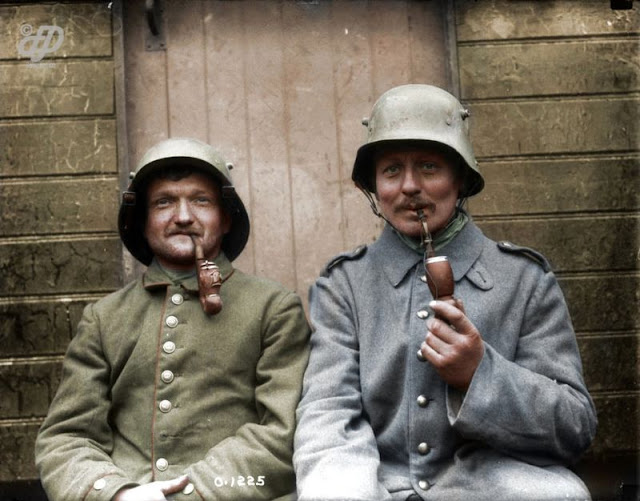
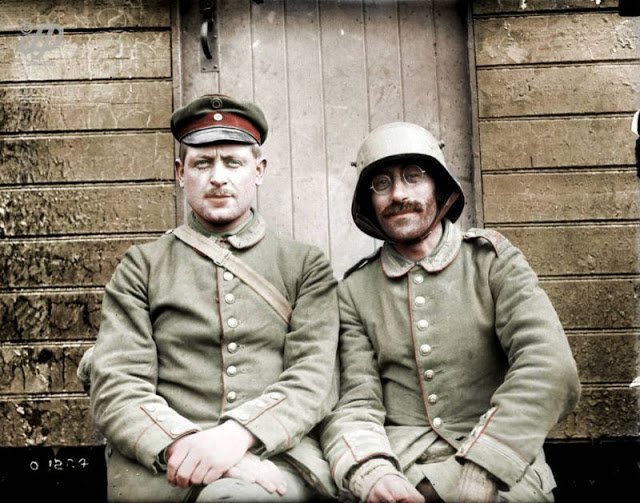
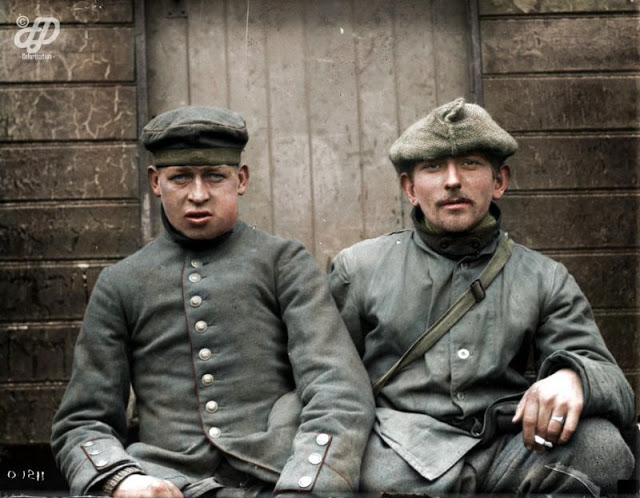
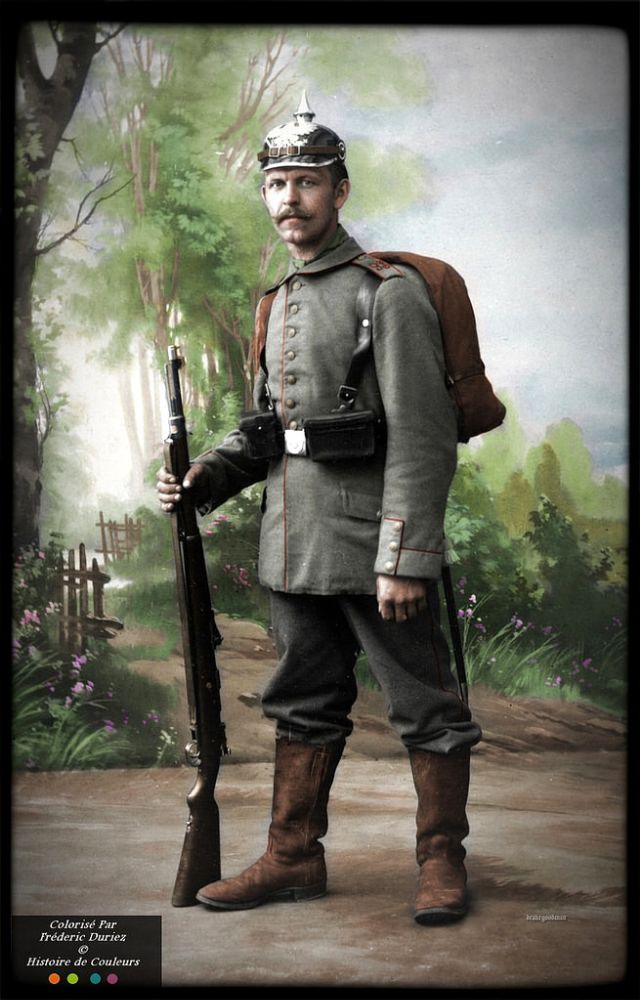
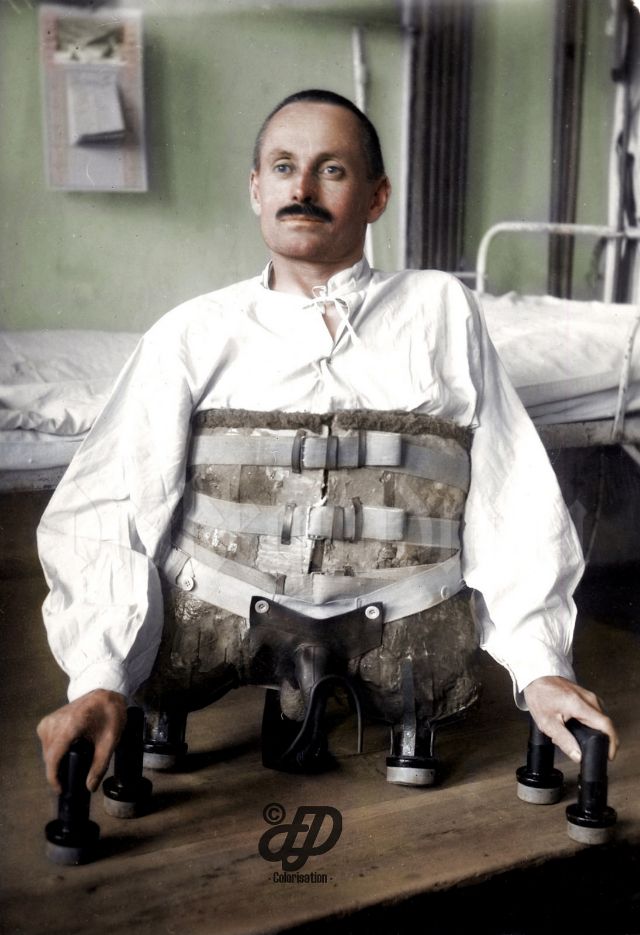
52 Amazing Colorized Photos of the German Army During World War 1

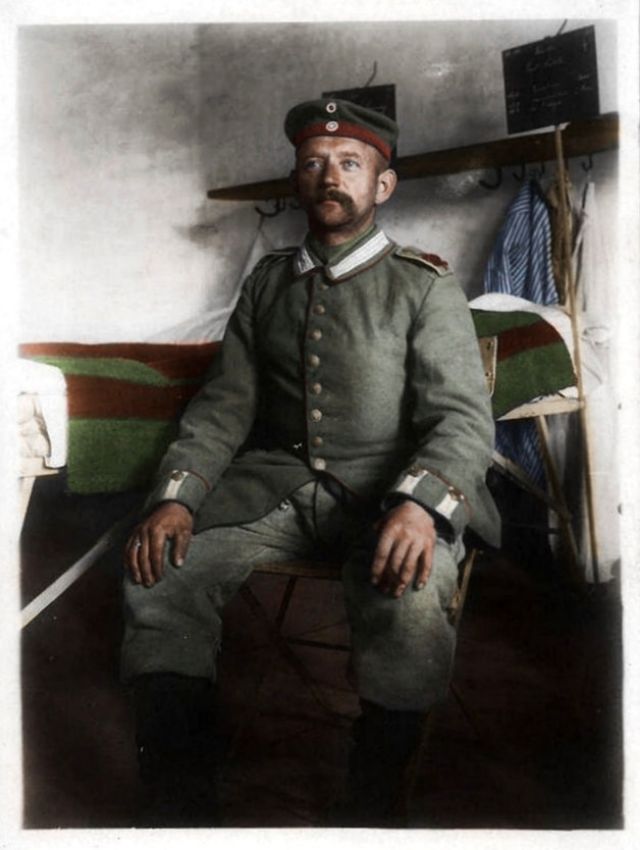
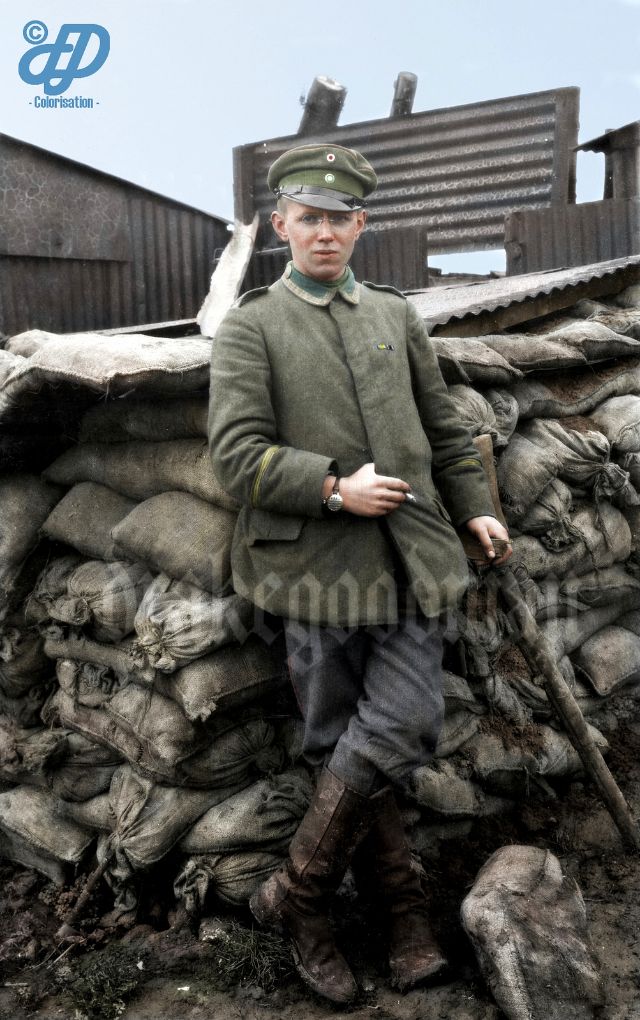
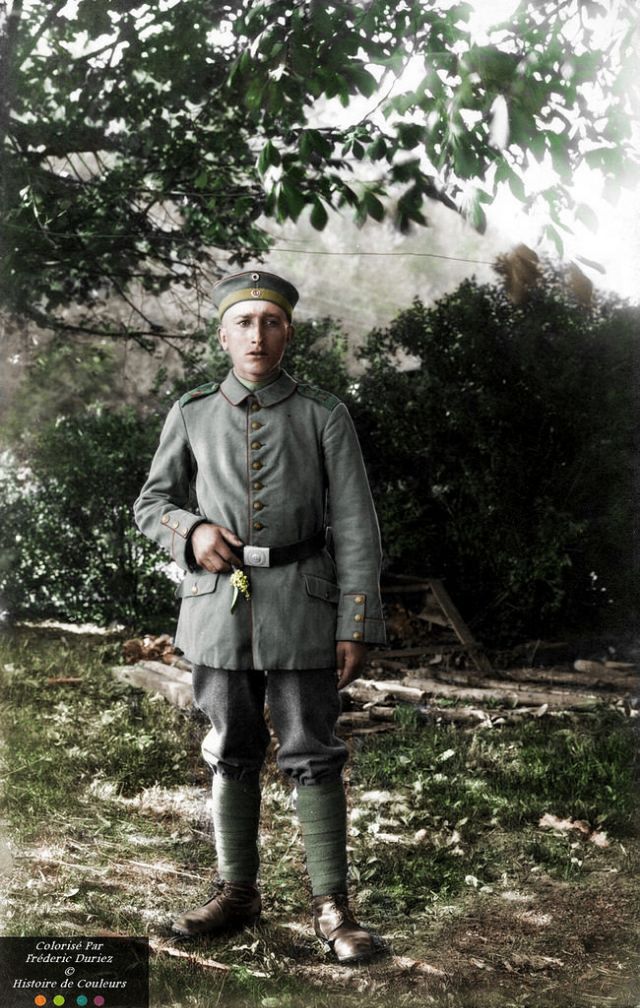
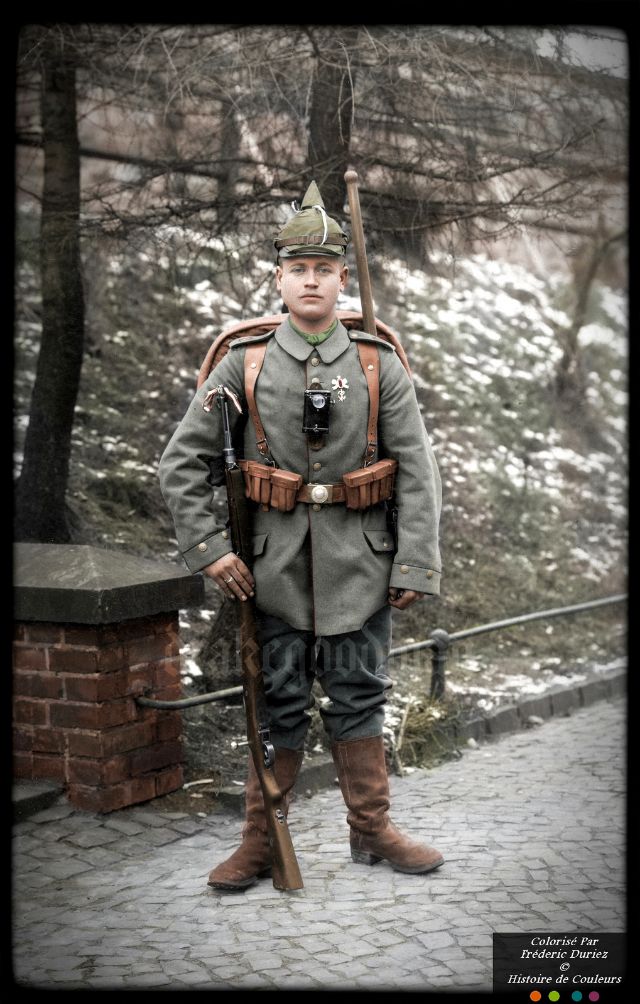
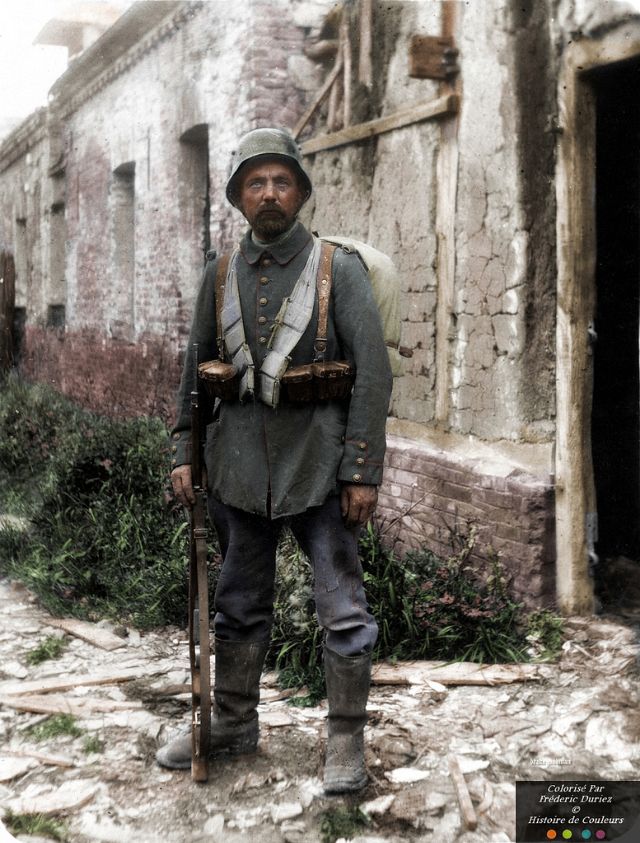
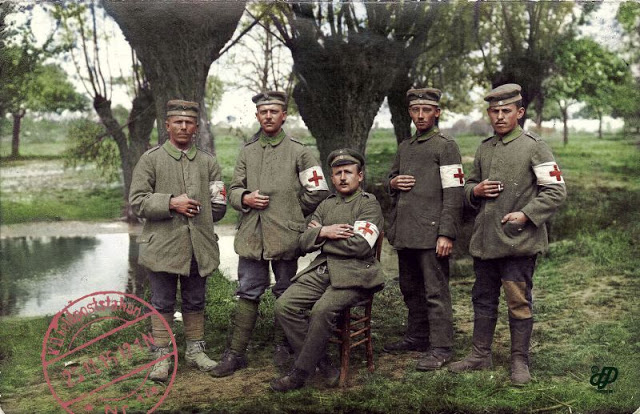
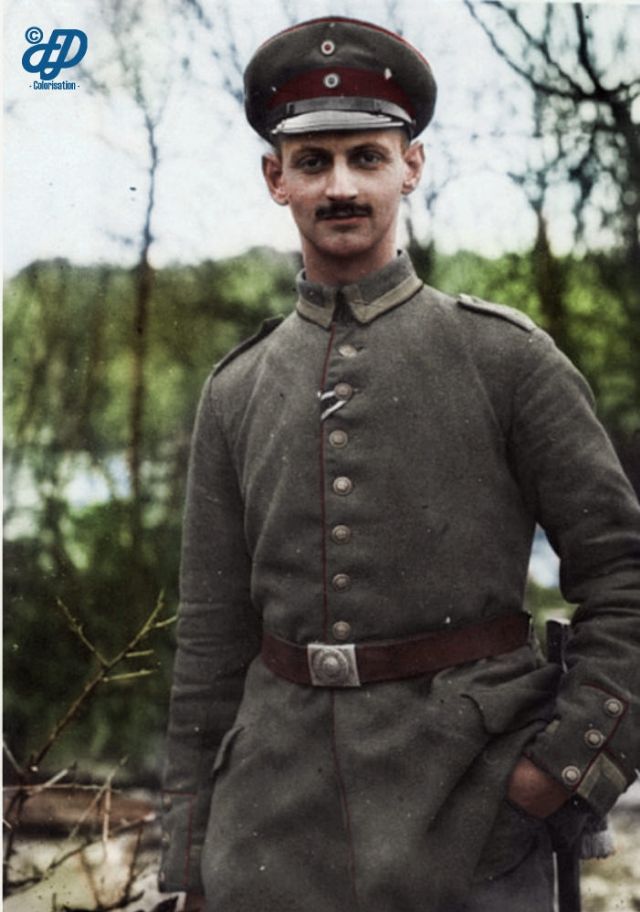
A collection of colorized photos from Frédéric Duriez that shows German forces during the First World War.

Flamethrower pioneers of Assault Battalion No. 5 (Rohr)
9 cm Batterie Hoffman in Fuerstellung, Ersatz Btn.44
101st Grenadier Saxon, 1914
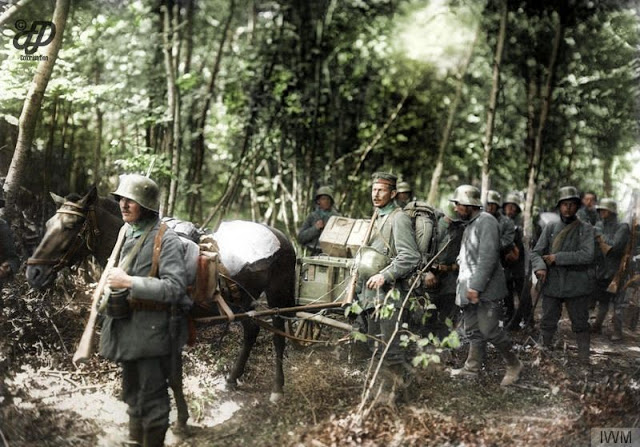
A German mortar section with horse-drawn transport moving through wooded country on the Montdidier – Noyon sector of the front, June 1918
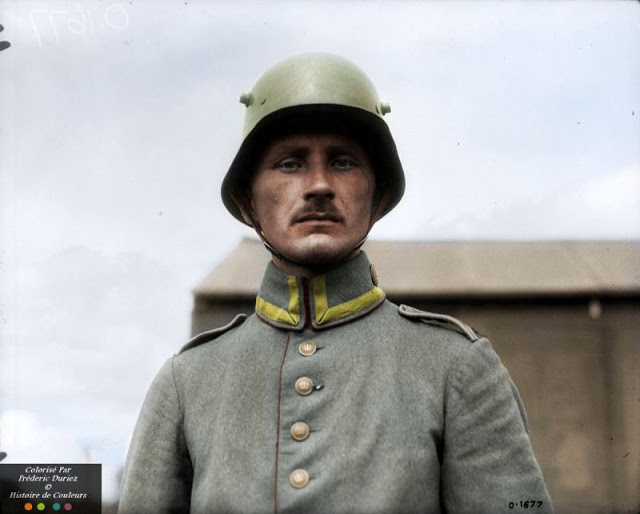
A sharp 1918 field portrait of a young sergeant from an unidentified Saxon formation
A young Bavarian infantryman
Angres, France, 1916
Anonymous Portrait of an officer of a German cuirassier regiment
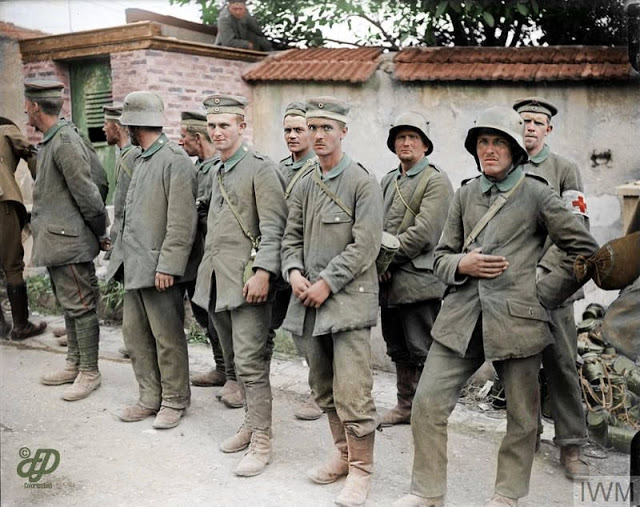
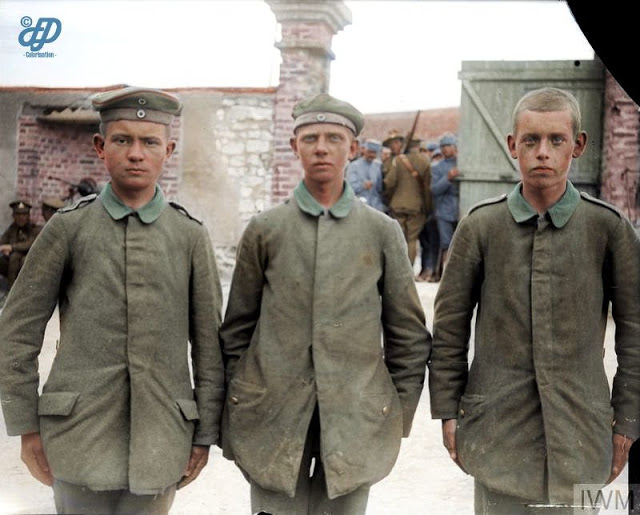
Boche prisoners captured by Canadians on Hill 70 are paraded through town, August, 1917
Bringing wounded down an awkward slope, Advance East of Arras, October 1918
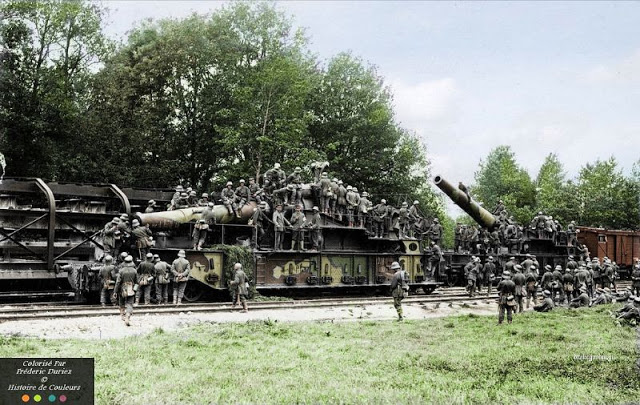
Captured railway guns at Mont-Notre-Dame, 7 km west of Fismes and 19km southeast of the city of Soissons in northern France, 1918
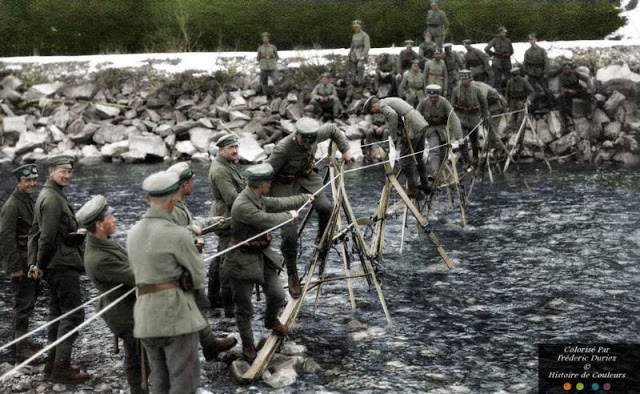
Fabulous example of an emergency bridge build by ski-troops of the Alpenkorps, 1915
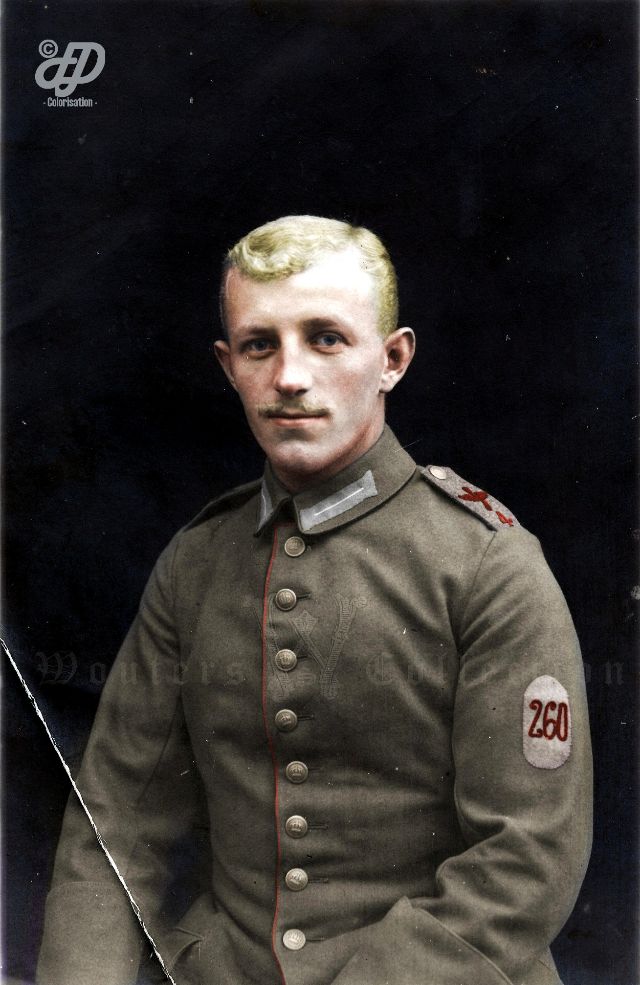
Fliegerabteilung Nr. 260 Lichtbild Artillerie (air reconnaissance)
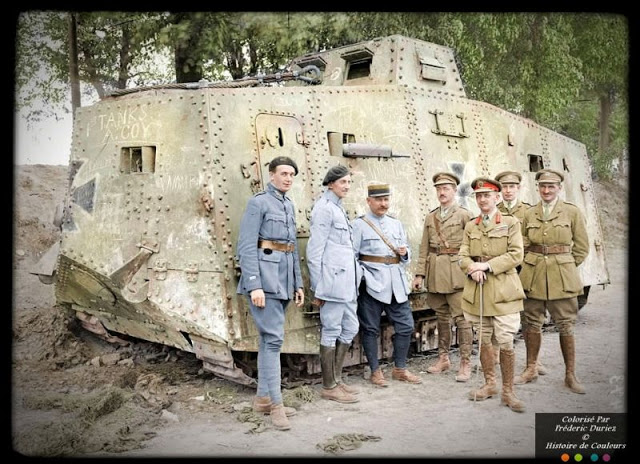
French and British soldiers standing around a German A7V tank captured at Villers-Brettoneux, May 1918
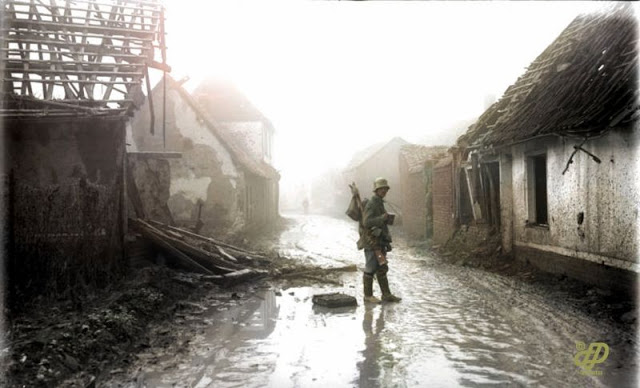
German infantryman in the middle of the damaged or destroyed buildings of the village, Etricourt, France
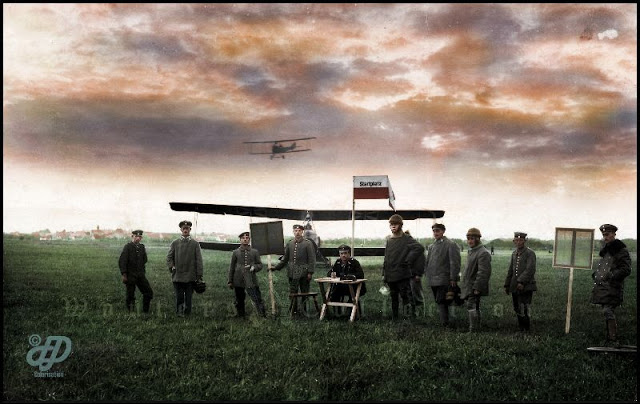
German military aerodrome
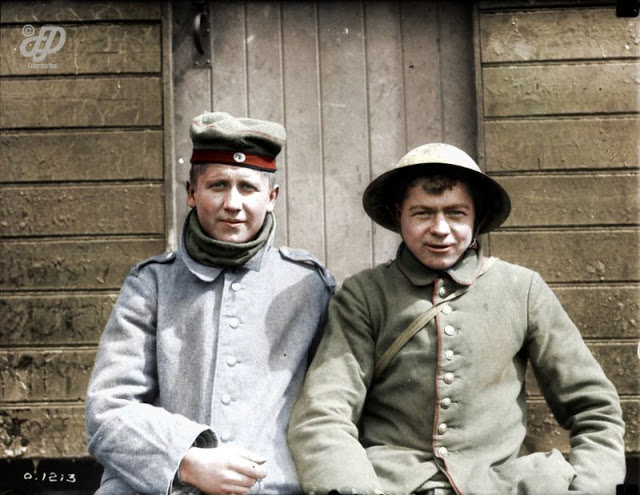
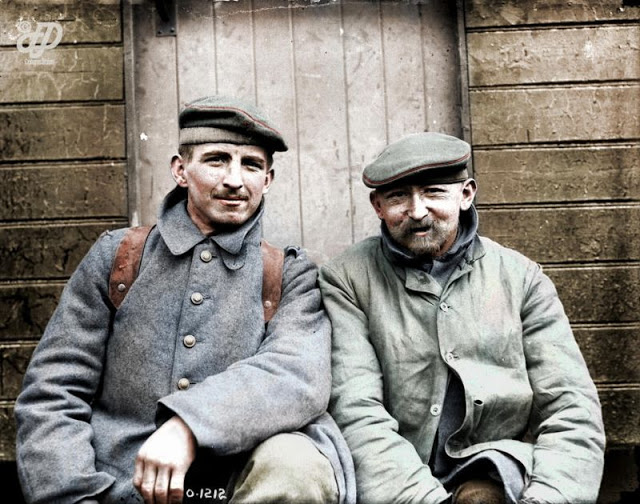
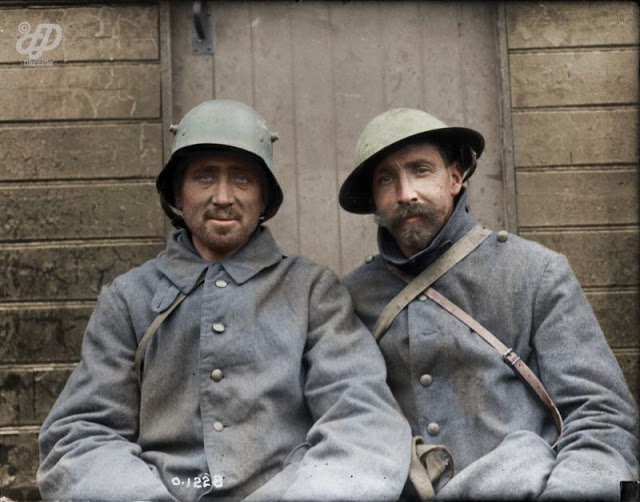
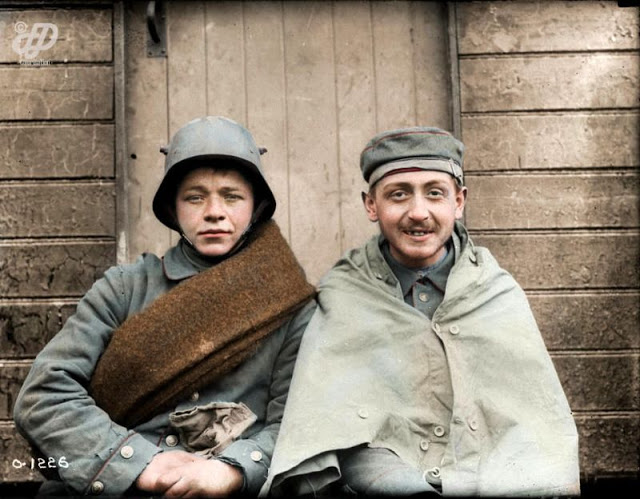
German prisoner captured by the British, Battle of Ypres road to Menin – End September 1917
German prisoners arriving from Tilloloy. In the foreground a machine gun, Labuissière (Somme), August 18, 1918
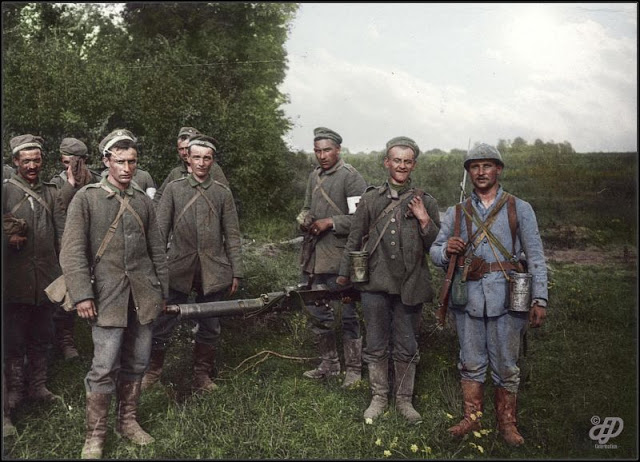
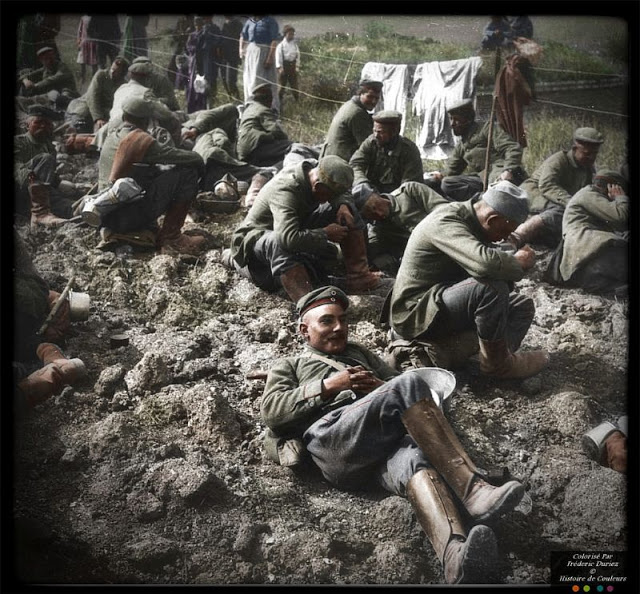
German prisoners at Mareuil, July 1918
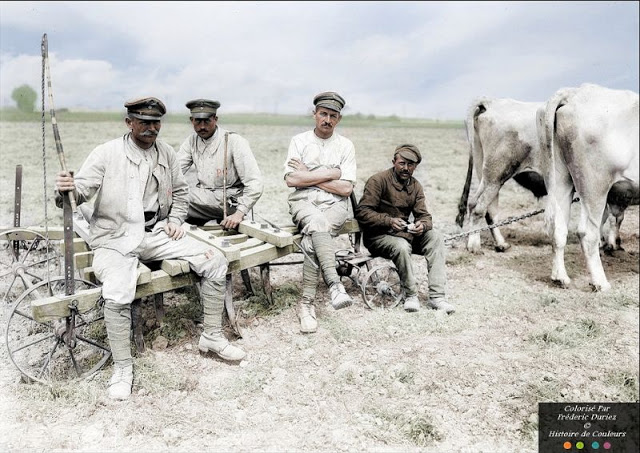
German prisoners at work ( beef drivers pause then plowing in a field)
German prisoners captured during the offensive of July, near Villers-Bretonneux (Somme), July 30, 1916
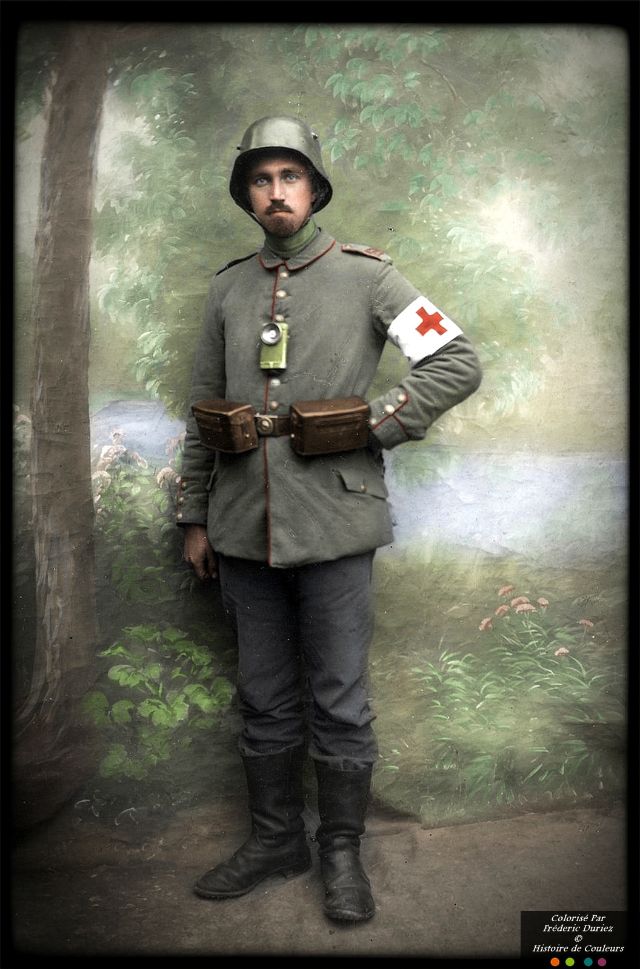
German Red Cross
German soldier recently captured by Canadians, July 1917
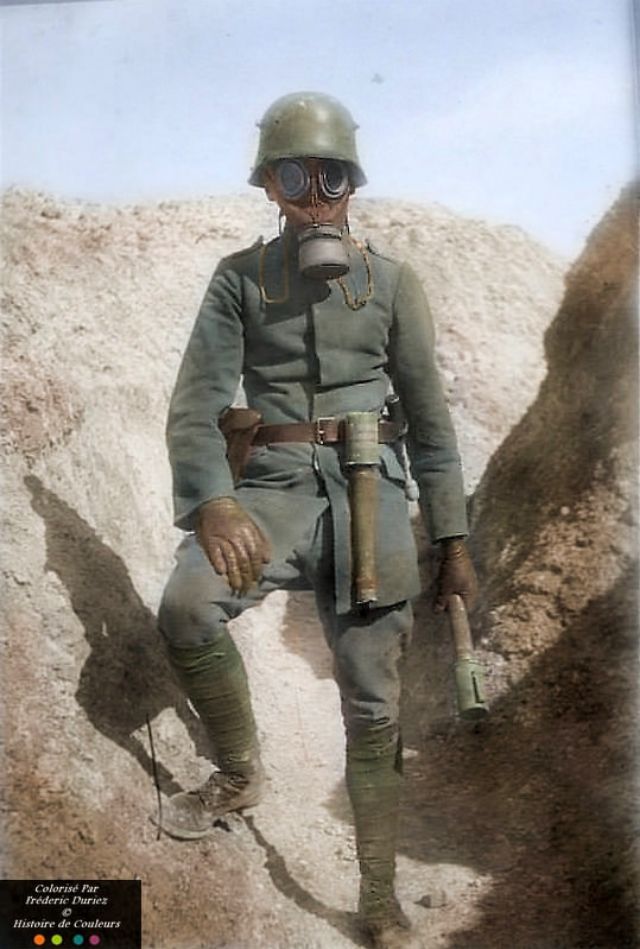
German soldier with gas mask
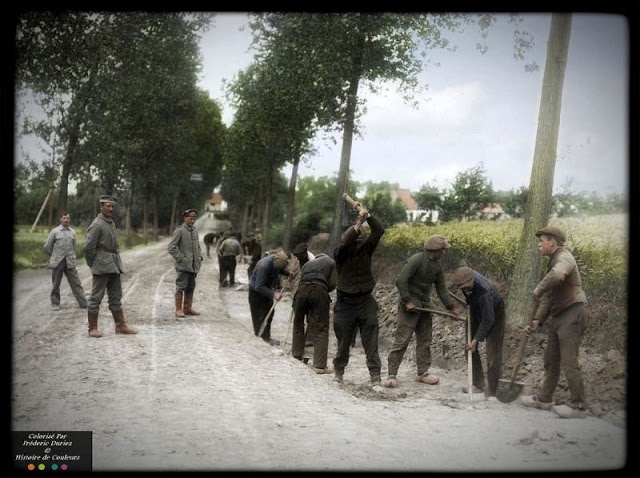
German soldiers supervising Belgian civilians employees road repair, Belgium, 1916
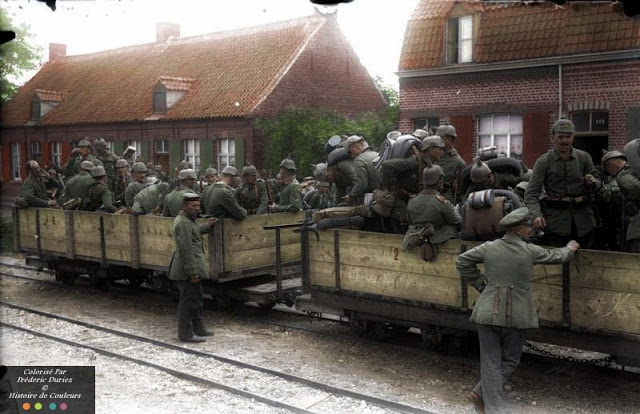
German troops loading for transport to the front, 1915
German troops stationed in front of the ‘Palais des Princes-Évêques’ of Liège in 1914
German uniform during World War I
Portrait of a great and stylish German soldier, probably taken on the Eastern Front
In the park, a German corpse, Plesier Roye ( Plessis de Roye – France , Somme ), April 2, 1918
Kurhessisches Pionier-Bataillon Nr.11
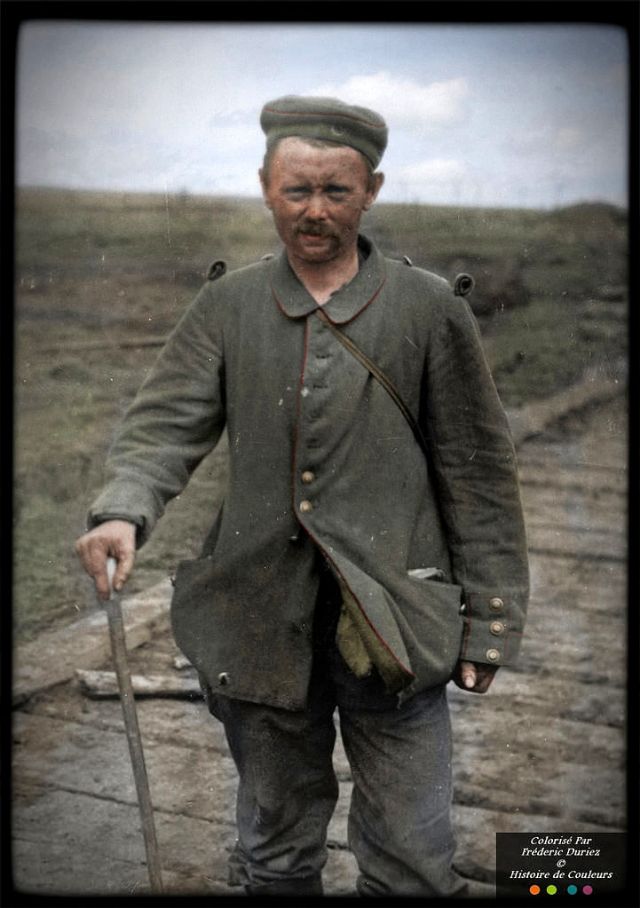
Landsturmmmann Leopold Schmälter, Preußisches Landwehr Infanterie Regiment 15, III. Bataillon, 11. Kompagnie, August 1917
Medical staff in the shade of the willows, 1918
Otto Frank (father of Anne Frank) during the First Word War in 1917. He fought for Germany. Of the eight people who hid in the Annex, only Otto Frank survived the arrest and genocide
Portrait of a German officer (Artillery), 1917
Portrait of Ernst Jünger, a highly decorated German soldier, author, and entomologist who became publicly known for his World War I memoir ‘Storm of Steel’
Prisoners, Vimy, 1917
Prussian infantryman from the 93rd Reserve Infanterie Regiment
‘Remembering the time when I was severely wounded during an air-raid in France on 25.04. 1917. Dominikus Müller’
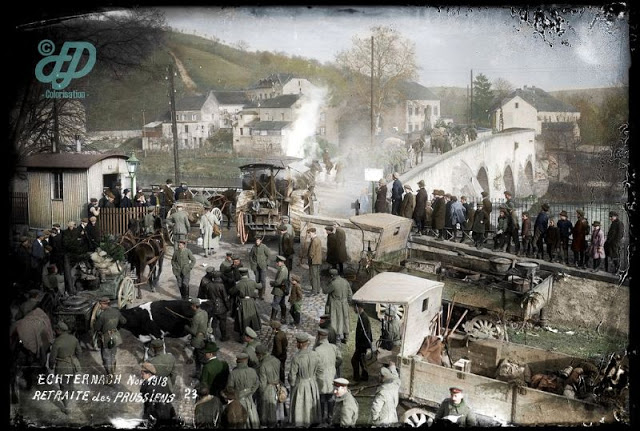
Retreat of German troops, Echternach, November 1918
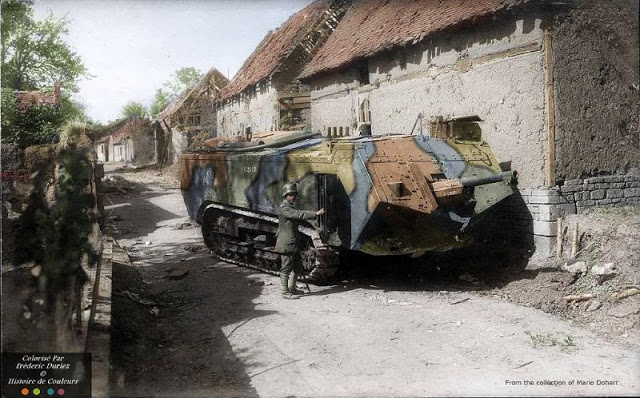
Saint Chamond Char captured by the Germans
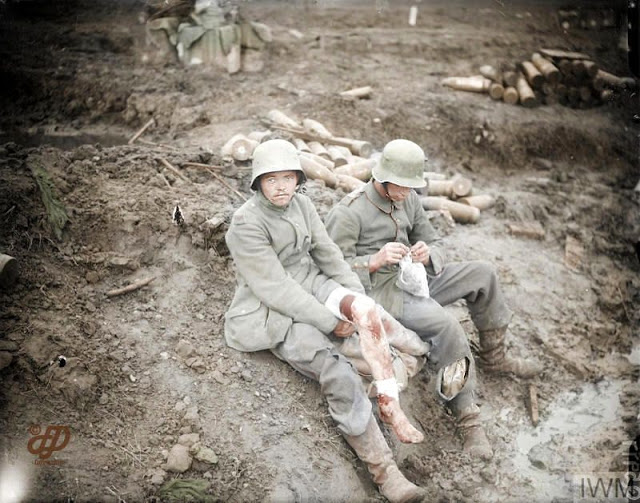
The Battle of the Menin Road Ridge. Two wounded Germans, one showing the newly dressed wound in his leg, at a dressing station at Zillebeke, 20 September 1917
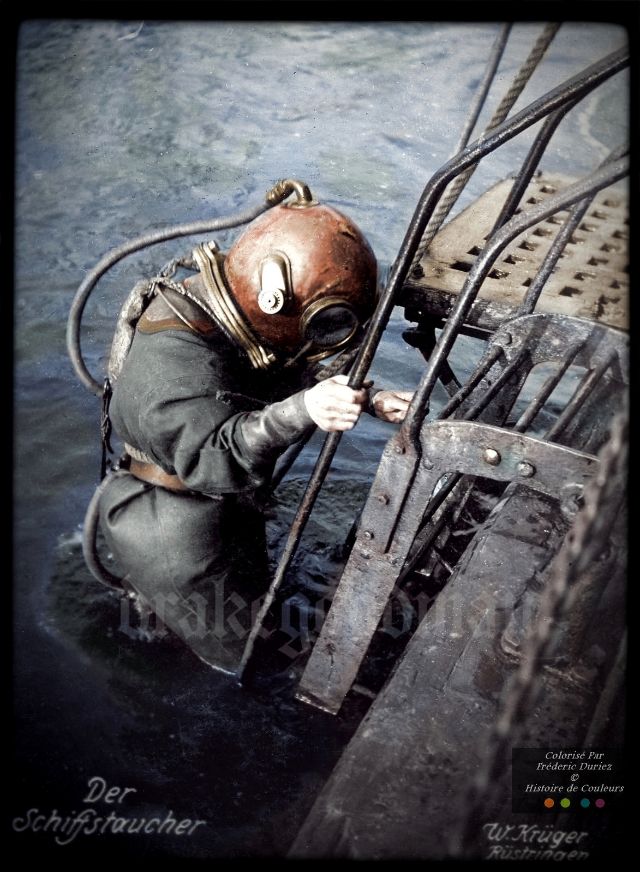
The ship’s diver
Two Fokker Dr.Is marked with the yellow cowlings and tails of Royal Prussian Jasta 27 are readied for takeoff at Halluin-Ost aerodrome in May 1918
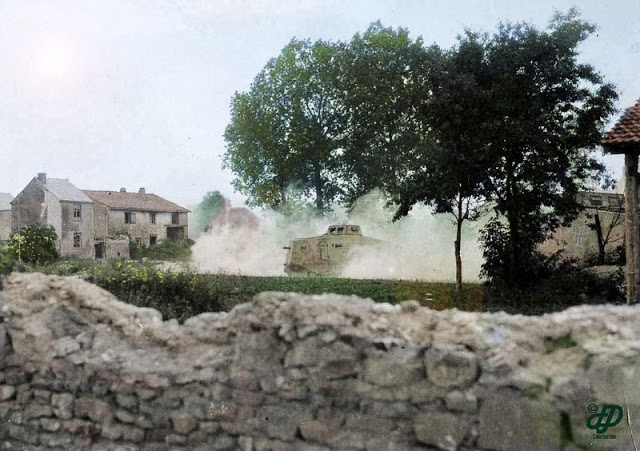
Western Front, German A7V tanks drive through a village near Rheims in 1918
Young German prisoners at Mareuil, July 1918


(Photos colorized by Frédéric Duriez)

30 Beautiful Photos of Gibson Girls From the Early 20th Century

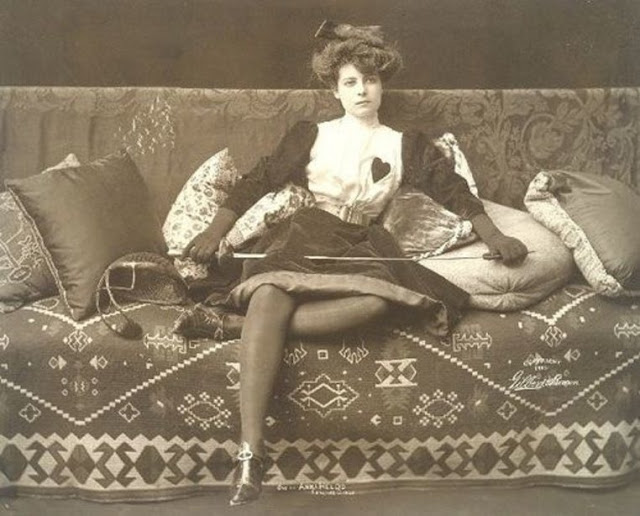
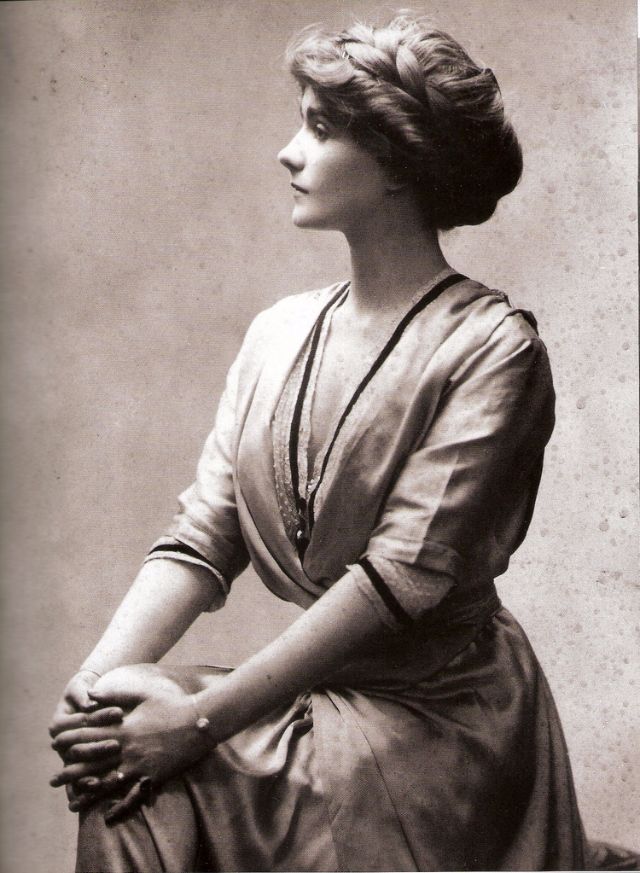
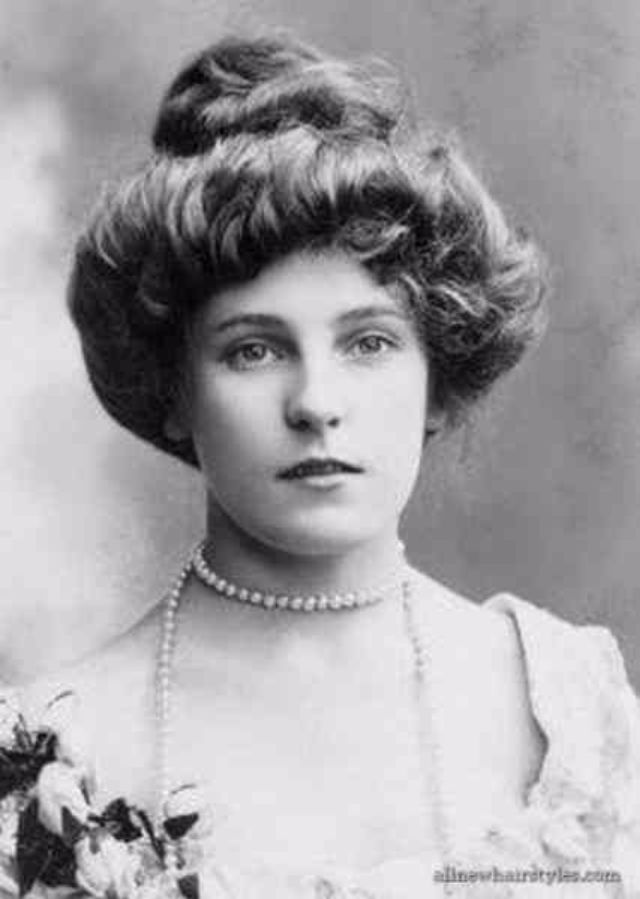
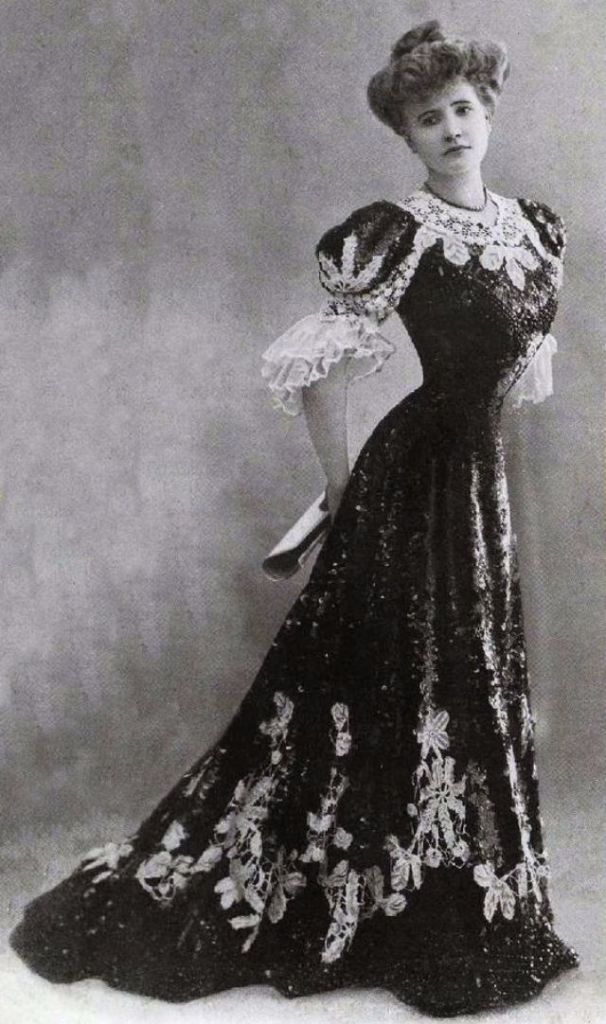
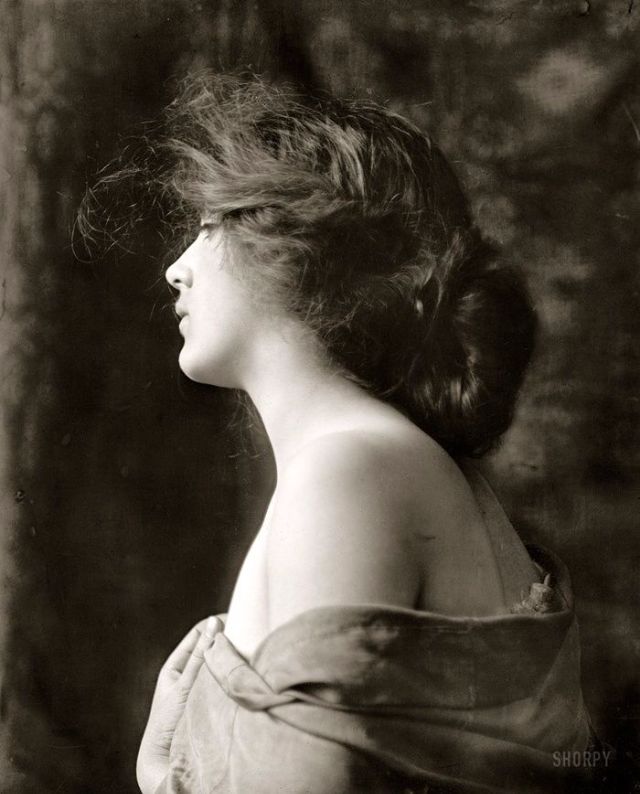
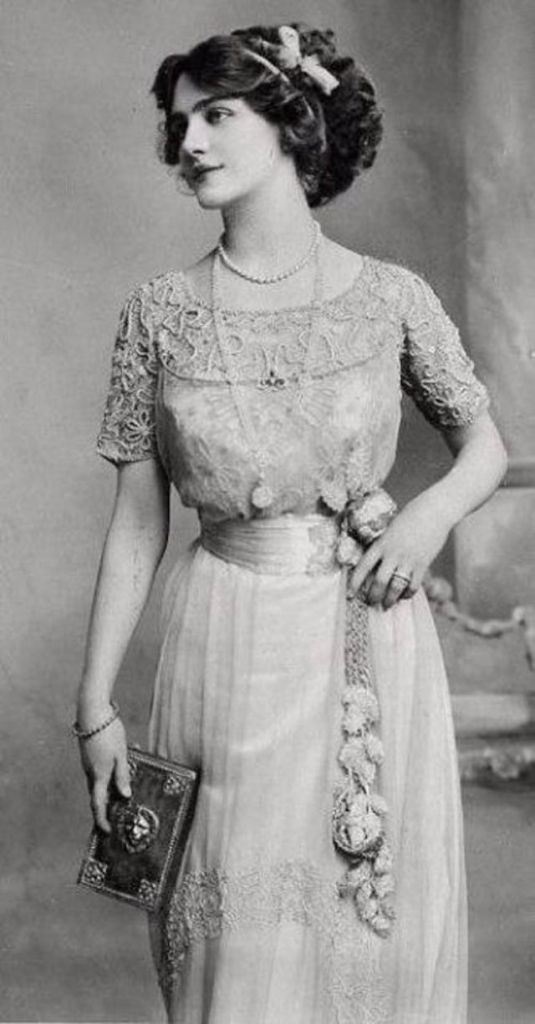
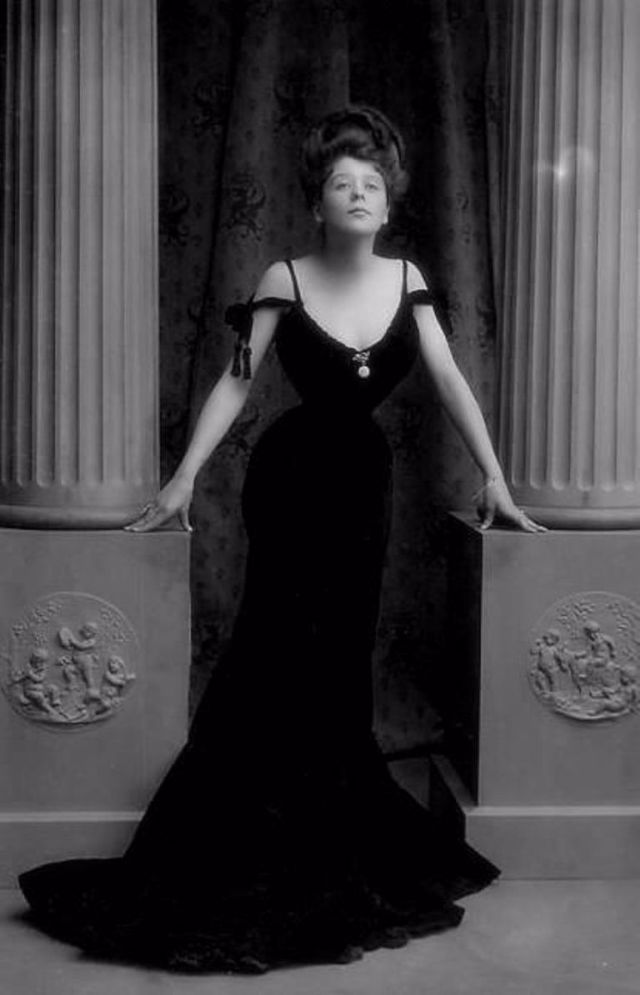
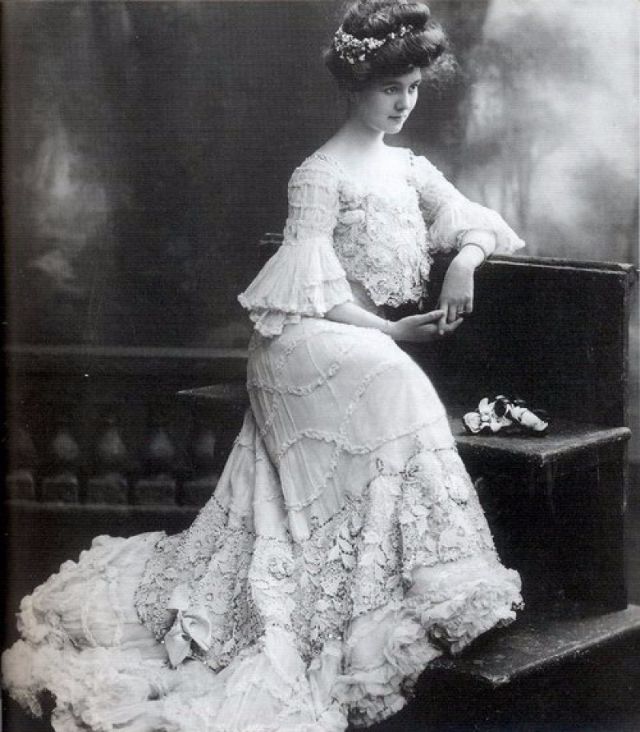
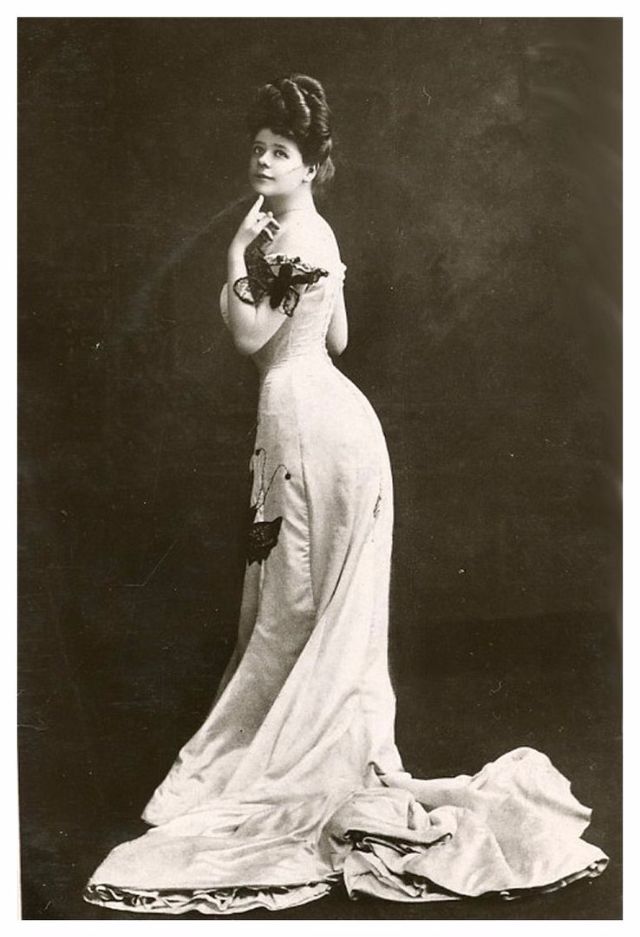
The Gibson Girl began appearing in the 1890s and was the personification of the feminine ideal of physical attractiveness portrayed by the satirical pen-and-ink illustrations of illustrator Charles Dana Gibson during a 20-year period that spanned the late 19th and early 20th century in the United States and Canada. The artist saw his creation as representing the composite of “thousands of American girls.” The artist believed that the Gibson Girl represented the beauty of American women:

“I’ll tell you how I got what you have called the ‘Gibson Girl.’ I saw her on the streets, I saw her at the theatres, I saw her in the churches. I saw her everywhere and doing everything. I saw her idling on Fifth Avenue and at work behind the counters of the stores… [T]he nation made the type. What Zangwill calls the ‘Melting Pot of Races’ has resulted in a certain character; why should it not also have turned out a certain type of face?…There isn’t any ‘Gibson Girl,’ but there are many thousands of American girls, and for that let us all thank God.”

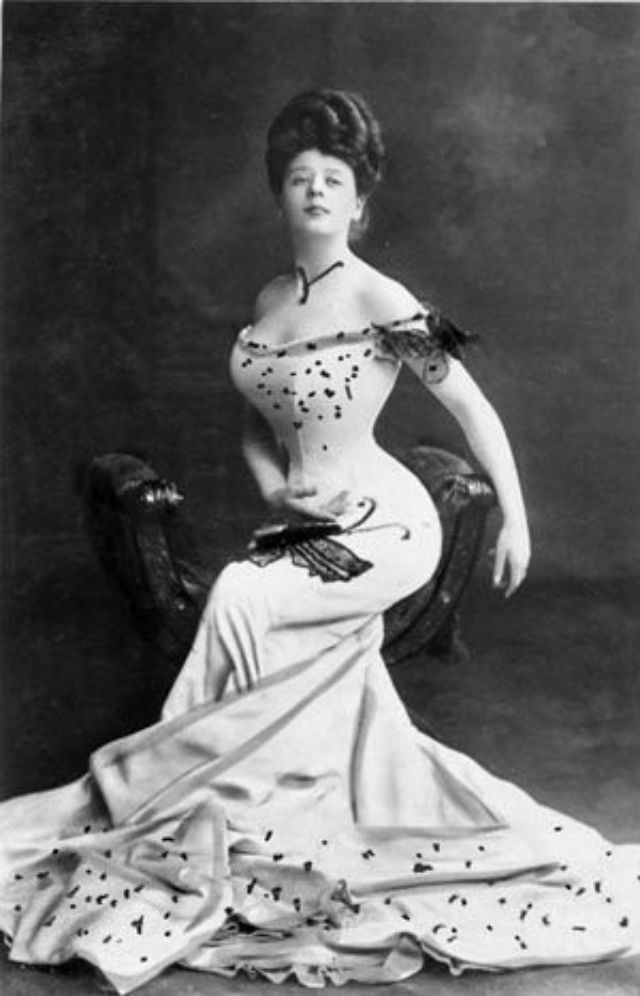
The Gibson Girl image that appeared in the 1890s combined elements of older American images of Caucasian female beauty, such as the “fragile lady” and the “voluptuous woman”. From the “fragile lady” she took the basic slender lines, and a sense of respectability. From the “voluptuous woman” she took a large bust and hips, but was not vulgar or lewd, as previous images of women with large busts and hips had been depicted. From this combination emerged the Gibson Girl, who was tall and slender, yet with ample bosom, hips and buttocks. She had an exaggerated S-curve torso shape achieved by wearing a swan-bill corset.

Yesterday Today

Bringing You the Wonder of Yesterday - Today

Skip to content ↓