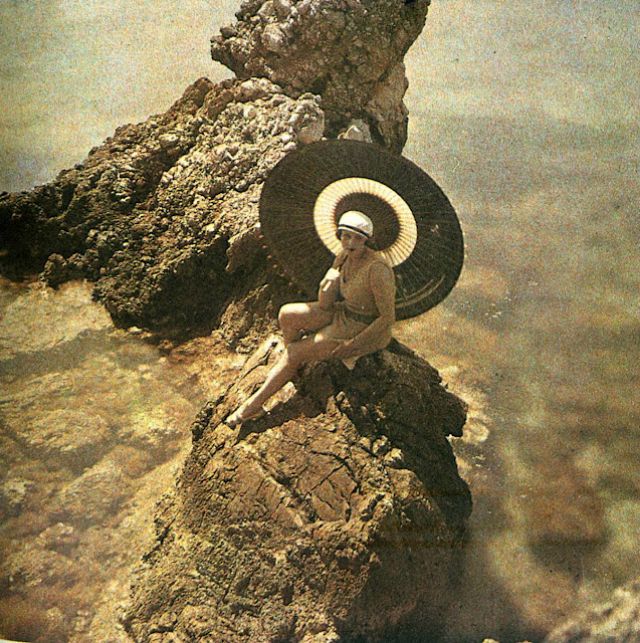
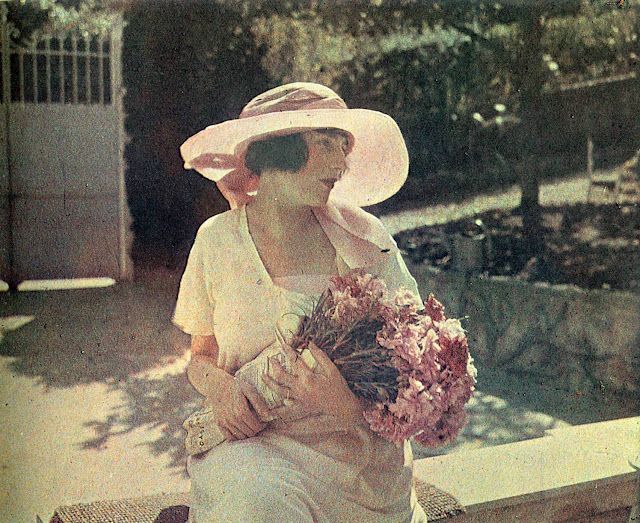
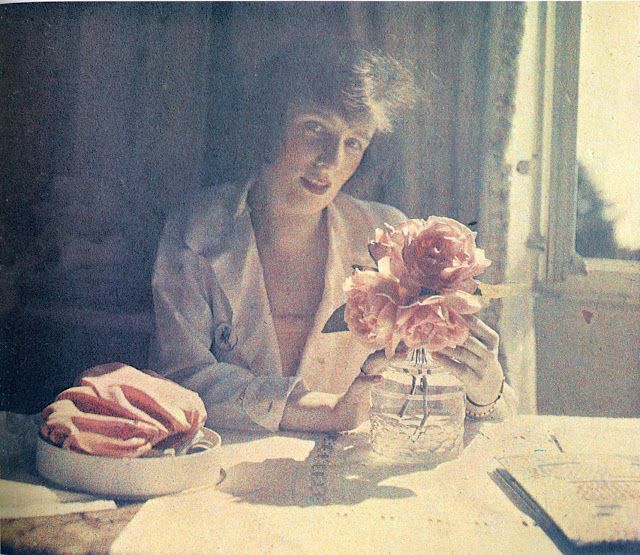
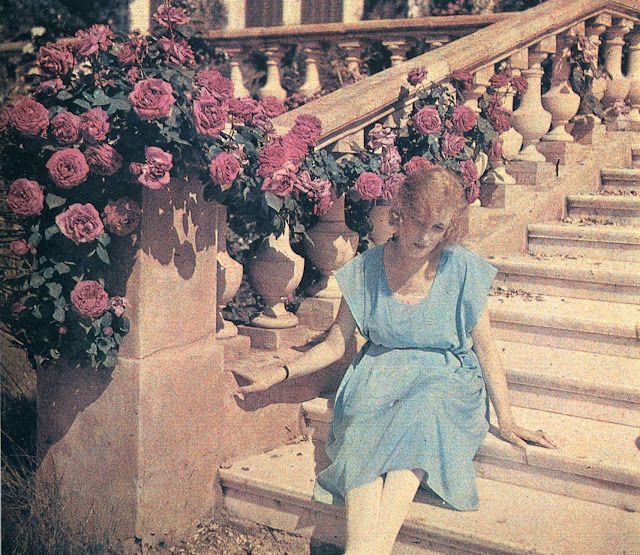
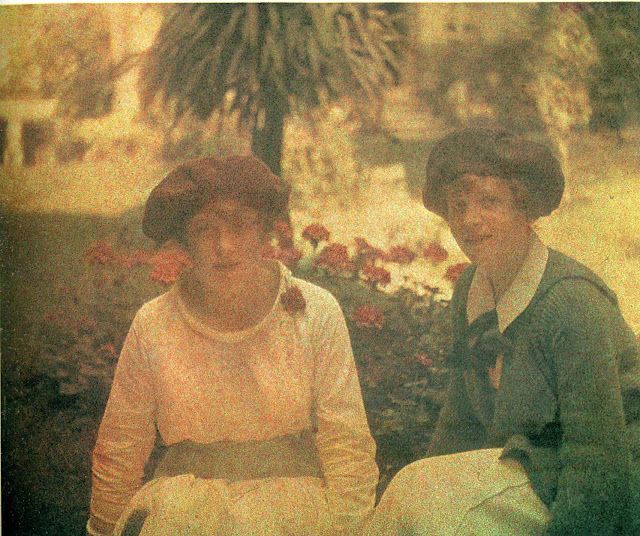
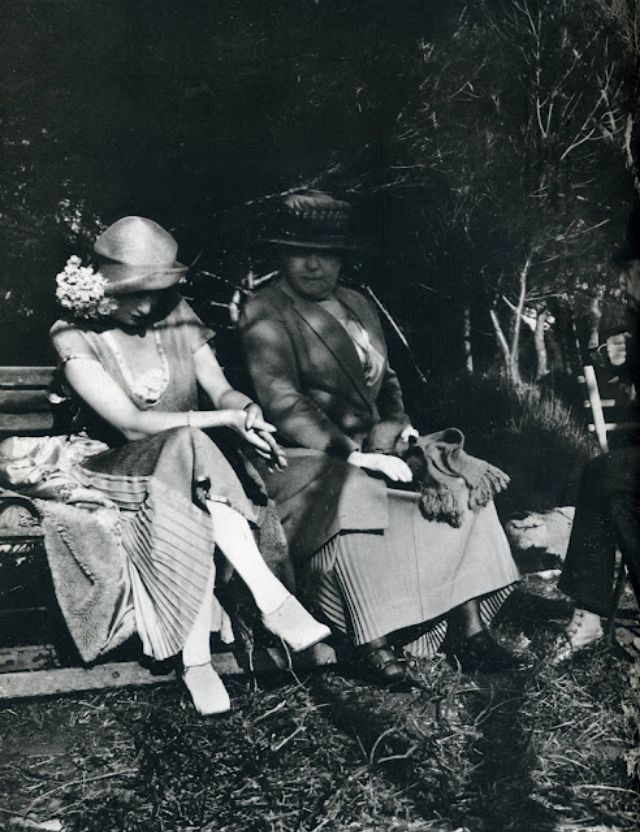
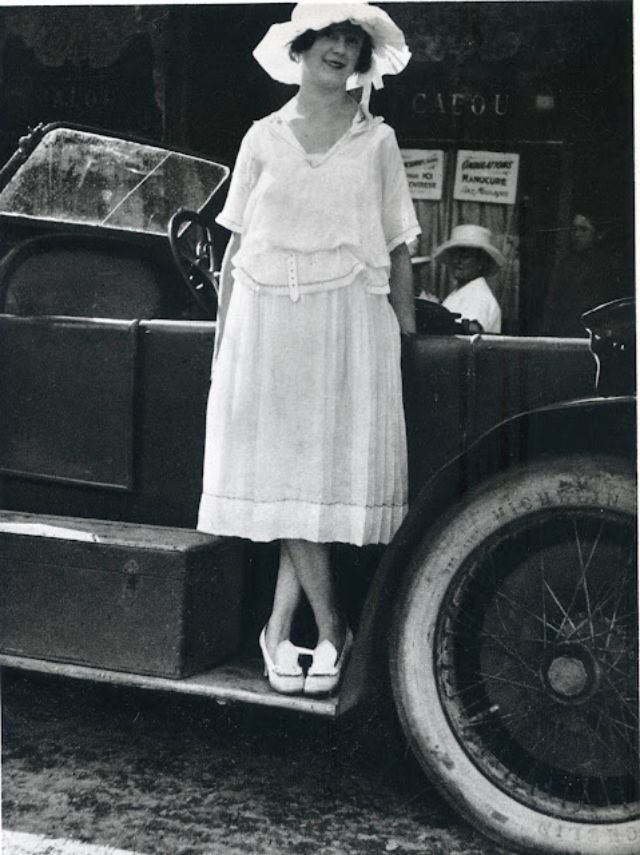
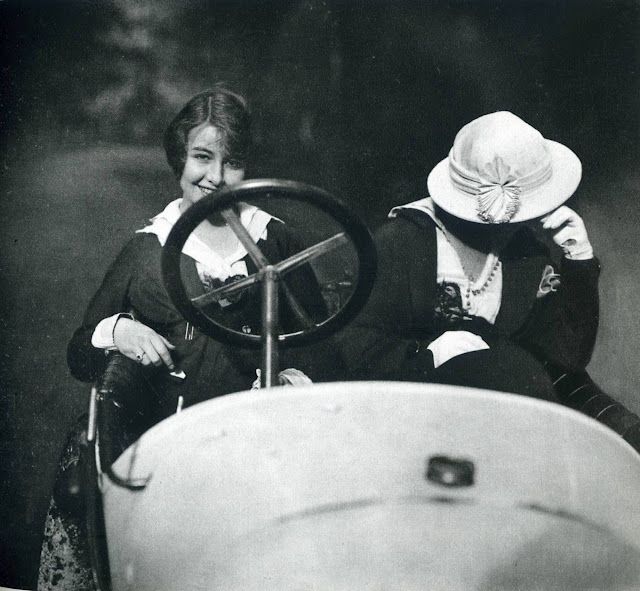
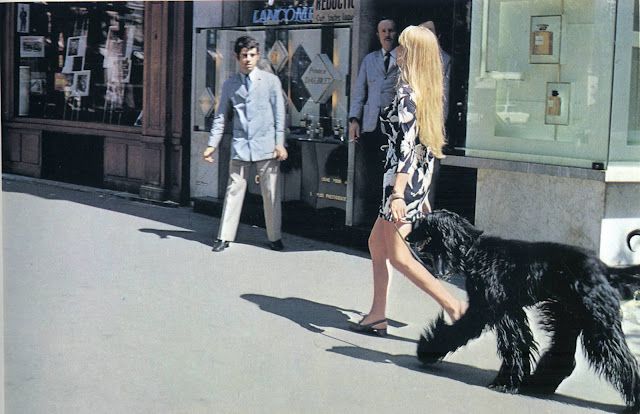
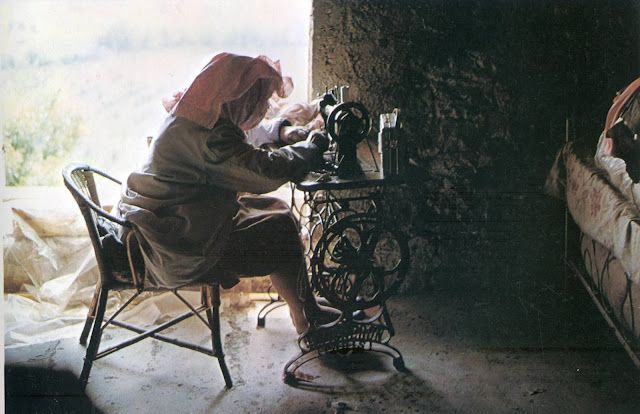
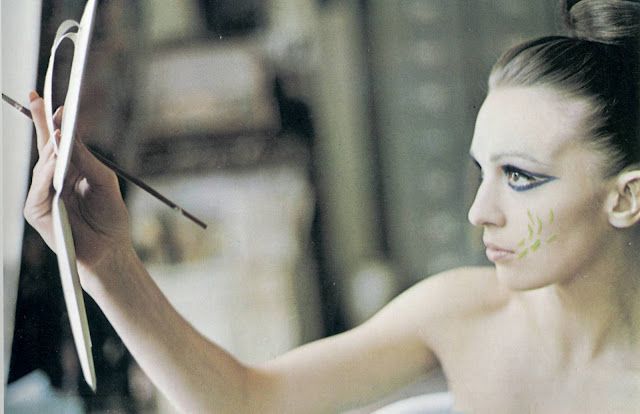
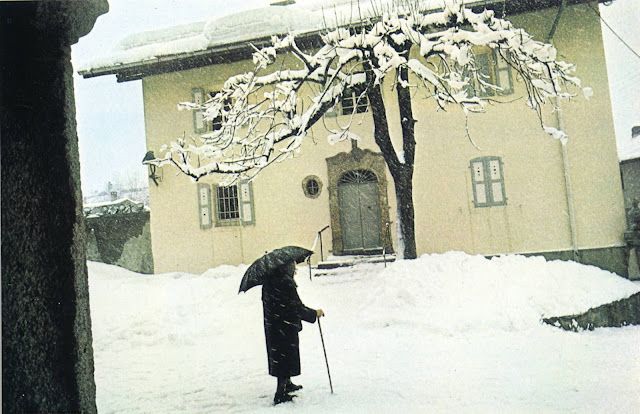
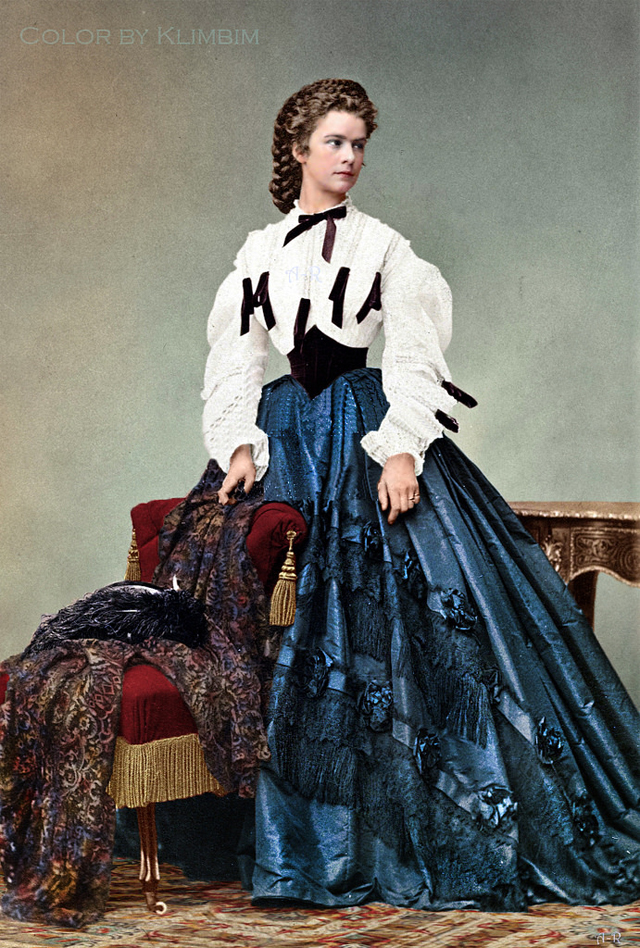
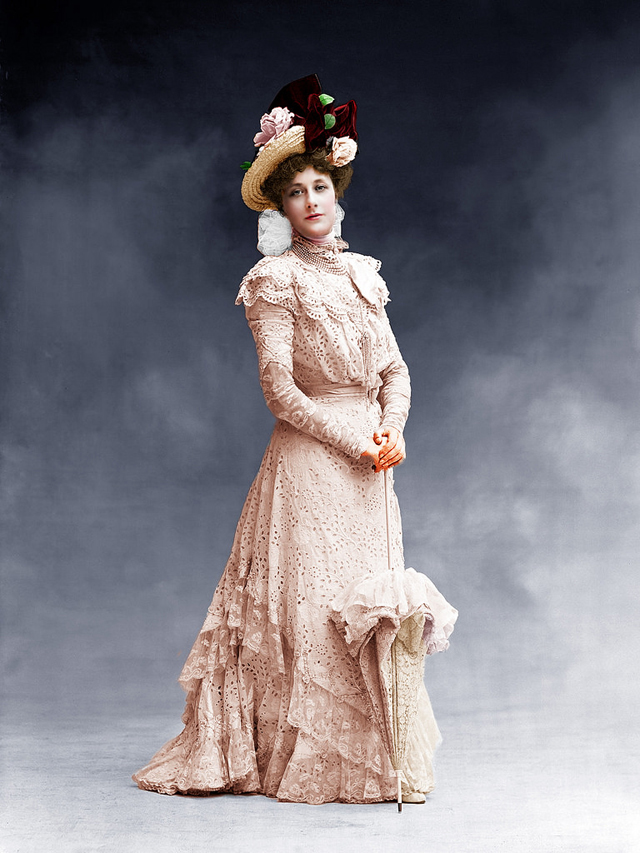
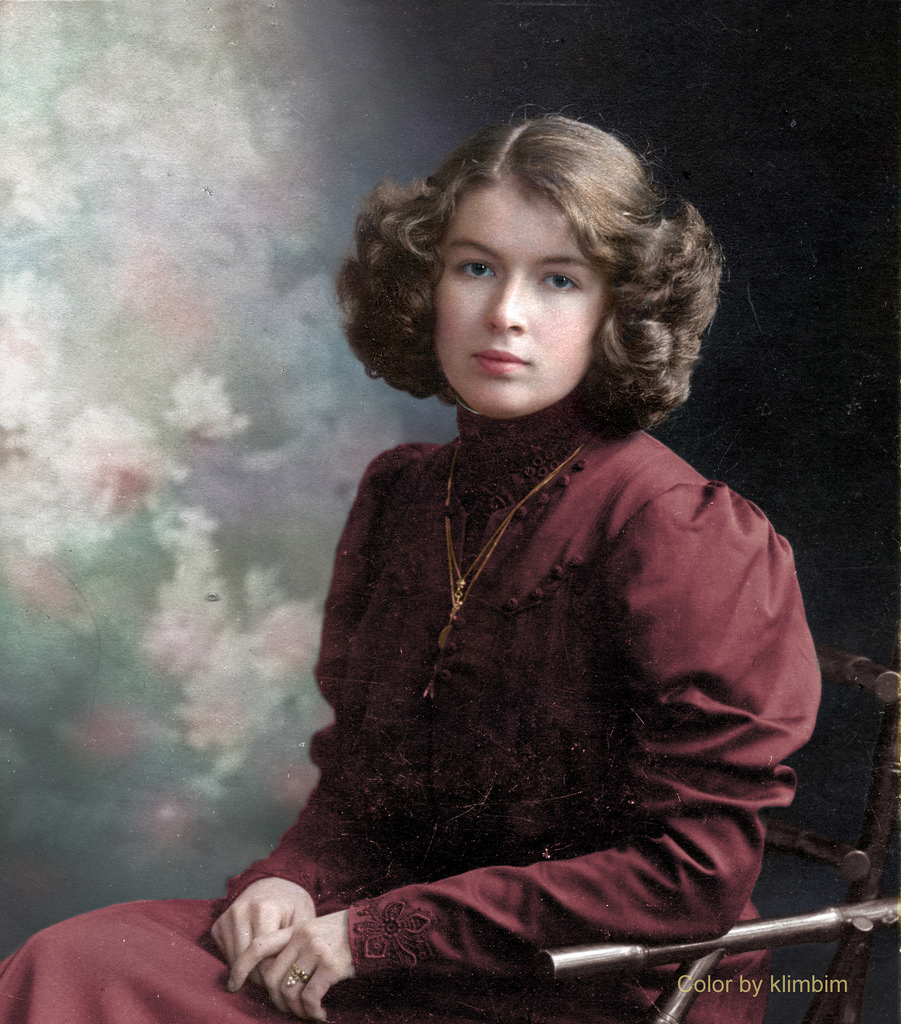
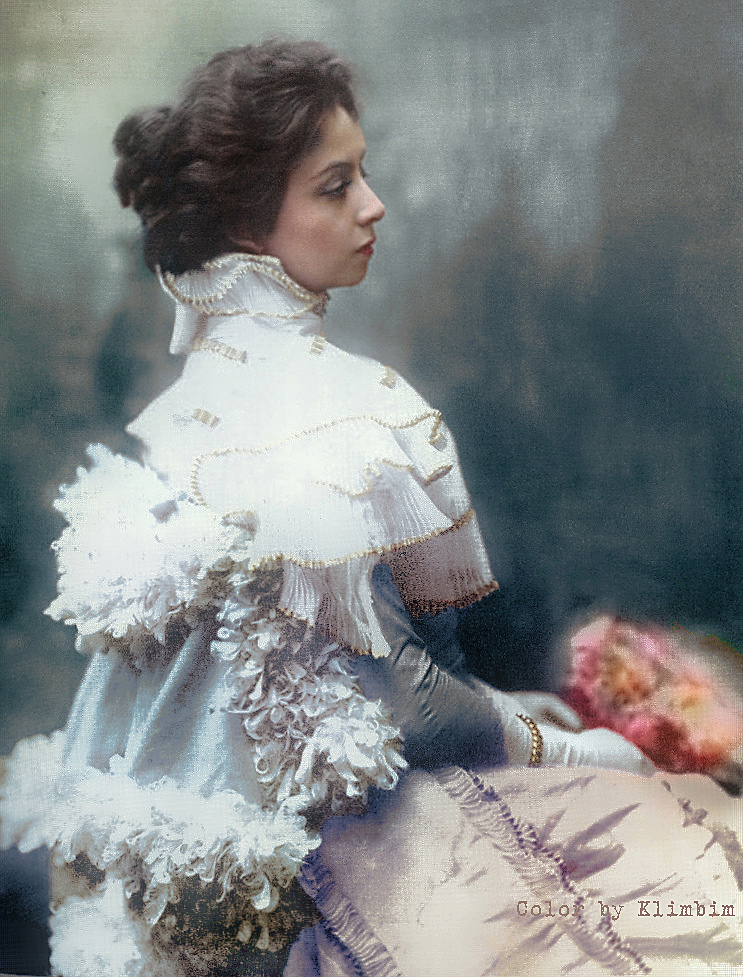
48 Vintage Photos of Parisian Women in the Early 20th Century

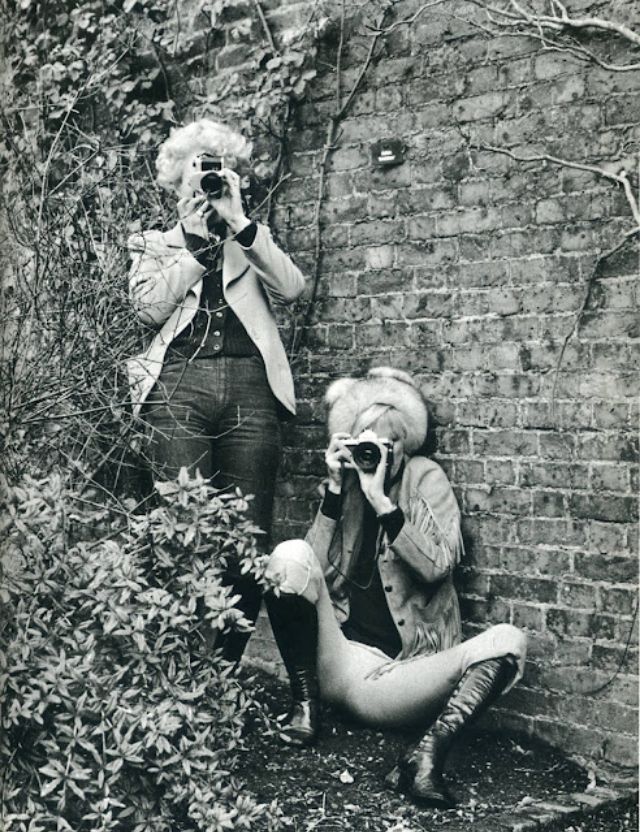
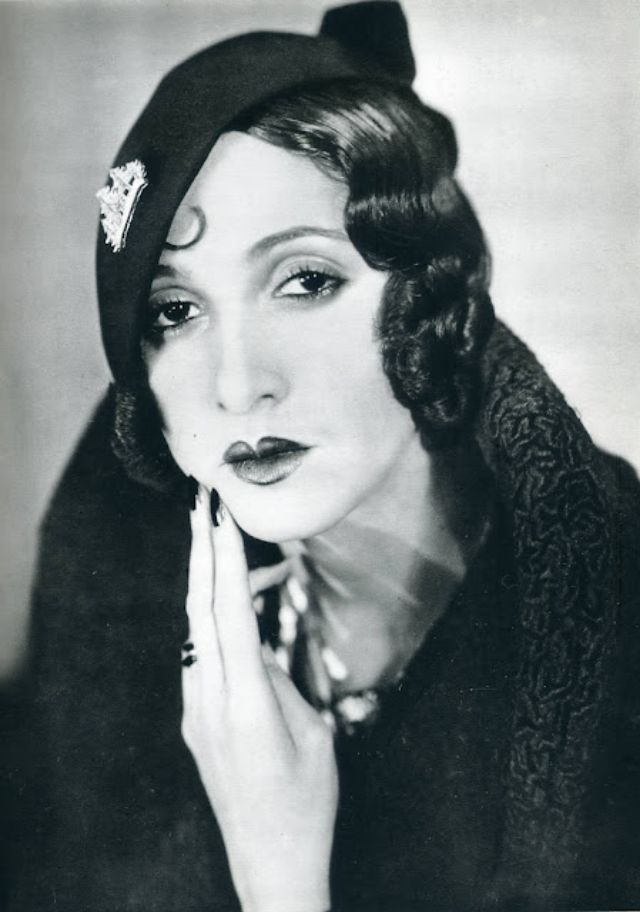
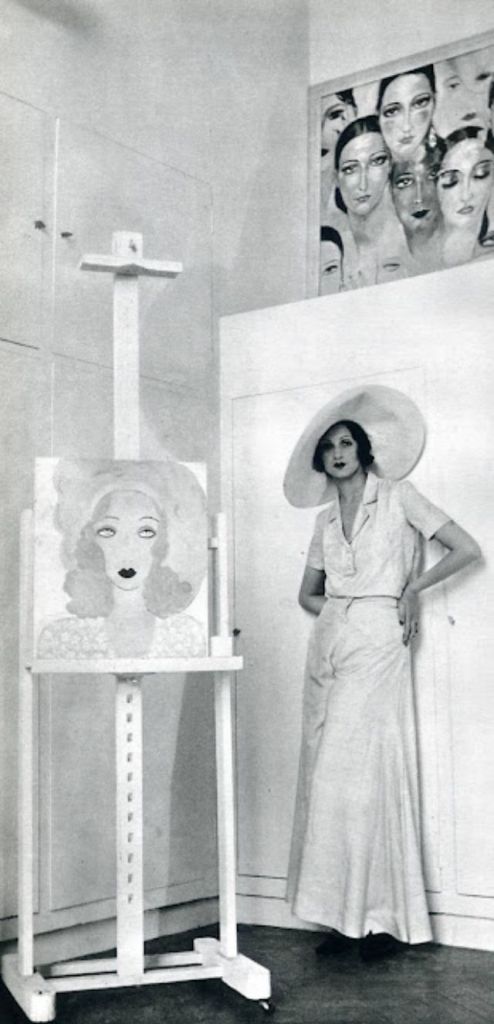
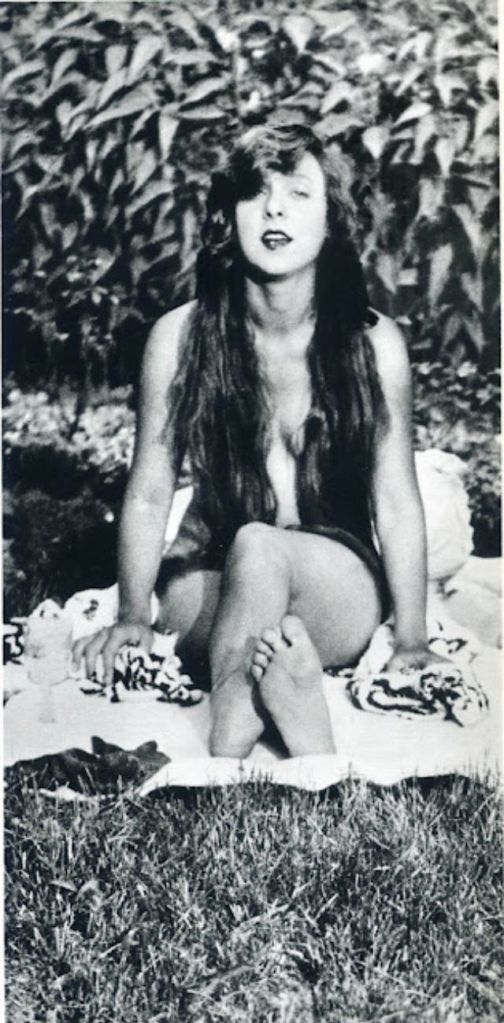
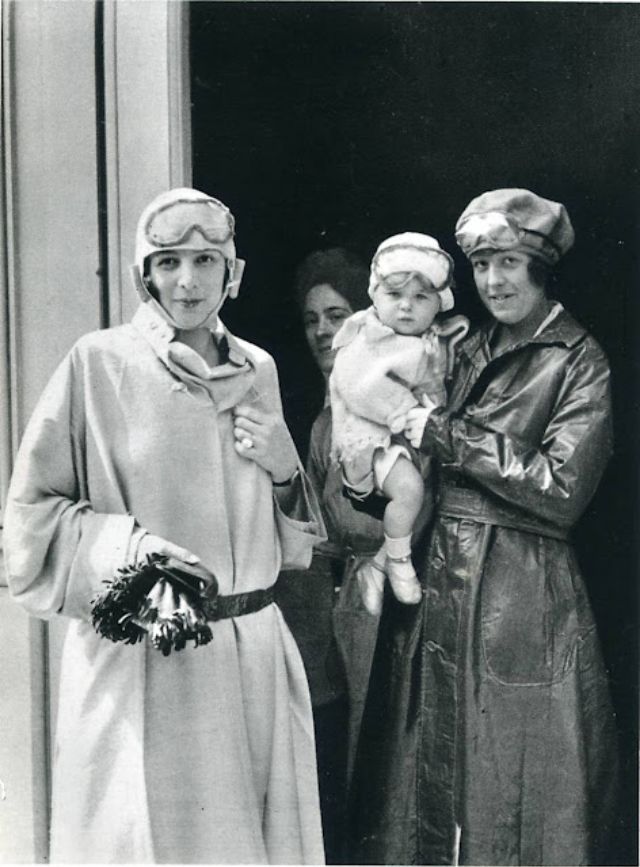
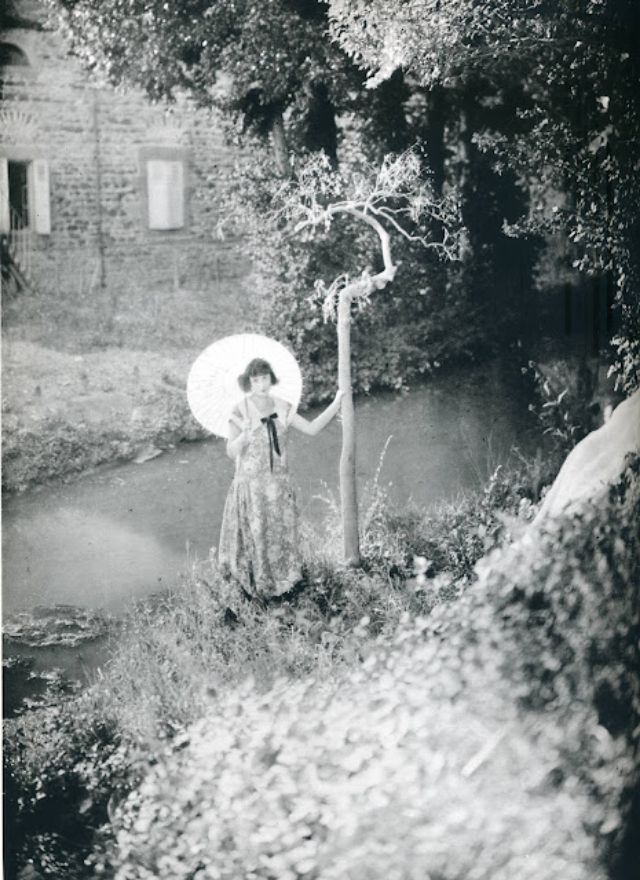
Jacques Henri Lartigue (1894–1986) was a French photographer and painter. Born in Courbevoie to a wealthy family, he is most famous for his photographs of automobile races, planes and fashionable Parisian women.

He started taking photographs when he was 7, his subject matter being primarily his own life and the people and activities in it. As a child he photographed his friends and family at play – running and jumping, racing wheeled soap boxes, building kites, gliders and aeroplanes, and climbing the Eiffel Tower.

He also photographed many famous sporting events, including automobile races such as the Coupe Gordon Bennett and the French Grand Prix, early flights by aviation pioneers including Gabriel Voisin, Louis Blériot, Louis Paulhan and Roland Garros, and the tennis player Suzanne Lenglen at the French Open tennis championships.

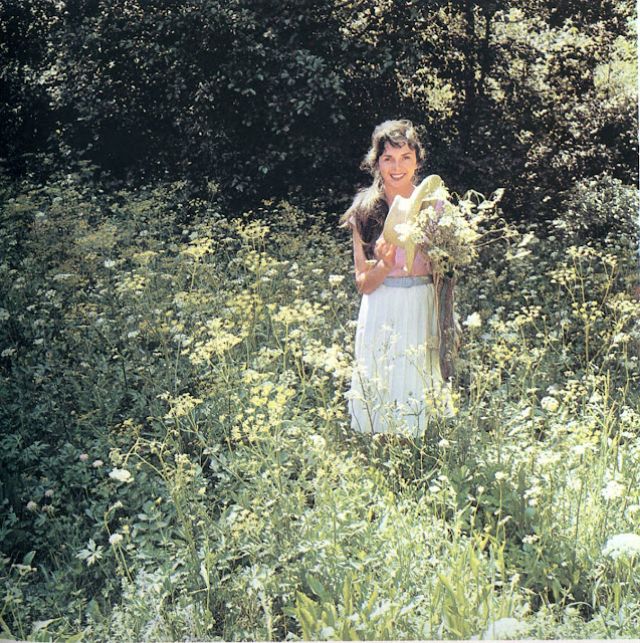
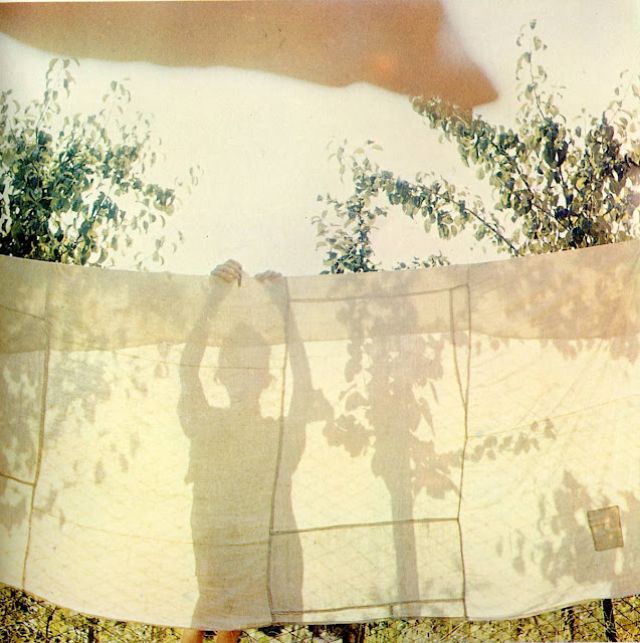
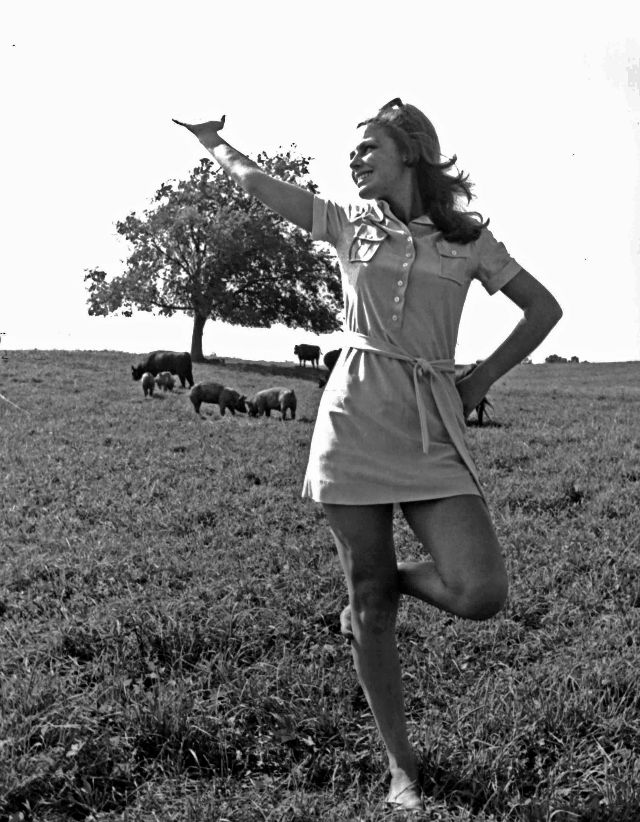
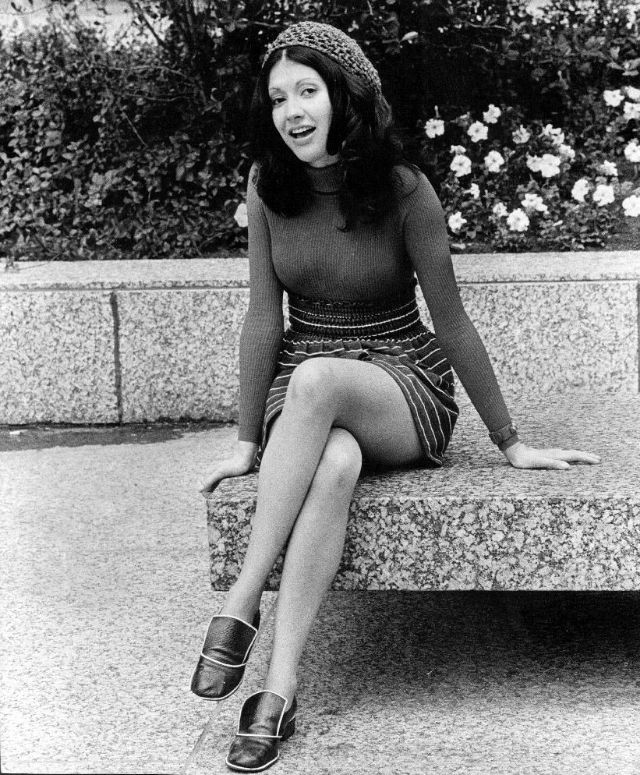
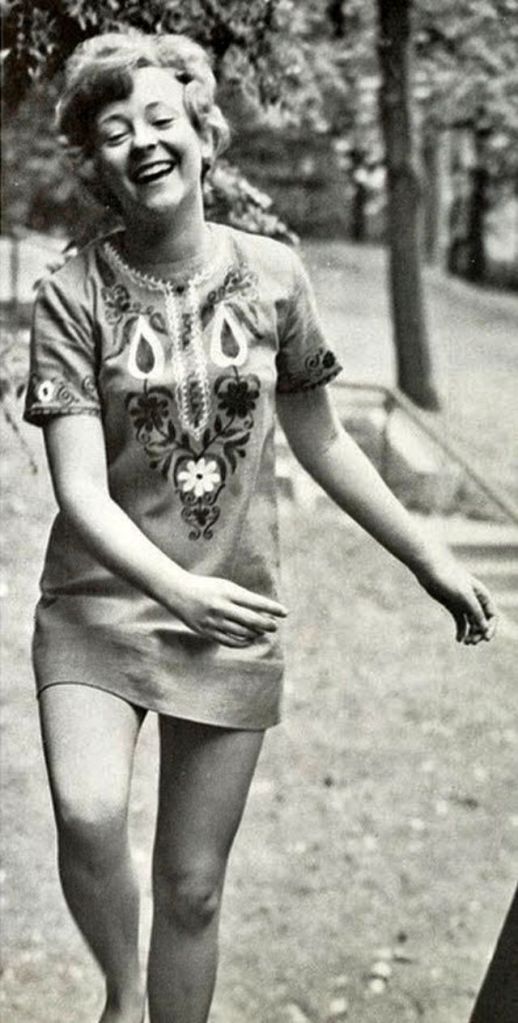
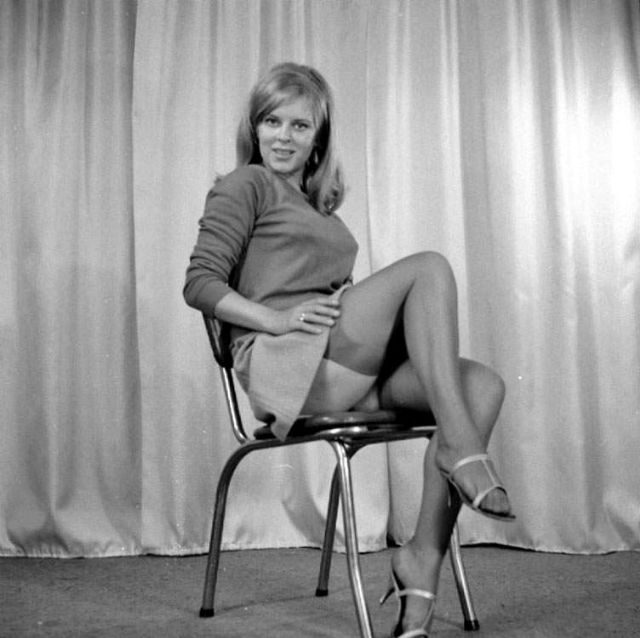
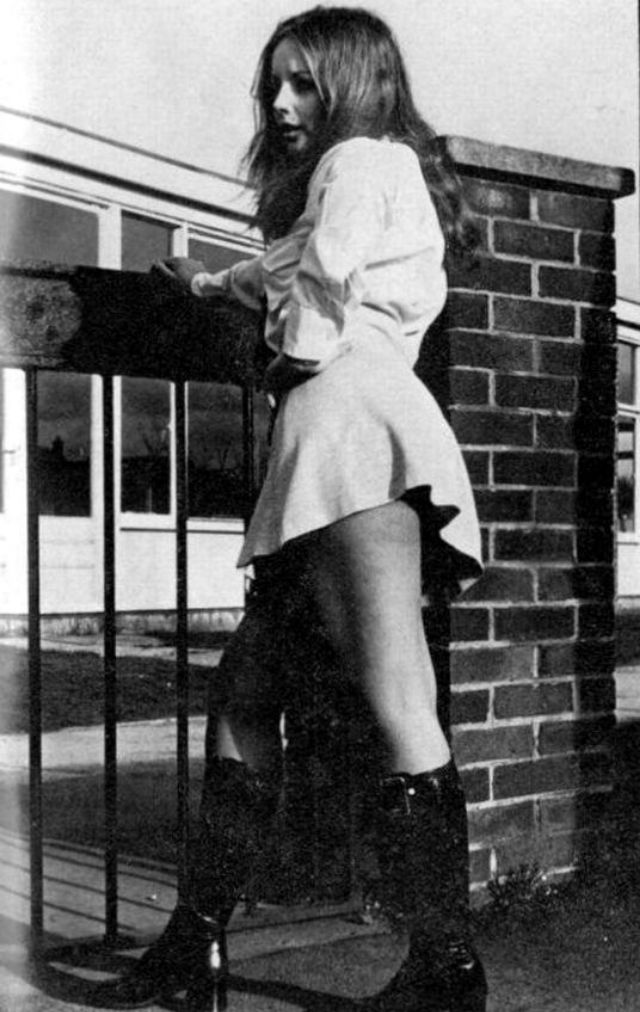
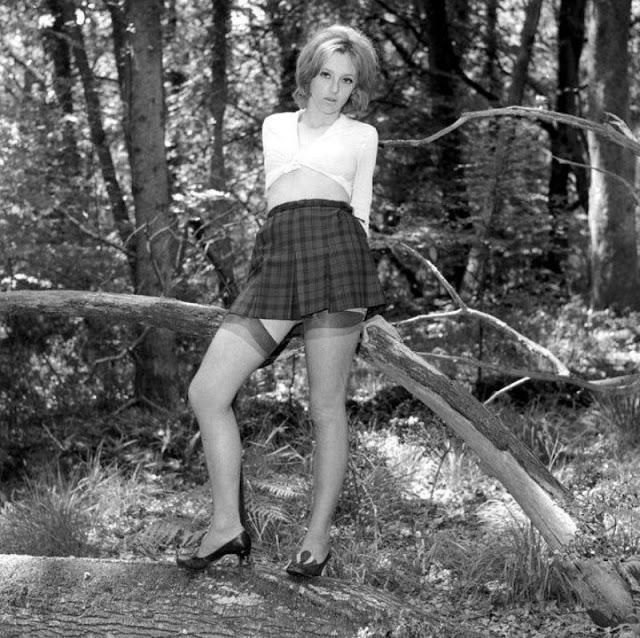
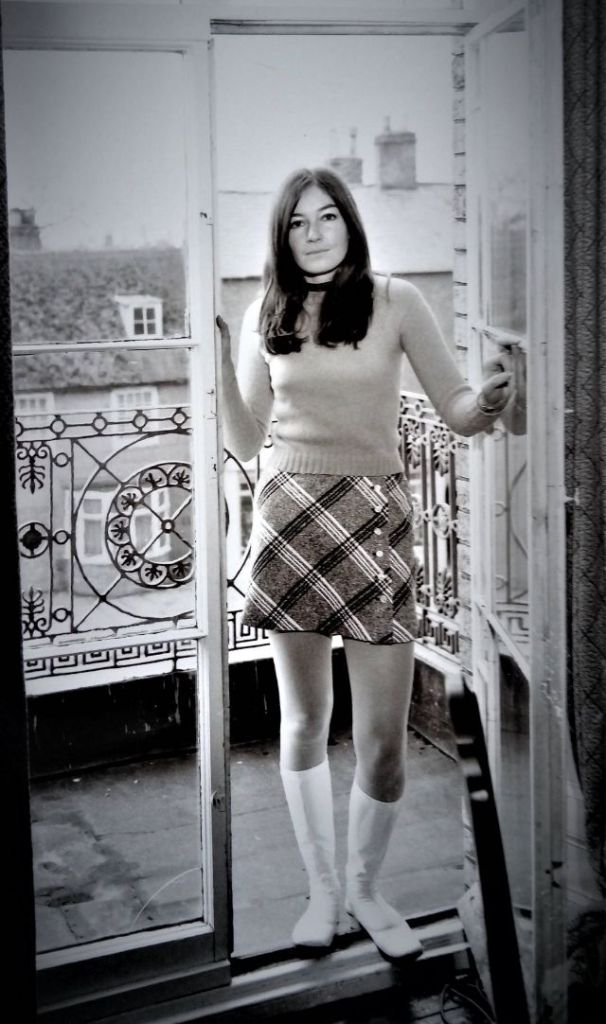
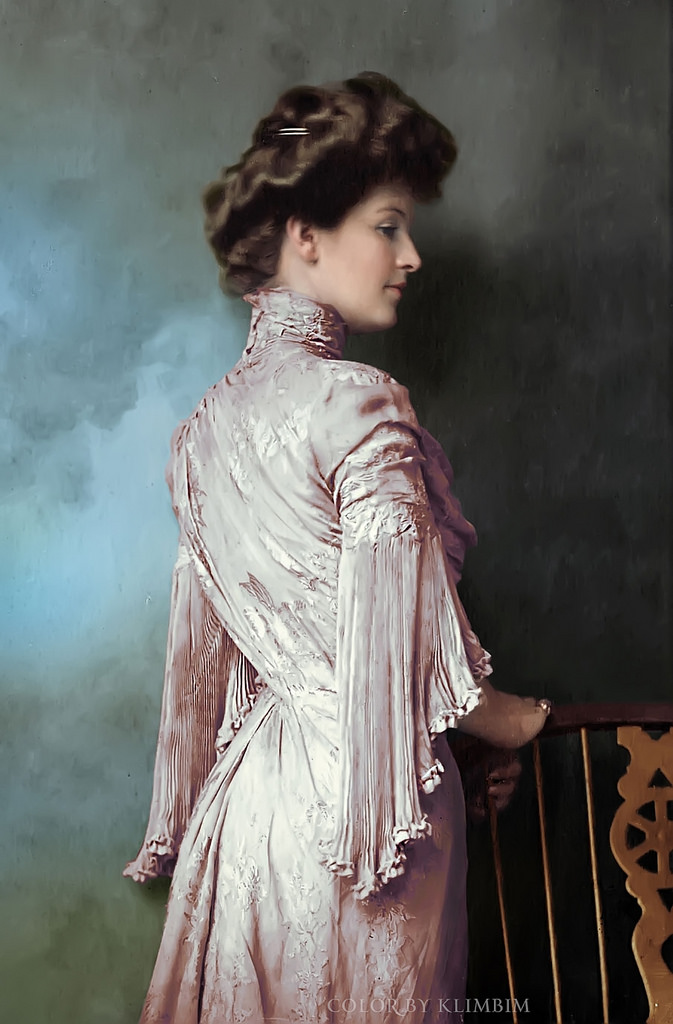
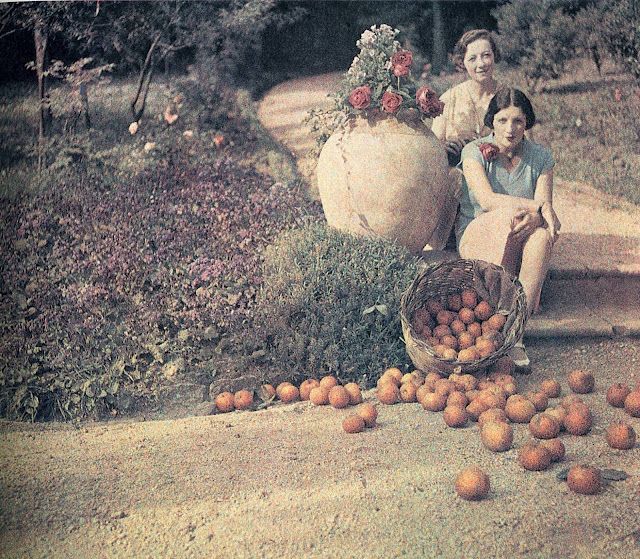
Below is a collection of 48 photographs taken by Jacques Henri Lartigue, they capture everyday life of Parisian women from the early 20th century.

(Photos by Jacques Henri Lartigue)

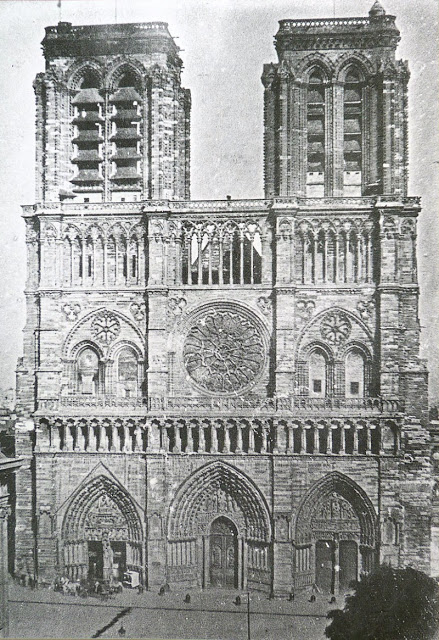
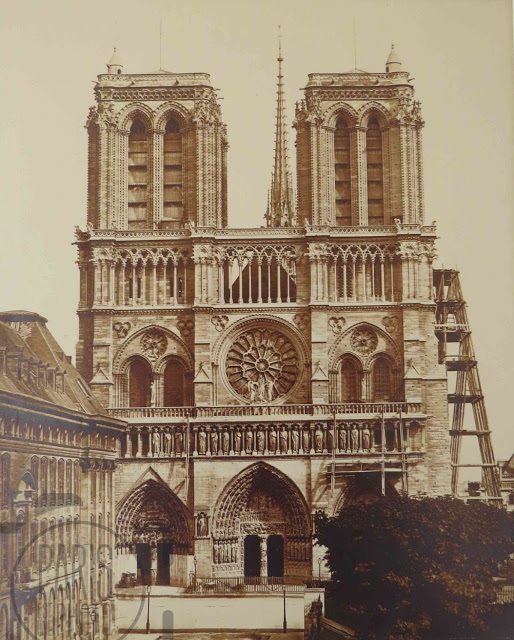
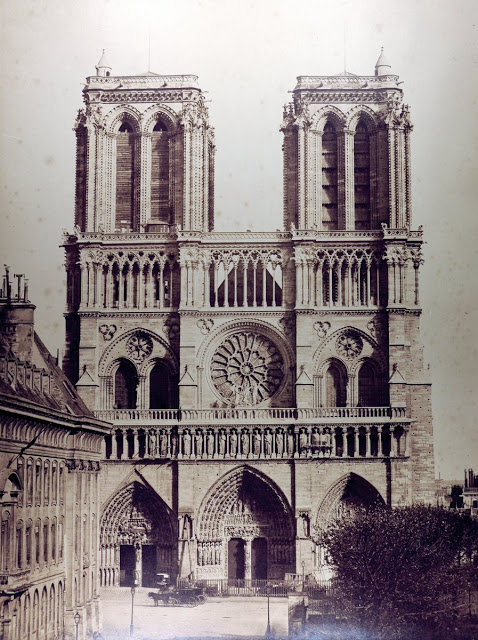
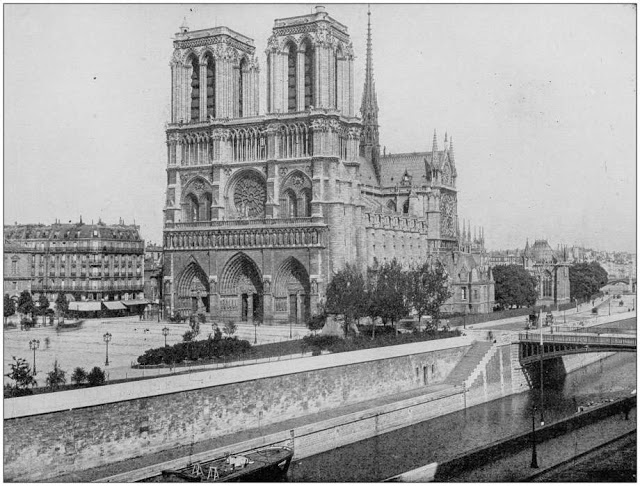
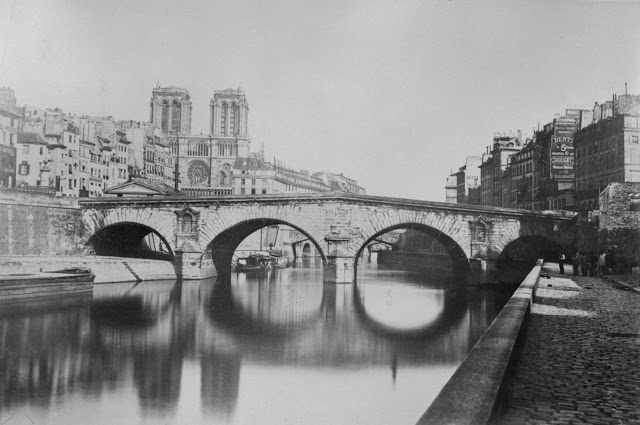
20 Amazing Photos Showing the Notre Dame Cathedral in Paris During the 1800s

When the architects of Cathedral of Notre-Dame set to work some 850 years ago, their goals were nothing if not ambitious. The church’s sanctuary, they decreed, must be taller than any built before. The nave would rise 108 feet, and the two 223-feet-tall towers would cast a far-reaching shadow over the roofs of Paris.

The 12th century had just entered its second half, and to achieve new heights, the builders made early use of external supports known as flying buttresses.

The cathedral today is one of the most iconic images of Paris, second only, perhaps, to the Eiffel Tower. More than 12 million visitors tour the structure each year, and untold postcards bearing photos of its towers and its rose windows are sent back home.

On 15 April 2019, the world was again gazing at Notre-Dame — but now in horror, not awe. The Notre Dame Cathedral in Paris caught fire, causing catastrophic damage. Here’s a look back at one of the city’s most historic landmarks in the late 19th century.

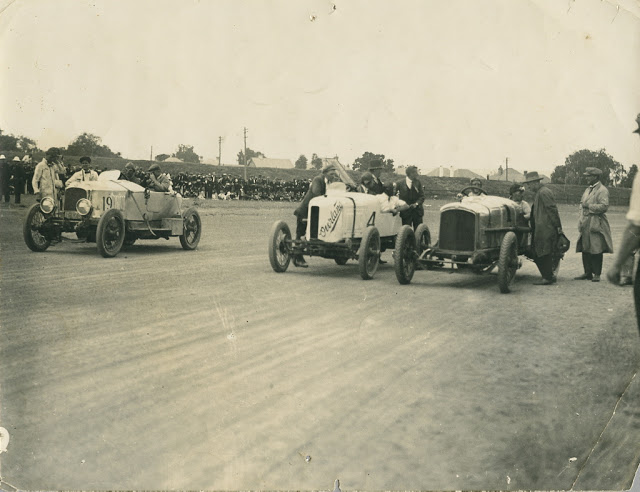
36 Fascinating Vintage Photos of Motor Racing From the 1920s and 1930s

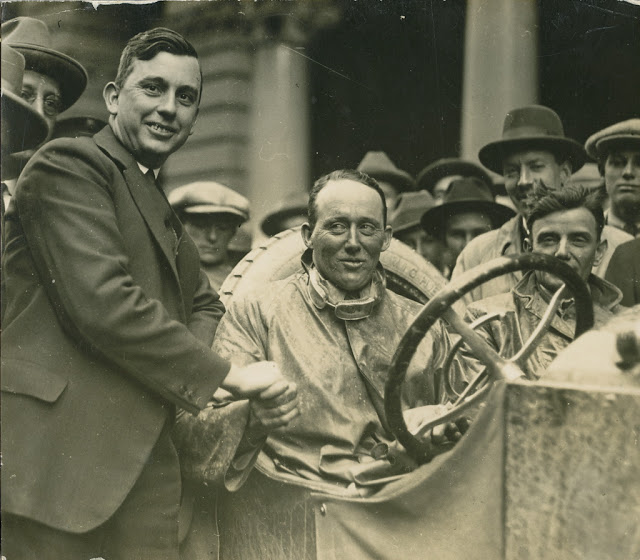
By the time racing resumed at the Indianapolis Motor Speedway after World War I, the Indianapolis 500 was already a renowned sporting event, attracting an international entry of drivers and cars and a crowd of more than 100,000.

Carl Fisher’s dream of building a proving ground that would put machine and man to the ultimate test had become a reality. And even in those early days of the Speedway, the men in charge struggled to rein in the burgeoning technology of the rapidly advancing automotive industry – and the speed and danger that resulted from it.

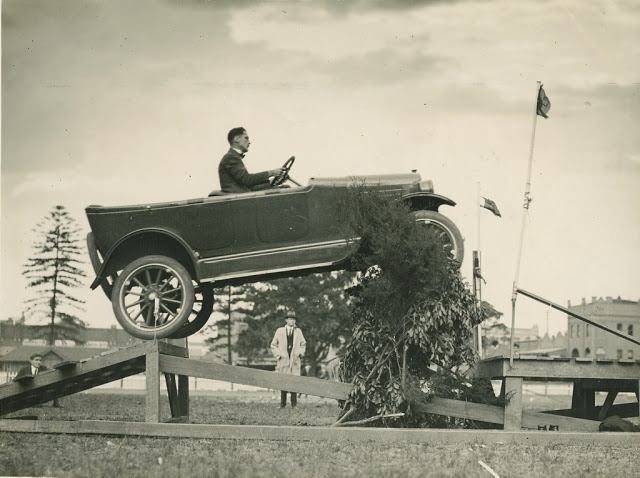
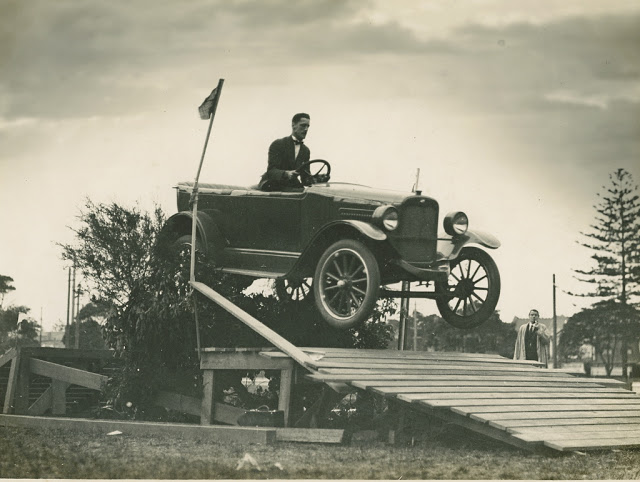
Overland car jumping a ‘fallen bridge’ in a promotional stunt,mid 1920s.
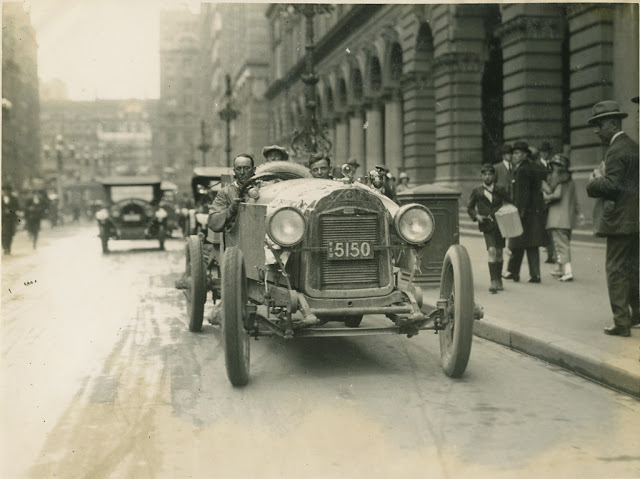
Dave Carrigan at wheel of a Willys Knight car in which he had driven from Melbourne to Sydney on one can of petrol. Sydney, New South Wales, Australia, 1926.
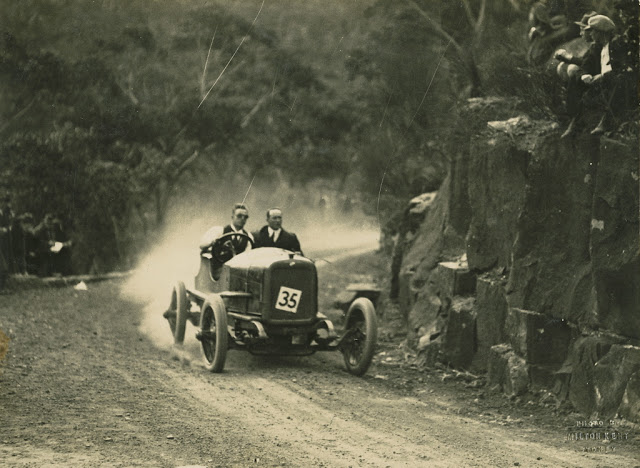
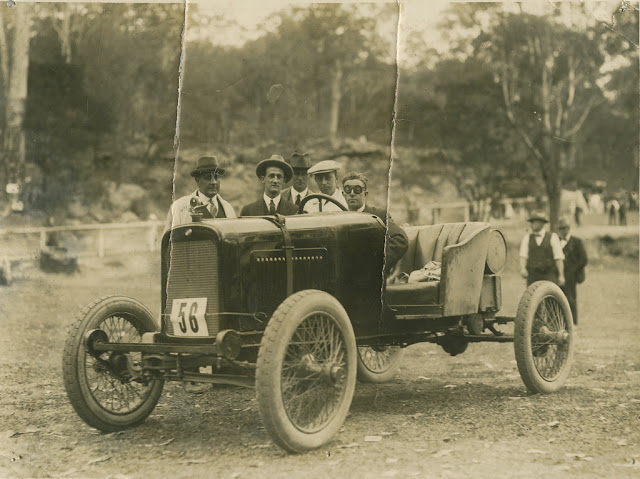
D.J. Harkness at wheel in RAC hill climb, No ’35’ on car, Royal National Park, Sydney, New South Wales, Australia, 1926.
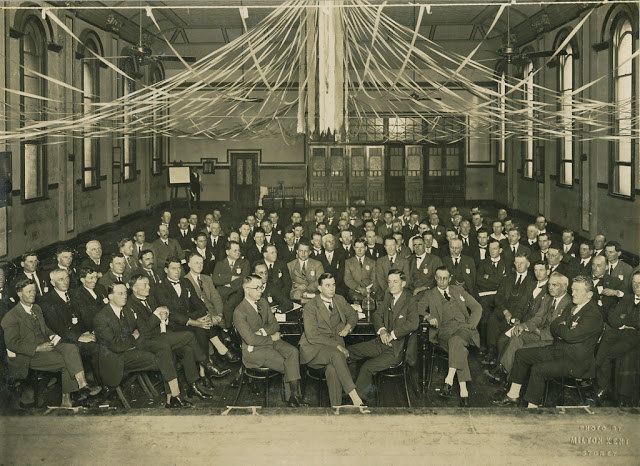
Large group of men at meeting in hall, Sydney, New South Wales, Australia, 1920s.
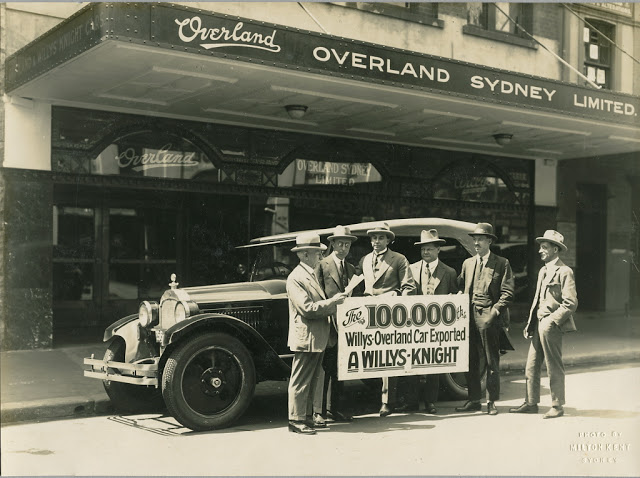
The 100,000th Willys-Overland exported car, outside Overland Sydney Ltd office, 1920s.
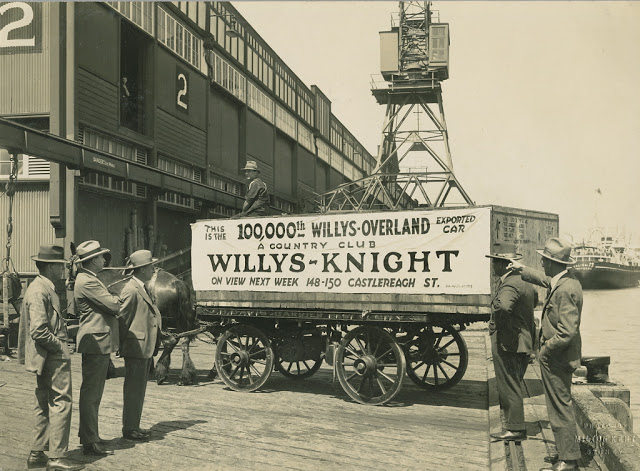
Horse and cart on wharf with crate containing the 100,000th Willys-Overland exported car, 1920s.
Dave Carrigan at wheel of a Willys Knight car, 1926
Overland car jumping a fallen bridge in a promotional stunt, 1920s.
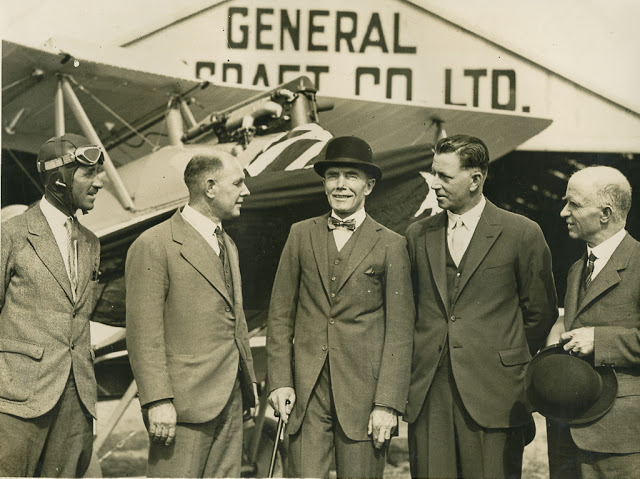
Group on occasion of the testing of the Genairco, the first all-Australian built plane, 1930
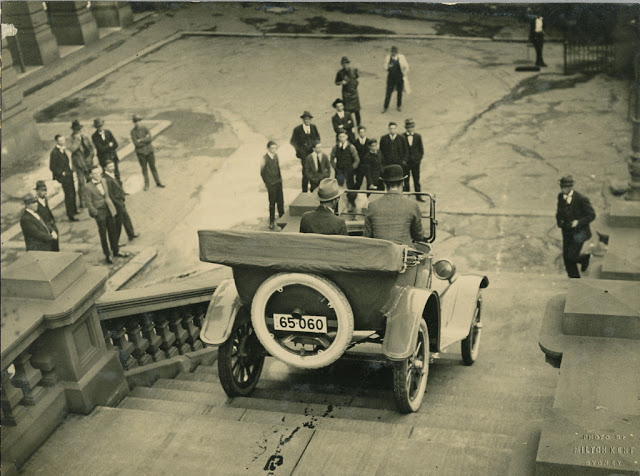
Overland car being driven down steps of Sydney Town Hall, 1920s.
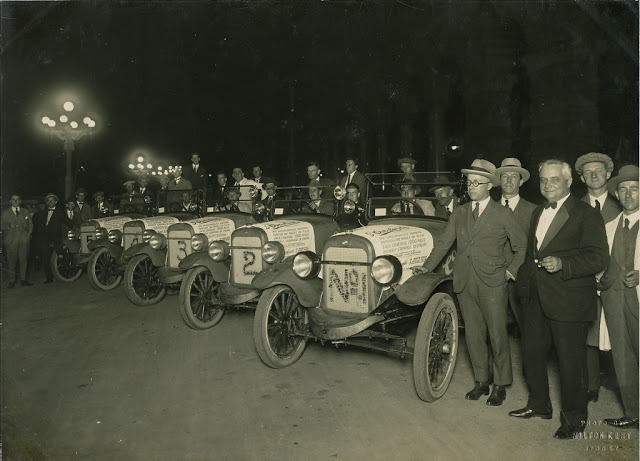
Cars at the end of 1,000 mile rally organised by the Overland company, 1927
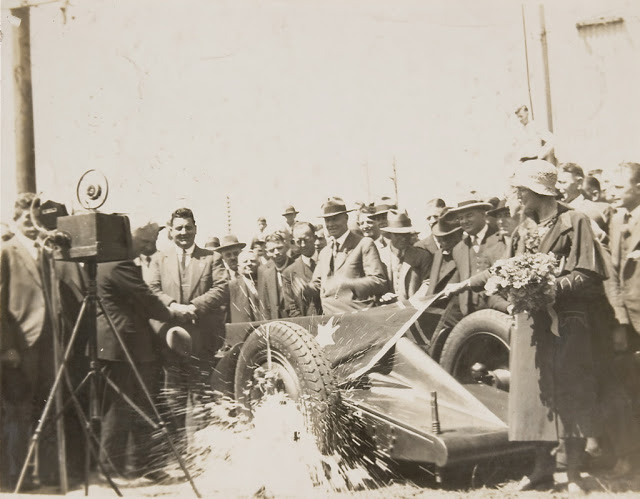
Launch of car F.H. Stewart Enterprise, 1931.
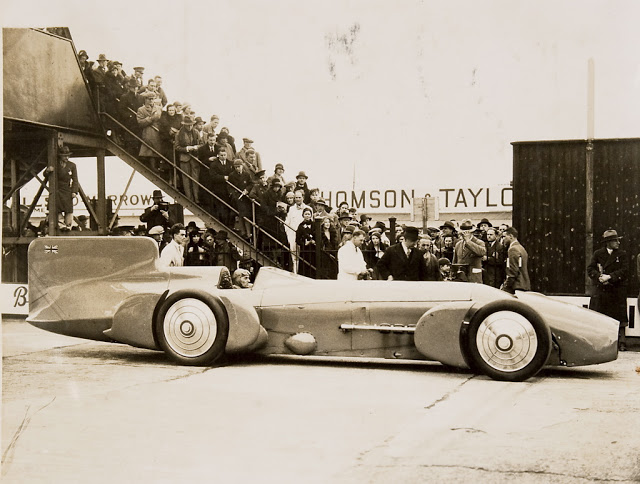
Sir Malcolm Campbell at the wheel of the Bluebird, with crowd, 1931.
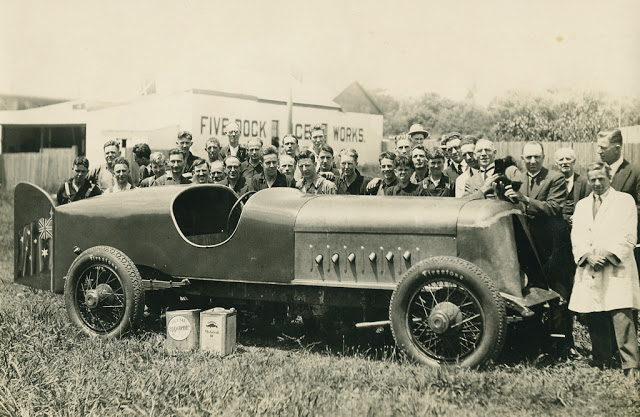
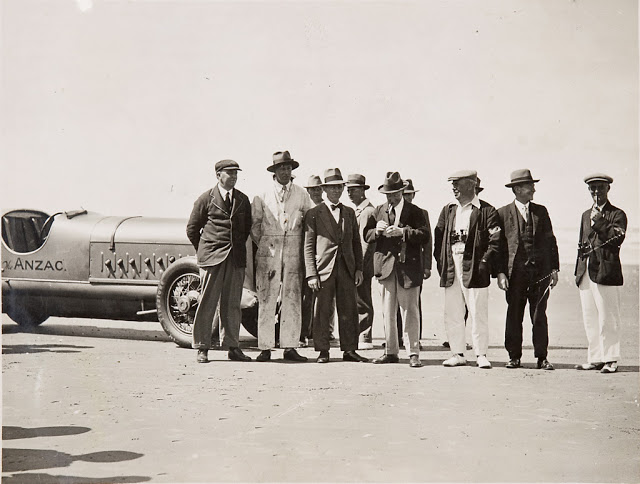
Anzac car [with Harkness & Hillier staff at Five Dock], 1928 – 1929
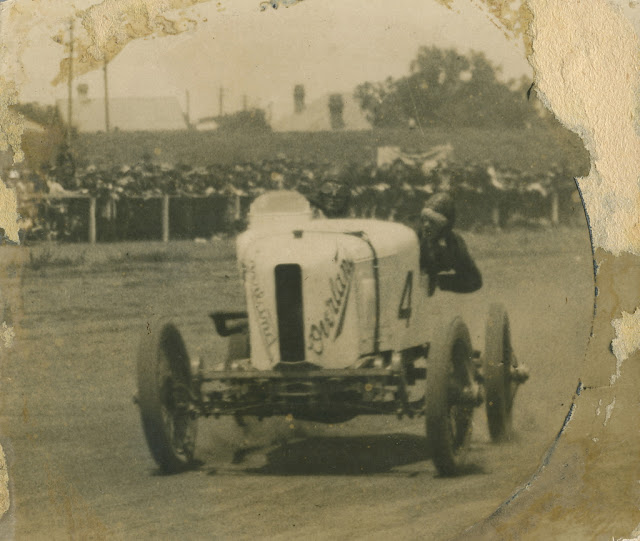
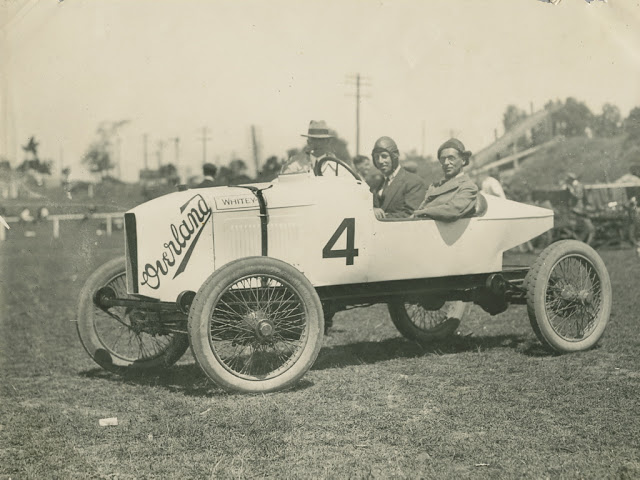
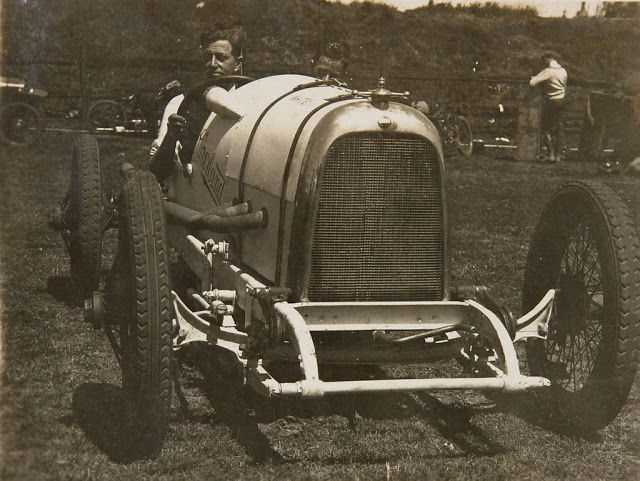
Don Harkness at the wheel of his Overland Sports car Whitey at 10 Mile Championships, 1920s.
Don Harkness at the wheel of his Overland Sports car Whitey at race meeting, 1920s.
Don Harkness, 1920s.
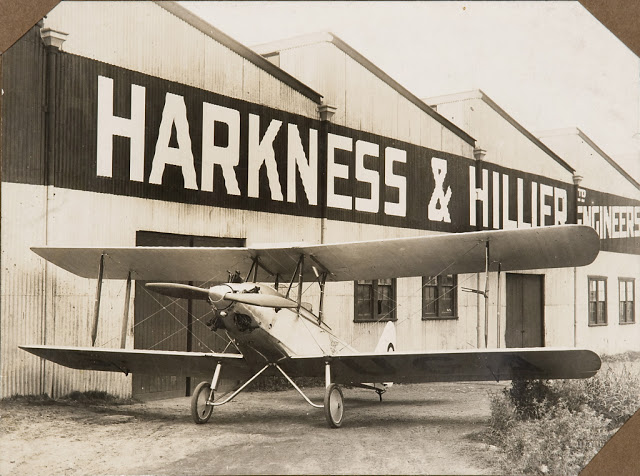
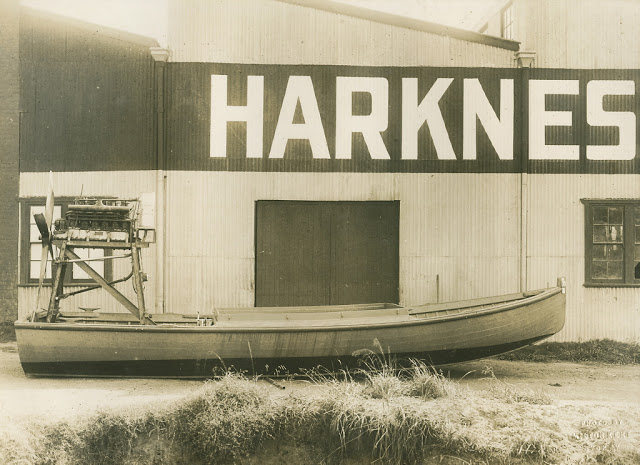
Hydroglider outside the Harkness & Hillier factory, 1928
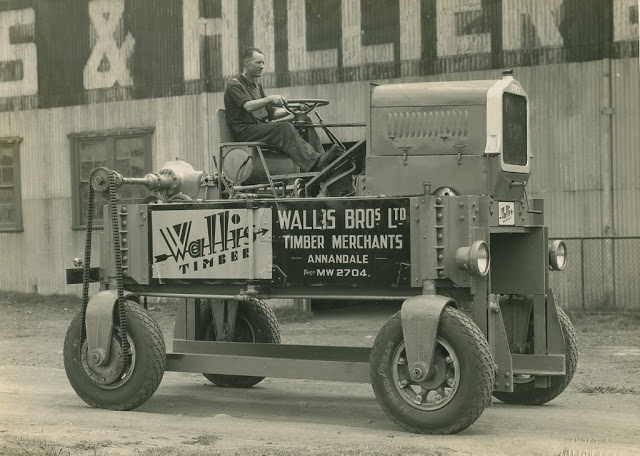
Timber straddler outside the Harkness & Hillier factory.
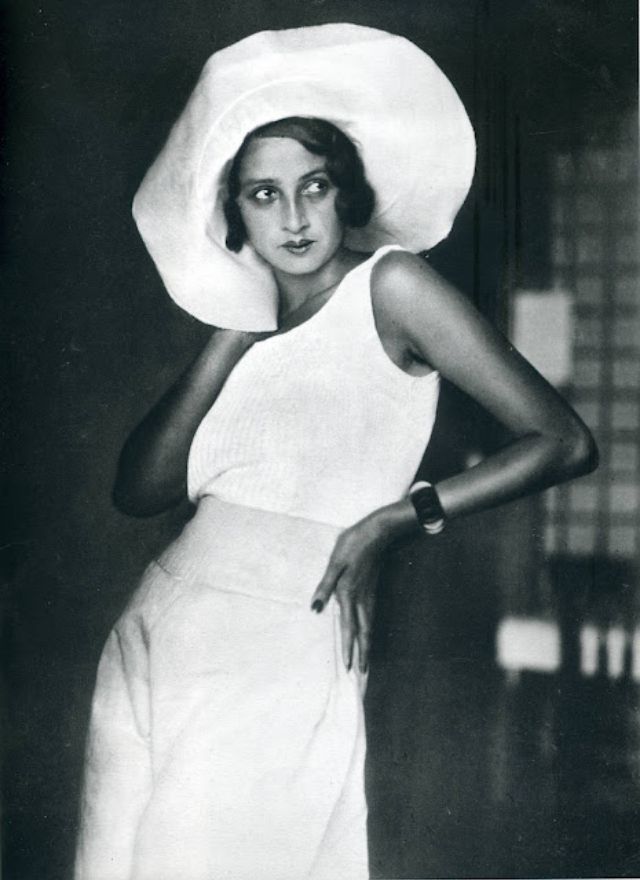
Don Harkness at the wheel of his Overland Sports car Whitey, 1920s.
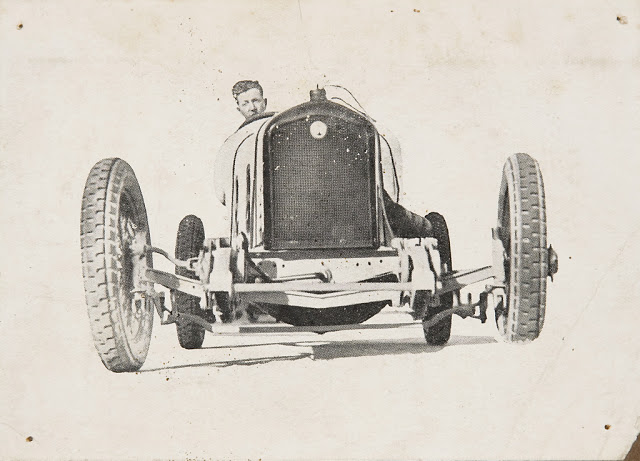
D.J. Harkness at the wheel of an Overland Sports car, 1920s.
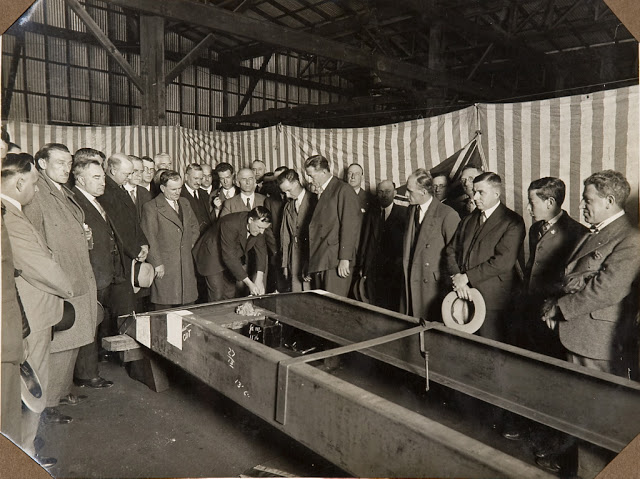
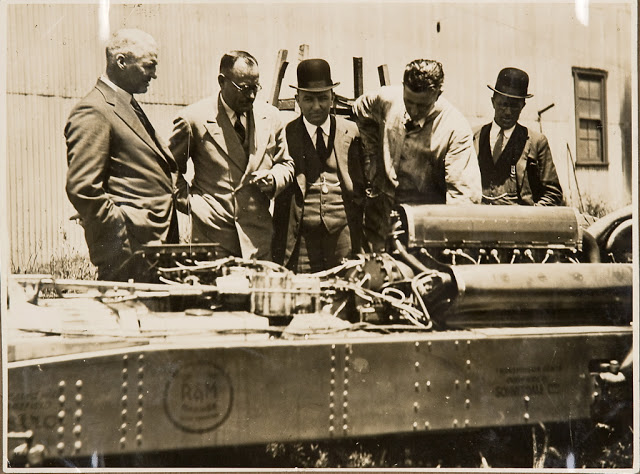
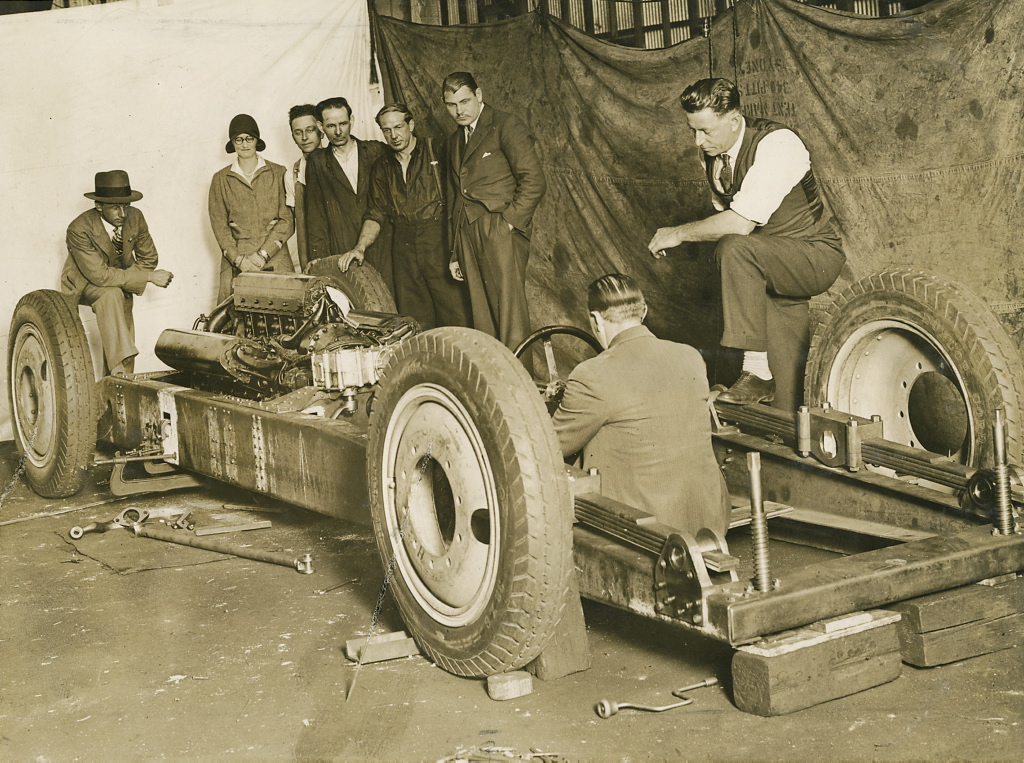
Men inspecting the frame of the car F.H. Stewart Enterprise, 1931.
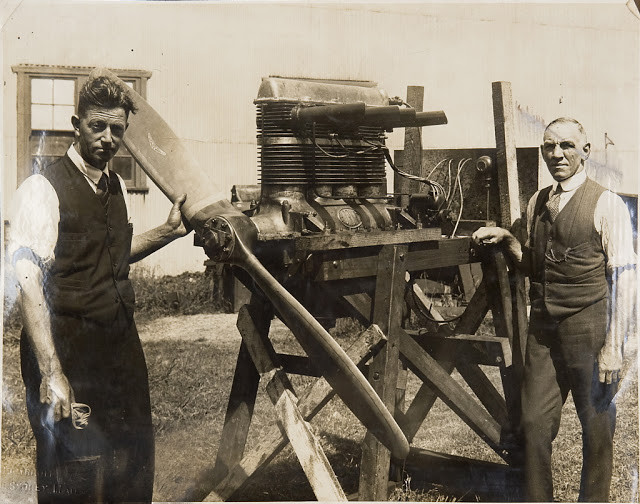
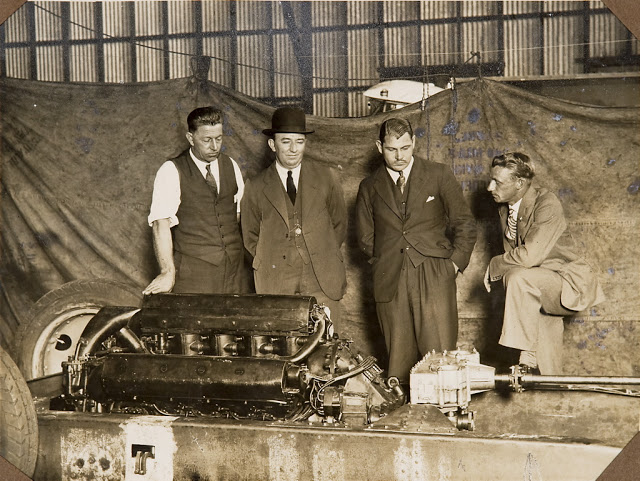
Don Harkness and unidentifed man with hydroglider engine, 1928.
Avro Avian two-seater light aeroplane, 1929.
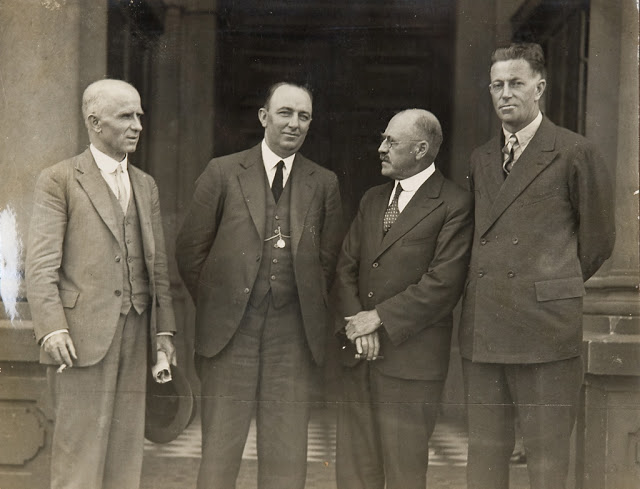
Norman Wizard Smith and Don Harkness and two other men (on steps of Sydney Town Hall], 1931.
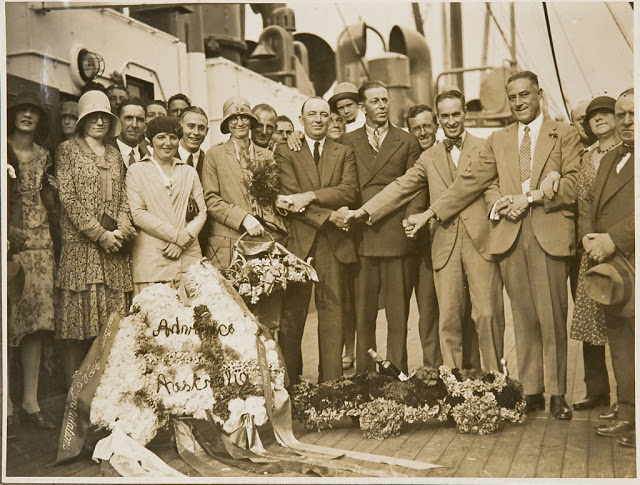
Group portrait on board S.S. Maunganui, 1931.
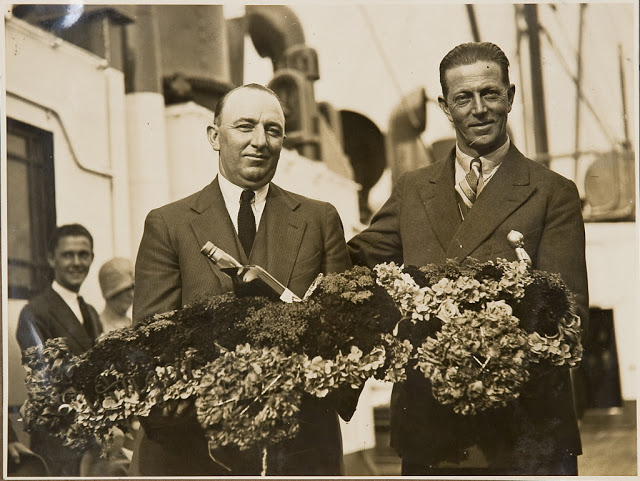
Norman Wizard Smith and Don Harkness on board S.S. Maunganui, 1931.
Men inspecting the car F.H. Stewart Enterprise, 1931.
Men on beach with Anzac car, 1930.
Group inspecting the car F.H. Stewart Enterprise, 1931.
Don Harkness at the wheel of his Overland Sports car Whitey, 1920s.
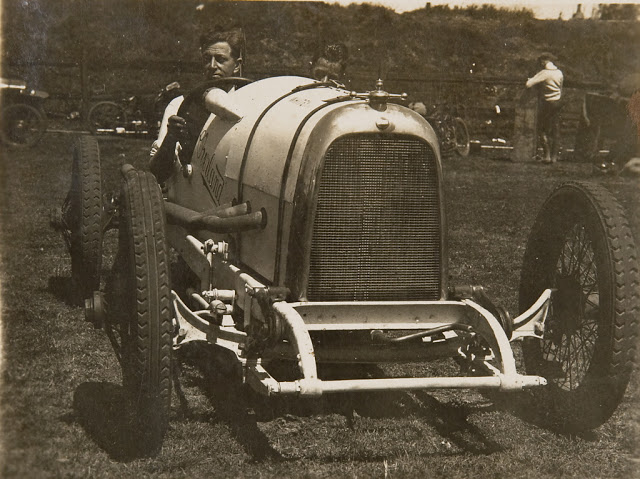
Don Harkness at the wheel of modified Overland car at race meeting, 1920s.
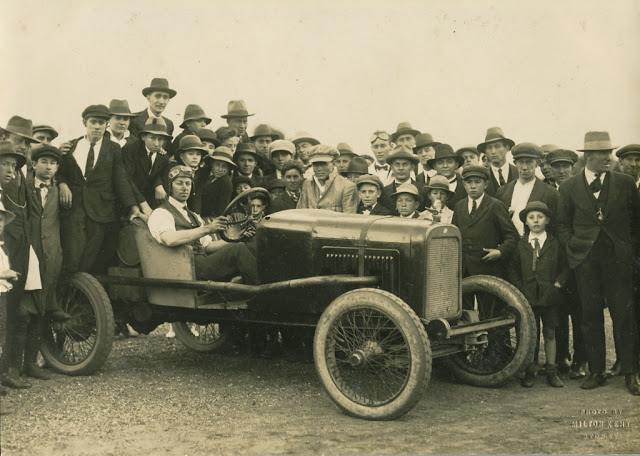
Man seated in a modified Overland racing car surrounded by crowd, 1920s.
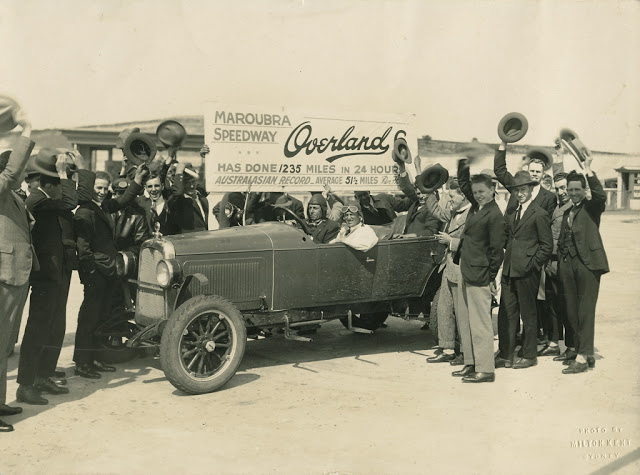
Don Harkness at wheel of Overland 6 after setting Australasian 24 hour record, 1926.
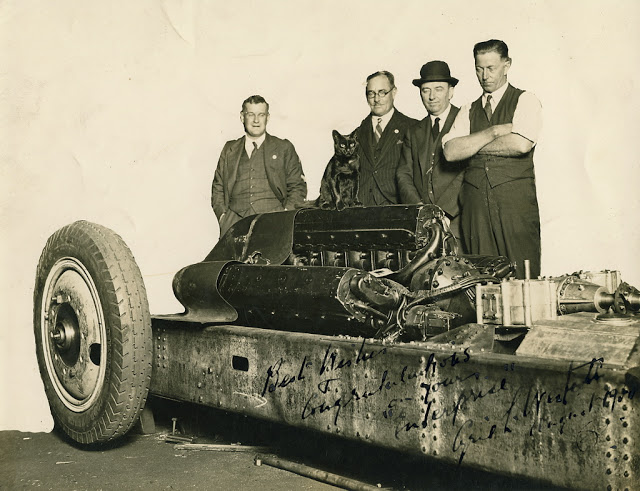
Group and a cat inspecting the car F.H. Stewart Enterprise, 1931.
Group inspecting the car F.H. Stewart Enterprise, 1931.

(Photos via Powerhouse Museum Collection on Flickr)

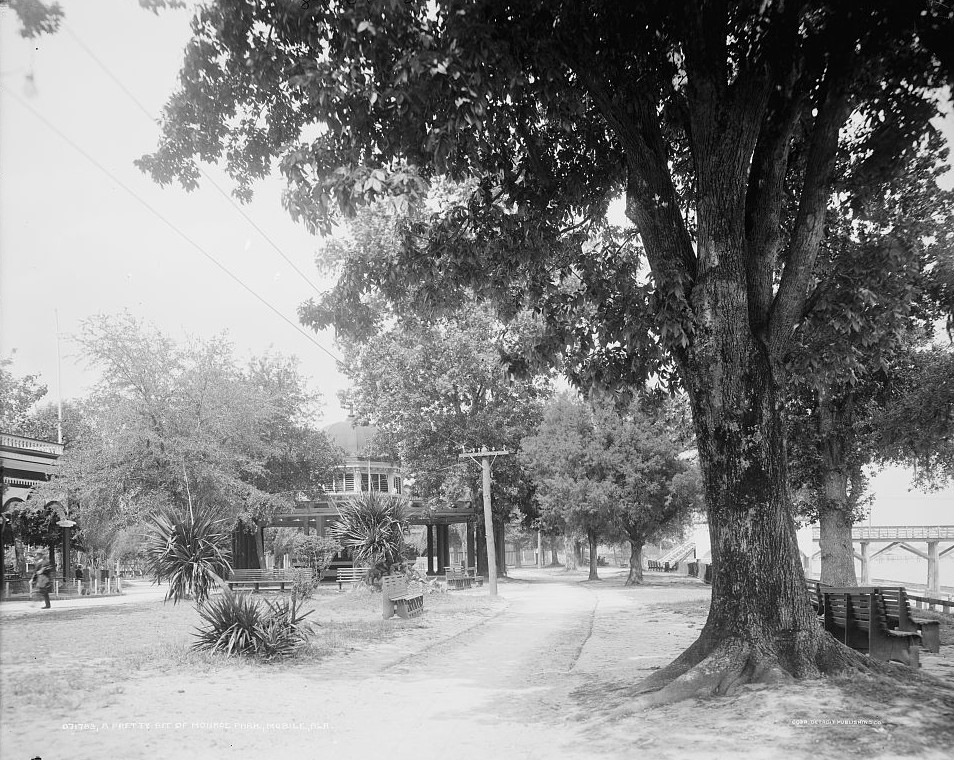
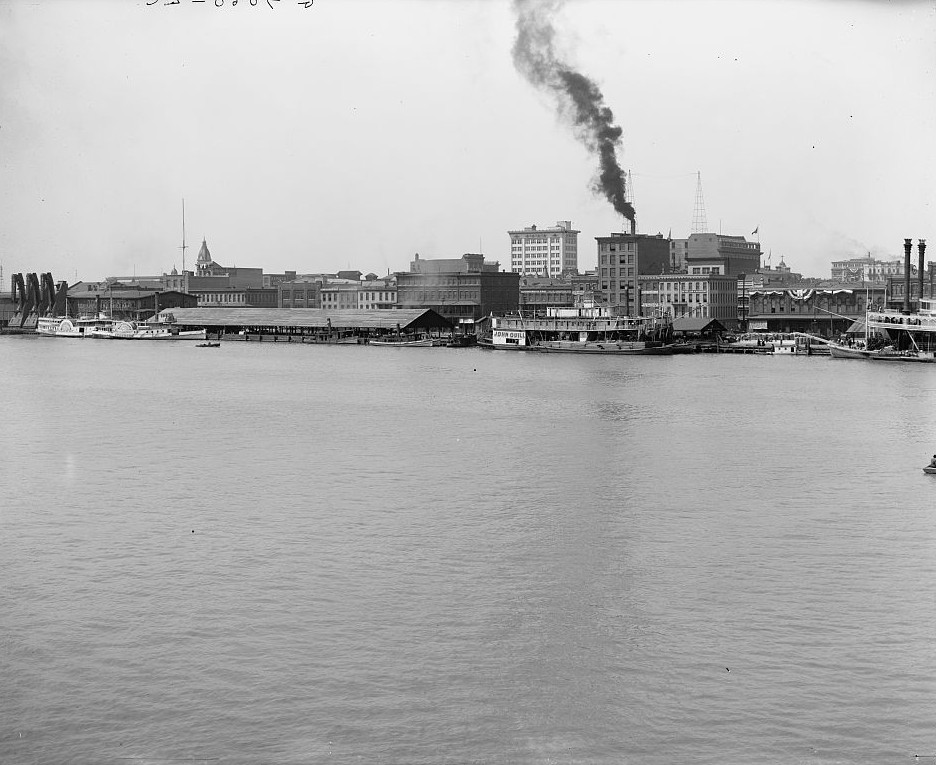
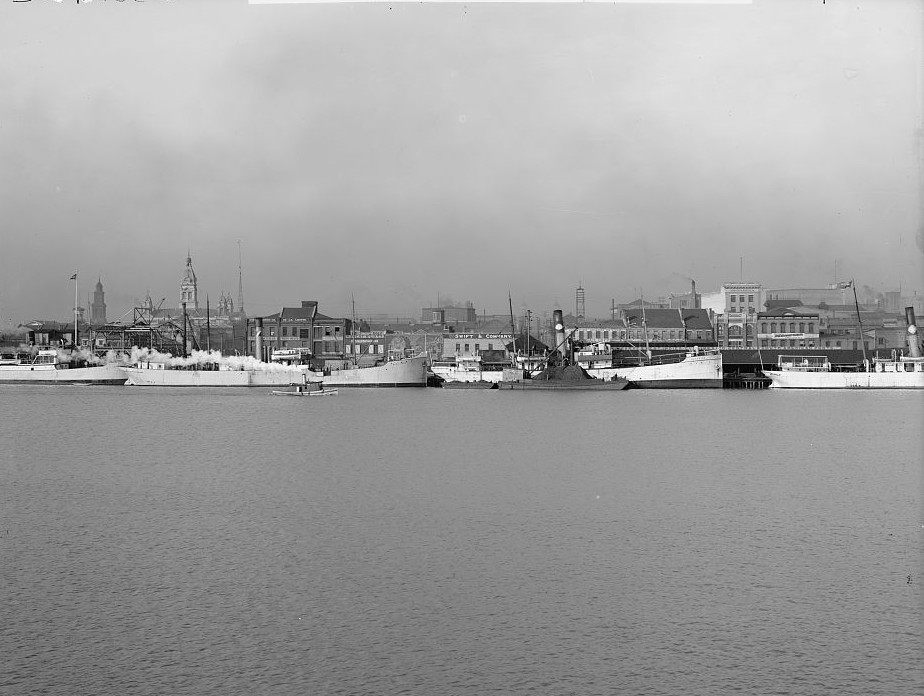
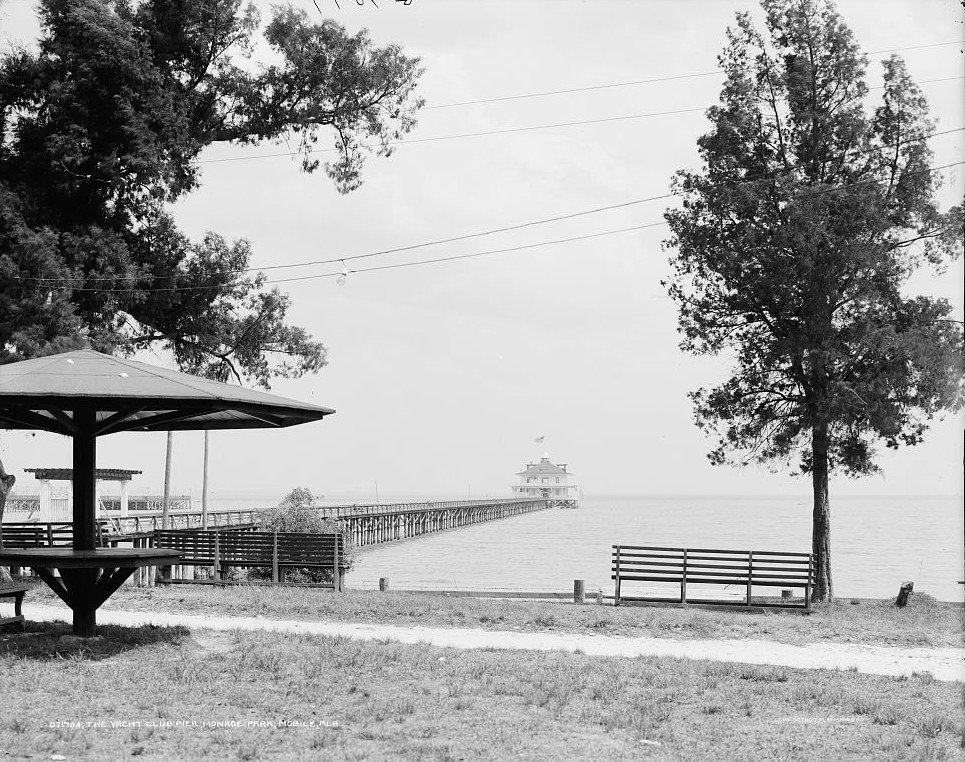
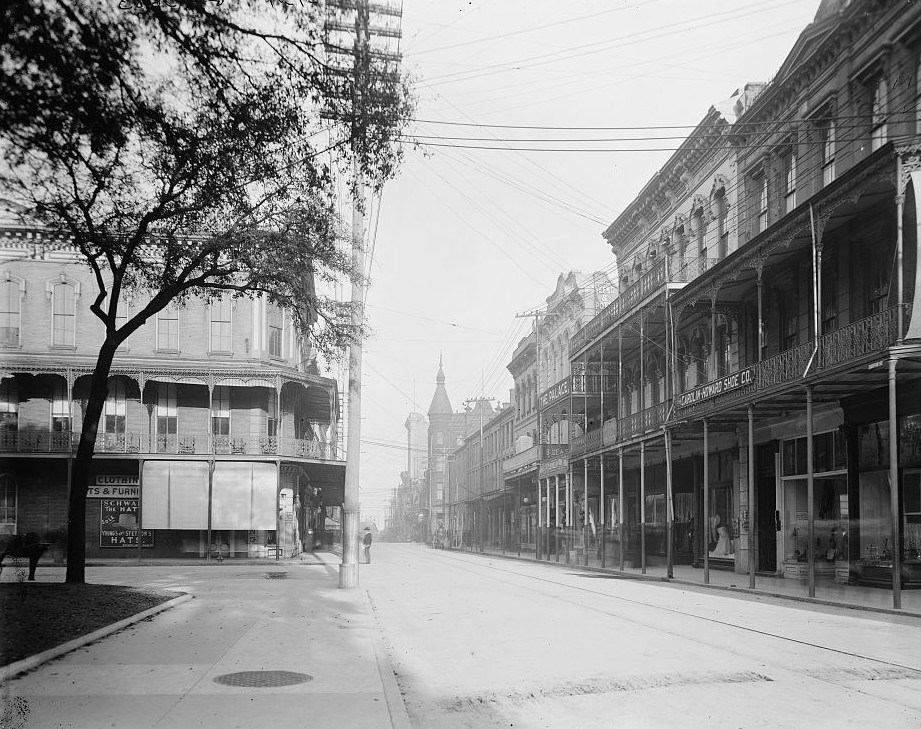
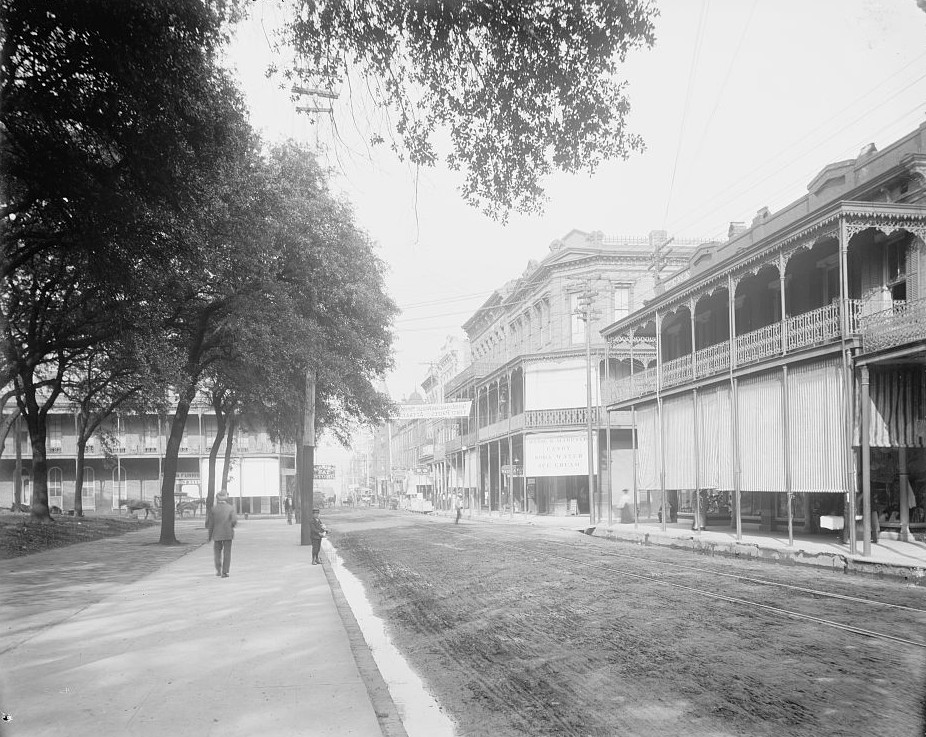
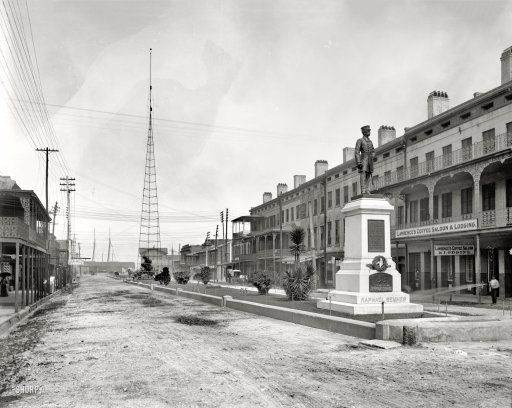
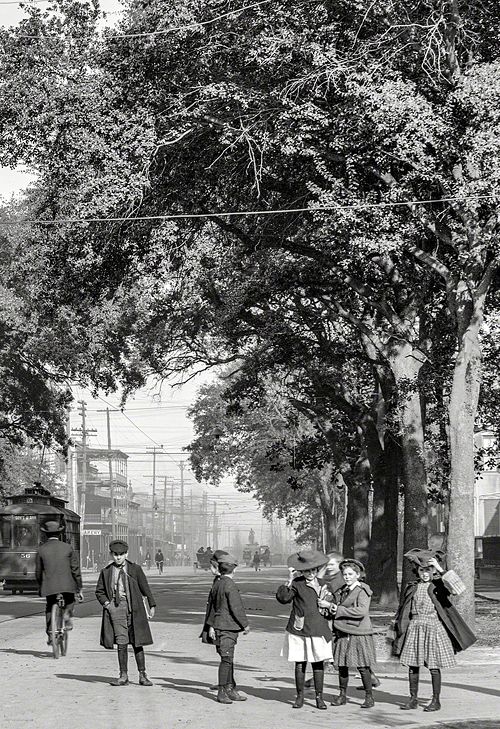
33 Amazing Vintage Photos of Life in Mobile, Alabama during the 1900s

Mobile began as the first capital of colonial French Louisiana in 1702. During its first 100 years, Mobile was a colony of France, then Britain, and lastly Spain. Mobile first became a part of the United States of America in 1813, with the annexation of West Florida under President James Madison.

The photographs below reveal its heritage with the ornate décor on many buildings.

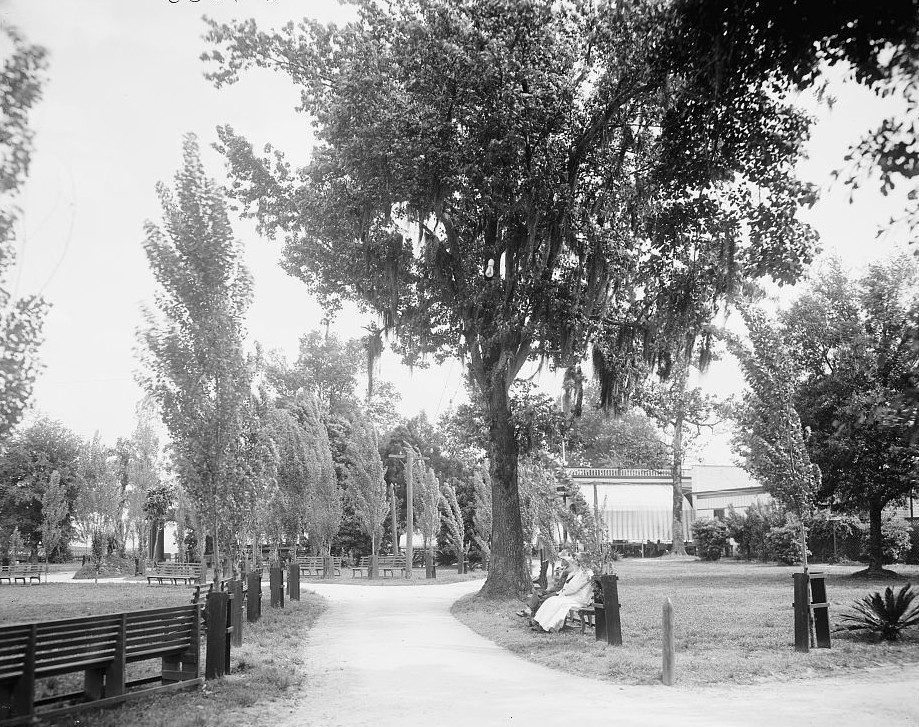
Monroe Park, Mobile, Alabama ca.1906
River packet Jas. T. Staples, Mobile, Alabama ca. 1906
A River packet, Mobile, Alabama ca. 1906
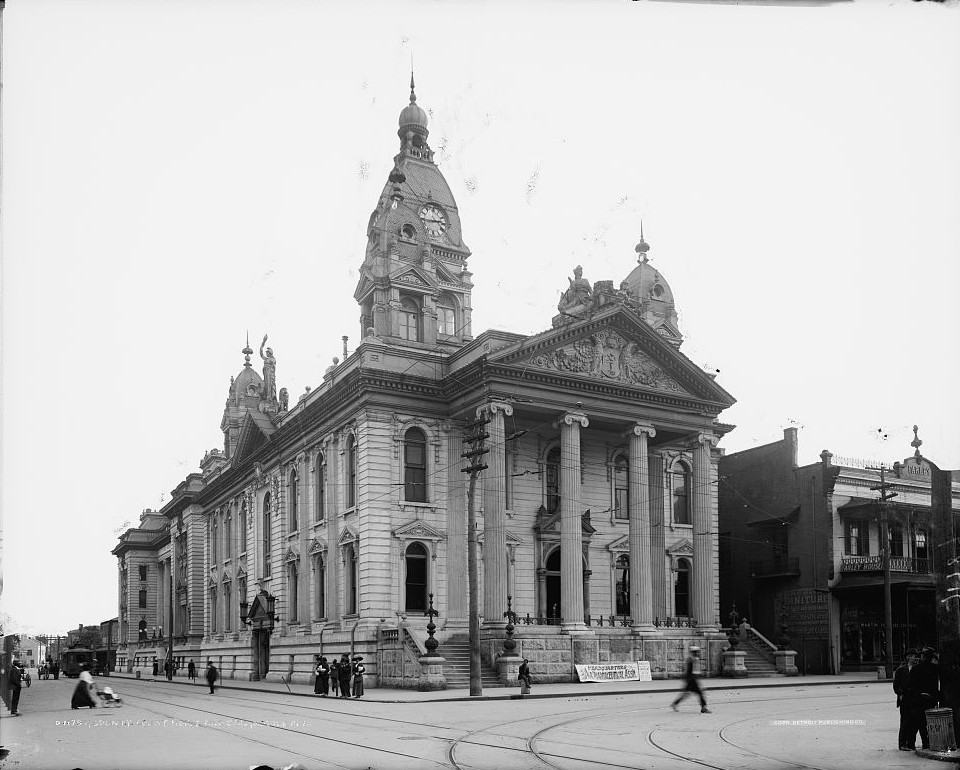
Mobile County Court House and Jail, Mobile, Alabama ca. 1910
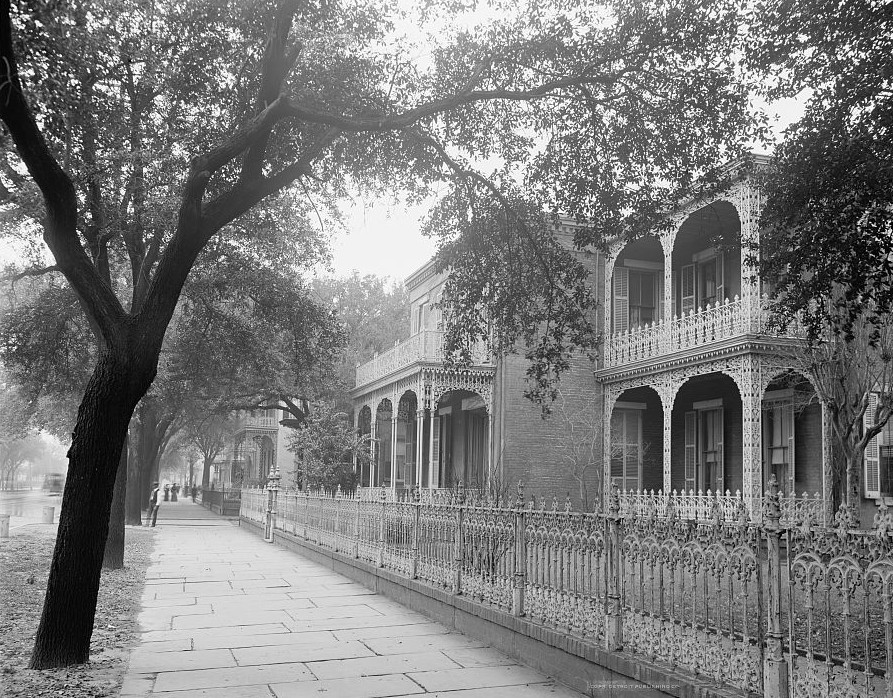
Government Street in Mobile, Alabama ca. 1906
Government St., Mobile, Alabama ca. 1900
Jewish synagogue, Mobile, Alabama ca.1905
Entrance to Monroe Park, Mobile, Alabama ca. 1906
Monroe Park, Mobile, Alabama between 1905-1915
Waterfront, Mobile, Alabama ca. 1900
The Waterfront, Mobile, Alabama ca. 1906
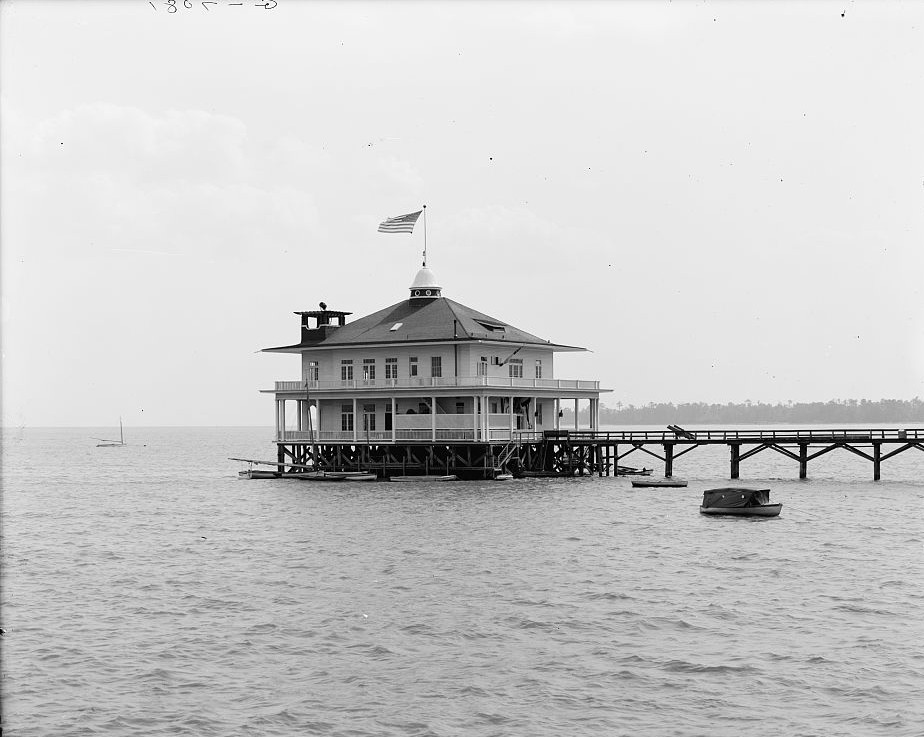
Yacht Club Pier, Monroe Park, Mobile, Alabama ca. 1900
Yacht Club, Monroe Park, Mobile, Alabama – ca. 1900
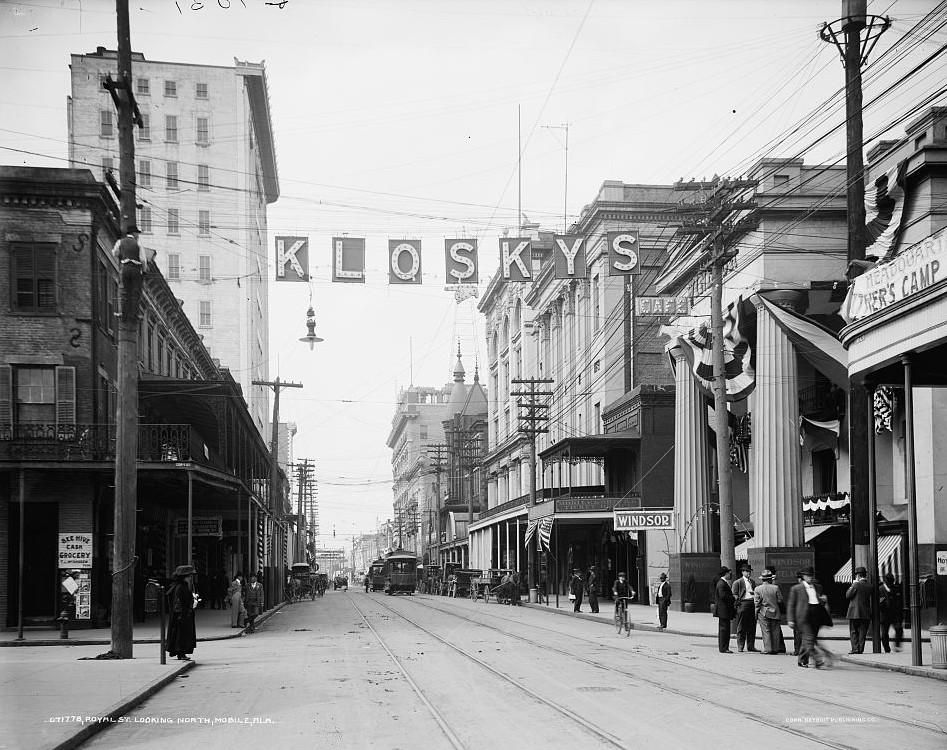
Royal Street looking north, Mobile, Alabama between 1905-1915
Royal St., looking south from St. Francis St, Mobile, Ala. between 1905 – 1915
Windsor Hotel and Royal Street, Mobile, Alabama ca. 1906
City Hospital, Mobile, Alabama ca. 1909
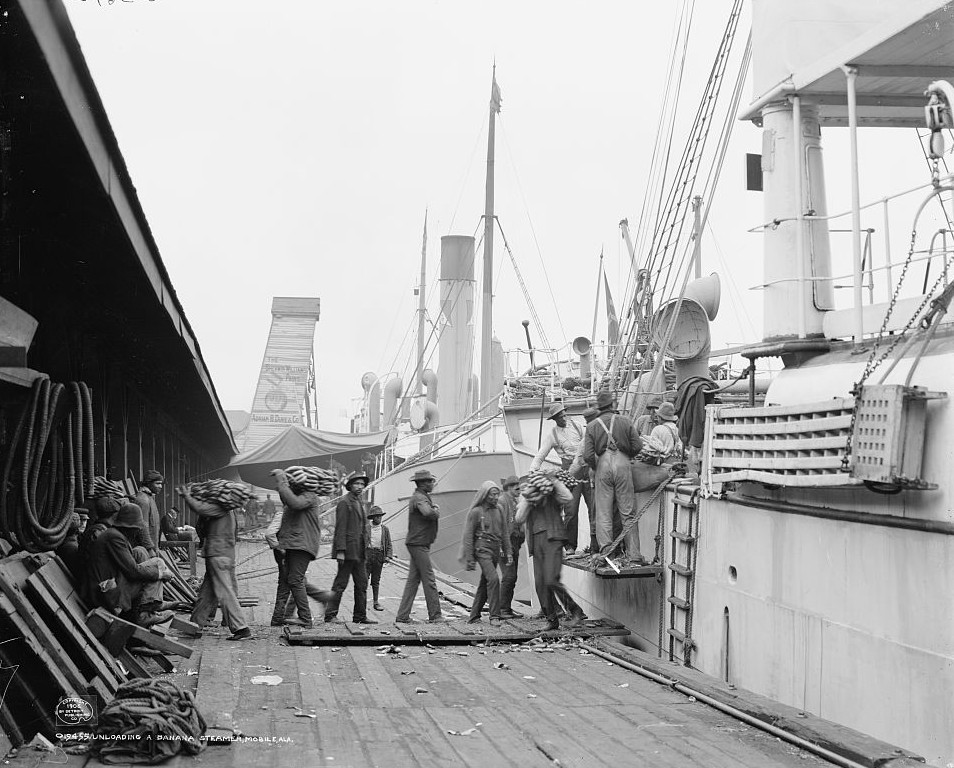
Unloading bananas Mobile, Alabama ca. 1900
Unloading a banana steamer Mobile, Alabama ca. 1900
Hotel Bienville, Mobile, Alabama ca. 1900
Hotel Bienville – Mobile, Alabama – ca. 1900
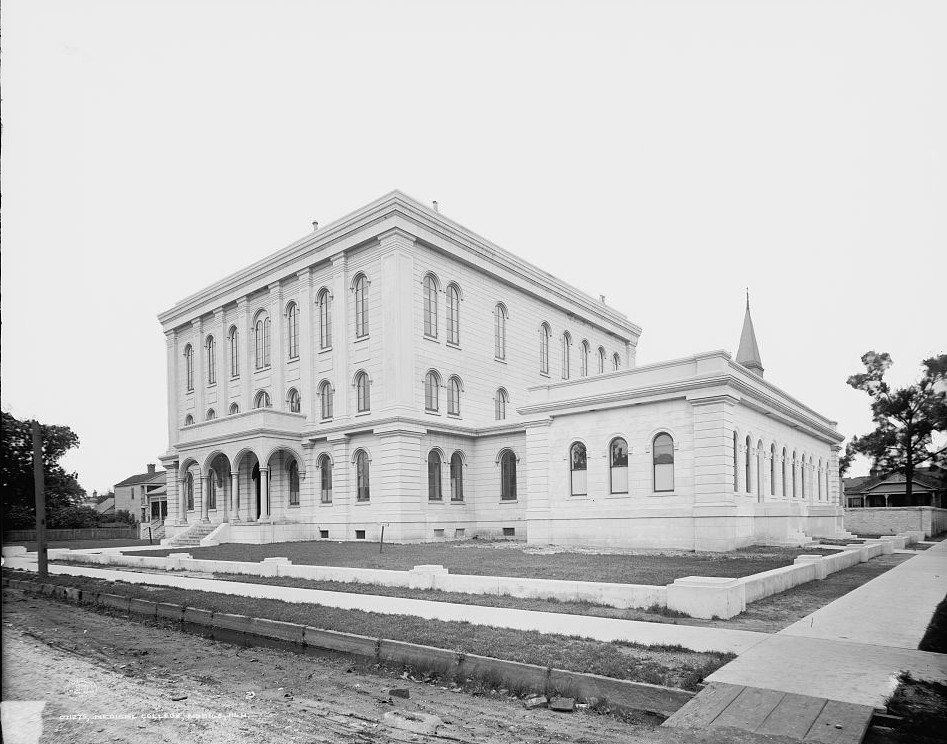
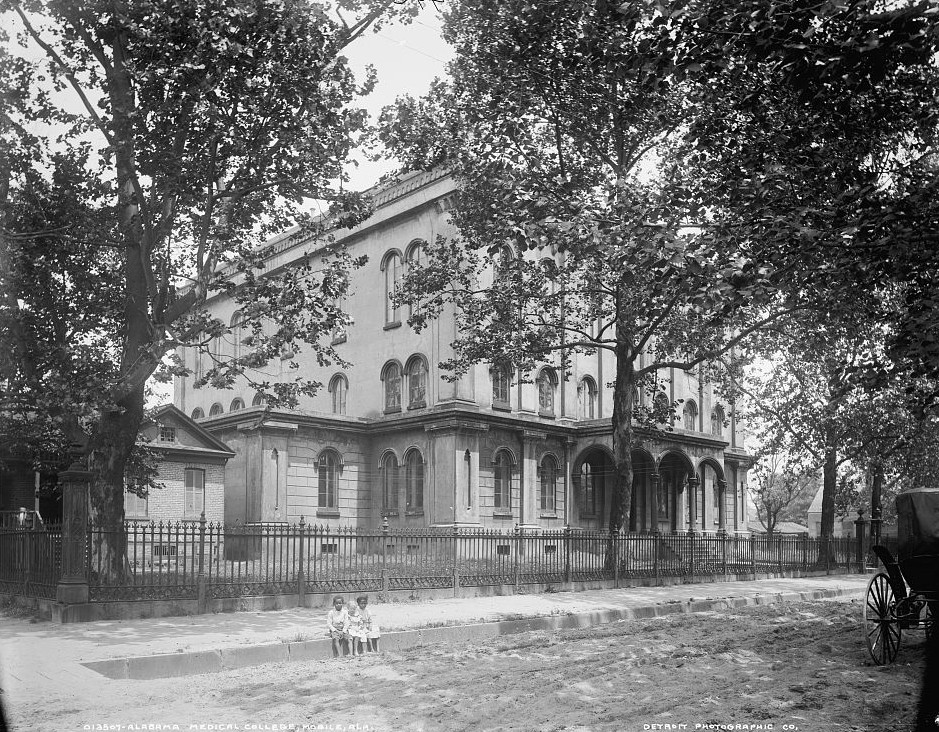
Medical College of Alabama, Mobile, Alabama ca. 1900
Medical College of Alabama, Mobile, Alabama – ca. 1909
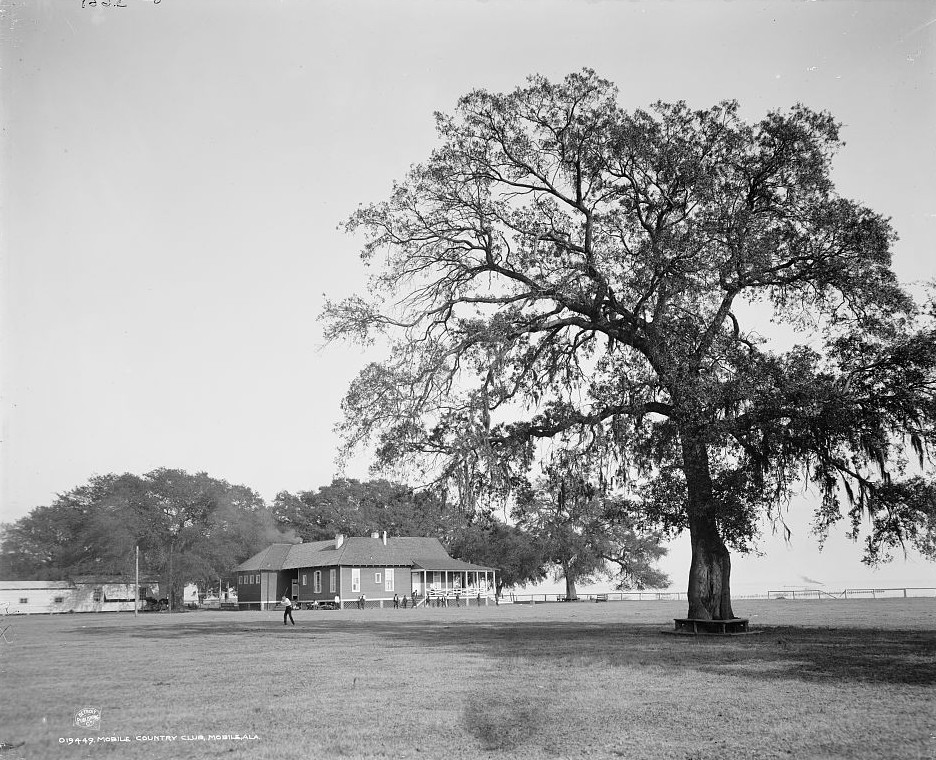
Mobile Country Club, Mobile, Alabama ca. 1909
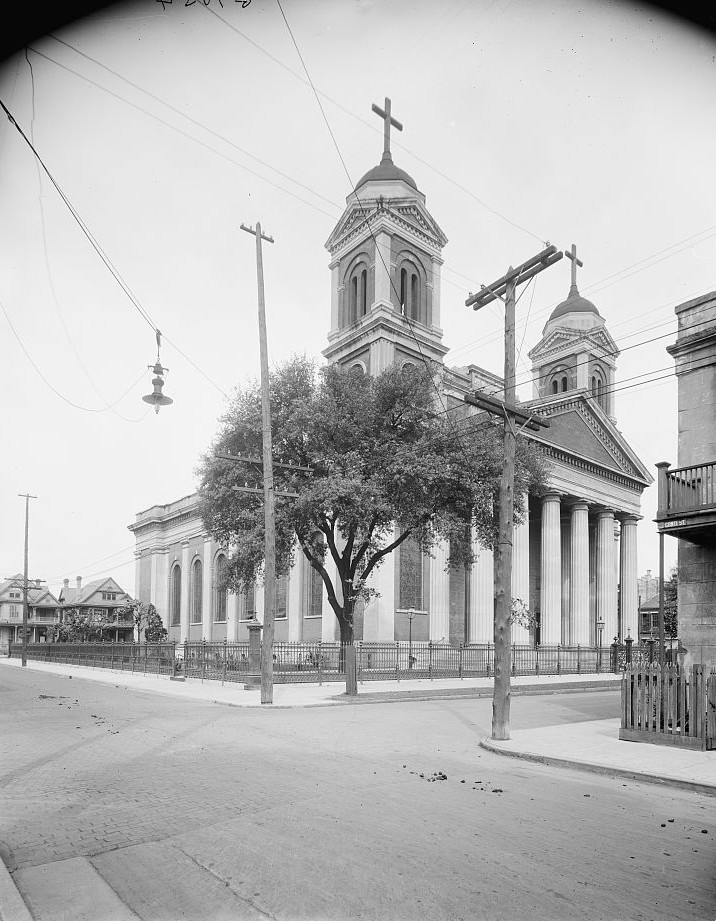
Catholic Cathedral of the Immaculate Conception, Mobile, Alabama ca. 1909
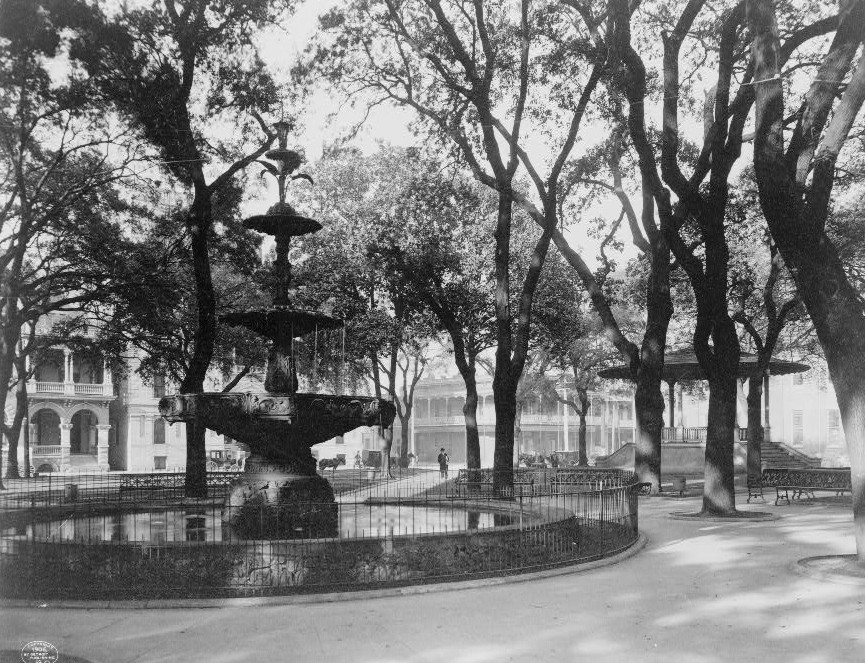
Bienville Park, Mobile, Alabama ca. 1900
The Cross, Bienville Square Park Mobile, Ala. ca. 1900
Dauphin St., Mobile, Ala between. 1900 – 1910
Dauphin St., Mobile, Alabama – ca. 1909
Government Street in Mobile, Alabama ca. 1906
Duncan Place and Semmes monument. Mobile, Alabama ca. 1901
Government Street in Mobile, Alabama ca. 1906

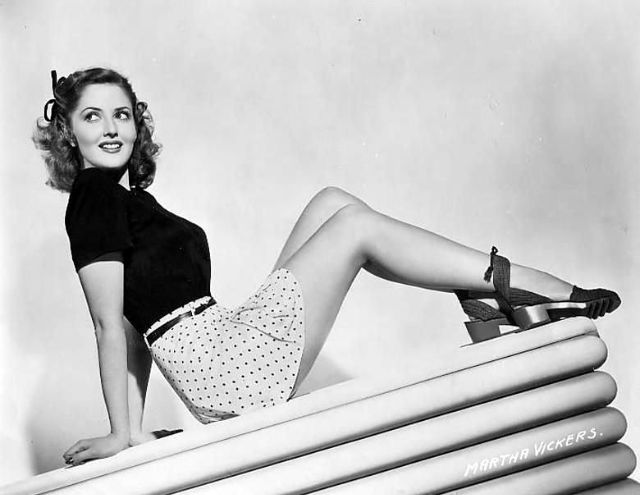
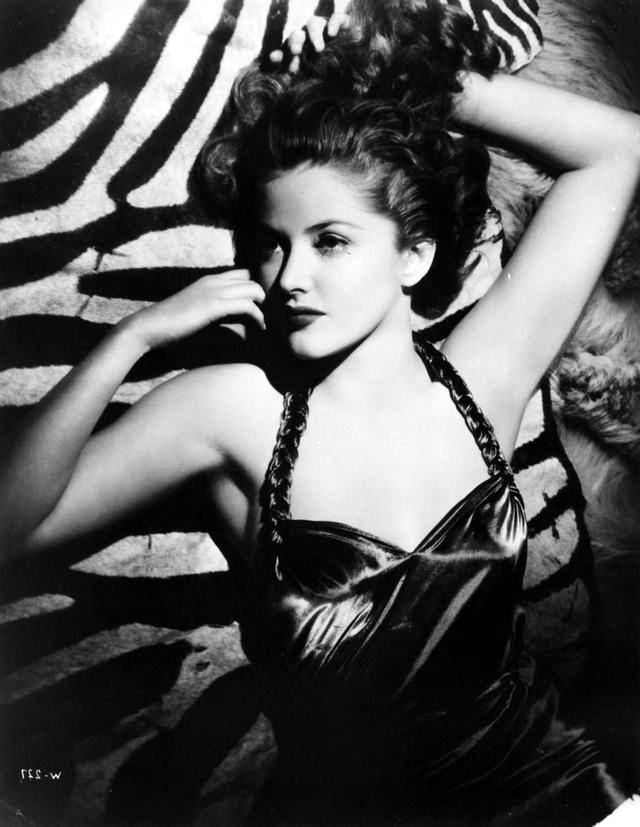
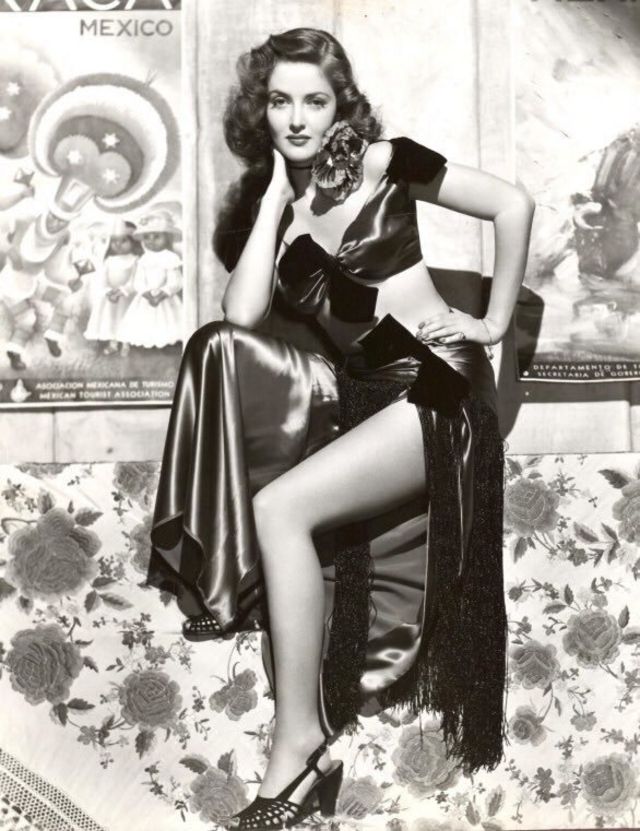
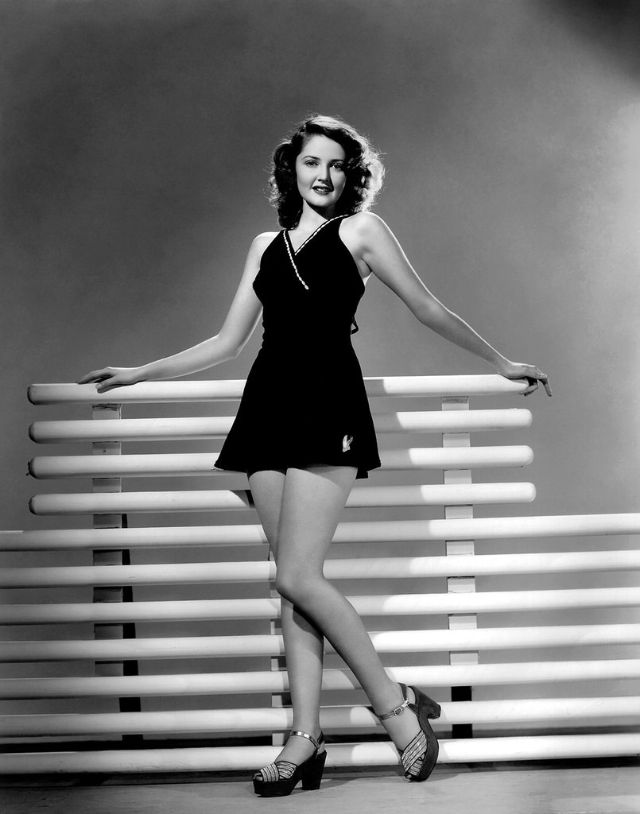
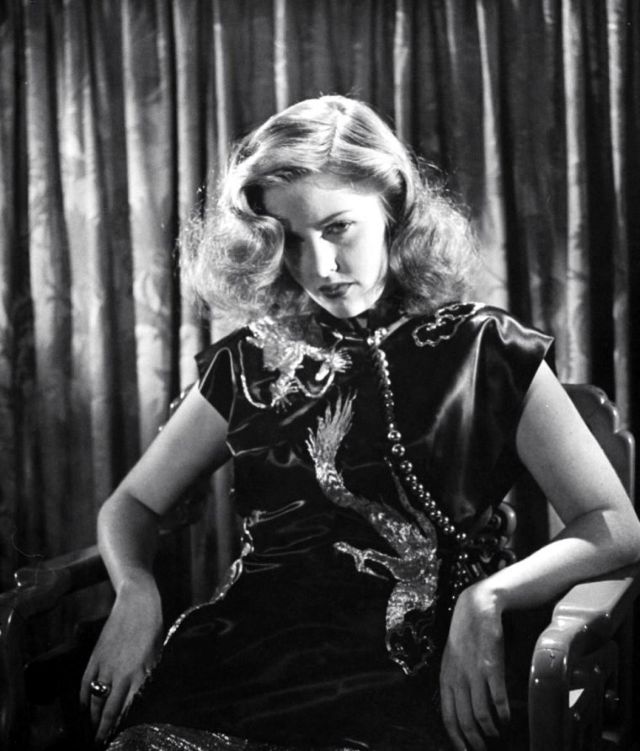
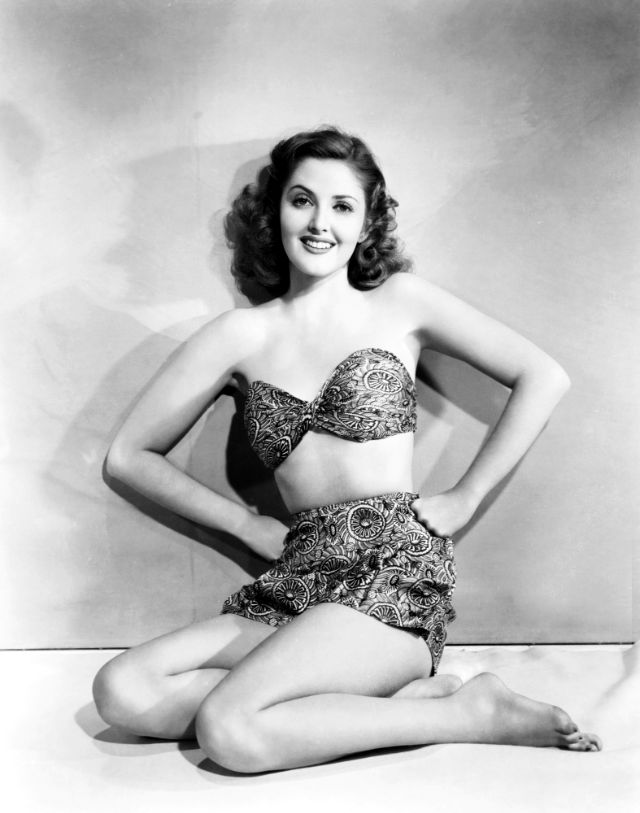
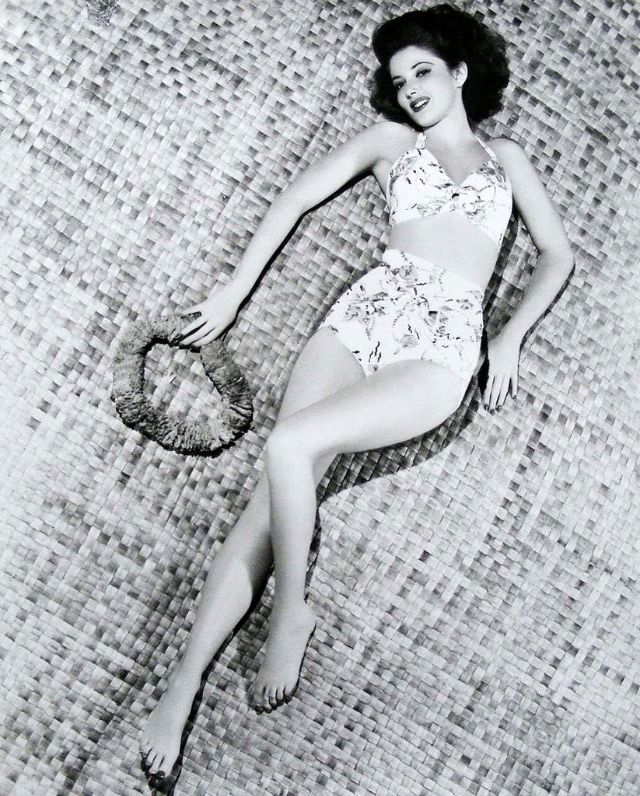
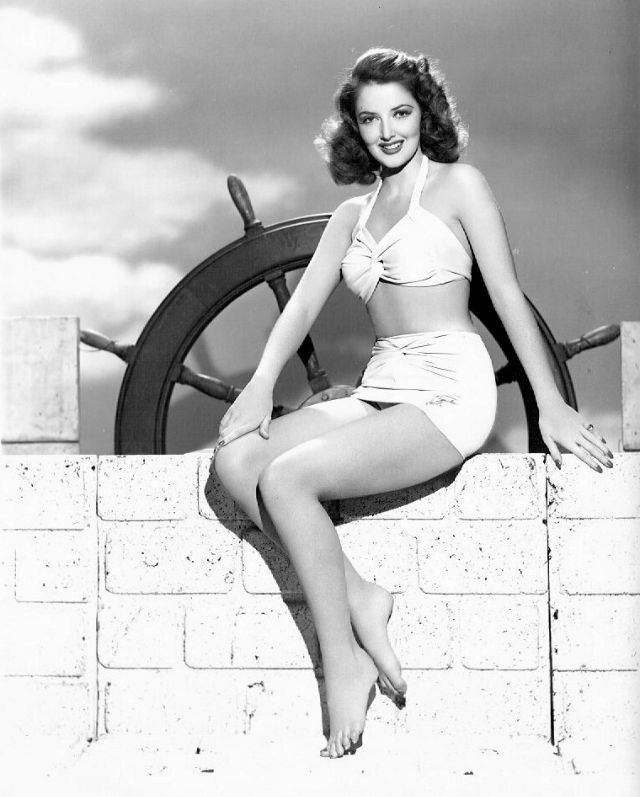
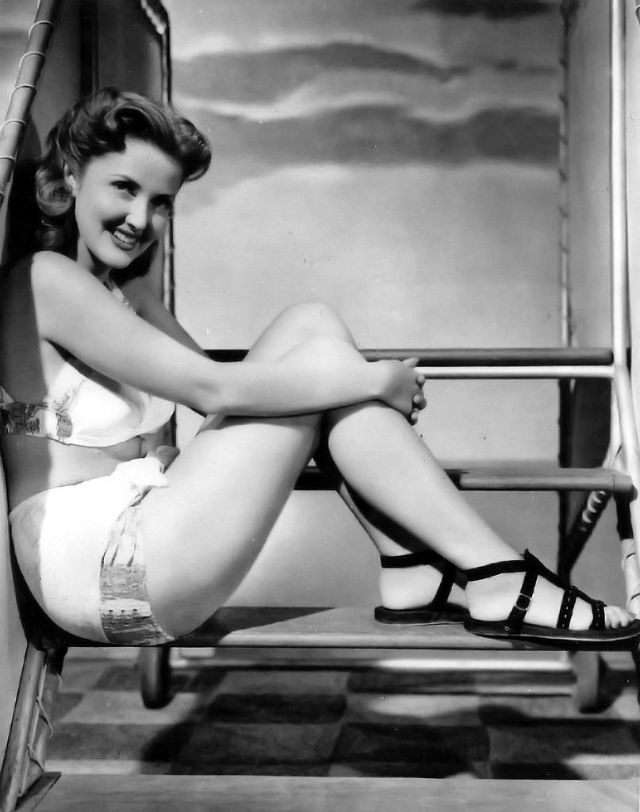
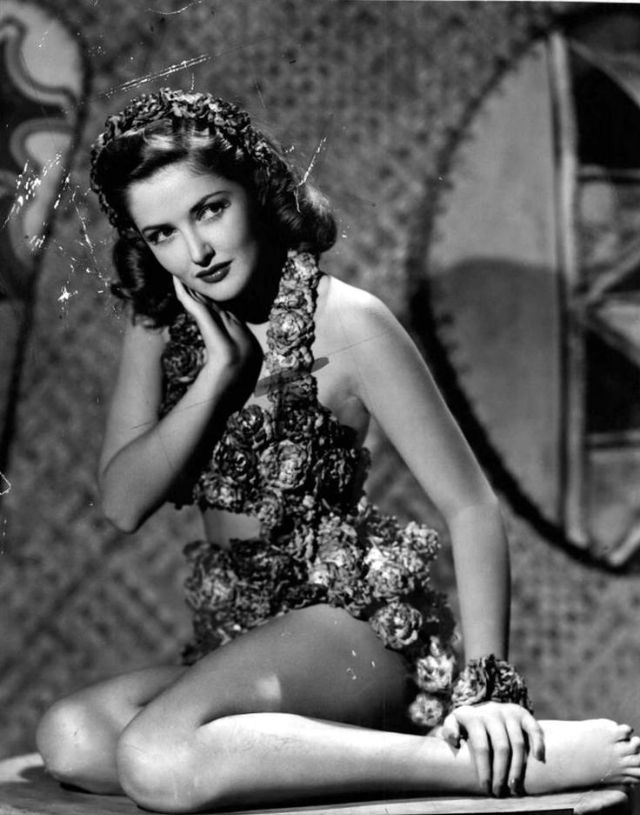
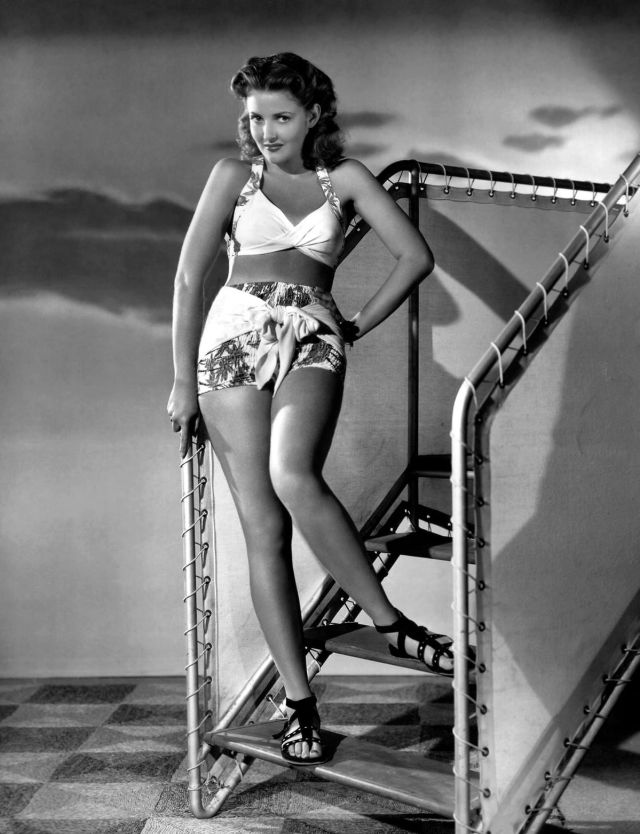
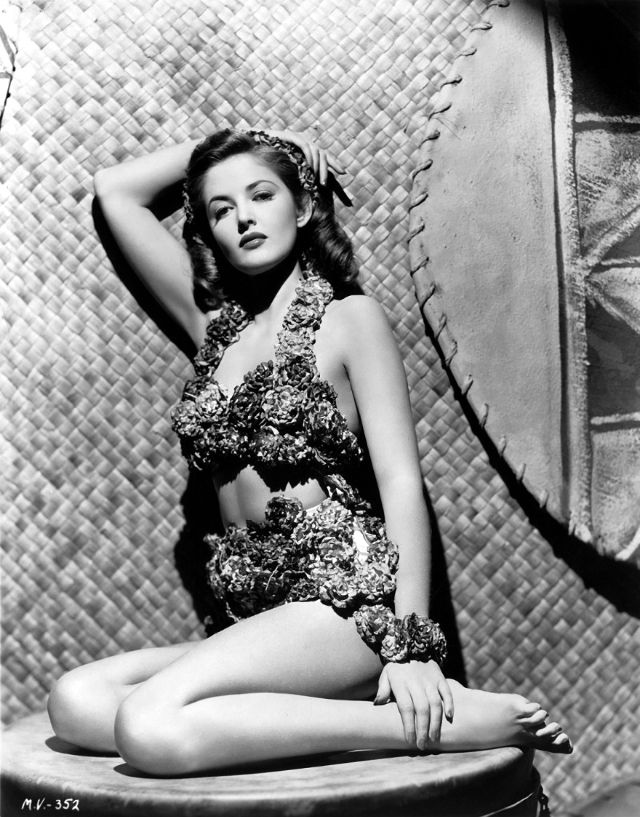
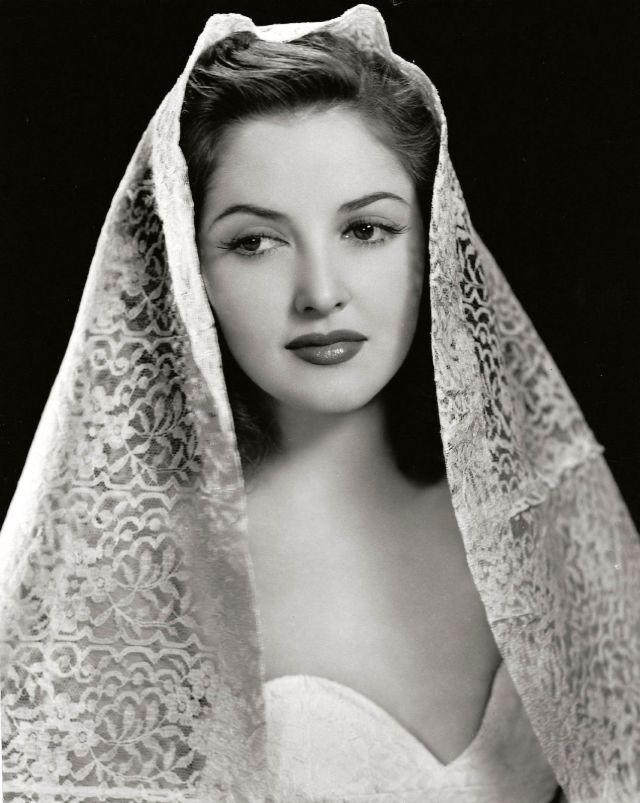
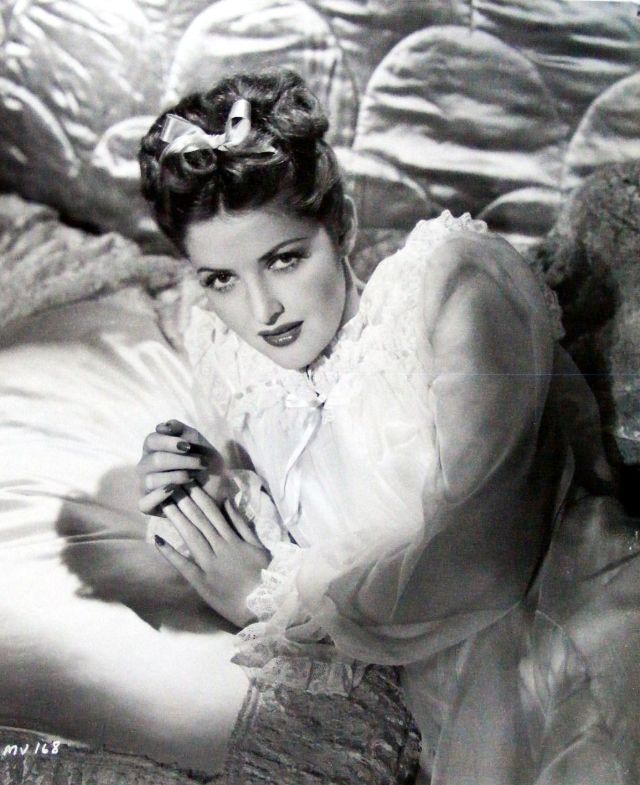
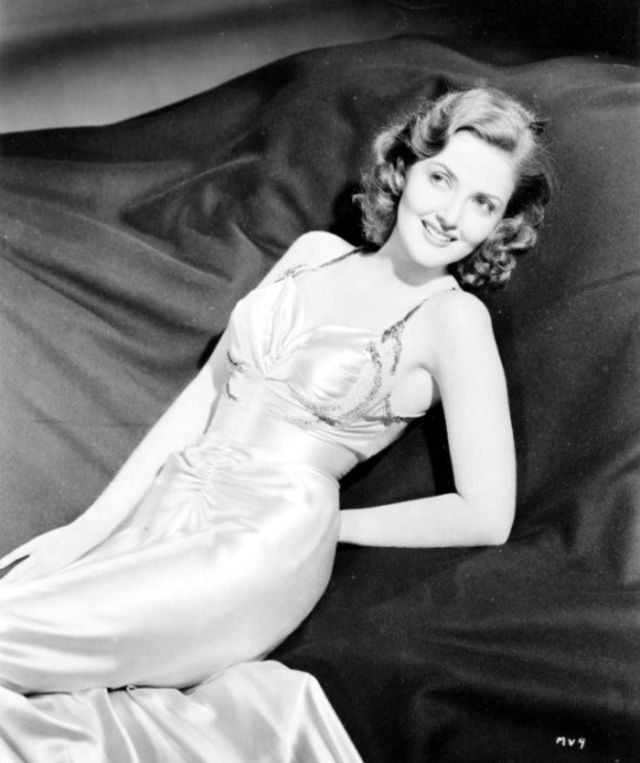
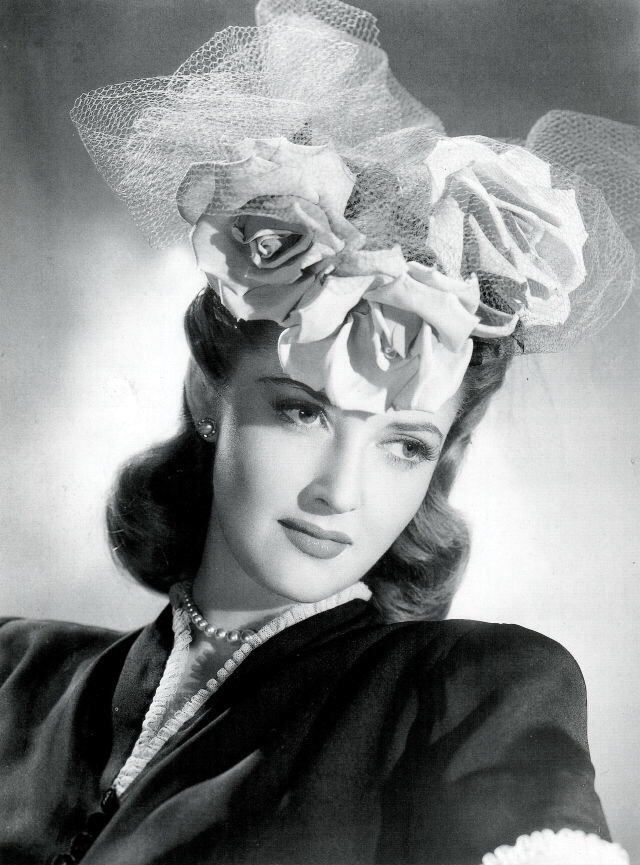
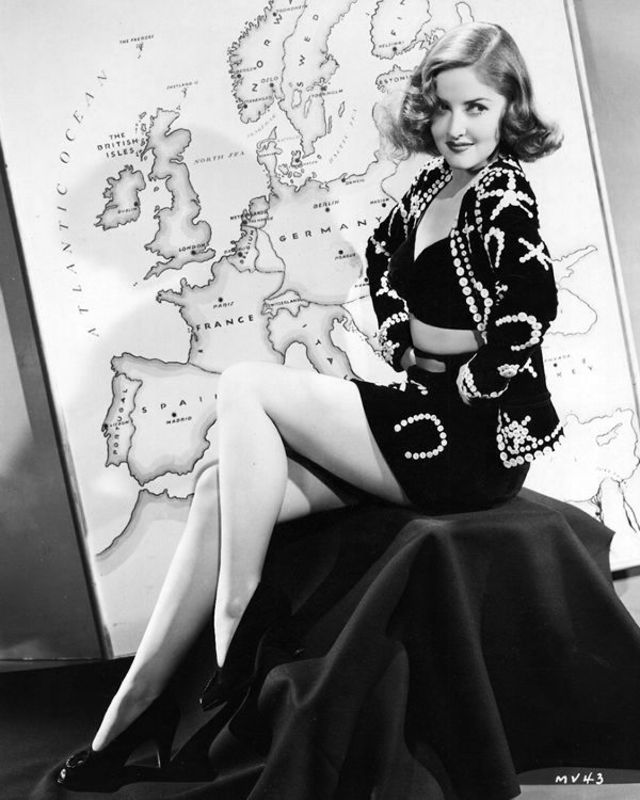
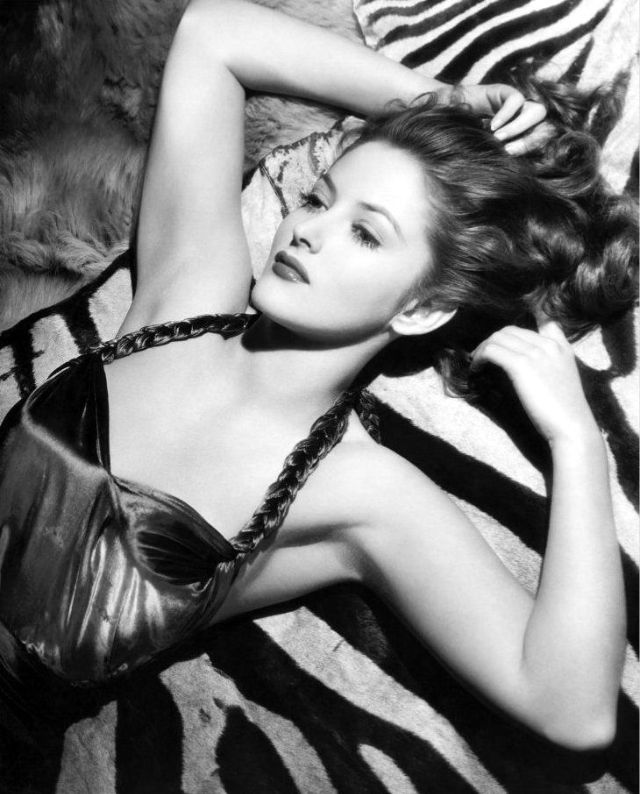
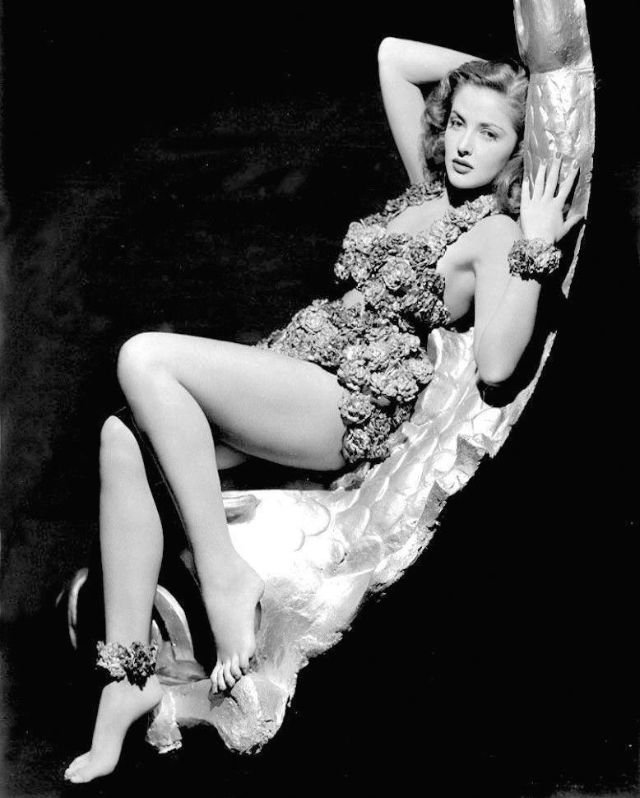
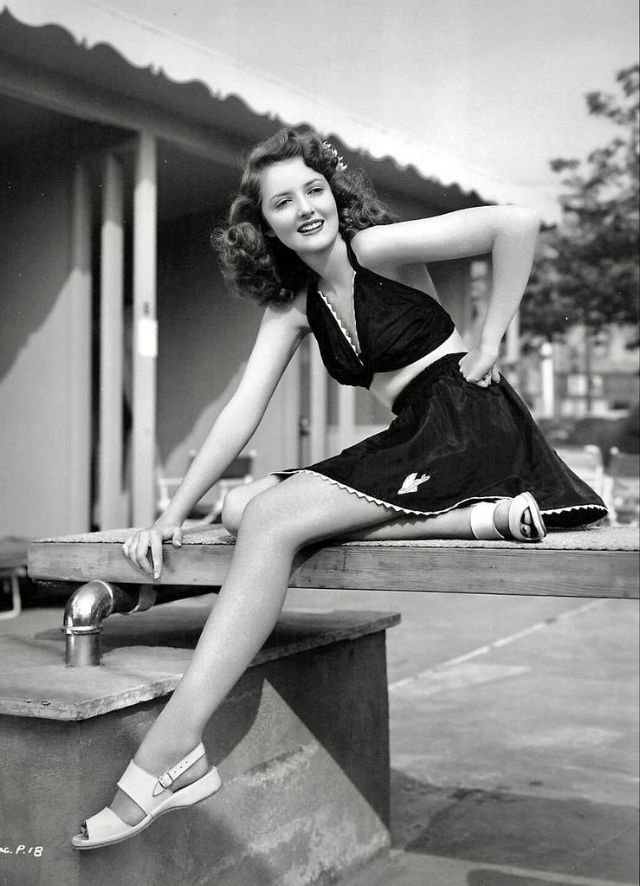
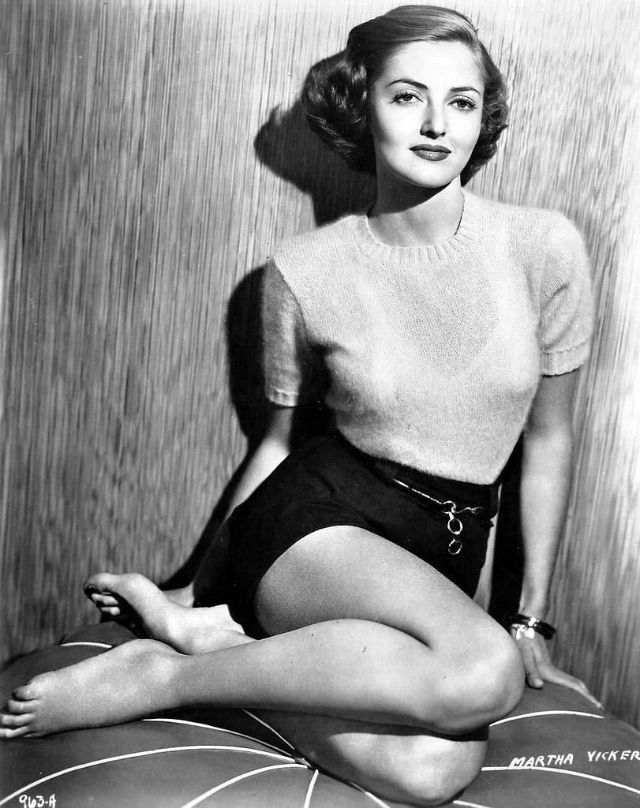
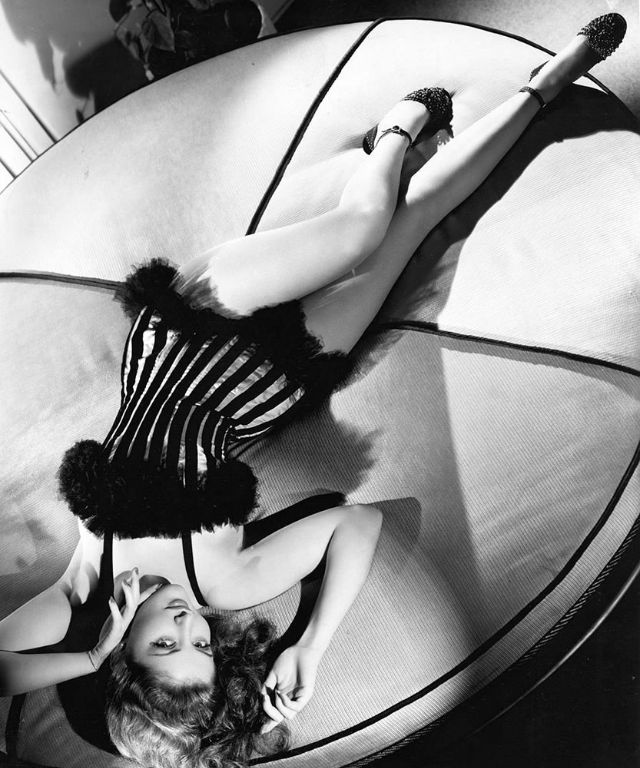
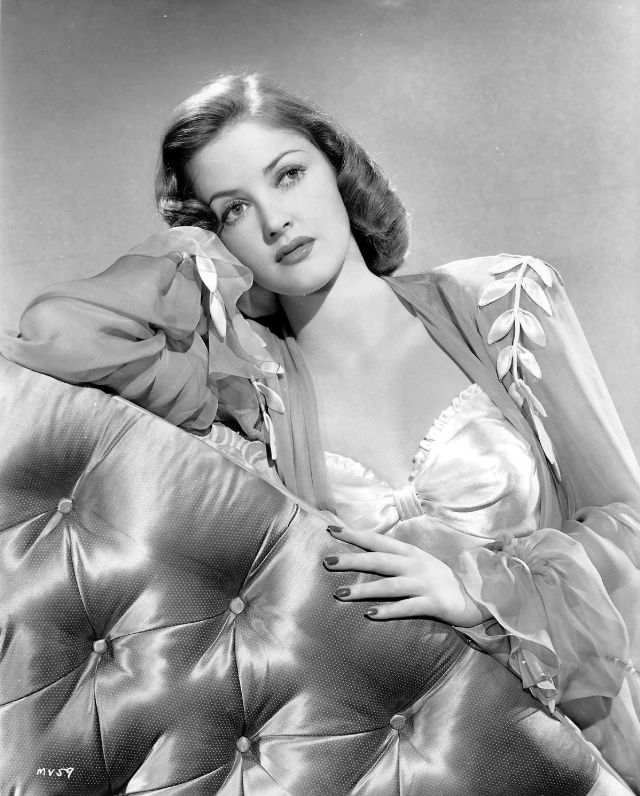
49 Stunning Photos of Model & Actress Martha Vickers in the 1940s

Born 1925 in Ann Arbor, Michigan, American model and actress Martha Vickers began her career as a model and cover girl. She moved to Hollywood when her father, an automobile dealer, assumed control of an agency in Burbank, California. Vickers was 15 at that time.

Vickers’ first film role was a small uncredited part in Frankenstein Meets the Wolf Man (1943). She played minor roles in several films during the early 1940s, working first at Universal Studios and then at RKO Pictures. She next went to Warner Bros., where “they gave her the star push, rearranging her surname to ‘Vickers.'” Her work there included the role of Carmen Sternwood, the promiscuous, drug-addicted younger sister of Lauren Bacall’s character in The Big Sleep (1946). She also starred in a musical, The Time, the Place and the Girl, followed by two Warner Bros. comedies, Love and Learn and That Way with Women (both 1947).

During the 1950s, however, Vickers’ film career stalled. She continued to act in television. One such appearance was in the 1959 Perry Mason episode, “The Case of the Jaded Joker,” in which she played Sheila Hayes. Her final two performances, in 1960, were on The Rebel.

Vickers died of esophageal cancer at Valley Presbyterian Hospital, in Los Angeles, California in 1971, at the age of 46.

Take a look at these glamorous photos to see the beauty of Martha Vickers in the 1940s.

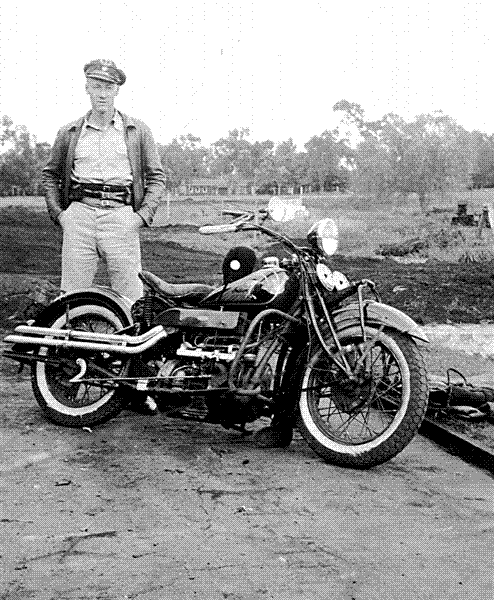
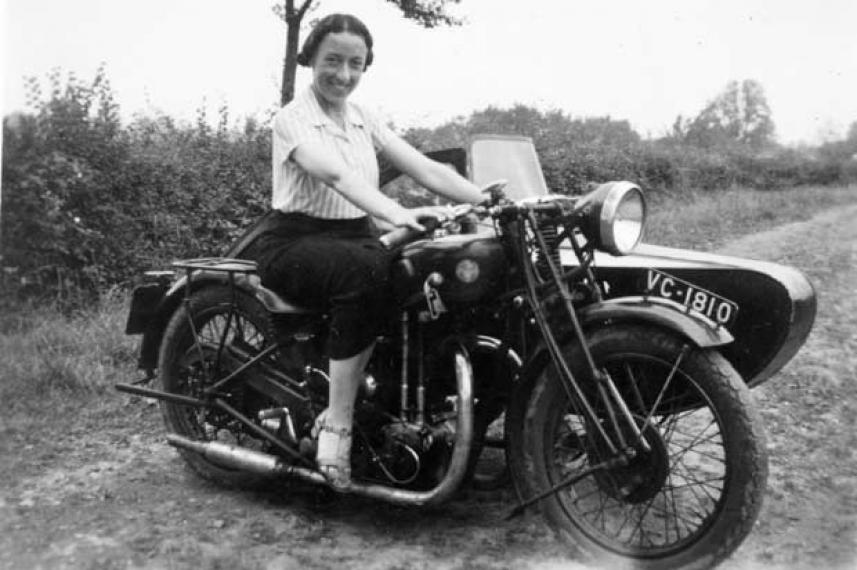
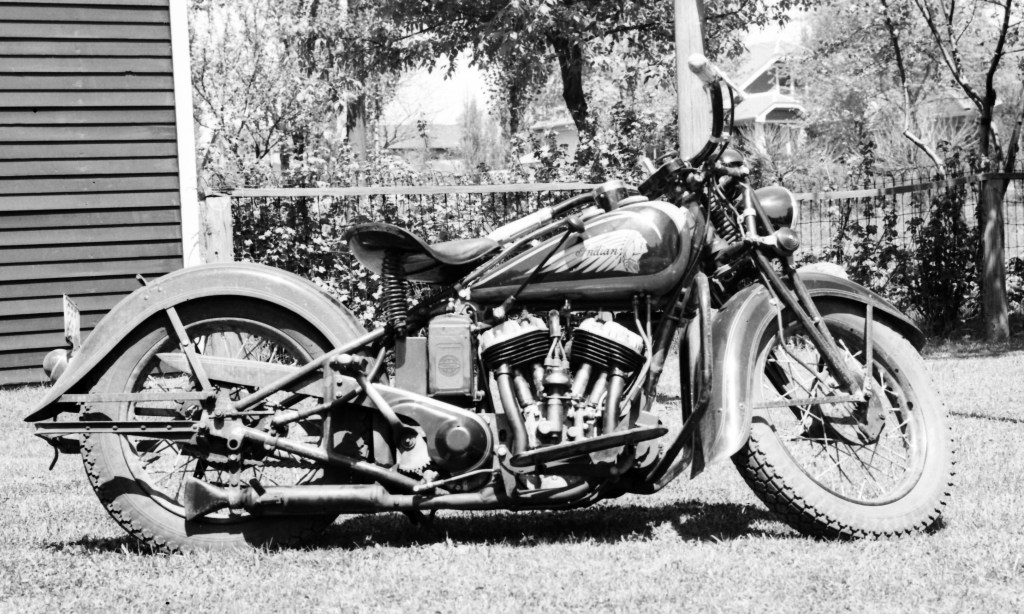
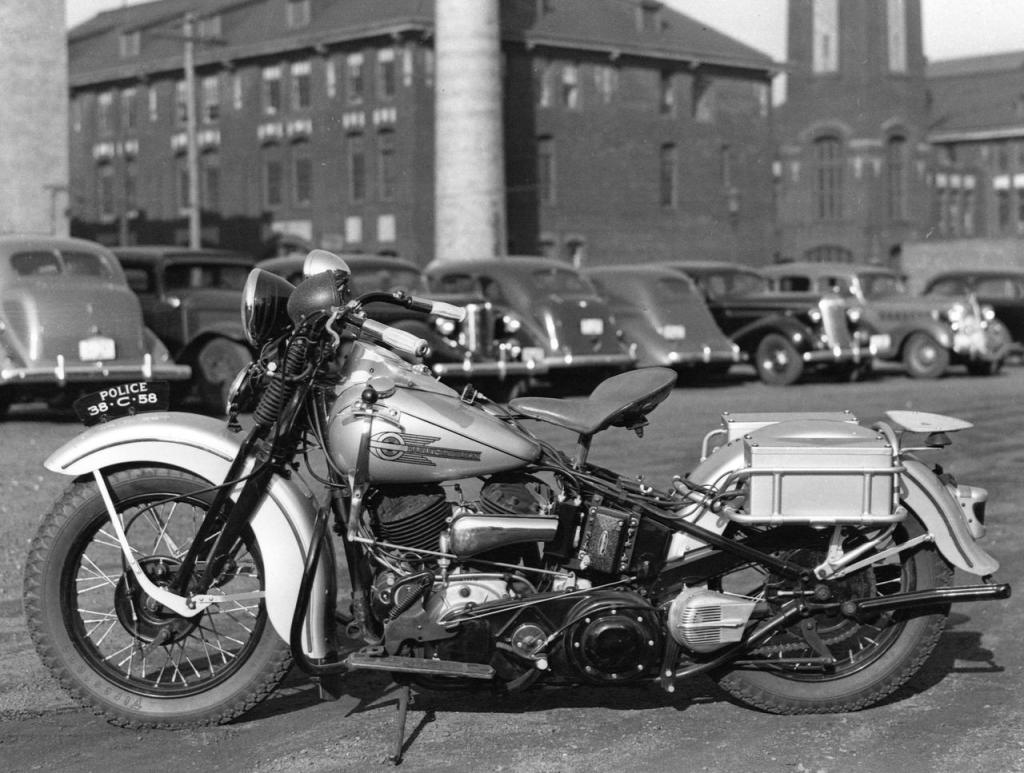
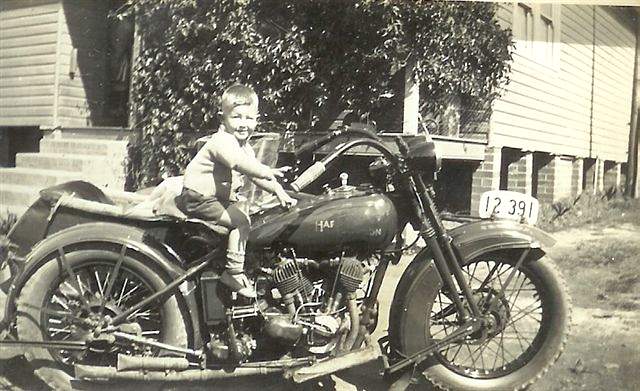
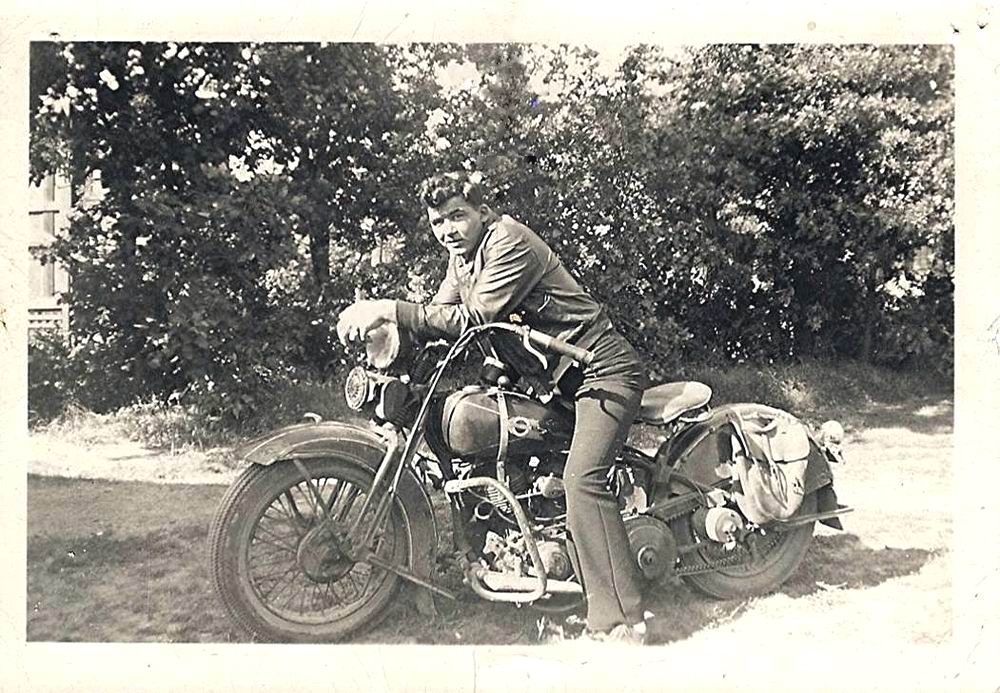
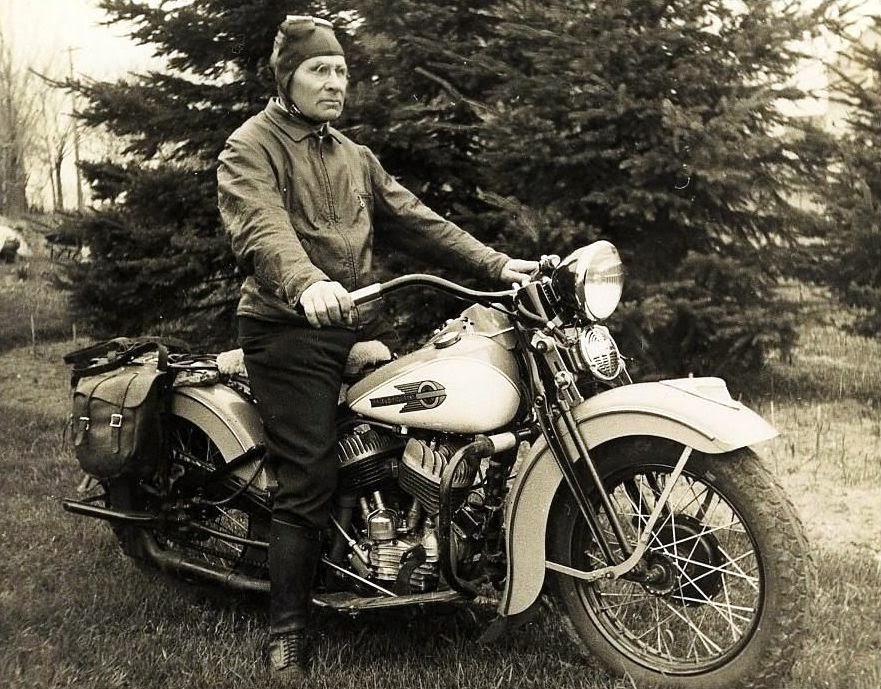
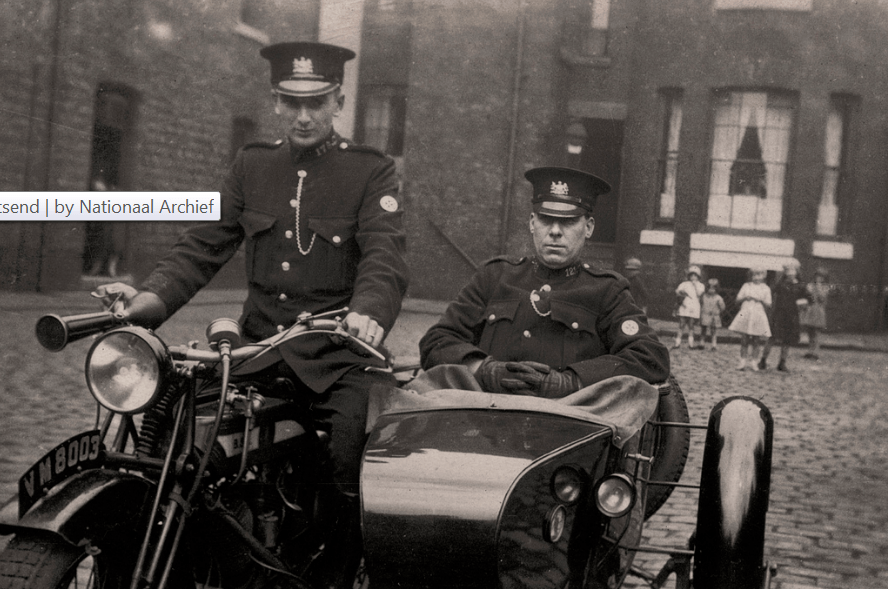
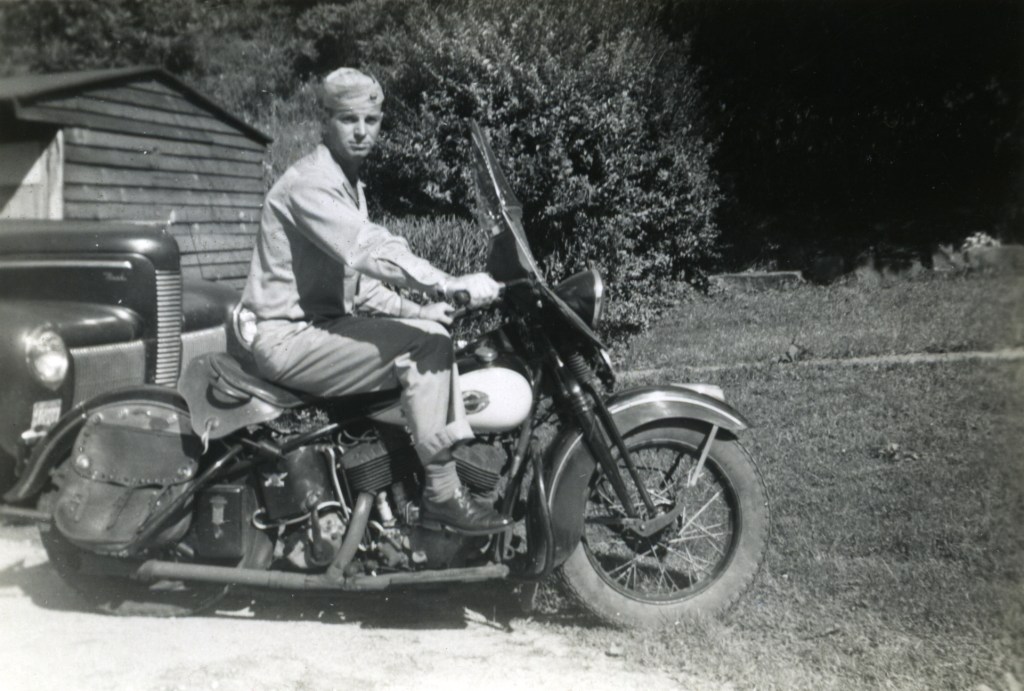
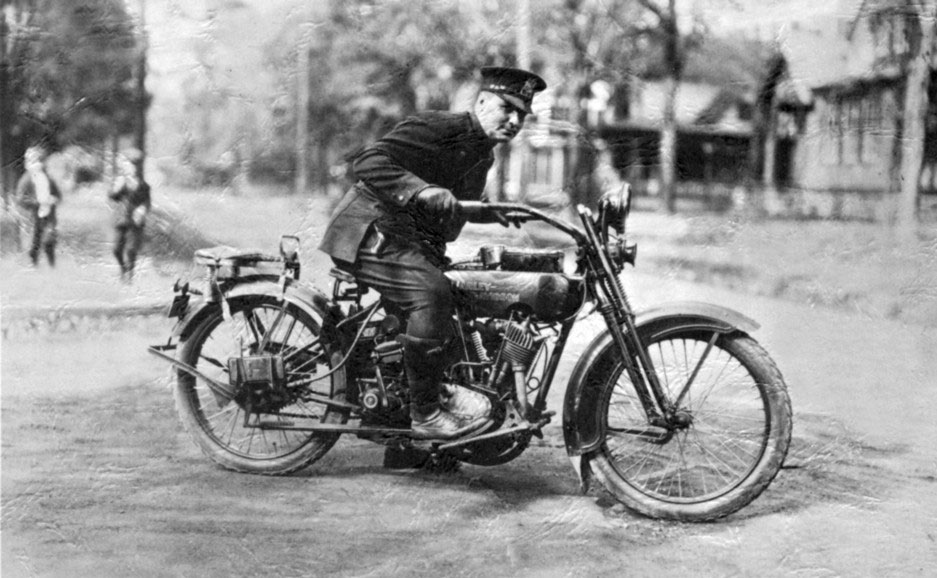
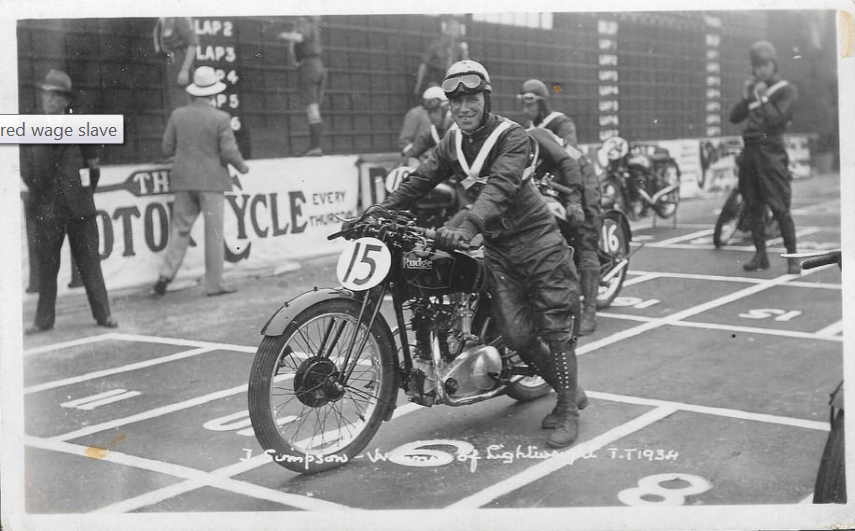
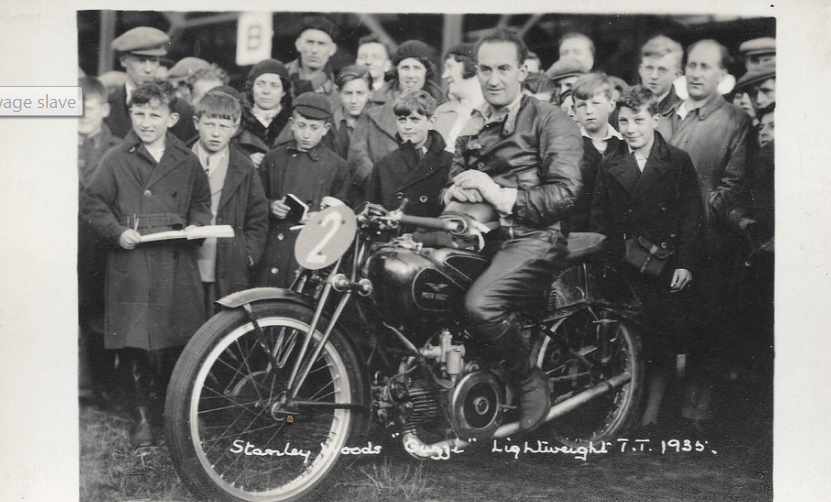
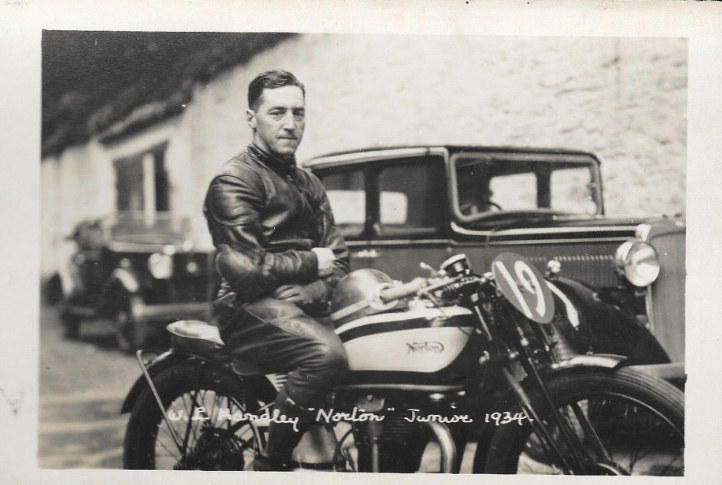
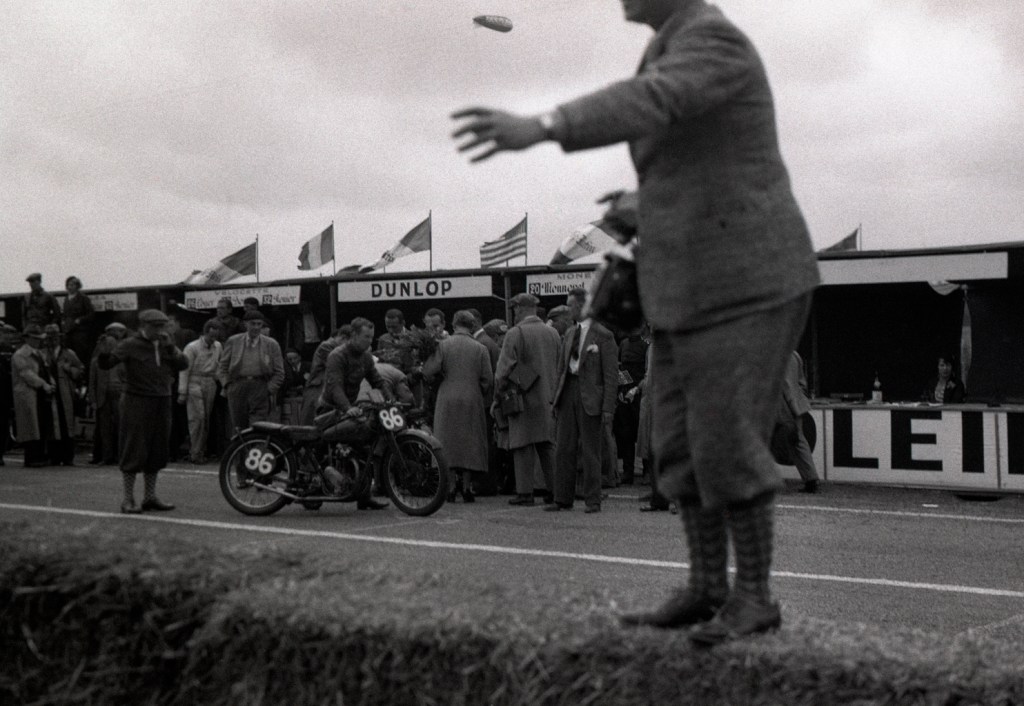
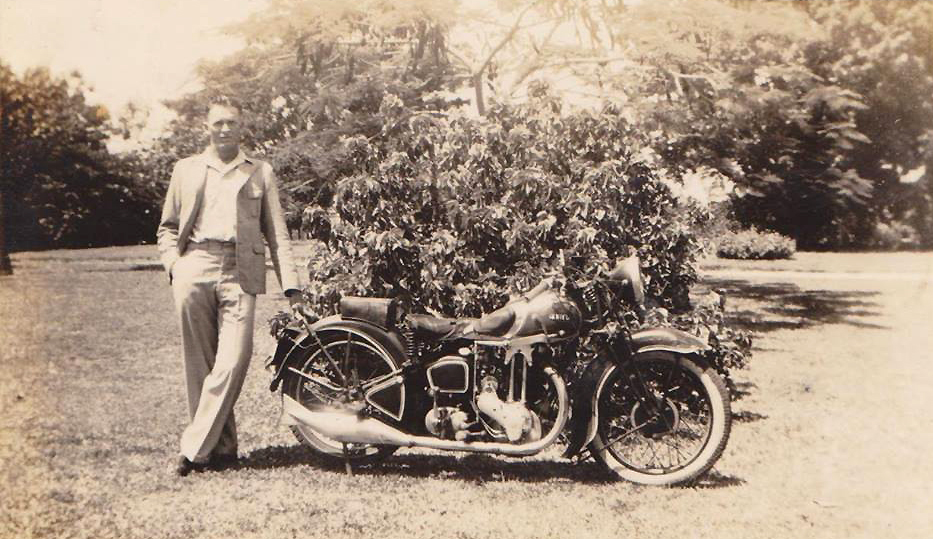
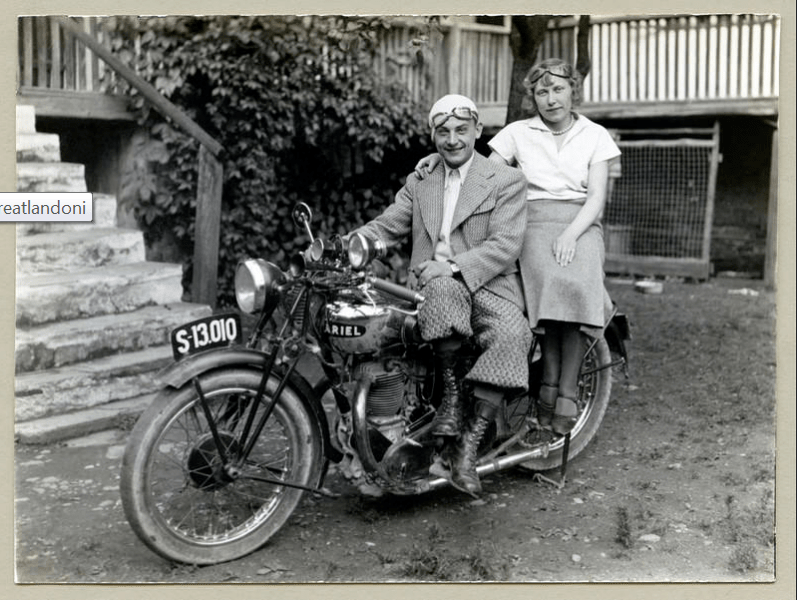
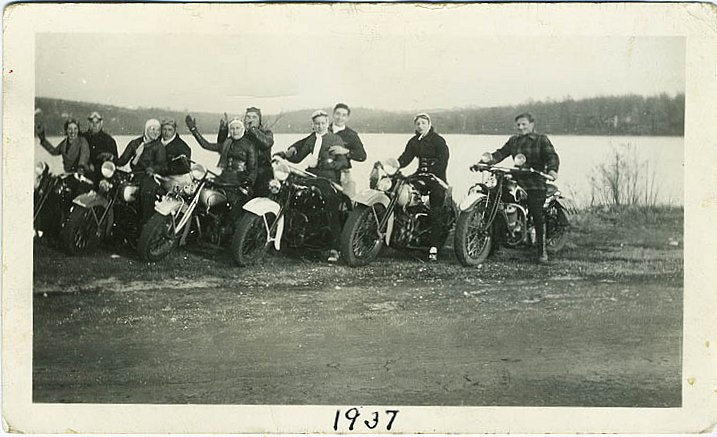
62 Amazing Vintage Photos of People and Their Motorcycles During the 1930s

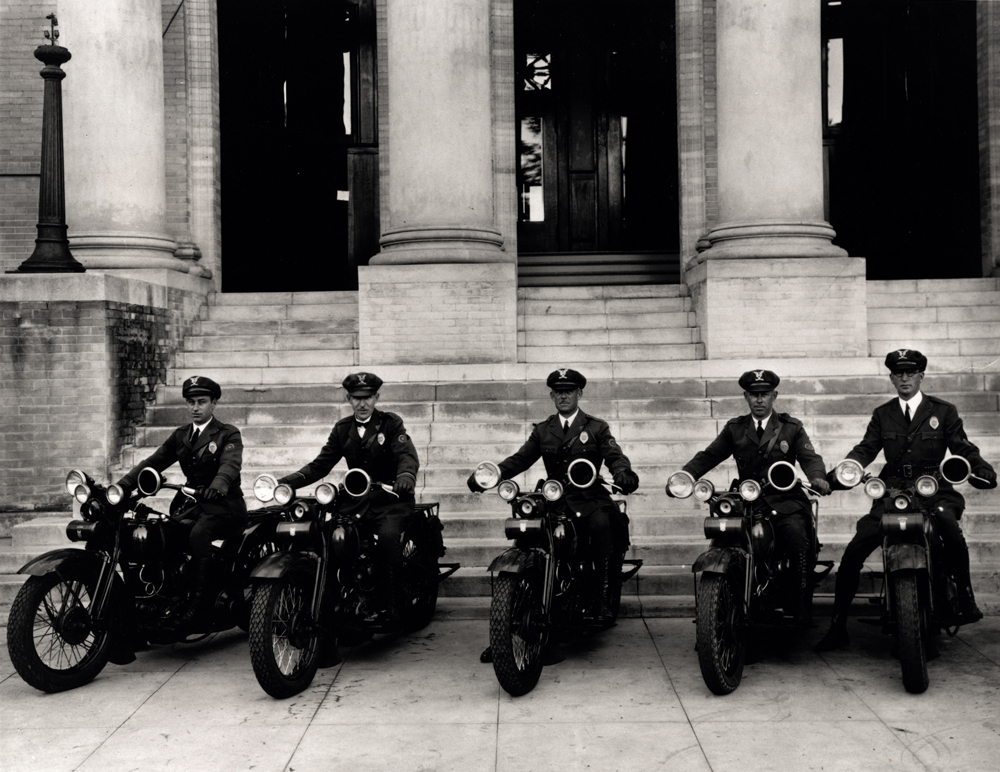
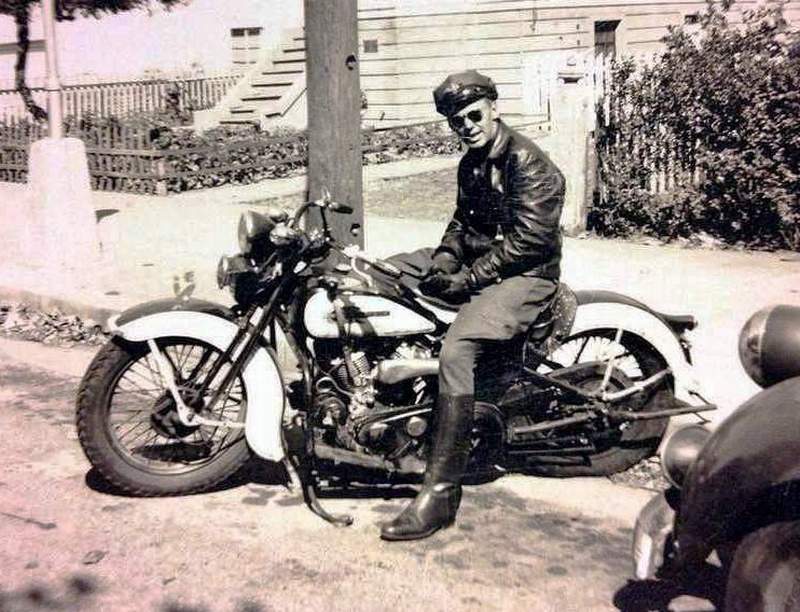
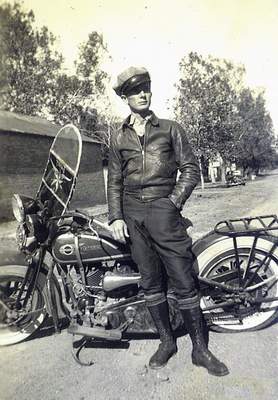
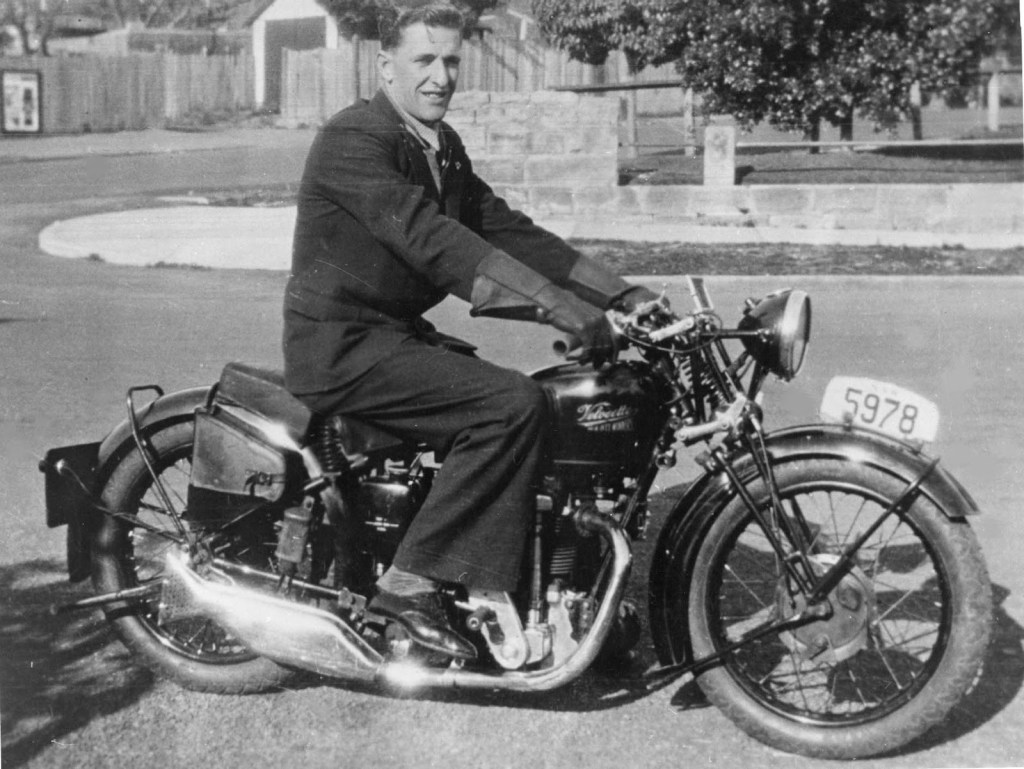
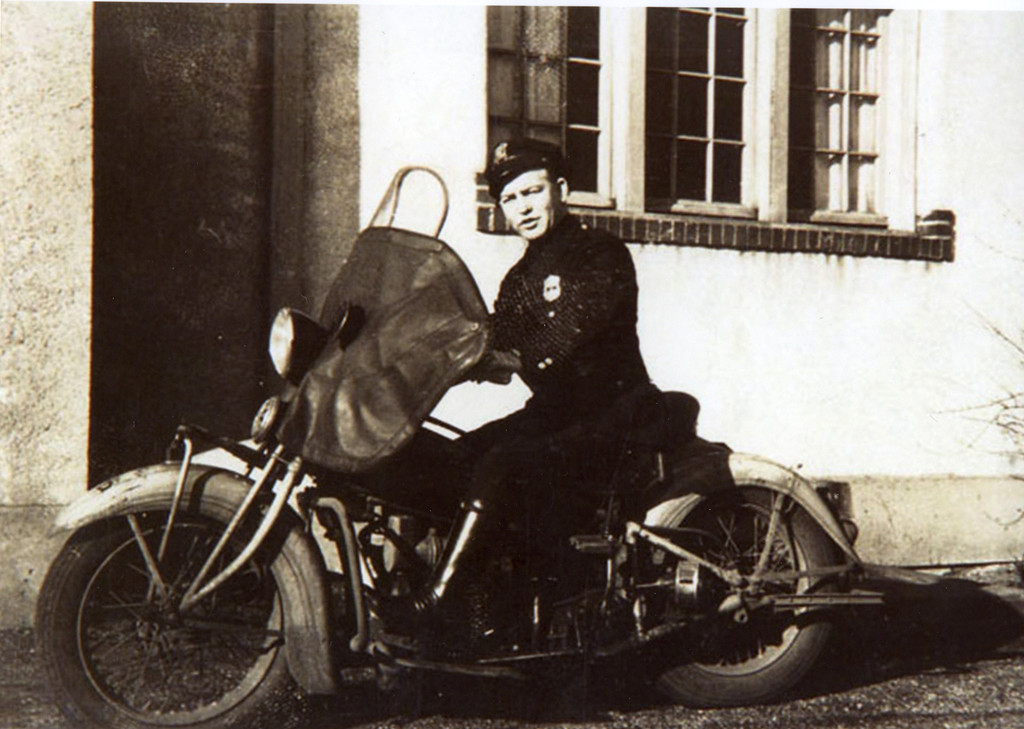
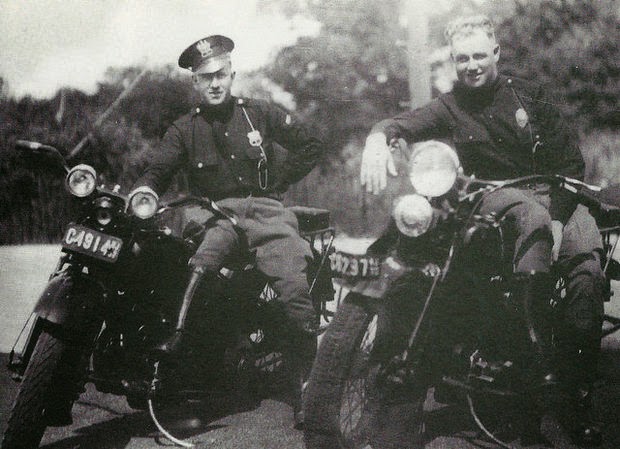
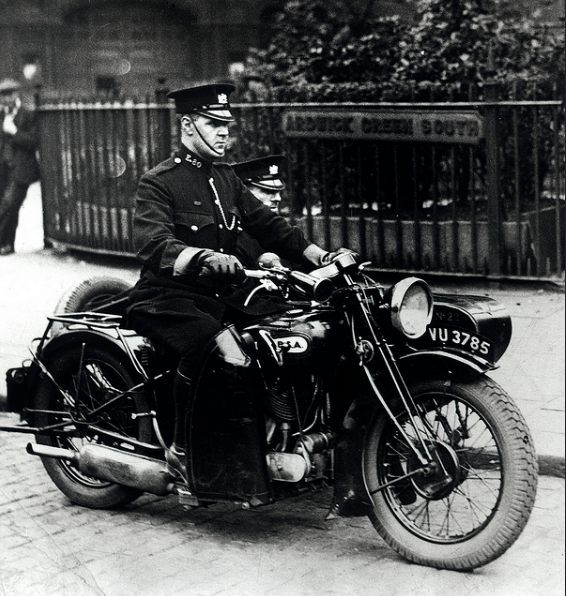
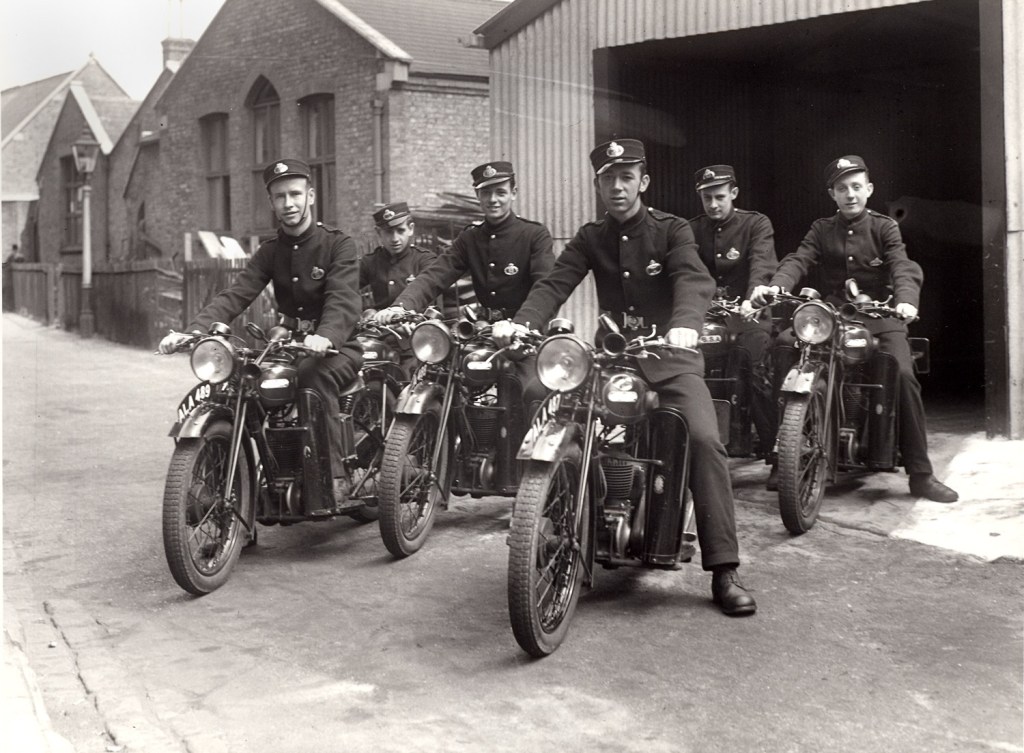
Glendale, California police officers on V-series Harley-Davidsons, circa 1930.
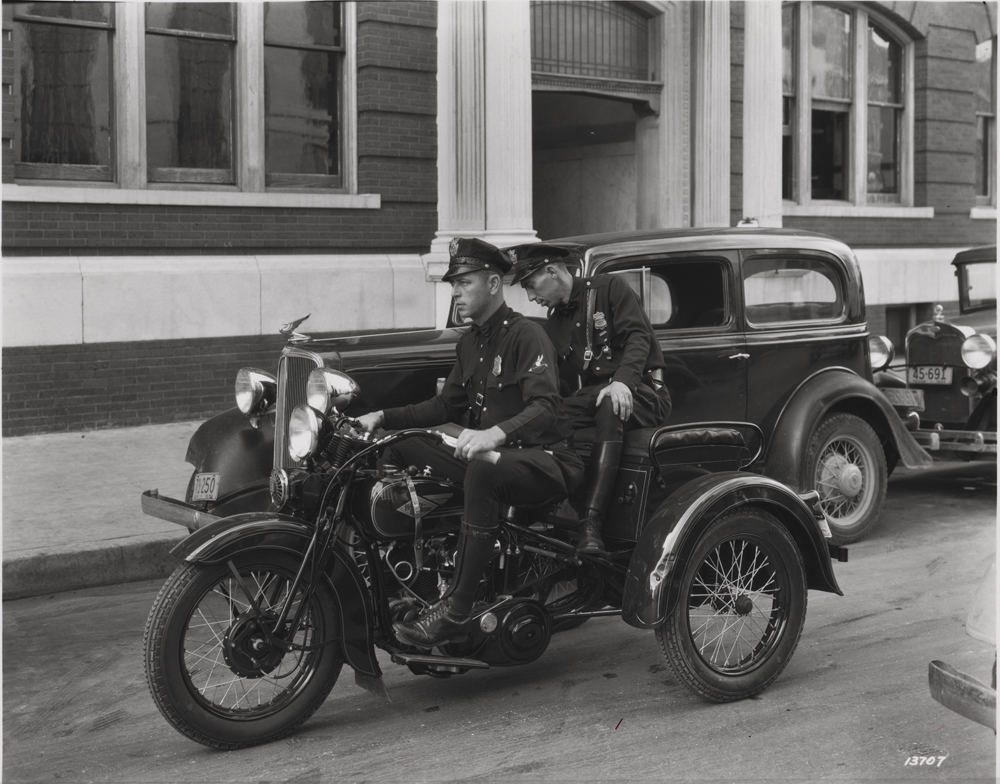
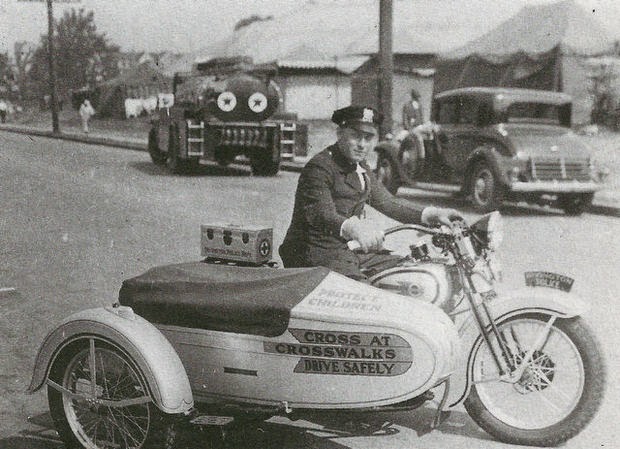
Police officers marking tires using a Servi-car, 1934.
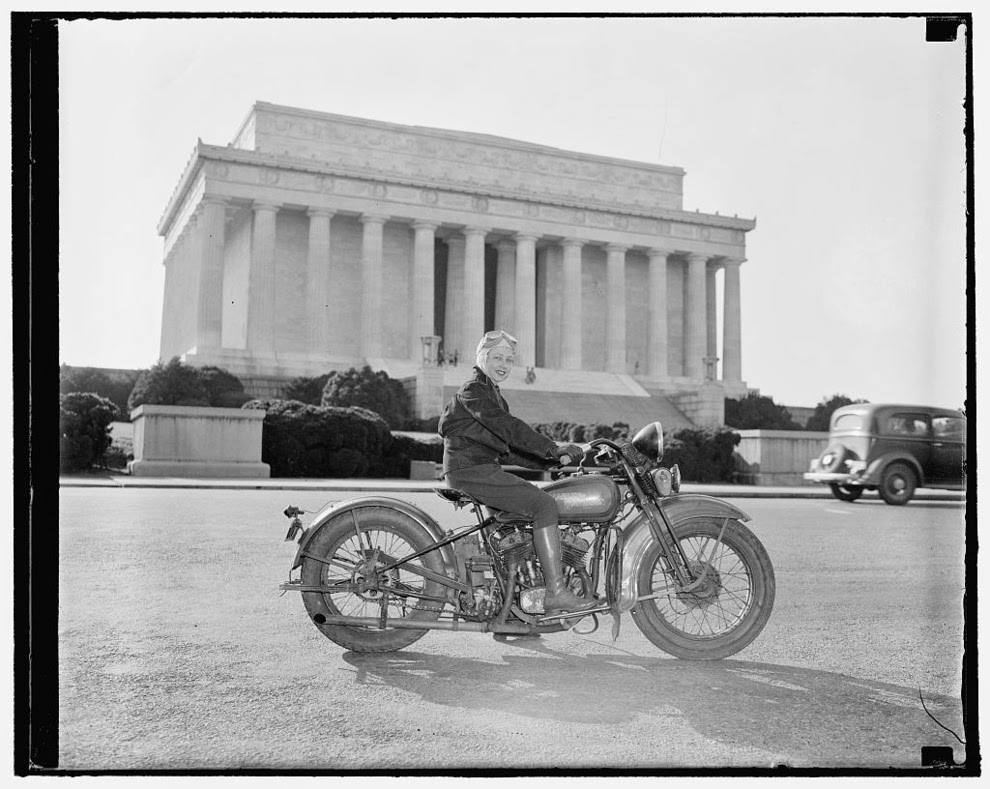
Sally Halterman was the first woman to obtain a motorbike licence in Washington D.C. in
1937.
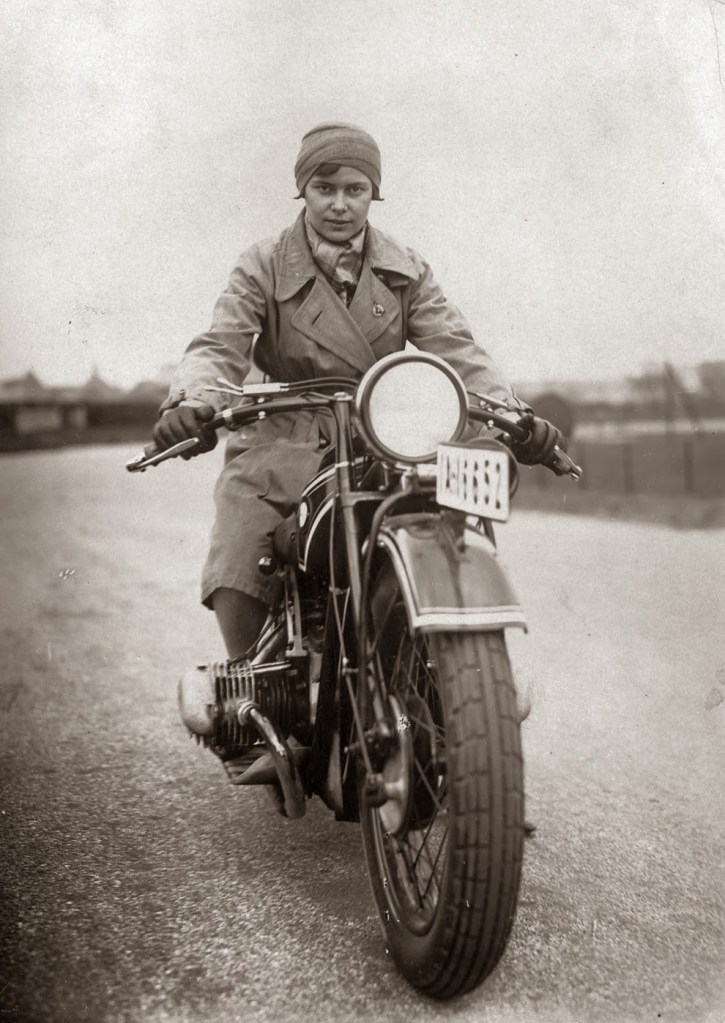
A woman on her BMW motorcycle, 1935.
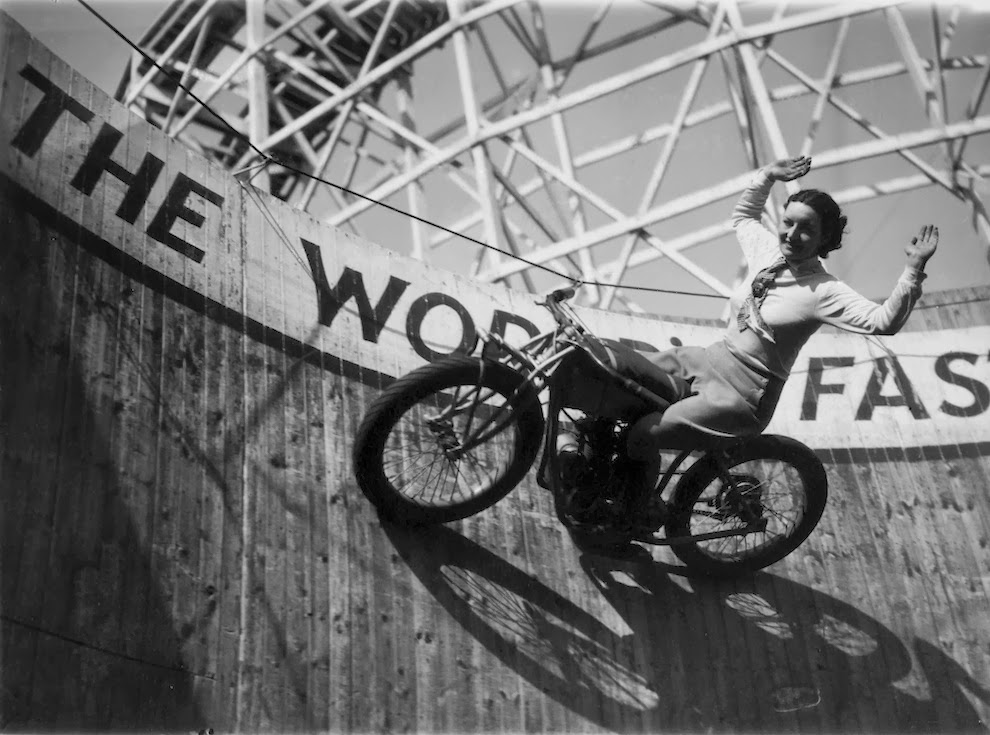
Marjorie Dare (Doris Smith) riding hands free around “The Wall of Death” sideshow at the
Kursaal amusement park in Essex, England, 1938.
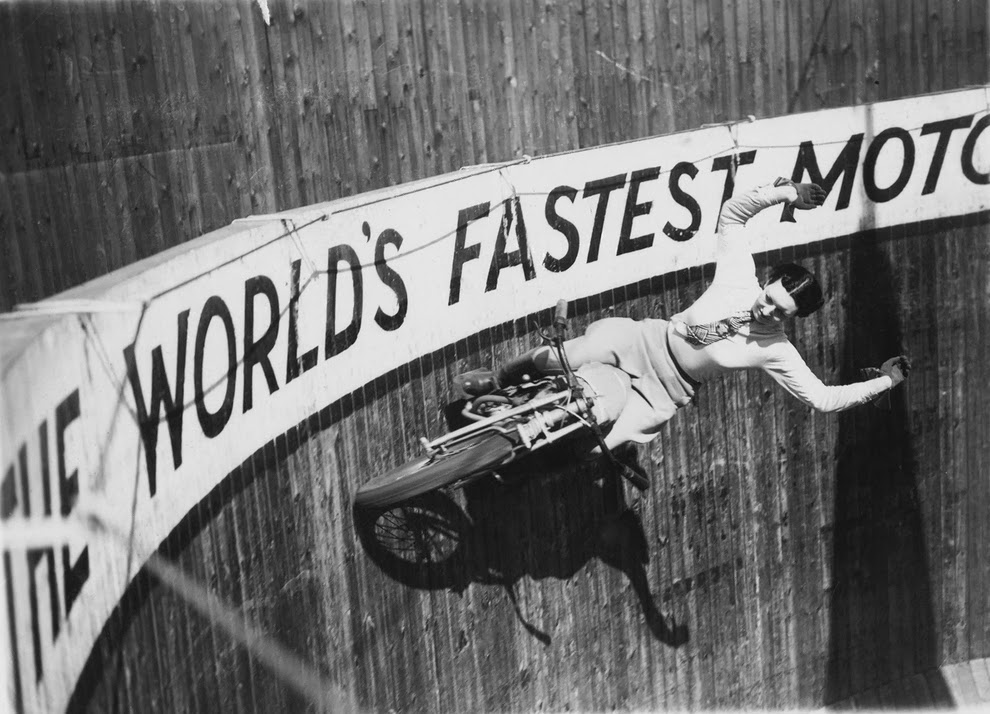
Marjorie Dare performing, 1938.
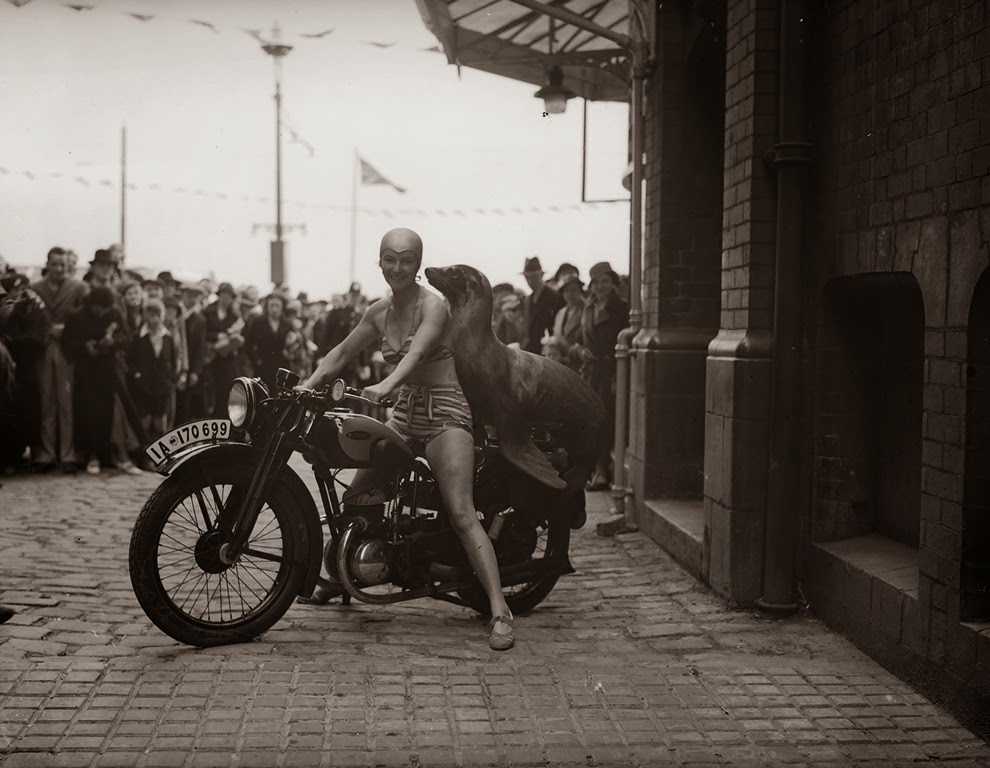
A woman and a performing seal at a circus, 1935.
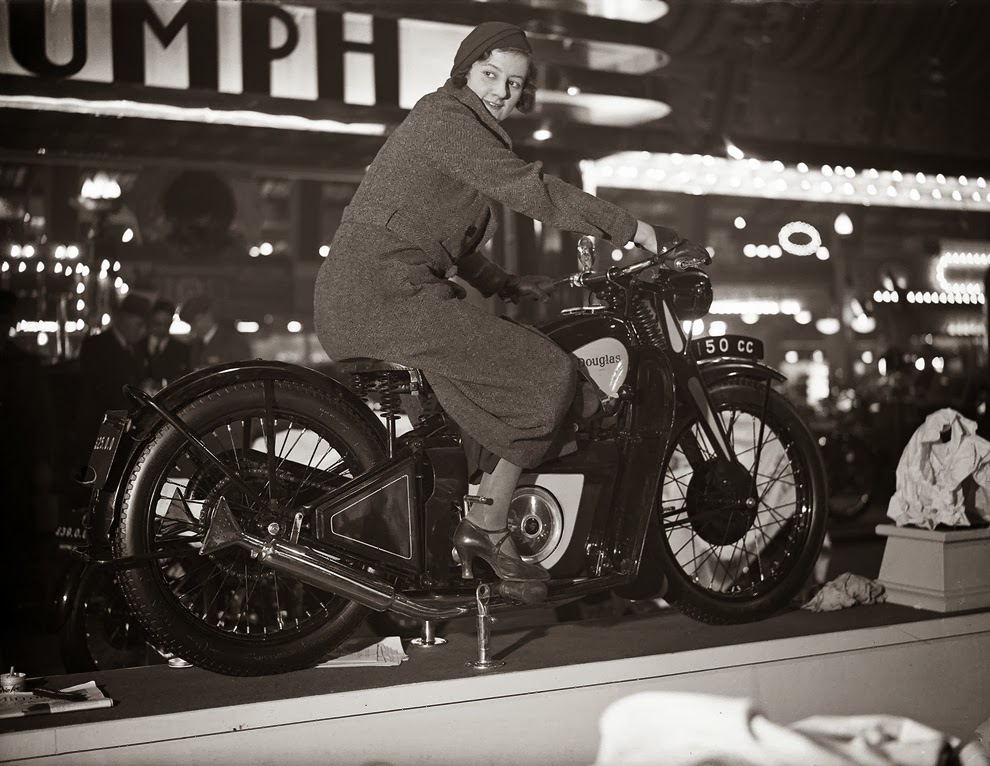
A woman trying out a Douglas motorcycle on display at the 18th Cycle and Motorcycle Show
in London, 1933.
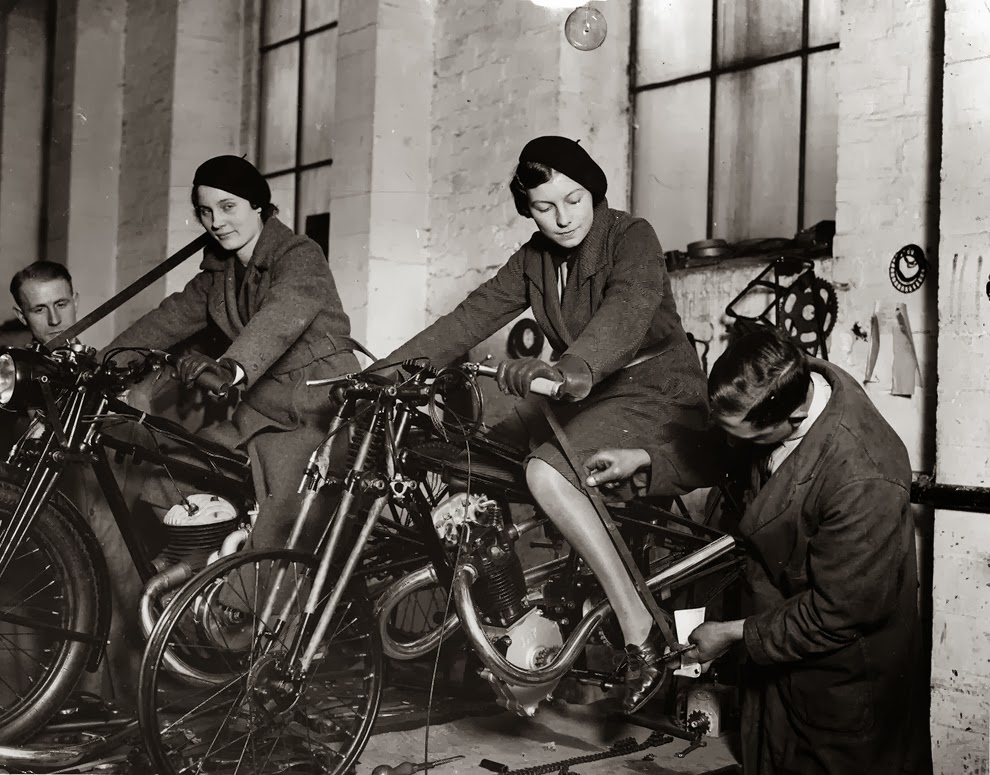
Workers measuring the positions of footrests and controls on partially finished
motorcycles, 1933.
A woman setting off for a motorcycle rally in England, 1934.
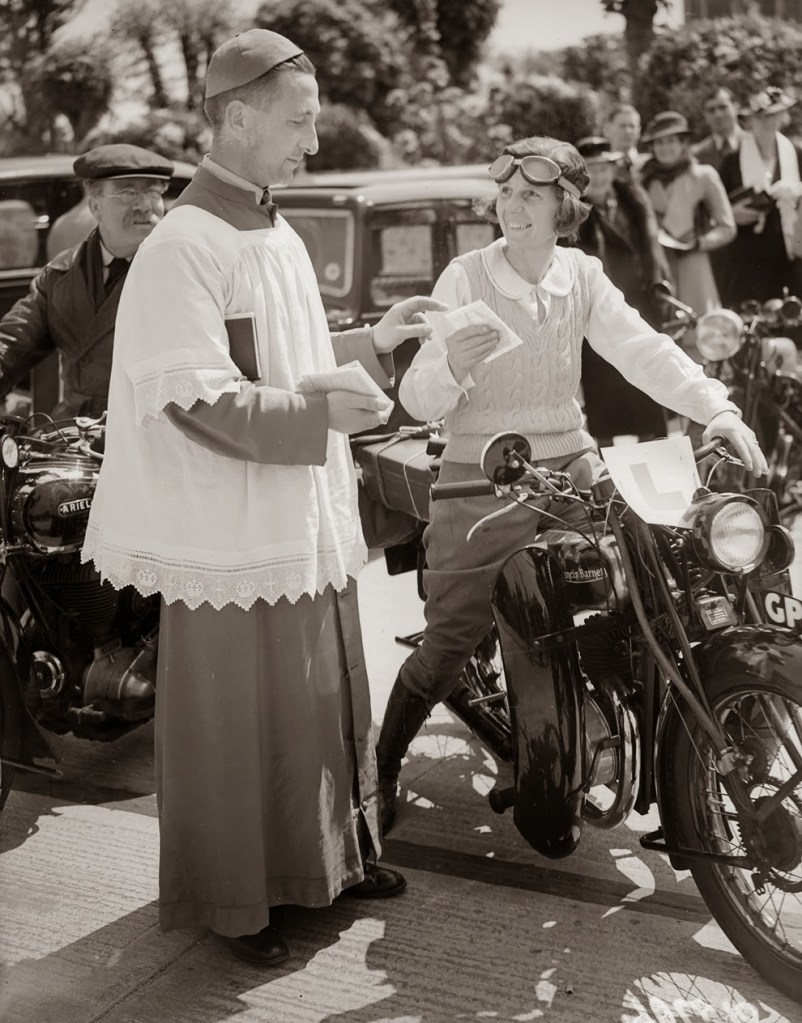
A reverend blesses the motorcycle of a woman who is learning to drive, 1938.
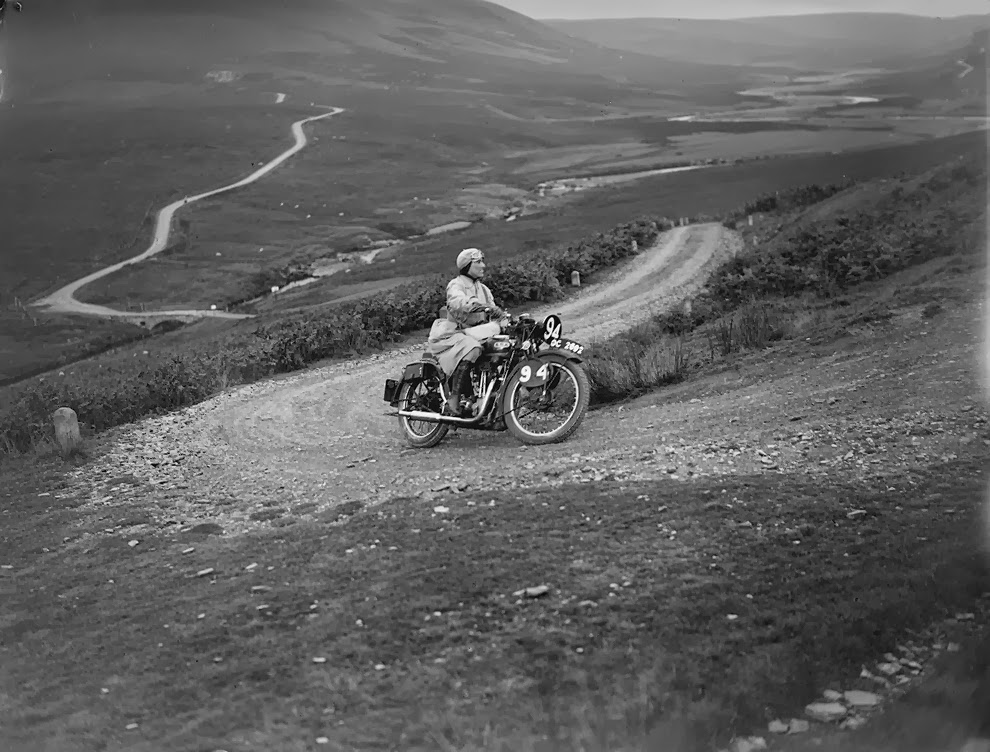
A woman rider in the Six Days Motorcycle Trial, in which competitors have to cover 200
miles a day over rough terrain, 1933.
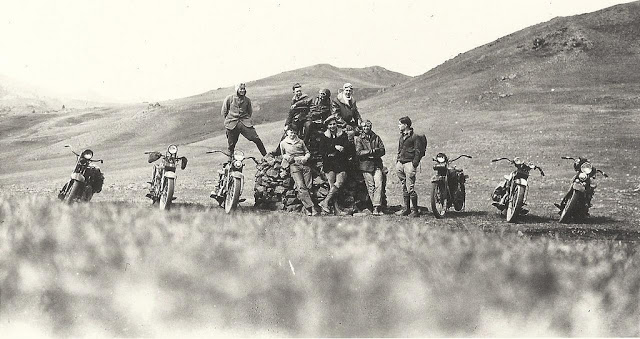
Montana motorcycle club in the 1930s
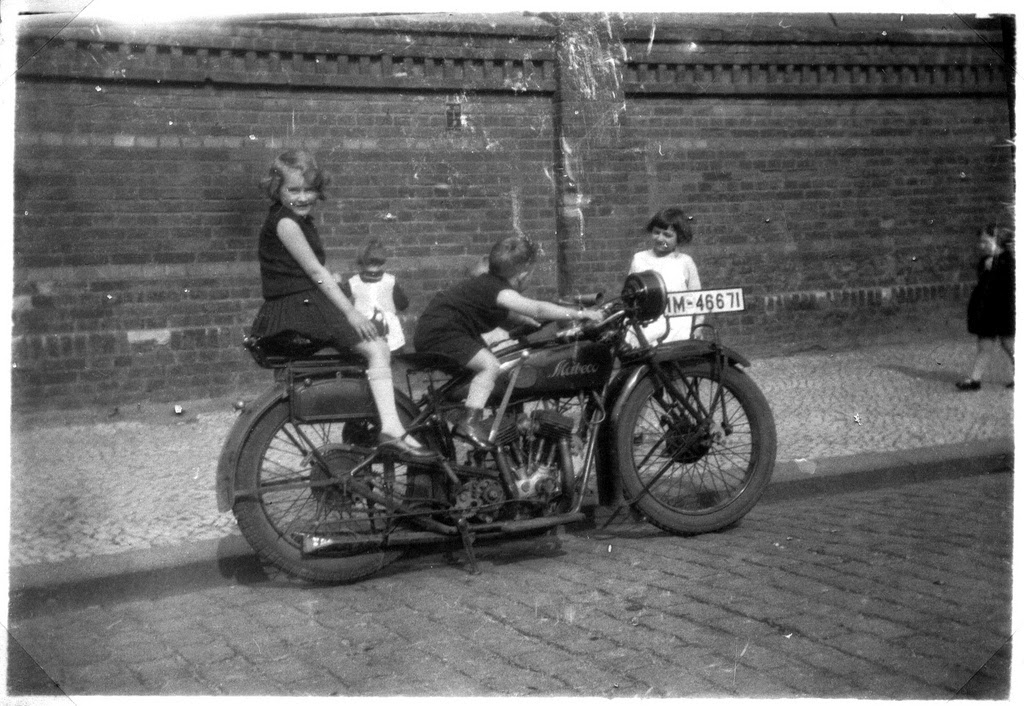
Mabeco Motorbike, 1930
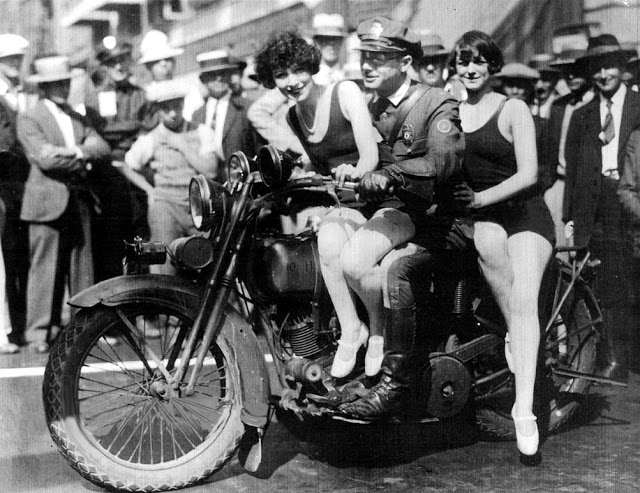
Motorbike patrolman and young girls, 1930
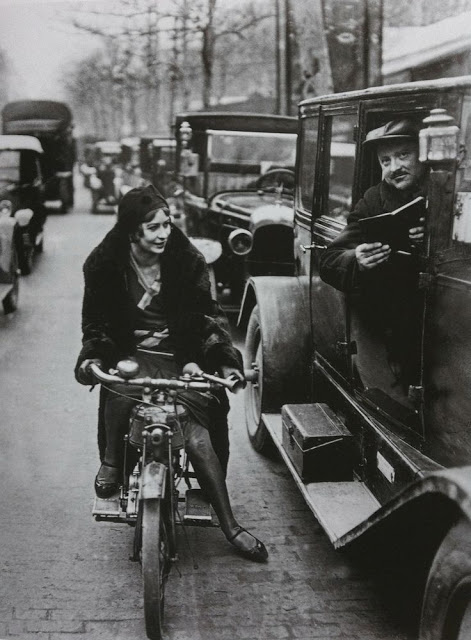
Young woman on a motorcycle asking a chauffeur for directions, Paris, 1930
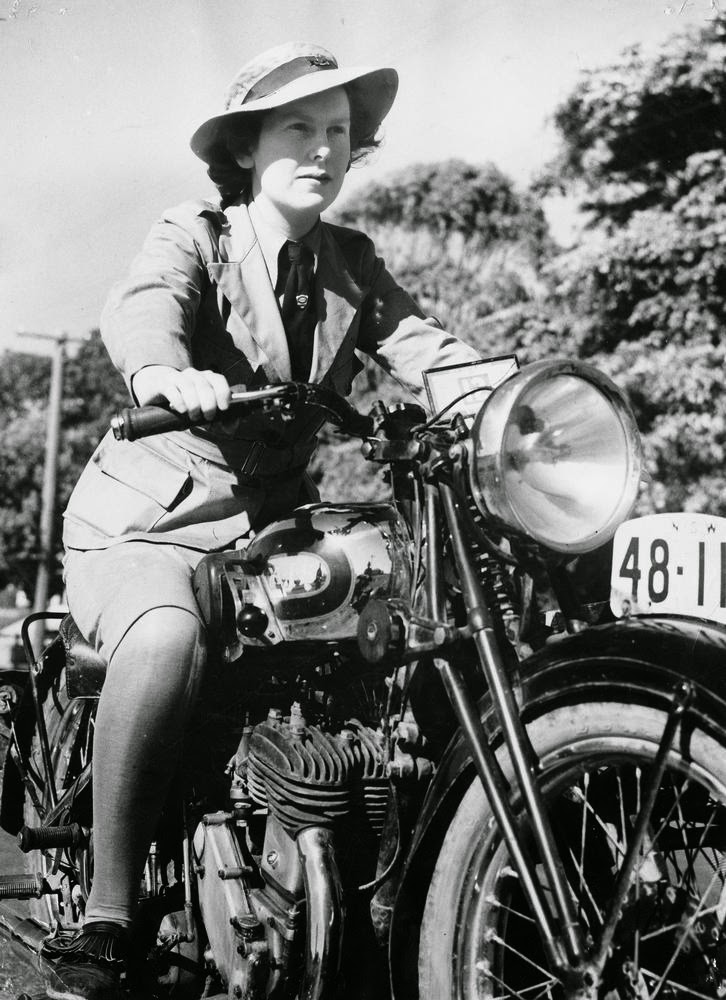
Joan Grimes, Australian Women’s Emergency Legion, learns to ride a motorcycle, to fit her
for the job as a dispatch rider, 1939.
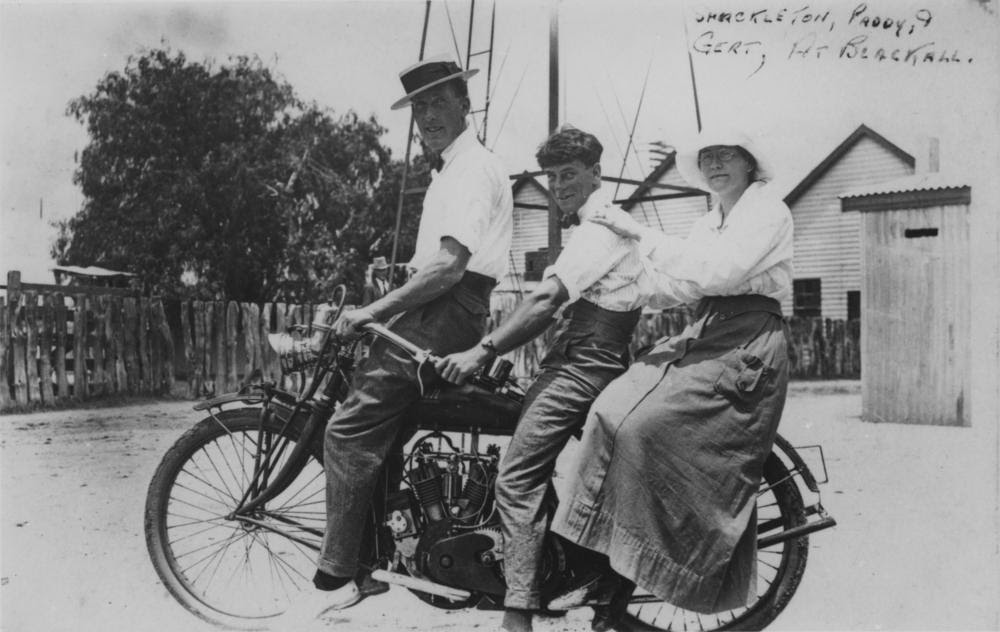
Three people on a motorcycle, 1930
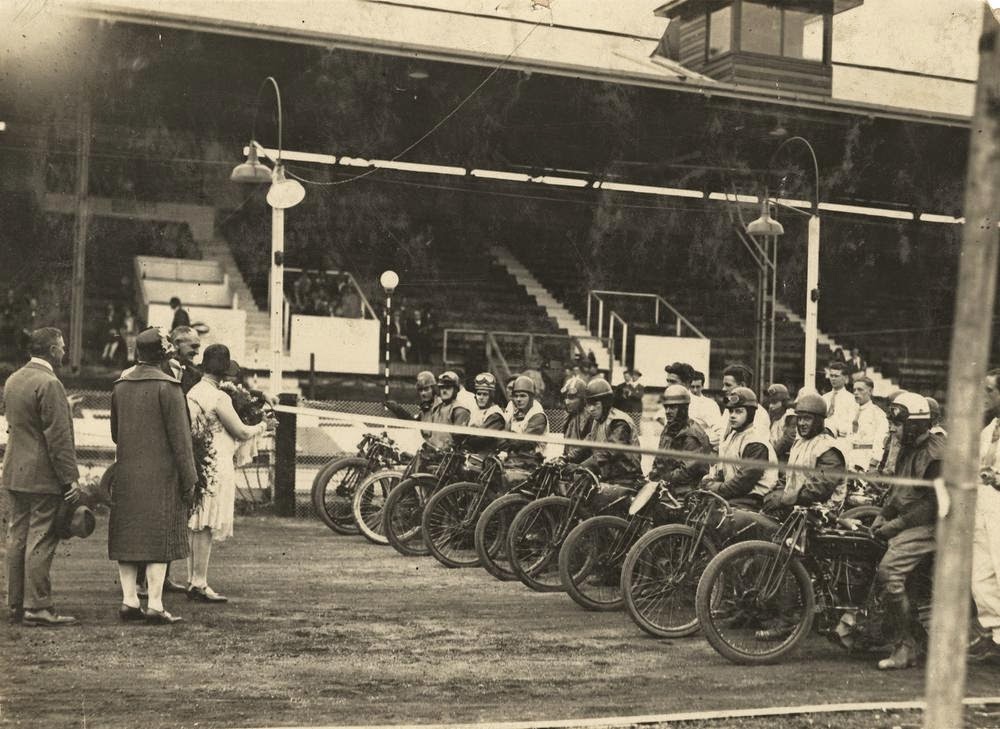
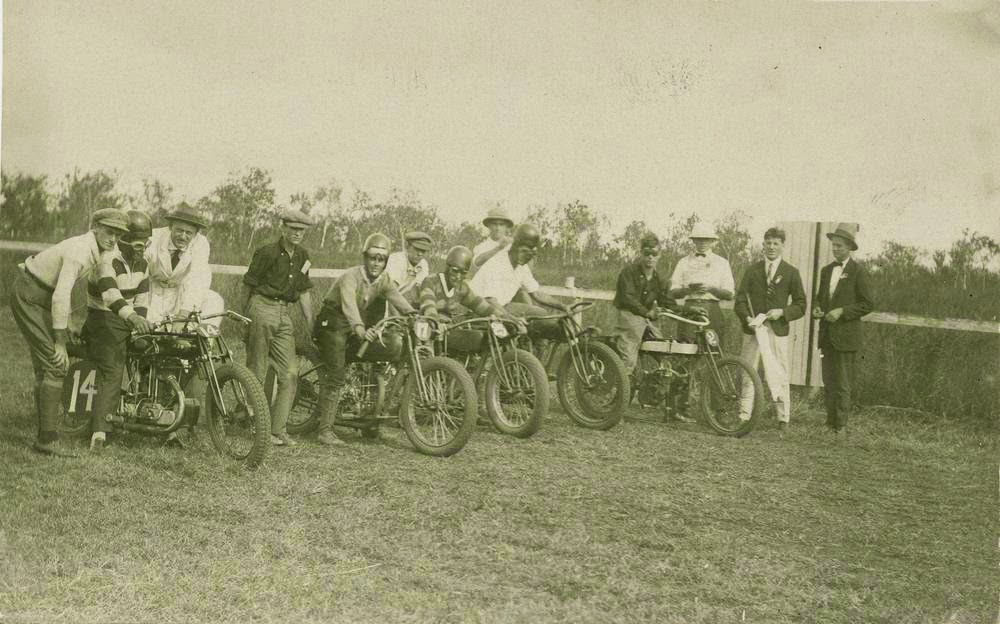
Officials cutting the starting ribbon at a speedway motorcycle race in Brisbane,
Australia, 1930.
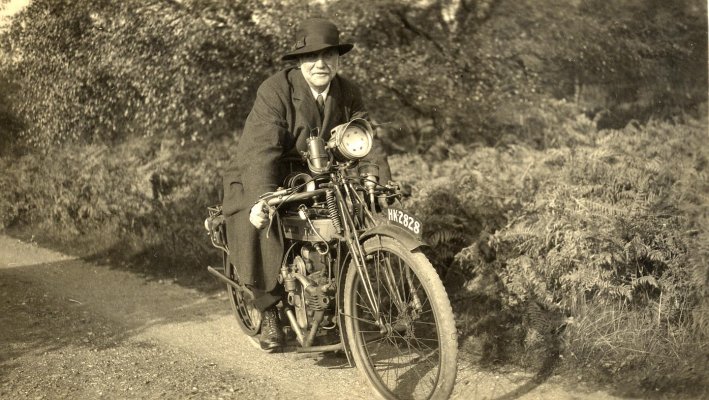
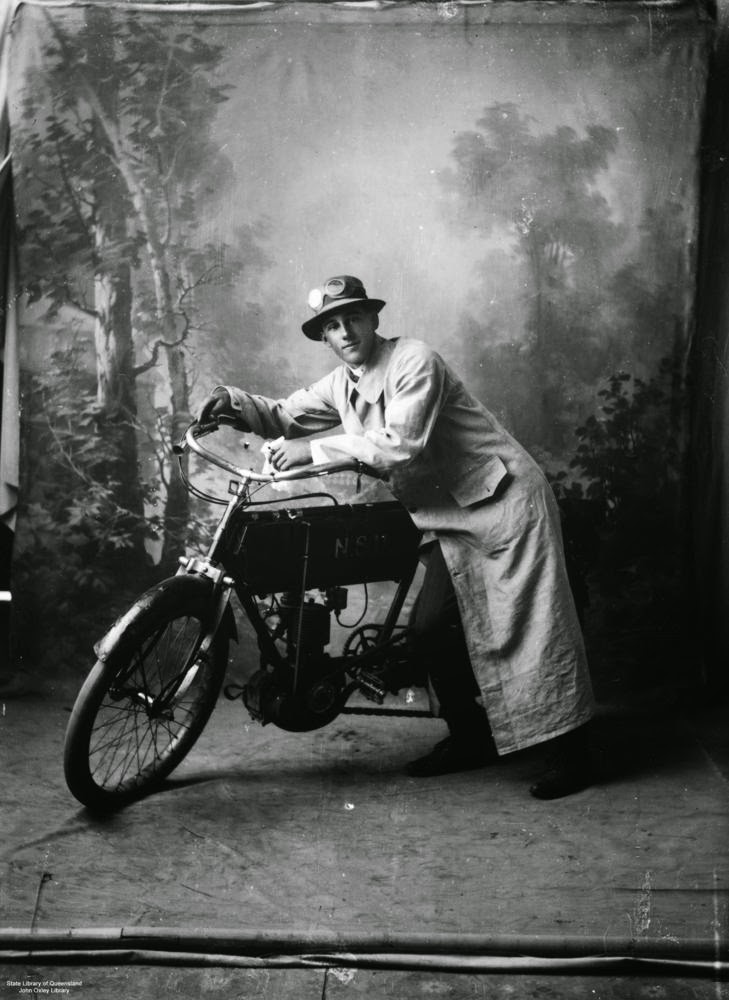
Man dressed in a long dustcoat, hat and goggles with a motorcycle standing in front of a
painted backdrop in a studio, 1935.
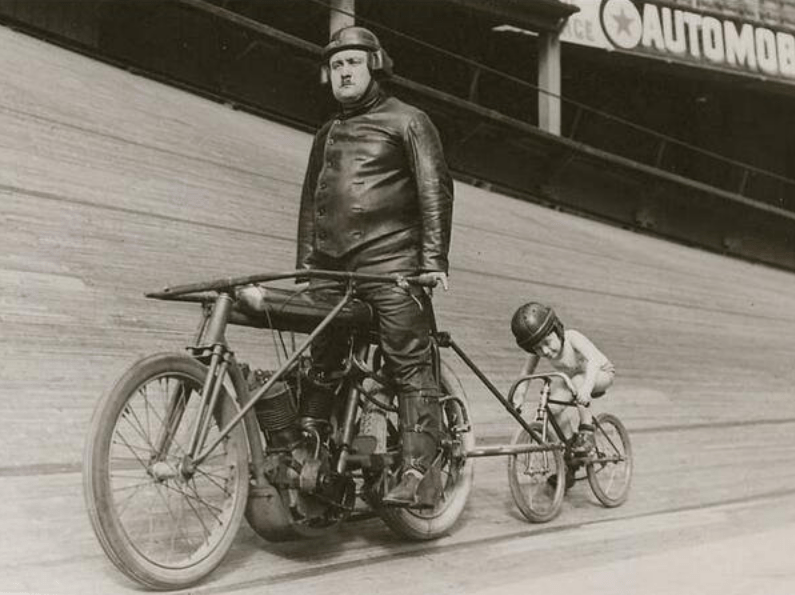
Motorcycle racing, 1930.
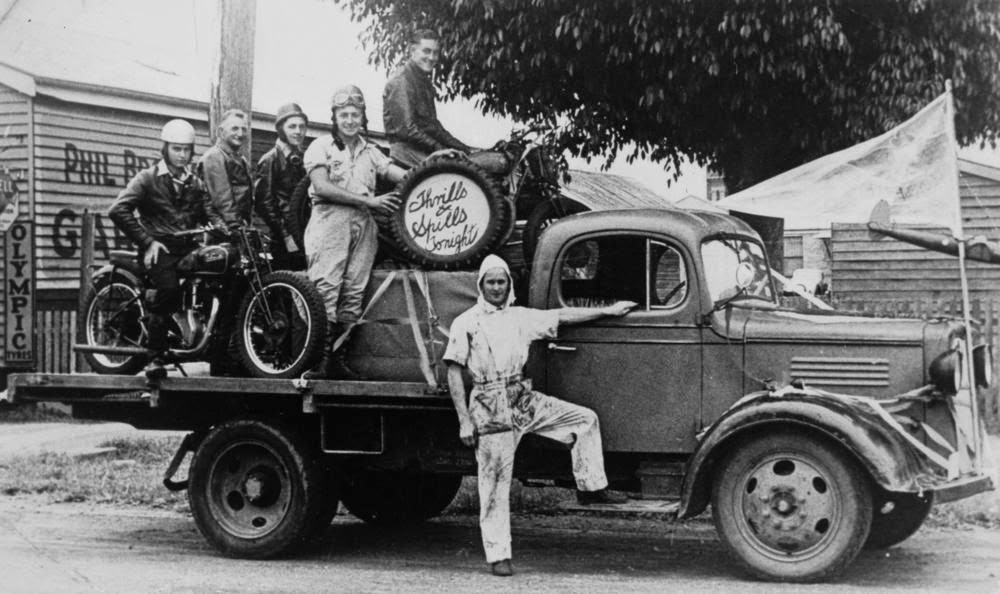
Motor Cycle stunt team, Thrills and Spills, Bundaberg, Australia, 1937.
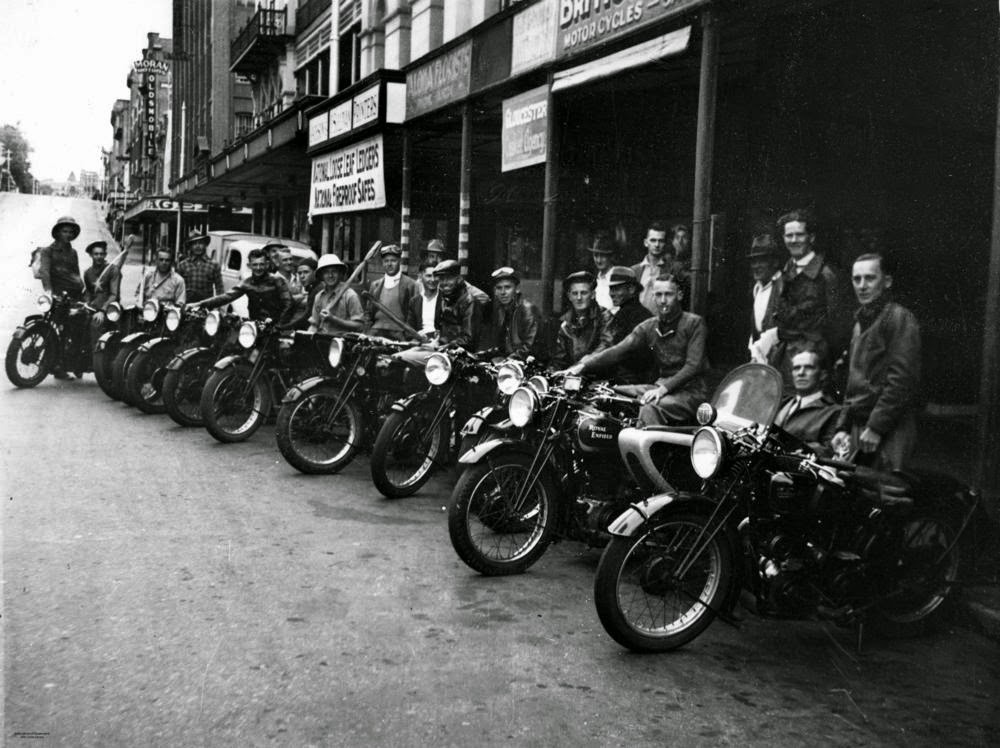
Brisbane, Australia, 1938
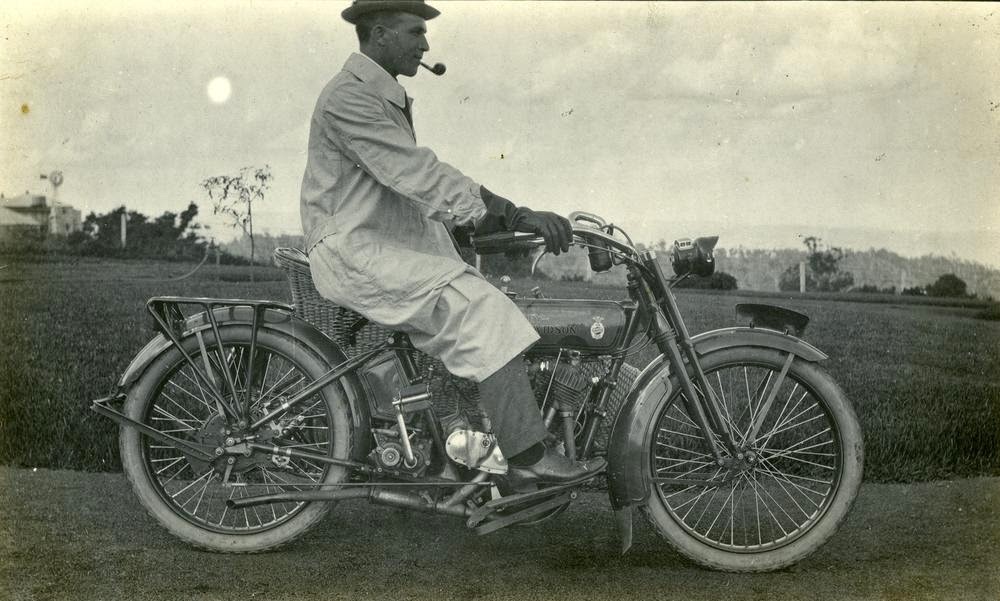
A driver wearing driving gloves and a dust jacket, on a Harley Davidson motorbike, 1930.
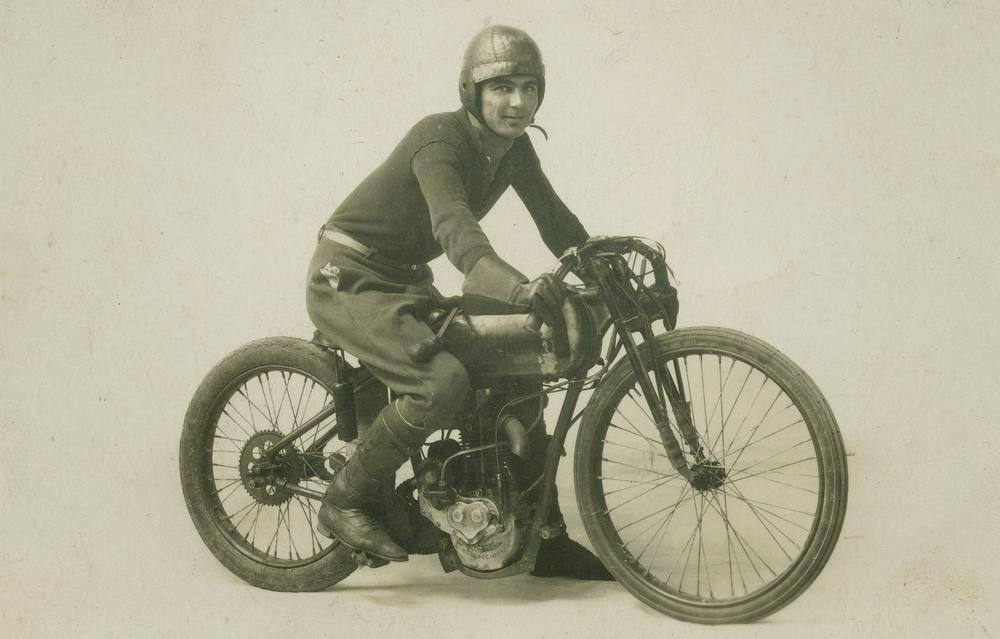
A driver on a 350cc Harley Davidson Peashooter, 1930.
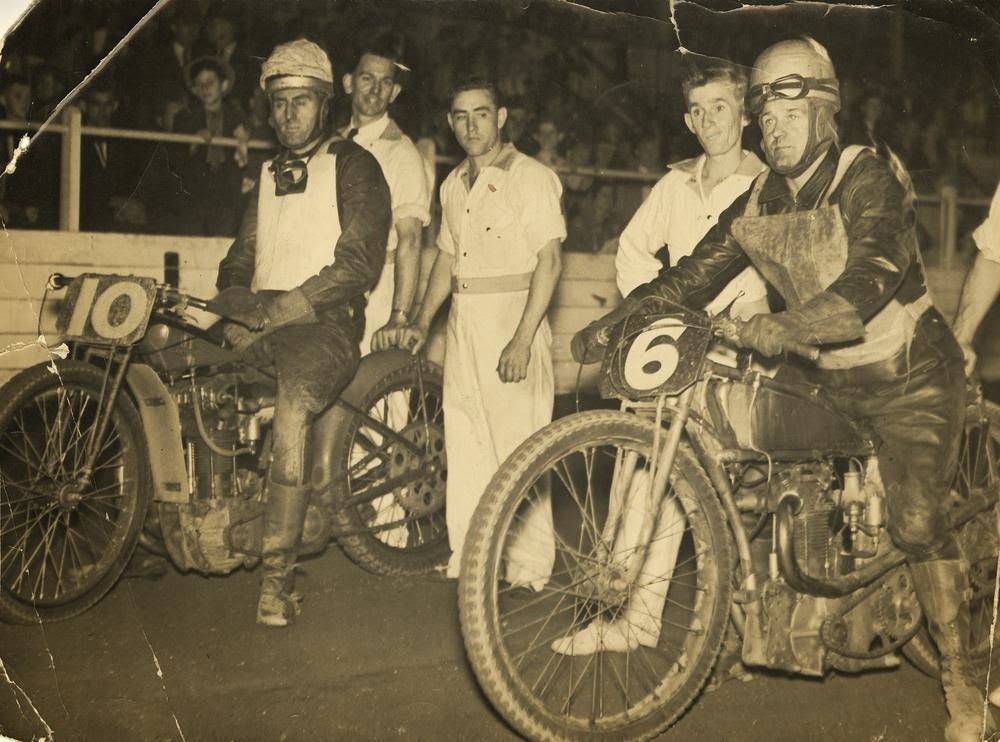
People on their motocycles at a speedway race track, 1930.
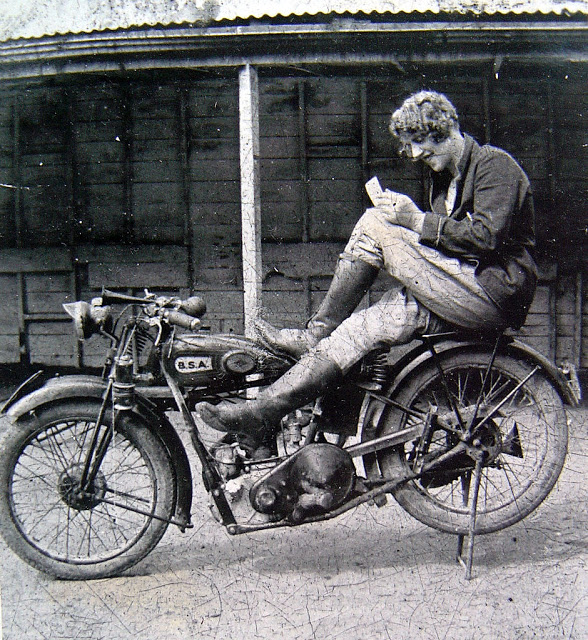
A girl on her BSA motorbike, 1930s
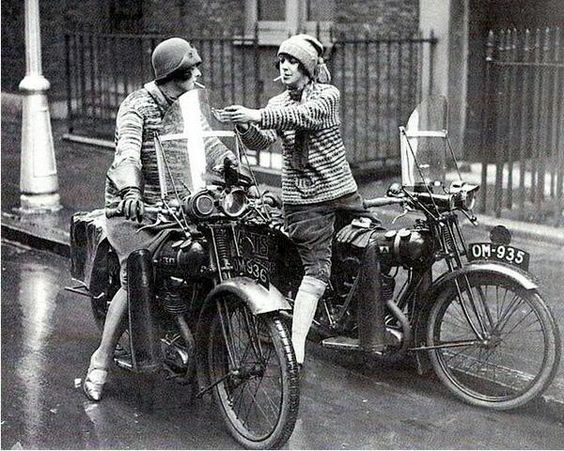
British women on motorcycles, 1930s.

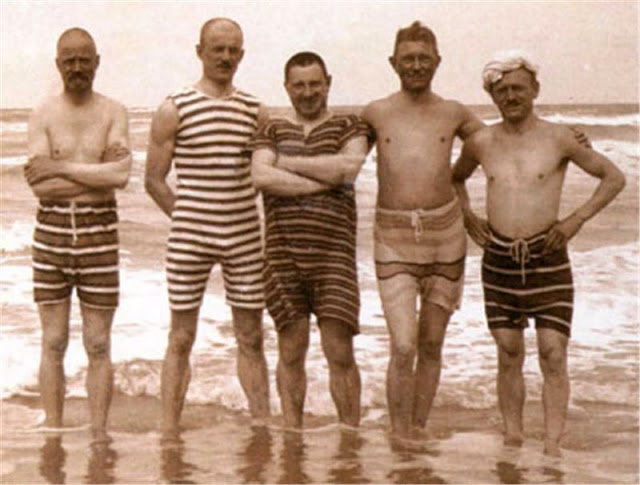
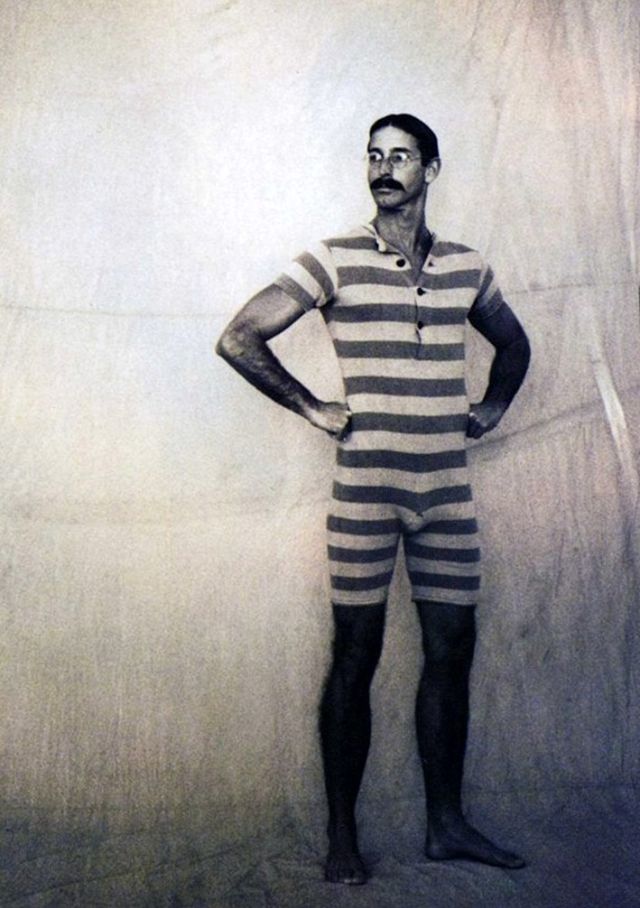
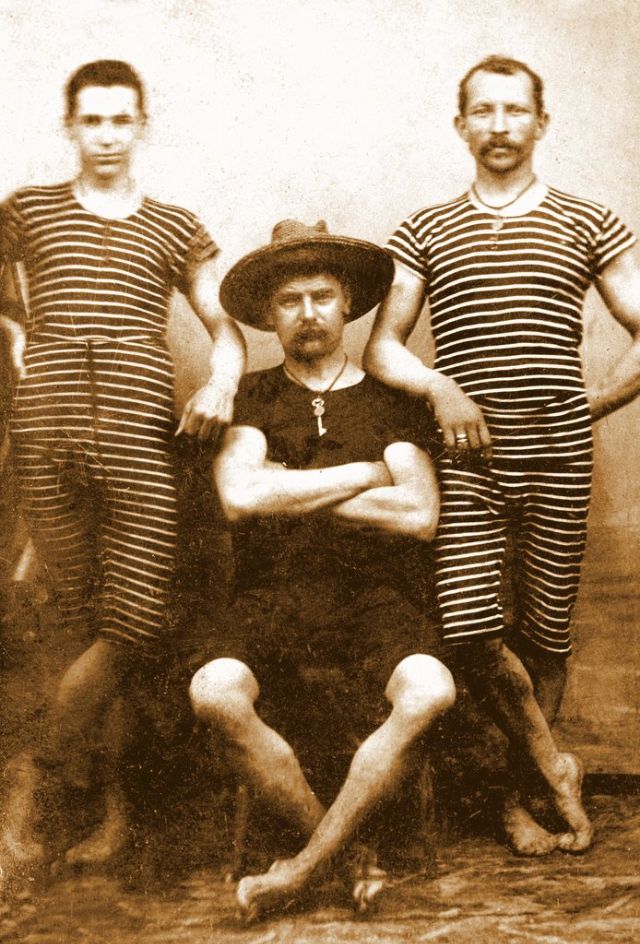
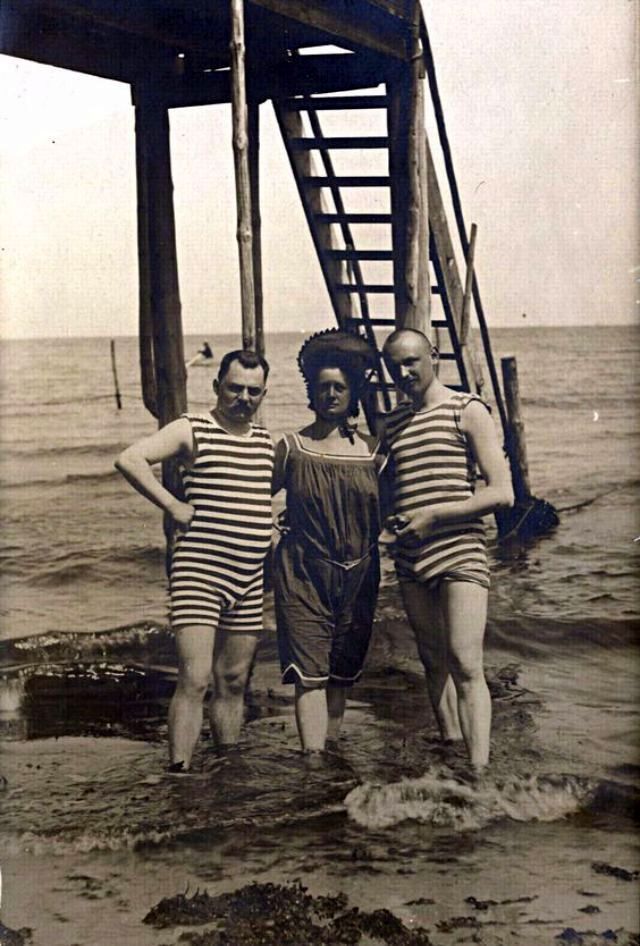
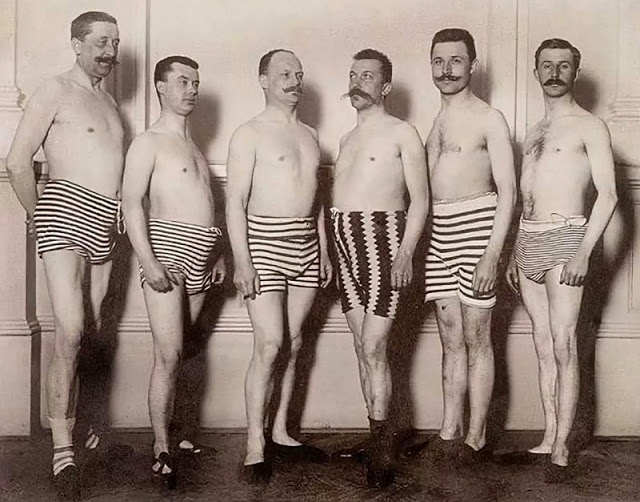
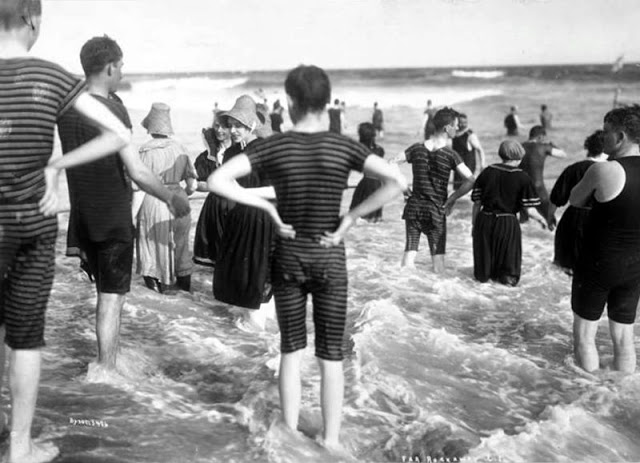
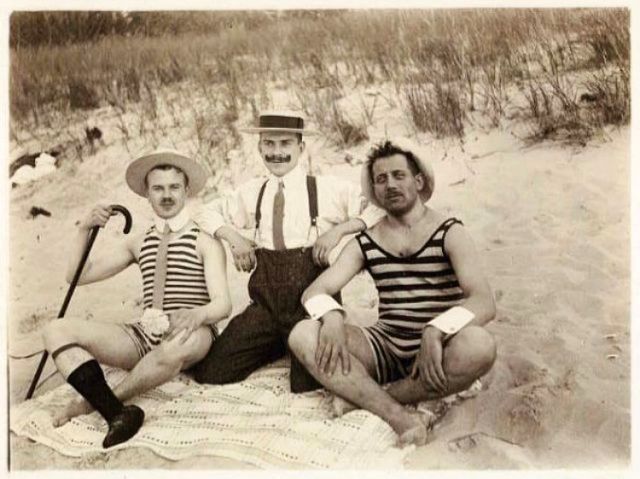
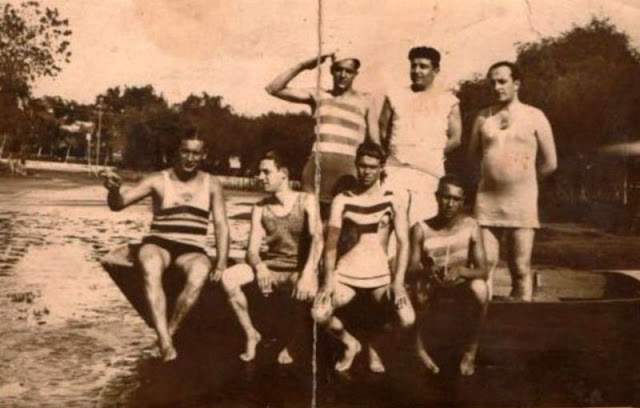
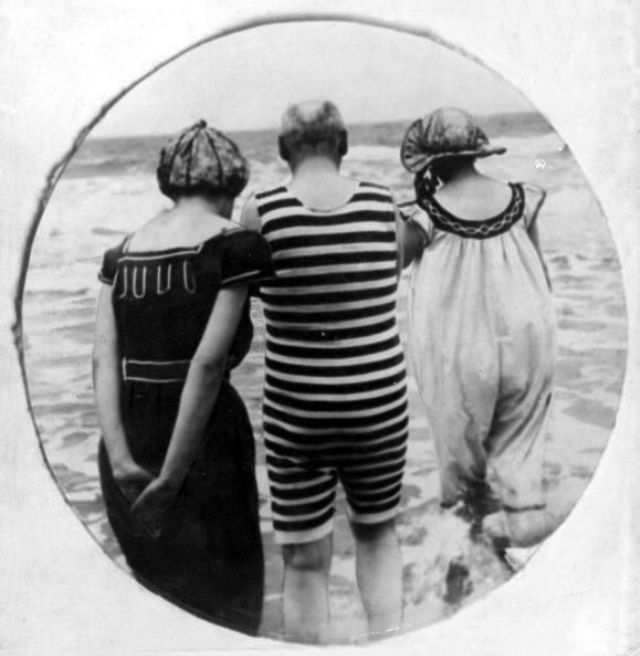
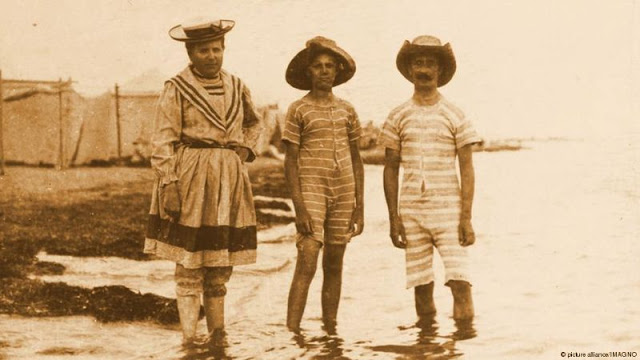
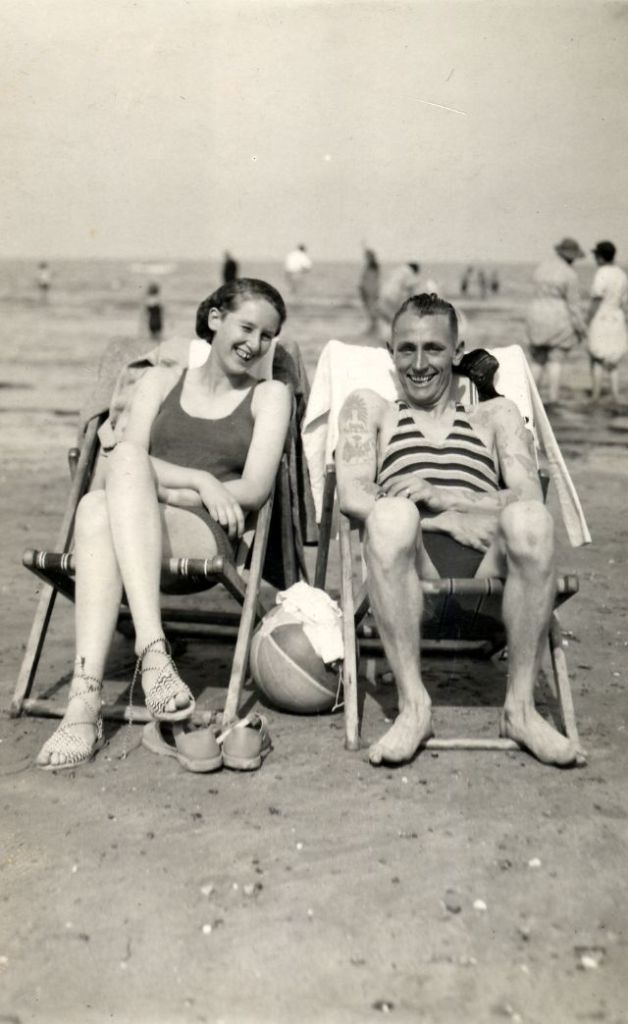
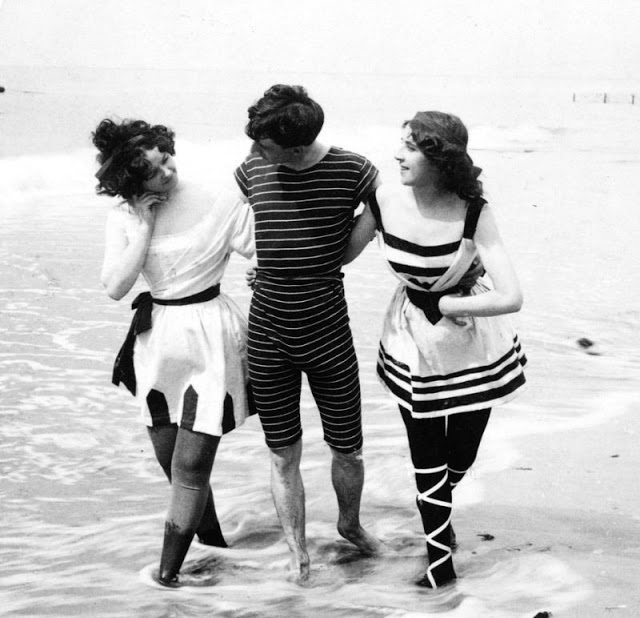
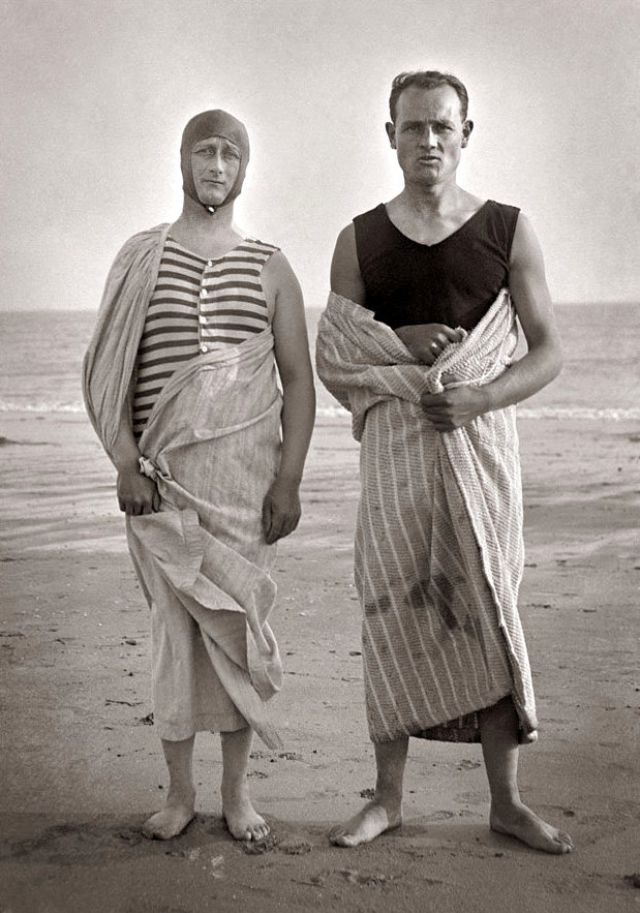
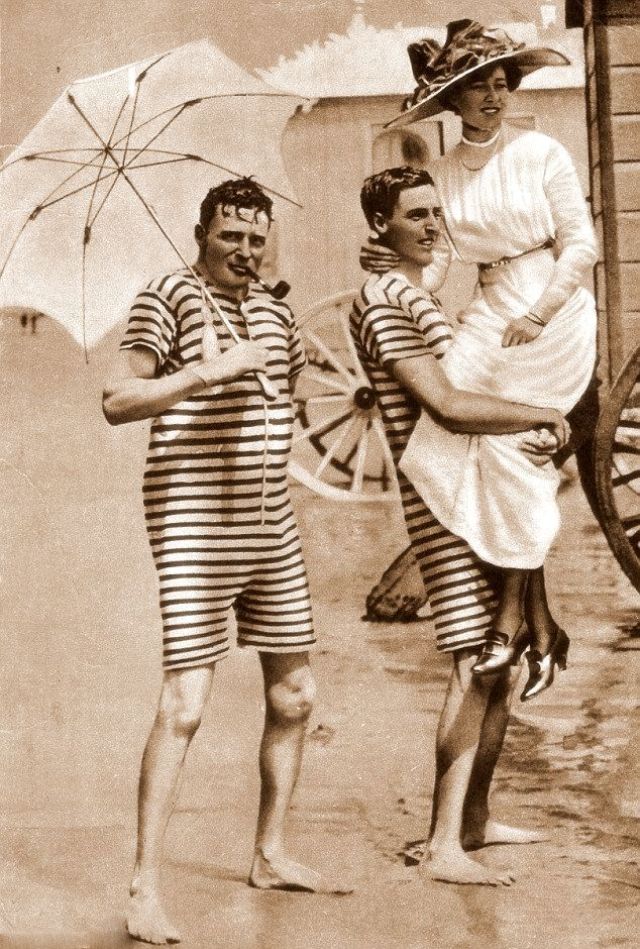
30 Vintage Photos of Men’s Striped Swimwear from the Early 20th Century

In the early 20th century, women were not the only ones to get tighter swimsuits. Men’s swimwear also slimmed down to show off his new athletic body. In many ways, men’s and women’s suits were nearly identical.
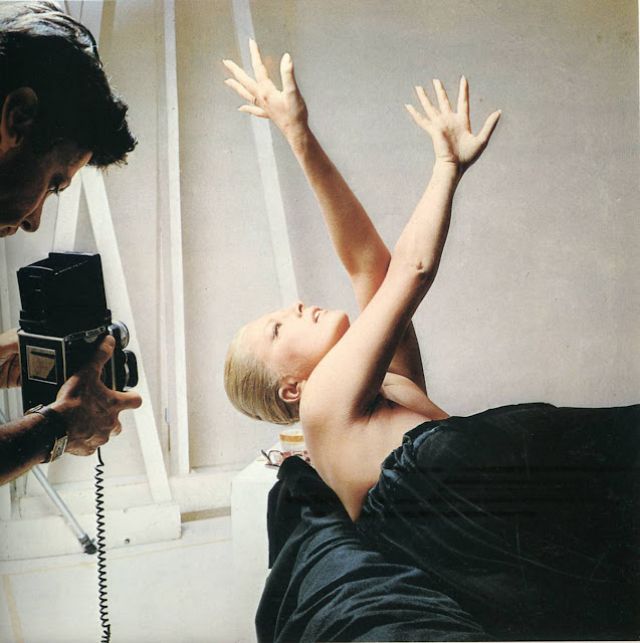
Men’s swimsuit in this period was mostly a one piece tank top and shorts, and the striped ones were often their favorite choices.

43 Haunting Photos Taken Inside Mental Asylums from the Past

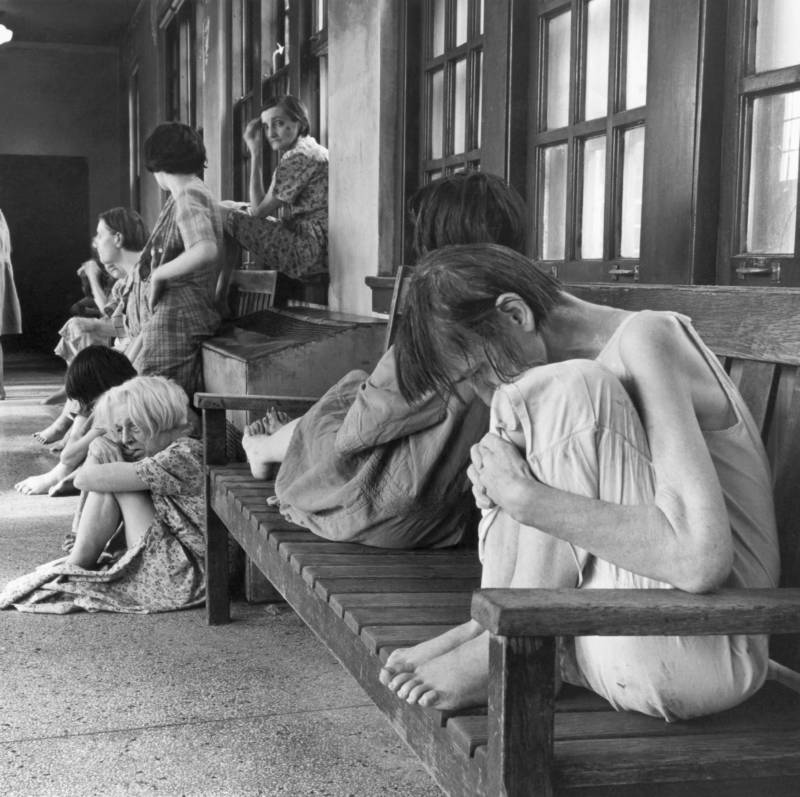
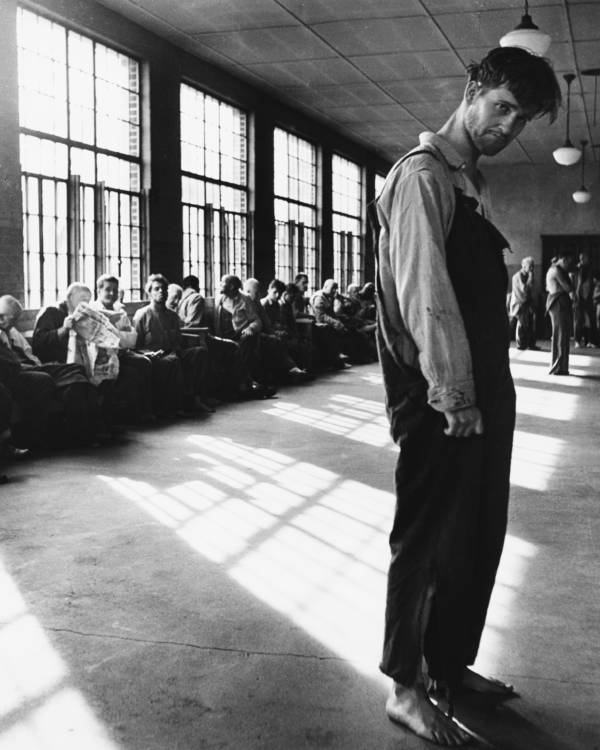
A patient sits inside Ohio’s Cleveland State Mental Hospital in 1946.
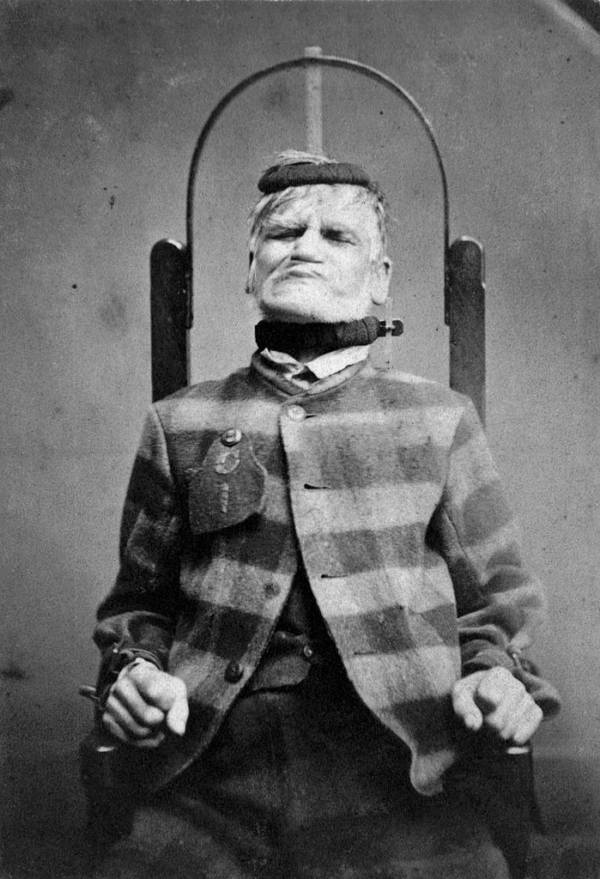
A patient sits in a restraint chair at the West Riding Lunatic Asylum in Wakefield, England in 1869.
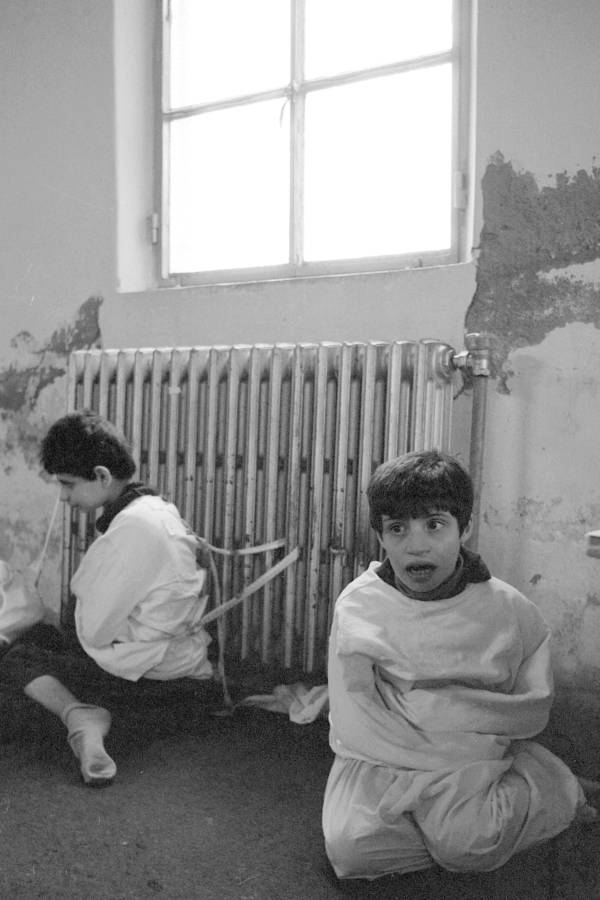
Child patients sit bound and tied to a radiator inside the psychiatric hospital at Deir el Qamar, Lebanon in 1982.
A patient sleeps on a thin mattress on the floor of an otherwise bare room in Ohio’s Cleveland State Mental Hospital in 1946.
A patient sits alone in a dark room inside Ohio’s Cleveland State Mental Hospital on February 3, 1955.
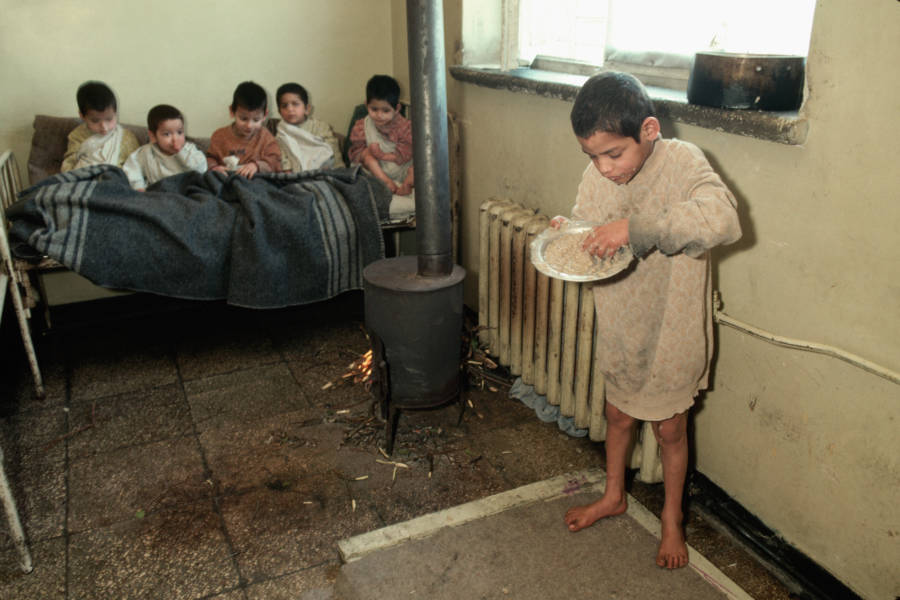
A hungry boy stands alone and eats with his hands as other boys sit together under a blanket on a bed beside a small wood-burning stove at a hospital for mentally-handicapped children in Kavaja, Albania in March 1992.
A psychiatric patient poses for a photo at Paris’ Salpêtrière Hospital circa 1876-1877.
A child patient sits inside Normansfield Hospital in Teddington, England on February 12, 1979.
A patient at a mental hospital undergoes electroshock treatment in 1956.
Patients sit inside Ohio’s Cleveland State Mental Hospital in 1946.
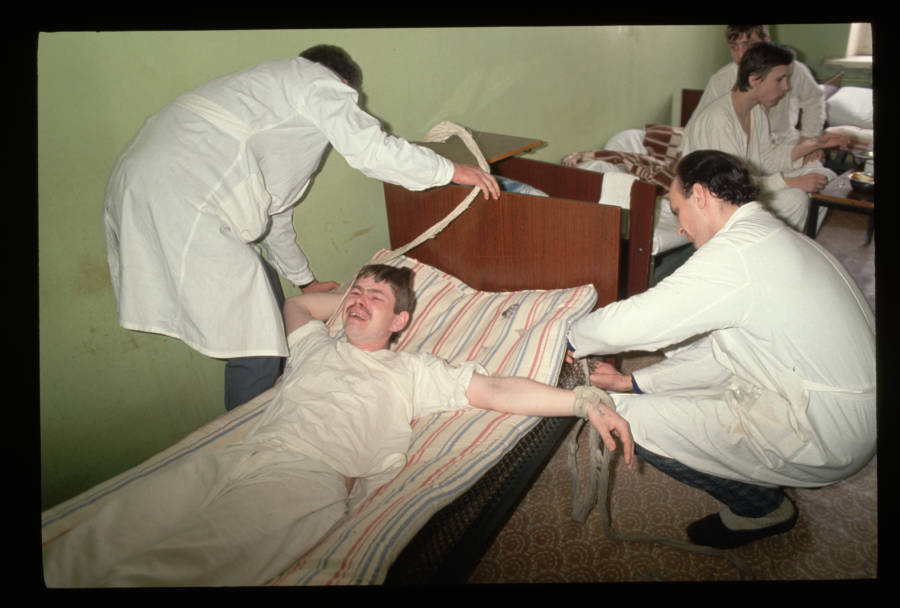
Workers restrain a patient at a hospital in Moscow, Russia on February 19, 1992.
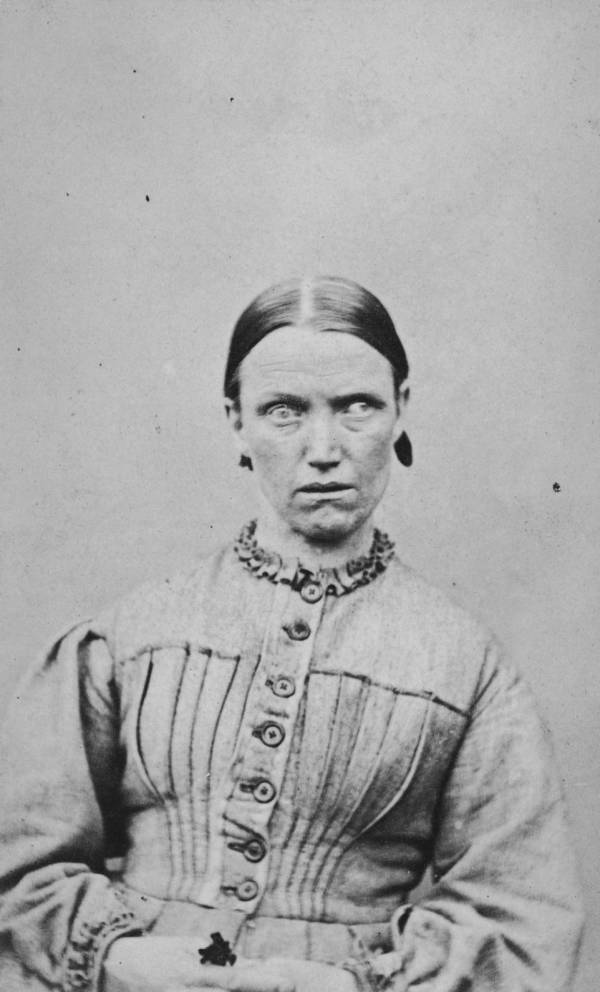
A patient suffering from “general paralysis” poses for a photo at the West Riding Lunatic Asylum in Wakefield, England, 1869.
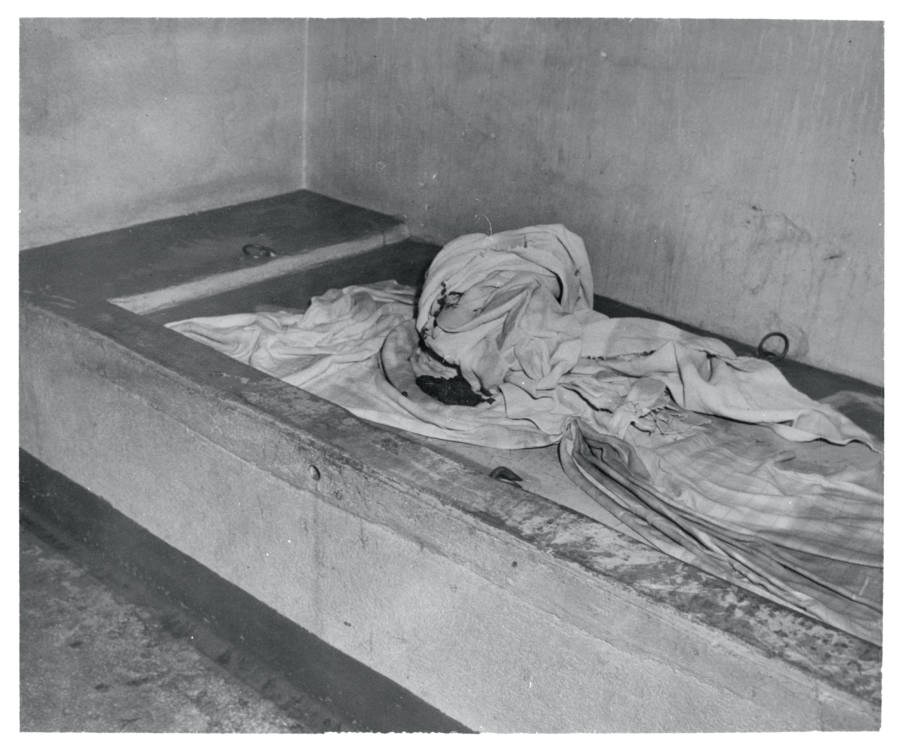
On March 29, 1950, at Philadelphia’s Bella Vista Sanitorium, a fire killed nine patients, five of whom had been chained to concrete slabs like the one pictured.
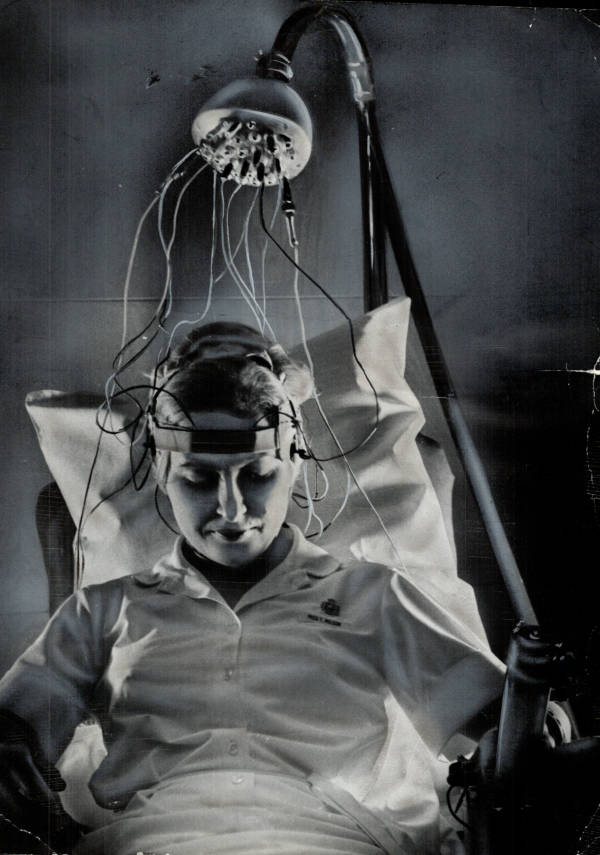
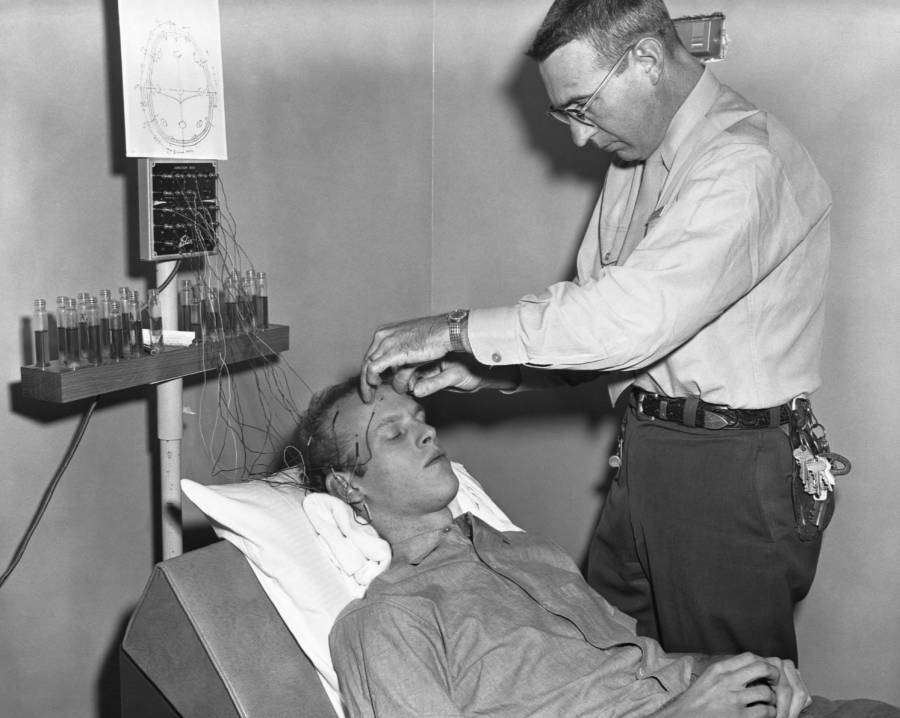
A nurse tests out electronic equipment designed to monitor various patient data at a psychiatric hospital in Toronto on March 12, 1964.
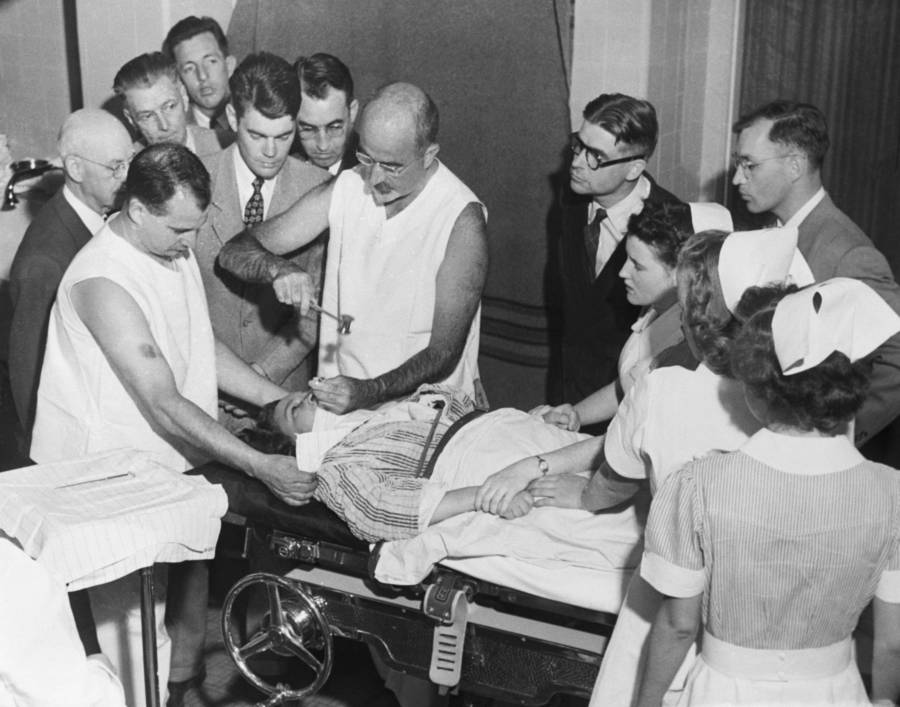
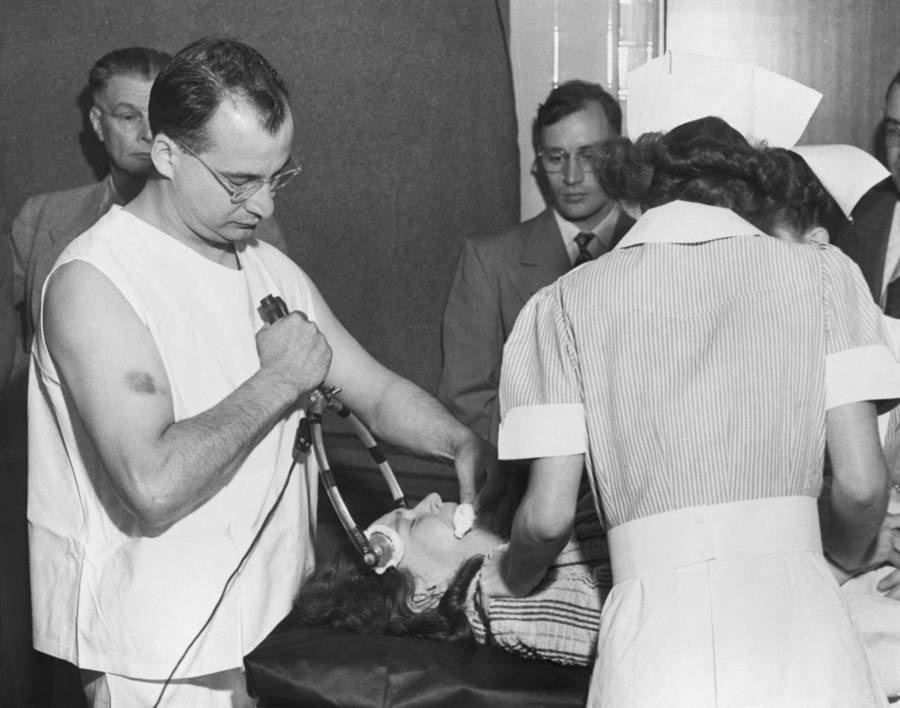
Pioneering and prolific lobotomist Dr. Walter Freeman performs a lobotomy with an instrument similar to an ice pick at Western State Hospital in Lakewood, Washington on July 11, 1949.
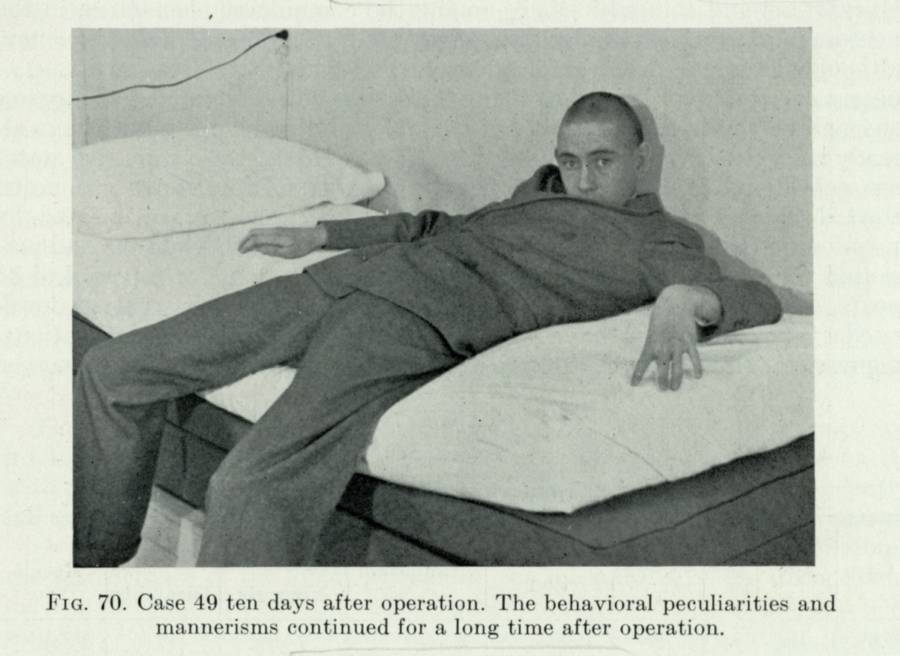
One of Walter Freeman’s lobotomy patients ten days after the procedure. 1942.
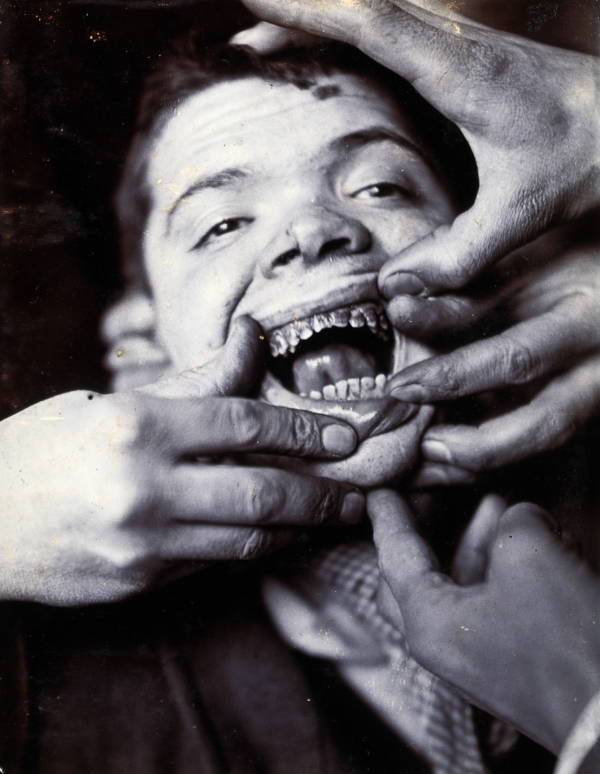
A young patient’s rotted teeth, due to poor dentistry, are revealed at London’s Friern Hospital (previously known as the Colney Hatch Lunatic Asylum) circa 1890-1910.
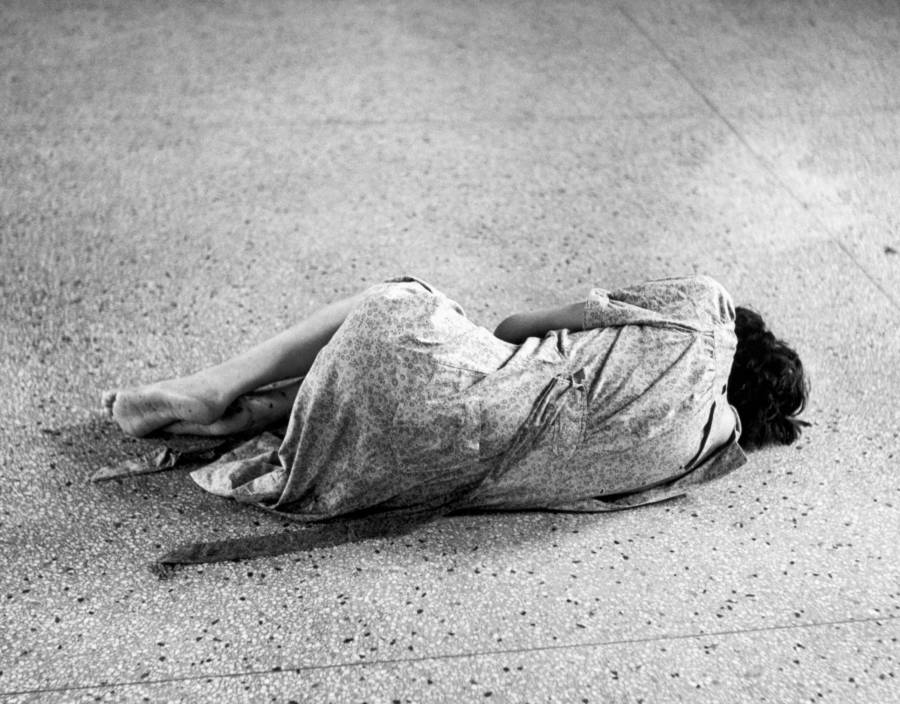
A patient lies on the floor of Ohio’s Cleveland State Mental Hospital in 1946.
Patients go about their day inside Ohio’s Cleveland State Mental Hospital in 1946.
A patient stands in a straightjacket inside Ohio’s Cleveland State Mental Hospital in 1946.
A psychiatric patient poses for a photo at Paris’ Salpêtrière Hospital circa 1876-1877.
Nurses hold down a patient receiving electroshock treatment at a facility in England on November 23, 1946.
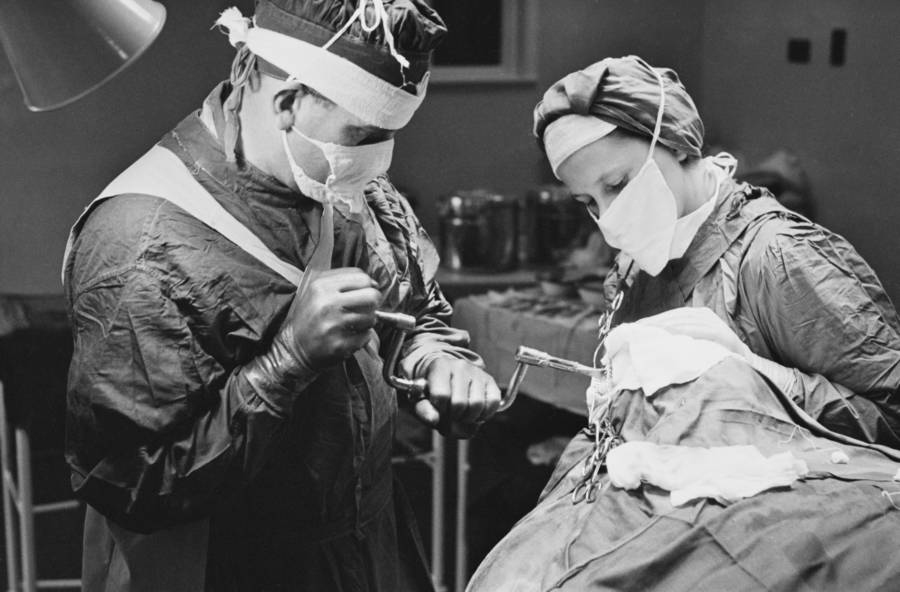
A surgeon uses a brace and bit to drill into a patient’s skull before performing a lobotomy at a mental hospital in England, November 1946.
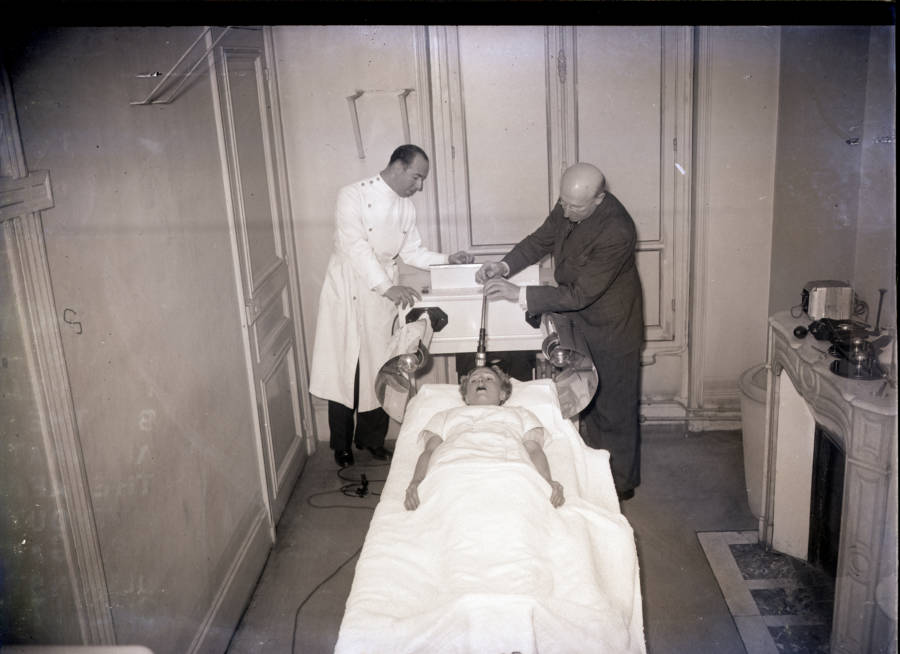
Doctors test a new method of using radio waves to treat psychiatric patients at a hospital in Paris on May 13, 1938.
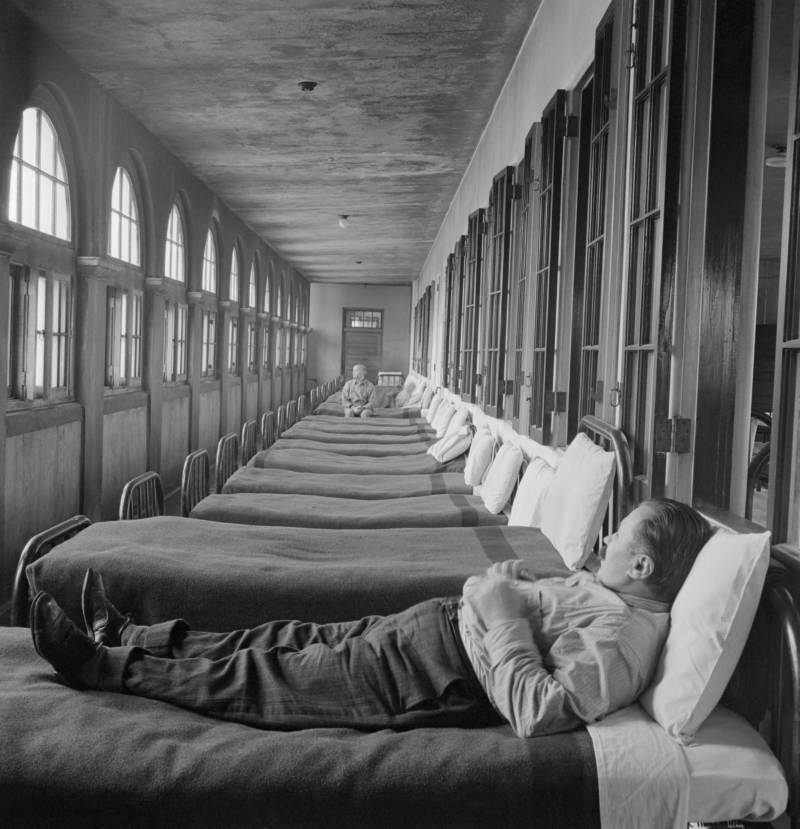
Two patients rest in the sleeping area of Ohio’s Cleveland State Mental Hospital in 1946.
Patients at the Riul Vadului Mental Asylum in Romania huddle together in an unheated room in the middle of winter. Date unspecified.
Dr. James G. Shanklin administers electric shock and anesthesia in preparation for Dr. Walter Freeman to demonstrate his new transorbital lobotomy procedure at Western State hospital in Lakewood, Washington on July 11, 1949.
A prisoner sits inside the West Riding Lunatic Asylum in Wakefield, England in 1869.
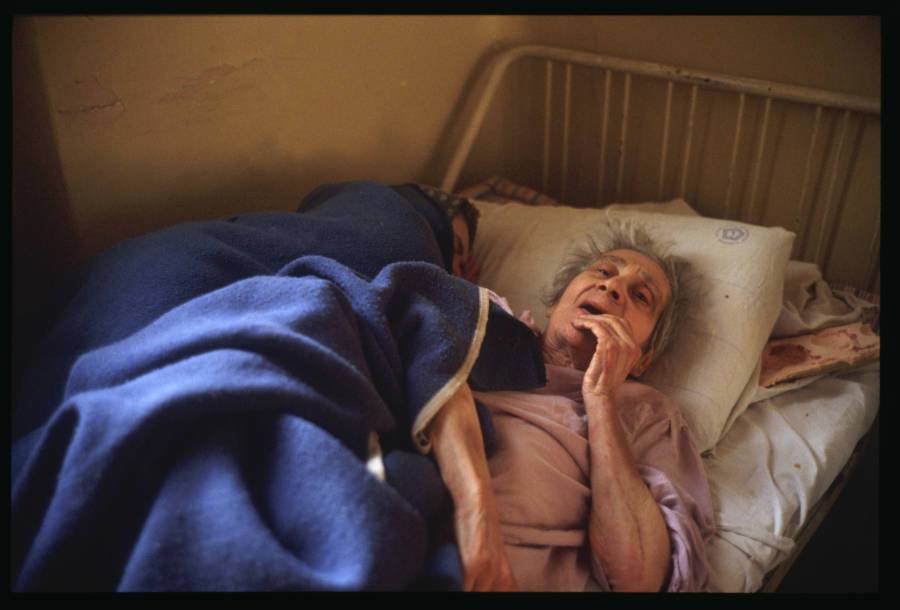
Patients lie on a bed inside a psychiatric hospital in Bucharest, Romania. Date unspecified.
A guard at Vacaville State Prison prepares a prisoner for a lobotomy in 1961. The warden of Vacaville at that time was Dr. William Keating, a psychiatrist who was convinced that “criminality” was lodged in certain areas of the brain, and so lobotomies at Vacaville became routine.
Child patients sit in their room at a mental hospital in Ursberg, Germany circa 1934-1936.
A patient lies back in a Bergonic chair, an early electroshock treatment apparatus, circa World War I.
Dr. James Watts (left) and Dr. Walter Freeman examine a patient after lobotomy. Date unspecified.
A young patient’s rotted teeth, due to poor dentistry, are revealed at London’s Friern Hospital (previously known as the Colney Hatch Lunatic Asylum) circa 1890-1910.
An amputee psychiatric patient of London’s Friern Hospital (previously known as the Colney Hatch Lunatic Asylum) poses for a photo circa 1890-1910.
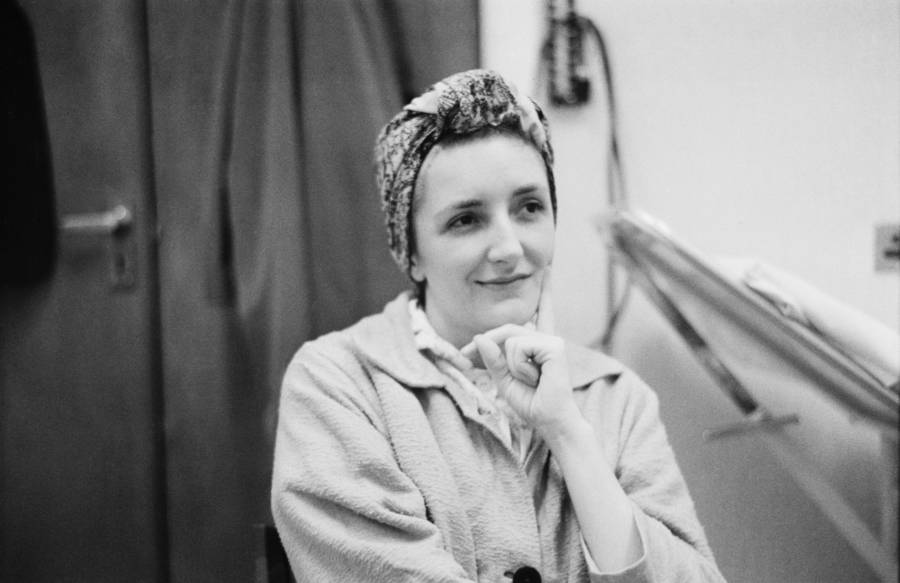
A British patient identified only as “Mary C” poses for a photo following her lobotomy. October 28, 1960.
Ties bind a patient’s feet to a bed at a mental hospital in Bucharest, Romania. Date unspecified.
Patients sit inside Ohio’s Cleveland State Mental Hospital in 1946.
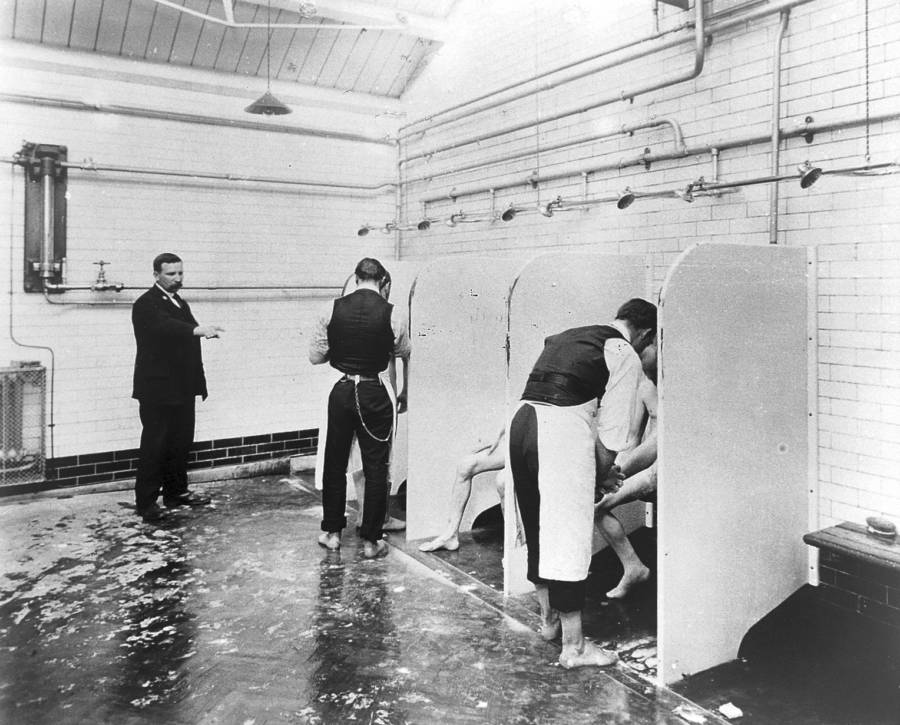
Orderlies wash patients at the Long Grove Asylum in Epsom, England circa 1930.
Orphans share a feces-stained crib at the Riul Vadului Mental Asylum in Romania. Date unspecified.
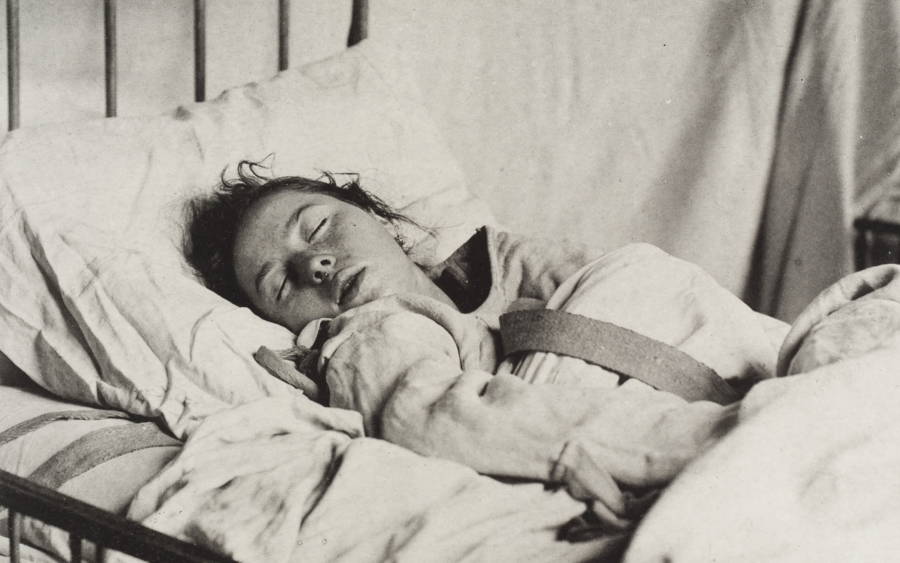
A patient diagnosed with “hysteria-induced narcolepsy” lies strapped down to a bed in Paris’ Salpêtrière Hospital in 1889.
A policeman stands guard at the bars of the ward for psychiatric patients (possibly the “criminal insane,” per original annotation) at New York’s Bellevue Hospital circa 1885-1898.
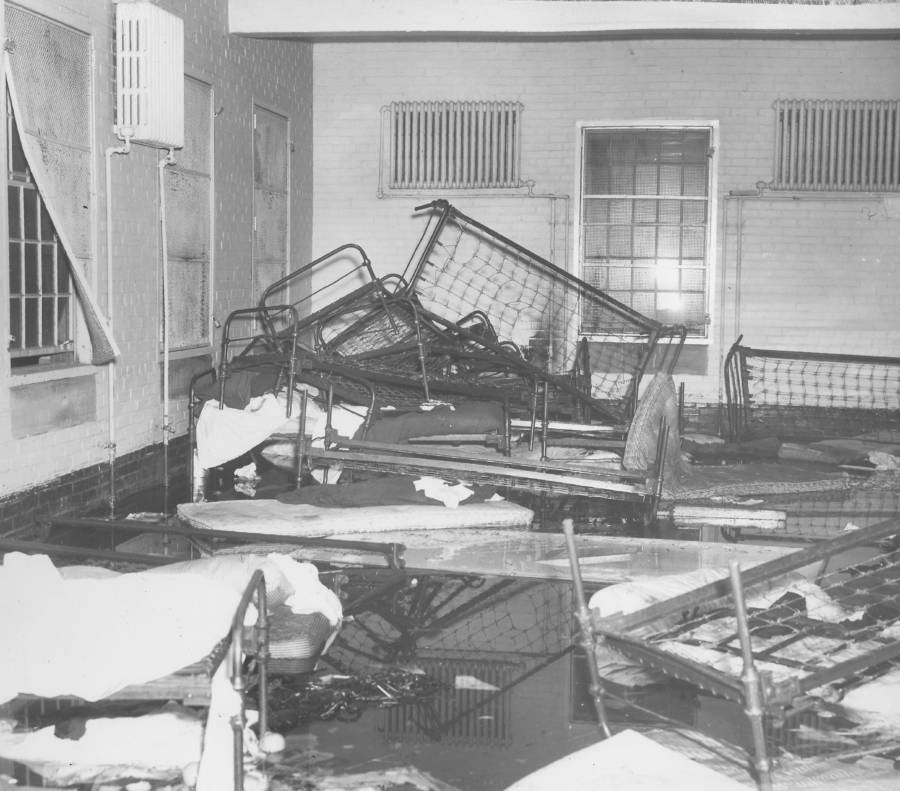
Debris litters the floor at Maryland’s Crownsville State Hospital psychiatric hospital (formerly Hospital for the Negro Insane of Maryland) during the aftermath of a riot in 1949.

Yesterday Today

Bringing You the Wonder of Yesterday - Today

Skip to content ↓