19 Amazing Photos of the Los Angeles Floods in 1934

In a now-familiar Los Angeles story, late 1933 brush fires cleared the vegetation from the hills above the Montrose-La Crescenta section of Los Angeles County. When heavy rains arrived on New Year’s Eve 1934, the neighborhoods were flooded and lives lost.

The Jan. 9, 1934, Los Angeles Times reported the death toll in Los Angeles County as 44 with about half the dead from the Montrose-La-Crescenta area. Another 15 were still missing, six of whom were from the Montrose-La Crescenta area.
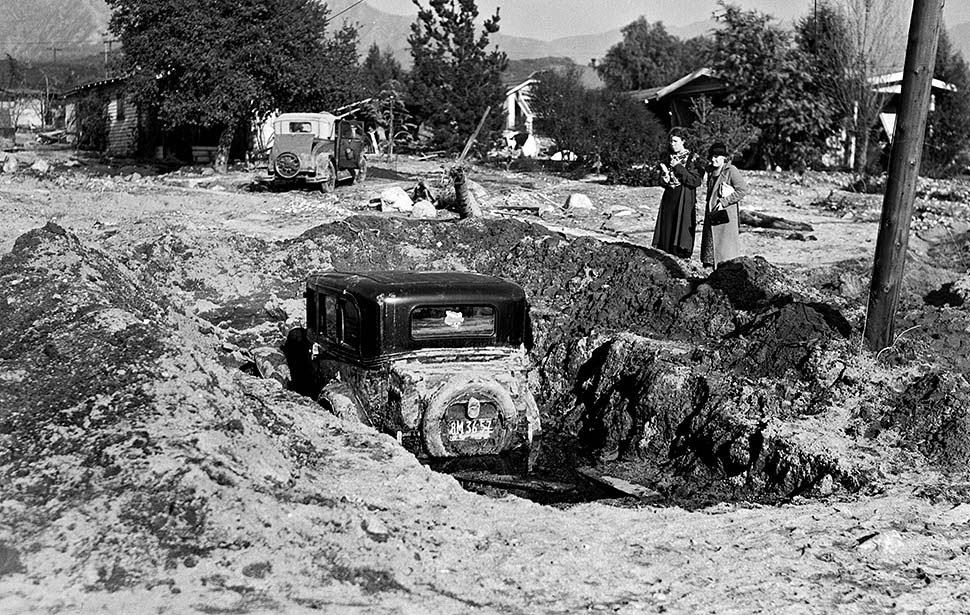
Jan. 2, 1934: Car caught in mud from flooding in La Canada-Montrose. The car is sitting on the pavement of Montrose Avenue.
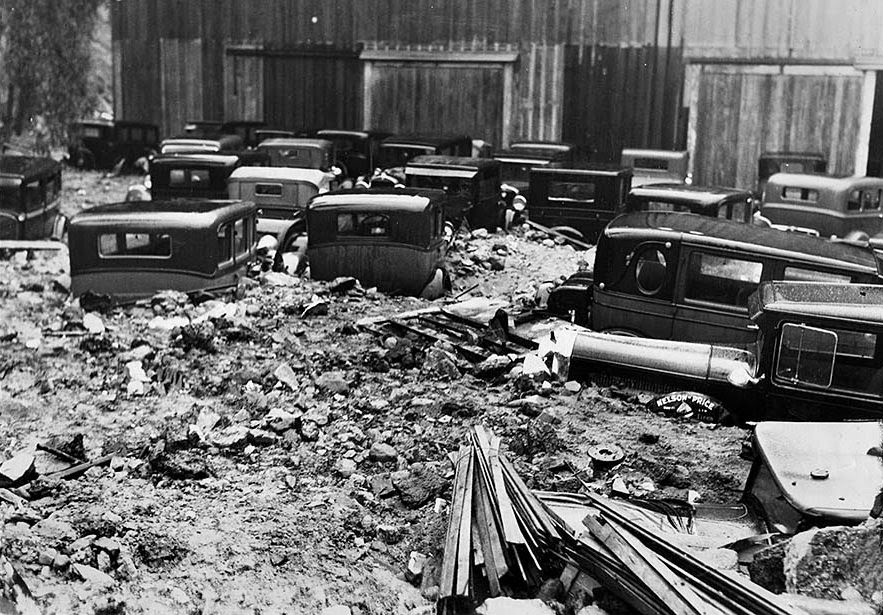
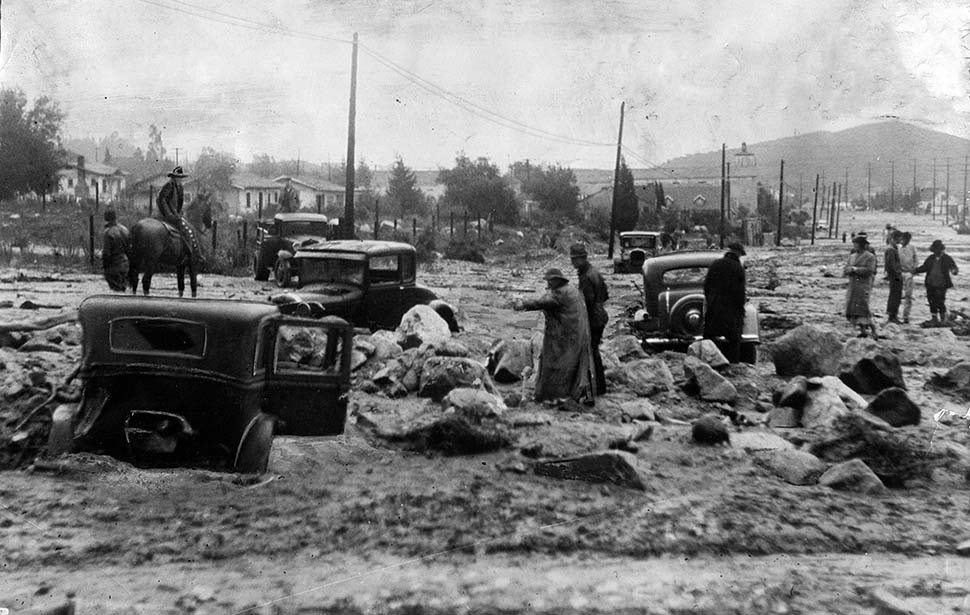
Jan. 1, 1934: Mud, rocks and damaged cars on Montrose Avenue in Montrose after New Year’s flooding.
Jan. 2, 1934: Panorama made from three negatives in the Los Angeles Times Archive at UCLA showing mud-covered Honolulu Ave. in Montrose. This panorama was published in the Jan. 3, 1934 Los Angeles Times.
Jan. 1, 1934: Cars marooned outside Bohemian Gardens at 3890 Mission Road, East Los Angeles.
Jan. 1. 1934: A milk truck is almost completely submerged on Whittier Blvd. under Union Pacific railroad bridge. This photo was published in the Jan. 2, 1934 Los Angeles Times.
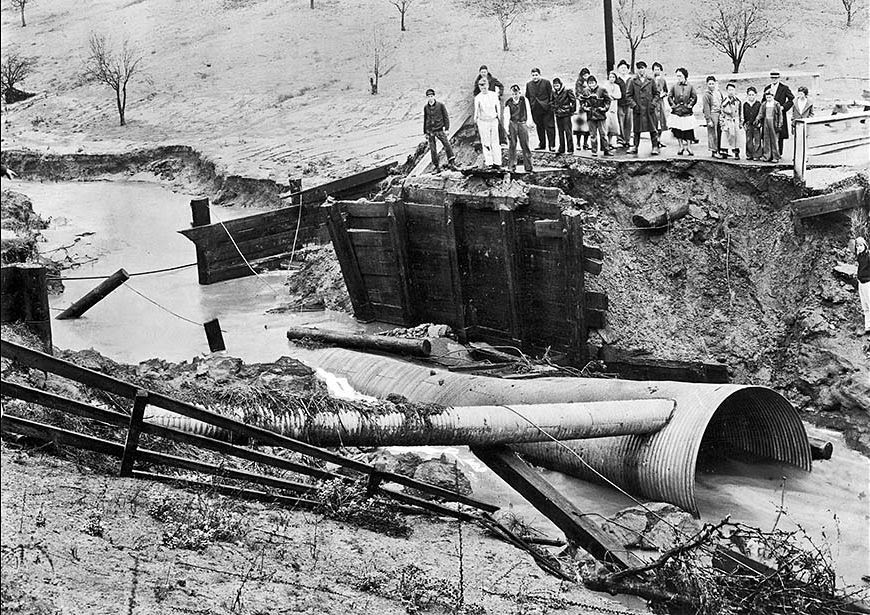
Jan. 1, 1926: Crowd gathers at the washed out Mesa St. bridge where four people drowned with their auto plunged into the Rubio Wash. The wash is west of San Gabriel Boulevard in the Monterey Park area. This photograph was published in the Jan. 2, 1926 Los Angeles Times.
Jan. 1, 1934: Five people drowned when this car and Rush Avenue bridge was swept into the Alhambra Wash, near present day Whittier Narrows Recreation Area. This photo was published in the Jan. 2, 1934 Los Angeles Times.
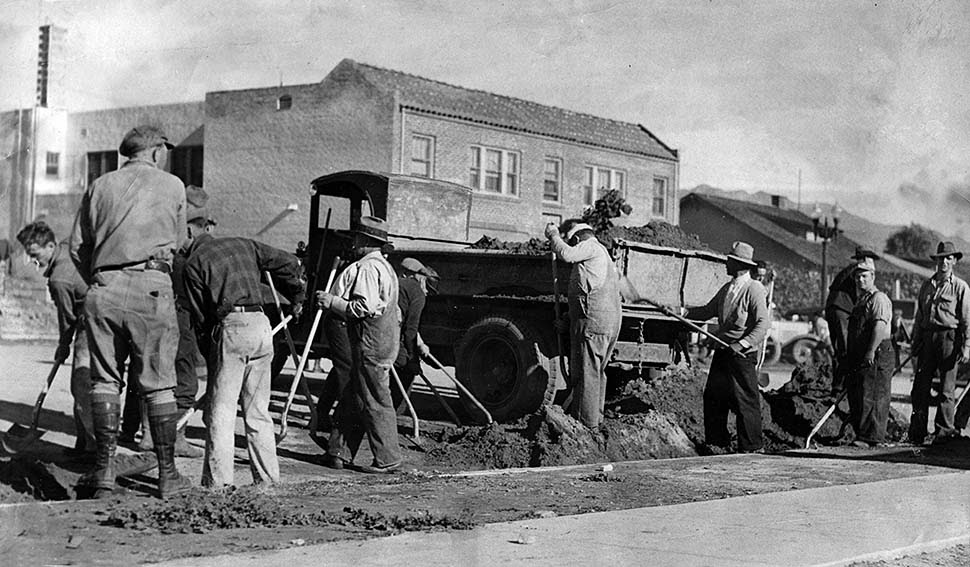
Jan. 4, 1934: Civil Works Administration men from Pasadena help clear Honolulu Ave. in Montrose following flooding during New Year Eve rain storm. This photo was published in the Jan. 5, 1934 Los Angeles Times.
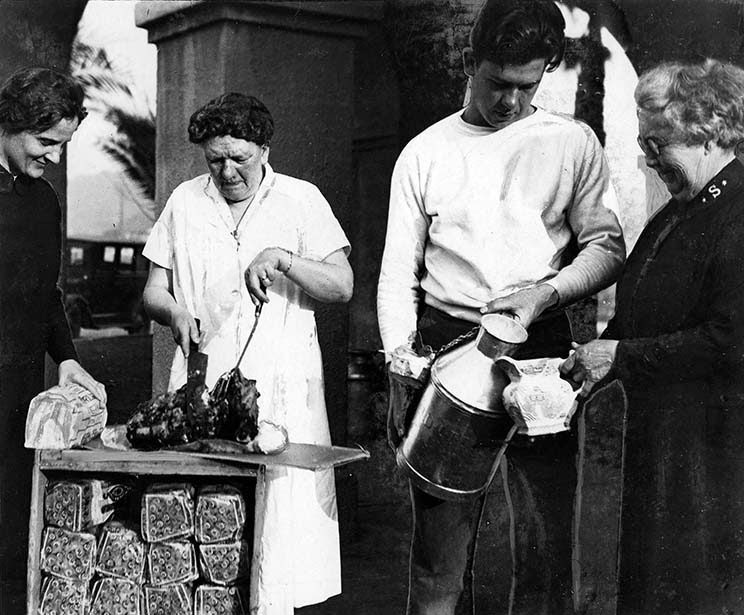
Jan. 3, 1934: Following the New Years Eve flooding in Montrose, food kitchen is set up to help survivors. This photo was published in the Jan. 4, 1934 Los Angeles Times.
Jan. 1934: American Legion Hall in Montrose following the New Years Eve flood were a dozen people were reported killed. The building was located at the intersection of Fairway Ave. and Rosemont Ave.
Jan. 1, 1934: House in La Cresenta-Montose area was swept off its foundation and carried hundreds of feet by New Year Eve flooding. This photo was published in the Jan. 2, 1934 Los Angeles Times.
Jan. 2, 1934: Burro used to move water and supplies after New Years Eve flooding in La Crescenta area. This photo was published in the Jan. 3, 1934 Los Angeles Times.
Jan. 3, 1934: Cars parked on the dirt, left, show the depth of debris on roadway being cleared on Foothill Blvd., in Montrose. The boulder on right is fifty feet in circumference. This photo was published in the Jan. 4, 1934 Los Angeles Times.
Oct. 17, 1934: Cars caught in the flooding on Honolulu Ave., near Rosemont in Montrose. This photo was published in the Oct. 18, 1934 Los Angeles Times. NOTE: Montrose hit twice in 1934 by bad flooding, first on Jan. 1st then Oct. 17.
Oct. 18, 1934: Severly damaged home located at Sunset Ave. near Florencita St. in Montrose. This photo was published in the Oct. 18, 1934 Los Angeles Times. Monrose suffered two major floods in 1934, this October event and a more damaging one on Jan. 1, 1934.
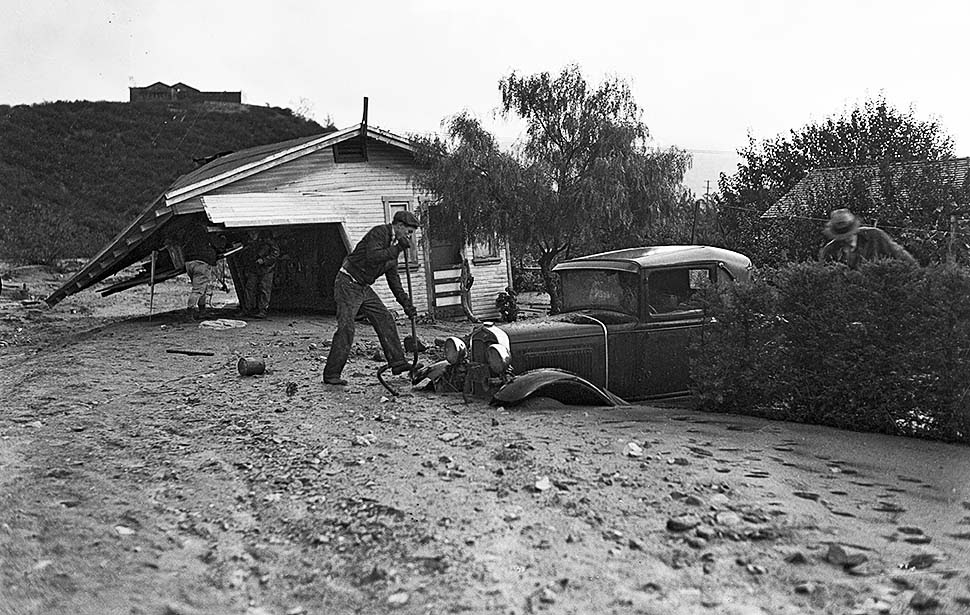
Oct. 18, 1934: Workers dig out car and remains of home on Glenada Ave. in Montrose following flooding from a storm the night before.
Oct. 18, 1934: Garage on Glenda Ave. in Montose is destroyed by flooding, but car survived. This photo was published in the Oct. 19, 1934 Los Angeles Times.
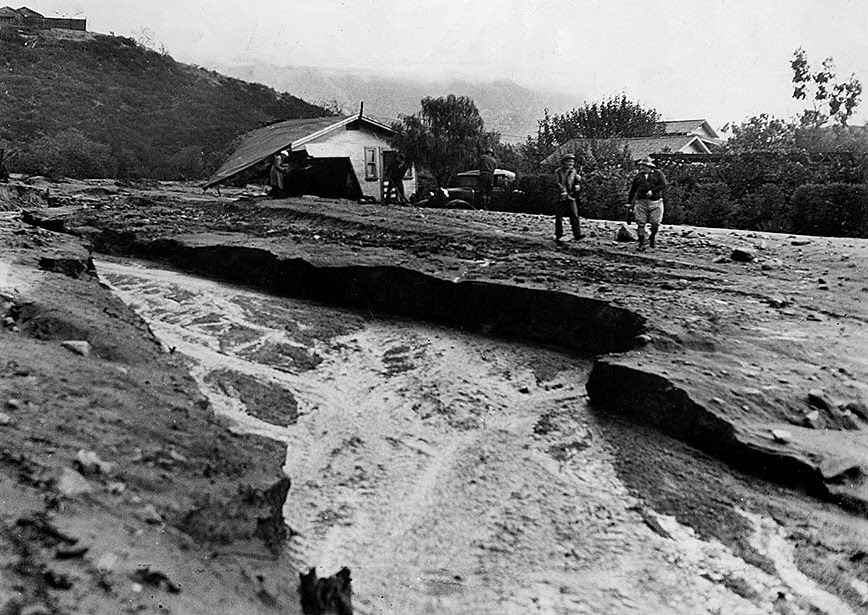
Oct. 18, 1934: Water flows through the Hall-Beckley Wash where it intersects with Glenada Ave. in Montrose. This photo was published in the Oct. 19, 1934 Los Angeles Times.
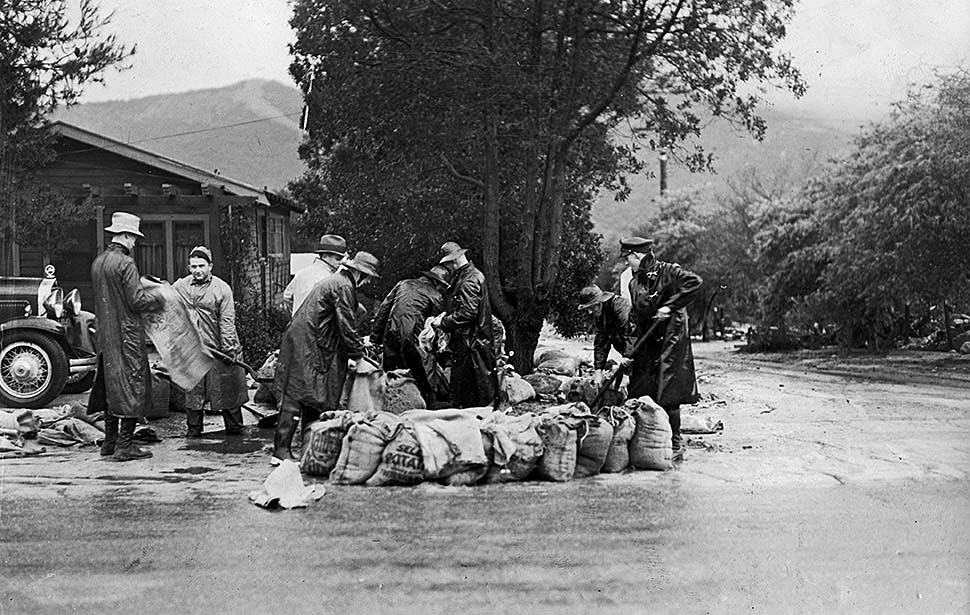
Dec. 13, 1934: Workmen at Honolulu and Agner Streets in Montrose setting up sand bags at a known flood danger point. Montorose suffered major flooding in January and October of 1934. This photo was published in the Dec. 14, 1934 Los Angeles Times.

22 Wonderful Photos of Bands On Stage during the 1985 Live Aid Concert at Wembley Stadium

On July 13, 1985, at Wembley Stadium in London, Prince Charles and Princess Diana officially open Live Aid, a worldwide rock concert organized to raise money for the relief of famine-stricken Africans.

Organized in just 10 weeks, Live Aid was staged on Saturday, July 13, 1985. More than 75 acts performed, including Elton John, Madonna, Santana, Run DMC, Sade, Sting, Bryan Adams, the Beach Boys, Mick Jagger, David Bowie, Queen, Duran Duran, U2, the Who, Tom Petty, Neil Young, and Eric Clapton. The majority of these artists performed at either Wembley Stadium in London, where a crowd of 70,000 turned out, or at Philadelphia’s JFK Stadium, where 100,000 watched. Thirteen satellites beamed a live television broadcast of the event to more than one billion viewers in 110 countries. More than 40 of these nations held telethons for African famine relief during the broadcast.

The Prince and Princess of Wales in the Royal Box after opening the Live Aid concert.
Live Aid organiser Bob Geldof performs on stage.
Alison Moyet and Paul Young on stage during the Live Aid charity concert.
Freddie Mercury of Queen on stage during the Live Aid concert.
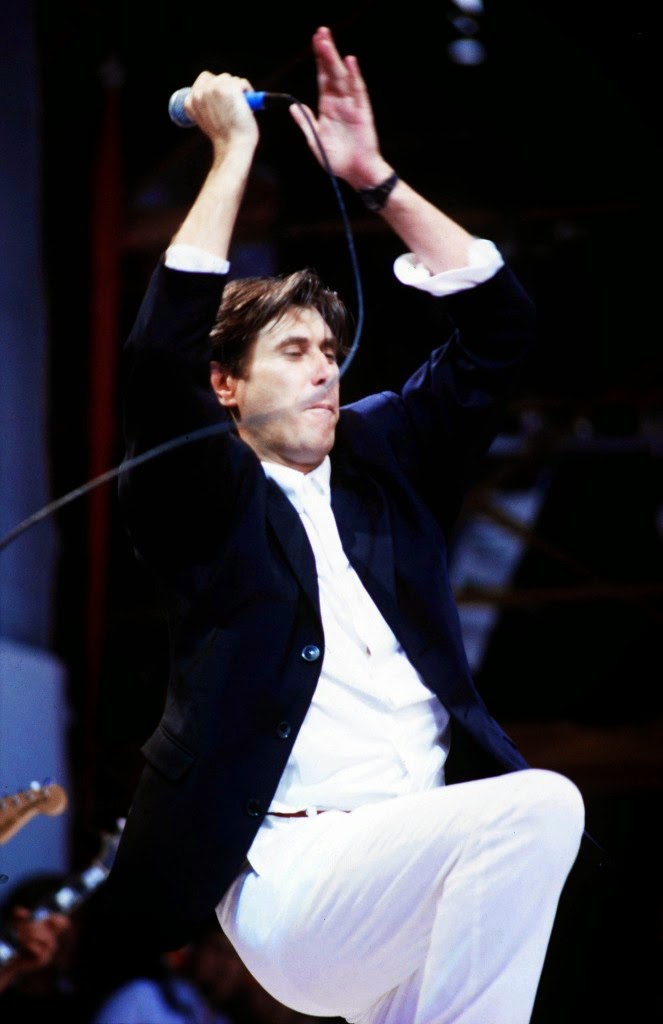
Singer Bryan Ferry performing during the 1985 Live Aid concert at Wembley Stadium, London.
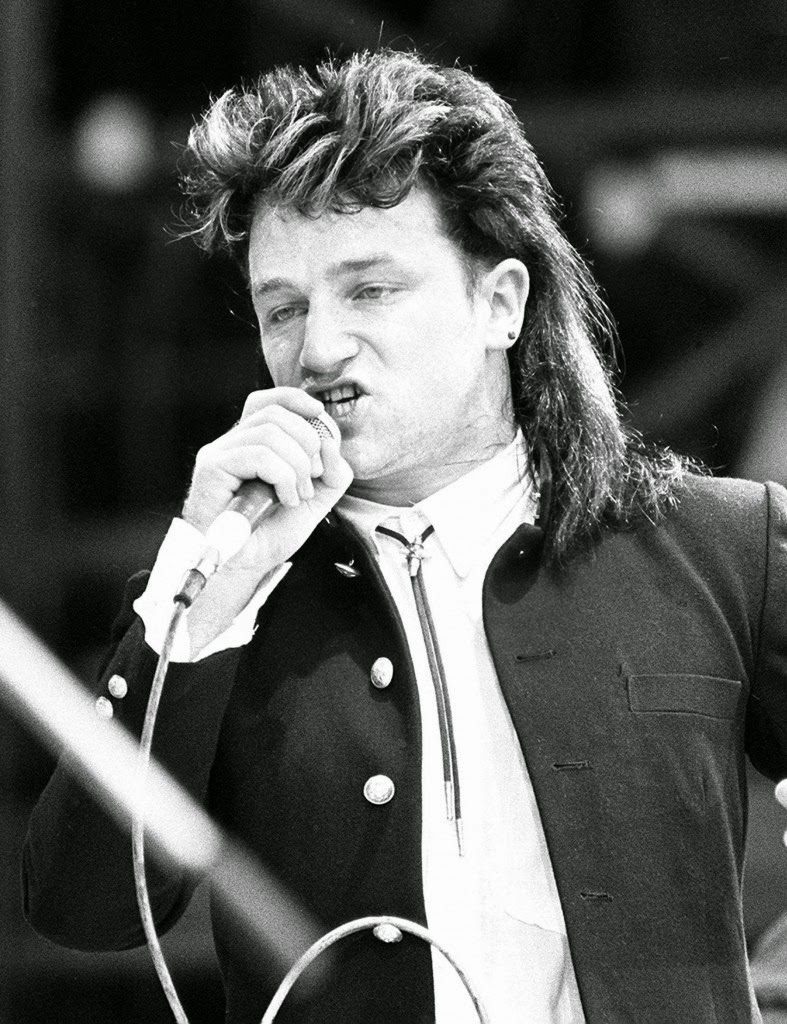
Rock star Bono, the 25-year-old lead singer with the Irish group U2, performing at the Live Aid concert in July this year.
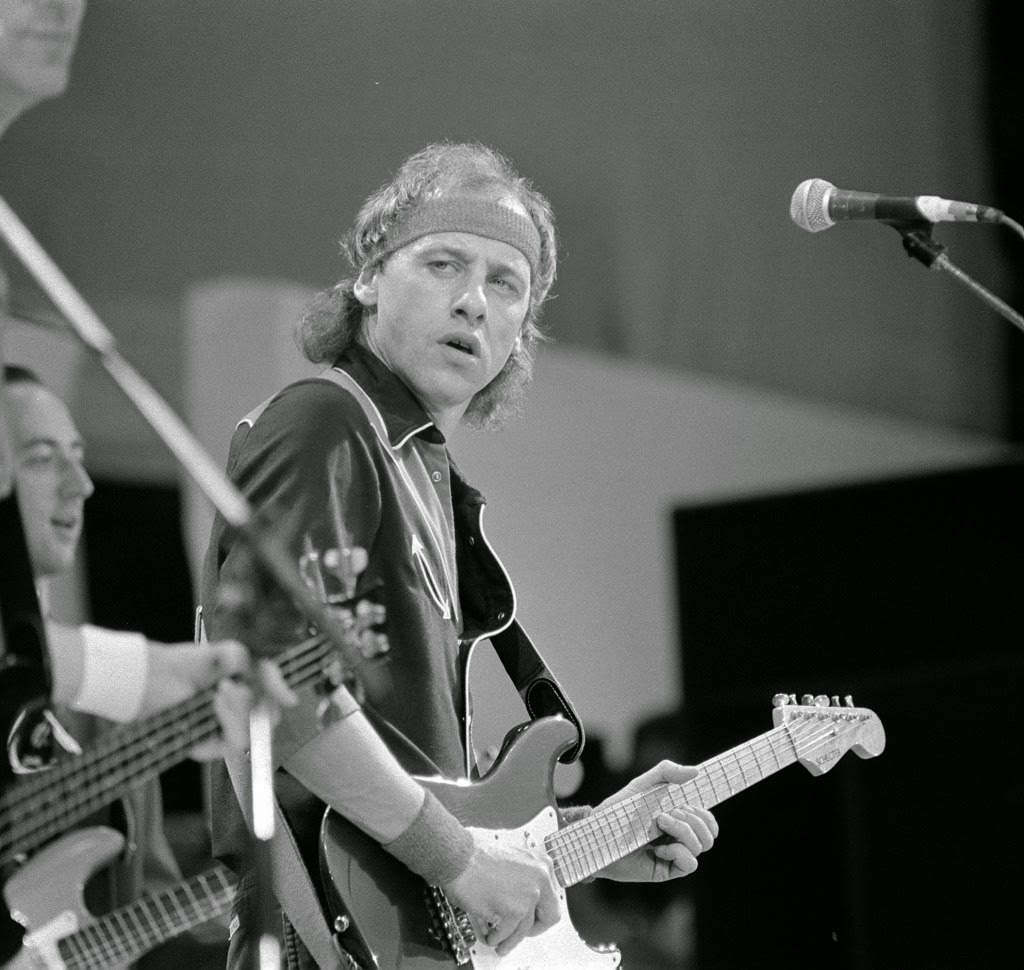
Leader of Dire Straits rock band, Mark Knopfler performs at the Live Aid concert.
George Michael of Wham performing at Live Aid.
Singer Sade performs on stage.
Adam Ant performing.
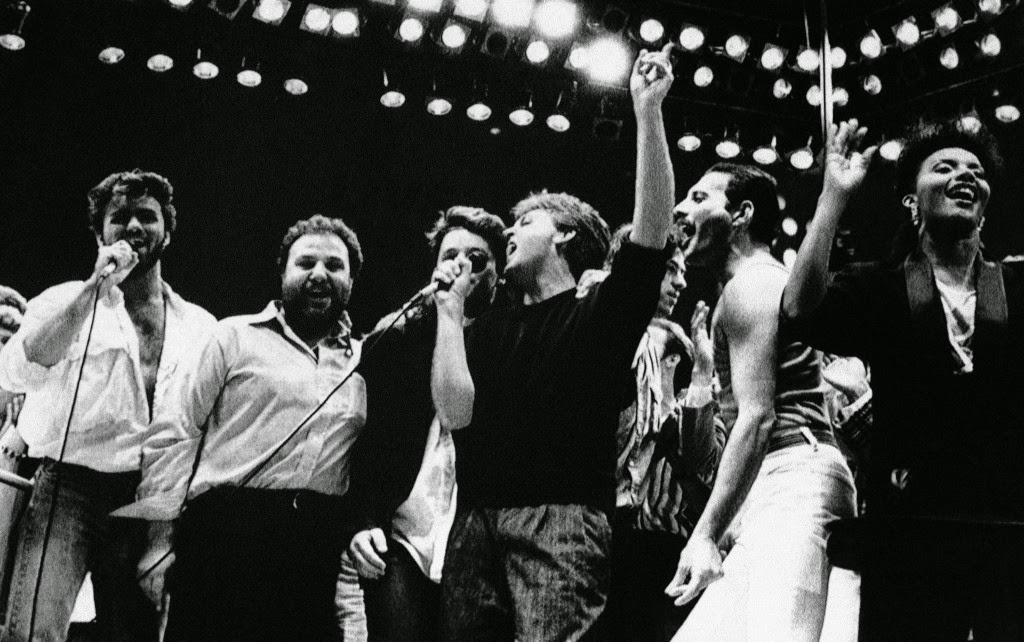
Left to right: Bono of U2, Paul McCartney, and Freddy Mercury of Queen, during the finale.
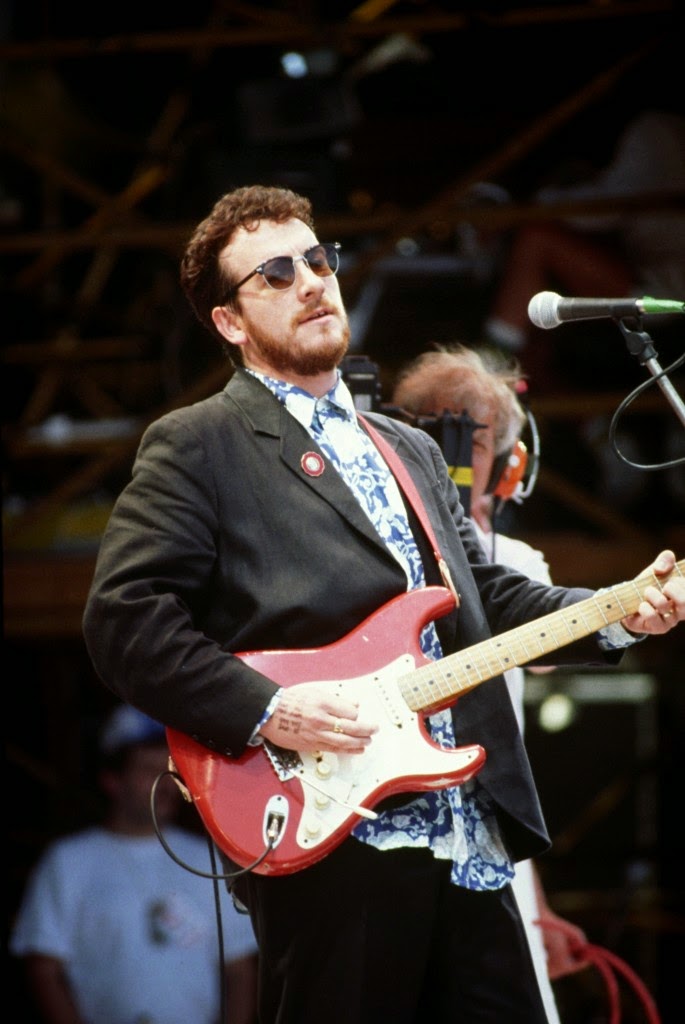
Elvis Costello performing on stage.
British and Irish singers perform on stage at the Live Aid concert at Wembley Stadium, London, England, on July 13, 1985. From left are George Michael of Wham, Bob Geldolf, Bono of U2, Freddie Mercury of Queen, Andrew Ridgley of Wham! and Howard Jones.
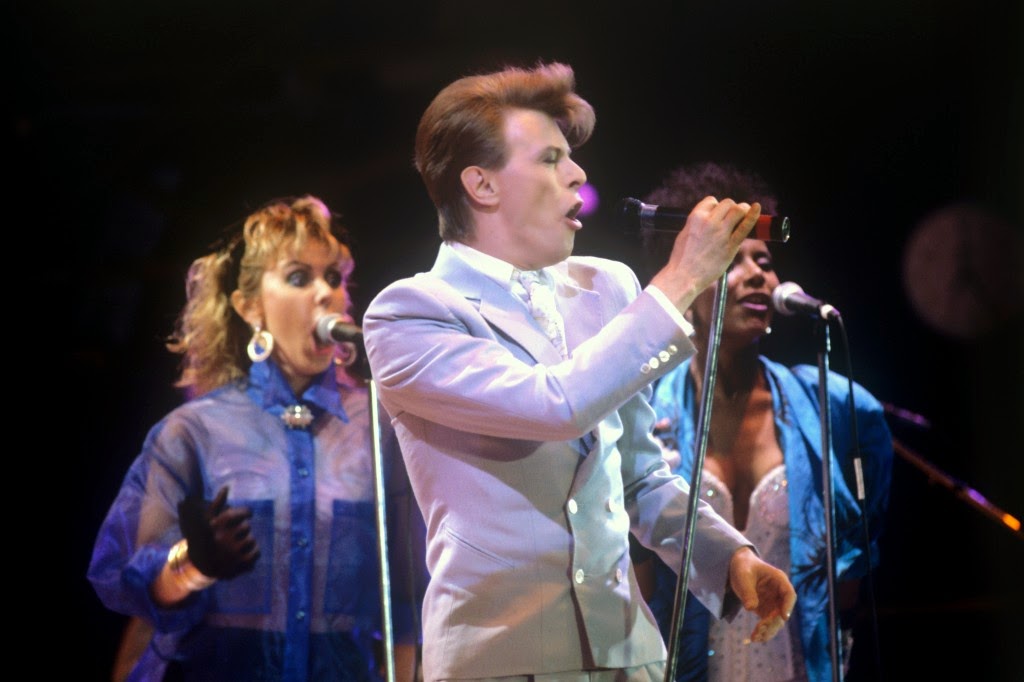
British singer David Bowie performs at Live Aid famine relief concert at Wembley Stadium.
British pop singers Phil Collins, left, and Sting are shown on stage during the Live Aid concert held at London’s Wembley Stadium, England, July 13, 1985.
Paul McCartney,center with arm raised, joins in the finale of the London Live Aid Famine Relief Concert in London on July 13, 1985. Others, from left, are George Michael of Wham; Harvey Goldsmith, concert promoter; Bono of U2 (face obscured); McCartney; Bob Geldof, organizer; Freddie Mercury of Queen; and unidentified backing singer.
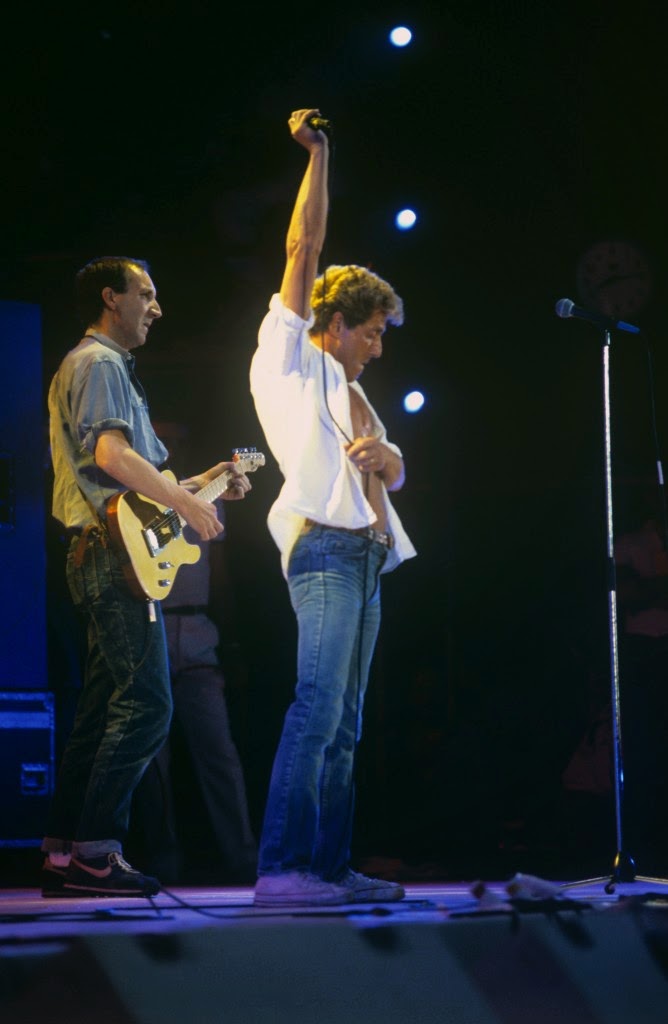
Roger Daltrey (l) and Pete Townshend reunited on stage as The Who at the Live Aid concert.
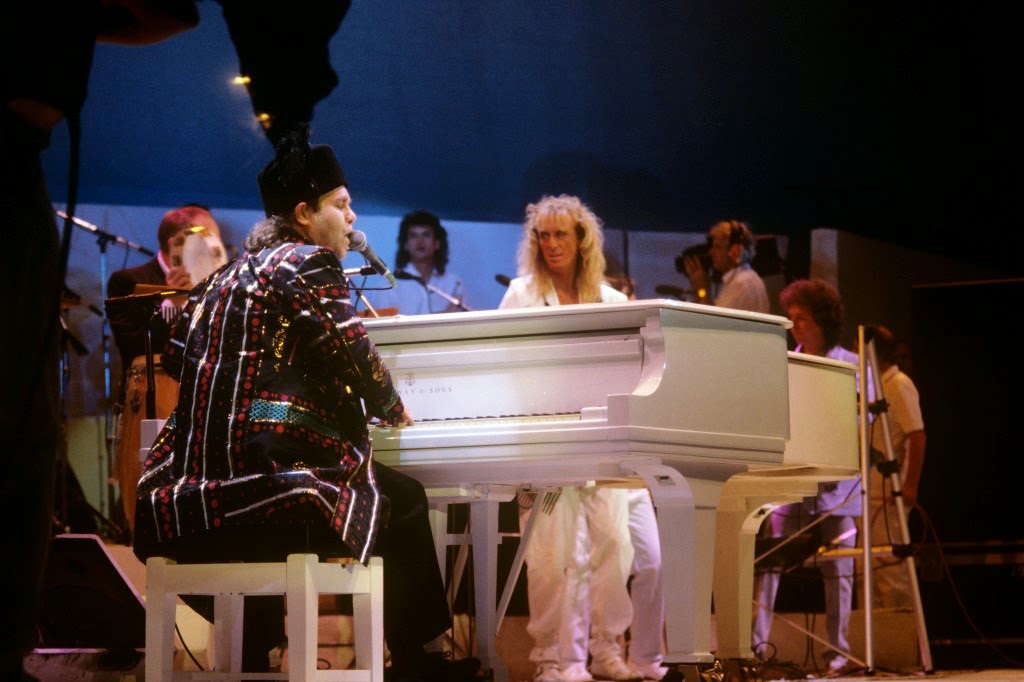
Elton John at the piano during the Live Aid Concert.
David Bowie performs on stage. The backing singer on the left is Tessa Niles.
The Who perform at the Live Aid concert, Wembley Stadium, London.
Roger Daltrey (l) and Pete Townshend reunited on stage as The Who at the Live Aid concert.
Bono, Paul McCartney and Freddie Mercury were among pop stars to join in Live Aid.

50 Incredible Vintage Photos of Life in America during the 1950s Volume 1

Subscribe to continue reading

Become a paid subscriber to get access to the rest of this post and other exclusive content.
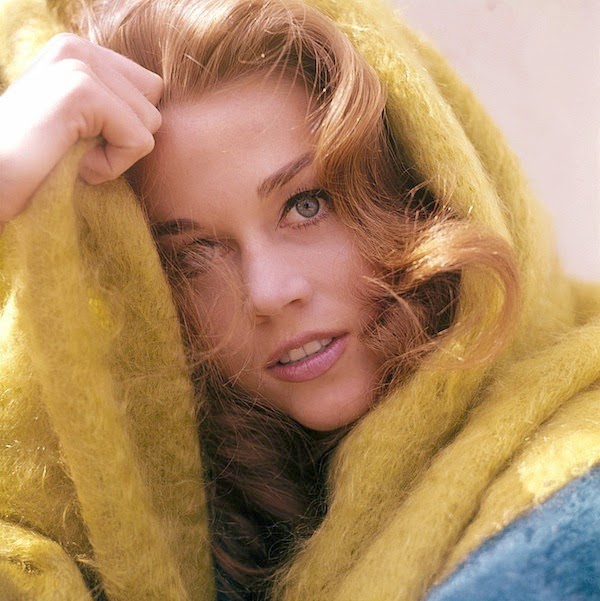
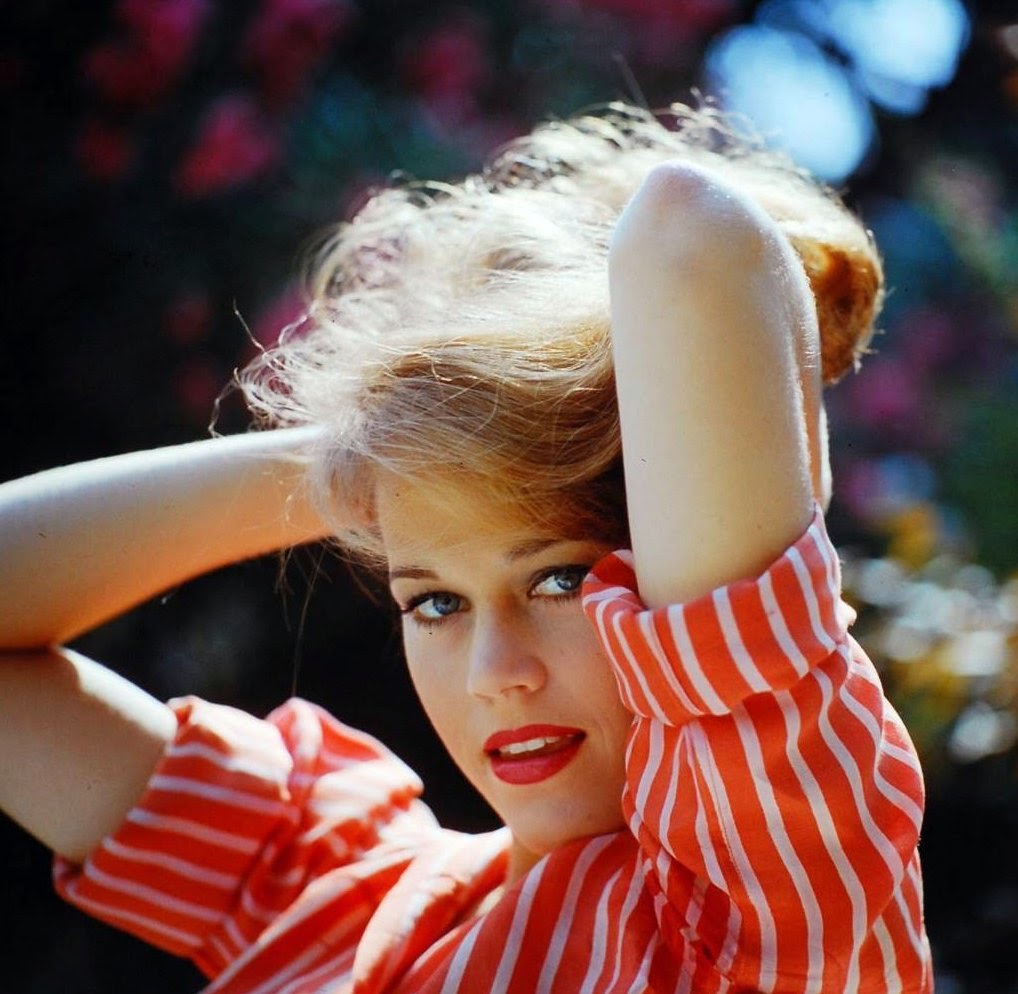
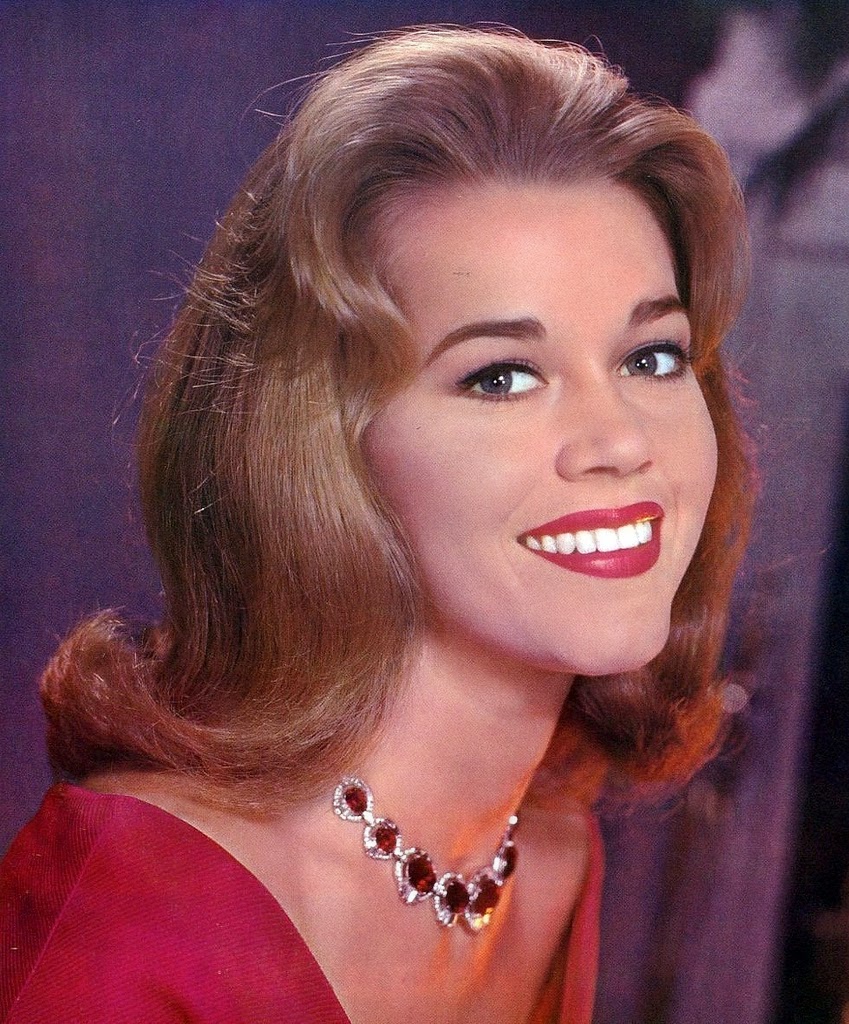
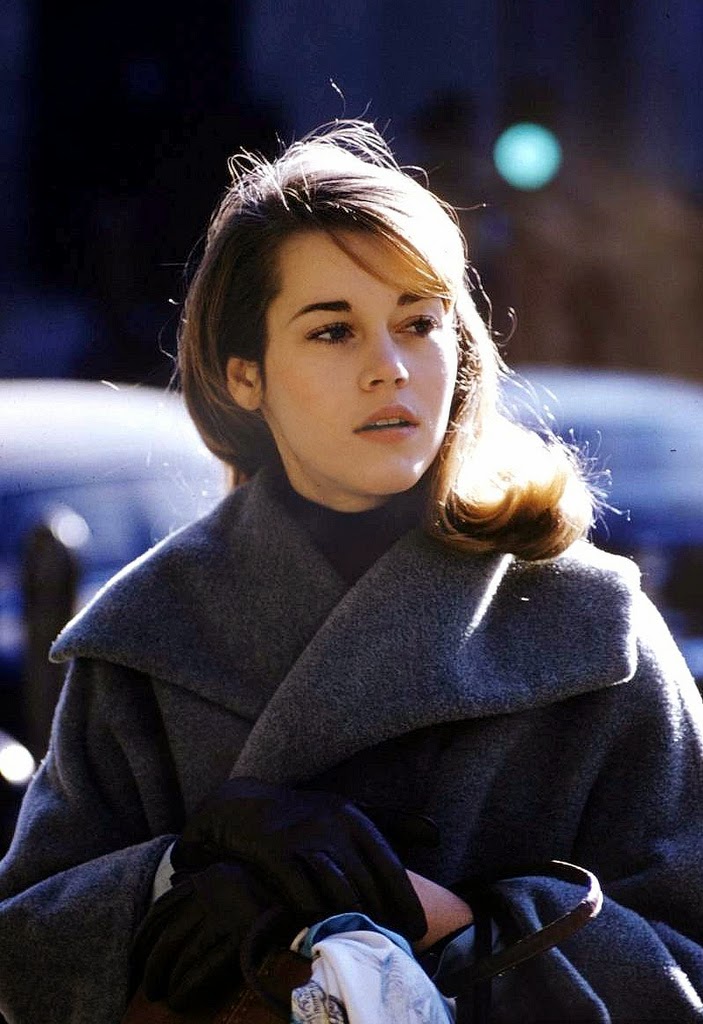
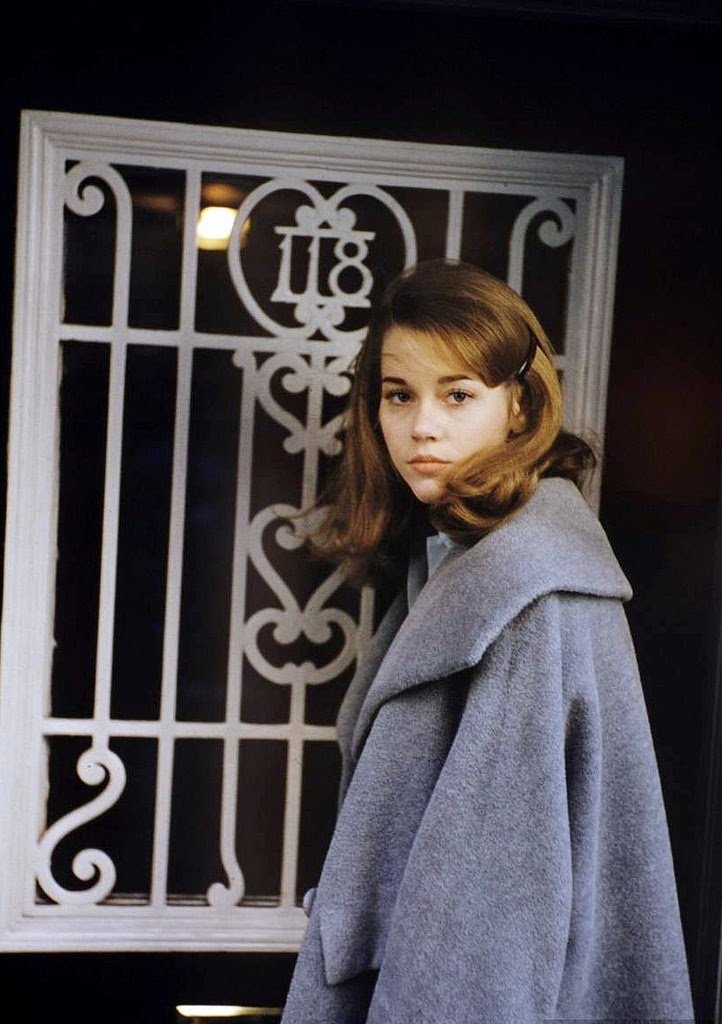
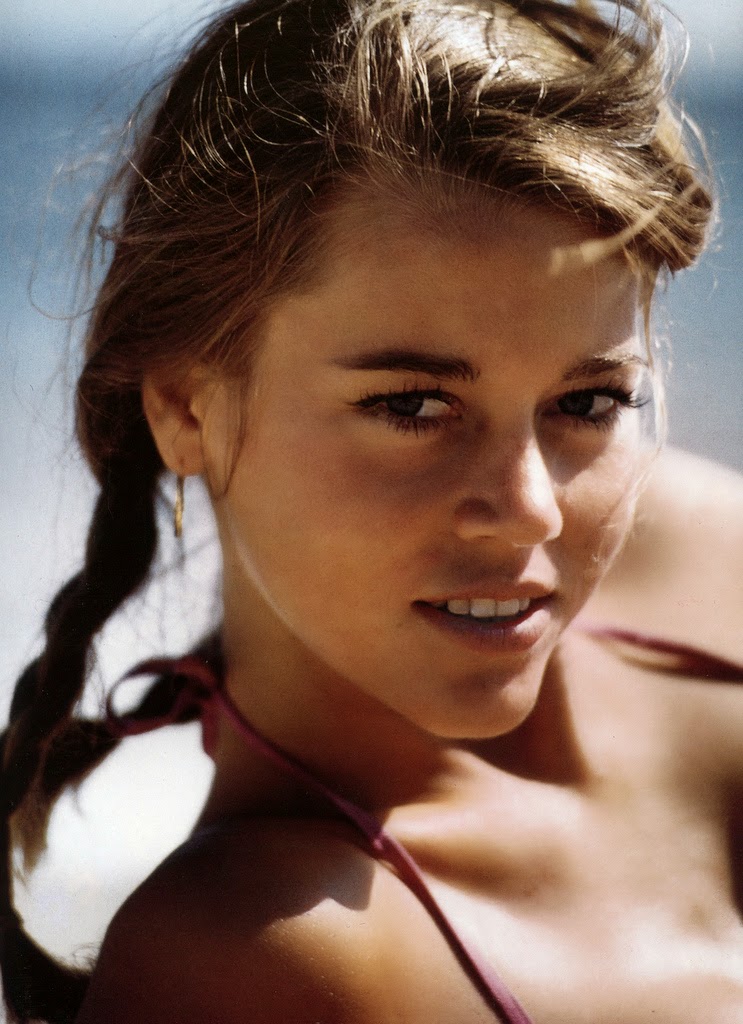
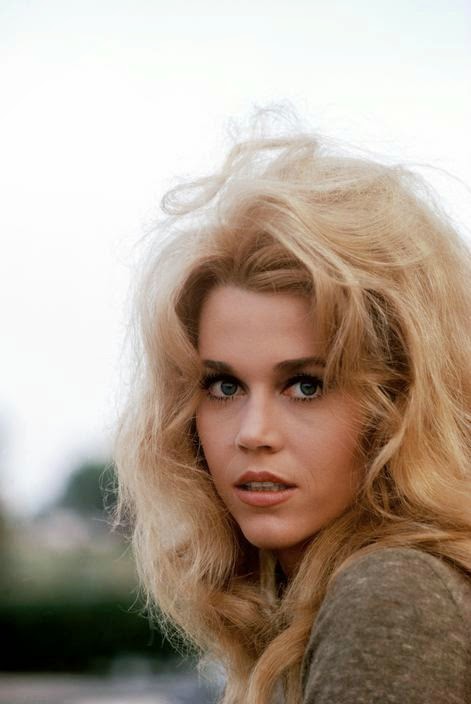
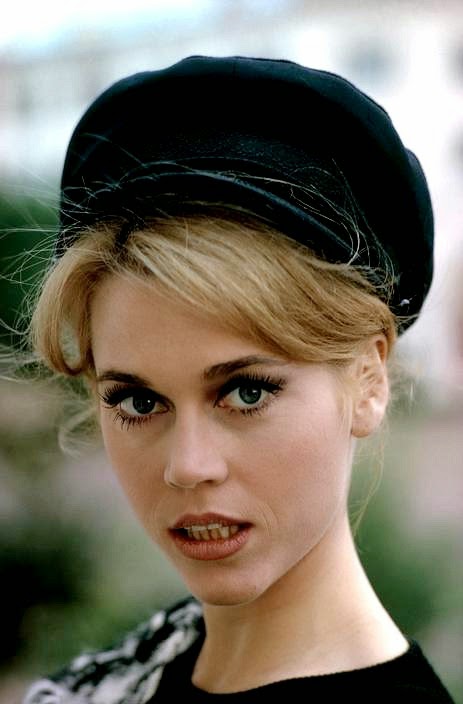
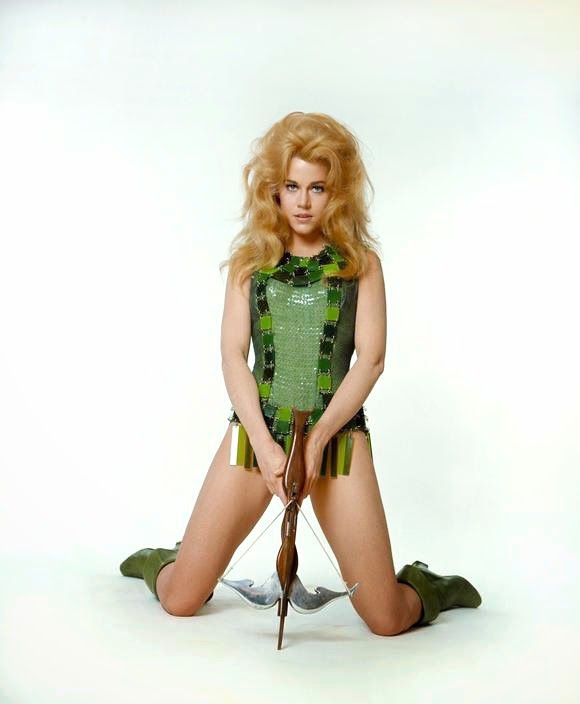
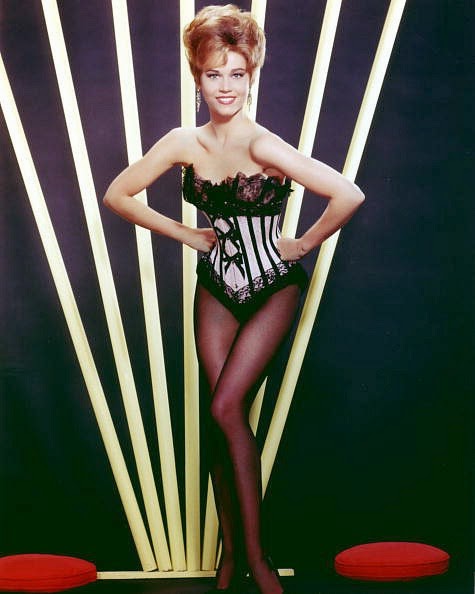
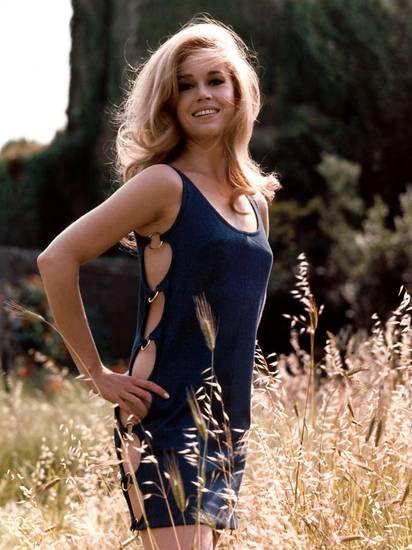
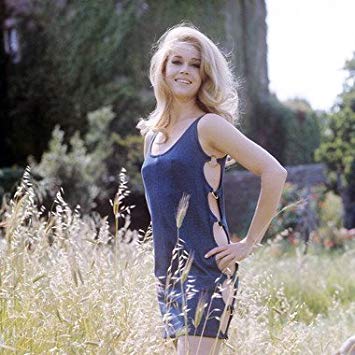
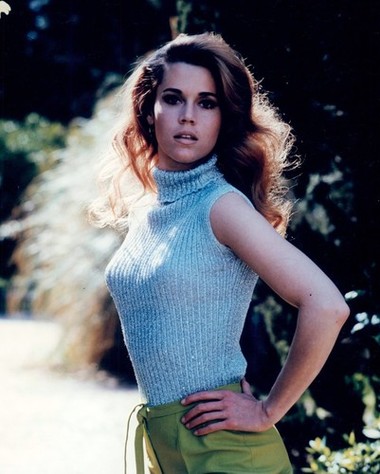
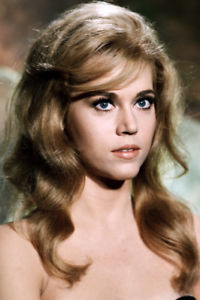
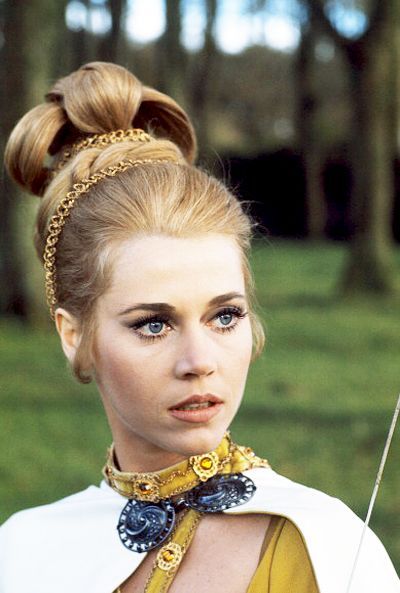
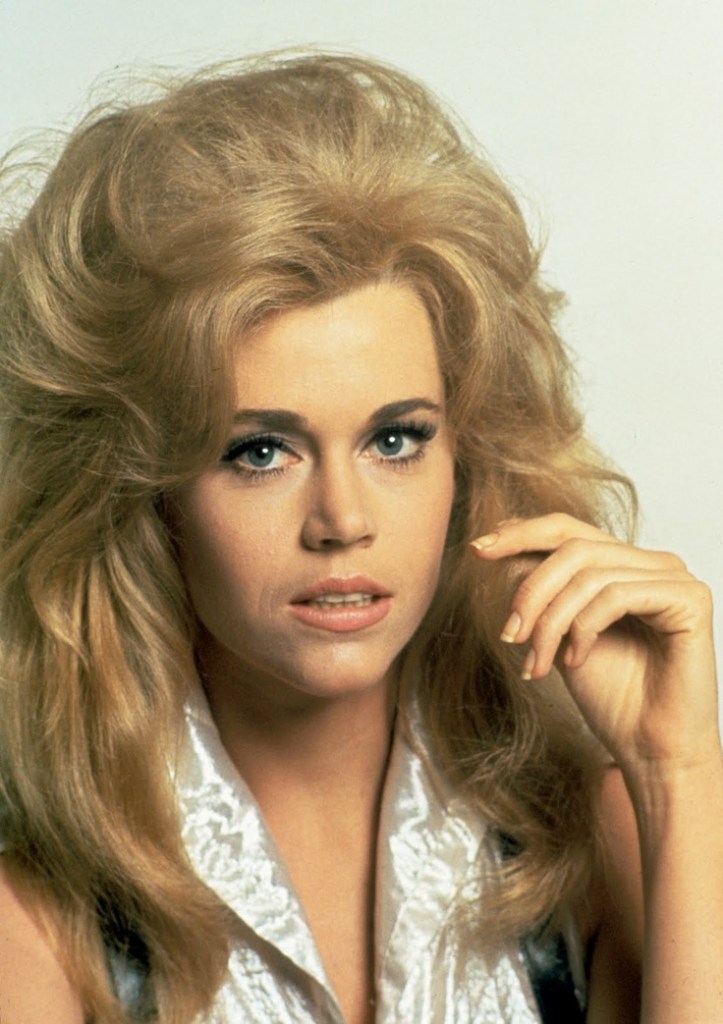
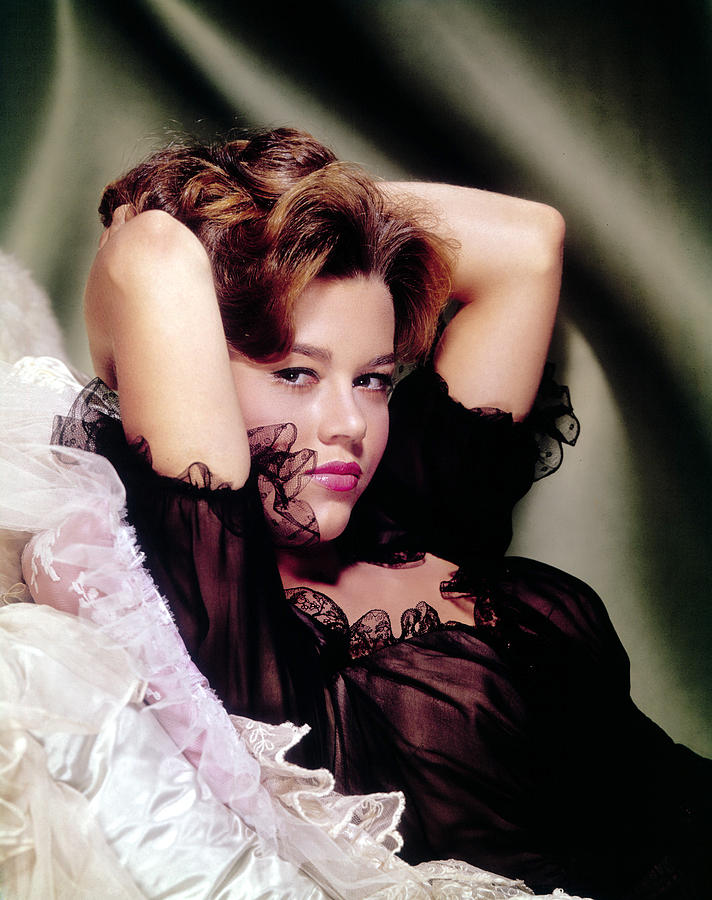
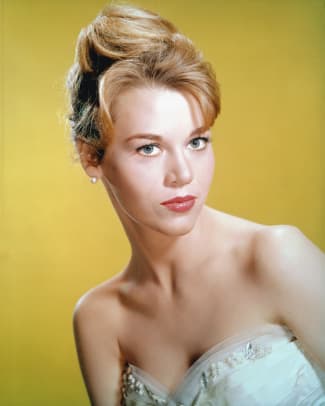
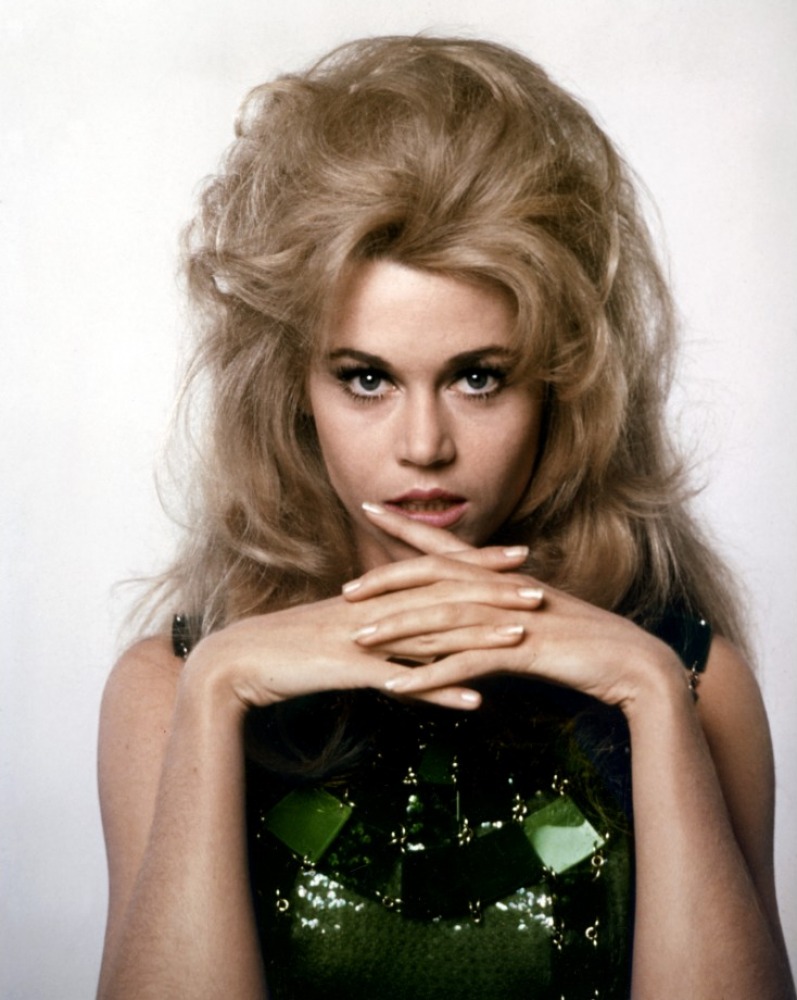
36 Stunning Photos of Jane Fonda in the 1960s

Jane Fonda is an American actress best known for her acting career, political activism and aerobic-exercise videos. The daughter of acclaimed actor Henry Fonda, the actress has won two Oscars.

Her stage work in the late 1950s laid the foundation for her film career in the 1960s. She averaged almost two movies a year throughout the decade, starting in 1960 with Tall Story, in which she recreated one of her Broadway roles as a college cheerleader pursuing a basketball star, played by Anthony Perkins. Period of Adjustment and Walk on the Wild Side followed in 1962. In Walk on the Wild Side, Fonda played a prostitute and earned a Golden Globe for Most Promising Newcomer.
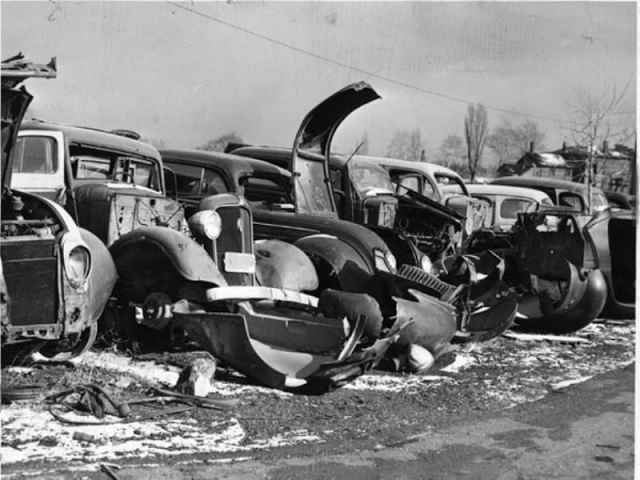
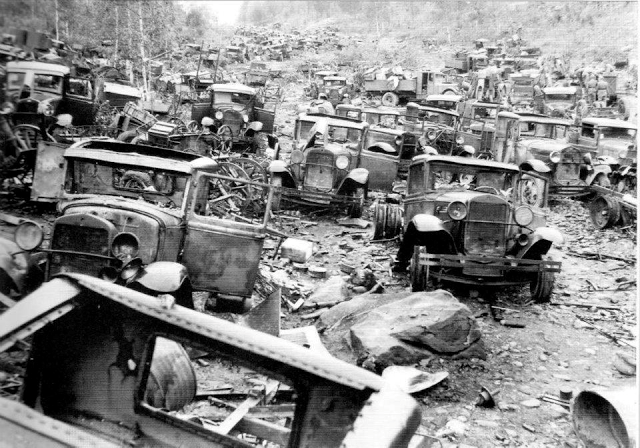
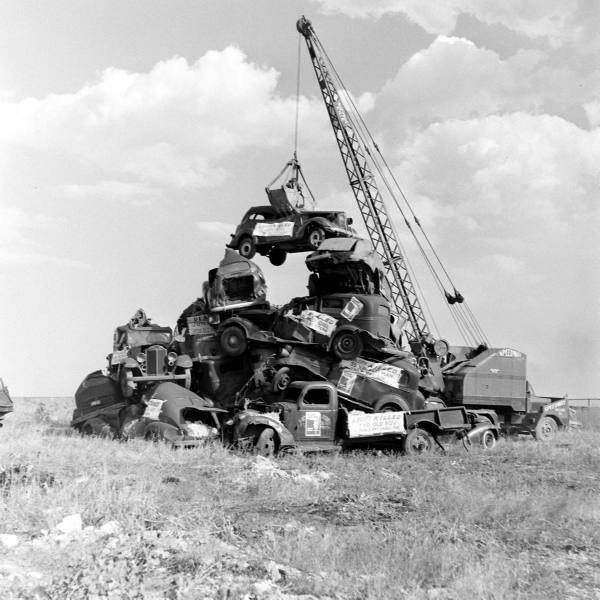
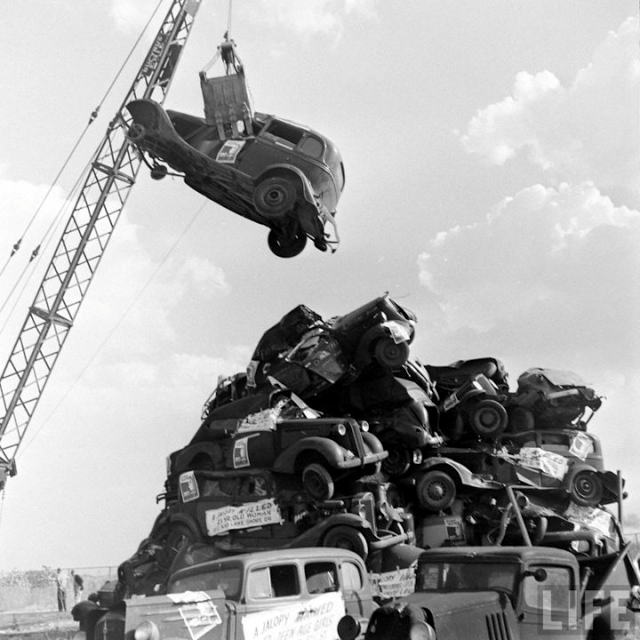
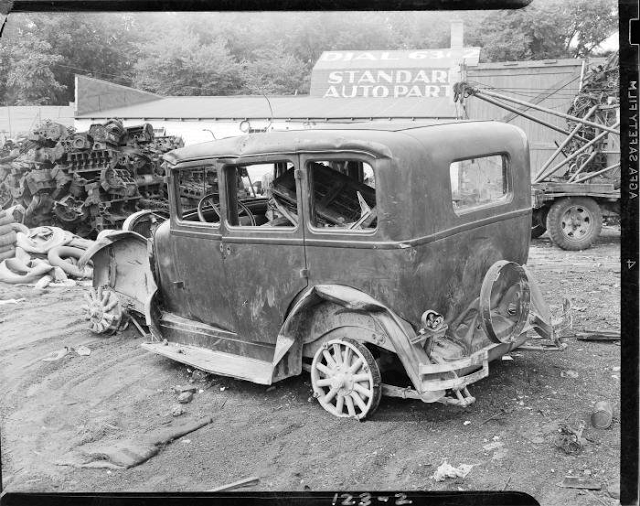
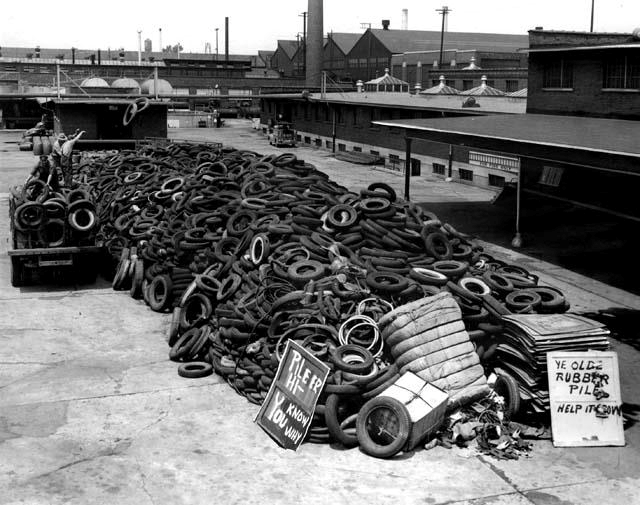
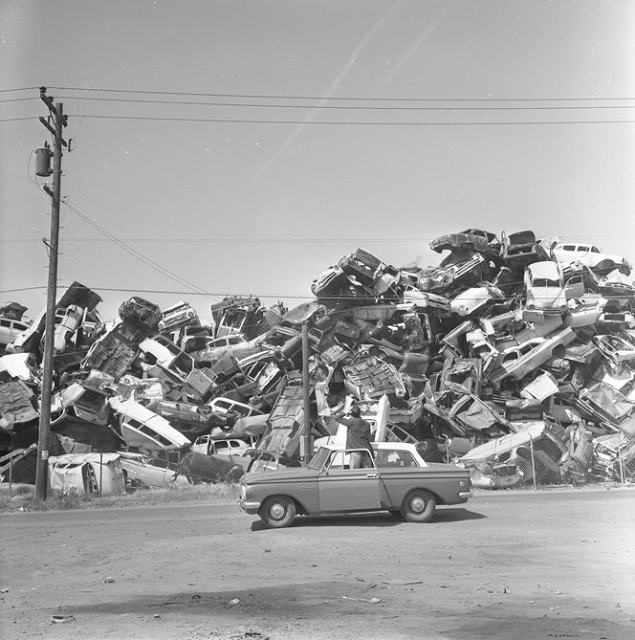
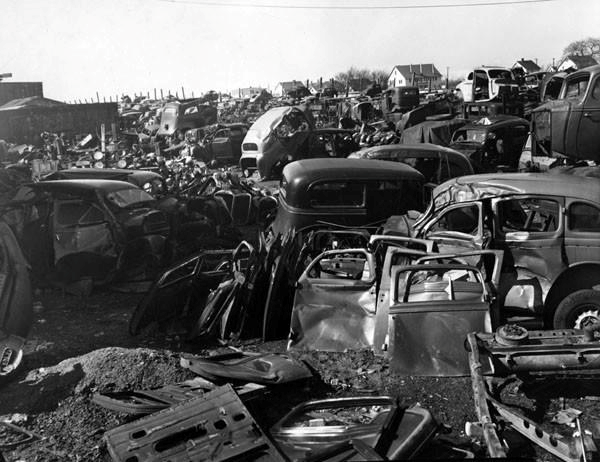
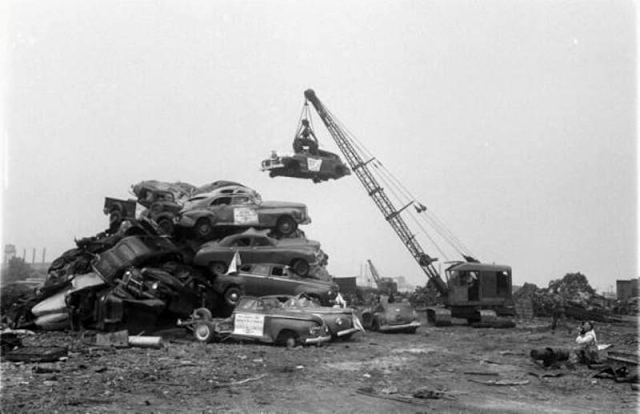
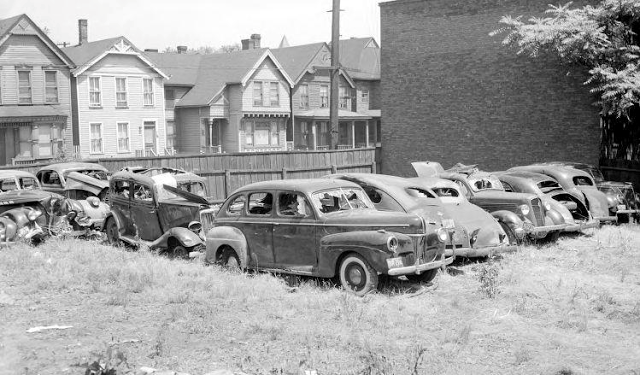
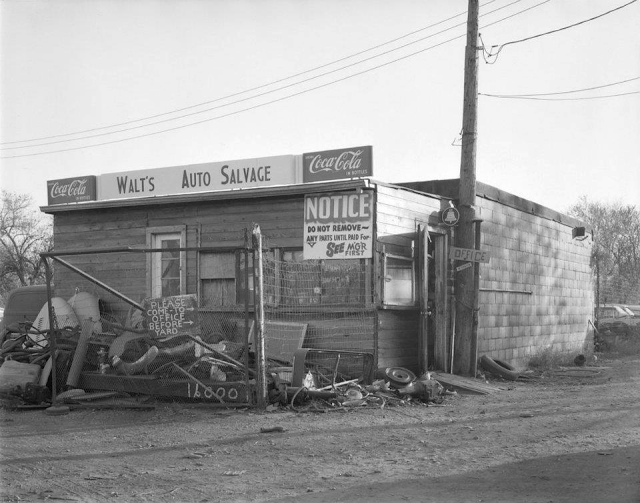
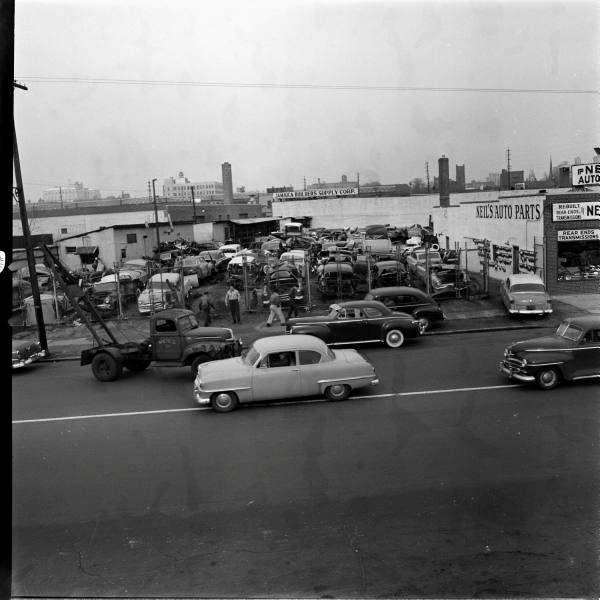
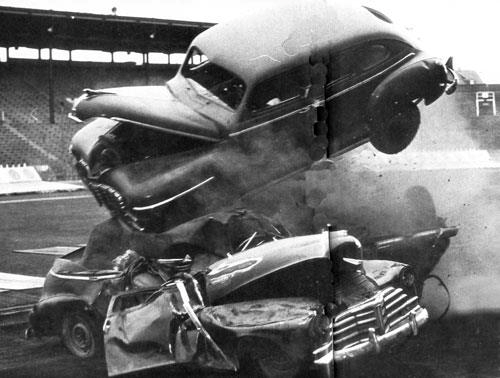
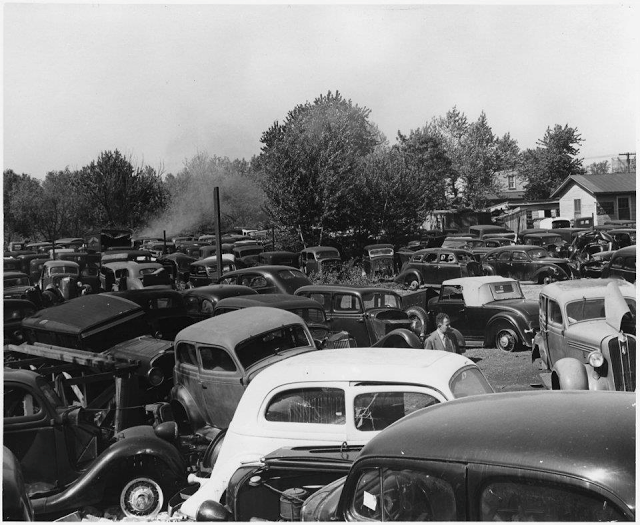
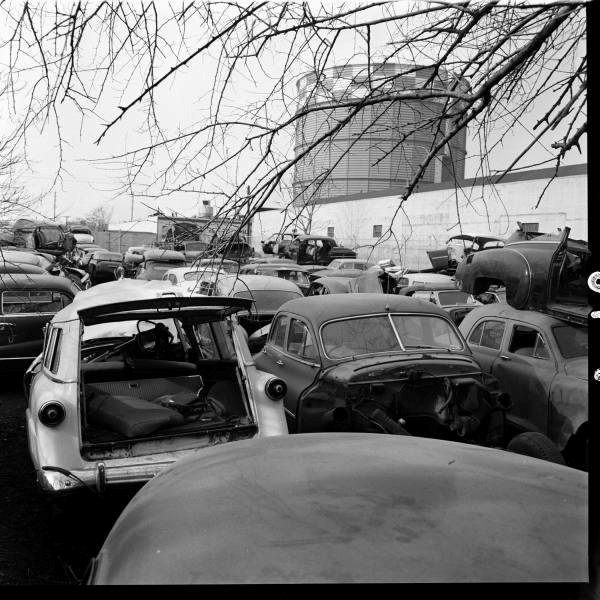
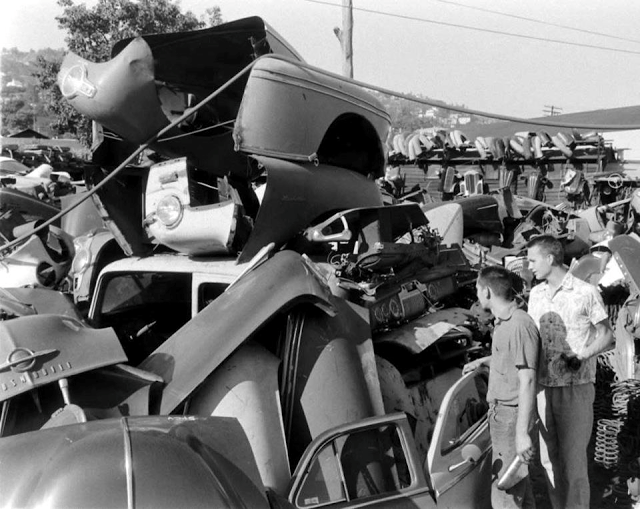
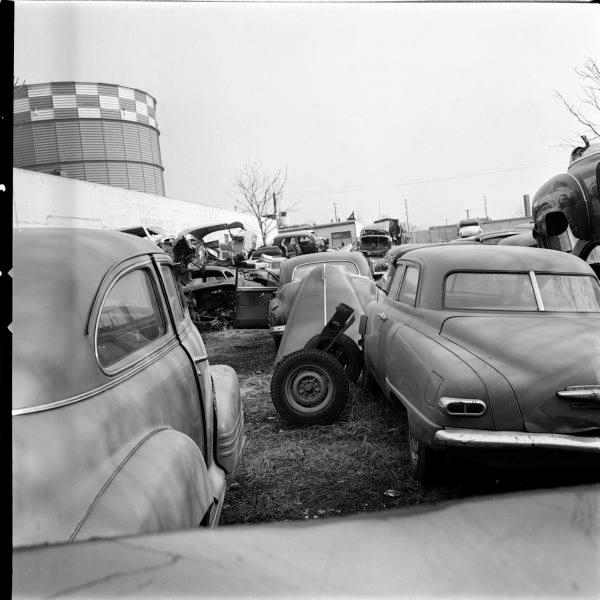
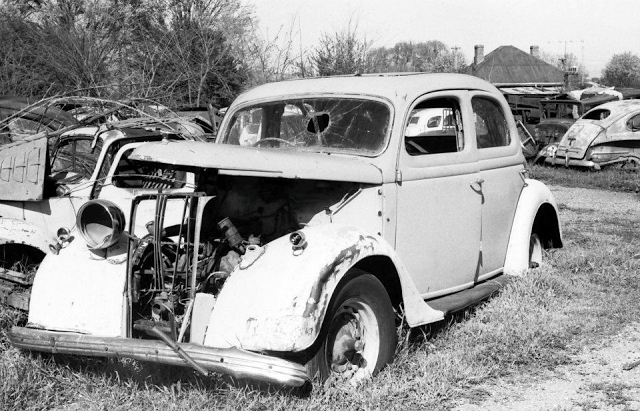
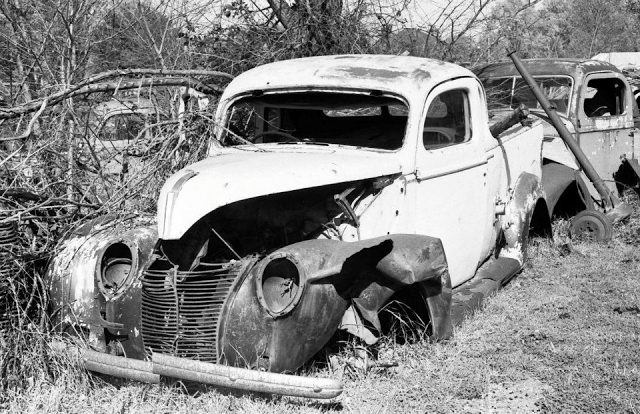
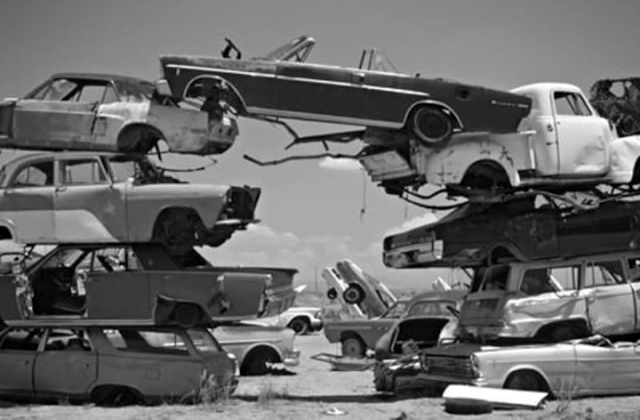
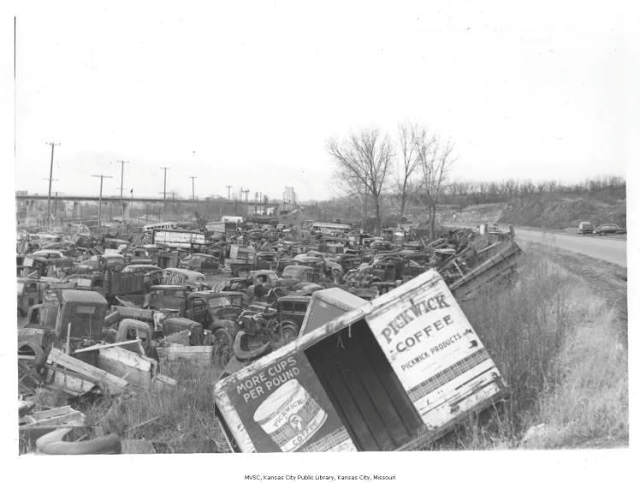
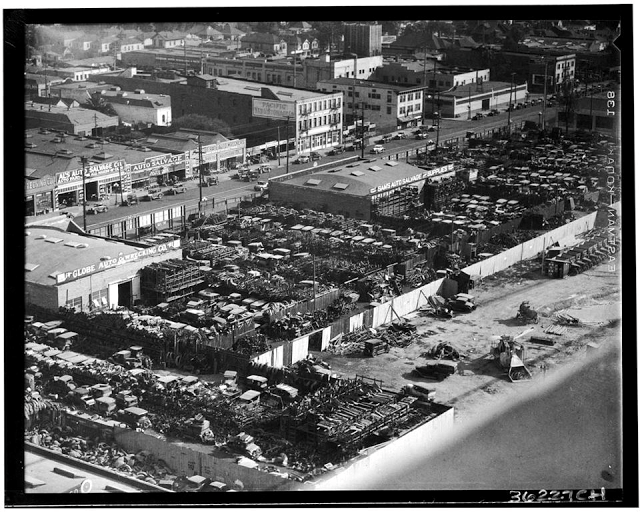
50 Vintage Photos of Classic Car Salvage Yards and Wrecks From Between the 1940s and 1950s

Vehicle recycling is the dismantling of vehicles for spare parts. At the end of their useful life, vehicles have value as a source of spare parts and this has created a vehicle dismantling industry. The industry has various names for its business outlets including wrecking yard, auto dismantling yard, car spare parts supplier, and recently, auto or vehicle recycling.

Vehicle recycling has always occurred to some degree but in recent years manufacturers have become involved in the process. A car crusher is often used to reduce the size of the scrapped vehicle for transportation to a steel mill.

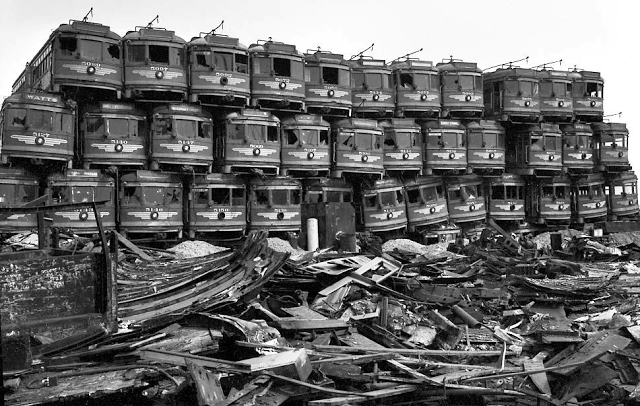
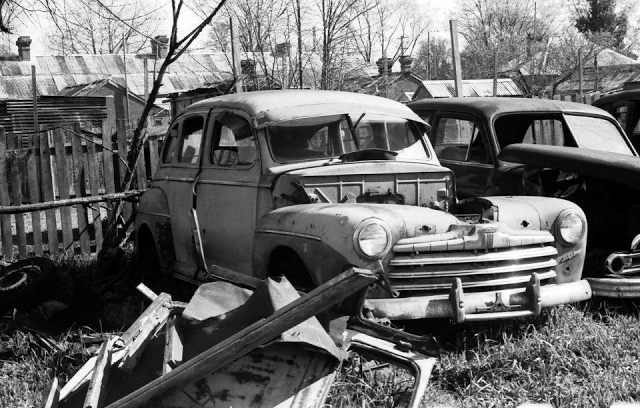
Here’s a gallery of 50 haunting photos of classic car salvage yards and wrecks from between the 1940s and 1950s.

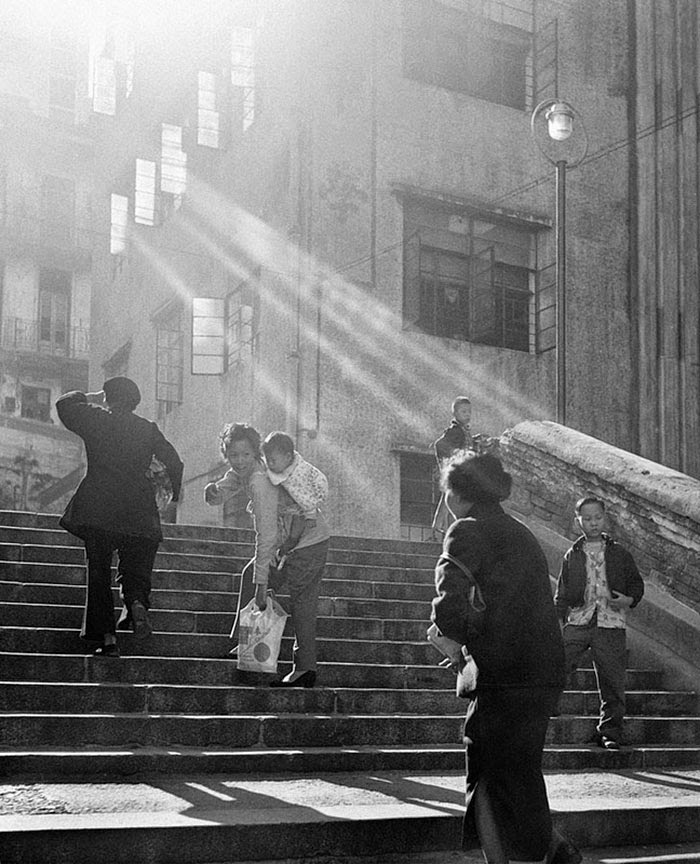
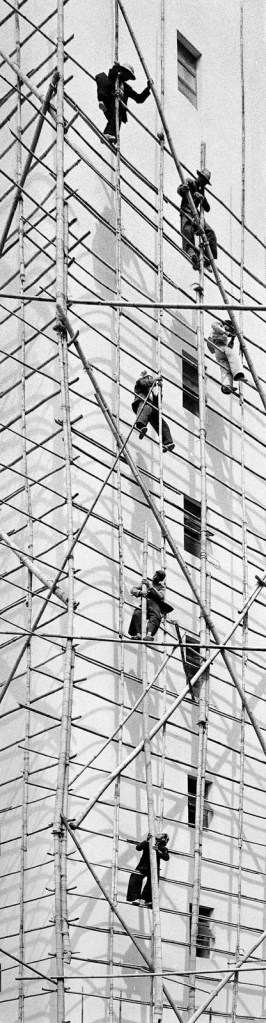
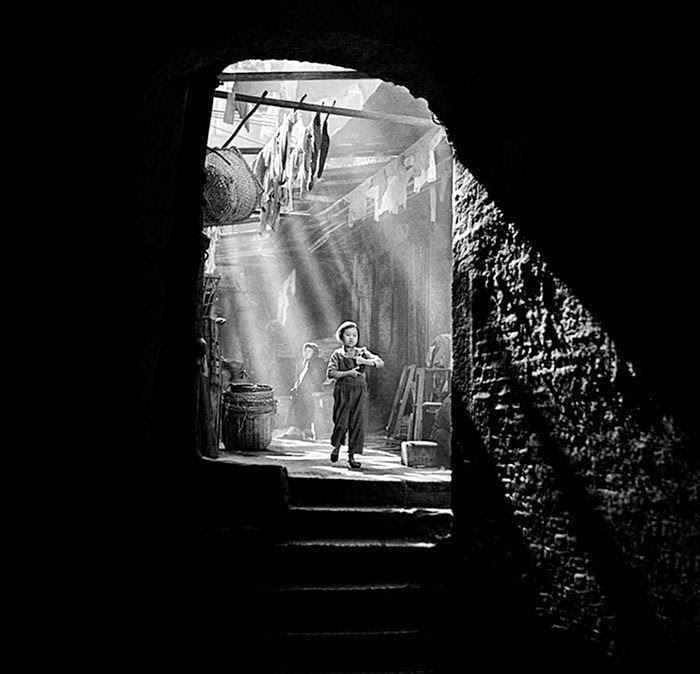
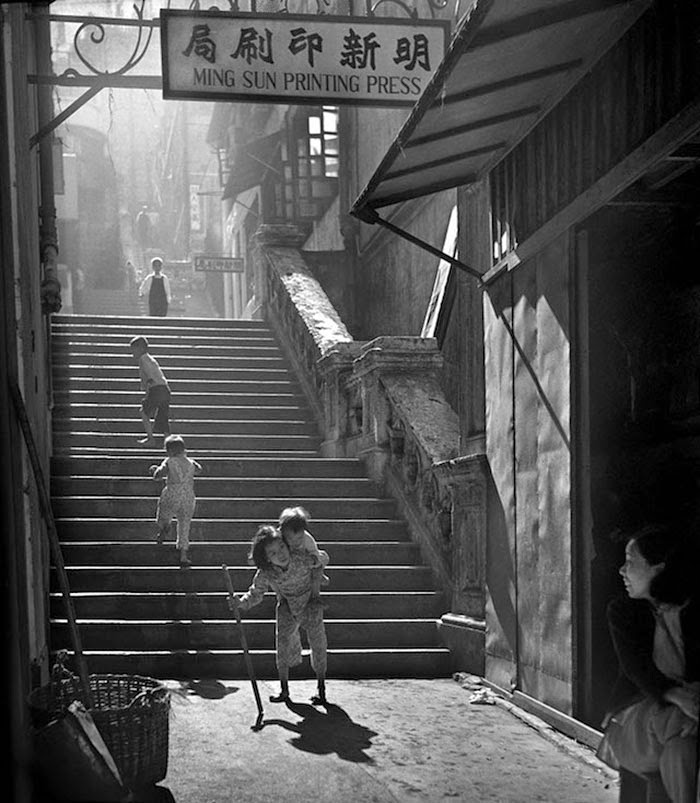
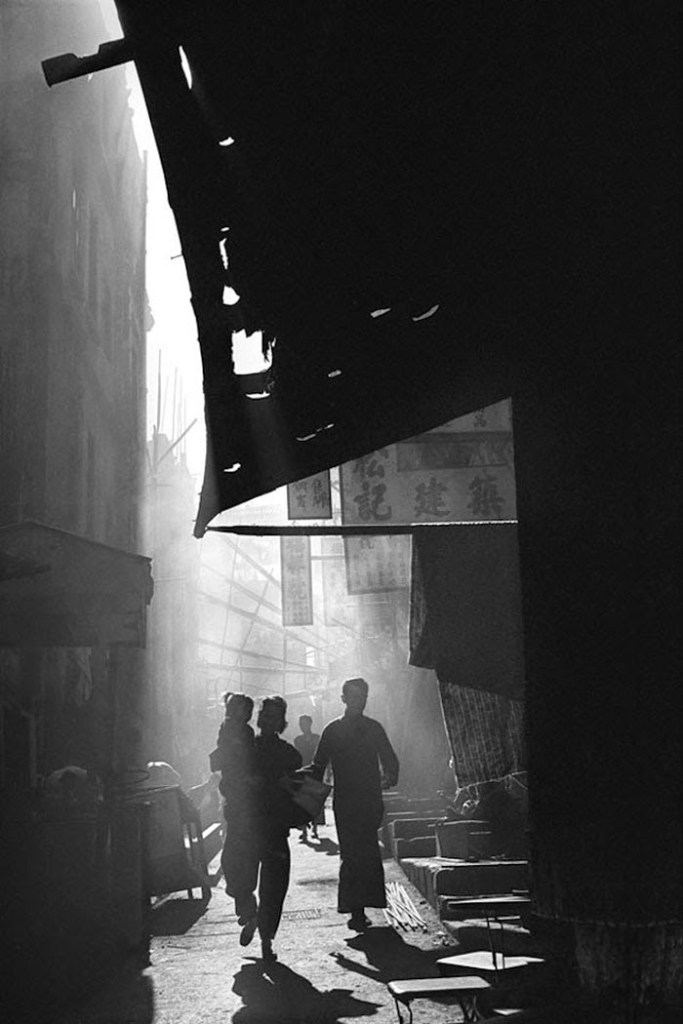
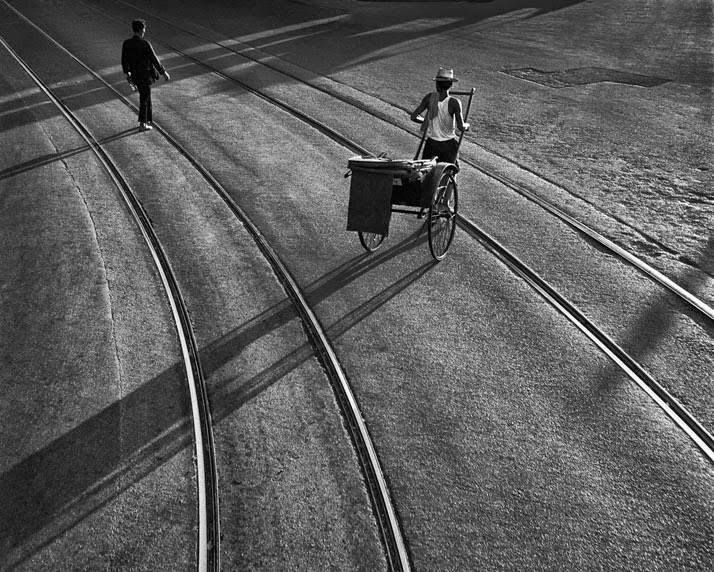
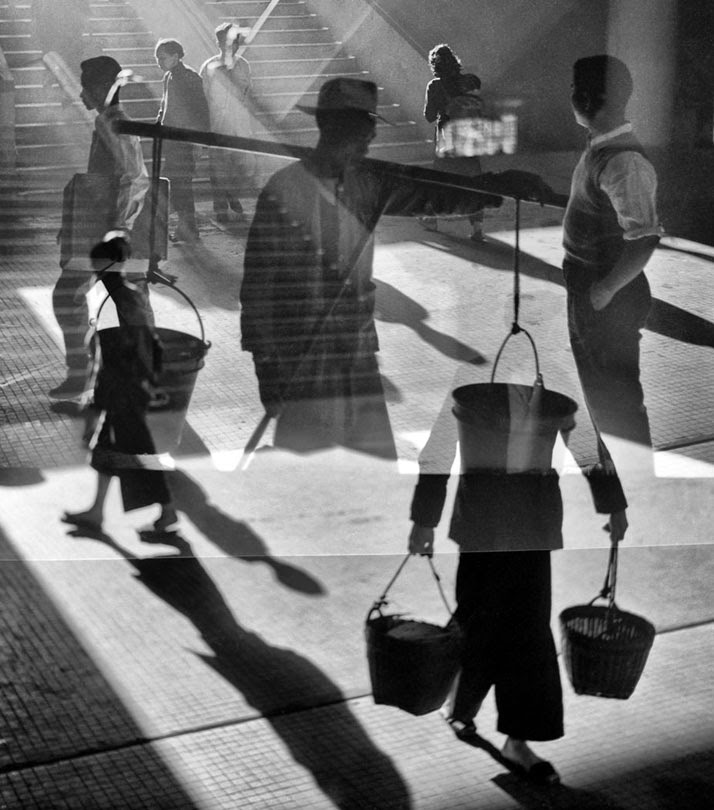
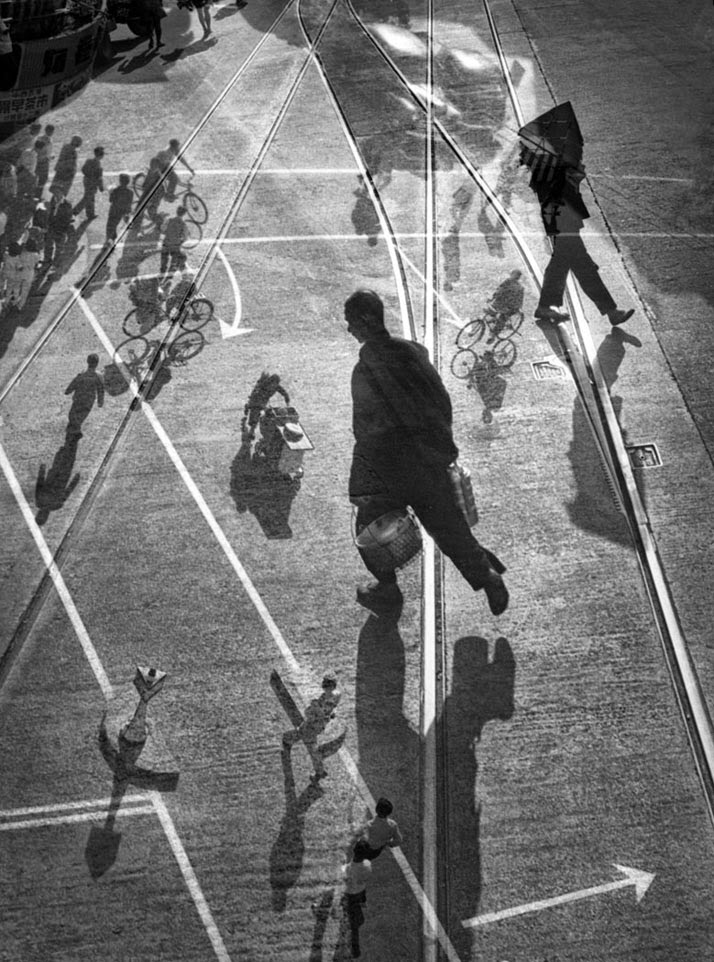
20 Amazing Photos of Hong Kong From the 1950s

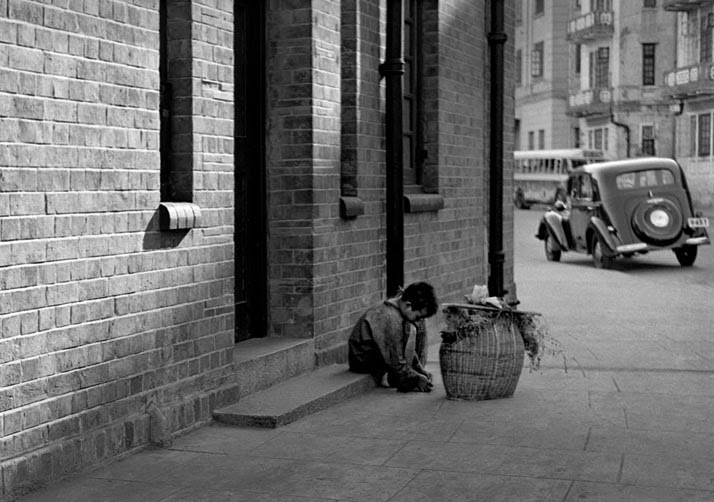
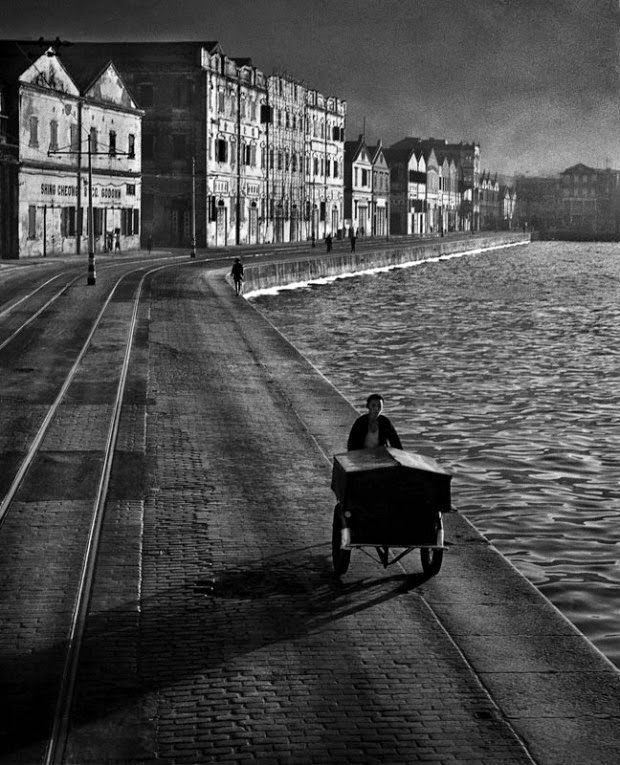
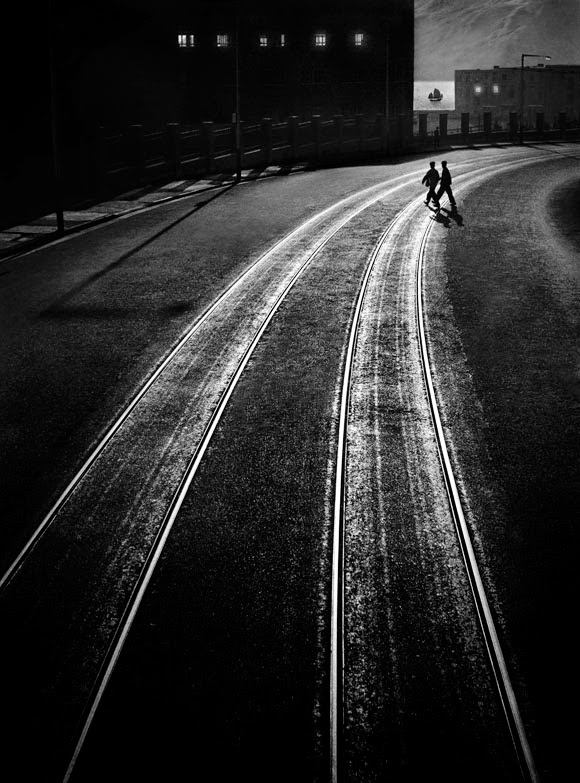
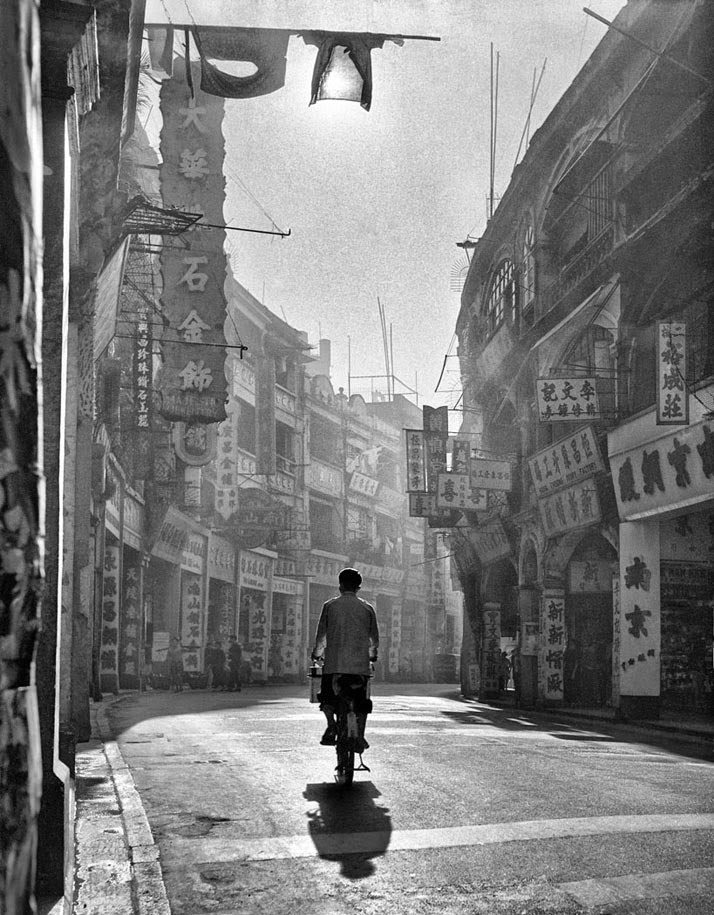
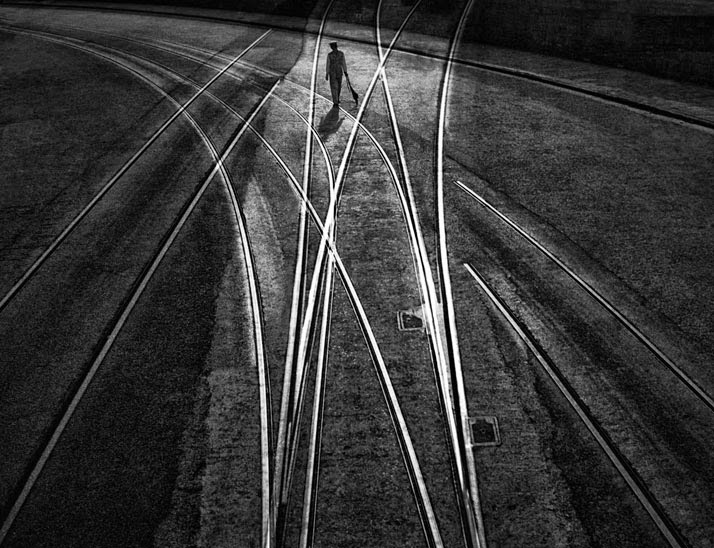
Fan Ho was born in Shanghai in 1931, but immigrated with his family to Hong Kong at an early age. Ho began photographing at a very young age with a Rolleiflex camera his father gave him. Largely self-taught, his photos display a fascination with urban life, explored alleys, slums, markets and streets, depicting the street vendors and children only a few years younger than himself.

He developed his images in the family bathtub and soon had built up a significant body of work, chronicling Hong Kong in the 1950s and 60s as it was becoming a major metropolitan center.
“… I’ve always believed that any work of art should stem from genuine feelings and understandings … I didn’t work with any sense of purpose. As an artist, I was only looking to express myself. I did it to share my feelings with the audience. I need to be touched emotionally to come up with meaningful works. When the work resonates with the audience, it’s a satisfaction that money can’t buy. My purpose is simple: I try not to waste my audience’s time.” — Fan Ho, 2014 interview with Edmund Lee
Ho was a Fellow of the Photographic Society of America, the Royal Photographic Society and the Royal Society of Arts in England, and an Honorary Member of the Photographic Societies of Singapore, Argentina, Brazil, Germany, France, Italy and Belgium. Ho was named one of the “Top Ten Photographers of the World” by the Photographic Society of America between 1958 and 1965.
(Photos Taken by Fan Ho)

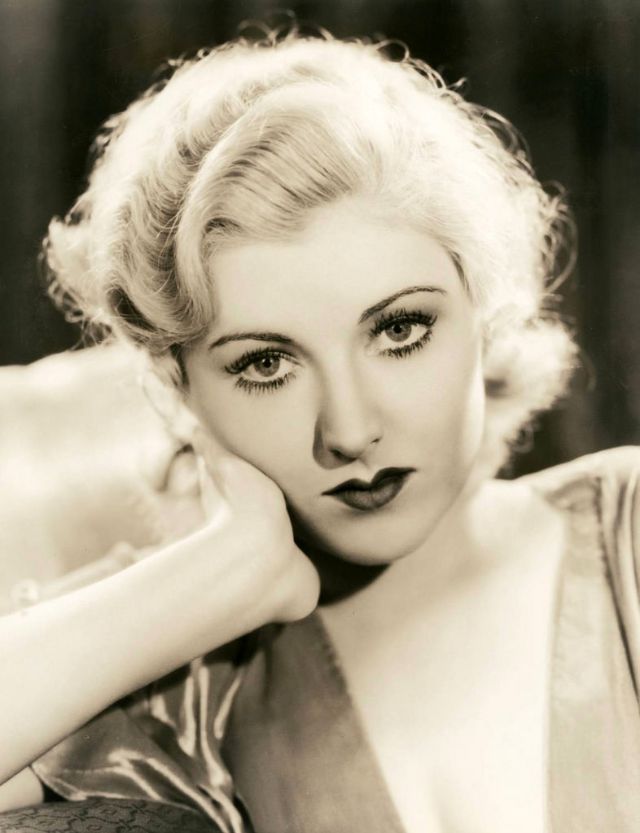
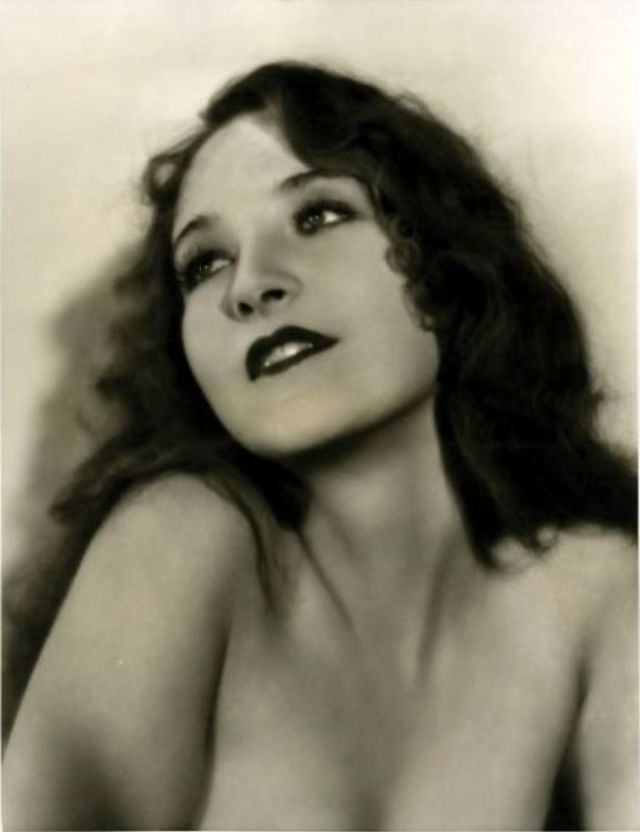
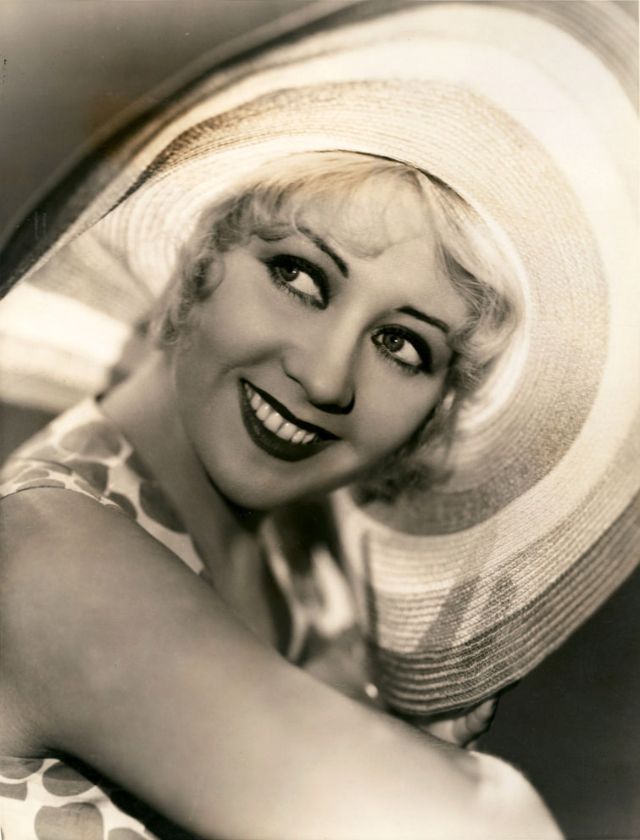
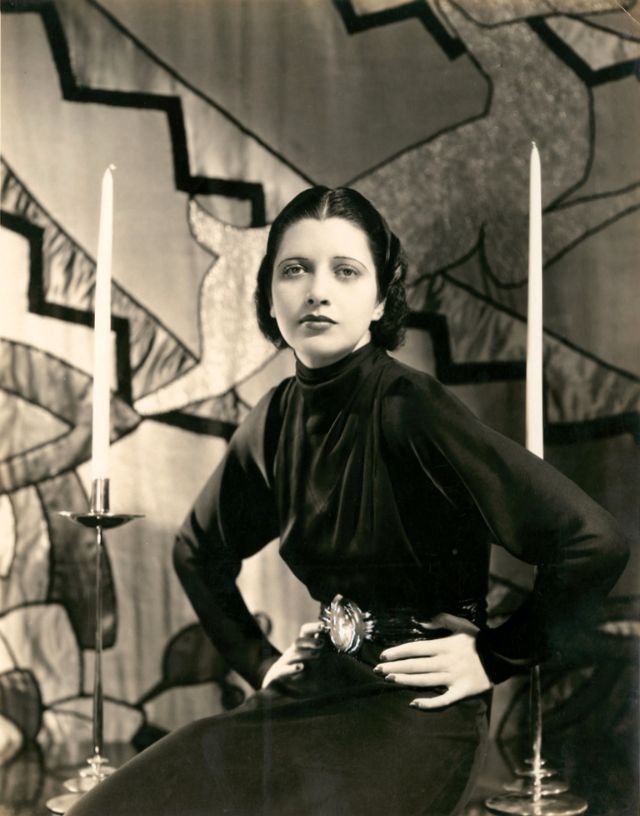
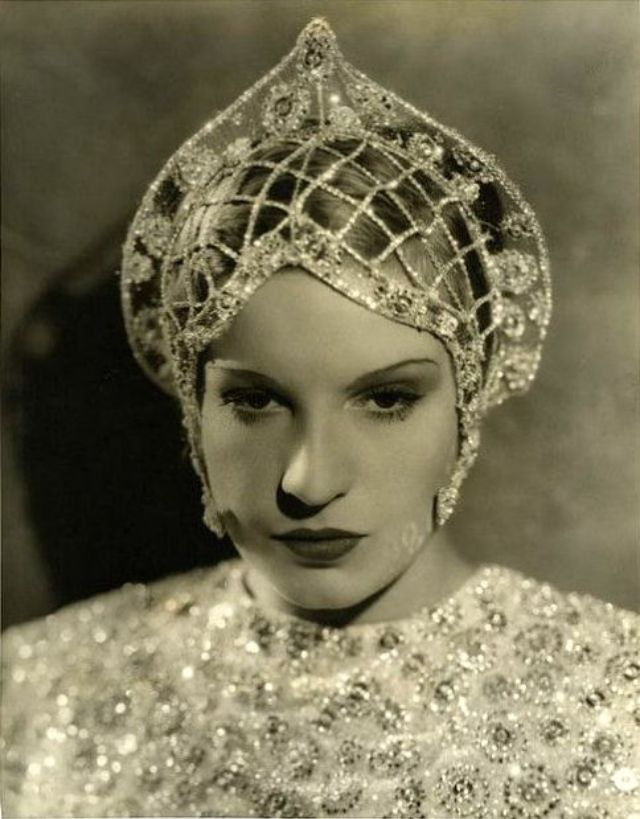
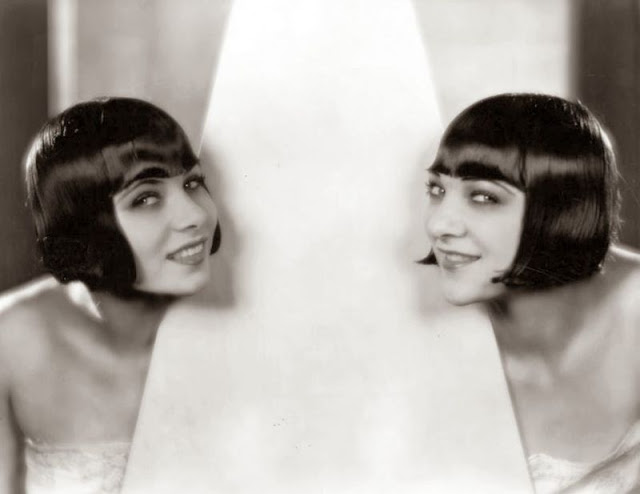
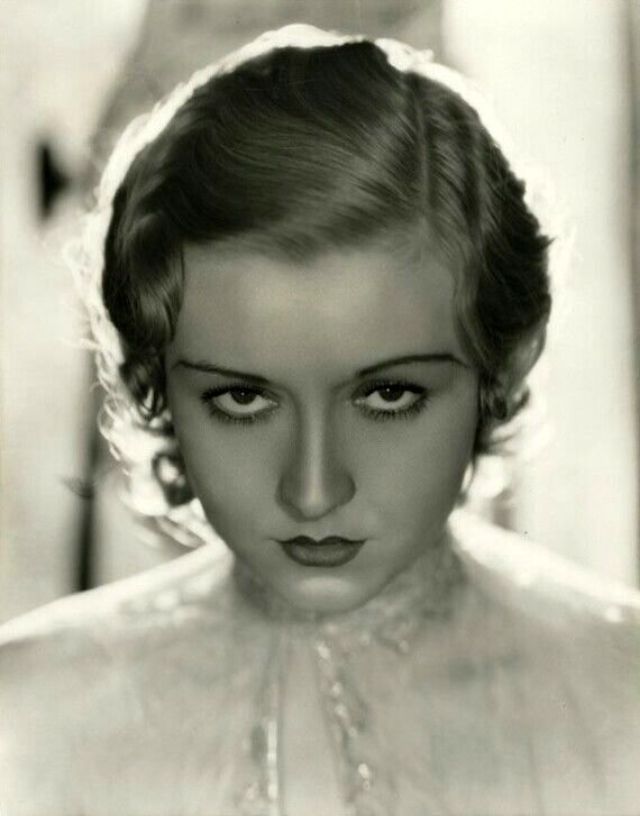
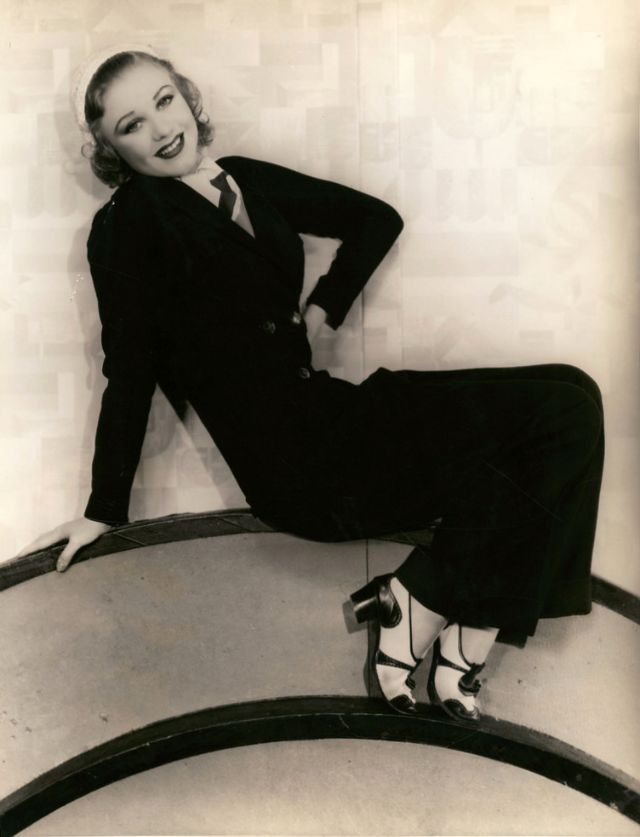
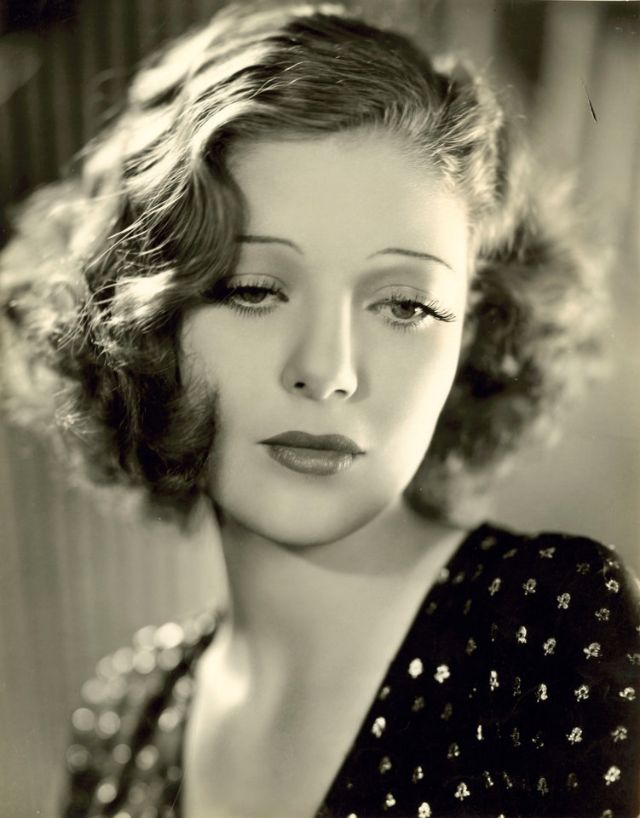
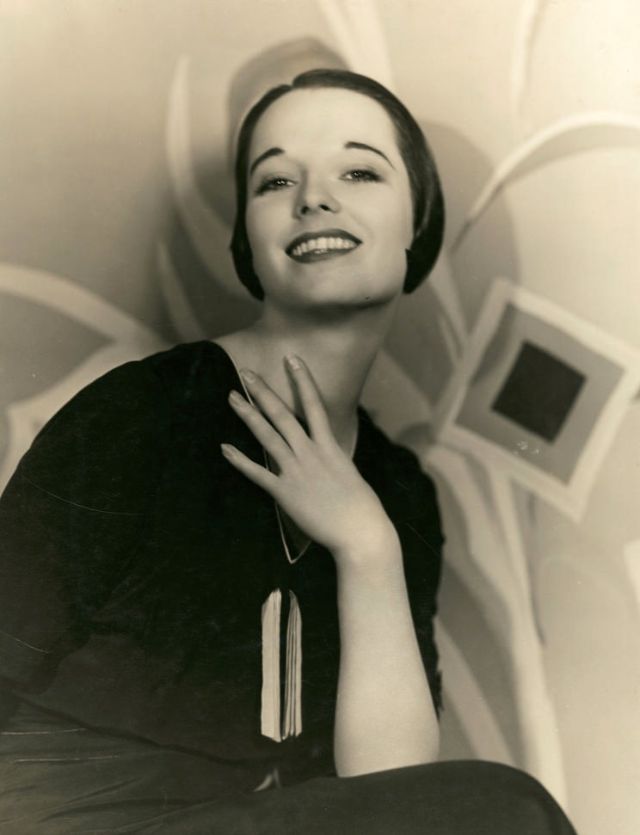
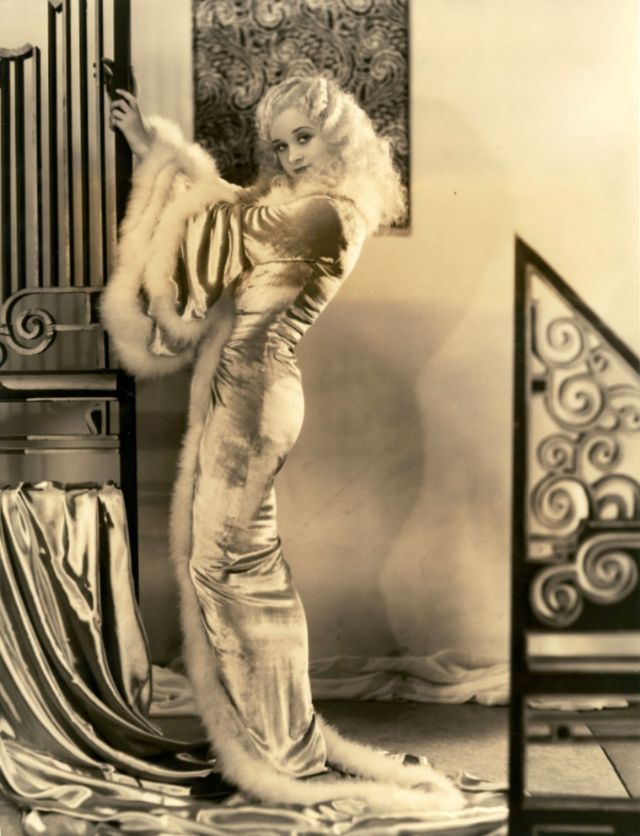
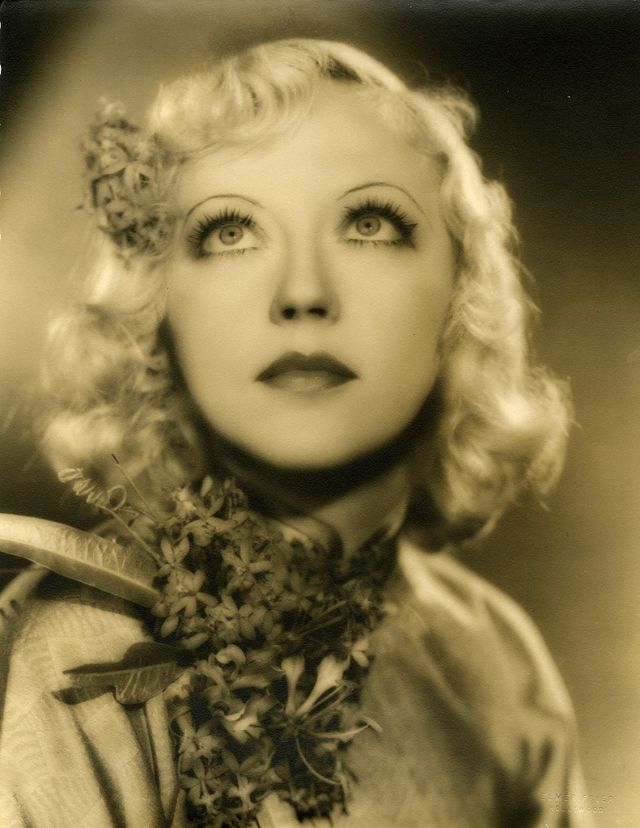
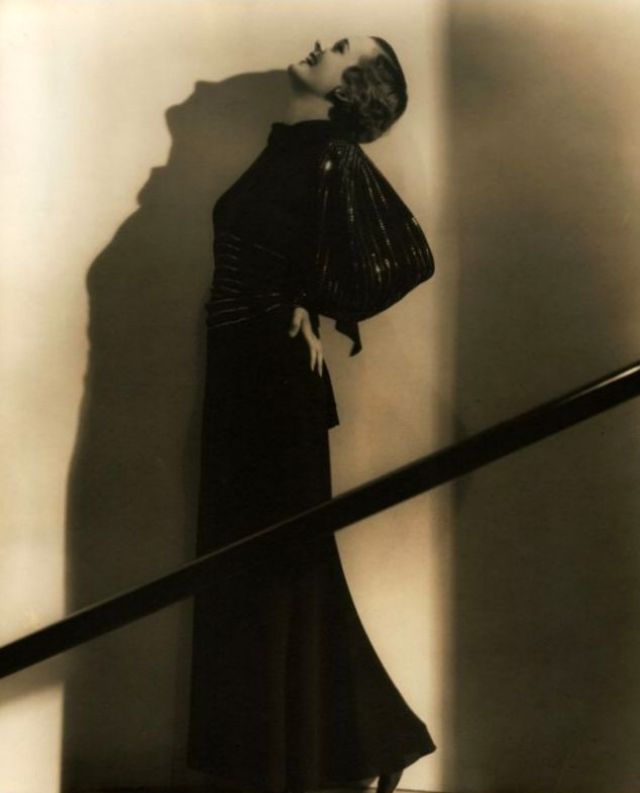
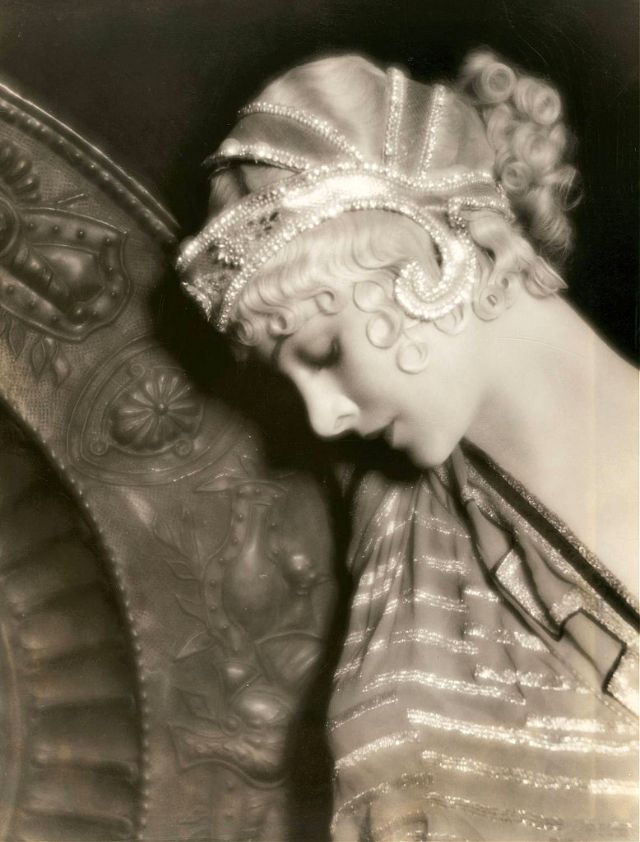
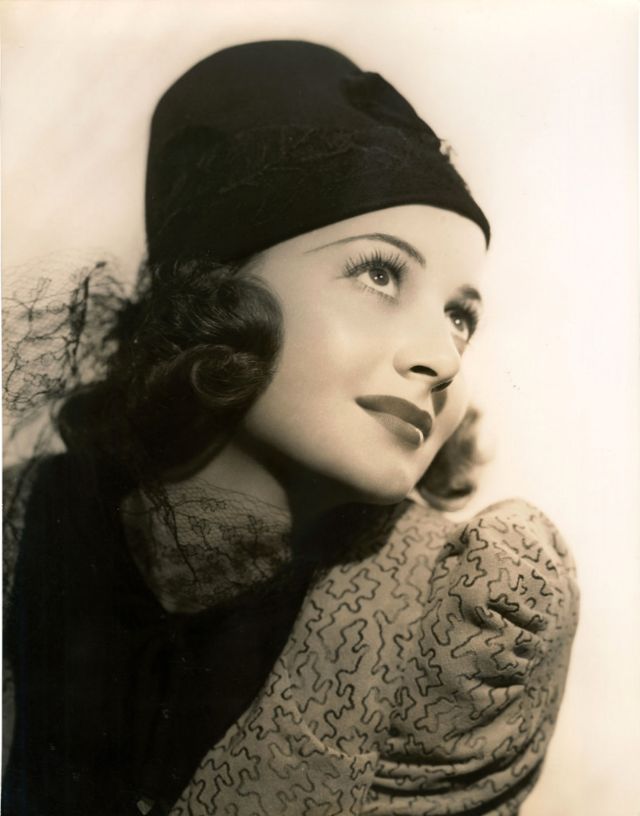
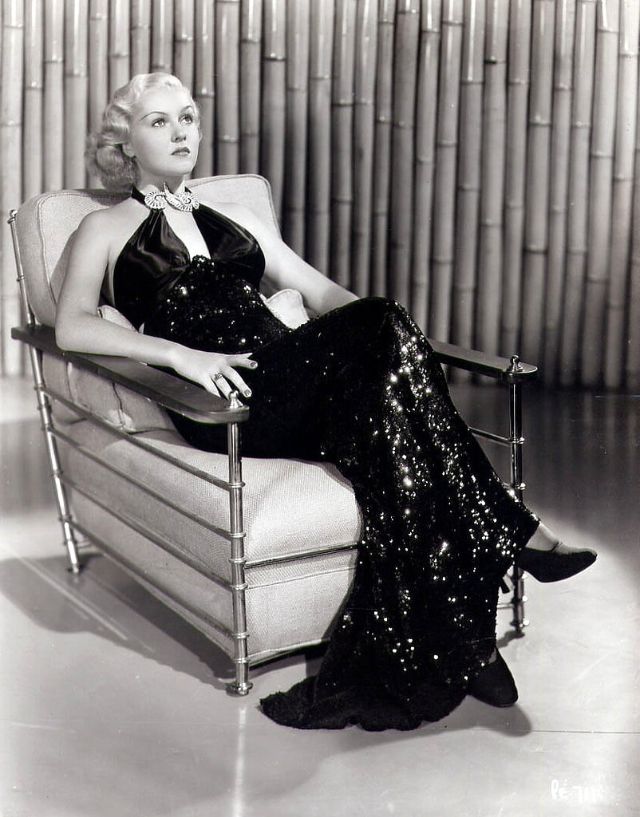
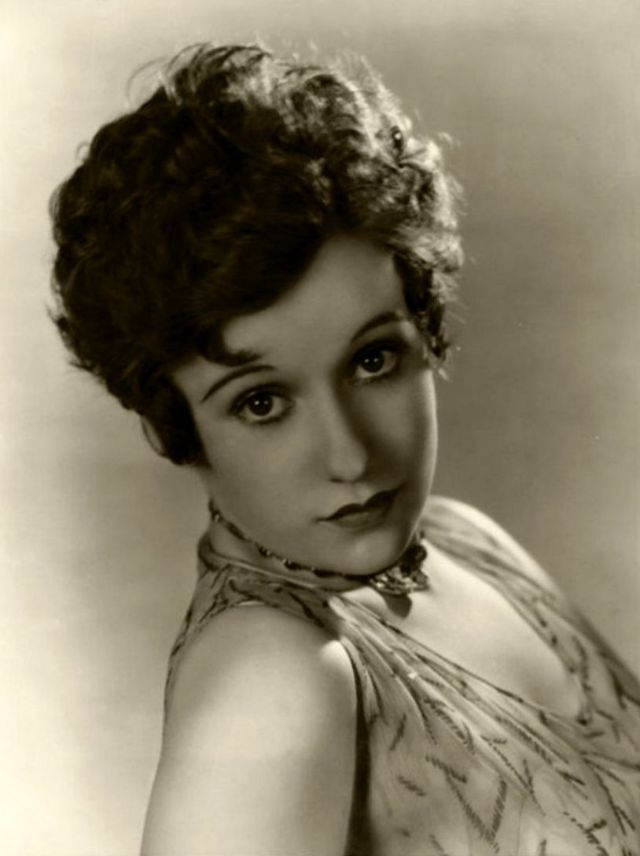
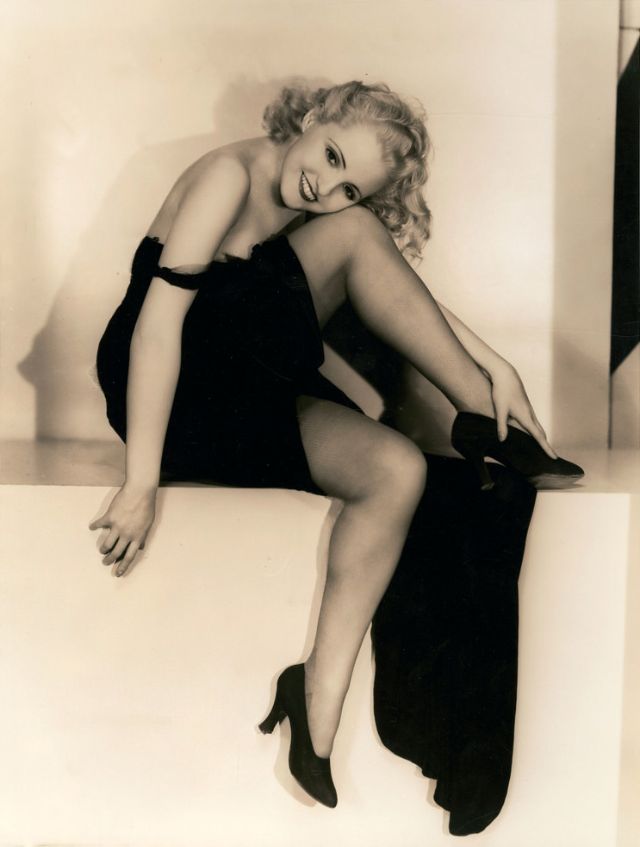
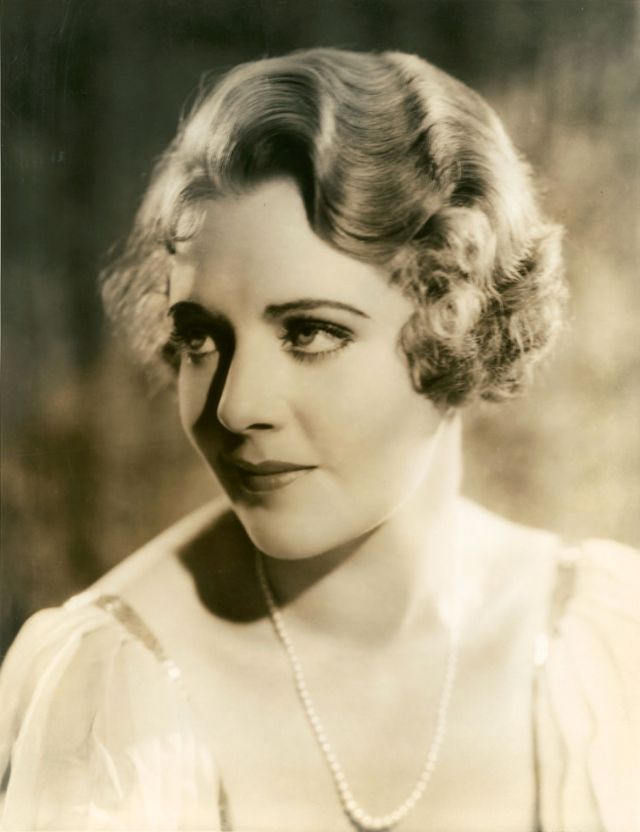
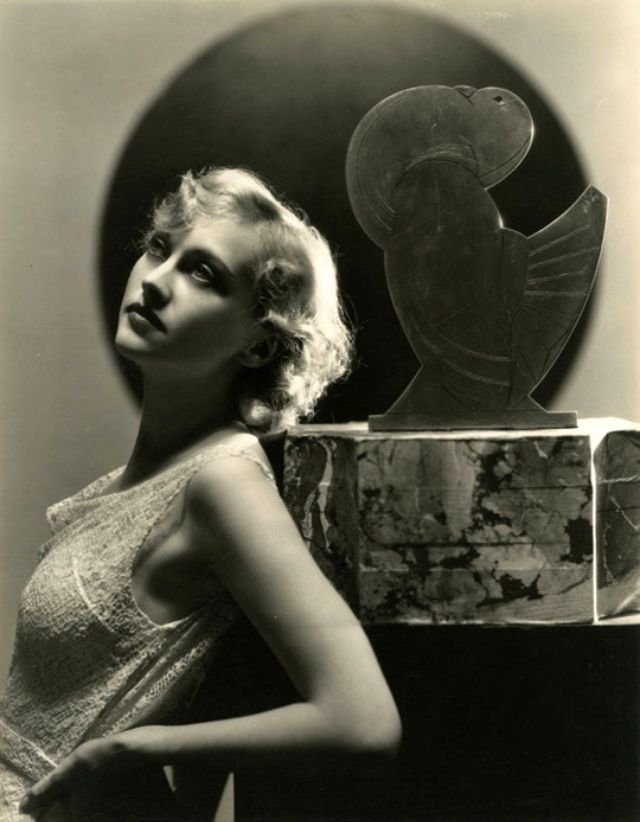
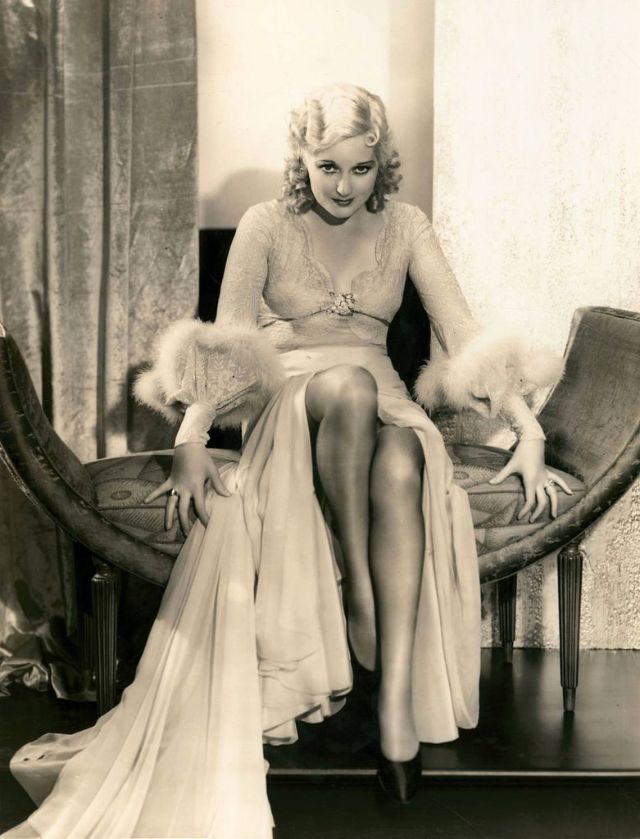
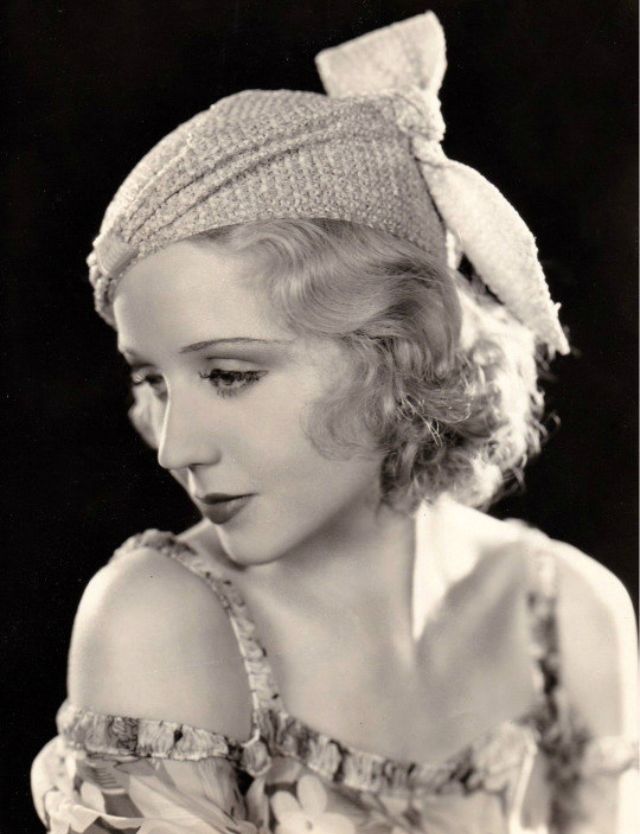
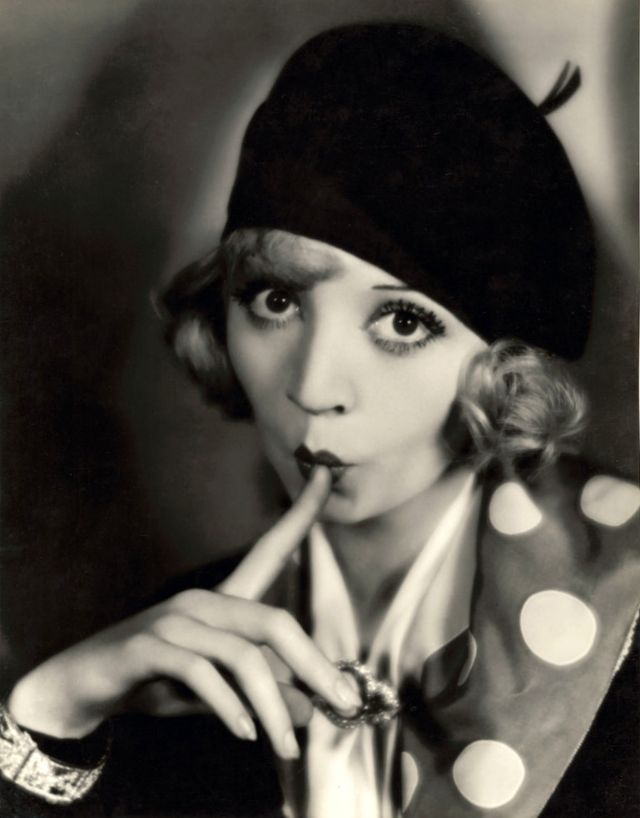
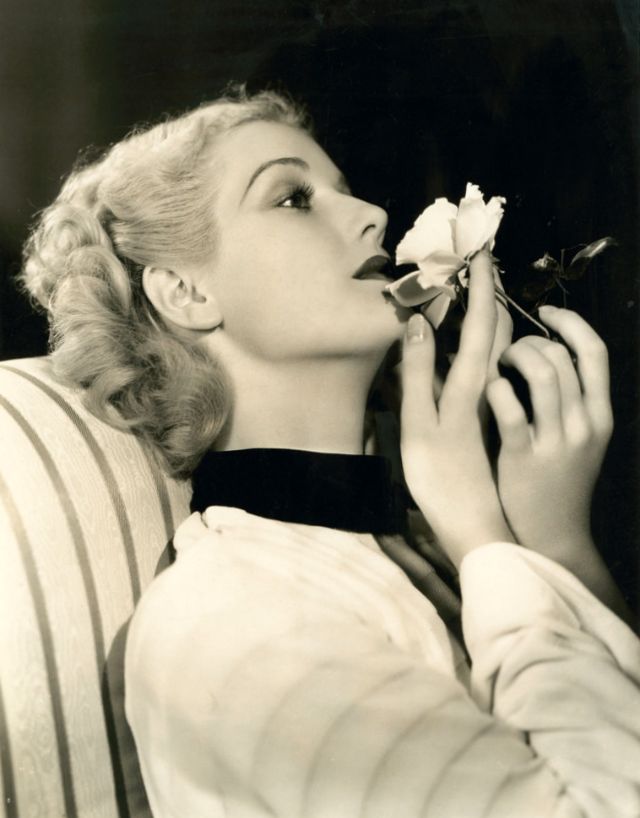
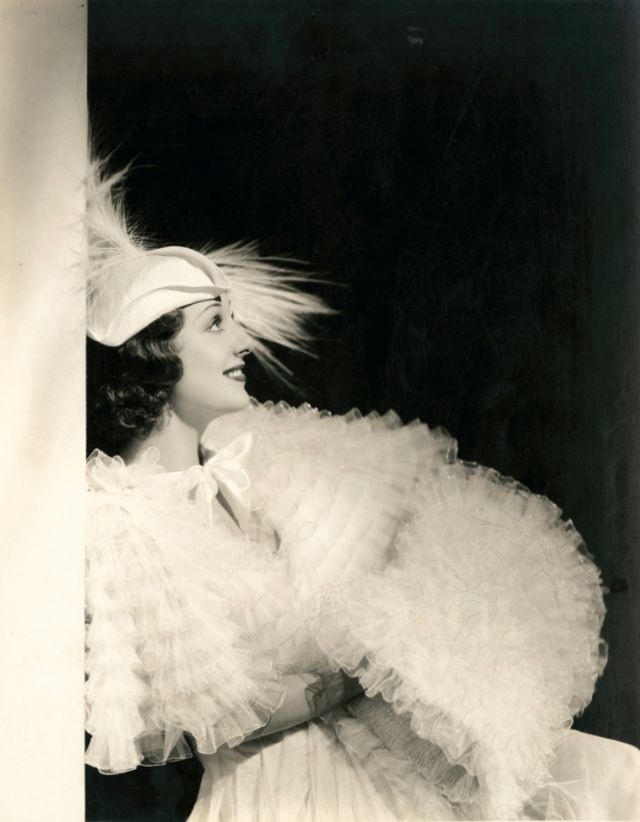
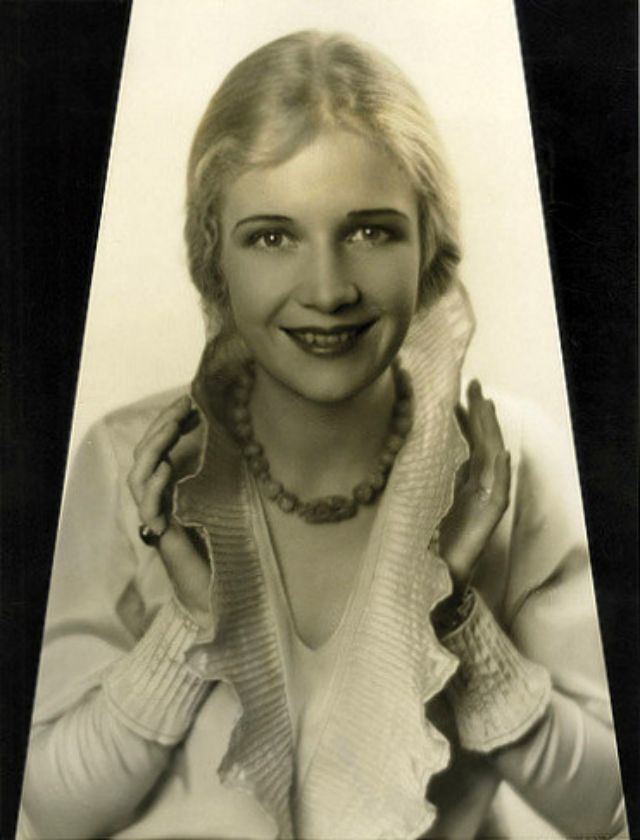
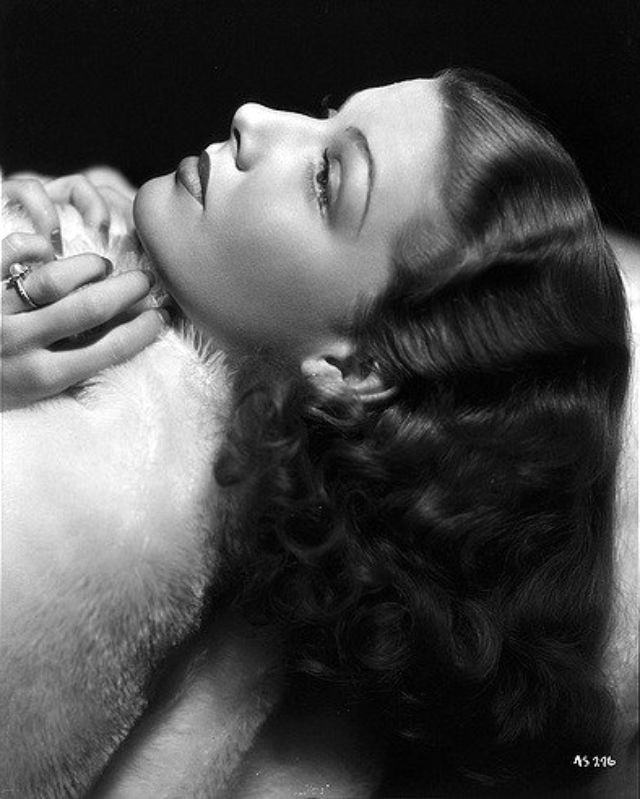
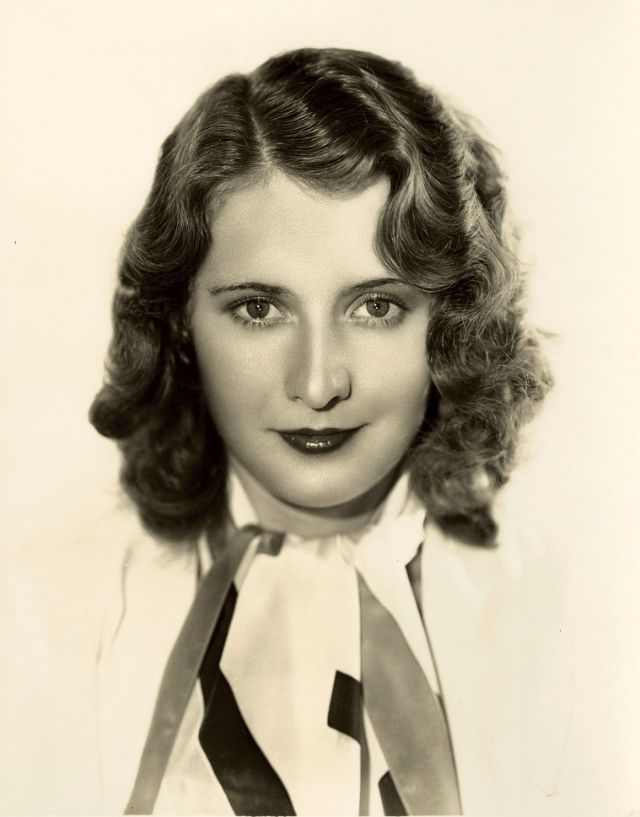
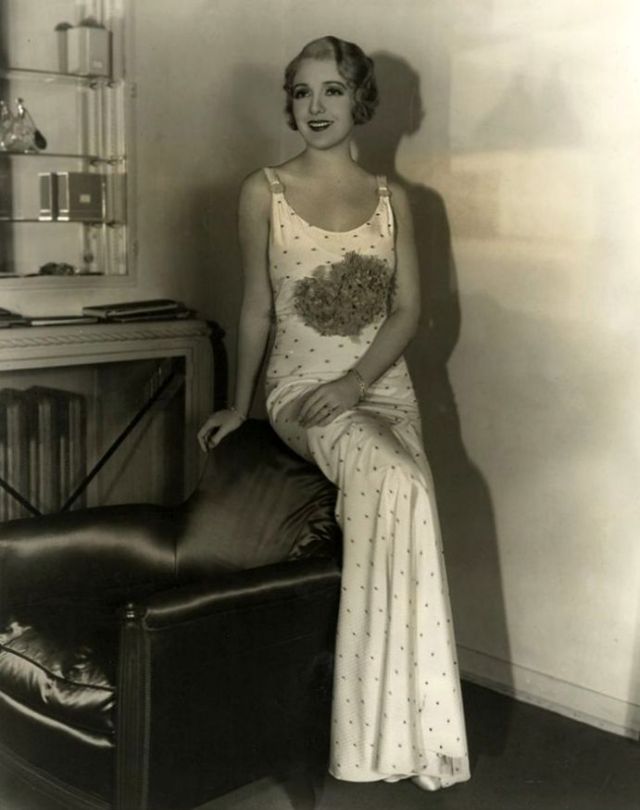
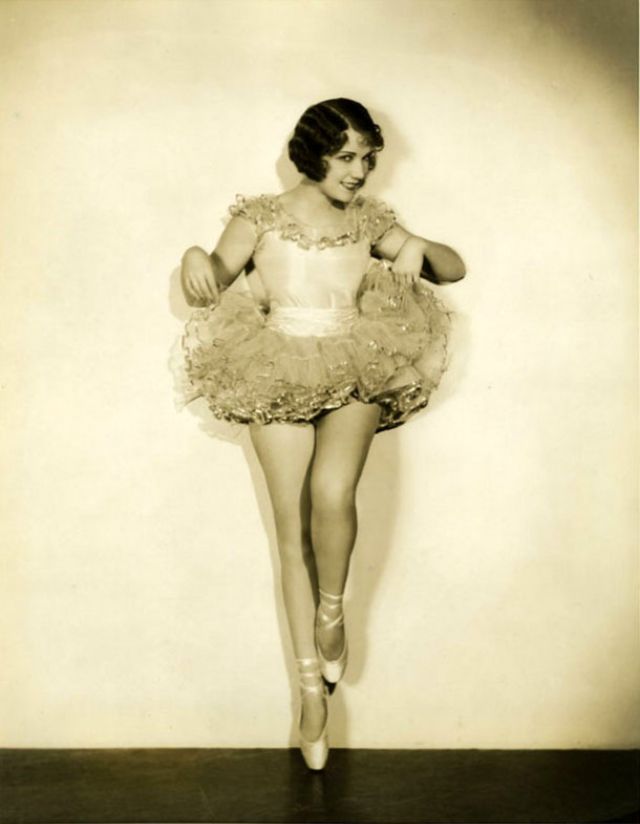
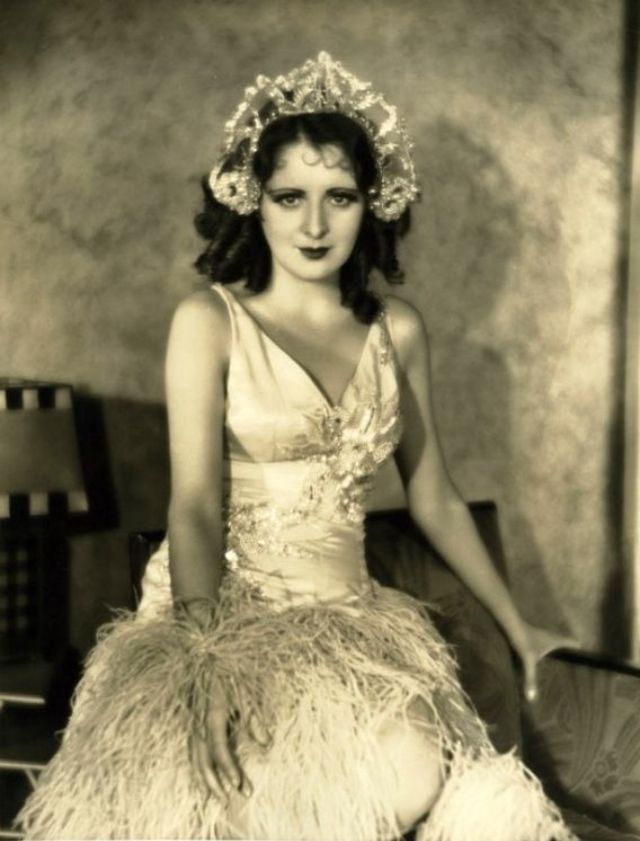
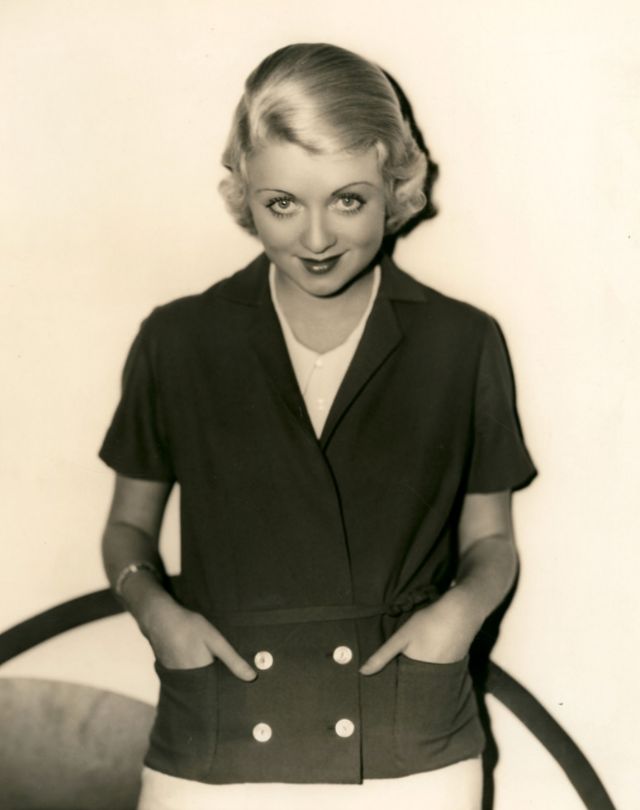
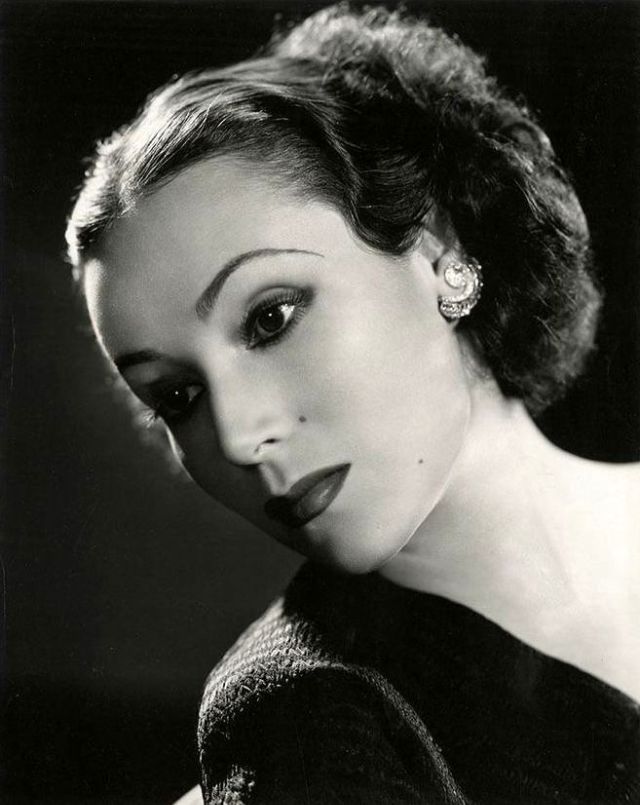
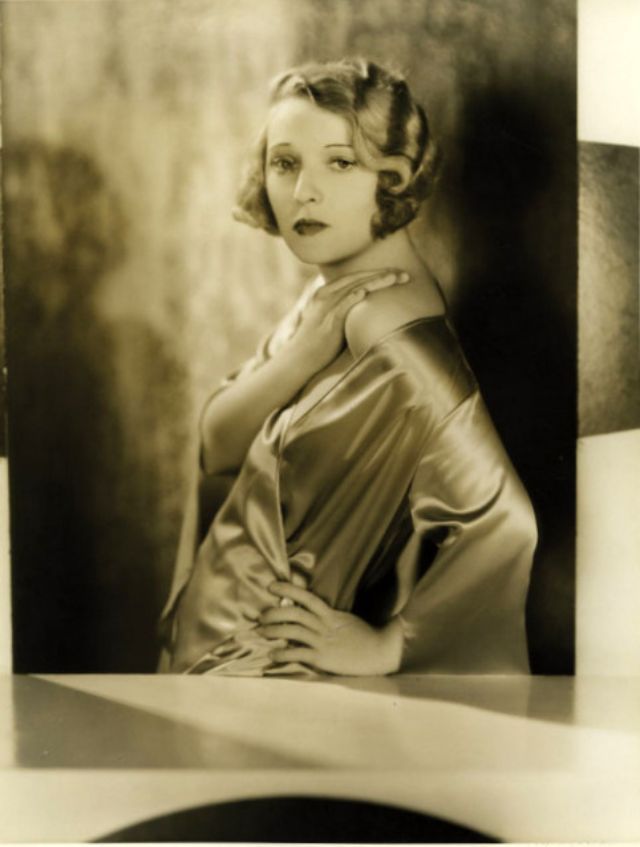
35 Wonderful Photos of Hollywood Actresses during the 1930s

Jacquelyn Allen
Jean Morgan
Joan Blondell
Kay Francis
Lili Damita
Eleanor Gutchrlein & Karla Gutchrlein
Evalyn Knapp
Ginger Rogers
Loretta Young
Louise Brooks
Marian Marsh
Marion Davies
Mary Astor
Myrna Loy
Olivia De Havilland
Patricia Ellis
Phyllis Crane
Polly Walters
Ruby Keeler
Sheila Terry
Thelma Todd
Adrienne Dore
Alice White
Anita Louise
Ann Dvorak
Ann Harding
Ann Sheridan
Barbara Stanwyck
Bebe Daniels
Bernice Claire
Bette Davis
Billie Dove
Constance Bennett
Dolores Del Rio
Dorothy Mackaill

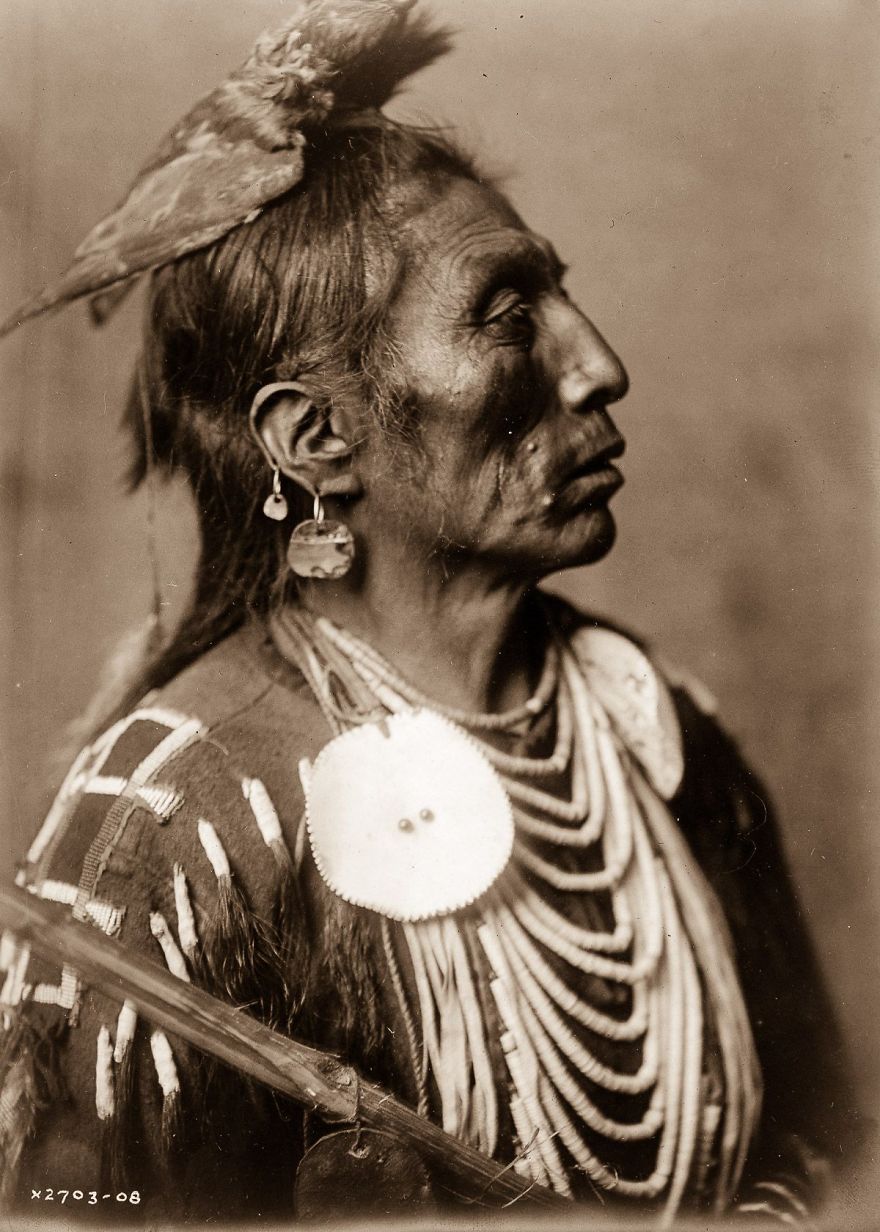
40 Rare Photos of Native American Life during the Early 1900s Volume 1

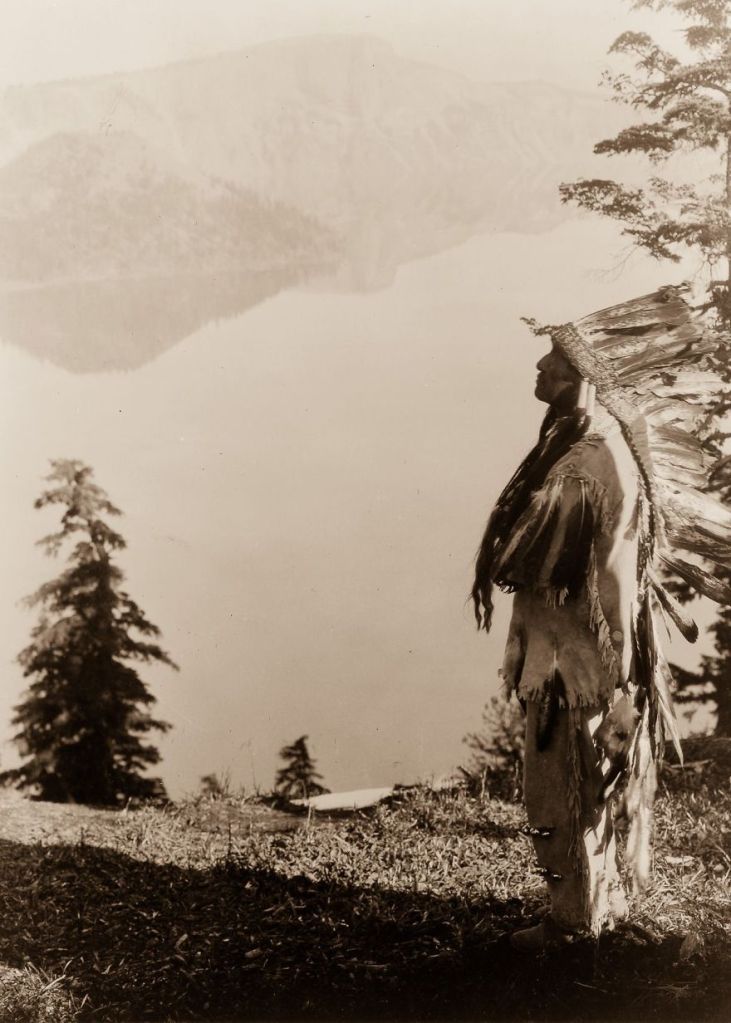
A Klamath Chief Stands On A Hill Above Crater Lake, Oregon, 1923
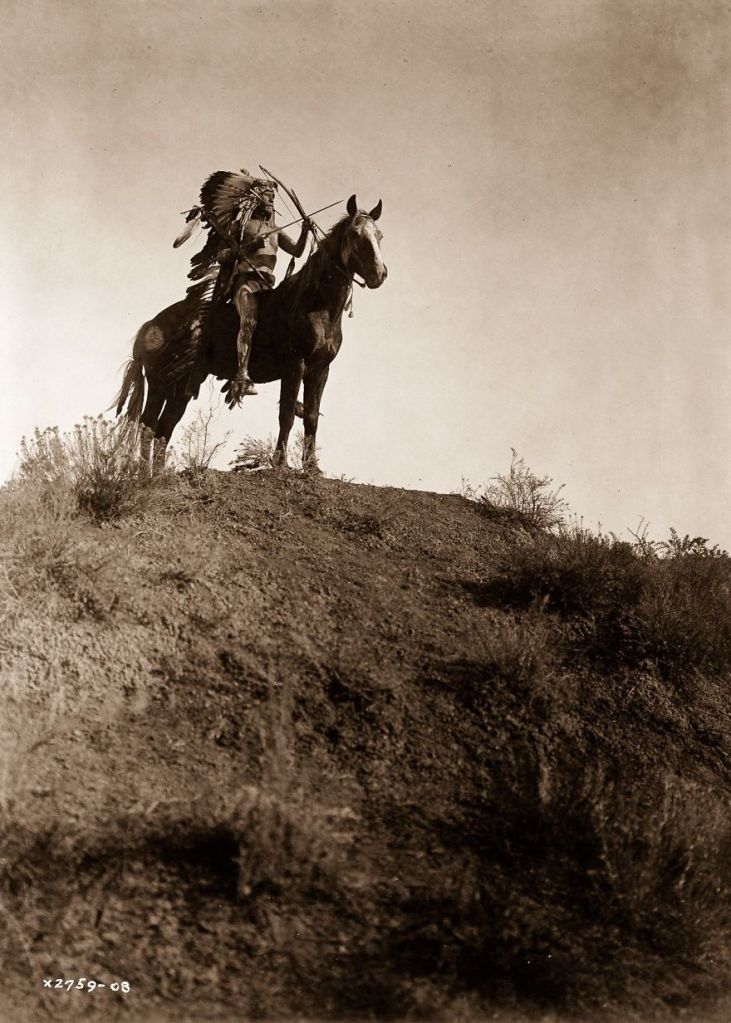
An Apsaroke Man On Horseback, 1908
A Jicarrilla Girl, 1910
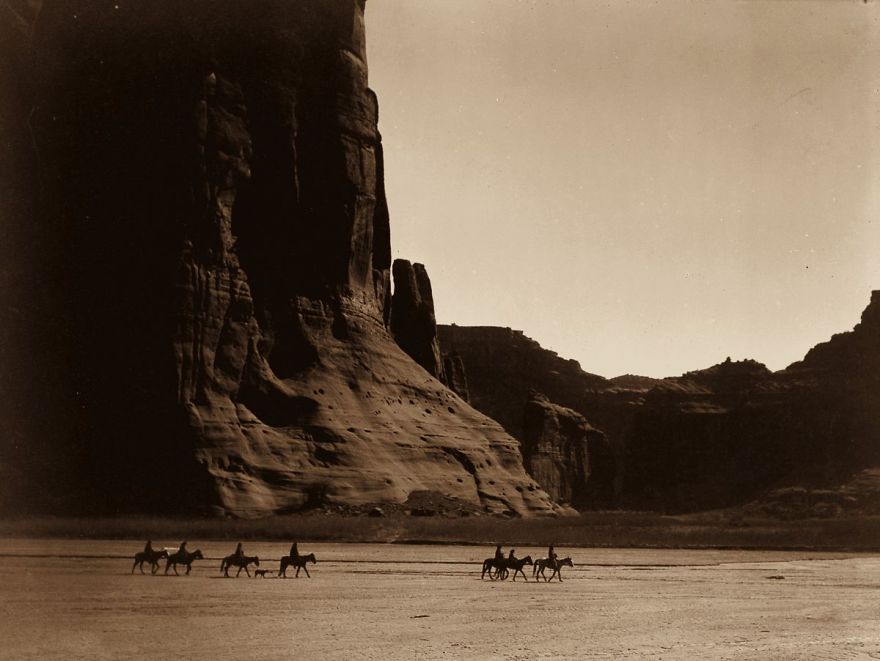
A Group Of Navajo In The Canyon De Chelly, Arizona, 1904
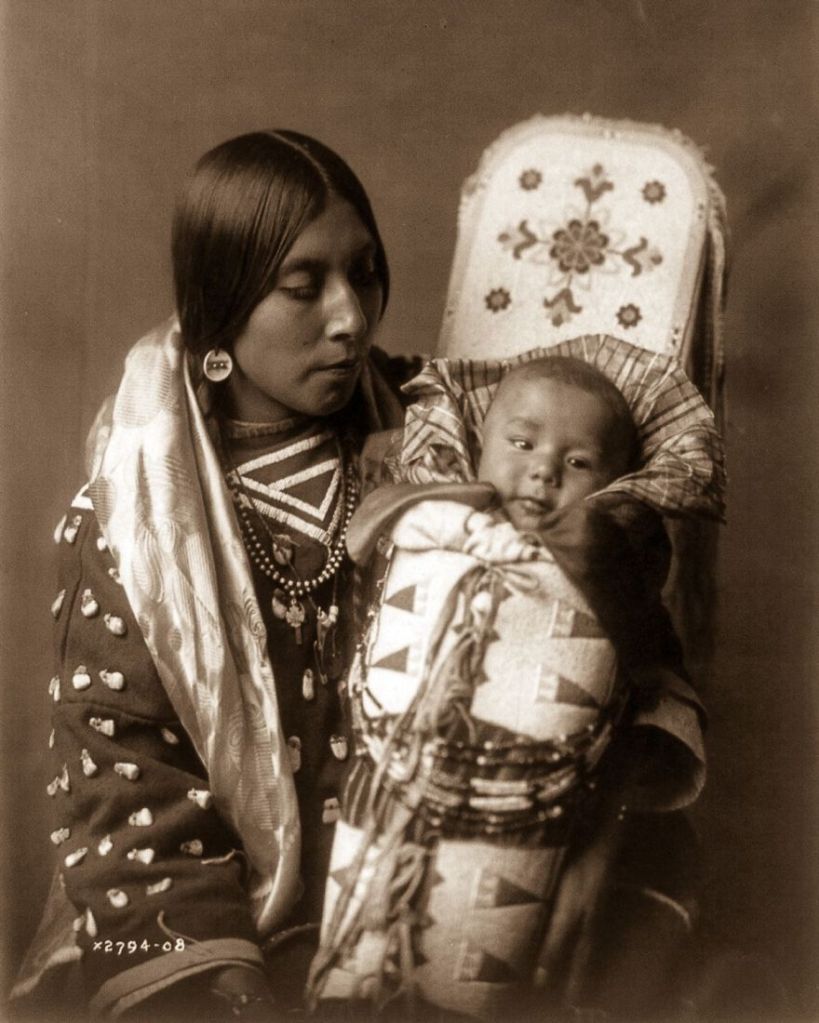
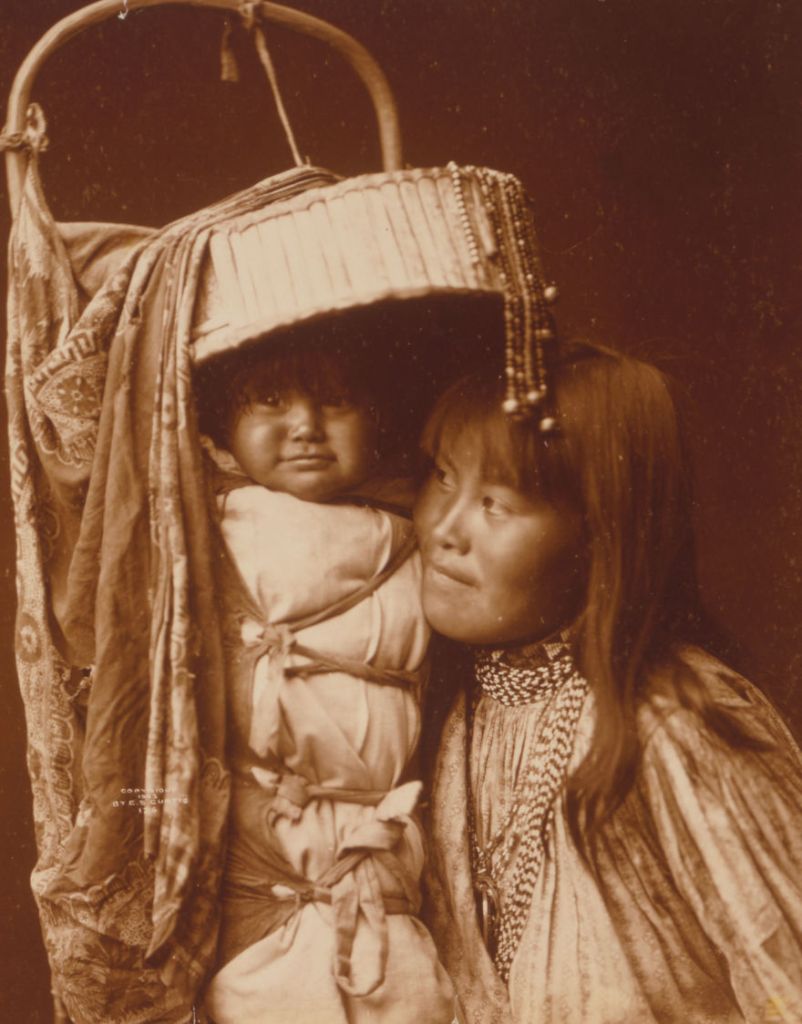
An Apsaroke Mother And Child, 1908
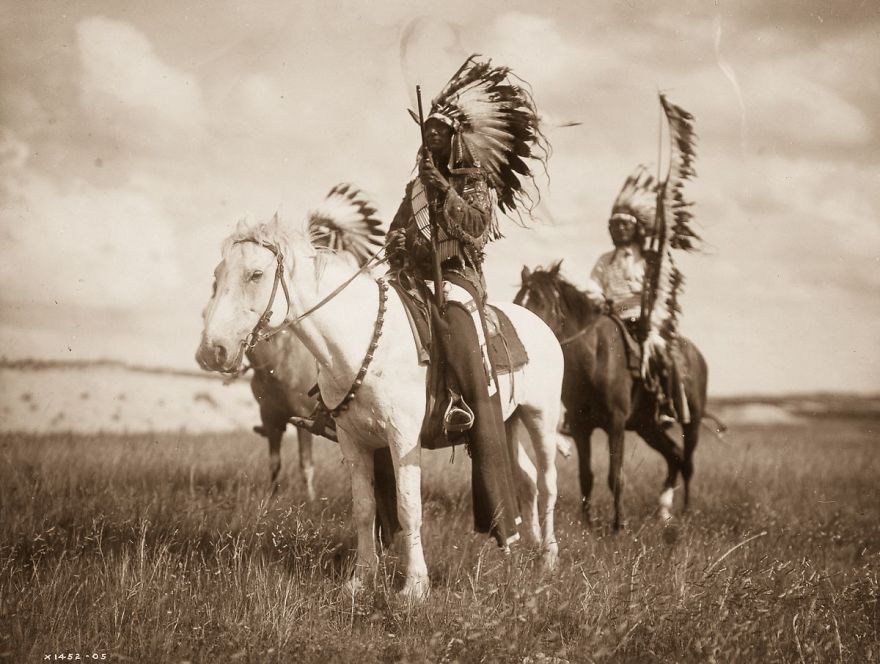
Sioux Chiefs, 1905
A Tewa Girl, 1906
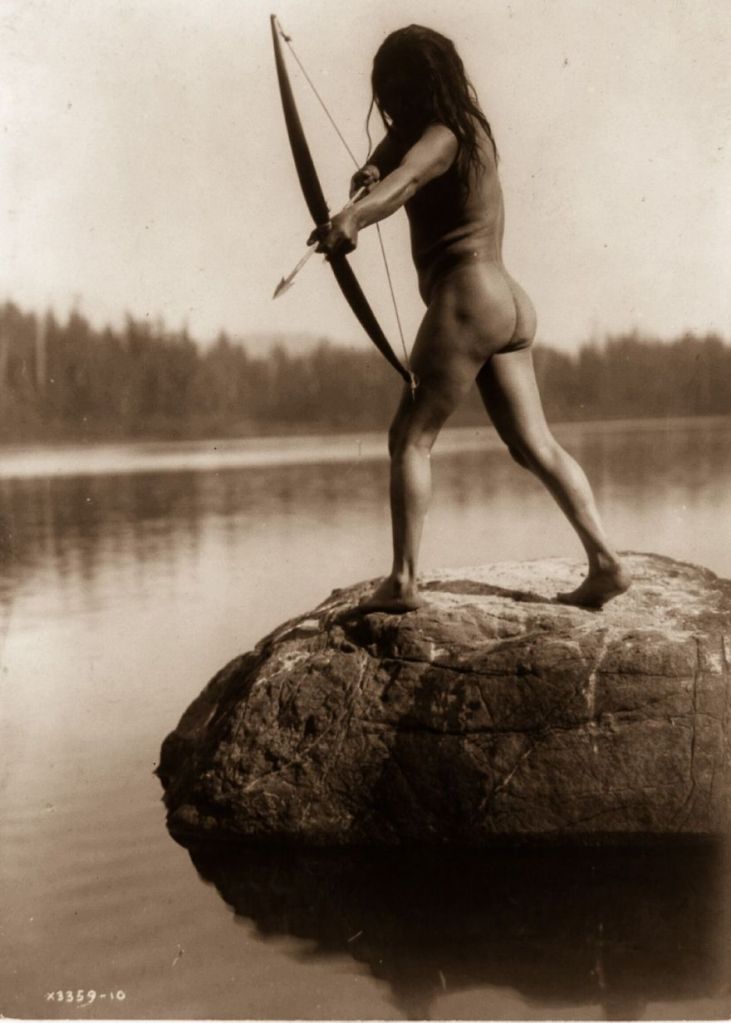
A Nootka Man Aims A Bow And Arrow, 1910
Black Eagle, An Assiniboin Man, 1908
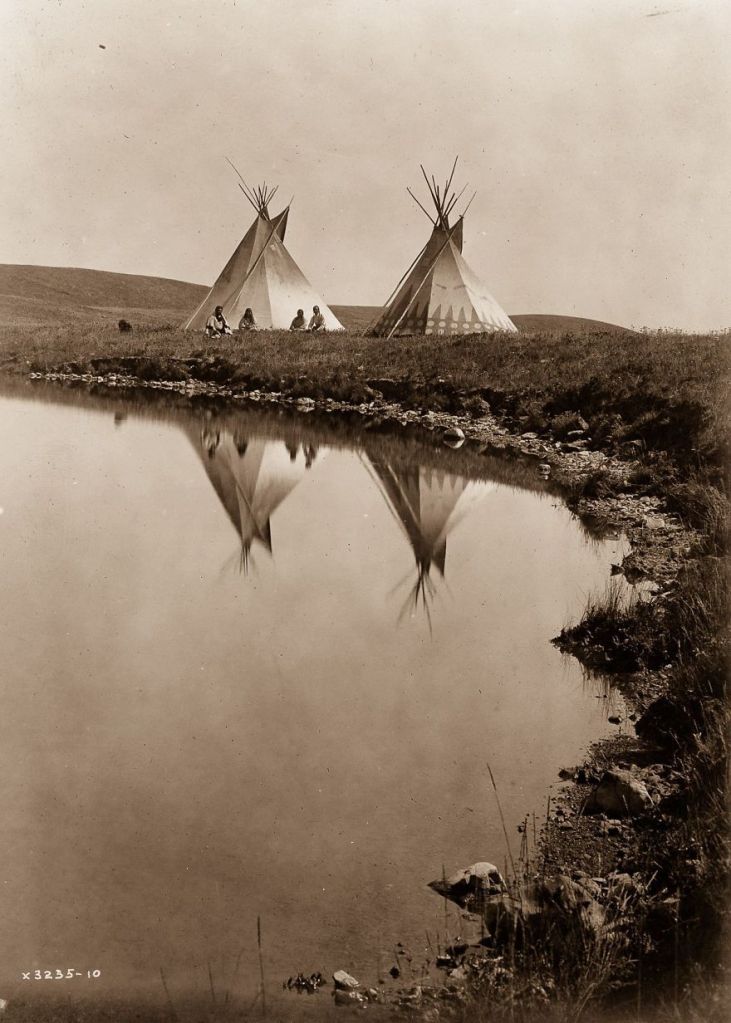
Piegan Teepees, 1910
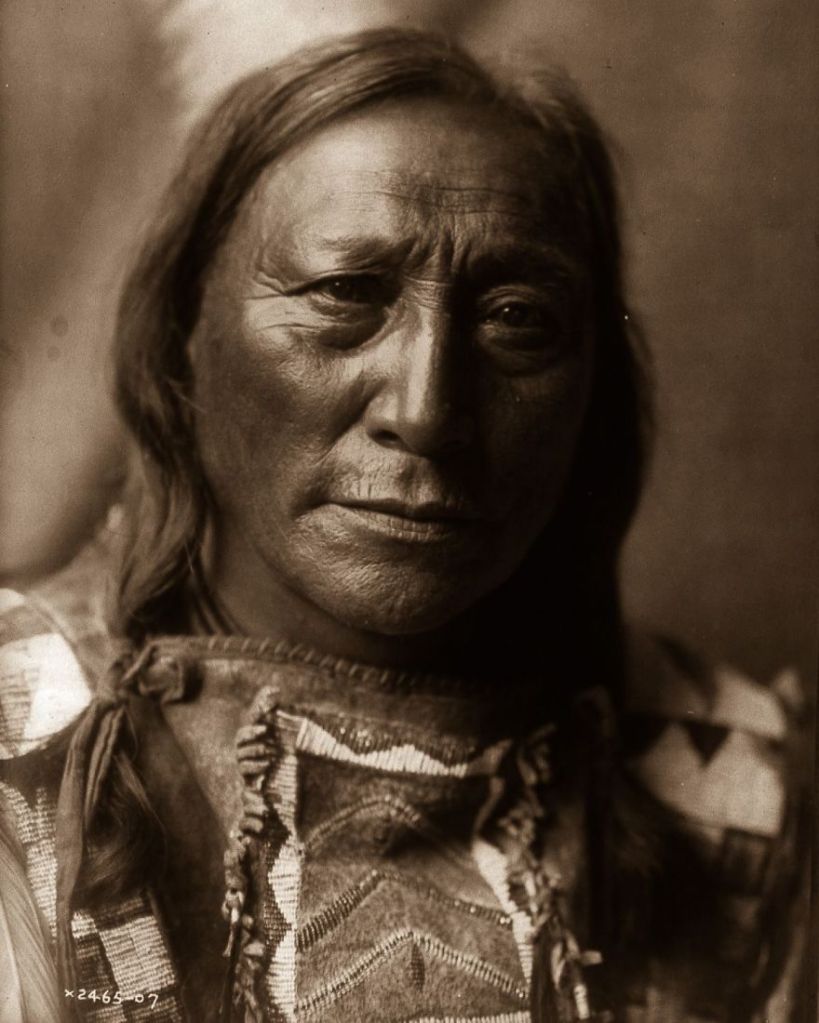
Hollow Horn Bear, A Brulé Man, 1907
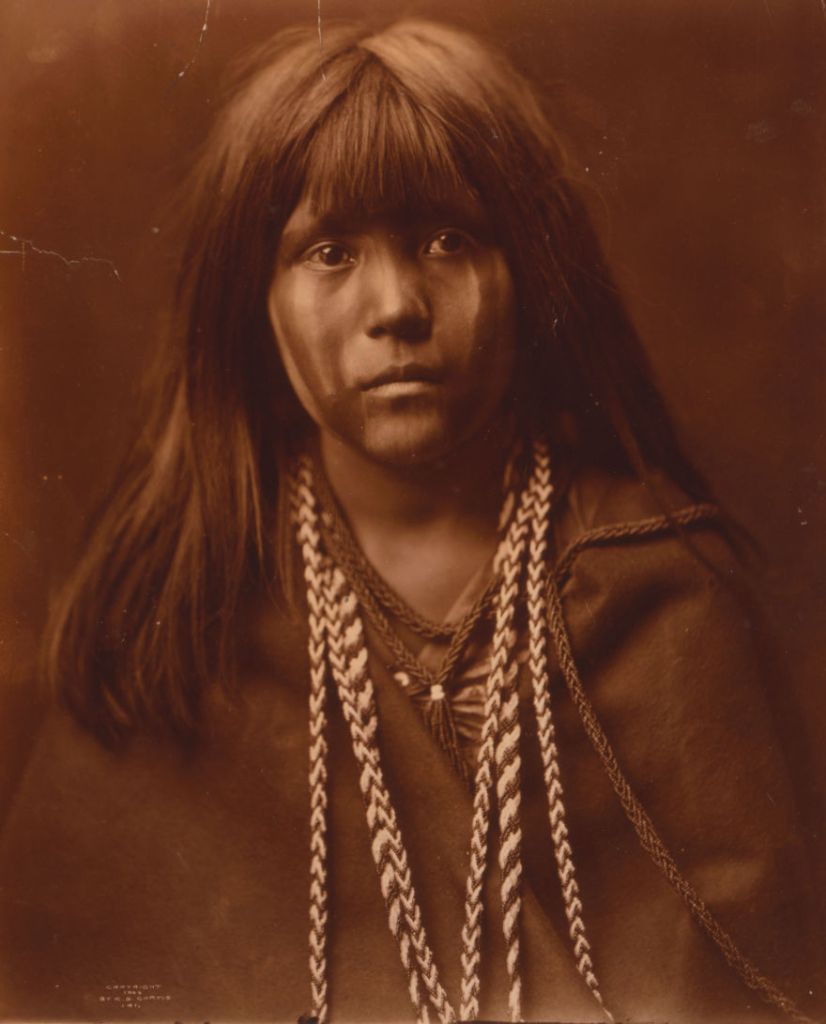
Mohave Woman, 1903
Apache Girl And Papoose, 1903
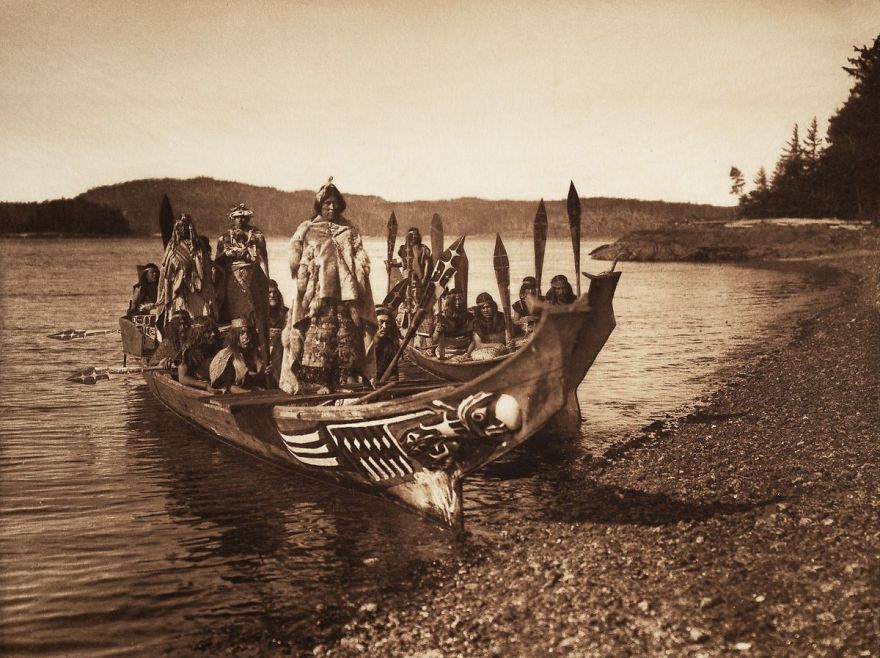
A Kwakiutl Wedding Party Arrives In Canoes, 1914
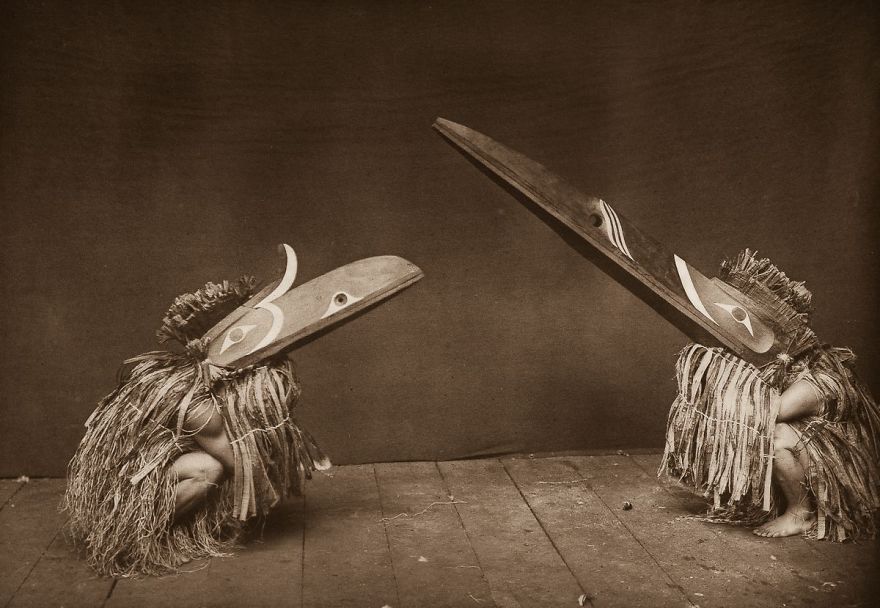
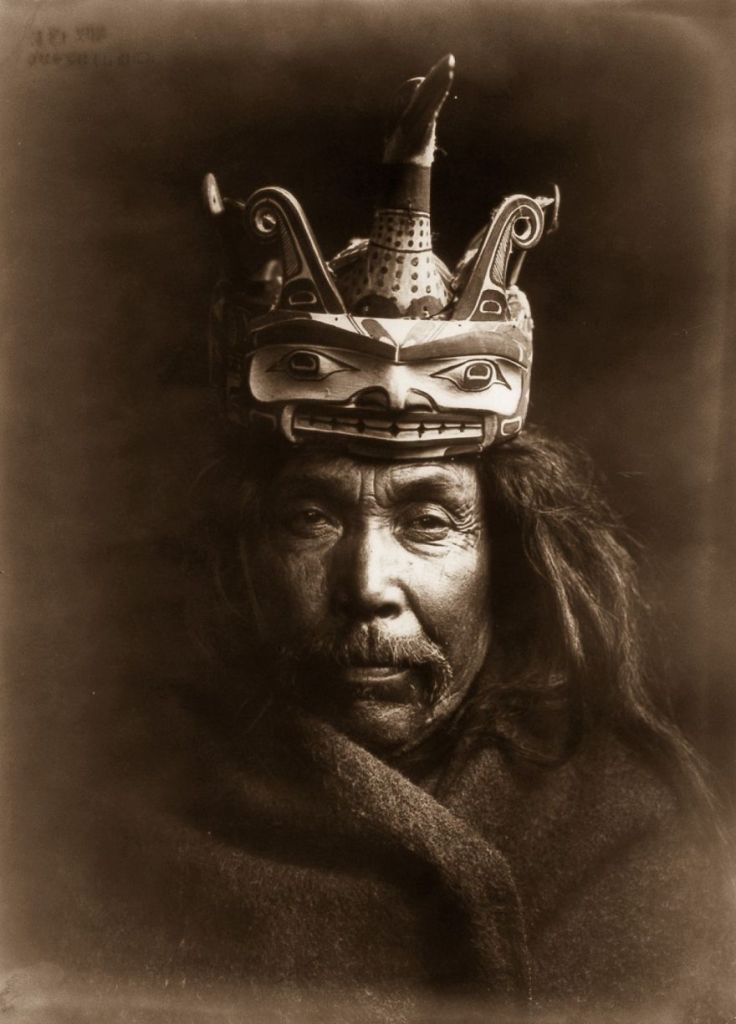
Nakoaktok Dancers Wear Hamatsa Masks In A Ritual, 1914
Eskadi, Of The Apache Tribe, 1903
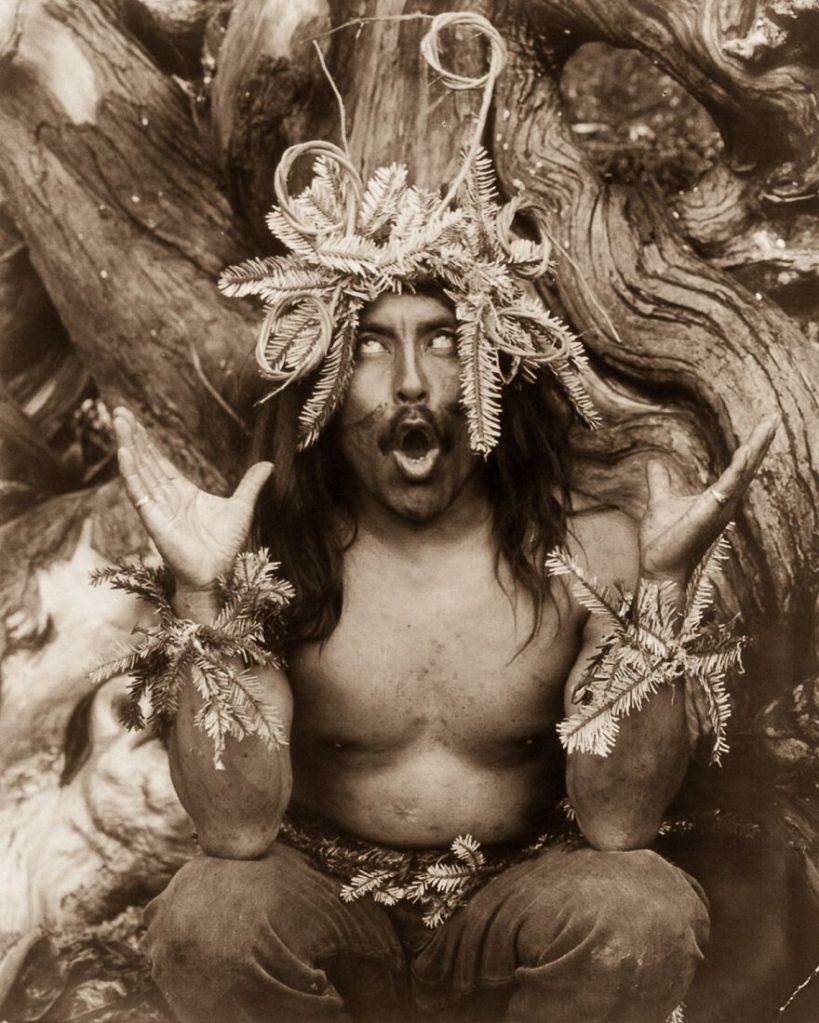
A Kwakiutl Shaman Performs A Religious Ritual, 1914
Apache Woman, 1906
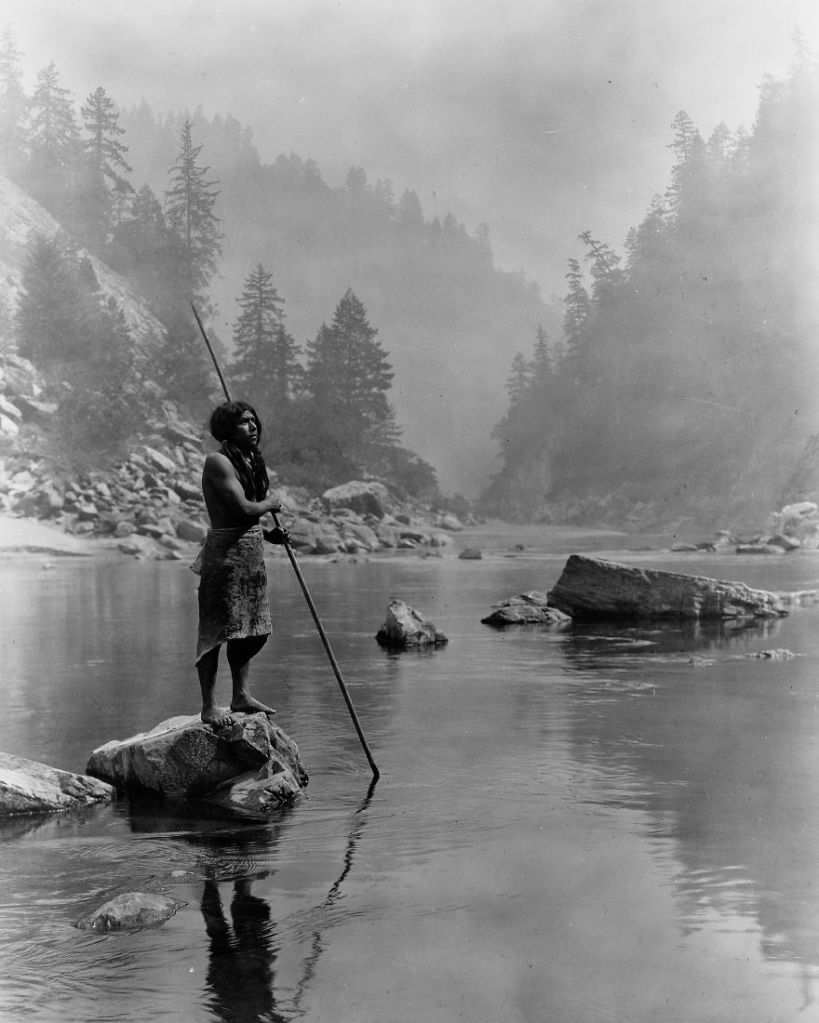
A Smoky Day At The Sugar Bowl, 1923
A Qagyuhl Man Dressed As A Bear, 1914
Walpi Maidens, 1906
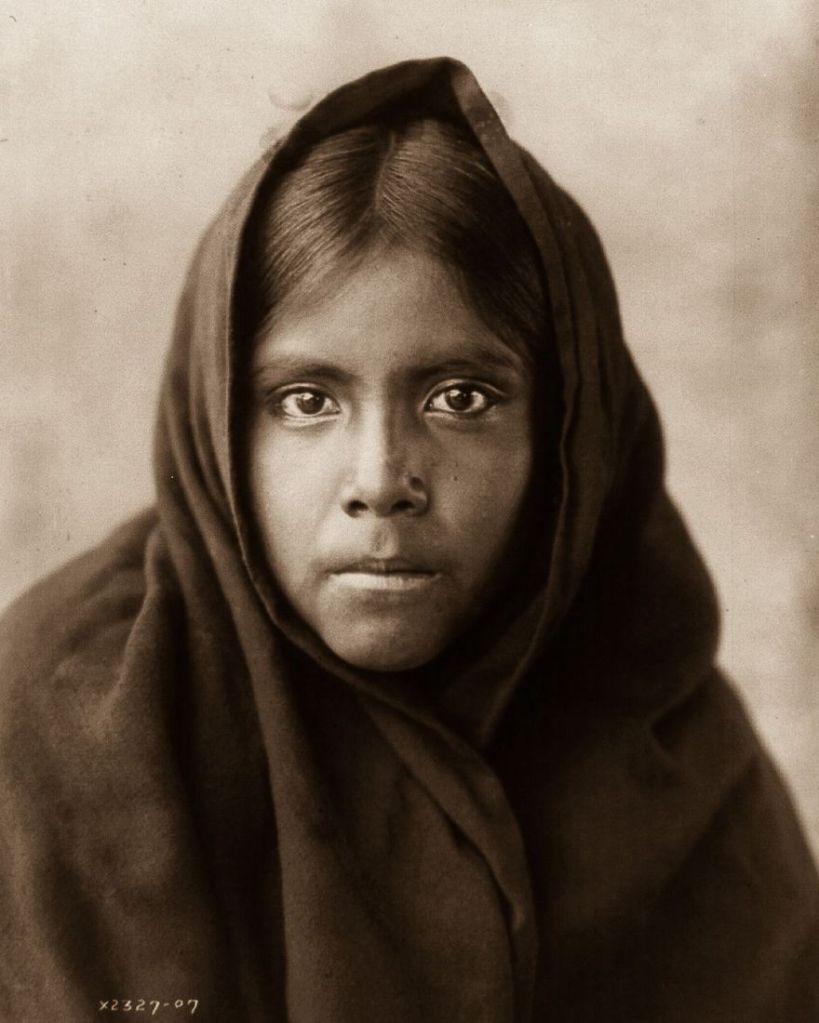
A Qahatika Girl, 1907
Navajo Man, 1904
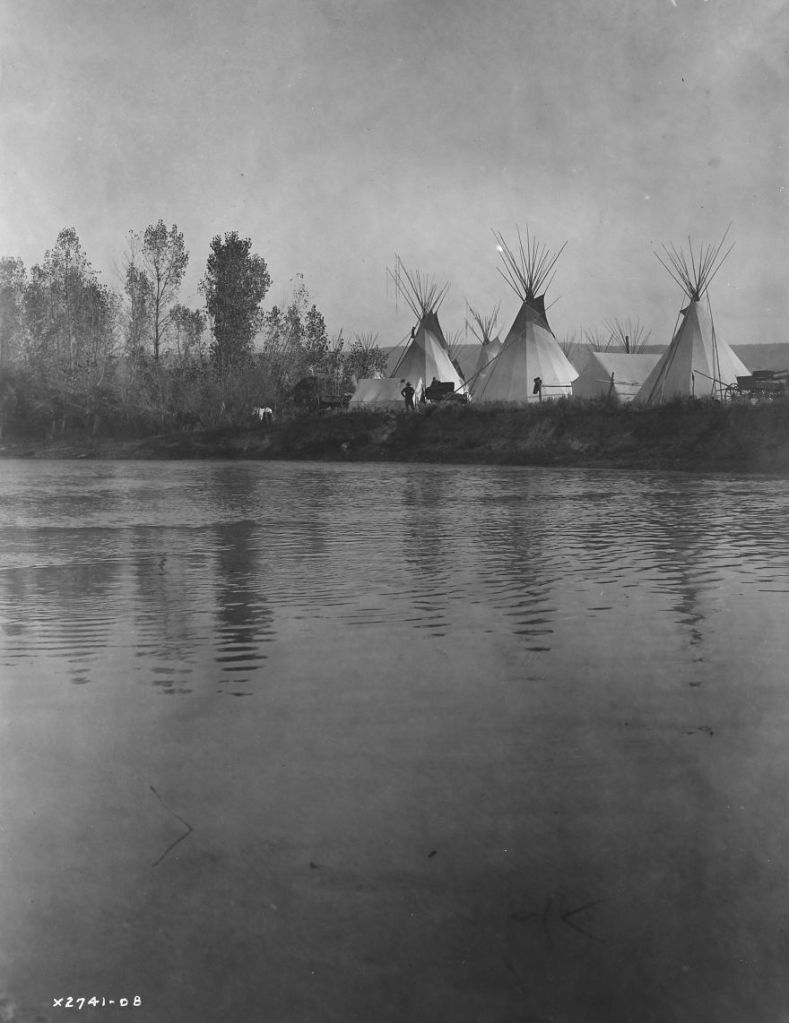
Crow Encampment With Tipis, Tents, Wagons, Horses And Men As Seen From The Distant Shore Of The River, 1908
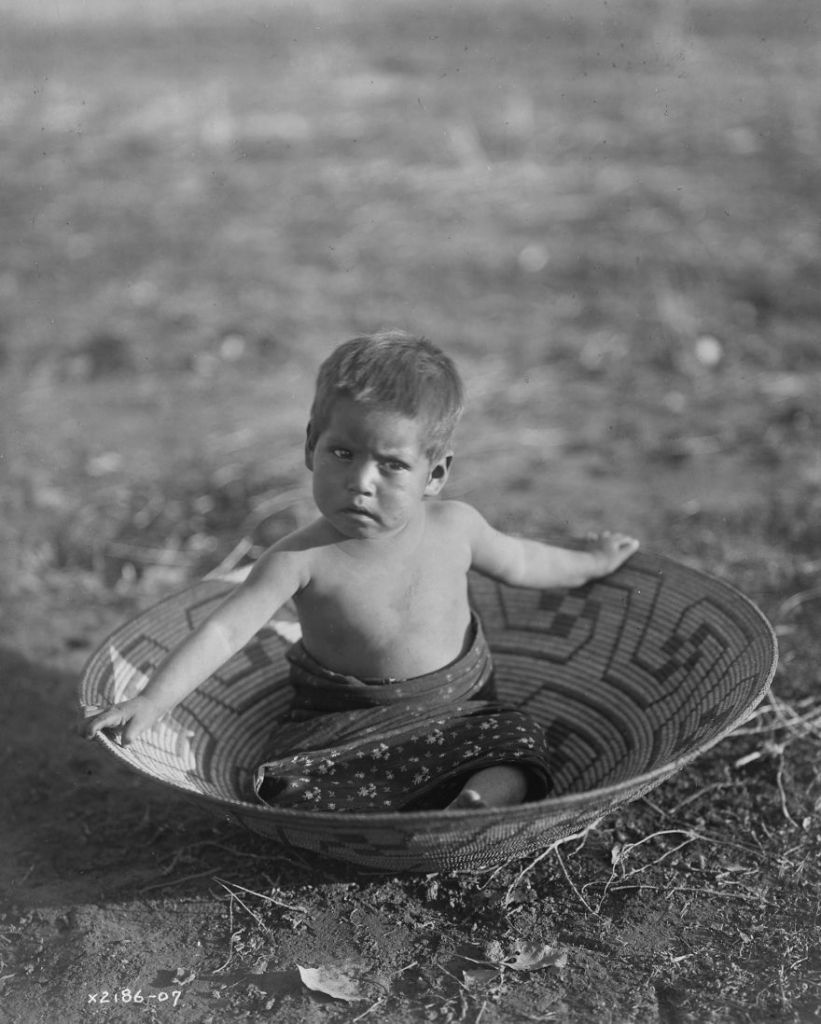
Maricopa Child, 1907
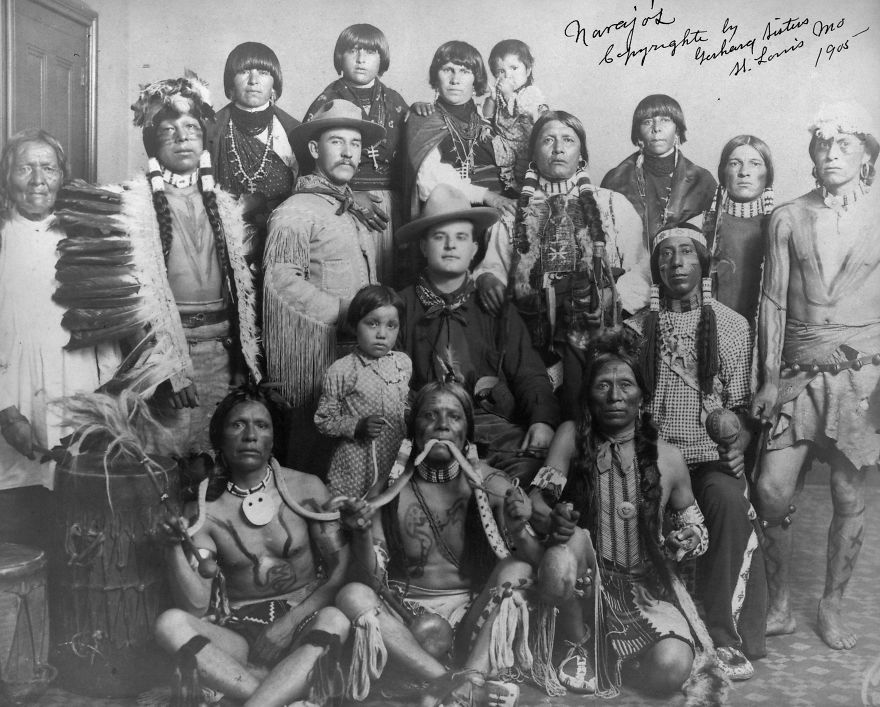
Navajos, 1905
A Qagyuhl Woman Wears A Fringed Chilkat Blanket And A Mask Representing A Deceased Relative Who Had Been A Shaman, 1914
Piegan Girls Gather Goldenrod, 1910
A Koskimo Man Dressed As Hami (“dangerous Thing”) During A Numhlim Ceremony, 1914
A Hidatsa Man With A Captured Eagle, 1908
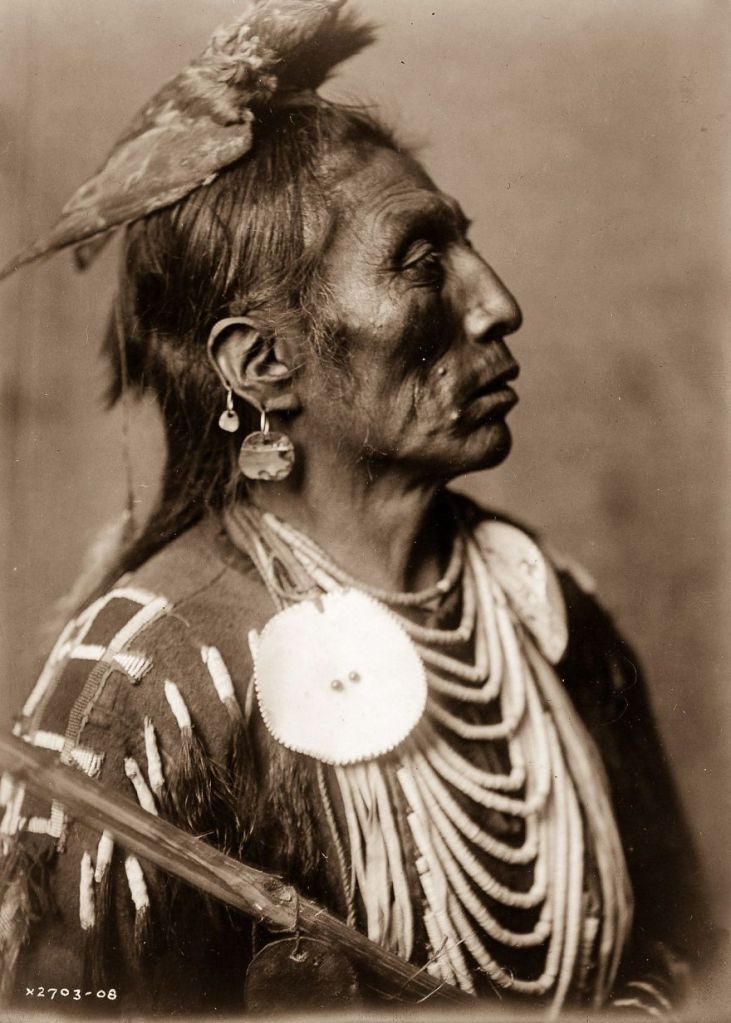
Medicine Crow, Of The Apsaroke Tribe, 1908
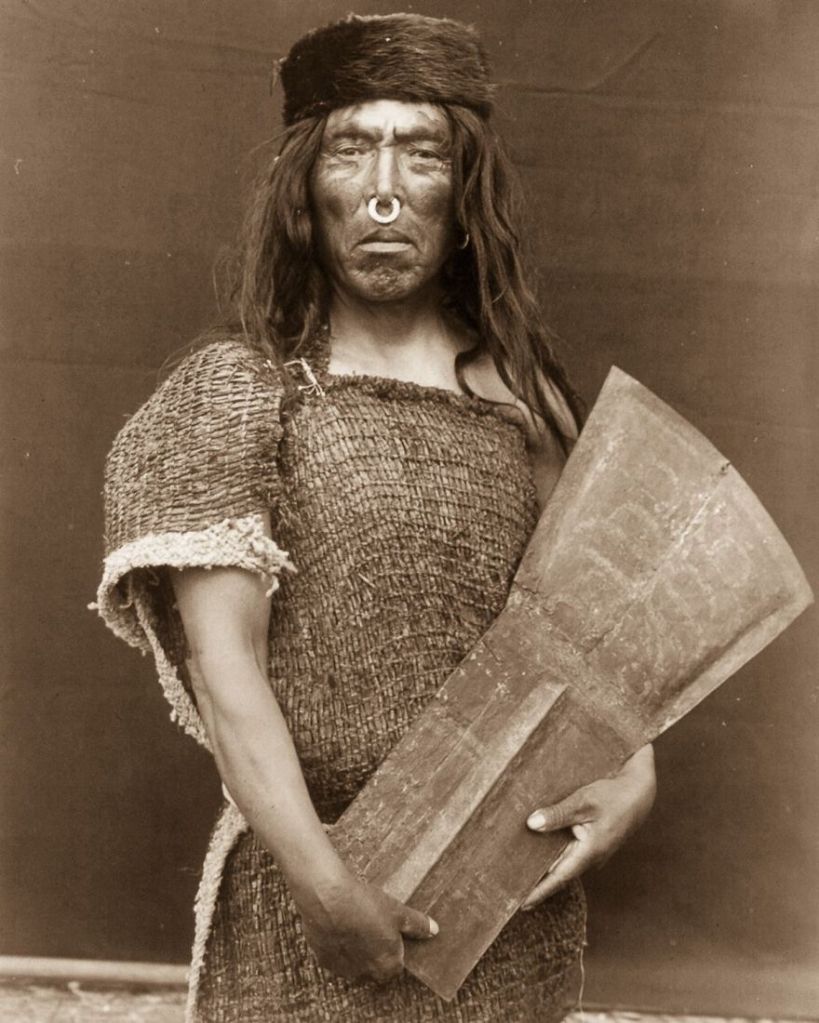
Hakalahl, A Nakoaktok Chief, 1914
Indian Woman Holding Rushes, 1908
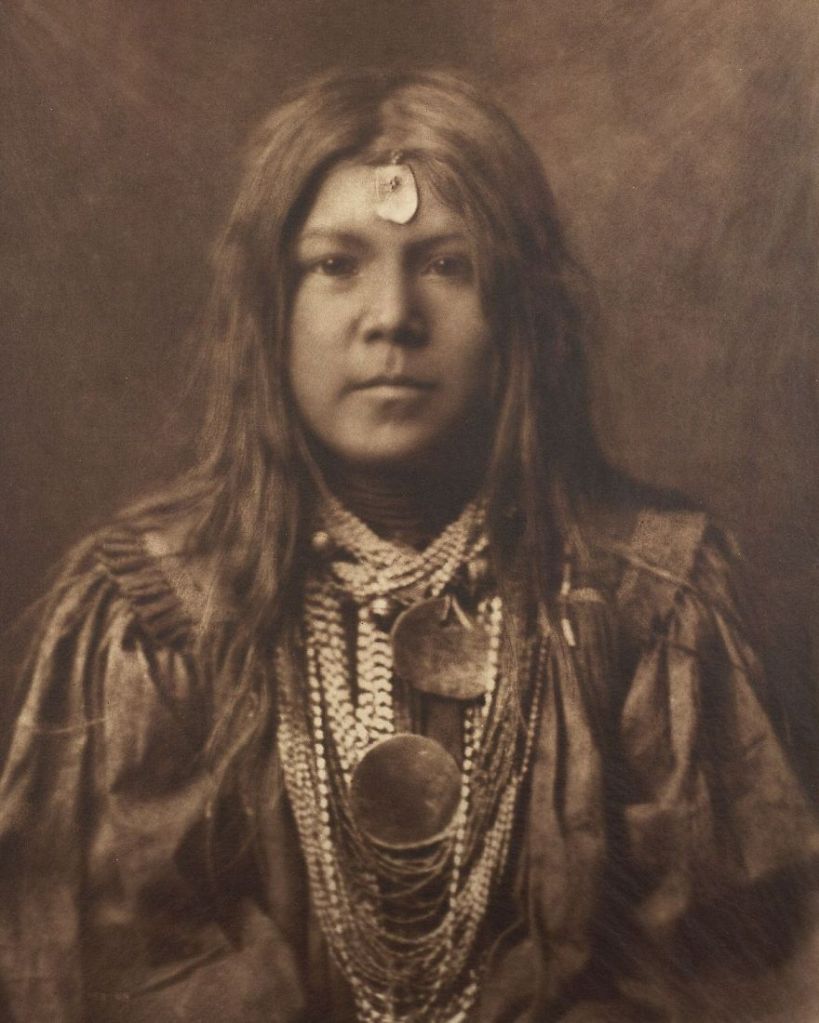
A Young Member Of The Apache Tribe, 1910
A Wishran Girl, 1910
Apsaroke Man Wearing Medicine Hawk Headdress, 1908
A Kwakiutl Man Wearing A Mask Depicting A Man Transforming Into A Loon, 1914
The Primitive Artists-paviotso, 1924
A Kwakiutl Gatherer Hunts Abalones In Washington, 1910
A Hupa Spear Fisherman Watches For Salmon, 1923

(Photos by Edward Sheriff Curtis)

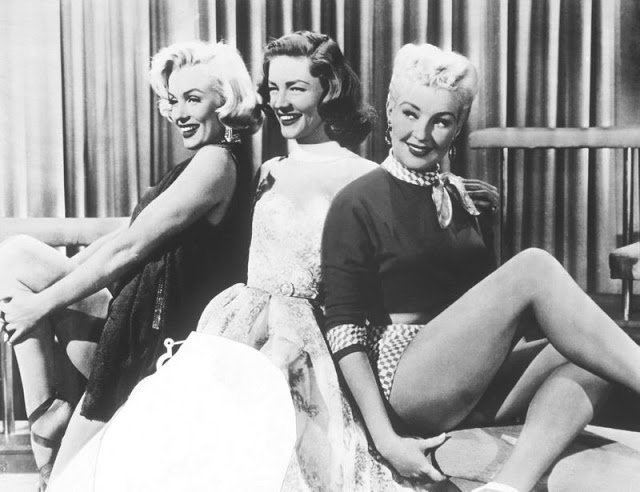
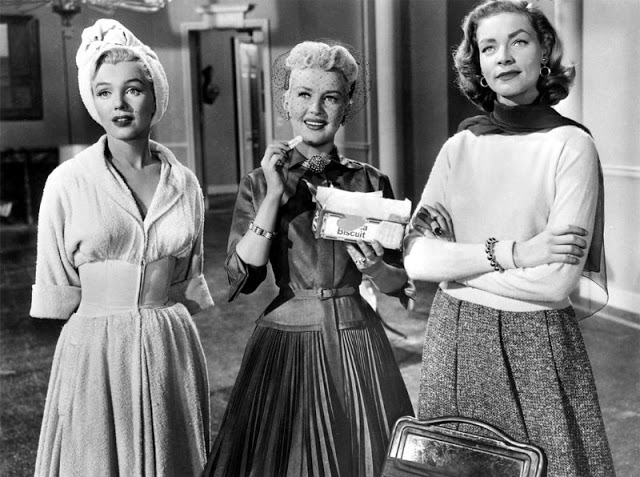
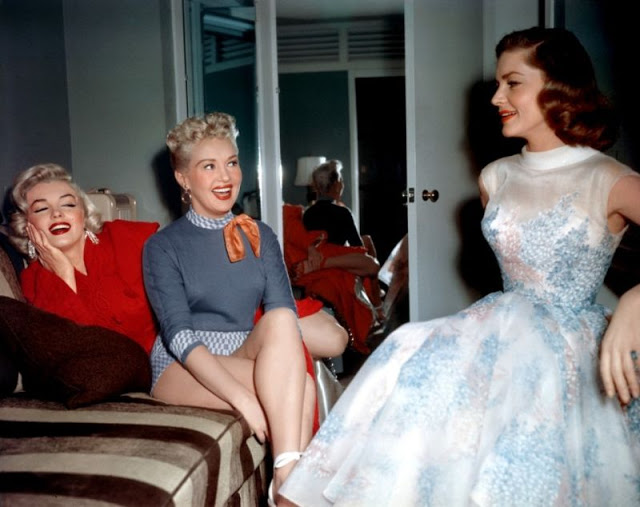
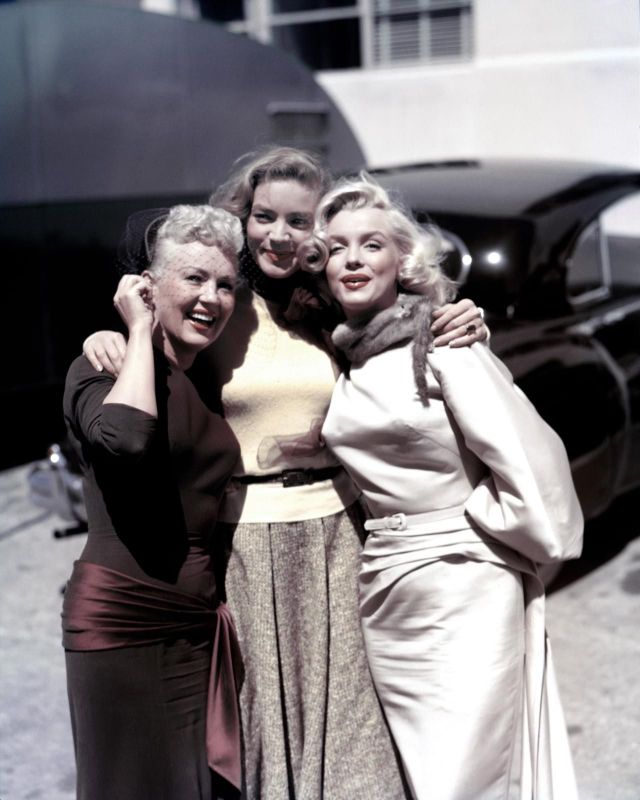
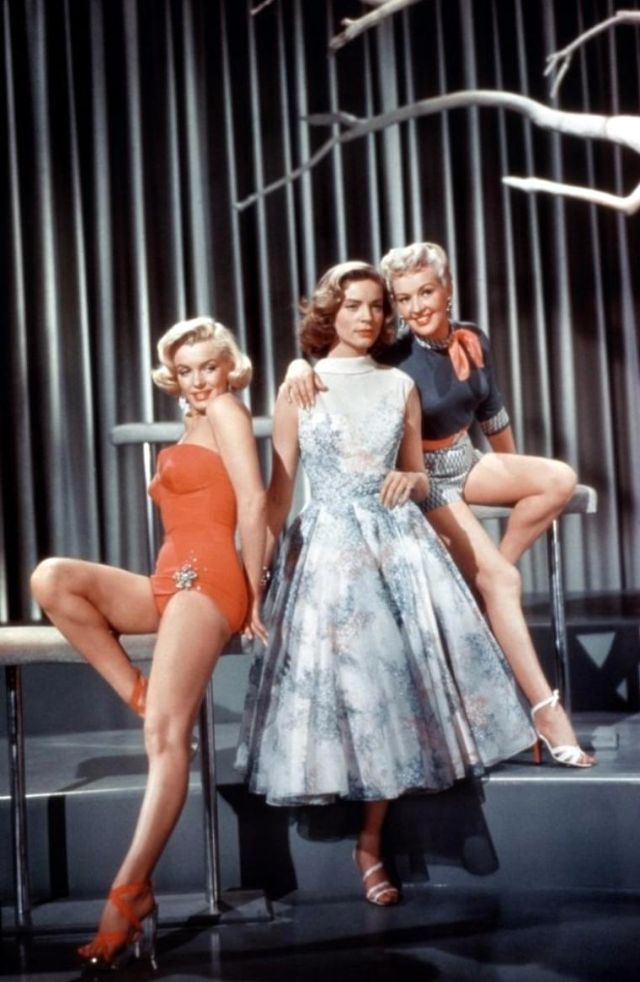
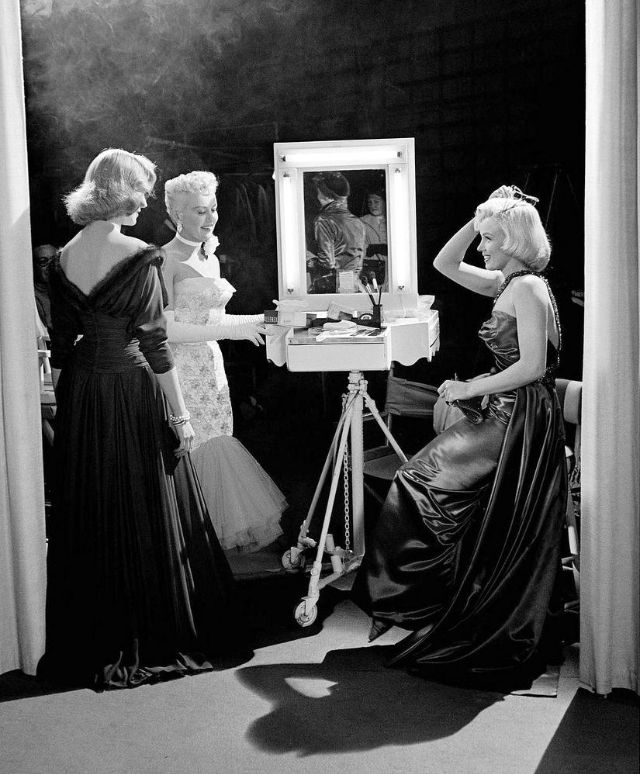
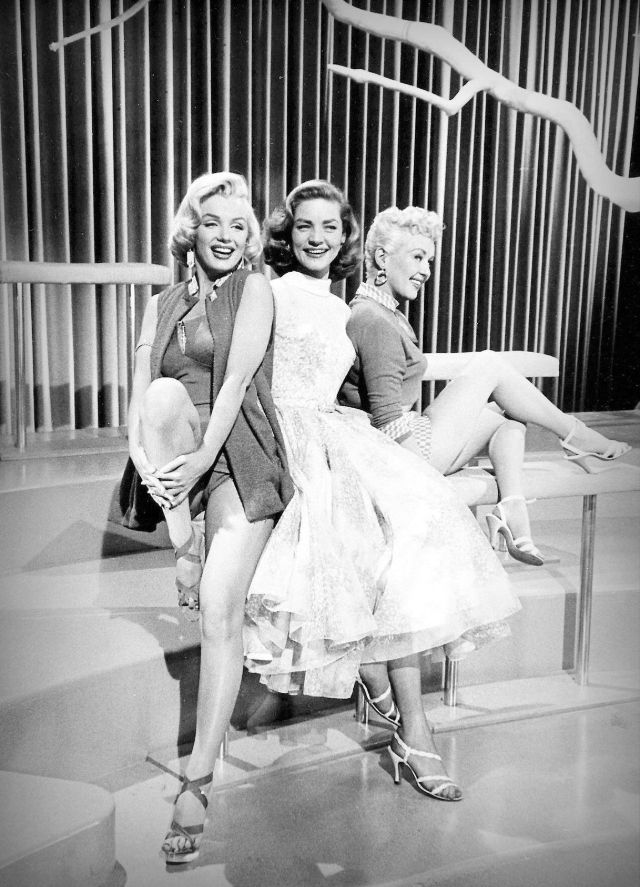
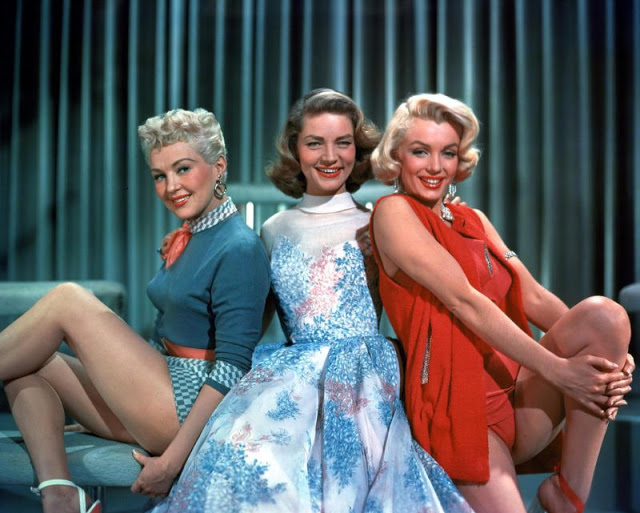
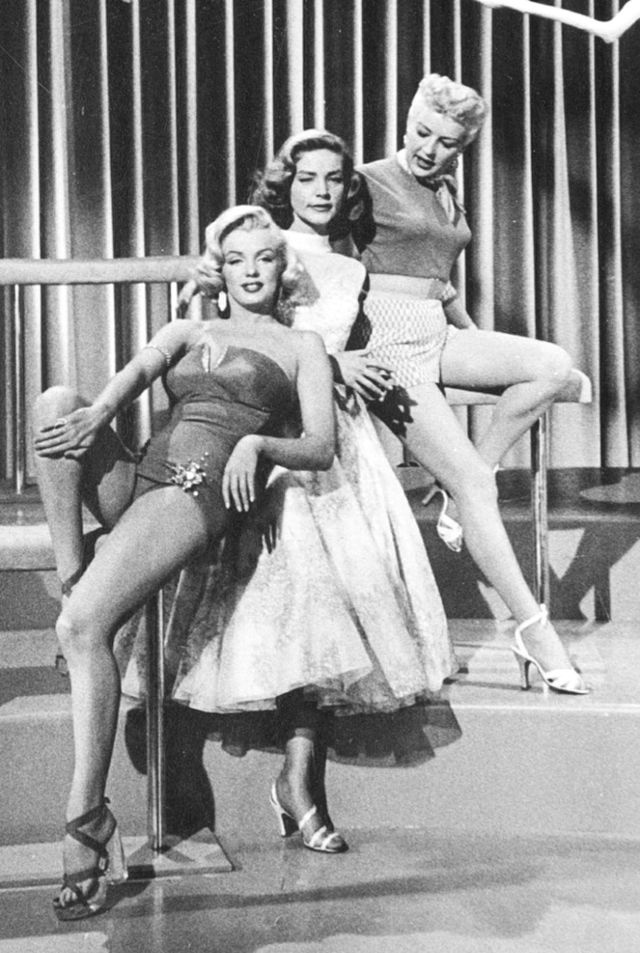
19 Beautiful Behind-the-Scenes Photos of Betty Grable, Lauren Bacall and Marilyn Monroe Together in “How to Marry a Millionaire” (1953)

How to Marry a Millionaire is a 1953 American romantic comedy film directed by Jean Negulesco and written and produced by Nunnally Johnson. The screenplay was based on the plays The Greeks Had a Word for It by Zoë Akins and Loco by Dale Eunson and Katherine Albert.

The film stars Betty Grable, Marilyn Monroe, and Lauren Bacall as three gold diggers, along with William Powell, David Wayne, Rory Calhoun, and Cameron Mitchell. Although Grable received top billing in the screen credits, Monroe’s name was listed first in all advertising, including the trailer.

Made by 20th Century Fox, How to Marry a Millionaire was the first film ever to be filmed in the new CinemaScope wide-screen process, although it was the second CinemaScope film released by Fox after the biblical epic film The Robe (also 1953).

How to Marry a Millionaire was also the first 1950s color and CinemaScope film ever to be shown on prime-time network television, though panned-and-scanned, when it was presented as the first film on NBC Saturday Night at the Movies on September 23, 1961.

These gorgeous photos captured portraits of classic beauties Betty Grable, Lauren Bacall and Marilyn Monroe together while filming How to Marry a Millionaire in 1953.
Yesterday Today

Bringing You the Wonder of Yesterday - Today

Skip to content ↓