26 Famous Gangsters From The 1920s & 1930s

Subscribe to get access

Read more of this content when you subscribe today.

The terms “gangster” and “mobster” are mostly used in the United States to refer to members of criminal organizations associated with Prohibition. In 1920, the Eighteenth Amendment of the United States Constitution banned the sale, manufacture, and transportation of alcohol for consumption. Many gangs sold alcohol illegally for profit, and used acute violence to stake turf and protect their interest. Often, police officers and politicians were paid off or extorted to ensure continued operation. Al Capone was one of these notorious gangsters during the Depression era for the Chicago Outfit. Capone would rise to control a major portion of illicit activity such as gambling, prostitution, and bootlegging in Chicago during the early 20th century.

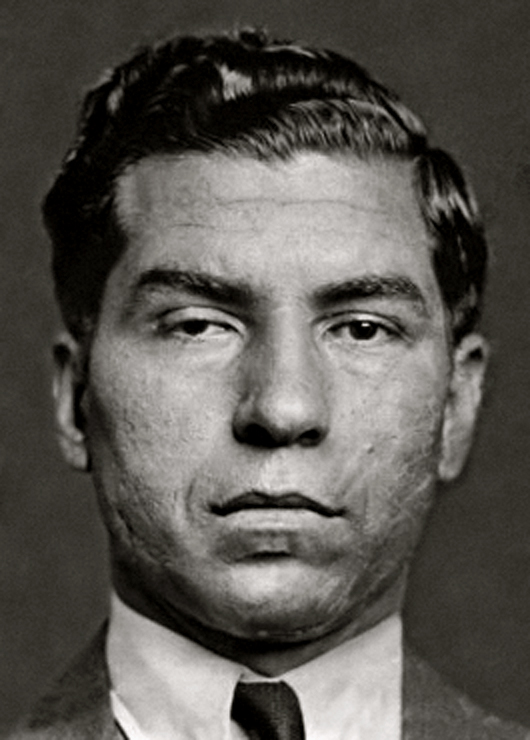
In New York City, by the end of the 1920s, two factions of organized crime had emerged to fight for control of the criminal underworld, one led by Joe Masseria and the other by Salvatore Maranzano. This caused the Castellammarese War, which led to Masseria’s murder in 1931. Maranzano then divided New York City into five families. Maranzano, the first leader of the American Mafia, established the code of conduct for the organization, set up the “family” divisions and structure, and established procedures for resolving disputes. In an unprecedented move, Maranzano set himself up as boss of all bosses and required all families to pay tribute to him. This new role was received negatively, and Maranzano was murdered within six months on the orders of Charles “Lucky” Luciano. Luciano was a former Masseria underling who had switched sides to Maranzano and orchestrated the killing of Masseria. As an alternative to the previous despotic Mafia practice of naming a single Mafia boss as capo di tutti capi, or “boss of all bosses,” Luciano created The Commission in 1931, where the bosses of the most powerful families would have equal say and vote on important matters and solve disputes between families. This group ruled over the National Crime Syndicate and brought in an era of peace and prosperity for the American Mafia.
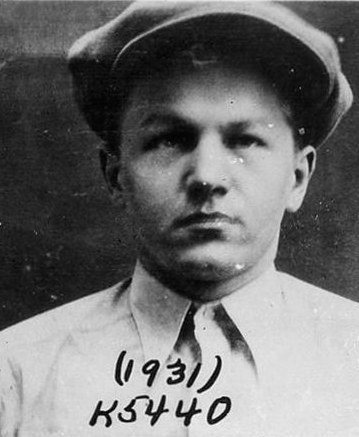
George “Baby Face” Nelson was a notorious bank robber and killer who operated in the 1920s and 1930s across America.

Subscribe to continue reading

Become a paid subscriber to get access to the rest of this post and other exclusive content.

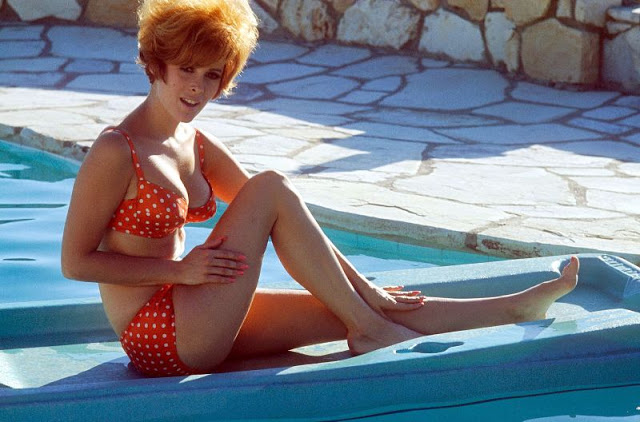
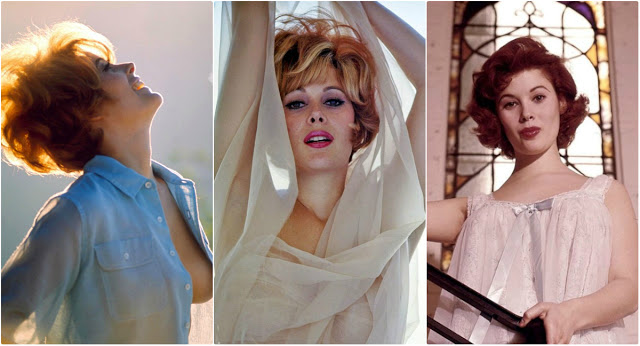
50 Stunning Photos of Jill St. John in the 1960s

Subscribe to get access

Read more of this content when you subscribe today.

Born 1940 in Los Angeles, California, American actress Jill St. John began acting on radio at age 6. She made her screen debut in December 1949, at age 9, in the first full-length made-for-TV movie, a production of A Christmas Carol. She was in the TV show Sandy Dreams in 1949. And at age 11, St. John appeared in two episodes of The George Burns and Gracie Allen Show.

In May 1957, at age 16, Universal Pictures signed St. John to a contract for seven years starting at $200 a week. Her major studio film debut was in Summer Love (1958). She also appeared on TV in episodes of The Christophers, Schlitz Playhouse, and The DuPont Show of the Month (an adaptation of Junior Miss).

St. John then signed a contract with 20th Century Fox who tried to build her into a star. She appeared in The Remarkable Mr. Pennypacker (1959) and Holiday for Lovers (1959), then was put in an adventure movie, The Lost World (1960).

St. John had a key role in Come Blow Your Horn (1963) and received a Golden Globe Award nomination as Best Actress – Motion Picture Musical or Comedy for her performance in the film. Her most famous role then was as Tiffany Case, the Bond girl in the James Bond film Diamonds Are Forever (1971), where she starred opposite Sean Connery. She was the first American to play a Bond girl.

St. John is not just a beautiful woman, she is also very intelligent with an IQ of 162. Take a look at these glamorous pics to see the beauty of young Jill St. John in the 1960s.

Subscribe to continue reading

Become a paid subscriber to get access to the rest of this post and other exclusive content.
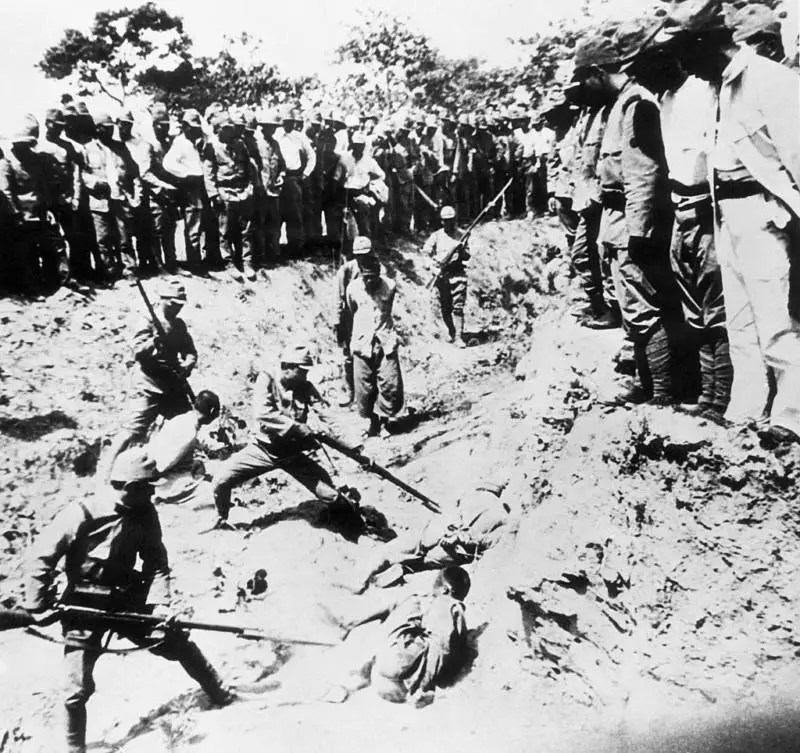
“The Forgotten Holocaust”: Horrific Photos From The Rape Of Nanking, 1937-1938.

Subscribe to get access

Read more of this content when you subscribe today.

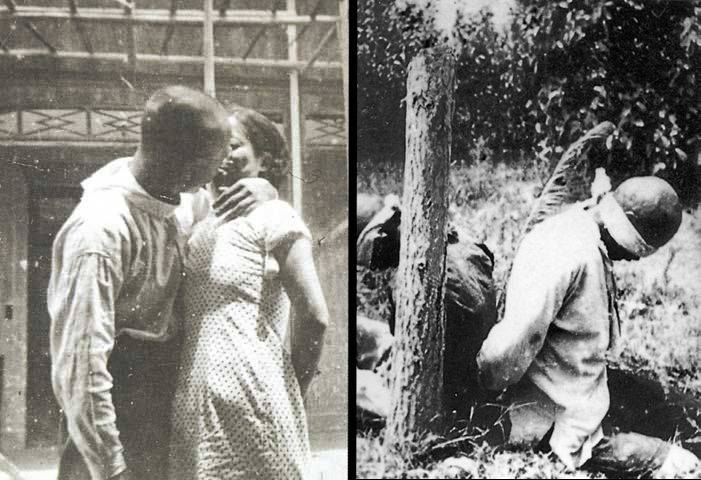
 Left: A Chinese woman is tied to a pole and forcibly kissed by a Japanese soldier. Right: Elsewhere, a man is left blindfolded and tied up. Both images were taken during the Rape of Nanking.

“The Forgotten Holocaust”: Horrific Photos From The Rape Of Nanking, 1937-1938.

These tragic photos and stories that capture the horrors of the Nanking Massacre (a.k.a. the Rape of Nanking) committed by Japanese soldiers against Chinese civilians in 1937-1938.

We know all about the horrors that have happened on our side of the world. But, all too often, when an atrocity has happened on the other side, we don’t hear much about it.

Alongside all the catastrophes that plagued Europe during World War II, the atrocities committed in Southeast Asia were every bit as disturbing — even if most of us in the West hardly ever learn about them in school.

And few of the atrocities committed in Asia during World War II were as terrible as the Nanking Massacre, also known as the Rape of Nanking.

While Europe was struggling to hold off the Nazi war machine, China was fending off the Japanese invasion that first launched in late 1937. They fought hard, in the end losing as many as 20 million lives (the second most of any country involved in the war) to keep the Japanese Empire from conquering much of East Asia and the Pacific.

And as many as 17 million Chinese casualties weren’t soldiers. They were civilians, unarmed and defenseless, and many of them were put through unimaginable hell before they were killed.

Some of the worst of it occurred over the six weeks after the Japanese stormed into the Chinese capital of Nanking (now known as Nanjing) in December 1937.

Subscribe to continue reading

Become a paid subscriber to get access to the rest of this post and other exclusive content.
FREE ARTICLE – December 14, 2024

Subscribe to Yesterday Today Blog to receive updates on the most current posts, and the best part is- IT’S FREE!!!:

Italian peasant girl. Photograph by James Wallace Black, 1825-1896. Photo taken in 1861.

#Italy

https://amzn.to/49hVK7v

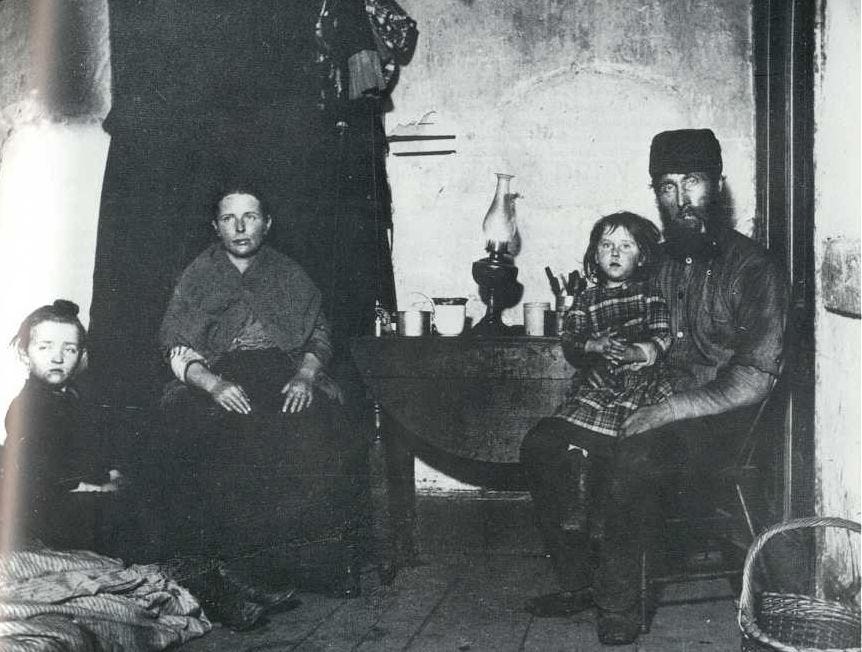
“In Poverty Gap, West 28 Street – an English coal heaver’s home.” New York City. Photograph by Jacob Riis, 1880-1890s.

#JacobRiis

https://amzn.to/4hXKvVw

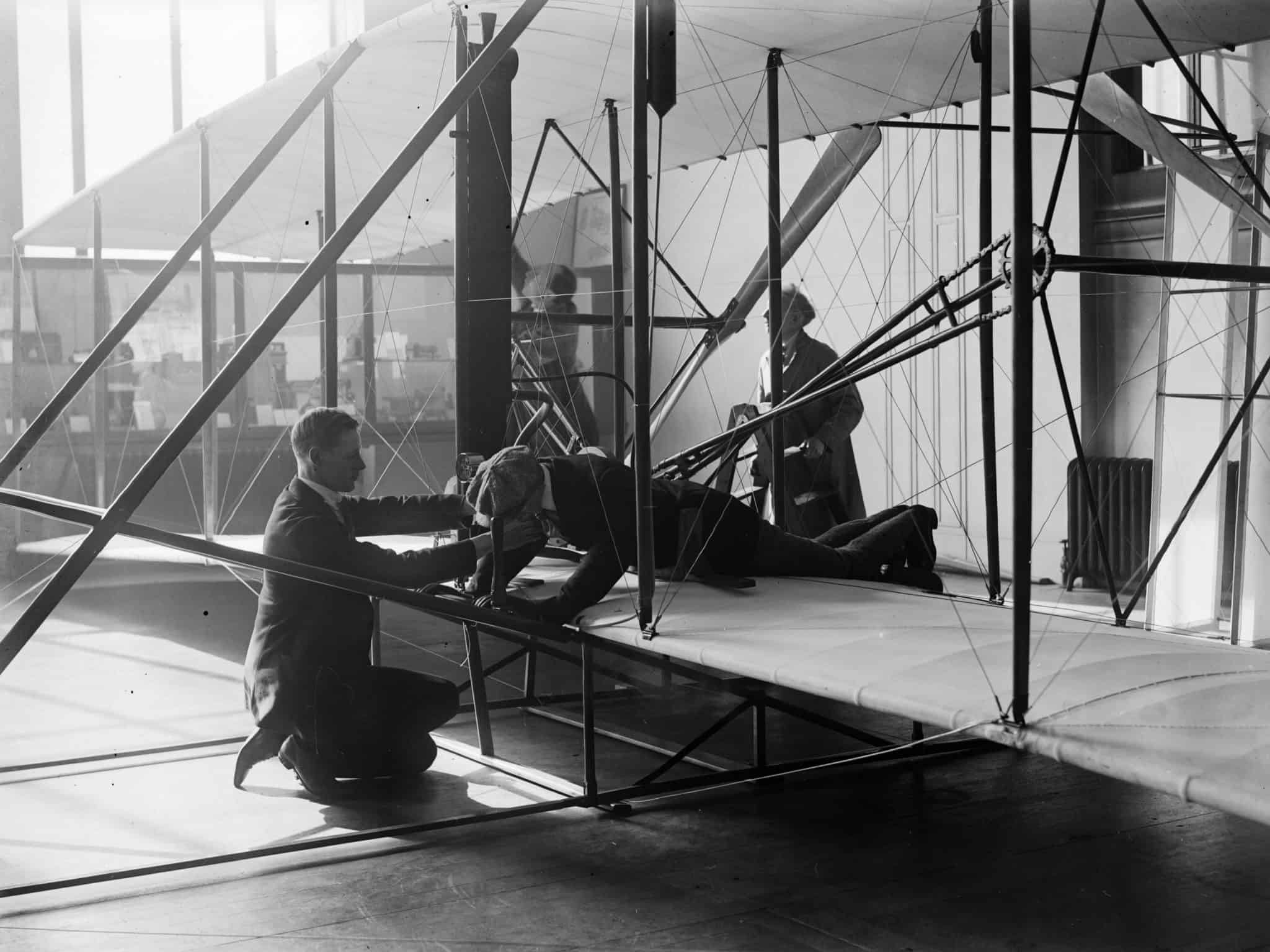
Workers at the Science Museum in London are busy adding a dummy figure to the famous biplane that the Wright brothers invented and flew in back in 1903. This photograph was taken in the 1920s.

WrightBrothers

amzn.to/3V3zYhJ

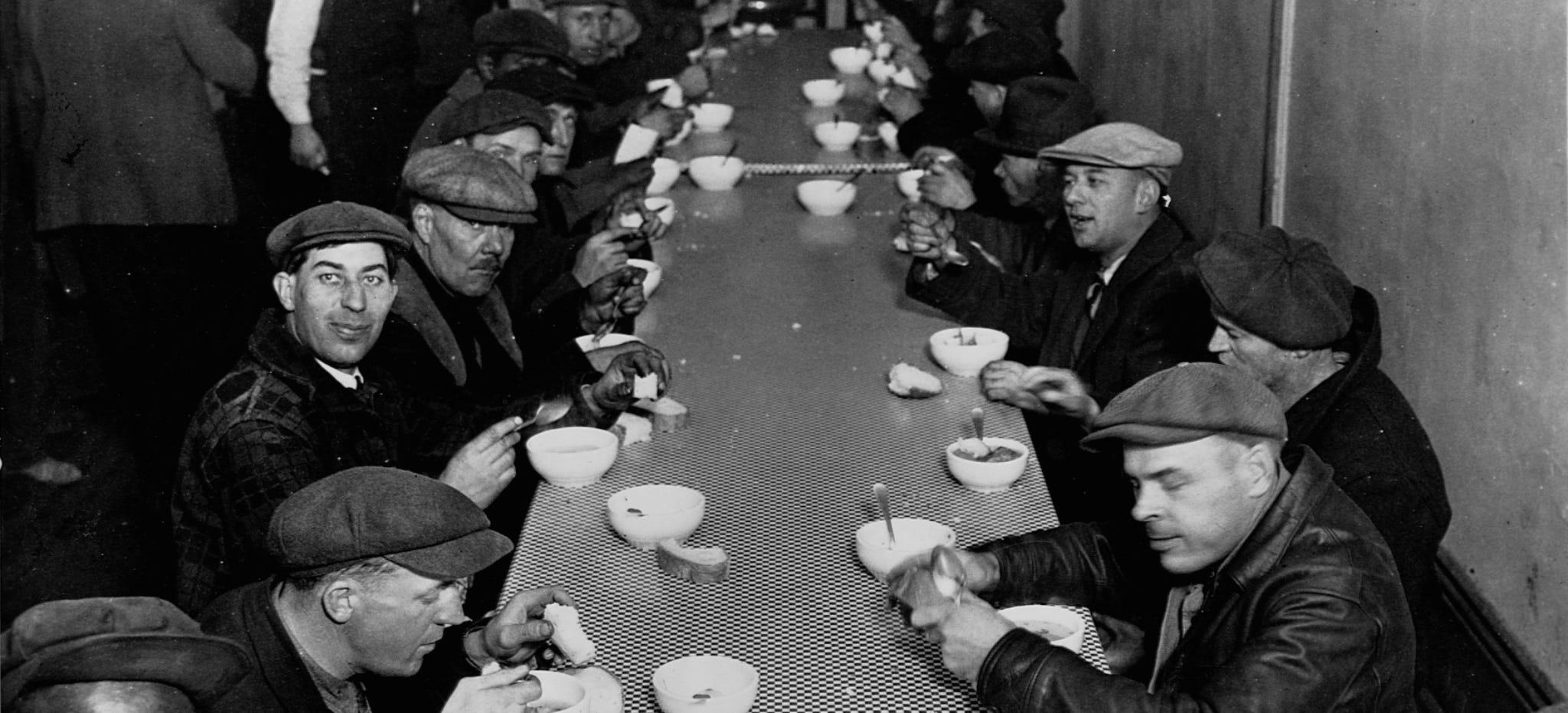
Al Capone, famously known as America’s most infamous gangster, paradoxically ran a charity that provided three hot meals daily to thousands of unemployed individuals, asking no questions in return.

#AlCapone

https://amzn.to/4g0hjeE

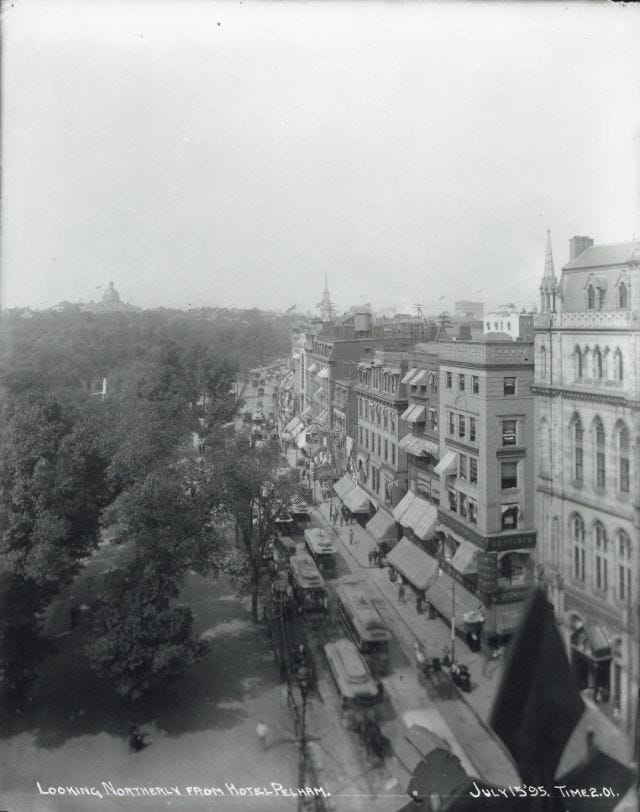
Looking north from Hotel Pelham, Boston, 1895.

#Boston

https://amzn.to/3CSj5jF

Please consider supporting our ongoing efforts to bring quality and interesting historical content to you, our valued viewers. Your financial support by purchasing a subscription to our Substack page will go a long way towards our efforts to sustain our work and bring you Canada’s Military History regularly. Or, If You Would Like, You Can Make a One-Time Donation at https://www.buymeacoffee.com/CanadasMilitaryHistory

Thank You For Considering to Support Us.

Michael

Yesterday Today

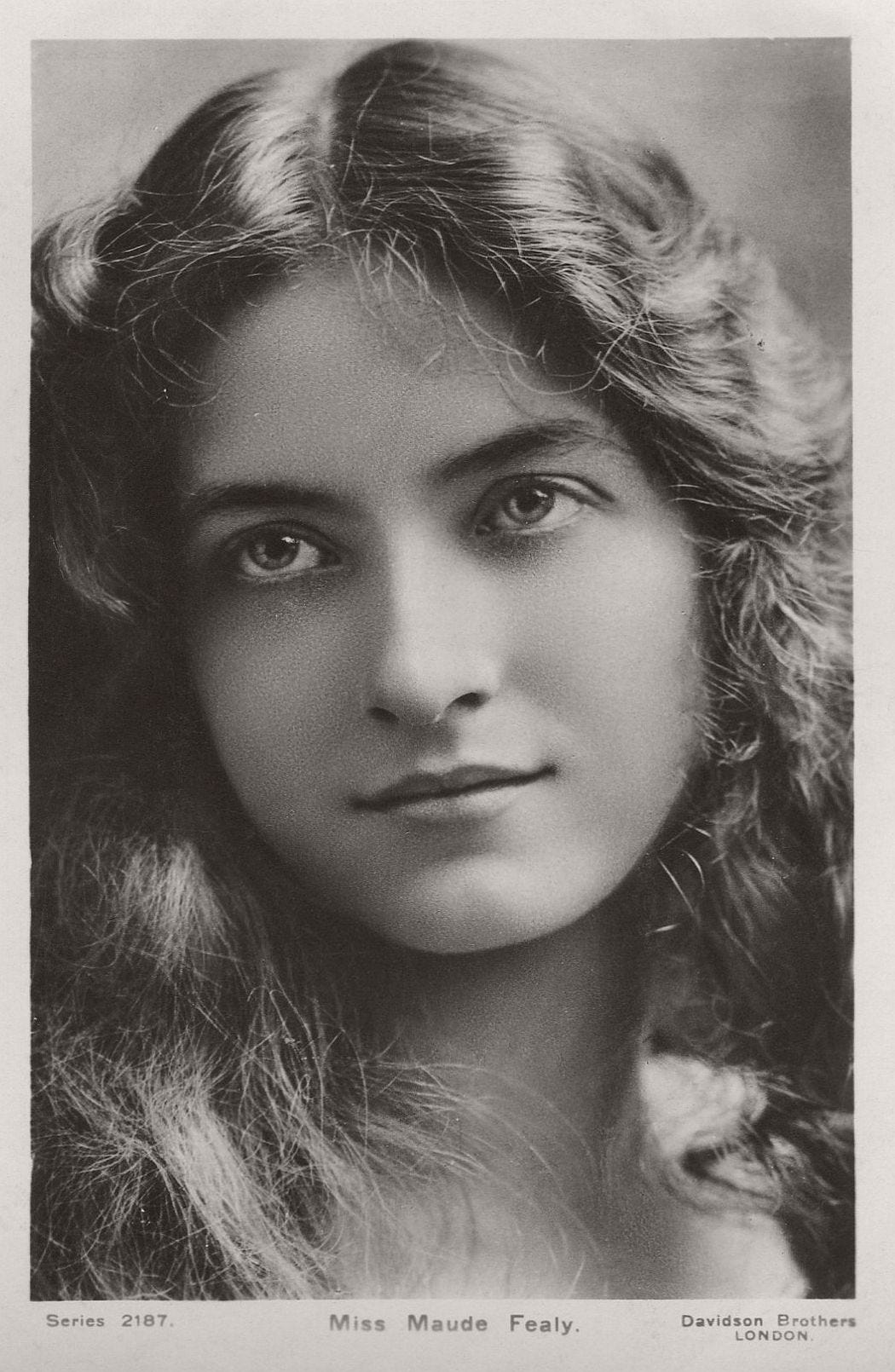
Vintage photo of actress Maude Fealy in the early 1900s.

#MaudeFealy

https://amzn.to/3V9QRav

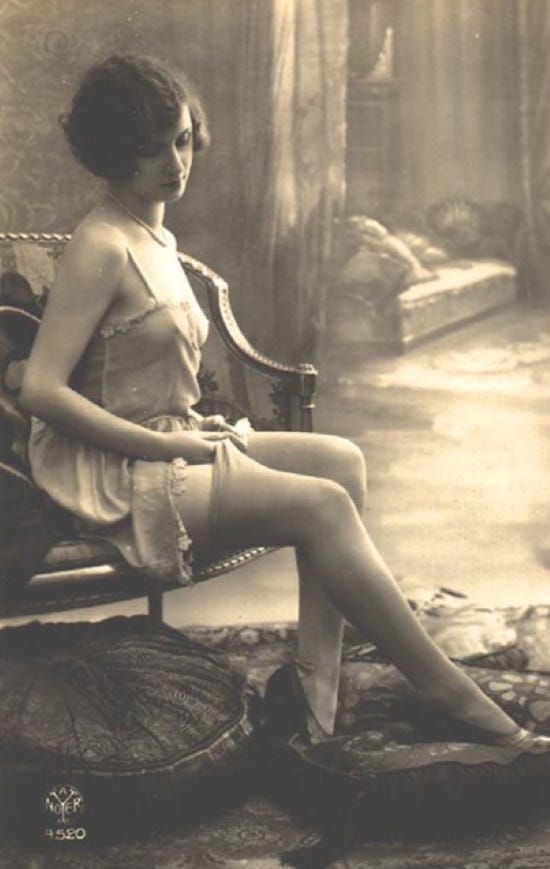
A woman getting dressed. 1920s.

#1920s

https://amzn.to/4gkjNoD

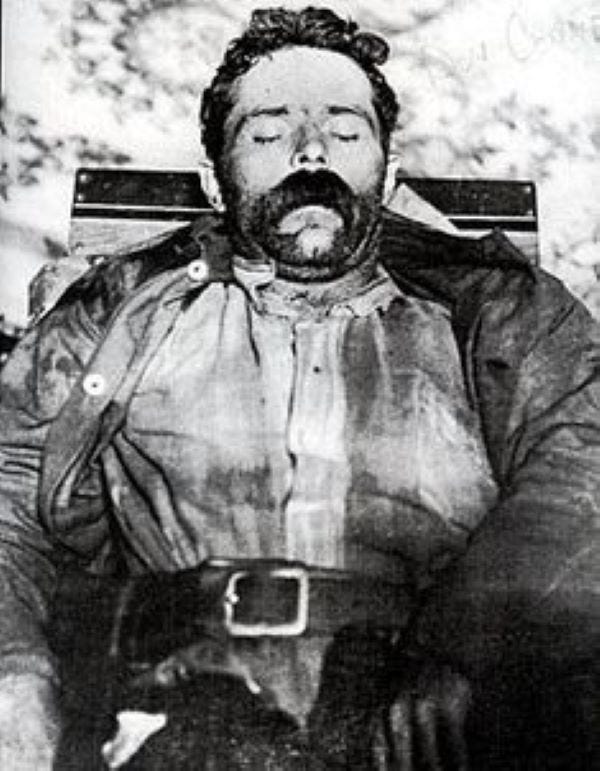
Richard “Little Dick” West (December 31, 1860 – April 13, 1898) was an outlaw of the Old West and a member of Bill Doolin’s gang. After West left the Doolin Gang, he joined with the Jennings Gang, which failed miserably. A trio of U.S. Marshals, called “The Three Guardsmen,” had, throughout the 1890s, decided to eliminate all the members of the Doolin Gang. They were pretty successful, with most being killed in encounters in Oklahoma. In April 1898, Deputy Marshal Madsen finally tracked West to Guthrie, Oklahoma, where a shootout ensued, during which West was killed. He is buried there in the Summit View Cemetery.

#Outlaws

https://amzn.to/4fGkNn1

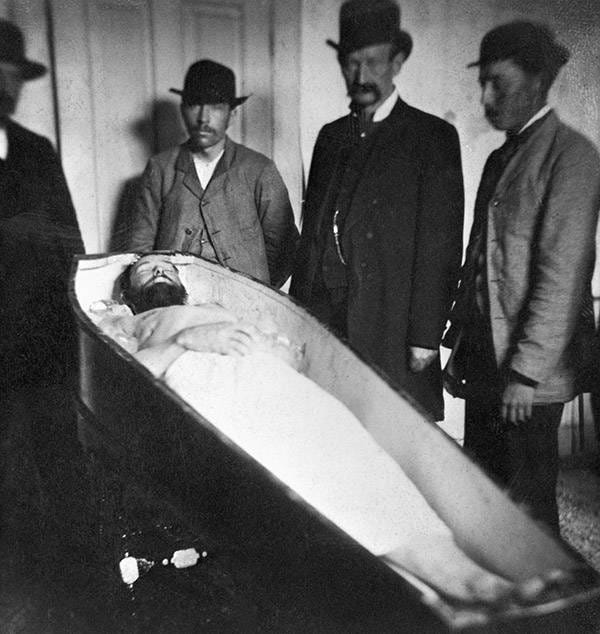
American outlaw Frank James (second from left) and others pose over the dead body of famed outlaw Jesse Jame, who was lying in his $500 casket at the Sidenfaden Funeral Parlor in St. Joseph, Missouri, on April 4, 1882, one day after his assassination.

#JesseJames

https://amzn.to/3Z2ots3

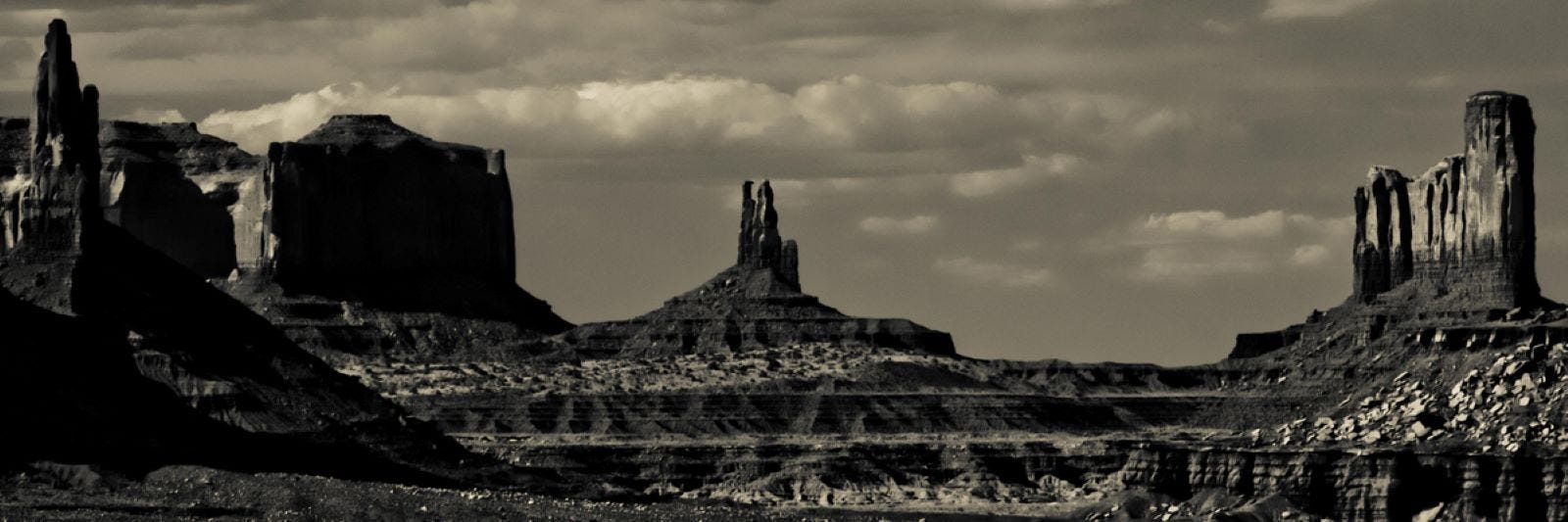
Monument Valley, Utah.

#MonumentValley

https://amzn.to/4g1cNfZ

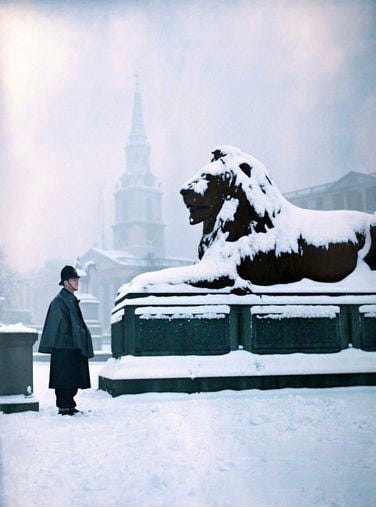
A policeman looks at one of the lions of Nelson’s Column majestically cloaked in a layer of snow. London, 1947.

#NelsonsColumn

https://amzn.to/4i49pTp

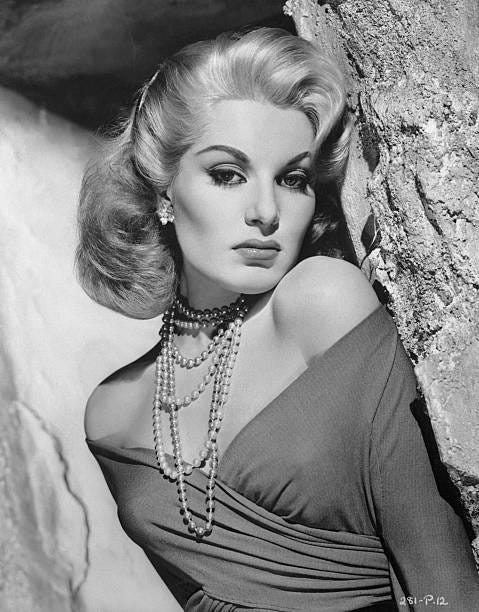
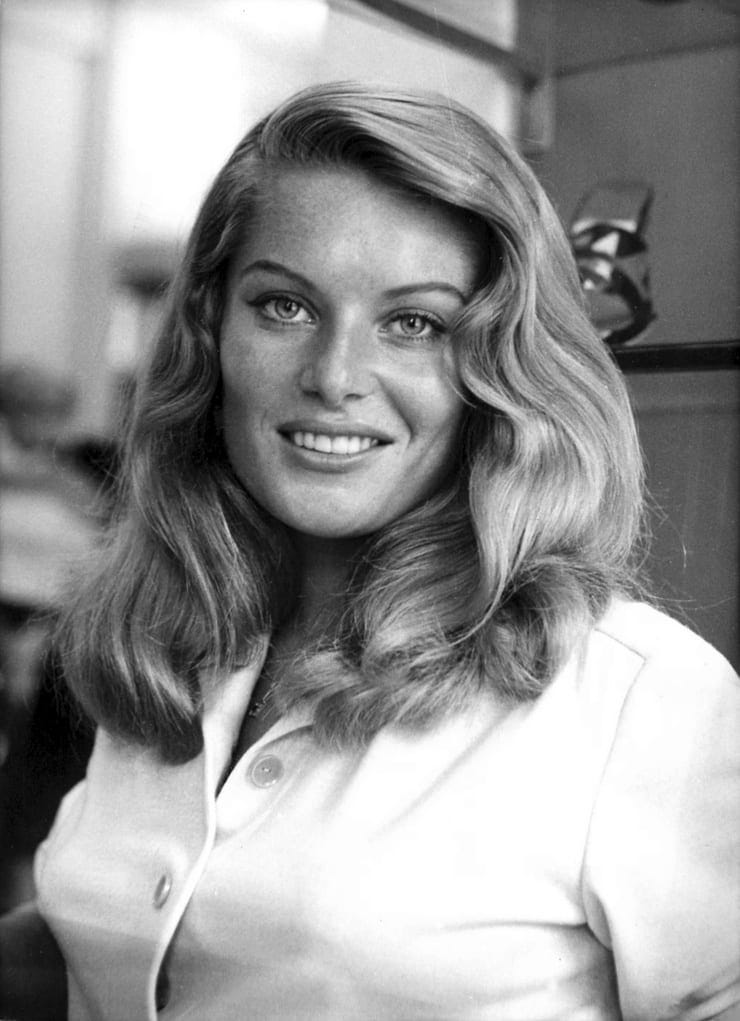
British actress Belinda Lee was only active in film for 7 years but was renowned for her blond-haired, green-eyed beauty. Sadly, her career and life were cut short in a tragic auto accident on March 12, 1961, at the young age of 25.

#BelindaLee

amzn.to4eMWN0f/

The Misfits (1961, Huston)

“Marilyn Monroe had no techniques. It was all truth, it was only Marilyn. But it was Marilyn plus. She found things, found things about womankind in herself.”

— John Huston

#TheMisfits

https://amzn.to/3ZovK76

Subscribe to Yesterday Today Blog to receive updates on the most current posts, and the best part is- IT’S FREE!!!:

Please consider supporting our ongoing efforts to bring quality and interesting historical content to you, our valued viewers. Your financial support by purchasing a subscription to our Substack page will go a long way towards our efforts to sustain our work to bring you Yesterday Today on a regular basis. Or, If You Would Like, You Can Make a One-Time Donation at  https://www.buymeacoffee.com/YesterdayToday

FREE ARTICLE – December 12, 2024

This article is FREE but should you wish to support us on a monthly basis you may do so below by clicking on the “Subscribe” button. Your support will go a long way in helping us to provide you, our readers, the best possible historical content. If you are unable to commit to a monthly giving plan, you can make a one-time donation using our link to our “Buy Me A Coffee” account.

We truly appreciate your support no matter if you can or cannot give at this time.

Thank you,

Michael

Yesterday Today

Subscribe to get access

Read more of this content when you subscribe today.

OR

If you enjoy my history content, you can support my history work with a donation at https://www.buymeacoffee.com/YesterdayToday

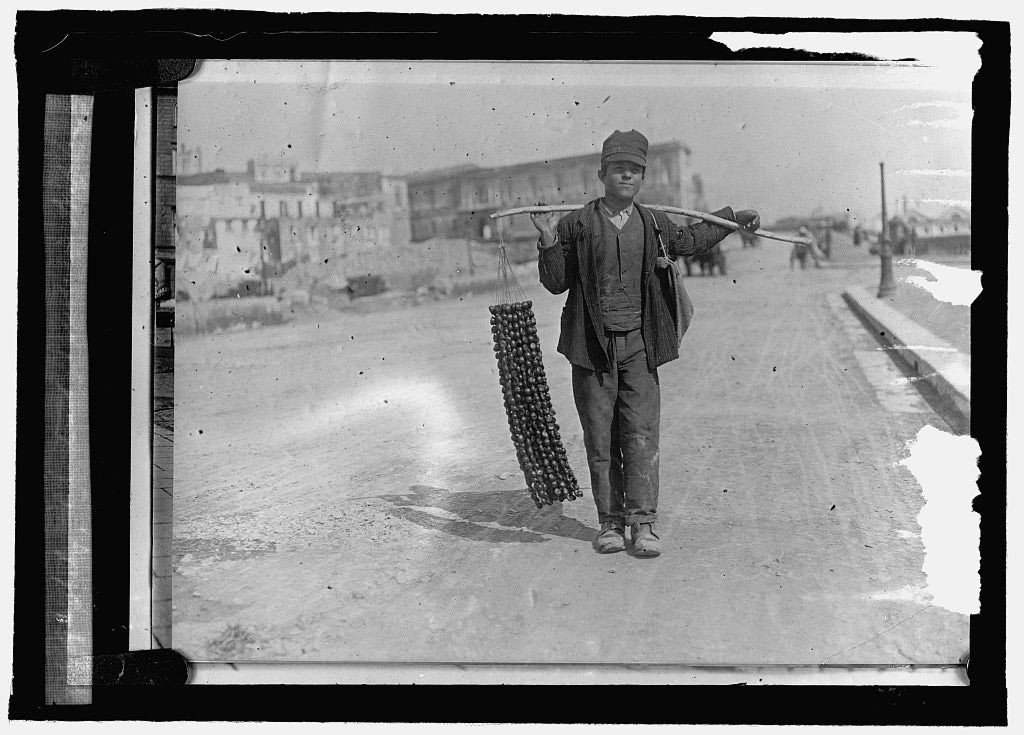
A young chestnut vendor in Naples, Italy, in 1908.

#Naples

https://amzn.to/3OWdT0U

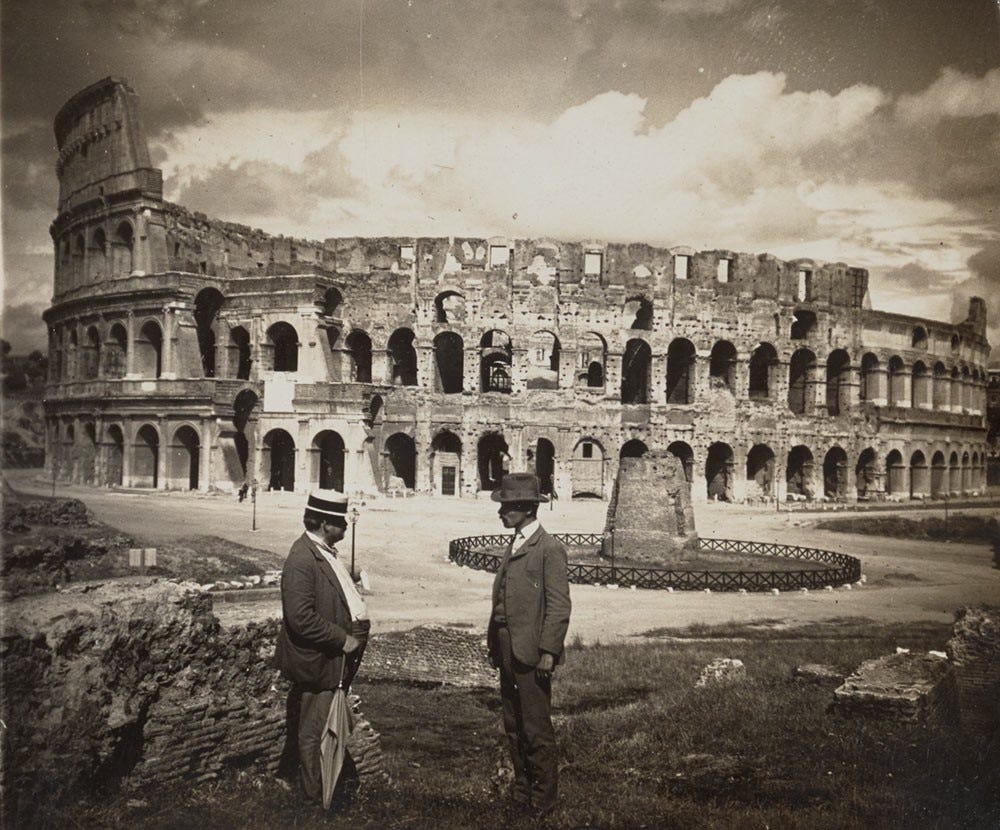
The Colosseum, Rome. 1906.

#ColosseumRome

amzn.to/3VAkJ…

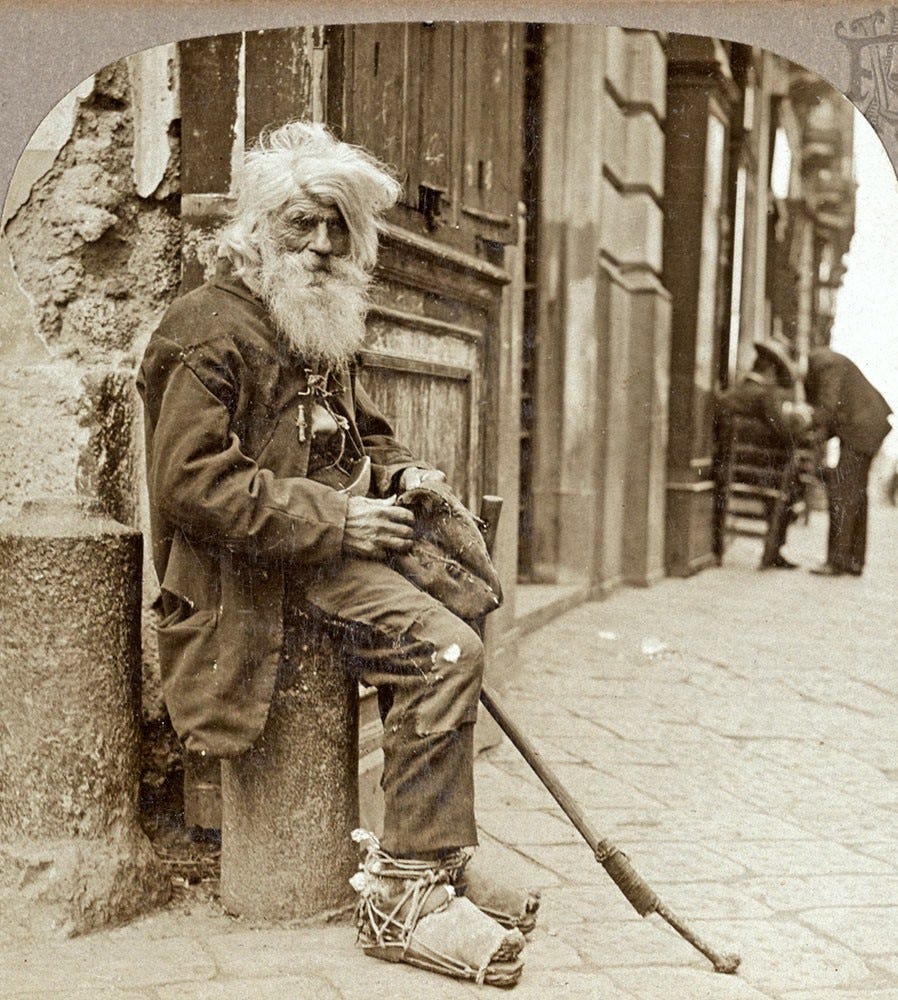
Beggar, Naples, Italy. 1904.

#Italy

https://amzn.to/4fa56Du

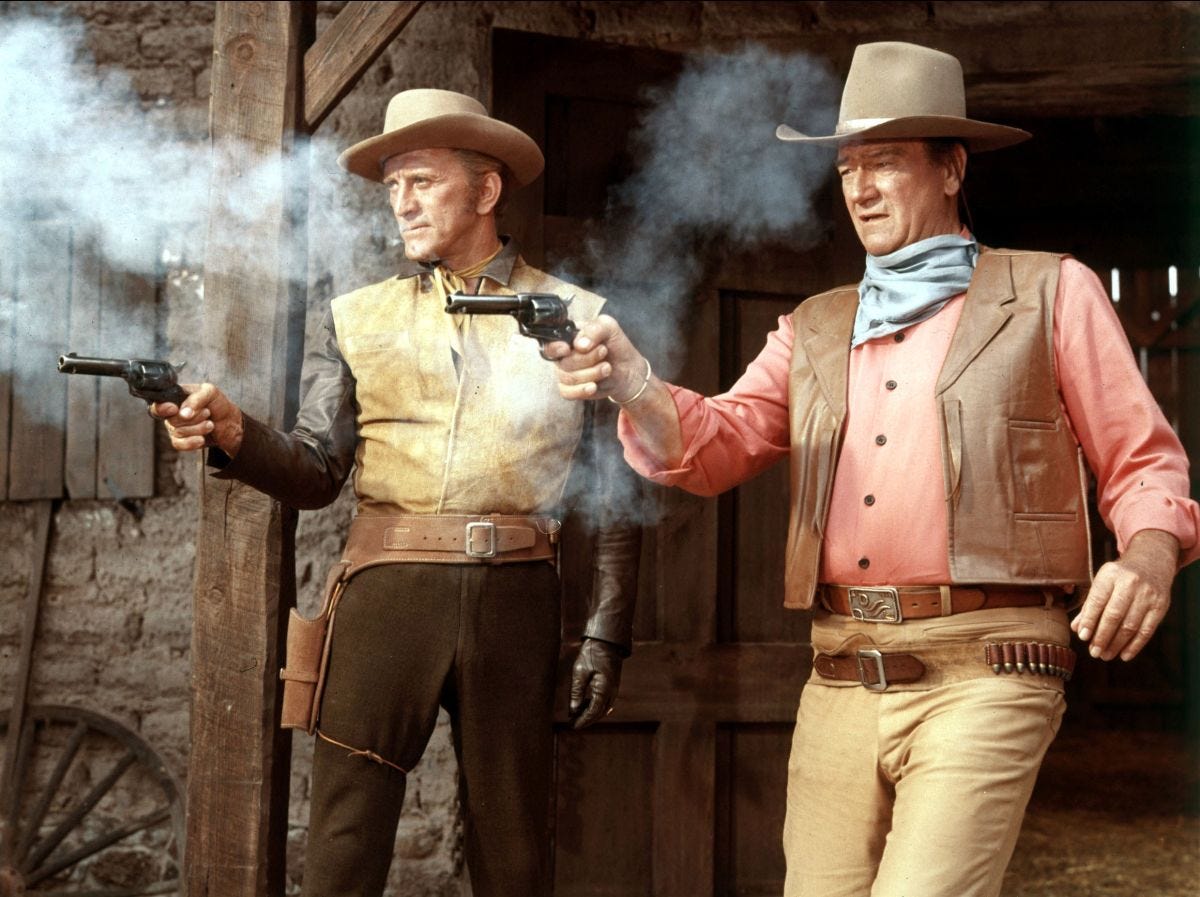
Kirk Douglas and John Wayne in “The Caravan of Fire” directed by Burt Kennedy in 1967.

#Westerns

https://amzn.to/4g7Bt75

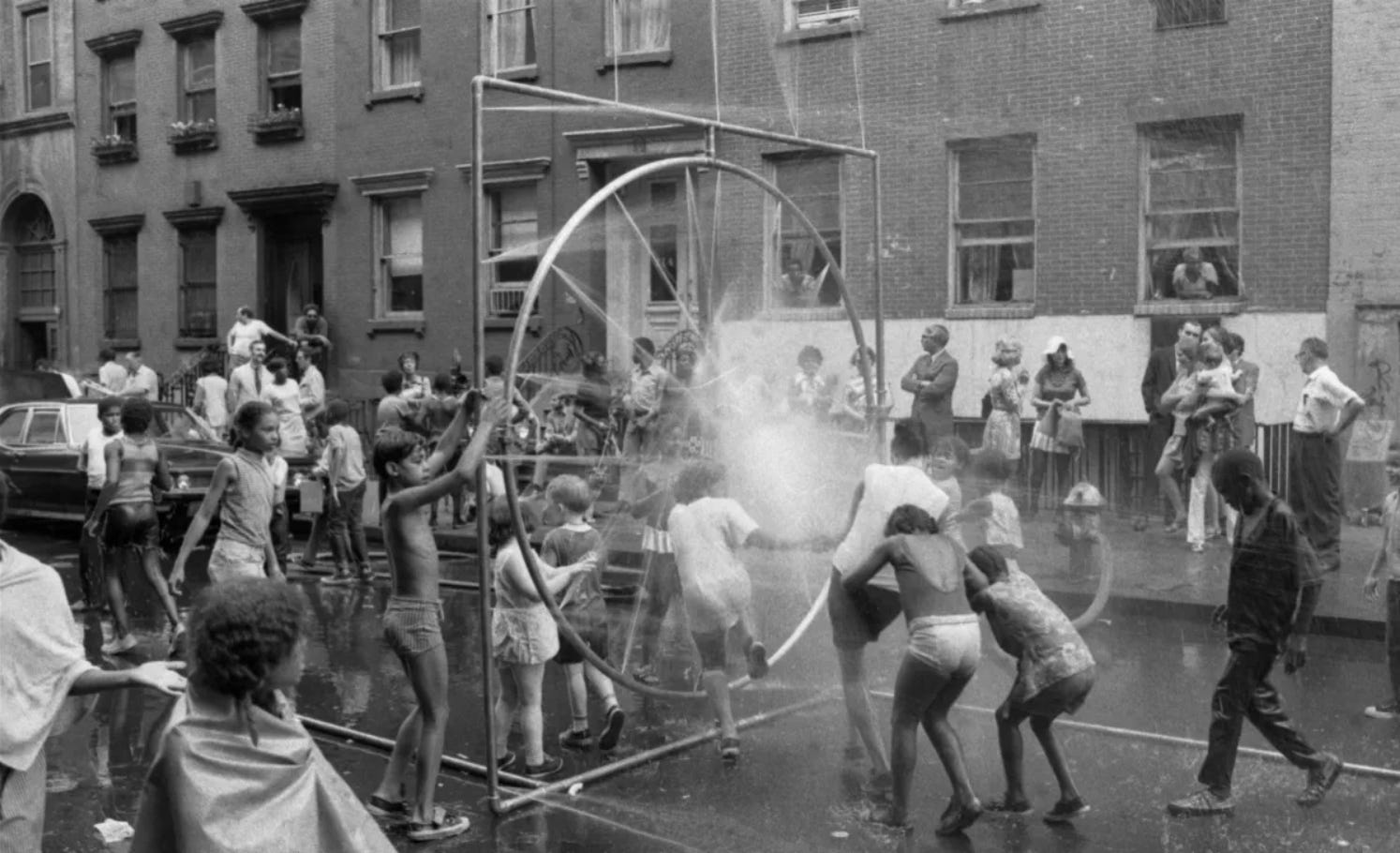
Kids jump toward the ten-foot-high copper water sculpture, which uses less water than an open hydrant, during a block party on East 3rd Street in Manhattan on July 10, 1970.

#HistoryThreads

https://amzn.to/3ZQqI3t

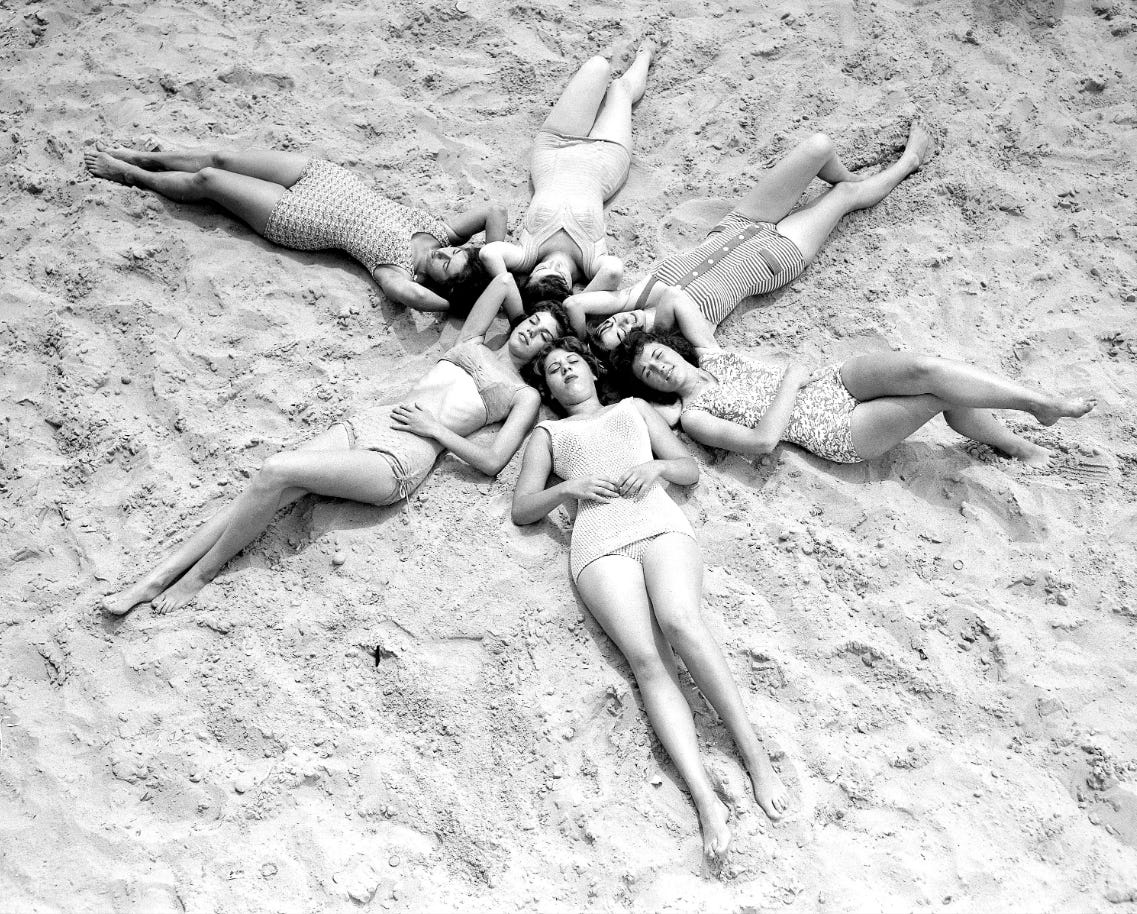
The six women soak up some sunshine at Brooklyn’s Coney Island beach on July 2, 1960.

#ConeyIsland

amzn.to/3OSNJfz

If you enjoy my history content, you can support my history work with a donation at https://www.buymeacoffee.com/YesterdayToday

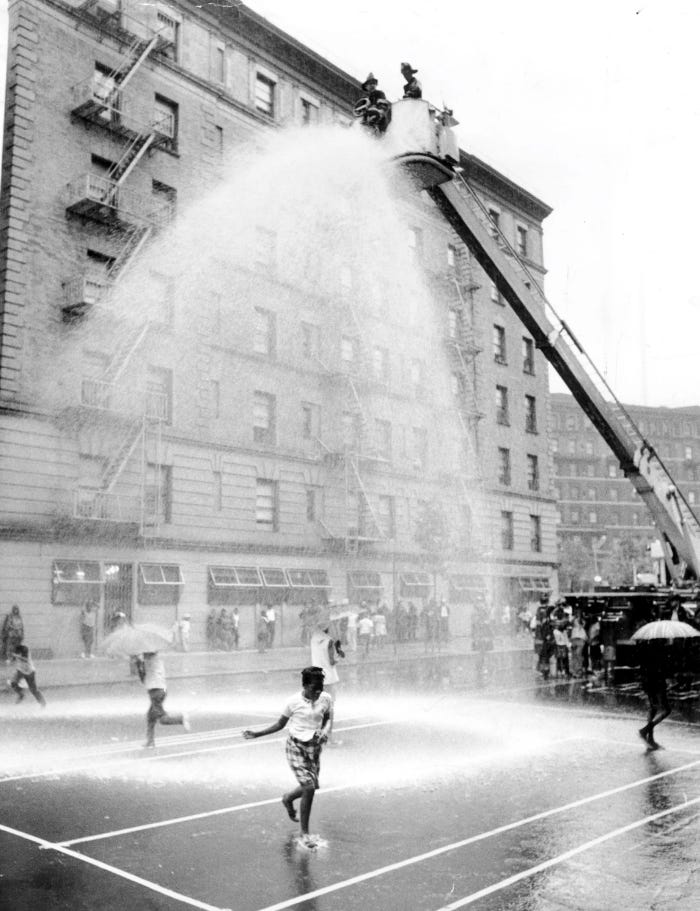
A rescue truck help the kids cool off during the summer heat at 118th St. and St. Nicholas Ave. in New York City on July 28, 1967.

#NewYorkCity

amzn.to/4gvnzLU

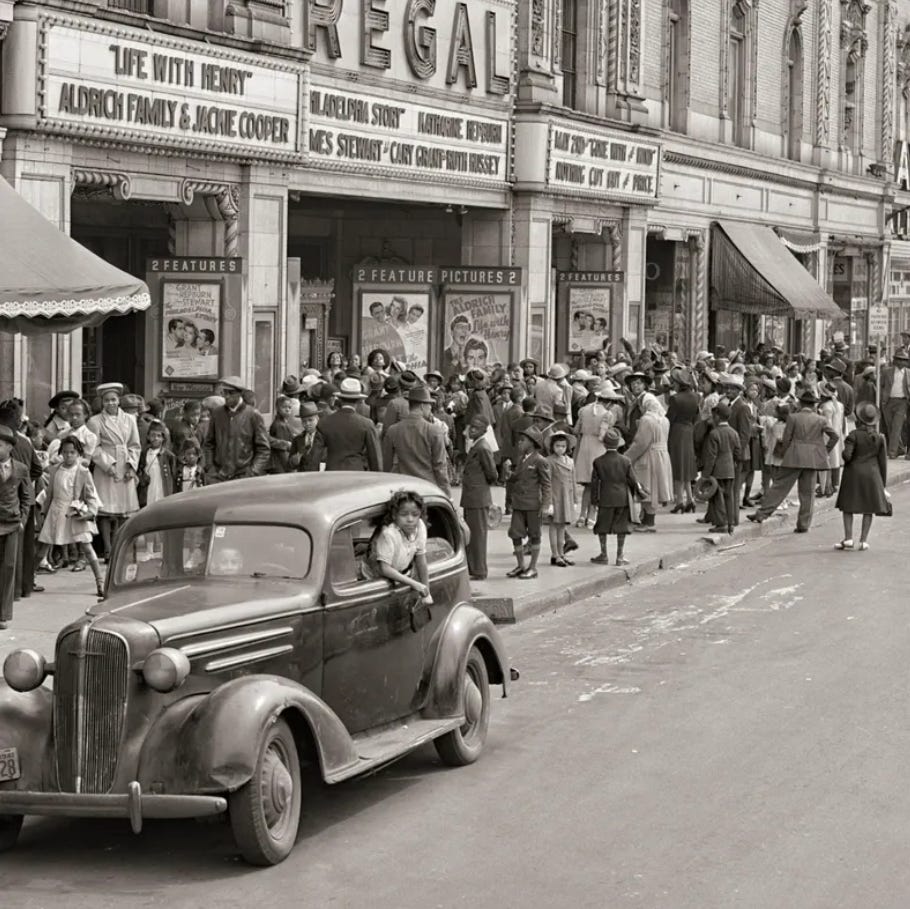
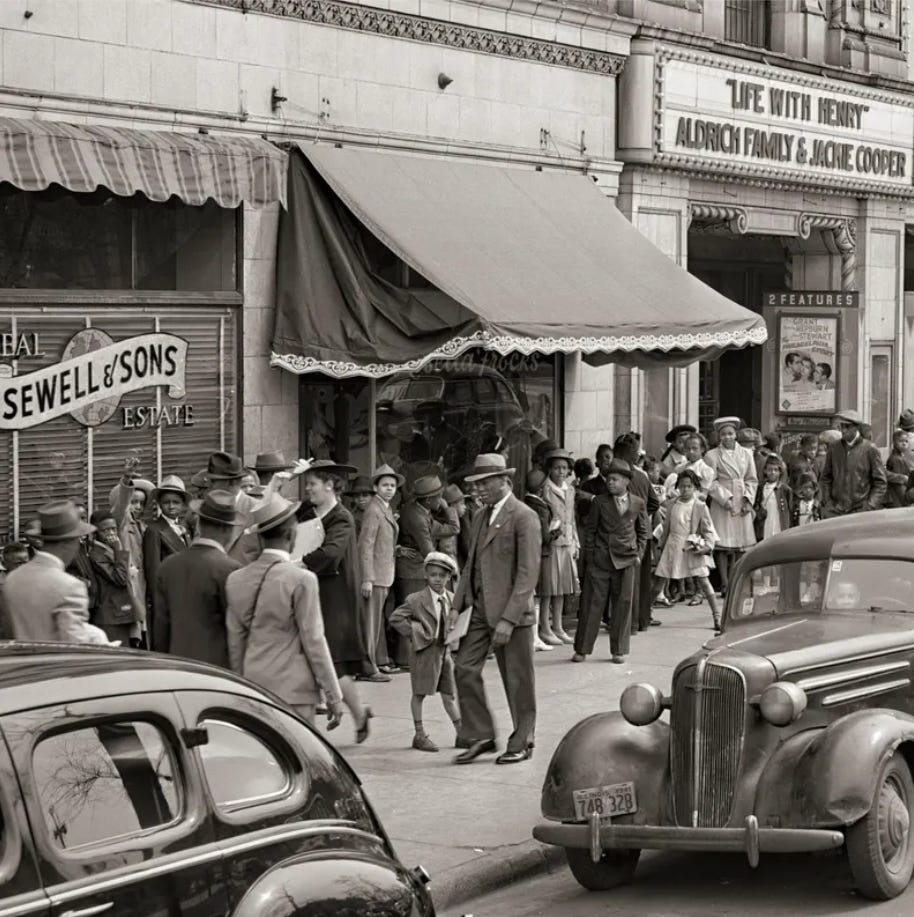
Image 1 & 2: Southside Chicago in 1941.

#Chicago

amzn.to/4fnkxbG

If you enjoy my history content, you can support my history work with a donation at www.buymeacoffee.com/YesterdayToday

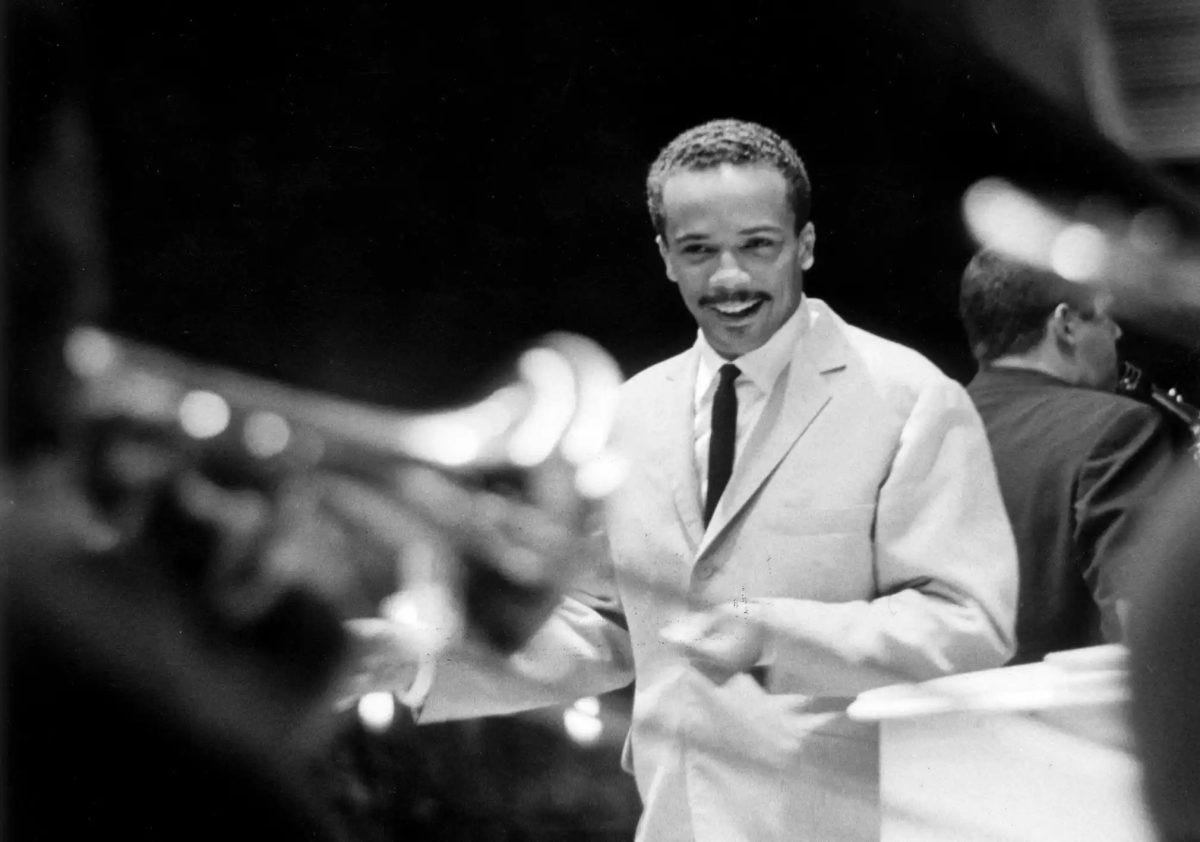
Quincy Jones conducting in 1960. Born in 1933, in south Chicago, he won music scholarships and first rose to prominence as a trumpet player in Lionel Hampton’s jazz band.

#QuincyJones

https://amzn.to/3VvBd9t

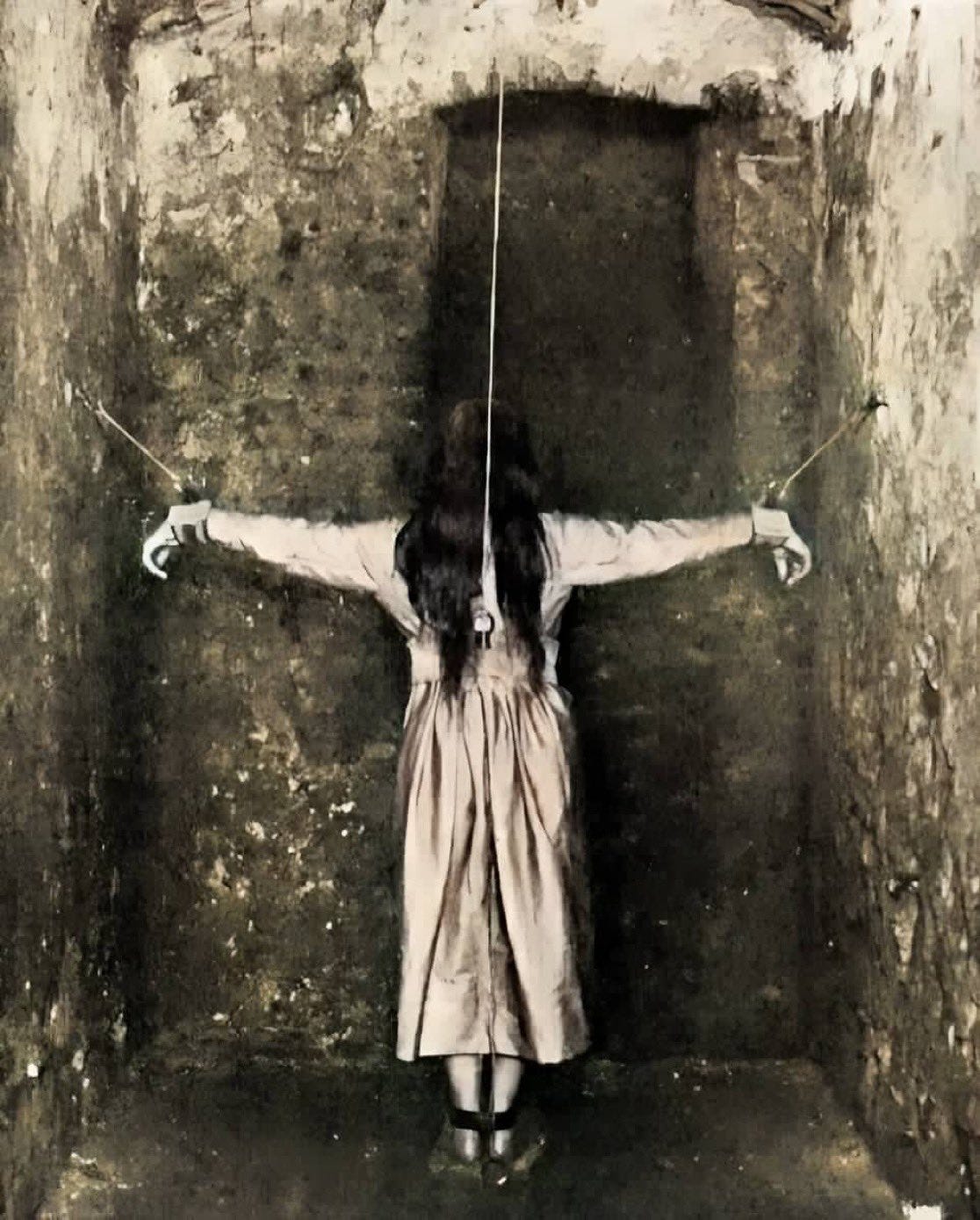
A Patient Undergoing Treatment For Mental Illness in Germany 1890.

#MentalIllness

https://amzn.to/4gwf6rF

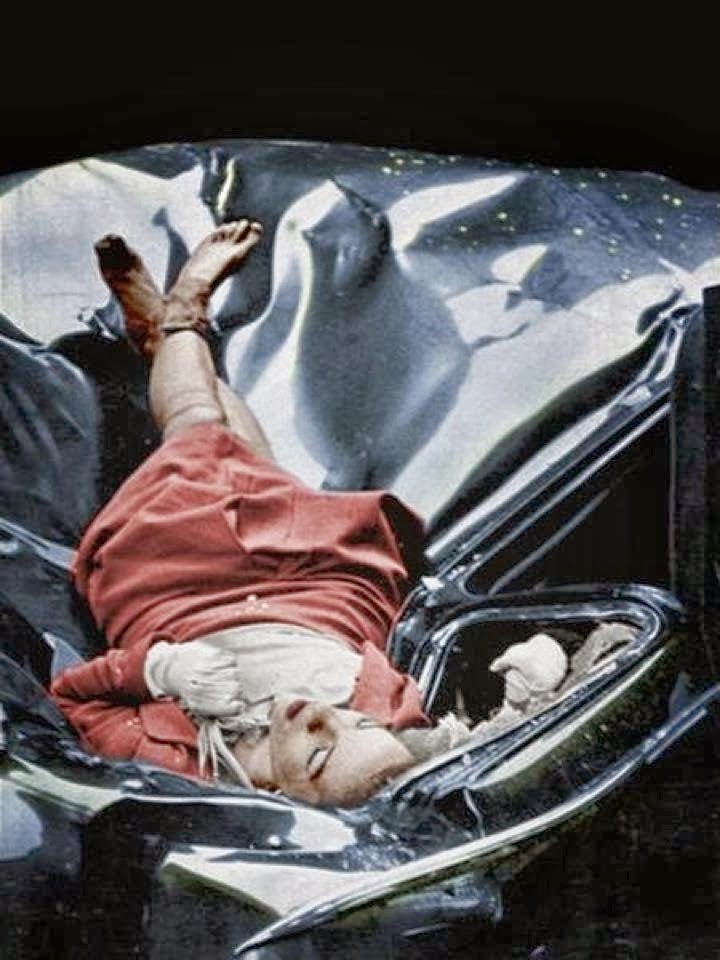
The body of 23-year-old bookkeeper Evelyn McHale rests peacefully atop a crumpled limousine minutes after she jumped to her death from the Empire State Building in 1947. The photo has been dubbed “the most beautiful suicide.”

#NewYorkCity

https://amzn.to/400n1s5

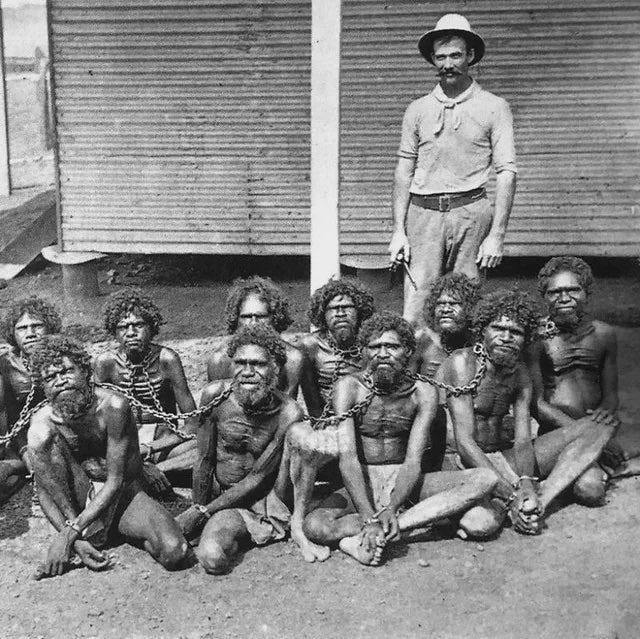
Aboriginal men in chains at Wydnham prison in Australia. Late 1800s.

#AboriginalsAustralia

https://amzn.to/4fl9nUt

Subscribe to our Page and receive notifications of new posts automatically so you do not miss a thing – it is free:

If you enjoy my history content, you can support my history work with a donation at https://www.buymeacoffee.com/YesterdayToday

Subscribe to get access

Read more of this content when you subscribe today.

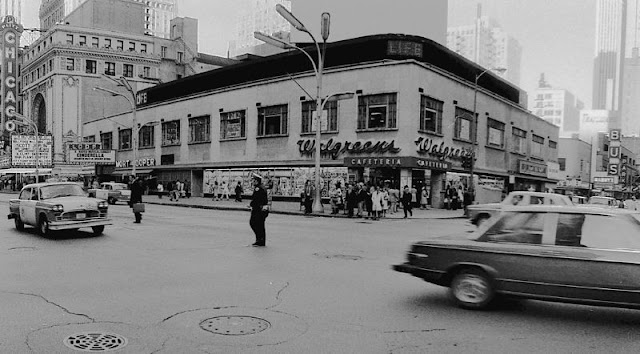
46 Vintage Photographs Show Street Scenes in Chicago During the Early 1970s

Subscribe to get access

Read more of this content when you subscribe today.

Life was good during the late 1960s and early 1970s. Railroad provided employment, church’s influenced a lot of people, heavy duty industry was still in the city, keeping people busy and employed kept a lot of people out of trouble.

On Diversey Parkway and Halsted Street, there used to be all kinds of small family-owned businesses. There were bakeries, butcher shops, greasy-spoon diners, liquor stores, old-fashioned barber shops, and tiny drugstores that had only two or three aisles.

Nowadays, all those businesses are gone, and have been replaced with trendy restaurants, upscale boutiques, expensive wine shops, stores that sell fancy furniture and stores that sell fancy glassware. Also, there’s a spa in almost every block. Those businesses cater to the yuppies who now live there.

These amazing black and white photos show what Chicago looked like in the early 1970s.

Subscribe to continue reading

Become a paid subscriber to get access to the rest of this post and other exclusive content.

The Evolution of Childhood: Edwardian Era Insights

Subscribe to get access

Read more of this content when you subscribe today.

Nowadays, childhood lasts a long time with children remaining dependant on their parents, sometimes into adulthood, as they take advantage of educational opportunities. But during the Edwardian era, most children left school much earlier and went into the world of work to earn their keep.

At this time, further education was typically only available to children from the most well-off families. Girls typically went into service when they left school, though boys had a greater choice of employment. Studying at night classes was probably the best option if you wanted to gain additional qualifications.
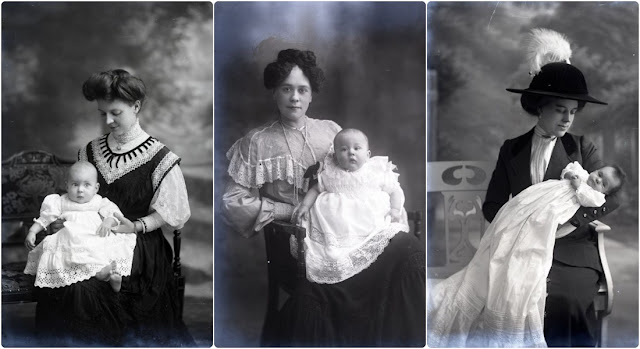
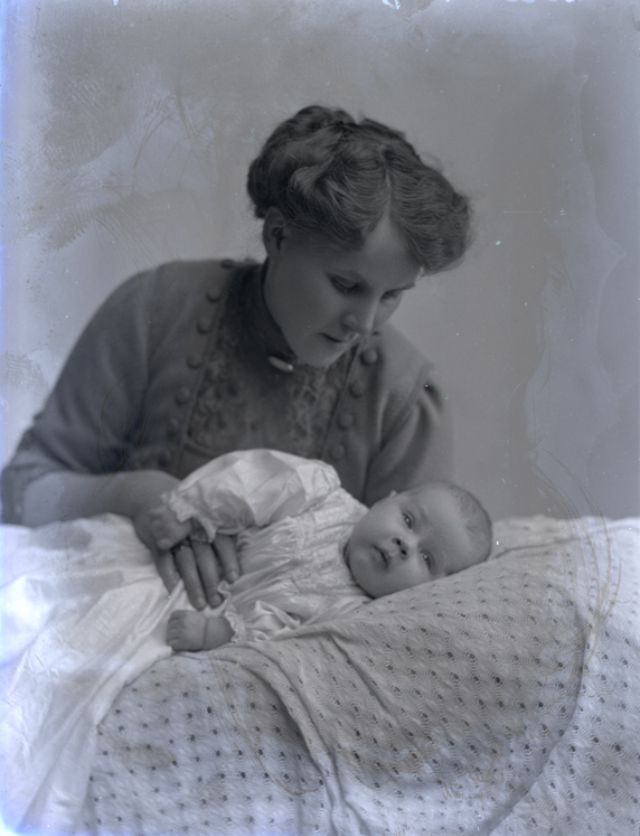
Here below is a set of lovely photos that shows studio portraits of mothers holding their babies in the 1900s and early 1910s.

Subscribe to continue reading

Become a paid subscriber to get access to the rest of this post and other exclusive content.
Carole Lombard: The Comedic Icon of the 1930s

Subscribe to get access

Read more of this content when you subscribe today.

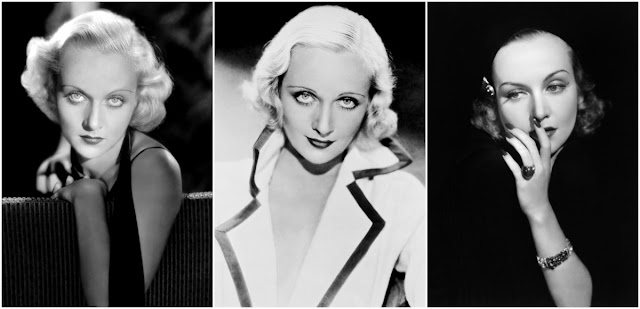
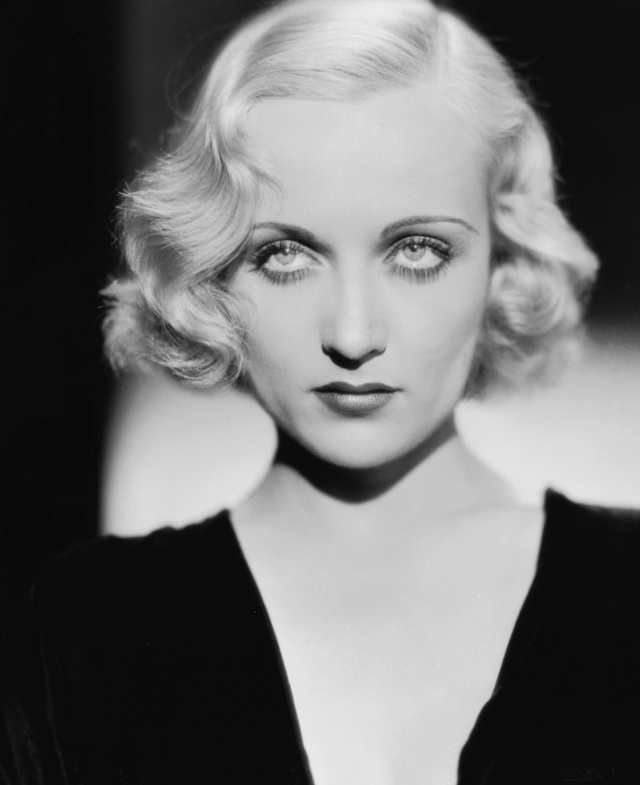
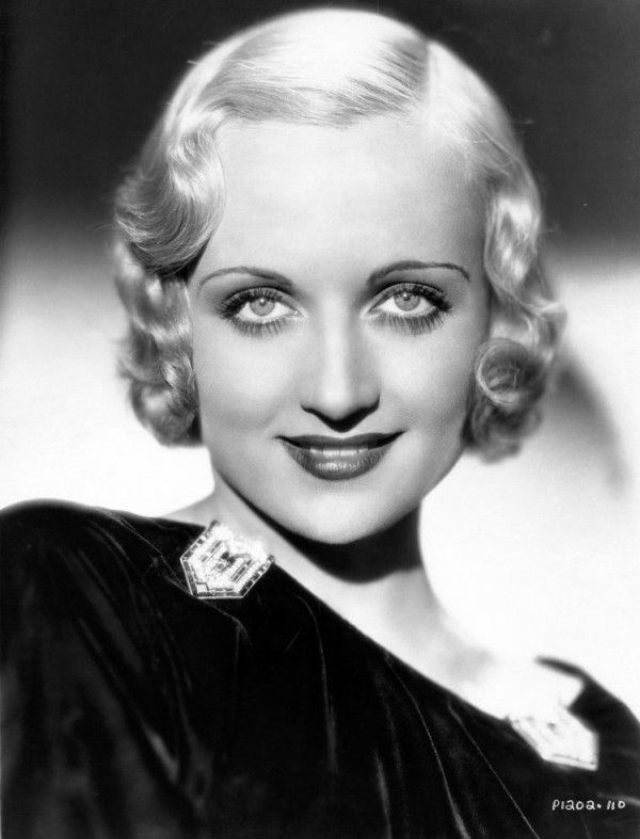
Carole Lombard (born Jane Alice Peters; October 6, 1908 – January 16, 1942) was an American actress who was known for her ability to combine elegance and zaniness in some of the most successful and popular film comedies of the 1930s.

Lombard made her film debut at the age of twelve after she was seen playing baseball in the street by director Allan Dwan; he cast her as a tomboy in A Perfect Crime. In the 1920s, she worked in several low-budget productions credited as ‘Jane Peters’, and then later as ‘Carol Lombard’. Her friend Miriam Cooper helped Lombard land small roles in her husband Raoul Walsh’s films.

In 1925, she was signed as a contract player with Fox Film Corporation. She also worked for Mack Sennett and Pathé Pictures. She became a well-known actress and made a smooth transition to sound films, starting with High Voltage. In 1930, she began working for Paramount Pictures after having been dropped from both Twentieth Century and Pathé.

Lombard was originally given roles that would help to bolster the reputations of her leading men. It was not until 1934 that her career began to take off. That year, director Howard Hawks noticed that Lombard had something that perhaps had not been unleashed on film. He hired her for his next film, Twentieth Century, alongside stage legend John Barrymore. Lombard was at first terrified to be working alongside such a star and it was not until Hawks took her aside and threatened to fire her that she permitted her fiery personality to show on the screen. The film brought Lombard a level of fame.

Subscribe to continue reading

Become a paid subscriber to get access to the rest of this post and other exclusive content.
Amazing Vintage Photographs of People at Home From the 1900s

Subscribe to get access

Read more of this content when you subscribe today.

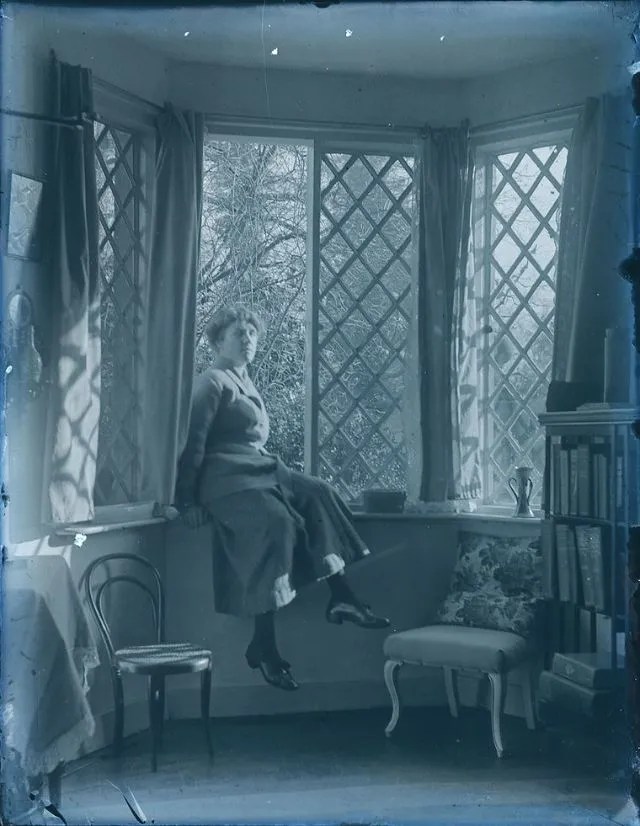
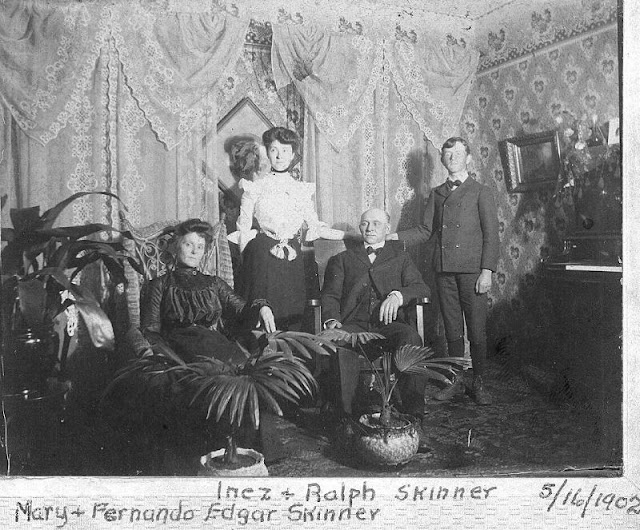
A typical Edwardian interior was something new and cheerful. Fresh and light colors composed most of the interiors in this period. It saw the beginning of a deviation from the formal to informal.

Furnitures started being made of bamboo and wicker. They were made in various styles which included baroque, rococo and empire. Modern creativity made these furnitures simple yet close to the elite. The wing chair can be cited as one of the best examples to demonstrate Edwardian furnitures.

Flooring of an Edwardian room was composed of highly polished wood blocks accompanied by oriental rugs. There was also a notable increase in the use of flowers and floral pattern in decorating houses. Wallpapers started featuring floral patterns of rose, lilac and other bright flowers.

Here below is a set of amazing vintage photos that shows people at home in the 1900s.

Subscribe to continue reading

Become a paid subscriber to get access to the rest of this post and other exclusive content.
Defined Styles of 1960s Ladies

Subscribe to get access

Read more of this content when you subscribe today.

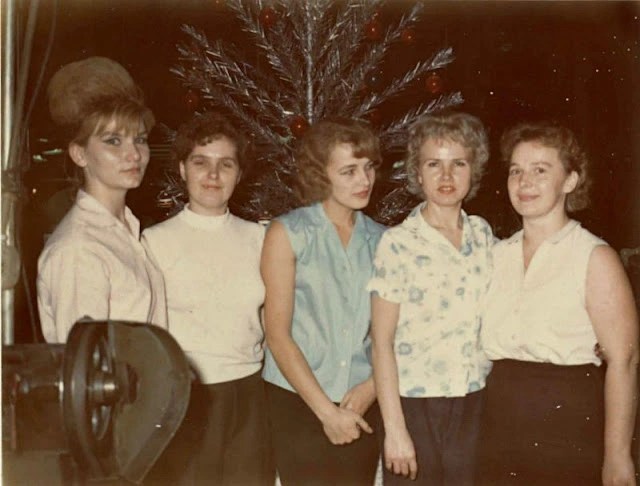
There’s no denying that the ’60s were one of the most impactful eras in fashion. Setting the tone for modern style, the decade revolutionized womenswear with bold colors, striking cuts and a rebelliously youthful attitude.

The Swinging Sixties were a time where traditions were broken, and self-expression was encouraged. Influenced by the youth of the day, the decade dished up plenty of style inspiration. Key fashion styles of the decade included mod, beatnik and hippie looks, all of which captured the artful, fun and free spirit of the time.

’60s hairstyles were exciting and iconic. From big bouffant styles and bohemian bangs to long hippie waves and chic pixie cuts, the decade produced many unforgettable looks. Today, several of these bold styles are still seriously popular.

These cool vintage photos show what women’s fashion styles looked like in the 1960s.

Subscribe to continue reading

Become a paid subscriber to get access to the rest of this post and other exclusive content.

Yesterday Today

Bringing You the Wonder of Yesterday - Today

Skip to content ↓