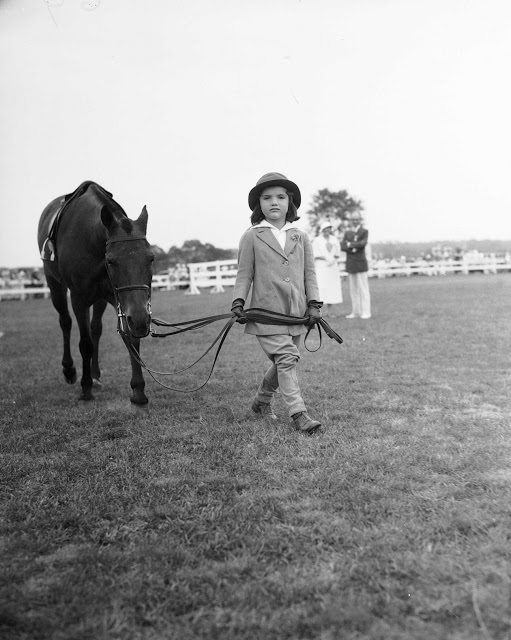
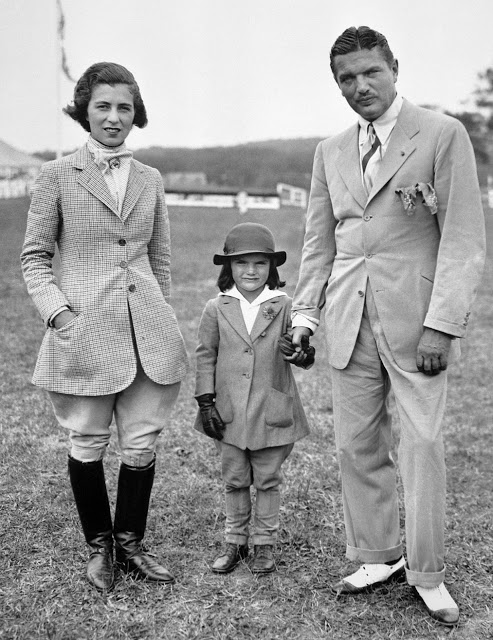
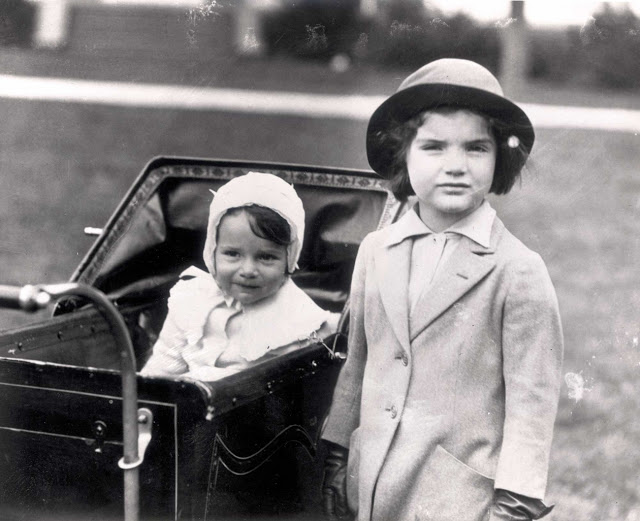
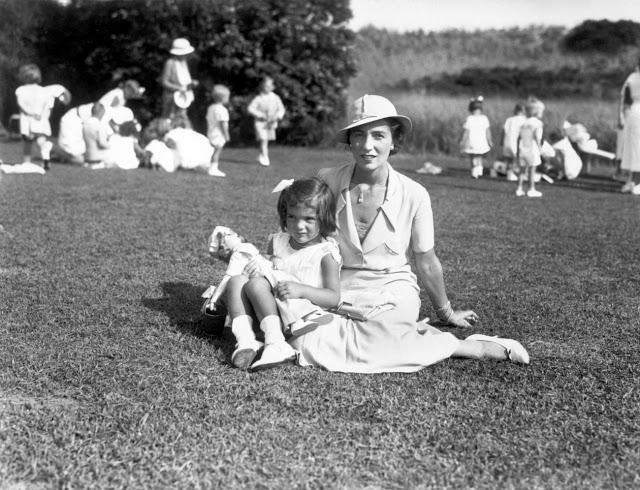
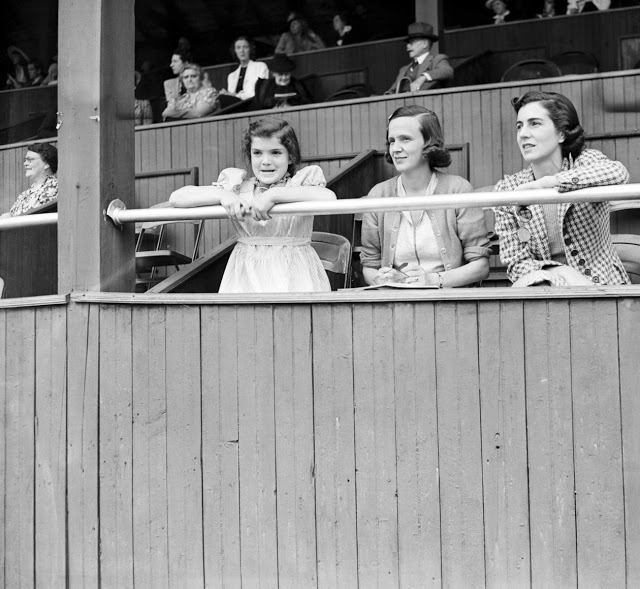
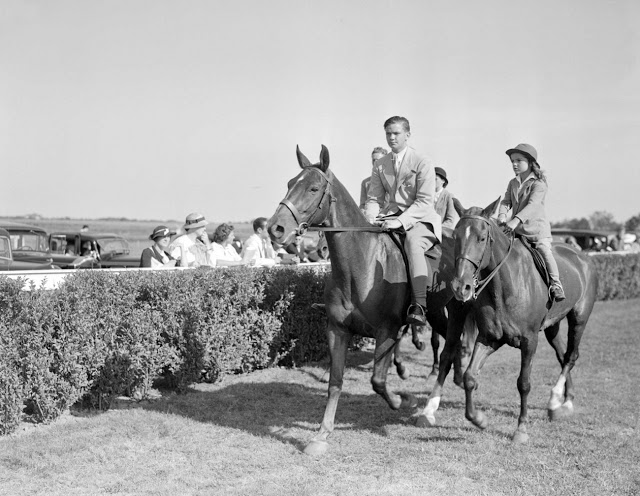
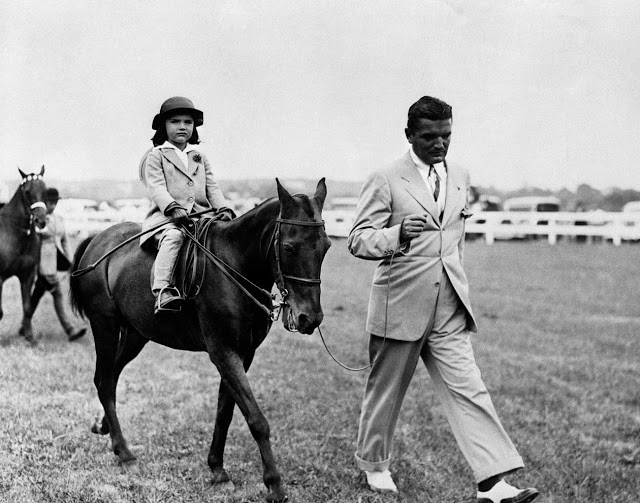
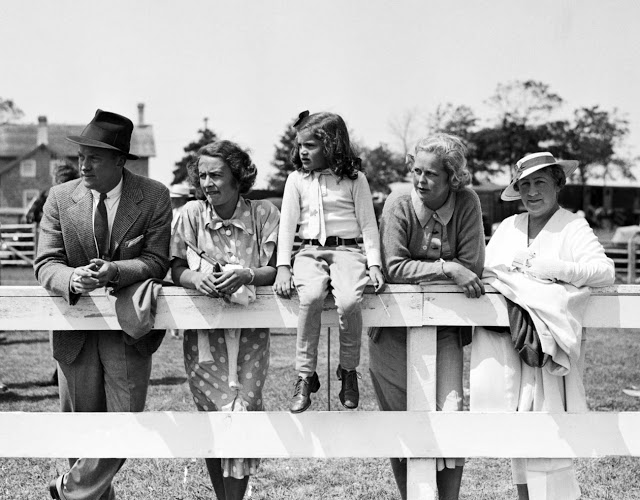
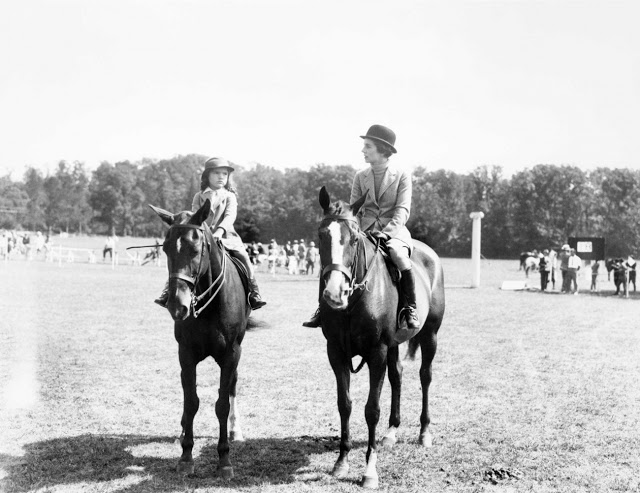
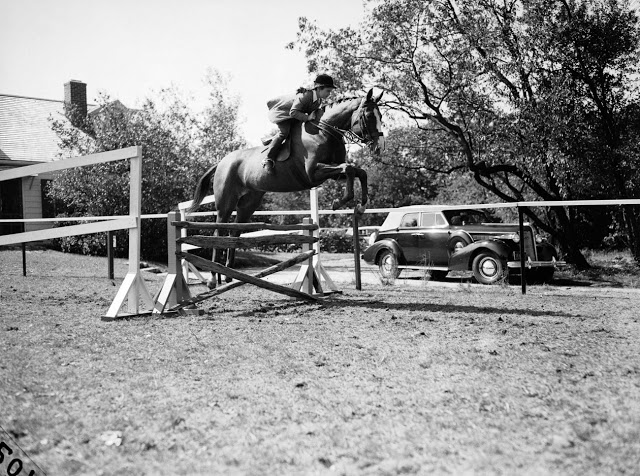
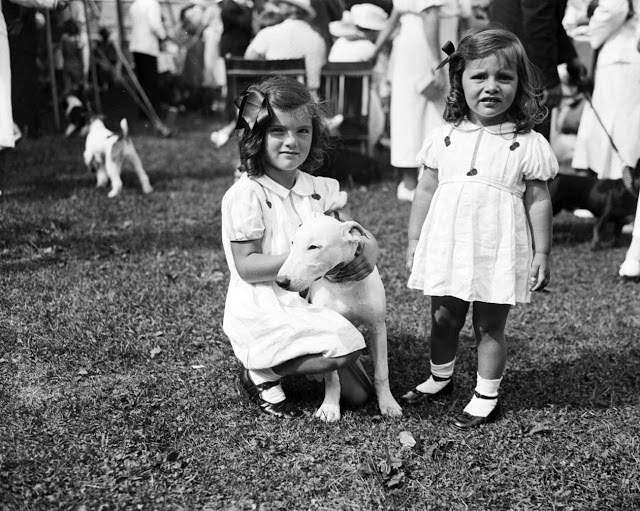
Before she was a First Lady, Jackie Kennedy was a little girl who loved horses as these pictures show.
Jackie Kennedy, née Bouvier, was born in Southampton, Long Island, New York, the daughter of wealthy Wall Street stockbroker John Vernou Bouvier III (1891–1957) and his wife Janet Norton Lee (1907–1989). She had a younger sister, Caroline Lee Bouvier, born in 1933, later known as Lee Radziwill.
Her early years were spent in New York City and East Hampton, Long Island, at the Bouvier family estate called “Lasata”. She became at a very early age an accomplished equestrienne, a sport that would remain a lifelong passion. As a child, she also enjoyed drawing, reading and writing poems.
Despite significant wealth, her parents’ marriage was not a success. Jack was an alcoholic and had multiple affairs, and the Bouviers separated in 1936.
These photographs of a very young Jackie show something of her passion for both her father and for her horse, at and around the time of the end of her parent’s marriage.
Jackie Bouvier with her horse.John Bouvier stands with his wife and daughter at the Sixth Annual Horse Show of the Southampton Riding and Hunt Club on Long Island.Jackie Bouvier standing by Caroline Lee Bouvier in her baby carriage.Jackie, age 4, and her mother at their East Hampton home.Jackie watches the Tuxedo Horse Show with Mrs. Allen McLane and her mother.Young Jackie Bouvier horseback riding with her father.Jackie Bouvier leads her pony from the paddock after competing at the Sixth Annual Horse Show of the Southampton Riding and Hunt Club.Jackie Bouvier rides horseback as her father walks at her side. East Hampton, New York.Several spectators watch the competition at the Southhampton Riding and Hunt Club’s seventh annual horse show. Left to right: Franklin D’Olier, Winifred Lee, Jackie, Marian Raymond and Mrs. James T. Lee.Jackie, age 6, riding with her mother in the parent and child class of the Smithtown Horse Show. Smithtown, Long IslandJackie jumps her horse Danseuse at the Piping Rock Horse Show, Locust Valley, New York.Jackie, 6 years old, and Lee play with and pet their dog Regent, a bull terrier, at a dog show in East Hampton, Long Island.
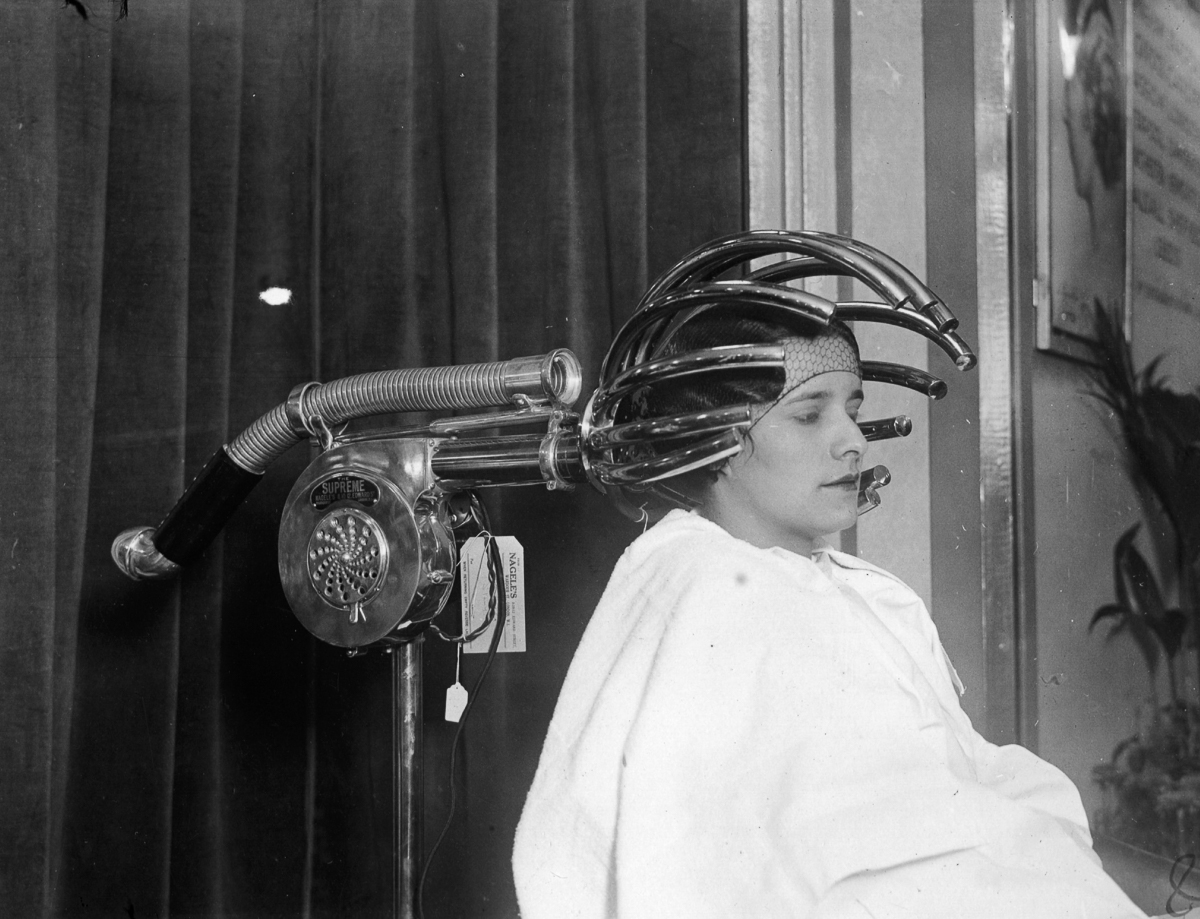
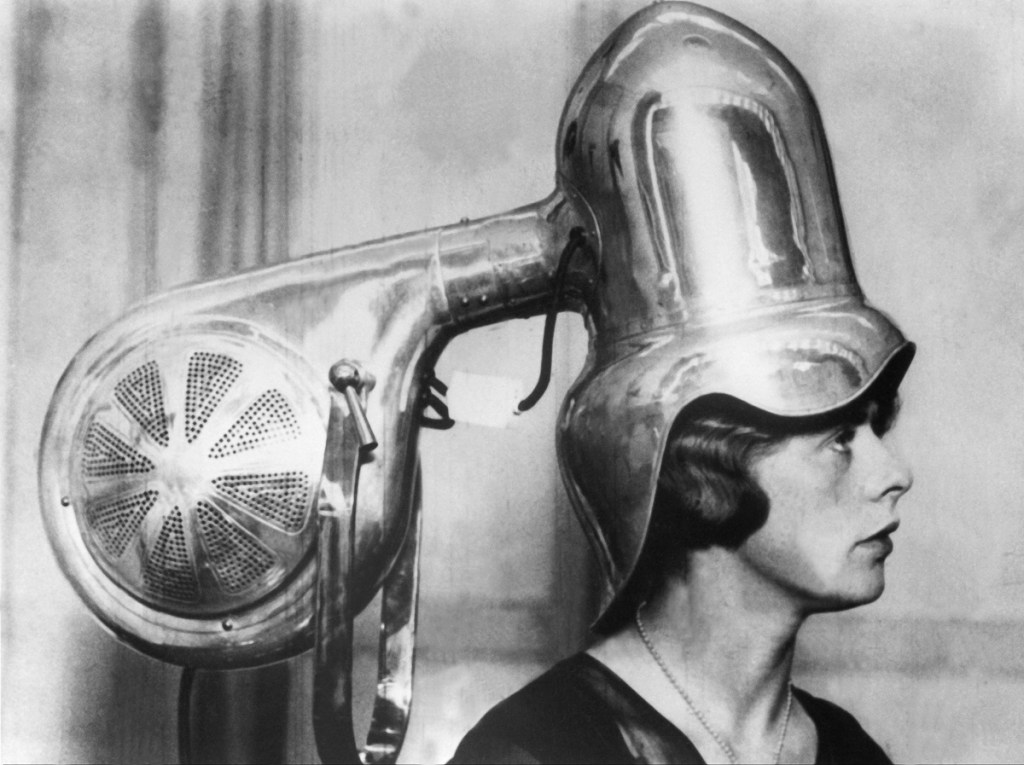
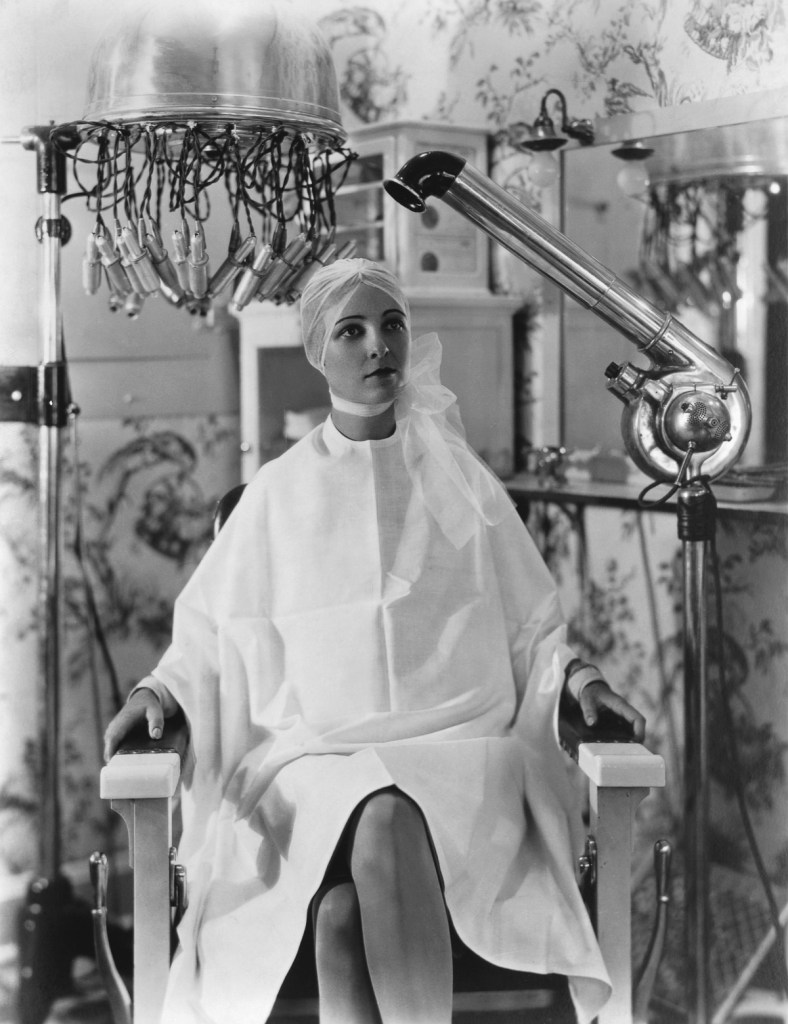
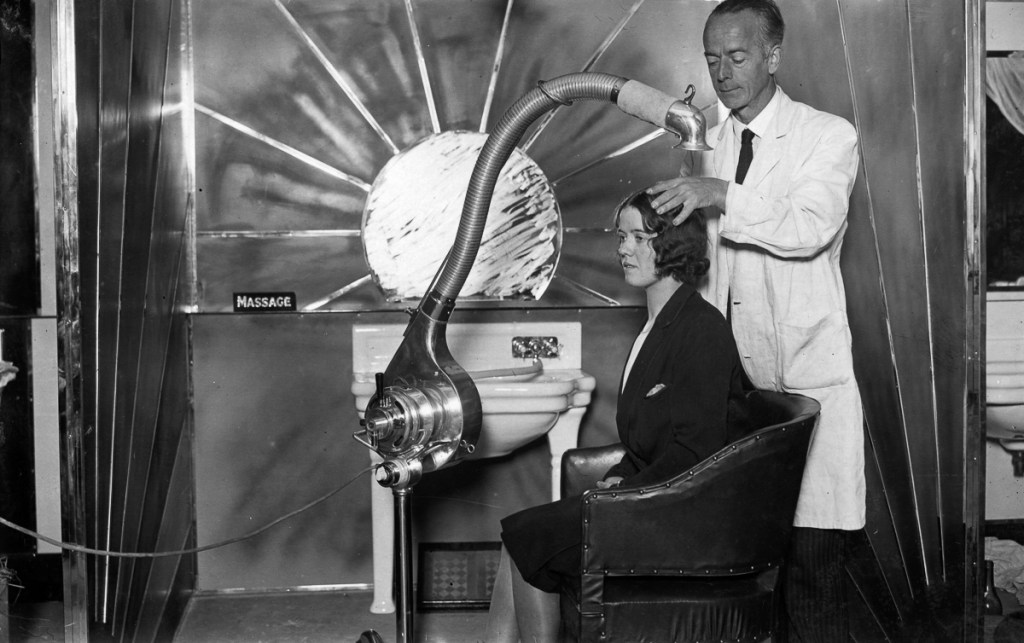
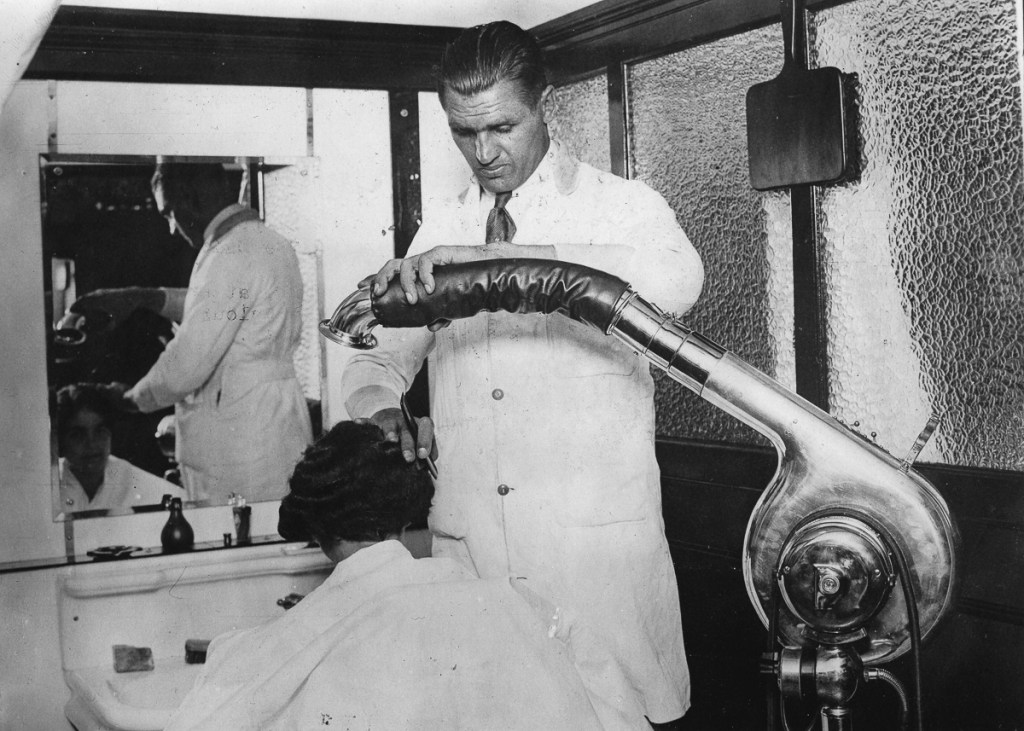
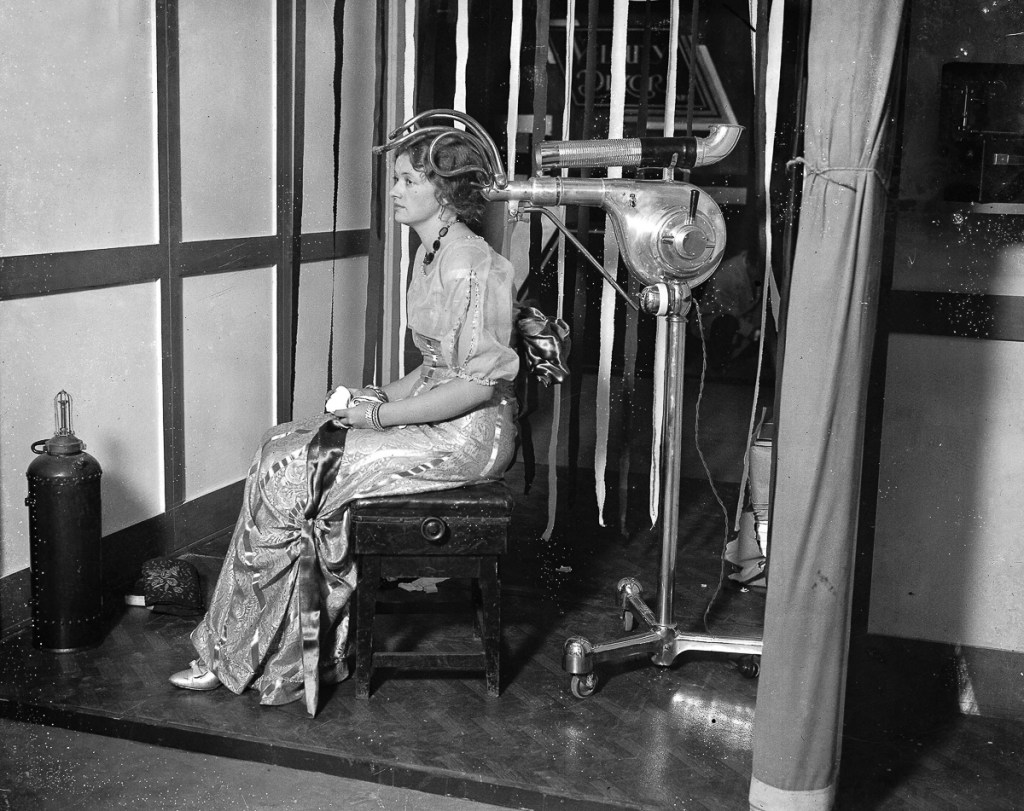
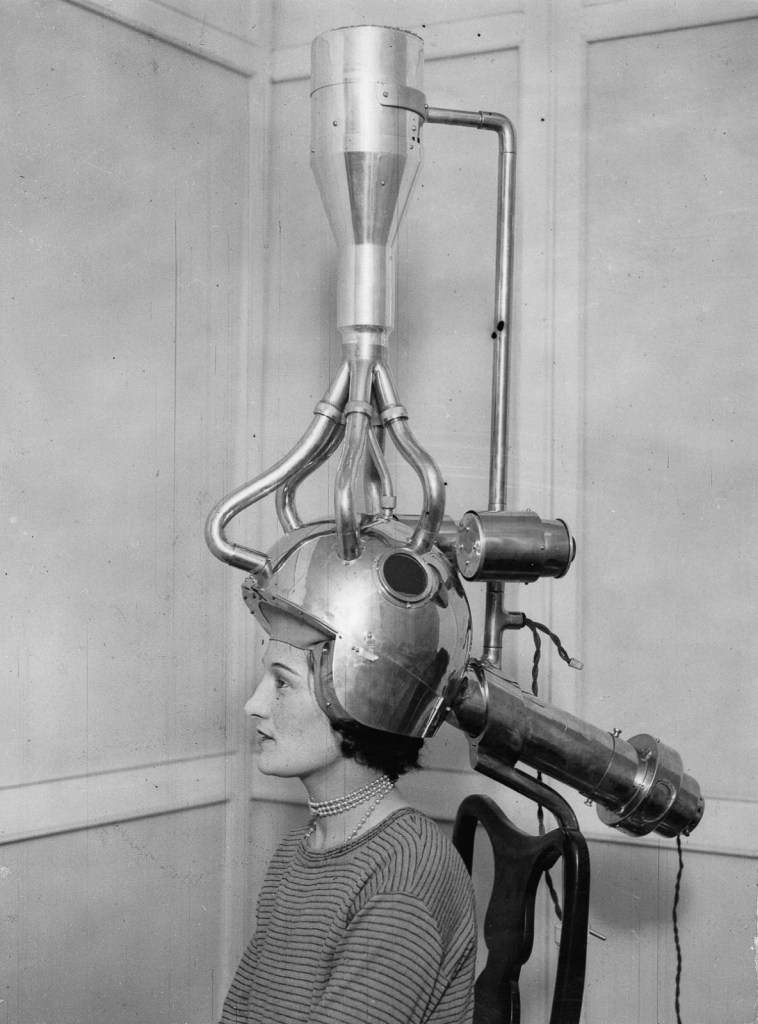
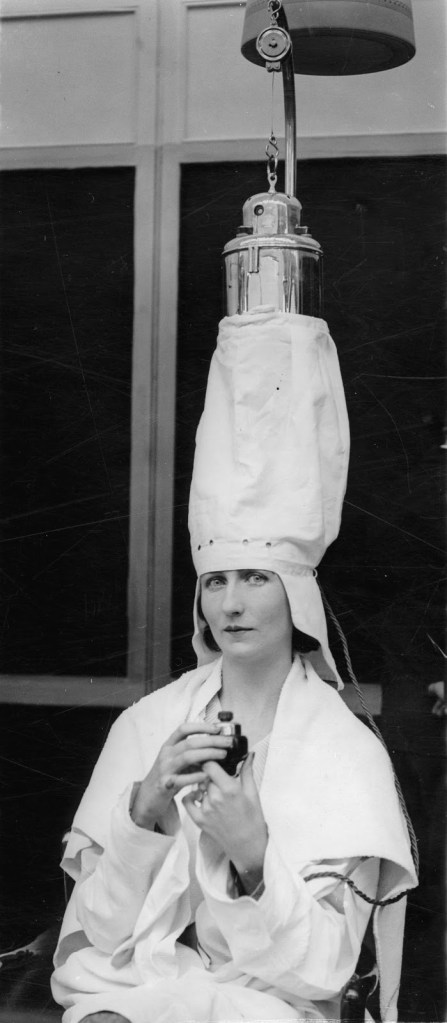
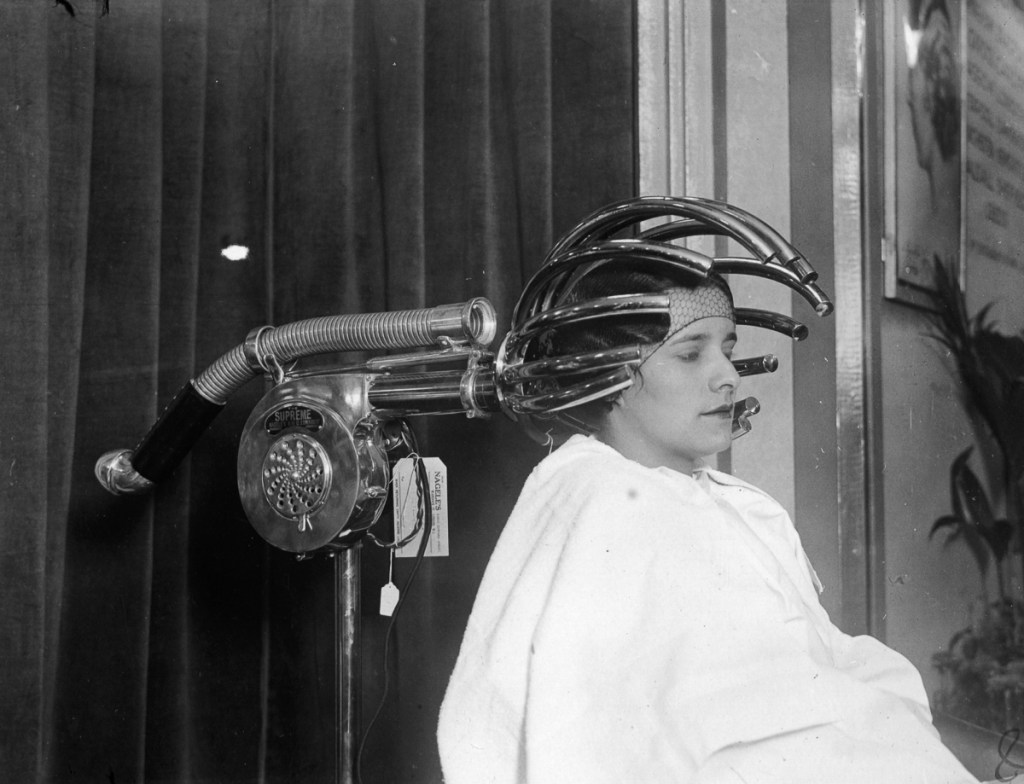
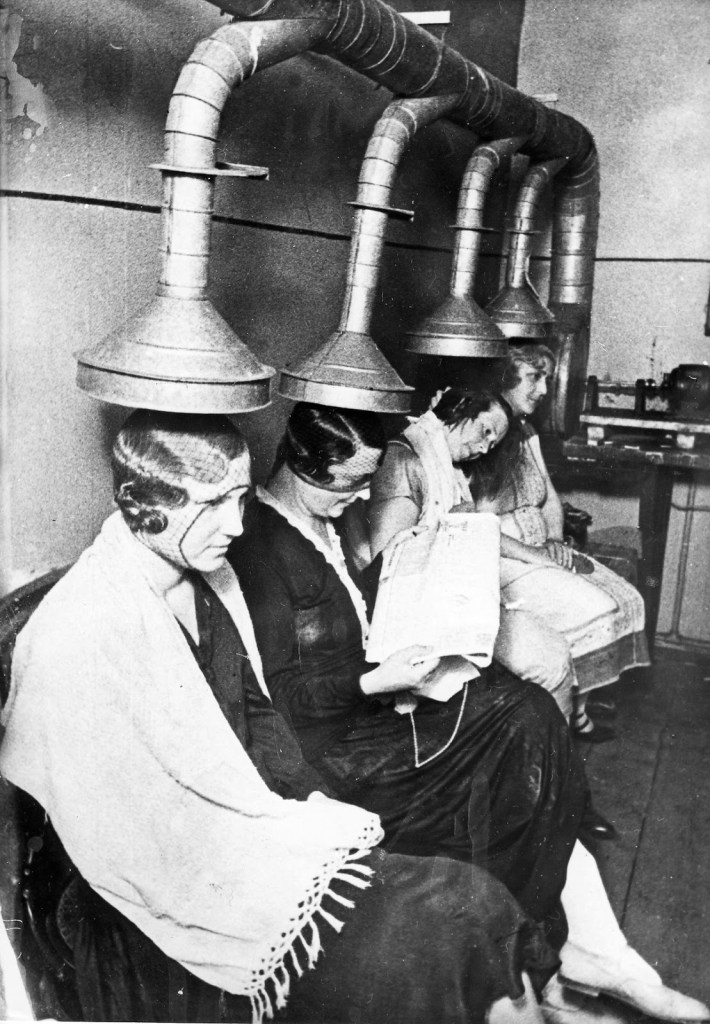
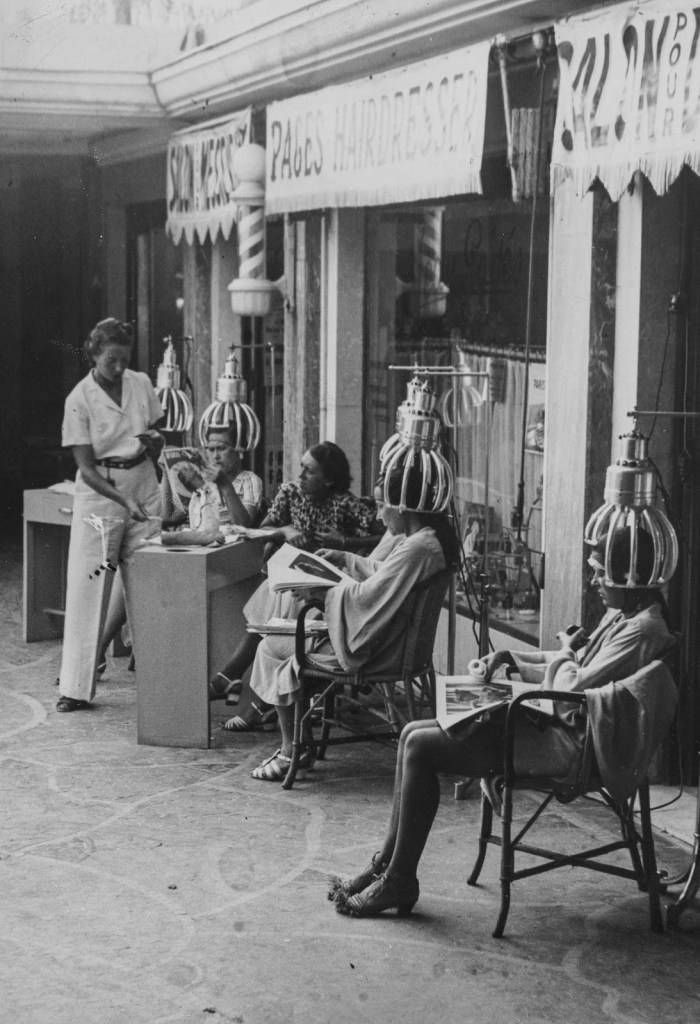
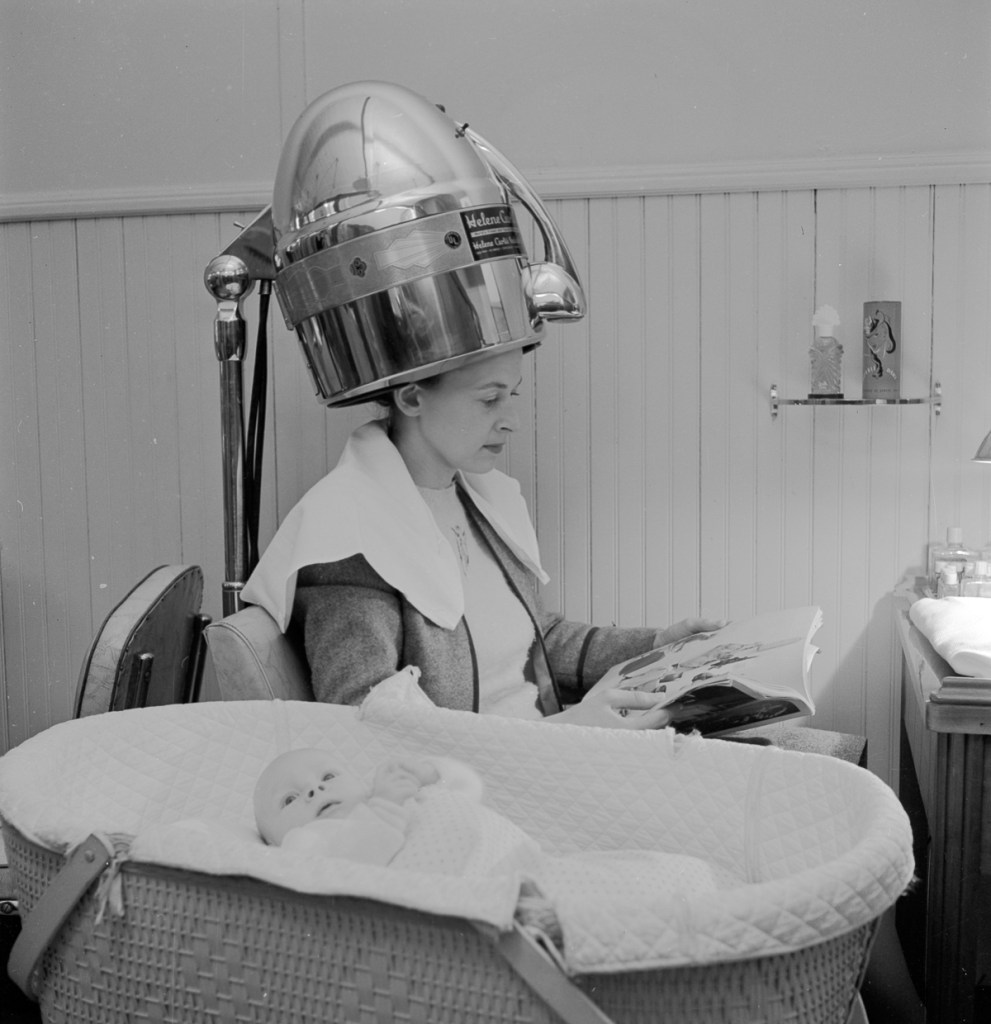
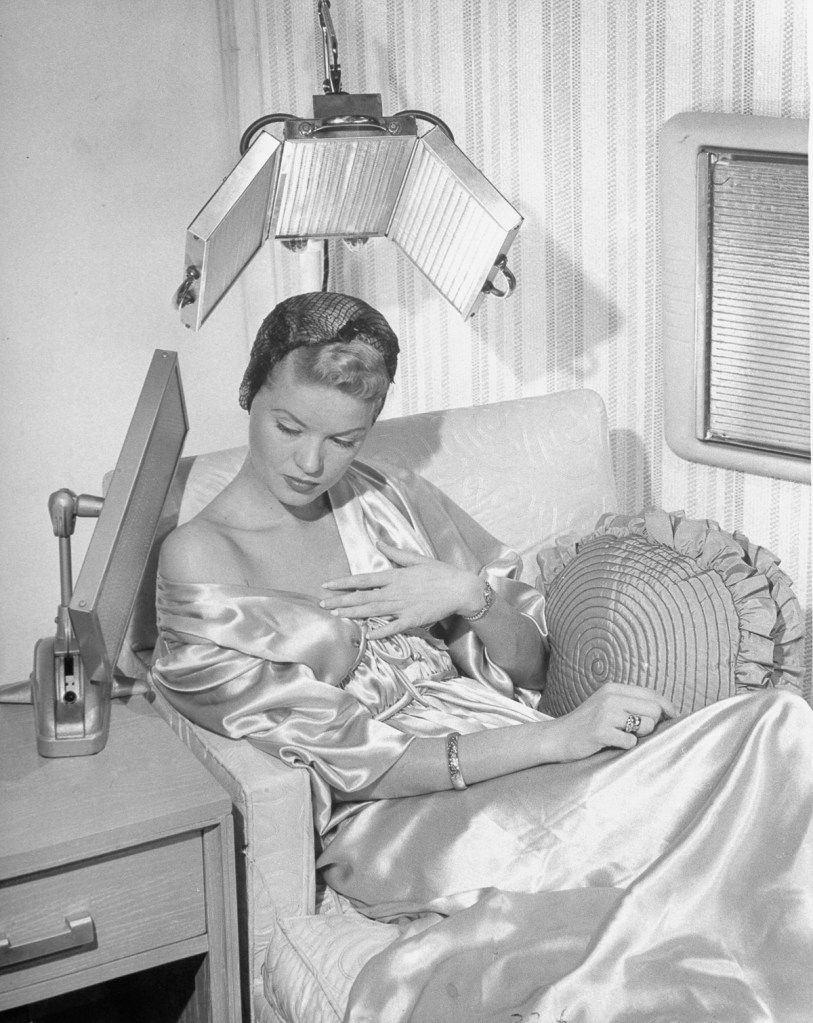
Before the invention of hair dryers, women would often attach hoses to the exhaust ends of vacuum cleaners to blow-dry their hair.
A woman sits under a chrome-plated hair dryer, 1928.19281929: The new sunlight ultra-modern cubicle for hairdressing on show at the Hairdressing Fair of Fashion at London’s White City. 1929London, England, 5th November, 1930, A woman tries out one of the latest types of hair drying machines seen at the hair dressing Fashion Fair held at Olympia in London 1930A woman demonstrates a hair-steaming apparatus at the Hairdressing Exhibition in London, 1930.A woman tries out a Supreme Pedestal hairdryer at the Hairdressing Exhibition in London. Sept. 22, 1932.A hair salon in Moscow, Russia, 1933.A hair salon in Cannes, France, 1937.Marjorie McWeeney sitting under a hair dryer while her son Mark is in a bassinet nearby at a hair dresser in New York, 1947. A woman uses a heat lamp and hairdryer made of hot glass, 1948.
Portrait of General L. W. Colby of Nebraska State Troops Holding Baby Girl, Zintkala Nuni (Lost Bird), Found On Wounded Knee Battlefield, South Dakota, 1890
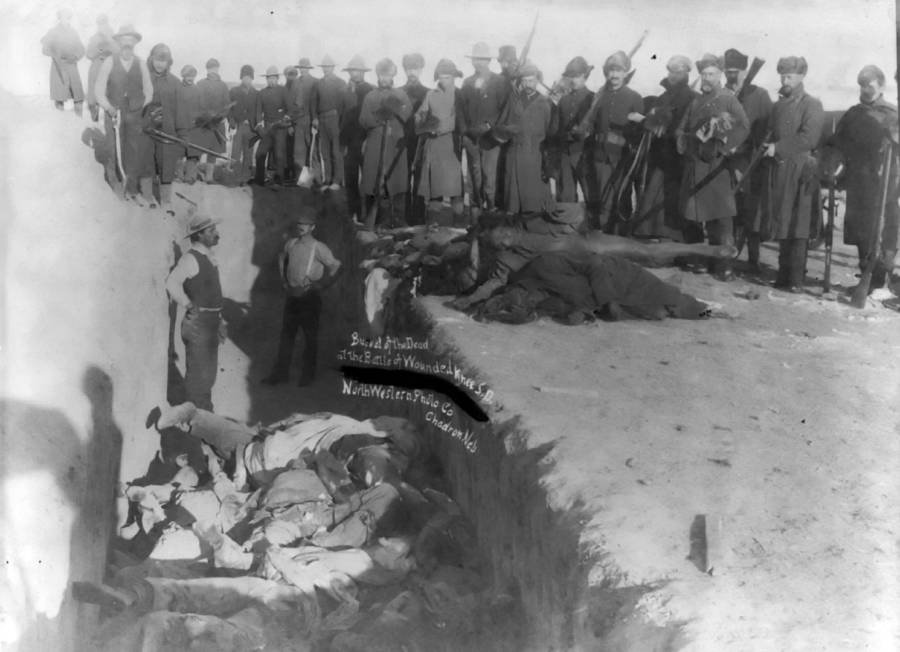
On 29 December 1890, near Wounded Knee Creek on the Lakota Pine Ridge Indian Reservation in South Dakota, one of America’s most shameful events would take place. In what would become known as the Wounded Knee Massacre the United States 7th Cavalry Regiment would kill nearly 300 men, women, and children of the Lakota nation with 51 being wounded. And for their efforts at least twenty soldiers would be awarded the Medal of Honor.
American soldiers dump the Sioux dead into a mass grave after the Wounded Knee Massacre.
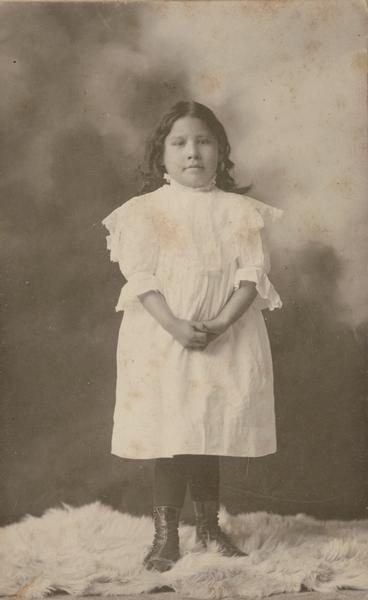
Four days after the massacre, when a US Army detail went out to bury the dead, a four month old baby was found on the battlefield still tied and protected on her frozen mother’s back. On the infant’s head was a leather cap decorated with beaded designs showing the American flag. The baby was first cared for by members of the Lakota and she fully recovered from four days exposure to freezing temperatures without food. Without knowledge of her identity or Lakota birth name, she was called Zintkala Nuni (“Lost Bird”). The tribe’s survivors attempted to gain custody of her, but she was adopted – as a public relations attempt — by Brigadier General Leonard W. Colby, whose men came to the killing field after the massacre was over. Over the protests of the Lakotas, he adopted the child, claiming that he was a full-blooded Seneca Indian. He promised to bring food to the surviving tribe members if they’d give him this living souvenir of Wounded Knee.
Studio portrait of Zintkala Nuni as a little girl, wearing a white dress.
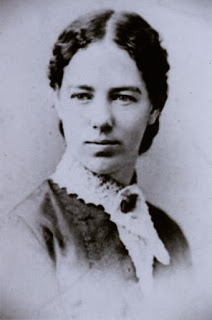
Gen. Colby adopted the baby without ever consulting his wife, Clara Bewick Colby, who had been in Washington D.C. at the time, working as a suffragette activist, lecturer, publisher and writer. After the massacre Colby took the child by train to his home in Beatrice, Nebraska. He legally adopted her on January 19, 1891, naming her Margaret Elizabeth Colby. Colby said about his new daughter, “She is my relic of the Sioux War of 1891 and the Massacre of Wounded Knee.” Zintkala was raised by Colby’s wife and when she learned that a Lakota woman had said “Zintkala nuni” [lost bird] when Colby took her away, Clara Colby called her “Zintka.”
Clara Bewick Colby, wife of General Colby, circa 1880s
Clara Colby later expressed her belief that her husband had kidnapped the child in order to draw clients to his law practice thus exploiting her even further. Leonard Colby’s intentions were far from honorable. When Zintka was 5-years-old, he abandoned Clara and Zintkala Nuni to start a relationship with Lost Bird’s governess. Zintka agonized through a childhood of prejudice and rejection by relatives and classmates. Due to Clara Colby’s busy work life, Zintka would spend most of her school years at various American Indian boarding schools including Haskell in Kansas and Chamberlain in South Dakota.
Studio portrait of Zintkala Nuni as a little girl, wearing a white dress.
When she was 17, Zintkala Nuni ran away from home. She was retrieved by her mother and sent to live with her father and his new wife. It was then that she was discovered to be pregnant and was sent to a reformatory. General Colby committed Zintka to the Nebraska Industrial Home in Milford, Nebraska, a reformatory for unwed mothers, where her child was stillborn. Her father left her in the reformatory for a year. Her child was stillborn and she returned once again to live with her mother who now lived in Portland, Oregon. Clara Colby testified in court that Zintka had been sexually abused by her former husband, General L.W. Colby, while she was living in his home with his second wife.
Zintkala Nuni returned to South Dakota on numerous occasions seeking information about her family and any possible surviving relatives but was not successful. She had not been warmly welcomed. At one point, she seemed to have found happiness in marriage, but the relationship quickly disintegrated when she discovered her new husband had given her syphilis, then incurable. She struggled with the effects of that illness for the rest of her life. Zintka worked as a entertainer for Buffalo Bill Cody’s Wild West Show and as an extra in silent films. She also portrayed Pocahontas at the 1915 Panama-Pacific Exposition in San Francisco. It is said that due to poverty she had resorted to prostitution.
By 1916, Zintka was living in utter destitution. She and her then-husband, who suffered from various illnesses, had been unsuccessfully trying to make a living in vaudeville. She had had two more children. One died, most likely in that year, and Zintka gave the other to an Indian woman who was in a better situation to be able to care for him. Later that year, she lost her loving mother, Clara Colby, to pneumonia.
Eventually, Zintka and her husband gave up vaudeville and moved in with his parents in Hanford, California, in 1918. Zintka fell ill on Feb. 9, 1920, as the Spanish influenza epidemic swept across the nation. On Feb. 14, Valentine’s Day, she died of that flu, complicated by syphilis at the young age of 29. She was subsequently buried in a pauper’s grave in Hanford.
Lost Bird finally came home on 11 July 1991. Her grave was found in California and her remains were returned to South Dakota and buried near the mass grave of her Lakota family. Her tragic story led to the creation of the Lost Bird Society, which helps Native Americans who were adopted outside their culture find their roots.
Lost Bird finally came home in 1991, and was reburied at Wounded Knee.
The hippies of Ibiza have become a symbol of the white island. More than that, they are part of its history and culture.
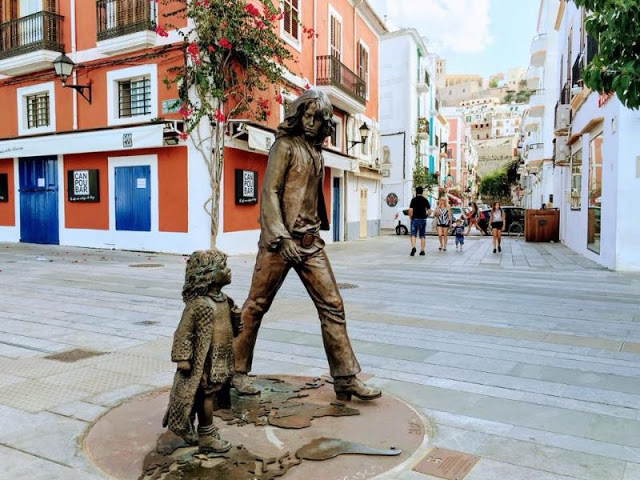
This bronze sculpture was inaugurated in the summer of 2016 and can be found at the intersection of Carrer Lluis Tur i Palau and Carrer Guillem de Montgrí, in the harbour area. The statue pays tribute to the importance of the hippie movement in the island’s development, beginning in the 1960s.
The hippy movement began in Ibiza in the 60s. Young people from all parts of Europe and North America were fleeing the situation in their countries after the Second World War. Discontent with the society and politics of their countries, they looked for quiet places, far from being overcrowded. These young people were children of wealthy families, scholars, and cults that sought a cosmopolitan and bohemian atmosphere.
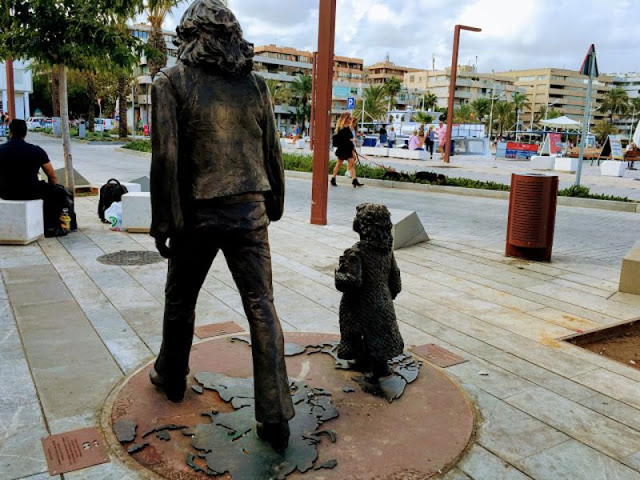
The sculpture is the work of Catalan sculptor Ció Abellí and consists of a three-dimensional representation of a famous image by photographer Toni Riera. The monument shows, in full size, a man with long hair and hippie aesthetic, with a cigarette in his hand, while walking with his little daughter, who holds a bottle.
This photo -a hippie with his kid- was taken by Tony Riera in Vondelpark, Amsterdam in 1968.
Despite the fact that the photograph was taken in a park in Amsterdam in 1968 it has served as an icon of the island on innumerable occasions. At their feet is a world map highlighting all the most significant international hippie concentrations: San Francisco, Amsterdam, Kathmandu, Goa and Ibiza. The work was donated to the town by the founder of the Pachá Group, Ricardo Urgell.
The curious thing, however, is that it was not taken in Ibiza but in Amsterdam. Riera captured her while lying in a park in the Dutch city and never knew the identity of those who appeared in her.
The mystery was solved a few years ago, when the girl, now an adult woman, went on a trip to Ibiza to the Pacha disco and found herself face to face with the image, recognizing herself immediately. Thus, we come to know that the protagonists are a former actor, Sandy van der Linden, and his daughter Radha.
Despite being so recent, it is one of the most popular monuments on the island and there are always people taking photos with it.
Sixty years ago, on Aug. 5, 1962, Marilyn Monroe died at the age of 36 of an overdose in her Los Angeles home. Just three months prior to her death, Monroe, dressed in a skin-tight, nude-colored dress, sang “Happy Birthday” to President John F. Kennedy at Madison Square Garden ten days before his 45th birthday.
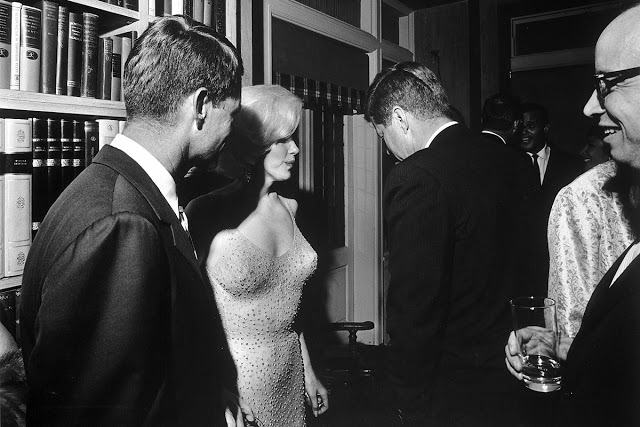
That now legendary performance on May 19, 1962 led to what is believed to be the only known photograph of Monroe and Kennedy together.
Marilyn Monroe standing between President John F. Kennedy (R) and Attorney General Robert F. Kennedy on May 19, 1962, at Hollywood executive Arthur Krim’s Manhattan townhouse, following a rally for the President’s 45th Birthday at Madison Square Garden. (Photo: Cecil Stoughton/The Life Images Collection/Getty Images)
The image, shown here, was taken that night at an after-party at the Manhattan townhouse of Hollywood exec Arthur Krim, by official White House photographer Cecil Stoughton.
Also seen in the photo are Attorney General Robert F. Kennedy, on the left; Harry Belafonte, who also sang that night, standing in the back, and historian Arthur Schlesinger, Jr., the smiling man wearing glass on the right.
“It was Marilyn who was the hit of the evening,” according to TIME’s recap of the concert in 1962. “Kennedy plainly meant it when he said, ‘I can now retire from politics after having had Happy Birthday sung to me in such a sweet, wholesome way.’”
Stoughton had been instructed not photograph Monroe with the president, but he managed to sneak this shot. Out of respect for Jackie Kennedy, he kept the photograph secret.
Schlesinger later wrote: “The image of this exquisite, beguiling and desperate girl will always stay with me. I do not think I have seen anyone so beautiful; I was enchanted by her manner and her wit, at once so masked, so ingenuous and so penetrating. But one felt a terrible unreality about her – as if talking to someone under water. Bobby and I engaged in mock competition for her.”
That night’s performance added fuel to the rumors that Monroe was having affairs with both Kennedy brothers.
“It was pretty clear that Marilyn had had sexual relations with both Bobby and Jack,” James Spada, one of her biographers, told People on the 50th anniversary of her death.
According to another biographer, Donald Spoto, Monroe and JFK met four times between October 1961 and August 1962.
Her masseur Ralph Roberts claimed their only “sexual encounter” took place in a bedroom at Bing Crosby’s home on March 24, 1962, just two months before Monroe’s performance at MSG. “Marilyn gave me the impression that it was not a major event for either of them: it happened once, that weekend, and that was that,” said Roberts.
And yet, especially given Monroe’s death and Kennedy’s assassination not too long after, the idea of their relationship still holds its grip on many Americans’ imaginations.
A print of the famous photo was sold for $32,512.80 at an auction at Lelands on August 17, 2018. It is the only surviving version of the photo that Stoughton printed himself from the original negative. (A copy of the photo is part of the Life Images Collection.)
When a car is well designed, it’s more than just a box with wheels that gets you from one place to another. It’s rolling art. But unlike your typical pretty painting or photograph, it also has to be functional. It needs to be able to handle the rigors of the road. It needs to last for years. It needs to carry you and yours for miles upon miles.
With that in mind, let’s take a look at 6 of the most beautifully designed classic cars of all-time. Note that these are in no particular order. In many ways, ranking them would be missing the point. It’s not about any of these being superior to the others; it’s about marveling at these works of art and finding what you enjoy about each of them.
Mercedes-Benz 300SL Gullwing
Considered the gold standard by many, the Mercedes-Benz 300SL Gullwing has everything you could ask for in a beautiful car. Simple, sweeping bodylines communicate classiness and sportiness. Plus, it has that show stopping feature — those gorgeous gullwing doors. When you’re talking about great art, there’s always that one element that stands out: Mona Lisa’s smile, the captivating swirls in Van Gogh’s The Starry Night. In this case, it’s those gullwing doors.
While the rest of the car is breathtaking (just look at the roadster for comparison’s sake), it’s those doors that leave a lasting impression.
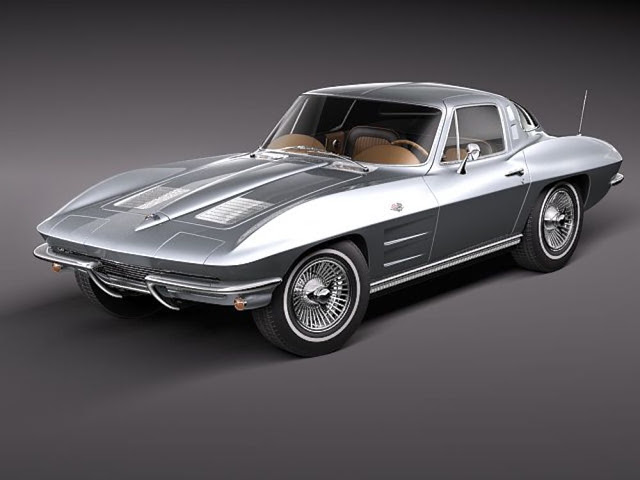
Chevrolet Corvette C2
The first stingray, this Corvette sports a menacing look with the long hood and clean bodylines that signify a beautiful sports car.
Sometimes, though, it’s the little quirks of character that set a car apart aesthetically. In this case, it’s the split back window —an unusual trait, and one of those unique signature details that makes the C2 Corvette unforgettable.
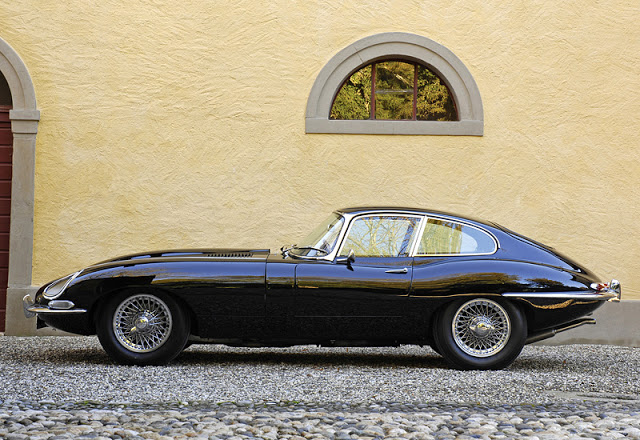
Jaguar E-Type
Enzo Ferrari once said the E-Type was the most beautiful car he had ever seen. That’s high praise coming from a competitor.
On the surface, its features are typical of a beautiful sports car—long hood, low driving position, a sweeping curve in the back—but the E-Type checks these marks off with such elegance that it transcends the norm to become something all its own.
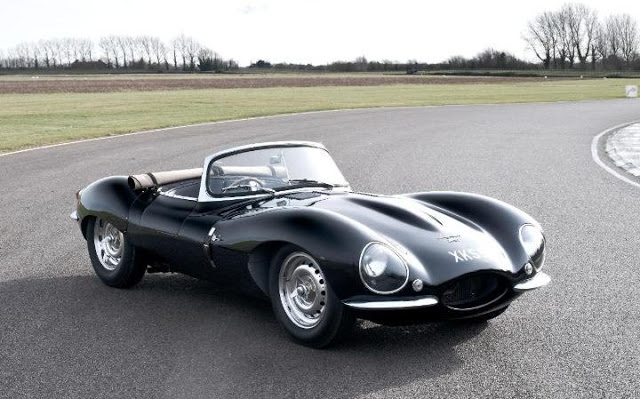
Jaguar XKSS
It’s worth noting that Jaguar is the only manufacturer with more than one car on this list, and with good reason. Jaguar is really one of the touchstones of design, from its early years (XK120, XK140) to its golden age of the E-Type to its recent resurgence with the F-Type (a car that likely would be on this list if we weren’t focusing strictly on the classics).
With the XKSS, Jaguar essentially made a curvier, more ostentatious sports car that preceded the more elegant E-Type. A favorite of Steve McQueen, and it’s easy to see why.
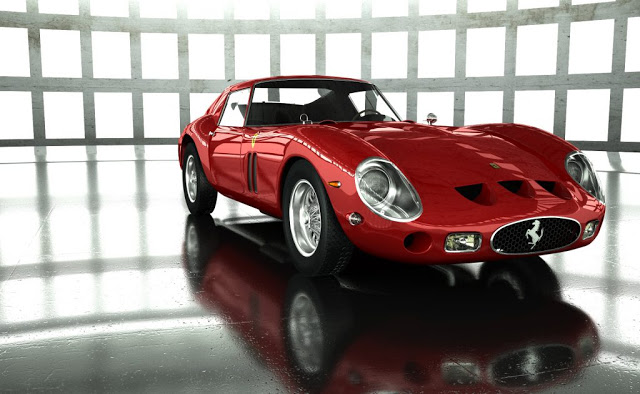
Ferrari 250 GTO
Only 39 of these vehicles were ever made, and perhaps that’s one of the things that adds to its allure. Popular Mechanic named it the “hottest car of all-time,” and even that title doesn’t do this car justice.
The body design is not only flowing and gorgeous, but it was informed by rigorous wind tunnel testing at Pisa University, as well as road and track testing. The end result is a winning combination of form and function.
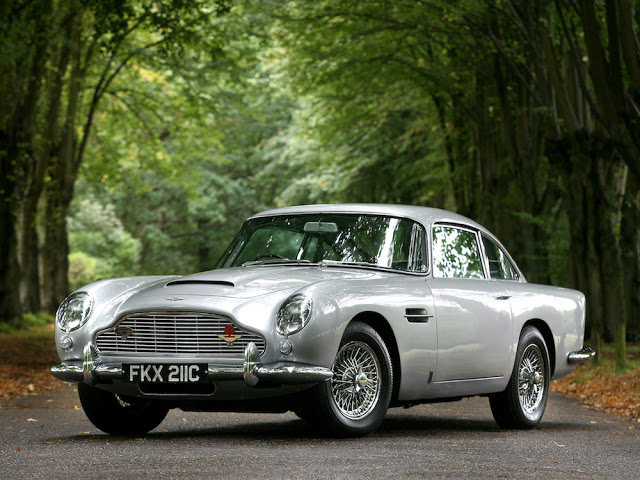
Aston Martin DB5
While perhaps more classically “handsome” than “beautiful,” Aston Martin DB5 makes this list for getting its proportions just right.
If you really look at, there are no knockout curves or loud features, yet taken as a whole, the car jumps right off the screen and demands your attention. That’s a testament to its proportions, which are pitch perfect. No wonder this car has been a James Bond staple. It’s everything James Bond is — sophisticated, classy, and thrilling.
(This original article was written by Zack Drisko and published on Khachilife.com)
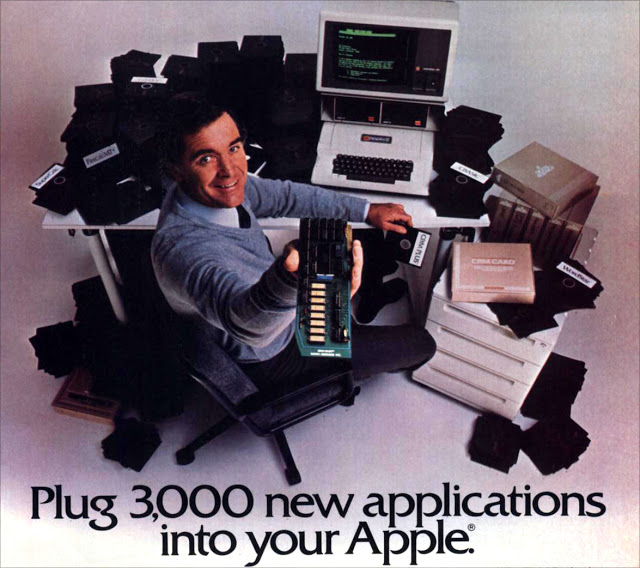
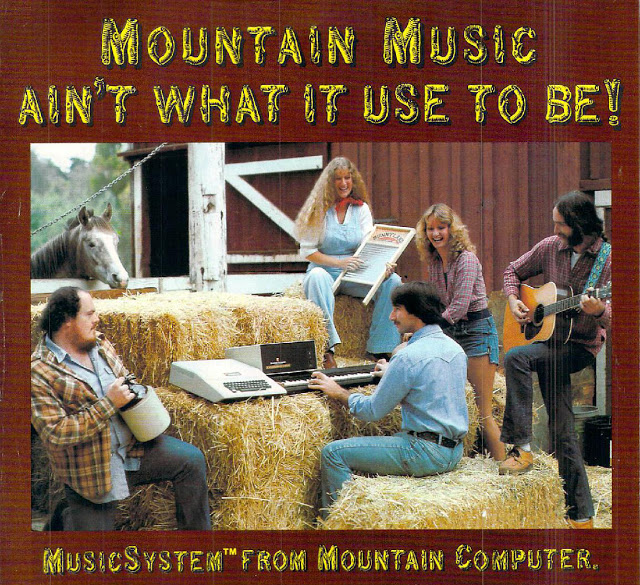
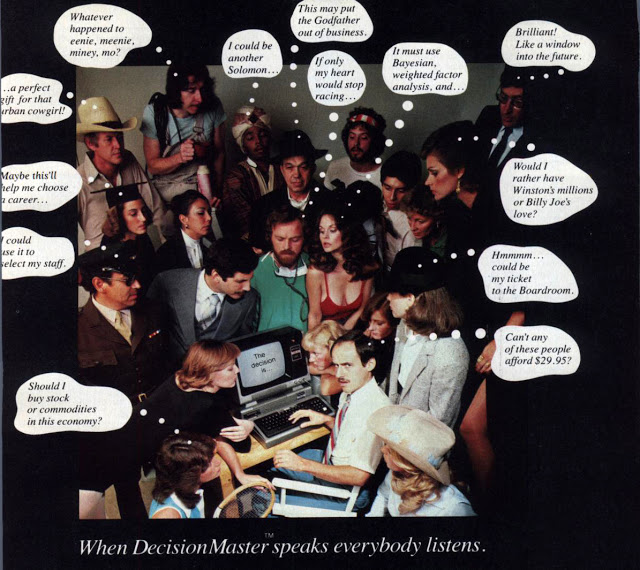
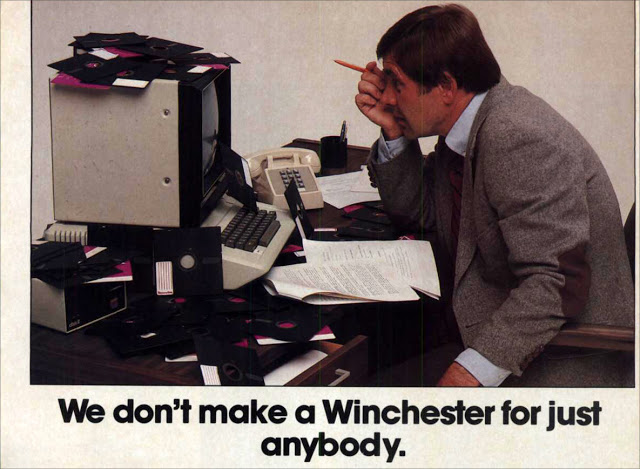
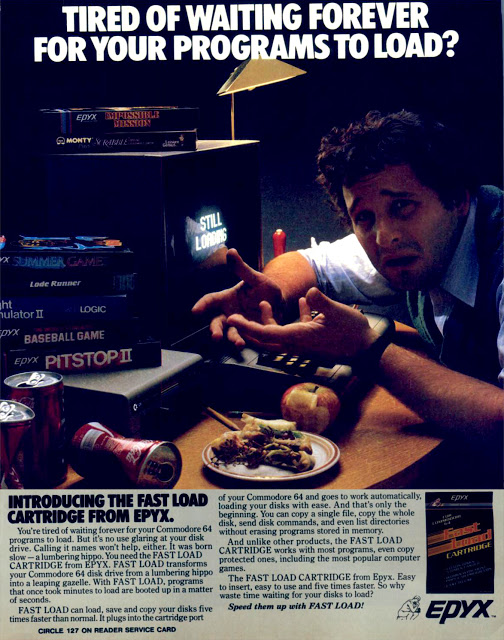
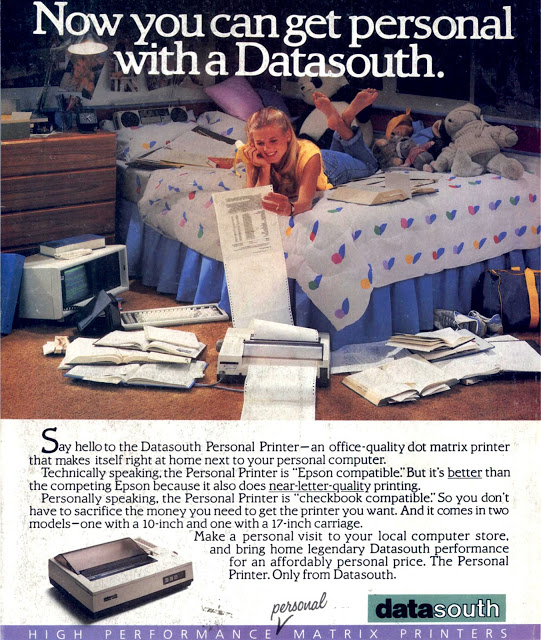
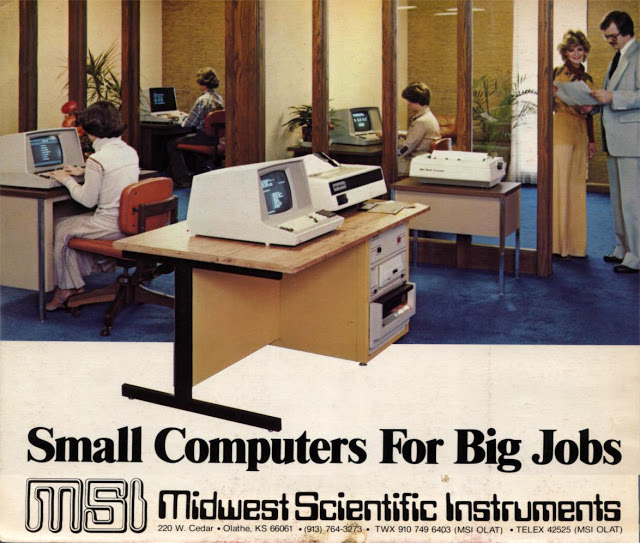
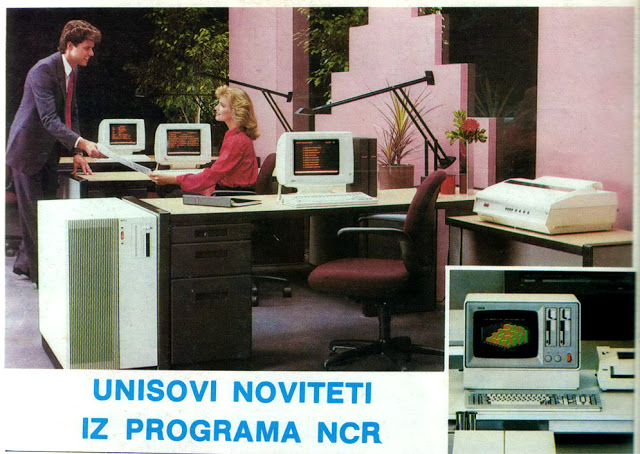
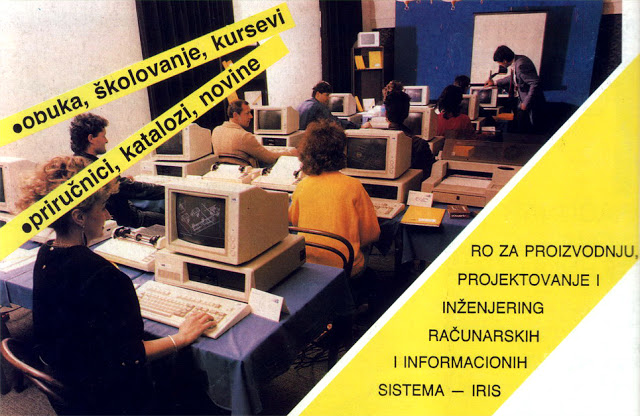
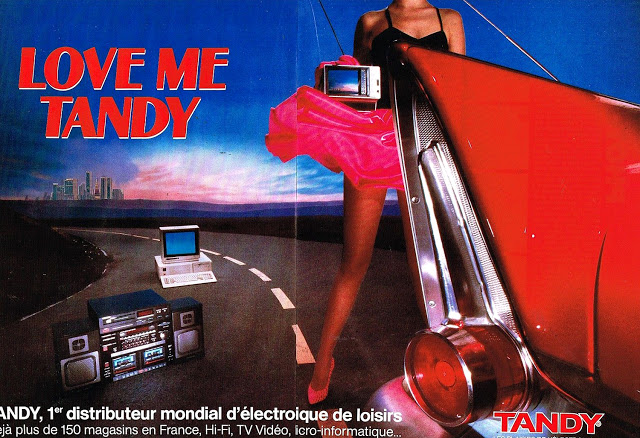
Vintage ads reflect how people thought and felt about things in a certain era—or at least how a certain group of people hoped consumers thought and felt. In early personal computer ads, there’s a conscious link to a sci-fi version of the future but also a push to convince you that these machines are fun: Just look at the excitement on this family’s faces! For people looking to take a trip into the past, here are some fantastic computer commercials from the 1980s:
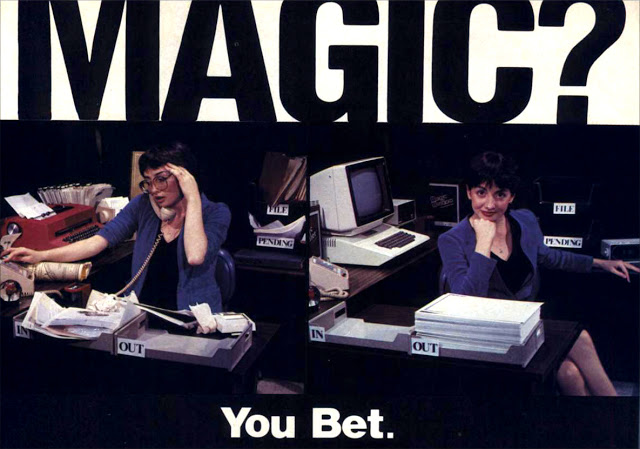
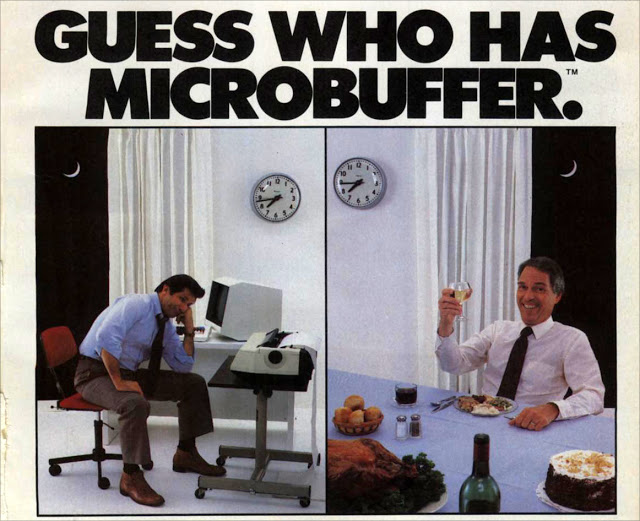
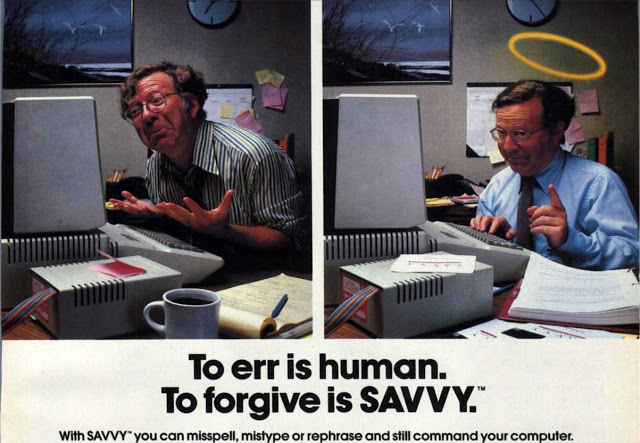
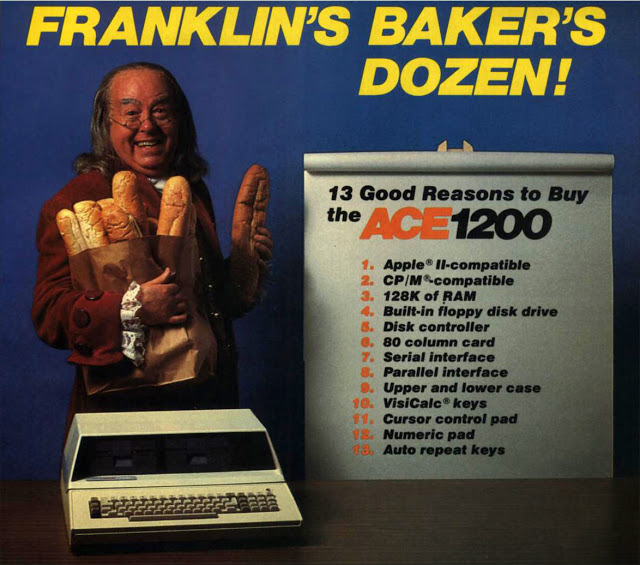
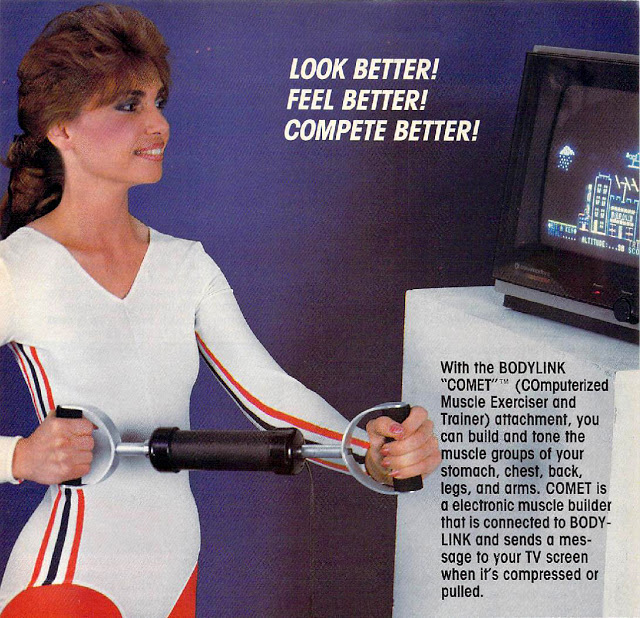
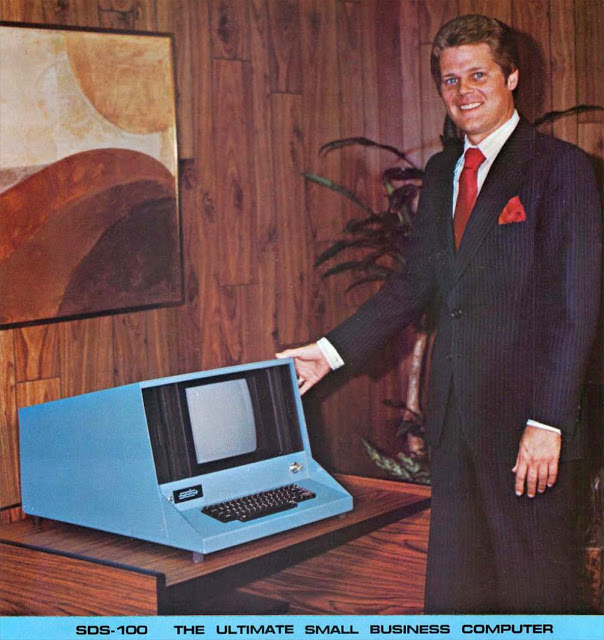
“MusicSystem generates the sound of any musical instrument – real or imagined! Solo or sextet. Rock or classical. Laid-back or loud. At home, the concert hall, or the classroom. MusicSystem sets new standards for computer generated music… Drop by your Apple Dealer and ask to hear Mountain Music for yourself. Now only $395.00” (1982)“With a calculator, pencil and paper you can spend hours planning, projecting, writing, estimating, calculating, revising, erasing and recalculating as you work toward a decision. Or with Personal Software VisiCalc program and your Apple II you can explore many more options with a fraction of the time and effort you’ve spent before. ” (1980)“The North Star Horizon computer can be found everywhere computers are used: business, engineering, home – even the classroom. Low cost, performance, reliability and software availability are the obvious reasons for Horizon’s popularity. But when a college bookstore orders our BASIC manuals, we know we have done the job from A to Z. Don’t take our word for it. Read what these instructors have to say about the North Star Horizon: ‘The Horizon is the best computer I could find for my class. It has an almost unlimted amount of software to choose from. And the dual diskette drives mean that we don’t have to waste valuable classroom time loading programs, as with computers using cassette drives.’” (1980)“Let’s face it. We all have to make decisions. Decisions that can change our lives. Decisions that make us happy or unhappy. Decisions that could win us fame or fortune. Now, DecisionMaster can help you make the best decisions of your life. Use Bayesian theory to peer into the future… even if you’ve never heard of the Bayes’ Rule…. If you buy only one computer program this year, make it DecisionMaster. And when it speaks, listen.” (1980)Creative Computing magazine (October 1981)“We’re Corona Data Systems and we’ve made Starfire, a Winchester disk just for Apple II. What’s in it for you? 5 million characters of storage. And that’s not all. You’ll get Corona’s Disk Partitioning which allows for up to 16 separate operating systems such as Apple DOS and Pascal, all sharing the same disk.” (1982)“Magic Window transforms your Apple Computer into a sophisticated word processor unlike any other. Streamlined to meet all professional needs yet be easy to understand and operate. Magic Windo can be used by anyone in minutes. Simulating a standard typewriter, everyone has immediate rapport with the system as no special training is required….. Magic Window solves the Apple’s display problem without expensive hardware additions. Using your video screen as a “window” you view what you type from any position selected with a single keystroke….” (1982)Creative Computing magazine (August 1982)“If you guessed that a Practical Peripherals Microbuffer printer buffer saves time, you’re right. For the way it works, this inexpensive product is the most practical addition to your microcomputer system ever. With Microbuffer, you don’t have to wait for your printer to finish before you resume using your computer. Data is received and stored at fast speeds, then released from Microbuffer’s memory to your printer. This is called buffering. The more you print, the more productive it makes your workflow.” (1983)“If you’re tired of inflexible personal software, it’s time for SAVVY. SAVVY teaches your computer to adapt to you. It’s part hardware, part software, and part remarkable. It lets your computer see things as you see them. do things the way you like to do them. It even allows for those unavoidable entry errors that we all sometimes make. What’s the secret? SAVVY can recognize patterns (other software products can only recognize exact duplicates) and you can teach it to recognize your language. That means it will carry out your commands instead of flashing ‘error’ messages.” (1983)Advanced Logic Systems (ALS) CP/M Card for Apple IICreative Computing magazine (September 1983)Creative Computing (January 1985)Creative Computing, January 1985Kilobaud Microcomputing magazine (June 1979)Racunar magazine (1987)Racunari magazine (1988)Props to Tandy, which started as a leather goods company and ended up leading the personal computer revolution along with Apple and Commodore.1986 – BodyLink COMET (COmputerized Muscle Exerciser and Trainer)“The system is packaged in a totally shielded single case, housing two full-size dual-sided floppy disk drives, a full sized 12? video monitor, the keyboard and the SDS-100 computer power. For the more technical features: 32K Random Access Memory, 1,025,024 Bytes of on line disk storage…”
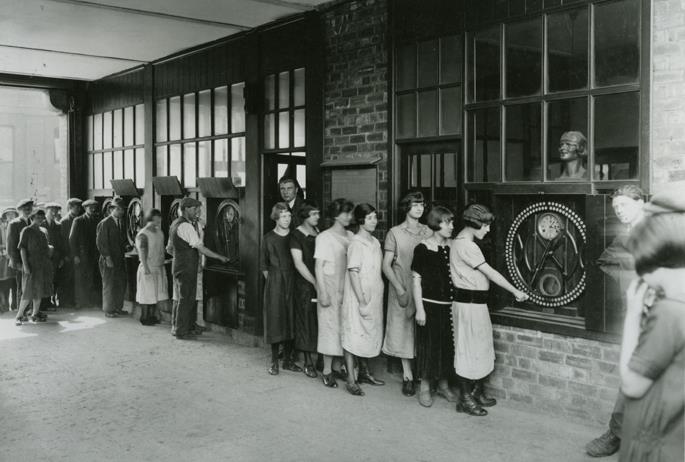
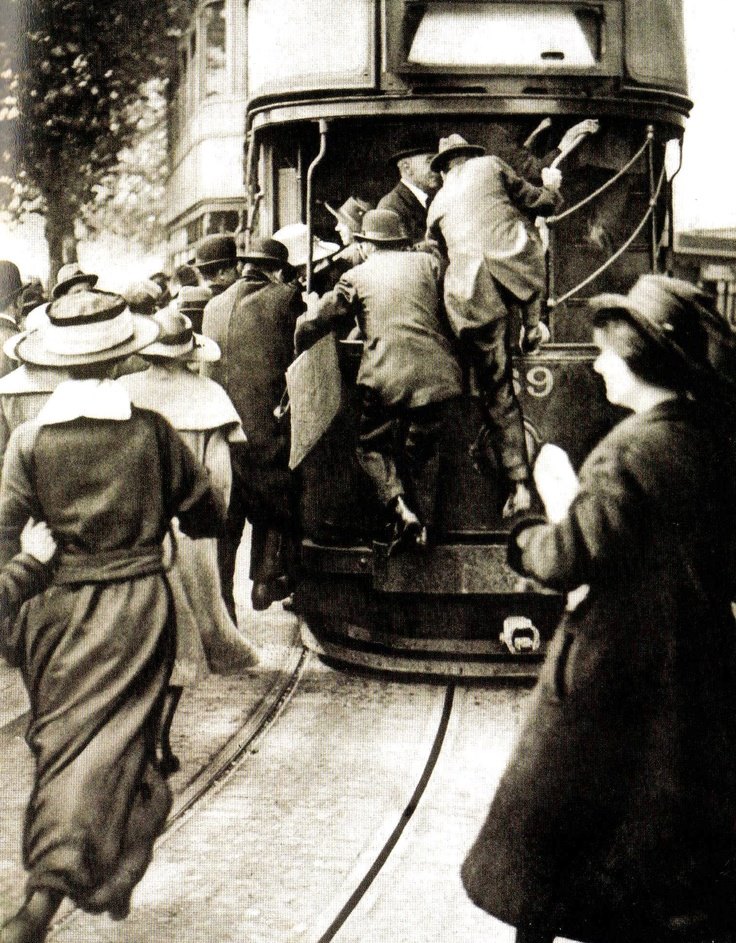
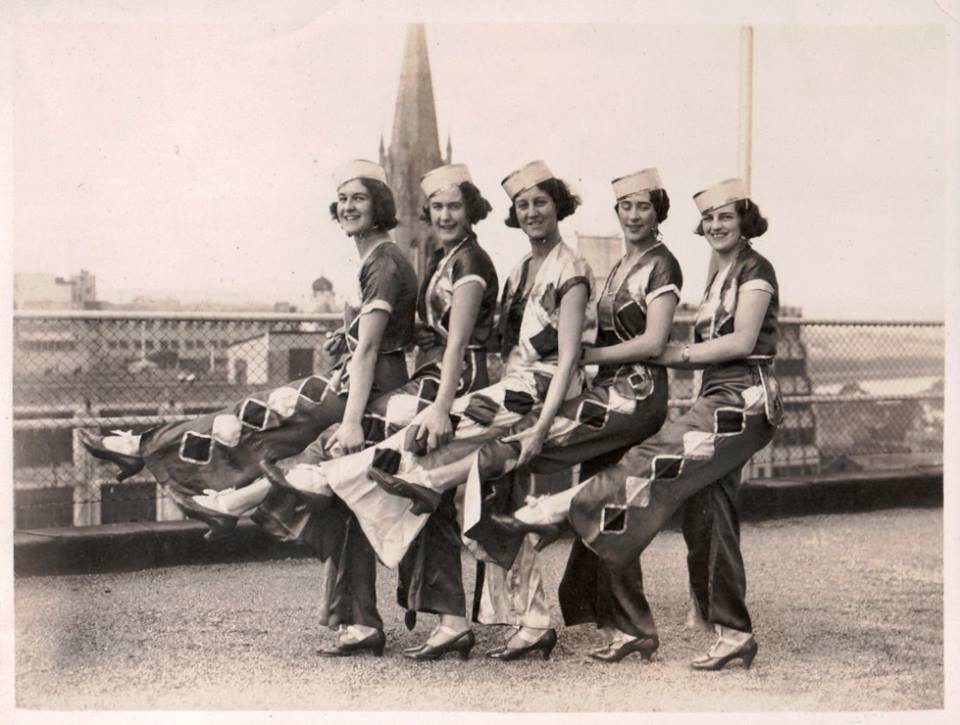
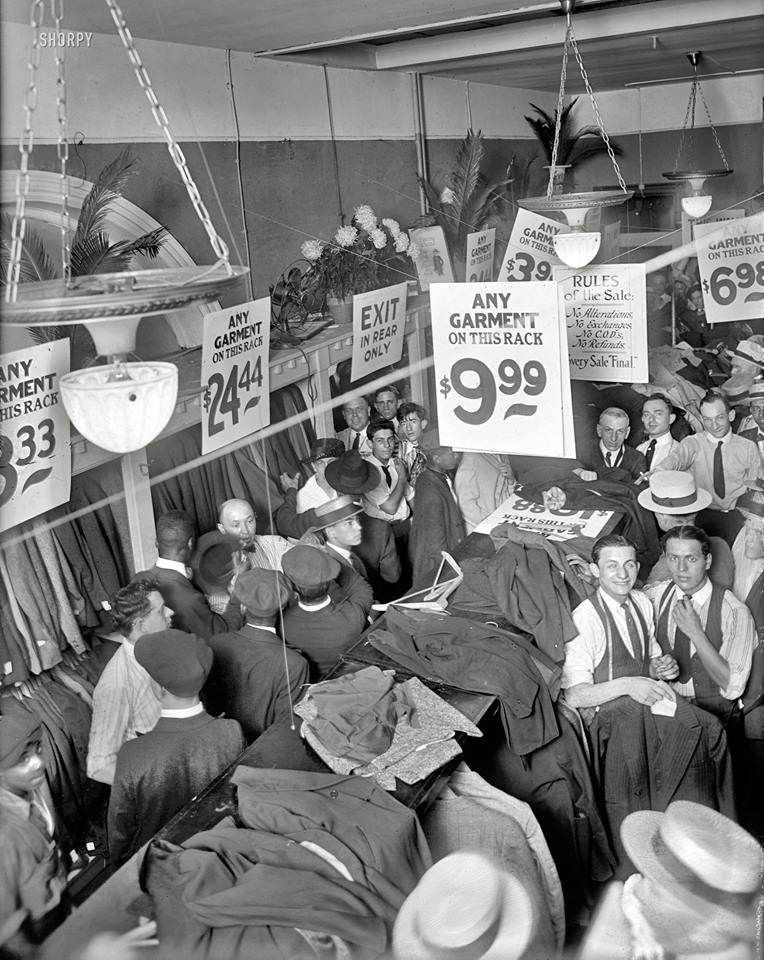
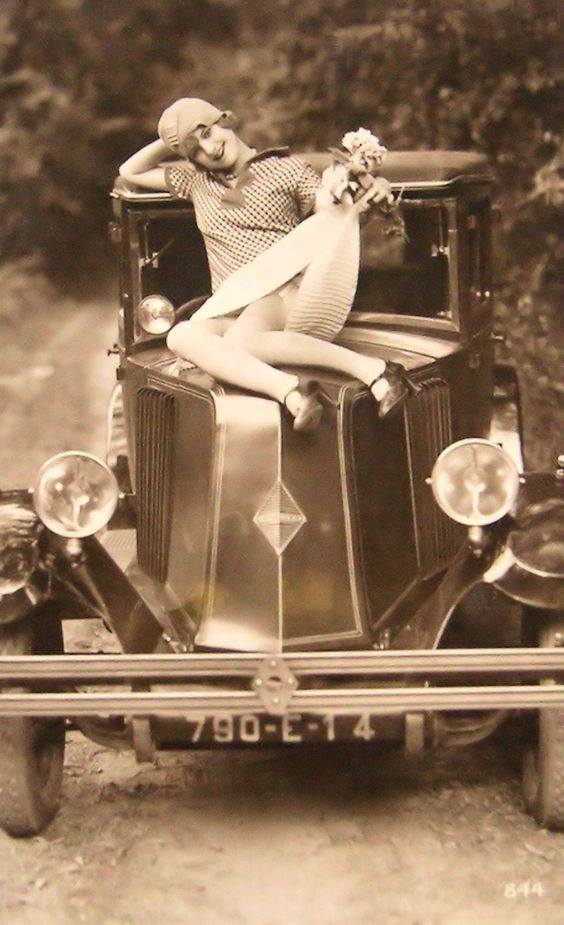
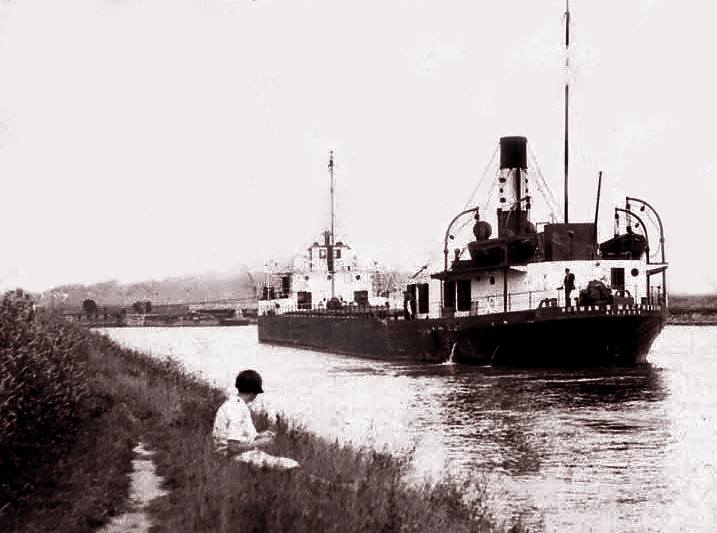
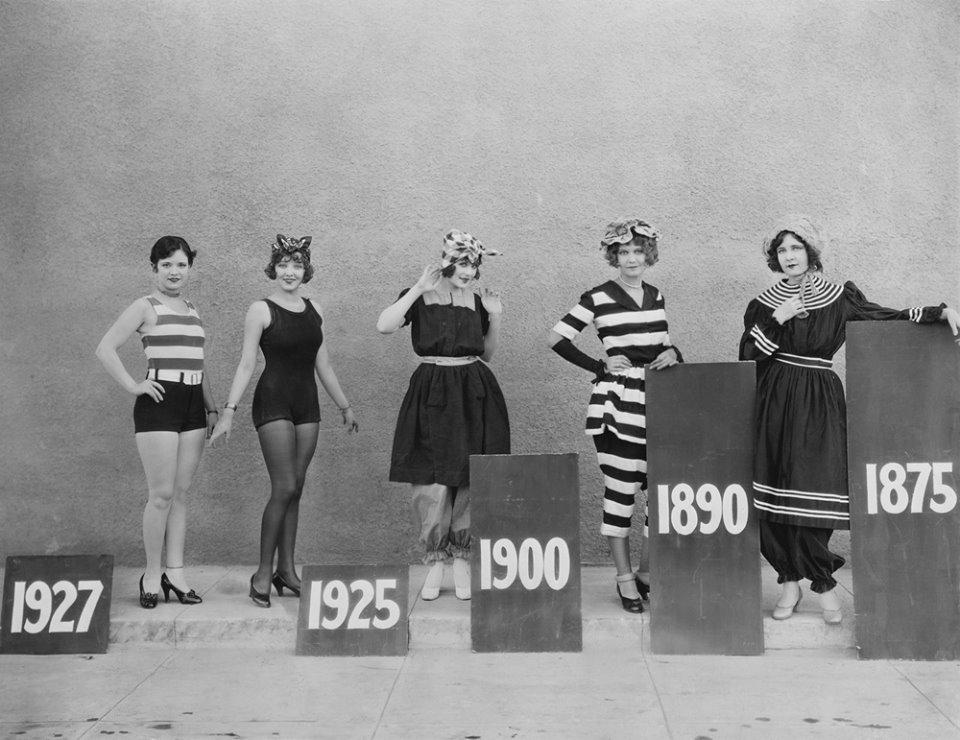
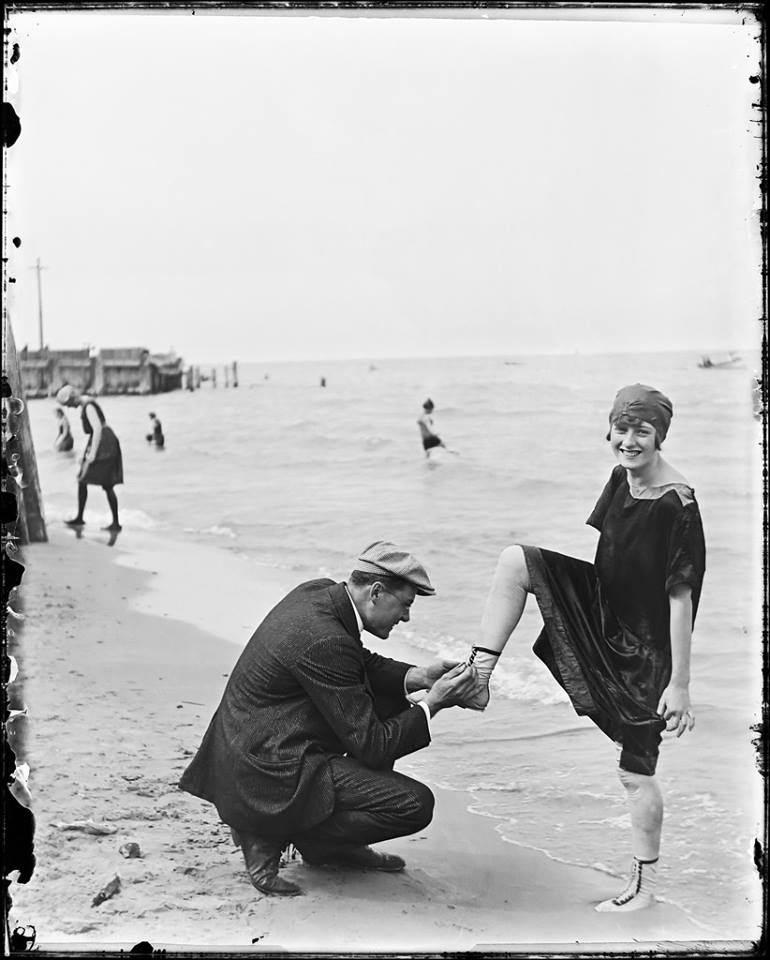
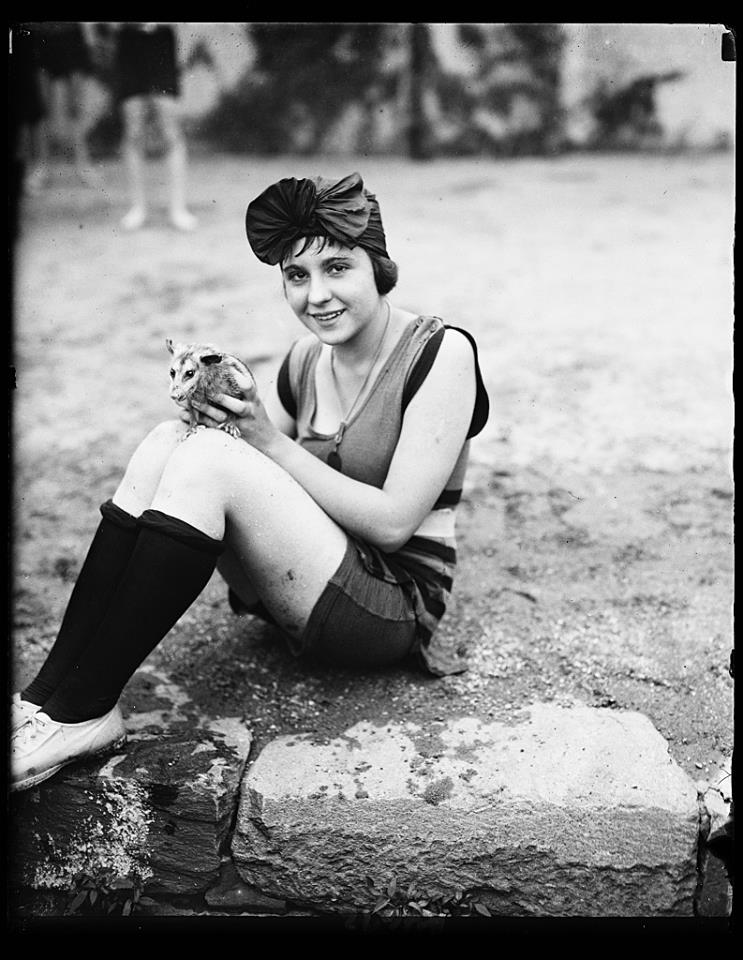
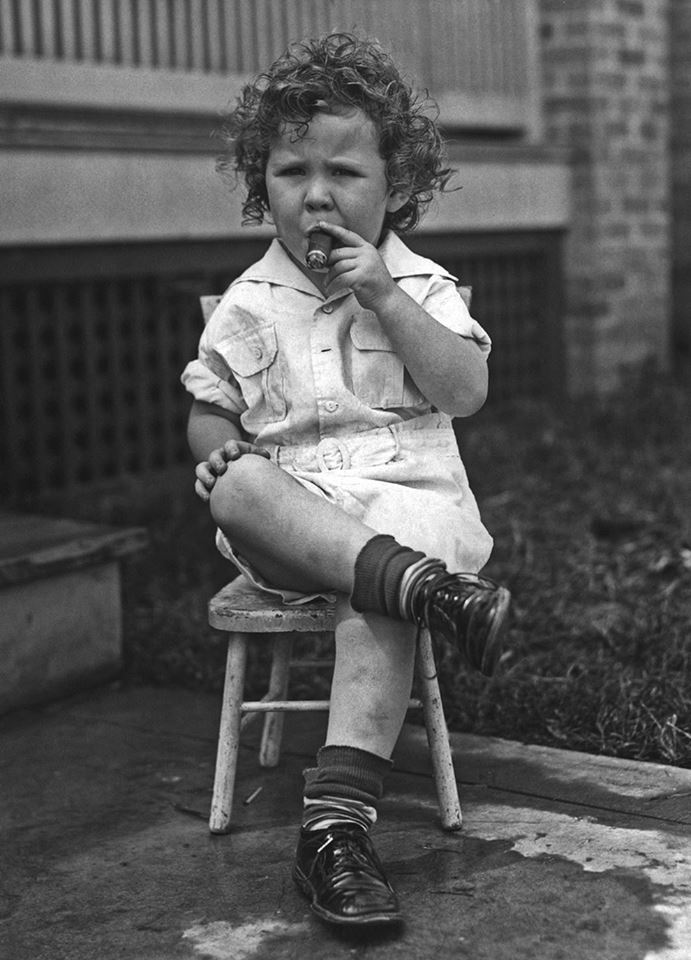
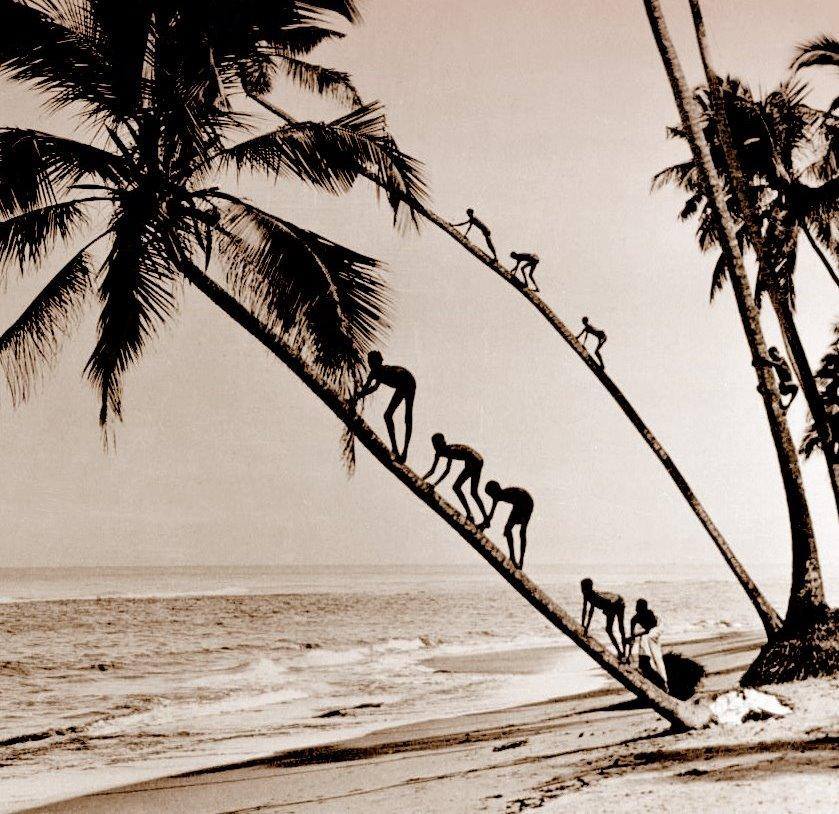
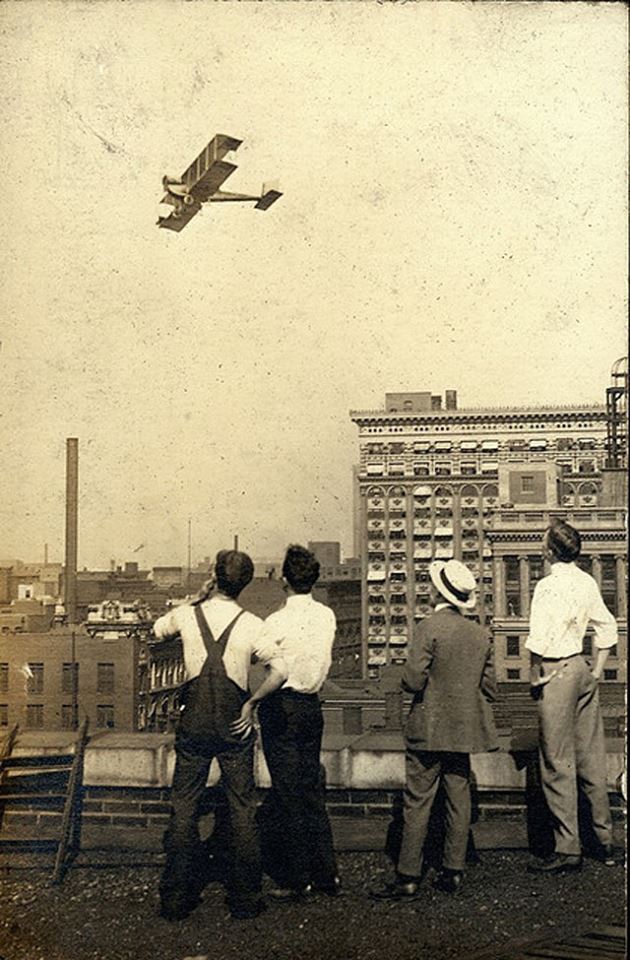
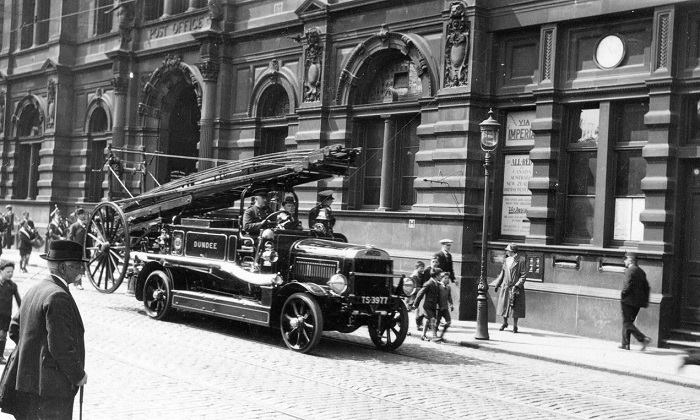
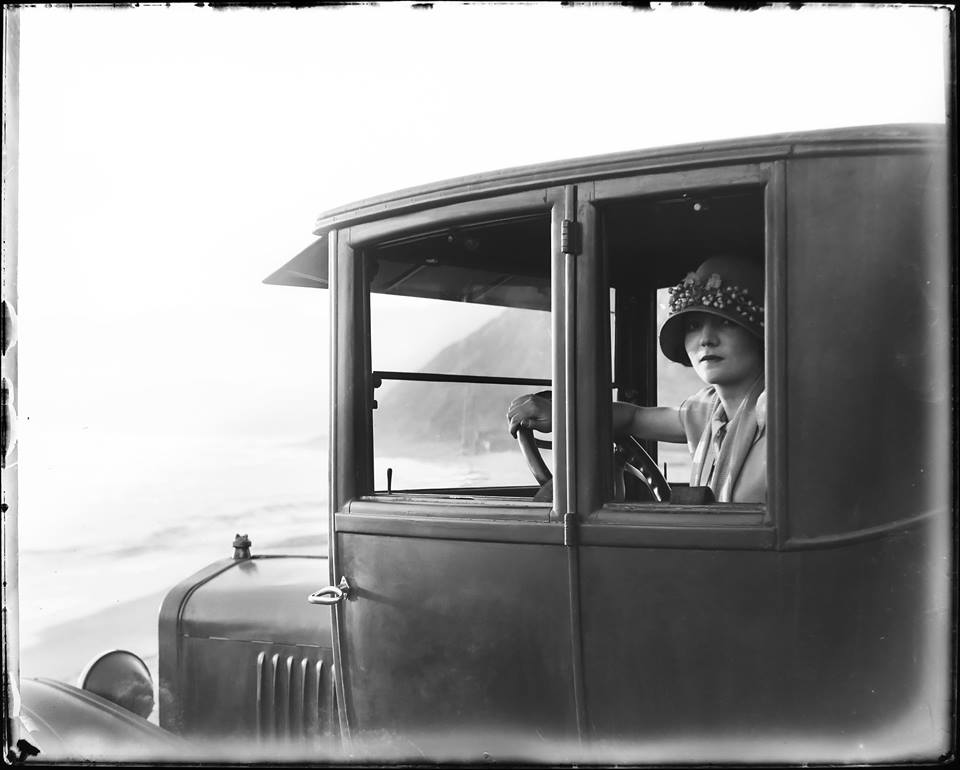
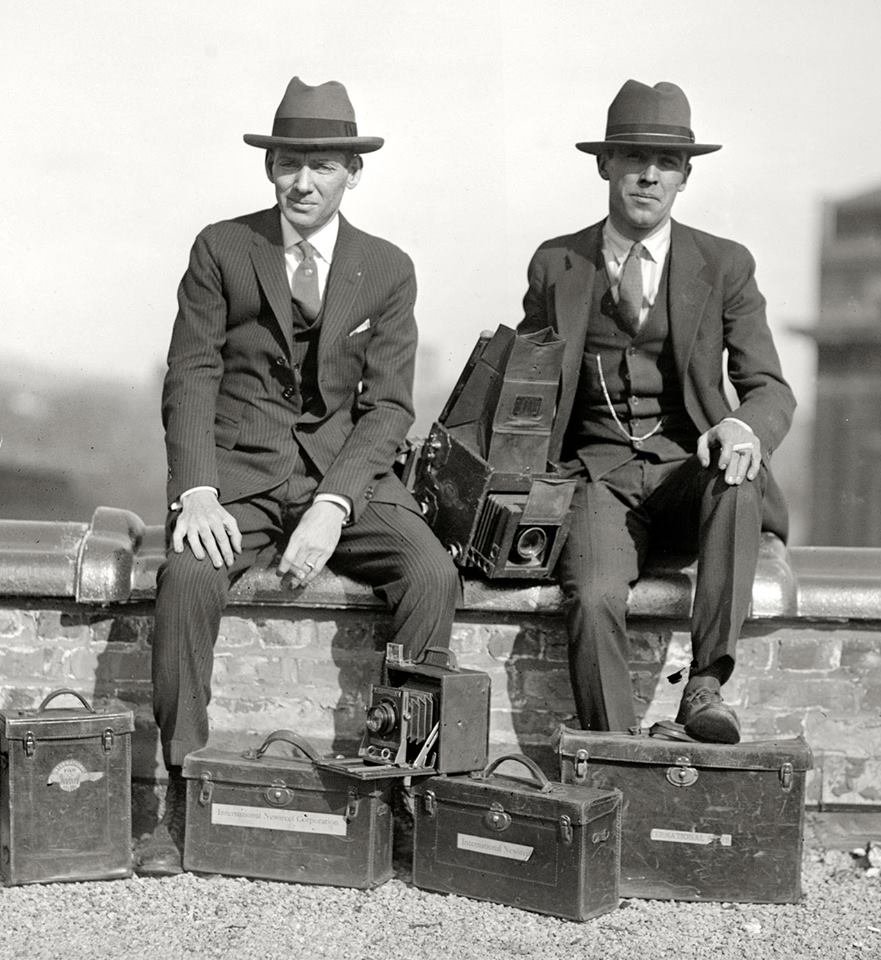
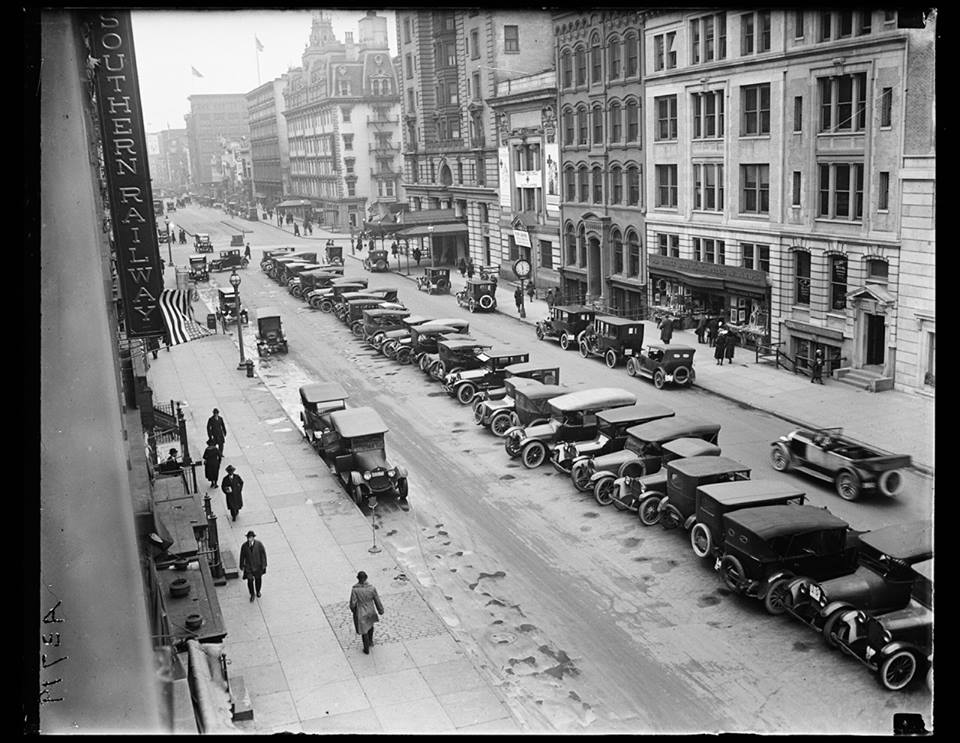
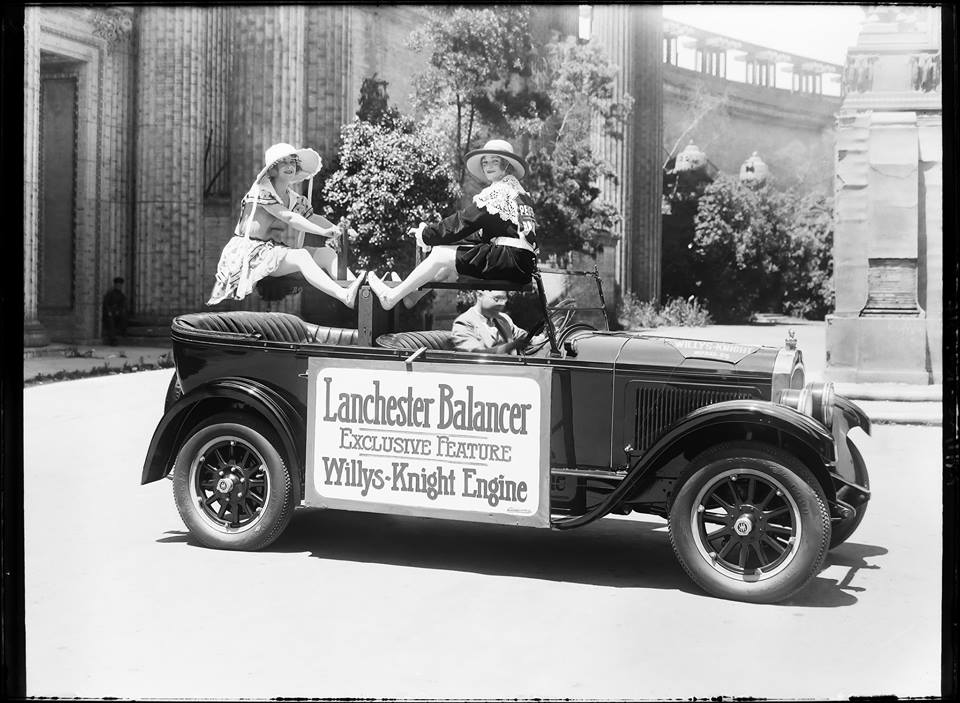
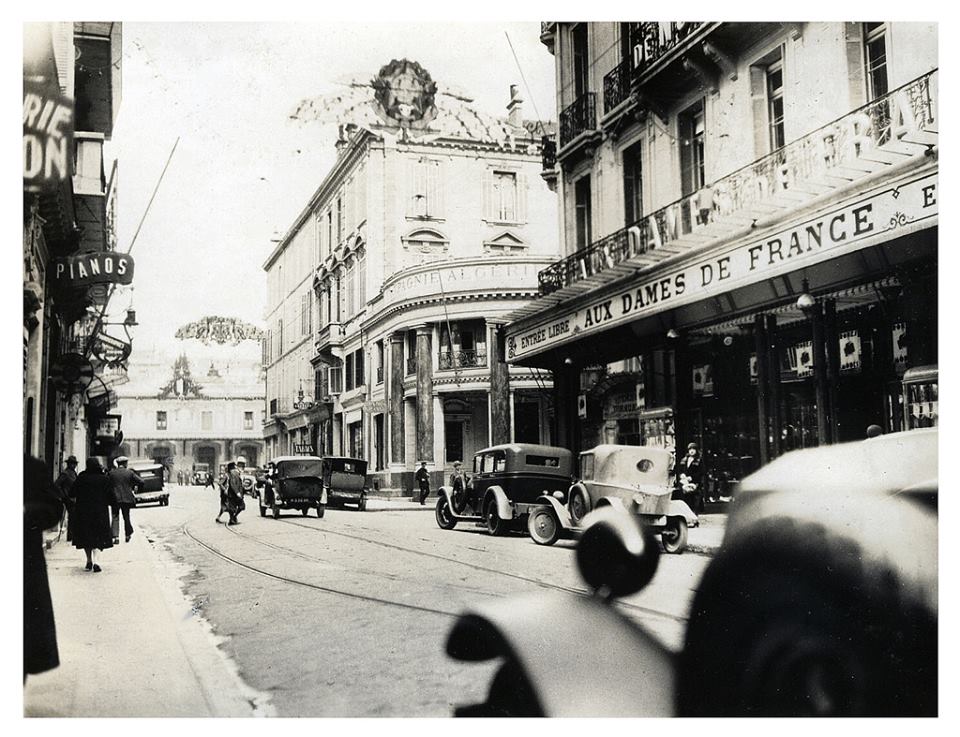
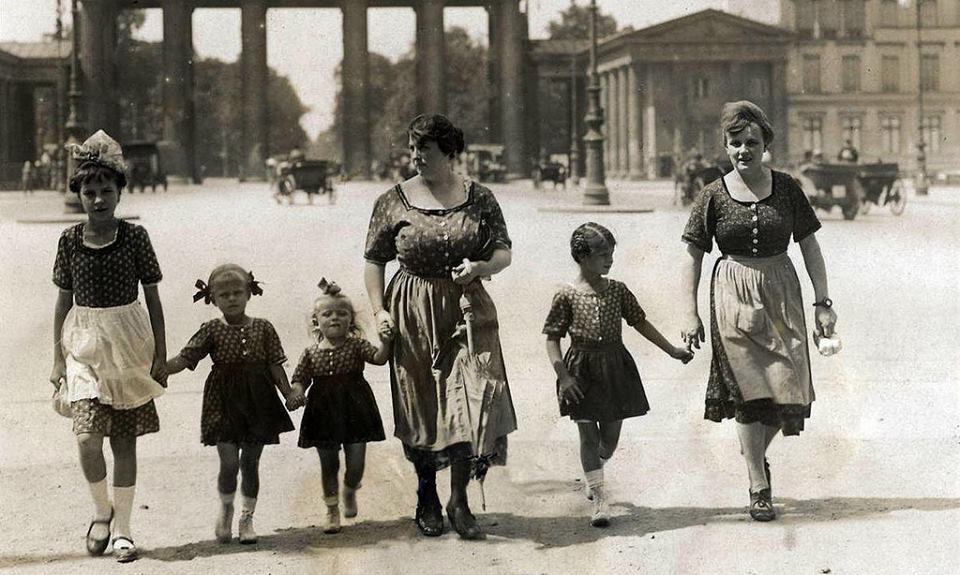
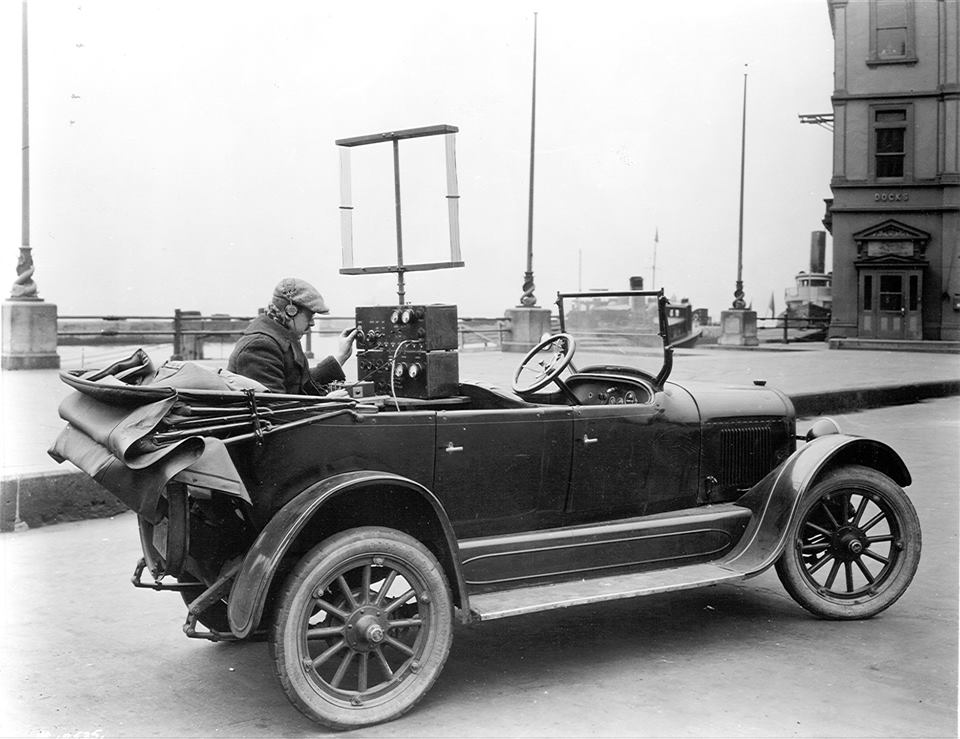
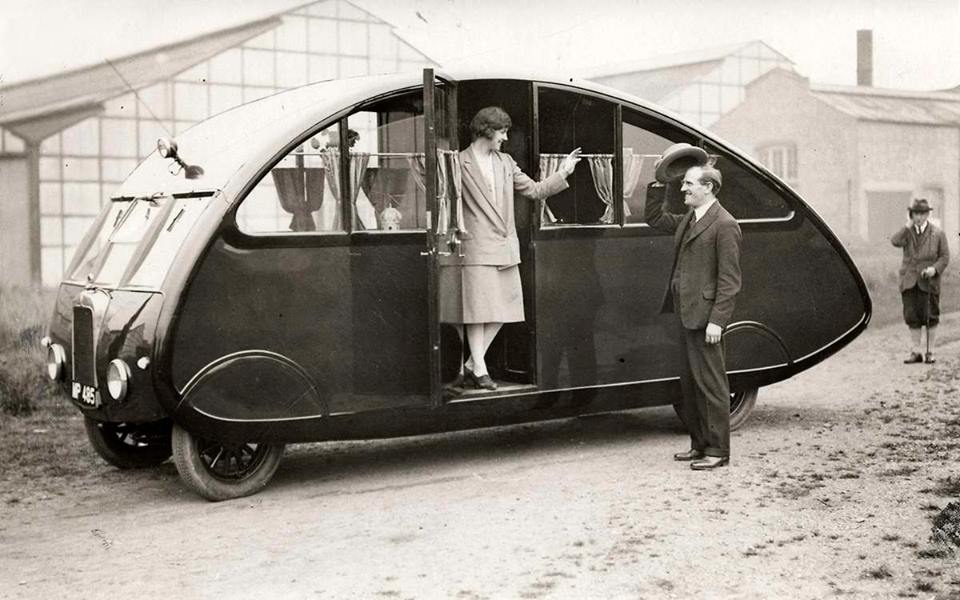
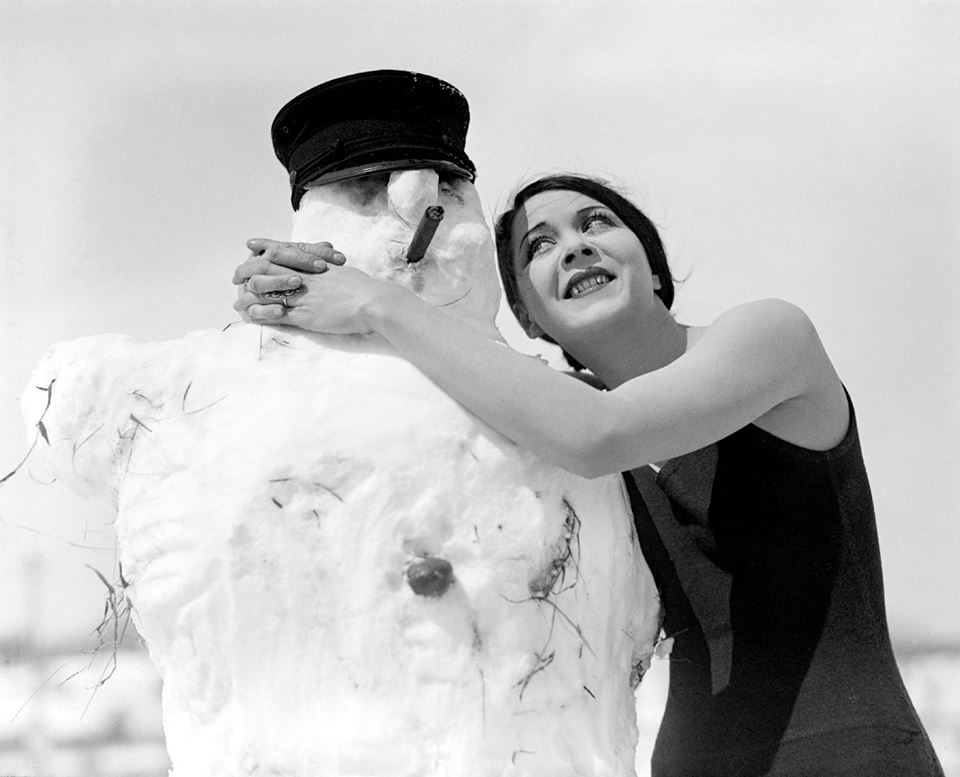
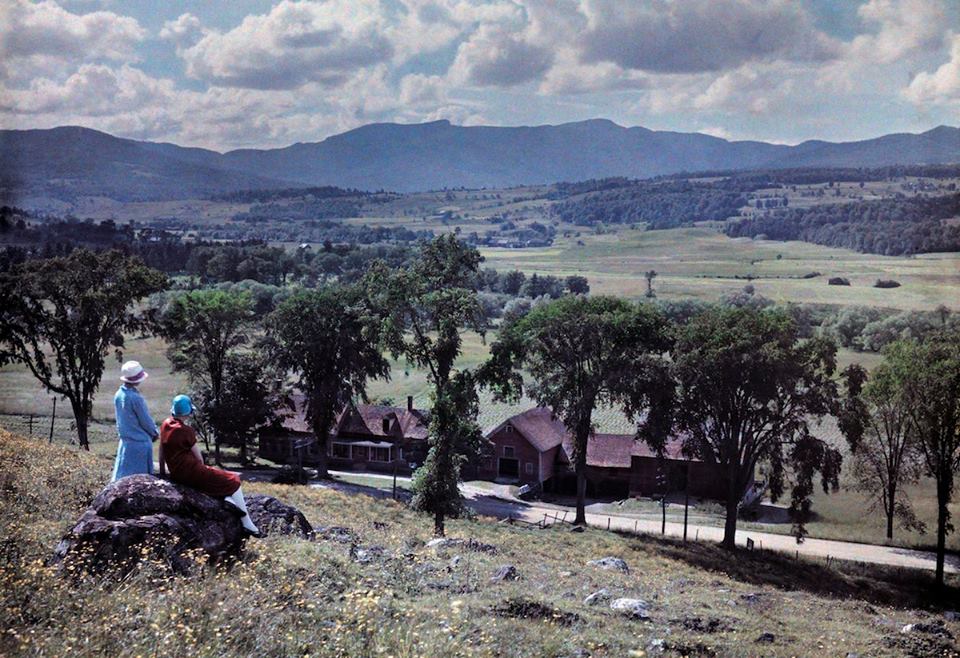
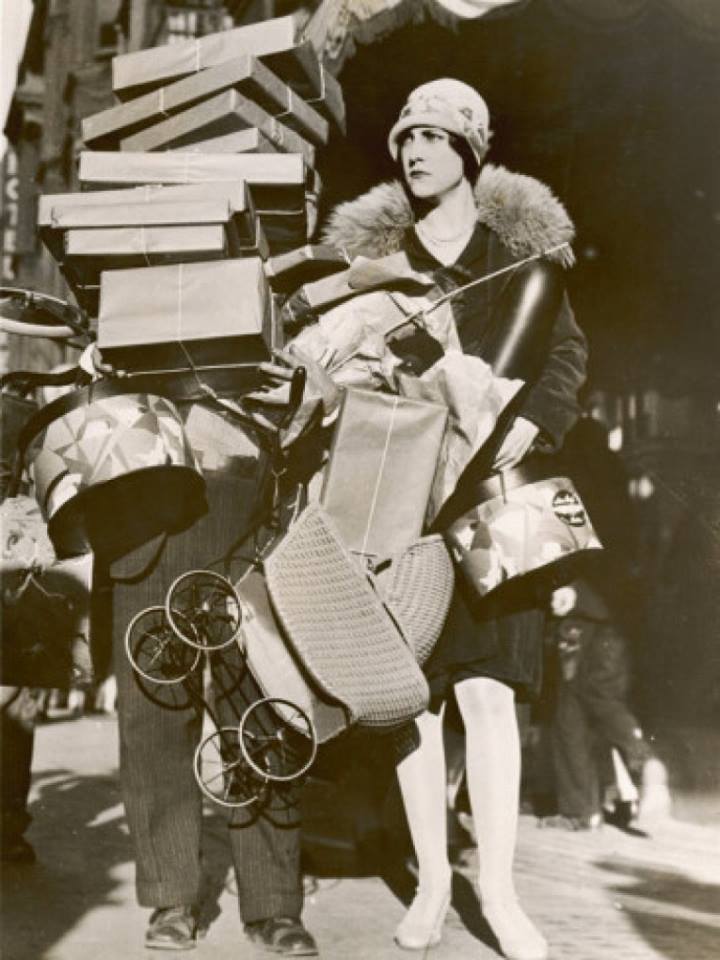
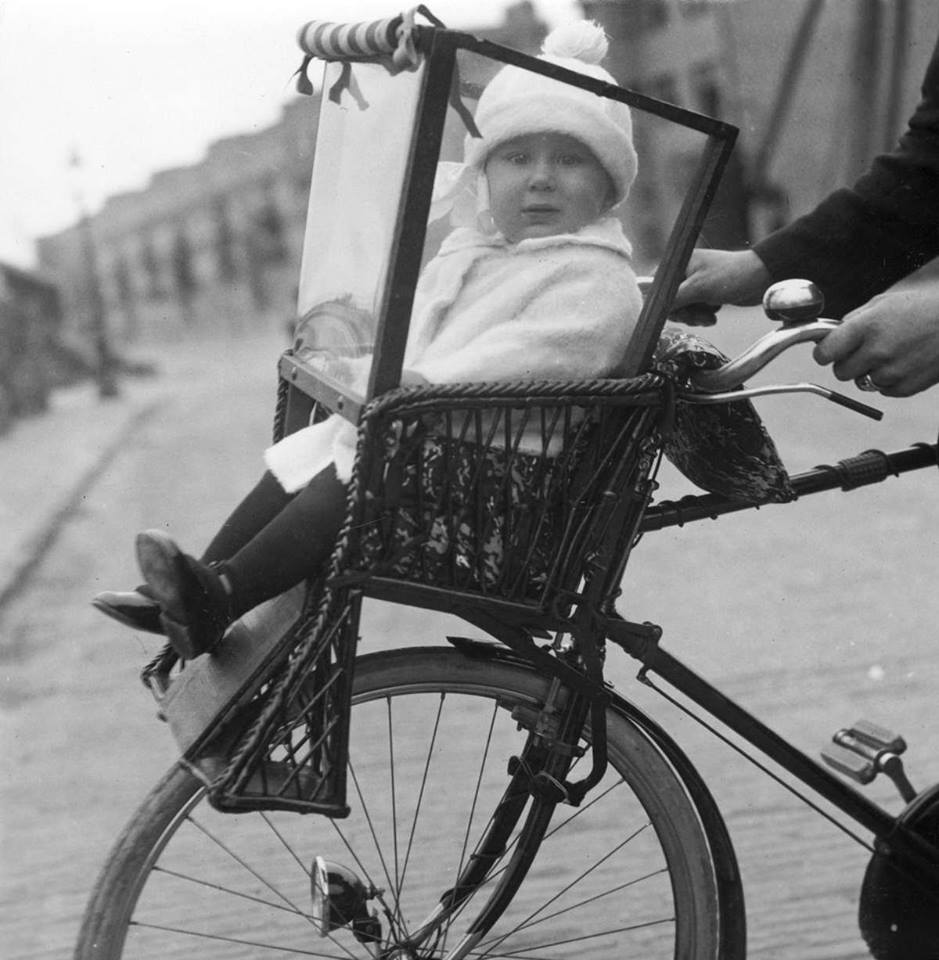
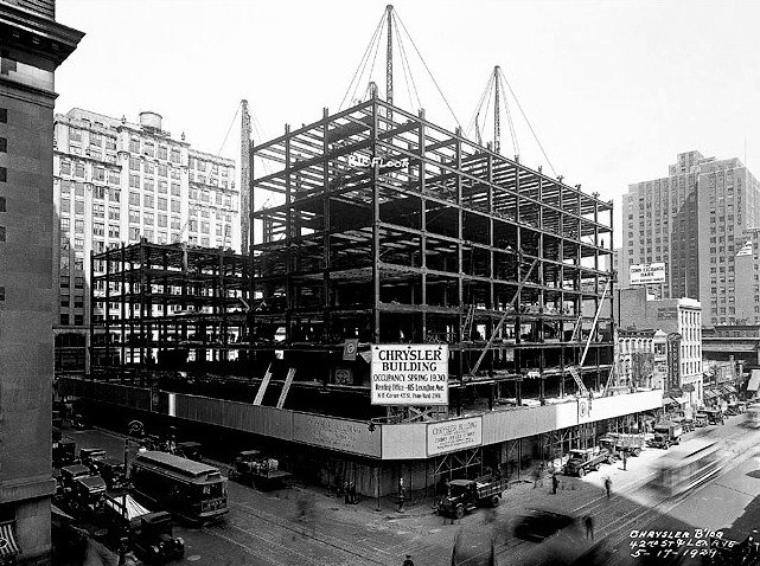
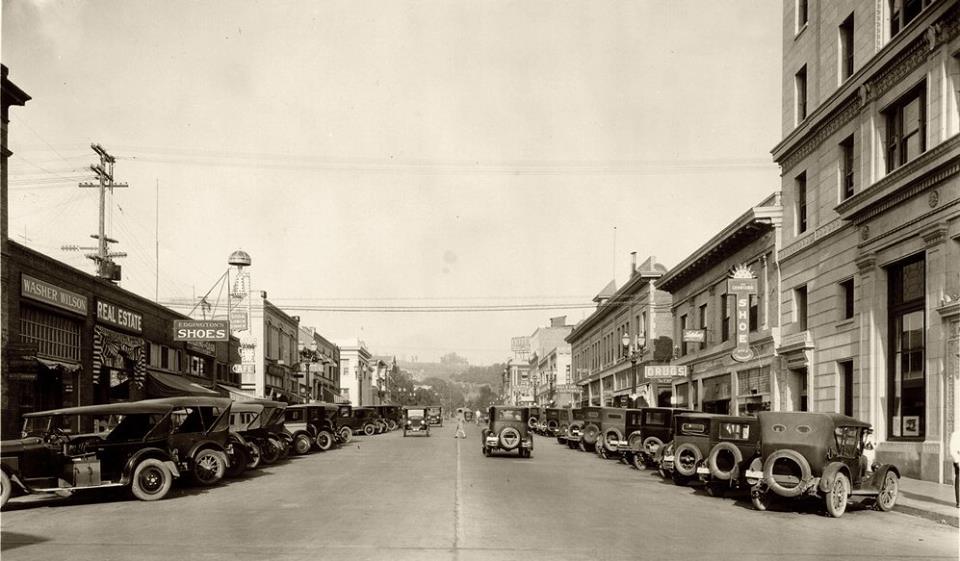
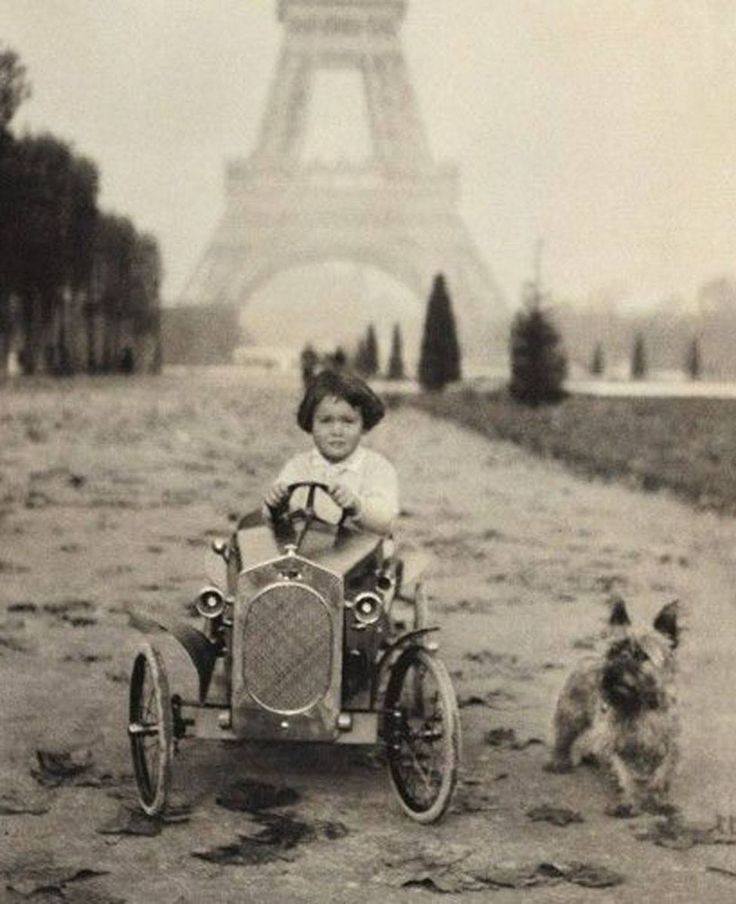
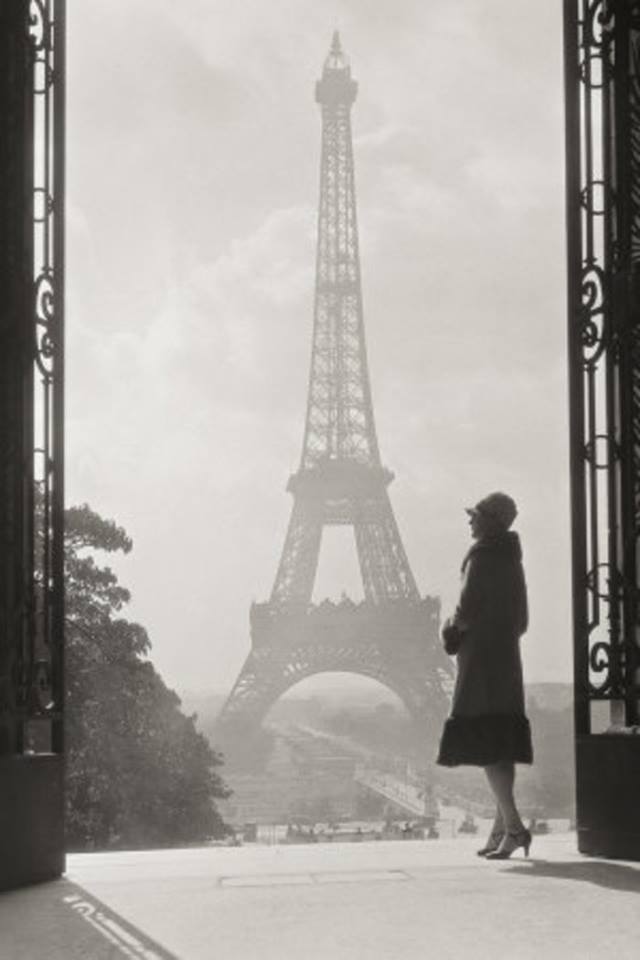
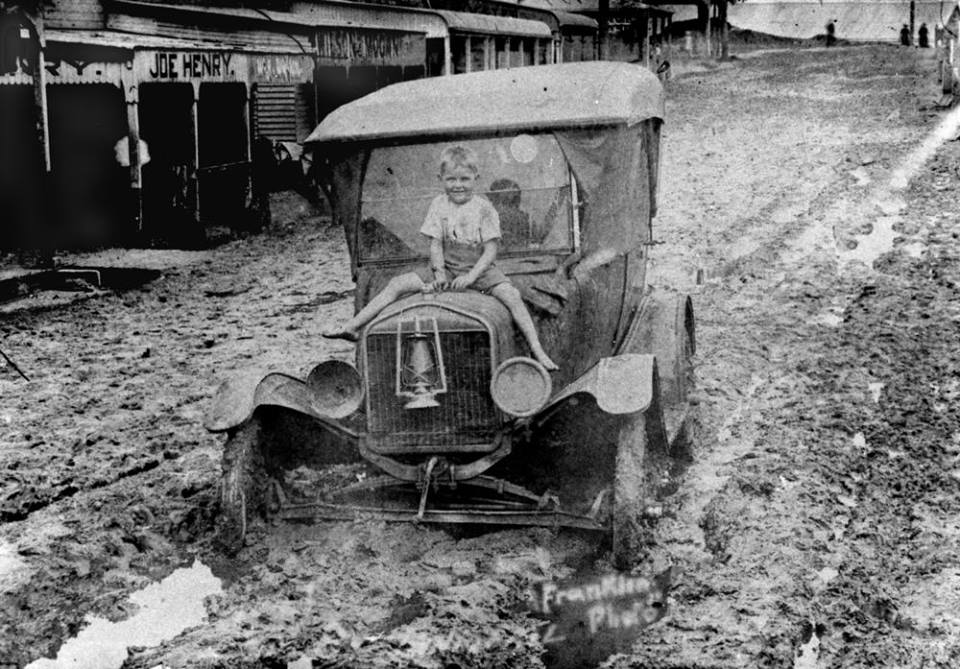
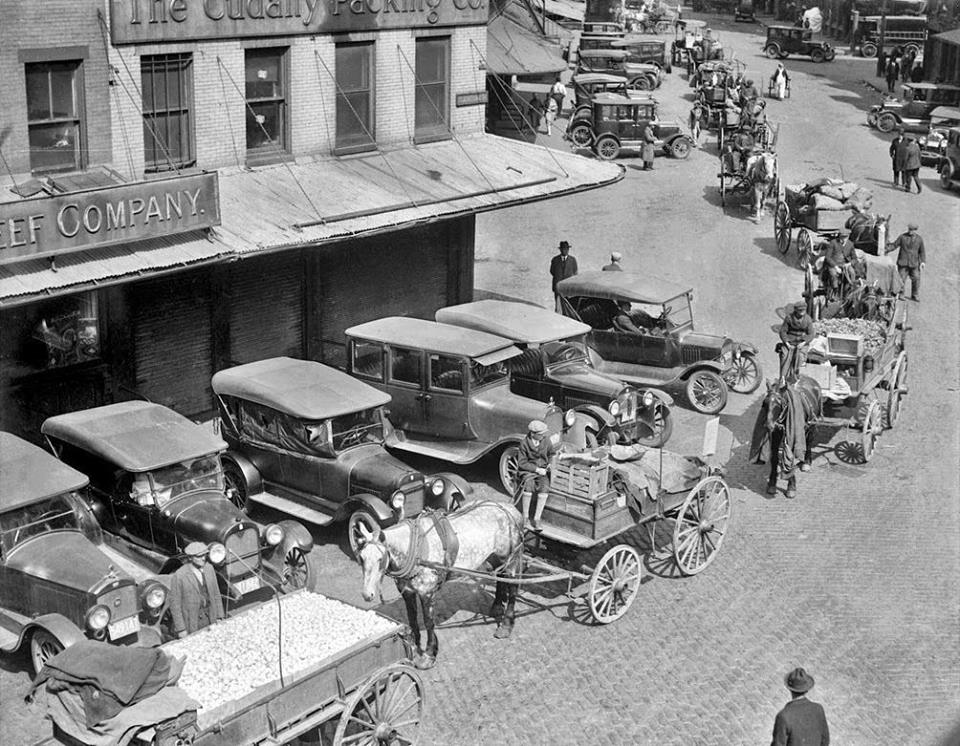
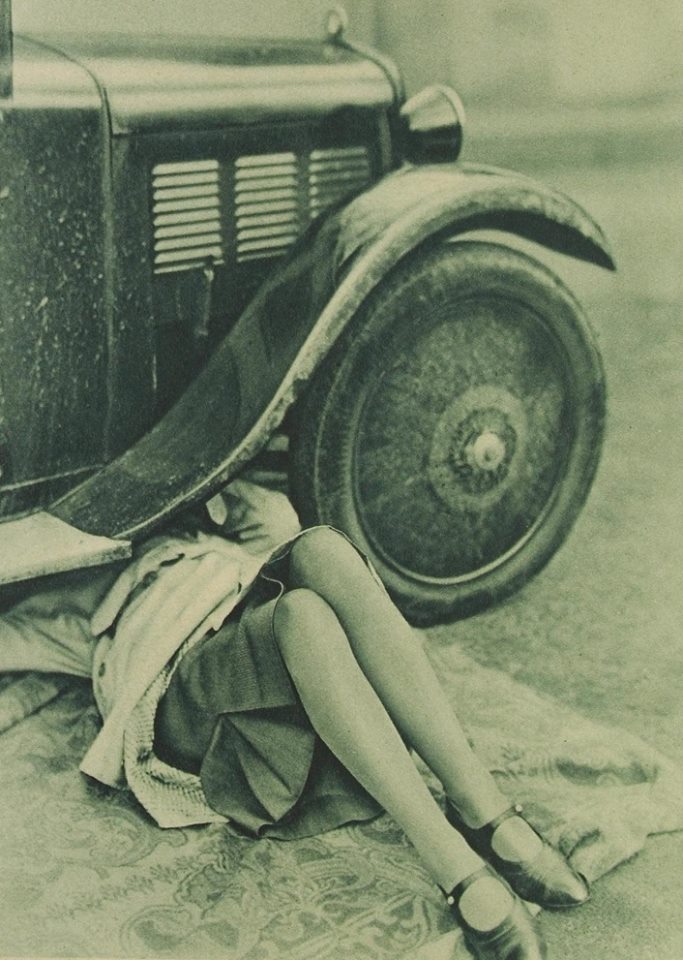
A couple on a motorcycle at the beach in Margate, England, 1920sWorkers at an American company line up to ‘clock on’ to work, 1926A rush for trams on the Embankment in London during the railway strike, ca. 1920s.Five fashionable girls posing with St Paul’s Cathedral in the background, Melbourne, 1920sShopping for new a suit, 1920.Cameramen in the office in New York City, 1929Pair of girls lighting up, 1920s.Flapper girl posing with classic car, 1920sSaint Lawrence Canal, Ontario, Canada, 1928The changing shape of female swimwear, from Victorian era to late the 1920s.Wilson Beach, Chicago, 1922Snapped at the Tidal Basin – Mildred Kapleck with her pet opossum, the latest novelty introduced at the bathing beach, Washington, D.C., 1922.Sydney Chaplin (brother of Charlie Chaplin) and his puppies at his home near Hollywood, 1927.Girl lounging in a box full of rabbit fur, Washington D.C, 1929Cigar-smoking child, Washington DC, 1928.Coconut climbing kids of old Ceylon, Sri Lanka, 1920sFour men standing on the roof of a downtown office building to watch a bi-plane flying overhead, St.Louis, Missouri, 1920sParis in the 1920sDundee City Fire Brigade’s Leyland fire engine, 1923Lady in a touring car along the Southern California coast line, 1920s.Pretty ladies enjoying themselves while seated in the luggage compartment of a 1929 Hudson Motor Car in San Francisco, California.A couple of dapper photographers from the 1920s.Crowd on the Coney Island beach in 1922Street view, Washington D.C., 1920s.Two pretty girls balancing on a teeter-tooter inside a ‘Willy-Knight’ convertible motor car in San Francisco, California, 1925.Beautiful bathers posing on the fence, 1920sSchool bus near Ranchvale, New Mexico, north of present day Cannon Air Force Base, 1920.Washington D.C., 1920s.Aux Dames De France, Cannes, 1920sA family at the beach on their summer vacation, 1920sBerlin in 1921.The first version of a mobile radio telephone being used in, 1924.A woman standing in the doorway of an RV/camper at an exhibition in London, 1927.Trafalgar Square, London, 1920s.A trilithon in Stonehenge, Amesbury, Wiltshire, 1920.Fritzi Ridgeway, silent film actress, and a snowman, 1924.Two women looking to the west of the village of Stowe to Mount Mansfield, Stowe, Vermont, 1927.Blow-drying, 1920s.Female motorist stops for gasoline in Los Angeles, CA, 1920s.Shopping in the 1920s.Child seat with toddler front of the bike, Amsterdam, Netherlands, 1925.Chrysler Building under construction, NYC, 1929.Philadelphia Street, Whittier, California, 1924.Little Gloria Vanderbilt in a fabulous toy car with her dog running beside, Paris, 1920s.Paris, 1928.Snow in Washington, D.C., January 1922.Daredevil in Philadelphia, 1926.Young boy sitting on the bonnet of an early motor vehicle submerged in mud in Rankin Street, Innisfail, Queensland, Australia in 1925.Cars and wagons clutter crowded Quincy Market, Boston, 1925.Girl checks for repairing her car, 1920s.
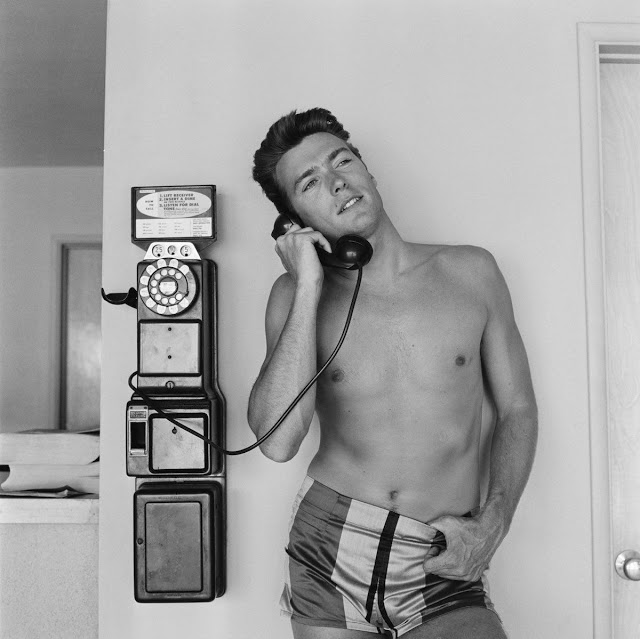
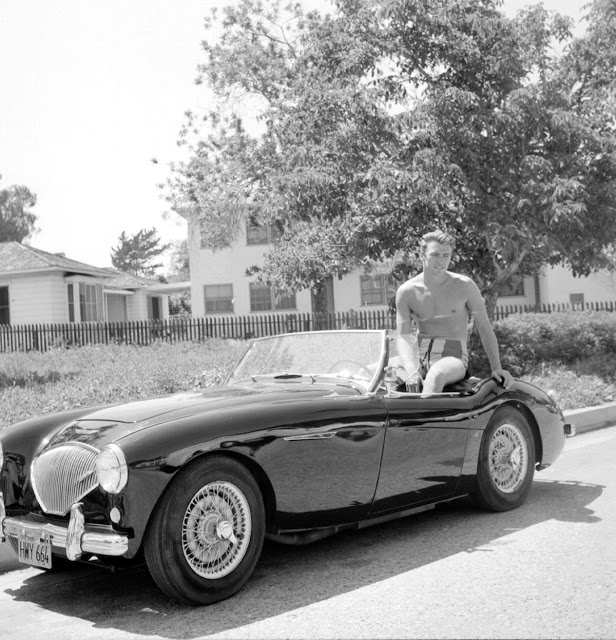
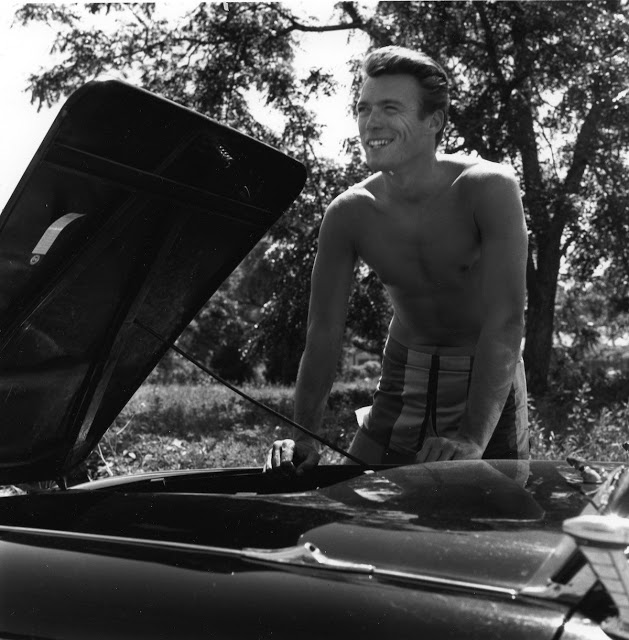
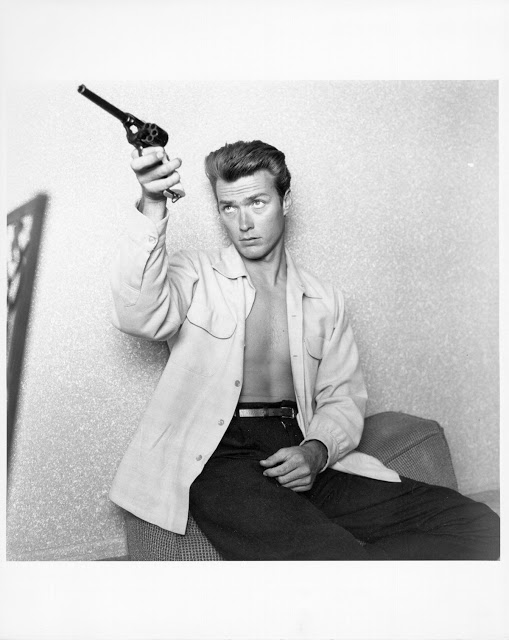
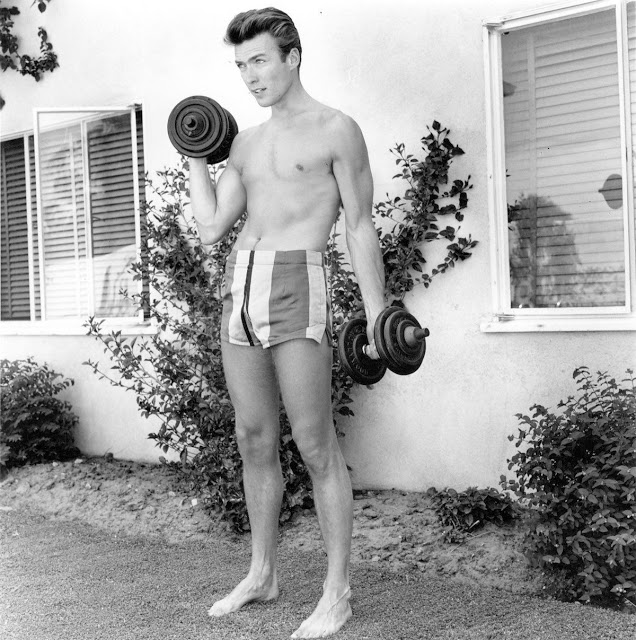
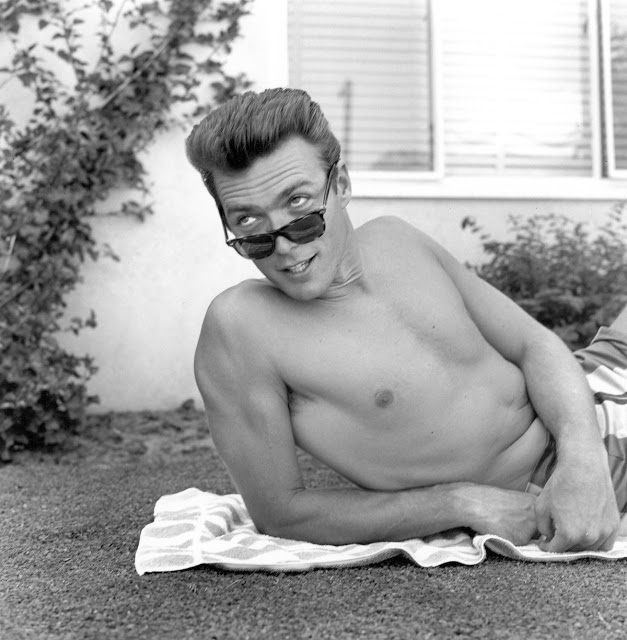
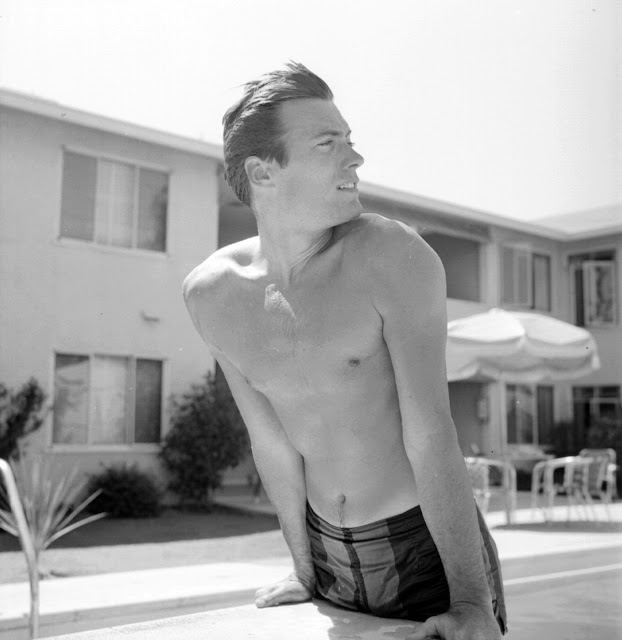
Clinton Eastwood Jr. (born May 31, 1930) is an American actor, film director, producer, and composer. After achieving success in the Western TV series Rawhide, he rose to international fame with his role as the “Man with No Name” in Sergio Leone’s “Dollars Trilogy” of Spaghetti Westerns during the mid-1960s and as antihero cop Harry Callahan in the five Dirty Harry films throughout the 1970s and 1980s. These roles, among others, have made Eastwood an enduring cultural icon of masculinity. Elected in 1986, Eastwood served for two years as the mayor of Carmel-by-the-Sea, California.
An Academy Award nominee for Best Actor, Eastwood won Best Director and Best Picture for his Western film Unforgiven (1992) and his sports drama Million Dollar Baby (2004). His greatest commercial successes are the adventure comedy Every Which Way but Loose (1978) and its action comedy sequel Any Which Way You Can (1980).[25] Other popular Eastwood films include the Westerns Hang ‘Em High (1968) and Pale Rider (1985), the action-war film Where Eagles Dare (1968), the prison film Escape from Alcatraz (1979), the war film Heartbreak Ridge (1986), the action film In the Line of Fire (1993), and the romantic drama The Bridges of Madison County (1995). More recent works are Gran Torino (2008), The Mule (2018), and Cry Macho (2021). Since 1967, Eastwood’s company Malpaso Productions has produced all but four of his American films.
In addition to directing many of his own star vehicles, Eastwood has also directed films in which he did not appear, such as the mystery drama Mystic River (2003) and the war film Letters from Iwo Jima (2006), for which he received Academy Award nominations, the drama Changeling (2008), and the biographical sports drama Invictus (2009). The war drama biopic American Sniper (2014) set box-office records for the largest January release ever and was also the largest opening ever for an Eastwood film.
Eastwood’s accolades include four Academy Awards, four Golden Globe Awards, three César Awards, and an AFI Life Achievement Award. In 2000, he received the Italian Venice Film Festival’s Golden Lion award, honoring his lifetime achievements. Bestowed two of France’s highest civilian honors, he received the Commander of the Ordre des Arts et des Lettres in 1994, and the Legion of Honour medal in 2007. (Wikipedia)