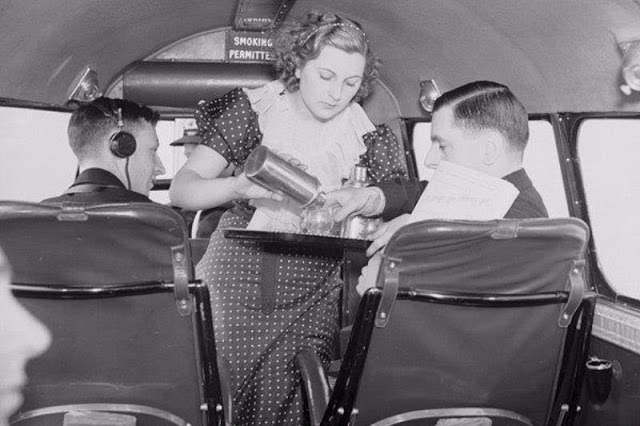
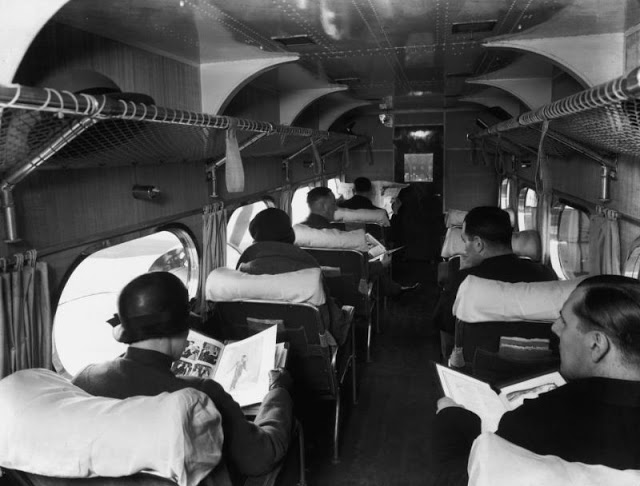
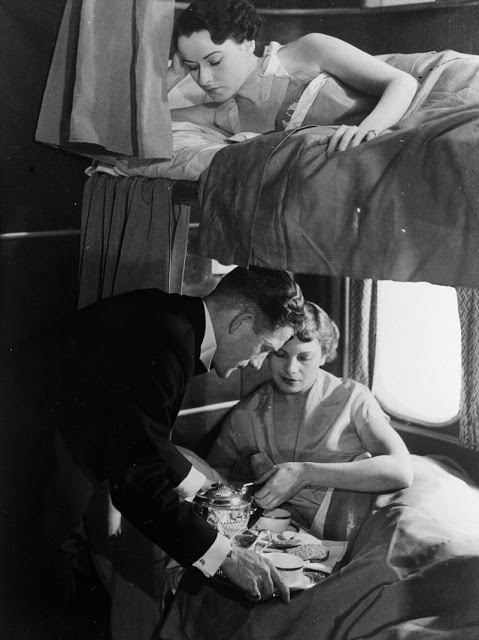
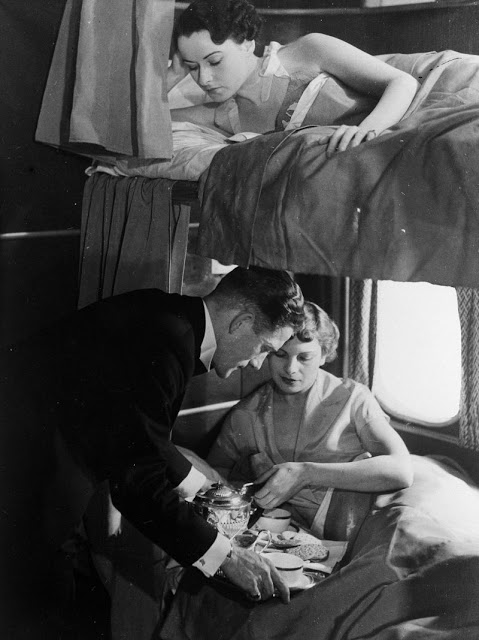
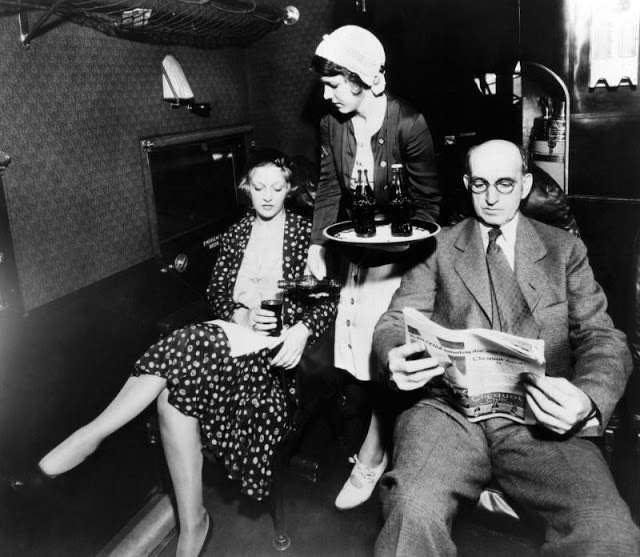
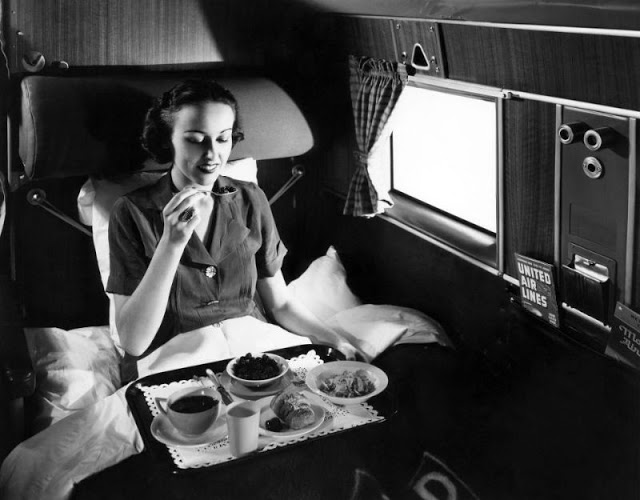
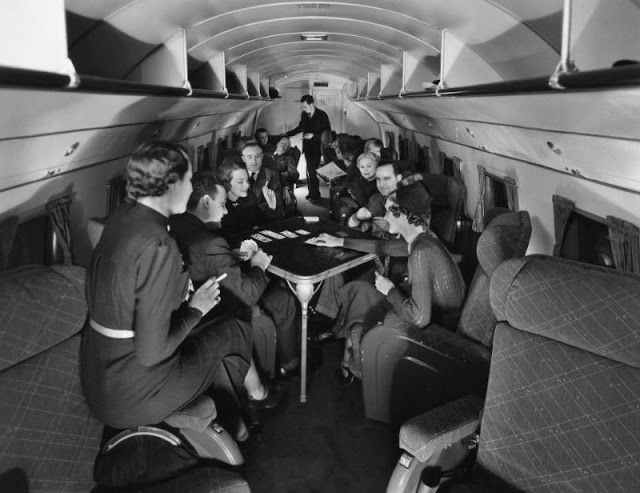
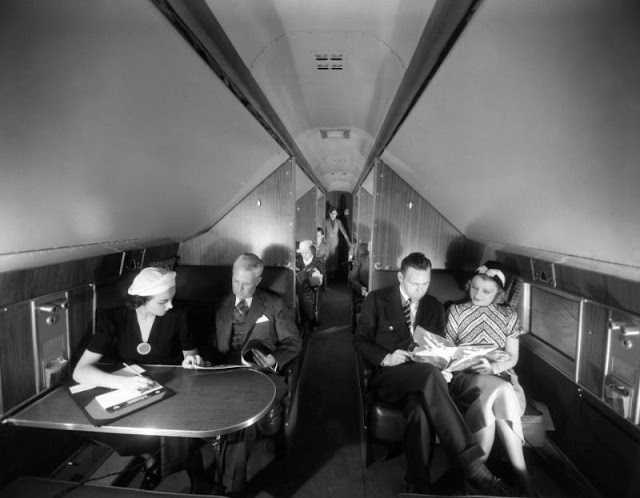
Flying was very expensive. Most people still rode trains or buses for intercity travel. Only business travelers and the wealthy could afford to fly. America’s airline industry expanded rapidly, from carrying only 6,000 passengers in 1930 to more than 450,000 by 1934, to 1.2 million by 1938. Still, only a tiny fraction of the traveling public flew.
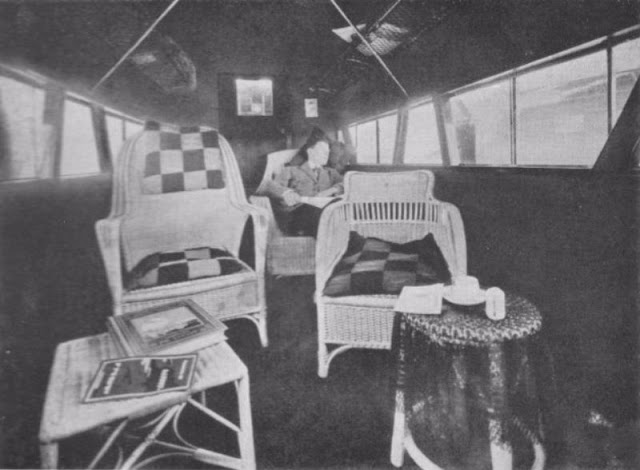
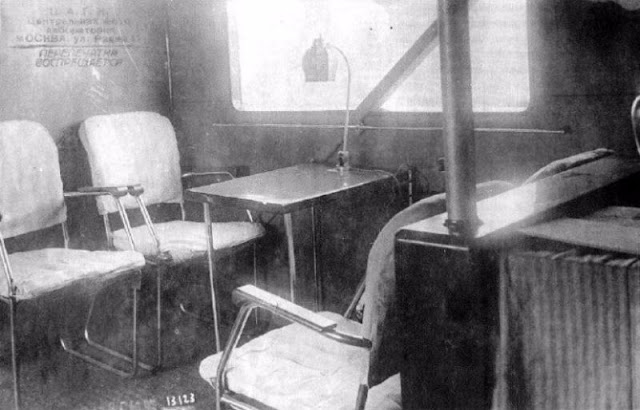
The very first aircraft were narrow and long, and the passenger seats were perceived as an innovation, a kind of luxury and an optional extra, like caviar sandwiches with butter. The first seats were the most common chairs, seat belts were not. At first, the passengers were sitting right behind the pilot, there was no partitions.
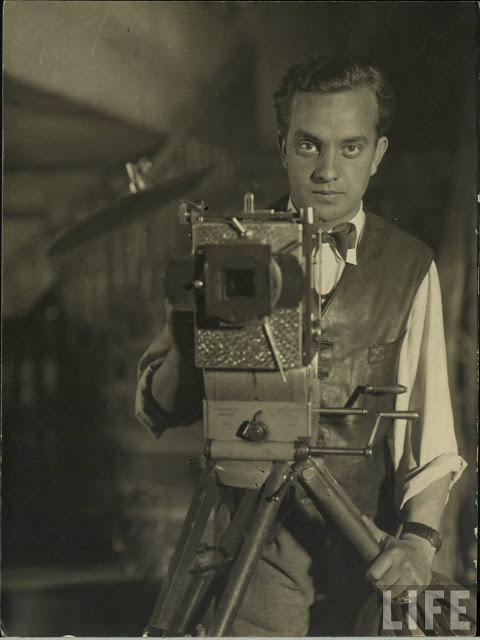
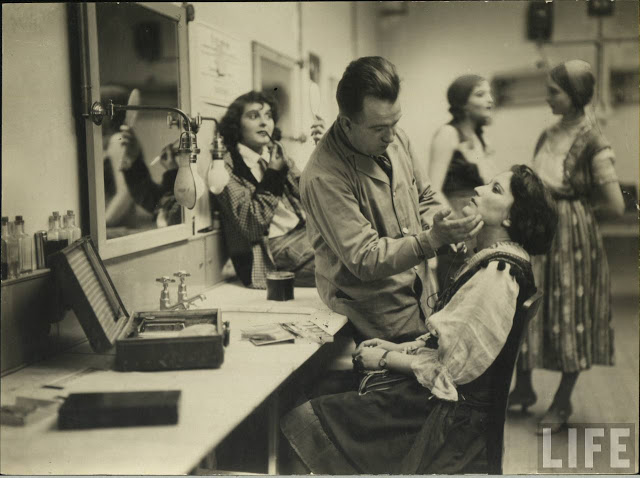
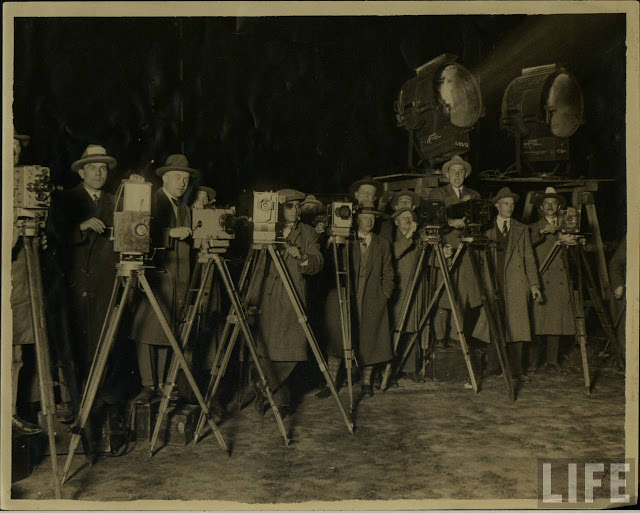
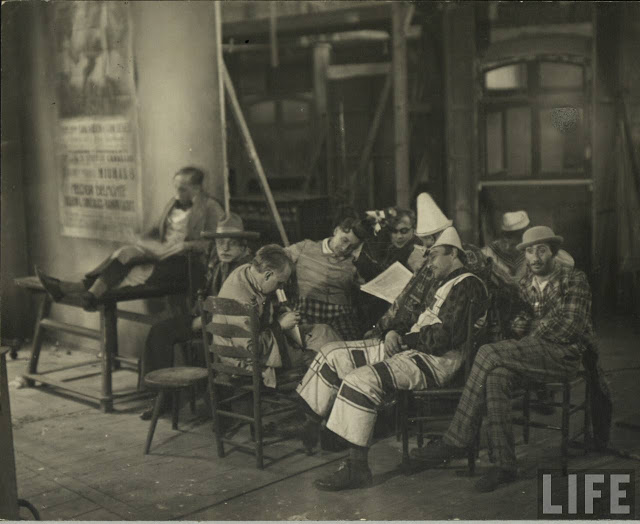
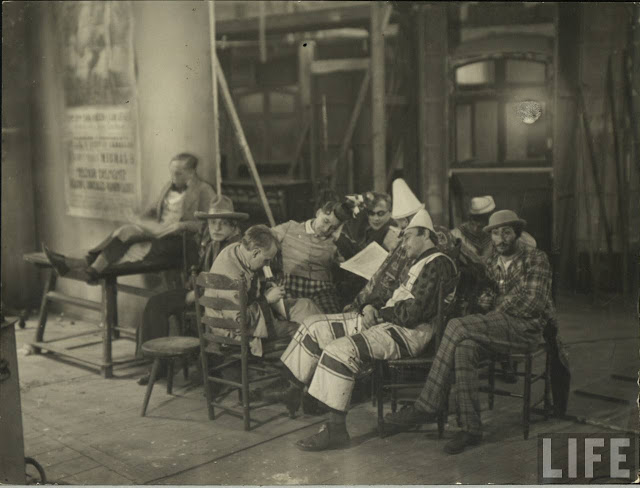
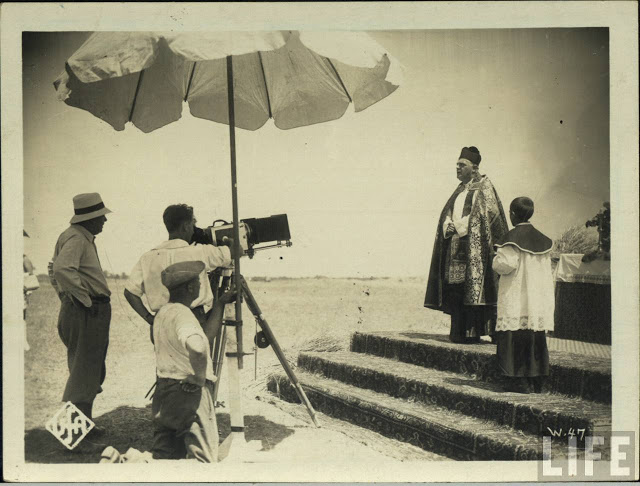
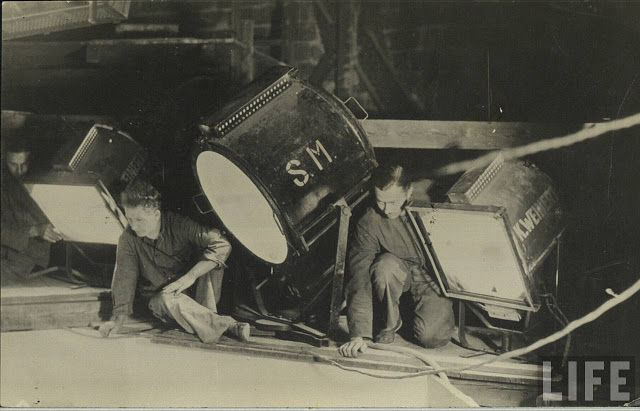
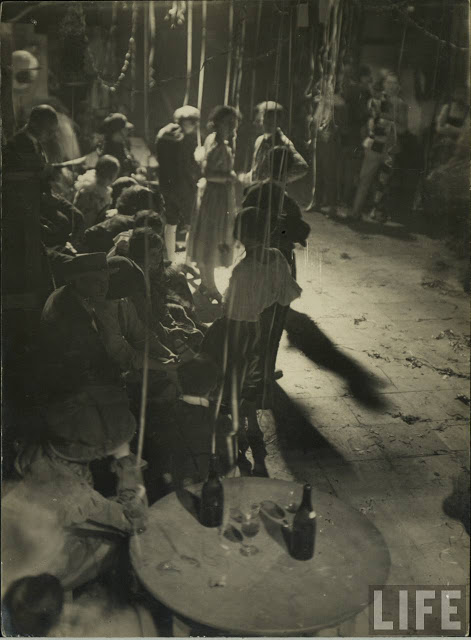
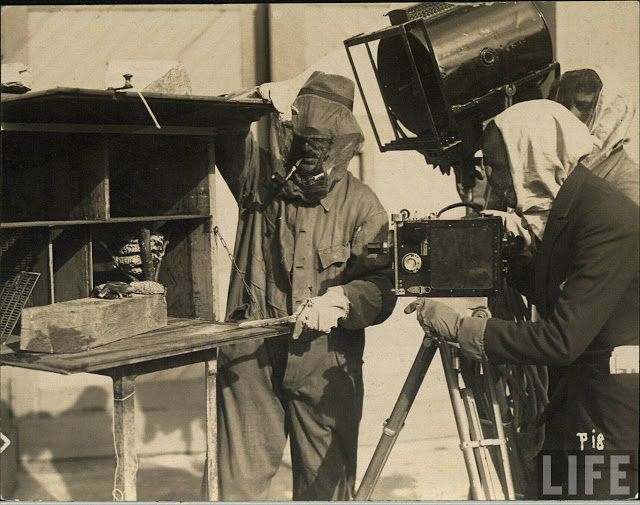
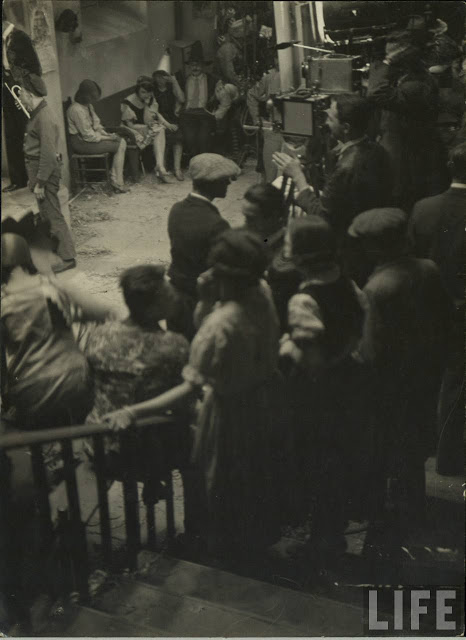
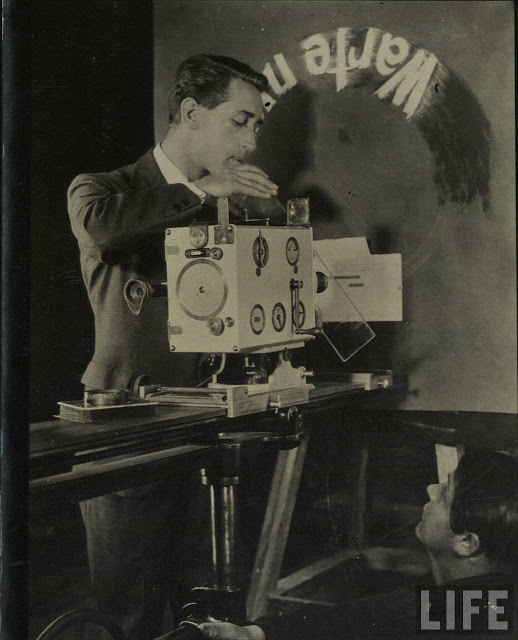
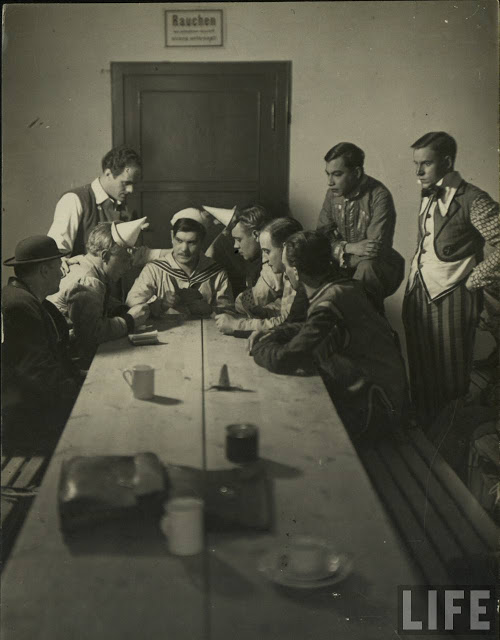
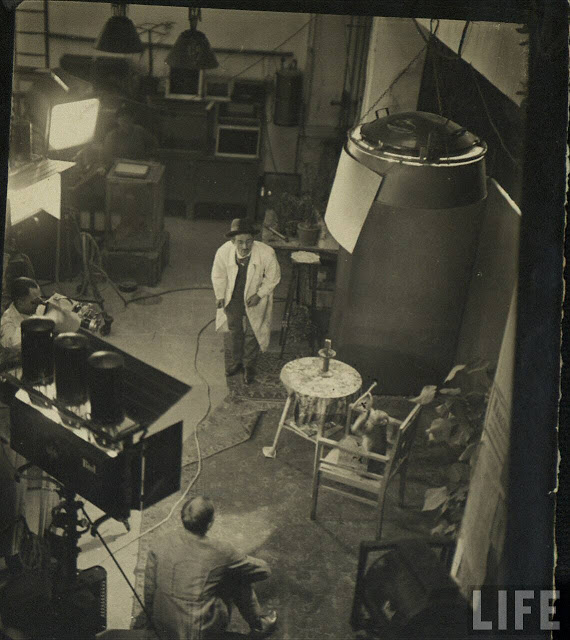
Films really blossomed in the 1920s, expanding upon the foundations of film from earlier years. Most US film production at the start of the decade occurred in or near Hollywood on the West Coast, although some films were still being made in New Jersey and in Astoria on Long Island (Paramount).
By the mid-20s, movies were big business (with a capital investment totaling over $2 billion) with some theatres offering double features.
By the end of the decade, there were 20 Hollywood studios, and the demand for films was greater than ever.
Most people are unaware that the greatest output of feature films in the US occurred in the 1920s and 1930s (averaging about 800 film releases in a year) – nowadays, it is remarkable when production exceeds 500 films in a year.
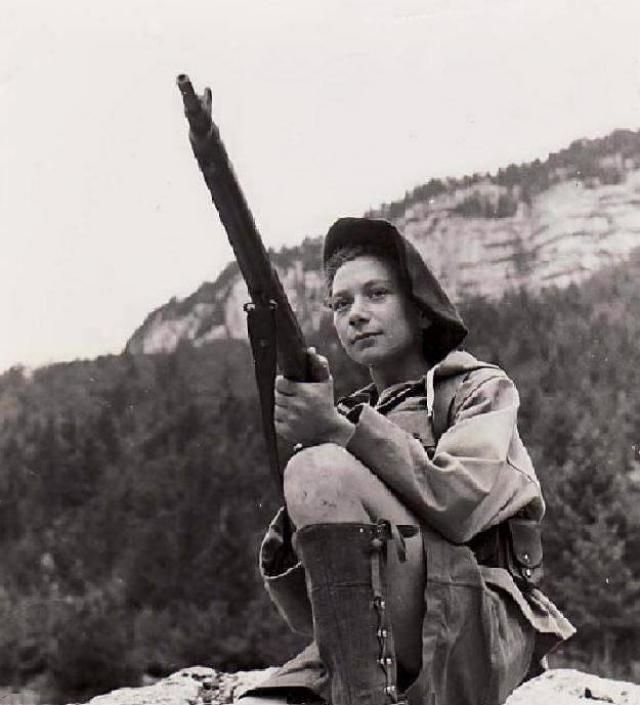
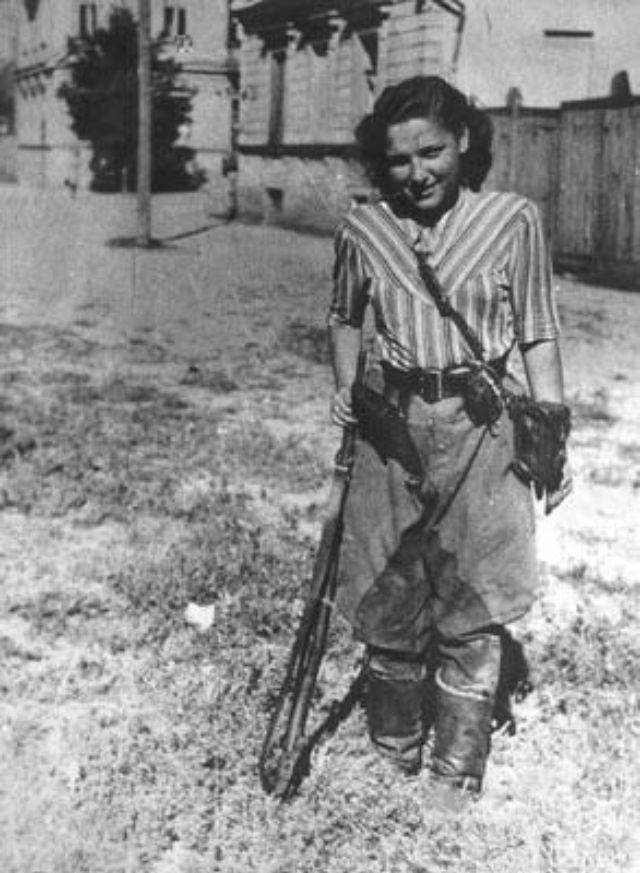
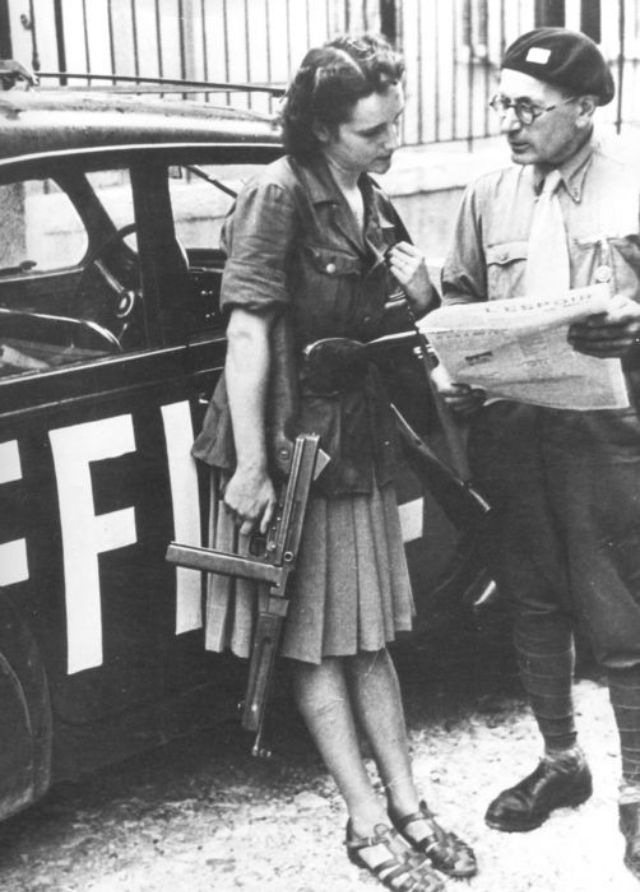
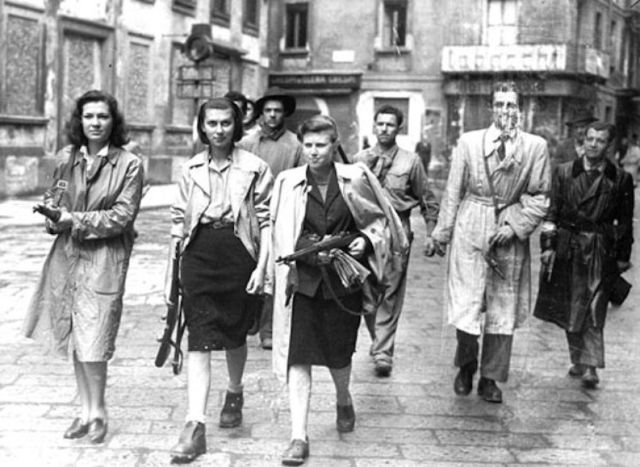
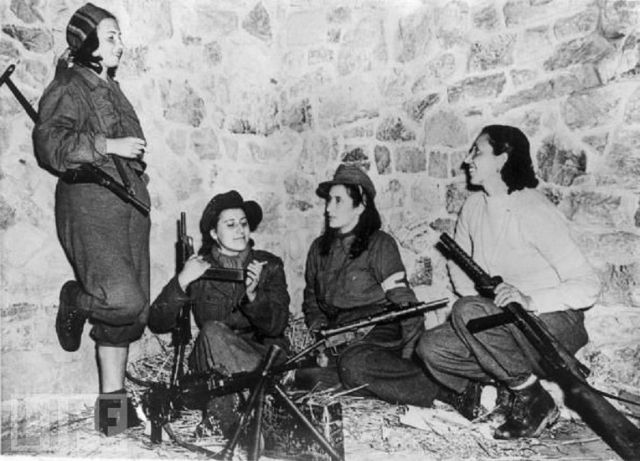
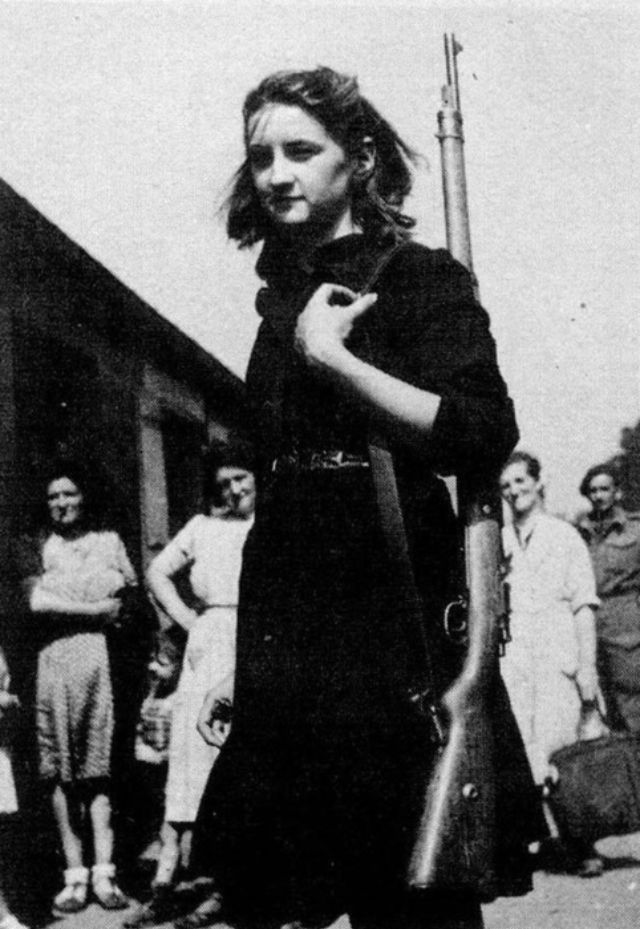
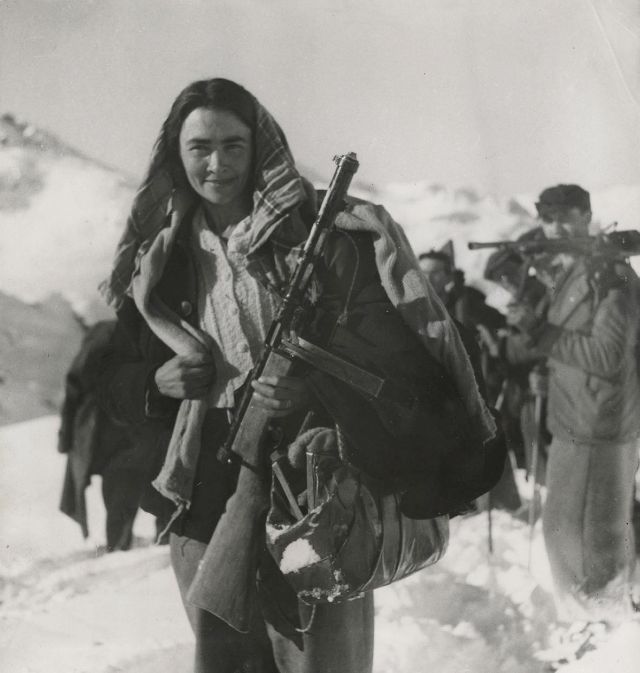
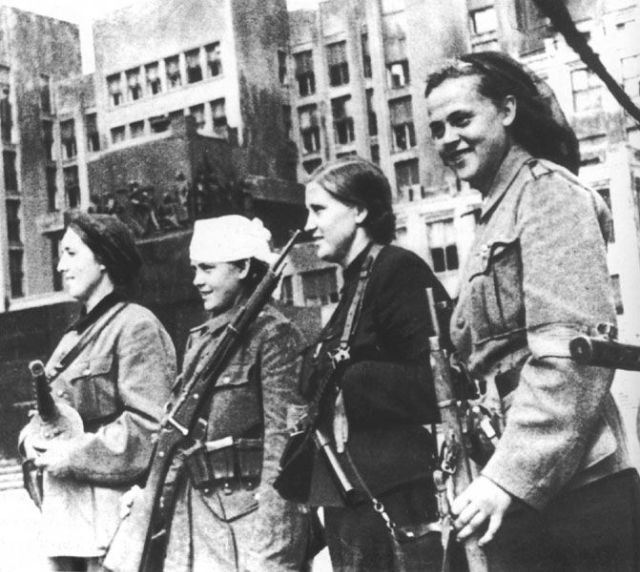
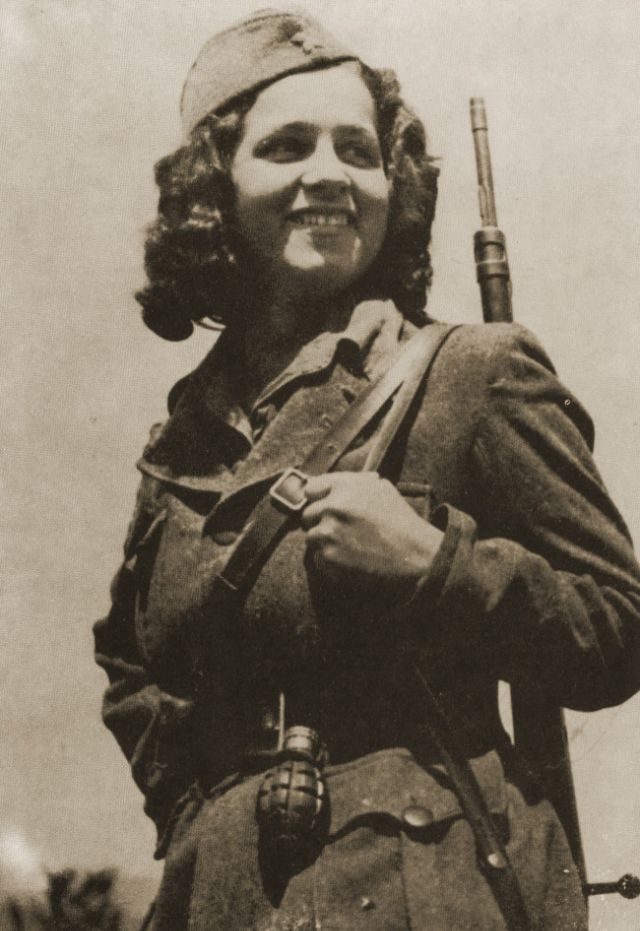
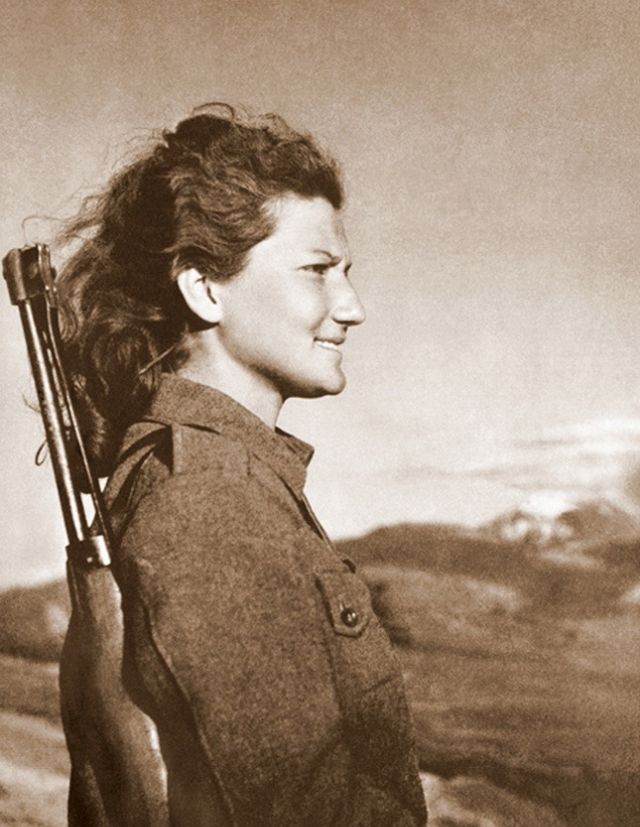
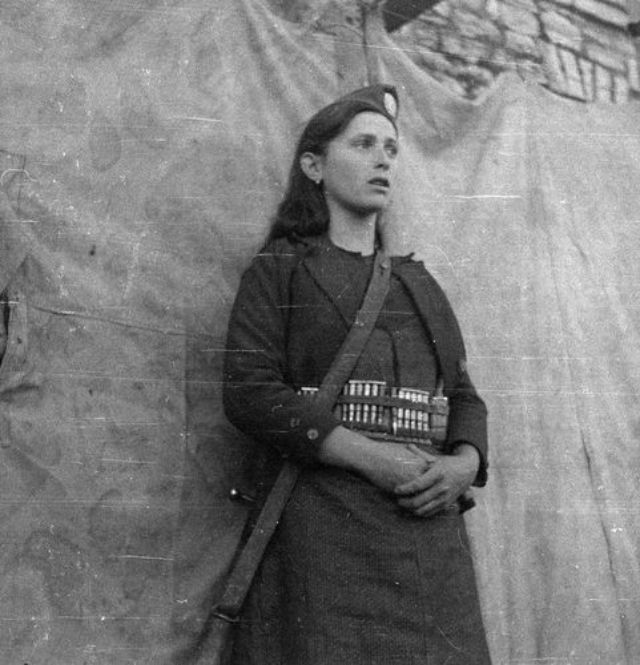
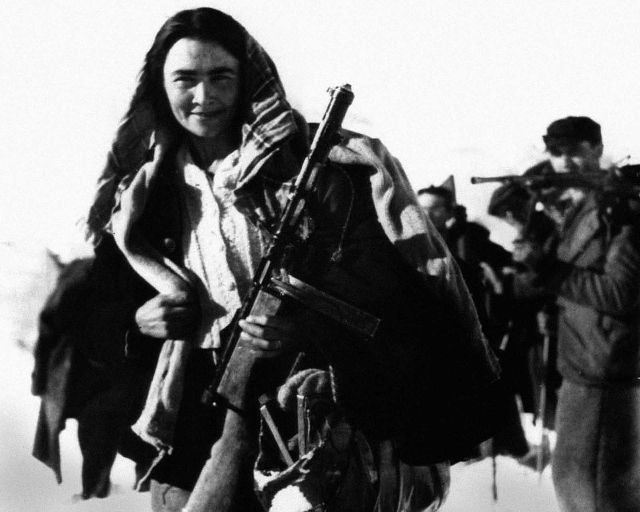
Role of women in organized opposition to the German occupiers of France and the Vichy Regime during World War II. The French Resistance, in which women played an integral role, consisted of various forms of opposition to Nazi and pro-Nazi rule in occupied and Vichy France during World War II.
Resistance against the Nazis and their collaborators took many forms. Besides armed combat, resisters collected and disseminated information and resistance-oriented news; they protected and hid fugitives and downed Allied pilots; and they obtained and transported messages, weapons, and news, planted explosives, assassinated Nazi officials, and provided support and logistical services. Women from all social, religious, and political affiliations became involved in the various activities of the resistance groups. These women, like men, joined the resistance for various reasons including their patriotic or political views, religious or ethical principles, or even due to a desire for adventure.
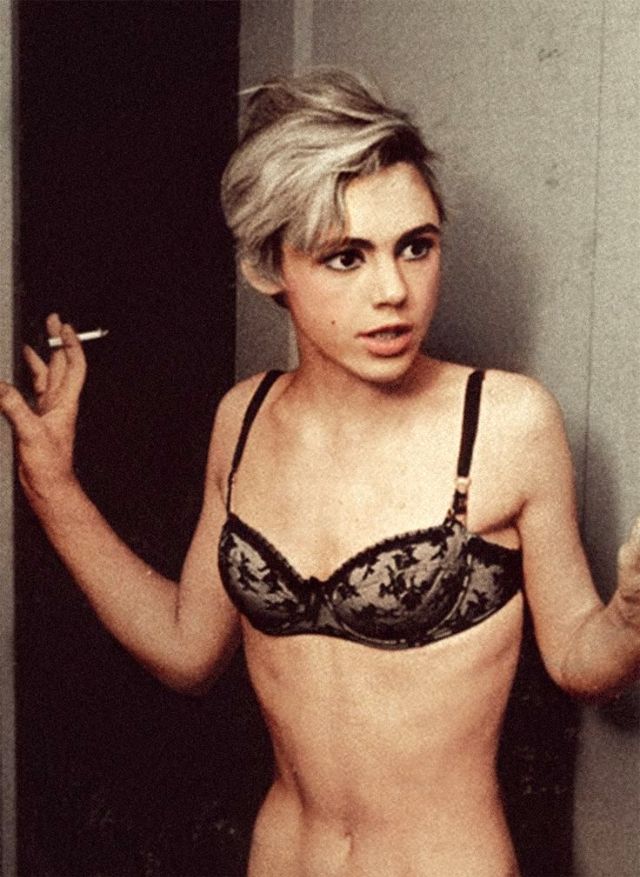
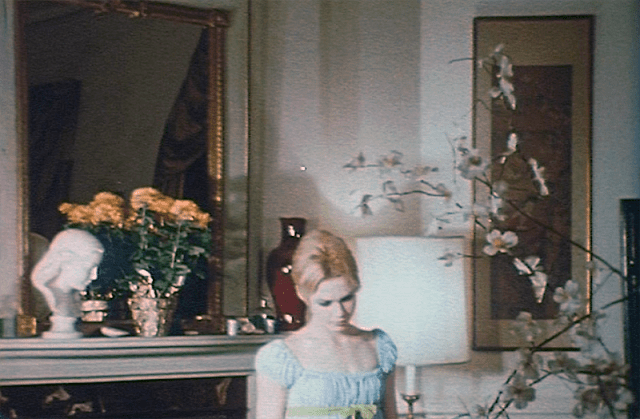
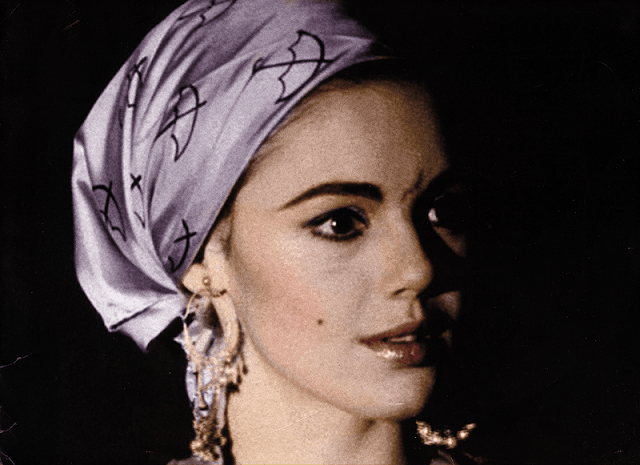
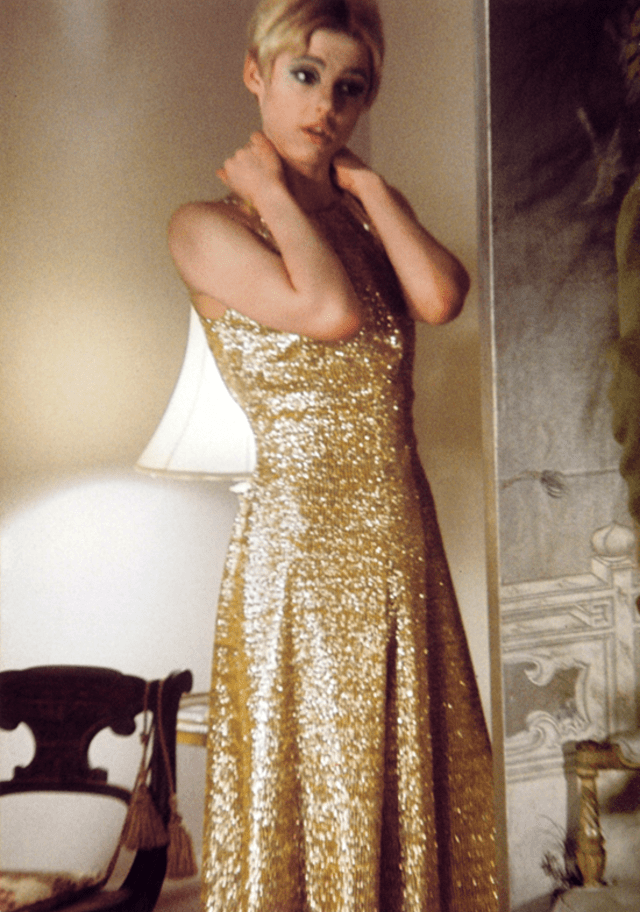
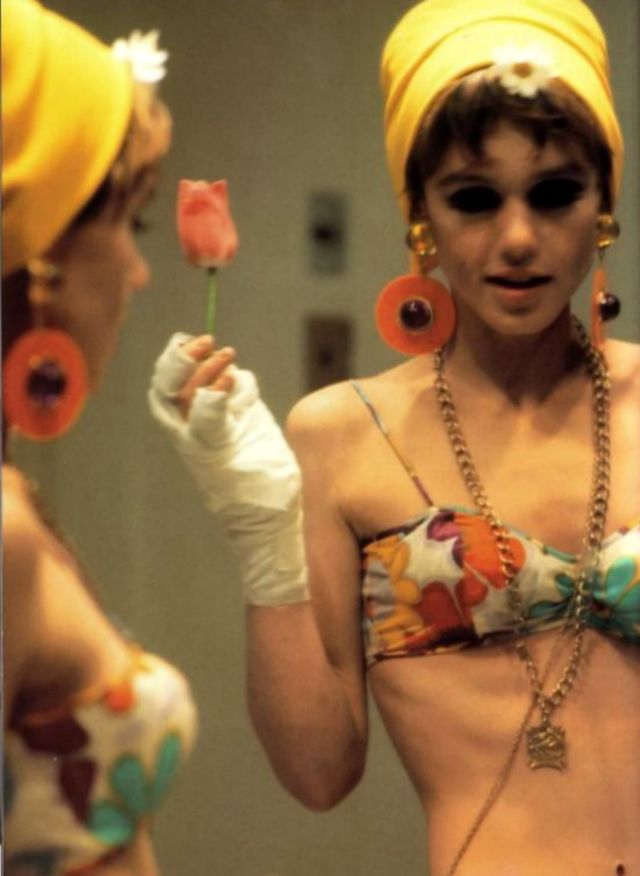
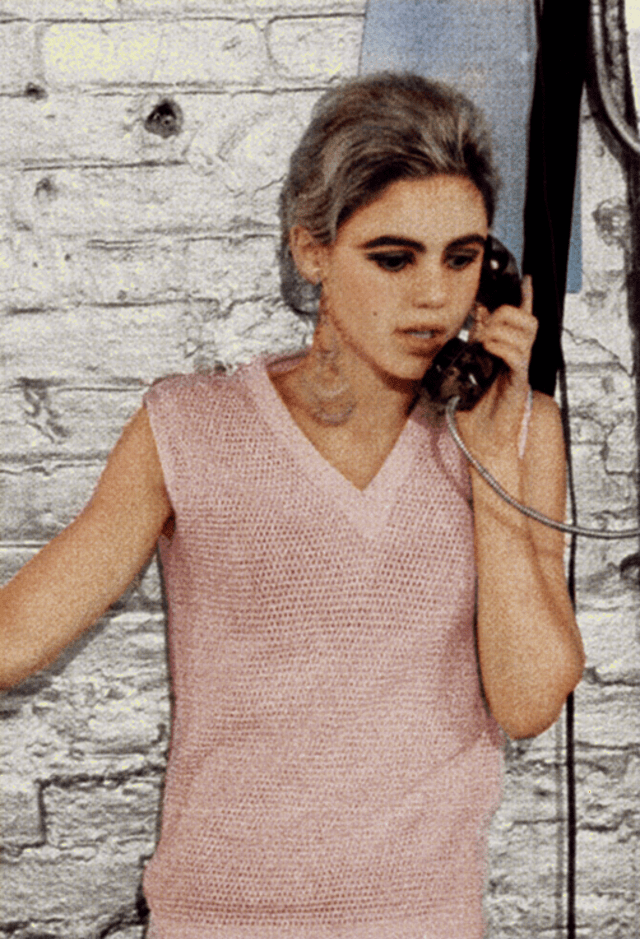
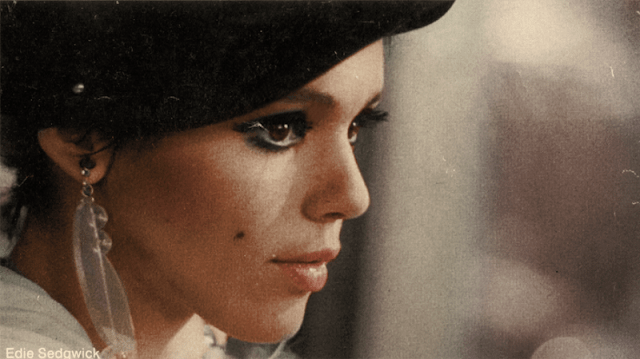
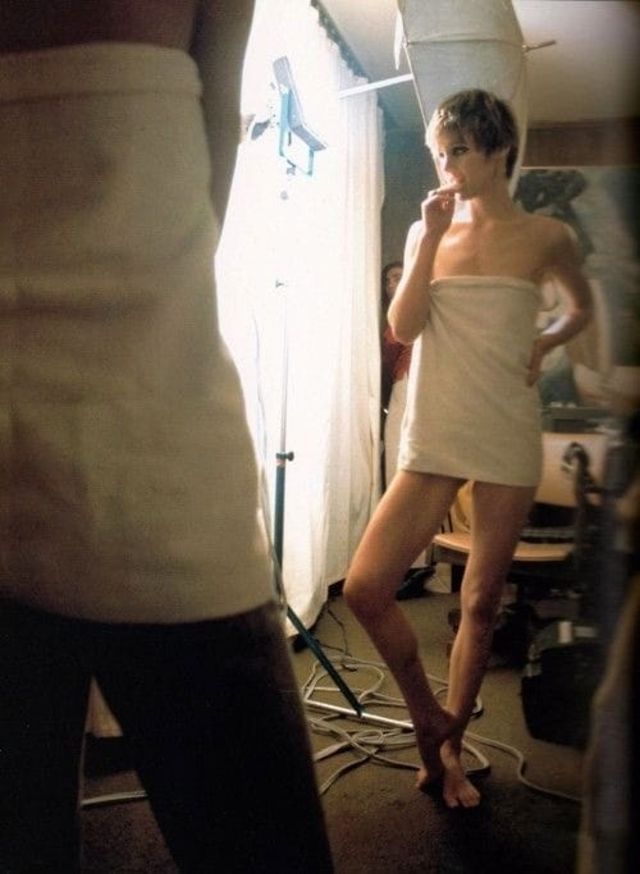
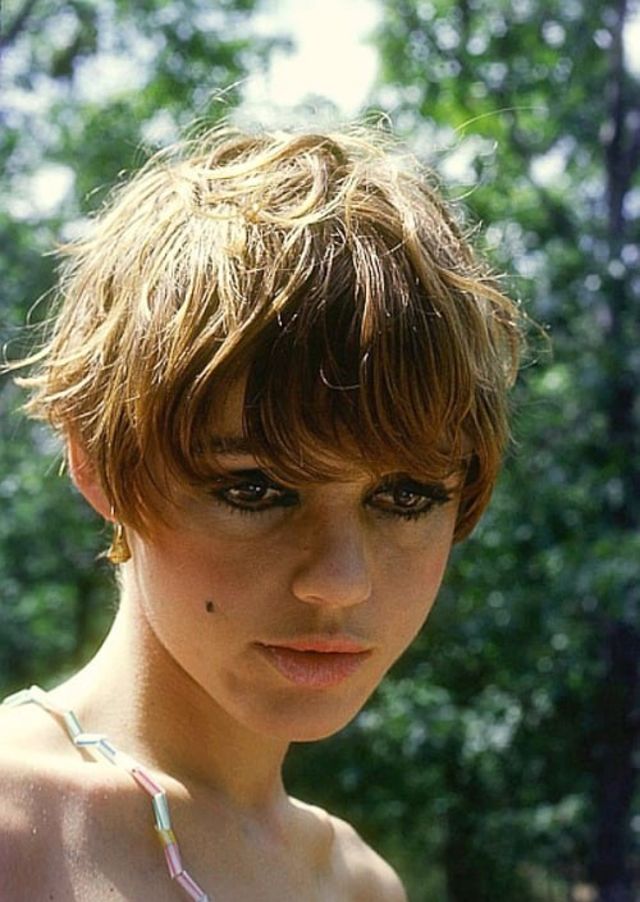
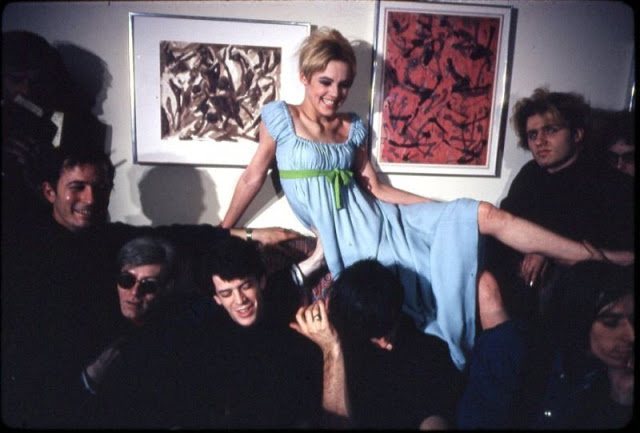
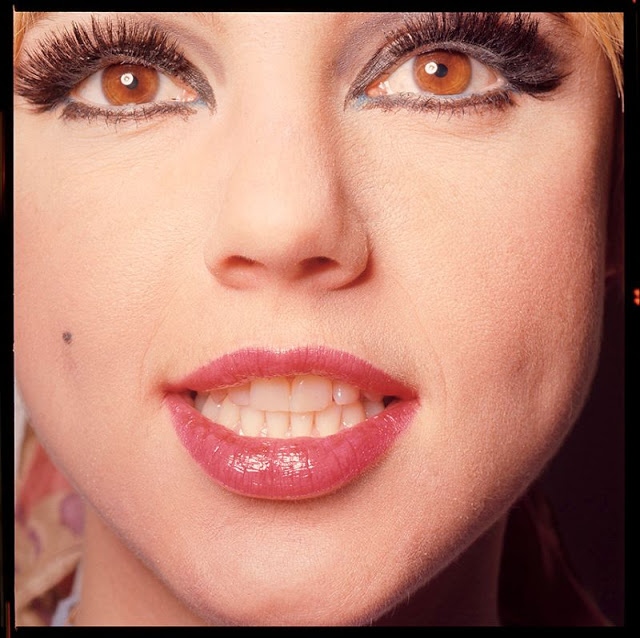
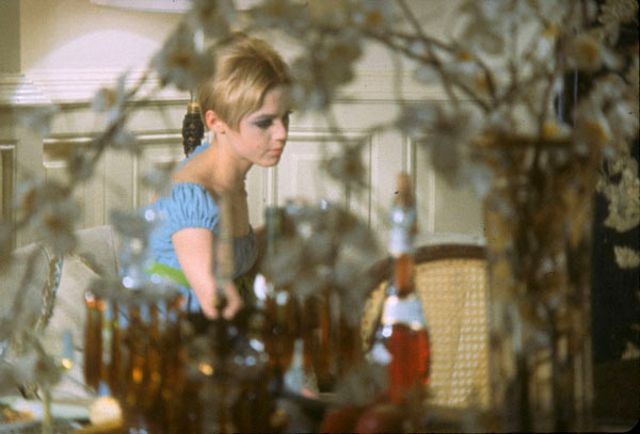
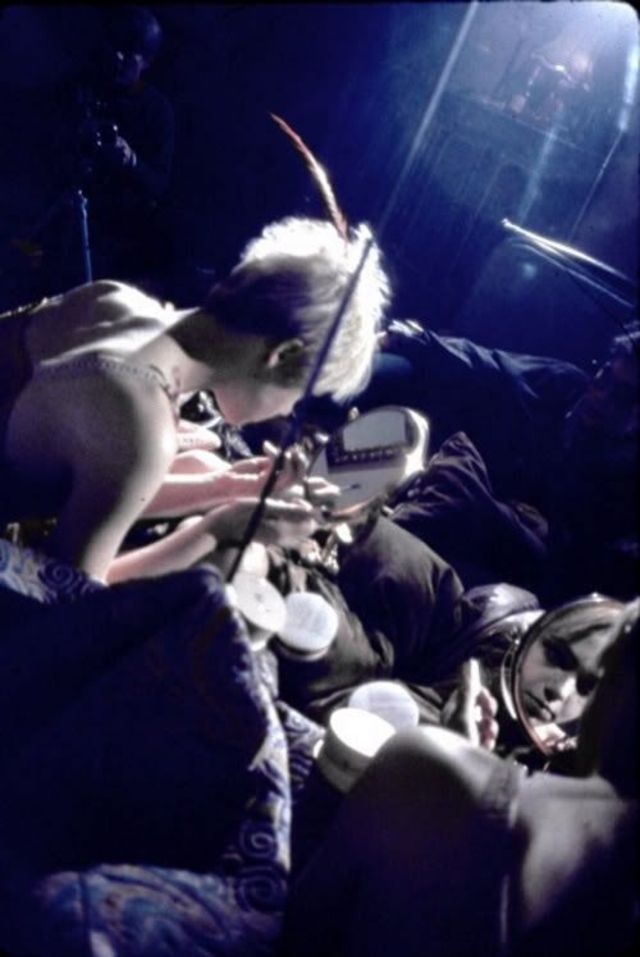
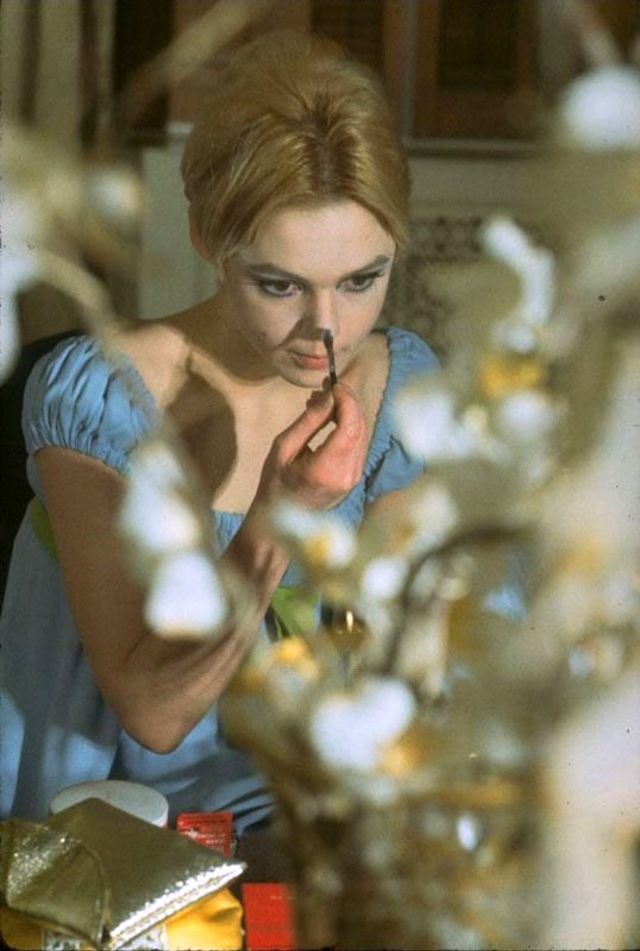
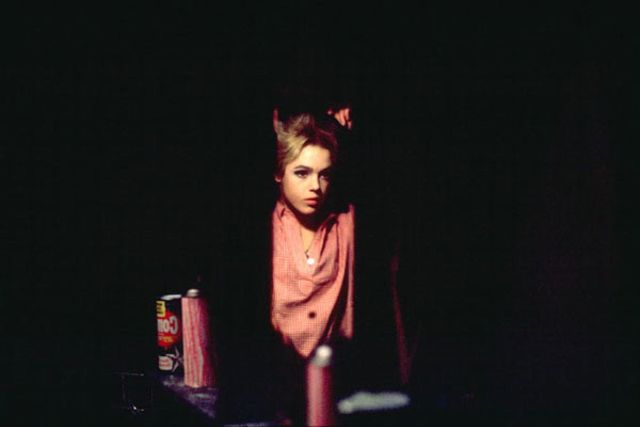
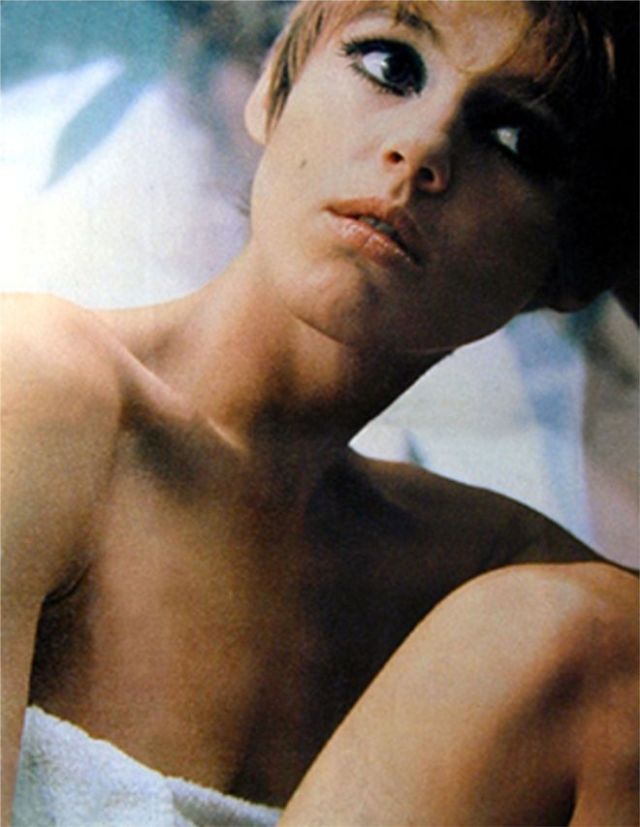
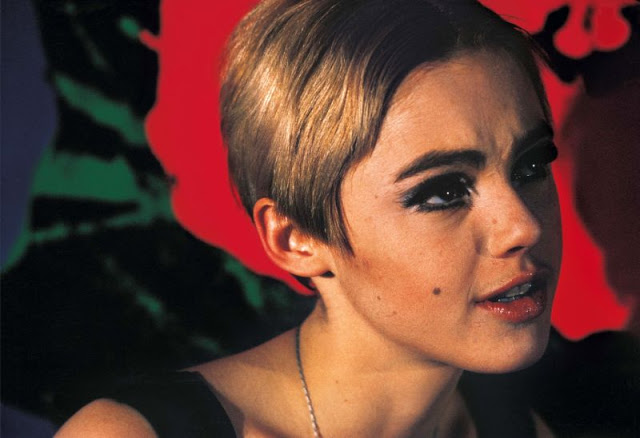
Edie Sedgwick, American model, actress and muse to Andy Warhol, was a regular at The Factory and a 1960s fashion icon.
Sedgwick became known as “The Girl of the Year” in 1965 after starring in several of Warhol’s short films in the 1960s. She was dubbed an “It Girl”, while Vogue magazine also named her a “Youthquaker”.
These gorgeous photos show the reason why Edie Sedgwick was favorite muse of Andy Warhol in the 1960s.
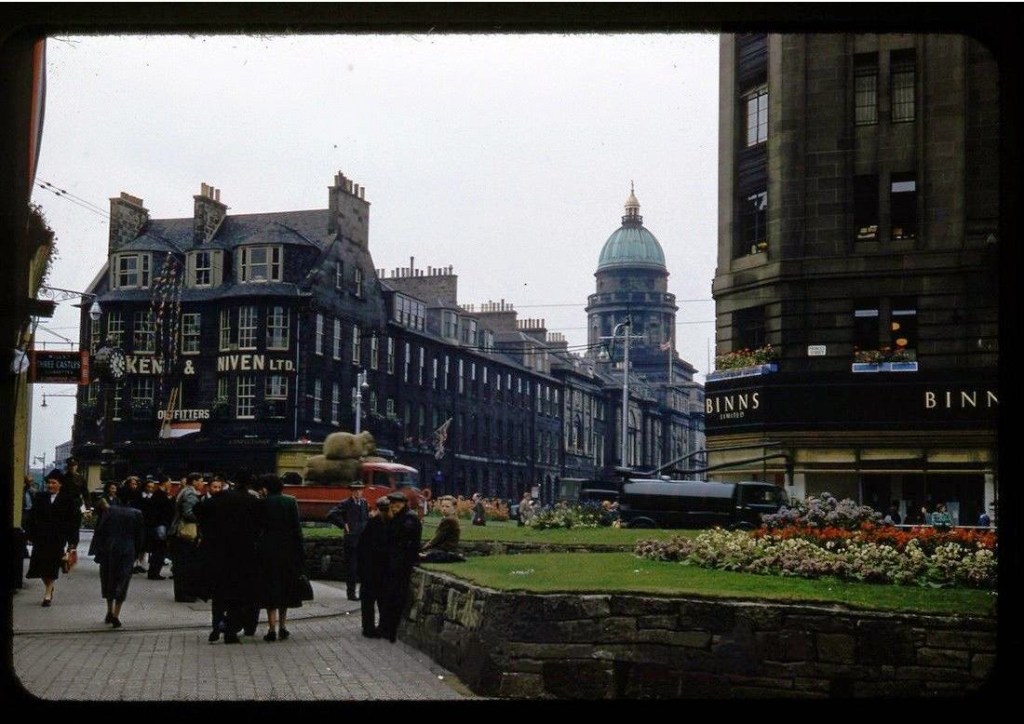
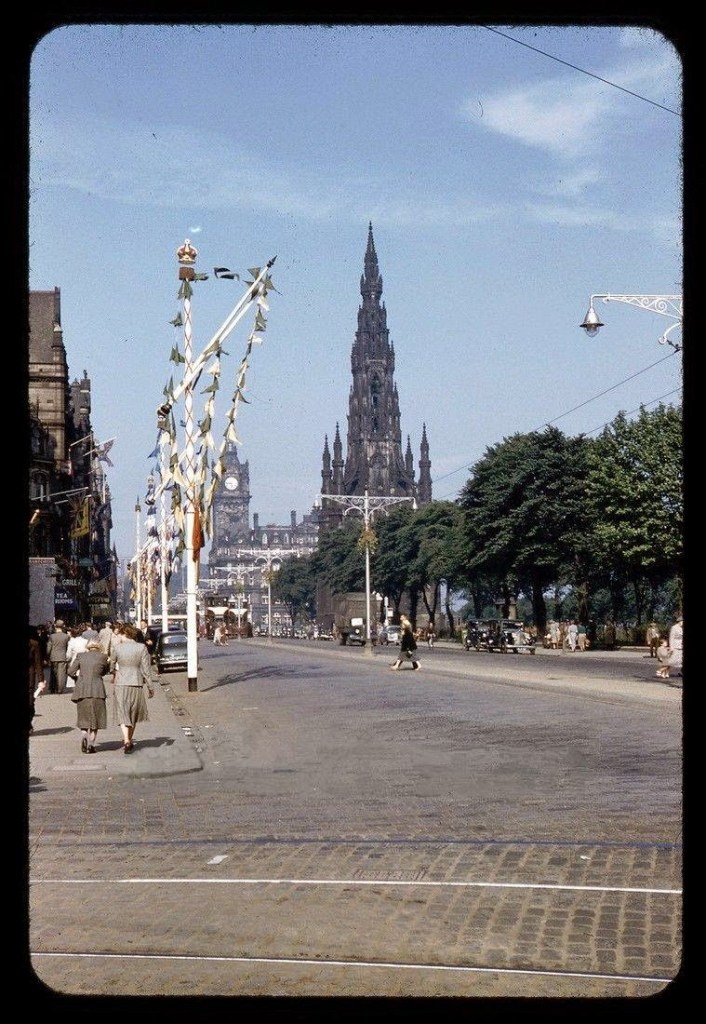
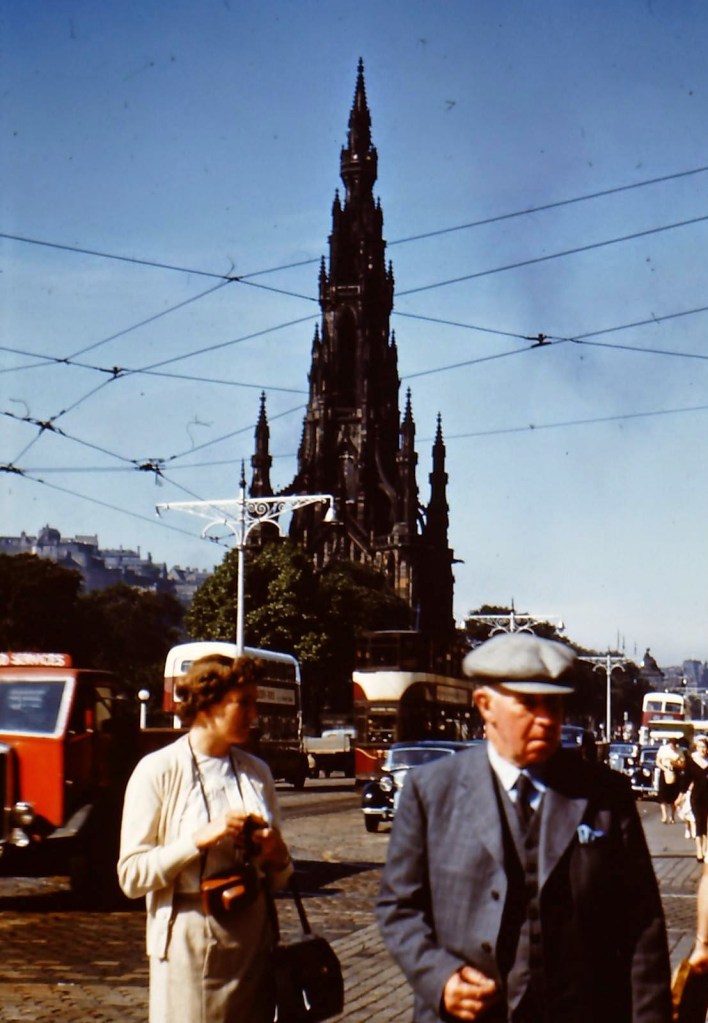
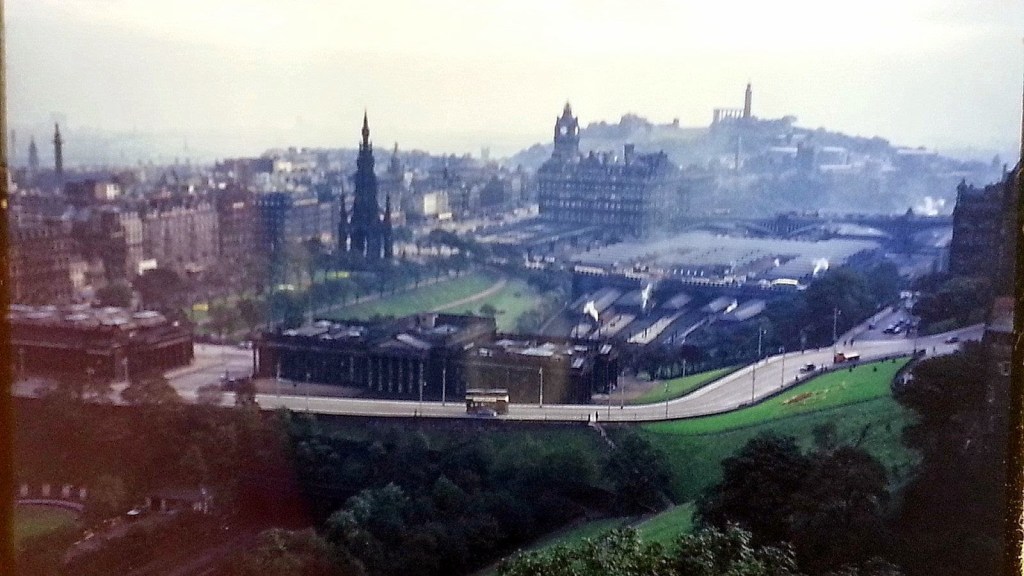
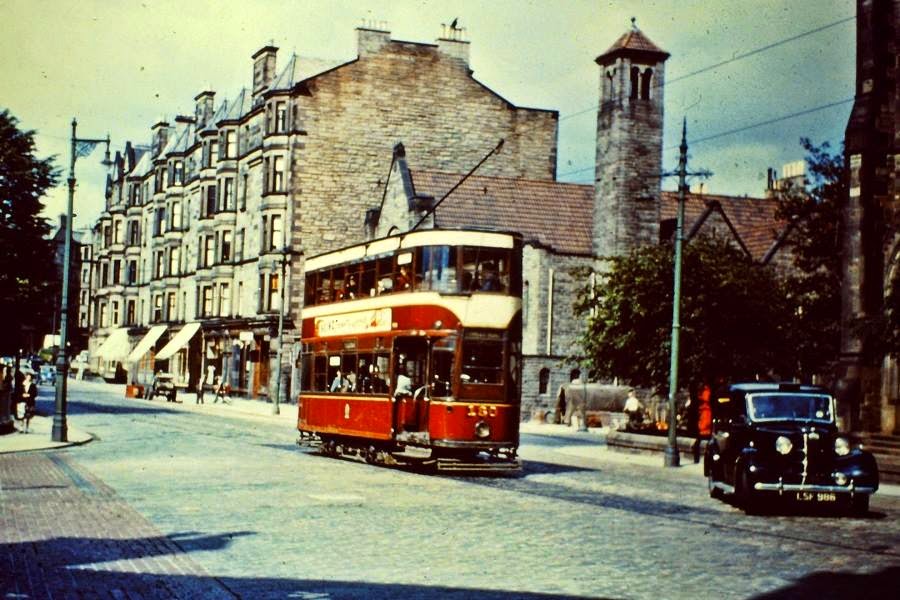
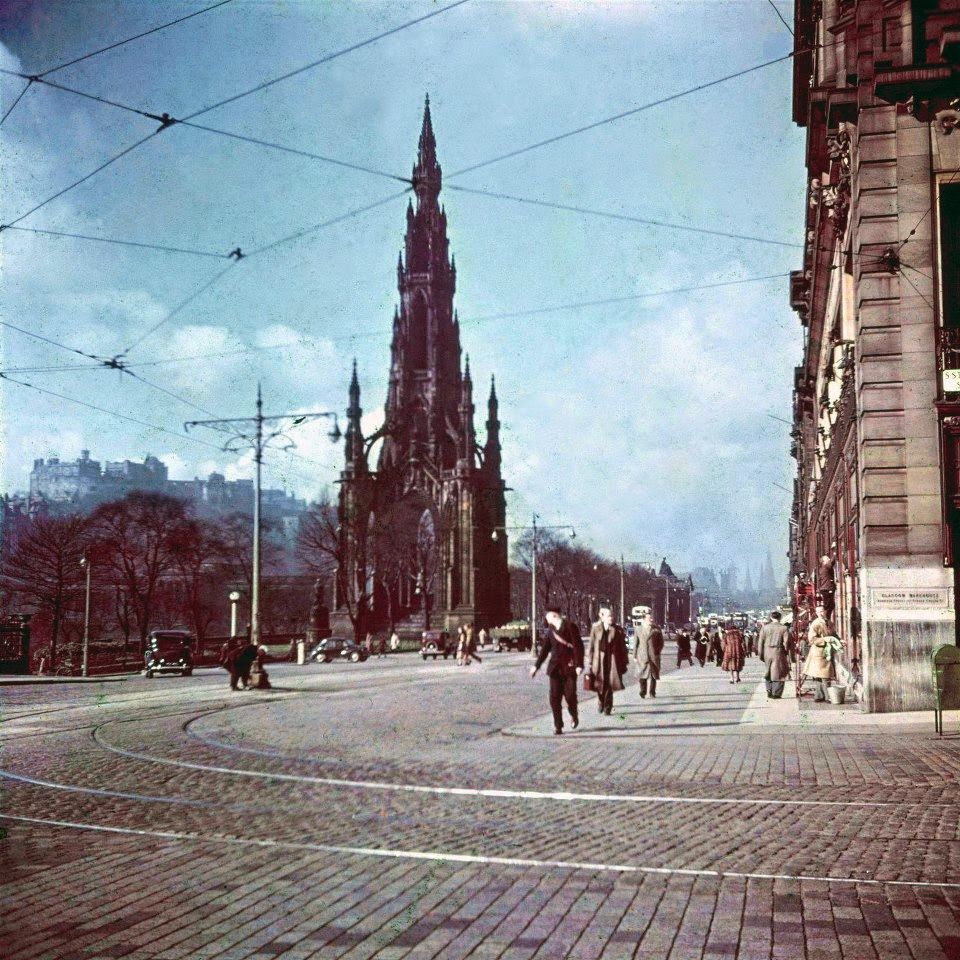
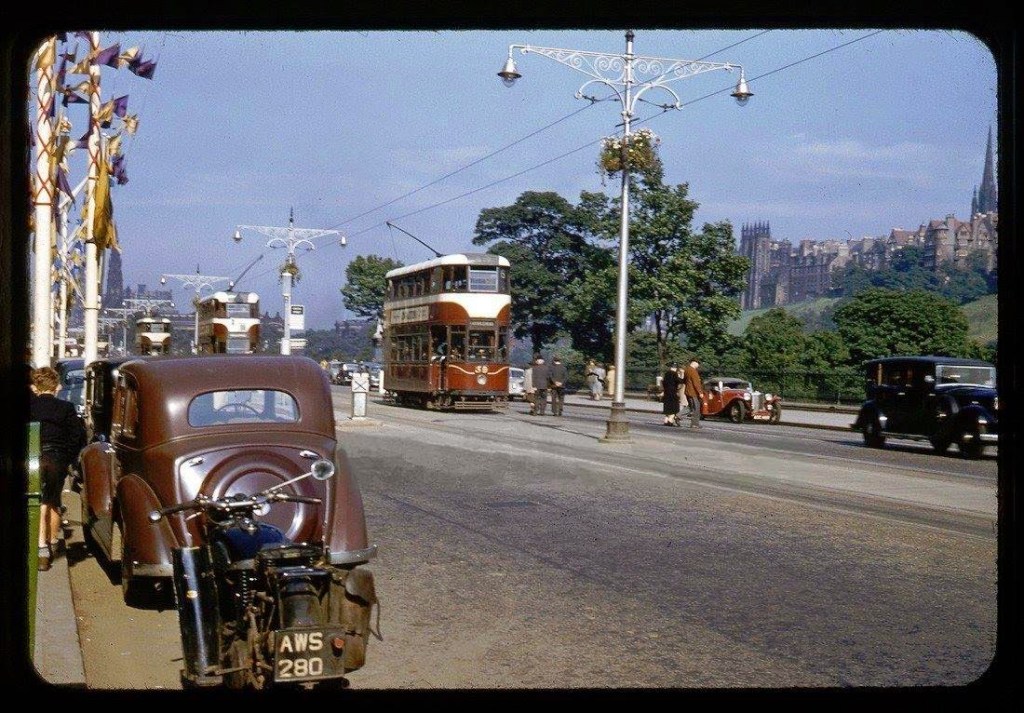
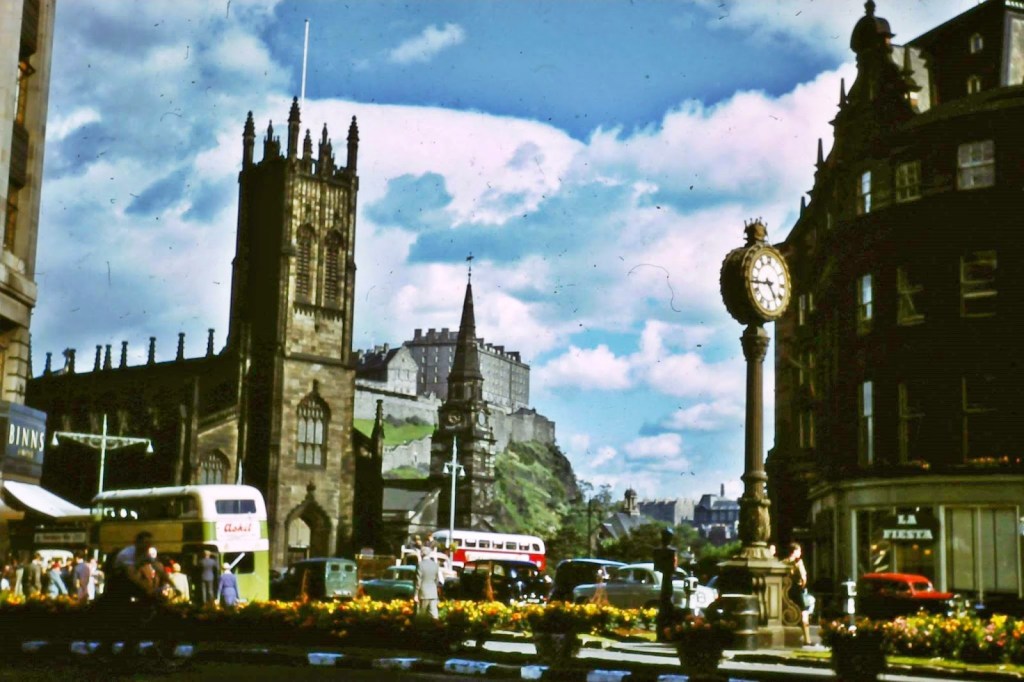
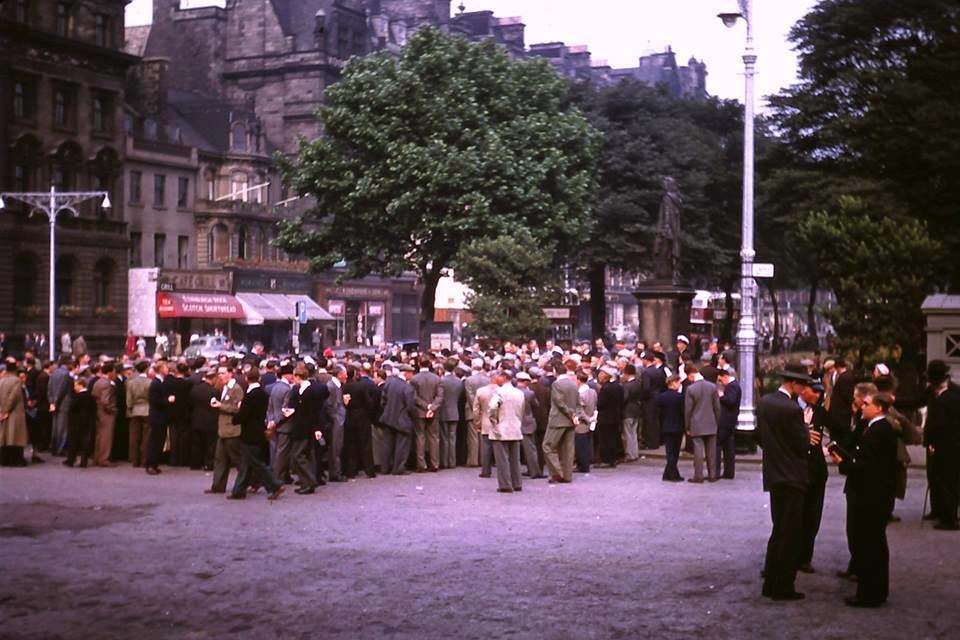
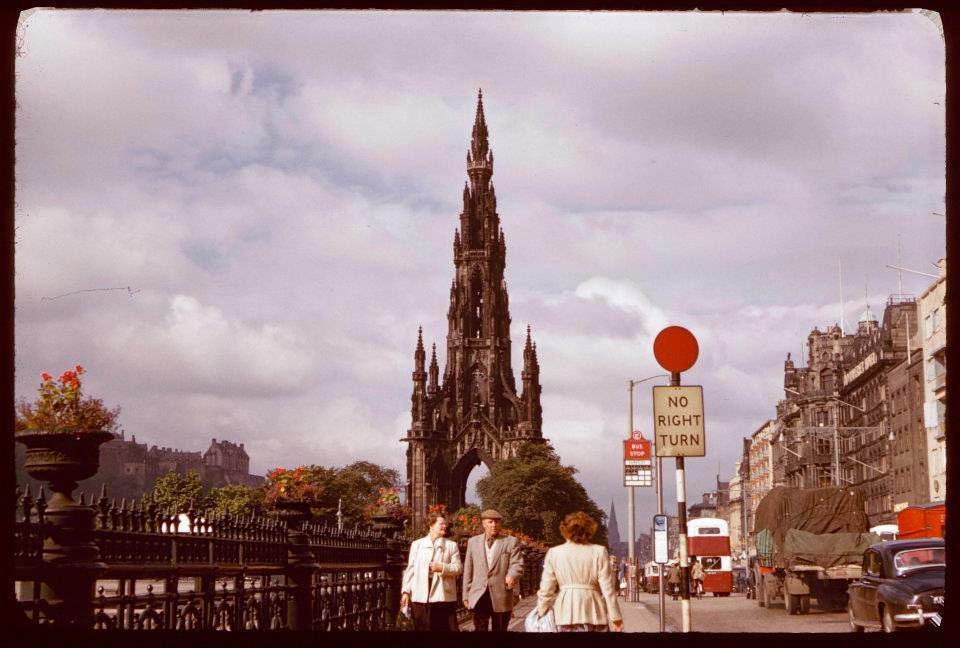
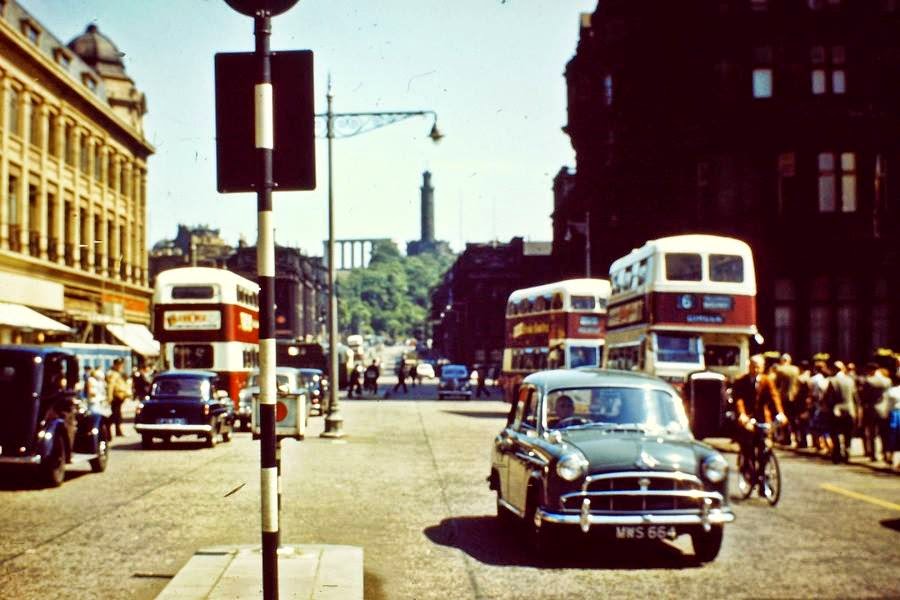
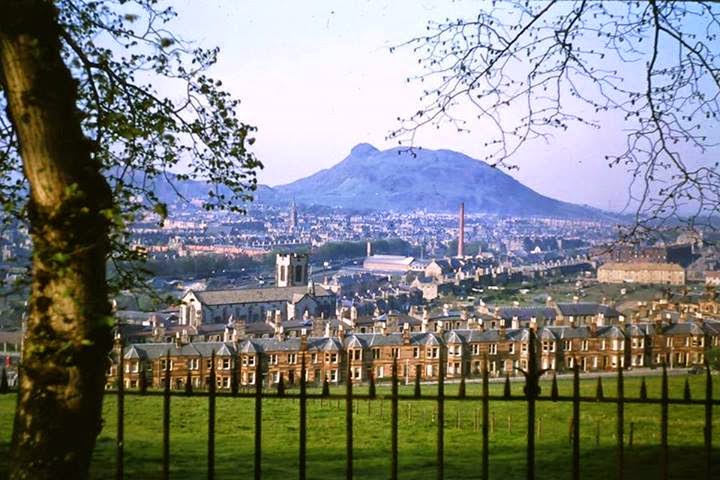
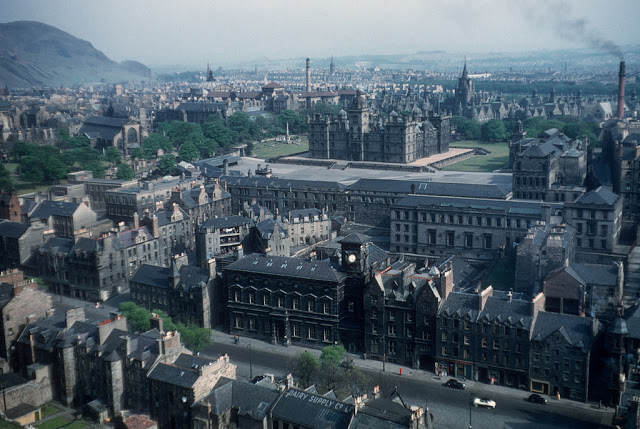
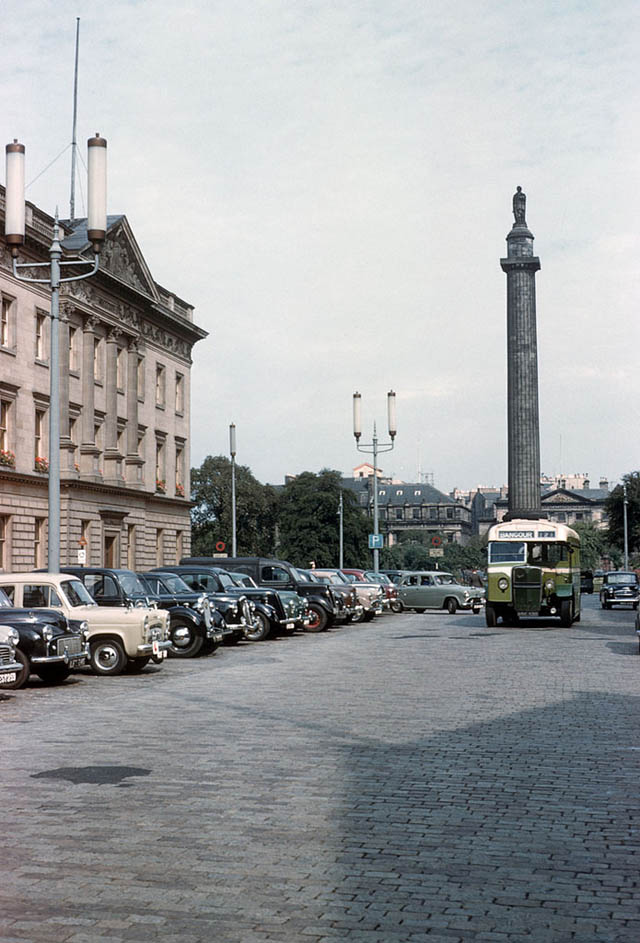
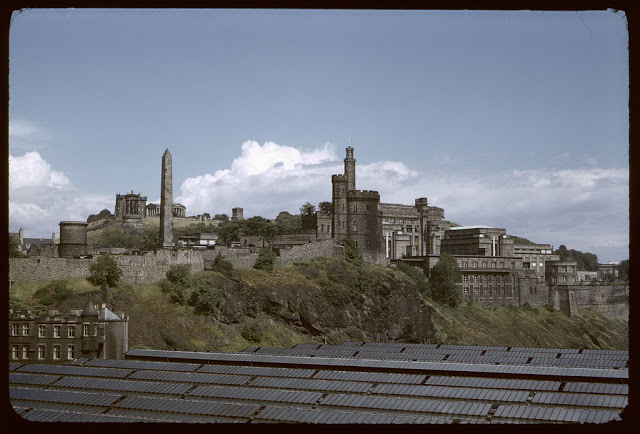
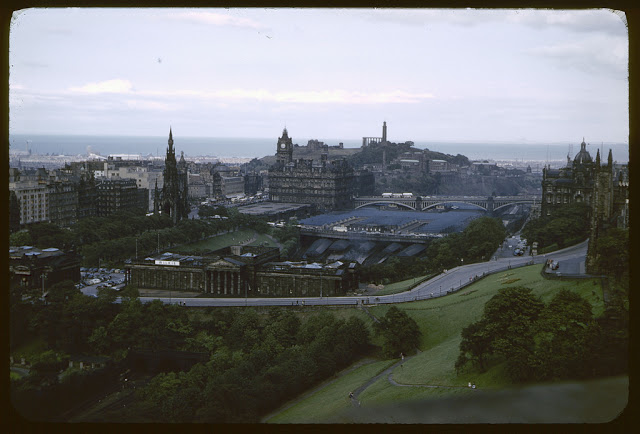
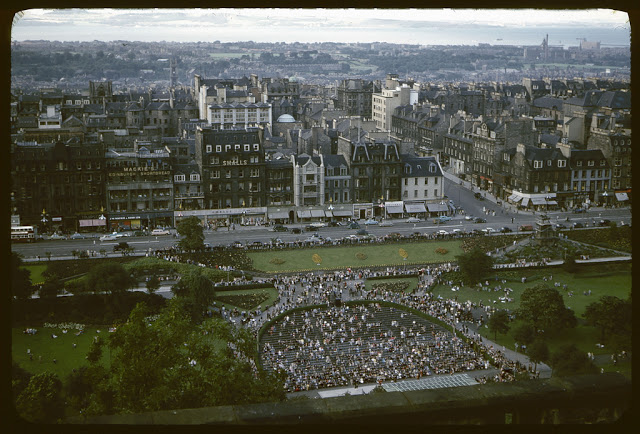
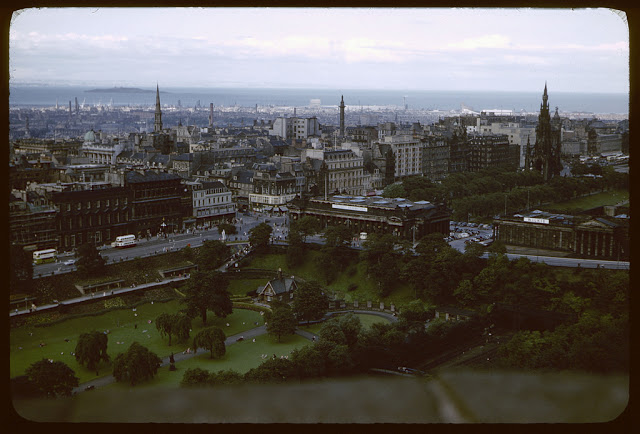
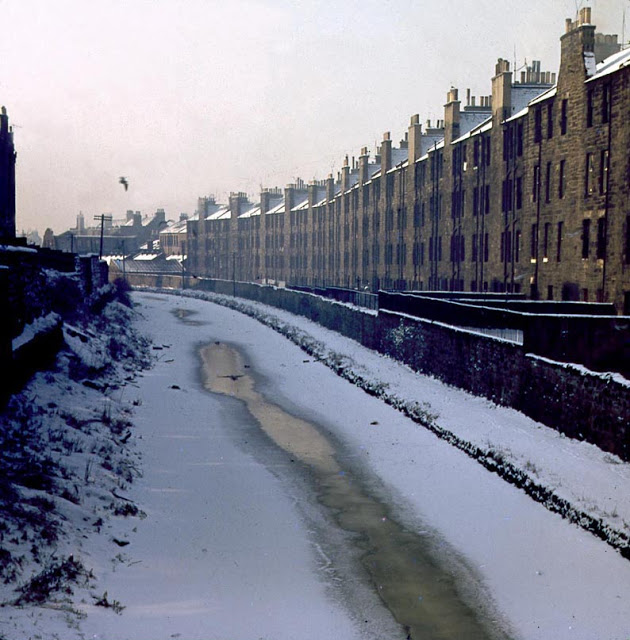
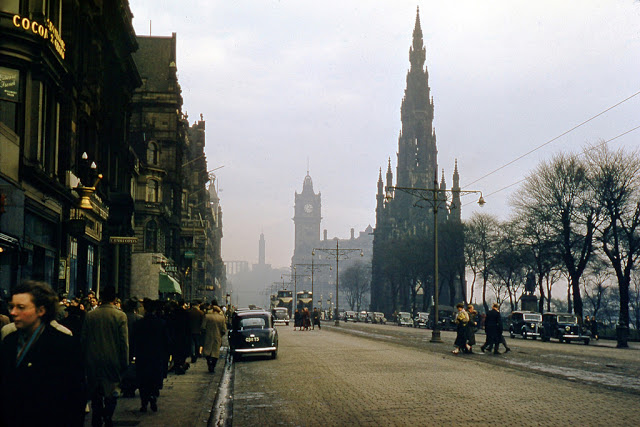
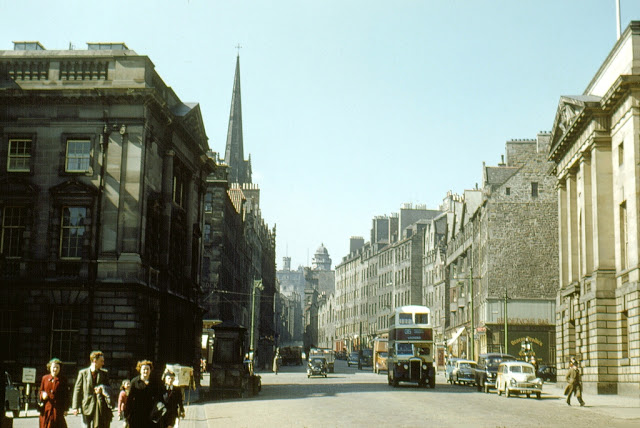
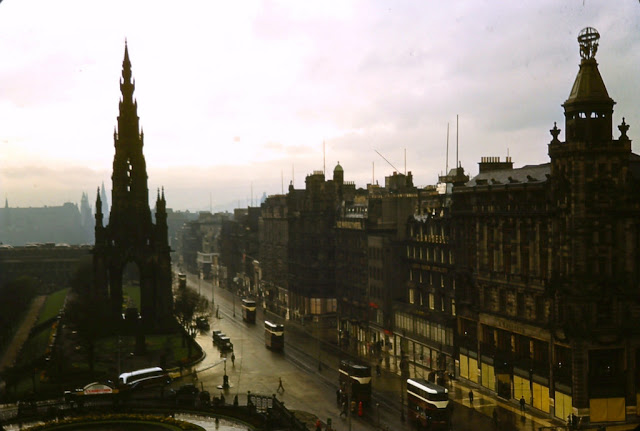
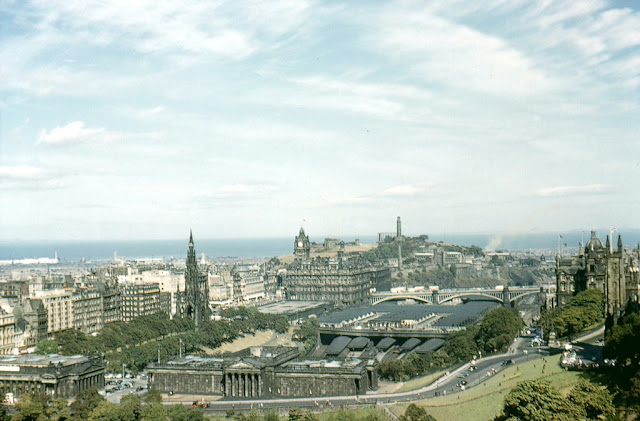
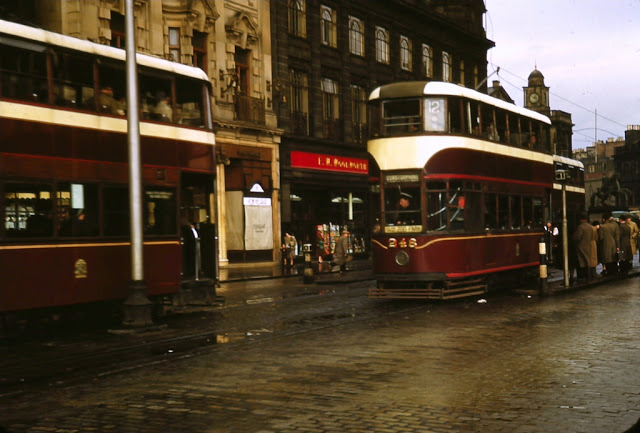
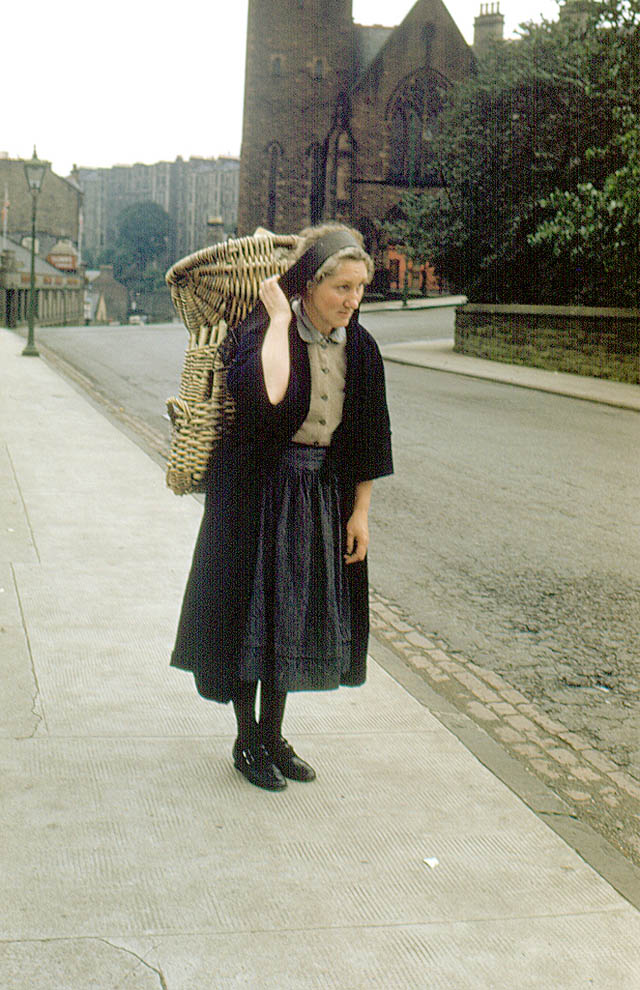
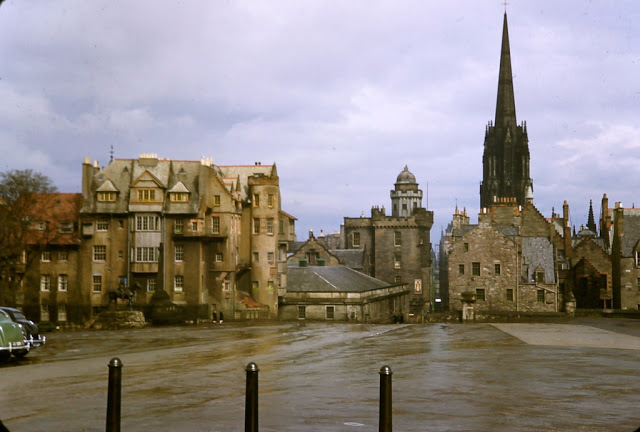
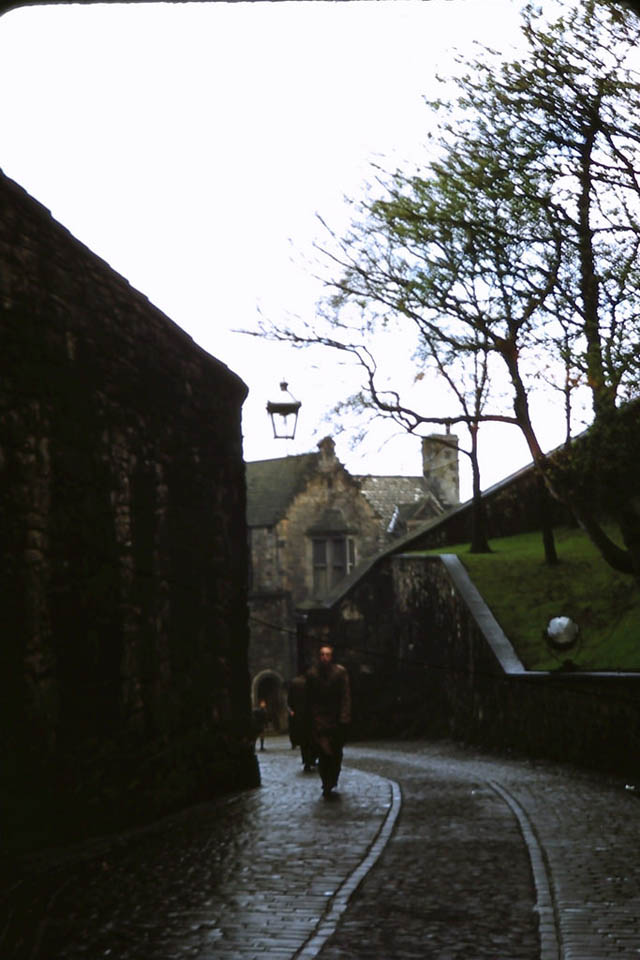
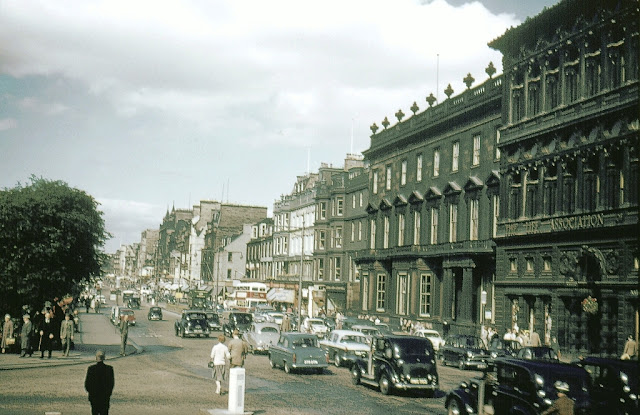
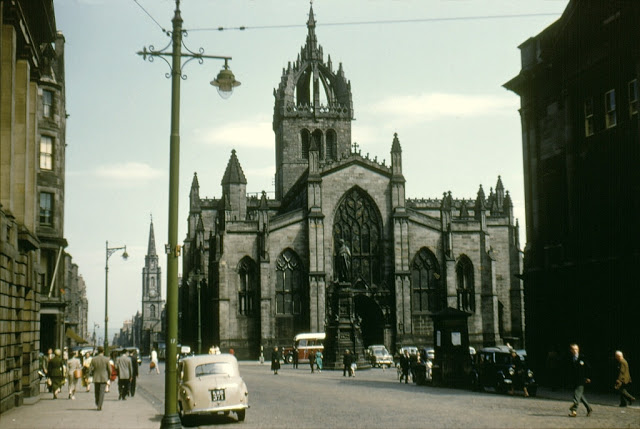
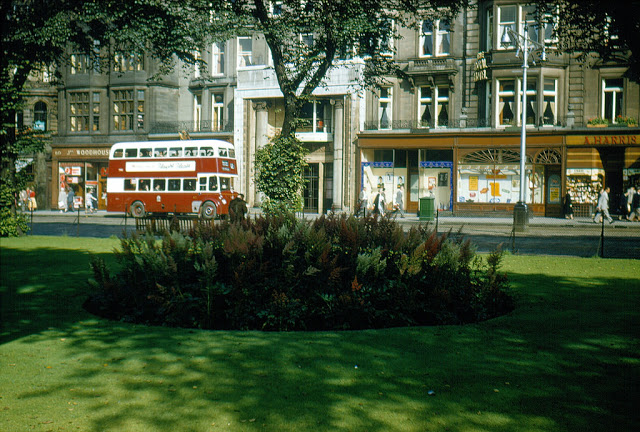
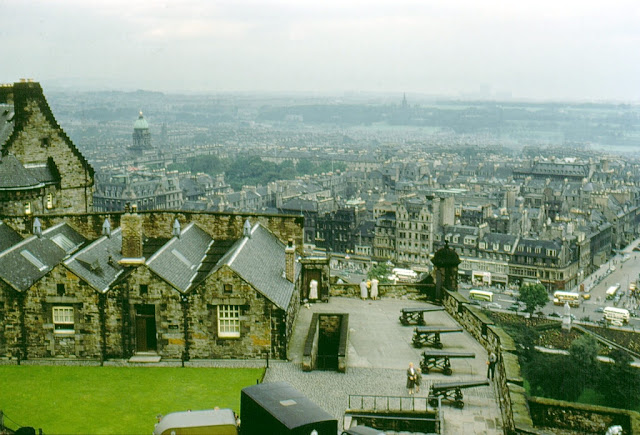
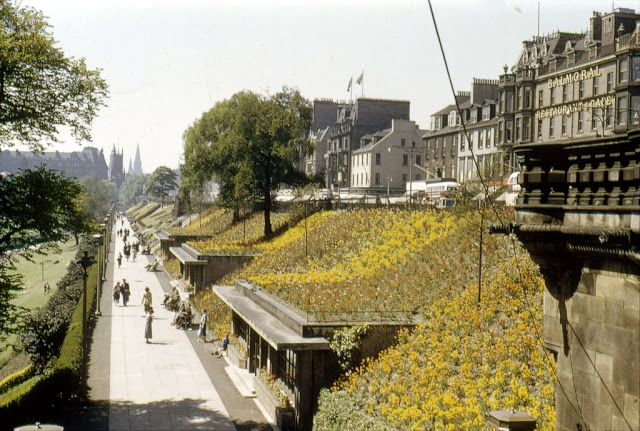
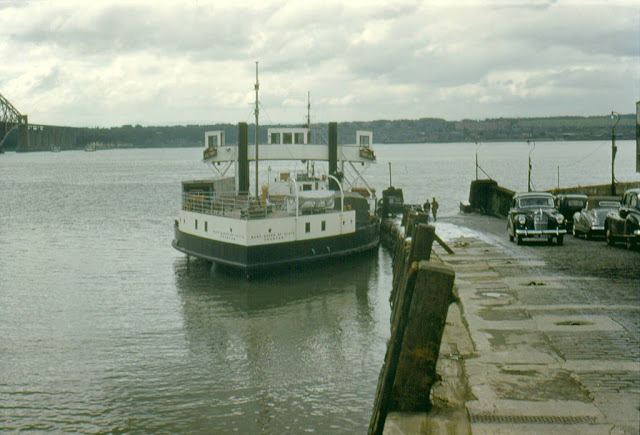
Edinburgh in the 1950s was a very different place. After the ravages of war, the International Festival and Military Tattoo was introduced as an antidote to post-war austerity, the new Civic Survey and Plan put forward grandiose recommendations for change, and a new young Queen visited the city.
This was a time when slum housing was a blight on many people’s lives, but there was a real sense of community that was ultimately lost in the move to sparkling, modern homes in the new housing estates. People continued to use the trams to travel to work in the many factories or make trips to Portobello for a day of fun, but they were slowly usurped by the car.
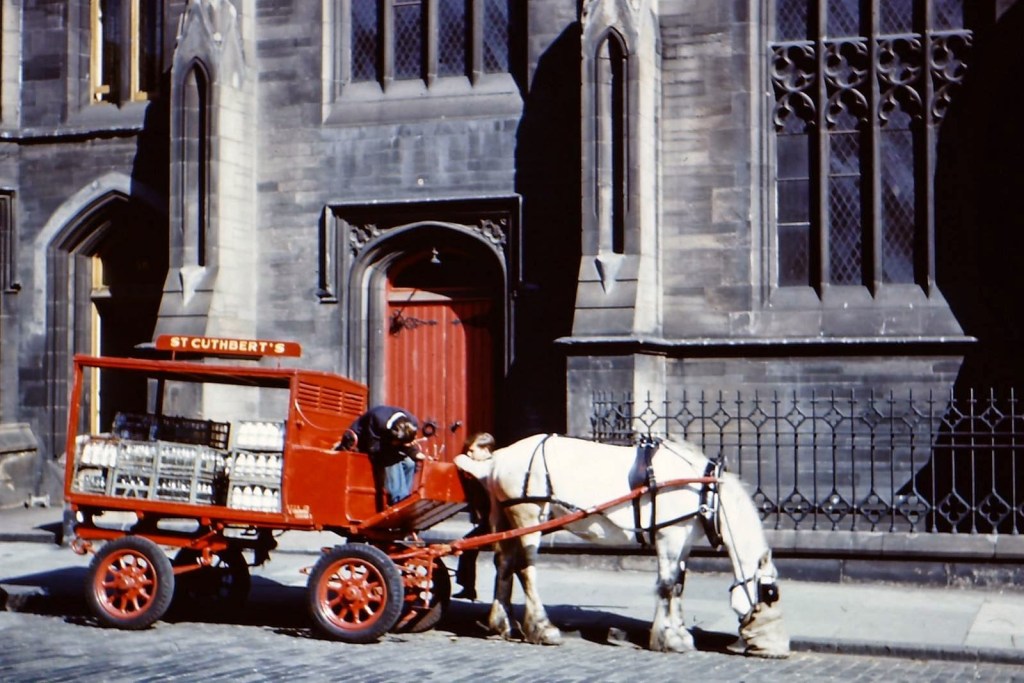
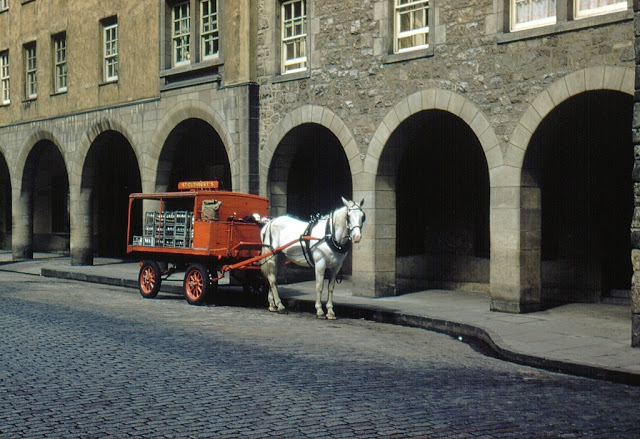
It was a glory period for the local football teams, and nights spent dancing or at the pictures were a weekly event. There was still the horse-drawn milk float and children played in streets that were lit by gas. Beautifully illustrated with many previously unpublished photographs, Edinburgh in the 1950s provides an exceptional insight into a time now acknowledged as the end of an era in Edinburgh – for good and for bad.
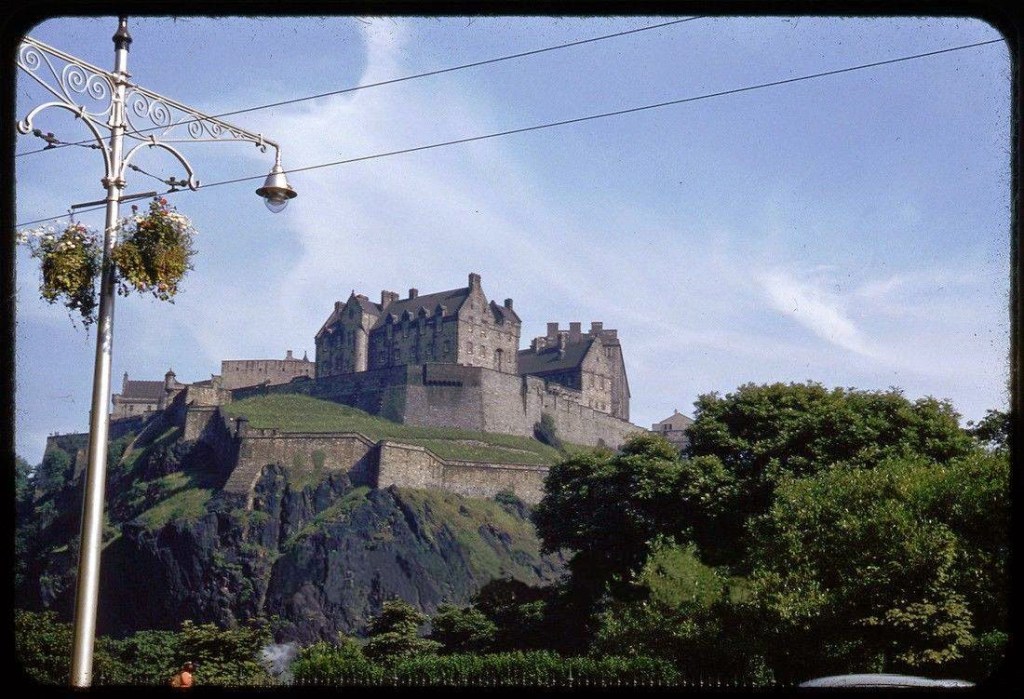
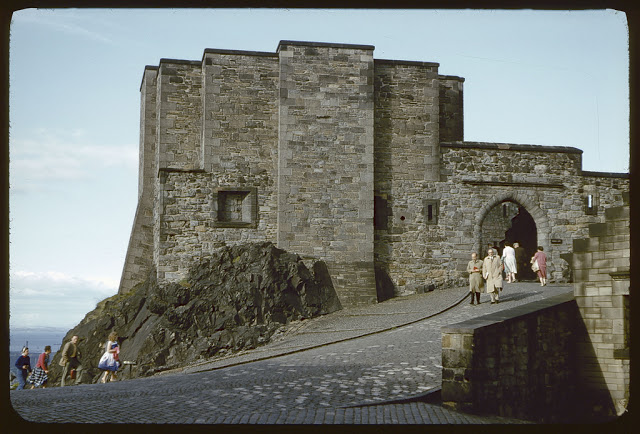
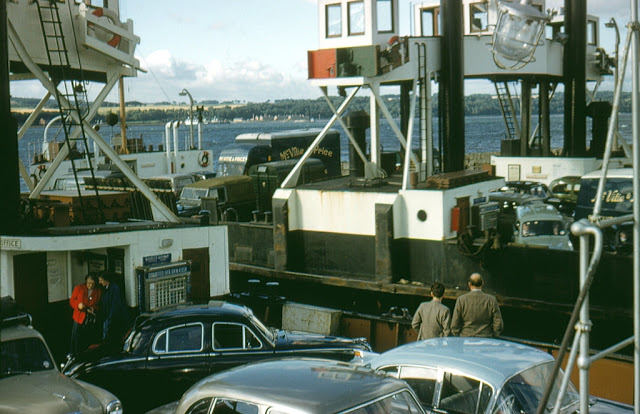
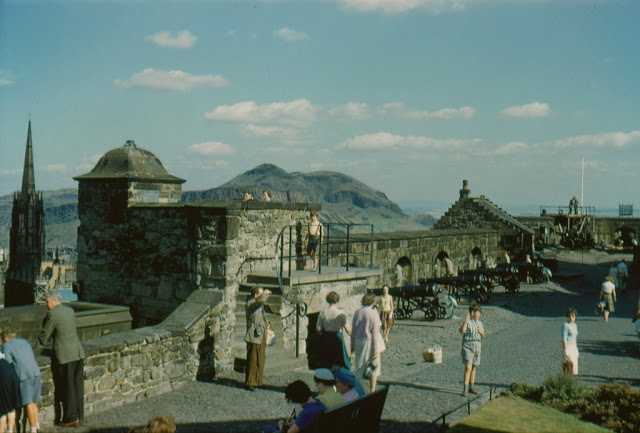
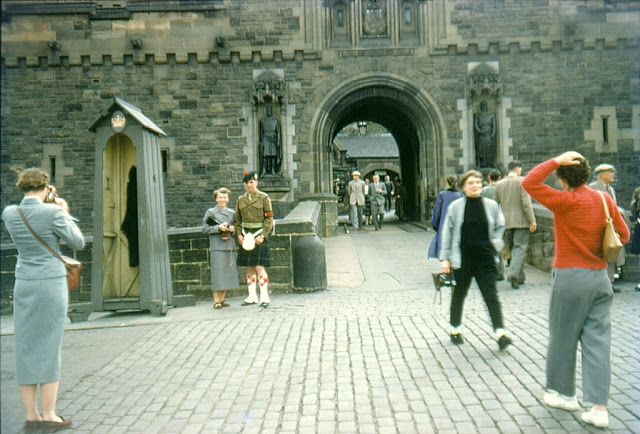
(left) St. Giles Cathedral?Sign: Equitable Loan of Scotland, Instituted 1824Calton Hill, Edinburgh, Scotland, between 15 and 17 August 1958.Edinburgh, Scotland, between 15 and 17 August 1958.Edinburgh, Scotland, between 15 and 17 August 1958.Edinburgh, Scotland, between 15 and 17 August 1958.Edinburgh Castle, Edinburgh, Scotland, between 15 and 17 August 1958.
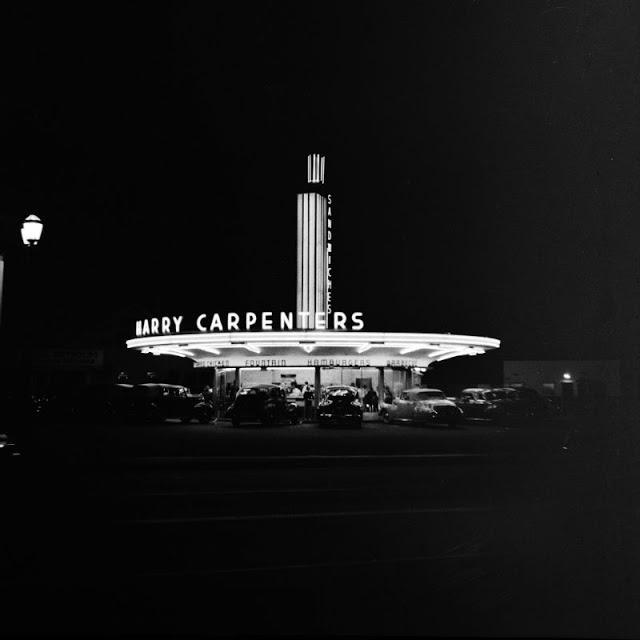
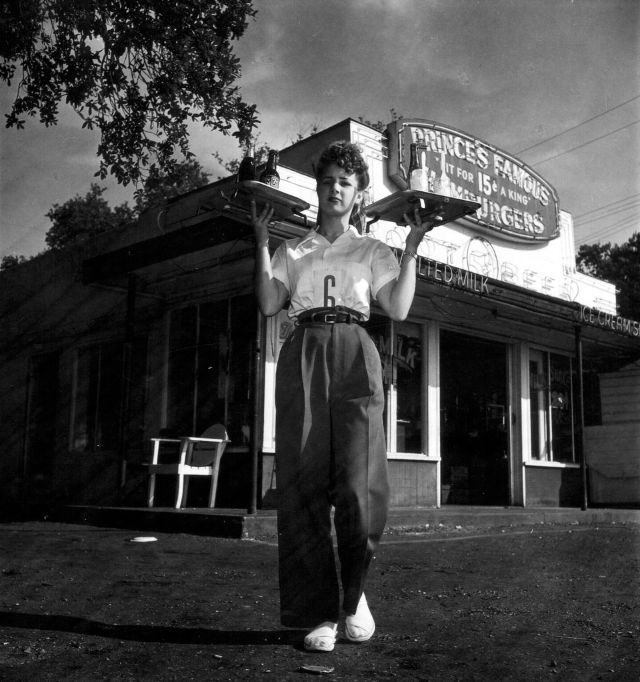
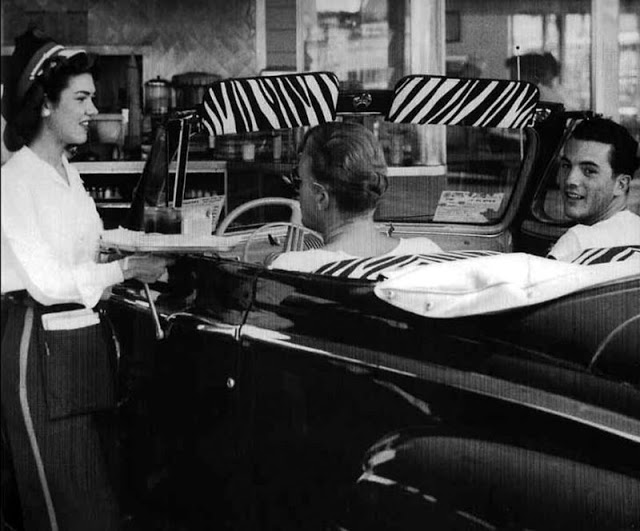
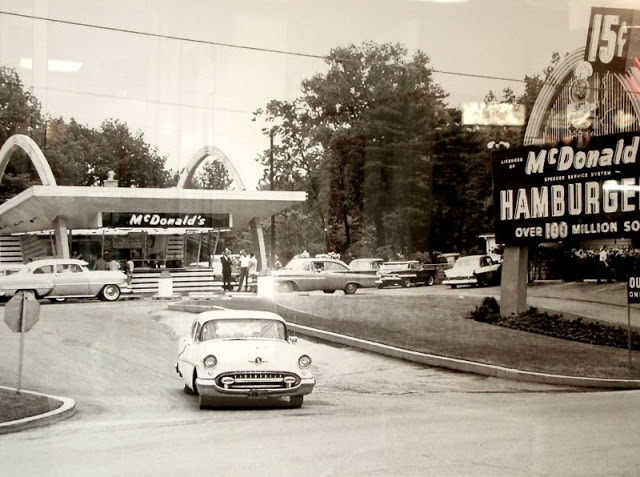
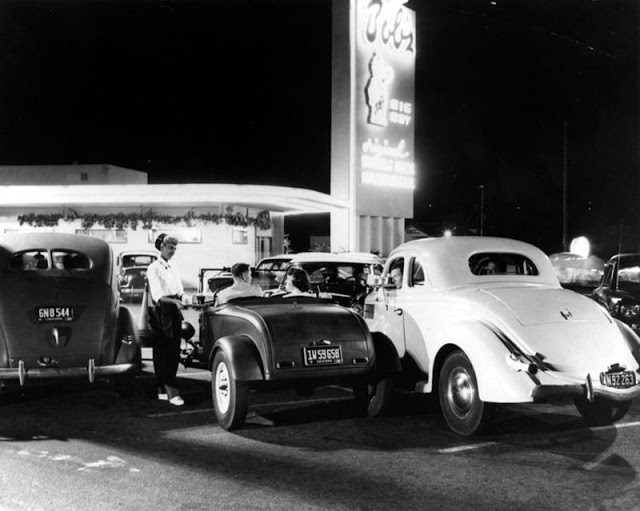
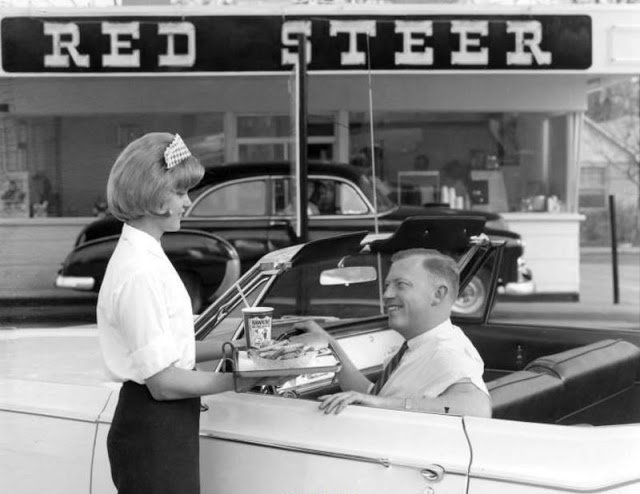
A drive-in is a facility (such as a restaurant or movie theater) where one can drive in with an automobile for service. At a drive-in restaurant, for example, customers park their vehicles and are usually served by staff who walk or rollerskate out to take orders and return with food, encouraging diners to remain parked while they eat. Drive-in theaters have a large screen and a car parking area for film-goers.
It is usually distinguished from a drive-through, in which drivers line up to make an order at a microphone set up at window height, and then drive to a window where they pay and receive their food. The drivers then take their meals elsewhere to eat.
The first drive-in restaurant was Kirby’s Pig Stand, which opened in Dallas, Texas, in 1921. In North America, drive-in facilities of all types have become less popular since their heyday in the 1950s and 1960s, with drive-throughs rising to prominence since the 1970s and 1980s.
The largest Drive-In still in operation is The Varsity of Atlanta, Georgia.
These amazing drive-in photos that offer a glimpse into the era of dining in one’s car from between the 1930s and 1960s.
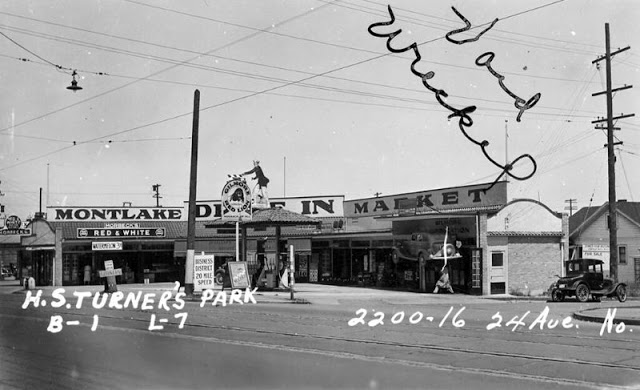
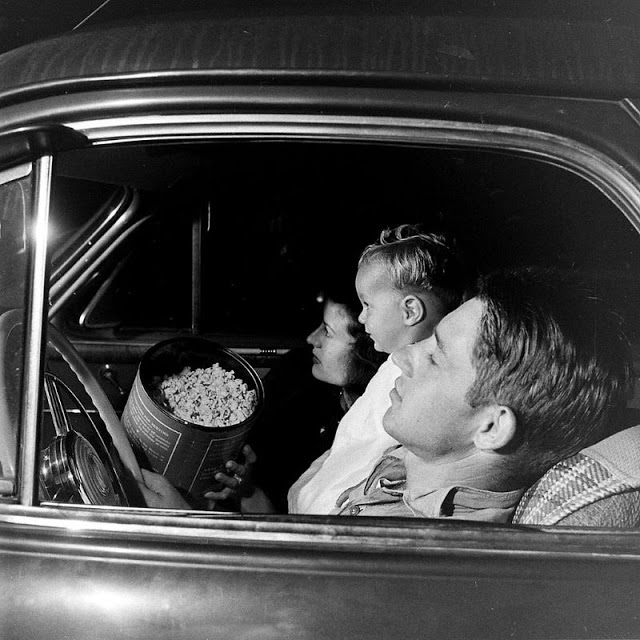
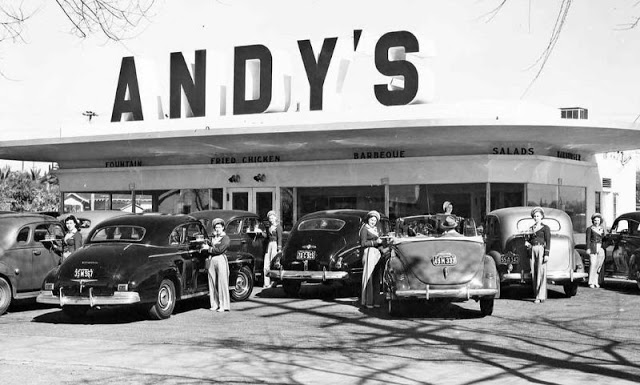
A carhop pouring milk from a bottle into a glass, at McDonnell’s Drive-In, circa mid-1930sMcDonnell’s Drive-In at night, circa mid-1930sThe Montlake Drive-In Market, opened in 1931, Seattle, Washington, 1937Kau Kau Korner Drive-In, Hawaii, circa 1940sA late night at the drive in, a couple and their young son watch a film while they sit in their ’41 Buick coupe, with almost an equally large canister of popcornAndy’s Drive-In with carhops pose in front with cars they’re serving, circa 1941A neon sign at a drive-in restaurant in Hollywood, California, 1942A carhop holds two trays as she poses for a shot in front of a small diner, Houston, Texas, 1945A friendly carhop converses with two guys in a ’46-7 Mercury convertible, at Simon’s Drive-In, 1948The A & W Drive In, California, circa 1950sThe McDonald’s Drive-In, circa 1950sBob’s Big Boy carhop waitress at drive-in, Southern California, 1952Whitestone Bridge Drive-in. This theater in the Bronx lasted from 1949 to 1983, circa 1953The carhop on the wall at a White Castle in Wentzville, Missouri, circa 1960sThe Red Steer Drive-In, Boise, Idaho, circa 1960s
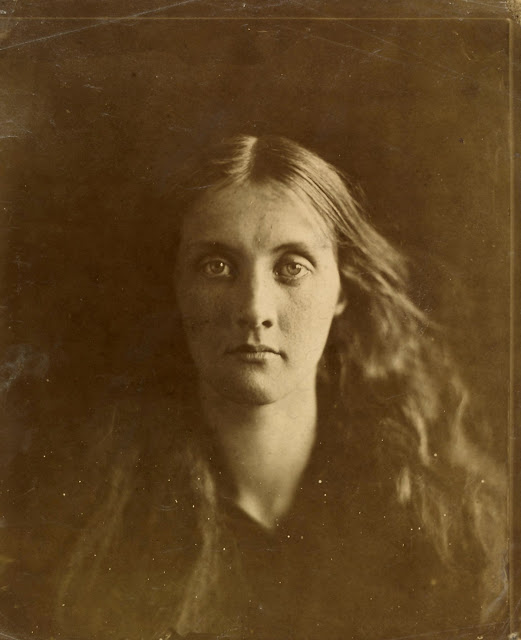
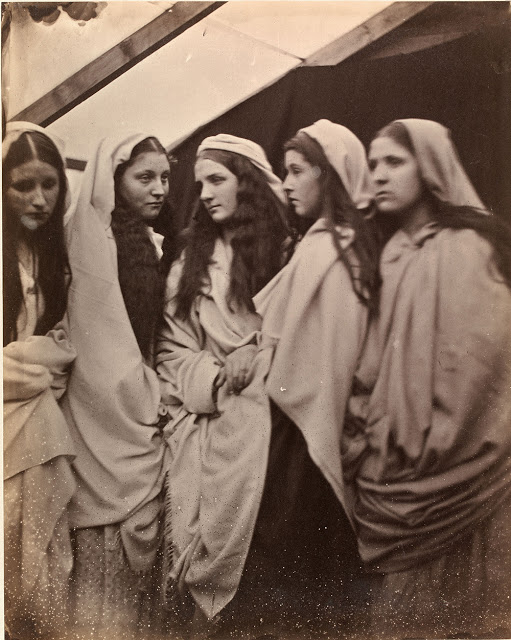
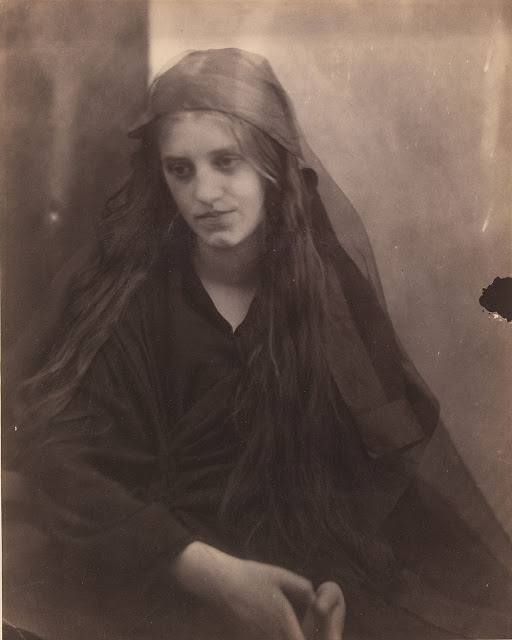
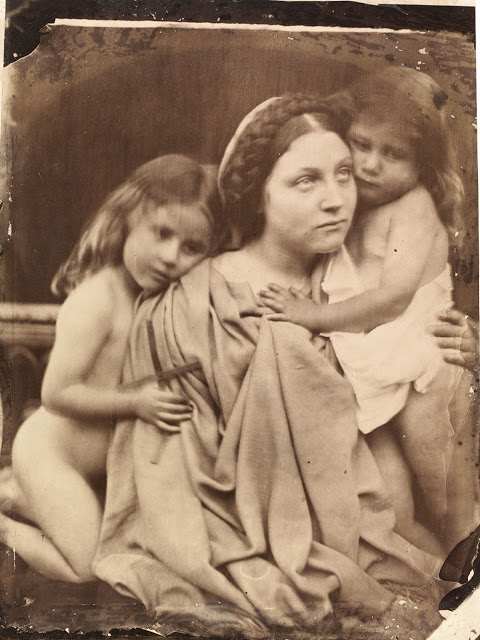
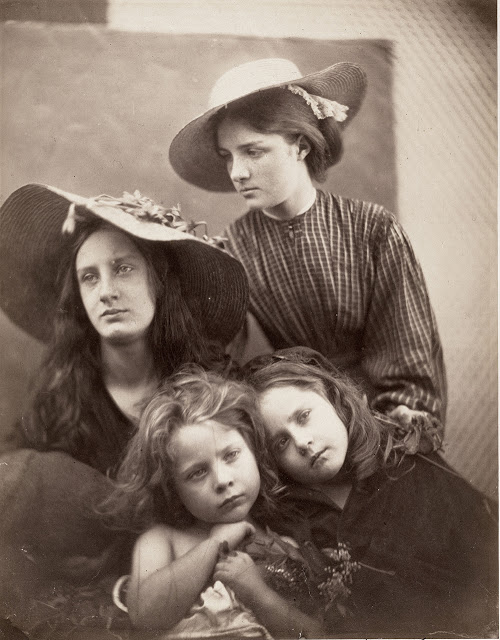
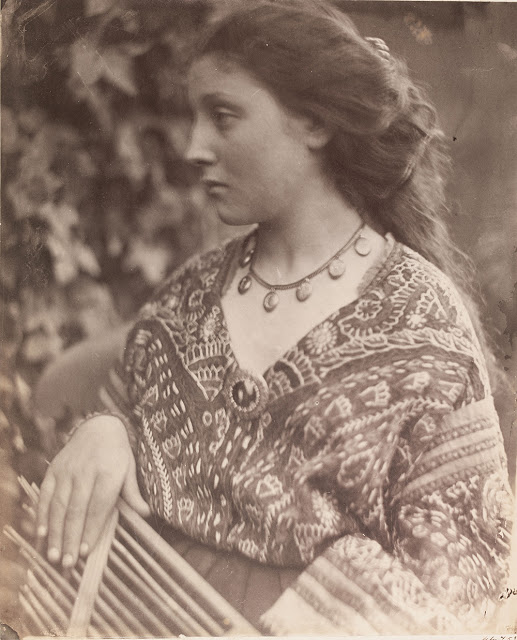
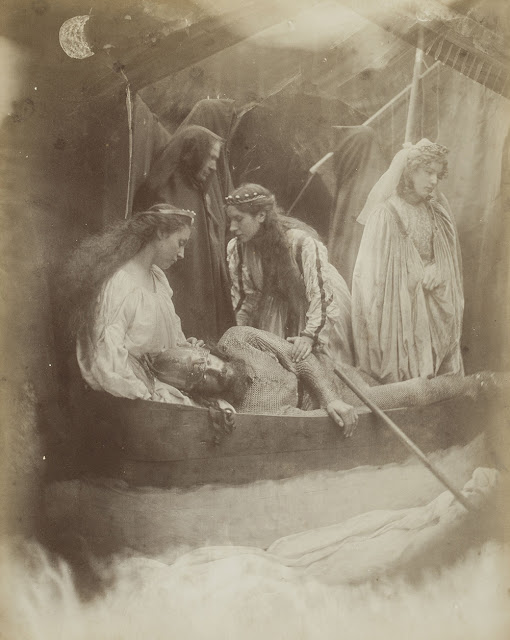
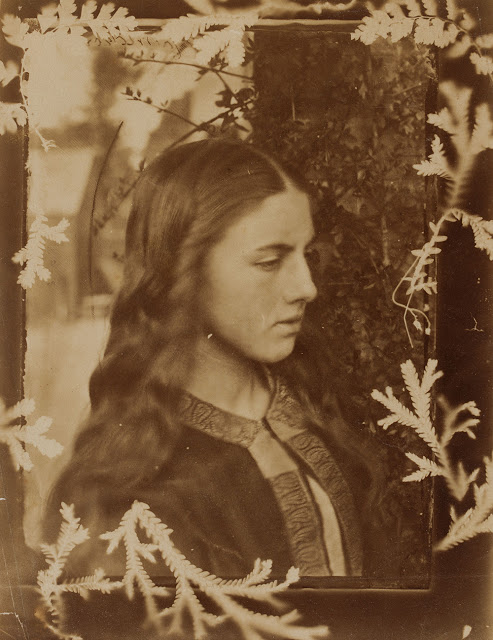
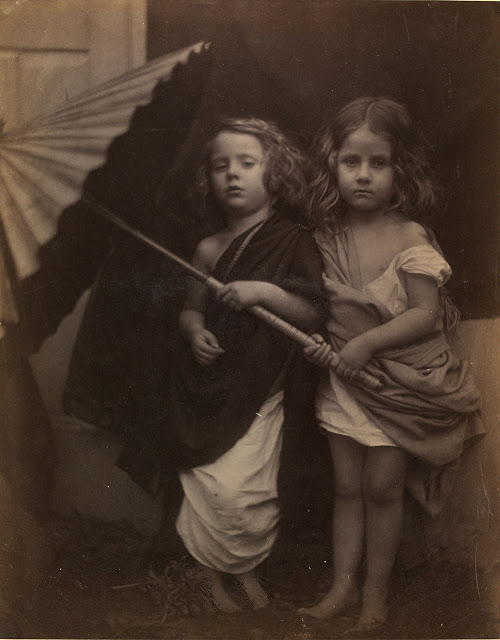
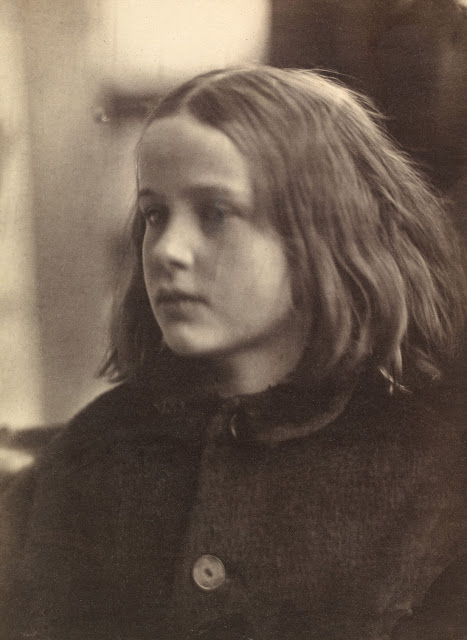
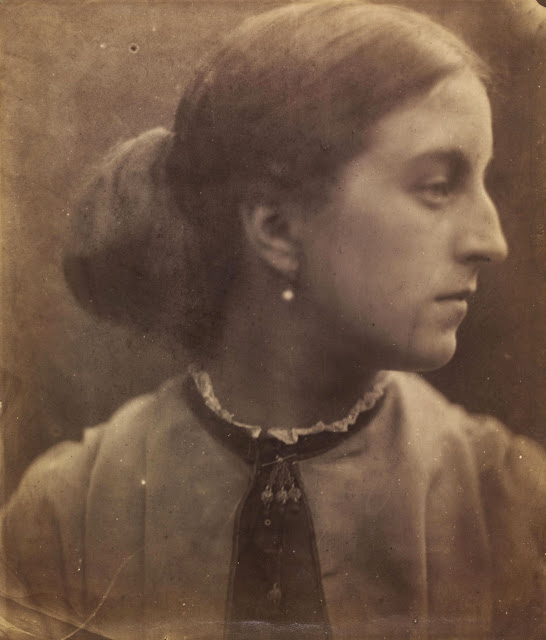
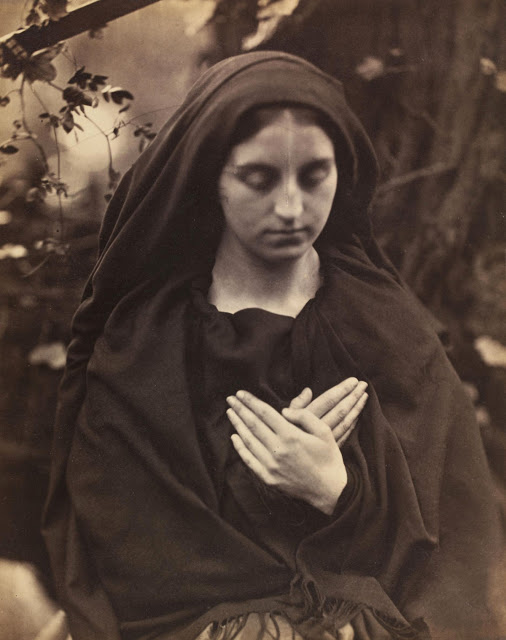
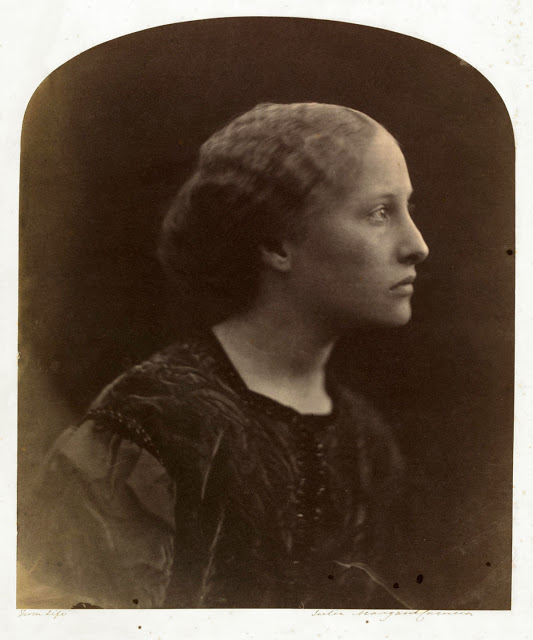
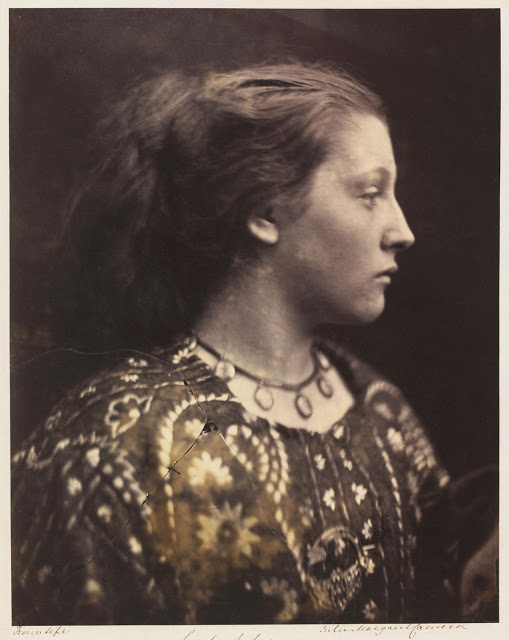
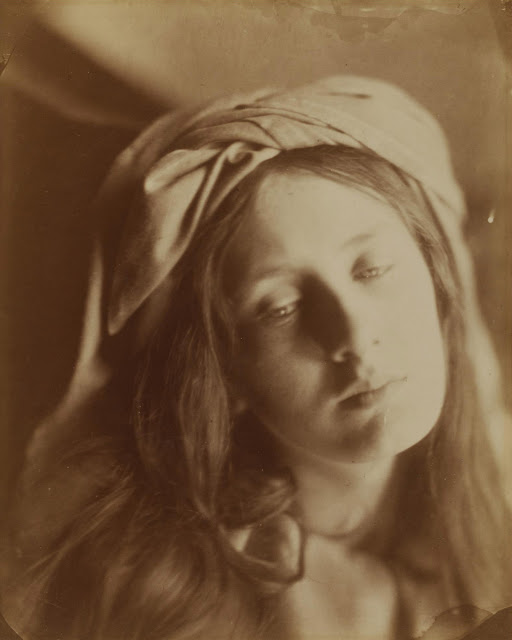
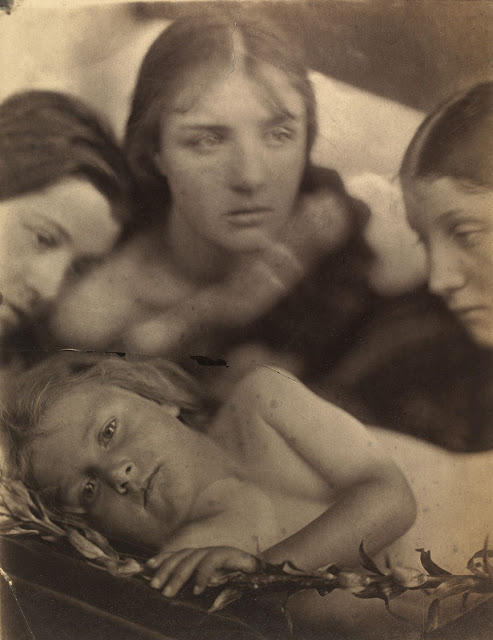
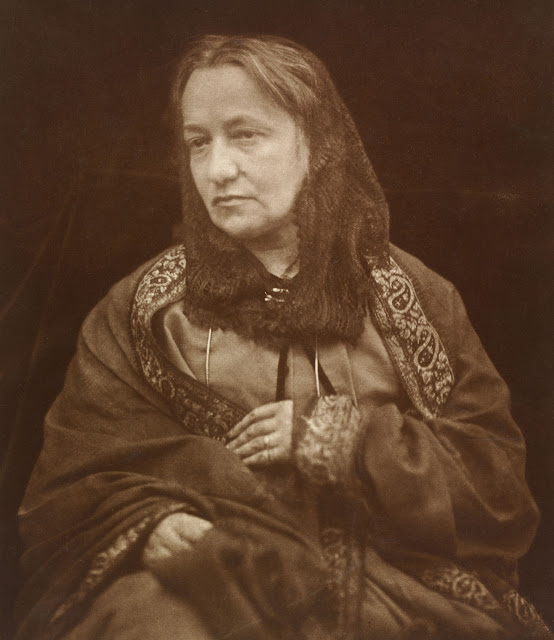
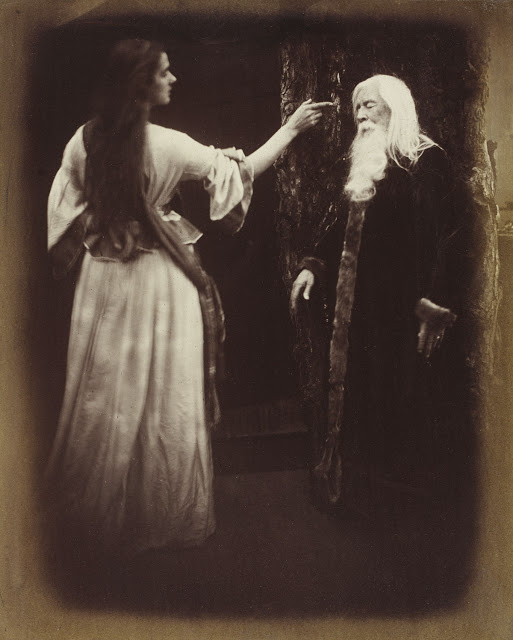
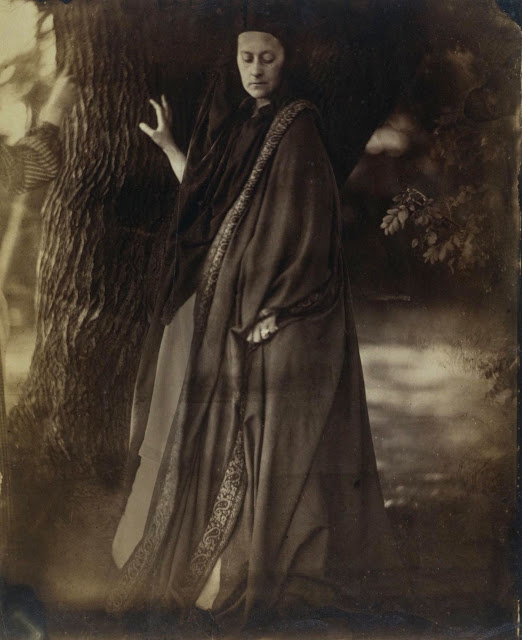
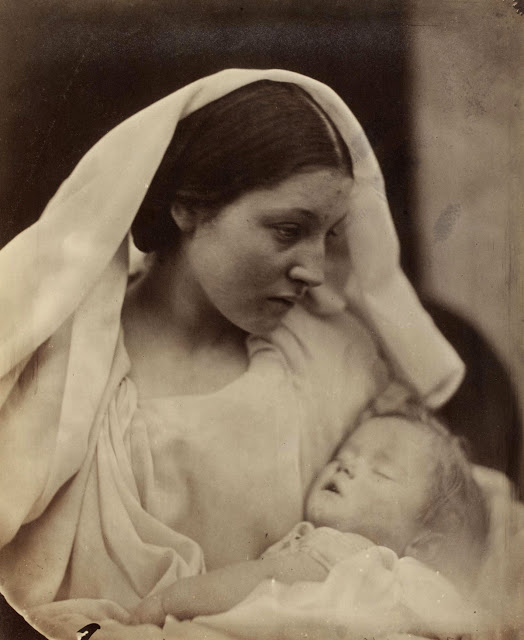
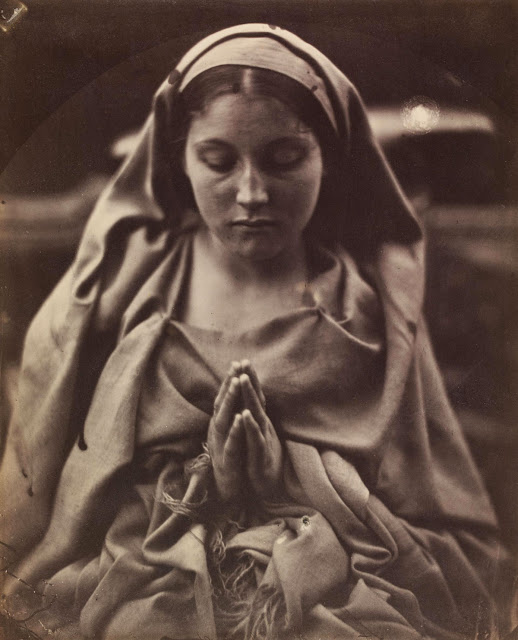
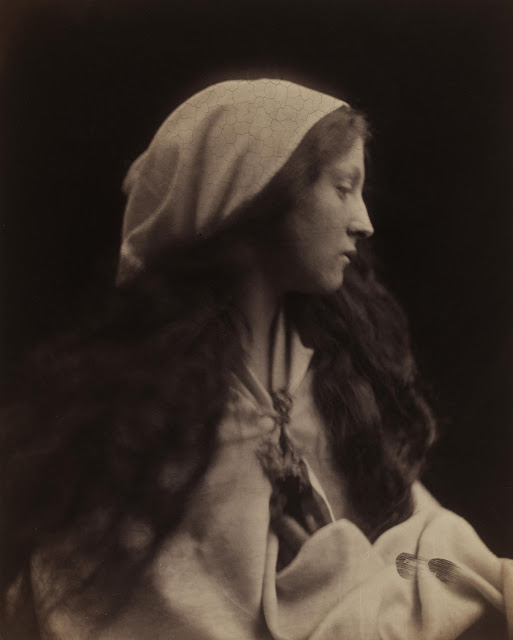
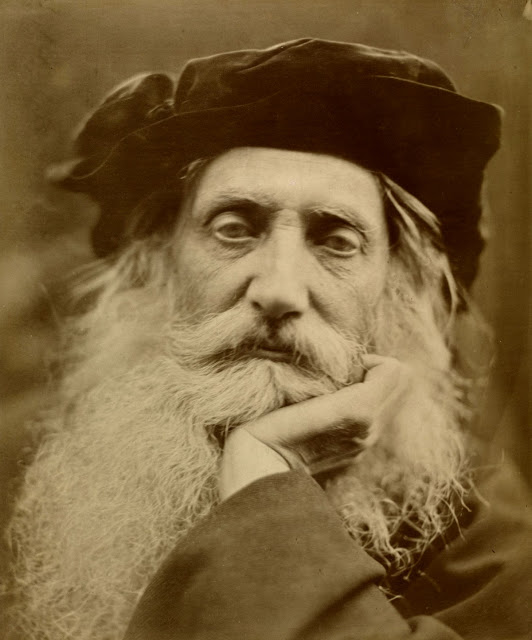
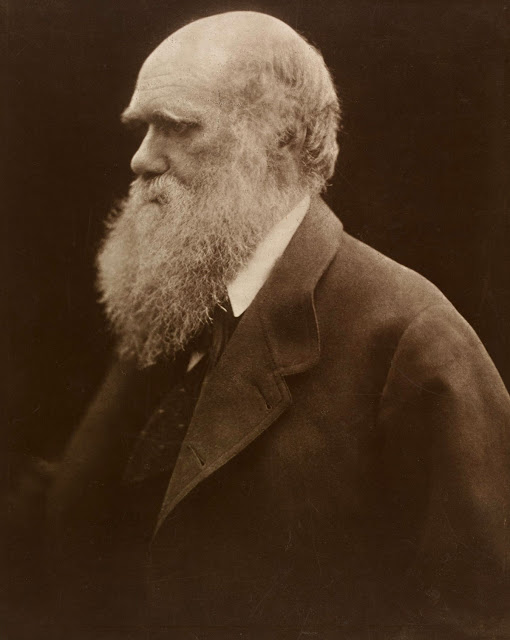
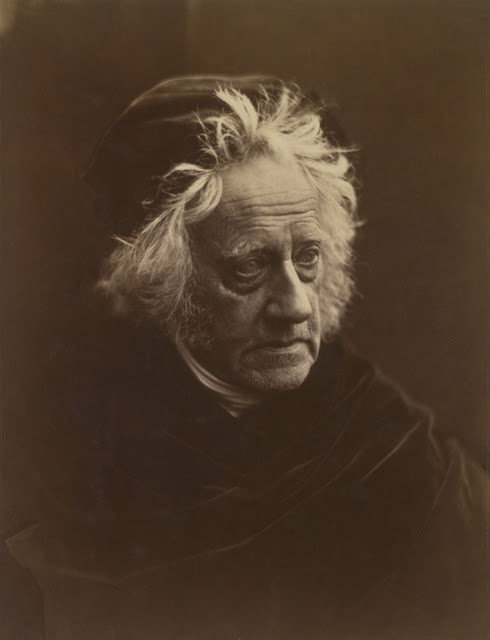
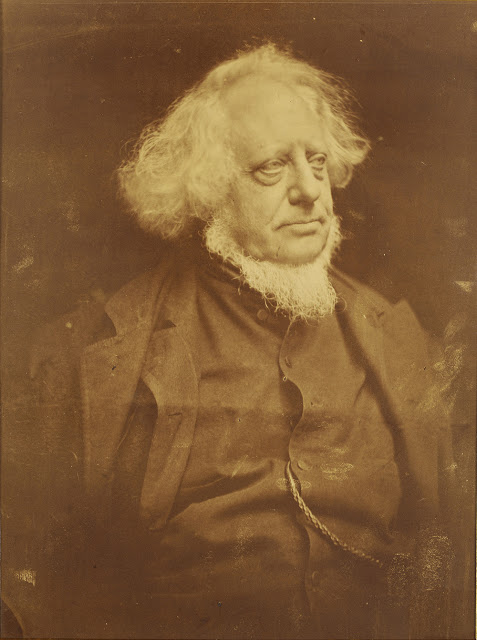
British photographer Julia Margaret Cameron (1815-1879) has been described as one of the Finest portraitists of the nineteenth century-in any medium. Raised in a well-connected and creative family, Cameron led an unconventional life for a woman of the Victorian age. After devoting herself to an artistic and literary salon at her home on the Isle of Wight and raising eleven children, Cameron took up photography in her late forties.
Over the next fourteen years, she produced more than a thousand strikingly original and often controversial images. Her searching portraits of her friends and acquaintances, including Alfred Tennyson and Charles Darwin, have been called the world’s first close-ups.
May Day, 1866Circe, 1865The Five Foolish Virgins, 1864Il Penseroso, 1864–1865Long-Suffering, Gentleness, GoodnessSummer Days, 1866Sappho, 1865The Passing Of Arthur, 1875. From Illustrations to Tennyson’s Idylls of the King, and Other Poems, Volume II.Kate Dore, 1862Paul and Virginia, 1864Mrs. Herbert Duckworth, 1872Annie; ‘My first success,’ 1864Lady Adelaide Talbot, May 1865Lady Adelaide Talbot, May 1865Christiana Fraser-Tytler, c. 1864-1865Sappho, 1865Christabel, 1866Beatrice 1866Julia Jackson 1867Hosanna 1865Portrait of Julia Margaret Cameron by her son, about 1870Vivien and Merlin from Illustrations to Tennyson’s Idylls of the King, 1874Lady Elcho / A Dantesque Vision, 1865Resting in Hope; La Madonna Riposata, 1864St. Agnes, 1864The Dream, 1869Henry Taylor, October 10, 1867Charles Darwin, 1868Portrait of Herschel, April 1867Henry Cole, 1868
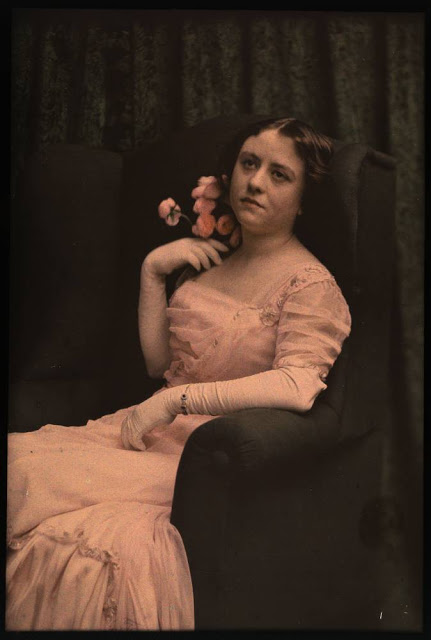
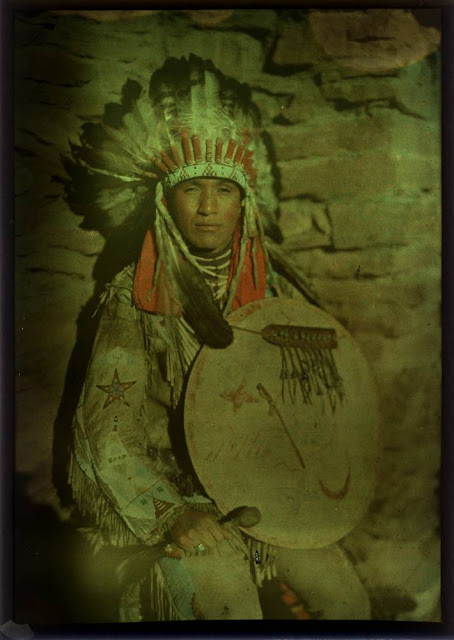
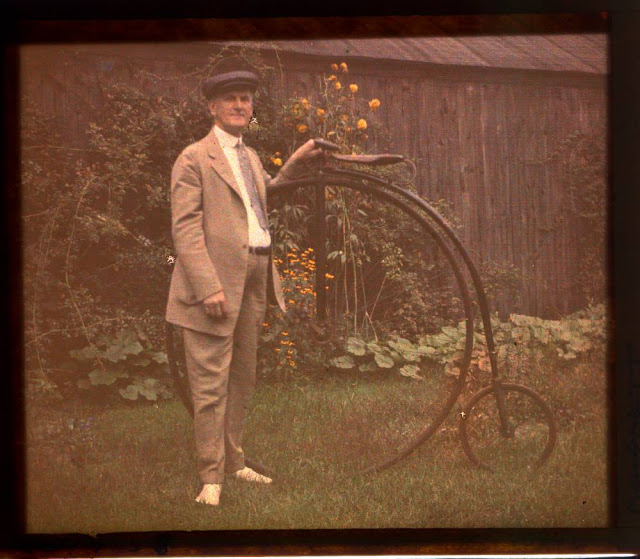
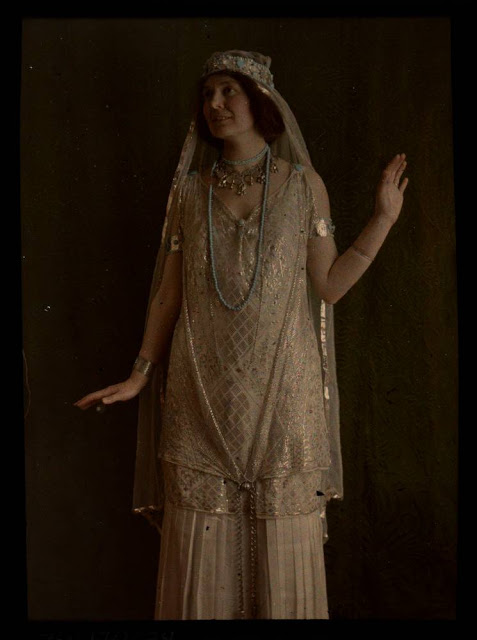
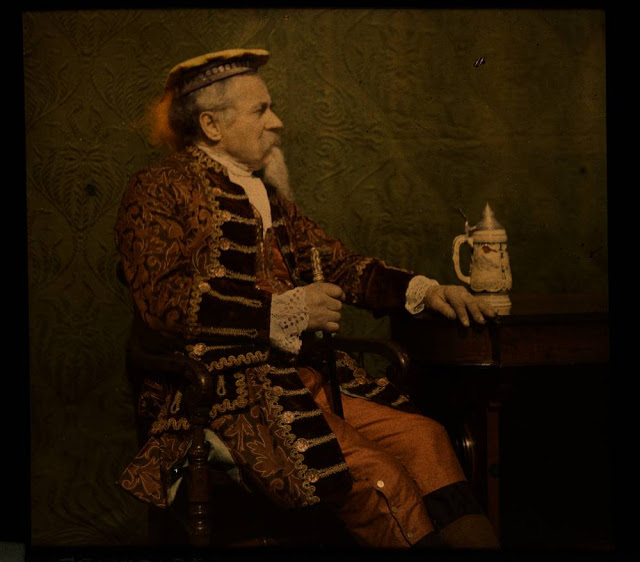
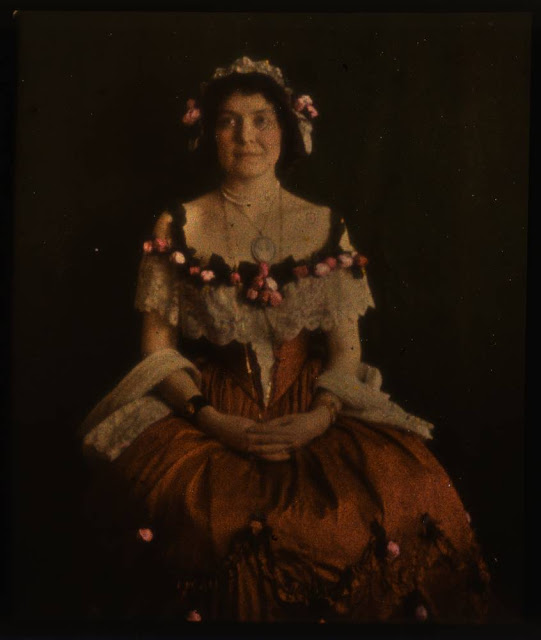
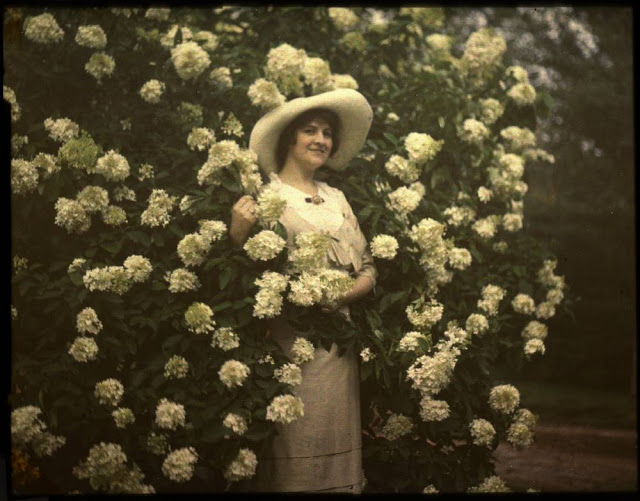
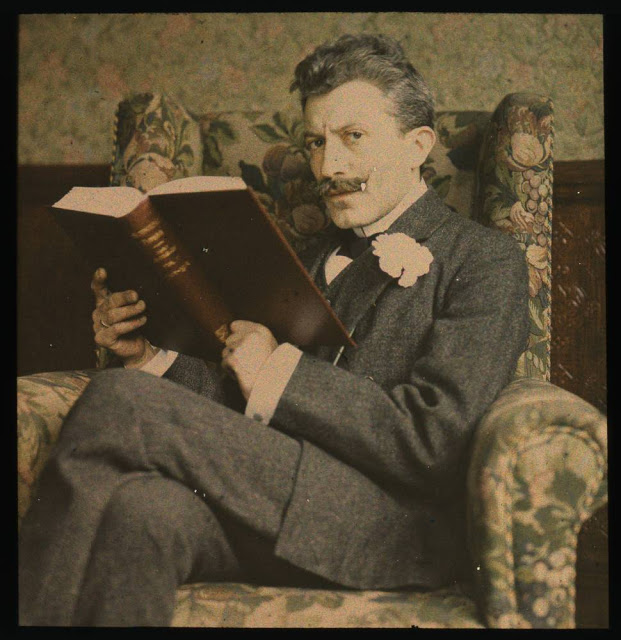
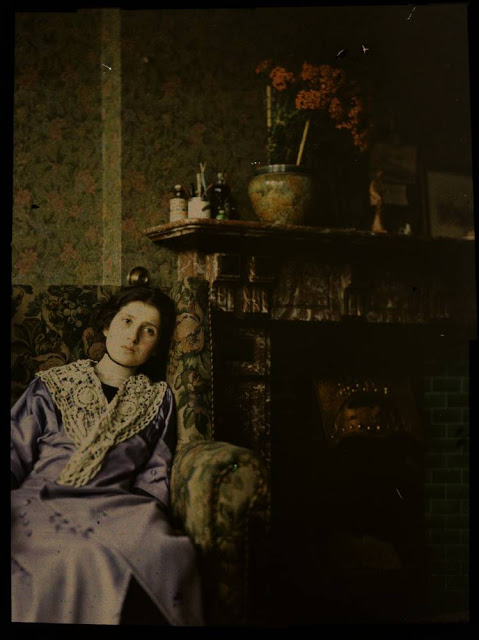
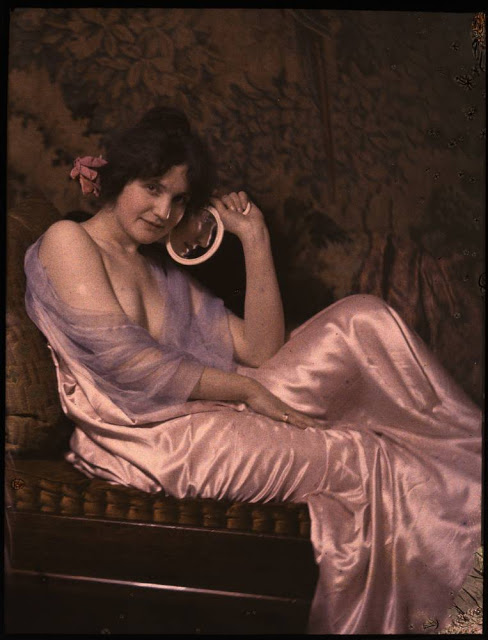
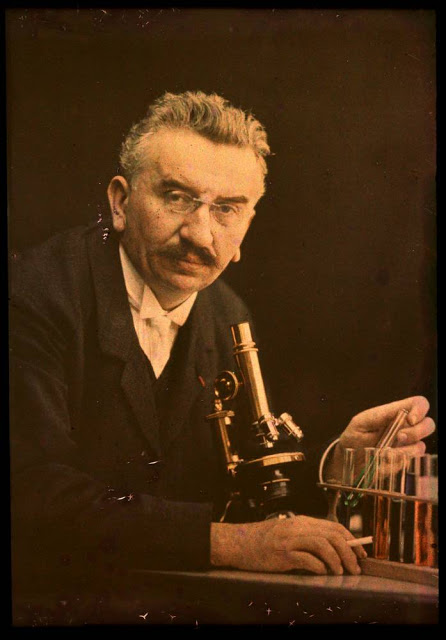
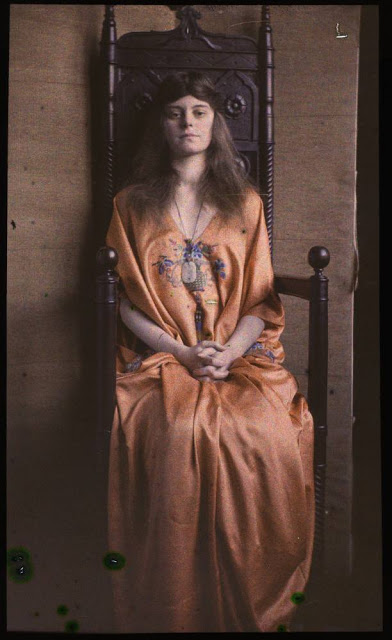
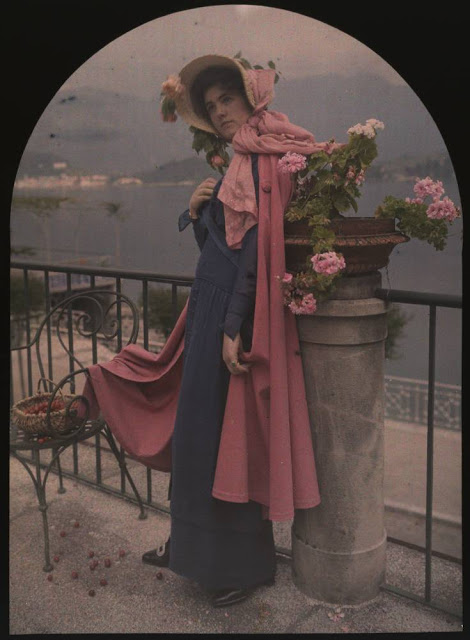
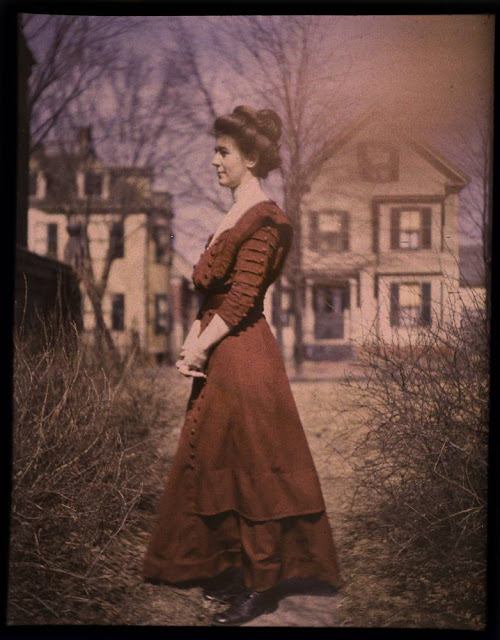
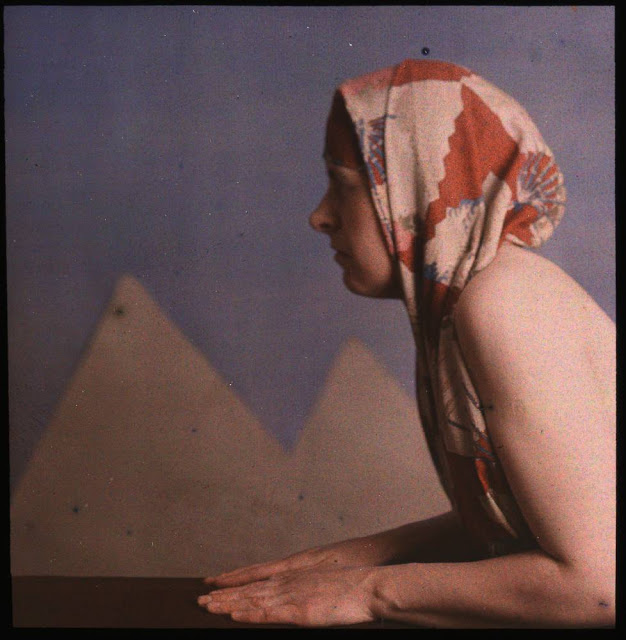
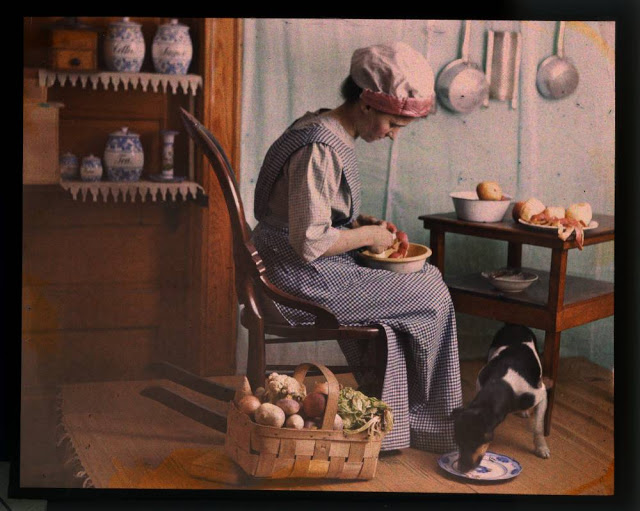
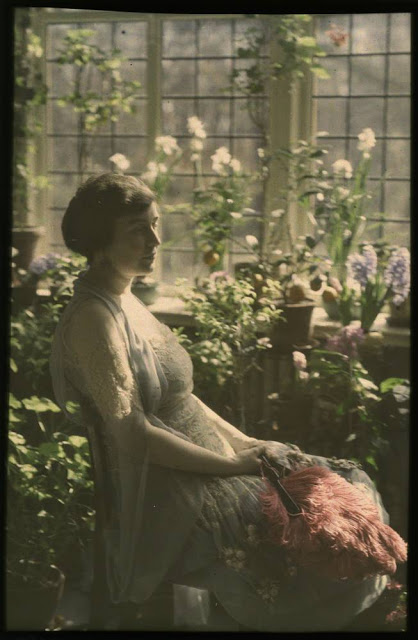
It’s amazing how easy it is to picture the past in black and white. Even when we know of course it was as colorful as today, it’s still striking to come across the shots that demonstrate this. Somehow color makes it feel so much nearer.
Autochromes, the main process of color photography for the first few decades of the 20th century, present color in a gentle, muted kind of way– not unlike many painters in preceding centuries. It was not long before photographers used this look to full advantage, creating beautiful photographs deliberately evocative of paintings…
We’ve seen artistically arranged early color photographs; today, a selection of portraits of people from the 1910s in full color, from the collections of George Eastman House.