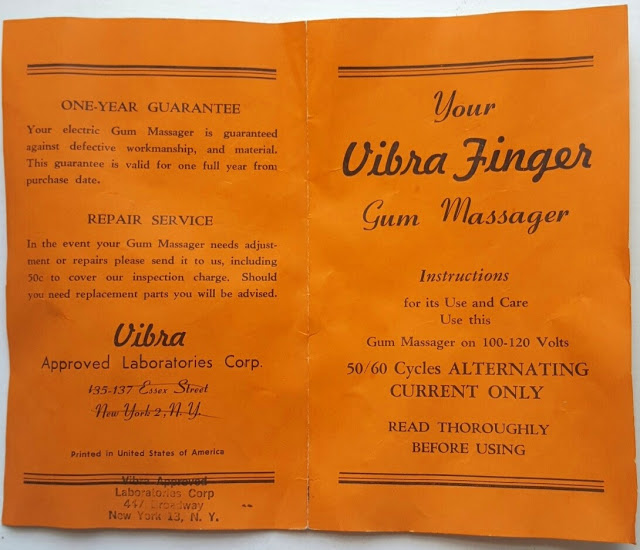
Are you lacking a massage in certain needed areas? Then the Vibra-Finger is for you! Whatever that means, but this 1950s massager was dentist-approved.








Bringing You the Wonder of Yesterday – Today
Are you lacking a massage in certain needed areas? Then the Vibra-Finger is for you! Whatever that means, but this 1950s massager was dentist-approved.

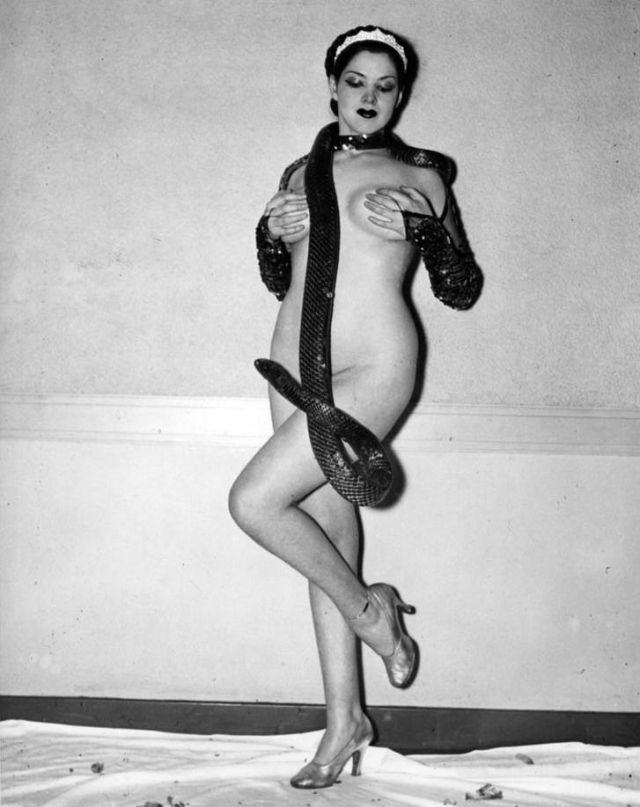
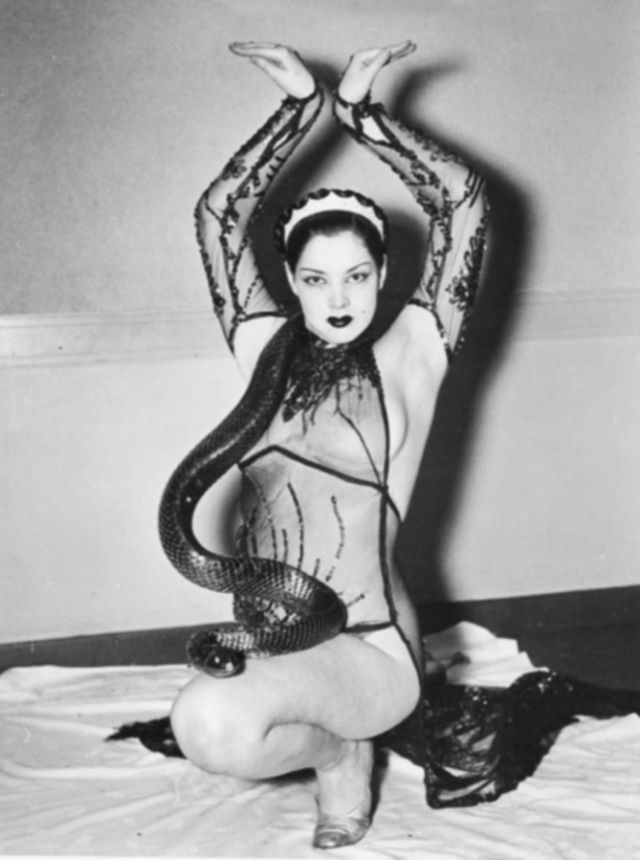
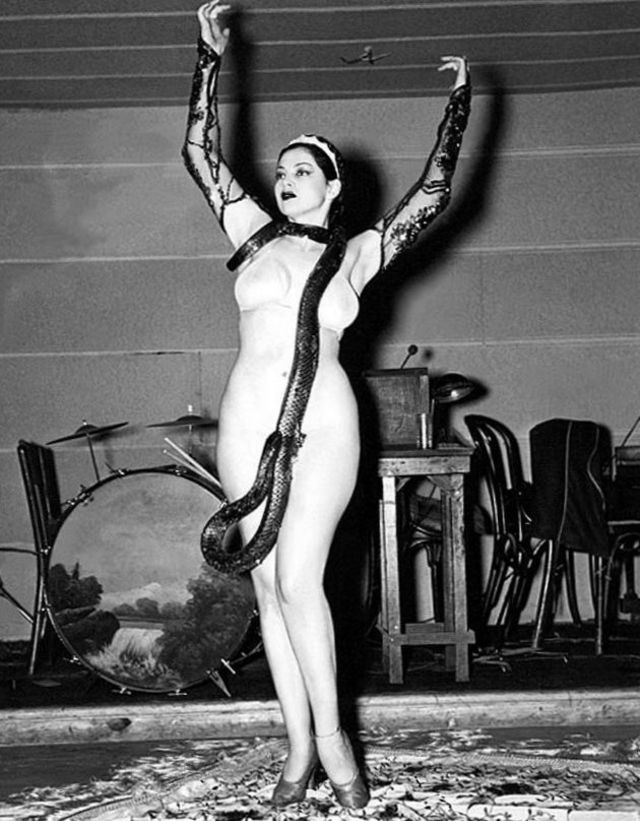
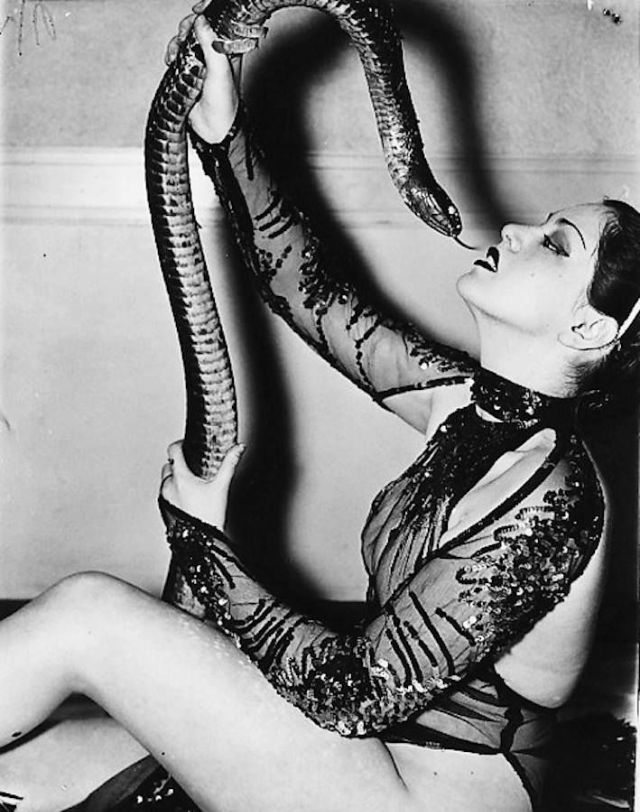
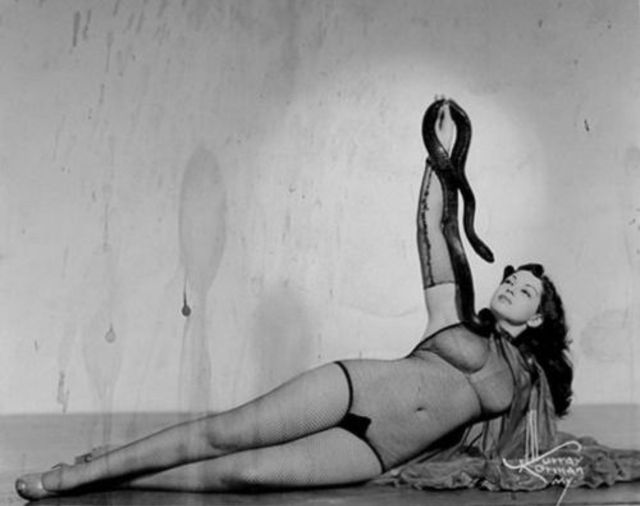
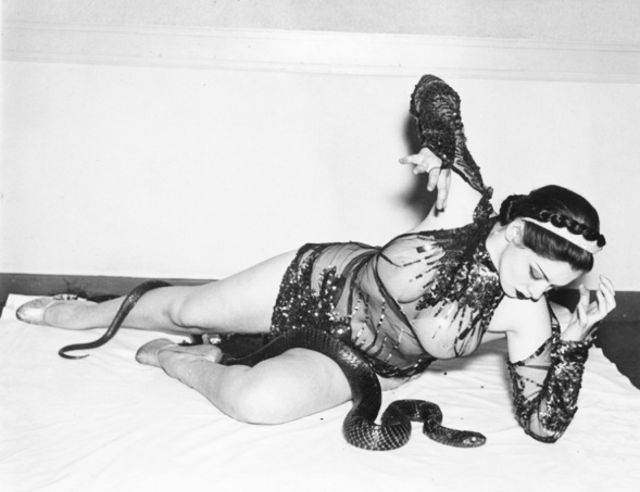
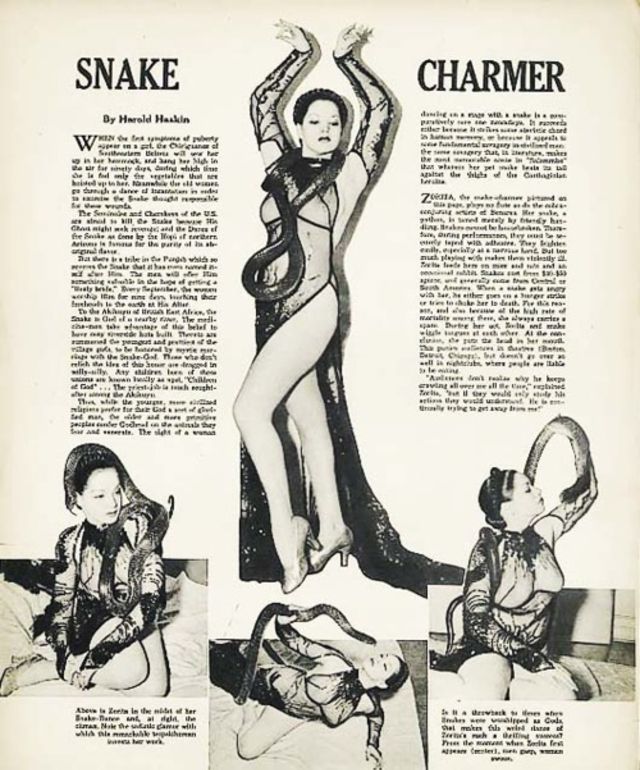
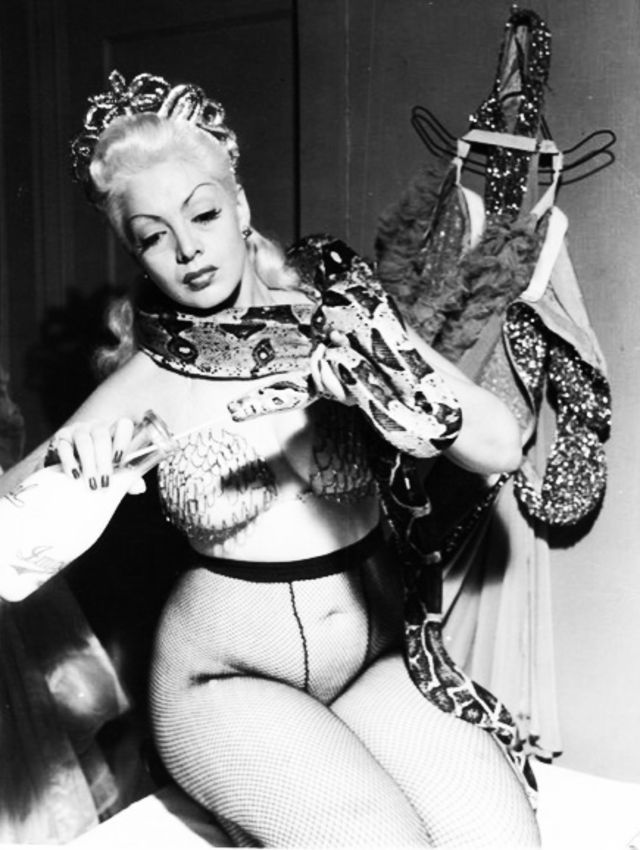
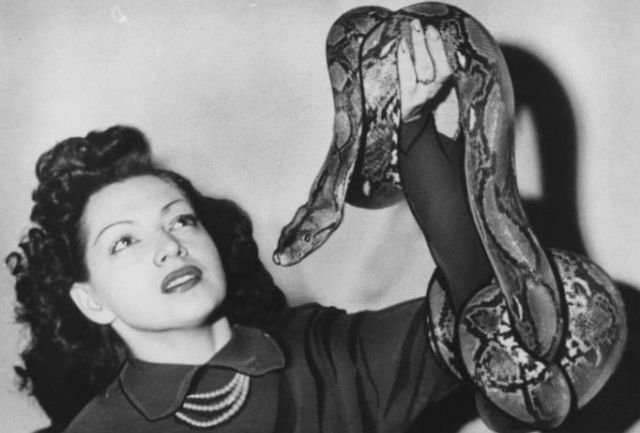
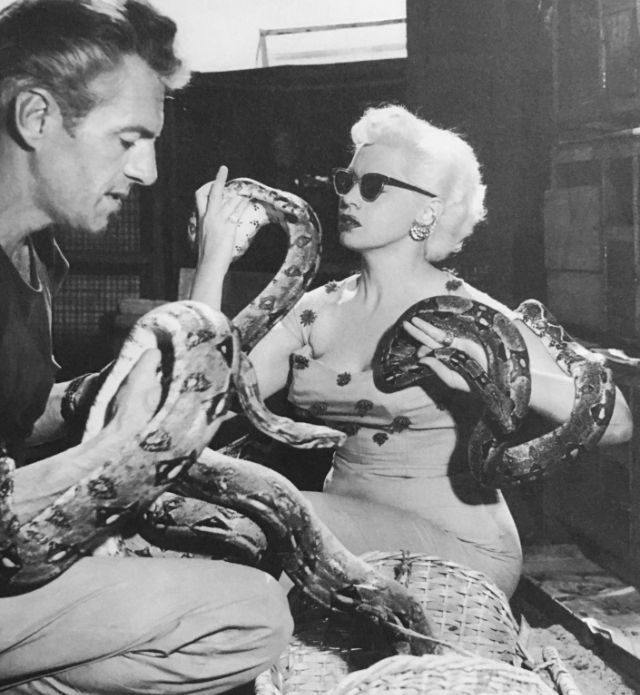
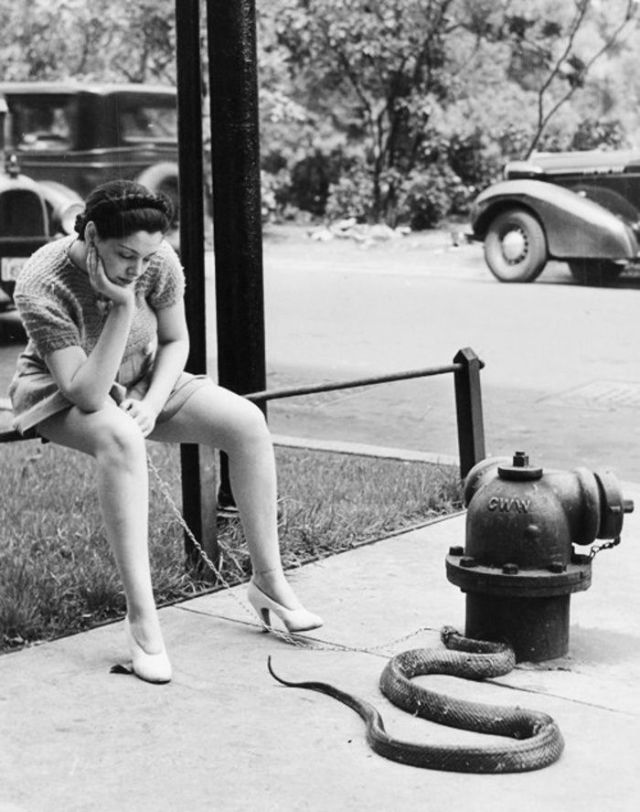
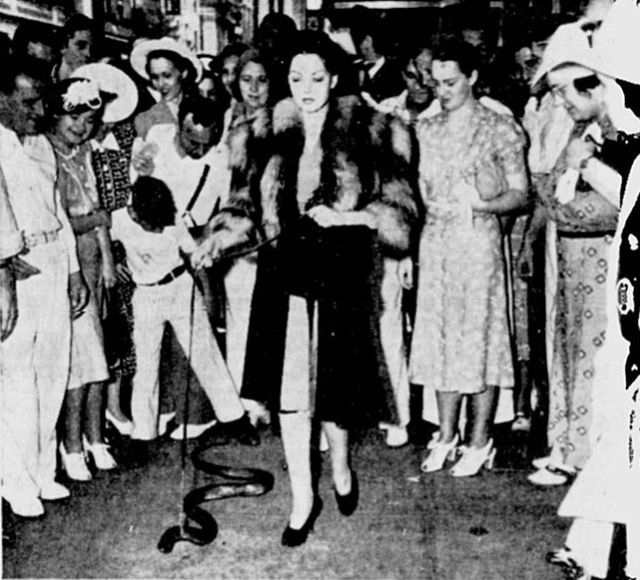
The original bad girl of burlesque, and the dancer who popularized the use of live snakes, Zorita was a 1940s glamour girl. Known for her original and raunchy dances, Zorita was recognizable by the blonde streaks she often had in her black hair.
Born Kathryn Boyd in Youngstown, Ohio in 1915, she was adopted by a strict Methodist couple. She was said to be “built to the hilt” for her age, and by the time she was 15 she began working at stag parties and nudist colony events at the San Diego Worlds Fair. Boyd also entered beauty pageants and by the time she was 20 she was turned onto the burlesque world.
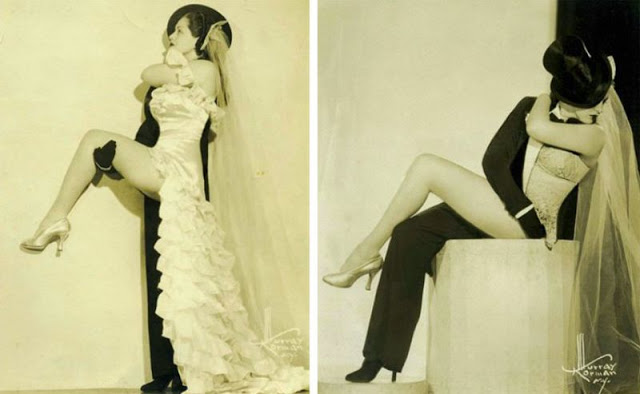
Zorita became well known for her unique and naughty acts. In one number she danced in front of a rhinestone spiderweb, while the hands of an unseen spider gradually removed her clothing. Another act was a kinky take on a vaudeville staple – the Half and Half. Taking gender bending to new levels, she dressed one half of her body as a male groom, and the other as a female bride. Always keeping one profile to the audience, the groom and bride gradually removed each others clothing, leading to a climactic “wedding night” romp.
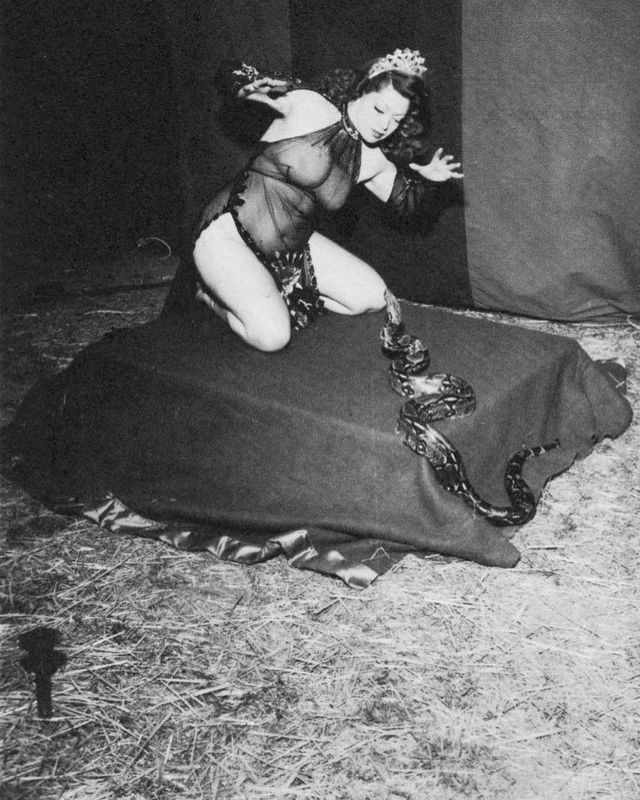
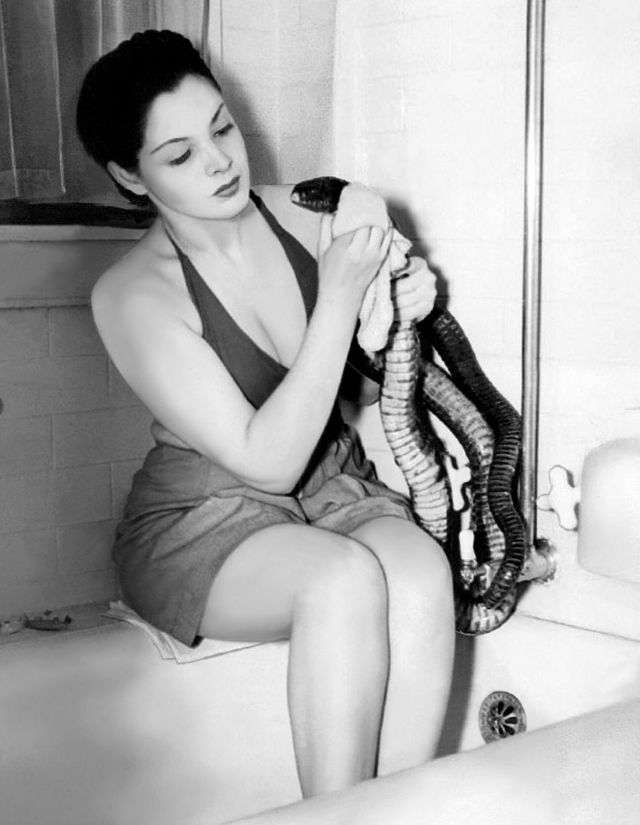
With her exotic fierce looks it is no wonder Zorita became popular, and adding the danger and eroticism of the snakes, the audiences just went wild. She used the movement of the snakes, named Elmer and Oscar, to emphasize her own. In her popular act “The Consummation of the Wedding of the Snake”, she stripped while holding an 8 foot boa constrictor.
What she did with these snakes eventually landed her in trouble. Possibly as an attempt to censor Zorita’s acts, in February 1949 she was arrested by the New York ASPCA claiming she had been cruel to animals. In the above photo she sits in a courtroom with her 10-foot rock python and 20 month old daughter Tawny (who was said to have been put in a drawer while her mother performed in order to keep her safe). The claim was that Zorita had taped the mouths of her snakes before each performance. She was released on $1500 bail, but all her snakes were confiscated.
Although Zorita dated men, and admitted she only spent time with the ones she could use, she was a lesbian and never married. Her unrequited love was fellow performer Sherry Britton, who she pursued relentlessly to no avail.
Retiring from burlesque in 1954, Zorita kept herself busy owning several burlesque clubs in New York and Miami, often passing on tips and tricks. While she taught burlesque routines to others, she refused to tell the secrets of her signature snake stripteases. She quite the scene entirely in 1974, and moved to Florida where she bred Persian cats.
She died on 12 November 2001, aged 86.





















































































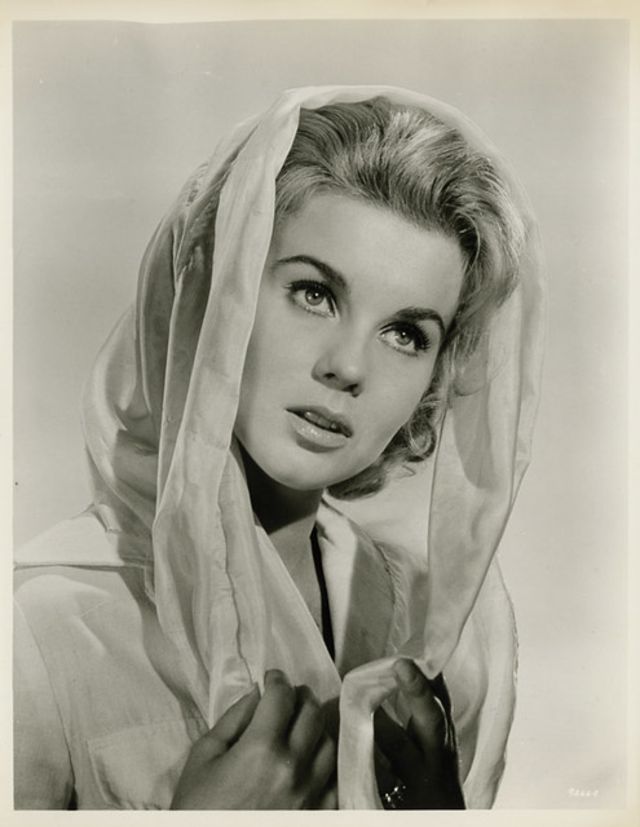
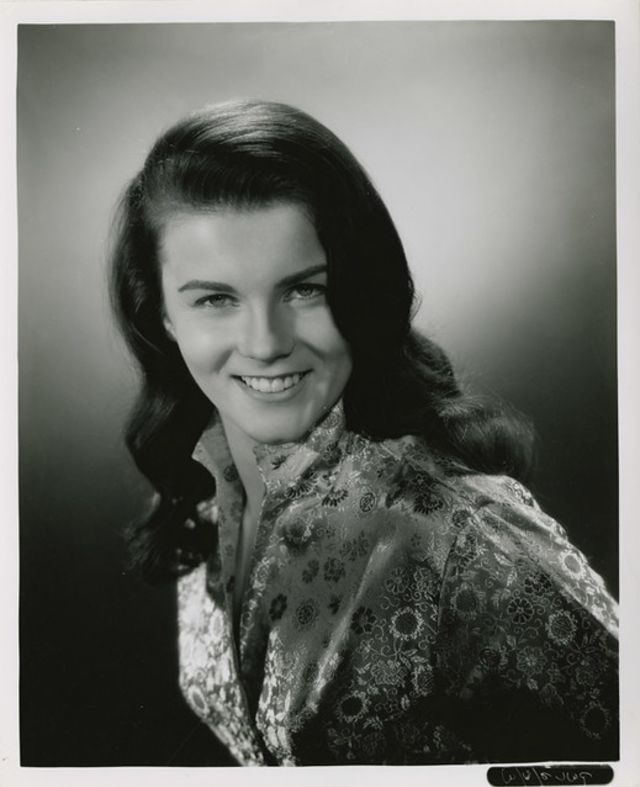
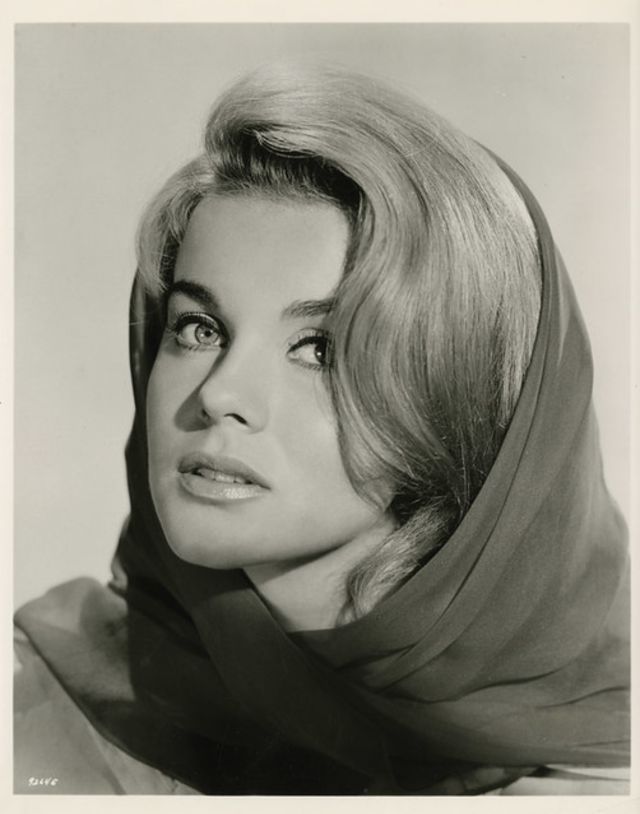
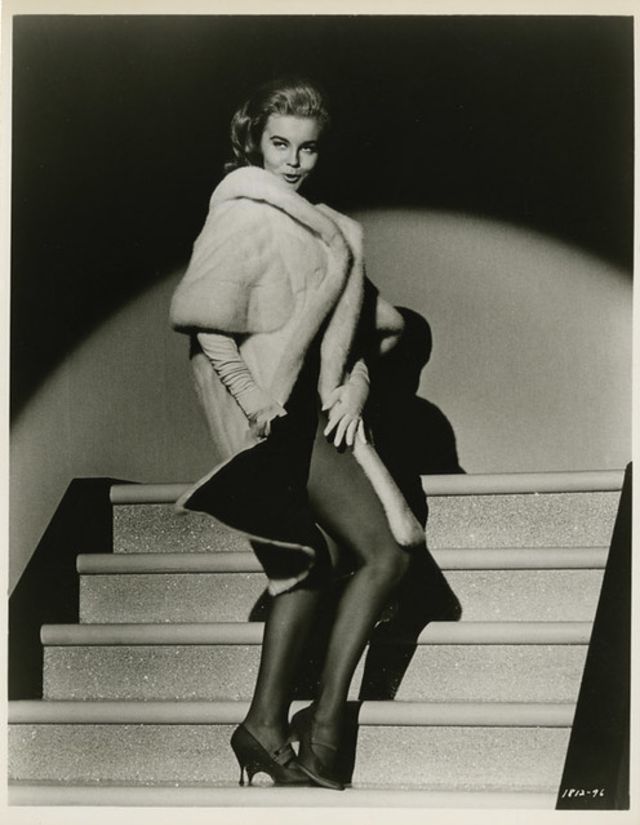
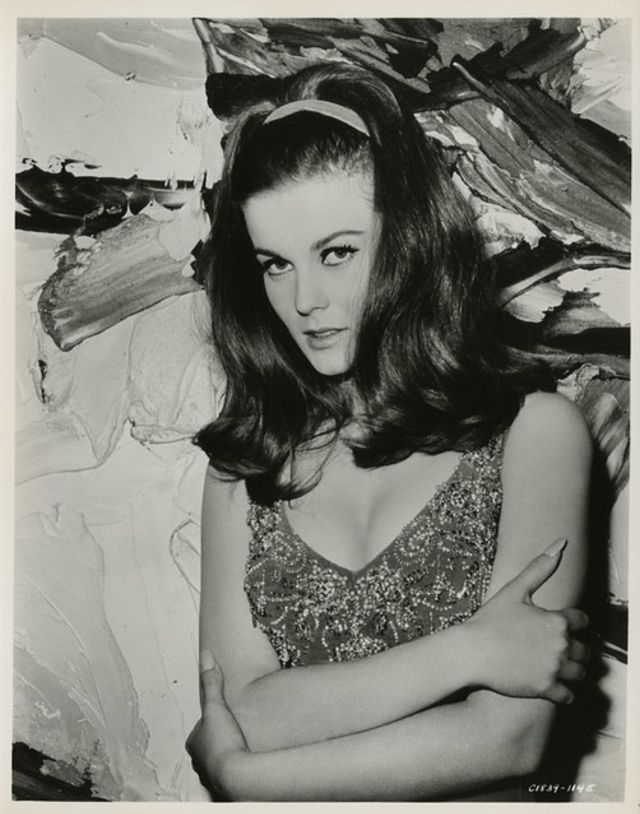
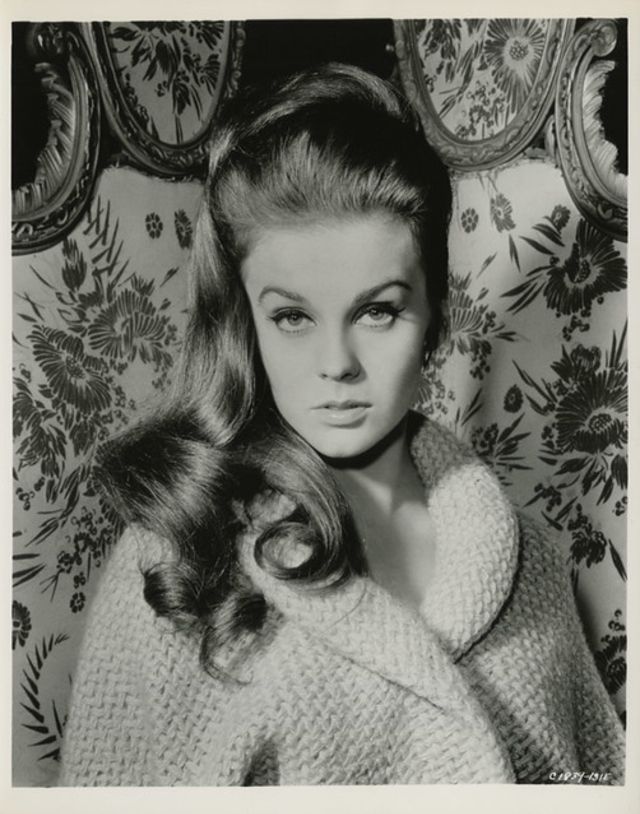
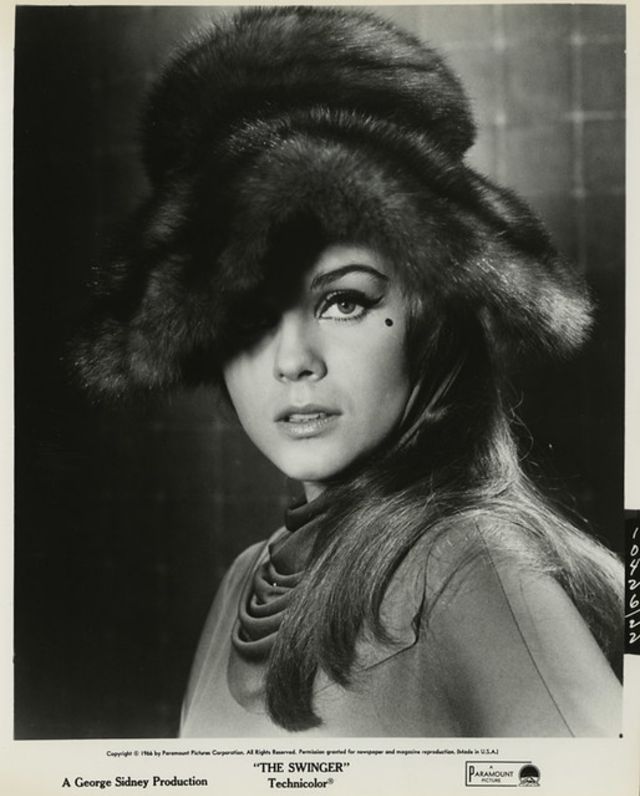
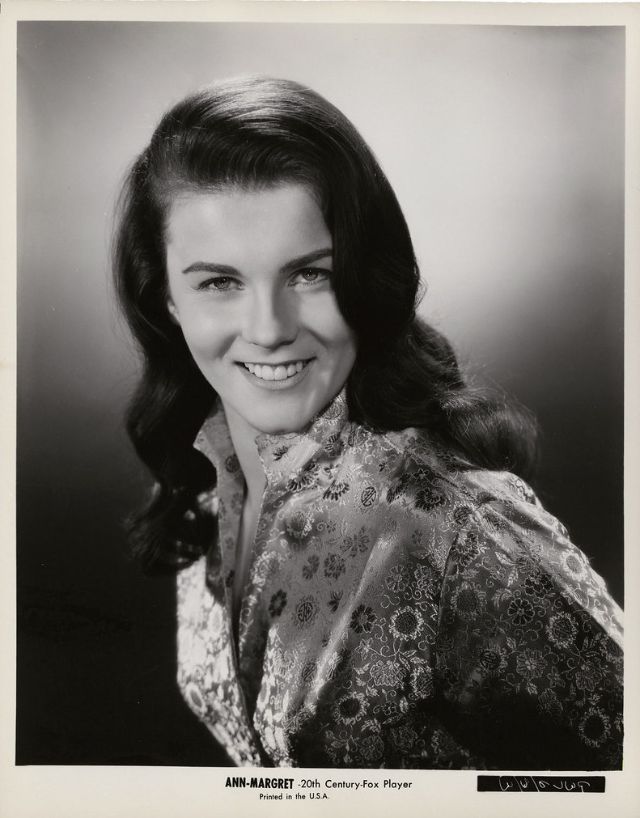
Actress and singer Ann-Margret is one of the most famous sex symbols and actresses of the 1960s and beyond. She continued her career through the following decades and into the 21st century.
Ann-Margret was born Ann-Margret Olsson on April 28, 1941 in Valsjöbyn, Jämtland County, Sweden, to Anna Regina (Aronsson) and Carl Gustav Olsson, who worked for an electrical company. She came to America at age 6. She studied at Northwestern University and left for Las Vegas to pursue a career as a singer.
Ann-Margret was discovered by George Burns and soon afterward got both a record deal at RCA and a film contract at 20th Century Fox. In 1961, her single “I Just Don’t Understand” charted in the Top 20 of the Billboard Hot 100 Charts. Her acting debut followed the same year as Bette Davis’ daughter in Frank Capra’s Pocketful of Miracles (1961). She appeared in the musical State Fair (1962) a year later before her breakthrough in 1963. With Bye Bye Birdie (1963) and Viva Las Vegas (1964) opposite Elvis Presley, she became a Top 10 Box Office star, teen idol and even Golden Globe nominated actress. She was marketed as Hollywood’s hottest young star and in the years to come got awarded the infamous nickname “sex kitten.”
Her following pictures were sometimes ripped apart by critics. She couldn’t escape being typecast because of her great looks. By the late 1960s, her career stalled, and she turned to Italy for new projects. She returned and, by 1970, she was back in the public image with Hollywood films, Las Vegas sing-and-dance shows and her own television specials. She finally overcame her image with her Oscar-nominated turn in Mike Nichols’ Carnal Knowledge (1971) and succeeded in changing her image from sex kitten to respected actress.
A near-fatal accident at a Lake Tahoe show in 1972 only momentarily stopped her career. She was again Oscar-nominated in 1975 for Tommy (1975), the rock opera film of the British rock band The Who. Her career continued with successful films throughout the late 1970s and into the 1980s. She starred next to Anthony Hopkins in Magic (1978) and appeared in pictures co-starring Walter Matthau, Gene Hackman, Glenda Jackson and Roy Scheider. She even appeared in a television remake of Tennessee Williams’s masterpiece play “A Streetcar Named Desire” in 1983. Another late career highlight for her was Grumpy Old Men (1993) as the object of desire for Jack Lemmon and Walter Matthau. She continues to act in movies today.



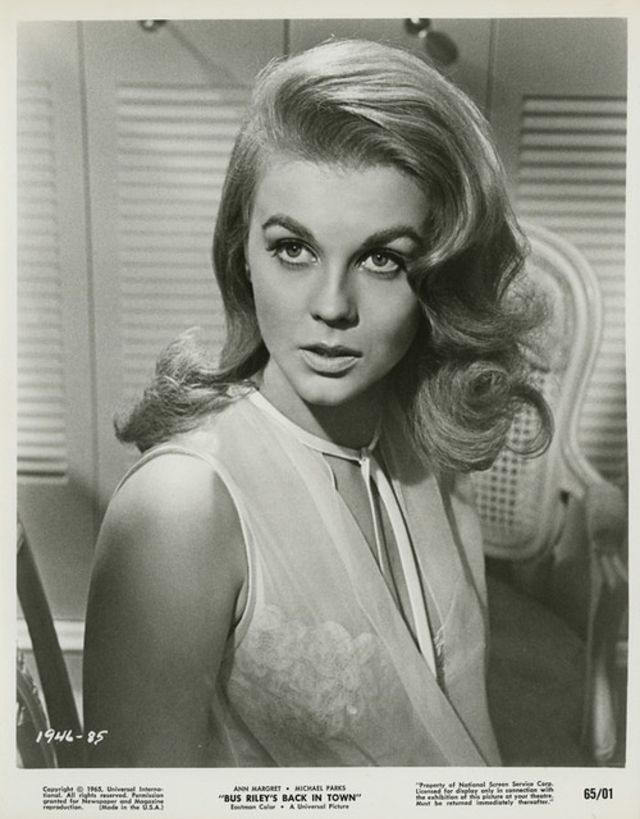

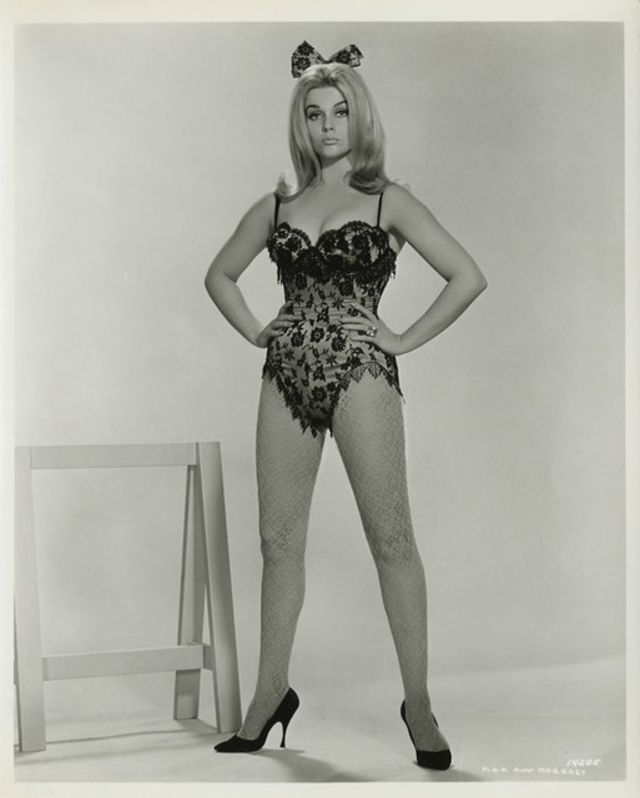
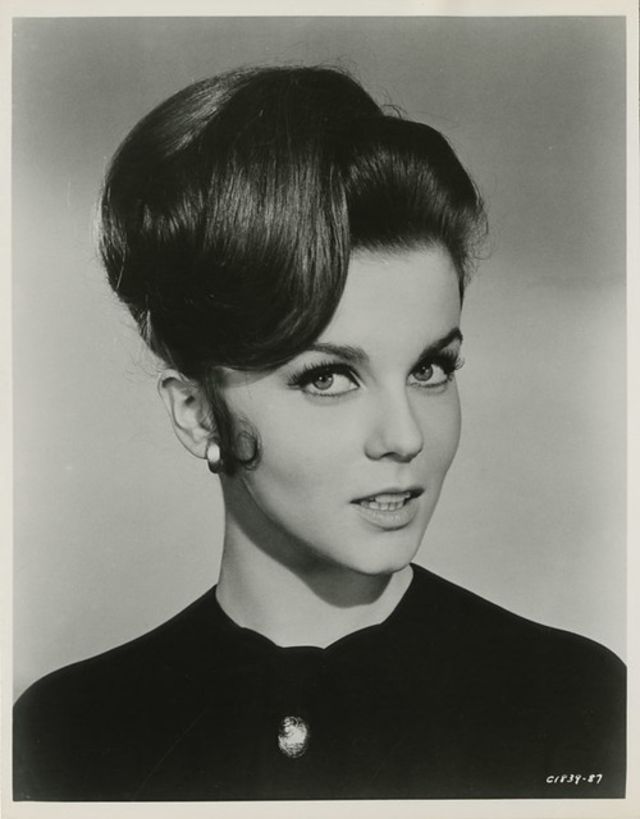




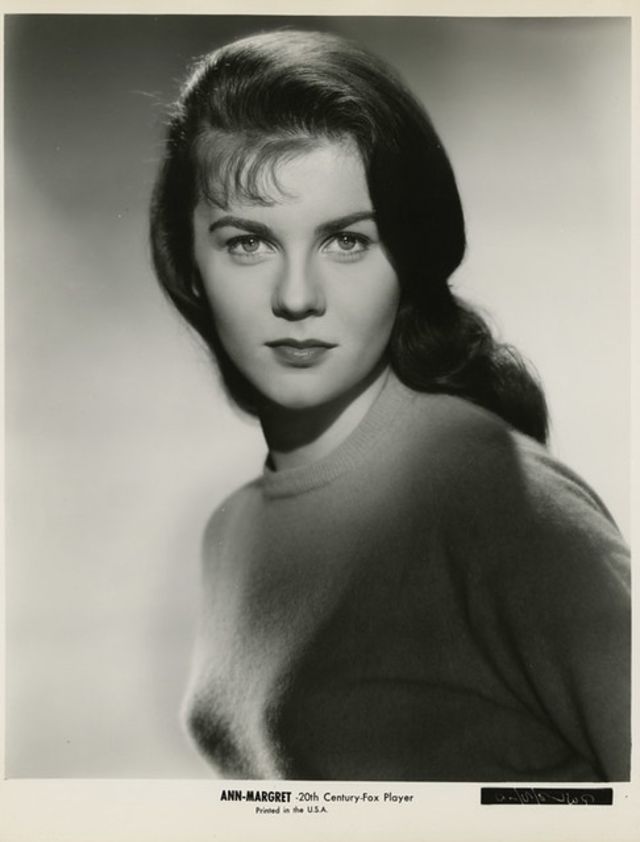
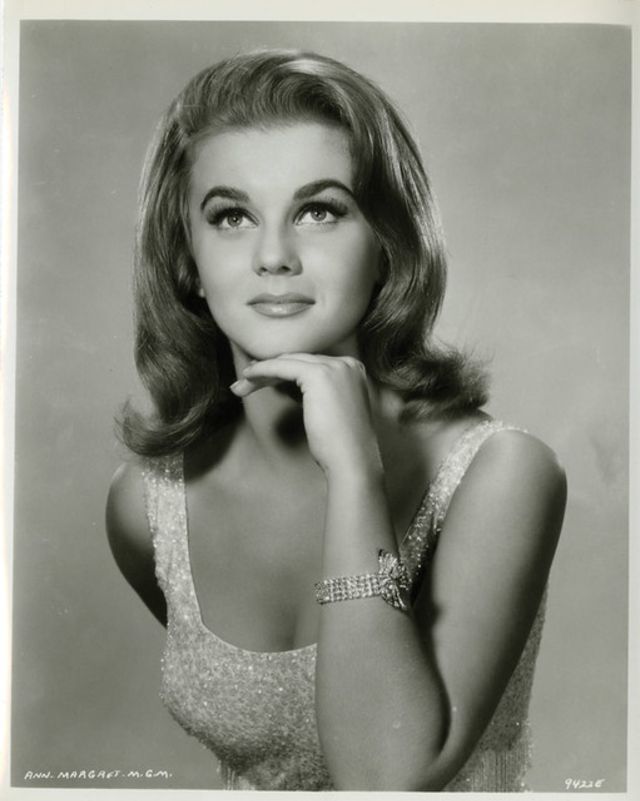


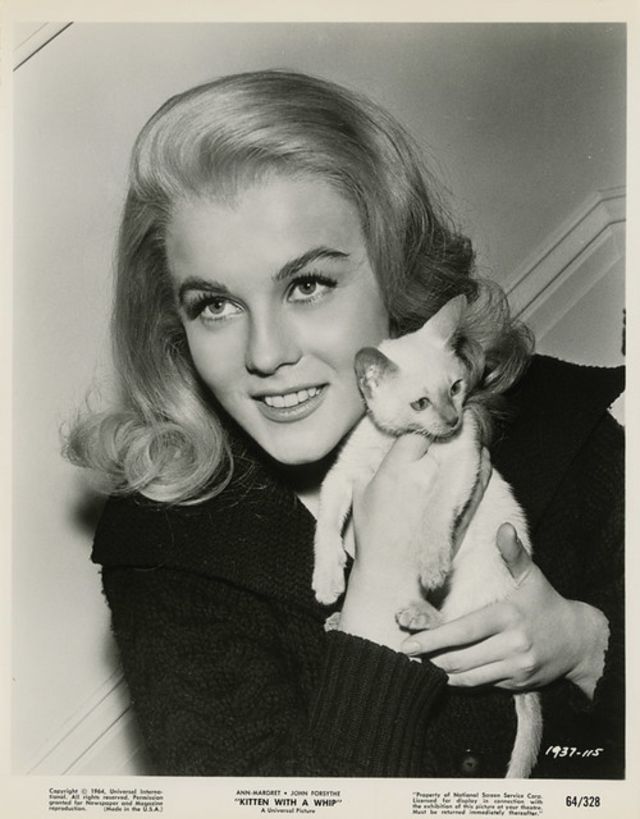
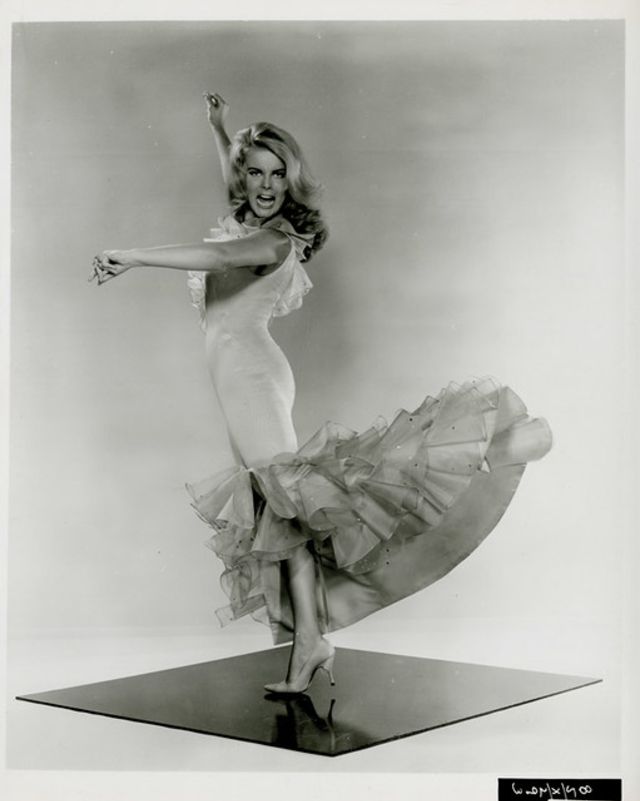


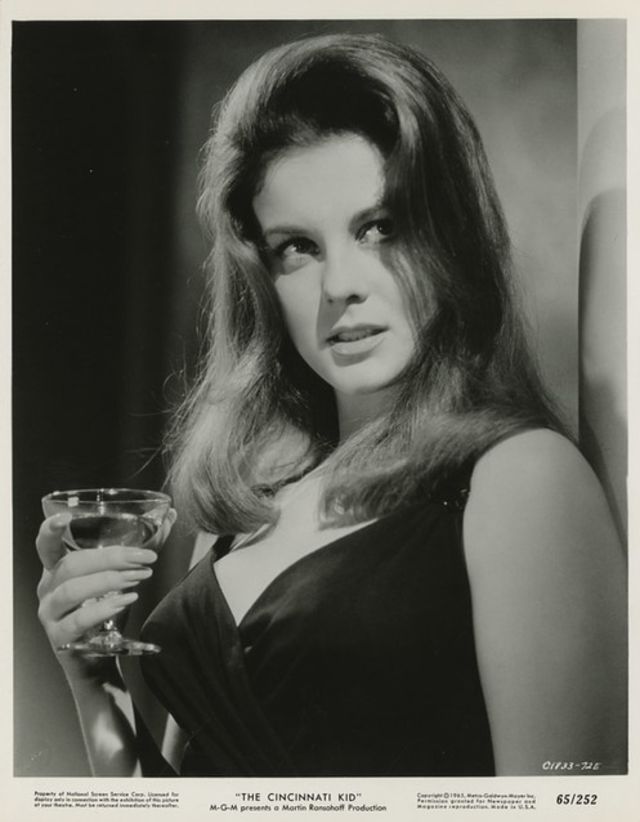
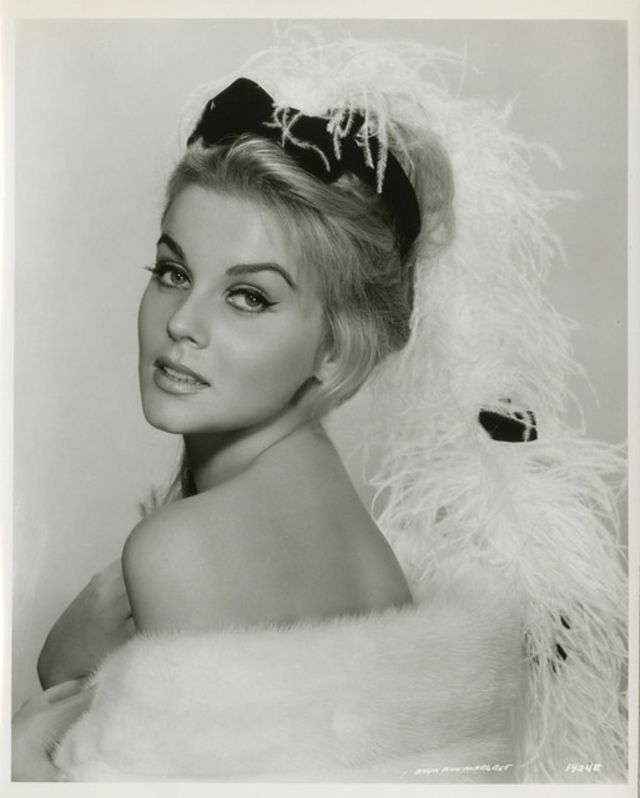
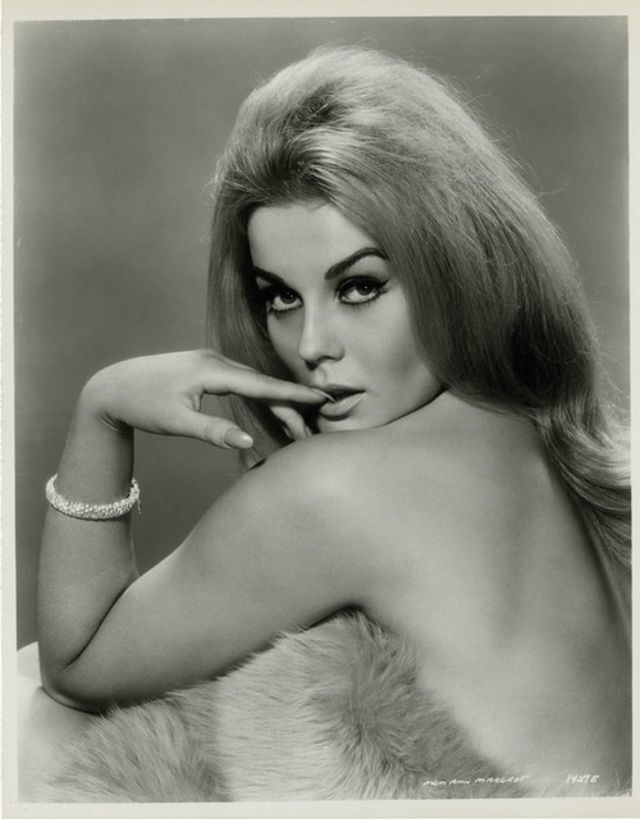
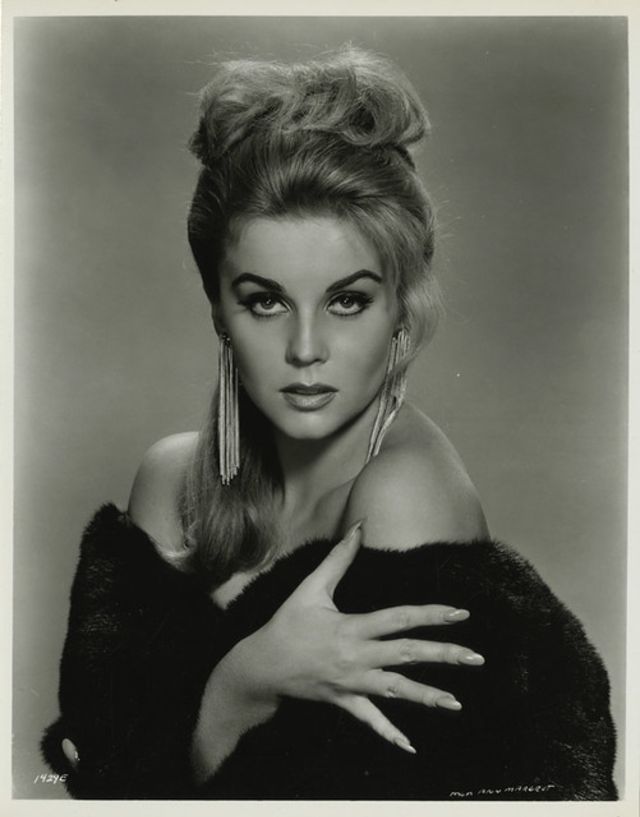

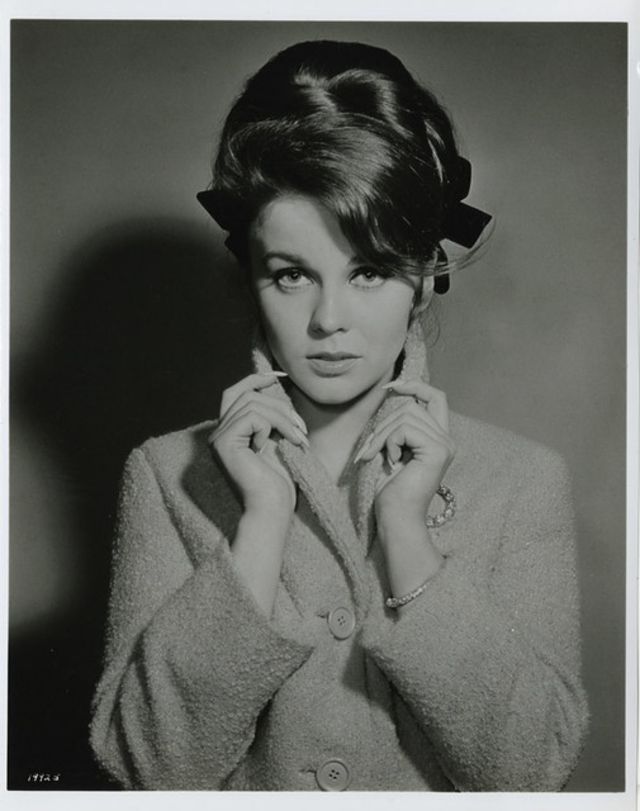


















Read more of this content when you subscribe today.
The ruins of Berlin in the late 1940s stood as a stark reminder of the devastating consequences of World War II and the violent destruction that engulfed Europe. By the end of the war, Berlin was reduced to a shattered shell of its former self—a city of crumbled buildings, displaced residents, and fractured infrastructure. This devastation was not only the result of prolonged warfare but also the culmination of Berlin’s strategic significance as the capital of Nazi Germany and the Allied forces’ relentless efforts to bring an end to Adolf Hitler’s regime.
Berlin’s downfall began with its central role in Nazi Germany’s military operations and propaganda machine. As Hitler’s capital, Berlin was a hub for political decision-making, military planning, and production. Because of its importance, it became a prime target for Allied bombers during the war. The bombing campaigns intensified in 1943 as part of the Allies’ strategy to undermine German war efforts and morale. British and American air raids inflicted heavy damage on Berlin’s industrial areas, residential zones, and historic landmarks, leaving the city battered and vulnerable.
The most severe destruction of Berlin occurred during the final weeks of World War II in 1945. The city became the focal point of the Soviet Union’s advance as part of the Battle of Berlin, one of the bloodiest confrontations in the war. In April 1945, Soviet forces encircled Berlin and launched a massive assault on the city. Urban warfare raged as German troops, including remnants of the SS and Hitler Youth, fought fiercely to defend the capital. The fighting spilled into the streets, with tanks rolling over debris and artillery shells raining down on buildings. By early May, Berlin fell to the Soviets, marking the end of the war in Europe.
The aftermath of the war revealed the full extent of Berlin’s devastation. Entire districts lay in ruins, with piles of rubble stretching as far as the eye could see. Iconic structures, including the Reichstag, were reduced to shells or severely damaged. Infrastructure was in shambles—roads, bridges, and utilities were unusable. The city’s population faced dire conditions, including homelessness, food shortages, and the looming specter of disease. Many residents, especially women, worked tirelessly as Trümmerfrauen (rubble women) to clear the debris and begin the long process of reconstruction.
Berlin’s devastation in the late 1940s extended beyond physical destruction; it was a symbol of the profound moral and political collapse of Nazi Germany. The city’s ruins became the backdrop for a new chapter in history: the occupation by Allied forces and the division of Berlin into sectors controlled by the United States, the Soviet Union, the United Kingdom, and France. This division would eventually lead to the creation of East Berlin and West Berlin, further complicating the city’s recovery and setting the stage for Cold War tensions.
Despite the hardships, Berlin slowly began to rebuild. While the ruins served as a haunting reminder of war’s toll, they also became a testament to human resilience. The residents of Berlin worked diligently to restore their city, reconstructing homes and historical landmarks while forging a path toward reconciliation and peace. By the late 1940s, some areas had begun to regain a semblance of normalcy, though scars of the war would remain visible for decades.
In conclusion, the ruins of Berlin in the late 1940s tell a tale of destruction, survival, and renewal. The city’s devastation stemmed from its significance as a target in World War II and its pivotal role in the conflict’s closing chapters. The aftermath left Berlin physically and emotionally scarred, but it also sparked a determination to rebuild and redefine its identity. The ruins of Berlin remain an enduring testament to the resilience of its people and the lessons of history.
Origins of These Photographs
In 1916, photographer Arthur Bondar heard that the family of a Soviet war photographer was selling his negatives. The photographer, Valery Faminsky, had worked for the Soviet Army and kept his negatives from Ukraine and Germany meticulously archived until his death in 2011. Mr. Bondar had seen many books and several exhibits of World War II photography but had never heard of Mr. Faminsky.
He contacted the family, and when he viewed the negatives Mr. Bondar realized that he had stumbled upon an important cache of images of World War II made from the Soviet side. The price the family was asking was high — more than Mr. Bondar could afford as a freelance photographer — but he took the money he had made from a book on Chernobyl and acquired the archive.
“I looked through the negatives and realized I held in my hands a huge piece of history that was mostly unknown to ordinary people, even citizens of the former U.S.S.R.,” he told The New York Times. “We had so much propaganda from the World War II period, but here I saw an intimate look by Faminsky. He was purely interested in the people from both sides of the World War II barricades.”
Most of the best-known Soviet images from the war were used as propaganda, to glorify the victories of the Red Army. Often they were staged. Mr. Faminsky’s images are for the most part unvarnished and do not glorify war but focused on the human cost and “the real life of ordinary soldiers and people.”


Subscribe to get access to the rest of this post and other subscriber-only content.


















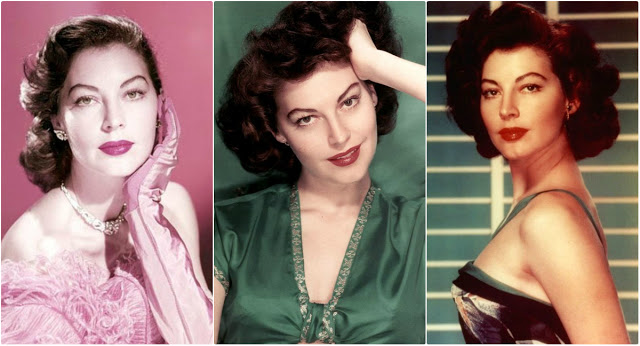
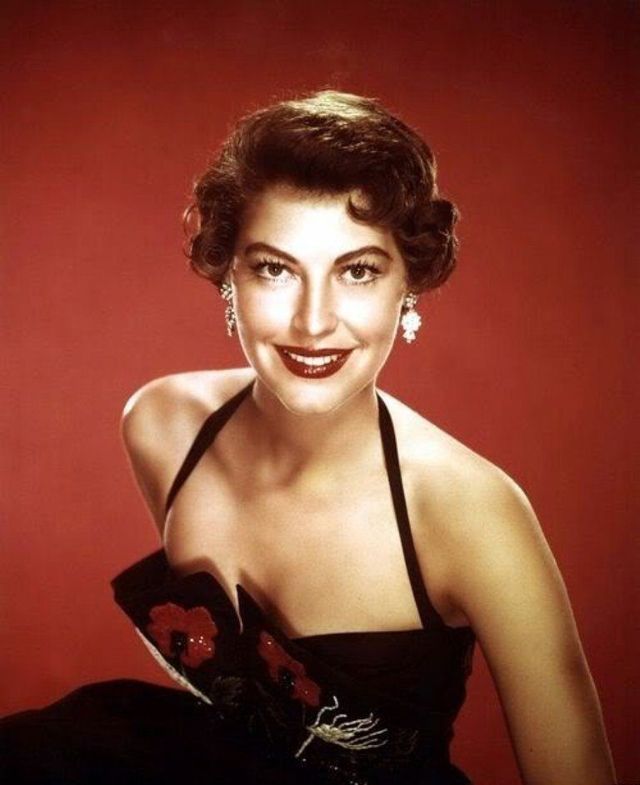
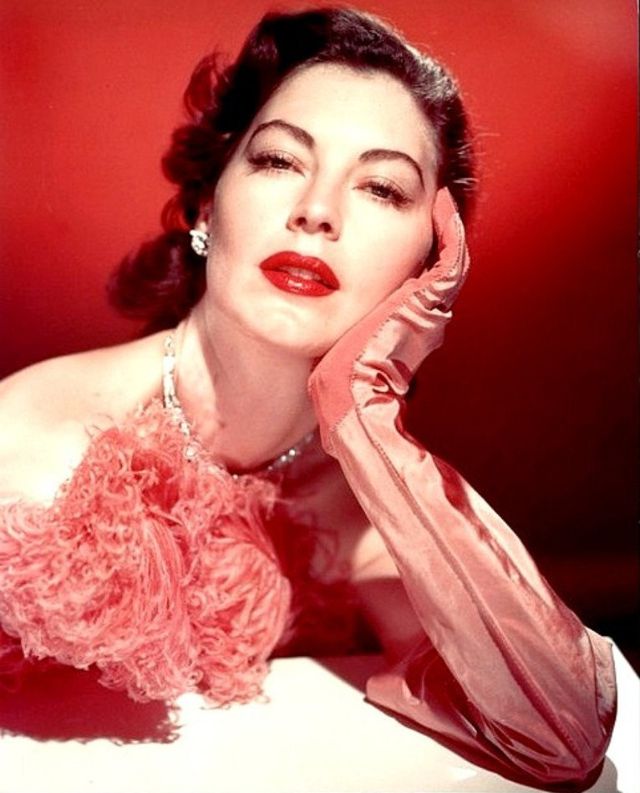
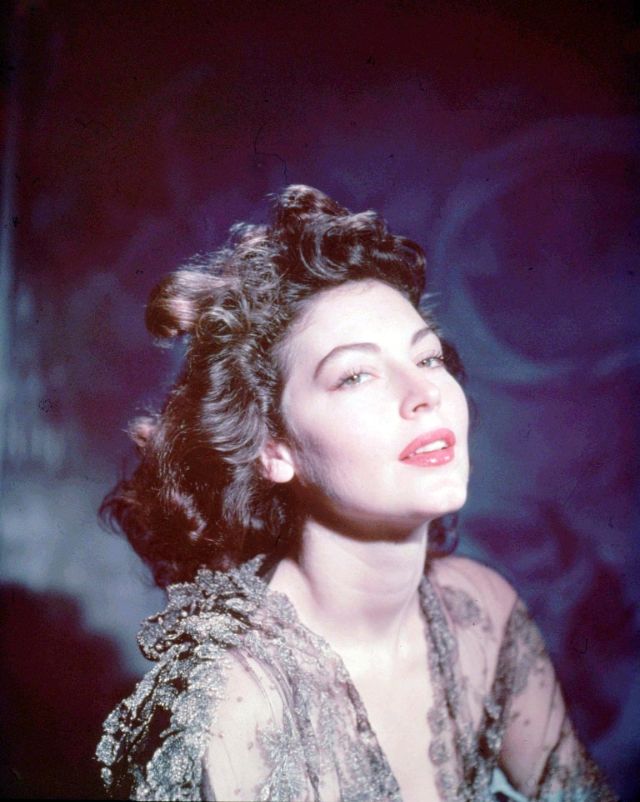
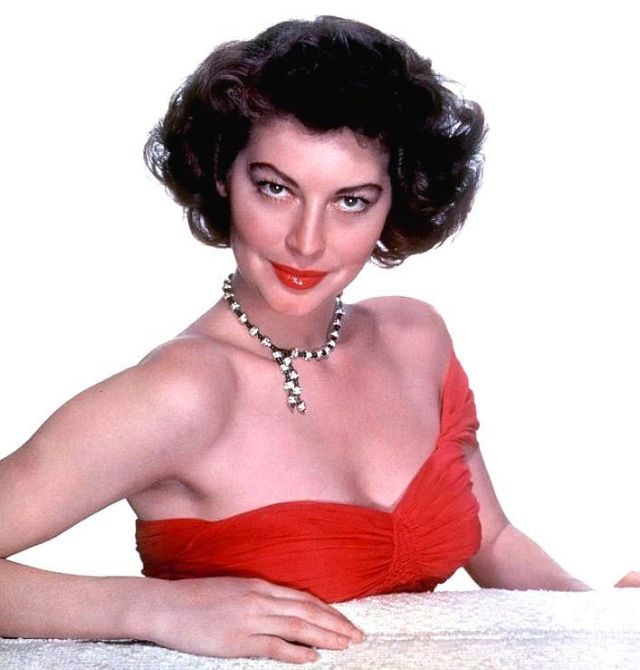
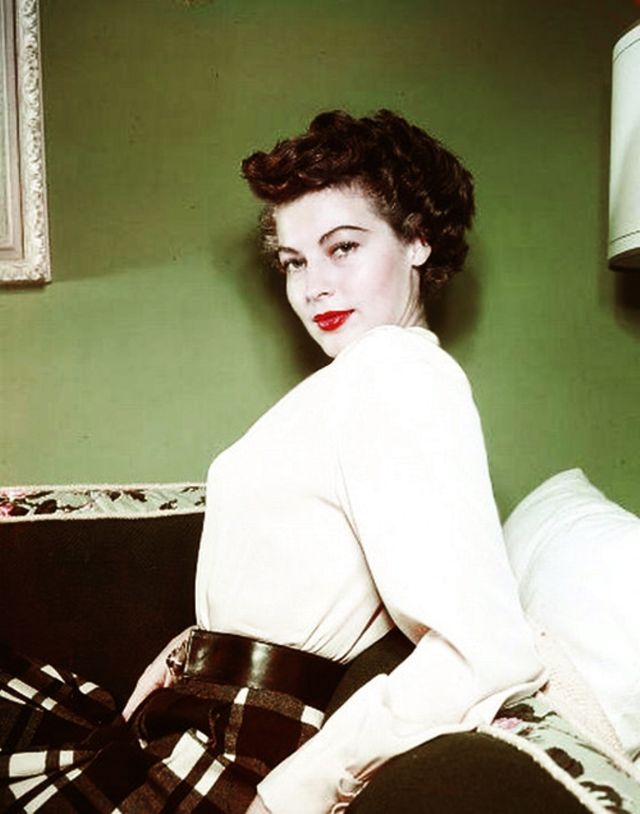
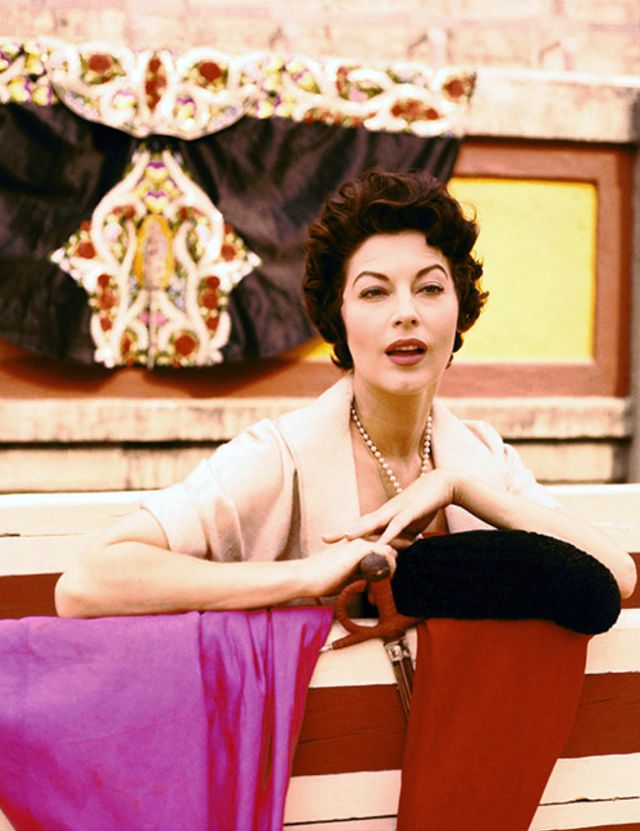
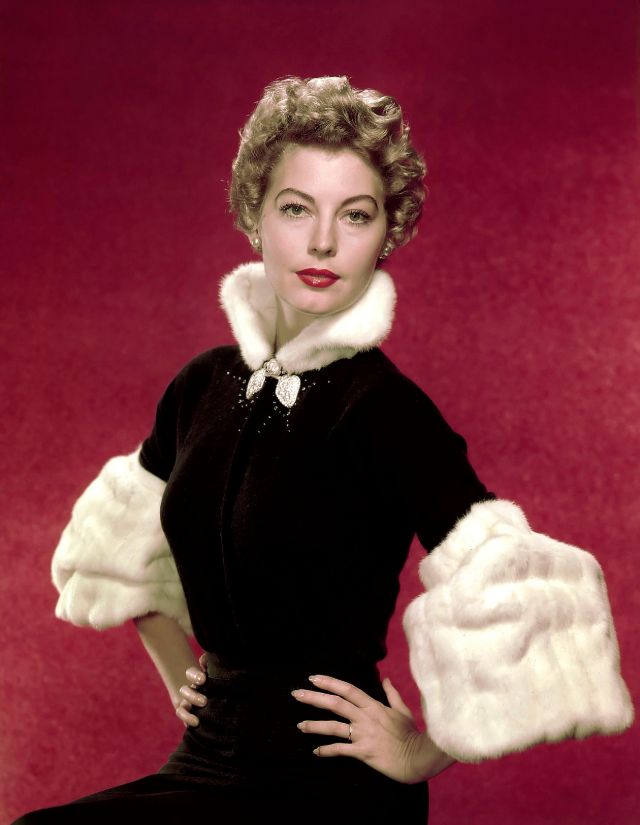
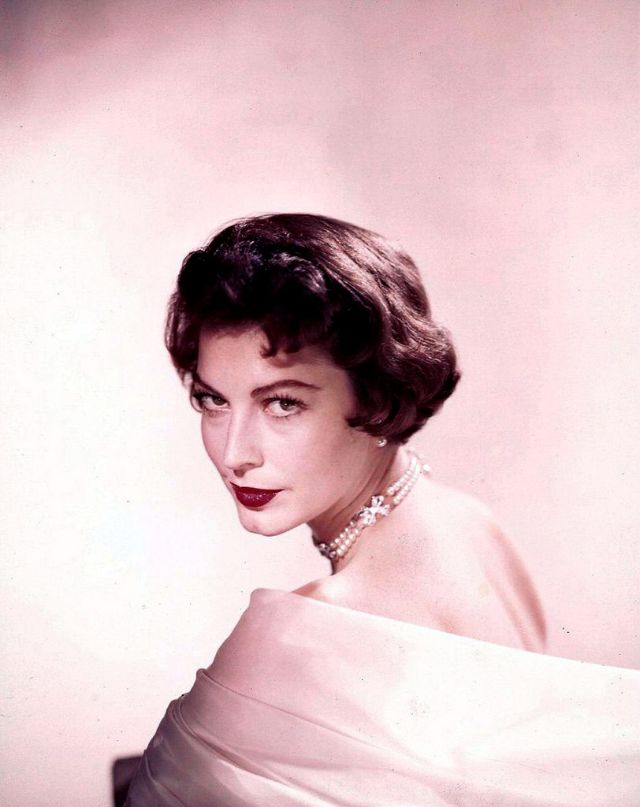
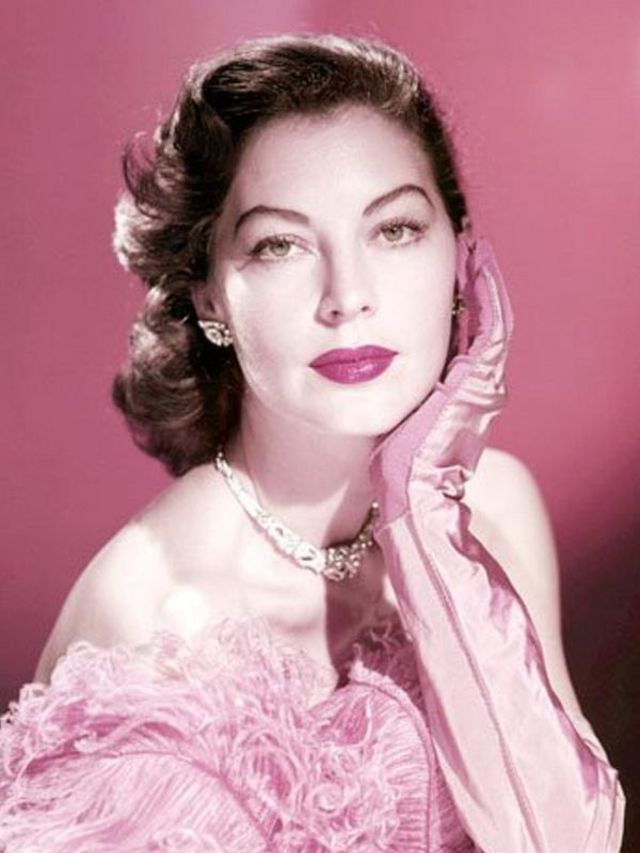
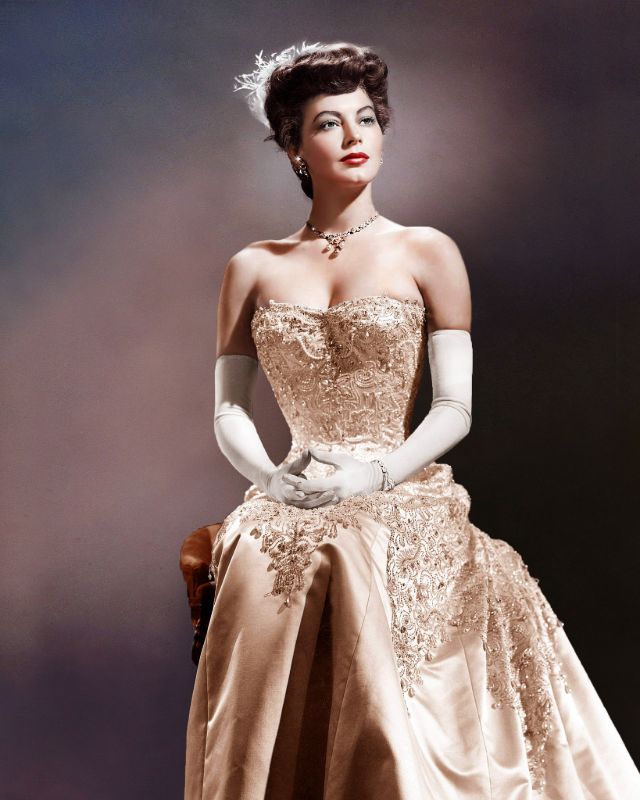
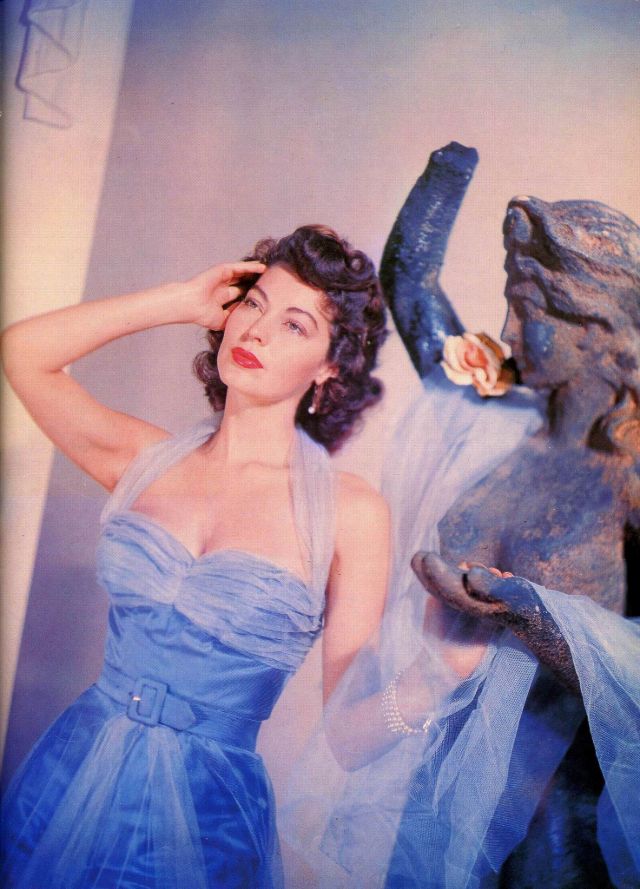
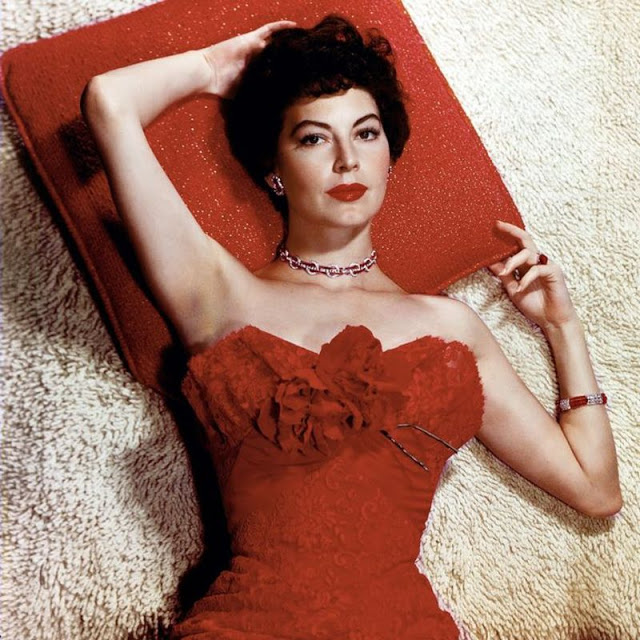
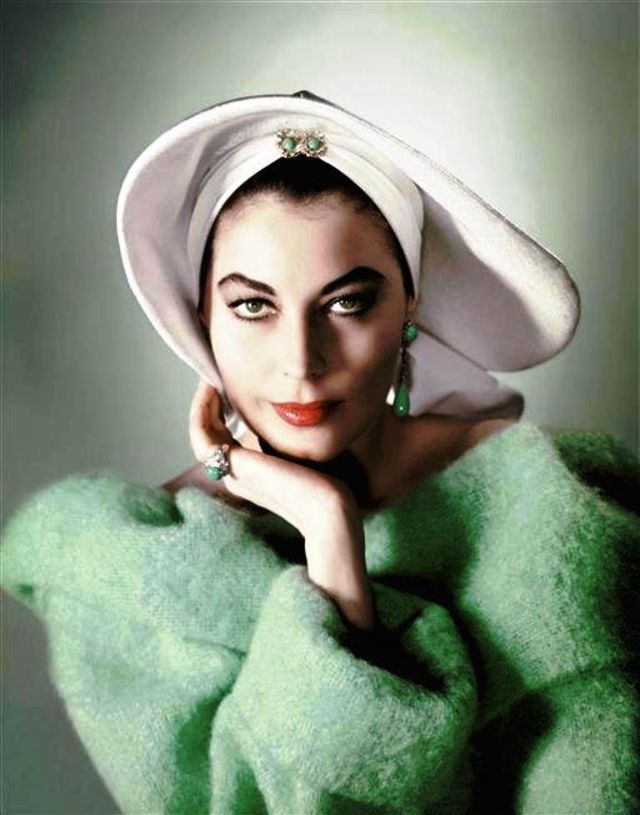
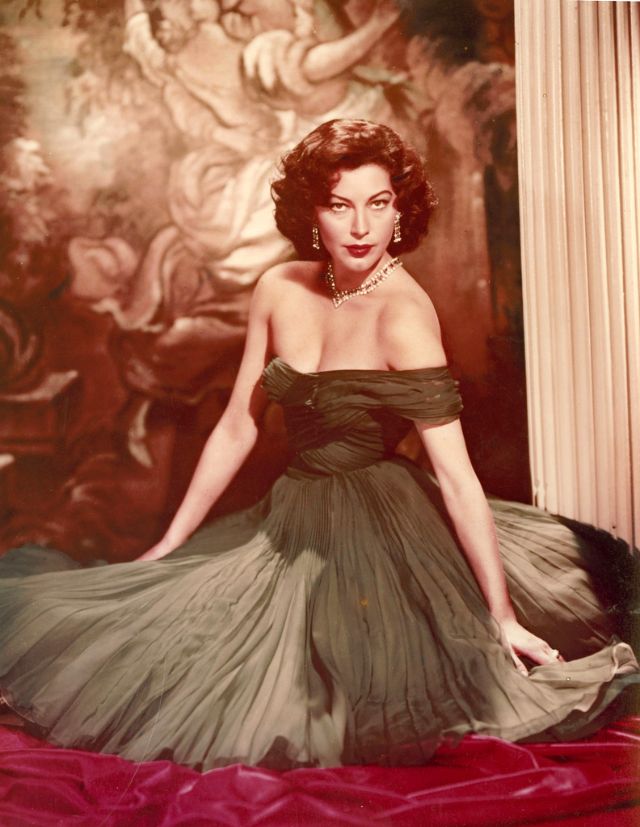
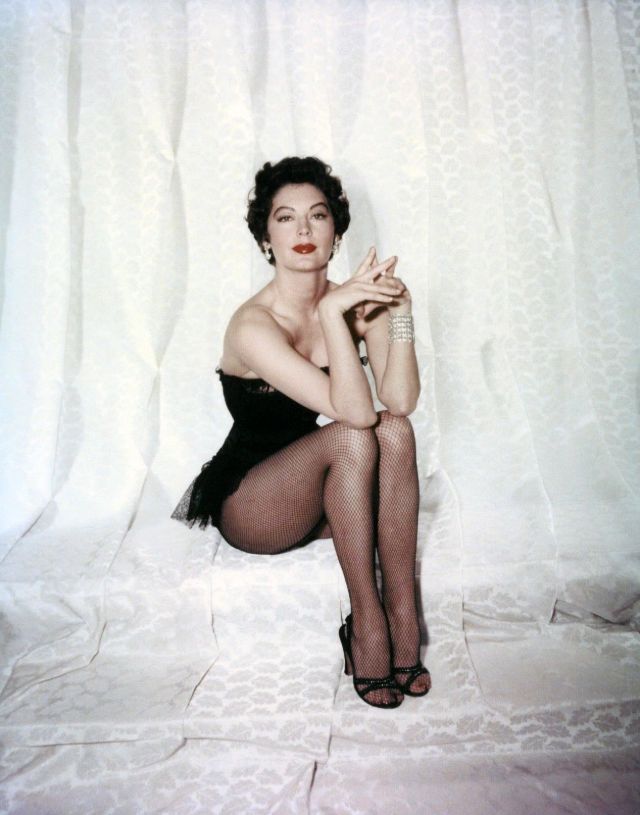
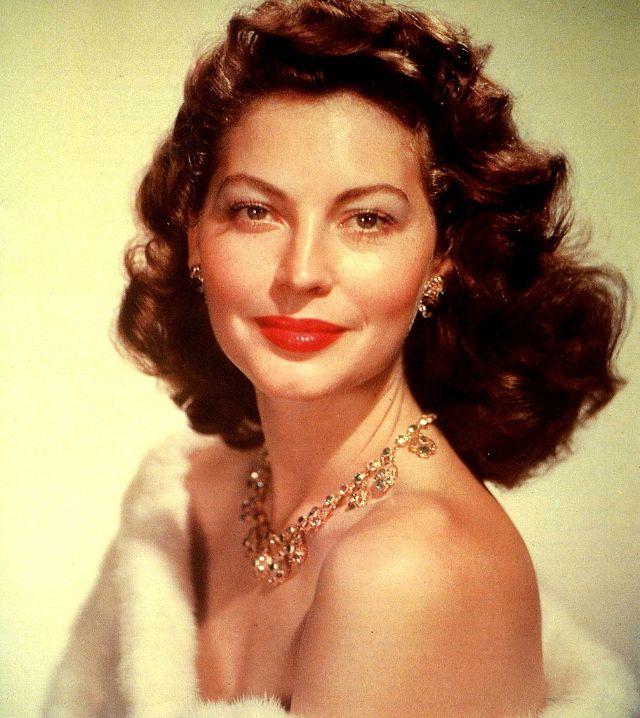
Born 1922 in Grabtown, North Carolina, American actress and singer Ava Gardner was signed to a contract with Metro-Goldwyn-Mayer in 1941, and appeared mainly in small roles until she drew attention with her performance in The Killers (1946).
Gardner appeared in several high-profile films from the 1940s to 1970s, including The Hucksters (1947), Show Boat (1951), Pandora and the Flying Dutchman (1951), The Snows of Kilimanjaro (1952), The Barefoot Contessa (1954), Bhowani Junction (1956), On the Beach (1959), 55 Days at Peking (1963), Seven Days in May (1964), The Night of the Iguana (1964), The Bible: In the Beginning… (1966), The Life and Times of Judge Roy Bean (1972), Earthquake (1974), and The Cassandra Crossing (1976).
Gardner was nominated for the Academy Award for Best Actress for her work in Mogambo (1953), and also received BAFTA Award and Golden Globe Award nominations for other films. She continued to act regularly until 1986, four years before her death in London in 1990, at the age of 67.
Ava Gardner is listed 25th among the American Film Institute’s 25 Greatest Female Stars of Classic Hollywood Cinema.
Take a look at these stunning photos to see glamorous beauty of Ava Gardner in the 1940s and 1950s.