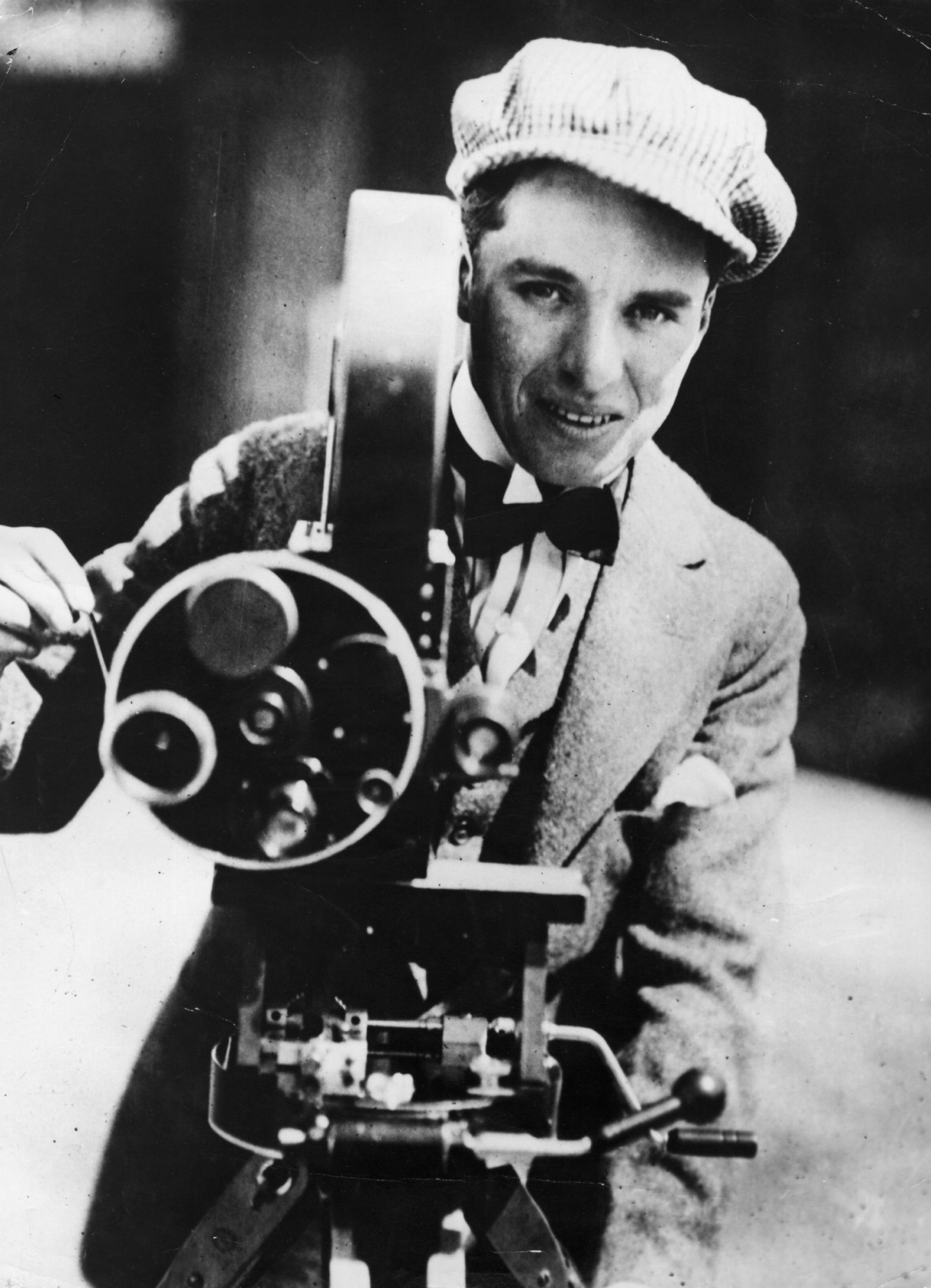
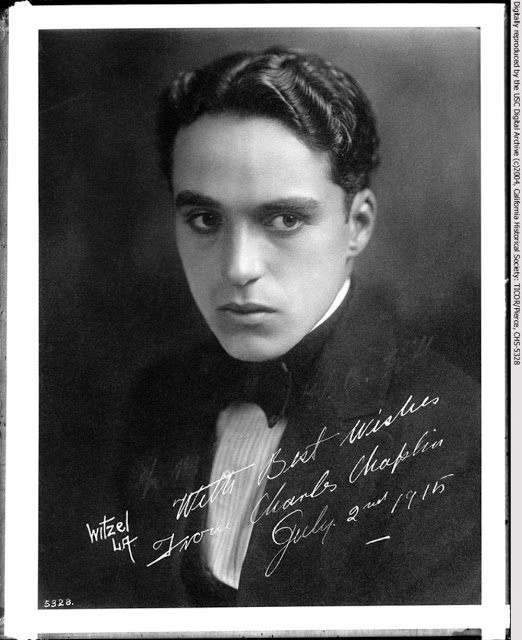
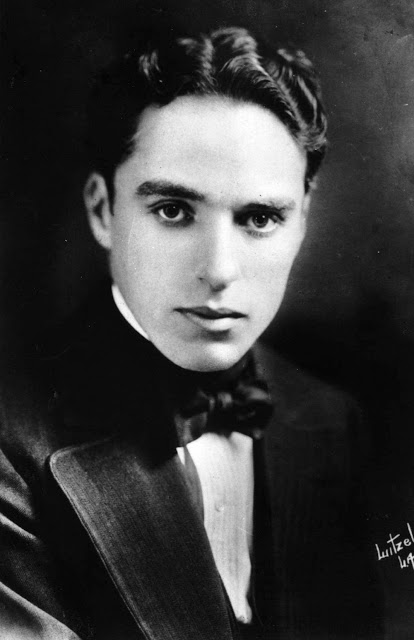
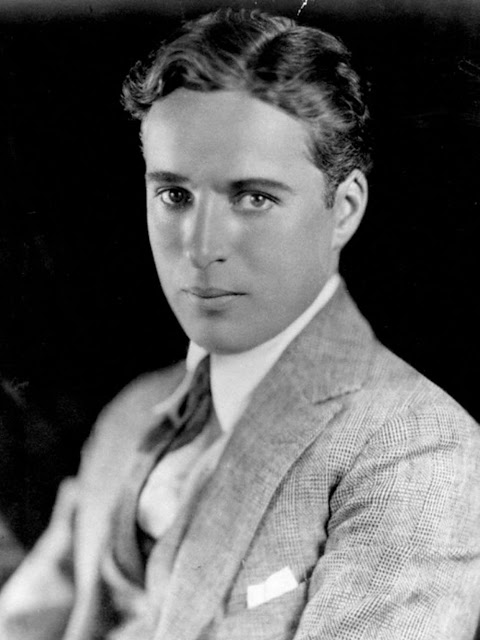
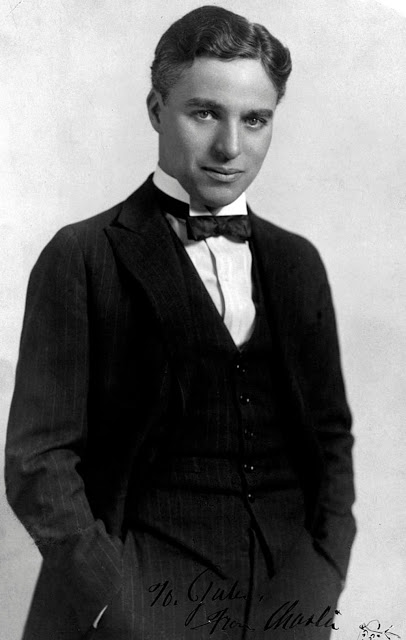
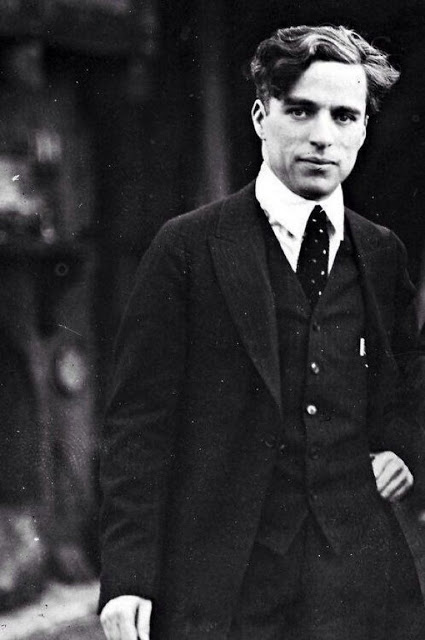
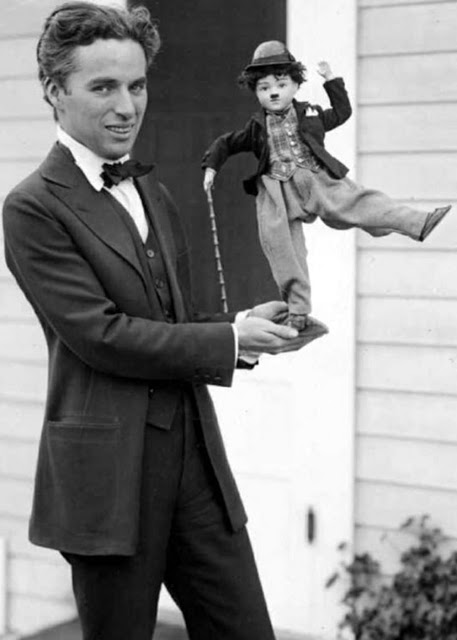
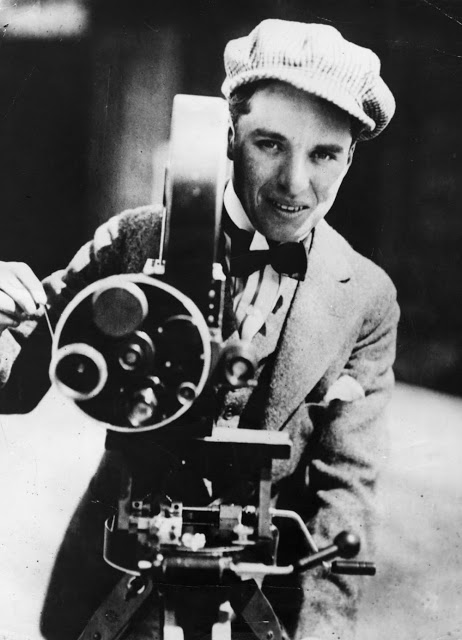
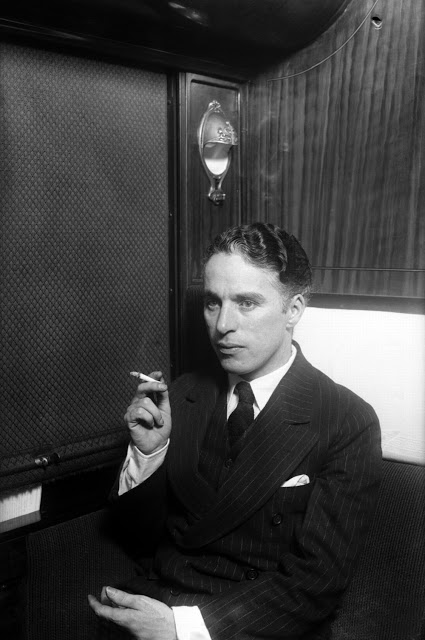
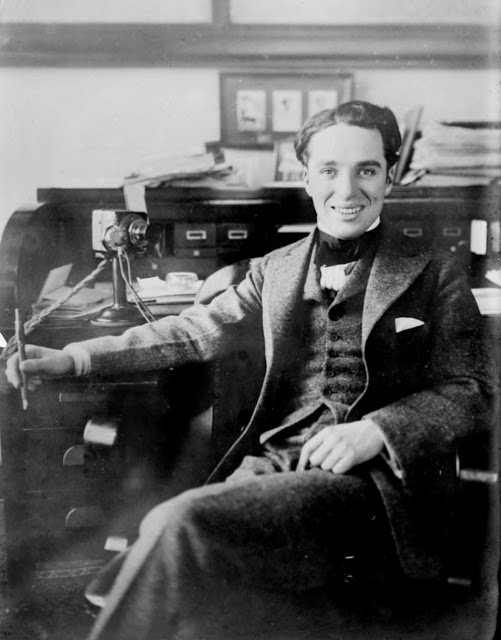
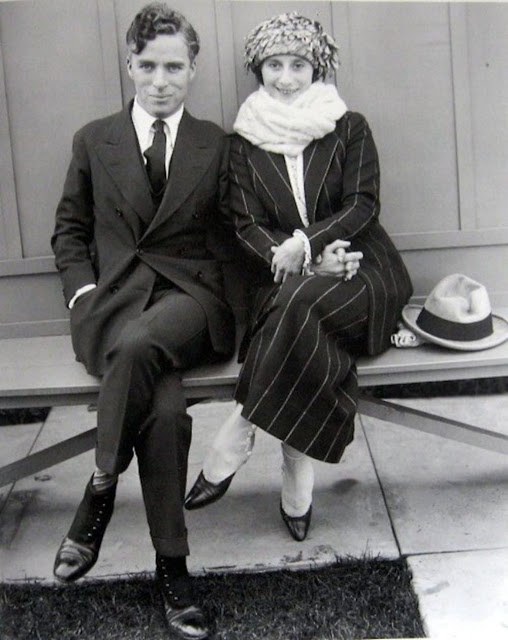
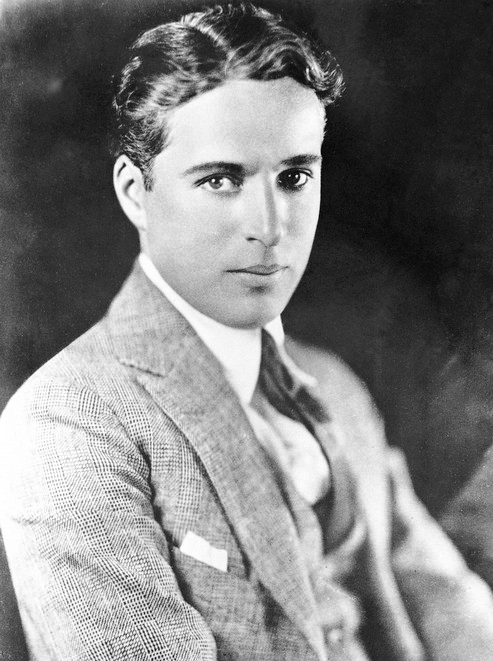
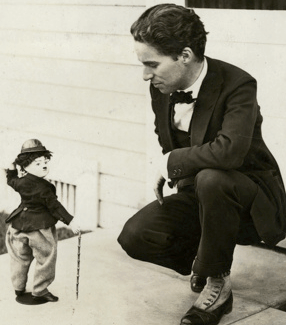
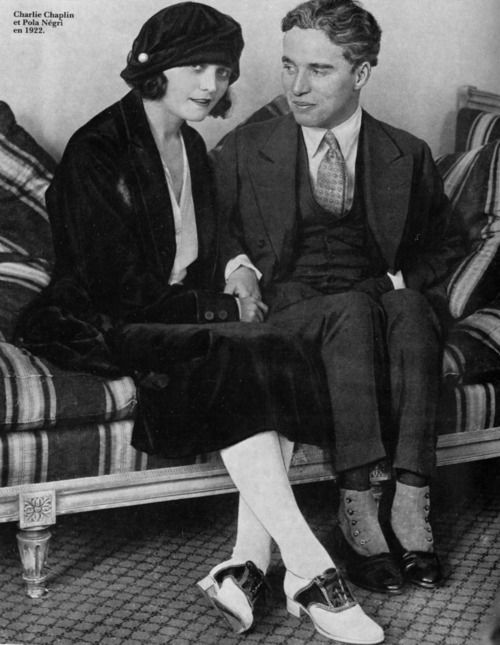
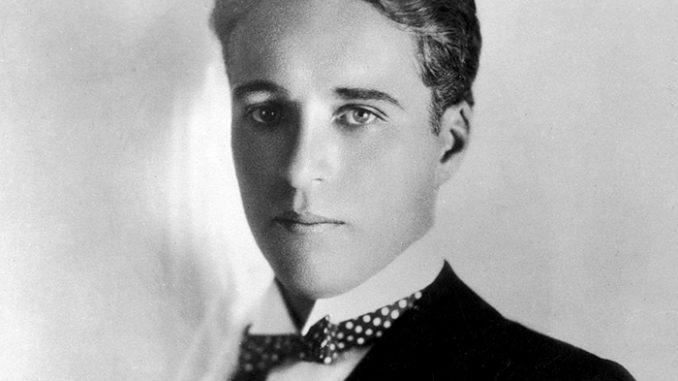
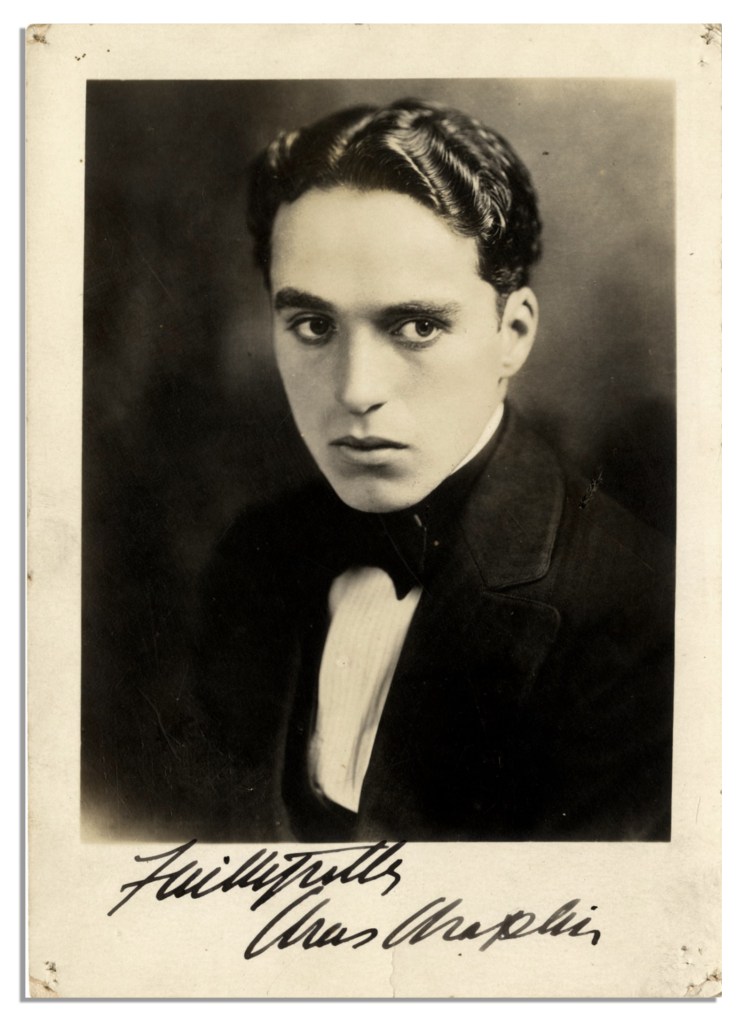
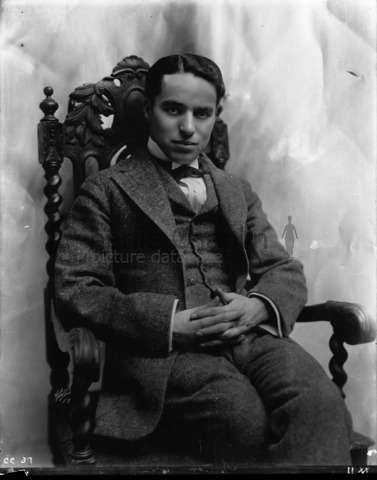
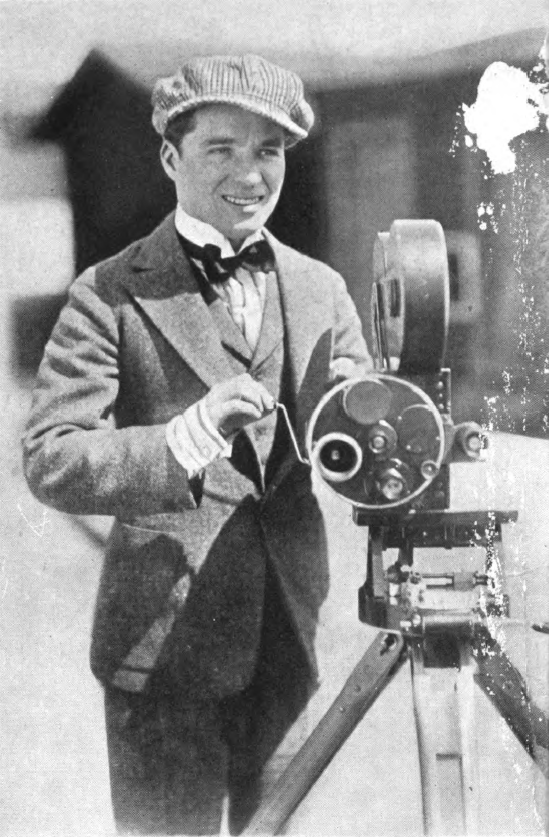
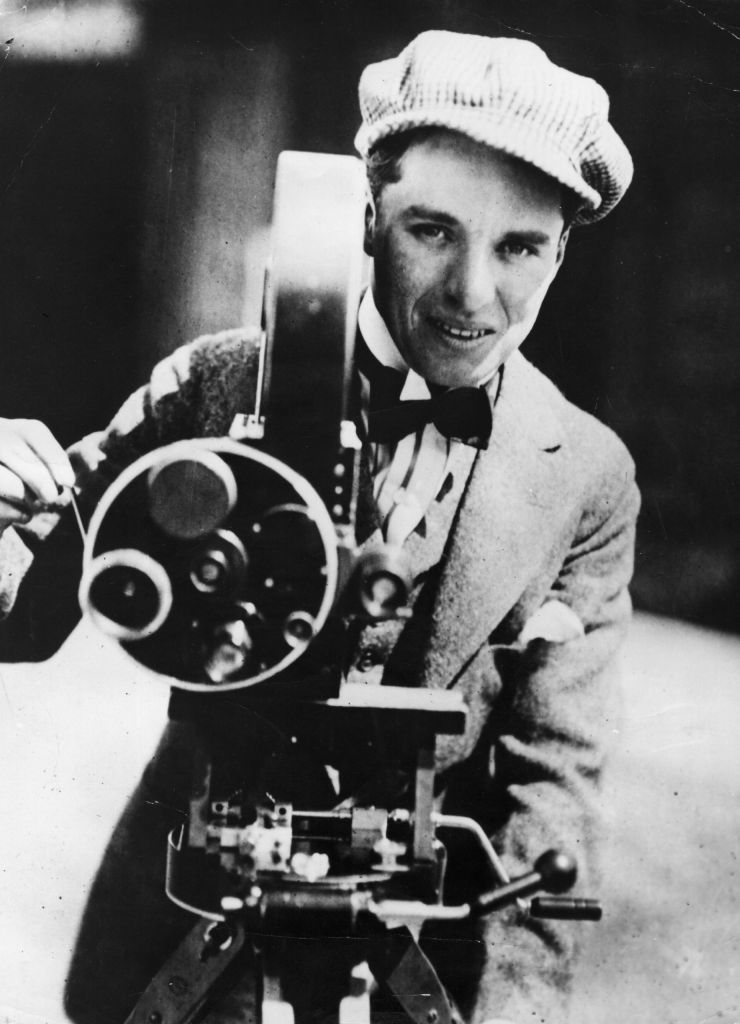
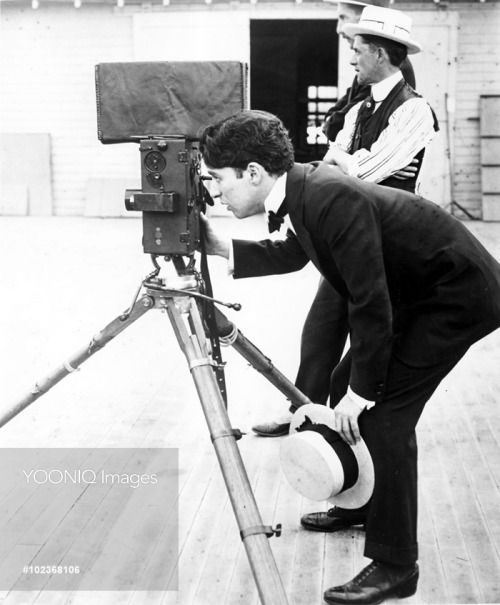
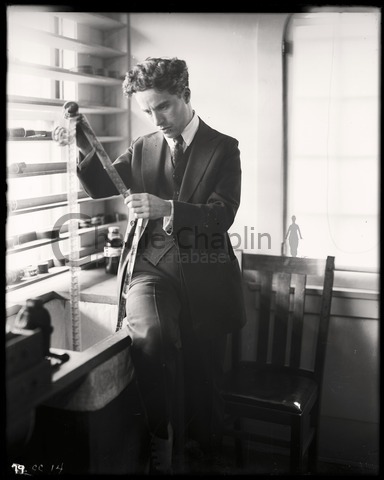
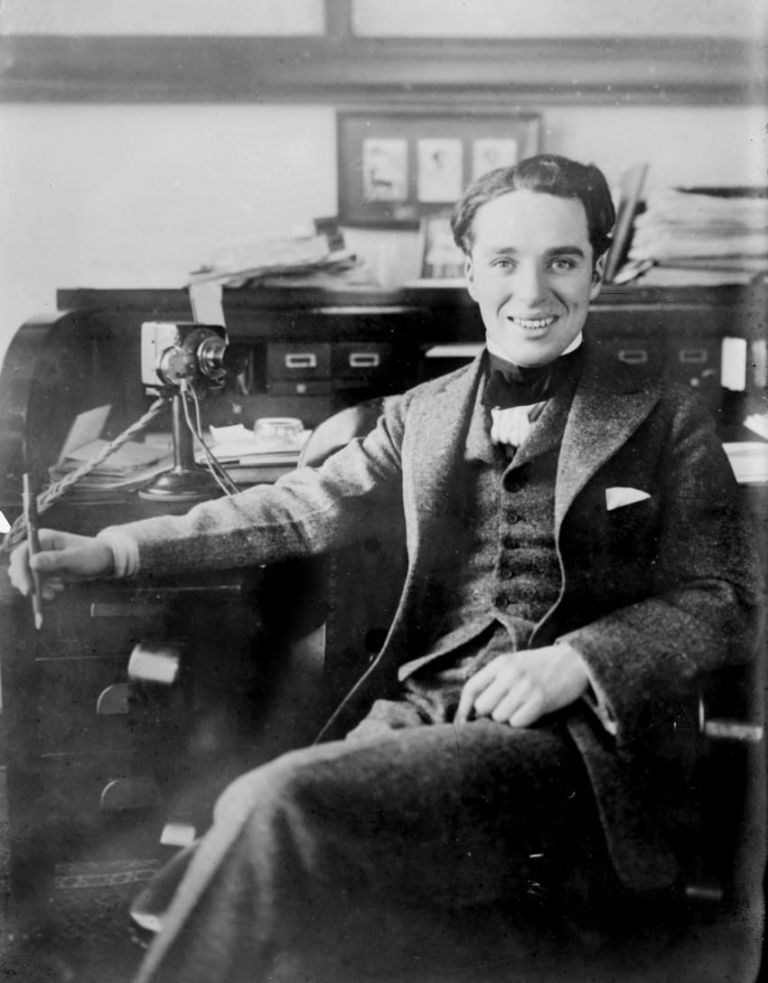
Comedian Charlie Chaplin is iconic for several reasons, one of the most obvious being his trademark mustache. His whole look is actually the result of quiet calculations, beginning from when his boss at Keystone Studios said he looked too young to be a comedic actor at age 24.
“I wanted everything to be a contradiction: the pants baggy, the coat tight, the hat small and the shoes large… I added a small mustache, which, I reasoned, would add age without hiding my expression. I had no idea of the character. But the moment I was dressed, the clothes and the makeup made me feel the person he was. I began to know him, and by the time I walked on stage he was fully born.” —Charlie Chaplin.
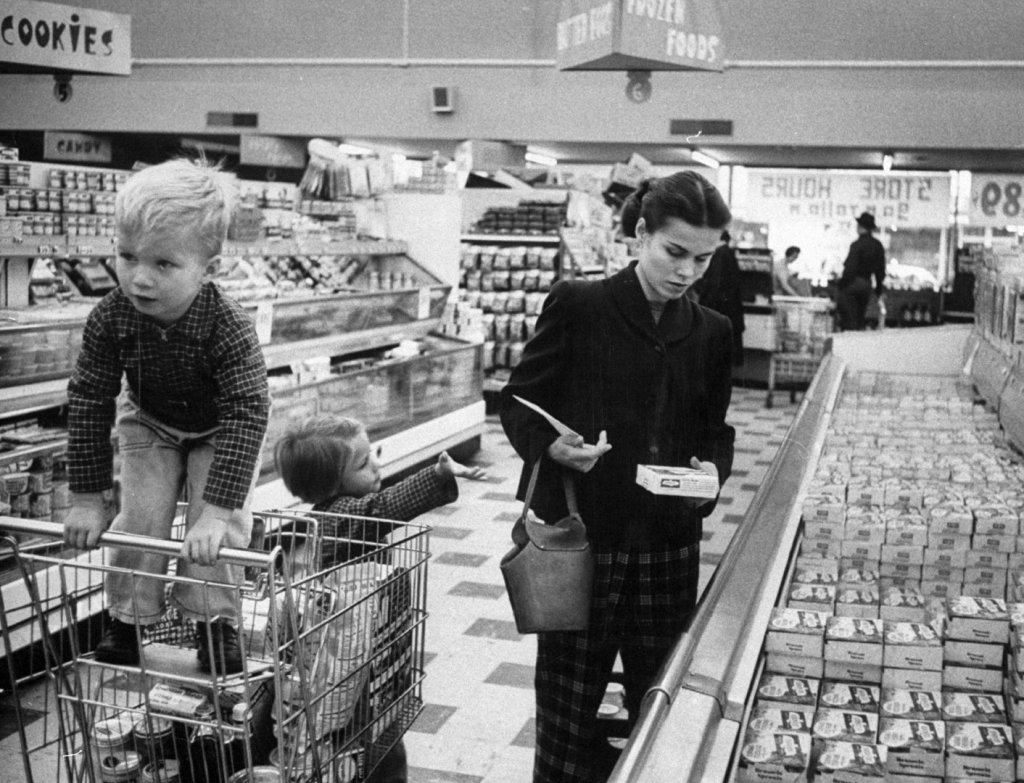
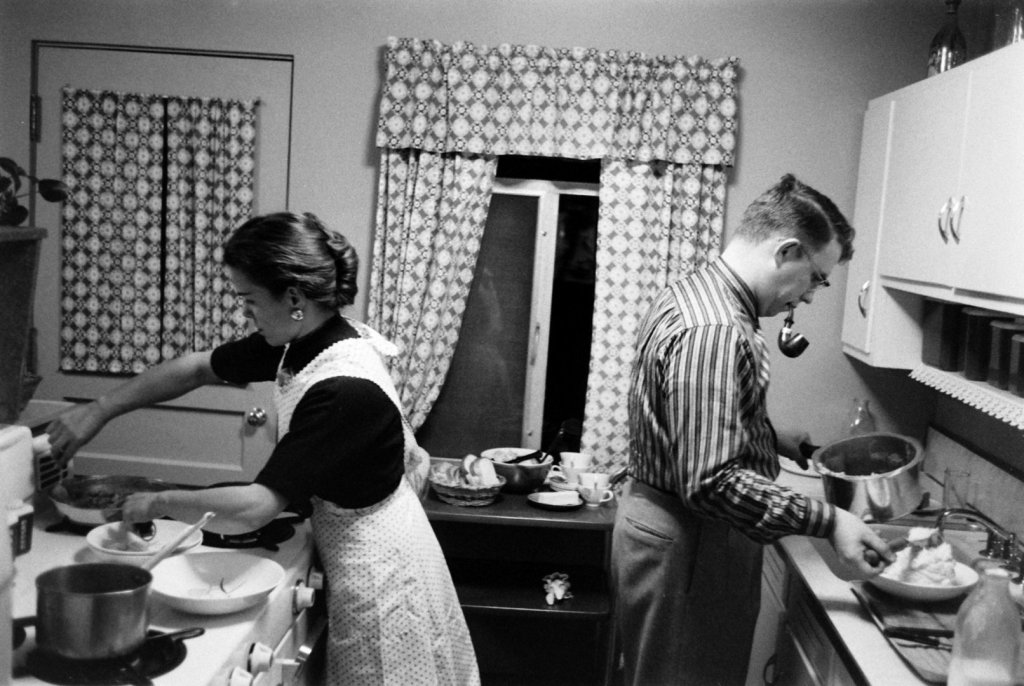
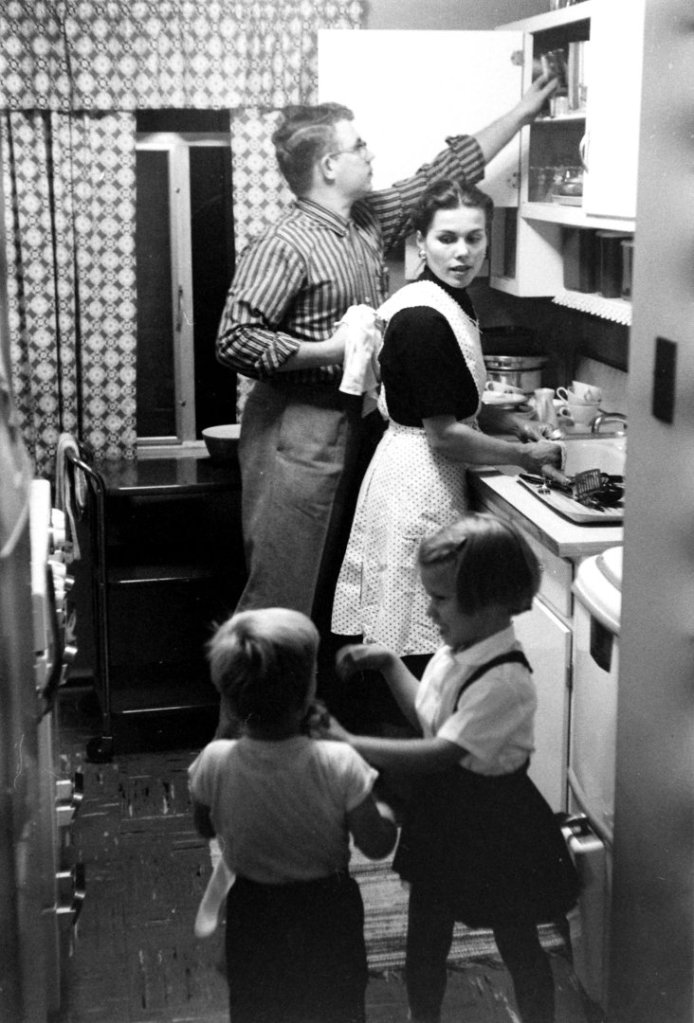
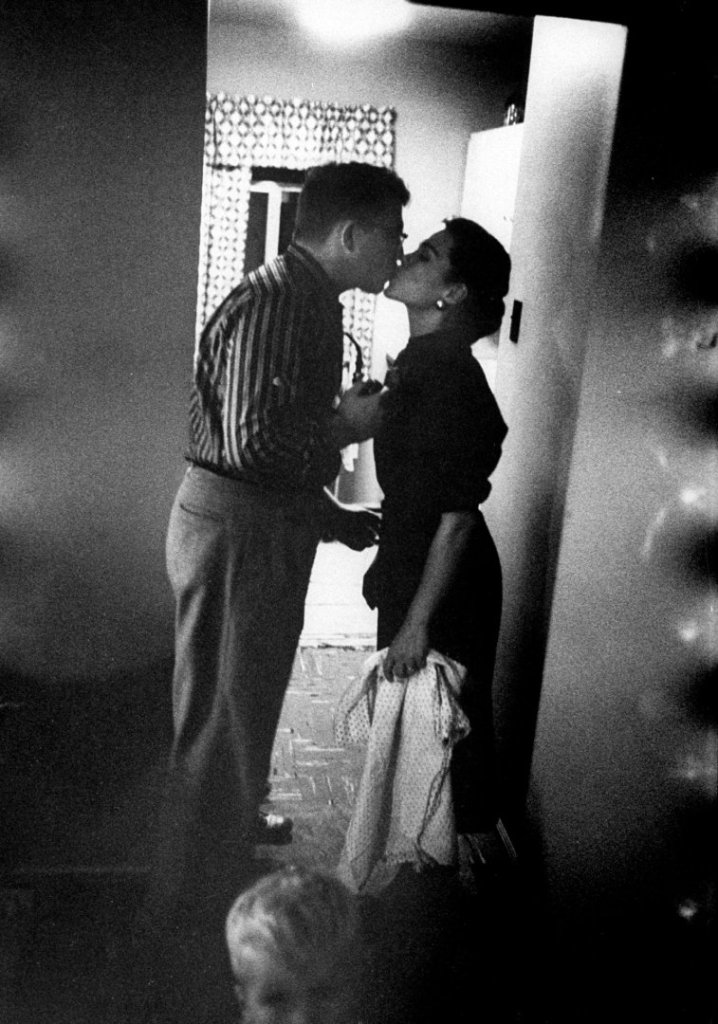
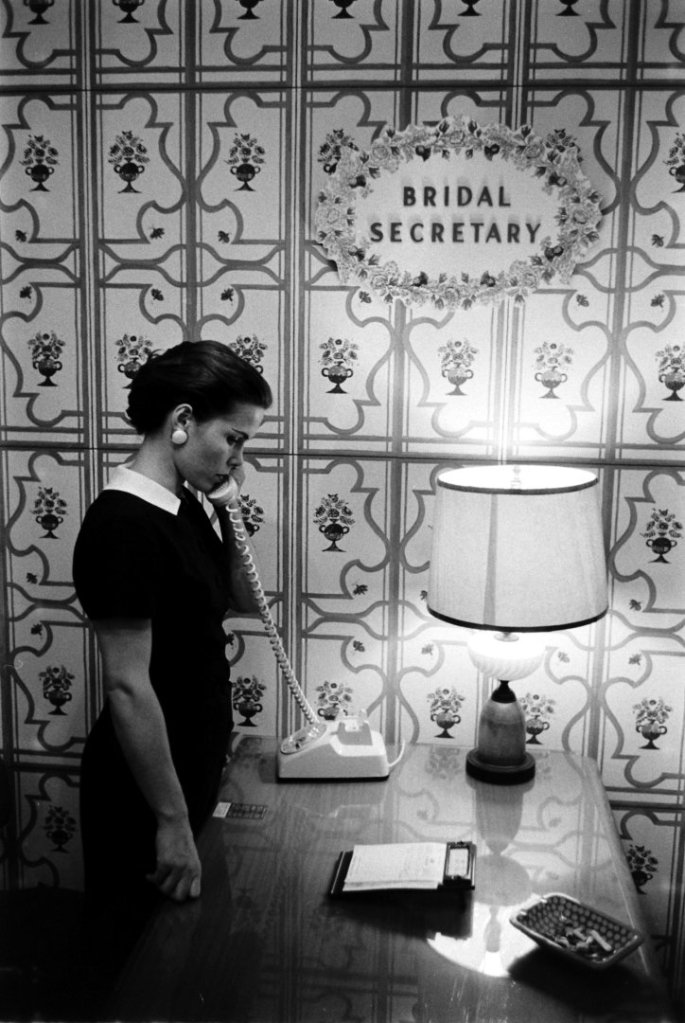
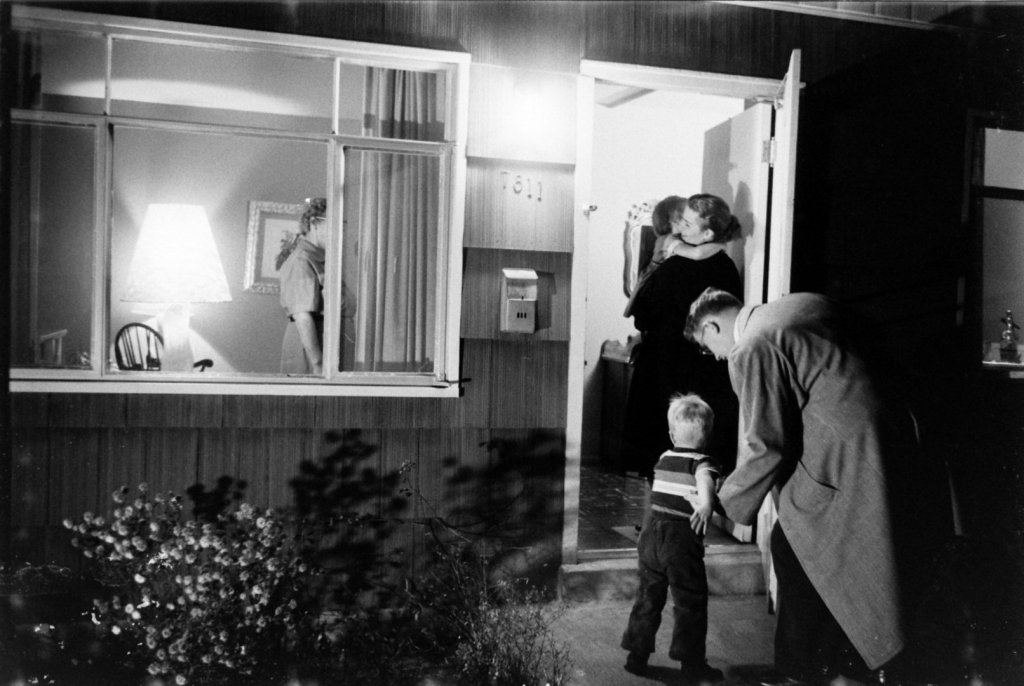
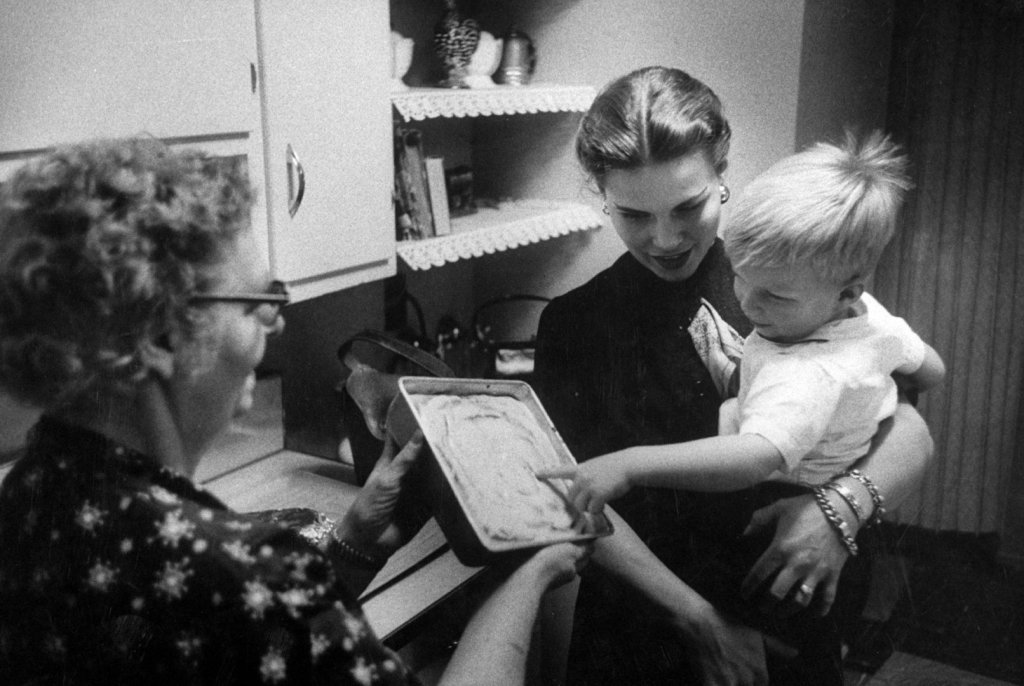
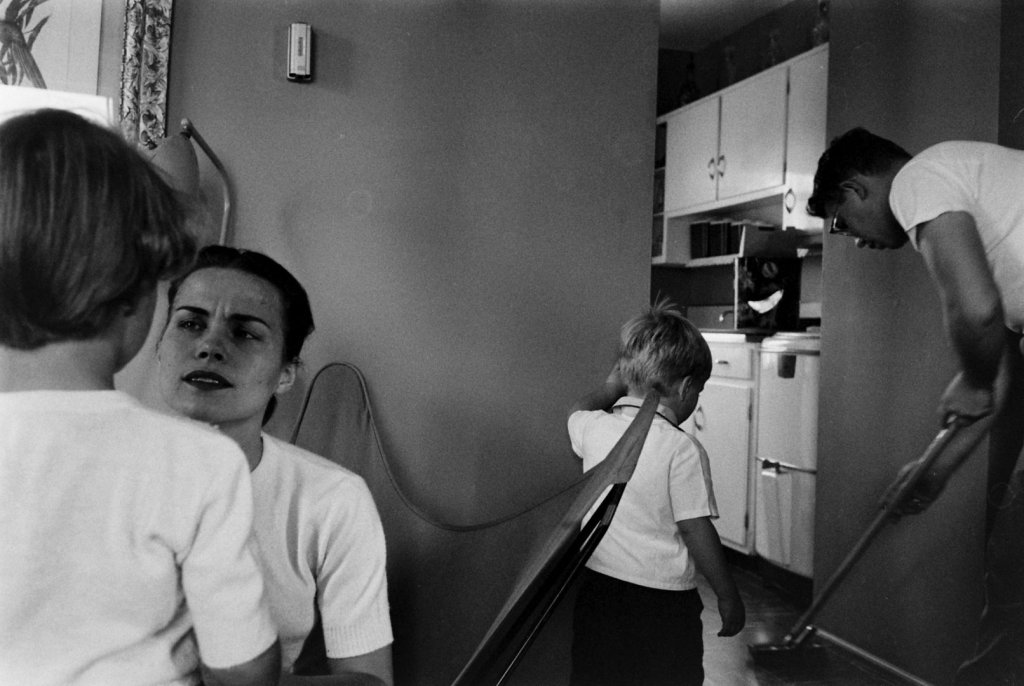
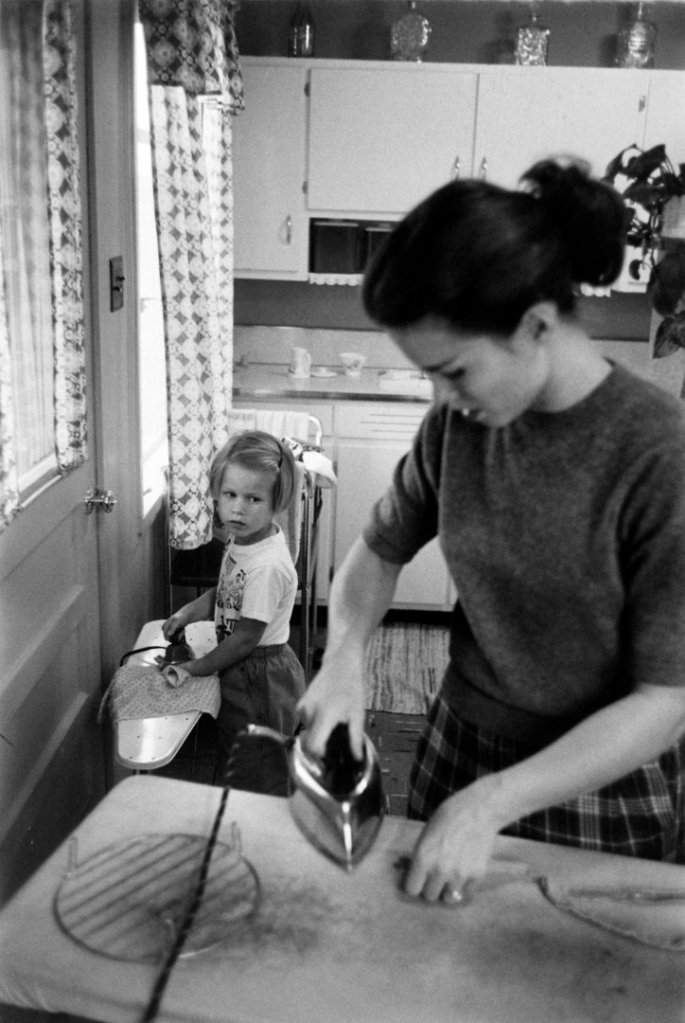
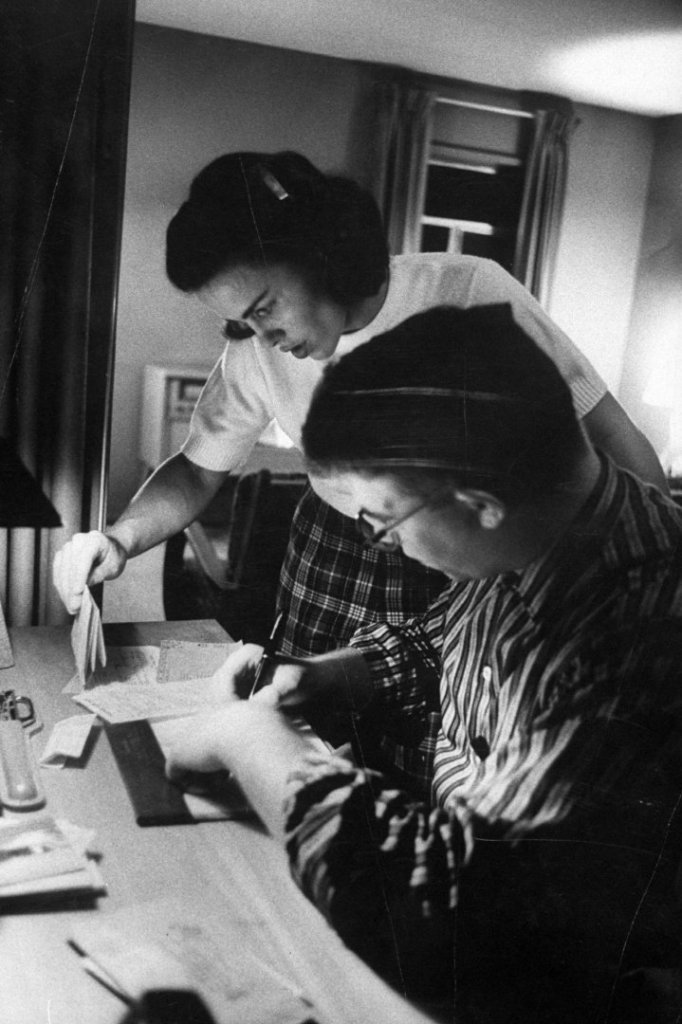
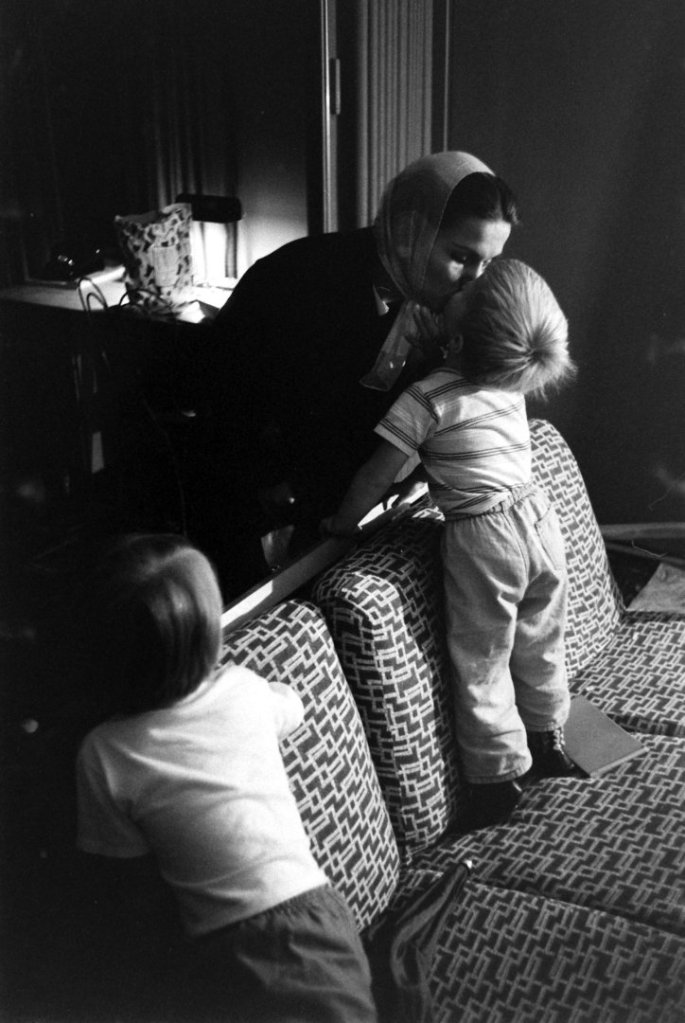
In 1956, 16% of women with children under 6 worked outside the home. Twenty-seven-year-old Jennie Magill of Hammond, Ind., was one of them. When LIFE Magazine published a special double issue on “The American Woman: Her Achievements and Her Troubles,” the editors selected Magill for its cover. Smiling lovingly at her child, who smiles adoringly back, Magill was introduced to America as the face of that rare specimen, the “Working Mother.”
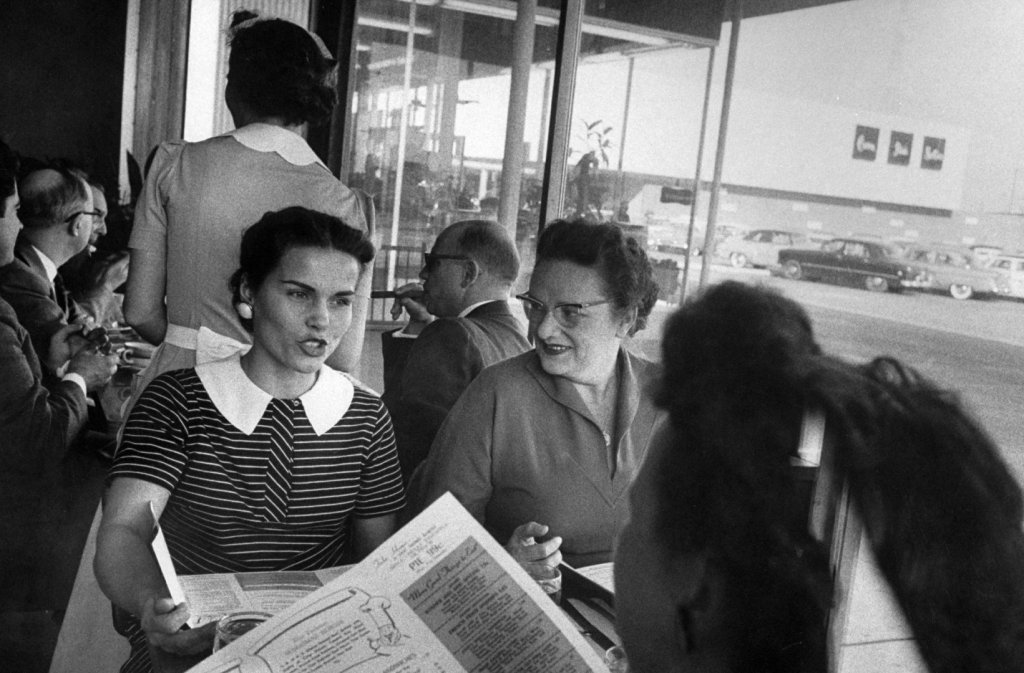
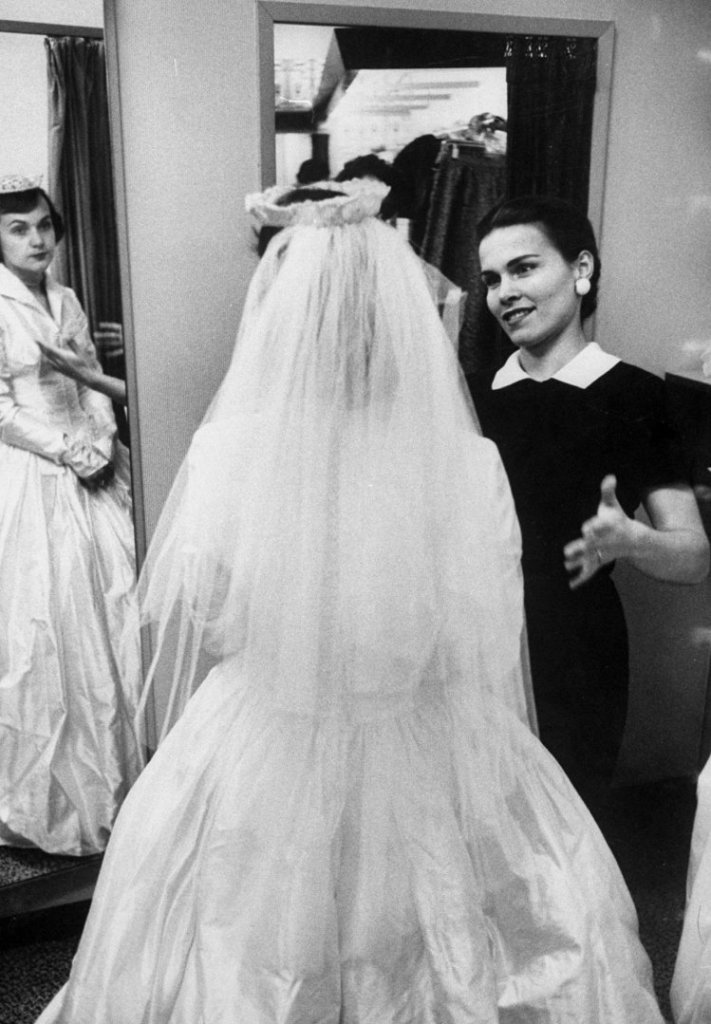
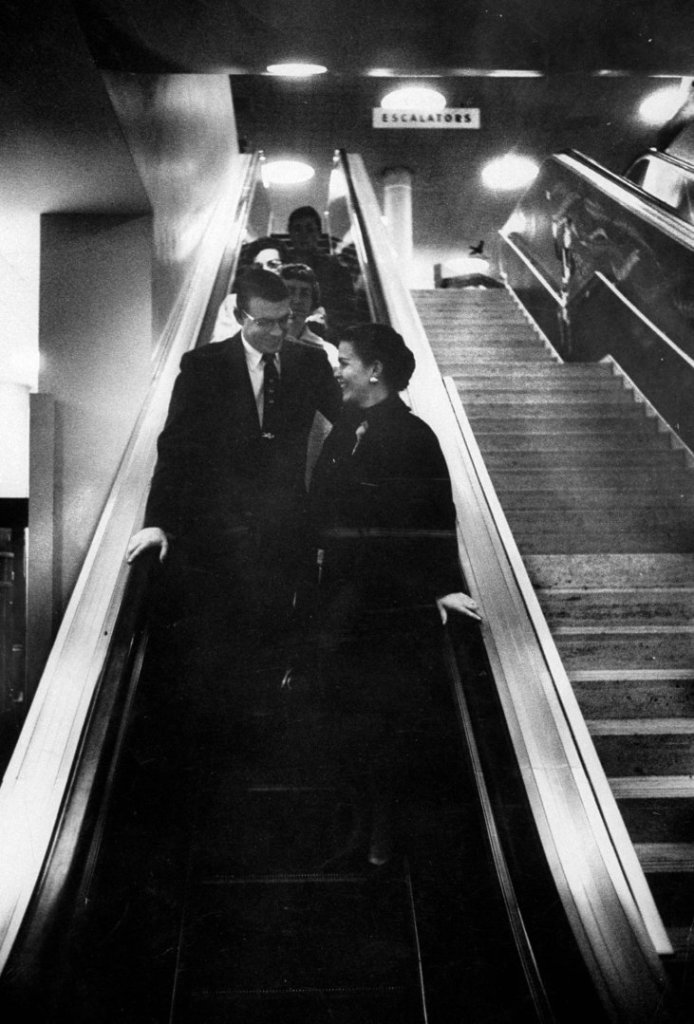
For historical context, this was seven years before the Equal Pay Act prohibited sex-based wage discrimination and The Feminine Mystique exposed the plight of the joyless housewife. It was more than a decade before the Equal Rights Amendment was proposed and half a century before many Americans began to observe Equal Pay Day, which takes place this year on April 14, representing how far into the year women would have to work to earn the equivalent of men’s wages in the previous year. People were talking less about how much women should make than they were about whether women should work at all. For many of LIFE’s readers, Magill would have been something of an introduction to the working mom. And contrary to the prevalent stigma against mothers who worked outside the home, LIFE portrayed Magill in an overwhelmingly positive light. Magill worked in the bridal service at a local department store, and her husband Jim as a junior executive at a steel company. Her job afforded her a social life with coworkers. It brought the family more disposable income. It provided time for her and Jim, on their drive home together, to talk without the distractions of a hectic household. And both parents’ time away from home meant that when they were with their children, they were entirely focused on enjoying time as a family. Despite its unequivocally laudatory attitude toward the two-working-parent household, the magazine omitted one thing: the voice of Jennie Magill. As implied by the headline, “My Wife Works and I Like It,” the attitudes expressed in the photo essay, progressive and egalitarian as they were, belonged to Jim. Jennie was the pretty face, and Jim the confident voice, an editorial choice that may have reflected an effort to make the story more palatable to stalwarts of the old guard. Perhaps the most telling aside in the essay is that Magill, who by all appearances had what we might today call “it all,” could not do what she did alone. Not only was she “blessed with a loyal, experienced housekeeper,” but Jim “enthusiastically approves of the idea” of her working outside the home. And while both partners worked outside the home, they also both worked inside of it. “We all live here,” said Jim, “so why shouldn’t we all help out?”
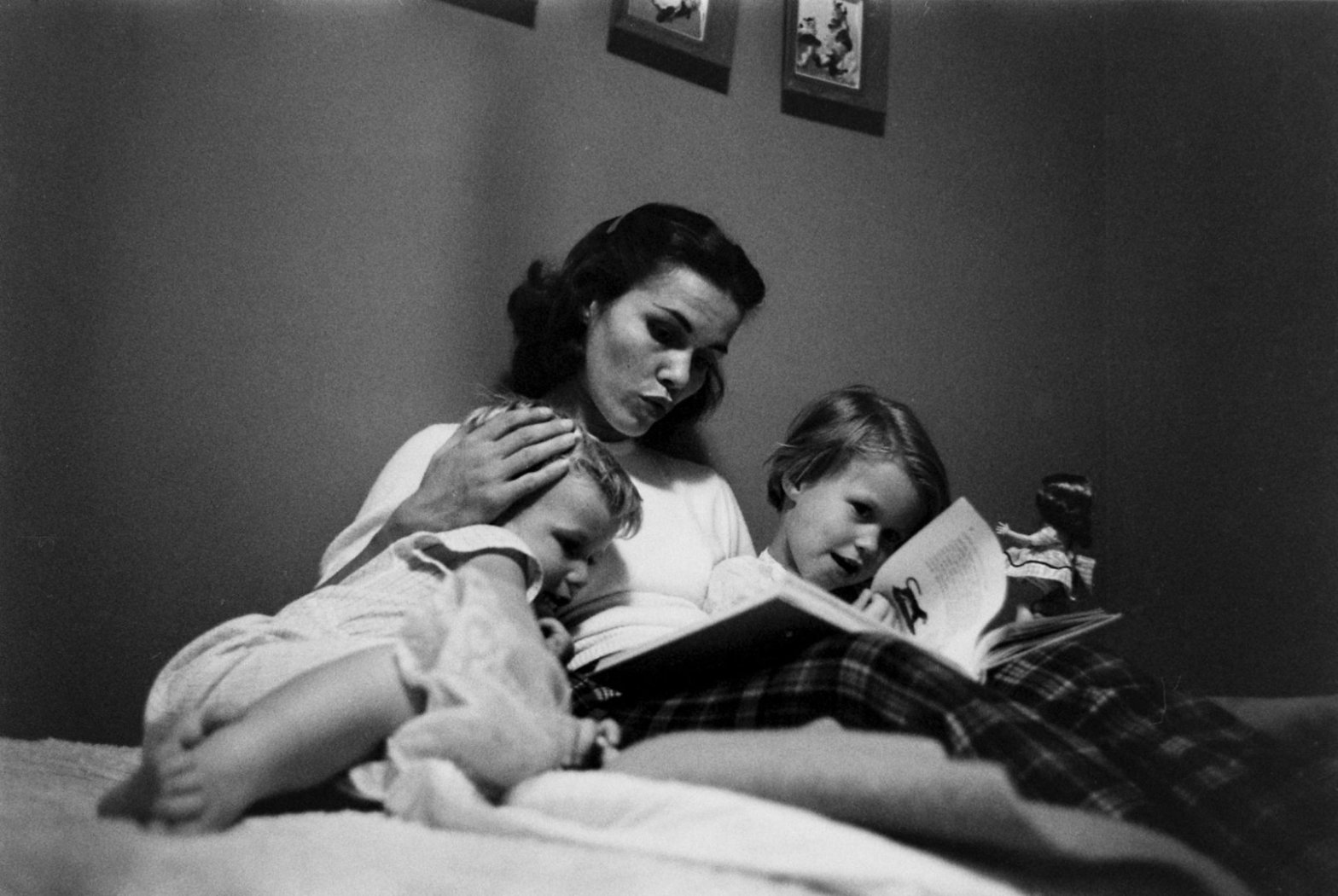
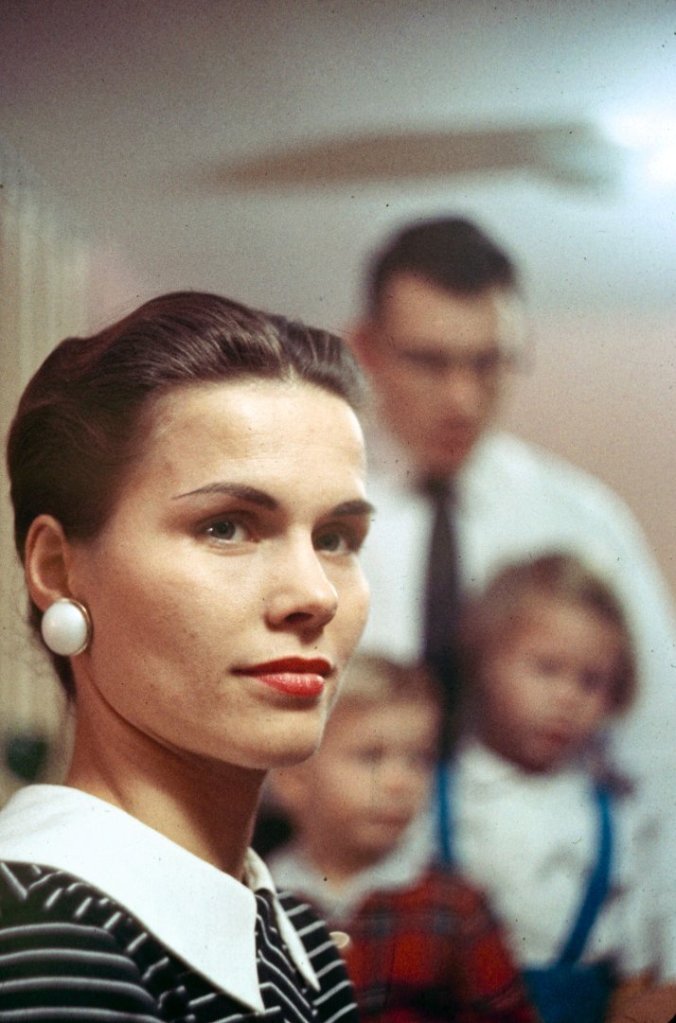
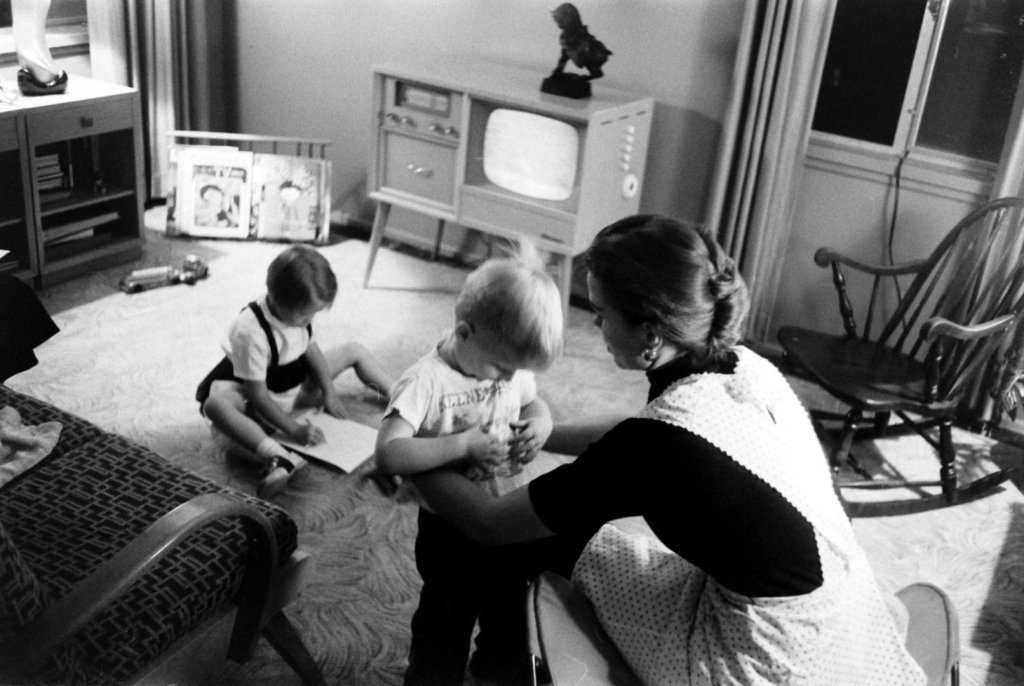
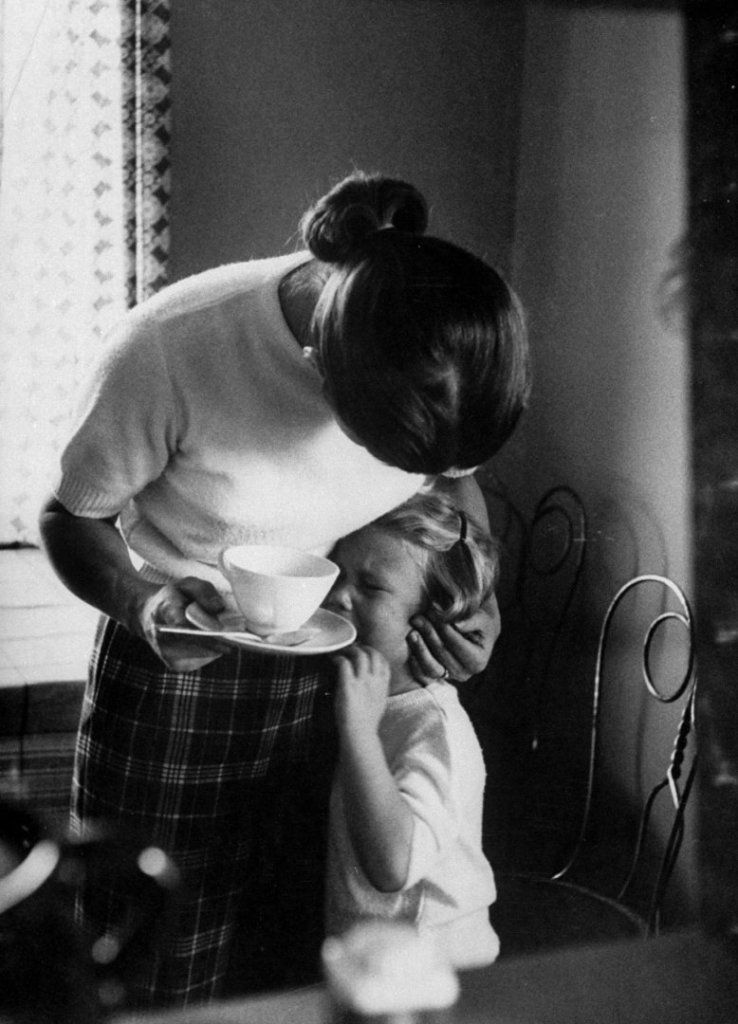
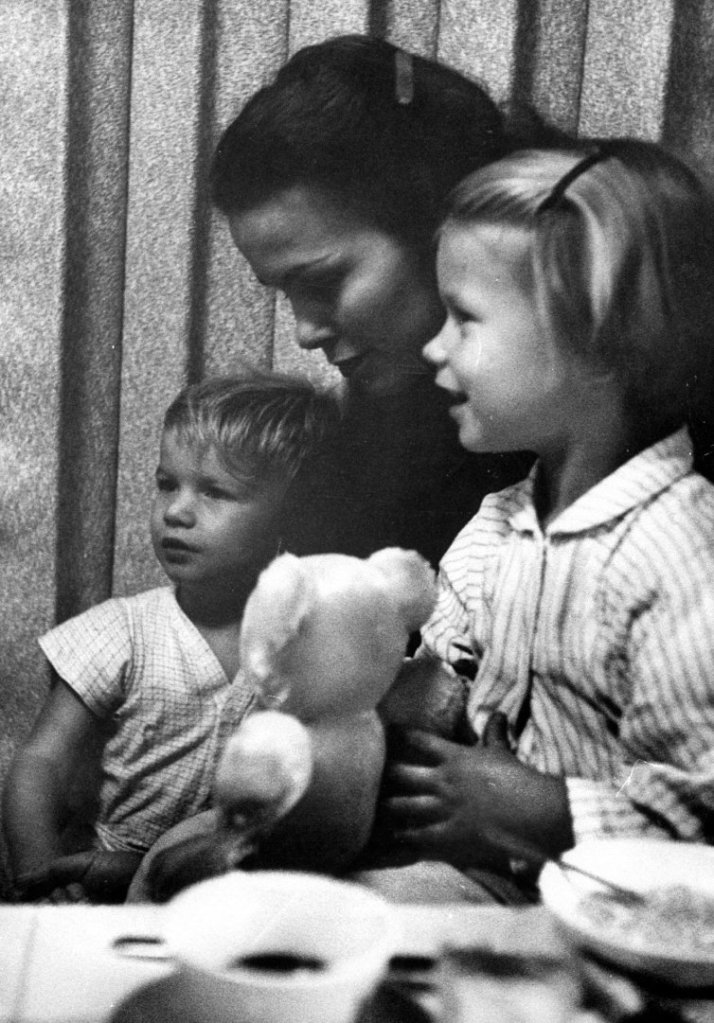
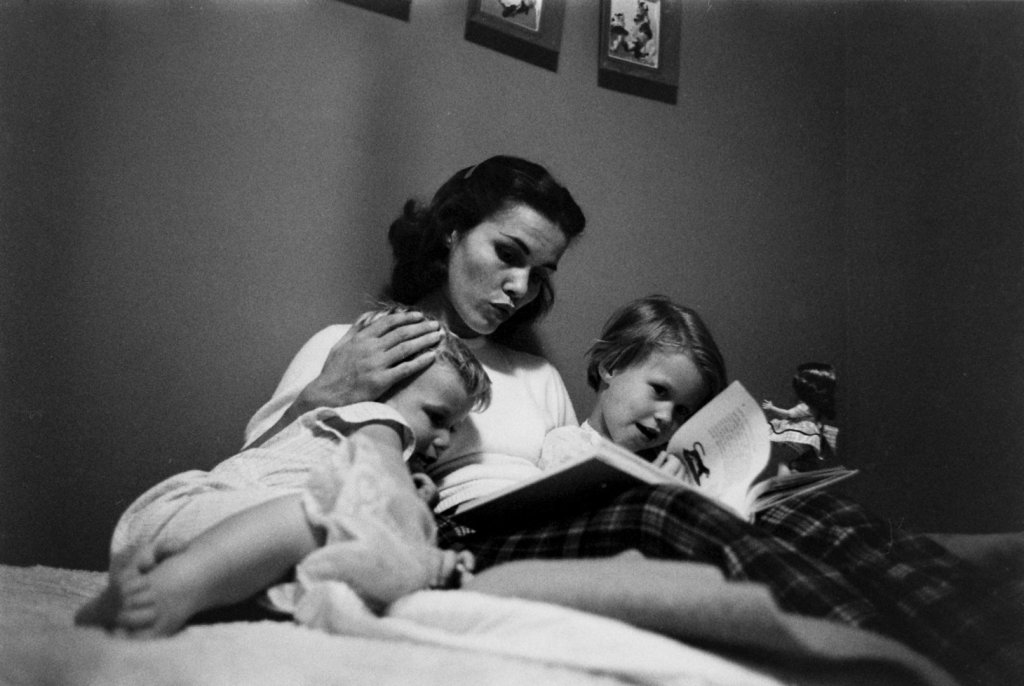
Jennie Magill with her family in the background.Working mother Jennie Magill shopping with her children at the super market.Jennie and Jim Magill in the kitchen.Jennie Magill and family in the kitchen.Caption from LIFE. Wifely kiss is Jim’s reward for helping with the dishes.Jennie Magill at workCaption from LIFE. Companionable lunch with the girls from store is lots better, says Jennie, than a sandwich in solitude at home.Caption from LIFE. Her work is a source of pride to Jim. “She’ has done a terrific job. And when I tell her about my work she doesn’t brush it off.”Caption from LIFE. Going home, Jim always picks Jennie up at Carson Pirie Scott branch. The ride home is a chance to talk without domestic distractions.Jennie and Jim Magill coming home from work.Taking over the family reins when she gets home, Jennie holds Jackie, 2, who tests cake which he “helped” housekeeper Sophia Flewelling (left) bake. Sophie runs household smoothly while parents are gone.Jennie Magill and family.Jennie Magill ironing with her daughter.Jennie Magill with her children.Jennie Magill comforting her crying daughter.Jennie Magill with her children.Jennie Magill reading a story to her children.Caption from LIFE. Bill-paying is disagreeable, but it reminds them of how well they live because Jennie works.Jennie Magill kisses her children goodbye.
Haunting images of the Qing dynasty Chinese culture and society that the nation’s leaders wiped out after the communist revolution.
A century ago, China was not the metropolis-filled industrial nation that it is today. It was another world entirely, with cultures that were in many ways equally distinctive.
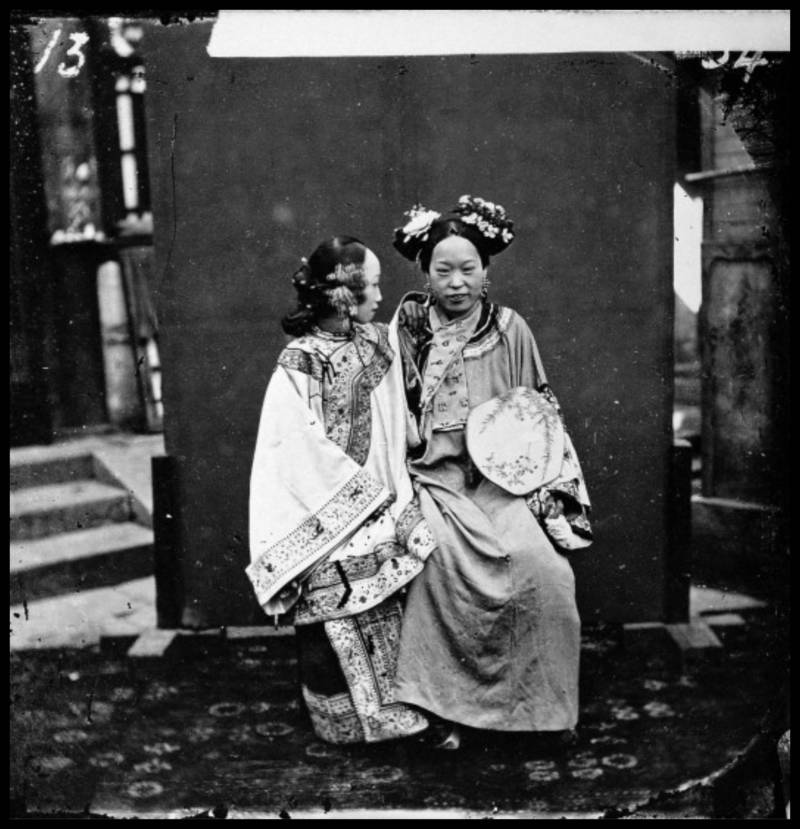
In the China of the Qing dynasty — which ended in 1912 with the rise of what would soon be called the Kuomintang nationalist party — every part of life, from pastimes to clothes, differed from what we see today. Girls’ feet were painfully bound in order to change their shape, men wore their hair in long braids, and Taoist, Confucian, and Buddhist thought dominated the nation.
That’s not to say that China was the only nation which saw massive transformations in the 20th century. As globalism swept many uniquely local cultures away, the habits and customs of the “old world” have broken down and rebuilt. Still, perhaps no place has changed more than China: and that has to do largely with what transpired in the middle of the 20th century.
After communism took over in the 1949 revolution and the Cultural Revolution began in 1966, China systematically erased the cultures promoted during the Qing (1644-1912) and Republican (1912-1949) eras. The youth of the Cultural Revolution, in particular, sought out and destroyed the “Four Olds” — customs, culture, habits, ideas — of their nation’s heritage.
They saw their history as backward and thus as something to be ashamed of. They chased out religion, burned books, destroyed cultural relics, and did everything they could to obliterate their nation’s minority cultures.
The revolutionaries transformed Beijing opera into a propaganda tool; they tossed out Chinese dress for Mao suits and military uniforms, and replaced poetry classics with the revolutionary writings of Lu Xun and communist leader Mao Zedong’s “Little Red Book.”
Today, some of the culture that the Communist Party tried to destroy has started to return – but it will never be the same. The China of the Qing dynasty will only ever exist as it does in these pictures – as another world, a distant empire that collapsed to the will of another ideology.
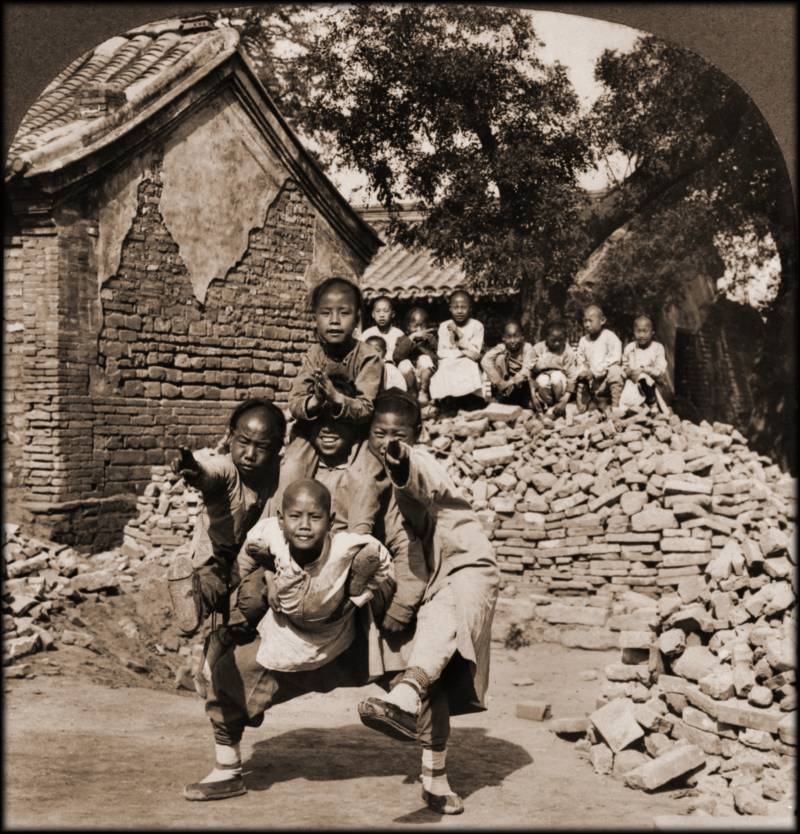
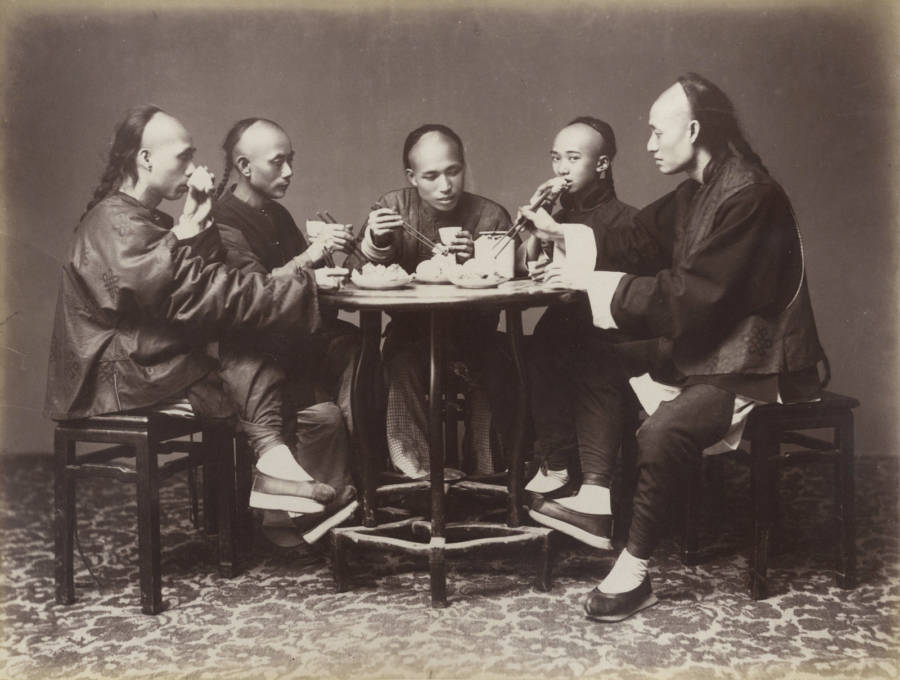
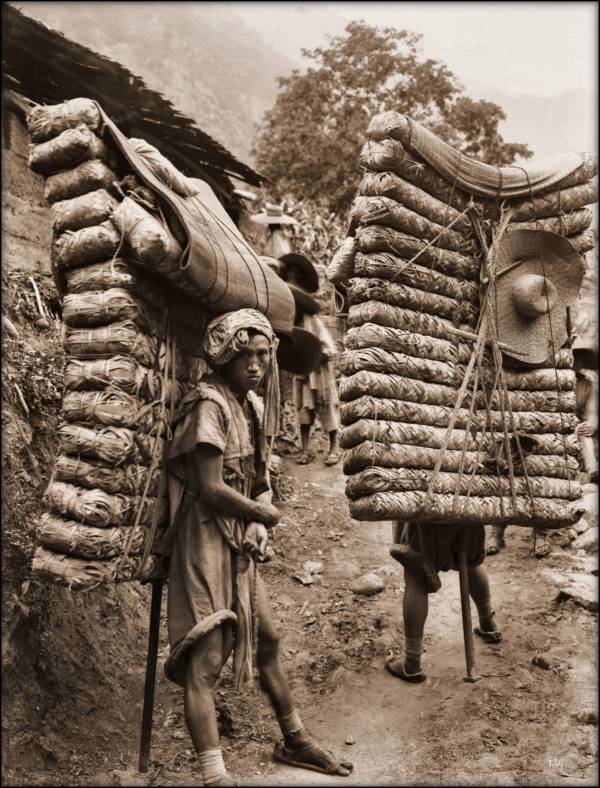
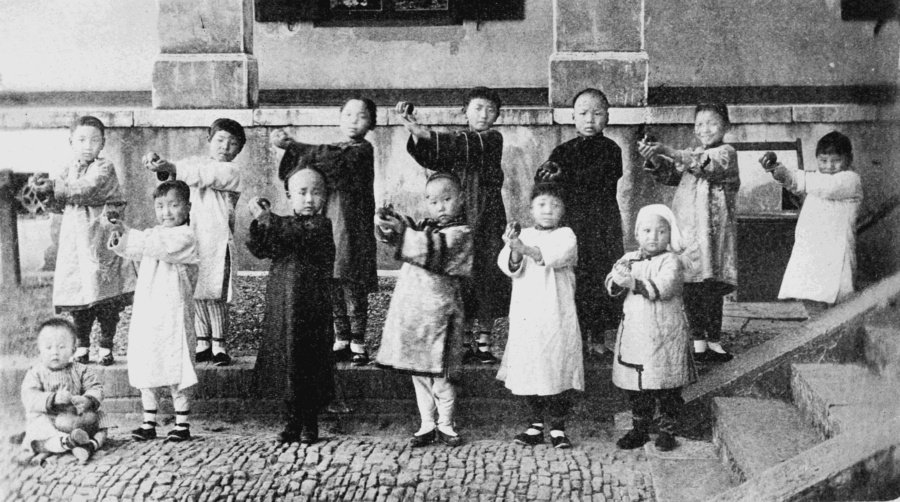
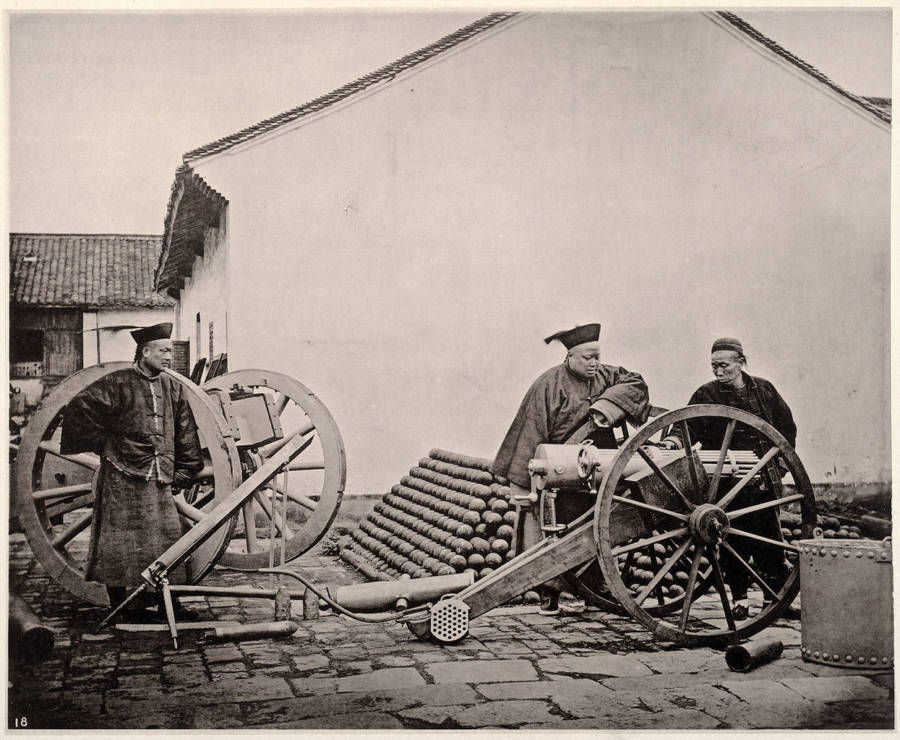
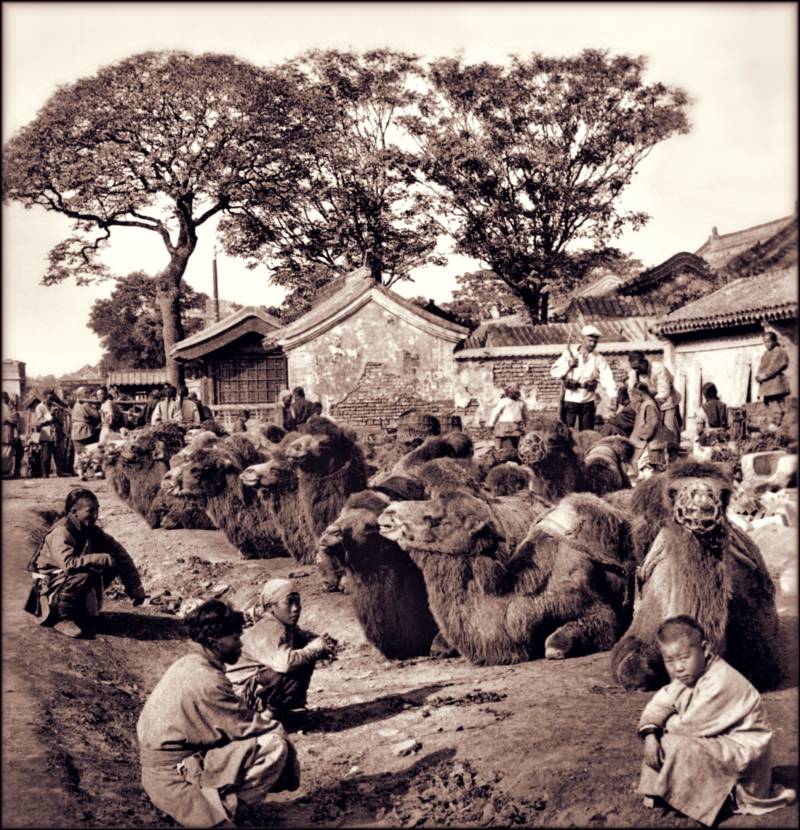
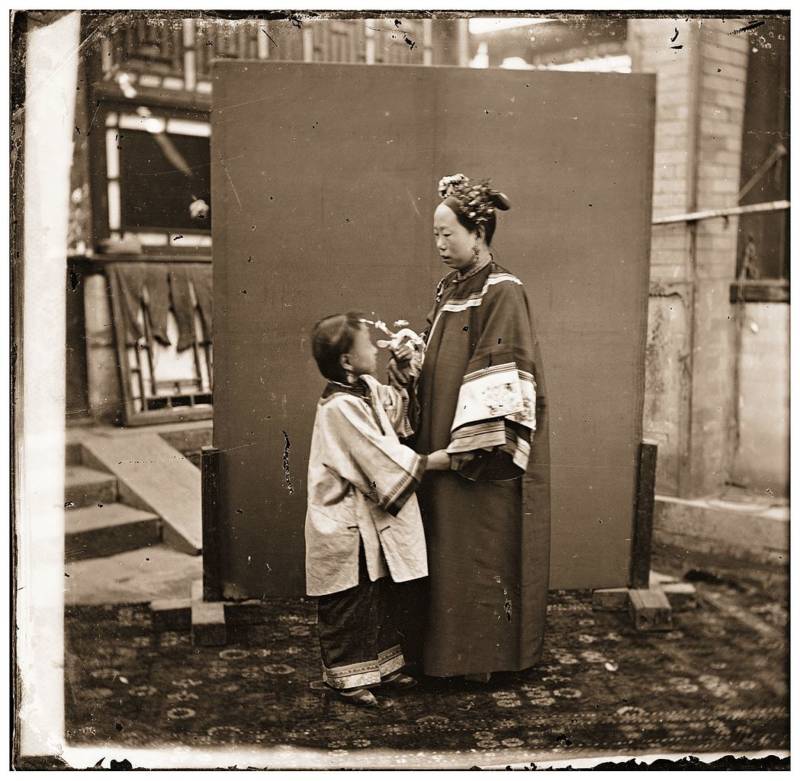
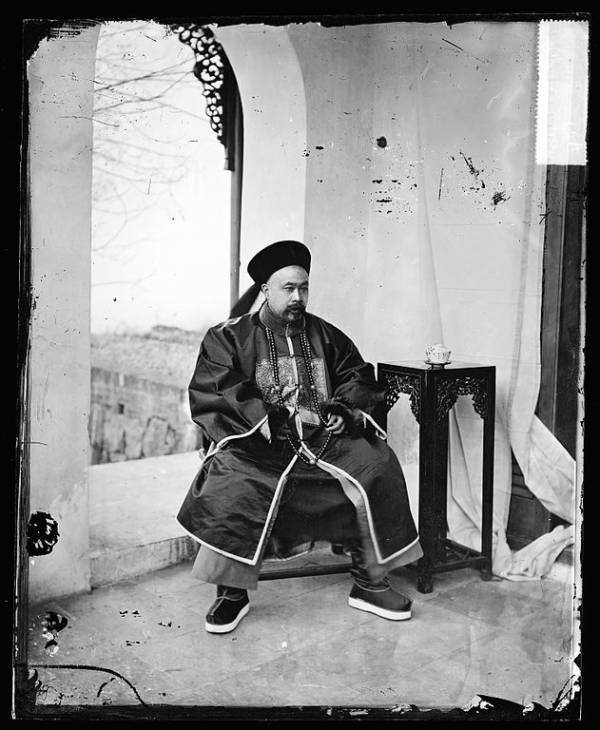
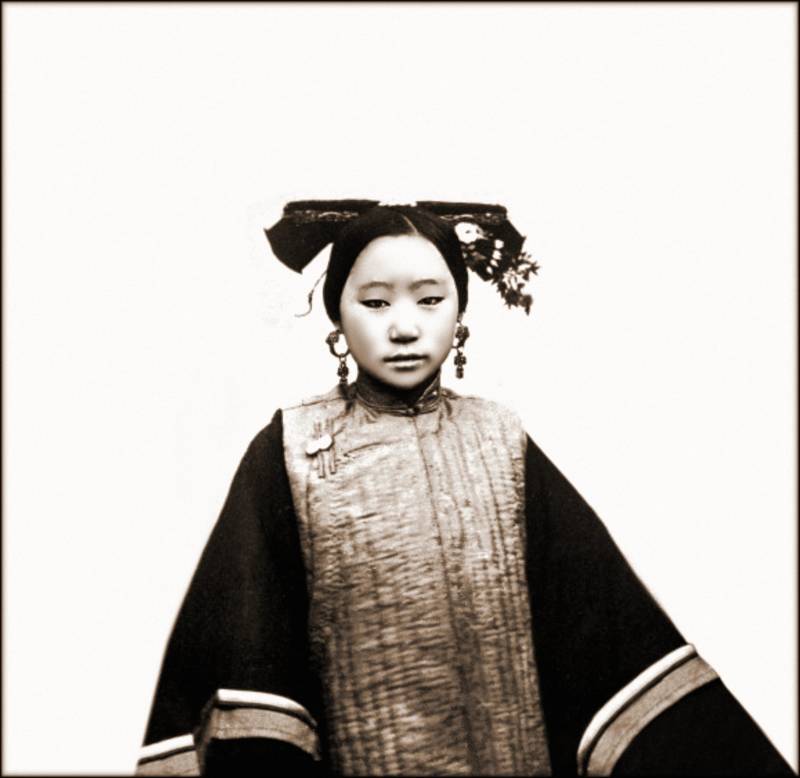
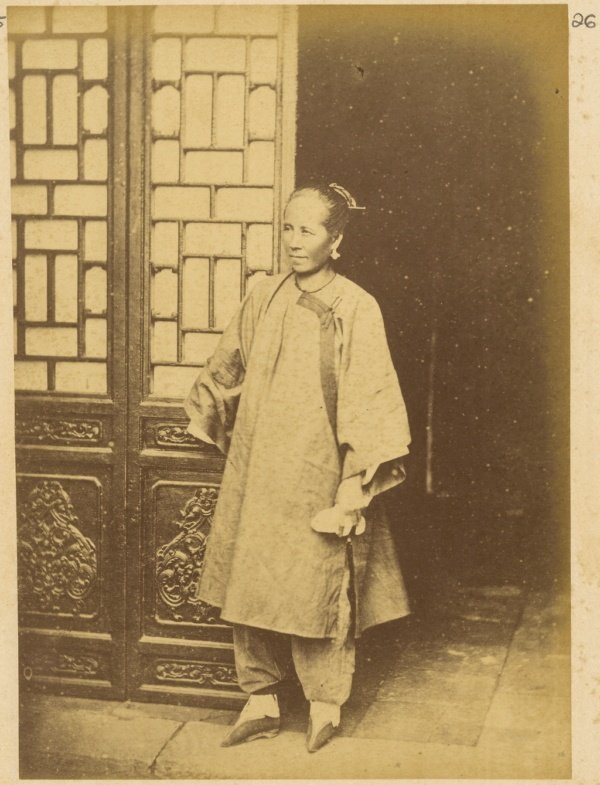
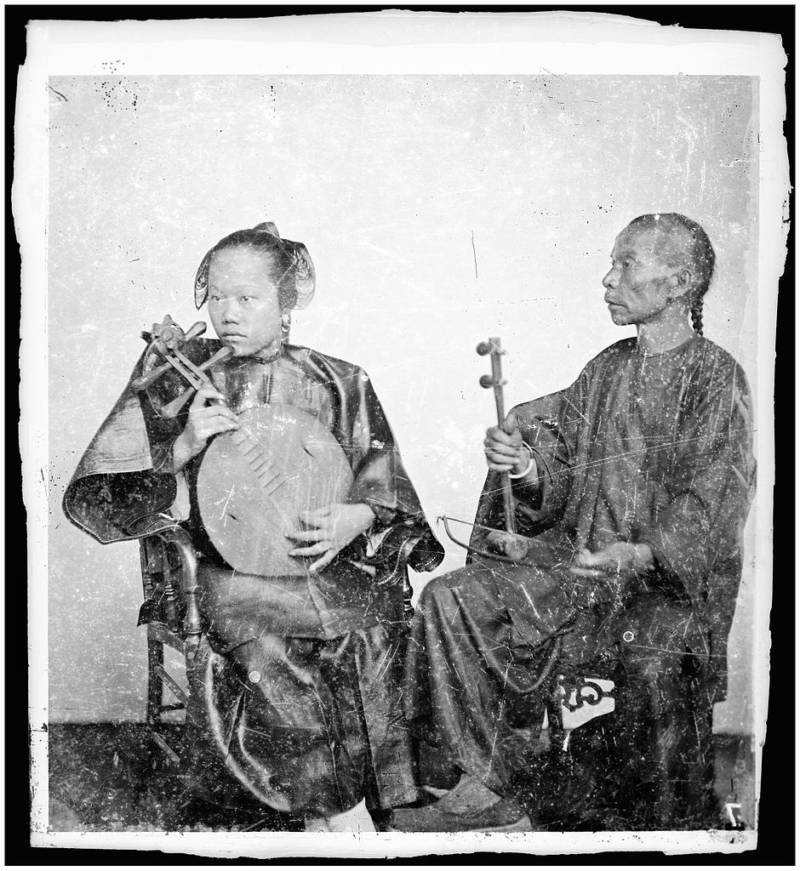
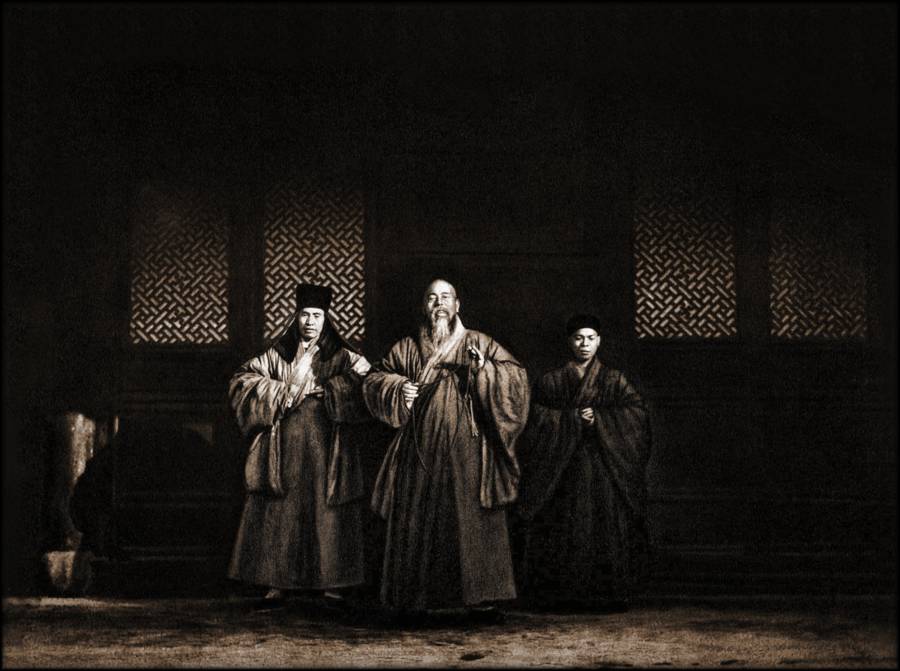
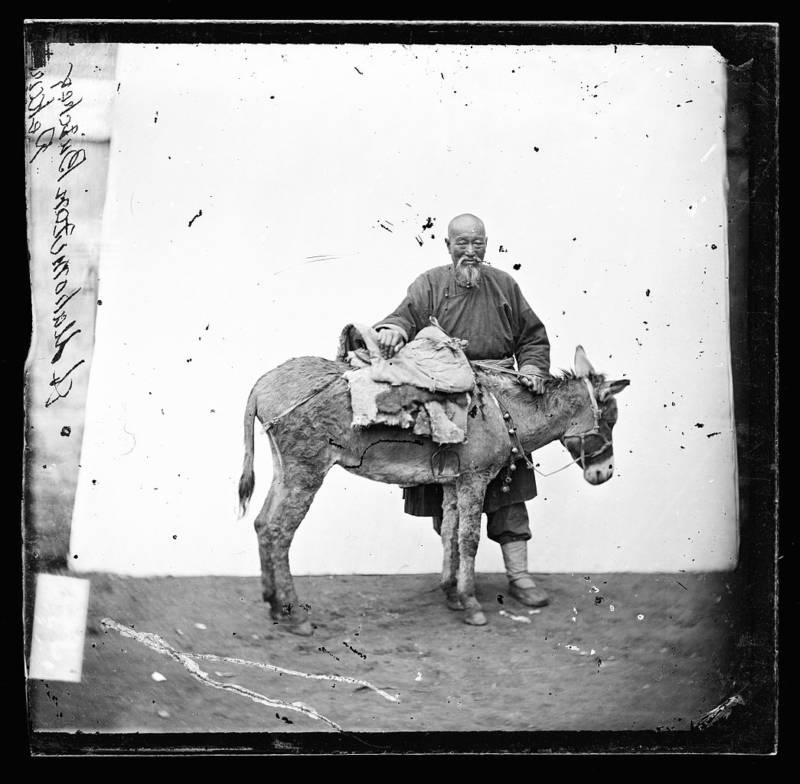
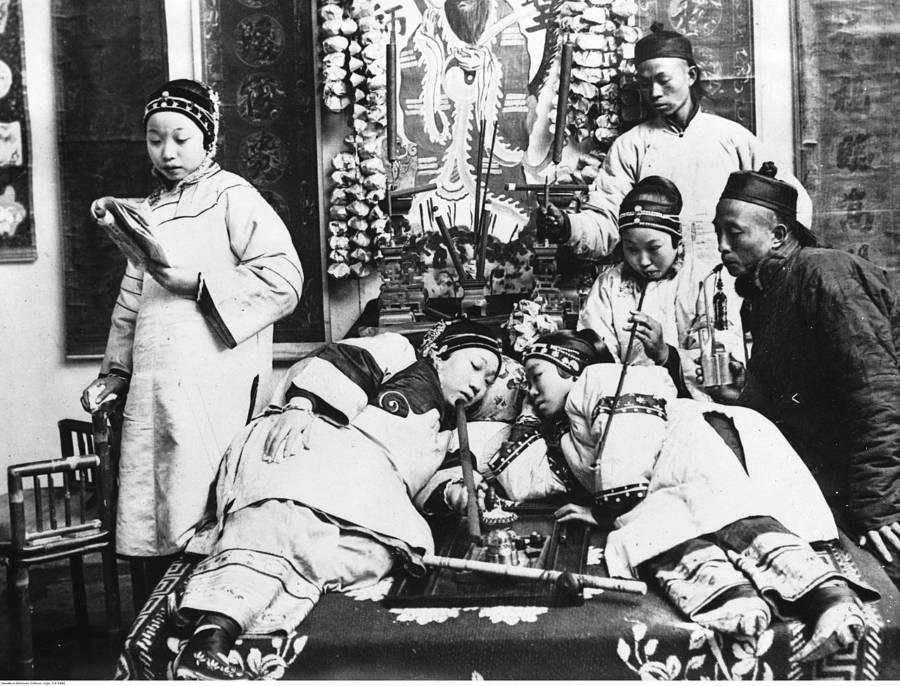
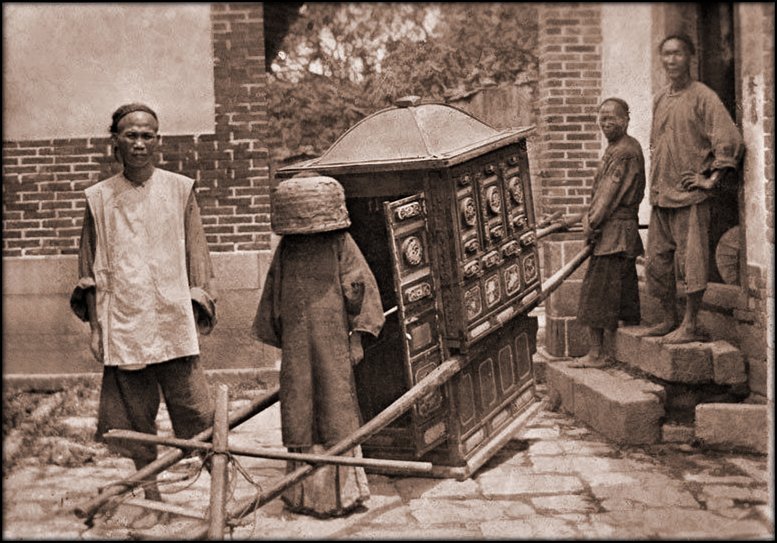
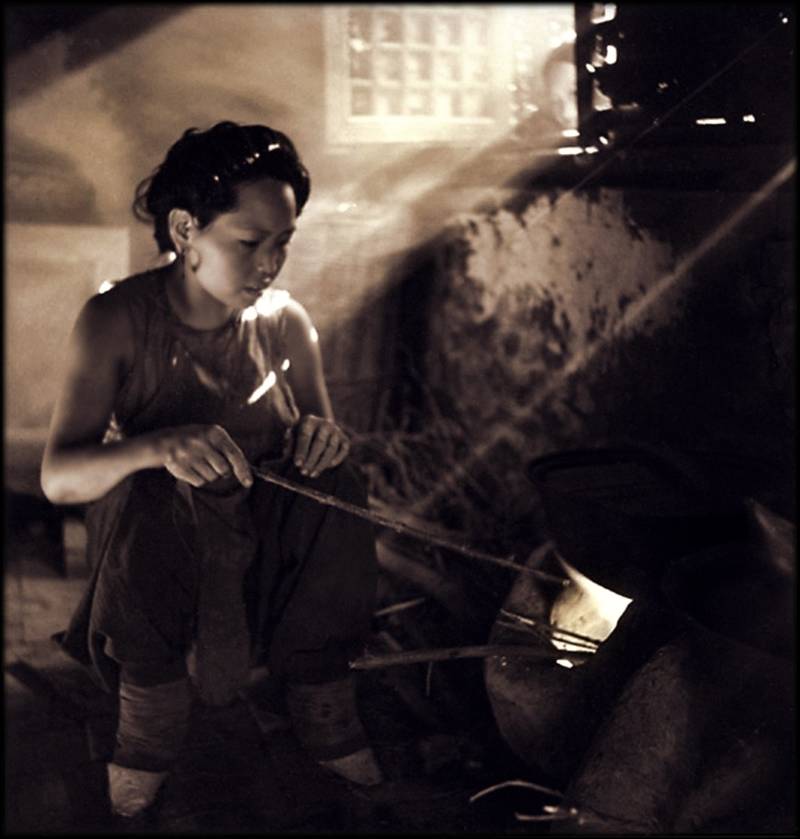
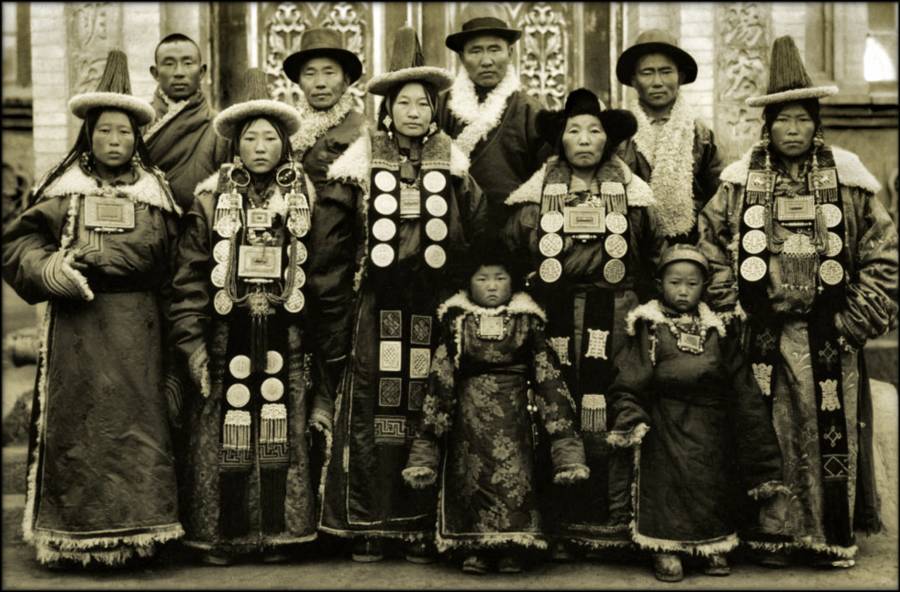
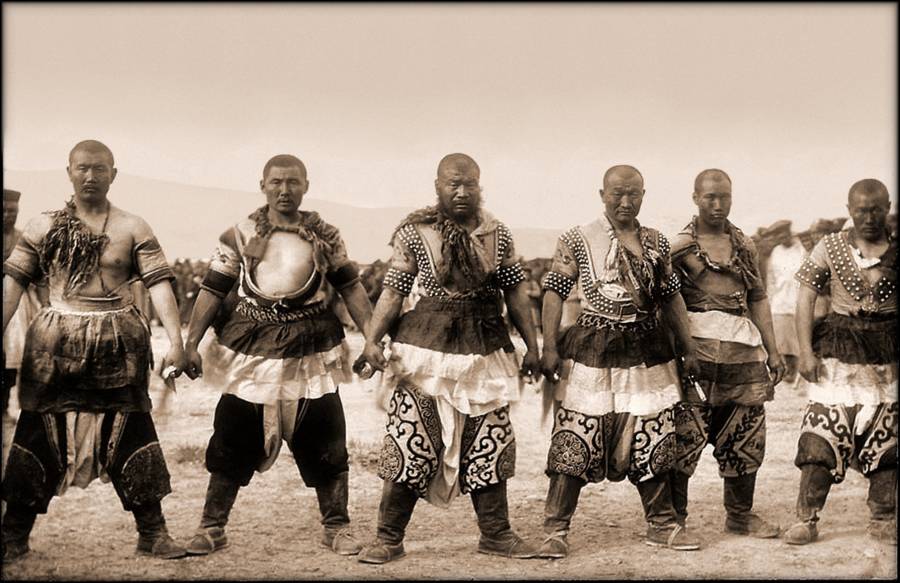
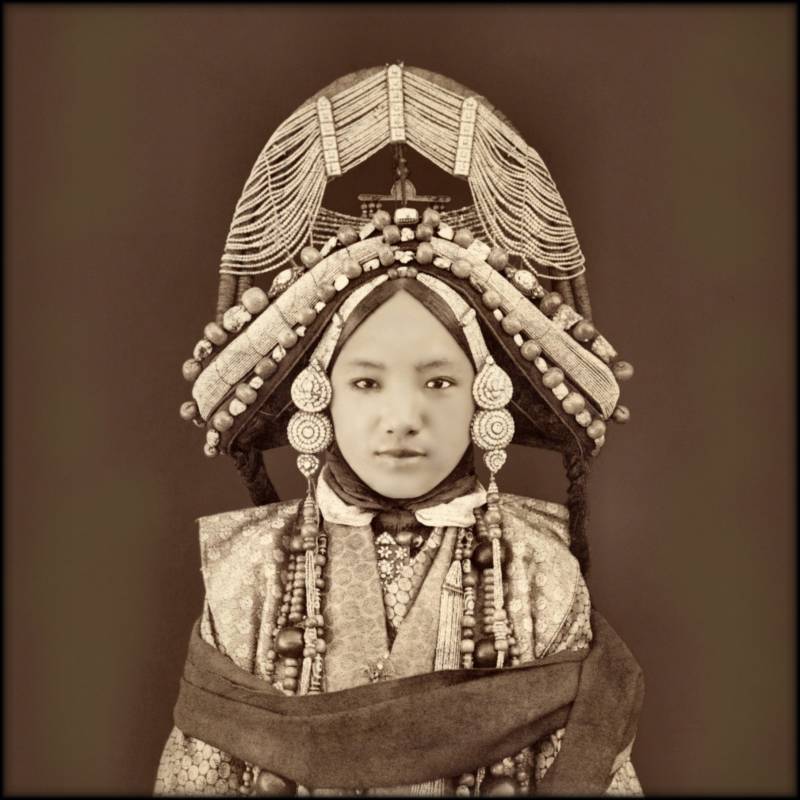
A traditional pagoda, today known as the Jinshan Temple, sits on an island in the River Min. Hongtang. Circa 1871.Young girls practice the Beijing Opera at a theater school in Beijing. Their feet have been bound. Beijing. 1934.Three young girls with bound feet. In imperial China, young girls would have their feet bound, crushing them into a tiny, mutilated shape they called the “lotus foot.” The Communist Party viewed foot binding as a symbol of China’s “backwardness” that needed to be eliminated. Liao Chow, Shanxsi. 1920s.Boys at a mission school climb on each other’s shoulders to form a dragon. Beijing. 1902.Men, with their hair in Qing braids, eating a meal. Hong Kong. 1880.Peasant men carry bricks of tea on their back. The bricks of tea on their backs weigh more than 300 pounds. These men would often have to make deliveries by walking 112 miles on foot, with all of that weight on their backs, Sichuan. 1908.A Mandarin man poses with his son. Location unspecified. 1869.Children in a schoolyard practice dancing. Zhengjiang. 1905.An elderly woman, wearing a traditional hairstyle poses in profile. Location unspecified. 1869.Two singing girls pose for the camera. The instrument that the girl on the left is holding is called an erhu. Hong Kong. 1901.Men stand near the cannons of their local arsenal. Nanjing. 1872.Men eating noodles purchased from a street vendor. Guangzhou. 1919.Three merchants in traditional dress reflecting class hierarchies, with the two older men (seated) wearing furs or more elaborate robes and the younger man (standing) wearing plainer clothes. Kwangtung. 1869.A man rides a pony before the city gates. Shaanxi. 1909.A woman poses with her maid (right) near a bronze incense burner. Beijing. 1869.Chinese men pose with camels. Before paved roads and trains filled the veins of China, long distance travel would often be done on the backs on camels. Beijing. 1901.A boatwoman. Kwangtung. 1869.A woman poses with her child. Beijing. 1869.A man, wearing traditional robes, poses near a window. Location unspecified. 1869.A wealthy woman rides on a white pony, led by a young boy in peasant’s clothes. Qingdao. 1900.A girl wears her hair in a traditional coiffure. Beijing. 1869.The ladies of the palace, dressed in the imperial clothes of the Qing dynasty. Their faces have been painted white. Beijing. Circa 1910-1925.A servant working for a wealthy family. Her feet have been bound. Location unspecified. 1874.A girl sits while holding a fan. Beijing. Circa 1861-1864.Two musicians pose with their instruments. Kwangtung. 1869.This photo is labeled “The Abbot of the Monastery.” The subject is likely a Taoist priest. Religion was suppressed during the Cultural Revolution under Marxist ideals. Taoists had to practice their religion in secret. Chekiang. 1906.Men smoking opium. During the Kuomintang party’s rule in the early 1900s, opium was trafficked to fund the party. The Communist Party, however, took a much harder line with opium and classified drug traffickers as the “enemies of the people.” By 1951, the Communist Party claimed that opium abuse had been “wiped out.”An elderly man poses with his mule. Beijing. 1869.Before the Communist Party came into power, opium abuse was officially illegal. But in practice, it was fairly common. These smokers are hiding out in an illegal den. Beijing. 1932.A bride on her way to her wedding. Normally, a bride would cover her face with a red veil. It’s not entirely clear why this woman is using a basket. Fuzhou, Fujian. Circa 1911-1913.A bride with her face unveiled. Beijing. 1867.A woman puts on her wedding dress and poses with her daughter on her lap. Beijing. 1871.A woman with bound feet at work, tending to a stove. Hebei. 1936.A family from a minority group in Lanzhou. China is an incredibly diverse country, containing some 55 unique ethnicities, each one with its own culture. During the Cultural Revolution, ethnic minorities were pressured to give up their special statuses and cultures and embrace the new world of the revolution — usually by force.Taiwanese aborigines from the Bunun tribe. When the Communist Party came into power in 1945, the nationalist Kuomintang fled to Taiwan. There, they installed a “one language, one culture” policy that eroded the Bunun way of life. Taiwan. 1900.Mongolian strongmen performing in the August Games, dressed in traditional clothes. During the Cultural Revolution, Inner Mongolia was plagued by revolutionaries trying to hunt down a separatist party. By the end, 22,900 people were beaten to death. Hebei. 1909.A Tibetan princess. The Tibetan uprising was a direct response to the effects of the Cultural Revolution and the Communist Party’s redistribution of their land. Tibet. 1879.
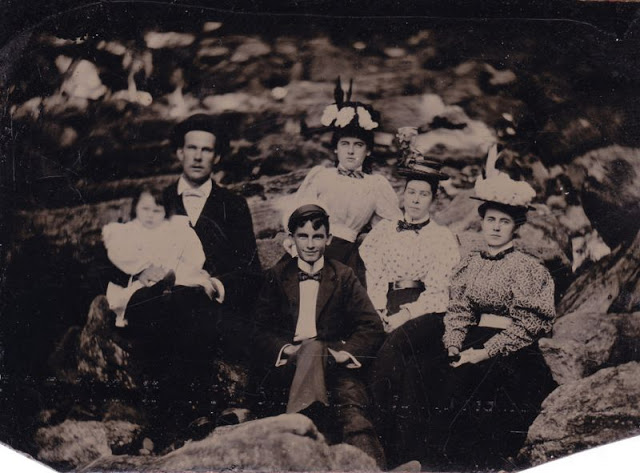
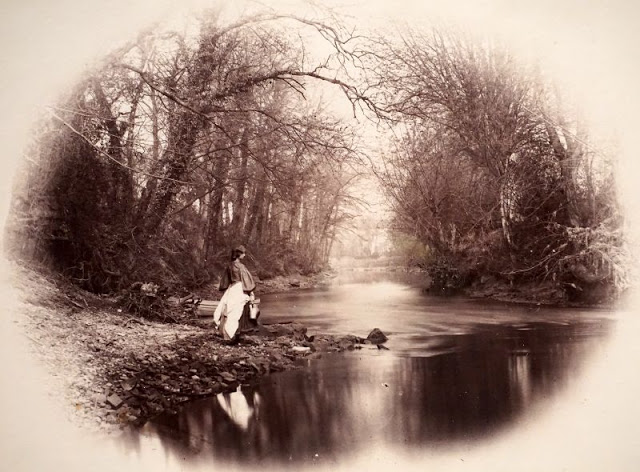
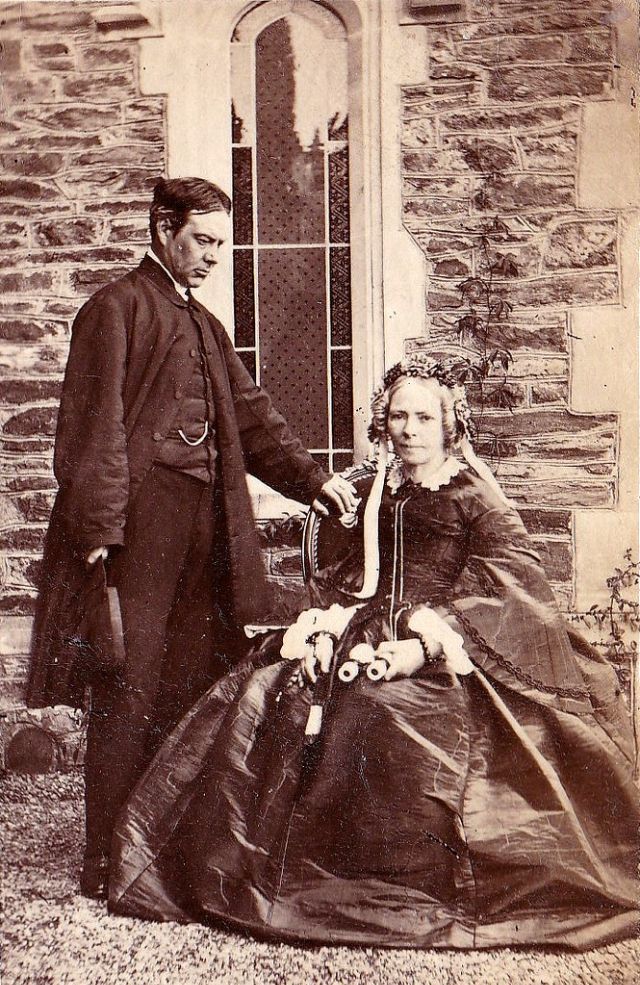
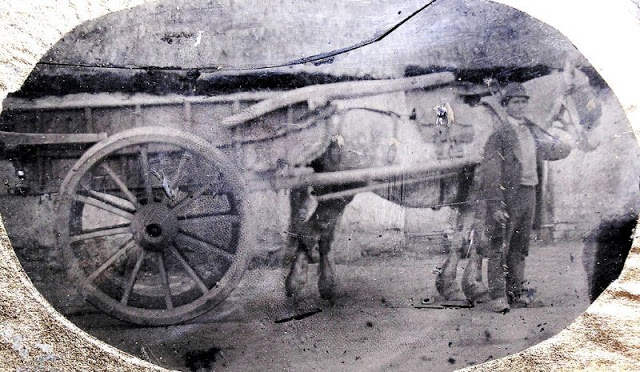
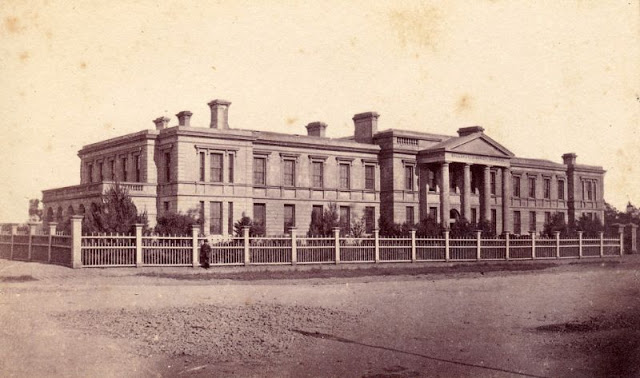
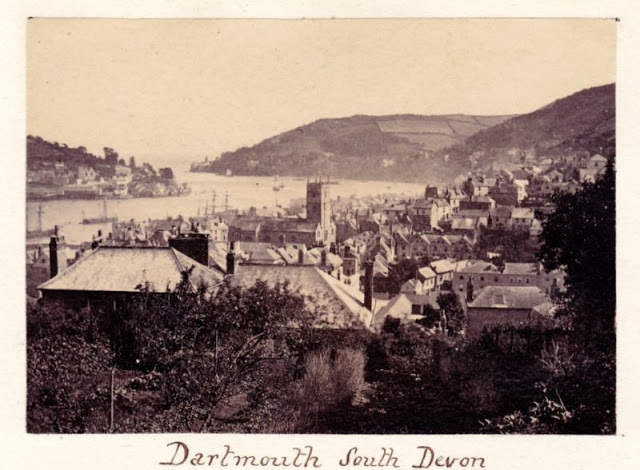
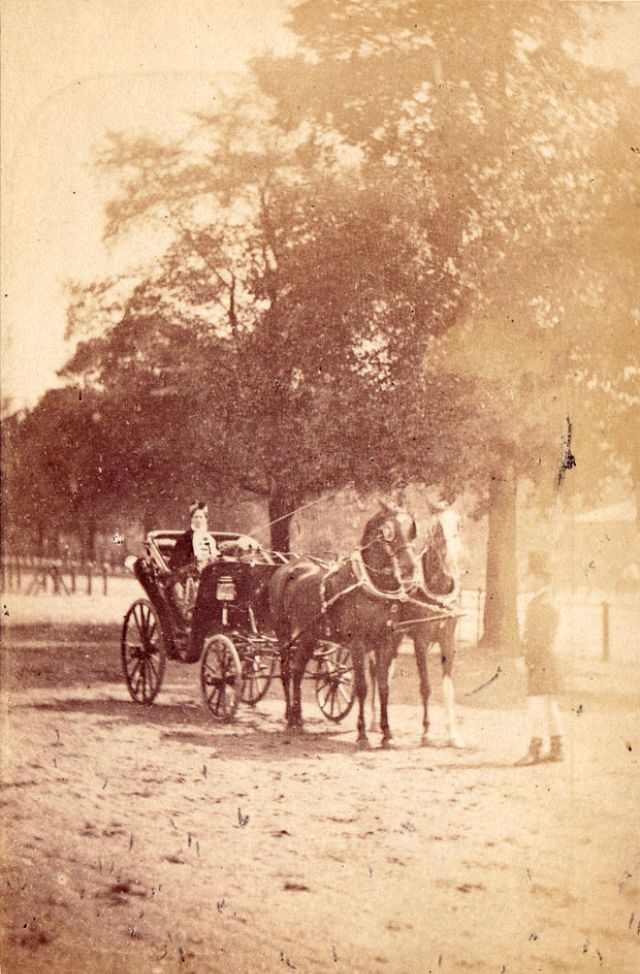
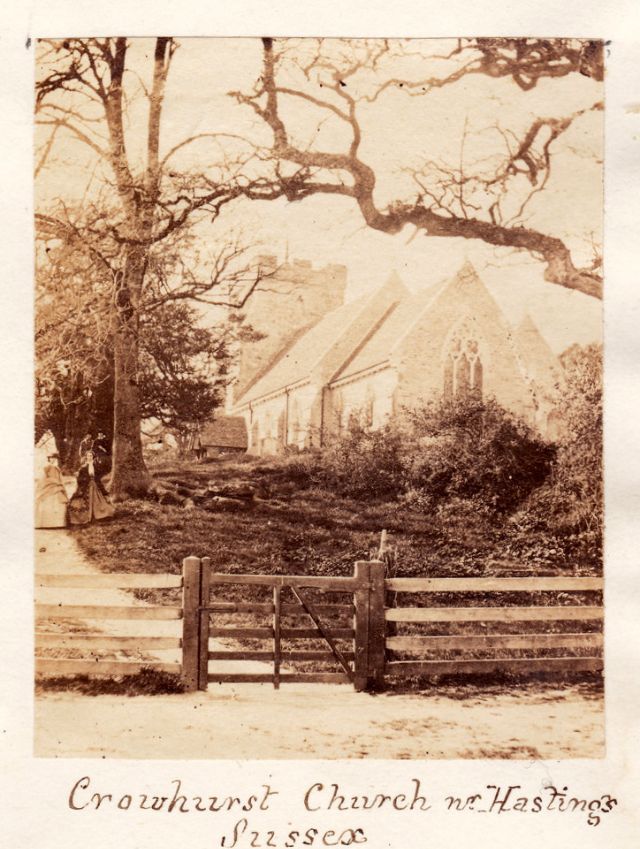
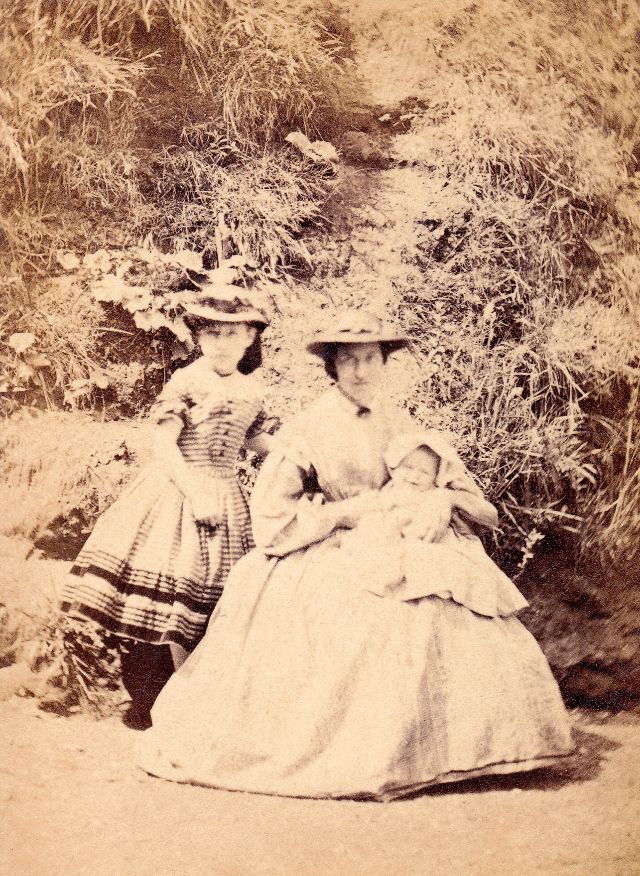
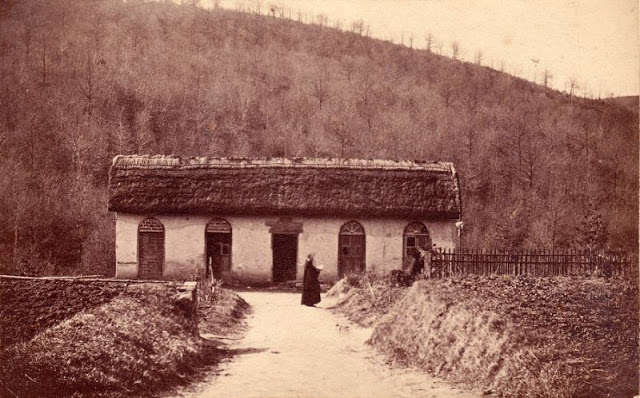
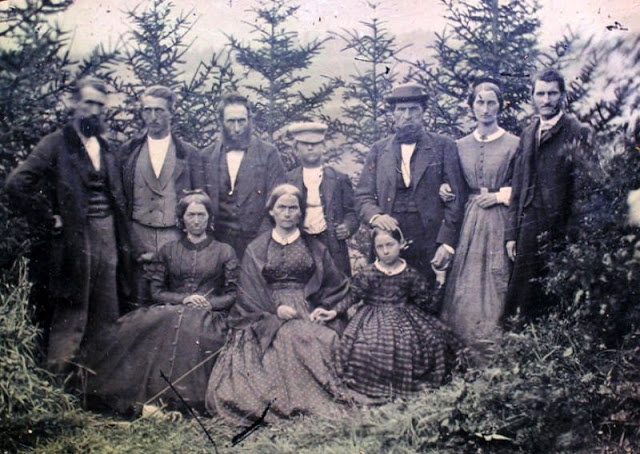
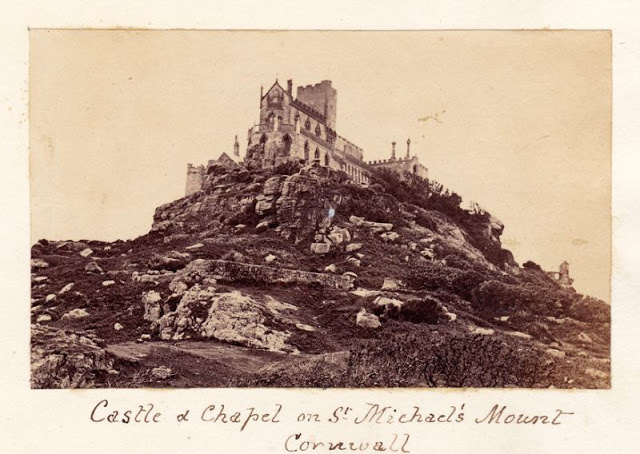
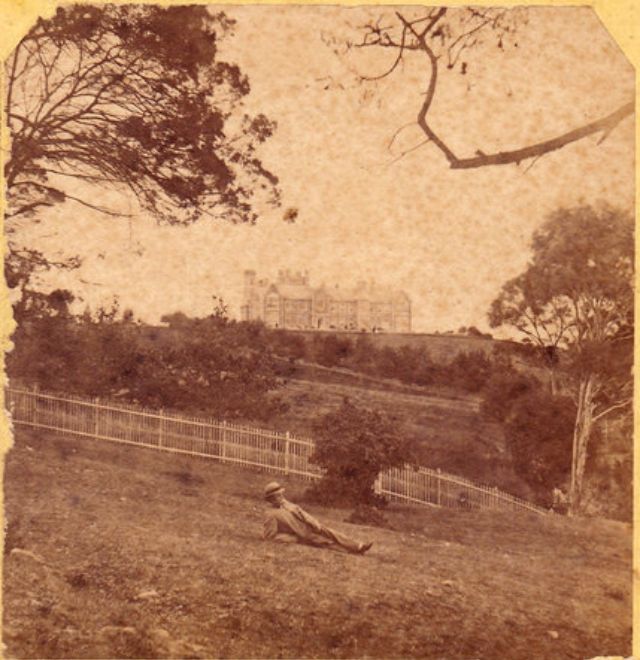
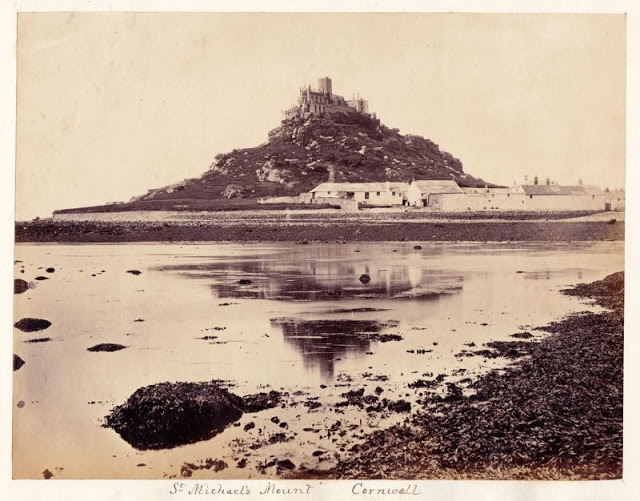
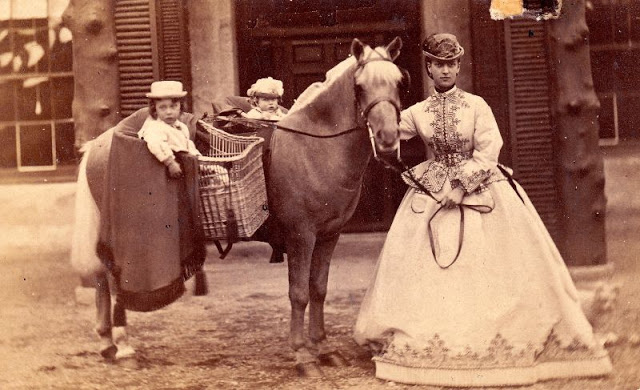
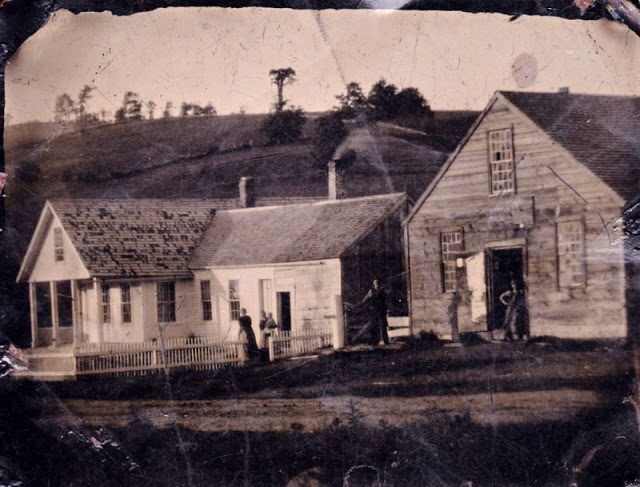
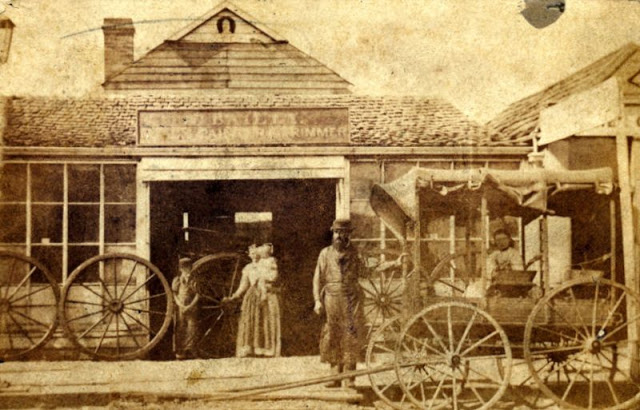
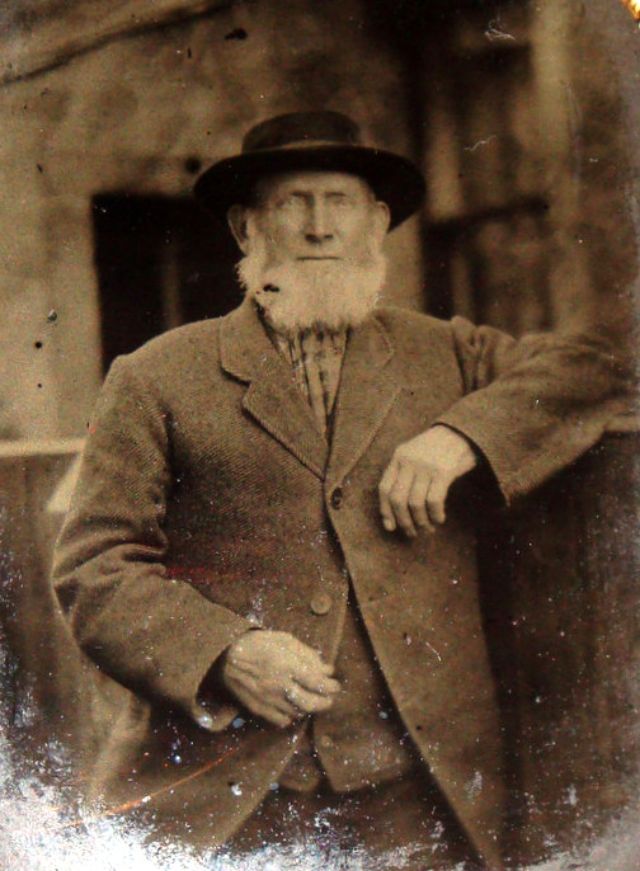
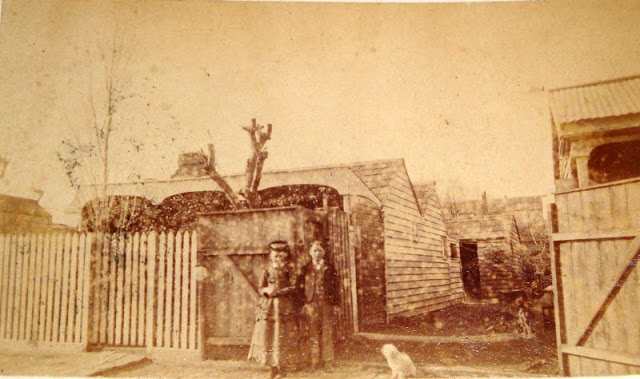
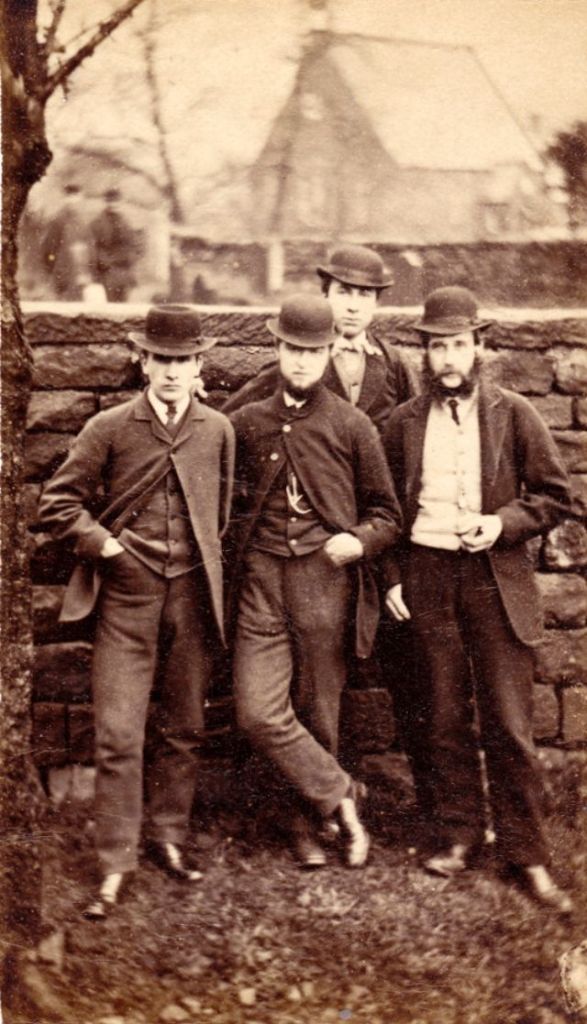
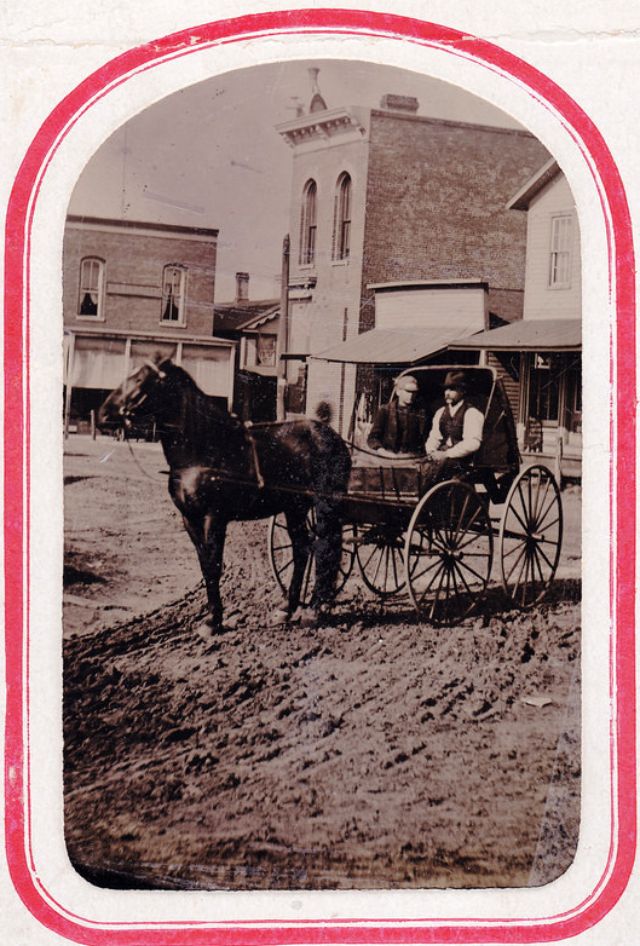
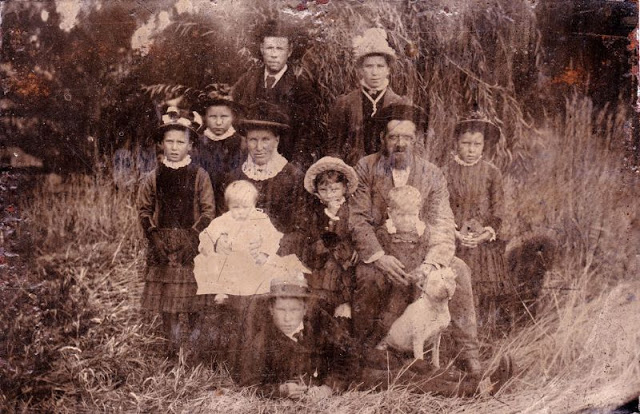
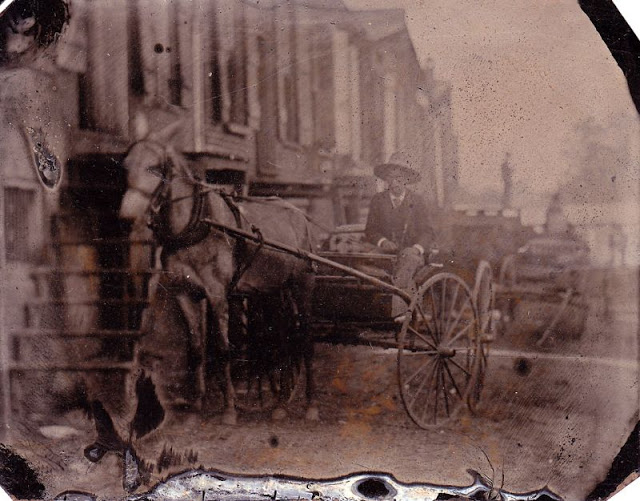
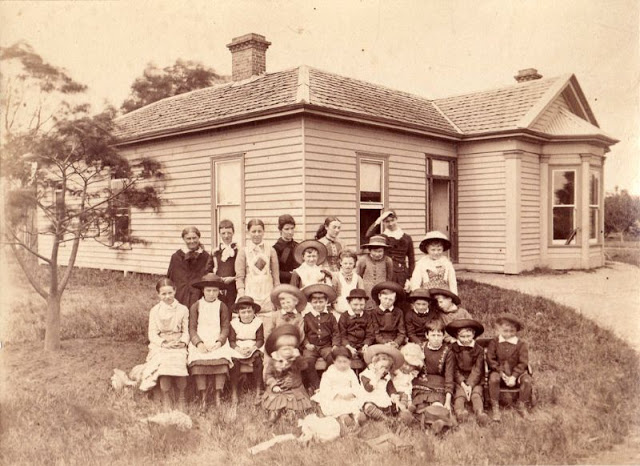
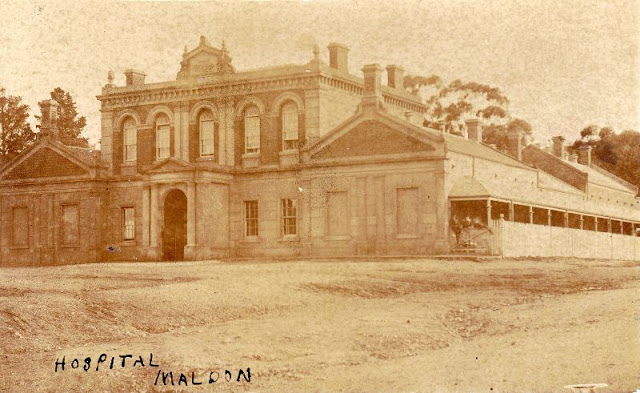
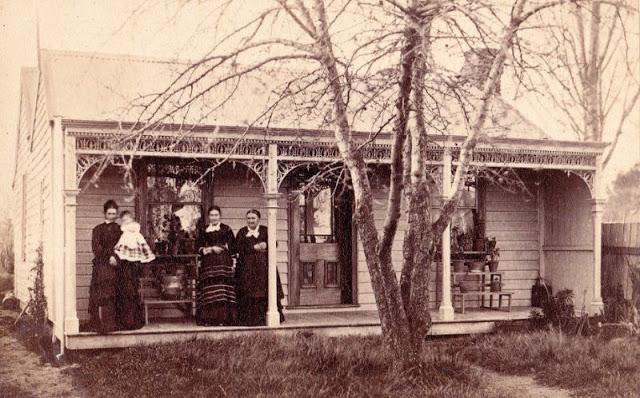
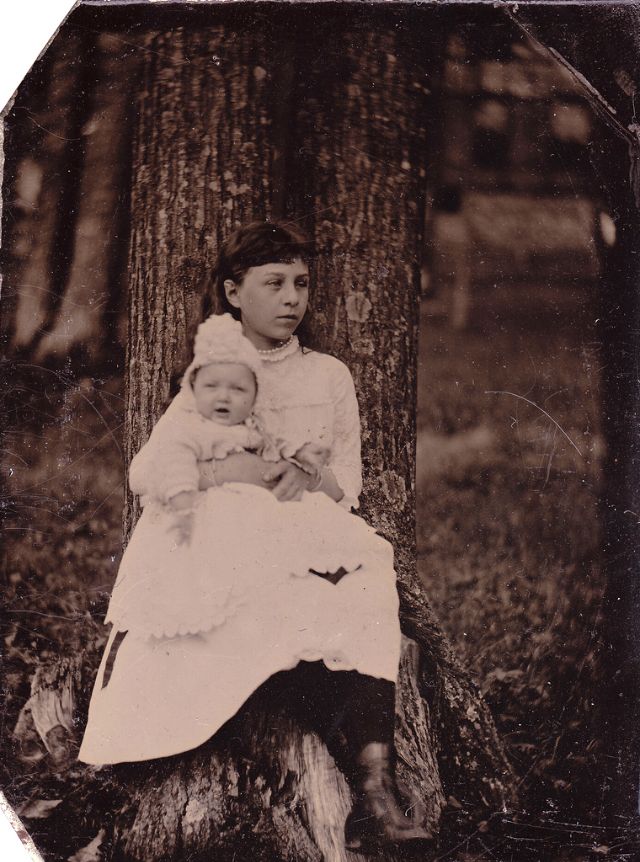
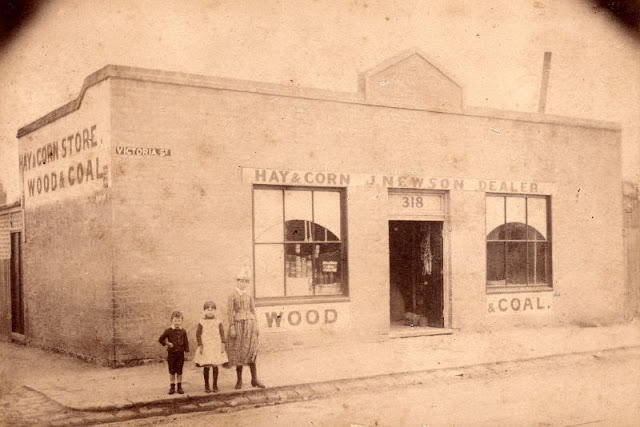
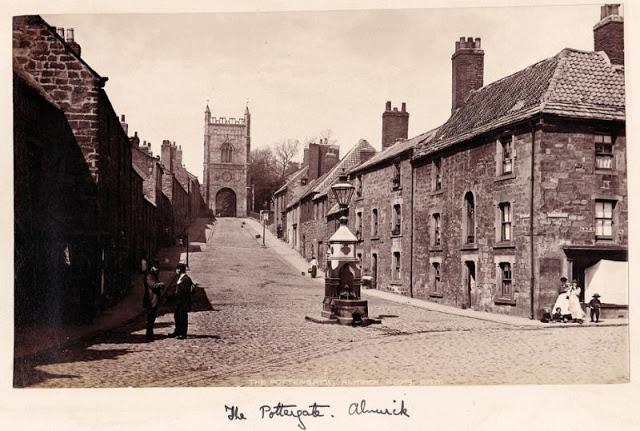
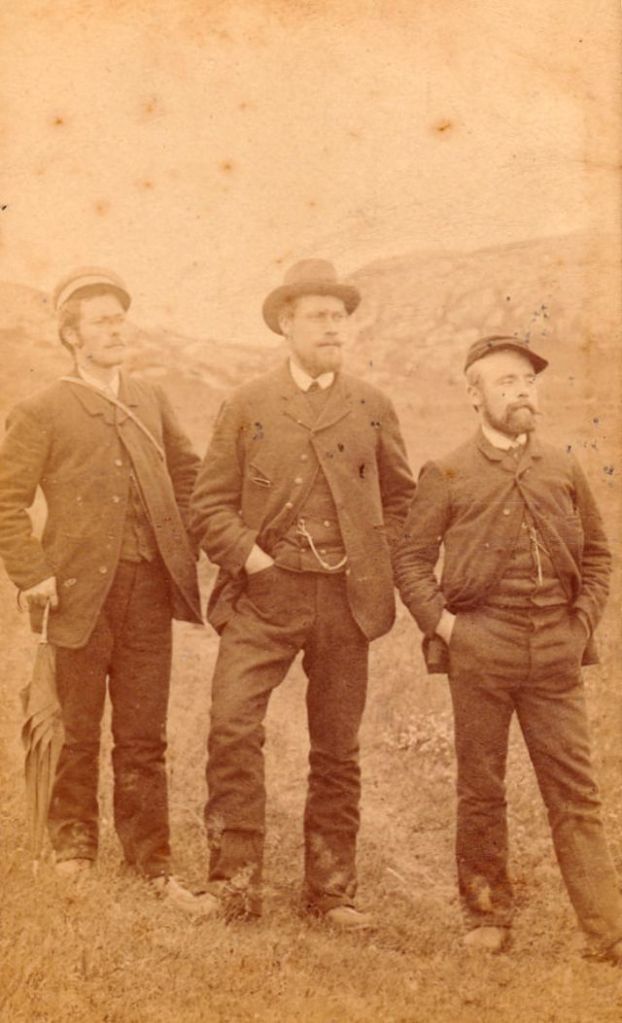
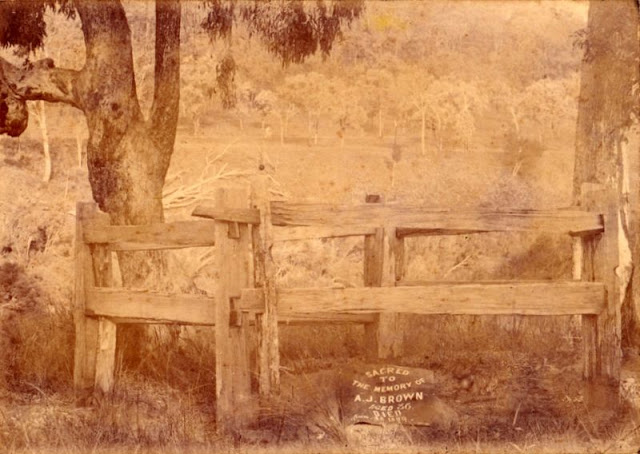
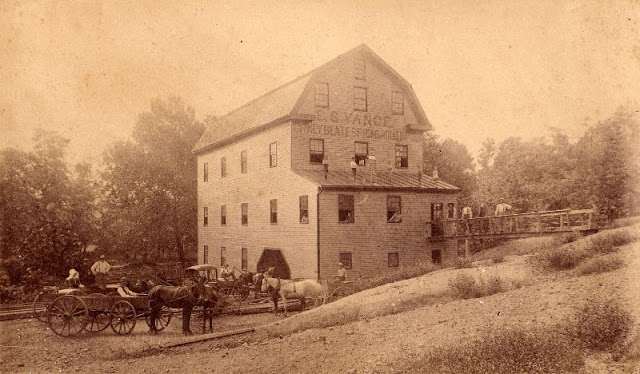
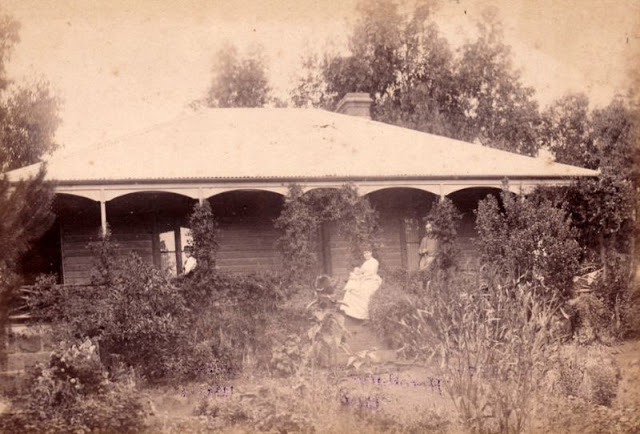
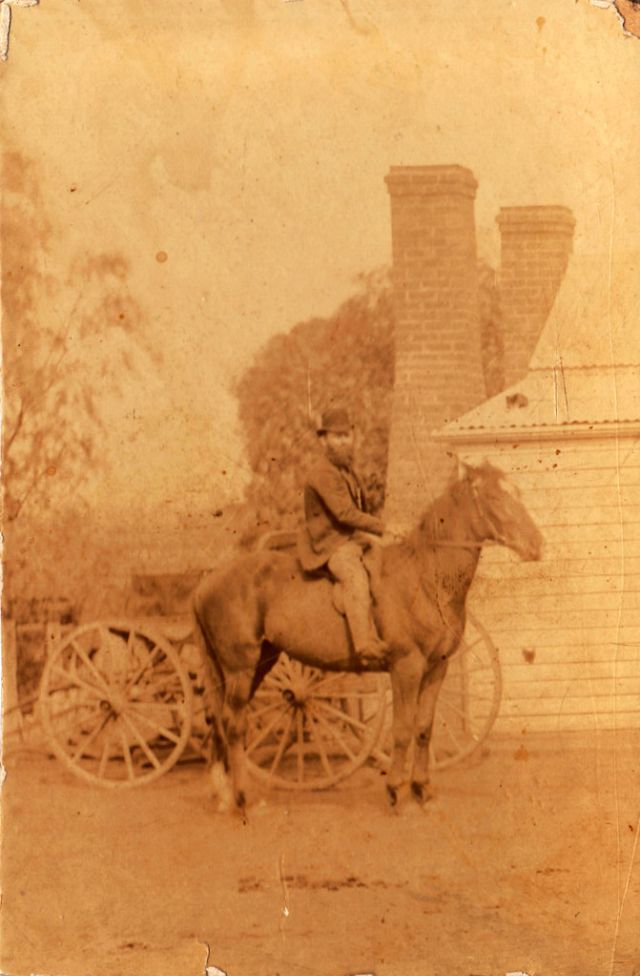
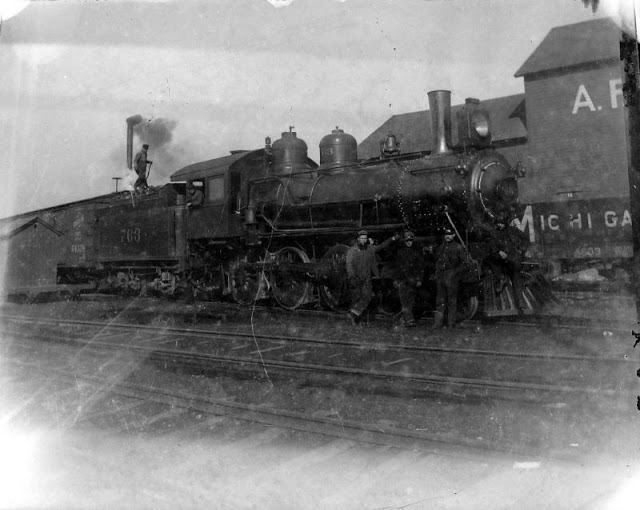
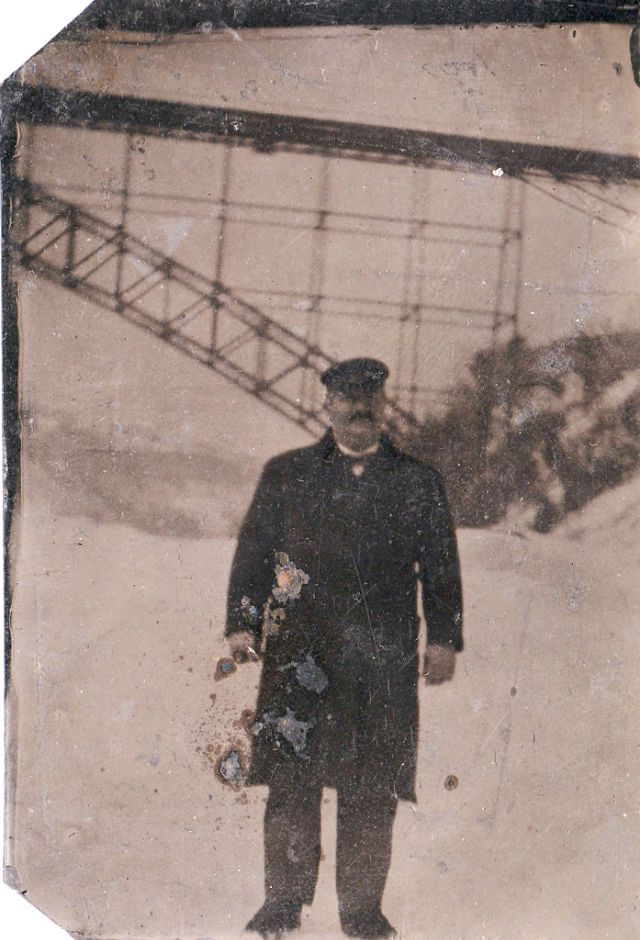
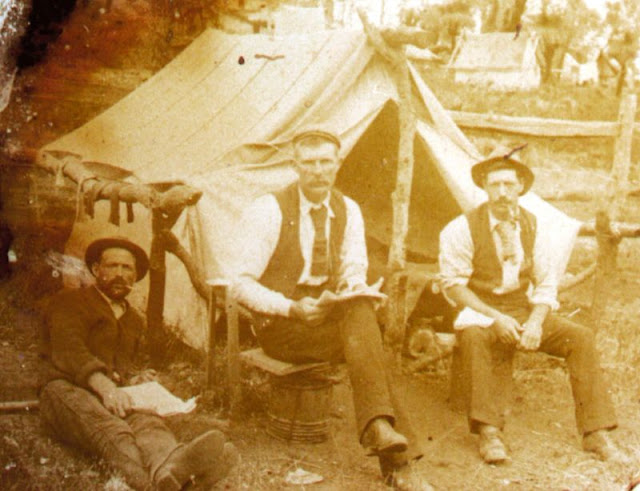
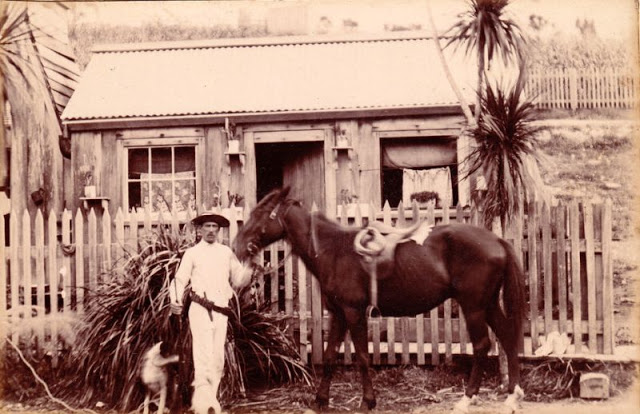
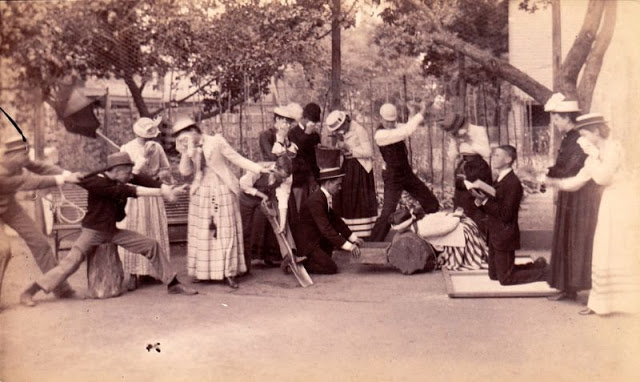
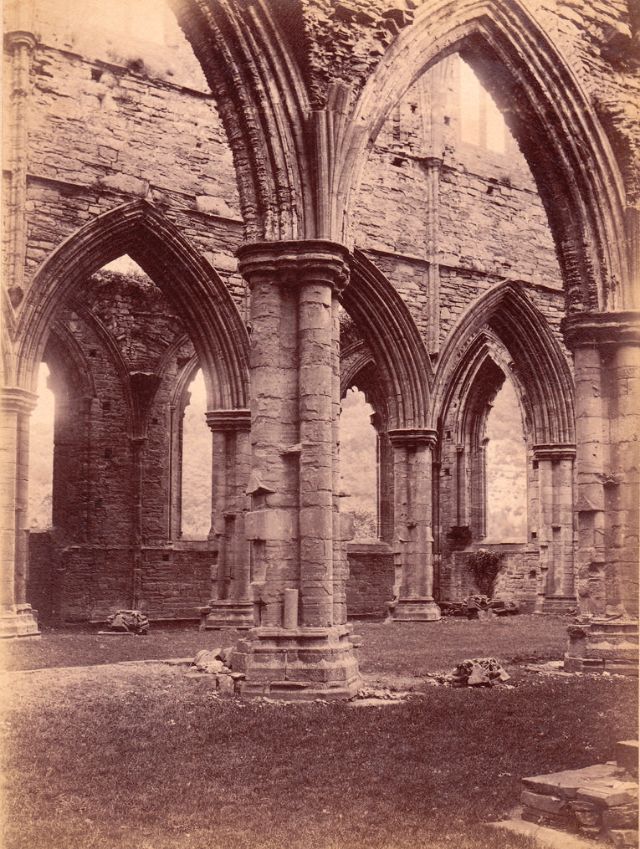
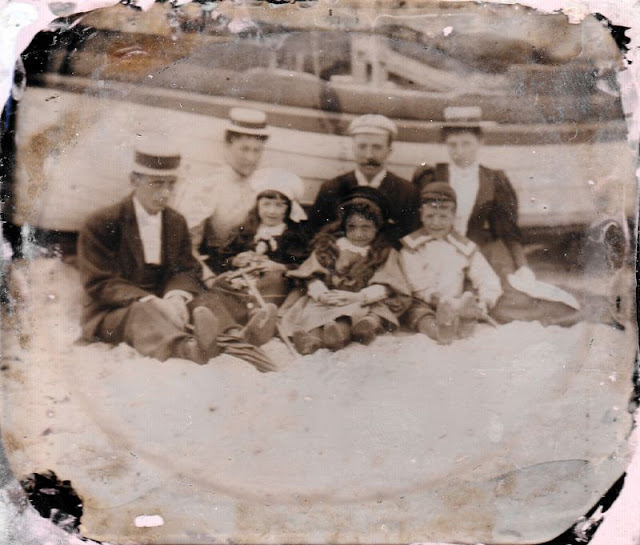
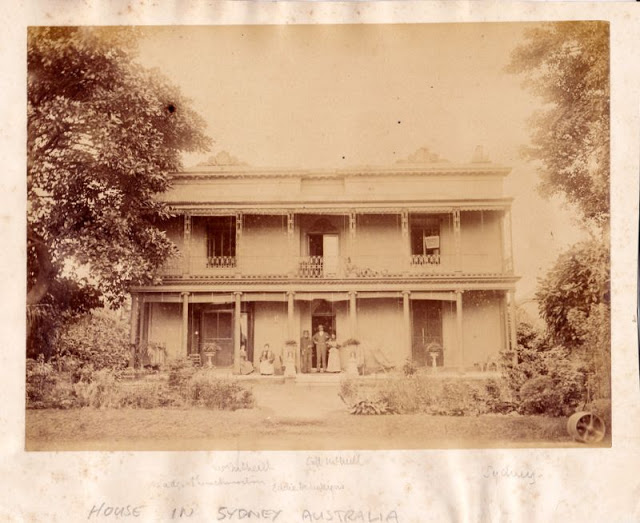
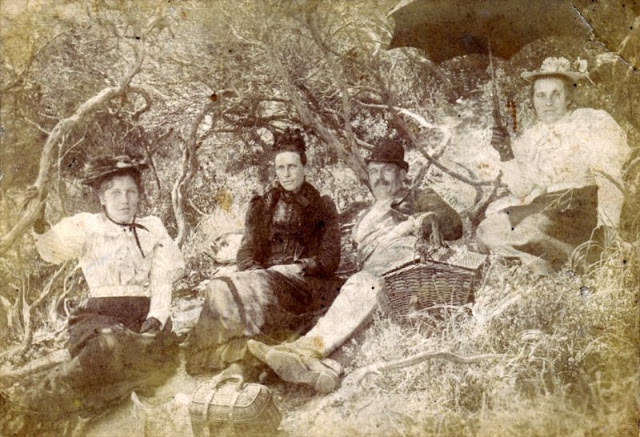
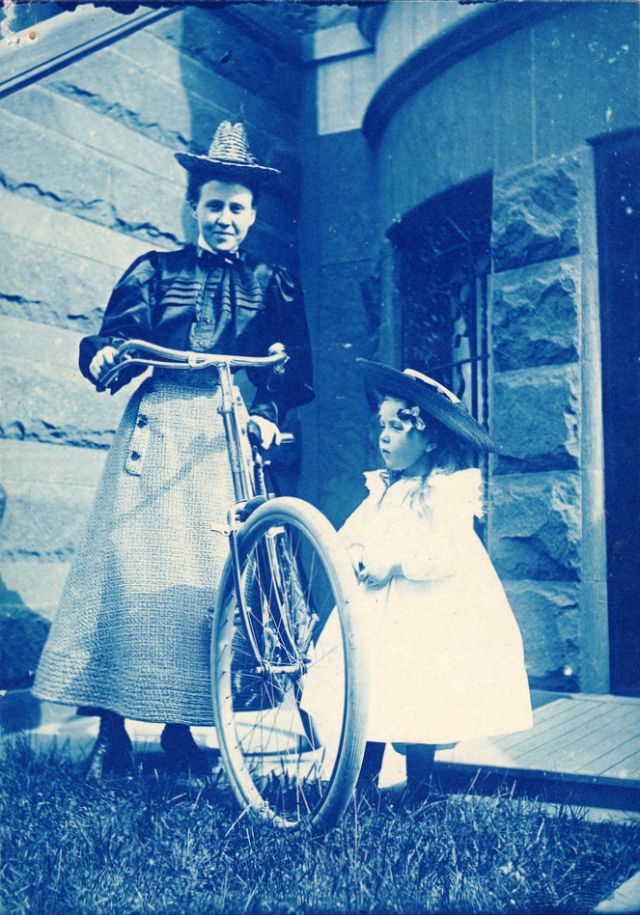
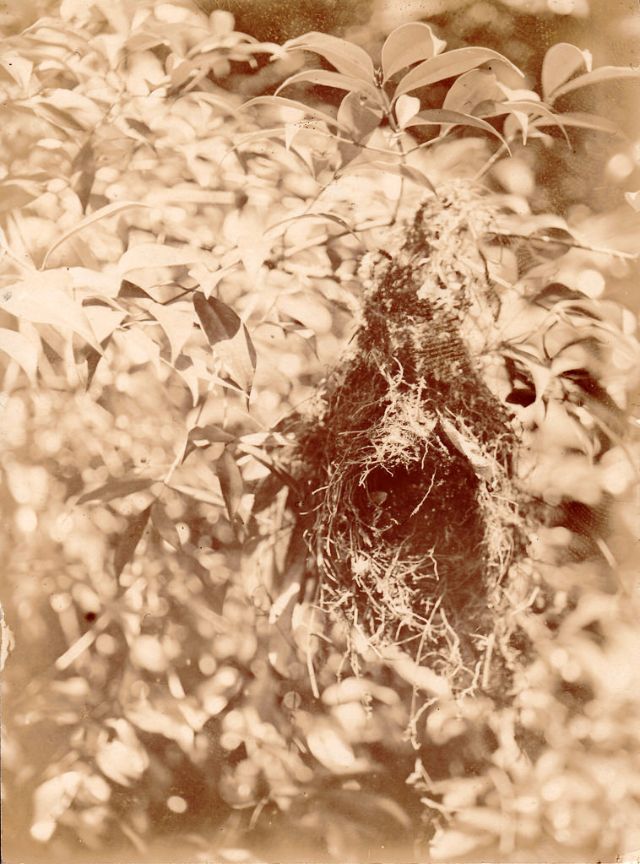
A young lady by the river, circa 1860sA couple in front of their house, circa 1860sA farmer with his horse and wagon, circa 1860sBallarat Hospital, Victoria, Australia, circa 1860Dartmouth, South Devon, circa 1860sA woman in her carriage and a man in a top hat looking on, Brighton, circa 1862-1867Crowhurst Church, Sussex, 1862Mother and her children. Dated on the back “July 19, 1863”Benedictine monastery in Burgundy’s Morvan Forest, France, 1865A group of people taken in a forest setting, 1865Castle and Chapel on St Michael’s Mount, Cornwall, 1865Government House, Tasmania, 1865St Michael’s Mount, Cornwall, 1865Princess of Wales and her sons, 1866Big house on the prairie, circa 1870sA carriage painter and trimmer’s workshop, circa 1870sAn older British man with his arm resting on a fence in an outdoor setting, circa 1870sAn unknown household, its two children, and their dogs, circa 1870sFour men, 1870The main street of a rural North American town, 1870A family and a dog, 1880A row of buildings with a mule drawn cart and its driver, 1880An 1880s photo by photographer James P. Lind of Melbourne of some tired looking kids and their teachers from an unidentified school in Victoria, AustraliaMaldon Hospital, circa 1880sVictorian family home, somewhere in Victoria, Australia, 1880In the woods, 1884J. Newson’s Hay & Corn Store at 318 Victoria Street, Richmond, on the corner with Johnson Street, 1885The Pottergate, Alnwick, Northumberland, England, 1885Three men on a hillside, 1885The grave of A.J. Brown, 1889Vance’s Mill in Chalybeate Spring, Kentucky, 1889Victorian house and garden, 1889A man on horseback at ‘Pepper Corn Tree Farm’, Leichardt, Victoria, 1890A steam train and its drivers, Michigan, 1890A uniformed man standing in the snow in front of a railway bridge, somewhere in Canada, 1890Men in front of a tent, somewhere in Victoria, Australia, 1890Queensland cane farmer, 1890Staged execution. Dated July 21st 1890 on the back, with the name Myra R. Wonderly and the address Grand Rapids, Michigan also inscribed.The famous ruins of Tintern Abbey, Wales, 1890A family apparently on a seaside holiday, somewhere in England, 1895A family in front of their house in Sydney, New South Wales, 1895Family on the rocks, 1895Victorian picnic, 1895Woman with bike and child, 1895Written on the back: “Bell Bird’s Nest”, near Gosford, New South Wales, Australia, 1899
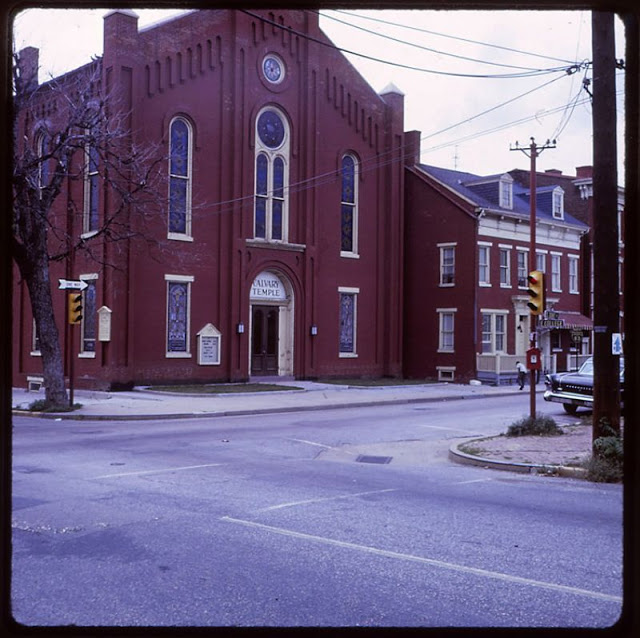
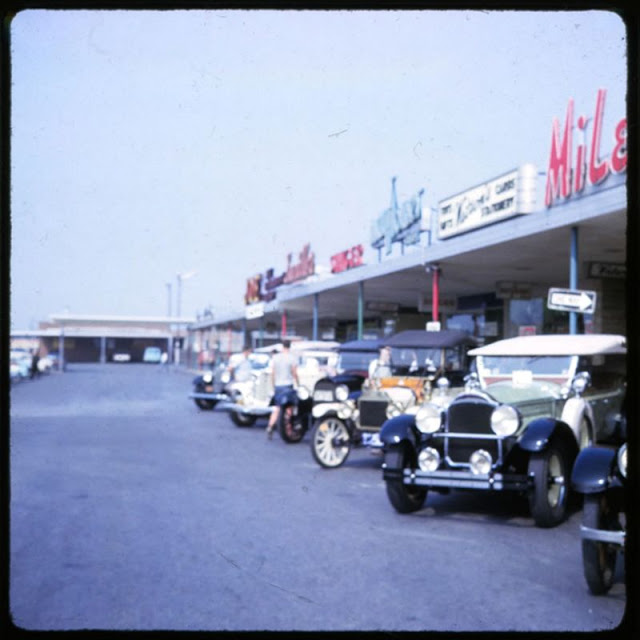
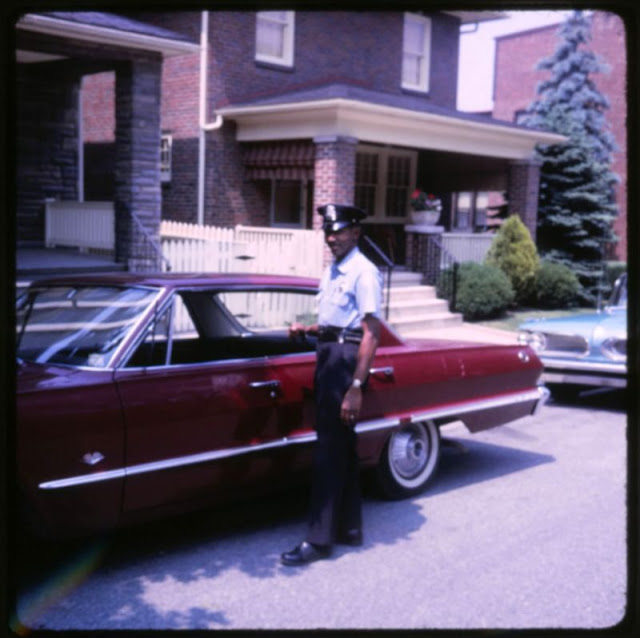
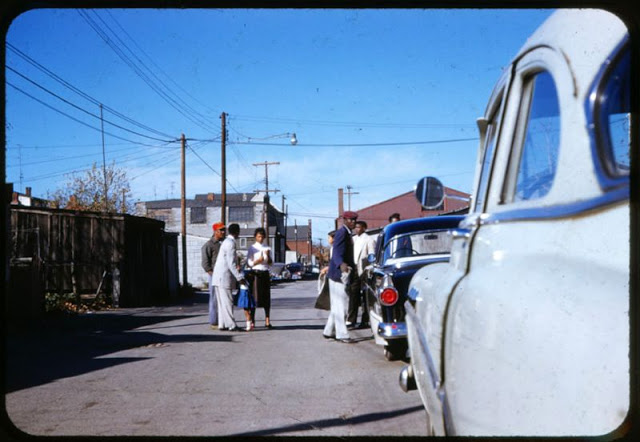
Created in 1749 from part of Lancaster County and named either after the Duke of York, an early patron of the Penn family, or for the city and shire of York in England, York County is a county in the U.S. state of Pennsylvania. Its county seat is York.
York County comprises the York-Hanover, Pennsylvania Metropolitan Statistical Area, which is also included in the Harrisburg-York-Lebanon, Pennsylvania Combined Statistical Area. It is in the Susquehanna Valley, a large fertile agricultural region in South Central Pennsylvania.
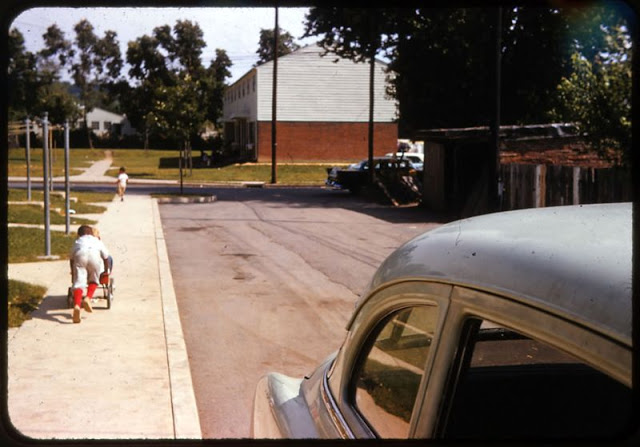
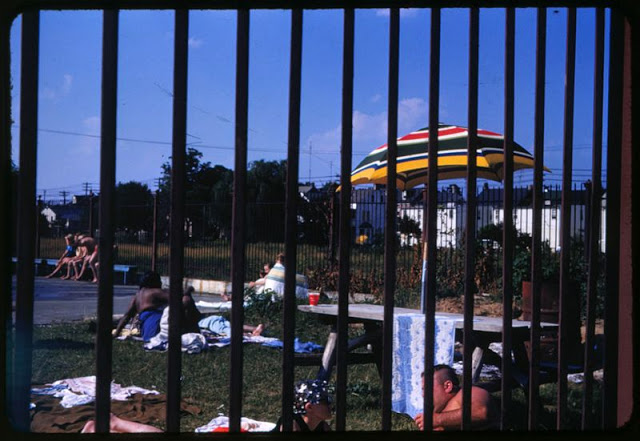
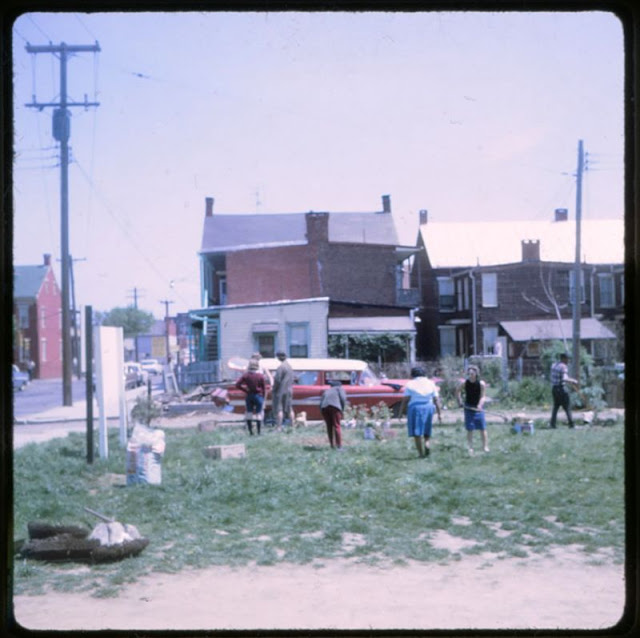
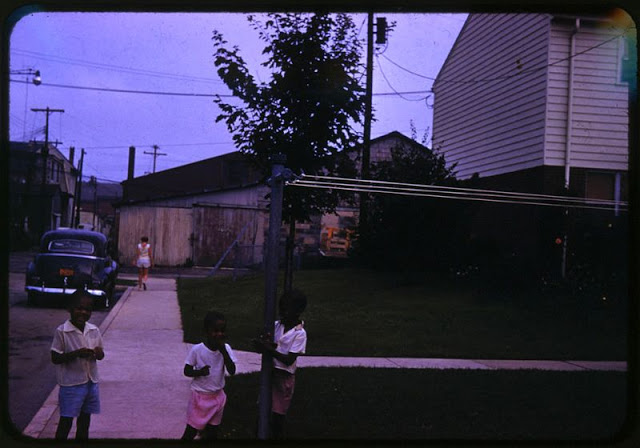
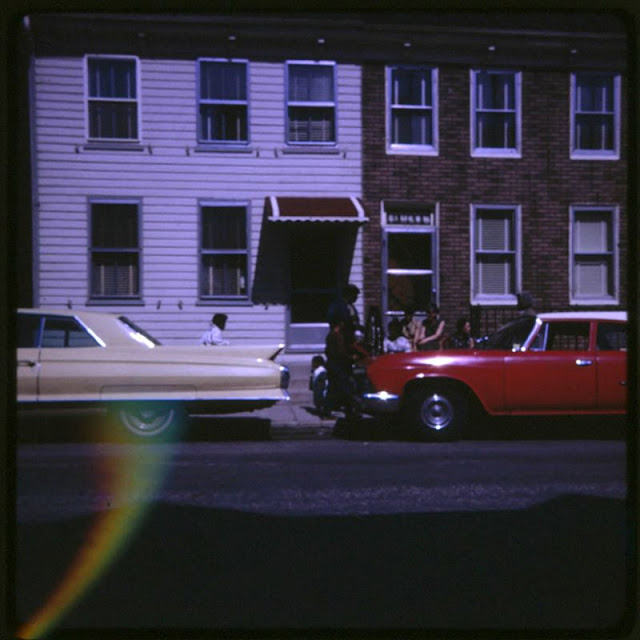
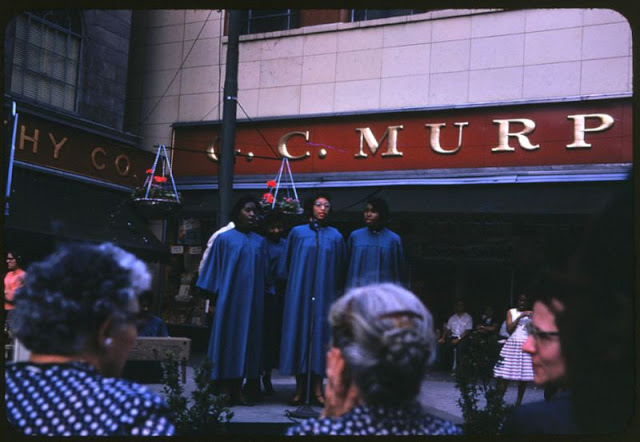
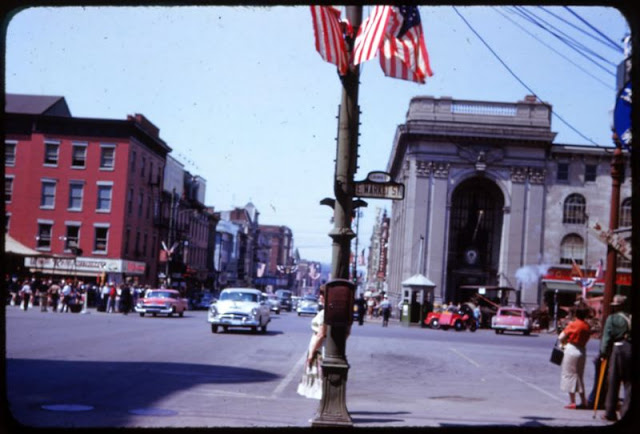
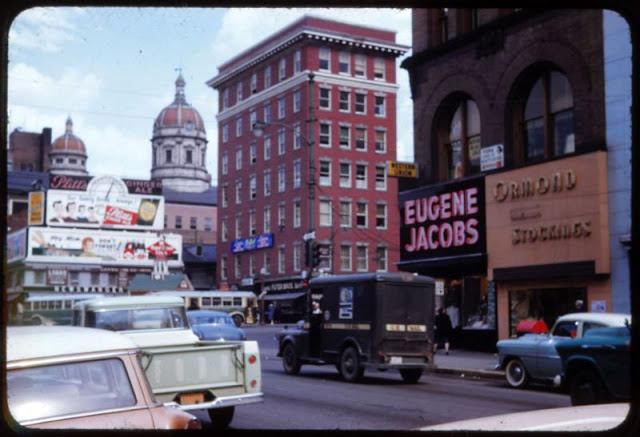
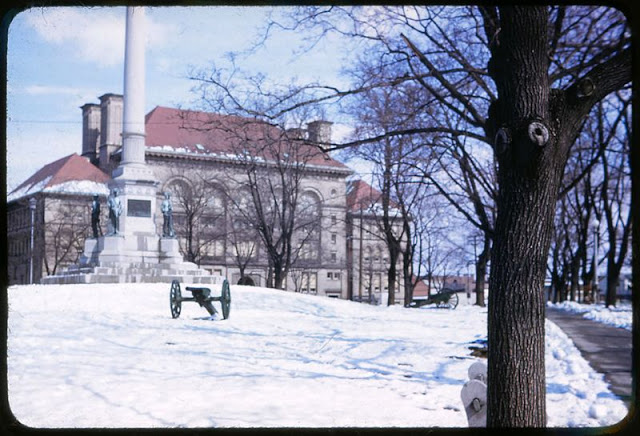
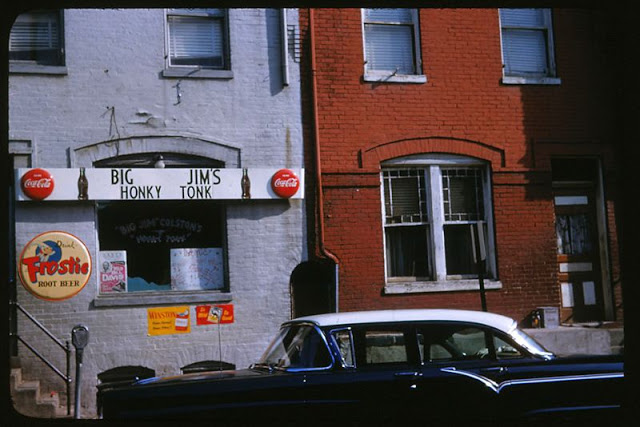
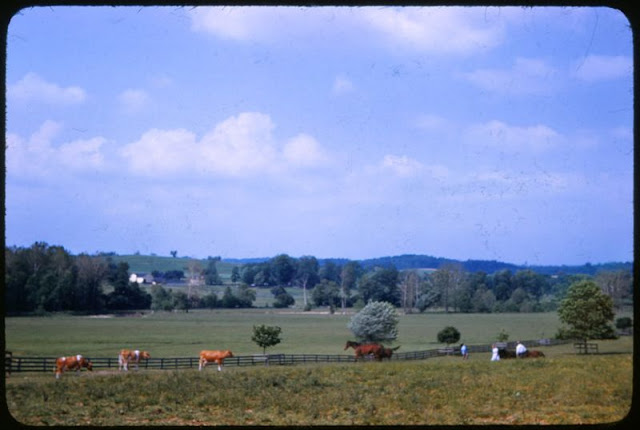
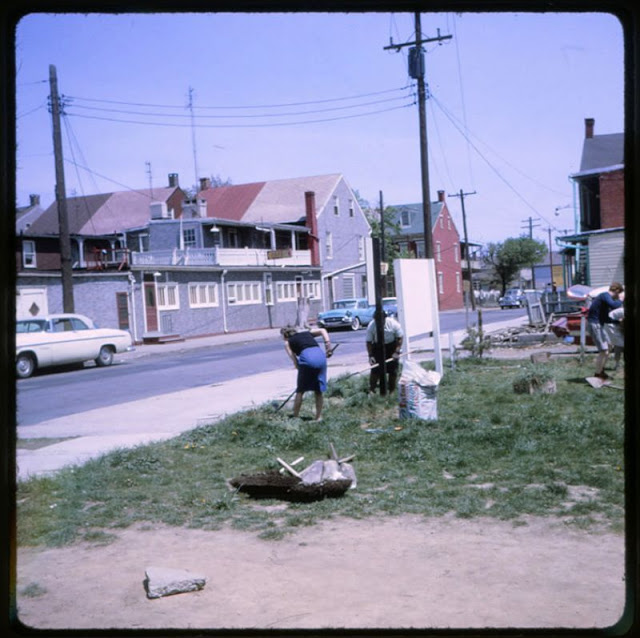
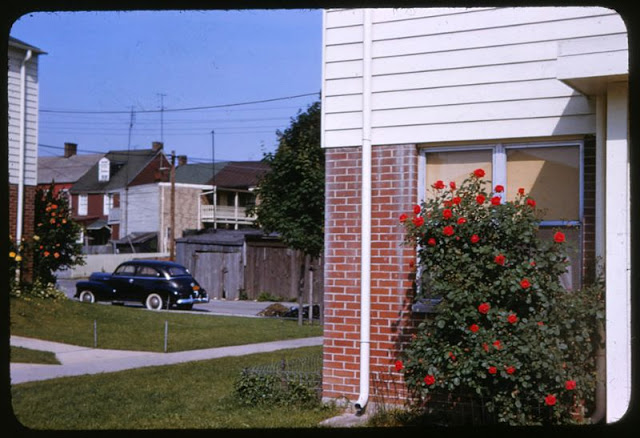
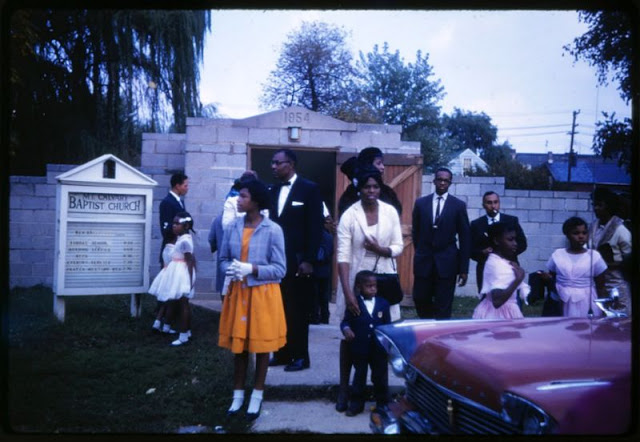
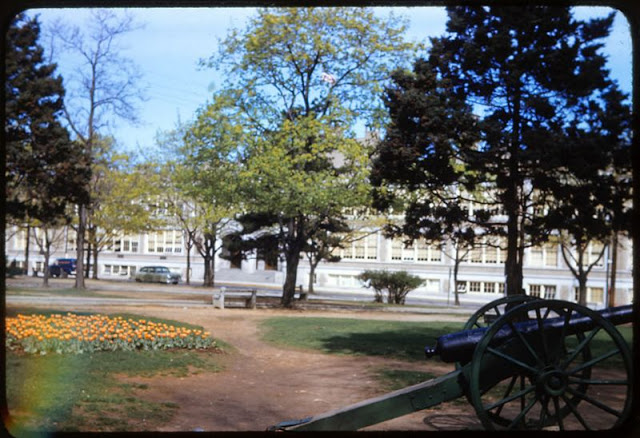
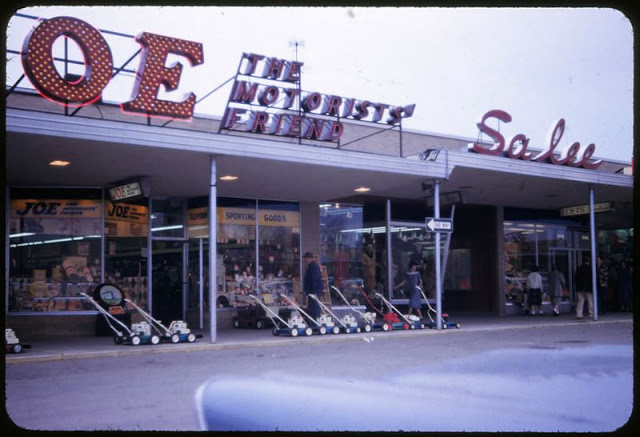
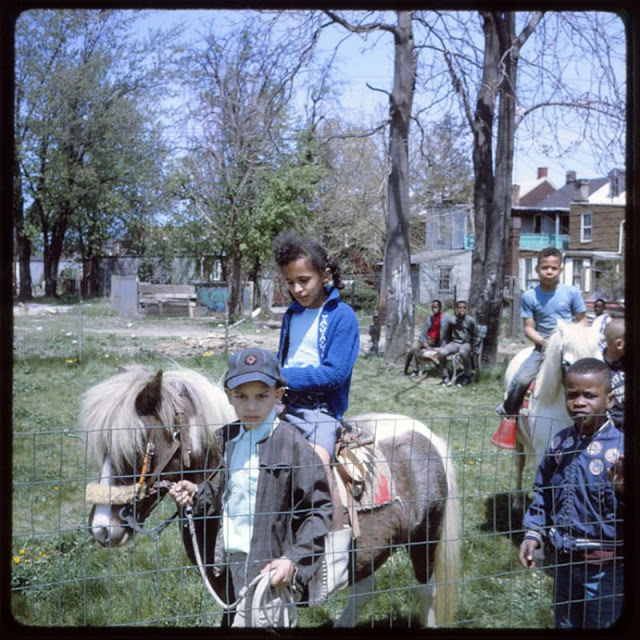
These beautiful slides were found by Jan Paul Arends via Flickr that captured everyday life of York County, Pennsylvania in the 1950s.
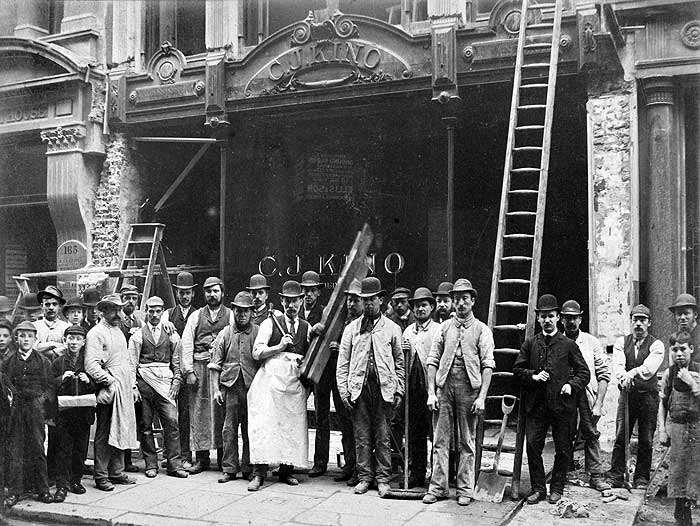
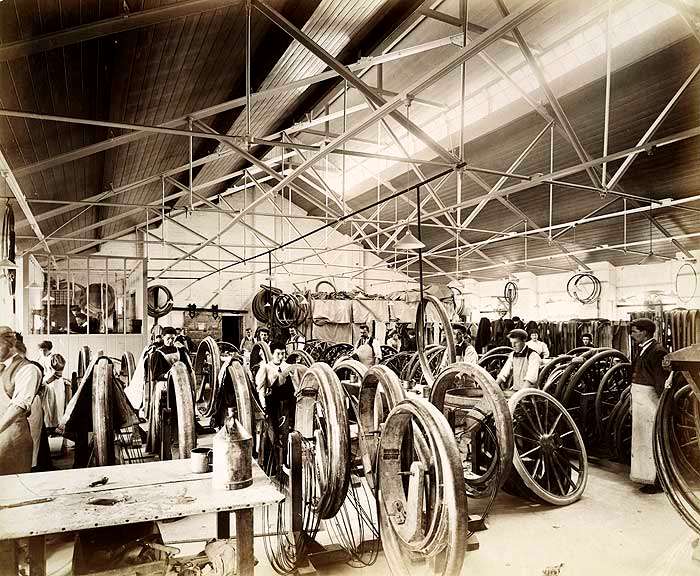
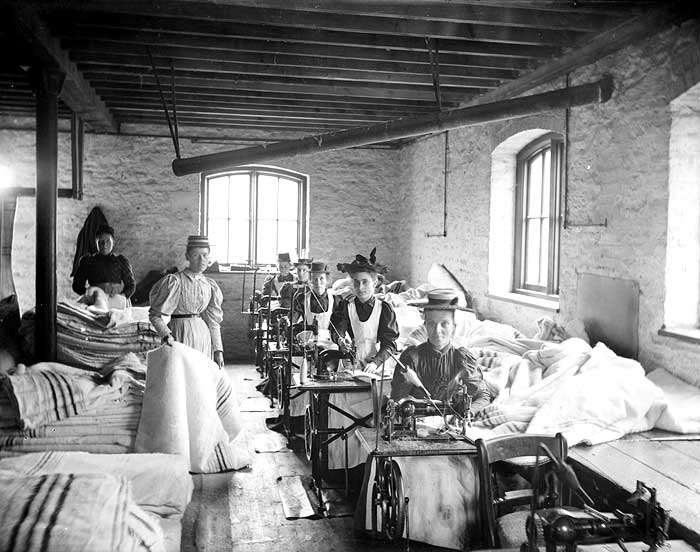
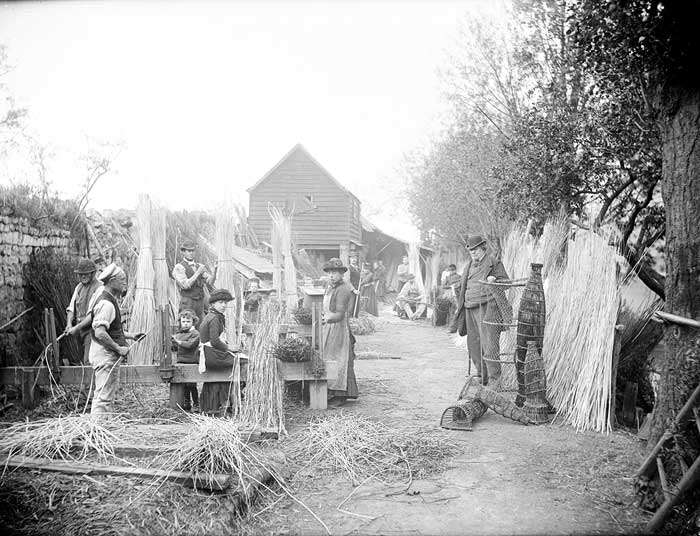
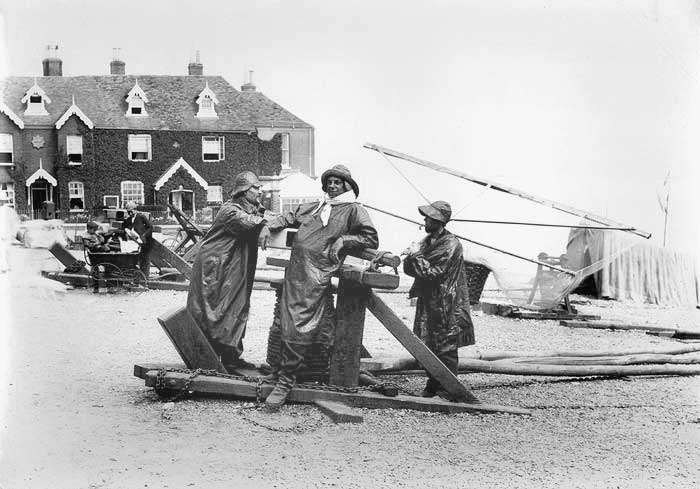
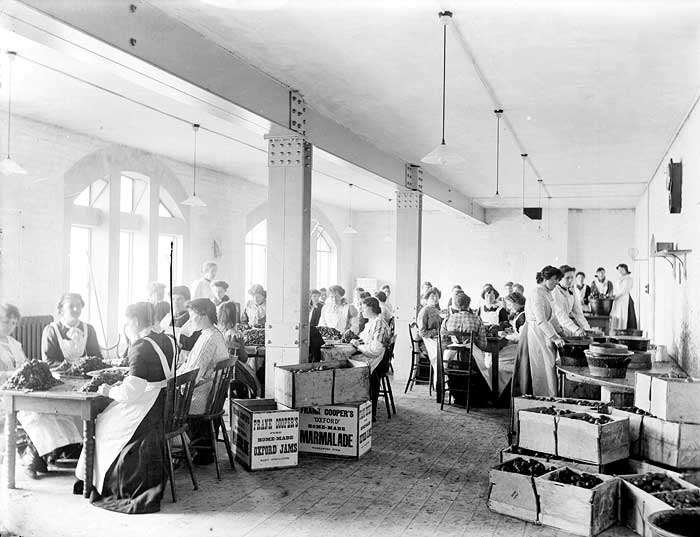
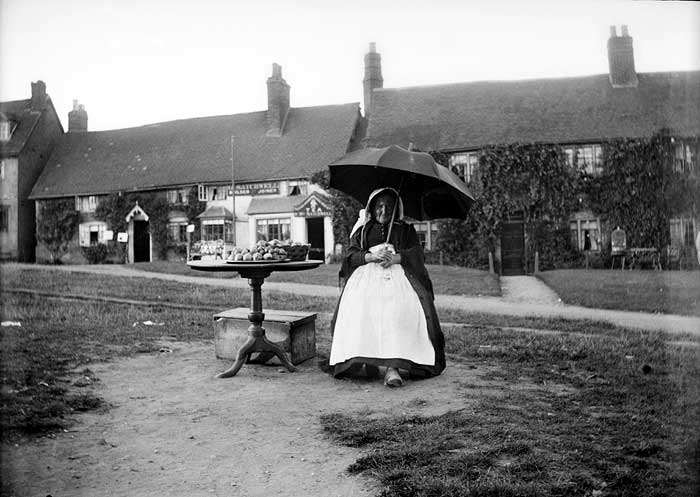
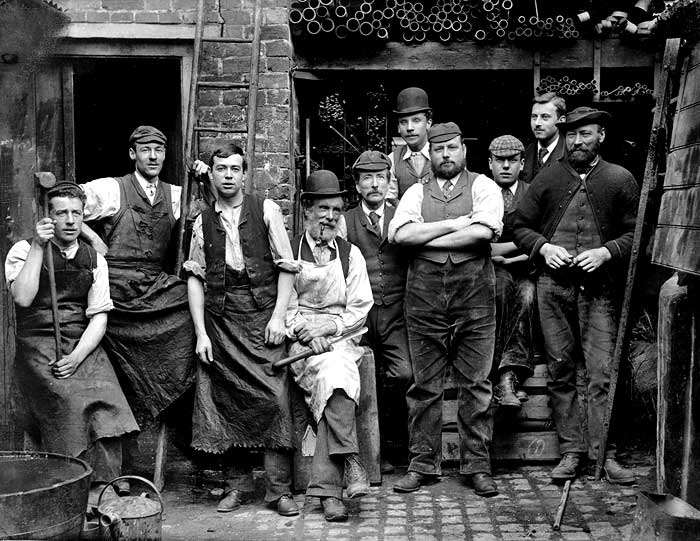
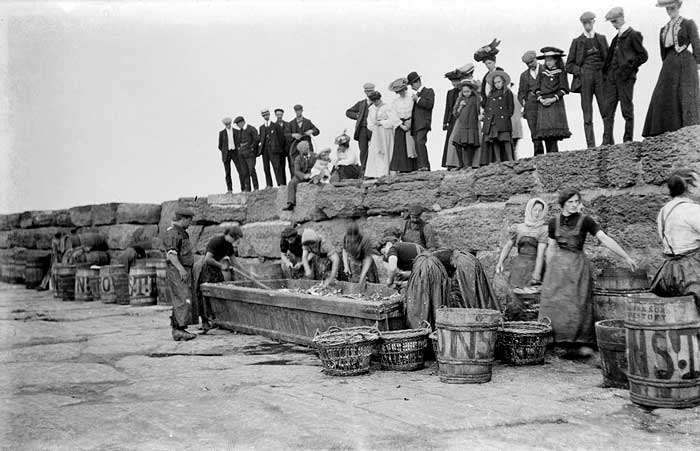
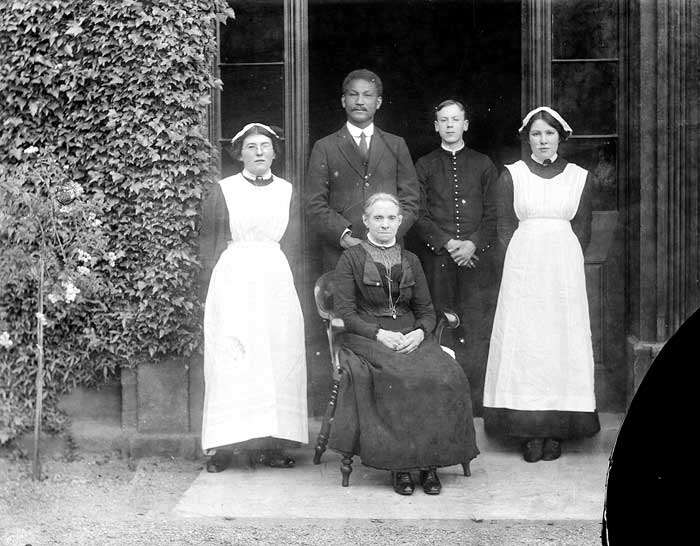
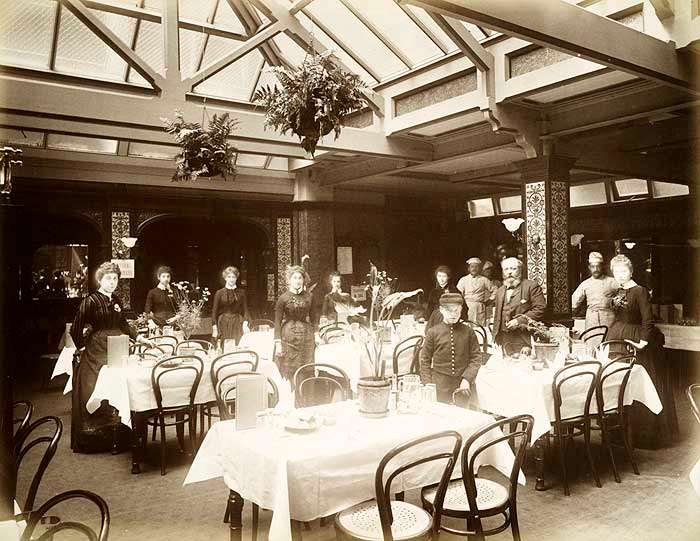
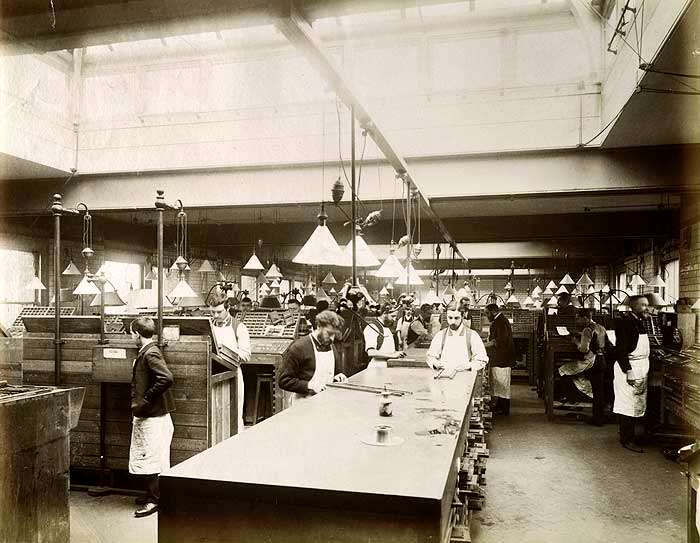
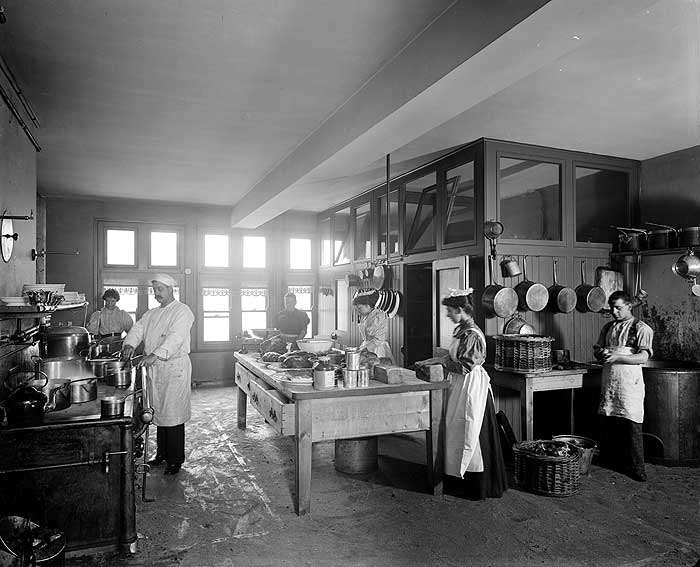
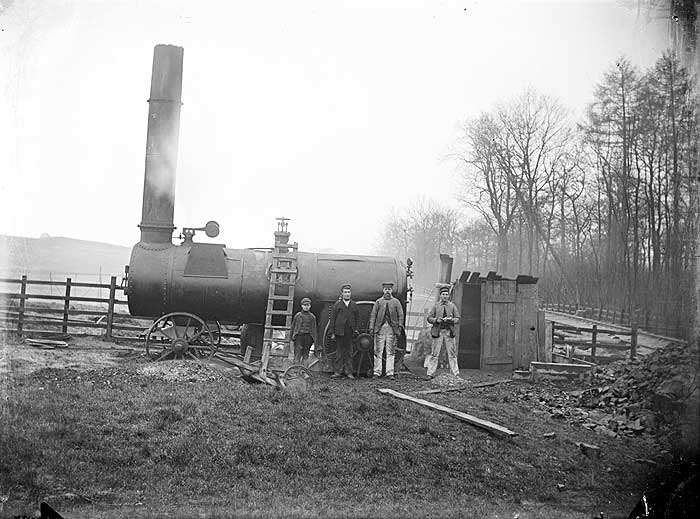
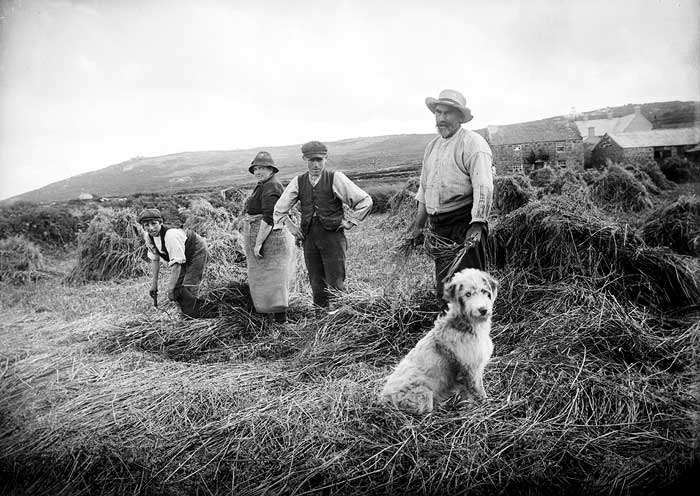
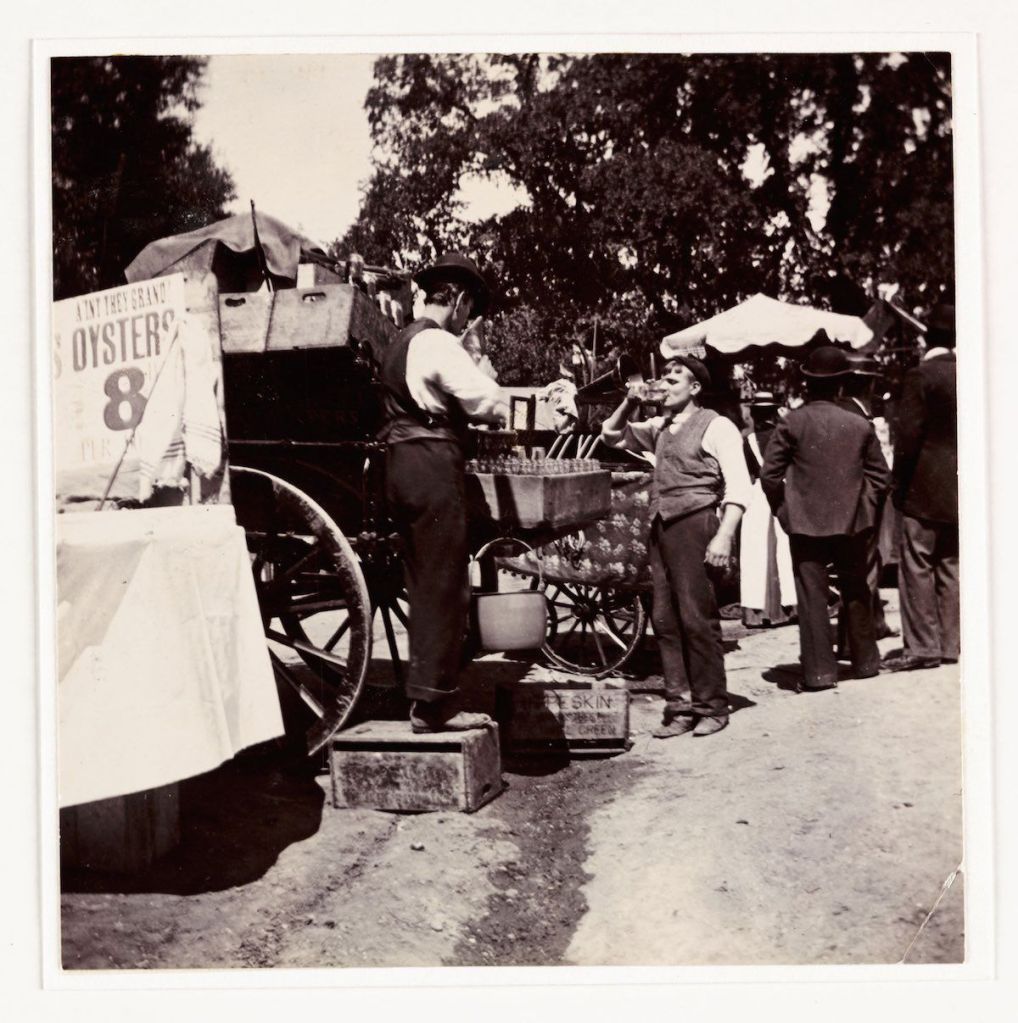
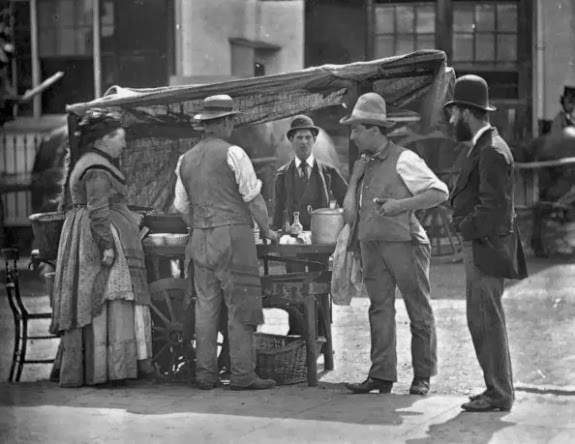
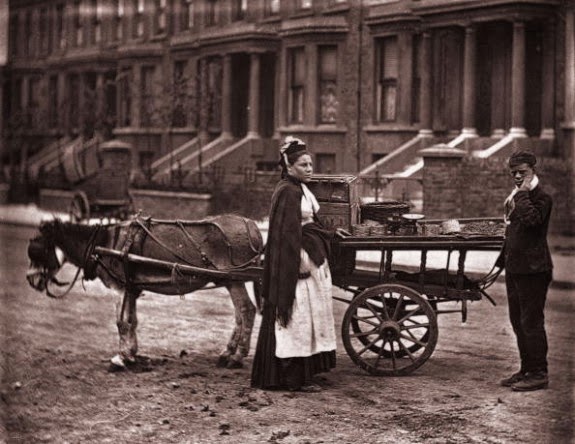
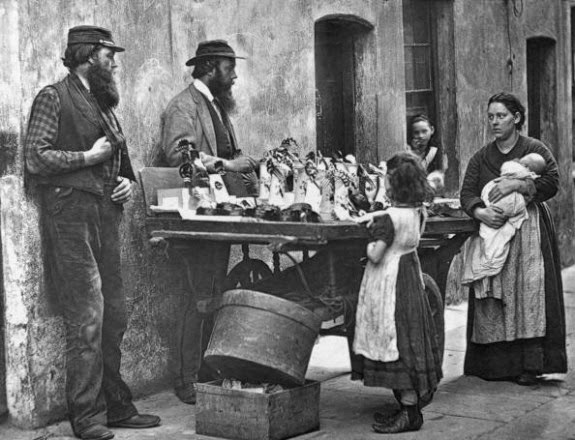
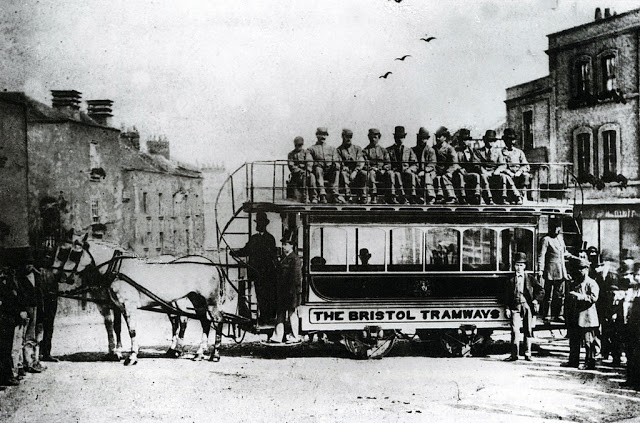
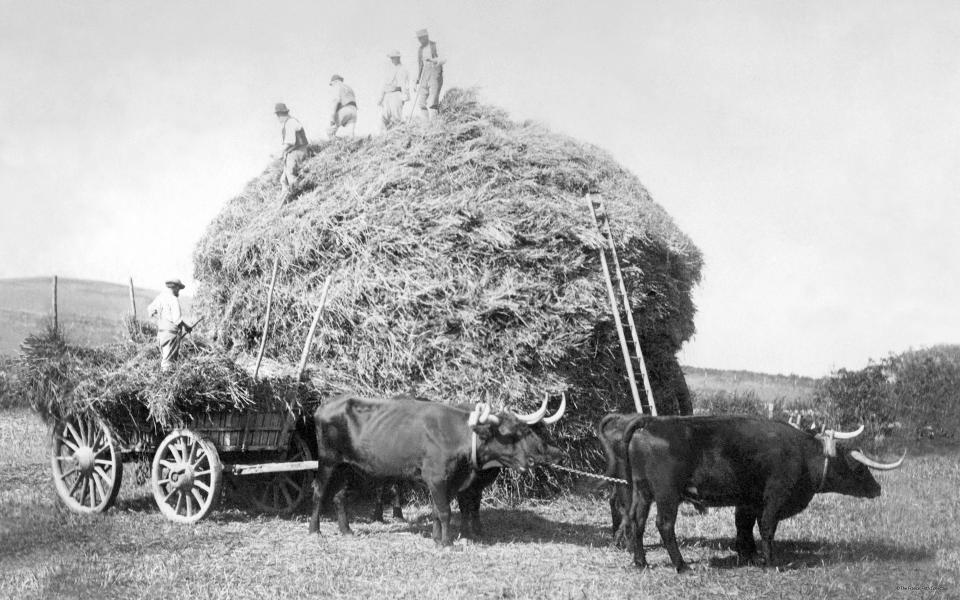
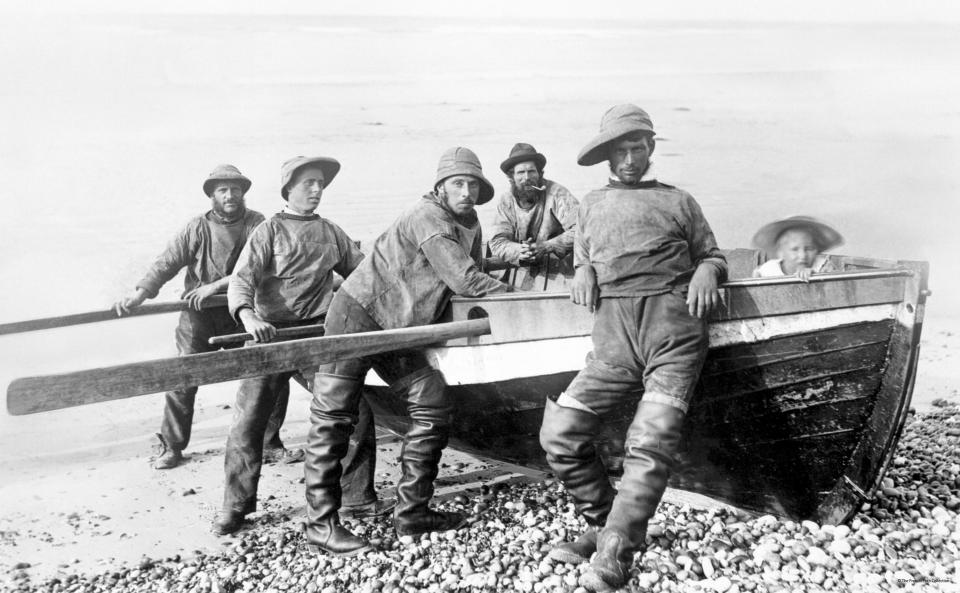
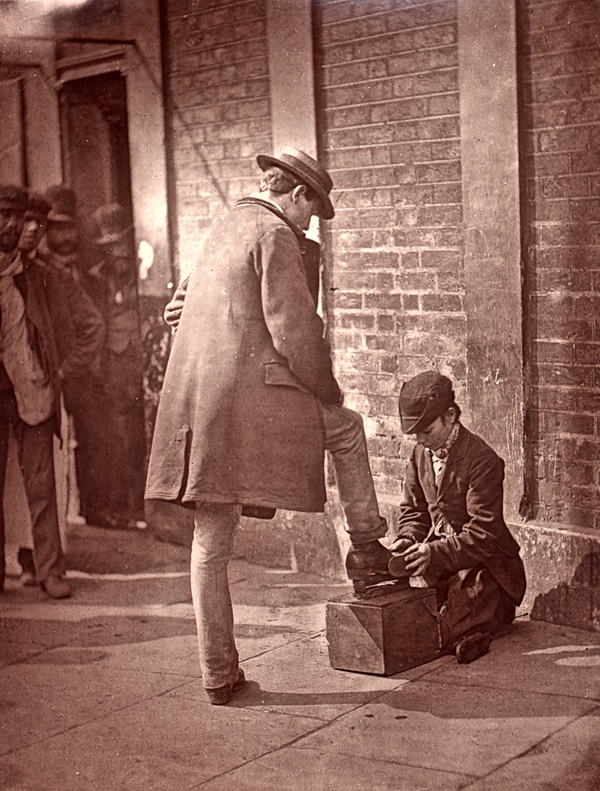
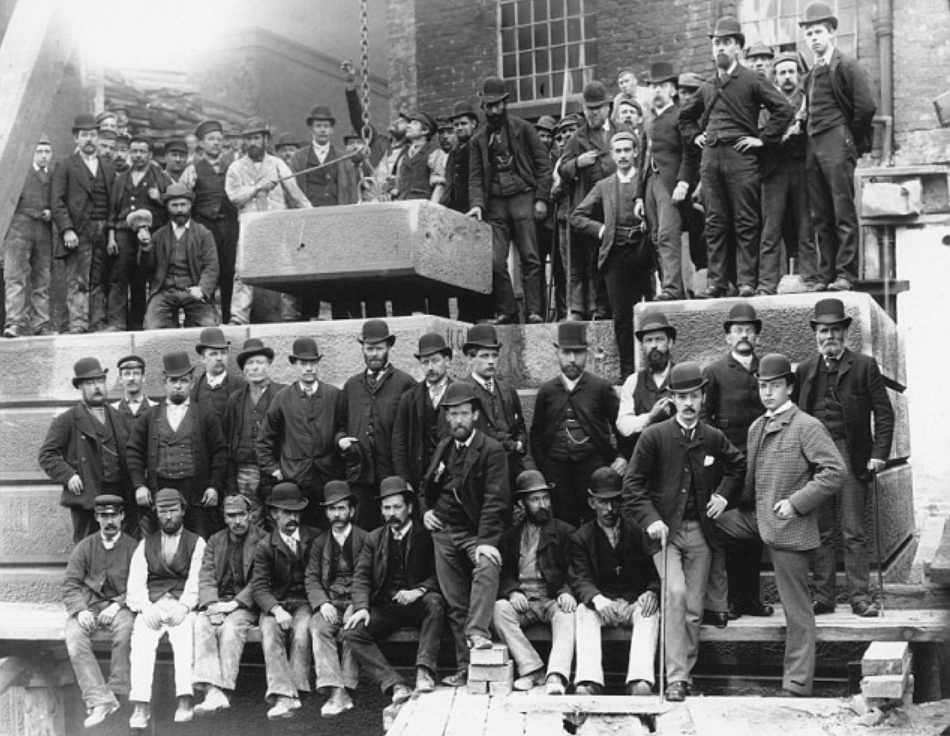
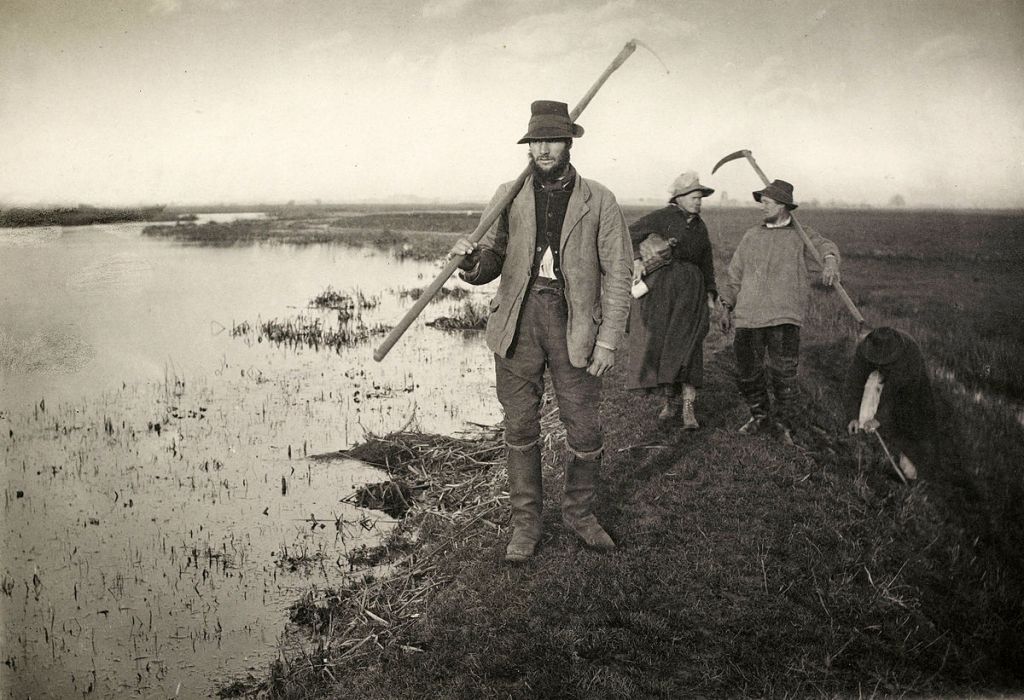
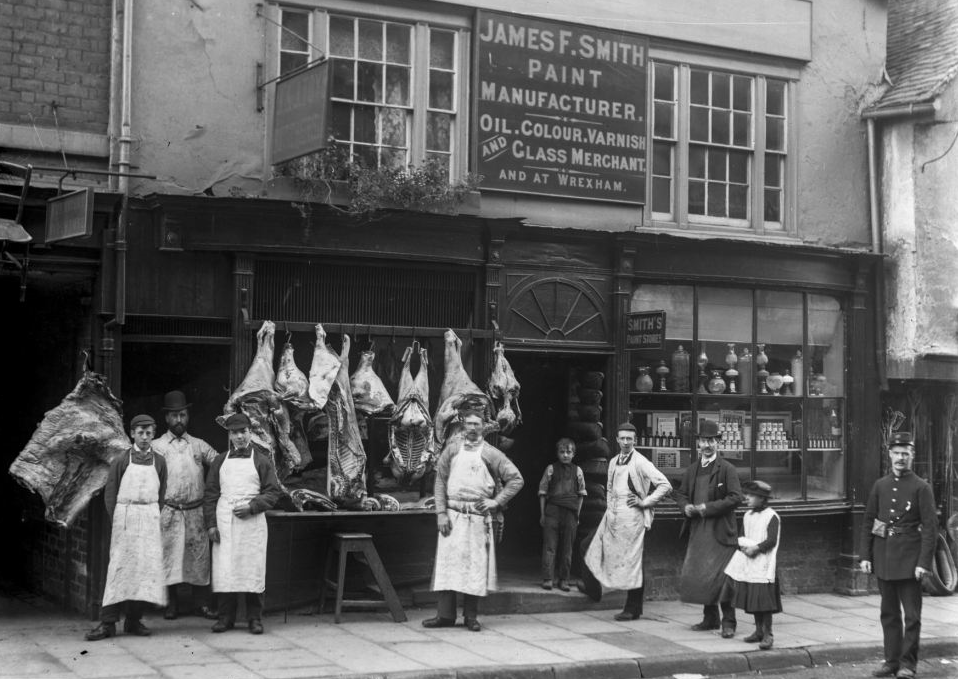
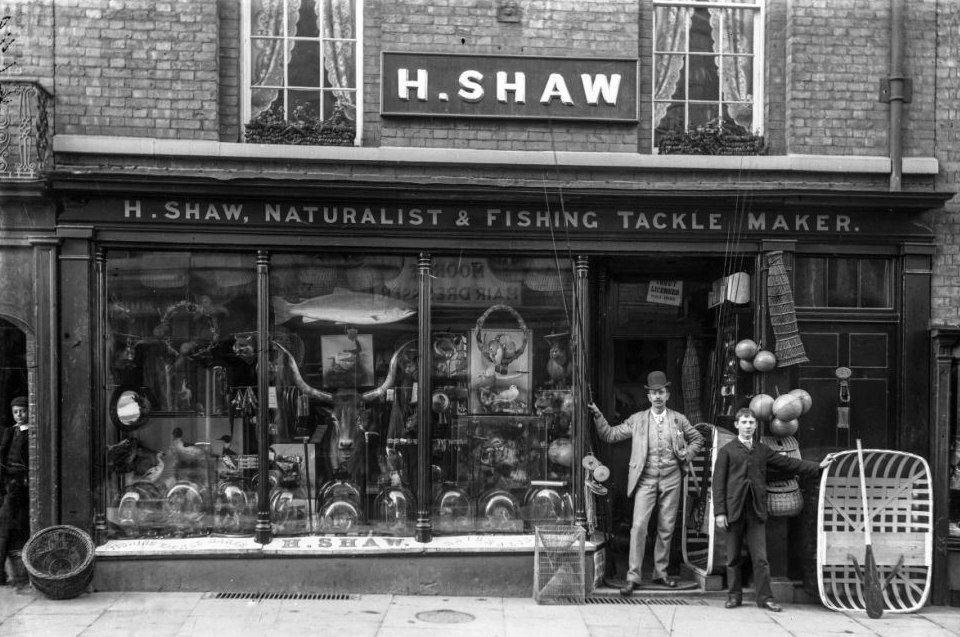
Barges at Brigg, North Lincolnshire, 1901C J Kino, 164 Fenchurch Street, City of London, 1888Charwelton Station, Northamptonshire, 1900Dunlop Pneumatic Tyre Company Limited, Alma Street, Coventry, 1897Early Blanket Factory, Witney, Oxfordshire, 1880sFisher Row, Oxford, Oxfordshire, 1900Fishermen on the Shore at Deal, Kent, 1890Frank Cooper’s Works, Victoria Buildings, Park End Street, Oxford, Oxfordshire, 1900Fruit seller at Castle Green, Kenilworth, Warwickshire, 1898King Street, Maidenhead, Windsor and Maidenhead, 1880sPacking fish, Scarborough, North Yorkshire, 1896Pembroke College, Oxford, Oxfordshire, 1890sPost lady, Kerrier, Cornwall, 1901Royal Cafe, Old Hall Street, Liverpool, Merseyside, 1888The Field Offices, Breams Buildings, City of London, 1891Tootal, Broadhurst and Lee Warehouse, Oxford Road, Manchester, 1900Tower Bridge Hotel, Tower Bridge Road, Southwark, London, 1897Two servants, Byfield, Northamptonshire, 1901Workers at Charwelton, Northamptonshire, 1900Workers making hay, Cornwall, 1901A man takes a cooling drink from a stall. The vendor stands nearby on a crate. 1898A view of a food stall at a fairground. The man in the centre may be looking after a hot fat fryer, perhaps for making chips. 1898The Temperance Sweep’ and a barefooted boy small enough to fit inside narrow passages. 1870sA Victorian shellfish stall holder selling oysters and whelks. 1870sA street locksmith mending locks at his stall on the spot. 1877Victorian ‘Mush-Fakers’ and ginger beer makers with their cart. 1877A Victorian fruit seller shouts out ‘strawberries, all ripe, all ripe’ in a London street. 1873A street trader and shoeshine in Victorian London. 1870sA Victorian fancy wear dealer selling ornaments from his barrow. 1870sBristol Tramways & Carriage Company, 1875First electric-cables being laid in Bristol’s High Street, 1893This image from Jevington, East Sussex in 1888 shows how a cornstack was built.A group of fisherman pose on the beachfront in Sheringham in Norfolk in 1893Construction of Manchester Ship Canal, 1889J Plater’s Cart, Van & Carriage Works, Haddenham, Buckinghamshire, 1900.The Independent Bootblack, 1870sWorkers start the new Stockport Viaduct, which became the biggest brick structure in Europe. 1840sFarmers on the Norfolk Broads, 1886Butchers, 1888Shopkeepers, 1888Victorian children in their Sunday best get in on the picture at Manchester House hosier and draper, with its bunting of stockings. 1888Iron mongers taking a break, 1897Circus performers bring their instruments and exotic animals to Taplow in Buckinghamshire in 1885London postmen meet the Mail Train, 1898London, A Ginger Cake Seller, Greenwich 1884.
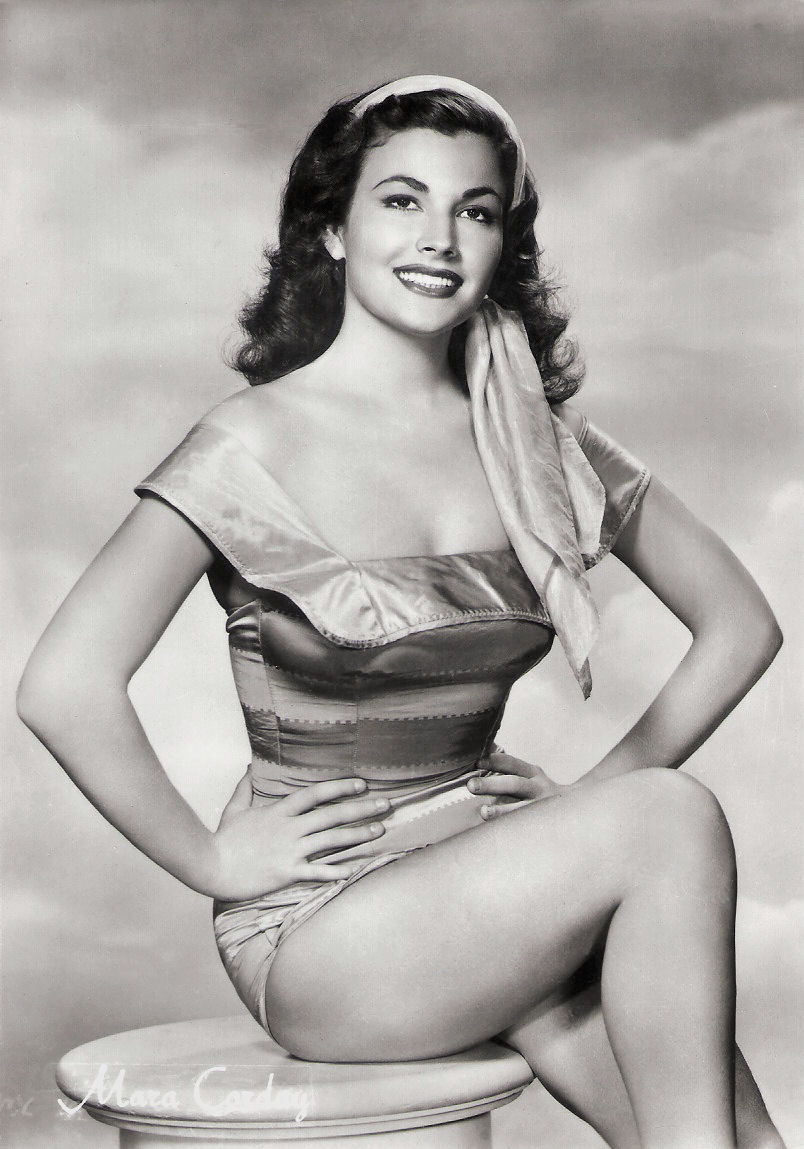
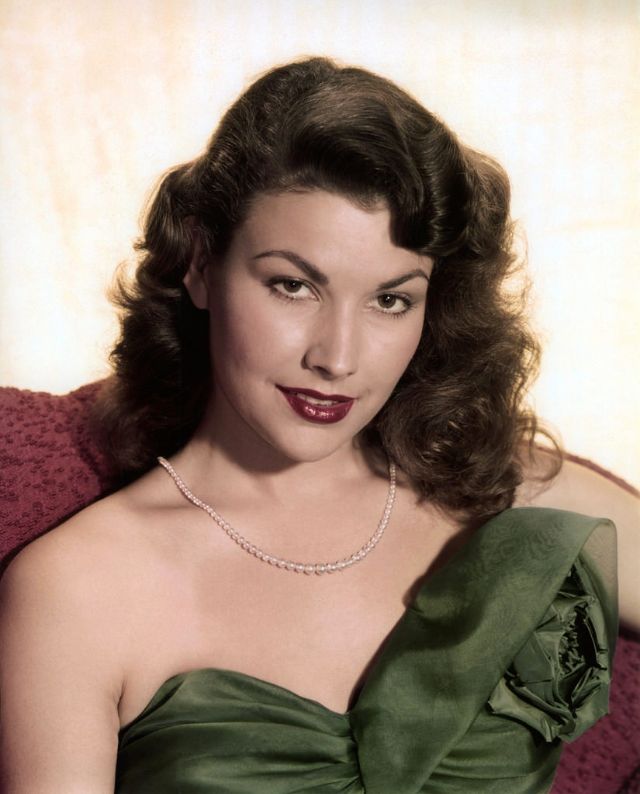
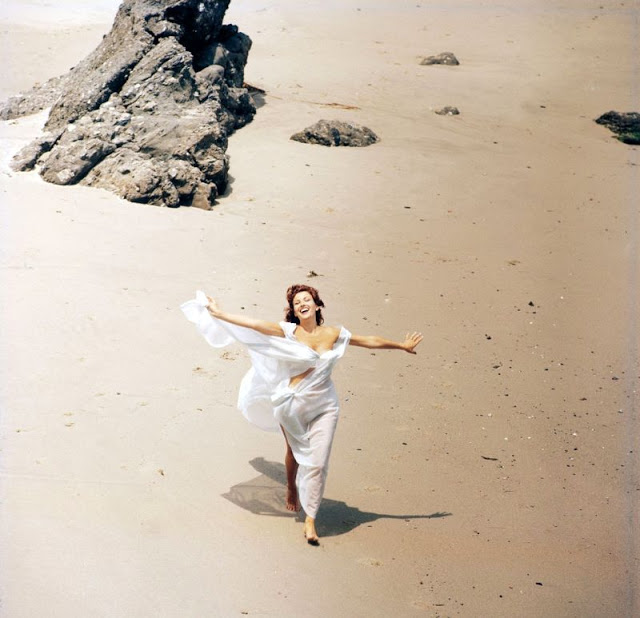
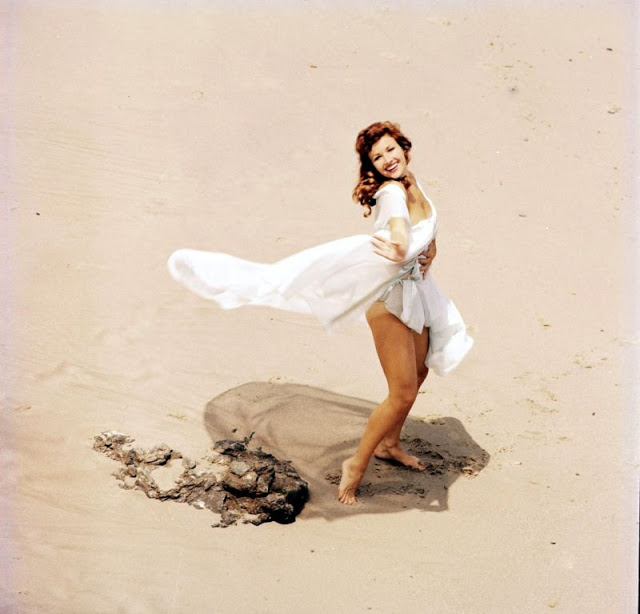
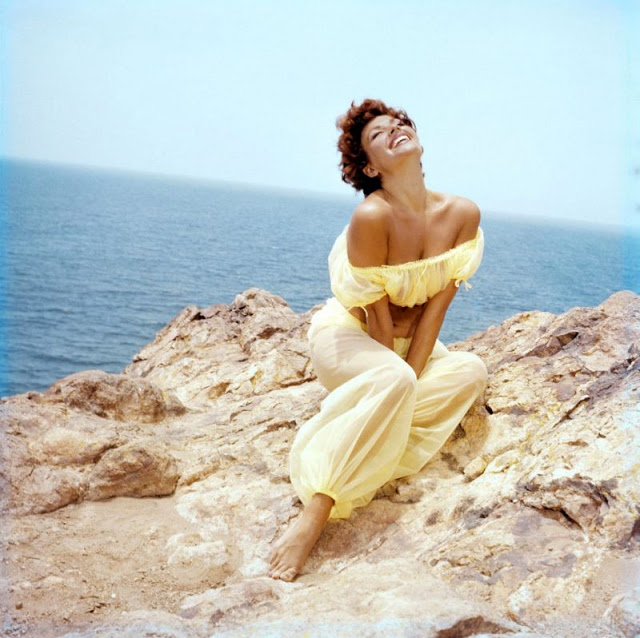
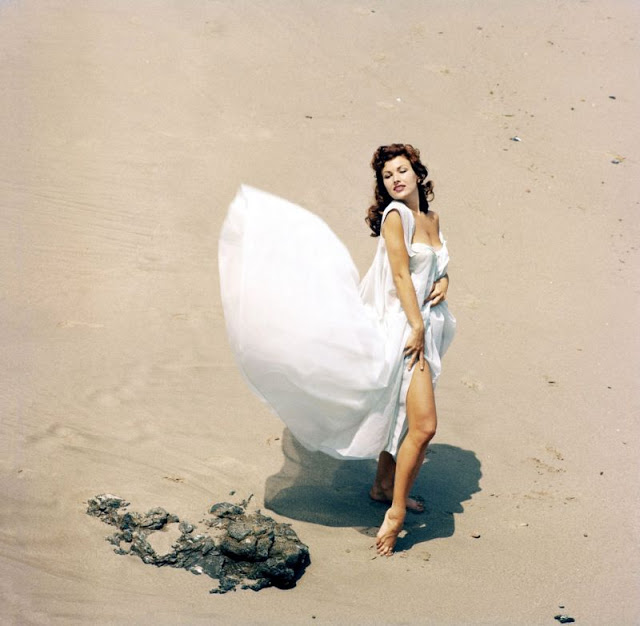
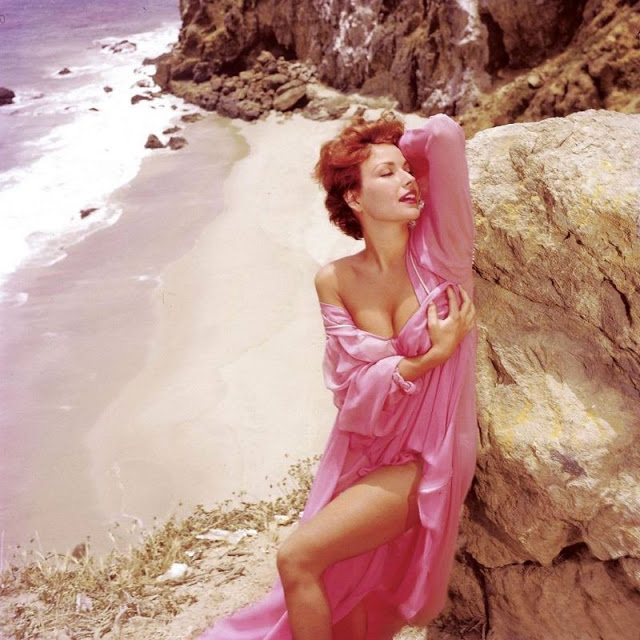
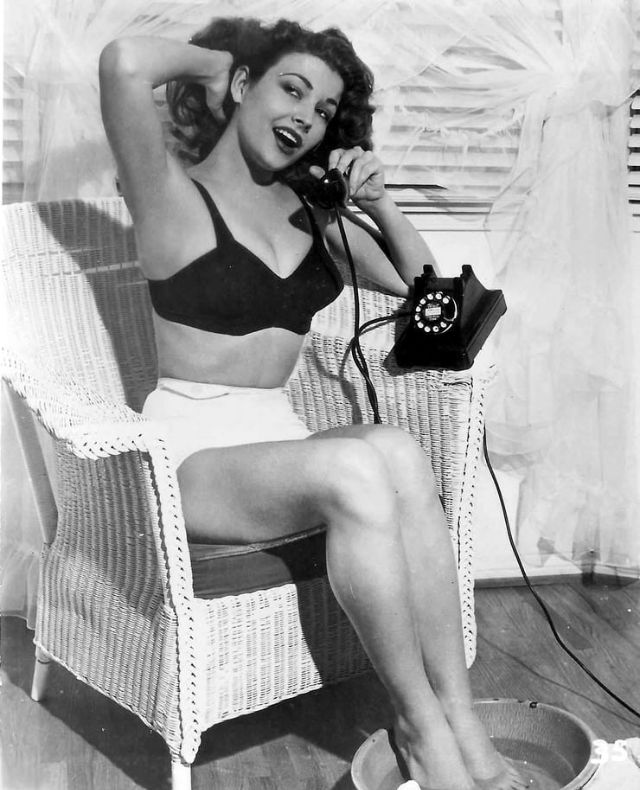
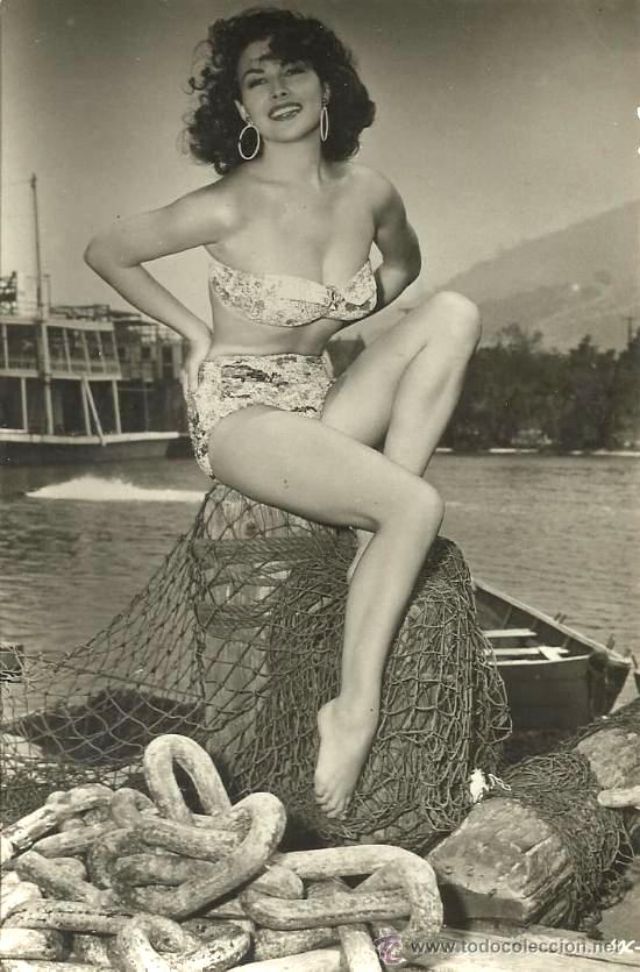
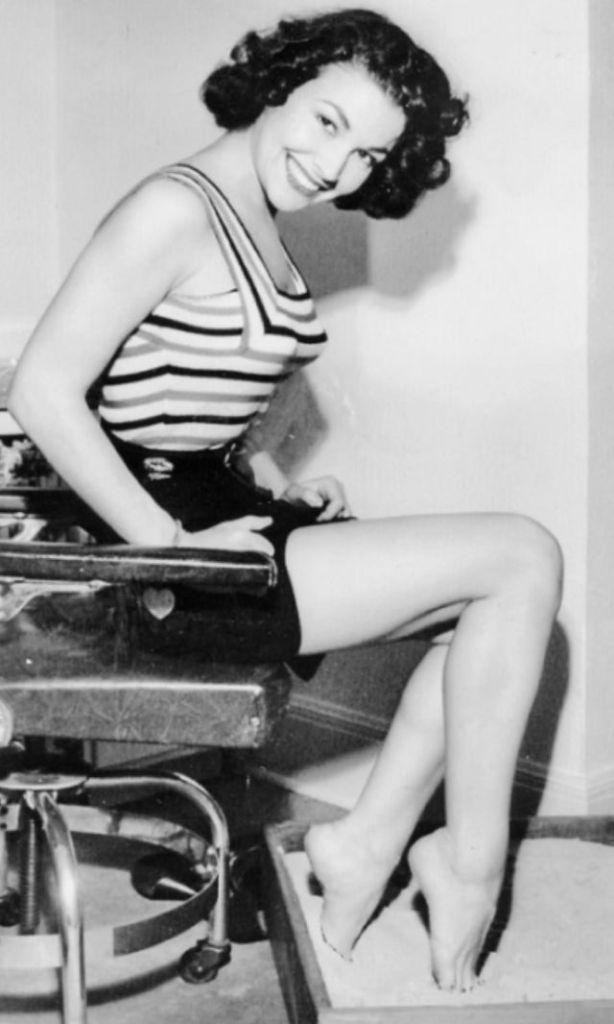
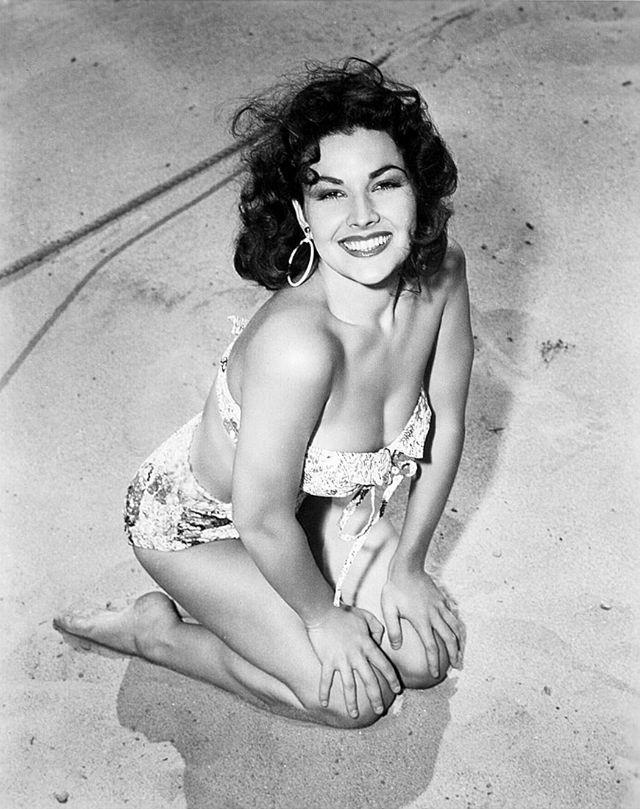
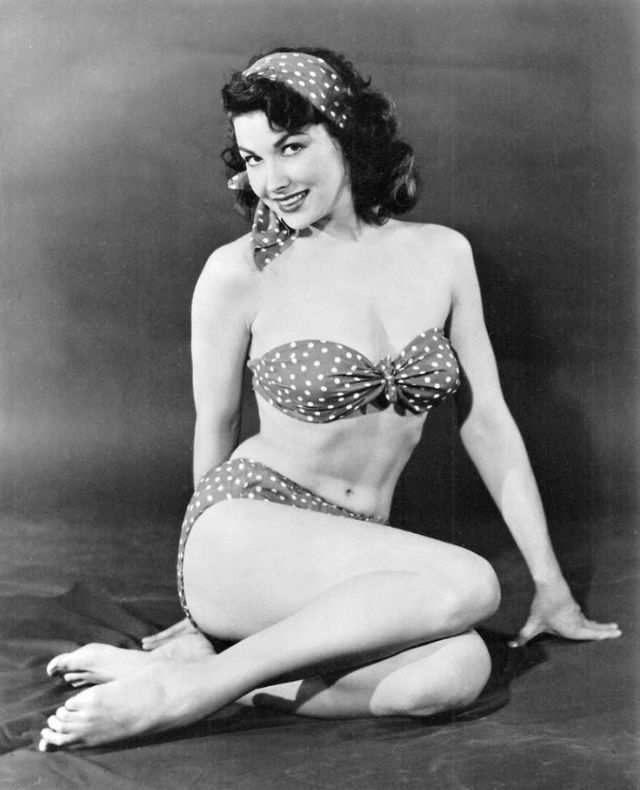
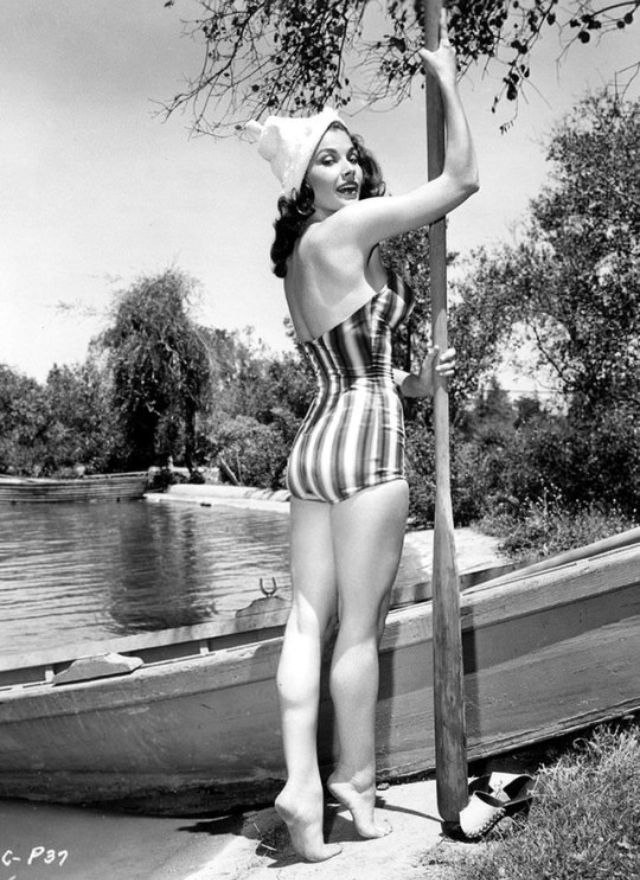
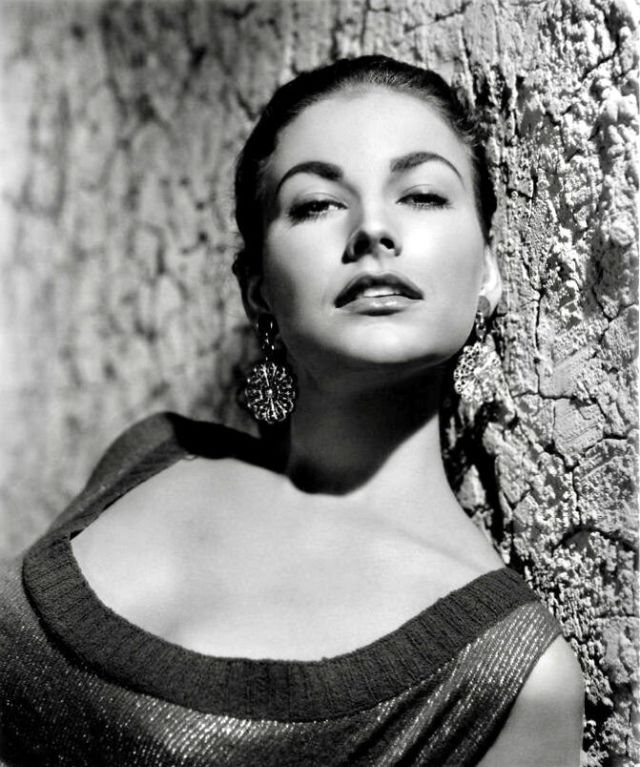
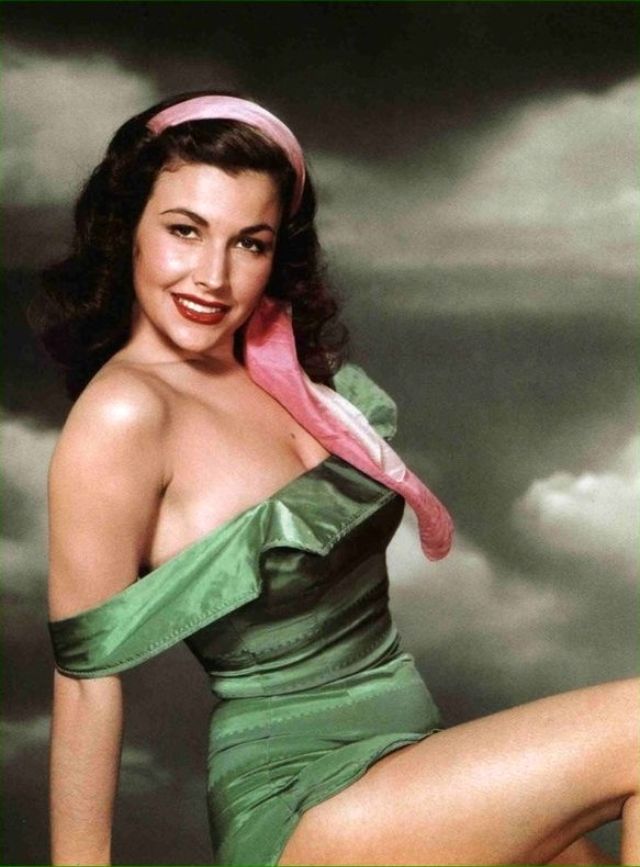
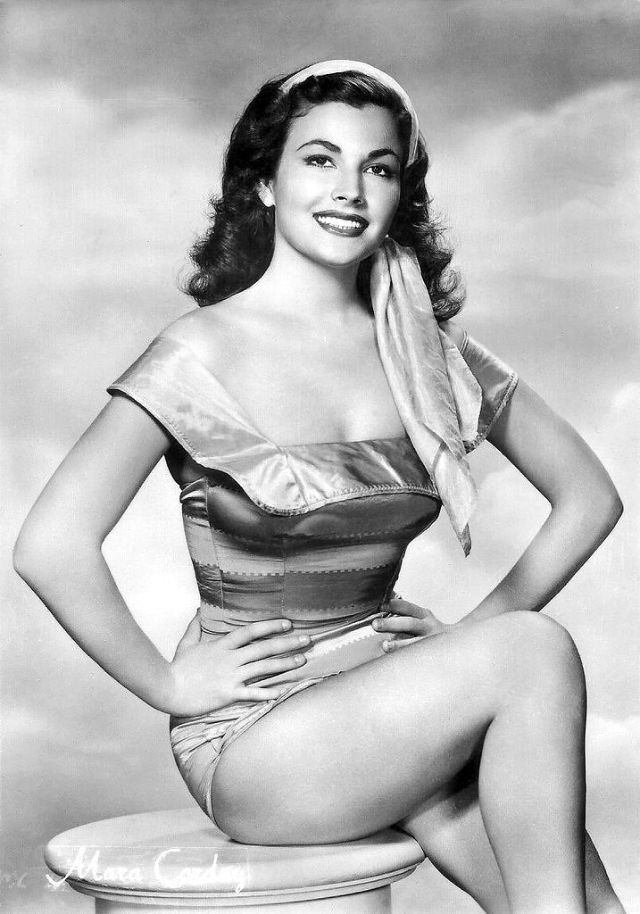
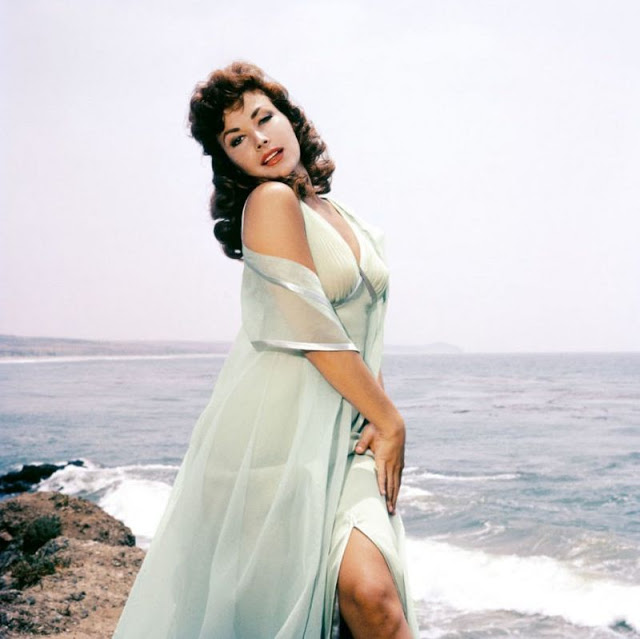
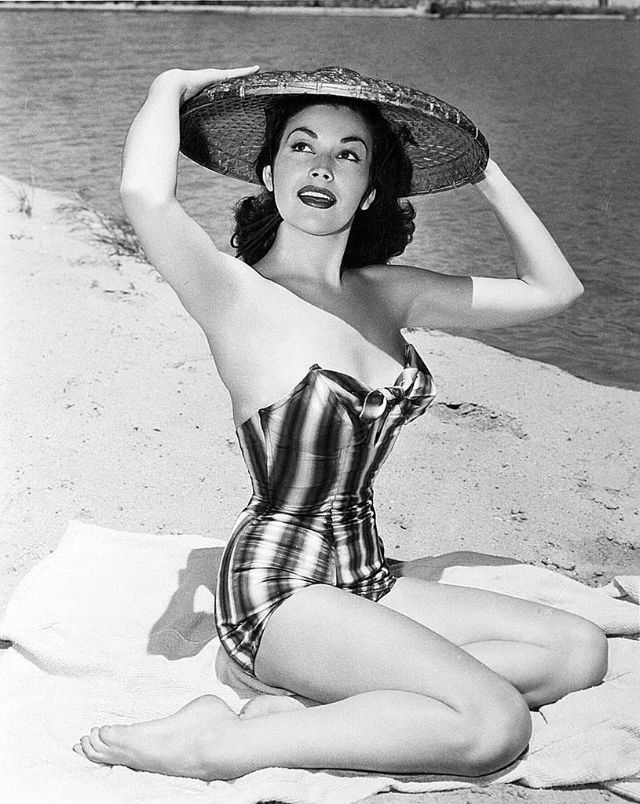
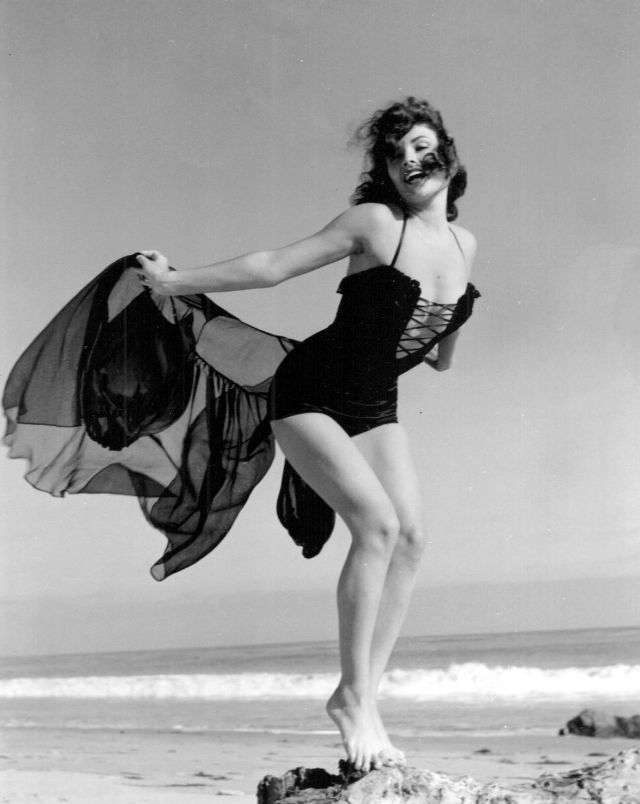
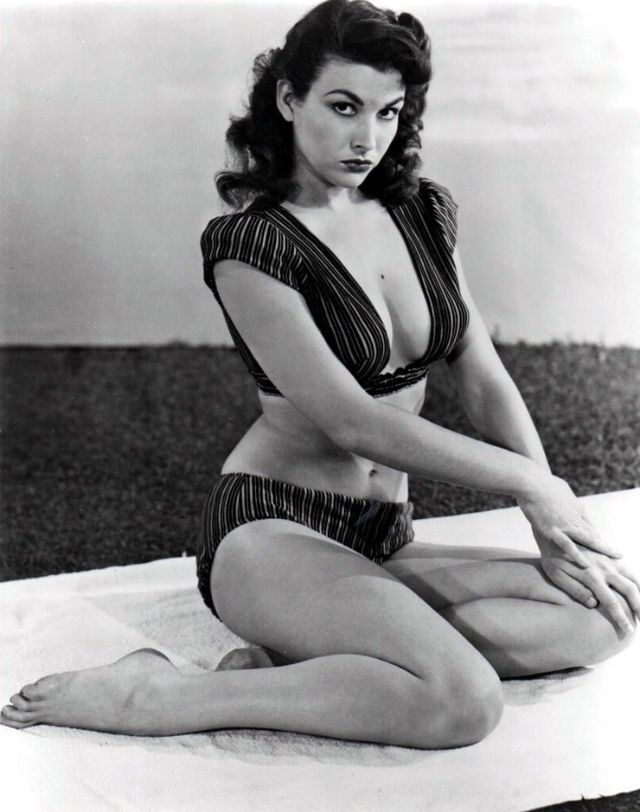
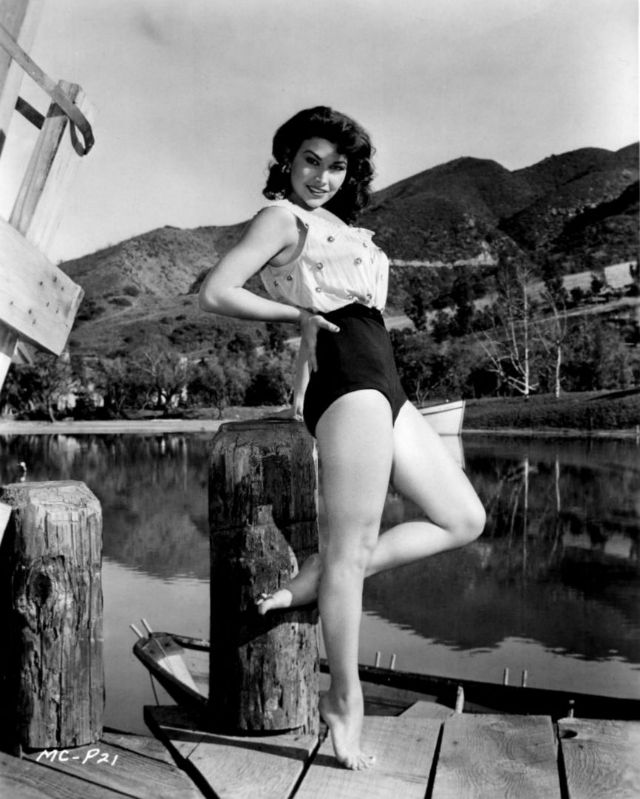
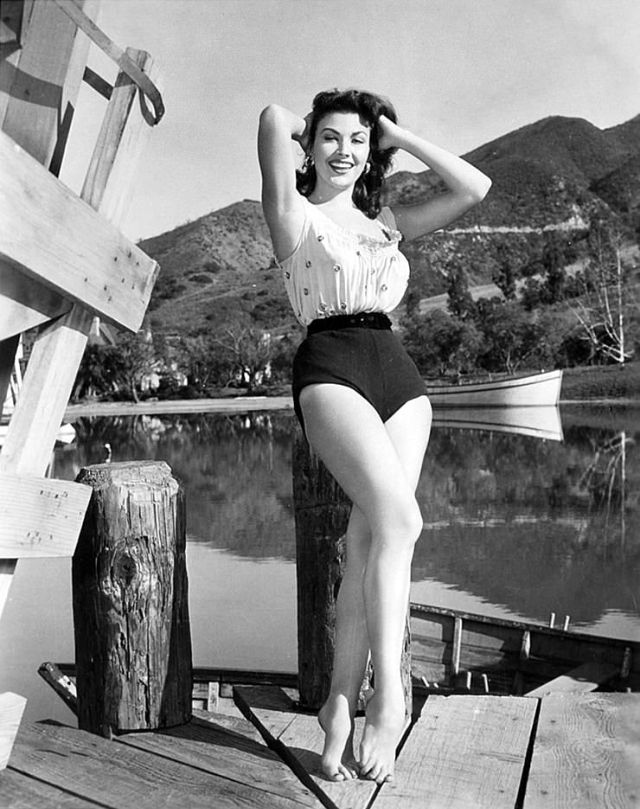
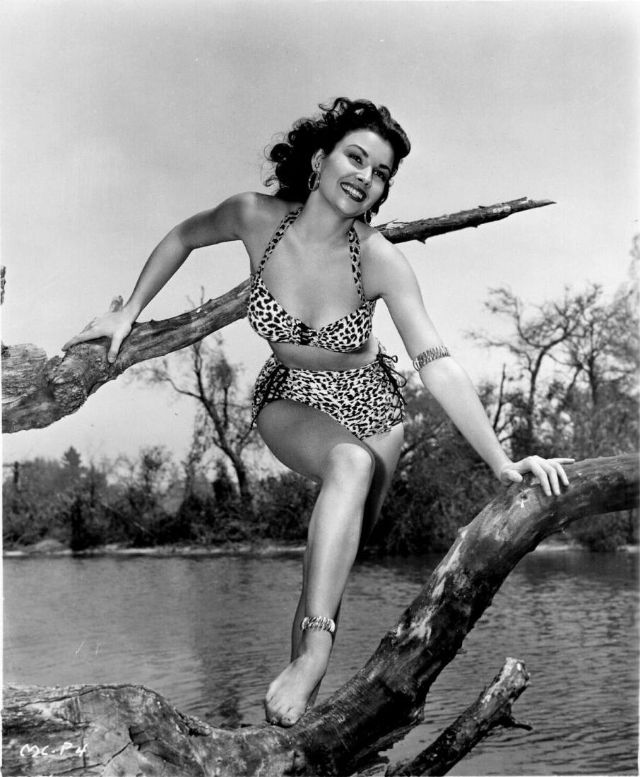
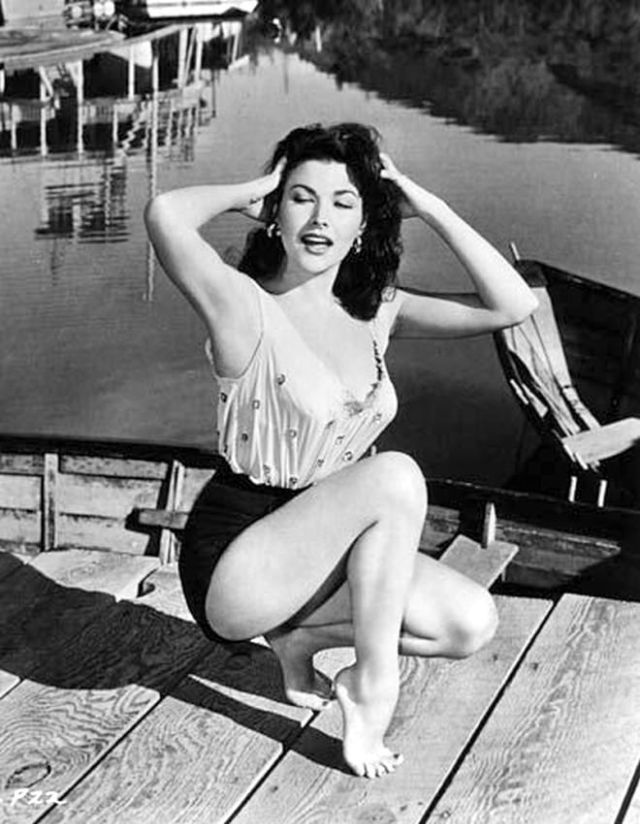
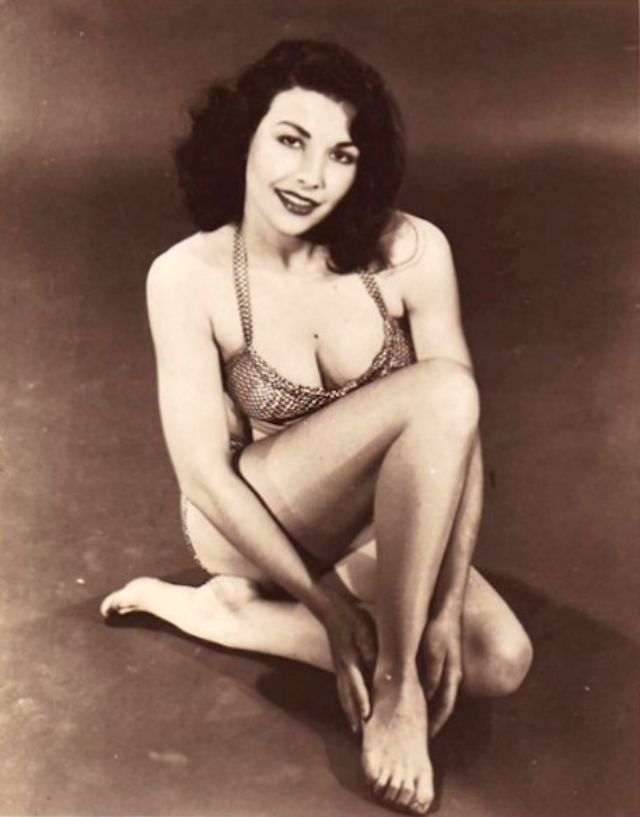
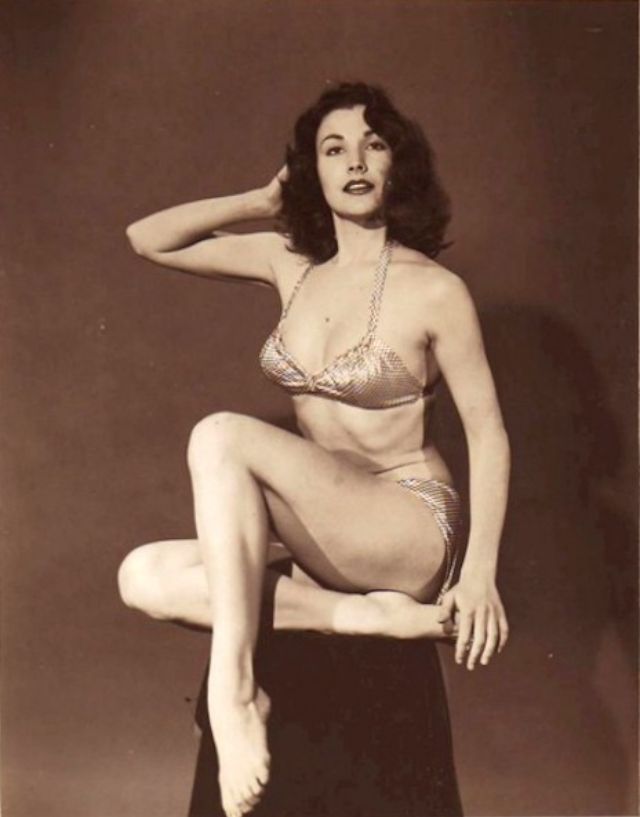
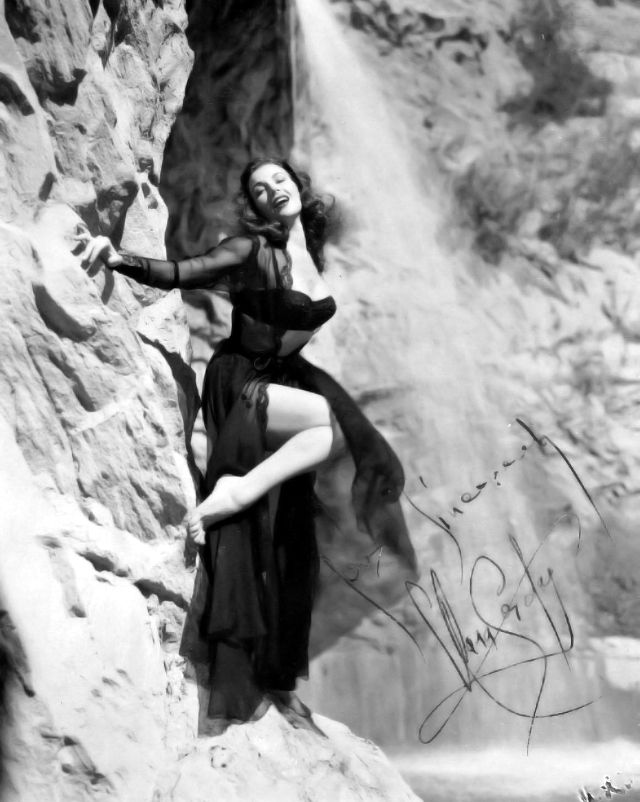
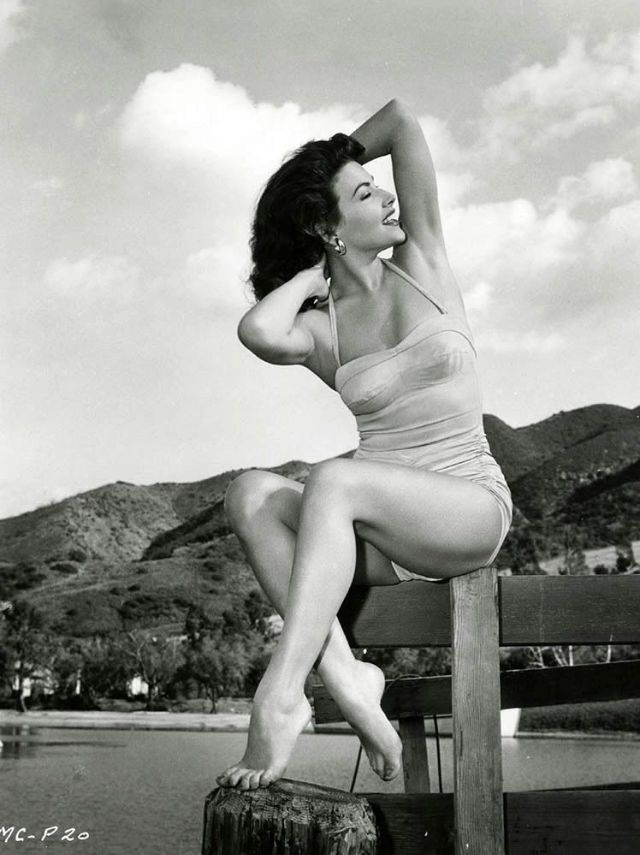
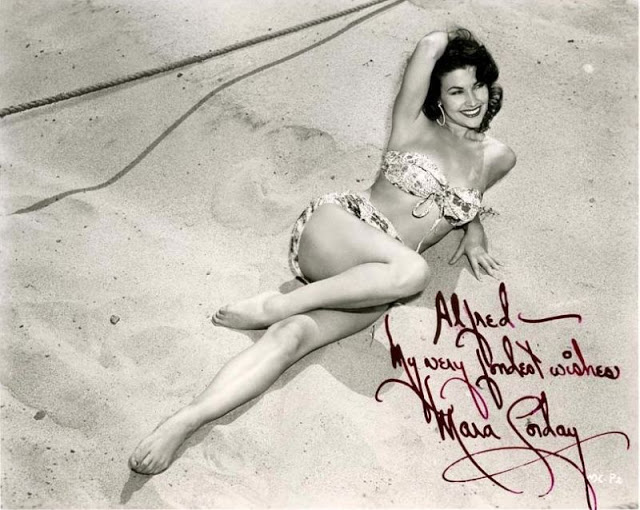
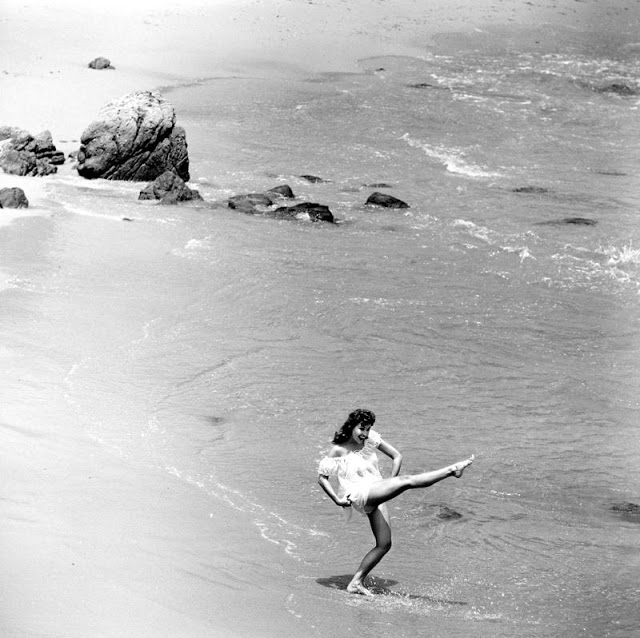
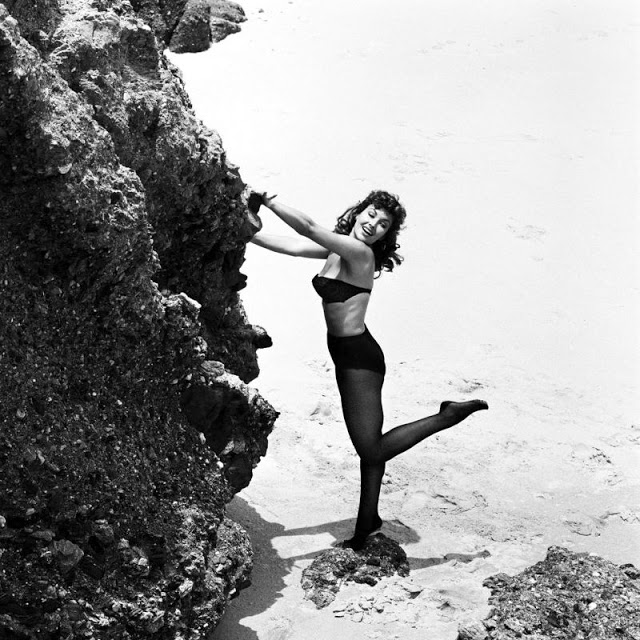
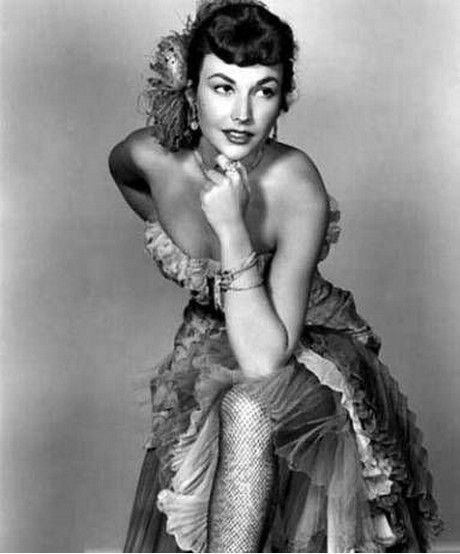
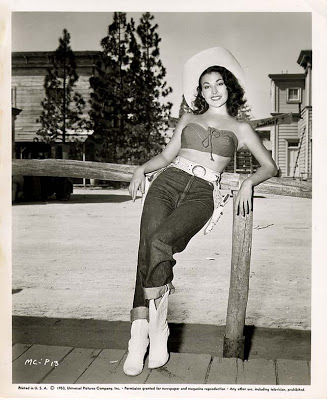
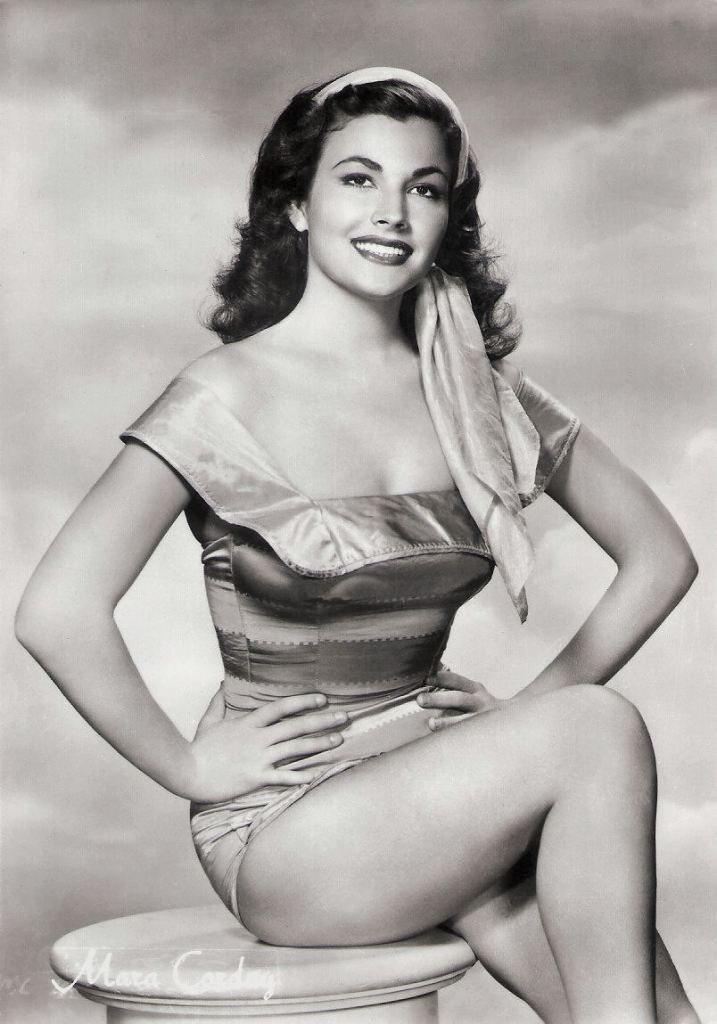
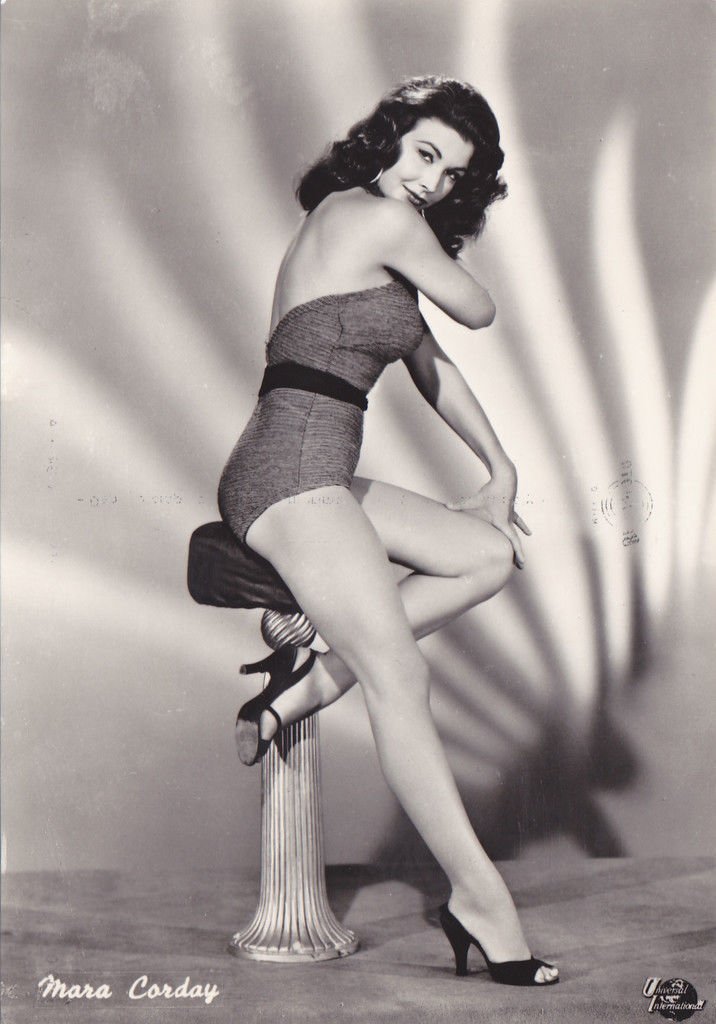
The actress was born Marilyn Watts in Santa Monica, California, 17 years before she put her foot on the bottom step of the show biz ladder, dancing in the back row of the chorus in “Earl Carroll’s Revue” at the famed showman’s theater-restaurant in Hollywood. Modeling for photographers led to wider exposure and ultimately to TV roles and bit parts in low-budget movies. As a Universal-International contract player, she was in most every type of B picture that the studio made. She gave up acting in the early ’60s to concentrate on marriage and motherhood during 17 tumultuous years as the wife of actor Richard Long. Since his 1974 death, she’s played supporting parts in her friend Clint Eastwood’s movies, just as he played a supporting role in one of hers (Tarantula (1955)). IMDB